window.__IS_SSR__=true
window.__INITIAL_STATE__={
"attachmentsReducer": {
"audio_0": {
"type": "attachments",
"id": "audio_0",
"imgSizes": {
"kqedFullSize": {
"file": "https://ww2.kqed.org/news/wp-content/themes/KQED-unified/img/audio_bgs/background0.jpg"
}
}
},
"audio_1": {
"type": "attachments",
"id": "audio_1",
"imgSizes": {
"kqedFullSize": {
"file": "https://ww2.kqed.org/news/wp-content/themes/KQED-unified/img/audio_bgs/background1.jpg"
}
}
},
"audio_2": {
"type": "attachments",
"id": "audio_2",
"imgSizes": {
"kqedFullSize": {
"file": "https://ww2.kqed.org/news/wp-content/themes/KQED-unified/img/audio_bgs/background2.jpg"
}
}
},
"audio_3": {
"type": "attachments",
"id": "audio_3",
"imgSizes": {
"kqedFullSize": {
"file": "https://ww2.kqed.org/news/wp-content/themes/KQED-unified/img/audio_bgs/background3.jpg"
}
}
},
"audio_4": {
"type": "attachments",
"id": "audio_4",
"imgSizes": {
"kqedFullSize": {
"file": "https://ww2.kqed.org/news/wp-content/themes/KQED-unified/img/audio_bgs/background4.jpg"
}
}
},
"placeholder": {
"type": "attachments",
"id": "placeholder",
"imgSizes": {
"thumbnail": {
"file": "https://cdn.kqed.org/wp-content/uploads/2024/12/KQED-Default-Image-816638274-2000x1333-1-160x107.jpg",
"width": 160,
"height": 107,
"mimeType": "image/jpeg"
},
"medium": {
"file": "https://cdn.kqed.org/wp-content/uploads/2024/12/KQED-Default-Image-816638274-2000x1333-1-800x533.jpg",
"width": 800,
"height": 533,
"mimeType": "image/jpeg"
},
"medium_large": {
"file": "https://cdn.kqed.org/wp-content/uploads/2024/12/KQED-Default-Image-816638274-2000x1333-1-768x512.jpg",
"width": 768,
"height": 512,
"mimeType": "image/jpeg"
},
"large": {
"file": "https://cdn.kqed.org/wp-content/uploads/2024/12/KQED-Default-Image-816638274-2000x1333-1-1020x680.jpg",
"width": 1020,
"height": 680,
"mimeType": "image/jpeg"
},
"1536x1536": {
"file": "https://cdn.kqed.org/wp-content/uploads/2024/12/KQED-Default-Image-816638274-2000x1333-1-1536x1024.jpg",
"width": 1536,
"height": 1024,
"mimeType": "image/jpeg"
},
"fd-lrg": {
"file": "https://cdn.kqed.org/wp-content/uploads/2024/12/KQED-Default-Image-816638274-2000x1333-1-1536x1024.jpg",
"width": 1536,
"height": 1024,
"mimeType": "image/jpeg"
},
"fd-med": {
"file": "https://cdn.kqed.org/wp-content/uploads/2024/12/KQED-Default-Image-816638274-2000x1333-1-1020x680.jpg",
"width": 1020,
"height": 680,
"mimeType": "image/jpeg"
},
"fd-sm": {
"file": "https://cdn.kqed.org/wp-content/uploads/2024/12/KQED-Default-Image-816638274-2000x1333-1-800x533.jpg",
"width": 800,
"height": 533,
"mimeType": "image/jpeg"
},
"post-thumbnail": {
"file": "https://cdn.kqed.org/wp-content/uploads/2024/12/KQED-Default-Image-816638274-2000x1333-1-672x372.jpg",
"width": 672,
"height": 372,
"mimeType": "image/jpeg"
},
"twentyfourteen-full-width": {
"file": "https://cdn.kqed.org/wp-content/uploads/2024/12/KQED-Default-Image-816638274-2000x1333-1-1038x576.jpg",
"width": 1038,
"height": 576,
"mimeType": "image/jpeg"
},
"xxsmall": {
"file": "https://cdn.kqed.org/wp-content/uploads/2024/12/KQED-Default-Image-816638274-2000x1333-1-160x107.jpg",
"width": 160,
"height": 107,
"mimeType": "image/jpeg"
},
"xsmall": {
"file": "https://cdn.kqed.org/wp-content/uploads/2024/12/KQED-Default-Image-816638274-2000x1333-1-672x372.jpg",
"width": 672,
"height": 372,
"mimeType": "image/jpeg"
},
"small": {
"file": "https://cdn.kqed.org/wp-content/uploads/2024/12/KQED-Default-Image-816638274-2000x1333-1-672x372.jpg",
"width": 672,
"height": 372,
"mimeType": "image/jpeg"
},
"xlarge": {
"file": "https://cdn.kqed.org/wp-content/uploads/2024/12/KQED-Default-Image-816638274-2000x1333-1-1020x680.jpg",
"width": 1020,
"height": 680,
"mimeType": "image/jpeg"
},
"full-width": {
"file": "https://cdn.kqed.org/wp-content/uploads/2024/12/KQED-Default-Image-816638274-2000x1333-1-1920x1280.jpg",
"width": 1920,
"height": 1280,
"mimeType": "image/jpeg"
},
"guest-author-32": {
"file": "https://cdn.kqed.org/wp-content/uploads/2025/01/KQED-Default-Image-816638274-1333x1333-1-160x160.jpg",
"width": 32,
"height": 32,
"mimeType": "image/jpeg"
},
"guest-author-50": {
"file": "https://cdn.kqed.org/wp-content/uploads/2025/01/KQED-Default-Image-816638274-1333x1333-1-160x160.jpg",
"width": 50,
"height": 50,
"mimeType": "image/jpeg"
},
"guest-author-64": {
"file": "https://cdn.kqed.org/wp-content/uploads/2025/01/KQED-Default-Image-816638274-1333x1333-1-160x160.jpg",
"width": 64,
"height": 64,
"mimeType": "image/jpeg"
},
"guest-author-96": {
"file": "https://cdn.kqed.org/wp-content/uploads/2025/01/KQED-Default-Image-816638274-1333x1333-1-160x160.jpg",
"width": 96,
"height": 96,
"mimeType": "image/jpeg"
},
"guest-author-128": {
"file": "https://cdn.kqed.org/wp-content/uploads/2025/01/KQED-Default-Image-816638274-1333x1333-1-160x160.jpg",
"width": 128,
"height": 128,
"mimeType": "image/jpeg"
},
"detail": {
"file": "https://cdn.kqed.org/wp-content/uploads/2025/01/KQED-Default-Image-816638274-1333x1333-1-160x160.jpg",
"width": 160,
"height": 160,
"mimeType": "image/jpeg"
},
"kqedFullSize": {
"file": "https://cdn.kqed.org/wp-content/uploads/2024/12/KQED-Default-Image-816638274-2000x1333-1.jpg",
"width": 2000,
"height": 1333
}
}
},
"arts_13842840": {
"type": "attachments",
"id": "arts_13842840",
"meta": {
"index": "attachments_1716263798",
"site": "arts",
"id": "13842840",
"found": true
},
"parent": 0,
"imgSizes": {
"small": {
"file": "https://ww2.kqed.org/app/uploads/sites/2/2018/10/MG_3477-1-520x347.jpg",
"width": 520,
"mimeType": "image/jpeg",
"height": 347
},
"twentyfourteen-full-width": {
"file": "https://ww2.kqed.org/app/uploads/sites/2/2018/10/MG_3477-1-1038x576.jpg",
"width": 1038,
"mimeType": "image/jpeg",
"height": 576
},
"thumbnail": {
"file": "https://ww2.kqed.org/app/uploads/sites/2/2018/10/MG_3477-1-160x107.jpg",
"width": 160,
"mimeType": "image/jpeg",
"height": 107
},
"fd-sm": {
"file": "https://ww2.kqed.org/app/uploads/sites/2/2018/10/MG_3477-1-960x640.jpg",
"width": 960,
"mimeType": "image/jpeg",
"height": 640
},
"post-thumbnail": {
"file": "https://ww2.kqed.org/app/uploads/sites/2/2018/10/MG_3477-1-672x372.jpg",
"width": 672,
"mimeType": "image/jpeg",
"height": 372
},
"xsmall": {
"file": "https://ww2.kqed.org/app/uploads/sites/2/2018/10/MG_3477-1-375x250.jpg",
"width": 375,
"mimeType": "image/jpeg",
"height": 250
},
"kqedFullSize": {
"file": "https://ww2.kqed.org/app/uploads/sites/2/2018/10/MG_3477-1.jpg",
"width": 1920,
"height": 1280
},
"large": {
"file": "https://ww2.kqed.org/app/uploads/sites/2/2018/10/MG_3477-1-1020x680.jpg",
"width": 1020,
"mimeType": "image/jpeg",
"height": 680
},
"xlarge": {
"file": "https://ww2.kqed.org/app/uploads/sites/2/2018/10/MG_3477-1-1180x787.jpg",
"width": 1180,
"mimeType": "image/jpeg",
"height": 787
},
"complete_open_graph": {
"file": "https://ww2.kqed.org/app/uploads/sites/2/2018/10/MG_3477-1-1200x800.jpg",
"width": 1200,
"mimeType": "image/jpeg",
"height": 800
},
"guest-author-50": {
"file": "https://ww2.kqed.org/app/uploads/sites/2/2018/10/MG_3477-1-50x50.jpg",
"width": 50,
"mimeType": "image/jpeg",
"height": 50
},
"guest-author-96": {
"file": "https://ww2.kqed.org/app/uploads/sites/2/2018/10/MG_3477-1-96x96.jpg",
"width": 96,
"mimeType": "image/jpeg",
"height": 96
},
"medium": {
"file": "https://ww2.kqed.org/app/uploads/sites/2/2018/10/MG_3477-1-800x533.jpg",
"width": 800,
"mimeType": "image/jpeg",
"height": 533
},
"guest-author-64": {
"file": "https://ww2.kqed.org/app/uploads/sites/2/2018/10/MG_3477-1-64x64.jpg",
"width": 64,
"mimeType": "image/jpeg",
"height": 64
},
"guest-author-32": {
"file": "https://ww2.kqed.org/app/uploads/sites/2/2018/10/MG_3477-1-32x32.jpg",
"width": 32,
"mimeType": "image/jpeg",
"height": 32
},
"fd-lrg": {
"file": "https://ww2.kqed.org/app/uploads/sites/2/2018/10/MG_3477-1-1920x1280.jpg",
"width": 1920,
"mimeType": "image/jpeg",
"height": 1280
},
"fd-med": {
"file": "https://ww2.kqed.org/app/uploads/sites/2/2018/10/MG_3477-1-1180x787.jpg",
"width": 1180,
"mimeType": "image/jpeg",
"height": 787
},
"full-width": {
"file": "https://ww2.kqed.org/app/uploads/sites/2/2018/10/MG_3477-1-1920x1280.jpg",
"width": 1920,
"mimeType": "image/jpeg",
"height": 1280
},
"detail": {
"file": "https://ww2.kqed.org/app/uploads/sites/2/2018/10/MG_3477-1-150x150.jpg",
"width": 150,
"mimeType": "image/jpeg",
"height": 150
},
"medium_large": {
"file": "https://ww2.kqed.org/app/uploads/sites/2/2018/10/MG_3477-1-768x512.jpg",
"width": 768,
"mimeType": "image/jpeg",
"height": 512
},
"guest-author-128": {
"file": "https://ww2.kqed.org/app/uploads/sites/2/2018/10/MG_3477-1-128x128.jpg",
"width": 128,
"mimeType": "image/jpeg",
"height": 128
},
"xxsmall": {
"file": "https://ww2.kqed.org/app/uploads/sites/2/2018/10/MG_3477-1-240x160.jpg",
"width": 240,
"mimeType": "image/jpeg",
"height": 160
}
},
"publishDate": 1539594176,
"modified": 1539594231,
"caption": "Santigold performs at Treasure Island Music Festival on Oct. 13, 2018. ",
"description": "Santigold performs at Treasure Island Music Festival on Oct. 13, 2018. ",
"title": "[Main] Santigold performs at Treasure Island Music Festival on Oct. 13, 2018.",
"credit": "Estefany Gonzalez",
"status": "inherit",
"isLoading": false,
"fetchFailed": false
},
"arts_13842699": {
"type": "attachments",
"id": "arts_13842699",
"meta": {
"index": "attachments_1716263798",
"site": "arts",
"id": "13842699",
"found": true
},
"parent": 13842695,
"imgSizes": {
"small": {
"file": "https://ww2.kqed.org/app/uploads/sites/2/2018/10/RS33217_boheme-9767p-qut-520x347.jpg",
"width": 520,
"mimeType": "image/jpeg",
"height": 347
},
"twentyfourteen-full-width": {
"file": "https://ww2.kqed.org/app/uploads/sites/2/2018/10/RS33217_boheme-9767p-qut-1038x576.jpg",
"width": 1038,
"mimeType": "image/jpeg",
"height": 576
},
"thumbnail": {
"file": "https://ww2.kqed.org/app/uploads/sites/2/2018/10/RS33217_boheme-9767p-qut-160x107.jpg",
"width": 160,
"mimeType": "image/jpeg",
"height": 107
},
"fd-sm": {
"file": "https://ww2.kqed.org/app/uploads/sites/2/2018/10/RS33217_boheme-9767p-qut-960x640.jpg",
"width": 960,
"mimeType": "image/jpeg",
"height": 640
},
"post-thumbnail": {
"file": "https://ww2.kqed.org/app/uploads/sites/2/2018/10/RS33217_boheme-9767p-qut-672x372.jpg",
"width": 672,
"mimeType": "image/jpeg",
"height": 372
},
"xsmall": {
"file": "https://ww2.kqed.org/app/uploads/sites/2/2018/10/RS33217_boheme-9767p-qut-375x250.jpg",
"width": 375,
"mimeType": "image/jpeg",
"height": 250
},
"kqedFullSize": {
"file": "https://ww2.kqed.org/app/uploads/sites/2/2018/10/RS33217_boheme-9767p-qut.jpg",
"width": 1920,
"height": 1280
},
"large": {
"file": "https://ww2.kqed.org/app/uploads/sites/2/2018/10/RS33217_boheme-9767p-qut-1020x680.jpg",
"width": 1020,
"mimeType": "image/jpeg",
"height": 680
},
"xlarge": {
"file": "https://ww2.kqed.org/app/uploads/sites/2/2018/10/RS33217_boheme-9767p-qut-1180x787.jpg",
"width": 1180,
"mimeType": "image/jpeg",
"height": 787
},
"complete_open_graph": {
"file": "https://ww2.kqed.org/app/uploads/sites/2/2018/10/RS33217_boheme-9767p-qut-1200x800.jpg",
"width": 1200,
"mimeType": "image/jpeg",
"height": 800
},
"guest-author-50": {
"file": "https://ww2.kqed.org/app/uploads/sites/2/2018/10/RS33217_boheme-9767p-qut-50x50.jpg",
"width": 50,
"mimeType": "image/jpeg",
"height": 50
},
"guest-author-96": {
"file": "https://ww2.kqed.org/app/uploads/sites/2/2018/10/RS33217_boheme-9767p-qut-96x96.jpg",
"width": 96,
"mimeType": "image/jpeg",
"height": 96
},
"medium": {
"file": "https://ww2.kqed.org/app/uploads/sites/2/2018/10/RS33217_boheme-9767p-qut-800x533.jpg",
"width": 800,
"mimeType": "image/jpeg",
"height": 533
},
"guest-author-64": {
"file": "https://ww2.kqed.org/app/uploads/sites/2/2018/10/RS33217_boheme-9767p-qut-64x64.jpg",
"width": 64,
"mimeType": "image/jpeg",
"height": 64
},
"guest-author-32": {
"file": "https://ww2.kqed.org/app/uploads/sites/2/2018/10/RS33217_boheme-9767p-qut-32x32.jpg",
"width": 32,
"mimeType": "image/jpeg",
"height": 32
},
"fd-lrg": {
"file": "https://ww2.kqed.org/app/uploads/sites/2/2018/10/RS33217_boheme-9767p-qut-1920x1280.jpg",
"width": 1920,
"mimeType": "image/jpeg",
"height": 1280
},
"fd-med": {
"file": "https://ww2.kqed.org/app/uploads/sites/2/2018/10/RS33217_boheme-9767p-qut-1180x787.jpg",
"width": 1180,
"mimeType": "image/jpeg",
"height": 787
},
"full-width": {
"file": "https://ww2.kqed.org/app/uploads/sites/2/2018/10/RS33217_boheme-9767p-qut-1920x1280.jpg",
"width": 1920,
"mimeType": "image/jpeg",
"height": 1280
},
"detail": {
"file": "https://ww2.kqed.org/app/uploads/sites/2/2018/10/RS33217_boheme-9767p-qut-150x150.jpg",
"width": 150,
"mimeType": "image/jpeg",
"height": 150
},
"medium_large": {
"file": "https://ww2.kqed.org/app/uploads/sites/2/2018/10/RS33217_boheme-9767p-qut-768x512.jpg",
"width": 768,
"mimeType": "image/jpeg",
"height": 512
},
"guest-author-128": {
"file": "https://ww2.kqed.org/app/uploads/sites/2/2018/10/RS33217_boheme-9767p-qut-128x128.jpg",
"width": 128,
"mimeType": "image/jpeg",
"height": 128
},
"xxsmall": {
"file": "https://ww2.kqed.org/app/uploads/sites/2/2018/10/RS33217_boheme-9767p-qut-240x160.jpg",
"width": 240,
"mimeType": "image/jpeg",
"height": 160
}
},
"publishDate": 1539381487,
"modified": 1539381518,
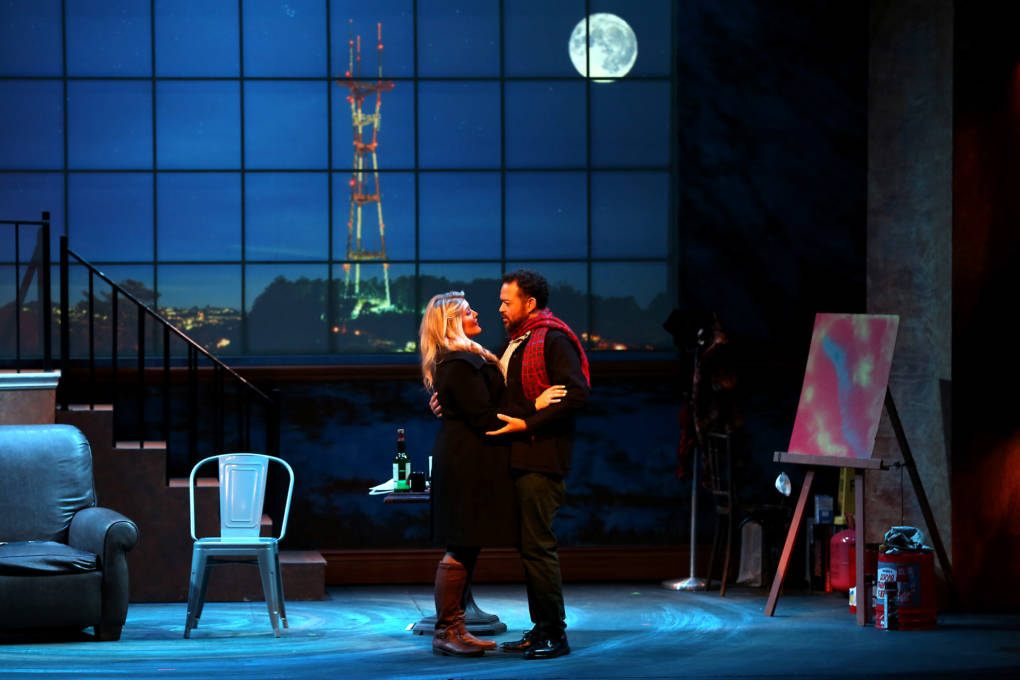
"caption": "Soprano Julie Adams and tenor Nathan Granner play Mimi and Rodolfo, the starving, star-crossed lovers of La bohème, put on by West Bay Opera.",
"description": "Soprano Julie Adams and tenor Nathan Granner play Mimi and Rodolfo, the starving, star-crossed lovers of La bohème, put on by West Bay Opera.",
"title": "RS33217_boheme-9767p-qut",
"credit": "Photo: Courtesy of West Bay Opera",
"status": "inherit",
"isLoading": false,
"fetchFailed": false
},
"arts_13842661": {
"type": "attachments",
"id": "arts_13842661",
"meta": {
"index": "attachments_1716263798",
"site": "arts",
"id": "13842661",
"found": true
},
"parent": 13842646,
"imgSizes": {
"small": {
"file": "https://ww2.kqed.org/app/uploads/sites/2/2018/10/BrianCross.DJSHADOW-520x293.jpg",
"width": 520,
"mimeType": "image/jpeg",
"height": 293
},
"twentyfourteen-full-width": {
"file": "https://ww2.kqed.org/app/uploads/sites/2/2018/10/BrianCross.DJSHADOW-1038x576.jpg",
"width": 1038,
"mimeType": "image/jpeg",
"height": 576
},
"thumbnail": {
"file": "https://ww2.kqed.org/app/uploads/sites/2/2018/10/BrianCross.DJSHADOW-160x90.jpg",
"width": 160,
"mimeType": "image/jpeg",
"height": 90
},
"fd-sm": {
"file": "https://ww2.kqed.org/app/uploads/sites/2/2018/10/BrianCross.DJSHADOW-960x540.jpg",
"width": 960,
"mimeType": "image/jpeg",
"height": 540
},
"post-thumbnail": {
"file": "https://ww2.kqed.org/app/uploads/sites/2/2018/10/BrianCross.DJSHADOW-672x372.jpg",
"width": 672,
"mimeType": "image/jpeg",
"height": 372
},
"xsmall": {
"file": "https://ww2.kqed.org/app/uploads/sites/2/2018/10/BrianCross.DJSHADOW-375x211.jpg",
"width": 375,
"mimeType": "image/jpeg",
"height": 211
},
"kqedFullSize": {
"file": "https://ww2.kqed.org/app/uploads/sites/2/2018/10/BrianCross.DJSHADOW.jpg",
"width": 1920,
"height": 1080
},
"large": {
"file": "https://ww2.kqed.org/app/uploads/sites/2/2018/10/BrianCross.DJSHADOW-1020x574.jpg",
"width": 1020,
"mimeType": "image/jpeg",
"height": 574
},
"xlarge": {
"file": "https://ww2.kqed.org/app/uploads/sites/2/2018/10/BrianCross.DJSHADOW-1180x664.jpg",
"width": 1180,
"mimeType": "image/jpeg",
"height": 664
},
"complete_open_graph": {
"file": "https://ww2.kqed.org/app/uploads/sites/2/2018/10/BrianCross.DJSHADOW-1200x675.jpg",
"width": 1200,
"mimeType": "image/jpeg",
"height": 675
},
"guest-author-50": {
"file": "https://ww2.kqed.org/app/uploads/sites/2/2018/10/BrianCross.DJSHADOW-50x50.jpg",
"width": 50,
"mimeType": "image/jpeg",
"height": 50
},
"guest-author-96": {
"file": "https://ww2.kqed.org/app/uploads/sites/2/2018/10/BrianCross.DJSHADOW-96x96.jpg",
"width": 96,
"mimeType": "image/jpeg",
"height": 96
},
"medium": {
"file": "https://ww2.kqed.org/app/uploads/sites/2/2018/10/BrianCross.DJSHADOW-800x450.jpg",
"width": 800,
"mimeType": "image/jpeg",
"height": 450
},
"guest-author-64": {
"file": "https://ww2.kqed.org/app/uploads/sites/2/2018/10/BrianCross.DJSHADOW-64x64.jpg",
"width": 64,
"mimeType": "image/jpeg",
"height": 64
},
"guest-author-32": {
"file": "https://ww2.kqed.org/app/uploads/sites/2/2018/10/BrianCross.DJSHADOW-32x32.jpg",
"width": 32,
"mimeType": "image/jpeg",
"height": 32
},
"fd-lrg": {
"file": "https://ww2.kqed.org/app/uploads/sites/2/2018/10/BrianCross.DJSHADOW-1920x1080.jpg",
"width": 1920,
"mimeType": "image/jpeg",
"height": 1080
},
"fd-med": {
"file": "https://ww2.kqed.org/app/uploads/sites/2/2018/10/BrianCross.DJSHADOW-1180x664.jpg",
"width": 1180,
"mimeType": "image/jpeg",
"height": 664
},
"full-width": {
"file": "https://ww2.kqed.org/app/uploads/sites/2/2018/10/BrianCross.DJSHADOW-1920x1080.jpg",
"width": 1920,
"mimeType": "image/jpeg",
"height": 1080
},
"detail": {
"file": "https://ww2.kqed.org/app/uploads/sites/2/2018/10/BrianCross.DJSHADOW-150x150.jpg",
"width": 150,
"mimeType": "image/jpeg",
"height": 150
},
"medium_large": {
"file": "https://ww2.kqed.org/app/uploads/sites/2/2018/10/BrianCross.DJSHADOW-768x432.jpg",
"width": 768,
"mimeType": "image/jpeg",
"height": 432
},
"guest-author-128": {
"file": "https://ww2.kqed.org/app/uploads/sites/2/2018/10/BrianCross.DJSHADOW-128x128.jpg",
"width": 128,
"mimeType": "image/jpeg",
"height": 128
},
"xxsmall": {
"file": "https://ww2.kqed.org/app/uploads/sites/2/2018/10/BrianCross.DJSHADOW-240x135.jpg",
"width": 240,
"mimeType": "image/jpeg",
"height": 135
}
},
"publishDate": 1539360795,
"modified": 1539360870,
"caption": "Brian Cross shot the cover for DJ Shadow's 'Endtroducing' at a now-closed record store in Sacramento.",
"description": null,
"title": "BrianCross.DJSHADOW",
"credit": "B+",
"status": "inherit",
"isLoading": false,
"fetchFailed": false
},
"arts_13842584": {
"type": "attachments",
"id": "arts_13842584",
"meta": {
"index": "attachments_1716263798",
"site": "arts",
"id": "13842584",
"found": true
},
"parent": 13842577,
"imgSizes": {
"small": {
"file": "https://ww2.kqed.org/app/uploads/sites/2/2018/10/GettyImages-1051895736-520x293.jpg",
"width": 520,
"mimeType": "image/jpeg",
"height": 293
},
"twentyfourteen-full-width": {
"file": "https://ww2.kqed.org/app/uploads/sites/2/2018/10/GettyImages-1051895736-1038x576.jpg",
"width": 1038,
"mimeType": "image/jpeg",
"height": 576
},
"thumbnail": {
"file": "https://ww2.kqed.org/app/uploads/sites/2/2018/10/GettyImages-1051895736-160x90.jpg",
"width": 160,
"mimeType": "image/jpeg",
"height": 90
},
"fd-sm": {
"file": "https://ww2.kqed.org/app/uploads/sites/2/2018/10/GettyImages-1051895736-960x540.jpg",
"width": 960,
"mimeType": "image/jpeg",
"height": 540
},
"post-thumbnail": {
"file": "https://ww2.kqed.org/app/uploads/sites/2/2018/10/GettyImages-1051895736-672x372.jpg",
"width": 672,
"mimeType": "image/jpeg",
"height": 372
},
"xsmall": {
"file": "https://ww2.kqed.org/app/uploads/sites/2/2018/10/GettyImages-1051895736-375x211.jpg",
"width": 375,
"mimeType": "image/jpeg",
"height": 211
},
"kqedFullSize": {
"file": "https://ww2.kqed.org/app/uploads/sites/2/2018/10/GettyImages-1051895736.jpg",
"width": 1920,
"height": 1080
},
"large": {
"file": "https://ww2.kqed.org/app/uploads/sites/2/2018/10/GettyImages-1051895736-1020x574.jpg",
"width": 1020,
"mimeType": "image/jpeg",
"height": 574
},
"xlarge": {
"file": "https://ww2.kqed.org/app/uploads/sites/2/2018/10/GettyImages-1051895736-1180x664.jpg",
"width": 1180,
"mimeType": "image/jpeg",
"height": 664
},
"complete_open_graph": {
"file": "https://ww2.kqed.org/app/uploads/sites/2/2018/10/GettyImages-1051895736-1200x675.jpg",
"width": 1200,
"mimeType": "image/jpeg",
"height": 675
},
"guest-author-50": {
"file": "https://ww2.kqed.org/app/uploads/sites/2/2018/10/GettyImages-1051895736-50x50.jpg",
"width": 50,
"mimeType": "image/jpeg",
"height": 50
},
"guest-author-96": {
"file": "https://ww2.kqed.org/app/uploads/sites/2/2018/10/GettyImages-1051895736-96x96.jpg",
"width": 96,
"mimeType": "image/jpeg",
"height": 96
},
"medium": {
"file": "https://ww2.kqed.org/app/uploads/sites/2/2018/10/GettyImages-1051895736-800x450.jpg",
"width": 800,
"mimeType": "image/jpeg",
"height": 450
},
"guest-author-64": {
"file": "https://ww2.kqed.org/app/uploads/sites/2/2018/10/GettyImages-1051895736-64x64.jpg",
"width": 64,
"mimeType": "image/jpeg",
"height": 64
},
"guest-author-32": {
"file": "https://ww2.kqed.org/app/uploads/sites/2/2018/10/GettyImages-1051895736-32x32.jpg",
"width": 32,
"mimeType": "image/jpeg",
"height": 32
},
"fd-lrg": {
"file": "https://ww2.kqed.org/app/uploads/sites/2/2018/10/GettyImages-1051895736-1920x1080.jpg",
"width": 1920,
"mimeType": "image/jpeg",
"height": 1080
},
"fd-med": {
"file": "https://ww2.kqed.org/app/uploads/sites/2/2018/10/GettyImages-1051895736-1180x664.jpg",
"width": 1180,
"mimeType": "image/jpeg",
"height": 664
},
"full-width": {
"file": "https://ww2.kqed.org/app/uploads/sites/2/2018/10/GettyImages-1051895736-1920x1080.jpg",
"width": 1920,
"mimeType": "image/jpeg",
"height": 1080
},
"detail": {
"file": "https://ww2.kqed.org/app/uploads/sites/2/2018/10/GettyImages-1051895736-150x150.jpg",
"width": 150,
"mimeType": "image/jpeg",
"height": 150
},
"medium_large": {
"file": "https://ww2.kqed.org/app/uploads/sites/2/2018/10/GettyImages-1051895736-768x432.jpg",
"width": 768,
"mimeType": "image/jpeg",
"height": 432
},
"guest-author-128": {
"file": "https://ww2.kqed.org/app/uploads/sites/2/2018/10/GettyImages-1051895736-128x128.jpg",
"width": 128,
"mimeType": "image/jpeg",
"height": 128
},
"xxsmall": {
"file": "https://ww2.kqed.org/app/uploads/sites/2/2018/10/GettyImages-1051895736-240x135.jpg",
"width": 240,
"mimeType": "image/jpeg",
"height": 135
}
},
"publishDate": 1539284429,
"modified": 1539284489,
"caption": "Kanye West stands up as he speaks during a meeting with Donald Trump in the Oval office of the White House on October 11, 2018 in Washington, DC.",
"description": "Kanye West stands up as he speaks during a meeting with Donald Trump in the Oval office of the White House on October 11, 2018 in Washington, DC.",
"title": "President Trump Hosts Kanye West And Former Football Player Jim Brown At The White House",
"credit": " Oliver Contreras - Pool/Getty Images",
"status": "inherit",
"isLoading": false,
"fetchFailed": false
},
"arts_13842551": {
"type": "attachments",
"id": "arts_13842551",
"meta": {
"index": "attachments_1716263798",
"site": "arts",
"id": "13842551",
"found": true
},
"parent": 13842549,
"imgSizes": {
"small": {
"file": "https://ww2.kqed.org/app/uploads/sites/2/2018/10/Tommy-Wright-520x292.jpg",
"width": 520,
"mimeType": "image/jpeg",
"height": 292
},
"thumbnail": {
"file": "https://ww2.kqed.org/app/uploads/sites/2/2018/10/Tommy-Wright-160x90.jpg",
"width": 160,
"mimeType": "image/jpeg",
"height": 90
},
"xsmall": {
"file": "https://ww2.kqed.org/app/uploads/sites/2/2018/10/Tommy-Wright-375x211.jpg",
"width": 375,
"mimeType": "image/jpeg",
"height": 211
},
"kqedFullSize": {
"file": "https://ww2.kqed.org/app/uploads/sites/2/2018/10/Tommy-Wright.jpg",
"width": 600,
"height": 337
},
"guest-author-50": {
"file": "https://ww2.kqed.org/app/uploads/sites/2/2018/10/Tommy-Wright-50x50.jpg",
"width": 50,
"mimeType": "image/jpeg",
"height": 50
},
"guest-author-96": {
"file": "https://ww2.kqed.org/app/uploads/sites/2/2018/10/Tommy-Wright-96x96.jpg",
"width": 96,
"mimeType": "image/jpeg",
"height": 96
},
"guest-author-64": {
"file": "https://ww2.kqed.org/app/uploads/sites/2/2018/10/Tommy-Wright-64x64.jpg",
"width": 64,
"mimeType": "image/jpeg",
"height": 64
},
"detail": {
"file": "https://ww2.kqed.org/app/uploads/sites/2/2018/10/Tommy-Wright-150x150.jpg",
"width": 150,
"mimeType": "image/jpeg",
"height": 150
},
"guest-author-32": {
"file": "https://ww2.kqed.org/app/uploads/sites/2/2018/10/Tommy-Wright-32x32.jpg",
"width": 32,
"mimeType": "image/jpeg",
"height": 32
},
"guest-author-128": {
"file": "https://ww2.kqed.org/app/uploads/sites/2/2018/10/Tommy-Wright-128x128.jpg",
"width": 128,
"mimeType": "image/jpeg",
"height": 128
},
"xxsmall": {
"file": "https://ww2.kqed.org/app/uploads/sites/2/2018/10/Tommy-Wright-240x135.jpg",
"width": 240,
"mimeType": "image/jpeg",
"height": 135
}
},
"publishDate": 1539233959,
"modified": 1539233982,
"caption": "Tommy Wright III performs Friday in Oakland. ",
"description": "Tommy Wright III performs Friday in Oakland. ",
"title": "Tommy Wright",
"credit": null,
"status": "inherit",
"isLoading": false,
"fetchFailed": false
},
"arts_13842535": {
"type": "attachments",
"id": "arts_13842535",
"meta": {
"index": "attachments_1716263798",
"site": "arts",
"id": "13842535",
"found": true
},
"parent": 13842246,
"imgSizes": {
"small": {
"file": "https://ww2.kqed.org/app/uploads/sites/2/2018/10/IMG_0742-520x292.jpg",
"width": 520,
"mimeType": "image/jpeg",
"height": 292
},
"twentyfourteen-full-width": {
"file": "https://ww2.kqed.org/app/uploads/sites/2/2018/10/IMG_0742-1038x576.jpg",
"width": 1038,
"mimeType": "image/jpeg",
"height": 576
},
"thumbnail": {
"file": "https://ww2.kqed.org/app/uploads/sites/2/2018/10/IMG_0742-160x90.jpg",
"width": 160,
"mimeType": "image/jpeg",
"height": 90
},
"fd-sm": {
"file": "https://ww2.kqed.org/app/uploads/sites/2/2018/10/IMG_0742-960x540.jpg",
"width": 960,
"mimeType": "image/jpeg",
"height": 540
},
"post-thumbnail": {
"file": "https://ww2.kqed.org/app/uploads/sites/2/2018/10/IMG_0742-672x372.jpg",
"width": 672,
"mimeType": "image/jpeg",
"height": 372
},
"xsmall": {
"file": "https://ww2.kqed.org/app/uploads/sites/2/2018/10/IMG_0742-375x211.jpg",
"width": 375,
"mimeType": "image/jpeg",
"height": 211
},
"kqedFullSize": {
"file": "https://ww2.kqed.org/app/uploads/sites/2/2018/10/IMG_0742.jpg",
"width": 1334,
"height": 750
},
"large": {
"file": "https://ww2.kqed.org/app/uploads/sites/2/2018/10/IMG_0742-1020x573.jpg",
"width": 1020,
"mimeType": "image/jpeg",
"height": 573
},
"xlarge": {
"file": "https://ww2.kqed.org/app/uploads/sites/2/2018/10/IMG_0742-1180x663.jpg",
"width": 1180,
"mimeType": "image/jpeg",
"height": 663
},
"complete_open_graph": {
"file": "https://ww2.kqed.org/app/uploads/sites/2/2018/10/IMG_0742-1200x675.jpg",
"width": 1200,
"mimeType": "image/jpeg",
"height": 675
},
"guest-author-50": {
"file": "https://ww2.kqed.org/app/uploads/sites/2/2018/10/IMG_0742-50x50.jpg",
"width": 50,
"mimeType": "image/jpeg",
"height": 50
},
"guest-author-96": {
"file": "https://ww2.kqed.org/app/uploads/sites/2/2018/10/IMG_0742-96x96.jpg",
"width": 96,
"mimeType": "image/jpeg",
"height": 96
},
"medium": {
"file": "https://ww2.kqed.org/app/uploads/sites/2/2018/10/IMG_0742-800x450.jpg",
"width": 800,
"mimeType": "image/jpeg",
"height": 450
},
"guest-author-64": {
"file": "https://ww2.kqed.org/app/uploads/sites/2/2018/10/IMG_0742-64x64.jpg",
"width": 64,
"mimeType": "image/jpeg",
"height": 64
},
"guest-author-32": {
"file": "https://ww2.kqed.org/app/uploads/sites/2/2018/10/IMG_0742-32x32.jpg",
"width": 32,
"mimeType": "image/jpeg",
"height": 32
},
"fd-med": {
"file": "https://ww2.kqed.org/app/uploads/sites/2/2018/10/IMG_0742-1180x663.jpg",
"width": 1180,
"mimeType": "image/jpeg",
"height": 663
},
"detail": {
"file": "https://ww2.kqed.org/app/uploads/sites/2/2018/10/IMG_0742-150x150.jpg",
"width": 150,
"mimeType": "image/jpeg",
"height": 150
},
"medium_large": {
"file": "https://ww2.kqed.org/app/uploads/sites/2/2018/10/IMG_0742-768x432.jpg",
"width": 768,
"mimeType": "image/jpeg",
"height": 432
},
"guest-author-128": {
"file": "https://ww2.kqed.org/app/uploads/sites/2/2018/10/IMG_0742-128x128.jpg",
"width": 128,
"mimeType": "image/jpeg",
"height": 128
},
"xxsmall": {
"file": "https://ww2.kqed.org/app/uploads/sites/2/2018/10/IMG_0742-240x135.jpg",
"width": 240,
"mimeType": "image/jpeg",
"height": 135
}
},
"publishDate": 1539207579,
"modified": 1539285022,
"caption": "Lapel performs at the Unite for Justice rally at San Francisco City Hall on Aug. 26. ",
"description": "Lapel performs at the Unite for Justice rally at San Francisco City Hall on Aug. 26. ",
"title": "IMG_0742",
"credit": "Kendra Rom",
"status": "inherit",
"isLoading": false,
"fetchFailed": false
},
"arts_13842488": {
"type": "attachments",
"id": "arts_13842488",
"meta": {
"index": "attachments_1716263798",
"site": "arts",
"id": "13842488",
"found": true
},
"parent": 13842227,
"imgSizes": {
"small": {
"file": "https://ww2.kqed.org/app/uploads/sites/2/2018/10/Hue.BennettMontoya.MAIN_-520x293.jpg",
"width": 520,
"mimeType": "image/jpeg",
"height": 293
},
"twentyfourteen-full-width": {
"file": "https://ww2.kqed.org/app/uploads/sites/2/2018/10/Hue.BennettMontoya.MAIN_-1038x576.jpg",
"width": 1038,
"mimeType": "image/jpeg",
"height": 576
},
"thumbnail": {
"file": "https://ww2.kqed.org/app/uploads/sites/2/2018/10/Hue.BennettMontoya.MAIN_-160x90.jpg",
"width": 160,
"mimeType": "image/jpeg",
"height": 90
},
"fd-sm": {
"file": "https://ww2.kqed.org/app/uploads/sites/2/2018/10/Hue.BennettMontoya.MAIN_-960x540.jpg",
"width": 960,
"mimeType": "image/jpeg",
"height": 540
},
"post-thumbnail": {
"file": "https://ww2.kqed.org/app/uploads/sites/2/2018/10/Hue.BennettMontoya.MAIN_-672x372.jpg",
"width": 672,
"mimeType": "image/jpeg",
"height": 372
},
"xsmall": {
"file": "https://ww2.kqed.org/app/uploads/sites/2/2018/10/Hue.BennettMontoya.MAIN_-375x211.jpg",
"width": 375,
"mimeType": "image/jpeg",
"height": 211
},
"kqedFullSize": {
"file": "https://ww2.kqed.org/app/uploads/sites/2/2018/10/Hue.BennettMontoya.MAIN_.jpg",
"width": 1920,
"height": 1080
},
"large": {
"file": "https://ww2.kqed.org/app/uploads/sites/2/2018/10/Hue.BennettMontoya.MAIN_-1020x574.jpg",
"width": 1020,
"mimeType": "image/jpeg",
"height": 574
},
"xlarge": {
"file": "https://ww2.kqed.org/app/uploads/sites/2/2018/10/Hue.BennettMontoya.MAIN_-1180x664.jpg",
"width": 1180,
"mimeType": "image/jpeg",
"height": 664
},
"complete_open_graph": {
"file": "https://ww2.kqed.org/app/uploads/sites/2/2018/10/Hue.BennettMontoya.MAIN_-1200x675.jpg",
"width": 1200,
"mimeType": "image/jpeg",
"height": 675
},
"guest-author-50": {
"file": "https://ww2.kqed.org/app/uploads/sites/2/2018/10/Hue.BennettMontoya.MAIN_-50x50.jpg",
"width": 50,
"mimeType": "image/jpeg",
"height": 50
},
"guest-author-96": {
"file": "https://ww2.kqed.org/app/uploads/sites/2/2018/10/Hue.BennettMontoya.MAIN_-96x96.jpg",
"width": 96,
"mimeType": "image/jpeg",
"height": 96
},
"medium": {
"file": "https://ww2.kqed.org/app/uploads/sites/2/2018/10/Hue.BennettMontoya.MAIN_-800x450.jpg",
"width": 800,
"mimeType": "image/jpeg",
"height": 450
},
"guest-author-64": {
"file": "https://ww2.kqed.org/app/uploads/sites/2/2018/10/Hue.BennettMontoya.MAIN_-64x64.jpg",
"width": 64,
"mimeType": "image/jpeg",
"height": 64
},
"guest-author-32": {
"file": "https://ww2.kqed.org/app/uploads/sites/2/2018/10/Hue.BennettMontoya.MAIN_-32x32.jpg",
"width": 32,
"mimeType": "image/jpeg",
"height": 32
},
"fd-lrg": {
"file": "https://ww2.kqed.org/app/uploads/sites/2/2018/10/Hue.BennettMontoya.MAIN_-1920x1080.jpg",
"width": 1920,
"mimeType": "image/jpeg",
"height": 1080
},
"fd-med": {
"file": "https://ww2.kqed.org/app/uploads/sites/2/2018/10/Hue.BennettMontoya.MAIN_-1180x664.jpg",
"width": 1180,
"mimeType": "image/jpeg",
"height": 664
},
"full-width": {
"file": "https://ww2.kqed.org/app/uploads/sites/2/2018/10/Hue.BennettMontoya.MAIN_-1920x1080.jpg",
"width": 1920,
"mimeType": "image/jpeg",
"height": 1080
},
"detail": {
"file": "https://ww2.kqed.org/app/uploads/sites/2/2018/10/Hue.BennettMontoya.MAIN_-150x150.jpg",
"width": 150,
"mimeType": "image/jpeg",
"height": 150
},
"medium_large": {
"file": "https://ww2.kqed.org/app/uploads/sites/2/2018/10/Hue.BennettMontoya.MAIN_-768x432.jpg",
"width": 768,
"mimeType": "image/jpeg",
"height": 432
},
"guest-author-128": {
"file": "https://ww2.kqed.org/app/uploads/sites/2/2018/10/Hue.BennettMontoya.MAIN_-128x128.jpg",
"width": 128,
"mimeType": "image/jpeg",
"height": 128
},
"xxsmall": {
"file": "https://ww2.kqed.org/app/uploads/sites/2/2018/10/Hue.BennettMontoya.MAIN_-240x135.jpg",
"width": 240,
"mimeType": "image/jpeg",
"height": 135
}
},
"publishDate": 1539133680,
"modified": 1539134128,
"caption": "Hue nightclub owner Bennett Montoya has filed a lawsuit against the San Francisco Police Department alleging racial discrimination.",
"description": "Hue nightclub owner Bennett Montoya has filed a lawsuit against the San Francisco Police Department alleging racial discrimination.",
"title": "Hue.BennettMontoya.MAIN",
"credit": "Sam Lefebvre/KQED",
"status": "inherit",
"isLoading": false,
"fetchFailed": false
},
"arts_13842491": {
"type": "attachments",
"id": "arts_13842491",
"meta": {
"index": "attachments_1716263798",
"site": "arts",
"id": "13842491",
"found": true
},
"parent": 13842485,
"imgSizes": {
"small": {
"file": "https://ww2.kqed.org/app/uploads/sites/2/2018/10/AnnaLuisa-Credit-David-Park-520x293.jpg",
"width": 520,
"mimeType": "image/jpeg",
"height": 293
},
"twentyfourteen-full-width": {
"file": "https://ww2.kqed.org/app/uploads/sites/2/2018/10/AnnaLuisa-Credit-David-Park-1038x576.jpg",
"width": 1038,
"mimeType": "image/jpeg",
"height": 576
},
"thumbnail": {
"file": "https://ww2.kqed.org/app/uploads/sites/2/2018/10/AnnaLuisa-Credit-David-Park-160x90.jpg",
"width": 160,
"mimeType": "image/jpeg",
"height": 90
},
"fd-sm": {
"file": "https://ww2.kqed.org/app/uploads/sites/2/2018/10/AnnaLuisa-Credit-David-Park-960x540.jpg",
"width": 960,
"mimeType": "image/jpeg",
"height": 540
},
"post-thumbnail": {
"file": "https://ww2.kqed.org/app/uploads/sites/2/2018/10/AnnaLuisa-Credit-David-Park-672x372.jpg",
"width": 672,
"mimeType": "image/jpeg",
"height": 372
},
"xsmall": {
"file": "https://ww2.kqed.org/app/uploads/sites/2/2018/10/AnnaLuisa-Credit-David-Park-375x211.jpg",
"width": 375,
"mimeType": "image/jpeg",
"height": 211
},
"kqedFullSize": {
"file": "https://ww2.kqed.org/app/uploads/sites/2/2018/10/AnnaLuisa-Credit-David-Park.jpg",
"width": 1920,
"height": 1080
},
"large": {
"file": "https://ww2.kqed.org/app/uploads/sites/2/2018/10/AnnaLuisa-Credit-David-Park-1020x574.jpg",
"width": 1020,
"mimeType": "image/jpeg",
"height": 574
},
"xlarge": {
"file": "https://ww2.kqed.org/app/uploads/sites/2/2018/10/AnnaLuisa-Credit-David-Park-1180x664.jpg",
"width": 1180,
"mimeType": "image/jpeg",
"height": 664
},
"complete_open_graph": {
"file": "https://ww2.kqed.org/app/uploads/sites/2/2018/10/AnnaLuisa-Credit-David-Park-1200x675.jpg",
"width": 1200,
"mimeType": "image/jpeg",
"height": 675
},
"guest-author-50": {
"file": "https://ww2.kqed.org/app/uploads/sites/2/2018/10/AnnaLuisa-Credit-David-Park-50x50.jpg",
"width": 50,
"mimeType": "image/jpeg",
"height": 50
},
"guest-author-96": {
"file": "https://ww2.kqed.org/app/uploads/sites/2/2018/10/AnnaLuisa-Credit-David-Park-96x96.jpg",
"width": 96,
"mimeType": "image/jpeg",
"height": 96
},
"medium": {
"file": "https://ww2.kqed.org/app/uploads/sites/2/2018/10/AnnaLuisa-Credit-David-Park-800x450.jpg",
"width": 800,
"mimeType": "image/jpeg",
"height": 450
},
"guest-author-64": {
"file": "https://ww2.kqed.org/app/uploads/sites/2/2018/10/AnnaLuisa-Credit-David-Park-64x64.jpg",
"width": 64,
"mimeType": "image/jpeg",
"height": 64
},
"guest-author-32": {
"file": "https://ww2.kqed.org/app/uploads/sites/2/2018/10/AnnaLuisa-Credit-David-Park-32x32.jpg",
"width": 32,
"mimeType": "image/jpeg",
"height": 32
},
"fd-lrg": {
"file": "https://ww2.kqed.org/app/uploads/sites/2/2018/10/AnnaLuisa-Credit-David-Park-1920x1080.jpg",
"width": 1920,
"mimeType": "image/jpeg",
"height": 1080
},
"fd-med": {
"file": "https://ww2.kqed.org/app/uploads/sites/2/2018/10/AnnaLuisa-Credit-David-Park-1180x664.jpg",
"width": 1180,
"mimeType": "image/jpeg",
"height": 664
},
"full-width": {
"file": "https://ww2.kqed.org/app/uploads/sites/2/2018/10/AnnaLuisa-Credit-David-Park-1920x1080.jpg",
"width": 1920,
"mimeType": "image/jpeg",
"height": 1080
},
"detail": {
"file": "https://ww2.kqed.org/app/uploads/sites/2/2018/10/AnnaLuisa-Credit-David-Park-150x150.jpg",
"width": 150,
"mimeType": "image/jpeg",
"height": 150
},
"medium_large": {
"file": "https://ww2.kqed.org/app/uploads/sites/2/2018/10/AnnaLuisa-Credit-David-Park-768x432.jpg",
"width": 768,
"mimeType": "image/jpeg",
"height": 432
},
"guest-author-128": {
"file": "https://ww2.kqed.org/app/uploads/sites/2/2018/10/AnnaLuisa-Credit-David-Park-128x128.jpg",
"width": 128,
"mimeType": "image/jpeg",
"height": 128
},
"xxsmall": {
"file": "https://ww2.kqed.org/app/uploads/sites/2/2018/10/AnnaLuisa-Credit-David-Park-240x135.jpg",
"width": 240,
"mimeType": "image/jpeg",
"height": 135
}
},
"publishDate": 1539133982,
"modified": 1539134020,
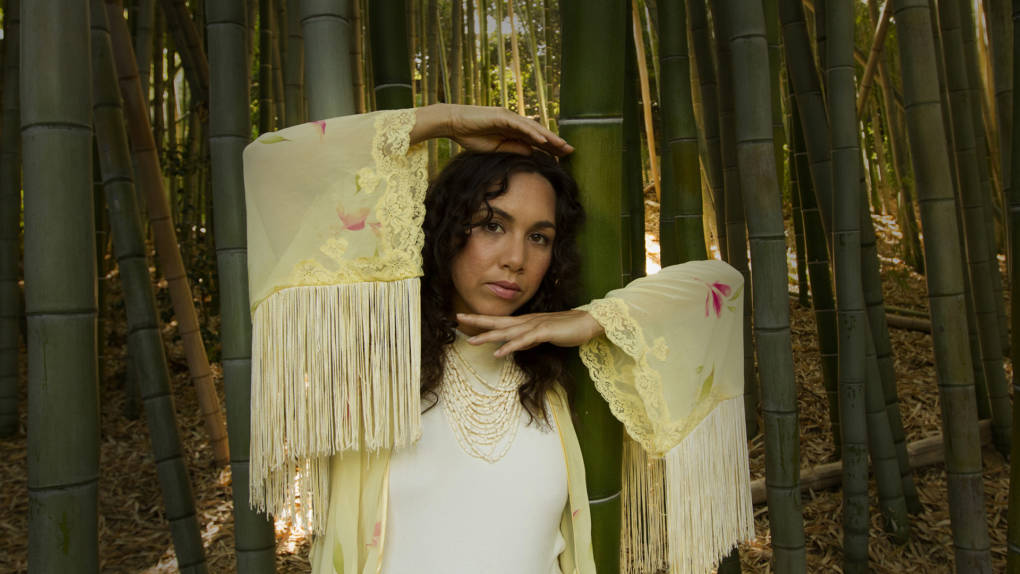
"caption": "Anna Luisa Petrisko.",
"description": "Anna Luisa Petrisko",
"title": "AnnaLuisa Credit David Park",
"credit": "David Park",
"status": "inherit",
"isLoading": false,
"fetchFailed": false
},
"arts_13842457": {
"type": "attachments",
"id": "arts_13842457",
"meta": {
"index": "attachments_1716263798",
"site": "arts",
"id": "13842457",
"found": true
},
"parent": 13842320,
"imgSizes": {
"small": {
"file": "https://ww2.kqed.org/app/uploads/sites/2/2018/10/sob-x-rbe-all-facts-not-1-opinion-520x293.png",
"width": 520,
"mimeType": "image/png",
"height": 293
},
"twentyfourteen-full-width": {
"file": "https://ww2.kqed.org/app/uploads/sites/2/2018/10/sob-x-rbe-all-facts-not-1-opinion-1038x576.png",
"width": 1038,
"mimeType": "image/png",
"height": 576
},
"thumbnail": {
"file": "https://ww2.kqed.org/app/uploads/sites/2/2018/10/sob-x-rbe-all-facts-not-1-opinion-160x90.png",
"width": 160,
"mimeType": "image/png",
"height": 90
},
"fd-sm": {
"file": "https://ww2.kqed.org/app/uploads/sites/2/2018/10/sob-x-rbe-all-facts-not-1-opinion-960x540.png",
"width": 960,
"mimeType": "image/png",
"height": 540
},
"post-thumbnail": {
"file": "https://ww2.kqed.org/app/uploads/sites/2/2018/10/sob-x-rbe-all-facts-not-1-opinion-672x372.png",
"width": 672,
"mimeType": "image/png",
"height": 372
},
"xsmall": {
"file": "https://ww2.kqed.org/app/uploads/sites/2/2018/10/sob-x-rbe-all-facts-not-1-opinion-375x211.png",
"width": 375,
"mimeType": "image/png",
"height": 211
},
"kqedFullSize": {
"file": "https://ww2.kqed.org/app/uploads/sites/2/2018/10/sob-x-rbe-all-facts-not-1-opinion.png",
"width": 1719,
"height": 967
},
"large": {
"file": "https://ww2.kqed.org/app/uploads/sites/2/2018/10/sob-x-rbe-all-facts-not-1-opinion-1020x574.png",
"width": 1020,
"mimeType": "image/png",
"height": 574
},
"xlarge": {
"file": "https://ww2.kqed.org/app/uploads/sites/2/2018/10/sob-x-rbe-all-facts-not-1-opinion-1180x664.png",
"width": 1180,
"mimeType": "image/png",
"height": 664
},
"complete_open_graph": {
"file": "https://ww2.kqed.org/app/uploads/sites/2/2018/10/sob-x-rbe-all-facts-not-1-opinion-1200x675.png",
"width": 1200,
"mimeType": "image/png",
"height": 675
},
"guest-author-50": {
"file": "https://ww2.kqed.org/app/uploads/sites/2/2018/10/sob-x-rbe-all-facts-not-1-opinion-50x50.png",
"width": 50,
"mimeType": "image/png",
"height": 50
},
"guest-author-96": {
"file": "https://ww2.kqed.org/app/uploads/sites/2/2018/10/sob-x-rbe-all-facts-not-1-opinion-96x96.png",
"width": 96,
"mimeType": "image/png",
"height": 96
},
"medium": {
"file": "https://ww2.kqed.org/app/uploads/sites/2/2018/10/sob-x-rbe-all-facts-not-1-opinion-800x450.png",
"width": 800,
"mimeType": "image/png",
"height": 450
},
"guest-author-64": {
"file": "https://ww2.kqed.org/app/uploads/sites/2/2018/10/sob-x-rbe-all-facts-not-1-opinion-64x64.png",
"width": 64,
"mimeType": "image/png",
"height": 64
},
"guest-author-32": {
"file": "https://ww2.kqed.org/app/uploads/sites/2/2018/10/sob-x-rbe-all-facts-not-1-opinion-32x32.png",
"width": 32,
"mimeType": "image/png",
"height": 32
},
"fd-med": {
"file": "https://ww2.kqed.org/app/uploads/sites/2/2018/10/sob-x-rbe-all-facts-not-1-opinion-1180x664.png",
"width": 1180,
"mimeType": "image/png",
"height": 664
},
"detail": {
"file": "https://ww2.kqed.org/app/uploads/sites/2/2018/10/sob-x-rbe-all-facts-not-1-opinion-150x150.png",
"width": 150,
"mimeType": "image/png",
"height": 150
},
"medium_large": {
"file": "https://ww2.kqed.org/app/uploads/sites/2/2018/10/sob-x-rbe-all-facts-not-1-opinion-768x432.png",
"width": 768,
"mimeType": "image/png",
"height": 432
},
"guest-author-128": {
"file": "https://ww2.kqed.org/app/uploads/sites/2/2018/10/sob-x-rbe-all-facts-not-1-opinion-128x128.png",
"width": 128,
"mimeType": "image/png",
"height": 128
},
"xxsmall": {
"file": "https://ww2.kqed.org/app/uploads/sites/2/2018/10/sob-x-rbe-all-facts-not-1-opinion-240x135.png",
"width": 240,
"mimeType": "image/png",
"height": 135
}
},
"publishDate": 1539125319,
"modified": 1539125470,
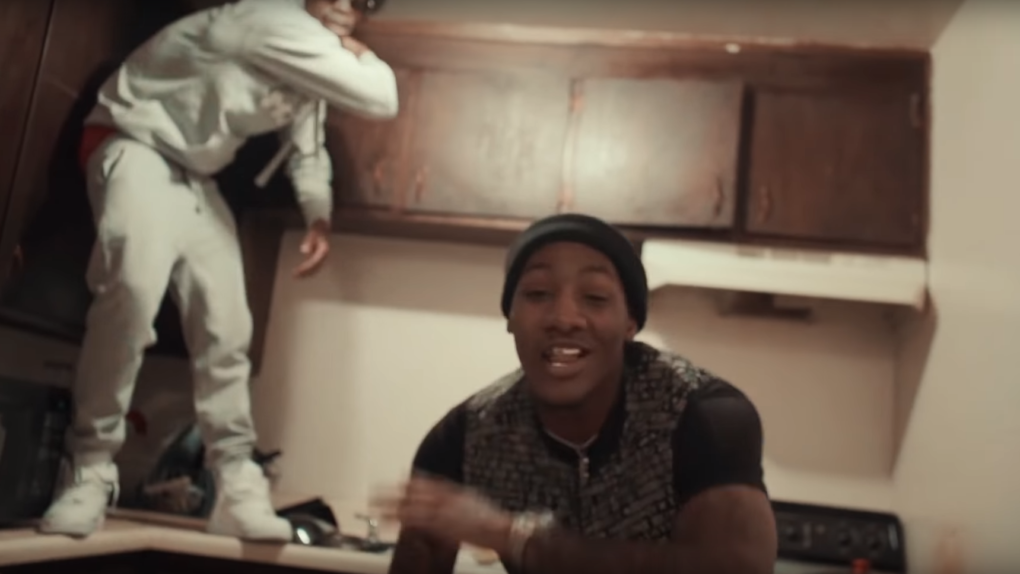
"caption": "Slimmy B (center) and DaBoii in SOB x RBE's music video for \"All Facts Not 1 Opinion.\"",
"description": "Slimmy B (center) and DaBoii in SOB x RBE's \"All Facts Not 1 Opinion\" video.",
"title": "sob x rbe all facts not 1 opinion",
"credit": "YouTube",
"status": "inherit",
"isLoading": false,
"fetchFailed": false
},
"arts_13842258": {
"type": "attachments",
"id": "arts_13842258",
"meta": {
"index": "attachments_1716263798",
"site": "arts",
"id": "13842258",
"found": true
},
"parent": 13842257,
"imgSizes": {
"small": {
"file": "https://ww2.kqed.org/app/uploads/sites/2/2018/10/gettyimages-150003193-eeb5e7c874155489cba01a7fe6866fe102830975-520x390.jpg",
"width": 520,
"mimeType": "image/jpeg",
"height": 390
},
"twentyfourteen-full-width": {
"file": "https://ww2.kqed.org/app/uploads/sites/2/2018/10/gettyimages-150003193-eeb5e7c874155489cba01a7fe6866fe102830975-1038x576.jpg",
"width": 1038,
"mimeType": "image/jpeg",
"height": 576
},
"thumbnail": {
"file": "https://ww2.kqed.org/app/uploads/sites/2/2018/10/gettyimages-150003193-eeb5e7c874155489cba01a7fe6866fe102830975-160x120.jpg",
"width": 160,
"mimeType": "image/jpeg",
"height": 120
},
"fd-sm": {
"file": "https://ww2.kqed.org/app/uploads/sites/2/2018/10/gettyimages-150003193-eeb5e7c874155489cba01a7fe6866fe102830975-960x719.jpg",
"width": 960,
"mimeType": "image/jpeg",
"height": 719
},
"post-thumbnail": {
"file": "https://ww2.kqed.org/app/uploads/sites/2/2018/10/gettyimages-150003193-eeb5e7c874155489cba01a7fe6866fe102830975-672x372.jpg",
"width": 672,
"mimeType": "image/jpeg",
"height": 372
},
"xsmall": {
"file": "https://ww2.kqed.org/app/uploads/sites/2/2018/10/gettyimages-150003193-eeb5e7c874155489cba01a7fe6866fe102830975-375x281.jpg",
"width": 375,
"mimeType": "image/jpeg",
"height": 281
},
"kqedFullSize": {
"file": "https://ww2.kqed.org/app/uploads/sites/2/2018/10/gettyimages-150003193-eeb5e7c874155489cba01a7fe6866fe102830975-e1539034288149.jpg",
"width": 1920,
"height": 1439
},
"large": {
"file": "https://ww2.kqed.org/app/uploads/sites/2/2018/10/gettyimages-150003193-eeb5e7c874155489cba01a7fe6866fe102830975-1020x764.jpg",
"width": 1020,
"mimeType": "image/jpeg",
"height": 764
},
"xlarge": {
"file": "https://ww2.kqed.org/app/uploads/sites/2/2018/10/gettyimages-150003193-eeb5e7c874155489cba01a7fe6866fe102830975-1180x884.jpg",
"width": 1180,
"mimeType": "image/jpeg",
"height": 884
},
"complete_open_graph": {
"file": "https://ww2.kqed.org/app/uploads/sites/2/2018/10/gettyimages-150003193-eeb5e7c874155489cba01a7fe6866fe102830975-1200x899.jpg",
"width": 1200,
"mimeType": "image/jpeg",
"height": 899
},
"guest-author-50": {
"file": "https://ww2.kqed.org/app/uploads/sites/2/2018/10/gettyimages-150003193-eeb5e7c874155489cba01a7fe6866fe102830975-50x50.jpg",
"width": 50,
"mimeType": "image/jpeg",
"height": 50
},
"guest-author-96": {
"file": "https://ww2.kqed.org/app/uploads/sites/2/2018/10/gettyimages-150003193-eeb5e7c874155489cba01a7fe6866fe102830975-96x96.jpg",
"width": 96,
"mimeType": "image/jpeg",
"height": 96
},
"medium": {
"file": "https://ww2.kqed.org/app/uploads/sites/2/2018/10/gettyimages-150003193-eeb5e7c874155489cba01a7fe6866fe102830975-800x600.jpg",
"width": 800,
"mimeType": "image/jpeg",
"height": 600
},
"guest-author-64": {
"file": "https://ww2.kqed.org/app/uploads/sites/2/2018/10/gettyimages-150003193-eeb5e7c874155489cba01a7fe6866fe102830975-64x64.jpg",
"width": 64,
"mimeType": "image/jpeg",
"height": 64
},
"guest-author-32": {
"file": "https://ww2.kqed.org/app/uploads/sites/2/2018/10/gettyimages-150003193-eeb5e7c874155489cba01a7fe6866fe102830975-32x32.jpg",
"width": 32,
"mimeType": "image/jpeg",
"height": 32
},
"fd-lrg": {
"file": "https://ww2.kqed.org/app/uploads/sites/2/2018/10/gettyimages-150003193-eeb5e7c874155489cba01a7fe6866fe102830975-1920x1439.jpg",
"width": 1920,
"mimeType": "image/jpeg",
"height": 1439
},
"fd-med": {
"file": "https://ww2.kqed.org/app/uploads/sites/2/2018/10/gettyimages-150003193-eeb5e7c874155489cba01a7fe6866fe102830975-1180x884.jpg",
"width": 1180,
"mimeType": "image/jpeg",
"height": 884
},
"full-width": {
"file": "https://ww2.kqed.org/app/uploads/sites/2/2018/10/gettyimages-150003193-eeb5e7c874155489cba01a7fe6866fe102830975-1920x1439.jpg",
"width": 1920,
"mimeType": "image/jpeg",
"height": 1439
},
"detail": {
"file": "https://ww2.kqed.org/app/uploads/sites/2/2018/10/gettyimages-150003193-eeb5e7c874155489cba01a7fe6866fe102830975-150x150.jpg",
"width": 150,
"mimeType": "image/jpeg",
"height": 150
},
"medium_large": {
"file": "https://ww2.kqed.org/app/uploads/sites/2/2018/10/gettyimages-150003193-eeb5e7c874155489cba01a7fe6866fe102830975-768x576.jpg",
"width": 768,
"mimeType": "image/jpeg",
"height": 576
},
"guest-author-128": {
"file": "https://ww2.kqed.org/app/uploads/sites/2/2018/10/gettyimages-150003193-eeb5e7c874155489cba01a7fe6866fe102830975-128x128.jpg",
"width": 128,
"mimeType": "image/jpeg",
"height": 128
},
"xxsmall": {
"file": "https://ww2.kqed.org/app/uploads/sites/2/2018/10/gettyimages-150003193-eeb5e7c874155489cba01a7fe6866fe102830975-240x180.jpg",
"width": 240,
"mimeType": "image/jpeg",
"height": 180
}
},
"publishDate": 1539034117,
"modified": 1539034277,
"caption": "Sylvester performs with his band at the Los Angeles club Whisky a Go Go in 1972.",
"description": "Sylvester performs with his band at the Los Angeles club Whisky a Go Go in 1972.",
"title": "Sylvester performs with his band at the Los Angeles club Whisky a Go Go in 1972.",
"credit": "Richard Creamer/Michael Ochs Archives/Getty Images",
"status": "inherit",
"isLoading": false,
"fetchFailed": false
},
"arts_10902418": {
"type": "attachments",
"id": "arts_10902418",
"meta": {
"index": "attachments_1716263798",
"site": "arts",
"id": "10902418",
"found": true
},
"parent": 10899429,
"imgSizes": {
"twentyfourteen-full-width": {
"file": "https://ww2.kqed.org/app/uploads/sites/2/2015/08/vetiver_byTerriLoewenthal_4-1038x576.jpg",
"width": 1038,
"mimeType": "image/jpeg",
"height": 576
},
"thumbnail": {
"file": "https://ww2.kqed.org/app/uploads/sites/2/2015/08/vetiver_byTerriLoewenthal_4-400x225.jpg",
"width": 400,
"mimeType": "image/jpeg",
"height": 225
},
"fd-sm": {
"file": "https://ww2.kqed.org/app/uploads/sites/2/2015/08/vetiver_byTerriLoewenthal_4-960x540.jpg",
"width": 960,
"mimeType": "image/jpeg",
"height": 540
},
"post-thumbnail": {
"file": "https://ww2.kqed.org/app/uploads/sites/2/2015/08/vetiver_byTerriLoewenthal_4-672x372.jpg",
"width": 672,
"mimeType": "image/jpeg",
"height": 372
},
"kqedFullSize": {
"file": "https://ww2.kqed.org/app/uploads/sites/2/2015/08/vetiver_byTerriLoewenthal_4.jpg",
"width": 1100,
"height": 619
},
"guest-author-96": {
"file": "https://ww2.kqed.org/app/uploads/sites/2/2015/08/vetiver_byTerriLoewenthal_4-96x96.jpg",
"width": 96,
"mimeType": "image/jpeg",
"height": 96
},
"medium": {
"file": "https://ww2.kqed.org/app/uploads/sites/2/2015/08/vetiver_byTerriLoewenthal_4-800x450.jpg",
"width": 800,
"mimeType": "image/jpeg",
"height": 450
},
"guest-author-64": {
"file": "https://ww2.kqed.org/app/uploads/sites/2/2015/08/vetiver_byTerriLoewenthal_4-64x64.jpg",
"width": 64,
"mimeType": "image/jpeg",
"height": 64
},
"detail": {
"file": "https://ww2.kqed.org/app/uploads/sites/2/2015/08/vetiver_byTerriLoewenthal_4-75x75.jpg",
"width": 75,
"mimeType": "image/jpeg",
"height": 75
},
"guest-author-32": {
"file": "https://ww2.kqed.org/app/uploads/sites/2/2015/08/vetiver_byTerriLoewenthal_4-32x32.jpg",
"width": 32,
"mimeType": "image/jpeg",
"height": 32
},
"guest-author-128": {
"file": "https://ww2.kqed.org/app/uploads/sites/2/2015/08/vetiver_byTerriLoewenthal_4-128x128.jpg",
"width": 128,
"mimeType": "image/jpeg",
"height": 128
}
},
"publishDate": 1439880648,
"modified": 1538699107,
"caption": "Vetiver's Andy Cabic.",
"description": "Vetiver's Andy Cabic. (Photo: Terri Loewenthal)",
"title": "vetiver_byTerriLoewenthal_4",
"credit": "Terri Loewenthal",
"status": "inherit",
"isLoading": false,
"fetchFailed": false
},
"arts_13842127": {
"type": "attachments",
"id": "arts_13842127",
"meta": {
"index": "attachments_1716263798",
"site": "arts",
"id": "13842127",
"found": true
},
"parent": 13842010,
"imgSizes": {
"small": {
"file": "https://ww2.kqed.org/app/uploads/sites/2/2018/10/cjJZrSAQ-520x293.jpeg",
"width": 520,
"mimeType": "image/jpeg",
"height": 293
},
"twentyfourteen-full-width": {
"file": "https://ww2.kqed.org/app/uploads/sites/2/2018/10/cjJZrSAQ-1038x576.jpeg",
"width": 1038,
"mimeType": "image/jpeg",
"height": 576
},
"thumbnail": {
"file": "https://ww2.kqed.org/app/uploads/sites/2/2018/10/cjJZrSAQ-160x90.jpeg",
"width": 160,
"mimeType": "image/jpeg",
"height": 90
},
"fd-sm": {
"file": "https://ww2.kqed.org/app/uploads/sites/2/2018/10/cjJZrSAQ-960x540.jpeg",
"width": 960,
"mimeType": "image/jpeg",
"height": 540
},
"post-thumbnail": {
"file": "https://ww2.kqed.org/app/uploads/sites/2/2018/10/cjJZrSAQ-672x372.jpeg",
"width": 672,
"mimeType": "image/jpeg",
"height": 372
},
"xsmall": {
"file": "https://ww2.kqed.org/app/uploads/sites/2/2018/10/cjJZrSAQ-375x211.jpeg",
"width": 375,
"mimeType": "image/jpeg",
"height": 211
},
"kqedFullSize": {
"file": "https://ww2.kqed.org/app/uploads/sites/2/2018/10/cjJZrSAQ.jpeg",
"width": 1920,
"height": 1080
},
"large": {
"file": "https://ww2.kqed.org/app/uploads/sites/2/2018/10/cjJZrSAQ-1020x574.jpeg",
"width": 1020,
"mimeType": "image/jpeg",
"height": 574
},
"xlarge": {
"file": "https://ww2.kqed.org/app/uploads/sites/2/2018/10/cjJZrSAQ-1180x664.jpeg",
"width": 1180,
"mimeType": "image/jpeg",
"height": 664
},
"complete_open_graph": {
"file": "https://ww2.kqed.org/app/uploads/sites/2/2018/10/cjJZrSAQ-1200x675.jpeg",
"width": 1200,
"mimeType": "image/jpeg",
"height": 675
},
"guest-author-50": {
"file": "https://ww2.kqed.org/app/uploads/sites/2/2018/10/cjJZrSAQ-50x50.jpeg",
"width": 50,
"mimeType": "image/jpeg",
"height": 50
},
"guest-author-96": {
"file": "https://ww2.kqed.org/app/uploads/sites/2/2018/10/cjJZrSAQ-96x96.jpeg",
"width": 96,
"mimeType": "image/jpeg",
"height": 96
},
"medium": {
"file": "https://ww2.kqed.org/app/uploads/sites/2/2018/10/cjJZrSAQ-800x450.jpeg",
"width": 800,
"mimeType": "image/jpeg",
"height": 450
},
"guest-author-64": {
"file": "https://ww2.kqed.org/app/uploads/sites/2/2018/10/cjJZrSAQ-64x64.jpeg",
"width": 64,
"mimeType": "image/jpeg",
"height": 64
},
"guest-author-32": {
"file": "https://ww2.kqed.org/app/uploads/sites/2/2018/10/cjJZrSAQ-32x32.jpeg",
"width": 32,
"mimeType": "image/jpeg",
"height": 32
},
"fd-lrg": {
"file": "https://ww2.kqed.org/app/uploads/sites/2/2018/10/cjJZrSAQ-1920x1080.jpeg",
"width": 1920,
"mimeType": "image/jpeg",
"height": 1080
},
"fd-med": {
"file": "https://ww2.kqed.org/app/uploads/sites/2/2018/10/cjJZrSAQ-1180x664.jpeg",
"width": 1180,
"mimeType": "image/jpeg",
"height": 664
},
"full-width": {
"file": "https://ww2.kqed.org/app/uploads/sites/2/2018/10/cjJZrSAQ-1920x1080.jpeg",
"width": 1920,
"mimeType": "image/jpeg",
"height": 1080
},
"detail": {
"file": "https://ww2.kqed.org/app/uploads/sites/2/2018/10/cjJZrSAQ-150x150.jpeg",
"width": 150,
"mimeType": "image/jpeg",
"height": 150
},
"medium_large": {
"file": "https://ww2.kqed.org/app/uploads/sites/2/2018/10/cjJZrSAQ-768x432.jpeg",
"width": 768,
"mimeType": "image/jpeg",
"height": 432
},
"guest-author-128": {
"file": "https://ww2.kqed.org/app/uploads/sites/2/2018/10/cjJZrSAQ-128x128.jpeg",
"width": 128,
"mimeType": "image/jpeg",
"height": 128
},
"xxsmall": {
"file": "https://ww2.kqed.org/app/uploads/sites/2/2018/10/cjJZrSAQ-240x135.jpeg",
"width": 240,
"mimeType": "image/jpeg",
"height": 135
}
},
"publishDate": 1538685187,
"modified": 1538685307,
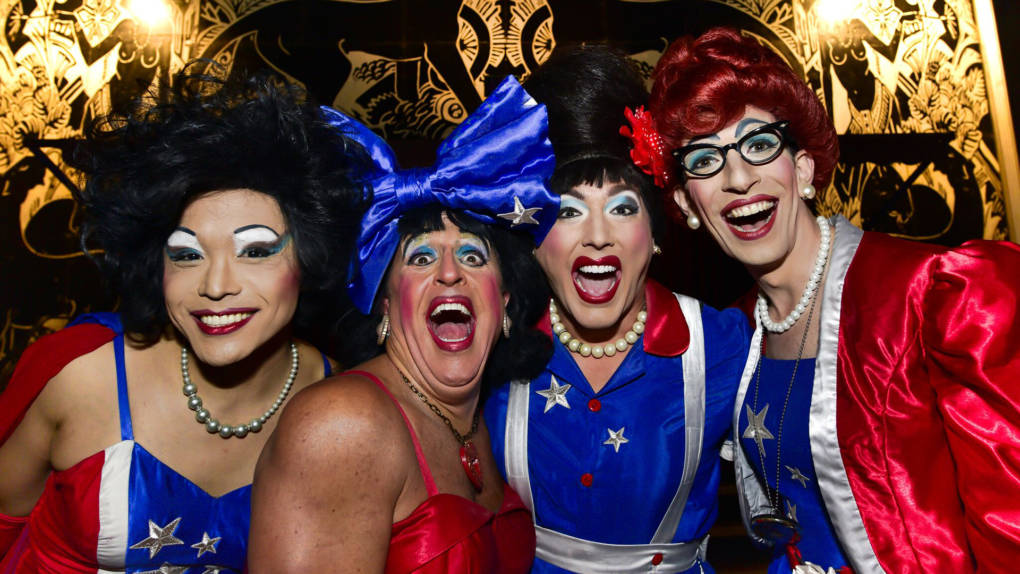
"caption": "The Kinsey Sicks embrace the role of drag queens as irreverent truth-tellers in their latest show, 'Things You Shouldn't Say.'",
"description": null,
"title": "cjJZrSAQ",
"credit": "Trentino Priori",
"status": "inherit",
"isLoading": false,
"fetchFailed": false
}
},
"audioPlayerReducer": {
"postId": "stream_live",
"isPaused": true,
"isPlaying": false,
"pfsActive": false,
"pledgeModalIsOpen": true,
"playerDrawerIsOpen": false,
"liveAudioPlayStartedAt": 0,
"liveAudioPlayContext": ""
},
"authorsReducer": {
"byline_arts_13842257": {
"type": "authors",
"id": "byline_arts_13842257",
"meta": {
"override": true
},
"slug": "byline_arts_13842257",
"name": "Rick Karr",
"isLoading": false
},
"gmeline": {
"type": "authors",
"id": "185",
"meta": {
"index": "authors_1716337520",
"id": "185",
"found": true
},
"name": "Gabe Meline",
"firstName": "Gabe",
"lastName": "Meline",
"slug": "gmeline",
"email": "gmeline@kqed.org",
"display_author_email": true,
"staff_mastheads": [
"arts"
],
"title": "Senior Editor, KQED Arts & Culture",
"bio": "Gabe Meline entered journalism at age 15 making photocopied zines, and has since earned awards from the Edward R. Murrow Awards, the Society for Professional Journalists, the Online Journalism Awards, the Association of Alternative Newsweeklies and the California Newspaper Publishers Association. Prior to KQED, he was the editor of the \u003cem>North Bay Bohemian\u003c/em> and a touring musician. He lives with his wife and daughter in his hometown of Santa Rosa, CA.",
"avatar": "https://secure.gravatar.com/avatar/5bebe57be0d8bc2dd318934feb47299e2d2d10cba28d09d8d7afb389a2ce2bdd?s=600&d=blank&r=g",
"twitter": null,
"bluesky": null,
"facebook": null,
"instagram": null,
"linkedin": null,
"sites": [
{
"site": "",
"roles": [
"editor"
]
},
{
"site": "arts",
"roles": [
"administrator"
]
},
{
"site": "artschool",
"roles": [
"editor"
]
},
{
"site": "news",
"roles": [
"author"
]
},
{
"site": "pop",
"roles": [
"editor"
]
},
{
"site": "bayareabites",
"roles": [
"editor"
]
},
{
"site": "food",
"roles": [
"editor"
]
},
{
"site": "forum",
"roles": [
"administrator"
]
},
{
"site": "liveblog",
"roles": [
"editor"
]
},
{
"site": "hiphop",
"roles": [
"editor"
]
}
],
"headData": {
"title": "Gabe Meline | KQED",
"description": "Senior Editor, KQED Arts & Culture",
"ogImgSrc": "https://secure.gravatar.com/avatar/5bebe57be0d8bc2dd318934feb47299e2d2d10cba28d09d8d7afb389a2ce2bdd?s=600&d=blank&r=g",
"twImgSrc": "https://secure.gravatar.com/avatar/5bebe57be0d8bc2dd318934feb47299e2d2d10cba28d09d8d7afb389a2ce2bdd?s=600&d=blank&r=g"
},
"isLoading": false,
"link": "/author/gmeline"
},
"rachael-myrow": {
"type": "authors",
"id": "251",
"meta": {
"index": "authors_1716337520",
"id": "251",
"found": true
},
"name": "Rachael Myrow",
"firstName": "Rachael",
"lastName": "Myrow",
"slug": "rachael-myrow",
"email": "rmyrow@kqed.org",
"display_author_email": true,
"staff_mastheads": [
"news"
],
"title": "Senior Editor of KQED's Silicon Valley News Desk",
"bio": "• I write and edit stories about how Silicon Valley power and policies shape everyday life in California. I’m also passionate about making Bay Area history and culture more accessible to a broad public. • I’ve been a journalist for most of my life, starting in high school with The Franklin Press in Los Angeles, where I grew up. While earning my first degree in English at UC Berkeley, I got my start in public radio at KALX-FM. After completing a second degree in journalism at Cal, I landed my first professional job at Marketplace, then moved on to KPCC (now LAist), and then KQED, where I hosted The California Report for more than seven years. • My reporting has appeared on NPR, The World, WBUR’s \u003ci>Here & Now\u003c/i>, and the BBC. I also guest host for KQED’s \u003ci>Forum\u003c/i>, as well as the Commonwealth Club in San Francisco. • I speak periodically on media, democracy and technology issues, and do voiceover work for documentaries and educational video projects. • Outside of the studio, you'll find me hiking Bay Area trails and whipping up Insta-ready meals in my kitchen. • I do not accept gifts, money, or favors from anyone connected to my reporting, I don't pay people for information, and I do not support or donate to political causes. • I strive to treat the people I report on with fairness, honesty, and respect. I also recognize there are often multiple sides to a story and work to verify information through multiple sources and documentation. If I get something wrong, I correct it.",
"avatar": "https://secure.gravatar.com/avatar/3ed8a3c5f26025e4a805ba634cda8cd764906b97438a6d9ce216b044e340da4e?s=600&d=blank&r=g",
"twitter": "rachaelmyrow",
"bluesky": null,
"facebook": null,
"instagram": null,
"linkedin": "https://www.linkedin.com/in/rachaelmyrow/",
"sites": [
{
"site": "arts",
"roles": [
"administrator"
]
},
{
"site": "news",
"roles": [
"edit_others_posts",
"editor"
]
},
{
"site": "futureofyou",
"roles": [
"editor"
]
},
{
"site": "bayareabites",
"roles": [
"editor"
]
},
{
"site": "stateofhealth",
"roles": [
"editor"
]
},
{
"site": "science",
"roles": [
"editor"
]
},
{
"site": "food",
"roles": [
"editor"
]
},
{
"site": "forum",
"roles": [
"editor"
]
},
{
"site": "liveblog",
"roles": [
"author"
]
}
],
"headData": {
"title": "Rachael Myrow | KQED",
"description": "Senior Editor of KQED's Silicon Valley News Desk",
"ogImgSrc": "https://secure.gravatar.com/avatar/3ed8a3c5f26025e4a805ba634cda8cd764906b97438a6d9ce216b044e340da4e?s=600&d=blank&r=g",
"twImgSrc": "https://secure.gravatar.com/avatar/3ed8a3c5f26025e4a805ba634cda8cd764906b97438a6d9ce216b044e340da4e?s=600&d=blank&r=g"
},
"isLoading": false,
"link": "/author/rachael-myrow"
},
"slefebvre": {
"type": "authors",
"id": "11091",
"meta": {
"index": "authors_1716337520",
"id": "11091",
"found": true
},
"name": "Sam Lefebvre",
"firstName": "Sam",
"lastName": "Lefebvre",
"slug": "slefebvre",
"email": "sdlefebvre@gmail.com",
"display_author_email": false,
"staff_mastheads": [],
"title": "KQED Contributor",
"bio": "Sam Lefebvre is an award-winning reporter at KQED Arts. He has worked as an editor and columnist at the \u003cem>East Bay Express\u003c/em>, \u003cem>SF Weekly \u003c/em>and Impose Magazine, and his journalism and criticism has appeared in \u003cem>The New York Times\u003c/em>, the Guardian and Pitchfork.",
"avatar": "https://secure.gravatar.com/avatar/49d39b42930b77fb13784ddd9fa63fe780666b71bf289368509dba576b64e69b?s=600&d=blank&r=g",
"twitter": "Lefebvre_Sam",
"bluesky": null,
"facebook": null,
"instagram": null,
"linkedin": null,
"sites": [
{
"site": "arts",
"roles": [
"subscriber"
]
},
{
"site": "news",
"roles": [
"author"
]
}
],
"headData": {
"title": "Sam Lefebvre | KQED",
"description": "KQED Contributor",
"ogImgSrc": "https://secure.gravatar.com/avatar/49d39b42930b77fb13784ddd9fa63fe780666b71bf289368509dba576b64e69b?s=600&d=blank&r=g",
"twImgSrc": "https://secure.gravatar.com/avatar/49d39b42930b77fb13784ddd9fa63fe780666b71bf289368509dba576b64e69b?s=600&d=blank&r=g"
},
"isLoading": false,
"link": "/author/slefebvre"
},
"nvoynovskaya": {
"type": "authors",
"id": "11387",
"meta": {
"index": "authors_1716337520",
"id": "11387",
"found": true
},
"name": "Nastia Voynovskaya",
"firstName": "Nastia",
"lastName": "Voynovskaya",
"slug": "nvoynovskaya",
"email": "nvoynovskaya@kqed.org",
"display_author_email": false,
"staff_mastheads": [
"arts"
],
"title": "Editor and reporter",
"bio": "Nastia Voynovskaya is a reporter, editor and host at KQED Arts & Culture. She's been covering the arts in the Bay Area for over a decade, with a focus on music, queer culture, labor issues and grassroots organizing. She has edited KQED story series such as Trans Bay: A History of San Francisco's Gender-Diverse Community, and co-created KQED's Bay Area hip-hop history project, That's My Word. Nastia's work has been recognized by the Society of Professional Journalists and San Francisco Press Club. She regularly appears on podcasts and radio programs, including NPR's All Songs Considered, and hosts live events where music, culture and conversation meet.",
"avatar": "https://secure.gravatar.com/avatar/5025ee460e5a85d69ca20ea6c6f2f80d7e17795c828f61ea3aecfcd924e9042e?s=600&d=blank&r=g",
"twitter": null,
"bluesky": null,
"facebook": null,
"instagram": "https://www.instagram.com/nananastia/",
"linkedin": null,
"sites": [
{
"site": "",
"roles": [
"editor"
]
},
{
"site": "arts",
"roles": [
"administrator"
]
},
{
"site": "news",
"roles": [
"editor"
]
},
{
"site": "pop",
"roles": [
"administrator"
]
},
{
"site": "bayareabites",
"roles": [
"editor"
]
},
{
"site": "podcasts",
"roles": [
"editor"
]
},
{
"site": "hiphop",
"roles": [
"editor"
]
}
],
"headData": {
"title": "Nastia Voynovskaya | KQED",
"description": "Editor and reporter",
"ogImgSrc": "https://secure.gravatar.com/avatar/5025ee460e5a85d69ca20ea6c6f2f80d7e17795c828f61ea3aecfcd924e9042e?s=600&d=blank&r=g",
"twImgSrc": "https://secure.gravatar.com/avatar/5025ee460e5a85d69ca20ea6c6f2f80d7e17795c828f61ea3aecfcd924e9042e?s=600&d=blank&r=g"
},
"isLoading": false,
"link": "/author/nvoynovskaya"
},
"mreeves": {
"type": "authors",
"id": "11855",
"meta": {
"index": "authors_1716337520",
"id": "11855",
"found": true
},
"name": "Mosi Reeves",
"firstName": "Mosi",
"lastName": "Reeves",
"slug": "mreeves",
"email": "infamous30@gmail.com",
"display_author_email": false,
"staff_mastheads": [],
"title": "KQED Contributor",
"bio": "Mosi Reeves is a journalist and cultural critic based in Oakland, California. In addition to KQED, his work has appeared in \u003cem>Rolling Stone\u003c/em>, \u003cem>The Wire\u003c/em>, Pitchfork, \u003cem>Billboard\u003c/em>, and Grammy.com.",
"avatar": "https://secure.gravatar.com/avatar/6f376003ca1cf7a873edc107f5f331f1?s=600&d=blank&r=g",
"twitter": null,
"facebook": null,
"instagram": null,
"linkedin": null,
"sites": [
{
"site": "arts",
"roles": [
"contributor"
]
},
{
"site": "pop",
"roles": [
"contributor"
]
}
],
"headData": {
"title": "Mosi Reeves | KQED",
"description": "KQED Contributor",
"ogImgSrc": "https://secure.gravatar.com/avatar/6f376003ca1cf7a873edc107f5f331f1?s=600&d=blank&r=g",
"twImgSrc": "https://secure.gravatar.com/avatar/6f376003ca1cf7a873edc107f5f331f1?s=600&d=blank&r=g"
},
"isLoading": false,
"link": "/author/mreeves"
}
},
"pagesReducer": {
"arts_category_music": {
"type": "terms",
"id": "arts_69",
"meta": {
"index": "terms_1716263798",
"site": "arts",
"id": "69",
"score": 10.85186
},
"featImg": null,
"name": "Music",
"description": null,
"taxonomy": "category",
"headData": {
"twImgId": null,
"twTitle": null,
"ogTitle": null,
"ogImgId": null,
"twDescription": null,
"description": null,
"title": "Music Archives | KQED Arts",
"ogDescription": null
},
"ttid": 70,
"slug": "music",
"isLoading": false,
"title": "Music",
"pageMeta": {
"site": "arts",
"WpPageTemplate": "page-topic-editorial",
"currentPage": 170
},
"blocks": [
{
"blockName": "kqed/post-list",
"attrs": {
"layout": "cardArticle2",
"query": "posts/arts?category=music",
"seeMore": false,
"paginated": true,
"page": 170
}
},
{
"blockName": "kqed/ad"
}
]
}
},
"pfsSessionReducer": {},
"postsReducer": {
"stream_live": {
"type": "live",
"id": "stream_live",
"audioUrl": "https://streams.kqed.org/kqedradio",
"title": "Live Stream",
"excerpt": "Live Stream information currently unavailable.",
"link": "/radio",
"featImg": "",
"label": {
"name": "KQED Live",
"link": "/"
}
},
"stream_kqedNewscast": {
"type": "posts",
"id": "stream_kqedNewscast",
"audioUrl": "https://www.kqed.org/.stream/anon/radio/RDnews/newscast.mp3?_=1",
"title": "KQED Newscast",
"featImg": "",
"label": {
"name": "88.5 FM",
"link": "/"
}
},
"arts_13842744": {
"type": "posts",
"id": "arts_13842744",
"meta": {
"index": "posts_1716263798",
"site": "arts",
"id": "13842744",
"score": null,
"sort": [
1539623622000
]
},
"parent": 0,
"labelTerm": {
"site": "arts"
},
"blocks": [],
"publishDate": 1539623622,
"format": "image",
"title": "Treasure Island's New Oakland Edition a Success—Now It's Time to Mix Genres",
"headTitle": "Treasure Island’s New Oakland Edition a Success—Now It’s Time to Mix Genres | KQED",
"content": "\u003cp>At the \u003ca href=\"https://www.kqed.org/arts/13832219/treasure-island-music-festival-to-return-relocate-to-oakland-shore-in-2018\" target=\"_blank\" rel=\"noopener\">newly relocated\u003c/a> Treasure Island Music Festival on Saturday, Santigold thrashed to “L.E.S. Artistes” and swayed to the reggae rhythm of “Run the Road” wearing a red cape covered in money, plastic water bottles and green moss. With its eccentric and eco-conscious attire (“money and plastic are ruining the environment” was the message I got) and textured, pastel-hued set design, Santigold’s performance looked and felt like something out of a ’90s Nickelodeon show—and it was glorious.\u003c/p>\n\u003cp>Her set wasn’t exactly PG, though—during her dancehall bop “Coo Coo Coo,” a dis to men who catcall women, a cartoon pig with six-pack abs and exposed genitals appeared on screen. The audience was clearly there for it: dozens of girls in Vans and tube tops stampeded to the front of the stage to join the singer for her electro-punk anthem “Creator,” about making one’s own rules.\u003c/p>\n\u003cfigure id=\"attachment_13842781\" class=\"wp-caption aligncenter\" style=\"max-width: 800px\">\u003cimg loading=\"lazy\" decoding=\"async\" class=\"size-medium wp-image-13842781\" src=\"https://ww2.kqed.org/arts/wp-content/uploads/sites/2/2018/10/MG_3883-800x533.jpg\" alt=\"A$AP Rocky performs at Treasure Island Music Festival on Oct. 13, 2018.\" width=\"800\" height=\"533\" srcset=\"https://cdn.kqed.org/wp-content/uploads/sites/2/2018/10/MG_3883.jpg 800w, https://cdn.kqed.org/wp-content/uploads/sites/2/2018/10/MG_3883-160x107.jpg 160w, https://cdn.kqed.org/wp-content/uploads/sites/2/2018/10/MG_3883-768x512.jpg 768w, https://cdn.kqed.org/wp-content/uploads/sites/2/2018/10/MG_3883-240x160.jpg 240w, https://cdn.kqed.org/wp-content/uploads/sites/2/2018/10/MG_3883-375x250.jpg 375w, https://cdn.kqed.org/wp-content/uploads/sites/2/2018/10/MG_3883-520x346.jpg 520w\" sizes=\"(max-width: 800px) 100vw, 800px\">\u003cfigcaption class=\"wp-caption-text\">A$AP Rocky performs at Treasure Island Music Festival on Oct. 13, 2018. \u003ccite>(Estefany Gonzalez)\u003c/cite>\u003c/figcaption>\u003c/figure>\n\u003cp>Santigold’s out-there set was a climactic point of this year’s TIMF, which returned this year after a hiatus in 2017. Though it retains the Treasure Island name, the festival now takes place in Oakland’s Middle Harbor Shoreline Park due to \u003ca href=\"https://www.kqed.org/arts/13832219/treasure-island-music-festival-to-return-relocate-to-oakland-shore-in-2018\" target=\"_blank\" rel=\"noopener\">ongoing construction\u003c/a> on the actual Treasure Island.\u003c/p>\n\u003cp>The misnomer might be a little awkward, but the abundance of eclectic talent, warm weather and sweeping views of the San Francisco skyline made the festival’s growing pains easy to forget. Treasure Island was a little more bare this year—no Ferris wheel or silent disco—which kept the focus on the music.\u003c/p>\n\u003cfigure id=\"attachment_13842828\" class=\"wp-caption aligncenter\" style=\"max-width: 800px\">\u003cimg loading=\"lazy\" decoding=\"async\" class=\"size-medium wp-image-13842828\" src=\"https://ww2.kqed.org/arts/wp-content/uploads/sites/2/2018/10/MG_4515-Edit-800x533.jpg\" alt=\"Tame Impala perform at Treasure Island Music Festival on Oct. 14, 2018.\" width=\"800\" height=\"533\" srcset=\"https://cdn.kqed.org/wp-content/uploads/sites/2/2018/10/MG_4515-Edit.jpg 800w, https://cdn.kqed.org/wp-content/uploads/sites/2/2018/10/MG_4515-Edit-160x107.jpg 160w, https://cdn.kqed.org/wp-content/uploads/sites/2/2018/10/MG_4515-Edit-768x512.jpg 768w, https://cdn.kqed.org/wp-content/uploads/sites/2/2018/10/MG_4515-Edit-240x160.jpg 240w, https://cdn.kqed.org/wp-content/uploads/sites/2/2018/10/MG_4515-Edit-375x250.jpg 375w, https://cdn.kqed.org/wp-content/uploads/sites/2/2018/10/MG_4515-Edit-520x346.jpg 520w\" sizes=\"(max-width: 800px) 100vw, 800px\">\u003cfigcaption class=\"wp-caption-text\">Tame Impala perform at Treasure Island Music Festival on Oct. 14, 2018. \u003ccite>(Estefany Gonzalez)\u003c/cite>\u003c/figcaption>\u003c/figure>\n\u003cp>Still, after Saturday’s colorful and eclectic lineup, the energy waned a bit on Sunday, which leaned toward indie rock. With the new location, Treasure Island could have also benefitted from a new approach to genres. The festival’s dichotomous schedule, with electronic music on the first day and rock on the second, is an institution that dates back to the festival’s beginnings in the late 2000s, when the prevalent hipster aesthetics were bloghouse electro and indie rock. But at this point, the separation between genres feels arcane and unnecessary, especially as Saturday grows more varied with additional hip-hop, pop and electronic subgenres each year and Sunday stays essentially the same.\u003c/p>\n\u003cp>[ad fullwidth]\u003c/p>\n\u003cp>Saturday, the more exciting day of the fest, was all about impressive vocalists. Moses Sumney, a rising singer-producer with the self-reflectiveness of Frank Ocean and baroque instrumental arrangements of Sigur Rós, wowed the audience with his high-flying falsetto and live vocal manipulations. Throughout his set, he harmonized with his loop pedal and improvised off his violinist’s playing, which swelled from plucked, staccato beats to a chill-inducing solo.\u003c/p>\n\u003cfigure id=\"attachment_13842748\" class=\"wp-caption aligncenter\" style=\"max-width: 800px\">\u003cimg loading=\"lazy\" decoding=\"async\" class=\"size-medium wp-image-13842748\" src=\"https://ww2.kqed.org/arts/wp-content/uploads/sites/2/2018/10/MG_3391-800x533.jpg\" alt=\"Hiatus Kaiyote perform at Treasure Island Music Festival on Oct. 13, 2018.\" width=\"800\" height=\"533\" srcset=\"https://cdn.kqed.org/wp-content/uploads/sites/2/2018/10/MG_3391.jpg 800w, https://cdn.kqed.org/wp-content/uploads/sites/2/2018/10/MG_3391-160x107.jpg 160w, https://cdn.kqed.org/wp-content/uploads/sites/2/2018/10/MG_3391-768x512.jpg 768w, https://cdn.kqed.org/wp-content/uploads/sites/2/2018/10/MG_3391-240x160.jpg 240w, https://cdn.kqed.org/wp-content/uploads/sites/2/2018/10/MG_3391-375x250.jpg 375w, https://cdn.kqed.org/wp-content/uploads/sites/2/2018/10/MG_3391-520x346.jpg 520w\" sizes=\"(max-width: 800px) 100vw, 800px\">\u003cfigcaption class=\"wp-caption-text\">Hiatus Kaiyote perform at Treasure Island Music Festival on Oct. 13, 2018. \u003ccite>(Estefany Gonzalez)\u003c/cite>\u003c/figcaption>\u003c/figure>\n\u003cp>Later, Naomi “Nai Palm” Saalfield from neo-soul group Hiatus Kaiyote stunned festival-goers with her diva-worthy vocal chops. Much like Amy Winehouse, the Australian Saalfield is clearly inspired by African-American jazz, soul and gospel traditions; Hiatus Kaiyote’s raucous instrumentation ignited the band’s R&B and soul compositions and transformed them into chaotic jam sessions. Rapper Aminé, who also played an excellent set Saturday evening, came out from backstage and watched Hiatus Kaiyote from the photo pit, mouth agape.\u003c/p>\n\u003cp>The rest of Saturday’s lineup was stacked: A$AP Rocky’s headlining set sparked several mosh pits; Pusha T’s performance had legions of hip-hop heads rapping along; Silk City (Diplo and Mark Ronson’s DJ duo) spun ’90s house; Laff Trax (Toro y Moi and Nosaj Thing) got a dance party going with self-produced disco and funk. In contrast, Sunday was dedicated to mostly shoegazey indie rock and a bit of post-punk; it felt more mellow and much less eventful. A large contingent of fans, in fact, showed up at the very end for Tame Impala’s excellent headlining set, bypassing the earlier bands.\u003c/p>\n\u003cfigure id=\"attachment_13842777\" class=\"wp-caption aligncenter\" style=\"max-width: 800px\">\u003cimg loading=\"lazy\" decoding=\"async\" class=\"size-medium wp-image-13842777\" src=\"https://ww2.kqed.org/arts/wp-content/uploads/sites/2/2018/10/MG_3789-800x533.jpg\" alt=\"Pusha T performs at Treasure Island Music Festival on Oct. 13, 2018. \" width=\"800\" height=\"533\" srcset=\"https://cdn.kqed.org/wp-content/uploads/sites/2/2018/10/MG_3789.jpg 800w, https://cdn.kqed.org/wp-content/uploads/sites/2/2018/10/MG_3789-160x107.jpg 160w, https://cdn.kqed.org/wp-content/uploads/sites/2/2018/10/MG_3789-768x512.jpg 768w, https://cdn.kqed.org/wp-content/uploads/sites/2/2018/10/MG_3789-240x160.jpg 240w, https://cdn.kqed.org/wp-content/uploads/sites/2/2018/10/MG_3789-375x250.jpg 375w, https://cdn.kqed.org/wp-content/uploads/sites/2/2018/10/MG_3789-520x346.jpg 520w\" sizes=\"(max-width: 800px) 100vw, 800px\">\u003cfigcaption class=\"wp-caption-text\">Pusha T performs at Treasure Island Music Festival on Oct. 13, 2018. \u003ccite>(Estefany Gonzalez)\u003c/cite>\u003c/figcaption>\u003c/figure>\n\u003cp>This year, a majority of the musicians on stage Sunday were white guys; Cigarettes After Sex and Lord Huron’s reverb-laden guitars began to blend together in the hours between Courtney Barnett’s high-energy rock’n’roll and Tame Impala’s ornate psychedelia. The band Jungle got the people moving, but their take on disco sounded a bit too much like Bee Gees karaoke. One earlier band in particular, U.S. Girls, deserves a shoutout for their lively, danceable performance, which included Kate Bush-esque vocals and saxophone solos.\u003c/p>\n\u003cfigure id=\"attachment_13842809\" class=\"wp-caption aligncenter\" style=\"max-width: 800px\">\u003cimg loading=\"lazy\" decoding=\"async\" class=\"size-medium wp-image-13842809\" src=\"https://ww2.kqed.org/arts/wp-content/uploads/sites/2/2018/10/MG_4152-800x533.jpg\" alt=\"U.S. Girls perform at Treasure Island Music Festival on Oct. 14, 2018.\" width=\"800\" height=\"533\" srcset=\"https://cdn.kqed.org/wp-content/uploads/sites/2/2018/10/MG_4152.jpg 800w, https://cdn.kqed.org/wp-content/uploads/sites/2/2018/10/MG_4152-160x107.jpg 160w, https://cdn.kqed.org/wp-content/uploads/sites/2/2018/10/MG_4152-768x512.jpg 768w, https://cdn.kqed.org/wp-content/uploads/sites/2/2018/10/MG_4152-240x160.jpg 240w, https://cdn.kqed.org/wp-content/uploads/sites/2/2018/10/MG_4152-375x250.jpg 375w, https://cdn.kqed.org/wp-content/uploads/sites/2/2018/10/MG_4152-520x346.jpg 520w\" sizes=\"(max-width: 800px) 100vw, 800px\">\u003cfigcaption class=\"wp-caption-text\">U.S. Girls perform at Treasure Island Music Festival on Oct. 14, 2018. \u003ccite>(Estefany Gonzalez)\u003c/cite>\u003c/figcaption>\u003c/figure>\n\u003cp>[ad floatright]\u003c/p>\n\u003cp>Music listeners today are complex, and it doesn’t feel like festival promoters give them enough credit when they split up the days by genre. Mixing up U.K. band Shame’s hyperactive, angry post-punk, for instance, and Aminé’s mosh-worthy rap could’ve created exciting cross-pollination. Still, Treasure Island offers a chance to see internationally touring acts without the same level of sensory overload and overcrowding as bigger fests, and thus is a welcome part of the Bay Area’s music festival ecosystem. It’s good to have it back.\u003c/p>\n\u003ch2>More photos below.\u003c/h2>\n\u003cfigure id=\"attachment_13842749\" class=\"wp-caption aligncenter\" style=\"max-width: 800px\">\u003cimg loading=\"lazy\" decoding=\"async\" class=\"size-medium wp-image-13842749\" src=\"https://ww2.kqed.org/arts/wp-content/uploads/sites/2/2018/10/MG_3399-800x533.jpg\" alt=\"Polo and Pan backstage at Treasure Island Music Festival on Oct. 13, 2018. \" width=\"800\" height=\"533\" srcset=\"https://cdn.kqed.org/wp-content/uploads/sites/2/2018/10/MG_3399.jpg 800w, https://cdn.kqed.org/wp-content/uploads/sites/2/2018/10/MG_3399-160x107.jpg 160w, https://cdn.kqed.org/wp-content/uploads/sites/2/2018/10/MG_3399-768x512.jpg 768w, https://cdn.kqed.org/wp-content/uploads/sites/2/2018/10/MG_3399-240x160.jpg 240w, https://cdn.kqed.org/wp-content/uploads/sites/2/2018/10/MG_3399-375x250.jpg 375w, https://cdn.kqed.org/wp-content/uploads/sites/2/2018/10/MG_3399-520x346.jpg 520w\" sizes=\"(max-width: 800px) 100vw, 800px\">\u003cfigcaption class=\"wp-caption-text\">Polo and Pan backstage at Treasure Island Music Festival on Oct. 13, 2018. \u003ccite>(Estefany Gonzalez)\u003c/cite>\u003c/figcaption>\u003c/figure>\n\u003cfigure id=\"attachment_13842836\" class=\"wp-caption aligncenter\" style=\"max-width: 800px\">\u003cimg loading=\"lazy\" decoding=\"async\" class=\"size-medium wp-image-13842836\" src=\"https://ww2.kqed.org/arts/wp-content/uploads/sites/2/2018/10/MG_4619-800x533.jpg\" alt=\"Tame Impala perform at Treasure Island Music Festival on Oct. 14, 2018.\" width=\"800\" height=\"533\" srcset=\"https://cdn.kqed.org/wp-content/uploads/sites/2/2018/10/MG_4619.jpg 800w, https://cdn.kqed.org/wp-content/uploads/sites/2/2018/10/MG_4619-160x107.jpg 160w, https://cdn.kqed.org/wp-content/uploads/sites/2/2018/10/MG_4619-768x512.jpg 768w, https://cdn.kqed.org/wp-content/uploads/sites/2/2018/10/MG_4619-240x160.jpg 240w, https://cdn.kqed.org/wp-content/uploads/sites/2/2018/10/MG_4619-375x250.jpg 375w, https://cdn.kqed.org/wp-content/uploads/sites/2/2018/10/MG_4619-520x346.jpg 520w\" sizes=\"(max-width: 800px) 100vw, 800px\">\u003cfigcaption class=\"wp-caption-text\">Tame Impala perform at Treasure Island Music Festival on Oct. 14, 2018. \u003ccite>(Estefany Gonzalez)\u003c/cite>\u003c/figcaption>\u003c/figure>\n\u003cfigure id=\"attachment_13842755\" class=\"wp-caption aligncenter\" style=\"max-width: 800px\">\u003cimg loading=\"lazy\" decoding=\"async\" class=\"size-medium wp-image-13842755\" src=\"https://ww2.kqed.org/arts/wp-content/uploads/sites/2/2018/10/MG_3437-800x533.jpg\" alt=\"Laff Trax perform at Treasure Island Music Festival on Oct. 13, 2018. \" width=\"800\" height=\"533\" srcset=\"https://cdn.kqed.org/wp-content/uploads/sites/2/2018/10/MG_3437.jpg 800w, https://cdn.kqed.org/wp-content/uploads/sites/2/2018/10/MG_3437-160x107.jpg 160w, https://cdn.kqed.org/wp-content/uploads/sites/2/2018/10/MG_3437-768x512.jpg 768w, https://cdn.kqed.org/wp-content/uploads/sites/2/2018/10/MG_3437-240x160.jpg 240w, https://cdn.kqed.org/wp-content/uploads/sites/2/2018/10/MG_3437-375x250.jpg 375w, https://cdn.kqed.org/wp-content/uploads/sites/2/2018/10/MG_3437-520x346.jpg 520w\" sizes=\"(max-width: 800px) 100vw, 800px\">\u003cfigcaption class=\"wp-caption-text\">Laff Trax perform at Treasure Island Music Festival on Oct. 13, 2018. \u003ccite>(Estefany Gonzalez)\u003c/cite>\u003c/figcaption>\u003c/figure>\n\u003cfigure id=\"attachment_13842831\" class=\"wp-caption aligncenter\" style=\"max-width: 800px\">\u003cimg loading=\"lazy\" decoding=\"async\" class=\"size-medium wp-image-13842831\" src=\"https://ww2.kqed.org/arts/wp-content/uploads/sites/2/2018/10/MG_4552-800x533.jpg\" alt=\"The crowd at Treasure Island Music Festival 2018.\" width=\"800\" height=\"533\" srcset=\"https://cdn.kqed.org/wp-content/uploads/sites/2/2018/10/MG_4552.jpg 800w, https://cdn.kqed.org/wp-content/uploads/sites/2/2018/10/MG_4552-160x107.jpg 160w, https://cdn.kqed.org/wp-content/uploads/sites/2/2018/10/MG_4552-768x512.jpg 768w, https://cdn.kqed.org/wp-content/uploads/sites/2/2018/10/MG_4552-240x160.jpg 240w, https://cdn.kqed.org/wp-content/uploads/sites/2/2018/10/MG_4552-375x250.jpg 375w, https://cdn.kqed.org/wp-content/uploads/sites/2/2018/10/MG_4552-520x346.jpg 520w\" sizes=\"(max-width: 800px) 100vw, 800px\">\u003cfigcaption class=\"wp-caption-text\">The crowd at Treasure Island Music Festival 2018. \u003ccite>(Estefany Gonzalez)\u003c/cite>\u003c/figcaption>\u003c/figure>\n\u003cfigure id=\"attachment_13842766\" class=\"wp-caption aligncenter\" style=\"max-width: 800px\">\u003cimg loading=\"lazy\" decoding=\"async\" class=\"size-medium wp-image-13842766\" src=\"https://ww2.kqed.org/arts/wp-content/uploads/sites/2/2018/10/MG_3587-800x533.jpg\" alt=\"Aminé performs at Treasure Island Music Festival on Oct. 13, 2018. \" width=\"800\" height=\"533\" srcset=\"https://cdn.kqed.org/wp-content/uploads/sites/2/2018/10/MG_3587.jpg 800w, https://cdn.kqed.org/wp-content/uploads/sites/2/2018/10/MG_3587-160x107.jpg 160w, https://cdn.kqed.org/wp-content/uploads/sites/2/2018/10/MG_3587-768x512.jpg 768w, https://cdn.kqed.org/wp-content/uploads/sites/2/2018/10/MG_3587-240x160.jpg 240w, https://cdn.kqed.org/wp-content/uploads/sites/2/2018/10/MG_3587-375x250.jpg 375w, https://cdn.kqed.org/wp-content/uploads/sites/2/2018/10/MG_3587-520x346.jpg 520w\" sizes=\"(max-width: 800px) 100vw, 800px\">\u003cfigcaption class=\"wp-caption-text\">Aminé performs at Treasure Island Music Festival on Oct. 13, 2018. \u003ccite>(Estefany Gonzalez)\u003c/cite>\u003c/figcaption>\u003c/figure>\n\u003cfigure id=\"attachment_13842813\" class=\"wp-caption aligncenter\" style=\"max-width: 800px\">\u003cimg loading=\"lazy\" decoding=\"async\" class=\"size-medium wp-image-13842813\" src=\"https://ww2.kqed.org/arts/wp-content/uploads/sites/2/2018/10/MG_4253-800x533.jpg\" alt=\"Courtney Barnett performs at Treasure Island Music Festival on Oct. 14, 2018.\" width=\"800\" height=\"533\" srcset=\"https://cdn.kqed.org/wp-content/uploads/sites/2/2018/10/MG_4253.jpg 800w, https://cdn.kqed.org/wp-content/uploads/sites/2/2018/10/MG_4253-160x107.jpg 160w, https://cdn.kqed.org/wp-content/uploads/sites/2/2018/10/MG_4253-768x512.jpg 768w, https://cdn.kqed.org/wp-content/uploads/sites/2/2018/10/MG_4253-240x160.jpg 240w, https://cdn.kqed.org/wp-content/uploads/sites/2/2018/10/MG_4253-375x250.jpg 375w, https://cdn.kqed.org/wp-content/uploads/sites/2/2018/10/MG_4253-520x346.jpg 520w\" sizes=\"(max-width: 800px) 100vw, 800px\">\u003cfigcaption class=\"wp-caption-text\">Courtney Barnett performs at Treasure Island Music Festival on Oct. 14, 2018. \u003ccite>(Estefany Gonzalez)\u003c/cite>\u003c/figcaption>\u003c/figure>\n\u003cfigure id=\"attachment_13842769\" class=\"wp-caption aligncenter\" style=\"max-width: 800px\">\u003cimg loading=\"lazy\" decoding=\"async\" class=\"size-medium wp-image-13842769\" src=\"https://ww2.kqed.org/arts/wp-content/uploads/sites/2/2018/10/MG_3639-800x533.jpg\" alt=\"The crowd at Treasure Island Music Festival 2018. \" width=\"800\" height=\"533\" srcset=\"https://cdn.kqed.org/wp-content/uploads/sites/2/2018/10/MG_3639.jpg 800w, https://cdn.kqed.org/wp-content/uploads/sites/2/2018/10/MG_3639-160x107.jpg 160w, https://cdn.kqed.org/wp-content/uploads/sites/2/2018/10/MG_3639-768x512.jpg 768w, https://cdn.kqed.org/wp-content/uploads/sites/2/2018/10/MG_3639-240x160.jpg 240w, https://cdn.kqed.org/wp-content/uploads/sites/2/2018/10/MG_3639-375x250.jpg 375w, https://cdn.kqed.org/wp-content/uploads/sites/2/2018/10/MG_3639-520x346.jpg 520w\" sizes=\"(max-width: 800px) 100vw, 800px\">\u003cfigcaption class=\"wp-caption-text\">The crowd at Treasure Island Music Festival 2018. \u003ccite>(Estefany Gonzalez )\u003c/cite>\u003c/figcaption>\u003c/figure>\n\u003cfigure id=\"attachment_13842807\" class=\"wp-caption aligncenter\" style=\"max-width: 800px\">\u003cimg loading=\"lazy\" decoding=\"async\" class=\"size-medium wp-image-13842807\" src=\"https://ww2.kqed.org/arts/wp-content/uploads/sites/2/2018/10/MG_4101-800x533.jpg\" alt=\"Sharon Van Etten performs at Treasure Island Music Festival on Oct. 14, 2018.\" width=\"800\" height=\"533\" srcset=\"https://cdn.kqed.org/wp-content/uploads/sites/2/2018/10/MG_4101.jpg 800w, https://cdn.kqed.org/wp-content/uploads/sites/2/2018/10/MG_4101-160x107.jpg 160w, https://cdn.kqed.org/wp-content/uploads/sites/2/2018/10/MG_4101-768x512.jpg 768w, https://cdn.kqed.org/wp-content/uploads/sites/2/2018/10/MG_4101-240x160.jpg 240w, https://cdn.kqed.org/wp-content/uploads/sites/2/2018/10/MG_4101-375x250.jpg 375w, https://cdn.kqed.org/wp-content/uploads/sites/2/2018/10/MG_4101-520x346.jpg 520w\" sizes=\"(max-width: 800px) 100vw, 800px\">\u003cfigcaption class=\"wp-caption-text\">Sharon Van Etten performs at Treasure Island Music Festival on Oct. 14, 2018. \u003ccite>(Estefany Gonzalez)\u003c/cite>\u003c/figcaption>\u003c/figure>\n\u003cfigure id=\"attachment_13842773\" class=\"wp-caption aligncenter\" style=\"max-width: 800px\">\u003cimg loading=\"lazy\" decoding=\"async\" class=\"size-medium wp-image-13842773\" src=\"https://ww2.kqed.org/arts/wp-content/uploads/sites/2/2018/10/MG_3745-800x533.jpg\" alt=\"The crowd at Treasure Island Music Festival 2018. \" width=\"800\" height=\"533\" srcset=\"https://cdn.kqed.org/wp-content/uploads/sites/2/2018/10/MG_3745.jpg 800w, https://cdn.kqed.org/wp-content/uploads/sites/2/2018/10/MG_3745-160x107.jpg 160w, https://cdn.kqed.org/wp-content/uploads/sites/2/2018/10/MG_3745-768x512.jpg 768w, https://cdn.kqed.org/wp-content/uploads/sites/2/2018/10/MG_3745-240x160.jpg 240w, https://cdn.kqed.org/wp-content/uploads/sites/2/2018/10/MG_3745-375x250.jpg 375w, https://cdn.kqed.org/wp-content/uploads/sites/2/2018/10/MG_3745-520x346.jpg 520w\" sizes=\"(max-width: 800px) 100vw, 800px\">\u003cfigcaption class=\"wp-caption-text\">The crowd at Treasure Island Music Festival 2018. \u003ccite>(Estefany Gonzalez)\u003c/cite>\u003c/figcaption>\u003c/figure>\n\u003cfigure id=\"attachment_13842803\" class=\"wp-caption aligncenter\" style=\"max-width: 800px\">\u003cimg loading=\"lazy\" decoding=\"async\" class=\"size-medium wp-image-13842803\" src=\"https://ww2.kqed.org/arts/wp-content/uploads/sites/2/2018/10/MG_4054-800x533.jpg\" alt=\"Courtney Barnett backstage at Treasure Island Music Festival on Oct. 14, 2018.\" width=\"800\" height=\"533\" srcset=\"https://cdn.kqed.org/wp-content/uploads/sites/2/2018/10/MG_4054.jpg 800w, https://cdn.kqed.org/wp-content/uploads/sites/2/2018/10/MG_4054-160x107.jpg 160w, https://cdn.kqed.org/wp-content/uploads/sites/2/2018/10/MG_4054-768x512.jpg 768w, https://cdn.kqed.org/wp-content/uploads/sites/2/2018/10/MG_4054-240x160.jpg 240w, https://cdn.kqed.org/wp-content/uploads/sites/2/2018/10/MG_4054-375x250.jpg 375w, https://cdn.kqed.org/wp-content/uploads/sites/2/2018/10/MG_4054-520x346.jpg 520w\" sizes=\"(max-width: 800px) 100vw, 800px\">\u003cfigcaption class=\"wp-caption-text\">Courtney Barnett backstage at Treasure Island Music Festival on Oct. 14, 2018. \u003ccite>(Estefany Gonzalez)\u003c/cite>\u003c/figcaption>\u003c/figure>\n\u003cfigure id=\"attachment_13842804\" class=\"wp-caption aligncenter\" style=\"max-width: 800px\">\u003cimg loading=\"lazy\" decoding=\"async\" class=\"size-medium wp-image-13842804\" src=\"https://ww2.kqed.org/arts/wp-content/uploads/sites/2/2018/10/MG_4077-800x533.jpg\" alt=\"Shame perform at Treasure Island Music Festival on Oct. 14, 2018.\" width=\"800\" height=\"533\" srcset=\"https://cdn.kqed.org/wp-content/uploads/sites/2/2018/10/MG_4077.jpg 800w, https://cdn.kqed.org/wp-content/uploads/sites/2/2018/10/MG_4077-160x107.jpg 160w, https://cdn.kqed.org/wp-content/uploads/sites/2/2018/10/MG_4077-768x512.jpg 768w, https://cdn.kqed.org/wp-content/uploads/sites/2/2018/10/MG_4077-240x160.jpg 240w, https://cdn.kqed.org/wp-content/uploads/sites/2/2018/10/MG_4077-375x250.jpg 375w, https://cdn.kqed.org/wp-content/uploads/sites/2/2018/10/MG_4077-520x346.jpg 520w\" sizes=\"(max-width: 800px) 100vw, 800px\">\u003cfigcaption class=\"wp-caption-text\">Shame perform at Treasure Island Music Festival on Oct. 14, 2018. \u003ccite>(Estefany Gonzalez)\u003c/cite>\u003c/figcaption>\u003c/figure>\n\u003cfigure id=\"attachment_13842784\" class=\"wp-caption aligncenter\" style=\"max-width: 800px\">\u003cimg loading=\"lazy\" decoding=\"async\" class=\"size-medium wp-image-13842784\" src=\"https://ww2.kqed.org/arts/wp-content/uploads/sites/2/2018/10/MG_3960-800x533.jpg\" alt=\"A$AP Rocky performs at Treasure Island Music Festival on Oct. 13, 2018. \" width=\"800\" height=\"533\" srcset=\"https://cdn.kqed.org/wp-content/uploads/sites/2/2018/10/MG_3960.jpg 800w, https://cdn.kqed.org/wp-content/uploads/sites/2/2018/10/MG_3960-160x107.jpg 160w, https://cdn.kqed.org/wp-content/uploads/sites/2/2018/10/MG_3960-768x512.jpg 768w, https://cdn.kqed.org/wp-content/uploads/sites/2/2018/10/MG_3960-240x160.jpg 240w, https://cdn.kqed.org/wp-content/uploads/sites/2/2018/10/MG_3960-375x250.jpg 375w, https://cdn.kqed.org/wp-content/uploads/sites/2/2018/10/MG_3960-520x346.jpg 520w\" sizes=\"(max-width: 800px) 100vw, 800px\">\u003cfigcaption class=\"wp-caption-text\">A$AP Rocky performs at Treasure Island Music Festival on Oct. 13, 2018. \u003ccite>(Estefany Gonzalez )\u003c/cite>\u003c/figcaption>\u003c/figure>\n\u003cfigure id=\"attachment_13842762\" class=\"wp-caption aligncenter\" style=\"max-width: 800px\">\u003cimg loading=\"lazy\" decoding=\"async\" class=\"size-medium wp-image-13842762\" src=\"https://ww2.kqed.org/arts/wp-content/uploads/sites/2/2018/10/MG_3507-800x533.jpg\" alt=\"Laff Trax backstage at Treasure Island Music Festival on Oct. 13, 2018.\" width=\"800\" height=\"533\" srcset=\"https://cdn.kqed.org/wp-content/uploads/sites/2/2018/10/MG_3507.jpg 800w, https://cdn.kqed.org/wp-content/uploads/sites/2/2018/10/MG_3507-160x107.jpg 160w, https://cdn.kqed.org/wp-content/uploads/sites/2/2018/10/MG_3507-768x512.jpg 768w, https://cdn.kqed.org/wp-content/uploads/sites/2/2018/10/MG_3507-240x160.jpg 240w, https://cdn.kqed.org/wp-content/uploads/sites/2/2018/10/MG_3507-375x250.jpg 375w, https://cdn.kqed.org/wp-content/uploads/sites/2/2018/10/MG_3507-520x346.jpg 520w\" sizes=\"(max-width: 800px) 100vw, 800px\">\u003cfigcaption class=\"wp-caption-text\">Laff Trax backstage at Treasure Island Music Festival on Oct. 13, 2018. \u003ccite>(Estefany Gonzalez)\u003c/cite>\u003c/figcaption>\u003c/figure>\n\u003cfigure id=\"attachment_13842817\" class=\"wp-caption aligncenter\" style=\"max-width: 800px\">\u003cimg loading=\"lazy\" decoding=\"async\" class=\"size-medium wp-image-13842817\" src=\"https://ww2.kqed.org/arts/wp-content/uploads/sites/2/2018/10/MG_4337-800x533.jpg\" alt=\"Lord Huron perform at Treasure Island Music Festival on Oct. 14, 2018.\" width=\"800\" height=\"533\" srcset=\"https://cdn.kqed.org/wp-content/uploads/sites/2/2018/10/MG_4337.jpg 800w, https://cdn.kqed.org/wp-content/uploads/sites/2/2018/10/MG_4337-160x107.jpg 160w, https://cdn.kqed.org/wp-content/uploads/sites/2/2018/10/MG_4337-768x512.jpg 768w, https://cdn.kqed.org/wp-content/uploads/sites/2/2018/10/MG_4337-240x160.jpg 240w, https://cdn.kqed.org/wp-content/uploads/sites/2/2018/10/MG_4337-375x250.jpg 375w, https://cdn.kqed.org/wp-content/uploads/sites/2/2018/10/MG_4337-520x346.jpg 520w\" sizes=\"(max-width: 800px) 100vw, 800px\">\u003cfigcaption class=\"wp-caption-text\">Lord Huron perform at Treasure Island Music Festival on Oct. 14, 2018. \u003ccite>(Estefany Gonzalez)\u003c/cite>\u003c/figcaption>\u003c/figure>\n\u003cfigure id=\"attachment_13842772\" class=\"wp-caption aligncenter\" style=\"max-width: 800px\">\u003cimg loading=\"lazy\" decoding=\"async\" class=\"size-medium wp-image-13842772\" src=\"https://ww2.kqed.org/arts/wp-content/uploads/sites/2/2018/10/MG_3710-800x533.jpg\" alt=\"Silk City perform at Treasure Island Music Festival on Oct. 13, 2018. \" width=\"800\" height=\"533\" srcset=\"https://cdn.kqed.org/wp-content/uploads/sites/2/2018/10/MG_3710.jpg 800w, https://cdn.kqed.org/wp-content/uploads/sites/2/2018/10/MG_3710-160x107.jpg 160w, https://cdn.kqed.org/wp-content/uploads/sites/2/2018/10/MG_3710-768x512.jpg 768w, https://cdn.kqed.org/wp-content/uploads/sites/2/2018/10/MG_3710-240x160.jpg 240w, https://cdn.kqed.org/wp-content/uploads/sites/2/2018/10/MG_3710-375x250.jpg 375w, https://cdn.kqed.org/wp-content/uploads/sites/2/2018/10/MG_3710-520x346.jpg 520w\" sizes=\"(max-width: 800px) 100vw, 800px\">\u003cfigcaption class=\"wp-caption-text\">Silk City perform at Treasure Island Music Festival on Oct. 13, 2018. \u003ccite>(Estefany Gonzalez)\u003c/cite>\u003c/figcaption>\u003c/figure>\n\u003cfigure id=\"attachment_13842811\" class=\"wp-caption aligncenter\" style=\"max-width: 800px\">\u003cimg loading=\"lazy\" decoding=\"async\" class=\"size-medium wp-image-13842811\" src=\"https://ww2.kqed.org/arts/wp-content/uploads/sites/2/2018/10/MG_4189-800x533.jpg\" alt=\"Lord Huron backstage at Treasure Island Music Festival on Oct. 13, 2018. Lord Huron backstage at Treasure Island Music Festival on Oct. 14, 2018.\" width=\"800\" height=\"533\" srcset=\"https://cdn.kqed.org/wp-content/uploads/sites/2/2018/10/MG_4189.jpg 800w, https://cdn.kqed.org/wp-content/uploads/sites/2/2018/10/MG_4189-160x107.jpg 160w, https://cdn.kqed.org/wp-content/uploads/sites/2/2018/10/MG_4189-768x512.jpg 768w, https://cdn.kqed.org/wp-content/uploads/sites/2/2018/10/MG_4189-240x160.jpg 240w, https://cdn.kqed.org/wp-content/uploads/sites/2/2018/10/MG_4189-375x250.jpg 375w, https://cdn.kqed.org/wp-content/uploads/sites/2/2018/10/MG_4189-520x346.jpg 520w\" sizes=\"(max-width: 800px) 100vw, 800px\">\u003cfigcaption class=\"wp-caption-text\">Lord Huron backstage at Treasure Island Music Festival on Oct. 14, 2018. \u003ccite>(Estefany Gonzalez)\u003c/cite>\u003c/figcaption>\u003c/figure>\n\u003cfigure id=\"attachment_13842775\" class=\"wp-caption aligncenter\" style=\"max-width: 800px\">\u003cimg loading=\"lazy\" decoding=\"async\" class=\"size-medium wp-image-13842775\" src=\"https://ww2.kqed.org/arts/wp-content/uploads/sites/2/2018/10/MG_3772-800x533.jpg\" alt=\"The crowd at Treasure Island Music Festival 2018. \" width=\"800\" height=\"533\" srcset=\"https://cdn.kqed.org/wp-content/uploads/sites/2/2018/10/MG_3772.jpg 800w, https://cdn.kqed.org/wp-content/uploads/sites/2/2018/10/MG_3772-160x107.jpg 160w, https://cdn.kqed.org/wp-content/uploads/sites/2/2018/10/MG_3772-768x512.jpg 768w, https://cdn.kqed.org/wp-content/uploads/sites/2/2018/10/MG_3772-240x160.jpg 240w, https://cdn.kqed.org/wp-content/uploads/sites/2/2018/10/MG_3772-375x250.jpg 375w, https://cdn.kqed.org/wp-content/uploads/sites/2/2018/10/MG_3772-520x346.jpg 520w\" sizes=\"(max-width: 800px) 100vw, 800px\">\u003cfigcaption class=\"wp-caption-text\">The crowd at Treasure Island Music Festival 2018. \u003ccite>(Estefany Gonzalez )\u003c/cite>\u003c/figcaption>\u003c/figure>\n\u003cfigure id=\"attachment_13842750\" class=\"wp-caption aligncenter\" style=\"max-width: 800px\">\u003cimg loading=\"lazy\" decoding=\"async\" class=\"size-medium wp-image-13842750\" src=\"https://ww2.kqed.org/arts/wp-content/uploads/sites/2/2018/10/MG_3406-800x533.jpg\" alt=\"Hiatus Kaiyote backstage at Treasure Island Music Festival on Oct. 13, 2018.\" width=\"800\" height=\"533\" srcset=\"https://cdn.kqed.org/wp-content/uploads/sites/2/2018/10/MG_3406.jpg 800w, https://cdn.kqed.org/wp-content/uploads/sites/2/2018/10/MG_3406-160x107.jpg 160w, https://cdn.kqed.org/wp-content/uploads/sites/2/2018/10/MG_3406-768x512.jpg 768w, https://cdn.kqed.org/wp-content/uploads/sites/2/2018/10/MG_3406-240x160.jpg 240w, https://cdn.kqed.org/wp-content/uploads/sites/2/2018/10/MG_3406-375x250.jpg 375w, https://cdn.kqed.org/wp-content/uploads/sites/2/2018/10/MG_3406-520x346.jpg 520w\" sizes=\"(max-width: 800px) 100vw, 800px\">\u003cfigcaption class=\"wp-caption-text\">Hiatus Kaiyote backstage at Treasure Island Music Festival on Oct. 13, 2018. \u003ccite>(Estefany Gonzalez)\u003c/cite>\u003c/figcaption>\u003c/figure>\n\u003cfigure id=\"attachment_13842779\" class=\"wp-caption aligncenter\" style=\"max-width: 800px\">\u003cimg loading=\"lazy\" decoding=\"async\" class=\"size-medium wp-image-13842779\" src=\"https://ww2.kqed.org/arts/wp-content/uploads/sites/2/2018/10/MG_3850-800x533.jpg\" alt=\"A$AP Rocky performs at Treasure Island Music Festival on Oct. 13, 2018. \" width=\"800\" height=\"533\" srcset=\"https://cdn.kqed.org/wp-content/uploads/sites/2/2018/10/MG_3850.jpg 800w, https://cdn.kqed.org/wp-content/uploads/sites/2/2018/10/MG_3850-160x107.jpg 160w, https://cdn.kqed.org/wp-content/uploads/sites/2/2018/10/MG_3850-768x512.jpg 768w, https://cdn.kqed.org/wp-content/uploads/sites/2/2018/10/MG_3850-240x160.jpg 240w, https://cdn.kqed.org/wp-content/uploads/sites/2/2018/10/MG_3850-375x250.jpg 375w, https://cdn.kqed.org/wp-content/uploads/sites/2/2018/10/MG_3850-520x346.jpg 520w\" sizes=\"(max-width: 800px) 100vw, 800px\">\u003cfigcaption class=\"wp-caption-text\">A$AP Rocky performs at Treasure Island Music Festival on Oct. 13, 2018. \u003ccite>(Estefany Gonzalez)\u003c/cite>\u003c/figcaption>\u003c/figure>\n\u003cfigure id=\"attachment_13842756\" class=\"wp-caption aligncenter\" style=\"max-width: 800px\">\u003cimg loading=\"lazy\" decoding=\"async\" class=\"size-medium wp-image-13842756\" src=\"https://ww2.kqed.org/arts/wp-content/uploads/sites/2/2018/10/MG_3468-800x533.jpg\" alt=\"Santigold performs at Treasure Island Music Festival on Oct. 13, 2018.\" width=\"800\" height=\"533\" srcset=\"https://cdn.kqed.org/wp-content/uploads/sites/2/2018/10/MG_3468.jpg 800w, https://cdn.kqed.org/wp-content/uploads/sites/2/2018/10/MG_3468-160x107.jpg 160w, https://cdn.kqed.org/wp-content/uploads/sites/2/2018/10/MG_3468-768x512.jpg 768w, https://cdn.kqed.org/wp-content/uploads/sites/2/2018/10/MG_3468-240x160.jpg 240w, https://cdn.kqed.org/wp-content/uploads/sites/2/2018/10/MG_3468-375x250.jpg 375w, https://cdn.kqed.org/wp-content/uploads/sites/2/2018/10/MG_3468-520x346.jpg 520w\" sizes=\"(max-width: 800px) 100vw, 800px\">\u003cfigcaption class=\"wp-caption-text\">Santigold performs at Treasure Island Music Festival on Oct. 13, 2018. \u003ccite>(Estefany Gonzalez)\u003c/cite>\u003c/figcaption>\u003c/figure>\n\n",
"stats": {
"hasVideo": false,
"hasChartOrMap": false,
"hasAudio": false,
"hasPolis": false,
"wordCount": 1219,
"hasGoogleForm": false,
"hasGallery": false,
"hasHearkenModule": false,
"iframeSrcs": [],
"paragraphCount": 12
},
"modified": 1705027136,
"excerpt": "After an eventful first year in Oakland, the Treasure Island Music Festival may want to desegregate music genres by day. ",
"headData": {
"twImgId": "",
"twTitle": "",
"ogTitle": "",
"ogImgId": "",
"twDescription": "",
"description": "After an eventful first year in Oakland, the Treasure Island Music Festival may want to desegregate music genres by day. ",
"title": "Treasure Island's New Oakland Edition a Success—Now It's Time to Mix Genres | KQED",
"ogDescription": "",
"schema": {
"@context": "https://schema.org",
"@type": "Article",
"headline": "Treasure Island's New Oakland Edition a Success—Now It's Time to Mix Genres",
"datePublished": "2018-10-15T10:13:42-07:00",
"dateModified": "2024-01-11T18:38:56-08:00",
"image": "https://cdn.kqed.org/wp-content/uploads/2020/02/KQED-OG-Image@1x.png"
}
},
"guestAuthors": [],
"slug": "treasure-islands-new-oakland-edition-a-success-now-its-time-to-mix-genres",
"status": "publish",
"sticky": false,
"path": "/arts/13842744/treasure-islands-new-oakland-edition-a-success-now-its-time-to-mix-genres",
"audioTrackLength": null,
"parsedContent": [
{
"type": "contentString",
"content": "\u003cdiv class=\"post-body\">\u003cp>\u003cp>At the \u003ca href=\"https://www.kqed.org/arts/13832219/treasure-island-music-festival-to-return-relocate-to-oakland-shore-in-2018\" target=\"_blank\" rel=\"noopener\">newly relocated\u003c/a> Treasure Island Music Festival on Saturday, Santigold thrashed to “L.E.S. Artistes” and swayed to the reggae rhythm of “Run the Road” wearing a red cape covered in money, plastic water bottles and green moss. With its eccentric and eco-conscious attire (“money and plastic are ruining the environment” was the message I got) and textured, pastel-hued set design, Santigold’s performance looked and felt like something out of a ’90s Nickelodeon show—and it was glorious.\u003c/p>\n\u003cp>Her set wasn’t exactly PG, though—during her dancehall bop “Coo Coo Coo,” a dis to men who catcall women, a cartoon pig with six-pack abs and exposed genitals appeared on screen. The audience was clearly there for it: dozens of girls in Vans and tube tops stampeded to the front of the stage to join the singer for her electro-punk anthem “Creator,” about making one’s own rules.\u003c/p>\n\u003cfigure id=\"attachment_13842781\" class=\"wp-caption aligncenter\" style=\"max-width: 800px\">\u003cimg loading=\"lazy\" decoding=\"async\" class=\"size-medium wp-image-13842781\" src=\"https://ww2.kqed.org/arts/wp-content/uploads/sites/2/2018/10/MG_3883-800x533.jpg\" alt=\"A$AP Rocky performs at Treasure Island Music Festival on Oct. 13, 2018.\" width=\"800\" height=\"533\" srcset=\"https://cdn.kqed.org/wp-content/uploads/sites/2/2018/10/MG_3883.jpg 800w, https://cdn.kqed.org/wp-content/uploads/sites/2/2018/10/MG_3883-160x107.jpg 160w, https://cdn.kqed.org/wp-content/uploads/sites/2/2018/10/MG_3883-768x512.jpg 768w, https://cdn.kqed.org/wp-content/uploads/sites/2/2018/10/MG_3883-240x160.jpg 240w, https://cdn.kqed.org/wp-content/uploads/sites/2/2018/10/MG_3883-375x250.jpg 375w, https://cdn.kqed.org/wp-content/uploads/sites/2/2018/10/MG_3883-520x346.jpg 520w\" sizes=\"(max-width: 800px) 100vw, 800px\">\u003cfigcaption class=\"wp-caption-text\">A$AP Rocky performs at Treasure Island Music Festival on Oct. 13, 2018. \u003ccite>(Estefany Gonzalez)\u003c/cite>\u003c/figcaption>\u003c/figure>\n\u003cp>Santigold’s out-there set was a climactic point of this year’s TIMF, which returned this year after a hiatus in 2017. Though it retains the Treasure Island name, the festival now takes place in Oakland’s Middle Harbor Shoreline Park due to \u003ca href=\"https://www.kqed.org/arts/13832219/treasure-island-music-festival-to-return-relocate-to-oakland-shore-in-2018\" target=\"_blank\" rel=\"noopener\">ongoing construction\u003c/a> on the actual Treasure Island.\u003c/p>\n\u003cp>The misnomer might be a little awkward, but the abundance of eclectic talent, warm weather and sweeping views of the San Francisco skyline made the festival’s growing pains easy to forget. Treasure Island was a little more bare this year—no Ferris wheel or silent disco—which kept the focus on the music.\u003c/p>\n\u003cfigure id=\"attachment_13842828\" class=\"wp-caption aligncenter\" style=\"max-width: 800px\">\u003cimg loading=\"lazy\" decoding=\"async\" class=\"size-medium wp-image-13842828\" src=\"https://ww2.kqed.org/arts/wp-content/uploads/sites/2/2018/10/MG_4515-Edit-800x533.jpg\" alt=\"Tame Impala perform at Treasure Island Music Festival on Oct. 14, 2018.\" width=\"800\" height=\"533\" srcset=\"https://cdn.kqed.org/wp-content/uploads/sites/2/2018/10/MG_4515-Edit.jpg 800w, https://cdn.kqed.org/wp-content/uploads/sites/2/2018/10/MG_4515-Edit-160x107.jpg 160w, https://cdn.kqed.org/wp-content/uploads/sites/2/2018/10/MG_4515-Edit-768x512.jpg 768w, https://cdn.kqed.org/wp-content/uploads/sites/2/2018/10/MG_4515-Edit-240x160.jpg 240w, https://cdn.kqed.org/wp-content/uploads/sites/2/2018/10/MG_4515-Edit-375x250.jpg 375w, https://cdn.kqed.org/wp-content/uploads/sites/2/2018/10/MG_4515-Edit-520x346.jpg 520w\" sizes=\"(max-width: 800px) 100vw, 800px\">\u003cfigcaption class=\"wp-caption-text\">Tame Impala perform at Treasure Island Music Festival on Oct. 14, 2018. \u003ccite>(Estefany Gonzalez)\u003c/cite>\u003c/figcaption>\u003c/figure>\n\u003cp>Still, after Saturday’s colorful and eclectic lineup, the energy waned a bit on Sunday, which leaned toward indie rock. With the new location, Treasure Island could have also benefitted from a new approach to genres. The festival’s dichotomous schedule, with electronic music on the first day and rock on the second, is an institution that dates back to the festival’s beginnings in the late 2000s, when the prevalent hipster aesthetics were bloghouse electro and indie rock. But at this point, the separation between genres feels arcane and unnecessary, especially as Saturday grows more varied with additional hip-hop, pop and electronic subgenres each year and Sunday stays essentially the same.\u003c/p>\n\u003cp>\u003c/p>\u003c/div>",
"attributes": {
"named": {},
"numeric": []
}
},
{
"type": "component",
"content": "",
"name": "ad",
"attributes": {
"named": {
"label": "fullwidth"
},
"numeric": [
"fullwidth"
]
}
},
{
"type": "contentString",
"content": "\u003cdiv class=\"post-body\">\u003cp>\u003c/p>\n\u003cp>Saturday, the more exciting day of the fest, was all about impressive vocalists. Moses Sumney, a rising singer-producer with the self-reflectiveness of Frank Ocean and baroque instrumental arrangements of Sigur Rós, wowed the audience with his high-flying falsetto and live vocal manipulations. Throughout his set, he harmonized with his loop pedal and improvised off his violinist’s playing, which swelled from plucked, staccato beats to a chill-inducing solo.\u003c/p>\n\u003cfigure id=\"attachment_13842748\" class=\"wp-caption aligncenter\" style=\"max-width: 800px\">\u003cimg loading=\"lazy\" decoding=\"async\" class=\"size-medium wp-image-13842748\" src=\"https://ww2.kqed.org/arts/wp-content/uploads/sites/2/2018/10/MG_3391-800x533.jpg\" alt=\"Hiatus Kaiyote perform at Treasure Island Music Festival on Oct. 13, 2018.\" width=\"800\" height=\"533\" srcset=\"https://cdn.kqed.org/wp-content/uploads/sites/2/2018/10/MG_3391.jpg 800w, https://cdn.kqed.org/wp-content/uploads/sites/2/2018/10/MG_3391-160x107.jpg 160w, https://cdn.kqed.org/wp-content/uploads/sites/2/2018/10/MG_3391-768x512.jpg 768w, https://cdn.kqed.org/wp-content/uploads/sites/2/2018/10/MG_3391-240x160.jpg 240w, https://cdn.kqed.org/wp-content/uploads/sites/2/2018/10/MG_3391-375x250.jpg 375w, https://cdn.kqed.org/wp-content/uploads/sites/2/2018/10/MG_3391-520x346.jpg 520w\" sizes=\"(max-width: 800px) 100vw, 800px\">\u003cfigcaption class=\"wp-caption-text\">Hiatus Kaiyote perform at Treasure Island Music Festival on Oct. 13, 2018. \u003ccite>(Estefany Gonzalez)\u003c/cite>\u003c/figcaption>\u003c/figure>\n\u003cp>Later, Naomi “Nai Palm” Saalfield from neo-soul group Hiatus Kaiyote stunned festival-goers with her diva-worthy vocal chops. Much like Amy Winehouse, the Australian Saalfield is clearly inspired by African-American jazz, soul and gospel traditions; Hiatus Kaiyote’s raucous instrumentation ignited the band’s R&B and soul compositions and transformed them into chaotic jam sessions. Rapper Aminé, who also played an excellent set Saturday evening, came out from backstage and watched Hiatus Kaiyote from the photo pit, mouth agape.\u003c/p>\n\u003cp>The rest of Saturday’s lineup was stacked: A$AP Rocky’s headlining set sparked several mosh pits; Pusha T’s performance had legions of hip-hop heads rapping along; Silk City (Diplo and Mark Ronson’s DJ duo) spun ’90s house; Laff Trax (Toro y Moi and Nosaj Thing) got a dance party going with self-produced disco and funk. In contrast, Sunday was dedicated to mostly shoegazey indie rock and a bit of post-punk; it felt more mellow and much less eventful. A large contingent of fans, in fact, showed up at the very end for Tame Impala’s excellent headlining set, bypassing the earlier bands.\u003c/p>\n\u003cfigure id=\"attachment_13842777\" class=\"wp-caption aligncenter\" style=\"max-width: 800px\">\u003cimg loading=\"lazy\" decoding=\"async\" class=\"size-medium wp-image-13842777\" src=\"https://ww2.kqed.org/arts/wp-content/uploads/sites/2/2018/10/MG_3789-800x533.jpg\" alt=\"Pusha T performs at Treasure Island Music Festival on Oct. 13, 2018. \" width=\"800\" height=\"533\" srcset=\"https://cdn.kqed.org/wp-content/uploads/sites/2/2018/10/MG_3789.jpg 800w, https://cdn.kqed.org/wp-content/uploads/sites/2/2018/10/MG_3789-160x107.jpg 160w, https://cdn.kqed.org/wp-content/uploads/sites/2/2018/10/MG_3789-768x512.jpg 768w, https://cdn.kqed.org/wp-content/uploads/sites/2/2018/10/MG_3789-240x160.jpg 240w, https://cdn.kqed.org/wp-content/uploads/sites/2/2018/10/MG_3789-375x250.jpg 375w, https://cdn.kqed.org/wp-content/uploads/sites/2/2018/10/MG_3789-520x346.jpg 520w\" sizes=\"(max-width: 800px) 100vw, 800px\">\u003cfigcaption class=\"wp-caption-text\">Pusha T performs at Treasure Island Music Festival on Oct. 13, 2018. \u003ccite>(Estefany Gonzalez)\u003c/cite>\u003c/figcaption>\u003c/figure>\n\u003cp>This year, a majority of the musicians on stage Sunday were white guys; Cigarettes After Sex and Lord Huron’s reverb-laden guitars began to blend together in the hours between Courtney Barnett’s high-energy rock’n’roll and Tame Impala’s ornate psychedelia. The band Jungle got the people moving, but their take on disco sounded a bit too much like Bee Gees karaoke. One earlier band in particular, U.S. Girls, deserves a shoutout for their lively, danceable performance, which included Kate Bush-esque vocals and saxophone solos.\u003c/p>\n\u003cfigure id=\"attachment_13842809\" class=\"wp-caption aligncenter\" style=\"max-width: 800px\">\u003cimg loading=\"lazy\" decoding=\"async\" class=\"size-medium wp-image-13842809\" src=\"https://ww2.kqed.org/arts/wp-content/uploads/sites/2/2018/10/MG_4152-800x533.jpg\" alt=\"U.S. Girls perform at Treasure Island Music Festival on Oct. 14, 2018.\" width=\"800\" height=\"533\" srcset=\"https://cdn.kqed.org/wp-content/uploads/sites/2/2018/10/MG_4152.jpg 800w, https://cdn.kqed.org/wp-content/uploads/sites/2/2018/10/MG_4152-160x107.jpg 160w, https://cdn.kqed.org/wp-content/uploads/sites/2/2018/10/MG_4152-768x512.jpg 768w, https://cdn.kqed.org/wp-content/uploads/sites/2/2018/10/MG_4152-240x160.jpg 240w, https://cdn.kqed.org/wp-content/uploads/sites/2/2018/10/MG_4152-375x250.jpg 375w, https://cdn.kqed.org/wp-content/uploads/sites/2/2018/10/MG_4152-520x346.jpg 520w\" sizes=\"(max-width: 800px) 100vw, 800px\">\u003cfigcaption class=\"wp-caption-text\">U.S. Girls perform at Treasure Island Music Festival on Oct. 14, 2018. \u003ccite>(Estefany Gonzalez)\u003c/cite>\u003c/figcaption>\u003c/figure>\n\u003cp>\u003c/p>\u003c/div>",
"attributes": {
"named": {},
"numeric": []
}
},
{
"type": "component",
"content": "",
"name": "ad",
"attributes": {
"named": {
"label": "floatright"
},
"numeric": [
"floatright"
]
}
},
{
"type": "contentString",
"content": "\u003cdiv class=\"post-body\">\u003cp>\u003c/p>\n\u003cp>Music listeners today are complex, and it doesn’t feel like festival promoters give them enough credit when they split up the days by genre. Mixing up U.K. band Shame’s hyperactive, angry post-punk, for instance, and Aminé’s mosh-worthy rap could’ve created exciting cross-pollination. Still, Treasure Island offers a chance to see internationally touring acts without the same level of sensory overload and overcrowding as bigger fests, and thus is a welcome part of the Bay Area’s music festival ecosystem. It’s good to have it back.\u003c/p>\n\u003ch2>More photos below.\u003c/h2>\n\u003cfigure id=\"attachment_13842749\" class=\"wp-caption aligncenter\" style=\"max-width: 800px\">\u003cimg loading=\"lazy\" decoding=\"async\" class=\"size-medium wp-image-13842749\" src=\"https://ww2.kqed.org/arts/wp-content/uploads/sites/2/2018/10/MG_3399-800x533.jpg\" alt=\"Polo and Pan backstage at Treasure Island Music Festival on Oct. 13, 2018. \" width=\"800\" height=\"533\" srcset=\"https://cdn.kqed.org/wp-content/uploads/sites/2/2018/10/MG_3399.jpg 800w, https://cdn.kqed.org/wp-content/uploads/sites/2/2018/10/MG_3399-160x107.jpg 160w, https://cdn.kqed.org/wp-content/uploads/sites/2/2018/10/MG_3399-768x512.jpg 768w, https://cdn.kqed.org/wp-content/uploads/sites/2/2018/10/MG_3399-240x160.jpg 240w, https://cdn.kqed.org/wp-content/uploads/sites/2/2018/10/MG_3399-375x250.jpg 375w, https://cdn.kqed.org/wp-content/uploads/sites/2/2018/10/MG_3399-520x346.jpg 520w\" sizes=\"(max-width: 800px) 100vw, 800px\">\u003cfigcaption class=\"wp-caption-text\">Polo and Pan backstage at Treasure Island Music Festival on Oct. 13, 2018. \u003ccite>(Estefany Gonzalez)\u003c/cite>\u003c/figcaption>\u003c/figure>\n\u003cfigure id=\"attachment_13842836\" class=\"wp-caption aligncenter\" style=\"max-width: 800px\">\u003cimg loading=\"lazy\" decoding=\"async\" class=\"size-medium wp-image-13842836\" src=\"https://ww2.kqed.org/arts/wp-content/uploads/sites/2/2018/10/MG_4619-800x533.jpg\" alt=\"Tame Impala perform at Treasure Island Music Festival on Oct. 14, 2018.\" width=\"800\" height=\"533\" srcset=\"https://cdn.kqed.org/wp-content/uploads/sites/2/2018/10/MG_4619.jpg 800w, https://cdn.kqed.org/wp-content/uploads/sites/2/2018/10/MG_4619-160x107.jpg 160w, https://cdn.kqed.org/wp-content/uploads/sites/2/2018/10/MG_4619-768x512.jpg 768w, https://cdn.kqed.org/wp-content/uploads/sites/2/2018/10/MG_4619-240x160.jpg 240w, https://cdn.kqed.org/wp-content/uploads/sites/2/2018/10/MG_4619-375x250.jpg 375w, https://cdn.kqed.org/wp-content/uploads/sites/2/2018/10/MG_4619-520x346.jpg 520w\" sizes=\"(max-width: 800px) 100vw, 800px\">\u003cfigcaption class=\"wp-caption-text\">Tame Impala perform at Treasure Island Music Festival on Oct. 14, 2018. \u003ccite>(Estefany Gonzalez)\u003c/cite>\u003c/figcaption>\u003c/figure>\n\u003cfigure id=\"attachment_13842755\" class=\"wp-caption aligncenter\" style=\"max-width: 800px\">\u003cimg loading=\"lazy\" decoding=\"async\" class=\"size-medium wp-image-13842755\" src=\"https://ww2.kqed.org/arts/wp-content/uploads/sites/2/2018/10/MG_3437-800x533.jpg\" alt=\"Laff Trax perform at Treasure Island Music Festival on Oct. 13, 2018. \" width=\"800\" height=\"533\" srcset=\"https://cdn.kqed.org/wp-content/uploads/sites/2/2018/10/MG_3437.jpg 800w, https://cdn.kqed.org/wp-content/uploads/sites/2/2018/10/MG_3437-160x107.jpg 160w, https://cdn.kqed.org/wp-content/uploads/sites/2/2018/10/MG_3437-768x512.jpg 768w, https://cdn.kqed.org/wp-content/uploads/sites/2/2018/10/MG_3437-240x160.jpg 240w, https://cdn.kqed.org/wp-content/uploads/sites/2/2018/10/MG_3437-375x250.jpg 375w, https://cdn.kqed.org/wp-content/uploads/sites/2/2018/10/MG_3437-520x346.jpg 520w\" sizes=\"(max-width: 800px) 100vw, 800px\">\u003cfigcaption class=\"wp-caption-text\">Laff Trax perform at Treasure Island Music Festival on Oct. 13, 2018. \u003ccite>(Estefany Gonzalez)\u003c/cite>\u003c/figcaption>\u003c/figure>\n\u003cfigure id=\"attachment_13842831\" class=\"wp-caption aligncenter\" style=\"max-width: 800px\">\u003cimg loading=\"lazy\" decoding=\"async\" class=\"size-medium wp-image-13842831\" src=\"https://ww2.kqed.org/arts/wp-content/uploads/sites/2/2018/10/MG_4552-800x533.jpg\" alt=\"The crowd at Treasure Island Music Festival 2018.\" width=\"800\" height=\"533\" srcset=\"https://cdn.kqed.org/wp-content/uploads/sites/2/2018/10/MG_4552.jpg 800w, https://cdn.kqed.org/wp-content/uploads/sites/2/2018/10/MG_4552-160x107.jpg 160w, https://cdn.kqed.org/wp-content/uploads/sites/2/2018/10/MG_4552-768x512.jpg 768w, https://cdn.kqed.org/wp-content/uploads/sites/2/2018/10/MG_4552-240x160.jpg 240w, https://cdn.kqed.org/wp-content/uploads/sites/2/2018/10/MG_4552-375x250.jpg 375w, https://cdn.kqed.org/wp-content/uploads/sites/2/2018/10/MG_4552-520x346.jpg 520w\" sizes=\"(max-width: 800px) 100vw, 800px\">\u003cfigcaption class=\"wp-caption-text\">The crowd at Treasure Island Music Festival 2018. \u003ccite>(Estefany Gonzalez)\u003c/cite>\u003c/figcaption>\u003c/figure>\n\u003cfigure id=\"attachment_13842766\" class=\"wp-caption aligncenter\" style=\"max-width: 800px\">\u003cimg loading=\"lazy\" decoding=\"async\" class=\"size-medium wp-image-13842766\" src=\"https://ww2.kqed.org/arts/wp-content/uploads/sites/2/2018/10/MG_3587-800x533.jpg\" alt=\"Aminé performs at Treasure Island Music Festival on Oct. 13, 2018. \" width=\"800\" height=\"533\" srcset=\"https://cdn.kqed.org/wp-content/uploads/sites/2/2018/10/MG_3587.jpg 800w, https://cdn.kqed.org/wp-content/uploads/sites/2/2018/10/MG_3587-160x107.jpg 160w, https://cdn.kqed.org/wp-content/uploads/sites/2/2018/10/MG_3587-768x512.jpg 768w, https://cdn.kqed.org/wp-content/uploads/sites/2/2018/10/MG_3587-240x160.jpg 240w, https://cdn.kqed.org/wp-content/uploads/sites/2/2018/10/MG_3587-375x250.jpg 375w, https://cdn.kqed.org/wp-content/uploads/sites/2/2018/10/MG_3587-520x346.jpg 520w\" sizes=\"(max-width: 800px) 100vw, 800px\">\u003cfigcaption class=\"wp-caption-text\">Aminé performs at Treasure Island Music Festival on Oct. 13, 2018. \u003ccite>(Estefany Gonzalez)\u003c/cite>\u003c/figcaption>\u003c/figure>\n\u003cfigure id=\"attachment_13842813\" class=\"wp-caption aligncenter\" style=\"max-width: 800px\">\u003cimg loading=\"lazy\" decoding=\"async\" class=\"size-medium wp-image-13842813\" src=\"https://ww2.kqed.org/arts/wp-content/uploads/sites/2/2018/10/MG_4253-800x533.jpg\" alt=\"Courtney Barnett performs at Treasure Island Music Festival on Oct. 14, 2018.\" width=\"800\" height=\"533\" srcset=\"https://cdn.kqed.org/wp-content/uploads/sites/2/2018/10/MG_4253.jpg 800w, https://cdn.kqed.org/wp-content/uploads/sites/2/2018/10/MG_4253-160x107.jpg 160w, https://cdn.kqed.org/wp-content/uploads/sites/2/2018/10/MG_4253-768x512.jpg 768w, https://cdn.kqed.org/wp-content/uploads/sites/2/2018/10/MG_4253-240x160.jpg 240w, https://cdn.kqed.org/wp-content/uploads/sites/2/2018/10/MG_4253-375x250.jpg 375w, https://cdn.kqed.org/wp-content/uploads/sites/2/2018/10/MG_4253-520x346.jpg 520w\" sizes=\"(max-width: 800px) 100vw, 800px\">\u003cfigcaption class=\"wp-caption-text\">Courtney Barnett performs at Treasure Island Music Festival on Oct. 14, 2018. \u003ccite>(Estefany Gonzalez)\u003c/cite>\u003c/figcaption>\u003c/figure>\n\u003cfigure id=\"attachment_13842769\" class=\"wp-caption aligncenter\" style=\"max-width: 800px\">\u003cimg loading=\"lazy\" decoding=\"async\" class=\"size-medium wp-image-13842769\" src=\"https://ww2.kqed.org/arts/wp-content/uploads/sites/2/2018/10/MG_3639-800x533.jpg\" alt=\"The crowd at Treasure Island Music Festival 2018. \" width=\"800\" height=\"533\" srcset=\"https://cdn.kqed.org/wp-content/uploads/sites/2/2018/10/MG_3639.jpg 800w, https://cdn.kqed.org/wp-content/uploads/sites/2/2018/10/MG_3639-160x107.jpg 160w, https://cdn.kqed.org/wp-content/uploads/sites/2/2018/10/MG_3639-768x512.jpg 768w, https://cdn.kqed.org/wp-content/uploads/sites/2/2018/10/MG_3639-240x160.jpg 240w, https://cdn.kqed.org/wp-content/uploads/sites/2/2018/10/MG_3639-375x250.jpg 375w, https://cdn.kqed.org/wp-content/uploads/sites/2/2018/10/MG_3639-520x346.jpg 520w\" sizes=\"(max-width: 800px) 100vw, 800px\">\u003cfigcaption class=\"wp-caption-text\">The crowd at Treasure Island Music Festival 2018. \u003ccite>(Estefany Gonzalez )\u003c/cite>\u003c/figcaption>\u003c/figure>\n\u003cfigure id=\"attachment_13842807\" class=\"wp-caption aligncenter\" style=\"max-width: 800px\">\u003cimg loading=\"lazy\" decoding=\"async\" class=\"size-medium wp-image-13842807\" src=\"https://ww2.kqed.org/arts/wp-content/uploads/sites/2/2018/10/MG_4101-800x533.jpg\" alt=\"Sharon Van Etten performs at Treasure Island Music Festival on Oct. 14, 2018.\" width=\"800\" height=\"533\" srcset=\"https://cdn.kqed.org/wp-content/uploads/sites/2/2018/10/MG_4101.jpg 800w, https://cdn.kqed.org/wp-content/uploads/sites/2/2018/10/MG_4101-160x107.jpg 160w, https://cdn.kqed.org/wp-content/uploads/sites/2/2018/10/MG_4101-768x512.jpg 768w, https://cdn.kqed.org/wp-content/uploads/sites/2/2018/10/MG_4101-240x160.jpg 240w, https://cdn.kqed.org/wp-content/uploads/sites/2/2018/10/MG_4101-375x250.jpg 375w, https://cdn.kqed.org/wp-content/uploads/sites/2/2018/10/MG_4101-520x346.jpg 520w\" sizes=\"(max-width: 800px) 100vw, 800px\">\u003cfigcaption class=\"wp-caption-text\">Sharon Van Etten performs at Treasure Island Music Festival on Oct. 14, 2018. \u003ccite>(Estefany Gonzalez)\u003c/cite>\u003c/figcaption>\u003c/figure>\n\u003cfigure id=\"attachment_13842773\" class=\"wp-caption aligncenter\" style=\"max-width: 800px\">\u003cimg loading=\"lazy\" decoding=\"async\" class=\"size-medium wp-image-13842773\" src=\"https://ww2.kqed.org/arts/wp-content/uploads/sites/2/2018/10/MG_3745-800x533.jpg\" alt=\"The crowd at Treasure Island Music Festival 2018. \" width=\"800\" height=\"533\" srcset=\"https://cdn.kqed.org/wp-content/uploads/sites/2/2018/10/MG_3745.jpg 800w, https://cdn.kqed.org/wp-content/uploads/sites/2/2018/10/MG_3745-160x107.jpg 160w, https://cdn.kqed.org/wp-content/uploads/sites/2/2018/10/MG_3745-768x512.jpg 768w, https://cdn.kqed.org/wp-content/uploads/sites/2/2018/10/MG_3745-240x160.jpg 240w, https://cdn.kqed.org/wp-content/uploads/sites/2/2018/10/MG_3745-375x250.jpg 375w, https://cdn.kqed.org/wp-content/uploads/sites/2/2018/10/MG_3745-520x346.jpg 520w\" sizes=\"(max-width: 800px) 100vw, 800px\">\u003cfigcaption class=\"wp-caption-text\">The crowd at Treasure Island Music Festival 2018. \u003ccite>(Estefany Gonzalez)\u003c/cite>\u003c/figcaption>\u003c/figure>\n\u003cfigure id=\"attachment_13842803\" class=\"wp-caption aligncenter\" style=\"max-width: 800px\">\u003cimg loading=\"lazy\" decoding=\"async\" class=\"size-medium wp-image-13842803\" src=\"https://ww2.kqed.org/arts/wp-content/uploads/sites/2/2018/10/MG_4054-800x533.jpg\" alt=\"Courtney Barnett backstage at Treasure Island Music Festival on Oct. 14, 2018.\" width=\"800\" height=\"533\" srcset=\"https://cdn.kqed.org/wp-content/uploads/sites/2/2018/10/MG_4054.jpg 800w, https://cdn.kqed.org/wp-content/uploads/sites/2/2018/10/MG_4054-160x107.jpg 160w, https://cdn.kqed.org/wp-content/uploads/sites/2/2018/10/MG_4054-768x512.jpg 768w, https://cdn.kqed.org/wp-content/uploads/sites/2/2018/10/MG_4054-240x160.jpg 240w, https://cdn.kqed.org/wp-content/uploads/sites/2/2018/10/MG_4054-375x250.jpg 375w, https://cdn.kqed.org/wp-content/uploads/sites/2/2018/10/MG_4054-520x346.jpg 520w\" sizes=\"(max-width: 800px) 100vw, 800px\">\u003cfigcaption class=\"wp-caption-text\">Courtney Barnett backstage at Treasure Island Music Festival on Oct. 14, 2018. \u003ccite>(Estefany Gonzalez)\u003c/cite>\u003c/figcaption>\u003c/figure>\n\u003cfigure id=\"attachment_13842804\" class=\"wp-caption aligncenter\" style=\"max-width: 800px\">\u003cimg loading=\"lazy\" decoding=\"async\" class=\"size-medium wp-image-13842804\" src=\"https://ww2.kqed.org/arts/wp-content/uploads/sites/2/2018/10/MG_4077-800x533.jpg\" alt=\"Shame perform at Treasure Island Music Festival on Oct. 14, 2018.\" width=\"800\" height=\"533\" srcset=\"https://cdn.kqed.org/wp-content/uploads/sites/2/2018/10/MG_4077.jpg 800w, https://cdn.kqed.org/wp-content/uploads/sites/2/2018/10/MG_4077-160x107.jpg 160w, https://cdn.kqed.org/wp-content/uploads/sites/2/2018/10/MG_4077-768x512.jpg 768w, https://cdn.kqed.org/wp-content/uploads/sites/2/2018/10/MG_4077-240x160.jpg 240w, https://cdn.kqed.org/wp-content/uploads/sites/2/2018/10/MG_4077-375x250.jpg 375w, https://cdn.kqed.org/wp-content/uploads/sites/2/2018/10/MG_4077-520x346.jpg 520w\" sizes=\"(max-width: 800px) 100vw, 800px\">\u003cfigcaption class=\"wp-caption-text\">Shame perform at Treasure Island Music Festival on Oct. 14, 2018. \u003ccite>(Estefany Gonzalez)\u003c/cite>\u003c/figcaption>\u003c/figure>\n\u003cfigure id=\"attachment_13842784\" class=\"wp-caption aligncenter\" style=\"max-width: 800px\">\u003cimg loading=\"lazy\" decoding=\"async\" class=\"size-medium wp-image-13842784\" src=\"https://ww2.kqed.org/arts/wp-content/uploads/sites/2/2018/10/MG_3960-800x533.jpg\" alt=\"A$AP Rocky performs at Treasure Island Music Festival on Oct. 13, 2018. \" width=\"800\" height=\"533\" srcset=\"https://cdn.kqed.org/wp-content/uploads/sites/2/2018/10/MG_3960.jpg 800w, https://cdn.kqed.org/wp-content/uploads/sites/2/2018/10/MG_3960-160x107.jpg 160w, https://cdn.kqed.org/wp-content/uploads/sites/2/2018/10/MG_3960-768x512.jpg 768w, https://cdn.kqed.org/wp-content/uploads/sites/2/2018/10/MG_3960-240x160.jpg 240w, https://cdn.kqed.org/wp-content/uploads/sites/2/2018/10/MG_3960-375x250.jpg 375w, https://cdn.kqed.org/wp-content/uploads/sites/2/2018/10/MG_3960-520x346.jpg 520w\" sizes=\"(max-width: 800px) 100vw, 800px\">\u003cfigcaption class=\"wp-caption-text\">A$AP Rocky performs at Treasure Island Music Festival on Oct. 13, 2018. \u003ccite>(Estefany Gonzalez )\u003c/cite>\u003c/figcaption>\u003c/figure>\n\u003cfigure id=\"attachment_13842762\" class=\"wp-caption aligncenter\" style=\"max-width: 800px\">\u003cimg loading=\"lazy\" decoding=\"async\" class=\"size-medium wp-image-13842762\" src=\"https://ww2.kqed.org/arts/wp-content/uploads/sites/2/2018/10/MG_3507-800x533.jpg\" alt=\"Laff Trax backstage at Treasure Island Music Festival on Oct. 13, 2018.\" width=\"800\" height=\"533\" srcset=\"https://cdn.kqed.org/wp-content/uploads/sites/2/2018/10/MG_3507.jpg 800w, https://cdn.kqed.org/wp-content/uploads/sites/2/2018/10/MG_3507-160x107.jpg 160w, https://cdn.kqed.org/wp-content/uploads/sites/2/2018/10/MG_3507-768x512.jpg 768w, https://cdn.kqed.org/wp-content/uploads/sites/2/2018/10/MG_3507-240x160.jpg 240w, https://cdn.kqed.org/wp-content/uploads/sites/2/2018/10/MG_3507-375x250.jpg 375w, https://cdn.kqed.org/wp-content/uploads/sites/2/2018/10/MG_3507-520x346.jpg 520w\" sizes=\"(max-width: 800px) 100vw, 800px\">\u003cfigcaption class=\"wp-caption-text\">Laff Trax backstage at Treasure Island Music Festival on Oct. 13, 2018. \u003ccite>(Estefany Gonzalez)\u003c/cite>\u003c/figcaption>\u003c/figure>\n\u003cfigure id=\"attachment_13842817\" class=\"wp-caption aligncenter\" style=\"max-width: 800px\">\u003cimg loading=\"lazy\" decoding=\"async\" class=\"size-medium wp-image-13842817\" src=\"https://ww2.kqed.org/arts/wp-content/uploads/sites/2/2018/10/MG_4337-800x533.jpg\" alt=\"Lord Huron perform at Treasure Island Music Festival on Oct. 14, 2018.\" width=\"800\" height=\"533\" srcset=\"https://cdn.kqed.org/wp-content/uploads/sites/2/2018/10/MG_4337.jpg 800w, https://cdn.kqed.org/wp-content/uploads/sites/2/2018/10/MG_4337-160x107.jpg 160w, https://cdn.kqed.org/wp-content/uploads/sites/2/2018/10/MG_4337-768x512.jpg 768w, https://cdn.kqed.org/wp-content/uploads/sites/2/2018/10/MG_4337-240x160.jpg 240w, https://cdn.kqed.org/wp-content/uploads/sites/2/2018/10/MG_4337-375x250.jpg 375w, https://cdn.kqed.org/wp-content/uploads/sites/2/2018/10/MG_4337-520x346.jpg 520w\" sizes=\"(max-width: 800px) 100vw, 800px\">\u003cfigcaption class=\"wp-caption-text\">Lord Huron perform at Treasure Island Music Festival on Oct. 14, 2018. \u003ccite>(Estefany Gonzalez)\u003c/cite>\u003c/figcaption>\u003c/figure>\n\u003cfigure id=\"attachment_13842772\" class=\"wp-caption aligncenter\" style=\"max-width: 800px\">\u003cimg loading=\"lazy\" decoding=\"async\" class=\"size-medium wp-image-13842772\" src=\"https://ww2.kqed.org/arts/wp-content/uploads/sites/2/2018/10/MG_3710-800x533.jpg\" alt=\"Silk City perform at Treasure Island Music Festival on Oct. 13, 2018. \" width=\"800\" height=\"533\" srcset=\"https://cdn.kqed.org/wp-content/uploads/sites/2/2018/10/MG_3710.jpg 800w, https://cdn.kqed.org/wp-content/uploads/sites/2/2018/10/MG_3710-160x107.jpg 160w, https://cdn.kqed.org/wp-content/uploads/sites/2/2018/10/MG_3710-768x512.jpg 768w, https://cdn.kqed.org/wp-content/uploads/sites/2/2018/10/MG_3710-240x160.jpg 240w, https://cdn.kqed.org/wp-content/uploads/sites/2/2018/10/MG_3710-375x250.jpg 375w, https://cdn.kqed.org/wp-content/uploads/sites/2/2018/10/MG_3710-520x346.jpg 520w\" sizes=\"(max-width: 800px) 100vw, 800px\">\u003cfigcaption class=\"wp-caption-text\">Silk City perform at Treasure Island Music Festival on Oct. 13, 2018. \u003ccite>(Estefany Gonzalez)\u003c/cite>\u003c/figcaption>\u003c/figure>\n\u003cfigure id=\"attachment_13842811\" class=\"wp-caption aligncenter\" style=\"max-width: 800px\">\u003cimg loading=\"lazy\" decoding=\"async\" class=\"size-medium wp-image-13842811\" src=\"https://ww2.kqed.org/arts/wp-content/uploads/sites/2/2018/10/MG_4189-800x533.jpg\" alt=\"Lord Huron backstage at Treasure Island Music Festival on Oct. 13, 2018. Lord Huron backstage at Treasure Island Music Festival on Oct. 14, 2018.\" width=\"800\" height=\"533\" srcset=\"https://cdn.kqed.org/wp-content/uploads/sites/2/2018/10/MG_4189.jpg 800w, https://cdn.kqed.org/wp-content/uploads/sites/2/2018/10/MG_4189-160x107.jpg 160w, https://cdn.kqed.org/wp-content/uploads/sites/2/2018/10/MG_4189-768x512.jpg 768w, https://cdn.kqed.org/wp-content/uploads/sites/2/2018/10/MG_4189-240x160.jpg 240w, https://cdn.kqed.org/wp-content/uploads/sites/2/2018/10/MG_4189-375x250.jpg 375w, https://cdn.kqed.org/wp-content/uploads/sites/2/2018/10/MG_4189-520x346.jpg 520w\" sizes=\"(max-width: 800px) 100vw, 800px\">\u003cfigcaption class=\"wp-caption-text\">Lord Huron backstage at Treasure Island Music Festival on Oct. 14, 2018. \u003ccite>(Estefany Gonzalez)\u003c/cite>\u003c/figcaption>\u003c/figure>\n\u003cfigure id=\"attachment_13842775\" class=\"wp-caption aligncenter\" style=\"max-width: 800px\">\u003cimg loading=\"lazy\" decoding=\"async\" class=\"size-medium wp-image-13842775\" src=\"https://ww2.kqed.org/arts/wp-content/uploads/sites/2/2018/10/MG_3772-800x533.jpg\" alt=\"The crowd at Treasure Island Music Festival 2018. \" width=\"800\" height=\"533\" srcset=\"https://cdn.kqed.org/wp-content/uploads/sites/2/2018/10/MG_3772.jpg 800w, https://cdn.kqed.org/wp-content/uploads/sites/2/2018/10/MG_3772-160x107.jpg 160w, https://cdn.kqed.org/wp-content/uploads/sites/2/2018/10/MG_3772-768x512.jpg 768w, https://cdn.kqed.org/wp-content/uploads/sites/2/2018/10/MG_3772-240x160.jpg 240w, https://cdn.kqed.org/wp-content/uploads/sites/2/2018/10/MG_3772-375x250.jpg 375w, https://cdn.kqed.org/wp-content/uploads/sites/2/2018/10/MG_3772-520x346.jpg 520w\" sizes=\"(max-width: 800px) 100vw, 800px\">\u003cfigcaption class=\"wp-caption-text\">The crowd at Treasure Island Music Festival 2018. \u003ccite>(Estefany Gonzalez )\u003c/cite>\u003c/figcaption>\u003c/figure>\n\u003cfigure id=\"attachment_13842750\" class=\"wp-caption aligncenter\" style=\"max-width: 800px\">\u003cimg loading=\"lazy\" decoding=\"async\" class=\"size-medium wp-image-13842750\" src=\"https://ww2.kqed.org/arts/wp-content/uploads/sites/2/2018/10/MG_3406-800x533.jpg\" alt=\"Hiatus Kaiyote backstage at Treasure Island Music Festival on Oct. 13, 2018.\" width=\"800\" height=\"533\" srcset=\"https://cdn.kqed.org/wp-content/uploads/sites/2/2018/10/MG_3406.jpg 800w, https://cdn.kqed.org/wp-content/uploads/sites/2/2018/10/MG_3406-160x107.jpg 160w, https://cdn.kqed.org/wp-content/uploads/sites/2/2018/10/MG_3406-768x512.jpg 768w, https://cdn.kqed.org/wp-content/uploads/sites/2/2018/10/MG_3406-240x160.jpg 240w, https://cdn.kqed.org/wp-content/uploads/sites/2/2018/10/MG_3406-375x250.jpg 375w, https://cdn.kqed.org/wp-content/uploads/sites/2/2018/10/MG_3406-520x346.jpg 520w\" sizes=\"(max-width: 800px) 100vw, 800px\">\u003cfigcaption class=\"wp-caption-text\">Hiatus Kaiyote backstage at Treasure Island Music Festival on Oct. 13, 2018. \u003ccite>(Estefany Gonzalez)\u003c/cite>\u003c/figcaption>\u003c/figure>\n\u003cfigure id=\"attachment_13842779\" class=\"wp-caption aligncenter\" style=\"max-width: 800px\">\u003cimg loading=\"lazy\" decoding=\"async\" class=\"size-medium wp-image-13842779\" src=\"https://ww2.kqed.org/arts/wp-content/uploads/sites/2/2018/10/MG_3850-800x533.jpg\" alt=\"A$AP Rocky performs at Treasure Island Music Festival on Oct. 13, 2018. \" width=\"800\" height=\"533\" srcset=\"https://cdn.kqed.org/wp-content/uploads/sites/2/2018/10/MG_3850.jpg 800w, https://cdn.kqed.org/wp-content/uploads/sites/2/2018/10/MG_3850-160x107.jpg 160w, https://cdn.kqed.org/wp-content/uploads/sites/2/2018/10/MG_3850-768x512.jpg 768w, https://cdn.kqed.org/wp-content/uploads/sites/2/2018/10/MG_3850-240x160.jpg 240w, https://cdn.kqed.org/wp-content/uploads/sites/2/2018/10/MG_3850-375x250.jpg 375w, https://cdn.kqed.org/wp-content/uploads/sites/2/2018/10/MG_3850-520x346.jpg 520w\" sizes=\"(max-width: 800px) 100vw, 800px\">\u003cfigcaption class=\"wp-caption-text\">A$AP Rocky performs at Treasure Island Music Festival on Oct. 13, 2018. \u003ccite>(Estefany Gonzalez)\u003c/cite>\u003c/figcaption>\u003c/figure>\n\u003cfigure id=\"attachment_13842756\" class=\"wp-caption aligncenter\" style=\"max-width: 800px\">\u003cimg loading=\"lazy\" decoding=\"async\" class=\"size-medium wp-image-13842756\" src=\"https://ww2.kqed.org/arts/wp-content/uploads/sites/2/2018/10/MG_3468-800x533.jpg\" alt=\"Santigold performs at Treasure Island Music Festival on Oct. 13, 2018.\" width=\"800\" height=\"533\" srcset=\"https://cdn.kqed.org/wp-content/uploads/sites/2/2018/10/MG_3468.jpg 800w, https://cdn.kqed.org/wp-content/uploads/sites/2/2018/10/MG_3468-160x107.jpg 160w, https://cdn.kqed.org/wp-content/uploads/sites/2/2018/10/MG_3468-768x512.jpg 768w, https://cdn.kqed.org/wp-content/uploads/sites/2/2018/10/MG_3468-240x160.jpg 240w, https://cdn.kqed.org/wp-content/uploads/sites/2/2018/10/MG_3468-375x250.jpg 375w, https://cdn.kqed.org/wp-content/uploads/sites/2/2018/10/MG_3468-520x346.jpg 520w\" sizes=\"(max-width: 800px) 100vw, 800px\">\u003cfigcaption class=\"wp-caption-text\">Santigold performs at Treasure Island Music Festival on Oct. 13, 2018. \u003ccite>(Estefany Gonzalez)\u003c/cite>\u003c/figcaption>\u003c/figure>\n\n\u003c/div>\u003c/p>",
"attributes": {
"named": {},
"numeric": []
}
}
],
"link": "/arts/13842744/treasure-islands-new-oakland-edition-a-success-now-its-time-to-mix-genres",
"authors": [
"11387"
],
"categories": [
"arts_69"
],
"tags": [
"arts_1118",
"arts_21788",
"arts_596",
"arts_769",
"arts_905",
"arts_4845",
"arts_1539"
],
"featImg": "arts_13842840",
"label": "arts"
},
"arts_13842695": {
"type": "posts",
"id": "arts_13842695",
"meta": {
"index": "posts_1716263798",
"site": "arts",
"id": "13842695",
"score": null,
"sort": [
1539435647000
]
},
"parent": 0,
"labelTerm": {
"site": "arts",
"term": 140
},
"blocks": [],
"publishDate": 1539435647,
"format": "audio",
"title": "West Bay Opera's 'La bohème' Moves Starving Artists from Paris to San Francisco",
"headTitle": "West Bay Opera’s ‘La bohème’ Moves Starving Artists from Paris to San Francisco | KQED",
"content": "\u003cp>This weekend and next, \u003ca href=\"https://www.wbopera.org\" target=\"_blank\" rel=\"noopener\">West Bay Opera\u003c/a> of Palo Alto delivers Giacomo Puccini’s classic, \u003cem>La bohème\u003c/em>, set in today’s San Francisco. Which is to say, against a backdrop of extreme economic disparities and epically widespread homelessness.\u003c/p>\n\u003cp>A story originally set in 1830s Paris, bustling with industry and also poverty, makes perfect sense transposed to the Bay Area, given how many people have already been, or are on the verge of, being priced out.\u003c/p>\n\u003cp>West Bay Opera certainly wouldn’t be the first to employ this staging strategy. The opera’s themes have proven resonant over more than a century in many different productions and adaptations. Think of Jonathan Larson’s rock musical \u003cem>RENT,\u003c/em> set in AIDS-riddled 1990’s New York. Or closer to home, \u003ca href=\"https://www.operaontap.org/san-francisco/\" target=\"_blank\" rel=\"noopener\">Opera on Tap\u003c/a>‘s \u003ca href=\"https://www.kqed.org/arts/11320161/struggling-sf-artists-imitate-life-in-la-boheme-and-yes-theres-a-bar\" target=\"_blank\" rel=\"noopener\">San Francisco take\u003c/a> performed at the Tenderloin’s EXIT Theatre in 2016.\u003c/p>\n\u003cp>West Bay Opera’s general director Jose Luis Moscovitch says, “We have parallels that we can certainly highlight to make people aware of the plight of artists; who, after all, are the creative class, the people that make San Francisco and the Bay Area such a unique place. We need to think about what to do to help them stay.”\u003c/p>\n\u003cfigure id=\"attachment_13842742\" class=\"wp-caption aligncenter\" style=\"max-width: 800px\">\u003cimg loading=\"lazy\" decoding=\"async\" class=\"size-medium wp-image-13842742\" src=\"https://ww2.kqed.org/arts/wp-content/uploads/sites/2/2018/10/RS33230_bohecc81me-0389p-qut-800x533.jpg\" alt=\"In West Bay Opera's rendition of La bohème, the action takes place outside San Francisco's City Hall, before homeless people living in tents.\" width=\"800\" height=\"533\" srcset=\"https://cdn.kqed.org/wp-content/uploads/sites/2/2018/10/RS33230_bohecc81me-0389p-qut-800x533.jpg 800w, https://cdn.kqed.org/wp-content/uploads/sites/2/2018/10/RS33230_bohecc81me-0389p-qut-160x107.jpg 160w, https://cdn.kqed.org/wp-content/uploads/sites/2/2018/10/RS33230_bohecc81me-0389p-qut-768x512.jpg 768w, https://cdn.kqed.org/wp-content/uploads/sites/2/2018/10/RS33230_bohecc81me-0389p-qut-1020x680.jpg 1020w, https://cdn.kqed.org/wp-content/uploads/sites/2/2018/10/RS33230_bohecc81me-0389p-qut-1200x800.jpg 1200w, https://cdn.kqed.org/wp-content/uploads/sites/2/2018/10/RS33230_bohecc81me-0389p-qut.jpg 1920w, https://cdn.kqed.org/wp-content/uploads/sites/2/2018/10/RS33230_bohecc81me-0389p-qut-1180x787.jpg 1180w, https://cdn.kqed.org/wp-content/uploads/sites/2/2018/10/RS33230_bohecc81me-0389p-qut-960x640.jpg 960w, https://cdn.kqed.org/wp-content/uploads/sites/2/2018/10/RS33230_bohecc81me-0389p-qut-240x160.jpg 240w, https://cdn.kqed.org/wp-content/uploads/sites/2/2018/10/RS33230_bohecc81me-0389p-qut-375x250.jpg 375w, https://cdn.kqed.org/wp-content/uploads/sites/2/2018/10/RS33230_bohecc81me-0389p-qut-520x347.jpg 520w\" sizes=\"(max-width: 800px) 100vw, 800px\">\u003cfigcaption class=\"wp-caption-text\">In West Bay Opera’s rendition of La bohème, the action takes place outside San Francisco’s City Hall, before homeless people living in tents. \u003ccite>(Photo: Courtesy of West Bay Opera)\u003c/cite>\u003c/figcaption>\u003c/figure>\n\u003cp>That train has largely left the station. In a sense, the most poignant tragedy of West Bay Opera’s staging is the ever-present sense of how hard it is for real artists off-stage to hang on in the Bay Area. We watch a small social circle of friends grasp vainly for happiness in a world indifferent to their slow, grinding starvation. That they laugh and sing Puccini’s soaring melodies along the way is reason enough to break out the Kleenex.\u003c/p>\n\u003cp>[ad fullwidth]\u003c/p>\n\u003cp>The opera’s ill-fated lovers are Mimi (soprano Julie Adams), a sickly yet radiant embroiderer, and Rodolfo (tenor Nathan Granner), a writer so prone to romantic gestures he offers to burn one of his own notebooks to keep him and his flatmates warm in winter. Their rundown Victorian in the Castro may have gorgeous views of Sutro Tower, but you can’t eat that view.\u003c/p>\n\u003cp>More drama ensues against a backdrop of homeless people surviving in tents on Civic Center Plaza. The audience need not stretch mentally to get the hint the artists live one step away from living in tents themselves. Over the course of the opera, different characters obliquely reference their luck winning favors from wealthy lovers or employers, which only emphasizes how close they all live to economic ruin.\u003c/p>\n\u003cp>When the English super-titles display inevitable evidence of dated bits, like joking references to predatory sexual behavior that would get the males fired in a 2018 San Francisco workplace, the singers undercut the bite visually. That and the racially diverse casting signal something along the lines of, “We know. We know. Just focus on the glorious music!”\u003c/p>\n\u003cfigure id=\"attachment_13842712\" class=\"wp-caption aligncenter\" style=\"max-width: 800px\">\u003cimg loading=\"lazy\" decoding=\"async\" class=\"size-medium wp-image-13842712\" src=\"https://ww2.kqed.org/arts/wp-content/uploads/sites/2/2018/10/RS33216_boheme-0026p-qut-800x533.jpg\" alt=\"In this rendition of La bohème, put on by West Bay Opera, the cast congregates in North Beach, instead of the Left Bank in Paris.\" width=\"800\" height=\"533\" srcset=\"https://cdn.kqed.org/wp-content/uploads/sites/2/2018/10/RS33216_boheme-0026p-qut-800x533.jpg 800w, https://cdn.kqed.org/wp-content/uploads/sites/2/2018/10/RS33216_boheme-0026p-qut-160x107.jpg 160w, https://cdn.kqed.org/wp-content/uploads/sites/2/2018/10/RS33216_boheme-0026p-qut-768x512.jpg 768w, https://cdn.kqed.org/wp-content/uploads/sites/2/2018/10/RS33216_boheme-0026p-qut-1020x680.jpg 1020w, https://cdn.kqed.org/wp-content/uploads/sites/2/2018/10/RS33216_boheme-0026p-qut-1200x800.jpg 1200w, https://cdn.kqed.org/wp-content/uploads/sites/2/2018/10/RS33216_boheme-0026p-qut.jpg 1920w, https://cdn.kqed.org/wp-content/uploads/sites/2/2018/10/RS33216_boheme-0026p-qut-1180x787.jpg 1180w, https://cdn.kqed.org/wp-content/uploads/sites/2/2018/10/RS33216_boheme-0026p-qut-960x640.jpg 960w, https://cdn.kqed.org/wp-content/uploads/sites/2/2018/10/RS33216_boheme-0026p-qut-240x160.jpg 240w, https://cdn.kqed.org/wp-content/uploads/sites/2/2018/10/RS33216_boheme-0026p-qut-375x250.jpg 375w, https://cdn.kqed.org/wp-content/uploads/sites/2/2018/10/RS33216_boheme-0026p-qut-520x347.jpg 520w\" sizes=\"(max-width: 800px) 100vw, 800px\">\u003cfigcaption class=\"wp-caption-text\">In this rendition of La bohème, put on by West Bay Opera, the cast congregates in North Beach, instead of the Left Bank in Paris. \u003ccite>(Photo: Courtesy of West Bay Opera)\u003c/cite>\u003c/figcaption>\u003c/figure>\n\u003cp>Lovely touches include Colline (bass baritone Brandon Bell) and Schaunard (baritone Kiril Havezov) playing a gay couple, and Parpignol (tenor Carmello Tringali) stunning the crowd in a dress and heels. Soprano Maya Kherani threatens to steal the stage more than once with her playful rendition of Musetta, a woman torn between her love for a poor painter and the good life wealthier men offer in return for her company.\u003c/p>\n\u003cp>“\u003ci>Bohème\u003c/i> is one of the most popular operas of all times,” says Stage Director Igor Vieira. “Most people have seen it many, many times. So how do you make people want to come see it again? Sure, they come for the music, but they also come for the drama. You need to keep making that drama fresh, and appealing, and something that people can relate to.”\u003c/p>\n\u003cp>\u003c/p>\n\u003cp>\u003cem>West Bay Opera performs \u003cstrong>La bohème\u003c/strong> at the Lucie Stern Theatre in Palo Alto Oct. 12-21, 2018. For more information, click \u003ca href=\"https://www.wbopera.org\" target=\"_blank\" rel=\"noopener\">\u003cstrong>here\u003c/strong>\u003c/a>.\u003c/em>\u003c/p>\n\n",
"stats": {
"hasVideo": false,
"hasChartOrMap": false,
"hasAudio": false,
"hasPolis": false,
"wordCount": 743,
"hasGoogleForm": false,
"hasGallery": false,
"hasHearkenModule": false,
"iframeSrcs": [],
"paragraphCount": 13
},
"modified": 1705027137,
"excerpt": "Desperate poverty and artists on the bring of being priced out make this modern staging of La bohème sing.",
"headData": {
"twImgId": "",
"twTitle": "",
"ogTitle": "",
"ogImgId": "",
"twDescription": "",
"description": "Desperate poverty and artists on the bring of being priced out make this modern staging of La bohème sing.",
"title": "West Bay Opera's 'La bohème' Moves Starving Artists from Paris to San Francisco | KQED",
"ogDescription": "",
"schema": {
"@context": "https://schema.org",
"@type": "Article",
"headline": "West Bay Opera's 'La bohème' Moves Starving Artists from Paris to San Francisco",
"datePublished": "2018-10-13T06:00:47-07:00",
"dateModified": "2024-01-11T18:38:57-08:00",
"image": "https://cdn.kqed.org/wp-content/uploads/2020/02/KQED-OG-Image@1x.png"
}
},
"guestAuthors": [],
"slug": "west-bay-operas-la-boheme-moves-its-starving-artists-from-paris-to-san-francisco",
"status": "publish",
"audioUrl": "https://www.kqed.org/.stream/anon/radio/RDnews/2018/10/MyrowOpera.mp3",
"sticky": false,
"audioTrackLength": 114,
"path": "/arts/13842695/west-bay-operas-la-boheme-moves-its-starving-artists-from-paris-to-san-francisco",
"audioDuration": 121000,
"parsedContent": [
{
"type": "contentString",
"content": "\u003cdiv class=\"post-body\">\u003cp>\u003cp>This weekend and next, \u003ca href=\"https://www.wbopera.org\" target=\"_blank\" rel=\"noopener\">West Bay Opera\u003c/a> of Palo Alto delivers Giacomo Puccini’s classic, \u003cem>La bohème\u003c/em>, set in today’s San Francisco. Which is to say, against a backdrop of extreme economic disparities and epically widespread homelessness.\u003c/p>\n\u003cp>A story originally set in 1830s Paris, bustling with industry and also poverty, makes perfect sense transposed to the Bay Area, given how many people have already been, or are on the verge of, being priced out.\u003c/p>\n\u003cp>West Bay Opera certainly wouldn’t be the first to employ this staging strategy. The opera’s themes have proven resonant over more than a century in many different productions and adaptations. Think of Jonathan Larson’s rock musical \u003cem>RENT,\u003c/em> set in AIDS-riddled 1990’s New York. Or closer to home, \u003ca href=\"https://www.operaontap.org/san-francisco/\" target=\"_blank\" rel=\"noopener\">Opera on Tap\u003c/a>‘s \u003ca href=\"https://www.kqed.org/arts/11320161/struggling-sf-artists-imitate-life-in-la-boheme-and-yes-theres-a-bar\" target=\"_blank\" rel=\"noopener\">San Francisco take\u003c/a> performed at the Tenderloin’s EXIT Theatre in 2016.\u003c/p>\n\u003cp>West Bay Opera’s general director Jose Luis Moscovitch says, “We have parallels that we can certainly highlight to make people aware of the plight of artists; who, after all, are the creative class, the people that make San Francisco and the Bay Area such a unique place. We need to think about what to do to help them stay.”\u003c/p>\n\u003cfigure id=\"attachment_13842742\" class=\"wp-caption aligncenter\" style=\"max-width: 800px\">\u003cimg loading=\"lazy\" decoding=\"async\" class=\"size-medium wp-image-13842742\" src=\"https://ww2.kqed.org/arts/wp-content/uploads/sites/2/2018/10/RS33230_bohecc81me-0389p-qut-800x533.jpg\" alt=\"In West Bay Opera's rendition of La bohème, the action takes place outside San Francisco's City Hall, before homeless people living in tents.\" width=\"800\" height=\"533\" srcset=\"https://cdn.kqed.org/wp-content/uploads/sites/2/2018/10/RS33230_bohecc81me-0389p-qut-800x533.jpg 800w, https://cdn.kqed.org/wp-content/uploads/sites/2/2018/10/RS33230_bohecc81me-0389p-qut-160x107.jpg 160w, https://cdn.kqed.org/wp-content/uploads/sites/2/2018/10/RS33230_bohecc81me-0389p-qut-768x512.jpg 768w, https://cdn.kqed.org/wp-content/uploads/sites/2/2018/10/RS33230_bohecc81me-0389p-qut-1020x680.jpg 1020w, https://cdn.kqed.org/wp-content/uploads/sites/2/2018/10/RS33230_bohecc81me-0389p-qut-1200x800.jpg 1200w, https://cdn.kqed.org/wp-content/uploads/sites/2/2018/10/RS33230_bohecc81me-0389p-qut.jpg 1920w, https://cdn.kqed.org/wp-content/uploads/sites/2/2018/10/RS33230_bohecc81me-0389p-qut-1180x787.jpg 1180w, https://cdn.kqed.org/wp-content/uploads/sites/2/2018/10/RS33230_bohecc81me-0389p-qut-960x640.jpg 960w, https://cdn.kqed.org/wp-content/uploads/sites/2/2018/10/RS33230_bohecc81me-0389p-qut-240x160.jpg 240w, https://cdn.kqed.org/wp-content/uploads/sites/2/2018/10/RS33230_bohecc81me-0389p-qut-375x250.jpg 375w, https://cdn.kqed.org/wp-content/uploads/sites/2/2018/10/RS33230_bohecc81me-0389p-qut-520x347.jpg 520w\" sizes=\"(max-width: 800px) 100vw, 800px\">\u003cfigcaption class=\"wp-caption-text\">In West Bay Opera’s rendition of La bohème, the action takes place outside San Francisco’s City Hall, before homeless people living in tents. \u003ccite>(Photo: Courtesy of West Bay Opera)\u003c/cite>\u003c/figcaption>\u003c/figure>\n\u003cp>That train has largely left the station. In a sense, the most poignant tragedy of West Bay Opera’s staging is the ever-present sense of how hard it is for real artists off-stage to hang on in the Bay Area. We watch a small social circle of friends grasp vainly for happiness in a world indifferent to their slow, grinding starvation. That they laugh and sing Puccini’s soaring melodies along the way is reason enough to break out the Kleenex.\u003c/p>\n\u003cp>\u003c/p>\u003c/div>",
"attributes": {
"named": {},
"numeric": []
}
},
{
"type": "component",
"content": "",
"name": "ad",
"attributes": {
"named": {
"label": "fullwidth"
},
"numeric": [
"fullwidth"
]
}
},
{
"type": "contentString",
"content": "\u003cdiv class=\"post-body\">\u003cp>\u003c/p>\n\u003cp>The opera’s ill-fated lovers are Mimi (soprano Julie Adams), a sickly yet radiant embroiderer, and Rodolfo (tenor Nathan Granner), a writer so prone to romantic gestures he offers to burn one of his own notebooks to keep him and his flatmates warm in winter. Their rundown Victorian in the Castro may have gorgeous views of Sutro Tower, but you can’t eat that view.\u003c/p>\n\u003cp>More drama ensues against a backdrop of homeless people surviving in tents on Civic Center Plaza. The audience need not stretch mentally to get the hint the artists live one step away from living in tents themselves. Over the course of the opera, different characters obliquely reference their luck winning favors from wealthy lovers or employers, which only emphasizes how close they all live to economic ruin.\u003c/p>\n\u003cp>When the English super-titles display inevitable evidence of dated bits, like joking references to predatory sexual behavior that would get the males fired in a 2018 San Francisco workplace, the singers undercut the bite visually. That and the racially diverse casting signal something along the lines of, “We know. We know. Just focus on the glorious music!”\u003c/p>\n\u003cfigure id=\"attachment_13842712\" class=\"wp-caption aligncenter\" style=\"max-width: 800px\">\u003cimg loading=\"lazy\" decoding=\"async\" class=\"size-medium wp-image-13842712\" src=\"https://ww2.kqed.org/arts/wp-content/uploads/sites/2/2018/10/RS33216_boheme-0026p-qut-800x533.jpg\" alt=\"In this rendition of La bohème, put on by West Bay Opera, the cast congregates in North Beach, instead of the Left Bank in Paris.\" width=\"800\" height=\"533\" srcset=\"https://cdn.kqed.org/wp-content/uploads/sites/2/2018/10/RS33216_boheme-0026p-qut-800x533.jpg 800w, https://cdn.kqed.org/wp-content/uploads/sites/2/2018/10/RS33216_boheme-0026p-qut-160x107.jpg 160w, https://cdn.kqed.org/wp-content/uploads/sites/2/2018/10/RS33216_boheme-0026p-qut-768x512.jpg 768w, https://cdn.kqed.org/wp-content/uploads/sites/2/2018/10/RS33216_boheme-0026p-qut-1020x680.jpg 1020w, https://cdn.kqed.org/wp-content/uploads/sites/2/2018/10/RS33216_boheme-0026p-qut-1200x800.jpg 1200w, https://cdn.kqed.org/wp-content/uploads/sites/2/2018/10/RS33216_boheme-0026p-qut.jpg 1920w, https://cdn.kqed.org/wp-content/uploads/sites/2/2018/10/RS33216_boheme-0026p-qut-1180x787.jpg 1180w, https://cdn.kqed.org/wp-content/uploads/sites/2/2018/10/RS33216_boheme-0026p-qut-960x640.jpg 960w, https://cdn.kqed.org/wp-content/uploads/sites/2/2018/10/RS33216_boheme-0026p-qut-240x160.jpg 240w, https://cdn.kqed.org/wp-content/uploads/sites/2/2018/10/RS33216_boheme-0026p-qut-375x250.jpg 375w, https://cdn.kqed.org/wp-content/uploads/sites/2/2018/10/RS33216_boheme-0026p-qut-520x347.jpg 520w\" sizes=\"(max-width: 800px) 100vw, 800px\">\u003cfigcaption class=\"wp-caption-text\">In this rendition of La bohème, put on by West Bay Opera, the cast congregates in North Beach, instead of the Left Bank in Paris. \u003ccite>(Photo: Courtesy of West Bay Opera)\u003c/cite>\u003c/figcaption>\u003c/figure>\n\u003cp>Lovely touches include Colline (bass baritone Brandon Bell) and Schaunard (baritone Kiril Havezov) playing a gay couple, and Parpignol (tenor Carmello Tringali) stunning the crowd in a dress and heels. Soprano Maya Kherani threatens to steal the stage more than once with her playful rendition of Musetta, a woman torn between her love for a poor painter and the good life wealthier men offer in return for her company.\u003c/p>\n\u003cp>“\u003ci>Bohème\u003c/i> is one of the most popular operas of all times,” says Stage Director Igor Vieira. “Most people have seen it many, many times. So how do you make people want to come see it again? Sure, they come for the music, but they also come for the drama. You need to keep making that drama fresh, and appealing, and something that people can relate to.”\u003c/p>\n\u003cp>\u003c/p>\n\u003cp>\u003cem>West Bay Opera performs \u003cstrong>La bohème\u003c/strong> at the Lucie Stern Theatre in Palo Alto Oct. 12-21, 2018. For more information, click \u003ca href=\"https://www.wbopera.org\" target=\"_blank\" rel=\"noopener\">\u003cstrong>here\u003c/strong>\u003c/a>.\u003c/em>\u003c/p>\n\n\u003c/div>\u003c/p>",
"attributes": {
"named": {},
"numeric": []
}
}
],
"link": "/arts/13842695/west-bay-operas-la-boheme-moves-its-starving-artists-from-paris-to-san-francisco",
"authors": [
"251"
],
"programs": [
"arts_140"
],
"categories": [
"arts_1",
"arts_69",
"arts_235"
],
"tags": [
"arts_1118",
"arts_596",
"arts_763",
"arts_1315",
"arts_163",
"arts_4642",
"arts_3001",
"arts_5618"
],
"featImg": "arts_13842699",
"label": "arts_140"
},
"arts_13842646": {
"type": "posts",
"id": "arts_13842646",
"meta": {
"index": "posts_1716263798",
"site": "arts",
"id": "13842646",
"score": null,
"sort": [
1539356444000
]
},
"parent": 0,
"labelTerm": {
"site": "arts",
"term": 140
},
"blocks": [],
"publishDate": 1539356444,
"format": "image",
"title": "Hip-Hop Photographer B+ Shot Just About Anyone That Mattered",
"headTitle": "Hip-Hop Photographer B+ Shot Just About Anyone That Mattered | KQED",
"content": "\u003cp>It only took three years for Brian Cross to make his mark in America. After moving from Ireland in 1990, the naturally curious Cross researched, wrote, photographed and published \u003cem>\u003ca href=\"https://www.amazon.com/dp/0860916200/ref=as_at?creativeASIN=0860916200&linkCode=w61&imprToken=onNOTRHCHY5aPNTdkVo2LQ&slotNum=1&tag=thneyo0f-20\" rel=\"noopener noreferrer\" target=\"_blank\">It’s Not About a Salary\u003c/a>\u003c/em>, a definitive analysis of Los Angeles’ then-exploding hip-hop scene. Like many of the people in his book—Gil-Scott Heron, Ice Cube, DJ Quik—he could have gone in any direction with his talents. Lucky for the world, he chose to go with his camera.\u003c/p>\n\u003cp>Twenty-five years later, Cross has photographed just about anyone in rap music that matters. Notorious B.I.G. Outkast. Kendrick Lamar. Lauryn Hill, the Roots, MF Doom, Snoop Dogg, Eminem, J. Dilla, Goodie Mob, Ol’ Dirty Bastard, and OKAY HOLD UP, I have to stop myself or else we’ll be here forever. The point is: Cross has photographed hundreds of rappers, and he’s behind \u003ca href=\"https://noisey.vice.com/en_us/article/bjybaw/brian-cross-ghost-notes-interview-photos-rap\" rel=\"noopener noreferrer\" target=\"_blank\">many of the definitive photos of each\u003c/a>. (For proof, see his \u003ca href=\"https://www.newyorker.com/culture/photo-booth/the-world-of-music-stardom-through-the-eyes-of-the-photographer-b\" rel=\"noopener noreferrer\" target=\"_blank\">excellent 2017 photo anthology\u003c/a> \u003cem>Ghost Notes: Music of the Unplayed\u003c/em>.)\u003c/p>\n\u003cfigure id=\"attachment_13842653\" class=\"wp-caption aligncenter\" style=\"max-width: 800px\">\u003cimg loading=\"lazy\" decoding=\"async\" src=\"https://ww2.kqed.org/arts/wp-content/uploads/sites/2/2018/10/BrianCross-800x450.jpg\" alt=\"B+'s Bay Area subjects include (L–R) Hieroglyphics; the Coup; the Solesides crew.\" width=\"800\" height=\"450\" class=\"size-medium wp-image-13842653\" srcset=\"https://cdn.kqed.org/wp-content/uploads/sites/2/2018/10/BrianCross-800x450.jpg 800w, https://cdn.kqed.org/wp-content/uploads/sites/2/2018/10/BrianCross-160x90.jpg 160w, https://cdn.kqed.org/wp-content/uploads/sites/2/2018/10/BrianCross-768x432.jpg 768w, https://cdn.kqed.org/wp-content/uploads/sites/2/2018/10/BrianCross-1020x574.jpg 1020w, https://cdn.kqed.org/wp-content/uploads/sites/2/2018/10/BrianCross-1200x675.jpg 1200w, https://cdn.kqed.org/wp-content/uploads/sites/2/2018/10/BrianCross.jpg 1920w, https://cdn.kqed.org/wp-content/uploads/sites/2/2018/10/BrianCross-1180x664.jpg 1180w, https://cdn.kqed.org/wp-content/uploads/sites/2/2018/10/BrianCross-960x540.jpg 960w, https://cdn.kqed.org/wp-content/uploads/sites/2/2018/10/BrianCross-240x135.jpg 240w, https://cdn.kqed.org/wp-content/uploads/sites/2/2018/10/BrianCross-375x211.jpg 375w, https://cdn.kqed.org/wp-content/uploads/sites/2/2018/10/BrianCross-520x293.jpg 520w\" sizes=\"(max-width: 800px) 100vw, 800px\">\u003cfigcaption class=\"wp-caption-text\">B+’s Bay Area subjects include (L–R) Hieroglyphics; the Coup; the Solesides crew. \u003ccite>(Brian Cross)\u003c/cite>\u003c/figcaption>\u003c/figure>\n\u003cp>If you’ve ever stared into \u003ca href=\"https://d3c1jucybpy4ua.cloudfront.net/data/48816/big_picture/YXjDuGz.jpg?1474288491\" rel=\"noopener noreferrer\" target=\"_blank\">the cover of DJ Shadow’s \u003cem>Endtroducing\u003c/em>\u003c/a> for hours on end, then you’ve already experienced firsthand B+’s special relationship with the Bay Area. This month, a collection of his early 1990s work from the Bay Area shows at Family Affair gallery on Haight Street: indelible photos of E-40, Blackalicious, Hieroglyphics, Living Legends, the Coup, Too Short, Spice 1, the Invisibl Skratch Piklz, Saafir and many more.\u003c/p>\n\u003cp>Expect to see a wide array of hip-hop artists you’ve been listening to for decades, in very young versions of themselves, who’ve made the Bay Area what it is today. \u003c/p>\n\u003cp>\u003cimg loading=\"lazy\" decoding=\"async\" src=\"https://ww2.kqed.org/arts/wp-content/uploads/sites/2/2016/09/Q.Logo_.Break_-800x78.jpg\" alt=\"\" width=\"800\" height=\"78\" class=\"aligncenter size-medium wp-image-12127869\" srcset=\"https://cdn.kqed.org/wp-content/uploads/sites/2/2016/09/Q.Logo_.Break_.jpg 800w, https://cdn.kqed.org/wp-content/uploads/sites/2/2016/09/Q.Logo_.Break_-400x39.jpg 400w, https://cdn.kqed.org/wp-content/uploads/sites/2/2016/09/Q.Logo_.Break_-768x75.jpg 768w\" sizes=\"(max-width: 800px) 100vw, 800px\">\u003c/p>\n\u003cp>[ad fullwidth]\u003c/p>\n\u003cp>\u003c/p>\n\u003cp>\u003cem>‘Freaks of the Industry: Bay Area Hip-Hop Shot by B+’ runs Oct. 18–Nov. 17 at Family Affair gallery in San Francisco. Opening reception with B+ takes place Oct. 18 at 7pm. \u003ca href=\"https://www.facebook.com/FamilyAffairHQ\" rel=\"noopener noreferrer\" target=\"_blank\">Details here\u003c/a>. \u003c/em>\u003c/p>\n\n",
"stats": {
"hasVideo": false,
"hasChartOrMap": false,
"hasAudio": false,
"hasPolis": false,
"wordCount": 349,
"hasGoogleForm": false,
"hasGallery": false,
"hasHearkenModule": false,
"iframeSrcs": [],
"paragraphCount": 8
},
"modified": 1705027139,
"excerpt": "A new exhibit collects B+'s photos of 1990s Bay Area rap: The Coup, DJ Shadow, E-40, Too Short and more.",
"headData": {
"twImgId": "",
"twTitle": "",
"ogTitle": "",
"ogImgId": "",
"twDescription": "",
"description": "A new exhibit collects B+'s photos of 1990s Bay Area rap: The Coup, DJ Shadow, E-40, Too Short and more.",
"title": "Hip-Hop Photographer B+ Shot Just About Anyone That Mattered | KQED",
"ogDescription": "",
"schema": {
"@context": "https://schema.org",
"@type": "Article",
"headline": "Hip-Hop Photographer B+ Shot Just About Anyone That Mattered",
"datePublished": "2018-10-12T08:00:44-07:00",
"dateModified": "2024-01-11T18:38:59-08:00",
"image": "https://cdn.kqed.org/wp-content/uploads/2020/02/KQED-OG-Image@1x.png"
}
},
"guestAuthors": [],
"slug": "hip-hop-photographer-b-shot-just-about-anyone-that-mattered",
"status": "publish",
"templateType": "standard",
"excludeFromSiteSearch": "Include",
"featuredImageType": "standard",
"sticky": false,
"articleAge": "0",
"path": "/arts/13842646/hip-hop-photographer-b-shot-just-about-anyone-that-mattered",
"audioTrackLength": null,
"parsedContent": [
{
"type": "contentString",
"content": "\u003cdiv class=\"post-body\">\u003cp>\u003cp>It only took three years for Brian Cross to make his mark in America. After moving from Ireland in 1990, the naturally curious Cross researched, wrote, photographed and published \u003cem>\u003ca href=\"https://www.amazon.com/dp/0860916200/ref=as_at?creativeASIN=0860916200&linkCode=w61&imprToken=onNOTRHCHY5aPNTdkVo2LQ&slotNum=1&tag=thneyo0f-20\" rel=\"noopener noreferrer\" target=\"_blank\">It’s Not About a Salary\u003c/a>\u003c/em>, a definitive analysis of Los Angeles’ then-exploding hip-hop scene. Like many of the people in his book—Gil-Scott Heron, Ice Cube, DJ Quik—he could have gone in any direction with his talents. Lucky for the world, he chose to go with his camera.\u003c/p>\n\u003cp>Twenty-five years later, Cross has photographed just about anyone in rap music that matters. Notorious B.I.G. Outkast. Kendrick Lamar. Lauryn Hill, the Roots, MF Doom, Snoop Dogg, Eminem, J. Dilla, Goodie Mob, Ol’ Dirty Bastard, and OKAY HOLD UP, I have to stop myself or else we’ll be here forever. The point is: Cross has photographed hundreds of rappers, and he’s behind \u003ca href=\"https://noisey.vice.com/en_us/article/bjybaw/brian-cross-ghost-notes-interview-photos-rap\" rel=\"noopener noreferrer\" target=\"_blank\">many of the definitive photos of each\u003c/a>. (For proof, see his \u003ca href=\"https://www.newyorker.com/culture/photo-booth/the-world-of-music-stardom-through-the-eyes-of-the-photographer-b\" rel=\"noopener noreferrer\" target=\"_blank\">excellent 2017 photo anthology\u003c/a> \u003cem>Ghost Notes: Music of the Unplayed\u003c/em>.)\u003c/p>\n\u003cfigure id=\"attachment_13842653\" class=\"wp-caption aligncenter\" style=\"max-width: 800px\">\u003cimg loading=\"lazy\" decoding=\"async\" src=\"https://ww2.kqed.org/arts/wp-content/uploads/sites/2/2018/10/BrianCross-800x450.jpg\" alt=\"B+'s Bay Area subjects include (L–R) Hieroglyphics; the Coup; the Solesides crew.\" width=\"800\" height=\"450\" class=\"size-medium wp-image-13842653\" srcset=\"https://cdn.kqed.org/wp-content/uploads/sites/2/2018/10/BrianCross-800x450.jpg 800w, https://cdn.kqed.org/wp-content/uploads/sites/2/2018/10/BrianCross-160x90.jpg 160w, https://cdn.kqed.org/wp-content/uploads/sites/2/2018/10/BrianCross-768x432.jpg 768w, https://cdn.kqed.org/wp-content/uploads/sites/2/2018/10/BrianCross-1020x574.jpg 1020w, https://cdn.kqed.org/wp-content/uploads/sites/2/2018/10/BrianCross-1200x675.jpg 1200w, https://cdn.kqed.org/wp-content/uploads/sites/2/2018/10/BrianCross.jpg 1920w, https://cdn.kqed.org/wp-content/uploads/sites/2/2018/10/BrianCross-1180x664.jpg 1180w, https://cdn.kqed.org/wp-content/uploads/sites/2/2018/10/BrianCross-960x540.jpg 960w, https://cdn.kqed.org/wp-content/uploads/sites/2/2018/10/BrianCross-240x135.jpg 240w, https://cdn.kqed.org/wp-content/uploads/sites/2/2018/10/BrianCross-375x211.jpg 375w, https://cdn.kqed.org/wp-content/uploads/sites/2/2018/10/BrianCross-520x293.jpg 520w\" sizes=\"(max-width: 800px) 100vw, 800px\">\u003cfigcaption class=\"wp-caption-text\">B+’s Bay Area subjects include (L–R) Hieroglyphics; the Coup; the Solesides crew. \u003ccite>(Brian Cross)\u003c/cite>\u003c/figcaption>\u003c/figure>\n\u003cp>If you’ve ever stared into \u003ca href=\"https://d3c1jucybpy4ua.cloudfront.net/data/48816/big_picture/YXjDuGz.jpg?1474288491\" rel=\"noopener noreferrer\" target=\"_blank\">the cover of DJ Shadow’s \u003cem>Endtroducing\u003c/em>\u003c/a> for hours on end, then you’ve already experienced firsthand B+’s special relationship with the Bay Area. This month, a collection of his early 1990s work from the Bay Area shows at Family Affair gallery on Haight Street: indelible photos of E-40, Blackalicious, Hieroglyphics, Living Legends, the Coup, Too Short, Spice 1, the Invisibl Skratch Piklz, Saafir and many more.\u003c/p>\n\u003cp>Expect to see a wide array of hip-hop artists you’ve been listening to for decades, in very young versions of themselves, who’ve made the Bay Area what it is today. \u003c/p>\n\u003cp>\u003cimg loading=\"lazy\" decoding=\"async\" src=\"https://ww2.kqed.org/arts/wp-content/uploads/sites/2/2016/09/Q.Logo_.Break_-800x78.jpg\" alt=\"\" width=\"800\" height=\"78\" class=\"aligncenter size-medium wp-image-12127869\" srcset=\"https://cdn.kqed.org/wp-content/uploads/sites/2/2016/09/Q.Logo_.Break_.jpg 800w, https://cdn.kqed.org/wp-content/uploads/sites/2/2016/09/Q.Logo_.Break_-400x39.jpg 400w, https://cdn.kqed.org/wp-content/uploads/sites/2/2016/09/Q.Logo_.Break_-768x75.jpg 768w\" sizes=\"(max-width: 800px) 100vw, 800px\">\u003c/p>\n\u003cp>\u003c/p>\u003c/div>",
"attributes": {
"named": {},
"numeric": []
}
},
{
"type": "component",
"content": "",
"name": "ad",
"attributes": {
"named": {
"label": "fullwidth"
},
"numeric": [
"fullwidth"
]
}
},
{
"type": "contentString",
"content": "\u003cdiv class=\"post-body\">\u003cp>\u003c/p>\n\u003cp>\u003c/p>\n\u003cp>\u003cem>‘Freaks of the Industry: Bay Area Hip-Hop Shot by B+’ runs Oct. 18–Nov. 17 at Family Affair gallery in San Francisco. Opening reception with B+ takes place Oct. 18 at 7pm. \u003ca href=\"https://www.facebook.com/FamilyAffairHQ\" rel=\"noopener noreferrer\" target=\"_blank\">Details here\u003c/a>. \u003c/em>\u003c/p>\n\n\u003c/div>\u003c/p>",
"attributes": {
"named": {},
"numeric": []
}
}
],
"link": "/arts/13842646/hip-hop-photographer-b-shot-just-about-anyone-that-mattered",
"authors": [
"185"
],
"programs": [
"arts_140"
],
"categories": [
"arts_69",
"arts_70"
],
"tags": [
"arts_1118",
"arts_831",
"arts_596"
],
"featImg": "arts_13842661",
"label": "arts_140"
},
"arts_13842577": {
"type": "posts",
"id": "arts_13842577",
"meta": {
"index": "posts_1716263798",
"site": "arts",
"id": "13842577",
"score": null,
"sort": [
1539284521000
]
},
"parent": 0,
"labelTerm": {
"site": "arts"
},
"blocks": [],
"publishDate": 1539284521,
"format": "image",
"title": "In Case You Were Wondering How Kanye's Visit to the White House Went",
"headTitle": "In Case You Were Wondering How Kanye’s Visit to the White House Went | KQED",
"content": "\u003cp>Get ready to run up your therapy bill, because (formerly?) beloved rap icon Kanye West—yes, the same one who bravely called out George W. Bush on national television in 2005—recently paid a visit to the White House, where he met with Donald Trump, supposedly to talk prison reform. In a bizarre rant that rivaled Trump’s most nonsensical diatribes, West talked a mile a minute about how his MAGA hat makes him feel “like Superman”; his bipolar disorder is a misdiagnosis and he’s really just sleep deprived; Trump should make Apple build an iPlane to replace Air Force One; and Trump is his “father figure.” [contextly_sidebar id=”S6EZzIcc6e90Z8TD8SwCl71OCJJ05YGN”]\u003c/p>\n\u003cp>As Kanye evinced on his recent album, \u003ca href=\"https://www.kqed.org/arts/13834093/is-ye-ok-on-kanyes-new-album-mental-health\" target=\"_blank\" rel=\"noopener\">\u003cem>ye\u003c/em>\u003c/a>, he (like many powerful men) is preoccupied with what he sees as the ebbing away of male power as women demand equality with the #MeToo movement. Throughout his Oval Office speech, he repeatedly referenced his having the “balls” to wear the inflammatory red Trump hat, and lamented that Hillary Clinton’s presidential campaign made him feel like less of a man.[contextly_sidebar id=”WfZmBLYHquq9kXknVgf4i4pMdrKVRKUN”]\u003c/p>\n\u003cp>“I love Hillary, but the campaign ‘I’m with her’ didn’t make me feel—as a guy that didn’t get to see my dad all the time—like a guy that could play catch with his son,” West said.\u003c/p>\n\u003cp>https://twitter.com/politico/status/1050452099056787458\u003c/p>\n\u003cp>As compassionate as we should be about whatever Kanye may be going through with his mental health, his fans—many of whom belong to the social groups Trump has maligned and sought to disenfranchise—are clearly at a loss. Here’s what confused observers had to say on Twitter:\u003c/p>\n\u003cp>[ad fullwidth]\u003c/p>\n\u003cp>https://twitter.com/mustangkids/status/1050455566752071682\u003c/p>\n\u003cp>https://twitter.com/DerekSheen/status/1050449031359475712\u003c/p>\n\u003cp>https://twitter.com/jaboukie/status/1050449870715310080\u003c/p>\n\u003cp>https://twitter.com/Bro_Pair/status/1050454680415825920\u003c/p>\n\u003cp>https://twitter.com/SunSelfMade/status/1050454266790461441\u003c/p>\n\u003cp>https://twitter.com/shane_bauer/status/1050458368022736896\u003c/p>\n\u003cp>\u003c/p>\n\n",
"stats": {
"hasVideo": false,
"hasChartOrMap": false,
"hasAudio": false,
"hasPolis": false,
"wordCount": 344,
"hasGoogleForm": false,
"hasGallery": false,
"hasHearkenModule": false,
"iframeSrcs": [],
"paragraphCount": 6
},
"modified": 1705027148,
"excerpt": "Even Trump looked confused. ",
"headData": {
"twImgId": "",
"twTitle": "",
"ogTitle": "",
"ogImgId": "",
"twDescription": "",
"description": "Even Trump looked confused. ",
"title": "In Case You Were Wondering How Kanye's Visit to the White House Went | KQED",
"ogDescription": "",
"schema": {
"@context": "https://schema.org",
"@type": "Article",
"headline": "In Case You Were Wondering How Kanye's Visit to the White House Went",
"datePublished": "2018-10-11T12:02:01-07:00",
"dateModified": "2024-01-11T18:39:08-08:00",
"image": "https://cdn.kqed.org/wp-content/uploads/2020/02/KQED-OG-Image@1x.png"
}
},
"guestAuthors": [],
"slug": "in-case-you-were-wondering-how-kanyes-visit-to-the-white-house-went",
"status": "publish",
"sticky": false,
"path": "/arts/13842577/in-case-you-were-wondering-how-kanyes-visit-to-the-white-house-went",
"audioTrackLength": null,
"parsedContent": [
{
"type": "contentString",
"content": "\u003cdiv class=\"post-body\">\u003cp>\u003cp>Get ready to run up your therapy bill, because (formerly?) beloved rap icon Kanye West—yes, the same one who bravely called out George W. Bush on national television in 2005—recently paid a visit to the White House, where he met with Donald Trump, supposedly to talk prison reform. In a bizarre rant that rivaled Trump’s most nonsensical diatribes, West talked a mile a minute about how his MAGA hat makes him feel “like Superman”; his bipolar disorder is a misdiagnosis and he’s really just sleep deprived; Trump should make Apple build an iPlane to replace Air Force One; and Trump is his “father figure.” \u003c/p>\u003cp>\u003c/p>\u003cp>\u003c/p>\n\u003cp>As Kanye evinced on his recent album, \u003ca href=\"https://www.kqed.org/arts/13834093/is-ye-ok-on-kanyes-new-album-mental-health\" target=\"_blank\" rel=\"noopener\">\u003cem>ye\u003c/em>\u003c/a>, he (like many powerful men) is preoccupied with what he sees as the ebbing away of male power as women demand equality with the #MeToo movement. Throughout his Oval Office speech, he repeatedly referenced his having the “balls” to wear the inflammatory red Trump hat, and lamented that Hillary Clinton’s presidential campaign made him feel like less of a man.\u003c/p>\u003cp>\u003c/p>\u003cp>\u003c/p>\n\u003cp>“I love Hillary, but the campaign ‘I’m with her’ didn’t make me feel—as a guy that didn’t get to see my dad all the time—like a guy that could play catch with his son,” West said.\u003c/p>\u003c/p>\u003c/div>",
"attributes": {
"named": {},
"numeric": []
}
},
{
"type": "component",
"content": "",
"name": "singleTwitterStatus",
"attributes": {
"named": {
"id": "1050452099056787458"
},
"numeric": []
}
},
{
"type": "contentString",
"content": "\u003cdiv class=\"post-body\">\u003cp>\n\u003cp>As compassionate as we should be about whatever Kanye may be going through with his mental health, his fans—many of whom belong to the social groups Trump has maligned and sought to disenfranchise—are clearly at a loss. Here’s what confused observers had to say on Twitter:\u003c/p>\n\u003cp>\u003c/p>\u003c/div>",
"attributes": {
"named": {},
"numeric": []
}
},
{
"type": "component",
"content": "",
"name": "ad",
"attributes": {
"named": {
"label": "fullwidth"
},
"numeric": [
"fullwidth"
]
}
},
{
"type": "contentString",
"content": "\u003cdiv class=\"post-body\">\u003cp>\u003c/p>\u003c/p>\u003c/div>",
"attributes": {
"named": {},
"numeric": []
}
},
{
"type": "component",
"content": "",
"name": "singleTwitterStatus",
"attributes": {
"named": {
"id": "1050455566752071682"
},
"numeric": []
}
},
{
"type": "contentString",
"content": "\u003cdiv class=\"post-body\">\u003cp>\u003c/p>\u003c/div>",
"attributes": {
"named": {},
"numeric": []
}
},
{
"type": "component",
"content": "",
"name": "singleTwitterStatus",
"attributes": {
"named": {
"id": "1050449031359475712"
},
"numeric": []
}
},
{
"type": "contentString",
"content": "\u003cdiv class=\"post-body\">\u003cp>\u003c/p>\u003c/div>",
"attributes": {
"named": {},
"numeric": []
}
},
{
"type": "component",
"content": "",
"name": "singleTwitterStatus",
"attributes": {
"named": {
"id": "1050449870715310080"
},
"numeric": []
}
},
{
"type": "contentString",
"content": "\u003cdiv class=\"post-body\">\u003cp>\u003c/p>\u003c/div>",
"attributes": {
"named": {},
"numeric": []
}
},
{
"type": "component",
"content": "",
"name": "singleTwitterStatus",
"attributes": {
"named": {
"id": "1050454680415825920"
},
"numeric": []
}
},
{
"type": "contentString",
"content": "\u003cdiv class=\"post-body\">\u003cp>\u003c/p>\u003c/div>",
"attributes": {
"named": {},
"numeric": []
}
},
{
"type": "component",
"content": "",
"name": "singleTwitterStatus",
"attributes": {
"named": {
"id": "1050454266790461441"
},
"numeric": []
}
},
{
"type": "contentString",
"content": "\u003cdiv class=\"post-body\">\u003cp>\u003c/p>\u003c/div>",
"attributes": {
"named": {},
"numeric": []
}
},
{
"type": "component",
"content": "",
"name": "singleTwitterStatus",
"attributes": {
"named": {
"id": "1050458368022736896"
},
"numeric": []
}
},
{
"type": "contentString",
"content": "\u003cdiv class=\"post-body\">\u003cp>\n\u003cp>\u003c/p>\n\n\u003c/div>\u003c/p>",
"attributes": {
"named": {},
"numeric": []
}
}
],
"link": "/arts/13842577/in-case-you-were-wondering-how-kanyes-visit-to-the-white-house-went",
"authors": [
"11387"
],
"categories": [
"arts_69",
"arts_75"
],
"tags": [
"arts_1753",
"arts_1118",
"arts_2291",
"arts_596"
],
"featImg": "arts_13842584",
"label": "arts"
},
"arts_13842549": {
"type": "posts",
"id": "arts_13842549",
"meta": {
"index": "posts_1716263798",
"site": "arts",
"id": "13842549",
"score": null,
"sort": [
1539270029000
]
},
"parent": 0,
"labelTerm": {
"site": "arts",
"term": 140
},
"blocks": [],
"publishDate": 1539270029,
"format": "standard",
"title": "Tommy Wright III, Memphis Rap Legend, Comes to Oakland",
"headTitle": "Tommy Wright III, Memphis Rap Legend, Comes to Oakland | KQED",
"content": "\u003cp>Tommy Wright III started rapping and producing as a teenager in 1990s Memphis, working with then-unknown artists who’d eventually plant the Tennessee city on the hip-hop map through groups including Three 6 Mafia. But Wright remained decidedly underground, peddling tapes stuffed with homemade beats and murderous, motormouth raps via his own Street Smart Records. Eventually, a series of jail stints derailed his career, creating doubt that his name would resound outside of Memphis.\u003c/p>\n\u003cp>Instead, Wright has in recent years been name-checked by Lil B and Kreayshawn, Lil Ugly Mane and A$AP Rocky—a generation of artists grinding online claim the regional legend as a spiritual forebear. He’s also found an audience in modern punk and skate scenes; Goner Records, the flagship Memphis garage-rock label, has booked the artist at its eponymous annual festival. And Wright is seizing on the resurgence, appearing in bars and venues associated with the DIY touring circuit nationwide. \u003c/p>\n\u003cp>Hence Wright’s performance Friday, Oct. 12, at venerable Oakland dive Eli’s Mile High Club, with openers Cult Days and Jaji Preme. Find more details \u003ca href=\"https://www.facebook.com/events/509206026208876/\">here\u003c/a>. \u003c/p>\n\u003cp>[ad fullwidth]\u003c/p>\u003cp>\u003c/p>\n",
"stats": {
"hasVideo": false,
"hasChartOrMap": false,
"hasAudio": false,
"hasPolis": false,
"wordCount": 193,
"hasGoogleForm": false,
"hasGallery": false,
"hasHearkenModule": false,
"iframeSrcs": [],
"paragraphCount": 5
},
"modified": 1705027149,
"excerpt": "Tommy Wright III has found an audience in the modern punk and skate scenes. ",
"headData": {
"twImgId": "",
"twTitle": "",
"ogTitle": "",
"ogImgId": "",
"twDescription": "",
"description": "Tommy Wright III has found an audience in the modern punk and skate scenes. ",
"title": "Tommy Wright III, Memphis Rap Legend, Comes to Oakland | KQED",
"ogDescription": "",
"schema": {
"@context": "https://schema.org",
"@type": "Article",
"headline": "Tommy Wright III, Memphis Rap Legend, Comes to Oakland",
"datePublished": "2018-10-11T08:00:29-07:00",
"dateModified": "2024-01-11T18:39:09-08:00",
"image": "https://cdn.kqed.org/wp-content/uploads/2020/02/KQED-OG-Image@1x.png"
}
},
"guestAuthors": [],
"slug": "tommy-wright-iii-memphis-rap-legend-comes-to-oakland",
"status": "publish",
"sticky": false,
"path": "/arts/13842549/tommy-wright-iii-memphis-rap-legend-comes-to-oakland",
"audioTrackLength": null,
"parsedContent": [
{
"type": "contentString",
"content": "\u003cdiv class=\"post-body\">\u003cp>\u003cp>Tommy Wright III started rapping and producing as a teenager in 1990s Memphis, working with then-unknown artists who’d eventually plant the Tennessee city on the hip-hop map through groups including Three 6 Mafia. But Wright remained decidedly underground, peddling tapes stuffed with homemade beats and murderous, motormouth raps via his own Street Smart Records. Eventually, a series of jail stints derailed his career, creating doubt that his name would resound outside of Memphis.\u003c/p>\n\u003cp>Instead, Wright has in recent years been name-checked by Lil B and Kreayshawn, Lil Ugly Mane and A$AP Rocky—a generation of artists grinding online claim the regional legend as a spiritual forebear. He’s also found an audience in modern punk and skate scenes; Goner Records, the flagship Memphis garage-rock label, has booked the artist at its eponymous annual festival. And Wright is seizing on the resurgence, appearing in bars and venues associated with the DIY touring circuit nationwide. \u003c/p>\n\u003cp>Hence Wright’s performance Friday, Oct. 12, at venerable Oakland dive Eli’s Mile High Club, with openers Cult Days and Jaji Preme. Find more details \u003ca href=\"https://www.facebook.com/events/509206026208876/\">here\u003c/a>. \u003c/p>\n\u003cp>\u003c/p>\u003c/div>",
"attributes": {
"named": {},
"numeric": []
}
},
{
"type": "component",
"content": "",
"name": "ad",
"attributes": {
"named": {
"label": "fullwidth"
},
"numeric": [
"fullwidth"
]
}
},
{
"type": "contentString",
"content": "\u003cdiv class=\"post-body\">\u003cp>\u003c/p>\u003cp>\u003c/p>\n\u003c/div>\u003c/p>",
"attributes": {
"named": {},
"numeric": []
}
}
],
"link": "/arts/13842549/tommy-wright-iii-memphis-rap-legend-comes-to-oakland",
"authors": [
"11091"
],
"programs": [
"arts_140"
],
"categories": [
"arts_69"
],
"tags": [
"arts_4435",
"arts_2546",
"arts_1118"
],
"featImg": "arts_13842551",
"label": "arts_140"
},
"arts_13842246": {
"type": "posts",
"id": "arts_13842246",
"meta": {
"index": "posts_1716263798",
"site": "arts",
"id": "13842246",
"score": null,
"sort": [
1539214119000
]
},
"parent": 0,
"labelTerm": {
"site": "arts"
},
"blocks": [],
"publishDate": 1539214119,
"format": "standard",
"title": "Lapel Makes Smart, Subtle Pop For Rage-Inducing Times",
"headTitle": "Lapel Makes Smart, Subtle Pop For Rage-Inducing Times | KQED",
"content": "\u003cp>At August’s Unite for Justice rally against Brett Kavanaugh’s Supreme Court nomination, San Francisco singer-producer Lapel stood in front of hundreds of demonstrators at San Francisco City Hall to perform her song “Less of a Woman.” The elegant indie pop tune, with a big, soaring hook designed for singing along, offers an affirmation that Lapel never heard growing up, but wishes she had: that whatever choice a woman makes with her body is valid.\u003c/p>\n\u003cp>As Lapel took the stage, exhilarated, a group of older protesters took her by surprise. The women lined up in red robes and white bonnets from \u003cem>The Handmaid’s Tale\u003c/em>, the Margaret Atwood novel and Hulu series where female characters are reduced to birthing machines with no say over their own bodies. The robed women stood in front of the stage ominously, underscoring the rally’s message that, with the newly seated Justice Brett Kavanaugh on the Supreme Court, a woman’s right to an abortion and affordable birth control is in jeopardy.\u003c/p>\n\u003cp>“It was really powerful. The mayor spoke. All these incredible people spoke,” Lapel recalls, still breathless. “When your music can be combined with that, that’s very, very special.”\u003c/p>\n\u003cp>\u003c!-- iframe plugin v.4.3 wordpress.org/plugins/iframe/ -->\u003cbr>\n\u003ciframe loading=\"lazy\" style=\"border: 0; width: 100%; height: 120px;\" src=\"https://bandcamp.com/EmbeddedPlayer/album=2943810437/size=large/bgcol=ffffff/linkcol=0687f5/tracklist=false/artwork=small/transparent=true/\" width=\"100%\" height=\"500\" scrolling=\"yes\" class=\"iframe-class\" frameborder=\"0\">\u003c/iframe>\u003c/p>\n\u003cp>Lapel, aka Debbie Neigher, makes smart, subtle pop that is informed by her past as a social worker and present as a concerned citizen. Though her music fits just as comfortably at a music festival as does at a protest, she doesn’t package it as a hipster-feminist soundtrack of the #resistance; instead, her warmth and genuine empathy are palpable in the lyrics.\u003c/p>\n\u003cp>[ad fullwidth]\u003c/p>\n\u003cp>Lapel’s new, synth-driven indie pop album, \u003cem>Periphery\u003c/em>, works like a conch shell: though pretty and delicate at first, a deeper listen reveals a howling wind of grief and rage. The Kavanaugh confirmation and its surrounding saga—Dr. Christine Blasey Ford’s emotional testimony, the hasty FBI investigation, the female senators submitting their “yes” votes—is a recent source of Neigher’s frustration. When she and I meet for coffee the Monday morning after Kavanaugh was confirmed, she says she’s recovering from a stress-induced cold.\u003c/p>\n\u003cp>“I’ve been telling my friends the patriarchy crushed my immune system,” she says. “I’ve been so angry for weeks.”\u003c/p>\n\u003cp>Lapel’s upcoming release show for \u003cem>Periphery\u003c/em>, a Noise Pop production at San Francisco’s Cafe Du Nord on Oct. 11, is one way she’s taking action. Sales from her merch table benefit Planned Parenthood. The abortion rights advocacy organization \u003ca href=\"https://www.prochoiceamerica.org/\" target=\"_blank\" rel=\"noopener\">NARAL\u003c/a> will also have a table at the show informing concert-goers of volunteer opportunities.\u003c/p>\n\u003cfigure id=\"attachment_13842536\" class=\"wp-caption aligncenter\" style=\"max-width: 800px\">\u003cimg loading=\"lazy\" decoding=\"async\" class=\"size-medium wp-image-13842536\" src=\"https://ww2.kqed.org/arts/wp-content/uploads/sites/2/2018/10/DSC_5900-800x661.jpg\" alt=\"Lapel. \" width=\"800\" height=\"661\" srcset=\"https://cdn.kqed.org/wp-content/uploads/sites/2/2018/10/DSC_5900-800x661.jpg 800w, https://cdn.kqed.org/wp-content/uploads/sites/2/2018/10/DSC_5900-160x132.jpg 160w, https://cdn.kqed.org/wp-content/uploads/sites/2/2018/10/DSC_5900-768x634.jpg 768w, https://cdn.kqed.org/wp-content/uploads/sites/2/2018/10/DSC_5900-1020x843.jpg 1020w, https://cdn.kqed.org/wp-content/uploads/sites/2/2018/10/DSC_5900-1200x991.jpg 1200w, https://cdn.kqed.org/wp-content/uploads/sites/2/2018/10/DSC_5900.jpg 1920w, https://cdn.kqed.org/wp-content/uploads/sites/2/2018/10/DSC_5900-1180x975.jpg 1180w, https://cdn.kqed.org/wp-content/uploads/sites/2/2018/10/DSC_5900-960x793.jpg 960w, https://cdn.kqed.org/wp-content/uploads/sites/2/2018/10/DSC_5900-240x198.jpg 240w, https://cdn.kqed.org/wp-content/uploads/sites/2/2018/10/DSC_5900-375x310.jpg 375w, https://cdn.kqed.org/wp-content/uploads/sites/2/2018/10/DSC_5900-520x430.jpg 520w\" sizes=\"(max-width: 800px) 100vw, 800px\">\u003cfigcaption class=\"wp-caption-text\">Lapel. \u003ccite>(Shervin Lainez)\u003c/cite>\u003c/figcaption>\u003c/figure>\n\u003cp>Neigher’s activist approach to her art stems, in part, from her previous career as an advocate for homeless youth. Upon moving to San Francisco after graduating from Tufts University in 2009, she became an employment counselor at Larkin Street Youth Services, where she also led art and music classes.\u003c/p>\n\u003cp>“It was one of the most incredible experiences of my life that I think totally rewired my brain,” she says. “It taught me how to listen to people. And just like, the resilience and courage of these young people and to know that there’s people like that all over the country is just—you know?”\u003c/p>\n\u003cp>Neigher left social work in 2013 to pursue music full time. She released two piano-driven solo albums under her full name and became a backing vocalist and keyboardist for a variety of local and national indie rock and pop artists, including Ezra Furman, Curls, The Family Crest, Andrew St. James, King Dream, The Sam Chase and the Untraditionals and Kendra McKinley.\u003c/p>\n\u003cp>Neigher, who is classically trained, says she gave herself a “no piano” rule for composing \u003cem>Periphery\u003c/em>, her debut as Lapel. Though the album is a testament to her voice and vision, several collaborators helped her electropop compositions feel dynamic and alive. She enlisted Tiny Telephone Studios’ Beau Sorenson, who has worked with Death Cab for Cutie, Tune-Yards and Superchunk, as a co-producer and “synth wizard.” Jazz Mafia leader Adam Theis lent his expertise to the horn arrangements; KQED \u003ca href=\"https://www.kqed.org/arts/13654262/women-to-watch-minna-choi\" target=\"_blank\" rel=\"noopener\">Women to Watch\u003c/a> alum Minna Choi of Magik*Magik Orchestra composed gorgeous, sweeping string sections.[contextly_sidebar id=”kr3xDAEdow9QnE6D2EtR5jsxUFaREvHQ”]\u003c/p>\n\u003cp>On\u003cem> Periphery\u003c/em>, Neigher processes large-scale social issues, but the album delves into pockets of pain. Much of the album alludes to Neigher’s high school boyfriend, who died of an overdose several years ago. The two had kept in touch; the last time they spoke, he asked Neigher for sheet music to one of her songs.\u003c/p>\n\u003cp>“The title \u003cem>Periphery\u003c/em> has a few meanings, but one of them was that I felt like he and other people battling addiction kind of live on this periphery between life and death,” she says. “[The album] kind of my own personal arc of healing and processing around his death.”\u003c/p>\n\u003cp>On the thumping “Stop Opening the Door,” danceable yet wistful, Lapel wrestles with haunting dreams that remind her of her ex. On “Fumes,” she clings onto fading memories of him: “My memories spit out random pictures like a broken slot machine / Skinny wrists and spotted arms trying so hard to cover me.”\u003c/p>\n\u003cp>As \u003cem>Periphery \u003c/em>traverses personal and political topics, Neigher modulates her voice from quiet whispers to frustrated screams, making audible a quiet, private pain and transforming it into a collective catharsis.\u003c/p>\n\u003cp>\u003cimg loading=\"lazy\" decoding=\"async\" class=\"aligncenter size-medium wp-image-12127869\" src=\"https://ww2.kqed.org/arts/wp-content/uploads/sites/2/2016/09/Q.Logo_.Break_-800x78.jpg\" alt=\"\" width=\"800\" height=\"78\" srcset=\"https://cdn.kqed.org/wp-content/uploads/sites/2/2016/09/Q.Logo_.Break_.jpg 800w, https://cdn.kqed.org/wp-content/uploads/sites/2/2016/09/Q.Logo_.Break_-400x39.jpg 400w, https://cdn.kqed.org/wp-content/uploads/sites/2/2016/09/Q.Logo_.Break_-768x75.jpg 768w\" sizes=\"(max-width: 800px) 100vw, 800px\">\u003c/p>\n\u003cp>\u003cem>Lapel performs at Cafe Du Nord on Oct. 11. Details \u003ca href=\"https://www.swedishamericanhall.com/event/emily-afton-lapel-double-release-show\" target=\"_blank\" rel=\"noopener\">here\u003c/a>. \u003c/em>\u003c/p>\n\u003cp>\u003c/p>\n\u003cp> \u003c/p>\n\n",
"stats": {
"hasVideo": false,
"hasChartOrMap": true,
"hasAudio": false,
"hasPolis": false,
"wordCount": 964,
"hasGoogleForm": false,
"hasGallery": false,
"hasHearkenModule": false,
"iframeSrcs": [
"https://bandcamp.com/EmbeddedPlayer/album=2943810437/size=large/bgcol=ffffff/linkcol=0687f5/tracklist=false/artwork=small/transparent=true/"
],
"paragraphCount": 20
},
"modified": 1705027151,
"excerpt": "The San Francisco singer-producer's new album, 'Periphery,' affirms that whatever choice a woman makes with her body is valid.",
"headData": {
"twImgId": "",
"twTitle": "",
"ogTitle": "",
"ogImgId": "",
"twDescription": "",
"description": "The San Francisco singer-producer's new album, 'Periphery,' affirms that whatever choice a woman makes with her body is valid.",
"title": "Lapel Makes Smart, Subtle Pop For Rage-Inducing Times | KQED",
"ogDescription": "",
"schema": {
"@context": "https://schema.org",
"@type": "Article",
"headline": "Lapel Makes Smart, Subtle Pop For Rage-Inducing Times",
"datePublished": "2018-10-10T16:28:39-07:00",
"dateModified": "2024-01-11T18:39:11-08:00",
"image": "https://cdn.kqed.org/wp-content/uploads/2020/02/KQED-OG-Image@1x.png"
}
},
"guestAuthors": [],
"slug": "lapel-makes-smart-subtle-pop-for-rage-inducing-times",
"status": "publish",
"sticky": false,
"path": "/arts/13842246/lapel-makes-smart-subtle-pop-for-rage-inducing-times",
"audioTrackLength": null,
"parsedContent": [
{
"type": "contentString",
"content": "\u003cdiv class=\"post-body\">\u003cp>\u003cp>At August’s Unite for Justice rally against Brett Kavanaugh’s Supreme Court nomination, San Francisco singer-producer Lapel stood in front of hundreds of demonstrators at San Francisco City Hall to perform her song “Less of a Woman.” The elegant indie pop tune, with a big, soaring hook designed for singing along, offers an affirmation that Lapel never heard growing up, but wishes she had: that whatever choice a woman makes with her body is valid.\u003c/p>\n\u003cp>As Lapel took the stage, exhilarated, a group of older protesters took her by surprise. The women lined up in red robes and white bonnets from \u003cem>The Handmaid’s Tale\u003c/em>, the Margaret Atwood novel and Hulu series where female characters are reduced to birthing machines with no say over their own bodies. The robed women stood in front of the stage ominously, underscoring the rally’s message that, with the newly seated Justice Brett Kavanaugh on the Supreme Court, a woman’s right to an abortion and affordable birth control is in jeopardy.\u003c/p>\n\u003cp>“It was really powerful. The mayor spoke. All these incredible people spoke,” Lapel recalls, still breathless. “When your music can be combined with that, that’s very, very special.”\u003c/p>\n\u003cp>\u003c!-- iframe plugin v.4.3 wordpress.org/plugins/iframe/ -->\u003cbr>\n\u003ciframe loading=\"lazy\" style=\"border: 0; width: 100%; height: 120px;\" src=\"https://bandcamp.com/EmbeddedPlayer/album=2943810437/size=large/bgcol=ffffff/linkcol=0687f5/tracklist=false/artwork=small/transparent=true/\" width=\"100%\" height=\"500\" scrolling=\"yes\" class=\"iframe-class\" frameborder=\"0\">\u003c/iframe>\u003c/p>\n\u003cp>Lapel, aka Debbie Neigher, makes smart, subtle pop that is informed by her past as a social worker and present as a concerned citizen. Though her music fits just as comfortably at a music festival as does at a protest, she doesn’t package it as a hipster-feminist soundtrack of the #resistance; instead, her warmth and genuine empathy are palpable in the lyrics.\u003c/p>\n\u003cp>\u003c/p>\u003c/div>",
"attributes": {
"named": {},
"numeric": []
}
},
{
"type": "component",
"content": "",
"name": "ad",
"attributes": {
"named": {
"label": "fullwidth"
},
"numeric": [
"fullwidth"
]
}
},
{
"type": "contentString",
"content": "\u003cdiv class=\"post-body\">\u003cp>\u003c/p>\n\u003cp>Lapel’s new, synth-driven indie pop album, \u003cem>Periphery\u003c/em>, works like a conch shell: though pretty and delicate at first, a deeper listen reveals a howling wind of grief and rage. The Kavanaugh confirmation and its surrounding saga—Dr. Christine Blasey Ford’s emotional testimony, the hasty FBI investigation, the female senators submitting their “yes” votes—is a recent source of Neigher’s frustration. When she and I meet for coffee the Monday morning after Kavanaugh was confirmed, she says she’s recovering from a stress-induced cold.\u003c/p>\n\u003cp>“I’ve been telling my friends the patriarchy crushed my immune system,” she says. “I’ve been so angry for weeks.”\u003c/p>\n\u003cp>Lapel’s upcoming release show for \u003cem>Periphery\u003c/em>, a Noise Pop production at San Francisco’s Cafe Du Nord on Oct. 11, is one way she’s taking action. Sales from her merch table benefit Planned Parenthood. The abortion rights advocacy organization \u003ca href=\"https://www.prochoiceamerica.org/\" target=\"_blank\" rel=\"noopener\">NARAL\u003c/a> will also have a table at the show informing concert-goers of volunteer opportunities.\u003c/p>\n\u003cfigure id=\"attachment_13842536\" class=\"wp-caption aligncenter\" style=\"max-width: 800px\">\u003cimg loading=\"lazy\" decoding=\"async\" class=\"size-medium wp-image-13842536\" src=\"https://ww2.kqed.org/arts/wp-content/uploads/sites/2/2018/10/DSC_5900-800x661.jpg\" alt=\"Lapel. \" width=\"800\" height=\"661\" srcset=\"https://cdn.kqed.org/wp-content/uploads/sites/2/2018/10/DSC_5900-800x661.jpg 800w, https://cdn.kqed.org/wp-content/uploads/sites/2/2018/10/DSC_5900-160x132.jpg 160w, https://cdn.kqed.org/wp-content/uploads/sites/2/2018/10/DSC_5900-768x634.jpg 768w, https://cdn.kqed.org/wp-content/uploads/sites/2/2018/10/DSC_5900-1020x843.jpg 1020w, https://cdn.kqed.org/wp-content/uploads/sites/2/2018/10/DSC_5900-1200x991.jpg 1200w, https://cdn.kqed.org/wp-content/uploads/sites/2/2018/10/DSC_5900.jpg 1920w, https://cdn.kqed.org/wp-content/uploads/sites/2/2018/10/DSC_5900-1180x975.jpg 1180w, https://cdn.kqed.org/wp-content/uploads/sites/2/2018/10/DSC_5900-960x793.jpg 960w, https://cdn.kqed.org/wp-content/uploads/sites/2/2018/10/DSC_5900-240x198.jpg 240w, https://cdn.kqed.org/wp-content/uploads/sites/2/2018/10/DSC_5900-375x310.jpg 375w, https://cdn.kqed.org/wp-content/uploads/sites/2/2018/10/DSC_5900-520x430.jpg 520w\" sizes=\"(max-width: 800px) 100vw, 800px\">\u003cfigcaption class=\"wp-caption-text\">Lapel. \u003ccite>(Shervin Lainez)\u003c/cite>\u003c/figcaption>\u003c/figure>\n\u003cp>Neigher’s activist approach to her art stems, in part, from her previous career as an advocate for homeless youth. Upon moving to San Francisco after graduating from Tufts University in 2009, she became an employment counselor at Larkin Street Youth Services, where she also led art and music classes.\u003c/p>\n\u003cp>“It was one of the most incredible experiences of my life that I think totally rewired my brain,” she says. “It taught me how to listen to people. And just like, the resilience and courage of these young people and to know that there’s people like that all over the country is just—you know?”\u003c/p>\n\u003cp>Neigher left social work in 2013 to pursue music full time. She released two piano-driven solo albums under her full name and became a backing vocalist and keyboardist for a variety of local and national indie rock and pop artists, including Ezra Furman, Curls, The Family Crest, Andrew St. James, King Dream, The Sam Chase and the Untraditionals and Kendra McKinley.\u003c/p>\n\u003cp>Neigher, who is classically trained, says she gave herself a “no piano” rule for composing \u003cem>Periphery\u003c/em>, her debut as Lapel. Though the album is a testament to her voice and vision, several collaborators helped her electropop compositions feel dynamic and alive. She enlisted Tiny Telephone Studios’ Beau Sorenson, who has worked with Death Cab for Cutie, Tune-Yards and Superchunk, as a co-producer and “synth wizard.” Jazz Mafia leader Adam Theis lent his expertise to the horn arrangements; KQED \u003ca href=\"https://www.kqed.org/arts/13654262/women-to-watch-minna-choi\" target=\"_blank\" rel=\"noopener\">Women to Watch\u003c/a> alum Minna Choi of Magik*Magik Orchestra composed gorgeous, sweeping string sections.\u003c/p>\u003cp>\u003c/p>\u003cp>\u003c/p>\n\u003cp>On\u003cem> Periphery\u003c/em>, Neigher processes large-scale social issues, but the album delves into pockets of pain. Much of the album alludes to Neigher’s high school boyfriend, who died of an overdose several years ago. The two had kept in touch; the last time they spoke, he asked Neigher for sheet music to one of her songs.\u003c/p>\n\u003cp>“The title \u003cem>Periphery\u003c/em> has a few meanings, but one of them was that I felt like he and other people battling addiction kind of live on this periphery between life and death,” she says. “[The album] kind of my own personal arc of healing and processing around his death.”\u003c/p>\n\u003cp>On the thumping “Stop Opening the Door,” danceable yet wistful, Lapel wrestles with haunting dreams that remind her of her ex. On “Fumes,” she clings onto fading memories of him: “My memories spit out random pictures like a broken slot machine / Skinny wrists and spotted arms trying so hard to cover me.”\u003c/p>\n\u003cp>As \u003cem>Periphery \u003c/em>traverses personal and political topics, Neigher modulates her voice from quiet whispers to frustrated screams, making audible a quiet, private pain and transforming it into a collective catharsis.\u003c/p>\n\u003cp>\u003cimg loading=\"lazy\" decoding=\"async\" class=\"aligncenter size-medium wp-image-12127869\" src=\"https://ww2.kqed.org/arts/wp-content/uploads/sites/2/2016/09/Q.Logo_.Break_-800x78.jpg\" alt=\"\" width=\"800\" height=\"78\" srcset=\"https://cdn.kqed.org/wp-content/uploads/sites/2/2016/09/Q.Logo_.Break_.jpg 800w, https://cdn.kqed.org/wp-content/uploads/sites/2/2016/09/Q.Logo_.Break_-400x39.jpg 400w, https://cdn.kqed.org/wp-content/uploads/sites/2/2016/09/Q.Logo_.Break_-768x75.jpg 768w\" sizes=\"(max-width: 800px) 100vw, 800px\">\u003c/p>\n\u003cp>\u003cem>Lapel performs at Cafe Du Nord on Oct. 11. Details \u003ca href=\"https://www.swedishamericanhall.com/event/emily-afton-lapel-double-release-show\" target=\"_blank\" rel=\"noopener\">here\u003c/a>. \u003c/em>\u003c/p>\n\u003cp>\u003c/p>\n\u003cp> \u003c/p>\n\n\u003c/div>\u003c/p>",
"attributes": {
"named": {},
"numeric": []
}
}
],
"link": "/arts/13842246/lapel-makes-smart-subtle-pop-for-rage-inducing-times",
"authors": [
"11387"
],
"categories": [
"arts_69"
],
"tags": [
"arts_10589",
"arts_5762",
"arts_1118",
"arts_21788",
"arts_596",
"arts_2416"
],
"featImg": "arts_13842535",
"label": "arts"
},
"arts_13842227": {
"type": "posts",
"id": "arts_13842227",
"meta": {
"index": "posts_1716263798",
"site": "arts",
"id": "13842227",
"score": null,
"sort": [
1539202235000
]
},
"parent": 0,
"labelTerm": {
"site": "arts"
},
"blocks": [],
"publishDate": 1539202235,
"format": "image",
"title": "'Singled Out': Inside SFPD's Years-Long Effort to Kill a North Beach Nightclub",
"headTitle": "‘Singled Out’: Inside SFPD’s Years-Long Effort to Kill a North Beach Nightclub | KQED",
"content": "\u003cp>To hear San Francisco police tell it, Dec. 13, 2014 was a terrifying night inside North Beach nightclub Hue.\u003c/p>\n\u003cp>According to statements and letters from command staff at Central Station, it began when multiple fights roiled the largest dance club on a bustling block of Broadway. At the center of the action was a woman in white. And then things escalated: two combatants, both of them reported as black men, brandished concealed firearms. Hue erupted in shouts of “They got guns!” \u003c/p>\n\u003cp>But none of the club staff or security working that night could remember any of it. Hue owner Bennett Montoya didn’t find any evidence of the brawling and gun waving on security footage. An Entertainment Commission inspector from City Hall concluded that the incidents, which police said warranted stiff penalties, didn’t happen. And then the police witness’ recollection fell apart under oath, with a judge striking his testimony from the record.\u003c/p>\n\u003cp>The Dec. 13 story is just one of what Montoya and the now-former inspector, Jordan Pauley, call dozens of false or misleading police reports created in a years-long campaign to close or bankrupt the club. Now, Montoya’s pending \u003ca href=\"https://ww2.kqed.org/arts/wp-content/uploads/sites/2/2018/10/Civil-rights-lawsuit.pdf\">federal civil-rights lawsuit [PDF]\u003c/a> naming the city and two officers, alleges the campaign is discriminatory, with SFPD targeting the club because of its hip-hop programming and black clientele. \u003c/p>\n\u003cfigure id=\"attachment_13842516\" class=\"wp-caption aligncenter\" style=\"max-width: 800px\">\u003cimg loading=\"lazy\" decoding=\"async\" src=\"https://ww2.kqed.org/arts/wp-content/uploads/sites/2/2018/10/Hue.interior-800x533.jpg\" alt=\"The interior of Hue nightclub in North Beach.\" width=\"800\" height=\"533\" class=\"size-medium wp-image-13842516\" srcset=\"https://cdn.kqed.org/wp-content/uploads/sites/2/2018/10/Hue.interior-800x533.jpg 800w, https://cdn.kqed.org/wp-content/uploads/sites/2/2018/10/Hue.interior-160x107.jpg 160w, https://cdn.kqed.org/wp-content/uploads/sites/2/2018/10/Hue.interior-768x512.jpg 768w, https://cdn.kqed.org/wp-content/uploads/sites/2/2018/10/Hue.interior-1020x680.jpg 1020w, https://cdn.kqed.org/wp-content/uploads/sites/2/2018/10/Hue.interior-960x640.jpg 960w, https://cdn.kqed.org/wp-content/uploads/sites/2/2018/10/Hue.interior-240x160.jpg 240w, https://cdn.kqed.org/wp-content/uploads/sites/2/2018/10/Hue.interior-375x250.jpg 375w, https://cdn.kqed.org/wp-content/uploads/sites/2/2018/10/Hue.interior-520x347.jpg 520w, https://cdn.kqed.org/wp-content/uploads/sites/2/2018/10/Hue.interior.jpg 1100w\" sizes=\"(max-width: 800px) 100vw, 800px\">\u003cfigcaption class=\"wp-caption-text\">The interior of Hue nightclub in North Beach. \u003ccite>(via Hue / Facebook)\u003c/cite>\u003c/figcaption>\u003c/figure>\n\u003ch2>Singled Out\u003c/h2>\n\u003cp>Since 2014, SFPD has urged city nightlife regulators at the Entertainment Commission to revoke Hue’s entertainment permit, and separately challenged its liquor license through the state department of Alcoholic Beverage Control. The police, plus influential politicos and neighborhood groups, characterize Hue as a mismanaged, violence-prone blight upon Broadway’s reforming nightlife scene, plying patrons with booze until they stumble outside, throwing punches and worse.\u003c/p>\n\u003cp>[ad fullwidth]\u003c/p>\n\u003cp>Andrew Diamond, a real-estate investor who’s lived next door since 2007, has been outspoken about what he considers chronic over-serving at the club and thumping bass emanating into his home. In an interview, he said Montoya’s selective-enforcement argument lacks merit, but added that, in the past year, club management has grown more responsive to his complaints. “I think the great efforts of the police and the Entertainment Commission have made Hue perform better as neighbors,” he said.\u003c/p>\n\u003cp>In a statement to KQED, city attorney spokesperson John Coté called the racial discrimination suit baseless. “For many years, community members have voiced concerns about overly intoxicated patrons from this establishment creating problems in the neighborhood, including violent fights,” he said, adding that the club “doesn’t have the right to create an unsafe environment.”\u003c/p>\n\u003cfigure id=\"attachment_13842311\" class=\"wp-caption aligncenter\" style=\"max-width: 800px\">\u003cimg loading=\"lazy\" decoding=\"async\" src=\"https://ww2.kqed.org/arts/wp-content/uploads/sites/2/2018/10/Hue.SteveMatthias-800x439.jpg\" alt=\"SFPD officer Steve Matthias, named in a racial discrimination lawsuit, appears before the Entertainment Commission in 2018.\" width=\"800\" height=\"439\" class=\"size-medium wp-image-13842311\" srcset=\"https://cdn.kqed.org/wp-content/uploads/sites/2/2018/10/Hue.SteveMatthias-800x439.jpg 800w, https://cdn.kqed.org/wp-content/uploads/sites/2/2018/10/Hue.SteveMatthias-160x88.jpg 160w, https://cdn.kqed.org/wp-content/uploads/sites/2/2018/10/Hue.SteveMatthias-768x422.jpg 768w, https://cdn.kqed.org/wp-content/uploads/sites/2/2018/10/Hue.SteveMatthias-1020x560.jpg 1020w, https://cdn.kqed.org/wp-content/uploads/sites/2/2018/10/Hue.SteveMatthias-960x527.jpg 960w, https://cdn.kqed.org/wp-content/uploads/sites/2/2018/10/Hue.SteveMatthias-240x132.jpg 240w, https://cdn.kqed.org/wp-content/uploads/sites/2/2018/10/Hue.SteveMatthias-375x206.jpg 375w, https://cdn.kqed.org/wp-content/uploads/sites/2/2018/10/Hue.SteveMatthias-520x286.jpg 520w, https://cdn.kqed.org/wp-content/uploads/sites/2/2018/10/Hue.SteveMatthias.jpg 1100w\" sizes=\"(max-width: 800px) 100vw, 800px\">\u003cfigcaption class=\"wp-caption-text\">SFPD officer Steve Matthias, named in a racial discrimination lawsuit, appears before the Entertainment Commission in 2018. \u003ccite>(via San Francisco Entertainment Commission / Granicus)\u003c/cite>\u003c/figcaption>\u003c/figure>\n\u003cp>Yet a July 2018 \u003ca href=\"https://ww2.kqed.org/arts/wp-content/uploads/sites/2/2018/10/July-18-ABC-Appeals-Board-Decision.pdf\">ABC Appeals Board decision [PDF]\u003c/a> supports Montoya’s view that police have unfairly targeted Hue, laying all of the problems of a bacchanalian block on the doorstep of one of the city’s few remaining hip-hop clubs. Evidence presented at the hearing, the board wrote, established that Hue was “singled out for unique surveillance and enforcement” and blamed for “more than its fair share” of incidents on the block, and that the treatment resulted from “the desire of [former Central Station Captain David Lazar] and the SFPD to reduce African-American patronage of [Hue] by eliminating hip-hop music.”\u003c/p>\n\u003cp>That decision, which is being appealed, comes after the appeals board dismissed more than 90 percent of 52 total police reports of violence and crime at Hue, deeming them insubstantial as evidence. But it’s of little relief to Montoya, whose entertainment hours were limited last June to midnight, instead of 2am, by the Entertainment Commission. Montoya objects to the commission continuing to act on police reports judged unreliable and of “discriminatory design” in the ABC case, and his suit seeks to recover the hundreds of thousands he’s spent defending his business.\u003c/p>\n\u003cp>“At this point I’m all in,” Montoya said, likening the showdown to poker. “I can’t fold.”\u003c/p>\n\u003ch2>On the 400 Block\u003c/h2>\n\u003cp>On a recent Friday night, Montoya was anticipating a crowd of 150 for Rumba Latina, a Latin music night. Seven security guards were working, ready to use ID scanners and metal-detecting wands. Attendees at Hue are subject to pat-downs and searches; ins-and-outs aren’t allowed. Throughout events, Montoya cleans and takes pictures of the next-door alley, lest trash be blamed on Hue patrons, and he meters sound every hour, even though the speakers are limited to commission-approved levels.\u003c/p>\n\u003cfigure id=\"attachment_13842489\" class=\"wp-caption aligncenter\" style=\"max-width: 800px\">\u003cimg loading=\"lazy\" decoding=\"async\" src=\"https://ww2.kqed.org/arts/wp-content/uploads/sites/2/2018/10/Hue.Bennett.Couch_-800x450.jpg\" alt=\"Bennett Montoya at Hue nightclub in North Beach.\" width=\"800\" height=\"450\" class=\"size-medium wp-image-13842489\" srcset=\"https://cdn.kqed.org/wp-content/uploads/sites/2/2018/10/Hue.Bennett.Couch_-800x450.jpg 800w, https://cdn.kqed.org/wp-content/uploads/sites/2/2018/10/Hue.Bennett.Couch_-160x90.jpg 160w, https://cdn.kqed.org/wp-content/uploads/sites/2/2018/10/Hue.Bennett.Couch_-768x432.jpg 768w, https://cdn.kqed.org/wp-content/uploads/sites/2/2018/10/Hue.Bennett.Couch_-1020x574.jpg 1020w, https://cdn.kqed.org/wp-content/uploads/sites/2/2018/10/Hue.Bennett.Couch_-1200x675.jpg 1200w, https://cdn.kqed.org/wp-content/uploads/sites/2/2018/10/Hue.Bennett.Couch_.jpg 1920w, https://cdn.kqed.org/wp-content/uploads/sites/2/2018/10/Hue.Bennett.Couch_-1180x664.jpg 1180w, https://cdn.kqed.org/wp-content/uploads/sites/2/2018/10/Hue.Bennett.Couch_-960x540.jpg 960w, https://cdn.kqed.org/wp-content/uploads/sites/2/2018/10/Hue.Bennett.Couch_-240x135.jpg 240w, https://cdn.kqed.org/wp-content/uploads/sites/2/2018/10/Hue.Bennett.Couch_-375x211.jpg 375w, https://cdn.kqed.org/wp-content/uploads/sites/2/2018/10/Hue.Bennett.Couch_-520x293.jpg 520w\" sizes=\"(max-width: 800px) 100vw, 800px\">\u003cfigcaption class=\"wp-caption-text\">Bennett Montoya at Hue nightclub in North Beach. \u003ccite>(Sam Lefebvre/KQED)\u003c/cite>\u003c/figcaption>\u003c/figure>\n\u003cp> \u003cbr>\nThe 36-year-old Redwood City native sat on a white leather couch in the back of the 400-capacity, two-room club just before doors opened. Montoya worked in finance before launching Hue in 2008 under the name Atmosphere, and cultivated a fleet of resident DJs while also hosting after-parties for high-profile hip-hop and R&B artists such as G-Eazy and Miguel. (The club rebranded as Hue in 2015.) \u003c/p>\n\u003cp>“When I’m here now, I’m mostly just making sure we’re complying with all of the conditions,” Montoya said. “And feeling anxious about the cops coming again.”\u003c/p>\n\u003cp>Montoya operated without enforcement actions for six years. But once David Lazar took command at Central Station in 2014, the suit alleges, he directed officers to park outside the club and blame it for any incident nearby. That would explain why some noise complaints use Hue’s address, but show the names of other clubs or call the source “unknown.” The ABC appeals board concluded that the club’s address, 447 Broadway, was used for “incidents that occurred anywhere on the street.”\u003c/p>\n\u003cp>[contextly_sidebar id=”8CADote565Kc8Iua5VHTsh5o8WEp3AT2”]\u003c/p>\n\u003cp>Outside Hue on the night of Rumba Latina, street behavior matched North Beach’s reputation as one of the last outposts of the Barbary Coast. Patrons in the smoking patio of a club next door passed drinks to their friends in line. A bar across the street advertised an event called “Beer Olympics.” Tourists leaving a hostel wondered aloud in thick accents about scoring drugs while strip-club bouncers pitched lap dances to passersby. It was just shy of 10pm.\u003c/p>\n\u003cp>But businesses leaders have launched a push to make Broadway more family-friendly. Even Joe Carouba, who runs most of the strip clubs in North Beach, \u003ca href=\"https://www.sfgate.com/bayarea/article/Residents-nightclubs-building-a-better-Broadway-4757808.php\">has said\u003c/a> he wants no additional dance or strip clubs on Broadway. He’s vice president of the Top of Broadway Community Benefit District, a quasi-public entity funded by levies on property owners; its board includes Hue competitors such as the owner of Monroe, a nightclub next door. Last July, the CBD complained to the Entertainment Commission about Hue’s “detrimental presence.”\u003c/p>\n\u003cp>All of which leads to Montoya’s claim that Hue has been held to a higher standard than his neighbors. In 2013, for example, local and federal investigators said an employee of Carouba operation Centerfolds \u003ca href=\"http://www.marinatimes.com/2014/03/missing-in-action-where-were-the-telegraph-hill-dwellers-after-broadway-bombing/\">detonated a bomb\u003c/a> in the doorway of Broadway Studios, which is co-owned by outspoken Hue critics Karl Pleskot and Francesca Valdez. The incident garnered no Entertainment Commission attention. Likewise, a recent investigation of fraud at strip clubs hasn’t stirred the nightlife regulators, either.\u003c/p>\n\u003cfigure id=\"attachment_13842438\" class=\"wp-caption aligncenter\" style=\"max-width: 800px\">\u003cimg loading=\"lazy\" decoding=\"async\" src=\"https://ww2.kqed.org/arts/wp-content/uploads/sites/2/2018/10/HueNightclub.Maps_-800x437.jpg\" alt=\"Hue nightclub in the daytime.\" width=\"800\" height=\"437\" class=\"size-medium wp-image-13842438\" srcset=\"https://cdn.kqed.org/wp-content/uploads/sites/2/2018/10/HueNightclub.Maps_-800x437.jpg 800w, https://cdn.kqed.org/wp-content/uploads/sites/2/2018/10/HueNightclub.Maps_-160x87.jpg 160w, https://cdn.kqed.org/wp-content/uploads/sites/2/2018/10/HueNightclub.Maps_-768x419.jpg 768w, https://cdn.kqed.org/wp-content/uploads/sites/2/2018/10/HueNightclub.Maps_-1020x557.jpg 1020w, https://cdn.kqed.org/wp-content/uploads/sites/2/2018/10/HueNightclub.Maps_-1200x655.jpg 1200w, https://cdn.kqed.org/wp-content/uploads/sites/2/2018/10/HueNightclub.Maps_.jpg 1920w, https://cdn.kqed.org/wp-content/uploads/sites/2/2018/10/HueNightclub.Maps_-1180x644.jpg 1180w, https://cdn.kqed.org/wp-content/uploads/sites/2/2018/10/HueNightclub.Maps_-960x524.jpg 960w, https://cdn.kqed.org/wp-content/uploads/sites/2/2018/10/HueNightclub.Maps_-240x131.jpg 240w, https://cdn.kqed.org/wp-content/uploads/sites/2/2018/10/HueNightclub.Maps_-375x205.jpg 375w, https://cdn.kqed.org/wp-content/uploads/sites/2/2018/10/HueNightclub.Maps_-520x284.jpg 520w\" sizes=\"(max-width: 800px) 100vw, 800px\">\u003cfigcaption class=\"wp-caption-text\">Hue nightclub in the daytime. \u003ccite>(via Google Maps)\u003c/cite>\u003c/figcaption>\u003c/figure>\n\u003cp>Montoya said Hue has been singled out because the club doesn’t conform to the tempered vision of Broadway shared by local business interests as well as the police. He recalled how Central Station captain Lazar repeatedly told him that Hue attracts “the wrong crowd—a crowd we don’t want,” a comment corroborated in the ABC hearing by former CBD head Benjamin Horne. (Lazar, who’s since been promoted to commander of the department’s Community Engagement Division, didn’t respond to an interview request.)\u003c/p>\n\u003cp>The suit describes the campaign in the context of black people accounting for 6 percent of the city’s population, yet 42 percent of its arrests. In the Broadway area, SFPD data show, more than half of the people arrested are black. Montoya called it cultural repression, predicting that clubs catering to people of color with hip-hop programming will disappear from San Francisco. “At first Lazar was blunt about not liking our clientele,” he said. \u003c/p>\n\u003cp>“But I think he read my body language and saw I was uncomfortable.” Montoya continued, “So then he started adding, ‘…but I can’t tell you what kind of music to play.’”\u003c/p>\n\u003cfigure id=\"attachment_13842312\" class=\"wp-caption aligncenter\" style=\"max-width: 800px\">\u003cimg loading=\"lazy\" decoding=\"async\" src=\"https://ww2.kqed.org/arts/wp-content/uploads/sites/2/2018/10/Hue.DavidLazar-800x457.jpg\" alt=\"Former SFPD Central Station Captain David Lazar appears before the Entertainment Commission in 2017.\" width=\"800\" height=\"457\" class=\"size-medium wp-image-13842312\" srcset=\"https://cdn.kqed.org/wp-content/uploads/sites/2/2018/10/Hue.DavidLazar.jpg 800w, https://cdn.kqed.org/wp-content/uploads/sites/2/2018/10/Hue.DavidLazar-160x91.jpg 160w, https://cdn.kqed.org/wp-content/uploads/sites/2/2018/10/Hue.DavidLazar-768x439.jpg 768w, https://cdn.kqed.org/wp-content/uploads/sites/2/2018/10/Hue.DavidLazar-240x137.jpg 240w, https://cdn.kqed.org/wp-content/uploads/sites/2/2018/10/Hue.DavidLazar-375x214.jpg 375w, https://cdn.kqed.org/wp-content/uploads/sites/2/2018/10/Hue.DavidLazar-520x297.jpg 520w\" sizes=\"(max-width: 800px) 100vw, 800px\">\u003cfigcaption class=\"wp-caption-text\">Former SFPD Central Station Captain David Lazar appears before the Entertainment Commission in 2017. \u003ccite>(via San Francisco Entertainment Commission / Granicus)\u003c/cite>\u003c/figcaption>\u003c/figure>\n\u003ch2>‘The Last Straw’\u003c/h2>\n\u003cp>SFPD cited the gun-waving story from Dec. 13, 2014 often: Lazar referenced it in a \u003ca href=\"https://ww2.kqed.org/arts/wp-content/uploads/sites/2/2018/10/Lazar-letter-to-CBD.pdf\">letter to the CBD [PDF]\u003c/a> and in remarks to the Entertainment Commission. Officer David Falzon, who’s now the commission’s law-enforcement representative, included it weeks later in a letter urging commission director Jocelyn Kane to \u003ca href=\"https://ww2.kqed.org/arts/wp-content/uploads/sites/2/2018/10/Falzon-letter-to-Kane.pdf\">suspend Hue’s entertainment permit [PDF]\u003c/a>.\u003c/p>\n\u003cp>At the next commission hearing, Falzon emphasized that SFPD was committed to closing the club. “Our plan to is to come before you in the very near future with revocation,” he said.\u003c/p>\n\u003cfigure id=\"attachment_13842518\" class=\"wp-caption aligncenter\" style=\"max-width: 800px\">\u003cimg loading=\"lazy\" decoding=\"async\" src=\"https://ww2.kqed.org/arts/wp-content/uploads/sites/2/2018/10/Hue.JordanPauley-800x529.jpg\" alt=\"Former Entertainment Commission inspector Jordan Pauley, who cited the Commission's treatment of Hue when he resigned in 2017.\" width=\"800\" height=\"529\" class=\"size-medium wp-image-13842518\" srcset=\"https://cdn.kqed.org/wp-content/uploads/sites/2/2018/10/Hue.JordanPauley-800x529.jpg 800w, https://cdn.kqed.org/wp-content/uploads/sites/2/2018/10/Hue.JordanPauley-160x106.jpg 160w, https://cdn.kqed.org/wp-content/uploads/sites/2/2018/10/Hue.JordanPauley-768x508.jpg 768w, https://cdn.kqed.org/wp-content/uploads/sites/2/2018/10/Hue.JordanPauley-1020x675.jpg 1020w, https://cdn.kqed.org/wp-content/uploads/sites/2/2018/10/Hue.JordanPauley-1200x794.jpg 1200w, https://cdn.kqed.org/wp-content/uploads/sites/2/2018/10/Hue.JordanPauley.jpg 1920w, https://cdn.kqed.org/wp-content/uploads/sites/2/2018/10/Hue.JordanPauley-1180x781.jpg 1180w, https://cdn.kqed.org/wp-content/uploads/sites/2/2018/10/Hue.JordanPauley-960x635.jpg 960w, https://cdn.kqed.org/wp-content/uploads/sites/2/2018/10/Hue.JordanPauley-240x159.jpg 240w, https://cdn.kqed.org/wp-content/uploads/sites/2/2018/10/Hue.JordanPauley-375x248.jpg 375w, https://cdn.kqed.org/wp-content/uploads/sites/2/2018/10/Hue.JordanPauley-520x344.jpg 520w\" sizes=\"(max-width: 800px) 100vw, 800px\">\u003cfigcaption class=\"wp-caption-text\">Former Entertainment Commission inspector Jordan Pauley, who cited the Commission’s treatment of Hue when he resigned in 2017. \u003ccite>(Sam Lefebvre/KQED)\u003c/cite>\u003c/figcaption>\u003c/figure>\n\u003cp>The exchange troubled Jordan Pauley, who was then a commission inspector tasked with mediating disputes and investigating violations. Cousins of his were in the club that night, and they didn’t recall brawls or guns. Nor did anything of the sort appear on security footage. Pauley said he pointed out the discrepancy to commissioners in a memo, but felt ignored. It wasn’t the first time he thought SFPD provided dubious evidence to discipline a hip-hop club.\u003cbr>\n \u003cbr>\nPauley eventually resigned from the Entertainment Commission in protest. “The Hue situation was the last straw,” he said.\u003c/p>\n\u003cp>In June 2017, with the ABC charges sputtering, SFPD asked the Entertainment Commission to limit Hue’s entertainment hours to midnight. Steve Matthias, the other officer named in the suit, provided documentation of \u003ca href=\"https://ww2.kqed.org/arts/wp-content/uploads/sites/2/2018/10/65-Incidents-Spreadsheet.pdf\">65 Hue-related incidents [PDF]\u003c/a>. (Matthias didn’t respond to an interview request, but he’s dismissed the discrimination accusations as a “creative defense” in public hearings.) Supervisor Aaron Peskin appeared before the commission for the first time in his career to advocate revoking Hue’s entertainment permit outright.\u003c/p>\n\u003cp>But like the 47 charges dismissed in the ABC case, the documentation mostly reflects computer-aided dispatch (CAD) reports, which convey only cursory details of a complaint or crime observed. The 65 incidents include noise, public intoxication and street fights, but some of the officers’ descriptions seem to undermine their own case: One entry logging a February 2017 fight reads, “DOES NOT SPECIFY SPECIFICALLY HUE RELATED.” \u003c/p>\n\u003cfigure id=\"attachment_13842513\" class=\"wp-caption aligncenter\" style=\"max-width: 800px\">\u003cimg loading=\"lazy\" decoding=\"async\" src=\"https://ww2.kqed.org/arts/wp-content/uploads/sites/2/2018/10/Hue.Incidients.list_-800x401.jpg\" alt=\"Some of the incidents submitted by the SFPD were acknowledged to be from different addresses, different nightclubs on Broadway, or to 'NOT SPECIFY SPECIFICALLY HUE RELATED.'\" width=\"800\" height=\"401\" class=\"size-medium wp-image-13842513\" srcset=\"https://cdn.kqed.org/wp-content/uploads/sites/2/2018/10/Hue.Incidients.list_-800x401.jpg 800w, https://cdn.kqed.org/wp-content/uploads/sites/2/2018/10/Hue.Incidients.list_-160x80.jpg 160w, https://cdn.kqed.org/wp-content/uploads/sites/2/2018/10/Hue.Incidients.list_-768x385.jpg 768w, https://cdn.kqed.org/wp-content/uploads/sites/2/2018/10/Hue.Incidients.list_-1020x511.jpg 1020w, https://cdn.kqed.org/wp-content/uploads/sites/2/2018/10/Hue.Incidients.list_-960x481.jpg 960w, https://cdn.kqed.org/wp-content/uploads/sites/2/2018/10/Hue.Incidients.list_-240x120.jpg 240w, https://cdn.kqed.org/wp-content/uploads/sites/2/2018/10/Hue.Incidients.list_-375x188.jpg 375w, https://cdn.kqed.org/wp-content/uploads/sites/2/2018/10/Hue.Incidients.list_-520x260.jpg 520w, https://cdn.kqed.org/wp-content/uploads/sites/2/2018/10/Hue.Incidients.list_.jpg 1100w\" sizes=\"(max-width: 800px) 100vw, 800px\">\u003cfigcaption class=\"wp-caption-text\">Some of the incidents submitted by the SFPD were acknowledged to be from different addresses, different nightclubs on Broadway, or to ‘NOT SPECIFY SPECIFICALLY HUE RELATED.’ \u003ccite>(via California ABC)\u003c/cite>\u003c/figcaption>\u003c/figure>\n\u003cp>Pauley said commissioners openly questioned the CAD reports’ credibility in private, with good reason: By the time of the June hearing, ABC authorities had criticized officers’ intentions and tactics in targeting the club, and Pauley himself had documented discrepancies. “Everyone knew the CADs were bogus,” he said. When commissioners nevertheless acted on the reports, Pauley said, they bowed to political pressure.\u003c/p>\n\u003cp>(Maggie Weiland, who replaced Kane as commission director last year, declined to answer questions about the credibility of the reports informing commission decisions on Hue. “The EC holds its own proceedings and receives its own evidence,” she said.)\u003c/p>\n\u003cp>The Entertainment Commission relaxed Hue’s restrictions earlier this year, allowing live entertainment until 1am on Fridays and 2am on Saturdays. On Sept. 18, Montoya appeared before the commission again and asked for them to be lifted completely. The hearing resembled earlier ones: Neighbors, including a representative of the CBD, assessed Hue’s noise and security. Pleskot, the Broadway Studios co-owner, turned away from the dais and pointed at Montoya to call him a liar during public comment.\u003c/p>\n\u003cp>Then Matthias, the commission’s SFPD liaison, flagged one violent incident stemming from the club in the six months prior, a “major Hue-related fight” on May 27. Hue club-goers had started a brawl in a liquor store across the street, even punching a bystander in the back of the head, security footage showed, and then someone fired a handgun into the air on the sidewalk outside before running away. After the gunfire, Montoya had called the police himself.\u003c/p>\n\u003cp>Though Matthias said that “Hue patrons were most definitely the catalyst,” he emphasized that he wasn’t sure if the gunman had been at Hue. The commission voted to extend the club’s entertainment hours slightly, to 1am on Wednesdays and Thursdays.\u003c/p>\n\u003cfigure id=\"attachment_13842490\" class=\"wp-caption aligncenter\" style=\"max-width: 800px\">\u003cimg loading=\"lazy\" decoding=\"async\" src=\"https://ww2.kqed.org/arts/wp-content/uploads/sites/2/2018/10/Hue.Bennett.LogoSign-800x450.jpg\" alt=\"Bennett Montoya at Hue Nightclub in North Beach, which he's owned and operated since 2008.\" width=\"800\" height=\"450\" class=\"size-medium wp-image-13842490\" srcset=\"https://cdn.kqed.org/wp-content/uploads/sites/2/2018/10/Hue.Bennett.LogoSign-800x450.jpg 800w, https://cdn.kqed.org/wp-content/uploads/sites/2/2018/10/Hue.Bennett.LogoSign-160x90.jpg 160w, https://cdn.kqed.org/wp-content/uploads/sites/2/2018/10/Hue.Bennett.LogoSign-768x432.jpg 768w, https://cdn.kqed.org/wp-content/uploads/sites/2/2018/10/Hue.Bennett.LogoSign-1020x574.jpg 1020w, https://cdn.kqed.org/wp-content/uploads/sites/2/2018/10/Hue.Bennett.LogoSign-1200x675.jpg 1200w, https://cdn.kqed.org/wp-content/uploads/sites/2/2018/10/Hue.Bennett.LogoSign.jpg 1920w, https://cdn.kqed.org/wp-content/uploads/sites/2/2018/10/Hue.Bennett.LogoSign-1180x664.jpg 1180w, https://cdn.kqed.org/wp-content/uploads/sites/2/2018/10/Hue.Bennett.LogoSign-960x540.jpg 960w, https://cdn.kqed.org/wp-content/uploads/sites/2/2018/10/Hue.Bennett.LogoSign-240x135.jpg 240w, https://cdn.kqed.org/wp-content/uploads/sites/2/2018/10/Hue.Bennett.LogoSign-375x211.jpg 375w, https://cdn.kqed.org/wp-content/uploads/sites/2/2018/10/Hue.Bennett.LogoSign-520x293.jpg 520w\" sizes=\"(max-width: 800px) 100vw, 800px\">\u003cfigcaption class=\"wp-caption-text\">Bennett Montoya at Hue Nightclub in North Beach, which he’s owned and operated since 2008. \u003ccite>(Sam Lefebvre/KQED)\u003c/cite>\u003c/figcaption>\u003c/figure>\n\u003cp>Montoya said he feels vindicated by the July ABC decision that SFPD unfairly targeted Hue, and he hopes the civil-rights suit resolves similarly. “It showed that, in a legal forum, we can prove the lies,” he said.\u003c/p>\n\u003cp>But it doesn’t help the business’ mounting debt, and as long as the ABC case is tied up in appeals, he’s not allowed to sell the club’s liquor license, its most valuable asset. \u003c/p>\n\u003cp>“There’s been times my wife and I have just wanted to move on, but we can’t even sell the company right now,” he said. “It’s just become more and more clear that, if the cops can’t get us at the commission or through ABC, they can try to drive us to bankruptcy.”\u003c/p>\n\u003cp>[ad floatright]\u003c/p>\n\u003cp>\u003cimg loading=\"lazy\" decoding=\"async\" src=\"https://ww2.kqed.org/arts/wp-content/uploads/sites/2/2016/09/Q.Logo_.Break_-800x78.jpg\" alt=\"\" width=\"800\" height=\"78\" class=\"aligncenter size-medium wp-image-12127869\" srcset=\"https://cdn.kqed.org/wp-content/uploads/sites/2/2016/09/Q.Logo_.Break_.jpg 800w, https://cdn.kqed.org/wp-content/uploads/sites/2/2016/09/Q.Logo_.Break_-400x39.jpg 400w, https://cdn.kqed.org/wp-content/uploads/sites/2/2016/09/Q.Logo_.Break_-768x75.jpg 768w\" sizes=\"(max-width: 800px) 100vw, 800px\">\u003c/p>\n\n",
"stats": {
"hasVideo": false,
"hasChartOrMap": false,
"hasAudio": false,
"hasPolis": false,
"wordCount": 2416,
"hasGoogleForm": false,
"hasGallery": false,
"hasHearkenModule": false,
"iframeSrcs": [],
"paragraphCount": 36
},
"modified": 1705027153,
"excerpt": "In a lawsuit claiming racial discrimination, owners allege that SFPD targeted Hue nightclub because of its black clientele.",
"headData": {
"twImgId": "",
"twTitle": "",
"ogTitle": "",
"ogImgId": "",
"twDescription": "",
"description": "In a lawsuit claiming racial discrimination, owners allege that SFPD targeted Hue nightclub because of its black clientele.",
"title": "'Singled Out': Inside SFPD's Years-Long Effort to Kill a North Beach Nightclub | KQED",
"ogDescription": "",
"schema": {
"@context": "https://schema.org",
"@type": "Article",
"headline": "'Singled Out': Inside SFPD's Years-Long Effort to Kill a North Beach Nightclub",
"datePublished": "2018-10-10T13:10:35-07:00",
"dateModified": "2024-01-11T18:39:13-08:00",
"image": "https://cdn.kqed.org/wp-content/uploads/2020/02/KQED-OG-Image@1x.png"
}
},
"guestAuthors": [],
"slug": "singled-out-inside-sfpds-years-long-effort-to-kill-a-north-beach-nightclub",
"status": "publish",
"sticky": false,
"path": "/arts/13842227/singled-out-inside-sfpds-years-long-effort-to-kill-a-north-beach-nightclub",
"audioTrackLength": null,
"parsedContent": [
{
"type": "contentString",
"content": "\u003cdiv class=\"post-body\">\u003cp>\u003cp>To hear San Francisco police tell it, Dec. 13, 2014 was a terrifying night inside North Beach nightclub Hue.\u003c/p>\n\u003cp>According to statements and letters from command staff at Central Station, it began when multiple fights roiled the largest dance club on a bustling block of Broadway. At the center of the action was a woman in white. And then things escalated: two combatants, both of them reported as black men, brandished concealed firearms. Hue erupted in shouts of “They got guns!” \u003c/p>\n\u003cp>But none of the club staff or security working that night could remember any of it. Hue owner Bennett Montoya didn’t find any evidence of the brawling and gun waving on security footage. An Entertainment Commission inspector from City Hall concluded that the incidents, which police said warranted stiff penalties, didn’t happen. And then the police witness’ recollection fell apart under oath, with a judge striking his testimony from the record.\u003c/p>\n\u003cp>The Dec. 13 story is just one of what Montoya and the now-former inspector, Jordan Pauley, call dozens of false or misleading police reports created in a years-long campaign to close or bankrupt the club. Now, Montoya’s pending \u003ca href=\"https://ww2.kqed.org/arts/wp-content/uploads/sites/2/2018/10/Civil-rights-lawsuit.pdf\">federal civil-rights lawsuit [PDF]\u003c/a> naming the city and two officers, alleges the campaign is discriminatory, with SFPD targeting the club because of its hip-hop programming and black clientele. \u003c/p>\n\u003cfigure id=\"attachment_13842516\" class=\"wp-caption aligncenter\" style=\"max-width: 800px\">\u003cimg loading=\"lazy\" decoding=\"async\" src=\"https://ww2.kqed.org/arts/wp-content/uploads/sites/2/2018/10/Hue.interior-800x533.jpg\" alt=\"The interior of Hue nightclub in North Beach.\" width=\"800\" height=\"533\" class=\"size-medium wp-image-13842516\" srcset=\"https://cdn.kqed.org/wp-content/uploads/sites/2/2018/10/Hue.interior-800x533.jpg 800w, https://cdn.kqed.org/wp-content/uploads/sites/2/2018/10/Hue.interior-160x107.jpg 160w, https://cdn.kqed.org/wp-content/uploads/sites/2/2018/10/Hue.interior-768x512.jpg 768w, https://cdn.kqed.org/wp-content/uploads/sites/2/2018/10/Hue.interior-1020x680.jpg 1020w, https://cdn.kqed.org/wp-content/uploads/sites/2/2018/10/Hue.interior-960x640.jpg 960w, https://cdn.kqed.org/wp-content/uploads/sites/2/2018/10/Hue.interior-240x160.jpg 240w, https://cdn.kqed.org/wp-content/uploads/sites/2/2018/10/Hue.interior-375x250.jpg 375w, https://cdn.kqed.org/wp-content/uploads/sites/2/2018/10/Hue.interior-520x347.jpg 520w, https://cdn.kqed.org/wp-content/uploads/sites/2/2018/10/Hue.interior.jpg 1100w\" sizes=\"(max-width: 800px) 100vw, 800px\">\u003cfigcaption class=\"wp-caption-text\">The interior of Hue nightclub in North Beach. \u003ccite>(via Hue / Facebook)\u003c/cite>\u003c/figcaption>\u003c/figure>\n\u003ch2>Singled Out\u003c/h2>\n\u003cp>Since 2014, SFPD has urged city nightlife regulators at the Entertainment Commission to revoke Hue’s entertainment permit, and separately challenged its liquor license through the state department of Alcoholic Beverage Control. The police, plus influential politicos and neighborhood groups, characterize Hue as a mismanaged, violence-prone blight upon Broadway’s reforming nightlife scene, plying patrons with booze until they stumble outside, throwing punches and worse.\u003c/p>\n\u003cp>\u003c/p>\u003c/div>",
"attributes": {
"named": {},
"numeric": []
}
},
{
"type": "component",
"content": "",
"name": "ad",
"attributes": {
"named": {
"label": "fullwidth"
},
"numeric": [
"fullwidth"
]
}
},
{
"type": "contentString",
"content": "\u003cdiv class=\"post-body\">\u003cp>\u003c/p>\n\u003cp>Andrew Diamond, a real-estate investor who’s lived next door since 2007, has been outspoken about what he considers chronic over-serving at the club and thumping bass emanating into his home. In an interview, he said Montoya’s selective-enforcement argument lacks merit, but added that, in the past year, club management has grown more responsive to his complaints. “I think the great efforts of the police and the Entertainment Commission have made Hue perform better as neighbors,” he said.\u003c/p>\n\u003cp>In a statement to KQED, city attorney spokesperson John Coté called the racial discrimination suit baseless. “For many years, community members have voiced concerns about overly intoxicated patrons from this establishment creating problems in the neighborhood, including violent fights,” he said, adding that the club “doesn’t have the right to create an unsafe environment.”\u003c/p>\n\u003cfigure id=\"attachment_13842311\" class=\"wp-caption aligncenter\" style=\"max-width: 800px\">\u003cimg loading=\"lazy\" decoding=\"async\" src=\"https://ww2.kqed.org/arts/wp-content/uploads/sites/2/2018/10/Hue.SteveMatthias-800x439.jpg\" alt=\"SFPD officer Steve Matthias, named in a racial discrimination lawsuit, appears before the Entertainment Commission in 2018.\" width=\"800\" height=\"439\" class=\"size-medium wp-image-13842311\" srcset=\"https://cdn.kqed.org/wp-content/uploads/sites/2/2018/10/Hue.SteveMatthias-800x439.jpg 800w, https://cdn.kqed.org/wp-content/uploads/sites/2/2018/10/Hue.SteveMatthias-160x88.jpg 160w, https://cdn.kqed.org/wp-content/uploads/sites/2/2018/10/Hue.SteveMatthias-768x422.jpg 768w, https://cdn.kqed.org/wp-content/uploads/sites/2/2018/10/Hue.SteveMatthias-1020x560.jpg 1020w, https://cdn.kqed.org/wp-content/uploads/sites/2/2018/10/Hue.SteveMatthias-960x527.jpg 960w, https://cdn.kqed.org/wp-content/uploads/sites/2/2018/10/Hue.SteveMatthias-240x132.jpg 240w, https://cdn.kqed.org/wp-content/uploads/sites/2/2018/10/Hue.SteveMatthias-375x206.jpg 375w, https://cdn.kqed.org/wp-content/uploads/sites/2/2018/10/Hue.SteveMatthias-520x286.jpg 520w, https://cdn.kqed.org/wp-content/uploads/sites/2/2018/10/Hue.SteveMatthias.jpg 1100w\" sizes=\"(max-width: 800px) 100vw, 800px\">\u003cfigcaption class=\"wp-caption-text\">SFPD officer Steve Matthias, named in a racial discrimination lawsuit, appears before the Entertainment Commission in 2018. \u003ccite>(via San Francisco Entertainment Commission / Granicus)\u003c/cite>\u003c/figcaption>\u003c/figure>\n\u003cp>Yet a July 2018 \u003ca href=\"https://ww2.kqed.org/arts/wp-content/uploads/sites/2/2018/10/July-18-ABC-Appeals-Board-Decision.pdf\">ABC Appeals Board decision [PDF]\u003c/a> supports Montoya’s view that police have unfairly targeted Hue, laying all of the problems of a bacchanalian block on the doorstep of one of the city’s few remaining hip-hop clubs. Evidence presented at the hearing, the board wrote, established that Hue was “singled out for unique surveillance and enforcement” and blamed for “more than its fair share” of incidents on the block, and that the treatment resulted from “the desire of [former Central Station Captain David Lazar] and the SFPD to reduce African-American patronage of [Hue] by eliminating hip-hop music.”\u003c/p>\n\u003cp>That decision, which is being appealed, comes after the appeals board dismissed more than 90 percent of 52 total police reports of violence and crime at Hue, deeming them insubstantial as evidence. But it’s of little relief to Montoya, whose entertainment hours were limited last June to midnight, instead of 2am, by the Entertainment Commission. Montoya objects to the commission continuing to act on police reports judged unreliable and of “discriminatory design” in the ABC case, and his suit seeks to recover the hundreds of thousands he’s spent defending his business.\u003c/p>\n\u003cp>“At this point I’m all in,” Montoya said, likening the showdown to poker. “I can’t fold.”\u003c/p>\n\u003ch2>On the 400 Block\u003c/h2>\n\u003cp>On a recent Friday night, Montoya was anticipating a crowd of 150 for Rumba Latina, a Latin music night. Seven security guards were working, ready to use ID scanners and metal-detecting wands. Attendees at Hue are subject to pat-downs and searches; ins-and-outs aren’t allowed. Throughout events, Montoya cleans and takes pictures of the next-door alley, lest trash be blamed on Hue patrons, and he meters sound every hour, even though the speakers are limited to commission-approved levels.\u003c/p>\n\u003cfigure id=\"attachment_13842489\" class=\"wp-caption aligncenter\" style=\"max-width: 800px\">\u003cimg loading=\"lazy\" decoding=\"async\" src=\"https://ww2.kqed.org/arts/wp-content/uploads/sites/2/2018/10/Hue.Bennett.Couch_-800x450.jpg\" alt=\"Bennett Montoya at Hue nightclub in North Beach.\" width=\"800\" height=\"450\" class=\"size-medium wp-image-13842489\" srcset=\"https://cdn.kqed.org/wp-content/uploads/sites/2/2018/10/Hue.Bennett.Couch_-800x450.jpg 800w, https://cdn.kqed.org/wp-content/uploads/sites/2/2018/10/Hue.Bennett.Couch_-160x90.jpg 160w, https://cdn.kqed.org/wp-content/uploads/sites/2/2018/10/Hue.Bennett.Couch_-768x432.jpg 768w, https://cdn.kqed.org/wp-content/uploads/sites/2/2018/10/Hue.Bennett.Couch_-1020x574.jpg 1020w, https://cdn.kqed.org/wp-content/uploads/sites/2/2018/10/Hue.Bennett.Couch_-1200x675.jpg 1200w, https://cdn.kqed.org/wp-content/uploads/sites/2/2018/10/Hue.Bennett.Couch_.jpg 1920w, https://cdn.kqed.org/wp-content/uploads/sites/2/2018/10/Hue.Bennett.Couch_-1180x664.jpg 1180w, https://cdn.kqed.org/wp-content/uploads/sites/2/2018/10/Hue.Bennett.Couch_-960x540.jpg 960w, https://cdn.kqed.org/wp-content/uploads/sites/2/2018/10/Hue.Bennett.Couch_-240x135.jpg 240w, https://cdn.kqed.org/wp-content/uploads/sites/2/2018/10/Hue.Bennett.Couch_-375x211.jpg 375w, https://cdn.kqed.org/wp-content/uploads/sites/2/2018/10/Hue.Bennett.Couch_-520x293.jpg 520w\" sizes=\"(max-width: 800px) 100vw, 800px\">\u003cfigcaption class=\"wp-caption-text\">Bennett Montoya at Hue nightclub in North Beach. \u003ccite>(Sam Lefebvre/KQED)\u003c/cite>\u003c/figcaption>\u003c/figure>\n\u003cp> \u003cbr>\nThe 36-year-old Redwood City native sat on a white leather couch in the back of the 400-capacity, two-room club just before doors opened. Montoya worked in finance before launching Hue in 2008 under the name Atmosphere, and cultivated a fleet of resident DJs while also hosting after-parties for high-profile hip-hop and R&B artists such as G-Eazy and Miguel. (The club rebranded as Hue in 2015.) \u003c/p>\n\u003cp>“When I’m here now, I’m mostly just making sure we’re complying with all of the conditions,” Montoya said. “And feeling anxious about the cops coming again.”\u003c/p>\n\u003cp>Montoya operated without enforcement actions for six years. But once David Lazar took command at Central Station in 2014, the suit alleges, he directed officers to park outside the club and blame it for any incident nearby. That would explain why some noise complaints use Hue’s address, but show the names of other clubs or call the source “unknown.” The ABC appeals board concluded that the club’s address, 447 Broadway, was used for “incidents that occurred anywhere on the street.”\u003c/p>\n\u003cp>\u003c/p>\u003cp>\u003c/p>\u003cp>\u003c/p>\n\u003cp>Outside Hue on the night of Rumba Latina, street behavior matched North Beach’s reputation as one of the last outposts of the Barbary Coast. Patrons in the smoking patio of a club next door passed drinks to their friends in line. A bar across the street advertised an event called “Beer Olympics.” Tourists leaving a hostel wondered aloud in thick accents about scoring drugs while strip-club bouncers pitched lap dances to passersby. It was just shy of 10pm.\u003c/p>\n\u003cp>But businesses leaders have launched a push to make Broadway more family-friendly. Even Joe Carouba, who runs most of the strip clubs in North Beach, \u003ca href=\"https://www.sfgate.com/bayarea/article/Residents-nightclubs-building-a-better-Broadway-4757808.php\">has said\u003c/a> he wants no additional dance or strip clubs on Broadway. He’s vice president of the Top of Broadway Community Benefit District, a quasi-public entity funded by levies on property owners; its board includes Hue competitors such as the owner of Monroe, a nightclub next door. Last July, the CBD complained to the Entertainment Commission about Hue’s “detrimental presence.”\u003c/p>\n\u003cp>All of which leads to Montoya’s claim that Hue has been held to a higher standard than his neighbors. In 2013, for example, local and federal investigators said an employee of Carouba operation Centerfolds \u003ca href=\"http://www.marinatimes.com/2014/03/missing-in-action-where-were-the-telegraph-hill-dwellers-after-broadway-bombing/\">detonated a bomb\u003c/a> in the doorway of Broadway Studios, which is co-owned by outspoken Hue critics Karl Pleskot and Francesca Valdez. The incident garnered no Entertainment Commission attention. Likewise, a recent investigation of fraud at strip clubs hasn’t stirred the nightlife regulators, either.\u003c/p>\n\u003cfigure id=\"attachment_13842438\" class=\"wp-caption aligncenter\" style=\"max-width: 800px\">\u003cimg loading=\"lazy\" decoding=\"async\" src=\"https://ww2.kqed.org/arts/wp-content/uploads/sites/2/2018/10/HueNightclub.Maps_-800x437.jpg\" alt=\"Hue nightclub in the daytime.\" width=\"800\" height=\"437\" class=\"size-medium wp-image-13842438\" srcset=\"https://cdn.kqed.org/wp-content/uploads/sites/2/2018/10/HueNightclub.Maps_-800x437.jpg 800w, https://cdn.kqed.org/wp-content/uploads/sites/2/2018/10/HueNightclub.Maps_-160x87.jpg 160w, https://cdn.kqed.org/wp-content/uploads/sites/2/2018/10/HueNightclub.Maps_-768x419.jpg 768w, https://cdn.kqed.org/wp-content/uploads/sites/2/2018/10/HueNightclub.Maps_-1020x557.jpg 1020w, https://cdn.kqed.org/wp-content/uploads/sites/2/2018/10/HueNightclub.Maps_-1200x655.jpg 1200w, https://cdn.kqed.org/wp-content/uploads/sites/2/2018/10/HueNightclub.Maps_.jpg 1920w, https://cdn.kqed.org/wp-content/uploads/sites/2/2018/10/HueNightclub.Maps_-1180x644.jpg 1180w, https://cdn.kqed.org/wp-content/uploads/sites/2/2018/10/HueNightclub.Maps_-960x524.jpg 960w, https://cdn.kqed.org/wp-content/uploads/sites/2/2018/10/HueNightclub.Maps_-240x131.jpg 240w, https://cdn.kqed.org/wp-content/uploads/sites/2/2018/10/HueNightclub.Maps_-375x205.jpg 375w, https://cdn.kqed.org/wp-content/uploads/sites/2/2018/10/HueNightclub.Maps_-520x284.jpg 520w\" sizes=\"(max-width: 800px) 100vw, 800px\">\u003cfigcaption class=\"wp-caption-text\">Hue nightclub in the daytime. \u003ccite>(via Google Maps)\u003c/cite>\u003c/figcaption>\u003c/figure>\n\u003cp>Montoya said Hue has been singled out because the club doesn’t conform to the tempered vision of Broadway shared by local business interests as well as the police. He recalled how Central Station captain Lazar repeatedly told him that Hue attracts “the wrong crowd—a crowd we don’t want,” a comment corroborated in the ABC hearing by former CBD head Benjamin Horne. (Lazar, who’s since been promoted to commander of the department’s Community Engagement Division, didn’t respond to an interview request.)\u003c/p>\n\u003cp>The suit describes the campaign in the context of black people accounting for 6 percent of the city’s population, yet 42 percent of its arrests. In the Broadway area, SFPD data show, more than half of the people arrested are black. Montoya called it cultural repression, predicting that clubs catering to people of color with hip-hop programming will disappear from San Francisco. “At first Lazar was blunt about not liking our clientele,” he said. \u003c/p>\n\u003cp>“But I think he read my body language and saw I was uncomfortable.” Montoya continued, “So then he started adding, ‘…but I can’t tell you what kind of music to play.’”\u003c/p>\n\u003cfigure id=\"attachment_13842312\" class=\"wp-caption aligncenter\" style=\"max-width: 800px\">\u003cimg loading=\"lazy\" decoding=\"async\" src=\"https://ww2.kqed.org/arts/wp-content/uploads/sites/2/2018/10/Hue.DavidLazar-800x457.jpg\" alt=\"Former SFPD Central Station Captain David Lazar appears before the Entertainment Commission in 2017.\" width=\"800\" height=\"457\" class=\"size-medium wp-image-13842312\" srcset=\"https://cdn.kqed.org/wp-content/uploads/sites/2/2018/10/Hue.DavidLazar.jpg 800w, https://cdn.kqed.org/wp-content/uploads/sites/2/2018/10/Hue.DavidLazar-160x91.jpg 160w, https://cdn.kqed.org/wp-content/uploads/sites/2/2018/10/Hue.DavidLazar-768x439.jpg 768w, https://cdn.kqed.org/wp-content/uploads/sites/2/2018/10/Hue.DavidLazar-240x137.jpg 240w, https://cdn.kqed.org/wp-content/uploads/sites/2/2018/10/Hue.DavidLazar-375x214.jpg 375w, https://cdn.kqed.org/wp-content/uploads/sites/2/2018/10/Hue.DavidLazar-520x297.jpg 520w\" sizes=\"(max-width: 800px) 100vw, 800px\">\u003cfigcaption class=\"wp-caption-text\">Former SFPD Central Station Captain David Lazar appears before the Entertainment Commission in 2017. \u003ccite>(via San Francisco Entertainment Commission / Granicus)\u003c/cite>\u003c/figcaption>\u003c/figure>\n\u003ch2>‘The Last Straw’\u003c/h2>\n\u003cp>SFPD cited the gun-waving story from Dec. 13, 2014 often: Lazar referenced it in a \u003ca href=\"https://ww2.kqed.org/arts/wp-content/uploads/sites/2/2018/10/Lazar-letter-to-CBD.pdf\">letter to the CBD [PDF]\u003c/a> and in remarks to the Entertainment Commission. Officer David Falzon, who’s now the commission’s law-enforcement representative, included it weeks later in a letter urging commission director Jocelyn Kane to \u003ca href=\"https://ww2.kqed.org/arts/wp-content/uploads/sites/2/2018/10/Falzon-letter-to-Kane.pdf\">suspend Hue’s entertainment permit [PDF]\u003c/a>.\u003c/p>\n\u003cp>At the next commission hearing, Falzon emphasized that SFPD was committed to closing the club. “Our plan to is to come before you in the very near future with revocation,” he said.\u003c/p>\n\u003cfigure id=\"attachment_13842518\" class=\"wp-caption aligncenter\" style=\"max-width: 800px\">\u003cimg loading=\"lazy\" decoding=\"async\" src=\"https://ww2.kqed.org/arts/wp-content/uploads/sites/2/2018/10/Hue.JordanPauley-800x529.jpg\" alt=\"Former Entertainment Commission inspector Jordan Pauley, who cited the Commission's treatment of Hue when he resigned in 2017.\" width=\"800\" height=\"529\" class=\"size-medium wp-image-13842518\" srcset=\"https://cdn.kqed.org/wp-content/uploads/sites/2/2018/10/Hue.JordanPauley-800x529.jpg 800w, https://cdn.kqed.org/wp-content/uploads/sites/2/2018/10/Hue.JordanPauley-160x106.jpg 160w, https://cdn.kqed.org/wp-content/uploads/sites/2/2018/10/Hue.JordanPauley-768x508.jpg 768w, https://cdn.kqed.org/wp-content/uploads/sites/2/2018/10/Hue.JordanPauley-1020x675.jpg 1020w, https://cdn.kqed.org/wp-content/uploads/sites/2/2018/10/Hue.JordanPauley-1200x794.jpg 1200w, https://cdn.kqed.org/wp-content/uploads/sites/2/2018/10/Hue.JordanPauley.jpg 1920w, https://cdn.kqed.org/wp-content/uploads/sites/2/2018/10/Hue.JordanPauley-1180x781.jpg 1180w, https://cdn.kqed.org/wp-content/uploads/sites/2/2018/10/Hue.JordanPauley-960x635.jpg 960w, https://cdn.kqed.org/wp-content/uploads/sites/2/2018/10/Hue.JordanPauley-240x159.jpg 240w, https://cdn.kqed.org/wp-content/uploads/sites/2/2018/10/Hue.JordanPauley-375x248.jpg 375w, https://cdn.kqed.org/wp-content/uploads/sites/2/2018/10/Hue.JordanPauley-520x344.jpg 520w\" sizes=\"(max-width: 800px) 100vw, 800px\">\u003cfigcaption class=\"wp-caption-text\">Former Entertainment Commission inspector Jordan Pauley, who cited the Commission’s treatment of Hue when he resigned in 2017. \u003ccite>(Sam Lefebvre/KQED)\u003c/cite>\u003c/figcaption>\u003c/figure>\n\u003cp>The exchange troubled Jordan Pauley, who was then a commission inspector tasked with mediating disputes and investigating violations. Cousins of his were in the club that night, and they didn’t recall brawls or guns. Nor did anything of the sort appear on security footage. Pauley said he pointed out the discrepancy to commissioners in a memo, but felt ignored. It wasn’t the first time he thought SFPD provided dubious evidence to discipline a hip-hop club.\u003cbr>\n \u003cbr>\nPauley eventually resigned from the Entertainment Commission in protest. “The Hue situation was the last straw,” he said.\u003c/p>\n\u003cp>In June 2017, with the ABC charges sputtering, SFPD asked the Entertainment Commission to limit Hue’s entertainment hours to midnight. Steve Matthias, the other officer named in the suit, provided documentation of \u003ca href=\"https://ww2.kqed.org/arts/wp-content/uploads/sites/2/2018/10/65-Incidents-Spreadsheet.pdf\">65 Hue-related incidents [PDF]\u003c/a>. (Matthias didn’t respond to an interview request, but he’s dismissed the discrimination accusations as a “creative defense” in public hearings.) Supervisor Aaron Peskin appeared before the commission for the first time in his career to advocate revoking Hue’s entertainment permit outright.\u003c/p>\n\u003cp>But like the 47 charges dismissed in the ABC case, the documentation mostly reflects computer-aided dispatch (CAD) reports, which convey only cursory details of a complaint or crime observed. The 65 incidents include noise, public intoxication and street fights, but some of the officers’ descriptions seem to undermine their own case: One entry logging a February 2017 fight reads, “DOES NOT SPECIFY SPECIFICALLY HUE RELATED.” \u003c/p>\n\u003cfigure id=\"attachment_13842513\" class=\"wp-caption aligncenter\" style=\"max-width: 800px\">\u003cimg loading=\"lazy\" decoding=\"async\" src=\"https://ww2.kqed.org/arts/wp-content/uploads/sites/2/2018/10/Hue.Incidients.list_-800x401.jpg\" alt=\"Some of the incidents submitted by the SFPD were acknowledged to be from different addresses, different nightclubs on Broadway, or to 'NOT SPECIFY SPECIFICALLY HUE RELATED.'\" width=\"800\" height=\"401\" class=\"size-medium wp-image-13842513\" srcset=\"https://cdn.kqed.org/wp-content/uploads/sites/2/2018/10/Hue.Incidients.list_-800x401.jpg 800w, https://cdn.kqed.org/wp-content/uploads/sites/2/2018/10/Hue.Incidients.list_-160x80.jpg 160w, https://cdn.kqed.org/wp-content/uploads/sites/2/2018/10/Hue.Incidients.list_-768x385.jpg 768w, https://cdn.kqed.org/wp-content/uploads/sites/2/2018/10/Hue.Incidients.list_-1020x511.jpg 1020w, https://cdn.kqed.org/wp-content/uploads/sites/2/2018/10/Hue.Incidients.list_-960x481.jpg 960w, https://cdn.kqed.org/wp-content/uploads/sites/2/2018/10/Hue.Incidients.list_-240x120.jpg 240w, https://cdn.kqed.org/wp-content/uploads/sites/2/2018/10/Hue.Incidients.list_-375x188.jpg 375w, https://cdn.kqed.org/wp-content/uploads/sites/2/2018/10/Hue.Incidients.list_-520x260.jpg 520w, https://cdn.kqed.org/wp-content/uploads/sites/2/2018/10/Hue.Incidients.list_.jpg 1100w\" sizes=\"(max-width: 800px) 100vw, 800px\">\u003cfigcaption class=\"wp-caption-text\">Some of the incidents submitted by the SFPD were acknowledged to be from different addresses, different nightclubs on Broadway, or to ‘NOT SPECIFY SPECIFICALLY HUE RELATED.’ \u003ccite>(via California ABC)\u003c/cite>\u003c/figcaption>\u003c/figure>\n\u003cp>Pauley said commissioners openly questioned the CAD reports’ credibility in private, with good reason: By the time of the June hearing, ABC authorities had criticized officers’ intentions and tactics in targeting the club, and Pauley himself had documented discrepancies. “Everyone knew the CADs were bogus,” he said. When commissioners nevertheless acted on the reports, Pauley said, they bowed to political pressure.\u003c/p>\n\u003cp>(Maggie Weiland, who replaced Kane as commission director last year, declined to answer questions about the credibility of the reports informing commission decisions on Hue. “The EC holds its own proceedings and receives its own evidence,” she said.)\u003c/p>\n\u003cp>The Entertainment Commission relaxed Hue’s restrictions earlier this year, allowing live entertainment until 1am on Fridays and 2am on Saturdays. On Sept. 18, Montoya appeared before the commission again and asked for them to be lifted completely. The hearing resembled earlier ones: Neighbors, including a representative of the CBD, assessed Hue’s noise and security. Pleskot, the Broadway Studios co-owner, turned away from the dais and pointed at Montoya to call him a liar during public comment.\u003c/p>\n\u003cp>Then Matthias, the commission’s SFPD liaison, flagged one violent incident stemming from the club in the six months prior, a “major Hue-related fight” on May 27. Hue club-goers had started a brawl in a liquor store across the street, even punching a bystander in the back of the head, security footage showed, and then someone fired a handgun into the air on the sidewalk outside before running away. After the gunfire, Montoya had called the police himself.\u003c/p>\n\u003cp>Though Matthias said that “Hue patrons were most definitely the catalyst,” he emphasized that he wasn’t sure if the gunman had been at Hue. The commission voted to extend the club’s entertainment hours slightly, to 1am on Wednesdays and Thursdays.\u003c/p>\n\u003cfigure id=\"attachment_13842490\" class=\"wp-caption aligncenter\" style=\"max-width: 800px\">\u003cimg loading=\"lazy\" decoding=\"async\" src=\"https://ww2.kqed.org/arts/wp-content/uploads/sites/2/2018/10/Hue.Bennett.LogoSign-800x450.jpg\" alt=\"Bennett Montoya at Hue Nightclub in North Beach, which he's owned and operated since 2008.\" width=\"800\" height=\"450\" class=\"size-medium wp-image-13842490\" srcset=\"https://cdn.kqed.org/wp-content/uploads/sites/2/2018/10/Hue.Bennett.LogoSign-800x450.jpg 800w, https://cdn.kqed.org/wp-content/uploads/sites/2/2018/10/Hue.Bennett.LogoSign-160x90.jpg 160w, https://cdn.kqed.org/wp-content/uploads/sites/2/2018/10/Hue.Bennett.LogoSign-768x432.jpg 768w, https://cdn.kqed.org/wp-content/uploads/sites/2/2018/10/Hue.Bennett.LogoSign-1020x574.jpg 1020w, https://cdn.kqed.org/wp-content/uploads/sites/2/2018/10/Hue.Bennett.LogoSign-1200x675.jpg 1200w, https://cdn.kqed.org/wp-content/uploads/sites/2/2018/10/Hue.Bennett.LogoSign.jpg 1920w, https://cdn.kqed.org/wp-content/uploads/sites/2/2018/10/Hue.Bennett.LogoSign-1180x664.jpg 1180w, https://cdn.kqed.org/wp-content/uploads/sites/2/2018/10/Hue.Bennett.LogoSign-960x540.jpg 960w, https://cdn.kqed.org/wp-content/uploads/sites/2/2018/10/Hue.Bennett.LogoSign-240x135.jpg 240w, https://cdn.kqed.org/wp-content/uploads/sites/2/2018/10/Hue.Bennett.LogoSign-375x211.jpg 375w, https://cdn.kqed.org/wp-content/uploads/sites/2/2018/10/Hue.Bennett.LogoSign-520x293.jpg 520w\" sizes=\"(max-width: 800px) 100vw, 800px\">\u003cfigcaption class=\"wp-caption-text\">Bennett Montoya at Hue Nightclub in North Beach, which he’s owned and operated since 2008. \u003ccite>(Sam Lefebvre/KQED)\u003c/cite>\u003c/figcaption>\u003c/figure>\n\u003cp>Montoya said he feels vindicated by the July ABC decision that SFPD unfairly targeted Hue, and he hopes the civil-rights suit resolves similarly. “It showed that, in a legal forum, we can prove the lies,” he said.\u003c/p>\n\u003cp>But it doesn’t help the business’ mounting debt, and as long as the ABC case is tied up in appeals, he’s not allowed to sell the club’s liquor license, its most valuable asset. \u003c/p>\n\u003cp>“There’s been times my wife and I have just wanted to move on, but we can’t even sell the company right now,” he said. “It’s just become more and more clear that, if the cops can’t get us at the commission or through ABC, they can try to drive us to bankruptcy.”\u003c/p>\n\u003cp>\u003c/p>\u003c/div>",
"attributes": {
"named": {},
"numeric": []
}
},
{
"type": "component",
"content": "",
"name": "ad",
"attributes": {
"named": {
"label": "floatright"
},
"numeric": [
"floatright"
]
}
},
{
"type": "contentString",
"content": "\u003cdiv class=\"post-body\">\u003cp>\u003c/p>\n\u003cp>\u003cimg loading=\"lazy\" decoding=\"async\" src=\"https://ww2.kqed.org/arts/wp-content/uploads/sites/2/2016/09/Q.Logo_.Break_-800x78.jpg\" alt=\"\" width=\"800\" height=\"78\" class=\"aligncenter size-medium wp-image-12127869\" srcset=\"https://cdn.kqed.org/wp-content/uploads/sites/2/2016/09/Q.Logo_.Break_.jpg 800w, https://cdn.kqed.org/wp-content/uploads/sites/2/2016/09/Q.Logo_.Break_-400x39.jpg 400w, https://cdn.kqed.org/wp-content/uploads/sites/2/2016/09/Q.Logo_.Break_-768x75.jpg 768w\" sizes=\"(max-width: 800px) 100vw, 800px\">\u003c/p>\n\n\u003c/div>\u003c/p>",
"attributes": {
"named": {},
"numeric": []
}
}
],
"link": "/arts/13842227/singled-out-inside-sfpds-years-long-effort-to-kill-a-north-beach-nightclub",
"authors": [
"11091"
],
"categories": [
"arts_69",
"arts_235"
],
"tags": [
"arts_2347",
"arts_5733",
"arts_1118",
"arts_5849",
"arts_5732",
"arts_596",
"arts_4730"
],
"featImg": "arts_13842488",
"label": "arts"
},
"arts_13842485": {
"type": "posts",
"id": "arts_13842485",
"meta": {
"index": "posts_1716263798",
"site": "arts",
"id": "13842485",
"score": null,
"sort": [
1539183616000
]
},
"parent": 0,
"labelTerm": {
"site": "arts",
"term": 140
},
"blocks": [],
"publishDate": 1539183616,
"format": "image",
"title": "A Feminist and Queer Experimental Music Show at ProArts",
"headTitle": "A Feminist and Queer Experimental Music Show at ProArts | KQED",
"content": "\u003cp>Anna Luisa Petrisko creates fantastical worlds beaming with technicolor visions of lush, bountiful futures, whether in her \u003ca href=\"https://www.kqed.org/arts/11246491/black-salt-collective-agitates-the-archive-with-visions-at-somarts\" target=\"_blank\" rel=\"noopener\">sculptures\u003c/a>, performance art, sci-fi video game, \u003cem>Jeep Jeep\u003c/em>, or new EP, \u003cem>Green\u003c/em>. The multi-talented L.A. artist, who used to go by Jeepneys when she lived in the Bay Area, is heading up to Oakland on tour with experimental electronic duo Xina Xurner, whose album \u003cem>Queens of the Night \u003c/em>juxtaposes operatic vocals with guttural howls and industrial club beats. [contextly_sidebar id=”hb6ZhPsYIMAdlWWcX4xhHeO6G361uGmy”]\u003c/p>\n\u003cp>At Pro Arts in Oakland on Oct. 17, Petrisko and Xurner will join internationally touring DJ and sound artist Maria Chavez and Oakland’s Tyler Holmes, whose D.I.Y. electronic music fuses the extremes of catchy electropop melodies and abrasive, computerized noise. (With Holmes, you never quite know what you’re going to get: at one show I attended last year, they performed an acoustic set in drag as a sad clown.)\u003c/p>\n\u003cp>The evening promises an eclectic array of feminist, queer experimental pop. Details \u003ca href=\"https://www.facebook.com/events/1948165731900668/\" target=\"_blank\" rel=\"noopener\">here\u003c/a>.\u003c/p>\n\u003cp>\u003c!-- iframe plugin v.4.3 wordpress.org/plugins/iframe/ -->\u003cbr>\n\u003ciframe loading=\"lazy\" style=\"border: 0; width: 100%; height: 120px;\" src=\"https://bandcamp.com/EmbeddedPlayer/album=615616878/size=large/bgcol=ffffff/linkcol=0687f5/tracklist=false/artwork=small/transparent=true/\" width=\"100%\" height=\"500\" scrolling=\"yes\" class=\"iframe-class\" frameborder=\"0\">\u003c/iframe>\u003c/p>\n\u003cp>[ad fullwidth]\u003c/p>\u003cp>\u003c/p>\n",
"stats": {
"hasVideo": false,
"hasChartOrMap": true,
"hasAudio": false,
"hasPolis": false,
"wordCount": 176,
"hasGoogleForm": false,
"hasGallery": false,
"hasHearkenModule": false,
"iframeSrcs": [
"https://bandcamp.com/EmbeddedPlayer/album=615616878/size=large/bgcol=ffffff/linkcol=0687f5/tracklist=false/artwork=small/transparent=true/"
],
"paragraphCount": 6
},
"modified": 1705027159,
"excerpt": "Maria Chavez, Anna Luisa Petrisko, Xina Xurner and Tyler Holmes perform at the Oakland art space on Oct. 17. ",
"headData": {
"twImgId": "",
"twTitle": "",
"ogTitle": "",
"ogImgId": "",
"twDescription": "",
"description": "Maria Chavez, Anna Luisa Petrisko, Xina Xurner and Tyler Holmes perform at the Oakland art space on Oct. 17. ",
"title": "A Feminist and Queer Experimental Music Show at ProArts | KQED",
"ogDescription": "",
"schema": {
"@context": "https://schema.org",
"@type": "Article",
"headline": "A Feminist and Queer Experimental Music Show at ProArts",
"datePublished": "2018-10-10T08:00:16-07:00",
"dateModified": "2024-01-11T18:39:19-08:00",
"image": "https://cdn.kqed.org/wp-content/uploads/2020/02/KQED-OG-Image@1x.png"
}
},
"guestAuthors": [],
"slug": "a-feminist-and-queer-experimental-music-show-at-proarts",
"status": "publish",
"sticky": false,
"path": "/arts/13842485/a-feminist-and-queer-experimental-music-show-at-proarts",
"audioTrackLength": null,
"parsedContent": [
{
"type": "contentString",
"content": "\u003cdiv class=\"post-body\">\u003cp>\u003cp>Anna Luisa Petrisko creates fantastical worlds beaming with technicolor visions of lush, bountiful futures, whether in her \u003ca href=\"https://www.kqed.org/arts/11246491/black-salt-collective-agitates-the-archive-with-visions-at-somarts\" target=\"_blank\" rel=\"noopener\">sculptures\u003c/a>, performance art, sci-fi video game, \u003cem>Jeep Jeep\u003c/em>, or new EP, \u003cem>Green\u003c/em>. The multi-talented L.A. artist, who used to go by Jeepneys when she lived in the Bay Area, is heading up to Oakland on tour with experimental electronic duo Xina Xurner, whose album \u003cem>Queens of the Night \u003c/em>juxtaposes operatic vocals with guttural howls and industrial club beats. \u003c/p>\u003cp>\u003c/p>\u003cp>\u003c/p>\n\u003cp>At Pro Arts in Oakland on Oct. 17, Petrisko and Xurner will join internationally touring DJ and sound artist Maria Chavez and Oakland’s Tyler Holmes, whose D.I.Y. electronic music fuses the extremes of catchy electropop melodies and abrasive, computerized noise. (With Holmes, you never quite know what you’re going to get: at one show I attended last year, they performed an acoustic set in drag as a sad clown.)\u003c/p>\n\u003cp>The evening promises an eclectic array of feminist, queer experimental pop. Details \u003ca href=\"https://www.facebook.com/events/1948165731900668/\" target=\"_blank\" rel=\"noopener\">here\u003c/a>.\u003c/p>\n\u003cp>\u003c!-- iframe plugin v.4.3 wordpress.org/plugins/iframe/ -->\u003cbr>\n\u003ciframe loading=\"lazy\" style=\"border: 0; width: 100%; height: 120px;\" src=\"https://bandcamp.com/EmbeddedPlayer/album=615616878/size=large/bgcol=ffffff/linkcol=0687f5/tracklist=false/artwork=small/transparent=true/\" width=\"100%\" height=\"500\" scrolling=\"yes\" class=\"iframe-class\" frameborder=\"0\">\u003c/iframe>\u003c/p>\n\u003cp>\u003c/p>\u003c/div>",
"attributes": {
"named": {},
"numeric": []
}
},
{
"type": "component",
"content": "",
"name": "ad",
"attributes": {
"named": {
"label": "fullwidth"
},
"numeric": [
"fullwidth"
]
}
},
{
"type": "contentString",
"content": "\u003cdiv class=\"post-body\">\u003cp>\u003c/p>\u003cp>\u003c/p>\n\u003c/div>\u003c/p>",
"attributes": {
"named": {},
"numeric": []
}
}
],
"link": "/arts/13842485/a-feminist-and-queer-experimental-music-show-at-proarts",
"authors": [
"11387"
],
"programs": [
"arts_140"
],
"categories": [
"arts_69"
],
"tags": [
"arts_3649",
"arts_596",
"arts_3140",
"arts_3139"
],
"featImg": "arts_13842491",
"label": "arts_140"
},
"arts_13842320": {
"type": "posts",
"id": "arts_13842320",
"meta": {
"index": "posts_1716263798",
"site": "arts",
"id": "13842320",
"score": null,
"sort": [
1539131372000
]
},
"guestAuthors": [],
"slug": "sob-x-rbes-all-facts-is-disturbingly-casual-about-domestic-violence",
"title": "SOB x RBE's 'All Facts' is Disturbingly Casual About Domestic Violence",
"publishDate": 1539131372,
"format": "standard",
"headTitle": "SOB x RBE’s ‘All Facts’ is Disturbingly Casual About Domestic Violence | KQED",
"labelTerm": {
"site": "arts"
},
"content": "\u003cp>“Got no sympathy for hoes / I’ll slap a bitch!” rages Slimmy B of SOB x RBE on the song “All Facts Not 1 Opinion” from the Vallejo rap group’s new album, \u003cem>Gangin II\u003c/em>, miming a slapping motion as he says the words in the \u003ca href=\"https://www.youtube.com/watch?v=TnV3N4vBYuI\" target=\"_blank\" rel=\"noopener noreferrer\">music video\u003c/a>. [contextly_sidebar id=”jPle1J88AxGljmTqMfqKIqJ6BL1b7Yyi”]\u003c/p>\n\u003cp>SOB x RBE aren’t the only young, rising rap artists making light of violence against women in recent releases. Twenty-two-year-old breakout Atlanta star Playboi Carti also brags, “Got me mad as shit, so I slapped that bitch” on “\u003ca href=\"https://www.youtube.com/watch?v=GRoa6w-wnT4\" target=\"_blank\" rel=\"noopener noreferrer\">R.I.P.\u003c/a>” from his album \u003cem>Die Lit\u003c/em>, which peaked at No. 2 on Billboard’s rap albums chart in May.\u003c/p>\n\u003cp>The dialogue surrounding misogyny and abuse in rap culture—whether in lyrics or real life—has been a constant for decades. But it’s notably regressed since last fall, when the #MeToo movement reached a fever pitch. Yes, some of the main protagonists in that debate, namely 6ix9ine and XXXtentacion, continue to elicit a loud minority of detractors. But 6ix9ine has enjoyed chart success and a \u003ca href=\"https://www.thedailybeast.com/why-is-nicki-minaj-co-signing-convicted-sex-criminal-tekashi-6ix9ine\" target=\"_blank\" rel=\"noopener noreferrer\">high-profile collaboration with Nicki Minaj\u003c/a> despite his guilty plea to using a child in a sex tape. Meanwhile, many fans and artists have re-imagined the late XXXtentacion as a romantic fallen hero while glossing over the\u003ca href=\"https://www.miaminewtimes.com/music/the-real-story-of-rapper-xxxtentacion-10410980\" target=\"_blank\" rel=\"noopener noreferrer\"> allegations\u003c/a> of brutal domestic violence against him.\u003c/p>\n\u003cp>https://youtu.be/RZhcRrurulc\u003c/p>\n\u003cp>“I’ma be sympathetic to a kid who has clearly been through so much f-cked up shit that he inflicted this on someone else,” rapper J. Cole told \u003ca href=\"https://www.billboard.com/articles/columns/hip-hop/8476757/j-cole-interview-billboard-cover-story\" target=\"_blank\" rel=\"noopener noreferrer\">Billboard\u003c/a> in September. In the same interview, Cole expressed disappointment with his hero, Nas (Nas’ ex, Kelis, recently accused him of domestic violence). But even as some factions of the rap world grapple with talented artists who have appalling accusations against them, we seem to not have a problem with lyrics that reinforce the same behavior.\u003c/p>\n\u003cp>[ad fullwidth]\u003c/p>\n\u003cp>This isn’t to say that domestic violence shouldn’t be categorically exempt as thematic material in rap. There are plenty of songs where it’s treated with nuance, such as when Vic Mensa raps with remorse about choking his girlfriend on the 2016 track, “\u003ca href=\"https://www.youtube.com/watch?v=d4VflaXIJCQ\" target=\"_blank\" rel=\"noopener noreferrer\">There’s Alot Going On\u003c/a>“: “She came out the room swingin’, hit me in the jaw / I was really tryna fend her off / But I ended up in the closet with my hands around her neck / I was trippin’, dawg.” (Mensa recently stoked XXXtentacion fans’ ire with his unreleased freestyle from the BET Hip-Hop Awards, which air on Oct. 16. He says he was calling out a “trend in hip-hop of championing abusers.”)\u003c/p>\n\u003cp>https://twitter.com/PopCrave/status/1049476232633573376\u003c/p>\n\u003cp>Still, one of the challenges of critically discussing abusive artists is the increasing pushback against the concept of “cancel” culture. “We’re talking less about whether a work is good art but simply whether it’s good—good for us, good for the culture, good for the world,” writes Wesley Morris in a recent \u003ca href=\"https://www.nytimes.com/interactive/2018/10/03/magazine/morality-social-justice-art-entertainment.html\" target=\"_blank\" rel=\"noopener noreferrer\">essay\u003c/a> for \u003cem>The New York Times\u003c/em>. His concern is that morality and so‐called identity politics are overtaking aesthetics as the primary reasons for celebrating popular art. Besides, “cancel” culture doesn’t seem to work in popular music, which is more decentralized and less contained by corporations than the film and television industry.[contextly_sidebar id=”JE0pIQJoiIYdavnXCytg1sp7mSORod5d”]\u003c/p>\n\u003cp>It’s one thing to try and “cancel” artists’ careers over taboo lyrics and real‐life criminal allegations—and indeed, there are some corners of social media that try to do that—and another to insist that artists simply be held to account for their bodies of work. No one claims that ’80s and ’90s rap stars like Beatnuts (where Psycho Les called himself “the crazy rapist” on “\u003ca href=\"https://www.youtube.com/watch?v=SXeypq9dWAA\" target=\"_blank\" rel=\"noopener noreferrer\">Reign of the Tec\u003c/a>“) or Geto Boys (with their notorious rape-and-pillage horrorcore classic, “\u003ca href=\"https://www.youtube.com/watch?v=66Tuirx98Qk\" target=\"_blank\" rel=\"noopener noreferrer\">Assassins\u003c/a>“) should be wiped from history. However, rap audiences’ tastes have evolved considerably over the past 30 years.\u003c/p>\n\u003cp>As Rich Homie Quan and Rick Ross learned when they apologized for their lyrics on the songs “\u003ca href=\"http://theboombox.com/rich-homie-quan-apologizes-for-controversial-rape-lyrics-on-i-made-it/\" target=\"_blank\" rel=\"noopener noreferrer\">I Made It\u003c/a>” and “\u003ca href=\"https://www.spin.com/2013/05/rick-ross-rocko-rape-rap-controversy-uoeno-childish-major/\" target=\"_blank\" rel=\"noopener noreferrer\">UOENO\u003c/a>“—which both coyly described rape scenarios—that type of material is becoming less acceptable, especially in front of mass audiences. Hip-hop loves its outlaws, but outrageously noxious tropes about sexual assault and statutory rape have become taboo. If the culture is to continue to evolve, it’s worth asking why rap songs about beating women still fly under the radar.[contextly_sidebar id=”OKWCdWGTyEhe7zOsFNFPVAQ8MZvjAqZR”]\u003c/p>\n\u003cp>At its best, rap music reflects society as a whole, no matter how beautiful or ugly. But tracks where violence against women is treated like a joke—like Playboi Carti’s “R.I.P.” and SOB x RBE’s “All Facts Not 1 Opinion”—seem beyond the pale now.\u003c/p>\n\u003cp>\u003c/p>\n\u003cp>People of all genders deserve better from the art form.\u003c/p>\n\n",
"blocks": [],
"excerpt": "SOB x RBE aren't the only young, rising rap artists making light of violence against women in recent releases.",
"status": "publish",
"parent": 0,
"modified": 1782406615,
"stats": {
"hasAudio": false,
"hasVideo": false,
"hasChartOrMap": false,
"iframeSrcs": [],
"hasGoogleForm": false,
"hasGallery": false,
"hasHearkenModule": false,
"hasPolis": false,
"paragraphCount": 12,
"wordCount": 880
},
"headData": {
"title": "SOB x RBE's 'All Facts' is Disturbingly Casual About Domestic Violence | KQED",
"description": "SOB x RBE aren't the only young, rising rap artists making light of violence against women in recent releases.",
"ogTitle": "",
"ogDescription": "",
"ogImgId": "",
"twTitle": "",
"twDescription": "",
"twImgId": "",
"schema": {
"@context": "https://schema.org",
"@type": "Article",
"headline": "SOB x RBE's 'All Facts' is Disturbingly Casual About Domestic Violence",
"datePublished": "2018-10-09T17:29:32-07:00",
"dateModified": "2026-06-25T09:56:55-07:00",
"image": "https://cdn.kqed.org/wp-content/uploads/2020/02/KQED-OG-Image@1x.png"
}
},
"primaryCategory": {
"termId": 2303,
"slug": "commentary",
"name": "Commentary"
},
"sticky": false,
"templateType": "standard",
"featuredImageType": "standard",
"excludeFromSiteSearch": "Include",
"showOnAuthorArchivePages": "No",
"articleAge": "0",
"path": "/arts/13842320/sob-x-rbes-all-facts-is-disturbingly-casual-about-domestic-violence",
"audioTrackLength": null,
"parsedContent": [
{
"type": "contentString",
"content": "\u003cdiv class=\"post-body\">\u003cp>\u003cp>“Got no sympathy for hoes / I’ll slap a bitch!” rages Slimmy B of SOB x RBE on the song “All Facts Not 1 Opinion” from the Vallejo rap group’s new album, \u003cem>Gangin II\u003c/em>, miming a slapping motion as he says the words in the \u003ca href=\"https://www.youtube.com/watch?v=TnV3N4vBYuI\" target=\"_blank\" rel=\"noopener noreferrer\">music video\u003c/a>. \u003c/p>\u003cp>\u003c/p>\u003cp>\u003c/p>\n\u003cp>SOB x RBE aren’t the only young, rising rap artists making light of violence against women in recent releases. Twenty-two-year-old breakout Atlanta star Playboi Carti also brags, “Got me mad as shit, so I slapped that bitch” on “\u003ca href=\"https://www.youtube.com/watch?v=GRoa6w-wnT4\" target=\"_blank\" rel=\"noopener noreferrer\">R.I.P.\u003c/a>” from his album \u003cem>Die Lit\u003c/em>, which peaked at No. 2 on Billboard’s rap albums chart in May.\u003c/p>\n\u003cp>The dialogue surrounding misogyny and abuse in rap culture—whether in lyrics or real life—has been a constant for decades. But it’s notably regressed since last fall, when the #MeToo movement reached a fever pitch. Yes, some of the main protagonists in that debate, namely 6ix9ine and XXXtentacion, continue to elicit a loud minority of detractors. But 6ix9ine has enjoyed chart success and a \u003ca href=\"https://www.thedailybeast.com/why-is-nicki-minaj-co-signing-convicted-sex-criminal-tekashi-6ix9ine\" target=\"_blank\" rel=\"noopener noreferrer\">high-profile collaboration with Nicki Minaj\u003c/a> despite his guilty plea to using a child in a sex tape. Meanwhile, many fans and artists have re-imagined the late XXXtentacion as a romantic fallen hero while glossing over the\u003ca href=\"https://www.miaminewtimes.com/music/the-real-story-of-rapper-xxxtentacion-10410980\" target=\"_blank\" rel=\"noopener noreferrer\"> allegations\u003c/a> of brutal domestic violence against him.\u003c/p>\u003c/p>\u003cp>\u003cspan class='utils-parseShortcode-shortcodes-__youtubeShortcode__embedYoutube'>\n \u003cspan class='utils-parseShortcode-shortcodes-__youtubeShortcode__embedYoutubeInside'>\n \u003ciframe\n loading='lazy'\n class='utils-parseShortcode-shortcodes-__youtubeShortcode__youtubePlayer'\n type='text/html'\n src='//www.youtube.com/embed/RZhcRrurulc'\n title='//www.youtube.com/embed/RZhcRrurulc'\n allowfullscreen='true'\n style='border:0;'>\u003c/iframe>\n \u003c/span>\n \u003c/span>\u003c/p>\u003cp>\u003cp>“I’ma be sympathetic to a kid who has clearly been through so much f-cked up shit that he inflicted this on someone else,” rapper J. Cole told \u003ca href=\"https://www.billboard.com/articles/columns/hip-hop/8476757/j-cole-interview-billboard-cover-story\" target=\"_blank\" rel=\"noopener noreferrer\">Billboard\u003c/a> in September. In the same interview, Cole expressed disappointment with his hero, Nas (Nas’ ex, Kelis, recently accused him of domestic violence). But even as some factions of the rap world grapple with talented artists who have appalling accusations against them, we seem to not have a problem with lyrics that reinforce the same behavior.\u003c/p>\n\u003cp>\u003c/p>\u003c/div>",
"attributes": {
"named": {},
"numeric": []
}
},
{
"type": "component",
"content": "",
"name": "ad",
"attributes": {
"named": {
"label": "fullwidth"
},
"numeric": [
"fullwidth"
]
}
},
{
"type": "contentString",
"content": "\u003cdiv class=\"post-body\">\u003cp>\u003c/p>\n\u003cp>This isn’t to say that domestic violence shouldn’t be categorically exempt as thematic material in rap. There are plenty of songs where it’s treated with nuance, such as when Vic Mensa raps with remorse about choking his girlfriend on the 2016 track, “\u003ca href=\"https://www.youtube.com/watch?v=d4VflaXIJCQ\" target=\"_blank\" rel=\"noopener noreferrer\">There’s Alot Going On\u003c/a>“: “She came out the room swingin’, hit me in the jaw / I was really tryna fend her off / But I ended up in the closet with my hands around her neck / I was trippin’, dawg.” (Mensa recently stoked XXXtentacion fans’ ire with his unreleased freestyle from the BET Hip-Hop Awards, which air on Oct. 16. He says he was calling out a “trend in hip-hop of championing abusers.”)\u003c/p>\u003c/p>\u003c/div>",
"attributes": {
"named": {},
"numeric": []
}
},
{
"type": "component",
"content": "",
"name": "singleTwitterStatus",
"attributes": {
"named": {
"id": "1049476232633573376"
},
"numeric": []
}
},
{
"type": "contentString",
"content": "\u003cdiv class=\"post-body\">\u003cp>\n\u003cp>Still, one of the challenges of critically discussing abusive artists is the increasing pushback against the concept of “cancel” culture. “We’re talking less about whether a work is good art but simply whether it’s good—good for us, good for the culture, good for the world,” writes Wesley Morris in a recent \u003ca href=\"https://www.nytimes.com/interactive/2018/10/03/magazine/morality-social-justice-art-entertainment.html\" target=\"_blank\" rel=\"noopener noreferrer\">essay\u003c/a> for \u003cem>The New York Times\u003c/em>. His concern is that morality and so‐called identity politics are overtaking aesthetics as the primary reasons for celebrating popular art. Besides, “cancel” culture doesn’t seem to work in popular music, which is more decentralized and less contained by corporations than the film and television industry.\u003c/p>\u003cp>\u003c/p>\u003cp>\u003c/p>\n\u003cp>It’s one thing to try and “cancel” artists’ careers over taboo lyrics and real‐life criminal allegations—and indeed, there are some corners of social media that try to do that—and another to insist that artists simply be held to account for their bodies of work. No one claims that ’80s and ’90s rap stars like Beatnuts (where Psycho Les called himself “the crazy rapist” on “\u003ca href=\"https://www.youtube.com/watch?v=SXeypq9dWAA\" target=\"_blank\" rel=\"noopener noreferrer\">Reign of the Tec\u003c/a>“) or Geto Boys (with their notorious rape-and-pillage horrorcore classic, “\u003ca href=\"https://www.youtube.com/watch?v=66Tuirx98Qk\" target=\"_blank\" rel=\"noopener noreferrer\">Assassins\u003c/a>“) should be wiped from history. However, rap audiences’ tastes have evolved considerably over the past 30 years.\u003c/p>\n\u003cp>As Rich Homie Quan and Rick Ross learned when they apologized for their lyrics on the songs “\u003ca href=\"http://theboombox.com/rich-homie-quan-apologizes-for-controversial-rape-lyrics-on-i-made-it/\" target=\"_blank\" rel=\"noopener noreferrer\">I Made It\u003c/a>” and “\u003ca href=\"https://www.spin.com/2013/05/rick-ross-rocko-rape-rap-controversy-uoeno-childish-major/\" target=\"_blank\" rel=\"noopener noreferrer\">UOENO\u003c/a>“—which both coyly described rape scenarios—that type of material is becoming less acceptable, especially in front of mass audiences. Hip-hop loves its outlaws, but outrageously noxious tropes about sexual assault and statutory rape have become taboo. If the culture is to continue to evolve, it’s worth asking why rap songs about beating women still fly under the radar.\u003c/p>\u003cp>\u003c/p>\u003cp>\u003c/p>\n\u003cp>At its best, rap music reflects society as a whole, no matter how beautiful or ugly. But tracks where violence against women is treated like a joke—like Playboi Carti’s “R.I.P.” and SOB x RBE’s “All Facts Not 1 Opinion”—seem beyond the pale now.\u003c/p>\n\u003cp>\u003c/p>\n\u003cp>People of all genders deserve better from the art form.\u003c/p>\n\n\u003c/div>\u003c/p>",
"attributes": {
"named": {},
"numeric": []
}
}
],
"link": "/arts/13842320/sob-x-rbes-all-facts-is-disturbingly-casual-about-domestic-violence",
"authors": [
"11855"
],
"categories": [
"arts_2303",
"arts_69"
],
"tags": [
"arts_2798",
"arts_2767",
"arts_879",
"arts_2455",
"arts_1962",
"arts_831",
"arts_974",
"arts_2462",
"arts_2623",
"arts_2456"
],
"featImg": "arts_13842457",
"label": "arts"
},
"arts_13842257": {
"type": "posts",
"id": "arts_13842257",
"meta": {
"index": "posts_1716263798",
"site": "arts",
"id": "13842257",
"score": null,
"sort": [
1539034801000
]
},
"guestAuthors": [],
"slug": "bigger-than-disco-you-make-me-feel-mighty-real-is-a-celebration-of-self",
"title": "Bigger Than Disco, 'You Make Me Feel (Mighty Real)' Is A Celebration Of Self",
"publishDate": 1539034801,
"format": "standard",
"headTitle": "Bigger Than Disco, ‘You Make Me Feel (Mighty Real)’ Is A Celebration Of Self | KQED",
"labelTerm": {
"term": 137,
"site": "arts"
},
"content": "\u003cp>\u003cem>This story is part of American Anthem, a yearlong series on songs that rouse, unite, celebrate and call to action. Find more at \u003c/em>\u003ca href=\"https://www.npr.org/series/622671774/american-anthem\">\u003cem>NPR.org/Anthem\u003c/em>\u003c/a>\u003cem>.\u003c/em>\u003c/p>\n\u003cp>\u003c!-- iframe plugin v.4.3 wordpress.org/plugins/iframe/ -->\u003cbr>\n\u003ciframe loading=\"lazy\" src=\"https://www.npr.org/player/embed/651794925/655529024\" width=\"100%\" height=\"290\" frameborder=\"0\" scrolling=\"no\" class=\"iframe-class\">\u003c/iframe>\u003c/p>\n\u003chr>\n\u003cp>Dick Clark couldn’t get his \u003cem>American Bandstand\u003c/em> crowd to stop cheering. It was early December, 1978, around the peak of disco’s popularity — and Clark’s studio audience had just heard Sylvester and his backup singers, Two Tons O’ Fun, perform their first hit, “\u003ca href=\"https://www.youtube.com/watch?v=Nhcm5yWWdAE\">Dance (Disco Heat)\u003c/a>“.\u003c/p>\n\u003cp>After Clark got the crowd to pipe down and conducted an \u003ca href=\"https://www.youtube.com/watch?v=VKKsI2seeTM\">awkward interview\u003c/a>, the gender-bending singer — wearing makeup, a loose kimono and leather pants — performed his follow-up single. The song, “\u003ca href=\"https://www.youtube.com/watch?v=VyAHULpMXKQ\">You Make Me Feel (Mighty Real)\u003c/a>,” hit the top of Billboard’s dance chart that year. Forty years later, its greater legacy is as an \u003ca href=\"https://www.billboard.com/photos/7408710/gay-anthems-lgbt-pride-top-songs\">LGBTQ anthem\u003c/a>.\u003c/p>\n\u003cp>\u003ciframe loading=\"lazy\" title=\"Dick Clark Interviews Sylvester - American Bandstand 1978\" width=\"640\" height=\"480\" src=\"https://www.youtube.com/embed/VKKsI2seeTM?feature=oembed\" frameborder=\"0\" allow=\"accelerometer; autoplay; clipboard-write; encrypted-media; gyroscope; picture-in-picture; web-share\" referrerpolicy=\"strict-origin-when-cross-origin\" allowfullscreen>\u003c/iframe>\u003c/p>\n\u003cp>[ad fullwidth]\u003c/p>\n\u003cp>“It’s a song of freedom,” says \u003ca href=\"https://www.usfca.edu/faculty/joshua-gamson\">Joshua Gamson\u003c/a>, Sylvester’s biographer. In his book \u003ca href=\"https://www.amazon.com/dp/B00DXIU6JQ\">\u003cem>The Fabulous Sylvester: The Legend, The Music, The Seventies in San Francisco\u003c/em>\u003c/a>, Gamson makes the case that the artist became a kind of folk hero for many young LGBTQ people, because his life was theirs.\u003c/p>\n\u003cp>[contextly_sidebar id=”DX8CVmChGyCDKVAere6SHhEx4c61Rsz4″]\u003c/p>\n\u003cp>“You’ve come out of the closet. It’s been difficult,” he says. “Many people [at the time] have moved out of their homes of origin, their families of origin, with great pain, and moved to a more liberated place, like San Francisco. And then … this person comes out into public life that sounds like what you were feeling when you made yourself free.\u003c/p>\n\u003cp>“For him to be celebrated for all of his strangeness and all of the ways he inhabited who he wanted to be — who he felt himself to be — felt like \u003cem>you\u003c/em> being celebrated for that.”\u003c/p>\n\u003cp>And it wasn’t just how Sylvester looked and sounded. The song’s lyrics openly celebrated that liberation:\u003c/p>\n\u003cblockquote>\u003cp>\u003cem>When we’re out there dancing on the floor, darlin’\u003cbr>\nAnd I feel like I need some more\u003cbr>\nAnd I feel your body close to mine\u003cbr>\nAnd I know, my love, it’s about that time\u003cbr>\nMake me feel mighty real\u003c/em>\u003c/p>\u003c/blockquote>\n\u003cp>“You’ve got the words of a person who is just matter-of-fact about their sexual desires, about the freedom to do with their bodies and their desires whatever they want to do,” Gamson says. “And you can dance to it!”\u003c/p>\n\u003cp>\u003ca href=\"http://youtu.be/VyAHULpMXKQ\">http://youtu.be/VyAHULpMXKQ\u003c/a>\u003c/p>\n\u003cp>Sylvester James grew up singing in a Pentecostal church in the Watts neighborhood of Los Angeles. His mother was a devout member of the church and couldn’t accept the early signs of her son’s sexuality.\u003c/p>\n\u003cp>“When I was little, I used to dress up, right? And my mother said, ‘You can’t dress up,’ ” Sylvester told Joan Rivers \u003ca href=\"https://www.youtube.com/watch?v=FNS7VM5oTRU\">when he appeared on The Tonight Show in 1986\u003c/a>. ” ‘You gotta wear these pants and these shoes. And you have to, like, drink beer and play football.’ And I said, ‘No I don’t!’ And she said, ‘You’re very strange.’ And I said, ‘That’s OK!’ ”\u003c/p>\n\u003cp>[contextly_sidebar id=”3WTfhvRC1lCwVO0uNQncpTN6ko1JXC2Y”]\u003c/p>\n\u003cp>“The [Pentecostal] church was oppressive,” says singer Jeanie Tracy, who shared Sylvester’s religious background and became his friend and collaborator. “They just didn’t tolerate gayness. They didn’t tolerate a lot of things. They didn’t allow you to wear makeup. You couldn’t wear toeless shoes or sleeveless dresses. It was just real … controlled.”\u003c/p>\n\u003cp>Too much so for Sylvester. At 13, he left the church. Two years later, he left home. He lived with friends and his grandmother, who accepted him as he was.\u003c/p>\n\u003cp>In his early 20s, Sylvester moved to San Francisco to join an avant-garde theatre troupe called \u003ca href=\"https://en.wikipedia.org/wiki/The_Cockettes\">The Cockettes\u003c/a>, whose fans included Truman Capote and Gloria Vanderbilt. But he left the group soon after — to front his own act. Jeanie Tracy remembers being introduced to him by friends in the music industry.\u003c/p>\n\u003cp>“They said, ‘Oh, Jeanie, this is Sylvester,'” she says. “And I said, ‘Sylvester? I thought you were a woman.’ And then I said, ‘Oops! I’m sorry!’ He goes, ‘Oh, no, girl, that’s okay!'”\u003c/p>\n\u003cp>When guitarist and songwriter James Wirrick saw the singer for the first time, Sylvester was backed by a tight three-piece band and flanked by two drag queens — “in full drag, with full neck-beards,” he laughs.\u003c/p>\n\u003cp>[contextly_sidebar id=”WeX9Pk3YLSO5mIo6h3pmTN2LiUZUIu6M”]\u003c/p>\n\u003cp>Wirrick became Sylvester’s bandmate and collaborator a few months later. By then, the drag queens had been replaced by backup singers Izora Rhodes and Martha Wash, aka Two Tons O’ Fun. (They went on to record another anthem — \u003ca href=\"https://www.youtube.com/watch?v=l5aZJBLAu1E\">“It’s Raining Men”\u003c/a> — as The Weather Girls.) Wirrick and Sylvester wrote “You Make Me Feel (Mighty Real)” together. Getting the rest of the band on board was a challenge.\u003c/p>\n\u003cp>“At first the band didn’t wanna play it as a dance tune,” Wirrick says. “They were kinda snotty about it. ‘We don’t really wanna do that,’ y’know? And Sylvester and I kept saying, ‘No, you have to do that because that’s what’s on the radio.’ ”\u003c/p>\n\u003cp>More than on the radio, the song was huge in discos — and its falsetto vocals, four-on-the-floor beat and bouncing synthesizer influenced generations of electronic dance music producers to follow. Eleven years after the original came out, vocalist Jimmy Sommerville of the British band Bronski Beat \u003ca href=\"https://www.youtube.com/watch?v=nZtdcMIR5do\">paid tribute with a cover\u003c/a>. The following decade, Chicago House vocalist \u003ca href=\"https://www.youtube.com/watch?v=psi7c64mdWk\">Byron Stingily’s version\u003c/a> once again took the song to the top of the U.S. dance chart.\u003c/p>\n\u003cp>\u003cimg loading=\"lazy\" decoding=\"async\" class=\"alignright size-large wp-image-13842259\" src=\"https://ww2.kqed.org/arts/wp-content/uploads/sites/2/2018/10/gettyimages-150003218_custom-6e8d90df126b06dfba6018624392c0d705ad4d22-1020x1332.jpg\" alt=\"\" width=\"640\" height=\"836\" srcset=\"https://cdn.kqed.org/wp-content/uploads/sites/2/2018/10/gettyimages-150003218_custom-6e8d90df126b06dfba6018624392c0d705ad4d22-1020x1332.jpg 1020w, https://cdn.kqed.org/wp-content/uploads/sites/2/2018/10/gettyimages-150003218_custom-6e8d90df126b06dfba6018624392c0d705ad4d22-160x209.jpg 160w, https://cdn.kqed.org/wp-content/uploads/sites/2/2018/10/gettyimages-150003218_custom-6e8d90df126b06dfba6018624392c0d705ad4d22-800x1045.jpg 800w, https://cdn.kqed.org/wp-content/uploads/sites/2/2018/10/gettyimages-150003218_custom-6e8d90df126b06dfba6018624392c0d705ad4d22-768x1003.jpg 768w, https://cdn.kqed.org/wp-content/uploads/sites/2/2018/10/gettyimages-150003218_custom-6e8d90df126b06dfba6018624392c0d705ad4d22-919x1200.jpg 919w, https://cdn.kqed.org/wp-content/uploads/sites/2/2018/10/gettyimages-150003218_custom-6e8d90df126b06dfba6018624392c0d705ad4d22-1920x2507.jpg 1920w, https://cdn.kqed.org/wp-content/uploads/sites/2/2018/10/gettyimages-150003218_custom-6e8d90df126b06dfba6018624392c0d705ad4d22-1180x1541.jpg 1180w, https://cdn.kqed.org/wp-content/uploads/sites/2/2018/10/gettyimages-150003218_custom-6e8d90df126b06dfba6018624392c0d705ad4d22-960x1253.jpg 960w, https://cdn.kqed.org/wp-content/uploads/sites/2/2018/10/gettyimages-150003218_custom-6e8d90df126b06dfba6018624392c0d705ad4d22-240x313.jpg 240w, https://cdn.kqed.org/wp-content/uploads/sites/2/2018/10/gettyimages-150003218_custom-6e8d90df126b06dfba6018624392c0d705ad4d22-375x490.jpg 375w, https://cdn.kqed.org/wp-content/uploads/sites/2/2018/10/gettyimages-150003218_custom-6e8d90df126b06dfba6018624392c0d705ad4d22-520x679.jpg 520w, https://cdn.kqed.org/wp-content/uploads/sites/2/2018/10/gettyimages-150003218_custom-6e8d90df126b06dfba6018624392c0d705ad4d22.jpg 1568w\" sizes=\"auto, (max-width: 640px) 100vw, 640px\">\u003c/p>\n\u003cp>The song also went on to become the centerpiece of a 2014 \u003ca href=\"https://www.broadway.com/shows/mighty-real-fabulous-sylvester-musical/\">off-Broadway musical\u003c/a> that tells Sylvester’s life story. It’s appeared in ads, films, and TV shows. So far this year, James Wirrick says he’s gotten eight requests for permission to use the song he co-wrote: a video game, three television commercials, three movies and an episode of \u003cem>The Simpsons\u003c/em>.\u003c/p>\n\u003cp>Sylvester never had a mainstream hit after “You Make Me Feel (Mighty Real)”. A year after it came out, Chicago radio DJ Steve Dahl made “Disco sucks!” a rallying cry with his \u003ca href=\"https://en.wikipedia.org/wiki/Disco_Demolition_Night\">“Disco Demolition” promotion between the games of a White Sox doubleheader\u003c/a>; the ensuing melee forced the Sox to forfeit the second game.\u003c/p>\n\u003cp>Joshua Gamson says the event was a reaction by straight white fans of classic rock against a music that they saw as too black and too queer — and that that backlash is partly why he missed the anthem’s power when it first came out.\u003c/p>\n\u003cp>“In a way, if I had felt that earlier, I’d have come out earlier,” he says. “Embracing who you are, celebrating who you are, being as fabulous as you could possibly be, I think that’s the message that he’s preaching in the song. And I could’ve used a dose of that as a teenager.”\u003c/p>\n\u003cp>But Sylvester remained popular among dance music fans, and he leveraged that popularity to raise AIDS awareness. He played benefit shows and distributed safe-sex information to his audiences. When he appeared on \u003cem>The Tonight Show\u003c/em>, he thanked Joan Rivers and guest Charles Nelson Reilly for their early support of what was becoming a movement. “I was there trying to do whatever we could at the time to get it together. And now it’s like a national thing to do,” Sylvester said. “I want to thank you myself.”\u003c/p>\n\u003cp>[contextly_sidebar id=”T2fVkkiaGtKy3pbsh8wpi99OACVQwyoF”]\u003c/p>\n\u003cp>Less than 10 years after “You Make Me Feel (Mighty Real)” came out, Sylvester’s husband died of complications from AIDS. The singer was never tested for HIV — he told friends there was no point, because he knew he had the virus. Within a few months, his own health was deteriorating. But, Jeanie Tracy says, his senses of style and humor stayed intact, even as he was planning his own funeral. “He looked at me and he says, ‘I wanna be buried in a pearl-colored casket,’ ” she recalls. ” ‘Don’t bury me in a white casket, ’cause I don’t wanna look like I’m lyin’ in a white refrigerator!'”\u003c/p>\n\u003cp>A few months before he died, Sylvester appeared in the 1988 gay pride parade in San Francisco. He was emaciated and weak and rode in a wheelchair. But he didn’t want to hide, Gamson says — he wanted the crowds along Castro Street to see him.\u003c/p>\n\u003cp>“It was part of the same almost philosophy of realness — like, this, this is being real,” Gamson says. “This is mighty real, to be marching in the Gay Freedom parade looking, like, 40 years older than you are. And people, knowing that they’ve seen this icon of their freedom, they see him [as] a symbol of the devastation that AIDS took on the community.”\u003c/p>\n\u003cp>[ad floatright]\u003c/p>\n\u003cp>Sylvester made sure to champion that community even after he died. In his will, he left his share of future royalties for “You Make Me Feel (Mighty Real)” to two San Francisco nonprofits: the \u003ca href=\"https://prcsf.org/aids-emergency-fund/\">AIDS Emergency Fund\u003c/a> and the meals program \u003ca href=\"https://www.openhand.org/\">Project Open Hand\u003c/a>.\u003c/p>\n\u003cdiv class=\"fullattribution\">Copyright 2018 NPR. To see more, visit http://www.npr.org/.\u003cimg decoding=\"async\" src=\"https://www.google-analytics.com/__utm.gif?utmac=UA-5828686-4&utmdt=Bigger+Than+Disco%2C+%27You+Make+Me+Feel+%28Mighty+Real%29%27+Is+A+Celebration+Of+Self&utme=8(APIKey)9(MDAxOTAwOTE4MDEyMTkxMDAzNjczZDljZA004)\">\u003c/div>\n\n",
"blocks": [],
"excerpt": "Sylvester's 1978 dance hit transcends its moment and even the gay rights and AIDS awareness movements it came to represent. It's an anthem to liberation — of desire, and of the body.",
"status": "publish",
"parent": 0,
"modified": 1741366813,
"stats": {
"hasAudio": false,
"hasVideo": true,
"hasChartOrMap": false,
"iframeSrcs": [],
"hasGoogleForm": false,
"hasGallery": false,
"hasHearkenModule": false,
"hasPolis": false,
"paragraphCount": 37,
"wordCount": 1669
},
"headData": {
"title": "Bigger Than Disco, 'You Make Me Feel (Mighty Real)' Is A Celebration Of Self | KQED",
"description": "Sylvester's 1978 dance hit transcends its moment and even the gay rights and AIDS awareness movements it came to represent. It's an anthem to liberation — of desire, and of the body.",
"ogTitle": "",
"ogDescription": "",
"ogImgId": "",
"twTitle": "",
"twDescription": "",
"twImgId": "",
"schema": {
"@context": "https://schema.org",
"@type": "Article",
"headline": "Bigger Than Disco, 'You Make Me Feel (Mighty Real)' Is A Celebration Of Self",
"datePublished": "2018-10-08T14:40:01-07:00",
"dateModified": "2025-03-07T09:00:13-08:00",
"image": "https://cdn.kqed.org/wp-content/uploads/2020/02/KQED-OG-Image@1x.png"
}
},
"sticky": false,
"nprByline": "Rick Karr",
"nprImageAgency": "Richard Creamer/Michael Ochs Archives/Getty Images",
"nprStoryId": "651794925",
"nprApiLink": "http://api.npr.org/query?id=651794925&apiKey=MDAxOTAwOTE4MDEyMTkxMDAzNjczZDljZA004",
"nprHtmlLink": "https://www.npr.org/2018/10/08/651794925/sylvester-you-make-me-feel-mighty-real-american-anthem-disco-celebration?ft=nprml&f=651794925",
"nprRetrievedStory": "1",
"nprPubDate": "Mon, 08 Oct 2018 09:02:00 -0400",
"nprStoryDate": "Mon, 08 Oct 2018 05:00:00 -0400",
"nprLastModifiedDate": "Mon, 08 Oct 2018 06:17:41 -0400",
"nprAudio": "https://ondemand.npr.org/anon.npr-mp3/npr/me/2018/10/20181008_me_bigger_than_disco_you_make_me_feel_mighty_real_is_a_celebration_of_self.mp3?orgId=1&topicId=613820055&aggIds=622671774&d=421&p=3&story=651794925&ft=nprml&f=651794925",
"nprAudioM3u": "http://api.npr.org/m3u/1655529024-9ae830.m3u?orgId=1&topicId=613820055&aggIds=622671774&d=421&p=3&story=651794925&ft=nprml&f=651794925",
"audioTrackLength": 422,
"path": "/arts/13842257/bigger-than-disco-you-make-me-feel-mighty-real-is-a-celebration-of-self",
"audioUrl": "https://ondemand.npr.org/anon.npr-mp3/npr/me/2018/10/20181008_me_bigger_than_disco_you_make_me_feel_mighty_real_is_a_celebration_of_self.mp3?orgId=1&topicId=613820055&aggIds=622671774&d=421&p=3&story=651794925&ft=nprml&f=651794925",
"parsedContent": [
{
"type": "contentString",
"content": "\u003cdiv class=\"post-body\">\u003cp>\u003cp>\u003cem>This story is part of American Anthem, a yearlong series on songs that rouse, unite, celebrate and call to action. Find more at \u003c/em>\u003ca href=\"https://www.npr.org/series/622671774/american-anthem\">\u003cem>NPR.org/Anthem\u003c/em>\u003c/a>\u003cem>.\u003c/em>\u003c/p>\n\u003cp>\u003c!-- iframe plugin v.4.3 wordpress.org/plugins/iframe/ -->\u003cbr>\n\u003ciframe loading=\"lazy\" src=\"https://www.npr.org/player/embed/651794925/655529024\" width=\"100%\" height=\"290\" frameborder=\"0\" scrolling=\"no\" class=\"iframe-class\">\u003c/iframe>\u003c/p>\n\u003chr>\n\u003cp>Dick Clark couldn’t get his \u003cem>American Bandstand\u003c/em> crowd to stop cheering. It was early December, 1978, around the peak of disco’s popularity — and Clark’s studio audience had just heard Sylvester and his backup singers, Two Tons O’ Fun, perform their first hit, “\u003ca href=\"https://www.youtube.com/watch?v=Nhcm5yWWdAE\">Dance (Disco Heat)\u003c/a>“.\u003c/p>\n\u003cp>After Clark got the crowd to pipe down and conducted an \u003ca href=\"https://www.youtube.com/watch?v=VKKsI2seeTM\">awkward interview\u003c/a>, the gender-bending singer — wearing makeup, a loose kimono and leather pants — performed his follow-up single. The song, “\u003ca href=\"https://www.youtube.com/watch?v=VyAHULpMXKQ\">You Make Me Feel (Mighty Real)\u003c/a>,” hit the top of Billboard’s dance chart that year. Forty years later, its greater legacy is as an \u003ca href=\"https://www.billboard.com/photos/7408710/gay-anthems-lgbt-pride-top-songs\">LGBTQ anthem\u003c/a>.\u003c/p>\n\u003cp>\u003ciframe loading=\"lazy\" title=\"Dick Clark Interviews Sylvester - American Bandstand 1978\" width=\"640\" height=\"480\" src=\"https://www.youtube.com/embed/VKKsI2seeTM?feature=oembed\" frameborder=\"0\" allow=\"accelerometer; autoplay; clipboard-write; encrypted-media; gyroscope; picture-in-picture; web-share\" referrerpolicy=\"strict-origin-when-cross-origin\" allowfullscreen>\u003c/iframe>\u003c/p>\n\u003cp>\u003c/p>\u003c/div>",
"attributes": {
"named": {},
"numeric": []
}
},
{
"type": "component",
"content": "",
"name": "ad",
"attributes": {
"named": {
"label": "fullwidth"
},
"numeric": [
"fullwidth"
]
}
},
{
"type": "contentString",
"content": "\u003cdiv class=\"post-body\">\u003cp>\u003c/p>\n\u003cp>“It’s a song of freedom,” says \u003ca href=\"https://www.usfca.edu/faculty/joshua-gamson\">Joshua Gamson\u003c/a>, Sylvester’s biographer. In his book \u003ca href=\"https://www.amazon.com/dp/B00DXIU6JQ\">\u003cem>The Fabulous Sylvester: The Legend, The Music, The Seventies in San Francisco\u003c/em>\u003c/a>, Gamson makes the case that the artist became a kind of folk hero for many young LGBTQ people, because his life was theirs.\u003c/p>\n\u003cp>\u003c/p>\u003cp>\u003c/p>\u003cp>\u003c/p>\n\u003cp>“You’ve come out of the closet. It’s been difficult,” he says. “Many people [at the time] have moved out of their homes of origin, their families of origin, with great pain, and moved to a more liberated place, like San Francisco. And then … this person comes out into public life that sounds like what you were feeling when you made yourself free.\u003c/p>\n\u003cp>“For him to be celebrated for all of his strangeness and all of the ways he inhabited who he wanted to be — who he felt himself to be — felt like \u003cem>you\u003c/em> being celebrated for that.”\u003c/p>\n\u003cp>And it wasn’t just how Sylvester looked and sounded. The song’s lyrics openly celebrated that liberation:\u003c/p>\n\u003cblockquote>\u003cp>\u003cem>When we’re out there dancing on the floor, darlin’\u003cbr>\nAnd I feel like I need some more\u003cbr>\nAnd I feel your body close to mine\u003cbr>\nAnd I know, my love, it’s about that time\u003cbr>\nMake me feel mighty real\u003c/em>\u003c/p>\u003c/blockquote>\n\u003cp>“You’ve got the words of a person who is just matter-of-fact about their sexual desires, about the freedom to do with their bodies and their desires whatever they want to do,” Gamson says. “And you can dance to it!”\u003c/p>\n\u003cp>\u003ca href=\"http://youtu.be/VyAHULpMXKQ\">http://youtu.be/VyAHULpMXKQ\u003c/a>\u003c/p>\n\u003cp>Sylvester James grew up singing in a Pentecostal church in the Watts neighborhood of Los Angeles. His mother was a devout member of the church and couldn’t accept the early signs of her son’s sexuality.\u003c/p>\n\u003cp>“When I was little, I used to dress up, right? And my mother said, ‘You can’t dress up,’ ” Sylvester told Joan Rivers \u003ca href=\"https://www.youtube.com/watch?v=FNS7VM5oTRU\">when he appeared on The Tonight Show in 1986\u003c/a>. ” ‘You gotta wear these pants and these shoes. And you have to, like, drink beer and play football.’ And I said, ‘No I don’t!’ And she said, ‘You’re very strange.’ And I said, ‘That’s OK!’ ”\u003c/p>\n\u003cp>\u003c/p>\u003cp>\u003c/p>\u003cp>\u003c/p>\n\u003cp>“The [Pentecostal] church was oppressive,” says singer Jeanie Tracy, who shared Sylvester’s religious background and became his friend and collaborator. “They just didn’t tolerate gayness. They didn’t tolerate a lot of things. They didn’t allow you to wear makeup. You couldn’t wear toeless shoes or sleeveless dresses. It was just real … controlled.”\u003c/p>\n\u003cp>Too much so for Sylvester. At 13, he left the church. Two years later, he left home. He lived with friends and his grandmother, who accepted him as he was.\u003c/p>\n\u003cp>In his early 20s, Sylvester moved to San Francisco to join an avant-garde theatre troupe called \u003ca href=\"https://en.wikipedia.org/wiki/The_Cockettes\">The Cockettes\u003c/a>, whose fans included Truman Capote and Gloria Vanderbilt. But he left the group soon after — to front his own act. Jeanie Tracy remembers being introduced to him by friends in the music industry.\u003c/p>\n\u003cp>“They said, ‘Oh, Jeanie, this is Sylvester,'” she says. “And I said, ‘Sylvester? I thought you were a woman.’ And then I said, ‘Oops! I’m sorry!’ He goes, ‘Oh, no, girl, that’s okay!'”\u003c/p>\n\u003cp>When guitarist and songwriter James Wirrick saw the singer for the first time, Sylvester was backed by a tight three-piece band and flanked by two drag queens — “in full drag, with full neck-beards,” he laughs.\u003c/p>\n\u003cp>\u003c/p>\u003cp>\u003c/p>\u003cp>\u003c/p>\n\u003cp>Wirrick became Sylvester’s bandmate and collaborator a few months later. By then, the drag queens had been replaced by backup singers Izora Rhodes and Martha Wash, aka Two Tons O’ Fun. (They went on to record another anthem — \u003ca href=\"https://www.youtube.com/watch?v=l5aZJBLAu1E\">“It’s Raining Men”\u003c/a> — as The Weather Girls.) Wirrick and Sylvester wrote “You Make Me Feel (Mighty Real)” together. Getting the rest of the band on board was a challenge.\u003c/p>\n\u003cp>“At first the band didn’t wanna play it as a dance tune,” Wirrick says. “They were kinda snotty about it. ‘We don’t really wanna do that,’ y’know? And Sylvester and I kept saying, ‘No, you have to do that because that’s what’s on the radio.’ ”\u003c/p>\n\u003cp>More than on the radio, the song was huge in discos — and its falsetto vocals, four-on-the-floor beat and bouncing synthesizer influenced generations of electronic dance music producers to follow. Eleven years after the original came out, vocalist Jimmy Sommerville of the British band Bronski Beat \u003ca href=\"https://www.youtube.com/watch?v=nZtdcMIR5do\">paid tribute with a cover\u003c/a>. The following decade, Chicago House vocalist \u003ca href=\"https://www.youtube.com/watch?v=psi7c64mdWk\">Byron Stingily’s version\u003c/a> once again took the song to the top of the U.S. dance chart.\u003c/p>\n\u003cp>\u003cimg loading=\"lazy\" decoding=\"async\" class=\"alignright size-large wp-image-13842259\" src=\"https://ww2.kqed.org/arts/wp-content/uploads/sites/2/2018/10/gettyimages-150003218_custom-6e8d90df126b06dfba6018624392c0d705ad4d22-1020x1332.jpg\" alt=\"\" width=\"640\" height=\"836\" srcset=\"https://cdn.kqed.org/wp-content/uploads/sites/2/2018/10/gettyimages-150003218_custom-6e8d90df126b06dfba6018624392c0d705ad4d22-1020x1332.jpg 1020w, https://cdn.kqed.org/wp-content/uploads/sites/2/2018/10/gettyimages-150003218_custom-6e8d90df126b06dfba6018624392c0d705ad4d22-160x209.jpg 160w, https://cdn.kqed.org/wp-content/uploads/sites/2/2018/10/gettyimages-150003218_custom-6e8d90df126b06dfba6018624392c0d705ad4d22-800x1045.jpg 800w, https://cdn.kqed.org/wp-content/uploads/sites/2/2018/10/gettyimages-150003218_custom-6e8d90df126b06dfba6018624392c0d705ad4d22-768x1003.jpg 768w, https://cdn.kqed.org/wp-content/uploads/sites/2/2018/10/gettyimages-150003218_custom-6e8d90df126b06dfba6018624392c0d705ad4d22-919x1200.jpg 919w, https://cdn.kqed.org/wp-content/uploads/sites/2/2018/10/gettyimages-150003218_custom-6e8d90df126b06dfba6018624392c0d705ad4d22-1920x2507.jpg 1920w, https://cdn.kqed.org/wp-content/uploads/sites/2/2018/10/gettyimages-150003218_custom-6e8d90df126b06dfba6018624392c0d705ad4d22-1180x1541.jpg 1180w, https://cdn.kqed.org/wp-content/uploads/sites/2/2018/10/gettyimages-150003218_custom-6e8d90df126b06dfba6018624392c0d705ad4d22-960x1253.jpg 960w, https://cdn.kqed.org/wp-content/uploads/sites/2/2018/10/gettyimages-150003218_custom-6e8d90df126b06dfba6018624392c0d705ad4d22-240x313.jpg 240w, https://cdn.kqed.org/wp-content/uploads/sites/2/2018/10/gettyimages-150003218_custom-6e8d90df126b06dfba6018624392c0d705ad4d22-375x490.jpg 375w, https://cdn.kqed.org/wp-content/uploads/sites/2/2018/10/gettyimages-150003218_custom-6e8d90df126b06dfba6018624392c0d705ad4d22-520x679.jpg 520w, https://cdn.kqed.org/wp-content/uploads/sites/2/2018/10/gettyimages-150003218_custom-6e8d90df126b06dfba6018624392c0d705ad4d22.jpg 1568w\" sizes=\"auto, (max-width: 640px) 100vw, 640px\">\u003c/p>\n\u003cp>The song also went on to become the centerpiece of a 2014 \u003ca href=\"https://www.broadway.com/shows/mighty-real-fabulous-sylvester-musical/\">off-Broadway musical\u003c/a> that tells Sylvester’s life story. It’s appeared in ads, films, and TV shows. So far this year, James Wirrick says he’s gotten eight requests for permission to use the song he co-wrote: a video game, three television commercials, three movies and an episode of \u003cem>The Simpsons\u003c/em>.\u003c/p>\n\u003cp>Sylvester never had a mainstream hit after “You Make Me Feel (Mighty Real)”. A year after it came out, Chicago radio DJ Steve Dahl made “Disco sucks!” a rallying cry with his \u003ca href=\"https://en.wikipedia.org/wiki/Disco_Demolition_Night\">“Disco Demolition” promotion between the games of a White Sox doubleheader\u003c/a>; the ensuing melee forced the Sox to forfeit the second game.\u003c/p>\n\u003cp>Joshua Gamson says the event was a reaction by straight white fans of classic rock against a music that they saw as too black and too queer — and that that backlash is partly why he missed the anthem’s power when it first came out.\u003c/p>\n\u003cp>“In a way, if I had felt that earlier, I’d have come out earlier,” he says. “Embracing who you are, celebrating who you are, being as fabulous as you could possibly be, I think that’s the message that he’s preaching in the song. And I could’ve used a dose of that as a teenager.”\u003c/p>\n\u003cp>But Sylvester remained popular among dance music fans, and he leveraged that popularity to raise AIDS awareness. He played benefit shows and distributed safe-sex information to his audiences. When he appeared on \u003cem>The Tonight Show\u003c/em>, he thanked Joan Rivers and guest Charles Nelson Reilly for their early support of what was becoming a movement. “I was there trying to do whatever we could at the time to get it together. And now it’s like a national thing to do,” Sylvester said. “I want to thank you myself.”\u003c/p>\n\u003cp>\u003c/p>\u003cp>\u003c/p>\u003cp>\u003c/p>\n\u003cp>Less than 10 years after “You Make Me Feel (Mighty Real)” came out, Sylvester’s husband died of complications from AIDS. The singer was never tested for HIV — he told friends there was no point, because he knew he had the virus. Within a few months, his own health was deteriorating. But, Jeanie Tracy says, his senses of style and humor stayed intact, even as he was planning his own funeral. “He looked at me and he says, ‘I wanna be buried in a pearl-colored casket,’ ” she recalls. ” ‘Don’t bury me in a white casket, ’cause I don’t wanna look like I’m lyin’ in a white refrigerator!'”\u003c/p>\n\u003cp>A few months before he died, Sylvester appeared in the 1988 gay pride parade in San Francisco. He was emaciated and weak and rode in a wheelchair. But he didn’t want to hide, Gamson says — he wanted the crowds along Castro Street to see him.\u003c/p>\n\u003cp>“It was part of the same almost philosophy of realness — like, this, this is being real,” Gamson says. “This is mighty real, to be marching in the Gay Freedom parade looking, like, 40 years older than you are. And people, knowing that they’ve seen this icon of their freedom, they see him [as] a symbol of the devastation that AIDS took on the community.”\u003c/p>\n\u003cp>\u003c/p>\u003c/div>",
"attributes": {
"named": {},
"numeric": []
}
},
{
"type": "component",
"content": "",
"name": "ad",
"attributes": {
"named": {
"label": "floatright"
},
"numeric": [
"floatright"
]
}
},
{
"type": "contentString",
"content": "\u003cdiv class=\"post-body\">\u003cp>\u003c/p>\n\u003cp>Sylvester made sure to champion that community even after he died. In his will, he left his share of future royalties for “You Make Me Feel (Mighty Real)” to two San Francisco nonprofits: the \u003ca href=\"https://prcsf.org/aids-emergency-fund/\">AIDS Emergency Fund\u003c/a> and the meals program \u003ca href=\"https://www.openhand.org/\">Project Open Hand\u003c/a>.\u003c/p>\n\u003cdiv class=\"fullattribution\">Copyright 2018 NPR. To see more, visit http://www.npr.org/.\u003cimg decoding=\"async\" src=\"https://www.google-analytics.com/__utm.gif?utmac=UA-5828686-4&utmdt=Bigger+Than+Disco%2C+%27You+Make+Me+Feel+%28Mighty+Real%29%27+Is+A+Celebration+Of+Self&utme=8(APIKey)9(MDAxOTAwOTE4MDEyMTkxMDAzNjczZDljZA004)\">\u003c/div>\n\n\u003c/div>\u003c/p>",
"attributes": {
"named": {},
"numeric": []
}
}
],
"link": "/arts/13842257/bigger-than-disco-you-make-me-feel-mighty-real-is-a-celebration-of-self",
"authors": [
"byline_arts_13842257"
],
"categories": [
"arts_69",
"arts_235"
],
"tags": [
"arts_3226",
"arts_596"
],
"affiliates": [
"arts_137"
],
"featImg": "arts_13842258",
"label": "arts_137"
},
"arts_13842139": {
"type": "posts",
"id": "arts_13842139",
"meta": {
"index": "posts_1716263798",
"site": "arts",
"id": "13842139",
"score": null,
"sort": [
1538700936000
]
},
"parent": 0,
"labelTerm": {
"site": "arts",
"term": 140
},
"blocks": [],
"publishDate": 1538700936,
"format": "standard",
"title": "Five Under-the-Radar Acts Not to Miss at Hardly Strictly This Weekend",
"headTitle": "Five Under-the-Radar Acts Not to Miss at Hardly Strictly This Weekend | KQED",
"content": "\u003cp>This year’s \u003ca href=\"http://www.hardlystrictlybluegrass.com/2018/schedule/\" target=\"_blank\" rel=\"noopener\">Hardly Strictly Bluegrass Festival\u003c/a>, the free, annual San Francisco bluegrass-and-more festival, boasts well-known artists like Wilco’s Jeff Tweedy, LGBTQ trailblazer Ani DiFranco, Chicano rockers Los Lobos and soul revivalist Booker T. Jones and the Stax Revue.\u003c/p>\n\u003cp>[contextly_sidebar id=”83VME3IQ0Brfry6QMerXBGkykrlaD89e”]\u003c/p>\n\u003cp>But what about the nearly 80 other artists slated to perform at Golden Gate Park this weekend, Oct. 5–7, on the festival’s six stages? Below, we’ve rounded up five lesser-known acts not to miss.\u003c/p>\n\u003cp>https://youtu.be/dV8O_gCJVz4\u003c/p>\n\u003ch2>Vetiver\u003c/h2>\n\u003cp>\u003cstrong>Oct. 7, 11am. Rooster Stage. \u003c/strong>\u003cbr>\nSan Francisco’s Andy Cabic performs as Vetiver with a rotating cast of collaborators, but what remains constant is his ability to infinitely re-imagine folk and Americana guitar stylings in ways that feel dewy and fresh. The band’s last album, 2015’s \u003cem>Complete Strangers\u003c/em>, is a bit like walking through a cool redwood forest and catching glimpses of sunshine through the trees; Cabic’s dexterous guitar playing buoys the mellow mood.\u003c/p>\n\u003cp>[ad fullwidth]\u003c/p>\n\u003cp>https://youtu.be/7-6s8obkaGY\u003c/p>\n\u003ch2>Raise Your Voice\u003c/h2>\n\u003cp>\u003cstrong>Oct. 7, 3:10pm. Bandwagon Stage. \u003c/strong>\u003cbr>\nThe outspoken students from Marjory Stoneman High School in Parkland, Florida have been pivotal to the national conversation around gun violence. Several of them, including Andrea Peña and Sawyer Garrity, have collaborated with the California nonprofit record label Little Village for an album called \u003cem>Raise Your Voice\u003c/em>, which features Parkland students and youth from around the country singing about issues that matter to them. Madison Yearsley (Seneca Falls, NY), Tyler Jenkins (New Haven, CT), Tyler Suarez (Bridgeport, CT), Ashlyn Flamer and Christopher Doleman (Phenix City, AL), Amalia Fleming (Morro Bay, CA), Ben Soto (Salt Lake City, UT) and Said Dahir (Salt Lake City, UT) are performing at Hardly Strictly.\u003c/p>\n\u003cp>https://youtu.be/K5L1fDK_7Xo\u003c/p>\n\u003ch2>Mavis Staples\u003c/h2>\n\u003cp>\u003cstrong>Oct. 5, 4:15pm. Banjo Stage.\u003c/strong>\u003cbr>\nAmid the many folk, country and Americana acts at Hardly Strictly, Mavis Staples is a stalwart of America’s gospel, blues and soul traditions, and, boy, has she had a storied career. Staples started out with her family’s band the Staple Singers in 1950, and later signed as a solo artist to the influential Stax Records. Not only did Prince collaborate with her on two of her albums, \u003cem>Time Waits for No One\u003c/em> and \u003cem>The Voice\u003c/em>, but she’s also been sampled by artists like Ice Cube and Salt n Pepa. On her latest album, \u003cem>If All I Was Was Black\u003c/em>, Staples sings about the rise of modern-day white supremacy from the point of view of someone who lived in—and toured through—the U.S. during segregation.\u003c/p>\n\u003cp>https://youtu.be/GVqA4agxtLM\u003c/p>\n\u003ch2>Robert Finley\u003c/h2>\n\u003cp>\u003cstrong>Oct. 7, 2:10pm. Tower of Gold Stage.\u003c/strong>\u003cbr>\nIn early 1970s, Robert Finley joined the U.S. Army as a helicopter technician; when the Vietnam War came to a close, he ended up a guitar player entertaining troops on military bases across the U.S. and Europe with the army band. When he returned to his Louisiana hometown after his service, Finley devoted himself to his career as a carpenter and treated his music as a hobby. That is, until Dan Auerbach of the Black Keys discovered him at age 63 and signed him to his label, Easy Eye Sound. Finley’s sweet falsetto and retro-modern gospel and soul sound has earned him a new, intergenerational fan base far beyond the confines of his small, southern hometown.\u003c/p>\n\u003cp>https://youtu.be/2xUXKu8hWlU\u003c/p>\n\u003ch2>Evolfo\u003c/h2>\n\u003cp>\u003c/p>\n\u003cp>Oct. 6, 5pm. Porch Stage.\u003cbr>\nBrooklyn six-piece Evolfo call themselves “garage soul” and “acid cowboys,” and both are accurate descriptors for their Summer of Love-steeped psychedelic jam band sound. Channeling the blues-rock influence of the Rolling Stones and the Doors, their danceable rhythms are swathed in layers of gauzy fuzz.\u003c/p>\n\n",
"stats": {
"hasVideo": false,
"hasChartOrMap": false,
"hasAudio": false,
"hasPolis": false,
"wordCount": 650,
"hasGoogleForm": false,
"hasGallery": false,
"hasHearkenModule": false,
"iframeSrcs": [],
"paragraphCount": 10
},
"modified": 1705027173,
"excerpt": "The free bluegrass festival takes place this weekend, Oct. 5–7, in Golden Gate Park. ",
"headData": {
"twImgId": "",
"twTitle": "",
"ogTitle": "",
"ogImgId": "",
"twDescription": "",
"description": "The free bluegrass festival takes place this weekend, Oct. 5–7, in Golden Gate Park. ",
"title": "Five Under-the-Radar Acts Not to Miss at Hardly Strictly This Weekend | KQED",
"ogDescription": "",
"schema": {
"@context": "https://schema.org",
"@type": "Article",
"headline": "Five Under-the-Radar Acts Not to Miss at Hardly Strictly This Weekend",
"datePublished": "2018-10-04T17:55:36-07:00",
"dateModified": "2024-01-11T18:39:33-08:00",
"image": "https://cdn.kqed.org/wp-content/uploads/2020/02/KQED-OG-Image@1x.png"
}
},
"guestAuthors": [],
"slug": "five-under-the-radar-acts-not-to-miss-at-hardly-strictly-this-weekend",
"status": "publish",
"sticky": false,
"path": "/arts/13842139/five-under-the-radar-acts-not-to-miss-at-hardly-strictly-this-weekend",
"audioTrackLength": null,
"parsedContent": [
{
"type": "contentString",
"content": "\u003cdiv class=\"post-body\">\u003cp>\u003cp>This year’s \u003ca href=\"http://www.hardlystrictlybluegrass.com/2018/schedule/\" target=\"_blank\" rel=\"noopener\">Hardly Strictly Bluegrass Festival\u003c/a>, the free, annual San Francisco bluegrass-and-more festival, boasts well-known artists like Wilco’s Jeff Tweedy, LGBTQ trailblazer Ani DiFranco, Chicano rockers Los Lobos and soul revivalist Booker T. Jones and the Stax Revue.\u003c/p>\n\u003cp>\u003c/p>\u003cp>\u003c/p>\u003cp>\u003c/p>\n\u003cp>But what about the nearly 80 other artists slated to perform at Golden Gate Park this weekend, Oct. 5–7, on the festival’s six stages? Below, we’ve rounded up five lesser-known acts not to miss.\u003c/p>\u003c/p>\u003cp>\u003cspan class='utils-parseShortcode-shortcodes-__youtubeShortcode__embedYoutube'>\n \u003cspan class='utils-parseShortcode-shortcodes-__youtubeShortcode__embedYoutubeInside'>\n \u003ciframe\n loading='lazy'\n class='utils-parseShortcode-shortcodes-__youtubeShortcode__youtubePlayer'\n type='text/html'\n src='//www.youtube.com/embed/dV8O_gCJVz4'\n title='//www.youtube.com/embed/dV8O_gCJVz4'\n allowfullscreen='true'\n style='border:0;'>\u003c/iframe>\n \u003c/span>\n \u003c/span>\u003c/p>\u003cp>\u003ch2>Vetiver\u003c/h2>\n\u003cp>\u003cstrong>Oct. 7, 11am. Rooster Stage. \u003c/strong>\u003cbr>\nSan Francisco’s Andy Cabic performs as Vetiver with a rotating cast of collaborators, but what remains constant is his ability to infinitely re-imagine folk and Americana guitar stylings in ways that feel dewy and fresh. The band’s last album, 2015’s \u003cem>Complete Strangers\u003c/em>, is a bit like walking through a cool redwood forest and catching glimpses of sunshine through the trees; Cabic’s dexterous guitar playing buoys the mellow mood.\u003c/p>\n\u003cp>\u003c/p>\u003c/div>",
"attributes": {
"named": {},
"numeric": []
}
},
{
"type": "component",
"content": "",
"name": "ad",
"attributes": {
"named": {
"label": "fullwidth"
},
"numeric": [
"fullwidth"
]
}
},
{
"type": "contentString",
"content": "\u003cdiv class=\"post-body\">\u003cp>\u003c/p>\u003c/p>\u003cp>\u003cspan class='utils-parseShortcode-shortcodes-__youtubeShortcode__embedYoutube'>\n \u003cspan class='utils-parseShortcode-shortcodes-__youtubeShortcode__embedYoutubeInside'>\n \u003ciframe\n loading='lazy'\n class='utils-parseShortcode-shortcodes-__youtubeShortcode__youtubePlayer'\n type='text/html'\n src='//www.youtube.com/embed/7-6s8obkaGY'\n title='//www.youtube.com/embed/7-6s8obkaGY'\n allowfullscreen='true'\n style='border:0;'>\u003c/iframe>\n \u003c/span>\n \u003c/span>\u003c/p>\u003cp>\u003ch2>Raise Your Voice\u003c/h2>\n\u003cp>\u003cstrong>Oct. 7, 3:10pm. Bandwagon Stage. \u003c/strong>\u003cbr>\nThe outspoken students from Marjory Stoneman High School in Parkland, Florida have been pivotal to the national conversation around gun violence. Several of them, including Andrea Peña and Sawyer Garrity, have collaborated with the California nonprofit record label Little Village for an album called \u003cem>Raise Your Voice\u003c/em>, which features Parkland students and youth from around the country singing about issues that matter to them. Madison Yearsley (Seneca Falls, NY), Tyler Jenkins (New Haven, CT), Tyler Suarez (Bridgeport, CT), Ashlyn Flamer and Christopher Doleman (Phenix City, AL), Amalia Fleming (Morro Bay, CA), Ben Soto (Salt Lake City, UT) and Said Dahir (Salt Lake City, UT) are performing at Hardly Strictly.\u003c/p>\u003c/p>\u003cp>\u003cspan class='utils-parseShortcode-shortcodes-__youtubeShortcode__embedYoutube'>\n \u003cspan class='utils-parseShortcode-shortcodes-__youtubeShortcode__embedYoutubeInside'>\n \u003ciframe\n loading='lazy'\n class='utils-parseShortcode-shortcodes-__youtubeShortcode__youtubePlayer'\n type='text/html'\n src='//www.youtube.com/embed/K5L1fDK_7Xo'\n title='//www.youtube.com/embed/K5L1fDK_7Xo'\n allowfullscreen='true'\n style='border:0;'>\u003c/iframe>\n \u003c/span>\n \u003c/span>\u003c/p>\u003cp>\u003ch2>Mavis Staples\u003c/h2>\n\u003cp>\u003cstrong>Oct. 5, 4:15pm. Banjo Stage.\u003c/strong>\u003cbr>\nAmid the many folk, country and Americana acts at Hardly Strictly, Mavis Staples is a stalwart of America’s gospel, blues and soul traditions, and, boy, has she had a storied career. Staples started out with her family’s band the Staple Singers in 1950, and later signed as a solo artist to the influential Stax Records. Not only did Prince collaborate with her on two of her albums, \u003cem>Time Waits for No One\u003c/em> and \u003cem>The Voice\u003c/em>, but she’s also been sampled by artists like Ice Cube and Salt n Pepa. On her latest album, \u003cem>If All I Was Was Black\u003c/em>, Staples sings about the rise of modern-day white supremacy from the point of view of someone who lived in—and toured through—the U.S. during segregation.\u003c/p>\u003c/p>\u003cp>\u003cspan class='utils-parseShortcode-shortcodes-__youtubeShortcode__embedYoutube'>\n \u003cspan class='utils-parseShortcode-shortcodes-__youtubeShortcode__embedYoutubeInside'>\n \u003ciframe\n loading='lazy'\n class='utils-parseShortcode-shortcodes-__youtubeShortcode__youtubePlayer'\n type='text/html'\n src='//www.youtube.com/embed/GVqA4agxtLM'\n title='//www.youtube.com/embed/GVqA4agxtLM'\n allowfullscreen='true'\n style='border:0;'>\u003c/iframe>\n \u003c/span>\n \u003c/span>\u003c/p>\u003cp>\u003ch2>Robert Finley\u003c/h2>\n\u003cp>\u003cstrong>Oct. 7, 2:10pm. Tower of Gold Stage.\u003c/strong>\u003cbr>\nIn early 1970s, Robert Finley joined the U.S. Army as a helicopter technician; when the Vietnam War came to a close, he ended up a guitar player entertaining troops on military bases across the U.S. and Europe with the army band. When he returned to his Louisiana hometown after his service, Finley devoted himself to his career as a carpenter and treated his music as a hobby. That is, until Dan Auerbach of the Black Keys discovered him at age 63 and signed him to his label, Easy Eye Sound. Finley’s sweet falsetto and retro-modern gospel and soul sound has earned him a new, intergenerational fan base far beyond the confines of his small, southern hometown.\u003c/p>\u003c/p>\u003cp>\u003cspan class='utils-parseShortcode-shortcodes-__youtubeShortcode__embedYoutube'>\n \u003cspan class='utils-parseShortcode-shortcodes-__youtubeShortcode__embedYoutubeInside'>\n \u003ciframe\n loading='lazy'\n class='utils-parseShortcode-shortcodes-__youtubeShortcode__youtubePlayer'\n type='text/html'\n src='//www.youtube.com/embed/2xUXKu8hWlU'\n title='//www.youtube.com/embed/2xUXKu8hWlU'\n allowfullscreen='true'\n style='border:0;'>\u003c/iframe>\n \u003c/span>\n \u003c/span>\u003c/p>\u003cp>\u003ch2>Evolfo\u003c/h2>\n\u003cp>\u003c/p>\n\u003cp>Oct. 6, 5pm. Porch Stage.\u003cbr>\nBrooklyn six-piece Evolfo call themselves “garage soul” and “acid cowboys,” and both are accurate descriptors for their Summer of Love-steeped psychedelic jam band sound. Channeling the blues-rock influence of the Rolling Stones and the Doors, their danceable rhythms are swathed in layers of gauzy fuzz.\u003c/p>\n\n\u003c/div>\u003c/p>",
"attributes": {
"named": {},
"numeric": []
}
}
],
"link": "/arts/13842139/five-under-the-radar-acts-not-to-miss-at-hardly-strictly-this-weekend",
"authors": [
"11387"
],
"programs": [
"arts_140"
],
"categories": [
"arts_69"
],
"tags": [
"arts_2688",
"arts_596"
],
"featImg": "arts_10902418",
"label": "arts_140"
},
"arts_13842010": {
"type": "posts",
"id": "arts_13842010",
"meta": {
"index": "posts_1716263798",
"site": "arts",
"id": "13842010",
"score": null,
"sort": [
1538700558000
]
},
"guestAuthors": [],
"slug": "the-kinsey-sicks-take-on-trump-with-irreverent-things-you-shouldnt-say",
"title": "The Kinsey Sicks Take on Trump with Irreverent 'Things You Shouldn't Say'",
"publishDate": 1538700558,
"format": "image",
"headTitle": "The Kinsey Sicks Take on Trump with Irreverent ‘Things You Shouldn’t Say’ | KQED",
"labelTerm": {
"site": "arts"
},
"content": "\u003cp>In 2016, Ben Schatz was planning to retire from his drag a cappella group, The Kinsey Sicks, a “beauty shop quartet” that’s been putting on irreverent, politically charged shows since forming in San Francisco in the wake of the AIDS epidemic. Then, on a flight to a gig in Boise, Idaho, he connected to airplane wi-fi and found out that Donald Trump won the presidential election. Schatz quickly realized that his work was not over.\u003c/p>\n\u003cp>“As a member of a community that was deemed at best dispensable—and a group who had prejudice against us exploited for political gains—I can’t separate myself from the others who are being viewed as dispensable and exploitable,” he says of Trump’s anti-immigrant and misogynistic rhetoric.\u003c/p>\n\u003cfigure id=\"attachment_13842132\" class=\"wp-caption aligncenter\" style=\"max-width: 800px\">\u003cimg loading=\"lazy\" decoding=\"async\" class=\"size-medium wp-image-13842132\" src=\"https://ww2.kqed.org/arts/wp-content/uploads/sites/2/2018/10/Ensemble_st_MMolyneaux-800x540.png\" alt=\"The Kinsey Sicks are Winnie (Nathan Marken), Rachel (Ben Schatz), Trixie (Jeff Manabat) and Trampolina (Spencer Brown). \" width=\"800\" height=\"540\" srcset=\"https://cdn.kqed.org/wp-content/uploads/sites/2/2018/10/Ensemble_st_MMolyneaux-800x540.png 800w, https://cdn.kqed.org/wp-content/uploads/sites/2/2018/10/Ensemble_st_MMolyneaux-160x108.png 160w, https://cdn.kqed.org/wp-content/uploads/sites/2/2018/10/Ensemble_st_MMolyneaux-768x518.png 768w, https://cdn.kqed.org/wp-content/uploads/sites/2/2018/10/Ensemble_st_MMolyneaux-1020x688.png 1020w, https://cdn.kqed.org/wp-content/uploads/sites/2/2018/10/Ensemble_st_MMolyneaux-1200x810.png 1200w, https://cdn.kqed.org/wp-content/uploads/sites/2/2018/10/Ensemble_st_MMolyneaux-1180x796.png 1180w, https://cdn.kqed.org/wp-content/uploads/sites/2/2018/10/Ensemble_st_MMolyneaux-960x648.png 960w, https://cdn.kqed.org/wp-content/uploads/sites/2/2018/10/Ensemble_st_MMolyneaux-240x162.png 240w, https://cdn.kqed.org/wp-content/uploads/sites/2/2018/10/Ensemble_st_MMolyneaux-375x253.png 375w, https://cdn.kqed.org/wp-content/uploads/sites/2/2018/10/Ensemble_st_MMolyneaux-520x351.png 520w, https://cdn.kqed.org/wp-content/uploads/sites/2/2018/10/Ensemble_st_MMolyneaux.png 1337w\" sizes=\"(max-width: 800px) 100vw, 800px\">\u003cfigcaption class=\"wp-caption-text\">The Kinsey Sicks are Winnie (Nathan Marken), Rachel (Ben Schatz), Trixie (Jeff Manabat) and Trampolina (Spencer Brown). \u003ccite>(Maurice Molyneaux )\u003c/cite>\u003c/figcaption>\u003c/figure>\n\u003cp>The Kinseys emerged from a dark time in American history. Schatz, a graduate of Harvard Law School, moved to San Francisco in the ’80s to work in the emerging gay rights movement at a time when HIV and AIDS were ravaging the LGBTQ community. (In the 1990s, he served as the director of the Gay and Lesbian Medical Association and sat on Bill Clinton’s Advisory Council on AIDS.)\u003c/p>\n\u003cp>The Kinsey Sicks formed in 1993 after someone approached them at a Bette Milder concert, where they were dressed in drag as the \u003ca href=\"https://www.youtube.com/watch?v=OfWc52smNs8\" target=\"_blank\" rel=\"noopener\">Andrews Sisters\u003c/a>, and invited them to perform at an upcoming event. All four friends happened to have musical theater experience and got to work that night. Since then, they’ve produced several critically acclaimed shows that fuse campy drag and a cappella singing, dirty jokes and political satire—including a hit Off-Broadway production in 2001. The group was so successful that it became Schatz’ full time career in 1999.\u003c/p>\n\u003cp>The Kinsey Sicks’ 25-year-anniversary show, \u003cem>Things You Shouldn’t Say\u003c/em>, comes to San Francisco’s \u003ca href=\"https://www.marinesmemorialtheatre.com/calendar/theatreevents/the-kinsey-sicks\" target=\"_blank\" rel=\"noopener\">Marines’ Memorial Theater\u003c/a> on Oct. 5-6. It’ll also likely be Schatz’ final performance in San Francisco; he says he’ll soon retire from his role as Rachel and continue behind the scenes as the group’s lead writer.\u003c/p>\n\u003cp>[ad fullwidth]\u003c/p>\n\u003cp>“We’ve always been a topical group,” says Schatz. “We’ve always mixed silliness and ridiculousness with social commentary. There’s a lot to laugh at, and there’s a lot to weep at. And we always have included both in the show. We take people a constantly unexpected journey.”\u003c/p>\n\u003cp>https://youtu.be/o7WdG299WQA\u003c/p>\n\u003cp>Schatz’ work on the front lines of the gay rights movement continues inform the Kinsey’s biting satire in \u003cem>Things You Shouldn’t Say\u003c/em>, which contains political commentary about as subtle as Rachel’s glittery blue eye shadow. The poster for the show features the four queens ducking from Trump as a hurling, orange comet, and throughout the performance, they embrace the role of drag queens as irreverent truth-tellers who express what others are afraid to.\u003c/p>\n\u003cp>“Drag is many different things, and we’ve been long associated with the more confrontational and challenging element of drag rather than the Disney-fied version you might see on something like \u003cem>RuPaul’s Drag Race\u003c/em>,” Schatz says. “We got some things to say.”\u003c/p>\n\u003cp>In “The Trump Medley” from \u003cem>Things You Shouldn’t Say\u003c/em>, for instance, Trampolina (Spencer Brown) sings to the tune of \u003cem>The Addams Family\u003c/em> theme song, “His house is a museum / To his narcissis-eum / A Nazi’s carpe diem!” In the show’s \u003ca href=\"https://www.youtube.com/watch?v=5JMyLgLgQ0c\" target=\"_blank\" rel=\"noopener\">titular tune\u003c/a>, the Kinseys lampoon the hypocrisy of various members of society, not least politicians: “I’ll send your kind into war / I just screwed an intern on the floor / I have no idea what I voted for,” sings Winnie (Nathan Marken).\u003c/p>\n\u003cp>“Our favorite saying is ‘no refunds,'” says Schatz of those who come to a Kinsey Sicks show expecting Cher impersonations.\u003c/p>\n\u003cp>https://youtu.be/qnEHzeN0kHI\u003c/p>\n\u003cp>Beyond its bouffants and Trump jokes, \u003cem>Things You Shouldn’t Say \u003c/em>hits some raw, emotional points, including Schatz’ monologue, “We Are Not the Ones Who Should be Ashamed.” In hushed tones, he wistfully recalls the surreal experience of watching gay men die of AIDS in San Francisco while mainstream media and politicians ignored the epidemic, seguing into a powerful call to take action in today’s political moment.\u003c/p>\n\u003cp>The friends Schatz lost to AIDS and HIV (including two original Kinsey Sicks members) continue to give him purpose as an artist. “I just don’t see art being in a vacuum; art exists in the world,” says Schatz. “And there are tons of dead gay men who would’ve been amazing artists if they had been allowed to survive if the government gave a crap about the AIDS crisis.”\u003c/p>\n\u003cp>Of his own longevity, he reflects, “To be able to have had a 25 year career of politically controversial, challenging, provocative art is an incredible privilege.”\u003c/p>\n\u003cp>\u003c/p>\n\u003cp>\u003cimg loading=\"lazy\" decoding=\"async\" class=\"aligncenter size-medium wp-image-13835025\" src=\"https://ww2.kqed.org/arts/wp-content/uploads/sites/2/2018/06/Compact_Logo_Break-800x78.jpg\" alt=\"\" width=\"800\" height=\"78\" srcset=\"https://cdn.kqed.org/wp-content/uploads/sites/2/2018/06/Compact_Logo_Break.jpg 800w, https://cdn.kqed.org/wp-content/uploads/sites/2/2018/06/Compact_Logo_Break-160x16.jpg 160w, https://cdn.kqed.org/wp-content/uploads/sites/2/2018/06/Compact_Logo_Break-768x75.jpg 768w, https://cdn.kqed.org/wp-content/uploads/sites/2/2018/06/Compact_Logo_Break-240x23.jpg 240w, https://cdn.kqed.org/wp-content/uploads/sites/2/2018/06/Compact_Logo_Break-375x37.jpg 375w, https://cdn.kqed.org/wp-content/uploads/sites/2/2018/06/Compact_Logo_Break-520x51.jpg 520w\" sizes=\"(max-width: 800px) 100vw, 800px\">\u003cbr>\n\u003cem>\u003cbr>\nThe Kinsey Sicks’\u003c/em> Things You Shouldn’t Say \u003cem>is on view at Marines’ Memorial Theater on Oct. 5-6. Details \u003ca href=\"https://www.marinesmemorialtheatre.com/calendar/theatreevents/the-kinsey-sicks\" target=\"_blank\" rel=\"noopener\">here\u003c/a>. \u003c/em>\u003c/p>\n\n",
"blocks": [],
"excerpt": "The drag a cappella quartet's hilarious yet heartrending 25th anniversary show comes to Marines' Memorial Theater on Oct. 5-6. ",
"status": "publish",
"parent": 0,
"modified": 1726704219,
"stats": {
"hasAudio": false,
"hasVideo": false,
"hasChartOrMap": false,
"iframeSrcs": [],
"hasGoogleForm": false,
"hasGallery": false,
"hasHearkenModule": false,
"hasPolis": false,
"paragraphCount": 16,
"wordCount": 908
},
"headData": {
"title": "The Kinsey Sicks Take on Trump with Irreverent 'Things You Shouldn't Say' | KQED",
"description": "The drag a cappella quartet's hilarious yet heartrending 25th anniversary show comes to Marines' Memorial Theater on Oct. 5-6. ",
"ogTitle": "",
"ogDescription": "",
"ogImgId": "",
"twTitle": "",
"twDescription": "",
"twImgId": "",
"schema": {
"@context": "https://schema.org",
"@type": "Article",
"headline": "The Kinsey Sicks Take on Trump with Irreverent 'Things You Shouldn't Say'",
"datePublished": "2018-10-04T17:49:18-07:00",
"dateModified": "2024-09-18T17:03:39-07:00",
"image": "https://cdn.kqed.org/wp-content/uploads/2020/02/KQED-OG-Image@1x.png"
}
},
"sticky": false,
"path": "/arts/13842010/the-kinsey-sicks-take-on-trump-with-irreverent-things-you-shouldnt-say",
"audioTrackLength": null,
"parsedContent": [
{
"type": "contentString",
"content": "\u003cdiv class=\"post-body\">\u003cp>\u003cp>In 2016, Ben Schatz was planning to retire from his drag a cappella group, The Kinsey Sicks, a “beauty shop quartet” that’s been putting on irreverent, politically charged shows since forming in San Francisco in the wake of the AIDS epidemic. Then, on a flight to a gig in Boise, Idaho, he connected to airplane wi-fi and found out that Donald Trump won the presidential election. Schatz quickly realized that his work was not over.\u003c/p>\n\u003cp>“As a member of a community that was deemed at best dispensable—and a group who had prejudice against us exploited for political gains—I can’t separate myself from the others who are being viewed as dispensable and exploitable,” he says of Trump’s anti-immigrant and misogynistic rhetoric.\u003c/p>\n\u003cfigure id=\"attachment_13842132\" class=\"wp-caption aligncenter\" style=\"max-width: 800px\">\u003cimg loading=\"lazy\" decoding=\"async\" class=\"size-medium wp-image-13842132\" src=\"https://ww2.kqed.org/arts/wp-content/uploads/sites/2/2018/10/Ensemble_st_MMolyneaux-800x540.png\" alt=\"The Kinsey Sicks are Winnie (Nathan Marken), Rachel (Ben Schatz), Trixie (Jeff Manabat) and Trampolina (Spencer Brown). \" width=\"800\" height=\"540\" srcset=\"https://cdn.kqed.org/wp-content/uploads/sites/2/2018/10/Ensemble_st_MMolyneaux-800x540.png 800w, https://cdn.kqed.org/wp-content/uploads/sites/2/2018/10/Ensemble_st_MMolyneaux-160x108.png 160w, https://cdn.kqed.org/wp-content/uploads/sites/2/2018/10/Ensemble_st_MMolyneaux-768x518.png 768w, https://cdn.kqed.org/wp-content/uploads/sites/2/2018/10/Ensemble_st_MMolyneaux-1020x688.png 1020w, https://cdn.kqed.org/wp-content/uploads/sites/2/2018/10/Ensemble_st_MMolyneaux-1200x810.png 1200w, https://cdn.kqed.org/wp-content/uploads/sites/2/2018/10/Ensemble_st_MMolyneaux-1180x796.png 1180w, https://cdn.kqed.org/wp-content/uploads/sites/2/2018/10/Ensemble_st_MMolyneaux-960x648.png 960w, https://cdn.kqed.org/wp-content/uploads/sites/2/2018/10/Ensemble_st_MMolyneaux-240x162.png 240w, https://cdn.kqed.org/wp-content/uploads/sites/2/2018/10/Ensemble_st_MMolyneaux-375x253.png 375w, https://cdn.kqed.org/wp-content/uploads/sites/2/2018/10/Ensemble_st_MMolyneaux-520x351.png 520w, https://cdn.kqed.org/wp-content/uploads/sites/2/2018/10/Ensemble_st_MMolyneaux.png 1337w\" sizes=\"(max-width: 800px) 100vw, 800px\">\u003cfigcaption class=\"wp-caption-text\">The Kinsey Sicks are Winnie (Nathan Marken), Rachel (Ben Schatz), Trixie (Jeff Manabat) and Trampolina (Spencer Brown). \u003ccite>(Maurice Molyneaux )\u003c/cite>\u003c/figcaption>\u003c/figure>\n\u003cp>The Kinseys emerged from a dark time in American history. Schatz, a graduate of Harvard Law School, moved to San Francisco in the ’80s to work in the emerging gay rights movement at a time when HIV and AIDS were ravaging the LGBTQ community. (In the 1990s, he served as the director of the Gay and Lesbian Medical Association and sat on Bill Clinton’s Advisory Council on AIDS.)\u003c/p>\n\u003cp>The Kinsey Sicks formed in 1993 after someone approached them at a Bette Milder concert, where they were dressed in drag as the \u003ca href=\"https://www.youtube.com/watch?v=OfWc52smNs8\" target=\"_blank\" rel=\"noopener\">Andrews Sisters\u003c/a>, and invited them to perform at an upcoming event. All four friends happened to have musical theater experience and got to work that night. Since then, they’ve produced several critically acclaimed shows that fuse campy drag and a cappella singing, dirty jokes and political satire—including a hit Off-Broadway production in 2001. The group was so successful that it became Schatz’ full time career in 1999.\u003c/p>\n\u003cp>The Kinsey Sicks’ 25-year-anniversary show, \u003cem>Things You Shouldn’t Say\u003c/em>, comes to San Francisco’s \u003ca href=\"https://www.marinesmemorialtheatre.com/calendar/theatreevents/the-kinsey-sicks\" target=\"_blank\" rel=\"noopener\">Marines’ Memorial Theater\u003c/a> on Oct. 5-6. It’ll also likely be Schatz’ final performance in San Francisco; he says he’ll soon retire from his role as Rachel and continue behind the scenes as the group’s lead writer.\u003c/p>\n\u003cp>\u003c/p>\u003c/div>",
"attributes": {
"named": {},
"numeric": []
}
},
{
"type": "component",
"content": "",
"name": "ad",
"attributes": {
"named": {
"label": "fullwidth"
},
"numeric": [
"fullwidth"
]
}
},
{
"type": "contentString",
"content": "\u003cdiv class=\"post-body\">\u003cp>\u003c/p>\n\u003cp>“We’ve always been a topical group,” says Schatz. “We’ve always mixed silliness and ridiculousness with social commentary. There’s a lot to laugh at, and there’s a lot to weep at. And we always have included both in the show. We take people a constantly unexpected journey.”\u003c/p>\u003c/p>\u003cp>\u003cspan class='utils-parseShortcode-shortcodes-__youtubeShortcode__embedYoutube'>\n \u003cspan class='utils-parseShortcode-shortcodes-__youtubeShortcode__embedYoutubeInside'>\n \u003ciframe\n loading='lazy'\n class='utils-parseShortcode-shortcodes-__youtubeShortcode__youtubePlayer'\n type='text/html'\n src='//www.youtube.com/embed/o7WdG299WQA'\n title='//www.youtube.com/embed/o7WdG299WQA'\n allowfullscreen='true'\n style='border:0;'>\u003c/iframe>\n \u003c/span>\n \u003c/span>\u003c/p>\u003cp>\u003cp>Schatz’ work on the front lines of the gay rights movement continues inform the Kinsey’s biting satire in \u003cem>Things You Shouldn’t Say\u003c/em>, which contains political commentary about as subtle as Rachel’s glittery blue eye shadow. The poster for the show features the four queens ducking from Trump as a hurling, orange comet, and throughout the performance, they embrace the role of drag queens as irreverent truth-tellers who express what others are afraid to.\u003c/p>\n\u003cp>“Drag is many different things, and we’ve been long associated with the more confrontational and challenging element of drag rather than the Disney-fied version you might see on something like \u003cem>RuPaul’s Drag Race\u003c/em>,” Schatz says. “We got some things to say.”\u003c/p>\n\u003cp>In “The Trump Medley” from \u003cem>Things You Shouldn’t Say\u003c/em>, for instance, Trampolina (Spencer Brown) sings to the tune of \u003cem>The Addams Family\u003c/em> theme song, “His house is a museum / To his narcissis-eum / A Nazi’s carpe diem!” In the show’s \u003ca href=\"https://www.youtube.com/watch?v=5JMyLgLgQ0c\" target=\"_blank\" rel=\"noopener\">titular tune\u003c/a>, the Kinseys lampoon the hypocrisy of various members of society, not least politicians: “I’ll send your kind into war / I just screwed an intern on the floor / I have no idea what I voted for,” sings Winnie (Nathan Marken).\u003c/p>\n\u003cp>“Our favorite saying is ‘no refunds,'” says Schatz of those who come to a Kinsey Sicks show expecting Cher impersonations.\u003c/p>\u003c/p>\u003cp>\u003cspan class='utils-parseShortcode-shortcodes-__youtubeShortcode__embedYoutube'>\n \u003cspan class='utils-parseShortcode-shortcodes-__youtubeShortcode__embedYoutubeInside'>\n \u003ciframe\n loading='lazy'\n class='utils-parseShortcode-shortcodes-__youtubeShortcode__youtubePlayer'\n type='text/html'\n src='//www.youtube.com/embed/qnEHzeN0kHI'\n title='//www.youtube.com/embed/qnEHzeN0kHI'\n allowfullscreen='true'\n style='border:0;'>\u003c/iframe>\n \u003c/span>\n \u003c/span>\u003c/p>\u003cp>\u003cp>Beyond its bouffants and Trump jokes, \u003cem>Things You Shouldn’t Say \u003c/em>hits some raw, emotional points, including Schatz’ monologue, “We Are Not the Ones Who Should be Ashamed.” In hushed tones, he wistfully recalls the surreal experience of watching gay men die of AIDS in San Francisco while mainstream media and politicians ignored the epidemic, seguing into a powerful call to take action in today’s political moment.\u003c/p>\n\u003cp>The friends Schatz lost to AIDS and HIV (including two original Kinsey Sicks members) continue to give him purpose as an artist. “I just don’t see art being in a vacuum; art exists in the world,” says Schatz. “And there are tons of dead gay men who would’ve been amazing artists if they had been allowed to survive if the government gave a crap about the AIDS crisis.”\u003c/p>\n\u003cp>Of his own longevity, he reflects, “To be able to have had a 25 year career of politically controversial, challenging, provocative art is an incredible privilege.”\u003c/p>\n\u003cp>\u003c/p>\n\u003cp>\u003cimg loading=\"lazy\" decoding=\"async\" class=\"aligncenter size-medium wp-image-13835025\" src=\"https://ww2.kqed.org/arts/wp-content/uploads/sites/2/2018/06/Compact_Logo_Break-800x78.jpg\" alt=\"\" width=\"800\" height=\"78\" srcset=\"https://cdn.kqed.org/wp-content/uploads/sites/2/2018/06/Compact_Logo_Break.jpg 800w, https://cdn.kqed.org/wp-content/uploads/sites/2/2018/06/Compact_Logo_Break-160x16.jpg 160w, https://cdn.kqed.org/wp-content/uploads/sites/2/2018/06/Compact_Logo_Break-768x75.jpg 768w, https://cdn.kqed.org/wp-content/uploads/sites/2/2018/06/Compact_Logo_Break-240x23.jpg 240w, https://cdn.kqed.org/wp-content/uploads/sites/2/2018/06/Compact_Logo_Break-375x37.jpg 375w, https://cdn.kqed.org/wp-content/uploads/sites/2/2018/06/Compact_Logo_Break-520x51.jpg 520w\" sizes=\"(max-width: 800px) 100vw, 800px\">\u003cbr>\n\u003cem>\u003cbr>\nThe Kinsey Sicks’\u003c/em> Things You Shouldn’t Say \u003cem>is on view at Marines’ Memorial Theater on Oct. 5-6. Details \u003ca href=\"https://www.marinesmemorialtheatre.com/calendar/theatreevents/the-kinsey-sicks\" target=\"_blank\" rel=\"noopener\">here\u003c/a>. \u003c/em>\u003c/p>\n\n\u003c/div>\u003c/p>",
"attributes": {
"named": {},
"numeric": []
}
}
],
"link": "/arts/13842010/the-kinsey-sicks-take-on-trump-with-irreverent-things-you-shouldnt-say",
"authors": [
"11387"
],
"categories": [
"arts_69",
"arts_967"
],
"tags": [
"arts_1556",
"arts_1118",
"arts_596"
],
"featImg": "arts_13842127",
"label": "arts"
}
},
"podcastsReducer": {
"isFetching": false,
"fetchFailed": false,
"hasFetched": false,
"podcasts": {}
},
"radioProgramsReducer": {
"isFetching": false,
"fetchFailed": false,
"hasFetched": false,
"radioPrograms": {}
},
"radioSearchSegmentsReducer": {},
"programsReducer": {
"all-things-considered": {
"id": "all-things-considered",
"title": "All Things Considered",
"info": "Every weekday, \u003cem>All Things Considered\u003c/em> hosts Robert Siegel, Audie Cornish, Ari Shapiro, and Kelly McEvers present the program's trademark mix of news, interviews, commentaries, reviews, and offbeat features. Michel Martin hosts on the weekends.",
"airtime": "MON-FRI 1pm-2pm, 4:30pm-6:30pm\u003cbr />SAT-SUN 5pm-6pm",
"imageSrc": "https://cdn.kqed.org/wp-content/uploads/2024/04/All-Things-Considered-Podcast-Tile-360x360-1.jpg",
"officialWebsiteLink": "https://www.npr.org/programs/all-things-considered/",
"meta": {
"site": "news",
"source": "npr"
},
"link": "/radio/program/all-things-considered"
},
"american-suburb-podcast": {
"id": "american-suburb-podcast",
"title": "American Suburb: The Podcast",
"tagline": "The flip side of gentrification, told through one town",
"info": "Gentrification is changing cities across America, forcing people from neighborhoods they have long called home. Call them the displaced. Now those priced out of the Bay Area are looking for a better life in an unlikely place. American Suburb follows this migration to one California town along the Delta, 45 miles from San Francisco. But is this once sleepy suburb ready for them?",
"imageSrc": "https://cdn.kqed.org/wp-content/uploads/2024/04/American-Suburb-Podcast-Tile-703x703-1.jpg",
"officialWebsiteLink": "/news/series/american-suburb-podcast",
"meta": {
"site": "news",
"source": "kqed",
"order": 19
},
"link": "/news/series/american-suburb-podcast/",
"subscribe": {
"npr": "https://rpb3r.app.goo.gl/RBrW",
"apple": "https://itunes.apple.com/WebObjects/MZStore.woa/wa/viewPodcast?mt=2&id=1287748328",
"tuneIn": "https://tunein.com/radio/American-Suburb-p1086805/",
"rss": "https://ww2.kqed.org/news/series/american-suburb-podcast/feed/podcast",
"google": "https://podcasts.google.com/feed/aHR0cHM6Ly9mZWVkcy5tZWdhcGhvbmUuZm0vS1FJTkMzMDExODgxNjA5"
}
},
"baycurious": {
"id": "baycurious",
"title": "Bay Curious",
"tagline": "Exploring the Bay Area, one question at a time",
"info": "KQED’s new podcast, Bay Curious, gets to the bottom of the mysteries — both profound and peculiar — that give the Bay Area its unique identity. And we’ll do it with your help! You ask the questions. You decide what Bay Curious investigates. And you join us on the journey to find the answers.",
"imageSrc": "https://cdn.kqed.org/wp-content/uploads/2024/04/Bay-Curious-Podcast-Tile-703x703-1.jpg",
"imageAlt": "KQED Bay Curious",
"officialWebsiteLink": "/news/series/baycurious",
"meta": {
"site": "news",
"source": "kqed",
"order": 3
},
"link": "/podcasts/baycurious",
"subscribe": {
"apple": "https://podcasts.apple.com/us/podcast/bay-curious/id1172473406",
"npr": "https://www.npr.org/podcasts/500557090/bay-curious",
"rss": "https://ww2.kqed.org/news/category/bay-curious-podcast/feed/podcast",
"amazon": "https://music.amazon.com/podcasts/9a90d476-aa04-455d-9a4c-0871ed6216d4/bay-curious",
"stitcher": "https://www.stitcher.com/podcast/kqed/bay-curious",
"spotify": "https://open.spotify.com/show/6O76IdmhixfijmhTZLIJ8k"
}
},
"bbc-world-service": {
"id": "bbc-world-service",
"title": "BBC World Service",
"info": "The day's top stories from BBC News compiled twice daily in the week, once at weekends.",
"airtime": "MON-FRI 9pm-10pm, TUE-FRI 1am-2am",
"imageSrc": "https://cdn.kqed.org/wp-content/uploads/2024/04/BBC-World-Service-Podcast-Tile-360x360-1.jpg",
"officialWebsiteLink": "https://www.bbc.co.uk/sounds/play/live:bbc_world_service",
"meta": {
"site": "news",
"source": "BBC World Service"
},
"link": "/radio/program/bbc-world-service",
"subscribe": {
"apple": "https://itunes.apple.com/us/podcast/global-news-podcast/id135067274?mt=2",
"tuneIn": "https://tunein.com/radio/BBC-World-Service-p455581/",
"rss": "https://podcasts.files.bbci.co.uk/p02nq0gn.rss"
}
},
"californiareport": {
"id": "californiareport",
"title": "The California Report",
"tagline": "California, day by day",
"info": "KQED’s statewide radio news program providing daily coverage of issues, trends and public policy decisions.",
"imageSrc": "https://cdn.kqed.org/wp-content/uploads/2024/04/The-California-Report-Podcast-Tile-703x703-1.jpg",
"imageAlt": "KQED The California Report",
"officialWebsiteLink": "/californiareport",
"meta": {
"site": "news",
"source": "kqed",
"order": 8
},
"link": "/californiareport",
"subscribe": {
"apple": "https://podcasts.apple.com/us/podcast/kqeds-the-california-report/id79681292",
"amazon": "https://music.amazon.com/podcasts/26099305-72af-4542-9dde-ac1807fe36d5/kqed-s-the-california-report",
"npr": "https://www.npr.org/podcasts/432285393/the-california-report",
"stitcher": "https://www.stitcher.com/podcast/kqedfm-kqeds-the-california-report-podcast-8838",
"rss": "https://ww2.kqed.org/news/tag/tcram/feed/podcast"
}
},
"californiareportmagazine": {
"id": "californiareportmagazine",
"title": "The California Report Magazine",
"tagline": "Your state, your stories",
"info": "Every week, The California Report Magazine takes you on a road trip for the ears: to visit the places and meet the people who make California unique. The in-depth storytelling podcast from the California Report.",
"airtime": "FRI 4:30pm-5pm, 6:30pm-7pm, 11pm-11:30pm",
"imageSrc": "https://cdn.kqed.org/wp-content/uploads/2024/04/The-California-Report-Magazine-Podcast-Tile-703x703-1.jpg",
"imageAlt": "KQED The California Report Magazine",
"officialWebsiteLink": "/californiareportmagazine",
"meta": {
"site": "news",
"source": "kqed",
"order": 10
},
"link": "/californiareportmagazine",
"subscribe": {
"apple": "https://podcasts.apple.com/us/podcast/the-california-report-magazine/id1314750545",
"google": "https://podcasts.google.com/feed/aHR0cHM6Ly9mZWVkcy5tZWdhcGhvbmUuZm0vS1FJTkM3NjkwNjk1OTAz",
"npr": "https://www.npr.org/podcasts/564733126/the-california-report-magazine",
"stitcher": "https://www.stitcher.com/podcast/kqed/the-california-report-magazine",
"rss": "https://ww2.kqed.org/news/tag/tcrmag/feed/podcast"
}
},
"city-arts": {
"id": "city-arts",
"title": "City Arts & Lectures",
"info": "A one-hour radio program to hear celebrated writers, artists and thinkers address contemporary ideas and values, often discussing the creative process. Please note: tapes or transcripts are not available",
"imageSrc": "https://ww2.kqed.org/radio/wp-content/uploads/sites/50/2018/05/cityartsandlecture-300x300.jpg",
"officialWebsiteLink": "https://www.cityarts.net/",
"airtime": "SUN 1pm-2pm, TUE 10pm, WED 1am",
"meta": {
"site": "news",
"source": "City Arts & Lectures"
},
"link": "https://www.cityarts.net",
"subscribe": {
"tuneIn": "https://tunein.com/radio/City-Arts-and-Lectures-p692/",
"rss": "https://www.cityarts.net/feed/"
}
},
"closealltabs": {
"id": "closealltabs",
"title": "Close All Tabs",
"tagline": "Your irreverent guide to the trends redefining our world",
"info": "Close All Tabs breaks down how digital culture shapes our world through thoughtful insights and irreverent humor.",
"imageSrc": "https://cdn.kqed.org/wp-content/uploads/2025/02/CAT_2_Tile-scaled.jpg",
"imageAlt": "KQED Close All Tabs",
"officialWebsiteLink": "/podcasts/closealltabs",
"meta": {
"site": "news",
"source": "kqed",
"order": 1
},
"link": "/podcasts/closealltabs",
"subscribe": {
"apple": "https://podcasts.apple.com/us/podcast/close-all-tabs/id214663465",
"rss": "https://feeds.megaphone.fm/KQINC6993880386",
"amazon": "https://music.amazon.com/podcasts/92d9d4ac-67a3-4eed-b10a-fb45d45b1ef2/close-all-tabs",
"spotify": "https://open.spotify.com/show/6LAJFHnGK1pYXYzv6SIol6?si=deb0cae19813417c"
}
},
"code-switch-life-kit": {
"id": "code-switch-life-kit",
"title": "Code Switch / Life Kit",
"info": "\u003cem>Code Switch\u003c/em>, which listeners will hear in the first part of the hour, has fearless and much-needed conversations about race. Hosted by journalists of color, the show tackles the subject of race head-on, exploring how it impacts every part of society — from politics and pop culture to history, sports and more.\u003cbr />\u003cbr />\u003cem>Life Kit\u003c/em>, which will be in the second part of the hour, guides you through spaces and feelings no one prepares you for — from finances to mental health, from workplace microaggressions to imposter syndrome, from relationships to parenting. The show features experts with real world experience and shares their knowledge. Because everyone needs a little help being human.\u003cbr />\u003cbr />\u003ca href=\"https://www.npr.org/podcasts/510312/codeswitch\">\u003cem>Code Switch\u003c/em> offical site and podcast\u003c/a>\u003cbr />\u003ca href=\"https://www.npr.org/lifekit\">\u003cem>Life Kit\u003c/em> offical site and podcast\u003c/a>\u003cbr />",
"airtime": "SUN 9pm-10pm",
"imageSrc": "https://cdn.kqed.org/wp-content/uploads/2024/04/Code-Switch-Life-Kit-Podcast-Tile-360x360-1.jpg",
"meta": {
"site": "radio",
"source": "npr"
},
"link": "/radio/program/code-switch-life-kit",
"subscribe": {
"apple": "https://podcasts.apple.com/podcast/1112190608?mt=2&at=11l79Y&ct=nprdirectory",
"google": "https://podcasts.google.com/feed/aHR0cHM6Ly93d3cubnByLm9yZy9yc3MvcG9kY2FzdC5waHA_aWQ9NTEwMzEy",
"spotify": "https://open.spotify.com/show/3bExJ9JQpkwNhoHvaIIuyV",
"rss": "https://feeds.npr.org/510312/podcast.xml"
}
},
"commonwealth-club": {
"id": "commonwealth-club",
"title": "Commonwealth Club of California Podcast",
"info": "The Commonwealth Club of California is the nation's oldest and largest public affairs forum. As a non-partisan forum, The Club brings to the public airwaves diverse viewpoints on important topics. The Club's weekly radio broadcast - the oldest in the U.S., dating back to 1924 - is carried across the nation on public radio stations and is now podcasting. Our website archive features audio of our recent programs, as well as selected speeches from our long and distinguished history. This podcast feed is usually updated twice a week and is always un-edited.",
"airtime": "THU 10pm, FRI 1am",
"imageSrc": "https://cdn.kqed.org/wp-content/uploads/2024/04/Commonwealth-Club-Podcast-Tile-360x360-1.jpg",
"officialWebsiteLink": "https://www.commonwealthclub.org/podcasts",
"meta": {
"site": "news",
"source": "Commonwealth Club of California"
},
"link": "/radio/program/commonwealth-club",
"subscribe": {
"apple": "https://itunes.apple.com/us/podcast/commonwealth-club-of-california-podcast/id976334034?mt=2",
"google": "https://podcasts.google.com/feed/aHR0cDovL3d3dy5jb21tb253ZWFsdGhjbHViLm9yZy9hdWRpby9wb2RjYXN0L3dlZWtseS54bWw",
"tuneIn": "https://tunein.com/radio/Commonwealth-Club-of-California-p1060/"
}
},
"forum": {
"id": "forum",
"title": "Forum",
"tagline": "The conversation starts here",
"info": "KQED’s live call-in program discussing local, state, national and international issues, as well as in-depth interviews.",
"airtime": "MON-FRI 9am-11am, 10pm-11pm",
"imageSrc": "https://cdn.kqed.org/wp-content/uploads/2024/04/Forum-Podcast-Tile-703x703-1.jpg",
"imageAlt": "KQED Forum with Mina Kim and Alexis Madrigal",
"officialWebsiteLink": "/forum",
"meta": {
"site": "news",
"source": "kqed",
"order": 9
},
"link": "/forum",
"subscribe": {
"apple": "https://podcasts.apple.com/us/podcast/kqeds-forum/id73329719",
"google": "https://podcasts.google.com/feed/aHR0cHM6Ly9mZWVkcy5tZWdhcGhvbmUuZm0vS1FJTkM5NTU3MzgxNjMz",
"npr": "https://www.npr.org/podcasts/432307980/forum",
"stitcher": "https://www.stitcher.com/podcast/kqedfm-kqeds-forum-podcast",
"rss": "https://feeds.megaphone.fm/KQINC9557381633"
}
},
"freakonomics-radio": {
"id": "freakonomics-radio",
"title": "Freakonomics Radio",
"info": "Freakonomics Radio is a one-hour award-winning podcast and public-radio project hosted by Stephen Dubner, with co-author Steve Levitt as a regular guest. It is produced in partnership with WNYC.",
"imageSrc": "https://ww2.kqed.org/news/wp-content/uploads/sites/10/2018/05/freakonomicsRadio.png",
"officialWebsiteLink": "http://freakonomics.com/",
"airtime": "SUN 1am-2am, SAT 3pm-4pm",
"meta": {
"site": "radio",
"source": "WNYC"
},
"link": "/radio/program/freakonomics-radio",
"subscribe": {
"npr": "https://rpb3r.app.goo.gl/4s8b",
"apple": "https://itunes.apple.com/us/podcast/freakonomics-radio/id354668519",
"tuneIn": "https://tunein.com/podcasts/WNYC-Podcasts/Freakonomics-Radio-p272293/",
"rss": "https://feeds.feedburner.com/freakonomicsradio"
}
},
"fresh-air": {
"id": "fresh-air",
"title": "Fresh Air",
"info": "Hosted by Terry Gross, \u003cem>Fresh Air from WHYY\u003c/em> is the Peabody Award-winning weekday magazine of contemporary arts and issues. One of public radio's most popular programs, Fresh Air features intimate conversations with today's biggest luminaries.",
"airtime": "MON-FRI 7pm-8pm",
"imageSrc": "https://cdn.kqed.org/wp-content/uploads/2024/04/Fresh-Air-Podcast-Tile-360x360-1.jpg",
"officialWebsiteLink": "https://www.npr.org/programs/fresh-air/",
"meta": {
"site": "radio",
"source": "npr"
},
"link": "/radio/program/fresh-air",
"subscribe": {
"npr": "https://rpb3r.app.goo.gl/4s8b",
"apple": "https://itunes.apple.com/WebObjects/MZStore.woa/wa/viewPodcast?s=143441&mt=2&id=214089682&at=11l79Y&ct=nprdirectory",
"tuneIn": "https://tunein.com/radio/Fresh-Air-p17/",
"rss": "https://feeds.npr.org/381444908/podcast.xml"
}
},
"here-and-now": {
"id": "here-and-now",
"title": "Here & Now",
"info": "A live production of NPR and WBUR Boston, in collaboration with stations across the country, Here & Now reflects the fluid world of news as it's happening in the middle of the day, with timely, in-depth news, interviews and conversation. Hosted by Robin Young, Jeremy Hobson and Tonya Mosley.",
"airtime": "MON-THU 11am-12pm",
"imageSrc": "https://cdn.kqed.org/wp-content/uploads/2024/04/Here-And-Now-Podcast-Tile-360x360-1.jpg",
"officialWebsiteLink": "http://www.wbur.org/hereandnow",
"meta": {
"site": "news",
"source": "npr"
},
"link": "/radio/program/here-and-now",
"subsdcribe": {
"apple": "https://itunes.apple.com/WebObjects/MZStore.woa/wa/viewPodcast?mt=2&id=426698661",
"tuneIn": "https://tunein.com/radio/Here--Now-p211/",
"rss": "https://feeds.npr.org/510051/podcast.xml"
}
},
"hidden-brain": {
"id": "hidden-brain",
"title": "Hidden Brain",
"info": "Shankar Vedantam uses science and storytelling to reveal the unconscious patterns that drive human behavior, shape our choices and direct our relationships.",
"imageSrc": "https://ww2.kqed.org/radio/wp-content/uploads/sites/50/2018/05/hiddenbrain.jpg",
"officialWebsiteLink": "https://www.npr.org/series/423302056/hidden-brain",
"airtime": "SUN 7pm-8pm",
"meta": {
"site": "news",
"source": "NPR"
},
"link": "/radio/program/hidden-brain",
"subscribe": {
"apple": "https://itunes.apple.com/us/podcast/hidden-brain/id1028908750?mt=2",
"tuneIn": "https://tunein.com/podcasts/Science-Podcasts/Hidden-Brain-p787503/",
"rss": "https://feeds.npr.org/510308/podcast.xml"
}
},
"how-i-built-this": {
"id": "how-i-built-this",
"title": "How I Built This with Guy Raz",
"info": "Guy Raz dives into the stories behind some of the world's best known companies. How I Built This weaves a narrative journey about innovators, entrepreneurs and idealists—and the movements they built.",
"imageSrc": "https://ww2.kqed.org/news/wp-content/uploads/sites/10/2018/05/howIBuiltThis.png",
"officialWebsiteLink": "https://www.npr.org/podcasts/510313/how-i-built-this",
"airtime": "SUN 7:30pm-8pm",
"meta": {
"site": "news",
"source": "npr"
},
"link": "/radio/program/how-i-built-this",
"subscribe": {
"npr": "https://rpb3r.app.goo.gl/3zxy",
"apple": "https://itunes.apple.com/us/podcast/how-i-built-this-with-guy-raz/id1150510297?mt=2",
"tuneIn": "https://tunein.com/podcasts/Arts--Culture-Podcasts/How-I-Built-This-p910896/",
"rss": "https://feeds.npr.org/510313/podcast.xml"
}
},
"hyphenacion": {
"id": "hyphenacion",
"title": "Hyphenación",
"tagline": "Where conversation and cultura meet",
"info": "What kind of no sabo word is Hyphenación? For us, it’s about living within a hyphenation. Like being a third-gen Mexican-American from the Texas border now living that Bay Area Chicano life. Like Xorje! Each week we bring together a couple of hyphenated Latinos to talk all about personal life choices: family, careers, relationships, belonging … everything is on the table. ",
"imageSrc": "https://cdn.kqed.org/wp-content/uploads/2025/03/Hyphenacion_FinalAssets_PodcastTile.png",
"imageAlt": "KQED Hyphenación",
"officialWebsiteLink": "/podcasts/hyphenacion",
"meta": {
"site": "news",
"source": "kqed",
"order": 15
},
"link": "/podcasts/hyphenacion",
"subscribe": {
"apple": "https://podcasts.apple.com/us/podcast/hyphenaci%C3%B3n/id1191591838",
"spotify": "https://open.spotify.com/show/2p3Fifq96nw9BPcmFdIq0o?si=39209f7b25774f38",
"youtube": "https://www.youtube.com/c/kqedarts",
"amazon": "https://music.amazon.com/podcasts/6c3dd23c-93fb-4aab-97ba-1725fa6315f1/hyphenaci%C3%B3n",
"rss": "https://feeds.megaphone.fm/KQINC2275451163"
}
},
"jerrybrown": {
"id": "jerrybrown",
"title": "The Political Mind of Jerry Brown",
"tagline": "Lessons from a lifetime in politics",
"info": "The Political Mind of Jerry Brown brings listeners the wisdom of the former Governor, Mayor, and presidential candidate. Scott Shafer interviewed Brown for more than 40 hours, covering the former governor's life and half-century in the political game – and Brown has some lessons he'd like to share. ",
"imageSrc": "https://cdn.kqed.org/wp-content/uploads/2024/04/The-Political-Mind-of-Jerry-Brown-Podcast-Tile-703x703-1.jpg",
"imageAlt": "KQED The Political Mind of Jerry Brown",
"officialWebsiteLink": "/podcasts/jerrybrown",
"meta": {
"site": "news",
"source": "kqed",
"order": 18
},
"link": "/podcasts/jerrybrown",
"subscribe": {
"npr": "https://www.npr.org/podcasts/790253322/the-political-mind-of-jerry-brown",
"apple": "https://itunes.apple.com/us/podcast/id1492194549",
"rss": "https://ww2.kqed.org/news/series/jerrybrown/feed/podcast/",
"tuneIn": "http://tun.in/pjGcK",
"stitcher": "https://www.stitcher.com/podcast/kqed/the-political-mind-of-jerry-brown",
"spotify": "https://open.spotify.com/show/54C1dmuyFyKMFttY6X2j6r?si=K8SgRCoISNK6ZbjpXrX5-w",
"amazon": "https://music.amazon.com/podcasts/44420f75-3b0e-4301-ab3b-16da6b09e543/the-political-mind-of-jerry-brown"
}
},
"latino-usa": {
"id": "latino-usa",
"title": "Latino USA",
"airtime": "MON 1am-2am, SUN 6pm-7pm",
"info": "Latino USA, the radio journal of news and culture, is the only national, English-language radio program produced from a Latino perspective.",
"imageSrc": "https://ww2.kqed.org/radio/wp-content/uploads/sites/50/2018/04/latinoUsa.jpg",
"officialWebsiteLink": "http://latinousa.org/",
"meta": {
"site": "news",
"source": "npr"
},
"link": "/radio/program/latino-usa",
"subscribe": {
"npr": "https://rpb3r.app.goo.gl/xtTd",
"apple": "https://itunes.apple.com/WebObjects/MZStore.woa/wa/viewPodcast?s=143441&mt=2&id=79681317&at=11l79Y&ct=nprdirectory",
"tuneIn": "https://tunein.com/radio/Latino-USA-p621/",
"rss": "https://feeds.npr.org/510016/podcast.xml"
}
},
"marketplace": {
"id": "marketplace",
"title": "Marketplace",
"info": "Our flagship program, helmed by Kai Ryssdal, examines what the day in money delivered, through stories, conversations, newsworthy numbers and more. Updated Monday through Friday at about 3:30 p.m. PT.",
"airtime": "MON-FRI 4pm-4:30pm, MON-WED 6:30pm-7pm",
"imageSrc": "https://cdn.kqed.org/wp-content/uploads/2024/04/Marketplace-Podcast-Tile-360x360-1.jpg",
"officialWebsiteLink": "https://www.marketplace.org/",
"meta": {
"site": "news",
"source": "American Public Media"
},
"link": "/radio/program/marketplace",
"subscribe": {
"apple": "https://itunes.apple.com/WebObjects/MZStore.woa/wa/viewPodcast?s=143441&mt=2&id=201853034&at=11l79Y&ct=nprdirectory",
"tuneIn": "https://tunein.com/radio/APM-Marketplace-p88/",
"rss": "https://feeds.publicradio.org/public_feeds/marketplace-pm/rss/rss"
}
},
"masters-of-scale": {
"id": "masters-of-scale",
"title": "Masters of Scale",
"info": "Masters of Scale is an original podcast in which LinkedIn co-founder and Greylock Partner Reid Hoffman sets out to describe and prove theories that explain how great entrepreneurs take their companies from zero to a gazillion in ingenious fashion.",
"airtime": "Every other Wednesday June 12 through October 16 at 8pm (repeats Thursdays at 2am)",
"imageSrc": "https://cdn.kqed.org/wp-content/uploads/2024/04/Masters-of-Scale-Podcast-Tile-360x360-1.jpg",
"officialWebsiteLink": "https://mastersofscale.com/",
"meta": {
"site": "radio",
"source": "WaitWhat"
},
"link": "/radio/program/masters-of-scale",
"subscribe": {
"apple": "http://mastersofscale.app.link/",
"rss": "https://rss.art19.com/masters-of-scale"
}
},
"mindshift": {
"id": "mindshift",
"title": "MindShift",
"tagline": "A podcast about the future of learning and how we raise our kids",
"info": "The MindShift podcast explores the innovations in education that are shaping how kids learn. Hosts Ki Sung and Katrina Schwartz introduce listeners to educators, researchers, parents and students who are developing effective ways to improve how kids learn. We cover topics like how fed-up administrators are developing surprising tactics to deal with classroom disruptions; how listening to podcasts are helping kids develop reading skills; the consequences of overparenting; and why interdisciplinary learning can engage students on all ends of the traditional achievement spectrum. This podcast is part of the MindShift education site, a division of KQED News. KQED is an NPR/PBS member station based in San Francisco. You can also visit the MindShift website for episodes and supplemental blog posts or tweet us \u003ca href=\"https://twitter.com/MindShiftKQED\">@MindShiftKQED\u003c/a> or visit us at \u003ca href=\"/mindshift\">MindShift.KQED.org\u003c/a>",
"imageSrc": "https://cdn.kqed.org/wp-content/uploads/2024/04/Mindshift-Podcast-Tile-703x703-1.jpg",
"imageAlt": "KQED MindShift: How We Will Learn",
"officialWebsiteLink": "/mindshift/",
"meta": {
"site": "news",
"source": "kqed",
"order": 12
},
"link": "/podcasts/mindshift",
"subscribe": {
"apple": "https://podcasts.apple.com/us/podcast/mindshift-podcast/id1078765985",
"google": "https://podcasts.google.com/feed/aHR0cHM6Ly9mZWVkcy5tZWdhcGhvbmUuZm0vS1FJTkM1NzY0NjAwNDI5",
"npr": "https://www.npr.org/podcasts/464615685/mind-shift-podcast",
"stitcher": "https://www.stitcher.com/podcast/kqed/stories-teachers-share",
"spotify": "https://open.spotify.com/show/0MxSpNYZKNprFLCl7eEtyx"
}
},
"morning-edition": {
"id": "morning-edition",
"title": "Morning Edition",
"info": "\u003cem>Morning Edition\u003c/em> takes listeners around the country and the world with multi-faceted stories and commentaries every weekday. Hosts Steve Inskeep, David Greene and Rachel Martin bring you the latest breaking news and features to prepare you for the day.",
"airtime": "MON-FRI 3am-9am",
"imageSrc": "https://cdn.kqed.org/wp-content/uploads/2024/04/Morning-Edition-Podcast-Tile-360x360-1.jpg",
"officialWebsiteLink": "https://www.npr.org/programs/morning-edition/",
"meta": {
"site": "news",
"source": "npr"
},
"link": "/radio/program/morning-edition"
},
"onourwatch": {
"id": "onourwatch",
"title": "On Our Watch",
"tagline": "Deeply-reported investigative journalism",
"info": "For decades, the process for how police police themselves has been inconsistent – if not opaque. In some states, like California, these proceedings were completely hidden. After a new police transparency law unsealed scores of internal affairs files, our reporters set out to examine these cases and the shadow world of police discipline. On Our Watch brings listeners into the rooms where officers are questioned and witnesses are interrogated to find out who this system is really protecting. Is it the officers, or the public they've sworn to serve?",
"imageSrc": "https://cdn.kqed.org/wp-content/uploads/2024/04/On-Our-Watch-Podcast-Tile-703x703-1.jpg",
"imageAlt": "On Our Watch from NPR and KQED",
"officialWebsiteLink": "/podcasts/onourwatch",
"meta": {
"site": "news",
"source": "kqed",
"order": 11
},
"link": "/podcasts/onourwatch",
"subscribe": {
"apple": "https://podcasts.apple.com/podcast/id1567098962",
"google": "https://podcasts.google.com/feed/aHR0cHM6Ly9mZWVkcy5ucHIub3JnLzUxMDM2MC9wb2RjYXN0LnhtbD9zYz1nb29nbGVwb2RjYXN0cw",
"npr": "https://rpb3r.app.goo.gl/onourwatch",
"spotify": "https://open.spotify.com/show/0OLWoyizopu6tY1XiuX70x",
"tuneIn": "https://tunein.com/radio/On-Our-Watch-p1436229/",
"stitcher": "https://www.stitcher.com/show/on-our-watch",
"rss": "https://feeds.npr.org/510360/podcast.xml"
}
},
"on-the-media": {
"id": "on-the-media",
"title": "On The Media",
"info": "Our weekly podcast explores how the media 'sausage' is made, casts an incisive eye on fluctuations in the marketplace of ideas, and examines threats to the freedom of information and expression in America and abroad. For one hour a week, the show tries to lift the veil from the process of \"making media,\" especially news media, because it's through that lens that we see the world and the world sees us",
"airtime": "SUN 2pm-3pm, MON 12am-1am",
"imageSrc": "https://ww2.kqed.org/radio/wp-content/uploads/sites/50/2018/04/onTheMedia.png",
"officialWebsiteLink": "https://www.wnycstudios.org/shows/otm",
"meta": {
"site": "news",
"source": "wnyc"
},
"link": "/radio/program/on-the-media",
"subscribe": {
"apple": "https://itunes.apple.com/us/podcast/on-the-media/id73330715?mt=2",
"tuneIn": "https://tunein.com/radio/On-the-Media-p69/",
"rss": "http://feeds.wnyc.org/onthemedia"
}
},
"pbs-newshour": {
"id": "pbs-newshour",
"title": "PBS NewsHour",
"info": "Analysis, background reports and updates from the PBS NewsHour putting today's news in context.",
"airtime": "MON-FRI 3pm-4pm",
"imageSrc": "https://cdn.kqed.org/wp-content/uploads/2024/04/PBS-News-Hour-Podcast-Tile-360x360-1.jpg",
"officialWebsiteLink": "https://www.pbs.org/newshour/",
"meta": {
"site": "news",
"source": "pbs"
},
"link": "/radio/program/pbs-newshour",
"subscribe": {
"apple": "https://itunes.apple.com/us/podcast/pbs-newshour-full-show/id394432287?mt=2",
"tuneIn": "https://tunein.com/radio/PBS-NewsHour---Full-Show-p425698/",
"rss": "https://www.pbs.org/newshour/feeds/rss/podcasts/show"
}
},
"perspectives": {
"id": "perspectives",
"title": "Perspectives",
"tagline": "KQED's series of daily listener commentaries since 1991",
"info": "KQED's series of daily listener commentaries since 1991.",
"imageSrc": "https://cdn.kqed.org/wp-content/uploads/2025/01/Perspectives_Tile_Final.jpg",
"imageAlt": "KQED Perspectives",
"officialWebsiteLink": "/perspectives/",
"meta": {
"site": "radio",
"source": "kqed",
"order": 14
},
"link": "/perspectives",
"subscribe": {
"apple": "https://podcasts.apple.com/us/podcast/id73801135",
"npr": "https://www.npr.org/podcasts/432309616/perspectives",
"rss": "https://ww2.kqed.org/perspectives/category/perspectives/feed/",
"google": "https://podcasts.google.com/feed/aHR0cHM6Ly93dzIua3FlZC5vcmcvcGVyc3BlY3RpdmVzL2NhdGVnb3J5L3BlcnNwZWN0aXZlcy9mZWVkLw"
}
},
"planet-money": {
"id": "planet-money",
"title": "Planet Money",
"info": "The economy explained. Imagine you could call up a friend and say, Meet me at the bar and tell me what's going on with the economy. Now imagine that's actually a fun evening.",
"airtime": "SUN 3pm-4pm",
"imageSrc": "https://ww2.kqed.org/radio/wp-content/uploads/sites/50/2018/04/planetmoney.jpg",
"officialWebsiteLink": "https://www.npr.org/sections/money/",
"meta": {
"site": "news",
"source": "npr"
},
"link": "/radio/program/planet-money",
"subscribe": {
"npr": "https://rpb3r.app.goo.gl/M4f5",
"apple": "https://itunes.apple.com/us/podcast/planet-money/id290783428?mt=2",
"tuneIn": "https://tunein.com/podcasts/Business--Economics-Podcasts/Planet-Money-p164680/",
"rss": "https://feeds.npr.org/510289/podcast.xml"
}
},
"politicalbreakdown": {
"id": "politicalbreakdown",
"title": "Political Breakdown",
"tagline": "Politics from a personal perspective",
"info": "Political Breakdown is a new series that explores the political intersection of California and the nation. Each week hosts Scott Shafer and Marisa Lagos are joined with a new special guest to unpack politics -- with personality — and offer an insider’s glimpse at how politics happens.",
"airtime": "THU 6:30pm-7pm",
"imageSrc": "https://cdn.kqed.org/wp-content/uploads/2024/04/Political-Breakdown-2024-Podcast-Tile-703x703-1.jpg",
"imageAlt": "KQED Political Breakdown",
"officialWebsiteLink": "/podcasts/politicalbreakdown",
"meta": {
"site": "radio",
"source": "kqed",
"order": 5
},
"link": "/podcasts/politicalbreakdown",
"subscribe": {
"apple": "https://podcasts.apple.com/us/podcast/political-breakdown/id1327641087",
"amazon": "https://music.amazon.com/podcasts/e0c2d153-ad36-4c8d-901d-f1da6a724824/political-breakdown",
"npr": "https://www.npr.org/podcasts/572155894/political-breakdown",
"stitcher": "https://www.stitcher.com/podcast/kqed/political-breakdown",
"spotify": "https://open.spotify.com/show/07RVyIjIdk2WDuVehvBMoN",
"rss": "https://ww2.kqed.org/news/tag/political-breakdown/feed/podcast"
}
},
"possible": {
"id": "possible",
"title": "Possible",
"info": "Possible is hosted by entrepreneur Reid Hoffman and writer Aria Finger. Together in Possible, Hoffman and Finger lead enlightening discussions about building a brighter collective future. The show features interviews with visionary guests like Trevor Noah, Sam Altman and Janette Sadik-Khan. Possible paints an optimistic portrait of the world we can create through science, policy, business, art and our shared humanity. It asks: What if everything goes right for once? How can we get there? Each episode also includes a short fiction story generated by advanced AI GPT-4, serving as a thought-provoking springboard to speculate how humanity could leverage technology for good.",
"airtime": "SUN 2pm",
"imageSrc": "https://cdn.kqed.org/wp-content/uploads/2024/04/Possible-Podcast-Tile-360x360-1.jpg",
"officialWebsiteLink": "https://www.possible.fm/",
"meta": {
"site": "news",
"source": "Possible"
},
"link": "/radio/program/possible",
"subscribe": {
"apple": "https://podcasts.apple.com/us/podcast/possible/id1677184070",
"spotify": "https://open.spotify.com/show/730YpdUSNlMyPQwNnyjp4k"
}
},
"pri-the-world": {
"id": "pri-the-world",
"title": "PRI's The World: Latest Edition",
"info": "Each weekday, host Marco Werman and his team of producers bring you the world's most interesting stories in an hour of radio that reminds us just how small our planet really is.",
"airtime": "MON-FRI 2pm-3pm",
"imageSrc": "https://cdn.kqed.org/wp-content/uploads/2024/04/The-World-Podcast-Tile-360x360-1.jpg",
"officialWebsiteLink": "https://www.pri.org/programs/the-world",
"meta": {
"site": "news",
"source": "PRI"
},
"link": "/radio/program/pri-the-world",
"subscribe": {
"apple": "https://itunes.apple.com/us/podcast/pris-the-world-latest-edition/id278196007?mt=2",
"tuneIn": "https://tunein.com/podcasts/News--Politics-Podcasts/PRIs-The-World-p24/",
"rss": "http://feeds.feedburner.com/pri/theworld"
}
},
"radiolab": {
"id": "radiolab",
"title": "Radiolab",
"info": "A two-time Peabody Award-winner, Radiolab is an investigation told through sounds and stories, and centered around one big idea. In the Radiolab world, information sounds like music and science and culture collide. Hosted by Jad Abumrad and Robert Krulwich, the show is designed for listeners who demand skepticism, but appreciate wonder. WNYC Studios is the producer of other leading podcasts including Freakonomics Radio, Death, Sex & Money, On the Media and many more.",
"airtime": "SUN 12am-1am, SAT 2pm-3pm",
"imageSrc": "https://ww2.kqed.org/radio/wp-content/uploads/sites/50/2018/04/radiolab1400.png",
"officialWebsiteLink": "https://www.wnycstudios.org/shows/radiolab/",
"meta": {
"site": "science",
"source": "WNYC"
},
"link": "/radio/program/radiolab",
"subscribe": {
"apple": "https://itunes.apple.com/us/podcast/radiolab/id152249110?mt=2",
"tuneIn": "https://tunein.com/radio/RadioLab-p68032/",
"rss": "https://feeds.wnyc.org/radiolab"
}
},
"reveal": {
"id": "reveal",
"title": "Reveal",
"info": "Created by The Center for Investigative Reporting and PRX, Reveal is public radios first one-hour weekly radio show and podcast dedicated to investigative reporting. Credible, fact based and without a partisan agenda, Reveal combines the power and artistry of driveway moment storytelling with data-rich reporting on critically important issues. The result is stories that inform and inspire, arming our listeners with information to right injustices, hold the powerful accountable and improve lives.Reveal is hosted by Al Letson and showcases the award-winning work of CIR and newsrooms large and small across the nation. In a radio and podcast market crowded with choices, Reveal focuses on important and often surprising stories that illuminate the world for our listeners.",
"airtime": "SAT 4pm-5pm",
"imageSrc": "https://ww2.kqed.org/radio/wp-content/uploads/sites/50/2018/04/reveal300px.png",
"officialWebsiteLink": "https://www.revealnews.org/episodes/",
"meta": {
"site": "news",
"source": "npr"
},
"link": "/radio/program/reveal",
"subscribe": {
"apple": "https://itunes.apple.com/us/podcast/reveal/id886009669",
"tuneIn": "https://tunein.com/radio/Reveal-p679597/",
"rss": "http://feeds.revealradio.org/revealpodcast"
}
},
"rightnowish": {
"id": "rightnowish",
"title": "Rightnowish",
"tagline": "Art is where you find it",
"info": "Rightnowish digs into life in the Bay Area right now… ish. Journalist Pendarvis Harshaw takes us to galleries painted on the sides of liquor stores in West Oakland. We'll dance in warehouses in the Bayview, make smoothies with kids in South Berkeley, and listen to classical music in a 1984 Cutlass Supreme in Richmond. Every week, Pen talks to movers and shakers about how the Bay Area shapes what they create, and how they shape the place we call home.",
"imageSrc": "https://cdn.kqed.org/wp-content/uploads/2024/04/Rightnowish-Podcast-Tile-500x500-1.jpg",
"imageAlt": "KQED Rightnowish with Pendarvis Harshaw",
"officialWebsiteLink": "/podcasts/rightnowish",
"meta": {
"site": "arts",
"source": "kqed",
"order": 16
},
"link": "/podcasts/rightnowish",
"subscribe": {
"npr": "https://www.npr.org/podcasts/721590300/rightnowish",
"rss": "https://ww2.kqed.org/arts/programs/rightnowish/feed/podcast",
"apple": "https://podcasts.apple.com/us/podcast/rightnowish/id1482187648",
"stitcher": "https://www.stitcher.com/podcast/kqed/rightnowish",
"google": "https://podcasts.google.com/feed/aHR0cHM6Ly9mZWVkcy5tZWdhcGhvbmUuZm0vS1FJTkMxMjU5MTY3NDc4",
"spotify": "https://open.spotify.com/show/7kEJuafTzTVan7B78ttz1I"
}
},
"science-friday": {
"id": "science-friday",
"title": "Science Friday",
"info": "Science Friday is a weekly science talk show, broadcast live over public radio stations nationwide. Each week, the show focuses on science topics that are in the news and tries to bring an educated, balanced discussion to bear on the scientific issues at hand. Panels of expert guests join host Ira Flatow, a veteran science journalist, to discuss science and to take questions from listeners during the call-in portion of the program.",
"airtime": "FRI 11am-1pm",
"imageSrc": "https://cdn.kqed.org/wp-content/uploads/2024/04/Science-Friday-Podcast-Tile-360x360-1.jpg",
"officialWebsiteLink": "https://www.wnycstudios.org/shows/science-friday",
"meta": {
"site": "news",
"source": "npr"
},
"link": "/radio/program/science-friday",
"subscribe": {
"apple": "https://itunes.apple.com/WebObjects/MZStore.woa/wa/viewPodcast?s=143441&mt=2&id=73329284&at=11l79Y&ct=nprdirectory",
"tuneIn": "https://tunein.com/radio/Science-Friday-p394/",
"rss": "http://feeds.wnyc.org/science-friday"
}
},
"snap-judgment": {
"id": "snap-judgment",
"title": "Snap Judgment",
"tagline": "Real stories with killer beats",
"info": "The Snap Judgment radio show and podcast mixes real stories with killer beats to produce cinematic, dramatic radio. Snap's musical brand of storytelling dares listeners to see the world through the eyes of another. This is storytelling... with a BEAT!! Snap first aired on public radio stations nationwide in July 2010. Today, Snap Judgment airs on over 450 public radio stations and is brought to the airwaves by KQED & PRX.",
"airtime": "SAT 1pm-2pm, 9pm-10pm",
"imageSrc": "https://cdn.kqed.org/wp-content/uploads/2024/05/Snap-Judgment-Podcast-Tile-703x703-1.jpg",
"imageAlt": "KQED Snap Judgment",
"officialWebsiteLink": "https://snapjudgment.org",
"meta": {
"site": "arts",
"source": "kqed",
"order": 4
},
"link": "https://snapjudgment.org",
"subscribe": {
"apple": "https://podcasts.apple.com/us/podcast/snap-judgment/id283657561",
"npr": "https://www.npr.org/podcasts/449018144/snap-judgment",
"stitcher": "https://www.pandora.com/podcast/snap-judgment/PC:241?source=stitcher-sunset",
"spotify": "https://open.spotify.com/show/3Cct7ZWmxHNAtLgBTqjC5v",
"rss": "https://snap.feed.snapjudgment.org/"
}
},
"soldout": {
"id": "soldout",
"title": "SOLD OUT: Rethinking Housing in America",
"tagline": "A new future for housing",
"info": "Sold Out: Rethinking Housing in America",
"imageSrc": "https://cdn.kqed.org/wp-content/uploads/2024/04/Sold-Out-Podcast-Tile-703x703-1.jpg",
"imageAlt": "KQED Sold Out: Rethinking Housing in America",
"officialWebsiteLink": "/podcasts/soldout",
"meta": {
"site": "news",
"source": "kqed",
"order": 13
},
"link": "/podcasts/soldout",
"subscribe": {
"npr": "https://www.npr.org/podcasts/911586047/s-o-l-d-o-u-t-a-new-future-for-housing",
"apple": "https://podcasts.apple.com/us/podcast/introducing-sold-out-rethinking-housing-in-america/id1531354937",
"rss": "https://feeds.megaphone.fm/soldout",
"spotify": "https://open.spotify.com/show/38dTBSk2ISFoPiyYNoKn1X",
"stitcher": "https://www.stitcher.com/podcast/kqed/sold-out-rethinking-housing-in-america",
"tunein": "https://tunein.com/radio/SOLD-OUT-Rethinking-Housing-in-America-p1365871/"
}
},
"spooked": {
"id": "spooked",
"title": "Spooked",
"tagline": "True-life supernatural stories",
"info": "",
"imageSrc": "https://cdn.kqed.org/wp-content/uploads/2024/10/Spooked-Podcast-Tile-703x703-1.jpg",
"imageAlt": "KQED Spooked",
"officialWebsiteLink": "https://spookedpodcast.org/",
"meta": {
"site": "news",
"source": "kqed",
"order": 7
},
"link": "https://spookedpodcast.org/",
"subscribe": {
"apple": "https://podcasts.apple.com/us/podcast/spooked/id1279361017",
"npr": "https://www.npr.org/podcasts/549547848/snap-judgment-presents-spooked",
"spotify": "https://open.spotify.com/show/76571Rfl3m7PLJQZKQIGCT",
"rss": "https://feeds.simplecast.com/TBotaapn"
}
},
"tech-nation": {
"id": "tech-nation",
"title": "Tech Nation Radio Podcast",
"info": "Tech Nation is a weekly public radio program, hosted by Dr. Moira Gunn. Founded in 1993, it has grown from a simple interview show to a multi-faceted production, featuring conversations with noted technology and science leaders, and a weekly science and technology-related commentary.",
"airtime": "FRI 10pm",
"imageSrc": "https://cdn.kqed.org/wp-content/uploads/2024/04/Tech-Nation-Radio-Podcast-Tile-360x360-1.jpg",
"officialWebsiteLink": "http://technation.podomatic.com/",
"meta": {
"site": "science",
"source": "Tech Nation Media"
},
"link": "/radio/program/tech-nation",
"subscribe": {
"rss": "https://technation.podomatic.com/rss2.xml"
}
},
"ted-radio-hour": {
"id": "ted-radio-hour",
"title": "TED Radio Hour",
"info": "The TED Radio Hour is a journey through fascinating ideas, astonishing inventions, fresh approaches to old problems, and new ways to think and create.",
"airtime": "SUN 3pm-4pm, SAT 10pm-11pm",
"imageSrc": "https://ww2.kqed.org/radio/wp-content/uploads/sites/50/2018/04/tedRadioHour.jpg",
"officialWebsiteLink": "https://www.npr.org/programs/ted-radio-hour/?showDate=2018-06-22",
"meta": {
"site": "news",
"source": "npr"
},
"link": "/radio/program/ted-radio-hour",
"subscribe": {
"npr": "https://rpb3r.app.goo.gl/8vsS",
"apple": "https://itunes.apple.com/WebObjects/MZStore.woa/wa/viewPodcast?s=143441&mt=2&id=523121474&at=11l79Y&ct=nprdirectory",
"tuneIn": "https://tunein.com/radio/TED-Radio-Hour-p418021/",
"rss": "https://feeds.npr.org/510298/podcast.xml"
}
},
"thebay": {
"id": "thebay",
"title": "The Bay",
"tagline": "Local news to keep you rooted",
"info": "Host Devin Katayama walks you through the biggest story of the day with reporters and newsmakers.",
"imageSrc": "https://cdn.kqed.org/wp-content/uploads/2024/04/The-Bay-Podcast-Tile-703x703-1.jpg",
"imageAlt": "KQED The Bay",
"officialWebsiteLink": "/podcasts/thebay",
"meta": {
"site": "radio",
"source": "kqed",
"order": 2
},
"link": "/podcasts/thebay",
"subscribe": {
"apple": "https://podcasts.apple.com/us/podcast/the-bay/id1350043452",
"amazon": "https://music.amazon.com/podcasts/d800ea4c-7a2c-42f2-b861-edaf78a5db0b/the-bay",
"npr": "https://www.npr.org/podcasts/586725995/the-bay",
"stitcher": "https://www.stitcher.com/podcast/kqed/the-bay",
"spotify": "https://open.spotify.com/show/4BIKBKIujizLHlIlBNaAqQ",
"rss": "https://feeds.megaphone.fm/KQINC8259786327"
}
},
"thelatest": {
"id": "thelatest",
"title": "The Latest",
"tagline": "Trusted local news in real time",
"info": "",
"imageSrc": "https://cdn.kqed.org/wp-content/uploads/2025/05/The-Latest-2025-Podcast-Tile-703x703-1.jpg",
"imageAlt": "KQED The Latest",
"officialWebsiteLink": "/thelatest",
"meta": {
"site": "news",
"source": "kqed",
"order": 6
},
"link": "/thelatest",
"subscribe": {
"apple": "https://podcasts.apple.com/us/podcast/the-latest-from-kqed/id1197721799",
"npr": "https://www.npr.org/podcasts/1257949365/the-latest-from-k-q-e-d",
"spotify": "https://open.spotify.com/show/5KIIXMgM9GTi5AepwOYvIZ?si=bd3053fec7244dba",
"rss": "https://feeds.megaphone.fm/KQINC9137121918"
}
},
"theleap": {
"id": "theleap",
"title": "The Leap",
"tagline": "What if you closed your eyes, and jumped?",
"info": "Stories about people making dramatic, risky changes, told by award-winning public radio reporter Judy Campbell.",
"imageSrc": "https://cdn.kqed.org/wp-content/uploads/2024/04/The-Leap-Podcast-Tile-703x703-1.jpg",
"imageAlt": "KQED The Leap",
"officialWebsiteLink": "/podcasts/theleap",
"meta": {
"site": "news",
"source": "kqed",
"order": 17
},
"link": "/podcasts/theleap",
"subscribe": {
"apple": "https://podcasts.apple.com/us/podcast/the-leap/id1046668171",
"npr": "https://www.npr.org/podcasts/447248267/the-leap",
"stitcher": "https://www.stitcher.com/podcast/kqed/the-leap",
"spotify": "https://open.spotify.com/show/3sSlVHHzU0ytLwuGs1SD1U",
"rss": "https://ww2.kqed.org/news/programs/the-leap/feed/podcast"
}
},
"the-moth-radio-hour": {
"id": "the-moth-radio-hour",
"title": "The Moth Radio Hour",
"info": "Since its launch in 1997, The Moth has presented thousands of true stories, told live and without notes, to standing-room-only crowds worldwide. Moth storytellers stand alone, under a spotlight, with only a microphone and a roomful of strangers. The storyteller and the audience embark on a high-wire act of shared experience which is both terrifying and exhilarating. Since 2008, The Moth podcast has featured many of our favorite stories told live on Moth stages around the country. For information on all of our programs and live events, visit themoth.org.",
"airtime": "SAT 8pm-9pm and SUN 11am-12pm",
"imageSrc": "https://ww2.kqed.org/radio/wp-content/uploads/sites/50/2018/04/theMoth.jpg",
"officialWebsiteLink": "https://themoth.org/",
"meta": {
"site": "arts",
"source": "prx"
},
"link": "/radio/program/the-moth-radio-hour",
"subscribe": {
"apple": "https://itunes.apple.com/us/podcast/the-moth-podcast/id275699983?mt=2",
"tuneIn": "https://tunein.com/radio/The-Moth-p273888/",
"rss": "http://feeds.themoth.org/themothpodcast"
}
},
"the-new-yorker-radio-hour": {
"id": "the-new-yorker-radio-hour",
"title": "The New Yorker Radio Hour",
"info": "The New Yorker Radio Hour is a weekly program presented by the magazine's editor, David Remnick, and produced by WNYC Studios and The New Yorker. Each episode features a diverse mix of interviews, profiles, storytelling, and an occasional burst of humor inspired by the magazine, and shaped by its writers, artists, and editors. This isn't a radio version of a magazine, but something all its own, reflecting the rich possibilities of audio storytelling and conversation. Theme music for the show was composed and performed by Merrill Garbus of tUnE-YArDs.",
"airtime": "SAT 10am-11am",
"imageSrc": "https://cdn.kqed.org/wp-content/uploads/2024/04/The-New-Yorker-Podcast-Tile-360x360-1.jpg",
"officialWebsiteLink": "https://www.wnycstudios.org/shows/tnyradiohour",
"meta": {
"site": "arts",
"source": "WNYC"
},
"link": "/radio/program/the-new-yorker-radio-hour",
"subscribe": {
"apple": "https://itunes.apple.com/us/podcast/id1050430296",
"tuneIn": "https://tunein.com/podcasts/WNYC-Podcasts/New-Yorker-Radio-Hour-p803804/",
"rss": "https://feeds.feedburner.com/newyorkerradiohour"
}
},
"the-sam-sanders-show": {
"id": "the-sam-sanders-show",
"title": "The Sam Sanders Show",
"info": "One of public radio's most dynamic voices, Sam Sanders helped launch The NPR Politics Podcast and hosted NPR's hit show It's Been A Minute. Now, the award-winning host returns with something brand new, The Sam Sanders Show. Every week, Sam Sanders and friends dig into the culture that shapes our lives: what's driving the biggest trends, how artists really think, and even the memes you can't stop scrolling past. Sam is beloved for his way of unpacking the world and bringing you up close to fresh currents and engaging conversations. The Sam Sanders Show is smart, funny and always a good time.",
"airtime": "FRI 12-1pm AND SAT 11am-12pm",
"imageSrc": "https://cdn.kqed.org/wp-content/uploads/2025/11/The-Sam-Sanders-Show-Podcast-Tile-400x400-1.jpg",
"officialWebsiteLink": "https://www.kcrw.com/shows/the-sam-sanders-show/latest",
"meta": {
"site": "arts",
"source": "KCRW"
},
"link": "https://www.kcrw.com/shows/the-sam-sanders-show/latest",
"subscribe": {
"rss": "https://feed.cdnstream1.com/zjb/feed/download/ac/28/59/ac28594c-e1d0-4231-8728-61865cdc80e8.xml"
}
},
"the-splendid-table": {
"id": "the-splendid-table",
"title": "The Splendid Table",
"info": "\u003cem>The Splendid Table\u003c/em> hosts our nation's conversations about cooking, sustainability and food culture.",
"imageSrc": "https://cdn.kqed.org/wp-content/uploads/2024/04/The-Splendid-Table-Podcast-Tile-360x360-1.jpg",
"officialWebsiteLink": "https://www.splendidtable.org/",
"airtime": "SUN 10-11 pm",
"meta": {
"site": "radio",
"source": "npr"
},
"link": "/radio/program/the-splendid-table"
},
"this-american-life": {
"id": "this-american-life",
"title": "This American Life",
"info": "This American Life is a weekly public radio show, heard by 2.2 million people on more than 500 stations. Another 2.5 million people download the weekly podcast. It is hosted by Ira Glass, produced in collaboration with Chicago Public Media, delivered to stations by PRX The Public Radio Exchange, and has won all of the major broadcasting awards.",
"airtime": "SAT 12pm-1pm, 7pm-8pm",
"imageSrc": "https://ww2.kqed.org/radio/wp-content/uploads/sites/50/2018/04/thisAmericanLife.png",
"officialWebsiteLink": "https://www.thisamericanlife.org/",
"meta": {
"site": "news",
"source": "wbez"
},
"link": "/radio/program/this-american-life",
"subscribe": {
"apple": "https://itunes.apple.com/WebObjects/MZStore.woa/wa/viewPodcast?s=143441&mt=2&id=201671138&at=11l79Y&ct=nprdirectory",
"rss": "https://www.thisamericanlife.org/podcast/rss.xml"
}
},
"tinydeskradio": {
"id": "tinydeskradio",
"title": "Tiny Desk Radio",
"info": "We're bringing the best of Tiny Desk to the airwaves, only on public radio.",
"airtime": "SUN 8pm and SAT 9pm",
"imageSrc": "https://cdn.kqed.org/wp-content/uploads/2025/04/300x300-For-Member-Station-Logo-Tiny-Desk-Radio-@2x.png",
"officialWebsiteLink": "https://www.npr.org/series/g-s1-52030/tiny-desk-radio",
"meta": {
"site": "news",
"source": "npr"
},
"link": "/radio/program/tinydeskradio",
"subscribe": {
"rss": "https://feeds.npr.org/g-s1-52030/rss.xml"
}
},
"wait-wait-dont-tell-me": {
"id": "wait-wait-dont-tell-me",
"title": "Wait Wait... Don't Tell Me!",
"info": "Peter Sagal and Bill Kurtis host the weekly NPR News quiz show alongside some of the best and brightest news and entertainment personalities.",
"airtime": "SUN 10am-11am, SAT 11am-12pm, SAT 6pm-7pm",
"imageSrc": "https://cdn.kqed.org/wp-content/uploads/2024/04/Wait-Wait-Podcast-Tile-300x300-1.jpg",
"officialWebsiteLink": "https://www.npr.org/programs/wait-wait-dont-tell-me/",
"meta": {
"site": "news",
"source": "npr"
},
"link": "/radio/program/wait-wait-dont-tell-me",
"subscribe": {
"npr": "https://rpb3r.app.goo.gl/Xogv",
"apple": "https://itunes.apple.com/WebObjects/MZStore.woa/wa/viewPodcast?s=143441&mt=2&id=121493804&at=11l79Y&ct=nprdirectory",
"tuneIn": "https://tunein.com/radio/Wait-Wait-Dont-Tell-Me-p46/",
"rss": "https://feeds.npr.org/344098539/podcast.xml"
}
},
"weekend-edition-saturday": {
"id": "weekend-edition-saturday",
"title": "Weekend Edition Saturday",
"info": "Weekend Edition Saturday wraps up the week's news and offers a mix of analysis and features on a wide range of topics, including arts, sports, entertainment, and human interest stories. The two-hour program is hosted by NPR's Peabody Award-winning Scott Simon.",
"airtime": "SAT 5am-10am",
"imageSrc": "https://cdn.kqed.org/wp-content/uploads/2024/04/Weekend-Edition-Podcast-Tile-360x360-1.jpg",
"officialWebsiteLink": "https://www.npr.org/programs/weekend-edition-saturday/",
"meta": {
"site": "news",
"source": "npr"
},
"link": "/radio/program/weekend-edition-saturday"
},
"weekend-edition-sunday": {
"id": "weekend-edition-sunday",
"title": "Weekend Edition Sunday",
"info": "Weekend Edition Sunday features interviews with newsmakers, artists, scientists, politicians, musicians, writers, theologians and historians. The program has covered news events from Nelson Mandela's 1990 release from a South African prison to the capture of Saddam Hussein.",
"airtime": "SUN 5am-10am",
"imageSrc": "https://cdn.kqed.org/wp-content/uploads/2024/04/Weekend-Edition-Podcast-Tile-360x360-1.jpg",
"officialWebsiteLink": "https://www.npr.org/programs/weekend-edition-sunday/",
"meta": {
"site": "news",
"source": "npr"
},
"link": "/radio/program/weekend-edition-sunday"
}
},
"racesReducer": {},
"racesGenElectionReducer": {},
"racesGenElection2026Reducer": {},
"racesGenElection2026PresidentialReducer": {},
"radioSchedulesReducer": {},
"listsReducer": {
"posts/arts?category=music": {
"isFetching": false,
"latestQuery": {
"from": 2028,
"size": 12
},
"vitalsOnly": false,
"totalRequested": 12,
"isLoading": false,
"isLoadingMore": true,
"total": {
"value": 4934,
"relation": "eq"
},
"items": [
"arts_13842744",
"arts_13842695",
"arts_13842646",
"arts_13842577",
"arts_13842549",
"arts_13842246",
"arts_13842227",
"arts_13842485",
"arts_13842320",
"arts_13842257",
"arts_13842139",
"arts_13842010"
],
"complete": true
}
},
"recallGuideReducer": {
"intros": {},
"policy": {},
"candidates": {}
},
"savedArticleReducer": {
"articles": [],
"status": {}
},
"newslettersReducer": {
"isFetching": false,
"fetchFailed": false,
"hasFetched": false,
"newsletters": {},
"isSubscribing": false,
"isUnsubscribing": false,
"subscribedNewsletters": {}
},
"termsReducer": {
"about": {
"name": "About",
"type": "terms",
"id": "about",
"slug": "about",
"link": "/about",
"taxonomy": "site"
},
"arts": {
"name": "Arts & Culture",
"grouping": [
"arts",
"pop",
"trulyca"
],
"description": "KQED Arts provides daily in-depth coverage of the Bay Area's music, art, film, performing arts, literature and arts news, as well as cultural commentary and criticism.",
"type": "terms",
"id": "arts",
"slug": "arts",
"link": "/arts",
"taxonomy": "site"
},
"artschool": {
"name": "Art School",
"parent": "arts",
"type": "terms",
"id": "artschool",
"slug": "artschool",
"link": "/artschool",
"taxonomy": "site"
},
"bayareabites": {
"name": "KQED food",
"grouping": [
"food",
"bayareabites",
"checkplease"
],
"parent": "food",
"type": "terms",
"id": "bayareabites",
"slug": "bayareabites",
"link": "/food",
"taxonomy": "site"
},
"bayareahiphop": {
"name": "Bay Area Hiphop",
"type": "terms",
"id": "bayareahiphop",
"slug": "bayareahiphop",
"link": "/bayareahiphop",
"taxonomy": "site"
},
"campaign21": {
"name": "Campaign 21",
"type": "terms",
"id": "campaign21",
"slug": "campaign21",
"link": "/campaign21",
"taxonomy": "site"
},
"careers": {
"name": "Careers",
"type": "terms",
"id": "careers",
"slug": "careers",
"link": "/careers",
"taxonomy": "site"
},
"checkplease": {
"name": "KQED food",
"grouping": [
"food",
"bayareabites",
"checkplease"
],
"parent": "food",
"type": "terms",
"id": "checkplease",
"slug": "checkplease",
"link": "/food",
"taxonomy": "site"
},
"education": {
"name": "Education",
"grouping": [
"education"
],
"type": "terms",
"id": "education",
"slug": "education",
"link": "/education",
"taxonomy": "site"
},
"elections": {
"name": "Elections",
"type": "terms",
"id": "elections",
"slug": "elections",
"link": "/elections",
"taxonomy": "site"
},
"events": {
"name": "Events",
"type": "terms",
"id": "events",
"slug": "events",
"link": "/events",
"taxonomy": "site"
},
"event": {
"name": "Event",
"alias": "events",
"type": "terms",
"id": "event",
"slug": "event",
"link": "/event",
"taxonomy": "site"
},
"filmschoolshorts": {
"name": "Film School Shorts",
"type": "terms",
"id": "filmschoolshorts",
"slug": "filmschoolshorts",
"link": "/filmschoolshorts",
"taxonomy": "site"
},
"food": {
"name": "KQED food",
"grouping": [
"food",
"bayareabites",
"checkplease"
],
"type": "terms",
"id": "food",
"slug": "food",
"link": "/food",
"taxonomy": "site"
},
"forum": {
"name": "Forum",
"relatedContentQuery": "posts/forum?",
"parent": "news",
"type": "terms",
"id": "forum",
"slug": "forum",
"link": "/forum",
"taxonomy": "site"
},
"futureofyou": {
"name": "Future of You",
"grouping": [
"science",
"futureofyou"
],
"parent": "science",
"type": "terms",
"id": "futureofyou",
"slug": "futureofyou",
"link": "/futureofyou",
"taxonomy": "site"
},
"jpepinheart": {
"name": "KQED food",
"relatedContentQuery": "posts/food,bayareabites,checkplease",
"parent": "food",
"type": "terms",
"id": "jpepinheart",
"slug": "jpepinheart",
"link": "/food",
"taxonomy": "site"
},
"liveblog": {
"name": "Live Blog",
"type": "terms",
"id": "liveblog",
"slug": "liveblog",
"link": "/liveblog",
"taxonomy": "site"
},
"livetv": {
"name": "Live TV",
"parent": "tv",
"type": "terms",
"id": "livetv",
"slug": "livetv",
"link": "/livetv",
"taxonomy": "site"
},
"lowdown": {
"name": "The Lowdown",
"relatedContentQuery": "posts/lowdown?",
"parent": "news",
"type": "terms",
"id": "lowdown",
"slug": "lowdown",
"link": "/lowdown",
"taxonomy": "site"
},
"mindshift": {
"name": "Mindshift",
"parent": "news",
"description": "MindShift explores the future of education by highlighting the innovative – and sometimes counterintuitive – ways educators and parents are helping all children succeed.",
"type": "terms",
"id": "mindshift",
"slug": "mindshift",
"link": "/mindshift",
"taxonomy": "site"
},
"news": {
"name": "News",
"grouping": [
"news",
"forum"
],
"type": "terms",
"id": "news",
"slug": "news",
"link": "/news",
"taxonomy": "site"
},
"newsletters": {
"name": "newsletters",
"type": "terms",
"id": "newsletters",
"slug": "newsletters",
"link": "/newsletters",
"taxonomy": "site"
},
"perspectives": {
"name": "Perspectives",
"parent": "radio",
"type": "terms",
"id": "perspectives",
"slug": "perspectives",
"link": "/perspectives",
"taxonomy": "site"
},
"podcasts": {
"name": "Podcasts",
"type": "terms",
"id": "podcasts",
"slug": "podcasts",
"link": "/podcasts",
"taxonomy": "site"
},
"pop": {
"name": "Pop",
"parent": "arts",
"type": "terms",
"id": "pop",
"slug": "pop",
"link": "/pop",
"taxonomy": "site"
},
"pressroom": {
"name": "Pressroom",
"type": "terms",
"id": "pressroom",
"slug": "pressroom",
"link": "/pressroom",
"taxonomy": "site"
},
"quest": {
"name": "Quest",
"parent": "science",
"type": "terms",
"id": "quest",
"slug": "quest",
"link": "/quest",
"taxonomy": "site"
},
"radio": {
"name": "Radio",
"grouping": [
"forum",
"perspectives"
],
"description": "Listen to KQED Public Radio – home of Forum and The California Report – on 88.5 FM in San Francisco, 89.3 FM in Sacramento, 88.3 FM in Santa Rosa and 88.1 FM in Martinez.",
"type": "terms",
"id": "radio",
"slug": "radio",
"link": "/radio",
"taxonomy": "site"
},
"root": {
"name": "KQED",
"image": "https://ww2.kqed.org/app/uploads/2020/02/KQED-OG-Image@1x.png",
"imageWidth": 1200,
"imageHeight": 630,
"headData": {
"title": "KQED | News, Radio, Podcasts, TV | Public Media for Northern California",
"description": "KQED provides public radio, television, and independent reporting on issues that matter to the Bay Area. We’re the NPR and PBS member station for Northern California."
},
"type": "terms",
"id": "root",
"slug": "root",
"link": "/root",
"taxonomy": "site"
},
"science": {
"name": "Science",
"grouping": [
"science",
"futureofyou"
],
"description": "KQED Science brings you award-winning science and environment coverage from the Bay Area and beyond.",
"type": "terms",
"id": "science",
"slug": "science",
"link": "/science",
"taxonomy": "site"
},
"stateofhealth": {
"name": "State of Health",
"parent": "science",
"type": "terms",
"id": "stateofhealth",
"slug": "stateofhealth",
"link": "/stateofhealth",
"taxonomy": "site"
},
"support": {
"name": "Support",
"type": "terms",
"id": "support",
"slug": "support",
"link": "/support",
"taxonomy": "site"
},
"thedolist": {
"name": "The Do List",
"parent": "arts",
"type": "terms",
"id": "thedolist",
"slug": "thedolist",
"link": "/thedolist",
"taxonomy": "site"
},
"trulyca": {
"name": "Truly CA",
"grouping": [
"arts",
"pop",
"trulyca"
],
"parent": "arts",
"type": "terms",
"id": "trulyca",
"slug": "trulyca",
"link": "/trulyca",
"taxonomy": "site"
},
"tv": {
"name": "TV",
"type": "terms",
"id": "tv",
"slug": "tv",
"link": "/tv",
"taxonomy": "site"
},
"voterguide": {
"name": "Voter Guide",
"parent": "elections",
"alias": "elections",
"type": "terms",
"id": "voterguide",
"slug": "voterguide",
"link": "/voterguide",
"taxonomy": "site"
},
"guiaelectoral": {
"name": "Guia Electoral",
"parent": "elections",
"alias": "elections",
"type": "terms",
"id": "guiaelectoral",
"slug": "guiaelectoral",
"link": "/guiaelectoral",
"taxonomy": "site"
},
"arts_category_music": {
"isLoading": true
},
"arts_69": {
"type": "terms",
"id": "arts_69",
"meta": {
"index": "terms_1716263798",
"site": "arts",
"id": "69",
"found": true
},
"relationships": {},
"featImg": null,
"name": "Music",
"description": null,
"taxonomy": "category",
"headData": {
"twImgId": null,
"twTitle": null,
"ogTitle": null,
"ogImgId": null,
"twDescription": null,
"description": null,
"title": "Music Archives | KQED Arts",
"ogDescription": null
},
"ttid": 70,
"slug": "music",
"isLoading": false,
"link": "/arts/category/music"
},
"arts_1118": {
"type": "terms",
"id": "arts_1118",
"meta": {
"index": "terms_1716263798",
"site": "arts",
"id": "1118",
"found": true
},
"relationships": {},
"featImg": null,
"name": "featured",
"description": null,
"taxonomy": "tag",
"headData": {
"twImgId": null,
"twTitle": null,
"ogTitle": null,
"ogImgId": null,
"twDescription": null,
"description": null,
"title": "featured Archives | KQED Arts",
"ogDescription": null
},
"ttid": 1135,
"slug": "featured",
"isLoading": false,
"link": "/arts/tag/featured"
},
"arts_21788": {
"type": "terms",
"id": "arts_21788",
"meta": {
"index": "terms_1716263798",
"site": "arts",
"id": "21788",
"found": true
},
"relationships": {},
"featImg": null,
"name": "indie rock",
"description": null,
"taxonomy": "tag",
"headData": {
"twImgId": null,
"twTitle": null,
"ogTitle": null,
"ogImgId": null,
"twDescription": null,
"description": null,
"title": "indie rock Archives | KQED Arts",
"ogDescription": null
},
"ttid": 21800,
"slug": "indie-rock",
"isLoading": false,
"link": "/arts/tag/indie-rock"
},
"arts_596": {
"type": "terms",
"id": "arts_596",
"meta": {
"index": "terms_1716263798",
"site": "arts",
"id": "596",
"found": true
},
"relationships": {},
"featImg": null,
"name": "ntv",
"description": null,
"taxonomy": "tag",
"headData": {
"twImgId": null,
"twTitle": null,
"ogTitle": null,
"ogImgId": null,
"twDescription": null,
"description": null,
"title": "ntv Archives | KQED Arts",
"ogDescription": null
},
"ttid": 602,
"slug": "ntv",
"isLoading": false,
"link": "/arts/tag/ntv"
},
"arts_769": {
"type": "terms",
"id": "arts_769",
"meta": {
"index": "terms_1716263798",
"site": "arts",
"id": "769",
"found": true
},
"relationships": {},
"featImg": null,
"name": "review",
"description": null,
"taxonomy": "tag",
"headData": {
"twImgId": null,
"twTitle": null,
"ogTitle": null,
"ogImgId": null,
"twDescription": null,
"description": null,
"title": "review Archives | KQED Arts",
"ogDescription": null
},
"ttid": 787,
"slug": "review",
"isLoading": false,
"link": "/arts/tag/review"
},
"arts_905": {
"type": "terms",
"id": "arts_905",
"meta": {
"index": "terms_1716263798",
"site": "arts",
"id": "905",
"found": true
},
"relationships": {},
"featImg": null,
"name": "rock",
"description": null,
"taxonomy": "tag",
"headData": {
"twImgId": null,
"twTitle": null,
"ogTitle": null,
"ogImgId": null,
"twDescription": null,
"description": null,
"title": "rock Archives | KQED Arts",
"ogDescription": null
},
"ttid": 923,
"slug": "rock",
"isLoading": false,
"link": "/arts/tag/rock"
},
"arts_4845": {
"type": "terms",
"id": "arts_4845",
"meta": {
"index": "terms_1716263798",
"site": "arts",
"id": "4845",
"found": true
},
"relationships": {},
"featImg": null,
"name": "tame impala",
"description": null,
"taxonomy": "tag",
"headData": {
"twImgId": null,
"twTitle": null,
"ogTitle": null,
"ogImgId": null,
"twDescription": null,
"description": null,
"title": "tame impala Archives | KQED Arts",
"ogDescription": null
},
"ttid": 4857,
"slug": "tame-impala",
"isLoading": false,
"link": "/arts/tag/tame-impala"
},
"arts_1539": {
"type": "terms",
"id": "arts_1539",
"meta": {
"index": "terms_1716263798",
"site": "arts",
"id": "1539",
"found": true
},
"relationships": {},
"featImg": null,
"name": "treasure island music festival",
"description": null,
"taxonomy": "tag",
"headData": {
"twImgId": null,
"twTitle": null,
"ogTitle": null,
"ogImgId": null,
"twDescription": null,
"description": null,
"title": "treasure island music festival Archives | KQED Arts",
"ogDescription": null
},
"ttid": 1551,
"slug": "treasure-island-music-festival",
"isLoading": false,
"link": "/arts/tag/treasure-island-music-festival"
},
"arts_140": {
"type": "terms",
"id": "arts_140",
"meta": {
"index": "terms_1716263798",
"site": "arts",
"id": "140",
"found": true
},
"relationships": {},
"name": "The Do List",
"slug": "the-do-list",
"taxonomy": "program",
"description": null,
"featImg": "https://cdn.kqed.org/wp-content/uploads/sites/2/2015/11/The-Do-LIst-logo-2014-horizontal-015.png",
"headData": {
"title": "The Do List Archives | KQED Arts",
"description": null,
"ogTitle": null,
"ogDescription": null,
"ogImgId": null,
"twTitle": null,
"twDescription": null,
"twImgId": null
},
"ttid": 141,
"isLoading": false,
"link": "/arts/program/the-do-list"
},
"arts_1": {
"type": "terms",
"id": "arts_1",
"meta": {
"index": "terms_1716263798",
"site": "arts",
"id": "1",
"found": true
},
"relationships": {},
"featImg": null,
"name": "Arts",
"description": null,
"taxonomy": "category",
"headData": {
"twImgId": null,
"twTitle": null,
"ogTitle": null,
"ogImgId": null,
"twDescription": null,
"description": null,
"title": "Arts Archives | KQED Arts",
"ogDescription": null
},
"ttid": 1,
"slug": "arts",
"isLoading": false,
"link": "/arts/category/arts"
},
"arts_235": {
"type": "terms",
"id": "arts_235",
"meta": {
"index": "terms_1716263798",
"site": "arts",
"id": "235",
"found": true
},
"relationships": {},
"featImg": null,
"name": "News",
"description": null,
"taxonomy": "category",
"headData": {
"twImgId": null,
"twTitle": null,
"ogTitle": null,
"ogImgId": null,
"twDescription": null,
"description": null,
"title": "News Archives | KQED Arts",
"ogDescription": null
},
"ttid": 236,
"slug": "news",
"isLoading": false,
"link": "/arts/category/news"
},
"arts_763": {
"type": "terms",
"id": "arts_763",
"meta": {
"index": "terms_1716263798",
"site": "arts",
"id": "763",
"found": true
},
"relationships": {},
"featImg": null,
"name": "Opera",
"description": null,
"taxonomy": "tag",
"headData": {
"twImgId": null,
"twTitle": null,
"ogTitle": null,
"ogImgId": null,
"twDescription": null,
"description": null,
"title": "Opera Archives | KQED Arts",
"ogDescription": null
},
"ttid": 781,
"slug": "opera",
"isLoading": false,
"link": "/arts/tag/opera"
},
"arts_1315": {
"type": "terms",
"id": "arts_1315",
"meta": {
"index": "terms_1716263798",
"site": "arts",
"id": "1315",
"found": true
},
"relationships": {},
"featImg": null,
"name": "Palo Alto",
"description": null,
"taxonomy": "tag",
"headData": {
"twImgId": null,
"twTitle": null,
"ogTitle": null,
"ogImgId": null,
"twDescription": null,
"description": null,
"title": "Palo Alto Archives | KQED Arts",
"ogDescription": null
},
"ttid": 1327,
"slug": "palo-alto",
"isLoading": false,
"link": "/arts/tag/palo-alto"
},
"arts_163": {
"type": "terms",
"id": "arts_163",
"meta": {
"index": "terms_1716263798",
"site": "arts",
"id": "163",
"found": true
},
"relationships": {},
"featImg": null,
"name": "priced out",
"description": null,
"taxonomy": "tag",
"headData": {
"twImgId": null,
"twTitle": null,
"ogTitle": null,
"ogImgId": null,
"twDescription": null,
"description": null,
"title": "priced out Archives | KQED Arts",
"ogDescription": null
},
"ttid": 164,
"slug": "priced-out",
"isLoading": false,
"link": "/arts/tag/priced-out"
},
"arts_4642": {
"type": "terms",
"id": "arts_4642",
"meta": {
"index": "terms_1716263798",
"site": "arts",
"id": "4642",
"found": true
},
"relationships": {},
"featImg": null,
"name": "Rachael Myrow",
"description": null,
"taxonomy": "tag",
"headData": {
"twImgId": null,
"twTitle": null,
"ogTitle": null,
"ogImgId": null,
"twDescription": null,
"description": null,
"title": "Rachael Myrow Archives | KQED Arts",
"ogDescription": null
},
"ttid": 4654,
"slug": "rachael-myrow",
"isLoading": false,
"link": "/arts/tag/rachael-myrow"
},
"arts_3001": {
"type": "terms",
"id": "arts_3001",
"meta": {
"index": "terms_1716263798",
"site": "arts",
"id": "3001",
"found": true
},
"relationships": {},
"featImg": null,
"name": "silicon valley",
"description": null,
"taxonomy": "tag",
"headData": {
"twImgId": null,
"twTitle": null,
"ogTitle": null,
"ogImgId": null,
"twDescription": null,
"description": null,
"title": "silicon valley Archives | KQED Arts",
"ogDescription": null
},
"ttid": 3013,
"slug": "silicon-valley",
"isLoading": false,
"link": "/arts/tag/silicon-valley"
},
"arts_5618": {
"type": "terms",
"id": "arts_5618",
"meta": {
"index": "terms_1716263798",
"site": "arts",
"id": "5618",
"found": true
},
"relationships": {},
"featImg": null,
"name": "SVfeature",
"description": null,
"taxonomy": "tag",
"headData": {
"twImgId": null,
"twTitle": null,
"ogTitle": null,
"ogImgId": null,
"twDescription": null,
"description": null,
"title": "SVfeature Archives | KQED Arts",
"ogDescription": null
},
"ttid": 5630,
"slug": "svfeature",
"isLoading": false,
"link": "/arts/tag/svfeature"
},
"arts_70": {
"type": "terms",
"id": "arts_70",
"meta": {
"index": "terms_1716263798",
"site": "arts",
"id": "70",
"found": true
},
"relationships": {},
"featImg": null,
"name": "Visual Arts",
"description": null,
"taxonomy": "category",
"headData": {
"twImgId": null,
"twTitle": null,
"ogTitle": null,
"ogImgId": null,
"twDescription": null,
"description": null,
"title": "Visual Arts Archives | KQED Arts",
"ogDescription": null
},
"ttid": 71,
"slug": "visualarts",
"isLoading": false,
"link": "/arts/category/visualarts"
},
"arts_831": {
"type": "terms",
"id": "arts_831",
"meta": {
"index": "terms_1716263798",
"site": "arts",
"id": "831",
"found": true
},
"relationships": {},
"featImg": null,
"name": "Hip Hop",
"description": null,
"taxonomy": "tag",
"headData": {
"twImgId": null,
"twTitle": null,
"socialTitle": "Fresh Off the Streets: Get Amped by the Bay's Hottest Hip-Hop Stories",
"ogTitle": null,
"ogImgId": null,
"twDescription": null,
"description": "Discover rising stars, hidden gems, and live events that'll keep your head nodding. Find your next favorite local hip hop artist right here.",
"metaRobotsNoIndex": "index",
"title": "Fresh Off the Streets: Get Amped by the Bay's Hottest Hip-Hop Stories",
"ogDescription": null
},
"ttid": 849,
"slug": "hip-hop",
"isLoading": false,
"link": "/arts/tag/hip-hop"
},
"arts_75": {
"type": "terms",
"id": "arts_75",
"meta": {
"index": "terms_1716263798",
"site": "arts",
"id": "75",
"found": true
},
"relationships": {},
"featImg": null,
"name": "Pop Culture",
"description": null,
"taxonomy": "category",
"headData": {
"twImgId": null,
"twTitle": null,
"ogTitle": null,
"ogImgId": null,
"twDescription": null,
"description": null,
"title": "Pop Culture Archives | KQED Arts",
"ogDescription": null
},
"ttid": 76,
"slug": "popculture",
"isLoading": false,
"link": "/arts/category/popculture"
},
"arts_1753": {
"type": "terms",
"id": "arts_1753",
"meta": {
"index": "terms_1716263798",
"site": "arts",
"id": "1753",
"found": true
},
"relationships": {},
"featImg": null,
"name": "Donald Trump",
"description": null,
"taxonomy": "tag",
"headData": {
"twImgId": null,
"twTitle": null,
"ogTitle": null,
"ogImgId": null,
"twDescription": null,
"description": null,
"title": "Donald Trump Archives | KQED Arts",
"ogDescription": null
},
"ttid": 1765,
"slug": "donald-trump",
"isLoading": false,
"link": "/arts/tag/donald-trump"
},
"arts_2291": {
"type": "terms",
"id": "arts_2291",
"meta": {
"index": "terms_1716263798",
"site": "arts",
"id": "2291",
"found": true
},
"relationships": {},
"featImg": null,
"name": "kanye west",
"description": null,
"taxonomy": "tag",
"headData": {
"twImgId": null,
"twTitle": null,
"ogTitle": null,
"ogImgId": null,
"twDescription": null,
"description": null,
"title": "kanye west Archives | KQED Arts",
"ogDescription": null
},
"ttid": 2303,
"slug": "kanye-west",
"isLoading": false,
"link": "/arts/tag/kanye-west"
},
"arts_4435": {
"type": "terms",
"id": "arts_4435",
"meta": {
"index": "terms_1716263798",
"site": "arts",
"id": "4435",
"found": true
},
"relationships": {},
"featImg": null,
"name": "Do List",
"description": null,
"taxonomy": "tag",
"headData": {
"twImgId": null,
"twTitle": null,
"ogTitle": null,
"ogImgId": null,
"twDescription": null,
"description": null,
"title": "Do List Archives | KQED Arts",
"ogDescription": null
},
"ttid": 4447,
"slug": "do-list",
"isLoading": false,
"link": "/arts/tag/do-list"
},
"arts_2546": {
"type": "terms",
"id": "arts_2546",
"meta": {
"index": "terms_1716263798",
"site": "arts",
"id": "2546",
"found": true
},
"relationships": {},
"featImg": null,
"name": "eli's mile high club",
"description": null,
"taxonomy": "tag",
"headData": {
"twImgId": null,
"twTitle": null,
"ogTitle": null,
"ogImgId": null,
"twDescription": null,
"description": null,
"title": "eli's mile high club Archives | KQED Arts",
"ogDescription": null
},
"ttid": 2558,
"slug": "elis-mile-high-club",
"isLoading": false,
"link": "/arts/tag/elis-mile-high-club"
},
"arts_10589": {
"type": "terms",
"id": "arts_10589",
"meta": {
"index": "terms_1716263798",
"site": "arts",
"id": "10589",
"found": true
},
"relationships": {},
"featImg": null,
"name": "&Music",
"description": null,
"taxonomy": "tag",
"headData": {
"twImgId": null,
"twTitle": null,
"ogTitle": null,
"ogImgId": null,
"twDescription": null,
"description": null,
"title": "&Music Archives | KQED Arts",
"ogDescription": null
},
"ttid": 10601,
"slug": "music",
"isLoading": false,
"link": "/arts/tag/music"
},
"arts_5762": {
"type": "terms",
"id": "arts_5762",
"meta": {
"index": "terms_1716263798",
"site": "arts",
"id": "5762",
"found": true
},
"relationships": {},
"featImg": null,
"name": "brett kavanaugh",
"description": null,
"taxonomy": "tag",
"headData": {
"twImgId": null,
"twTitle": null,
"ogTitle": null,
"ogImgId": null,
"twDescription": null,
"description": null,
"title": "brett kavanaugh Archives | KQED Arts",
"ogDescription": null
},
"ttid": 5774,
"slug": "brett-kavanaugh",
"isLoading": false,
"link": "/arts/tag/brett-kavanaugh"
},
"arts_2416": {
"type": "terms",
"id": "arts_2416",
"meta": {
"index": "terms_1716263798",
"site": "arts",
"id": "2416",
"found": true
},
"relationships": {},
"featImg": null,
"name": "singer-songwriter",
"description": null,
"taxonomy": "tag",
"headData": {
"twImgId": null,
"twTitle": null,
"ogTitle": null,
"ogImgId": null,
"twDescription": null,
"description": null,
"title": "singer-songwriter Archives | KQED Arts",
"ogDescription": null
},
"ttid": 2428,
"slug": "singer-songwriter",
"isLoading": false,
"link": "/arts/tag/singer-songwriter"
},
"arts_2347": {
"type": "terms",
"id": "arts_2347",
"meta": {
"index": "terms_1716263798",
"site": "arts",
"id": "2347",
"found": true
},
"relationships": {},
"featImg": null,
"name": "broadway",
"description": null,
"taxonomy": "tag",
"headData": {
"twImgId": null,
"twTitle": null,
"ogTitle": null,
"ogImgId": null,
"twDescription": null,
"description": null,
"title": "broadway Archives | KQED Arts",
"ogDescription": null
},
"ttid": 2359,
"slug": "broadway",
"isLoading": false,
"link": "/arts/tag/broadway"
},
"arts_5733": {
"type": "terms",
"id": "arts_5733",
"meta": {
"index": "terms_1716263798",
"site": "arts",
"id": "5733",
"found": true
},
"relationships": {},
"featImg": null,
"name": "entertainment commission",
"description": null,
"taxonomy": "tag",
"headData": {
"twImgId": null,
"twTitle": null,
"ogTitle": null,
"ogImgId": null,
"twDescription": null,
"description": null,
"title": "entertainment commission Archives | KQED Arts",
"ogDescription": null
},
"ttid": 5745,
"slug": "entertainment-commission",
"isLoading": false,
"link": "/arts/tag/entertainment-commission"
},
"arts_5849": {
"type": "terms",
"id": "arts_5849",
"meta": {
"index": "terms_1716263798",
"site": "arts",
"id": "5849",
"found": true
},
"relationships": {},
"featImg": null,
"name": "long",
"description": null,
"taxonomy": "tag",
"headData": {
"twImgId": null,
"twTitle": null,
"ogTitle": null,
"ogImgId": null,
"twDescription": null,
"description": null,
"title": "long Archives | KQED Arts",
"ogDescription": null
},
"ttid": 5861,
"slug": "long",
"isLoading": false,
"link": "/arts/tag/long"
},
"arts_5732": {
"type": "terms",
"id": "arts_5732",
"meta": {
"index": "terms_1716263798",
"site": "arts",
"id": "5732",
"found": true
},
"relationships": {},
"featImg": null,
"name": "north beach",
"description": null,
"taxonomy": "tag",
"headData": {
"twImgId": null,
"twTitle": null,
"ogTitle": null,
"ogImgId": null,
"twDescription": null,
"description": null,
"title": "north beach Archives | KQED Arts",
"ogDescription": null
},
"ttid": 5744,
"slug": "north-beach",
"isLoading": false,
"link": "/arts/tag/north-beach"
},
"arts_4730": {
"type": "terms",
"id": "arts_4730",
"meta": {
"index": "terms_1716263798",
"site": "arts",
"id": "4730",
"found": true
},
"relationships": {},
"featImg": null,
"name": "police",
"description": null,
"taxonomy": "tag",
"headData": {
"twImgId": null,
"twTitle": null,
"ogTitle": null,
"ogImgId": null,
"twDescription": null,
"description": null,
"title": "police Archives | KQED Arts",
"ogDescription": null
},
"ttid": 4742,
"slug": "police",
"isLoading": false,
"link": "/arts/tag/police"
},
"arts_3649": {
"type": "terms",
"id": "arts_3649",
"meta": {
"index": "terms_1716263798",
"site": "arts",
"id": "3649",
"found": true
},
"relationships": {},
"featImg": null,
"name": "galleries",
"description": null,
"taxonomy": "tag",
"headData": {
"twImgId": null,
"twTitle": null,
"ogTitle": null,
"ogImgId": null,
"twDescription": null,
"description": null,
"title": "galleries Archives | KQED Arts",
"ogDescription": null
},
"ttid": 3661,
"slug": "galleries",
"isLoading": false,
"link": "/arts/tag/galleries"
},
"arts_3140": {
"type": "terms",
"id": "arts_3140",
"meta": {
"index": "terms_1716263798",
"site": "arts",
"id": "3140",
"found": true
},
"relationships": {},
"featImg": null,
"name": "Ratskin Records",
"description": null,
"taxonomy": "tag",
"headData": {
"twImgId": null,
"twTitle": null,
"ogTitle": null,
"ogImgId": null,
"twDescription": null,
"description": null,
"title": "Ratskin Records Archives | KQED Arts",
"ogDescription": null
},
"ttid": 3152,
"slug": "ratskin-records",
"isLoading": false,
"link": "/arts/tag/ratskin-records"
},
"arts_3139": {
"type": "terms",
"id": "arts_3139",
"meta": {
"index": "terms_1716263798",
"site": "arts",
"id": "3139",
"found": true
},
"relationships": {},
"featImg": null,
"name": "Tyler Holmes",
"description": null,
"taxonomy": "tag",
"headData": {
"twImgId": null,
"twTitle": null,
"ogTitle": null,
"ogImgId": null,
"twDescription": null,
"description": null,
"title": "Tyler Holmes Archives | KQED Arts",
"ogDescription": null
},
"ttid": 3151,
"slug": "tyler-holmes",
"isLoading": false,
"link": "/arts/tag/tyler-holmes"
},
"arts_2303": {
"type": "terms",
"id": "arts_2303",
"meta": {
"index": "terms_1716263798",
"site": "arts",
"id": "2303",
"found": true
},
"relationships": {},
"featImg": null,
"name": "Commentary",
"description": null,
"taxonomy": "category",
"headData": {
"twImgId": null,
"twTitle": null,
"ogTitle": null,
"ogImgId": null,
"twDescription": null,
"description": null,
"title": "Commentary Archives | KQED Arts",
"ogDescription": null
},
"ttid": 2315,
"slug": "commentary",
"isLoading": false,
"link": "/arts/category/commentary"
},
"arts_2798": {
"type": "terms",
"id": "arts_2798",
"meta": {
"index": "terms_1716263798",
"site": "arts",
"id": "2798",
"found": true
},
"relationships": {},
"name": "#MeToo",
"slug": "metoo",
"taxonomy": "tag",
"description": null,
"featImg": null,
"headData": {
"title": "#MeToo | KQED Arts",
"description": null,
"ogTitle": null,
"ogDescription": null,
"ogImgId": null,
"twTitle": null,
"twDescription": null,
"twImgId": null
},
"ttid": 2810,
"isLoading": false,
"link": "/arts/tag/metoo"
},
"arts_2767": {
"type": "terms",
"id": "arts_2767",
"meta": {
"index": "terms_1716263798",
"site": "arts",
"id": "2767",
"found": true
},
"relationships": {},
"featImg": null,
"name": "commentary",
"description": null,
"taxonomy": "tag",
"headData": {
"twImgId": null,
"twTitle": null,
"ogTitle": null,
"ogImgId": null,
"twDescription": null,
"description": null,
"title": "commentary Archives | KQED Arts",
"ogDescription": null
},
"ttid": 2779,
"slug": "commentary",
"isLoading": false,
"link": "/arts/tag/commentary"
},
"arts_879": {
"type": "terms",
"id": "arts_879",
"meta": {
"index": "terms_1716263798",
"site": "arts",
"id": "879",
"found": true
},
"relationships": {},
"featImg": null,
"name": "dance",
"description": "Covering dance events in the Bay Area and more.",
"taxonomy": "tag",
"headData": {
"twImgId": null,
"twTitle": null,
"ogTitle": null,
"ogImgId": null,
"twDescription": null,
"description": "Covering dance events in the Bay Area and more.",
"title": "dance Archives | KQED Arts",
"ogDescription": null
},
"ttid": 897,
"slug": "dance",
"isLoading": false,
"link": "/arts/tag/dance"
},
"arts_2455": {
"type": "terms",
"id": "arts_2455",
"meta": {
"index": "terms_1716263798",
"site": "arts",
"id": "2455",
"found": true
},
"relationships": {},
"featImg": null,
"name": "domestic violence",
"description": null,
"taxonomy": "tag",
"headData": {
"twImgId": null,
"twTitle": null,
"ogTitle": null,
"ogImgId": null,
"twDescription": null,
"description": null,
"title": "domestic violence Archives | KQED Arts",
"ogDescription": null
},
"ttid": 2467,
"slug": "domestic-violence",
"isLoading": false,
"link": "/arts/tag/domestic-violence"
},
"arts_1962": {
"type": "terms",
"id": "arts_1962",
"meta": {
"index": "terms_1716263798",
"site": "arts",
"id": "1962",
"found": true
},
"relationships": {},
"featImg": null,
"name": "feminism",
"description": null,
"taxonomy": "tag",
"headData": {
"twImgId": null,
"twTitle": null,
"ogTitle": null,
"ogImgId": null,
"twDescription": null,
"description": null,
"title": "feminism Archives | KQED Arts",
"ogDescription": null
},
"ttid": 1974,
"slug": "feminism",
"isLoading": false,
"link": "/arts/tag/feminism"
},
"arts_974": {
"type": "terms",
"id": "arts_974",
"meta": {
"index": "terms_1716263798",
"site": "arts",
"id": "974",
"found": true
},
"relationships": {},
"featImg": null,
"name": "rap",
"description": null,
"taxonomy": "tag",
"headData": {
"twImgId": null,
"twTitle": null,
"ogTitle": null,
"ogImgId": null,
"twDescription": null,
"description": null,
"title": "rap Archives | KQED Arts",
"ogDescription": null
},
"ttid": 992,
"slug": "rap",
"isLoading": false,
"link": "/arts/tag/rap"
},
"arts_2462": {
"type": "terms",
"id": "arts_2462",
"meta": {
"index": "terms_1716263798",
"site": "arts",
"id": "2462",
"found": true
},
"relationships": {},
"featImg": null,
"name": "sexual assault",
"description": null,
"taxonomy": "tag",
"headData": {
"twImgId": null,
"twTitle": null,
"ogTitle": null,
"ogImgId": null,
"twDescription": null,
"description": null,
"title": "sexual assault Archives | KQED Arts",
"ogDescription": null
},
"ttid": 2474,
"slug": "sexual-assault",
"isLoading": false,
"link": "/arts/tag/sexual-assault"
},
"arts_2623": {
"type": "terms",
"id": "arts_2623",
"meta": {
"index": "terms_1716263798",
"site": "arts",
"id": "2623",
"found": true
},
"relationships": {},
"featImg": null,
"name": "SOB x RBE",
"description": null,
"taxonomy": "tag",
"headData": {
"twImgId": null,
"twTitle": null,
"ogTitle": null,
"ogImgId": null,
"twDescription": null,
"description": null,
"title": "SOB x RBE Archives | KQED Arts",
"ogDescription": null
},
"ttid": 2635,
"slug": "sob-x-rbe",
"isLoading": false,
"link": "/arts/tag/sob-x-rbe"
},
"arts_2456": {
"type": "terms",
"id": "arts_2456",
"meta": {
"index": "terms_1716263798",
"site": "arts",
"id": "2456",
"found": true
},
"relationships": {},
"featImg": null,
"name": "XXXtentacion",
"description": null,
"taxonomy": "tag",
"headData": {
"twImgId": null,
"twTitle": null,
"ogTitle": null,
"ogImgId": null,
"twDescription": null,
"description": null,
"title": "XXXtentacion Archives | KQED Arts",
"ogDescription": null
},
"ttid": 2468,
"slug": "xxxtentacion",
"isLoading": false,
"link": "/arts/tag/xxxtentacion"
},
"arts_3226": {
"type": "terms",
"id": "arts_3226",
"meta": {
"index": "terms_1716263798",
"site": "arts",
"id": "3226",
"found": true
},
"relationships": {},
"name": "LGBTQ+",
"slug": "lgbtq",
"taxonomy": "tag",
"description": null,
"featImg": null,
"headData": {
"title": "LGBTQ+ | KQED Arts",
"description": null,
"ogTitle": null,
"ogDescription": null,
"ogImgId": null,
"twTitle": null,
"twDescription": null,
"twImgId": null
},
"ttid": 3238,
"isLoading": false,
"link": "/arts/tag/lgbtq"
},
"arts_137": {
"type": "terms",
"id": "arts_137",
"meta": {
"index": "terms_1716263798",
"site": "arts",
"id": "137",
"found": true
},
"relationships": {},
"featImg": "https://ww2.kqed.org/app/uploads/sites/2/2014/04/logo-npr-lg1.png",
"name": "NPR",
"description": null,
"taxonomy": "affiliate",
"headData": {
"twImgId": null,
"twTitle": null,
"ogTitle": null,
"ogImgId": null,
"twDescription": null,
"description": null,
"title": "NPR Archives | KQED Arts",
"ogDescription": null
},
"ttid": 138,
"slug": "npr",
"isLoading": false,
"link": "/arts/affiliate/npr"
},
"arts_2688": {
"type": "terms",
"id": "arts_2688",
"meta": {
"index": "terms_1716263798",
"site": "arts",
"id": "2688",
"found": true
},
"relationships": {},
"featImg": null,
"name": "Hardly Strictly Bluegrass",
"description": null,
"taxonomy": "tag",
"headData": {
"twImgId": null,
"twTitle": null,
"ogTitle": null,
"ogImgId": null,
"twDescription": null,
"description": null,
"title": "Hardly Strictly Bluegrass Archives | KQED Arts",
"ogDescription": null
},
"ttid": 2700,
"slug": "hardly-strictly-bluegrass",
"isLoading": false,
"link": "/arts/tag/hardly-strictly-bluegrass"
},
"arts_967": {
"type": "terms",
"id": "arts_967",
"meta": {
"index": "terms_1716263798",
"site": "arts",
"id": "967",
"found": true
},
"relationships": {},
"featImg": null,
"name": "Theater",
"description": null,
"taxonomy": "category",
"headData": {
"twImgId": null,
"twTitle": null,
"ogTitle": null,
"ogImgId": null,
"twDescription": null,
"description": null,
"title": "Theater Archives | KQED Arts",
"ogDescription": null
},
"ttid": 985,
"slug": "theater",
"isLoading": false,
"link": "/arts/category/theater"
},
"arts_1556": {
"type": "terms",
"id": "arts_1556",
"meta": {
"index": "terms_1716263798",
"site": "arts",
"id": "1556",
"found": true
},
"relationships": {},
"featImg": null,
"name": "drag",
"description": null,
"taxonomy": "tag",
"headData": {
"twImgId": null,
"twTitle": null,
"ogTitle": null,
"ogImgId": null,
"twDescription": null,
"description": null,
"title": "drag Archives | KQED Arts",
"ogDescription": null
},
"ttid": 1568,
"slug": "drag",
"isLoading": false,
"link": "/arts/tag/drag"
}
},
"userPermissionsReducer": {
"wpLoggedIn": false
},
"eventsReducer": {},
"fssReducer": {},
"tvDailyScheduleReducer": {},
"tvWeeklyScheduleReducer": {},
"tvPrimetimeScheduleReducer": {},
"tvMonthlyScheduleReducer": {},
"userAccountReducer": {
"user": {
"email": null,
"emailStatus": "EMAIL_UNVALIDATED",
"loggedStatus": "LOGGED_OUT",
"loggingChecked": false,
"articles": [],
"firstName": null,
"lastName": null,
"phoneNumber": null,
"fetchingMembership": false,
"membershipError": false,
"memberships": [
{
"id": null,
"startDate": null,
"firstName": null,
"lastName": null,
"familyNumber": null,
"memberNumber": null,
"memberSince": null,
"expirationDate": null,
"pfsEligible": false,
"isSustaining": false,
"membershipLevel": "Prospect",
"membershipStatus": "Non Member",
"lastGiftDate": null,
"renewalDate": null,
"lastDonationAmount": null
}
]
},
"authModal": {
"isOpen": false,
"view": "LANDING_VIEW"
},
"error": null
},
"youthMediaReducer": {},
"checkPleaseReducer": {
"filterData": {
"region": {
"key": "Restaurant Region",
"filters": [
"Any Region"
]
},
"cuisine": {
"key": "Restaurant Cuisine",
"filters": [
"Any Cuisine"
]
}
},
"restaurantDataById": {},
"restaurantIdsSorted": [],
"error": null
},
"userAgentReducer": {
"userAgent": "Mozilla/5.0 AppleWebKit/537.36 (KHTML, like Gecko; compatible; ClaudeBot/1.0; +claudebot@anthropic.com)",
"isBot": true
},
"requestOutcomesReducer": {
"notFound": []
}
}