window.__IS_SSR__=true
window.__INITIAL_STATE__={
"attachmentsReducer": {
"audio_0": {
"type": "attachments",
"id": "audio_0",
"imgSizes": {
"kqedFullSize": {
"file": "https://ww2.kqed.org/news/wp-content/themes/KQED-unified/img/audio_bgs/background0.jpg"
}
}
},
"audio_1": {
"type": "attachments",
"id": "audio_1",
"imgSizes": {
"kqedFullSize": {
"file": "https://ww2.kqed.org/news/wp-content/themes/KQED-unified/img/audio_bgs/background1.jpg"
}
}
},
"audio_2": {
"type": "attachments",
"id": "audio_2",
"imgSizes": {
"kqedFullSize": {
"file": "https://ww2.kqed.org/news/wp-content/themes/KQED-unified/img/audio_bgs/background2.jpg"
}
}
},
"audio_3": {
"type": "attachments",
"id": "audio_3",
"imgSizes": {
"kqedFullSize": {
"file": "https://ww2.kqed.org/news/wp-content/themes/KQED-unified/img/audio_bgs/background3.jpg"
}
}
},
"audio_4": {
"type": "attachments",
"id": "audio_4",
"imgSizes": {
"kqedFullSize": {
"file": "https://ww2.kqed.org/news/wp-content/themes/KQED-unified/img/audio_bgs/background4.jpg"
}
}
},
"placeholder": {
"type": "attachments",
"id": "placeholder",
"imgSizes": {
"thumbnail": {
"file": "https://cdn.kqed.org/wp-content/uploads/2024/12/KQED-Default-Image-816638274-2000x1333-1-160x107.jpg",
"width": 160,
"height": 107,
"mimeType": "image/jpeg"
},
"medium": {
"file": "https://cdn.kqed.org/wp-content/uploads/2024/12/KQED-Default-Image-816638274-2000x1333-1-800x533.jpg",
"width": 800,
"height": 533,
"mimeType": "image/jpeg"
},
"medium_large": {
"file": "https://cdn.kqed.org/wp-content/uploads/2024/12/KQED-Default-Image-816638274-2000x1333-1-768x512.jpg",
"width": 768,
"height": 512,
"mimeType": "image/jpeg"
},
"large": {
"file": "https://cdn.kqed.org/wp-content/uploads/2024/12/KQED-Default-Image-816638274-2000x1333-1-1020x680.jpg",
"width": 1020,
"height": 680,
"mimeType": "image/jpeg"
},
"1536x1536": {
"file": "https://cdn.kqed.org/wp-content/uploads/2024/12/KQED-Default-Image-816638274-2000x1333-1-1536x1024.jpg",
"width": 1536,
"height": 1024,
"mimeType": "image/jpeg"
},
"fd-lrg": {
"file": "https://cdn.kqed.org/wp-content/uploads/2024/12/KQED-Default-Image-816638274-2000x1333-1-1536x1024.jpg",
"width": 1536,
"height": 1024,
"mimeType": "image/jpeg"
},
"fd-med": {
"file": "https://cdn.kqed.org/wp-content/uploads/2024/12/KQED-Default-Image-816638274-2000x1333-1-1020x680.jpg",
"width": 1020,
"height": 680,
"mimeType": "image/jpeg"
},
"fd-sm": {
"file": "https://cdn.kqed.org/wp-content/uploads/2024/12/KQED-Default-Image-816638274-2000x1333-1-800x533.jpg",
"width": 800,
"height": 533,
"mimeType": "image/jpeg"
},
"post-thumbnail": {
"file": "https://cdn.kqed.org/wp-content/uploads/2024/12/KQED-Default-Image-816638274-2000x1333-1-672x372.jpg",
"width": 672,
"height": 372,
"mimeType": "image/jpeg"
},
"twentyfourteen-full-width": {
"file": "https://cdn.kqed.org/wp-content/uploads/2024/12/KQED-Default-Image-816638274-2000x1333-1-1038x576.jpg",
"width": 1038,
"height": 576,
"mimeType": "image/jpeg"
},
"xxsmall": {
"file": "https://cdn.kqed.org/wp-content/uploads/2024/12/KQED-Default-Image-816638274-2000x1333-1-160x107.jpg",
"width": 160,
"height": 107,
"mimeType": "image/jpeg"
},
"xsmall": {
"file": "https://cdn.kqed.org/wp-content/uploads/2024/12/KQED-Default-Image-816638274-2000x1333-1-672x372.jpg",
"width": 672,
"height": 372,
"mimeType": "image/jpeg"
},
"small": {
"file": "https://cdn.kqed.org/wp-content/uploads/2024/12/KQED-Default-Image-816638274-2000x1333-1-672x372.jpg",
"width": 672,
"height": 372,
"mimeType": "image/jpeg"
},
"xlarge": {
"file": "https://cdn.kqed.org/wp-content/uploads/2024/12/KQED-Default-Image-816638274-2000x1333-1-1020x680.jpg",
"width": 1020,
"height": 680,
"mimeType": "image/jpeg"
},
"full-width": {
"file": "https://cdn.kqed.org/wp-content/uploads/2024/12/KQED-Default-Image-816638274-2000x1333-1-1920x1280.jpg",
"width": 1920,
"height": 1280,
"mimeType": "image/jpeg"
},
"guest-author-32": {
"file": "https://cdn.kqed.org/wp-content/uploads/2025/01/KQED-Default-Image-816638274-1333x1333-1-160x160.jpg",
"width": 32,
"height": 32,
"mimeType": "image/jpeg"
},
"guest-author-50": {
"file": "https://cdn.kqed.org/wp-content/uploads/2025/01/KQED-Default-Image-816638274-1333x1333-1-160x160.jpg",
"width": 50,
"height": 50,
"mimeType": "image/jpeg"
},
"guest-author-64": {
"file": "https://cdn.kqed.org/wp-content/uploads/2025/01/KQED-Default-Image-816638274-1333x1333-1-160x160.jpg",
"width": 64,
"height": 64,
"mimeType": "image/jpeg"
},
"guest-author-96": {
"file": "https://cdn.kqed.org/wp-content/uploads/2025/01/KQED-Default-Image-816638274-1333x1333-1-160x160.jpg",
"width": 96,
"height": 96,
"mimeType": "image/jpeg"
},
"guest-author-128": {
"file": "https://cdn.kqed.org/wp-content/uploads/2025/01/KQED-Default-Image-816638274-1333x1333-1-160x160.jpg",
"width": 128,
"height": 128,
"mimeType": "image/jpeg"
},
"detail": {
"file": "https://cdn.kqed.org/wp-content/uploads/2025/01/KQED-Default-Image-816638274-1333x1333-1-160x160.jpg",
"width": 160,
"height": 160,
"mimeType": "image/jpeg"
},
"kqedFullSize": {
"file": "https://cdn.kqed.org/wp-content/uploads/2024/12/KQED-Default-Image-816638274-2000x1333-1.jpg",
"width": 2000,
"height": 1333
}
}
},
"arts_13860879": {
"type": "attachments",
"id": "arts_13860879",
"meta": {
"index": "attachments_1716263798",
"site": "arts",
"id": "13860879",
"found": true
},
"parent": 13860878,
"imgSizes": {
"twentyfourteen-full-width": {
"file": "https://ww2.kqed.org/app/uploads/sites/2/2019/07/gettyimages-74272860-6890223e884390d5186243ad169d1b3660f85905-1038x576.jpg",
"width": 1038,
"mimeType": "image/jpeg",
"height": 576
},
"thumbnail": {
"file": "https://ww2.kqed.org/app/uploads/sites/2/2019/07/gettyimages-74272860-6890223e884390d5186243ad169d1b3660f85905-160x120.jpg",
"width": 160,
"mimeType": "image/jpeg",
"height": 120
},
"post-thumbnail": {
"file": "https://ww2.kqed.org/app/uploads/sites/2/2019/07/gettyimages-74272860-6890223e884390d5186243ad169d1b3660f85905-672x372.jpg",
"width": 672,
"mimeType": "image/jpeg",
"height": 372
},
"kqedFullSize": {
"file": "https://ww2.kqed.org/app/uploads/sites/2/2019/07/gettyimages-74272860-6890223e884390d5186243ad169d1b3660f85905.jpg",
"width": 2048,
"height": 1536
},
"large": {
"file": "https://ww2.kqed.org/app/uploads/sites/2/2019/07/gettyimages-74272860-6890223e884390d5186243ad169d1b3660f85905-1020x765.jpg",
"width": 1020,
"mimeType": "image/jpeg",
"height": 765
},
"complete_open_graph": {
"file": "https://ww2.kqed.org/app/uploads/sites/2/2019/07/gettyimages-74272860-6890223e884390d5186243ad169d1b3660f85905-1200x900.jpg",
"width": 1200,
"mimeType": "image/jpeg",
"height": 900
},
"full-width": {
"file": "https://ww2.kqed.org/app/uploads/sites/2/2019/07/gettyimages-74272860-6890223e884390d5186243ad169d1b3660f85905-1920x1440.jpg",
"width": 1920,
"mimeType": "image/jpeg",
"height": 1440
},
"medium": {
"file": "https://ww2.kqed.org/app/uploads/sites/2/2019/07/gettyimages-74272860-6890223e884390d5186243ad169d1b3660f85905-800x600.jpg",
"width": 800,
"mimeType": "image/jpeg",
"height": 600
},
"medium_large": {
"file": "https://ww2.kqed.org/app/uploads/sites/2/2019/07/gettyimages-74272860-6890223e884390d5186243ad169d1b3660f85905-768x576.jpg",
"width": 768,
"mimeType": "image/jpeg",
"height": 576
}
},
"publishDate": 1562613166,
"modified": 1562613166,
"caption": null,
"description": "João Gilberto in 197",
"title": "João Gilberto in 1970",
"credit": null,
"status": "inherit",
"isLoading": false,
"fetchFailed": false
},
"arts_13860830": {
"type": "attachments",
"id": "arts_13860830",
"meta": {
"index": "attachments_1716263798",
"site": "arts",
"id": "13860830",
"found": true
},
"parent": 13860829,
"imgSizes": {
"twentyfourteen-full-width": {
"file": "https://ww2.kqed.org/app/uploads/sites/2/2019/07/gettyimages-74272859_custom-4d04aa5c97fddb5a213961792635860a8df4b697-1038x576.jpg",
"width": 1038,
"mimeType": "image/jpeg",
"height": 576
},
"thumbnail": {
"file": "https://ww2.kqed.org/app/uploads/sites/2/2019/07/gettyimages-74272859_custom-4d04aa5c97fddb5a213961792635860a8df4b697-160x112.jpg",
"width": 160,
"mimeType": "image/jpeg",
"height": 112
},
"post-thumbnail": {
"file": "https://ww2.kqed.org/app/uploads/sites/2/2019/07/gettyimages-74272859_custom-4d04aa5c97fddb5a213961792635860a8df4b697-672x372.jpg",
"width": 672,
"mimeType": "image/jpeg",
"height": 372
},
"kqedFullSize": {
"file": "https://ww2.kqed.org/app/uploads/sites/2/2019/07/gettyimages-74272859_custom-4d04aa5c97fddb5a213961792635860a8df4b697.jpg",
"width": 2048,
"height": 1431
},
"large": {
"file": "https://ww2.kqed.org/app/uploads/sites/2/2019/07/gettyimages-74272859_custom-4d04aa5c97fddb5a213961792635860a8df4b697-1020x713.jpg",
"width": 1020,
"mimeType": "image/jpeg",
"height": 713
},
"complete_open_graph": {
"file": "https://ww2.kqed.org/app/uploads/sites/2/2019/07/gettyimages-74272859_custom-4d04aa5c97fddb5a213961792635860a8df4b697-1200x838.jpg",
"width": 1200,
"mimeType": "image/jpeg",
"height": 838
},
"full-width": {
"file": "https://ww2.kqed.org/app/uploads/sites/2/2019/07/gettyimages-74272859_custom-4d04aa5c97fddb5a213961792635860a8df4b697-1920x1341.jpg",
"width": 1920,
"mimeType": "image/jpeg",
"height": 1341
},
"medium": {
"file": "https://ww2.kqed.org/app/uploads/sites/2/2019/07/gettyimages-74272859_custom-4d04aa5c97fddb5a213961792635860a8df4b697-800x559.jpg",
"width": 800,
"mimeType": "image/jpeg",
"height": 559
},
"medium_large": {
"file": "https://ww2.kqed.org/app/uploads/sites/2/2019/07/gettyimages-74272859_custom-4d04aa5c97fddb5a213961792635860a8df4b697-768x537.jpg",
"width": 768,
"mimeType": "image/jpeg",
"height": 537
}
},
"publishDate": 1562462870,
"modified": 1562462870,
"caption": null,
"description": "João Gilberto",
"title": "João Gilberto.",
"credit": null,
"status": "inherit",
"isLoading": false,
"fetchFailed": false
},
"arts_13860298": {
"type": "attachments",
"id": "arts_13860298",
"meta": {
"index": "attachments_1716263798",
"site": "arts",
"id": "13860298",
"found": true
},
"parent": 13860293,
"imgSizes": {
"twentyfourteen-full-width": {
"file": "https://ww2.kqed.org/app/uploads/sites/2/2019/06/Flying-Carpet-Festival-2018-1000x576.jpg",
"width": 1000,
"mimeType": "image/jpeg",
"height": 576
},
"thumbnail": {
"file": "https://ww2.kqed.org/app/uploads/sites/2/2019/06/Flying-Carpet-Festival-2018-160x107.jpg",
"width": 160,
"mimeType": "image/jpeg",
"height": 107
},
"post-thumbnail": {
"file": "https://ww2.kqed.org/app/uploads/sites/2/2019/06/Flying-Carpet-Festival-2018-672x372.jpg",
"width": 672,
"mimeType": "image/jpeg",
"height": 372
},
"kqedFullSize": {
"file": "https://ww2.kqed.org/app/uploads/sites/2/2019/06/Flying-Carpet-Festival-2018.jpg",
"width": 1000,
"height": 666
},
"medium": {
"file": "https://ww2.kqed.org/app/uploads/sites/2/2019/06/Flying-Carpet-Festival-2018-800x533.jpg",
"width": 800,
"mimeType": "image/jpeg",
"height": 533
},
"medium_large": {
"file": "https://ww2.kqed.org/app/uploads/sites/2/2019/06/Flying-Carpet-Festival-2018-768x511.jpg",
"width": 768,
"mimeType": "image/jpeg",
"height": 511
}
},
"publishDate": 1561574097,
"modified": 1561574097,
"caption": null,
"description": null,
"title": "Flying Carpet Festival 2018",
"credit": null,
"status": "inherit",
"isLoading": false,
"fetchFailed": false
},
"arts_13860658": {
"type": "attachments",
"id": "arts_13860658",
"meta": {
"index": "attachments_1716263798",
"site": "arts",
"id": "13860658",
"found": true
},
"parent": 13860581,
"imgSizes": {
"twentyfourteen-full-width": {
"file": "https://ww2.kqed.org/app/uploads/sites/2/2019/07/FlowerPiano1-1038x576.jpg",
"width": 1038,
"mimeType": "image/jpeg",
"height": 576
},
"thumbnail": {
"file": "https://ww2.kqed.org/app/uploads/sites/2/2019/07/FlowerPiano1-160x90.jpg",
"width": 160,
"mimeType": "image/jpeg",
"height": 90
},
"post-thumbnail": {
"file": "https://ww2.kqed.org/app/uploads/sites/2/2019/07/FlowerPiano1-672x372.jpg",
"width": 672,
"mimeType": "image/jpeg",
"height": 372
},
"kqedFullSize": {
"file": "https://ww2.kqed.org/app/uploads/sites/2/2019/07/FlowerPiano1.jpg",
"width": 1100,
"height": 619
},
"large": {
"file": "https://ww2.kqed.org/app/uploads/sites/2/2019/07/FlowerPiano1-1020x574.jpg",
"width": 1020,
"mimeType": "image/jpeg",
"height": 574
},
"medium": {
"file": "https://ww2.kqed.org/app/uploads/sites/2/2019/07/FlowerPiano1-800x450.jpg",
"width": 800,
"mimeType": "image/jpeg",
"height": 450
},
"medium_large": {
"file": "https://ww2.kqed.org/app/uploads/sites/2/2019/07/FlowerPiano1-768x432.jpg",
"width": 768,
"mimeType": "image/jpeg",
"height": 432
}
},
"publishDate": 1562109838,
"modified": 1562109869,
"caption": "A Flower Piano performance.",
"description": "A Flower Piano performance.",
"title": "FlowerPiano1",
"credit": "via San Francisco Botanical Gardens",
"status": "inherit",
"isLoading": false,
"fetchFailed": false
},
"arts_13860573": {
"type": "attachments",
"id": "arts_13860573",
"meta": {
"index": "attachments_1716263798",
"site": "arts",
"id": "13860573",
"found": true
},
"parent": 13860572,
"imgSizes": {
"twentyfourteen-full-width": {
"file": "https://ww2.kqed.org/app/uploads/sites/2/2019/07/gettyimages-510526040_wide-be2456285da235254e77eb06f6be5e2afdfbd50f-1038x576.jpg",
"width": 1038,
"mimeType": "image/jpeg",
"height": 576
},
"thumbnail": {
"file": "https://ww2.kqed.org/app/uploads/sites/2/2019/07/gettyimages-510526040_wide-be2456285da235254e77eb06f6be5e2afdfbd50f-160x90.jpg",
"width": 160,
"mimeType": "image/jpeg",
"height": 90
},
"post-thumbnail": {
"file": "https://ww2.kqed.org/app/uploads/sites/2/2019/07/gettyimages-510526040_wide-be2456285da235254e77eb06f6be5e2afdfbd50f-672x372.jpg",
"width": 672,
"mimeType": "image/jpeg",
"height": 372
},
"kqedFullSize": {
"file": "https://ww2.kqed.org/app/uploads/sites/2/2019/07/gettyimages-510526040_wide-be2456285da235254e77eb06f6be5e2afdfbd50f.jpg",
"width": 2048,
"height": 1152
},
"large": {
"file": "https://ww2.kqed.org/app/uploads/sites/2/2019/07/gettyimages-510526040_wide-be2456285da235254e77eb06f6be5e2afdfbd50f-1020x574.jpg",
"width": 1020,
"mimeType": "image/jpeg",
"height": 574
},
"complete_open_graph": {
"file": "https://ww2.kqed.org/app/uploads/sites/2/2019/07/gettyimages-510526040_wide-be2456285da235254e77eb06f6be5e2afdfbd50f-1200x675.jpg",
"width": 1200,
"mimeType": "image/jpeg",
"height": 675
},
"full-width": {
"file": "https://ww2.kqed.org/app/uploads/sites/2/2019/07/gettyimages-510526040_wide-be2456285da235254e77eb06f6be5e2afdfbd50f-1920x1080.jpg",
"width": 1920,
"mimeType": "image/jpeg",
"height": 1080
},
"medium": {
"file": "https://ww2.kqed.org/app/uploads/sites/2/2019/07/gettyimages-510526040_wide-be2456285da235254e77eb06f6be5e2afdfbd50f-800x450.jpg",
"width": 800,
"mimeType": "image/jpeg",
"height": 450
},
"medium_large": {
"file": "https://ww2.kqed.org/app/uploads/sites/2/2019/07/gettyimages-510526040_wide-be2456285da235254e77eb06f6be5e2afdfbd50f-768x432.jpg",
"width": 768,
"mimeType": "image/jpeg",
"height": 432
}
},
"publishDate": 1562023322,
"modified": 1562023322,
"caption": null,
"description": "From left: Big Machine Label Group founder Scott Borchetta, Taylor Swift and Universal Music Group chairman and CEO Lucian Grainge, photographed in 2016 in Los Angeles",
"title": "From left: Big Machine Label Group founder Scott Borchetta, Taylor Swift and Universal Music Group chairman and CEO Lucian Grainge, photographed in 2016 in Los Angeles.",
"credit": null,
"status": "inherit",
"isLoading": false,
"fetchFailed": false
},
"arts_13860542": {
"type": "attachments",
"id": "arts_13860542",
"meta": {
"index": "attachments_1716263798",
"site": "arts",
"id": "13860542",
"found": true
},
"parent": 13860541,
"imgSizes": {
"twentyfourteen-full-width": {
"file": "https://ww2.kqed.org/app/uploads/sites/2/2019/07/gettyimages-475208272_wide-8becadea6755c80f23756108d26e5ddc148c11f8-1038x576.jpg",
"width": 1038,
"mimeType": "image/jpeg",
"height": 576
},
"thumbnail": {
"file": "https://ww2.kqed.org/app/uploads/sites/2/2019/07/gettyimages-475208272_wide-8becadea6755c80f23756108d26e5ddc148c11f8-160x90.jpg",
"width": 160,
"mimeType": "image/jpeg",
"height": 90
},
"post-thumbnail": {
"file": "https://ww2.kqed.org/app/uploads/sites/2/2019/07/gettyimages-475208272_wide-8becadea6755c80f23756108d26e5ddc148c11f8-672x372.jpg",
"width": 672,
"mimeType": "image/jpeg",
"height": 372
},
"kqedFullSize": {
"file": "https://ww2.kqed.org/app/uploads/sites/2/2019/07/gettyimages-475208272_wide-8becadea6755c80f23756108d26e5ddc148c11f8.jpg",
"width": 2048,
"height": 1152
},
"large": {
"file": "https://ww2.kqed.org/app/uploads/sites/2/2019/07/gettyimages-475208272_wide-8becadea6755c80f23756108d26e5ddc148c11f8-1020x574.jpg",
"width": 1020,
"mimeType": "image/jpeg",
"height": 574
},
"complete_open_graph": {
"file": "https://ww2.kqed.org/app/uploads/sites/2/2019/07/gettyimages-475208272_wide-8becadea6755c80f23756108d26e5ddc148c11f8-1200x675.jpg",
"width": 1200,
"mimeType": "image/jpeg",
"height": 675
},
"full-width": {
"file": "https://ww2.kqed.org/app/uploads/sites/2/2019/07/gettyimages-475208272_wide-8becadea6755c80f23756108d26e5ddc148c11f8-1920x1080.jpg",
"width": 1920,
"mimeType": "image/jpeg",
"height": 1080
},
"medium": {
"file": "https://ww2.kqed.org/app/uploads/sites/2/2019/07/gettyimages-475208272_wide-8becadea6755c80f23756108d26e5ddc148c11f8-800x450.jpg",
"width": 800,
"mimeType": "image/jpeg",
"height": 450
},
"medium_large": {
"file": "https://ww2.kqed.org/app/uploads/sites/2/2019/07/gettyimages-475208272_wide-8becadea6755c80f23756108d26e5ddc148c11f8-768x432.jpg",
"width": 768,
"mimeType": "image/jpeg",
"height": 432
}
},
"publishDate": 1562001437,
"modified": 1562001437,
"caption": null,
"description": "Janet Weiss of Sleater-Kinney performs at the Primavera Sound Festival in 2015",
"title": "Janet Weiss of Sleater-Kinney performs at the Primavera Sound Festival in 2015.",
"credit": null,
"status": "inherit",
"isLoading": false,
"fetchFailed": false
},
"arts_13860451": {
"type": "attachments",
"id": "arts_13860451",
"meta": {
"index": "attachments_1716263798",
"site": "arts",
"id": "13860451",
"found": true
},
"parent": 13860448,
"imgSizes": {
"twentyfourteen-full-width": {
"file": "https://ww2.kqed.org/app/uploads/sites/2/2019/06/HowardJones-1038x576.jpg",
"width": 1038,
"mimeType": "image/jpeg",
"height": 576
},
"thumbnail": {
"file": "https://ww2.kqed.org/app/uploads/sites/2/2019/06/HowardJones-160x90.jpg",
"width": 160,
"mimeType": "image/jpeg",
"height": 90
},
"post-thumbnail": {
"file": "https://ww2.kqed.org/app/uploads/sites/2/2019/06/HowardJones-672x372.jpg",
"width": 672,
"mimeType": "image/jpeg",
"height": 372
},
"kqedFullSize": {
"file": "https://ww2.kqed.org/app/uploads/sites/2/2019/06/HowardJones.jpg",
"width": 1200,
"height": 675
},
"large": {
"file": "https://ww2.kqed.org/app/uploads/sites/2/2019/06/HowardJones-1020x574.jpg",
"width": 1020,
"mimeType": "image/jpeg",
"height": 574
},
"complete_open_graph": {
"file": "https://ww2.kqed.org/app/uploads/sites/2/2019/06/HowardJones-1200x675.jpg",
"width": 1200,
"mimeType": "image/jpeg",
"height": 675
},
"medium": {
"file": "https://ww2.kqed.org/app/uploads/sites/2/2019/06/HowardJones-800x450.jpg",
"width": 800,
"mimeType": "image/jpeg",
"height": 450
},
"medium_large": {
"file": "https://ww2.kqed.org/app/uploads/sites/2/2019/06/HowardJones-768x432.jpg",
"width": 768,
"mimeType": "image/jpeg",
"height": 432
}
},
"publishDate": 1561743907,
"modified": 1561743939,
"caption": "Howard Jones.",
"description": "Howard Jones.",
"title": "HowardJones",
"credit": "Artist Photo",
"status": "inherit",
"isLoading": false,
"fetchFailed": false
},
"arts_13860397": {
"type": "attachments",
"id": "arts_13860397",
"meta": {
"index": "attachments_1716263798",
"site": "arts",
"id": "13860397",
"found": true
},
"title": "John-Waters-by-Tiger-Lily-1",
"publishDate": 1561661019,
"status": "inherit",
"parent": 13860384,
"modified": 1752687134,
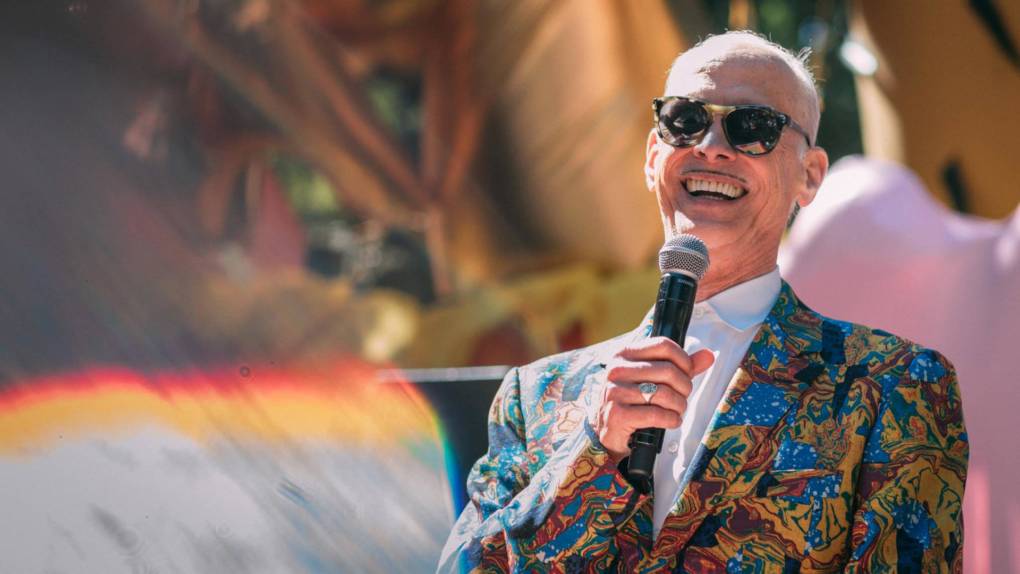
"caption": "John Waters has hosted the Burger Boogaloo music festival in Oakland every year since 2015. ",
"credit": "Tiger Lily",
"altTag": "John Waters has hosted the Burger Boogaloo music festival in Oakland every year since 2015.",
"description": "John Waters has hosted the Burger Boogaloo music festival in Oakland every year since 2015. ",
"imgSizes": {
"thumbnail": {
"file": "https://cdn.kqed.org/wp-content/uploads/sites/2/2019/06/John-Waters-by-Tiger-Lily-1-160x90.jpg",
"width": 160,
"height": 90,
"mimeType": "image/jpeg"
},
"medium": {
"file": "https://cdn.kqed.org/wp-content/uploads/sites/2/2019/06/John-Waters-by-Tiger-Lily-1-800x450.jpg",
"width": 800,
"height": 450,
"mimeType": "image/jpeg"
},
"medium_large": {
"file": "https://cdn.kqed.org/wp-content/uploads/sites/2/2019/06/John-Waters-by-Tiger-Lily-1-768x432.jpg",
"width": 768,
"height": 432,
"mimeType": "image/jpeg"
},
"large": {
"file": "https://cdn.kqed.org/wp-content/uploads/sites/2/2019/06/John-Waters-by-Tiger-Lily-1-1020x574.jpg",
"width": 1020,
"height": 574,
"mimeType": "image/jpeg"
},
"complete_open_graph": {
"file": "https://cdn.kqed.org/wp-content/uploads/sites/2/2019/06/John-Waters-by-Tiger-Lily-1-1200x675.jpg",
"width": 1200,
"height": 675,
"mimeType": "image/jpeg"
},
"post-thumbnail": {
"file": "https://cdn.kqed.org/wp-content/uploads/sites/2/2019/06/John-Waters-by-Tiger-Lily-1-672x372.jpg",
"width": 672,
"height": 372,
"mimeType": "image/jpeg"
},
"twentyfourteen-full-width": {
"file": "https://cdn.kqed.org/wp-content/uploads/sites/2/2019/06/John-Waters-by-Tiger-Lily-1-1038x576.jpg",
"width": 1038,
"height": 576,
"mimeType": "image/jpeg"
},
"full-width": {
"file": "https://cdn.kqed.org/wp-content/uploads/sites/2/2019/06/John-Waters-by-Tiger-Lily-1-1920x1080.jpg",
"width": 1920,
"height": 1080,
"mimeType": "image/jpeg"
},
"kqedFullSize": {
"file": "https://cdn.kqed.org/wp-content/uploads/sites/2/2019/06/John-Waters-by-Tiger-Lily-1.jpg",
"width": 1920,
"height": 1080
}
},
"isLoading": false,
"fetchFailed": false
},
"arts_13860282": {
"type": "attachments",
"id": "arts_13860282",
"meta": {
"index": "attachments_1716263798",
"site": "arts",
"id": "13860282",
"found": true
},
"parent": 13860265,
"imgSizes": {
"twentyfourteen-full-width": {
"file": "https://ww2.kqed.org/app/uploads/sites/2/2019/06/JnaiBridgesCarmen.CoryWeave-1038x576.jpg",
"width": 1038,
"mimeType": "image/jpeg",
"height": 576
},
"thumbnail": {
"file": "https://ww2.kqed.org/app/uploads/sites/2/2019/06/JnaiBridgesCarmen.CoryWeave-160x95.jpg",
"width": 160,
"mimeType": "image/jpeg",
"height": 95
},
"post-thumbnail": {
"file": "https://ww2.kqed.org/app/uploads/sites/2/2019/06/JnaiBridgesCarmen.CoryWeave-672x372.jpg",
"width": 672,
"mimeType": "image/jpeg",
"height": 372
},
"kqedFullSize": {
"file": "https://ww2.kqed.org/app/uploads/sites/2/2019/06/JnaiBridgesCarmen.CoryWeave.jpg",
"width": 1920,
"height": 1140
},
"large": {
"file": "https://ww2.kqed.org/app/uploads/sites/2/2019/06/JnaiBridgesCarmen.CoryWeave-1020x606.jpg",
"width": 1020,
"mimeType": "image/jpeg",
"height": 606
},
"complete_open_graph": {
"file": "https://ww2.kqed.org/app/uploads/sites/2/2019/06/JnaiBridgesCarmen.CoryWeave-1200x713.jpg",
"width": 1200,
"mimeType": "image/jpeg",
"height": 713
},
"full-width": {
"file": "https://ww2.kqed.org/app/uploads/sites/2/2019/06/JnaiBridgesCarmen.CoryWeave-1920x1140.jpg",
"width": 1920,
"mimeType": "image/jpeg",
"height": 1140
},
"medium": {
"file": "https://ww2.kqed.org/app/uploads/sites/2/2019/06/JnaiBridgesCarmen.CoryWeave-800x475.jpg",
"width": 800,
"mimeType": "image/jpeg",
"height": 475
},
"medium_large": {
"file": "https://ww2.kqed.org/app/uploads/sites/2/2019/06/JnaiBridgesCarmen.CoryWeave-768x456.jpg",
"width": 768,
"mimeType": "image/jpeg",
"height": 456
}
},
"publishDate": 1561569974,
"modified": 1561570010,
"caption": "J'nai Bridges as Carmen in San Francisco Opera's production of 'Carmen.'",
"description": "J'nai Bridges as Carmen in San Francisco Opera's production of 'Carmen.'",
"title": "JnaiBridgesCarmen.CoryWeave",
"credit": "Cory Weaver",
"status": "inherit",
"isLoading": false,
"fetchFailed": false
},
"arts_13860138": {
"type": "attachments",
"id": "arts_13860138",
"meta": {
"index": "attachments_1716263798",
"site": "arts",
"id": "13860138",
"found": true
},
"parent": 13860137,
"imgSizes": {
"twentyfourteen-full-width": {
"file": "https://ww2.kqed.org/app/uploads/sites/2/2019/06/ruby-ibarra-11-resize_wide-87e08b6dce7dc092189d72a13c92dca19569d0b7-1038x576.jpg",
"width": 1038,
"mimeType": "image/jpeg",
"height": 576
},
"thumbnail": {
"file": "https://ww2.kqed.org/app/uploads/sites/2/2019/06/ruby-ibarra-11-resize_wide-87e08b6dce7dc092189d72a13c92dca19569d0b7-160x90.jpg",
"width": 160,
"mimeType": "image/jpeg",
"height": 90
},
"post-thumbnail": {
"file": "https://ww2.kqed.org/app/uploads/sites/2/2019/06/ruby-ibarra-11-resize_wide-87e08b6dce7dc092189d72a13c92dca19569d0b7-672x372.jpg",
"width": 672,
"mimeType": "image/jpeg",
"height": 372
},
"kqedFullSize": {
"file": "https://ww2.kqed.org/app/uploads/sites/2/2019/06/ruby-ibarra-11-resize_wide-87e08b6dce7dc092189d72a13c92dca19569d0b7.jpg",
"width": 1899,
"height": 1068
},
"large": {
"file": "https://ww2.kqed.org/app/uploads/sites/2/2019/06/ruby-ibarra-11-resize_wide-87e08b6dce7dc092189d72a13c92dca19569d0b7-1020x574.jpg",
"width": 1020,
"mimeType": "image/jpeg",
"height": 574
},
"complete_open_graph": {
"file": "https://ww2.kqed.org/app/uploads/sites/2/2019/06/ruby-ibarra-11-resize_wide-87e08b6dce7dc092189d72a13c92dca19569d0b7-1200x675.jpg",
"width": 1200,
"mimeType": "image/jpeg",
"height": 675
},
"medium": {
"file": "https://ww2.kqed.org/app/uploads/sites/2/2019/06/ruby-ibarra-11-resize_wide-87e08b6dce7dc092189d72a13c92dca19569d0b7-800x450.jpg",
"width": 800,
"mimeType": "image/jpeg",
"height": 450
},
"medium_large": {
"file": "https://ww2.kqed.org/app/uploads/sites/2/2019/06/ruby-ibarra-11-resize_wide-87e08b6dce7dc092189d72a13c92dca19569d0b7-768x432.jpg",
"width": 768,
"mimeType": "image/jpeg",
"height": 432
}
},
"publishDate": 1561416106,
"modified": 1561416369,
"caption": "\"I am what I talk about in my music. I am Pinay, I'm powerful, I'm fearless, I'm unfiltered,\" Ruby Ibarra says.",
"description": "\"I am what I talk about in my music. I am Pinay, I'm powerful, I'm fearless, I'm unfiltered,\" Ruby Ibarra says.",
"title": "\"I am what I talk about in my music. I am Pinay, I'm powerful, I'm fearless, I'm unfiltered,\" Ruby Ibarra says.",
"credit": "Donna Ibarra/Courtesy of the artist",
"status": "inherit",
"isLoading": false,
"fetchFailed": false
},
"arts_13860103": {
"type": "attachments",
"id": "arts_13860103",
"meta": {
"index": "attachments_1716263798",
"site": "arts",
"id": "13860103",
"found": true
},
"parent": 13860102,
"imgSizes": {
"twentyfourteen-full-width": {
"file": "https://ww2.kqed.org/app/uploads/sites/2/2019/06/gettyimages-83928439-8407e2a9f2e7f0d551a61586c259b7c478b77c73-1038x576.jpg",
"width": 1038,
"mimeType": "image/jpeg",
"height": 576
},
"thumbnail": {
"file": "https://ww2.kqed.org/app/uploads/sites/2/2019/06/gettyimages-83928439-8407e2a9f2e7f0d551a61586c259b7c478b77c73-160x120.jpg",
"width": 160,
"mimeType": "image/jpeg",
"height": 120
},
"post-thumbnail": {
"file": "https://ww2.kqed.org/app/uploads/sites/2/2019/06/gettyimages-83928439-8407e2a9f2e7f0d551a61586c259b7c478b77c73-672x372.jpg",
"width": 672,
"mimeType": "image/jpeg",
"height": 372
},
"kqedFullSize": {
"file": "https://ww2.kqed.org/app/uploads/sites/2/2019/06/gettyimages-83928439-8407e2a9f2e7f0d551a61586c259b7c478b77c73.jpg",
"width": 2048,
"height": 1537
},
"large": {
"file": "https://ww2.kqed.org/app/uploads/sites/2/2019/06/gettyimages-83928439-8407e2a9f2e7f0d551a61586c259b7c478b77c73-1020x765.jpg",
"width": 1020,
"mimeType": "image/jpeg",
"height": 765
},
"complete_open_graph": {
"file": "https://ww2.kqed.org/app/uploads/sites/2/2019/06/gettyimages-83928439-8407e2a9f2e7f0d551a61586c259b7c478b77c73-1200x900.jpg",
"width": 1200,
"mimeType": "image/jpeg",
"height": 900
},
"full-width": {
"file": "https://ww2.kqed.org/app/uploads/sites/2/2019/06/gettyimages-83928439-8407e2a9f2e7f0d551a61586c259b7c478b77c73-1920x1441.jpg",
"width": 1920,
"mimeType": "image/jpeg",
"height": 1441
},
"medium": {
"file": "https://ww2.kqed.org/app/uploads/sites/2/2019/06/gettyimages-83928439-8407e2a9f2e7f0d551a61586c259b7c478b77c73-800x600.jpg",
"width": 800,
"mimeType": "image/jpeg",
"height": 600
},
"medium_large": {
"file": "https://ww2.kqed.org/app/uploads/sites/2/2019/06/gettyimages-83928439-8407e2a9f2e7f0d551a61586c259b7c478b77c73-768x576.jpg",
"width": 768,
"mimeType": "image/jpeg",
"height": 576
}
},
"publishDate": 1561392723,
"modified": 1699038820,
"caption": "Tupac Shakur in 1994.",
"description": "The late rapper Tupac Shakur in 1994 photo. Shakur's estate is among the parties suing Universal Music over a 2008 fire in the label's vaults.",
"title": "The late rapper Tupac Shakur in 1994 photo. Shakur's estate is among the parties suing Universal Music over a 2008 fire in the label's vaults.",
"credit": null,
"status": "inherit",
"altTag": null,
"isLoading": false,
"fetchFailed": false
},
"arts_13860081": {
"type": "attachments",
"id": "arts_13860081",
"meta": {
"index": "attachments_1716263798",
"site": "arts",
"id": "13860081",
"found": true
},
"parent": 13860055,
"imgSizes": {
"twentyfourteen-full-width": {
"file": "https://ww2.kqed.org/app/uploads/sites/2/2019/06/Van-Anh-Closup-3-1038x576.jpeg",
"width": 1038,
"mimeType": "image/jpeg",
"height": 576
},
"thumbnail": {
"file": "https://ww2.kqed.org/app/uploads/sites/2/2019/06/Van-Anh-Closup-3-160x90.jpeg",
"width": 160,
"mimeType": "image/jpeg",
"height": 90
},
"post-thumbnail": {
"file": "https://ww2.kqed.org/app/uploads/sites/2/2019/06/Van-Anh-Closup-3-672x372.jpeg",
"width": 672,
"mimeType": "image/jpeg",
"height": 372
},
"kqedFullSize": {
"file": "https://ww2.kqed.org/app/uploads/sites/2/2019/06/Van-Anh-Closup-3.jpeg",
"width": 1454,
"height": 818
},
"large": {
"file": "https://ww2.kqed.org/app/uploads/sites/2/2019/06/Van-Anh-Closup-3-1020x574.jpeg",
"width": 1020,
"mimeType": "image/jpeg",
"height": 574
},
"complete_open_graph": {
"file": "https://ww2.kqed.org/app/uploads/sites/2/2019/06/Van-Anh-Closup-3-1200x675.jpeg",
"width": 1200,
"mimeType": "image/jpeg",
"height": 675
},
"medium": {
"file": "https://ww2.kqed.org/app/uploads/sites/2/2019/06/Van-Anh-Closup-3-800x450.jpeg",
"width": 800,
"mimeType": "image/jpeg",
"height": 450
},
"medium_large": {
"file": "https://ww2.kqed.org/app/uploads/sites/2/2019/06/Van-Anh-Closup-3-768x432.jpeg",
"width": 768,
"mimeType": "image/jpeg",
"height": 432
}
},
"publishDate": 1561171816,
"modified": 1561171872,
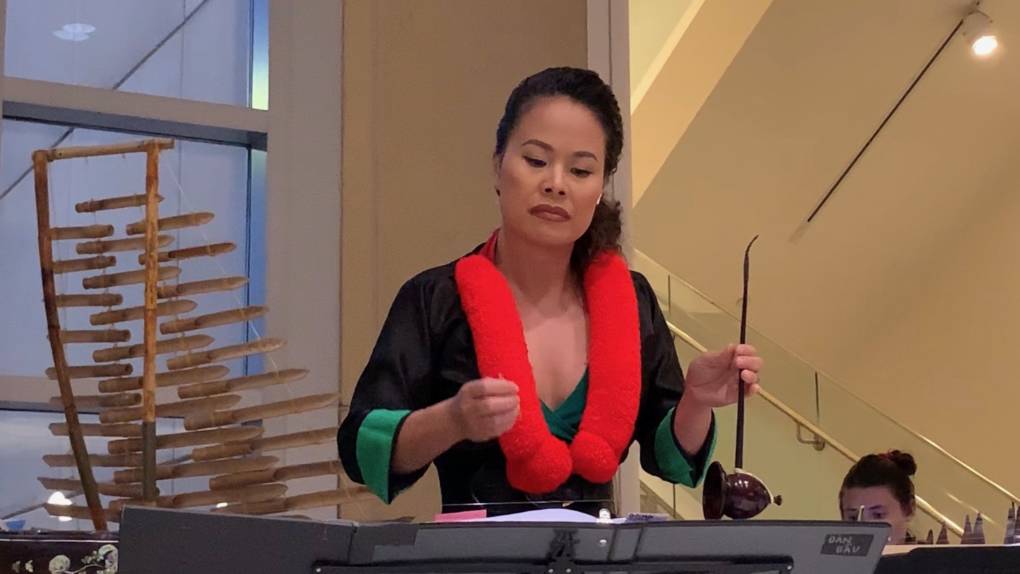
"caption": "Vân-Ánh Võ performs 3L: Love, Loss, Life at the San Jose Museum of Art on June 20, 2019.",
"description": "Vân-Ánh Võ performs 3L: Love, Loss, Life at the San Jose Museum of Art on June 20, 2019.",
"title": "Van-Anh Closup 3",
"credit": "Courtesy of Sangam Arts",
"status": "inherit",
"isLoading": false,
"fetchFailed": false
}
},
"audioPlayerReducer": {
"postId": "stream_live",
"isPaused": true,
"isPlaying": false,
"pfsActive": false,
"pledgeModalIsOpen": true,
"playerDrawerIsOpen": false,
"liveAudioPlayStartedAt": 0,
"liveAudioPlayContext": ""
},
"authorsReducer": {
"byline_arts_13860878": {
"type": "authors",
"id": "byline_arts_13860878",
"meta": {
"override": true
},
"slug": "byline_arts_13860878",
"name": "Tom Moon",
"isLoading": false
},
"byline_arts_13860829": {
"type": "authors",
"id": "byline_arts_13860829",
"meta": {
"override": true
},
"slug": "byline_arts_13860829",
"name": "Felix Contreras",
"isLoading": false
},
"byline_arts_13860572": {
"type": "authors",
"id": "byline_arts_13860572",
"meta": {
"override": true
},
"slug": "byline_arts_13860572",
"name": "Andrew Flanagan and Anastasia Tsioulcas",
"isLoading": false
},
"byline_arts_13860541": {
"type": "authors",
"id": "byline_arts_13860541",
"meta": {
"override": true
},
"slug": "byline_arts_13860541",
"name": "Lars Gotrich",
"isLoading": false
},
"byline_arts_13860137": {
"type": "authors",
"id": "byline_arts_13860137",
"meta": {
"override": true
},
"slug": "byline_arts_13860137",
"name": "Rosalind Faulkner",
"isLoading": false
},
"byline_arts_13860102": {
"type": "authors",
"id": "byline_arts_13860102",
"meta": {
"override": true
},
"slug": "byline_arts_13860102",
"name": "Anastasia Tsioulcas",
"isLoading": false
},
"agilbert": {
"type": "authors",
"id": "86",
"meta": {
"index": "authors_1716337520",
"id": "86",
"found": true
},
"name": "Andrew Gilbert",
"firstName": "Andrew",
"lastName": "Gilbert",
"slug": "agilbert",
"email": "jazzscribe@aol.com",
"display_author_email": false,
"staff_mastheads": [],
"title": "KQED Contributor",
"bio": "A Los Angeles native based in the Berkeley area since 1996, Andrew Gilbert covers jazz, international music and dance for KQED's \u003ci>California Report, \u003c/i>the\u003ci> Mercury News\u003c/i>, \u003ci>San Francisco Chronicle\u003c/i>, \u003ci>Berkeleyside.com\u003c/i>, and other publications. He is available for weddings and bar and bat mitzvahs. #jazzscribe",
"avatar": "https://secure.gravatar.com/avatar/d7bcafdbefdd39e9a68f88724ca616eb4e7a5a6bff9cdfb62de652a1e1751471?s=600&d=blank&r=g",
"twitter": null,
"bluesky": null,
"facebook": null,
"instagram": null,
"linkedin": null,
"sites": [
{
"site": "arts",
"roles": [
"Contributor",
"author"
]
},
{
"site": "news",
"roles": [
"author"
]
}
],
"headData": {
"title": "Andrew Gilbert | KQED",
"description": "KQED Contributor",
"ogImgSrc": "https://secure.gravatar.com/avatar/d7bcafdbefdd39e9a68f88724ca616eb4e7a5a6bff9cdfb62de652a1e1751471?s=600&d=blank&r=g",
"twImgSrc": "https://secure.gravatar.com/avatar/d7bcafdbefdd39e9a68f88724ca616eb4e7a5a6bff9cdfb62de652a1e1751471?s=600&d=blank&r=g"
},
"isLoading": false,
"link": "/author/agilbert"
},
"gmeline": {
"type": "authors",
"id": "185",
"meta": {
"index": "authors_1716337520",
"id": "185",
"found": true
},
"name": "Gabe Meline",
"firstName": "Gabe",
"lastName": "Meline",
"slug": "gmeline",
"email": "gmeline@kqed.org",
"display_author_email": true,
"staff_mastheads": [
"arts"
],
"title": "Senior Editor, KQED Arts & Culture",
"bio": "Gabe Meline entered journalism at age 15 making photocopied zines, and has since earned awards from the Edward R. Murrow Awards, the Society for Professional Journalists, the Online Journalism Awards, the Association of Alternative Newsweeklies and the California Newspaper Publishers Association. Prior to KQED, he was the editor of the \u003cem>North Bay Bohemian\u003c/em> and a touring musician. He lives with his wife and daughter in his hometown of Santa Rosa, CA.",
"avatar": "https://secure.gravatar.com/avatar/5bebe57be0d8bc2dd318934feb47299e2d2d10cba28d09d8d7afb389a2ce2bdd?s=600&d=blank&r=g",
"twitter": null,
"bluesky": null,
"facebook": null,
"instagram": null,
"linkedin": null,
"sites": [
{
"site": "",
"roles": [
"editor"
]
},
{
"site": "arts",
"roles": [
"administrator"
]
},
{
"site": "artschool",
"roles": [
"editor"
]
},
{
"site": "news",
"roles": [
"author"
]
},
{
"site": "pop",
"roles": [
"editor"
]
},
{
"site": "bayareabites",
"roles": [
"editor"
]
},
{
"site": "food",
"roles": [
"editor"
]
},
{
"site": "forum",
"roles": [
"administrator"
]
},
{
"site": "liveblog",
"roles": [
"editor"
]
},
{
"site": "hiphop",
"roles": [
"editor"
]
}
],
"headData": {
"title": "Gabe Meline | KQED",
"description": "Senior Editor, KQED Arts & Culture",
"ogImgSrc": "https://secure.gravatar.com/avatar/5bebe57be0d8bc2dd318934feb47299e2d2d10cba28d09d8d7afb389a2ce2bdd?s=600&d=blank&r=g",
"twImgSrc": "https://secure.gravatar.com/avatar/5bebe57be0d8bc2dd318934feb47299e2d2d10cba28d09d8d7afb389a2ce2bdd?s=600&d=blank&r=g"
},
"isLoading": false,
"link": "/author/gmeline"
},
"rachael-myrow": {
"type": "authors",
"id": "251",
"meta": {
"index": "authors_1716337520",
"id": "251",
"found": true
},
"name": "Rachael Myrow",
"firstName": "Rachael",
"lastName": "Myrow",
"slug": "rachael-myrow",
"email": "rmyrow@kqed.org",
"display_author_email": true,
"staff_mastheads": [
"news"
],
"title": "Senior Editor of KQED's Silicon Valley News Desk",
"bio": "• I write and edit stories about how Silicon Valley power and policies shape everyday life in California. I’m also passionate about making Bay Area history and culture more accessible to a broad public. • I’ve been a journalist for most of my life, starting in high school with The Franklin Press in Los Angeles, where I grew up. While earning my first degree in English at UC Berkeley, I got my start in public radio at KALX-FM. After completing a second degree in journalism at Cal, I landed my first professional job at Marketplace, then moved on to KPCC (now LAist), and then KQED, where I hosted The California Report for more than seven years. • My reporting has appeared on NPR, The World, WBUR’s \u003ci>Here & Now\u003c/i>, and the BBC. I also guest host for KQED’s \u003ci>Forum\u003c/i>, as well as the Commonwealth Club in San Francisco. • I speak periodically on media, democracy and technology issues, and do voiceover work for documentaries and educational video projects. • Outside of the studio, you'll find me hiking Bay Area trails and whipping up Insta-ready meals in my kitchen. • I do not accept gifts, money, or favors from anyone connected to my reporting, I don't pay people for information, and I do not support or donate to political causes. • I strive to treat the people I report on with fairness, honesty, and respect. I also recognize there are often multiple sides to a story and work to verify information through multiple sources and documentation. If I get something wrong, I correct it.",
"avatar": "https://secure.gravatar.com/avatar/3ed8a3c5f26025e4a805ba634cda8cd764906b97438a6d9ce216b044e340da4e?s=600&d=blank&r=g",
"twitter": "rachaelmyrow",
"bluesky": null,
"facebook": null,
"instagram": null,
"linkedin": "https://www.linkedin.com/in/rachaelmyrow/",
"sites": [
{
"site": "arts",
"roles": [
"administrator"
]
},
{
"site": "news",
"roles": [
"edit_others_posts",
"editor"
]
},
{
"site": "futureofyou",
"roles": [
"editor"
]
},
{
"site": "bayareabites",
"roles": [
"editor"
]
},
{
"site": "stateofhealth",
"roles": [
"editor"
]
},
{
"site": "science",
"roles": [
"editor"
]
},
{
"site": "food",
"roles": [
"editor"
]
},
{
"site": "forum",
"roles": [
"editor"
]
},
{
"site": "liveblog",
"roles": [
"author"
]
}
],
"headData": {
"title": "Rachael Myrow | KQED",
"description": "Senior Editor of KQED's Silicon Valley News Desk",
"ogImgSrc": "https://secure.gravatar.com/avatar/3ed8a3c5f26025e4a805ba634cda8cd764906b97438a6d9ce216b044e340da4e?s=600&d=blank&r=g",
"twImgSrc": "https://secure.gravatar.com/avatar/3ed8a3c5f26025e4a805ba634cda8cd764906b97438a6d9ce216b044e340da4e?s=600&d=blank&r=g"
},
"isLoading": false,
"link": "/author/rachael-myrow"
},
"cveltman": {
"type": "authors",
"id": "8608",
"meta": {
"index": "authors_1716337520",
"id": "8608",
"found": true
},
"name": "Chloe Veltman",
"firstName": "Chloe",
"lastName": "Veltman",
"slug": "cveltman",
"email": "cveltman@kqed.org",
"display_author_email": true,
"staff_mastheads": [],
"title": "Arts and Culture Reporter",
"bio": "Chloe Veltman is a former arts and culture reporter for KQED. Prior to joining the organization, she launched and led the arts bureau at Colorado Public Radio, served as the Bay Area's culture columnist for the New York Times, and was the founder, host and executive producer of VoiceBox, a national award-winning weekly podcast/radio show and live events series all about the human voice. Chloe is the recipient of numerous prizes, grants and fellowships including a Webby Award for her work on interactive storytelling, both the John S Knight Journalism Fellowship and Humanities Center Fellowship at Stanford University, the Sundance Arts Writing Fellowship and a Library of Congress Research Fellowship. She is the author of the book \"On Acting\" and has appeared as a guest lecturer at Yale University and the San Francisco Conservatory of Music among other institutions. She holds a BA in english literature from King's College, Cambridge, and a Masters in Dramaturgy from the Central School of Speech and Drama/Harvard Institute for Advanced Theater Training.\r\n\u003ca href=\"https://www.chloeveltman.com\">www.chloeveltman.com\u003c/a>",
"avatar": "https://secure.gravatar.com/avatar/55403394b00a1ddab683952c2eb2cf85?s=600&d=blank&r=g",
"twitter": "chloeveltman",
"facebook": null,
"instagram": null,
"linkedin": null,
"sites": [
{
"site": "arts",
"roles": []
},
{
"site": "news",
"roles": [
"author"
]
},
{
"site": "pop",
"roles": [
"editor"
]
},
{
"site": "science",
"roles": []
}
],
"headData": {
"title": "Chloe Veltman | KQED",
"description": "Arts and Culture Reporter",
"ogImgSrc": "https://secure.gravatar.com/avatar/55403394b00a1ddab683952c2eb2cf85?s=600&d=blank&r=g",
"twImgSrc": "https://secure.gravatar.com/avatar/55403394b00a1ddab683952c2eb2cf85?s=600&d=blank&r=g"
},
"isLoading": false,
"link": "/author/cveltman"
},
"slefebvre": {
"type": "authors",
"id": "11091",
"meta": {
"index": "authors_1716337520",
"id": "11091",
"found": true
},
"name": "Sam Lefebvre",
"firstName": "Sam",
"lastName": "Lefebvre",
"slug": "slefebvre",
"email": "sdlefebvre@gmail.com",
"display_author_email": false,
"staff_mastheads": [],
"title": "KQED Contributor",
"bio": "Sam Lefebvre is an award-winning reporter at KQED Arts. He has worked as an editor and columnist at the \u003cem>East Bay Express\u003c/em>, \u003cem>SF Weekly \u003c/em>and Impose Magazine, and his journalism and criticism has appeared in \u003cem>The New York Times\u003c/em>, the Guardian and Pitchfork.",
"avatar": "https://secure.gravatar.com/avatar/49d39b42930b77fb13784ddd9fa63fe780666b71bf289368509dba576b64e69b?s=600&d=blank&r=g",
"twitter": "Lefebvre_Sam",
"bluesky": null,
"facebook": null,
"instagram": null,
"linkedin": null,
"sites": [
{
"site": "arts",
"roles": [
"subscriber"
]
},
{
"site": "news",
"roles": [
"author"
]
}
],
"headData": {
"title": "Sam Lefebvre | KQED",
"description": "KQED Contributor",
"ogImgSrc": "https://secure.gravatar.com/avatar/49d39b42930b77fb13784ddd9fa63fe780666b71bf289368509dba576b64e69b?s=600&d=blank&r=g",
"twImgSrc": "https://secure.gravatar.com/avatar/49d39b42930b77fb13784ddd9fa63fe780666b71bf289368509dba576b64e69b?s=600&d=blank&r=g"
},
"isLoading": false,
"link": "/author/slefebvre"
}
},
"pagesReducer": {
"arts_category_music": {
"type": "terms",
"id": "arts_69",
"meta": {
"index": "terms_1716263798",
"site": "arts",
"id": "69",
"score": 10.85186
},
"featImg": null,
"name": "Music",
"description": null,
"taxonomy": "category",
"headData": {
"twImgId": null,
"twTitle": null,
"ogTitle": null,
"ogImgId": null,
"twDescription": null,
"description": null,
"title": "Music Archives | KQED Arts",
"ogDescription": null
},
"ttid": 70,
"slug": "music",
"isLoading": false,
"title": "Music",
"pageMeta": {
"site": "arts",
"WpPageTemplate": "page-topic-editorial",
"currentPage": 147
},
"blocks": [
{
"blockName": "kqed/post-list",
"attrs": {
"layout": "cardArticle2",
"query": "posts/arts?category=music",
"seeMore": false,
"paginated": true,
"page": 147
}
},
{
"blockName": "kqed/ad"
}
]
}
},
"pfsSessionReducer": {},
"postsReducer": {
"stream_live": {
"type": "live",
"id": "stream_live",
"audioUrl": "https://streams.kqed.org/kqedradio",
"title": "Live Stream",
"excerpt": "Live Stream information currently unavailable.",
"link": "/radio",
"featImg": "",
"label": {
"name": "KQED Live",
"link": "/"
}
},
"stream_kqedNewscast": {
"type": "posts",
"id": "stream_kqedNewscast",
"audioUrl": "https://www.kqed.org/.stream/anon/radio/RDnews/newscast.mp3?_=1",
"title": "KQED Newscast",
"featImg": "",
"label": {
"name": "88.5 FM",
"link": "/"
}
},
"arts_13860878": {
"type": "posts",
"id": "arts_13860878",
"meta": {
"index": "posts_1716263798",
"site": "arts",
"id": "13860878",
"score": null,
"sort": [
1562613591000
]
},
"parent": 0,
"labelTerm": {
"site": "arts"
},
"blocks": [],
"publishDate": 1562613591,
"format": "standard",
"title": "How João Gilberto's Music Sparked An Aesthetic Revolution",
"headTitle": "How João Gilberto’s Music Sparked An Aesthetic Revolution | KQED",
"content": "\u003cp>From a casual distance, the music of João Gilberto sounds like it might belong to that ancient realm known as “easy listening.”\u003c/p>\n\u003cp>Everything’s calm, for starters. Even at fast tempos, Gilberto’s voice demands nothing — hushed, thin, confession-booth quiet. His rhythm guitar anchors the music with accompaniment that can seem almost hypnotically repetitive. The melodies rarely beg for attention, instead basking in that sublime mix of contentedness and yearning common throughout Brazilian music. There are strings rising up in wave-like swells from time to time, and lamenting love calls from the low brass.\u003c/p>\n\u003cp>Beneath that smooth and pleasant veneer, Gilberto built a quiet (and still misunderstood) aesthetic revolution – a lithe, strikingly modern approach to rhythm and melody that became the blueprint for bossa nova.\u003c/p>\n\u003cp>Gilberto, who \u003ca href=\"https://www.npr.org/2019/07/06/739224759/jo-o-gilberto-master-of-bossa-nova-dies-at-88\">died\u003c/a> at home in Rio de Janeiro on Saturday, was best known for his contributions to \u003cem>Getz/Gilberto\u003c/em>, the 1964 album that, through its single “The Girl From Ipanema,” made bossa nova a worldwide sensation (and \u003ca href=\"https://www.grammy.com/grammys/artists/jo%C3%A3o-gilberto\">won\u003c/a> the Grammy for album of the year). But Gilberto deserves to be remembered more broadly, as a kind of patron saint of understatement, whose early recordings transformed the boisterous celebration of samba parades into music of arresting intimacy.\u003c/p>\n\u003cp>https://www.youtube.com/watch?v=ckmcdcQ2mEg\u003c/p>\n\u003cp>[ad fullwidth]\u003c/p>\n\u003cp>The rare instrumentalist (i.e., not a composer) to define and shape a musical genre, Gilberto developed an austere, steady-handed revolution that opened up lanes of exploration for subsequent generations. And it swept like wildfire, becoming pervasive before he could even be properly acknowledged as its spark plug. (“Eventually the culture caught up to him, and despite his reputation as a recluse, he became a revered figure in Brazil — referred to as “O Mito/The Master” and “O Rei da Bossa/The King of Bossa” and “Ill Mastro Supremo,” and, perhaps most fittingly, “O Zen-Baiano/The Zen Master of Bahia.”)\u003c/p>\n\u003cp>Those early recordings, particularly his 1958 take on Antonio Carlos Jobim’s “Chega de Saudade/No More Blues,” had a meteor-like impact on the musicians of Brazil; Gilberto’s blend of whispering vocals and exactingly precise guitar accompaniment represented a radical break from the schmaltzy pop balladry (Nelson Gonçalves, for example) on the radio at the time. Guitarist Oscar Castro-Nieves \u003ca href=\"https://www.latimes.com/archives/la-xpm-2003-jul-20-ca-heckman20-story.html\">recalled\u003c/a> hearing that single for the first time as a teenager: “It changed everything, for every young musician in Brazil … all I can say is that it was like the first time I heard Charlie Parker.”\u003c/p>\n\u003cp>https://www.youtube.com/watch?v=yUuJrpP0Mak\u003c/p>\n\u003cp>The singer and songwriter Caetano Veloso, another legendary Brazilian singer and songwriter whose discography elaborates on Gilberto’s basic themes, was even more effusive in an L.A. \u003cem>Times\u003c/em> \u003ca href=\"https://www.latimes.com/archives/la-xpm-2003-jul-20-ca-spotlight20-story.html\">interview\u003c/a>: “I owe João Gilberto everything I am today. Even if I were something else and not a musician, I would say that I owe him everything.”\u003c/p>\n\u003cp>Gilberto’s stealth approach was born after several unsuccessful attempts to establish himself as a musician for hire in Rio, where, according to legend (as relayed in Ruy Castro’s \u003ca href=\"https://www.amazon.com/Chega-saudade-histo%CC%81ria-histo%CC%81rias-Portuguese/dp/8571641374/ref=sr_1_1?keywords=ruy+castro+saudade&qid=1562606171&s=gateway&sr=8-1\">authoritative history\u003c/a> of bossa nova, \u003cem>Chega de Saudade\u003c/em>), he overstayed his welcome on the couches of friends. He fled to his sister’s house, in a town called Diamantina, where, in a tile bathroom with favorable acoustics, he began to experiment with a sound built around brooding, vibrato-free and leisurely, long-toned vocals.\u003c/p>\n\u003cp>https://www.youtube.com/watch?v=MDs0rh3UTgc\u003c/p>\n\u003cp>In a rare interview with the New York \u003cem>Times\u003c/em> in 1968, Gilberto explained that his process involved editing out all but the most essential information. “It has to be very quiet for me to produce the sounds I’m thinking of.”\u003c/p>\n\u003cp>Gilberto’s central innovation, overall, was in the guitar accompaniment. Gilberto took the massive rhythm of the samba schools he heard growing up in Bahia – a thrilling sensory experience involving hundreds of drums, superloud shakers and clanging metal bells locked together in endlessly propulsive polyrhythm – and distilled it down to stark human scale. Music centered around one voice and one acoustic guitar.\u003c/p>\n\u003cp>Typically, such a reduction of forces diminishes — but Gilberto’s reduction had the opposite effect, opening up a new resonance for samba, using the form’s rhythmic intensity to uncover hidden directions and nuances. First, Gilberto caught the whomp of the samba bass drum with his thumb. Then, with his other fingers moving independently, he’d stab against the time with crisply articulated chords, forming an artful, unpredictable syncopation. These patterns can sound like recurring loops (Gilberto’s time is astonishingly steady) but as you listen more closely, they register as constantly evolving codes. You can hear him varying the cadences, the length of the patterns, the voicings. The result: An ever-changing, mosaic-style backdrop, a guitar-powered perpetual motion machine. (“Rosa Morena” is a good example of this.)\u003c/p>\n\u003cp>https://www.youtube.com/watch?v=-flS_aUW9bE\u003c/p>\n\u003cp>Over this, Gilberto sang in a placid, straightforward style that sometimes masked the turbulence underneath (as on “Brigas, Nunca Mais”), and sometimes sharpened it (as on “Doralice”). Having turned the extroversion of samba inward, he went about exploring distinct shades of emotion, adding dimension and richness to beloved early samba classics by subtracting the pageantry.\u003c/p>\n\u003cp>In performances and recordings from the 1970s, Gilberto began stretching out melodic phrases in whimsical, sometimes radical ways; it could be disarming to hear such a languid, vapor-like voice creating tension just by reconfiguring the commonly understood shape of a familiar melody.\u003c/p>\n\u003cp>Those explorations align Gilberto with artists like Bob Dylan, whose ad-libbing confounded expectations in the quest for newly resonant interpretations. More broadly, Gilberto’s austere, modernist approach connects to artistic movements outside of Brazil, most notably jazz. In both his guitar work and his singing, Gilberto was a master improviser, and his less-is-more philosophy mirrors those of Miles Davis and Thelonious Monk. As they did, Gilberto pared excess language and stylistic flourishes to the bare minimum, on a quest to uncover nuances by subtraction.\u003c/p>\n\u003cp>https://www.youtube.com/watch?v=OlYPOEe9o9c\u003c/p>\n\u003cp>As the “new” trend of bossa nova rose in the early ’60s, Gilberto became popular with a rising generation of songwriters. He introduced hundreds of songs that drew from samba while adding richly literary perspective on romance and devotion. These form the core of an extraordinary multi-generational Brazilian songbook that begins with the work of the prolific Antonio Carlos Jobim in the 1950s and ’60s, along with tunes by Veloso, Edu Lobo and others active in the late ’60s as well as stars of the ’70s like Milton Nascimento and Djavan. All of these share a common thread — the neatly syncopated performance style of Joao Gilberto. His crystalline renditions of “Corcovado” and “Caminhos Cruzados” (and countless other Jobim gems) taught subsequent generations of singers and instrumentalists how to approach the composer’s sophisticated harmonies, how to convey meaning with the slightest of gestures, how to create the kind of openness that draws the listener into the deep poignance of a tune.\u003c/p>\n\u003cp>The remarkable thing about João Gilberto is how often he managed this sublime art, under all kinds of musical conditions. His discography includes quietly transfixing recordings across a range of hues, from the upbeat to the meditative. And whether he’s working with a lush studio orchestra or playing alongside a lone percussionist, he rarely sounds like he’s exerting himself. Everything flows, effortlessly. He approaches the music as though sneaking or sliding into it. He’s coy, and wily, sculpting drop-dead gorgeous melodies out of shallow breath, dispensing intricate staccato samba codes with the grace of a dancer.\u003c/p>\n\u003cp>[ad floatright]\u003c/p>\n\u003cp>It is, from a distance, easy listening – the sound of serenity and calm, as steady as the sea. Let it get under your skin for a while, and the nuances blossom into complexities, the complexities breed more levels of nuance… and, pretty soon, it’s like being flattened by a feather. \u003c/p>\n\u003cdiv class=\"fullattribution\">Copyright 2019 NPR. To see more, visit \u003ca href=\"https://www.npr.org\" rel=\"noopener\" target=\"_blank\">NPR\u003c/a>.\u003cimg decoding=\"async\" src=\"https://www.google-analytics.com/__utm.gif?utmac=UA-5828686-4&utmdt=How+Jo%C3%A3o+Gilberto%27s+Music+Sparked+An+Aesthetic+Revolution&utme=8(APIKey)9(MDAxOTAwOTE4MDEyMTkxMDAzNjczZDljZA004)\">\u003c/div>\n\n",
"stats": {
"hasVideo": true,
"hasChartOrMap": false,
"hasAudio": false,
"hasPolis": false,
"wordCount": 1397,
"hasGoogleForm": false,
"hasGallery": false,
"hasHearkenModule": false,
"iframeSrcs": [],
"paragraphCount": 19
},
"modified": 1705022572,
"excerpt": "The legendary Brazilian inverted the cacophony of samba, creating a worldwide sensation and forever influencing the sound of an entire country.",
"headData": {
"twImgId": "",
"twTitle": "",
"ogTitle": "",
"ogImgId": "",
"twDescription": "",
"description": "The legendary Brazilian inverted the cacophony of samba, creating a worldwide sensation and forever influencing the sound of an entire country.",
"title": "How João Gilberto's Music Sparked An Aesthetic Revolution | KQED",
"ogDescription": "",
"schema": {
"@context": "https://schema.org",
"@type": "Article",
"headline": "How João Gilberto's Music Sparked An Aesthetic Revolution",
"datePublished": "2019-07-08T12:19:51-07:00",
"dateModified": "2024-01-11T17:22:52-08:00",
"image": "https://cdn.kqed.org/wp-content/uploads/2020/02/KQED-OG-Image@1x.png"
}
},
"guestAuthors": [],
"slug": "how-joao-gilbertos-music-sparked-an-aesthetic-revolution",
"status": "publish",
"nprApiLink": "http://api.npr.org/query?id=739488787&apiKey=MDAxOTAwOTE4MDEyMTkxMDAzNjczZDljZA004",
"templateType": "standard",
"nprStoryDate": "Mon, 08 Jul 2019 14:23:29 -0400",
"nprLastModifiedDate": "Mon, 08 Jul 2019 14:23:29 -0400",
"featuredImageType": "standard",
"nprHtmlLink": "https://www.npr.org/2019/07/08/739488787/how-joao-gilbertos-music-sparked-an-aesthetic-revolution?ft=nprml&f=739488787",
"nprImageAgency": "Getty Images",
"nprStoryId": "739488787",
"nprByline": "Tom Moon",
"sticky": false,
"nprImageCredit": "Michael Ochs Archives",
"nprRetrievedStory": "1",
"nprPubDate": "Mon, 08 Jul 2019 14:23:00 -0400",
"path": "/arts/13860878/how-joao-gilbertos-music-sparked-an-aesthetic-revolution",
"audioTrackLength": null,
"parsedContent": [
{
"type": "contentString",
"content": "\u003cdiv class=\"post-body\">\u003cp>\u003cp>From a casual distance, the music of João Gilberto sounds like it might belong to that ancient realm known as “easy listening.”\u003c/p>\n\u003cp>Everything’s calm, for starters. Even at fast tempos, Gilberto’s voice demands nothing — hushed, thin, confession-booth quiet. His rhythm guitar anchors the music with accompaniment that can seem almost hypnotically repetitive. The melodies rarely beg for attention, instead basking in that sublime mix of contentedness and yearning common throughout Brazilian music. There are strings rising up in wave-like swells from time to time, and lamenting love calls from the low brass.\u003c/p>\n\u003cp>Beneath that smooth and pleasant veneer, Gilberto built a quiet (and still misunderstood) aesthetic revolution – a lithe, strikingly modern approach to rhythm and melody that became the blueprint for bossa nova.\u003c/p>\n\u003cp>Gilberto, who \u003ca href=\"https://www.npr.org/2019/07/06/739224759/jo-o-gilberto-master-of-bossa-nova-dies-at-88\">died\u003c/a> at home in Rio de Janeiro on Saturday, was best known for his contributions to \u003cem>Getz/Gilberto\u003c/em>, the 1964 album that, through its single “The Girl From Ipanema,” made bossa nova a worldwide sensation (and \u003ca href=\"https://www.grammy.com/grammys/artists/jo%C3%A3o-gilberto\">won\u003c/a> the Grammy for album of the year). But Gilberto deserves to be remembered more broadly, as a kind of patron saint of understatement, whose early recordings transformed the boisterous celebration of samba parades into music of arresting intimacy.\u003c/p>\u003c/p>\u003cp>\u003cspan class='utils-parseShortcode-shortcodes-__youtubeShortcode__embedYoutube'>\n \u003cspan class='utils-parseShortcode-shortcodes-__youtubeShortcode__embedYoutubeInside'>\n \u003ciframe\n loading='lazy'\n class='utils-parseShortcode-shortcodes-__youtubeShortcode__youtubePlayer'\n type='text/html'\n src='//www.youtube.com/embed/ckmcdcQ2mEg'\n title='//www.youtube.com/embed/ckmcdcQ2mEg'\n allowfullscreen='true'\n style='border:0;'>\u003c/iframe>\n \u003c/span>\n \u003c/span>\u003c/p>\u003cp>\u003cp>\u003c/p>\u003c/div>",
"attributes": {
"named": {},
"numeric": []
}
},
{
"type": "component",
"content": "",
"name": "ad",
"attributes": {
"named": {
"label": "fullwidth"
},
"numeric": [
"fullwidth"
]
}
},
{
"type": "contentString",
"content": "\u003cdiv class=\"post-body\">\u003cp>\u003c/p>\n\u003cp>The rare instrumentalist (i.e., not a composer) to define and shape a musical genre, Gilberto developed an austere, steady-handed revolution that opened up lanes of exploration for subsequent generations. And it swept like wildfire, becoming pervasive before he could even be properly acknowledged as its spark plug. (“Eventually the culture caught up to him, and despite his reputation as a recluse, he became a revered figure in Brazil — referred to as “O Mito/The Master” and “O Rei da Bossa/The King of Bossa” and “Ill Mastro Supremo,” and, perhaps most fittingly, “O Zen-Baiano/The Zen Master of Bahia.”)\u003c/p>\n\u003cp>Those early recordings, particularly his 1958 take on Antonio Carlos Jobim’s “Chega de Saudade/No More Blues,” had a meteor-like impact on the musicians of Brazil; Gilberto’s blend of whispering vocals and exactingly precise guitar accompaniment represented a radical break from the schmaltzy pop balladry (Nelson Gonçalves, for example) on the radio at the time. Guitarist Oscar Castro-Nieves \u003ca href=\"https://www.latimes.com/archives/la-xpm-2003-jul-20-ca-heckman20-story.html\">recalled\u003c/a> hearing that single for the first time as a teenager: “It changed everything, for every young musician in Brazil … all I can say is that it was like the first time I heard Charlie Parker.”\u003c/p>\u003c/p>\u003cp>\u003cspan class='utils-parseShortcode-shortcodes-__youtubeShortcode__embedYoutube'>\n \u003cspan class='utils-parseShortcode-shortcodes-__youtubeShortcode__embedYoutubeInside'>\n \u003ciframe\n loading='lazy'\n class='utils-parseShortcode-shortcodes-__youtubeShortcode__youtubePlayer'\n type='text/html'\n src='//www.youtube.com/embed/yUuJrpP0Mak'\n title='//www.youtube.com/embed/yUuJrpP0Mak'\n allowfullscreen='true'\n style='border:0;'>\u003c/iframe>\n \u003c/span>\n \u003c/span>\u003c/p>\u003cp>\u003cp>The singer and songwriter Caetano Veloso, another legendary Brazilian singer and songwriter whose discography elaborates on Gilberto’s basic themes, was even more effusive in an L.A. \u003cem>Times\u003c/em> \u003ca href=\"https://www.latimes.com/archives/la-xpm-2003-jul-20-ca-spotlight20-story.html\">interview\u003c/a>: “I owe João Gilberto everything I am today. Even if I were something else and not a musician, I would say that I owe him everything.”\u003c/p>\n\u003cp>Gilberto’s stealth approach was born after several unsuccessful attempts to establish himself as a musician for hire in Rio, where, according to legend (as relayed in Ruy Castro’s \u003ca href=\"https://www.amazon.com/Chega-saudade-histo%CC%81ria-histo%CC%81rias-Portuguese/dp/8571641374/ref=sr_1_1?keywords=ruy+castro+saudade&qid=1562606171&s=gateway&sr=8-1\">authoritative history\u003c/a> of bossa nova, \u003cem>Chega de Saudade\u003c/em>), he overstayed his welcome on the couches of friends. He fled to his sister’s house, in a town called Diamantina, where, in a tile bathroom with favorable acoustics, he began to experiment with a sound built around brooding, vibrato-free and leisurely, long-toned vocals.\u003c/p>\u003c/p>\u003cp>\u003cspan class='utils-parseShortcode-shortcodes-__youtubeShortcode__embedYoutube'>\n \u003cspan class='utils-parseShortcode-shortcodes-__youtubeShortcode__embedYoutubeInside'>\n \u003ciframe\n loading='lazy'\n class='utils-parseShortcode-shortcodes-__youtubeShortcode__youtubePlayer'\n type='text/html'\n src='//www.youtube.com/embed/MDs0rh3UTgc'\n title='//www.youtube.com/embed/MDs0rh3UTgc'\n allowfullscreen='true'\n style='border:0;'>\u003c/iframe>\n \u003c/span>\n \u003c/span>\u003c/p>\u003cp>\u003cp>In a rare interview with the New York \u003cem>Times\u003c/em> in 1968, Gilberto explained that his process involved editing out all but the most essential information. “It has to be very quiet for me to produce the sounds I’m thinking of.”\u003c/p>\n\u003cp>Gilberto’s central innovation, overall, was in the guitar accompaniment. Gilberto took the massive rhythm of the samba schools he heard growing up in Bahia – a thrilling sensory experience involving hundreds of drums, superloud shakers and clanging metal bells locked together in endlessly propulsive polyrhythm – and distilled it down to stark human scale. Music centered around one voice and one acoustic guitar.\u003c/p>\n\u003cp>Typically, such a reduction of forces diminishes — but Gilberto’s reduction had the opposite effect, opening up a new resonance for samba, using the form’s rhythmic intensity to uncover hidden directions and nuances. First, Gilberto caught the whomp of the samba bass drum with his thumb. Then, with his other fingers moving independently, he’d stab against the time with crisply articulated chords, forming an artful, unpredictable syncopation. These patterns can sound like recurring loops (Gilberto’s time is astonishingly steady) but as you listen more closely, they register as constantly evolving codes. You can hear him varying the cadences, the length of the patterns, the voicings. The result: An ever-changing, mosaic-style backdrop, a guitar-powered perpetual motion machine. (“Rosa Morena” is a good example of this.)\u003c/p>\u003c/p>\u003cp>\u003cspan class='utils-parseShortcode-shortcodes-__youtubeShortcode__embedYoutube'>\n \u003cspan class='utils-parseShortcode-shortcodes-__youtubeShortcode__embedYoutubeInside'>\n \u003ciframe\n loading='lazy'\n class='utils-parseShortcode-shortcodes-__youtubeShortcode__youtubePlayer'\n type='text/html'\n src='//www.youtube.com/embed/-flS_aUW9bE'\n title='//www.youtube.com/embed/-flS_aUW9bE'\n allowfullscreen='true'\n style='border:0;'>\u003c/iframe>\n \u003c/span>\n \u003c/span>\u003c/p>\u003cp>\u003cp>Over this, Gilberto sang in a placid, straightforward style that sometimes masked the turbulence underneath (as on “Brigas, Nunca Mais”), and sometimes sharpened it (as on “Doralice”). Having turned the extroversion of samba inward, he went about exploring distinct shades of emotion, adding dimension and richness to beloved early samba classics by subtracting the pageantry.\u003c/p>\n\u003cp>In performances and recordings from the 1970s, Gilberto began stretching out melodic phrases in whimsical, sometimes radical ways; it could be disarming to hear such a languid, vapor-like voice creating tension just by reconfiguring the commonly understood shape of a familiar melody.\u003c/p>\n\u003cp>Those explorations align Gilberto with artists like Bob Dylan, whose ad-libbing confounded expectations in the quest for newly resonant interpretations. More broadly, Gilberto’s austere, modernist approach connects to artistic movements outside of Brazil, most notably jazz. In both his guitar work and his singing, Gilberto was a master improviser, and his less-is-more philosophy mirrors those of Miles Davis and Thelonious Monk. As they did, Gilberto pared excess language and stylistic flourishes to the bare minimum, on a quest to uncover nuances by subtraction.\u003c/p>\u003c/p>\u003cp>\u003cspan class='utils-parseShortcode-shortcodes-__youtubeShortcode__embedYoutube'>\n \u003cspan class='utils-parseShortcode-shortcodes-__youtubeShortcode__embedYoutubeInside'>\n \u003ciframe\n loading='lazy'\n class='utils-parseShortcode-shortcodes-__youtubeShortcode__youtubePlayer'\n type='text/html'\n src='//www.youtube.com/embed/OlYPOEe9o9c'\n title='//www.youtube.com/embed/OlYPOEe9o9c'\n allowfullscreen='true'\n style='border:0;'>\u003c/iframe>\n \u003c/span>\n \u003c/span>\u003c/p>\u003cp>\u003cp>As the “new” trend of bossa nova rose in the early ’60s, Gilberto became popular with a rising generation of songwriters. He introduced hundreds of songs that drew from samba while adding richly literary perspective on romance and devotion. These form the core of an extraordinary multi-generational Brazilian songbook that begins with the work of the prolific Antonio Carlos Jobim in the 1950s and ’60s, along with tunes by Veloso, Edu Lobo and others active in the late ’60s as well as stars of the ’70s like Milton Nascimento and Djavan. All of these share a common thread — the neatly syncopated performance style of Joao Gilberto. His crystalline renditions of “Corcovado” and “Caminhos Cruzados” (and countless other Jobim gems) taught subsequent generations of singers and instrumentalists how to approach the composer’s sophisticated harmonies, how to convey meaning with the slightest of gestures, how to create the kind of openness that draws the listener into the deep poignance of a tune.\u003c/p>\n\u003cp>The remarkable thing about João Gilberto is how often he managed this sublime art, under all kinds of musical conditions. His discography includes quietly transfixing recordings across a range of hues, from the upbeat to the meditative. And whether he’s working with a lush studio orchestra or playing alongside a lone percussionist, he rarely sounds like he’s exerting himself. Everything flows, effortlessly. He approaches the music as though sneaking or sliding into it. He’s coy, and wily, sculpting drop-dead gorgeous melodies out of shallow breath, dispensing intricate staccato samba codes with the grace of a dancer.\u003c/p>\n\u003cp>\u003c/p>\u003c/div>",
"attributes": {
"named": {},
"numeric": []
}
},
{
"type": "component",
"content": "",
"name": "ad",
"attributes": {
"named": {
"label": "floatright"
},
"numeric": [
"floatright"
]
}
},
{
"type": "contentString",
"content": "\u003cdiv class=\"post-body\">\u003cp>\u003c/p>\n\u003cp>It is, from a distance, easy listening – the sound of serenity and calm, as steady as the sea. Let it get under your skin for a while, and the nuances blossom into complexities, the complexities breed more levels of nuance… and, pretty soon, it’s like being flattened by a feather. \u003c/p>\n\u003cdiv class=\"fullattribution\">Copyright 2019 NPR. To see more, visit \u003ca href=\"https://www.npr.org\" rel=\"noopener\" target=\"_blank\">NPR\u003c/a>.\u003cimg decoding=\"async\" src=\"https://www.google-analytics.com/__utm.gif?utmac=UA-5828686-4&utmdt=How+Jo%C3%A3o+Gilberto%27s+Music+Sparked+An+Aesthetic+Revolution&utme=8(APIKey)9(MDAxOTAwOTE4MDEyMTkxMDAzNjczZDljZA004)\">\u003c/div>\n\n\u003c/div>\u003c/p>",
"attributes": {
"named": {},
"numeric": []
}
}
],
"link": "/arts/13860878/how-joao-gilbertos-music-sparked-an-aesthetic-revolution",
"authors": [
"byline_arts_13860878"
],
"categories": [
"arts_69",
"arts_1564"
],
"tags": [
"arts_7785",
"arts_596"
],
"featImg": "arts_13860879",
"label": "arts"
},
"arts_13860829": {
"type": "posts",
"id": "arts_13860829",
"meta": {
"index": "posts_1716263798",
"site": "arts",
"id": "13860829",
"score": null,
"sort": [
1562463060000
]
},
"parent": 0,
"labelTerm": {
"site": "arts"
},
"blocks": [],
"publishDate": 1562463060,
"format": "standard",
"title": "João Gilberto, Master Of Bossa Nova, Dies At 88",
"headTitle": "João Gilberto, Master Of Bossa Nova, Dies At 88 | KQED",
"content": "\u003cp>João Gilberto, one of the principal architects of the Brazilian musical style bossa nova, has died at his home in Rio de Janeiro, according to a Facebook post by his son. João Marcelo Gilberto wrote that his father, who was 88 years old, died following an undisclosed illness.\u003c/p>\n\u003cp>João Gilberto is credited by some Brazilian music historians as writing the first bossa nova, or new beat, a style that drew on the country’s African-influenced samba tradition but was performed without the usual battery of drums and rhythm instruments, and at much lower volumes. Gilberto’s intimate and nuanced style of guitar playing and singing, eventually central to the bossa nova sound, were reportedly developed in 1955 when he sequestered himself inside of a bathroom at his sister’s house so as not to disturb her family and to take advantage of the acoustics provided by the bathroom tiles.\u003c/p>\n\u003cp>“Bim-Bom,” often named as the first bossa nova song, came from that period. Soon thereafter, the style began to sweep Rio’s cafe’s and bars. Gilberto became the center of a vanguard of young Brazilian musicians that included composer Antonio Carlos Jobim and Vinicius de Moraes. Gilberto’s 1958 recording of “Chega de Saudade,” a song written by that pair, became an international hit and launched the bossa nova movement. The two-minute-long song also gave its name to Gilberto’s debut album, released in 1959. \u003c/p>\n\u003cp>https://www.youtube.com/watch?v=H5-1GwBwZ6U\u003c/p>\n\u003cp>In 1962 American jazz saxophonist Stan Getz heard the style and invited Gilberto to record together. The resulting album Getz/Gilberto became one of the biggest selling jazz albums of all time, winning the 1965 Grammy for album of the year. One of the album’s songs, another composition by Jobim and de Moraes called “Garota de Ipanema (The Girl from Ipanema)” featured Gilberto’s then-wife Astrud on vocals. It was a worldwide hit and won the Grammy for record of the year, helping to cement bossa nova’s soft, lulling beats and intimate vocals across the global musical landscape.\u003c/p>\n\u003cp>[ad fullwidth]\u003c/p>\n\u003cp>\u003c/p>\n\u003cp>João Gilberto continued to perform well into the 21st century and has been recognized by every generation since his debut as a Brazilian musical pioneer. \u003c/p>\n\u003cdiv class=\"fullattribution\">Copyright 2019 NPR. To see more, visit \u003ca href=\"https://www.npr.org\" rel=\"noopener\" target=\"_blank\">NPR\u003c/a>.\u003cimg decoding=\"async\" src=\"https://www.google-analytics.com/__utm.gif?utmac=UA-5828686-4&utmdt=Jo%C3%A3o+Gilberto%2C+Master+Of+Bossa+Nova%2C+Dies+At+88&utme=8(APIKey)9(MDAxOTAwOTE4MDEyMTkxMDAzNjczZDljZA004)\">\u003c/div>\n\n",
"stats": {
"hasVideo": true,
"hasChartOrMap": false,
"hasAudio": false,
"hasPolis": false,
"wordCount": 407,
"hasGoogleForm": false,
"hasGallery": false,
"hasHearkenModule": false,
"iframeSrcs": [],
"paragraphCount": 7
},
"modified": 1705022574,
"excerpt": "The Brazilian singer and guitarist recorded one of the best-selling jazz albums of all time, 1964's 'Getz/Gilberto.'",
"headData": {
"twImgId": "",
"twTitle": "",
"ogTitle": "",
"ogImgId": "",
"twDescription": "",
"description": "The Brazilian singer and guitarist recorded one of the best-selling jazz albums of all time, 1964's 'Getz/Gilberto.'",
"title": "João Gilberto, Master Of Bossa Nova, Dies At 88 | KQED",
"ogDescription": "",
"schema": {
"@context": "https://schema.org",
"@type": "Article",
"headline": "João Gilberto, Master Of Bossa Nova, Dies At 88",
"datePublished": "2019-07-06T18:31:00-07:00",
"dateModified": "2024-01-11T17:22:54-08:00",
"image": "https://cdn.kqed.org/wp-content/uploads/2020/02/KQED-OG-Image@1x.png"
}
},
"guestAuthors": [],
"slug": "joao-gilberto-master-of-bossa-nova-dies-at-88",
"status": "publish",
"nprApiLink": "http://api.npr.org/query?id=739224759&apiKey=MDAxOTAwOTE4MDEyMTkxMDAzNjczZDljZA004",
"templateType": "standard",
"nprStoryDate": "Sat, 06 Jul 2019 18:07:30 -0400",
"nprLastModifiedDate": "Sat, 06 Jul 2019 18:09:23 -0400",
"featuredImageType": "standard",
"nprHtmlLink": "https://www.npr.org/2019/07/06/739224759/jo-o-gilberto-master-of-bossa-nova-dies-at-88?ft=nprml&f=739224759",
"nprImageAgency": "Getty Images",
"nprStoryId": "739224759",
"nprByline": "Felix Contreras",
"sticky": false,
"nprImageCredit": "Michael Ochs Archives",
"nprRetrievedStory": "1",
"nprPubDate": "Sat, 06 Jul 2019 18:07:00 -0400",
"path": "/arts/13860829/joao-gilberto-master-of-bossa-nova-dies-at-88",
"audioTrackLength": null,
"parsedContent": [
{
"type": "contentString",
"content": "\u003cdiv class=\"post-body\">\u003cp>\u003cp>João Gilberto, one of the principal architects of the Brazilian musical style bossa nova, has died at his home in Rio de Janeiro, according to a Facebook post by his son. João Marcelo Gilberto wrote that his father, who was 88 years old, died following an undisclosed illness.\u003c/p>\n\u003cp>João Gilberto is credited by some Brazilian music historians as writing the first bossa nova, or new beat, a style that drew on the country’s African-influenced samba tradition but was performed without the usual battery of drums and rhythm instruments, and at much lower volumes. Gilberto’s intimate and nuanced style of guitar playing and singing, eventually central to the bossa nova sound, were reportedly developed in 1955 when he sequestered himself inside of a bathroom at his sister’s house so as not to disturb her family and to take advantage of the acoustics provided by the bathroom tiles.\u003c/p>\n\u003cp>“Bim-Bom,” often named as the first bossa nova song, came from that period. Soon thereafter, the style began to sweep Rio’s cafe’s and bars. Gilberto became the center of a vanguard of young Brazilian musicians that included composer Antonio Carlos Jobim and Vinicius de Moraes. Gilberto’s 1958 recording of “Chega de Saudade,” a song written by that pair, became an international hit and launched the bossa nova movement. The two-minute-long song also gave its name to Gilberto’s debut album, released in 1959. \u003c/p>\u003c/p>\u003cp>\u003cspan class='utils-parseShortcode-shortcodes-__youtubeShortcode__embedYoutube'>\n \u003cspan class='utils-parseShortcode-shortcodes-__youtubeShortcode__embedYoutubeInside'>\n \u003ciframe\n loading='lazy'\n class='utils-parseShortcode-shortcodes-__youtubeShortcode__youtubePlayer'\n type='text/html'\n src='//www.youtube.com/embed/H5-1GwBwZ6U'\n title='//www.youtube.com/embed/H5-1GwBwZ6U'\n allowfullscreen='true'\n style='border:0;'>\u003c/iframe>\n \u003c/span>\n \u003c/span>\u003c/p>\u003cp>\u003cp>In 1962 American jazz saxophonist Stan Getz heard the style and invited Gilberto to record together. The resulting album Getz/Gilberto became one of the biggest selling jazz albums of all time, winning the 1965 Grammy for album of the year. One of the album’s songs, another composition by Jobim and de Moraes called “Garota de Ipanema (The Girl from Ipanema)” featured Gilberto’s then-wife Astrud on vocals. It was a worldwide hit and won the Grammy for record of the year, helping to cement bossa nova’s soft, lulling beats and intimate vocals across the global musical landscape.\u003c/p>\n\u003cp>\u003c/p>\u003c/div>",
"attributes": {
"named": {},
"numeric": []
}
},
{
"type": "component",
"content": "",
"name": "ad",
"attributes": {
"named": {
"label": "fullwidth"
},
"numeric": [
"fullwidth"
]
}
},
{
"type": "contentString",
"content": "\u003cdiv class=\"post-body\">\u003cp>\u003c/p>\n\u003cp>\u003c/p>\n\u003cp>João Gilberto continued to perform well into the 21st century and has been recognized by every generation since his debut as a Brazilian musical pioneer. \u003c/p>\n\u003cdiv class=\"fullattribution\">Copyright 2019 NPR. To see more, visit \u003ca href=\"https://www.npr.org\" rel=\"noopener\" target=\"_blank\">NPR\u003c/a>.\u003cimg decoding=\"async\" src=\"https://www.google-analytics.com/__utm.gif?utmac=UA-5828686-4&utmdt=Jo%C3%A3o+Gilberto%2C+Master+Of+Bossa+Nova%2C+Dies+At+88&utme=8(APIKey)9(MDAxOTAwOTE4MDEyMTkxMDAzNjczZDljZA004)\">\u003c/div>\n\n\u003c/div>\u003c/p>",
"attributes": {
"named": {},
"numeric": []
}
}
],
"link": "/arts/13860829/joao-gilberto-master-of-bossa-nova-dies-at-88",
"authors": [
"byline_arts_13860829"
],
"categories": [
"arts_69",
"arts_235"
],
"tags": [
"arts_7785",
"arts_1118",
"arts_596",
"arts_1091"
],
"featImg": "arts_13860830",
"label": "arts"
},
"arts_13860293": {
"type": "posts",
"id": "arts_13860293",
"meta": {
"index": "posts_1716263798",
"site": "arts",
"id": "13860293",
"score": null,
"sort": [
1562105586000
]
},
"guestAuthors": [],
"slug": "sahba-aminikias-flying-carpet-festival-brings-music-to-refugee-children-in-turkey",
"title": "Sahba Aminikia's Flying Carpet Festival Brings Music to Refugee Children in Turkey",
"publishDate": 1562105586,
"format": "standard",
"headTitle": "Sahba Aminikia’s Flying Carpet Festival Brings Music to Refugee Children in Turkey | KQED",
"labelTerm": {
"site": "arts"
},
"content": "\u003cp>\u003ca href=\"https://www.sahbakia.com\">Sahba Aminikia\u003c/a> hadn’t planned on dancing when he stopped by Club Deluxe in the Haight to unwind and hear a little jazz three years ago. But the band was swinging, and before long, he found himself boogieing with a young Italian woman. The Iranian-born composer was in a very good place in his career, teaching at the Academy of Art University while writing music performed by top-flight ensembles around the world, including \u003ca href=\"https://www.youtube.com/watch?v=ksR92_KJaC4\">Kronos Quartet\u003c/a>.\u003c/p>\n\u003cp>During a break in the music, the woman related a fantastical story about an organization teaching circus arts to children who’d fled war and repression in Syria, Iraq and Turkey. Forcefully struck by the unlikely vision, Aminikia set out on a quest that ultimately led him to give up his secure academic day job in San Francisco in order to establish the \u003ca href=\"https://www.mightycause.com/FlyingCarpet2019\">2018 Flying Carpet Festival\u003c/a> in the remote southeastern corner of Turkey.\u003c/p>\n\u003cp>\u003ca href=\"https://muzikhane.org/fcf\">Flying Carpet\u003c/a> returns for its second year Aug. 18-24, and Aminikia isn’t going alone. Drawing on his vast network of friends and colleagues, he’s recruited musicians, composers, and technicians from the Bay Area and far beyond to bring music to children unmoored by some of the world’s most harrowing conflicts.\u003c/p>\n\u003cp>“This young Italian woman started telling me about her sister who was a clown in a refugee camp,” Aminikia recalls. “That wasn’t exactly true. It’s not a refugee camp, but she forwarded me the Instagram account of this NGO called \u003ca href=\"https://heryerdesanat.org\">Sirkhane\u003c/a>, which means ‘House of Circus’ in Turkish and Arabic. I saw this incredible footage of a parade going through the most distant Kurdish villages. It was so mesmerizing and totally out of place, this crazy event happening somewhere where people are dealing with real issues and pain.”\u003c/p>\n\u003cp>Since he was already heading to the region to visit his family for Nowruz (Persian New Year) in March, Aminikia decided to take a detour to Mardin, the ancient town in southeastern Turkey where Sirkhane is based. The situation was tense upon his arrival, with tanks patrolling the streets of a city that was part of the Assyrian Empire in the 14th century BCE. Undaunted by the military presence, children quickly surrounded Aminikia “and every one of them wanted to sing,” he says. “I started to record them, and then I thought, ‘Maybe it’s not a great time for an American citizen to be recording.’ As I was leaving, the children were running after the car, still singing. It wasn’t a choice any more. I wanted to be involved.”\u003c/p>\n\u003cp>[ad fullwidth]\u003c/p>\n\u003cp>https://www.youtube.com/watch?time_continue=1&v=NKF7AF3-QFc\u003c/p>\n\u003cp>Returning to San Francisco, Aminikia left his job at the Academy and put out the word that he was looking for artists to help launch Flying Carpet in September, an absurdly abbreviated schedule for organizing an international arts festival. The plan got a major boost and cash infusion of $100,000 when he won a grant competition from the U.S. Embassy in Ankara, which allowed him to help cover traveling expenses. But it was Aminikia’s guileless wide-eyed pitch, a dream of bringing music to dispossessed kids, that proved most persuasive, says \u003ca href=\"http://www.helennewby.com\">cellist Helen Newby\u003c/a>.\u003c/p>\n\u003cp>A member of the \u003ca href=\"http://www.amaranthquartet.com\">Amaranth Quartet\u003c/a>, Newby got to know Aminikia when hers was one of several groups that performed his music as part of \u003ca href=\"https://kronosquartet.org/kronos-festival-2017\">Kronos Festival 2017: Here and Now\u003c/a>. Dubious about Flying Carpet when he approached her, she agreed to participate but was unsure of whether it would actually come to pass. “Lo and behold, I ended up getting a plane ticket in the mail,” she says. “I went into it not knowing a ton about what was going to happen. I knew it would involve working with kids and some performing, but it was taking a leap a faith. I thought, ‘I’ll regret it if I don’t.’”\u003c/p>\n\u003cp>She spent two weeks in the region, mostly in a village near the border with Syria, working with middle school kids in a choir that Aminikia created. Though there was a translator, the language barrier meant she was “always trying to find activities that didn’t require too much verbal interaction,” she says. “We had an instrument petting zoo. The first week was mostly doing these workshops with the kids, but the second week we were doing a lot more performing and rehearsing, with the occasional surprise concert: ‘By the way, you’re performing tonight for hundreds of people.’”\u003c/p>\n\u003cp>The experience proved impactful: after participating in Flying Carpet last year, Newby is heading back to Turkey again in August. \u003c/p>\n\u003cp>https://www.youtube.com/watch?v=dGOCeL8uBnw\u003c/p>\n\u003cp>Aminikia’s empathy for displaced children stems partly from his familiarity with unbridled government power. While visiting his family in Iran back in 2012, he was recording sounds for a piece commissioned by Kronos Quartet when three Revolutionary Guards abducted him at gunpoint and accused him of being an American spy. The guards beat him and put a gun in his mouth while forcing him to attest to his Baha’i faith (a religion \u003ca href=\"https://www.hrw.org/news/2018/10/16/iran-arrests-harassment-bahais\">actively repressed\u003c/a> by the Iranian government). Expecting summary execution, Aminikia was instead left on the outskirts of Tehran, stripped of his clothes and his eyes burning with mace.\u003c/p>\n\u003cp>Many of the artists who heeded Aminikia’s call bring their own experiences with dislocation. In the summer of 2017 Yugoslavian-born composer Aleksandra Vrebalov had watched thousands of refugees cross Serbia on their way to Germany. “When you witness it, seeing people sleeping in parks and walking on highways trying to get to a better life, it’s an amazing, painful thing to see,” she says. “I was very motivated to contribute to Flying Carpet.”\u003c/p>\n\u003cp>A world renowned composer with deep ties to the Bay Area, Vrebalov arrived in Mardin with a detailed array of expectations about what she would teach—expectations that she quickly discarded upon taking stock of the bare-bones situation. Traveling to one of three centers run by Sirkhane every day, she learned to adapt to the needs of the children who came to a workshop. The trait they all shared was an overwhelming desire for attention.\u003c/p>\n\u003cp>“When I got there I realized these kids were so energetic and intense,” she says. “They lived through hardships that we only read about, and the amount of energy and kind of connection that they wanted to establish individually with the guest artists was so humbling and moving. You can’t possibly do it. We invented music games where everybody could engage in some communal sense and a lot of energy would be spent. I taught for many years at different levels, and the kind of engagement and creativity that the circumstances demanded, I haven’t had that anywhere else.”\u003c/p>\n\u003cp>https://www.youtube.com/watch?v=XcRBoPANZe8\u003c/p>\n\u003cp>As the open call for artists to participate in this August’s Flying Carpet closes, Aminikia is busy reinventing the festival, looking to make it sustainable. Artists involved this year are paying their own way to Turkey. He’s drawing more on artists who live in the area, so that masters in traditional Kurdish, Turkish and Syrian music are featured in the festival, reflecting back to kids aspects of their own cultures. The festival includes an ensemble from Iran made up of fellow Baha’is “coming by bus 15 hours from Tehran, and first they have to get to Tehran,” he says. There are eight acrobats from Brazil who are fundraising to pay their own way to Turkey, two choreographers from Istanbul and a magician from the U.K. who works in refugee camps.\u003c/p>\n\u003cp>When talking about his vision for the Flying Carpet festival’s future, Aminikia sounds almost blissful to have stepped off the ordained path for a composer.\u003c/p>\n\u003cp>[ad floatright]\u003c/p>\n\u003cp>“This place kills your ego,” he says. “You see the actual needs of people who are hungry and in need of education. You start analyzing yourself about your expectations. Artists in the West don’t feel appreciated and useful. But in many ways this is a very American idea. Mardin is a house on the hill. And we’re determined to build something that will last.”\u003c/p>\n\n",
"blocks": [],
"excerpt": "The Iranian-born Bay Area composer left his job in San Francisco last year to establish the festival for children in Syria, Turkey and Iraq.",
"status": "publish",
"parent": 0,
"modified": 1729111983,
"stats": {
"hasAudio": false,
"hasVideo": true,
"hasChartOrMap": false,
"iframeSrcs": [],
"hasGoogleForm": false,
"hasGallery": false,
"hasHearkenModule": false,
"hasPolis": false,
"paragraphCount": 18,
"wordCount": 1431
},
"headData": {
"title": "Sahba Aminikia's Flying Carpet Festival Brings Music to Refugee Children in Turkey | KQED",
"description": "The Iranian-born Bay Area composer left his job in San Francisco last year to establish the festival for children in Syria, Turkey and Iraq.",
"ogTitle": "",
"ogDescription": "",
"ogImgId": "",
"twTitle": "",
"twDescription": "",
"twImgId": "",
"schema": {
"@context": "https://schema.org",
"@type": "Article",
"headline": "Sahba Aminikia's Flying Carpet Festival Brings Music to Refugee Children in Turkey",
"datePublished": "2019-07-02T15:13:06-07:00",
"dateModified": "2024-10-16T13:53:03-07:00",
"image": "https://cdn.kqed.org/wp-content/uploads/2020/02/KQED-OG-Image@1x.png"
}
},
"sticky": false,
"templateType": "standard",
"featuredImageType": "standard",
"path": "/arts/13860293/sahba-aminikias-flying-carpet-festival-brings-music-to-refugee-children-in-turkey",
"audioTrackLength": null,
"parsedContent": [
{
"type": "contentString",
"content": "\u003cdiv class=\"post-body\">\u003cp>\u003cp>\u003ca href=\"https://www.sahbakia.com\">Sahba Aminikia\u003c/a> hadn’t planned on dancing when he stopped by Club Deluxe in the Haight to unwind and hear a little jazz three years ago. But the band was swinging, and before long, he found himself boogieing with a young Italian woman. The Iranian-born composer was in a very good place in his career, teaching at the Academy of Art University while writing music performed by top-flight ensembles around the world, including \u003ca href=\"https://www.youtube.com/watch?v=ksR92_KJaC4\">Kronos Quartet\u003c/a>.\u003c/p>\n\u003cp>During a break in the music, the woman related a fantastical story about an organization teaching circus arts to children who’d fled war and repression in Syria, Iraq and Turkey. Forcefully struck by the unlikely vision, Aminikia set out on a quest that ultimately led him to give up his secure academic day job in San Francisco in order to establish the \u003ca href=\"https://www.mightycause.com/FlyingCarpet2019\">2018 Flying Carpet Festival\u003c/a> in the remote southeastern corner of Turkey.\u003c/p>\n\u003cp>\u003ca href=\"https://muzikhane.org/fcf\">Flying Carpet\u003c/a> returns for its second year Aug. 18-24, and Aminikia isn’t going alone. Drawing on his vast network of friends and colleagues, he’s recruited musicians, composers, and technicians from the Bay Area and far beyond to bring music to children unmoored by some of the world’s most harrowing conflicts.\u003c/p>\n\u003cp>“This young Italian woman started telling me about her sister who was a clown in a refugee camp,” Aminikia recalls. “That wasn’t exactly true. It’s not a refugee camp, but she forwarded me the Instagram account of this NGO called \u003ca href=\"https://heryerdesanat.org\">Sirkhane\u003c/a>, which means ‘House of Circus’ in Turkish and Arabic. I saw this incredible footage of a parade going through the most distant Kurdish villages. It was so mesmerizing and totally out of place, this crazy event happening somewhere where people are dealing with real issues and pain.”\u003c/p>\n\u003cp>Since he was already heading to the region to visit his family for Nowruz (Persian New Year) in March, Aminikia decided to take a detour to Mardin, the ancient town in southeastern Turkey where Sirkhane is based. The situation was tense upon his arrival, with tanks patrolling the streets of a city that was part of the Assyrian Empire in the 14th century BCE. Undaunted by the military presence, children quickly surrounded Aminikia “and every one of them wanted to sing,” he says. “I started to record them, and then I thought, ‘Maybe it’s not a great time for an American citizen to be recording.’ As I was leaving, the children were running after the car, still singing. It wasn’t a choice any more. I wanted to be involved.”\u003c/p>\n\u003cp>\u003c/p>\u003c/div>",
"attributes": {
"named": {},
"numeric": []
}
},
{
"type": "component",
"content": "",
"name": "ad",
"attributes": {
"named": {
"label": "fullwidth"
},
"numeric": [
"fullwidth"
]
}
},
{
"type": "contentString",
"content": "\u003cdiv class=\"post-body\">\u003cp>\u003c/p>\u003c/p>\u003cp>\u003cspan class='utils-parseShortcode-shortcodes-__youtubeShortcode__embedYoutube'>\n \u003cspan class='utils-parseShortcode-shortcodes-__youtubeShortcode__embedYoutubeInside'>\n \u003ciframe\n loading='lazy'\n class='utils-parseShortcode-shortcodes-__youtubeShortcode__youtubePlayer'\n type='text/html'\n src='//www.youtube.com/embed/NKF7AF3-QFc'\n title='//www.youtube.com/embed/NKF7AF3-QFc'\n allowfullscreen='true'\n style='border:0;'>\u003c/iframe>\n \u003c/span>\n \u003c/span>\u003c/p>\u003cp>\u003cp>Returning to San Francisco, Aminikia left his job at the Academy and put out the word that he was looking for artists to help launch Flying Carpet in September, an absurdly abbreviated schedule for organizing an international arts festival. The plan got a major boost and cash infusion of $100,000 when he won a grant competition from the U.S. Embassy in Ankara, which allowed him to help cover traveling expenses. But it was Aminikia’s guileless wide-eyed pitch, a dream of bringing music to dispossessed kids, that proved most persuasive, says \u003ca href=\"http://www.helennewby.com\">cellist Helen Newby\u003c/a>.\u003c/p>\n\u003cp>A member of the \u003ca href=\"http://www.amaranthquartet.com\">Amaranth Quartet\u003c/a>, Newby got to know Aminikia when hers was one of several groups that performed his music as part of \u003ca href=\"https://kronosquartet.org/kronos-festival-2017\">Kronos Festival 2017: Here and Now\u003c/a>. Dubious about Flying Carpet when he approached her, she agreed to participate but was unsure of whether it would actually come to pass. “Lo and behold, I ended up getting a plane ticket in the mail,” she says. “I went into it not knowing a ton about what was going to happen. I knew it would involve working with kids and some performing, but it was taking a leap a faith. I thought, ‘I’ll regret it if I don’t.’”\u003c/p>\n\u003cp>She spent two weeks in the region, mostly in a village near the border with Syria, working with middle school kids in a choir that Aminikia created. Though there was a translator, the language barrier meant she was “always trying to find activities that didn’t require too much verbal interaction,” she says. “We had an instrument petting zoo. The first week was mostly doing these workshops with the kids, but the second week we were doing a lot more performing and rehearsing, with the occasional surprise concert: ‘By the way, you’re performing tonight for hundreds of people.’”\u003c/p>\n\u003cp>The experience proved impactful: after participating in Flying Carpet last year, Newby is heading back to Turkey again in August. \u003c/p>\u003c/p>\u003cp>\u003cspan class='utils-parseShortcode-shortcodes-__youtubeShortcode__embedYoutube'>\n \u003cspan class='utils-parseShortcode-shortcodes-__youtubeShortcode__embedYoutubeInside'>\n \u003ciframe\n loading='lazy'\n class='utils-parseShortcode-shortcodes-__youtubeShortcode__youtubePlayer'\n type='text/html'\n src='//www.youtube.com/embed/dGOCeL8uBnw'\n title='//www.youtube.com/embed/dGOCeL8uBnw'\n allowfullscreen='true'\n style='border:0;'>\u003c/iframe>\n \u003c/span>\n \u003c/span>\u003c/p>\u003cp>\u003cp>Aminikia’s empathy for displaced children stems partly from his familiarity with unbridled government power. While visiting his family in Iran back in 2012, he was recording sounds for a piece commissioned by Kronos Quartet when three Revolutionary Guards abducted him at gunpoint and accused him of being an American spy. The guards beat him and put a gun in his mouth while forcing him to attest to his Baha’i faith (a religion \u003ca href=\"https://www.hrw.org/news/2018/10/16/iran-arrests-harassment-bahais\">actively repressed\u003c/a> by the Iranian government). Expecting summary execution, Aminikia was instead left on the outskirts of Tehran, stripped of his clothes and his eyes burning with mace.\u003c/p>\n\u003cp>Many of the artists who heeded Aminikia’s call bring their own experiences with dislocation. In the summer of 2017 Yugoslavian-born composer Aleksandra Vrebalov had watched thousands of refugees cross Serbia on their way to Germany. “When you witness it, seeing people sleeping in parks and walking on highways trying to get to a better life, it’s an amazing, painful thing to see,” she says. “I was very motivated to contribute to Flying Carpet.”\u003c/p>\n\u003cp>A world renowned composer with deep ties to the Bay Area, Vrebalov arrived in Mardin with a detailed array of expectations about what she would teach—expectations that she quickly discarded upon taking stock of the bare-bones situation. Traveling to one of three centers run by Sirkhane every day, she learned to adapt to the needs of the children who came to a workshop. The trait they all shared was an overwhelming desire for attention.\u003c/p>\n\u003cp>“When I got there I realized these kids were so energetic and intense,” she says. “They lived through hardships that we only read about, and the amount of energy and kind of connection that they wanted to establish individually with the guest artists was so humbling and moving. You can’t possibly do it. We invented music games where everybody could engage in some communal sense and a lot of energy would be spent. I taught for many years at different levels, and the kind of engagement and creativity that the circumstances demanded, I haven’t had that anywhere else.”\u003c/p>\u003c/p>\u003cp>\u003cspan class='utils-parseShortcode-shortcodes-__youtubeShortcode__embedYoutube'>\n \u003cspan class='utils-parseShortcode-shortcodes-__youtubeShortcode__embedYoutubeInside'>\n \u003ciframe\n loading='lazy'\n class='utils-parseShortcode-shortcodes-__youtubeShortcode__youtubePlayer'\n type='text/html'\n src='//www.youtube.com/embed/XcRBoPANZe8'\n title='//www.youtube.com/embed/XcRBoPANZe8'\n allowfullscreen='true'\n style='border:0;'>\u003c/iframe>\n \u003c/span>\n \u003c/span>\u003c/p>\u003cp>\u003cp>As the open call for artists to participate in this August’s Flying Carpet closes, Aminikia is busy reinventing the festival, looking to make it sustainable. Artists involved this year are paying their own way to Turkey. He’s drawing more on artists who live in the area, so that masters in traditional Kurdish, Turkish and Syrian music are featured in the festival, reflecting back to kids aspects of their own cultures. The festival includes an ensemble from Iran made up of fellow Baha’is “coming by bus 15 hours from Tehran, and first they have to get to Tehran,” he says. There are eight acrobats from Brazil who are fundraising to pay their own way to Turkey, two choreographers from Istanbul and a magician from the U.K. who works in refugee camps.\u003c/p>\n\u003cp>When talking about his vision for the Flying Carpet festival’s future, Aminikia sounds almost blissful to have stepped off the ordained path for a composer.\u003c/p>\n\u003cp>\u003c/p>\u003c/div>",
"attributes": {
"named": {},
"numeric": []
}
},
{
"type": "component",
"content": "",
"name": "ad",
"attributes": {
"named": {
"label": "floatright"
},
"numeric": [
"floatright"
]
}
},
{
"type": "contentString",
"content": "\u003cdiv class=\"post-body\">\u003cp>\u003c/p>\n\u003cp>“This place kills your ego,” he says. “You see the actual needs of people who are hungry and in need of education. You start analyzing yourself about your expectations. Artists in the West don’t feel appreciated and useful. But in many ways this is a very American idea. Mardin is a house on the hill. And we’re determined to build something that will last.”\u003c/p>\n\n\u003c/div>\u003c/p>",
"attributes": {
"named": {},
"numeric": []
}
}
],
"link": "/arts/13860293/sahba-aminikias-flying-carpet-festival-brings-music-to-refugee-children-in-turkey",
"authors": [
"86"
],
"categories": [
"arts_22352",
"arts_69",
"arts_235"
],
"tags": [
"arts_1118",
"arts_1773",
"arts_1494",
"arts_2244"
],
"featImg": "arts_13860298",
"label": "arts"
},
"arts_13860581": {
"type": "posts",
"id": "arts_13860581",
"meta": {
"index": "posts_1716263798",
"site": "arts",
"id": "13860581",
"score": null,
"sort": [
1562079630000
]
},
"parent": 0,
"labelTerm": {
"site": "arts",
"term": 140
},
"blocks": [],
"publishDate": 1562079630,
"format": "standard",
"title": "'Flower Piano' Blooms Again in Golden Gate Park",
"headTitle": "‘Flower Piano’ Blooms Again in Golden Gate Park | KQED",
"content": "\u003cp>Leave a piano in a room, and more often than not, it’ll be ignored. But put one in the open air, and it’s suddenly the center of attention; even the shyest of passersby cannot resist tickling those keys.\u003c/p>\n\u003cp>That’s one of the qualities that makes \u003ca href=\"https://www.sfbg.org/flowerpiano\" target=\"_blank\" rel=\"noopener\">\u003cem>Flower Piano\u003c/em>\u003c/a>, an annual outdoor piano celebration held amid the bucolic trees, lawns and flowers of the San Francisco Botanical Garden in July, so special. Strewn across the garden’s 55 acres like postmodern sculptures, the event’s 12 pianos attract a diverse array of players.\u003c/p>\n\u003cp>At any given moment during opening hours, you might wander down a path and encounter an amateur pianist hammering out “Moonlight Sonata” or “Chopsticks” with faltering enthusiasm, or turn a corner and discover a professional musician setting a redwood grove alight with rippling strains of Rachmaninoff and Liszt.\u003c/p>\n\u003cp>While anyone who has a regular entrance ticket for the garden can play or listen to the live music, the celebration also includes some special curated performances featuring talented soloists, like Chuchito Valdés, Van-Anh Nguyen, Sarah Cahill, Jill Tracy, Tammy Hall and Rob Reich.\u003c/p>\n\u003cp>Dozens of local musical groups are also involved, including musicians from the San Francisco Conservatory of Music, the San Francisco Symphony, the Stanford University Ragtime Ensemble and the Awesöme Orchestra Collective, to name a few. There’s a new lunchtime concert program, the return of \u003cem>Flower Piano\u003c/em>’s romantic and artfully-lit evening series, and plenty of participatory and family happenings too.\u003c/p>\n\u003cp>[ad fullwidth]\u003c/p>\n\u003cp>It might even inspire you to dust off the piano that’s been sitting ignored in the corner of your local bar or living room.\u003c/p>\n\u003cp>\u003c/p>\n\u003cp>\u003cem>‘Flower Piano’ takes place at various locations throughout the San Francisco Botanical Garden in Golden Gate Park from Thursday, July 11 to Monday, July 22. \u003ca href=\"https://www.sfbg.org/flowerpiano\" rel=\"noopener\" target=\"_blank\">Details here\u003c/a>. \u003c/em>\u003c/p>\n\n",
"stats": {
"hasVideo": false,
"hasChartOrMap": false,
"hasAudio": false,
"hasPolis": false,
"wordCount": 321,
"hasGoogleForm": false,
"hasGallery": false,
"hasHearkenModule": false,
"iframeSrcs": [],
"paragraphCount": 9
},
"modified": 1705022592,
"excerpt": "The annual outdoor piano celebration held amid the bucolic trees, lawns and flowers of the San Francisco Botanical Garden returns for the fifth year this July. ",
"headData": {
"twImgId": "",
"twTitle": "",
"ogTitle": "",
"ogImgId": "",
"twDescription": "",
"description": "The annual outdoor piano celebration held amid the bucolic trees, lawns and flowers of the San Francisco Botanical Garden returns for the fifth year this July. ",
"title": "'Flower Piano' Blooms Again in Golden Gate Park | KQED",
"ogDescription": "",
"schema": {
"@context": "https://schema.org",
"@type": "Article",
"headline": "'Flower Piano' Blooms Again in Golden Gate Park",
"datePublished": "2019-07-02T08:00:30-07:00",
"dateModified": "2024-01-11T17:23:12-08:00",
"image": "https://cdn.kqed.org/wp-content/uploads/2020/02/KQED-OG-Image@1x.png"
}
},
"guestAuthors": [],
"slug": "flower-piano-blooms-again-in-golden-gate-park",
"status": "publish",
"templateType": "standard",
"featuredImageType": "standard",
"sticky": false,
"path": "/arts/13860581/flower-piano-blooms-again-in-golden-gate-park",
"audioTrackLength": null,
"parsedContent": [
{
"type": "contentString",
"content": "\u003cdiv class=\"post-body\">\u003cp>\u003cp>Leave a piano in a room, and more often than not, it’ll be ignored. But put one in the open air, and it’s suddenly the center of attention; even the shyest of passersby cannot resist tickling those keys.\u003c/p>\n\u003cp>That’s one of the qualities that makes \u003ca href=\"https://www.sfbg.org/flowerpiano\" target=\"_blank\" rel=\"noopener\">\u003cem>Flower Piano\u003c/em>\u003c/a>, an annual outdoor piano celebration held amid the bucolic trees, lawns and flowers of the San Francisco Botanical Garden in July, so special. Strewn across the garden’s 55 acres like postmodern sculptures, the event’s 12 pianos attract a diverse array of players.\u003c/p>\n\u003cp>At any given moment during opening hours, you might wander down a path and encounter an amateur pianist hammering out “Moonlight Sonata” or “Chopsticks” with faltering enthusiasm, or turn a corner and discover a professional musician setting a redwood grove alight with rippling strains of Rachmaninoff and Liszt.\u003c/p>\n\u003cp>While anyone who has a regular entrance ticket for the garden can play or listen to the live music, the celebration also includes some special curated performances featuring talented soloists, like Chuchito Valdés, Van-Anh Nguyen, Sarah Cahill, Jill Tracy, Tammy Hall and Rob Reich.\u003c/p>\n\u003cp>Dozens of local musical groups are also involved, including musicians from the San Francisco Conservatory of Music, the San Francisco Symphony, the Stanford University Ragtime Ensemble and the Awesöme Orchestra Collective, to name a few. There’s a new lunchtime concert program, the return of \u003cem>Flower Piano\u003c/em>’s romantic and artfully-lit evening series, and plenty of participatory and family happenings too.\u003c/p>\n\u003cp>\u003c/p>\u003c/div>",
"attributes": {
"named": {},
"numeric": []
}
},
{
"type": "component",
"content": "",
"name": "ad",
"attributes": {
"named": {
"label": "fullwidth"
},
"numeric": [
"fullwidth"
]
}
},
{
"type": "contentString",
"content": "\u003cdiv class=\"post-body\">\u003cp>\u003c/p>\n\u003cp>It might even inspire you to dust off the piano that’s been sitting ignored in the corner of your local bar or living room.\u003c/p>\n\u003cp>\u003c/p>\n\u003cp>\u003cem>‘Flower Piano’ takes place at various locations throughout the San Francisco Botanical Garden in Golden Gate Park from Thursday, July 11 to Monday, July 22. \u003ca href=\"https://www.sfbg.org/flowerpiano\" rel=\"noopener\" target=\"_blank\">Details here\u003c/a>. \u003c/em>\u003c/p>\n\n\u003c/div>\u003c/p>",
"attributes": {
"named": {},
"numeric": []
}
}
],
"link": "/arts/13860581/flower-piano-blooms-again-in-golden-gate-park",
"authors": [
"8608"
],
"programs": [
"arts_140"
],
"categories": [
"arts_69"
],
"tags": [
"arts_2427"
],
"featImg": "arts_13860658",
"label": "arts_140"
},
"arts_13860572": {
"type": "posts",
"id": "arts_13860572",
"meta": {
"index": "posts_1716263798",
"site": "arts",
"id": "13860572",
"score": null,
"sort": [
1562023664000
]
},
"parent": 0,
"labelTerm": {
"site": "arts"
},
"blocks": [],
"publishDate": 1562023664,
"format": "standard",
"title": "Taylor Swift's Former Label Big Machine Is Sold, Rankling The Star",
"headTitle": "Taylor Swift’s Former Label Big Machine Is Sold, Rankling The Star | KQED",
"content": "\u003cp>The country-pop record company Big Machine Label Group, one of the most successful independent labels in the country — and the longtime label home of megastar Taylor Swift — has been sold. It was purchased by Ithaca Holdings, an umbrella company owned by Scooter Braun, the manager of Justin Bieber and Ariana Grande, among others. According to anonymous sources quoted by the \u003cem>Wall Street Journal\u003c/em>, the deal \u003ca href=\"https://www.wsj.com/articles/scooter-braun-makes-300-million-deal-for-big-machine-records-11561893008\">is valued\u003c/a> at more than $300 million.\u003c/p>\n\u003cp>Big Machine Label Group was founded by Nashville music industry veteran Scott Borchetta and signed Swift as a teenager in 2006, shortly after the label’s founding; it has released all of her albums to date. As Swift was Big Label’s most successful artist by a wide margin, her catalog would have been a prized asset within the company’s portfolio.\u003c/p>\n\u003cp>After announcing the sale — which had been rumored for years and had attracted interest from various companies, \u003ca href=\"https://www.billboard.com/articles/business/8482512/universal-only-major-label-left-buy-taylor-swift-big-machine-label\">including\u003c/a> from Snapchat co-founder and CEO Evan Spiegel — the shift in ownership prompted a heated back-and-forth between Swift, Borchetta and some in orbit around Scooter Braun, including\u003ca href=\"https://www.instagram.com/p/BzWfMAWAIkE/?utm_source=ig_embed\"> Braun’s wife\u003c/a> and\u003ca href=\"https://www.instagram.com/p/BzWYdS9Hj5R/\"> Justin Bieber\u003c/a>.\u003c/p>\n\u003cp>In \u003ca href=\"https://taylorswift.tumblr.com/post/185958366550/for-years-i-asked-pleaded-for-a-chance-to-own-my\">a blog post\u003c/a> on Sunday, Swift claimed to have been unaware of the deal before its announcement, and called the sale of Big Machine to Ithaca “my worst-case scenario,” alluding to Braun’s past involvement in feuds between her and artists he manages, including Kanye West. In the post, Swift says that overtures she made to purchase control of her master recordings from Big Machine were met with a proposal by the company that she found unacceptable.\u003c/p>\n\u003cp>“For years,” she wrote, “I asked, pleaded for a chance to own my work. Instead I was given an opportunity to sign back up to Big Machine Records and ‘earn’ one album back at a time, one for every new one I turned in. I walked away because I knew once I signed that contract, Scott Borchetta would sell the label, thereby selling me and my future. I had to make the excruciating choice to leave behind my past.”\u003c/p>\n\u003cfigure id=\"attachment_13860574\" class=\"wp-caption aligncenter\" style=\"max-width: 800px\">\u003cimg loading=\"lazy\" decoding=\"async\" src=\"https://ww2.kqed.org/arts/wp-content/uploads/sites/2/2019/07/gettyimages-143490686_wide-a07060a6874ffc4295143d0f68e6d967a3cbe5c2-800x450.jpg\" alt=\"Ithaca Holdings owner Scooter Braun, left, and his management client Justin Bieber, photographed on Apr. 27, 2012 in New York.\" width=\"800\" height=\"450\" class=\"size-medium wp-image-13860574\" srcset=\"https://cdn.kqed.org/wp-content/uploads/sites/2/2019/07/gettyimages-143490686_wide-a07060a6874ffc4295143d0f68e6d967a3cbe5c2-800x450.jpg 800w, https://cdn.kqed.org/wp-content/uploads/sites/2/2019/07/gettyimages-143490686_wide-a07060a6874ffc4295143d0f68e6d967a3cbe5c2-160x90.jpg 160w, https://cdn.kqed.org/wp-content/uploads/sites/2/2019/07/gettyimages-143490686_wide-a07060a6874ffc4295143d0f68e6d967a3cbe5c2-768x432.jpg 768w, https://cdn.kqed.org/wp-content/uploads/sites/2/2019/07/gettyimages-143490686_wide-a07060a6874ffc4295143d0f68e6d967a3cbe5c2-1020x574.jpg 1020w, https://cdn.kqed.org/wp-content/uploads/sites/2/2019/07/gettyimages-143490686_wide-a07060a6874ffc4295143d0f68e6d967a3cbe5c2-1200x675.jpg 1200w, https://cdn.kqed.org/wp-content/uploads/sites/2/2019/07/gettyimages-143490686_wide-a07060a6874ffc4295143d0f68e6d967a3cbe5c2-1920x1080.jpg 1920w, https://cdn.kqed.org/wp-content/uploads/sites/2/2019/07/gettyimages-143490686_wide-a07060a6874ffc4295143d0f68e6d967a3cbe5c2.jpg 2048w\" sizes=\"(max-width: 800px) 100vw, 800px\">\u003cfigcaption class=\"wp-caption-text\">Ithaca Holdings owner Scooter Braun, left, and his management client Justin Bieber, photographed on Apr. 27, 2012 in New York. \u003ccite>(Jemal Countess/Getty Images)\u003c/cite>\u003c/figcaption>\u003c/figure>\n\u003cp>Last fall, Swift\u003ca href=\"https://www.instagram.com/p/BqXgDJBlz7d/?utm_source=ig_embed\"> departed\u003c/a> Big Machine for the world’s largest record company, Universal Music Group, and its subsidiary label Republic Records. (At the time, Universal Music was also said to be considering a purchase of Big Machine.) A major part of that deal, and something long desired by Swift, was ownership of her master recordings. “Thankfully, I am now signed to a label that believes I should own anything I create,” Swift wrote on Sunday.\u003c/p>\n\u003cp>[ad fullwidth]\u003c/p>\n\u003cp>(It’s uncommon for artists not of Swift’s stature to own their masters; instead, the label’s ownership of those materials is generally the centerpiece of any major-label contract. Relatedly, controversy erupted when the \u003cem>New York Times\u003c/em> recently\u003cem> \u003c/em>revealed that potentially hundreds of thousands of master recordings and other archival materials owned by Universal Music were destroyed in a 2008 fire; the company has been\u003ca href=\"https://www.npr.org/2019/06/22/734973029/artists-file-100-million-suit-against-universal-music-over-2008-fire\"> sued\u003c/a> for at least $100 million by a group of artists over failing to protect that property.)\u003c/p>\n\u003cp>\u003c/p>\n\u003cp>Big Machine president Scott Borchetta responded to Swift with\u003ca href=\"https://www.bigmachinelabelgroup.com/news/so-its-time-some-truth\"> his own\u003c/a> riposte, claiming he made Swift aware of the deal via text on Saturday, and that the terms of the deal Big Machine offered her were different from what she described on Sunday. \u003c/p>\n\u003cdiv class=\"fullattribution\">Copyright 2019 NPR. To see more, visit \u003ca href=\"http://737613627\" rel=\"noopener\" target=\"_blank\">NPR\u003c/a>.\u003cimg decoding=\"async\" src=\"https://www.google-analytics.com/__utm.gif?utmac=UA-5828686-4&utmdt=Taylor+Swift%27s+Former+Label+Big+Machine+Is+Sold%2C+Rankling+The+Star&utme=8(APIKey)9(MDAxOTAwOTE4MDEyMTkxMDAzNjczZDljZA004)\">\u003c/div>\n\n",
"stats": {
"hasVideo": false,
"hasChartOrMap": false,
"hasAudio": false,
"hasPolis": false,
"wordCount": 606,
"hasGoogleForm": false,
"hasGallery": false,
"hasHearkenModule": false,
"iframeSrcs": [],
"paragraphCount": 10
},
"modified": 1705022593,
"excerpt": "The sale to the company of Justin Bieber manager Scooter Braun was announced Sunday, and included control over all of Swift's previous albums.",
"headData": {
"twImgId": "",
"twTitle": "",
"ogTitle": "",
"ogImgId": "",
"twDescription": "",
"description": "The sale to the company of Justin Bieber manager Scooter Braun was announced Sunday, and included control over all of Swift's previous albums.",
"title": "Taylor Swift's Former Label Big Machine Is Sold, Rankling The Star | KQED",
"ogDescription": "",
"schema": {
"@context": "https://schema.org",
"@type": "Article",
"headline": "Taylor Swift's Former Label Big Machine Is Sold, Rankling The Star",
"datePublished": "2019-07-01T16:27:44-07:00",
"dateModified": "2024-01-11T17:23:13-08:00",
"image": "https://cdn.kqed.org/wp-content/uploads/2020/02/KQED-OG-Image@1x.png"
}
},
"guestAuthors": [],
"slug": "taylor-swifts-former-label-big-machine-is-sold-rankling-the-star",
"status": "publish",
"nprApiLink": "http://api.npr.org/query?id=737613627&apiKey=MDAxOTAwOTE4MDEyMTkxMDAzNjczZDljZA004",
"templateType": "standard",
"nprStoryDate": "Mon, 01 Jul 2019 12:01:46 -0400",
"nprLastModifiedDate": "Mon, 01 Jul 2019 18:23:02 -0400",
"featuredImageType": "standard",
"nprHtmlLink": "https://www.npr.org/2019/07/01/737613627/taylor-swifts-former-label-big-machine-is-sold-rankling-the-star?ft=nprml&f=737613627",
"nprImageAgency": "Getty Images",
"nprStoryId": "737613627",
"nprByline": "Andrew Flanagan and Anastasia Tsioulcas",
"sticky": false,
"nprImageCredit": "Lester Cohen",
"nprRetrievedStory": "1",
"nprPubDate": "Mon, 01 Jul 2019 18:23:00 -0400",
"path": "/arts/13860572/taylor-swifts-former-label-big-machine-is-sold-rankling-the-star",
"audioTrackLength": null,
"parsedContent": [
{
"type": "contentString",
"content": "\u003cdiv class=\"post-body\">\u003cp>\u003cp>The country-pop record company Big Machine Label Group, one of the most successful independent labels in the country — and the longtime label home of megastar Taylor Swift — has been sold. It was purchased by Ithaca Holdings, an umbrella company owned by Scooter Braun, the manager of Justin Bieber and Ariana Grande, among others. According to anonymous sources quoted by the \u003cem>Wall Street Journal\u003c/em>, the deal \u003ca href=\"https://www.wsj.com/articles/scooter-braun-makes-300-million-deal-for-big-machine-records-11561893008\">is valued\u003c/a> at more than $300 million.\u003c/p>\n\u003cp>Big Machine Label Group was founded by Nashville music industry veteran Scott Borchetta and signed Swift as a teenager in 2006, shortly after the label’s founding; it has released all of her albums to date. As Swift was Big Label’s most successful artist by a wide margin, her catalog would have been a prized asset within the company’s portfolio.\u003c/p>\n\u003cp>After announcing the sale — which had been rumored for years and had attracted interest from various companies, \u003ca href=\"https://www.billboard.com/articles/business/8482512/universal-only-major-label-left-buy-taylor-swift-big-machine-label\">including\u003c/a> from Snapchat co-founder and CEO Evan Spiegel — the shift in ownership prompted a heated back-and-forth between Swift, Borchetta and some in orbit around Scooter Braun, including\u003ca href=\"https://www.instagram.com/p/BzWfMAWAIkE/?utm_source=ig_embed\"> Braun’s wife\u003c/a> and\u003ca href=\"https://www.instagram.com/p/BzWYdS9Hj5R/\"> Justin Bieber\u003c/a>.\u003c/p>\n\u003cp>In \u003ca href=\"https://taylorswift.tumblr.com/post/185958366550/for-years-i-asked-pleaded-for-a-chance-to-own-my\">a blog post\u003c/a> on Sunday, Swift claimed to have been unaware of the deal before its announcement, and called the sale of Big Machine to Ithaca “my worst-case scenario,” alluding to Braun’s past involvement in feuds between her and artists he manages, including Kanye West. In the post, Swift says that overtures she made to purchase control of her master recordings from Big Machine were met with a proposal by the company that she found unacceptable.\u003c/p>\n\u003cp>“For years,” she wrote, “I asked, pleaded for a chance to own my work. Instead I was given an opportunity to sign back up to Big Machine Records and ‘earn’ one album back at a time, one for every new one I turned in. I walked away because I knew once I signed that contract, Scott Borchetta would sell the label, thereby selling me and my future. I had to make the excruciating choice to leave behind my past.”\u003c/p>\n\u003cfigure id=\"attachment_13860574\" class=\"wp-caption aligncenter\" style=\"max-width: 800px\">\u003cimg loading=\"lazy\" decoding=\"async\" src=\"https://ww2.kqed.org/arts/wp-content/uploads/sites/2/2019/07/gettyimages-143490686_wide-a07060a6874ffc4295143d0f68e6d967a3cbe5c2-800x450.jpg\" alt=\"Ithaca Holdings owner Scooter Braun, left, and his management client Justin Bieber, photographed on Apr. 27, 2012 in New York.\" width=\"800\" height=\"450\" class=\"size-medium wp-image-13860574\" srcset=\"https://cdn.kqed.org/wp-content/uploads/sites/2/2019/07/gettyimages-143490686_wide-a07060a6874ffc4295143d0f68e6d967a3cbe5c2-800x450.jpg 800w, https://cdn.kqed.org/wp-content/uploads/sites/2/2019/07/gettyimages-143490686_wide-a07060a6874ffc4295143d0f68e6d967a3cbe5c2-160x90.jpg 160w, https://cdn.kqed.org/wp-content/uploads/sites/2/2019/07/gettyimages-143490686_wide-a07060a6874ffc4295143d0f68e6d967a3cbe5c2-768x432.jpg 768w, https://cdn.kqed.org/wp-content/uploads/sites/2/2019/07/gettyimages-143490686_wide-a07060a6874ffc4295143d0f68e6d967a3cbe5c2-1020x574.jpg 1020w, https://cdn.kqed.org/wp-content/uploads/sites/2/2019/07/gettyimages-143490686_wide-a07060a6874ffc4295143d0f68e6d967a3cbe5c2-1200x675.jpg 1200w, https://cdn.kqed.org/wp-content/uploads/sites/2/2019/07/gettyimages-143490686_wide-a07060a6874ffc4295143d0f68e6d967a3cbe5c2-1920x1080.jpg 1920w, https://cdn.kqed.org/wp-content/uploads/sites/2/2019/07/gettyimages-143490686_wide-a07060a6874ffc4295143d0f68e6d967a3cbe5c2.jpg 2048w\" sizes=\"(max-width: 800px) 100vw, 800px\">\u003cfigcaption class=\"wp-caption-text\">Ithaca Holdings owner Scooter Braun, left, and his management client Justin Bieber, photographed on Apr. 27, 2012 in New York. \u003ccite>(Jemal Countess/Getty Images)\u003c/cite>\u003c/figcaption>\u003c/figure>\n\u003cp>Last fall, Swift\u003ca href=\"https://www.instagram.com/p/BqXgDJBlz7d/?utm_source=ig_embed\"> departed\u003c/a> Big Machine for the world’s largest record company, Universal Music Group, and its subsidiary label Republic Records. (At the time, Universal Music was also said to be considering a purchase of Big Machine.) A major part of that deal, and something long desired by Swift, was ownership of her master recordings. “Thankfully, I am now signed to a label that believes I should own anything I create,” Swift wrote on Sunday.\u003c/p>\n\u003cp>\u003c/p>\u003c/div>",
"attributes": {
"named": {},
"numeric": []
}
},
{
"type": "component",
"content": "",
"name": "ad",
"attributes": {
"named": {
"label": "fullwidth"
},
"numeric": [
"fullwidth"
]
}
},
{
"type": "contentString",
"content": "\u003cdiv class=\"post-body\">\u003cp>\u003c/p>\n\u003cp>(It’s uncommon for artists not of Swift’s stature to own their masters; instead, the label’s ownership of those materials is generally the centerpiece of any major-label contract. Relatedly, controversy erupted when the \u003cem>New York Times\u003c/em> recently\u003cem> \u003c/em>revealed that potentially hundreds of thousands of master recordings and other archival materials owned by Universal Music were destroyed in a 2008 fire; the company has been\u003ca href=\"https://www.npr.org/2019/06/22/734973029/artists-file-100-million-suit-against-universal-music-over-2008-fire\"> sued\u003c/a> for at least $100 million by a group of artists over failing to protect that property.)\u003c/p>\n\u003cp>\u003c/p>\n\u003cp>Big Machine president Scott Borchetta responded to Swift with\u003ca href=\"https://www.bigmachinelabelgroup.com/news/so-its-time-some-truth\"> his own\u003c/a> riposte, claiming he made Swift aware of the deal via text on Saturday, and that the terms of the deal Big Machine offered her were different from what she described on Sunday. \u003c/p>\n\u003cdiv class=\"fullattribution\">Copyright 2019 NPR. To see more, visit \u003ca href=\"http://737613627\" rel=\"noopener\" target=\"_blank\">NPR\u003c/a>.\u003cimg decoding=\"async\" src=\"https://www.google-analytics.com/__utm.gif?utmac=UA-5828686-4&utmdt=Taylor+Swift%27s+Former+Label+Big+Machine+Is+Sold%2C+Rankling+The+Star&utme=8(APIKey)9(MDAxOTAwOTE4MDEyMTkxMDAzNjczZDljZA004)\">\u003c/div>\n\n\u003c/div>\u003c/p>",
"attributes": {
"named": {},
"numeric": []
}
}
],
"link": "/arts/13860572/taylor-swifts-former-label-big-machine-is-sold-rankling-the-star",
"authors": [
"byline_arts_13860572"
],
"categories": [
"arts_69",
"arts_75"
],
"tags": [
"arts_2305",
"arts_596",
"arts_3026"
],
"featImg": "arts_13860573",
"label": "arts"
},
"arts_13860541": {
"type": "posts",
"id": "arts_13860541",
"meta": {
"index": "posts_1716263798",
"site": "arts",
"id": "13860541",
"score": null,
"sort": [
1562001601000
]
},
"parent": 0,
"labelTerm": {
"site": "arts",
"term": 137
},
"blocks": [],
"publishDate": 1562001601,
"format": "standard",
"title": "Drummer Janet Weiss Leaves Sleater-Kinney",
"headTitle": "Drummer Janet Weiss Leaves Sleater-Kinney | KQED",
"content": "\u003cp>In a \u003ca href=\"https://twitter.com/jazzzhand/status/1145691391034445824\">statement\u003c/a> posted to Twitter on Monday, drummer Janet Weiss announced that she is leaving \u003ca href=\"https://www.npr.org/artists/15317189/sleater-kinney\">Sleater-Kinney\u003c/a>.\u003c/p>\n\u003cp>“After intense deliberation and heavy sadness, I have decided to leave Sleater-Kinney,” she writes. “The band is heading in a new direction and it is time for me to move on.”\u003c/p>\n\u003cp>The departure comes ahead of the release of a new album by the band, \u003cem>The Center Won’t Hold\u003c/em>, out Aug. 16 and produced by \u003ca href=\"https://www.npr.org/artists/15159199/st-vincent\">St. Vincent\u003c/a>.\u003c/p>\n\u003cp>“I will never forget the heights we reached or the magnificent times Corin, Carrie and I shared,” Weiss continues. “We were a force of nature. To the dearest SK fans — you’re the raddest fans in the universe and I love you. Experiencing the music together has been the honor of a lifetime. Thank you sustaining me the past 24 years and proving without a doubt that love and connection are what saves us.”\u003c/p>\n\u003cp>Reached for comment, a representative for the band directed NPR to Sleater-Kinney’s \u003ca href=\"https://www.instagram.com/p/BzYGow6AMTx/\">statement\u003c/a>, shared on Instagram.\u003c/p>\n\u003cblockquote>\n\u003cp>We are saddened by Janet’s decision to leave Sleater-Kinney. It has been an incredible privilege to work with such a talented musician and drummer over the course of so many albums, including \u003cem>The Center Won’t Hold\u003c/em>.\u003c/p>\n\u003cp>We thank her for joining us on this journey many years ago; we will always cherish our friendship and our time together. We wish Janet all the best as she starts a new chapter in life.\u003c/p>\n\u003cp>We are so excited for everyone to hear the record, and see you on the road this fall and beyond.\u003c/p>\n\u003c/blockquote>\n\u003cp>Sleater-Kinney’s first scheduled show of the fall is Sept. 5 at the Hopscotch Music Festival, followed by a U.S. tour in October. \u003c/p>\n\u003cdiv class=\"fullattribution\">Copyright 2019 NPR. To see more, visit \u003ca href=\"https://www.npr.org\" rel=\"noopener\" target=\"_blank\">NPR\u003c/a>.\u003cimg decoding=\"async\" src=\"https://www.google-analytics.com/__utm.gif?utmac=UA-5828686-4&utmdt=Drummer+Janet+Weiss+Leaves+Sleater-Kinney&utme=8(APIKey)9(MDAxOTAwOTE4MDEyMTkxMDAzNjczZDljZA004)\">\u003c/div>\n\u003cp>[ad fullwidth]\u003c/p>\u003cp>\u003c/p>\n",
"stats": {
"hasVideo": false,
"hasChartOrMap": false,
"hasAudio": false,
"hasPolis": false,
"wordCount": 314,
"hasGoogleForm": false,
"hasGallery": false,
"hasHearkenModule": false,
"iframeSrcs": [],
"paragraphCount": 11
},
"modified": 1705022596,
"excerpt": "\"The band is heading in a new direction and it is time for me to move on,\" she writes.",
"headData": {
"twImgId": "",
"twTitle": "",
"ogTitle": "",
"ogImgId": "",
"twDescription": "",
"description": ""The band is heading in a new direction and it is time for me to move on," she writes.",
"title": "Drummer Janet Weiss Leaves Sleater-Kinney | KQED",
"ogDescription": "",
"schema": {
"@context": "https://schema.org",
"@type": "Article",
"headline": "Drummer Janet Weiss Leaves Sleater-Kinney",
"datePublished": "2019-07-01T10:20:01-07:00",
"dateModified": "2024-01-11T17:23:16-08:00",
"image": "https://cdn.kqed.org/wp-content/uploads/2020/02/KQED-OG-Image@1x.png"
}
},
"guestAuthors": [],
"slug": "drummer-janet-weiss-leaves-sleater-kinney",
"status": "publish",
"nprApiLink": "http://api.npr.org/query?id=737595174&apiKey=MDAxOTAwOTE4MDEyMTkxMDAzNjczZDljZA004",
"templateType": "standard",
"nprStoryDate": "Mon, 01 Jul 2019 10:54:28 -0400",
"nprLastModifiedDate": "Mon, 01 Jul 2019 10:54:28 -0400",
"featuredImageType": "standard",
"nprHtmlLink": "https://www.npr.org/2019/07/01/737595174/drummer-janet-weiss-leaves-sleater-kinney?ft=nprml&f=737595174",
"nprImageAgency": "Redferns via Getty Images",
"nprStoryId": "737595174",
"nprByline": "Lars Gotrich",
"sticky": false,
"nprImageCredit": "Burak Cingi",
"nprRetrievedStory": "1",
"nprPubDate": "Mon, 01 Jul 2019 10:54:00 -0400",
"path": "/arts/13860541/drummer-janet-weiss-leaves-sleater-kinney",
"audioTrackLength": null,
"parsedContent": [
{
"type": "contentString",
"content": "\u003cdiv class=\"post-body\">\u003cp>\u003cp>In a \u003ca href=\"https://twitter.com/jazzzhand/status/1145691391034445824\">statement\u003c/a> posted to Twitter on Monday, drummer Janet Weiss announced that she is leaving \u003ca href=\"https://www.npr.org/artists/15317189/sleater-kinney\">Sleater-Kinney\u003c/a>.\u003c/p>\n\u003cp>“After intense deliberation and heavy sadness, I have decided to leave Sleater-Kinney,” she writes. “The band is heading in a new direction and it is time for me to move on.”\u003c/p>\n\u003cp>The departure comes ahead of the release of a new album by the band, \u003cem>The Center Won’t Hold\u003c/em>, out Aug. 16 and produced by \u003ca href=\"https://www.npr.org/artists/15159199/st-vincent\">St. Vincent\u003c/a>.\u003c/p>\n\u003cp>“I will never forget the heights we reached or the magnificent times Corin, Carrie and I shared,” Weiss continues. “We were a force of nature. To the dearest SK fans — you’re the raddest fans in the universe and I love you. Experiencing the music together has been the honor of a lifetime. Thank you sustaining me the past 24 years and proving without a doubt that love and connection are what saves us.”\u003c/p>\n\u003cp>Reached for comment, a representative for the band directed NPR to Sleater-Kinney’s \u003ca href=\"https://www.instagram.com/p/BzYGow6AMTx/\">statement\u003c/a>, shared on Instagram.\u003c/p>\n\u003cblockquote>\n\u003cp>We are saddened by Janet’s decision to leave Sleater-Kinney. It has been an incredible privilege to work with such a talented musician and drummer over the course of so many albums, including \u003cem>The Center Won’t Hold\u003c/em>.\u003c/p>\n\u003cp>We thank her for joining us on this journey many years ago; we will always cherish our friendship and our time together. We wish Janet all the best as she starts a new chapter in life.\u003c/p>\n\u003cp>We are so excited for everyone to hear the record, and see you on the road this fall and beyond.\u003c/p>\n\u003c/blockquote>\n\u003cp>Sleater-Kinney’s first scheduled show of the fall is Sept. 5 at the Hopscotch Music Festival, followed by a U.S. tour in October. \u003c/p>\n\u003cdiv class=\"fullattribution\">Copyright 2019 NPR. To see more, visit \u003ca href=\"https://www.npr.org\" rel=\"noopener\" target=\"_blank\">NPR\u003c/a>.\u003cimg decoding=\"async\" src=\"https://www.google-analytics.com/__utm.gif?utmac=UA-5828686-4&utmdt=Drummer+Janet+Weiss+Leaves+Sleater-Kinney&utme=8(APIKey)9(MDAxOTAwOTE4MDEyMTkxMDAzNjczZDljZA004)\">\u003c/div>\n\u003cp>\u003c/p>\u003c/div>",
"attributes": {
"named": {},
"numeric": []
}
},
{
"type": "component",
"content": "",
"name": "ad",
"attributes": {
"named": {
"label": "fullwidth"
},
"numeric": [
"fullwidth"
]
}
},
{
"type": "contentString",
"content": "\u003cdiv class=\"post-body\">\u003cp>\u003c/p>\u003cp>\u003c/p>\n\u003c/div>\u003c/p>",
"attributes": {
"named": {},
"numeric": []
}
}
],
"link": "/arts/13860541/drummer-janet-weiss-leaves-sleater-kinney",
"authors": [
"byline_arts_13860541"
],
"categories": [
"arts_69"
],
"tags": [
"arts_1118",
"arts_596"
],
"affiliates": [
"arts_137"
],
"featImg": "arts_13860542",
"label": "arts_137"
},
"arts_13860448": {
"type": "posts",
"id": "arts_13860448",
"meta": {
"index": "posts_1716263798",
"site": "arts",
"id": "13860448",
"score": null,
"sort": [
1561744544000
]
},
"parent": 0,
"labelTerm": {
"site": "arts",
"term": 140
},
"blocks": [],
"publishDate": 1561744544,
"format": "standard",
"title": "Howard Jones, 1980s Hitmaker and Undersung Synth Pioneer, Returns to SF",
"headTitle": "Howard Jones, 1980s Hitmaker and Undersung Synth Pioneer, Returns to SF | KQED",
"content": "\u003cp>Howard Jones had so many upbeat hits in the 1980s (“Life in One Day,” “Things Can Only Get Better,” “New Song”) that his sizable accomplishments in synthesizer innovation were overshadowed in the public consciousness by Billboard charts and overly styled magazine photoshoots. But Jones, who performs July 6 at the Regency Ballroom in San Francisco, knew more about the ins and outs of what at the time was a new frontier in music-making than his hairsprayed, neon-clad image let on. Watching old live footage of Jones on stage, juggling a Roland Jupiter 8, Roland Juno 60, Yamaha DX7, SCI ProOne, Emu Drumulator, Simmons SDSV, Moog Prodigy and Yamaha CP-80 while singing, one can’t argue: he deserves to be in the lineage of electronic keyboard greats. \u003c/p>\n\u003cp>https://www.youtube.com/watch?v=zPteeg37ehg\u003c/p>\n\u003cp>These days, Jones doesn’t lug so many vintage synthesizers around on tour (“I know people really love to see them, but they get destroyed by touring,” \u003ca href=\"https://www.keyboardmag.com/artists/howard-jones-the-power-of-positivity\" rel=\"noopener\" target=\"_blank\">he’s explained\u003c/a>), preferring newer, more controlled technologies like Ableton and Mainstage. But the songs remain the same: “Like to Get to Know You Well,” “What is Love,” and the probing ballad “No One is to Blame” capture a combination of internal questioning and external optimism that’s rendered the now-64-year-old Jones timeless. No matter what equipment he uses, to paraphrase the song, he turns a \u003ca href=\"https://www.youtube.com/watch?v=OtONxfvQ3Sw\" rel=\"noopener\" target=\"_blank\">dream into action\u003c/a>.\u003c/p>\n\u003cp>\u003cem>Howard Jones performs with Men Without Hats on Saturday, July 6, at the Regency Ballroom in San Francisco. \u003ca href=\"https://www.theregencyballroom.com/events/detail/371673\" rel=\"noopener\" target=\"_blank\">Details here\u003c/a>.\u003c/em>\u003c/p>\n\u003cp>[ad fullwidth]\u003c/p>\u003cp>\u003c/p>\n",
"stats": {
"hasVideo": true,
"hasChartOrMap": false,
"hasAudio": false,
"hasPolis": false,
"wordCount": 275,
"hasGoogleForm": false,
"hasGallery": false,
"hasHearkenModule": false,
"iframeSrcs": [],
"paragraphCount": 5
},
"modified": 1705022598,
"excerpt": "Howard Jones' ubiquitous hits and colorful style often obscured his significant contributions to the electronic keyboard.",
"headData": {
"twImgId": "",
"twTitle": "",
"ogTitle": "",
"ogImgId": "",
"twDescription": "",
"description": "Howard Jones' ubiquitous hits and colorful style often obscured his significant contributions to the electronic keyboard.",
"title": "Howard Jones, 1980s Hitmaker and Undersung Synth Pioneer, Returns to SF | KQED",
"ogDescription": "",
"schema": {
"@context": "https://schema.org",
"@type": "Article",
"headline": "Howard Jones, 1980s Hitmaker and Undersung Synth Pioneer, Returns to SF",
"datePublished": "2019-06-28T10:55:44-07:00",
"dateModified": "2024-01-11T17:23:18-08:00",
"image": "https://cdn.kqed.org/wp-content/uploads/2020/02/KQED-OG-Image@1x.png"
}
},
"guestAuthors": [],
"slug": "howard-jones-1980s-hitmaker-and-undersung-synth-pioneer-returns-to-sf",
"status": "publish",
"sticky": false,
"path": "/arts/13860448/howard-jones-1980s-hitmaker-and-undersung-synth-pioneer-returns-to-sf",
"audioTrackLength": null,
"parsedContent": [
{
"type": "contentString",
"content": "\u003cdiv class=\"post-body\">\u003cp>\u003cp>Howard Jones had so many upbeat hits in the 1980s (“Life in One Day,” “Things Can Only Get Better,” “New Song”) that his sizable accomplishments in synthesizer innovation were overshadowed in the public consciousness by Billboard charts and overly styled magazine photoshoots. But Jones, who performs July 6 at the Regency Ballroom in San Francisco, knew more about the ins and outs of what at the time was a new frontier in music-making than his hairsprayed, neon-clad image let on. Watching old live footage of Jones on stage, juggling a Roland Jupiter 8, Roland Juno 60, Yamaha DX7, SCI ProOne, Emu Drumulator, Simmons SDSV, Moog Prodigy and Yamaha CP-80 while singing, one can’t argue: he deserves to be in the lineage of electronic keyboard greats. \u003c/p>\u003c/p>\u003cp>\u003cspan class='utils-parseShortcode-shortcodes-__youtubeShortcode__embedYoutube'>\n \u003cspan class='utils-parseShortcode-shortcodes-__youtubeShortcode__embedYoutubeInside'>\n \u003ciframe\n loading='lazy'\n class='utils-parseShortcode-shortcodes-__youtubeShortcode__youtubePlayer'\n type='text/html'\n src='//www.youtube.com/embed/zPteeg37ehg'\n title='//www.youtube.com/embed/zPteeg37ehg'\n allowfullscreen='true'\n style='border:0;'>\u003c/iframe>\n \u003c/span>\n \u003c/span>\u003c/p>\u003cp>\u003cp>These days, Jones doesn’t lug so many vintage synthesizers around on tour (“I know people really love to see them, but they get destroyed by touring,” \u003ca href=\"https://www.keyboardmag.com/artists/howard-jones-the-power-of-positivity\" rel=\"noopener\" target=\"_blank\">he’s explained\u003c/a>), preferring newer, more controlled technologies like Ableton and Mainstage. But the songs remain the same: “Like to Get to Know You Well,” “What is Love,” and the probing ballad “No One is to Blame” capture a combination of internal questioning and external optimism that’s rendered the now-64-year-old Jones timeless. No matter what equipment he uses, to paraphrase the song, he turns a \u003ca href=\"https://www.youtube.com/watch?v=OtONxfvQ3Sw\" rel=\"noopener\" target=\"_blank\">dream into action\u003c/a>.\u003c/p>\n\u003cp>\u003cem>Howard Jones performs with Men Without Hats on Saturday, July 6, at the Regency Ballroom in San Francisco. \u003ca href=\"https://www.theregencyballroom.com/events/detail/371673\" rel=\"noopener\" target=\"_blank\">Details here\u003c/a>.\u003c/em>\u003c/p>\n\u003cp>\u003c/p>\u003c/div>",
"attributes": {
"named": {},
"numeric": []
}
},
{
"type": "component",
"content": "",
"name": "ad",
"attributes": {
"named": {
"label": "fullwidth"
},
"numeric": [
"fullwidth"
]
}
},
{
"type": "contentString",
"content": "\u003cdiv class=\"post-body\">\u003cp>\u003c/p>\u003cp>\u003c/p>\n\u003c/div>\u003c/p>",
"attributes": {
"named": {},
"numeric": []
}
}
],
"link": "/arts/13860448/howard-jones-1980s-hitmaker-and-undersung-synth-pioneer-returns-to-sf",
"authors": [
"185"
],
"programs": [
"arts_140"
],
"categories": [
"arts_69"
],
"tags": [
"arts_1118",
"arts_6387",
"arts_596",
"arts_1334"
],
"featImg": "arts_13860451",
"label": "arts_140"
},
"arts_13860384": {
"type": "posts",
"id": "arts_13860384",
"meta": {
"index": "posts_1716263798",
"site": "arts",
"id": "13860384",
"score": null,
"sort": [
1561662868000
]
},
"parent": 0,
"labelTerm": {
"site": "arts"
},
"blocks": [],
"publishDate": 1561662868,
"format": "standard",
"title": "John Waters Talks Microdosing, Homelessness, and Cops in Pride Before Burger Boogaloo",
"headTitle": "John Waters Talks Microdosing, Homelessness, and Cops in Pride Before Burger Boogaloo | KQED",
"content": "\u003cp>The filmmaker and writer John Waters has since 2008 kept a home in San Francisco, but he reserves comparisons to his beloved Baltimore for the city that calls itself the town—Oakland. \u003c/p>\n\u003cp>Every year since 2015, Waters has hosted \u003ca href=\"http://burgerboogaloo.com/\">Burger Boogaloo\u003c/a>, an Oakland punk and garage rock festival serving a scene that regards him, the sultan of sleaze, as a sort of patron saint. His cult filmography with “Dreamlanders” Divine, Mink Stole and Edith Massey brought the delectable camp of the \u003ca href=\"https://youtu.be/TDHmgGHzDW0\" rel=\"noopener\" target=\"_blank\">Cockettes\u003c/a> into settings and storylines worthy of the most sordid paperback pulp, modeling a style of queer provocation with abiding underground and pop culture resonance. [aside postID=arts_13848767]\u003c/p>\n\u003cp>Waters, with his impish smile and pencil moustache, is as much a draw of the Boogaloo as this year’s headliners Jesus & Mary Chain, Scientists and the Dead Boys. Rounding out the festival, running Saturday, July 6 and Sunday, July 7 in Mosswood Park, are budget-rock legends Phantom Surfers and contemporary acts including Shannon & the Clams and Sheer Mag. \u003c/p>\n\u003cp>In the interview below, edited for clarity and concision, Waters discusses dropping acid as a senior citizen—an experience described in his most recent book, \u003cem>Mr. Know-It-All: The Tarnished Wisdom of a Filth Elder\u003c/em>—as well as his impressions of homelessness in the Bay Area and controversy surrounding cops in San Francisco Pride. \u003c/p>\n\u003cp>\u003cem>[\u003cstrong>Ed. Note\u003c/strong>: This is John Waters, y’all—you know what you’re getting. Obscenity, drugs, and references to sex acts follow.]\u003c/em>\u003c/p>\n\u003cp>[ad fullwidth]\u003c/p>\n\u003cp>\u003cstrong>Acid is big in Silicon Valley among the tech set. Are they doing it right? \u003c/strong>\u003c/p>\n\u003cp>Oh, but you’re talking about pussy little microdoses. I think that’s cowardly. If you’re going to trip, let’s trip. I wanted a full blown trip like I remember from 50 years ago, and I got one. But I’m not telling young people what to do. I’m telling old people that had good experiences with it to do it with some old friends you did it with back then as like a sort of high school reunion.\u003c/p>\n\u003cp>\u003cstrong>So you’re not recommending anyone dose at Burger Boogaloo?\u003c/strong>\u003c/p>\n\u003cp>No, I’m not telling anyone to take it at Burger Boogaloo, but God knows, I don’t have to tell anybody what to do at Burger Boogaloo. I’m their host, not their moral guardian. I was a drug enthusiast, I never had a drug problem. Each person has a different experience with drugs—some people instantly become junkies. But I haven’t had a bad trip in my life! \u003c/p>\n\u003cp>\u003cstrong>Would you say punk or garage rock lends itself to the psychedelic experience? \u003c/strong>\u003c/p>\n\u003cp>Not especially. When I tripped, I listed to Dionne Warwick and the soundtrack to \u003cem>Born Free\u003c/em>, and Fellini albums, so not exactly new wave.\u003c/p>\n\u003cp>\u003cstrong>In your previous book you hitchhiked across the country, and in this book you dropped acid. What’s next, joining a cult? Hare Krishna? \u003c/strong>\u003c/p>\n\u003cp>God no, I had enough experiences with a friend in a cult to make me never, ever want to join one. Hare Krishna, I did that material in \u003cem>Female Trouble\u003c/em>: Divine’s daughter goes Hare Krishna, so she kills her. Are there still Hare Krishnas? I don’t see them bothering people in airports.\u003c/p>\n\u003cfigure id=\"attachment_13860389\" class=\"wp-caption aligncenter\" style=\"max-width: 800px\">\u003cimg loading=\"lazy\" decoding=\"async\" src=\"https://ww2.kqed.org/arts/wp-content/uploads/sites/2/2019/06/John-Waters-by-Lily-Chou-800x533.jpg\" alt=\"John Waters is patron saint of the scenes represented at Burger Boogaloo\" width=\"800\" height=\"533\" class=\"size-medium wp-image-13860389\" srcset=\"https://cdn.kqed.org/wp-content/uploads/sites/2/2019/06/John-Waters-by-Lily-Chou-800x533.jpg 800w, https://cdn.kqed.org/wp-content/uploads/sites/2/2019/06/John-Waters-by-Lily-Chou-160x107.jpg 160w, https://cdn.kqed.org/wp-content/uploads/sites/2/2019/06/John-Waters-by-Lily-Chou-768x512.jpg 768w, https://cdn.kqed.org/wp-content/uploads/sites/2/2019/06/John-Waters-by-Lily-Chou-1020x680.jpg 1020w, https://cdn.kqed.org/wp-content/uploads/sites/2/2019/06/John-Waters-by-Lily-Chou-1200x800.jpg 1200w, https://cdn.kqed.org/wp-content/uploads/sites/2/2019/06/John-Waters-by-Lily-Chou-1920x1280.jpg 1920w, https://cdn.kqed.org/wp-content/uploads/sites/2/2019/06/John-Waters-by-Lily-Chou.jpg 2048w\" sizes=\"(max-width: 800px) 100vw, 800px\">\u003cfigcaption class=\"wp-caption-text\">John Waters is patron saint of the scenes represented at Burger Boogaloo. \u003ccite>(Lily Chou/Courtesy Burger Boogaloo)\u003c/cite>\u003c/figcaption>\u003c/figure>\n\u003cp>\u003cstrong>It’s 2019 and you’re hosting a festival with the Dead Boys.\u003c/strong>\u003c/p>\n\u003cp>I know, it’s very strange—the only Dead Boy I really knew is dead. Stiv [Bators] was a friend, and he was \u003ca href=\"https://www.youtube.com/watch?v=fZpxb5BIiig\">great in \u003cem>Polyester\u003c/em>\u003c/a>, which is being re-released again, by Criterion. I just saw the cover. I haven’t seen Cheetah [Chrome] since CBGB in the ’70s. I’m looking forward to it. I love meeting all of the bands. One I’m really interested in seeing is Amyl and the Sniffers. \u003c/p>\n\u003cp>\u003cstrong>We have Pride right now in San Francisco, and there’s some \u003ca href=\"https://www.kqed.org/arts/13857994/activists-demand-a-police-free-pride-as-sfpd-ramps-up-its-gay-friendly-image\">controversy\u003c/a> about whether or not cops should have floats and march in the parade. What do you think? \u003c/strong>\u003c/p>\n\u003cp>Yes, of course they should. First of all, I haven’t been to the gay parade in San Francisco for a while, but the one in New York feels like it’s mostly straight people. I don’t mind the cops in parades. Why wouldn’t they be? I mean, not all cops are homophobic. \u003c/p>\n\u003cp>\u003cstrong>I think it’s because of the legacy of cops repressing queer and transgender people.\u003c/strong>\u003c/p>\n\u003cp>I don’t know. I’m sure there are incidents of homophobic cops. I’m not saying that doesn’t happen, but I’ve also seen police guarding people fist-fucking at the Folsom Street Fair! \u003c/p>\n\u003cfigure id=\"attachment_13860390\" class=\"wp-caption alignright\" style=\"max-width: 219px\">\u003cimg loading=\"lazy\" decoding=\"async\" src=\"https://ww2.kqed.org/arts/wp-content/uploads/sites/2/2019/06/John-Waters.jpg\" alt=\"John Waters has kept a home in San Francisco since 2008, but Oakland reminds him of his beloved Baltimore.\" width=\"219\" height=\"300\" class=\"size-full wp-image-13860390\" srcset=\"https://cdn.kqed.org/wp-content/uploads/sites/2/2019/06/John-Waters.jpg 219w, https://cdn.kqed.org/wp-content/uploads/sites/2/2019/06/John-Waters-160x219.jpg 160w\" sizes=\"(max-width: 219px) 100vw, 219px\">\u003cfigcaption class=\"wp-caption-text\">John Waters has kept a home in San Francisco since 2008, but Oakland reminds him of his beloved Baltimore. \u003ccite>(Courtesy Burger Boogaloo)\u003c/cite>\u003c/figcaption>\u003c/figure>\n\u003cp>\u003cstrong>Speaking of controversies, last year Burger Boogaloo was \u003ca href=\"https://www.kqed.org/arts/13836097/homeless-cleared-from-mosswood-park-ahead-of-burger-boogaloo\">criticized\u003c/a> after Oakland cops had cleared the park of homeless people. Do you think the festival could have handled that better?\u003c/strong>\u003c/p>\n\u003cp>Well, I think [festival organizer] Marc [Ribak] has been very sensitive to people’s opinions. This year I know we have one stage, because we’re actually sharing the park with the homeless. \u003c/p>\n\u003cp>\u003cstrong>You’ve had a place in San Francisco for years, so you’ve noticed the uptick in people living on the streets. What does it say about the Bay Area?\u003c/strong>\u003c/p>\n\u003cp>Every city now is just rich people and very poor people. There’s no middle left, except Baltimore. What’s different about San Francisco is it’s so visible. In L.A., it’s worse, but most people never see. I was shocked the first time I saw Skid Row. Here you see someone nude in the street, shooting up in the middle of the day and think, wow, it’s so liberal here. They allow that? \u003c/p>\n\u003cp>\u003cstrong>What do you say to people who want these folks swept up and shipped off or in jail? \u003c/strong>\u003c/p>\n\u003cp>Does anybody in San Francisco want to put the homeless in jail? I never heard anybody be that right-wing.\u003c/p>\n\u003cp>\u003cstrong>I’m thinking about the controversy around navigation centers—a lot of people don’t want the homeless shelters and services in their neighborhoods. \u003c/strong>\u003c/p>\n\u003cp>Well I’m not going to be a hypocrite, if they opened one next to my house, I wouldn’t be happy about it either. It’s becoming like Mortville. That’s what I think it’s going to be like at Mosswood Park this year, kind of like Mortville in my movie \u003cem>Desperate Living\u003c/em>.\u003c/p>\n\u003cp>\u003cem>Burger Boogaloo takes place June 6–7, 2019, at Mosswood Park in Oakland. \u003ca href=\"http://burgerboogaloo.com/\" rel=\"noopener\" target=\"_blank\">Details here\u003c/a>.\u003c/em>\u003c/p>\n\u003cp>[ad floatright]\u003c/p>\n",
"stats": {
"hasVideo": false,
"hasChartOrMap": false,
"hasAudio": false,
"hasPolis": false,
"wordCount": 1170,
"hasGoogleForm": false,
"hasGallery": false,
"hasHearkenModule": false,
"iframeSrcs": [],
"paragraphCount": 30
},
"modified": 1705022602,
"excerpt": "The filmmaker and writer this year hosts Burger Boogaloo music festival in Oakland’s Mosswood Park. ",
"headData": {
"twImgId": "",
"twTitle": "",
"ogTitle": "",
"ogImgId": "",
"twDescription": "",
"description": "The filmmaker and writer this year hosts Burger Boogaloo music festival in Oakland’s Mosswood Park. ",
"title": "John Waters Talks Microdosing, Homelessness, and Cops in Pride Before Burger Boogaloo | KQED",
"ogDescription": "",
"schema": {
"@context": "https://schema.org",
"@type": "Article",
"headline": "John Waters Talks Microdosing, Homelessness, and Cops in Pride Before Burger Boogaloo",
"datePublished": "2019-06-27T12:14:28-07:00",
"dateModified": "2024-01-11T17:23:22-08:00",
"image": "https://cdn.kqed.org/wp-content/uploads/2020/02/KQED-OG-Image@1x.png"
}
},
"guestAuthors": [],
"slug": "john-waters-talks-microdosing-homelessness-and-cops-in-pride-before-burger-boogaloo",
"status": "publish",
"sticky": false,
"path": "/arts/13860384/john-waters-talks-microdosing-homelessness-and-cops-in-pride-before-burger-boogaloo",
"audioTrackLength": null,
"parsedContent": [
{
"type": "contentString",
"content": "\u003cdiv class=\"post-body\">\u003cp>\u003cp>The filmmaker and writer John Waters has since 2008 kept a home in San Francisco, but he reserves comparisons to his beloved Baltimore for the city that calls itself the town—Oakland. \u003c/p>\n\u003cp>Every year since 2015, Waters has hosted \u003ca href=\"http://burgerboogaloo.com/\">Burger Boogaloo\u003c/a>, an Oakland punk and garage rock festival serving a scene that regards him, the sultan of sleaze, as a sort of patron saint. His cult filmography with “Dreamlanders” Divine, Mink Stole and Edith Massey brought the delectable camp of the \u003ca href=\"https://youtu.be/TDHmgGHzDW0\" rel=\"noopener\" target=\"_blank\">Cockettes\u003c/a> into settings and storylines worthy of the most sordid paperback pulp, modeling a style of queer provocation with abiding underground and pop culture resonance. \u003c/p>\u003c/div>",
"attributes": {
"named": {},
"numeric": []
}
},
{
"type": "component",
"content": "",
"name": "aside",
"attributes": {
"named": {
"postid": "arts_13848767",
"label": ""
},
"numeric": []
}
},
{
"type": "contentString",
"content": "\u003cdiv class=\"post-body\">\u003cp>\u003c/p>\n\u003cp>Waters, with his impish smile and pencil moustache, is as much a draw of the Boogaloo as this year’s headliners Jesus & Mary Chain, Scientists and the Dead Boys. Rounding out the festival, running Saturday, July 6 and Sunday, July 7 in Mosswood Park, are budget-rock legends Phantom Surfers and contemporary acts including Shannon & the Clams and Sheer Mag. \u003c/p>\n\u003cp>In the interview below, edited for clarity and concision, Waters discusses dropping acid as a senior citizen—an experience described in his most recent book, \u003cem>Mr. Know-It-All: The Tarnished Wisdom of a Filth Elder\u003c/em>—as well as his impressions of homelessness in the Bay Area and controversy surrounding cops in San Francisco Pride. \u003c/p>\n\u003cp>\u003cem>[\u003cstrong>Ed. Note\u003c/strong>: This is John Waters, y’all—you know what you’re getting. Obscenity, drugs, and references to sex acts follow.]\u003c/em>\u003c/p>\n\u003cp>\u003c/p>\u003c/div>",
"attributes": {
"named": {},
"numeric": []
}
},
{
"type": "component",
"content": "",
"name": "ad",
"attributes": {
"named": {
"label": "fullwidth"
},
"numeric": [
"fullwidth"
]
}
},
{
"type": "contentString",
"content": "\u003cdiv class=\"post-body\">\u003cp>\u003c/p>\n\u003cp>\u003cstrong>Acid is big in Silicon Valley among the tech set. Are they doing it right? \u003c/strong>\u003c/p>\n\u003cp>Oh, but you’re talking about pussy little microdoses. I think that’s cowardly. If you’re going to trip, let’s trip. I wanted a full blown trip like I remember from 50 years ago, and I got one. But I’m not telling young people what to do. I’m telling old people that had good experiences with it to do it with some old friends you did it with back then as like a sort of high school reunion.\u003c/p>\n\u003cp>\u003cstrong>So you’re not recommending anyone dose at Burger Boogaloo?\u003c/strong>\u003c/p>\n\u003cp>No, I’m not telling anyone to take it at Burger Boogaloo, but God knows, I don’t have to tell anybody what to do at Burger Boogaloo. I’m their host, not their moral guardian. I was a drug enthusiast, I never had a drug problem. Each person has a different experience with drugs—some people instantly become junkies. But I haven’t had a bad trip in my life! \u003c/p>\n\u003cp>\u003cstrong>Would you say punk or garage rock lends itself to the psychedelic experience? \u003c/strong>\u003c/p>\n\u003cp>Not especially. When I tripped, I listed to Dionne Warwick and the soundtrack to \u003cem>Born Free\u003c/em>, and Fellini albums, so not exactly new wave.\u003c/p>\n\u003cp>\u003cstrong>In your previous book you hitchhiked across the country, and in this book you dropped acid. What’s next, joining a cult? Hare Krishna? \u003c/strong>\u003c/p>\n\u003cp>God no, I had enough experiences with a friend in a cult to make me never, ever want to join one. Hare Krishna, I did that material in \u003cem>Female Trouble\u003c/em>: Divine’s daughter goes Hare Krishna, so she kills her. Are there still Hare Krishnas? I don’t see them bothering people in airports.\u003c/p>\n\u003cfigure id=\"attachment_13860389\" class=\"wp-caption aligncenter\" style=\"max-width: 800px\">\u003cimg loading=\"lazy\" decoding=\"async\" src=\"https://ww2.kqed.org/arts/wp-content/uploads/sites/2/2019/06/John-Waters-by-Lily-Chou-800x533.jpg\" alt=\"John Waters is patron saint of the scenes represented at Burger Boogaloo\" width=\"800\" height=\"533\" class=\"size-medium wp-image-13860389\" srcset=\"https://cdn.kqed.org/wp-content/uploads/sites/2/2019/06/John-Waters-by-Lily-Chou-800x533.jpg 800w, https://cdn.kqed.org/wp-content/uploads/sites/2/2019/06/John-Waters-by-Lily-Chou-160x107.jpg 160w, https://cdn.kqed.org/wp-content/uploads/sites/2/2019/06/John-Waters-by-Lily-Chou-768x512.jpg 768w, https://cdn.kqed.org/wp-content/uploads/sites/2/2019/06/John-Waters-by-Lily-Chou-1020x680.jpg 1020w, https://cdn.kqed.org/wp-content/uploads/sites/2/2019/06/John-Waters-by-Lily-Chou-1200x800.jpg 1200w, https://cdn.kqed.org/wp-content/uploads/sites/2/2019/06/John-Waters-by-Lily-Chou-1920x1280.jpg 1920w, https://cdn.kqed.org/wp-content/uploads/sites/2/2019/06/John-Waters-by-Lily-Chou.jpg 2048w\" sizes=\"(max-width: 800px) 100vw, 800px\">\u003cfigcaption class=\"wp-caption-text\">John Waters is patron saint of the scenes represented at Burger Boogaloo. \u003ccite>(Lily Chou/Courtesy Burger Boogaloo)\u003c/cite>\u003c/figcaption>\u003c/figure>\n\u003cp>\u003cstrong>It’s 2019 and you’re hosting a festival with the Dead Boys.\u003c/strong>\u003c/p>\n\u003cp>I know, it’s very strange—the only Dead Boy I really knew is dead. Stiv [Bators] was a friend, and he was \u003ca href=\"https://www.youtube.com/watch?v=fZpxb5BIiig\">great in \u003cem>Polyester\u003c/em>\u003c/a>, which is being re-released again, by Criterion. I just saw the cover. I haven’t seen Cheetah [Chrome] since CBGB in the ’70s. I’m looking forward to it. I love meeting all of the bands. One I’m really interested in seeing is Amyl and the Sniffers. \u003c/p>\n\u003cp>\u003cstrong>We have Pride right now in San Francisco, and there’s some \u003ca href=\"https://www.kqed.org/arts/13857994/activists-demand-a-police-free-pride-as-sfpd-ramps-up-its-gay-friendly-image\">controversy\u003c/a> about whether or not cops should have floats and march in the parade. What do you think? \u003c/strong>\u003c/p>\n\u003cp>Yes, of course they should. First of all, I haven’t been to the gay parade in San Francisco for a while, but the one in New York feels like it’s mostly straight people. I don’t mind the cops in parades. Why wouldn’t they be? I mean, not all cops are homophobic. \u003c/p>\n\u003cp>\u003cstrong>I think it’s because of the legacy of cops repressing queer and transgender people.\u003c/strong>\u003c/p>\n\u003cp>I don’t know. I’m sure there are incidents of homophobic cops. I’m not saying that doesn’t happen, but I’ve also seen police guarding people fist-fucking at the Folsom Street Fair! \u003c/p>\n\u003cfigure id=\"attachment_13860390\" class=\"wp-caption alignright\" style=\"max-width: 219px\">\u003cimg loading=\"lazy\" decoding=\"async\" src=\"https://ww2.kqed.org/arts/wp-content/uploads/sites/2/2019/06/John-Waters.jpg\" alt=\"John Waters has kept a home in San Francisco since 2008, but Oakland reminds him of his beloved Baltimore.\" width=\"219\" height=\"300\" class=\"size-full wp-image-13860390\" srcset=\"https://cdn.kqed.org/wp-content/uploads/sites/2/2019/06/John-Waters.jpg 219w, https://cdn.kqed.org/wp-content/uploads/sites/2/2019/06/John-Waters-160x219.jpg 160w\" sizes=\"(max-width: 219px) 100vw, 219px\">\u003cfigcaption class=\"wp-caption-text\">John Waters has kept a home in San Francisco since 2008, but Oakland reminds him of his beloved Baltimore. \u003ccite>(Courtesy Burger Boogaloo)\u003c/cite>\u003c/figcaption>\u003c/figure>\n\u003cp>\u003cstrong>Speaking of controversies, last year Burger Boogaloo was \u003ca href=\"https://www.kqed.org/arts/13836097/homeless-cleared-from-mosswood-park-ahead-of-burger-boogaloo\">criticized\u003c/a> after Oakland cops had cleared the park of homeless people. Do you think the festival could have handled that better?\u003c/strong>\u003c/p>\n\u003cp>Well, I think [festival organizer] Marc [Ribak] has been very sensitive to people’s opinions. This year I know we have one stage, because we’re actually sharing the park with the homeless. \u003c/p>\n\u003cp>\u003cstrong>You’ve had a place in San Francisco for years, so you’ve noticed the uptick in people living on the streets. What does it say about the Bay Area?\u003c/strong>\u003c/p>\n\u003cp>Every city now is just rich people and very poor people. There’s no middle left, except Baltimore. What’s different about San Francisco is it’s so visible. In L.A., it’s worse, but most people never see. I was shocked the first time I saw Skid Row. Here you see someone nude in the street, shooting up in the middle of the day and think, wow, it’s so liberal here. They allow that? \u003c/p>\n\u003cp>\u003cstrong>What do you say to people who want these folks swept up and shipped off or in jail? \u003c/strong>\u003c/p>\n\u003cp>Does anybody in San Francisco want to put the homeless in jail? I never heard anybody be that right-wing.\u003c/p>\n\u003cp>\u003cstrong>I’m thinking about the controversy around navigation centers—a lot of people don’t want the homeless shelters and services in their neighborhoods. \u003c/strong>\u003c/p>\n\u003cp>Well I’m not going to be a hypocrite, if they opened one next to my house, I wouldn’t be happy about it either. It’s becoming like Mortville. That’s what I think it’s going to be like at Mosswood Park this year, kind of like Mortville in my movie \u003cem>Desperate Living\u003c/em>.\u003c/p>\n\u003cp>\u003cem>Burger Boogaloo takes place June 6–7, 2019, at Mosswood Park in Oakland. \u003ca href=\"http://burgerboogaloo.com/\" rel=\"noopener\" target=\"_blank\">Details here\u003c/a>.\u003c/em>\u003c/p>\n\u003cp>\u003c/p>\u003c/div>",
"attributes": {
"named": {},
"numeric": []
}
},
{
"type": "component",
"content": "",
"name": "ad",
"attributes": {
"named": {
"label": "floatright"
},
"numeric": [
"floatright"
]
}
},
{
"type": "contentString",
"content": "\u003cdiv class=\"post-body\">\u003cp>\u003c/p>\n\u003c/div>\u003c/p>",
"attributes": {
"named": {},
"numeric": []
}
}
],
"link": "/arts/13860384/john-waters-talks-microdosing-homelessness-and-cops-in-pride-before-burger-boogaloo",
"authors": [
"11091"
],
"categories": [
"arts_69"
],
"tags": [
"arts_1693",
"arts_1118",
"arts_977",
"arts_1355",
"arts_4165",
"arts_596",
"arts_1143",
"arts_5158"
],
"featImg": "arts_13860397",
"label": "arts"
},
"arts_13860265": {
"type": "posts",
"id": "arts_13860265",
"meta": {
"index": "posts_1716263798",
"site": "arts",
"id": "13860265",
"score": null,
"sort": [
1561571188000
]
},
"parent": 0,
"labelTerm": {
"site": "arts",
"term": 140
},
"blocks": [],
"publishDate": 1561571188,
"format": "standard",
"title": "J'nai Bridges Shines as 'Carmen' at San Francisco Opera",
"headTitle": "J’nai Bridges Shines as ‘Carmen’ at San Francisco Opera | KQED",
"content": "\u003cp>It’s \u003ca href=\"https://www.kqed.org/arts/13857500/hot-summer-guide-2019-top-10-picks-for-theater-in-the-bay-area\" rel=\"noopener\" target=\"_blank\">been said before\u003c/a>, but \u003cem>Carmen\u003c/em> is the perfect opera for beginners: it’s less than three hours long, it contains familiar music, and the timeless story is adaptable to nearly any moment in history. The battle of the sexes never did run smooth, and in San Francisco Opera’s production of Bizet’s masterpiece—which at press time has two more performances—that’s an understatement.\u003c/p>\n\u003cp>In this current interpretation produced by Francesca Zambello, \u003cem>Carmen\u003c/em> becomes an indictment of toxic masculinity: Matthew Polenzani’s depiction of Don José is appropriately insecure and malleable, until being spurned by Carmen turns him vengeful and violent. (An essay in the program by Zambello about rethinking Carmen post-#MeToo adds layers to this angle.) If the show had a subtitle, it could easily be “The Stupid Things Men Do When They Are Refused.”\u003c/p>\n\u003cfigure id=\"attachment_13860283\" class=\"wp-caption aligncenter\" style=\"max-width: 800px\">\u003cimg loading=\"lazy\" decoding=\"async\" src=\"https://ww2.kqed.org/arts/wp-content/uploads/sites/2/2019/06/Micaela.DonJose.Carmen.Cory_-800x533.jpg\" alt=\"Anita Hartig as Micaëla, Matthew Polenzani as Don José and J'nai Bridges as Carmen in San Francisco Opera's production of 'Carmen.'\" width=\"800\" height=\"533\" class=\"size-medium wp-image-13860283\" srcset=\"https://cdn.kqed.org/wp-content/uploads/sites/2/2019/06/Micaela.DonJose.Carmen.Cory_-800x533.jpg 800w, https://cdn.kqed.org/wp-content/uploads/sites/2/2019/06/Micaela.DonJose.Carmen.Cory_-160x107.jpg 160w, https://cdn.kqed.org/wp-content/uploads/sites/2/2019/06/Micaela.DonJose.Carmen.Cory_-768x512.jpg 768w, https://cdn.kqed.org/wp-content/uploads/sites/2/2019/06/Micaela.DonJose.Carmen.Cory_-1020x680.jpg 1020w, https://cdn.kqed.org/wp-content/uploads/sites/2/2019/06/Micaela.DonJose.Carmen.Cory_-1200x800.jpg 1200w, https://cdn.kqed.org/wp-content/uploads/sites/2/2019/06/Micaela.DonJose.Carmen.Cory_.jpg 1920w\" sizes=\"(max-width: 800px) 100vw, 800px\">\u003cfigcaption class=\"wp-caption-text\">Anita Hartig as Micaëla, Matthew Polenzani as Don José and J’nai Bridges as Carmen in San Francisco Opera’s production of ‘Carmen.’ \u003ccite>(Cory Weaver)\u003c/cite>\u003c/figcaption>\u003c/figure>\n\u003cp>And then there’s Carmen herself, played excellently by rising star J’nai Bridges. As a \u003ca href=\"https://www.kqed.org/arts/12131486/jnai-bridges-bounces-from-the-basketball-court-to-the-opera-house\" rel=\"noopener\" target=\"_blank\">former basketball player\u003c/a>, Bridges brings an athleticism to the role that enhances Carmen’s seductive nature: writhing on the floor, straddling and spanking a guard, strategically guiding her legs near men’s faces to get what she wants. From the \u003ca href=\"https://www.youtube.com/watch?v=Dw0NJBxrb9M\" rel=\"noopener\" target=\"_blank\">first notes of her “Habanera”\u003c/a> to her tragic battle with Don José, Bridges is mesmerizing. (She has said that she channels her inner Beyoncé for the role, and it shows.) At times Bridges is so perfect as the strong-willed woman, refusing to be owned by any man, that it’s hard to believe she would even be interested in the too-dumb, too-easy-a-mark of Polenzani’s Don José, let alone fall in love with him. But what would \u003cem>Carmen\u003c/em> be without capriciousness?\u003c/p>\n\u003cp>Though the set is simple, there’s plenty of action: actors rappel down walls, tavern-goers dance on tables with tambourines, a chorus of two dozen children enhance multiple scenes, and a live horse (a rescue from last year’s Camp Fire) carries the toreador Escamillo (marvelously played by Kyle Ketelsen). A card-reading scene with Frasquita (Natalie Image) and Mercédès (Ashley Dixon) is wholly entertaining. And despite more famous songs in the opera, it’s Anita Hartig who stops the show as Micaëla with her delicate, beautiful version of the Act III aria, “Je dis que rien ne m’épouvante.”\u003c/p>\n\u003cfigure id=\"attachment_13860284\" class=\"wp-caption aligncenter\" style=\"max-width: 800px\">\u003cimg loading=\"lazy\" decoding=\"async\" src=\"https://ww2.kqed.org/arts/wp-content/uploads/sites/2/2019/06/Toreadro.Carmen.CoryWeaver-800x533.jpg\" alt=\"Kyle Ketelsen as Escamillo and J'nai Bridges as Carmen in San Francisco Opera's production of 'Carmen.'\" width=\"800\" height=\"533\" class=\"size-medium wp-image-13860284\" srcset=\"https://cdn.kqed.org/wp-content/uploads/sites/2/2019/06/Toreadro.Carmen.CoryWeaver-800x533.jpg 800w, https://cdn.kqed.org/wp-content/uploads/sites/2/2019/06/Toreadro.Carmen.CoryWeaver-160x107.jpg 160w, https://cdn.kqed.org/wp-content/uploads/sites/2/2019/06/Toreadro.Carmen.CoryWeaver-768x512.jpg 768w, https://cdn.kqed.org/wp-content/uploads/sites/2/2019/06/Toreadro.Carmen.CoryWeaver-1020x680.jpg 1020w, https://cdn.kqed.org/wp-content/uploads/sites/2/2019/06/Toreadro.Carmen.CoryWeaver-1200x800.jpg 1200w, https://cdn.kqed.org/wp-content/uploads/sites/2/2019/06/Toreadro.Carmen.CoryWeaver.jpg 1920w\" sizes=\"(max-width: 800px) 100vw, 800px\">\u003cfigcaption class=\"wp-caption-text\">Kyle Ketelsen as Escamillo and J’nai Bridges as Carmen in San Francisco Opera’s production of ‘Carmen.’ \u003ccite>(Cory Weaver)\u003c/cite>\u003c/figcaption>\u003c/figure>\n\u003cp>There’s no doubt that \u003cem>Carmen\u003c/em> will return to the Opera House stage; it’s been performed in 33 previous seasons at San Francisco Opera. But this production is well worth seeing while one can.\u003c/p>\n\u003cp>\u003cem>‘Carmen’ plays for two more shows on Wednesday, June 26 and Saturday, June 29 at the War Memorial Opera House. \u003ca href=\"https://sfopera.com/1819season/carmen/\" rel=\"noopener\" target=\"_blank\">Details here\u003c/a>.\u003c/em>\u003c/p>\n\u003cp>[ad fullwidth]\u003c/p>\n\u003cp>\u003c/p>\n",
"stats": {
"hasVideo": false,
"hasChartOrMap": false,
"hasAudio": false,
"hasPolis": false,
"wordCount": 538,
"hasGoogleForm": false,
"hasGallery": false,
"hasHearkenModule": false,
"iframeSrcs": [],
"paragraphCount": 8
},
"modified": 1705022607,
"excerpt": "The rising star leads Bizet's masterpiece in a production that doubles as an indictment of toxic masculinity.",
"headData": {
"twImgId": "",
"twTitle": "",
"ogTitle": "",
"ogImgId": "",
"twDescription": "",
"description": "The rising star leads Bizet's masterpiece in a production that doubles as an indictment of toxic masculinity.",
"title": "J'nai Bridges Shines as 'Carmen' at San Francisco Opera | KQED",
"ogDescription": "",
"schema": {
"@context": "https://schema.org",
"@type": "Article",
"headline": "J'nai Bridges Shines as 'Carmen' at San Francisco Opera",
"datePublished": "2019-06-26T10:46:28-07:00",
"dateModified": "2024-01-11T17:23:27-08:00",
"image": "https://cdn.kqed.org/wp-content/uploads/2020/02/KQED-OG-Image@1x.png"
}
},
"guestAuthors": [],
"slug": "jnai-bridges-shines-as-carmen-at-san-francisco-opera",
"status": "publish",
"sticky": false,
"path": "/arts/13860265/jnai-bridges-shines-as-carmen-at-san-francisco-opera",
"audioTrackLength": null,
"parsedContent": [
{
"type": "contentString",
"content": "\u003cdiv class=\"post-body\">\u003cp>\u003cp>It’s \u003ca href=\"https://www.kqed.org/arts/13857500/hot-summer-guide-2019-top-10-picks-for-theater-in-the-bay-area\" rel=\"noopener\" target=\"_blank\">been said before\u003c/a>, but \u003cem>Carmen\u003c/em> is the perfect opera for beginners: it’s less than three hours long, it contains familiar music, and the timeless story is adaptable to nearly any moment in history. The battle of the sexes never did run smooth, and in San Francisco Opera’s production of Bizet’s masterpiece—which at press time has two more performances—that’s an understatement.\u003c/p>\n\u003cp>In this current interpretation produced by Francesca Zambello, \u003cem>Carmen\u003c/em> becomes an indictment of toxic masculinity: Matthew Polenzani’s depiction of Don José is appropriately insecure and malleable, until being spurned by Carmen turns him vengeful and violent. (An essay in the program by Zambello about rethinking Carmen post-#MeToo adds layers to this angle.) If the show had a subtitle, it could easily be “The Stupid Things Men Do When They Are Refused.”\u003c/p>\n\u003cfigure id=\"attachment_13860283\" class=\"wp-caption aligncenter\" style=\"max-width: 800px\">\u003cimg loading=\"lazy\" decoding=\"async\" src=\"https://ww2.kqed.org/arts/wp-content/uploads/sites/2/2019/06/Micaela.DonJose.Carmen.Cory_-800x533.jpg\" alt=\"Anita Hartig as Micaëla, Matthew Polenzani as Don José and J'nai Bridges as Carmen in San Francisco Opera's production of 'Carmen.'\" width=\"800\" height=\"533\" class=\"size-medium wp-image-13860283\" srcset=\"https://cdn.kqed.org/wp-content/uploads/sites/2/2019/06/Micaela.DonJose.Carmen.Cory_-800x533.jpg 800w, https://cdn.kqed.org/wp-content/uploads/sites/2/2019/06/Micaela.DonJose.Carmen.Cory_-160x107.jpg 160w, https://cdn.kqed.org/wp-content/uploads/sites/2/2019/06/Micaela.DonJose.Carmen.Cory_-768x512.jpg 768w, https://cdn.kqed.org/wp-content/uploads/sites/2/2019/06/Micaela.DonJose.Carmen.Cory_-1020x680.jpg 1020w, https://cdn.kqed.org/wp-content/uploads/sites/2/2019/06/Micaela.DonJose.Carmen.Cory_-1200x800.jpg 1200w, https://cdn.kqed.org/wp-content/uploads/sites/2/2019/06/Micaela.DonJose.Carmen.Cory_.jpg 1920w\" sizes=\"(max-width: 800px) 100vw, 800px\">\u003cfigcaption class=\"wp-caption-text\">Anita Hartig as Micaëla, Matthew Polenzani as Don José and J’nai Bridges as Carmen in San Francisco Opera’s production of ‘Carmen.’ \u003ccite>(Cory Weaver)\u003c/cite>\u003c/figcaption>\u003c/figure>\n\u003cp>And then there’s Carmen herself, played excellently by rising star J’nai Bridges. As a \u003ca href=\"https://www.kqed.org/arts/12131486/jnai-bridges-bounces-from-the-basketball-court-to-the-opera-house\" rel=\"noopener\" target=\"_blank\">former basketball player\u003c/a>, Bridges brings an athleticism to the role that enhances Carmen’s seductive nature: writhing on the floor, straddling and spanking a guard, strategically guiding her legs near men’s faces to get what she wants. From the \u003ca href=\"https://www.youtube.com/watch?v=Dw0NJBxrb9M\" rel=\"noopener\" target=\"_blank\">first notes of her “Habanera”\u003c/a> to her tragic battle with Don José, Bridges is mesmerizing. (She has said that she channels her inner Beyoncé for the role, and it shows.) At times Bridges is so perfect as the strong-willed woman, refusing to be owned by any man, that it’s hard to believe she would even be interested in the too-dumb, too-easy-a-mark of Polenzani’s Don José, let alone fall in love with him. But what would \u003cem>Carmen\u003c/em> be without capriciousness?\u003c/p>\n\u003cp>Though the set is simple, there’s plenty of action: actors rappel down walls, tavern-goers dance on tables with tambourines, a chorus of two dozen children enhance multiple scenes, and a live horse (a rescue from last year’s Camp Fire) carries the toreador Escamillo (marvelously played by Kyle Ketelsen). A card-reading scene with Frasquita (Natalie Image) and Mercédès (Ashley Dixon) is wholly entertaining. And despite more famous songs in the opera, it’s Anita Hartig who stops the show as Micaëla with her delicate, beautiful version of the Act III aria, “Je dis que rien ne m’épouvante.”\u003c/p>\n\u003cfigure id=\"attachment_13860284\" class=\"wp-caption aligncenter\" style=\"max-width: 800px\">\u003cimg loading=\"lazy\" decoding=\"async\" src=\"https://ww2.kqed.org/arts/wp-content/uploads/sites/2/2019/06/Toreadro.Carmen.CoryWeaver-800x533.jpg\" alt=\"Kyle Ketelsen as Escamillo and J'nai Bridges as Carmen in San Francisco Opera's production of 'Carmen.'\" width=\"800\" height=\"533\" class=\"size-medium wp-image-13860284\" srcset=\"https://cdn.kqed.org/wp-content/uploads/sites/2/2019/06/Toreadro.Carmen.CoryWeaver-800x533.jpg 800w, https://cdn.kqed.org/wp-content/uploads/sites/2/2019/06/Toreadro.Carmen.CoryWeaver-160x107.jpg 160w, https://cdn.kqed.org/wp-content/uploads/sites/2/2019/06/Toreadro.Carmen.CoryWeaver-768x512.jpg 768w, https://cdn.kqed.org/wp-content/uploads/sites/2/2019/06/Toreadro.Carmen.CoryWeaver-1020x680.jpg 1020w, https://cdn.kqed.org/wp-content/uploads/sites/2/2019/06/Toreadro.Carmen.CoryWeaver-1200x800.jpg 1200w, https://cdn.kqed.org/wp-content/uploads/sites/2/2019/06/Toreadro.Carmen.CoryWeaver.jpg 1920w\" sizes=\"(max-width: 800px) 100vw, 800px\">\u003cfigcaption class=\"wp-caption-text\">Kyle Ketelsen as Escamillo and J’nai Bridges as Carmen in San Francisco Opera’s production of ‘Carmen.’ \u003ccite>(Cory Weaver)\u003c/cite>\u003c/figcaption>\u003c/figure>\n\u003cp>There’s no doubt that \u003cem>Carmen\u003c/em> will return to the Opera House stage; it’s been performed in 33 previous seasons at San Francisco Opera. But this production is well worth seeing while one can.\u003c/p>\n\u003cp>\u003cem>‘Carmen’ plays for two more shows on Wednesday, June 26 and Saturday, June 29 at the War Memorial Opera House. \u003ca href=\"https://sfopera.com/1819season/carmen/\" rel=\"noopener\" target=\"_blank\">Details here\u003c/a>.\u003c/em>\u003c/p>\n\u003cp>\u003c/p>\u003c/div>",
"attributes": {
"named": {},
"numeric": []
}
},
{
"type": "component",
"content": "",
"name": "ad",
"attributes": {
"named": {
"label": "fullwidth"
},
"numeric": [
"fullwidth"
]
}
},
{
"type": "contentString",
"content": "\u003cdiv class=\"post-body\">\u003cp>\u003c/p>\n\u003cp>\u003c/p>\n\u003c/div>\u003c/p>",
"attributes": {
"named": {},
"numeric": []
}
}
],
"link": "/arts/13860265/jnai-bridges-shines-as-carmen-at-san-francisco-opera",
"authors": [
"185"
],
"programs": [
"arts_140"
],
"categories": [
"arts_69",
"arts_967"
],
"tags": [
"arts_2798",
"arts_763",
"arts_3316",
"arts_1334"
],
"featImg": "arts_13860282",
"label": "arts_140"
},
"arts_13860137": {
"type": "posts",
"id": "arts_13860137",
"meta": {
"index": "posts_1716263798",
"site": "arts",
"id": "13860137",
"score": null,
"sort": [
1561416448000
]
},
"guestAuthors": [],
"slug": "this-tiny-desk-contestant-rapped-a-love-letter-to-her-immigrant-mother",
"title": "This Tiny Desk Contestant Rapped A Love Letter To Her Immigrant Mother",
"publishDate": 1561416448,
"format": "standard",
"headTitle": "This Tiny Desk Contestant Rapped A Love Letter To Her Immigrant Mother | KQED",
"labelTerm": {
"term": 137,
"site": "arts"
},
"content": "\u003cp>\u003ca href=\"https://www.npr.org/sections/allsongs/2019/05/16/723554077/meet-quinn-christopherson-winner-of-the-2019-tiny-desk-contest\">Quinn Christopherson\u003c/a> may be the winner of the 2019 Tiny Desk Contest, but this year’s 6,000-plus entries included many outstanding performances.\u003c/p>\n\u003cp>One of those standouts came from rapper Ruby Ibarra and her band The Balikbayans, a group of Filipino-American musicians based out of the San Francisco Bay Area. Ibarra — who was born in Tacloban City in the Philippines and immigrated to the United States with her family in the 1990s — calls the song she submitted, “Someday,” an ode to her mother.\u003c/p>\n\u003cp>[aside postID='arts_13812554' hero='https://ww2.kqed.org/wp-content/uploads/sites/2/2017/10/ARTS_FILIPINODJS_1-1920x1080.jpg' target='_blank']\u003c/p>\n\u003cp>Ibarra reflects on the song in a note that she sent to NPR:\u003c/p>\n\u003cp>\u003cem>It is my declaration that my mother and I will make it in this country. I think that when we talk about immigration, especially in mainstream media, much of that is often romanticized and simplified; the experience and struggles are overlooked and the formation of identity and sense of belonging are neglected. \u003c/em>\u003c/p>\n\u003cp>\u003cem>When my mom moved to California from the Philippines in 1991, she went from being an accountant to a fast food janitor/cashier. She left everything behind in her motherland in hopes to provide better opportunities for me and my younger sister. She learned quickly how to be on survival mode and realized that the American Dream was far more complex than the mainstream narrative. The song “Someday” captures these themes and most importantly, captures my mother’s story, which is ultimately a similar story for many immigrants — trying to find a place to call home.\u003c/em>\u003c/p>\n\u003cp>\u003ciframe loading=\"lazy\" title=\"Ruby Ibarra & The Balikbayans - Someday [2019 NPR Tiny Desk]\" width=\"640\" height=\"360\" src=\"https://www.youtube.com/embed/SCd3iSfnWSw?feature=oembed\" frameborder=\"0\" allow=\"accelerometer; autoplay; clipboard-write; encrypted-media; gyroscope; picture-in-picture; web-share\" referrerpolicy=\"strict-origin-when-cross-origin\" allowfullscreen>\u003c/iframe>\u003c/p>\n\u003cp>Ibarra describes her art as unfiltered, a quality that shines through in her band’s Tiny Desk submission. “I feel like when I am on that stage, or when I’m expressing myself through the lyrics that I rap, I feel like that’s me in my rawest form,” she says.\u003c/p>\n\u003cp>Ibarra’s verses on “Someday,” addressed to her mother, are a testament to this rawness. “Mama, I know it’s gon’ be fine wherever we go / ‘Cause we know, you raised this girl to dream and be a hero / What’s an ego to an eagle? I free-flow when I speak though / My pipe dreams through a peephole, my skin so Filipino,” she raps.\u003c/p>\n\u003cp>After earning an accounting degree \u003cem>cum laude \u003c/em>at her university in the Philippines, Ibarra’s mother decided to come to the United States.\u003c/p>\n\u003cp>“Especially during the ’80s and the ’90s, the economy wasn’t doing so well in the Philippines. And a lot of people really had this mentality that, ‘If I go to America, I’m gonna have better educated children or a better life,’ basically,” Ibarra says. “Upon moving here, I think that’s when my mom realized that it wasn’t all she expected it to be.”\u003c/p>\n\u003cp>But the rapper says that her mother always remained a model of resilience for Ibarra and her sister. “She was the matriarch and the patriarch in our household,” Ibarra says. “She was always my example of what it meant to be \u003ca href=\"https://www.npr.org/sections/codeswitch/2016/05/24/478560399/filipino-americans-blending-cultures-redefining-race\">\u003cem>Pinay\u003c/em>\u003c/a>, a woman who pretty much did s*** on her own, carried everything on her own back.”\u003c/p>\n\u003cp>Ibarra expresses her profound admiration for her mother in the lyrics of “Someday.” When she raps, “Mama we goin’ make it here someday” it’s meant to be a promise.\u003c/p>\n\u003cp>“I want to reach a point someday where I can look at her in the face and say that we made it,” Ibarra says. “I think that sense of belonging, that sense of hope, is a thread that’s very common in a lot of immigrant stories.”\u003c/p>\n\u003cp>In addition to expressing her truest self through her music, Ibarra says that she hopes to pass inspiration on to others who want to do the same.\u003c/p>\n\u003cp>“I am what I talk about in my music. I am \u003cem>Pinay\u003c/em>, I’m powerful, I’m fearless, I’m unfiltered,” Ibarra says. “And I like to hope that there’s young women out there who feel the same way. Or even if they don’t feel the same way, I hope to inspire young women out there to want to use their voice, to claim who they are and to embrace their identity.”\u003c/p>\n\u003cp>\u003cem>Listen to the full aired story at the audio link\u003c/em>.\u003c/p>\n\u003cdiv class=\"fullattribution\">Copyright 2019 \u003ca href=\"https://www.npr.org\" target=\"_blank\" rel=\"noopener noreferrer\">NPR\u003c/a>.\u003c/div>\n\u003cp>[ad fullwidth]\u003c/p>\n\u003cp>\u003c/p>\n",
"blocks": [],
"excerpt": "Ruby Ibarra describes her art as unfiltered, a quality that shines through in her band's 2019 Tiny Desk submission.",
"status": "publish",
"parent": 0,
"modified": 1726700556,
"stats": {
"hasAudio": false,
"hasVideo": true,
"hasChartOrMap": false,
"iframeSrcs": [],
"hasGoogleForm": false,
"hasGallery": false,
"hasHearkenModule": false,
"hasPolis": false,
"paragraphCount": 19,
"wordCount": 783
},
"headData": {
"title": "This Tiny Desk Contestant Rapped A Love Letter To Her Immigrant Mother | KQED",
"description": "Ruby Ibarra describes her art as unfiltered, a quality that shines through in her band's 2019 Tiny Desk submission.",
"ogTitle": "",
"ogDescription": "",
"ogImgId": "",
"twTitle": "",
"twDescription": "",
"twImgId": "",
"schema": {
"@context": "https://schema.org",
"@type": "Article",
"headline": "This Tiny Desk Contestant Rapped A Love Letter To Her Immigrant Mother",
"datePublished": "2019-06-24T15:47:28-07:00",
"dateModified": "2024-09-18T16:02:36-07:00",
"image": "https://cdn.kqed.org/wp-content/uploads/2020/02/KQED-OG-Image@1x.png"
}
},
"sticky": false,
"nprImageCredit": "Donna Ibarra",
"nprByline": "Rosalind Faulkner",
"nprImageAgency": "Courtesy of the artist",
"nprStoryId": "734403197",
"nprApiLink": "http://api.npr.org/query?id=734403197&apiKey=MDAxOTAwOTE4MDEyMTkxMDAzNjczZDljZA004",
"nprHtmlLink": "https://www.npr.org/sections/allsongs/2019/06/22/734403197/this-tiny-desk-contestant-rapped-a-love-letter-to-her-immigrant-mother?ft=nprml&f=734403197",
"nprRetrievedStory": "1",
"nprPubDate": "Sat, 22 Jun 2019 08:22:00 -0400",
"nprStoryDate": "Sat, 22 Jun 2019 08:05:00 -0400",
"nprLastModifiedDate": "Sat, 22 Jun 2019 09:25:47 -0400",
"nprAudio": "https://ondemand.npr.org/anon.npr-mp3/npr/wesat/2019/06/20190622_wesat_this_tiny_desk_contestant_rapped_a_love_letter_to_her_immigrant_mother.mp3?orgId=1&topicId=1105&aggIds=92071316&d=252&p=7&story=734403197&ft=nprml&f=734403197",
"nprAudioM3u": "http://api.npr.org/m3u/1735005909-ffa360.m3u?orgId=1&topicId=1105&aggIds=92071316&d=252&p=7&story=734403197&ft=nprml&f=734403197",
"audioTrackLength": 253,
"templateType": "standard",
"featuredImageType": "standard",
"excludeFromSiteSearch": "Include",
"showOnAuthorArchivePages": "No",
"path": "/arts/13860137/this-tiny-desk-contestant-rapped-a-love-letter-to-her-immigrant-mother",
"audioUrl": "https://ondemand.npr.org/anon.npr-mp3/npr/wesat/2019/06/20190622_wesat_this_tiny_desk_contestant_rapped_a_love_letter_to_her_immigrant_mother.mp3?orgId=1&topicId=1105&aggIds=92071316&d=252&p=7&story=734403197&ft=nprml&f=734403197",
"parsedContent": [
{
"type": "contentString",
"content": "\u003cdiv class=\"post-body\">\u003cp>\u003cp>\u003ca href=\"https://www.npr.org/sections/allsongs/2019/05/16/723554077/meet-quinn-christopherson-winner-of-the-2019-tiny-desk-contest\">Quinn Christopherson\u003c/a> may be the winner of the 2019 Tiny Desk Contest, but this year’s 6,000-plus entries included many outstanding performances.\u003c/p>\n\u003cp>One of those standouts came from rapper Ruby Ibarra and her band The Balikbayans, a group of Filipino-American musicians based out of the San Francisco Bay Area. Ibarra — who was born in Tacloban City in the Philippines and immigrated to the United States with her family in the 1990s — calls the song she submitted, “Someday,” an ode to her mother.\u003c/p>\n\u003cp>\u003c/p>\u003c/div>",
"attributes": {
"named": {},
"numeric": []
}
},
{
"type": "component",
"content": "",
"name": "aside",
"attributes": {
"named": {
"postid": "arts_13812554",
"hero": "https://ww2.kqed.org/wp-content/uploads/sites/2/2017/10/ARTS_FILIPINODJS_1-1920x1080.jpg",
"target": "_blank",
"label": ""
},
"numeric": []
}
},
{
"type": "contentString",
"content": "\u003cdiv class=\"post-body\">\u003cp>\u003c/p>\n\u003cp>Ibarra reflects on the song in a note that she sent to NPR:\u003c/p>\n\u003cp>\u003cem>It is my declaration that my mother and I will make it in this country. I think that when we talk about immigration, especially in mainstream media, much of that is often romanticized and simplified; the experience and struggles are overlooked and the formation of identity and sense of belonging are neglected. \u003c/em>\u003c/p>\n\u003cp>\u003cem>When my mom moved to California from the Philippines in 1991, she went from being an accountant to a fast food janitor/cashier. She left everything behind in her motherland in hopes to provide better opportunities for me and my younger sister. She learned quickly how to be on survival mode and realized that the American Dream was far more complex than the mainstream narrative. The song “Someday” captures these themes and most importantly, captures my mother’s story, which is ultimately a similar story for many immigrants — trying to find a place to call home.\u003c/em>\u003c/p>\n\u003cp>\u003ciframe loading=\"lazy\" title=\"Ruby Ibarra & The Balikbayans - Someday [2019 NPR Tiny Desk]\" width=\"640\" height=\"360\" src=\"https://www.youtube.com/embed/SCd3iSfnWSw?feature=oembed\" frameborder=\"0\" allow=\"accelerometer; autoplay; clipboard-write; encrypted-media; gyroscope; picture-in-picture; web-share\" referrerpolicy=\"strict-origin-when-cross-origin\" allowfullscreen>\u003c/iframe>\u003c/p>\n\u003cp>Ibarra describes her art as unfiltered, a quality that shines through in her band’s Tiny Desk submission. “I feel like when I am on that stage, or when I’m expressing myself through the lyrics that I rap, I feel like that’s me in my rawest form,” she says.\u003c/p>\n\u003cp>Ibarra’s verses on “Someday,” addressed to her mother, are a testament to this rawness. “Mama, I know it’s gon’ be fine wherever we go / ‘Cause we know, you raised this girl to dream and be a hero / What’s an ego to an eagle? I free-flow when I speak though / My pipe dreams through a peephole, my skin so Filipino,” she raps.\u003c/p>\n\u003cp>After earning an accounting degree \u003cem>cum laude \u003c/em>at her university in the Philippines, Ibarra’s mother decided to come to the United States.\u003c/p>\n\u003cp>“Especially during the ’80s and the ’90s, the economy wasn’t doing so well in the Philippines. And a lot of people really had this mentality that, ‘If I go to America, I’m gonna have better educated children or a better life,’ basically,” Ibarra says. “Upon moving here, I think that’s when my mom realized that it wasn’t all she expected it to be.”\u003c/p>\n\u003cp>But the rapper says that her mother always remained a model of resilience for Ibarra and her sister. “She was the matriarch and the patriarch in our household,” Ibarra says. “She was always my example of what it meant to be \u003ca href=\"https://www.npr.org/sections/codeswitch/2016/05/24/478560399/filipino-americans-blending-cultures-redefining-race\">\u003cem>Pinay\u003c/em>\u003c/a>, a woman who pretty much did s*** on her own, carried everything on her own back.”\u003c/p>\n\u003cp>Ibarra expresses her profound admiration for her mother in the lyrics of “Someday.” When she raps, “Mama we goin’ make it here someday” it’s meant to be a promise.\u003c/p>\n\u003cp>“I want to reach a point someday where I can look at her in the face and say that we made it,” Ibarra says. “I think that sense of belonging, that sense of hope, is a thread that’s very common in a lot of immigrant stories.”\u003c/p>\n\u003cp>In addition to expressing her truest self through her music, Ibarra says that she hopes to pass inspiration on to others who want to do the same.\u003c/p>\n\u003cp>“I am what I talk about in my music. I am \u003cem>Pinay\u003c/em>, I’m powerful, I’m fearless, I’m unfiltered,” Ibarra says. “And I like to hope that there’s young women out there who feel the same way. Or even if they don’t feel the same way, I hope to inspire young women out there to want to use their voice, to claim who they are and to embrace their identity.”\u003c/p>\n\u003cp>\u003cem>Listen to the full aired story at the audio link\u003c/em>.\u003c/p>\n\u003cdiv class=\"fullattribution\">Copyright 2019 \u003ca href=\"https://www.npr.org\" target=\"_blank\" rel=\"noopener noreferrer\">NPR\u003c/a>.\u003c/div>\n\u003cp>\u003c/p>\u003c/div>",
"attributes": {
"named": {},
"numeric": []
}
},
{
"type": "component",
"content": "",
"name": "ad",
"attributes": {
"named": {
"label": "fullwidth"
},
"numeric": [
"fullwidth"
]
}
},
{
"type": "contentString",
"content": "\u003cdiv class=\"post-body\">\u003cp>\u003c/p>\n\u003cp>\u003c/p>\n\u003c/div>\u003c/p>",
"attributes": {
"named": {},
"numeric": []
}
}
],
"link": "/arts/13860137/this-tiny-desk-contestant-rapped-a-love-letter-to-her-immigrant-mother",
"authors": [
"byline_arts_13860137"
],
"categories": [
"arts_69",
"arts_75"
],
"tags": [
"arts_2855",
"arts_8924",
"arts_4271"
],
"affiliates": [
"arts_137"
],
"featImg": "arts_13860138",
"label": "arts_137"
},
"arts_13860102": {
"type": "posts",
"id": "arts_13860102",
"meta": {
"index": "posts_1716263798",
"site": "arts",
"id": "13860102",
"score": null,
"sort": [
1561393078000
]
},
"parent": 0,
"labelTerm": {
"site": "arts"
},
"blocks": [],
"publishDate": 1561393078,
"format": "standard",
"title": "Artists File $100 Million Suit Against Universal Music Over 2008 Fire",
"headTitle": "Artists File $100 Million Suit Against Universal Music Over 2008 Fire | KQED",
"content": "\u003cp>Several prominent bands, musicians and artist estates sued the world’s largest record company, Universal Music Group [UMG], on Friday after \u003ca href=\"https://www.nytimes.com/2019/06/11/magazine/universal-fire-master-recordings.html\" rel=\"noopener\" target=\"_blank\">an investigation published by the \u003cem>New York Times\u003c/em>\u003c/a> earlier this month alleged that hundreds of thousands of master recordings, protection copies, unreleased music and other materials had burned in a massive fire at a UMG vault in 2008.\u003c/p>\n\u003cp>The suit, which seeks damages in excess of $100 million, was filed by the estates of Tom Petty and Tupac Shakur, the bands Hole and Soundgarden, and singer-songwriter Steve Earle; it is seeking class action status, so that any other “similarly situated,” UMG-affiliated musicians and estates may enter the suit as well. According to the \u003cem>Times\u003c/em> report, the blaze allegedly destroyed the work of scores of top musicians over many decades, ranging from Louis Armstrong to The Roots.\u003c/p>\n\u003cp>The plaintiffs contend that UMG breached its contract with artists by failing to archive the materials properly, instead allegedly stowing masters and other materials “in an inadequate, substandard storage warehouse located on the backlot of Universal Studios [Hollywood] that was a known firetrap.” Moreover, they say that after the fire, “UMG concealed the loss with false public statements such as that ‘we only lost a small number of tapes and other material by obscure artists from the 1940s and 50s.’ ”\u003c/p>\n\u003cp>The suit also claims that even as UMG allegedly hid devastating losses from their artists and the public, the company “successfully pursued litigation and insurance claims which it reportedly valued at $150 million,” and that the musicians are entitled to share in those claims.\u003c/p>\n\u003cp>The suit was filed in U.S. Central District Court in Los Angeles and is the first legal action taken since the \u003cem>Times \u003c/em>published its investigation. The plaintiffs are being represented by three firms: King, Holmes, Paterno & Soriano; McPherson LLP; and Susman Godfrey LLP.\u003c/p>\n\u003cp>[ad fullwidth]\u003c/p>\n\u003cp>Universal Music Group declined to comment to NPR on the class action lawsuit. In a previous statement on June 11, UMG \u003ca href=\"https://www.npr.org/2019/06/19/734080816/following-a-fiery-controversy-legal-issues-mount-for-universal-music\">said\u003c/a> that the \u003cem>Times \u003c/em>investigation contained “numerous inaccuracies, misleading statements, contradictions and fundamental misunderstandings.” Arnaud de Puyfontaine, the chairman of UMG’s parent company, Vivendi, \u003ca href=\"https://variety.com/2019/music/news/vivendi-universal-music-group-fire-noise-arnaud-de-puyfontaine-1203248649/\">told \u003cem>Variety\u003c/em>\u003c/a> on Thursday that the \u003cem>Times\u003c/em> investigation was “just noise.”\u003c/p>\n\u003cp>\u003c/p>\n\u003cp>Courtney Love Cobain — the former frontwoman of Hole (and the widow of Kurt Cobain, whose band Nirvana was another UMG group) — \u003ca href=\"https://twitter.com/Courtney/status/1139615965786677248\">tweeted\u003c/a> an anguished response to the \u003cem>Times\u003c/em> investigation, writing: “Read [\u003cem>Times \u003c/em>journalist] Jody Rosen’s devastating, frightening exposé on the UMG fire disaster. Our history has been ripped apart, what a terrible, sad tale this is.” \u003c/p>\n\u003cdiv class=\"fullattribution\">Copyright 2019 NPR. To see more, visit \u003ca href=\"https://www.npr.org\" rel=\"noopener\" target=\"_blank\">NPR\u003c/a>.\u003cimg decoding=\"async\" src=\"https://www.google-analytics.com/__utm.gif?utmac=UA-5828686-4&utmdt=Artists+File+%24100+Million+Suit+Against+Universal+Music+Over+2008+Fire&utme=8(APIKey)9(MDAxOTAwOTE4MDEyMTkxMDAzNjczZDljZA004)\">\u003c/div>\n\n",
"stats": {
"hasVideo": false,
"hasChartOrMap": false,
"hasAudio": false,
"hasPolis": false,
"wordCount": 454,
"hasGoogleForm": false,
"hasGallery": false,
"hasHearkenModule": false,
"iframeSrcs": [],
"paragraphCount": 9
},
"modified": 1705022618,
"excerpt": "A group of bands, artists and estates — including the estates of Tupac Shakur and Tom Petty as well as Hole, Soundgarden and Steve Earle — are suing the world's biggest record company for damages.",
"headData": {
"twImgId": "",
"twTitle": "",
"ogTitle": "",
"ogImgId": "",
"twDescription": "",
"description": "A group of bands, artists and estates — including the estates of Tupac Shakur and Tom Petty as well as Hole, Soundgarden and Steve Earle — are suing the world's biggest record company for damages.",
"title": "Artists File $100 Million Suit Against Universal Music Over 2008 Fire | KQED",
"ogDescription": "",
"schema": {
"@context": "https://schema.org",
"@type": "Article",
"headline": "Artists File $100 Million Suit Against Universal Music Over 2008 Fire",
"datePublished": "2019-06-24T09:17:58-07:00",
"dateModified": "2024-01-11T17:23:38-08:00",
"image": "https://cdn.kqed.org/wp-content/uploads/2020/02/KQED-OG-Image@1x.png"
}
},
"guestAuthors": [],
"slug": "artists-file-100-million-suit-against-universal-music-over-2008-fire",
"status": "publish",
"nprApiLink": "http://api.npr.org/query?id=734973029&apiKey=MDAxOTAwOTE4MDEyMTkxMDAzNjczZDljZA004",
"nprByline": "Anastasia Tsioulcas",
"nprStoryDate": "Sat, 22 Jun 2019 13:13:00 -0400",
"nprLastModifiedDate": "Sat, 22 Jun 2019 13:13:32 -0400",
"sticky": false,
"nprHtmlLink": "https://www.npr.org/2019/06/22/734973029/artists-file-100-million-suit-against-universal-music-over-2008-fire?ft=nprml&f=734973029",
"nprImageAgency": "Getty Images",
"nprImageCredit": "Steve Eichner",
"nprStoryId": "734973029",
"nprRetrievedStory": "1",
"nprPubDate": "Sat, 22 Jun 2019 13:13:00 -0400",
"path": "/arts/13860102/artists-file-100-million-suit-against-universal-music-over-2008-fire",
"audioTrackLength": null,
"parsedContent": [
{
"type": "contentString",
"content": "\u003cdiv class=\"post-body\">\u003cp>\u003cp>Several prominent bands, musicians and artist estates sued the world’s largest record company, Universal Music Group [UMG], on Friday after \u003ca href=\"https://www.nytimes.com/2019/06/11/magazine/universal-fire-master-recordings.html\" rel=\"noopener\" target=\"_blank\">an investigation published by the \u003cem>New York Times\u003c/em>\u003c/a> earlier this month alleged that hundreds of thousands of master recordings, protection copies, unreleased music and other materials had burned in a massive fire at a UMG vault in 2008.\u003c/p>\n\u003cp>The suit, which seeks damages in excess of $100 million, was filed by the estates of Tom Petty and Tupac Shakur, the bands Hole and Soundgarden, and singer-songwriter Steve Earle; it is seeking class action status, so that any other “similarly situated,” UMG-affiliated musicians and estates may enter the suit as well. According to the \u003cem>Times\u003c/em> report, the blaze allegedly destroyed the work of scores of top musicians over many decades, ranging from Louis Armstrong to The Roots.\u003c/p>\n\u003cp>The plaintiffs contend that UMG breached its contract with artists by failing to archive the materials properly, instead allegedly stowing masters and other materials “in an inadequate, substandard storage warehouse located on the backlot of Universal Studios [Hollywood] that was a known firetrap.” Moreover, they say that after the fire, “UMG concealed the loss with false public statements such as that ‘we only lost a small number of tapes and other material by obscure artists from the 1940s and 50s.’ ”\u003c/p>\n\u003cp>The suit also claims that even as UMG allegedly hid devastating losses from their artists and the public, the company “successfully pursued litigation and insurance claims which it reportedly valued at $150 million,” and that the musicians are entitled to share in those claims.\u003c/p>\n\u003cp>The suit was filed in U.S. Central District Court in Los Angeles and is the first legal action taken since the \u003cem>Times \u003c/em>published its investigation. The plaintiffs are being represented by three firms: King, Holmes, Paterno & Soriano; McPherson LLP; and Susman Godfrey LLP.\u003c/p>\n\u003cp>\u003c/p>\u003c/div>",
"attributes": {
"named": {},
"numeric": []
}
},
{
"type": "component",
"content": "",
"name": "ad",
"attributes": {
"named": {
"label": "fullwidth"
},
"numeric": [
"fullwidth"
]
}
},
{
"type": "contentString",
"content": "\u003cdiv class=\"post-body\">\u003cp>\u003c/p>\n\u003cp>Universal Music Group declined to comment to NPR on the class action lawsuit. In a previous statement on June 11, UMG \u003ca href=\"https://www.npr.org/2019/06/19/734080816/following-a-fiery-controversy-legal-issues-mount-for-universal-music\">said\u003c/a> that the \u003cem>Times \u003c/em>investigation contained “numerous inaccuracies, misleading statements, contradictions and fundamental misunderstandings.” Arnaud de Puyfontaine, the chairman of UMG’s parent company, Vivendi, \u003ca href=\"https://variety.com/2019/music/news/vivendi-universal-music-group-fire-noise-arnaud-de-puyfontaine-1203248649/\">told \u003cem>Variety\u003c/em>\u003c/a> on Thursday that the \u003cem>Times\u003c/em> investigation was “just noise.”\u003c/p>\n\u003cp>\u003c/p>\n\u003cp>Courtney Love Cobain — the former frontwoman of Hole (and the widow of Kurt Cobain, whose band Nirvana was another UMG group) — \u003ca href=\"https://twitter.com/Courtney/status/1139615965786677248\">tweeted\u003c/a> an anguished response to the \u003cem>Times\u003c/em> investigation, writing: “Read [\u003cem>Times \u003c/em>journalist] Jody Rosen’s devastating, frightening exposé on the UMG fire disaster. Our history has been ripped apart, what a terrible, sad tale this is.” \u003c/p>\n\u003cdiv class=\"fullattribution\">Copyright 2019 NPR. To see more, visit \u003ca href=\"https://www.npr.org\" rel=\"noopener\" target=\"_blank\">NPR\u003c/a>.\u003cimg decoding=\"async\" src=\"https://www.google-analytics.com/__utm.gif?utmac=UA-5828686-4&utmdt=Artists+File+%24100+Million+Suit+Against+Universal+Music+Over+2008+Fire&utme=8(APIKey)9(MDAxOTAwOTE4MDEyMTkxMDAzNjczZDljZA004)\">\u003c/div>\n\n\u003c/div>\u003c/p>",
"attributes": {
"named": {},
"numeric": []
}
}
],
"link": "/arts/13860102/artists-file-100-million-suit-against-universal-music-over-2008-fire",
"authors": [
"byline_arts_13860102"
],
"categories": [
"arts_69",
"arts_235"
],
"tags": [
"arts_7705",
"arts_1118",
"arts_6742",
"arts_4269"
],
"featImg": "arts_13860103",
"label": "arts"
},
"arts_13860055": {
"type": "posts",
"id": "arts_13860055",
"meta": {
"index": "posts_1716263798",
"site": "arts",
"id": "13860055",
"score": null,
"sort": [
1561210547000
]
},
"guestAuthors": [],
"slug": "musical-fusion-for-modern-ears-in-van-anh-vos-3l-love-life-loss",
"title": "Musical Fusion for Modern Ears in Vân-Ánh Võ's '3L: Love, Life, Loss'",
"publishDate": 1561210547,
"format": "standard",
"headTitle": "Musical Fusion for Modern Ears in Vân-Ánh Võ’s ‘3L: Love, Life, Loss’ | KQED",
"labelTerm": {
"site": "arts"
},
"content": "\u003cp>\u003ca href=\"http://www.vananhvo.com/\" target=\"_blank\" rel=\"noopener\">Vân-Ánh Võ \u003c/a>started studying music in Vietnam at the age of four. She trained with six different musical masters. “We have 54 different ethnic groups in Vietnam, and we have so many different genres! But regardless of what regions they come from, they shared the same thing: the same quality of belief. Music doesn’t have borders. Culture doesn’t have borders.”\u003c/p>\n\u003cp>Võ lives in Fremont now with her husband and children, and her work here as a musician and composer resonates with U.S. audiences. She’s won an Emmy, collaborated with the \u003ca href=\"https://www.kronosquartet.org\" target=\"_blank\" rel=\"noopener\">Kronos Quartet\u003c/a>, and played at top venues like the Kennedy Center in Washington D.C. She’s even played a \u003ca href=\"https://www.npr.org/2014/01/04/259390015/van-anh-vanessa-vo-tiny-desk-concert\" target=\"_blank\" rel=\"noopener\">Tiny Desk Concert\u003c/a> for NPR. (At 6:30 in, listen to her witty take on Erik Satie’s Gnossienne No. 3, performed on the \u003cem>dan Bau\u003c/em>.)\u003c/p>\n\u003cp>[youtube https://www.youtube.com/watch?v=8y02Rv8sQzw]\u003c/p>\n\u003cp>So it was the South Bay non-profit \u003ca href=\"https://sangamarts.org\" target=\"_blank\" rel=\"noopener\">Sangam Arts\u003c/a> commissioned Võ to writing something new blending the Vietnamese, Chicano and African-American cultural traditions of the Santa Clara Valley.\u003c/p>\n\u003cp>Võ started as she typically does, by interviewing people to hear their life stories. “To share the voices of immigrants, the strength that immigrants bring to this country,\u003cspan class=\"Apple-converted-space\"> \u003c/span>the ways that our immigrants built this country, right? Altogether,” she said.\u003c/p>\n\u003cp>[ad fullwidth]\u003c/p>\n\u003cp>The national conversation around immigration is toxic these days — even as, here in the Bay Area, we live alongside multiple cultures, many of which blend in remarkably harmonious ways.\u003cspan class=\"Apple-converted-space\"> “In a time like this, it’s important that we have more music, more stories to share, to connect everyone together,” Võ said.\u003c/span>\u003c/p>\n\u003cfigure id=\"attachment_13860082\" class=\"wp-caption aligncenter\" style=\"max-width: 2048px\">\u003cimg loading=\"lazy\" decoding=\"async\" class=\"wp-image-13860082 size-full\" src=\"https://ww2.kqed.org/arts/wp-content/uploads/sites/2/2019/06/Screen-Shot-2019-06-21-at-7.54.04-PM.jpeg\" alt=\"From left to right: Mikhael Khalikulov (cello, viola, electric bass) , Jimi Nakagawa (taiko, percussion), Joshua Mellinger (frame drum, trap set, tabla, marimba), Megan Ai, Vân-Ánh Võ (đàn tranh).\" width=\"2048\" height=\"1141\" srcset=\"https://cdn.kqed.org/wp-content/uploads/sites/2/2019/06/Screen-Shot-2019-06-21-at-7.54.04-PM.jpeg 2048w, https://cdn.kqed.org/wp-content/uploads/sites/2/2019/06/Screen-Shot-2019-06-21-at-7.54.04-PM-160x89.jpeg 160w, https://cdn.kqed.org/wp-content/uploads/sites/2/2019/06/Screen-Shot-2019-06-21-at-7.54.04-PM-800x446.jpeg 800w, https://cdn.kqed.org/wp-content/uploads/sites/2/2019/06/Screen-Shot-2019-06-21-at-7.54.04-PM-768x428.jpeg 768w, https://cdn.kqed.org/wp-content/uploads/sites/2/2019/06/Screen-Shot-2019-06-21-at-7.54.04-PM-1020x568.jpeg 1020w, https://cdn.kqed.org/wp-content/uploads/sites/2/2019/06/Screen-Shot-2019-06-21-at-7.54.04-PM-1200x669.jpeg 1200w, https://cdn.kqed.org/wp-content/uploads/sites/2/2019/06/Screen-Shot-2019-06-21-at-7.54.04-PM-1920x1070.jpeg 1920w\" sizes=\"(max-width: 2048px) 100vw, 2048px\">\u003cfigcaption class=\"wp-caption-text\">From left to right: Mikhael Khalikulov (cello, viola, electric bass) , Jimi Nakagawa (taiko, percussion), Joshua Mellinger (frame drum, trap set, tabla, marimba), Megan Ai, Vân-Ánh Võ (đàn tranh). \u003ccite>(Courtesy of Sangam Arts)\u003c/cite>\u003c/figcaption>\u003c/figure>\n\u003cp>\u003cspan style=\"font-weight: 400\">But how to communicate that idea musically without it sounding awkward, or forced? This is where you find Võ in her element as a border crossing artist.\u003c/span>\u003c/p>\n\u003cp>For instance, in her research for \u003cspan style=\"font-weight: 400\">\u003cem>3L: Love, Life, Loss, \u003c/em>\u003c/span>she discovered two traditional spiritual songs: \u003cem>Cô Côi Thượng Ngàn\u003c/em> from Vietnam, and \u003cem>Viene La Muerte Echando Rasero\u003c/em> from Mexico. Both reflect on mortality, but also resonate musically.\u003c/p>\n\u003cp>“They both start out with the major key, and then they both change into minor key when the song go into the body of it, and then they both end the phrase with the same chord structure and start the phrase with the same chord structure! They are very different in rhythm, but they actually work side by side. Isn’t that amazing?” \u003cspan style=\"font-weight: 400\">Võ said with infectious enthusiasm.\u003c/span>\u003c/p>\n\u003cp>[aside postID='arts_11260223,arts_13850950,arts_13837387' label='Related Coverage']Sure enough, when you hear \u003cem>Queen of the Night\u003c/em>, the second movement of \u003ci>3L: Love, Life, Los, \u003c/i>her argument is readily apparent. It is a natural fit.\u003c/p>\n\u003cp>\u003cspan style=\"font-weight: 400\"> In \u003cem>3L: Love, Life, Loss,\u003c/em> Võ’s ensemble includes musicians who specialize in Japanese taiko drumming, marimba, and cello, among other things. She employs traditional Vietnamese instruments to make sounds and melodies that delight modern ears. In a similar fashion, Võ pulls forward bouncy rhythms to make heady spiritual themes accessible. \u003c/span>\u003c/p>\n\u003cp>It’s a talent she demonstrates on most of the projects she works on, like \u003cem>\u003ca href=\"http://www.ybca.org/odyssey\" target=\"_blank\" rel=\"noopener\">The Odyssey: From Vietnam to America\u003c/a>\u003c/em>, a multimedia suite about the terrors the boat people faced.\u003c/p>\n\u003cp>Võ explains she only engages in work that feel personally meaningful for her. “My work has to have a message. It has to have something for people to go home and talk about.” \u003cem>\u003cimg loading=\"lazy\" decoding=\"async\" class=\"aligncenter size-full wp-image-12127869\" src=\"https://ww2.kqed.org/arts/wp-content/uploads/sites/2/2016/09/Q.Logo_.Break_.jpg\" alt=\"\" width=\"800\" height=\"78\" srcset=\"https://cdn.kqed.org/wp-content/uploads/sites/2/2016/09/Q.Logo_.Break_.jpg 800w, https://cdn.kqed.org/wp-content/uploads/sites/2/2016/09/Q.Logo_.Break_-400x39.jpg 400w, https://cdn.kqed.org/wp-content/uploads/sites/2/2016/09/Q.Logo_.Break_-768x75.jpg 768w\" sizes=\"(max-width: 800px) 100vw, 800px\">\u003c/em>\u003c/p>\n\u003cp>\u003c/p>\n\u003cp class=\"site-name\">\u003cem>\u003cstrong>3L: Love, Loss, Life\u003c/strong> runs June 22, 2019 at Sunnyvale Theater in Sunnyvale. For more information, click \u003cstrong>\u003ca href=\"https://www.tikkl.com/sangamarts/c/3L\" target=\"_blank\" rel=\"noopener\">here\u003c/a>\u003c/strong>.\u003c/em>\u003c/p>\n\n",
"blocks": [],
"excerpt": "The latest multi-cultural exploration from Sangam Arts features Fremont musician and composer Vân-Ánh Võ. ",
"status": "publish",
"parent": 0,
"modified": 1726766740,
"stats": {
"hasAudio": false,
"hasVideo": true,
"hasChartOrMap": false,
"iframeSrcs": [],
"hasGoogleForm": false,
"hasGallery": false,
"hasHearkenModule": false,
"hasPolis": false,
"paragraphCount": 14,
"wordCount": 670
},
"headData": {
"title": "Musical Fusion for Modern Ears in Vân-Ánh Võ's '3L: Love, Life, Loss' | KQED",
"description": "The latest multi-cultural exploration from Sangam Arts features Fremont musician and composer Vân-Ánh Võ. ",
"ogTitle": "",
"ogDescription": "",
"ogImgId": "",
"twTitle": "",
"twDescription": "",
"twImgId": "",
"schema": {
"@context": "https://schema.org",
"@type": "Article",
"headline": "Musical Fusion for Modern Ears in Vân-Ánh Võ's '3L: Love, Life, Loss'",
"datePublished": "2019-06-22T06:35:47-07:00",
"dateModified": "2024-09-19T10:25:40-07:00",
"image": "https://cdn.kqed.org/wp-content/uploads/2020/02/KQED-OG-Image@1x.png"
}
},
"sticky": false,
"path": "/arts/13860055/musical-fusion-for-modern-ears-in-van-anh-vos-3l-love-life-loss",
"audioTrackLength": null,
"parsedContent": [
{
"type": "contentString",
"content": "\u003cdiv class=\"post-body\">\u003cp>\u003cp>\u003ca href=\"http://www.vananhvo.com/\" target=\"_blank\" rel=\"noopener\">Vân-Ánh Võ \u003c/a>started studying music in Vietnam at the age of four. She trained with six different musical masters. “We have 54 different ethnic groups in Vietnam, and we have so many different genres! But regardless of what regions they come from, they shared the same thing: the same quality of belief. Music doesn’t have borders. Culture doesn’t have borders.”\u003c/p>\n\u003cp>Võ lives in Fremont now with her husband and children, and her work here as a musician and composer resonates with U.S. audiences. She’s won an Emmy, collaborated with the \u003ca href=\"https://www.kronosquartet.org\" target=\"_blank\" rel=\"noopener\">Kronos Quartet\u003c/a>, and played at top venues like the Kennedy Center in Washington D.C. She’s even played a \u003ca href=\"https://www.npr.org/2014/01/04/259390015/van-anh-vanessa-vo-tiny-desk-concert\" target=\"_blank\" rel=\"noopener\">Tiny Desk Concert\u003c/a> for NPR. (At 6:30 in, listen to her witty take on Erik Satie’s Gnossienne No. 3, performed on the \u003cem>dan Bau\u003c/em>.)\u003c/p>\n\u003cp>\u003c/p>\u003cp>\u003cspan class='utils-parseShortcode-shortcodes-__youtubeShortcode__embedYoutube'>\n \u003cspan class='utils-parseShortcode-shortcodes-__youtubeShortcode__embedYoutubeInside'>\n \u003ciframe\n loading='lazy'\n class='utils-parseShortcode-shortcodes-__youtubeShortcode__youtubePlayer'\n type='text/html'\n src='//www.youtube.com/embed/8y02Rv8sQzw'\n title='//www.youtube.com/embed/8y02Rv8sQzw'\n allowfullscreen='true'\n style='border:0;'>\u003c/iframe>\n \u003c/span>\n \u003c/span>\u003c/p>\u003cp>\u003c/p>\n\u003cp>So it was the South Bay non-profit \u003ca href=\"https://sangamarts.org\" target=\"_blank\" rel=\"noopener\">Sangam Arts\u003c/a> commissioned Võ to writing something new blending the Vietnamese, Chicano and African-American cultural traditions of the Santa Clara Valley.\u003c/p>\n\u003cp>Võ started as she typically does, by interviewing people to hear their life stories. “To share the voices of immigrants, the strength that immigrants bring to this country,\u003cspan class=\"Apple-converted-space\"> \u003c/span>the ways that our immigrants built this country, right? Altogether,” she said.\u003c/p>\n\u003cp>\u003c/p>\u003c/div>",
"attributes": {
"named": {},
"numeric": []
}
},
{
"type": "component",
"content": "",
"name": "ad",
"attributes": {
"named": {
"label": "fullwidth"
},
"numeric": [
"fullwidth"
]
}
},
{
"type": "contentString",
"content": "\u003cdiv class=\"post-body\">\u003cp>\u003c/p>\n\u003cp>The national conversation around immigration is toxic these days — even as, here in the Bay Area, we live alongside multiple cultures, many of which blend in remarkably harmonious ways.\u003cspan class=\"Apple-converted-space\"> “In a time like this, it’s important that we have more music, more stories to share, to connect everyone together,” Võ said.\u003c/span>\u003c/p>\n\u003cfigure id=\"attachment_13860082\" class=\"wp-caption aligncenter\" style=\"max-width: 2048px\">\u003cimg loading=\"lazy\" decoding=\"async\" class=\"wp-image-13860082 size-full\" src=\"https://ww2.kqed.org/arts/wp-content/uploads/sites/2/2019/06/Screen-Shot-2019-06-21-at-7.54.04-PM.jpeg\" alt=\"From left to right: Mikhael Khalikulov (cello, viola, electric bass) , Jimi Nakagawa (taiko, percussion), Joshua Mellinger (frame drum, trap set, tabla, marimba), Megan Ai, Vân-Ánh Võ (đàn tranh).\" width=\"2048\" height=\"1141\" srcset=\"https://cdn.kqed.org/wp-content/uploads/sites/2/2019/06/Screen-Shot-2019-06-21-at-7.54.04-PM.jpeg 2048w, https://cdn.kqed.org/wp-content/uploads/sites/2/2019/06/Screen-Shot-2019-06-21-at-7.54.04-PM-160x89.jpeg 160w, https://cdn.kqed.org/wp-content/uploads/sites/2/2019/06/Screen-Shot-2019-06-21-at-7.54.04-PM-800x446.jpeg 800w, https://cdn.kqed.org/wp-content/uploads/sites/2/2019/06/Screen-Shot-2019-06-21-at-7.54.04-PM-768x428.jpeg 768w, https://cdn.kqed.org/wp-content/uploads/sites/2/2019/06/Screen-Shot-2019-06-21-at-7.54.04-PM-1020x568.jpeg 1020w, https://cdn.kqed.org/wp-content/uploads/sites/2/2019/06/Screen-Shot-2019-06-21-at-7.54.04-PM-1200x669.jpeg 1200w, https://cdn.kqed.org/wp-content/uploads/sites/2/2019/06/Screen-Shot-2019-06-21-at-7.54.04-PM-1920x1070.jpeg 1920w\" sizes=\"(max-width: 2048px) 100vw, 2048px\">\u003cfigcaption class=\"wp-caption-text\">From left to right: Mikhael Khalikulov (cello, viola, electric bass) , Jimi Nakagawa (taiko, percussion), Joshua Mellinger (frame drum, trap set, tabla, marimba), Megan Ai, Vân-Ánh Võ (đàn tranh). \u003ccite>(Courtesy of Sangam Arts)\u003c/cite>\u003c/figcaption>\u003c/figure>\n\u003cp>\u003cspan style=\"font-weight: 400\">But how to communicate that idea musically without it sounding awkward, or forced? This is where you find Võ in her element as a border crossing artist.\u003c/span>\u003c/p>\n\u003cp>For instance, in her research for \u003cspan style=\"font-weight: 400\">\u003cem>3L: Love, Life, Loss, \u003c/em>\u003c/span>she discovered two traditional spiritual songs: \u003cem>Cô Côi Thượng Ngàn\u003c/em> from Vietnam, and \u003cem>Viene La Muerte Echando Rasero\u003c/em> from Mexico. Both reflect on mortality, but also resonate musically.\u003c/p>\n\u003cp>“They both start out with the major key, and then they both change into minor key when the song go into the body of it, and then they both end the phrase with the same chord structure and start the phrase with the same chord structure! They are very different in rhythm, but they actually work side by side. Isn’t that amazing?” \u003cspan style=\"font-weight: 400\">Võ said with infectious enthusiasm.\u003c/span>\u003c/p>\n\u003cp>\u003c/p>\u003c/div>",
"attributes": {
"named": {},
"numeric": []
}
},
{
"type": "component",
"content": "",
"name": "aside",
"attributes": {
"named": {
"postid": "arts_11260223,arts_13850950,arts_13837387",
"label": "Related Coverage "
},
"numeric": []
}
},
{
"type": "contentString",
"content": "\u003cdiv class=\"post-body\">\u003cp>Sure enough, when you hear \u003cem>Queen of the Night\u003c/em>, the second movement of \u003ci>3L: Love, Life, Los, \u003c/i>her argument is readily apparent. It is a natural fit.\u003c/p>\n\u003cp>\u003cspan style=\"font-weight: 400\"> In \u003cem>3L: Love, Life, Loss,\u003c/em> Võ’s ensemble includes musicians who specialize in Japanese taiko drumming, marimba, and cello, among other things. She employs traditional Vietnamese instruments to make sounds and melodies that delight modern ears. In a similar fashion, Võ pulls forward bouncy rhythms to make heady spiritual themes accessible. \u003c/span>\u003c/p>\n\u003cp>It’s a talent she demonstrates on most of the projects she works on, like \u003cem>\u003ca href=\"http://www.ybca.org/odyssey\" target=\"_blank\" rel=\"noopener\">The Odyssey: From Vietnam to America\u003c/a>\u003c/em>, a multimedia suite about the terrors the boat people faced.\u003c/p>\n\u003cp>Võ explains she only engages in work that feel personally meaningful for her. “My work has to have a message. It has to have something for people to go home and talk about.” \u003cem>\u003cimg loading=\"lazy\" decoding=\"async\" class=\"aligncenter size-full wp-image-12127869\" src=\"https://ww2.kqed.org/arts/wp-content/uploads/sites/2/2016/09/Q.Logo_.Break_.jpg\" alt=\"\" width=\"800\" height=\"78\" srcset=\"https://cdn.kqed.org/wp-content/uploads/sites/2/2016/09/Q.Logo_.Break_.jpg 800w, https://cdn.kqed.org/wp-content/uploads/sites/2/2016/09/Q.Logo_.Break_-400x39.jpg 400w, https://cdn.kqed.org/wp-content/uploads/sites/2/2016/09/Q.Logo_.Break_-768x75.jpg 768w\" sizes=\"(max-width: 800px) 100vw, 800px\">\u003c/em>\u003c/p>\n\u003cp>\u003c/p>\n\u003cp class=\"site-name\">\u003cem>\u003cstrong>3L: Love, Loss, Life\u003c/strong> runs June 22, 2019 at Sunnyvale Theater in Sunnyvale. For more information, click \u003cstrong>\u003ca href=\"https://www.tikkl.com/sangamarts/c/3L\" target=\"_blank\" rel=\"noopener\">here\u003c/a>\u003c/strong>.\u003c/em>\u003c/p>\n\n\u003c/div>\u003c/p>",
"attributes": {
"named": {},
"numeric": []
}
}
],
"link": "/arts/13860055/musical-fusion-for-modern-ears-in-van-anh-vos-3l-love-life-loss",
"authors": [
"251"
],
"categories": [
"arts_1",
"arts_69",
"arts_235"
],
"tags": [
"arts_888",
"arts_3419",
"arts_1118",
"arts_2244",
"arts_596",
"arts_4642",
"arts_3001",
"arts_5422",
"arts_7695",
"arts_2473",
"arts_4385"
],
"featImg": "arts_13860081",
"label": "arts"
}
},
"podcastsReducer": {
"isFetching": false,
"fetchFailed": false,
"hasFetched": false,
"podcasts": {}
},
"radioProgramsReducer": {
"isFetching": false,
"fetchFailed": false,
"hasFetched": false,
"radioPrograms": {}
},
"radioSearchSegmentsReducer": {},
"programsReducer": {
"all-things-considered": {
"id": "all-things-considered",
"title": "All Things Considered",
"info": "Every weekday, \u003cem>All Things Considered\u003c/em> hosts Robert Siegel, Audie Cornish, Ari Shapiro, and Kelly McEvers present the program's trademark mix of news, interviews, commentaries, reviews, and offbeat features. Michel Martin hosts on the weekends.",
"airtime": "MON-FRI 1pm-2pm, 4:30pm-6:30pm\u003cbr />SAT-SUN 5pm-6pm",
"imageSrc": "https://cdn.kqed.org/wp-content/uploads/2024/04/All-Things-Considered-Podcast-Tile-360x360-1.jpg",
"officialWebsiteLink": "https://www.npr.org/programs/all-things-considered/",
"meta": {
"site": "news",
"source": "npr"
},
"link": "/radio/program/all-things-considered"
},
"american-suburb-podcast": {
"id": "american-suburb-podcast",
"title": "American Suburb: The Podcast",
"tagline": "The flip side of gentrification, told through one town",
"info": "Gentrification is changing cities across America, forcing people from neighborhoods they have long called home. Call them the displaced. Now those priced out of the Bay Area are looking for a better life in an unlikely place. American Suburb follows this migration to one California town along the Delta, 45 miles from San Francisco. But is this once sleepy suburb ready for them?",
"imageSrc": "https://cdn.kqed.org/wp-content/uploads/2024/04/American-Suburb-Podcast-Tile-703x703-1.jpg",
"officialWebsiteLink": "/news/series/american-suburb-podcast",
"meta": {
"site": "news",
"source": "kqed",
"order": 19
},
"link": "/news/series/american-suburb-podcast/",
"subscribe": {
"npr": "https://rpb3r.app.goo.gl/RBrW",
"apple": "https://itunes.apple.com/WebObjects/MZStore.woa/wa/viewPodcast?mt=2&id=1287748328",
"tuneIn": "https://tunein.com/radio/American-Suburb-p1086805/",
"rss": "https://ww2.kqed.org/news/series/american-suburb-podcast/feed/podcast",
"google": "https://podcasts.google.com/feed/aHR0cHM6Ly9mZWVkcy5tZWdhcGhvbmUuZm0vS1FJTkMzMDExODgxNjA5"
}
},
"baycurious": {
"id": "baycurious",
"title": "Bay Curious",
"tagline": "Exploring the Bay Area, one question at a time",
"info": "KQED’s new podcast, Bay Curious, gets to the bottom of the mysteries — both profound and peculiar — that give the Bay Area its unique identity. And we’ll do it with your help! You ask the questions. You decide what Bay Curious investigates. And you join us on the journey to find the answers.",
"imageSrc": "https://cdn.kqed.org/wp-content/uploads/2024/04/Bay-Curious-Podcast-Tile-703x703-1.jpg",
"imageAlt": "KQED Bay Curious",
"officialWebsiteLink": "/news/series/baycurious",
"meta": {
"site": "news",
"source": "kqed",
"order": 3
},
"link": "/podcasts/baycurious",
"subscribe": {
"apple": "https://podcasts.apple.com/us/podcast/bay-curious/id1172473406",
"npr": "https://www.npr.org/podcasts/500557090/bay-curious",
"rss": "https://ww2.kqed.org/news/category/bay-curious-podcast/feed/podcast",
"amazon": "https://music.amazon.com/podcasts/9a90d476-aa04-455d-9a4c-0871ed6216d4/bay-curious",
"stitcher": "https://www.stitcher.com/podcast/kqed/bay-curious",
"spotify": "https://open.spotify.com/show/6O76IdmhixfijmhTZLIJ8k"
}
},
"bbc-world-service": {
"id": "bbc-world-service",
"title": "BBC World Service",
"info": "The day's top stories from BBC News compiled twice daily in the week, once at weekends.",
"airtime": "MON-FRI 9pm-10pm, TUE-FRI 1am-2am",
"imageSrc": "https://cdn.kqed.org/wp-content/uploads/2024/04/BBC-World-Service-Podcast-Tile-360x360-1.jpg",
"officialWebsiteLink": "https://www.bbc.co.uk/sounds/play/live:bbc_world_service",
"meta": {
"site": "news",
"source": "BBC World Service"
},
"link": "/radio/program/bbc-world-service",
"subscribe": {
"apple": "https://itunes.apple.com/us/podcast/global-news-podcast/id135067274?mt=2",
"tuneIn": "https://tunein.com/radio/BBC-World-Service-p455581/",
"rss": "https://podcasts.files.bbci.co.uk/p02nq0gn.rss"
}
},
"californiareport": {
"id": "californiareport",
"title": "The California Report",
"tagline": "California, day by day",
"info": "KQED’s statewide radio news program providing daily coverage of issues, trends and public policy decisions.",
"imageSrc": "https://cdn.kqed.org/wp-content/uploads/2024/04/The-California-Report-Podcast-Tile-703x703-1.jpg",
"imageAlt": "KQED The California Report",
"officialWebsiteLink": "/californiareport",
"meta": {
"site": "news",
"source": "kqed",
"order": 8
},
"link": "/californiareport",
"subscribe": {
"apple": "https://podcasts.apple.com/us/podcast/kqeds-the-california-report/id79681292",
"amazon": "https://music.amazon.com/podcasts/26099305-72af-4542-9dde-ac1807fe36d5/kqed-s-the-california-report",
"npr": "https://www.npr.org/podcasts/432285393/the-california-report",
"stitcher": "https://www.stitcher.com/podcast/kqedfm-kqeds-the-california-report-podcast-8838",
"rss": "https://ww2.kqed.org/news/tag/tcram/feed/podcast"
}
},
"californiareportmagazine": {
"id": "californiareportmagazine",
"title": "The California Report Magazine",
"tagline": "Your state, your stories",
"info": "Every week, The California Report Magazine takes you on a road trip for the ears: to visit the places and meet the people who make California unique. The in-depth storytelling podcast from the California Report.",
"airtime": "FRI 4:30pm-5pm, 6:30pm-7pm, 11pm-11:30pm",
"imageSrc": "https://cdn.kqed.org/wp-content/uploads/2024/04/The-California-Report-Magazine-Podcast-Tile-703x703-1.jpg",
"imageAlt": "KQED The California Report Magazine",
"officialWebsiteLink": "/californiareportmagazine",
"meta": {
"site": "news",
"source": "kqed",
"order": 10
},
"link": "/californiareportmagazine",
"subscribe": {
"apple": "https://podcasts.apple.com/us/podcast/the-california-report-magazine/id1314750545",
"google": "https://podcasts.google.com/feed/aHR0cHM6Ly9mZWVkcy5tZWdhcGhvbmUuZm0vS1FJTkM3NjkwNjk1OTAz",
"npr": "https://www.npr.org/podcasts/564733126/the-california-report-magazine",
"stitcher": "https://www.stitcher.com/podcast/kqed/the-california-report-magazine",
"rss": "https://ww2.kqed.org/news/tag/tcrmag/feed/podcast"
}
},
"city-arts": {
"id": "city-arts",
"title": "City Arts & Lectures",
"info": "A one-hour radio program to hear celebrated writers, artists and thinkers address contemporary ideas and values, often discussing the creative process. Please note: tapes or transcripts are not available",
"imageSrc": "https://ww2.kqed.org/radio/wp-content/uploads/sites/50/2018/05/cityartsandlecture-300x300.jpg",
"officialWebsiteLink": "https://www.cityarts.net/",
"airtime": "SUN 1pm-2pm, TUE 10pm, WED 1am",
"meta": {
"site": "news",
"source": "City Arts & Lectures"
},
"link": "https://www.cityarts.net",
"subscribe": {
"tuneIn": "https://tunein.com/radio/City-Arts-and-Lectures-p692/",
"rss": "https://www.cityarts.net/feed/"
}
},
"closealltabs": {
"id": "closealltabs",
"title": "Close All Tabs",
"tagline": "Your irreverent guide to the trends redefining our world",
"info": "Close All Tabs breaks down how digital culture shapes our world through thoughtful insights and irreverent humor.",
"imageSrc": "https://cdn.kqed.org/wp-content/uploads/2025/02/CAT_2_Tile-scaled.jpg",
"imageAlt": "KQED Close All Tabs",
"officialWebsiteLink": "/podcasts/closealltabs",
"meta": {
"site": "news",
"source": "kqed",
"order": 1
},
"link": "/podcasts/closealltabs",
"subscribe": {
"apple": "https://podcasts.apple.com/us/podcast/close-all-tabs/id214663465",
"rss": "https://feeds.megaphone.fm/KQINC6993880386",
"amazon": "https://music.amazon.com/podcasts/92d9d4ac-67a3-4eed-b10a-fb45d45b1ef2/close-all-tabs",
"spotify": "https://open.spotify.com/show/6LAJFHnGK1pYXYzv6SIol6?si=deb0cae19813417c"
}
},
"code-switch-life-kit": {
"id": "code-switch-life-kit",
"title": "Code Switch / Life Kit",
"info": "\u003cem>Code Switch\u003c/em>, which listeners will hear in the first part of the hour, has fearless and much-needed conversations about race. Hosted by journalists of color, the show tackles the subject of race head-on, exploring how it impacts every part of society — from politics and pop culture to history, sports and more.\u003cbr />\u003cbr />\u003cem>Life Kit\u003c/em>, which will be in the second part of the hour, guides you through spaces and feelings no one prepares you for — from finances to mental health, from workplace microaggressions to imposter syndrome, from relationships to parenting. The show features experts with real world experience and shares their knowledge. Because everyone needs a little help being human.\u003cbr />\u003cbr />\u003ca href=\"https://www.npr.org/podcasts/510312/codeswitch\">\u003cem>Code Switch\u003c/em> offical site and podcast\u003c/a>\u003cbr />\u003ca href=\"https://www.npr.org/lifekit\">\u003cem>Life Kit\u003c/em> offical site and podcast\u003c/a>\u003cbr />",
"airtime": "SUN 9pm-10pm",
"imageSrc": "https://cdn.kqed.org/wp-content/uploads/2024/04/Code-Switch-Life-Kit-Podcast-Tile-360x360-1.jpg",
"meta": {
"site": "radio",
"source": "npr"
},
"link": "/radio/program/code-switch-life-kit",
"subscribe": {
"apple": "https://podcasts.apple.com/podcast/1112190608?mt=2&at=11l79Y&ct=nprdirectory",
"google": "https://podcasts.google.com/feed/aHR0cHM6Ly93d3cubnByLm9yZy9yc3MvcG9kY2FzdC5waHA_aWQ9NTEwMzEy",
"spotify": "https://open.spotify.com/show/3bExJ9JQpkwNhoHvaIIuyV",
"rss": "https://feeds.npr.org/510312/podcast.xml"
}
},
"commonwealth-club": {
"id": "commonwealth-club",
"title": "Commonwealth Club of California Podcast",
"info": "The Commonwealth Club of California is the nation's oldest and largest public affairs forum. As a non-partisan forum, The Club brings to the public airwaves diverse viewpoints on important topics. The Club's weekly radio broadcast - the oldest in the U.S., dating back to 1924 - is carried across the nation on public radio stations and is now podcasting. Our website archive features audio of our recent programs, as well as selected speeches from our long and distinguished history. This podcast feed is usually updated twice a week and is always un-edited.",
"airtime": "THU 10pm, FRI 1am",
"imageSrc": "https://cdn.kqed.org/wp-content/uploads/2024/04/Commonwealth-Club-Podcast-Tile-360x360-1.jpg",
"officialWebsiteLink": "https://www.commonwealthclub.org/podcasts",
"meta": {
"site": "news",
"source": "Commonwealth Club of California"
},
"link": "/radio/program/commonwealth-club",
"subscribe": {
"apple": "https://itunes.apple.com/us/podcast/commonwealth-club-of-california-podcast/id976334034?mt=2",
"google": "https://podcasts.google.com/feed/aHR0cDovL3d3dy5jb21tb253ZWFsdGhjbHViLm9yZy9hdWRpby9wb2RjYXN0L3dlZWtseS54bWw",
"tuneIn": "https://tunein.com/radio/Commonwealth-Club-of-California-p1060/"
}
},
"forum": {
"id": "forum",
"title": "Forum",
"tagline": "The conversation starts here",
"info": "KQED’s live call-in program discussing local, state, national and international issues, as well as in-depth interviews.",
"airtime": "MON-FRI 9am-11am, 10pm-11pm",
"imageSrc": "https://cdn.kqed.org/wp-content/uploads/2024/04/Forum-Podcast-Tile-703x703-1.jpg",
"imageAlt": "KQED Forum with Mina Kim and Alexis Madrigal",
"officialWebsiteLink": "/forum",
"meta": {
"site": "news",
"source": "kqed",
"order": 9
},
"link": "/forum",
"subscribe": {
"apple": "https://podcasts.apple.com/us/podcast/kqeds-forum/id73329719",
"google": "https://podcasts.google.com/feed/aHR0cHM6Ly9mZWVkcy5tZWdhcGhvbmUuZm0vS1FJTkM5NTU3MzgxNjMz",
"npr": "https://www.npr.org/podcasts/432307980/forum",
"stitcher": "https://www.stitcher.com/podcast/kqedfm-kqeds-forum-podcast",
"rss": "https://feeds.megaphone.fm/KQINC9557381633"
}
},
"freakonomics-radio": {
"id": "freakonomics-radio",
"title": "Freakonomics Radio",
"info": "Freakonomics Radio is a one-hour award-winning podcast and public-radio project hosted by Stephen Dubner, with co-author Steve Levitt as a regular guest. It is produced in partnership with WNYC.",
"imageSrc": "https://ww2.kqed.org/news/wp-content/uploads/sites/10/2018/05/freakonomicsRadio.png",
"officialWebsiteLink": "http://freakonomics.com/",
"airtime": "SUN 1am-2am, SAT 3pm-4pm",
"meta": {
"site": "radio",
"source": "WNYC"
},
"link": "/radio/program/freakonomics-radio",
"subscribe": {
"npr": "https://rpb3r.app.goo.gl/4s8b",
"apple": "https://itunes.apple.com/us/podcast/freakonomics-radio/id354668519",
"tuneIn": "https://tunein.com/podcasts/WNYC-Podcasts/Freakonomics-Radio-p272293/",
"rss": "https://feeds.feedburner.com/freakonomicsradio"
}
},
"fresh-air": {
"id": "fresh-air",
"title": "Fresh Air",
"info": "Hosted by Terry Gross, \u003cem>Fresh Air from WHYY\u003c/em> is the Peabody Award-winning weekday magazine of contemporary arts and issues. One of public radio's most popular programs, Fresh Air features intimate conversations with today's biggest luminaries.",
"airtime": "MON-FRI 7pm-8pm",
"imageSrc": "https://cdn.kqed.org/wp-content/uploads/2024/04/Fresh-Air-Podcast-Tile-360x360-1.jpg",
"officialWebsiteLink": "https://www.npr.org/programs/fresh-air/",
"meta": {
"site": "radio",
"source": "npr"
},
"link": "/radio/program/fresh-air",
"subscribe": {
"npr": "https://rpb3r.app.goo.gl/4s8b",
"apple": "https://itunes.apple.com/WebObjects/MZStore.woa/wa/viewPodcast?s=143441&mt=2&id=214089682&at=11l79Y&ct=nprdirectory",
"tuneIn": "https://tunein.com/radio/Fresh-Air-p17/",
"rss": "https://feeds.npr.org/381444908/podcast.xml"
}
},
"here-and-now": {
"id": "here-and-now",
"title": "Here & Now",
"info": "A live production of NPR and WBUR Boston, in collaboration with stations across the country, Here & Now reflects the fluid world of news as it's happening in the middle of the day, with timely, in-depth news, interviews and conversation. Hosted by Robin Young, Jeremy Hobson and Tonya Mosley.",
"airtime": "MON-THU 11am-12pm",
"imageSrc": "https://cdn.kqed.org/wp-content/uploads/2024/04/Here-And-Now-Podcast-Tile-360x360-1.jpg",
"officialWebsiteLink": "http://www.wbur.org/hereandnow",
"meta": {
"site": "news",
"source": "npr"
},
"link": "/radio/program/here-and-now",
"subsdcribe": {
"apple": "https://itunes.apple.com/WebObjects/MZStore.woa/wa/viewPodcast?mt=2&id=426698661",
"tuneIn": "https://tunein.com/radio/Here--Now-p211/",
"rss": "https://feeds.npr.org/510051/podcast.xml"
}
},
"hidden-brain": {
"id": "hidden-brain",
"title": "Hidden Brain",
"info": "Shankar Vedantam uses science and storytelling to reveal the unconscious patterns that drive human behavior, shape our choices and direct our relationships.",
"imageSrc": "https://ww2.kqed.org/radio/wp-content/uploads/sites/50/2018/05/hiddenbrain.jpg",
"officialWebsiteLink": "https://www.npr.org/series/423302056/hidden-brain",
"airtime": "SUN 7pm-8pm",
"meta": {
"site": "news",
"source": "NPR"
},
"link": "/radio/program/hidden-brain",
"subscribe": {
"apple": "https://itunes.apple.com/us/podcast/hidden-brain/id1028908750?mt=2",
"tuneIn": "https://tunein.com/podcasts/Science-Podcasts/Hidden-Brain-p787503/",
"rss": "https://feeds.npr.org/510308/podcast.xml"
}
},
"how-i-built-this": {
"id": "how-i-built-this",
"title": "How I Built This with Guy Raz",
"info": "Guy Raz dives into the stories behind some of the world's best known companies. How I Built This weaves a narrative journey about innovators, entrepreneurs and idealists—and the movements they built.",
"imageSrc": "https://ww2.kqed.org/news/wp-content/uploads/sites/10/2018/05/howIBuiltThis.png",
"officialWebsiteLink": "https://www.npr.org/podcasts/510313/how-i-built-this",
"airtime": "SUN 7:30pm-8pm",
"meta": {
"site": "news",
"source": "npr"
},
"link": "/radio/program/how-i-built-this",
"subscribe": {
"npr": "https://rpb3r.app.goo.gl/3zxy",
"apple": "https://itunes.apple.com/us/podcast/how-i-built-this-with-guy-raz/id1150510297?mt=2",
"tuneIn": "https://tunein.com/podcasts/Arts--Culture-Podcasts/How-I-Built-This-p910896/",
"rss": "https://feeds.npr.org/510313/podcast.xml"
}
},
"hyphenacion": {
"id": "hyphenacion",
"title": "Hyphenación",
"tagline": "Where conversation and cultura meet",
"info": "What kind of no sabo word is Hyphenación? For us, it’s about living within a hyphenation. Like being a third-gen Mexican-American from the Texas border now living that Bay Area Chicano life. Like Xorje! Each week we bring together a couple of hyphenated Latinos to talk all about personal life choices: family, careers, relationships, belonging … everything is on the table. ",
"imageSrc": "https://cdn.kqed.org/wp-content/uploads/2025/03/Hyphenacion_FinalAssets_PodcastTile.png",
"imageAlt": "KQED Hyphenación",
"officialWebsiteLink": "/podcasts/hyphenacion",
"meta": {
"site": "news",
"source": "kqed",
"order": 15
},
"link": "/podcasts/hyphenacion",
"subscribe": {
"apple": "https://podcasts.apple.com/us/podcast/hyphenaci%C3%B3n/id1191591838",
"spotify": "https://open.spotify.com/show/2p3Fifq96nw9BPcmFdIq0o?si=39209f7b25774f38",
"youtube": "https://www.youtube.com/c/kqedarts",
"amazon": "https://music.amazon.com/podcasts/6c3dd23c-93fb-4aab-97ba-1725fa6315f1/hyphenaci%C3%B3n",
"rss": "https://feeds.megaphone.fm/KQINC2275451163"
}
},
"jerrybrown": {
"id": "jerrybrown",
"title": "The Political Mind of Jerry Brown",
"tagline": "Lessons from a lifetime in politics",
"info": "The Political Mind of Jerry Brown brings listeners the wisdom of the former Governor, Mayor, and presidential candidate. Scott Shafer interviewed Brown for more than 40 hours, covering the former governor's life and half-century in the political game – and Brown has some lessons he'd like to share. ",
"imageSrc": "https://cdn.kqed.org/wp-content/uploads/2024/04/The-Political-Mind-of-Jerry-Brown-Podcast-Tile-703x703-1.jpg",
"imageAlt": "KQED The Political Mind of Jerry Brown",
"officialWebsiteLink": "/podcasts/jerrybrown",
"meta": {
"site": "news",
"source": "kqed",
"order": 18
},
"link": "/podcasts/jerrybrown",
"subscribe": {
"npr": "https://www.npr.org/podcasts/790253322/the-political-mind-of-jerry-brown",
"apple": "https://itunes.apple.com/us/podcast/id1492194549",
"rss": "https://ww2.kqed.org/news/series/jerrybrown/feed/podcast/",
"tuneIn": "http://tun.in/pjGcK",
"stitcher": "https://www.stitcher.com/podcast/kqed/the-political-mind-of-jerry-brown",
"spotify": "https://open.spotify.com/show/54C1dmuyFyKMFttY6X2j6r?si=K8SgRCoISNK6ZbjpXrX5-w",
"amazon": "https://music.amazon.com/podcasts/44420f75-3b0e-4301-ab3b-16da6b09e543/the-political-mind-of-jerry-brown"
}
},
"latino-usa": {
"id": "latino-usa",
"title": "Latino USA",
"airtime": "MON 1am-2am, SUN 6pm-7pm",
"info": "Latino USA, the radio journal of news and culture, is the only national, English-language radio program produced from a Latino perspective.",
"imageSrc": "https://ww2.kqed.org/radio/wp-content/uploads/sites/50/2018/04/latinoUsa.jpg",
"officialWebsiteLink": "http://latinousa.org/",
"meta": {
"site": "news",
"source": "npr"
},
"link": "/radio/program/latino-usa",
"subscribe": {
"npr": "https://rpb3r.app.goo.gl/xtTd",
"apple": "https://itunes.apple.com/WebObjects/MZStore.woa/wa/viewPodcast?s=143441&mt=2&id=79681317&at=11l79Y&ct=nprdirectory",
"tuneIn": "https://tunein.com/radio/Latino-USA-p621/",
"rss": "https://feeds.npr.org/510016/podcast.xml"
}
},
"marketplace": {
"id": "marketplace",
"title": "Marketplace",
"info": "Our flagship program, helmed by Kai Ryssdal, examines what the day in money delivered, through stories, conversations, newsworthy numbers and more. Updated Monday through Friday at about 3:30 p.m. PT.",
"airtime": "MON-FRI 4pm-4:30pm, MON-WED 6:30pm-7pm",
"imageSrc": "https://cdn.kqed.org/wp-content/uploads/2024/04/Marketplace-Podcast-Tile-360x360-1.jpg",
"officialWebsiteLink": "https://www.marketplace.org/",
"meta": {
"site": "news",
"source": "American Public Media"
},
"link": "/radio/program/marketplace",
"subscribe": {
"apple": "https://itunes.apple.com/WebObjects/MZStore.woa/wa/viewPodcast?s=143441&mt=2&id=201853034&at=11l79Y&ct=nprdirectory",
"tuneIn": "https://tunein.com/radio/APM-Marketplace-p88/",
"rss": "https://feeds.publicradio.org/public_feeds/marketplace-pm/rss/rss"
}
},
"masters-of-scale": {
"id": "masters-of-scale",
"title": "Masters of Scale",
"info": "Masters of Scale is an original podcast in which LinkedIn co-founder and Greylock Partner Reid Hoffman sets out to describe and prove theories that explain how great entrepreneurs take their companies from zero to a gazillion in ingenious fashion.",
"airtime": "Every other Wednesday June 12 through October 16 at 8pm (repeats Thursdays at 2am)",
"imageSrc": "https://cdn.kqed.org/wp-content/uploads/2024/04/Masters-of-Scale-Podcast-Tile-360x360-1.jpg",
"officialWebsiteLink": "https://mastersofscale.com/",
"meta": {
"site": "radio",
"source": "WaitWhat"
},
"link": "/radio/program/masters-of-scale",
"subscribe": {
"apple": "http://mastersofscale.app.link/",
"rss": "https://rss.art19.com/masters-of-scale"
}
},
"mindshift": {
"id": "mindshift",
"title": "MindShift",
"tagline": "A podcast about the future of learning and how we raise our kids",
"info": "The MindShift podcast explores the innovations in education that are shaping how kids learn. Hosts Ki Sung and Katrina Schwartz introduce listeners to educators, researchers, parents and students who are developing effective ways to improve how kids learn. We cover topics like how fed-up administrators are developing surprising tactics to deal with classroom disruptions; how listening to podcasts are helping kids develop reading skills; the consequences of overparenting; and why interdisciplinary learning can engage students on all ends of the traditional achievement spectrum. This podcast is part of the MindShift education site, a division of KQED News. KQED is an NPR/PBS member station based in San Francisco. You can also visit the MindShift website for episodes and supplemental blog posts or tweet us \u003ca href=\"https://twitter.com/MindShiftKQED\">@MindShiftKQED\u003c/a> or visit us at \u003ca href=\"/mindshift\">MindShift.KQED.org\u003c/a>",
"imageSrc": "https://cdn.kqed.org/wp-content/uploads/2024/04/Mindshift-Podcast-Tile-703x703-1.jpg",
"imageAlt": "KQED MindShift: How We Will Learn",
"officialWebsiteLink": "/mindshift/",
"meta": {
"site": "news",
"source": "kqed",
"order": 12
},
"link": "/podcasts/mindshift",
"subscribe": {
"apple": "https://podcasts.apple.com/us/podcast/mindshift-podcast/id1078765985",
"google": "https://podcasts.google.com/feed/aHR0cHM6Ly9mZWVkcy5tZWdhcGhvbmUuZm0vS1FJTkM1NzY0NjAwNDI5",
"npr": "https://www.npr.org/podcasts/464615685/mind-shift-podcast",
"stitcher": "https://www.stitcher.com/podcast/kqed/stories-teachers-share",
"spotify": "https://open.spotify.com/show/0MxSpNYZKNprFLCl7eEtyx"
}
},
"morning-edition": {
"id": "morning-edition",
"title": "Morning Edition",
"info": "\u003cem>Morning Edition\u003c/em> takes listeners around the country and the world with multi-faceted stories and commentaries every weekday. Hosts Steve Inskeep, David Greene and Rachel Martin bring you the latest breaking news and features to prepare you for the day.",
"airtime": "MON-FRI 3am-9am",
"imageSrc": "https://cdn.kqed.org/wp-content/uploads/2024/04/Morning-Edition-Podcast-Tile-360x360-1.jpg",
"officialWebsiteLink": "https://www.npr.org/programs/morning-edition/",
"meta": {
"site": "news",
"source": "npr"
},
"link": "/radio/program/morning-edition"
},
"onourwatch": {
"id": "onourwatch",
"title": "On Our Watch",
"tagline": "Deeply-reported investigative journalism",
"info": "For decades, the process for how police police themselves has been inconsistent – if not opaque. In some states, like California, these proceedings were completely hidden. After a new police transparency law unsealed scores of internal affairs files, our reporters set out to examine these cases and the shadow world of police discipline. On Our Watch brings listeners into the rooms where officers are questioned and witnesses are interrogated to find out who this system is really protecting. Is it the officers, or the public they've sworn to serve?",
"imageSrc": "https://cdn.kqed.org/wp-content/uploads/2024/04/On-Our-Watch-Podcast-Tile-703x703-1.jpg",
"imageAlt": "On Our Watch from NPR and KQED",
"officialWebsiteLink": "/podcasts/onourwatch",
"meta": {
"site": "news",
"source": "kqed",
"order": 11
},
"link": "/podcasts/onourwatch",
"subscribe": {
"apple": "https://podcasts.apple.com/podcast/id1567098962",
"google": "https://podcasts.google.com/feed/aHR0cHM6Ly9mZWVkcy5ucHIub3JnLzUxMDM2MC9wb2RjYXN0LnhtbD9zYz1nb29nbGVwb2RjYXN0cw",
"npr": "https://rpb3r.app.goo.gl/onourwatch",
"spotify": "https://open.spotify.com/show/0OLWoyizopu6tY1XiuX70x",
"tuneIn": "https://tunein.com/radio/On-Our-Watch-p1436229/",
"stitcher": "https://www.stitcher.com/show/on-our-watch",
"rss": "https://feeds.npr.org/510360/podcast.xml"
}
},
"on-the-media": {
"id": "on-the-media",
"title": "On The Media",
"info": "Our weekly podcast explores how the media 'sausage' is made, casts an incisive eye on fluctuations in the marketplace of ideas, and examines threats to the freedom of information and expression in America and abroad. For one hour a week, the show tries to lift the veil from the process of \"making media,\" especially news media, because it's through that lens that we see the world and the world sees us",
"airtime": "SUN 2pm-3pm, MON 12am-1am",
"imageSrc": "https://ww2.kqed.org/radio/wp-content/uploads/sites/50/2018/04/onTheMedia.png",
"officialWebsiteLink": "https://www.wnycstudios.org/shows/otm",
"meta": {
"site": "news",
"source": "wnyc"
},
"link": "/radio/program/on-the-media",
"subscribe": {
"apple": "https://itunes.apple.com/us/podcast/on-the-media/id73330715?mt=2",
"tuneIn": "https://tunein.com/radio/On-the-Media-p69/",
"rss": "http://feeds.wnyc.org/onthemedia"
}
},
"pbs-newshour": {
"id": "pbs-newshour",
"title": "PBS NewsHour",
"info": "Analysis, background reports and updates from the PBS NewsHour putting today's news in context.",
"airtime": "MON-FRI 3pm-4pm",
"imageSrc": "https://cdn.kqed.org/wp-content/uploads/2024/04/PBS-News-Hour-Podcast-Tile-360x360-1.jpg",
"officialWebsiteLink": "https://www.pbs.org/newshour/",
"meta": {
"site": "news",
"source": "pbs"
},
"link": "/radio/program/pbs-newshour",
"subscribe": {
"apple": "https://itunes.apple.com/us/podcast/pbs-newshour-full-show/id394432287?mt=2",
"tuneIn": "https://tunein.com/radio/PBS-NewsHour---Full-Show-p425698/",
"rss": "https://www.pbs.org/newshour/feeds/rss/podcasts/show"
}
},
"perspectives": {
"id": "perspectives",
"title": "Perspectives",
"tagline": "KQED's series of daily listener commentaries since 1991",
"info": "KQED's series of daily listener commentaries since 1991.",
"imageSrc": "https://cdn.kqed.org/wp-content/uploads/2025/01/Perspectives_Tile_Final.jpg",
"imageAlt": "KQED Perspectives",
"officialWebsiteLink": "/perspectives/",
"meta": {
"site": "radio",
"source": "kqed",
"order": 14
},
"link": "/perspectives",
"subscribe": {
"apple": "https://podcasts.apple.com/us/podcast/id73801135",
"npr": "https://www.npr.org/podcasts/432309616/perspectives",
"rss": "https://ww2.kqed.org/perspectives/category/perspectives/feed/",
"google": "https://podcasts.google.com/feed/aHR0cHM6Ly93dzIua3FlZC5vcmcvcGVyc3BlY3RpdmVzL2NhdGVnb3J5L3BlcnNwZWN0aXZlcy9mZWVkLw"
}
},
"planet-money": {
"id": "planet-money",
"title": "Planet Money",
"info": "The economy explained. Imagine you could call up a friend and say, Meet me at the bar and tell me what's going on with the economy. Now imagine that's actually a fun evening.",
"airtime": "SUN 3pm-4pm",
"imageSrc": "https://ww2.kqed.org/radio/wp-content/uploads/sites/50/2018/04/planetmoney.jpg",
"officialWebsiteLink": "https://www.npr.org/sections/money/",
"meta": {
"site": "news",
"source": "npr"
},
"link": "/radio/program/planet-money",
"subscribe": {
"npr": "https://rpb3r.app.goo.gl/M4f5",
"apple": "https://itunes.apple.com/us/podcast/planet-money/id290783428?mt=2",
"tuneIn": "https://tunein.com/podcasts/Business--Economics-Podcasts/Planet-Money-p164680/",
"rss": "https://feeds.npr.org/510289/podcast.xml"
}
},
"politicalbreakdown": {
"id": "politicalbreakdown",
"title": "Political Breakdown",
"tagline": "Politics from a personal perspective",
"info": "Political Breakdown is a new series that explores the political intersection of California and the nation. Each week hosts Scott Shafer and Marisa Lagos are joined with a new special guest to unpack politics -- with personality — and offer an insider’s glimpse at how politics happens.",
"airtime": "THU 6:30pm-7pm",
"imageSrc": "https://cdn.kqed.org/wp-content/uploads/2024/04/Political-Breakdown-2024-Podcast-Tile-703x703-1.jpg",
"imageAlt": "KQED Political Breakdown",
"officialWebsiteLink": "/podcasts/politicalbreakdown",
"meta": {
"site": "radio",
"source": "kqed",
"order": 5
},
"link": "/podcasts/politicalbreakdown",
"subscribe": {
"apple": "https://podcasts.apple.com/us/podcast/political-breakdown/id1327641087",
"amazon": "https://music.amazon.com/podcasts/e0c2d153-ad36-4c8d-901d-f1da6a724824/political-breakdown",
"npr": "https://www.npr.org/podcasts/572155894/political-breakdown",
"stitcher": "https://www.stitcher.com/podcast/kqed/political-breakdown",
"spotify": "https://open.spotify.com/show/07RVyIjIdk2WDuVehvBMoN",
"rss": "https://ww2.kqed.org/news/tag/political-breakdown/feed/podcast"
}
},
"possible": {
"id": "possible",
"title": "Possible",
"info": "Possible is hosted by entrepreneur Reid Hoffman and writer Aria Finger. Together in Possible, Hoffman and Finger lead enlightening discussions about building a brighter collective future. The show features interviews with visionary guests like Trevor Noah, Sam Altman and Janette Sadik-Khan. Possible paints an optimistic portrait of the world we can create through science, policy, business, art and our shared humanity. It asks: What if everything goes right for once? How can we get there? Each episode also includes a short fiction story generated by advanced AI GPT-4, serving as a thought-provoking springboard to speculate how humanity could leverage technology for good.",
"airtime": "SUN 2pm",
"imageSrc": "https://cdn.kqed.org/wp-content/uploads/2024/04/Possible-Podcast-Tile-360x360-1.jpg",
"officialWebsiteLink": "https://www.possible.fm/",
"meta": {
"site": "news",
"source": "Possible"
},
"link": "/radio/program/possible",
"subscribe": {
"apple": "https://podcasts.apple.com/us/podcast/possible/id1677184070",
"spotify": "https://open.spotify.com/show/730YpdUSNlMyPQwNnyjp4k"
}
},
"pri-the-world": {
"id": "pri-the-world",
"title": "PRI's The World: Latest Edition",
"info": "Each weekday, host Marco Werman and his team of producers bring you the world's most interesting stories in an hour of radio that reminds us just how small our planet really is.",
"airtime": "MON-FRI 2pm-3pm",
"imageSrc": "https://cdn.kqed.org/wp-content/uploads/2024/04/The-World-Podcast-Tile-360x360-1.jpg",
"officialWebsiteLink": "https://www.pri.org/programs/the-world",
"meta": {
"site": "news",
"source": "PRI"
},
"link": "/radio/program/pri-the-world",
"subscribe": {
"apple": "https://itunes.apple.com/us/podcast/pris-the-world-latest-edition/id278196007?mt=2",
"tuneIn": "https://tunein.com/podcasts/News--Politics-Podcasts/PRIs-The-World-p24/",
"rss": "http://feeds.feedburner.com/pri/theworld"
}
},
"radiolab": {
"id": "radiolab",
"title": "Radiolab",
"info": "A two-time Peabody Award-winner, Radiolab is an investigation told through sounds and stories, and centered around one big idea. In the Radiolab world, information sounds like music and science and culture collide. Hosted by Jad Abumrad and Robert Krulwich, the show is designed for listeners who demand skepticism, but appreciate wonder. WNYC Studios is the producer of other leading podcasts including Freakonomics Radio, Death, Sex & Money, On the Media and many more.",
"airtime": "SUN 12am-1am, SAT 2pm-3pm",
"imageSrc": "https://ww2.kqed.org/radio/wp-content/uploads/sites/50/2018/04/radiolab1400.png",
"officialWebsiteLink": "https://www.wnycstudios.org/shows/radiolab/",
"meta": {
"site": "science",
"source": "WNYC"
},
"link": "/radio/program/radiolab",
"subscribe": {
"apple": "https://itunes.apple.com/us/podcast/radiolab/id152249110?mt=2",
"tuneIn": "https://tunein.com/radio/RadioLab-p68032/",
"rss": "https://feeds.wnyc.org/radiolab"
}
},
"reveal": {
"id": "reveal",
"title": "Reveal",
"info": "Created by The Center for Investigative Reporting and PRX, Reveal is public radios first one-hour weekly radio show and podcast dedicated to investigative reporting. Credible, fact based and without a partisan agenda, Reveal combines the power and artistry of driveway moment storytelling with data-rich reporting on critically important issues. The result is stories that inform and inspire, arming our listeners with information to right injustices, hold the powerful accountable and improve lives.Reveal is hosted by Al Letson and showcases the award-winning work of CIR and newsrooms large and small across the nation. In a radio and podcast market crowded with choices, Reveal focuses on important and often surprising stories that illuminate the world for our listeners.",
"airtime": "SAT 4pm-5pm",
"imageSrc": "https://ww2.kqed.org/radio/wp-content/uploads/sites/50/2018/04/reveal300px.png",
"officialWebsiteLink": "https://www.revealnews.org/episodes/",
"meta": {
"site": "news",
"source": "npr"
},
"link": "/radio/program/reveal",
"subscribe": {
"apple": "https://itunes.apple.com/us/podcast/reveal/id886009669",
"tuneIn": "https://tunein.com/radio/Reveal-p679597/",
"rss": "http://feeds.revealradio.org/revealpodcast"
}
},
"rightnowish": {
"id": "rightnowish",
"title": "Rightnowish",
"tagline": "Art is where you find it",
"info": "Rightnowish digs into life in the Bay Area right now… ish. Journalist Pendarvis Harshaw takes us to galleries painted on the sides of liquor stores in West Oakland. We'll dance in warehouses in the Bayview, make smoothies with kids in South Berkeley, and listen to classical music in a 1984 Cutlass Supreme in Richmond. Every week, Pen talks to movers and shakers about how the Bay Area shapes what they create, and how they shape the place we call home.",
"imageSrc": "https://cdn.kqed.org/wp-content/uploads/2024/04/Rightnowish-Podcast-Tile-500x500-1.jpg",
"imageAlt": "KQED Rightnowish with Pendarvis Harshaw",
"officialWebsiteLink": "/podcasts/rightnowish",
"meta": {
"site": "arts",
"source": "kqed",
"order": 16
},
"link": "/podcasts/rightnowish",
"subscribe": {
"npr": "https://www.npr.org/podcasts/721590300/rightnowish",
"rss": "https://ww2.kqed.org/arts/programs/rightnowish/feed/podcast",
"apple": "https://podcasts.apple.com/us/podcast/rightnowish/id1482187648",
"stitcher": "https://www.stitcher.com/podcast/kqed/rightnowish",
"google": "https://podcasts.google.com/feed/aHR0cHM6Ly9mZWVkcy5tZWdhcGhvbmUuZm0vS1FJTkMxMjU5MTY3NDc4",
"spotify": "https://open.spotify.com/show/7kEJuafTzTVan7B78ttz1I"
}
},
"science-friday": {
"id": "science-friday",
"title": "Science Friday",
"info": "Science Friday is a weekly science talk show, broadcast live over public radio stations nationwide. Each week, the show focuses on science topics that are in the news and tries to bring an educated, balanced discussion to bear on the scientific issues at hand. Panels of expert guests join host Ira Flatow, a veteran science journalist, to discuss science and to take questions from listeners during the call-in portion of the program.",
"airtime": "FRI 11am-1pm",
"imageSrc": "https://cdn.kqed.org/wp-content/uploads/2024/04/Science-Friday-Podcast-Tile-360x360-1.jpg",
"officialWebsiteLink": "https://www.wnycstudios.org/shows/science-friday",
"meta": {
"site": "news",
"source": "npr"
},
"link": "/radio/program/science-friday",
"subscribe": {
"apple": "https://itunes.apple.com/WebObjects/MZStore.woa/wa/viewPodcast?s=143441&mt=2&id=73329284&at=11l79Y&ct=nprdirectory",
"tuneIn": "https://tunein.com/radio/Science-Friday-p394/",
"rss": "http://feeds.wnyc.org/science-friday"
}
},
"snap-judgment": {
"id": "snap-judgment",
"title": "Snap Judgment",
"tagline": "Real stories with killer beats",
"info": "The Snap Judgment radio show and podcast mixes real stories with killer beats to produce cinematic, dramatic radio. Snap's musical brand of storytelling dares listeners to see the world through the eyes of another. This is storytelling... with a BEAT!! Snap first aired on public radio stations nationwide in July 2010. Today, Snap Judgment airs on over 450 public radio stations and is brought to the airwaves by KQED & PRX.",
"airtime": "SAT 1pm-2pm, 9pm-10pm",
"imageSrc": "https://cdn.kqed.org/wp-content/uploads/2024/05/Snap-Judgment-Podcast-Tile-703x703-1.jpg",
"imageAlt": "KQED Snap Judgment",
"officialWebsiteLink": "https://snapjudgment.org",
"meta": {
"site": "arts",
"source": "kqed",
"order": 4
},
"link": "https://snapjudgment.org",
"subscribe": {
"apple": "https://podcasts.apple.com/us/podcast/snap-judgment/id283657561",
"npr": "https://www.npr.org/podcasts/449018144/snap-judgment",
"stitcher": "https://www.pandora.com/podcast/snap-judgment/PC:241?source=stitcher-sunset",
"spotify": "https://open.spotify.com/show/3Cct7ZWmxHNAtLgBTqjC5v",
"rss": "https://snap.feed.snapjudgment.org/"
}
},
"soldout": {
"id": "soldout",
"title": "SOLD OUT: Rethinking Housing in America",
"tagline": "A new future for housing",
"info": "Sold Out: Rethinking Housing in America",
"imageSrc": "https://cdn.kqed.org/wp-content/uploads/2024/04/Sold-Out-Podcast-Tile-703x703-1.jpg",
"imageAlt": "KQED Sold Out: Rethinking Housing in America",
"officialWebsiteLink": "/podcasts/soldout",
"meta": {
"site": "news",
"source": "kqed",
"order": 13
},
"link": "/podcasts/soldout",
"subscribe": {
"npr": "https://www.npr.org/podcasts/911586047/s-o-l-d-o-u-t-a-new-future-for-housing",
"apple": "https://podcasts.apple.com/us/podcast/introducing-sold-out-rethinking-housing-in-america/id1531354937",
"rss": "https://feeds.megaphone.fm/soldout",
"spotify": "https://open.spotify.com/show/38dTBSk2ISFoPiyYNoKn1X",
"stitcher": "https://www.stitcher.com/podcast/kqed/sold-out-rethinking-housing-in-america",
"tunein": "https://tunein.com/radio/SOLD-OUT-Rethinking-Housing-in-America-p1365871/"
}
},
"spooked": {
"id": "spooked",
"title": "Spooked",
"tagline": "True-life supernatural stories",
"info": "",
"imageSrc": "https://cdn.kqed.org/wp-content/uploads/2024/10/Spooked-Podcast-Tile-703x703-1.jpg",
"imageAlt": "KQED Spooked",
"officialWebsiteLink": "https://spookedpodcast.org/",
"meta": {
"site": "news",
"source": "kqed",
"order": 7
},
"link": "https://spookedpodcast.org/",
"subscribe": {
"apple": "https://podcasts.apple.com/us/podcast/spooked/id1279361017",
"npr": "https://www.npr.org/podcasts/549547848/snap-judgment-presents-spooked",
"spotify": "https://open.spotify.com/show/76571Rfl3m7PLJQZKQIGCT",
"rss": "https://feeds.simplecast.com/TBotaapn"
}
},
"tech-nation": {
"id": "tech-nation",
"title": "Tech Nation Radio Podcast",
"info": "Tech Nation is a weekly public radio program, hosted by Dr. Moira Gunn. Founded in 1993, it has grown from a simple interview show to a multi-faceted production, featuring conversations with noted technology and science leaders, and a weekly science and technology-related commentary.",
"airtime": "FRI 10pm",
"imageSrc": "https://cdn.kqed.org/wp-content/uploads/2024/04/Tech-Nation-Radio-Podcast-Tile-360x360-1.jpg",
"officialWebsiteLink": "http://technation.podomatic.com/",
"meta": {
"site": "science",
"source": "Tech Nation Media"
},
"link": "/radio/program/tech-nation",
"subscribe": {
"rss": "https://technation.podomatic.com/rss2.xml"
}
},
"ted-radio-hour": {
"id": "ted-radio-hour",
"title": "TED Radio Hour",
"info": "The TED Radio Hour is a journey through fascinating ideas, astonishing inventions, fresh approaches to old problems, and new ways to think and create.",
"airtime": "SUN 3pm-4pm, SAT 10pm-11pm",
"imageSrc": "https://ww2.kqed.org/radio/wp-content/uploads/sites/50/2018/04/tedRadioHour.jpg",
"officialWebsiteLink": "https://www.npr.org/programs/ted-radio-hour/?showDate=2018-06-22",
"meta": {
"site": "news",
"source": "npr"
},
"link": "/radio/program/ted-radio-hour",
"subscribe": {
"npr": "https://rpb3r.app.goo.gl/8vsS",
"apple": "https://itunes.apple.com/WebObjects/MZStore.woa/wa/viewPodcast?s=143441&mt=2&id=523121474&at=11l79Y&ct=nprdirectory",
"tuneIn": "https://tunein.com/radio/TED-Radio-Hour-p418021/",
"rss": "https://feeds.npr.org/510298/podcast.xml"
}
},
"thebay": {
"id": "thebay",
"title": "The Bay",
"tagline": "Local news to keep you rooted",
"info": "Host Devin Katayama walks you through the biggest story of the day with reporters and newsmakers.",
"imageSrc": "https://cdn.kqed.org/wp-content/uploads/2024/04/The-Bay-Podcast-Tile-703x703-1.jpg",
"imageAlt": "KQED The Bay",
"officialWebsiteLink": "/podcasts/thebay",
"meta": {
"site": "radio",
"source": "kqed",
"order": 2
},
"link": "/podcasts/thebay",
"subscribe": {
"apple": "https://podcasts.apple.com/us/podcast/the-bay/id1350043452",
"amazon": "https://music.amazon.com/podcasts/d800ea4c-7a2c-42f2-b861-edaf78a5db0b/the-bay",
"npr": "https://www.npr.org/podcasts/586725995/the-bay",
"stitcher": "https://www.stitcher.com/podcast/kqed/the-bay",
"spotify": "https://open.spotify.com/show/4BIKBKIujizLHlIlBNaAqQ",
"rss": "https://feeds.megaphone.fm/KQINC8259786327"
}
},
"thelatest": {
"id": "thelatest",
"title": "The Latest",
"tagline": "Trusted local news in real time",
"info": "",
"imageSrc": "https://cdn.kqed.org/wp-content/uploads/2025/05/The-Latest-2025-Podcast-Tile-703x703-1.jpg",
"imageAlt": "KQED The Latest",
"officialWebsiteLink": "/thelatest",
"meta": {
"site": "news",
"source": "kqed",
"order": 6
},
"link": "/thelatest",
"subscribe": {
"apple": "https://podcasts.apple.com/us/podcast/the-latest-from-kqed/id1197721799",
"npr": "https://www.npr.org/podcasts/1257949365/the-latest-from-k-q-e-d",
"spotify": "https://open.spotify.com/show/5KIIXMgM9GTi5AepwOYvIZ?si=bd3053fec7244dba",
"rss": "https://feeds.megaphone.fm/KQINC9137121918"
}
},
"theleap": {
"id": "theleap",
"title": "The Leap",
"tagline": "What if you closed your eyes, and jumped?",
"info": "Stories about people making dramatic, risky changes, told by award-winning public radio reporter Judy Campbell.",
"imageSrc": "https://cdn.kqed.org/wp-content/uploads/2024/04/The-Leap-Podcast-Tile-703x703-1.jpg",
"imageAlt": "KQED The Leap",
"officialWebsiteLink": "/podcasts/theleap",
"meta": {
"site": "news",
"source": "kqed",
"order": 17
},
"link": "/podcasts/theleap",
"subscribe": {
"apple": "https://podcasts.apple.com/us/podcast/the-leap/id1046668171",
"npr": "https://www.npr.org/podcasts/447248267/the-leap",
"stitcher": "https://www.stitcher.com/podcast/kqed/the-leap",
"spotify": "https://open.spotify.com/show/3sSlVHHzU0ytLwuGs1SD1U",
"rss": "https://ww2.kqed.org/news/programs/the-leap/feed/podcast"
}
},
"the-moth-radio-hour": {
"id": "the-moth-radio-hour",
"title": "The Moth Radio Hour",
"info": "Since its launch in 1997, The Moth has presented thousands of true stories, told live and without notes, to standing-room-only crowds worldwide. Moth storytellers stand alone, under a spotlight, with only a microphone and a roomful of strangers. The storyteller and the audience embark on a high-wire act of shared experience which is both terrifying and exhilarating. Since 2008, The Moth podcast has featured many of our favorite stories told live on Moth stages around the country. For information on all of our programs and live events, visit themoth.org.",
"airtime": "SAT 8pm-9pm and SUN 11am-12pm",
"imageSrc": "https://ww2.kqed.org/radio/wp-content/uploads/sites/50/2018/04/theMoth.jpg",
"officialWebsiteLink": "https://themoth.org/",
"meta": {
"site": "arts",
"source": "prx"
},
"link": "/radio/program/the-moth-radio-hour",
"subscribe": {
"apple": "https://itunes.apple.com/us/podcast/the-moth-podcast/id275699983?mt=2",
"tuneIn": "https://tunein.com/radio/The-Moth-p273888/",
"rss": "http://feeds.themoth.org/themothpodcast"
}
},
"the-new-yorker-radio-hour": {
"id": "the-new-yorker-radio-hour",
"title": "The New Yorker Radio Hour",
"info": "The New Yorker Radio Hour is a weekly program presented by the magazine's editor, David Remnick, and produced by WNYC Studios and The New Yorker. Each episode features a diverse mix of interviews, profiles, storytelling, and an occasional burst of humor inspired by the magazine, and shaped by its writers, artists, and editors. This isn't a radio version of a magazine, but something all its own, reflecting the rich possibilities of audio storytelling and conversation. Theme music for the show was composed and performed by Merrill Garbus of tUnE-YArDs.",
"airtime": "SAT 10am-11am",
"imageSrc": "https://cdn.kqed.org/wp-content/uploads/2024/04/The-New-Yorker-Podcast-Tile-360x360-1.jpg",
"officialWebsiteLink": "https://www.wnycstudios.org/shows/tnyradiohour",
"meta": {
"site": "arts",
"source": "WNYC"
},
"link": "/radio/program/the-new-yorker-radio-hour",
"subscribe": {
"apple": "https://itunes.apple.com/us/podcast/id1050430296",
"tuneIn": "https://tunein.com/podcasts/WNYC-Podcasts/New-Yorker-Radio-Hour-p803804/",
"rss": "https://feeds.feedburner.com/newyorkerradiohour"
}
},
"the-sam-sanders-show": {
"id": "the-sam-sanders-show",
"title": "The Sam Sanders Show",
"info": "One of public radio's most dynamic voices, Sam Sanders helped launch The NPR Politics Podcast and hosted NPR's hit show It's Been A Minute. Now, the award-winning host returns with something brand new, The Sam Sanders Show. Every week, Sam Sanders and friends dig into the culture that shapes our lives: what's driving the biggest trends, how artists really think, and even the memes you can't stop scrolling past. Sam is beloved for his way of unpacking the world and bringing you up close to fresh currents and engaging conversations. The Sam Sanders Show is smart, funny and always a good time.",
"airtime": "FRI 12-1pm AND SAT 11am-12pm",
"imageSrc": "https://cdn.kqed.org/wp-content/uploads/2025/11/The-Sam-Sanders-Show-Podcast-Tile-400x400-1.jpg",
"officialWebsiteLink": "https://www.kcrw.com/shows/the-sam-sanders-show/latest",
"meta": {
"site": "arts",
"source": "KCRW"
},
"link": "https://www.kcrw.com/shows/the-sam-sanders-show/latest",
"subscribe": {
"rss": "https://feed.cdnstream1.com/zjb/feed/download/ac/28/59/ac28594c-e1d0-4231-8728-61865cdc80e8.xml"
}
},
"the-splendid-table": {
"id": "the-splendid-table",
"title": "The Splendid Table",
"info": "\u003cem>The Splendid Table\u003c/em> hosts our nation's conversations about cooking, sustainability and food culture.",
"imageSrc": "https://cdn.kqed.org/wp-content/uploads/2024/04/The-Splendid-Table-Podcast-Tile-360x360-1.jpg",
"officialWebsiteLink": "https://www.splendidtable.org/",
"airtime": "SUN 10-11 pm",
"meta": {
"site": "radio",
"source": "npr"
},
"link": "/radio/program/the-splendid-table"
},
"this-american-life": {
"id": "this-american-life",
"title": "This American Life",
"info": "This American Life is a weekly public radio show, heard by 2.2 million people on more than 500 stations. Another 2.5 million people download the weekly podcast. It is hosted by Ira Glass, produced in collaboration with Chicago Public Media, delivered to stations by PRX The Public Radio Exchange, and has won all of the major broadcasting awards.",
"airtime": "SAT 12pm-1pm, 7pm-8pm",
"imageSrc": "https://ww2.kqed.org/radio/wp-content/uploads/sites/50/2018/04/thisAmericanLife.png",
"officialWebsiteLink": "https://www.thisamericanlife.org/",
"meta": {
"site": "news",
"source": "wbez"
},
"link": "/radio/program/this-american-life",
"subscribe": {
"apple": "https://itunes.apple.com/WebObjects/MZStore.woa/wa/viewPodcast?s=143441&mt=2&id=201671138&at=11l79Y&ct=nprdirectory",
"rss": "https://www.thisamericanlife.org/podcast/rss.xml"
}
},
"tinydeskradio": {
"id": "tinydeskradio",
"title": "Tiny Desk Radio",
"info": "We're bringing the best of Tiny Desk to the airwaves, only on public radio.",
"airtime": "SUN 8pm and SAT 9pm",
"imageSrc": "https://cdn.kqed.org/wp-content/uploads/2025/04/300x300-For-Member-Station-Logo-Tiny-Desk-Radio-@2x.png",
"officialWebsiteLink": "https://www.npr.org/series/g-s1-52030/tiny-desk-radio",
"meta": {
"site": "news",
"source": "npr"
},
"link": "/radio/program/tinydeskradio",
"subscribe": {
"rss": "https://feeds.npr.org/g-s1-52030/rss.xml"
}
},
"wait-wait-dont-tell-me": {
"id": "wait-wait-dont-tell-me",
"title": "Wait Wait... Don't Tell Me!",
"info": "Peter Sagal and Bill Kurtis host the weekly NPR News quiz show alongside some of the best and brightest news and entertainment personalities.",
"airtime": "SUN 10am-11am, SAT 11am-12pm, SAT 6pm-7pm",
"imageSrc": "https://cdn.kqed.org/wp-content/uploads/2024/04/Wait-Wait-Podcast-Tile-300x300-1.jpg",
"officialWebsiteLink": "https://www.npr.org/programs/wait-wait-dont-tell-me/",
"meta": {
"site": "news",
"source": "npr"
},
"link": "/radio/program/wait-wait-dont-tell-me",
"subscribe": {
"npr": "https://rpb3r.app.goo.gl/Xogv",
"apple": "https://itunes.apple.com/WebObjects/MZStore.woa/wa/viewPodcast?s=143441&mt=2&id=121493804&at=11l79Y&ct=nprdirectory",
"tuneIn": "https://tunein.com/radio/Wait-Wait-Dont-Tell-Me-p46/",
"rss": "https://feeds.npr.org/344098539/podcast.xml"
}
},
"weekend-edition-saturday": {
"id": "weekend-edition-saturday",
"title": "Weekend Edition Saturday",
"info": "Weekend Edition Saturday wraps up the week's news and offers a mix of analysis and features on a wide range of topics, including arts, sports, entertainment, and human interest stories. The two-hour program is hosted by NPR's Peabody Award-winning Scott Simon.",
"airtime": "SAT 5am-10am",
"imageSrc": "https://cdn.kqed.org/wp-content/uploads/2024/04/Weekend-Edition-Podcast-Tile-360x360-1.jpg",
"officialWebsiteLink": "https://www.npr.org/programs/weekend-edition-saturday/",
"meta": {
"site": "news",
"source": "npr"
},
"link": "/radio/program/weekend-edition-saturday"
},
"weekend-edition-sunday": {
"id": "weekend-edition-sunday",
"title": "Weekend Edition Sunday",
"info": "Weekend Edition Sunday features interviews with newsmakers, artists, scientists, politicians, musicians, writers, theologians and historians. The program has covered news events from Nelson Mandela's 1990 release from a South African prison to the capture of Saddam Hussein.",
"airtime": "SUN 5am-10am",
"imageSrc": "https://cdn.kqed.org/wp-content/uploads/2024/04/Weekend-Edition-Podcast-Tile-360x360-1.jpg",
"officialWebsiteLink": "https://www.npr.org/programs/weekend-edition-sunday/",
"meta": {
"site": "news",
"source": "npr"
},
"link": "/radio/program/weekend-edition-sunday"
}
},
"racesReducer": {},
"racesGenElectionReducer": {},
"racesGenElection2026Reducer": {},
"racesGenElection2026PresidentialReducer": {},
"radioSchedulesReducer": {},
"listsReducer": {
"posts/arts?category=music": {
"isFetching": false,
"latestQuery": {
"from": 1752,
"size": 12
},
"vitalsOnly": false,
"totalRequested": 12,
"isLoading": false,
"isLoadingMore": true,
"total": {
"value": 4933,
"relation": "eq"
},
"items": [
"arts_13860878",
"arts_13860829",
"arts_13860293",
"arts_13860581",
"arts_13860572",
"arts_13860541",
"arts_13860448",
"arts_13860384",
"arts_13860265",
"arts_13860137",
"arts_13860102",
"arts_13860055"
],
"complete": true
}
},
"recallGuideReducer": {
"intros": {},
"policy": {},
"candidates": {}
},
"savedArticleReducer": {
"articles": [],
"status": {}
},
"newslettersReducer": {
"isFetching": false,
"fetchFailed": false,
"hasFetched": false,
"newsletters": {},
"isSubscribing": false,
"isUnsubscribing": false,
"subscribedNewsletters": {}
},
"termsReducer": {
"about": {
"name": "About",
"type": "terms",
"id": "about",
"slug": "about",
"link": "/about",
"taxonomy": "site"
},
"arts": {
"name": "Arts & Culture",
"grouping": [
"arts",
"pop",
"trulyca"
],
"description": "KQED Arts provides daily in-depth coverage of the Bay Area's music, art, film, performing arts, literature and arts news, as well as cultural commentary and criticism.",
"type": "terms",
"id": "arts",
"slug": "arts",
"link": "/arts",
"taxonomy": "site"
},
"artschool": {
"name": "Art School",
"parent": "arts",
"type": "terms",
"id": "artschool",
"slug": "artschool",
"link": "/artschool",
"taxonomy": "site"
},
"bayareabites": {
"name": "KQED food",
"grouping": [
"food",
"bayareabites",
"checkplease"
],
"parent": "food",
"type": "terms",
"id": "bayareabites",
"slug": "bayareabites",
"link": "/food",
"taxonomy": "site"
},
"bayareahiphop": {
"name": "Bay Area Hiphop",
"type": "terms",
"id": "bayareahiphop",
"slug": "bayareahiphop",
"link": "/bayareahiphop",
"taxonomy": "site"
},
"campaign21": {
"name": "Campaign 21",
"type": "terms",
"id": "campaign21",
"slug": "campaign21",
"link": "/campaign21",
"taxonomy": "site"
},
"careers": {
"name": "Careers",
"type": "terms",
"id": "careers",
"slug": "careers",
"link": "/careers",
"taxonomy": "site"
},
"checkplease": {
"name": "KQED food",
"grouping": [
"food",
"bayareabites",
"checkplease"
],
"parent": "food",
"type": "terms",
"id": "checkplease",
"slug": "checkplease",
"link": "/food",
"taxonomy": "site"
},
"education": {
"name": "Education",
"grouping": [
"education"
],
"type": "terms",
"id": "education",
"slug": "education",
"link": "/education",
"taxonomy": "site"
},
"elections": {
"name": "Elections",
"type": "terms",
"id": "elections",
"slug": "elections",
"link": "/elections",
"taxonomy": "site"
},
"events": {
"name": "Events",
"type": "terms",
"id": "events",
"slug": "events",
"link": "/events",
"taxonomy": "site"
},
"event": {
"name": "Event",
"alias": "events",
"type": "terms",
"id": "event",
"slug": "event",
"link": "/event",
"taxonomy": "site"
},
"filmschoolshorts": {
"name": "Film School Shorts",
"type": "terms",
"id": "filmschoolshorts",
"slug": "filmschoolshorts",
"link": "/filmschoolshorts",
"taxonomy": "site"
},
"food": {
"name": "KQED food",
"grouping": [
"food",
"bayareabites",
"checkplease"
],
"type": "terms",
"id": "food",
"slug": "food",
"link": "/food",
"taxonomy": "site"
},
"forum": {
"name": "Forum",
"relatedContentQuery": "posts/forum?",
"parent": "news",
"type": "terms",
"id": "forum",
"slug": "forum",
"link": "/forum",
"taxonomy": "site"
},
"futureofyou": {
"name": "Future of You",
"grouping": [
"science",
"futureofyou"
],
"parent": "science",
"type": "terms",
"id": "futureofyou",
"slug": "futureofyou",
"link": "/futureofyou",
"taxonomy": "site"
},
"jpepinheart": {
"name": "KQED food",
"relatedContentQuery": "posts/food,bayareabites,checkplease",
"parent": "food",
"type": "terms",
"id": "jpepinheart",
"slug": "jpepinheart",
"link": "/food",
"taxonomy": "site"
},
"liveblog": {
"name": "Live Blog",
"type": "terms",
"id": "liveblog",
"slug": "liveblog",
"link": "/liveblog",
"taxonomy": "site"
},
"livetv": {
"name": "Live TV",
"parent": "tv",
"type": "terms",
"id": "livetv",
"slug": "livetv",
"link": "/livetv",
"taxonomy": "site"
},
"lowdown": {
"name": "The Lowdown",
"relatedContentQuery": "posts/lowdown?",
"parent": "news",
"type": "terms",
"id": "lowdown",
"slug": "lowdown",
"link": "/lowdown",
"taxonomy": "site"
},
"mindshift": {
"name": "Mindshift",
"parent": "news",
"description": "MindShift explores the future of education by highlighting the innovative – and sometimes counterintuitive – ways educators and parents are helping all children succeed.",
"type": "terms",
"id": "mindshift",
"slug": "mindshift",
"link": "/mindshift",
"taxonomy": "site"
},
"news": {
"name": "News",
"grouping": [
"news",
"forum"
],
"type": "terms",
"id": "news",
"slug": "news",
"link": "/news",
"taxonomy": "site"
},
"newsletters": {
"name": "newsletters",
"type": "terms",
"id": "newsletters",
"slug": "newsletters",
"link": "/newsletters",
"taxonomy": "site"
},
"perspectives": {
"name": "Perspectives",
"parent": "radio",
"type": "terms",
"id": "perspectives",
"slug": "perspectives",
"link": "/perspectives",
"taxonomy": "site"
},
"podcasts": {
"name": "Podcasts",
"type": "terms",
"id": "podcasts",
"slug": "podcasts",
"link": "/podcasts",
"taxonomy": "site"
},
"pop": {
"name": "Pop",
"parent": "arts",
"type": "terms",
"id": "pop",
"slug": "pop",
"link": "/pop",
"taxonomy": "site"
},
"pressroom": {
"name": "Pressroom",
"type": "terms",
"id": "pressroom",
"slug": "pressroom",
"link": "/pressroom",
"taxonomy": "site"
},
"quest": {
"name": "Quest",
"parent": "science",
"type": "terms",
"id": "quest",
"slug": "quest",
"link": "/quest",
"taxonomy": "site"
},
"radio": {
"name": "Radio",
"grouping": [
"forum",
"perspectives"
],
"description": "Listen to KQED Public Radio – home of Forum and The California Report – on 88.5 FM in San Francisco, 89.3 FM in Sacramento, 88.3 FM in Santa Rosa and 88.1 FM in Martinez.",
"type": "terms",
"id": "radio",
"slug": "radio",
"link": "/radio",
"taxonomy": "site"
},
"root": {
"name": "KQED",
"image": "https://ww2.kqed.org/app/uploads/2020/02/KQED-OG-Image@1x.png",
"imageWidth": 1200,
"imageHeight": 630,
"headData": {
"title": "KQED | News, Radio, Podcasts, TV | Public Media for Northern California",
"description": "KQED provides public radio, television, and independent reporting on issues that matter to the Bay Area. We’re the NPR and PBS member station for Northern California."
},
"type": "terms",
"id": "root",
"slug": "root",
"link": "/root",
"taxonomy": "site"
},
"science": {
"name": "Science",
"grouping": [
"science",
"futureofyou"
],
"description": "KQED Science brings you award-winning science and environment coverage from the Bay Area and beyond.",
"type": "terms",
"id": "science",
"slug": "science",
"link": "/science",
"taxonomy": "site"
},
"stateofhealth": {
"name": "State of Health",
"parent": "science",
"type": "terms",
"id": "stateofhealth",
"slug": "stateofhealth",
"link": "/stateofhealth",
"taxonomy": "site"
},
"support": {
"name": "Support",
"type": "terms",
"id": "support",
"slug": "support",
"link": "/support",
"taxonomy": "site"
},
"thedolist": {
"name": "The Do List",
"parent": "arts",
"type": "terms",
"id": "thedolist",
"slug": "thedolist",
"link": "/thedolist",
"taxonomy": "site"
},
"trulyca": {
"name": "Truly CA",
"grouping": [
"arts",
"pop",
"trulyca"
],
"parent": "arts",
"type": "terms",
"id": "trulyca",
"slug": "trulyca",
"link": "/trulyca",
"taxonomy": "site"
},
"tv": {
"name": "TV",
"type": "terms",
"id": "tv",
"slug": "tv",
"link": "/tv",
"taxonomy": "site"
},
"voterguide": {
"name": "Voter Guide",
"parent": "elections",
"alias": "elections",
"type": "terms",
"id": "voterguide",
"slug": "voterguide",
"link": "/voterguide",
"taxonomy": "site"
},
"guiaelectoral": {
"name": "Guia Electoral",
"parent": "elections",
"alias": "elections",
"type": "terms",
"id": "guiaelectoral",
"slug": "guiaelectoral",
"link": "/guiaelectoral",
"taxonomy": "site"
},
"arts_category_music": {
"isLoading": true
},
"arts_69": {
"type": "terms",
"id": "arts_69",
"meta": {
"index": "terms_1716263798",
"site": "arts",
"id": "69",
"found": true
},
"relationships": {},
"featImg": null,
"name": "Music",
"description": null,
"taxonomy": "category",
"headData": {
"twImgId": null,
"twTitle": null,
"ogTitle": null,
"ogImgId": null,
"twDescription": null,
"description": null,
"title": "Music Archives | KQED Arts",
"ogDescription": null
},
"ttid": 70,
"slug": "music",
"isLoading": false,
"link": "/arts/category/music"
},
"arts_1564": {
"type": "terms",
"id": "arts_1564",
"meta": {
"index": "terms_1716263798",
"site": "arts",
"id": "1564",
"found": true
},
"relationships": {},
"featImg": null,
"name": "Remembrance",
"description": null,
"taxonomy": "category",
"headData": {
"twImgId": null,
"twTitle": null,
"ogTitle": null,
"ogImgId": null,
"twDescription": null,
"description": null,
"title": "Remembrance Archives | KQED Arts",
"ogDescription": null
},
"ttid": 1576,
"slug": "remembrance",
"isLoading": false,
"link": "/arts/category/remembrance"
},
"arts_7785": {
"type": "terms",
"id": "arts_7785",
"meta": {
"index": "terms_1716263798",
"site": "arts",
"id": "7785",
"found": true
},
"relationships": {},
"featImg": null,
"name": "bossa nova",
"description": null,
"taxonomy": "tag",
"headData": {
"twImgId": null,
"twTitle": null,
"ogTitle": null,
"ogImgId": null,
"twDescription": null,
"description": null,
"title": "bossa nova Archives | KQED Arts",
"ogDescription": null
},
"ttid": 7797,
"slug": "bossa-nova",
"isLoading": false,
"link": "/arts/tag/bossa-nova"
},
"arts_596": {
"type": "terms",
"id": "arts_596",
"meta": {
"index": "terms_1716263798",
"site": "arts",
"id": "596",
"found": true
},
"relationships": {},
"featImg": null,
"name": "ntv",
"description": null,
"taxonomy": "tag",
"headData": {
"twImgId": null,
"twTitle": null,
"ogTitle": null,
"ogImgId": null,
"twDescription": null,
"description": null,
"title": "ntv Archives | KQED Arts",
"ogDescription": null
},
"ttid": 602,
"slug": "ntv",
"isLoading": false,
"link": "/arts/tag/ntv"
},
"arts_235": {
"type": "terms",
"id": "arts_235",
"meta": {
"index": "terms_1716263798",
"site": "arts",
"id": "235",
"found": true
},
"relationships": {},
"featImg": null,
"name": "News",
"description": null,
"taxonomy": "category",
"headData": {
"twImgId": null,
"twTitle": null,
"ogTitle": null,
"ogImgId": null,
"twDescription": null,
"description": null,
"title": "News Archives | KQED Arts",
"ogDescription": null
},
"ttid": 236,
"slug": "news",
"isLoading": false,
"link": "/arts/category/news"
},
"arts_1118": {
"type": "terms",
"id": "arts_1118",
"meta": {
"index": "terms_1716263798",
"site": "arts",
"id": "1118",
"found": true
},
"relationships": {},
"featImg": null,
"name": "featured",
"description": null,
"taxonomy": "tag",
"headData": {
"twImgId": null,
"twTitle": null,
"ogTitle": null,
"ogImgId": null,
"twDescription": null,
"description": null,
"title": "featured Archives | KQED Arts",
"ogDescription": null
},
"ttid": 1135,
"slug": "featured",
"isLoading": false,
"link": "/arts/tag/featured"
},
"arts_1091": {
"type": "terms",
"id": "arts_1091",
"meta": {
"index": "terms_1716263798",
"site": "arts",
"id": "1091",
"found": true
},
"relationships": {},
"featImg": null,
"name": "obit",
"description": null,
"taxonomy": "tag",
"headData": {
"twImgId": null,
"twTitle": null,
"ogTitle": null,
"ogImgId": null,
"twDescription": null,
"description": null,
"title": "obit Archives | KQED Arts",
"ogDescription": null
},
"ttid": 1108,
"slug": "obit",
"isLoading": false,
"link": "/arts/tag/obit"
},
"arts_22352": {
"type": "terms",
"id": "arts_22352",
"meta": {
"index": "terms_1716263798",
"site": "arts",
"id": "22352",
"found": true
},
"relationships": {},
"name": "Immigration",
"slug": "immigration",
"taxonomy": "category",
"description": null,
"featImg": null,
"headData": {
"title": "Immigration | KQED Arts",
"description": null,
"ogTitle": null,
"ogDescription": null,
"ogImgId": null,
"twTitle": null,
"twDescription": null,
"twImgId": null
},
"ttid": 22364,
"isLoading": false,
"link": "/arts/category/immigration"
},
"arts_1773": {
"type": "terms",
"id": "arts_1773",
"meta": {
"index": "terms_1716263798",
"site": "arts",
"id": "1773",
"found": true
},
"relationships": {},
"featImg": null,
"name": "immigration",
"description": null,
"taxonomy": "tag",
"headData": {
"twImgId": null,
"twTitle": null,
"ogTitle": null,
"ogImgId": null,
"twDescription": null,
"description": null,
"title": "immigration Archives | KQED Arts",
"ogDescription": null
},
"ttid": 1785,
"slug": "immigration",
"isLoading": false,
"link": "/arts/tag/immigration"
},
"arts_1494": {
"type": "terms",
"id": "arts_1494",
"meta": {
"index": "terms_1716263798",
"site": "arts",
"id": "1494",
"found": true
},
"relationships": {},
"featImg": null,
"name": "Iran",
"description": null,
"taxonomy": "tag",
"headData": {
"twImgId": null,
"twTitle": null,
"ogTitle": null,
"ogImgId": null,
"twDescription": null,
"description": null,
"title": "Iran Archives | KQED Arts",
"ogDescription": null
},
"ttid": 1506,
"slug": "iran",
"isLoading": false,
"link": "/arts/tag/iran"
},
"arts_2244": {
"type": "terms",
"id": "arts_2244",
"meta": {
"index": "terms_1716263798",
"site": "arts",
"id": "2244",
"found": true
},
"relationships": {},
"featImg": null,
"name": "Kronos Quartet",
"description": null,
"taxonomy": "tag",
"headData": {
"twImgId": null,
"twTitle": null,
"ogTitle": null,
"ogImgId": null,
"twDescription": null,
"description": null,
"title": "Kronos Quartet Archives | KQED Arts",
"ogDescription": null
},
"ttid": 2256,
"slug": "kronos-quartet",
"isLoading": false,
"link": "/arts/tag/kronos-quartet"
},
"arts_140": {
"type": "terms",
"id": "arts_140",
"meta": {
"index": "terms_1716263798",
"site": "arts",
"id": "140",
"found": true
},
"relationships": {},
"name": "The Do List",
"slug": "the-do-list",
"taxonomy": "program",
"description": null,
"featImg": "https://cdn.kqed.org/wp-content/uploads/sites/2/2015/11/The-Do-LIst-logo-2014-horizontal-015.png",
"headData": {
"title": "The Do List Archives | KQED Arts",
"description": null,
"ogTitle": null,
"ogDescription": null,
"ogImgId": null,
"twTitle": null,
"twDescription": null,
"twImgId": null
},
"ttid": 141,
"isLoading": false,
"link": "/arts/program/the-do-list"
},
"arts_2427": {
"type": "terms",
"id": "arts_2427",
"meta": {
"index": "terms_1716263798",
"site": "arts",
"id": "2427",
"found": true
},
"relationships": {},
"featImg": null,
"name": "Golden Gate Park",
"description": null,
"taxonomy": "tag",
"headData": {
"twImgId": null,
"twTitle": null,
"ogTitle": null,
"ogImgId": null,
"twDescription": null,
"description": null,
"title": "Golden Gate Park Archives | KQED Arts",
"ogDescription": null
},
"ttid": 2439,
"slug": "golden-gate-park",
"isLoading": false,
"link": "/arts/tag/golden-gate-park"
},
"arts_75": {
"type": "terms",
"id": "arts_75",
"meta": {
"index": "terms_1716263798",
"site": "arts",
"id": "75",
"found": true
},
"relationships": {},
"featImg": null,
"name": "Pop Culture",
"description": null,
"taxonomy": "category",
"headData": {
"twImgId": null,
"twTitle": null,
"ogTitle": null,
"ogImgId": null,
"twDescription": null,
"description": null,
"title": "Pop Culture Archives | KQED Arts",
"ogDescription": null
},
"ttid": 76,
"slug": "popculture",
"isLoading": false,
"link": "/arts/category/popculture"
},
"arts_2305": {
"type": "terms",
"id": "arts_2305",
"meta": {
"index": "terms_1716263798",
"site": "arts",
"id": "2305",
"found": true
},
"relationships": {},
"featImg": null,
"name": "internet",
"description": null,
"taxonomy": "tag",
"headData": {
"twImgId": null,
"twTitle": null,
"ogTitle": null,
"ogImgId": null,
"twDescription": null,
"description": null,
"title": "internet Archives | KQED Arts",
"ogDescription": null
},
"ttid": 2317,
"slug": "internet",
"isLoading": false,
"link": "/arts/tag/internet"
},
"arts_3026": {
"type": "terms",
"id": "arts_3026",
"meta": {
"index": "terms_1716263798",
"site": "arts",
"id": "3026",
"found": true
},
"relationships": {},
"featImg": null,
"name": "Taylor Swift",
"description": null,
"taxonomy": "tag",
"headData": {
"twImgId": null,
"twTitle": null,
"ogTitle": null,
"ogImgId": null,
"twDescription": null,
"description": null,
"title": "Taylor Swift Archives | KQED Arts",
"ogDescription": null
},
"ttid": 3038,
"slug": "taylor-swift",
"isLoading": false,
"link": "/arts/tag/taylor-swift"
},
"arts_137": {
"type": "terms",
"id": "arts_137",
"meta": {
"index": "terms_1716263798",
"site": "arts",
"id": "137",
"found": true
},
"relationships": {},
"featImg": "https://ww2.kqed.org/app/uploads/sites/2/2014/04/logo-npr-lg1.png",
"name": "NPR",
"description": null,
"taxonomy": "affiliate",
"headData": {
"twImgId": null,
"twTitle": null,
"ogTitle": null,
"ogImgId": null,
"twDescription": null,
"description": null,
"title": "NPR Archives | KQED Arts",
"ogDescription": null
},
"ttid": 138,
"slug": "npr",
"isLoading": false,
"link": "/arts/affiliate/npr"
},
"arts_6387": {
"type": "terms",
"id": "arts_6387",
"meta": {
"index": "terms_1716263798",
"site": "arts",
"id": "6387",
"found": true
},
"relationships": {},
"featImg": null,
"name": "music venues",
"description": null,
"taxonomy": "tag",
"headData": {
"twImgId": null,
"twTitle": null,
"ogTitle": null,
"ogImgId": null,
"twDescription": null,
"description": null,
"title": "music venues Archives | KQED Arts",
"ogDescription": null
},
"ttid": 6399,
"slug": "music-venues",
"isLoading": false,
"link": "/arts/tag/music-venues"
},
"arts_1334": {
"type": "terms",
"id": "arts_1334",
"meta": {
"index": "terms_1716263798",
"site": "arts",
"id": "1334",
"found": true
},
"relationships": {},
"featImg": null,
"name": "the do list",
"description": null,
"taxonomy": "tag",
"headData": {
"twImgId": null,
"twTitle": null,
"ogTitle": null,
"ogImgId": null,
"twDescription": null,
"description": null,
"title": "the do list Archives | KQED Arts",
"ogDescription": null
},
"ttid": 1346,
"slug": "the-do-list",
"isLoading": false,
"link": "/arts/tag/the-do-list"
},
"arts_1693": {
"type": "terms",
"id": "arts_1693",
"meta": {
"index": "terms_1716263798",
"site": "arts",
"id": "1693",
"found": true
},
"relationships": {},
"featImg": null,
"name": "burger boogaloo",
"description": null,
"taxonomy": "tag",
"headData": {
"twImgId": null,
"twTitle": null,
"ogTitle": null,
"ogImgId": null,
"twDescription": null,
"description": null,
"title": "burger boogaloo Archives | KQED Arts",
"ogDescription": null
},
"ttid": 1705,
"slug": "burger-boogaloo",
"isLoading": false,
"link": "/arts/tag/burger-boogaloo"
},
"arts_977": {
"type": "terms",
"id": "arts_977",
"meta": {
"index": "terms_1716263798",
"site": "arts",
"id": "977",
"found": true
},
"relationships": {},
"name": "Film",
"slug": "film",
"taxonomy": "tag",
"description": null,
"featImg": null,
"headData": {
"title": "Film Archives | KQED Arts",
"description": null,
"ogTitle": null,
"ogDescription": null,
"ogImgId": null,
"twTitle": null,
"twDescription": null,
"twImgId": null
},
"ttid": 995,
"isLoading": false,
"link": "/arts/tag/film"
},
"arts_1355": {
"type": "terms",
"id": "arts_1355",
"meta": {
"index": "terms_1716263798",
"site": "arts",
"id": "1355",
"found": true
},
"relationships": {},
"featImg": null,
"name": "homelessness",
"description": null,
"taxonomy": "tag",
"headData": {
"twImgId": null,
"twTitle": null,
"ogTitle": null,
"ogImgId": null,
"twDescription": null,
"description": null,
"title": "homelessness Archives | KQED Arts",
"ogDescription": null
},
"ttid": 1367,
"slug": "homelessness",
"isLoading": false,
"link": "/arts/tag/homelessness"
},
"arts_4165": {
"type": "terms",
"id": "arts_4165",
"meta": {
"index": "terms_1716263798",
"site": "arts",
"id": "4165",
"found": true
},
"relationships": {},
"featImg": null,
"name": "mosswood park",
"description": null,
"taxonomy": "tag",
"headData": {
"twImgId": null,
"twTitle": null,
"ogTitle": null,
"ogImgId": null,
"twDescription": null,
"description": null,
"title": "mosswood park Archives | KQED Arts",
"ogDescription": null
},
"ttid": 4177,
"slug": "mosswood-park",
"isLoading": false,
"link": "/arts/tag/mosswood-park"
},
"arts_1143": {
"type": "terms",
"id": "arts_1143",
"meta": {
"index": "terms_1716263798",
"site": "arts",
"id": "1143",
"found": true
},
"relationships": {},
"featImg": null,
"name": "Oakland",
"description": null,
"taxonomy": "tag",
"headData": {
"twImgId": null,
"twTitle": null,
"ogTitle": null,
"ogImgId": null,
"twDescription": null,
"description": null,
"title": "Oakland Archives | KQED Arts",
"ogDescription": null
},
"ttid": 692,
"slug": "oakland",
"isLoading": false,
"link": "/arts/tag/oakland"
},
"arts_5158": {
"type": "terms",
"id": "arts_5158",
"meta": {
"index": "terms_1716263798",
"site": "arts",
"id": "5158",
"found": true
},
"relationships": {},
"name": "Pride",
"slug": "pride",
"taxonomy": "tag",
"description": null,
"featImg": null,
"headData": {
"title": "Pride | KQED Arts",
"description": null,
"ogTitle": null,
"ogDescription": null,
"ogImgId": null,
"twTitle": null,
"twDescription": null,
"twImgId": null
},
"ttid": 5170,
"isLoading": false,
"link": "/arts/tag/pride"
},
"arts_967": {
"type": "terms",
"id": "arts_967",
"meta": {
"index": "terms_1716263798",
"site": "arts",
"id": "967",
"found": true
},
"relationships": {},
"featImg": null,
"name": "Theater",
"description": null,
"taxonomy": "category",
"headData": {
"twImgId": null,
"twTitle": null,
"ogTitle": null,
"ogImgId": null,
"twDescription": null,
"description": null,
"title": "Theater Archives | KQED Arts",
"ogDescription": null
},
"ttid": 985,
"slug": "theater",
"isLoading": false,
"link": "/arts/category/theater"
},
"arts_2798": {
"type": "terms",
"id": "arts_2798",
"meta": {
"index": "terms_1716263798",
"site": "arts",
"id": "2798",
"found": true
},
"relationships": {},
"name": "#MeToo",
"slug": "metoo",
"taxonomy": "tag",
"description": null,
"featImg": null,
"headData": {
"title": "#MeToo | KQED Arts",
"description": null,
"ogTitle": null,
"ogDescription": null,
"ogImgId": null,
"twTitle": null,
"twDescription": null,
"twImgId": null
},
"ttid": 2810,
"isLoading": false,
"link": "/arts/tag/metoo"
},
"arts_763": {
"type": "terms",
"id": "arts_763",
"meta": {
"index": "terms_1716263798",
"site": "arts",
"id": "763",
"found": true
},
"relationships": {},
"featImg": null,
"name": "Opera",
"description": null,
"taxonomy": "tag",
"headData": {
"twImgId": null,
"twTitle": null,
"ogTitle": null,
"ogImgId": null,
"twDescription": null,
"description": null,
"title": "Opera Archives | KQED Arts",
"ogDescription": null
},
"ttid": 781,
"slug": "opera",
"isLoading": false,
"link": "/arts/tag/opera"
},
"arts_3316": {
"type": "terms",
"id": "arts_3316",
"meta": {
"index": "terms_1716263798",
"site": "arts",
"id": "3316",
"found": true
},
"relationships": {},
"featImg": null,
"name": "SF Opera",
"description": null,
"taxonomy": "tag",
"headData": {
"twImgId": null,
"twTitle": null,
"ogTitle": null,
"ogImgId": null,
"twDescription": null,
"description": null,
"title": "SF Opera Archives | KQED Arts",
"ogDescription": null
},
"ttid": 3328,
"slug": "sf-opera",
"isLoading": false,
"link": "/arts/tag/sf-opera"
},
"arts_2855": {
"type": "terms",
"id": "arts_2855",
"meta": {
"index": "terms_1716263798",
"site": "arts",
"id": "2855",
"found": true
},
"relationships": {},
"featImg": null,
"name": "Filipino",
"description": null,
"taxonomy": "tag",
"headData": {
"twImgId": null,
"twTitle": null,
"ogTitle": null,
"ogImgId": null,
"twDescription": null,
"description": null,
"title": "Filipino Archives | KQED Arts",
"ogDescription": null
},
"ttid": 2867,
"slug": "filipino",
"isLoading": false,
"link": "/arts/tag/filipino"
},
"arts_8924": {
"type": "terms",
"id": "arts_8924",
"meta": {
"index": "terms_1716263798",
"site": "arts",
"id": "8924",
"found": true
},
"relationships": {},
"featImg": null,
"name": "Ruby Ibarra",
"description": null,
"taxonomy": "tag",
"headData": {
"twImgId": null,
"twTitle": null,
"ogTitle": null,
"ogImgId": null,
"twDescription": null,
"description": null,
"title": "Ruby Ibarra Archives | KQED Arts",
"ogDescription": null
},
"ttid": 8936,
"slug": "ruby-ibarra",
"isLoading": false,
"link": "/arts/tag/ruby-ibarra"
},
"arts_4271": {
"type": "terms",
"id": "arts_4271",
"meta": {
"index": "terms_1716263798",
"site": "arts",
"id": "4271",
"found": true
},
"relationships": {},
"featImg": null,
"name": "tiny desk concert",
"description": null,
"taxonomy": "tag",
"headData": {
"twImgId": null,
"twTitle": null,
"ogTitle": null,
"ogImgId": null,
"twDescription": null,
"description": null,
"title": "tiny desk concert Archives | KQED Arts",
"ogDescription": null
},
"ttid": 4283,
"slug": "tiny-desk-concert",
"isLoading": false,
"link": "/arts/tag/tiny-desk-concert"
},
"arts_7705": {
"type": "terms",
"id": "arts_7705",
"meta": {
"index": "terms_1716263798",
"site": "arts",
"id": "7705",
"found": true
},
"relationships": {},
"featImg": null,
"name": "archives",
"description": null,
"taxonomy": "tag",
"headData": {
"twImgId": null,
"twTitle": null,
"ogTitle": null,
"ogImgId": null,
"twDescription": null,
"description": null,
"title": "archives Archives | KQED Arts",
"ogDescription": null
},
"ttid": 7717,
"slug": "archives",
"isLoading": false,
"link": "/arts/tag/archives"
},
"arts_6742": {
"type": "terms",
"id": "arts_6742",
"meta": {
"index": "terms_1716263798",
"site": "arts",
"id": "6742",
"found": true
},
"relationships": {},
"featImg": null,
"name": "lawsuit",
"description": null,
"taxonomy": "tag",
"headData": {
"twImgId": null,
"twTitle": null,
"ogTitle": null,
"ogImgId": null,
"twDescription": null,
"description": null,
"title": "lawsuit Archives | KQED Arts",
"ogDescription": null
},
"ttid": 6754,
"slug": "lawsuit",
"isLoading": false,
"link": "/arts/tag/lawsuit"
},
"arts_4269": {
"type": "terms",
"id": "arts_4269",
"meta": {
"index": "terms_1716263798",
"site": "arts",
"id": "4269",
"found": true
},
"relationships": {},
"featImg": null,
"name": "tupac shakur",
"description": null,
"taxonomy": "tag",
"headData": {
"twImgId": null,
"twTitle": null,
"ogTitle": null,
"ogImgId": null,
"twDescription": null,
"description": null,
"title": "tupac shakur Archives | KQED Arts",
"ogDescription": null
},
"ttid": 4281,
"slug": "tupac-shakur",
"isLoading": false,
"link": "/arts/tag/tupac-shakur"
},
"arts_1": {
"type": "terms",
"id": "arts_1",
"meta": {
"index": "terms_1716263798",
"site": "arts",
"id": "1",
"found": true
},
"relationships": {},
"featImg": null,
"name": "Arts",
"description": null,
"taxonomy": "category",
"headData": {
"twImgId": null,
"twTitle": null,
"ogTitle": null,
"ogImgId": null,
"twDescription": null,
"description": null,
"title": "Arts Archives | KQED Arts",
"ogDescription": null
},
"ttid": 1,
"slug": "arts",
"isLoading": false,
"link": "/arts/category/arts"
},
"arts_888": {
"type": "terms",
"id": "arts_888",
"meta": {
"index": "terms_1716263798",
"site": "arts",
"id": "888",
"found": true
},
"relationships": {},
"featImg": null,
"name": "African American",
"description": null,
"taxonomy": "tag",
"headData": {
"twImgId": null,
"twTitle": null,
"ogTitle": null,
"ogImgId": null,
"twDescription": null,
"description": null,
"title": "African American Archives | KQED Arts",
"ogDescription": null
},
"ttid": 906,
"slug": "african-american",
"isLoading": false,
"link": "/arts/tag/african-american"
},
"arts_3419": {
"type": "terms",
"id": "arts_3419",
"meta": {
"index": "terms_1716263798",
"site": "arts",
"id": "3419",
"found": true
},
"relationships": {},
"featImg": null,
"name": "Chicano",
"description": null,
"taxonomy": "tag",
"headData": {
"twImgId": null,
"twTitle": null,
"ogTitle": null,
"ogImgId": null,
"twDescription": null,
"description": null,
"title": "Chicano Archives | KQED Arts",
"ogDescription": null
},
"ttid": 3431,
"slug": "chicano",
"isLoading": false,
"link": "/arts/tag/chicano"
},
"arts_4642": {
"type": "terms",
"id": "arts_4642",
"meta": {
"index": "terms_1716263798",
"site": "arts",
"id": "4642",
"found": true
},
"relationships": {},
"featImg": null,
"name": "Rachael Myrow",
"description": null,
"taxonomy": "tag",
"headData": {
"twImgId": null,
"twTitle": null,
"ogTitle": null,
"ogImgId": null,
"twDescription": null,
"description": null,
"title": "Rachael Myrow Archives | KQED Arts",
"ogDescription": null
},
"ttid": 4654,
"slug": "rachael-myrow",
"isLoading": false,
"link": "/arts/tag/rachael-myrow"
},
"arts_3001": {
"type": "terms",
"id": "arts_3001",
"meta": {
"index": "terms_1716263798",
"site": "arts",
"id": "3001",
"found": true
},
"relationships": {},
"featImg": null,
"name": "silicon valley",
"description": null,
"taxonomy": "tag",
"headData": {
"twImgId": null,
"twTitle": null,
"ogTitle": null,
"ogImgId": null,
"twDescription": null,
"description": null,
"title": "silicon valley Archives | KQED Arts",
"ogDescription": null
},
"ttid": 3013,
"slug": "silicon-valley",
"isLoading": false,
"link": "/arts/tag/silicon-valley"
},
"arts_5422": {
"type": "terms",
"id": "arts_5422",
"meta": {
"index": "terms_1716263798",
"site": "arts",
"id": "5422",
"found": true
},
"relationships": {},
"featImg": null,
"name": "television",
"description": null,
"taxonomy": "tag",
"headData": {
"twImgId": null,
"twTitle": null,
"ogTitle": null,
"ogImgId": null,
"twDescription": null,
"description": null,
"title": "television Archives | KQED Arts",
"ogDescription": null
},
"ttid": 5434,
"slug": "television",
"isLoading": false,
"link": "/arts/tag/television"
},
"arts_7695": {
"type": "terms",
"id": "arts_7695",
"meta": {
"index": "terms_1716263798",
"site": "arts",
"id": "7695",
"found": true
},
"relationships": {},
"featImg": null,
"name": "Vân-Ánh Võ",
"description": null,
"taxonomy": "tag",
"headData": {
"twImgId": null,
"twTitle": null,
"ogTitle": null,
"ogImgId": null,
"twDescription": null,
"description": null,
"title": "Vân-Ánh Võ Archives | KQED Arts",
"ogDescription": null
},
"ttid": 7707,
"slug": "van-anh-vo",
"isLoading": false,
"link": "/arts/tag/van-anh-vo"
},
"arts_2473": {
"type": "terms",
"id": "arts_2473",
"meta": {
"index": "terms_1716263798",
"site": "arts",
"id": "2473",
"found": true
},
"relationships": {},
"featImg": null,
"name": "Vietnam",
"description": null,
"taxonomy": "tag",
"headData": {
"twImgId": null,
"twTitle": null,
"ogTitle": null,
"ogImgId": null,
"twDescription": null,
"description": null,
"title": "Vietnam Archives | KQED Arts",
"ogDescription": null
},
"ttid": 2485,
"slug": "vietnam",
"isLoading": false,
"link": "/arts/tag/vietnam"
},
"arts_4385": {
"type": "terms",
"id": "arts_4385",
"meta": {
"index": "terms_1716263798",
"site": "arts",
"id": "4385",
"found": true
},
"relationships": {},
"featImg": null,
"name": "Vietnamese",
"description": null,
"taxonomy": "tag",
"headData": {
"twImgId": null,
"twTitle": null,
"ogTitle": null,
"ogImgId": null,
"twDescription": null,
"description": null,
"title": "Vietnamese Archives | KQED Arts",
"ogDescription": null
},
"ttid": 4397,
"slug": "vietnamese",
"isLoading": false,
"link": "/arts/tag/vietnamese"
}
},
"userPermissionsReducer": {
"wpLoggedIn": false
},
"eventsReducer": {},
"fssReducer": {},
"tvDailyScheduleReducer": {},
"tvWeeklyScheduleReducer": {},
"tvPrimetimeScheduleReducer": {},
"tvMonthlyScheduleReducer": {},
"userAccountReducer": {
"user": {
"email": null,
"emailStatus": "EMAIL_UNVALIDATED",
"loggedStatus": "LOGGED_OUT",
"loggingChecked": false,
"articles": [],
"firstName": null,
"lastName": null,
"phoneNumber": null,
"fetchingMembership": false,
"membershipError": false,
"memberships": [
{
"id": null,
"startDate": null,
"firstName": null,
"lastName": null,
"familyNumber": null,
"memberNumber": null,
"memberSince": null,
"expirationDate": null,
"pfsEligible": false,
"isSustaining": false,
"membershipLevel": "Prospect",
"membershipStatus": "Non Member",
"lastGiftDate": null,
"renewalDate": null,
"lastDonationAmount": null
}
]
},
"authModal": {
"isOpen": false,
"view": "LANDING_VIEW"
},
"error": null
},
"youthMediaReducer": {},
"checkPleaseReducer": {
"filterData": {
"region": {
"key": "Restaurant Region",
"filters": [
"Any Region"
]
},
"cuisine": {
"key": "Restaurant Cuisine",
"filters": [
"Any Cuisine"
]
}
},
"restaurantDataById": {},
"restaurantIdsSorted": [],
"error": null
},
"userAgentReducer": {
"userAgent": "Mozilla/5.0 AppleWebKit/537.36 (KHTML, like Gecko; compatible; ClaudeBot/1.0; +claudebot@anthropic.com)",
"isBot": true
},
"requestOutcomesReducer": {
"notFound": []
}
}