window.__IS_SSR__=true
window.__INITIAL_STATE__={
"attachmentsReducer": {
"audio_0": {
"type": "attachments",
"id": "audio_0",
"imgSizes": {
"kqedFullSize": {
"file": "https://ww2.kqed.org/news/wp-content/themes/KQED-unified/img/audio_bgs/background0.jpg"
}
}
},
"audio_1": {
"type": "attachments",
"id": "audio_1",
"imgSizes": {
"kqedFullSize": {
"file": "https://ww2.kqed.org/news/wp-content/themes/KQED-unified/img/audio_bgs/background1.jpg"
}
}
},
"audio_2": {
"type": "attachments",
"id": "audio_2",
"imgSizes": {
"kqedFullSize": {
"file": "https://ww2.kqed.org/news/wp-content/themes/KQED-unified/img/audio_bgs/background2.jpg"
}
}
},
"audio_3": {
"type": "attachments",
"id": "audio_3",
"imgSizes": {
"kqedFullSize": {
"file": "https://ww2.kqed.org/news/wp-content/themes/KQED-unified/img/audio_bgs/background3.jpg"
}
}
},
"audio_4": {
"type": "attachments",
"id": "audio_4",
"imgSizes": {
"kqedFullSize": {
"file": "https://ww2.kqed.org/news/wp-content/themes/KQED-unified/img/audio_bgs/background4.jpg"
}
}
},
"placeholder": {
"type": "attachments",
"id": "placeholder",
"imgSizes": {
"thumbnail": {
"file": "https://cdn.kqed.org/wp-content/uploads/2024/12/KQED-Default-Image-816638274-2000x1333-1-160x107.jpg",
"width": 160,
"height": 107,
"mimeType": "image/jpeg"
},
"medium": {
"file": "https://cdn.kqed.org/wp-content/uploads/2024/12/KQED-Default-Image-816638274-2000x1333-1-800x533.jpg",
"width": 800,
"height": 533,
"mimeType": "image/jpeg"
},
"medium_large": {
"file": "https://cdn.kqed.org/wp-content/uploads/2024/12/KQED-Default-Image-816638274-2000x1333-1-768x512.jpg",
"width": 768,
"height": 512,
"mimeType": "image/jpeg"
},
"large": {
"file": "https://cdn.kqed.org/wp-content/uploads/2024/12/KQED-Default-Image-816638274-2000x1333-1-1020x680.jpg",
"width": 1020,
"height": 680,
"mimeType": "image/jpeg"
},
"1536x1536": {
"file": "https://cdn.kqed.org/wp-content/uploads/2024/12/KQED-Default-Image-816638274-2000x1333-1-1536x1024.jpg",
"width": 1536,
"height": 1024,
"mimeType": "image/jpeg"
},
"fd-lrg": {
"file": "https://cdn.kqed.org/wp-content/uploads/2024/12/KQED-Default-Image-816638274-2000x1333-1-1536x1024.jpg",
"width": 1536,
"height": 1024,
"mimeType": "image/jpeg"
},
"fd-med": {
"file": "https://cdn.kqed.org/wp-content/uploads/2024/12/KQED-Default-Image-816638274-2000x1333-1-1020x680.jpg",
"width": 1020,
"height": 680,
"mimeType": "image/jpeg"
},
"fd-sm": {
"file": "https://cdn.kqed.org/wp-content/uploads/2024/12/KQED-Default-Image-816638274-2000x1333-1-800x533.jpg",
"width": 800,
"height": 533,
"mimeType": "image/jpeg"
},
"post-thumbnail": {
"file": "https://cdn.kqed.org/wp-content/uploads/2024/12/KQED-Default-Image-816638274-2000x1333-1-672x372.jpg",
"width": 672,
"height": 372,
"mimeType": "image/jpeg"
},
"twentyfourteen-full-width": {
"file": "https://cdn.kqed.org/wp-content/uploads/2024/12/KQED-Default-Image-816638274-2000x1333-1-1038x576.jpg",
"width": 1038,
"height": 576,
"mimeType": "image/jpeg"
},
"xxsmall": {
"file": "https://cdn.kqed.org/wp-content/uploads/2024/12/KQED-Default-Image-816638274-2000x1333-1-160x107.jpg",
"width": 160,
"height": 107,
"mimeType": "image/jpeg"
},
"xsmall": {
"file": "https://cdn.kqed.org/wp-content/uploads/2024/12/KQED-Default-Image-816638274-2000x1333-1-672x372.jpg",
"width": 672,
"height": 372,
"mimeType": "image/jpeg"
},
"small": {
"file": "https://cdn.kqed.org/wp-content/uploads/2024/12/KQED-Default-Image-816638274-2000x1333-1-672x372.jpg",
"width": 672,
"height": 372,
"mimeType": "image/jpeg"
},
"xlarge": {
"file": "https://cdn.kqed.org/wp-content/uploads/2024/12/KQED-Default-Image-816638274-2000x1333-1-1020x680.jpg",
"width": 1020,
"height": 680,
"mimeType": "image/jpeg"
},
"full-width": {
"file": "https://cdn.kqed.org/wp-content/uploads/2024/12/KQED-Default-Image-816638274-2000x1333-1-1920x1280.jpg",
"width": 1920,
"height": 1280,
"mimeType": "image/jpeg"
},
"guest-author-32": {
"file": "https://cdn.kqed.org/wp-content/uploads/2025/01/KQED-Default-Image-816638274-1333x1333-1-160x160.jpg",
"width": 32,
"height": 32,
"mimeType": "image/jpeg"
},
"guest-author-50": {
"file": "https://cdn.kqed.org/wp-content/uploads/2025/01/KQED-Default-Image-816638274-1333x1333-1-160x160.jpg",
"width": 50,
"height": 50,
"mimeType": "image/jpeg"
},
"guest-author-64": {
"file": "https://cdn.kqed.org/wp-content/uploads/2025/01/KQED-Default-Image-816638274-1333x1333-1-160x160.jpg",
"width": 64,
"height": 64,
"mimeType": "image/jpeg"
},
"guest-author-96": {
"file": "https://cdn.kqed.org/wp-content/uploads/2025/01/KQED-Default-Image-816638274-1333x1333-1-160x160.jpg",
"width": 96,
"height": 96,
"mimeType": "image/jpeg"
},
"guest-author-128": {
"file": "https://cdn.kqed.org/wp-content/uploads/2025/01/KQED-Default-Image-816638274-1333x1333-1-160x160.jpg",
"width": 128,
"height": 128,
"mimeType": "image/jpeg"
},
"detail": {
"file": "https://cdn.kqed.org/wp-content/uploads/2025/01/KQED-Default-Image-816638274-1333x1333-1-160x160.jpg",
"width": 160,
"height": 160,
"mimeType": "image/jpeg"
},
"kqedFullSize": {
"file": "https://cdn.kqed.org/wp-content/uploads/2024/12/KQED-Default-Image-816638274-2000x1333-1.jpg",
"width": 2000,
"height": 1333
}
}
},
"arts_13863996": {
"type": "attachments",
"id": "arts_13863996",
"meta": {
"index": "attachments_1716263798",
"site": "arts",
"id": "13863996",
"found": true
},
"title": "Jay-Z, April 27, 2019, Virginia Beach City.",
"publishDate": 1565733914,
"status": "inherit",
"parent": 13863975,
"modified": 1733288955,
"caption": "Jay-Z performing in Virginia Beach City on April 27, 2019. ",
"credit": "Craig Barritt/Getty Images for Something in the Water",
"altTag": "A Black man with short dreadlocks stands on stage under a blue light.",
"description": "Jay-Z, April 27, 2019, Virginia Beach City. ",
"imgSizes": {
"thumbnail": {
"file": "https://cdn.kqed.org/wp-content/uploads/sites/2/2019/08/GettyImages-1145571222-160x107.jpg",
"width": 160,
"height": 107,
"mimeType": "image/jpeg"
},
"medium": {
"file": "https://cdn.kqed.org/wp-content/uploads/sites/2/2019/08/GettyImages-1145571222-800x535.jpg",
"width": 800,
"height": 535,
"mimeType": "image/jpeg"
},
"medium_large": {
"file": "https://cdn.kqed.org/wp-content/uploads/sites/2/2019/08/GettyImages-1145571222-768x514.jpg",
"width": 768,
"height": 514,
"mimeType": "image/jpeg"
},
"large": {
"file": "https://cdn.kqed.org/wp-content/uploads/sites/2/2019/08/GettyImages-1145571222-1020x682.jpg",
"width": 1020,
"height": 682,
"mimeType": "image/jpeg"
},
"post-thumbnail": {
"file": "https://cdn.kqed.org/wp-content/uploads/sites/2/2019/08/GettyImages-1145571222-672x372.jpg",
"width": 672,
"height": 372,
"mimeType": "image/jpeg"
},
"twentyfourteen-full-width": {
"file": "https://cdn.kqed.org/wp-content/uploads/sites/2/2019/08/GettyImages-1145571222-1024x576.jpg",
"width": 1024,
"height": 576,
"mimeType": "image/jpeg"
},
"kqedFullSize": {
"file": "https://cdn.kqed.org/wp-content/uploads/sites/2/2019/08/GettyImages-1145571222.jpg",
"width": 1024,
"height": 685
}
},
"isLoading": false,
"fetchFailed": false
},
"arts_13864005": {
"type": "attachments",
"id": "arts_13864005",
"meta": {
"index": "attachments_1716263798",
"site": "arts",
"id": "13864005",
"found": true
},
"parent": 13863981,
"imgSizes": {
"thumbnail": {
"file": "https://ww2.kqed.org/app/uploads/sites/2/2019/08/PlacidoDomingo.stage_-160x90.jpg",
"width": 160,
"mimeType": "image/jpeg",
"height": 90
},
"post-thumbnail": {
"file": "https://ww2.kqed.org/app/uploads/sites/2/2019/08/PlacidoDomingo.stage_-672x372.jpg",
"width": 672,
"mimeType": "image/jpeg",
"height": 372
},
"kqedFullSize": {
"file": "https://ww2.kqed.org/app/uploads/sites/2/2019/08/PlacidoDomingo.stage_.jpg",
"width": 1023,
"height": 575
},
"large": {
"file": "https://ww2.kqed.org/app/uploads/sites/2/2019/08/PlacidoDomingo.stage_-1020x573.jpg",
"width": 1020,
"mimeType": "image/jpeg",
"height": 573
},
"medium": {
"file": "https://ww2.kqed.org/app/uploads/sites/2/2019/08/PlacidoDomingo.stage_-800x450.jpg",
"width": 800,
"mimeType": "image/jpeg",
"height": 450
},
"medium_large": {
"file": "https://ww2.kqed.org/app/uploads/sites/2/2019/08/PlacidoDomingo.stage_-768x432.jpg",
"width": 768,
"mimeType": "image/jpeg",
"height": 432
}
},
"publishDate": 1565734740,
"modified": 1565734788,
"caption": "Placido Domingo speaks onstage at his 50th anniversary celebration in 2018 in New York City. ",
"description": "Placido Domingo speaks onstage at his 50th anniversary celebration in 2018 in New York City. ",
"title": "PlacidoDomingo.stage",
"credit": "Angela Weiss/AFP/Getty Images",
"status": "inherit",
"isLoading": false,
"fetchFailed": false
},
"arts_13863925": {
"type": "attachments",
"id": "arts_13863925",
"meta": {
"index": "attachments_1716263798",
"site": "arts",
"id": "13863925",
"found": true
},
"parent": 13863923,
"imgSizes": {
"twentyfourteen-full-width": {
"file": "https://ww2.kqed.org/app/uploads/sites/2/2019/08/PlacidoDomingo-1024x576.jpg",
"width": 1024,
"mimeType": "image/jpeg",
"height": 576
},
"thumbnail": {
"file": "https://ww2.kqed.org/app/uploads/sites/2/2019/08/PlacidoDomingo-160x97.jpg",
"width": 160,
"mimeType": "image/jpeg",
"height": 97
},
"post-thumbnail": {
"file": "https://ww2.kqed.org/app/uploads/sites/2/2019/08/PlacidoDomingo-672x372.jpg",
"width": 672,
"mimeType": "image/jpeg",
"height": 372
},
"kqedFullSize": {
"file": "https://ww2.kqed.org/app/uploads/sites/2/2019/08/PlacidoDomingo.jpg",
"width": 1024,
"height": 618
},
"large": {
"file": "https://ww2.kqed.org/app/uploads/sites/2/2019/08/PlacidoDomingo-1020x616.jpg",
"width": 1020,
"mimeType": "image/jpeg",
"height": 616
},
"medium": {
"file": "https://ww2.kqed.org/app/uploads/sites/2/2019/08/PlacidoDomingo-800x483.jpg",
"width": 800,
"mimeType": "image/jpeg",
"height": 483
},
"medium_large": {
"file": "https://ww2.kqed.org/app/uploads/sites/2/2019/08/PlacidoDomingo-768x464.jpg",
"width": 768,
"mimeType": "image/jpeg",
"height": 464
}
},
"publishDate": 1565679847,
"modified": 1565679905,
"caption": "Placido Domingo in 2016 in Madrid, Spain. The opera legend has been accused by multiple women of sexual harassment. ",
"description": "Placido Domingo in 2016 in Madrid, Spain. The opera legend has been accused by multiple women of sexual harassment. ",
"title": "PlacidoDomingo",
"credit": "Juan Naharro Gimenez/Getty Images",
"status": "inherit",
"isLoading": false,
"fetchFailed": false
},
"arts_13863822": {
"type": "attachments",
"id": "arts_13863822",
"meta": {
"index": "attachments_1716263798",
"site": "arts",
"id": "13863822",
"found": true
},
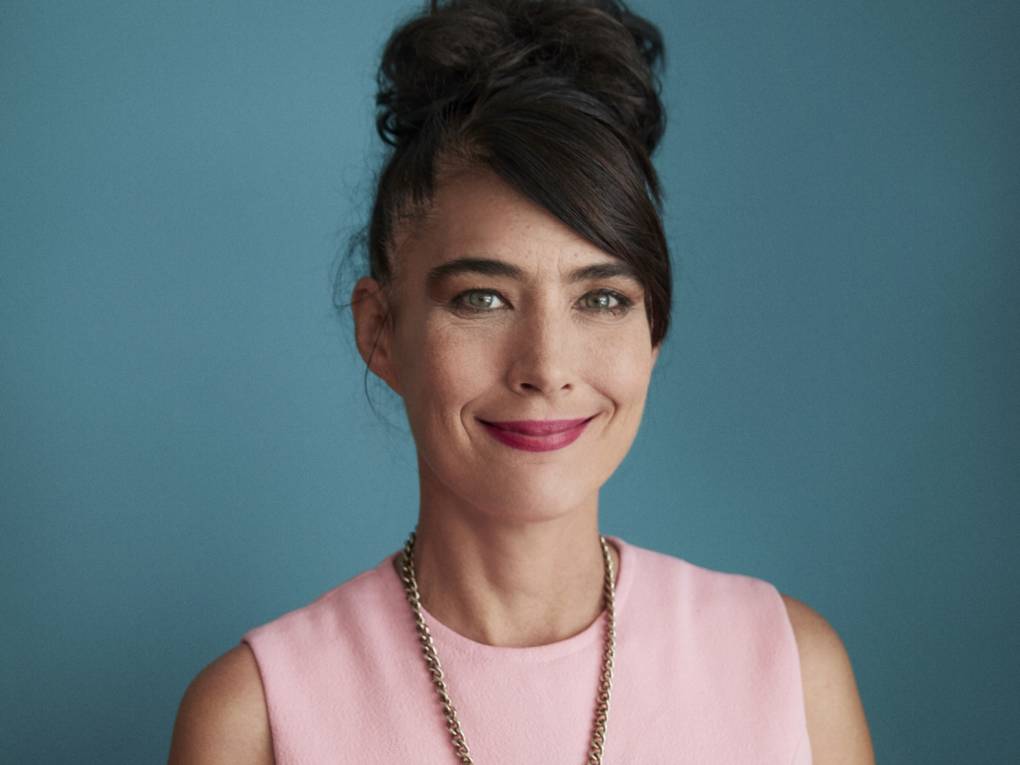
"title": "Performing ‘Rebel Girl’ felt risky in Bikini Kill’s early years, Kathleen Hanna says: ‘There were confrontations, things thrown at us, stuff like that. So doing that song always felt like putting my superhero cape on.’",
"publishDate": 1565636701,
"status": "inherit",
"parent": 13863821,
"modified": 1716321619,
"caption": "Performing ‘Rebel Girl’ felt risky in Bikini Kill’s early years, Kathleen Hanna says: ‘There were confrontations, things thrown at us, stuff like that. So doing that song always felt like putting my superhero cape on.’",
"credit": "Jason Frank Rothenberg/ Courtesy of the artist",
"altTag": "A white woman with dark brown hair held up in a messy up-do, stands in front of a blue-green wall.",
"description": null,
"imgSizes": {
"thumbnail": {
"file": "https://cdn.kqed.org/wp-content/uploads/sites/2/2019/08/180907_kathleen_hanna_007-copy-c1da7b37267cc0703fe18e26e000f5897a761e1b-160x120.jpg",
"width": 160,
"height": 120,
"mimeType": "image/jpeg"
},
"medium": {
"file": "https://cdn.kqed.org/wp-content/uploads/sites/2/2019/08/180907_kathleen_hanna_007-copy-c1da7b37267cc0703fe18e26e000f5897a761e1b-800x600.jpg",
"width": 800,
"height": 600,
"mimeType": "image/jpeg"
},
"medium_large": {
"file": "https://cdn.kqed.org/wp-content/uploads/sites/2/2019/08/180907_kathleen_hanna_007-copy-c1da7b37267cc0703fe18e26e000f5897a761e1b-768x576.jpg",
"width": 768,
"height": 576,
"mimeType": "image/jpeg"
},
"large": {
"file": "https://cdn.kqed.org/wp-content/uploads/sites/2/2019/08/180907_kathleen_hanna_007-copy-c1da7b37267cc0703fe18e26e000f5897a761e1b-1020x765.jpg",
"width": 1020,
"height": 765,
"mimeType": "image/jpeg"
},
"complete_open_graph": {
"file": "https://cdn.kqed.org/wp-content/uploads/sites/2/2019/08/180907_kathleen_hanna_007-copy-c1da7b37267cc0703fe18e26e000f5897a761e1b-1200x900.jpg",
"width": 1200,
"height": 900,
"mimeType": "image/jpeg"
},
"post-thumbnail": {
"file": "https://cdn.kqed.org/wp-content/uploads/sites/2/2019/08/180907_kathleen_hanna_007-copy-c1da7b37267cc0703fe18e26e000f5897a761e1b-672x372.jpg",
"width": 672,
"height": 372,
"mimeType": "image/jpeg"
},
"twentyfourteen-full-width": {
"file": "https://cdn.kqed.org/wp-content/uploads/sites/2/2019/08/180907_kathleen_hanna_007-copy-c1da7b37267cc0703fe18e26e000f5897a761e1b-1038x576.jpg",
"width": 1038,
"height": 576,
"mimeType": "image/jpeg"
},
"full-width": {
"file": "https://cdn.kqed.org/wp-content/uploads/sites/2/2019/08/180907_kathleen_hanna_007-copy-c1da7b37267cc0703fe18e26e000f5897a761e1b-1920x1440.jpg",
"width": 1920,
"height": 1440,
"mimeType": "image/jpeg"
},
"kqedFullSize": {
"file": "https://cdn.kqed.org/wp-content/uploads/sites/2/2019/08/180907_kathleen_hanna_007-copy-c1da7b37267cc0703fe18e26e000f5897a761e1b-e1565636760641.jpg",
"width": 1920,
"height": 1440
}
},
"isLoading": false,
"fetchFailed": false
},
"arts_13863783": {
"type": "attachments",
"id": "arts_13863783",
"meta": {
"index": "attachments_1716263798",
"site": "arts",
"id": "13863783",
"found": true
},
"parent": 0,
"imgSizes": {
"twentyfourteen-full-width": {
"file": "https://ww2.kqed.org/app/uploads/sites/2/2019/08/MG_7211-1038x576.jpg",
"width": 1038,
"mimeType": "image/jpeg",
"height": 576
},
"thumbnail": {
"file": "https://ww2.kqed.org/app/uploads/sites/2/2019/08/MG_7211-160x107.jpg",
"width": 160,
"mimeType": "image/jpeg",
"height": 107
},
"post-thumbnail": {
"file": "https://ww2.kqed.org/app/uploads/sites/2/2019/08/MG_7211-672x372.jpg",
"width": 672,
"mimeType": "image/jpeg",
"height": 372
},
"kqedFullSize": {
"file": "https://ww2.kqed.org/app/uploads/sites/2/2019/08/MG_7211.jpg",
"width": 1920,
"height": 1280
},
"large": {
"file": "https://ww2.kqed.org/app/uploads/sites/2/2019/08/MG_7211-1020x680.jpg",
"width": 1020,
"mimeType": "image/jpeg",
"height": 680
},
"complete_open_graph": {
"file": "https://ww2.kqed.org/app/uploads/sites/2/2019/08/MG_7211-1200x800.jpg",
"width": 1200,
"mimeType": "image/jpeg",
"height": 800
},
"full-width": {
"file": "https://ww2.kqed.org/app/uploads/sites/2/2019/08/MG_7211-1920x1280.jpg",
"width": 1920,
"mimeType": "image/jpeg",
"height": 1280
},
"medium": {
"file": "https://ww2.kqed.org/app/uploads/sites/2/2019/08/MG_7211-800x533.jpg",
"width": 800,
"mimeType": "image/jpeg",
"height": 533
},
"medium_large": {
"file": "https://ww2.kqed.org/app/uploads/sites/2/2019/08/MG_7211-768x512.jpg",
"width": 768,
"mimeType": "image/jpeg",
"height": 512
}
},
"publishDate": 1565603670,
"modified": 1565603735,
"caption": "Toro y Moi performs at Outside Lands music festival in San Francisco, Aug. 11, 2019.",
"description": "Toro y Moi performs at Outside Lands music festival in San Francisco, Aug. 11, 2019.",
"title": "**** Main****Toro y Moi performs at Outside Lands music festival in San Francisco, Aug. 11, 2019.",
"credit": "Estefany Gonzalez",
"status": "inherit",
"isLoading": false,
"fetchFailed": false
},
"arts_13863664": {
"type": "attachments",
"id": "arts_13863664",
"meta": {
"index": "attachments_1716263798",
"site": "arts",
"id": "13863664",
"found": true
},
"parent": 13863632,
"imgSizes": {
"twentyfourteen-full-width": {
"file": "https://cdn.kqed.org/wp-content/uploads/sites/2/2019/08/TierraWhack.MAIN_-1038x576.jpg",
"width": 1038,
"mimeType": "image/jpeg",
"height": 576
},
"thumbnail": {
"file": "https://cdn.kqed.org/wp-content/uploads/sites/2/2019/08/TierraWhack.MAIN_-160x90.jpg",
"width": 160,
"mimeType": "image/jpeg",
"height": 90
},
"post-thumbnail": {
"file": "https://cdn.kqed.org/wp-content/uploads/sites/2/2019/08/TierraWhack.MAIN_-672x372.jpg",
"width": 672,
"mimeType": "image/jpeg",
"height": 372
},
"kqedFullSize": {
"file": "https://cdn.kqed.org/wp-content/uploads/sites/2/2019/08/TierraWhack.MAIN_.jpg",
"width": 1920,
"height": 1080
},
"large": {
"file": "https://cdn.kqed.org/wp-content/uploads/sites/2/2019/08/TierraWhack.MAIN_-1020x574.jpg",
"width": 1020,
"mimeType": "image/jpeg",
"height": 574
},
"complete_open_graph": {
"file": "https://cdn.kqed.org/wp-content/uploads/sites/2/2019/08/TierraWhack.MAIN_-1200x675.jpg",
"width": 1200,
"mimeType": "image/jpeg",
"height": 675
},
"full-width": {
"file": "https://cdn.kqed.org/wp-content/uploads/sites/2/2019/08/TierraWhack.MAIN_-1920x1080.jpg",
"width": 1920,
"mimeType": "image/jpeg",
"height": 1080
},
"medium": {
"file": "https://cdn.kqed.org/wp-content/uploads/sites/2/2019/08/TierraWhack.MAIN_-800x450.jpg",
"width": 800,
"mimeType": "image/jpeg",
"height": 450
},
"medium_large": {
"file": "https://cdn.kqed.org/wp-content/uploads/sites/2/2019/08/TierraWhack.MAIN_-768x432.jpg",
"width": 768,
"mimeType": "image/jpeg",
"height": 432
}
},
"publishDate": 1565534298,
"modified": 1711648336,
"caption": "Tierra Whack performs at Outside Lands music festival in San Francisco, Aug. 10, 2019.",
"description": "Tierra Whack performs at Outside Lands music festival in San Francisco, Aug. 10, 2019.",
"title": "TierraWhack.MAIN",
"credit": "Estefany Gonzalez for KQED",
"status": "inherit",
"altTag": "Tierra Whack performs at Outside Lands music festival in San Francisco, Aug. 10, 2019.",
"isLoading": false,
"fetchFailed": false
},
"arts_13863609": {
"type": "attachments",
"id": "arts_13863609",
"meta": {
"index": "attachments_1716263798",
"site": "arts",
"id": "13863609",
"found": true
},
"parent": 13863549,
"imgSizes": {
"thumbnail": {
"file": "https://ww2.kqed.org/app/uploads/sites/2/2019/08/LilWayne.OL_.MAIN_-160x100.jpg",
"width": 160,
"mimeType": "image/jpeg",
"height": 100
},
"post-thumbnail": {
"file": "https://ww2.kqed.org/app/uploads/sites/2/2019/08/LilWayne.OL_.MAIN_-672x372.jpg",
"width": 672,
"mimeType": "image/jpeg",
"height": 372
},
"kqedFullSize": {
"file": "https://ww2.kqed.org/app/uploads/sites/2/2019/08/LilWayne.OL_.MAIN_.jpg",
"width": 800,
"height": 500
},
"medium": {
"file": "https://ww2.kqed.org/app/uploads/sites/2/2019/08/LilWayne.OL_.MAIN_-800x500.jpg",
"width": 800,
"mimeType": "image/jpeg",
"height": 500
},
"medium_large": {
"file": "https://ww2.kqed.org/app/uploads/sites/2/2019/08/LilWayne.OL_.MAIN_-768x480.jpg",
"width": 768,
"mimeType": "image/jpeg",
"height": 480
}
},
"publishDate": 1565453163,
"modified": 1565453210,
"caption": "Lil Wayne performs at Outside Lands music festival in San Francisco, Aug. 9, 2019. ",
"description": "Lil Wayne performs at Outside Lands music festival in San Francisco, Aug. 9, 2019. ",
"title": "LilWayne.OL.MAIN",
"credit": "Estefany Gonzalez",
"status": "inherit",
"isLoading": false,
"fetchFailed": false
},
"arts_13863455": {
"type": "attachments",
"id": "arts_13863455",
"meta": {
"index": "attachments_1716263798",
"site": "arts",
"id": "13863455",
"found": true
},
"parent": 13863441,
"imgSizes": {
"twentyfourteen-full-width": {
"file": "https://ww2.kqed.org/app/uploads/sites/2/2019/08/ElLlantoDelPaso-1920-1-1038x576.jpg",
"width": 1038,
"mimeType": "image/jpeg",
"height": 576
},
"thumbnail": {
"file": "https://ww2.kqed.org/app/uploads/sites/2/2019/08/ElLlantoDelPaso-1920-1-160x90.jpg",
"width": 160,
"mimeType": "image/jpeg",
"height": 90
},
"post-thumbnail": {
"file": "https://ww2.kqed.org/app/uploads/sites/2/2019/08/ElLlantoDelPaso-1920-1-672x372.jpg",
"width": 672,
"mimeType": "image/jpeg",
"height": 372
},
"kqedFullSize": {
"file": "https://ww2.kqed.org/app/uploads/sites/2/2019/08/ElLlantoDelPaso-1920-1.jpg",
"width": 1920,
"height": 1080
},
"large": {
"file": "https://ww2.kqed.org/app/uploads/sites/2/2019/08/ElLlantoDelPaso-1920-1-1020x574.jpg",
"width": 1020,
"mimeType": "image/jpeg",
"height": 574
},
"complete_open_graph": {
"file": "https://ww2.kqed.org/app/uploads/sites/2/2019/08/ElLlantoDelPaso-1920-1-1200x675.jpg",
"width": 1200,
"mimeType": "image/jpeg",
"height": 675
},
"full-width": {
"file": "https://ww2.kqed.org/app/uploads/sites/2/2019/08/ElLlantoDelPaso-1920-1-1920x1080.jpg",
"width": 1920,
"mimeType": "image/jpeg",
"height": 1080
},
"medium": {
"file": "https://ww2.kqed.org/app/uploads/sites/2/2019/08/ElLlantoDelPaso-1920-1-800x450.jpg",
"width": 800,
"mimeType": "image/jpeg",
"height": 450
},
"medium_large": {
"file": "https://ww2.kqed.org/app/uploads/sites/2/2019/08/ElLlantoDelPaso-1920-1-768x432.jpg",
"width": 768,
"mimeType": "image/jpeg",
"height": 432
}
},
"publishDate": 1565341114,
"modified": 1565377649,
"caption": "Two young singers perform \"El Llanto de El Paso Texas,\" a corrido written by Josue Rodriguez, at a vigil outside the Cielo Vista Walmart, the site of a mass shooting on Aug. 3 that killed 22 people. ",
"description": "Two young singers perform \"El Llanto de El Paso Texas,\" a corrido written by Josue Rodriguez, at a vigil outside the Cielo Vista Walmart, the site of a mass shooting on Aug. 3 that killed 22 people. ",
"title": "ElLlantoDelPaso-1920",
"credit": "Screengrab / Omar Ornelas via USA Today on Twitter",
"status": "inherit",
"isLoading": false,
"fetchFailed": false
},
"arts_13863445": {
"type": "attachments",
"id": "arts_13863445",
"meta": {
"index": "attachments_1716263798",
"site": "arts",
"id": "13863445",
"found": true
},
"parent": 13863443,
"imgSizes": {
"thumbnail": {
"file": "https://ww2.kqed.org/app/uploads/sites/2/2019/08/Dakila-160x90.jpg",
"width": 160,
"mimeType": "image/jpeg",
"height": 90
},
"post-thumbnail": {
"file": "https://ww2.kqed.org/app/uploads/sites/2/2019/08/Dakila-672x372.jpg",
"width": 672,
"mimeType": "image/jpeg",
"height": 372
},
"kqedFullSize": {
"file": "https://ww2.kqed.org/app/uploads/sites/2/2019/08/Dakila.jpg",
"width": 800,
"height": 450
},
"medium": {
"file": "https://ww2.kqed.org/app/uploads/sites/2/2019/08/Dakila-800x450.jpg",
"width": 800,
"mimeType": "image/jpeg",
"height": 450
},
"medium_large": {
"file": "https://ww2.kqed.org/app/uploads/sites/2/2019/08/Dakila-768x432.jpg",
"width": 768,
"mimeType": "image/jpeg",
"height": 432
}
},
"publishDate": 1565333854,
"modified": 1565333875,
"caption": "Dakila.",
"description": "Dakila.",
"title": "Dakila",
"credit": "Dakila/via Facebook",
"status": "inherit",
"isLoading": false,
"fetchFailed": false
},
"arts_13863414": {
"type": "attachments",
"id": "arts_13863414",
"meta": {
"index": "attachments_1716263798",
"site": "arts",
"id": "13863414",
"found": true
},
"parent": 13863343,
"imgSizes": {
"thumbnail": {
"file": "https://ww2.kqed.org/app/uploads/sites/2/2019/08/outside-lands-crowd-shot-160x90.jpg",
"width": 160,
"mimeType": "image/jpeg",
"height": 90
},
"post-thumbnail": {
"file": "https://ww2.kqed.org/app/uploads/sites/2/2019/08/outside-lands-crowd-shot-672x372.jpg",
"width": 672,
"mimeType": "image/jpeg",
"height": 372
},
"kqedFullSize": {
"file": "https://ww2.kqed.org/app/uploads/sites/2/2019/08/outside-lands-crowd-shot.jpg",
"width": 800,
"height": 450
},
"medium": {
"file": "https://ww2.kqed.org/app/uploads/sites/2/2019/08/outside-lands-crowd-shot-800x450.jpg",
"width": 800,
"mimeType": "image/jpeg",
"height": 450
},
"medium_large": {
"file": "https://ww2.kqed.org/app/uploads/sites/2/2019/08/outside-lands-crowd-shot-768x432.jpg",
"width": 768,
"mimeType": "image/jpeg",
"height": 432
}
},
"publishDate": 1565305793,
"modified": 1565305831,
"caption": "The crowd at Outside Lands in 2018.",
"description": "The crowd at Outside Lands in 2018.",
"title": "outside lands crowd shot",
"credit": "Estefany Gonzalez",
"status": "inherit",
"isLoading": false,
"fetchFailed": false
},
"arts_13838783": {
"type": "attachments",
"id": "arts_13838783",
"meta": {
"index": "attachments_1716263798",
"site": "arts",
"id": "13838783",
"found": true
},
"parent": 13838743,
"imgSizes": {
"small": {
"file": "https://ww2.kqed.org/app/uploads/sites/2/2018/08/MG_7989-520x346.jpg",
"width": 520,
"mimeType": "image/jpeg",
"height": 346
},
"thumbnail": {
"file": "https://ww2.kqed.org/app/uploads/sites/2/2018/08/MG_7989-160x107.jpg",
"width": 160,
"mimeType": "image/jpeg",
"height": 107
},
"post-thumbnail": {
"file": "https://ww2.kqed.org/app/uploads/sites/2/2018/08/MG_7989-672x372.jpg",
"width": 672,
"mimeType": "image/jpeg",
"height": 372
},
"xsmall": {
"file": "https://ww2.kqed.org/app/uploads/sites/2/2018/08/MG_7989-375x250.jpg",
"width": 375,
"mimeType": "image/jpeg",
"height": 250
},
"kqedFullSize": {
"file": "https://ww2.kqed.org/app/uploads/sites/2/2018/08/MG_7989.jpg",
"width": 800,
"height": 533
},
"guest-author-50": {
"file": "https://ww2.kqed.org/app/uploads/sites/2/2018/08/MG_7989-50x50.jpg",
"width": 50,
"mimeType": "image/jpeg",
"height": 50
},
"guest-author-96": {
"file": "https://ww2.kqed.org/app/uploads/sites/2/2018/08/MG_7989-96x96.jpg",
"width": 96,
"mimeType": "image/jpeg",
"height": 96
},
"medium": {
"file": "https://ww2.kqed.org/app/uploads/sites/2/2018/08/MG_7989-800x533.jpg",
"width": 800,
"mimeType": "image/jpeg",
"height": 533
},
"guest-author-64": {
"file": "https://ww2.kqed.org/app/uploads/sites/2/2018/08/MG_7989-64x64.jpg",
"width": 64,
"mimeType": "image/jpeg",
"height": 64
},
"guest-author-32": {
"file": "https://ww2.kqed.org/app/uploads/sites/2/2018/08/MG_7989-32x32.jpg",
"width": 32,
"mimeType": "image/jpeg",
"height": 32
},
"detail": {
"file": "https://ww2.kqed.org/app/uploads/sites/2/2018/08/MG_7989-150x150.jpg",
"width": 150,
"mimeType": "image/jpeg",
"height": 150
},
"medium_large": {
"file": "https://ww2.kqed.org/app/uploads/sites/2/2018/08/MG_7989-768x512.jpg",
"width": 768,
"mimeType": "image/jpeg",
"height": 512
},
"guest-author-128": {
"file": "https://ww2.kqed.org/app/uploads/sites/2/2018/08/MG_7989-128x128.jpg",
"width": 128,
"mimeType": "image/jpeg",
"height": 128
},
"xxsmall": {
"file": "https://ww2.kqed.org/app/uploads/sites/2/2018/08/MG_7989-240x160.jpg",
"width": 240,
"mimeType": "image/jpeg",
"height": 160
}
},
"publishDate": 1534082173,
"modified": 1534169795,
"caption": "The crowd at the Outside Lands music festival in San Francisco, Aug. 11, 2018.",
"description": "The crowd at the Outside Lands music festival in San Francisco, Aug. 11, 2018.",
"title": "The crowd at the Outside Lands music festival in San Francisco, Aug. 11, 2018.",
"credit": "Estefany Gonzalez ",
"status": "inherit",
"isLoading": false,
"fetchFailed": false
},
"arts_13863013": {
"type": "attachments",
"id": "arts_13863013",
"meta": {
"index": "attachments_1716263798",
"site": "arts",
"id": "13863013",
"found": true
},
"parent": 13863010,
"imgSizes": {
"twentyfourteen-full-width": {
"file": "https://ww2.kqed.org/app/uploads/sites/2/2019/08/wally-pic-2-1038x576.jpeg",
"width": 1038,
"mimeType": "image/jpeg",
"height": 576
},
"thumbnail": {
"file": "https://ww2.kqed.org/app/uploads/sites/2/2019/08/wally-pic-2-160x120.jpeg",
"width": 160,
"mimeType": "image/jpeg",
"height": 120
},
"post-thumbnail": {
"file": "https://ww2.kqed.org/app/uploads/sites/2/2019/08/wally-pic-2-672x372.jpeg",
"width": 672,
"mimeType": "image/jpeg",
"height": 372
},
"kqedFullSize": {
"file": "https://ww2.kqed.org/app/uploads/sites/2/2019/08/wally-pic-2.jpeg",
"width": 2048,
"height": 1536
},
"large": {
"file": "https://ww2.kqed.org/app/uploads/sites/2/2019/08/wally-pic-2-1020x765.jpeg",
"width": 1020,
"mimeType": "image/jpeg",
"height": 765
},
"complete_open_graph": {
"file": "https://ww2.kqed.org/app/uploads/sites/2/2019/08/wally-pic-2-1200x900.jpeg",
"width": 1200,
"mimeType": "image/jpeg",
"height": 900
},
"full-width": {
"file": "https://ww2.kqed.org/app/uploads/sites/2/2019/08/wally-pic-2-1920x1440.jpeg",
"width": 1920,
"mimeType": "image/jpeg",
"height": 1440
},
"medium": {
"file": "https://ww2.kqed.org/app/uploads/sites/2/2019/08/wally-pic-2-800x600.jpeg",
"width": 800,
"mimeType": "image/jpeg",
"height": 600
},
"medium_large": {
"file": "https://ww2.kqed.org/app/uploads/sites/2/2019/08/wally-pic-2-768x576.jpeg",
"width": 768,
"mimeType": "image/jpeg",
"height": 576
}
},
"publishDate": 1565030677,
"modified": 1565030699,
"caption": null,
"description": null,
"title": "wally pic 2",
"credit": "Courtesy of Wally Schnalle",
"status": "inherit",
"isLoading": false,
"fetchFailed": false
}
},
"audioPlayerReducer": {
"postId": "stream_live",
"isPaused": true,
"isPlaying": false,
"pfsActive": false,
"pledgeModalIsOpen": true,
"playerDrawerIsOpen": false,
"liveAudioPlayStartedAt": 0,
"liveAudioPlayContext": ""
},
"authorsReducer": {
"byline_arts_13863923": {
"type": "authors",
"id": "byline_arts_13863923",
"meta": {
"override": true
},
"slug": "byline_arts_13863923",
"name": "Jocelyn Gecker, Associated Press",
"isLoading": false
},
"byline_arts_13863821": {
"type": "authors",
"id": "byline_arts_13863821",
"meta": {
"override": true
},
"slug": "byline_arts_13863821",
"name": "Ann Powers",
"isLoading": false
},
"gmeline": {
"type": "authors",
"id": "185",
"meta": {
"index": "authors_1716337520",
"id": "185",
"found": true
},
"name": "Gabe Meline",
"firstName": "Gabe",
"lastName": "Meline",
"slug": "gmeline",
"email": "gmeline@kqed.org",
"display_author_email": true,
"staff_mastheads": [
"arts"
],
"title": "Senior Editor, KQED Arts & Culture",
"bio": "Gabe Meline entered journalism at age 15 making photocopied zines, and has since earned awards from the Edward R. Murrow Awards, the Society for Professional Journalists, the Online Journalism Awards, the Association of Alternative Newsweeklies and the California Newspaper Publishers Association. Prior to KQED, he was the editor of the \u003cem>North Bay Bohemian\u003c/em> and a touring musician. He lives with his wife and daughter in his hometown of Santa Rosa, CA.",
"avatar": "https://secure.gravatar.com/avatar/5bebe57be0d8bc2dd318934feb47299e2d2d10cba28d09d8d7afb389a2ce2bdd?s=600&d=blank&r=g",
"twitter": null,
"bluesky": null,
"facebook": null,
"instagram": null,
"linkedin": null,
"sites": [
{
"site": "",
"roles": [
"editor"
]
},
{
"site": "arts",
"roles": [
"administrator"
]
},
{
"site": "artschool",
"roles": [
"editor"
]
},
{
"site": "news",
"roles": [
"author"
]
},
{
"site": "pop",
"roles": [
"editor"
]
},
{
"site": "bayareabites",
"roles": [
"editor"
]
},
{
"site": "food",
"roles": [
"editor"
]
},
{
"site": "forum",
"roles": [
"administrator"
]
},
{
"site": "liveblog",
"roles": [
"editor"
]
},
{
"site": "hiphop",
"roles": [
"editor"
]
}
],
"headData": {
"title": "Gabe Meline | KQED",
"description": "Senior Editor, KQED Arts & Culture",
"ogImgSrc": "https://secure.gravatar.com/avatar/5bebe57be0d8bc2dd318934feb47299e2d2d10cba28d09d8d7afb389a2ce2bdd?s=600&d=blank&r=g",
"twImgSrc": "https://secure.gravatar.com/avatar/5bebe57be0d8bc2dd318934feb47299e2d2d10cba28d09d8d7afb389a2ce2bdd?s=600&d=blank&r=g"
},
"isLoading": false,
"link": "/author/gmeline"
},
"cveltman": {
"type": "authors",
"id": "8608",
"meta": {
"index": "authors_1716337520",
"id": "8608",
"found": true
},
"name": "Chloe Veltman",
"firstName": "Chloe",
"lastName": "Veltman",
"slug": "cveltman",
"email": "cveltman@kqed.org",
"display_author_email": true,
"staff_mastheads": [],
"title": "Arts and Culture Reporter",
"bio": "Chloe Veltman is a former arts and culture reporter for KQED. Prior to joining the organization, she launched and led the arts bureau at Colorado Public Radio, served as the Bay Area's culture columnist for the New York Times, and was the founder, host and executive producer of VoiceBox, a national award-winning weekly podcast/radio show and live events series all about the human voice. Chloe is the recipient of numerous prizes, grants and fellowships including a Webby Award for her work on interactive storytelling, both the John S Knight Journalism Fellowship and Humanities Center Fellowship at Stanford University, the Sundance Arts Writing Fellowship and a Library of Congress Research Fellowship. She is the author of the book \"On Acting\" and has appeared as a guest lecturer at Yale University and the San Francisco Conservatory of Music among other institutions. She holds a BA in english literature from King's College, Cambridge, and a Masters in Dramaturgy from the Central School of Speech and Drama/Harvard Institute for Advanced Theater Training.\r\n\u003ca href=\"https://www.chloeveltman.com\">www.chloeveltman.com\u003c/a>",
"avatar": "https://secure.gravatar.com/avatar/55403394b00a1ddab683952c2eb2cf85?s=600&d=blank&r=g",
"twitter": "chloeveltman",
"facebook": null,
"instagram": null,
"linkedin": null,
"sites": [
{
"site": "arts",
"roles": []
},
{
"site": "news",
"roles": [
"author"
]
},
{
"site": "pop",
"roles": [
"editor"
]
},
{
"site": "science",
"roles": []
}
],
"headData": {
"title": "Chloe Veltman | KQED",
"description": "Arts and Culture Reporter",
"ogImgSrc": "https://secure.gravatar.com/avatar/55403394b00a1ddab683952c2eb2cf85?s=600&d=blank&r=g",
"twImgSrc": "https://secure.gravatar.com/avatar/55403394b00a1ddab683952c2eb2cf85?s=600&d=blank&r=g"
},
"isLoading": false,
"link": "/author/cveltman"
},
"shutson": {
"type": "authors",
"id": "11216",
"meta": {
"index": "authors_1716337520",
"id": "11216",
"found": true
},
"name": "Sonja Hutson",
"firstName": "Sonja",
"lastName": "Hutson",
"slug": "shutson",
"email": "shutson@kqed.org",
"display_author_email": false,
"staff_mastheads": [],
"title": "KQED Contributor",
"bio": "Sonja Hutson is a former reporter for KQED's Silicon Valley desk and weekend newscasts. She primarily covers tech and housing. Sonja is a Bay Area native and now lives in San Francisco. When she's not working, you can find her camping, skiing, scuba diving, and struggling with the New York Times Crossword. Email: \u003ca href=\"mailto:shutson@kqed.org\">shutson@kqed.org. \u003c/a>Twitter: \u003ca href=\"https://twitter.com/SonjaHutson\">@SonjaHutson\u003c/a>",
"avatar": "https://secure.gravatar.com/avatar/7537c5e36818614e599b6c0f41d72b7a?s=600&d=blank&r=g",
"twitter": "SonjaHutson",
"facebook": null,
"instagram": null,
"linkedin": null,
"sites": [
{
"site": "arts",
"roles": [
"author"
]
},
{
"site": "news",
"roles": [
"subscriber"
]
}
],
"headData": {
"title": "Sonja Hutson | KQED",
"description": "KQED Contributor",
"ogImgSrc": "https://secure.gravatar.com/avatar/7537c5e36818614e599b6c0f41d72b7a?s=600&d=blank&r=g",
"twImgSrc": "https://secure.gravatar.com/avatar/7537c5e36818614e599b6c0f41d72b7a?s=600&d=blank&r=g"
},
"isLoading": false,
"link": "/author/shutson"
},
"ralexandra": {
"type": "authors",
"id": "11242",
"meta": {
"index": "authors_1716337520",
"id": "11242",
"found": true
},
"name": "Rae Alexandra",
"firstName": "Rae",
"lastName": "Alexandra",
"slug": "ralexandra",
"email": "ralexandra@kqed.org",
"display_author_email": true,
"staff_mastheads": [],
"title": "Reporter/Producer",
"bio": "Rae Alexandra is a Reporter/Producer for KQED Arts & Culture, and the creator/author of the \u003ca href=\"https://www.kqed.org/arts/program/rebel-girls-from-bay-area-history\">Rebel Girls From Bay Area History\u003c/a> and \u003ca href=\"https://www.kqed.org/bizarrebayarea\">Bizarre Bay Area\u003c/a> series. Her debut book, \u003ca href=\"https://citylights.com/politics-current-events-history/unsung-heroines35-women-who-changed/\">Unsung Heroines: 35 Women Who Changed the Bay Area\u003c/a> was published by City Lights in March 2026. In 2023, Rae was awarded an SPJ Excellence in Journalism Award for Arts & Culture. Rae was born and raised in Wales and subsequently — even after two decades in Northern California — still uses phrases that regularly baffle her coworkers.",
"avatar": "https://secure.gravatar.com/avatar/edfee8176c80cc0a382b051190f5341997df378a934a5774dcb0977732dfd401?s=600&d=blank&r=g",
"twitter": null,
"bluesky": null,
"facebook": null,
"instagram": null,
"linkedin": null,
"sites": [
{
"site": "arts",
"roles": [
"subscriber"
]
},
{
"site": "news",
"roles": [
"subscriber"
]
},
{
"site": "pop",
"roles": [
"subscriber"
]
},
{
"site": "bayareabites",
"roles": [
"subscriber"
]
},
{
"site": "science",
"roles": [
"subscriber"
]
}
],
"headData": {
"title": "Rae Alexandra | KQED",
"description": "Reporter/Producer",
"ogImgSrc": "https://secure.gravatar.com/avatar/edfee8176c80cc0a382b051190f5341997df378a934a5774dcb0977732dfd401?s=600&d=blank&r=g",
"twImgSrc": "https://secure.gravatar.com/avatar/edfee8176c80cc0a382b051190f5341997df378a934a5774dcb0977732dfd401?s=600&d=blank&r=g"
},
"isLoading": false,
"link": "/author/ralexandra"
},
"lblanco": {
"type": "authors",
"id": "11357",
"meta": {
"index": "authors_1716337520",
"id": "11357",
"found": true
},
"name": "Lina Blanco",
"firstName": "Lina",
"lastName": "Blanco",
"slug": "lblanco",
"email": "lblanco@kqed.org",
"display_author_email": false,
"staff_mastheads": [],
"title": null,
"bio": "Lina was a Senior Engagement Platforms Manager for KQED News, producing engagement strategies on social media at \u003ca href=\"https://twitter.com/KQEDnews\">@KQEDNews, \u003c/a>via \u003ca href=\"https://www.kqed.org/about/newsletters/\">KQED's daily newsletter\u003c/a> as well as texting campaigns with KQED readers and listeners. She also co-produces for KQED's bilingual news hub \u003ca href=\"https://www.instagram.com/kqedenespanol/\">KQED en Español\u003c/a>.\r\n\r\nLina previously worked for \u003ca href=\"https://kqed.org/arts\">KQED Arts\u003c/a> — supporting audience engagement efforts on the weekly \u003ca href=\"https://www.kqed.org/podcasts/rightnowish\">\u003cem>Rightnowish\u003c/em> \u003c/a>podcast, Webby-winning video series \u003ca href=\"https://www.kqed.org/if-cities-could-dance\">\u003cem>If Cities Could Dance\u003c/em>\u003c/a>, and daily Arts & Culture reporting. She won a \u003ca href=\"https://www.kqed.org/pressroom/10884/murrow\">National 2019 Edward R. Murrow Award for Excellence in Social Media\u003c/a> for KQED's series \u003cem>The Hustle\u003c/em>.\r\n\r\nBefore KQED, Lina worked as a graphic designer and digital storytelling facilitator at the \u003ca href=\"https://www.nativehealth.org/\">Native American Health Center\u003c/a>.\r\n\r\nShe's mom to a senior Chihuahua (plus one black cat) and lives in West Sonoma County on a small farmstead.",
"avatar": "https://secure.gravatar.com/avatar/77ec326d67223c38a436b87bcfd2a2e8?s=600&d=mm&r=g",
"twitter": "LinaBlanco",
"facebook": null,
"instagram": null,
"linkedin": null,
"sites": [
{
"site": "arts",
"roles": [
"subscriber"
]
},
{
"site": "news",
"roles": [
"subscriber"
]
},
{
"site": "pop",
"roles": [
"administrator"
]
},
{
"site": "about",
"roles": [
"administrator"
]
},
{
"site": "bayareabites",
"roles": [
"editor"
]
},
{
"site": "science",
"roles": [
"editor"
]
},
{
"site": "checkplease",
"roles": [
"editor"
]
},
{
"site": "food",
"roles": []
},
{
"site": "perspectives",
"roles": [
"editor"
]
}
],
"headData": {
"title": "Lina Blanco | KQED",
"description": null,
"ogImgSrc": "https://secure.gravatar.com/avatar/77ec326d67223c38a436b87bcfd2a2e8?s=600&d=mm&r=g",
"twImgSrc": "https://secure.gravatar.com/avatar/77ec326d67223c38a436b87bcfd2a2e8?s=600&d=mm&r=g"
},
"isLoading": false,
"link": "/author/lblanco"
},
"nvoynovskaya": {
"type": "authors",
"id": "11387",
"meta": {
"index": "authors_1716337520",
"id": "11387",
"found": true
},
"name": "Nastia Voynovskaya",
"firstName": "Nastia",
"lastName": "Voynovskaya",
"slug": "nvoynovskaya",
"email": "nvoynovskaya@kqed.org",
"display_author_email": false,
"staff_mastheads": [
"arts"
],
"title": "Editor and reporter",
"bio": "Nastia Voynovskaya is a reporter, editor and host at KQED Arts & Culture. She's been covering the arts in the Bay Area for over a decade, with a focus on music, queer culture, labor issues and grassroots organizing. She has edited KQED story series such as Trans Bay: A History of San Francisco's Gender-Diverse Community, and co-created KQED's Bay Area hip-hop history project, That's My Word. Nastia's work has been recognized by the Society of Professional Journalists and San Francisco Press Club. She regularly appears on podcasts and radio programs, including NPR's All Songs Considered, and hosts live events where music, culture and conversation meet.",
"avatar": "https://secure.gravatar.com/avatar/5025ee460e5a85d69ca20ea6c6f2f80d7e17795c828f61ea3aecfcd924e9042e?s=600&d=blank&r=g",
"twitter": null,
"bluesky": null,
"facebook": null,
"instagram": "https://www.instagram.com/nananastia/",
"linkedin": null,
"sites": [
{
"site": "",
"roles": [
"editor"
]
},
{
"site": "arts",
"roles": [
"administrator"
]
},
{
"site": "news",
"roles": [
"editor"
]
},
{
"site": "pop",
"roles": [
"administrator"
]
},
{
"site": "bayareabites",
"roles": [
"editor"
]
},
{
"site": "podcasts",
"roles": [
"editor"
]
},
{
"site": "hiphop",
"roles": [
"editor"
]
}
],
"headData": {
"title": "Nastia Voynovskaya | KQED",
"description": "Editor and reporter",
"ogImgSrc": "https://secure.gravatar.com/avatar/5025ee460e5a85d69ca20ea6c6f2f80d7e17795c828f61ea3aecfcd924e9042e?s=600&d=blank&r=g",
"twImgSrc": "https://secure.gravatar.com/avatar/5025ee460e5a85d69ca20ea6c6f2f80d7e17795c828f61ea3aecfcd924e9042e?s=600&d=blank&r=g"
},
"isLoading": false,
"link": "/author/nvoynovskaya"
}
},
"pagesReducer": {
"arts_category_music": {
"type": "terms",
"id": "arts_69",
"meta": {
"index": "terms_1716263798",
"site": "arts",
"id": "69",
"score": 10.85186
},
"featImg": null,
"name": "Music",
"description": null,
"taxonomy": "category",
"headData": {
"twImgId": null,
"twTitle": null,
"ogTitle": null,
"ogImgId": null,
"twDescription": null,
"description": null,
"title": "Music Archives | KQED Arts",
"ogDescription": null
},
"ttid": 70,
"slug": "music",
"isLoading": false,
"title": "Music",
"pageMeta": {
"site": "arts",
"WpPageTemplate": "page-topic-editorial",
"currentPage": 143
},
"blocks": [
{
"blockName": "kqed/post-list",
"attrs": {
"layout": "cardArticle2",
"query": "posts/arts?category=music",
"seeMore": false,
"paginated": true,
"page": 143
}
},
{
"blockName": "kqed/ad"
}
]
}
},
"pfsSessionReducer": {},
"postsReducer": {
"stream_live": {
"type": "live",
"id": "stream_live",
"audioUrl": "https://streams.kqed.org/kqedradio",
"title": "Live Stream",
"excerpt": "Live Stream information currently unavailable.",
"link": "/radio",
"featImg": "",
"label": {
"name": "KQED Live",
"link": "/"
}
},
"stream_kqedNewscast": {
"type": "posts",
"id": "stream_kqedNewscast",
"audioUrl": "https://www.kqed.org/.stream/anon/radio/RDnews/newscast.mp3?_=1",
"title": "KQED Newscast",
"featImg": "",
"label": {
"name": "88.5 FM",
"link": "/"
}
},
"arts_13863975": {
"type": "posts",
"id": "arts_13863975",
"meta": {
"index": "posts_1716263798",
"site": "arts",
"id": "13863975",
"score": null,
"sort": [
1565736973000
]
},
"parent": 0,
"labelTerm": {
"site": "arts"
},
"blocks": [],
"publishDate": 1565736973,
"format": "standard",
"title": "Fans Feeling Cynical After Jay-Z Flip-Flops on the NFL",
"headTitle": "Fans Feeling Cynical After Jay-Z Flip-Flops on the NFL | KQED",
"content": "\u003cp>Just about the only thing that united America during 2019’s Super Bowl Halftime Show was the collective yawn it prompted.\u003c/p>\n\u003cp>After Rihanna and Pink, in solidarity with Colin Kaepernick, both turned down the chance to headline, the nation got stuck with a Maroon 5/Travis Scott/Big Boi snooze-fest—all of whom were \u003ca href=\"https://twitter.com/nessnitty/status/1085552587552837632?ref_src=twsrc%5Etfw%7Ctwcamp%5Etweetembed%7Ctwterm%5E1085552587552837632&ref_url=https%3A%2F%2Fvariety.com%2F2019%2Fbiz%2Fnews%2Ftravis-scott-colin-kaepernick-super-bowl-1203109159%2F\" target=\"_blank\" rel=\"noopener\">criticized\u003c/a> for taking part. Maroon 5 apparently \u003ca href=\"https://variety.com/2018/music/news/maroon-5-super-bowl-halftime-show-1203089706/\">struggled to find anyone\u003c/a> willing to fill the guest spots, with reports that Nicki Minaj, Usher, Cardi B, Mary J. Blige, Lauryn Hill and Andre 3000 all said no.\u003c/p>\n\u003cp>Probably fearing a similar outcome in 2020, the NFL has taken the bold step of collaborating with one of its fiercest critics: Jay-Z. Despite spitting \u003cem>“I said no to the Super Bowl, you need me, I don’t need you”\u003c/em> on last year’s \u003ca href=\"https://www.youtube.com/watch?v=kbMqWXnpXcA\">“APESHIT,”\u003c/a> and also reportedly trying to \u003ca href=\"https://variety.com/2019/biz/news/travis-scott-colin-kaepernick-super-bowl-1203109159/\" target=\"_blank\" rel=\"noopener\">talk Travis Scott out\u003c/a> of appearing at the halftime show, the rapper’s Roc Nation company has just signed on to be the NFL’s “live music entertainment strategist.” Moving forward, not only will Jay-Z co-produce the Super Bowl Halftime Show, he’ll also advise the NFL on musicians to be featured in the football season’s televised promos.\u003c/p>\n\u003cp>NFL Commissioner Roger Goodell has been careful to emphasize that this does not mean Jay-Z will be performing for them any time soon. “He was very quick to say that he does not want this to be about him performing,” \u003ca href=\"https://www.washingtonpost.com/sports/2019/08/13/nfl-is-partnering-with-jay-z-entertainment-social-justice-initiatives/\" target=\"_blank\" rel=\"noopener\">Goodell told the \u003cem>Washington Post\u003c/em>\u003c/a>, “that it was broader than that. It quickly went beyond that.” Goodell also noted that Jay-Z will also be involved in shaping programs at the NFL’s social justice organization, \u003ca href=\"https://operations.nfl.com/football-ops/economic-social-impact/inspire-change/\">Inspire Change\u003c/a>.\u003c/p>\n\u003cp>Jay-Z told the \u003cem>Washington Post\u003c/em> that while he had some Kaepernick-related hesitations before making the deal, “You can either go home, you can pack your bag and sit in the house, or you can choose to take it head-on. And that’s pretty much how we operate at Roc Nation. We seek to identify things that we want to be a part of and things that we believe that we can add value to, and we step in and we come with these ideas. And to their credit, the NFL agreed to these ideas.”\u003c/p>\n\u003cp>[ad fullwidth]\u003c/p>\n\u003cp>News of Jay-Z’s flip-flop regarding the NFL has been viewed with widespread cynicism on social media:\u003c/p>\n\u003cp>https://twitter.com/Kembo_Slice/status/1161336248071524353\u003c/p>\n\u003cp>https://twitter.com/MrErnestOwens/status/1161392218193592320\u003c/p>\n\u003cp>https://twitter.com/Hunitproof/status/1161360060313997312\u003c/p>\n\u003cp>https://twitter.com/BrianKnockin/status/1161339331467829250\u003c/p>\n\u003cp>Though some supporters are viewing the new partnership as positive progress:\u003c/p>\n\u003cp>https://twitter.com/jorgexluis__/status/1161355178739720193\u003c/p>\n\u003cp>https://twitter.com/AlecJRock/status/1161327794363744257\u003c/p>\n\u003cp>For his part, Jay-Z is sticking with the narrative that this business deal was intended to promote progress within the NFL. “We think at the end of the day,” he told the \u003cem>Washington Post\u003c/em>, “a lot of people will benefit from the NFL’s platform and the things that we brought to the table. We think it could help a lot of people.”\u003c/p>\n\u003cp>\u003c/p>\n\u003cp>Whether it helps or hurts Jay-Z’s credibility in the long run remains to be seen.\u003c/p>\n\n",
"stats": {
"hasVideo": false,
"hasChartOrMap": false,
"hasAudio": false,
"hasPolis": false,
"wordCount": 560,
"hasGoogleForm": false,
"hasGallery": false,
"hasHearkenModule": false,
"iframeSrcs": [],
"paragraphCount": 11
},
"modified": 1705022331,
"excerpt": "Despite criticizing the NFL and discouraging artists from performing at the Super Bowl, Jay-Z is now in partnership with the National Football League.",
"headData": {
"twImgId": "",
"twTitle": "",
"ogTitle": "",
"ogImgId": "",
"twDescription": "",
"description": "Despite criticizing the NFL and discouraging artists from performing at the Super Bowl, Jay-Z is now in partnership with the National Football League.",
"title": "Fans Feeling Cynical After Jay-Z Flip-Flops on the NFL | KQED",
"ogDescription": "",
"schema": {
"@context": "https://schema.org",
"@type": "Article",
"headline": "Fans Feeling Cynical After Jay-Z Flip-Flops on the NFL",
"datePublished": "2019-08-13T15:56:13-07:00",
"dateModified": "2024-01-11T17:18:51-08:00",
"image": "https://cdn.kqed.org/wp-content/uploads/2020/02/KQED-OG-Image@1x.png"
}
},
"guestAuthors": [],
"slug": "fans-feeling-cynical-after-jay-z-flip-flops-on-the-nfl",
"status": "publish",
"templateType": "standard",
"featuredImageType": "standard",
"sticky": false,
"path": "/arts/13863975/fans-feeling-cynical-after-jay-z-flip-flops-on-the-nfl",
"audioTrackLength": null,
"parsedContent": [
{
"type": "contentString",
"content": "\u003cdiv class=\"post-body\">\u003cp>\u003cp>Just about the only thing that united America during 2019’s Super Bowl Halftime Show was the collective yawn it prompted.\u003c/p>\n\u003cp>After Rihanna and Pink, in solidarity with Colin Kaepernick, both turned down the chance to headline, the nation got stuck with a Maroon 5/Travis Scott/Big Boi snooze-fest—all of whom were \u003ca href=\"https://twitter.com/nessnitty/status/1085552587552837632?ref_src=twsrc%5Etfw%7Ctwcamp%5Etweetembed%7Ctwterm%5E1085552587552837632&ref_url=https%3A%2F%2Fvariety.com%2F2019%2Fbiz%2Fnews%2Ftravis-scott-colin-kaepernick-super-bowl-1203109159%2F\" target=\"_blank\" rel=\"noopener\">criticized\u003c/a> for taking part. Maroon 5 apparently \u003ca href=\"https://variety.com/2018/music/news/maroon-5-super-bowl-halftime-show-1203089706/\">struggled to find anyone\u003c/a> willing to fill the guest spots, with reports that Nicki Minaj, Usher, Cardi B, Mary J. Blige, Lauryn Hill and Andre 3000 all said no.\u003c/p>\n\u003cp>Probably fearing a similar outcome in 2020, the NFL has taken the bold step of collaborating with one of its fiercest critics: Jay-Z. Despite spitting \u003cem>“I said no to the Super Bowl, you need me, I don’t need you”\u003c/em> on last year’s \u003ca href=\"https://www.youtube.com/watch?v=kbMqWXnpXcA\">“APESHIT,”\u003c/a> and also reportedly trying to \u003ca href=\"https://variety.com/2019/biz/news/travis-scott-colin-kaepernick-super-bowl-1203109159/\" target=\"_blank\" rel=\"noopener\">talk Travis Scott out\u003c/a> of appearing at the halftime show, the rapper’s Roc Nation company has just signed on to be the NFL’s “live music entertainment strategist.” Moving forward, not only will Jay-Z co-produce the Super Bowl Halftime Show, he’ll also advise the NFL on musicians to be featured in the football season’s televised promos.\u003c/p>\n\u003cp>NFL Commissioner Roger Goodell has been careful to emphasize that this does not mean Jay-Z will be performing for them any time soon. “He was very quick to say that he does not want this to be about him performing,” \u003ca href=\"https://www.washingtonpost.com/sports/2019/08/13/nfl-is-partnering-with-jay-z-entertainment-social-justice-initiatives/\" target=\"_blank\" rel=\"noopener\">Goodell told the \u003cem>Washington Post\u003c/em>\u003c/a>, “that it was broader than that. It quickly went beyond that.” Goodell also noted that Jay-Z will also be involved in shaping programs at the NFL’s social justice organization, \u003ca href=\"https://operations.nfl.com/football-ops/economic-social-impact/inspire-change/\">Inspire Change\u003c/a>.\u003c/p>\n\u003cp>Jay-Z told the \u003cem>Washington Post\u003c/em> that while he had some Kaepernick-related hesitations before making the deal, “You can either go home, you can pack your bag and sit in the house, or you can choose to take it head-on. And that’s pretty much how we operate at Roc Nation. We seek to identify things that we want to be a part of and things that we believe that we can add value to, and we step in and we come with these ideas. And to their credit, the NFL agreed to these ideas.”\u003c/p>\n\u003cp>\u003c/p>\u003c/div>",
"attributes": {
"named": {},
"numeric": []
}
},
{
"type": "component",
"content": "",
"name": "ad",
"attributes": {
"named": {
"label": "fullwidth"
},
"numeric": [
"fullwidth"
]
}
},
{
"type": "contentString",
"content": "\u003cdiv class=\"post-body\">\u003cp>\u003c/p>\n\u003cp>News of Jay-Z’s flip-flop regarding the NFL has been viewed with widespread cynicism on social media:\u003c/p>\u003c/p>\u003c/div>",
"attributes": {
"named": {},
"numeric": []
}
},
{
"type": "component",
"content": "",
"name": "singleTwitterStatus",
"attributes": {
"named": {
"id": "1161336248071524353"
},
"numeric": []
}
},
{
"type": "contentString",
"content": "\u003cdiv class=\"post-body\">\u003cp>\u003c/p>\u003c/div>",
"attributes": {
"named": {},
"numeric": []
}
},
{
"type": "component",
"content": "",
"name": "singleTwitterStatus",
"attributes": {
"named": {
"id": "1161392218193592320"
},
"numeric": []
}
},
{
"type": "contentString",
"content": "\u003cdiv class=\"post-body\">\u003cp>\u003c/p>\u003c/div>",
"attributes": {
"named": {},
"numeric": []
}
},
{
"type": "component",
"content": "",
"name": "singleTwitterStatus",
"attributes": {
"named": {
"id": "1161360060313997312"
},
"numeric": []
}
},
{
"type": "contentString",
"content": "\u003cdiv class=\"post-body\">\u003cp>\u003c/p>\u003c/div>",
"attributes": {
"named": {},
"numeric": []
}
},
{
"type": "component",
"content": "",
"name": "singleTwitterStatus",
"attributes": {
"named": {
"id": "1161339331467829250"
},
"numeric": []
}
},
{
"type": "contentString",
"content": "\u003cdiv class=\"post-body\">\u003cp>\n\u003cp>Though some supporters are viewing the new partnership as positive progress:\u003c/p>\u003c/p>\u003c/div>",
"attributes": {
"named": {},
"numeric": []
}
},
{
"type": "component",
"content": "",
"name": "singleTwitterStatus",
"attributes": {
"named": {
"id": "1161355178739720193"
},
"numeric": []
}
},
{
"type": "contentString",
"content": "\u003cdiv class=\"post-body\">\u003cp>\u003c/p>\u003c/div>",
"attributes": {
"named": {},
"numeric": []
}
},
{
"type": "component",
"content": "",
"name": "singleTwitterStatus",
"attributes": {
"named": {
"id": "1161327794363744257"
},
"numeric": []
}
},
{
"type": "contentString",
"content": "\u003cdiv class=\"post-body\">\u003cp>\n\u003cp>For his part, Jay-Z is sticking with the narrative that this business deal was intended to promote progress within the NFL. “We think at the end of the day,” he told the \u003cem>Washington Post\u003c/em>, “a lot of people will benefit from the NFL’s platform and the things that we brought to the table. We think it could help a lot of people.”\u003c/p>\n\u003cp>\u003c/p>\n\u003cp>Whether it helps or hurts Jay-Z’s credibility in the long run remains to be seen.\u003c/p>\n\n\u003c/div>\u003c/p>",
"attributes": {
"named": {},
"numeric": []
}
}
],
"link": "/arts/13863975/fans-feeling-cynical-after-jay-z-flip-flops-on-the-nfl",
"authors": [
"11242"
],
"categories": [
"arts_69",
"arts_235",
"arts_75"
],
"tags": [
"arts_2558",
"arts_8273",
"arts_3070",
"arts_2565",
"arts_5265",
"arts_4506",
"arts_3842"
],
"featImg": "arts_13863996",
"label": "arts"
},
"arts_13863981": {
"type": "posts",
"id": "arts_13863981",
"meta": {
"index": "posts_1716263798",
"site": "arts",
"id": "13863981",
"score": null,
"sort": [
1565735111000
]
},
"guestAuthors": [],
"slug": "sf-opera-cancels-placido-domingo-concert-following-sexual-assault-allegations",
"title": "SF Opera Cancels Placido Domingo Concert Following Sexual Harassment Allegations",
"publishDate": 1565735111,
"format": "standard",
"headTitle": "SF Opera Cancels Placido Domingo Concert Following Sexual Harassment Allegations | KQED",
"labelTerm": {
"site": "arts"
},
"content": "\u003cp>\u003cspan style=\"font-weight: 400\">\u003ca href=\"https://sfopera.com/2019-20-season/placido/\" target=\"_blank\" rel=\"noopener\">San Francisco Opera\u003c/a> has canceled an upcoming, sold-out performance by Placido Domingo in the wake of \u003ca href=\"https://www.kqed.org/arts/13863923/women-accuse-opera-legend-placido-domingo-of-sexual-harassment\" target=\"_blank\" rel=\"noopener\">an Associated Press story\u003c/a> about multiple women accusing the opera star of sexual misconduct. \u003c/span>\u003c/p>\n\u003cp>\u003cspan style=\"font-weight: 400\">Domingo had been scheduled to appear at the War Memorial Opera House on Oct. 6 in a special concert celebrating 50 years of collaboration with the San Francisco Opera. \u003c/span>\u003c/p>\n\u003cp>[aside postID='arts_13863923' label='The Accusers Speak']\u003c/p>\n\u003cp>\u003cspan style=\"font-weight: 400\">But in a statement, the company said it can no longer go ahead with the event owing to the allegations brought forward by nine women, accusing the celebrated, 78-year-old singer of unwanted sexual advances that took place over several decades starting in the 1980s.\u003c/span>\u003c/p>\n\u003cp>“Though the alleged incidents reported did not take place at San Francisco Opera,” the statement reads in part, “the Company is unable to present the artist on the War Memorial Opera House stage.”\u003c/p>\n\u003cp>[ad fullwidth]\u003c/p>\n\u003cp>\u003cspan style=\"font-weight: 400\">Last year, the opera company \u003ca href=\"https://www.kqed.org/arts/13844556/sf-opera-drops-star-singer-in-wake-of-sexual-assault-allegations\" target=\"_blank\" rel=\"noopener\">took similar action against David Daniels\u003c/a> after the acclaimed countertenor was accused of sexual assault. \u003c/span>\u003c/p>\n\u003cp>\u003ca href=\"https://www.inquirer.com/arts/placido-domingo-philadelphia-orchestra-invite-cancelled-sexual-harassment-allegations-20190813.html\" target=\"_blank\" rel=\"noopener\">The Philadelphia Orchestra\u003c/a> has also dropped an upcoming appearance by Domingo from its schedule. The \u003ca href=\"https://www.laopera.org/about-us/artists-2/cast-members/placido-domingo/\" target=\"_blank\" rel=\"noopener\">Los Angeles Opera\u003c/a>, where Domingo has served as general director for more than 15 years, is launching an investigation into his conduct.\u003c/p>\n\u003cp>\u003c/p>\n\u003cp>Domingo issued a statement calling the allegations against him troubling and inaccurate.\u003c/p>\n\n",
"blocks": [],
"excerpt": "The company has canceled Domingo's sold-out, Oct. 6 performance after media reports of multiple women accusing the opera star of sexual harassment. ",
"status": "publish",
"parent": 0,
"modified": 1726766382,
"stats": {
"hasAudio": false,
"hasVideo": false,
"hasChartOrMap": false,
"iframeSrcs": [],
"hasGoogleForm": false,
"hasGallery": false,
"hasHearkenModule": false,
"hasPolis": false,
"paragraphCount": 10,
"wordCount": 224
},
"headData": {
"title": "SF Opera Cancels Placido Domingo Concert Following Sexual Harassment Allegations | KQED",
"description": "The company has canceled Domingo's sold-out, Oct. 6 performance after media reports of multiple women accusing the opera star of sexual harassment. ",
"ogTitle": "",
"ogDescription": "",
"ogImgId": "",
"twTitle": "",
"twDescription": "",
"twImgId": "",
"schema": {
"@context": "https://schema.org",
"@type": "Article",
"headline": "SF Opera Cancels Placido Domingo Concert Following Sexual Harassment Allegations",
"datePublished": "2019-08-13T15:25:11-07:00",
"dateModified": "2024-09-19T10:19:42-07:00",
"image": "https://cdn.kqed.org/wp-content/uploads/2020/02/KQED-OG-Image@1x.png"
}
},
"sticky": false,
"templateType": "standard",
"featuredImageType": "standard",
"path": "/arts/13863981/sf-opera-cancels-placido-domingo-concert-following-sexual-assault-allegations",
"audioTrackLength": null,
"parsedContent": [
{
"type": "contentString",
"content": "\u003cdiv class=\"post-body\">\u003cp>\u003cp>\u003cspan style=\"font-weight: 400\">\u003ca href=\"https://sfopera.com/2019-20-season/placido/\" target=\"_blank\" rel=\"noopener\">San Francisco Opera\u003c/a> has canceled an upcoming, sold-out performance by Placido Domingo in the wake of \u003ca href=\"https://www.kqed.org/arts/13863923/women-accuse-opera-legend-placido-domingo-of-sexual-harassment\" target=\"_blank\" rel=\"noopener\">an Associated Press story\u003c/a> about multiple women accusing the opera star of sexual misconduct. \u003c/span>\u003c/p>\n\u003cp>\u003cspan style=\"font-weight: 400\">Domingo had been scheduled to appear at the War Memorial Opera House on Oct. 6 in a special concert celebrating 50 years of collaboration with the San Francisco Opera. \u003c/span>\u003c/p>\n\u003cp>\u003c/p>\u003c/div>",
"attributes": {
"named": {},
"numeric": []
}
},
{
"type": "component",
"content": "",
"name": "aside",
"attributes": {
"named": {
"postid": "arts_13863923",
"label": "The Accusers Speak "
},
"numeric": []
}
},
{
"type": "contentString",
"content": "\u003cdiv class=\"post-body\">\u003cp>\u003c/p>\n\u003cp>\u003cspan style=\"font-weight: 400\">But in a statement, the company said it can no longer go ahead with the event owing to the allegations brought forward by nine women, accusing the celebrated, 78-year-old singer of unwanted sexual advances that took place over several decades starting in the 1980s.\u003c/span>\u003c/p>\n\u003cp>“Though the alleged incidents reported did not take place at San Francisco Opera,” the statement reads in part, “the Company is unable to present the artist on the War Memorial Opera House stage.”\u003c/p>\n\u003cp>\u003c/p>\u003c/div>",
"attributes": {
"named": {},
"numeric": []
}
},
{
"type": "component",
"content": "",
"name": "ad",
"attributes": {
"named": {
"label": "fullwidth"
},
"numeric": [
"fullwidth"
]
}
},
{
"type": "contentString",
"content": "\u003cdiv class=\"post-body\">\u003cp>\u003c/p>\n\u003cp>\u003cspan style=\"font-weight: 400\">Last year, the opera company \u003ca href=\"https://www.kqed.org/arts/13844556/sf-opera-drops-star-singer-in-wake-of-sexual-assault-allegations\" target=\"_blank\" rel=\"noopener\">took similar action against David Daniels\u003c/a> after the acclaimed countertenor was accused of sexual assault. \u003c/span>\u003c/p>\n\u003cp>\u003ca href=\"https://www.inquirer.com/arts/placido-domingo-philadelphia-orchestra-invite-cancelled-sexual-harassment-allegations-20190813.html\" target=\"_blank\" rel=\"noopener\">The Philadelphia Orchestra\u003c/a> has also dropped an upcoming appearance by Domingo from its schedule. The \u003ca href=\"https://www.laopera.org/about-us/artists-2/cast-members/placido-domingo/\" target=\"_blank\" rel=\"noopener\">Los Angeles Opera\u003c/a>, where Domingo has served as general director for more than 15 years, is launching an investigation into his conduct.\u003c/p>\n\u003cp>\u003c/p>\n\u003cp>Domingo issued a statement calling the allegations against him troubling and inaccurate.\u003c/p>\n\n\u003c/div>\u003c/p>",
"attributes": {
"named": {},
"numeric": []
}
}
],
"link": "/arts/13863981/sf-opera-cancels-placido-domingo-concert-following-sexual-assault-allegations",
"authors": [
"8608"
],
"categories": [
"arts_1",
"arts_69",
"arts_235"
],
"tags": [
"arts_763",
"arts_2462",
"arts_5676",
"arts_3316"
],
"featImg": "arts_13864005",
"label": "arts"
},
"arts_13863923": {
"type": "posts",
"id": "arts_13863923",
"meta": {
"index": "posts_1716263798",
"site": "arts",
"id": "13863923",
"score": null,
"sort": [
1565680796000
]
},
"parent": 0,
"labelTerm": {
"site": "arts"
},
"blocks": [],
"publishDate": 1565680796,
"format": "standard",
"title": "Women Accuse Opera Legend Placido Domingo of Sexual Harassment",
"headTitle": "Women Accuse Opera Legend Placido Domingo of Sexual Harassment | KQED",
"content": "\u003cp>For decades, Placido Domingo, one of the most celebrated and powerful men in opera, has tried to pressure women into sexual relationships by dangling jobs and then sometimes punishing the women professionally when they refused his advances, numerous accusers told The Associated Press.\u003c/p>\n\u003cp>Regarded as one of the greatest opera singers of all time, Domingo also is a prolific conductor and the director of the Los Angeles Opera. The multiple Grammy winner is an immensely respected figure in his rarefied world, described by colleagues as a man of prodigious charm and energy who works tirelessly to promote his art form.\u003c/p>\n\u003cp>At 78, Domingo still attracts sellout crowds. In performances around the globe, he continues adding to the 150 roles he has sung in 4,000-plus performances, more than any opera singer in history.\u003c/p>\n\u003cp>[aside postID='arts_13863981' label='SF Opera Concert Canceled']\u003c/p>\n\u003cp>But his accusers and others in the industry say there is a troubling side to Domingo — one they say has long been an open secret in the opera world.\u003c/p>\n\u003cp>Eight singers and a dancer have told the AP that they were sexually harassed by the long-married, Spanish-born superstar in encounters that took place over three decades beginning in the late 1980s, at venues that included opera companies where he held top managerial positions.\u003c/p>\n\u003cp>One accuser said Domingo stuck his hand down her skirt and three others said he forced wet kisses on their lips — in a dressing room, a hotel room and at a lunch meeting.\u003c/p>\n\u003cp>“A business lunch is not strange,” said one of the singers. “Somebody trying to hold your hand during a business lunch is strange — or putting their hand on your knee is a little strange. He was always touching you in some way, and always kissing you.”\u003c/p>\n\u003cp>[ad fullwidth]\u003c/p>\n\u003cp>In addition to the nine accusers, a half-dozen other women told the AP that suggestive overtures by Domingo made them uncomfortable, including one singer who said he repeatedly asked her out on dates after hiring her to sing a series of concerts with him in the 1990s.\u003c/p>\n\u003cp>The AP also spoke to almost three dozen other singers, dancers, orchestra musicians, members of backstage staff, voice teachers and an administrator who said they witnessed inappropriate sexually tinged behavior by Domingo and that he pursued younger women with impunity.\u003c/p>\n\u003cp>Domingo did not respond to detailed questions from the AP about specific incidents, but issued a statement saying: “The allegations from these unnamed individuals dating back as many as thirty years are deeply troubling, and as presented, inaccurate.\u003c/p>\n\u003cp>“Still, it is painful to hear that I may have upset anyone or made them feel uncomfortable — no matter how long ago and despite my best intentions. I believed that all of my interactions and relationships were always welcomed and consensual. People who know me or who have worked with me know that I am not someone who would intentionally harm, offend, or embarrass anyone.\u003c/p>\n\u003cp>“However, I recognize that the rules and standards by which we are — and should be — measured against today are very different than they were in the past. I am blessed and privileged to have had a more than 50-year career in opera and will hold myself to the highest standards.”\u003c/p>\n\u003cp>Seven of the nine accusers told the AP they feel their careers were adversely impacted after rejecting Domingo’s advances, with some saying that roles he promised never materialized and several noting that while they went on to work with other companies, they were never hired to work with him again.\u003c/p>\n\u003cp>https://www.youtube.com/watch?v=XB6QK5cdCXs\u003c/p>\n\u003cp>Only one of the nine women would allow her name to be used — Patricia Wulf, a mezzo-soprano who sang with Domingo at the Washington Opera. The others requested anonymity, saying they either still work in the business and feared reprisals or worried they might be publicly humiliated and even harassed.\u003c/p>\n\u003cp>The accusers’ stories lay out strikingly similar patterns of behavior that included Domingo persistently contacting them — often calling them repeatedly at home late at night — expressing interest in their careers and urging them to meet him privately for a drink or a meal, or at his apartment or hotel room, under the guise of offering professional advice.\u003c/p>\n\u003cp>None of the women could offer documentation, such as phone messages, but the AP spoke to many colleagues and friends who they confided in. In addition, the AP independently verified that the women worked where they said they did and that Domingo overlapped with them at those locations.\u003c/p>\n\u003cp>The AP has withheld certain details in cases where it could lead to identification of the accuser.\u003c/p>\n\u003cp>Two of the women said they briefly gave in to Domingo’s advances, feeling they couldn’t risk jeopardizing their careers by saying no to the most powerful man in their profession.\u003c/p>\n\u003cp>One of them said she had sex with him twice, including at the Biltmore hotel in Los Angeles. When Domingo left for a performance, the woman said, he put $10 on the dresser, saying, “I don’t want you to feel like a prostitute, but I also don’t want you to have to pay to park.”\u003c/p>\n\u003cp>Many of the accusers said they were warned repeatedly by colleagues to never be alone with Domingo, even in an elevator. If they did join him for a meal, they said they were told to avoid alcohol and meet at a public place — for lunch, not dinner.\u003c/p>\n\u003cp>The women making the accusations were mostly young and starting their careers at the time.\u003c/p>\n\u003cp>Several said they took extreme measures to avoid Domingo, including no longer using the ladies’ room near his office, asking other singers or backstage staff to stick with them while at work, and not answering their phones at home.\u003c/p>\n\u003cp>The dancer called her avoidance technique “the bob and weave, the giggle and get out,” and one soprano labeled it “walking the tightrope.”\u003c/p>\n\u003cp>Domingo’s influence in the opera world is so great that Wulf was the only person among the dozens who talked to the AP who spoke on the record. And many of those who spoke did so reluctantly, fearing retribution but also not wanting to inflict collateral damage on the industry itself.\u003c/p>\n\u003cp>But ultimately, those who talked to the AP said they felt emboldened by the #MeToo movement and decided the most effective way to attack the entrenched sexual misconduct in their industry was to call out the behavior of opera’s most prominent figure.\u003c/p>\n\u003cp>“There is an oral tradition of warning women against Placido Domingo,” said a mezzo-soprano who worked at the LA Opera but is not among the accusers. She echoed advice that several women said they had received: “Avoid interaction with him at all costs. And definitely don’t be alone with him.”\u003c/p>\n\u003ch2>‘Am I going to be the target or not?’\u003c/h2>\n\u003cp>Another mezzo-soprano who is one of the accusers was 23 and singing in the LA Opera chorus when she first met Domingo in 1988.\u003c/p>\n\u003cp>During a rehearsal of “Tales of Hoffman,” she was selected to kiss Domingo in an orgy scene. She said she remembers wiping his saliva off her face from a sloppy, wet kiss after which he whispered in her ear, “I wish we weren’t on stage.”\u003c/p>\n\u003cp>After that incident, she said, Domingo started calling her at home frequently, although she had not given him her number. He told her she was a talented singer with a promising future and he wanted to help her.\u003c/p>\n\u003cp>“I hadn’t started my career yet. I was completely flattered. And floored. And excited,” she said. “Then it got creepier.”\u003c/p>\n\u003cp>“He would say things like, ‘Come to my apartment. Let’s sing through some arias. I’ll give you coaching. I’d like to hear what you can do for casting.’”\u003c/p>\n\u003cp>Over the course of the next three years, she said, he was uncomfortably affectionate, slipping a hand around her waist when they crossed backstage or giving her a kiss on the cheek a bit too close to the mouth. He knew the key codes for the dressing rooms and would enter uninvited, she said, which she said she assumed was to catch her undressed.\u003c/p>\n\u003cp>Domingo was an artistic consultant at LA Opera in the 1980s when his stardom went mainstream. Newsweek magazine dubbed him “The King of The Opera” in a 1982 cover story and he appeared on popular television shows like “Sesame Street,” where a character, Placido Flamingo, was named for him. His collaboration in the “Three Tenors,” with the late Luciano Pavarotti and Jose Carreras, produced the best-selling classical recording of all time.\u003c/p>\n\u003cp>Rather than offend Domingo and risk losing future assignments, the mezzo-soprano said she strenuously tried to avoid being alone with him, while also striving not to insult him. But he did not take the hint, she said, and resumed his unwelcome pursuit whenever he returned to Los Angeles.\u003c/p>\n\u003cp>One night, she said, she agreed to meet Domingo about 11 p.m. “and then I had a full-blown panic attack. I freaked out, and I just kept not answering the phone. He just filled up the machine, calling me until 3:30 in the morning.”\u003c/p>\n\u003cp>She said she didn’t report his behavior because “that just wasn’t done” and also feared any misstep could kill her career.\u003c/p>\n\u003cp>Singers and administrators would “smile and shrug,” she said. “Everybody would see me running around to avoid him and laugh it off. That’s how everybody dealt with Placido.”\u003c/p>\n\u003cp>One backstage staff member said many felt Domingo was pursuing the mezzo-soprano “in some way that she was not wanting. We were all aware of that.” And a male singer and friend told the AP that he remembered the singer seeking his advice about how to navigate the situation.\u003c/p>\n\u003cp>The mezzo-soprano said she would mentally prepare herself for the star’s returns to Los Angeles. “I used to steel myself when he was in town, thinking, ‘Am I going to be the target or not? What will I say to him when he asks me again? How am I going to get out of it?’”\u003c/p>\n\u003cp>In 1991, she said, “I finally gave in and slept with him. I ran out of excuses. It was like, ‘OK, I guess this is what I have to do.’”\u003c/p>\n\u003cp>She said she had sex with Domingo on two occasions, at the Biltmore and at his Los Angeles apartment.\u003c/p>\n\u003cp>She said the superstar mentioned his “superstition that he had to be with a woman before a show” to help him relax and calm his nerves.\u003c/p>\n\u003cp>“I will sing better — and it will all be because of you,” she said he told her before he deposited $10 on the hotel dresser for the parking fee.\u003c/p>\n\u003cp>She cut off physical contact after the second encounter, a move she is convinced derailed her career at LA Opera.\u003c/p>\n\u003cp>“I don’t have a smoking gun,” she said, but “for somebody who was calling me and trying to see me every year, every time he was in town, to just never contact me again and never hire me again is pretty convenient.”\u003c/p>\n\u003ch2>‘How do you say no to God?’\u003c/h2>\n\u003cp>The LA Opera announced in 1998 that Domingo would become its artistic director, after working for years as a consultant for the company.\u003c/p>\n\u003cp>A young singer who met Domingo at a rehearsal that year said he immediately began calling her at home.\u003c/p>\n\u003cp>“He would say, ‘I’m going to talk to you as the future artistic director of the company’” and discuss possible roles for her, she said. “Then he would lower his voice and say, ‘Now I’m going to talk to you as Placido,’” she said, and ask her to meet him — for a drink in Santa Monica, to see a movie, to come to his apartment so he could cook her breakfast.\u003c/p>\n\u003cp>During one of his frequent uninvited visits to her dressing room, he admired her costume, leaning forward to kiss her cheeks and placing one hand on the side of her breast, she said.\u003c/p>\n\u003cp>From the beginning, the singer — who was 27 and just starting her career — said she felt panicked and trapped.\u003c/p>\n\u003cp>“I was totally intimidated and felt like saying no to him would be saying no to God. How do you say no to God?” she said.\u003c/p>\n\u003cp>As the calls wore on, she stopped picking up the phone. In person, she gave excuses, she said: She was busy, she was tired, she had an audition, she was married. She quoted Domingo as replying on one occasion: “It’s a shame your husband doesn’t understand about your career.”\u003c/p>\n\u003cp>After one performance, the singer said she went home and answered the phone, her heart sinking when she heard Domingo’s voice.\u003c/p>\n\u003cp>He told her he had champagne and asked if he could come pick her up so they could celebrate the performance. In that moment, she said, she had “a feeling of impending doom” that “I wasn’t going to have an opera career if I didn’t give in.” So, she said, she reluctantly agreed.\u003c/p>\n\u003cp>“He picked me up in his BMW and I got in the car with him. He was very excited. He was touching my knee. I went in my mind into acting so I could live with myself,” she said. She said they drove to his apartment near the opera’s Dorothy Chandler Pavilion, where champagne was waiting.\u003c/p>\n\u003cp>“We were sitting on the couch and at some point, he started kissing me,” she said. She said he then led her to a bedroom where he took her clothes off, then undressed himself. They engaged in “heavy petting” and “groping,” she said.\u003c/p>\n\u003cp>Domingo continued to pursue her in the days and weeks after, she said, calling her repeatedly. “I felt like prey. I felt like I was being hunted by him,” she said.\u003c/p>\n\u003cp>Ultimately, she told him the calls needed to stop and reminded him that she was married.\u003c/p>\n\u003cp>“I was not prepared for how much it would mess with my confidence, and my feeling shame about it and wondering who knew and if they thought that’s why I got an opportunity or a role,” she said. “I started to doubt my own talent and skills.”\u003c/p>\n\u003cp>The singer’s husband confirmed to the AP that she had told him at the time Domingo was persistently calling and that “eventually it was quite clear he was propositioning her.” When she confessed to what had happened with Domingo, the husband said her description of the star’s behavior persuaded him “that the only way to get out of it was to either give in — or give him a hard no and give up all concerns of your career.”\u003c/p>\n\u003cp>A friend and colleague of the singer told the AP that she remembered the singer saying Domingo was inundating her with calls and ignoring requests to stop. The singer’s weight dropped dramatically and she developed problems with her nerves, the colleague said.\u003c/p>\n\u003cp>“It was like watching someone be psychologically killed,” the colleague said. “She got smaller and smaller as a person.”\u003c/p>\n\u003cp>The singer said that once Domingo took over control of casting decisions at the LA Opera, he never hired her again.\u003c/p>\n\u003cp>Now 49 and retired, she said she is haunted by fears that submitting to Domingo had mitigated any wrongdoing on his part.\u003c/p>\n\u003cp>“I still struggle with the sense that I let myself down, pushing through and doing my job when I should have raised holy hell,” she said.\u003c/p>\n\u003ch2>‘Do you have to go home tonight?’\u003c/h2>\n\u003cp>Patricia Wulf, another mezzo-soprano who worked with Domingo, said he would confront her night after night with the same whispered question.\u003c/p>\n\u003cp>“Every time I would walk off stage, he would be in the wings waiting for me,” she said. “He would come right up to me, as close as could be, put his face right in my face, lower his voice and say, ‘Patricia, do you have to go home tonight?’”\u003c/p>\n\u003cp>At first, she said, she nervously laughed off Domingo’s remarks, even though she considered them offensive. But when he persisted, she made her position clear.\u003c/p>\n\u003cp>“I would say, ‘Yes! I have to go home tonight.’ And I would walk away.”\u003c/p>\n\u003cp>It was 1998 and Wulf’s career was taking off at the Washington Opera, where Domingo served as artistic director from 1996-2003 and general director from 2003-2011.\u003c/p>\n\u003cp>Then 40, she had been hired to do two solo roles that year, first in a production of “The Magic Flute” and later in “Fedora,” which starred Domingo and the great Italian soprano Mirella Freni. The opportunity to work with such famous singers was a career high point, she said, but the experience quickly became a nightmare.\u003c/p>\n\u003cp>In an interview at her home in Virginia, Wulf, now 61, held back tears as she related how, after investing years training her voice, she finally arrived on the big stage, only to find herself facing a predicament she didn’t know how to handle.\u003c/p>\n\u003cp>“You have to understand that when a man that powerful — he is almost like God in my business — when he would come up that close and say that, the first thing that goes through your mind is ‘What?!’\u003c/p>\n\u003cp>“But,” she added, “you also think as soon as you walk away and get away, you think, ‘Did I just ruin my career?’ And that went on through that entire production.”\u003c/p>\n\u003cp>Wulf said Domingo’s pursuit seemingly had no bounds.\u003c/p>\n\u003cp>“It got to a point that I would come off stage and try to slither behind a pillar, and he would still find a way to get to me,” she said.\u003c/p>\n\u003cp>She said Domingo would often knock on her dressing room door uninvited and that she feared leaving the room if he was in the hallway.\u003c/p>\n\u003cp>“I’d open the door and peek and see if he was there. And if he was there, I would just wait,” she said.\u003c/p>\n\u003cp>She said when she brought her husband, Richard Lew, to the “Magic Flute” opening night party, Domingo “came right up to me, took my hand, shook my hand, kissed both cheeks and he whispered in my ear, ‘I would like to meet my rival.’”\u003c/p>\n\u003cp>Lew told the AP that he would ask his wife after each performance, “Did it happen again? Did he say the same thing?” He added that “at a certain point, we didn’t have to ask. You could just tell by how upset she was.”\u003c/p>\n\u003cp>Wulf recalled the compassion of a male colleague who offered to stand up for her if she wanted to report him. “They’re not going to fire him — they’ll fire me,” she remembered telling him.\u003c/p>\n\u003cp>Contacted by the AP, the former colleague recalled Wulf’s discomfort and said he would accompany her to her car at work because she feared going alone.\u003c/p>\n\u003cp>Wulf said that Domingo did not physically touch her but that there was no mistaking his intentions.\u003c/p>\n\u003cp>“Absolutely and most certainly, that was sexual harassment,” she said. “When a man steps that close to you and with a wry smile asks if I have to go home — repeatedly — I can come up with no other conclusion than him wanting to bed me. Especially given his reputation for that.”\u003c/p>\n\u003cp>“It affected the way I dealt with men for the rest of my operatic career and the rest of my life,” she added.\u003c/p>\n\u003cp>Wulf said she is speaking out because the silence about what she called the “well-known secret” of Domingo’s behavior has stretched on too long. “I’m stepping forward because I hope that it can help other women come forward, or be strong enough to say no,” she said.\u003c/p>\n\u003ch2>‘I was frozen in terror.’\u003c/h2>\n\u003cp>Another singer who worked in Los Angeles in the mid-2000s told the AP that she already knew of Domingo’s reputation when he took an extreme interest in her career. She made sure she always had an excuse for leaving right after work.\u003c/p>\n\u003cp>“In the beginning, I wasn’t scared. I thought I could handle it,” she said, noting that he was persistent but not physically aggressive.\u003c/p>\n\u003cp>But one night after rehearsal, he caught her off-guard, she said, asking her for a ride home.\u003c/p>\n\u003cp>“The whole premise was ridiculous: Why would Placido Domingo not have a ride home?” she said. “But what was I going to do?”\u003c/p>\n\u003cp>Halfway through the short drive, she said, he put his hand on her leg and, as she reached his building, directed her toward a side entrance and told her to pull over.\u003c/p>\n\u003cp>“He leaned in and tried to kiss me,” then asked her upstairs, she said. She added that she declined, saying she had other plans.\u003c/p>\n\u003cp>Several weeks later, she said, Domingo approached her on a night that he knew she was scheduled to stay late.\u003c/p>\n\u003cp>He told her, “I’ve been trying to get you to work on this aria with me for weeks. I really want to hear you sing this role. Can you come to my apartment and we’ll run through this aria?”\u003c/p>\n\u003cp>His tone was different, she recalled. He sounded impatient.\u003c/p>\n\u003cp>“It sounds crazy to say, but it felt like he had invested so much time in this pursuit that he was annoyed with me,” she said. “I felt like I have dragged this out and avoided him for six weeks and he is Placido and he is my boss and he is offering to work with me on this role.”\u003c/p>\n\u003cp>She went to his apartment, where he poured two glasses of wine, she said.\u003c/p>\n\u003cp>“He sat down at the grand piano and we really did sing this aria, and we worked on it,” she said. “And he gave me coaching and was very complimentary.”\u003c/p>\n\u003cp>But then, she said, “When it was over, he stood up and slid his hand down my skirt, and that was when I had to get out of there.”\u003c/p>\n\u003cp>She said he followed her into the hallway, begged her to stay, then gestured downward and told her he had “two hours left,” which she believed was a reference to a sexual performance drug.\u003c/p>\n\u003cp>Back at her car, she sat in shock “for a long time until I felt like I could drive,” she said.\u003c/p>\n\u003cp>“I went home and was terrified to go back to work,” she said. “I was frozen in terror for that whole contract.”\u003c/p>\n\u003cp>Since then, she has sung at New York’s Metropolitan Opera, the San Francisco Opera and elsewhere, but has never again been hired to sing at the Los Angeles house or with Domingo.\u003c/p>\n\u003cp>“I’ve been hard on myself for a while,” the singer said. “Having a coaching session with somebody who offers you coaching is not consenting to sex.”\u003c/p>\n\u003ch2>‘Does he understand the risk he’s putting me in?’\u003c/h2>\n\u003cp>A dancer who worked with the superstar in several cities began recounting her experiences with him by stating, “My story is exceptionally common.”\u003c/p>\n\u003cp>She said a flirtatious Domingo called her late at night on-and-off for about a decade in the 1990s, leaving brazen messages that she would listen to in shock with her husband.\u003c/p>\n\u003cp>Domingo would ask her to meet him, including in his hotel room, but she said she would only go to lunch with him, always framed as a business meal. Still, she said, his hands would wander to her knee or he would hold her hand or kiss her cheek in ways that made her uncomfortable.\u003c/p>\n\u003cp>She said she would wonder to her husband: ”‘Does he understand the risk he’s putting me in, that he could wreck my marriage, wreck my career? Does he understand what he’s doing here?’ But he didn’t care.”\u003c/p>\n\u003cp>“When you’re working for the most powerful man in the opera, you try to play ball,” she said, adding that she was careful to never insult him and tried to appeal to his ego.\u003c/p>\n\u003cp>One afternoon when they were working together at the Washington Opera, she said Domingo asked her to meet for lunch at his hotel restaurant to discuss work. After the meal, he suggested they walk to rehearsal but said he needed to first stop at his room.\u003c/p>\n\u003cp>“He took me up to his room, ostensibly to pick up his stuff, and he invites me in,” she said. “And he starts hugging me and kissing me.”\u003c/p>\n\u003cp>She pushed him away, she said, and insisted she had to get to rehearsal.\u003c/p>\n\u003cp>“When I clearly was not going to have sex with him, he just walked me to the elevator and went back to his room,” she said. “The elevator doors opened, and I dropped. I just fell to the floor in the elevator and was sweating profusely.”\u003c/p>\n\u003cp>A former opera administrator said he was aware for years that Domingo was “constantly chasing” the dancer. And a conductor who is friends with the dancer said he recalled after she “said no to Domingo, she had the rug pulled out for several years.”\u003c/p>\n\u003cp>An opera employee who worked closely with Domingo said she found him gentlemanly and respectful, but confirmed that the dancer had complained of being harassed by the superstar for years. She said the dancer told her what happened in Domingo’s hotel room, adding that her impression was that “even though he was persistent, he did take no for an answer.”\u003c/p>\n\u003cp>After the hotel incident, the dancer said she didn’t work with Domingo for several years.\u003c/p>\n\u003cp>“There were years when I was a wreck about it and scared that I’d never be hired again,” the dancer said. Eventually, she said, she was “let back into his good graces.”\u003c/p>\n\u003cp>Perhaps for that reason, she said she feels conflicted about how to categorize Domingo’s behavior.\u003c/p>\n\u003cp>“What he did is wrong,” the dancer said. “He used his power, he stalked women, he put women in positions of vulnerability. People have dropped out of the business and been just erased because of submitting or not submitting to him.”\u003c/p>\n\u003ch2>‘He kept calling and leaving messages. I got frightened.’\u003c/h2>\n\u003cp>Domingo’s pursuits extended beyond the concert hall, according to one singer who said she encountered him in Italy during a backpacking trip.\u003c/p>\n\u003cp>In her 20s at the time, the singer was a master’s student at The Juilliard School in 1992, spending the summer traveling in Europe with her sister.\u003c/p>\n\u003cp>While in Rome, they stayed at a budget hotel off the Campo de Fiori, where she sang in the shower one morning with the window open. The doorman from a nearby luxury hotel yelled up to ask who was singing, she said, telling her that Domingo was a guest in his hotel and had heard her.\u003c/p>\n\u003cp>“He said you have a beautiful voice and he wants to meet you,” she said the doorman told her.\u003c/p>\n\u003cp>Domingo — who was in Rome that summer performing “Tosca” for a live broadcast around the world — sent a message asking her to meet him about 10 p.m. at another hotel.\u003c/p>\n\u003cp>She remembered walking into the hotel lobby and telling a clerk that she was meeting Placido Domingo. She was led up to the roof, where a private table was set up and Domingo emerged dressed in an elaborate costume-like robe and a billowy white shirt, with a beautiful, young brunette on his arm.\u003c/p>\n\u003cp>“The whole thing felt like something out of a movie,” she said.\u003c/p>\n\u003cp>She said she told him she was a student at Juilliard and he insisted she come see him that fall at the Metropolitan Opera, located a block from her school on Manhattan’s Upper West Side, so she could sing for him.\u003c/p>\n\u003cp>“He said he thought he could help me with my career,” she said.\u003c/p>\n\u003cp>Back in New York, she went to one of Domingo’s performances, then went backstage, where he remembered her and asked for her phone number, she said.\u003c/p>\n\u003cp>“At that point, I was enamored with the whole situation and excited to meet this really famous person with an amazing voice,” she said. “Then I started getting phone calls.”\u003c/p>\n\u003cp>“He would talk in this childlike voice that was flirty,” she recalled. “He wanted to come to my apartment — and that was weird.”\u003c/p>\n\u003cp>“In Italy and at the Met, the hook was, ‘I want to hear you sing. I can connect you with people.’ Once he started calling, it was just, ‘I want to see you. I want to meet you,’” she said.\u003c/p>\n\u003cp>She said she consulted a friend in the opera business who warned her to stay away from him.\u003c/p>\n\u003cp>“He was tenacious. He did not stop calling and calling and calling. The first couple times, I put him off. Then it got ridiculous. He kept calling and leaving messages. I got frightened.”\u003c/p>\n\u003cp>“His aggressiveness was too much to think he didn’t have an ulterior motive,” she said.\u003c/p>\n\u003cp>At one point, she asked a male classmate to answer her phone. Domingo never called again, she said.\u003c/p>\n\u003ch2>‘It was the death of the hero.’\u003c/h2>\n\u003cp>Another soprano said she felt she had reached the pinnacle of her career when the opportunity arose to work with Domingo at the Met in 2002. Domingo was her idol. His rich, spellbinding, soulful voice had inspired her to become an opera singer. Then in her 40s, her career goal had long been to work with him.\u003c/p>\n\u003cp>She remembers feeling elated when he praised her singing, taking her face in his hands after one performance and telling her, “You have moved me. Your performance moved me.” He was artistic director at both the Washington and LA operas and told her, “I’m going to find work for you. . I do many concerts. And I ask my favorite singers to join me.”\u003c/p>\n\u003cp>One evening at intermission, she said, Domingo knocked on her dressing room door and they chatted about the performance before he moved to kiss her goodbye.\u003c/p>\n\u003cp>“I gave him my cheek and instead he turned my face and kissed my lips,” the soprano said. “Suddenly there are wet lips on mine. It was a wet, slimy kiss.” As he pulled back, she said, he asked: ‘Do you understand?’”\u003c/p>\n\u003cp>“Yes,” the soprano answered.\u003c/p>\n\u003cp>“Do you really understand?” she said Domingo asked again, caressing her cheek.\u003c/p>\n\u003cp>″‘Yes, I absolutely understand.’” she said she answered.\u003c/p>\n\u003cp>“That’s all I said. But for me, it was the death of the hero. That was the death of my dream,” she said. Going forward, she said she gave him only her cheek to kiss and no longer looked him in the eye.\u003c/p>\n\u003cp>“He got the clear idea that I was not going to be cooperating. And he never pursued me again,” she said. Despite earlier declarations of future employment, she said she was never again asked to work with Domingo.\u003c/p>\n\u003cp>Domingo’s celebrity and fame are well-deserved, she said, and the opera world has benefited from his tremendous talent as a singer and performer.\u003c/p>\n\u003cp>“He’s got a soul when he sings, and that soul is there in the midst of this abuse of power,” she said.\u003c/p>\n\u003cp>Echoing several other accusers, she said she felt conflicted about damaging the legendary singer’s reputation but wanted him to know his behavior was wrong.\u003c/p>\n\u003cp>“It’s not that I want him to be punished. I want him to be made aware. I want him to have the opportunity to know exactly the kind of damage — emotional, psychological, professional and otherwise — that he’s responsible for,” she said.\u003c/p>\n\u003cp>[ad floatright]\u003c/p>\n",
"stats": {
"hasVideo": true,
"hasChartOrMap": false,
"hasAudio": false,
"hasPolis": false,
"wordCount": 5633,
"hasGoogleForm": false,
"hasGallery": false,
"hasHearkenModule": false,
"iframeSrcs": [],
"paragraphCount": 152
},
"modified": 1705022339,
"excerpt": null,
"headData": {
"twImgId": "",
"twTitle": "",
"ogTitle": "",
"ogImgId": "",
"twDescription": "",
"description": "For decades, Placido Domingo, one of the most celebrated and powerful men in opera, has tried to pressure women into sexual relationships by dangling jobs and then sometimes punishing the women professionally when they refused his advances, numerous accusers told The Associated Press. Regarded as one of the greatest opera singers of all time, Domingo",
"title": "Women Accuse Opera Legend Placido Domingo of Sexual Harassment | KQED",
"ogDescription": "",
"schema": {
"@context": "https://schema.org",
"@type": "Article",
"headline": "Women Accuse Opera Legend Placido Domingo of Sexual Harassment",
"datePublished": "2019-08-13T00:19:56-07:00",
"dateModified": "2024-01-11T17:18:59-08:00",
"image": "https://cdn.kqed.org/wp-content/uploads/2020/02/KQED-OG-Image@1x.png"
}
},
"guestAuthors": [],
"slug": "women-accuse-opera-legend-placido-domingo-of-sexual-harassment",
"status": "publish",
"templateType": "standard",
"nprByline": "Jocelyn Gecker, Associated Press",
"featuredImageType": "standard",
"sticky": false,
"path": "/arts/13863923/women-accuse-opera-legend-placido-domingo-of-sexual-harassment",
"audioTrackLength": null,
"parsedContent": [
{
"type": "contentString",
"content": "\u003cdiv class=\"post-body\">\u003cp>\u003cp>For decades, Placido Domingo, one of the most celebrated and powerful men in opera, has tried to pressure women into sexual relationships by dangling jobs and then sometimes punishing the women professionally when they refused his advances, numerous accusers told The Associated Press.\u003c/p>\n\u003cp>Regarded as one of the greatest opera singers of all time, Domingo also is a prolific conductor and the director of the Los Angeles Opera. The multiple Grammy winner is an immensely respected figure in his rarefied world, described by colleagues as a man of prodigious charm and energy who works tirelessly to promote his art form.\u003c/p>\n\u003cp>At 78, Domingo still attracts sellout crowds. In performances around the globe, he continues adding to the 150 roles he has sung in 4,000-plus performances, more than any opera singer in history.\u003c/p>\n\u003cp>\u003c/p>\u003c/div>",
"attributes": {
"named": {},
"numeric": []
}
},
{
"type": "component",
"content": "",
"name": "aside",
"attributes": {
"named": {
"postid": "arts_13863981",
"label": "SF Opera Concert Canceled "
},
"numeric": []
}
},
{
"type": "contentString",
"content": "\u003cdiv class=\"post-body\">\u003cp>\u003c/p>\n\u003cp>But his accusers and others in the industry say there is a troubling side to Domingo — one they say has long been an open secret in the opera world.\u003c/p>\n\u003cp>Eight singers and a dancer have told the AP that they were sexually harassed by the long-married, Spanish-born superstar in encounters that took place over three decades beginning in the late 1980s, at venues that included opera companies where he held top managerial positions.\u003c/p>\n\u003cp>One accuser said Domingo stuck his hand down her skirt and three others said he forced wet kisses on their lips — in a dressing room, a hotel room and at a lunch meeting.\u003c/p>\n\u003cp>“A business lunch is not strange,” said one of the singers. “Somebody trying to hold your hand during a business lunch is strange — or putting their hand on your knee is a little strange. He was always touching you in some way, and always kissing you.”\u003c/p>\n\u003cp>\u003c/p>\u003c/div>",
"attributes": {
"named": {},
"numeric": []
}
},
{
"type": "component",
"content": "",
"name": "ad",
"attributes": {
"named": {
"label": "fullwidth"
},
"numeric": [
"fullwidth"
]
}
},
{
"type": "contentString",
"content": "\u003cdiv class=\"post-body\">\u003cp>\u003c/p>\n\u003cp>In addition to the nine accusers, a half-dozen other women told the AP that suggestive overtures by Domingo made them uncomfortable, including one singer who said he repeatedly asked her out on dates after hiring her to sing a series of concerts with him in the 1990s.\u003c/p>\n\u003cp>The AP also spoke to almost three dozen other singers, dancers, orchestra musicians, members of backstage staff, voice teachers and an administrator who said they witnessed inappropriate sexually tinged behavior by Domingo and that he pursued younger women with impunity.\u003c/p>\n\u003cp>Domingo did not respond to detailed questions from the AP about specific incidents, but issued a statement saying: “The allegations from these unnamed individuals dating back as many as thirty years are deeply troubling, and as presented, inaccurate.\u003c/p>\n\u003cp>“Still, it is painful to hear that I may have upset anyone or made them feel uncomfortable — no matter how long ago and despite my best intentions. I believed that all of my interactions and relationships were always welcomed and consensual. People who know me or who have worked with me know that I am not someone who would intentionally harm, offend, or embarrass anyone.\u003c/p>\n\u003cp>“However, I recognize that the rules and standards by which we are — and should be — measured against today are very different than they were in the past. I am blessed and privileged to have had a more than 50-year career in opera and will hold myself to the highest standards.”\u003c/p>\n\u003cp>Seven of the nine accusers told the AP they feel their careers were adversely impacted after rejecting Domingo’s advances, with some saying that roles he promised never materialized and several noting that while they went on to work with other companies, they were never hired to work with him again.\u003c/p>\u003c/p>\u003cp>\u003cspan class='utils-parseShortcode-shortcodes-__youtubeShortcode__embedYoutube'>\n \u003cspan class='utils-parseShortcode-shortcodes-__youtubeShortcode__embedYoutubeInside'>\n \u003ciframe\n loading='lazy'\n class='utils-parseShortcode-shortcodes-__youtubeShortcode__youtubePlayer'\n type='text/html'\n src='//www.youtube.com/embed/XB6QK5cdCXs'\n title='//www.youtube.com/embed/XB6QK5cdCXs'\n allowfullscreen='true'\n style='border:0;'>\u003c/iframe>\n \u003c/span>\n \u003c/span>\u003c/p>\u003cp>\u003cp>Only one of the nine women would allow her name to be used — Patricia Wulf, a mezzo-soprano who sang with Domingo at the Washington Opera. The others requested anonymity, saying they either still work in the business and feared reprisals or worried they might be publicly humiliated and even harassed.\u003c/p>\n\u003cp>The accusers’ stories lay out strikingly similar patterns of behavior that included Domingo persistently contacting them — often calling them repeatedly at home late at night — expressing interest in their careers and urging them to meet him privately for a drink or a meal, or at his apartment or hotel room, under the guise of offering professional advice.\u003c/p>\n\u003cp>None of the women could offer documentation, such as phone messages, but the AP spoke to many colleagues and friends who they confided in. In addition, the AP independently verified that the women worked where they said they did and that Domingo overlapped with them at those locations.\u003c/p>\n\u003cp>The AP has withheld certain details in cases where it could lead to identification of the accuser.\u003c/p>\n\u003cp>Two of the women said they briefly gave in to Domingo’s advances, feeling they couldn’t risk jeopardizing their careers by saying no to the most powerful man in their profession.\u003c/p>\n\u003cp>One of them said she had sex with him twice, including at the Biltmore hotel in Los Angeles. When Domingo left for a performance, the woman said, he put $10 on the dresser, saying, “I don’t want you to feel like a prostitute, but I also don’t want you to have to pay to park.”\u003c/p>\n\u003cp>Many of the accusers said they were warned repeatedly by colleagues to never be alone with Domingo, even in an elevator. If they did join him for a meal, they said they were told to avoid alcohol and meet at a public place — for lunch, not dinner.\u003c/p>\n\u003cp>The women making the accusations were mostly young and starting their careers at the time.\u003c/p>\n\u003cp>Several said they took extreme measures to avoid Domingo, including no longer using the ladies’ room near his office, asking other singers or backstage staff to stick with them while at work, and not answering their phones at home.\u003c/p>\n\u003cp>The dancer called her avoidance technique “the bob and weave, the giggle and get out,” and one soprano labeled it “walking the tightrope.”\u003c/p>\n\u003cp>Domingo’s influence in the opera world is so great that Wulf was the only person among the dozens who talked to the AP who spoke on the record. And many of those who spoke did so reluctantly, fearing retribution but also not wanting to inflict collateral damage on the industry itself.\u003c/p>\n\u003cp>But ultimately, those who talked to the AP said they felt emboldened by the #MeToo movement and decided the most effective way to attack the entrenched sexual misconduct in their industry was to call out the behavior of opera’s most prominent figure.\u003c/p>\n\u003cp>“There is an oral tradition of warning women against Placido Domingo,” said a mezzo-soprano who worked at the LA Opera but is not among the accusers. She echoed advice that several women said they had received: “Avoid interaction with him at all costs. And definitely don’t be alone with him.”\u003c/p>\n\u003ch2>‘Am I going to be the target or not?’\u003c/h2>\n\u003cp>Another mezzo-soprano who is one of the accusers was 23 and singing in the LA Opera chorus when she first met Domingo in 1988.\u003c/p>\n\u003cp>During a rehearsal of “Tales of Hoffman,” she was selected to kiss Domingo in an orgy scene. She said she remembers wiping his saliva off her face from a sloppy, wet kiss after which he whispered in her ear, “I wish we weren’t on stage.”\u003c/p>\n\u003cp>After that incident, she said, Domingo started calling her at home frequently, although she had not given him her number. He told her she was a talented singer with a promising future and he wanted to help her.\u003c/p>\n\u003cp>“I hadn’t started my career yet. I was completely flattered. And floored. And excited,” she said. “Then it got creepier.”\u003c/p>\n\u003cp>“He would say things like, ‘Come to my apartment. Let’s sing through some arias. I’ll give you coaching. I’d like to hear what you can do for casting.’”\u003c/p>\n\u003cp>Over the course of the next three years, she said, he was uncomfortably affectionate, slipping a hand around her waist when they crossed backstage or giving her a kiss on the cheek a bit too close to the mouth. He knew the key codes for the dressing rooms and would enter uninvited, she said, which she said she assumed was to catch her undressed.\u003c/p>\n\u003cp>Domingo was an artistic consultant at LA Opera in the 1980s when his stardom went mainstream. Newsweek magazine dubbed him “The King of The Opera” in a 1982 cover story and he appeared on popular television shows like “Sesame Street,” where a character, Placido Flamingo, was named for him. His collaboration in the “Three Tenors,” with the late Luciano Pavarotti and Jose Carreras, produced the best-selling classical recording of all time.\u003c/p>\n\u003cp>Rather than offend Domingo and risk losing future assignments, the mezzo-soprano said she strenuously tried to avoid being alone with him, while also striving not to insult him. But he did not take the hint, she said, and resumed his unwelcome pursuit whenever he returned to Los Angeles.\u003c/p>\n\u003cp>One night, she said, she agreed to meet Domingo about 11 p.m. “and then I had a full-blown panic attack. I freaked out, and I just kept not answering the phone. He just filled up the machine, calling me until 3:30 in the morning.”\u003c/p>\n\u003cp>She said she didn’t report his behavior because “that just wasn’t done” and also feared any misstep could kill her career.\u003c/p>\n\u003cp>Singers and administrators would “smile and shrug,” she said. “Everybody would see me running around to avoid him and laugh it off. That’s how everybody dealt with Placido.”\u003c/p>\n\u003cp>One backstage staff member said many felt Domingo was pursuing the mezzo-soprano “in some way that she was not wanting. We were all aware of that.” And a male singer and friend told the AP that he remembered the singer seeking his advice about how to navigate the situation.\u003c/p>\n\u003cp>The mezzo-soprano said she would mentally prepare herself for the star’s returns to Los Angeles. “I used to steel myself when he was in town, thinking, ‘Am I going to be the target or not? What will I say to him when he asks me again? How am I going to get out of it?’”\u003c/p>\n\u003cp>In 1991, she said, “I finally gave in and slept with him. I ran out of excuses. It was like, ‘OK, I guess this is what I have to do.’”\u003c/p>\n\u003cp>She said she had sex with Domingo on two occasions, at the Biltmore and at his Los Angeles apartment.\u003c/p>\n\u003cp>She said the superstar mentioned his “superstition that he had to be with a woman before a show” to help him relax and calm his nerves.\u003c/p>\n\u003cp>“I will sing better — and it will all be because of you,” she said he told her before he deposited $10 on the hotel dresser for the parking fee.\u003c/p>\n\u003cp>She cut off physical contact after the second encounter, a move she is convinced derailed her career at LA Opera.\u003c/p>\n\u003cp>“I don’t have a smoking gun,” she said, but “for somebody who was calling me and trying to see me every year, every time he was in town, to just never contact me again and never hire me again is pretty convenient.”\u003c/p>\n\u003ch2>‘How do you say no to God?’\u003c/h2>\n\u003cp>The LA Opera announced in 1998 that Domingo would become its artistic director, after working for years as a consultant for the company.\u003c/p>\n\u003cp>A young singer who met Domingo at a rehearsal that year said he immediately began calling her at home.\u003c/p>\n\u003cp>“He would say, ‘I’m going to talk to you as the future artistic director of the company’” and discuss possible roles for her, she said. “Then he would lower his voice and say, ‘Now I’m going to talk to you as Placido,’” she said, and ask her to meet him — for a drink in Santa Monica, to see a movie, to come to his apartment so he could cook her breakfast.\u003c/p>\n\u003cp>During one of his frequent uninvited visits to her dressing room, he admired her costume, leaning forward to kiss her cheeks and placing one hand on the side of her breast, she said.\u003c/p>\n\u003cp>From the beginning, the singer — who was 27 and just starting her career — said she felt panicked and trapped.\u003c/p>\n\u003cp>“I was totally intimidated and felt like saying no to him would be saying no to God. How do you say no to God?” she said.\u003c/p>\n\u003cp>As the calls wore on, she stopped picking up the phone. In person, she gave excuses, she said: She was busy, she was tired, she had an audition, she was married. She quoted Domingo as replying on one occasion: “It’s a shame your husband doesn’t understand about your career.”\u003c/p>\n\u003cp>After one performance, the singer said she went home and answered the phone, her heart sinking when she heard Domingo’s voice.\u003c/p>\n\u003cp>He told her he had champagne and asked if he could come pick her up so they could celebrate the performance. In that moment, she said, she had “a feeling of impending doom” that “I wasn’t going to have an opera career if I didn’t give in.” So, she said, she reluctantly agreed.\u003c/p>\n\u003cp>“He picked me up in his BMW and I got in the car with him. He was very excited. He was touching my knee. I went in my mind into acting so I could live with myself,” she said. She said they drove to his apartment near the opera’s Dorothy Chandler Pavilion, where champagne was waiting.\u003c/p>\n\u003cp>“We were sitting on the couch and at some point, he started kissing me,” she said. She said he then led her to a bedroom where he took her clothes off, then undressed himself. They engaged in “heavy petting” and “groping,” she said.\u003c/p>\n\u003cp>Domingo continued to pursue her in the days and weeks after, she said, calling her repeatedly. “I felt like prey. I felt like I was being hunted by him,” she said.\u003c/p>\n\u003cp>Ultimately, she told him the calls needed to stop and reminded him that she was married.\u003c/p>\n\u003cp>“I was not prepared for how much it would mess with my confidence, and my feeling shame about it and wondering who knew and if they thought that’s why I got an opportunity or a role,” she said. “I started to doubt my own talent and skills.”\u003c/p>\n\u003cp>The singer’s husband confirmed to the AP that she had told him at the time Domingo was persistently calling and that “eventually it was quite clear he was propositioning her.” When she confessed to what had happened with Domingo, the husband said her description of the star’s behavior persuaded him “that the only way to get out of it was to either give in — or give him a hard no and give up all concerns of your career.”\u003c/p>\n\u003cp>A friend and colleague of the singer told the AP that she remembered the singer saying Domingo was inundating her with calls and ignoring requests to stop. The singer’s weight dropped dramatically and she developed problems with her nerves, the colleague said.\u003c/p>\n\u003cp>“It was like watching someone be psychologically killed,” the colleague said. “She got smaller and smaller as a person.”\u003c/p>\n\u003cp>The singer said that once Domingo took over control of casting decisions at the LA Opera, he never hired her again.\u003c/p>\n\u003cp>Now 49 and retired, she said she is haunted by fears that submitting to Domingo had mitigated any wrongdoing on his part.\u003c/p>\n\u003cp>“I still struggle with the sense that I let myself down, pushing through and doing my job when I should have raised holy hell,” she said.\u003c/p>\n\u003ch2>‘Do you have to go home tonight?’\u003c/h2>\n\u003cp>Patricia Wulf, another mezzo-soprano who worked with Domingo, said he would confront her night after night with the same whispered question.\u003c/p>\n\u003cp>“Every time I would walk off stage, he would be in the wings waiting for me,” she said. “He would come right up to me, as close as could be, put his face right in my face, lower his voice and say, ‘Patricia, do you have to go home tonight?’”\u003c/p>\n\u003cp>At first, she said, she nervously laughed off Domingo’s remarks, even though she considered them offensive. But when he persisted, she made her position clear.\u003c/p>\n\u003cp>“I would say, ‘Yes! I have to go home tonight.’ And I would walk away.”\u003c/p>\n\u003cp>It was 1998 and Wulf’s career was taking off at the Washington Opera, where Domingo served as artistic director from 1996-2003 and general director from 2003-2011.\u003c/p>\n\u003cp>Then 40, she had been hired to do two solo roles that year, first in a production of “The Magic Flute” and later in “Fedora,” which starred Domingo and the great Italian soprano Mirella Freni. The opportunity to work with such famous singers was a career high point, she said, but the experience quickly became a nightmare.\u003c/p>\n\u003cp>In an interview at her home in Virginia, Wulf, now 61, held back tears as she related how, after investing years training her voice, she finally arrived on the big stage, only to find herself facing a predicament she didn’t know how to handle.\u003c/p>\n\u003cp>“You have to understand that when a man that powerful — he is almost like God in my business — when he would come up that close and say that, the first thing that goes through your mind is ‘What?!’\u003c/p>\n\u003cp>“But,” she added, “you also think as soon as you walk away and get away, you think, ‘Did I just ruin my career?’ And that went on through that entire production.”\u003c/p>\n\u003cp>Wulf said Domingo’s pursuit seemingly had no bounds.\u003c/p>\n\u003cp>“It got to a point that I would come off stage and try to slither behind a pillar, and he would still find a way to get to me,” she said.\u003c/p>\n\u003cp>She said Domingo would often knock on her dressing room door uninvited and that she feared leaving the room if he was in the hallway.\u003c/p>\n\u003cp>“I’d open the door and peek and see if he was there. And if he was there, I would just wait,” she said.\u003c/p>\n\u003cp>She said when she brought her husband, Richard Lew, to the “Magic Flute” opening night party, Domingo “came right up to me, took my hand, shook my hand, kissed both cheeks and he whispered in my ear, ‘I would like to meet my rival.’”\u003c/p>\n\u003cp>Lew told the AP that he would ask his wife after each performance, “Did it happen again? Did he say the same thing?” He added that “at a certain point, we didn’t have to ask. You could just tell by how upset she was.”\u003c/p>\n\u003cp>Wulf recalled the compassion of a male colleague who offered to stand up for her if she wanted to report him. “They’re not going to fire him — they’ll fire me,” she remembered telling him.\u003c/p>\n\u003cp>Contacted by the AP, the former colleague recalled Wulf’s discomfort and said he would accompany her to her car at work because she feared going alone.\u003c/p>\n\u003cp>Wulf said that Domingo did not physically touch her but that there was no mistaking his intentions.\u003c/p>\n\u003cp>“Absolutely and most certainly, that was sexual harassment,” she said. “When a man steps that close to you and with a wry smile asks if I have to go home — repeatedly — I can come up with no other conclusion than him wanting to bed me. Especially given his reputation for that.”\u003c/p>\n\u003cp>“It affected the way I dealt with men for the rest of my operatic career and the rest of my life,” she added.\u003c/p>\n\u003cp>Wulf said she is speaking out because the silence about what she called the “well-known secret” of Domingo’s behavior has stretched on too long. “I’m stepping forward because I hope that it can help other women come forward, or be strong enough to say no,” she said.\u003c/p>\n\u003ch2>‘I was frozen in terror.’\u003c/h2>\n\u003cp>Another singer who worked in Los Angeles in the mid-2000s told the AP that she already knew of Domingo’s reputation when he took an extreme interest in her career. She made sure she always had an excuse for leaving right after work.\u003c/p>\n\u003cp>“In the beginning, I wasn’t scared. I thought I could handle it,” she said, noting that he was persistent but not physically aggressive.\u003c/p>\n\u003cp>But one night after rehearsal, he caught her off-guard, she said, asking her for a ride home.\u003c/p>\n\u003cp>“The whole premise was ridiculous: Why would Placido Domingo not have a ride home?” she said. “But what was I going to do?”\u003c/p>\n\u003cp>Halfway through the short drive, she said, he put his hand on her leg and, as she reached his building, directed her toward a side entrance and told her to pull over.\u003c/p>\n\u003cp>“He leaned in and tried to kiss me,” then asked her upstairs, she said. She added that she declined, saying she had other plans.\u003c/p>\n\u003cp>Several weeks later, she said, Domingo approached her on a night that he knew she was scheduled to stay late.\u003c/p>\n\u003cp>He told her, “I’ve been trying to get you to work on this aria with me for weeks. I really want to hear you sing this role. Can you come to my apartment and we’ll run through this aria?”\u003c/p>\n\u003cp>His tone was different, she recalled. He sounded impatient.\u003c/p>\n\u003cp>“It sounds crazy to say, but it felt like he had invested so much time in this pursuit that he was annoyed with me,” she said. “I felt like I have dragged this out and avoided him for six weeks and he is Placido and he is my boss and he is offering to work with me on this role.”\u003c/p>\n\u003cp>She went to his apartment, where he poured two glasses of wine, she said.\u003c/p>\n\u003cp>“He sat down at the grand piano and we really did sing this aria, and we worked on it,” she said. “And he gave me coaching and was very complimentary.”\u003c/p>\n\u003cp>But then, she said, “When it was over, he stood up and slid his hand down my skirt, and that was when I had to get out of there.”\u003c/p>\n\u003cp>She said he followed her into the hallway, begged her to stay, then gestured downward and told her he had “two hours left,” which she believed was a reference to a sexual performance drug.\u003c/p>\n\u003cp>Back at her car, she sat in shock “for a long time until I felt like I could drive,” she said.\u003c/p>\n\u003cp>“I went home and was terrified to go back to work,” she said. “I was frozen in terror for that whole contract.”\u003c/p>\n\u003cp>Since then, she has sung at New York’s Metropolitan Opera, the San Francisco Opera and elsewhere, but has never again been hired to sing at the Los Angeles house or with Domingo.\u003c/p>\n\u003cp>“I’ve been hard on myself for a while,” the singer said. “Having a coaching session with somebody who offers you coaching is not consenting to sex.”\u003c/p>\n\u003ch2>‘Does he understand the risk he’s putting me in?’\u003c/h2>\n\u003cp>A dancer who worked with the superstar in several cities began recounting her experiences with him by stating, “My story is exceptionally common.”\u003c/p>\n\u003cp>She said a flirtatious Domingo called her late at night on-and-off for about a decade in the 1990s, leaving brazen messages that she would listen to in shock with her husband.\u003c/p>\n\u003cp>Domingo would ask her to meet him, including in his hotel room, but she said she would only go to lunch with him, always framed as a business meal. Still, she said, his hands would wander to her knee or he would hold her hand or kiss her cheek in ways that made her uncomfortable.\u003c/p>\n\u003cp>She said she would wonder to her husband: ”‘Does he understand the risk he’s putting me in, that he could wreck my marriage, wreck my career? Does he understand what he’s doing here?’ But he didn’t care.”\u003c/p>\n\u003cp>“When you’re working for the most powerful man in the opera, you try to play ball,” she said, adding that she was careful to never insult him and tried to appeal to his ego.\u003c/p>\n\u003cp>One afternoon when they were working together at the Washington Opera, she said Domingo asked her to meet for lunch at his hotel restaurant to discuss work. After the meal, he suggested they walk to rehearsal but said he needed to first stop at his room.\u003c/p>\n\u003cp>“He took me up to his room, ostensibly to pick up his stuff, and he invites me in,” she said. “And he starts hugging me and kissing me.”\u003c/p>\n\u003cp>She pushed him away, she said, and insisted she had to get to rehearsal.\u003c/p>\n\u003cp>“When I clearly was not going to have sex with him, he just walked me to the elevator and went back to his room,” she said. “The elevator doors opened, and I dropped. I just fell to the floor in the elevator and was sweating profusely.”\u003c/p>\n\u003cp>A former opera administrator said he was aware for years that Domingo was “constantly chasing” the dancer. And a conductor who is friends with the dancer said he recalled after she “said no to Domingo, she had the rug pulled out for several years.”\u003c/p>\n\u003cp>An opera employee who worked closely with Domingo said she found him gentlemanly and respectful, but confirmed that the dancer had complained of being harassed by the superstar for years. She said the dancer told her what happened in Domingo’s hotel room, adding that her impression was that “even though he was persistent, he did take no for an answer.”\u003c/p>\n\u003cp>After the hotel incident, the dancer said she didn’t work with Domingo for several years.\u003c/p>\n\u003cp>“There were years when I was a wreck about it and scared that I’d never be hired again,” the dancer said. Eventually, she said, she was “let back into his good graces.”\u003c/p>\n\u003cp>Perhaps for that reason, she said she feels conflicted about how to categorize Domingo’s behavior.\u003c/p>\n\u003cp>“What he did is wrong,” the dancer said. “He used his power, he stalked women, he put women in positions of vulnerability. People have dropped out of the business and been just erased because of submitting or not submitting to him.”\u003c/p>\n\u003ch2>‘He kept calling and leaving messages. I got frightened.’\u003c/h2>\n\u003cp>Domingo’s pursuits extended beyond the concert hall, according to one singer who said she encountered him in Italy during a backpacking trip.\u003c/p>\n\u003cp>In her 20s at the time, the singer was a master’s student at The Juilliard School in 1992, spending the summer traveling in Europe with her sister.\u003c/p>\n\u003cp>While in Rome, they stayed at a budget hotel off the Campo de Fiori, where she sang in the shower one morning with the window open. The doorman from a nearby luxury hotel yelled up to ask who was singing, she said, telling her that Domingo was a guest in his hotel and had heard her.\u003c/p>\n\u003cp>“He said you have a beautiful voice and he wants to meet you,” she said the doorman told her.\u003c/p>\n\u003cp>Domingo — who was in Rome that summer performing “Tosca” for a live broadcast around the world — sent a message asking her to meet him about 10 p.m. at another hotel.\u003c/p>\n\u003cp>She remembered walking into the hotel lobby and telling a clerk that she was meeting Placido Domingo. She was led up to the roof, where a private table was set up and Domingo emerged dressed in an elaborate costume-like robe and a billowy white shirt, with a beautiful, young brunette on his arm.\u003c/p>\n\u003cp>“The whole thing felt like something out of a movie,” she said.\u003c/p>\n\u003cp>She said she told him she was a student at Juilliard and he insisted she come see him that fall at the Metropolitan Opera, located a block from her school on Manhattan’s Upper West Side, so she could sing for him.\u003c/p>\n\u003cp>“He said he thought he could help me with my career,” she said.\u003c/p>\n\u003cp>Back in New York, she went to one of Domingo’s performances, then went backstage, where he remembered her and asked for her phone number, she said.\u003c/p>\n\u003cp>“At that point, I was enamored with the whole situation and excited to meet this really famous person with an amazing voice,” she said. “Then I started getting phone calls.”\u003c/p>\n\u003cp>“He would talk in this childlike voice that was flirty,” she recalled. “He wanted to come to my apartment — and that was weird.”\u003c/p>\n\u003cp>“In Italy and at the Met, the hook was, ‘I want to hear you sing. I can connect you with people.’ Once he started calling, it was just, ‘I want to see you. I want to meet you,’” she said.\u003c/p>\n\u003cp>She said she consulted a friend in the opera business who warned her to stay away from him.\u003c/p>\n\u003cp>“He was tenacious. He did not stop calling and calling and calling. The first couple times, I put him off. Then it got ridiculous. He kept calling and leaving messages. I got frightened.”\u003c/p>\n\u003cp>“His aggressiveness was too much to think he didn’t have an ulterior motive,” she said.\u003c/p>\n\u003cp>At one point, she asked a male classmate to answer her phone. Domingo never called again, she said.\u003c/p>\n\u003ch2>‘It was the death of the hero.’\u003c/h2>\n\u003cp>Another soprano said she felt she had reached the pinnacle of her career when the opportunity arose to work with Domingo at the Met in 2002. Domingo was her idol. His rich, spellbinding, soulful voice had inspired her to become an opera singer. Then in her 40s, her career goal had long been to work with him.\u003c/p>\n\u003cp>She remembers feeling elated when he praised her singing, taking her face in his hands after one performance and telling her, “You have moved me. Your performance moved me.” He was artistic director at both the Washington and LA operas and told her, “I’m going to find work for you. . I do many concerts. And I ask my favorite singers to join me.”\u003c/p>\n\u003cp>One evening at intermission, she said, Domingo knocked on her dressing room door and they chatted about the performance before he moved to kiss her goodbye.\u003c/p>\n\u003cp>“I gave him my cheek and instead he turned my face and kissed my lips,” the soprano said. “Suddenly there are wet lips on mine. It was a wet, slimy kiss.” As he pulled back, she said, he asked: ‘Do you understand?’”\u003c/p>\n\u003cp>“Yes,” the soprano answered.\u003c/p>\n\u003cp>“Do you really understand?” she said Domingo asked again, caressing her cheek.\u003c/p>\n\u003cp>″‘Yes, I absolutely understand.’” she said she answered.\u003c/p>\n\u003cp>“That’s all I said. But for me, it was the death of the hero. That was the death of my dream,” she said. Going forward, she said she gave him only her cheek to kiss and no longer looked him in the eye.\u003c/p>\n\u003cp>“He got the clear idea that I was not going to be cooperating. And he never pursued me again,” she said. Despite earlier declarations of future employment, she said she was never again asked to work with Domingo.\u003c/p>\n\u003cp>Domingo’s celebrity and fame are well-deserved, she said, and the opera world has benefited from his tremendous talent as a singer and performer.\u003c/p>\n\u003cp>“He’s got a soul when he sings, and that soul is there in the midst of this abuse of power,” she said.\u003c/p>\n\u003cp>Echoing several other accusers, she said she felt conflicted about damaging the legendary singer’s reputation but wanted him to know his behavior was wrong.\u003c/p>\n\u003cp>“It’s not that I want him to be punished. I want him to be made aware. I want him to have the opportunity to know exactly the kind of damage — emotional, psychological, professional and otherwise — that he’s responsible for,” she said.\u003c/p>\n\u003cp>\u003c/p>\u003c/div>",
"attributes": {
"named": {},
"numeric": []
}
},
{
"type": "component",
"content": "",
"name": "ad",
"attributes": {
"named": {
"label": "floatright"
},
"numeric": [
"floatright"
]
}
},
{
"type": "contentString",
"content": "\u003cdiv class=\"post-body\">\u003cp>\u003c/p>\n\u003c/div>\u003c/p>",
"attributes": {
"named": {},
"numeric": []
}
}
],
"link": "/arts/13863923/women-accuse-opera-legend-placido-domingo-of-sexual-harassment",
"authors": [
"byline_arts_13863923"
],
"categories": [
"arts_69",
"arts_235"
],
"tags": [
"arts_2798",
"arts_596",
"arts_763",
"arts_5676"
],
"featImg": "arts_13863925",
"label": "arts"
},
"arts_13863821": {
"type": "posts",
"id": "arts_13863821",
"meta": {
"index": "posts_1716263798",
"site": "arts",
"id": "13863821",
"score": null,
"sort": [
1565637941000
]
},
"guestAuthors": [],
"slug": "fascination-friendship-and-desire-kathleen-hanna-on-the-reign-of-rebel-girl",
"title": "Fascination, Friendship And Desire: Kathleen Hanna On The Reign Of 'Rebel Girl'",
"publishDate": 1565637941,
"format": "standard",
"headTitle": "Fascination, Friendship And Desire: Kathleen Hanna On The Reign Of ‘Rebel Girl’ | KQED",
"labelTerm": {
"site": "arts"
},
"content": "\u003cp>\u003cem>This story is part of American Anthem, a yearlong series on songs that rouse, unite, celebrate and call to action. Find more at\u003c/em> \u003ca href=\"https://www.npr.org/series/622671774/american-anthem\">NPR.org/Anthem\u003c/a>.\u003c/p>\n\u003cp>\u003cem>The radio version of this story includes conversations with campers and counselors at girls’ rock camps, where “Rebel Girl” has become essential listening. Hear the piece at the audio link. \u003c/em>\u003c/p>\n\u003chr>\n\u003cp>There’s something contradictory about the very idea of a punk rock anthem. From original snotheads the Sex Pistols to contemporary insurgents Pussy Riot, punk bands kick down norms to make space for new ideas; their music smashes through the rhetoric that often gets people singing choruses en masse. Punk is meant to clear the head, not fill it with sentimental feelings. So it’s notable when a punk song survives its own explosion to become a uniting force for generations beyond its bloody birth. This is the story of “\u003ca href=\"https://www.youtube.com/watch?v=jfCqCKY5nUc\">Rebel Girl\u003c/a>,” the 1993 song by the feminist punk band \u003ca href=\"https://www.npr.org/artists/106311747/bikini-kill\">Bikini Kill\u003c/a> that still echoes through the hearts of girls and women today.\u003c/p>\n\u003cp>Bikini Kill was the emblematic band in the early-1990s riot grrrl movement, which sought to prove that feminism could become a central element within punk and fundamentally change the music in the process. Hanna, with her alarm bell of a voice and kinetic, funny, sometimes cutting presence, became riot grrrl’s most visible torch-bearer. The band stayed together for seven years, releasing a small discography full of nonstop attacks on sexism and celebrations of independence and self-love. Its breakup in 1997 and the eventual waning of riot grrrl felt to many like the inevitable demise of a dream too brilliant to last.\u003c/p>\n\u003cp>https://youtu.be/jfCqCKY5nUc\u003c/p>\n\u003cp>Twenty-plus years after riot grrrl peaked, however, its influence runs even more strongly through punk and the larger independent music world, and “Rebel Girl” is the song that most often signals its continued relevance. As younger artists from \u003ca href=\"https://www.npr.org/artists/465284166/lucy-dacus\">Lucy Dacus\u003c/a> to \u003ca href=\"https://www.npr.org/artists/502301111/lizzo\">Lizzo\u003c/a> carry riot grrrl’s messages forward into the new millennium, even younger girls around the world learn Bikini Kill’s anthem — often as part of the introduction to both music and feminism they receive at rock and roll camp.\u003c/p>\n\u003cp>Since the first rock camp for girls was founded by women directly inspired by riot grrrl nearly 20 years ago, these summer enclaves have multiplied around the world; the \u003ca href=\"https://www.girlsrockcampalliance.org/\">Girls’ Rock Camp Alliance\u003c/a> includes members from Buenos Aires to Pittsburgh to Tokyo. Thousands of kids aged 8 to 18 — mostly girls, though a few coed sessions aim to educate boys and welcome non-binary children — form their own bands, write their own songs and encounter riot grrrl’s feminist, anti-racist, LGBTQI-positive principles. And they yell out the inspiring, secretly deep lyrics to “Rebel Girl” in instrument classes and at camp showcases, to instructors and parents who loved it back when and hear it reborn in the voices of the girls they love.\u003c/p>\n\u003cp>Bikini Kill’s members found other ways to do the work they pursued in that band. Kathleen Hanna founded two influential groups, the electronic-based \u003ca href=\"https://www.npr.org/artists/15183638/le-tigre\">Le Tigre\u003c/a> and pop-punkers \u003ca href=\"https://www.npr.org/artists/487027362/the-julie-ruin\">The Julie Ruin\u003c/a>, finding new ways to explore the intersection of politics and her own subjectivity. She’s proud of riot grrrl’s enduring legacy, especially as it’s flourished at rock camps; in fact, she’s served as a counselor at the Willie Mae Rock Camp in New York.\u003c/p>\n\u003cp>As part of NPR’s \u003ca href=\"https://www.npr.org/series/622671774/american-anthem\">American Anthem\u003c/a> series, I spoke with Hanna about the song’s origins and continued resonance. (You can hear the full radio piece, including interviews with girls’ rock campers and counselors, at the audio link on this page.) The story of the song, it turns out, can serve as a pocket history of riot grrrl, a movement that was always as full of love and constructive confusion as it was grounded in revolutionary ideas. Bikini Kill reunited this year for a handful of tour dates in the U.S. and England; “Rebel Girl” became a huge singalong on every date. “It feels great,” Hanna says of singing the song now, to crowds of 5,000 people instead of basements of 10 or 20. “It kind of feels like coming home, but somebody fixed your house up really nice. You know what I mean? Like, we’re not sleeping in the van anymore.”\u003c/p>\n\u003cp>\u003cimg loading=\"lazy\" decoding=\"async\" class=\"aligncenter size-medium wp-image-12127869\" src=\"https://ww2.kqed.org/arts/wp-content/uploads/sites/2/2016/09/Q.Logo_.Break_-800x78.jpg\" alt=\"\" width=\"800\" height=\"78\" srcset=\"https://cdn.kqed.org/wp-content/uploads/sites/2/2016/09/Q.Logo_.Break_.jpg 800w, https://cdn.kqed.org/wp-content/uploads/sites/2/2016/09/Q.Logo_.Break_-400x39.jpg 400w, https://cdn.kqed.org/wp-content/uploads/sites/2/2016/09/Q.Logo_.Break_-768x75.jpg 768w\" sizes=\"(max-width: 800px) 100vw, 800px\">\u003c/p>\n\u003cp>\u003cem>This interview has been edited for length and clarity.\u003c/em>\u003c/p>\n\u003cp>\u003cstrong>Ann Powers: Tell me how the writing of “Rebel Girl” came about. I heard it was inspired by a friend. \u003c/strong>\u003c/p>\n\u003cp>\u003cstrong>Kathleen Hanna:\u003c/strong> It was inspired by a bunch of friends. Bikini Kill was living in D.C., in this punk house called the Embassy. There was no air conditioning, and we were in the basement just writing songs. Me and Allison Wolfe [of the band Bratmobile] had started doing this group that later became riot grrrl, and it was a bunch of girls talking about starting bands and zines and how we could be feminist in the scene, including doing benefits for other groups that weren’t directly, you know, feminist with a capital “F.” I was also being mentored at the time by the spoken-word artist Juliana Luecking, who has always given me great advice and shown me the ropes as a feminist artist.\u003c/p>\n\u003cp>All of those girls were totally inspiring me, and the riot grrrl thing was inspiring me, and it was really like I just stuck my hand up in the air and there it was. I don’t really feel like I can take credit for writing it — I feel like it just kind of wrote itself.\u003c/p>\n\u003cp>\u003cstrong>I can definitely feel that in how the lyrics shift between various stances. It’s directed at one person narratively, but it is also an embrace that directs itself to anyone it touches. You wrote it as a young adult, but it could be the voice of a young girl — the rhetoric of it, the language of it. Did you feel like you were blending more than one voice in the song?\u003c/strong>\u003c/p>\n\u003cp>I mean, that was like my whole shtick in the ’90s. We were all talking about not being binary, not having a single narrator, all that kind of postmodernist stuff. And so of course, I was really influenced by the idea that identity is fluid. [But] it’s also that childhood, sexy feeling of having a crush on someone, where you don’t really understand what’s happening. … I always liked the older, kind of bitchy girls in my neighborhood, who used to leave me out of things. I wanted to be them, or be like them, or make out with them — I didn’t really know. [With “Rebel Girl”] I was kind of like, “All of the above.”\u003c/p>\n\u003cp>\u003cstrong>To me, the key line is in the chorus, when you sing: “I think wanna take you home / I wanna try on your clothes.” Because “I want to take you home” is a line that’s in every dude rock song, as a come-on. But then, surprise — I’m going to try on your clothes. Tell me about that line.\u003c/strong>\u003c/p>\n\u003cp>We had a thing in Bikini Kill where whoever looked best in an outfit got to keep it. The bad thing about that was, if my suitcase was open, I would come in and find Tobi and Kathi trying on all my clothes. And they looked better in a lot of my clothes than I did! Even if you’d just bought a dress, if someone else put it on and they looked just so great in it, you had to give it to them.\u003c/p>\n\u003cp>[aside postID=pop_111468,arts_13855938,arts_13808185;arts_13808185 label='Read More Bikini Kill Stories']\u003c/p>\n\u003cp>\u003cstrong>When my daughter was in her punk band, they did that. I never knew whose clothes I was washing. \u003c/strong>\u003c/p>\n\u003cp>But actually, when we wrote that song, the band was not getting along very well. And I think that’s really interesting, because there’s this total myth — especially when you have more than one woman in a band — that our friendship being really great is so important for us to be artistically productive. Sometimes our friendship was really bad: We weren’t communicating great, people weren’t adjusting to D.C. very well, I was working a lot. But we still wrote the song that everybody likes the best during that time period.\u003c/p>\n\u003cp>\u003cstrong>I think this correlates really well to what rock camps try to teach girls. At rock camp you have to form a band, and by the end of the week, write a song and perform it on stage. You aren’t necessarily going to get along with the girls in your band — and all those emotions happen in hyperdrive at camp. Twelve-year-old girls are expected to have girl power and be friends and support each other at all times, but then there’s the dark side of that, right? There’s something about “Rebel Girl” that acknowledges that tension and hostility, even within the performance of desire and connection.\u003c/strong>\u003c/p>\n\u003cp>I’m glad to hear that. I mean, the fact I wished things were better with me and Tobi and me and Kathi at that time — I’m sure there was a certain longing that came out in that song, because I missed being super close with them.\u003c/p>\n\u003cp>\u003cstrong>So let’s talk about recording the song, which the band did three times\u003c/strong>: \u003ca href=\"https://youtu.be/nrWYO2ylUFo?t=566\">\u003cstrong>once for a split record\u003c/strong>\u003c/a>\u003cstrong> with the British band Huggy Bear, \u003c/strong>\u003ca href=\"https://www.youtube.com/watch?v=8yhk7f0ydq4\">\u003cstrong>once for your album\u003c/strong>\u003c/a> \u003cem>\u003cstrong>Pussy Whipped\u003c/strong>\u003c/em>\u003cstrong>, and a \u003c/strong>\u003ca href=\"https://www.youtube.com/watch?v=jfCqCKY5nUc\">\u003cstrong>single version\u003c/strong>\u003c/a>\u003cstrong> that Joan Jett produced, which is the version that’s most often heard now.\u003c/strong>\u003c/p>\n\u003cp>Third time’s the charm.\u003c/p>\n\u003cp>\u003cstrong>I read an interview where you talked about working with Jett, who of course is an icon of punk and of women in rock, but also her producer Kenny Laguna, who had done a lot of studio and pop work — I think he worked with The Archies. Did that pop side infuse that version of “Rebel Girl”?\u003c/strong>\u003c/p>\n\u003cp>Oh, definitely. I mean, he was in Tommy James and the Shondells. He was in The Shangri-Las for a while. He worked in the Brill Building doing bubblegum songs, like Fruitgum Company-type stuff. And I think that’s what works about the single that doesn’t work about anything else.\u003c/p>\n\u003cp>The song has this raw kind of emotional power. That sounds really cheesy if I’m saying it about my own song, but I’m just going to say it, because who cares. And if you take this song that’s kind of raw and put this bubblegum veneer over it, it creates this tension that is, to me, really electrifying and satisfying. It’s like I’m trying to scream myself out of this beautiful bubble. It needed to be produced like that because it provided a contrast to how raw the material was.\u003c/p>\n\u003cp>\u003cstrong>That also might be one reason why it works so well when a when a 12- to 15-year-old girl gets a hold of it. When you’re 12 you can feel that intense raw feeling about lots of things — about makeup, or about glitter, or about hamburgers. That is a beautiful state of humanity, to be able to feel out of control about something that seems mundane. “Rebel Girl” is about very deep things, but it’s also mixing in those elements of the pop world. It seems to work for that age. \u003c/strong>\u003c/p>\n\u003cp>Well, also, it’s a song about not having to decide. Like, I had a huge crush on my best friend in junior high — I hope she doesn’t hear this — and when she got married, I had a nervous breakdown. Because I realized that in my childhood head I had set out this thing that someday we’d be on a, you know, rocking chair porch together or something. She was my best friend, and I had a super-big crush on her, and I didn’t know how to tell her. And then I just was like, “Well, I can be friends with her \u003cem>and\u003c/em> have a crush on her. It’s fine.”\u003c/p>\n\u003cp>You don’t have to only have a song be about desire, or only be about politics, or only be about a certain kind of love. It can be about a friendship love that also has a sexy element to it. Or if you want to read it a different way, like I’m singing to my girlfriend, fine. I just really like to write songs [with] the idea that you can be a lot of different things at once.\u003c/p>\n\u003cp>\u003cstrong>You’ve told a story about Bikini Kill being in the U.K. with Huggy Bear, where you heard people singing “Rebel Girl” through the wall from backstage. Do you remember this?\u003c/strong>\u003c/p>\n\u003cp>Oh my God, yes. I think there was, like, a bomb threat on the club — because of us, ostensibly. And there were a lot of guys there who were yelling stuff already at the opening band. We were in the dressing room, and we kind of just kept putting more and more makeup on, trying to avoid going downstairs, because we were scared: “Wait, should we cancel? What do we do?”\u003c/p>\n\u003cp>And then the girls in the crowd started singing “Rebel Girl” — like, chanting and clapping. And we just knew exactly what to do: We walked down the stairs and Tobi started playing that beat, and we sang with them. That was the only night that we ever started a show with “Rebel Girl.” And it was [still] a very aggressive, hostile show: There were guys screaming “Show us your t***” and calling us the c-word. I don’t know if we would have come down the stairs without those girls. It was one of those moments that happened in that band once or twice a year where you’re like, “We’re all together in this.” They were saying, “We want you, and we’re going to protect you.”\u003c/p>\n\u003cp>\u003cstrong>I love that you say that they wanted you. But I wonder if you felt in that moment that the song was an instrument of power for these girls, too. It wasn’t just about wanting you — it was about them protecting themselves via the song, in a way. \u003c/strong>\u003c/p>\n\u003cp>It’s a really different song when it’s chanted with no music: It was so much more beautiful, the way that they employed it, than I could ever sing it myself. They were letting us know that they were there, like a kind of Morse code, so we could hear through the floor that they wanted us to come down. Like, the song’s not about that: It’s not about, “Hey, band, please come downstairs and play a show for us.” But that’s what they communicated by the way they sang the song.\u003c/p>\n\u003cfigure id=\"attachment_13863823\" class=\"wp-caption aligncenter\" style=\"max-width: 800px\">\u003cimg loading=\"lazy\" decoding=\"async\" class=\"size-medium wp-image-13863823\" src=\"https://ww2.kqed.org/arts/wp-content/uploads/sites/2/2019/08/bkill-by-tammy-rae-carland_custom-bbaf0b885950a5e9dc6a68364dfc9c35ad55805c-800x562.jpg\" alt=\"Hanna with her Bikini Kill bandmates Kathi Wilcox (left) and Tobi Vail in the 1990s.\" width=\"800\" height=\"562\" srcset=\"https://cdn.kqed.org/wp-content/uploads/sites/2/2019/08/bkill-by-tammy-rae-carland_custom-bbaf0b885950a5e9dc6a68364dfc9c35ad55805c-800x562.jpg 800w, https://cdn.kqed.org/wp-content/uploads/sites/2/2019/08/bkill-by-tammy-rae-carland_custom-bbaf0b885950a5e9dc6a68364dfc9c35ad55805c-160x112.jpg 160w, https://cdn.kqed.org/wp-content/uploads/sites/2/2019/08/bkill-by-tammy-rae-carland_custom-bbaf0b885950a5e9dc6a68364dfc9c35ad55805c-768x540.jpg 768w, https://cdn.kqed.org/wp-content/uploads/sites/2/2019/08/bkill-by-tammy-rae-carland_custom-bbaf0b885950a5e9dc6a68364dfc9c35ad55805c-1020x717.jpg 1020w, https://cdn.kqed.org/wp-content/uploads/sites/2/2019/08/bkill-by-tammy-rae-carland_custom-bbaf0b885950a5e9dc6a68364dfc9c35ad55805c-1200x843.jpg 1200w, https://cdn.kqed.org/wp-content/uploads/sites/2/2019/08/bkill-by-tammy-rae-carland_custom-bbaf0b885950a5e9dc6a68364dfc9c35ad55805c.jpg 1487w\" sizes=\"(max-width: 800px) 100vw, 800px\">\u003cfigcaption class=\"wp-caption-text\">Hanna with her Bikini Kill bandmates Kathi Wilcox (left) and Tobi Vail in the 1990s. \u003ccite>(Tammy Rae Carland/Courtesy of the artist)\u003c/cite>\u003c/figcaption>\u003c/figure>\n\u003cp>\u003cstrong>You licensed “Rebel Girl” to the video game \u003c/strong>\u003cem>\u003cstrong>Rock Band\u003c/strong>\u003c/em>\u003cstrong> in 2008. In reporting on this song I’ve found it’s used in music education programs all over, not just at girls’ rock camps. I wonder if you think putting the song in that game expanded its reach, where it’s maybe reached girls that wouldn’t have otherwise had a chance to hear it. \u003c/strong>\u003c/p>\n\u003cp>Yes, and that’s exactly why I pushed for it. I just heard a podcast two days ago where the woman — I think she’s in her 20s — started off saying, “The first time I heard Bikini Kill was at my friend’s party, playing \u003cem>Rock Band\u003c/em>.” That was her first foray into the feminism mixing with punk thing, and now she has a podcast about women in music. It worked! Even just that one person.\u003c/p>\n\u003cp>You know what the really big thing is? \u003cem>10 Things I Hate About You\u003c/em>. Heath Ledger’s trying to impress Julia Stiles about his musical taste, and he says “Oh, I’m really into Bikini Kill,” or something like that. That was the sound of girls going onto the internet and checking it out; we got so many fans from that. I mean, I didn’t grow up with parents who listened to alternative or indie music or punk music or anything: We listened to a lot of Lynyrd Skynyrd and Molly Hatchet, me and my sister. So I learned about punk on television.\u003c/p>\n\u003cp>\u003cstrong>What does it feel like to perform the song now, at Bikini Kill’s reunion shows? The song has its own life, and you’ve gone through a lot of changes, done many different musical projects. Can you describe the feeling of playing “Rebel Girl” in 2019?\u003c/strong>\u003c/p>\n\u003cp>It kind of feels like coming home, but somebody fixed your house up really nice. Like, we’re not sleeping in the van anymore. Five thousand people are coming to see us a night, and that wasn’t what it was like for us in the ’90s. And the material feels very fresh, because we just started doing it again.\u003c/p>\n\u003cp>I’ll admit it: By the end of the band I was like, “God, if I have to play ‘Rebel Girl’ one more time … .” We could rotate everything else out, but you start feeling obligated to play the anthemic one, and it can get annoying. Now, 22 years later, it feels totally fresh again. Sometimes it’s about the people in the front row: I’m literally singing it to them, \u003cem>about \u003c/em>them, even though I don’t know them. Because I’m just psyched that they’re there.\u003c/p>\n\u003cp>\u003cstrong>We’re in an interesting turn of the wheel right now on the level of grassroots feminism and the youngest generations: There is this vitality and activism, and the #MeToo movement, and the gender fluidity of teens today that really fulfills and returns to what was happening in the ’90s. But then, of course, it’s also a very rough time politically. Can you talk about what the song might mean in this moment?\u003c/strong>\u003c/p>\n\u003cp>I almost feel like it was more of a dare in the ’90s, like diving off a high dive. Not because you needed a particular prowess to play that song, but because our shows were scary: There were confrontations, things thrown at us, stuff like that. So doing that song always felt like putting my superhero cape on at the end of the show and being like, “See, I showed you. We did it.”\u003c/p>\n\u003cp>Now, it feels more like a celebration. It feels like people are with us. Things really suck in a lot of ways, and we all know what’s going on. But things are also really changing culturally, and that’s a good thing. When we play the song live, a lot of people who do not like how things are going are all in the same room, dancing and celebrating — just having that moment of possibility in such a bad time period. It’s really important to celebrate how quickly things can change.\u003c/p>\n\u003cdiv class=\"fullattribution\">Copyright 2019 \u003ca href=\"https://www.npr.org\">NPR\u003c/a>.\u003c/div>\n\u003cp>[ad fullwidth]\u003c/p>\n\u003cp>[ad floatright]\u003c/p>\n",
"blocks": [],
"excerpt": "Bikini Kill's instant anthem for the '90s riot grrrl movement found new purpose at rock camps, where young girls learn to express themselves through music. Hanna breaks it down with NPR's Ann Powers.",
"status": "publish",
"parent": 0,
"modified": 1726766403,
"stats": {
"hasAudio": false,
"hasVideo": false,
"hasChartOrMap": false,
"iframeSrcs": [],
"hasGoogleForm": false,
"hasGallery": false,
"hasHearkenModule": false,
"hasPolis": false,
"paragraphCount": 46,
"wordCount": 3374
},
"headData": {
"title": "Fascination, Friendship And Desire: Kathleen Hanna On The Reign Of 'Rebel Girl' | KQED",
"description": "Bikini Kill's instant anthem for the '90s riot grrrl movement found new purpose at rock camps, where young girls learn to express themselves through music. Hanna breaks it down with NPR's Ann Powers.",
"ogTitle": "",
"ogDescription": "",
"ogImgId": "",
"twTitle": "",
"twDescription": "",
"twImgId": "",
"schema": {
"@context": "https://schema.org",
"@type": "Article",
"headline": "Fascination, Friendship And Desire: Kathleen Hanna On The Reign Of 'Rebel Girl'",
"datePublished": "2019-08-12T12:25:41-07:00",
"dateModified": "2024-09-19T10:20:03-07:00",
"image": "https://cdn.kqed.org/wp-content/uploads/2020/02/KQED-OG-Image@1x.png"
}
},
"sticky": false,
"nprImageCredit": "Jason Frank Rothenberg",
"nprByline": "Ann Powers",
"nprImageAgency": "Courtesy of the artist",
"nprStoryId": "749456007",
"nprApiLink": "http://api.npr.org/query?id=749456007&apiKey=MDAxOTAwOTE4MDEyMTkxMDAzNjczZDljZA004",
"nprHtmlLink": "https://www.npr.org/2019/08/12/749456007/kathleen-hanna-bikini-kill-rebel-girl-rock-camp-american-anthem?ft=nprml&f=749456007",
"nprRetrievedStory": "1",
"nprPubDate": "Mon, 12 Aug 2019 10:17:00 -0400",
"nprStoryDate": "Mon, 12 Aug 2019 05:03:00 -0400",
"nprLastModifiedDate": "Mon, 12 Aug 2019 10:17:10 -0400",
"nprAudio": "https://ondemand.npr.org/anon.npr-mp3/npr/me/2019/08/20190812_me_fascination_friendship_and_desire_kathleen_hanna_on_the_reign_of_rebel_girl.mp3?orgId=1&topicId=613820055&aggIds=622671774&d=439&p=3&story=749456007&ft=nprml&f=749456007",
"nprAudioM3u": "http://api.npr.org/m3u/1750395874-b61639.m3u?orgId=1&topicId=613820055&aggIds=622671774&d=439&p=3&story=749456007&ft=nprml&f=749456007",
"audioTrackLength": 440,
"path": "/arts/13863821/fascination-friendship-and-desire-kathleen-hanna-on-the-reign-of-rebel-girl",
"audioUrl": "https://ondemand.npr.org/anon.npr-mp3/npr/me/2019/08/20190812_me_fascination_friendship_and_desire_kathleen_hanna_on_the_reign_of_rebel_girl.mp3?orgId=1&topicId=613820055&aggIds=622671774&d=439&p=3&story=749456007&ft=nprml&f=749456007",
"parsedContent": [
{
"type": "contentString",
"content": "\u003cdiv class=\"post-body\">\u003cp>\u003cp>\u003cem>This story is part of American Anthem, a yearlong series on songs that rouse, unite, celebrate and call to action. Find more at\u003c/em> \u003ca href=\"https://www.npr.org/series/622671774/american-anthem\">NPR.org/Anthem\u003c/a>.\u003c/p>\n\u003cp>\u003cem>The radio version of this story includes conversations with campers and counselors at girls’ rock camps, where “Rebel Girl” has become essential listening. Hear the piece at the audio link. \u003c/em>\u003c/p>\n\u003chr>\n\u003cp>There’s something contradictory about the very idea of a punk rock anthem. From original snotheads the Sex Pistols to contemporary insurgents Pussy Riot, punk bands kick down norms to make space for new ideas; their music smashes through the rhetoric that often gets people singing choruses en masse. Punk is meant to clear the head, not fill it with sentimental feelings. So it’s notable when a punk song survives its own explosion to become a uniting force for generations beyond its bloody birth. This is the story of “\u003ca href=\"https://www.youtube.com/watch?v=jfCqCKY5nUc\">Rebel Girl\u003c/a>,” the 1993 song by the feminist punk band \u003ca href=\"https://www.npr.org/artists/106311747/bikini-kill\">Bikini Kill\u003c/a> that still echoes through the hearts of girls and women today.\u003c/p>\n\u003cp>Bikini Kill was the emblematic band in the early-1990s riot grrrl movement, which sought to prove that feminism could become a central element within punk and fundamentally change the music in the process. Hanna, with her alarm bell of a voice and kinetic, funny, sometimes cutting presence, became riot grrrl’s most visible torch-bearer. The band stayed together for seven years, releasing a small discography full of nonstop attacks on sexism and celebrations of independence and self-love. Its breakup in 1997 and the eventual waning of riot grrrl felt to many like the inevitable demise of a dream too brilliant to last.\u003c/p>\u003c/p>\u003cp>\u003cspan class='utils-parseShortcode-shortcodes-__youtubeShortcode__embedYoutube'>\n \u003cspan class='utils-parseShortcode-shortcodes-__youtubeShortcode__embedYoutubeInside'>\n \u003ciframe\n loading='lazy'\n class='utils-parseShortcode-shortcodes-__youtubeShortcode__youtubePlayer'\n type='text/html'\n src='//www.youtube.com/embed/jfCqCKY5nUc'\n title='//www.youtube.com/embed/jfCqCKY5nUc'\n allowfullscreen='true'\n style='border:0;'>\u003c/iframe>\n \u003c/span>\n \u003c/span>\u003c/p>\u003cp>\u003cp>Twenty-plus years after riot grrrl peaked, however, its influence runs even more strongly through punk and the larger independent music world, and “Rebel Girl” is the song that most often signals its continued relevance. As younger artists from \u003ca href=\"https://www.npr.org/artists/465284166/lucy-dacus\">Lucy Dacus\u003c/a> to \u003ca href=\"https://www.npr.org/artists/502301111/lizzo\">Lizzo\u003c/a> carry riot grrrl’s messages forward into the new millennium, even younger girls around the world learn Bikini Kill’s anthem — often as part of the introduction to both music and feminism they receive at rock and roll camp.\u003c/p>\n\u003cp>Since the first rock camp for girls was founded by women directly inspired by riot grrrl nearly 20 years ago, these summer enclaves have multiplied around the world; the \u003ca href=\"https://www.girlsrockcampalliance.org/\">Girls’ Rock Camp Alliance\u003c/a> includes members from Buenos Aires to Pittsburgh to Tokyo. Thousands of kids aged 8 to 18 — mostly girls, though a few coed sessions aim to educate boys and welcome non-binary children — form their own bands, write their own songs and encounter riot grrrl’s feminist, anti-racist, LGBTQI-positive principles. And they yell out the inspiring, secretly deep lyrics to “Rebel Girl” in instrument classes and at camp showcases, to instructors and parents who loved it back when and hear it reborn in the voices of the girls they love.\u003c/p>\n\u003cp>Bikini Kill’s members found other ways to do the work they pursued in that band. Kathleen Hanna founded two influential groups, the electronic-based \u003ca href=\"https://www.npr.org/artists/15183638/le-tigre\">Le Tigre\u003c/a> and pop-punkers \u003ca href=\"https://www.npr.org/artists/487027362/the-julie-ruin\">The Julie Ruin\u003c/a>, finding new ways to explore the intersection of politics and her own subjectivity. She’s proud of riot grrrl’s enduring legacy, especially as it’s flourished at rock camps; in fact, she’s served as a counselor at the Willie Mae Rock Camp in New York.\u003c/p>\n\u003cp>As part of NPR’s \u003ca href=\"https://www.npr.org/series/622671774/american-anthem\">American Anthem\u003c/a> series, I spoke with Hanna about the song’s origins and continued resonance. (You can hear the full radio piece, including interviews with girls’ rock campers and counselors, at the audio link on this page.) The story of the song, it turns out, can serve as a pocket history of riot grrrl, a movement that was always as full of love and constructive confusion as it was grounded in revolutionary ideas. Bikini Kill reunited this year for a handful of tour dates in the U.S. and England; “Rebel Girl” became a huge singalong on every date. “It feels great,” Hanna says of singing the song now, to crowds of 5,000 people instead of basements of 10 or 20. “It kind of feels like coming home, but somebody fixed your house up really nice. You know what I mean? Like, we’re not sleeping in the van anymore.”\u003c/p>\n\u003cp>\u003cimg loading=\"lazy\" decoding=\"async\" class=\"aligncenter size-medium wp-image-12127869\" src=\"https://ww2.kqed.org/arts/wp-content/uploads/sites/2/2016/09/Q.Logo_.Break_-800x78.jpg\" alt=\"\" width=\"800\" height=\"78\" srcset=\"https://cdn.kqed.org/wp-content/uploads/sites/2/2016/09/Q.Logo_.Break_.jpg 800w, https://cdn.kqed.org/wp-content/uploads/sites/2/2016/09/Q.Logo_.Break_-400x39.jpg 400w, https://cdn.kqed.org/wp-content/uploads/sites/2/2016/09/Q.Logo_.Break_-768x75.jpg 768w\" sizes=\"(max-width: 800px) 100vw, 800px\">\u003c/p>\n\u003cp>\u003cem>This interview has been edited for length and clarity.\u003c/em>\u003c/p>\n\u003cp>\u003cstrong>Ann Powers: Tell me how the writing of “Rebel Girl” came about. I heard it was inspired by a friend. \u003c/strong>\u003c/p>\n\u003cp>\u003cstrong>Kathleen Hanna:\u003c/strong> It was inspired by a bunch of friends. Bikini Kill was living in D.C., in this punk house called the Embassy. There was no air conditioning, and we were in the basement just writing songs. Me and Allison Wolfe [of the band Bratmobile] had started doing this group that later became riot grrrl, and it was a bunch of girls talking about starting bands and zines and how we could be feminist in the scene, including doing benefits for other groups that weren’t directly, you know, feminist with a capital “F.” I was also being mentored at the time by the spoken-word artist Juliana Luecking, who has always given me great advice and shown me the ropes as a feminist artist.\u003c/p>\n\u003cp>All of those girls were totally inspiring me, and the riot grrrl thing was inspiring me, and it was really like I just stuck my hand up in the air and there it was. I don’t really feel like I can take credit for writing it — I feel like it just kind of wrote itself.\u003c/p>\n\u003cp>\u003cstrong>I can definitely feel that in how the lyrics shift between various stances. It’s directed at one person narratively, but it is also an embrace that directs itself to anyone it touches. You wrote it as a young adult, but it could be the voice of a young girl — the rhetoric of it, the language of it. Did you feel like you were blending more than one voice in the song?\u003c/strong>\u003c/p>\n\u003cp>I mean, that was like my whole shtick in the ’90s. We were all talking about not being binary, not having a single narrator, all that kind of postmodernist stuff. And so of course, I was really influenced by the idea that identity is fluid. [But] it’s also that childhood, sexy feeling of having a crush on someone, where you don’t really understand what’s happening. … I always liked the older, kind of bitchy girls in my neighborhood, who used to leave me out of things. I wanted to be them, or be like them, or make out with them — I didn’t really know. [With “Rebel Girl”] I was kind of like, “All of the above.”\u003c/p>\n\u003cp>\u003cstrong>To me, the key line is in the chorus, when you sing: “I think wanna take you home / I wanna try on your clothes.” Because “I want to take you home” is a line that’s in every dude rock song, as a come-on. But then, surprise — I’m going to try on your clothes. Tell me about that line.\u003c/strong>\u003c/p>\n\u003cp>We had a thing in Bikini Kill where whoever looked best in an outfit got to keep it. The bad thing about that was, if my suitcase was open, I would come in and find Tobi and Kathi trying on all my clothes. And they looked better in a lot of my clothes than I did! Even if you’d just bought a dress, if someone else put it on and they looked just so great in it, you had to give it to them.\u003c/p>\n\u003cp>\u003c/p>\u003c/div>",
"attributes": {
"named": {},
"numeric": []
}
},
{
"type": "component",
"content": "",
"name": "aside",
"attributes": {
"named": {
"postid": "pop_111468,arts_13855938,arts_13808185;arts_13808185",
"label": "Read More Bikini Kill Stories "
},
"numeric": []
}
},
{
"type": "contentString",
"content": "\u003cdiv class=\"post-body\">\u003cp>\u003c/p>\n\u003cp>\u003cstrong>When my daughter was in her punk band, they did that. I never knew whose clothes I was washing. \u003c/strong>\u003c/p>\n\u003cp>But actually, when we wrote that song, the band was not getting along very well. And I think that’s really interesting, because there’s this total myth — especially when you have more than one woman in a band — that our friendship being really great is so important for us to be artistically productive. Sometimes our friendship was really bad: We weren’t communicating great, people weren’t adjusting to D.C. very well, I was working a lot. But we still wrote the song that everybody likes the best during that time period.\u003c/p>\n\u003cp>\u003cstrong>I think this correlates really well to what rock camps try to teach girls. At rock camp you have to form a band, and by the end of the week, write a song and perform it on stage. You aren’t necessarily going to get along with the girls in your band — and all those emotions happen in hyperdrive at camp. Twelve-year-old girls are expected to have girl power and be friends and support each other at all times, but then there’s the dark side of that, right? There’s something about “Rebel Girl” that acknowledges that tension and hostility, even within the performance of desire and connection.\u003c/strong>\u003c/p>\n\u003cp>I’m glad to hear that. I mean, the fact I wished things were better with me and Tobi and me and Kathi at that time — I’m sure there was a certain longing that came out in that song, because I missed being super close with them.\u003c/p>\n\u003cp>\u003cstrong>So let’s talk about recording the song, which the band did three times\u003c/strong>: \u003ca href=\"https://youtu.be/nrWYO2ylUFo?t=566\">\u003cstrong>once for a split record\u003c/strong>\u003c/a>\u003cstrong> with the British band Huggy Bear, \u003c/strong>\u003ca href=\"https://www.youtube.com/watch?v=8yhk7f0ydq4\">\u003cstrong>once for your album\u003c/strong>\u003c/a> \u003cem>\u003cstrong>Pussy Whipped\u003c/strong>\u003c/em>\u003cstrong>, and a \u003c/strong>\u003ca href=\"https://www.youtube.com/watch?v=jfCqCKY5nUc\">\u003cstrong>single version\u003c/strong>\u003c/a>\u003cstrong> that Joan Jett produced, which is the version that’s most often heard now.\u003c/strong>\u003c/p>\n\u003cp>Third time’s the charm.\u003c/p>\n\u003cp>\u003cstrong>I read an interview where you talked about working with Jett, who of course is an icon of punk and of women in rock, but also her producer Kenny Laguna, who had done a lot of studio and pop work — I think he worked with The Archies. Did that pop side infuse that version of “Rebel Girl”?\u003c/strong>\u003c/p>\n\u003cp>Oh, definitely. I mean, he was in Tommy James and the Shondells. He was in The Shangri-Las for a while. He worked in the Brill Building doing bubblegum songs, like Fruitgum Company-type stuff. And I think that’s what works about the single that doesn’t work about anything else.\u003c/p>\n\u003cp>The song has this raw kind of emotional power. That sounds really cheesy if I’m saying it about my own song, but I’m just going to say it, because who cares. And if you take this song that’s kind of raw and put this bubblegum veneer over it, it creates this tension that is, to me, really electrifying and satisfying. It’s like I’m trying to scream myself out of this beautiful bubble. It needed to be produced like that because it provided a contrast to how raw the material was.\u003c/p>\n\u003cp>\u003cstrong>That also might be one reason why it works so well when a when a 12- to 15-year-old girl gets a hold of it. When you’re 12 you can feel that intense raw feeling about lots of things — about makeup, or about glitter, or about hamburgers. That is a beautiful state of humanity, to be able to feel out of control about something that seems mundane. “Rebel Girl” is about very deep things, but it’s also mixing in those elements of the pop world. It seems to work for that age. \u003c/strong>\u003c/p>\n\u003cp>Well, also, it’s a song about not having to decide. Like, I had a huge crush on my best friend in junior high — I hope she doesn’t hear this — and when she got married, I had a nervous breakdown. Because I realized that in my childhood head I had set out this thing that someday we’d be on a, you know, rocking chair porch together or something. She was my best friend, and I had a super-big crush on her, and I didn’t know how to tell her. And then I just was like, “Well, I can be friends with her \u003cem>and\u003c/em> have a crush on her. It’s fine.”\u003c/p>\n\u003cp>You don’t have to only have a song be about desire, or only be about politics, or only be about a certain kind of love. It can be about a friendship love that also has a sexy element to it. Or if you want to read it a different way, like I’m singing to my girlfriend, fine. I just really like to write songs [with] the idea that you can be a lot of different things at once.\u003c/p>\n\u003cp>\u003cstrong>You’ve told a story about Bikini Kill being in the U.K. with Huggy Bear, where you heard people singing “Rebel Girl” through the wall from backstage. Do you remember this?\u003c/strong>\u003c/p>\n\u003cp>Oh my God, yes. I think there was, like, a bomb threat on the club — because of us, ostensibly. And there were a lot of guys there who were yelling stuff already at the opening band. We were in the dressing room, and we kind of just kept putting more and more makeup on, trying to avoid going downstairs, because we were scared: “Wait, should we cancel? What do we do?”\u003c/p>\n\u003cp>And then the girls in the crowd started singing “Rebel Girl” — like, chanting and clapping. And we just knew exactly what to do: We walked down the stairs and Tobi started playing that beat, and we sang with them. That was the only night that we ever started a show with “Rebel Girl.” And it was [still] a very aggressive, hostile show: There were guys screaming “Show us your t***” and calling us the c-word. I don’t know if we would have come down the stairs without those girls. It was one of those moments that happened in that band once or twice a year where you’re like, “We’re all together in this.” They were saying, “We want you, and we’re going to protect you.”\u003c/p>\n\u003cp>\u003cstrong>I love that you say that they wanted you. But I wonder if you felt in that moment that the song was an instrument of power for these girls, too. It wasn’t just about wanting you — it was about them protecting themselves via the song, in a way. \u003c/strong>\u003c/p>\n\u003cp>It’s a really different song when it’s chanted with no music: It was so much more beautiful, the way that they employed it, than I could ever sing it myself. They were letting us know that they were there, like a kind of Morse code, so we could hear through the floor that they wanted us to come down. Like, the song’s not about that: It’s not about, “Hey, band, please come downstairs and play a show for us.” But that’s what they communicated by the way they sang the song.\u003c/p>\n\u003cfigure id=\"attachment_13863823\" class=\"wp-caption aligncenter\" style=\"max-width: 800px\">\u003cimg loading=\"lazy\" decoding=\"async\" class=\"size-medium wp-image-13863823\" src=\"https://ww2.kqed.org/arts/wp-content/uploads/sites/2/2019/08/bkill-by-tammy-rae-carland_custom-bbaf0b885950a5e9dc6a68364dfc9c35ad55805c-800x562.jpg\" alt=\"Hanna with her Bikini Kill bandmates Kathi Wilcox (left) and Tobi Vail in the 1990s.\" width=\"800\" height=\"562\" srcset=\"https://cdn.kqed.org/wp-content/uploads/sites/2/2019/08/bkill-by-tammy-rae-carland_custom-bbaf0b885950a5e9dc6a68364dfc9c35ad55805c-800x562.jpg 800w, https://cdn.kqed.org/wp-content/uploads/sites/2/2019/08/bkill-by-tammy-rae-carland_custom-bbaf0b885950a5e9dc6a68364dfc9c35ad55805c-160x112.jpg 160w, https://cdn.kqed.org/wp-content/uploads/sites/2/2019/08/bkill-by-tammy-rae-carland_custom-bbaf0b885950a5e9dc6a68364dfc9c35ad55805c-768x540.jpg 768w, https://cdn.kqed.org/wp-content/uploads/sites/2/2019/08/bkill-by-tammy-rae-carland_custom-bbaf0b885950a5e9dc6a68364dfc9c35ad55805c-1020x717.jpg 1020w, https://cdn.kqed.org/wp-content/uploads/sites/2/2019/08/bkill-by-tammy-rae-carland_custom-bbaf0b885950a5e9dc6a68364dfc9c35ad55805c-1200x843.jpg 1200w, https://cdn.kqed.org/wp-content/uploads/sites/2/2019/08/bkill-by-tammy-rae-carland_custom-bbaf0b885950a5e9dc6a68364dfc9c35ad55805c.jpg 1487w\" sizes=\"(max-width: 800px) 100vw, 800px\">\u003cfigcaption class=\"wp-caption-text\">Hanna with her Bikini Kill bandmates Kathi Wilcox (left) and Tobi Vail in the 1990s. \u003ccite>(Tammy Rae Carland/Courtesy of the artist)\u003c/cite>\u003c/figcaption>\u003c/figure>\n\u003cp>\u003cstrong>You licensed “Rebel Girl” to the video game \u003c/strong>\u003cem>\u003cstrong>Rock Band\u003c/strong>\u003c/em>\u003cstrong> in 2008. In reporting on this song I’ve found it’s used in music education programs all over, not just at girls’ rock camps. I wonder if you think putting the song in that game expanded its reach, where it’s maybe reached girls that wouldn’t have otherwise had a chance to hear it. \u003c/strong>\u003c/p>\n\u003cp>Yes, and that’s exactly why I pushed for it. I just heard a podcast two days ago where the woman — I think she’s in her 20s — started off saying, “The first time I heard Bikini Kill was at my friend’s party, playing \u003cem>Rock Band\u003c/em>.” That was her first foray into the feminism mixing with punk thing, and now she has a podcast about women in music. It worked! Even just that one person.\u003c/p>\n\u003cp>You know what the really big thing is? \u003cem>10 Things I Hate About You\u003c/em>. Heath Ledger’s trying to impress Julia Stiles about his musical taste, and he says “Oh, I’m really into Bikini Kill,” or something like that. That was the sound of girls going onto the internet and checking it out; we got so many fans from that. I mean, I didn’t grow up with parents who listened to alternative or indie music or punk music or anything: We listened to a lot of Lynyrd Skynyrd and Molly Hatchet, me and my sister. So I learned about punk on television.\u003c/p>\n\u003cp>\u003cstrong>What does it feel like to perform the song now, at Bikini Kill’s reunion shows? The song has its own life, and you’ve gone through a lot of changes, done many different musical projects. Can you describe the feeling of playing “Rebel Girl” in 2019?\u003c/strong>\u003c/p>\n\u003cp>It kind of feels like coming home, but somebody fixed your house up really nice. Like, we’re not sleeping in the van anymore. Five thousand people are coming to see us a night, and that wasn’t what it was like for us in the ’90s. And the material feels very fresh, because we just started doing it again.\u003c/p>\n\u003cp>I’ll admit it: By the end of the band I was like, “God, if I have to play ‘Rebel Girl’ one more time … .” We could rotate everything else out, but you start feeling obligated to play the anthemic one, and it can get annoying. Now, 22 years later, it feels totally fresh again. Sometimes it’s about the people in the front row: I’m literally singing it to them, \u003cem>about \u003c/em>them, even though I don’t know them. Because I’m just psyched that they’re there.\u003c/p>\n\u003cp>\u003cstrong>We’re in an interesting turn of the wheel right now on the level of grassroots feminism and the youngest generations: There is this vitality and activism, and the #MeToo movement, and the gender fluidity of teens today that really fulfills and returns to what was happening in the ’90s. But then, of course, it’s also a very rough time politically. Can you talk about what the song might mean in this moment?\u003c/strong>\u003c/p>\n\u003cp>I almost feel like it was more of a dare in the ’90s, like diving off a high dive. Not because you needed a particular prowess to play that song, but because our shows were scary: There were confrontations, things thrown at us, stuff like that. So doing that song always felt like putting my superhero cape on at the end of the show and being like, “See, I showed you. We did it.”\u003c/p>\n\u003cp>Now, it feels more like a celebration. It feels like people are with us. Things really suck in a lot of ways, and we all know what’s going on. But things are also really changing culturally, and that’s a good thing. When we play the song live, a lot of people who do not like how things are going are all in the same room, dancing and celebrating — just having that moment of possibility in such a bad time period. It’s really important to celebrate how quickly things can change.\u003c/p>\n\u003cdiv class=\"fullattribution\">Copyright 2019 \u003ca href=\"https://www.npr.org\">NPR\u003c/a>.\u003c/div>\n\u003cp>\u003c/p>\u003c/div>",
"attributes": {
"named": {},
"numeric": []
}
},
{
"type": "component",
"content": "",
"name": "ad",
"attributes": {
"named": {
"label": "fullwidth"
},
"numeric": [
"fullwidth"
]
}
},
{
"type": "contentString",
"content": "\u003cdiv class=\"post-body\">\u003cp>\u003c/p>\n\u003cp>\u003c/p>\u003c/div>",
"attributes": {
"named": {},
"numeric": []
}
},
{
"type": "component",
"content": "",
"name": "ad",
"attributes": {
"named": {
"label": "floatright"
},
"numeric": [
"floatright"
]
}
},
{
"type": "contentString",
"content": "\u003cdiv class=\"post-body\">\u003cp>\u003c/p>\n\u003c/div>\u003c/p>",
"attributes": {
"named": {},
"numeric": []
}
}
],
"link": "/arts/13863821/fascination-friendship-and-desire-kathleen-hanna-on-the-reign-of-rebel-girl",
"authors": [
"byline_arts_13863821"
],
"categories": [
"arts_69",
"arts_75"
],
"tags": [
"arts_7264",
"arts_1962",
"arts_1050",
"arts_2968",
"arts_596",
"arts_8246"
],
"featImg": "arts_13863822",
"label": "arts"
},
"arts_13863711": {
"type": "posts",
"id": "arts_13863711",
"meta": {
"index": "posts_1716263798",
"site": "arts",
"id": "13863711",
"score": null,
"sort": [
1565628072000
]
},
"parent": 0,
"labelTerm": {
"site": "arts"
},
"blocks": [],
"publishDate": 1565628072,
"format": "image",
"title": "Toro y Moi Shows Oakland Love, Paul Simon Dazzles: Outside Lands Day 3 Highlights",
"headTitle": "Toro y Moi Shows Oakland Love, Paul Simon Dazzles: Outside Lands Day 3 Highlights | KQED",
"content": "\u003cp>After shouting out Oakland, Berkeley and the East Bay, Toro y Moi’s Chaz Bear got a packed Sunday afternoon Outside Lands crowd grooving with “Ordinary Pleasure,” the single from last year’s funkified album \u003cem>Outer Peace\u003c/em>. In the capable hands of his band—which includes conga queen Brijean Murphy and keyboardist Anthony Ferraro of Astronauts Etc.—the track felt alive and wiggly, and the audience moved their feet and swung their hips in appreciation during one of the day’s most memorable sets. [aside postid='arts_13863632']\u003c/p>\n\u003cp>As Bear momentarily brought down the energy with the downtempo “Monte Carlo,” couples winding down from a weekend’s worth of substances made out and slow danced. Audience members greeted the local references in the lyrics (“I can’t take the BART, makes me paranoid”) with whoops of appreciation.\u003c/p>\n\u003cp>After that brief reverie, Bear cranked up the energy again with “Kawasaki,” another two-stepping party track, shouting, “San Francisco, let’s get freaky!”\u003c/p>\n\u003cfigure id=\"attachment_13863766\" class=\"wp-caption aligncenter\" style=\"max-width: 800px\">\u003cimg loading=\"lazy\" decoding=\"async\" class=\"size-medium wp-image-13863766\" src=\"https://ww2.kqed.org/arts/wp-content/uploads/sites/2/2019/08/MG_7206-1-800x533.jpg\" alt=\"Toro y Moi performs at Outside Lands music festival in San Francisco, Aug. 11, 2019.\" width=\"800\" height=\"533\" srcset=\"https://cdn.kqed.org/wp-content/uploads/sites/2/2019/08/MG_7206-1.jpg 800w, https://cdn.kqed.org/wp-content/uploads/sites/2/2019/08/MG_7206-1-160x107.jpg 160w, https://cdn.kqed.org/wp-content/uploads/sites/2/2019/08/MG_7206-1-768x512.jpg 768w\" sizes=\"(max-width: 800px) 100vw, 800px\">\u003cfigcaption class=\"wp-caption-text\">Toro y Moi performs at Outside Lands music festival in San Francisco, Aug. 11, 2019. \u003ccite>(Estefany Gonzalez)\u003c/cite>\u003c/figcaption>\u003c/figure>\n\u003cp>Bear, who is originally from South Carolina, has \u003ca href=\"https://www.kqed.org/arts/13848868/tory-y-moi-is-the-most-regular-famous-person-youll-ever-meet\" target=\"_blank\" rel=\"noopener\">made the East Bay his adopted home\u003c/a> for nearly a decade, bringing talented local musicians into his orbit and sharing his platform with them through collaboration. That dynamic was apparent in his quintet’s synergy on Sunday, as their passionate playing expanded the neatly produced tracks from Toro y Moi’s discography into juicy jam sessions. Bear had fun on his vintage synth, whose \u003cem>bloops\u003c/em> and \u003cem>bleeps\u003c/em> sounded like a cartoon spaceship, while Murphy pitter-pattered on her congas with graceful dexterity.\u003c/p>\n\u003cp>Between songs, Bear fondly remembered his first show in San Francisco 10 years ago at Bottom of the Hill. “I just gotta say, that made me wanna move here,” he told the audience sentimentally. With his spirited and skilled performance, he made the Bay Area proud.\u003c/p>\n\u003ch2>Other highlights\u003c/h2>\n\u003cfigure id=\"attachment_13863779\" class=\"wp-caption aligncenter\" style=\"max-width: 800px\">\u003cimg loading=\"lazy\" decoding=\"async\" class=\"size-medium wp-image-13863779\" src=\"https://ww2.kqed.org/arts/wp-content/uploads/sites/2/2019/08/MG_7523-Edit-1-800x499.jpg\" alt=\"Paul Simon performs at Outside Lands music festival in San Francisco, Aug. 11, 2019.\" width=\"800\" height=\"499\" srcset=\"https://cdn.kqed.org/wp-content/uploads/sites/2/2019/08/MG_7523-Edit-1.jpg 800w, https://cdn.kqed.org/wp-content/uploads/sites/2/2019/08/MG_7523-Edit-1-160x100.jpg 160w, https://cdn.kqed.org/wp-content/uploads/sites/2/2019/08/MG_7523-Edit-1-768x479.jpg 768w\" sizes=\"(max-width: 800px) 100vw, 800px\">\u003cfigcaption class=\"wp-caption-text\">Paul Simon performs at Outside Lands music festival in San Francisco, Aug. 11, 2019. \u003ccite>(Estefany Gonzalez)\u003c/cite>\u003c/figcaption>\u003c/figure>\n\u003cp>\u003cstrong>Paul Simon\u003c/strong>\u003c/p>\n\u003cp>[ad fullwidth]\u003c/p>\n\u003cp>A national treasure, folk-rock legend Paul Simon reimagined some of his best-known songs with the help of \u003ca href=\"https://www.ymusicensemble.com/\" target=\"_blank\" rel=\"noopener\">yMusic\u003c/a>, a string and woodwind sextet, during his Sunday headlining set. The stripped-down version of his classic “Bridge Over Troubled Water,” with weeping cellos and an airy, sparse arrangement, was especially touching.\u003c/p>\n\u003cp>When Simon wrote the track at 28 years old in 1969, he confessed, he underestimated its power. “I didn’t know music could course through you like a conduit,” he said, giving fans a glimpse into his thought process. He talked about how the song has taken on many forms: Aretha Franklin recorded her soulful rendition of it at the Fillmore West in San Francisco in 1971. [aside postid='arts_13863549']\u003c/p>\n\u003cp>Though Simon’s headlining set wasn’t as well-attended as Childish Gambino’s the day before (the festival audience this year skewed very young), his refreshing takes on familiar songs (and dad jokes) warmed fans’ hearts. “Me and Julio Down By the Schoolyard,” which he performed with his full 11-piece band, got the crowd doesy-doeing with wild abandon. Before performing his ballad “Rene and Georgette Magritte with their Dog After the War,” he told the audience a story of visiting Joan Baez’ house in the Bay Area in the ’80s and picking up a surrealist art book that inspired the song.\u003c/p>\n\u003cfigure id=\"attachment_13863778\" class=\"wp-caption aligncenter\" style=\"max-width: 800px\">\u003cimg loading=\"lazy\" decoding=\"async\" class=\"size-medium wp-image-13863778\" src=\"https://ww2.kqed.org/arts/wp-content/uploads/sites/2/2019/08/MG_7519-1-800x533.jpg\" alt=\"Paul Simon performs at Outside Lands music festival in San Francisco, Aug. 11, 2019.\" width=\"800\" height=\"533\" srcset=\"https://cdn.kqed.org/wp-content/uploads/sites/2/2019/08/MG_7519-1.jpg 800w, https://cdn.kqed.org/wp-content/uploads/sites/2/2019/08/MG_7519-1-160x107.jpg 160w, https://cdn.kqed.org/wp-content/uploads/sites/2/2019/08/MG_7519-1-768x512.jpg 768w\" sizes=\"(max-width: 800px) 100vw, 800px\">\u003cfigcaption class=\"wp-caption-text\">Paul Simon performs at Outside Lands music festival in San Francisco, Aug. 11, 2019. \u003ccite>(Estefany Gonzalez)\u003c/cite>\u003c/figcaption>\u003c/figure>\n\u003cp>After an almost two-hour set, the audience demanded an encore, and Simon obliged, performing “The Boxer” with a special guest: the Grateful Dead’s Bob Weir. It was special to see Simon come out of retirement to play Outside Lands, and the fact that he donated his fee to San Francisco Parks Alliance and Friends of the Urban Forest made it even better.\u003c/p>\n\u003cfigure id=\"attachment_13863756\" class=\"wp-caption aligncenter\" style=\"max-width: 800px\">\u003cimg loading=\"lazy\" decoding=\"async\" class=\"size-medium wp-image-13863756\" src=\"https://ww2.kqed.org/arts/wp-content/uploads/sites/2/2019/08/MG_7007-1-800x533.jpg\" alt=\"Kacey Musgraves performs at Outside Lands music festival in San Francisco, Aug. 11, 2019.\" width=\"800\" height=\"533\" srcset=\"https://cdn.kqed.org/wp-content/uploads/sites/2/2019/08/MG_7007-1.jpg 800w, https://cdn.kqed.org/wp-content/uploads/sites/2/2019/08/MG_7007-1-160x107.jpg 160w, https://cdn.kqed.org/wp-content/uploads/sites/2/2019/08/MG_7007-1-768x512.jpg 768w\" sizes=\"(max-width: 800px) 100vw, 800px\">\u003cfigcaption class=\"wp-caption-text\">Kacey Musgraves performs at Outside Lands music festival in San Francisco, Aug. 11, 2019. \u003ccite>(Estefany Gonzalez)\u003c/cite>\u003c/figcaption>\u003c/figure>\n\u003cp>\u003cstrong>Kacey Musgraves\u003c/strong>\u003c/p>\n\u003cp>Fox News recently got on Kacey Musgraves’ case for saying “somebody f-cking do something” about the United States’ gun violence epidemic, the channel’s talking heads feigning outrage at Musgraves’ swearing. During her charming Outside Lands performance, she seemed to troll those who want her to play the part of a prim-and-proper country singer, asking the audience to lift their middle fingers in the air before launching into a set of sweetly strummed songs from her Grammy-winning \u003cem>Golden Hour. \u003c/em>\u003c/p>\n\u003cfigure id=\"attachment_13863775\" class=\"wp-caption aligncenter\" style=\"max-width: 800px\">\u003cimg loading=\"lazy\" decoding=\"async\" class=\"size-medium wp-image-13863775\" src=\"https://ww2.kqed.org/arts/wp-content/uploads/sites/2/2019/08/MG_7349-Edit-1-800x533.jpg\" alt=\"Anderson .Paak performs at Outside Lands music festival in San Francisco, Aug. 11, 2019.\" width=\"800\" height=\"533\" srcset=\"https://cdn.kqed.org/wp-content/uploads/sites/2/2019/08/MG_7349-Edit-1.jpg 800w, https://cdn.kqed.org/wp-content/uploads/sites/2/2019/08/MG_7349-Edit-1-160x107.jpg 160w, https://cdn.kqed.org/wp-content/uploads/sites/2/2019/08/MG_7349-Edit-1-768x512.jpg 768w\" sizes=\"(max-width: 800px) 100vw, 800px\">\u003cfigcaption class=\"wp-caption-text\">Anderson .Paak performs at Outside Lands music festival in San Francisco, Aug. 11, 2019. \u003ccite>(Estefany Gonzalez)\u003c/cite>\u003c/figcaption>\u003c/figure>\n\u003cp>\u003cstrong>Anderson .Paak & the Free Nationals\u003c/strong>\u003c/p>\n\u003cp>\u003c/p>\n\u003cp>While Paul Simon played the large Lands End stage, Anderson .Paak fans overflowed the field at the smaller Sutro Stage, where the rapper, drummer and producer regaled them with a neo-funk dance party with the help of a band and three soulful backup singers. Paak has a knack for making party songs that prompt listeners to contemplate deeper social issues while they dance, as was the case with “King James,” a track that pays homage to Lebron’s philanthropy (“You can’t gentrify the heart of a king”). With “Tints” and “Glowed Up,” Paak got his legions of fans moving. The only downside was that there were so many of them. Hundreds of people were stuck in the back, where the music wasn’t quite audible—a recurring issue during Outside Lands’ most packed edition yet.\u003c/p>\n\u003cfigure id=\"attachment_13863776\" class=\"wp-caption aligncenter\" style=\"max-width: 800px\">\u003cimg loading=\"lazy\" decoding=\"async\" class=\"size-medium wp-image-13863776\" src=\"https://ww2.kqed.org/arts/wp-content/uploads/sites/2/2019/08/MG_7487-1-800x533.jpg\" alt=\"The crowd at Outside Lands music festival in San Francisco, Aug. 11, 2019.\" width=\"800\" height=\"533\" srcset=\"https://cdn.kqed.org/wp-content/uploads/sites/2/2019/08/MG_7487-1.jpg 800w, https://cdn.kqed.org/wp-content/uploads/sites/2/2019/08/MG_7487-1-160x107.jpg 160w, https://cdn.kqed.org/wp-content/uploads/sites/2/2019/08/MG_7487-1-768x512.jpg 768w\" sizes=\"(max-width: 800px) 100vw, 800px\">\u003cfigcaption class=\"wp-caption-text\">The crowd at Outside Lands music festival in San Francisco, Aug. 11, 2019. \u003ccite>(Estefany Gonzalez)\u003c/cite>\u003c/figcaption>\u003c/figure>\n\u003cfigure id=\"attachment_13863774\" class=\"wp-caption aligncenter\" style=\"max-width: 800px\">\u003cimg loading=\"lazy\" decoding=\"async\" class=\"size-medium wp-image-13863774\" src=\"https://ww2.kqed.org/arts/wp-content/uploads/sites/2/2019/08/MG_7334-1-800x533.jpg\" alt=\"Bebe Rexha performs at Outside Lands music festival in San Francisco, Aug. 11, 2019.\" width=\"800\" height=\"533\" srcset=\"https://cdn.kqed.org/wp-content/uploads/sites/2/2019/08/MG_7334-1.jpg 800w, https://cdn.kqed.org/wp-content/uploads/sites/2/2019/08/MG_7334-1-160x107.jpg 160w, https://cdn.kqed.org/wp-content/uploads/sites/2/2019/08/MG_7334-1-768x512.jpg 768w\" sizes=\"(max-width: 800px) 100vw, 800px\">\u003cfigcaption class=\"wp-caption-text\">Bebe Rexha performs at Outside Lands music festival in San Francisco, Aug. 11, 2019. \u003ccite>(Estefany Gonzalez)\u003c/cite>\u003c/figcaption>\u003c/figure>\n\u003cfigure id=\"attachment_13863761\" class=\"wp-caption aligncenter\" style=\"max-width: 800px\">\u003cimg loading=\"lazy\" decoding=\"async\" class=\"size-medium wp-image-13863761\" src=\"https://ww2.kqed.org/arts/wp-content/uploads/sites/2/2019/08/MG_7108-1-800x533.jpg\" alt=\"Leon Bridges performs at Outside Lands music festival in San Francisco, Aug. 11, 2019.\" width=\"800\" height=\"533\" srcset=\"https://cdn.kqed.org/wp-content/uploads/sites/2/2019/08/MG_7108-1.jpg 800w, https://cdn.kqed.org/wp-content/uploads/sites/2/2019/08/MG_7108-1-160x107.jpg 160w, https://cdn.kqed.org/wp-content/uploads/sites/2/2019/08/MG_7108-1-768x512.jpg 768w\" sizes=\"(max-width: 800px) 100vw, 800px\">\u003cfigcaption class=\"wp-caption-text\">Leon Bridges performs at Outside Lands music festival in San Francisco, Aug. 11, 2019. \u003ccite>(Estefany Gonzalez)\u003c/cite>\u003c/figcaption>\u003c/figure>\n\u003cfigure id=\"attachment_13863768\" class=\"wp-caption aligncenter\" style=\"max-width: 800px\">\u003cimg loading=\"lazy\" decoding=\"async\" class=\"size-medium wp-image-13863768\" src=\"https://ww2.kqed.org/arts/wp-content/uploads/sites/2/2019/08/MG_7249-1-800x533.jpg\" alt=\"The crowd at Outside Lands music festival in San Francisco, Aug. 11, 2019.\" width=\"800\" height=\"533\" srcset=\"https://cdn.kqed.org/wp-content/uploads/sites/2/2019/08/MG_7249-1.jpg 800w, https://cdn.kqed.org/wp-content/uploads/sites/2/2019/08/MG_7249-1-160x107.jpg 160w, https://cdn.kqed.org/wp-content/uploads/sites/2/2019/08/MG_7249-1-768x512.jpg 768w\" sizes=\"(max-width: 800px) 100vw, 800px\">\u003cfigcaption class=\"wp-caption-text\">The crowd at Outside Lands music festival in San Francisco, Aug. 11, 2019. \u003ccite>(Estefany Gonzalez)\u003c/cite>\u003c/figcaption>\u003c/figure>\n\u003cfigure id=\"attachment_13863752\" class=\"wp-caption aligncenter\" style=\"max-width: 800px\">\u003cimg loading=\"lazy\" decoding=\"async\" class=\"size-medium wp-image-13863752\" src=\"https://ww2.kqed.org/arts/wp-content/uploads/sites/2/2019/08/MG_6951-1-800x533.jpg\" alt=\"Anderson .Paak and Roy Choi cook vegan dishes at the Outside Lands GastroMagic stage on Aug. 11,2019.\" width=\"800\" height=\"533\" srcset=\"https://cdn.kqed.org/wp-content/uploads/sites/2/2019/08/MG_6951-1.jpg 800w, https://cdn.kqed.org/wp-content/uploads/sites/2/2019/08/MG_6951-1-160x107.jpg 160w, https://cdn.kqed.org/wp-content/uploads/sites/2/2019/08/MG_6951-1-768x512.jpg 768w\" sizes=\"(max-width: 800px) 100vw, 800px\">\u003cfigcaption class=\"wp-caption-text\">Anderson .Paak and Roy Choi cook vegan dishes at the Outside Lands GastroMagic stage on Aug. 11,2019. \u003ccite>(Estefany Gonzalez)\u003c/cite>\u003c/figcaption>\u003c/figure>\n\u003cfigure id=\"attachment_13863757\" class=\"wp-caption aligncenter\" style=\"max-width: 800px\">\u003cimg loading=\"lazy\" decoding=\"async\" class=\"size-medium wp-image-13863757\" src=\"https://ww2.kqed.org/arts/wp-content/uploads/sites/2/2019/08/MG_7045-1-800x533.jpg\" alt=\"Bob Moses performs at Outside Lands music festival in San Francisco, Aug. 11, 2019.\" width=\"800\" height=\"533\" srcset=\"https://cdn.kqed.org/wp-content/uploads/sites/2/2019/08/MG_7045-1.jpg 800w, https://cdn.kqed.org/wp-content/uploads/sites/2/2019/08/MG_7045-1-160x107.jpg 160w, https://cdn.kqed.org/wp-content/uploads/sites/2/2019/08/MG_7045-1-768x512.jpg 768w\" sizes=\"(max-width: 800px) 100vw, 800px\">\u003cfigcaption class=\"wp-caption-text\">Bob Moses performs at Outside Lands music festival in San Francisco, Aug. 11, 2019. \u003ccite>(Estefany Gonzalez)\u003c/cite>\u003c/figcaption>\u003c/figure>\n\n",
"stats": {
"hasVideo": false,
"hasChartOrMap": false,
"hasAudio": false,
"hasPolis": false,
"wordCount": 1063,
"hasGoogleForm": false,
"hasGallery": false,
"hasHearkenModule": false,
"iframeSrcs": [],
"paragraphCount": 16
},
"modified": 1705022350,
"excerpt": "Kacey Musgraves and Anderson .Paak also impressed on the festival's closing day.",
"headData": {
"twImgId": "",
"twTitle": "",
"ogTitle": "",
"ogImgId": "",
"twDescription": "",
"description": "Kacey Musgraves and Anderson .Paak also impressed on the festival's closing day.",
"title": "Toro y Moi Shows Oakland Love, Paul Simon Dazzles: Outside Lands Day 3 Highlights | KQED",
"ogDescription": "",
"schema": {
"@context": "https://schema.org",
"@type": "Article",
"headline": "Toro y Moi Shows Oakland Love, Paul Simon Dazzles: Outside Lands Day 3 Highlights",
"datePublished": "2019-08-12T09:41:12-07:00",
"dateModified": "2024-01-11T17:19:10-08:00",
"image": "https://cdn.kqed.org/wp-content/uploads/2020/02/KQED-OG-Image@1x.png"
}
},
"guestAuthors": [],
"slug": "toro-y-moi-shows-oakland-love-paul-simon-dazzles-outside-lands-day-3-highlights",
"status": "publish",
"templateType": "standard",
"featuredImageType": "standard",
"sticky": false,
"path": "/arts/13863711/toro-y-moi-shows-oakland-love-paul-simon-dazzles-outside-lands-day-3-highlights",
"audioTrackLength": null,
"parsedContent": [
{
"type": "contentString",
"content": "\u003cdiv class=\"post-body\">\u003cp>\u003cp>After shouting out Oakland, Berkeley and the East Bay, Toro y Moi’s Chaz Bear got a packed Sunday afternoon Outside Lands crowd grooving with “Ordinary Pleasure,” the single from last year’s funkified album \u003cem>Outer Peace\u003c/em>. In the capable hands of his band—which includes conga queen Brijean Murphy and keyboardist Anthony Ferraro of Astronauts Etc.—the track felt alive and wiggly, and the audience moved their feet and swung their hips in appreciation during one of the day’s most memorable sets. \u003c/p>\u003c/div>",
"attributes": {
"named": {},
"numeric": []
}
},
{
"type": "component",
"content": "",
"name": "aside",
"attributes": {
"named": {
"postid": "arts_13863632",
"label": ""
},
"numeric": []
}
},
{
"type": "contentString",
"content": "\u003cdiv class=\"post-body\">\u003cp>\u003c/p>\n\u003cp>As Bear momentarily brought down the energy with the downtempo “Monte Carlo,” couples winding down from a weekend’s worth of substances made out and slow danced. Audience members greeted the local references in the lyrics (“I can’t take the BART, makes me paranoid”) with whoops of appreciation.\u003c/p>\n\u003cp>After that brief reverie, Bear cranked up the energy again with “Kawasaki,” another two-stepping party track, shouting, “San Francisco, let’s get freaky!”\u003c/p>\n\u003cfigure id=\"attachment_13863766\" class=\"wp-caption aligncenter\" style=\"max-width: 800px\">\u003cimg loading=\"lazy\" decoding=\"async\" class=\"size-medium wp-image-13863766\" src=\"https://ww2.kqed.org/arts/wp-content/uploads/sites/2/2019/08/MG_7206-1-800x533.jpg\" alt=\"Toro y Moi performs at Outside Lands music festival in San Francisco, Aug. 11, 2019.\" width=\"800\" height=\"533\" srcset=\"https://cdn.kqed.org/wp-content/uploads/sites/2/2019/08/MG_7206-1.jpg 800w, https://cdn.kqed.org/wp-content/uploads/sites/2/2019/08/MG_7206-1-160x107.jpg 160w, https://cdn.kqed.org/wp-content/uploads/sites/2/2019/08/MG_7206-1-768x512.jpg 768w\" sizes=\"(max-width: 800px) 100vw, 800px\">\u003cfigcaption class=\"wp-caption-text\">Toro y Moi performs at Outside Lands music festival in San Francisco, Aug. 11, 2019. \u003ccite>(Estefany Gonzalez)\u003c/cite>\u003c/figcaption>\u003c/figure>\n\u003cp>Bear, who is originally from South Carolina, has \u003ca href=\"https://www.kqed.org/arts/13848868/tory-y-moi-is-the-most-regular-famous-person-youll-ever-meet\" target=\"_blank\" rel=\"noopener\">made the East Bay his adopted home\u003c/a> for nearly a decade, bringing talented local musicians into his orbit and sharing his platform with them through collaboration. That dynamic was apparent in his quintet’s synergy on Sunday, as their passionate playing expanded the neatly produced tracks from Toro y Moi’s discography into juicy jam sessions. Bear had fun on his vintage synth, whose \u003cem>bloops\u003c/em> and \u003cem>bleeps\u003c/em> sounded like a cartoon spaceship, while Murphy pitter-pattered on her congas with graceful dexterity.\u003c/p>\n\u003cp>Between songs, Bear fondly remembered his first show in San Francisco 10 years ago at Bottom of the Hill. “I just gotta say, that made me wanna move here,” he told the audience sentimentally. With his spirited and skilled performance, he made the Bay Area proud.\u003c/p>\n\u003ch2>Other highlights\u003c/h2>\n\u003cfigure id=\"attachment_13863779\" class=\"wp-caption aligncenter\" style=\"max-width: 800px\">\u003cimg loading=\"lazy\" decoding=\"async\" class=\"size-medium wp-image-13863779\" src=\"https://ww2.kqed.org/arts/wp-content/uploads/sites/2/2019/08/MG_7523-Edit-1-800x499.jpg\" alt=\"Paul Simon performs at Outside Lands music festival in San Francisco, Aug. 11, 2019.\" width=\"800\" height=\"499\" srcset=\"https://cdn.kqed.org/wp-content/uploads/sites/2/2019/08/MG_7523-Edit-1.jpg 800w, https://cdn.kqed.org/wp-content/uploads/sites/2/2019/08/MG_7523-Edit-1-160x100.jpg 160w, https://cdn.kqed.org/wp-content/uploads/sites/2/2019/08/MG_7523-Edit-1-768x479.jpg 768w\" sizes=\"(max-width: 800px) 100vw, 800px\">\u003cfigcaption class=\"wp-caption-text\">Paul Simon performs at Outside Lands music festival in San Francisco, Aug. 11, 2019. \u003ccite>(Estefany Gonzalez)\u003c/cite>\u003c/figcaption>\u003c/figure>\n\u003cp>\u003cstrong>Paul Simon\u003c/strong>\u003c/p>\n\u003cp>\u003c/p>\u003c/div>",
"attributes": {
"named": {},
"numeric": []
}
},
{
"type": "component",
"content": "",
"name": "ad",
"attributes": {
"named": {
"label": "fullwidth"
},
"numeric": [
"fullwidth"
]
}
},
{
"type": "contentString",
"content": "\u003cdiv class=\"post-body\">\u003cp>\u003c/p>\n\u003cp>A national treasure, folk-rock legend Paul Simon reimagined some of his best-known songs with the help of \u003ca href=\"https://www.ymusicensemble.com/\" target=\"_blank\" rel=\"noopener\">yMusic\u003c/a>, a string and woodwind sextet, during his Sunday headlining set. The stripped-down version of his classic “Bridge Over Troubled Water,” with weeping cellos and an airy, sparse arrangement, was especially touching.\u003c/p>\n\u003cp>When Simon wrote the track at 28 years old in 1969, he confessed, he underestimated its power. “I didn’t know music could course through you like a conduit,” he said, giving fans a glimpse into his thought process. He talked about how the song has taken on many forms: Aretha Franklin recorded her soulful rendition of it at the Fillmore West in San Francisco in 1971. \u003c/p>\u003c/div>",
"attributes": {
"named": {},
"numeric": []
}
},
{
"type": "component",
"content": "",
"name": "aside",
"attributes": {
"named": {
"postid": "arts_13863549",
"label": ""
},
"numeric": []
}
},
{
"type": "contentString",
"content": "\u003cdiv class=\"post-body\">\u003cp>\u003c/p>\n\u003cp>Though Simon’s headlining set wasn’t as well-attended as Childish Gambino’s the day before (the festival audience this year skewed very young), his refreshing takes on familiar songs (and dad jokes) warmed fans’ hearts. “Me and Julio Down By the Schoolyard,” which he performed with his full 11-piece band, got the crowd doesy-doeing with wild abandon. Before performing his ballad “Rene and Georgette Magritte with their Dog After the War,” he told the audience a story of visiting Joan Baez’ house in the Bay Area in the ’80s and picking up a surrealist art book that inspired the song.\u003c/p>\n\u003cfigure id=\"attachment_13863778\" class=\"wp-caption aligncenter\" style=\"max-width: 800px\">\u003cimg loading=\"lazy\" decoding=\"async\" class=\"size-medium wp-image-13863778\" src=\"https://ww2.kqed.org/arts/wp-content/uploads/sites/2/2019/08/MG_7519-1-800x533.jpg\" alt=\"Paul Simon performs at Outside Lands music festival in San Francisco, Aug. 11, 2019.\" width=\"800\" height=\"533\" srcset=\"https://cdn.kqed.org/wp-content/uploads/sites/2/2019/08/MG_7519-1.jpg 800w, https://cdn.kqed.org/wp-content/uploads/sites/2/2019/08/MG_7519-1-160x107.jpg 160w, https://cdn.kqed.org/wp-content/uploads/sites/2/2019/08/MG_7519-1-768x512.jpg 768w\" sizes=\"(max-width: 800px) 100vw, 800px\">\u003cfigcaption class=\"wp-caption-text\">Paul Simon performs at Outside Lands music festival in San Francisco, Aug. 11, 2019. \u003ccite>(Estefany Gonzalez)\u003c/cite>\u003c/figcaption>\u003c/figure>\n\u003cp>After an almost two-hour set, the audience demanded an encore, and Simon obliged, performing “The Boxer” with a special guest: the Grateful Dead’s Bob Weir. It was special to see Simon come out of retirement to play Outside Lands, and the fact that he donated his fee to San Francisco Parks Alliance and Friends of the Urban Forest made it even better.\u003c/p>\n\u003cfigure id=\"attachment_13863756\" class=\"wp-caption aligncenter\" style=\"max-width: 800px\">\u003cimg loading=\"lazy\" decoding=\"async\" class=\"size-medium wp-image-13863756\" src=\"https://ww2.kqed.org/arts/wp-content/uploads/sites/2/2019/08/MG_7007-1-800x533.jpg\" alt=\"Kacey Musgraves performs at Outside Lands music festival in San Francisco, Aug. 11, 2019.\" width=\"800\" height=\"533\" srcset=\"https://cdn.kqed.org/wp-content/uploads/sites/2/2019/08/MG_7007-1.jpg 800w, https://cdn.kqed.org/wp-content/uploads/sites/2/2019/08/MG_7007-1-160x107.jpg 160w, https://cdn.kqed.org/wp-content/uploads/sites/2/2019/08/MG_7007-1-768x512.jpg 768w\" sizes=\"(max-width: 800px) 100vw, 800px\">\u003cfigcaption class=\"wp-caption-text\">Kacey Musgraves performs at Outside Lands music festival in San Francisco, Aug. 11, 2019. \u003ccite>(Estefany Gonzalez)\u003c/cite>\u003c/figcaption>\u003c/figure>\n\u003cp>\u003cstrong>Kacey Musgraves\u003c/strong>\u003c/p>\n\u003cp>Fox News recently got on Kacey Musgraves’ case for saying “somebody f-cking do something” about the United States’ gun violence epidemic, the channel’s talking heads feigning outrage at Musgraves’ swearing. During her charming Outside Lands performance, she seemed to troll those who want her to play the part of a prim-and-proper country singer, asking the audience to lift their middle fingers in the air before launching into a set of sweetly strummed songs from her Grammy-winning \u003cem>Golden Hour. \u003c/em>\u003c/p>\n\u003cfigure id=\"attachment_13863775\" class=\"wp-caption aligncenter\" style=\"max-width: 800px\">\u003cimg loading=\"lazy\" decoding=\"async\" class=\"size-medium wp-image-13863775\" src=\"https://ww2.kqed.org/arts/wp-content/uploads/sites/2/2019/08/MG_7349-Edit-1-800x533.jpg\" alt=\"Anderson .Paak performs at Outside Lands music festival in San Francisco, Aug. 11, 2019.\" width=\"800\" height=\"533\" srcset=\"https://cdn.kqed.org/wp-content/uploads/sites/2/2019/08/MG_7349-Edit-1.jpg 800w, https://cdn.kqed.org/wp-content/uploads/sites/2/2019/08/MG_7349-Edit-1-160x107.jpg 160w, https://cdn.kqed.org/wp-content/uploads/sites/2/2019/08/MG_7349-Edit-1-768x512.jpg 768w\" sizes=\"(max-width: 800px) 100vw, 800px\">\u003cfigcaption class=\"wp-caption-text\">Anderson .Paak performs at Outside Lands music festival in San Francisco, Aug. 11, 2019. \u003ccite>(Estefany Gonzalez)\u003c/cite>\u003c/figcaption>\u003c/figure>\n\u003cp>\u003cstrong>Anderson .Paak & the Free Nationals\u003c/strong>\u003c/p>\n\u003cp>\u003c/p>\n\u003cp>While Paul Simon played the large Lands End stage, Anderson .Paak fans overflowed the field at the smaller Sutro Stage, where the rapper, drummer and producer regaled them with a neo-funk dance party with the help of a band and three soulful backup singers. Paak has a knack for making party songs that prompt listeners to contemplate deeper social issues while they dance, as was the case with “King James,” a track that pays homage to Lebron’s philanthropy (“You can’t gentrify the heart of a king”). With “Tints” and “Glowed Up,” Paak got his legions of fans moving. The only downside was that there were so many of them. Hundreds of people were stuck in the back, where the music wasn’t quite audible—a recurring issue during Outside Lands’ most packed edition yet.\u003c/p>\n\u003cfigure id=\"attachment_13863776\" class=\"wp-caption aligncenter\" style=\"max-width: 800px\">\u003cimg loading=\"lazy\" decoding=\"async\" class=\"size-medium wp-image-13863776\" src=\"https://ww2.kqed.org/arts/wp-content/uploads/sites/2/2019/08/MG_7487-1-800x533.jpg\" alt=\"The crowd at Outside Lands music festival in San Francisco, Aug. 11, 2019.\" width=\"800\" height=\"533\" srcset=\"https://cdn.kqed.org/wp-content/uploads/sites/2/2019/08/MG_7487-1.jpg 800w, https://cdn.kqed.org/wp-content/uploads/sites/2/2019/08/MG_7487-1-160x107.jpg 160w, https://cdn.kqed.org/wp-content/uploads/sites/2/2019/08/MG_7487-1-768x512.jpg 768w\" sizes=\"(max-width: 800px) 100vw, 800px\">\u003cfigcaption class=\"wp-caption-text\">The crowd at Outside Lands music festival in San Francisco, Aug. 11, 2019. \u003ccite>(Estefany Gonzalez)\u003c/cite>\u003c/figcaption>\u003c/figure>\n\u003cfigure id=\"attachment_13863774\" class=\"wp-caption aligncenter\" style=\"max-width: 800px\">\u003cimg loading=\"lazy\" decoding=\"async\" class=\"size-medium wp-image-13863774\" src=\"https://ww2.kqed.org/arts/wp-content/uploads/sites/2/2019/08/MG_7334-1-800x533.jpg\" alt=\"Bebe Rexha performs at Outside Lands music festival in San Francisco, Aug. 11, 2019.\" width=\"800\" height=\"533\" srcset=\"https://cdn.kqed.org/wp-content/uploads/sites/2/2019/08/MG_7334-1.jpg 800w, https://cdn.kqed.org/wp-content/uploads/sites/2/2019/08/MG_7334-1-160x107.jpg 160w, https://cdn.kqed.org/wp-content/uploads/sites/2/2019/08/MG_7334-1-768x512.jpg 768w\" sizes=\"(max-width: 800px) 100vw, 800px\">\u003cfigcaption class=\"wp-caption-text\">Bebe Rexha performs at Outside Lands music festival in San Francisco, Aug. 11, 2019. \u003ccite>(Estefany Gonzalez)\u003c/cite>\u003c/figcaption>\u003c/figure>\n\u003cfigure id=\"attachment_13863761\" class=\"wp-caption aligncenter\" style=\"max-width: 800px\">\u003cimg loading=\"lazy\" decoding=\"async\" class=\"size-medium wp-image-13863761\" src=\"https://ww2.kqed.org/arts/wp-content/uploads/sites/2/2019/08/MG_7108-1-800x533.jpg\" alt=\"Leon Bridges performs at Outside Lands music festival in San Francisco, Aug. 11, 2019.\" width=\"800\" height=\"533\" srcset=\"https://cdn.kqed.org/wp-content/uploads/sites/2/2019/08/MG_7108-1.jpg 800w, https://cdn.kqed.org/wp-content/uploads/sites/2/2019/08/MG_7108-1-160x107.jpg 160w, https://cdn.kqed.org/wp-content/uploads/sites/2/2019/08/MG_7108-1-768x512.jpg 768w\" sizes=\"(max-width: 800px) 100vw, 800px\">\u003cfigcaption class=\"wp-caption-text\">Leon Bridges performs at Outside Lands music festival in San Francisco, Aug. 11, 2019. \u003ccite>(Estefany Gonzalez)\u003c/cite>\u003c/figcaption>\u003c/figure>\n\u003cfigure id=\"attachment_13863768\" class=\"wp-caption aligncenter\" style=\"max-width: 800px\">\u003cimg loading=\"lazy\" decoding=\"async\" class=\"size-medium wp-image-13863768\" src=\"https://ww2.kqed.org/arts/wp-content/uploads/sites/2/2019/08/MG_7249-1-800x533.jpg\" alt=\"The crowd at Outside Lands music festival in San Francisco, Aug. 11, 2019.\" width=\"800\" height=\"533\" srcset=\"https://cdn.kqed.org/wp-content/uploads/sites/2/2019/08/MG_7249-1.jpg 800w, https://cdn.kqed.org/wp-content/uploads/sites/2/2019/08/MG_7249-1-160x107.jpg 160w, https://cdn.kqed.org/wp-content/uploads/sites/2/2019/08/MG_7249-1-768x512.jpg 768w\" sizes=\"(max-width: 800px) 100vw, 800px\">\u003cfigcaption class=\"wp-caption-text\">The crowd at Outside Lands music festival in San Francisco, Aug. 11, 2019. \u003ccite>(Estefany Gonzalez)\u003c/cite>\u003c/figcaption>\u003c/figure>\n\u003cfigure id=\"attachment_13863752\" class=\"wp-caption aligncenter\" style=\"max-width: 800px\">\u003cimg loading=\"lazy\" decoding=\"async\" class=\"size-medium wp-image-13863752\" src=\"https://ww2.kqed.org/arts/wp-content/uploads/sites/2/2019/08/MG_6951-1-800x533.jpg\" alt=\"Anderson .Paak and Roy Choi cook vegan dishes at the Outside Lands GastroMagic stage on Aug. 11,2019.\" width=\"800\" height=\"533\" srcset=\"https://cdn.kqed.org/wp-content/uploads/sites/2/2019/08/MG_6951-1.jpg 800w, https://cdn.kqed.org/wp-content/uploads/sites/2/2019/08/MG_6951-1-160x107.jpg 160w, https://cdn.kqed.org/wp-content/uploads/sites/2/2019/08/MG_6951-1-768x512.jpg 768w\" sizes=\"(max-width: 800px) 100vw, 800px\">\u003cfigcaption class=\"wp-caption-text\">Anderson .Paak and Roy Choi cook vegan dishes at the Outside Lands GastroMagic stage on Aug. 11,2019. \u003ccite>(Estefany Gonzalez)\u003c/cite>\u003c/figcaption>\u003c/figure>\n\u003cfigure id=\"attachment_13863757\" class=\"wp-caption aligncenter\" style=\"max-width: 800px\">\u003cimg loading=\"lazy\" decoding=\"async\" class=\"size-medium wp-image-13863757\" src=\"https://ww2.kqed.org/arts/wp-content/uploads/sites/2/2019/08/MG_7045-1-800x533.jpg\" alt=\"Bob Moses performs at Outside Lands music festival in San Francisco, Aug. 11, 2019.\" width=\"800\" height=\"533\" srcset=\"https://cdn.kqed.org/wp-content/uploads/sites/2/2019/08/MG_7045-1.jpg 800w, https://cdn.kqed.org/wp-content/uploads/sites/2/2019/08/MG_7045-1-160x107.jpg 160w, https://cdn.kqed.org/wp-content/uploads/sites/2/2019/08/MG_7045-1-768x512.jpg 768w\" sizes=\"(max-width: 800px) 100vw, 800px\">\u003cfigcaption class=\"wp-caption-text\">Bob Moses performs at Outside Lands music festival in San Francisco, Aug. 11, 2019. \u003ccite>(Estefany Gonzalez)\u003c/cite>\u003c/figcaption>\u003c/figure>\n\n\u003c/div>\u003c/p>",
"attributes": {
"named": {},
"numeric": []
}
}
],
"link": "/arts/13863711/toro-y-moi-shows-oakland-love-paul-simon-dazzles-outside-lands-day-3-highlights",
"authors": [
"11387"
],
"categories": [
"arts_69"
],
"tags": [
"arts_4822",
"arts_7534",
"arts_1118",
"arts_1739"
],
"featImg": "arts_13863783",
"label": "arts"
},
"arts_13863632": {
"type": "posts",
"id": "arts_13863632",
"meta": {
"index": "posts_1716263798",
"site": "arts",
"id": "13863632",
"score": null,
"sort": [
1565535536000
]
},
"guestAuthors": [],
"slug": "tierra-whacks-weirdness-childish-gambinos-doctrine-outside-lands-day-two-highlights",
"title": "Tierra Whack's Weirdness, Childish Gambino's Doctrine: Outside Lands Day Two Highlights",
"publishDate": 1565535536,
"format": "image",
"headTitle": "Tierra Whack’s Weirdness, Childish Gambino’s Doctrine: Outside Lands Day Two Highlights | KQED",
"labelTerm": {
"site": "arts"
},
"content": "\u003cp>Tierra Whack’s 2018 debut, \u003cem>Whack World\u003c/em>, gave a taste of the breakout star’s weird imagination in 15 one-minute-long, bite-sized pieces. Without such stringent time constraints, her hour-long Outside Lands set allowed her oddball, colorful personality to flourish in one of the day’s most dynamic performances.\u003c/p>\n\u003cp>Whack took the stage Saturday in a \u003cem>Cat in the Hat \u003c/em>T-shirt dress draped in tassels, plus matching red-and-white socks and Jordans. Opening with her propulsive trap single “Westbound Eastbound,” she worked the crowd, running back and forth and imploring the audience to turn up with her cartoonish facial expressions.\u003c/p>\n\u003cp>The packed crowd happily obeyed. After asking if there were any birthdays in the house, Whack climbed onto the barrier as if about to crowdsurf, and then, endearingly, handed out cupcakes. (When she was finished, her DJ revealed that it was actually Whack’s birthday, and the audience sang to her.)\u003c/p>\n\u003cfigure id=\"attachment_13863641\" class=\"wp-caption aligncenter\" style=\"max-width: 800px\">\u003cimg loading=\"lazy\" decoding=\"async\" src=\"https://ww2.kqed.org/arts/wp-content/uploads/sites/2/2019/08/MG_6704-800x533.jpg\" alt=\"Tierra Whack performs at Outside Lands music festival in San Francisco, Aug. 10, 2019.\" width=\"800\" height=\"533\" class=\"size-medium wp-image-13863641\" srcset=\"https://cdn.kqed.org/wp-content/uploads/sites/2/2019/08/MG_6704.jpg 800w, https://cdn.kqed.org/wp-content/uploads/sites/2/2019/08/MG_6704-160x107.jpg 160w, https://cdn.kqed.org/wp-content/uploads/sites/2/2019/08/MG_6704-768x512.jpg 768w\" sizes=\"(max-width: 800px) 100vw, 800px\">\u003cfigcaption class=\"wp-caption-text\">Tierra Whack performs at Outside Lands music festival in San Francisco, Aug. 10, 2019. \u003ccite>(Estefany Gonzalez )\u003c/cite>\u003c/figcaption>\u003c/figure>\n\u003cp>The rapper then ran through her \u003cem>Whack World\u003c/em> tracks, each one distilling a different emotion in 60 seconds—a testament to her effectiveness as a songwriter and performer. The twangy “F-ck Off” gave the audience an opportunity for catharsis as they jumped up and down with middle fingers raised, cursing their “deadbeat dads.” During the sexy, winding R&B joint “Hungry Hippo,” she walked offstage in a pseudo-diva moment because the audience didn’t sing along loudly enough. She returned more hyped than ever when they yelled the lyrics to her satisfaction.\u003c/p>\n\u003cp>After a call and response of “Whack! Whack!,” Whack had her audience repeat weird noises—the kind little kids might make when they think adults aren’t listening to their game of pretend. It was the sound of Tierra Whack taking Outside Lands to the wonderful, wacky world of her imagination.\u003c/p>\n\u003ch2>Other Highlights\u003c/h2>\n\u003cfigure id=\"attachment_13863653\" class=\"wp-caption aligncenter\" style=\"max-width: 800px\">\u003cimg loading=\"lazy\" decoding=\"async\" src=\"https://ww2.kqed.org/arts/wp-content/uploads/sites/2/2019/08/MG_6854-Edit-800x533.jpg\" alt=\"Childish Gambino performs at Outside Lands music festival in San Francisco, Aug. 10, 2019.\" width=\"800\" height=\"533\" class=\"size-medium wp-image-13863653\" srcset=\"https://cdn.kqed.org/wp-content/uploads/sites/2/2019/08/MG_6854-Edit.jpg 800w, https://cdn.kqed.org/wp-content/uploads/sites/2/2019/08/MG_6854-Edit-160x107.jpg 160w, https://cdn.kqed.org/wp-content/uploads/sites/2/2019/08/MG_6854-Edit-768x512.jpg 768w\" sizes=\"(max-width: 800px) 100vw, 800px\">\u003cfigcaption class=\"wp-caption-text\">Childish Gambino performs at Outside Lands music festival in San Francisco, Aug. 10, 2019. \u003ccite>(Estefany Gonzalez )\u003c/cite>\u003c/figcaption>\u003c/figure>\n\u003cp>\u003cstrong>Childish Gambino\u003c/strong>\u003c/p>\n\u003cp>[ad fullwidth]\u003c/p>\n\u003cp>Backed by gospel singers in church robes, Childish Gambino told the Outside Lands audience to put their phones away because “this is church.” Though he commanded the largest crowd in the festival’s history, as he announced, he took care to make the show feel as intimate as possible during Saturday’s headlining set, which he began by singing a cappella in the middle of the audience and giving high fives on the way to the main stage.\u003c/p>\n\u003cp>Calling Oakland his second home, he sang his 2013 pop-rap homage to the Bay Area, “Telegraph Ave. (“Oakland” by Lloyd).” When it came time to perform “This is America,” Gambino—shirtless and in white pants, just like in the music video—broke out in a frenzied dance that underscored the song’s frenetic tempo changes and message of spiritual and political upheaval.\u003c/p>\n\u003cfigure id=\"attachment_13863639\" class=\"wp-caption aligncenter\" style=\"max-width: 800px\">\u003cimg loading=\"lazy\" decoding=\"async\" src=\"https://ww2.kqed.org/arts/wp-content/uploads/sites/2/2019/08/MG_6646-800x533.jpg\" alt=\"Altın Gün performs at Outside Lands music festival in San Francisco, Aug. 10, 2019.\" width=\"800\" height=\"533\" class=\"size-medium wp-image-13863639\" srcset=\"https://cdn.kqed.org/wp-content/uploads/sites/2/2019/08/MG_6646.jpg 800w, https://cdn.kqed.org/wp-content/uploads/sites/2/2019/08/MG_6646-160x107.jpg 160w, https://cdn.kqed.org/wp-content/uploads/sites/2/2019/08/MG_6646-768x512.jpg 768w\" sizes=\"(max-width: 800px) 100vw, 800px\">\u003cfigcaption class=\"wp-caption-text\">Altın Gün performs at Outside Lands music festival in San Francisco, Aug. 10, 2019. \u003ccite>(Estefany Gonzalez )\u003c/cite>\u003c/figcaption>\u003c/figure>\n\u003cp>\u003cstrong>Altin Gün\u003c/strong>\u003c/p>\n\u003cp>Hailing from Amsterdam, the multicultural, psychedelic sextet Altin Gün fused Turkish folk sounds with well-placed electronics and oozing funk-rock instrumentation. Singer, keyboardist and \u003cem>baglama\u003c/em> player Erdinc Yildiz Ecevit proved to be the star of the show with his breathy, dramatic vocal delivery and impressive dexterity on keys and strings alike. Though the audience couldn’t understand the band’s Turkish lyrics, they happily danced and snapped along in the sun.\u003c/p>\n\u003cfigure id=\"attachment_13863645\" class=\"wp-caption aligncenter\" style=\"max-width: 800px\">\u003cimg loading=\"lazy\" decoding=\"async\" src=\"https://ww2.kqed.org/arts/wp-content/uploads/sites/2/2019/08/MG_6764-Edit-800x533.jpg\" alt=\"Big Wild performs at Outside Lands music festival in San Francisco, Aug. 10, 2019.\" width=\"800\" height=\"533\" class=\"size-medium wp-image-13863645\" srcset=\"https://cdn.kqed.org/wp-content/uploads/sites/2/2019/08/MG_6764-Edit.jpg 800w, https://cdn.kqed.org/wp-content/uploads/sites/2/2019/08/MG_6764-Edit-160x107.jpg 160w, https://cdn.kqed.org/wp-content/uploads/sites/2/2019/08/MG_6764-Edit-768x512.jpg 768w\" sizes=\"(max-width: 800px) 100vw, 800px\">\u003cfigcaption class=\"wp-caption-text\">Big Wild performs at Outside Lands music festival in San Francisco, Aug. 10, 2019. \u003ccite>(Estefany Gonzalez )\u003c/cite>\u003c/figcaption>\u003c/figure>\n\u003cp>\u003cstrong>Big Wild\u003c/strong>\u003c/p>\n\u003cp>\u003c/p>\n\u003cp>Indie pop singer Jackson Stell, a.k.a. Big Wild, showed off his many abilities as his big, wild hair billowed in the wind. Electronic drumming? Check. Singing anthemic hooks? Check. Not one, but two whistle solos?! Check. Accompanied by an all-woman band in matching jumpsuits and red lipstick, Stell’s soul and disco-infused tracks took the audience to ecstatic heights.\u003c/p>\n\u003ch2>More Photos from Outside Lands 2019 Day Two\u003c/h2>\n\u003cfigure id=\"attachment_13863654\" class=\"wp-caption aligncenter\" style=\"max-width: 800px\">\u003cimg loading=\"lazy\" decoding=\"async\" src=\"https://ww2.kqed.org/arts/wp-content/uploads/sites/2/2019/08/MG_6878-Edit-800x533.jpg\" alt=\"Childish Gambino performs at Outside Lands music festival in San Francisco, Aug. 10, 2019.\" width=\"800\" height=\"533\" class=\"size-medium wp-image-13863654\" srcset=\"https://cdn.kqed.org/wp-content/uploads/sites/2/2019/08/MG_6878-Edit.jpg 800w, https://cdn.kqed.org/wp-content/uploads/sites/2/2019/08/MG_6878-Edit-160x107.jpg 160w, https://cdn.kqed.org/wp-content/uploads/sites/2/2019/08/MG_6878-Edit-768x512.jpg 768w\" sizes=\"(max-width: 800px) 100vw, 800px\">\u003cfigcaption class=\"wp-caption-text\">Childish Gambino performs at Outside Lands music festival in San Francisco, Aug. 10, 2019. \u003ccite>(Estefany Gonzalez )\u003c/cite>\u003c/figcaption>\u003c/figure>\n\u003cfigure id=\"attachment_13863648\" class=\"wp-caption aligncenter\" style=\"max-width: 800px\">\u003cimg loading=\"lazy\" decoding=\"async\" src=\"https://ww2.kqed.org/arts/wp-content/uploads/sites/2/2019/08/MG_6792-800x533.jpg\" alt=\"Ella Mai performs at Outside Lands music festival in San Francisco, Aug. 10, 2019.\" width=\"800\" height=\"533\" class=\"size-medium wp-image-13863648\" srcset=\"https://cdn.kqed.org/wp-content/uploads/sites/2/2019/08/MG_6792.jpg 800w, https://cdn.kqed.org/wp-content/uploads/sites/2/2019/08/MG_6792-160x107.jpg 160w, https://cdn.kqed.org/wp-content/uploads/sites/2/2019/08/MG_6792-768x512.jpg 768w\" sizes=\"(max-width: 800px) 100vw, 800px\">\u003cfigcaption class=\"wp-caption-text\">Ella Mai performs at Outside Lands music festival in San Francisco, Aug. 10, 2019. \u003ccite>(Estefany Gonzalez )\u003c/cite>\u003c/figcaption>\u003c/figure>\n\u003cfigure id=\"attachment_13863647\" class=\"wp-caption aligncenter\" style=\"max-width: 800px\">\u003cimg loading=\"lazy\" decoding=\"async\" src=\"https://ww2.kqed.org/arts/wp-content/uploads/sites/2/2019/08/MG_6782-Edit-800x533.jpg\" alt=\"CupcakKe performs at Outside Lands music festival in San Francisco, Aug. 10, 2019.\" width=\"800\" height=\"533\" class=\"size-medium wp-image-13863647\" srcset=\"https://cdn.kqed.org/wp-content/uploads/sites/2/2019/08/MG_6782-Edit.jpg 800w, https://cdn.kqed.org/wp-content/uploads/sites/2/2019/08/MG_6782-Edit-160x107.jpg 160w, https://cdn.kqed.org/wp-content/uploads/sites/2/2019/08/MG_6782-Edit-768x512.jpg 768w\" sizes=\"(max-width: 800px) 100vw, 800px\">\u003cfigcaption class=\"wp-caption-text\">CupcakKe performs at Outside Lands music festival in San Francisco, Aug. 10, 2019. \u003ccite>(Estefany Gonzalez )\u003c/cite>\u003c/figcaption>\u003c/figure>\n\u003cfigure id=\"attachment_13863638\" class=\"wp-caption aligncenter\" style=\"max-width: 800px\">\u003cimg loading=\"lazy\" decoding=\"async\" src=\"https://ww2.kqed.org/arts/wp-content/uploads/sites/2/2019/08/MG_6644-Edit-800x533.jpg\" alt=\"Delacey at Outside Lands music festival in San Francisco, Aug. 10, 2019.\" width=\"800\" height=\"533\" class=\"size-medium wp-image-13863638\" srcset=\"https://cdn.kqed.org/wp-content/uploads/sites/2/2019/08/MG_6644-Edit.jpg 800w, https://cdn.kqed.org/wp-content/uploads/sites/2/2019/08/MG_6644-Edit-160x107.jpg 160w, https://cdn.kqed.org/wp-content/uploads/sites/2/2019/08/MG_6644-Edit-768x512.jpg 768w\" sizes=\"(max-width: 800px) 100vw, 800px\">\u003cfigcaption class=\"wp-caption-text\">Delacey at Outside Lands music festival in San Francisco, Aug. 10, 2019. \u003ccite>(Estefany Gonzalez )\u003c/cite>\u003c/figcaption>\u003c/figure>\n\u003cfigure id=\"attachment_13863655\" class=\"wp-caption aligncenter\" style=\"max-width: 800px\">\u003cimg loading=\"lazy\" decoding=\"async\" src=\"https://ww2.kqed.org/arts/wp-content/uploads/sites/2/2019/08/MG_6882-800x533.jpg\" alt=\"Childish Gambino performs at Outside Lands music festival in San Francisco, Aug. 10, 2019.\" width=\"800\" height=\"533\" class=\"size-medium wp-image-13863655\" srcset=\"https://cdn.kqed.org/wp-content/uploads/sites/2/2019/08/MG_6882.jpg 800w, https://cdn.kqed.org/wp-content/uploads/sites/2/2019/08/MG_6882-160x107.jpg 160w, https://cdn.kqed.org/wp-content/uploads/sites/2/2019/08/MG_6882-768x512.jpg 768w\" sizes=\"(max-width: 800px) 100vw, 800px\">\u003cfigcaption class=\"wp-caption-text\">Childish Gambino performs at Outside Lands music festival in San Francisco, Aug. 10, 2019. \u003ccite>(Estefany Gonzalez )\u003c/cite>\u003c/figcaption>\u003c/figure>\n\u003cfigure id=\"attachment_13863649\" class=\"wp-caption aligncenter\" style=\"max-width: 800px\">\u003cimg loading=\"lazy\" decoding=\"async\" src=\"https://ww2.kqed.org/arts/wp-content/uploads/sites/2/2019/08/MG_6799-800x533.jpg\" alt=\"The crowd at Outside Lands music festival in San Francisco, Aug. 10, 2019.\" width=\"800\" height=\"533\" class=\"size-medium wp-image-13863649\" srcset=\"https://cdn.kqed.org/wp-content/uploads/sites/2/2019/08/MG_6799.jpg 800w, https://cdn.kqed.org/wp-content/uploads/sites/2/2019/08/MG_6799-160x107.jpg 160w, https://cdn.kqed.org/wp-content/uploads/sites/2/2019/08/MG_6799-768x512.jpg 768w\" sizes=\"(max-width: 800px) 100vw, 800px\">\u003cfigcaption class=\"wp-caption-text\">The crowd at Outside Lands music festival in San Francisco, Aug. 10, 2019. \u003ccite>(Estefany Gonzalez )\u003c/cite>\u003c/figcaption>\u003c/figure>\n\u003cfigure id=\"attachment_13863642\" class=\"wp-caption aligncenter\" style=\"max-width: 800px\">\u003cimg loading=\"lazy\" decoding=\"async\" src=\"https://ww2.kqed.org/arts/wp-content/uploads/sites/2/2019/08/MG_6720-Edit-800x533.jpg\" alt=\"Hozier at Outside Lands music festival in San Francisco, Aug. 10, 2019.\" width=\"800\" height=\"533\" class=\"size-medium wp-image-13863642\" srcset=\"https://cdn.kqed.org/wp-content/uploads/sites/2/2019/08/MG_6720-Edit.jpg 800w, https://cdn.kqed.org/wp-content/uploads/sites/2/2019/08/MG_6720-Edit-160x107.jpg 160w, https://cdn.kqed.org/wp-content/uploads/sites/2/2019/08/MG_6720-Edit-768x512.jpg 768w\" sizes=\"(max-width: 800px) 100vw, 800px\">\u003cfigcaption class=\"wp-caption-text\">Hozier at Outside Lands music festival in San Francisco, Aug. 10, 2019. \u003ccite>(Estefany Gonzalez )\u003c/cite>\u003c/figcaption>\u003c/figure>\n\u003cfigure id=\"attachment_13863644\" class=\"wp-caption aligncenter\" style=\"max-width: 800px\">\u003cimg loading=\"lazy\" decoding=\"async\" src=\"https://ww2.kqed.org/arts/wp-content/uploads/sites/2/2019/08/MG_6742-800x533.jpg\" alt=\"Alina Baraz performs at Outside Lands music festival in San Francisco, Aug. 10, 2019.\" width=\"800\" height=\"533\" class=\"size-medium wp-image-13863644\" srcset=\"https://cdn.kqed.org/wp-content/uploads/sites/2/2019/08/MG_6742.jpg 800w, https://cdn.kqed.org/wp-content/uploads/sites/2/2019/08/MG_6742-160x107.jpg 160w, https://cdn.kqed.org/wp-content/uploads/sites/2/2019/08/MG_6742-768x512.jpg 768w\" sizes=\"(max-width: 800px) 100vw, 800px\">\u003cfigcaption class=\"wp-caption-text\">Alina Baraz performs at Outside Lands music festival in San Francisco, Aug. 10, 2019. \u003ccite>(Estefany Gonzalez )\u003c/cite>\u003c/figcaption>\u003c/figure>\n\u003cfigure id=\"attachment_13863650\" class=\"wp-caption aligncenter\" style=\"max-width: 800px\">\u003cimg loading=\"lazy\" decoding=\"async\" src=\"https://ww2.kqed.org/arts/wp-content/uploads/sites/2/2019/08/MG_6803-800x533.jpg\" alt=\"The crowd at Outside Lands music festival in San Francisco, Aug. 10, 2019.\" width=\"800\" height=\"533\" class=\"size-medium wp-image-13863650\" srcset=\"https://cdn.kqed.org/wp-content/uploads/sites/2/2019/08/MG_6803.jpg 800w, https://cdn.kqed.org/wp-content/uploads/sites/2/2019/08/MG_6803-160x107.jpg 160w, https://cdn.kqed.org/wp-content/uploads/sites/2/2019/08/MG_6803-768x512.jpg 768w\" sizes=\"(max-width: 800px) 100vw, 800px\">\u003cfigcaption class=\"wp-caption-text\">The crowd at Outside Lands music festival in San Francisco, Aug. 10, 2019. \u003ccite>(Estefany Gonzalez )\u003c/cite>\u003c/figcaption>\u003c/figure>\n\u003cfigure id=\"attachment_13863660\" class=\"wp-caption aligncenter\" style=\"max-width: 800px\">\u003cimg loading=\"lazy\" decoding=\"async\" src=\"https://ww2.kqed.org/arts/wp-content/uploads/sites/2/2019/08/MG_6888-800x533.jpg\" alt=\"The crowd at Outside Lands music festival in San Francisco, Aug. 10, 2019.\" width=\"800\" height=\"533\" class=\"size-medium wp-image-13863660\" srcset=\"https://cdn.kqed.org/wp-content/uploads/sites/2/2019/08/MG_6888.jpg 800w, https://cdn.kqed.org/wp-content/uploads/sites/2/2019/08/MG_6888-160x107.jpg 160w, https://cdn.kqed.org/wp-content/uploads/sites/2/2019/08/MG_6888-768x512.jpg 768w\" sizes=\"(max-width: 800px) 100vw, 800px\">\u003cfigcaption class=\"wp-caption-text\">The crowd at Outside Lands music festival in San Francisco, Aug. 10, 2019. \u003ccite>(Estefany Gonzalez )\u003c/cite>\u003c/figcaption>\u003c/figure>\n\u003cfigure id=\"attachment_13863636\" class=\"wp-caption aligncenter\" style=\"max-width: 800px\">\u003cimg loading=\"lazy\" decoding=\"async\" src=\"https://ww2.kqed.org/arts/wp-content/uploads/sites/2/2019/08/MG_6629-Edit-800x533.jpg\" alt=\"Wallows perform at Outside Lands music festival in San Francisco, Aug. 10, 2019.\" width=\"800\" height=\"533\" class=\"size-medium wp-image-13863636\" srcset=\"https://cdn.kqed.org/wp-content/uploads/sites/2/2019/08/MG_6629-Edit.jpg 800w, https://cdn.kqed.org/wp-content/uploads/sites/2/2019/08/MG_6629-Edit-160x107.jpg 160w, https://cdn.kqed.org/wp-content/uploads/sites/2/2019/08/MG_6629-Edit-768x512.jpg 768w\" sizes=\"(max-width: 800px) 100vw, 800px\">\u003cfigcaption class=\"wp-caption-text\">Wallows perform at Outside Lands music festival in San Francisco, Aug. 10, 2019. \u003ccite>(Estefany Gonzalez )\u003c/cite>\u003c/figcaption>\u003c/figure>\n\u003cfigure id=\"attachment_13863637\" class=\"wp-caption aligncenter\" style=\"max-width: 800px\">\u003cimg loading=\"lazy\" decoding=\"async\" src=\"https://ww2.kqed.org/arts/wp-content/uploads/sites/2/2019/08/MG_6633-800x533.jpg\" alt=\"The crowd at Outside Lands music festival in San Francisco, Aug. 10, 2019.\" width=\"800\" height=\"533\" class=\"size-medium wp-image-13863637\" srcset=\"https://cdn.kqed.org/wp-content/uploads/sites/2/2019/08/MG_6633.jpg 800w, https://cdn.kqed.org/wp-content/uploads/sites/2/2019/08/MG_6633-160x107.jpg 160w, https://cdn.kqed.org/wp-content/uploads/sites/2/2019/08/MG_6633-768x512.jpg 768w\" sizes=\"(max-width: 800px) 100vw, 800px\">\u003cfigcaption class=\"wp-caption-text\">The crowd at Outside Lands music festival in San Francisco, Aug. 10, 2019. \u003ccite>(Estefany Gonzalez )\u003c/cite>\u003c/figcaption>\u003c/figure>\n\u003cfigure id=\"attachment_13863643\" class=\"wp-caption aligncenter\" style=\"max-width: 800px\">\u003cimg loading=\"lazy\" decoding=\"async\" src=\"https://ww2.kqed.org/arts/wp-content/uploads/sites/2/2019/08/MG_6722-800x533.jpg\" alt=\"Caamp at Outside Lands music festival in San Francisco, Aug. 10, 2019.\" width=\"800\" height=\"533\" class=\"size-medium wp-image-13863643\" srcset=\"https://cdn.kqed.org/wp-content/uploads/sites/2/2019/08/MG_6722.jpg 800w, https://cdn.kqed.org/wp-content/uploads/sites/2/2019/08/MG_6722-160x107.jpg 160w, https://cdn.kqed.org/wp-content/uploads/sites/2/2019/08/MG_6722-768x512.jpg 768w\" sizes=\"(max-width: 800px) 100vw, 800px\">\u003cfigcaption class=\"wp-caption-text\">Caamp at Outside Lands music festival in San Francisco, Aug. 10, 2019. \u003ccite>(Estefany Gonzalez )\u003c/cite>\u003c/figcaption>\u003c/figure>\n\u003cfigure id=\"attachment_13863646\" class=\"wp-caption aligncenter\" style=\"max-width: 800px\">\u003cimg loading=\"lazy\" decoding=\"async\" src=\"https://ww2.kqed.org/arts/wp-content/uploads/sites/2/2019/08/MG_6773-Edit-800x533.jpg\" alt=\"Big Wild performs at Outside Lands music festival in San Francisco, Aug. 10, 2019.\" width=\"800\" height=\"533\" class=\"size-medium wp-image-13863646\" srcset=\"https://cdn.kqed.org/wp-content/uploads/sites/2/2019/08/MG_6773-Edit.jpg 800w, https://cdn.kqed.org/wp-content/uploads/sites/2/2019/08/MG_6773-Edit-160x107.jpg 160w, https://cdn.kqed.org/wp-content/uploads/sites/2/2019/08/MG_6773-Edit-768x512.jpg 768w\" sizes=\"(max-width: 800px) 100vw, 800px\">\u003cfigcaption class=\"wp-caption-text\">Big Wild performs at Outside Lands music festival in San Francisco, Aug. 10, 2019. \u003ccite>(Estefany Gonzalez )\u003c/cite>\u003c/figcaption>\u003c/figure>\n\u003cfigure id=\"attachment_13863657\" class=\"wp-caption aligncenter\" style=\"max-width: 800px\">\u003cimg loading=\"lazy\" decoding=\"async\" src=\"https://ww2.kqed.org/arts/wp-content/uploads/sites/2/2019/08/MG_6893-800x533.jpg\" alt=\"The crowd at Outside Lands music festival in San Francisco, Aug. 10, 2019.\" width=\"800\" height=\"533\" class=\"size-medium wp-image-13863657\" srcset=\"https://cdn.kqed.org/wp-content/uploads/sites/2/2019/08/MG_6893.jpg 800w, https://cdn.kqed.org/wp-content/uploads/sites/2/2019/08/MG_6893-160x107.jpg 160w, https://cdn.kqed.org/wp-content/uploads/sites/2/2019/08/MG_6893-768x512.jpg 768w\" sizes=\"(max-width: 800px) 100vw, 800px\">\u003cfigcaption class=\"wp-caption-text\">The crowd at Outside Lands music festival in San Francisco, Aug. 10, 2019. \u003ccite>(Estefany Gonzalez )\u003c/cite>\u003c/figcaption>\u003c/figure>\n\n",
"blocks": [],
"excerpt": "Gambino led a sermon, Whack handed out cupcakes, and Saturday's Outside Lands crowd was reportedly the largest in the festival's history.",
"status": "publish",
"parent": 0,
"modified": 1726766409,
"stats": {
"hasAudio": false,
"hasVideo": false,
"hasChartOrMap": false,
"iframeSrcs": [],
"hasGoogleForm": false,
"hasGallery": false,
"hasHearkenModule": false,
"hasPolis": false,
"paragraphCount": 14,
"wordCount": 931
},
"headData": {
"title": "Tierra Whack's Weirdness, Childish Gambino's Doctrine: Outside Lands Day Two Highlights | KQED",
"description": "Gambino led a sermon, Whack handed out cupcakes, and Saturday's Outside Lands crowd was reportedly the largest in the festival's history.",
"ogTitle": "",
"ogDescription": "",
"ogImgId": "",
"twTitle": "",
"twDescription": "",
"twImgId": "",
"schema": {
"@context": "https://schema.org",
"@type": "Article",
"headline": "Tierra Whack's Weirdness, Childish Gambino's Doctrine: Outside Lands Day Two Highlights",
"datePublished": "2019-08-11T07:58:56-07:00",
"dateModified": "2024-09-19T10:20:09-07:00",
"image": "https://cdn.kqed.org/wp-content/uploads/2020/02/KQED-OG-Image@1x.png"
}
},
"sticky": false,
"templateType": "standard",
"featuredImageType": "standard",
"path": "/arts/13863632/tierra-whacks-weirdness-childish-gambinos-doctrine-outside-lands-day-two-highlights",
"audioTrackLength": null,
"parsedContent": [
{
"type": "contentString",
"content": "\u003cdiv class=\"post-body\">\u003cp>\u003cp>Tierra Whack’s 2018 debut, \u003cem>Whack World\u003c/em>, gave a taste of the breakout star’s weird imagination in 15 one-minute-long, bite-sized pieces. Without such stringent time constraints, her hour-long Outside Lands set allowed her oddball, colorful personality to flourish in one of the day’s most dynamic performances.\u003c/p>\n\u003cp>Whack took the stage Saturday in a \u003cem>Cat in the Hat \u003c/em>T-shirt dress draped in tassels, plus matching red-and-white socks and Jordans. Opening with her propulsive trap single “Westbound Eastbound,” she worked the crowd, running back and forth and imploring the audience to turn up with her cartoonish facial expressions.\u003c/p>\n\u003cp>The packed crowd happily obeyed. After asking if there were any birthdays in the house, Whack climbed onto the barrier as if about to crowdsurf, and then, endearingly, handed out cupcakes. (When she was finished, her DJ revealed that it was actually Whack’s birthday, and the audience sang to her.)\u003c/p>\n\u003cfigure id=\"attachment_13863641\" class=\"wp-caption aligncenter\" style=\"max-width: 800px\">\u003cimg loading=\"lazy\" decoding=\"async\" src=\"https://ww2.kqed.org/arts/wp-content/uploads/sites/2/2019/08/MG_6704-800x533.jpg\" alt=\"Tierra Whack performs at Outside Lands music festival in San Francisco, Aug. 10, 2019.\" width=\"800\" height=\"533\" class=\"size-medium wp-image-13863641\" srcset=\"https://cdn.kqed.org/wp-content/uploads/sites/2/2019/08/MG_6704.jpg 800w, https://cdn.kqed.org/wp-content/uploads/sites/2/2019/08/MG_6704-160x107.jpg 160w, https://cdn.kqed.org/wp-content/uploads/sites/2/2019/08/MG_6704-768x512.jpg 768w\" sizes=\"(max-width: 800px) 100vw, 800px\">\u003cfigcaption class=\"wp-caption-text\">Tierra Whack performs at Outside Lands music festival in San Francisco, Aug. 10, 2019. \u003ccite>(Estefany Gonzalez )\u003c/cite>\u003c/figcaption>\u003c/figure>\n\u003cp>The rapper then ran through her \u003cem>Whack World\u003c/em> tracks, each one distilling a different emotion in 60 seconds—a testament to her effectiveness as a songwriter and performer. The twangy “F-ck Off” gave the audience an opportunity for catharsis as they jumped up and down with middle fingers raised, cursing their “deadbeat dads.” During the sexy, winding R&B joint “Hungry Hippo,” she walked offstage in a pseudo-diva moment because the audience didn’t sing along loudly enough. She returned more hyped than ever when they yelled the lyrics to her satisfaction.\u003c/p>\n\u003cp>After a call and response of “Whack! Whack!,” Whack had her audience repeat weird noises—the kind little kids might make when they think adults aren’t listening to their game of pretend. It was the sound of Tierra Whack taking Outside Lands to the wonderful, wacky world of her imagination.\u003c/p>\n\u003ch2>Other Highlights\u003c/h2>\n\u003cfigure id=\"attachment_13863653\" class=\"wp-caption aligncenter\" style=\"max-width: 800px\">\u003cimg loading=\"lazy\" decoding=\"async\" src=\"https://ww2.kqed.org/arts/wp-content/uploads/sites/2/2019/08/MG_6854-Edit-800x533.jpg\" alt=\"Childish Gambino performs at Outside Lands music festival in San Francisco, Aug. 10, 2019.\" width=\"800\" height=\"533\" class=\"size-medium wp-image-13863653\" srcset=\"https://cdn.kqed.org/wp-content/uploads/sites/2/2019/08/MG_6854-Edit.jpg 800w, https://cdn.kqed.org/wp-content/uploads/sites/2/2019/08/MG_6854-Edit-160x107.jpg 160w, https://cdn.kqed.org/wp-content/uploads/sites/2/2019/08/MG_6854-Edit-768x512.jpg 768w\" sizes=\"(max-width: 800px) 100vw, 800px\">\u003cfigcaption class=\"wp-caption-text\">Childish Gambino performs at Outside Lands music festival in San Francisco, Aug. 10, 2019. \u003ccite>(Estefany Gonzalez )\u003c/cite>\u003c/figcaption>\u003c/figure>\n\u003cp>\u003cstrong>Childish Gambino\u003c/strong>\u003c/p>\n\u003cp>\u003c/p>\u003c/div>",
"attributes": {
"named": {},
"numeric": []
}
},
{
"type": "component",
"content": "",
"name": "ad",
"attributes": {
"named": {
"label": "fullwidth"
},
"numeric": [
"fullwidth"
]
}
},
{
"type": "contentString",
"content": "\u003cdiv class=\"post-body\">\u003cp>\u003c/p>\n\u003cp>Backed by gospel singers in church robes, Childish Gambino told the Outside Lands audience to put their phones away because “this is church.” Though he commanded the largest crowd in the festival’s history, as he announced, he took care to make the show feel as intimate as possible during Saturday’s headlining set, which he began by singing a cappella in the middle of the audience and giving high fives on the way to the main stage.\u003c/p>\n\u003cp>Calling Oakland his second home, he sang his 2013 pop-rap homage to the Bay Area, “Telegraph Ave. (“Oakland” by Lloyd).” When it came time to perform “This is America,” Gambino—shirtless and in white pants, just like in the music video—broke out in a frenzied dance that underscored the song’s frenetic tempo changes and message of spiritual and political upheaval.\u003c/p>\n\u003cfigure id=\"attachment_13863639\" class=\"wp-caption aligncenter\" style=\"max-width: 800px\">\u003cimg loading=\"lazy\" decoding=\"async\" src=\"https://ww2.kqed.org/arts/wp-content/uploads/sites/2/2019/08/MG_6646-800x533.jpg\" alt=\"Altın Gün performs at Outside Lands music festival in San Francisco, Aug. 10, 2019.\" width=\"800\" height=\"533\" class=\"size-medium wp-image-13863639\" srcset=\"https://cdn.kqed.org/wp-content/uploads/sites/2/2019/08/MG_6646.jpg 800w, https://cdn.kqed.org/wp-content/uploads/sites/2/2019/08/MG_6646-160x107.jpg 160w, https://cdn.kqed.org/wp-content/uploads/sites/2/2019/08/MG_6646-768x512.jpg 768w\" sizes=\"(max-width: 800px) 100vw, 800px\">\u003cfigcaption class=\"wp-caption-text\">Altın Gün performs at Outside Lands music festival in San Francisco, Aug. 10, 2019. \u003ccite>(Estefany Gonzalez )\u003c/cite>\u003c/figcaption>\u003c/figure>\n\u003cp>\u003cstrong>Altin Gün\u003c/strong>\u003c/p>\n\u003cp>Hailing from Amsterdam, the multicultural, psychedelic sextet Altin Gün fused Turkish folk sounds with well-placed electronics and oozing funk-rock instrumentation. Singer, keyboardist and \u003cem>baglama\u003c/em> player Erdinc Yildiz Ecevit proved to be the star of the show with his breathy, dramatic vocal delivery and impressive dexterity on keys and strings alike. Though the audience couldn’t understand the band’s Turkish lyrics, they happily danced and snapped along in the sun.\u003c/p>\n\u003cfigure id=\"attachment_13863645\" class=\"wp-caption aligncenter\" style=\"max-width: 800px\">\u003cimg loading=\"lazy\" decoding=\"async\" src=\"https://ww2.kqed.org/arts/wp-content/uploads/sites/2/2019/08/MG_6764-Edit-800x533.jpg\" alt=\"Big Wild performs at Outside Lands music festival in San Francisco, Aug. 10, 2019.\" width=\"800\" height=\"533\" class=\"size-medium wp-image-13863645\" srcset=\"https://cdn.kqed.org/wp-content/uploads/sites/2/2019/08/MG_6764-Edit.jpg 800w, https://cdn.kqed.org/wp-content/uploads/sites/2/2019/08/MG_6764-Edit-160x107.jpg 160w, https://cdn.kqed.org/wp-content/uploads/sites/2/2019/08/MG_6764-Edit-768x512.jpg 768w\" sizes=\"(max-width: 800px) 100vw, 800px\">\u003cfigcaption class=\"wp-caption-text\">Big Wild performs at Outside Lands music festival in San Francisco, Aug. 10, 2019. \u003ccite>(Estefany Gonzalez )\u003c/cite>\u003c/figcaption>\u003c/figure>\n\u003cp>\u003cstrong>Big Wild\u003c/strong>\u003c/p>\n\u003cp>\u003c/p>\n\u003cp>Indie pop singer Jackson Stell, a.k.a. Big Wild, showed off his many abilities as his big, wild hair billowed in the wind. Electronic drumming? Check. Singing anthemic hooks? Check. Not one, but two whistle solos?! Check. Accompanied by an all-woman band in matching jumpsuits and red lipstick, Stell’s soul and disco-infused tracks took the audience to ecstatic heights.\u003c/p>\n\u003ch2>More Photos from Outside Lands 2019 Day Two\u003c/h2>\n\u003cfigure id=\"attachment_13863654\" class=\"wp-caption aligncenter\" style=\"max-width: 800px\">\u003cimg loading=\"lazy\" decoding=\"async\" src=\"https://ww2.kqed.org/arts/wp-content/uploads/sites/2/2019/08/MG_6878-Edit-800x533.jpg\" alt=\"Childish Gambino performs at Outside Lands music festival in San Francisco, Aug. 10, 2019.\" width=\"800\" height=\"533\" class=\"size-medium wp-image-13863654\" srcset=\"https://cdn.kqed.org/wp-content/uploads/sites/2/2019/08/MG_6878-Edit.jpg 800w, https://cdn.kqed.org/wp-content/uploads/sites/2/2019/08/MG_6878-Edit-160x107.jpg 160w, https://cdn.kqed.org/wp-content/uploads/sites/2/2019/08/MG_6878-Edit-768x512.jpg 768w\" sizes=\"(max-width: 800px) 100vw, 800px\">\u003cfigcaption class=\"wp-caption-text\">Childish Gambino performs at Outside Lands music festival in San Francisco, Aug. 10, 2019. \u003ccite>(Estefany Gonzalez )\u003c/cite>\u003c/figcaption>\u003c/figure>\n\u003cfigure id=\"attachment_13863648\" class=\"wp-caption aligncenter\" style=\"max-width: 800px\">\u003cimg loading=\"lazy\" decoding=\"async\" src=\"https://ww2.kqed.org/arts/wp-content/uploads/sites/2/2019/08/MG_6792-800x533.jpg\" alt=\"Ella Mai performs at Outside Lands music festival in San Francisco, Aug. 10, 2019.\" width=\"800\" height=\"533\" class=\"size-medium wp-image-13863648\" srcset=\"https://cdn.kqed.org/wp-content/uploads/sites/2/2019/08/MG_6792.jpg 800w, https://cdn.kqed.org/wp-content/uploads/sites/2/2019/08/MG_6792-160x107.jpg 160w, https://cdn.kqed.org/wp-content/uploads/sites/2/2019/08/MG_6792-768x512.jpg 768w\" sizes=\"(max-width: 800px) 100vw, 800px\">\u003cfigcaption class=\"wp-caption-text\">Ella Mai performs at Outside Lands music festival in San Francisco, Aug. 10, 2019. \u003ccite>(Estefany Gonzalez )\u003c/cite>\u003c/figcaption>\u003c/figure>\n\u003cfigure id=\"attachment_13863647\" class=\"wp-caption aligncenter\" style=\"max-width: 800px\">\u003cimg loading=\"lazy\" decoding=\"async\" src=\"https://ww2.kqed.org/arts/wp-content/uploads/sites/2/2019/08/MG_6782-Edit-800x533.jpg\" alt=\"CupcakKe performs at Outside Lands music festival in San Francisco, Aug. 10, 2019.\" width=\"800\" height=\"533\" class=\"size-medium wp-image-13863647\" srcset=\"https://cdn.kqed.org/wp-content/uploads/sites/2/2019/08/MG_6782-Edit.jpg 800w, https://cdn.kqed.org/wp-content/uploads/sites/2/2019/08/MG_6782-Edit-160x107.jpg 160w, https://cdn.kqed.org/wp-content/uploads/sites/2/2019/08/MG_6782-Edit-768x512.jpg 768w\" sizes=\"(max-width: 800px) 100vw, 800px\">\u003cfigcaption class=\"wp-caption-text\">CupcakKe performs at Outside Lands music festival in San Francisco, Aug. 10, 2019. \u003ccite>(Estefany Gonzalez )\u003c/cite>\u003c/figcaption>\u003c/figure>\n\u003cfigure id=\"attachment_13863638\" class=\"wp-caption aligncenter\" style=\"max-width: 800px\">\u003cimg loading=\"lazy\" decoding=\"async\" src=\"https://ww2.kqed.org/arts/wp-content/uploads/sites/2/2019/08/MG_6644-Edit-800x533.jpg\" alt=\"Delacey at Outside Lands music festival in San Francisco, Aug. 10, 2019.\" width=\"800\" height=\"533\" class=\"size-medium wp-image-13863638\" srcset=\"https://cdn.kqed.org/wp-content/uploads/sites/2/2019/08/MG_6644-Edit.jpg 800w, https://cdn.kqed.org/wp-content/uploads/sites/2/2019/08/MG_6644-Edit-160x107.jpg 160w, https://cdn.kqed.org/wp-content/uploads/sites/2/2019/08/MG_6644-Edit-768x512.jpg 768w\" sizes=\"(max-width: 800px) 100vw, 800px\">\u003cfigcaption class=\"wp-caption-text\">Delacey at Outside Lands music festival in San Francisco, Aug. 10, 2019. \u003ccite>(Estefany Gonzalez )\u003c/cite>\u003c/figcaption>\u003c/figure>\n\u003cfigure id=\"attachment_13863655\" class=\"wp-caption aligncenter\" style=\"max-width: 800px\">\u003cimg loading=\"lazy\" decoding=\"async\" src=\"https://ww2.kqed.org/arts/wp-content/uploads/sites/2/2019/08/MG_6882-800x533.jpg\" alt=\"Childish Gambino performs at Outside Lands music festival in San Francisco, Aug. 10, 2019.\" width=\"800\" height=\"533\" class=\"size-medium wp-image-13863655\" srcset=\"https://cdn.kqed.org/wp-content/uploads/sites/2/2019/08/MG_6882.jpg 800w, https://cdn.kqed.org/wp-content/uploads/sites/2/2019/08/MG_6882-160x107.jpg 160w, https://cdn.kqed.org/wp-content/uploads/sites/2/2019/08/MG_6882-768x512.jpg 768w\" sizes=\"(max-width: 800px) 100vw, 800px\">\u003cfigcaption class=\"wp-caption-text\">Childish Gambino performs at Outside Lands music festival in San Francisco, Aug. 10, 2019. \u003ccite>(Estefany Gonzalez )\u003c/cite>\u003c/figcaption>\u003c/figure>\n\u003cfigure id=\"attachment_13863649\" class=\"wp-caption aligncenter\" style=\"max-width: 800px\">\u003cimg loading=\"lazy\" decoding=\"async\" src=\"https://ww2.kqed.org/arts/wp-content/uploads/sites/2/2019/08/MG_6799-800x533.jpg\" alt=\"The crowd at Outside Lands music festival in San Francisco, Aug. 10, 2019.\" width=\"800\" height=\"533\" class=\"size-medium wp-image-13863649\" srcset=\"https://cdn.kqed.org/wp-content/uploads/sites/2/2019/08/MG_6799.jpg 800w, https://cdn.kqed.org/wp-content/uploads/sites/2/2019/08/MG_6799-160x107.jpg 160w, https://cdn.kqed.org/wp-content/uploads/sites/2/2019/08/MG_6799-768x512.jpg 768w\" sizes=\"(max-width: 800px) 100vw, 800px\">\u003cfigcaption class=\"wp-caption-text\">The crowd at Outside Lands music festival in San Francisco, Aug. 10, 2019. \u003ccite>(Estefany Gonzalez )\u003c/cite>\u003c/figcaption>\u003c/figure>\n\u003cfigure id=\"attachment_13863642\" class=\"wp-caption aligncenter\" style=\"max-width: 800px\">\u003cimg loading=\"lazy\" decoding=\"async\" src=\"https://ww2.kqed.org/arts/wp-content/uploads/sites/2/2019/08/MG_6720-Edit-800x533.jpg\" alt=\"Hozier at Outside Lands music festival in San Francisco, Aug. 10, 2019.\" width=\"800\" height=\"533\" class=\"size-medium wp-image-13863642\" srcset=\"https://cdn.kqed.org/wp-content/uploads/sites/2/2019/08/MG_6720-Edit.jpg 800w, https://cdn.kqed.org/wp-content/uploads/sites/2/2019/08/MG_6720-Edit-160x107.jpg 160w, https://cdn.kqed.org/wp-content/uploads/sites/2/2019/08/MG_6720-Edit-768x512.jpg 768w\" sizes=\"(max-width: 800px) 100vw, 800px\">\u003cfigcaption class=\"wp-caption-text\">Hozier at Outside Lands music festival in San Francisco, Aug. 10, 2019. \u003ccite>(Estefany Gonzalez )\u003c/cite>\u003c/figcaption>\u003c/figure>\n\u003cfigure id=\"attachment_13863644\" class=\"wp-caption aligncenter\" style=\"max-width: 800px\">\u003cimg loading=\"lazy\" decoding=\"async\" src=\"https://ww2.kqed.org/arts/wp-content/uploads/sites/2/2019/08/MG_6742-800x533.jpg\" alt=\"Alina Baraz performs at Outside Lands music festival in San Francisco, Aug. 10, 2019.\" width=\"800\" height=\"533\" class=\"size-medium wp-image-13863644\" srcset=\"https://cdn.kqed.org/wp-content/uploads/sites/2/2019/08/MG_6742.jpg 800w, https://cdn.kqed.org/wp-content/uploads/sites/2/2019/08/MG_6742-160x107.jpg 160w, https://cdn.kqed.org/wp-content/uploads/sites/2/2019/08/MG_6742-768x512.jpg 768w\" sizes=\"(max-width: 800px) 100vw, 800px\">\u003cfigcaption class=\"wp-caption-text\">Alina Baraz performs at Outside Lands music festival in San Francisco, Aug. 10, 2019. \u003ccite>(Estefany Gonzalez )\u003c/cite>\u003c/figcaption>\u003c/figure>\n\u003cfigure id=\"attachment_13863650\" class=\"wp-caption aligncenter\" style=\"max-width: 800px\">\u003cimg loading=\"lazy\" decoding=\"async\" src=\"https://ww2.kqed.org/arts/wp-content/uploads/sites/2/2019/08/MG_6803-800x533.jpg\" alt=\"The crowd at Outside Lands music festival in San Francisco, Aug. 10, 2019.\" width=\"800\" height=\"533\" class=\"size-medium wp-image-13863650\" srcset=\"https://cdn.kqed.org/wp-content/uploads/sites/2/2019/08/MG_6803.jpg 800w, https://cdn.kqed.org/wp-content/uploads/sites/2/2019/08/MG_6803-160x107.jpg 160w, https://cdn.kqed.org/wp-content/uploads/sites/2/2019/08/MG_6803-768x512.jpg 768w\" sizes=\"(max-width: 800px) 100vw, 800px\">\u003cfigcaption class=\"wp-caption-text\">The crowd at Outside Lands music festival in San Francisco, Aug. 10, 2019. \u003ccite>(Estefany Gonzalez )\u003c/cite>\u003c/figcaption>\u003c/figure>\n\u003cfigure id=\"attachment_13863660\" class=\"wp-caption aligncenter\" style=\"max-width: 800px\">\u003cimg loading=\"lazy\" decoding=\"async\" src=\"https://ww2.kqed.org/arts/wp-content/uploads/sites/2/2019/08/MG_6888-800x533.jpg\" alt=\"The crowd at Outside Lands music festival in San Francisco, Aug. 10, 2019.\" width=\"800\" height=\"533\" class=\"size-medium wp-image-13863660\" srcset=\"https://cdn.kqed.org/wp-content/uploads/sites/2/2019/08/MG_6888.jpg 800w, https://cdn.kqed.org/wp-content/uploads/sites/2/2019/08/MG_6888-160x107.jpg 160w, https://cdn.kqed.org/wp-content/uploads/sites/2/2019/08/MG_6888-768x512.jpg 768w\" sizes=\"(max-width: 800px) 100vw, 800px\">\u003cfigcaption class=\"wp-caption-text\">The crowd at Outside Lands music festival in San Francisco, Aug. 10, 2019. \u003ccite>(Estefany Gonzalez )\u003c/cite>\u003c/figcaption>\u003c/figure>\n\u003cfigure id=\"attachment_13863636\" class=\"wp-caption aligncenter\" style=\"max-width: 800px\">\u003cimg loading=\"lazy\" decoding=\"async\" src=\"https://ww2.kqed.org/arts/wp-content/uploads/sites/2/2019/08/MG_6629-Edit-800x533.jpg\" alt=\"Wallows perform at Outside Lands music festival in San Francisco, Aug. 10, 2019.\" width=\"800\" height=\"533\" class=\"size-medium wp-image-13863636\" srcset=\"https://cdn.kqed.org/wp-content/uploads/sites/2/2019/08/MG_6629-Edit.jpg 800w, https://cdn.kqed.org/wp-content/uploads/sites/2/2019/08/MG_6629-Edit-160x107.jpg 160w, https://cdn.kqed.org/wp-content/uploads/sites/2/2019/08/MG_6629-Edit-768x512.jpg 768w\" sizes=\"(max-width: 800px) 100vw, 800px\">\u003cfigcaption class=\"wp-caption-text\">Wallows perform at Outside Lands music festival in San Francisco, Aug. 10, 2019. \u003ccite>(Estefany Gonzalez )\u003c/cite>\u003c/figcaption>\u003c/figure>\n\u003cfigure id=\"attachment_13863637\" class=\"wp-caption aligncenter\" style=\"max-width: 800px\">\u003cimg loading=\"lazy\" decoding=\"async\" src=\"https://ww2.kqed.org/arts/wp-content/uploads/sites/2/2019/08/MG_6633-800x533.jpg\" alt=\"The crowd at Outside Lands music festival in San Francisco, Aug. 10, 2019.\" width=\"800\" height=\"533\" class=\"size-medium wp-image-13863637\" srcset=\"https://cdn.kqed.org/wp-content/uploads/sites/2/2019/08/MG_6633.jpg 800w, https://cdn.kqed.org/wp-content/uploads/sites/2/2019/08/MG_6633-160x107.jpg 160w, https://cdn.kqed.org/wp-content/uploads/sites/2/2019/08/MG_6633-768x512.jpg 768w\" sizes=\"(max-width: 800px) 100vw, 800px\">\u003cfigcaption class=\"wp-caption-text\">The crowd at Outside Lands music festival in San Francisco, Aug. 10, 2019. \u003ccite>(Estefany Gonzalez )\u003c/cite>\u003c/figcaption>\u003c/figure>\n\u003cfigure id=\"attachment_13863643\" class=\"wp-caption aligncenter\" style=\"max-width: 800px\">\u003cimg loading=\"lazy\" decoding=\"async\" src=\"https://ww2.kqed.org/arts/wp-content/uploads/sites/2/2019/08/MG_6722-800x533.jpg\" alt=\"Caamp at Outside Lands music festival in San Francisco, Aug. 10, 2019.\" width=\"800\" height=\"533\" class=\"size-medium wp-image-13863643\" srcset=\"https://cdn.kqed.org/wp-content/uploads/sites/2/2019/08/MG_6722.jpg 800w, https://cdn.kqed.org/wp-content/uploads/sites/2/2019/08/MG_6722-160x107.jpg 160w, https://cdn.kqed.org/wp-content/uploads/sites/2/2019/08/MG_6722-768x512.jpg 768w\" sizes=\"(max-width: 800px) 100vw, 800px\">\u003cfigcaption class=\"wp-caption-text\">Caamp at Outside Lands music festival in San Francisco, Aug. 10, 2019. \u003ccite>(Estefany Gonzalez )\u003c/cite>\u003c/figcaption>\u003c/figure>\n\u003cfigure id=\"attachment_13863646\" class=\"wp-caption aligncenter\" style=\"max-width: 800px\">\u003cimg loading=\"lazy\" decoding=\"async\" src=\"https://ww2.kqed.org/arts/wp-content/uploads/sites/2/2019/08/MG_6773-Edit-800x533.jpg\" alt=\"Big Wild performs at Outside Lands music festival in San Francisco, Aug. 10, 2019.\" width=\"800\" height=\"533\" class=\"size-medium wp-image-13863646\" srcset=\"https://cdn.kqed.org/wp-content/uploads/sites/2/2019/08/MG_6773-Edit.jpg 800w, https://cdn.kqed.org/wp-content/uploads/sites/2/2019/08/MG_6773-Edit-160x107.jpg 160w, https://cdn.kqed.org/wp-content/uploads/sites/2/2019/08/MG_6773-Edit-768x512.jpg 768w\" sizes=\"(max-width: 800px) 100vw, 800px\">\u003cfigcaption class=\"wp-caption-text\">Big Wild performs at Outside Lands music festival in San Francisco, Aug. 10, 2019. \u003ccite>(Estefany Gonzalez )\u003c/cite>\u003c/figcaption>\u003c/figure>\n\u003cfigure id=\"attachment_13863657\" class=\"wp-caption aligncenter\" style=\"max-width: 800px\">\u003cimg loading=\"lazy\" decoding=\"async\" src=\"https://ww2.kqed.org/arts/wp-content/uploads/sites/2/2019/08/MG_6893-800x533.jpg\" alt=\"The crowd at Outside Lands music festival in San Francisco, Aug. 10, 2019.\" width=\"800\" height=\"533\" class=\"size-medium wp-image-13863657\" srcset=\"https://cdn.kqed.org/wp-content/uploads/sites/2/2019/08/MG_6893.jpg 800w, https://cdn.kqed.org/wp-content/uploads/sites/2/2019/08/MG_6893-160x107.jpg 160w, https://cdn.kqed.org/wp-content/uploads/sites/2/2019/08/MG_6893-768x512.jpg 768w\" sizes=\"(max-width: 800px) 100vw, 800px\">\u003cfigcaption class=\"wp-caption-text\">The crowd at Outside Lands music festival in San Francisco, Aug. 10, 2019. \u003ccite>(Estefany Gonzalez )\u003c/cite>\u003c/figcaption>\u003c/figure>\n\n\u003c/div>\u003c/p>",
"attributes": {
"named": {},
"numeric": []
}
}
],
"link": "/arts/13863632/tierra-whacks-weirdness-childish-gambinos-doctrine-outside-lands-day-two-highlights",
"authors": [
"11387"
],
"categories": [
"arts_69",
"arts_235"
],
"tags": [
"arts_4166",
"arts_1118",
"arts_831",
"arts_1739",
"arts_2111",
"arts_769"
],
"featImg": "arts_13863664",
"label": "arts"
},
"arts_13863549": {
"type": "posts",
"id": "arts_13863549",
"meta": {
"index": "posts_1716263798",
"site": "arts",
"id": "13863549",
"score": null,
"sort": [
1565453686000
]
},
"guestAuthors": [],
"slug": "lil-wayne-bodied-outside-lands-day-one-and-other-highlights",
"title": "Lil Wayne Bodied Outside Lands Day One—And Other Highlights",
"publishDate": 1565453686,
"format": "standard",
"headTitle": "Lil Wayne Bodied Outside Lands Day One—And Other Highlights | KQED",
"labelTerm": {
"site": "arts"
},
"content": "\u003cp>“Music!” yelled Lil Wayne on Friday night, ordering his band to play with the tone of a cartoon villain demanding the hounds be released. After pausing for a moment to humbly bask in applause, his face flashed a mischievous, Joker-like grin of diamond grills as the DJ dropped the instantly recognizable drum roll of “A Milli,” one of the many hits that defined his reign over the 2000s rap charts.\u003c/p>\n\u003cp>Humor and theatrics came naturally to Wayne on the opening day of Outside Lands on Aug. 9, where his early-evening performance was indisputably one of the day’s strongest. Like a big little kid in his oversized, multicolored Gucci sweatsuit, he gleefully frolicked on stage while delivering dynamic, arena-scale renditions of sex songs like “Bed Rock” and “Lollipop,” rap braggadocio like “6 Foot 7 Foot,” and testaments to resilience and survival like “Can’t Be Broken.”\u003c/p>\n\u003cfigure id=\"attachment_13863565\" class=\"wp-caption aligncenter\" style=\"max-width: 800px\">\u003cimg loading=\"lazy\" decoding=\"async\" src=\"https://ww2.kqed.org/arts/wp-content/uploads/sites/2/2019/08/MG_6328-800x533.jpg\" alt=\"Lil Wayne performs at Outside Lands music festival in San Francisco, Aug. 9, 2019.\" width=\"800\" height=\"533\" class=\"size-medium wp-image-13863565\" srcset=\"https://cdn.kqed.org/wp-content/uploads/sites/2/2019/08/MG_6328.jpg 800w, https://cdn.kqed.org/wp-content/uploads/sites/2/2019/08/MG_6328-160x107.jpg 160w, https://cdn.kqed.org/wp-content/uploads/sites/2/2019/08/MG_6328-768x512.jpg 768w\" sizes=\"(max-width: 800px) 100vw, 800px\">\u003cfigcaption class=\"wp-caption-text\">Lil Wayne performs at Outside Lands music festival in San Francisco, Aug. 9, 2019. \u003ccite>(Estefany Gonzalez )\u003c/cite>\u003c/figcaption>\u003c/figure>\n\u003cp>At 36 years old, Lil Wayne is still young for a rap veteran, though influential and successful enough to have a decade-defining resume of hits, and to have spawned a legion of successors (Nicki Minaj, Drake, Young Thug) who’ve carried his zany, raunchy style into the present. While some of his peers barely rap along to their backing vocal tracks, at Outside Lands, Wayne went full rockstar in his live show, flexing his vocal abilities with a DJ, a mighty drummer and a solo-happy guitarist with a top hat like Slash from Guns N’ Roses. It was a dynamic format for his hit parade, and Lil Wayne joyfully presided over the party.\u003c/p>\n\u003cp>All in all, Wayne exuded an uplifting, centered energy. He implored the audience to love and celebrate themselves, to applaud (and to tip) the festival staff. Throughout the show, he reminded us of his gratitude with his self-effacing refrain: “We all ain’t shit without the love, and I ain’t shit without you.”\u003c/p>\n\u003ch2>Other Highlights\u003c/h2>\n\u003cfigure id=\"attachment_13863567\" class=\"wp-caption aligncenter\" style=\"max-width: 800px\">\u003cimg loading=\"lazy\" decoding=\"async\" src=\"https://ww2.kqed.org/arts/wp-content/uploads/sites/2/2019/08/MG_6366-800x533.jpg\" alt=\"Yaeji performs at Outside Lands music festival in San Francisco, Aug. 9, 2019.\" width=\"800\" height=\"533\" class=\"size-medium wp-image-13863567\" srcset=\"https://cdn.kqed.org/wp-content/uploads/sites/2/2019/08/MG_6366.jpg 800w, https://cdn.kqed.org/wp-content/uploads/sites/2/2019/08/MG_6366-160x107.jpg 160w, https://cdn.kqed.org/wp-content/uploads/sites/2/2019/08/MG_6366-768x512.jpg 768w\" sizes=\"(max-width: 800px) 100vw, 800px\">\u003cfigcaption class=\"wp-caption-text\">Yaeji performs at Outside Lands music festival in San Francisco, Aug. 9, 2019. \u003ccite>(Estefany Gonzalez )\u003c/cite>\u003c/figcaption>\u003c/figure>\n\u003cp>\u003cstrong>Yaeji\u003c/strong>\u003cbr>\nThere are fewer indie rock bands at Outside Lands than usual this year, and the festival lineup includes a noticeable increase in dance music acts. One of the standouts of that genre is Yaeji, whose hard-to-classify style encompasses club bangers like “Raingurl”—which sparked an unselfconscious dance party—and slower, more contemplative songs like “One More,” which had the English-speaking Outside Lands audience singing along in Korean. A one-woman band, she switched between singing on the mic, dancing at the front of the stage like a pop star, and working her magic behind the decks. Her minimal cover of Drake’s “Passionfruit” inspired dreamy sways and sentimental embraces among lovers and friends.\u003c/p>\n\u003cfigure id=\"attachment_13863576\" class=\"wp-caption aligncenter\" style=\"max-width: 800px\">\u003cimg loading=\"lazy\" decoding=\"async\" src=\"https://ww2.kqed.org/arts/wp-content/uploads/sites/2/2019/08/MG_6460-800x533.jpg\" alt=\"The crowd at Outside Lands music festival in San Francisco, Aug. 9, 2019.\" width=\"800\" height=\"533\" class=\"size-medium wp-image-13863576\" srcset=\"https://cdn.kqed.org/wp-content/uploads/sites/2/2019/08/MG_6460.jpg 800w, https://cdn.kqed.org/wp-content/uploads/sites/2/2019/08/MG_6460-160x107.jpg 160w, https://cdn.kqed.org/wp-content/uploads/sites/2/2019/08/MG_6460-768x512.jpg 768w\" sizes=\"(max-width: 800px) 100vw, 800px\">\u003cfigcaption class=\"wp-caption-text\">The crowd at Outside Lands music festival in San Francisco, Aug. 9, 2019. \u003ccite>(Estefany Gonzalez )\u003c/cite>\u003c/figcaption>\u003c/figure>\n\u003cp>\u003cstrong>Still Woozy\u003c/strong>\u003cbr>\nOakland’s Still Woozy proved himself a promising up-and-coming performer, commanding a surprisingly full and enthusiastic early crowd with his charming, awkward exuberance. His lo-fi R&B and indie pop tracks gained new dimensions with the accompaniment of live drums, bass, guitar and keys as Still Woozy wiggled around the stage like an inflatable tube man, bending his knees and shaking his hips with unbridled enthusiasm.\u003c/p>\n\u003cfigure id=\"attachment_13863571\" class=\"wp-caption aligncenter\" style=\"max-width: 800px\">\u003cimg loading=\"lazy\" decoding=\"async\" src=\"https://ww2.kqed.org/arts/wp-content/uploads/sites/2/2019/08/MG_6423-800x533.jpg\" alt=\"Blink 182 perform at Outside Lands music festival in San Francisco, Aug. 9, 2019.\" width=\"800\" height=\"533\" class=\"size-medium wp-image-13863571\" srcset=\"https://cdn.kqed.org/wp-content/uploads/sites/2/2019/08/MG_6423.jpg 800w, https://cdn.kqed.org/wp-content/uploads/sites/2/2019/08/MG_6423-160x107.jpg 160w, https://cdn.kqed.org/wp-content/uploads/sites/2/2019/08/MG_6423-768x512.jpg 768w\" sizes=\"(max-width: 800px) 100vw, 800px\">\u003cfigcaption class=\"wp-caption-text\">Blink 182 perform at Outside Lands music festival in San Francisco, Aug. 9, 2019. \u003ccite>(Estefany Gonzalez )\u003c/cite>\u003c/figcaption>\u003c/figure>\n\u003cp>\u003cstrong>Blink-182\u003c/strong>\u003cbr>\nPop-punk idols Blink-182 took the Outside Lands audience back to 1999 with “Adam’s Song” and “All the Small Things,” peppering their angsty anthems with sarcastic asides that kept the mood light—essential for a bunch of adults (both on stage and in the audience) channeling their whiniest middle school selves.\u003c/p>\n\u003cfigure id=\"attachment_13863577\" class=\"wp-caption aligncenter\" style=\"max-width: 800px\">\u003cimg loading=\"lazy\" decoding=\"async\" src=\"https://ww2.kqed.org/arts/wp-content/uploads/sites/2/2019/08/MG_6464-800x533.jpg\" alt=\"Luttrell performs at Outside Lands music festival in San Francisco, Aug. 9, 2019.\" width=\"800\" height=\"533\" class=\"size-medium wp-image-13863577\" srcset=\"https://cdn.kqed.org/wp-content/uploads/sites/2/2019/08/MG_6464.jpg 800w, https://cdn.kqed.org/wp-content/uploads/sites/2/2019/08/MG_6464-160x107.jpg 160w, https://cdn.kqed.org/wp-content/uploads/sites/2/2019/08/MG_6464-768x512.jpg 768w\" sizes=\"(max-width: 800px) 100vw, 800px\">\u003cfigcaption class=\"wp-caption-text\">Luttrell performs at Outside Lands music festival in San Francisco, Aug. 9, 2019. \u003ccite>(Estefany Gonzalez )\u003c/cite>\u003c/figcaption>\u003c/figure>\n\u003cp>\u003cstrong>Luttrell\u003c/strong>\u003cbr>\nSan Francisco techno producer Luttrell is better known in the Burning Man circuit than the festival scene. At Outside Lands, he sparked a small yet enthusiastic dance party with his euphoric grooves during the lull before headliners Twenty One Pilots. Grandiose, soaring synths carried listeners away like the wings of a pegasus, while pounding bass grounded them back down to earth.\u003c/p>\n\u003cfigure id=\"attachment_13863594\" class=\"wp-caption aligncenter\" style=\"max-width: 800px\">\u003cimg loading=\"lazy\" decoding=\"async\" src=\"https://ww2.kqed.org/arts/wp-content/uploads/sites/2/2019/08/MG_6613-1-800x533.jpg\" alt=\"Flying Lotus performs at Outside Lands music festival in San Francisco, Aug. 9, 2019.\" width=\"800\" height=\"533\" class=\"size-medium wp-image-13863594\" srcset=\"https://cdn.kqed.org/wp-content/uploads/sites/2/2019/08/MG_6613-1.jpg 800w, https://cdn.kqed.org/wp-content/uploads/sites/2/2019/08/MG_6613-1-160x107.jpg 160w, https://cdn.kqed.org/wp-content/uploads/sites/2/2019/08/MG_6613-1-768x512.jpg 768w\" sizes=\"(max-width: 800px) 100vw, 800px\">\u003cfigcaption class=\"wp-caption-text\">Flying Lotus performs at Outside Lands music festival in San Francisco, Aug. 9, 2019. \u003ccite>(Estefany Gonzalez )\u003c/cite>\u003c/figcaption>\u003c/figure>\n\u003cp>\u003cstrong>Flying Lotus\u003c/strong>\u003cbr>\nFlying Lotus’ sculptural DJ booth looked like an outer-space submarine as he spun his golden threads of jazz, hip-hop and experimental beats. Transfixed festival-goers in 3D glasses bobbed along, vapes in hand, to his heady music and biomorphic, neon visuals.\u003c/p>\n\u003cp>[ad fullwidth]\u003c/p>\n\u003cp>\u003c/p>\n\u003cp> \u003c/p>\n\u003ch2>More Photos from Outside Lands 2019 Day One\u003c/h2>\n\u003cfigure id=\"attachment_13863592\" class=\"wp-caption aligncenter\" style=\"max-width: 800px\">\u003cimg loading=\"lazy\" decoding=\"async\" src=\"https://ww2.kqed.org/arts/wp-content/uploads/sites/2/2019/08/MG_6524-Edit-1-800x533.jpg\" alt=\"Twenty One Pilots perform at Outside Lands music festival in San Francisco, Aug. 9, 2019.\" width=\"800\" height=\"533\" class=\"size-medium wp-image-13863592\" srcset=\"https://cdn.kqed.org/wp-content/uploads/sites/2/2019/08/MG_6524-Edit-1.jpg 800w, https://cdn.kqed.org/wp-content/uploads/sites/2/2019/08/MG_6524-Edit-1-160x107.jpg 160w, https://cdn.kqed.org/wp-content/uploads/sites/2/2019/08/MG_6524-Edit-1-768x512.jpg 768w\" sizes=\"(max-width: 800px) 100vw, 800px\">\u003cfigcaption class=\"wp-caption-text\">Twenty One Pilots perform at Outside Lands music festival in San Francisco, Aug. 9, 2019. \u003ccite>(Estefany Gonzalez )\u003c/cite>\u003c/figcaption>\u003c/figure>\n\u003cfigure id=\"attachment_13863556\" class=\"wp-caption aligncenter\" style=\"max-width: 800px\">\u003cimg loading=\"lazy\" decoding=\"async\" src=\"https://ww2.kqed.org/arts/wp-content/uploads/sites/2/2019/08/MG_6267-800x533.jpg\" alt=\"Miya Folick performs at Outside Lands music festival in San Francisco, Aug. 9, 2019.\" width=\"800\" height=\"533\" class=\"size-medium wp-image-13863556\" srcset=\"https://cdn.kqed.org/wp-content/uploads/sites/2/2019/08/MG_6267.jpg 800w, https://cdn.kqed.org/wp-content/uploads/sites/2/2019/08/MG_6267-160x107.jpg 160w, https://cdn.kqed.org/wp-content/uploads/sites/2/2019/08/MG_6267-768x512.jpg 768w\" sizes=\"(max-width: 800px) 100vw, 800px\">\u003cfigcaption class=\"wp-caption-text\">Miya Folick performs at Outside Lands music festival in San Francisco, Aug. 9, 2019. \u003ccite>(Estefany Gonzalez )\u003c/cite>\u003c/figcaption>\u003c/figure>\n\u003cfigure id=\"attachment_13863555\" class=\"wp-caption aligncenter\" style=\"max-width: 800px\">\u003cimg loading=\"lazy\" decoding=\"async\" src=\"https://ww2.kqed.org/arts/wp-content/uploads/sites/2/2019/08/MG_6224-800x533.jpg\" alt=\"K. Flay at Outside Lands music festival in San Francisco, Aug. 9, 2019.\" width=\"800\" height=\"533\" class=\"size-medium wp-image-13863555\" srcset=\"https://cdn.kqed.org/wp-content/uploads/sites/2/2019/08/MG_6224.jpg 800w, https://cdn.kqed.org/wp-content/uploads/sites/2/2019/08/MG_6224-160x107.jpg 160w, https://cdn.kqed.org/wp-content/uploads/sites/2/2019/08/MG_6224-768x512.jpg 768w\" sizes=\"(max-width: 800px) 100vw, 800px\">\u003cfigcaption class=\"wp-caption-text\">K. Flay at Outside Lands music festival in San Francisco, Aug. 9, 2019. \u003ccite>(Estefany Gonzalez )\u003c/cite>\u003c/figcaption>\u003c/figure>\n\u003cfigure id=\"attachment_13863589\" class=\"wp-caption aligncenter\" style=\"max-width: 800px\">\u003cimg loading=\"lazy\" decoding=\"async\" src=\"https://ww2.kqed.org/arts/wp-content/uploads/sites/2/2019/08/MG_6499-1-800x533.jpg\" alt=\"Twenty One Pilots perform at Outside Lands music festival in San Francisco, Aug. 9, 2019.\" width=\"800\" height=\"533\" class=\"size-medium wp-image-13863589\" srcset=\"https://cdn.kqed.org/wp-content/uploads/sites/2/2019/08/MG_6499-1.jpg 800w, https://cdn.kqed.org/wp-content/uploads/sites/2/2019/08/MG_6499-1-160x107.jpg 160w, https://cdn.kqed.org/wp-content/uploads/sites/2/2019/08/MG_6499-1-768x512.jpg 768w\" sizes=\"(max-width: 800px) 100vw, 800px\">\u003cfigcaption class=\"wp-caption-text\">Twenty One Pilots perform at Outside Lands music festival in San Francisco, Aug. 9, 2019. \u003ccite>(Estefany Gonzalez)\u003c/cite>\u003c/figcaption>\u003c/figure>\n\u003cfigure id=\"attachment_13863575\" class=\"wp-caption aligncenter\" style=\"max-width: 800px\">\u003cimg loading=\"lazy\" decoding=\"async\" src=\"https://ww2.kqed.org/arts/wp-content/uploads/sites/2/2019/08/MG_6452-800x533.jpg\" alt=\"The crowd at Outside Lands music festival in San Francisco, Aug. 9, 2019.\" width=\"800\" height=\"533\" class=\"size-medium wp-image-13863575\" srcset=\"https://cdn.kqed.org/wp-content/uploads/sites/2/2019/08/MG_6452.jpg 800w, https://cdn.kqed.org/wp-content/uploads/sites/2/2019/08/MG_6452-160x107.jpg 160w, https://cdn.kqed.org/wp-content/uploads/sites/2/2019/08/MG_6452-768x512.jpg 768w\" sizes=\"(max-width: 800px) 100vw, 800px\">\u003cfigcaption class=\"wp-caption-text\">The crowd at Outside Lands music festival in San Francisco, Aug. 9, 2019. \u003ccite>(Estefany Gonzalez )\u003c/cite>\u003c/figcaption>\u003c/figure>\n\u003cfigure id=\"attachment_13863568\" class=\"wp-caption aligncenter\" style=\"max-width: 800px\">\u003cimg loading=\"lazy\" decoding=\"async\" src=\"https://ww2.kqed.org/arts/wp-content/uploads/sites/2/2019/08/MG_6370-800x533.jpg\" alt=\"Yaeji performs at Outside Lands music festival in San Francisco, Aug. 9, 2019.\" width=\"800\" height=\"533\" class=\"size-medium wp-image-13863568\" srcset=\"https://cdn.kqed.org/wp-content/uploads/sites/2/2019/08/MG_6370.jpg 800w, https://cdn.kqed.org/wp-content/uploads/sites/2/2019/08/MG_6370-160x107.jpg 160w, https://cdn.kqed.org/wp-content/uploads/sites/2/2019/08/MG_6370-768x512.jpg 768w\" sizes=\"(max-width: 800px) 100vw, 800px\">\u003cfigcaption class=\"wp-caption-text\">Yaeji performs at Outside Lands music festival in San Francisco, Aug. 9, 2019. \u003ccite>(Estefany Gonzalez )\u003c/cite>\u003c/figcaption>\u003c/figure>\n\u003cfigure id=\"attachment_13863593\" class=\"wp-caption aligncenter\" style=\"max-width: 800px\">\u003cimg loading=\"lazy\" decoding=\"async\" src=\"https://ww2.kqed.org/arts/wp-content/uploads/sites/2/2019/08/MG_6590-1-800x533.jpg\" alt=\"The crowd at Outside Lands music festival in San Francisco, Aug. 9, 2019.\" width=\"800\" height=\"533\" class=\"size-medium wp-image-13863593\" srcset=\"https://cdn.kqed.org/wp-content/uploads/sites/2/2019/08/MG_6590-1.jpg 800w, https://cdn.kqed.org/wp-content/uploads/sites/2/2019/08/MG_6590-1-160x107.jpg 160w, https://cdn.kqed.org/wp-content/uploads/sites/2/2019/08/MG_6590-1-768x512.jpg 768w\" sizes=\"(max-width: 800px) 100vw, 800px\">\u003cfigcaption class=\"wp-caption-text\">The crowd at Outside Lands music festival in San Francisco, Aug. 9, 2019. \u003ccite>(Estefany Gonzalez )\u003c/cite>\u003c/figcaption>\u003c/figure>\n\u003cfigure id=\"attachment_13863570\" class=\"wp-caption aligncenter\" style=\"max-width: 800px\">\u003cimg loading=\"lazy\" decoding=\"async\" src=\"https://ww2.kqed.org/arts/wp-content/uploads/sites/2/2019/08/MG_6406-800x533.jpg\" alt=\"Blink 182 perform at Outside Lands music festival in San Francisco, Aug. 9, 2019.\" width=\"800\" height=\"533\" class=\"size-medium wp-image-13863570\" srcset=\"https://cdn.kqed.org/wp-content/uploads/sites/2/2019/08/MG_6406.jpg 800w, https://cdn.kqed.org/wp-content/uploads/sites/2/2019/08/MG_6406-160x107.jpg 160w, https://cdn.kqed.org/wp-content/uploads/sites/2/2019/08/MG_6406-768x512.jpg 768w\" sizes=\"(max-width: 800px) 100vw, 800px\">\u003cfigcaption class=\"wp-caption-text\">Blink 182 perform at Outside Lands music festival in San Francisco, Aug. 9, 2019. \u003ccite>(Estefany Gonzalez )\u003c/cite>\u003c/figcaption>\u003c/figure>\n\u003cfigure id=\"attachment_13863559\" class=\"wp-caption aligncenter\" style=\"max-width: 800px\">\u003cimg loading=\"lazy\" decoding=\"async\" src=\"https://ww2.kqed.org/arts/wp-content/uploads/sites/2/2019/08/MG_6288-800x533.jpg\" alt=\"P-Lo at Outside Lands music festival in San Francisco, Aug. 9, 2019.\" width=\"800\" height=\"533\" class=\"size-medium wp-image-13863559\" srcset=\"https://cdn.kqed.org/wp-content/uploads/sites/2/2019/08/MG_6288.jpg 800w, https://cdn.kqed.org/wp-content/uploads/sites/2/2019/08/MG_6288-160x107.jpg 160w, https://cdn.kqed.org/wp-content/uploads/sites/2/2019/08/MG_6288-768x512.jpg 768w\" sizes=\"(max-width: 800px) 100vw, 800px\">\u003cfigcaption class=\"wp-caption-text\">P-Lo at Outside Lands music festival in San Francisco, Aug. 9, 2019. \u003ccite>(Estefany Gonzalez )\u003c/cite>\u003c/figcaption>\u003c/figure>\n\u003cfigure id=\"attachment_13863569\" class=\"wp-caption aligncenter\" style=\"max-width: 800px\">\u003cimg loading=\"lazy\" decoding=\"async\" src=\"https://ww2.kqed.org/arts/wp-content/uploads/sites/2/2019/08/MG_6376-800x533.jpg\" alt=\"The crowd at Outside Lands music festival in San Francisco, Aug. 9, 2019.\" width=\"800\" height=\"533\" class=\"size-medium wp-image-13863569\" srcset=\"https://cdn.kqed.org/wp-content/uploads/sites/2/2019/08/MG_6376.jpg 800w, https://cdn.kqed.org/wp-content/uploads/sites/2/2019/08/MG_6376-160x107.jpg 160w, https://cdn.kqed.org/wp-content/uploads/sites/2/2019/08/MG_6376-768x512.jpg 768w\" sizes=\"(max-width: 800px) 100vw, 800px\">\u003cfigcaption class=\"wp-caption-text\">The crowd at Outside Lands music festival in San Francisco, Aug. 9, 2019. \u003ccite>(Estefany Gonzalez )\u003c/cite>\u003c/figcaption>\u003c/figure>\n\u003cfigure id=\"attachment_13863595\" class=\"wp-caption aligncenter\" style=\"max-width: 800px\">\u003cimg loading=\"lazy\" decoding=\"async\" src=\"https://ww2.kqed.org/arts/wp-content/uploads/sites/2/2019/08/MG_6619-1-800x533.jpg\" alt=\"Flying Lotus performs at Outside Lands music festival in San Francisco, Aug. 9, 2019.\" width=\"800\" height=\"533\" class=\"size-medium wp-image-13863595\" srcset=\"https://cdn.kqed.org/wp-content/uploads/sites/2/2019/08/MG_6619-1.jpg 800w, https://cdn.kqed.org/wp-content/uploads/sites/2/2019/08/MG_6619-1-160x107.jpg 160w, https://cdn.kqed.org/wp-content/uploads/sites/2/2019/08/MG_6619-1-768x512.jpg 768w\" sizes=\"(max-width: 800px) 100vw, 800px\">\u003cfigcaption class=\"wp-caption-text\">Flying Lotus performs at Outside Lands music festival in San Francisco, Aug. 9, 2019. \u003ccite>(Estefany Gonzalez )\u003c/cite>\u003c/figcaption>\u003c/figure>\n\u003cfigure id=\"attachment_13863573\" class=\"wp-caption aligncenter\" style=\"max-width: 800px\">\u003cimg loading=\"lazy\" decoding=\"async\" src=\"https://ww2.kqed.org/arts/wp-content/uploads/sites/2/2019/08/MG_6440-800x533.jpg\" alt=\"The crowd at Outside Lands music festival in San Francisco, Aug. 9, 2019.\" width=\"800\" height=\"533\" class=\"size-medium wp-image-13863573\" srcset=\"https://cdn.kqed.org/wp-content/uploads/sites/2/2019/08/MG_6440.jpg 800w, https://cdn.kqed.org/wp-content/uploads/sites/2/2019/08/MG_6440-160x107.jpg 160w, https://cdn.kqed.org/wp-content/uploads/sites/2/2019/08/MG_6440-768x512.jpg 768w\" sizes=\"(max-width: 800px) 100vw, 800px\">\u003cfigcaption class=\"wp-caption-text\">The crowd at Outside Lands music festival in San Francisco, Aug. 9, 2019. \u003ccite>(Estefany Gonzalez )\u003c/cite>\u003c/figcaption>\u003c/figure>\n\n",
"blocks": [],
"excerpt": "At Outside Lands on Friday, electronic musicians, such as Yaeji, Flying Lotus and Luttrell, also shined in Golden Gate Park. ",
"status": "publish",
"parent": 0,
"modified": 1726766430,
"stats": {
"hasAudio": false,
"hasVideo": false,
"hasChartOrMap": false,
"iframeSrcs": [],
"hasGoogleForm": false,
"hasGallery": false,
"hasHearkenModule": false,
"hasPolis": false,
"paragraphCount": 11,
"wordCount": 1000
},
"headData": {
"title": "Lil Wayne Bodied Outside Lands Day One—And Other Highlights | KQED",
"description": "At Outside Lands on Friday, electronic musicians, such as Yaeji, Flying Lotus and Luttrell, also shined in Golden Gate Park. ",
"ogTitle": "",
"ogDescription": "",
"ogImgId": "",
"twTitle": "",
"twDescription": "",
"twImgId": "",
"schema": {
"@context": "https://schema.org",
"@type": "Article",
"headline": "Lil Wayne Bodied Outside Lands Day One—And Other Highlights",
"datePublished": "2019-08-10T09:14:46-07:00",
"dateModified": "2024-09-19T10:20:30-07:00",
"image": "https://cdn.kqed.org/wp-content/uploads/2020/02/KQED-OG-Image@1x.png"
}
},
"sticky": false,
"templateType": "standard",
"featuredImageType": "standard",
"path": "/arts/13863549/lil-wayne-bodied-outside-lands-day-one-and-other-highlights",
"audioTrackLength": null,
"parsedContent": [
{
"type": "contentString",
"content": "\u003cdiv class=\"post-body\">\u003cp>\u003cp>“Music!” yelled Lil Wayne on Friday night, ordering his band to play with the tone of a cartoon villain demanding the hounds be released. After pausing for a moment to humbly bask in applause, his face flashed a mischievous, Joker-like grin of diamond grills as the DJ dropped the instantly recognizable drum roll of “A Milli,” one of the many hits that defined his reign over the 2000s rap charts.\u003c/p>\n\u003cp>Humor and theatrics came naturally to Wayne on the opening day of Outside Lands on Aug. 9, where his early-evening performance was indisputably one of the day’s strongest. Like a big little kid in his oversized, multicolored Gucci sweatsuit, he gleefully frolicked on stage while delivering dynamic, arena-scale renditions of sex songs like “Bed Rock” and “Lollipop,” rap braggadocio like “6 Foot 7 Foot,” and testaments to resilience and survival like “Can’t Be Broken.”\u003c/p>\n\u003cfigure id=\"attachment_13863565\" class=\"wp-caption aligncenter\" style=\"max-width: 800px\">\u003cimg loading=\"lazy\" decoding=\"async\" src=\"https://ww2.kqed.org/arts/wp-content/uploads/sites/2/2019/08/MG_6328-800x533.jpg\" alt=\"Lil Wayne performs at Outside Lands music festival in San Francisco, Aug. 9, 2019.\" width=\"800\" height=\"533\" class=\"size-medium wp-image-13863565\" srcset=\"https://cdn.kqed.org/wp-content/uploads/sites/2/2019/08/MG_6328.jpg 800w, https://cdn.kqed.org/wp-content/uploads/sites/2/2019/08/MG_6328-160x107.jpg 160w, https://cdn.kqed.org/wp-content/uploads/sites/2/2019/08/MG_6328-768x512.jpg 768w\" sizes=\"(max-width: 800px) 100vw, 800px\">\u003cfigcaption class=\"wp-caption-text\">Lil Wayne performs at Outside Lands music festival in San Francisco, Aug. 9, 2019. \u003ccite>(Estefany Gonzalez )\u003c/cite>\u003c/figcaption>\u003c/figure>\n\u003cp>At 36 years old, Lil Wayne is still young for a rap veteran, though influential and successful enough to have a decade-defining resume of hits, and to have spawned a legion of successors (Nicki Minaj, Drake, Young Thug) who’ve carried his zany, raunchy style into the present. While some of his peers barely rap along to their backing vocal tracks, at Outside Lands, Wayne went full rockstar in his live show, flexing his vocal abilities with a DJ, a mighty drummer and a solo-happy guitarist with a top hat like Slash from Guns N’ Roses. It was a dynamic format for his hit parade, and Lil Wayne joyfully presided over the party.\u003c/p>\n\u003cp>All in all, Wayne exuded an uplifting, centered energy. He implored the audience to love and celebrate themselves, to applaud (and to tip) the festival staff. Throughout the show, he reminded us of his gratitude with his self-effacing refrain: “We all ain’t shit without the love, and I ain’t shit without you.”\u003c/p>\n\u003ch2>Other Highlights\u003c/h2>\n\u003cfigure id=\"attachment_13863567\" class=\"wp-caption aligncenter\" style=\"max-width: 800px\">\u003cimg loading=\"lazy\" decoding=\"async\" src=\"https://ww2.kqed.org/arts/wp-content/uploads/sites/2/2019/08/MG_6366-800x533.jpg\" alt=\"Yaeji performs at Outside Lands music festival in San Francisco, Aug. 9, 2019.\" width=\"800\" height=\"533\" class=\"size-medium wp-image-13863567\" srcset=\"https://cdn.kqed.org/wp-content/uploads/sites/2/2019/08/MG_6366.jpg 800w, https://cdn.kqed.org/wp-content/uploads/sites/2/2019/08/MG_6366-160x107.jpg 160w, https://cdn.kqed.org/wp-content/uploads/sites/2/2019/08/MG_6366-768x512.jpg 768w\" sizes=\"(max-width: 800px) 100vw, 800px\">\u003cfigcaption class=\"wp-caption-text\">Yaeji performs at Outside Lands music festival in San Francisco, Aug. 9, 2019. \u003ccite>(Estefany Gonzalez )\u003c/cite>\u003c/figcaption>\u003c/figure>\n\u003cp>\u003cstrong>Yaeji\u003c/strong>\u003cbr>\nThere are fewer indie rock bands at Outside Lands than usual this year, and the festival lineup includes a noticeable increase in dance music acts. One of the standouts of that genre is Yaeji, whose hard-to-classify style encompasses club bangers like “Raingurl”—which sparked an unselfconscious dance party—and slower, more contemplative songs like “One More,” which had the English-speaking Outside Lands audience singing along in Korean. A one-woman band, she switched between singing on the mic, dancing at the front of the stage like a pop star, and working her magic behind the decks. Her minimal cover of Drake’s “Passionfruit” inspired dreamy sways and sentimental embraces among lovers and friends.\u003c/p>\n\u003cfigure id=\"attachment_13863576\" class=\"wp-caption aligncenter\" style=\"max-width: 800px\">\u003cimg loading=\"lazy\" decoding=\"async\" src=\"https://ww2.kqed.org/arts/wp-content/uploads/sites/2/2019/08/MG_6460-800x533.jpg\" alt=\"The crowd at Outside Lands music festival in San Francisco, Aug. 9, 2019.\" width=\"800\" height=\"533\" class=\"size-medium wp-image-13863576\" srcset=\"https://cdn.kqed.org/wp-content/uploads/sites/2/2019/08/MG_6460.jpg 800w, https://cdn.kqed.org/wp-content/uploads/sites/2/2019/08/MG_6460-160x107.jpg 160w, https://cdn.kqed.org/wp-content/uploads/sites/2/2019/08/MG_6460-768x512.jpg 768w\" sizes=\"(max-width: 800px) 100vw, 800px\">\u003cfigcaption class=\"wp-caption-text\">The crowd at Outside Lands music festival in San Francisco, Aug. 9, 2019. \u003ccite>(Estefany Gonzalez )\u003c/cite>\u003c/figcaption>\u003c/figure>\n\u003cp>\u003cstrong>Still Woozy\u003c/strong>\u003cbr>\nOakland’s Still Woozy proved himself a promising up-and-coming performer, commanding a surprisingly full and enthusiastic early crowd with his charming, awkward exuberance. His lo-fi R&B and indie pop tracks gained new dimensions with the accompaniment of live drums, bass, guitar and keys as Still Woozy wiggled around the stage like an inflatable tube man, bending his knees and shaking his hips with unbridled enthusiasm.\u003c/p>\n\u003cfigure id=\"attachment_13863571\" class=\"wp-caption aligncenter\" style=\"max-width: 800px\">\u003cimg loading=\"lazy\" decoding=\"async\" src=\"https://ww2.kqed.org/arts/wp-content/uploads/sites/2/2019/08/MG_6423-800x533.jpg\" alt=\"Blink 182 perform at Outside Lands music festival in San Francisco, Aug. 9, 2019.\" width=\"800\" height=\"533\" class=\"size-medium wp-image-13863571\" srcset=\"https://cdn.kqed.org/wp-content/uploads/sites/2/2019/08/MG_6423.jpg 800w, https://cdn.kqed.org/wp-content/uploads/sites/2/2019/08/MG_6423-160x107.jpg 160w, https://cdn.kqed.org/wp-content/uploads/sites/2/2019/08/MG_6423-768x512.jpg 768w\" sizes=\"(max-width: 800px) 100vw, 800px\">\u003cfigcaption class=\"wp-caption-text\">Blink 182 perform at Outside Lands music festival in San Francisco, Aug. 9, 2019. \u003ccite>(Estefany Gonzalez )\u003c/cite>\u003c/figcaption>\u003c/figure>\n\u003cp>\u003cstrong>Blink-182\u003c/strong>\u003cbr>\nPop-punk idols Blink-182 took the Outside Lands audience back to 1999 with “Adam’s Song” and “All the Small Things,” peppering their angsty anthems with sarcastic asides that kept the mood light—essential for a bunch of adults (both on stage and in the audience) channeling their whiniest middle school selves.\u003c/p>\n\u003cfigure id=\"attachment_13863577\" class=\"wp-caption aligncenter\" style=\"max-width: 800px\">\u003cimg loading=\"lazy\" decoding=\"async\" src=\"https://ww2.kqed.org/arts/wp-content/uploads/sites/2/2019/08/MG_6464-800x533.jpg\" alt=\"Luttrell performs at Outside Lands music festival in San Francisco, Aug. 9, 2019.\" width=\"800\" height=\"533\" class=\"size-medium wp-image-13863577\" srcset=\"https://cdn.kqed.org/wp-content/uploads/sites/2/2019/08/MG_6464.jpg 800w, https://cdn.kqed.org/wp-content/uploads/sites/2/2019/08/MG_6464-160x107.jpg 160w, https://cdn.kqed.org/wp-content/uploads/sites/2/2019/08/MG_6464-768x512.jpg 768w\" sizes=\"(max-width: 800px) 100vw, 800px\">\u003cfigcaption class=\"wp-caption-text\">Luttrell performs at Outside Lands music festival in San Francisco, Aug. 9, 2019. \u003ccite>(Estefany Gonzalez )\u003c/cite>\u003c/figcaption>\u003c/figure>\n\u003cp>\u003cstrong>Luttrell\u003c/strong>\u003cbr>\nSan Francisco techno producer Luttrell is better known in the Burning Man circuit than the festival scene. At Outside Lands, he sparked a small yet enthusiastic dance party with his euphoric grooves during the lull before headliners Twenty One Pilots. Grandiose, soaring synths carried listeners away like the wings of a pegasus, while pounding bass grounded them back down to earth.\u003c/p>\n\u003cfigure id=\"attachment_13863594\" class=\"wp-caption aligncenter\" style=\"max-width: 800px\">\u003cimg loading=\"lazy\" decoding=\"async\" src=\"https://ww2.kqed.org/arts/wp-content/uploads/sites/2/2019/08/MG_6613-1-800x533.jpg\" alt=\"Flying Lotus performs at Outside Lands music festival in San Francisco, Aug. 9, 2019.\" width=\"800\" height=\"533\" class=\"size-medium wp-image-13863594\" srcset=\"https://cdn.kqed.org/wp-content/uploads/sites/2/2019/08/MG_6613-1.jpg 800w, https://cdn.kqed.org/wp-content/uploads/sites/2/2019/08/MG_6613-1-160x107.jpg 160w, https://cdn.kqed.org/wp-content/uploads/sites/2/2019/08/MG_6613-1-768x512.jpg 768w\" sizes=\"(max-width: 800px) 100vw, 800px\">\u003cfigcaption class=\"wp-caption-text\">Flying Lotus performs at Outside Lands music festival in San Francisco, Aug. 9, 2019. \u003ccite>(Estefany Gonzalez )\u003c/cite>\u003c/figcaption>\u003c/figure>\n\u003cp>\u003cstrong>Flying Lotus\u003c/strong>\u003cbr>\nFlying Lotus’ sculptural DJ booth looked like an outer-space submarine as he spun his golden threads of jazz, hip-hop and experimental beats. Transfixed festival-goers in 3D glasses bobbed along, vapes in hand, to his heady music and biomorphic, neon visuals.\u003c/p>\n\u003cp>\u003c/p>\u003c/div>",
"attributes": {
"named": {},
"numeric": []
}
},
{
"type": "component",
"content": "",
"name": "ad",
"attributes": {
"named": {
"label": "fullwidth"
},
"numeric": [
"fullwidth"
]
}
},
{
"type": "contentString",
"content": "\u003cdiv class=\"post-body\">\u003cp>\u003c/p>\n\u003cp>\u003c/p>\n\u003cp> \u003c/p>\n\u003ch2>More Photos from Outside Lands 2019 Day One\u003c/h2>\n\u003cfigure id=\"attachment_13863592\" class=\"wp-caption aligncenter\" style=\"max-width: 800px\">\u003cimg loading=\"lazy\" decoding=\"async\" src=\"https://ww2.kqed.org/arts/wp-content/uploads/sites/2/2019/08/MG_6524-Edit-1-800x533.jpg\" alt=\"Twenty One Pilots perform at Outside Lands music festival in San Francisco, Aug. 9, 2019.\" width=\"800\" height=\"533\" class=\"size-medium wp-image-13863592\" srcset=\"https://cdn.kqed.org/wp-content/uploads/sites/2/2019/08/MG_6524-Edit-1.jpg 800w, https://cdn.kqed.org/wp-content/uploads/sites/2/2019/08/MG_6524-Edit-1-160x107.jpg 160w, https://cdn.kqed.org/wp-content/uploads/sites/2/2019/08/MG_6524-Edit-1-768x512.jpg 768w\" sizes=\"(max-width: 800px) 100vw, 800px\">\u003cfigcaption class=\"wp-caption-text\">Twenty One Pilots perform at Outside Lands music festival in San Francisco, Aug. 9, 2019. \u003ccite>(Estefany Gonzalez )\u003c/cite>\u003c/figcaption>\u003c/figure>\n\u003cfigure id=\"attachment_13863556\" class=\"wp-caption aligncenter\" style=\"max-width: 800px\">\u003cimg loading=\"lazy\" decoding=\"async\" src=\"https://ww2.kqed.org/arts/wp-content/uploads/sites/2/2019/08/MG_6267-800x533.jpg\" alt=\"Miya Folick performs at Outside Lands music festival in San Francisco, Aug. 9, 2019.\" width=\"800\" height=\"533\" class=\"size-medium wp-image-13863556\" srcset=\"https://cdn.kqed.org/wp-content/uploads/sites/2/2019/08/MG_6267.jpg 800w, https://cdn.kqed.org/wp-content/uploads/sites/2/2019/08/MG_6267-160x107.jpg 160w, https://cdn.kqed.org/wp-content/uploads/sites/2/2019/08/MG_6267-768x512.jpg 768w\" sizes=\"(max-width: 800px) 100vw, 800px\">\u003cfigcaption class=\"wp-caption-text\">Miya Folick performs at Outside Lands music festival in San Francisco, Aug. 9, 2019. \u003ccite>(Estefany Gonzalez )\u003c/cite>\u003c/figcaption>\u003c/figure>\n\u003cfigure id=\"attachment_13863555\" class=\"wp-caption aligncenter\" style=\"max-width: 800px\">\u003cimg loading=\"lazy\" decoding=\"async\" src=\"https://ww2.kqed.org/arts/wp-content/uploads/sites/2/2019/08/MG_6224-800x533.jpg\" alt=\"K. Flay at Outside Lands music festival in San Francisco, Aug. 9, 2019.\" width=\"800\" height=\"533\" class=\"size-medium wp-image-13863555\" srcset=\"https://cdn.kqed.org/wp-content/uploads/sites/2/2019/08/MG_6224.jpg 800w, https://cdn.kqed.org/wp-content/uploads/sites/2/2019/08/MG_6224-160x107.jpg 160w, https://cdn.kqed.org/wp-content/uploads/sites/2/2019/08/MG_6224-768x512.jpg 768w\" sizes=\"(max-width: 800px) 100vw, 800px\">\u003cfigcaption class=\"wp-caption-text\">K. Flay at Outside Lands music festival in San Francisco, Aug. 9, 2019. \u003ccite>(Estefany Gonzalez )\u003c/cite>\u003c/figcaption>\u003c/figure>\n\u003cfigure id=\"attachment_13863589\" class=\"wp-caption aligncenter\" style=\"max-width: 800px\">\u003cimg loading=\"lazy\" decoding=\"async\" src=\"https://ww2.kqed.org/arts/wp-content/uploads/sites/2/2019/08/MG_6499-1-800x533.jpg\" alt=\"Twenty One Pilots perform at Outside Lands music festival in San Francisco, Aug. 9, 2019.\" width=\"800\" height=\"533\" class=\"size-medium wp-image-13863589\" srcset=\"https://cdn.kqed.org/wp-content/uploads/sites/2/2019/08/MG_6499-1.jpg 800w, https://cdn.kqed.org/wp-content/uploads/sites/2/2019/08/MG_6499-1-160x107.jpg 160w, https://cdn.kqed.org/wp-content/uploads/sites/2/2019/08/MG_6499-1-768x512.jpg 768w\" sizes=\"(max-width: 800px) 100vw, 800px\">\u003cfigcaption class=\"wp-caption-text\">Twenty One Pilots perform at Outside Lands music festival in San Francisco, Aug. 9, 2019. \u003ccite>(Estefany Gonzalez)\u003c/cite>\u003c/figcaption>\u003c/figure>\n\u003cfigure id=\"attachment_13863575\" class=\"wp-caption aligncenter\" style=\"max-width: 800px\">\u003cimg loading=\"lazy\" decoding=\"async\" src=\"https://ww2.kqed.org/arts/wp-content/uploads/sites/2/2019/08/MG_6452-800x533.jpg\" alt=\"The crowd at Outside Lands music festival in San Francisco, Aug. 9, 2019.\" width=\"800\" height=\"533\" class=\"size-medium wp-image-13863575\" srcset=\"https://cdn.kqed.org/wp-content/uploads/sites/2/2019/08/MG_6452.jpg 800w, https://cdn.kqed.org/wp-content/uploads/sites/2/2019/08/MG_6452-160x107.jpg 160w, https://cdn.kqed.org/wp-content/uploads/sites/2/2019/08/MG_6452-768x512.jpg 768w\" sizes=\"(max-width: 800px) 100vw, 800px\">\u003cfigcaption class=\"wp-caption-text\">The crowd at Outside Lands music festival in San Francisco, Aug. 9, 2019. \u003ccite>(Estefany Gonzalez )\u003c/cite>\u003c/figcaption>\u003c/figure>\n\u003cfigure id=\"attachment_13863568\" class=\"wp-caption aligncenter\" style=\"max-width: 800px\">\u003cimg loading=\"lazy\" decoding=\"async\" src=\"https://ww2.kqed.org/arts/wp-content/uploads/sites/2/2019/08/MG_6370-800x533.jpg\" alt=\"Yaeji performs at Outside Lands music festival in San Francisco, Aug. 9, 2019.\" width=\"800\" height=\"533\" class=\"size-medium wp-image-13863568\" srcset=\"https://cdn.kqed.org/wp-content/uploads/sites/2/2019/08/MG_6370.jpg 800w, https://cdn.kqed.org/wp-content/uploads/sites/2/2019/08/MG_6370-160x107.jpg 160w, https://cdn.kqed.org/wp-content/uploads/sites/2/2019/08/MG_6370-768x512.jpg 768w\" sizes=\"(max-width: 800px) 100vw, 800px\">\u003cfigcaption class=\"wp-caption-text\">Yaeji performs at Outside Lands music festival in San Francisco, Aug. 9, 2019. \u003ccite>(Estefany Gonzalez )\u003c/cite>\u003c/figcaption>\u003c/figure>\n\u003cfigure id=\"attachment_13863593\" class=\"wp-caption aligncenter\" style=\"max-width: 800px\">\u003cimg loading=\"lazy\" decoding=\"async\" src=\"https://ww2.kqed.org/arts/wp-content/uploads/sites/2/2019/08/MG_6590-1-800x533.jpg\" alt=\"The crowd at Outside Lands music festival in San Francisco, Aug. 9, 2019.\" width=\"800\" height=\"533\" class=\"size-medium wp-image-13863593\" srcset=\"https://cdn.kqed.org/wp-content/uploads/sites/2/2019/08/MG_6590-1.jpg 800w, https://cdn.kqed.org/wp-content/uploads/sites/2/2019/08/MG_6590-1-160x107.jpg 160w, https://cdn.kqed.org/wp-content/uploads/sites/2/2019/08/MG_6590-1-768x512.jpg 768w\" sizes=\"(max-width: 800px) 100vw, 800px\">\u003cfigcaption class=\"wp-caption-text\">The crowd at Outside Lands music festival in San Francisco, Aug. 9, 2019. \u003ccite>(Estefany Gonzalez )\u003c/cite>\u003c/figcaption>\u003c/figure>\n\u003cfigure id=\"attachment_13863570\" class=\"wp-caption aligncenter\" style=\"max-width: 800px\">\u003cimg loading=\"lazy\" decoding=\"async\" src=\"https://ww2.kqed.org/arts/wp-content/uploads/sites/2/2019/08/MG_6406-800x533.jpg\" alt=\"Blink 182 perform at Outside Lands music festival in San Francisco, Aug. 9, 2019.\" width=\"800\" height=\"533\" class=\"size-medium wp-image-13863570\" srcset=\"https://cdn.kqed.org/wp-content/uploads/sites/2/2019/08/MG_6406.jpg 800w, https://cdn.kqed.org/wp-content/uploads/sites/2/2019/08/MG_6406-160x107.jpg 160w, https://cdn.kqed.org/wp-content/uploads/sites/2/2019/08/MG_6406-768x512.jpg 768w\" sizes=\"(max-width: 800px) 100vw, 800px\">\u003cfigcaption class=\"wp-caption-text\">Blink 182 perform at Outside Lands music festival in San Francisco, Aug. 9, 2019. \u003ccite>(Estefany Gonzalez )\u003c/cite>\u003c/figcaption>\u003c/figure>\n\u003cfigure id=\"attachment_13863559\" class=\"wp-caption aligncenter\" style=\"max-width: 800px\">\u003cimg loading=\"lazy\" decoding=\"async\" src=\"https://ww2.kqed.org/arts/wp-content/uploads/sites/2/2019/08/MG_6288-800x533.jpg\" alt=\"P-Lo at Outside Lands music festival in San Francisco, Aug. 9, 2019.\" width=\"800\" height=\"533\" class=\"size-medium wp-image-13863559\" srcset=\"https://cdn.kqed.org/wp-content/uploads/sites/2/2019/08/MG_6288.jpg 800w, https://cdn.kqed.org/wp-content/uploads/sites/2/2019/08/MG_6288-160x107.jpg 160w, https://cdn.kqed.org/wp-content/uploads/sites/2/2019/08/MG_6288-768x512.jpg 768w\" sizes=\"(max-width: 800px) 100vw, 800px\">\u003cfigcaption class=\"wp-caption-text\">P-Lo at Outside Lands music festival in San Francisco, Aug. 9, 2019. \u003ccite>(Estefany Gonzalez )\u003c/cite>\u003c/figcaption>\u003c/figure>\n\u003cfigure id=\"attachment_13863569\" class=\"wp-caption aligncenter\" style=\"max-width: 800px\">\u003cimg loading=\"lazy\" decoding=\"async\" src=\"https://ww2.kqed.org/arts/wp-content/uploads/sites/2/2019/08/MG_6376-800x533.jpg\" alt=\"The crowd at Outside Lands music festival in San Francisco, Aug. 9, 2019.\" width=\"800\" height=\"533\" class=\"size-medium wp-image-13863569\" srcset=\"https://cdn.kqed.org/wp-content/uploads/sites/2/2019/08/MG_6376.jpg 800w, https://cdn.kqed.org/wp-content/uploads/sites/2/2019/08/MG_6376-160x107.jpg 160w, https://cdn.kqed.org/wp-content/uploads/sites/2/2019/08/MG_6376-768x512.jpg 768w\" sizes=\"(max-width: 800px) 100vw, 800px\">\u003cfigcaption class=\"wp-caption-text\">The crowd at Outside Lands music festival in San Francisco, Aug. 9, 2019. \u003ccite>(Estefany Gonzalez )\u003c/cite>\u003c/figcaption>\u003c/figure>\n\u003cfigure id=\"attachment_13863595\" class=\"wp-caption aligncenter\" style=\"max-width: 800px\">\u003cimg loading=\"lazy\" decoding=\"async\" src=\"https://ww2.kqed.org/arts/wp-content/uploads/sites/2/2019/08/MG_6619-1-800x533.jpg\" alt=\"Flying Lotus performs at Outside Lands music festival in San Francisco, Aug. 9, 2019.\" width=\"800\" height=\"533\" class=\"size-medium wp-image-13863595\" srcset=\"https://cdn.kqed.org/wp-content/uploads/sites/2/2019/08/MG_6619-1.jpg 800w, https://cdn.kqed.org/wp-content/uploads/sites/2/2019/08/MG_6619-1-160x107.jpg 160w, https://cdn.kqed.org/wp-content/uploads/sites/2/2019/08/MG_6619-1-768x512.jpg 768w\" sizes=\"(max-width: 800px) 100vw, 800px\">\u003cfigcaption class=\"wp-caption-text\">Flying Lotus performs at Outside Lands music festival in San Francisco, Aug. 9, 2019. \u003ccite>(Estefany Gonzalez )\u003c/cite>\u003c/figcaption>\u003c/figure>\n\u003cfigure id=\"attachment_13863573\" class=\"wp-caption aligncenter\" style=\"max-width: 800px\">\u003cimg loading=\"lazy\" decoding=\"async\" src=\"https://ww2.kqed.org/arts/wp-content/uploads/sites/2/2019/08/MG_6440-800x533.jpg\" alt=\"The crowd at Outside Lands music festival in San Francisco, Aug. 9, 2019.\" width=\"800\" height=\"533\" class=\"size-medium wp-image-13863573\" srcset=\"https://cdn.kqed.org/wp-content/uploads/sites/2/2019/08/MG_6440.jpg 800w, https://cdn.kqed.org/wp-content/uploads/sites/2/2019/08/MG_6440-160x107.jpg 160w, https://cdn.kqed.org/wp-content/uploads/sites/2/2019/08/MG_6440-768x512.jpg 768w\" sizes=\"(max-width: 800px) 100vw, 800px\">\u003cfigcaption class=\"wp-caption-text\">The crowd at Outside Lands music festival in San Francisco, Aug. 9, 2019. \u003ccite>(Estefany Gonzalez )\u003c/cite>\u003c/figcaption>\u003c/figure>\n\n\u003c/div>\u003c/p>",
"attributes": {
"named": {},
"numeric": []
}
}
],
"link": "/arts/13863549/lil-wayne-bodied-outside-lands-day-one-and-other-highlights",
"authors": [
"11387"
],
"categories": [
"arts_69",
"arts_235"
],
"tags": [
"arts_1501",
"arts_1118",
"arts_831",
"arts_1739",
"arts_2111",
"arts_913",
"arts_769"
],
"featImg": "arts_13863609",
"label": "arts"
},
"arts_13863441": {
"type": "posts",
"id": "arts_13863441",
"meta": {
"index": "posts_1716263798",
"site": "arts",
"id": "13863441",
"score": null,
"sort": [
1565372774000
]
},
"guestAuthors": [],
"slug": "el-llanto-de-el-paso-corrido-walmart-shooting",
"title": "El Paso and the Strength of the Mexican Corrido",
"publishDate": 1565372774,
"format": "standard",
"headTitle": "El Paso and the Strength of the Mexican Corrido | KQED",
"labelTerm": {
"site": "arts"
},
"content": "\u003cp>As a crowd gathered Tuesday night outside the Walmart in Cielo Vista, El Paso, strums of two guitars drifted through the air.\u003c/p>\n\u003cp>Their 3/4 cadence held an onlooking circle of mourners, many of them standing tall through their tears. Just three days before, on this spot, a white supremacist-fueled massacre claimed the lives of 22 people and wounded 26.\u003c/p>\n\u003cp>Two young men thrummed together before a circle of silent onlookers, as they began their song:\u003c/p>\n\u003cp>https://twitter.com/fotornelas/status/1158942680019156992\u003c/p>\n\u003cp>Photojournalist \u003ca href=\"https://twitter.com/fotornelas\" target=\"_blank\" rel=\"noopener noreferrer\">Omar Ornelas\u003c/a> of USA Today Network captured this scene at a vigil just one night before Donald Trump’s visit to El Paso. The \u003cem>corrido\u003c/em>, “\u003ca href=\"https://www.youtube.com/watch?v=XCb3DFg_TMU\" target=\"_blank\" rel=\"noopener noreferrer\">El Llanto de El Paso Texas\u003c/a>,” attributed to songwriter Josue Rodriguez, sparked an immediate emotional outpouring from viewers, many of whom grew up listening to familiar melodies in Mexican households.\u003c/p>\n\u003cp>To many, it may be just a song. But for me and many others, after the deadliest attack \u003ca href=\"https://www.vox.com/2019/8/6/20756750/el-paso-shooter-targeted-latinx-walmart\" target=\"_blank\" rel=\"noopener noreferrer\">targeting our people\u003c/a> in recent U.S. history, it’s an act of strength and resilience we need now more than ever.\u003c/p>\n\u003ch2>A Long Oral Tradition\u003c/h2>\n\u003cp>The Mexican oral tradition of the \u003ci>corrido\u003c/i> allows us to look critically at and heal from disturbing events. It gives us the power look death in the eye. To name it. To inspire empathy among the masses, and take action against threats on one’s freedom, sovereignty and right to live.\u003c/p>\n\u003cp>It’s the \u003cem>llanto\u003c/em>, the collective cry that brings people together—\u003cem>el canto del pueblo, \u003c/em>or the song of the people—that says: “We do not fear you. You have only made us stronger. Your hate will only bring us closer.”\u003c/p>\n\u003cp>As the lyrics of “El Llanto de El Paso Texas” say:\u003c/p>\n\u003cblockquote>\u003cp>A Saturday morning on August 3,\u003cbr>\nat the Walmart in Cielo Vista\u003cbr>\npeople peacefully walked,\u003cbr>\nbut they could never imagine\u003cbr>\ntheir lives would change.\u003c/p>\n\u003cp>They heard several shots,\u003cbr>\na gun unloading.\u003cbr>\nThe massacre began,\u003cbr>\nand my people were scared.\u003cbr>\nThe could not find where to run,\u003cbr>\nbut they all helped each other.\u003c/p>\n\u003cp>These events that I tell you,\u003cbr>\nthe news reported 22 killed,\u003cbr>\nand 26 badly injured.\u003cbr>\nEl Chucho [El Paso] is sad,\u003cbr>\nmany families are in mourning.\u003c/p>\n\u003cp>It was an act of terrorism\u003cbr>\nthat this monster caused.\u003cbr>\nHe wanted to break my people,\u003cbr>\nbut he didn’t succeed.\u003cbr>\nNow we’re more united than ever,\u003cbr>\nmany thanks to God.\u003c/p>\u003c/blockquote>\n\u003cp>\u003cem>Corridos\u003c/em>, based on the Spanish word \u003cem>correr\u003c/em> (“to run”), are folk songs that capture a collective cry against injustice; the musicologist Henry Cowell called them “\u003ca href=\"https://folkways.si.edu/mexican-corridos/latin-world/music/album/smithsonian\" target=\"_blank\" rel=\"noopener noreferrer\">stories told in song\u003c/a>.” Over generations, their form of balladic storytelling became known as “border music,” although their roots predate the U.S.-Mexico border we know today.\u003c/p>\n\u003cp>At the outset of the \u003ca href=\"https://laii.unm.edu/info/k-12-educators/assets/documents/mexican-revolution/music-of-the-revolution.pdf\" target=\"_blank\" rel=\"noopener noreferrer\">Mexican revolution\u003c/a>, \u003cem>cantantes\u003c/em> would carry their guitars from town to town with songs like “\u003ca href=\"https://www.youtube.com/watch?v=hlGtOv-QEQQ\" target=\"_blank\" rel=\"noopener noreferrer\">La Adelita\u003c/a>,” recounting tales of peasant soldiers and indigenous communities rising up against an elite governing class in Mexico. This creative dissemination of the news—delivered across \u003ca href=\"http://artsedge.kennedy-center.org/~/media/ArtsEdge/LessonPrintables/grade-9-12/corridos_about_mex_rev_what_is_a_corrido.ashx\" target=\"_blank\" rel=\"noopener noreferrer\">36 lines\u003c/a> in 3/4 time—built a backbone to a growing resistance.\u003c/p>\n\u003cp>Even today, \u003cem>corridos\u003c/em> put a human face on even the most difficult circumstances.\u003c/p>\n\u003ch2>‘The Corrido Does Not Tell Lies’\u003c/h2>\n\u003cp>In 2004, celebrated San Jose-based \u003ci>norteño\u003c/i> band \u003ca href=\"https://www.kqed.org/arts/tag/los-tigres-del-norte\" target=\"_blank\" rel=\"noopener noreferrer\">Los Tigres del Norte\u003c/a> \u003ca href=\"https://www.emol.com/noticias/magazine/2004/04/22/145666/mexico-piden-censurar-cancion-de-los-tigres-del-norte-sobre-mujeres-asesinadas.html\" target=\"_blank\" rel=\"noopener noreferrer\">sparred\u003c/a> with the Mexican state of Chihuahua over their \u003ci>corrido\u003c/i> “Las Mujeres de Juárez\u003cem>.” \u003c/em>Against a jolting, upbeat tempo, its lyrics reveal a crisis outside the north Mexican border town—mass femicide of hundreds of \u003cem>maquiladora\u003c/em> workers:\u003c/p>\n\u003cblockquote>\u003cp>Humiliating and abusive,\u003cbr>\nThe untouchable impunity,\u003cbr>\nThe bones in the desert\u003cbr>\nTell the raw truth\u003cbr>\nThe dead women of Juárez\u003cbr>\nAre a national embarrassment.\u003c/p>\u003c/blockquote>\n\u003cp>In the final stanza, singer Jorge Hernandez calls for an investigation into the murdered women left in the deserts of Chihuahua:\u003c/p>\n\u003cblockquote>\u003cp>Because there are several thousands of dead women\u003cbr>\nIn clandestine cemeteries\u003cbr>\nMany missing women\u003cbr>\nThat I refuse to believe\u003cbr>\nIt’s the people’s demand\u003cbr>\nThat the law sheds light on this.\u003c/p>\u003c/blockquote>\n\u003cp>Threatening censorship, the governor of Chihuahua claimed the lyrics were too macabre for mass consumption and would incite fear in a region grappling with excessive violence. Critics argued that the real reason the state wanted to squash the song was to avoid upsetting a regional economy fueled by industrial production along the border.\u003c/p>\n\u003cp>Guadalupe Morfin Otero, a government commissioner who worked on the case of the murdered women of Juárez, defended the song. “It seems to me that the corrido does not tell lies,” he said. “This and other artistic expressions that have surfaced on this theme are valid when they are an expression of solidarity.”\u003c/p>\n\u003ch2>Reclaiming the Narrative\u003c/h2>\n\u003cp>Earlier this week, a recording of mariachis performing Juan Gabriel’s “Amor Eterno” at the El Paso vigil captivated a country grieving in the wake of three mass shootings in one week. The \u003cem>bolero\u003c/em>, written by Gabriel after his mother’s death, was made popular by Spanish singer Rocío Durcal. Its heartrending rendition, illuminated by candlelight in El Paso, hit home for many Latinos, who hold the song close to their heart in times of grief and loss.\u003c/p>\n\u003cblockquote class=\"twitter-tweet\" data-width=\"550\" data-dnt=\"true\">\n\u003cp lang=\"en\" dir=\"ltr\">If you come from a Mexican family, you know this song. It's usually sung at funerals as a last good bye. It ends with the promise that one day we will reunite.\u003c/p>\n\u003cp>Today, \u003ca href=\"https://twitter.com/hashtag/ElPaso?src=hash&ref_src=twsrc%5Etfw\">#ElPaso\u003c/a> sang it to the 20 victims of Saturday's massacre. \u003ca href=\"https://twitter.com/hashtag/AmorEterno?src=hash&ref_src=twsrc%5Etfw\">#AmorEterno\u003c/a> \u003ca href=\"https://t.co/EUACgnqIsl\">pic.twitter.com/EUACgnqIsl\u003c/a>\u003c/p>\n\u003cp>— Angélica María Casas (@AngelicaMCasas) \u003ca href=\"https://twitter.com/AngelicaMCasas/status/1158255630043537408?ref_src=twsrc%5Etfw\">August 5, 2019\u003c/a>\u003c/p>\u003c/blockquote>\n\u003cp>\u003cscript async src=\"https://platform.twitter.com/widgets.js\" charset=\"utf-8\">\u003c/script>\u003c/p>\n\u003cp>At a time when Latinos are targeted, stigmatized and falsely accused en masse, it’s critical we reclaim our own narratives. By deconstructing tragedies like the mass shooting in El Paso, line by line, the \u003cem>corrido\u003c/em> provides a deeper understanding to a grieving community, and says to the rest of the world, “this is \u003cem>our\u003c/em> story.”\u003c/p>\n\u003cp>Passed from guitar to guitar, handed down from grandparent to parent to young one, \u003cem>corridos \u003c/em>like “El Llanto de El Paso Texas” help us make sense of the madness. And even in this moment of fractured families, driven apart by steel, concrete and bullets, our strength carries on.\u003c/p>\n\u003cp>\u003cem>Sobrevivimos\u003c/em>.\u003c/p>\n\u003cp>[ad fullwidth]\u003c/p>\n\u003cp>\u003c/p>\n",
"blocks": [],
"excerpt": "In storytelling through song, corridos say: 'We do not fear you. You have only made us stronger. Your hate will only bring us closer.'\r\n",
"status": "publish",
"parent": 0,
"modified": 1726766448,
"stats": {
"hasAudio": false,
"hasVideo": false,
"hasChartOrMap": false,
"iframeSrcs": [],
"hasGoogleForm": false,
"hasGallery": false,
"hasHearkenModule": false,
"hasPolis": false,
"paragraphCount": 30,
"wordCount": 1071
},
"headData": {
"title": "El Paso and the Strength of the Mexican Corrido | KQED",
"description": "In storytelling through song, corridos say: 'We do not fear you. You have only made us stronger. Your hate will only bring us closer.'\r\n",
"ogTitle": "",
"ogDescription": "",
"ogImgId": "",
"twTitle": "",
"twDescription": "",
"twImgId": "",
"schema": {
"@context": "https://schema.org",
"@type": "Article",
"headline": "El Paso and the Strength of the Mexican Corrido",
"datePublished": "2019-08-09T10:46:14-07:00",
"dateModified": "2024-09-19T10:20:48-07:00",
"image": "https://cdn.kqed.org/wp-content/uploads/2020/02/KQED-OG-Image@1x.png"
}
},
"sticky": false,
"templateType": "standard",
"featuredImageType": "standard",
"excludeFromSiteSearch": "Include",
"articleAge": "0",
"path": "/arts/13863441/el-llanto-de-el-paso-corrido-walmart-shooting",
"audioTrackLength": null,
"parsedContent": [
{
"type": "contentString",
"content": "\u003cdiv class=\"post-body\">\u003cp>\u003cp>As a crowd gathered Tuesday night outside the Walmart in Cielo Vista, El Paso, strums of two guitars drifted through the air.\u003c/p>\n\u003cp>Their 3/4 cadence held an onlooking circle of mourners, many of them standing tall through their tears. Just three days before, on this spot, a white supremacist-fueled massacre claimed the lives of 22 people and wounded 26.\u003c/p>\n\u003cp>Two young men thrummed together before a circle of silent onlookers, as they began their song:\u003c/p>\u003c/p>\u003c/div>",
"attributes": {
"named": {},
"numeric": []
}
},
{
"type": "component",
"content": "",
"name": "singleTwitterStatus",
"attributes": {
"named": {
"id": "1158942680019156992"
},
"numeric": []
}
},
{
"type": "contentString",
"content": "\u003cdiv class=\"post-body\">\u003cp>\n\u003cp>Photojournalist \u003ca href=\"https://twitter.com/fotornelas\" target=\"_blank\" rel=\"noopener noreferrer\">Omar Ornelas\u003c/a> of USA Today Network captured this scene at a vigil just one night before Donald Trump’s visit to El Paso. The \u003cem>corrido\u003c/em>, “\u003ca href=\"https://www.youtube.com/watch?v=XCb3DFg_TMU\" target=\"_blank\" rel=\"noopener noreferrer\">El Llanto de El Paso Texas\u003c/a>,” attributed to songwriter Josue Rodriguez, sparked an immediate emotional outpouring from viewers, many of whom grew up listening to familiar melodies in Mexican households.\u003c/p>\n\u003cp>To many, it may be just a song. But for me and many others, after the deadliest attack \u003ca href=\"https://www.vox.com/2019/8/6/20756750/el-paso-shooter-targeted-latinx-walmart\" target=\"_blank\" rel=\"noopener noreferrer\">targeting our people\u003c/a> in recent U.S. history, it’s an act of strength and resilience we need now more than ever.\u003c/p>\n\u003ch2>A Long Oral Tradition\u003c/h2>\n\u003cp>The Mexican oral tradition of the \u003ci>corrido\u003c/i> allows us to look critically at and heal from disturbing events. It gives us the power look death in the eye. To name it. To inspire empathy among the masses, and take action against threats on one’s freedom, sovereignty and right to live.\u003c/p>\n\u003cp>It’s the \u003cem>llanto\u003c/em>, the collective cry that brings people together—\u003cem>el canto del pueblo, \u003c/em>or the song of the people—that says: “We do not fear you. You have only made us stronger. Your hate will only bring us closer.”\u003c/p>\n\u003cp>As the lyrics of “El Llanto de El Paso Texas” say:\u003c/p>\n\u003cblockquote>\u003cp>A Saturday morning on August 3,\u003cbr>\nat the Walmart in Cielo Vista\u003cbr>\npeople peacefully walked,\u003cbr>\nbut they could never imagine\u003cbr>\ntheir lives would change.\u003c/p>\n\u003cp>They heard several shots,\u003cbr>\na gun unloading.\u003cbr>\nThe massacre began,\u003cbr>\nand my people were scared.\u003cbr>\nThe could not find where to run,\u003cbr>\nbut they all helped each other.\u003c/p>\n\u003cp>These events that I tell you,\u003cbr>\nthe news reported 22 killed,\u003cbr>\nand 26 badly injured.\u003cbr>\nEl Chucho [El Paso] is sad,\u003cbr>\nmany families are in mourning.\u003c/p>\n\u003cp>It was an act of terrorism\u003cbr>\nthat this monster caused.\u003cbr>\nHe wanted to break my people,\u003cbr>\nbut he didn’t succeed.\u003cbr>\nNow we’re more united than ever,\u003cbr>\nmany thanks to God.\u003c/p>\u003c/blockquote>\n\u003cp>\u003cem>Corridos\u003c/em>, based on the Spanish word \u003cem>correr\u003c/em> (“to run”), are folk songs that capture a collective cry against injustice; the musicologist Henry Cowell called them “\u003ca href=\"https://folkways.si.edu/mexican-corridos/latin-world/music/album/smithsonian\" target=\"_blank\" rel=\"noopener noreferrer\">stories told in song\u003c/a>.” Over generations, their form of balladic storytelling became known as “border music,” although their roots predate the U.S.-Mexico border we know today.\u003c/p>\n\u003cp>At the outset of the \u003ca href=\"https://laii.unm.edu/info/k-12-educators/assets/documents/mexican-revolution/music-of-the-revolution.pdf\" target=\"_blank\" rel=\"noopener noreferrer\">Mexican revolution\u003c/a>, \u003cem>cantantes\u003c/em> would carry their guitars from town to town with songs like “\u003ca href=\"https://www.youtube.com/watch?v=hlGtOv-QEQQ\" target=\"_blank\" rel=\"noopener noreferrer\">La Adelita\u003c/a>,” recounting tales of peasant soldiers and indigenous communities rising up against an elite governing class in Mexico. This creative dissemination of the news—delivered across \u003ca href=\"http://artsedge.kennedy-center.org/~/media/ArtsEdge/LessonPrintables/grade-9-12/corridos_about_mex_rev_what_is_a_corrido.ashx\" target=\"_blank\" rel=\"noopener noreferrer\">36 lines\u003c/a> in 3/4 time—built a backbone to a growing resistance.\u003c/p>\n\u003cp>Even today, \u003cem>corridos\u003c/em> put a human face on even the most difficult circumstances.\u003c/p>\n\u003ch2>‘The Corrido Does Not Tell Lies’\u003c/h2>\n\u003cp>In 2004, celebrated San Jose-based \u003ci>norteño\u003c/i> band \u003ca href=\"https://www.kqed.org/arts/tag/los-tigres-del-norte\" target=\"_blank\" rel=\"noopener noreferrer\">Los Tigres del Norte\u003c/a> \u003ca href=\"https://www.emol.com/noticias/magazine/2004/04/22/145666/mexico-piden-censurar-cancion-de-los-tigres-del-norte-sobre-mujeres-asesinadas.html\" target=\"_blank\" rel=\"noopener noreferrer\">sparred\u003c/a> with the Mexican state of Chihuahua over their \u003ci>corrido\u003c/i> “Las Mujeres de Juárez\u003cem>.” \u003c/em>Against a jolting, upbeat tempo, its lyrics reveal a crisis outside the north Mexican border town—mass femicide of hundreds of \u003cem>maquiladora\u003c/em> workers:\u003c/p>\n\u003cblockquote>\u003cp>Humiliating and abusive,\u003cbr>\nThe untouchable impunity,\u003cbr>\nThe bones in the desert\u003cbr>\nTell the raw truth\u003cbr>\nThe dead women of Juárez\u003cbr>\nAre a national embarrassment.\u003c/p>\u003c/blockquote>\n\u003cp>In the final stanza, singer Jorge Hernandez calls for an investigation into the murdered women left in the deserts of Chihuahua:\u003c/p>\n\u003cblockquote>\u003cp>Because there are several thousands of dead women\u003cbr>\nIn clandestine cemeteries\u003cbr>\nMany missing women\u003cbr>\nThat I refuse to believe\u003cbr>\nIt’s the people’s demand\u003cbr>\nThat the law sheds light on this.\u003c/p>\u003c/blockquote>\n\u003cp>Threatening censorship, the governor of Chihuahua claimed the lyrics were too macabre for mass consumption and would incite fear in a region grappling with excessive violence. Critics argued that the real reason the state wanted to squash the song was to avoid upsetting a regional economy fueled by industrial production along the border.\u003c/p>\n\u003cp>Guadalupe Morfin Otero, a government commissioner who worked on the case of the murdered women of Juárez, defended the song. “It seems to me that the corrido does not tell lies,” he said. “This and other artistic expressions that have surfaced on this theme are valid when they are an expression of solidarity.”\u003c/p>\n\u003ch2>Reclaiming the Narrative\u003c/h2>\n\u003cp>Earlier this week, a recording of mariachis performing Juan Gabriel’s “Amor Eterno” at the El Paso vigil captivated a country grieving in the wake of three mass shootings in one week. The \u003cem>bolero\u003c/em>, written by Gabriel after his mother’s death, was made popular by Spanish singer Rocío Durcal. Its heartrending rendition, illuminated by candlelight in El Paso, hit home for many Latinos, who hold the song close to their heart in times of grief and loss.\u003c/p>\n\u003cblockquote class=\"twitter-tweet\" data-width=\"550\" data-dnt=\"true\">\n\u003cp lang=\"en\" dir=\"ltr\">If you come from a Mexican family, you know this song. It's usually sung at funerals as a last good bye. It ends with the promise that one day we will reunite.\u003c/p>\n\u003cp>Today, \u003ca href=\"https://twitter.com/hashtag/ElPaso?src=hash&ref_src=twsrc%5Etfw\">#ElPaso\u003c/a> sang it to the 20 victims of Saturday's massacre. \u003ca href=\"https://twitter.com/hashtag/AmorEterno?src=hash&ref_src=twsrc%5Etfw\">#AmorEterno\u003c/a> \u003ca href=\"https://t.co/EUACgnqIsl\">pic.twitter.com/EUACgnqIsl\u003c/a>\u003c/p>\n\u003cp>— Angélica María Casas (@AngelicaMCasas) \u003ca href=\"https://twitter.com/AngelicaMCasas/status/1158255630043537408?ref_src=twsrc%5Etfw\">August 5, 2019\u003c/a>\u003c/p>\u003c/blockquote>\n\u003cp>\u003cscript async src=\"https://platform.twitter.com/widgets.js\" charset=\"utf-8\">\u003c/script>\u003c/p>\n\u003cp>At a time when Latinos are targeted, stigmatized and falsely accused en masse, it’s critical we reclaim our own narratives. By deconstructing tragedies like the mass shooting in El Paso, line by line, the \u003cem>corrido\u003c/em> provides a deeper understanding to a grieving community, and says to the rest of the world, “this is \u003cem>our\u003c/em> story.”\u003c/p>\n\u003cp>Passed from guitar to guitar, handed down from grandparent to parent to young one, \u003cem>corridos \u003c/em>like “El Llanto de El Paso Texas” help us make sense of the madness. And even in this moment of fractured families, driven apart by steel, concrete and bullets, our strength carries on.\u003c/p>\n\u003cp>\u003cem>Sobrevivimos\u003c/em>.\u003c/p>\n\u003cp>\u003c/p>\u003c/div>",
"attributes": {
"named": {},
"numeric": []
}
},
{
"type": "component",
"content": "",
"name": "ad",
"attributes": {
"named": {
"label": "fullwidth"
},
"numeric": [
"fullwidth"
]
}
},
{
"type": "contentString",
"content": "\u003cdiv class=\"post-body\">\u003cp>\u003c/p>\n\u003cp>\u003c/p>\n\u003c/div>\u003c/p>",
"attributes": {
"named": {},
"numeric": []
}
}
],
"link": "/arts/13863441/el-llanto-de-el-paso-corrido-walmart-shooting",
"authors": [
"11357"
],
"categories": [
"arts_2303",
"arts_69",
"arts_235",
"arts_1564"
],
"tags": [
"arts_2767",
"arts_8050",
"arts_1118",
"arts_2415",
"arts_3081",
"arts_5573",
"arts_596"
],
"featImg": "arts_13863455",
"label": "arts"
},
"arts_13863443": {
"type": "posts",
"id": "arts_13863443",
"meta": {
"index": "posts_1716263798",
"site": "arts",
"id": "13863443",
"score": null,
"sort": [
1565362858000
]
},
"guestAuthors": [],
"slug": "a-pinoy-rock-band-from-the-1970s-mission-district-plays-again",
"title": "A Pinoy Rock Band from the 1970s Mission District Plays Again",
"publishDate": 1565362858,
"format": "standard",
"headTitle": "A Pinoy Rock Band from the 1970s Mission District Plays Again | KQED",
"labelTerm": {
"term": 140,
"site": "arts"
},
"content": "\u003cp>In the Mission District of the early 1970s, Latin rock reigned. Bands like Santana and Malo explored new cross-cultural hybrids, and captured the nation’s attention. Into this fertile ground came Dakila, a group of young men who snagged a deal with Epic Records by playing in a similar style, with one subtle but notable exception: singing in Tagalog.\u003c/p>\n\u003cp>As the Bay Area’s first Pinoy rock band on a major label, Dakila served as inspiration not only for the region’s growing Filipino population, but for other Filipino bands that followed (a decade later, Death Angel took the local thrash metal scene by storm). Periodically rescued from dollar bins, the band’s 1972 self-titled album evinces a harder sound than the average soulful Latin styles of the day. Within a few years, though, the band disintegrated.\u003c/p>\n\u003cp>Fast-forward to the current day, and original member David Bustamante has assembled a new Dakila lineup, one which performs at the Undiscovered pop-up on Aug. 18 as part of the Sunday Streets festival in SOMA’s Filipino cultural district. Also performing are reggae band Natural Elements, DJ Don Don, and the Astig DJ Crew, with food galore and other celebrations of Filipino culture.\u003cem>—Gabe Meline\u003c/em>\u003c/p>\n\u003cp>[ad fullwidth]\u003c/p>\u003cp>\u003c/p>\n",
"blocks": [],
"excerpt": "Dakila were the Bay Area's first Filipino rock band on a major label.",
"status": "publish",
"parent": 0,
"modified": 1726766451,
"stats": {
"hasAudio": false,
"hasVideo": false,
"hasChartOrMap": false,
"iframeSrcs": [],
"hasGoogleForm": false,
"hasGallery": false,
"hasHearkenModule": false,
"hasPolis": false,
"paragraphCount": 5,
"wordCount": 214
},
"headData": {
"title": "A Pinoy Rock Band from the 1970s Mission District Plays Again | KQED",
"description": "Dakila were the Bay Area's first Filipino rock band on a major label.",
"ogTitle": "",
"ogDescription": "",
"ogImgId": "",
"twTitle": "",
"twDescription": "",
"twImgId": "",
"schema": {
"@context": "https://schema.org",
"@type": "Article",
"headline": "A Pinoy Rock Band from the 1970s Mission District Plays Again",
"datePublished": "2019-08-09T08:00:58-07:00",
"dateModified": "2024-09-19T10:20:51-07:00",
"image": "https://cdn.kqed.org/wp-content/uploads/2020/02/KQED-OG-Image@1x.png"
}
},
"sticky": false,
"templateType": "event",
"featuredImageType": "standard",
"eventPrice": "Free",
"startTime": 1566151200,
"endTime": 1566169200,
"startTimeString": "Aug. 18, 11am–4pm",
"venueName": "Folsom Street",
"venueAddress": "Between 6th and 7th Streets",
"eventLink": "https://www.undiscoveredsf.com/aug2019sundaystreets",
"path": "/arts/13863443/a-pinoy-rock-band-from-the-1970s-mission-district-plays-again",
"audioTrackLength": null,
"parsedContent": [
{
"type": "contentString",
"content": "\u003cdiv class=\"post-body\">\u003cp>\u003cp>In the Mission District of the early 1970s, Latin rock reigned. Bands like Santana and Malo explored new cross-cultural hybrids, and captured the nation’s attention. Into this fertile ground came Dakila, a group of young men who snagged a deal with Epic Records by playing in a similar style, with one subtle but notable exception: singing in Tagalog.\u003c/p>\n\u003cp>As the Bay Area’s first Pinoy rock band on a major label, Dakila served as inspiration not only for the region’s growing Filipino population, but for other Filipino bands that followed (a decade later, Death Angel took the local thrash metal scene by storm). Periodically rescued from dollar bins, the band’s 1972 self-titled album evinces a harder sound than the average soulful Latin styles of the day. Within a few years, though, the band disintegrated.\u003c/p>\n\u003cp>Fast-forward to the current day, and original member David Bustamante has assembled a new Dakila lineup, one which performs at the Undiscovered pop-up on Aug. 18 as part of the Sunday Streets festival in SOMA’s Filipino cultural district. Also performing are reggae band Natural Elements, DJ Don Don, and the Astig DJ Crew, with food galore and other celebrations of Filipino culture.\u003cem>—Gabe Meline\u003c/em>\u003c/p>\n\u003cp>\u003c/p>\u003c/div>",
"attributes": {
"named": {},
"numeric": []
}
},
{
"type": "component",
"content": "",
"name": "ad",
"attributes": {
"named": {
"label": "fullwidth"
},
"numeric": [
"fullwidth"
]
}
},
{
"type": "contentString",
"content": "\u003cdiv class=\"post-body\">\u003cp>\u003c/p>\u003cp>\u003c/p>\n\u003c/div>\u003c/p>",
"attributes": {
"named": {},
"numeric": []
}
}
],
"link": "/arts/13863443/a-pinoy-rock-band-from-the-1970s-mission-district-plays-again",
"authors": [
"185"
],
"programs": [
"arts_140"
],
"categories": [
"arts_69"
],
"tags": [
"arts_2855",
"arts_1257",
"arts_8208",
"arts_905",
"arts_1146",
"arts_4903"
],
"featImg": "arts_13863445",
"label": "arts_140"
},
"arts_13863343": {
"type": "posts",
"id": "arts_13863343",
"meta": {
"index": "posts_1716263798",
"site": "arts",
"id": "13863343",
"score": null,
"sort": [
1565306556000
]
},
"parent": 0,
"labelTerm": {
"site": "arts"
},
"blocks": [],
"publishDate": 1565306556,
"format": "standard",
"title": "Music Fans Scared to Attend Outside Lands, Other Festivals After Mass Shootings",
"headTitle": "Music Fans Scared to Attend Outside Lands, Other Festivals After Mass Shootings | KQED",
"content": "\u003cp>Rebecca Macias was looking forward to seeing Blink-182 and Twenty One Pilots at Outside Lands so much that she splurged on a three-day VIP pass and a place to stay in San Francisco—a big expense for a fourth-grade teacher from Davis. But after the July 28 mass shooting in nearby Gilroy, and the ones that followed in El Paso, Texas and Dayton, Ohio, she’s spent the week deliberating whether she should go at all. [aside postid='arts_13862605']\u003c/p>\n\u003cp>“My anxiety is through the roof,” she says days ahead of the festival, which takes place in Golden Gate Park Aug. 9–11. “It feels like we’re going and we’re hoping there’s not a mass shooter, and that shouldn’t be on our minds.”\u003c/p>\n\u003cp>According to new research from Chapman University, \u003ca href=\"https://www.usatoday.com/story/news/2019/07/31/california-gilroy-garlic-festival-shooting-gun/1870808001/\" target=\"_blank\" rel=\"noopener\">41 percent of Americans\u003c/a> are afraid of mass shootings—and for good reason, as the incidents have become \u003ca href=\"https://www.latimes.com/business/hiltzik/la-fi-hiltzik-mass-shootings-20171120-story.html\" target=\"_blank\" rel=\"noopener\">more common\u003c/a>, and deadlier, in the last two decades.\u003c/p>\n\u003cp>That fear has only increased as politicians continue to offer \u003ca href=\"http://www.markfiore.com/april-june-2016/2016/6/15/thoughts-and-prayers\" target=\"_blank\" rel=\"noopener\">thoughts and prayers\u003c/a> for victims of shootings without passing legislation to curb civilian access to military-grade assault weapons. And on Aug. 7, Amnesty International issued a \u003ca href=\"https://www.amnestyusa.org/our-work/government-relations/advocacy/travel-advisory-united-states-of-america/\" target=\"_blank\" rel=\"noopener\">travel advisory\u003c/a> for the United States, urging international visitors to exercise caution and avoid cultural events, places of worship, malls and schools.\u003c/p>\n\u003cp>[\u003cem>My colleague Pendarvis Harshaw and I asked our Twitter followings about whether people are hesitant to attend large events after mass shootings. We heard from \u003ca href=\"https://twitter.com/OGpenn/status/1158968816639995904?s=20\" target=\"_blank\" rel=\"noopener\">dozens\u003c/a> of \u003ca href=\"https://twitter.com/nananastia/status/1158832418993819648?s=20\" target=\"_blank\" rel=\"noopener\">readers\u003c/a>, some who stayed home from events or found themselves coming up with evacuation plans while trying to enjoy themselves.\u003c/em>]\u003c/p>\n\u003cp>Emily Watkins, a data scientist from Napa, says she became unsure about attending Outside Lands after reading about a \u003ca href=\"https://www.latimes.com/california/story/2019-08-05/gilroy-man-arrested-after-online-threat\" target=\"_blank\" rel=\"noopener\">Gilroy man who was arrested\u003c/a> for posting on Facebook that “my goal is to kill 500, not three” after the mass shooting in his city.\u003c/p>\n\u003cp>[ad fullwidth]\u003c/p>\n\u003cp>“Anytime you hear about any of this, it makes you not want to go to any events ever,” says Watkins, adding that she goes back and forth on giving up the tickets her boyfriend gave her as a graduation gift.\u003c/p>\n\u003cfigure id=\"attachment_13862630\" class=\"wp-caption aligncenter\" style=\"max-width: 800px\">\u003cimg loading=\"lazy\" decoding=\"async\" class=\"size-medium wp-image-13862630\" src=\"https://ww2.kqed.org/arts/wp-content/uploads/sites/2/2019/07/07292019_Gilroy-qut-1020x680-800x533.jpg\" alt=\"People leave mementos at a makeshift memorial outside the site of the Gilroy Garlic Festival after a mass shooting took place at the event yesterday on July 29, 2019 in Gilroy.\" width=\"800\" height=\"533\" srcset=\"https://cdn.kqed.org/wp-content/uploads/sites/2/2019/07/07292019_Gilroy-qut-1020x680-800x533.jpg 800w, https://cdn.kqed.org/wp-content/uploads/sites/2/2019/07/07292019_Gilroy-qut-1020x680-160x107.jpg 160w, https://cdn.kqed.org/wp-content/uploads/sites/2/2019/07/07292019_Gilroy-qut-1020x680-768x512.jpg 768w, https://cdn.kqed.org/wp-content/uploads/sites/2/2019/07/07292019_Gilroy-qut-1020x680.jpg 1020w\" sizes=\"(max-width: 800px) 100vw, 800px\">\u003cfigcaption class=\"wp-caption-text\">People leave mementos at a makeshift memorial outside the site of the Gilroy Garlic Festival after a mass shooting took place at the event yesterday on July 29, 2019 in Gilroy. \u003ccite>(Mario Tama/Getty Images)\u003c/cite>\u003c/figcaption>\u003c/figure>\n\u003cp>Outside Lands has implemented an emergency alert system that attendees can sign up for by texting “OUTSIDELANDS” to 888-777. In a statement, festival producer Another Planet Entertainment told KQED that Outside Lands will include heightened security and police presence this year. “While for obvious reasons we do not provide specific information regarding our procedures, staffing or security measures, we do work closely with local, state and federal agencies when planning throughout the year and are continually addressing the current incidences that have occurred around the state, country and world,” the statement reads.\u003c/p>\n\u003cp>The producers of San Jose Jazz Summer Fest, which also takes place Aug. 9–11, say that they’ve reduced the number of entrances and increased the number of exits to the event, and are also working with law enforcement. “Since the tragedy in Gilroy, we have been in close communication with the Mayor’s Office and the San Jose Police Department regarding additional measures that will be implemented this year,” San Jose Jazz Executive Director Brendan Rawson told KQED in an email. [aside postid='arts_13862534']\u003c/p>\n\u003cp>Despite these reassurances, some festival-goers are still reluctant to attend. \u003ca href=\"https://www.latimes.com/world-nation/story/2019-08-03/united-states-mass-shootings\" target=\"_blank\" rel=\"noopener\">Recent mass shootings\u003c/a> have taken place at such a wide variety of locations, and affected people across so many demographic lines, that it’s impossible to predict when and where the next one will happen.\u003c/p>\n\u003cp>“Pop concerts, rock concerts, country concerts, gay clubs, regular nightclubs, elementary schools, high schools, college campuses, f-ckin’ post offices—everybody and everything is a target,” says Guillermo Hayes, a show producer at ALT 105.3 FM. He plans to attend Outside Lands for the first time this weekend, albeit with plans to mind the exits and stay aware of his surroundings.\u003c/p>\n\u003cp>“They can have all the screening they want. They talked about bringing clear bags and backpacks, and you’re going to go through a metal detector and body search,” says Macias. “In this email, they have all these ways they’re going to protect us with more police. But to me, that doesn’t make me feel any more safe, because some other places have had that as well, and there’s been shootings.”\u003c/p>\n\u003cfigure id=\"attachment_13863065\" class=\"wp-caption aligncenter\" style=\"max-width: 800px\">\u003cimg loading=\"lazy\" decoding=\"async\" class=\"size-medium wp-image-13863065\" src=\"https://ww2.kqed.org/arts/wp-content/uploads/sites/2/2019/08/RS38403_2016SummerFest-FunkyMetersAudience-JeromeBrunet-qut-800x518.jpg\" alt=\"Funky Meters perform for a packed Main Stage audience during the 2016 San Jose Jazz Summer Fest.\" width=\"800\" height=\"518\" srcset=\"https://cdn.kqed.org/wp-content/uploads/sites/2/2019/08/RS38403_2016SummerFest-FunkyMetersAudience-JeromeBrunet-qut-800x518.jpg 800w, https://cdn.kqed.org/wp-content/uploads/sites/2/2019/08/RS38403_2016SummerFest-FunkyMetersAudience-JeromeBrunet-qut-160x104.jpg 160w, https://cdn.kqed.org/wp-content/uploads/sites/2/2019/08/RS38403_2016SummerFest-FunkyMetersAudience-JeromeBrunet-qut-768x497.jpg 768w, https://cdn.kqed.org/wp-content/uploads/sites/2/2019/08/RS38403_2016SummerFest-FunkyMetersAudience-JeromeBrunet-qut-1020x660.jpg 1020w, https://cdn.kqed.org/wp-content/uploads/sites/2/2019/08/RS38403_2016SummerFest-FunkyMetersAudience-JeromeBrunet-qut-1200x776.jpg 1200w, https://cdn.kqed.org/wp-content/uploads/sites/2/2019/08/RS38403_2016SummerFest-FunkyMetersAudience-JeromeBrunet-qut.jpg 1920w\" sizes=\"(max-width: 800px) 100vw, 800px\">\u003cfigcaption class=\"wp-caption-text\">Funky Meters perform for a packed Main Stage audience during the 2016 San Jose Jazz Summer Fest. \u003ccite>(Photo: Courtesy of Jerome Brunet)\u003c/cite>\u003c/figcaption>\u003c/figure>\n\u003cp>Jarvis Neely, a San Francisco startup employee and musician, is considering selling his three-day Outside Lands pass. Neely is frustrated with government inaction in the face of white supremacist violence. While the FBI is investigating the Gilroy shooting as domestic terrorism, \u003ca href=\"https://www.forbes.com/sites/niallmccarthy/2019/08/01/report-hate-crime-is-rising-in-30-major-american-cities-infographic/#4e3f5cb8b8d0\" target=\"_blank\" rel=\"noopener\">hate crimes have been on the rise for five consecutive years\u003c/a>.\u003c/p>\n\u003cp>“It’s a blind eye that gets turned—this is coming from a pure Black kid in the city,” Neely says. “In my eyes, nothing is changing with racism. It’s getting worse, and it’s getting easier to conceal it.”\u003c/p>\n\u003cp>Macias agrees.\u003c/p>\n\u003cp>“I feel like with the president we have now, it’s fueling the flames to where [white supremacists] feel like they’re a part of something,” says Macias. “Just like the Taliban and ISIS, I think we’re having these suicide missions for the cause. The gunmen that go in, they know there’s a high chance they’ll be killed, but they don’t care.”\u003c/p>\n\u003cp>Still, despite her anxiety, Macias says that she’ll still most likely attend Outside Lands anyway. That’s what Dr. Melissa Brymer, director of the terrorism and disaster programs at UCLA, advises people to do. Bringing a friend for emotional support helps, she says, as well as reading up on the festival’s official safety guidelines.\u003c/p>\n\u003cp>\u003c/p>\n\u003cp>“Having fun is important for our well-being,” Brymer says. “That also has to be the message in this.”\u003c/p>\n\n",
"stats": {
"hasVideo": false,
"hasChartOrMap": false,
"hasAudio": false,
"hasPolis": false,
"wordCount": 1074,
"hasGoogleForm": false,
"hasGallery": false,
"hasHearkenModule": false,
"iframeSrcs": [],
"paragraphCount": 20
},
"modified": 1705022361,
"excerpt": "\"It feels like we're going and we're hoping there's not a mass shooter, and that shouldn't be on our minds.\"",
"headData": {
"twImgId": "",
"twTitle": "",
"ogTitle": "",
"ogImgId": "",
"twDescription": "",
"description": ""It feels like we're going and we're hoping there's not a mass shooter, and that shouldn't be on our minds."",
"title": "Music Fans Scared to Attend Outside Lands, Other Festivals After Mass Shootings | KQED",
"ogDescription": "",
"schema": {
"@context": "https://schema.org",
"@type": "Article",
"headline": "Music Fans Scared to Attend Outside Lands, Other Festivals After Mass Shootings",
"datePublished": "2019-08-08T16:22:36-07:00",
"dateModified": "2024-01-11T17:19:21-08:00",
"image": "https://cdn.kqed.org/wp-content/uploads/2020/02/KQED-OG-Image@1x.png"
}
},
"guestAuthors": [],
"slug": "music-festival-safety-mass-shootings",
"status": "publish",
"templateType": "standard",
"featuredImageType": "standard",
"sticky": false,
"path": "/arts/13863343/music-festival-safety-mass-shootings",
"audioTrackLength": null,
"parsedContent": [
{
"type": "contentString",
"content": "\u003cdiv class=\"post-body\">\u003cp>\u003cp>Rebecca Macias was looking forward to seeing Blink-182 and Twenty One Pilots at Outside Lands so much that she splurged on a three-day VIP pass and a place to stay in San Francisco—a big expense for a fourth-grade teacher from Davis. But after the July 28 mass shooting in nearby Gilroy, and the ones that followed in El Paso, Texas and Dayton, Ohio, she’s spent the week deliberating whether she should go at all. \u003c/p>\u003c/div>",
"attributes": {
"named": {},
"numeric": []
}
},
{
"type": "component",
"content": "",
"name": "aside",
"attributes": {
"named": {
"postid": "arts_13862605",
"label": ""
},
"numeric": []
}
},
{
"type": "contentString",
"content": "\u003cdiv class=\"post-body\">\u003cp>\u003c/p>\n\u003cp>“My anxiety is through the roof,” she says days ahead of the festival, which takes place in Golden Gate Park Aug. 9–11. “It feels like we’re going and we’re hoping there’s not a mass shooter, and that shouldn’t be on our minds.”\u003c/p>\n\u003cp>According to new research from Chapman University, \u003ca href=\"https://www.usatoday.com/story/news/2019/07/31/california-gilroy-garlic-festival-shooting-gun/1870808001/\" target=\"_blank\" rel=\"noopener\">41 percent of Americans\u003c/a> are afraid of mass shootings—and for good reason, as the incidents have become \u003ca href=\"https://www.latimes.com/business/hiltzik/la-fi-hiltzik-mass-shootings-20171120-story.html\" target=\"_blank\" rel=\"noopener\">more common\u003c/a>, and deadlier, in the last two decades.\u003c/p>\n\u003cp>That fear has only increased as politicians continue to offer \u003ca href=\"http://www.markfiore.com/april-june-2016/2016/6/15/thoughts-and-prayers\" target=\"_blank\" rel=\"noopener\">thoughts and prayers\u003c/a> for victims of shootings without passing legislation to curb civilian access to military-grade assault weapons. And on Aug. 7, Amnesty International issued a \u003ca href=\"https://www.amnestyusa.org/our-work/government-relations/advocacy/travel-advisory-united-states-of-america/\" target=\"_blank\" rel=\"noopener\">travel advisory\u003c/a> for the United States, urging international visitors to exercise caution and avoid cultural events, places of worship, malls and schools.\u003c/p>\n\u003cp>[\u003cem>My colleague Pendarvis Harshaw and I asked our Twitter followings about whether people are hesitant to attend large events after mass shootings. We heard from \u003ca href=\"https://twitter.com/OGpenn/status/1158968816639995904?s=20\" target=\"_blank\" rel=\"noopener\">dozens\u003c/a> of \u003ca href=\"https://twitter.com/nananastia/status/1158832418993819648?s=20\" target=\"_blank\" rel=\"noopener\">readers\u003c/a>, some who stayed home from events or found themselves coming up with evacuation plans while trying to enjoy themselves.\u003c/em>]\u003c/p>\n\u003cp>Emily Watkins, a data scientist from Napa, says she became unsure about attending Outside Lands after reading about a \u003ca href=\"https://www.latimes.com/california/story/2019-08-05/gilroy-man-arrested-after-online-threat\" target=\"_blank\" rel=\"noopener\">Gilroy man who was arrested\u003c/a> for posting on Facebook that “my goal is to kill 500, not three” after the mass shooting in his city.\u003c/p>\n\u003cp>\u003c/p>\u003c/div>",
"attributes": {
"named": {},
"numeric": []
}
},
{
"type": "component",
"content": "",
"name": "ad",
"attributes": {
"named": {
"label": "fullwidth"
},
"numeric": [
"fullwidth"
]
}
},
{
"type": "contentString",
"content": "\u003cdiv class=\"post-body\">\u003cp>\u003c/p>\n\u003cp>“Anytime you hear about any of this, it makes you not want to go to any events ever,” says Watkins, adding that she goes back and forth on giving up the tickets her boyfriend gave her as a graduation gift.\u003c/p>\n\u003cfigure id=\"attachment_13862630\" class=\"wp-caption aligncenter\" style=\"max-width: 800px\">\u003cimg loading=\"lazy\" decoding=\"async\" class=\"size-medium wp-image-13862630\" src=\"https://ww2.kqed.org/arts/wp-content/uploads/sites/2/2019/07/07292019_Gilroy-qut-1020x680-800x533.jpg\" alt=\"People leave mementos at a makeshift memorial outside the site of the Gilroy Garlic Festival after a mass shooting took place at the event yesterday on July 29, 2019 in Gilroy.\" width=\"800\" height=\"533\" srcset=\"https://cdn.kqed.org/wp-content/uploads/sites/2/2019/07/07292019_Gilroy-qut-1020x680-800x533.jpg 800w, https://cdn.kqed.org/wp-content/uploads/sites/2/2019/07/07292019_Gilroy-qut-1020x680-160x107.jpg 160w, https://cdn.kqed.org/wp-content/uploads/sites/2/2019/07/07292019_Gilroy-qut-1020x680-768x512.jpg 768w, https://cdn.kqed.org/wp-content/uploads/sites/2/2019/07/07292019_Gilroy-qut-1020x680.jpg 1020w\" sizes=\"(max-width: 800px) 100vw, 800px\">\u003cfigcaption class=\"wp-caption-text\">People leave mementos at a makeshift memorial outside the site of the Gilroy Garlic Festival after a mass shooting took place at the event yesterday on July 29, 2019 in Gilroy. \u003ccite>(Mario Tama/Getty Images)\u003c/cite>\u003c/figcaption>\u003c/figure>\n\u003cp>Outside Lands has implemented an emergency alert system that attendees can sign up for by texting “OUTSIDELANDS” to 888-777. In a statement, festival producer Another Planet Entertainment told KQED that Outside Lands will include heightened security and police presence this year. “While for obvious reasons we do not provide specific information regarding our procedures, staffing or security measures, we do work closely with local, state and federal agencies when planning throughout the year and are continually addressing the current incidences that have occurred around the state, country and world,” the statement reads.\u003c/p>\n\u003cp>The producers of San Jose Jazz Summer Fest, which also takes place Aug. 9–11, say that they’ve reduced the number of entrances and increased the number of exits to the event, and are also working with law enforcement. “Since the tragedy in Gilroy, we have been in close communication with the Mayor’s Office and the San Jose Police Department regarding additional measures that will be implemented this year,” San Jose Jazz Executive Director Brendan Rawson told KQED in an email. \u003c/p>\u003c/div>",
"attributes": {
"named": {},
"numeric": []
}
},
{
"type": "component",
"content": "",
"name": "aside",
"attributes": {
"named": {
"postid": "arts_13862534",
"label": ""
},
"numeric": []
}
},
{
"type": "contentString",
"content": "\u003cdiv class=\"post-body\">\u003cp>\u003c/p>\n\u003cp>Despite these reassurances, some festival-goers are still reluctant to attend. \u003ca href=\"https://www.latimes.com/world-nation/story/2019-08-03/united-states-mass-shootings\" target=\"_blank\" rel=\"noopener\">Recent mass shootings\u003c/a> have taken place at such a wide variety of locations, and affected people across so many demographic lines, that it’s impossible to predict when and where the next one will happen.\u003c/p>\n\u003cp>“Pop concerts, rock concerts, country concerts, gay clubs, regular nightclubs, elementary schools, high schools, college campuses, f-ckin’ post offices—everybody and everything is a target,” says Guillermo Hayes, a show producer at ALT 105.3 FM. He plans to attend Outside Lands for the first time this weekend, albeit with plans to mind the exits and stay aware of his surroundings.\u003c/p>\n\u003cp>“They can have all the screening they want. They talked about bringing clear bags and backpacks, and you’re going to go through a metal detector and body search,” says Macias. “In this email, they have all these ways they’re going to protect us with more police. But to me, that doesn’t make me feel any more safe, because some other places have had that as well, and there’s been shootings.”\u003c/p>\n\u003cfigure id=\"attachment_13863065\" class=\"wp-caption aligncenter\" style=\"max-width: 800px\">\u003cimg loading=\"lazy\" decoding=\"async\" class=\"size-medium wp-image-13863065\" src=\"https://ww2.kqed.org/arts/wp-content/uploads/sites/2/2019/08/RS38403_2016SummerFest-FunkyMetersAudience-JeromeBrunet-qut-800x518.jpg\" alt=\"Funky Meters perform for a packed Main Stage audience during the 2016 San Jose Jazz Summer Fest.\" width=\"800\" height=\"518\" srcset=\"https://cdn.kqed.org/wp-content/uploads/sites/2/2019/08/RS38403_2016SummerFest-FunkyMetersAudience-JeromeBrunet-qut-800x518.jpg 800w, https://cdn.kqed.org/wp-content/uploads/sites/2/2019/08/RS38403_2016SummerFest-FunkyMetersAudience-JeromeBrunet-qut-160x104.jpg 160w, https://cdn.kqed.org/wp-content/uploads/sites/2/2019/08/RS38403_2016SummerFest-FunkyMetersAudience-JeromeBrunet-qut-768x497.jpg 768w, https://cdn.kqed.org/wp-content/uploads/sites/2/2019/08/RS38403_2016SummerFest-FunkyMetersAudience-JeromeBrunet-qut-1020x660.jpg 1020w, https://cdn.kqed.org/wp-content/uploads/sites/2/2019/08/RS38403_2016SummerFest-FunkyMetersAudience-JeromeBrunet-qut-1200x776.jpg 1200w, https://cdn.kqed.org/wp-content/uploads/sites/2/2019/08/RS38403_2016SummerFest-FunkyMetersAudience-JeromeBrunet-qut.jpg 1920w\" sizes=\"(max-width: 800px) 100vw, 800px\">\u003cfigcaption class=\"wp-caption-text\">Funky Meters perform for a packed Main Stage audience during the 2016 San Jose Jazz Summer Fest. \u003ccite>(Photo: Courtesy of Jerome Brunet)\u003c/cite>\u003c/figcaption>\u003c/figure>\n\u003cp>Jarvis Neely, a San Francisco startup employee and musician, is considering selling his three-day Outside Lands pass. Neely is frustrated with government inaction in the face of white supremacist violence. While the FBI is investigating the Gilroy shooting as domestic terrorism, \u003ca href=\"https://www.forbes.com/sites/niallmccarthy/2019/08/01/report-hate-crime-is-rising-in-30-major-american-cities-infographic/#4e3f5cb8b8d0\" target=\"_blank\" rel=\"noopener\">hate crimes have been on the rise for five consecutive years\u003c/a>.\u003c/p>\n\u003cp>“It’s a blind eye that gets turned—this is coming from a pure Black kid in the city,” Neely says. “In my eyes, nothing is changing with racism. It’s getting worse, and it’s getting easier to conceal it.”\u003c/p>\n\u003cp>Macias agrees.\u003c/p>\n\u003cp>“I feel like with the president we have now, it’s fueling the flames to where [white supremacists] feel like they’re a part of something,” says Macias. “Just like the Taliban and ISIS, I think we’re having these suicide missions for the cause. The gunmen that go in, they know there’s a high chance they’ll be killed, but they don’t care.”\u003c/p>\n\u003cp>Still, despite her anxiety, Macias says that she’ll still most likely attend Outside Lands anyway. That’s what Dr. Melissa Brymer, director of the terrorism and disaster programs at UCLA, advises people to do. Bringing a friend for emotional support helps, she says, as well as reading up on the festival’s official safety guidelines.\u003c/p>\n\u003cp>\u003c/p>\n\u003cp>“Having fun is important for our well-being,” Brymer says. “That also has to be the message in this.”\u003c/p>\n\n\u003c/div>\u003c/p>",
"attributes": {
"named": {},
"numeric": []
}
}
],
"link": "/arts/13863343/music-festival-safety-mass-shootings",
"authors": [
"11387"
],
"categories": [
"arts_69",
"arts_235"
],
"tags": [
"arts_1118",
"arts_3081",
"arts_1420",
"arts_1739"
],
"featImg": "arts_13863414",
"label": "arts"
},
"arts_13863378": {
"type": "posts",
"id": "arts_13863378",
"meta": {
"index": "posts_1716263798",
"site": "arts",
"id": "13863378",
"score": null,
"sort": [
1565293457000
]
},
"guestAuthors": [],
"slug": "the-do-list-listen-to-our-weekend-picks-for-aug-9-15",
"title": "The Do List: Listen to Our Weekend Picks for Aug. 9–15",
"publishDate": 1565293457,
"format": "audio",
"headTitle": "The Do List: Listen to Our Weekend Picks for Aug. 9–15 | KQED",
"labelTerm": {},
"content": "\u003cp>It’s time for the weekend!\u003c/p>\n\u003cp>Looking for things to do in the Bay Area? Listen to KQED Arts’ Gabe Meline and Nastia Voynovskaya discuss their critic’s picks for this weekend at the audio link above, and read about each event below.\u003c/p>\n\u003cp>\u003cstrong>Outside Lands\u003c/strong>: We’ve got your \u003ca href=\"https://www.kqed.org/arts/13862534/headed-to-outside-lands-heres-everything-you-need-to-know\" rel=\"noopener\" target=\"_blank\">all-purpose online guide\u003c/a> to surviving the city’s biggest music festival, including how to get there, what to wear and how to navigate the crowds. And since you probably already know about the big headliners (Childish Gambino, Paul Simon, Twenty-One Pilots), we’ll take you on a brief tour of some of the lineup’s rising stars and local acts, like Yaeji, P-Lo and The Seshen. That’s Friday–Sunday, Aug. 9–11, in Golden Gate Park. \u003ca href=\"https://www.sfoutsidelands.com/\" rel=\"noopener\" target=\"_blank\">Details here\u003c/a>.\u003c/p>\n\u003cp>\u003cstrong>Satinder Sartaaj\u003c/strong>: Over the course of 10 albums, this Punjabi singer has made a big splash, not just at home in India, but around the globe. He also recently made his film debut, and with his charismatic style, it’s easy to imagine him as next year’s Bollywood star. He performs Saturday, Aug. 10, at the California Theatre in San Jose. \u003ca href=\"https://sanjosetheaters.org/event/satinder-sartaaj-aug10/\" rel=\"noopener\" target=\"_blank\">Details here\u003c/a>.\u003c/p>\n\u003cp>\u003cstrong>‘Mama’s Babies: An Account of Black Matriarchy in America’\u003c/strong>: For a Vallejo filmmaker and photographer, Adrian Burrell has a wide impact Bay Area-wide. After working on the acclaimed film \u003cem>Licks\u003c/em>, he’s turned his lens to social issues and people fighting for change. This exhibition, focusing on black mothers, runs Aug. 7–24, with an opening reception Aug. 10, at SHOH Gallery in Berkeley. \u003ca href=\"https://www.shohgallery.com/\" rel=\"noopener\" target=\"_blank\">Details here\u003c/a>.\u003c/p>\n\u003cp>[ad fullwidth]\u003c/p>\n\u003cp>\u003c/p>\n\u003cp>\u003cstrong>‘Those Dancin’ Feet’\u003c/strong>: There’s something special about the Transcendence Theatre Company, made up of Broadway professionals on summertime leave from New York. For starters, their shows are in a gorgeous outdoor setting: under the stars, inside old stone ruins at Jack London State Park. Secondly, they raise money for state parks. But the main thing is the productions are always a hell of a good time. Their latest show opens Aug. 9, at Jack London State Park in Glen Ellen. \u003ca href=\"https://transcendencetheatre.org/\" rel=\"noopener\" target=\"_blank\">Details here\u003c/a>.\u003c/p>\n\n",
"blocks": [],
"excerpt": "On The Do List this week, we're talking about Outside Lands, Satinder Sartaaj, Adrian Burrell and Transcendence Theatre Co.",
"status": "publish",
"parent": 0,
"modified": 1726766454,
"stats": {
"hasAudio": false,
"hasVideo": false,
"hasChartOrMap": false,
"iframeSrcs": [],
"hasGoogleForm": false,
"hasGallery": false,
"hasHearkenModule": false,
"hasPolis": false,
"paragraphCount": 8,
"wordCount": 369
},
"headData": {
"title": "The Do List: Listen to Our Weekend Picks for Aug. 9–15 | KQED",
"description": "On The Do List this week, we're talking about Outside Lands, Satinder Sartaaj, Adrian Burrell and Transcendence Theatre Co.",
"ogTitle": "",
"ogDescription": "",
"ogImgId": "",
"twTitle": "",
"twDescription": "",
"twImgId": "",
"schema": {
"@context": "https://schema.org",
"@type": "Article",
"headline": "The Do List: Listen to Our Weekend Picks for Aug. 9–15",
"datePublished": "2019-08-08T12:44:17-07:00",
"dateModified": "2024-09-19T10:20:54-07:00",
"image": "https://cdn.kqed.org/wp-content/uploads/2020/02/KQED-OG-Image@1x.png"
}
},
"source": "The Do List",
"sourceUrl": "https://www.kqed.org/thedolist",
"audioUrl": "http://ww2.kqed.org/podcasts/wp-content/uploads/sites/77/2019/08/KQEDsTheDoListforThursdayAugust8-112019.mp3",
"sticky": false,
"audioTrackLength": 276,
"templateType": "standard",
"featuredImageType": "standard",
"path": "/arts/13863378/the-do-list-listen-to-our-weekend-picks-for-aug-9-15",
"parsedContent": [
{
"type": "contentString",
"content": "\u003cdiv class=\"post-body\">\u003cp>\u003cp>It’s time for the weekend!\u003c/p>\n\u003cp>Looking for things to do in the Bay Area? Listen to KQED Arts’ Gabe Meline and Nastia Voynovskaya discuss their critic’s picks for this weekend at the audio link above, and read about each event below.\u003c/p>\n\u003cp>\u003cstrong>Outside Lands\u003c/strong>: We’ve got your \u003ca href=\"https://www.kqed.org/arts/13862534/headed-to-outside-lands-heres-everything-you-need-to-know\" rel=\"noopener\" target=\"_blank\">all-purpose online guide\u003c/a> to surviving the city’s biggest music festival, including how to get there, what to wear and how to navigate the crowds. And since you probably already know about the big headliners (Childish Gambino, Paul Simon, Twenty-One Pilots), we’ll take you on a brief tour of some of the lineup’s rising stars and local acts, like Yaeji, P-Lo and The Seshen. That’s Friday–Sunday, Aug. 9–11, in Golden Gate Park. \u003ca href=\"https://www.sfoutsidelands.com/\" rel=\"noopener\" target=\"_blank\">Details here\u003c/a>.\u003c/p>\n\u003cp>\u003cstrong>Satinder Sartaaj\u003c/strong>: Over the course of 10 albums, this Punjabi singer has made a big splash, not just at home in India, but around the globe. He also recently made his film debut, and with his charismatic style, it’s easy to imagine him as next year’s Bollywood star. He performs Saturday, Aug. 10, at the California Theatre in San Jose. \u003ca href=\"https://sanjosetheaters.org/event/satinder-sartaaj-aug10/\" rel=\"noopener\" target=\"_blank\">Details here\u003c/a>.\u003c/p>\n\u003cp>\u003cstrong>‘Mama’s Babies: An Account of Black Matriarchy in America’\u003c/strong>: For a Vallejo filmmaker and photographer, Adrian Burrell has a wide impact Bay Area-wide. After working on the acclaimed film \u003cem>Licks\u003c/em>, he’s turned his lens to social issues and people fighting for change. This exhibition, focusing on black mothers, runs Aug. 7–24, with an opening reception Aug. 10, at SHOH Gallery in Berkeley. \u003ca href=\"https://www.shohgallery.com/\" rel=\"noopener\" target=\"_blank\">Details here\u003c/a>.\u003c/p>\n\u003cp>\u003c/p>\u003c/div>",
"attributes": {
"named": {},
"numeric": []
}
},
{
"type": "component",
"content": "",
"name": "ad",
"attributes": {
"named": {
"label": "fullwidth"
},
"numeric": [
"fullwidth"
]
}
},
{
"type": "contentString",
"content": "\u003cdiv class=\"post-body\">\u003cp>\u003c/p>\n\u003cp>\u003c/p>\n\u003cp>\u003cstrong>‘Those Dancin’ Feet’\u003c/strong>: There’s something special about the Transcendence Theatre Company, made up of Broadway professionals on summertime leave from New York. For starters, their shows are in a gorgeous outdoor setting: under the stars, inside old stone ruins at Jack London State Park. Secondly, they raise money for state parks. But the main thing is the productions are always a hell of a good time. Their latest show opens Aug. 9, at Jack London State Park in Glen Ellen. \u003ca href=\"https://transcendencetheatre.org/\" rel=\"noopener\" target=\"_blank\">Details here\u003c/a>.\u003c/p>\n\n\u003c/div>\u003c/p>",
"attributes": {
"named": {},
"numeric": []
}
}
],
"link": "/arts/13863378/the-do-list-listen-to-our-weekend-picks-for-aug-9-15",
"authors": [
"185"
],
"categories": [
"arts_69",
"arts_967",
"arts_70"
],
"tags": [
"arts_1118",
"arts_1739",
"arts_1334",
"arts_901"
],
"featImg": "arts_13838783",
"label": "source_arts_13863378"
},
"arts_13863010": {
"type": "posts",
"id": "arts_13863010",
"meta": {
"index": "posts_1716263798",
"site": "arts",
"id": "13863010",
"score": null,
"sort": [
1565270114000
]
},
"parent": 0,
"labelTerm": {
"site": "arts"
},
"blocks": [],
"publishDate": 1565270114,
"format": "standard",
"title": "'I Couldn't Imagine Doing Anything Else.' On Teaching Next Gen Jazz Musicians",
"headTitle": "‘I Couldn’t Imagine Doing Anything Else.’ On Teaching Next Gen Jazz Musicians | KQED",
"content": "\u003cp>Wally Schnalle, a professional jazz drummer and director of the \u003ca href=\"https://sanjosejazz.org/summer-jazz-camp/\" target=\"_blank\" rel=\"noopener\">Summer Jazz Camp\u003c/a>, stands in a sunny practice room at Valley Christian High School in San Jose.\u003c/p>\n\u003cp>It’s a hot Sunday morning and he’s watching seven students from the Summer Jazz Camp rehearse “Lingus” by \u003ca href=\"https://snarkypuppy.com\" target=\"_blank\" rel=\"noopener\">Snarky Puppy\u003c/a> for the 30th annual San Jose Jazz Summer Fest.\u003c/p>\n\u003cp>“That’s a challenging tune,” Schnalle said. “It’s an odd meter. Everybody gets solos and different sorts of rhythmic environments.”\u003c/p>\n\u003cp>Schnalle has long white hair pulled into a pony tail and a white goatee to match. His silver peace sign earrings swing back and forth as he bobs his head to the music.\u003c/p>\n\u003cp>The song ends abruptly, and Schnalle tells the students, “Yeah, that was better, and you even quoted the groove you wanted to end up on. ”\u003c/p>\n\u003cp>[ad fullwidth]\u003c/p>\n\u003cp>\u003cspan style=\"font-weight: 400\">San Jose Jazz is more than the annual festival. The organization also support music education locally through three different programs. \u003c/span>One, called \u003ca href=\"https://sanjosejazz.org/education/progressions/\" target=\"_blank\" rel=\"noopener\">Progressions\u003c/a>, connects at-risk youth with music in San Jose’s Franklin-McKinley School District. The \u003ca href=\"https://sanjosejazz.org/high-school-all-stars/\" target=\"_blank\" rel=\"noopener\">High School All Stars\u003c/a> is a regional band that’s exactly what it sounds like. They also run the \u003ca href=\"https://sanjosejazz.org/summer-jazz-camp/\" target=\"_blank\" rel=\"noopener\">Summer Jazz Camp\u003c/a>.\u003c/p>\n\u003cp>[youtube https://www.youtube.com/watch?v=pwSXNlTn89A]”It really is a conduit,” said San Jose Jazz Executive Director Brendan Rawson. “We’ve been excited to have a range of folks over the years that have come through our own education programs that come back in other ensemble formats as as artists that we’re presenting. I think it ties into the long term direction of the organization of supporting the music and supporting artists coming from the area. ”\u003c/p>\n\u003cp>[aside postID='arts_13863049,arts_13804037,arts_10885260' label='More San Jose Jazz']Schnalle says, unlike a lot of other professional musicians who teach to help pay the bills, he really likes it.\u003c/p>\n\u003cp>“It’s really heartening,” Schnalle said. “Not only to see them trading things that they learned in the classes. I see them helping each other once they learn something or they get it quicker than the other students will help.”\u003c/p>\n\u003cp>Schnalle’s teaching often goes beyond notes and tempo. He works with a lot of talented kids, and some of them want to know: should they pursue music professionally like Schnalle? Are the financial insecurity and the late nights worth it?\u003c/p>\n\u003cp>“I couldn’t imagine doing me doing anything else,” Schnalle said, “and if that’s the way you feel about it, then please do go for it, right? Because then you’ll be rewarded many times. But if you think ‘oh that’ll be a cool thing to do,’ then yeah that’s gonna be an uphill battle.”\u003c/p>\n\u003cp>\u003cem>\u003cimg loading=\"lazy\" decoding=\"async\" class=\"aligncenter size-full wp-image-12127869\" src=\"https://ww2.kqed.org/arts/wp-content/uploads/sites/2/2016/09/Q.Logo_.Break_.jpg\" alt=\"\" width=\"800\" height=\"78\" srcset=\"https://cdn.kqed.org/wp-content/uploads/sites/2/2016/09/Q.Logo_.Break_.jpg 800w, https://cdn.kqed.org/wp-content/uploads/sites/2/2016/09/Q.Logo_.Break_-400x39.jpg 400w, https://cdn.kqed.org/wp-content/uploads/sites/2/2016/09/Q.Logo_.Break_-768x75.jpg 768w\" sizes=\"(max-width: 800px) 100vw, 800px\">\u003c/em>\u003c/p>\n\u003cp>\u003c/p>\n\u003cp>\u003cem>The\u003cstrong> Summer Jazz Camp\u003c/strong> performs as part of the \u003cstrong>San Jose Jazz Summer Fest\u003c/strong> on August 10, 2019 on the SJMA Next Gen Stage. For more information, click \u003ca href=\"https://summerfest.sanjosejazz.org/artists/san-jose-jazz-summer-jazz-camp-combo-2\" target=\"_blank\" rel=\"noopener\">\u003cstrong>here\u003c/strong>\u003c/a>.\u003c/em>\u003c/p>\n\n",
"stats": {
"hasVideo": true,
"hasChartOrMap": false,
"hasAudio": false,
"hasPolis": false,
"wordCount": 519,
"hasGoogleForm": false,
"hasGallery": false,
"hasHearkenModule": false,
"iframeSrcs": [],
"paragraphCount": 15
},
"modified": 1705022368,
"excerpt": "San Jose Jazz is plugged into the South Bay education scene, helping to raise up the next generation of musical talent.",
"headData": {
"twImgId": "",
"twTitle": "",
"ogTitle": "",
"ogImgId": "",
"twDescription": "",
"description": "San Jose Jazz is plugged into the South Bay education scene, helping to raise up the next generation of musical talent.",
"title": "'I Couldn't Imagine Doing Anything Else.' On Teaching Next Gen Jazz Musicians | KQED",
"ogDescription": "",
"schema": {
"@context": "https://schema.org",
"@type": "Article",
"headline": "'I Couldn't Imagine Doing Anything Else.' On Teaching Next Gen Jazz Musicians",
"datePublished": "2019-08-08T06:15:14-07:00",
"dateModified": "2024-01-11T17:19:28-08:00",
"image": "https://cdn.kqed.org/wp-content/uploads/2020/02/KQED-OG-Image@1x.png"
}
},
"guestAuthors": [],
"slug": "i-couldnt-imagine-doing-anything-else-on-teaching-next-gen-jazz-musicians",
"status": "publish",
"templateType": "standard",
"featuredImageType": "standard",
"sticky": false,
"path": "/arts/13863010/i-couldnt-imagine-doing-anything-else-on-teaching-next-gen-jazz-musicians",
"audioTrackLength": null,
"parsedContent": [
{
"type": "contentString",
"content": "\u003cdiv class=\"post-body\">\u003cp>\u003cp>Wally Schnalle, a professional jazz drummer and director of the \u003ca href=\"https://sanjosejazz.org/summer-jazz-camp/\" target=\"_blank\" rel=\"noopener\">Summer Jazz Camp\u003c/a>, stands in a sunny practice room at Valley Christian High School in San Jose.\u003c/p>\n\u003cp>It’s a hot Sunday morning and he’s watching seven students from the Summer Jazz Camp rehearse “Lingus” by \u003ca href=\"https://snarkypuppy.com\" target=\"_blank\" rel=\"noopener\">Snarky Puppy\u003c/a> for the 30th annual San Jose Jazz Summer Fest.\u003c/p>\n\u003cp>“That’s a challenging tune,” Schnalle said. “It’s an odd meter. Everybody gets solos and different sorts of rhythmic environments.”\u003c/p>\n\u003cp>Schnalle has long white hair pulled into a pony tail and a white goatee to match. His silver peace sign earrings swing back and forth as he bobs his head to the music.\u003c/p>\n\u003cp>The song ends abruptly, and Schnalle tells the students, “Yeah, that was better, and you even quoted the groove you wanted to end up on. ”\u003c/p>\n\u003cp>\u003c/p>\u003c/div>",
"attributes": {
"named": {},
"numeric": []
}
},
{
"type": "component",
"content": "",
"name": "ad",
"attributes": {
"named": {
"label": "fullwidth"
},
"numeric": [
"fullwidth"
]
}
},
{
"type": "contentString",
"content": "\u003cdiv class=\"post-body\">\u003cp>\u003c/p>\n\u003cp>\u003cspan style=\"font-weight: 400\">San Jose Jazz is more than the annual festival. The organization also support music education locally through three different programs. \u003c/span>One, called \u003ca href=\"https://sanjosejazz.org/education/progressions/\" target=\"_blank\" rel=\"noopener\">Progressions\u003c/a>, connects at-risk youth with music in San Jose’s Franklin-McKinley School District. The \u003ca href=\"https://sanjosejazz.org/high-school-all-stars/\" target=\"_blank\" rel=\"noopener\">High School All Stars\u003c/a> is a regional band that’s exactly what it sounds like. They also run the \u003ca href=\"https://sanjosejazz.org/summer-jazz-camp/\" target=\"_blank\" rel=\"noopener\">Summer Jazz Camp\u003c/a>.\u003c/p>\n\u003cp>\u003c/p>\u003cp>\u003cspan class='utils-parseShortcode-shortcodes-__youtubeShortcode__embedYoutube'>\n \u003cspan class='utils-parseShortcode-shortcodes-__youtubeShortcode__embedYoutubeInside'>\n \u003ciframe\n loading='lazy'\n class='utils-parseShortcode-shortcodes-__youtubeShortcode__youtubePlayer'\n type='text/html'\n src='//www.youtube.com/embed/pwSXNlTn89A'\n title='//www.youtube.com/embed/pwSXNlTn89A'\n allowfullscreen='true'\n style='border:0;'>\u003c/iframe>\n \u003c/span>\n \u003c/span>\u003c/p>\u003cp>”It really is a conduit,” said San Jose Jazz Executive Director Brendan Rawson. “We’ve been excited to have a range of folks over the years that have come through our own education programs that come back in other ensemble formats as as artists that we’re presenting. I think it ties into the long term direction of the organization of supporting the music and supporting artists coming from the area. ”\u003c/p>\n\u003cp>\u003c/p>\u003c/div>",
"attributes": {
"named": {},
"numeric": []
}
},
{
"type": "component",
"content": "",
"name": "aside",
"attributes": {
"named": {
"postid": "arts_13863049,arts_13804037,arts_10885260",
"label": "More San Jose Jazz "
},
"numeric": []
}
},
{
"type": "contentString",
"content": "\u003cdiv class=\"post-body\">\u003cp>Schnalle says, unlike a lot of other professional musicians who teach to help pay the bills, he really likes it.\u003c/p>\n\u003cp>“It’s really heartening,” Schnalle said. “Not only to see them trading things that they learned in the classes. I see them helping each other once they learn something or they get it quicker than the other students will help.”\u003c/p>\n\u003cp>Schnalle’s teaching often goes beyond notes and tempo. He works with a lot of talented kids, and some of them want to know: should they pursue music professionally like Schnalle? Are the financial insecurity and the late nights worth it?\u003c/p>\n\u003cp>“I couldn’t imagine doing me doing anything else,” Schnalle said, “and if that’s the way you feel about it, then please do go for it, right? Because then you’ll be rewarded many times. But if you think ‘oh that’ll be a cool thing to do,’ then yeah that’s gonna be an uphill battle.”\u003c/p>\n\u003cp>\u003cem>\u003cimg loading=\"lazy\" decoding=\"async\" class=\"aligncenter size-full wp-image-12127869\" src=\"https://ww2.kqed.org/arts/wp-content/uploads/sites/2/2016/09/Q.Logo_.Break_.jpg\" alt=\"\" width=\"800\" height=\"78\" srcset=\"https://cdn.kqed.org/wp-content/uploads/sites/2/2016/09/Q.Logo_.Break_.jpg 800w, https://cdn.kqed.org/wp-content/uploads/sites/2/2016/09/Q.Logo_.Break_-400x39.jpg 400w, https://cdn.kqed.org/wp-content/uploads/sites/2/2016/09/Q.Logo_.Break_-768x75.jpg 768w\" sizes=\"(max-width: 800px) 100vw, 800px\">\u003c/em>\u003c/p>\n\u003cp>\u003c/p>\n\u003cp>\u003cem>The\u003cstrong> Summer Jazz Camp\u003c/strong> performs as part of the \u003cstrong>San Jose Jazz Summer Fest\u003c/strong> on August 10, 2019 on the SJMA Next Gen Stage. For more information, click \u003ca href=\"https://summerfest.sanjosejazz.org/artists/san-jose-jazz-summer-jazz-camp-combo-2\" target=\"_blank\" rel=\"noopener\">\u003cstrong>here\u003c/strong>\u003c/a>.\u003c/em>\u003c/p>\n\n\u003c/div>\u003c/p>",
"attributes": {
"named": {},
"numeric": []
}
}
],
"link": "/arts/13863010/i-couldnt-imagine-doing-anything-else-on-teaching-next-gen-jazz-musicians",
"authors": [
"11216"
],
"categories": [
"arts_1",
"arts_69",
"arts_235"
],
"tags": [
"arts_1694",
"arts_2078"
],
"featImg": "arts_13863013",
"label": "arts"
}
},
"podcastsReducer": {
"isFetching": false,
"fetchFailed": false,
"hasFetched": false,
"podcasts": {}
},
"radioProgramsReducer": {
"isFetching": false,
"fetchFailed": false,
"hasFetched": false,
"radioPrograms": {}
},
"radioSearchSegmentsReducer": {},
"programsReducer": {
"all-things-considered": {
"id": "all-things-considered",
"title": "All Things Considered",
"info": "Every weekday, \u003cem>All Things Considered\u003c/em> hosts Robert Siegel, Audie Cornish, Ari Shapiro, and Kelly McEvers present the program's trademark mix of news, interviews, commentaries, reviews, and offbeat features. Michel Martin hosts on the weekends.",
"airtime": "MON-FRI 1pm-2pm, 4:30pm-6:30pm\u003cbr />SAT-SUN 5pm-6pm",
"imageSrc": "https://cdn.kqed.org/wp-content/uploads/2024/04/All-Things-Considered-Podcast-Tile-360x360-1.jpg",
"officialWebsiteLink": "https://www.npr.org/programs/all-things-considered/",
"meta": {
"site": "news",
"source": "npr"
},
"link": "/radio/program/all-things-considered"
},
"american-suburb-podcast": {
"id": "american-suburb-podcast",
"title": "American Suburb: The Podcast",
"tagline": "The flip side of gentrification, told through one town",
"info": "Gentrification is changing cities across America, forcing people from neighborhoods they have long called home. Call them the displaced. Now those priced out of the Bay Area are looking for a better life in an unlikely place. American Suburb follows this migration to one California town along the Delta, 45 miles from San Francisco. But is this once sleepy suburb ready for them?",
"imageSrc": "https://cdn.kqed.org/wp-content/uploads/2024/04/American-Suburb-Podcast-Tile-703x703-1.jpg",
"officialWebsiteLink": "/news/series/american-suburb-podcast",
"meta": {
"site": "news",
"source": "kqed",
"order": 19
},
"link": "/news/series/american-suburb-podcast/",
"subscribe": {
"npr": "https://rpb3r.app.goo.gl/RBrW",
"apple": "https://itunes.apple.com/WebObjects/MZStore.woa/wa/viewPodcast?mt=2&id=1287748328",
"tuneIn": "https://tunein.com/radio/American-Suburb-p1086805/",
"rss": "https://ww2.kqed.org/news/series/american-suburb-podcast/feed/podcast",
"google": "https://podcasts.google.com/feed/aHR0cHM6Ly9mZWVkcy5tZWdhcGhvbmUuZm0vS1FJTkMzMDExODgxNjA5"
}
},
"baycurious": {
"id": "baycurious",
"title": "Bay Curious",
"tagline": "Exploring the Bay Area, one question at a time",
"info": "KQED’s new podcast, Bay Curious, gets to the bottom of the mysteries — both profound and peculiar — that give the Bay Area its unique identity. And we’ll do it with your help! You ask the questions. You decide what Bay Curious investigates. And you join us on the journey to find the answers.",
"imageSrc": "https://cdn.kqed.org/wp-content/uploads/2024/04/Bay-Curious-Podcast-Tile-703x703-1.jpg",
"imageAlt": "KQED Bay Curious",
"officialWebsiteLink": "/news/series/baycurious",
"meta": {
"site": "news",
"source": "kqed",
"order": 3
},
"link": "/podcasts/baycurious",
"subscribe": {
"apple": "https://podcasts.apple.com/us/podcast/bay-curious/id1172473406",
"npr": "https://www.npr.org/podcasts/500557090/bay-curious",
"rss": "https://ww2.kqed.org/news/category/bay-curious-podcast/feed/podcast",
"amazon": "https://music.amazon.com/podcasts/9a90d476-aa04-455d-9a4c-0871ed6216d4/bay-curious",
"stitcher": "https://www.stitcher.com/podcast/kqed/bay-curious",
"spotify": "https://open.spotify.com/show/6O76IdmhixfijmhTZLIJ8k"
}
},
"bbc-world-service": {
"id": "bbc-world-service",
"title": "BBC World Service",
"info": "The day's top stories from BBC News compiled twice daily in the week, once at weekends.",
"airtime": "MON-FRI 9pm-10pm, TUE-FRI 1am-2am",
"imageSrc": "https://cdn.kqed.org/wp-content/uploads/2024/04/BBC-World-Service-Podcast-Tile-360x360-1.jpg",
"officialWebsiteLink": "https://www.bbc.co.uk/sounds/play/live:bbc_world_service",
"meta": {
"site": "news",
"source": "BBC World Service"
},
"link": "/radio/program/bbc-world-service",
"subscribe": {
"apple": "https://itunes.apple.com/us/podcast/global-news-podcast/id135067274?mt=2",
"tuneIn": "https://tunein.com/radio/BBC-World-Service-p455581/",
"rss": "https://podcasts.files.bbci.co.uk/p02nq0gn.rss"
}
},
"californiareport": {
"id": "californiareport",
"title": "The California Report",
"tagline": "California, day by day",
"info": "KQED’s statewide radio news program providing daily coverage of issues, trends and public policy decisions.",
"imageSrc": "https://cdn.kqed.org/wp-content/uploads/2024/04/The-California-Report-Podcast-Tile-703x703-1.jpg",
"imageAlt": "KQED The California Report",
"officialWebsiteLink": "/californiareport",
"meta": {
"site": "news",
"source": "kqed",
"order": 8
},
"link": "/californiareport",
"subscribe": {
"apple": "https://podcasts.apple.com/us/podcast/kqeds-the-california-report/id79681292",
"amazon": "https://music.amazon.com/podcasts/26099305-72af-4542-9dde-ac1807fe36d5/kqed-s-the-california-report",
"npr": "https://www.npr.org/podcasts/432285393/the-california-report",
"stitcher": "https://www.stitcher.com/podcast/kqedfm-kqeds-the-california-report-podcast-8838",
"rss": "https://ww2.kqed.org/news/tag/tcram/feed/podcast"
}
},
"californiareportmagazine": {
"id": "californiareportmagazine",
"title": "The California Report Magazine",
"tagline": "Your state, your stories",
"info": "Every week, The California Report Magazine takes you on a road trip for the ears: to visit the places and meet the people who make California unique. The in-depth storytelling podcast from the California Report.",
"airtime": "FRI 4:30pm-5pm, 6:30pm-7pm, 11pm-11:30pm",
"imageSrc": "https://cdn.kqed.org/wp-content/uploads/2024/04/The-California-Report-Magazine-Podcast-Tile-703x703-1.jpg",
"imageAlt": "KQED The California Report Magazine",
"officialWebsiteLink": "/californiareportmagazine",
"meta": {
"site": "news",
"source": "kqed",
"order": 10
},
"link": "/californiareportmagazine",
"subscribe": {
"apple": "https://podcasts.apple.com/us/podcast/the-california-report-magazine/id1314750545",
"google": "https://podcasts.google.com/feed/aHR0cHM6Ly9mZWVkcy5tZWdhcGhvbmUuZm0vS1FJTkM3NjkwNjk1OTAz",
"npr": "https://www.npr.org/podcasts/564733126/the-california-report-magazine",
"stitcher": "https://www.stitcher.com/podcast/kqed/the-california-report-magazine",
"rss": "https://ww2.kqed.org/news/tag/tcrmag/feed/podcast"
}
},
"city-arts": {
"id": "city-arts",
"title": "City Arts & Lectures",
"info": "A one-hour radio program to hear celebrated writers, artists and thinkers address contemporary ideas and values, often discussing the creative process. Please note: tapes or transcripts are not available",
"imageSrc": "https://ww2.kqed.org/radio/wp-content/uploads/sites/50/2018/05/cityartsandlecture-300x300.jpg",
"officialWebsiteLink": "https://www.cityarts.net/",
"airtime": "SUN 1pm-2pm, TUE 10pm, WED 1am",
"meta": {
"site": "news",
"source": "City Arts & Lectures"
},
"link": "https://www.cityarts.net",
"subscribe": {
"tuneIn": "https://tunein.com/radio/City-Arts-and-Lectures-p692/",
"rss": "https://www.cityarts.net/feed/"
}
},
"closealltabs": {
"id": "closealltabs",
"title": "Close All Tabs",
"tagline": "Your irreverent guide to the trends redefining our world",
"info": "Close All Tabs breaks down how digital culture shapes our world through thoughtful insights and irreverent humor.",
"imageSrc": "https://cdn.kqed.org/wp-content/uploads/2025/02/CAT_2_Tile-scaled.jpg",
"imageAlt": "KQED Close All Tabs",
"officialWebsiteLink": "/podcasts/closealltabs",
"meta": {
"site": "news",
"source": "kqed",
"order": 1
},
"link": "/podcasts/closealltabs",
"subscribe": {
"apple": "https://podcasts.apple.com/us/podcast/close-all-tabs/id214663465",
"rss": "https://feeds.megaphone.fm/KQINC6993880386",
"amazon": "https://music.amazon.com/podcasts/92d9d4ac-67a3-4eed-b10a-fb45d45b1ef2/close-all-tabs",
"spotify": "https://open.spotify.com/show/6LAJFHnGK1pYXYzv6SIol6?si=deb0cae19813417c"
}
},
"code-switch-life-kit": {
"id": "code-switch-life-kit",
"title": "Code Switch / Life Kit",
"info": "\u003cem>Code Switch\u003c/em>, which listeners will hear in the first part of the hour, has fearless and much-needed conversations about race. Hosted by journalists of color, the show tackles the subject of race head-on, exploring how it impacts every part of society — from politics and pop culture to history, sports and more.\u003cbr />\u003cbr />\u003cem>Life Kit\u003c/em>, which will be in the second part of the hour, guides you through spaces and feelings no one prepares you for — from finances to mental health, from workplace microaggressions to imposter syndrome, from relationships to parenting. The show features experts with real world experience and shares their knowledge. Because everyone needs a little help being human.\u003cbr />\u003cbr />\u003ca href=\"https://www.npr.org/podcasts/510312/codeswitch\">\u003cem>Code Switch\u003c/em> offical site and podcast\u003c/a>\u003cbr />\u003ca href=\"https://www.npr.org/lifekit\">\u003cem>Life Kit\u003c/em> offical site and podcast\u003c/a>\u003cbr />",
"airtime": "SUN 9pm-10pm",
"imageSrc": "https://cdn.kqed.org/wp-content/uploads/2024/04/Code-Switch-Life-Kit-Podcast-Tile-360x360-1.jpg",
"meta": {
"site": "radio",
"source": "npr"
},
"link": "/radio/program/code-switch-life-kit",
"subscribe": {
"apple": "https://podcasts.apple.com/podcast/1112190608?mt=2&at=11l79Y&ct=nprdirectory",
"google": "https://podcasts.google.com/feed/aHR0cHM6Ly93d3cubnByLm9yZy9yc3MvcG9kY2FzdC5waHA_aWQ9NTEwMzEy",
"spotify": "https://open.spotify.com/show/3bExJ9JQpkwNhoHvaIIuyV",
"rss": "https://feeds.npr.org/510312/podcast.xml"
}
},
"commonwealth-club": {
"id": "commonwealth-club",
"title": "Commonwealth Club of California Podcast",
"info": "The Commonwealth Club of California is the nation's oldest and largest public affairs forum. As a non-partisan forum, The Club brings to the public airwaves diverse viewpoints on important topics. The Club's weekly radio broadcast - the oldest in the U.S., dating back to 1924 - is carried across the nation on public radio stations and is now podcasting. Our website archive features audio of our recent programs, as well as selected speeches from our long and distinguished history. This podcast feed is usually updated twice a week and is always un-edited.",
"airtime": "THU 10pm, FRI 1am",
"imageSrc": "https://cdn.kqed.org/wp-content/uploads/2024/04/Commonwealth-Club-Podcast-Tile-360x360-1.jpg",
"officialWebsiteLink": "https://www.commonwealthclub.org/podcasts",
"meta": {
"site": "news",
"source": "Commonwealth Club of California"
},
"link": "/radio/program/commonwealth-club",
"subscribe": {
"apple": "https://itunes.apple.com/us/podcast/commonwealth-club-of-california-podcast/id976334034?mt=2",
"google": "https://podcasts.google.com/feed/aHR0cDovL3d3dy5jb21tb253ZWFsdGhjbHViLm9yZy9hdWRpby9wb2RjYXN0L3dlZWtseS54bWw",
"tuneIn": "https://tunein.com/radio/Commonwealth-Club-of-California-p1060/"
}
},
"forum": {
"id": "forum",
"title": "Forum",
"tagline": "The conversation starts here",
"info": "KQED’s live call-in program discussing local, state, national and international issues, as well as in-depth interviews.",
"airtime": "MON-FRI 9am-11am, 10pm-11pm",
"imageSrc": "https://cdn.kqed.org/wp-content/uploads/2024/04/Forum-Podcast-Tile-703x703-1.jpg",
"imageAlt": "KQED Forum with Mina Kim and Alexis Madrigal",
"officialWebsiteLink": "/forum",
"meta": {
"site": "news",
"source": "kqed",
"order": 9
},
"link": "/forum",
"subscribe": {
"apple": "https://podcasts.apple.com/us/podcast/kqeds-forum/id73329719",
"google": "https://podcasts.google.com/feed/aHR0cHM6Ly9mZWVkcy5tZWdhcGhvbmUuZm0vS1FJTkM5NTU3MzgxNjMz",
"npr": "https://www.npr.org/podcasts/432307980/forum",
"stitcher": "https://www.stitcher.com/podcast/kqedfm-kqeds-forum-podcast",
"rss": "https://feeds.megaphone.fm/KQINC9557381633"
}
},
"freakonomics-radio": {
"id": "freakonomics-radio",
"title": "Freakonomics Radio",
"info": "Freakonomics Radio is a one-hour award-winning podcast and public-radio project hosted by Stephen Dubner, with co-author Steve Levitt as a regular guest. It is produced in partnership with WNYC.",
"imageSrc": "https://ww2.kqed.org/news/wp-content/uploads/sites/10/2018/05/freakonomicsRadio.png",
"officialWebsiteLink": "http://freakonomics.com/",
"airtime": "SUN 1am-2am, SAT 3pm-4pm",
"meta": {
"site": "radio",
"source": "WNYC"
},
"link": "/radio/program/freakonomics-radio",
"subscribe": {
"npr": "https://rpb3r.app.goo.gl/4s8b",
"apple": "https://itunes.apple.com/us/podcast/freakonomics-radio/id354668519",
"tuneIn": "https://tunein.com/podcasts/WNYC-Podcasts/Freakonomics-Radio-p272293/",
"rss": "https://feeds.feedburner.com/freakonomicsradio"
}
},
"fresh-air": {
"id": "fresh-air",
"title": "Fresh Air",
"info": "Hosted by Terry Gross, \u003cem>Fresh Air from WHYY\u003c/em> is the Peabody Award-winning weekday magazine of contemporary arts and issues. One of public radio's most popular programs, Fresh Air features intimate conversations with today's biggest luminaries.",
"airtime": "MON-FRI 7pm-8pm",
"imageSrc": "https://cdn.kqed.org/wp-content/uploads/2024/04/Fresh-Air-Podcast-Tile-360x360-1.jpg",
"officialWebsiteLink": "https://www.npr.org/programs/fresh-air/",
"meta": {
"site": "radio",
"source": "npr"
},
"link": "/radio/program/fresh-air",
"subscribe": {
"npr": "https://rpb3r.app.goo.gl/4s8b",
"apple": "https://itunes.apple.com/WebObjects/MZStore.woa/wa/viewPodcast?s=143441&mt=2&id=214089682&at=11l79Y&ct=nprdirectory",
"tuneIn": "https://tunein.com/radio/Fresh-Air-p17/",
"rss": "https://feeds.npr.org/381444908/podcast.xml"
}
},
"here-and-now": {
"id": "here-and-now",
"title": "Here & Now",
"info": "A live production of NPR and WBUR Boston, in collaboration with stations across the country, Here & Now reflects the fluid world of news as it's happening in the middle of the day, with timely, in-depth news, interviews and conversation. Hosted by Robin Young, Jeremy Hobson and Tonya Mosley.",
"airtime": "MON-THU 11am-12pm",
"imageSrc": "https://cdn.kqed.org/wp-content/uploads/2024/04/Here-And-Now-Podcast-Tile-360x360-1.jpg",
"officialWebsiteLink": "http://www.wbur.org/hereandnow",
"meta": {
"site": "news",
"source": "npr"
},
"link": "/radio/program/here-and-now",
"subsdcribe": {
"apple": "https://itunes.apple.com/WebObjects/MZStore.woa/wa/viewPodcast?mt=2&id=426698661",
"tuneIn": "https://tunein.com/radio/Here--Now-p211/",
"rss": "https://feeds.npr.org/510051/podcast.xml"
}
},
"hidden-brain": {
"id": "hidden-brain",
"title": "Hidden Brain",
"info": "Shankar Vedantam uses science and storytelling to reveal the unconscious patterns that drive human behavior, shape our choices and direct our relationships.",
"imageSrc": "https://ww2.kqed.org/radio/wp-content/uploads/sites/50/2018/05/hiddenbrain.jpg",
"officialWebsiteLink": "https://www.npr.org/series/423302056/hidden-brain",
"airtime": "SUN 7pm-8pm",
"meta": {
"site": "news",
"source": "NPR"
},
"link": "/radio/program/hidden-brain",
"subscribe": {
"apple": "https://itunes.apple.com/us/podcast/hidden-brain/id1028908750?mt=2",
"tuneIn": "https://tunein.com/podcasts/Science-Podcasts/Hidden-Brain-p787503/",
"rss": "https://feeds.npr.org/510308/podcast.xml"
}
},
"how-i-built-this": {
"id": "how-i-built-this",
"title": "How I Built This with Guy Raz",
"info": "Guy Raz dives into the stories behind some of the world's best known companies. How I Built This weaves a narrative journey about innovators, entrepreneurs and idealists—and the movements they built.",
"imageSrc": "https://ww2.kqed.org/news/wp-content/uploads/sites/10/2018/05/howIBuiltThis.png",
"officialWebsiteLink": "https://www.npr.org/podcasts/510313/how-i-built-this",
"airtime": "SUN 7:30pm-8pm",
"meta": {
"site": "news",
"source": "npr"
},
"link": "/radio/program/how-i-built-this",
"subscribe": {
"npr": "https://rpb3r.app.goo.gl/3zxy",
"apple": "https://itunes.apple.com/us/podcast/how-i-built-this-with-guy-raz/id1150510297?mt=2",
"tuneIn": "https://tunein.com/podcasts/Arts--Culture-Podcasts/How-I-Built-This-p910896/",
"rss": "https://feeds.npr.org/510313/podcast.xml"
}
},
"hyphenacion": {
"id": "hyphenacion",
"title": "Hyphenación",
"tagline": "Where conversation and cultura meet",
"info": "What kind of no sabo word is Hyphenación? For us, it’s about living within a hyphenation. Like being a third-gen Mexican-American from the Texas border now living that Bay Area Chicano life. Like Xorje! Each week we bring together a couple of hyphenated Latinos to talk all about personal life choices: family, careers, relationships, belonging … everything is on the table. ",
"imageSrc": "https://cdn.kqed.org/wp-content/uploads/2025/03/Hyphenacion_FinalAssets_PodcastTile.png",
"imageAlt": "KQED Hyphenación",
"officialWebsiteLink": "/podcasts/hyphenacion",
"meta": {
"site": "news",
"source": "kqed",
"order": 15
},
"link": "/podcasts/hyphenacion",
"subscribe": {
"apple": "https://podcasts.apple.com/us/podcast/hyphenaci%C3%B3n/id1191591838",
"spotify": "https://open.spotify.com/show/2p3Fifq96nw9BPcmFdIq0o?si=39209f7b25774f38",
"youtube": "https://www.youtube.com/c/kqedarts",
"amazon": "https://music.amazon.com/podcasts/6c3dd23c-93fb-4aab-97ba-1725fa6315f1/hyphenaci%C3%B3n",
"rss": "https://feeds.megaphone.fm/KQINC2275451163"
}
},
"jerrybrown": {
"id": "jerrybrown",
"title": "The Political Mind of Jerry Brown",
"tagline": "Lessons from a lifetime in politics",
"info": "The Political Mind of Jerry Brown brings listeners the wisdom of the former Governor, Mayor, and presidential candidate. Scott Shafer interviewed Brown for more than 40 hours, covering the former governor's life and half-century in the political game – and Brown has some lessons he'd like to share. ",
"imageSrc": "https://cdn.kqed.org/wp-content/uploads/2024/04/The-Political-Mind-of-Jerry-Brown-Podcast-Tile-703x703-1.jpg",
"imageAlt": "KQED The Political Mind of Jerry Brown",
"officialWebsiteLink": "/podcasts/jerrybrown",
"meta": {
"site": "news",
"source": "kqed",
"order": 18
},
"link": "/podcasts/jerrybrown",
"subscribe": {
"npr": "https://www.npr.org/podcasts/790253322/the-political-mind-of-jerry-brown",
"apple": "https://itunes.apple.com/us/podcast/id1492194549",
"rss": "https://ww2.kqed.org/news/series/jerrybrown/feed/podcast/",
"tuneIn": "http://tun.in/pjGcK",
"stitcher": "https://www.stitcher.com/podcast/kqed/the-political-mind-of-jerry-brown",
"spotify": "https://open.spotify.com/show/54C1dmuyFyKMFttY6X2j6r?si=K8SgRCoISNK6ZbjpXrX5-w",
"amazon": "https://music.amazon.com/podcasts/44420f75-3b0e-4301-ab3b-16da6b09e543/the-political-mind-of-jerry-brown"
}
},
"latino-usa": {
"id": "latino-usa",
"title": "Latino USA",
"airtime": "MON 1am-2am, SUN 6pm-7pm",
"info": "Latino USA, the radio journal of news and culture, is the only national, English-language radio program produced from a Latino perspective.",
"imageSrc": "https://ww2.kqed.org/radio/wp-content/uploads/sites/50/2018/04/latinoUsa.jpg",
"officialWebsiteLink": "http://latinousa.org/",
"meta": {
"site": "news",
"source": "npr"
},
"link": "/radio/program/latino-usa",
"subscribe": {
"npr": "https://rpb3r.app.goo.gl/xtTd",
"apple": "https://itunes.apple.com/WebObjects/MZStore.woa/wa/viewPodcast?s=143441&mt=2&id=79681317&at=11l79Y&ct=nprdirectory",
"tuneIn": "https://tunein.com/radio/Latino-USA-p621/",
"rss": "https://feeds.npr.org/510016/podcast.xml"
}
},
"marketplace": {
"id": "marketplace",
"title": "Marketplace",
"info": "Our flagship program, helmed by Kai Ryssdal, examines what the day in money delivered, through stories, conversations, newsworthy numbers and more. Updated Monday through Friday at about 3:30 p.m. PT.",
"airtime": "MON-FRI 4pm-4:30pm, MON-WED 6:30pm-7pm",
"imageSrc": "https://cdn.kqed.org/wp-content/uploads/2024/04/Marketplace-Podcast-Tile-360x360-1.jpg",
"officialWebsiteLink": "https://www.marketplace.org/",
"meta": {
"site": "news",
"source": "American Public Media"
},
"link": "/radio/program/marketplace",
"subscribe": {
"apple": "https://itunes.apple.com/WebObjects/MZStore.woa/wa/viewPodcast?s=143441&mt=2&id=201853034&at=11l79Y&ct=nprdirectory",
"tuneIn": "https://tunein.com/radio/APM-Marketplace-p88/",
"rss": "https://feeds.publicradio.org/public_feeds/marketplace-pm/rss/rss"
}
},
"masters-of-scale": {
"id": "masters-of-scale",
"title": "Masters of Scale",
"info": "Masters of Scale is an original podcast in which LinkedIn co-founder and Greylock Partner Reid Hoffman sets out to describe and prove theories that explain how great entrepreneurs take their companies from zero to a gazillion in ingenious fashion.",
"airtime": "Every other Wednesday June 12 through October 16 at 8pm (repeats Thursdays at 2am)",
"imageSrc": "https://cdn.kqed.org/wp-content/uploads/2024/04/Masters-of-Scale-Podcast-Tile-360x360-1.jpg",
"officialWebsiteLink": "https://mastersofscale.com/",
"meta": {
"site": "radio",
"source": "WaitWhat"
},
"link": "/radio/program/masters-of-scale",
"subscribe": {
"apple": "http://mastersofscale.app.link/",
"rss": "https://rss.art19.com/masters-of-scale"
}
},
"mindshift": {
"id": "mindshift",
"title": "MindShift",
"tagline": "A podcast about the future of learning and how we raise our kids",
"info": "The MindShift podcast explores the innovations in education that are shaping how kids learn. Hosts Ki Sung and Katrina Schwartz introduce listeners to educators, researchers, parents and students who are developing effective ways to improve how kids learn. We cover topics like how fed-up administrators are developing surprising tactics to deal with classroom disruptions; how listening to podcasts are helping kids develop reading skills; the consequences of overparenting; and why interdisciplinary learning can engage students on all ends of the traditional achievement spectrum. This podcast is part of the MindShift education site, a division of KQED News. KQED is an NPR/PBS member station based in San Francisco. You can also visit the MindShift website for episodes and supplemental blog posts or tweet us \u003ca href=\"https://twitter.com/MindShiftKQED\">@MindShiftKQED\u003c/a> or visit us at \u003ca href=\"/mindshift\">MindShift.KQED.org\u003c/a>",
"imageSrc": "https://cdn.kqed.org/wp-content/uploads/2024/04/Mindshift-Podcast-Tile-703x703-1.jpg",
"imageAlt": "KQED MindShift: How We Will Learn",
"officialWebsiteLink": "/mindshift/",
"meta": {
"site": "news",
"source": "kqed",
"order": 12
},
"link": "/podcasts/mindshift",
"subscribe": {
"apple": "https://podcasts.apple.com/us/podcast/mindshift-podcast/id1078765985",
"google": "https://podcasts.google.com/feed/aHR0cHM6Ly9mZWVkcy5tZWdhcGhvbmUuZm0vS1FJTkM1NzY0NjAwNDI5",
"npr": "https://www.npr.org/podcasts/464615685/mind-shift-podcast",
"stitcher": "https://www.stitcher.com/podcast/kqed/stories-teachers-share",
"spotify": "https://open.spotify.com/show/0MxSpNYZKNprFLCl7eEtyx"
}
},
"morning-edition": {
"id": "morning-edition",
"title": "Morning Edition",
"info": "\u003cem>Morning Edition\u003c/em> takes listeners around the country and the world with multi-faceted stories and commentaries every weekday. Hosts Steve Inskeep, David Greene and Rachel Martin bring you the latest breaking news and features to prepare you for the day.",
"airtime": "MON-FRI 3am-9am",
"imageSrc": "https://cdn.kqed.org/wp-content/uploads/2024/04/Morning-Edition-Podcast-Tile-360x360-1.jpg",
"officialWebsiteLink": "https://www.npr.org/programs/morning-edition/",
"meta": {
"site": "news",
"source": "npr"
},
"link": "/radio/program/morning-edition"
},
"onourwatch": {
"id": "onourwatch",
"title": "On Our Watch",
"tagline": "Deeply-reported investigative journalism",
"info": "For decades, the process for how police police themselves has been inconsistent – if not opaque. In some states, like California, these proceedings were completely hidden. After a new police transparency law unsealed scores of internal affairs files, our reporters set out to examine these cases and the shadow world of police discipline. On Our Watch brings listeners into the rooms where officers are questioned and witnesses are interrogated to find out who this system is really protecting. Is it the officers, or the public they've sworn to serve?",
"imageSrc": "https://cdn.kqed.org/wp-content/uploads/2024/04/On-Our-Watch-Podcast-Tile-703x703-1.jpg",
"imageAlt": "On Our Watch from NPR and KQED",
"officialWebsiteLink": "/podcasts/onourwatch",
"meta": {
"site": "news",
"source": "kqed",
"order": 11
},
"link": "/podcasts/onourwatch",
"subscribe": {
"apple": "https://podcasts.apple.com/podcast/id1567098962",
"google": "https://podcasts.google.com/feed/aHR0cHM6Ly9mZWVkcy5ucHIub3JnLzUxMDM2MC9wb2RjYXN0LnhtbD9zYz1nb29nbGVwb2RjYXN0cw",
"npr": "https://rpb3r.app.goo.gl/onourwatch",
"spotify": "https://open.spotify.com/show/0OLWoyizopu6tY1XiuX70x",
"tuneIn": "https://tunein.com/radio/On-Our-Watch-p1436229/",
"stitcher": "https://www.stitcher.com/show/on-our-watch",
"rss": "https://feeds.npr.org/510360/podcast.xml"
}
},
"on-the-media": {
"id": "on-the-media",
"title": "On The Media",
"info": "Our weekly podcast explores how the media 'sausage' is made, casts an incisive eye on fluctuations in the marketplace of ideas, and examines threats to the freedom of information and expression in America and abroad. For one hour a week, the show tries to lift the veil from the process of \"making media,\" especially news media, because it's through that lens that we see the world and the world sees us",
"airtime": "SUN 2pm-3pm, MON 12am-1am",
"imageSrc": "https://ww2.kqed.org/radio/wp-content/uploads/sites/50/2018/04/onTheMedia.png",
"officialWebsiteLink": "https://www.wnycstudios.org/shows/otm",
"meta": {
"site": "news",
"source": "wnyc"
},
"link": "/radio/program/on-the-media",
"subscribe": {
"apple": "https://itunes.apple.com/us/podcast/on-the-media/id73330715?mt=2",
"tuneIn": "https://tunein.com/radio/On-the-Media-p69/",
"rss": "http://feeds.wnyc.org/onthemedia"
}
},
"pbs-newshour": {
"id": "pbs-newshour",
"title": "PBS NewsHour",
"info": "Analysis, background reports and updates from the PBS NewsHour putting today's news in context.",
"airtime": "MON-FRI 3pm-4pm",
"imageSrc": "https://cdn.kqed.org/wp-content/uploads/2024/04/PBS-News-Hour-Podcast-Tile-360x360-1.jpg",
"officialWebsiteLink": "https://www.pbs.org/newshour/",
"meta": {
"site": "news",
"source": "pbs"
},
"link": "/radio/program/pbs-newshour",
"subscribe": {
"apple": "https://itunes.apple.com/us/podcast/pbs-newshour-full-show/id394432287?mt=2",
"tuneIn": "https://tunein.com/radio/PBS-NewsHour---Full-Show-p425698/",
"rss": "https://www.pbs.org/newshour/feeds/rss/podcasts/show"
}
},
"perspectives": {
"id": "perspectives",
"title": "Perspectives",
"tagline": "KQED's series of daily listener commentaries since 1991",
"info": "KQED's series of daily listener commentaries since 1991.",
"imageSrc": "https://cdn.kqed.org/wp-content/uploads/2025/01/Perspectives_Tile_Final.jpg",
"imageAlt": "KQED Perspectives",
"officialWebsiteLink": "/perspectives/",
"meta": {
"site": "radio",
"source": "kqed",
"order": 14
},
"link": "/perspectives",
"subscribe": {
"apple": "https://podcasts.apple.com/us/podcast/id73801135",
"npr": "https://www.npr.org/podcasts/432309616/perspectives",
"rss": "https://ww2.kqed.org/perspectives/category/perspectives/feed/",
"google": "https://podcasts.google.com/feed/aHR0cHM6Ly93dzIua3FlZC5vcmcvcGVyc3BlY3RpdmVzL2NhdGVnb3J5L3BlcnNwZWN0aXZlcy9mZWVkLw"
}
},
"planet-money": {
"id": "planet-money",
"title": "Planet Money",
"info": "The economy explained. Imagine you could call up a friend and say, Meet me at the bar and tell me what's going on with the economy. Now imagine that's actually a fun evening.",
"airtime": "SUN 3pm-4pm",
"imageSrc": "https://ww2.kqed.org/radio/wp-content/uploads/sites/50/2018/04/planetmoney.jpg",
"officialWebsiteLink": "https://www.npr.org/sections/money/",
"meta": {
"site": "news",
"source": "npr"
},
"link": "/radio/program/planet-money",
"subscribe": {
"npr": "https://rpb3r.app.goo.gl/M4f5",
"apple": "https://itunes.apple.com/us/podcast/planet-money/id290783428?mt=2",
"tuneIn": "https://tunein.com/podcasts/Business--Economics-Podcasts/Planet-Money-p164680/",
"rss": "https://feeds.npr.org/510289/podcast.xml"
}
},
"politicalbreakdown": {
"id": "politicalbreakdown",
"title": "Political Breakdown",
"tagline": "Politics from a personal perspective",
"info": "Political Breakdown is a new series that explores the political intersection of California and the nation. Each week hosts Scott Shafer and Marisa Lagos are joined with a new special guest to unpack politics -- with personality — and offer an insider’s glimpse at how politics happens.",
"airtime": "THU 6:30pm-7pm",
"imageSrc": "https://cdn.kqed.org/wp-content/uploads/2024/04/Political-Breakdown-2024-Podcast-Tile-703x703-1.jpg",
"imageAlt": "KQED Political Breakdown",
"officialWebsiteLink": "/podcasts/politicalbreakdown",
"meta": {
"site": "radio",
"source": "kqed",
"order": 5
},
"link": "/podcasts/politicalbreakdown",
"subscribe": {
"apple": "https://podcasts.apple.com/us/podcast/political-breakdown/id1327641087",
"amazon": "https://music.amazon.com/podcasts/e0c2d153-ad36-4c8d-901d-f1da6a724824/political-breakdown",
"npr": "https://www.npr.org/podcasts/572155894/political-breakdown",
"stitcher": "https://www.stitcher.com/podcast/kqed/political-breakdown",
"spotify": "https://open.spotify.com/show/07RVyIjIdk2WDuVehvBMoN",
"rss": "https://ww2.kqed.org/news/tag/political-breakdown/feed/podcast"
}
},
"possible": {
"id": "possible",
"title": "Possible",
"info": "Possible is hosted by entrepreneur Reid Hoffman and writer Aria Finger. Together in Possible, Hoffman and Finger lead enlightening discussions about building a brighter collective future. The show features interviews with visionary guests like Trevor Noah, Sam Altman and Janette Sadik-Khan. Possible paints an optimistic portrait of the world we can create through science, policy, business, art and our shared humanity. It asks: What if everything goes right for once? How can we get there? Each episode also includes a short fiction story generated by advanced AI GPT-4, serving as a thought-provoking springboard to speculate how humanity could leverage technology for good.",
"airtime": "SUN 2pm",
"imageSrc": "https://cdn.kqed.org/wp-content/uploads/2024/04/Possible-Podcast-Tile-360x360-1.jpg",
"officialWebsiteLink": "https://www.possible.fm/",
"meta": {
"site": "news",
"source": "Possible"
},
"link": "/radio/program/possible",
"subscribe": {
"apple": "https://podcasts.apple.com/us/podcast/possible/id1677184070",
"spotify": "https://open.spotify.com/show/730YpdUSNlMyPQwNnyjp4k"
}
},
"pri-the-world": {
"id": "pri-the-world",
"title": "PRI's The World: Latest Edition",
"info": "Each weekday, host Marco Werman and his team of producers bring you the world's most interesting stories in an hour of radio that reminds us just how small our planet really is.",
"airtime": "MON-FRI 2pm-3pm",
"imageSrc": "https://cdn.kqed.org/wp-content/uploads/2024/04/The-World-Podcast-Tile-360x360-1.jpg",
"officialWebsiteLink": "https://www.pri.org/programs/the-world",
"meta": {
"site": "news",
"source": "PRI"
},
"link": "/radio/program/pri-the-world",
"subscribe": {
"apple": "https://itunes.apple.com/us/podcast/pris-the-world-latest-edition/id278196007?mt=2",
"tuneIn": "https://tunein.com/podcasts/News--Politics-Podcasts/PRIs-The-World-p24/",
"rss": "http://feeds.feedburner.com/pri/theworld"
}
},
"radiolab": {
"id": "radiolab",
"title": "Radiolab",
"info": "A two-time Peabody Award-winner, Radiolab is an investigation told through sounds and stories, and centered around one big idea. In the Radiolab world, information sounds like music and science and culture collide. Hosted by Jad Abumrad and Robert Krulwich, the show is designed for listeners who demand skepticism, but appreciate wonder. WNYC Studios is the producer of other leading podcasts including Freakonomics Radio, Death, Sex & Money, On the Media and many more.",
"airtime": "SUN 12am-1am, SAT 2pm-3pm",
"imageSrc": "https://ww2.kqed.org/radio/wp-content/uploads/sites/50/2018/04/radiolab1400.png",
"officialWebsiteLink": "https://www.wnycstudios.org/shows/radiolab/",
"meta": {
"site": "science",
"source": "WNYC"
},
"link": "/radio/program/radiolab",
"subscribe": {
"apple": "https://itunes.apple.com/us/podcast/radiolab/id152249110?mt=2",
"tuneIn": "https://tunein.com/radio/RadioLab-p68032/",
"rss": "https://feeds.wnyc.org/radiolab"
}
},
"reveal": {
"id": "reveal",
"title": "Reveal",
"info": "Created by The Center for Investigative Reporting and PRX, Reveal is public radios first one-hour weekly radio show and podcast dedicated to investigative reporting. Credible, fact based and without a partisan agenda, Reveal combines the power and artistry of driveway moment storytelling with data-rich reporting on critically important issues. The result is stories that inform and inspire, arming our listeners with information to right injustices, hold the powerful accountable and improve lives.Reveal is hosted by Al Letson and showcases the award-winning work of CIR and newsrooms large and small across the nation. In a radio and podcast market crowded with choices, Reveal focuses on important and often surprising stories that illuminate the world for our listeners.",
"airtime": "SAT 4pm-5pm",
"imageSrc": "https://ww2.kqed.org/radio/wp-content/uploads/sites/50/2018/04/reveal300px.png",
"officialWebsiteLink": "https://www.revealnews.org/episodes/",
"meta": {
"site": "news",
"source": "npr"
},
"link": "/radio/program/reveal",
"subscribe": {
"apple": "https://itunes.apple.com/us/podcast/reveal/id886009669",
"tuneIn": "https://tunein.com/radio/Reveal-p679597/",
"rss": "http://feeds.revealradio.org/revealpodcast"
}
},
"rightnowish": {
"id": "rightnowish",
"title": "Rightnowish",
"tagline": "Art is where you find it",
"info": "Rightnowish digs into life in the Bay Area right now… ish. Journalist Pendarvis Harshaw takes us to galleries painted on the sides of liquor stores in West Oakland. We'll dance in warehouses in the Bayview, make smoothies with kids in South Berkeley, and listen to classical music in a 1984 Cutlass Supreme in Richmond. Every week, Pen talks to movers and shakers about how the Bay Area shapes what they create, and how they shape the place we call home.",
"imageSrc": "https://cdn.kqed.org/wp-content/uploads/2024/04/Rightnowish-Podcast-Tile-500x500-1.jpg",
"imageAlt": "KQED Rightnowish with Pendarvis Harshaw",
"officialWebsiteLink": "/podcasts/rightnowish",
"meta": {
"site": "arts",
"source": "kqed",
"order": 16
},
"link": "/podcasts/rightnowish",
"subscribe": {
"npr": "https://www.npr.org/podcasts/721590300/rightnowish",
"rss": "https://ww2.kqed.org/arts/programs/rightnowish/feed/podcast",
"apple": "https://podcasts.apple.com/us/podcast/rightnowish/id1482187648",
"stitcher": "https://www.stitcher.com/podcast/kqed/rightnowish",
"google": "https://podcasts.google.com/feed/aHR0cHM6Ly9mZWVkcy5tZWdhcGhvbmUuZm0vS1FJTkMxMjU5MTY3NDc4",
"spotify": "https://open.spotify.com/show/7kEJuafTzTVan7B78ttz1I"
}
},
"science-friday": {
"id": "science-friday",
"title": "Science Friday",
"info": "Science Friday is a weekly science talk show, broadcast live over public radio stations nationwide. Each week, the show focuses on science topics that are in the news and tries to bring an educated, balanced discussion to bear on the scientific issues at hand. Panels of expert guests join host Ira Flatow, a veteran science journalist, to discuss science and to take questions from listeners during the call-in portion of the program.",
"airtime": "FRI 11am-1pm",
"imageSrc": "https://cdn.kqed.org/wp-content/uploads/2024/04/Science-Friday-Podcast-Tile-360x360-1.jpg",
"officialWebsiteLink": "https://www.wnycstudios.org/shows/science-friday",
"meta": {
"site": "news",
"source": "npr"
},
"link": "/radio/program/science-friday",
"subscribe": {
"apple": "https://itunes.apple.com/WebObjects/MZStore.woa/wa/viewPodcast?s=143441&mt=2&id=73329284&at=11l79Y&ct=nprdirectory",
"tuneIn": "https://tunein.com/radio/Science-Friday-p394/",
"rss": "http://feeds.wnyc.org/science-friday"
}
},
"snap-judgment": {
"id": "snap-judgment",
"title": "Snap Judgment",
"tagline": "Real stories with killer beats",
"info": "The Snap Judgment radio show and podcast mixes real stories with killer beats to produce cinematic, dramatic radio. Snap's musical brand of storytelling dares listeners to see the world through the eyes of another. This is storytelling... with a BEAT!! Snap first aired on public radio stations nationwide in July 2010. Today, Snap Judgment airs on over 450 public radio stations and is brought to the airwaves by KQED & PRX.",
"airtime": "SAT 1pm-2pm, 9pm-10pm",
"imageSrc": "https://cdn.kqed.org/wp-content/uploads/2024/05/Snap-Judgment-Podcast-Tile-703x703-1.jpg",
"imageAlt": "KQED Snap Judgment",
"officialWebsiteLink": "https://snapjudgment.org",
"meta": {
"site": "arts",
"source": "kqed",
"order": 4
},
"link": "https://snapjudgment.org",
"subscribe": {
"apple": "https://podcasts.apple.com/us/podcast/snap-judgment/id283657561",
"npr": "https://www.npr.org/podcasts/449018144/snap-judgment",
"stitcher": "https://www.pandora.com/podcast/snap-judgment/PC:241?source=stitcher-sunset",
"spotify": "https://open.spotify.com/show/3Cct7ZWmxHNAtLgBTqjC5v",
"rss": "https://snap.feed.snapjudgment.org/"
}
},
"soldout": {
"id": "soldout",
"title": "SOLD OUT: Rethinking Housing in America",
"tagline": "A new future for housing",
"info": "Sold Out: Rethinking Housing in America",
"imageSrc": "https://cdn.kqed.org/wp-content/uploads/2024/04/Sold-Out-Podcast-Tile-703x703-1.jpg",
"imageAlt": "KQED Sold Out: Rethinking Housing in America",
"officialWebsiteLink": "/podcasts/soldout",
"meta": {
"site": "news",
"source": "kqed",
"order": 13
},
"link": "/podcasts/soldout",
"subscribe": {
"npr": "https://www.npr.org/podcasts/911586047/s-o-l-d-o-u-t-a-new-future-for-housing",
"apple": "https://podcasts.apple.com/us/podcast/introducing-sold-out-rethinking-housing-in-america/id1531354937",
"rss": "https://feeds.megaphone.fm/soldout",
"spotify": "https://open.spotify.com/show/38dTBSk2ISFoPiyYNoKn1X",
"stitcher": "https://www.stitcher.com/podcast/kqed/sold-out-rethinking-housing-in-america",
"tunein": "https://tunein.com/radio/SOLD-OUT-Rethinking-Housing-in-America-p1365871/"
}
},
"spooked": {
"id": "spooked",
"title": "Spooked",
"tagline": "True-life supernatural stories",
"info": "",
"imageSrc": "https://cdn.kqed.org/wp-content/uploads/2024/10/Spooked-Podcast-Tile-703x703-1.jpg",
"imageAlt": "KQED Spooked",
"officialWebsiteLink": "https://spookedpodcast.org/",
"meta": {
"site": "news",
"source": "kqed",
"order": 7
},
"link": "https://spookedpodcast.org/",
"subscribe": {
"apple": "https://podcasts.apple.com/us/podcast/spooked/id1279361017",
"npr": "https://www.npr.org/podcasts/549547848/snap-judgment-presents-spooked",
"spotify": "https://open.spotify.com/show/76571Rfl3m7PLJQZKQIGCT",
"rss": "https://feeds.simplecast.com/TBotaapn"
}
},
"tech-nation": {
"id": "tech-nation",
"title": "Tech Nation Radio Podcast",
"info": "Tech Nation is a weekly public radio program, hosted by Dr. Moira Gunn. Founded in 1993, it has grown from a simple interview show to a multi-faceted production, featuring conversations with noted technology and science leaders, and a weekly science and technology-related commentary.",
"airtime": "FRI 10pm",
"imageSrc": "https://cdn.kqed.org/wp-content/uploads/2024/04/Tech-Nation-Radio-Podcast-Tile-360x360-1.jpg",
"officialWebsiteLink": "http://technation.podomatic.com/",
"meta": {
"site": "science",
"source": "Tech Nation Media"
},
"link": "/radio/program/tech-nation",
"subscribe": {
"rss": "https://technation.podomatic.com/rss2.xml"
}
},
"ted-radio-hour": {
"id": "ted-radio-hour",
"title": "TED Radio Hour",
"info": "The TED Radio Hour is a journey through fascinating ideas, astonishing inventions, fresh approaches to old problems, and new ways to think and create.",
"airtime": "SUN 3pm-4pm, SAT 10pm-11pm",
"imageSrc": "https://ww2.kqed.org/radio/wp-content/uploads/sites/50/2018/04/tedRadioHour.jpg",
"officialWebsiteLink": "https://www.npr.org/programs/ted-radio-hour/?showDate=2018-06-22",
"meta": {
"site": "news",
"source": "npr"
},
"link": "/radio/program/ted-radio-hour",
"subscribe": {
"npr": "https://rpb3r.app.goo.gl/8vsS",
"apple": "https://itunes.apple.com/WebObjects/MZStore.woa/wa/viewPodcast?s=143441&mt=2&id=523121474&at=11l79Y&ct=nprdirectory",
"tuneIn": "https://tunein.com/radio/TED-Radio-Hour-p418021/",
"rss": "https://feeds.npr.org/510298/podcast.xml"
}
},
"thebay": {
"id": "thebay",
"title": "The Bay",
"tagline": "Local news to keep you rooted",
"info": "Host Devin Katayama walks you through the biggest story of the day with reporters and newsmakers.",
"imageSrc": "https://cdn.kqed.org/wp-content/uploads/2024/04/The-Bay-Podcast-Tile-703x703-1.jpg",
"imageAlt": "KQED The Bay",
"officialWebsiteLink": "/podcasts/thebay",
"meta": {
"site": "radio",
"source": "kqed",
"order": 2
},
"link": "/podcasts/thebay",
"subscribe": {
"apple": "https://podcasts.apple.com/us/podcast/the-bay/id1350043452",
"amazon": "https://music.amazon.com/podcasts/d800ea4c-7a2c-42f2-b861-edaf78a5db0b/the-bay",
"npr": "https://www.npr.org/podcasts/586725995/the-bay",
"stitcher": "https://www.stitcher.com/podcast/kqed/the-bay",
"spotify": "https://open.spotify.com/show/4BIKBKIujizLHlIlBNaAqQ",
"rss": "https://feeds.megaphone.fm/KQINC8259786327"
}
},
"thelatest": {
"id": "thelatest",
"title": "The Latest",
"tagline": "Trusted local news in real time",
"info": "",
"imageSrc": "https://cdn.kqed.org/wp-content/uploads/2025/05/The-Latest-2025-Podcast-Tile-703x703-1.jpg",
"imageAlt": "KQED The Latest",
"officialWebsiteLink": "/thelatest",
"meta": {
"site": "news",
"source": "kqed",
"order": 6
},
"link": "/thelatest",
"subscribe": {
"apple": "https://podcasts.apple.com/us/podcast/the-latest-from-kqed/id1197721799",
"npr": "https://www.npr.org/podcasts/1257949365/the-latest-from-k-q-e-d",
"spotify": "https://open.spotify.com/show/5KIIXMgM9GTi5AepwOYvIZ?si=bd3053fec7244dba",
"rss": "https://feeds.megaphone.fm/KQINC9137121918"
}
},
"theleap": {
"id": "theleap",
"title": "The Leap",
"tagline": "What if you closed your eyes, and jumped?",
"info": "Stories about people making dramatic, risky changes, told by award-winning public radio reporter Judy Campbell.",
"imageSrc": "https://cdn.kqed.org/wp-content/uploads/2024/04/The-Leap-Podcast-Tile-703x703-1.jpg",
"imageAlt": "KQED The Leap",
"officialWebsiteLink": "/podcasts/theleap",
"meta": {
"site": "news",
"source": "kqed",
"order": 17
},
"link": "/podcasts/theleap",
"subscribe": {
"apple": "https://podcasts.apple.com/us/podcast/the-leap/id1046668171",
"npr": "https://www.npr.org/podcasts/447248267/the-leap",
"stitcher": "https://www.stitcher.com/podcast/kqed/the-leap",
"spotify": "https://open.spotify.com/show/3sSlVHHzU0ytLwuGs1SD1U",
"rss": "https://ww2.kqed.org/news/programs/the-leap/feed/podcast"
}
},
"the-moth-radio-hour": {
"id": "the-moth-radio-hour",
"title": "The Moth Radio Hour",
"info": "Since its launch in 1997, The Moth has presented thousands of true stories, told live and without notes, to standing-room-only crowds worldwide. Moth storytellers stand alone, under a spotlight, with only a microphone and a roomful of strangers. The storyteller and the audience embark on a high-wire act of shared experience which is both terrifying and exhilarating. Since 2008, The Moth podcast has featured many of our favorite stories told live on Moth stages around the country. For information on all of our programs and live events, visit themoth.org.",
"airtime": "SAT 8pm-9pm and SUN 11am-12pm",
"imageSrc": "https://ww2.kqed.org/radio/wp-content/uploads/sites/50/2018/04/theMoth.jpg",
"officialWebsiteLink": "https://themoth.org/",
"meta": {
"site": "arts",
"source": "prx"
},
"link": "/radio/program/the-moth-radio-hour",
"subscribe": {
"apple": "https://itunes.apple.com/us/podcast/the-moth-podcast/id275699983?mt=2",
"tuneIn": "https://tunein.com/radio/The-Moth-p273888/",
"rss": "http://feeds.themoth.org/themothpodcast"
}
},
"the-new-yorker-radio-hour": {
"id": "the-new-yorker-radio-hour",
"title": "The New Yorker Radio Hour",
"info": "The New Yorker Radio Hour is a weekly program presented by the magazine's editor, David Remnick, and produced by WNYC Studios and The New Yorker. Each episode features a diverse mix of interviews, profiles, storytelling, and an occasional burst of humor inspired by the magazine, and shaped by its writers, artists, and editors. This isn't a radio version of a magazine, but something all its own, reflecting the rich possibilities of audio storytelling and conversation. Theme music for the show was composed and performed by Merrill Garbus of tUnE-YArDs.",
"airtime": "SAT 10am-11am",
"imageSrc": "https://cdn.kqed.org/wp-content/uploads/2024/04/The-New-Yorker-Podcast-Tile-360x360-1.jpg",
"officialWebsiteLink": "https://www.wnycstudios.org/shows/tnyradiohour",
"meta": {
"site": "arts",
"source": "WNYC"
},
"link": "/radio/program/the-new-yorker-radio-hour",
"subscribe": {
"apple": "https://itunes.apple.com/us/podcast/id1050430296",
"tuneIn": "https://tunein.com/podcasts/WNYC-Podcasts/New-Yorker-Radio-Hour-p803804/",
"rss": "https://feeds.feedburner.com/newyorkerradiohour"
}
},
"the-sam-sanders-show": {
"id": "the-sam-sanders-show",
"title": "The Sam Sanders Show",
"info": "One of public radio's most dynamic voices, Sam Sanders helped launch The NPR Politics Podcast and hosted NPR's hit show It's Been A Minute. Now, the award-winning host returns with something brand new, The Sam Sanders Show. Every week, Sam Sanders and friends dig into the culture that shapes our lives: what's driving the biggest trends, how artists really think, and even the memes you can't stop scrolling past. Sam is beloved for his way of unpacking the world and bringing you up close to fresh currents and engaging conversations. The Sam Sanders Show is smart, funny and always a good time.",
"airtime": "FRI 12-1pm AND SAT 11am-12pm",
"imageSrc": "https://cdn.kqed.org/wp-content/uploads/2025/11/The-Sam-Sanders-Show-Podcast-Tile-400x400-1.jpg",
"officialWebsiteLink": "https://www.kcrw.com/shows/the-sam-sanders-show/latest",
"meta": {
"site": "arts",
"source": "KCRW"
},
"link": "https://www.kcrw.com/shows/the-sam-sanders-show/latest",
"subscribe": {
"rss": "https://feed.cdnstream1.com/zjb/feed/download/ac/28/59/ac28594c-e1d0-4231-8728-61865cdc80e8.xml"
}
},
"the-splendid-table": {
"id": "the-splendid-table",
"title": "The Splendid Table",
"info": "\u003cem>The Splendid Table\u003c/em> hosts our nation's conversations about cooking, sustainability and food culture.",
"imageSrc": "https://cdn.kqed.org/wp-content/uploads/2024/04/The-Splendid-Table-Podcast-Tile-360x360-1.jpg",
"officialWebsiteLink": "https://www.splendidtable.org/",
"airtime": "SUN 10-11 pm",
"meta": {
"site": "radio",
"source": "npr"
},
"link": "/radio/program/the-splendid-table"
},
"this-american-life": {
"id": "this-american-life",
"title": "This American Life",
"info": "This American Life is a weekly public radio show, heard by 2.2 million people on more than 500 stations. Another 2.5 million people download the weekly podcast. It is hosted by Ira Glass, produced in collaboration with Chicago Public Media, delivered to stations by PRX The Public Radio Exchange, and has won all of the major broadcasting awards.",
"airtime": "SAT 12pm-1pm, 7pm-8pm",
"imageSrc": "https://ww2.kqed.org/radio/wp-content/uploads/sites/50/2018/04/thisAmericanLife.png",
"officialWebsiteLink": "https://www.thisamericanlife.org/",
"meta": {
"site": "news",
"source": "wbez"
},
"link": "/radio/program/this-american-life",
"subscribe": {
"apple": "https://itunes.apple.com/WebObjects/MZStore.woa/wa/viewPodcast?s=143441&mt=2&id=201671138&at=11l79Y&ct=nprdirectory",
"rss": "https://www.thisamericanlife.org/podcast/rss.xml"
}
},
"tinydeskradio": {
"id": "tinydeskradio",
"title": "Tiny Desk Radio",
"info": "We're bringing the best of Tiny Desk to the airwaves, only on public radio.",
"airtime": "SUN 8pm and SAT 9pm",
"imageSrc": "https://cdn.kqed.org/wp-content/uploads/2025/04/300x300-For-Member-Station-Logo-Tiny-Desk-Radio-@2x.png",
"officialWebsiteLink": "https://www.npr.org/series/g-s1-52030/tiny-desk-radio",
"meta": {
"site": "news",
"source": "npr"
},
"link": "/radio/program/tinydeskradio",
"subscribe": {
"rss": "https://feeds.npr.org/g-s1-52030/rss.xml"
}
},
"wait-wait-dont-tell-me": {
"id": "wait-wait-dont-tell-me",
"title": "Wait Wait... Don't Tell Me!",
"info": "Peter Sagal and Bill Kurtis host the weekly NPR News quiz show alongside some of the best and brightest news and entertainment personalities.",
"airtime": "SUN 10am-11am, SAT 11am-12pm, SAT 6pm-7pm",
"imageSrc": "https://cdn.kqed.org/wp-content/uploads/2024/04/Wait-Wait-Podcast-Tile-300x300-1.jpg",
"officialWebsiteLink": "https://www.npr.org/programs/wait-wait-dont-tell-me/",
"meta": {
"site": "news",
"source": "npr"
},
"link": "/radio/program/wait-wait-dont-tell-me",
"subscribe": {
"npr": "https://rpb3r.app.goo.gl/Xogv",
"apple": "https://itunes.apple.com/WebObjects/MZStore.woa/wa/viewPodcast?s=143441&mt=2&id=121493804&at=11l79Y&ct=nprdirectory",
"tuneIn": "https://tunein.com/radio/Wait-Wait-Dont-Tell-Me-p46/",
"rss": "https://feeds.npr.org/344098539/podcast.xml"
}
},
"weekend-edition-saturday": {
"id": "weekend-edition-saturday",
"title": "Weekend Edition Saturday",
"info": "Weekend Edition Saturday wraps up the week's news and offers a mix of analysis and features on a wide range of topics, including arts, sports, entertainment, and human interest stories. The two-hour program is hosted by NPR's Peabody Award-winning Scott Simon.",
"airtime": "SAT 5am-10am",
"imageSrc": "https://cdn.kqed.org/wp-content/uploads/2024/04/Weekend-Edition-Podcast-Tile-360x360-1.jpg",
"officialWebsiteLink": "https://www.npr.org/programs/weekend-edition-saturday/",
"meta": {
"site": "news",
"source": "npr"
},
"link": "/radio/program/weekend-edition-saturday"
},
"weekend-edition-sunday": {
"id": "weekend-edition-sunday",
"title": "Weekend Edition Sunday",
"info": "Weekend Edition Sunday features interviews with newsmakers, artists, scientists, politicians, musicians, writers, theologians and historians. The program has covered news events from Nelson Mandela's 1990 release from a South African prison to the capture of Saddam Hussein.",
"airtime": "SUN 5am-10am",
"imageSrc": "https://cdn.kqed.org/wp-content/uploads/2024/04/Weekend-Edition-Podcast-Tile-360x360-1.jpg",
"officialWebsiteLink": "https://www.npr.org/programs/weekend-edition-sunday/",
"meta": {
"site": "news",
"source": "npr"
},
"link": "/radio/program/weekend-edition-sunday"
}
},
"racesReducer": {},
"racesGenElectionReducer": {},
"racesGenElection2026Reducer": {},
"racesGenElection2026PresidentialReducer": {},
"radioSchedulesReducer": {},
"listsReducer": {
"posts/arts?category=music": {
"isFetching": false,
"latestQuery": {
"from": 1704,
"size": 12
},
"vitalsOnly": false,
"totalRequested": 12,
"isLoading": false,
"isLoadingMore": true,
"total": {
"value": 4933,
"relation": "eq"
},
"items": [
"arts_13863975",
"arts_13863981",
"arts_13863923",
"arts_13863821",
"arts_13863711",
"arts_13863632",
"arts_13863549",
"arts_13863441",
"arts_13863443",
"arts_13863343",
"arts_13863378",
"arts_13863010"
],
"complete": true
}
},
"recallGuideReducer": {
"intros": {},
"policy": {},
"candidates": {}
},
"savedArticleReducer": {
"articles": [],
"status": {}
},
"newslettersReducer": {
"isFetching": false,
"fetchFailed": false,
"hasFetched": false,
"newsletters": {},
"isSubscribing": false,
"isUnsubscribing": false,
"subscribedNewsletters": {}
},
"termsReducer": {
"about": {
"name": "About",
"type": "terms",
"id": "about",
"slug": "about",
"link": "/about",
"taxonomy": "site"
},
"arts": {
"name": "Arts & Culture",
"grouping": [
"arts",
"pop",
"trulyca"
],
"description": "KQED Arts provides daily in-depth coverage of the Bay Area's music, art, film, performing arts, literature and arts news, as well as cultural commentary and criticism.",
"type": "terms",
"id": "arts",
"slug": "arts",
"link": "/arts",
"taxonomy": "site"
},
"artschool": {
"name": "Art School",
"parent": "arts",
"type": "terms",
"id": "artschool",
"slug": "artschool",
"link": "/artschool",
"taxonomy": "site"
},
"bayareabites": {
"name": "KQED food",
"grouping": [
"food",
"bayareabites",
"checkplease"
],
"parent": "food",
"type": "terms",
"id": "bayareabites",
"slug": "bayareabites",
"link": "/food",
"taxonomy": "site"
},
"bayareahiphop": {
"name": "Bay Area Hiphop",
"type": "terms",
"id": "bayareahiphop",
"slug": "bayareahiphop",
"link": "/bayareahiphop",
"taxonomy": "site"
},
"campaign21": {
"name": "Campaign 21",
"type": "terms",
"id": "campaign21",
"slug": "campaign21",
"link": "/campaign21",
"taxonomy": "site"
},
"careers": {
"name": "Careers",
"type": "terms",
"id": "careers",
"slug": "careers",
"link": "/careers",
"taxonomy": "site"
},
"checkplease": {
"name": "KQED food",
"grouping": [
"food",
"bayareabites",
"checkplease"
],
"parent": "food",
"type": "terms",
"id": "checkplease",
"slug": "checkplease",
"link": "/food",
"taxonomy": "site"
},
"education": {
"name": "Education",
"grouping": [
"education"
],
"type": "terms",
"id": "education",
"slug": "education",
"link": "/education",
"taxonomy": "site"
},
"elections": {
"name": "Elections",
"type": "terms",
"id": "elections",
"slug": "elections",
"link": "/elections",
"taxonomy": "site"
},
"events": {
"name": "Events",
"type": "terms",
"id": "events",
"slug": "events",
"link": "/events",
"taxonomy": "site"
},
"event": {
"name": "Event",
"alias": "events",
"type": "terms",
"id": "event",
"slug": "event",
"link": "/event",
"taxonomy": "site"
},
"filmschoolshorts": {
"name": "Film School Shorts",
"type": "terms",
"id": "filmschoolshorts",
"slug": "filmschoolshorts",
"link": "/filmschoolshorts",
"taxonomy": "site"
},
"food": {
"name": "KQED food",
"grouping": [
"food",
"bayareabites",
"checkplease"
],
"type": "terms",
"id": "food",
"slug": "food",
"link": "/food",
"taxonomy": "site"
},
"forum": {
"name": "Forum",
"relatedContentQuery": "posts/forum?",
"parent": "news",
"type": "terms",
"id": "forum",
"slug": "forum",
"link": "/forum",
"taxonomy": "site"
},
"futureofyou": {
"name": "Future of You",
"grouping": [
"science",
"futureofyou"
],
"parent": "science",
"type": "terms",
"id": "futureofyou",
"slug": "futureofyou",
"link": "/futureofyou",
"taxonomy": "site"
},
"jpepinheart": {
"name": "KQED food",
"relatedContentQuery": "posts/food,bayareabites,checkplease",
"parent": "food",
"type": "terms",
"id": "jpepinheart",
"slug": "jpepinheart",
"link": "/food",
"taxonomy": "site"
},
"liveblog": {
"name": "Live Blog",
"type": "terms",
"id": "liveblog",
"slug": "liveblog",
"link": "/liveblog",
"taxonomy": "site"
},
"livetv": {
"name": "Live TV",
"parent": "tv",
"type": "terms",
"id": "livetv",
"slug": "livetv",
"link": "/livetv",
"taxonomy": "site"
},
"lowdown": {
"name": "The Lowdown",
"relatedContentQuery": "posts/lowdown?",
"parent": "news",
"type": "terms",
"id": "lowdown",
"slug": "lowdown",
"link": "/lowdown",
"taxonomy": "site"
},
"mindshift": {
"name": "Mindshift",
"parent": "news",
"description": "MindShift explores the future of education by highlighting the innovative – and sometimes counterintuitive – ways educators and parents are helping all children succeed.",
"type": "terms",
"id": "mindshift",
"slug": "mindshift",
"link": "/mindshift",
"taxonomy": "site"
},
"news": {
"name": "News",
"grouping": [
"news",
"forum"
],
"type": "terms",
"id": "news",
"slug": "news",
"link": "/news",
"taxonomy": "site"
},
"newsletters": {
"name": "newsletters",
"type": "terms",
"id": "newsletters",
"slug": "newsletters",
"link": "/newsletters",
"taxonomy": "site"
},
"perspectives": {
"name": "Perspectives",
"parent": "radio",
"type": "terms",
"id": "perspectives",
"slug": "perspectives",
"link": "/perspectives",
"taxonomy": "site"
},
"podcasts": {
"name": "Podcasts",
"type": "terms",
"id": "podcasts",
"slug": "podcasts",
"link": "/podcasts",
"taxonomy": "site"
},
"pop": {
"name": "Pop",
"parent": "arts",
"type": "terms",
"id": "pop",
"slug": "pop",
"link": "/pop",
"taxonomy": "site"
},
"pressroom": {
"name": "Pressroom",
"type": "terms",
"id": "pressroom",
"slug": "pressroom",
"link": "/pressroom",
"taxonomy": "site"
},
"quest": {
"name": "Quest",
"parent": "science",
"type": "terms",
"id": "quest",
"slug": "quest",
"link": "/quest",
"taxonomy": "site"
},
"radio": {
"name": "Radio",
"grouping": [
"forum",
"perspectives"
],
"description": "Listen to KQED Public Radio – home of Forum and The California Report – on 88.5 FM in San Francisco, 89.3 FM in Sacramento, 88.3 FM in Santa Rosa and 88.1 FM in Martinez.",
"type": "terms",
"id": "radio",
"slug": "radio",
"link": "/radio",
"taxonomy": "site"
},
"root": {
"name": "KQED",
"image": "https://ww2.kqed.org/app/uploads/2020/02/KQED-OG-Image@1x.png",
"imageWidth": 1200,
"imageHeight": 630,
"headData": {
"title": "KQED | News, Radio, Podcasts, TV | Public Media for Northern California",
"description": "KQED provides public radio, television, and independent reporting on issues that matter to the Bay Area. We’re the NPR and PBS member station for Northern California."
},
"type": "terms",
"id": "root",
"slug": "root",
"link": "/root",
"taxonomy": "site"
},
"science": {
"name": "Science",
"grouping": [
"science",
"futureofyou"
],
"description": "KQED Science brings you award-winning science and environment coverage from the Bay Area and beyond.",
"type": "terms",
"id": "science",
"slug": "science",
"link": "/science",
"taxonomy": "site"
},
"stateofhealth": {
"name": "State of Health",
"parent": "science",
"type": "terms",
"id": "stateofhealth",
"slug": "stateofhealth",
"link": "/stateofhealth",
"taxonomy": "site"
},
"support": {
"name": "Support",
"type": "terms",
"id": "support",
"slug": "support",
"link": "/support",
"taxonomy": "site"
},
"thedolist": {
"name": "The Do List",
"parent": "arts",
"type": "terms",
"id": "thedolist",
"slug": "thedolist",
"link": "/thedolist",
"taxonomy": "site"
},
"trulyca": {
"name": "Truly CA",
"grouping": [
"arts",
"pop",
"trulyca"
],
"parent": "arts",
"type": "terms",
"id": "trulyca",
"slug": "trulyca",
"link": "/trulyca",
"taxonomy": "site"
},
"tv": {
"name": "TV",
"type": "terms",
"id": "tv",
"slug": "tv",
"link": "/tv",
"taxonomy": "site"
},
"voterguide": {
"name": "Voter Guide",
"parent": "elections",
"alias": "elections",
"type": "terms",
"id": "voterguide",
"slug": "voterguide",
"link": "/voterguide",
"taxonomy": "site"
},
"guiaelectoral": {
"name": "Guia Electoral",
"parent": "elections",
"alias": "elections",
"type": "terms",
"id": "guiaelectoral",
"slug": "guiaelectoral",
"link": "/guiaelectoral",
"taxonomy": "site"
},
"arts_category_music": {
"isLoading": true
},
"arts_69": {
"type": "terms",
"id": "arts_69",
"meta": {
"index": "terms_1716263798",
"site": "arts",
"id": "69",
"found": true
},
"relationships": {},
"featImg": null,
"name": "Music",
"description": null,
"taxonomy": "category",
"headData": {
"twImgId": null,
"twTitle": null,
"ogTitle": null,
"ogImgId": null,
"twDescription": null,
"description": null,
"title": "Music Archives | KQED Arts",
"ogDescription": null
},
"ttid": 70,
"slug": "music",
"isLoading": false,
"link": "/arts/category/music"
},
"source_arts_13863378": {
"type": "terms",
"id": "source_arts_13863378",
"meta": {
"override": true
},
"name": "The Do List",
"link": "https://www.kqed.org/thedolist",
"isLoading": false
},
"arts_235": {
"type": "terms",
"id": "arts_235",
"meta": {
"index": "terms_1716263798",
"site": "arts",
"id": "235",
"found": true
},
"relationships": {},
"featImg": null,
"name": "News",
"description": null,
"taxonomy": "category",
"headData": {
"twImgId": null,
"twTitle": null,
"ogTitle": null,
"ogImgId": null,
"twDescription": null,
"description": null,
"title": "News Archives | KQED Arts",
"ogDescription": null
},
"ttid": 236,
"slug": "news",
"isLoading": false,
"link": "/arts/category/news"
},
"arts_75": {
"type": "terms",
"id": "arts_75",
"meta": {
"index": "terms_1716263798",
"site": "arts",
"id": "75",
"found": true
},
"relationships": {},
"featImg": null,
"name": "Pop Culture",
"description": null,
"taxonomy": "category",
"headData": {
"twImgId": null,
"twTitle": null,
"ogTitle": null,
"ogImgId": null,
"twDescription": null,
"description": null,
"title": "Pop Culture Archives | KQED Arts",
"ogDescription": null
},
"ttid": 76,
"slug": "popculture",
"isLoading": false,
"link": "/arts/category/popculture"
},
"arts_2558": {
"type": "terms",
"id": "arts_2558",
"meta": {
"index": "terms_1716263798",
"site": "arts",
"id": "2558",
"found": true
},
"relationships": {},
"featImg": null,
"name": "colin kaepernick",
"description": null,
"taxonomy": "tag",
"headData": {
"twImgId": null,
"twTitle": null,
"ogTitle": null,
"ogImgId": null,
"twDescription": null,
"description": null,
"title": "colin kaepernick Archives | KQED Arts",
"ogDescription": null
},
"ttid": 2570,
"slug": "colin-kaepernick",
"isLoading": false,
"link": "/arts/tag/colin-kaepernick"
},
"arts_8273": {
"type": "terms",
"id": "arts_8273",
"meta": {
"index": "terms_1716263798",
"site": "arts",
"id": "8273",
"found": true
},
"relationships": {},
"featImg": null,
"name": "football",
"description": null,
"taxonomy": "tag",
"headData": {
"twImgId": null,
"twTitle": null,
"ogTitle": null,
"ogImgId": null,
"twDescription": null,
"description": null,
"title": "football Archives | KQED Arts",
"ogDescription": null
},
"ttid": 8285,
"slug": "football",
"isLoading": false,
"link": "/arts/tag/football"
},
"arts_3070": {
"type": "terms",
"id": "arts_3070",
"meta": {
"index": "terms_1716263798",
"site": "arts",
"id": "3070",
"found": true
},
"relationships": {},
"featImg": null,
"name": "Jay Z",
"description": null,
"taxonomy": "tag",
"headData": {
"twImgId": null,
"twTitle": null,
"ogTitle": null,
"ogImgId": null,
"twDescription": null,
"description": null,
"title": "Jay Z Archives | KQED Arts",
"ogDescription": null
},
"ttid": 3082,
"slug": "jay-z",
"isLoading": false,
"link": "/arts/tag/jay-z"
},
"arts_2565": {
"type": "terms",
"id": "arts_2565",
"meta": {
"index": "terms_1716263798",
"site": "arts",
"id": "2565",
"found": true
},
"relationships": {},
"featImg": null,
"name": "nfl",
"description": null,
"taxonomy": "tag",
"headData": {
"twImgId": null,
"twTitle": null,
"ogTitle": null,
"ogImgId": null,
"twDescription": null,
"description": null,
"title": "nfl Archives | KQED Arts",
"ogDescription": null
},
"ttid": 2577,
"slug": "nfl",
"isLoading": false,
"link": "/arts/tag/nfl"
},
"arts_5265": {
"type": "terms",
"id": "arts_5265",
"meta": {
"index": "terms_1716263798",
"site": "arts",
"id": "5265",
"found": true
},
"relationships": {},
"featImg": null,
"name": "social justice",
"description": null,
"taxonomy": "tag",
"headData": {
"twImgId": null,
"twTitle": null,
"ogTitle": null,
"ogImgId": null,
"twDescription": null,
"description": null,
"title": "social justice Archives | KQED Arts",
"ogDescription": null
},
"ttid": 5277,
"slug": "social-justice",
"isLoading": false,
"link": "/arts/tag/social-justice"
},
"arts_4506": {
"type": "terms",
"id": "arts_4506",
"meta": {
"index": "terms_1716263798",
"site": "arts",
"id": "4506",
"found": true
},
"relationships": {},
"featImg": null,
"name": "Sports",
"description": null,
"taxonomy": "tag",
"headData": {
"twImgId": null,
"twTitle": null,
"ogTitle": null,
"ogImgId": null,
"twDescription": null,
"description": null,
"title": "Sports Archives | KQED Arts",
"ogDescription": null
},
"ttid": 4518,
"slug": "sports",
"isLoading": false,
"link": "/arts/tag/sports"
},
"arts_3842": {
"type": "terms",
"id": "arts_3842",
"meta": {
"index": "terms_1716263798",
"site": "arts",
"id": "3842",
"found": true
},
"relationships": {},
"featImg": null,
"name": "Super Bowl",
"description": null,
"taxonomy": "tag",
"headData": {
"twImgId": null,
"twTitle": null,
"ogTitle": null,
"ogImgId": null,
"twDescription": null,
"description": null,
"title": "Super Bowl Archives | KQED Arts",
"ogDescription": null
},
"ttid": 3854,
"slug": "super-bowl",
"isLoading": false,
"link": "/arts/tag/super-bowl"
},
"arts_1": {
"type": "terms",
"id": "arts_1",
"meta": {
"index": "terms_1716263798",
"site": "arts",
"id": "1",
"found": true
},
"relationships": {},
"featImg": null,
"name": "Arts",
"description": null,
"taxonomy": "category",
"headData": {
"twImgId": null,
"twTitle": null,
"ogTitle": null,
"ogImgId": null,
"twDescription": null,
"description": null,
"title": "Arts Archives | KQED Arts",
"ogDescription": null
},
"ttid": 1,
"slug": "arts",
"isLoading": false,
"link": "/arts/category/arts"
},
"arts_763": {
"type": "terms",
"id": "arts_763",
"meta": {
"index": "terms_1716263798",
"site": "arts",
"id": "763",
"found": true
},
"relationships": {},
"featImg": null,
"name": "Opera",
"description": null,
"taxonomy": "tag",
"headData": {
"twImgId": null,
"twTitle": null,
"ogTitle": null,
"ogImgId": null,
"twDescription": null,
"description": null,
"title": "Opera Archives | KQED Arts",
"ogDescription": null
},
"ttid": 781,
"slug": "opera",
"isLoading": false,
"link": "/arts/tag/opera"
},
"arts_2462": {
"type": "terms",
"id": "arts_2462",
"meta": {
"index": "terms_1716263798",
"site": "arts",
"id": "2462",
"found": true
},
"relationships": {},
"featImg": null,
"name": "sexual assault",
"description": null,
"taxonomy": "tag",
"headData": {
"twImgId": null,
"twTitle": null,
"ogTitle": null,
"ogImgId": null,
"twDescription": null,
"description": null,
"title": "sexual assault Archives | KQED Arts",
"ogDescription": null
},
"ttid": 2474,
"slug": "sexual-assault",
"isLoading": false,
"link": "/arts/tag/sexual-assault"
},
"arts_5676": {
"type": "terms",
"id": "arts_5676",
"meta": {
"index": "terms_1716263798",
"site": "arts",
"id": "5676",
"found": true
},
"relationships": {},
"featImg": null,
"name": "sexual harassment",
"description": null,
"taxonomy": "tag",
"headData": {
"twImgId": null,
"twTitle": null,
"ogTitle": null,
"ogImgId": null,
"twDescription": null,
"description": null,
"title": "sexual harassment Archives | KQED Arts",
"ogDescription": null
},
"ttid": 5688,
"slug": "sexual-harassment",
"isLoading": false,
"link": "/arts/tag/sexual-harassment"
},
"arts_3316": {
"type": "terms",
"id": "arts_3316",
"meta": {
"index": "terms_1716263798",
"site": "arts",
"id": "3316",
"found": true
},
"relationships": {},
"featImg": null,
"name": "SF Opera",
"description": null,
"taxonomy": "tag",
"headData": {
"twImgId": null,
"twTitle": null,
"ogTitle": null,
"ogImgId": null,
"twDescription": null,
"description": null,
"title": "SF Opera Archives | KQED Arts",
"ogDescription": null
},
"ttid": 3328,
"slug": "sf-opera",
"isLoading": false,
"link": "/arts/tag/sf-opera"
},
"arts_2798": {
"type": "terms",
"id": "arts_2798",
"meta": {
"index": "terms_1716263798",
"site": "arts",
"id": "2798",
"found": true
},
"relationships": {},
"name": "#MeToo",
"slug": "metoo",
"taxonomy": "tag",
"description": null,
"featImg": null,
"headData": {
"title": "#MeToo | KQED Arts",
"description": null,
"ogTitle": null,
"ogDescription": null,
"ogImgId": null,
"twTitle": null,
"twDescription": null,
"twImgId": null
},
"ttid": 2810,
"isLoading": false,
"link": "/arts/tag/metoo"
},
"arts_596": {
"type": "terms",
"id": "arts_596",
"meta": {
"index": "terms_1716263798",
"site": "arts",
"id": "596",
"found": true
},
"relationships": {},
"featImg": null,
"name": "ntv",
"description": null,
"taxonomy": "tag",
"headData": {
"twImgId": null,
"twTitle": null,
"ogTitle": null,
"ogImgId": null,
"twDescription": null,
"description": null,
"title": "ntv Archives | KQED Arts",
"ogDescription": null
},
"ttid": 602,
"slug": "ntv",
"isLoading": false,
"link": "/arts/tag/ntv"
},
"arts_7264": {
"type": "terms",
"id": "arts_7264",
"meta": {
"index": "terms_1716263798",
"site": "arts",
"id": "7264",
"found": true
},
"relationships": {},
"featImg": null,
"name": "Bikini Kill",
"description": null,
"taxonomy": "tag",
"headData": {
"twImgId": null,
"twTitle": null,
"ogTitle": null,
"ogImgId": null,
"twDescription": null,
"description": null,
"title": "Bikini Kill Archives | KQED Arts",
"ogDescription": null
},
"ttid": 7276,
"slug": "bikini-kill",
"isLoading": false,
"link": "/arts/tag/bikini-kill"
},
"arts_1962": {
"type": "terms",
"id": "arts_1962",
"meta": {
"index": "terms_1716263798",
"site": "arts",
"id": "1962",
"found": true
},
"relationships": {},
"featImg": null,
"name": "feminism",
"description": null,
"taxonomy": "tag",
"headData": {
"twImgId": null,
"twTitle": null,
"ogTitle": null,
"ogImgId": null,
"twDescription": null,
"description": null,
"title": "feminism Archives | KQED Arts",
"ogDescription": null
},
"ttid": 1974,
"slug": "feminism",
"isLoading": false,
"link": "/arts/tag/feminism"
},
"arts_1050": {
"type": "terms",
"id": "arts_1050",
"meta": {
"index": "terms_1716263798",
"site": "arts",
"id": "1050",
"found": true
},
"relationships": {},
"featImg": null,
"name": "interview",
"description": null,
"taxonomy": "tag",
"headData": {
"twImgId": null,
"twTitle": null,
"ogTitle": null,
"ogImgId": null,
"twDescription": null,
"description": null,
"title": "interview Archives | KQED Arts",
"ogDescription": null
},
"ttid": 1067,
"slug": "interview",
"isLoading": false,
"link": "/arts/tag/interview"
},
"arts_2968": {
"type": "terms",
"id": "arts_2968",
"meta": {
"index": "terms_1716263798",
"site": "arts",
"id": "2968",
"found": true
},
"relationships": {},
"featImg": null,
"name": "Lizzo",
"description": null,
"taxonomy": "tag",
"headData": {
"twImgId": null,
"twTitle": null,
"ogTitle": null,
"ogImgId": null,
"twDescription": null,
"description": null,
"title": "Lizzo Archives | KQED Arts",
"ogDescription": null
},
"ttid": 2980,
"slug": "lizzo",
"isLoading": false,
"link": "/arts/tag/lizzo"
},
"arts_8246": {
"type": "terms",
"id": "arts_8246",
"meta": {
"index": "terms_1716263798",
"site": "arts",
"id": "8246",
"found": true
},
"relationships": {},
"featImg": null,
"name": "riot grrrl",
"description": null,
"taxonomy": "tag",
"headData": {
"twImgId": null,
"twTitle": null,
"ogTitle": null,
"ogImgId": null,
"twDescription": null,
"description": null,
"title": "riot grrrl Archives | KQED Arts",
"ogDescription": null
},
"ttid": 8258,
"slug": "riot-grrrl",
"isLoading": false,
"link": "/arts/tag/riot-grrrl"
},
"arts_4822": {
"type": "terms",
"id": "arts_4822",
"meta": {
"index": "terms_1716263798",
"site": "arts",
"id": "4822",
"found": true
},
"relationships": {},
"featImg": null,
"name": "anderson .paak",
"description": null,
"taxonomy": "tag",
"headData": {
"twImgId": null,
"twTitle": null,
"ogTitle": null,
"ogImgId": null,
"twDescription": null,
"description": null,
"title": "anderson .paak Archives | KQED Arts",
"ogDescription": null
},
"ttid": 4834,
"slug": "anderson-paak",
"isLoading": false,
"link": "/arts/tag/anderson-paak"
},
"arts_7534": {
"type": "terms",
"id": "arts_7534",
"meta": {
"index": "terms_1716263798",
"site": "arts",
"id": "7534",
"found": true
},
"relationships": {},
"featImg": null,
"name": "country music",
"description": null,
"taxonomy": "tag",
"headData": {
"twImgId": null,
"twTitle": null,
"ogTitle": null,
"ogImgId": null,
"twDescription": null,
"description": null,
"title": "country music Archives | KQED Arts",
"ogDescription": null
},
"ttid": 7546,
"slug": "country-music",
"isLoading": false,
"link": "/arts/tag/country-music"
},
"arts_1118": {
"type": "terms",
"id": "arts_1118",
"meta": {
"index": "terms_1716263798",
"site": "arts",
"id": "1118",
"found": true
},
"relationships": {},
"featImg": null,
"name": "featured",
"description": null,
"taxonomy": "tag",
"headData": {
"twImgId": null,
"twTitle": null,
"ogTitle": null,
"ogImgId": null,
"twDescription": null,
"description": null,
"title": "featured Archives | KQED Arts",
"ogDescription": null
},
"ttid": 1135,
"slug": "featured",
"isLoading": false,
"link": "/arts/tag/featured"
},
"arts_1739": {
"type": "terms",
"id": "arts_1739",
"meta": {
"index": "terms_1716263798",
"site": "arts",
"id": "1739",
"found": true
},
"relationships": {},
"name": "Outside Lands",
"slug": "outside-lands",
"taxonomy": "tag",
"description": null,
"featImg": null,
"headData": {
"title": "Outside Lands | KQED Arts",
"description": null,
"ogTitle": null,
"ogDescription": null,
"ogImgId": null,
"twTitle": null,
"twDescription": null,
"twImgId": null
},
"ttid": 1751,
"isLoading": false,
"link": "/arts/tag/outside-lands"
},
"arts_4166": {
"type": "terms",
"id": "arts_4166",
"meta": {
"index": "terms_1716263798",
"site": "arts",
"id": "4166",
"found": true
},
"relationships": {},
"featImg": null,
"name": "childish gambino",
"description": null,
"taxonomy": "tag",
"headData": {
"twImgId": null,
"twTitle": null,
"ogTitle": null,
"ogImgId": null,
"twDescription": null,
"description": null,
"title": "childish gambino Archives | KQED Arts",
"ogDescription": null
},
"ttid": 4178,
"slug": "childish-gambino",
"isLoading": false,
"link": "/arts/tag/childish-gambino"
},
"arts_831": {
"type": "terms",
"id": "arts_831",
"meta": {
"index": "terms_1716263798",
"site": "arts",
"id": "831",
"found": true
},
"relationships": {},
"featImg": null,
"name": "Hip Hop",
"description": null,
"taxonomy": "tag",
"headData": {
"twImgId": null,
"twTitle": null,
"socialTitle": "Fresh Off the Streets: Get Amped by the Bay's Hottest Hip-Hop Stories",
"ogTitle": null,
"ogImgId": null,
"twDescription": null,
"description": "Discover rising stars, hidden gems, and live events that'll keep your head nodding. Find your next favorite local hip hop artist right here.",
"metaRobotsNoIndex": "index",
"title": "Fresh Off the Streets: Get Amped by the Bay's Hottest Hip-Hop Stories",
"ogDescription": null
},
"ttid": 849,
"slug": "hip-hop",
"isLoading": false,
"link": "/arts/tag/hip-hop"
},
"arts_2111": {
"type": "terms",
"id": "arts_2111",
"meta": {
"index": "terms_1716263798",
"site": "arts",
"id": "2111",
"found": true
},
"relationships": {},
"featImg": null,
"name": "outside lands photos",
"description": null,
"taxonomy": "tag",
"headData": {
"twImgId": null,
"twTitle": null,
"ogTitle": null,
"ogImgId": null,
"twDescription": null,
"description": null,
"title": "outside lands photos Archives | KQED Arts",
"ogDescription": null
},
"ttid": 2123,
"slug": "outside-lands-photos",
"isLoading": false,
"link": "/arts/tag/outside-lands-photos"
},
"arts_769": {
"type": "terms",
"id": "arts_769",
"meta": {
"index": "terms_1716263798",
"site": "arts",
"id": "769",
"found": true
},
"relationships": {},
"featImg": null,
"name": "review",
"description": null,
"taxonomy": "tag",
"headData": {
"twImgId": null,
"twTitle": null,
"ogTitle": null,
"ogImgId": null,
"twDescription": null,
"description": null,
"title": "review Archives | KQED Arts",
"ogDescription": null
},
"ttid": 787,
"slug": "review",
"isLoading": false,
"link": "/arts/tag/review"
},
"arts_1501": {
"type": "terms",
"id": "arts_1501",
"meta": {
"index": "terms_1716263798",
"site": "arts",
"id": "1501",
"found": true
},
"relationships": {},
"featImg": null,
"name": "electronic music",
"description": null,
"taxonomy": "tag",
"headData": {
"twImgId": null,
"twTitle": null,
"ogTitle": null,
"ogImgId": null,
"twDescription": null,
"description": null,
"title": "electronic music Archives | KQED Arts",
"ogDescription": null
},
"ttid": 1513,
"slug": "electronic-music",
"isLoading": false,
"link": "/arts/tag/electronic-music"
},
"arts_913": {
"type": "terms",
"id": "arts_913",
"meta": {
"index": "terms_1716263798",
"site": "arts",
"id": "913",
"found": true
},
"relationships": {},
"featImg": null,
"name": "punk",
"description": null,
"taxonomy": "tag",
"headData": {
"twImgId": null,
"twTitle": null,
"ogTitle": null,
"ogImgId": null,
"twDescription": null,
"description": null,
"title": "punk Archives | KQED Arts",
"ogDescription": null
},
"ttid": 931,
"slug": "punk",
"isLoading": false,
"link": "/arts/tag/punk"
},
"arts_2303": {
"type": "terms",
"id": "arts_2303",
"meta": {
"index": "terms_1716263798",
"site": "arts",
"id": "2303",
"found": true
},
"relationships": {},
"featImg": null,
"name": "Commentary",
"description": null,
"taxonomy": "category",
"headData": {
"twImgId": null,
"twTitle": null,
"ogTitle": null,
"ogImgId": null,
"twDescription": null,
"description": null,
"title": "Commentary Archives | KQED Arts",
"ogDescription": null
},
"ttid": 2315,
"slug": "commentary",
"isLoading": false,
"link": "/arts/category/commentary"
},
"arts_1564": {
"type": "terms",
"id": "arts_1564",
"meta": {
"index": "terms_1716263798",
"site": "arts",
"id": "1564",
"found": true
},
"relationships": {},
"featImg": null,
"name": "Remembrance",
"description": null,
"taxonomy": "category",
"headData": {
"twImgId": null,
"twTitle": null,
"ogTitle": null,
"ogImgId": null,
"twDescription": null,
"description": null,
"title": "Remembrance Archives | KQED Arts",
"ogDescription": null
},
"ttid": 1576,
"slug": "remembrance",
"isLoading": false,
"link": "/arts/category/remembrance"
},
"arts_2767": {
"type": "terms",
"id": "arts_2767",
"meta": {
"index": "terms_1716263798",
"site": "arts",
"id": "2767",
"found": true
},
"relationships": {},
"featImg": null,
"name": "commentary",
"description": null,
"taxonomy": "tag",
"headData": {
"twImgId": null,
"twTitle": null,
"ogTitle": null,
"ogImgId": null,
"twDescription": null,
"description": null,
"title": "commentary Archives | KQED Arts",
"ogDescription": null
},
"ttid": 2779,
"slug": "commentary",
"isLoading": false,
"link": "/arts/tag/commentary"
},
"arts_8050": {
"type": "terms",
"id": "arts_8050",
"meta": {
"index": "terms_1716263798",
"site": "arts",
"id": "8050",
"found": true
},
"relationships": {},
"featImg": null,
"name": "domestic terrorism",
"description": null,
"taxonomy": "tag",
"headData": {
"twImgId": null,
"twTitle": null,
"ogTitle": null,
"ogImgId": null,
"twDescription": null,
"description": null,
"title": "domestic terrorism Archives | KQED Arts",
"ogDescription": null
},
"ttid": 8062,
"slug": "domestic-terrorism",
"isLoading": false,
"link": "/arts/tag/domestic-terrorism"
},
"arts_2415": {
"type": "terms",
"id": "arts_2415",
"meta": {
"index": "terms_1716263798",
"site": "arts",
"id": "2415",
"found": true
},
"relationships": {},
"featImg": null,
"name": "folk music",
"description": null,
"taxonomy": "tag",
"headData": {
"twImgId": null,
"twTitle": null,
"ogTitle": null,
"ogImgId": null,
"twDescription": null,
"description": null,
"title": "folk music Archives | KQED Arts",
"ogDescription": null
},
"ttid": 2427,
"slug": "folk-music",
"isLoading": false,
"link": "/arts/tag/folk-music"
},
"arts_3081": {
"type": "terms",
"id": "arts_3081",
"meta": {
"index": "terms_1716263798",
"site": "arts",
"id": "3081",
"found": true
},
"relationships": {},
"featImg": null,
"name": "gun violence",
"description": null,
"taxonomy": "tag",
"headData": {
"twImgId": null,
"twTitle": null,
"ogTitle": null,
"ogImgId": null,
"twDescription": null,
"description": null,
"title": "gun violence Archives | KQED Arts",
"ogDescription": null
},
"ttid": 3093,
"slug": "gun-violence",
"isLoading": false,
"link": "/arts/tag/gun-violence"
},
"arts_5573": {
"type": "terms",
"id": "arts_5573",
"meta": {
"index": "terms_1716263798",
"site": "arts",
"id": "5573",
"found": true
},
"relationships": {},
"featImg": null,
"name": "mexico",
"description": null,
"taxonomy": "tag",
"headData": {
"twImgId": null,
"twTitle": null,
"ogTitle": null,
"ogImgId": null,
"twDescription": null,
"description": null,
"title": "mexico Archives | KQED Arts",
"ogDescription": null
},
"ttid": 5585,
"slug": "mexico",
"isLoading": false,
"link": "/arts/tag/mexico"
},
"arts_140": {
"type": "terms",
"id": "arts_140",
"meta": {
"index": "terms_1716263798",
"site": "arts",
"id": "140",
"found": true
},
"relationships": {},
"name": "The Do List",
"slug": "the-do-list",
"taxonomy": "program",
"description": null,
"featImg": "https://cdn.kqed.org/wp-content/uploads/sites/2/2015/11/The-Do-LIst-logo-2014-horizontal-015.png",
"headData": {
"title": "The Do List Archives | KQED Arts",
"description": null,
"ogTitle": null,
"ogDescription": null,
"ogImgId": null,
"twTitle": null,
"twDescription": null,
"twImgId": null
},
"ttid": 141,
"isLoading": false,
"link": "/arts/program/the-do-list"
},
"arts_2855": {
"type": "terms",
"id": "arts_2855",
"meta": {
"index": "terms_1716263798",
"site": "arts",
"id": "2855",
"found": true
},
"relationships": {},
"featImg": null,
"name": "Filipino",
"description": null,
"taxonomy": "tag",
"headData": {
"twImgId": null,
"twTitle": null,
"ogTitle": null,
"ogImgId": null,
"twDescription": null,
"description": null,
"title": "Filipino Archives | KQED Arts",
"ogDescription": null
},
"ttid": 2867,
"slug": "filipino",
"isLoading": false,
"link": "/arts/tag/filipino"
},
"arts_1257": {
"type": "terms",
"id": "arts_1257",
"meta": {
"index": "terms_1716263798",
"site": "arts",
"id": "1257",
"found": true
},
"relationships": {},
"featImg": null,
"name": "Mission District",
"description": null,
"taxonomy": "tag",
"headData": {
"twImgId": null,
"twTitle": null,
"ogTitle": null,
"ogImgId": null,
"twDescription": null,
"description": null,
"title": "Mission District Archives | KQED Arts",
"ogDescription": null
},
"ttid": 1269,
"slug": "mission-district",
"isLoading": false,
"link": "/arts/tag/mission-district"
},
"arts_8208": {
"type": "terms",
"id": "arts_8208",
"meta": {
"index": "terms_1716263798",
"site": "arts",
"id": "8208",
"found": true
},
"relationships": {},
"featImg": null,
"name": "pinoy",
"description": null,
"taxonomy": "tag",
"headData": {
"twImgId": null,
"twTitle": null,
"ogTitle": null,
"ogImgId": null,
"twDescription": null,
"description": null,
"title": "pinoy Archives | KQED Arts",
"ogDescription": null
},
"ttid": 8220,
"slug": "pinoy",
"isLoading": false,
"link": "/arts/tag/pinoy"
},
"arts_905": {
"type": "terms",
"id": "arts_905",
"meta": {
"index": "terms_1716263798",
"site": "arts",
"id": "905",
"found": true
},
"relationships": {},
"featImg": null,
"name": "rock",
"description": null,
"taxonomy": "tag",
"headData": {
"twImgId": null,
"twTitle": null,
"ogTitle": null,
"ogImgId": null,
"twDescription": null,
"description": null,
"title": "rock Archives | KQED Arts",
"ogDescription": null
},
"ttid": 923,
"slug": "rock",
"isLoading": false,
"link": "/arts/tag/rock"
},
"arts_1146": {
"type": "terms",
"id": "arts_1146",
"meta": {
"index": "terms_1716263798",
"site": "arts",
"id": "1146",
"found": true
},
"relationships": {},
"featImg": null,
"name": "San Francisco",
"description": null,
"taxonomy": "tag",
"headData": {
"twImgId": null,
"twTitle": null,
"ogTitle": null,
"ogImgId": null,
"twDescription": null,
"description": null,
"title": "San Francisco Archives | KQED Arts",
"ogDescription": null
},
"ttid": 701,
"slug": "san-francisco",
"isLoading": false,
"link": "/arts/tag/san-francisco"
},
"arts_4903": {
"type": "terms",
"id": "arts_4903",
"meta": {
"index": "terms_1716263798",
"site": "arts",
"id": "4903",
"found": true
},
"relationships": {},
"featImg": null,
"name": "soma",
"description": null,
"taxonomy": "tag",
"headData": {
"twImgId": null,
"twTitle": null,
"ogTitle": null,
"ogImgId": null,
"twDescription": null,
"description": null,
"title": "soma Archives | KQED Arts",
"ogDescription": null
},
"ttid": 4915,
"slug": "soma",
"isLoading": false,
"link": "/arts/tag/soma"
},
"arts_1420": {
"type": "terms",
"id": "arts_1420",
"meta": {
"index": "terms_1716263798",
"site": "arts",
"id": "1420",
"found": true
},
"relationships": {},
"featImg": null,
"name": "jazz",
"description": null,
"taxonomy": "tag",
"headData": {
"twImgId": null,
"twTitle": null,
"ogTitle": null,
"ogImgId": null,
"twDescription": null,
"description": null,
"title": "jazz Archives | KQED Arts",
"ogDescription": null
},
"ttid": 1432,
"slug": "jazz",
"isLoading": false,
"link": "/arts/tag/jazz"
},
"arts_967": {
"type": "terms",
"id": "arts_967",
"meta": {
"index": "terms_1716263798",
"site": "arts",
"id": "967",
"found": true
},
"relationships": {},
"featImg": null,
"name": "Theater",
"description": null,
"taxonomy": "category",
"headData": {
"twImgId": null,
"twTitle": null,
"ogTitle": null,
"ogImgId": null,
"twDescription": null,
"description": null,
"title": "Theater Archives | KQED Arts",
"ogDescription": null
},
"ttid": 985,
"slug": "theater",
"isLoading": false,
"link": "/arts/category/theater"
},
"arts_70": {
"type": "terms",
"id": "arts_70",
"meta": {
"index": "terms_1716263798",
"site": "arts",
"id": "70",
"found": true
},
"relationships": {},
"featImg": null,
"name": "Visual Arts",
"description": null,
"taxonomy": "category",
"headData": {
"twImgId": null,
"twTitle": null,
"ogTitle": null,
"ogImgId": null,
"twDescription": null,
"description": null,
"title": "Visual Arts Archives | KQED Arts",
"ogDescription": null
},
"ttid": 71,
"slug": "visualarts",
"isLoading": false,
"link": "/arts/category/visualarts"
},
"arts_1334": {
"type": "terms",
"id": "arts_1334",
"meta": {
"index": "terms_1716263798",
"site": "arts",
"id": "1334",
"found": true
},
"relationships": {},
"featImg": null,
"name": "the do list",
"description": null,
"taxonomy": "tag",
"headData": {
"twImgId": null,
"twTitle": null,
"ogTitle": null,
"ogImgId": null,
"twDescription": null,
"description": null,
"title": "the do list Archives | KQED Arts",
"ogDescription": null
},
"ttid": 1346,
"slug": "the-do-list",
"isLoading": false,
"link": "/arts/tag/the-do-list"
},
"arts_901": {
"type": "terms",
"id": "arts_901",
"meta": {
"index": "terms_1716263798",
"site": "arts",
"id": "901",
"found": true
},
"relationships": {},
"featImg": null,
"name": "visual art",
"description": null,
"taxonomy": "tag",
"headData": {
"twImgId": null,
"twTitle": null,
"ogTitle": null,
"ogImgId": null,
"twDescription": null,
"description": null,
"title": "visual art Archives | KQED Arts",
"ogDescription": null
},
"ttid": 919,
"slug": "visual-art",
"isLoading": false,
"link": "/arts/tag/visual-art"
},
"arts_1694": {
"type": "terms",
"id": "arts_1694",
"meta": {
"index": "terms_1716263798",
"site": "arts",
"id": "1694",
"found": true
},
"relationships": {},
"featImg": null,
"name": "music festivals",
"description": null,
"taxonomy": "tag",
"headData": {
"twImgId": null,
"twTitle": null,
"ogTitle": null,
"ogImgId": null,
"twDescription": null,
"description": null,
"title": "music festivals Archives | KQED Arts",
"ogDescription": null
},
"ttid": 1706,
"slug": "music-festivals",
"isLoading": false,
"link": "/arts/tag/music-festivals"
},
"arts_2078": {
"type": "terms",
"id": "arts_2078",
"meta": {
"index": "terms_1716263798",
"site": "arts",
"id": "2078",
"found": true
},
"relationships": {},
"featImg": null,
"name": "san jose jazz",
"description": null,
"taxonomy": "tag",
"headData": {
"twImgId": null,
"twTitle": null,
"ogTitle": null,
"ogImgId": null,
"twDescription": null,
"description": null,
"title": "san jose jazz Archives | KQED Arts",
"ogDescription": null
},
"ttid": 2090,
"slug": "san-jose-jazz",
"isLoading": false,
"link": "/arts/tag/san-jose-jazz"
}
},
"userPermissionsReducer": {
"wpLoggedIn": false
},
"eventsReducer": {},
"fssReducer": {},
"tvDailyScheduleReducer": {},
"tvWeeklyScheduleReducer": {},
"tvPrimetimeScheduleReducer": {},
"tvMonthlyScheduleReducer": {},
"userAccountReducer": {
"user": {
"email": null,
"emailStatus": "EMAIL_UNVALIDATED",
"loggedStatus": "LOGGED_OUT",
"loggingChecked": false,
"articles": [],
"firstName": null,
"lastName": null,
"phoneNumber": null,
"fetchingMembership": false,
"membershipError": false,
"memberships": [
{
"id": null,
"startDate": null,
"firstName": null,
"lastName": null,
"familyNumber": null,
"memberNumber": null,
"memberSince": null,
"expirationDate": null,
"pfsEligible": false,
"isSustaining": false,
"membershipLevel": "Prospect",
"membershipStatus": "Non Member",
"lastGiftDate": null,
"renewalDate": null,
"lastDonationAmount": null
}
]
},
"authModal": {
"isOpen": false,
"view": "LANDING_VIEW"
},
"error": null
},
"youthMediaReducer": {},
"checkPleaseReducer": {
"filterData": {
"region": {
"key": "Restaurant Region",
"filters": [
"Any Region"
]
},
"cuisine": {
"key": "Restaurant Cuisine",
"filters": [
"Any Cuisine"
]
}
},
"restaurantDataById": {},
"restaurantIdsSorted": [],
"error": null
},
"userAgentReducer": {
"userAgent": "Mozilla/5.0 AppleWebKit/537.36 (KHTML, like Gecko; compatible; ClaudeBot/1.0; +claudebot@anthropic.com)",
"isBot": true
},
"requestOutcomesReducer": {
"notFound": []
}
}