window.__IS_SSR__=true
window.__INITIAL_STATE__={
"attachmentsReducer": {
"audio_0": {
"type": "attachments",
"id": "audio_0",
"imgSizes": {
"kqedFullSize": {
"file": "https://ww2.kqed.org/news/wp-content/themes/KQED-unified/img/audio_bgs/background0.jpg"
}
}
},
"audio_1": {
"type": "attachments",
"id": "audio_1",
"imgSizes": {
"kqedFullSize": {
"file": "https://ww2.kqed.org/news/wp-content/themes/KQED-unified/img/audio_bgs/background1.jpg"
}
}
},
"audio_2": {
"type": "attachments",
"id": "audio_2",
"imgSizes": {
"kqedFullSize": {
"file": "https://ww2.kqed.org/news/wp-content/themes/KQED-unified/img/audio_bgs/background2.jpg"
}
}
},
"audio_3": {
"type": "attachments",
"id": "audio_3",
"imgSizes": {
"kqedFullSize": {
"file": "https://ww2.kqed.org/news/wp-content/themes/KQED-unified/img/audio_bgs/background3.jpg"
}
}
},
"audio_4": {
"type": "attachments",
"id": "audio_4",
"imgSizes": {
"kqedFullSize": {
"file": "https://ww2.kqed.org/news/wp-content/themes/KQED-unified/img/audio_bgs/background4.jpg"
}
}
},
"placeholder": {
"type": "attachments",
"id": "placeholder",
"imgSizes": {
"thumbnail": {
"file": "https://cdn.kqed.org/wp-content/uploads/2024/12/KQED-Default-Image-816638274-2000x1333-1-160x107.jpg",
"width": 160,
"height": 107,
"mimeType": "image/jpeg"
},
"medium": {
"file": "https://cdn.kqed.org/wp-content/uploads/2024/12/KQED-Default-Image-816638274-2000x1333-1-800x533.jpg",
"width": 800,
"height": 533,
"mimeType": "image/jpeg"
},
"medium_large": {
"file": "https://cdn.kqed.org/wp-content/uploads/2024/12/KQED-Default-Image-816638274-2000x1333-1-768x512.jpg",
"width": 768,
"height": 512,
"mimeType": "image/jpeg"
},
"large": {
"file": "https://cdn.kqed.org/wp-content/uploads/2024/12/KQED-Default-Image-816638274-2000x1333-1-1020x680.jpg",
"width": 1020,
"height": 680,
"mimeType": "image/jpeg"
},
"1536x1536": {
"file": "https://cdn.kqed.org/wp-content/uploads/2024/12/KQED-Default-Image-816638274-2000x1333-1-1536x1024.jpg",
"width": 1536,
"height": 1024,
"mimeType": "image/jpeg"
},
"fd-lrg": {
"file": "https://cdn.kqed.org/wp-content/uploads/2024/12/KQED-Default-Image-816638274-2000x1333-1-1536x1024.jpg",
"width": 1536,
"height": 1024,
"mimeType": "image/jpeg"
},
"fd-med": {
"file": "https://cdn.kqed.org/wp-content/uploads/2024/12/KQED-Default-Image-816638274-2000x1333-1-1020x680.jpg",
"width": 1020,
"height": 680,
"mimeType": "image/jpeg"
},
"fd-sm": {
"file": "https://cdn.kqed.org/wp-content/uploads/2024/12/KQED-Default-Image-816638274-2000x1333-1-800x533.jpg",
"width": 800,
"height": 533,
"mimeType": "image/jpeg"
},
"post-thumbnail": {
"file": "https://cdn.kqed.org/wp-content/uploads/2024/12/KQED-Default-Image-816638274-2000x1333-1-672x372.jpg",
"width": 672,
"height": 372,
"mimeType": "image/jpeg"
},
"twentyfourteen-full-width": {
"file": "https://cdn.kqed.org/wp-content/uploads/2024/12/KQED-Default-Image-816638274-2000x1333-1-1038x576.jpg",
"width": 1038,
"height": 576,
"mimeType": "image/jpeg"
},
"xxsmall": {
"file": "https://cdn.kqed.org/wp-content/uploads/2024/12/KQED-Default-Image-816638274-2000x1333-1-160x107.jpg",
"width": 160,
"height": 107,
"mimeType": "image/jpeg"
},
"xsmall": {
"file": "https://cdn.kqed.org/wp-content/uploads/2024/12/KQED-Default-Image-816638274-2000x1333-1-672x372.jpg",
"width": 672,
"height": 372,
"mimeType": "image/jpeg"
},
"small": {
"file": "https://cdn.kqed.org/wp-content/uploads/2024/12/KQED-Default-Image-816638274-2000x1333-1-672x372.jpg",
"width": 672,
"height": 372,
"mimeType": "image/jpeg"
},
"xlarge": {
"file": "https://cdn.kqed.org/wp-content/uploads/2024/12/KQED-Default-Image-816638274-2000x1333-1-1020x680.jpg",
"width": 1020,
"height": 680,
"mimeType": "image/jpeg"
},
"full-width": {
"file": "https://cdn.kqed.org/wp-content/uploads/2024/12/KQED-Default-Image-816638274-2000x1333-1-1920x1280.jpg",
"width": 1920,
"height": 1280,
"mimeType": "image/jpeg"
},
"guest-author-32": {
"file": "https://cdn.kqed.org/wp-content/uploads/2025/01/KQED-Default-Image-816638274-1333x1333-1-160x160.jpg",
"width": 32,
"height": 32,
"mimeType": "image/jpeg"
},
"guest-author-50": {
"file": "https://cdn.kqed.org/wp-content/uploads/2025/01/KQED-Default-Image-816638274-1333x1333-1-160x160.jpg",
"width": 50,
"height": 50,
"mimeType": "image/jpeg"
},
"guest-author-64": {
"file": "https://cdn.kqed.org/wp-content/uploads/2025/01/KQED-Default-Image-816638274-1333x1333-1-160x160.jpg",
"width": 64,
"height": 64,
"mimeType": "image/jpeg"
},
"guest-author-96": {
"file": "https://cdn.kqed.org/wp-content/uploads/2025/01/KQED-Default-Image-816638274-1333x1333-1-160x160.jpg",
"width": 96,
"height": 96,
"mimeType": "image/jpeg"
},
"guest-author-128": {
"file": "https://cdn.kqed.org/wp-content/uploads/2025/01/KQED-Default-Image-816638274-1333x1333-1-160x160.jpg",
"width": 128,
"height": 128,
"mimeType": "image/jpeg"
},
"detail": {
"file": "https://cdn.kqed.org/wp-content/uploads/2025/01/KQED-Default-Image-816638274-1333x1333-1-160x160.jpg",
"width": 160,
"height": 160,
"mimeType": "image/jpeg"
},
"kqedFullSize": {
"file": "https://cdn.kqed.org/wp-content/uploads/2024/12/KQED-Default-Image-816638274-2000x1333-1.jpg",
"width": 2000,
"height": 1333
}
}
},
"arts_13836422": {
"type": "attachments",
"id": "arts_13836422",
"meta": {
"index": "attachments_1716263798",
"site": "arts",
"id": "13836422",
"found": true
},
"parent": 13836399,
"imgSizes": {
"small": {
"file": "https://ww2.kqed.org/app/uploads/sites/2/2018/07/as-black-as-resistance-Book-cover-horizontal-520x293.jpg",
"width": 520,
"mimeType": "image/jpeg",
"height": 293
},
"twentyfourteen-full-width": {
"file": "https://ww2.kqed.org/app/uploads/sites/2/2018/07/as-black-as-resistance-Book-cover-horizontal-1038x576.jpg",
"width": 1038,
"mimeType": "image/jpeg",
"height": 576
},
"thumbnail": {
"file": "https://ww2.kqed.org/app/uploads/sites/2/2018/07/as-black-as-resistance-Book-cover-horizontal-160x90.jpg",
"width": 160,
"mimeType": "image/jpeg",
"height": 90
},
"fd-sm": {
"file": "https://ww2.kqed.org/app/uploads/sites/2/2018/07/as-black-as-resistance-Book-cover-horizontal-960x540.jpg",
"width": 960,
"mimeType": "image/jpeg",
"height": 540
},
"post-thumbnail": {
"file": "https://ww2.kqed.org/app/uploads/sites/2/2018/07/as-black-as-resistance-Book-cover-horizontal-672x372.jpg",
"width": 672,
"mimeType": "image/jpeg",
"height": 372
},
"xsmall": {
"file": "https://ww2.kqed.org/app/uploads/sites/2/2018/07/as-black-as-resistance-Book-cover-horizontal-375x211.jpg",
"width": 375,
"mimeType": "image/jpeg",
"height": 211
},
"kqedFullSize": {
"file": "https://ww2.kqed.org/app/uploads/sites/2/2018/07/as-black-as-resistance-Book-cover-horizontal.jpg",
"width": 1920,
"height": 1080
},
"large": {
"file": "https://ww2.kqed.org/app/uploads/sites/2/2018/07/as-black-as-resistance-Book-cover-horizontal-1020x574.jpg",
"width": 1020,
"mimeType": "image/jpeg",
"height": 574
},
"xlarge": {
"file": "https://ww2.kqed.org/app/uploads/sites/2/2018/07/as-black-as-resistance-Book-cover-horizontal-1180x664.jpg",
"width": 1180,
"mimeType": "image/jpeg",
"height": 664
},
"complete_open_graph": {
"file": "https://ww2.kqed.org/app/uploads/sites/2/2018/07/as-black-as-resistance-Book-cover-horizontal-1200x675.jpg",
"width": 1200,
"mimeType": "image/jpeg",
"height": 675
},
"guest-author-50": {
"file": "https://ww2.kqed.org/app/uploads/sites/2/2018/07/as-black-as-resistance-Book-cover-horizontal-50x50.jpg",
"width": 50,
"mimeType": "image/jpeg",
"height": 50
},
"guest-author-96": {
"file": "https://ww2.kqed.org/app/uploads/sites/2/2018/07/as-black-as-resistance-Book-cover-horizontal-96x96.jpg",
"width": 96,
"mimeType": "image/jpeg",
"height": 96
},
"medium": {
"file": "https://ww2.kqed.org/app/uploads/sites/2/2018/07/as-black-as-resistance-Book-cover-horizontal-800x450.jpg",
"width": 800,
"mimeType": "image/jpeg",
"height": 450
},
"guest-author-64": {
"file": "https://ww2.kqed.org/app/uploads/sites/2/2018/07/as-black-as-resistance-Book-cover-horizontal-64x64.jpg",
"width": 64,
"mimeType": "image/jpeg",
"height": 64
},
"guest-author-32": {
"file": "https://ww2.kqed.org/app/uploads/sites/2/2018/07/as-black-as-resistance-Book-cover-horizontal-32x32.jpg",
"width": 32,
"mimeType": "image/jpeg",
"height": 32
},
"fd-lrg": {
"file": "https://ww2.kqed.org/app/uploads/sites/2/2018/07/as-black-as-resistance-Book-cover-horizontal-1920x1080.jpg",
"width": 1920,
"mimeType": "image/jpeg",
"height": 1080
},
"fd-med": {
"file": "https://ww2.kqed.org/app/uploads/sites/2/2018/07/as-black-as-resistance-Book-cover-horizontal-1180x664.jpg",
"width": 1180,
"mimeType": "image/jpeg",
"height": 664
},
"full-width": {
"file": "https://ww2.kqed.org/app/uploads/sites/2/2018/07/as-black-as-resistance-Book-cover-horizontal-1920x1080.jpg",
"width": 1920,
"mimeType": "image/jpeg",
"height": 1080
},
"detail": {
"file": "https://ww2.kqed.org/app/uploads/sites/2/2018/07/as-black-as-resistance-Book-cover-horizontal-150x150.jpg",
"width": 150,
"mimeType": "image/jpeg",
"height": 150
},
"medium_large": {
"file": "https://ww2.kqed.org/app/uploads/sites/2/2018/07/as-black-as-resistance-Book-cover-horizontal-768x432.jpg",
"width": 768,
"mimeType": "image/jpeg",
"height": 432
},
"guest-author-128": {
"file": "https://ww2.kqed.org/app/uploads/sites/2/2018/07/as-black-as-resistance-Book-cover-horizontal-128x128.jpg",
"width": 128,
"mimeType": "image/jpeg",
"height": 128
},
"xxsmall": {
"file": "https://ww2.kqed.org/app/uploads/sites/2/2018/07/as-black-as-resistance-Book-cover-horizontal-240x135.jpg",
"width": 240,
"mimeType": "image/jpeg",
"height": 135
}
},
"publishDate": 1530640207,
"modified": 1530640255,
"caption": null,
"description": null,
"title": "as black as resistance Book cover- horizontal",
"credit": "AK Press",
"status": "inherit",
"isLoading": false,
"fetchFailed": false
},
"arts_13836066": {
"type": "attachments",
"id": "arts_13836066",
"meta": {
"index": "attachments_1716263798",
"site": "arts",
"id": "13836066",
"found": true
},
"parent": 13836061,
"imgSizes": {
"small": {
"file": "https://ww2.kqed.org/app/uploads/sites/2/2018/06/blueselfportraitbanner-520x223.jpg",
"width": 520,
"mimeType": "image/jpeg",
"height": 223
},
"twentyfourteen-full-width": {
"file": "https://ww2.kqed.org/app/uploads/sites/2/2018/06/blueselfportraitbanner-1038x576.jpg",
"width": 1038,
"mimeType": "image/jpeg",
"height": 576
},
"thumbnail": {
"file": "https://ww2.kqed.org/app/uploads/sites/2/2018/06/blueselfportraitbanner-160x69.jpg",
"width": 160,
"mimeType": "image/jpeg",
"height": 69
},
"fd-sm": {
"file": "https://ww2.kqed.org/app/uploads/sites/2/2018/06/blueselfportraitbanner-960x412.jpg",
"width": 960,
"mimeType": "image/jpeg",
"height": 412
},
"post-thumbnail": {
"file": "https://ww2.kqed.org/app/uploads/sites/2/2018/06/blueselfportraitbanner-672x372.jpg",
"width": 672,
"mimeType": "image/jpeg",
"height": 372
},
"xsmall": {
"file": "https://ww2.kqed.org/app/uploads/sites/2/2018/06/blueselfportraitbanner-375x161.jpg",
"width": 375,
"mimeType": "image/jpeg",
"height": 161
},
"kqedFullSize": {
"file": "https://ww2.kqed.org/app/uploads/sites/2/2018/06/blueselfportraitbanner.jpg",
"width": 2048,
"height": 879
},
"large": {
"file": "https://ww2.kqed.org/app/uploads/sites/2/2018/06/blueselfportraitbanner-1020x438.jpg",
"width": 1020,
"mimeType": "image/jpeg",
"height": 438
},
"xlarge": {
"file": "https://ww2.kqed.org/app/uploads/sites/2/2018/06/blueselfportraitbanner-1180x506.jpg",
"width": 1180,
"mimeType": "image/jpeg",
"height": 506
},
"complete_open_graph": {
"file": "https://ww2.kqed.org/app/uploads/sites/2/2018/06/blueselfportraitbanner-1200x515.jpg",
"width": 1200,
"mimeType": "image/jpeg",
"height": 515
},
"guest-author-50": {
"file": "https://ww2.kqed.org/app/uploads/sites/2/2018/06/blueselfportraitbanner-50x50.jpg",
"width": 50,
"mimeType": "image/jpeg",
"height": 50
},
"guest-author-96": {
"file": "https://ww2.kqed.org/app/uploads/sites/2/2018/06/blueselfportraitbanner-96x96.jpg",
"width": 96,
"mimeType": "image/jpeg",
"height": 96
},
"medium": {
"file": "https://ww2.kqed.org/app/uploads/sites/2/2018/06/blueselfportraitbanner-800x343.jpg",
"width": 800,
"mimeType": "image/jpeg",
"height": 343
},
"guest-author-64": {
"file": "https://ww2.kqed.org/app/uploads/sites/2/2018/06/blueselfportraitbanner-64x64.jpg",
"width": 64,
"mimeType": "image/jpeg",
"height": 64
},
"guest-author-32": {
"file": "https://ww2.kqed.org/app/uploads/sites/2/2018/06/blueselfportraitbanner-32x32.jpg",
"width": 32,
"mimeType": "image/jpeg",
"height": 32
},
"fd-lrg": {
"file": "https://ww2.kqed.org/app/uploads/sites/2/2018/06/blueselfportraitbanner-1920x824.jpg",
"width": 1920,
"mimeType": "image/jpeg",
"height": 824
},
"fd-med": {
"file": "https://ww2.kqed.org/app/uploads/sites/2/2018/06/blueselfportraitbanner-1180x506.jpg",
"width": 1180,
"mimeType": "image/jpeg",
"height": 506
},
"full-width": {
"file": "https://ww2.kqed.org/app/uploads/sites/2/2018/06/blueselfportraitbanner-1920x824.jpg",
"width": 1920,
"mimeType": "image/jpeg",
"height": 824
},
"detail": {
"file": "https://ww2.kqed.org/app/uploads/sites/2/2018/06/blueselfportraitbanner-150x150.jpg",
"width": 150,
"mimeType": "image/jpeg",
"height": 150
},
"medium_large": {
"file": "https://ww2.kqed.org/app/uploads/sites/2/2018/06/blueselfportraitbanner-768x329.jpg",
"width": 768,
"mimeType": "image/jpeg",
"height": 329
},
"guest-author-128": {
"file": "https://ww2.kqed.org/app/uploads/sites/2/2018/06/blueselfportraitbanner-128x128.jpg",
"width": 128,
"mimeType": "image/jpeg",
"height": 128
},
"xxsmall": {
"file": "https://ww2.kqed.org/app/uploads/sites/2/2018/06/blueselfportraitbanner-240x103.jpg",
"width": 240,
"mimeType": "image/jpeg",
"height": 103
}
},
"publishDate": 1530120901,
"modified": 1530120901,
"caption": null,
"description": null,
"title": "blueselfportraitbanner",
"credit": null,
"status": "inherit",
"isLoading": false,
"fetchFailed": false
},
"arts_13836187": {
"type": "attachments",
"id": "arts_13836187",
"meta": {
"index": "attachments_1716263798",
"site": "arts",
"id": "13836187",
"found": true
},
"parent": 13836186,
"imgSizes": {
"small": {
"file": "https://ww2.kqed.org/app/uploads/sites/2/2018/06/gettyimages-901984840_wide-ab1c35bb76fc0f5cc4448ed683ad9d44e3d727b1-520x292.jpg",
"width": 520,
"mimeType": "image/jpeg",
"height": 292
},
"twentyfourteen-full-width": {
"file": "https://ww2.kqed.org/app/uploads/sites/2/2018/06/gettyimages-901984840_wide-ab1c35bb76fc0f5cc4448ed683ad9d44e3d727b1-1038x576.jpg",
"width": 1038,
"mimeType": "image/jpeg",
"height": 576
},
"thumbnail": {
"file": "https://ww2.kqed.org/app/uploads/sites/2/2018/06/gettyimages-901984840_wide-ab1c35bb76fc0f5cc4448ed683ad9d44e3d727b1-160x90.jpg",
"width": 160,
"mimeType": "image/jpeg",
"height": 90
},
"fd-sm": {
"file": "https://ww2.kqed.org/app/uploads/sites/2/2018/06/gettyimages-901984840_wide-ab1c35bb76fc0f5cc4448ed683ad9d44e3d727b1-960x540.jpg",
"width": 960,
"mimeType": "image/jpeg",
"height": 540
},
"post-thumbnail": {
"file": "https://ww2.kqed.org/app/uploads/sites/2/2018/06/gettyimages-901984840_wide-ab1c35bb76fc0f5cc4448ed683ad9d44e3d727b1-672x372.jpg",
"width": 672,
"mimeType": "image/jpeg",
"height": 372
},
"xsmall": {
"file": "https://ww2.kqed.org/app/uploads/sites/2/2018/06/gettyimages-901984840_wide-ab1c35bb76fc0f5cc4448ed683ad9d44e3d727b1-375x211.jpg",
"width": 375,
"mimeType": "image/jpeg",
"height": 211
},
"kqedFullSize": {
"file": "https://ww2.kqed.org/app/uploads/sites/2/2018/06/gettyimages-901984840_wide-ab1c35bb76fc0f5cc4448ed683ad9d44e3d727b1.jpg",
"width": 2048,
"height": 1151
},
"large": {
"file": "https://ww2.kqed.org/app/uploads/sites/2/2018/06/gettyimages-901984840_wide-ab1c35bb76fc0f5cc4448ed683ad9d44e3d727b1-1020x573.jpg",
"width": 1020,
"mimeType": "image/jpeg",
"height": 573
},
"xlarge": {
"file": "https://ww2.kqed.org/app/uploads/sites/2/2018/06/gettyimages-901984840_wide-ab1c35bb76fc0f5cc4448ed683ad9d44e3d727b1-1180x663.jpg",
"width": 1180,
"mimeType": "image/jpeg",
"height": 663
},
"complete_open_graph": {
"file": "https://ww2.kqed.org/app/uploads/sites/2/2018/06/gettyimages-901984840_wide-ab1c35bb76fc0f5cc4448ed683ad9d44e3d727b1-1200x675.jpg",
"width": 1200,
"mimeType": "image/jpeg",
"height": 675
},
"guest-author-50": {
"file": "https://ww2.kqed.org/app/uploads/sites/2/2018/06/gettyimages-901984840_wide-ab1c35bb76fc0f5cc4448ed683ad9d44e3d727b1-50x50.jpg",
"width": 50,
"mimeType": "image/jpeg",
"height": 50
},
"guest-author-96": {
"file": "https://ww2.kqed.org/app/uploads/sites/2/2018/06/gettyimages-901984840_wide-ab1c35bb76fc0f5cc4448ed683ad9d44e3d727b1-96x96.jpg",
"width": 96,
"mimeType": "image/jpeg",
"height": 96
},
"medium": {
"file": "https://ww2.kqed.org/app/uploads/sites/2/2018/06/gettyimages-901984840_wide-ab1c35bb76fc0f5cc4448ed683ad9d44e3d727b1-800x450.jpg",
"width": 800,
"mimeType": "image/jpeg",
"height": 450
},
"guest-author-64": {
"file": "https://ww2.kqed.org/app/uploads/sites/2/2018/06/gettyimages-901984840_wide-ab1c35bb76fc0f5cc4448ed683ad9d44e3d727b1-64x64.jpg",
"width": 64,
"mimeType": "image/jpeg",
"height": 64
},
"guest-author-32": {
"file": "https://ww2.kqed.org/app/uploads/sites/2/2018/06/gettyimages-901984840_wide-ab1c35bb76fc0f5cc4448ed683ad9d44e3d727b1-32x32.jpg",
"width": 32,
"mimeType": "image/jpeg",
"height": 32
},
"fd-lrg": {
"file": "https://ww2.kqed.org/app/uploads/sites/2/2018/06/gettyimages-901984840_wide-ab1c35bb76fc0f5cc4448ed683ad9d44e3d727b1-1920x1079.jpg",
"width": 1920,
"mimeType": "image/jpeg",
"height": 1079
},
"fd-med": {
"file": "https://ww2.kqed.org/app/uploads/sites/2/2018/06/gettyimages-901984840_wide-ab1c35bb76fc0f5cc4448ed683ad9d44e3d727b1-1180x663.jpg",
"width": 1180,
"mimeType": "image/jpeg",
"height": 663
},
"full-width": {
"file": "https://ww2.kqed.org/app/uploads/sites/2/2018/06/gettyimages-901984840_wide-ab1c35bb76fc0f5cc4448ed683ad9d44e3d727b1-1920x1079.jpg",
"width": 1920,
"mimeType": "image/jpeg",
"height": 1079
},
"detail": {
"file": "https://ww2.kqed.org/app/uploads/sites/2/2018/06/gettyimages-901984840_wide-ab1c35bb76fc0f5cc4448ed683ad9d44e3d727b1-150x150.jpg",
"width": 150,
"mimeType": "image/jpeg",
"height": 150
},
"medium_large": {
"file": "https://ww2.kqed.org/app/uploads/sites/2/2018/06/gettyimages-901984840_wide-ab1c35bb76fc0f5cc4448ed683ad9d44e3d727b1-768x432.jpg",
"width": 768,
"mimeType": "image/jpeg",
"height": 432
},
"guest-author-128": {
"file": "https://ww2.kqed.org/app/uploads/sites/2/2018/06/gettyimages-901984840_wide-ab1c35bb76fc0f5cc4448ed683ad9d44e3d727b1-128x128.jpg",
"width": 128,
"mimeType": "image/jpeg",
"height": 128
},
"xxsmall": {
"file": "https://ww2.kqed.org/app/uploads/sites/2/2018/06/gettyimages-901984840_wide-ab1c35bb76fc0f5cc4448ed683ad9d44e3d727b1-240x135.jpg",
"width": 240,
"mimeType": "image/jpeg",
"height": 135
}
},
"publishDate": 1530226790,
"modified": 1530227112,
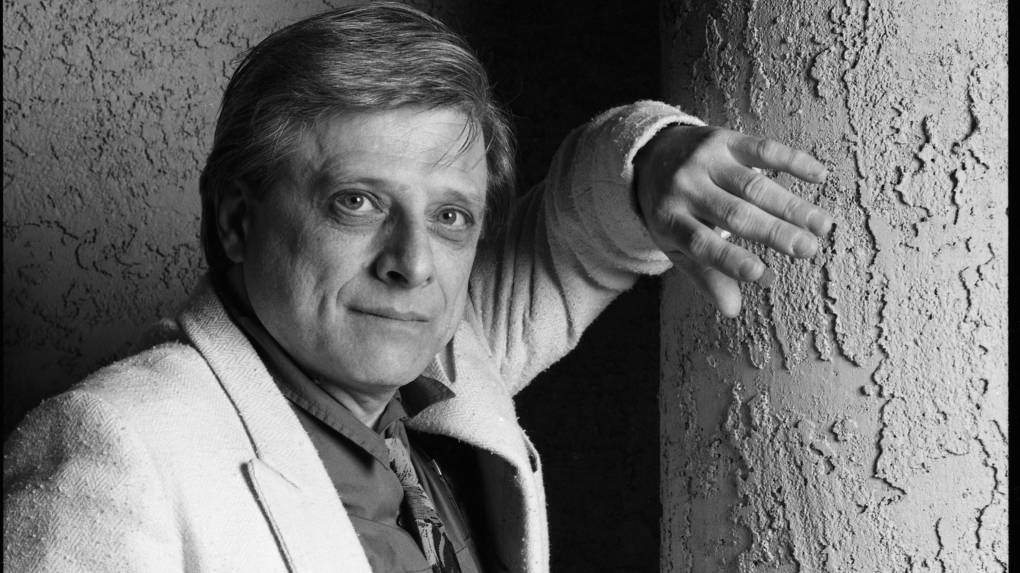
"caption": "Writer Harlan Ellison, seen here in 1991, died Thursday at 84.",
"description": "Writer Harlan Ellison, seen here in 1991, died Thursday at 84.",
"title": "Writer Harlan Ellison, seen here in 1991, died Thursday at 84.",
"credit": "Beth Gwinn/Getty Images",
"status": "inherit",
"isLoading": false,
"fetchFailed": false
},
"arts_13836180": {
"type": "attachments",
"id": "arts_13836180",
"meta": {
"index": "attachments_1716263798",
"site": "arts",
"id": "13836180",
"found": true
},
"parent": 13836179,
"imgSizes": {
"small": {
"file": "https://ww2.kqed.org/app/uploads/sites/2/2018/06/ap_070228056589-196a80cd689781557b0c708067cb15b2074e78f3-520x390.jpg",
"width": 520,
"mimeType": "image/jpeg",
"height": 390
},
"twentyfourteen-full-width": {
"file": "https://ww2.kqed.org/app/uploads/sites/2/2018/06/ap_070228056589-196a80cd689781557b0c708067cb15b2074e78f3-1038x576.jpg",
"width": 1038,
"mimeType": "image/jpeg",
"height": 576
},
"thumbnail": {
"file": "https://ww2.kqed.org/app/uploads/sites/2/2018/06/ap_070228056589-196a80cd689781557b0c708067cb15b2074e78f3-160x120.jpg",
"width": 160,
"mimeType": "image/jpeg",
"height": 120
},
"fd-sm": {
"file": "https://ww2.kqed.org/app/uploads/sites/2/2018/06/ap_070228056589-196a80cd689781557b0c708067cb15b2074e78f3-960x720.jpg",
"width": 960,
"mimeType": "image/jpeg",
"height": 720
},
"post-thumbnail": {
"file": "https://ww2.kqed.org/app/uploads/sites/2/2018/06/ap_070228056589-196a80cd689781557b0c708067cb15b2074e78f3-672x372.jpg",
"width": 672,
"mimeType": "image/jpeg",
"height": 372
},
"xsmall": {
"file": "https://ww2.kqed.org/app/uploads/sites/2/2018/06/ap_070228056589-196a80cd689781557b0c708067cb15b2074e78f3-375x281.jpg",
"width": 375,
"mimeType": "image/jpeg",
"height": 281
},
"kqedFullSize": {
"file": "https://ww2.kqed.org/app/uploads/sites/2/2018/06/ap_070228056589-196a80cd689781557b0c708067cb15b2074e78f3.jpg",
"width": 1776,
"height": 1332
},
"large": {
"file": "https://ww2.kqed.org/app/uploads/sites/2/2018/06/ap_070228056589-196a80cd689781557b0c708067cb15b2074e78f3-1020x765.jpg",
"width": 1020,
"mimeType": "image/jpeg",
"height": 765
},
"xlarge": {
"file": "https://ww2.kqed.org/app/uploads/sites/2/2018/06/ap_070228056589-196a80cd689781557b0c708067cb15b2074e78f3-1180x885.jpg",
"width": 1180,
"mimeType": "image/jpeg",
"height": 885
},
"complete_open_graph": {
"file": "https://ww2.kqed.org/app/uploads/sites/2/2018/06/ap_070228056589-196a80cd689781557b0c708067cb15b2074e78f3-1200x900.jpg",
"width": 1200,
"mimeType": "image/jpeg",
"height": 900
},
"guest-author-50": {
"file": "https://ww2.kqed.org/app/uploads/sites/2/2018/06/ap_070228056589-196a80cd689781557b0c708067cb15b2074e78f3-50x50.jpg",
"width": 50,
"mimeType": "image/jpeg",
"height": 50
},
"guest-author-96": {
"file": "https://ww2.kqed.org/app/uploads/sites/2/2018/06/ap_070228056589-196a80cd689781557b0c708067cb15b2074e78f3-96x96.jpg",
"width": 96,
"mimeType": "image/jpeg",
"height": 96
},
"medium": {
"file": "https://ww2.kqed.org/app/uploads/sites/2/2018/06/ap_070228056589-196a80cd689781557b0c708067cb15b2074e78f3-800x600.jpg",
"width": 800,
"mimeType": "image/jpeg",
"height": 600
},
"guest-author-64": {
"file": "https://ww2.kqed.org/app/uploads/sites/2/2018/06/ap_070228056589-196a80cd689781557b0c708067cb15b2074e78f3-64x64.jpg",
"width": 64,
"mimeType": "image/jpeg",
"height": 64
},
"guest-author-32": {
"file": "https://ww2.kqed.org/app/uploads/sites/2/2018/06/ap_070228056589-196a80cd689781557b0c708067cb15b2074e78f3-32x32.jpg",
"width": 32,
"mimeType": "image/jpeg",
"height": 32
},
"fd-med": {
"file": "https://ww2.kqed.org/app/uploads/sites/2/2018/06/ap_070228056589-196a80cd689781557b0c708067cb15b2074e78f3-1180x885.jpg",
"width": 1180,
"mimeType": "image/jpeg",
"height": 885
},
"detail": {
"file": "https://ww2.kqed.org/app/uploads/sites/2/2018/06/ap_070228056589-196a80cd689781557b0c708067cb15b2074e78f3-150x150.jpg",
"width": 150,
"mimeType": "image/jpeg",
"height": 150
},
"medium_large": {
"file": "https://ww2.kqed.org/app/uploads/sites/2/2018/06/ap_070228056589-196a80cd689781557b0c708067cb15b2074e78f3-768x576.jpg",
"width": 768,
"mimeType": "image/jpeg",
"height": 576
},
"guest-author-128": {
"file": "https://ww2.kqed.org/app/uploads/sites/2/2018/06/ap_070228056589-196a80cd689781557b0c708067cb15b2074e78f3-128x128.jpg",
"width": 128,
"mimeType": "image/jpeg",
"height": 128
},
"xxsmall": {
"file": "https://ww2.kqed.org/app/uploads/sites/2/2018/06/ap_070228056589-196a80cd689781557b0c708067cb15b2074e78f3-240x180.jpg",
"width": 240,
"mimeType": "image/jpeg",
"height": 180
}
},
"publishDate": 1530225616,
"modified": 1530226259,
"caption": "The white clapboard farmhouse where Laura Ingalls Wilder wrote many of the books in her Little House on the Prairie novels still stands in Mansfield, Mo.",
"description": "The white clapboard farmhouse where Laura Ingalls Wilder wrote many of the books in her \u003cem>Little House on the Prairie\u003c/em> novels still stands in Mansfield, Mo",
"title": "The white clapboard farmhouse where Laura Ingalls Wilder wrote many of the books in her Little House on the Prairie novels still stands in Mansfield, Mo.",
"credit": "Mark Schiefelbein /AP",
"status": "inherit",
"isLoading": false,
"fetchFailed": false
},
"arts_13835927": {
"type": "attachments",
"id": "arts_13835927",
"meta": {
"index": "attachments_1716263798",
"site": "arts",
"id": "13835927",
"found": true
},
"parent": 13835926,
"imgSizes": {
"small": {
"file": "https://ww2.kqed.org/app/uploads/sites/2/2018/06/donald-hall-9659b517fa46f77c99b395085447b8c88f203ada-520x390.jpg",
"width": 520,
"mimeType": "image/jpeg",
"height": 390
},
"twentyfourteen-full-width": {
"file": "https://ww2.kqed.org/app/uploads/sites/2/2018/06/donald-hall-9659b517fa46f77c99b395085447b8c88f203ada-1038x576.jpg",
"width": 1038,
"mimeType": "image/jpeg",
"height": 576
},
"thumbnail": {
"file": "https://ww2.kqed.org/app/uploads/sites/2/2018/06/donald-hall-9659b517fa46f77c99b395085447b8c88f203ada-160x120.jpg",
"width": 160,
"mimeType": "image/jpeg",
"height": 120
},
"fd-sm": {
"file": "https://ww2.kqed.org/app/uploads/sites/2/2018/06/donald-hall-9659b517fa46f77c99b395085447b8c88f203ada-960x720.jpg",
"width": 960,
"mimeType": "image/jpeg",
"height": 720
},
"post-thumbnail": {
"file": "https://ww2.kqed.org/app/uploads/sites/2/2018/06/donald-hall-9659b517fa46f77c99b395085447b8c88f203ada-672x372.jpg",
"width": 672,
"mimeType": "image/jpeg",
"height": 372
},
"xsmall": {
"file": "https://ww2.kqed.org/app/uploads/sites/2/2018/06/donald-hall-9659b517fa46f77c99b395085447b8c88f203ada-375x281.jpg",
"width": 375,
"mimeType": "image/jpeg",
"height": 281
},
"kqedFullSize": {
"file": "https://ww2.kqed.org/app/uploads/sites/2/2018/06/donald-hall-9659b517fa46f77c99b395085447b8c88f203ada.jpg",
"width": 2048,
"height": 1536
},
"large": {
"file": "https://ww2.kqed.org/app/uploads/sites/2/2018/06/donald-hall-9659b517fa46f77c99b395085447b8c88f203ada-1020x765.jpg",
"width": 1020,
"mimeType": "image/jpeg",
"height": 765
},
"xlarge": {
"file": "https://ww2.kqed.org/app/uploads/sites/2/2018/06/donald-hall-9659b517fa46f77c99b395085447b8c88f203ada-1180x885.jpg",
"width": 1180,
"mimeType": "image/jpeg",
"height": 885
},
"complete_open_graph": {
"file": "https://ww2.kqed.org/app/uploads/sites/2/2018/06/donald-hall-9659b517fa46f77c99b395085447b8c88f203ada-1200x900.jpg",
"width": 1200,
"mimeType": "image/jpeg",
"height": 900
},
"guest-author-50": {
"file": "https://ww2.kqed.org/app/uploads/sites/2/2018/06/donald-hall-9659b517fa46f77c99b395085447b8c88f203ada-50x50.jpg",
"width": 50,
"mimeType": "image/jpeg",
"height": 50
},
"guest-author-96": {
"file": "https://ww2.kqed.org/app/uploads/sites/2/2018/06/donald-hall-9659b517fa46f77c99b395085447b8c88f203ada-96x96.jpg",
"width": 96,
"mimeType": "image/jpeg",
"height": 96
},
"medium": {
"file": "https://ww2.kqed.org/app/uploads/sites/2/2018/06/donald-hall-9659b517fa46f77c99b395085447b8c88f203ada-800x600.jpg",
"width": 800,
"mimeType": "image/jpeg",
"height": 600
},
"guest-author-64": {
"file": "https://ww2.kqed.org/app/uploads/sites/2/2018/06/donald-hall-9659b517fa46f77c99b395085447b8c88f203ada-64x64.jpg",
"width": 64,
"mimeType": "image/jpeg",
"height": 64
},
"guest-author-32": {
"file": "https://ww2.kqed.org/app/uploads/sites/2/2018/06/donald-hall-9659b517fa46f77c99b395085447b8c88f203ada-32x32.jpg",
"width": 32,
"mimeType": "image/jpeg",
"height": 32
},
"fd-lrg": {
"file": "https://ww2.kqed.org/app/uploads/sites/2/2018/06/donald-hall-9659b517fa46f77c99b395085447b8c88f203ada-1920x1440.jpg",
"width": 1920,
"mimeType": "image/jpeg",
"height": 1440
},
"fd-med": {
"file": "https://ww2.kqed.org/app/uploads/sites/2/2018/06/donald-hall-9659b517fa46f77c99b395085447b8c88f203ada-1180x885.jpg",
"width": 1180,
"mimeType": "image/jpeg",
"height": 885
},
"full-width": {
"file": "https://ww2.kqed.org/app/uploads/sites/2/2018/06/donald-hall-9659b517fa46f77c99b395085447b8c88f203ada-1920x1440.jpg",
"width": 1920,
"mimeType": "image/jpeg",
"height": 1440
},
"detail": {
"file": "https://ww2.kqed.org/app/uploads/sites/2/2018/06/donald-hall-9659b517fa46f77c99b395085447b8c88f203ada-150x150.jpg",
"width": 150,
"mimeType": "image/jpeg",
"height": 150
},
"medium_large": {
"file": "https://ww2.kqed.org/app/uploads/sites/2/2018/06/donald-hall-9659b517fa46f77c99b395085447b8c88f203ada-768x576.jpg",
"width": 768,
"mimeType": "image/jpeg",
"height": 576
},
"guest-author-128": {
"file": "https://ww2.kqed.org/app/uploads/sites/2/2018/06/donald-hall-9659b517fa46f77c99b395085447b8c88f203ada-128x128.jpg",
"width": 128,
"mimeType": "image/jpeg",
"height": 128
},
"xxsmall": {
"file": "https://ww2.kqed.org/app/uploads/sites/2/2018/06/donald-hall-9659b517fa46f77c99b395085447b8c88f203ada-240x180.jpg",
"width": 240,
"mimeType": "image/jpeg",
"height": 180
}
},
"publishDate": 1529953899,
"modified": 1529953899,
"caption": null,
"description": "Donald Hall, former poet laureate of the United States and author of numerous poetry books, poses in 2006 in the barn of the 200-year-old Wilmot, N.H., farm that has been in his family for four generations. Hall died on Saturday at age 89.",
"title": "Donald Hall, former poet laureate of the United States and author of numerous poetry books, poses in 2006 in the barn of the 200-year-old Wilmot, N.H., farm that has been in his family for four generations. Hall died on Saturday at age 89.",
"credit": null,
"status": "inherit",
"isLoading": false,
"fetchFailed": false
},
"arts_13835466": {
"type": "attachments",
"id": "arts_13835466",
"meta": {
"index": "attachments_1716263798",
"site": "arts",
"id": "13835466",
"found": true
},
"parent": 13835463,
"imgSizes": {
"small": {
"file": "https://ww2.kqed.org/app/uploads/sites/2/2018/06/Junot-Diaz-2-520x293.jpg",
"width": 520,
"mimeType": "image/jpeg",
"height": 293
},
"twentyfourteen-full-width": {
"file": "https://ww2.kqed.org/app/uploads/sites/2/2018/06/Junot-Diaz-2-1038x576.jpg",
"width": 1038,
"mimeType": "image/jpeg",
"height": 576
},
"thumbnail": {
"file": "https://ww2.kqed.org/app/uploads/sites/2/2018/06/Junot-Diaz-2-160x90.jpg",
"width": 160,
"mimeType": "image/jpeg",
"height": 90
},
"fd-sm": {
"file": "https://ww2.kqed.org/app/uploads/sites/2/2018/06/Junot-Diaz-2-960x540.jpg",
"width": 960,
"mimeType": "image/jpeg",
"height": 540
},
"post-thumbnail": {
"file": "https://ww2.kqed.org/app/uploads/sites/2/2018/06/Junot-Diaz-2-672x372.jpg",
"width": 672,
"mimeType": "image/jpeg",
"height": 372
},
"xsmall": {
"file": "https://ww2.kqed.org/app/uploads/sites/2/2018/06/Junot-Diaz-2-375x211.jpg",
"width": 375,
"mimeType": "image/jpeg",
"height": 211
},
"kqedFullSize": {
"file": "https://ww2.kqed.org/app/uploads/sites/2/2018/06/Junot-Diaz-2.jpg",
"width": 1920,
"height": 1080
},
"large": {
"file": "https://ww2.kqed.org/app/uploads/sites/2/2018/06/Junot-Diaz-2-1020x574.jpg",
"width": 1020,
"mimeType": "image/jpeg",
"height": 574
},
"xlarge": {
"file": "https://ww2.kqed.org/app/uploads/sites/2/2018/06/Junot-Diaz-2-1180x664.jpg",
"width": 1180,
"mimeType": "image/jpeg",
"height": 664
},
"complete_open_graph": {
"file": "https://ww2.kqed.org/app/uploads/sites/2/2018/06/Junot-Diaz-2-1200x675.jpg",
"width": 1200,
"mimeType": "image/jpeg",
"height": 675
},
"guest-author-50": {
"file": "https://ww2.kqed.org/app/uploads/sites/2/2018/06/Junot-Diaz-2-50x50.jpg",
"width": 50,
"mimeType": "image/jpeg",
"height": 50
},
"guest-author-96": {
"file": "https://ww2.kqed.org/app/uploads/sites/2/2018/06/Junot-Diaz-2-96x96.jpg",
"width": 96,
"mimeType": "image/jpeg",
"height": 96
},
"medium": {
"file": "https://ww2.kqed.org/app/uploads/sites/2/2018/06/Junot-Diaz-2-800x450.jpg",
"width": 800,
"mimeType": "image/jpeg",
"height": 450
},
"guest-author-64": {
"file": "https://ww2.kqed.org/app/uploads/sites/2/2018/06/Junot-Diaz-2-64x64.jpg",
"width": 64,
"mimeType": "image/jpeg",
"height": 64
},
"guest-author-32": {
"file": "https://ww2.kqed.org/app/uploads/sites/2/2018/06/Junot-Diaz-2-32x32.jpg",
"width": 32,
"mimeType": "image/jpeg",
"height": 32
},
"fd-lrg": {
"file": "https://ww2.kqed.org/app/uploads/sites/2/2018/06/Junot-Diaz-2-1920x1080.jpg",
"width": 1920,
"mimeType": "image/jpeg",
"height": 1080
},
"fd-med": {
"file": "https://ww2.kqed.org/app/uploads/sites/2/2018/06/Junot-Diaz-2-1180x664.jpg",
"width": 1180,
"mimeType": "image/jpeg",
"height": 664
},
"full-width": {
"file": "https://ww2.kqed.org/app/uploads/sites/2/2018/06/Junot-Diaz-2-1920x1080.jpg",
"width": 1920,
"mimeType": "image/jpeg",
"height": 1080
},
"detail": {
"file": "https://ww2.kqed.org/app/uploads/sites/2/2018/06/Junot-Diaz-2-150x150.jpg",
"width": 150,
"mimeType": "image/jpeg",
"height": 150
},
"medium_large": {
"file": "https://ww2.kqed.org/app/uploads/sites/2/2018/06/Junot-Diaz-2-768x432.jpg",
"width": 768,
"mimeType": "image/jpeg",
"height": 432
},
"guest-author-128": {
"file": "https://ww2.kqed.org/app/uploads/sites/2/2018/06/Junot-Diaz-2-128x128.jpg",
"width": 128,
"mimeType": "image/jpeg",
"height": 128
},
"xxsmall": {
"file": "https://ww2.kqed.org/app/uploads/sites/2/2018/06/Junot-Diaz-2-240x135.jpg",
"width": 240,
"mimeType": "image/jpeg",
"height": 135
}
},
"publishDate": 1529368084,
"modified": 1529368177,
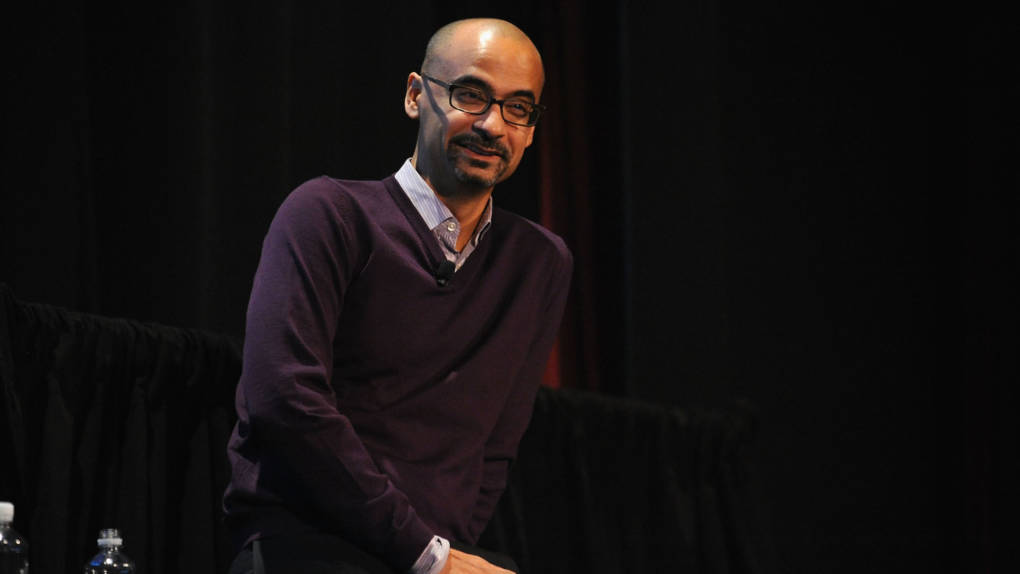
"caption": "Junot Diaz attends the Jersey Boys: David Chase, Junot Diaz, And Sam Lipsyte Moderated By David Remnick during The New Yorker Festival 2014 on October 10, 2014 in New York City. ",
"description": "Junot Diaz attends the Jersey Boys: David Chase, Junot Diaz, And Sam Lipsyte Moderated By David Remnick during The New Yorker Festival 2014 on October 10, 2014 in New York City. ",
"title": "The New Yorker Festival 2014 - Jersey Boys: David Chase, Junot Diaz, And Sam Lipsyte Moderated By David Remnick",
"credit": "Andrew Toth/Getty Images for The New Yorker Festival",
"status": "inherit",
"isLoading": false,
"fetchFailed": false
},
"arts_13835116": {
"type": "attachments",
"id": "arts_13835116",
"meta": {
"index": "attachments_1716263798",
"site": "arts",
"id": "13835116",
"found": true
},
"parent": 13835114,
"imgSizes": {
"small": {
"file": "https://ww2.kqed.org/app/uploads/sites/2/2018/06/there-there_collage-520x283.jpg",
"width": 520,
"mimeType": "image/jpeg",
"height": 283
},
"twentyfourteen-full-width": {
"file": "https://ww2.kqed.org/app/uploads/sites/2/2018/06/there-there_collage-1038x576.jpg",
"width": 1038,
"mimeType": "image/jpeg",
"height": 576
},
"thumbnail": {
"file": "https://ww2.kqed.org/app/uploads/sites/2/2018/06/there-there_collage-160x87.jpg",
"width": 160,
"mimeType": "image/jpeg",
"height": 87
},
"fd-sm": {
"file": "https://ww2.kqed.org/app/uploads/sites/2/2018/06/there-there_collage-960x523.jpg",
"width": 960,
"mimeType": "image/jpeg",
"height": 523
},
"post-thumbnail": {
"file": "https://ww2.kqed.org/app/uploads/sites/2/2018/06/there-there_collage-672x372.jpg",
"width": 672,
"mimeType": "image/jpeg",
"height": 372
},
"xsmall": {
"file": "https://ww2.kqed.org/app/uploads/sites/2/2018/06/there-there_collage-375x204.jpg",
"width": 375,
"mimeType": "image/jpeg",
"height": 204
},
"kqedFullSize": {
"file": "https://ww2.kqed.org/app/uploads/sites/2/2018/06/there-there_collage.jpg",
"width": 2048,
"height": 1116
},
"large": {
"file": "https://ww2.kqed.org/app/uploads/sites/2/2018/06/there-there_collage-1020x556.jpg",
"width": 1020,
"mimeType": "image/jpeg",
"height": 556
},
"xlarge": {
"file": "https://ww2.kqed.org/app/uploads/sites/2/2018/06/there-there_collage-1180x643.jpg",
"width": 1180,
"mimeType": "image/jpeg",
"height": 643
},
"complete_open_graph": {
"file": "https://ww2.kqed.org/app/uploads/sites/2/2018/06/there-there_collage-1200x654.jpg",
"width": 1200,
"mimeType": "image/jpeg",
"height": 654
},
"guest-author-50": {
"file": "https://ww2.kqed.org/app/uploads/sites/2/2018/06/there-there_collage-50x50.jpg",
"width": 50,
"mimeType": "image/jpeg",
"height": 50
},
"guest-author-96": {
"file": "https://ww2.kqed.org/app/uploads/sites/2/2018/06/there-there_collage-96x96.jpg",
"width": 96,
"mimeType": "image/jpeg",
"height": 96
},
"medium": {
"file": "https://ww2.kqed.org/app/uploads/sites/2/2018/06/there-there_collage-800x436.jpg",
"width": 800,
"mimeType": "image/jpeg",
"height": 436
},
"guest-author-64": {
"file": "https://ww2.kqed.org/app/uploads/sites/2/2018/06/there-there_collage-64x64.jpg",
"width": 64,
"mimeType": "image/jpeg",
"height": 64
},
"guest-author-32": {
"file": "https://ww2.kqed.org/app/uploads/sites/2/2018/06/there-there_collage-32x32.jpg",
"width": 32,
"mimeType": "image/jpeg",
"height": 32
},
"fd-lrg": {
"file": "https://ww2.kqed.org/app/uploads/sites/2/2018/06/there-there_collage-1920x1046.jpg",
"width": 1920,
"mimeType": "image/jpeg",
"height": 1046
},
"fd-med": {
"file": "https://ww2.kqed.org/app/uploads/sites/2/2018/06/there-there_collage-1180x643.jpg",
"width": 1180,
"mimeType": "image/jpeg",
"height": 643
},
"full-width": {
"file": "https://ww2.kqed.org/app/uploads/sites/2/2018/06/there-there_collage-1920x1046.jpg",
"width": 1920,
"mimeType": "image/jpeg",
"height": 1046
},
"detail": {
"file": "https://ww2.kqed.org/app/uploads/sites/2/2018/06/there-there_collage-150x150.jpg",
"width": 150,
"mimeType": "image/jpeg",
"height": 150
},
"medium_large": {
"file": "https://ww2.kqed.org/app/uploads/sites/2/2018/06/there-there_collage-768x419.jpg",
"width": 768,
"mimeType": "image/jpeg",
"height": 419
},
"guest-author-128": {
"file": "https://ww2.kqed.org/app/uploads/sites/2/2018/06/there-there_collage-128x128.jpg",
"width": 128,
"mimeType": "image/jpeg",
"height": 128
},
"xxsmall": {
"file": "https://ww2.kqed.org/app/uploads/sites/2/2018/06/there-there_collage-240x131.jpg",
"width": 240,
"mimeType": "image/jpeg",
"height": 131
}
},
"publishDate": 1529074551,
"modified": 1529074687,
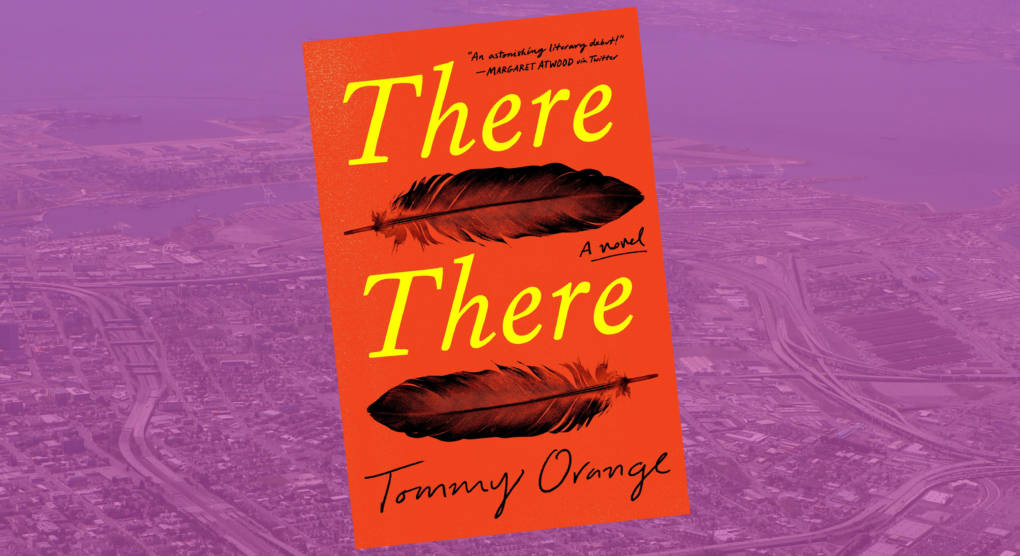
"caption": "Cover courtesy of Penguin Random House. Areal shot of Oakland by Walter Siegmund. Wikipedia Commons. Collage by Ingrid Rojas Contreras ",
"description": null,
"title": "there there_courtesy Penguin",
"credit": null,
"status": "inherit",
"isLoading": false,
"fetchFailed": false
},
"arts_13835017": {
"type": "attachments",
"id": "arts_13835017",
"meta": {
"index": "attachments_1716263798",
"site": "arts",
"id": "13835017",
"found": true
},
"parent": 13835015,
"imgSizes": {
"small": {
"file": "https://ww2.kqed.org/app/uploads/sites/2/2018/06/Stan-Lee-Keya-Morgan-520x293.jpg",
"width": 520,
"mimeType": "image/jpeg",
"height": 293
},
"twentyfourteen-full-width": {
"file": "https://ww2.kqed.org/app/uploads/sites/2/2018/06/Stan-Lee-Keya-Morgan-1038x576.jpg",
"width": 1038,
"mimeType": "image/jpeg",
"height": 576
},
"thumbnail": {
"file": "https://ww2.kqed.org/app/uploads/sites/2/2018/06/Stan-Lee-Keya-Morgan-160x90.jpg",
"width": 160,
"mimeType": "image/jpeg",
"height": 90
},
"fd-sm": {
"file": "https://ww2.kqed.org/app/uploads/sites/2/2018/06/Stan-Lee-Keya-Morgan-960x540.jpg",
"width": 960,
"mimeType": "image/jpeg",
"height": 540
},
"post-thumbnail": {
"file": "https://ww2.kqed.org/app/uploads/sites/2/2018/06/Stan-Lee-Keya-Morgan-672x372.jpg",
"width": 672,
"mimeType": "image/jpeg",
"height": 372
},
"xsmall": {
"file": "https://ww2.kqed.org/app/uploads/sites/2/2018/06/Stan-Lee-Keya-Morgan-375x211.jpg",
"width": 375,
"mimeType": "image/jpeg",
"height": 211
},
"kqedFullSize": {
"file": "https://ww2.kqed.org/app/uploads/sites/2/2018/06/Stan-Lee-Keya-Morgan.jpg",
"width": 1920,
"height": 1080
},
"large": {
"file": "https://ww2.kqed.org/app/uploads/sites/2/2018/06/Stan-Lee-Keya-Morgan-1020x574.jpg",
"width": 1020,
"mimeType": "image/jpeg",
"height": 574
},
"xlarge": {
"file": "https://ww2.kqed.org/app/uploads/sites/2/2018/06/Stan-Lee-Keya-Morgan-1180x664.jpg",
"width": 1180,
"mimeType": "image/jpeg",
"height": 664
},
"complete_open_graph": {
"file": "https://ww2.kqed.org/app/uploads/sites/2/2018/06/Stan-Lee-Keya-Morgan-1200x675.jpg",
"width": 1200,
"mimeType": "image/jpeg",
"height": 675
},
"guest-author-50": {
"file": "https://ww2.kqed.org/app/uploads/sites/2/2018/06/Stan-Lee-Keya-Morgan-50x50.jpg",
"width": 50,
"mimeType": "image/jpeg",
"height": 50
},
"guest-author-96": {
"file": "https://ww2.kqed.org/app/uploads/sites/2/2018/06/Stan-Lee-Keya-Morgan-96x96.jpg",
"width": 96,
"mimeType": "image/jpeg",
"height": 96
},
"medium": {
"file": "https://ww2.kqed.org/app/uploads/sites/2/2018/06/Stan-Lee-Keya-Morgan-800x450.jpg",
"width": 800,
"mimeType": "image/jpeg",
"height": 450
},
"guest-author-64": {
"file": "https://ww2.kqed.org/app/uploads/sites/2/2018/06/Stan-Lee-Keya-Morgan-64x64.jpg",
"width": 64,
"mimeType": "image/jpeg",
"height": 64
},
"guest-author-32": {
"file": "https://ww2.kqed.org/app/uploads/sites/2/2018/06/Stan-Lee-Keya-Morgan-32x32.jpg",
"width": 32,
"mimeType": "image/jpeg",
"height": 32
},
"fd-lrg": {
"file": "https://ww2.kqed.org/app/uploads/sites/2/2018/06/Stan-Lee-Keya-Morgan-1920x1080.jpg",
"width": 1920,
"mimeType": "image/jpeg",
"height": 1080
},
"fd-med": {
"file": "https://ww2.kqed.org/app/uploads/sites/2/2018/06/Stan-Lee-Keya-Morgan-1180x664.jpg",
"width": 1180,
"mimeType": "image/jpeg",
"height": 664
},
"full-width": {
"file": "https://ww2.kqed.org/app/uploads/sites/2/2018/06/Stan-Lee-Keya-Morgan-1920x1080.jpg",
"width": 1920,
"mimeType": "image/jpeg",
"height": 1080
},
"detail": {
"file": "https://ww2.kqed.org/app/uploads/sites/2/2018/06/Stan-Lee-Keya-Morgan-150x150.jpg",
"width": 150,
"mimeType": "image/jpeg",
"height": 150
},
"medium_large": {
"file": "https://ww2.kqed.org/app/uploads/sites/2/2018/06/Stan-Lee-Keya-Morgan-768x432.jpg",
"width": 768,
"mimeType": "image/jpeg",
"height": 432
},
"guest-author-128": {
"file": "https://ww2.kqed.org/app/uploads/sites/2/2018/06/Stan-Lee-Keya-Morgan-128x128.jpg",
"width": 128,
"mimeType": "image/jpeg",
"height": 128
},
"xxsmall": {
"file": "https://ww2.kqed.org/app/uploads/sites/2/2018/06/Stan-Lee-Keya-Morgan-240x135.jpg",
"width": 240,
"mimeType": "image/jpeg",
"height": 135
}
},
"publishDate": 1528937334,
"modified": 1528937463,
"caption": "Stan Lee and Keya Morgan attend the Los Angeles Global Premiere for Marvel Studios 'Avengers: Infinity War' on April 23, 2018 in Hollywood, California. ",
"description": null,
"title": "Los Angeles Global Premiere for Marvel Studios' \"Avengers: Infinity War\"",
"credit": "Jesse Grant/Getty Images for Disney",
"status": "inherit",
"isLoading": false,
"fetchFailed": false
},
"arts_13834718": {
"type": "attachments",
"id": "arts_13834718",
"meta": {
"index": "attachments_1716263798",
"site": "arts",
"id": "13834718",
"found": true
},
"parent": 13834645,
"imgSizes": {
"small": {
"file": "https://ww2.kqed.org/app/uploads/sites/2/2018/06/books-collage-520x293.jpg",
"width": 520,
"mimeType": "image/jpeg",
"height": 293
},
"thumbnail": {
"file": "https://ww2.kqed.org/app/uploads/sites/2/2018/06/books-collage-160x90.jpg",
"width": 160,
"mimeType": "image/jpeg",
"height": 90
},
"post-thumbnail": {
"file": "https://ww2.kqed.org/app/uploads/sites/2/2018/06/books-collage-672x372.jpg",
"width": 672,
"mimeType": "image/jpeg",
"height": 372
},
"xsmall": {
"file": "https://ww2.kqed.org/app/uploads/sites/2/2018/06/books-collage-375x211.jpg",
"width": 375,
"mimeType": "image/jpeg",
"height": 211
},
"kqedFullSize": {
"file": "https://ww2.kqed.org/app/uploads/sites/2/2018/06/books-collage.jpg",
"width": 800,
"height": 450
},
"guest-author-50": {
"file": "https://ww2.kqed.org/app/uploads/sites/2/2018/06/books-collage-50x50.jpg",
"width": 50,
"mimeType": "image/jpeg",
"height": 50
},
"guest-author-96": {
"file": "https://ww2.kqed.org/app/uploads/sites/2/2018/06/books-collage-96x96.jpg",
"width": 96,
"mimeType": "image/jpeg",
"height": 96
},
"medium": {
"file": "https://ww2.kqed.org/app/uploads/sites/2/2018/06/books-collage-800x450.jpg",
"width": 800,
"mimeType": "image/jpeg",
"height": 450
},
"guest-author-64": {
"file": "https://ww2.kqed.org/app/uploads/sites/2/2018/06/books-collage-64x64.jpg",
"width": 64,
"mimeType": "image/jpeg",
"height": 64
},
"guest-author-32": {
"file": "https://ww2.kqed.org/app/uploads/sites/2/2018/06/books-collage-32x32.jpg",
"width": 32,
"mimeType": "image/jpeg",
"height": 32
},
"detail": {
"file": "https://ww2.kqed.org/app/uploads/sites/2/2018/06/books-collage-150x150.jpg",
"width": 150,
"mimeType": "image/jpeg",
"height": 150
},
"medium_large": {
"file": "https://ww2.kqed.org/app/uploads/sites/2/2018/06/books-collage-768x432.jpg",
"width": 768,
"mimeType": "image/jpeg",
"height": 432
},
"guest-author-128": {
"file": "https://ww2.kqed.org/app/uploads/sites/2/2018/06/books-collage-128x128.jpg",
"width": 128,
"mimeType": "image/jpeg",
"height": 128
},
"xxsmall": {
"file": "https://ww2.kqed.org/app/uploads/sites/2/2018/06/books-collage-240x135.jpg",
"width": 240,
"mimeType": "image/jpeg",
"height": 135
}
},
"publishDate": 1528482074,
"modified": 1528482074,
"caption": null,
"description": null,
"title": "books collage",
"credit": null,
"status": "inherit",
"isLoading": false,
"fetchFailed": false
},
"arts_13834157": {
"type": "attachments",
"id": "arts_13834157",
"meta": {
"index": "attachments_1716263798",
"site": "arts",
"id": "13834157",
"found": true
},
"parent": 13833865,
"imgSizes": {
"small": {
"file": "https://ww2.kqed.org/app/uploads/sites/2/2018/06/bellyup-1180x708-520x293.jpg",
"width": 520,
"mimeType": "image/jpeg",
"height": 293
},
"twentyfourteen-full-width": {
"file": "https://ww2.kqed.org/app/uploads/sites/2/2018/06/bellyup-1180x708-1038x576.jpg",
"width": 1038,
"mimeType": "image/jpeg",
"height": 576
},
"thumbnail": {
"file": "https://ww2.kqed.org/app/uploads/sites/2/2018/06/bellyup-1180x708-160x90.jpg",
"width": 160,
"mimeType": "image/jpeg",
"height": 90
},
"fd-sm": {
"file": "https://ww2.kqed.org/app/uploads/sites/2/2018/06/bellyup-1180x708-960x540.jpg",
"width": 960,
"mimeType": "image/jpeg",
"height": 540
},
"post-thumbnail": {
"file": "https://ww2.kqed.org/app/uploads/sites/2/2018/06/bellyup-1180x708-672x372.jpg",
"width": 672,
"mimeType": "image/jpeg",
"height": 372
},
"xsmall": {
"file": "https://ww2.kqed.org/app/uploads/sites/2/2018/06/bellyup-1180x708-375x211.jpg",
"width": 375,
"mimeType": "image/jpeg",
"height": 211
},
"kqedFullSize": {
"file": "https://ww2.kqed.org/app/uploads/sites/2/2018/06/bellyup-1180x708.jpg",
"width": 1180,
"height": 664
},
"large": {
"file": "https://ww2.kqed.org/app/uploads/sites/2/2018/06/bellyup-1180x708-1020x574.jpg",
"width": 1020,
"mimeType": "image/jpeg",
"height": 574
},
"xlarge": {
"file": "https://ww2.kqed.org/app/uploads/sites/2/2018/06/bellyup-1180x708-1180x664.jpg",
"width": 1180,
"mimeType": "image/jpeg",
"height": 664
},
"guest-author-50": {
"file": "https://ww2.kqed.org/app/uploads/sites/2/2018/06/bellyup-1180x708-50x50.jpg",
"width": 50,
"mimeType": "image/jpeg",
"height": 50
},
"guest-author-96": {
"file": "https://ww2.kqed.org/app/uploads/sites/2/2018/06/bellyup-1180x708-96x96.jpg",
"width": 96,
"mimeType": "image/jpeg",
"height": 96
},
"medium": {
"file": "https://ww2.kqed.org/app/uploads/sites/2/2018/06/bellyup-1180x708-800x450.jpg",
"width": 800,
"mimeType": "image/jpeg",
"height": 450
},
"guest-author-64": {
"file": "https://ww2.kqed.org/app/uploads/sites/2/2018/06/bellyup-1180x708-64x64.jpg",
"width": 64,
"mimeType": "image/jpeg",
"height": 64
},
"guest-author-32": {
"file": "https://ww2.kqed.org/app/uploads/sites/2/2018/06/bellyup-1180x708-32x32.jpg",
"width": 32,
"mimeType": "image/jpeg",
"height": 32
},
"fd-med": {
"file": "https://ww2.kqed.org/app/uploads/sites/2/2018/06/bellyup-1180x708-1180x664.jpg",
"width": 1180,
"mimeType": "image/jpeg",
"height": 664
},
"detail": {
"file": "https://ww2.kqed.org/app/uploads/sites/2/2018/06/bellyup-1180x708-150x150.jpg",
"width": 150,
"mimeType": "image/jpeg",
"height": 150
},
"medium_large": {
"file": "https://ww2.kqed.org/app/uploads/sites/2/2018/06/bellyup-1180x708-768x432.jpg",
"width": 768,
"mimeType": "image/jpeg",
"height": 432
},
"guest-author-128": {
"file": "https://ww2.kqed.org/app/uploads/sites/2/2018/06/bellyup-1180x708-128x128.jpg",
"width": 128,
"mimeType": "image/jpeg",
"height": 128
},
"xxsmall": {
"file": "https://ww2.kqed.org/app/uploads/sites/2/2018/06/bellyup-1180x708-240x135.jpg",
"width": 240,
"mimeType": "image/jpeg",
"height": 135
}
},
"publishDate": 1527895954,
"modified": 1527895954,
"caption": null,
"description": null,
"title": "bellyup-1180x708",
"credit": null,
"status": "inherit",
"isLoading": false,
"fetchFailed": false
},
"arts_13833692": {
"type": "attachments",
"id": "arts_13833692",
"meta": {
"index": "attachments_1716263798",
"site": "arts",
"id": "13833692",
"found": true
},
"parent": 13833688,
"imgSizes": {
"small": {
"file": "https://ww2.kqed.org/app/uploads/sites/2/2018/05/enemies_in_love_final-002-_wide-043145a38b5f1a28035cc1d321ca50ebd161b485_t800-520x293.jpg",
"width": 520,
"mimeType": "image/jpeg",
"height": 293
},
"thumbnail": {
"file": "https://ww2.kqed.org/app/uploads/sites/2/2018/05/enemies_in_love_final-002-_wide-043145a38b5f1a28035cc1d321ca50ebd161b485_t800-160x90.jpg",
"width": 160,
"mimeType": "image/jpeg",
"height": 90
},
"post-thumbnail": {
"file": "https://ww2.kqed.org/app/uploads/sites/2/2018/05/enemies_in_love_final-002-_wide-043145a38b5f1a28035cc1d321ca50ebd161b485_t800-672x372.jpg",
"width": 672,
"mimeType": "image/jpeg",
"height": 372
},
"xsmall": {
"file": "https://ww2.kqed.org/app/uploads/sites/2/2018/05/enemies_in_love_final-002-_wide-043145a38b5f1a28035cc1d321ca50ebd161b485_t800-375x211.jpg",
"width": 375,
"mimeType": "image/jpeg",
"height": 211
},
"kqedFullSize": {
"file": "https://ww2.kqed.org/app/uploads/sites/2/2018/05/enemies_in_love_final-002-_wide-043145a38b5f1a28035cc1d321ca50ebd161b485_t800.jpg",
"width": 800,
"height": 450
},
"guest-author-50": {
"file": "https://ww2.kqed.org/app/uploads/sites/2/2018/05/enemies_in_love_final-002-_wide-043145a38b5f1a28035cc1d321ca50ebd161b485_t800-50x50.jpg",
"width": 50,
"mimeType": "image/jpeg",
"height": 50
},
"guest-author-96": {
"file": "https://ww2.kqed.org/app/uploads/sites/2/2018/05/enemies_in_love_final-002-_wide-043145a38b5f1a28035cc1d321ca50ebd161b485_t800-96x96.jpg",
"width": 96,
"mimeType": "image/jpeg",
"height": 96
},
"medium": {
"file": "https://ww2.kqed.org/app/uploads/sites/2/2018/05/enemies_in_love_final-002-_wide-043145a38b5f1a28035cc1d321ca50ebd161b485_t800-800x450.jpg",
"width": 800,
"mimeType": "image/jpeg",
"height": 450
},
"guest-author-64": {
"file": "https://ww2.kqed.org/app/uploads/sites/2/2018/05/enemies_in_love_final-002-_wide-043145a38b5f1a28035cc1d321ca50ebd161b485_t800-64x64.jpg",
"width": 64,
"mimeType": "image/jpeg",
"height": 64
},
"guest-author-32": {
"file": "https://ww2.kqed.org/app/uploads/sites/2/2018/05/enemies_in_love_final-002-_wide-043145a38b5f1a28035cc1d321ca50ebd161b485_t800-32x32.jpg",
"width": 32,
"mimeType": "image/jpeg",
"height": 32
},
"detail": {
"file": "https://ww2.kqed.org/app/uploads/sites/2/2018/05/enemies_in_love_final-002-_wide-043145a38b5f1a28035cc1d321ca50ebd161b485_t800-150x150.jpg",
"width": 150,
"mimeType": "image/jpeg",
"height": 150
},
"medium_large": {
"file": "https://ww2.kqed.org/app/uploads/sites/2/2018/05/enemies_in_love_final-002-_wide-043145a38b5f1a28035cc1d321ca50ebd161b485_t800-768x432.jpg",
"width": 768,
"mimeType": "image/jpeg",
"height": 432
},
"guest-author-128": {
"file": "https://ww2.kqed.org/app/uploads/sites/2/2018/05/enemies_in_love_final-002-_wide-043145a38b5f1a28035cc1d321ca50ebd161b485_t800-128x128.jpg",
"width": 128,
"mimeType": "image/jpeg",
"height": 128
},
"xxsmall": {
"file": "https://ww2.kqed.org/app/uploads/sites/2/2018/05/enemies_in_love_final-002-_wide-043145a38b5f1a28035cc1d321ca50ebd161b485_t800-240x135.jpg",
"width": 240,
"mimeType": "image/jpeg",
"height": 135
}
},
"publishDate": 1527626785,
"modified": 1527626818,
"caption": null,
"description": "\u003cem>Enemies in Love, \u003c/em>a new book by Alexis Clark, tells the story of an unexpected romance.",
"title": "enemies_in_love_final-002-_wide-043145a38b5f1a28035cc1d321ca50ebd161b485_t800",
"credit": null,
"status": "inherit",
"isLoading": false,
"fetchFailed": false
},
"forum_2010101860523": {
"type": "attachments",
"id": "forum_2010101860523",
"meta": {
"index": "attachments_1716263798",
"site": "forum",
"id": "2010101860523",
"found": true
},
"parent": 2010101860522,
"imgSizes": {
"small": {
"file": "https://ww2.kqed.org/app/uploads/sites/43/2017/07/open-book-520x293.jpg",
"width": 520,
"mimeType": "image/jpeg",
"height": 293
},
"twentyfourteen-full-width": {
"file": "https://ww2.kqed.org/app/uploads/sites/43/2017/07/open-book-1038x576.jpg",
"width": 1038,
"mimeType": "image/jpeg",
"height": 576
},
"thumbnail": {
"file": "https://ww2.kqed.org/app/uploads/sites/43/2017/07/open-book-160x90.jpg",
"width": 160,
"mimeType": "image/jpeg",
"height": 90
},
"fd-sm": {
"file": "https://ww2.kqed.org/app/uploads/sites/43/2017/07/open-book-960x540.jpg",
"width": 960,
"mimeType": "image/jpeg",
"height": 540
},
"post-thumbnail": {
"file": "https://ww2.kqed.org/app/uploads/sites/43/2017/07/open-book-672x372.jpg",
"width": 672,
"mimeType": "image/jpeg",
"height": 372
},
"xsmall": {
"file": "https://ww2.kqed.org/app/uploads/sites/43/2017/07/open-book-375x211.jpg",
"width": 375,
"mimeType": "image/jpeg",
"height": 211
},
"kqedFullSize": {
"file": "https://ww2.kqed.org/app/uploads/sites/43/2017/07/open-book.jpg",
"width": 1920,
"height": 1080
},
"large": {
"file": "https://ww2.kqed.org/app/uploads/sites/43/2017/07/open-book-1020x574.jpg",
"width": 1020,
"mimeType": "image/jpeg",
"height": 574
},
"xlarge": {
"file": "https://ww2.kqed.org/app/uploads/sites/43/2017/07/open-book-1180x664.jpg",
"width": 1180,
"mimeType": "image/jpeg",
"height": 664
},
"guest-author-50": {
"file": "https://ww2.kqed.org/app/uploads/sites/43/2017/07/open-book-50x50.jpg",
"width": 50,
"mimeType": "image/jpeg",
"height": 50
},
"guest-author-96": {
"file": "https://ww2.kqed.org/app/uploads/sites/43/2017/07/open-book-96x96.jpg",
"width": 96,
"mimeType": "image/jpeg",
"height": 96
},
"medium": {
"file": "https://ww2.kqed.org/app/uploads/sites/43/2017/07/open-book-800x450.jpg",
"width": 800,
"mimeType": "image/jpeg",
"height": 450
},
"guest-author-64": {
"file": "https://ww2.kqed.org/app/uploads/sites/43/2017/07/open-book-64x64.jpg",
"width": 64,
"mimeType": "image/jpeg",
"height": 64
},
"guest-author-32": {
"file": "https://ww2.kqed.org/app/uploads/sites/43/2017/07/open-book-32x32.jpg",
"width": 32,
"mimeType": "image/jpeg",
"height": 32
},
"fd-lrg": {
"file": "https://ww2.kqed.org/app/uploads/sites/43/2017/07/open-book-1920x1080.jpg",
"width": 1920,
"mimeType": "image/jpeg",
"height": 1080
},
"fd-med": {
"file": "https://ww2.kqed.org/app/uploads/sites/43/2017/07/open-book-1180x664.jpg",
"width": 1180,
"mimeType": "image/jpeg",
"height": 664
},
"full-width": {
"file": "https://ww2.kqed.org/app/uploads/sites/43/2017/07/open-book-1920x1080.jpg",
"width": 1920,
"mimeType": "image/jpeg",
"height": 1080
},
"detail": {
"file": "https://ww2.kqed.org/app/uploads/sites/43/2017/07/open-book-150x150.jpg",
"width": 150,
"mimeType": "image/jpeg",
"height": 150
},
"medium_large": {
"file": "https://ww2.kqed.org/app/uploads/sites/43/2017/07/open-book-768x432.jpg",
"width": 768,
"mimeType": "image/jpeg",
"height": 432
},
"guest-author-128": {
"file": "https://ww2.kqed.org/app/uploads/sites/43/2017/07/open-book-128x128.jpg",
"width": 128,
"mimeType": "image/jpeg",
"height": 128
},
"xxsmall": {
"file": "https://ww2.kqed.org/app/uploads/sites/43/2017/07/open-book-240x135.jpg",
"width": 240,
"mimeType": "image/jpeg",
"height": 135
}
},
"publishDate": 1499093079,
"modified": 1499093112,
"caption": null,
"description": null,
"title": "open book",
"credit": "Photo: Getty Images",
"status": "inherit",
"isLoading": false,
"fetchFailed": false
}
},
"audioPlayerReducer": {
"postId": "stream_live",
"isPaused": true,
"isPlaying": false,
"pfsActive": false,
"pledgeModalIsOpen": true,
"playerDrawerIsOpen": false,
"liveAudioPlayStartedAt": 0,
"liveAudioPlayContext": ""
},
"authorsReducer": {
"byline_arts_13836399": {
"type": "authors",
"id": "byline_arts_13836399",
"meta": {
"override": true
},
"slug": "byline_arts_13836399",
"name": "June Eric-Udorie",
"isLoading": false
},
"byline_arts_13836186": {
"type": "authors",
"id": "byline_arts_13836186",
"meta": {
"override": true
},
"slug": "byline_arts_13836186",
"name": "Linda Holmes",
"isLoading": false
},
"byline_arts_13836179": {
"type": "authors",
"id": "byline_arts_13836179",
"meta": {
"override": true
},
"slug": "byline_arts_13836179",
"name": "Kat Chow",
"isLoading": false
},
"byline_arts_13835926": {
"type": "authors",
"id": "byline_arts_13835926",
"meta": {
"override": true
},
"slug": "byline_arts_13835926",
"name": "Jason Breslow",
"isLoading": false
},
"byline_arts_13835463": {
"type": "authors",
"id": "byline_arts_13835463",
"meta": {
"override": true
},
"slug": "byline_arts_13835463",
"name": "Associated Press",
"isLoading": false
},
"byline_arts_13835015": {
"type": "authors",
"id": "byline_arts_13835015",
"meta": {
"override": true
},
"slug": "byline_arts_13835015",
"name": "Andrew Dalton, Associated Press",
"isLoading": false
},
"byline_arts_13833688": {
"type": "authors",
"id": "byline_arts_13833688",
"meta": {
"override": true
},
"slug": "byline_arts_13833688",
"name": "Karen Grigsby Bates",
"isLoading": false
},
"irojascontreras": {
"type": "authors",
"id": "78",
"meta": {
"index": "authors_1716337520",
"id": "78",
"found": true
},
"name": "Ingrid Rojas Contreras",
"firstName": "Ingrid",
"lastName": "Rojas Contreras",
"slug": "irojascontreras",
"email": "ingrid.rojas.c@gmail.com",
"display_author_email": false,
"staff_mastheads": [],
"title": null,
"bio": "Ingrid Rojas Contreras lives in San Francisco with her books. Her debut novel\u003cem> Fruit of the Drunken Tree \u003c/em>is forthcoming from Doubleday (Summer 2018). Find more at \u003ca href=\"http://www.ingridrojascontreras.com\">www.ingridrojascontreras.com\u003c/a>.",
"avatar": "https://secure.gravatar.com/avatar/908d94de9342e71b9d5ceaa8152a16a0?s=600&d=blank&r=g",
"twitter": null,
"facebook": null,
"instagram": null,
"linkedin": null,
"sites": [
{
"site": "arts",
"roles": [
"Contributor",
"contributor"
]
}
],
"headData": {
"title": "Ingrid Rojas Contreras | KQED",
"description": null,
"ogImgSrc": "https://secure.gravatar.com/avatar/908d94de9342e71b9d5ceaa8152a16a0?s=600&d=blank&r=g",
"twImgSrc": "https://secure.gravatar.com/avatar/908d94de9342e71b9d5ceaa8152a16a0?s=600&d=blank&r=g"
},
"isLoading": false,
"link": "/author/irojascontreras"
},
"mkrasny": {
"type": "authors",
"id": "11247",
"meta": {
"index": "authors_1716337520",
"id": "11247",
"found": true
},
"name": "Michael Krasny",
"firstName": "Michael",
"lastName": "Krasny",
"slug": "mkrasny",
"email": "mkrasny@kqed.org",
"display_author_email": false,
"staff_mastheads": [],
"title": "KQED Contributor",
"bio": "Michael Krasny was the former host of the program, Forum. He was with ABC in both radio and television and migrated to public broadcasting in 1993. He was a Professor of English at San Francisco State University and also taught at Stanford, the University of San Francisco and the University of California, as well as in the Fulbright International Institutes. A veteran interviewer for the nationally broadcast City Arts and Lectures, he is the author of a number of books, including “Off Mike: A Memoir of Talk Radio and Literary Life” (Stanford University Press) “Spiritual Envy” (New World); “Sound Ideas” (with M.E. Sokolik/ McGraw-Hill); “Let There Be Laughter” (Harper-Collins) as well as the twenty-four lecture series in DVD, audio and book, “Short Story Masterpieces” (The Teaching Company). He has interviewed many of the world’s leading political, cultural, literary, science and technology figures, as well as major figures from the world of entertainment. He is the recipient of many awards and honors including the S.Y. Agnon Medal for Intellectual Achievement; The Eugene Block Award for Human Rights Journalism; the James Madison Freedom of Information Award; the Excellence in Journalism Award from the National Lesbian and Gay Journalists Association; Career Achievement Award from the Society of Professional Journalists and an award from the Radio and Television News Directors Association. He holds a B.A. (cum laude) and M.A. from Ohio University and a PhD from the University of Wisconsin.",
"avatar": "https://secure.gravatar.com/avatar/243c9ef51f3b90a42850d3a766d24865?s=600&d=blank&r=g",
"twitter": null,
"facebook": null,
"instagram": null,
"linkedin": null,
"sites": [
{
"site": "forum",
"roles": [
"subscriber"
]
}
],
"headData": {
"title": "Michael Krasny | KQED",
"description": "KQED Contributor",
"ogImgSrc": "https://secure.gravatar.com/avatar/243c9ef51f3b90a42850d3a766d24865?s=600&d=blank&r=g",
"twImgSrc": "https://secure.gravatar.com/avatar/243c9ef51f3b90a42850d3a766d24865?s=600&d=blank&r=g"
},
"isLoading": false,
"link": "/author/mkrasny"
},
"ogpenn": {
"type": "authors",
"id": "11491",
"meta": {
"index": "authors_1716337520",
"id": "11491",
"found": true
},
"name": "Pendarvis Harshaw",
"firstName": "Pendarvis",
"lastName": "Harshaw",
"slug": "ogpenn",
"email": "ogpenn@gmail.com",
"display_author_email": false,
"staff_mastheads": [
"arts"
],
"title": "Community Engagement Reporter",
"bio": "Pendarvis Harshaw is an educator, host and writer with KQED Arts.",
"avatar": "https://secure.gravatar.com/avatar/972b77ee8e3f346ae2b00622661187fbfabd059b5693bbdc1475ea7a722fd4cd?s=600&d=blank&r=g",
"twitter": null,
"bluesky": null,
"facebook": null,
"instagram": "ogpenn",
"linkedin": null,
"sites": [
{
"site": "arts",
"roles": [
"administrator"
]
},
{
"site": "news",
"roles": [
"editor"
]
},
{
"site": "bayareabites",
"roles": [
"author"
]
},
{
"site": "hiphop",
"roles": [
"editor"
]
}
],
"headData": {
"title": "Pendarvis Harshaw | KQED",
"description": "Community Engagement Reporter",
"ogImgSrc": "https://secure.gravatar.com/avatar/972b77ee8e3f346ae2b00622661187fbfabd059b5693bbdc1475ea7a722fd4cd?s=600&d=blank&r=g",
"twImgSrc": "https://secure.gravatar.com/avatar/972b77ee8e3f346ae2b00622661187fbfabd059b5693bbdc1475ea7a722fd4cd?s=600&d=blank&r=g"
},
"isLoading": false,
"link": "/author/ogpenn"
}
},
"pagesReducer": {
"arts_category_literature": {
"type": "terms",
"id": "arts_73",
"meta": {
"index": "terms_1716263798",
"site": "arts",
"id": "73",
"score": 12.797728
},
"featImg": null,
"name": "Books",
"description": null,
"taxonomy": "category",
"headData": {
"twImgId": null,
"twTitle": null,
"ogTitle": null,
"ogImgId": null,
"twDescription": null,
"description": null,
"title": "Books Archives | KQED Arts",
"ogDescription": null
},
"ttid": 74,
"slug": "literature",
"isLoading": false,
"title": "Books",
"pageMeta": {
"site": "arts",
"WpPageTemplate": "page-topic-editorial",
"currentPage": 67
},
"blocks": [
{
"blockName": "kqed/post-list",
"attrs": {
"layout": "cardArticle2",
"query": "posts/arts?category=literature",
"seeMore": false,
"paginated": true,
"page": 67
}
},
{
"blockName": "kqed/ad"
}
]
}
},
"pfsSessionReducer": {},
"postsReducer": {
"stream_live": {
"type": "live",
"id": "stream_live",
"audioUrl": "https://streams.kqed.org/kqedradio",
"title": "Live Stream",
"excerpt": "Live Stream information currently unavailable.",
"link": "/radio",
"featImg": "",
"label": {
"name": "KQED Live",
"link": "/"
}
},
"stream_kqedNewscast": {
"type": "posts",
"id": "stream_kqedNewscast",
"audioUrl": "https://www.kqed.org/.stream/anon/radio/RDnews/newscast.mp3?_=1",
"title": "KQED Newscast",
"featImg": "",
"label": {
"name": "88.5 FM",
"link": "/"
}
},
"arts_13836399": {
"type": "posts",
"id": "arts_13836399",
"meta": {
"index": "posts_1716263798",
"site": "arts",
"id": "13836399",
"score": null,
"sort": [
1530645839000
]
},
"parent": 0,
"labelTerm": {
"site": "arts"
},
"blocks": [],
"publishDate": 1530645839,
"format": "standard",
"title": "'As Black as Resistance' Gets Real About Revolution",
"headTitle": "‘As Black as Resistance’ Gets Real About Revolution | KQED",
"content": "\u003cp>In the race for Alabama’s U.S. Senate seat last December, 98 percent of Black women voted for Doug Jones, effectively blocking Roy Moore, an evangelical candidate accused of sexually assaulting and pursuing several teenage girls, from taking office. Soon after the exit polls were released, prominent figures like \u003ca href=\"https://twitter.com/TomPerez/status/940968519088386049\" target=\"_blank\" rel=\"noopener\">Tom Perez\u003c/a>, the chair of the Democratic National Committee, tweeted that \u003ca href=\"https://www.cnn.com/2017/12/13/opinions/black-women-voters-white-feminism-bolton-opinion/index.html\" target=\"_blank\" rel=\"noopener\">black women had saved the day\u003c/a>.\u003c/p>\n\u003cp>When I ask Zoé Samudzi how that makes her feel, she sighs.\u003c/p>\n\u003cp>“I hate that phrase, ‘black women will save us,’ because we’re really just trying to save ourselves,” she begins. “And in saving ourselves, we incidentally help others. That phrase is a really violent way of turning us into these political mules, into these super-mammies. Meanwhile, the politics that we have are only really applauded and appreciated when they serve white people.”\u003c/p>\n\u003cfigure id=\"attachment_13836423\" class=\"wp-caption alignright\" style=\"max-width: 800px\">\u003cimg loading=\"lazy\" decoding=\"async\" class=\"size-medium wp-image-13836423\" src=\"https://ww2.kqed.org/arts/wp-content/uploads/sites/2/2018/07/zoe-800x1067.jpeg\" alt=\"Zoé Samudzi, co-author of 'As Black as Resistance.'\" width=\"800\" height=\"1067\" srcset=\"https://cdn.kqed.org/wp-content/uploads/sites/2/2018/07/zoe-800x1067.jpeg 800w, https://cdn.kqed.org/wp-content/uploads/sites/2/2018/07/zoe-160x213.jpeg 160w, https://cdn.kqed.org/wp-content/uploads/sites/2/2018/07/zoe-768x1024.jpeg 768w, https://cdn.kqed.org/wp-content/uploads/sites/2/2018/07/zoe-1020x1360.jpeg 1020w, https://cdn.kqed.org/wp-content/uploads/sites/2/2018/07/zoe-900x1200.jpeg 900w, https://cdn.kqed.org/wp-content/uploads/sites/2/2018/07/zoe-1920x2560.jpeg 1920w, https://cdn.kqed.org/wp-content/uploads/sites/2/2018/07/zoe-1180x1573.jpeg 1180w, https://cdn.kqed.org/wp-content/uploads/sites/2/2018/07/zoe-960x1280.jpeg 960w, https://cdn.kqed.org/wp-content/uploads/sites/2/2018/07/zoe-240x320.jpeg 240w, https://cdn.kqed.org/wp-content/uploads/sites/2/2018/07/zoe-375x500.jpeg 375w, https://cdn.kqed.org/wp-content/uploads/sites/2/2018/07/zoe-520x693.jpeg 520w, https://cdn.kqed.org/wp-content/uploads/sites/2/2018/07/zoe.jpeg 1536w\" sizes=\"(max-width: 800px) 100vw, 800px\">\u003cfigcaption class=\"wp-caption-text\">Zoé Samudzi, co-author of ‘As Black as Resistance.’ \u003ccite>(Leila Weefur)\u003c/cite>\u003c/figcaption>\u003c/figure>\n\u003cp>Samudzi, a 25-year-old medical sociology doctoral student at the University of California San Francisco, is the co-author of the recently released book of essays \u003ca href=\"https://www.akpress.org/as-black-as-resistance.html\" target=\"_blank\" rel=\"noopener\">\u003cem>As Black as Resistance\u003c/em>\u003c/a>. She’s also a rising star for her scholarship on black feminism and critical race theory. With nearly 50,000 followers on \u003ca href=\"https://twitter.com/ztsamudzi\" target=\"_blank\" rel=\"noopener\">Twitter\u003c/a>, Samudzi’s work and ideas have galvanized a diverse, millennial audience within and outside of academia. In \u003cem>As Black as Resistance\u003c/em>, she and her co-author, William C. Anderson, explore a range of themes centering on blackness in America, including anarchism, colonial land and legacy, black radicalism, racial capitalism and white supremacy. Throughout the book, the authors focus on how anti-blackness leads to structural racism, the liberation politics of black radical groups and the state and police surveillance of black communities.\u003c/p>\n\u003cp>Noticeably, Samudzi and Anderson do not dismiss the militant methods used by radical groups like the SNCC and Black Panthers, who rose to prominence in the 1960s, a time when white Americans terrorized black communities with lynchings and church bombings. In our conversation, Samudzi mentions some of the Black Panthers’ armed tactics. Originally dubbed the Black Panther Party for Self-Defense, the Black Panthers were involved in many violent encounters with the police. Samudzi doesn’t dismiss these methods, positing that there are “multiple tools for racial liberation and self-determination that can be used, whether they are non-violent civil disobedience or armed struggle.” She believes that black people should be able to defend themselves in any means necessary against racial violence and points to Martin Luther King, Jr.\u003c/p>\n\u003cp>[ad fullwidth]\u003c/p>\n\u003cp>“Dr. King believed in \u003ca href=\"https://www.miamiherald.com/news/nation-world/national/article55187105.html\" target=\"_blank\" rel=\"noopener\">self-defence\u003c/a>,” she says. “[He believed in] the necessity to defend oneself from any kind of threat: to his own person, to his family and to the wider community.”\u003c/p>\n\u003cp>\u003cem>As Black as Resistance\u003c/em> is academic in nature, but Anderson and Samudzi distill key events and concepts so that even readers who are not well-versed in racial liberation politics can have something to take away. Throughout, Anderson and Samudzi describe the dehumanizing, racist events that have subjugated black people: enslavement; surveillance of black radical groups like the Panthers; police shootings of black civilians. The authors argue that black people cannot wait for that freedom to be handed to them, especially not from the very systems that have historically oppressed and continue to oppress them.\u003c/p>\n\u003cp>“We talk about the whole formation of [America], which revolves around these founding documents that were written by people who were slave owners,” she says. “It is critical that we do not forget the violence and the anti-blackness upon which the United States was built. Couched in this whole doctrine of egalitarianism, liberty, life and pursuit of happiness is the foundation of slave ownership.”\u003c/p>\n\u003cp>When I bring up the Trump administration’s recent policy of separating migrant families at the U.S.-Mexico border, Samudzi doubts that we would have seen the same widespread, unified response against it if the policy targeted black people and black children.\u003c/p>\n\u003cp>“We see videos of black people getting shot everyday, and people aren’t like, ‘This isn’t America,’” she says. “We are often not thinking about family separation as a strategy used to punish black people during enslavement. I think there’s something about non-black people of color that makes suffering more legible and understandable.”\u003c/p>\n\u003cp>Samudzi admits that she is unsure of what a state that is not rooted in anti-blackness looks like “because [she’s] never seen the example of a state in which anti-blackness is not part of its orientation.” And while in \u003cem>As Black as Resistance\u003c/em>, Anderson and Samudzi do not provide the exact tools for political change to occur, they make two things clear: that a rigorous political education of the injustices we have suffered is paramount, and that we must continue to reject violent systems of oppression, both personally and politically.\u003c/p>\n\u003cp>\u003cimg loading=\"lazy\" decoding=\"async\" class=\"aligncenter size-medium wp-image-12127869\" src=\"https://ww2.kqed.org/arts/wp-content/uploads/sites/2/2016/09/Q.Logo_.Break_-800x78.jpg\" alt=\"\" width=\"800\" height=\"78\" srcset=\"https://cdn.kqed.org/wp-content/uploads/sites/2/2016/09/Q.Logo_.Break_.jpg 800w, https://cdn.kqed.org/wp-content/uploads/sites/2/2016/09/Q.Logo_.Break_-400x39.jpg 400w, https://cdn.kqed.org/wp-content/uploads/sites/2/2016/09/Q.Logo_.Break_-768x75.jpg 768w\" sizes=\"(max-width: 800px) 100vw, 800px\">\u003c/p>\n\u003cp>\u003c/p>\n\u003cp>\u003cem>Zoé Samudzi presents \u003c/em>As Black as Resistance\u003cem> at East Bay Booksellers on July 10. Details \u003ca href=\"https://www.ebbooksellers.com/event/zoe-samudzi-presents-black-resistance\" target=\"_blank\" rel=\"noopener\">here\u003c/a>. \u003c/em>\u003c/p>\n\n",
"stats": {
"hasVideo": false,
"hasChartOrMap": false,
"hasAudio": false,
"hasPolis": false,
"wordCount": 864,
"hasGoogleForm": false,
"hasGallery": false,
"hasHearkenModule": false,
"iframeSrcs": [],
"paragraphCount": 15
},
"modified": 1705027542,
"excerpt": "In their new book, Zoé Samduzi and William C. Anderson examine the history of black liberation to better understand our current political moment. ",
"headData": {
"twImgId": "",
"twTitle": "",
"ogTitle": "",
"ogImgId": "",
"twDescription": "",
"description": "In their new book, Zoé Samduzi and William C. Anderson examine the history of black liberation to better understand our current political moment. ",
"title": "'As Black as Resistance' Gets Real About Revolution | KQED",
"ogDescription": "",
"schema": {
"@context": "https://schema.org",
"@type": "Article",
"headline": "'As Black as Resistance' Gets Real About Revolution",
"datePublished": "2018-07-03T12:23:59-07:00",
"dateModified": "2024-01-11T18:45:42-08:00",
"image": "https://cdn.kqed.org/wp-content/uploads/2020/02/KQED-OG-Image@1x.png"
}
},
"guestAuthors": [],
"slug": "as-black-as-resistance-gets-real-about-revolution",
"status": "publish",
"nprByline": "June Eric-Udorie",
"sticky": false,
"path": "/arts/13836399/as-black-as-resistance-gets-real-about-revolution",
"audioTrackLength": null,
"parsedContent": [
{
"type": "contentString",
"content": "\u003cdiv class=\"post-body\">\u003cp>\u003cp>In the race for Alabama’s U.S. Senate seat last December, 98 percent of Black women voted for Doug Jones, effectively blocking Roy Moore, an evangelical candidate accused of sexually assaulting and pursuing several teenage girls, from taking office. Soon after the exit polls were released, prominent figures like \u003ca href=\"https://twitter.com/TomPerez/status/940968519088386049\" target=\"_blank\" rel=\"noopener\">Tom Perez\u003c/a>, the chair of the Democratic National Committee, tweeted that \u003ca href=\"https://www.cnn.com/2017/12/13/opinions/black-women-voters-white-feminism-bolton-opinion/index.html\" target=\"_blank\" rel=\"noopener\">black women had saved the day\u003c/a>.\u003c/p>\n\u003cp>When I ask Zoé Samudzi how that makes her feel, she sighs.\u003c/p>\n\u003cp>“I hate that phrase, ‘black women will save us,’ because we’re really just trying to save ourselves,” she begins. “And in saving ourselves, we incidentally help others. That phrase is a really violent way of turning us into these political mules, into these super-mammies. Meanwhile, the politics that we have are only really applauded and appreciated when they serve white people.”\u003c/p>\n\u003cfigure id=\"attachment_13836423\" class=\"wp-caption alignright\" style=\"max-width: 800px\">\u003cimg loading=\"lazy\" decoding=\"async\" class=\"size-medium wp-image-13836423\" src=\"https://ww2.kqed.org/arts/wp-content/uploads/sites/2/2018/07/zoe-800x1067.jpeg\" alt=\"Zoé Samudzi, co-author of 'As Black as Resistance.'\" width=\"800\" height=\"1067\" srcset=\"https://cdn.kqed.org/wp-content/uploads/sites/2/2018/07/zoe-800x1067.jpeg 800w, https://cdn.kqed.org/wp-content/uploads/sites/2/2018/07/zoe-160x213.jpeg 160w, https://cdn.kqed.org/wp-content/uploads/sites/2/2018/07/zoe-768x1024.jpeg 768w, https://cdn.kqed.org/wp-content/uploads/sites/2/2018/07/zoe-1020x1360.jpeg 1020w, https://cdn.kqed.org/wp-content/uploads/sites/2/2018/07/zoe-900x1200.jpeg 900w, https://cdn.kqed.org/wp-content/uploads/sites/2/2018/07/zoe-1920x2560.jpeg 1920w, https://cdn.kqed.org/wp-content/uploads/sites/2/2018/07/zoe-1180x1573.jpeg 1180w, https://cdn.kqed.org/wp-content/uploads/sites/2/2018/07/zoe-960x1280.jpeg 960w, https://cdn.kqed.org/wp-content/uploads/sites/2/2018/07/zoe-240x320.jpeg 240w, https://cdn.kqed.org/wp-content/uploads/sites/2/2018/07/zoe-375x500.jpeg 375w, https://cdn.kqed.org/wp-content/uploads/sites/2/2018/07/zoe-520x693.jpeg 520w, https://cdn.kqed.org/wp-content/uploads/sites/2/2018/07/zoe.jpeg 1536w\" sizes=\"(max-width: 800px) 100vw, 800px\">\u003cfigcaption class=\"wp-caption-text\">Zoé Samudzi, co-author of ‘As Black as Resistance.’ \u003ccite>(Leila Weefur)\u003c/cite>\u003c/figcaption>\u003c/figure>\n\u003cp>Samudzi, a 25-year-old medical sociology doctoral student at the University of California San Francisco, is the co-author of the recently released book of essays \u003ca href=\"https://www.akpress.org/as-black-as-resistance.html\" target=\"_blank\" rel=\"noopener\">\u003cem>As Black as Resistance\u003c/em>\u003c/a>. She’s also a rising star for her scholarship on black feminism and critical race theory. With nearly 50,000 followers on \u003ca href=\"https://twitter.com/ztsamudzi\" target=\"_blank\" rel=\"noopener\">Twitter\u003c/a>, Samudzi’s work and ideas have galvanized a diverse, millennial audience within and outside of academia. In \u003cem>As Black as Resistance\u003c/em>, she and her co-author, William C. Anderson, explore a range of themes centering on blackness in America, including anarchism, colonial land and legacy, black radicalism, racial capitalism and white supremacy. Throughout the book, the authors focus on how anti-blackness leads to structural racism, the liberation politics of black radical groups and the state and police surveillance of black communities.\u003c/p>\n\u003cp>Noticeably, Samudzi and Anderson do not dismiss the militant methods used by radical groups like the SNCC and Black Panthers, who rose to prominence in the 1960s, a time when white Americans terrorized black communities with lynchings and church bombings. In our conversation, Samudzi mentions some of the Black Panthers’ armed tactics. Originally dubbed the Black Panther Party for Self-Defense, the Black Panthers were involved in many violent encounters with the police. Samudzi doesn’t dismiss these methods, positing that there are “multiple tools for racial liberation and self-determination that can be used, whether they are non-violent civil disobedience or armed struggle.” She believes that black people should be able to defend themselves in any means necessary against racial violence and points to Martin Luther King, Jr.\u003c/p>\n\u003cp>\u003c/p>\u003c/div>",
"attributes": {
"named": {},
"numeric": []
}
},
{
"type": "component",
"content": "",
"name": "ad",
"attributes": {
"named": {
"label": "fullwidth"
},
"numeric": [
"fullwidth"
]
}
},
{
"type": "contentString",
"content": "\u003cdiv class=\"post-body\">\u003cp>\u003c/p>\n\u003cp>“Dr. King believed in \u003ca href=\"https://www.miamiherald.com/news/nation-world/national/article55187105.html\" target=\"_blank\" rel=\"noopener\">self-defence\u003c/a>,” she says. “[He believed in] the necessity to defend oneself from any kind of threat: to his own person, to his family and to the wider community.”\u003c/p>\n\u003cp>\u003cem>As Black as Resistance\u003c/em> is academic in nature, but Anderson and Samudzi distill key events and concepts so that even readers who are not well-versed in racial liberation politics can have something to take away. Throughout, Anderson and Samudzi describe the dehumanizing, racist events that have subjugated black people: enslavement; surveillance of black radical groups like the Panthers; police shootings of black civilians. The authors argue that black people cannot wait for that freedom to be handed to them, especially not from the very systems that have historically oppressed and continue to oppress them.\u003c/p>\n\u003cp>“We talk about the whole formation of [America], which revolves around these founding documents that were written by people who were slave owners,” she says. “It is critical that we do not forget the violence and the anti-blackness upon which the United States was built. Couched in this whole doctrine of egalitarianism, liberty, life and pursuit of happiness is the foundation of slave ownership.”\u003c/p>\n\u003cp>When I bring up the Trump administration’s recent policy of separating migrant families at the U.S.-Mexico border, Samudzi doubts that we would have seen the same widespread, unified response against it if the policy targeted black people and black children.\u003c/p>\n\u003cp>“We see videos of black people getting shot everyday, and people aren’t like, ‘This isn’t America,’” she says. “We are often not thinking about family separation as a strategy used to punish black people during enslavement. I think there’s something about non-black people of color that makes suffering more legible and understandable.”\u003c/p>\n\u003cp>Samudzi admits that she is unsure of what a state that is not rooted in anti-blackness looks like “because [she’s] never seen the example of a state in which anti-blackness is not part of its orientation.” And while in \u003cem>As Black as Resistance\u003c/em>, Anderson and Samudzi do not provide the exact tools for political change to occur, they make two things clear: that a rigorous political education of the injustices we have suffered is paramount, and that we must continue to reject violent systems of oppression, both personally and politically.\u003c/p>\n\u003cp>\u003cimg loading=\"lazy\" decoding=\"async\" class=\"aligncenter size-medium wp-image-12127869\" src=\"https://ww2.kqed.org/arts/wp-content/uploads/sites/2/2016/09/Q.Logo_.Break_-800x78.jpg\" alt=\"\" width=\"800\" height=\"78\" srcset=\"https://cdn.kqed.org/wp-content/uploads/sites/2/2016/09/Q.Logo_.Break_.jpg 800w, https://cdn.kqed.org/wp-content/uploads/sites/2/2016/09/Q.Logo_.Break_-400x39.jpg 400w, https://cdn.kqed.org/wp-content/uploads/sites/2/2016/09/Q.Logo_.Break_-768x75.jpg 768w\" sizes=\"(max-width: 800px) 100vw, 800px\">\u003c/p>\n\u003cp>\u003c/p>\n\u003cp>\u003cem>Zoé Samudzi presents \u003c/em>As Black as Resistance\u003cem> at East Bay Booksellers on July 10. Details \u003ca href=\"https://www.ebbooksellers.com/event/zoe-samudzi-presents-black-resistance\" target=\"_blank\" rel=\"noopener\">here\u003c/a>. \u003c/em>\u003c/p>\n\n\u003c/div>\u003c/p>",
"attributes": {
"named": {},
"numeric": []
}
}
],
"link": "/arts/13836399/as-black-as-resistance-gets-real-about-revolution",
"authors": [
"byline_arts_13836399"
],
"categories": [
"arts_73"
],
"tags": [
"arts_1118",
"arts_596"
],
"featImg": "arts_13836422",
"label": "arts"
},
"arts_13836061": {
"type": "posts",
"id": "arts_13836061",
"meta": {
"index": "posts_1716263798",
"site": "arts",
"id": "13836061",
"score": null,
"sort": [
1530457247000
]
},
"guestAuthors": [],
"slug": "the-stellar-novel-blue-self-portrait-is-an-antidote-for-a-restless-mind",
"title": "The Stellar Novel 'Blue Self-Portrait' is an Antidote to a Restless Mind",
"publishDate": 1530457247,
"format": "image",
"headTitle": "The Stellar Novel ‘Blue Self-Portrait’ is an Antidote to a Restless Mind | KQED",
"labelTerm": {
"site": "arts"
},
"content": "\u003cp>Whether it’s the warm weather, the annoying loudness of neighbors or, I don’t know, the daily horrors in the news, sitting down with a book has never seemed more difficult.\u003c/p>\n\u003cp>In the past few weeks, I have opened many astounding novels to just stare at their pages. My eyes act of their own accord. When encountering a period, they refuse to go on. Though I urge them to continue, they seem to mock me and even, I imagine, light a cigarette. My mind, following suit, fleets away.\u003c/p>\n\u003cfigure id=\"attachment_13836068\" class=\"wp-caption aligncenter\" style=\"max-width: 800px\">\u003cimg loading=\"lazy\" decoding=\"async\" class=\"size-medium wp-image-13836068\" src=\"https://ww2.kqed.org/arts/wp-content/uploads/sites/2/2018/06/noemi-lefebvre-800x450.jpg\" alt=\"\" width=\"800\" height=\"450\" srcset=\"https://cdn.kqed.org/wp-content/uploads/sites/2/2018/06/noemi-lefebvre-800x450.jpg 800w, https://cdn.kqed.org/wp-content/uploads/sites/2/2018/06/noemi-lefebvre-160x90.jpg 160w, https://cdn.kqed.org/wp-content/uploads/sites/2/2018/06/noemi-lefebvre-768x432.jpg 768w, https://cdn.kqed.org/wp-content/uploads/sites/2/2018/06/noemi-lefebvre-1020x573.jpg 1020w, https://cdn.kqed.org/wp-content/uploads/sites/2/2018/06/noemi-lefebvre-1200x674.jpg 1200w, https://cdn.kqed.org/wp-content/uploads/sites/2/2018/06/noemi-lefebvre-1180x663.jpg 1180w, https://cdn.kqed.org/wp-content/uploads/sites/2/2018/06/noemi-lefebvre-960x539.jpg 960w, https://cdn.kqed.org/wp-content/uploads/sites/2/2018/06/noemi-lefebvre-240x135.jpg 240w, https://cdn.kqed.org/wp-content/uploads/sites/2/2018/06/noemi-lefebvre-375x211.jpg 375w, https://cdn.kqed.org/wp-content/uploads/sites/2/2018/06/noemi-lefebvre-520x292.jpg 520w, https://cdn.kqed.org/wp-content/uploads/sites/2/2018/06/noemi-lefebvre.jpg 1680w\" sizes=\"(max-width: 800px) 100vw, 800px\">\u003cfigcaption class=\"wp-caption-text\">Author of three novels, Noémi Lefebvre studied music for ten years. She has a PhD in music and nationality. Blue Self-Portrait is her first novel.\u003c/figcaption>\u003c/figure>\n\u003cp>The narrator of \u003cem>Blue Self-Portrait\u003c/em> by Noémi Lefebvre understands very well what it’s like to try to read when the mind insists on overactive restlessness:\u003c/p>\n\u003cblockquote>\u003cp>I did my best to lose myself in my book, to become as one with the book, to think of nothing outside it, to feel nothing except what was sensed by my eyes on the paper but of course I could see myself clearly trying to forget myself and trying to become as one and dissolve myself so really I wasn’t absorbed in anything, was becoming nothing and could feel nothing at all.\u003c/p>\u003c/blockquote>\n\u003cp>Translated by Sophie Lewis, \u003cem>Blue Self-Portrait\u003c/em> is the most recent release by Oakland-based publishing house \u003ca href=\"https://www.transitbooks.org/\">Transit Books\u003c/a>—and it is a godsend.\u003c/p>\n\u003cp>It’s also a book with very unusual punctuation. A slim novel, \u003cem>Blue Self-Portrait\u003c/em> sings in an endless arrangement of commas, semi-colons, dashes and, like a great musical epic, it is punctuated by the great cymbal crash of periods sparingly.\u003c/p>\n\u003cp>[ad fullwidth]\u003c/p>\n\u003cp>In the span of a flight from Berlin to Paris (a mere hour and forty minutes), a hilariously obsessive narrator combs through every gesture, facial tick and word uttered (and not uttered) in her short romantic interaction with a pianist in Berlin—which she initiates by assaulting the pianist with a “flood of verbiage” after a performance. She comments on his playing, on Beethoven, and miraculously stops herself just before explaining to the virtuoso how to better his performance.\u003c/p>\n\u003cp>Our narrator, you see, knows nothing about music, and she suffers from a self-described case of motormouth. “[It] was all coming back to me now in the plane between one cloud and the next,” Lefebvre writes.\u003c/p>\n\u003cblockquote>\u003cp>…a stroke of luck that I’d stopped myself just in time, I uttered my notorious Ich habe zu viel gesprochen for it was true, I had said too much, so much too much that I had to proclaim this brand-new truth the very moment it occurred to me; my noble pianist: no, not at all, it’s quite all right, he sweetly replied, warmly replied, even though it wasn’t fine, not only not fine but catastrophic, so catastrophic as to be irreparable, besides I didn’t repair anything but on the contrary promptly went and dug myself in deeper: of course I had to interrupt again, when I had only just said Ich habe zu viel gesprochen, I didn’t pause and count to ten, not to ten nor to any lesser number, I didn’t count at all; I just had to go on and on…\u003c/p>\u003c/blockquote>\n\u003cp>The narrator’s inability to reign in her tongue is a constant source of embarrassment for her, and constant source of entertainment for us. But beneath the constantly running motor of hilarious verbosity, a rich tapestry of ideas develops. Aided by observations of the narrator’s in-flight surroundings—her sister seated next to her, the landscape below—Lefebvre is able to work in profound meditations on the Third Reich’s influence on music, women’s place in culture and art-making and Arnold Schoenberg, with whom the pianist is obsessed.\u003c/p>\n\u003cfigure id=\"attachment_13836081\" class=\"wp-caption alignright\" style=\"max-width: 800px\">\u003cimg loading=\"lazy\" decoding=\"async\" class=\"size-medium wp-image-13836081\" src=\"https://ww2.kqed.org/arts/wp-content/uploads/sites/2/2018/06/Blaues_Selbstportrait-800x1066.jpg\" alt=\"'Blue Self-Portrait' by Arnold Schoenberg.\" width=\"800\" height=\"1066\" srcset=\"https://cdn.kqed.org/wp-content/uploads/sites/2/2018/06/Blaues_Selbstportrait-800x1066.jpg 800w, https://cdn.kqed.org/wp-content/uploads/sites/2/2018/06/Blaues_Selbstportrait-160x213.jpg 160w, https://cdn.kqed.org/wp-content/uploads/sites/2/2018/06/Blaues_Selbstportrait-768x1023.jpg 768w, https://cdn.kqed.org/wp-content/uploads/sites/2/2018/06/Blaues_Selbstportrait-1020x1359.jpg 1020w, https://cdn.kqed.org/wp-content/uploads/sites/2/2018/06/Blaues_Selbstportrait-901x1200.jpg 901w, https://cdn.kqed.org/wp-content/uploads/sites/2/2018/06/Blaues_Selbstportrait-1180x1572.jpg 1180w, https://cdn.kqed.org/wp-content/uploads/sites/2/2018/06/Blaues_Selbstportrait-960x1279.jpg 960w, https://cdn.kqed.org/wp-content/uploads/sites/2/2018/06/Blaues_Selbstportrait-240x320.jpg 240w, https://cdn.kqed.org/wp-content/uploads/sites/2/2018/06/Blaues_Selbstportrait-375x500.jpg 375w, https://cdn.kqed.org/wp-content/uploads/sites/2/2018/06/Blaues_Selbstportrait-520x693.jpg 520w, https://cdn.kqed.org/wp-content/uploads/sites/2/2018/06/Blaues_Selbstportrait.jpg 1182w\" sizes=\"(max-width: 800px) 100vw, 800px\">\u003cfigcaption class=\"wp-caption-text\">‘Blue Self-Portrait’ by Arnold Schoenberg. \u003ccite>(Arnold Schönberg Center/Wikimedia Commons)\u003c/cite>\u003c/figcaption>\u003c/figure>\n\u003cp>Schoenberg, an Austrian-American composer, was the father of atonality—that is music that lacks a tonal center or key—and taught such modern masters as John Cage. Schoenberg immigrated to the U.S. with the rise of the Third Reich. He was also a painter, and his \u003cem>Blue Self-Portrait\u003c/em>, which our narrator and her pianist to go see, triggers ideas about art in the face of political upheaval.\u003c/p>\n\u003cfigure id=\"attachment_13836070\" class=\"wp-caption aligncenter\" style=\"max-width: 800px\">\u003cimg loading=\"lazy\" decoding=\"async\" class=\"size-medium wp-image-13836070\" src=\"https://ww2.kqed.org/arts/wp-content/uploads/sites/2/2018/06/Schoenberg_-__George_Lieder__Op._15-1_end-800x376.jpg\" alt=\"The ending of Schoenberg's 'George Lieder' Op. 15/1 presents what would be an "extraordinary" chord in tonal music, without the harmonic-contrapuntal constraints of tonal music. \" width=\"800\" height=\"376\" srcset=\"https://cdn.kqed.org/wp-content/uploads/sites/2/2018/06/Schoenberg_-__George_Lieder__Op._15-1_end-800x376.jpg 800w, https://cdn.kqed.org/wp-content/uploads/sites/2/2018/06/Schoenberg_-__George_Lieder__Op._15-1_end-160x75.jpg 160w, https://cdn.kqed.org/wp-content/uploads/sites/2/2018/06/Schoenberg_-__George_Lieder__Op._15-1_end-768x361.jpg 768w, https://cdn.kqed.org/wp-content/uploads/sites/2/2018/06/Schoenberg_-__George_Lieder__Op._15-1_end-960x451.jpg 960w, https://cdn.kqed.org/wp-content/uploads/sites/2/2018/06/Schoenberg_-__George_Lieder__Op._15-1_end-240x113.jpg 240w, https://cdn.kqed.org/wp-content/uploads/sites/2/2018/06/Schoenberg_-__George_Lieder__Op._15-1_end-375x176.jpg 375w, https://cdn.kqed.org/wp-content/uploads/sites/2/2018/06/Schoenberg_-__George_Lieder__Op._15-1_end-520x244.jpg 520w, https://cdn.kqed.org/wp-content/uploads/sites/2/2018/06/Schoenberg_-__George_Lieder__Op._15-1_end.jpg 970w\" sizes=\"(max-width: 800px) 100vw, 800px\">\u003cfigcaption class=\"wp-caption-text\">The ending of Schoenberg’s ‘George Lieder’ Op. 15/1 presents what would be an “extraordinary” chord in tonal music, without the harmonic-contrapuntal constraints of tonal music. \u003ccite>(Wikimedia Commons.)\u003c/cite>\u003c/figcaption>\u003c/figure>\n\u003cp>The the sped-up tempo of this narrative rises like fumes from the sentences in a literary accompaniment to Schoenberg’s musical innovation of atonality. It’s a devilishly smart construction on the part of Lefebvre, and an impressive \u003cem>mission accomplie\u003c/em> on the part of Lewis, her translator.\u003c/p>\n\u003cp>\u003cem>Blue Self-Portrait \u003c/em>may be the antidote to our condition of having too many things on the mind—but I’d love to read it anytime, especially while on a plane. Go to this book for the lack of periods, but stay for deliciously absurd humor and the ideas just beneath the surface.\u003c/p>\n\u003cp>\u003cimg loading=\"lazy\" decoding=\"async\" class=\"aligncenter size-medium wp-image-12935470\" src=\"https://ww2.kqed.org/arts/wp-content/uploads/sites/2/2017/03/Spine-1-800x42.jpg\" alt=\"\" width=\"800\" height=\"42\" srcset=\"https://cdn.kqed.org/wp-content/uploads/sites/2/2017/03/Spine-1.jpg 800w, https://cdn.kqed.org/wp-content/uploads/sites/2/2017/03/Spine-1-160x8.jpg 160w, https://cdn.kqed.org/wp-content/uploads/sites/2/2017/03/Spine-1-768x40.jpg 768w, https://cdn.kqed.org/wp-content/uploads/sites/2/2017/03/Spine-1-240x13.jpg 240w, https://cdn.kqed.org/wp-content/uploads/sites/2/2017/03/Spine-1-375x20.jpg 375w, https://cdn.kqed.org/wp-content/uploads/sites/2/2017/03/Spine-1-520x27.jpg 520w\" sizes=\"(max-width: 800px) 100vw, 800px\">\u003c/p>\n\u003cp>\u003cem>Read an excerpt of \u003c/em>Blue Self-Portrait\u003cem> \u003ca href=\"https://granta.com/blue-self-portrait/\">here\u003c/a>. \u003c/em>\u003c/p>\n\u003cp>\u003c/p>\n\u003cp>\u003cem>The Spine is a bi-weekly column. Catch us back here in two weeks.\u003c/em>\u003c/p>\n\n",
"blocks": [],
"excerpt": "Noémi Lefebvre's novel about an obsessive crush yields surprising observations about art in times of political upheaval. ",
"status": "publish",
"parent": 0,
"modified": 1726700016,
"stats": {
"hasAudio": false,
"hasVideo": false,
"hasChartOrMap": false,
"iframeSrcs": [],
"hasGoogleForm": false,
"hasGallery": false,
"hasHearkenModule": false,
"hasPolis": false,
"paragraphCount": 18,
"wordCount": 929
},
"headData": {
"title": "The Stellar Novel 'Blue Self-Portrait' is an Antidote to a Restless Mind | KQED",
"description": "Noémi Lefebvre's novel about an obsessive crush yields surprising observations about art in times of political upheaval. ",
"ogTitle": "",
"ogDescription": "",
"ogImgId": "",
"twTitle": "",
"twDescription": "",
"twImgId": "",
"schema": {
"@context": "https://schema.org",
"@type": "Article",
"headline": "The Stellar Novel 'Blue Self-Portrait' is an Antidote to a Restless Mind",
"datePublished": "2018-07-01T08:00:47-07:00",
"dateModified": "2024-09-18T15:53:36-07:00",
"image": "https://cdn.kqed.org/wp-content/uploads/2020/02/KQED-OG-Image@1x.png"
}
},
"sticky": false,
"path": "/arts/13836061/the-stellar-novel-blue-self-portrait-is-an-antidote-for-a-restless-mind",
"audioTrackLength": null,
"parsedContent": [
{
"type": "contentString",
"content": "\u003cdiv class=\"post-body\">\u003cp>\u003cp>Whether it’s the warm weather, the annoying loudness of neighbors or, I don’t know, the daily horrors in the news, sitting down with a book has never seemed more difficult.\u003c/p>\n\u003cp>In the past few weeks, I have opened many astounding novels to just stare at their pages. My eyes act of their own accord. When encountering a period, they refuse to go on. Though I urge them to continue, they seem to mock me and even, I imagine, light a cigarette. My mind, following suit, fleets away.\u003c/p>\n\u003cfigure id=\"attachment_13836068\" class=\"wp-caption aligncenter\" style=\"max-width: 800px\">\u003cimg loading=\"lazy\" decoding=\"async\" class=\"size-medium wp-image-13836068\" src=\"https://ww2.kqed.org/arts/wp-content/uploads/sites/2/2018/06/noemi-lefebvre-800x450.jpg\" alt=\"\" width=\"800\" height=\"450\" srcset=\"https://cdn.kqed.org/wp-content/uploads/sites/2/2018/06/noemi-lefebvre-800x450.jpg 800w, https://cdn.kqed.org/wp-content/uploads/sites/2/2018/06/noemi-lefebvre-160x90.jpg 160w, https://cdn.kqed.org/wp-content/uploads/sites/2/2018/06/noemi-lefebvre-768x432.jpg 768w, https://cdn.kqed.org/wp-content/uploads/sites/2/2018/06/noemi-lefebvre-1020x573.jpg 1020w, https://cdn.kqed.org/wp-content/uploads/sites/2/2018/06/noemi-lefebvre-1200x674.jpg 1200w, https://cdn.kqed.org/wp-content/uploads/sites/2/2018/06/noemi-lefebvre-1180x663.jpg 1180w, https://cdn.kqed.org/wp-content/uploads/sites/2/2018/06/noemi-lefebvre-960x539.jpg 960w, https://cdn.kqed.org/wp-content/uploads/sites/2/2018/06/noemi-lefebvre-240x135.jpg 240w, https://cdn.kqed.org/wp-content/uploads/sites/2/2018/06/noemi-lefebvre-375x211.jpg 375w, https://cdn.kqed.org/wp-content/uploads/sites/2/2018/06/noemi-lefebvre-520x292.jpg 520w, https://cdn.kqed.org/wp-content/uploads/sites/2/2018/06/noemi-lefebvre.jpg 1680w\" sizes=\"(max-width: 800px) 100vw, 800px\">\u003cfigcaption class=\"wp-caption-text\">Author of three novels, Noémi Lefebvre studied music for ten years. She has a PhD in music and nationality. Blue Self-Portrait is her first novel.\u003c/figcaption>\u003c/figure>\n\u003cp>The narrator of \u003cem>Blue Self-Portrait\u003c/em> by Noémi Lefebvre understands very well what it’s like to try to read when the mind insists on overactive restlessness:\u003c/p>\n\u003cblockquote>\u003cp>I did my best to lose myself in my book, to become as one with the book, to think of nothing outside it, to feel nothing except what was sensed by my eyes on the paper but of course I could see myself clearly trying to forget myself and trying to become as one and dissolve myself so really I wasn’t absorbed in anything, was becoming nothing and could feel nothing at all.\u003c/p>\u003c/blockquote>\n\u003cp>Translated by Sophie Lewis, \u003cem>Blue Self-Portrait\u003c/em> is the most recent release by Oakland-based publishing house \u003ca href=\"https://www.transitbooks.org/\">Transit Books\u003c/a>—and it is a godsend.\u003c/p>\n\u003cp>It’s also a book with very unusual punctuation. A slim novel, \u003cem>Blue Self-Portrait\u003c/em> sings in an endless arrangement of commas, semi-colons, dashes and, like a great musical epic, it is punctuated by the great cymbal crash of periods sparingly.\u003c/p>\n\u003cp>\u003c/p>\u003c/div>",
"attributes": {
"named": {},
"numeric": []
}
},
{
"type": "component",
"content": "",
"name": "ad",
"attributes": {
"named": {
"label": "fullwidth"
},
"numeric": [
"fullwidth"
]
}
},
{
"type": "contentString",
"content": "\u003cdiv class=\"post-body\">\u003cp>\u003c/p>\n\u003cp>In the span of a flight from Berlin to Paris (a mere hour and forty minutes), a hilariously obsessive narrator combs through every gesture, facial tick and word uttered (and not uttered) in her short romantic interaction with a pianist in Berlin—which she initiates by assaulting the pianist with a “flood of verbiage” after a performance. She comments on his playing, on Beethoven, and miraculously stops herself just before explaining to the virtuoso how to better his performance.\u003c/p>\n\u003cp>Our narrator, you see, knows nothing about music, and she suffers from a self-described case of motormouth. “[It] was all coming back to me now in the plane between one cloud and the next,” Lefebvre writes.\u003c/p>\n\u003cblockquote>\u003cp>…a stroke of luck that I’d stopped myself just in time, I uttered my notorious Ich habe zu viel gesprochen for it was true, I had said too much, so much too much that I had to proclaim this brand-new truth the very moment it occurred to me; my noble pianist: no, not at all, it’s quite all right, he sweetly replied, warmly replied, even though it wasn’t fine, not only not fine but catastrophic, so catastrophic as to be irreparable, besides I didn’t repair anything but on the contrary promptly went and dug myself in deeper: of course I had to interrupt again, when I had only just said Ich habe zu viel gesprochen, I didn’t pause and count to ten, not to ten nor to any lesser number, I didn’t count at all; I just had to go on and on…\u003c/p>\u003c/blockquote>\n\u003cp>The narrator’s inability to reign in her tongue is a constant source of embarrassment for her, and constant source of entertainment for us. But beneath the constantly running motor of hilarious verbosity, a rich tapestry of ideas develops. Aided by observations of the narrator’s in-flight surroundings—her sister seated next to her, the landscape below—Lefebvre is able to work in profound meditations on the Third Reich’s influence on music, women’s place in culture and art-making and Arnold Schoenberg, with whom the pianist is obsessed.\u003c/p>\n\u003cfigure id=\"attachment_13836081\" class=\"wp-caption alignright\" style=\"max-width: 800px\">\u003cimg loading=\"lazy\" decoding=\"async\" class=\"size-medium wp-image-13836081\" src=\"https://ww2.kqed.org/arts/wp-content/uploads/sites/2/2018/06/Blaues_Selbstportrait-800x1066.jpg\" alt=\"'Blue Self-Portrait' by Arnold Schoenberg.\" width=\"800\" height=\"1066\" srcset=\"https://cdn.kqed.org/wp-content/uploads/sites/2/2018/06/Blaues_Selbstportrait-800x1066.jpg 800w, https://cdn.kqed.org/wp-content/uploads/sites/2/2018/06/Blaues_Selbstportrait-160x213.jpg 160w, https://cdn.kqed.org/wp-content/uploads/sites/2/2018/06/Blaues_Selbstportrait-768x1023.jpg 768w, https://cdn.kqed.org/wp-content/uploads/sites/2/2018/06/Blaues_Selbstportrait-1020x1359.jpg 1020w, https://cdn.kqed.org/wp-content/uploads/sites/2/2018/06/Blaues_Selbstportrait-901x1200.jpg 901w, https://cdn.kqed.org/wp-content/uploads/sites/2/2018/06/Blaues_Selbstportrait-1180x1572.jpg 1180w, https://cdn.kqed.org/wp-content/uploads/sites/2/2018/06/Blaues_Selbstportrait-960x1279.jpg 960w, https://cdn.kqed.org/wp-content/uploads/sites/2/2018/06/Blaues_Selbstportrait-240x320.jpg 240w, https://cdn.kqed.org/wp-content/uploads/sites/2/2018/06/Blaues_Selbstportrait-375x500.jpg 375w, https://cdn.kqed.org/wp-content/uploads/sites/2/2018/06/Blaues_Selbstportrait-520x693.jpg 520w, https://cdn.kqed.org/wp-content/uploads/sites/2/2018/06/Blaues_Selbstportrait.jpg 1182w\" sizes=\"(max-width: 800px) 100vw, 800px\">\u003cfigcaption class=\"wp-caption-text\">‘Blue Self-Portrait’ by Arnold Schoenberg. \u003ccite>(Arnold Schönberg Center/Wikimedia Commons)\u003c/cite>\u003c/figcaption>\u003c/figure>\n\u003cp>Schoenberg, an Austrian-American composer, was the father of atonality—that is music that lacks a tonal center or key—and taught such modern masters as John Cage. Schoenberg immigrated to the U.S. with the rise of the Third Reich. He was also a painter, and his \u003cem>Blue Self-Portrait\u003c/em>, which our narrator and her pianist to go see, triggers ideas about art in the face of political upheaval.\u003c/p>\n\u003cfigure id=\"attachment_13836070\" class=\"wp-caption aligncenter\" style=\"max-width: 800px\">\u003cimg loading=\"lazy\" decoding=\"async\" class=\"size-medium wp-image-13836070\" src=\"https://ww2.kqed.org/arts/wp-content/uploads/sites/2/2018/06/Schoenberg_-__George_Lieder__Op._15-1_end-800x376.jpg\" alt=\"The ending of Schoenberg's 'George Lieder' Op. 15/1 presents what would be an "extraordinary" chord in tonal music, without the harmonic-contrapuntal constraints of tonal music. \" width=\"800\" height=\"376\" srcset=\"https://cdn.kqed.org/wp-content/uploads/sites/2/2018/06/Schoenberg_-__George_Lieder__Op._15-1_end-800x376.jpg 800w, https://cdn.kqed.org/wp-content/uploads/sites/2/2018/06/Schoenberg_-__George_Lieder__Op._15-1_end-160x75.jpg 160w, https://cdn.kqed.org/wp-content/uploads/sites/2/2018/06/Schoenberg_-__George_Lieder__Op._15-1_end-768x361.jpg 768w, https://cdn.kqed.org/wp-content/uploads/sites/2/2018/06/Schoenberg_-__George_Lieder__Op._15-1_end-960x451.jpg 960w, https://cdn.kqed.org/wp-content/uploads/sites/2/2018/06/Schoenberg_-__George_Lieder__Op._15-1_end-240x113.jpg 240w, https://cdn.kqed.org/wp-content/uploads/sites/2/2018/06/Schoenberg_-__George_Lieder__Op._15-1_end-375x176.jpg 375w, https://cdn.kqed.org/wp-content/uploads/sites/2/2018/06/Schoenberg_-__George_Lieder__Op._15-1_end-520x244.jpg 520w, https://cdn.kqed.org/wp-content/uploads/sites/2/2018/06/Schoenberg_-__George_Lieder__Op._15-1_end.jpg 970w\" sizes=\"(max-width: 800px) 100vw, 800px\">\u003cfigcaption class=\"wp-caption-text\">The ending of Schoenberg’s ‘George Lieder’ Op. 15/1 presents what would be an “extraordinary” chord in tonal music, without the harmonic-contrapuntal constraints of tonal music. \u003ccite>(Wikimedia Commons.)\u003c/cite>\u003c/figcaption>\u003c/figure>\n\u003cp>The the sped-up tempo of this narrative rises like fumes from the sentences in a literary accompaniment to Schoenberg’s musical innovation of atonality. It’s a devilishly smart construction on the part of Lefebvre, and an impressive \u003cem>mission accomplie\u003c/em> on the part of Lewis, her translator.\u003c/p>\n\u003cp>\u003cem>Blue Self-Portrait \u003c/em>may be the antidote to our condition of having too many things on the mind—but I’d love to read it anytime, especially while on a plane. Go to this book for the lack of periods, but stay for deliciously absurd humor and the ideas just beneath the surface.\u003c/p>\n\u003cp>\u003cimg loading=\"lazy\" decoding=\"async\" class=\"aligncenter size-medium wp-image-12935470\" src=\"https://ww2.kqed.org/arts/wp-content/uploads/sites/2/2017/03/Spine-1-800x42.jpg\" alt=\"\" width=\"800\" height=\"42\" srcset=\"https://cdn.kqed.org/wp-content/uploads/sites/2/2017/03/Spine-1.jpg 800w, https://cdn.kqed.org/wp-content/uploads/sites/2/2017/03/Spine-1-160x8.jpg 160w, https://cdn.kqed.org/wp-content/uploads/sites/2/2017/03/Spine-1-768x40.jpg 768w, https://cdn.kqed.org/wp-content/uploads/sites/2/2017/03/Spine-1-240x13.jpg 240w, https://cdn.kqed.org/wp-content/uploads/sites/2/2017/03/Spine-1-375x20.jpg 375w, https://cdn.kqed.org/wp-content/uploads/sites/2/2017/03/Spine-1-520x27.jpg 520w\" sizes=\"(max-width: 800px) 100vw, 800px\">\u003c/p>\n\u003cp>\u003cem>Read an excerpt of \u003c/em>Blue Self-Portrait\u003cem> \u003ca href=\"https://granta.com/blue-self-portrait/\">here\u003c/a>. \u003c/em>\u003c/p>\n\u003cp>\u003c/p>\n\u003cp>\u003cem>The Spine is a bi-weekly column. Catch us back here in two weeks.\u003c/em>\u003c/p>\n\n\u003c/div>\u003c/p>",
"attributes": {
"named": {},
"numeric": []
}
}
],
"link": "/arts/13836061/the-stellar-novel-blue-self-portrait-is-an-antidote-for-a-restless-mind",
"authors": [
"78"
],
"categories": [
"arts_73"
],
"tags": [
"arts_1118",
"arts_5221",
"arts_596"
],
"featImg": "arts_13836066",
"label": "arts"
},
"arts_13836186": {
"type": "posts",
"id": "arts_13836186",
"meta": {
"index": "posts_1716263798",
"site": "arts",
"id": "13836186",
"score": null,
"sort": [
1530227211000
]
},
"parent": 0,
"labelTerm": {
"site": "arts",
"term": 137
},
"blocks": [],
"publishDate": 1530227211,
"format": "standard",
"title": "Harlan Ellison, Award-Winning Science Fiction Writer, Dies at 84",
"headTitle": "Harlan Ellison, Award-Winning Science Fiction Writer, Dies at 84 | KQED",
"content": "\u003cp>Science fiction writer and provocateur Harlan Ellison, who wrote stories including “Jeffty Is Five,” “‘Repent, Harlequin!’ Said the Ticktockman,” and “I Have No Mouth and I Must Scream,” died in his sleep at home in Los Angeles at age 84. Like many who write short stories and novellas in genres like speculative fiction, the sweep of his career is evident in his collection of awards: Hugo Awards, Nebula Awards, Edgar Awards and many others. He wrote episodes of \u003cem>Star Trek \u003c/em>(“The City on the Edge of Forever” won him a Writer’s Guild of America Award), as well as \u003cem>The Outer Limits\u003c/em> and \u003cem>The Twilight Zone\u003c/em>. He wrote comics and read audiobooks.\u003c/p>\n\u003cp>He also had a reputation for being, as Jason Sheehan called him in \u003ca href=\"https://www.npr.org/2015/12/28/461281398/harlan-ellison-returns-with-a-cantankerous-new-collection\">a review of his 2015 collection \u003cem>Can and Can’tankerous\u003c/em>\u003c/a>, “America’s weird uncle.” Words like that one from the title — “cantankerous” — and “irascible” and “difficult” followed him for much of his life. His rants were legendary, including a profanity-filled \u003ca href=\"https://www.youtube.com/watch?v=mj5IV23g-fE\">one about the need to pay writers\u003c/a> that has been viewed on YouTube more than a million times. Sheehan also said:\u003c/p>\n\u003cblockquote>\n\u003cp>He fronts \u003cem>Weariness \u003c/em>[a story in the collection] by telling the tale of running a workshop at a convention in Washington. A bunch of art pieces handed around as inspiration. A bunch of writers given one hour to compose a complete story.\u003c/p>\n\u003cp>And then there’s Harlan, at the front of the room, with his portable Olympia typewriter, poking away at 120 words per minute (with two fingers and no typos, he brags), feeling sad and tired and coming up with a story about the heat death of the universe which begins: “Very near the final thaw of the universe, the last of them left behind, the last three of the most perfect beings who had ever existed, stood waiting for the transitional moment. The neap tide of all time.”\u003c/p>\n\u003cp>One draft. No idea where he was going with it. Just start hitting the keys and seeing what happens next. That’s how Ellison rolls. Tired, old, ornery — and yet kind, too. Generous. Giving us stories, and then stories about the stories. The lettuce story? Inspired by a Chinese dinner with Norman Spinrad in 1956, sold to \u003cem>Amazing Stories \u003c/em>that same year for $49.50, then remastered for this collection. \u003cem>Weariness\u003c/em> is just a few hundred words long but his afterword is a kind of love letter to Ray Bradbury, and runs for five times the story’s length, maybe more. And it is beautiful.\u003c/p>\n\u003c/blockquote>\n\u003cp>Ellison, who won so many awards, wrote a \u003ca href=\"https://variety.com/2013/film/awards/harlan-ellison-award-shows-the-oscar-1200857501/\">column in \u003cem>Variety\u003c/em>\u003c/a>\u003cem> \u003c/em>in 2013 about the Oscars in which he said, “I do not merely hate all awards shows, I wish to see them beheaded, stakes driven through their black and corrupted widdle hearts, and to see the decapitated remains buried at a crossroads come midnight.” \u003c/p>\n\u003cdiv class=\"fullattribution\">Copyright 2018 NPR. To see more, visit http://www.npr.org/.\u003cimg decoding=\"async\" src=\"https://www.google-analytics.com/__utm.gif?utmac=UA-5828686-4&utmdt=Harlan+Ellison%2C+Award-Winning+Science+Fiction+Writer%2C+Dies+at+84&utme=8(APIKey)9(MDAxOTAwOTE4MDEyMTkxMDAzNjczZDljZA004)\">\u003c/div>\n\u003cp>[ad fullwidth]\u003c/p>\u003cp>\u003c/p>\n",
"stats": {
"hasVideo": false,
"hasChartOrMap": false,
"hasAudio": false,
"hasPolis": false,
"wordCount": 521,
"hasGoogleForm": false,
"hasGallery": false,
"hasHearkenModule": false,
"iframeSrcs": [],
"paragraphCount": 8
},
"modified": 1705027558,
"excerpt": "The writer of award-winning stories, as well as episodes of 'Star Trek,' 'The Outer Limits' and 'The Twilight Zone,' died Thursday.",
"headData": {
"twImgId": "",
"twTitle": "",
"ogTitle": "",
"ogImgId": "",
"twDescription": "",
"description": "The writer of award-winning stories, as well as episodes of 'Star Trek,' 'The Outer Limits' and 'The Twilight Zone,' died Thursday.",
"title": "Harlan Ellison, Award-Winning Science Fiction Writer, Dies at 84 | KQED",
"ogDescription": "",
"schema": {
"@context": "https://schema.org",
"@type": "Article",
"headline": "Harlan Ellison, Award-Winning Science Fiction Writer, Dies at 84",
"datePublished": "2018-06-28T16:06:51-07:00",
"dateModified": "2024-01-11T18:45:58-08:00",
"image": "https://cdn.kqed.org/wp-content/uploads/2020/02/KQED-OG-Image@1x.png"
}
},
"guestAuthors": [],
"slug": "harlan-ellison-award-winning-science-fiction-writer-dies-at-84",
"status": "publish",
"nprApiLink": "http://api.npr.org/query?id=624416014&apiKey=MDAxOTAwOTE4MDEyMTkxMDAzNjczZDljZA004",
"nprByline": "Linda Holmes",
"nprStoryDate": "Thu, 28 Jun 2018 17:41:24 -0400",
"nprLastModifiedDate": "Thu, 28 Jun 2018 17:41:24 -0400",
"sticky": false,
"nprHtmlLink": "https://www.npr.org/sections/monkeysee/2018/06/28/624416014/harlan-ellison-award-winning-science-fiction-writer-dies-at-84?ft=nprml&f=624416014",
"nprImageAgency": "Getty Images",
"nprImageCredit": "Beth Gwinn",
"nprStoryId": "624416014",
"nprRetrievedStory": "1",
"nprPubDate": "Thu, 28 Jun 2018 17:41:00 -0400",
"path": "/arts/13836186/harlan-ellison-award-winning-science-fiction-writer-dies-at-84",
"audioTrackLength": null,
"parsedContent": [
{
"type": "contentString",
"content": "\u003cdiv class=\"post-body\">\u003cp>\u003cp>Science fiction writer and provocateur Harlan Ellison, who wrote stories including “Jeffty Is Five,” “‘Repent, Harlequin!’ Said the Ticktockman,” and “I Have No Mouth and I Must Scream,” died in his sleep at home in Los Angeles at age 84. Like many who write short stories and novellas in genres like speculative fiction, the sweep of his career is evident in his collection of awards: Hugo Awards, Nebula Awards, Edgar Awards and many others. He wrote episodes of \u003cem>Star Trek \u003c/em>(“The City on the Edge of Forever” won him a Writer’s Guild of America Award), as well as \u003cem>The Outer Limits\u003c/em> and \u003cem>The Twilight Zone\u003c/em>. He wrote comics and read audiobooks.\u003c/p>\n\u003cp>He also had a reputation for being, as Jason Sheehan called him in \u003ca href=\"https://www.npr.org/2015/12/28/461281398/harlan-ellison-returns-with-a-cantankerous-new-collection\">a review of his 2015 collection \u003cem>Can and Can’tankerous\u003c/em>\u003c/a>, “America’s weird uncle.” Words like that one from the title — “cantankerous” — and “irascible” and “difficult” followed him for much of his life. His rants were legendary, including a profanity-filled \u003ca href=\"https://www.youtube.com/watch?v=mj5IV23g-fE\">one about the need to pay writers\u003c/a> that has been viewed on YouTube more than a million times. Sheehan also said:\u003c/p>\n\u003cblockquote>\n\u003cp>He fronts \u003cem>Weariness \u003c/em>[a story in the collection] by telling the tale of running a workshop at a convention in Washington. A bunch of art pieces handed around as inspiration. A bunch of writers given one hour to compose a complete story.\u003c/p>\n\u003cp>And then there’s Harlan, at the front of the room, with his portable Olympia typewriter, poking away at 120 words per minute (with two fingers and no typos, he brags), feeling sad and tired and coming up with a story about the heat death of the universe which begins: “Very near the final thaw of the universe, the last of them left behind, the last three of the most perfect beings who had ever existed, stood waiting for the transitional moment. The neap tide of all time.”\u003c/p>\n\u003cp>One draft. No idea where he was going with it. Just start hitting the keys and seeing what happens next. That’s how Ellison rolls. Tired, old, ornery — and yet kind, too. Generous. Giving us stories, and then stories about the stories. The lettuce story? Inspired by a Chinese dinner with Norman Spinrad in 1956, sold to \u003cem>Amazing Stories \u003c/em>that same year for $49.50, then remastered for this collection. \u003cem>Weariness\u003c/em> is just a few hundred words long but his afterword is a kind of love letter to Ray Bradbury, and runs for five times the story’s length, maybe more. And it is beautiful.\u003c/p>\n\u003c/blockquote>\n\u003cp>Ellison, who won so many awards, wrote a \u003ca href=\"https://variety.com/2013/film/awards/harlan-ellison-award-shows-the-oscar-1200857501/\">column in \u003cem>Variety\u003c/em>\u003c/a>\u003cem> \u003c/em>in 2013 about the Oscars in which he said, “I do not merely hate all awards shows, I wish to see them beheaded, stakes driven through their black and corrupted widdle hearts, and to see the decapitated remains buried at a crossroads come midnight.” \u003c/p>\n\u003cdiv class=\"fullattribution\">Copyright 2018 NPR. To see more, visit http://www.npr.org/.\u003cimg decoding=\"async\" src=\"https://www.google-analytics.com/__utm.gif?utmac=UA-5828686-4&utmdt=Harlan+Ellison%2C+Award-Winning+Science+Fiction+Writer%2C+Dies+at+84&utme=8(APIKey)9(MDAxOTAwOTE4MDEyMTkxMDAzNjczZDljZA004)\">\u003c/div>\n\u003cp>\u003c/p>\u003c/div>",
"attributes": {
"named": {},
"numeric": []
}
},
{
"type": "component",
"content": "",
"name": "ad",
"attributes": {
"named": {
"label": "fullwidth"
},
"numeric": [
"fullwidth"
]
}
},
{
"type": "contentString",
"content": "\u003cdiv class=\"post-body\">\u003cp>\u003c/p>\u003cp>\u003c/p>\n\u003c/div>\u003c/p>",
"attributes": {
"named": {},
"numeric": []
}
}
],
"link": "/arts/13836186/harlan-ellison-award-winning-science-fiction-writer-dies-at-84",
"authors": [
"byline_arts_13836186"
],
"categories": [
"arts_73",
"arts_235"
],
"tags": [
"arts_1091",
"arts_4358"
],
"affiliates": [
"arts_137"
],
"featImg": "arts_13836187",
"label": "arts_137"
},
"arts_13836179": {
"type": "posts",
"id": "arts_13836179",
"meta": {
"index": "posts_1716263798",
"site": "arts",
"id": "13836179",
"score": null,
"sort": [
1530226269000
]
},
"parent": 0,
"labelTerm": {
"site": "arts",
"term": 137
},
"blocks": [],
"publishDate": 1530226269,
"format": "standard",
"title": "Little House on the Controversy: Laura Ingalls Wilder's Name Removed From Book Award",
"headTitle": "Little House on the Controversy: Laura Ingalls Wilder’s Name Removed From Book Award | KQED",
"content": "\u003cp>A division of the American Library Association \u003ca href=\"http://www.alsc.ala.org/blog/2018/06/childrens-literature-legacy-award-alaac18/\" target=\"_blank\" rel=\"noopener\">voted unanimously Saturday\u003c/a> to strip Laura Ingalls Wilder’s name from a major children’s literature award over concerns about how the author referred to Native Americans and blacks.\u003c/p>\n\u003cp>The Association for Library Service to Children says the Laura Ingalls Wilder Award will now be known as the Children’s Literature Legacy Award.\u003c/p>\n\u003cp>Wilder, who wrote the \u003cem>Little House \u003c/em>book series\u003cem>, \u003c/em>was the first recipient of the award, which was established in 1954 and intended to honor books published in the U.S. that have had a big impact on children’s literature.\u003c/p>\n\u003cp>The \u003cem>Little House\u003c/em> series was based on Wilder’s own life and told the story of the Ingalls family as it moved around the Great Plains in the 19th century. While many of the \u003cem>Little House \u003c/em>books became widely read, critics said her work included many stereotypical and reductive depictions of Native Americans and people of color.\u003c/p>\n\u003cp>In 1935’s \u003cem>Little House on the Prairie, \u003c/em>for example, Wilder described one setting as a place where “there were no people. Only Indians lived there.” That description was changed in later editions of the book. And multiple characters in the \u003cem>Little House\u003c/em> series intone that “the only good Indian is a dead Indian.”\u003c/p>\n\u003cp>[ad fullwidth]\u003c/p>\n\u003cp>The ALSC had been considering whether it should strip Wilder’s name from the award since February and \u003ca href=\"http://www.alsc.ala.org/blog/2018/02/board-action-update-laura-ingalls-wilder-award/\">announced at the time\u003c/a> that the author’s legacy “may no longer be consistent with the intention of the award named for her.”\u003c/p>\n\u003cp>“The decision was made in consideration of the fact that Wilder’s legacy, as represented by her body of work, includes expressions of stereotypical attitudes inconsistent with ALSC’s core values of inclusiveness, integrity and respect, and responsiveness,” the ALSC said in a \u003ca href=\"http://www.ala.org/alsc/awardsgrants/bookmedia/wildermedal\" target=\"_blank\" rel=\"noopener\">brief statement\u003c/a> following the vote. Previously, \u003ca href=\"http://www.alsc.ala.org/blog/2018/02/board-action-update-laura-ingalls-wilder-award/\">the organization had noted\u003c/a> the “anti-Native and anti-Black sentiments” in Wilder’s writing.\u003c/p>\n\u003cp>However, some Wilder scholars say the author’s work shouldn’t be downplayed. Instead, they say, it should be scrutinized — and taken as an opportunity to inform children of the context surrounding it.\u003c/p>\n\u003cp>The \u003ca href=\"http://beyondlittlehouse.com/tag/laura-ingalls-wilder-legacy-and-research-association/\" target=\"_blank\" rel=\"noopener\">Laura Ingalls Wilder Legacy and Research Association\u003c/a> released a \u003ca href=\"https://www.facebook.com/LIWLegacy/\" target=\"_blank\" rel=\"noopener\">statement defending Wilder’s work\u003c/a>, saying that while her writing included “the perspectives of racism that were representative of her time and place,” it also made “positive contributions to children’s literature”:\u003c/p>\n\u003cblockquote>\n\u003cp>“We believe it is not beneficial to the body of literature to sweep away her name as though the perspectives in her books never existed. Those perspectives are teaching moments to show generations to come how the past was and how we, as a society, must move forward with a more inclusive and diverse perspective.”\u003c/p>\n\u003c/blockquote>\n\u003cp>Debbie Reese, a scholar and the founder of \u003ca href=\"https://americanindiansinchildrensliterature.blogspot.com/\" target=\"_blank\" rel=\"noopener\">American Indians In Children’s Literature\u003c/a>, tweeted that the vote to change the award’s name was a “\u003ca href=\"https://twitter.com/debreese/status/1010842553921482755\" target=\"_blank\" rel=\"noopener\">significant and historic moment\u003c/a>” but still only a step. “There are many more, ahead of us. The backlash to the change is already evident.”\u003c/p>\n\u003cp>\u003c/p>\n\u003cp>The author Jacqueline Woodson, known for award-winning books including \u003cem>Brown Girl Dreaming\u003c/em> and \u003cem>Another Brooklyn,\u003c/em> will be the first honoree of the newly named Children’s Literature Legacy Award. \u003c/p>\n\u003cdiv class=\"fullattribution\">Copyright 2018 NPR. To see more, visit http://www.npr.org/.\u003cimg decoding=\"async\" src=\"https://www.google-analytics.com/__utm.gif?utmac=UA-5828686-4&utmdt=Little+House+On+The+Controversy%3A+Laura+Ingalls+Wilder%27s+Name+Removed+From+Book+Award&utme=8(APIKey)9(MDAxOTAwOTE4MDEyMTkxMDAzNjczZDljZA004)\">\u003c/div>\n\n",
"stats": {
"hasVideo": false,
"hasChartOrMap": false,
"hasAudio": false,
"hasPolis": false,
"wordCount": 578,
"hasGoogleForm": false,
"hasGallery": false,
"hasHearkenModule": false,
"iframeSrcs": [],
"paragraphCount": 14
},
"modified": 1705027560,
"excerpt": "The Association for Library Service to Children voted unanimously to strike Wilder's name from a major children's lit award over concerns about how the author referred to Native Americans and blacks.",
"headData": {
"twImgId": "",
"twTitle": "",
"ogTitle": "",
"ogImgId": "",
"twDescription": "",
"description": "The Association for Library Service to Children voted unanimously to strike Wilder's name from a major children's lit award over concerns about how the author referred to Native Americans and blacks.",
"title": "Little House on the Controversy: Laura Ingalls Wilder's Name Removed From Book Award | KQED",
"ogDescription": "",
"schema": {
"@context": "https://schema.org",
"@type": "Article",
"headline": "Little House on the Controversy: Laura Ingalls Wilder's Name Removed From Book Award",
"datePublished": "2018-06-28T15:51:09-07:00",
"dateModified": "2024-01-11T18:46:00-08:00",
"image": "https://cdn.kqed.org/wp-content/uploads/2020/02/KQED-OG-Image@1x.png"
}
},
"guestAuthors": [],
"slug": "little-house-on-the-controversy-laura-ingalls-wilders-name-removed-from-book-award",
"status": "publish",
"nprApiLink": "http://api.npr.org/query?id=623184440&apiKey=MDAxOTAwOTE4MDEyMTkxMDAzNjczZDljZA004",
"nprByline": "Kat Chow",
"nprStoryDate": "Mon, 25 Jun 2018 13:27:00 -0400",
"nprLastModifiedDate": "Mon, 25 Jun 2018 22:36:24 -0400",
"sticky": false,
"nprHtmlLink": "https://www.npr.org/2018/06/25/623184440/little-house-on-the-controversy-laura-ingalls-wilders-name-removed-from-book-awa?ft=nprml&f=623184440",
"nprImageAgency": "AP",
"nprImageCredit": "Mark Schiefelbein ",
"nprStoryId": "623184440",
"nprRetrievedStory": "1",
"nprPubDate": "Mon, 25 Jun 2018 22:36:00 -0400",
"path": "/arts/13836179/little-house-on-the-controversy-laura-ingalls-wilders-name-removed-from-book-award",
"audioTrackLength": null,
"parsedContent": [
{
"type": "contentString",
"content": "\u003cdiv class=\"post-body\">\u003cp>\u003cp>A division of the American Library Association \u003ca href=\"http://www.alsc.ala.org/blog/2018/06/childrens-literature-legacy-award-alaac18/\" target=\"_blank\" rel=\"noopener\">voted unanimously Saturday\u003c/a> to strip Laura Ingalls Wilder’s name from a major children’s literature award over concerns about how the author referred to Native Americans and blacks.\u003c/p>\n\u003cp>The Association for Library Service to Children says the Laura Ingalls Wilder Award will now be known as the Children’s Literature Legacy Award.\u003c/p>\n\u003cp>Wilder, who wrote the \u003cem>Little House \u003c/em>book series\u003cem>, \u003c/em>was the first recipient of the award, which was established in 1954 and intended to honor books published in the U.S. that have had a big impact on children’s literature.\u003c/p>\n\u003cp>The \u003cem>Little House\u003c/em> series was based on Wilder’s own life and told the story of the Ingalls family as it moved around the Great Plains in the 19th century. While many of the \u003cem>Little House \u003c/em>books became widely read, critics said her work included many stereotypical and reductive depictions of Native Americans and people of color.\u003c/p>\n\u003cp>In 1935’s \u003cem>Little House on the Prairie, \u003c/em>for example, Wilder described one setting as a place where “there were no people. Only Indians lived there.” That description was changed in later editions of the book. And multiple characters in the \u003cem>Little House\u003c/em> series intone that “the only good Indian is a dead Indian.”\u003c/p>\n\u003cp>\u003c/p>\u003c/div>",
"attributes": {
"named": {},
"numeric": []
}
},
{
"type": "component",
"content": "",
"name": "ad",
"attributes": {
"named": {
"label": "fullwidth"
},
"numeric": [
"fullwidth"
]
}
},
{
"type": "contentString",
"content": "\u003cdiv class=\"post-body\">\u003cp>\u003c/p>\n\u003cp>The ALSC had been considering whether it should strip Wilder’s name from the award since February and \u003ca href=\"http://www.alsc.ala.org/blog/2018/02/board-action-update-laura-ingalls-wilder-award/\">announced at the time\u003c/a> that the author’s legacy “may no longer be consistent with the intention of the award named for her.”\u003c/p>\n\u003cp>“The decision was made in consideration of the fact that Wilder’s legacy, as represented by her body of work, includes expressions of stereotypical attitudes inconsistent with ALSC’s core values of inclusiveness, integrity and respect, and responsiveness,” the ALSC said in a \u003ca href=\"http://www.ala.org/alsc/awardsgrants/bookmedia/wildermedal\" target=\"_blank\" rel=\"noopener\">brief statement\u003c/a> following the vote. Previously, \u003ca href=\"http://www.alsc.ala.org/blog/2018/02/board-action-update-laura-ingalls-wilder-award/\">the organization had noted\u003c/a> the “anti-Native and anti-Black sentiments” in Wilder’s writing.\u003c/p>\n\u003cp>However, some Wilder scholars say the author’s work shouldn’t be downplayed. Instead, they say, it should be scrutinized — and taken as an opportunity to inform children of the context surrounding it.\u003c/p>\n\u003cp>The \u003ca href=\"http://beyondlittlehouse.com/tag/laura-ingalls-wilder-legacy-and-research-association/\" target=\"_blank\" rel=\"noopener\">Laura Ingalls Wilder Legacy and Research Association\u003c/a> released a \u003ca href=\"https://www.facebook.com/LIWLegacy/\" target=\"_blank\" rel=\"noopener\">statement defending Wilder’s work\u003c/a>, saying that while her writing included “the perspectives of racism that were representative of her time and place,” it also made “positive contributions to children’s literature”:\u003c/p>\n\u003cblockquote>\n\u003cp>“We believe it is not beneficial to the body of literature to sweep away her name as though the perspectives in her books never existed. Those perspectives are teaching moments to show generations to come how the past was and how we, as a society, must move forward with a more inclusive and diverse perspective.”\u003c/p>\n\u003c/blockquote>\n\u003cp>Debbie Reese, a scholar and the founder of \u003ca href=\"https://americanindiansinchildrensliterature.blogspot.com/\" target=\"_blank\" rel=\"noopener\">American Indians In Children’s Literature\u003c/a>, tweeted that the vote to change the award’s name was a “\u003ca href=\"https://twitter.com/debreese/status/1010842553921482755\" target=\"_blank\" rel=\"noopener\">significant and historic moment\u003c/a>” but still only a step. “There are many more, ahead of us. The backlash to the change is already evident.”\u003c/p>\n\u003cp>\u003c/p>\n\u003cp>The author Jacqueline Woodson, known for award-winning books including \u003cem>Brown Girl Dreaming\u003c/em> and \u003cem>Another Brooklyn,\u003c/em> will be the first honoree of the newly named Children’s Literature Legacy Award. \u003c/p>\n\u003cdiv class=\"fullattribution\">Copyright 2018 NPR. To see more, visit http://www.npr.org/.\u003cimg decoding=\"async\" src=\"https://www.google-analytics.com/__utm.gif?utmac=UA-5828686-4&utmdt=Little+House+On+The+Controversy%3A+Laura+Ingalls+Wilder%27s+Name+Removed+From+Book+Award&utme=8(APIKey)9(MDAxOTAwOTE4MDEyMTkxMDAzNjczZDljZA004)\">\u003c/div>\n\n\u003c/div>\u003c/p>",
"attributes": {
"named": {},
"numeric": []
}
}
],
"link": "/arts/13836179/little-house-on-the-controversy-laura-ingalls-wilders-name-removed-from-book-award",
"authors": [
"byline_arts_13836179"
],
"categories": [
"arts_73",
"arts_235"
],
"tags": [
"arts_1448",
"arts_4358"
],
"affiliates": [
"arts_137"
],
"featImg": "arts_13836180",
"label": "arts_137"
},
"arts_13835926": {
"type": "posts",
"id": "arts_13835926",
"meta": {
"index": "posts_1716263798",
"site": "arts",
"id": "13835926",
"score": null,
"sort": [
1529954027000
]
},
"parent": 0,
"labelTerm": {
"site": "arts",
"term": 137
},
"blocks": [],
"publishDate": 1529954027,
"format": "standard",
"title": "Donald Hall, Former Poet Laureate, Dies at 89",
"headTitle": "Donald Hall, Former Poet Laureate, Dies at 89 | KQED",
"content": "\u003cp>Donald Hall, a former poet laureate of the United States whose writing explored everything from nature to mortality to the toss of a baseball, has died at the age of 89. \u003c/p>\n\u003cp>Hall died on Saturday at his family farm, known as Eagle Pond, in the small town of Wilmot, N.H. His death was announced by his literary agent, Wendy Strothman. \u003c/p>\n\u003cp>Hall was a prolific author who began writing when he was just 12 years old. Over the course of a career that spanned more than seven decades, he wrote over 40 books, about half of which were works of poetry. \u003c/p>\n\u003cp>“My body causes me trouble when I cross the room,” he told \u003cem>Fresh Air\u003c/em>‘s Terry Gross in \u003ca href=\"https://www.npr.org/2012/02/08/146348759/donald-hall-a-poets-view-out-the-window\" target=\"_blank\" rel=\"noopener\">a 2012 interview\u003c/a>, “but when I am sitting down writing, I am in my heaven — my old heaven.” \u003c/p>\n\u003cp>From 2006 to 2007, Hall served as the nation’s poet laureate, and in 2010, he was among the recipients of the National Medal of Arts, the nation’s highest honor for artists and arts patrons. His writing, former President Barack Obama once said, “inspired Americans and enhanced the role of poetry in our national life.” \u003c/p>\n\u003cdiv class=\"fullattribution\">Copyright 2018 NPR. To see more, visit http://www.npr.org/.\u003cimg decoding=\"async\" src=\"https://www.google-analytics.com/__utm.gif?utmac=UA-5828686-4&utmdt=Donald+Hall%2C+Former+Poet+Laureate%2C+Dies+At+89&utme=8(APIKey)9(MDAxOTAwOTE4MDEyMTkxMDAzNjczZDljZA004)\">\u003c/div>\n\u003cp>[ad fullwidth]\u003c/p>\u003cp>\u003c/p>\n",
"stats": {
"hasVideo": false,
"hasChartOrMap": false,
"hasAudio": false,
"hasPolis": false,
"wordCount": 216,
"hasGoogleForm": false,
"hasGallery": false,
"hasHearkenModule": false,
"iframeSrcs": [],
"paragraphCount": 7
},
"modified": 1705027584,
"excerpt": "Hall, the author of more than 40 books, died on Saturday at his family farm in the town of Wilmot, N.H. ",
"headData": {
"twImgId": "",
"twTitle": "",
"ogTitle": "",
"ogImgId": "",
"twDescription": "",
"description": "Hall, the author of more than 40 books, died on Saturday at his family farm in the town of Wilmot, N.H. ",
"title": "Donald Hall, Former Poet Laureate, Dies at 89 | KQED",
"ogDescription": "",
"schema": {
"@context": "https://schema.org",
"@type": "Article",
"headline": "Donald Hall, Former Poet Laureate, Dies at 89",
"datePublished": "2018-06-25T12:13:47-07:00",
"dateModified": "2024-01-11T18:46:24-08:00",
"image": "https://cdn.kqed.org/wp-content/uploads/2020/02/KQED-OG-Image@1x.png"
}
},
"guestAuthors": [],
"slug": "donald-hall-former-poet-laureate-dies-at-89",
"status": "publish",
"nprApiLink": "http://api.npr.org/query?id=623033688&apiKey=MDAxOTAwOTE4MDEyMTkxMDAzNjczZDljZA004",
"nprByline": "Jason Breslow",
"nprStoryDate": "Sun, 24 Jun 2018 18:03:26 -0400",
"nprLastModifiedDate": "Mon, 25 Jun 2018 08:57:21 -0400",
"sticky": false,
"nprHtmlLink": "https://www.npr.org/2018/06/24/623033688/donald-hall-former-poet-laureate-dies-at-89?ft=nprml&f=623033688",
"nprImageAgency": "AP",
"nprImageCredit": "Jim Cole ",
"nprStoryId": "623033688",
"nprRetrievedStory": "1",
"nprPubDate": "Mon, 25 Jun 2018 08:57:00 -0400",
"path": "/arts/13835926/donald-hall-former-poet-laureate-dies-at-89",
"audioTrackLength": null,
"parsedContent": [
{
"type": "contentString",
"content": "\u003cdiv class=\"post-body\">\u003cp>\u003cp>Donald Hall, a former poet laureate of the United States whose writing explored everything from nature to mortality to the toss of a baseball, has died at the age of 89. \u003c/p>\n\u003cp>Hall died on Saturday at his family farm, known as Eagle Pond, in the small town of Wilmot, N.H. His death was announced by his literary agent, Wendy Strothman. \u003c/p>\n\u003cp>Hall was a prolific author who began writing when he was just 12 years old. Over the course of a career that spanned more than seven decades, he wrote over 40 books, about half of which were works of poetry. \u003c/p>\n\u003cp>“My body causes me trouble when I cross the room,” he told \u003cem>Fresh Air\u003c/em>‘s Terry Gross in \u003ca href=\"https://www.npr.org/2012/02/08/146348759/donald-hall-a-poets-view-out-the-window\" target=\"_blank\" rel=\"noopener\">a 2012 interview\u003c/a>, “but when I am sitting down writing, I am in my heaven — my old heaven.” \u003c/p>\n\u003cp>From 2006 to 2007, Hall served as the nation’s poet laureate, and in 2010, he was among the recipients of the National Medal of Arts, the nation’s highest honor for artists and arts patrons. His writing, former President Barack Obama once said, “inspired Americans and enhanced the role of poetry in our national life.” \u003c/p>\n\u003cdiv class=\"fullattribution\">Copyright 2018 NPR. To see more, visit http://www.npr.org/.\u003cimg decoding=\"async\" src=\"https://www.google-analytics.com/__utm.gif?utmac=UA-5828686-4&utmdt=Donald+Hall%2C+Former+Poet+Laureate%2C+Dies+At+89&utme=8(APIKey)9(MDAxOTAwOTE4MDEyMTkxMDAzNjczZDljZA004)\">\u003c/div>\n\u003cp>\u003c/p>\u003c/div>",
"attributes": {
"named": {},
"numeric": []
}
},
{
"type": "component",
"content": "",
"name": "ad",
"attributes": {
"named": {
"label": "fullwidth"
},
"numeric": [
"fullwidth"
]
}
},
{
"type": "contentString",
"content": "\u003cdiv class=\"post-body\">\u003cp>\u003c/p>\u003cp>\u003c/p>\n\u003c/div>\u003c/p>",
"attributes": {
"named": {},
"numeric": []
}
}
],
"link": "/arts/13835926/donald-hall-former-poet-laureate-dies-at-89",
"authors": [
"byline_arts_13835926"
],
"categories": [
"arts_73",
"arts_235"
],
"tags": [
"arts_596",
"arts_1091",
"arts_4358"
],
"affiliates": [
"arts_137"
],
"featImg": "arts_13835927",
"label": "arts_137"
},
"arts_13835463": {
"type": "posts",
"id": "arts_13835463",
"meta": {
"index": "posts_1716263798",
"site": "arts",
"id": "13835463",
"score": null,
"sort": [
1529368218000
]
},
"guestAuthors": [],
"slug": "author-junot-diaz-cleared-of-wrongdoing-in-mit-investigation",
"title": "Author Junot Diaz Cleared of Wrongdoing in MIT Investigation",
"publishDate": 1529368218,
"format": "standard",
"headTitle": "Author Junot Diaz Cleared of Wrongdoing in MIT Investigation | KQED",
"labelTerm": {
"site": "arts"
},
"content": "\u003cp>A Massachusetts Institute of Technology investigation cleared Pulitzer Prize-winning author and creative writing professor Junot Diaz to return to the classroom this fall.\u003c/p>\n\u003cp>The inquiry into Diaz’s actions toward female students and staff yielded no information that would lead to restrictions on Diaz’s role as a faculty member at the university in Cambridge.\u003c/p>\n\u003cp>Melissa Nobles, dean of MIT’s School of Humanities, Arts and Social Sciences, and Edward Schiappa, section head for Comparative Media Studies/Writing, where Diaz is based, were involved in the internal investigation. They reached out to current students he had taught and had extensive conversations with Diaz and other professors.\u003c/p>\n\u003cp>“To date, MIT has not found or received information that would lead us to take any action to restrict Professor Diaz in his role as an MIT faculty member, and we expect him to teach next academic year, as scheduled,” said Kimberly Allen, director of media relations.\u003c/p>\n\u003cp>Author Zinzi Clemmons and other female writers recently shared stories of Diaz’s behavior. Clemmons said Diaz forcibly kissed her several years ago; others cited instances when they felt he had verbally attacked them. Diaz has said he takes responsibility for his past actions.\u003c/p>\n\u003cp>[ad fullwidth]\u003c/p>\n\u003cp>\u003c/p>\n\u003cp>Diaz has not commented on MIT’s decision, but his agent said she is pleased with the outcome.\u003cbr>\n___\u003cbr>\nInformation from: The Boston Globe, http://www.bostonglobe.com\u003c/p>\n\n",
"blocks": [],
"excerpt": "The inquiry into Diaz's actions toward female students and staff yielded no information that would lead to restrictions on Diaz's role as a faculty member.",
"status": "publish",
"parent": 0,
"modified": 1726702975,
"stats": {
"hasAudio": false,
"hasVideo": false,
"hasChartOrMap": false,
"iframeSrcs": [],
"hasGoogleForm": false,
"hasGallery": false,
"hasHearkenModule": false,
"hasPolis": false,
"paragraphCount": 8,
"wordCount": 235
},
"headData": {
"title": "Author Junot Diaz Cleared of Wrongdoing in MIT Investigation | KQED",
"description": "The inquiry into Diaz's actions toward female students and staff yielded no information that would lead to restrictions on Diaz's role as a faculty member.",
"ogTitle": "",
"ogDescription": "",
"ogImgId": "",
"twTitle": "",
"twDescription": "",
"twImgId": "",
"schema": {
"@context": "https://schema.org",
"@type": "Article",
"headline": "Author Junot Diaz Cleared of Wrongdoing in MIT Investigation",
"datePublished": "2018-06-18T17:30:18-07:00",
"dateModified": "2024-09-18T16:42:55-07:00",
"image": "https://cdn.kqed.org/wp-content/uploads/2020/02/KQED-OG-Image@1x.png"
}
},
"sticky": false,
"nprByline": "Associated Press",
"path": "/arts/13835463/author-junot-diaz-cleared-of-wrongdoing-in-mit-investigation",
"audioTrackLength": null,
"parsedContent": [
{
"type": "contentString",
"content": "\u003cdiv class=\"post-body\">\u003cp>\u003cp>A Massachusetts Institute of Technology investigation cleared Pulitzer Prize-winning author and creative writing professor Junot Diaz to return to the classroom this fall.\u003c/p>\n\u003cp>The inquiry into Diaz’s actions toward female students and staff yielded no information that would lead to restrictions on Diaz’s role as a faculty member at the university in Cambridge.\u003c/p>\n\u003cp>Melissa Nobles, dean of MIT’s School of Humanities, Arts and Social Sciences, and Edward Schiappa, section head for Comparative Media Studies/Writing, where Diaz is based, were involved in the internal investigation. They reached out to current students he had taught and had extensive conversations with Diaz and other professors.\u003c/p>\n\u003cp>“To date, MIT has not found or received information that would lead us to take any action to restrict Professor Diaz in his role as an MIT faculty member, and we expect him to teach next academic year, as scheduled,” said Kimberly Allen, director of media relations.\u003c/p>\n\u003cp>Author Zinzi Clemmons and other female writers recently shared stories of Diaz’s behavior. Clemmons said Diaz forcibly kissed her several years ago; others cited instances when they felt he had verbally attacked them. Diaz has said he takes responsibility for his past actions.\u003c/p>\n\u003cp>\u003c/p>\u003c/div>",
"attributes": {
"named": {},
"numeric": []
}
},
{
"type": "component",
"content": "",
"name": "ad",
"attributes": {
"named": {
"label": "fullwidth"
},
"numeric": [
"fullwidth"
]
}
},
{
"type": "contentString",
"content": "\u003cdiv class=\"post-body\">\u003cp>\u003c/p>\n\u003cp>\u003c/p>\n\u003cp>Diaz has not commented on MIT’s decision, but his agent said she is pleased with the outcome.\u003cbr>\n___\u003cbr>\nInformation from: The Boston Globe, http://www.bostonglobe.com\u003c/p>\n\n\u003c/div>\u003c/p>",
"attributes": {
"named": {},
"numeric": []
}
}
],
"link": "/arts/13835463/author-junot-diaz-cleared-of-wrongdoing-in-mit-investigation",
"authors": [
"byline_arts_13835463"
],
"categories": [
"arts_73",
"arts_235"
],
"tags": [
"arts_1448",
"arts_596",
"arts_4358"
],
"featImg": "arts_13835466",
"label": "arts"
},
"arts_13835114": {
"type": "posts",
"id": "arts_13835114",
"meta": {
"index": "posts_1716263798",
"site": "arts",
"id": "13835114",
"score": null,
"sort": [
1529247647000
]
},
"guestAuthors": [],
"slug": "tommy-oranges-novel-there-there-is-a-gripping-portrait-of-oakland",
"title": "Tommy Orange's Novel 'There There' is a Gripping Portrait of Oakland",
"publishDate": 1529247647,
"format": "standard",
"headTitle": "Tommy Orange’s Novel ‘There There’ is a Gripping Portrait of Oakland | KQED",
"labelTerm": {
"site": "arts"
},
"content": "\u003cp>\u003cem>There There \u003c/em>is Tommy Orange’s debut novel. It’s a book that feels like a city. Its chapters follow multiple generations of Native Americans who’ve made their way to Oakland; the characters’ storylines progress, at clipping speed, to one moment that will change all of them. There is a profound subtext to the novel—that of place and what it means to belong somewhere when you’ve arrived uprooted.\u003c/p>\n\u003cp>In the prologue, Orange writes, “We’ve been moving for a long time, but the land moves with you like memory… We came to know the downtown Oakland skyline better than we did any sacred mountain range, the redwoods in the Oakland hills better than any other deep wild forest.” Bold and ambitious, \u003cem>There There \u003c/em>is a book that leaves the reader resonating with its language and depth long after one closes its cover. I talked to Tommy Orange about masks, erasure, Oakland and, of course, writing.\u003c/p>\n\u003cdiv>\n\u003cfigure id=\"attachment_13835117\" class=\"wp-caption aligncenter\" style=\"max-width: 800px\">\u003cimg loading=\"lazy\" decoding=\"async\" class=\"size-medium wp-image-13835117\" src=\"https://ww2.kqed.org/arts/wp-content/uploads/sites/2/2018/06/TOrange-800x582.jpg\" alt=\"\" width=\"800\" height=\"582\" srcset=\"https://cdn.kqed.org/wp-content/uploads/sites/2/2018/06/TOrange-800x582.jpg 800w, https://cdn.kqed.org/wp-content/uploads/sites/2/2018/06/TOrange-160x116.jpg 160w, https://cdn.kqed.org/wp-content/uploads/sites/2/2018/06/TOrange-768x559.jpg 768w, https://cdn.kqed.org/wp-content/uploads/sites/2/2018/06/TOrange-1020x742.jpg 1020w, https://cdn.kqed.org/wp-content/uploads/sites/2/2018/06/TOrange-1200x873.jpg 1200w, https://cdn.kqed.org/wp-content/uploads/sites/2/2018/06/TOrange-1180x858.jpg 1180w, https://cdn.kqed.org/wp-content/uploads/sites/2/2018/06/TOrange-960x698.jpg 960w, https://cdn.kqed.org/wp-content/uploads/sites/2/2018/06/TOrange-240x175.jpg 240w, https://cdn.kqed.org/wp-content/uploads/sites/2/2018/06/TOrange-375x273.jpg 375w, https://cdn.kqed.org/wp-content/uploads/sites/2/2018/06/TOrange-520x378.jpg 520w, https://cdn.kqed.org/wp-content/uploads/sites/2/2018/06/TOrange.jpg 1500w\" sizes=\"(max-width: 800px) 100vw, 800px\">\u003cfigcaption class=\"wp-caption-text\">Tommy Orange. \u003ccite>(Elena Seibert)\u003c/cite>\u003c/figcaption>\u003c/figure>\n\u003cp>\u003cstrong>Where and how do you write?\u003c/strong>\u003c/p>\n\u003cp>I don’t know that I have any specific kind of “where” or “how” anymore. By this I mean, I don’t currently have a routine and haven’t for a little while, so it’s kind of a “whenever and however I can” situation. When I have had a routine, I usually include running as part of my writing process. I’ll try to run for an hour and, if I’m lucky, I’ll have anywhere between several to dozens of ideas toward writing or solutions to problems I have for whatever I’m working on.\u003c/p>\n\u003cp>Then I’ll work at a coffee shop with noise cancellation headphones on. There’s something about everything being busy around me without me having to hear any of it, always with music on, writing for as long as I can. On a good day I’ll get two thousand words in. If I’m more in revision mode, I don’t have particular goals in mind, just time at the computer.\u003c/p>\n\u003cp>At night, I work on the floor of my son’s room, prone, lying on my stomach with my elbows to prop me up. I’ve been writing this way for a long time. I’m not sure why. My favorite place to write is in a hotel room. There’s something about the cold quiet solitude of a hotel that’s really good for writing for me.\u003c/p>\n\u003cfigure id=\"attachment_13835121\" class=\"wp-caption aligncenter\" style=\"max-width: 800px\">\u003cimg loading=\"lazy\" decoding=\"async\" class=\"size-medium wp-image-13835121\" src=\"https://ww2.kqed.org/arts/wp-content/uploads/sites/2/2018/06/MF_Doom_-_Hultsfred_2011-e1529079259285-800x668.jpg\" alt=\"\" width=\"800\" height=\"668\" srcset=\"https://cdn.kqed.org/wp-content/uploads/sites/2/2018/06/MF_Doom_-_Hultsfred_2011-e1529079259285-800x668.jpg 800w, https://cdn.kqed.org/wp-content/uploads/sites/2/2018/06/MF_Doom_-_Hultsfred_2011-e1529079259285-160x134.jpg 160w, https://cdn.kqed.org/wp-content/uploads/sites/2/2018/06/MF_Doom_-_Hultsfred_2011-e1529079259285-768x641.jpg 768w, https://cdn.kqed.org/wp-content/uploads/sites/2/2018/06/MF_Doom_-_Hultsfred_2011-e1529079259285-1020x851.jpg 1020w, https://cdn.kqed.org/wp-content/uploads/sites/2/2018/06/MF_Doom_-_Hultsfred_2011-e1529079259285-1200x1002.jpg 1200w, https://cdn.kqed.org/wp-content/uploads/sites/2/2018/06/MF_Doom_-_Hultsfred_2011-e1529079259285-1180x985.jpg 1180w, https://cdn.kqed.org/wp-content/uploads/sites/2/2018/06/MF_Doom_-_Hultsfred_2011-e1529079259285-960x801.jpg 960w, https://cdn.kqed.org/wp-content/uploads/sites/2/2018/06/MF_Doom_-_Hultsfred_2011-e1529079259285-240x200.jpg 240w, https://cdn.kqed.org/wp-content/uploads/sites/2/2018/06/MF_Doom_-_Hultsfred_2011-e1529079259285-375x313.jpg 375w, https://cdn.kqed.org/wp-content/uploads/sites/2/2018/06/MF_Doom_-_Hultsfred_2011-e1529079259285-520x434.jpg 520w, https://cdn.kqed.org/wp-content/uploads/sites/2/2018/06/MF_Doom_-_Hultsfred_2011-e1529079259285.jpg 1361w\" sizes=\"(max-width: 800px) 100vw, 800px\">\u003cfigcaption class=\"wp-caption-text\">MF Doom. \u003ccite>(Possan/Wikimedia Commons)\u003c/cite>\u003c/figcaption>\u003c/figure>\n\u003cp>\u003cstrong>I love writing in hotels! It feels impersonal but clean—a perfect white room\u003c/strong>.\u003cstrong> As I was reading this beautiful, powerful work I kept thinking of one of your epigraphs. Javier Marías writes: “How can I not know today your face tomorrow, the face that is there already or is being forged beneath the face you show me or beneath the mask you are wearing, and which you will only show me when I am least expecting it?” \u003c/strong>\u003c/p>\n\u003cp>\u003cstrong>I came to the United States from Colombia with a perfect American accent. I used to have a British accent because my first English teacher did. Then I had an American teacher who “corrected” the accent. It always interested me—the desire to correct something that was obviously a mask. Masks can feel safe, but also somewhat sinister. There is a theme in this book of being seen but not observed, inexact racism and erasure. Where you thinking about these things when you picked this epigraph out?\u003c/strong>\u003c/p>\n\u003cp>One of my characters has fetal alcohol syndrome. You can see it on his face. He calls it the Drome. The Drome is a mask, and it’s the way people look but don’t look at him. The way people can’t look at him but he knows they know what they’re not looking at. This is the way it can feel being Native. People don’t want to talk about it. They want to look away. Pretend it isn’t there. There’s an insidious presence to that kind of absence. I like the way a mask can be more real than the person wearing it. Also he likes the rapper MF Doom, who too wears a mask.\u003c/p>\n\u003cp>\u003cstrong>You’ve done something gorgeous with the structure of this novel. At times I want to call it a braid, but other times it feels like a spider’s web, each strand resonating with and sending mild disturbances to what came before. In the book you write of a mother not allowing her children to kill spiders: “Spiders carry miles of web in their bodies, miles of story, miles of potential home and trap. She said that’s what we are. Home and trap.” I am so taken with this passage. I’ve thought about it on and off since reading it. Could you tell me about how you came about the structure of the book, and maybe talk a little about spiders?\u003c/strong>\u003c/p>\n\u003cp>I thought of the structure for this novel from the very outset, before I even started writing it. It came to me in a single moment. It was the strangest thing: I could see the whole thing at once. I was convinced of it enough to write into it for the next six years.\u003c/p>\n\u003cp>Of course, making it work and successfully braiding, or webbing, the thing was difficult. I knew I wanted it to be a novel and not a collection of stories calling itself a novel. I didn’t think of a web while writing it. That sort of came about of its own accord. Maybe like making an accidentally cohesive mosaic. Not that I wasn’t putting in the work to make it cohesive. When you work with complexity and chaos that you do your best to wield, sometimes unintended patterns emerge.\u003c/p>\n\u003cp>Regarding spiders, well, when I was researching, I came across this idea of miles of web in a spider’s body. There was just so much potential for metaphor there. And then, like one of the characters in the novel, I too pulled spider legs out of my own leg. It was crazy. There’s no explanation for it. I did a ton of research. Like my characters, I scoured the internet. When I asked my dad he told me it sounded like I got witched. I don’t know about any of that. What I did end up feeling was like I couldn’t not use it in the novel.\u003c/p>\n\u003cfigure id=\"attachment_13835122\" class=\"wp-caption aligncenter\" style=\"max-width: 800px\">\u003cimg loading=\"lazy\" decoding=\"async\" class=\"size-medium wp-image-13835122\" src=\"https://ww2.kqed.org/arts/wp-content/uploads/sites/2/2018/06/Spider_leg_250_08_Spider_leg_Arachnida-e1529079779711-800x504.jpg\" alt=\"\" width=\"800\" height=\"504\" srcset=\"https://cdn.kqed.org/wp-content/uploads/sites/2/2018/06/Spider_leg_250_08_Spider_leg_Arachnida-e1529079779711-800x504.jpg 800w, https://cdn.kqed.org/wp-content/uploads/sites/2/2018/06/Spider_leg_250_08_Spider_leg_Arachnida-e1529079779711-160x101.jpg 160w, https://cdn.kqed.org/wp-content/uploads/sites/2/2018/06/Spider_leg_250_08_Spider_leg_Arachnida-e1529079779711-768x484.jpg 768w, https://cdn.kqed.org/wp-content/uploads/sites/2/2018/06/Spider_leg_250_08_Spider_leg_Arachnida-e1529079779711-1020x642.jpg 1020w, https://cdn.kqed.org/wp-content/uploads/sites/2/2018/06/Spider_leg_250_08_Spider_leg_Arachnida-e1529079779711-1200x756.jpg 1200w, https://cdn.kqed.org/wp-content/uploads/sites/2/2018/06/Spider_leg_250_08_Spider_leg_Arachnida-e1529079779711-1180x743.jpg 1180w, https://cdn.kqed.org/wp-content/uploads/sites/2/2018/06/Spider_leg_250_08_Spider_leg_Arachnida-e1529079779711-960x605.jpg 960w, https://cdn.kqed.org/wp-content/uploads/sites/2/2018/06/Spider_leg_250_08_Spider_leg_Arachnida-e1529079779711-240x151.jpg 240w, https://cdn.kqed.org/wp-content/uploads/sites/2/2018/06/Spider_leg_250_08_Spider_leg_Arachnida-e1529079779711-375x236.jpg 375w, https://cdn.kqed.org/wp-content/uploads/sites/2/2018/06/Spider_leg_250_08_Spider_leg_Arachnida-e1529079779711-520x327.jpg 520w, https://cdn.kqed.org/wp-content/uploads/sites/2/2018/06/Spider_leg_250_08_Spider_leg_Arachnida-e1529079779711.jpg 1853w\" sizes=\"(max-width: 800px) 100vw, 800px\">\u003cfigcaption class=\"wp-caption-text\">Like one of his characters in ‘There There,’ Tommy Orange once, inexplicably, pulled out a spiders leg out of his own leg. \u003ccite>(Wikimedia Commons)\u003c/cite>\u003c/figcaption>\u003c/figure>\n\u003cp>\u003cstrong>Oakland is very present in this book. You spent a lot of time observing the city and working it into this novel—and I wondered, what does Oakland look to you now that you no longer live there?\u003c/strong>\u003c/p>\n\u003cp>I think not living in Oakland helped, in ways, to see it better. Being away from Oakland has always made me miss it in a way that makes me want to write about it as a way of reconnecting. I think writing about Oakland while being away from it and missing it was essential to writing this book. We’ve been trying to move back but haven’t been able to afford it. We can now, thanks to this book, so hopefully we’ll be living there again this year. Nothing would make me happier.\u003c/p>\n\u003cp>\u003cstrong>Have the rising rents destroyed the place that was\u003c/strong>\u003c/p>\n\u003cp>Oakland is in no way destroyed in my mind. It’s different. But it’s always been changing. The loss of people who called it home for so long due to rising rent and gentrification for me is the biggest loss. People being forced out of their homes. Out of Oakland. The loss of these people is irretrievable. But there are still plenty of people who go way back in Oakland, still people keeping it strong, and a thriving art scene, and a sense of pride in place, in this being home. It helps that the Warriors just won.\u003c/p>\n\u003cp>\u003cimg loading=\"lazy\" decoding=\"async\" class=\"aligncenter size-medium wp-image-12935470\" src=\"https://ww2.kqed.org/arts/wp-content/uploads/sites/2/2017/03/Spine-1-800x42.jpg\" alt=\"\" width=\"800\" height=\"42\" srcset=\"https://cdn.kqed.org/wp-content/uploads/sites/2/2017/03/Spine-1.jpg 800w, https://cdn.kqed.org/wp-content/uploads/sites/2/2017/03/Spine-1-160x8.jpg 160w, https://cdn.kqed.org/wp-content/uploads/sites/2/2017/03/Spine-1-768x40.jpg 768w, https://cdn.kqed.org/wp-content/uploads/sites/2/2017/03/Spine-1-240x13.jpg 240w, https://cdn.kqed.org/wp-content/uploads/sites/2/2017/03/Spine-1-375x20.jpg 375w, https://cdn.kqed.org/wp-content/uploads/sites/2/2017/03/Spine-1-520x27.jpg 520w\" sizes=\"(max-width: 800px) 100vw, 800px\">\u003c/p>\n\u003cp>\u003cem>Tommy Orange reads from his novel at Bookshop Santa Cruz on June 18, and at the Jewish Community Center in San Francisco on Tuesday June 19. More information \u003ca href=\"https://www.penguinrandomhouse.com/authors/2156371/tommy-orange\">here\u003c/a>.\u003c/em>\u003c/p>\n\u003cp>\u003cem>The Spine is a biweekly column. Catch us back here in two weeks.\u003c/em>\u003c/p>\n\u003c/div>\n\u003cp>[ad fullwidth]\u003c/p>\u003cp>[ad floatright]\u003c/p>\n",
"blocks": [],
"excerpt": "The author's debut novel, about generations of Native Americans in Oakland, examines what it means to belong when you've arrived uprooted.",
"status": "publish",
"parent": 0,
"modified": 1726700024,
"stats": {
"hasAudio": false,
"hasVideo": false,
"hasChartOrMap": false,
"iframeSrcs": [],
"hasGoogleForm": false,
"hasGallery": false,
"hasHearkenModule": false,
"hasPolis": false,
"paragraphCount": 22,
"wordCount": 1461
},
"headData": {
"title": "Tommy Orange's Novel 'There There' is a Gripping Portrait of Oakland | KQED",
"description": "The author's debut novel, about generations of Native Americans in Oakland, examines what it means to belong when you've arrived uprooted.",
"ogTitle": "",
"ogDescription": "",
"ogImgId": "",
"twTitle": "",
"twDescription": "",
"twImgId": "",
"schema": {
"@context": "https://schema.org",
"@type": "Article",
"headline": "Tommy Orange's Novel 'There There' is a Gripping Portrait of Oakland",
"datePublished": "2018-06-17T08:00:47-07:00",
"dateModified": "2024-09-18T15:53:44-07:00",
"image": "https://cdn.kqed.org/wp-content/uploads/2020/02/KQED-OG-Image@1x.png"
}
},
"sticky": false,
"path": "/arts/13835114/tommy-oranges-novel-there-there-is-a-gripping-portrait-of-oakland",
"audioTrackLength": null,
"parsedContent": [
{
"type": "contentString",
"content": "\u003cdiv class=\"post-body\">\u003cp>\u003cp>\u003cem>There There \u003c/em>is Tommy Orange’s debut novel. It’s a book that feels like a city. Its chapters follow multiple generations of Native Americans who’ve made their way to Oakland; the characters’ storylines progress, at clipping speed, to one moment that will change all of them. There is a profound subtext to the novel—that of place and what it means to belong somewhere when you’ve arrived uprooted.\u003c/p>\n\u003cp>In the prologue, Orange writes, “We’ve been moving for a long time, but the land moves with you like memory… We came to know the downtown Oakland skyline better than we did any sacred mountain range, the redwoods in the Oakland hills better than any other deep wild forest.” Bold and ambitious, \u003cem>There There \u003c/em>is a book that leaves the reader resonating with its language and depth long after one closes its cover. I talked to Tommy Orange about masks, erasure, Oakland and, of course, writing.\u003c/p>\n\u003cdiv>\n\u003cfigure id=\"attachment_13835117\" class=\"wp-caption aligncenter\" style=\"max-width: 800px\">\u003cimg loading=\"lazy\" decoding=\"async\" class=\"size-medium wp-image-13835117\" src=\"https://ww2.kqed.org/arts/wp-content/uploads/sites/2/2018/06/TOrange-800x582.jpg\" alt=\"\" width=\"800\" height=\"582\" srcset=\"https://cdn.kqed.org/wp-content/uploads/sites/2/2018/06/TOrange-800x582.jpg 800w, https://cdn.kqed.org/wp-content/uploads/sites/2/2018/06/TOrange-160x116.jpg 160w, https://cdn.kqed.org/wp-content/uploads/sites/2/2018/06/TOrange-768x559.jpg 768w, https://cdn.kqed.org/wp-content/uploads/sites/2/2018/06/TOrange-1020x742.jpg 1020w, https://cdn.kqed.org/wp-content/uploads/sites/2/2018/06/TOrange-1200x873.jpg 1200w, https://cdn.kqed.org/wp-content/uploads/sites/2/2018/06/TOrange-1180x858.jpg 1180w, https://cdn.kqed.org/wp-content/uploads/sites/2/2018/06/TOrange-960x698.jpg 960w, https://cdn.kqed.org/wp-content/uploads/sites/2/2018/06/TOrange-240x175.jpg 240w, https://cdn.kqed.org/wp-content/uploads/sites/2/2018/06/TOrange-375x273.jpg 375w, https://cdn.kqed.org/wp-content/uploads/sites/2/2018/06/TOrange-520x378.jpg 520w, https://cdn.kqed.org/wp-content/uploads/sites/2/2018/06/TOrange.jpg 1500w\" sizes=\"(max-width: 800px) 100vw, 800px\">\u003cfigcaption class=\"wp-caption-text\">Tommy Orange. \u003ccite>(Elena Seibert)\u003c/cite>\u003c/figcaption>\u003c/figure>\n\u003cp>\u003cstrong>Where and how do you write?\u003c/strong>\u003c/p>\n\u003cp>I don’t know that I have any specific kind of “where” or “how” anymore. By this I mean, I don’t currently have a routine and haven’t for a little while, so it’s kind of a “whenever and however I can” situation. When I have had a routine, I usually include running as part of my writing process. I’ll try to run for an hour and, if I’m lucky, I’ll have anywhere between several to dozens of ideas toward writing or solutions to problems I have for whatever I’m working on.\u003c/p>\n\u003cp>Then I’ll work at a coffee shop with noise cancellation headphones on. There’s something about everything being busy around me without me having to hear any of it, always with music on, writing for as long as I can. On a good day I’ll get two thousand words in. If I’m more in revision mode, I don’t have particular goals in mind, just time at the computer.\u003c/p>\n\u003cp>At night, I work on the floor of my son’s room, prone, lying on my stomach with my elbows to prop me up. I’ve been writing this way for a long time. I’m not sure why. My favorite place to write is in a hotel room. There’s something about the cold quiet solitude of a hotel that’s really good for writing for me.\u003c/p>\n\u003cfigure id=\"attachment_13835121\" class=\"wp-caption aligncenter\" style=\"max-width: 800px\">\u003cimg loading=\"lazy\" decoding=\"async\" class=\"size-medium wp-image-13835121\" src=\"https://ww2.kqed.org/arts/wp-content/uploads/sites/2/2018/06/MF_Doom_-_Hultsfred_2011-e1529079259285-800x668.jpg\" alt=\"\" width=\"800\" height=\"668\" srcset=\"https://cdn.kqed.org/wp-content/uploads/sites/2/2018/06/MF_Doom_-_Hultsfred_2011-e1529079259285-800x668.jpg 800w, https://cdn.kqed.org/wp-content/uploads/sites/2/2018/06/MF_Doom_-_Hultsfred_2011-e1529079259285-160x134.jpg 160w, https://cdn.kqed.org/wp-content/uploads/sites/2/2018/06/MF_Doom_-_Hultsfred_2011-e1529079259285-768x641.jpg 768w, https://cdn.kqed.org/wp-content/uploads/sites/2/2018/06/MF_Doom_-_Hultsfred_2011-e1529079259285-1020x851.jpg 1020w, https://cdn.kqed.org/wp-content/uploads/sites/2/2018/06/MF_Doom_-_Hultsfred_2011-e1529079259285-1200x1002.jpg 1200w, https://cdn.kqed.org/wp-content/uploads/sites/2/2018/06/MF_Doom_-_Hultsfred_2011-e1529079259285-1180x985.jpg 1180w, https://cdn.kqed.org/wp-content/uploads/sites/2/2018/06/MF_Doom_-_Hultsfred_2011-e1529079259285-960x801.jpg 960w, https://cdn.kqed.org/wp-content/uploads/sites/2/2018/06/MF_Doom_-_Hultsfred_2011-e1529079259285-240x200.jpg 240w, https://cdn.kqed.org/wp-content/uploads/sites/2/2018/06/MF_Doom_-_Hultsfred_2011-e1529079259285-375x313.jpg 375w, https://cdn.kqed.org/wp-content/uploads/sites/2/2018/06/MF_Doom_-_Hultsfred_2011-e1529079259285-520x434.jpg 520w, https://cdn.kqed.org/wp-content/uploads/sites/2/2018/06/MF_Doom_-_Hultsfred_2011-e1529079259285.jpg 1361w\" sizes=\"(max-width: 800px) 100vw, 800px\">\u003cfigcaption class=\"wp-caption-text\">MF Doom. \u003ccite>(Possan/Wikimedia Commons)\u003c/cite>\u003c/figcaption>\u003c/figure>\n\u003cp>\u003cstrong>I love writing in hotels! It feels impersonal but clean—a perfect white room\u003c/strong>.\u003cstrong> As I was reading this beautiful, powerful work I kept thinking of one of your epigraphs. Javier Marías writes: “How can I not know today your face tomorrow, the face that is there already or is being forged beneath the face you show me or beneath the mask you are wearing, and which you will only show me when I am least expecting it?” \u003c/strong>\u003c/p>\n\u003cp>\u003cstrong>I came to the United States from Colombia with a perfect American accent. I used to have a British accent because my first English teacher did. Then I had an American teacher who “corrected” the accent. It always interested me—the desire to correct something that was obviously a mask. Masks can feel safe, but also somewhat sinister. There is a theme in this book of being seen but not observed, inexact racism and erasure. Where you thinking about these things when you picked this epigraph out?\u003c/strong>\u003c/p>\n\u003cp>One of my characters has fetal alcohol syndrome. You can see it on his face. He calls it the Drome. The Drome is a mask, and it’s the way people look but don’t look at him. The way people can’t look at him but he knows they know what they’re not looking at. This is the way it can feel being Native. People don’t want to talk about it. They want to look away. Pretend it isn’t there. There’s an insidious presence to that kind of absence. I like the way a mask can be more real than the person wearing it. Also he likes the rapper MF Doom, who too wears a mask.\u003c/p>\n\u003cp>\u003cstrong>You’ve done something gorgeous with the structure of this novel. At times I want to call it a braid, but other times it feels like a spider’s web, each strand resonating with and sending mild disturbances to what came before. In the book you write of a mother not allowing her children to kill spiders: “Spiders carry miles of web in their bodies, miles of story, miles of potential home and trap. She said that’s what we are. Home and trap.” I am so taken with this passage. I’ve thought about it on and off since reading it. Could you tell me about how you came about the structure of the book, and maybe talk a little about spiders?\u003c/strong>\u003c/p>\n\u003cp>I thought of the structure for this novel from the very outset, before I even started writing it. It came to me in a single moment. It was the strangest thing: I could see the whole thing at once. I was convinced of it enough to write into it for the next six years.\u003c/p>\n\u003cp>Of course, making it work and successfully braiding, or webbing, the thing was difficult. I knew I wanted it to be a novel and not a collection of stories calling itself a novel. I didn’t think of a web while writing it. That sort of came about of its own accord. Maybe like making an accidentally cohesive mosaic. Not that I wasn’t putting in the work to make it cohesive. When you work with complexity and chaos that you do your best to wield, sometimes unintended patterns emerge.\u003c/p>\n\u003cp>Regarding spiders, well, when I was researching, I came across this idea of miles of web in a spider’s body. There was just so much potential for metaphor there. And then, like one of the characters in the novel, I too pulled spider legs out of my own leg. It was crazy. There’s no explanation for it. I did a ton of research. Like my characters, I scoured the internet. When I asked my dad he told me it sounded like I got witched. I don’t know about any of that. What I did end up feeling was like I couldn’t not use it in the novel.\u003c/p>\n\u003cfigure id=\"attachment_13835122\" class=\"wp-caption aligncenter\" style=\"max-width: 800px\">\u003cimg loading=\"lazy\" decoding=\"async\" class=\"size-medium wp-image-13835122\" src=\"https://ww2.kqed.org/arts/wp-content/uploads/sites/2/2018/06/Spider_leg_250_08_Spider_leg_Arachnida-e1529079779711-800x504.jpg\" alt=\"\" width=\"800\" height=\"504\" srcset=\"https://cdn.kqed.org/wp-content/uploads/sites/2/2018/06/Spider_leg_250_08_Spider_leg_Arachnida-e1529079779711-800x504.jpg 800w, https://cdn.kqed.org/wp-content/uploads/sites/2/2018/06/Spider_leg_250_08_Spider_leg_Arachnida-e1529079779711-160x101.jpg 160w, https://cdn.kqed.org/wp-content/uploads/sites/2/2018/06/Spider_leg_250_08_Spider_leg_Arachnida-e1529079779711-768x484.jpg 768w, https://cdn.kqed.org/wp-content/uploads/sites/2/2018/06/Spider_leg_250_08_Spider_leg_Arachnida-e1529079779711-1020x642.jpg 1020w, https://cdn.kqed.org/wp-content/uploads/sites/2/2018/06/Spider_leg_250_08_Spider_leg_Arachnida-e1529079779711-1200x756.jpg 1200w, https://cdn.kqed.org/wp-content/uploads/sites/2/2018/06/Spider_leg_250_08_Spider_leg_Arachnida-e1529079779711-1180x743.jpg 1180w, https://cdn.kqed.org/wp-content/uploads/sites/2/2018/06/Spider_leg_250_08_Spider_leg_Arachnida-e1529079779711-960x605.jpg 960w, https://cdn.kqed.org/wp-content/uploads/sites/2/2018/06/Spider_leg_250_08_Spider_leg_Arachnida-e1529079779711-240x151.jpg 240w, https://cdn.kqed.org/wp-content/uploads/sites/2/2018/06/Spider_leg_250_08_Spider_leg_Arachnida-e1529079779711-375x236.jpg 375w, https://cdn.kqed.org/wp-content/uploads/sites/2/2018/06/Spider_leg_250_08_Spider_leg_Arachnida-e1529079779711-520x327.jpg 520w, https://cdn.kqed.org/wp-content/uploads/sites/2/2018/06/Spider_leg_250_08_Spider_leg_Arachnida-e1529079779711.jpg 1853w\" sizes=\"(max-width: 800px) 100vw, 800px\">\u003cfigcaption class=\"wp-caption-text\">Like one of his characters in ‘There There,’ Tommy Orange once, inexplicably, pulled out a spiders leg out of his own leg. \u003ccite>(Wikimedia Commons)\u003c/cite>\u003c/figcaption>\u003c/figure>\n\u003cp>\u003cstrong>Oakland is very present in this book. You spent a lot of time observing the city and working it into this novel—and I wondered, what does Oakland look to you now that you no longer live there?\u003c/strong>\u003c/p>\n\u003cp>I think not living in Oakland helped, in ways, to see it better. Being away from Oakland has always made me miss it in a way that makes me want to write about it as a way of reconnecting. I think writing about Oakland while being away from it and missing it was essential to writing this book. We’ve been trying to move back but haven’t been able to afford it. We can now, thanks to this book, so hopefully we’ll be living there again this year. Nothing would make me happier.\u003c/p>\n\u003cp>\u003cstrong>Have the rising rents destroyed the place that was\u003c/strong>\u003c/p>\n\u003cp>Oakland is in no way destroyed in my mind. It’s different. But it’s always been changing. The loss of people who called it home for so long due to rising rent and gentrification for me is the biggest loss. People being forced out of their homes. Out of Oakland. The loss of these people is irretrievable. But there are still plenty of people who go way back in Oakland, still people keeping it strong, and a thriving art scene, and a sense of pride in place, in this being home. It helps that the Warriors just won.\u003c/p>\n\u003cp>\u003cimg loading=\"lazy\" decoding=\"async\" class=\"aligncenter size-medium wp-image-12935470\" src=\"https://ww2.kqed.org/arts/wp-content/uploads/sites/2/2017/03/Spine-1-800x42.jpg\" alt=\"\" width=\"800\" height=\"42\" srcset=\"https://cdn.kqed.org/wp-content/uploads/sites/2/2017/03/Spine-1.jpg 800w, https://cdn.kqed.org/wp-content/uploads/sites/2/2017/03/Spine-1-160x8.jpg 160w, https://cdn.kqed.org/wp-content/uploads/sites/2/2017/03/Spine-1-768x40.jpg 768w, https://cdn.kqed.org/wp-content/uploads/sites/2/2017/03/Spine-1-240x13.jpg 240w, https://cdn.kqed.org/wp-content/uploads/sites/2/2017/03/Spine-1-375x20.jpg 375w, https://cdn.kqed.org/wp-content/uploads/sites/2/2017/03/Spine-1-520x27.jpg 520w\" sizes=\"(max-width: 800px) 100vw, 800px\">\u003c/p>\n\u003cp>\u003cem>Tommy Orange reads from his novel at Bookshop Santa Cruz on June 18, and at the Jewish Community Center in San Francisco on Tuesday June 19. More information \u003ca href=\"https://www.penguinrandomhouse.com/authors/2156371/tommy-orange\">here\u003c/a>.\u003c/em>\u003c/p>\n\u003cp>\u003cem>The Spine is a biweekly column. Catch us back here in two weeks.\u003c/em>\u003c/p>\n\u003c/div>\n\u003cp>\u003c/p>\u003c/div>",
"attributes": {
"named": {},
"numeric": []
}
},
{
"type": "component",
"content": "",
"name": "ad",
"attributes": {
"named": {
"label": "fullwidth"
},
"numeric": [
"fullwidth"
]
}
},
{
"type": "contentString",
"content": "\u003cdiv class=\"post-body\">\u003cp>\u003c/p>\u003cp>\u003c/p>\u003c/div>",
"attributes": {
"named": {},
"numeric": []
}
},
{
"type": "component",
"content": "",
"name": "ad",
"attributes": {
"named": {
"label": "floatright"
},
"numeric": [
"floatright"
]
}
},
{
"type": "contentString",
"content": "\u003cdiv class=\"post-body\">\u003cp>\u003c/p>\n\u003c/div>\u003c/p>",
"attributes": {
"named": {},
"numeric": []
}
}
],
"link": "/arts/13835114/tommy-oranges-novel-there-there-is-a-gripping-portrait-of-oakland",
"authors": [
"78"
],
"categories": [
"arts_73"
],
"tags": [
"arts_928",
"arts_1118",
"arts_596",
"arts_5135"
],
"featImg": "arts_13835116",
"label": "arts"
},
"arts_13835015": {
"type": "posts",
"id": "arts_13835015",
"meta": {
"index": "posts_1716263798",
"site": "arts",
"id": "13835015",
"score": null,
"sort": [
1528937524000
]
},
"guestAuthors": [],
"slug": "police-investigate-elder-abuse-of-marvel-comics-stan-lee",
"title": "Police Investigate Elder Abuse of Marvel Comics' Stan Lee",
"publishDate": 1528937524,
"format": "standard",
"headTitle": "Police Investigate Elder Abuse of Marvel Comics’ Stan Lee | KQED",
"labelTerm": {
"site": "arts"
},
"content": "\u003cp>Los Angeles police are investigating reports of elder abuse against Stan Lee that come amid a struggle over the life and fortune of the 95-year-old Marvel Comics mogul, court documents showed Wednesday.\u003c/p>\n\u003cp>The investigation was revealed in a restraining order granted against Keya Morgan, who in recent months has been acting as Lee’s business manager and personal adviser.\u003c/p>\n\u003cp>Morgan has inserted himself into the life of the Lee, according to the order. The filing accuses Morgan, 42, of taking advantage of Lee’s impaired hearing, vision and judgment, moving Lee from his longtime family home and preventing family and associates from contacting him.\u003c/p>\n\u003cp>Morgan was arrested on Monday for allegedly filing a false police report by calling 911 and saying burglars were in his house when in fact two detectives and a social worker were conducting a welfare check on Lee.\u003c/p>\n\u003cp>“I have a very dear friend I take care of who is 95 and um, uh, three unidentified people have gone inside this house and locked the door and locked his security out and I’m very, very scared that they’re harming him,” Morgan said on the 911 call made on May 30, according to a transcript filed with the restraining order.\u003c/p>\n\u003cp>[ad fullwidth]\u003c/p>\n\u003cp>Attempts to reach Morgan on Wednesday were not immediately successful. An attorney he hired on a previous criminal case said he no longer works for Morgan, and it’s not clear if he’s retained a new attorney. Morgan’s cell phone was no longer accepting messages.\u003c/p>\n\u003cp>Morgan’s arrest and ouster is the latest and most dramatic move in the fight that has emerged over Lee’s business and estimated $50 million fortune since his wife of 69 years Joan died in July.\u003c/p>\n\u003cp>Police have been investigating reports of elder abuse against Lee since at least February, and had issued an emergency order keeping Morgan from Lee even before Wednesday’s order was issued.\u003c/p>\n\u003cp>Lee has for decades been revered as a comic book giant for his central role in creating the Incredible Hulk, Spider-Man, Iron Man and other major Marvel characters. In more recent years he has become a grandfatherly figure over the Marvel Cinematic Universe, with his comical cameos in each film beloved by fans.\u003c/p>\n\u003cp>Morgan is a memorabilia dealer and Marilyn Monroe expert who befriended Lee’s daughter and only child J.C. Lee, and since February has increasingly taken personal control of Lee’s life and household, taking advantage of Lee’s age to influence and isolate him, Lee’s attorney Tom Lallas said in the restraining order request.\u003c/p>\n\u003cp>He got rid of many who had worked for Lee, including Lallas, who had been helping with Lee’s estate planning and other financial matters before his ouster, and has now returned. Morgan prevented friends, employees and relatives, eventually even J.C. Lee, from contact with Lee, police said in reports included with the restraining order.\u003c/p>\n\u003cp>Detectives said in the reports that in interviews Lee acknowledged that Morgan had helped him, but would frequently forget his name when talking about him.\u003c/p>\n\u003cp>The reports said they had twice done welfare checks on Lee, on Feb. 23 and again on May 30, when Morgan was not home. Morgan returned and was denied entry. After his 911 call reporting burglars, he again called 911 to say a security guard was being threatening and aggressive.\u003c/p>\n\u003cp>Morgan was released Monday after his arrest. He is already serving two years of probation for making criminal threats in an unrelated dispute, and he has been summoned back to court to determine whether he has violated the probation.\u003c/p>\n\u003cp>A day before the arrest, Lee appeared in a video posted to his Twitter account declaring that Morgan was his only partner and representative, and anyone claiming otherwise was lying.\u003c/p>\n\u003cp>“Anybody else who claims to be my rep is just making that story up,” Lee says.\u003c/p>\n\u003cp>\u003c/p>\n\u003cp>Morgan shared the video on his own Twitter account, whose bio calls him, “Co-creator with Stan Lee.”\u003cbr>\n___\u003cbr>\nFollow Andrew Dalton on Twitter: https://twitter.com/andyjamesdalton\u003c/p>\n\n",
"blocks": [],
"excerpt": "The investigation was revealed in a restraining order granted against Keya Morgan, who in recent months has been acting as Lee's business manager.",
"status": "publish",
"parent": 0,
"modified": 1726705033,
"stats": {
"hasAudio": false,
"hasVideo": false,
"hasChartOrMap": false,
"iframeSrcs": [],
"hasGoogleForm": false,
"hasGallery": false,
"hasHearkenModule": false,
"hasPolis": false,
"paragraphCount": 19,
"wordCount": 699
},
"headData": {
"title": "Police Investigate Elder Abuse of Marvel Comics' Stan Lee | KQED",
"description": "The investigation was revealed in a restraining order granted against Keya Morgan, who in recent months has been acting as Lee's business manager.",
"ogTitle": "",
"ogDescription": "",
"ogImgId": "",
"twTitle": "",
"twDescription": "",
"twImgId": "",
"schema": {
"@context": "https://schema.org",
"@type": "Article",
"headline": "Police Investigate Elder Abuse of Marvel Comics' Stan Lee",
"datePublished": "2018-06-13T17:52:04-07:00",
"dateModified": "2024-09-18T17:17:13-07:00",
"image": "https://cdn.kqed.org/wp-content/uploads/2020/02/KQED-OG-Image@1x.png"
}
},
"sticky": false,
"nprByline": "Andrew Dalton, Associated Press",
"path": "/arts/13835015/police-investigate-elder-abuse-of-marvel-comics-stan-lee",
"audioTrackLength": null,
"parsedContent": [
{
"type": "contentString",
"content": "\u003cdiv class=\"post-body\">\u003cp>\u003cp>Los Angeles police are investigating reports of elder abuse against Stan Lee that come amid a struggle over the life and fortune of the 95-year-old Marvel Comics mogul, court documents showed Wednesday.\u003c/p>\n\u003cp>The investigation was revealed in a restraining order granted against Keya Morgan, who in recent months has been acting as Lee’s business manager and personal adviser.\u003c/p>\n\u003cp>Morgan has inserted himself into the life of the Lee, according to the order. The filing accuses Morgan, 42, of taking advantage of Lee’s impaired hearing, vision and judgment, moving Lee from his longtime family home and preventing family and associates from contacting him.\u003c/p>\n\u003cp>Morgan was arrested on Monday for allegedly filing a false police report by calling 911 and saying burglars were in his house when in fact two detectives and a social worker were conducting a welfare check on Lee.\u003c/p>\n\u003cp>“I have a very dear friend I take care of who is 95 and um, uh, three unidentified people have gone inside this house and locked the door and locked his security out and I’m very, very scared that they’re harming him,” Morgan said on the 911 call made on May 30, according to a transcript filed with the restraining order.\u003c/p>\n\u003cp>\u003c/p>\u003c/div>",
"attributes": {
"named": {},
"numeric": []
}
},
{
"type": "component",
"content": "",
"name": "ad",
"attributes": {
"named": {
"label": "fullwidth"
},
"numeric": [
"fullwidth"
]
}
},
{
"type": "contentString",
"content": "\u003cdiv class=\"post-body\">\u003cp>\u003c/p>\n\u003cp>Attempts to reach Morgan on Wednesday were not immediately successful. An attorney he hired on a previous criminal case said he no longer works for Morgan, and it’s not clear if he’s retained a new attorney. Morgan’s cell phone was no longer accepting messages.\u003c/p>\n\u003cp>Morgan’s arrest and ouster is the latest and most dramatic move in the fight that has emerged over Lee’s business and estimated $50 million fortune since his wife of 69 years Joan died in July.\u003c/p>\n\u003cp>Police have been investigating reports of elder abuse against Lee since at least February, and had issued an emergency order keeping Morgan from Lee even before Wednesday’s order was issued.\u003c/p>\n\u003cp>Lee has for decades been revered as a comic book giant for his central role in creating the Incredible Hulk, Spider-Man, Iron Man and other major Marvel characters. In more recent years he has become a grandfatherly figure over the Marvel Cinematic Universe, with his comical cameos in each film beloved by fans.\u003c/p>\n\u003cp>Morgan is a memorabilia dealer and Marilyn Monroe expert who befriended Lee’s daughter and only child J.C. Lee, and since February has increasingly taken personal control of Lee’s life and household, taking advantage of Lee’s age to influence and isolate him, Lee’s attorney Tom Lallas said in the restraining order request.\u003c/p>\n\u003cp>He got rid of many who had worked for Lee, including Lallas, who had been helping with Lee’s estate planning and other financial matters before his ouster, and has now returned. Morgan prevented friends, employees and relatives, eventually even J.C. Lee, from contact with Lee, police said in reports included with the restraining order.\u003c/p>\n\u003cp>Detectives said in the reports that in interviews Lee acknowledged that Morgan had helped him, but would frequently forget his name when talking about him.\u003c/p>\n\u003cp>The reports said they had twice done welfare checks on Lee, on Feb. 23 and again on May 30, when Morgan was not home. Morgan returned and was denied entry. After his 911 call reporting burglars, he again called 911 to say a security guard was being threatening and aggressive.\u003c/p>\n\u003cp>Morgan was released Monday after his arrest. He is already serving two years of probation for making criminal threats in an unrelated dispute, and he has been summoned back to court to determine whether he has violated the probation.\u003c/p>\n\u003cp>A day before the arrest, Lee appeared in a video posted to his Twitter account declaring that Morgan was his only partner and representative, and anyone claiming otherwise was lying.\u003c/p>\n\u003cp>“Anybody else who claims to be my rep is just making that story up,” Lee says.\u003c/p>\n\u003cp>\u003c/p>\n\u003cp>Morgan shared the video on his own Twitter account, whose bio calls him, “Co-creator with Stan Lee.”\u003cbr>\n___\u003cbr>\nFollow Andrew Dalton on Twitter: https://twitter.com/andyjamesdalton\u003c/p>\n\n\u003c/div>\u003c/p>",
"attributes": {
"named": {},
"numeric": []
}
}
],
"link": "/arts/13835015/police-investigate-elder-abuse-of-marvel-comics-stan-lee",
"authors": [
"byline_arts_13835015"
],
"categories": [
"arts_73",
"arts_74",
"arts_235"
],
"tags": [
"arts_596",
"arts_5117"
],
"featImg": "arts_13835017",
"label": "arts"
},
"arts_13834645": {
"type": "posts",
"id": "arts_13834645",
"meta": {
"index": "posts_1716263798",
"site": "arts",
"id": "13834645",
"score": null,
"sort": [
1528642823000
]
},
"parent": 0,
"labelTerm": {
"site": "arts"
},
"blocks": [],
"publishDate": 1528642823,
"format": "standard",
"title": "Books About Oakland, Race, Sports and Tech to Add to Your Summer Reading List",
"headTitle": "Books About Oakland, Race, Sports and Tech to Add to Your Summer Reading List | KQED",
"content": "\u003cp>\u003cspan style=\"font-size: 4.6875em;float: left;line-height: 0.733em;padding: 0.05em 0.1em 0 0;font-family: times, serif, georgia\">S\u003c/span>ummer is almost here, and that means it’s time to make a million plans and actually complete only three of them, two of which you didn’t plan on doing in the first place.\u003c/p>\n\u003cp>\u003cimg loading=\"lazy\" decoding=\"async\" class=\"alignright size-thumbnail wp-image-13833985\" src=\"https://ww2.kqed.org/arts/wp-content/uploads/sites/2/2018/05/OGPenn.Cap_-160x184.jpg\" alt=\"\" width=\"160\" height=\"184\" srcset=\"https://cdn.kqed.org/wp-content/uploads/sites/2/2018/05/OGPenn.Cap_-160x184.jpg 160w, https://cdn.kqed.org/wp-content/uploads/sites/2/2018/05/OGPenn.Cap_.jpg 180w\" sizes=\"(max-width: 160px) 100vw, 160px\">\u003c/p>\n\u003cp>That said, the one thing I’m committed to this summer is reading. In order to stick to it, I’ve created a summer reading list and a system of accountability. Well, it’s more like this: I’ll write this list and hold myself accountable.\u003c/p>\n\u003cp>I’ve done this in the past with certain books I just had to read. Books about my hometown, like Summer Brenner’s \u003cem>Oakland Tales\u003c/em> and Tobie Gene Levingston’s \u003cem>Soul on Bikes\u003c/em>. Or the book I’m currently reading, Isabel Wilkerson’s \u003cem>The Warmth Of Other Suns\u003c/em>, which isn’t about Oakland specifically, but mentions it along with other cities north of the Mason-Dixon Line and west of the Mississippi River, in a deep dive into the Great Migration.\u003c/p>\n\u003cp>After I finish this book, I’m going on a reading spree. All summer. Here’s my list:\u003c/p>\n\u003cp>[ad fullwidth]\u003c/p>\n\u003cp>\u003cimg loading=\"lazy\" decoding=\"async\" class=\"alignright size-full wp-image-13834719\" src=\"https://ww2.kqed.org/arts/wp-content/uploads/sites/2/2018/06/Chinaka.jpg\" alt=\"\" width=\"343\" height=\"499\" srcset=\"https://cdn.kqed.org/wp-content/uploads/sites/2/2018/06/Chinaka.jpg 343w, https://cdn.kqed.org/wp-content/uploads/sites/2/2018/06/Chinaka-160x233.jpg 160w, https://cdn.kqed.org/wp-content/uploads/sites/2/2018/06/Chinaka-240x349.jpg 240w\" sizes=\"(max-width: 343px) 100vw, 343px\">\u003cspan style=\"font-size: 4.6875em;float: left;line-height: 0.733em;padding: 0.05em 0.1em 0 0;font-family: times, serif, georgia\">F\u003c/span>irst up is Chinaka’s Hodge’s \u003cem>Dated Emcees\u003c/em>. Hodge, a well-known poet and playwright, is also a friend and writer I’ve long admired. Needless to say, she’s going to have some strong words for me when she finds out I haven’t read the book she published over a year ago.\u003c/p>\n\u003cp>I also plan to read \u003cem>Golden\u003c/em> by Marcus Thompson II, another writer I know from Oakland. It’s an unauthorized biography of Steph Curry from the point of view of a journalist and longtime Warriors fan. I got it a year ago, and Thompson even signed it himself. I was going to read the book as soon as I bought it, but then the Warriors won the championship, I celebrated and played with my daughter all summer and forgot about reading in general. Not happening this year. Well, I will celebrate the Warriors winning the finals and I’ll certainly play with my daughter, but I won’t forget about reading.\u003c/p>\n\u003cp>I \u003cem>have\u003c/em> to read Darryl “Lil D” Reed’s \u003cem>Weight\u003c/em>. Reed, who I met at the \u003ca href=\"https://www.eastbayexpress.com/oakland/510-day-2018/Slideshow/15971843/15971848\" target=\"_blank\" rel=\"noopener noreferrer\">510 Day\u003c/a> anti-gentrification gathering on the bank of the tidal lagoon we call Lake Merritt, is an Oakland legend. The former drug kingpin rose to the status of a local folk hero in the ’80s. He was sentenced to 35 years in federal prison and served 26 before being pardoned by former President Barack Obama. He’s been an active member of the community since his release, attending local events and making appearances in the media, sharing his perspective as a formerly incarcerated person. I’m inspired by his influence and can’t wait to learn more about how he used to move back in the day.\u003c/p>\n\u003cp>\u003cspan style=\"font-size: 4.6875em;float: left;line-height: 0.733em;padding: 0.05em 0.1em 0 0;font-family: times, serif, georgia\">L\u003c/span>et’s talk about new releases.\u003c/p>\n\u003cp>The ones I’m interested in include collections of personal poetry, investigations of data breaches and the anti-black political philosophy of the United States. And all of the authors are either originally from or currently reside in the Bay.\u003c/p>\n\u003cp>Zoé Samudzi, a doctoral student at the University of California San Francisco, a public scholar and probably one of my top-10 people to follow on \u003ca href=\"https://twitter.com/ztsamudzi\" target=\"_blank\" rel=\"noopener noreferrer\">Twitter\u003c/a>, is on the verge of publishing her first book co-written by William C. Anderson, \u003cem>As Black As Resistance\u003c/em>. When I asked Samudzi about the book, she said, “I’d love readers to walk away with a better idea of how central anti-blackness is to how race in the United States is organized. And also that we can’t simply be reactive in our politics, we have to have a more thorough understanding of this country’s origins and what it was created to protect and maintain.”\u003c/p>\n\u003cp>Russell Morse, with whom I spent a couple summers at the now defunct New America Media, just published his book, \u003cem>Holy Name\u003c/em>. Morse, a native San Franciscan who once wrote for \u003cem>Rolling Stone\u003c/em>, told me that this publication is a “lyric memoir.” He says it chronicles the journey of a formerly incarcerated kid who lost a girlfriend to a police shooting, only to find his redemption byway of writing his way through the “apocalyptic” Bush years. “Readers can expect an acute, at times poetic reminder that political issues—police shootings, mass incarceration—are intensely personal and emotional experiences that transcend discourse and might be better understood poetically,” said Morse.\u003c/p>\n\u003cp>\u003cimg loading=\"lazy\" decoding=\"async\" class=\"alignleft size-full wp-image-13834720\" src=\"https://ww2.kqed.org/arts/wp-content/uploads/sites/2/2018/06/Cyrus-2.jpg\" alt=\"\" width=\"333\" height=\"499\" srcset=\"https://cdn.kqed.org/wp-content/uploads/sites/2/2018/06/Cyrus-2.jpg 333w, https://cdn.kqed.org/wp-content/uploads/sites/2/2018/06/Cyrus-2-160x240.jpg 160w, https://cdn.kqed.org/wp-content/uploads/sites/2/2018/06/Cyrus-2-240x360.jpg 240w\" sizes=\"(max-width: 333px) 100vw, 333px\">Dameon Bledsoe, an author from Richmond, just published his first book, \u003cem>America’s Young Black Male 2000\u003c/em>. This lengthy coming-of-age memoir is “a testimonial meant to help broaden horizons, provide reason and dispel stereotypes,” as the author and emcee told me.\u003c/p>\n\u003cp>Melissa Jones’ \u003cem>Black Girl Mango Seeds\u003c/em> is a collection of poetry that I’m excited to pick up. Jones, whom I know as another active member of my community—a dancer, educator and now published author—told me that the book “focuses on the multi-layered experiences of black women, both traumatic and celebratory, which is an opportunity for readers to build awareness around the beauty and complexity of black womanhood.”\u003c/p>\n\u003cp>Cyrus Farivar, editor at \u003cem>Ars Technica\u003c/em>, is a go-to voice on the issue of data and surveillance. Farivar’s book \u003cem>Habeas Data\u003c/em> is “about 50 years of surveillance law in America and how the current state of the law is in many ways inadequate for the type of police tech commonly in use nationwide, including in Oakland,” as he told me. I’ve been reading his work for over four years now, and I’ve even had a chance to have a beer with him to discuss more than just the world of data, as we are both fathers, bearded bikers, avid baseball fans (although he likes the Dodgers—yuck!) and regulars at the Oakland Museum’s weekly Friday night festivities. Can’t wait to read his book!\u003c/p>\n\u003cp>\u003cspan style=\"font-size: 4.6875em;float: left;line-height: 0.733em;padding: 0.05em 0.1em 0 0;font-family: times, serif, georgia\">L\u003c/span>astly, the books I’m most excited about: children’s books!\u003c/p>\n\u003cp>My daughter and I have been meaning to read Robert Trujillo’s \u003cem>Furqan’s First Flat Top: El Primer Corte de Mesita de Furqan\u003c/em> and Jesse Byrd’s \u003cem>A Sunny Tale For Rainy Days\u003c/em>. And I’ll get to those, but it might have to wait until I finish \u003cem>The Three Gems\u003c/em>, which is written by an elementary school-aged author named Maureen Tran, with illustrations by Jessica Jones. Jones is another longtime friend and creator whom I’ve admired since—sheesh, I can’t even tell you.\u003c/p>\n\u003cfigure id=\"attachment_13834721\" class=\"wp-caption aligncenter\" style=\"max-width: 800px\">\u003cimg loading=\"lazy\" decoding=\"async\" class=\"size-medium wp-image-13834721\" src=\"https://ww2.kqed.org/arts/wp-content/uploads/sites/2/2018/06/image2-800x618.jpeg\" alt=\"An illustration by Jessica Jones from Maureen Tran's 'The Three Gems.'\" width=\"800\" height=\"618\" srcset=\"https://cdn.kqed.org/wp-content/uploads/sites/2/2018/06/image2-800x618.jpeg 800w, https://cdn.kqed.org/wp-content/uploads/sites/2/2018/06/image2-160x124.jpeg 160w, https://cdn.kqed.org/wp-content/uploads/sites/2/2018/06/image2-768x593.jpeg 768w, https://cdn.kqed.org/wp-content/uploads/sites/2/2018/06/image2-1020x788.jpeg 1020w, https://cdn.kqed.org/wp-content/uploads/sites/2/2018/06/image2-1200x927.jpeg 1200w, https://cdn.kqed.org/wp-content/uploads/sites/2/2018/06/image2-1920x1484.jpeg 1920w, https://cdn.kqed.org/wp-content/uploads/sites/2/2018/06/image2-1180x912.jpeg 1180w, https://cdn.kqed.org/wp-content/uploads/sites/2/2018/06/image2-960x742.jpeg 960w, https://cdn.kqed.org/wp-content/uploads/sites/2/2018/06/image2-240x185.jpeg 240w, https://cdn.kqed.org/wp-content/uploads/sites/2/2018/06/image2-375x290.jpeg 375w, https://cdn.kqed.org/wp-content/uploads/sites/2/2018/06/image2-520x402.jpeg 520w, https://cdn.kqed.org/wp-content/uploads/sites/2/2018/06/image2.jpeg 2048w\" sizes=\"(max-width: 800px) 100vw, 800px\">\u003cfigcaption class=\"wp-caption-text\">An illustration by Jessica Jones from Maureen Tran’s ‘The Three Gems.’ \u003ccite>(Jessica Jones)\u003c/cite>\u003c/figcaption>\u003c/figure>\n\u003cp>I’ve commissioned Jones for illustrations, asked her about designing tattoos for me and dreamed about the day I’ll be able to afford one of her large art pieces. One day. But until then, I’ll settle for having a book of her work. And not just any book, but a children’s book that is written by a young person. When I asked Jones about the book, coming out this weekend through Chapter 510, she said, “If the reader can take anything from this story, it would be that you can accomplish the strangest things with determination and support.”\u003c/p>\n\u003cp>[ad floatright]\u003c/p>\n\u003cp>Accomplish strange things, like reading all summer? Sounds like the perfect motivation for me to complete my summer \u003cdel datetime=\"2018-06-07T22:34:19+00:00\">reading\u003c/del> to-do list.\u003c/p>\n\n",
"stats": {
"hasVideo": false,
"hasChartOrMap": false,
"hasAudio": false,
"hasPolis": false,
"wordCount": 1304,
"hasGoogleForm": false,
"hasGallery": false,
"hasHearkenModule": false,
"iframeSrcs": [],
"paragraphCount": 21
},
"modified": 1705027669,
"excerpt": "Columnist Pendarvis Harshaw shares his summer reading list, which includes crucial nonfiction and uplifting children's books. ",
"headData": {
"twImgId": "",
"twTitle": "",
"ogTitle": "",
"ogImgId": "",
"twDescription": "",
"description": "Columnist Pendarvis Harshaw shares his summer reading list, which includes crucial nonfiction and uplifting children's books. ",
"title": "Books About Oakland, Race, Sports and Tech to Add to Your Summer Reading List | KQED",
"ogDescription": "",
"schema": {
"@context": "https://schema.org",
"@type": "Article",
"headline": "Books About Oakland, Race, Sports and Tech to Add to Your Summer Reading List",
"datePublished": "2018-06-10T08:00:23-07:00",
"dateModified": "2024-01-11T18:47:49-08:00",
"image": "https://cdn.kqed.org/wp-content/uploads/2020/02/KQED-OG-Image@1x.png"
}
},
"guestAuthors": [],
"slug": "books-about-oakland-race-sports-and-tech-to-add-to-your-summer-reading-list",
"status": "publish",
"excludeFromSiteSearch": "Include",
"sticky": false,
"articleAge": "0",
"path": "/arts/13834645/books-about-oakland-race-sports-and-tech-to-add-to-your-summer-reading-list",
"audioTrackLength": null,
"parsedContent": [
{
"type": "contentString",
"content": "\u003cdiv class=\"post-body\">\u003cp>\u003cp>\u003cspan style=\"font-size: 4.6875em;float: left;line-height: 0.733em;padding: 0.05em 0.1em 0 0;font-family: times, serif, georgia\">S\u003c/span>ummer is almost here, and that means it’s time to make a million plans and actually complete only three of them, two of which you didn’t plan on doing in the first place.\u003c/p>\n\u003cp>\u003cimg loading=\"lazy\" decoding=\"async\" class=\"alignright size-thumbnail wp-image-13833985\" src=\"https://ww2.kqed.org/arts/wp-content/uploads/sites/2/2018/05/OGPenn.Cap_-160x184.jpg\" alt=\"\" width=\"160\" height=\"184\" srcset=\"https://cdn.kqed.org/wp-content/uploads/sites/2/2018/05/OGPenn.Cap_-160x184.jpg 160w, https://cdn.kqed.org/wp-content/uploads/sites/2/2018/05/OGPenn.Cap_.jpg 180w\" sizes=\"(max-width: 160px) 100vw, 160px\">\u003c/p>\n\u003cp>That said, the one thing I’m committed to this summer is reading. In order to stick to it, I’ve created a summer reading list and a system of accountability. Well, it’s more like this: I’ll write this list and hold myself accountable.\u003c/p>\n\u003cp>I’ve done this in the past with certain books I just had to read. Books about my hometown, like Summer Brenner’s \u003cem>Oakland Tales\u003c/em> and Tobie Gene Levingston’s \u003cem>Soul on Bikes\u003c/em>. Or the book I’m currently reading, Isabel Wilkerson’s \u003cem>The Warmth Of Other Suns\u003c/em>, which isn’t about Oakland specifically, but mentions it along with other cities north of the Mason-Dixon Line and west of the Mississippi River, in a deep dive into the Great Migration.\u003c/p>\n\u003cp>After I finish this book, I’m going on a reading spree. All summer. Here’s my list:\u003c/p>\n\u003cp>\u003c/p>\u003c/div>",
"attributes": {
"named": {},
"numeric": []
}
},
{
"type": "component",
"content": "",
"name": "ad",
"attributes": {
"named": {
"label": "fullwidth"
},
"numeric": [
"fullwidth"
]
}
},
{
"type": "contentString",
"content": "\u003cdiv class=\"post-body\">\u003cp>\u003c/p>\n\u003cp>\u003cimg loading=\"lazy\" decoding=\"async\" class=\"alignright size-full wp-image-13834719\" src=\"https://ww2.kqed.org/arts/wp-content/uploads/sites/2/2018/06/Chinaka.jpg\" alt=\"\" width=\"343\" height=\"499\" srcset=\"https://cdn.kqed.org/wp-content/uploads/sites/2/2018/06/Chinaka.jpg 343w, https://cdn.kqed.org/wp-content/uploads/sites/2/2018/06/Chinaka-160x233.jpg 160w, https://cdn.kqed.org/wp-content/uploads/sites/2/2018/06/Chinaka-240x349.jpg 240w\" sizes=\"(max-width: 343px) 100vw, 343px\">\u003cspan style=\"font-size: 4.6875em;float: left;line-height: 0.733em;padding: 0.05em 0.1em 0 0;font-family: times, serif, georgia\">F\u003c/span>irst up is Chinaka’s Hodge’s \u003cem>Dated Emcees\u003c/em>. Hodge, a well-known poet and playwright, is also a friend and writer I’ve long admired. Needless to say, she’s going to have some strong words for me when she finds out I haven’t read the book she published over a year ago.\u003c/p>\n\u003cp>I also plan to read \u003cem>Golden\u003c/em> by Marcus Thompson II, another writer I know from Oakland. It’s an unauthorized biography of Steph Curry from the point of view of a journalist and longtime Warriors fan. I got it a year ago, and Thompson even signed it himself. I was going to read the book as soon as I bought it, but then the Warriors won the championship, I celebrated and played with my daughter all summer and forgot about reading in general. Not happening this year. Well, I will celebrate the Warriors winning the finals and I’ll certainly play with my daughter, but I won’t forget about reading.\u003c/p>\n\u003cp>I \u003cem>have\u003c/em> to read Darryl “Lil D” Reed’s \u003cem>Weight\u003c/em>. Reed, who I met at the \u003ca href=\"https://www.eastbayexpress.com/oakland/510-day-2018/Slideshow/15971843/15971848\" target=\"_blank\" rel=\"noopener noreferrer\">510 Day\u003c/a> anti-gentrification gathering on the bank of the tidal lagoon we call Lake Merritt, is an Oakland legend. The former drug kingpin rose to the status of a local folk hero in the ’80s. He was sentenced to 35 years in federal prison and served 26 before being pardoned by former President Barack Obama. He’s been an active member of the community since his release, attending local events and making appearances in the media, sharing his perspective as a formerly incarcerated person. I’m inspired by his influence and can’t wait to learn more about how he used to move back in the day.\u003c/p>\n\u003cp>\u003cspan style=\"font-size: 4.6875em;float: left;line-height: 0.733em;padding: 0.05em 0.1em 0 0;font-family: times, serif, georgia\">L\u003c/span>et’s talk about new releases.\u003c/p>\n\u003cp>The ones I’m interested in include collections of personal poetry, investigations of data breaches and the anti-black political philosophy of the United States. And all of the authors are either originally from or currently reside in the Bay.\u003c/p>\n\u003cp>Zoé Samudzi, a doctoral student at the University of California San Francisco, a public scholar and probably one of my top-10 people to follow on \u003ca href=\"https://twitter.com/ztsamudzi\" target=\"_blank\" rel=\"noopener noreferrer\">Twitter\u003c/a>, is on the verge of publishing her first book co-written by William C. Anderson, \u003cem>As Black As Resistance\u003c/em>. When I asked Samudzi about the book, she said, “I’d love readers to walk away with a better idea of how central anti-blackness is to how race in the United States is organized. And also that we can’t simply be reactive in our politics, we have to have a more thorough understanding of this country’s origins and what it was created to protect and maintain.”\u003c/p>\n\u003cp>Russell Morse, with whom I spent a couple summers at the now defunct New America Media, just published his book, \u003cem>Holy Name\u003c/em>. Morse, a native San Franciscan who once wrote for \u003cem>Rolling Stone\u003c/em>, told me that this publication is a “lyric memoir.” He says it chronicles the journey of a formerly incarcerated kid who lost a girlfriend to a police shooting, only to find his redemption byway of writing his way through the “apocalyptic” Bush years. “Readers can expect an acute, at times poetic reminder that political issues—police shootings, mass incarceration—are intensely personal and emotional experiences that transcend discourse and might be better understood poetically,” said Morse.\u003c/p>\n\u003cp>\u003cimg loading=\"lazy\" decoding=\"async\" class=\"alignleft size-full wp-image-13834720\" src=\"https://ww2.kqed.org/arts/wp-content/uploads/sites/2/2018/06/Cyrus-2.jpg\" alt=\"\" width=\"333\" height=\"499\" srcset=\"https://cdn.kqed.org/wp-content/uploads/sites/2/2018/06/Cyrus-2.jpg 333w, https://cdn.kqed.org/wp-content/uploads/sites/2/2018/06/Cyrus-2-160x240.jpg 160w, https://cdn.kqed.org/wp-content/uploads/sites/2/2018/06/Cyrus-2-240x360.jpg 240w\" sizes=\"(max-width: 333px) 100vw, 333px\">Dameon Bledsoe, an author from Richmond, just published his first book, \u003cem>America’s Young Black Male 2000\u003c/em>. This lengthy coming-of-age memoir is “a testimonial meant to help broaden horizons, provide reason and dispel stereotypes,” as the author and emcee told me.\u003c/p>\n\u003cp>Melissa Jones’ \u003cem>Black Girl Mango Seeds\u003c/em> is a collection of poetry that I’m excited to pick up. Jones, whom I know as another active member of my community—a dancer, educator and now published author—told me that the book “focuses on the multi-layered experiences of black women, both traumatic and celebratory, which is an opportunity for readers to build awareness around the beauty and complexity of black womanhood.”\u003c/p>\n\u003cp>Cyrus Farivar, editor at \u003cem>Ars Technica\u003c/em>, is a go-to voice on the issue of data and surveillance. Farivar’s book \u003cem>Habeas Data\u003c/em> is “about 50 years of surveillance law in America and how the current state of the law is in many ways inadequate for the type of police tech commonly in use nationwide, including in Oakland,” as he told me. I’ve been reading his work for over four years now, and I’ve even had a chance to have a beer with him to discuss more than just the world of data, as we are both fathers, bearded bikers, avid baseball fans (although he likes the Dodgers—yuck!) and regulars at the Oakland Museum’s weekly Friday night festivities. Can’t wait to read his book!\u003c/p>\n\u003cp>\u003cspan style=\"font-size: 4.6875em;float: left;line-height: 0.733em;padding: 0.05em 0.1em 0 0;font-family: times, serif, georgia\">L\u003c/span>astly, the books I’m most excited about: children’s books!\u003c/p>\n\u003cp>My daughter and I have been meaning to read Robert Trujillo’s \u003cem>Furqan’s First Flat Top: El Primer Corte de Mesita de Furqan\u003c/em> and Jesse Byrd’s \u003cem>A Sunny Tale For Rainy Days\u003c/em>. And I’ll get to those, but it might have to wait until I finish \u003cem>The Three Gems\u003c/em>, which is written by an elementary school-aged author named Maureen Tran, with illustrations by Jessica Jones. Jones is another longtime friend and creator whom I’ve admired since—sheesh, I can’t even tell you.\u003c/p>\n\u003cfigure id=\"attachment_13834721\" class=\"wp-caption aligncenter\" style=\"max-width: 800px\">\u003cimg loading=\"lazy\" decoding=\"async\" class=\"size-medium wp-image-13834721\" src=\"https://ww2.kqed.org/arts/wp-content/uploads/sites/2/2018/06/image2-800x618.jpeg\" alt=\"An illustration by Jessica Jones from Maureen Tran's 'The Three Gems.'\" width=\"800\" height=\"618\" srcset=\"https://cdn.kqed.org/wp-content/uploads/sites/2/2018/06/image2-800x618.jpeg 800w, https://cdn.kqed.org/wp-content/uploads/sites/2/2018/06/image2-160x124.jpeg 160w, https://cdn.kqed.org/wp-content/uploads/sites/2/2018/06/image2-768x593.jpeg 768w, https://cdn.kqed.org/wp-content/uploads/sites/2/2018/06/image2-1020x788.jpeg 1020w, https://cdn.kqed.org/wp-content/uploads/sites/2/2018/06/image2-1200x927.jpeg 1200w, https://cdn.kqed.org/wp-content/uploads/sites/2/2018/06/image2-1920x1484.jpeg 1920w, https://cdn.kqed.org/wp-content/uploads/sites/2/2018/06/image2-1180x912.jpeg 1180w, https://cdn.kqed.org/wp-content/uploads/sites/2/2018/06/image2-960x742.jpeg 960w, https://cdn.kqed.org/wp-content/uploads/sites/2/2018/06/image2-240x185.jpeg 240w, https://cdn.kqed.org/wp-content/uploads/sites/2/2018/06/image2-375x290.jpeg 375w, https://cdn.kqed.org/wp-content/uploads/sites/2/2018/06/image2-520x402.jpeg 520w, https://cdn.kqed.org/wp-content/uploads/sites/2/2018/06/image2.jpeg 2048w\" sizes=\"(max-width: 800px) 100vw, 800px\">\u003cfigcaption class=\"wp-caption-text\">An illustration by Jessica Jones from Maureen Tran’s ‘The Three Gems.’ \u003ccite>(Jessica Jones)\u003c/cite>\u003c/figcaption>\u003c/figure>\n\u003cp>I’ve commissioned Jones for illustrations, asked her about designing tattoos for me and dreamed about the day I’ll be able to afford one of her large art pieces. One day. But until then, I’ll settle for having a book of her work. And not just any book, but a children’s book that is written by a young person. When I asked Jones about the book, coming out this weekend through Chapter 510, she said, “If the reader can take anything from this story, it would be that you can accomplish the strangest things with determination and support.”\u003c/p>\n\u003cp>\u003c/p>\u003c/div>",
"attributes": {
"named": {},
"numeric": []
}
},
{
"type": "component",
"content": "",
"name": "ad",
"attributes": {
"named": {
"label": "floatright"
},
"numeric": [
"floatright"
]
}
},
{
"type": "contentString",
"content": "\u003cdiv class=\"post-body\">\u003cp>\u003c/p>\n\u003cp>Accomplish strange things, like reading all summer? Sounds like the perfect motivation for me to complete my summer \u003cdel datetime=\"2018-06-07T22:34:19+00:00\">reading\u003c/del> to-do list.\u003c/p>\n\n\u003c/div>\u003c/p>",
"attributes": {
"named": {},
"numeric": []
}
}
],
"link": "/arts/13834645/books-about-oakland-race-sports-and-tech-to-add-to-your-summer-reading-list",
"authors": [
"11491"
],
"categories": [
"arts_73",
"arts_2303"
],
"tags": [
"arts_2767",
"arts_1118",
"arts_596",
"arts_2356",
"arts_4814",
"arts_1496"
],
"featImg": "arts_13834718",
"label": "arts"
},
"arts_13833865": {
"type": "posts",
"id": "arts_13833865",
"meta": {
"index": "posts_1716263798",
"site": "arts",
"id": "13833865",
"score": null,
"sort": [
1528038034000
]
},
"guestAuthors": [],
"slug": "rita-bullwinkel-on-belly-up-and-the-bizarre-experience-of-having-a-body",
"title": "In 'Belly Up,' Rita Bullwinkel Contends with the Bizarre Experience of Having a Body",
"publishDate": 1528038034,
"format": "standard",
"headTitle": "In ‘Belly Up,’ Rita Bullwinkel Contends with the Bizarre Experience of Having a Body | KQED",
"labelTerm": {
"site": "arts"
},
"content": "\u003cp>This month, I’ve been devouring San Francisco writer Rita Bullwinkel’s \u003cem>Belly Up. \u003c/em>This short story collection is like a house with many stupendous rooms built from spare sentences and subtle obsessions that spiral into the best kinds of existential questions.\u003c/p>\n\u003cp>The result is a strange and masterful collection with a patina of what I would call dark humor, were it not so otherworldly. One woman tries to halve herself into two identities; a boy heeds the impulse to test the limits of his body; an employee at a fancy furniture showroom corresponds with an inmate about a house from his imagination; and another woman saves her hair in jars to see if she can document grief.\u003c/p>\n\u003cp>\u003cem>Belly Up\u003c/em> is definitely your next read. Bullwinkel and I corresponded about her influences, the alluring strangeness of the body and the limiting power of symbols.\u003c/p>\n\u003cfigure id=\"attachment_13833868\" class=\"wp-caption aligncenter\" style=\"max-width: 800px\">\u003cimg loading=\"lazy\" decoding=\"async\" class=\"wp-image-13833868 size-medium\" src=\"https://ww2.kqed.org/arts/wp-content/uploads/sites/2/2018/05/ritabullwinkel-800x694.jpg\" alt=\"\" width=\"800\" height=\"694\" srcset=\"https://cdn.kqed.org/wp-content/uploads/sites/2/2018/05/ritabullwinkel-800x694.jpg 800w, https://cdn.kqed.org/wp-content/uploads/sites/2/2018/05/ritabullwinkel-160x139.jpg 160w, https://cdn.kqed.org/wp-content/uploads/sites/2/2018/05/ritabullwinkel-768x666.jpg 768w, https://cdn.kqed.org/wp-content/uploads/sites/2/2018/05/ritabullwinkel-1020x885.jpg 1020w, https://cdn.kqed.org/wp-content/uploads/sites/2/2018/05/ritabullwinkel-1200x1041.jpg 1200w, https://cdn.kqed.org/wp-content/uploads/sites/2/2018/05/ritabullwinkel-1180x1024.jpg 1180w, https://cdn.kqed.org/wp-content/uploads/sites/2/2018/05/ritabullwinkel-960x833.jpg 960w, https://cdn.kqed.org/wp-content/uploads/sites/2/2018/05/ritabullwinkel-240x208.jpg 240w, https://cdn.kqed.org/wp-content/uploads/sites/2/2018/05/ritabullwinkel-375x325.jpg 375w, https://cdn.kqed.org/wp-content/uploads/sites/2/2018/05/ritabullwinkel-520x451.jpg 520w, https://cdn.kqed.org/wp-content/uploads/sites/2/2018/05/ritabullwinkel.jpg 1600w\" sizes=\"(max-width: 800px) 100vw, 800px\">\u003cfigcaption class=\"wp-caption-text\">Rita Bullwinkel.\u003c/figcaption>\u003c/figure>\n\u003cp>\u003cstrong>To begin, I wondered about your process. How did this book of stories come together? \u003c/strong>\u003c/p>\n\u003cp>In 2014, I began to realize that nearly all of my writing was circling some of the same things. I wonder, Ingrid, if you too have felt this strange feeling? It happens in large and small ways in people’s writing. For instance, I appear to be smitten with grocery store lighting, as many of my characters find themselves in grocery stores, and quite like it there. But it happens thematically, too. \u003cem>Belly Up\u003c/em> has many ghosts and many couples eating. The boundary between death and life is often unclear. And so, in 2014, when I realized that many of my stories were circling some of the same things, it was then I knew that I had a book.\u003c/p>\n\u003cp>[ad fullwidth]\u003c/p>\n\u003cp>I have a close friend, who is also a writer, whose characters always seem, to her dismay, to find beetles in their houses. And James Wood, in his wonderful book, \u003cem>How Fiction Works\u003c/em>, notes that Cormac McCarthy, three times, all in separate books, describes the image of blood filling up boots. Do you have these small and large things you’ve only later realized you are circling, Ingrid?\u003c/p>\n\u003cfigure id=\"attachment_13833874\" class=\"wp-caption aligncenter\" style=\"max-width: 800px\">\u003cimg loading=\"lazy\" decoding=\"async\" class=\"size-medium wp-image-13833874\" src=\"https://ww2.kqed.org/arts/wp-content/uploads/sites/2/2018/05/PortGibsonPigglyWigglyTaxidermy-800x600.jpg\" alt=\"\" width=\"800\" height=\"600\" srcset=\"https://cdn.kqed.org/wp-content/uploads/sites/2/2018/05/PortGibsonPigglyWigglyTaxidermy-800x600.jpg 800w, https://cdn.kqed.org/wp-content/uploads/sites/2/2018/05/PortGibsonPigglyWigglyTaxidermy-160x120.jpg 160w, https://cdn.kqed.org/wp-content/uploads/sites/2/2018/05/PortGibsonPigglyWigglyTaxidermy-768x576.jpg 768w, https://cdn.kqed.org/wp-content/uploads/sites/2/2018/05/PortGibsonPigglyWigglyTaxidermy-1020x765.jpg 1020w, https://cdn.kqed.org/wp-content/uploads/sites/2/2018/05/PortGibsonPigglyWigglyTaxidermy-1200x900.jpg 1200w, https://cdn.kqed.org/wp-content/uploads/sites/2/2018/05/PortGibsonPigglyWigglyTaxidermy-1920x1440.jpg 1920w, https://cdn.kqed.org/wp-content/uploads/sites/2/2018/05/PortGibsonPigglyWigglyTaxidermy-1180x885.jpg 1180w, https://cdn.kqed.org/wp-content/uploads/sites/2/2018/05/PortGibsonPigglyWigglyTaxidermy-960x720.jpg 960w, https://cdn.kqed.org/wp-content/uploads/sites/2/2018/05/PortGibsonPigglyWigglyTaxidermy-240x180.jpg 240w, https://cdn.kqed.org/wp-content/uploads/sites/2/2018/05/PortGibsonPigglyWigglyTaxidermy-375x281.jpg 375w, https://cdn.kqed.org/wp-content/uploads/sites/2/2018/05/PortGibsonPigglyWigglyTaxidermy-520x390.jpg 520w, https://cdn.kqed.org/wp-content/uploads/sites/2/2018/05/PortGibsonPigglyWigglyTaxidermy.jpg 2048w\" sizes=\"(max-width: 800px) 100vw, 800px\">\u003cfigcaption class=\"wp-caption-text\">Interior of “Piggly Wiggly” grocery store, Port Gibson, Mississippi. Photo by Infrogmation. Wikimedia Commons.\u003c/figcaption>\u003c/figure>\n\u003cp>\u003cstrong>I do. I find I circle around the possibility of unheard voices, unseen things or unheeded messages. Curtains too! I think I once watched as a curtain filled up with wind and it left me with an unshakeable feeling about my own temporality. What are some of your influences, either of the visual experiential type or the literary kind? \u003c/strong>\u003cstrong> \u003c/strong>\u003c/p>\n\u003cp>I lived with a dancer for five years, who danced for the Metropolitan Opera. She danced for other people, too, including a choreographer named Shen Wei, with whom she did an installation in the New York Armory. My favorite piece she performed in was Nico Muhly’s \u003cem>Two Boys\u003c/em>. It got mixed reviews by critics, but it was brilliant. It was about two young boys falling in love over instant messenger. My roommate’s role was to embody, with a large group of dancers, the physical feeling of the Internet. It was amazing watching her weave in and out of the characters like mold or steam. I’m not sure if I am influenced by this performance, but I certainly enjoyed it, which is how I feel about my favorite authors, and the books I keep returning to to reread.\u003c/p>\n\u003cp>\u003cstrong>I was struck by the routine, delicious surrealism of your stories. In \u003cem>Belly Up\u003c/em> you give a lot of attention to personhood and the question of the body: can personhood be halved? Can it be made whole by another? Can it be cheapened and become furniture? Can the body document grief? They’re mesmerizing questions. What do you think it is about the body that draws you to write about it?\u003c/strong>\u003cstrong> \u003c/strong>\u003c/p>\n\u003cp>I find the experience of having a body to be supremely bizarre. I think this is partly because I am a woman, and women are continually asked to account for, and be defined by, their human forms. Women walk through the world having their gender continually thrown at them. Sometimes I feel as if all the world is saying to me is, “Woman, woman, woman.” This feeling is intensely present when one is yelled at on the street, but it does also happen in conversation, which can be even more dismaying, because you’ve already committed to talking to the person who is dismaying you, and it is very disappointing to try and engage with a person, and a person with whom you hoped to have a good conversation, and then discover that all they have to say to you is, “Woman, woman, woman.” However, I do think that having a body, regardless of the gender people assign to you, is a universally clunky and strange thing with which to reckon. The limitations are so great and so infinite. I think athletes also feel this. There is truly a very small spectrum of things we can do with our human forms.\u003c/p>\n\u003cp>\u003cstrong>As a girl, too, what you know about your body can be so gory—you hear that at some point you will shed your insides and bleed them out, that at a later time you might be able to grow baby bones inside the darkness of your own belly. I also have to ask you about “Black Tongue.” This one’s a story where a young boy puts his tongue into an electric outlet. It is not often that I am riveted and glued to a story while simultaneously having to hide from it and read through the crevices of my fingers. Your imagery in this story is so stomach-turning, but so expertly conceived—I was repelled, fascinated and couldn’t get enough. You write about a mystifying human desire in this one—the impulse to hurt oneself or to ruin the body. What led you to that idea in particular? \u003c/strong>\u003c/p>\n\u003cp>I was a very serious athlete for a large portion of my life, which was immensely destructive to my body. I don’t think “Black Tongue” is about the impulse to hurt oneself. I think it’s about testing the limits of what a body can withstand. Children do this often. We are all doing it in small ways all of the time. There is an ecstasy in pushing your body to the limit of something. I recently went swimming in the San Francisco Bay, with the beautiful poet and essayist Kate Greene. Swimming in forty degree water was painful, in many ways, but it was also electrifying. It was delightful to genuinely not know for how long my body could endure the cold. You know that feeling of when you’re arm goes to sleep because your lover is laying on it? And you can see your arm moving on the other side of your lover, but you can’t feel it? That’s what swimming in the winter San Francisco Bay, sans wetsuit, felt like. I could see my arms and my legs moving, but it felt like they were asleep.\u003c/p>\n\u003cfigure id=\"attachment_13833875\" class=\"wp-caption aligncenter\" style=\"max-width: 800px\">\u003cimg loading=\"lazy\" decoding=\"async\" class=\"size-medium wp-image-13833875\" src=\"https://ww2.kqed.org/arts/wp-content/uploads/sites/2/2018/05/Nude_woman_drying_body_rbm-QP301M8-1887-414-800x647.jpg\" alt=\"\" width=\"800\" height=\"647\" srcset=\"https://cdn.kqed.org/wp-content/uploads/sites/2/2018/05/Nude_woman_drying_body_rbm-QP301M8-1887-414-800x647.jpg 800w, https://cdn.kqed.org/wp-content/uploads/sites/2/2018/05/Nude_woman_drying_body_rbm-QP301M8-1887-414-160x129.jpg 160w, https://cdn.kqed.org/wp-content/uploads/sites/2/2018/05/Nude_woman_drying_body_rbm-QP301M8-1887-414-768x621.jpg 768w, https://cdn.kqed.org/wp-content/uploads/sites/2/2018/05/Nude_woman_drying_body_rbm-QP301M8-1887-414-1020x825.jpg 1020w, https://cdn.kqed.org/wp-content/uploads/sites/2/2018/05/Nude_woman_drying_body_rbm-QP301M8-1887-414-1200x970.jpg 1200w, https://cdn.kqed.org/wp-content/uploads/sites/2/2018/05/Nude_woman_drying_body_rbm-QP301M8-1887-414-1920x1552.jpg 1920w, https://cdn.kqed.org/wp-content/uploads/sites/2/2018/05/Nude_woman_drying_body_rbm-QP301M8-1887-414-1180x954.jpg 1180w, https://cdn.kqed.org/wp-content/uploads/sites/2/2018/05/Nude_woman_drying_body_rbm-QP301M8-1887-414-960x776.jpg 960w, https://cdn.kqed.org/wp-content/uploads/sites/2/2018/05/Nude_woman_drying_body_rbm-QP301M8-1887-414-240x194.jpg 240w, https://cdn.kqed.org/wp-content/uploads/sites/2/2018/05/Nude_woman_drying_body_rbm-QP301M8-1887-414-375x303.jpg 375w, https://cdn.kqed.org/wp-content/uploads/sites/2/2018/05/Nude_woman_drying_body_rbm-QP301M8-1887-414-520x420.jpg 520w, https://cdn.kqed.org/wp-content/uploads/sites/2/2018/05/Nude_woman_drying_body_rbm-QP301M8-1887-414.jpg 2048w\" sizes=\"(max-width: 800px) 100vw, 800px\">\u003cfigcaption class=\"wp-caption-text\">Plate 414. “Wiping body with towel”. Photo by “Eadweard Muybridge. Animal locomotion: an electro-photographic investigation of consecutive phases of animal movements. Wikimedia Commons.\u003c/figcaption>\u003c/figure>\n\u003cp>\u003cstrong>The strangeness of seeing your own body move while it is numb to you is the kind of observation this book is built on, and one of my favorite things about reading this work. I loved your story “Arms Overhead,” where two young girls have an academically rigorous and yet childlike discussion about their desire to be plants. Many of your characters navigate their realities via structures of symbols, sometimes seeking to become them. Do you feel that inhabiting a symbol is a way to achieve freedom from the body?\u003c/strong>\u003c/p>\n\u003cp>I think so. I think it is one avenue out. It’s so hard in fiction. Everyone is a symbol of something. Or their desires are symbols of refracted, mirror desires from real life that only exist in the author’s mind. I think it can be comforting to be a symbol, but also limiting. I am thinking of the maiden, mother, crone symbols, as particularly unfortunate symbols to be forced into inhabiting. I’d much father be forced to inhabit the symbol of the fool. But fools in literature, are almost always men. Where are our foolish women? We need a VIDA count for women fools.\u003c/p>\n\u003cp>\u003cstrong> I completely agree. Perhaps this is a void we can write into! I was also very excited to see Taryn Simon in the acknowledgments! She’s one of my favorite artists. I saw her photo exhibit \u003cem>A Living Man Declared Dead and Other Chapters\u003c/em> in New York—it is a work where Simon maps bloodlines and their related stories to a degree that I would call high literature. I’m so curious to know, is she an influence?\u003c/strong>\u003c/p>\n\u003cp>I am thrilled to learn that you, too, are an admirer of Taryn Simon’s! I think she is one of our most brilliant living artists. I, too, first discovered her work form the \u003cem>A Living Man Declared Dead and Other Chapters\u003c/em> show at the New York MOMA. I also believe her work to be high literature. I think that show could have been, or is in fact, a collection of stories. I am usually very suspect of work that makes use of text. Language can be a crutch for visual artists, something they employ to fill in the gaps of where their images are deficient, but this is completely the opposite with Simon’s images. In Simon’s work, the text is inextricable from the image. The sterility of her language, combined with the juxtaposition of her startling, beautiful images, elicits a profound emotional reaction from me.\u003c/p>\n\u003cp>\u003cstrong>My favorite aspect of her work is her presentation of life as both mundane and extraordinary. You experience her work as a routine grid of data, but as you look closer, you are surprised by infinitely arresting details and you can never look away. I have similar feelings when reading your work. \u003c/strong>\u003c/p>\n\u003cp>Your drawing of this parallel is a huge gift to me! Thank you.\u003c/p>\n\u003cp>\u003cimg loading=\"lazy\" decoding=\"async\" class=\"aligncenter size-medium wp-image-12935468\" src=\"https://ww2.kqed.org/arts/wp-content/uploads/sites/2/2017/03/Spine-800x42.jpg\" alt=\"\" width=\"800\" height=\"42\" srcset=\"https://cdn.kqed.org/wp-content/uploads/sites/2/2017/03/Spine.jpg 800w, https://cdn.kqed.org/wp-content/uploads/sites/2/2017/03/Spine-160x8.jpg 160w, https://cdn.kqed.org/wp-content/uploads/sites/2/2017/03/Spine-768x40.jpg 768w, https://cdn.kqed.org/wp-content/uploads/sites/2/2017/03/Spine-240x13.jpg 240w, https://cdn.kqed.org/wp-content/uploads/sites/2/2017/03/Spine-375x20.jpg 375w, https://cdn.kqed.org/wp-content/uploads/sites/2/2017/03/Spine-520x27.jpg 520w\" sizes=\"(max-width: 800px) 100vw, 800px\">\u003c/p>\n\u003cp>\u003cem>Rita Bullwinkel reads from\u003c/em> Belly Up\u003cem> on June 13 at E.M. Wolfman Books in Oakland. Details \u003ca href=\"http://wolfmanhomerepair.com/event/2018/6/13/vi-khi-nao-jennifer-s-cheng-and-rita-bullwinkel\" target=\"_blank\" rel=\"noopener\">here\u003c/a>.\u003c/em>\u003c/p>\n\u003cp>[ad floatright]\u003c/p>\n\u003cp>\u003cem>The Spine is a biweekly column. Check us back here in two weeks.\u003c/em>\u003c/p>\n\n",
"blocks": [],
"excerpt": "The San Francisco author discusses her darkly funny short story collection and obsessions that spiral into existential questions.",
"status": "publish",
"parent": 0,
"modified": 1726700031,
"stats": {
"hasAudio": false,
"hasVideo": false,
"hasChartOrMap": false,
"iframeSrcs": [],
"hasGoogleForm": false,
"hasGallery": false,
"hasHearkenModule": false,
"hasPolis": false,
"paragraphCount": 22,
"wordCount": 1773
},
"headData": {
"title": "In 'Belly Up,' Rita Bullwinkel Contends with the Bizarre Experience of Having a Body | KQED",
"description": "The San Francisco author discusses her darkly funny short story collection and obsessions that spiral into existential questions.",
"ogTitle": "",
"ogDescription": "",
"ogImgId": "",
"twTitle": "",
"twDescription": "",
"twImgId": "",
"schema": {
"@context": "https://schema.org",
"@type": "Article",
"headline": "In 'Belly Up,' Rita Bullwinkel Contends with the Bizarre Experience of Having a Body",
"datePublished": "2018-06-03T08:00:34-07:00",
"dateModified": "2024-09-18T15:53:51-07:00",
"image": "https://cdn.kqed.org/wp-content/uploads/2020/02/KQED-OG-Image@1x.png"
}
},
"sticky": false,
"path": "/arts/13833865/rita-bullwinkel-on-belly-up-and-the-bizarre-experience-of-having-a-body",
"audioTrackLength": null,
"parsedContent": [
{
"type": "contentString",
"content": "\u003cdiv class=\"post-body\">\u003cp>\u003cp>This month, I’ve been devouring San Francisco writer Rita Bullwinkel’s \u003cem>Belly Up. \u003c/em>This short story collection is like a house with many stupendous rooms built from spare sentences and subtle obsessions that spiral into the best kinds of existential questions.\u003c/p>\n\u003cp>The result is a strange and masterful collection with a patina of what I would call dark humor, were it not so otherworldly. One woman tries to halve herself into two identities; a boy heeds the impulse to test the limits of his body; an employee at a fancy furniture showroom corresponds with an inmate about a house from his imagination; and another woman saves her hair in jars to see if she can document grief.\u003c/p>\n\u003cp>\u003cem>Belly Up\u003c/em> is definitely your next read. Bullwinkel and I corresponded about her influences, the alluring strangeness of the body and the limiting power of symbols.\u003c/p>\n\u003cfigure id=\"attachment_13833868\" class=\"wp-caption aligncenter\" style=\"max-width: 800px\">\u003cimg loading=\"lazy\" decoding=\"async\" class=\"wp-image-13833868 size-medium\" src=\"https://ww2.kqed.org/arts/wp-content/uploads/sites/2/2018/05/ritabullwinkel-800x694.jpg\" alt=\"\" width=\"800\" height=\"694\" srcset=\"https://cdn.kqed.org/wp-content/uploads/sites/2/2018/05/ritabullwinkel-800x694.jpg 800w, https://cdn.kqed.org/wp-content/uploads/sites/2/2018/05/ritabullwinkel-160x139.jpg 160w, https://cdn.kqed.org/wp-content/uploads/sites/2/2018/05/ritabullwinkel-768x666.jpg 768w, https://cdn.kqed.org/wp-content/uploads/sites/2/2018/05/ritabullwinkel-1020x885.jpg 1020w, https://cdn.kqed.org/wp-content/uploads/sites/2/2018/05/ritabullwinkel-1200x1041.jpg 1200w, https://cdn.kqed.org/wp-content/uploads/sites/2/2018/05/ritabullwinkel-1180x1024.jpg 1180w, https://cdn.kqed.org/wp-content/uploads/sites/2/2018/05/ritabullwinkel-960x833.jpg 960w, https://cdn.kqed.org/wp-content/uploads/sites/2/2018/05/ritabullwinkel-240x208.jpg 240w, https://cdn.kqed.org/wp-content/uploads/sites/2/2018/05/ritabullwinkel-375x325.jpg 375w, https://cdn.kqed.org/wp-content/uploads/sites/2/2018/05/ritabullwinkel-520x451.jpg 520w, https://cdn.kqed.org/wp-content/uploads/sites/2/2018/05/ritabullwinkel.jpg 1600w\" sizes=\"(max-width: 800px) 100vw, 800px\">\u003cfigcaption class=\"wp-caption-text\">Rita Bullwinkel.\u003c/figcaption>\u003c/figure>\n\u003cp>\u003cstrong>To begin, I wondered about your process. How did this book of stories come together? \u003c/strong>\u003c/p>\n\u003cp>In 2014, I began to realize that nearly all of my writing was circling some of the same things. I wonder, Ingrid, if you too have felt this strange feeling? It happens in large and small ways in people’s writing. For instance, I appear to be smitten with grocery store lighting, as many of my characters find themselves in grocery stores, and quite like it there. But it happens thematically, too. \u003cem>Belly Up\u003c/em> has many ghosts and many couples eating. The boundary between death and life is often unclear. And so, in 2014, when I realized that many of my stories were circling some of the same things, it was then I knew that I had a book.\u003c/p>\n\u003cp>\u003c/p>\u003c/div>",
"attributes": {
"named": {},
"numeric": []
}
},
{
"type": "component",
"content": "",
"name": "ad",
"attributes": {
"named": {
"label": "fullwidth"
},
"numeric": [
"fullwidth"
]
}
},
{
"type": "contentString",
"content": "\u003cdiv class=\"post-body\">\u003cp>\u003c/p>\n\u003cp>I have a close friend, who is also a writer, whose characters always seem, to her dismay, to find beetles in their houses. And James Wood, in his wonderful book, \u003cem>How Fiction Works\u003c/em>, notes that Cormac McCarthy, three times, all in separate books, describes the image of blood filling up boots. Do you have these small and large things you’ve only later realized you are circling, Ingrid?\u003c/p>\n\u003cfigure id=\"attachment_13833874\" class=\"wp-caption aligncenter\" style=\"max-width: 800px\">\u003cimg loading=\"lazy\" decoding=\"async\" class=\"size-medium wp-image-13833874\" src=\"https://ww2.kqed.org/arts/wp-content/uploads/sites/2/2018/05/PortGibsonPigglyWigglyTaxidermy-800x600.jpg\" alt=\"\" width=\"800\" height=\"600\" srcset=\"https://cdn.kqed.org/wp-content/uploads/sites/2/2018/05/PortGibsonPigglyWigglyTaxidermy-800x600.jpg 800w, https://cdn.kqed.org/wp-content/uploads/sites/2/2018/05/PortGibsonPigglyWigglyTaxidermy-160x120.jpg 160w, https://cdn.kqed.org/wp-content/uploads/sites/2/2018/05/PortGibsonPigglyWigglyTaxidermy-768x576.jpg 768w, https://cdn.kqed.org/wp-content/uploads/sites/2/2018/05/PortGibsonPigglyWigglyTaxidermy-1020x765.jpg 1020w, https://cdn.kqed.org/wp-content/uploads/sites/2/2018/05/PortGibsonPigglyWigglyTaxidermy-1200x900.jpg 1200w, https://cdn.kqed.org/wp-content/uploads/sites/2/2018/05/PortGibsonPigglyWigglyTaxidermy-1920x1440.jpg 1920w, https://cdn.kqed.org/wp-content/uploads/sites/2/2018/05/PortGibsonPigglyWigglyTaxidermy-1180x885.jpg 1180w, https://cdn.kqed.org/wp-content/uploads/sites/2/2018/05/PortGibsonPigglyWigglyTaxidermy-960x720.jpg 960w, https://cdn.kqed.org/wp-content/uploads/sites/2/2018/05/PortGibsonPigglyWigglyTaxidermy-240x180.jpg 240w, https://cdn.kqed.org/wp-content/uploads/sites/2/2018/05/PortGibsonPigglyWigglyTaxidermy-375x281.jpg 375w, https://cdn.kqed.org/wp-content/uploads/sites/2/2018/05/PortGibsonPigglyWigglyTaxidermy-520x390.jpg 520w, https://cdn.kqed.org/wp-content/uploads/sites/2/2018/05/PortGibsonPigglyWigglyTaxidermy.jpg 2048w\" sizes=\"(max-width: 800px) 100vw, 800px\">\u003cfigcaption class=\"wp-caption-text\">Interior of “Piggly Wiggly” grocery store, Port Gibson, Mississippi. Photo by Infrogmation. Wikimedia Commons.\u003c/figcaption>\u003c/figure>\n\u003cp>\u003cstrong>I do. I find I circle around the possibility of unheard voices, unseen things or unheeded messages. Curtains too! I think I once watched as a curtain filled up with wind and it left me with an unshakeable feeling about my own temporality. What are some of your influences, either of the visual experiential type or the literary kind? \u003c/strong>\u003cstrong> \u003c/strong>\u003c/p>\n\u003cp>I lived with a dancer for five years, who danced for the Metropolitan Opera. She danced for other people, too, including a choreographer named Shen Wei, with whom she did an installation in the New York Armory. My favorite piece she performed in was Nico Muhly’s \u003cem>Two Boys\u003c/em>. It got mixed reviews by critics, but it was brilliant. It was about two young boys falling in love over instant messenger. My roommate’s role was to embody, with a large group of dancers, the physical feeling of the Internet. It was amazing watching her weave in and out of the characters like mold or steam. I’m not sure if I am influenced by this performance, but I certainly enjoyed it, which is how I feel about my favorite authors, and the books I keep returning to to reread.\u003c/p>\n\u003cp>\u003cstrong>I was struck by the routine, delicious surrealism of your stories. In \u003cem>Belly Up\u003c/em> you give a lot of attention to personhood and the question of the body: can personhood be halved? Can it be made whole by another? Can it be cheapened and become furniture? Can the body document grief? They’re mesmerizing questions. What do you think it is about the body that draws you to write about it?\u003c/strong>\u003cstrong> \u003c/strong>\u003c/p>\n\u003cp>I find the experience of having a body to be supremely bizarre. I think this is partly because I am a woman, and women are continually asked to account for, and be defined by, their human forms. Women walk through the world having their gender continually thrown at them. Sometimes I feel as if all the world is saying to me is, “Woman, woman, woman.” This feeling is intensely present when one is yelled at on the street, but it does also happen in conversation, which can be even more dismaying, because you’ve already committed to talking to the person who is dismaying you, and it is very disappointing to try and engage with a person, and a person with whom you hoped to have a good conversation, and then discover that all they have to say to you is, “Woman, woman, woman.” However, I do think that having a body, regardless of the gender people assign to you, is a universally clunky and strange thing with which to reckon. The limitations are so great and so infinite. I think athletes also feel this. There is truly a very small spectrum of things we can do with our human forms.\u003c/p>\n\u003cp>\u003cstrong>As a girl, too, what you know about your body can be so gory—you hear that at some point you will shed your insides and bleed them out, that at a later time you might be able to grow baby bones inside the darkness of your own belly. I also have to ask you about “Black Tongue.” This one’s a story where a young boy puts his tongue into an electric outlet. It is not often that I am riveted and glued to a story while simultaneously having to hide from it and read through the crevices of my fingers. Your imagery in this story is so stomach-turning, but so expertly conceived—I was repelled, fascinated and couldn’t get enough. You write about a mystifying human desire in this one—the impulse to hurt oneself or to ruin the body. What led you to that idea in particular? \u003c/strong>\u003c/p>\n\u003cp>I was a very serious athlete for a large portion of my life, which was immensely destructive to my body. I don’t think “Black Tongue” is about the impulse to hurt oneself. I think it’s about testing the limits of what a body can withstand. Children do this often. We are all doing it in small ways all of the time. There is an ecstasy in pushing your body to the limit of something. I recently went swimming in the San Francisco Bay, with the beautiful poet and essayist Kate Greene. Swimming in forty degree water was painful, in many ways, but it was also electrifying. It was delightful to genuinely not know for how long my body could endure the cold. You know that feeling of when you’re arm goes to sleep because your lover is laying on it? And you can see your arm moving on the other side of your lover, but you can’t feel it? That’s what swimming in the winter San Francisco Bay, sans wetsuit, felt like. I could see my arms and my legs moving, but it felt like they were asleep.\u003c/p>\n\u003cfigure id=\"attachment_13833875\" class=\"wp-caption aligncenter\" style=\"max-width: 800px\">\u003cimg loading=\"lazy\" decoding=\"async\" class=\"size-medium wp-image-13833875\" src=\"https://ww2.kqed.org/arts/wp-content/uploads/sites/2/2018/05/Nude_woman_drying_body_rbm-QP301M8-1887-414-800x647.jpg\" alt=\"\" width=\"800\" height=\"647\" srcset=\"https://cdn.kqed.org/wp-content/uploads/sites/2/2018/05/Nude_woman_drying_body_rbm-QP301M8-1887-414-800x647.jpg 800w, https://cdn.kqed.org/wp-content/uploads/sites/2/2018/05/Nude_woman_drying_body_rbm-QP301M8-1887-414-160x129.jpg 160w, https://cdn.kqed.org/wp-content/uploads/sites/2/2018/05/Nude_woman_drying_body_rbm-QP301M8-1887-414-768x621.jpg 768w, https://cdn.kqed.org/wp-content/uploads/sites/2/2018/05/Nude_woman_drying_body_rbm-QP301M8-1887-414-1020x825.jpg 1020w, https://cdn.kqed.org/wp-content/uploads/sites/2/2018/05/Nude_woman_drying_body_rbm-QP301M8-1887-414-1200x970.jpg 1200w, https://cdn.kqed.org/wp-content/uploads/sites/2/2018/05/Nude_woman_drying_body_rbm-QP301M8-1887-414-1920x1552.jpg 1920w, https://cdn.kqed.org/wp-content/uploads/sites/2/2018/05/Nude_woman_drying_body_rbm-QP301M8-1887-414-1180x954.jpg 1180w, https://cdn.kqed.org/wp-content/uploads/sites/2/2018/05/Nude_woman_drying_body_rbm-QP301M8-1887-414-960x776.jpg 960w, https://cdn.kqed.org/wp-content/uploads/sites/2/2018/05/Nude_woman_drying_body_rbm-QP301M8-1887-414-240x194.jpg 240w, https://cdn.kqed.org/wp-content/uploads/sites/2/2018/05/Nude_woman_drying_body_rbm-QP301M8-1887-414-375x303.jpg 375w, https://cdn.kqed.org/wp-content/uploads/sites/2/2018/05/Nude_woman_drying_body_rbm-QP301M8-1887-414-520x420.jpg 520w, https://cdn.kqed.org/wp-content/uploads/sites/2/2018/05/Nude_woman_drying_body_rbm-QP301M8-1887-414.jpg 2048w\" sizes=\"(max-width: 800px) 100vw, 800px\">\u003cfigcaption class=\"wp-caption-text\">Plate 414. “Wiping body with towel”. Photo by “Eadweard Muybridge. Animal locomotion: an electro-photographic investigation of consecutive phases of animal movements. Wikimedia Commons.\u003c/figcaption>\u003c/figure>\n\u003cp>\u003cstrong>The strangeness of seeing your own body move while it is numb to you is the kind of observation this book is built on, and one of my favorite things about reading this work. I loved your story “Arms Overhead,” where two young girls have an academically rigorous and yet childlike discussion about their desire to be plants. Many of your characters navigate their realities via structures of symbols, sometimes seeking to become them. Do you feel that inhabiting a symbol is a way to achieve freedom from the body?\u003c/strong>\u003c/p>\n\u003cp>I think so. I think it is one avenue out. It’s so hard in fiction. Everyone is a symbol of something. Or their desires are symbols of refracted, mirror desires from real life that only exist in the author’s mind. I think it can be comforting to be a symbol, but also limiting. I am thinking of the maiden, mother, crone symbols, as particularly unfortunate symbols to be forced into inhabiting. I’d much father be forced to inhabit the symbol of the fool. But fools in literature, are almost always men. Where are our foolish women? We need a VIDA count for women fools.\u003c/p>\n\u003cp>\u003cstrong> I completely agree. Perhaps this is a void we can write into! I was also very excited to see Taryn Simon in the acknowledgments! She’s one of my favorite artists. I saw her photo exhibit \u003cem>A Living Man Declared Dead and Other Chapters\u003c/em> in New York—it is a work where Simon maps bloodlines and their related stories to a degree that I would call high literature. I’m so curious to know, is she an influence?\u003c/strong>\u003c/p>\n\u003cp>I am thrilled to learn that you, too, are an admirer of Taryn Simon’s! I think she is one of our most brilliant living artists. I, too, first discovered her work form the \u003cem>A Living Man Declared Dead and Other Chapters\u003c/em> show at the New York MOMA. I also believe her work to be high literature. I think that show could have been, or is in fact, a collection of stories. I am usually very suspect of work that makes use of text. Language can be a crutch for visual artists, something they employ to fill in the gaps of where their images are deficient, but this is completely the opposite with Simon’s images. In Simon’s work, the text is inextricable from the image. The sterility of her language, combined with the juxtaposition of her startling, beautiful images, elicits a profound emotional reaction from me.\u003c/p>\n\u003cp>\u003cstrong>My favorite aspect of her work is her presentation of life as both mundane and extraordinary. You experience her work as a routine grid of data, but as you look closer, you are surprised by infinitely arresting details and you can never look away. I have similar feelings when reading your work. \u003c/strong>\u003c/p>\n\u003cp>Your drawing of this parallel is a huge gift to me! Thank you.\u003c/p>\n\u003cp>\u003cimg loading=\"lazy\" decoding=\"async\" class=\"aligncenter size-medium wp-image-12935468\" src=\"https://ww2.kqed.org/arts/wp-content/uploads/sites/2/2017/03/Spine-800x42.jpg\" alt=\"\" width=\"800\" height=\"42\" srcset=\"https://cdn.kqed.org/wp-content/uploads/sites/2/2017/03/Spine.jpg 800w, https://cdn.kqed.org/wp-content/uploads/sites/2/2017/03/Spine-160x8.jpg 160w, https://cdn.kqed.org/wp-content/uploads/sites/2/2017/03/Spine-768x40.jpg 768w, https://cdn.kqed.org/wp-content/uploads/sites/2/2017/03/Spine-240x13.jpg 240w, https://cdn.kqed.org/wp-content/uploads/sites/2/2017/03/Spine-375x20.jpg 375w, https://cdn.kqed.org/wp-content/uploads/sites/2/2017/03/Spine-520x27.jpg 520w\" sizes=\"(max-width: 800px) 100vw, 800px\">\u003c/p>\n\u003cp>\u003cem>Rita Bullwinkel reads from\u003c/em> Belly Up\u003cem> on June 13 at E.M. Wolfman Books in Oakland. Details \u003ca href=\"http://wolfmanhomerepair.com/event/2018/6/13/vi-khi-nao-jennifer-s-cheng-and-rita-bullwinkel\" target=\"_blank\" rel=\"noopener\">here\u003c/a>.\u003c/em>\u003c/p>\n\u003cp>\u003c/p>\u003c/div>",
"attributes": {
"named": {},
"numeric": []
}
},
{
"type": "component",
"content": "",
"name": "ad",
"attributes": {
"named": {
"label": "floatright"
},
"numeric": [
"floatright"
]
}
},
{
"type": "contentString",
"content": "\u003cdiv class=\"post-body\">\u003cp>\u003c/p>\n\u003cp>\u003cem>The Spine is a biweekly column. Check us back here in two weeks.\u003c/em>\u003c/p>\n\n\u003c/div>\u003c/p>",
"attributes": {
"named": {},
"numeric": []
}
}
],
"link": "/arts/13833865/rita-bullwinkel-on-belly-up-and-the-bizarre-experience-of-having-a-body",
"authors": [
"78"
],
"categories": [
"arts_73"
],
"tags": [
"arts_1118",
"arts_596"
],
"featImg": "arts_13834157",
"label": "arts"
},
"arts_13833688": {
"type": "posts",
"id": "arts_13833688",
"meta": {
"index": "posts_1716263798",
"site": "arts",
"id": "13833688",
"score": null,
"sort": [
1527627569000
]
},
"guestAuthors": [],
"slug": "what-happens-when-two-enemies-fall-in-love",
"title": "What Happens When Two Enemies Fall In Love?",
"publishDate": 1527627569,
"format": "standard",
"headTitle": "What Happens When Two Enemies Fall In Love? | KQED",
"labelTerm": {
"term": 137,
"site": "arts"
},
"content": "\u003cp>A love story between a black Army nurse and a white German POW during World War II? You couldn’t make that story up — and Alexis Clark didn’t. The former editor at \u003cem>Town & Country\u003c/em> is an adjunct professor at Columbia University’s School of Journalism. I spoke with her about her new book, \u003cem>Enemies in Love\u003c/em>, and what she learned about hidden Army history and the human heart.\u003c/p>\n\u003cp>Below is an edited version of our conversation.\u003c/p>\n\u003chr>\n\u003cp>\u003cstrong>\u003cem>What was the inspiration for this book, what got you rolling?\u003c/em>\u003c/strong>\u003c/p>\n\u003cp>I was really interested in the military after I found out that I was a distant relative of Colonel Charles Young. He was the highest ranking African-American in the army until his death in 1922. So I just started delving into African-Americans who served in the military. And I discovered a book called \u003ca href=\"https://www.amazon.com/G-I-Nightingales-Nurse-Corps-World/dp/0813190797\">G.I. Nightingales\u003c/a>, and it was about World War II nurses. There was a very brief chapter about black women who served in the Army Nurse Corps.\u003c/p>\n\u003cp>That’s when I first learned about Elinor Powell, and a little sentence that said she met and later married a German prisoner of war in Arizona. I was like, “Wait a minute. I need to unpack this.”\u003c/p>\n\u003cp>[ad fullwidth]\u003c/p>\n\u003cp>\u003cstrong>\u003cem>Who was Elinor Powell, and where did she come from?\u003c/em>\u003c/strong>\u003c/p>\n\u003cp>Elinor Elizabeth Powell was from a prominent African-American family from Milton, Mass — a progressive suburb outside of Boston. Her family was one of the few black families to settle there. Her father had served in the Great War. So basically, when she joined the Army, she was going in her father’s footsteps serving her country. There weren’t really any stories of egregious racism in Milton — Elinor was largely shielded from that. She had white friends, and went to white schools, and had a great childhood. So she thought she was doing her patriotic duty enlisting to serve in the war\u003cem>.\u003c/em>\u003c/p>\n\u003cp>\u003cstrong>\u003cem>What happened when she was assigned to an intake base in Arizona?\u003c/em>\u003c/strong>\u003c/p>\n\u003cp>That was at Fort Huachuca, about an hour and a half outside Tucson. And it was her first encounter with Jim Crow. The military at the time was entirely segregated, and Arizona functioned under Jim Crow. So this was her first experience seeing “Whites Only” and “Colored” signs. It was this great irony — she is serving her country, fighting a war against fascism and racism — and here she was on the receiving end by her own country! She realized that she couldn’t even get served at certain restaurants; she would be wearing her military uniform and they wouldn’t serve her. Or in some instances, they would tell her, “Well, we’ll bring you the food around back…”\u003c/p>\n\u003cp>\u003cstrong>\u003cem>She must have been outraged. Did other black soldiers feel the same way?\u003c/em>\u003c/strong>\u003c/p>\n\u003cp>When I was doing my research, I would read various letters that black soldiers wrote to the NAACP, complaining that here they are serving their military and they’re in train stations and they see German POWs use the dining rooms with American guards. But \u003cem>they\u003c/em> didn’t have access. And that was also a shock to the Germans, because in most of their cases, they hadn’t traveled to the United States and they did not encounter African-Americans at home.\u003c/p>\n\u003cp>\u003cstrong>\u003cem>So how did Elinor and her future husband, Frederick Albert, meet?\u003c/em>\u003c/strong>\u003c/p>\n\u003cp>They met at a prisoner of war camp in Florence, Arizona. The closest city was Phoenix, which is about an hour and a half away. Frederick was a great cook and a baker, and so his assignment was to work in the mess hall. So when the nurses entered for their meal, he spotted Eleanor and he said it was like he was under a spell. He walked right up to her and said, “You should know my name. I’m the man who’s going to marry you.”\u003c/p>\n\u003cp>\u003cstrong>\u003cem>Whoa! Just like that?\u003c/em>\u003c/strong>\u003c/p>\n\u003cp>Yes! And he wasn’t the only one — she felt it, too. The attraction became stronger and stronger. Eventually they had a relationship. Then the war ended, and it was obvious Frederick was going to be shipped back to Europe at some point; he couldn’t stay at Camp Florence forever\u003cem>.\u003c/em> But Frederick and Elinor had a plan. They decided that they should conceive a child, because that was going to be the easiest and quickest way for Frederick to be able to return to the United States, because he would have to support a child. And that’s exactly what happened. So before he was deported, they conceived a child. And then he returned to Germany, and she returned home to Milton, pregnant and unmarried\u003cem>.\u003c/em>\u003c/p>\n\u003cp>\u003cstrong>\u003cem>I’m sure that was hugely popular with her family!\u003c/em>\u003c/strong>\u003c/p>\n\u003cp>Well, her father had died a few years before that, but her mother was very proper and she was not happy at all! She thought Elinor was being conned — that Frederick just wanted sex or a green card. But eventually he got permission to return, and they planned a small wedding.\u003c/p>\n\u003cp>\u003cstrong>\u003cem>Was that the beginning of their Happily Ever After?\u003c/em>\u003c/strong>\u003c/p>\n\u003cp>Not exactly. When Frederick moved to the United States to marry Elinor and then start a family together, they struggled. They moved to Boston. They tried to find apartments, find work. As a mixed couple, no one wanted to live next to them; it was hard to get a lease. It was hard for him to find employment because he was German. (Remember, this was right after the war.) And Elinor knew that he was from a wealthy family, and she feared that he would regret his decision.\u003c/p>\n\u003cp>\u003cstrong>\u003cem>So at some point, the whole family went to Germany, because they thought that would be easier?\u003c/em>\u003c/strong>\u003c/p>\n\u003cp>Yes. Frederick’s father had done well after the war, and Frederick was positioned to take over his father’s engineering firm. And that’s what they did\u003cem>. \u003c/em>But it was not easy on Elinor.People were pointing, taunting her when she was walking down the street. She remembers that a man dropped his groceries when he saw her and the fruit just rolled down the lane. He couldn’t believe it! She said she felt like an animal in a zoo.\u003c/p>\n\u003cp>\u003cstrong>\u003cem>How did she fare with his family? After all, she was black and American, and this was a country where a lot of people believed in Hitler’s Master Race theory….\u003c/em>\u003c/strong>\u003c/p>\n\u003cp>His mother was very unkind. She didn’t speak fluent English, and she showed her displeasure by screaming at Elinor in German often. Frederick would watch his mother berate his wife, but he didn’t do anything\u003cem>.\u003c/em> He was not an aggressive man. He knew Elinor was very unhappy; they realized Germany wasn’t going to work. So they returned to the United States.\u003c/p>\n\u003cp>They started off in Morton, a suburb of Philadelphia. And they couldn’t enroll their son in the school that’s in their neighborhood \u003cem>— \u003c/em>the principal suggested the colored school nearby. So Eleanor pitched a fit and approached the NAACP. At the time, she had to go ahead and put her son in school. But I did see a newspaper clip, and eventually they desegregated the school that they wanted her son to originally attend.\u003c/p>\n\u003cp>\u003cstrong>\u003cem>Did the family stay in Morton?\u003c/em>\u003c/strong>\u003c/p>\n\u003cp>The family moved a lot, trying to find a place that would accept them. Finally they find a community called Village Creek, in South Norwalk, Conn. Frederick got a job at Pepperidge Farms, the baking company. And it literally was a neighborhood that said it’s a prejudice-free zone. So mixed couples, Jewish couples, artists, gays, you name it — they were welcome there.\u003c/p>\n\u003cp>And that’s where they settled\u003cem>. \u003c/em>The only thing that was difficult is that Eleanor and Frederick really didn’t bring up race with their children. So the boys had identity problems. Their older child had to undergo a lot of hardship because of their decision to be together, despite the fact that society was against them\u003cem>.\u003c/em>\u003c/p>\n\u003cp>\u003cstrong>\u003cem>What did you learn from researching and writing this book?\u003c/em>\u003c/strong>\u003c/p>\n\u003cp>[ad floatright]\u003c/p>\n\u003cp>I learned that black women served this country during World War II. And I learned about their struggles to be even \u003cem>admitted\u003c/em> into the Army Nurse Corps. With that came a strict quota, even though there were nursing shortages. Even though President Roosevelt threatened to \u003cem>draft\u003c/em> nurses in January 1944 and 1945, the Army rejected thousands of qualified black nurses! They wanted to enlist and they weren’t able to. That was another piece that I found illuminating about the role that blacks have played in the military. And then you have this ‘Love Conquers All’ story between Elinor and Frederick — twenty years before \u003cem>Loving v. Virginia\u003c/em> was decided by the Supreme Court.\u003c/p>\n\u003cdiv class=\"fullattribution\">Copyright 2018 NPR. To see more, visit http://www.npr.org/.\u003cimg decoding=\"async\" src=\"https://www.google-analytics.com/__utm.gif?utmac=UA-5828686-4&utmdt=What+Happens+When+Two+Enemies+Fall+In+Love%3F&utme=8(APIKey)9(MDAxOTAwOTE4MDEyMTkxMDAzNjczZDljZA004)\">\u003c/div>\n\n",
"blocks": [],
"excerpt": "A love story between a black Army nurse and a German POW during World War II? You couldn't make that story up — and Alexis Clark, author of the upcoming book, 'Enemies in Love,' didn't.",
"status": "publish",
"parent": 0,
"modified": 1726771115,
"stats": {
"hasAudio": false,
"hasVideo": false,
"hasChartOrMap": false,
"iframeSrcs": [],
"hasGoogleForm": false,
"hasGallery": false,
"hasHearkenModule": false,
"hasPolis": false,
"paragraphCount": 31,
"wordCount": 1526
},
"headData": {
"title": "What Happens When Two Enemies Fall In Love? | KQED",
"description": "A love story between a black Army nurse and a German POW during World War II? You couldn't make that story up — and Alexis Clark, author of the upcoming book, 'Enemies in Love,' didn't.",
"ogTitle": "",
"ogDescription": "",
"ogImgId": "",
"twTitle": "",
"twDescription": "",
"twImgId": "",
"schema": {
"@context": "https://schema.org",
"@type": "Article",
"headline": "What Happens When Two Enemies Fall In Love?",
"datePublished": "2018-05-29T13:59:29-07:00",
"dateModified": "2024-09-19T11:38:35-07:00",
"image": "https://cdn.kqed.org/wp-content/uploads/2020/02/KQED-OG-Image@1x.png"
}
},
"sticky": false,
"nprByline": "Karen Grigsby Bates",
"nprImageAgency": "Courtesy of the New Press",
"nprStoryId": "555619978",
"nprApiLink": "http://api.npr.org/query?id=555619978&apiKey=MDAxOTAwOTE4MDEyMTkxMDAzNjczZDljZA004",
"nprHtmlLink": "https://www.npr.org/sections/codeswitch/2018/05/27/555619978/what-happens-when-two-enemies-fall-in-love?ft=nprml&f=555619978",
"nprRetrievedStory": "1",
"nprPubDate": "Sun, 27 May 2018 06:00:00 -0400",
"nprStoryDate": "Sun, 27 May 2018 06:00:06 -0400",
"nprLastModifiedDate": "Sun, 27 May 2018 06:00:06 -0400",
"path": "/arts/13833688/what-happens-when-two-enemies-fall-in-love",
"audioTrackLength": null,
"parsedContent": [
{
"type": "contentString",
"content": "\u003cdiv class=\"post-body\">\u003cp>\u003cp>A love story between a black Army nurse and a white German POW during World War II? You couldn’t make that story up — and Alexis Clark didn’t. The former editor at \u003cem>Town & Country\u003c/em> is an adjunct professor at Columbia University’s School of Journalism. I spoke with her about her new book, \u003cem>Enemies in Love\u003c/em>, and what she learned about hidden Army history and the human heart.\u003c/p>\n\u003cp>Below is an edited version of our conversation.\u003c/p>\n\u003chr>\n\u003cp>\u003cstrong>\u003cem>What was the inspiration for this book, what got you rolling?\u003c/em>\u003c/strong>\u003c/p>\n\u003cp>I was really interested in the military after I found out that I was a distant relative of Colonel Charles Young. He was the highest ranking African-American in the army until his death in 1922. So I just started delving into African-Americans who served in the military. And I discovered a book called \u003ca href=\"https://www.amazon.com/G-I-Nightingales-Nurse-Corps-World/dp/0813190797\">G.I. Nightingales\u003c/a>, and it was about World War II nurses. There was a very brief chapter about black women who served in the Army Nurse Corps.\u003c/p>\n\u003cp>That’s when I first learned about Elinor Powell, and a little sentence that said she met and later married a German prisoner of war in Arizona. I was like, “Wait a minute. I need to unpack this.”\u003c/p>\n\u003cp>\u003c/p>\u003c/div>",
"attributes": {
"named": {},
"numeric": []
}
},
{
"type": "component",
"content": "",
"name": "ad",
"attributes": {
"named": {
"label": "fullwidth"
},
"numeric": [
"fullwidth"
]
}
},
{
"type": "contentString",
"content": "\u003cdiv class=\"post-body\">\u003cp>\u003c/p>\n\u003cp>\u003cstrong>\u003cem>Who was Elinor Powell, and where did she come from?\u003c/em>\u003c/strong>\u003c/p>\n\u003cp>Elinor Elizabeth Powell was from a prominent African-American family from Milton, Mass — a progressive suburb outside of Boston. Her family was one of the few black families to settle there. Her father had served in the Great War. So basically, when she joined the Army, she was going in her father’s footsteps serving her country. There weren’t really any stories of egregious racism in Milton — Elinor was largely shielded from that. She had white friends, and went to white schools, and had a great childhood. So she thought she was doing her patriotic duty enlisting to serve in the war\u003cem>.\u003c/em>\u003c/p>\n\u003cp>\u003cstrong>\u003cem>What happened when she was assigned to an intake base in Arizona?\u003c/em>\u003c/strong>\u003c/p>\n\u003cp>That was at Fort Huachuca, about an hour and a half outside Tucson. And it was her first encounter with Jim Crow. The military at the time was entirely segregated, and Arizona functioned under Jim Crow. So this was her first experience seeing “Whites Only” and “Colored” signs. It was this great irony — she is serving her country, fighting a war against fascism and racism — and here she was on the receiving end by her own country! She realized that she couldn’t even get served at certain restaurants; she would be wearing her military uniform and they wouldn’t serve her. Or in some instances, they would tell her, “Well, we’ll bring you the food around back…”\u003c/p>\n\u003cp>\u003cstrong>\u003cem>She must have been outraged. Did other black soldiers feel the same way?\u003c/em>\u003c/strong>\u003c/p>\n\u003cp>When I was doing my research, I would read various letters that black soldiers wrote to the NAACP, complaining that here they are serving their military and they’re in train stations and they see German POWs use the dining rooms with American guards. But \u003cem>they\u003c/em> didn’t have access. And that was also a shock to the Germans, because in most of their cases, they hadn’t traveled to the United States and they did not encounter African-Americans at home.\u003c/p>\n\u003cp>\u003cstrong>\u003cem>So how did Elinor and her future husband, Frederick Albert, meet?\u003c/em>\u003c/strong>\u003c/p>\n\u003cp>They met at a prisoner of war camp in Florence, Arizona. The closest city was Phoenix, which is about an hour and a half away. Frederick was a great cook and a baker, and so his assignment was to work in the mess hall. So when the nurses entered for their meal, he spotted Eleanor and he said it was like he was under a spell. He walked right up to her and said, “You should know my name. I’m the man who’s going to marry you.”\u003c/p>\n\u003cp>\u003cstrong>\u003cem>Whoa! Just like that?\u003c/em>\u003c/strong>\u003c/p>\n\u003cp>Yes! And he wasn’t the only one — she felt it, too. The attraction became stronger and stronger. Eventually they had a relationship. Then the war ended, and it was obvious Frederick was going to be shipped back to Europe at some point; he couldn’t stay at Camp Florence forever\u003cem>.\u003c/em> But Frederick and Elinor had a plan. They decided that they should conceive a child, because that was going to be the easiest and quickest way for Frederick to be able to return to the United States, because he would have to support a child. And that’s exactly what happened. So before he was deported, they conceived a child. And then he returned to Germany, and she returned home to Milton, pregnant and unmarried\u003cem>.\u003c/em>\u003c/p>\n\u003cp>\u003cstrong>\u003cem>I’m sure that was hugely popular with her family!\u003c/em>\u003c/strong>\u003c/p>\n\u003cp>Well, her father had died a few years before that, but her mother was very proper and she was not happy at all! She thought Elinor was being conned — that Frederick just wanted sex or a green card. But eventually he got permission to return, and they planned a small wedding.\u003c/p>\n\u003cp>\u003cstrong>\u003cem>Was that the beginning of their Happily Ever After?\u003c/em>\u003c/strong>\u003c/p>\n\u003cp>Not exactly. When Frederick moved to the United States to marry Elinor and then start a family together, they struggled. They moved to Boston. They tried to find apartments, find work. As a mixed couple, no one wanted to live next to them; it was hard to get a lease. It was hard for him to find employment because he was German. (Remember, this was right after the war.) And Elinor knew that he was from a wealthy family, and she feared that he would regret his decision.\u003c/p>\n\u003cp>\u003cstrong>\u003cem>So at some point, the whole family went to Germany, because they thought that would be easier?\u003c/em>\u003c/strong>\u003c/p>\n\u003cp>Yes. Frederick’s father had done well after the war, and Frederick was positioned to take over his father’s engineering firm. And that’s what they did\u003cem>. \u003c/em>But it was not easy on Elinor.People were pointing, taunting her when she was walking down the street. She remembers that a man dropped his groceries when he saw her and the fruit just rolled down the lane. He couldn’t believe it! She said she felt like an animal in a zoo.\u003c/p>\n\u003cp>\u003cstrong>\u003cem>How did she fare with his family? After all, she was black and American, and this was a country where a lot of people believed in Hitler’s Master Race theory….\u003c/em>\u003c/strong>\u003c/p>\n\u003cp>His mother was very unkind. She didn’t speak fluent English, and she showed her displeasure by screaming at Elinor in German often. Frederick would watch his mother berate his wife, but he didn’t do anything\u003cem>.\u003c/em> He was not an aggressive man. He knew Elinor was very unhappy; they realized Germany wasn’t going to work. So they returned to the United States.\u003c/p>\n\u003cp>They started off in Morton, a suburb of Philadelphia. And they couldn’t enroll their son in the school that’s in their neighborhood \u003cem>— \u003c/em>the principal suggested the colored school nearby. So Eleanor pitched a fit and approached the NAACP. At the time, she had to go ahead and put her son in school. But I did see a newspaper clip, and eventually they desegregated the school that they wanted her son to originally attend.\u003c/p>\n\u003cp>\u003cstrong>\u003cem>Did the family stay in Morton?\u003c/em>\u003c/strong>\u003c/p>\n\u003cp>The family moved a lot, trying to find a place that would accept them. Finally they find a community called Village Creek, in South Norwalk, Conn. Frederick got a job at Pepperidge Farms, the baking company. And it literally was a neighborhood that said it’s a prejudice-free zone. So mixed couples, Jewish couples, artists, gays, you name it — they were welcome there.\u003c/p>\n\u003cp>And that’s where they settled\u003cem>. \u003c/em>The only thing that was difficult is that Eleanor and Frederick really didn’t bring up race with their children. So the boys had identity problems. Their older child had to undergo a lot of hardship because of their decision to be together, despite the fact that society was against them\u003cem>.\u003c/em>\u003c/p>\n\u003cp>\u003cstrong>\u003cem>What did you learn from researching and writing this book?\u003c/em>\u003c/strong>\u003c/p>\n\u003cp>\u003c/p>\u003c/div>",
"attributes": {
"named": {},
"numeric": []
}
},
{
"type": "component",
"content": "",
"name": "ad",
"attributes": {
"named": {
"label": "floatright"
},
"numeric": [
"floatright"
]
}
},
{
"type": "contentString",
"content": "\u003cdiv class=\"post-body\">\u003cp>\u003c/p>\n\u003cp>I learned that black women served this country during World War II. And I learned about their struggles to be even \u003cem>admitted\u003c/em> into the Army Nurse Corps. With that came a strict quota, even though there were nursing shortages. Even though President Roosevelt threatened to \u003cem>draft\u003c/em> nurses in January 1944 and 1945, the Army rejected thousands of qualified black nurses! They wanted to enlist and they weren’t able to. That was another piece that I found illuminating about the role that blacks have played in the military. And then you have this ‘Love Conquers All’ story between Elinor and Frederick — twenty years before \u003cem>Loving v. Virginia\u003c/em> was decided by the Supreme Court.\u003c/p>\n\u003cdiv class=\"fullattribution\">Copyright 2018 NPR. To see more, visit http://www.npr.org/.\u003cimg decoding=\"async\" src=\"https://www.google-analytics.com/__utm.gif?utmac=UA-5828686-4&utmdt=What+Happens+When+Two+Enemies+Fall+In+Love%3F&utme=8(APIKey)9(MDAxOTAwOTE4MDEyMTkxMDAzNjczZDljZA004)\">\u003c/div>\n\n\u003c/div>\u003c/p>",
"attributes": {
"named": {},
"numeric": []
}
}
],
"link": "/arts/13833688/what-happens-when-two-enemies-fall-in-love",
"authors": [
"byline_arts_13833688"
],
"categories": [
"arts_73"
],
"tags": [
"arts_888",
"arts_4967",
"arts_3038"
],
"affiliates": [
"arts_137"
],
"featImg": "arts_13833692",
"label": "arts_137"
},
"forum_2010101865400": {
"type": "posts",
"id": "forum_2010101865400",
"meta": {
"index": "posts_1716263798",
"site": "forum",
"id": "2010101865400",
"score": null,
"sort": [
1527097200000
]
},
"parent": 0,
"labelTerm": {
"site": "forum",
"term": 3
},
"blocks": [],
"publishDate": 1527094875,
"format": "audio",
"title": "Remembering Philip Roth",
"headTitle": "Remembering Philip Roth | KQED",
"content": "\u003cp>Philip Roth, acclaimed American novelist, has died at the age of 85. His work examined topics ranging from family relations to Jewish identity to male sexuality. Winner of numerous literary prizes, he has been heralded as one of the seminal writers of the 20th century. David Kipen joins Forum to reflect on Roth’s life and legacy.\u003c/p>\n\u003cp>[ad fullwidth]\u003c/p>\u003cp>\u003c/p>\n",
"stats": {
"hasVideo": false,
"hasChartOrMap": false,
"hasAudio": false,
"hasPolis": false,
"wordCount": 60,
"hasGoogleForm": false,
"hasGallery": false,
"hasHearkenModule": false,
"iframeSrcs": [],
"paragraphCount": 3
},
"modified": 1704430819,
"excerpt": "Philip Roth, acclaimed American novelist, has died at the age of 85. His work examined topics ranging from family relations to Jewish identity to male sexuality. Winner of numerous literary prizes, he has been heralded as one of the seminal writers of the 20th century. David Kipen joins Forum to reflect on Roth's life and legacy.",
"headData": {
"twImgId": "",
"twTitle": "",
"ogTitle": "",
"ogImgId": "",
"twDescription": "",
"description": "Philip Roth, acclaimed American novelist, has died at the age of 85. His work examined topics ranging from family relations to Jewish identity to male sexuality. Winner of numerous literary prizes, he has been heralded as one of the seminal writers of the 20th century. David Kipen joins Forum to reflect on Roth's life and legacy.",
"title": "Remembering Philip Roth | KQED",
"ogDescription": "",
"schema": {
"@context": "https://schema.org",
"@type": "Article",
"headline": "Remembering Philip Roth",
"datePublished": "2018-05-23T10:01:15-07:00",
"dateModified": "2024-01-04T21:00:19-08:00",
"image": "https://cdn.kqed.org/wp-content/uploads/2020/02/KQED-OG-Image@1x.png"
}
},
"guestAuthors": [],
"slug": "remembering-philip-roth",
"status": "publish",
"audioUrl": "https://www.kqed.org/.stream/anon/radio/forum/2018/05/Forum20180523bb.mp3",
"airdate": 1527097200,
"sticky": false,
"path": "/forum/2010101865400/remembering-philip-roth",
"audioDuration": 1229000,
"audioTrackLength": null,
"parsedContent": [
{
"type": "contentString",
"content": "\u003cdiv class=\"post-body\">\u003cp>\u003cp>Philip Roth, acclaimed American novelist, has died at the age of 85. His work examined topics ranging from family relations to Jewish identity to male sexuality. Winner of numerous literary prizes, he has been heralded as one of the seminal writers of the 20th century. David Kipen joins Forum to reflect on Roth’s life and legacy.\u003c/p>\n\u003cp>\u003c/p>\u003c/div>",
"attributes": {
"named": {},
"numeric": []
}
},
{
"type": "component",
"content": "",
"name": "ad",
"attributes": {
"named": {
"label": "fullwidth"
},
"numeric": [
"fullwidth"
]
}
},
{
"type": "contentString",
"content": "\u003cdiv class=\"post-body\">\u003cp>\u003c/p>\u003cp>\u003c/p>\n\u003c/div>\u003c/p>",
"attributes": {
"named": {},
"numeric": []
}
}
],
"link": "/forum/2010101865400/remembering-philip-roth",
"authors": [
"11247"
],
"programs": [
"forum_3"
],
"categories": [
"forum_1623"
],
"tags": [
"forum_29",
"forum_383"
],
"featImg": "forum_2010101860523",
"label": "forum_3"
}
},
"podcastsReducer": {
"isFetching": false,
"fetchFailed": false,
"hasFetched": false,
"podcasts": {}
},
"radioProgramsReducer": {
"isFetching": false,
"fetchFailed": false,
"hasFetched": false,
"radioPrograms": {}
},
"radioSearchSegmentsReducer": {},
"programsReducer": {
"all-things-considered": {
"id": "all-things-considered",
"title": "All Things Considered",
"info": "Every weekday, \u003cem>All Things Considered\u003c/em> hosts Robert Siegel, Audie Cornish, Ari Shapiro, and Kelly McEvers present the program's trademark mix of news, interviews, commentaries, reviews, and offbeat features. Michel Martin hosts on the weekends.",
"airtime": "MON-FRI 1pm-2pm, 4:30pm-6:30pm\u003cbr />SAT-SUN 5pm-6pm",
"imageSrc": "https://cdn.kqed.org/wp-content/uploads/2024/04/All-Things-Considered-Podcast-Tile-360x360-1.jpg",
"officialWebsiteLink": "https://www.npr.org/programs/all-things-considered/",
"meta": {
"site": "news",
"source": "npr"
},
"link": "/radio/program/all-things-considered"
},
"american-suburb-podcast": {
"id": "american-suburb-podcast",
"title": "American Suburb: The Podcast",
"tagline": "The flip side of gentrification, told through one town",
"info": "Gentrification is changing cities across America, forcing people from neighborhoods they have long called home. Call them the displaced. Now those priced out of the Bay Area are looking for a better life in an unlikely place. American Suburb follows this migration to one California town along the Delta, 45 miles from San Francisco. But is this once sleepy suburb ready for them?",
"imageSrc": "https://cdn.kqed.org/wp-content/uploads/2024/04/American-Suburb-Podcast-Tile-703x703-1.jpg",
"officialWebsiteLink": "/news/series/american-suburb-podcast",
"meta": {
"site": "news",
"source": "kqed",
"order": 19
},
"link": "/news/series/american-suburb-podcast/",
"subscribe": {
"npr": "https://rpb3r.app.goo.gl/RBrW",
"apple": "https://itunes.apple.com/WebObjects/MZStore.woa/wa/viewPodcast?mt=2&id=1287748328",
"tuneIn": "https://tunein.com/radio/American-Suburb-p1086805/",
"rss": "https://ww2.kqed.org/news/series/american-suburb-podcast/feed/podcast",
"google": "https://podcasts.google.com/feed/aHR0cHM6Ly9mZWVkcy5tZWdhcGhvbmUuZm0vS1FJTkMzMDExODgxNjA5"
}
},
"baycurious": {
"id": "baycurious",
"title": "Bay Curious",
"tagline": "Exploring the Bay Area, one question at a time",
"info": "KQED’s new podcast, Bay Curious, gets to the bottom of the mysteries — both profound and peculiar — that give the Bay Area its unique identity. And we’ll do it with your help! You ask the questions. You decide what Bay Curious investigates. And you join us on the journey to find the answers.",
"imageSrc": "https://cdn.kqed.org/wp-content/uploads/2024/04/Bay-Curious-Podcast-Tile-703x703-1.jpg",
"imageAlt": "KQED Bay Curious",
"officialWebsiteLink": "/news/series/baycurious",
"meta": {
"site": "news",
"source": "kqed",
"order": 3
},
"link": "/podcasts/baycurious",
"subscribe": {
"apple": "https://podcasts.apple.com/us/podcast/bay-curious/id1172473406",
"npr": "https://www.npr.org/podcasts/500557090/bay-curious",
"rss": "https://ww2.kqed.org/news/category/bay-curious-podcast/feed/podcast",
"amazon": "https://music.amazon.com/podcasts/9a90d476-aa04-455d-9a4c-0871ed6216d4/bay-curious",
"stitcher": "https://www.stitcher.com/podcast/kqed/bay-curious",
"spotify": "https://open.spotify.com/show/6O76IdmhixfijmhTZLIJ8k"
}
},
"bbc-world-service": {
"id": "bbc-world-service",
"title": "BBC World Service",
"info": "The day's top stories from BBC News compiled twice daily in the week, once at weekends.",
"airtime": "MON-FRI 9pm-10pm, TUE-FRI 1am-2am",
"imageSrc": "https://cdn.kqed.org/wp-content/uploads/2024/04/BBC-World-Service-Podcast-Tile-360x360-1.jpg",
"officialWebsiteLink": "https://www.bbc.co.uk/sounds/play/live:bbc_world_service",
"meta": {
"site": "news",
"source": "BBC World Service"
},
"link": "/radio/program/bbc-world-service",
"subscribe": {
"apple": "https://itunes.apple.com/us/podcast/global-news-podcast/id135067274?mt=2",
"tuneIn": "https://tunein.com/radio/BBC-World-Service-p455581/",
"rss": "https://podcasts.files.bbci.co.uk/p02nq0gn.rss"
}
},
"californiareport": {
"id": "californiareport",
"title": "The California Report",
"tagline": "California, day by day",
"info": "KQED’s statewide radio news program providing daily coverage of issues, trends and public policy decisions.",
"imageSrc": "https://cdn.kqed.org/wp-content/uploads/2024/04/The-California-Report-Podcast-Tile-703x703-1.jpg",
"imageAlt": "KQED The California Report",
"officialWebsiteLink": "/californiareport",
"meta": {
"site": "news",
"source": "kqed",
"order": 8
},
"link": "/californiareport",
"subscribe": {
"apple": "https://podcasts.apple.com/us/podcast/kqeds-the-california-report/id79681292",
"amazon": "https://music.amazon.com/podcasts/26099305-72af-4542-9dde-ac1807fe36d5/kqed-s-the-california-report",
"npr": "https://www.npr.org/podcasts/432285393/the-california-report",
"stitcher": "https://www.stitcher.com/podcast/kqedfm-kqeds-the-california-report-podcast-8838",
"rss": "https://ww2.kqed.org/news/tag/tcram/feed/podcast"
}
},
"californiareportmagazine": {
"id": "californiareportmagazine",
"title": "The California Report Magazine",
"tagline": "Your state, your stories",
"info": "Every week, The California Report Magazine takes you on a road trip for the ears: to visit the places and meet the people who make California unique. The in-depth storytelling podcast from the California Report.",
"airtime": "FRI 4:30pm-5pm, 6:30pm-7pm, 11pm-11:30pm",
"imageSrc": "https://cdn.kqed.org/wp-content/uploads/2024/04/The-California-Report-Magazine-Podcast-Tile-703x703-1.jpg",
"imageAlt": "KQED The California Report Magazine",
"officialWebsiteLink": "/californiareportmagazine",
"meta": {
"site": "news",
"source": "kqed",
"order": 10
},
"link": "/californiareportmagazine",
"subscribe": {
"apple": "https://podcasts.apple.com/us/podcast/the-california-report-magazine/id1314750545",
"google": "https://podcasts.google.com/feed/aHR0cHM6Ly9mZWVkcy5tZWdhcGhvbmUuZm0vS1FJTkM3NjkwNjk1OTAz",
"npr": "https://www.npr.org/podcasts/564733126/the-california-report-magazine",
"stitcher": "https://www.stitcher.com/podcast/kqed/the-california-report-magazine",
"rss": "https://ww2.kqed.org/news/tag/tcrmag/feed/podcast"
}
},
"city-arts": {
"id": "city-arts",
"title": "City Arts & Lectures",
"info": "A one-hour radio program to hear celebrated writers, artists and thinkers address contemporary ideas and values, often discussing the creative process. Please note: tapes or transcripts are not available",
"imageSrc": "https://ww2.kqed.org/radio/wp-content/uploads/sites/50/2018/05/cityartsandlecture-300x300.jpg",
"officialWebsiteLink": "https://www.cityarts.net/",
"airtime": "SUN 1pm-2pm, TUE 10pm, WED 1am",
"meta": {
"site": "news",
"source": "City Arts & Lectures"
},
"link": "https://www.cityarts.net",
"subscribe": {
"tuneIn": "https://tunein.com/radio/City-Arts-and-Lectures-p692/",
"rss": "https://www.cityarts.net/feed/"
}
},
"closealltabs": {
"id": "closealltabs",
"title": "Close All Tabs",
"tagline": "Your irreverent guide to the trends redefining our world",
"info": "Close All Tabs breaks down how digital culture shapes our world through thoughtful insights and irreverent humor.",
"imageSrc": "https://cdn.kqed.org/wp-content/uploads/2025/02/CAT_2_Tile-scaled.jpg",
"imageAlt": "KQED Close All Tabs",
"officialWebsiteLink": "/podcasts/closealltabs",
"meta": {
"site": "news",
"source": "kqed",
"order": 1
},
"link": "/podcasts/closealltabs",
"subscribe": {
"apple": "https://podcasts.apple.com/us/podcast/close-all-tabs/id214663465",
"rss": "https://feeds.megaphone.fm/KQINC6993880386",
"amazon": "https://music.amazon.com/podcasts/92d9d4ac-67a3-4eed-b10a-fb45d45b1ef2/close-all-tabs",
"spotify": "https://open.spotify.com/show/6LAJFHnGK1pYXYzv6SIol6?si=deb0cae19813417c"
}
},
"code-switch-life-kit": {
"id": "code-switch-life-kit",
"title": "Code Switch / Life Kit",
"info": "\u003cem>Code Switch\u003c/em>, which listeners will hear in the first part of the hour, has fearless and much-needed conversations about race. Hosted by journalists of color, the show tackles the subject of race head-on, exploring how it impacts every part of society — from politics and pop culture to history, sports and more.\u003cbr />\u003cbr />\u003cem>Life Kit\u003c/em>, which will be in the second part of the hour, guides you through spaces and feelings no one prepares you for — from finances to mental health, from workplace microaggressions to imposter syndrome, from relationships to parenting. The show features experts with real world experience and shares their knowledge. Because everyone needs a little help being human.\u003cbr />\u003cbr />\u003ca href=\"https://www.npr.org/podcasts/510312/codeswitch\">\u003cem>Code Switch\u003c/em> offical site and podcast\u003c/a>\u003cbr />\u003ca href=\"https://www.npr.org/lifekit\">\u003cem>Life Kit\u003c/em> offical site and podcast\u003c/a>\u003cbr />",
"airtime": "SUN 9pm-10pm",
"imageSrc": "https://cdn.kqed.org/wp-content/uploads/2024/04/Code-Switch-Life-Kit-Podcast-Tile-360x360-1.jpg",
"meta": {
"site": "radio",
"source": "npr"
},
"link": "/radio/program/code-switch-life-kit",
"subscribe": {
"apple": "https://podcasts.apple.com/podcast/1112190608?mt=2&at=11l79Y&ct=nprdirectory",
"google": "https://podcasts.google.com/feed/aHR0cHM6Ly93d3cubnByLm9yZy9yc3MvcG9kY2FzdC5waHA_aWQ9NTEwMzEy",
"spotify": "https://open.spotify.com/show/3bExJ9JQpkwNhoHvaIIuyV",
"rss": "https://feeds.npr.org/510312/podcast.xml"
}
},
"commonwealth-club": {
"id": "commonwealth-club",
"title": "Commonwealth Club of California Podcast",
"info": "The Commonwealth Club of California is the nation's oldest and largest public affairs forum. As a non-partisan forum, The Club brings to the public airwaves diverse viewpoints on important topics. The Club's weekly radio broadcast - the oldest in the U.S., dating back to 1924 - is carried across the nation on public radio stations and is now podcasting. Our website archive features audio of our recent programs, as well as selected speeches from our long and distinguished history. This podcast feed is usually updated twice a week and is always un-edited.",
"airtime": "THU 10pm, FRI 1am",
"imageSrc": "https://cdn.kqed.org/wp-content/uploads/2024/04/Commonwealth-Club-Podcast-Tile-360x360-1.jpg",
"officialWebsiteLink": "https://www.commonwealthclub.org/podcasts",
"meta": {
"site": "news",
"source": "Commonwealth Club of California"
},
"link": "/radio/program/commonwealth-club",
"subscribe": {
"apple": "https://itunes.apple.com/us/podcast/commonwealth-club-of-california-podcast/id976334034?mt=2",
"google": "https://podcasts.google.com/feed/aHR0cDovL3d3dy5jb21tb253ZWFsdGhjbHViLm9yZy9hdWRpby9wb2RjYXN0L3dlZWtseS54bWw",
"tuneIn": "https://tunein.com/radio/Commonwealth-Club-of-California-p1060/"
}
},
"forum": {
"id": "forum",
"title": "Forum",
"tagline": "The conversation starts here",
"info": "KQED’s live call-in program discussing local, state, national and international issues, as well as in-depth interviews.",
"airtime": "MON-FRI 9am-11am, 10pm-11pm",
"imageSrc": "https://cdn.kqed.org/wp-content/uploads/2024/04/Forum-Podcast-Tile-703x703-1.jpg",
"imageAlt": "KQED Forum with Mina Kim and Alexis Madrigal",
"officialWebsiteLink": "/forum",
"meta": {
"site": "news",
"source": "kqed",
"order": 9
},
"link": "/forum",
"subscribe": {
"apple": "https://podcasts.apple.com/us/podcast/kqeds-forum/id73329719",
"google": "https://podcasts.google.com/feed/aHR0cHM6Ly9mZWVkcy5tZWdhcGhvbmUuZm0vS1FJTkM5NTU3MzgxNjMz",
"npr": "https://www.npr.org/podcasts/432307980/forum",
"stitcher": "https://www.stitcher.com/podcast/kqedfm-kqeds-forum-podcast",
"rss": "https://feeds.megaphone.fm/KQINC9557381633"
}
},
"freakonomics-radio": {
"id": "freakonomics-radio",
"title": "Freakonomics Radio",
"info": "Freakonomics Radio is a one-hour award-winning podcast and public-radio project hosted by Stephen Dubner, with co-author Steve Levitt as a regular guest. It is produced in partnership with WNYC.",
"imageSrc": "https://ww2.kqed.org/news/wp-content/uploads/sites/10/2018/05/freakonomicsRadio.png",
"officialWebsiteLink": "http://freakonomics.com/",
"airtime": "SUN 1am-2am, SAT 3pm-4pm",
"meta": {
"site": "radio",
"source": "WNYC"
},
"link": "/radio/program/freakonomics-radio",
"subscribe": {
"npr": "https://rpb3r.app.goo.gl/4s8b",
"apple": "https://itunes.apple.com/us/podcast/freakonomics-radio/id354668519",
"tuneIn": "https://tunein.com/podcasts/WNYC-Podcasts/Freakonomics-Radio-p272293/",
"rss": "https://feeds.feedburner.com/freakonomicsradio"
}
},
"fresh-air": {
"id": "fresh-air",
"title": "Fresh Air",
"info": "Hosted by Terry Gross, \u003cem>Fresh Air from WHYY\u003c/em> is the Peabody Award-winning weekday magazine of contemporary arts and issues. One of public radio's most popular programs, Fresh Air features intimate conversations with today's biggest luminaries.",
"airtime": "MON-FRI 7pm-8pm",
"imageSrc": "https://cdn.kqed.org/wp-content/uploads/2024/04/Fresh-Air-Podcast-Tile-360x360-1.jpg",
"officialWebsiteLink": "https://www.npr.org/programs/fresh-air/",
"meta": {
"site": "radio",
"source": "npr"
},
"link": "/radio/program/fresh-air",
"subscribe": {
"npr": "https://rpb3r.app.goo.gl/4s8b",
"apple": "https://itunes.apple.com/WebObjects/MZStore.woa/wa/viewPodcast?s=143441&mt=2&id=214089682&at=11l79Y&ct=nprdirectory",
"tuneIn": "https://tunein.com/radio/Fresh-Air-p17/",
"rss": "https://feeds.npr.org/381444908/podcast.xml"
}
},
"here-and-now": {
"id": "here-and-now",
"title": "Here & Now",
"info": "A live production of NPR and WBUR Boston, in collaboration with stations across the country, Here & Now reflects the fluid world of news as it's happening in the middle of the day, with timely, in-depth news, interviews and conversation. Hosted by Robin Young, Jeremy Hobson and Tonya Mosley.",
"airtime": "MON-THU 11am-12pm",
"imageSrc": "https://cdn.kqed.org/wp-content/uploads/2024/04/Here-And-Now-Podcast-Tile-360x360-1.jpg",
"officialWebsiteLink": "http://www.wbur.org/hereandnow",
"meta": {
"site": "news",
"source": "npr"
},
"link": "/radio/program/here-and-now",
"subsdcribe": {
"apple": "https://itunes.apple.com/WebObjects/MZStore.woa/wa/viewPodcast?mt=2&id=426698661",
"tuneIn": "https://tunein.com/radio/Here--Now-p211/",
"rss": "https://feeds.npr.org/510051/podcast.xml"
}
},
"hidden-brain": {
"id": "hidden-brain",
"title": "Hidden Brain",
"info": "Shankar Vedantam uses science and storytelling to reveal the unconscious patterns that drive human behavior, shape our choices and direct our relationships.",
"imageSrc": "https://ww2.kqed.org/radio/wp-content/uploads/sites/50/2018/05/hiddenbrain.jpg",
"officialWebsiteLink": "https://www.npr.org/series/423302056/hidden-brain",
"airtime": "SUN 7pm-8pm",
"meta": {
"site": "news",
"source": "NPR"
},
"link": "/radio/program/hidden-brain",
"subscribe": {
"apple": "https://itunes.apple.com/us/podcast/hidden-brain/id1028908750?mt=2",
"tuneIn": "https://tunein.com/podcasts/Science-Podcasts/Hidden-Brain-p787503/",
"rss": "https://feeds.npr.org/510308/podcast.xml"
}
},
"how-i-built-this": {
"id": "how-i-built-this",
"title": "How I Built This with Guy Raz",
"info": "Guy Raz dives into the stories behind some of the world's best known companies. How I Built This weaves a narrative journey about innovators, entrepreneurs and idealists—and the movements they built.",
"imageSrc": "https://ww2.kqed.org/news/wp-content/uploads/sites/10/2018/05/howIBuiltThis.png",
"officialWebsiteLink": "https://www.npr.org/podcasts/510313/how-i-built-this",
"airtime": "SUN 7:30pm-8pm",
"meta": {
"site": "news",
"source": "npr"
},
"link": "/radio/program/how-i-built-this",
"subscribe": {
"npr": "https://rpb3r.app.goo.gl/3zxy",
"apple": "https://itunes.apple.com/us/podcast/how-i-built-this-with-guy-raz/id1150510297?mt=2",
"tuneIn": "https://tunein.com/podcasts/Arts--Culture-Podcasts/How-I-Built-This-p910896/",
"rss": "https://feeds.npr.org/510313/podcast.xml"
}
},
"hyphenacion": {
"id": "hyphenacion",
"title": "Hyphenación",
"tagline": "Where conversation and cultura meet",
"info": "What kind of no sabo word is Hyphenación? For us, it’s about living within a hyphenation. Like being a third-gen Mexican-American from the Texas border now living that Bay Area Chicano life. Like Xorje! Each week we bring together a couple of hyphenated Latinos to talk all about personal life choices: family, careers, relationships, belonging … everything is on the table. ",
"imageSrc": "https://cdn.kqed.org/wp-content/uploads/2025/03/Hyphenacion_FinalAssets_PodcastTile.png",
"imageAlt": "KQED Hyphenación",
"officialWebsiteLink": "/podcasts/hyphenacion",
"meta": {
"site": "news",
"source": "kqed",
"order": 15
},
"link": "/podcasts/hyphenacion",
"subscribe": {
"apple": "https://podcasts.apple.com/us/podcast/hyphenaci%C3%B3n/id1191591838",
"spotify": "https://open.spotify.com/show/2p3Fifq96nw9BPcmFdIq0o?si=39209f7b25774f38",
"youtube": "https://www.youtube.com/c/kqedarts",
"amazon": "https://music.amazon.com/podcasts/6c3dd23c-93fb-4aab-97ba-1725fa6315f1/hyphenaci%C3%B3n",
"rss": "https://feeds.megaphone.fm/KQINC2275451163"
}
},
"jerrybrown": {
"id": "jerrybrown",
"title": "The Political Mind of Jerry Brown",
"tagline": "Lessons from a lifetime in politics",
"info": "The Political Mind of Jerry Brown brings listeners the wisdom of the former Governor, Mayor, and presidential candidate. Scott Shafer interviewed Brown for more than 40 hours, covering the former governor's life and half-century in the political game – and Brown has some lessons he'd like to share. ",
"imageSrc": "https://cdn.kqed.org/wp-content/uploads/2024/04/The-Political-Mind-of-Jerry-Brown-Podcast-Tile-703x703-1.jpg",
"imageAlt": "KQED The Political Mind of Jerry Brown",
"officialWebsiteLink": "/podcasts/jerrybrown",
"meta": {
"site": "news",
"source": "kqed",
"order": 18
},
"link": "/podcasts/jerrybrown",
"subscribe": {
"npr": "https://www.npr.org/podcasts/790253322/the-political-mind-of-jerry-brown",
"apple": "https://itunes.apple.com/us/podcast/id1492194549",
"rss": "https://ww2.kqed.org/news/series/jerrybrown/feed/podcast/",
"tuneIn": "http://tun.in/pjGcK",
"stitcher": "https://www.stitcher.com/podcast/kqed/the-political-mind-of-jerry-brown",
"spotify": "https://open.spotify.com/show/54C1dmuyFyKMFttY6X2j6r?si=K8SgRCoISNK6ZbjpXrX5-w",
"amazon": "https://music.amazon.com/podcasts/44420f75-3b0e-4301-ab3b-16da6b09e543/the-political-mind-of-jerry-brown"
}
},
"latino-usa": {
"id": "latino-usa",
"title": "Latino USA",
"airtime": "MON 1am-2am, SUN 6pm-7pm",
"info": "Latino USA, the radio journal of news and culture, is the only national, English-language radio program produced from a Latino perspective.",
"imageSrc": "https://ww2.kqed.org/radio/wp-content/uploads/sites/50/2018/04/latinoUsa.jpg",
"officialWebsiteLink": "http://latinousa.org/",
"meta": {
"site": "news",
"source": "npr"
},
"link": "/radio/program/latino-usa",
"subscribe": {
"npr": "https://rpb3r.app.goo.gl/xtTd",
"apple": "https://itunes.apple.com/WebObjects/MZStore.woa/wa/viewPodcast?s=143441&mt=2&id=79681317&at=11l79Y&ct=nprdirectory",
"tuneIn": "https://tunein.com/radio/Latino-USA-p621/",
"rss": "https://feeds.npr.org/510016/podcast.xml"
}
},
"marketplace": {
"id": "marketplace",
"title": "Marketplace",
"info": "Our flagship program, helmed by Kai Ryssdal, examines what the day in money delivered, through stories, conversations, newsworthy numbers and more. Updated Monday through Friday at about 3:30 p.m. PT.",
"airtime": "MON-FRI 4pm-4:30pm, MON-WED 6:30pm-7pm",
"imageSrc": "https://cdn.kqed.org/wp-content/uploads/2024/04/Marketplace-Podcast-Tile-360x360-1.jpg",
"officialWebsiteLink": "https://www.marketplace.org/",
"meta": {
"site": "news",
"source": "American Public Media"
},
"link": "/radio/program/marketplace",
"subscribe": {
"apple": "https://itunes.apple.com/WebObjects/MZStore.woa/wa/viewPodcast?s=143441&mt=2&id=201853034&at=11l79Y&ct=nprdirectory",
"tuneIn": "https://tunein.com/radio/APM-Marketplace-p88/",
"rss": "https://feeds.publicradio.org/public_feeds/marketplace-pm/rss/rss"
}
},
"masters-of-scale": {
"id": "masters-of-scale",
"title": "Masters of Scale",
"info": "Masters of Scale is an original podcast in which LinkedIn co-founder and Greylock Partner Reid Hoffman sets out to describe and prove theories that explain how great entrepreneurs take their companies from zero to a gazillion in ingenious fashion.",
"airtime": "Every other Wednesday June 12 through October 16 at 8pm (repeats Thursdays at 2am)",
"imageSrc": "https://cdn.kqed.org/wp-content/uploads/2024/04/Masters-of-Scale-Podcast-Tile-360x360-1.jpg",
"officialWebsiteLink": "https://mastersofscale.com/",
"meta": {
"site": "radio",
"source": "WaitWhat"
},
"link": "/radio/program/masters-of-scale",
"subscribe": {
"apple": "http://mastersofscale.app.link/",
"rss": "https://rss.art19.com/masters-of-scale"
}
},
"mindshift": {
"id": "mindshift",
"title": "MindShift",
"tagline": "A podcast about the future of learning and how we raise our kids",
"info": "The MindShift podcast explores the innovations in education that are shaping how kids learn. Hosts Ki Sung and Katrina Schwartz introduce listeners to educators, researchers, parents and students who are developing effective ways to improve how kids learn. We cover topics like how fed-up administrators are developing surprising tactics to deal with classroom disruptions; how listening to podcasts are helping kids develop reading skills; the consequences of overparenting; and why interdisciplinary learning can engage students on all ends of the traditional achievement spectrum. This podcast is part of the MindShift education site, a division of KQED News. KQED is an NPR/PBS member station based in San Francisco. You can also visit the MindShift website for episodes and supplemental blog posts or tweet us \u003ca href=\"https://twitter.com/MindShiftKQED\">@MindShiftKQED\u003c/a> or visit us at \u003ca href=\"/mindshift\">MindShift.KQED.org\u003c/a>",
"imageSrc": "https://cdn.kqed.org/wp-content/uploads/2024/04/Mindshift-Podcast-Tile-703x703-1.jpg",
"imageAlt": "KQED MindShift: How We Will Learn",
"officialWebsiteLink": "/mindshift/",
"meta": {
"site": "news",
"source": "kqed",
"order": 12
},
"link": "/podcasts/mindshift",
"subscribe": {
"apple": "https://podcasts.apple.com/us/podcast/mindshift-podcast/id1078765985",
"google": "https://podcasts.google.com/feed/aHR0cHM6Ly9mZWVkcy5tZWdhcGhvbmUuZm0vS1FJTkM1NzY0NjAwNDI5",
"npr": "https://www.npr.org/podcasts/464615685/mind-shift-podcast",
"stitcher": "https://www.stitcher.com/podcast/kqed/stories-teachers-share",
"spotify": "https://open.spotify.com/show/0MxSpNYZKNprFLCl7eEtyx"
}
},
"morning-edition": {
"id": "morning-edition",
"title": "Morning Edition",
"info": "\u003cem>Morning Edition\u003c/em> takes listeners around the country and the world with multi-faceted stories and commentaries every weekday. Hosts Steve Inskeep, David Greene and Rachel Martin bring you the latest breaking news and features to prepare you for the day.",
"airtime": "MON-FRI 3am-9am",
"imageSrc": "https://cdn.kqed.org/wp-content/uploads/2024/04/Morning-Edition-Podcast-Tile-360x360-1.jpg",
"officialWebsiteLink": "https://www.npr.org/programs/morning-edition/",
"meta": {
"site": "news",
"source": "npr"
},
"link": "/radio/program/morning-edition"
},
"onourwatch": {
"id": "onourwatch",
"title": "On Our Watch",
"tagline": "Deeply-reported investigative journalism",
"info": "For decades, the process for how police police themselves has been inconsistent – if not opaque. In some states, like California, these proceedings were completely hidden. After a new police transparency law unsealed scores of internal affairs files, our reporters set out to examine these cases and the shadow world of police discipline. On Our Watch brings listeners into the rooms where officers are questioned and witnesses are interrogated to find out who this system is really protecting. Is it the officers, or the public they've sworn to serve?",
"imageSrc": "https://cdn.kqed.org/wp-content/uploads/2024/04/On-Our-Watch-Podcast-Tile-703x703-1.jpg",
"imageAlt": "On Our Watch from NPR and KQED",
"officialWebsiteLink": "/podcasts/onourwatch",
"meta": {
"site": "news",
"source": "kqed",
"order": 11
},
"link": "/podcasts/onourwatch",
"subscribe": {
"apple": "https://podcasts.apple.com/podcast/id1567098962",
"google": "https://podcasts.google.com/feed/aHR0cHM6Ly9mZWVkcy5ucHIub3JnLzUxMDM2MC9wb2RjYXN0LnhtbD9zYz1nb29nbGVwb2RjYXN0cw",
"npr": "https://rpb3r.app.goo.gl/onourwatch",
"spotify": "https://open.spotify.com/show/0OLWoyizopu6tY1XiuX70x",
"tuneIn": "https://tunein.com/radio/On-Our-Watch-p1436229/",
"stitcher": "https://www.stitcher.com/show/on-our-watch",
"rss": "https://feeds.npr.org/510360/podcast.xml"
}
},
"on-the-media": {
"id": "on-the-media",
"title": "On The Media",
"info": "Our weekly podcast explores how the media 'sausage' is made, casts an incisive eye on fluctuations in the marketplace of ideas, and examines threats to the freedom of information and expression in America and abroad. For one hour a week, the show tries to lift the veil from the process of \"making media,\" especially news media, because it's through that lens that we see the world and the world sees us",
"airtime": "SUN 2pm-3pm, MON 12am-1am",
"imageSrc": "https://ww2.kqed.org/radio/wp-content/uploads/sites/50/2018/04/onTheMedia.png",
"officialWebsiteLink": "https://www.wnycstudios.org/shows/otm",
"meta": {
"site": "news",
"source": "wnyc"
},
"link": "/radio/program/on-the-media",
"subscribe": {
"apple": "https://itunes.apple.com/us/podcast/on-the-media/id73330715?mt=2",
"tuneIn": "https://tunein.com/radio/On-the-Media-p69/",
"rss": "http://feeds.wnyc.org/onthemedia"
}
},
"pbs-newshour": {
"id": "pbs-newshour",
"title": "PBS NewsHour",
"info": "Analysis, background reports and updates from the PBS NewsHour putting today's news in context.",
"airtime": "MON-FRI 3pm-4pm",
"imageSrc": "https://cdn.kqed.org/wp-content/uploads/2024/04/PBS-News-Hour-Podcast-Tile-360x360-1.jpg",
"officialWebsiteLink": "https://www.pbs.org/newshour/",
"meta": {
"site": "news",
"source": "pbs"
},
"link": "/radio/program/pbs-newshour",
"subscribe": {
"apple": "https://itunes.apple.com/us/podcast/pbs-newshour-full-show/id394432287?mt=2",
"tuneIn": "https://tunein.com/radio/PBS-NewsHour---Full-Show-p425698/",
"rss": "https://www.pbs.org/newshour/feeds/rss/podcasts/show"
}
},
"perspectives": {
"id": "perspectives",
"title": "Perspectives",
"tagline": "KQED's series of daily listener commentaries since 1991",
"info": "KQED's series of daily listener commentaries since 1991.",
"imageSrc": "https://cdn.kqed.org/wp-content/uploads/2025/01/Perspectives_Tile_Final.jpg",
"imageAlt": "KQED Perspectives",
"officialWebsiteLink": "/perspectives/",
"meta": {
"site": "radio",
"source": "kqed",
"order": 14
},
"link": "/perspectives",
"subscribe": {
"apple": "https://podcasts.apple.com/us/podcast/id73801135",
"npr": "https://www.npr.org/podcasts/432309616/perspectives",
"rss": "https://ww2.kqed.org/perspectives/category/perspectives/feed/",
"google": "https://podcasts.google.com/feed/aHR0cHM6Ly93dzIua3FlZC5vcmcvcGVyc3BlY3RpdmVzL2NhdGVnb3J5L3BlcnNwZWN0aXZlcy9mZWVkLw"
}
},
"planet-money": {
"id": "planet-money",
"title": "Planet Money",
"info": "The economy explained. Imagine you could call up a friend and say, Meet me at the bar and tell me what's going on with the economy. Now imagine that's actually a fun evening.",
"airtime": "SUN 3pm-4pm",
"imageSrc": "https://ww2.kqed.org/radio/wp-content/uploads/sites/50/2018/04/planetmoney.jpg",
"officialWebsiteLink": "https://www.npr.org/sections/money/",
"meta": {
"site": "news",
"source": "npr"
},
"link": "/radio/program/planet-money",
"subscribe": {
"npr": "https://rpb3r.app.goo.gl/M4f5",
"apple": "https://itunes.apple.com/us/podcast/planet-money/id290783428?mt=2",
"tuneIn": "https://tunein.com/podcasts/Business--Economics-Podcasts/Planet-Money-p164680/",
"rss": "https://feeds.npr.org/510289/podcast.xml"
}
},
"politicalbreakdown": {
"id": "politicalbreakdown",
"title": "Political Breakdown",
"tagline": "Politics from a personal perspective",
"info": "Political Breakdown is a new series that explores the political intersection of California and the nation. Each week hosts Scott Shafer and Marisa Lagos are joined with a new special guest to unpack politics -- with personality — and offer an insider’s glimpse at how politics happens.",
"airtime": "THU 6:30pm-7pm",
"imageSrc": "https://cdn.kqed.org/wp-content/uploads/2024/04/Political-Breakdown-2024-Podcast-Tile-703x703-1.jpg",
"imageAlt": "KQED Political Breakdown",
"officialWebsiteLink": "/podcasts/politicalbreakdown",
"meta": {
"site": "radio",
"source": "kqed",
"order": 5
},
"link": "/podcasts/politicalbreakdown",
"subscribe": {
"apple": "https://podcasts.apple.com/us/podcast/political-breakdown/id1327641087",
"amazon": "https://music.amazon.com/podcasts/e0c2d153-ad36-4c8d-901d-f1da6a724824/political-breakdown",
"npr": "https://www.npr.org/podcasts/572155894/political-breakdown",
"stitcher": "https://www.stitcher.com/podcast/kqed/political-breakdown",
"spotify": "https://open.spotify.com/show/07RVyIjIdk2WDuVehvBMoN",
"rss": "https://ww2.kqed.org/news/tag/political-breakdown/feed/podcast"
}
},
"possible": {
"id": "possible",
"title": "Possible",
"info": "Possible is hosted by entrepreneur Reid Hoffman and writer Aria Finger. Together in Possible, Hoffman and Finger lead enlightening discussions about building a brighter collective future. The show features interviews with visionary guests like Trevor Noah, Sam Altman and Janette Sadik-Khan. Possible paints an optimistic portrait of the world we can create through science, policy, business, art and our shared humanity. It asks: What if everything goes right for once? How can we get there? Each episode also includes a short fiction story generated by advanced AI GPT-4, serving as a thought-provoking springboard to speculate how humanity could leverage technology for good.",
"airtime": "SUN 2pm",
"imageSrc": "https://cdn.kqed.org/wp-content/uploads/2024/04/Possible-Podcast-Tile-360x360-1.jpg",
"officialWebsiteLink": "https://www.possible.fm/",
"meta": {
"site": "news",
"source": "Possible"
},
"link": "/radio/program/possible",
"subscribe": {
"apple": "https://podcasts.apple.com/us/podcast/possible/id1677184070",
"spotify": "https://open.spotify.com/show/730YpdUSNlMyPQwNnyjp4k"
}
},
"pri-the-world": {
"id": "pri-the-world",
"title": "PRI's The World: Latest Edition",
"info": "Each weekday, host Marco Werman and his team of producers bring you the world's most interesting stories in an hour of radio that reminds us just how small our planet really is.",
"airtime": "MON-FRI 2pm-3pm",
"imageSrc": "https://cdn.kqed.org/wp-content/uploads/2024/04/The-World-Podcast-Tile-360x360-1.jpg",
"officialWebsiteLink": "https://www.pri.org/programs/the-world",
"meta": {
"site": "news",
"source": "PRI"
},
"link": "/radio/program/pri-the-world",
"subscribe": {
"apple": "https://itunes.apple.com/us/podcast/pris-the-world-latest-edition/id278196007?mt=2",
"tuneIn": "https://tunein.com/podcasts/News--Politics-Podcasts/PRIs-The-World-p24/",
"rss": "http://feeds.feedburner.com/pri/theworld"
}
},
"radiolab": {
"id": "radiolab",
"title": "Radiolab",
"info": "A two-time Peabody Award-winner, Radiolab is an investigation told through sounds and stories, and centered around one big idea. In the Radiolab world, information sounds like music and science and culture collide. Hosted by Jad Abumrad and Robert Krulwich, the show is designed for listeners who demand skepticism, but appreciate wonder. WNYC Studios is the producer of other leading podcasts including Freakonomics Radio, Death, Sex & Money, On the Media and many more.",
"airtime": "SUN 12am-1am, SAT 2pm-3pm",
"imageSrc": "https://ww2.kqed.org/radio/wp-content/uploads/sites/50/2018/04/radiolab1400.png",
"officialWebsiteLink": "https://www.wnycstudios.org/shows/radiolab/",
"meta": {
"site": "science",
"source": "WNYC"
},
"link": "/radio/program/radiolab",
"subscribe": {
"apple": "https://itunes.apple.com/us/podcast/radiolab/id152249110?mt=2",
"tuneIn": "https://tunein.com/radio/RadioLab-p68032/",
"rss": "https://feeds.wnyc.org/radiolab"
}
},
"reveal": {
"id": "reveal",
"title": "Reveal",
"info": "Created by The Center for Investigative Reporting and PRX, Reveal is public radios first one-hour weekly radio show and podcast dedicated to investigative reporting. Credible, fact based and without a partisan agenda, Reveal combines the power and artistry of driveway moment storytelling with data-rich reporting on critically important issues. The result is stories that inform and inspire, arming our listeners with information to right injustices, hold the powerful accountable and improve lives.Reveal is hosted by Al Letson and showcases the award-winning work of CIR and newsrooms large and small across the nation. In a radio and podcast market crowded with choices, Reveal focuses on important and often surprising stories that illuminate the world for our listeners.",
"airtime": "SAT 4pm-5pm",
"imageSrc": "https://ww2.kqed.org/radio/wp-content/uploads/sites/50/2018/04/reveal300px.png",
"officialWebsiteLink": "https://www.revealnews.org/episodes/",
"meta": {
"site": "news",
"source": "npr"
},
"link": "/radio/program/reveal",
"subscribe": {
"apple": "https://itunes.apple.com/us/podcast/reveal/id886009669",
"tuneIn": "https://tunein.com/radio/Reveal-p679597/",
"rss": "http://feeds.revealradio.org/revealpodcast"
}
},
"rightnowish": {
"id": "rightnowish",
"title": "Rightnowish",
"tagline": "Art is where you find it",
"info": "Rightnowish digs into life in the Bay Area right now… ish. Journalist Pendarvis Harshaw takes us to galleries painted on the sides of liquor stores in West Oakland. We'll dance in warehouses in the Bayview, make smoothies with kids in South Berkeley, and listen to classical music in a 1984 Cutlass Supreme in Richmond. Every week, Pen talks to movers and shakers about how the Bay Area shapes what they create, and how they shape the place we call home.",
"imageSrc": "https://cdn.kqed.org/wp-content/uploads/2024/04/Rightnowish-Podcast-Tile-500x500-1.jpg",
"imageAlt": "KQED Rightnowish with Pendarvis Harshaw",
"officialWebsiteLink": "/podcasts/rightnowish",
"meta": {
"site": "arts",
"source": "kqed",
"order": 16
},
"link": "/podcasts/rightnowish",
"subscribe": {
"npr": "https://www.npr.org/podcasts/721590300/rightnowish",
"rss": "https://ww2.kqed.org/arts/programs/rightnowish/feed/podcast",
"apple": "https://podcasts.apple.com/us/podcast/rightnowish/id1482187648",
"stitcher": "https://www.stitcher.com/podcast/kqed/rightnowish",
"google": "https://podcasts.google.com/feed/aHR0cHM6Ly9mZWVkcy5tZWdhcGhvbmUuZm0vS1FJTkMxMjU5MTY3NDc4",
"spotify": "https://open.spotify.com/show/7kEJuafTzTVan7B78ttz1I"
}
},
"science-friday": {
"id": "science-friday",
"title": "Science Friday",
"info": "Science Friday is a weekly science talk show, broadcast live over public radio stations nationwide. Each week, the show focuses on science topics that are in the news and tries to bring an educated, balanced discussion to bear on the scientific issues at hand. Panels of expert guests join host Ira Flatow, a veteran science journalist, to discuss science and to take questions from listeners during the call-in portion of the program.",
"airtime": "FRI 11am-1pm",
"imageSrc": "https://cdn.kqed.org/wp-content/uploads/2024/04/Science-Friday-Podcast-Tile-360x360-1.jpg",
"officialWebsiteLink": "https://www.wnycstudios.org/shows/science-friday",
"meta": {
"site": "news",
"source": "npr"
},
"link": "/radio/program/science-friday",
"subscribe": {
"apple": "https://itunes.apple.com/WebObjects/MZStore.woa/wa/viewPodcast?s=143441&mt=2&id=73329284&at=11l79Y&ct=nprdirectory",
"tuneIn": "https://tunein.com/radio/Science-Friday-p394/",
"rss": "http://feeds.wnyc.org/science-friday"
}
},
"snap-judgment": {
"id": "snap-judgment",
"title": "Snap Judgment",
"tagline": "Real stories with killer beats",
"info": "The Snap Judgment radio show and podcast mixes real stories with killer beats to produce cinematic, dramatic radio. Snap's musical brand of storytelling dares listeners to see the world through the eyes of another. This is storytelling... with a BEAT!! Snap first aired on public radio stations nationwide in July 2010. Today, Snap Judgment airs on over 450 public radio stations and is brought to the airwaves by KQED & PRX.",
"airtime": "SAT 1pm-2pm, 9pm-10pm",
"imageSrc": "https://cdn.kqed.org/wp-content/uploads/2024/05/Snap-Judgment-Podcast-Tile-703x703-1.jpg",
"imageAlt": "KQED Snap Judgment",
"officialWebsiteLink": "https://snapjudgment.org",
"meta": {
"site": "arts",
"source": "kqed",
"order": 4
},
"link": "https://snapjudgment.org",
"subscribe": {
"apple": "https://podcasts.apple.com/us/podcast/snap-judgment/id283657561",
"npr": "https://www.npr.org/podcasts/449018144/snap-judgment",
"stitcher": "https://www.pandora.com/podcast/snap-judgment/PC:241?source=stitcher-sunset",
"spotify": "https://open.spotify.com/show/3Cct7ZWmxHNAtLgBTqjC5v",
"rss": "https://snap.feed.snapjudgment.org/"
}
},
"soldout": {
"id": "soldout",
"title": "SOLD OUT: Rethinking Housing in America",
"tagline": "A new future for housing",
"info": "Sold Out: Rethinking Housing in America",
"imageSrc": "https://cdn.kqed.org/wp-content/uploads/2024/04/Sold-Out-Podcast-Tile-703x703-1.jpg",
"imageAlt": "KQED Sold Out: Rethinking Housing in America",
"officialWebsiteLink": "/podcasts/soldout",
"meta": {
"site": "news",
"source": "kqed",
"order": 13
},
"link": "/podcasts/soldout",
"subscribe": {
"npr": "https://www.npr.org/podcasts/911586047/s-o-l-d-o-u-t-a-new-future-for-housing",
"apple": "https://podcasts.apple.com/us/podcast/introducing-sold-out-rethinking-housing-in-america/id1531354937",
"rss": "https://feeds.megaphone.fm/soldout",
"spotify": "https://open.spotify.com/show/38dTBSk2ISFoPiyYNoKn1X",
"stitcher": "https://www.stitcher.com/podcast/kqed/sold-out-rethinking-housing-in-america",
"tunein": "https://tunein.com/radio/SOLD-OUT-Rethinking-Housing-in-America-p1365871/"
}
},
"spooked": {
"id": "spooked",
"title": "Spooked",
"tagline": "True-life supernatural stories",
"info": "",
"imageSrc": "https://cdn.kqed.org/wp-content/uploads/2024/10/Spooked-Podcast-Tile-703x703-1.jpg",
"imageAlt": "KQED Spooked",
"officialWebsiteLink": "https://spookedpodcast.org/",
"meta": {
"site": "news",
"source": "kqed",
"order": 7
},
"link": "https://spookedpodcast.org/",
"subscribe": {
"apple": "https://podcasts.apple.com/us/podcast/spooked/id1279361017",
"npr": "https://www.npr.org/podcasts/549547848/snap-judgment-presents-spooked",
"spotify": "https://open.spotify.com/show/76571Rfl3m7PLJQZKQIGCT",
"rss": "https://feeds.simplecast.com/TBotaapn"
}
},
"tech-nation": {
"id": "tech-nation",
"title": "Tech Nation Radio Podcast",
"info": "Tech Nation is a weekly public radio program, hosted by Dr. Moira Gunn. Founded in 1993, it has grown from a simple interview show to a multi-faceted production, featuring conversations with noted technology and science leaders, and a weekly science and technology-related commentary.",
"airtime": "FRI 10pm",
"imageSrc": "https://cdn.kqed.org/wp-content/uploads/2024/04/Tech-Nation-Radio-Podcast-Tile-360x360-1.jpg",
"officialWebsiteLink": "http://technation.podomatic.com/",
"meta": {
"site": "science",
"source": "Tech Nation Media"
},
"link": "/radio/program/tech-nation",
"subscribe": {
"rss": "https://technation.podomatic.com/rss2.xml"
}
},
"ted-radio-hour": {
"id": "ted-radio-hour",
"title": "TED Radio Hour",
"info": "The TED Radio Hour is a journey through fascinating ideas, astonishing inventions, fresh approaches to old problems, and new ways to think and create.",
"airtime": "SUN 3pm-4pm, SAT 10pm-11pm",
"imageSrc": "https://ww2.kqed.org/radio/wp-content/uploads/sites/50/2018/04/tedRadioHour.jpg",
"officialWebsiteLink": "https://www.npr.org/programs/ted-radio-hour/?showDate=2018-06-22",
"meta": {
"site": "news",
"source": "npr"
},
"link": "/radio/program/ted-radio-hour",
"subscribe": {
"npr": "https://rpb3r.app.goo.gl/8vsS",
"apple": "https://itunes.apple.com/WebObjects/MZStore.woa/wa/viewPodcast?s=143441&mt=2&id=523121474&at=11l79Y&ct=nprdirectory",
"tuneIn": "https://tunein.com/radio/TED-Radio-Hour-p418021/",
"rss": "https://feeds.npr.org/510298/podcast.xml"
}
},
"thebay": {
"id": "thebay",
"title": "The Bay",
"tagline": "Local news to keep you rooted",
"info": "Host Devin Katayama walks you through the biggest story of the day with reporters and newsmakers.",
"imageSrc": "https://cdn.kqed.org/wp-content/uploads/2024/04/The-Bay-Podcast-Tile-703x703-1.jpg",
"imageAlt": "KQED The Bay",
"officialWebsiteLink": "/podcasts/thebay",
"meta": {
"site": "radio",
"source": "kqed",
"order": 2
},
"link": "/podcasts/thebay",
"subscribe": {
"apple": "https://podcasts.apple.com/us/podcast/the-bay/id1350043452",
"amazon": "https://music.amazon.com/podcasts/d800ea4c-7a2c-42f2-b861-edaf78a5db0b/the-bay",
"npr": "https://www.npr.org/podcasts/586725995/the-bay",
"stitcher": "https://www.stitcher.com/podcast/kqed/the-bay",
"spotify": "https://open.spotify.com/show/4BIKBKIujizLHlIlBNaAqQ",
"rss": "https://feeds.megaphone.fm/KQINC8259786327"
}
},
"thelatest": {
"id": "thelatest",
"title": "The Latest",
"tagline": "Trusted local news in real time",
"info": "",
"imageSrc": "https://cdn.kqed.org/wp-content/uploads/2025/05/The-Latest-2025-Podcast-Tile-703x703-1.jpg",
"imageAlt": "KQED The Latest",
"officialWebsiteLink": "/thelatest",
"meta": {
"site": "news",
"source": "kqed",
"order": 6
},
"link": "/thelatest",
"subscribe": {
"apple": "https://podcasts.apple.com/us/podcast/the-latest-from-kqed/id1197721799",
"npr": "https://www.npr.org/podcasts/1257949365/the-latest-from-k-q-e-d",
"spotify": "https://open.spotify.com/show/5KIIXMgM9GTi5AepwOYvIZ?si=bd3053fec7244dba",
"rss": "https://feeds.megaphone.fm/KQINC9137121918"
}
},
"theleap": {
"id": "theleap",
"title": "The Leap",
"tagline": "What if you closed your eyes, and jumped?",
"info": "Stories about people making dramatic, risky changes, told by award-winning public radio reporter Judy Campbell.",
"imageSrc": "https://cdn.kqed.org/wp-content/uploads/2024/04/The-Leap-Podcast-Tile-703x703-1.jpg",
"imageAlt": "KQED The Leap",
"officialWebsiteLink": "/podcasts/theleap",
"meta": {
"site": "news",
"source": "kqed",
"order": 17
},
"link": "/podcasts/theleap",
"subscribe": {
"apple": "https://podcasts.apple.com/us/podcast/the-leap/id1046668171",
"npr": "https://www.npr.org/podcasts/447248267/the-leap",
"stitcher": "https://www.stitcher.com/podcast/kqed/the-leap",
"spotify": "https://open.spotify.com/show/3sSlVHHzU0ytLwuGs1SD1U",
"rss": "https://ww2.kqed.org/news/programs/the-leap/feed/podcast"
}
},
"the-moth-radio-hour": {
"id": "the-moth-radio-hour",
"title": "The Moth Radio Hour",
"info": "Since its launch in 1997, The Moth has presented thousands of true stories, told live and without notes, to standing-room-only crowds worldwide. Moth storytellers stand alone, under a spotlight, with only a microphone and a roomful of strangers. The storyteller and the audience embark on a high-wire act of shared experience which is both terrifying and exhilarating. Since 2008, The Moth podcast has featured many of our favorite stories told live on Moth stages around the country. For information on all of our programs and live events, visit themoth.org.",
"airtime": "SAT 8pm-9pm and SUN 11am-12pm",
"imageSrc": "https://ww2.kqed.org/radio/wp-content/uploads/sites/50/2018/04/theMoth.jpg",
"officialWebsiteLink": "https://themoth.org/",
"meta": {
"site": "arts",
"source": "prx"
},
"link": "/radio/program/the-moth-radio-hour",
"subscribe": {
"apple": "https://itunes.apple.com/us/podcast/the-moth-podcast/id275699983?mt=2",
"tuneIn": "https://tunein.com/radio/The-Moth-p273888/",
"rss": "http://feeds.themoth.org/themothpodcast"
}
},
"the-new-yorker-radio-hour": {
"id": "the-new-yorker-radio-hour",
"title": "The New Yorker Radio Hour",
"info": "The New Yorker Radio Hour is a weekly program presented by the magazine's editor, David Remnick, and produced by WNYC Studios and The New Yorker. Each episode features a diverse mix of interviews, profiles, storytelling, and an occasional burst of humor inspired by the magazine, and shaped by its writers, artists, and editors. This isn't a radio version of a magazine, but something all its own, reflecting the rich possibilities of audio storytelling and conversation. Theme music for the show was composed and performed by Merrill Garbus of tUnE-YArDs.",
"airtime": "SAT 10am-11am",
"imageSrc": "https://cdn.kqed.org/wp-content/uploads/2024/04/The-New-Yorker-Podcast-Tile-360x360-1.jpg",
"officialWebsiteLink": "https://www.wnycstudios.org/shows/tnyradiohour",
"meta": {
"site": "arts",
"source": "WNYC"
},
"link": "/radio/program/the-new-yorker-radio-hour",
"subscribe": {
"apple": "https://itunes.apple.com/us/podcast/id1050430296",
"tuneIn": "https://tunein.com/podcasts/WNYC-Podcasts/New-Yorker-Radio-Hour-p803804/",
"rss": "https://feeds.feedburner.com/newyorkerradiohour"
}
},
"the-sam-sanders-show": {
"id": "the-sam-sanders-show",
"title": "The Sam Sanders Show",
"info": "One of public radio's most dynamic voices, Sam Sanders helped launch The NPR Politics Podcast and hosted NPR's hit show It's Been A Minute. Now, the award-winning host returns with something brand new, The Sam Sanders Show. Every week, Sam Sanders and friends dig into the culture that shapes our lives: what's driving the biggest trends, how artists really think, and even the memes you can't stop scrolling past. Sam is beloved for his way of unpacking the world and bringing you up close to fresh currents and engaging conversations. The Sam Sanders Show is smart, funny and always a good time.",
"airtime": "FRI 12-1pm AND SAT 11am-12pm",
"imageSrc": "https://cdn.kqed.org/wp-content/uploads/2025/11/The-Sam-Sanders-Show-Podcast-Tile-400x400-1.jpg",
"officialWebsiteLink": "https://www.kcrw.com/shows/the-sam-sanders-show/latest",
"meta": {
"site": "arts",
"source": "KCRW"
},
"link": "https://www.kcrw.com/shows/the-sam-sanders-show/latest",
"subscribe": {
"rss": "https://feed.cdnstream1.com/zjb/feed/download/ac/28/59/ac28594c-e1d0-4231-8728-61865cdc80e8.xml"
}
},
"the-splendid-table": {
"id": "the-splendid-table",
"title": "The Splendid Table",
"info": "\u003cem>The Splendid Table\u003c/em> hosts our nation's conversations about cooking, sustainability and food culture.",
"imageSrc": "https://cdn.kqed.org/wp-content/uploads/2024/04/The-Splendid-Table-Podcast-Tile-360x360-1.jpg",
"officialWebsiteLink": "https://www.splendidtable.org/",
"airtime": "SUN 10-11 pm",
"meta": {
"site": "radio",
"source": "npr"
},
"link": "/radio/program/the-splendid-table"
},
"this-american-life": {
"id": "this-american-life",
"title": "This American Life",
"info": "This American Life is a weekly public radio show, heard by 2.2 million people on more than 500 stations. Another 2.5 million people download the weekly podcast. It is hosted by Ira Glass, produced in collaboration with Chicago Public Media, delivered to stations by PRX The Public Radio Exchange, and has won all of the major broadcasting awards.",
"airtime": "SAT 12pm-1pm, 7pm-8pm",
"imageSrc": "https://ww2.kqed.org/radio/wp-content/uploads/sites/50/2018/04/thisAmericanLife.png",
"officialWebsiteLink": "https://www.thisamericanlife.org/",
"meta": {
"site": "news",
"source": "wbez"
},
"link": "/radio/program/this-american-life",
"subscribe": {
"apple": "https://itunes.apple.com/WebObjects/MZStore.woa/wa/viewPodcast?s=143441&mt=2&id=201671138&at=11l79Y&ct=nprdirectory",
"rss": "https://www.thisamericanlife.org/podcast/rss.xml"
}
},
"tinydeskradio": {
"id": "tinydeskradio",
"title": "Tiny Desk Radio",
"info": "We're bringing the best of Tiny Desk to the airwaves, only on public radio.",
"airtime": "SUN 8pm and SAT 9pm",
"imageSrc": "https://cdn.kqed.org/wp-content/uploads/2025/04/300x300-For-Member-Station-Logo-Tiny-Desk-Radio-@2x.png",
"officialWebsiteLink": "https://www.npr.org/series/g-s1-52030/tiny-desk-radio",
"meta": {
"site": "news",
"source": "npr"
},
"link": "/radio/program/tinydeskradio",
"subscribe": {
"rss": "https://feeds.npr.org/g-s1-52030/rss.xml"
}
},
"wait-wait-dont-tell-me": {
"id": "wait-wait-dont-tell-me",
"title": "Wait Wait... Don't Tell Me!",
"info": "Peter Sagal and Bill Kurtis host the weekly NPR News quiz show alongside some of the best and brightest news and entertainment personalities.",
"airtime": "SUN 10am-11am, SAT 11am-12pm, SAT 6pm-7pm",
"imageSrc": "https://cdn.kqed.org/wp-content/uploads/2024/04/Wait-Wait-Podcast-Tile-300x300-1.jpg",
"officialWebsiteLink": "https://www.npr.org/programs/wait-wait-dont-tell-me/",
"meta": {
"site": "news",
"source": "npr"
},
"link": "/radio/program/wait-wait-dont-tell-me",
"subscribe": {
"npr": "https://rpb3r.app.goo.gl/Xogv",
"apple": "https://itunes.apple.com/WebObjects/MZStore.woa/wa/viewPodcast?s=143441&mt=2&id=121493804&at=11l79Y&ct=nprdirectory",
"tuneIn": "https://tunein.com/radio/Wait-Wait-Dont-Tell-Me-p46/",
"rss": "https://feeds.npr.org/344098539/podcast.xml"
}
},
"weekend-edition-saturday": {
"id": "weekend-edition-saturday",
"title": "Weekend Edition Saturday",
"info": "Weekend Edition Saturday wraps up the week's news and offers a mix of analysis and features on a wide range of topics, including arts, sports, entertainment, and human interest stories. The two-hour program is hosted by NPR's Peabody Award-winning Scott Simon.",
"airtime": "SAT 5am-10am",
"imageSrc": "https://cdn.kqed.org/wp-content/uploads/2024/04/Weekend-Edition-Podcast-Tile-360x360-1.jpg",
"officialWebsiteLink": "https://www.npr.org/programs/weekend-edition-saturday/",
"meta": {
"site": "news",
"source": "npr"
},
"link": "/radio/program/weekend-edition-saturday"
},
"weekend-edition-sunday": {
"id": "weekend-edition-sunday",
"title": "Weekend Edition Sunday",
"info": "Weekend Edition Sunday features interviews with newsmakers, artists, scientists, politicians, musicians, writers, theologians and historians. The program has covered news events from Nelson Mandela's 1990 release from a South African prison to the capture of Saddam Hussein.",
"airtime": "SUN 5am-10am",
"imageSrc": "https://cdn.kqed.org/wp-content/uploads/2024/04/Weekend-Edition-Podcast-Tile-360x360-1.jpg",
"officialWebsiteLink": "https://www.npr.org/programs/weekend-edition-sunday/",
"meta": {
"site": "news",
"source": "npr"
},
"link": "/radio/program/weekend-edition-sunday"
}
},
"racesReducer": {},
"racesGenElectionReducer": {},
"racesGenElection2026Reducer": {},
"racesGenElection2026PresidentialReducer": {},
"radioSchedulesReducer": {},
"listsReducer": {
"posts/arts?category=literature": {
"isFetching": false,
"latestQuery": {
"from": 792,
"size": 12
},
"vitalsOnly": false,
"totalRequested": 12,
"isLoading": false,
"isLoadingMore": true,
"total": {
"value": 1928,
"relation": "eq"
},
"items": [
"arts_13836399",
"arts_13836061",
"arts_13836186",
"arts_13836179",
"arts_13835926",
"arts_13835463",
"arts_13835114",
"arts_13835015",
"arts_13834645",
"arts_13833865",
"arts_13833688",
"forum_2010101865400"
],
"complete": true
}
},
"recallGuideReducer": {
"intros": {},
"policy": {},
"candidates": {}
},
"savedArticleReducer": {
"articles": [],
"status": {}
},
"newslettersReducer": {
"isFetching": false,
"fetchFailed": false,
"hasFetched": false,
"newsletters": {},
"isSubscribing": false,
"isUnsubscribing": false,
"subscribedNewsletters": {}
},
"termsReducer": {
"about": {
"name": "About",
"type": "terms",
"id": "about",
"slug": "about",
"link": "/about",
"taxonomy": "site"
},
"arts": {
"name": "Arts & Culture",
"grouping": [
"arts",
"pop",
"trulyca"
],
"description": "KQED Arts provides daily in-depth coverage of the Bay Area's music, art, film, performing arts, literature and arts news, as well as cultural commentary and criticism.",
"type": "terms",
"id": "arts",
"slug": "arts",
"link": "/arts",
"taxonomy": "site"
},
"artschool": {
"name": "Art School",
"parent": "arts",
"type": "terms",
"id": "artschool",
"slug": "artschool",
"link": "/artschool",
"taxonomy": "site"
},
"bayareabites": {
"name": "KQED food",
"grouping": [
"food",
"bayareabites",
"checkplease"
],
"parent": "food",
"type": "terms",
"id": "bayareabites",
"slug": "bayareabites",
"link": "/food",
"taxonomy": "site"
},
"bayareahiphop": {
"name": "Bay Area Hiphop",
"type": "terms",
"id": "bayareahiphop",
"slug": "bayareahiphop",
"link": "/bayareahiphop",
"taxonomy": "site"
},
"campaign21": {
"name": "Campaign 21",
"type": "terms",
"id": "campaign21",
"slug": "campaign21",
"link": "/campaign21",
"taxonomy": "site"
},
"careers": {
"name": "Careers",
"type": "terms",
"id": "careers",
"slug": "careers",
"link": "/careers",
"taxonomy": "site"
},
"checkplease": {
"name": "KQED food",
"grouping": [
"food",
"bayareabites",
"checkplease"
],
"parent": "food",
"type": "terms",
"id": "checkplease",
"slug": "checkplease",
"link": "/food",
"taxonomy": "site"
},
"education": {
"name": "Education",
"grouping": [
"education"
],
"type": "terms",
"id": "education",
"slug": "education",
"link": "/education",
"taxonomy": "site"
},
"elections": {
"name": "Elections",
"type": "terms",
"id": "elections",
"slug": "elections",
"link": "/elections",
"taxonomy": "site"
},
"events": {
"name": "Events",
"type": "terms",
"id": "events",
"slug": "events",
"link": "/events",
"taxonomy": "site"
},
"event": {
"name": "Event",
"alias": "events",
"type": "terms",
"id": "event",
"slug": "event",
"link": "/event",
"taxonomy": "site"
},
"filmschoolshorts": {
"name": "Film School Shorts",
"type": "terms",
"id": "filmschoolshorts",
"slug": "filmschoolshorts",
"link": "/filmschoolshorts",
"taxonomy": "site"
},
"food": {
"name": "KQED food",
"grouping": [
"food",
"bayareabites",
"checkplease"
],
"type": "terms",
"id": "food",
"slug": "food",
"link": "/food",
"taxonomy": "site"
},
"forum": {
"name": "Forum",
"relatedContentQuery": "posts/forum?",
"parent": "news",
"type": "terms",
"id": "forum",
"slug": "forum",
"link": "/forum",
"taxonomy": "site"
},
"futureofyou": {
"name": "Future of You",
"grouping": [
"science",
"futureofyou"
],
"parent": "science",
"type": "terms",
"id": "futureofyou",
"slug": "futureofyou",
"link": "/futureofyou",
"taxonomy": "site"
},
"jpepinheart": {
"name": "KQED food",
"relatedContentQuery": "posts/food,bayareabites,checkplease",
"parent": "food",
"type": "terms",
"id": "jpepinheart",
"slug": "jpepinheart",
"link": "/food",
"taxonomy": "site"
},
"liveblog": {
"name": "Live Blog",
"type": "terms",
"id": "liveblog",
"slug": "liveblog",
"link": "/liveblog",
"taxonomy": "site"
},
"livetv": {
"name": "Live TV",
"parent": "tv",
"type": "terms",
"id": "livetv",
"slug": "livetv",
"link": "/livetv",
"taxonomy": "site"
},
"lowdown": {
"name": "The Lowdown",
"relatedContentQuery": "posts/lowdown?",
"parent": "news",
"type": "terms",
"id": "lowdown",
"slug": "lowdown",
"link": "/lowdown",
"taxonomy": "site"
},
"mindshift": {
"name": "Mindshift",
"parent": "news",
"description": "MindShift explores the future of education by highlighting the innovative – and sometimes counterintuitive – ways educators and parents are helping all children succeed.",
"type": "terms",
"id": "mindshift",
"slug": "mindshift",
"link": "/mindshift",
"taxonomy": "site"
},
"news": {
"name": "News",
"grouping": [
"news",
"forum"
],
"type": "terms",
"id": "news",
"slug": "news",
"link": "/news",
"taxonomy": "site"
},
"newsletters": {
"name": "newsletters",
"type": "terms",
"id": "newsletters",
"slug": "newsletters",
"link": "/newsletters",
"taxonomy": "site"
},
"perspectives": {
"name": "Perspectives",
"parent": "radio",
"type": "terms",
"id": "perspectives",
"slug": "perspectives",
"link": "/perspectives",
"taxonomy": "site"
},
"podcasts": {
"name": "Podcasts",
"type": "terms",
"id": "podcasts",
"slug": "podcasts",
"link": "/podcasts",
"taxonomy": "site"
},
"pop": {
"name": "Pop",
"parent": "arts",
"type": "terms",
"id": "pop",
"slug": "pop",
"link": "/pop",
"taxonomy": "site"
},
"pressroom": {
"name": "Pressroom",
"type": "terms",
"id": "pressroom",
"slug": "pressroom",
"link": "/pressroom",
"taxonomy": "site"
},
"quest": {
"name": "Quest",
"parent": "science",
"type": "terms",
"id": "quest",
"slug": "quest",
"link": "/quest",
"taxonomy": "site"
},
"radio": {
"name": "Radio",
"grouping": [
"forum",
"perspectives"
],
"description": "Listen to KQED Public Radio – home of Forum and The California Report – on 88.5 FM in San Francisco, 89.3 FM in Sacramento, 88.3 FM in Santa Rosa and 88.1 FM in Martinez.",
"type": "terms",
"id": "radio",
"slug": "radio",
"link": "/radio",
"taxonomy": "site"
},
"root": {
"name": "KQED",
"image": "https://ww2.kqed.org/app/uploads/2020/02/KQED-OG-Image@1x.png",
"imageWidth": 1200,
"imageHeight": 630,
"headData": {
"title": "KQED | News, Radio, Podcasts, TV | Public Media for Northern California",
"description": "KQED provides public radio, television, and independent reporting on issues that matter to the Bay Area. We’re the NPR and PBS member station for Northern California."
},
"type": "terms",
"id": "root",
"slug": "root",
"link": "/root",
"taxonomy": "site"
},
"science": {
"name": "Science",
"grouping": [
"science",
"futureofyou"
],
"description": "KQED Science brings you award-winning science and environment coverage from the Bay Area and beyond.",
"type": "terms",
"id": "science",
"slug": "science",
"link": "/science",
"taxonomy": "site"
},
"stateofhealth": {
"name": "State of Health",
"parent": "science",
"type": "terms",
"id": "stateofhealth",
"slug": "stateofhealth",
"link": "/stateofhealth",
"taxonomy": "site"
},
"support": {
"name": "Support",
"type": "terms",
"id": "support",
"slug": "support",
"link": "/support",
"taxonomy": "site"
},
"thedolist": {
"name": "The Do List",
"parent": "arts",
"type": "terms",
"id": "thedolist",
"slug": "thedolist",
"link": "/thedolist",
"taxonomy": "site"
},
"trulyca": {
"name": "Truly CA",
"grouping": [
"arts",
"pop",
"trulyca"
],
"parent": "arts",
"type": "terms",
"id": "trulyca",
"slug": "trulyca",
"link": "/trulyca",
"taxonomy": "site"
},
"tv": {
"name": "TV",
"type": "terms",
"id": "tv",
"slug": "tv",
"link": "/tv",
"taxonomy": "site"
},
"voterguide": {
"name": "Voter Guide",
"parent": "elections",
"alias": "elections",
"type": "terms",
"id": "voterguide",
"slug": "voterguide",
"link": "/voterguide",
"taxonomy": "site"
},
"guiaelectoral": {
"name": "Guia Electoral",
"parent": "elections",
"alias": "elections",
"type": "terms",
"id": "guiaelectoral",
"slug": "guiaelectoral",
"link": "/guiaelectoral",
"taxonomy": "site"
},
"arts_category_literature": {
"isLoading": true
},
"arts_73": {
"type": "terms",
"id": "arts_73",
"meta": {
"index": "terms_1716263798",
"site": "arts",
"id": "73",
"found": true
},
"relationships": {},
"featImg": null,
"name": "Books",
"description": null,
"taxonomy": "category",
"headData": {
"twImgId": null,
"twTitle": null,
"ogTitle": null,
"ogImgId": null,
"twDescription": null,
"description": null,
"title": "Books Archives | KQED Arts",
"ogDescription": null
},
"ttid": 74,
"slug": "literature",
"isLoading": false,
"link": "/arts/category/literature"
},
"arts_1118": {
"type": "terms",
"id": "arts_1118",
"meta": {
"index": "terms_1716263798",
"site": "arts",
"id": "1118",
"found": true
},
"relationships": {},
"featImg": null,
"name": "featured",
"description": null,
"taxonomy": "tag",
"headData": {
"twImgId": null,
"twTitle": null,
"ogTitle": null,
"ogImgId": null,
"twDescription": null,
"description": null,
"title": "featured Archives | KQED Arts",
"ogDescription": null
},
"ttid": 1135,
"slug": "featured",
"isLoading": false,
"link": "/arts/tag/featured"
},
"arts_596": {
"type": "terms",
"id": "arts_596",
"meta": {
"index": "terms_1716263798",
"site": "arts",
"id": "596",
"found": true
},
"relationships": {},
"featImg": null,
"name": "ntv",
"description": null,
"taxonomy": "tag",
"headData": {
"twImgId": null,
"twTitle": null,
"ogTitle": null,
"ogImgId": null,
"twDescription": null,
"description": null,
"title": "ntv Archives | KQED Arts",
"ogDescription": null
},
"ttid": 602,
"slug": "ntv",
"isLoading": false,
"link": "/arts/tag/ntv"
},
"arts_5221": {
"type": "terms",
"id": "arts_5221",
"meta": {
"index": "terms_1716263798",
"site": "arts",
"id": "5221",
"found": true
},
"relationships": {},
"featImg": null,
"name": "fiction",
"description": null,
"taxonomy": "tag",
"headData": {
"twImgId": null,
"twTitle": null,
"ogTitle": null,
"ogImgId": null,
"twDescription": null,
"description": null,
"title": "fiction Archives | KQED Arts",
"ogDescription": null
},
"ttid": 5233,
"slug": "fiction",
"isLoading": false,
"link": "/arts/tag/fiction"
},
"arts_235": {
"type": "terms",
"id": "arts_235",
"meta": {
"index": "terms_1716263798",
"site": "arts",
"id": "235",
"found": true
},
"relationships": {},
"featImg": null,
"name": "News",
"description": null,
"taxonomy": "category",
"headData": {
"twImgId": null,
"twTitle": null,
"ogTitle": null,
"ogImgId": null,
"twDescription": null,
"description": null,
"title": "News Archives | KQED Arts",
"ogDescription": null
},
"ttid": 236,
"slug": "news",
"isLoading": false,
"link": "/arts/category/news"
},
"arts_1091": {
"type": "terms",
"id": "arts_1091",
"meta": {
"index": "terms_1716263798",
"site": "arts",
"id": "1091",
"found": true
},
"relationships": {},
"featImg": null,
"name": "obit",
"description": null,
"taxonomy": "tag",
"headData": {
"twImgId": null,
"twTitle": null,
"ogTitle": null,
"ogImgId": null,
"twDescription": null,
"description": null,
"title": "obit Archives | KQED Arts",
"ogDescription": null
},
"ttid": 1108,
"slug": "obit",
"isLoading": false,
"link": "/arts/tag/obit"
},
"arts_4358": {
"type": "terms",
"id": "arts_4358",
"meta": {
"index": "terms_1716263798",
"site": "arts",
"id": "4358",
"found": true
},
"relationships": {},
"featImg": null,
"name": "TGAR news",
"description": null,
"taxonomy": "tag",
"headData": {
"twImgId": null,
"twTitle": null,
"ogTitle": null,
"ogImgId": null,
"twDescription": null,
"description": null,
"title": "TGAR news Archives | KQED Arts",
"ogDescription": null
},
"ttid": 4370,
"slug": "tgar-news",
"isLoading": false,
"link": "/arts/tag/tgar-news"
},
"arts_137": {
"type": "terms",
"id": "arts_137",
"meta": {
"index": "terms_1716263798",
"site": "arts",
"id": "137",
"found": true
},
"relationships": {},
"featImg": "https://ww2.kqed.org/app/uploads/sites/2/2014/04/logo-npr-lg1.png",
"name": "NPR",
"description": null,
"taxonomy": "affiliate",
"headData": {
"twImgId": null,
"twTitle": null,
"ogTitle": null,
"ogImgId": null,
"twDescription": null,
"description": null,
"title": "NPR Archives | KQED Arts",
"ogDescription": null
},
"ttid": 138,
"slug": "npr",
"isLoading": false,
"link": "/arts/affiliate/npr"
},
"arts_1448": {
"type": "terms",
"id": "arts_1448",
"meta": {
"index": "terms_1716263798",
"site": "arts",
"id": "1448",
"found": true
},
"relationships": {},
"featImg": null,
"name": "art wire",
"description": null,
"taxonomy": "tag",
"headData": {
"twImgId": null,
"twTitle": null,
"ogTitle": null,
"ogImgId": null,
"twDescription": null,
"description": null,
"title": "art wire Archives | KQED Arts",
"ogDescription": null
},
"ttid": 1460,
"slug": "art-wire",
"isLoading": false,
"link": "/arts/tag/art-wire"
},
"arts_928": {
"type": "terms",
"id": "arts_928",
"meta": {
"index": "terms_1716263798",
"site": "arts",
"id": "928",
"found": true
},
"relationships": {},
"featImg": null,
"name": "books",
"description": null,
"taxonomy": "tag",
"headData": {
"twImgId": null,
"twTitle": null,
"ogTitle": null,
"ogImgId": null,
"twDescription": null,
"description": null,
"title": "books Archives | KQED Arts",
"ogDescription": null
},
"ttid": 946,
"slug": "books",
"isLoading": false,
"link": "/arts/tag/books"
},
"arts_5135": {
"type": "terms",
"id": "arts_5135",
"meta": {
"index": "terms_1716263798",
"site": "arts",
"id": "5135",
"found": true
},
"relationships": {},
"featImg": null,
"name": "there there",
"description": null,
"taxonomy": "tag",
"headData": {
"twImgId": null,
"twTitle": null,
"ogTitle": null,
"ogImgId": null,
"twDescription": null,
"description": null,
"title": "there there Archives | KQED Arts",
"ogDescription": null
},
"ttid": 5147,
"slug": "there-there",
"isLoading": false,
"link": "/arts/tag/there-there"
},
"arts_74": {
"type": "terms",
"id": "arts_74",
"meta": {
"index": "terms_1716263798",
"site": "arts",
"id": "74",
"found": true
},
"relationships": {},
"featImg": null,
"name": "Movies",
"description": null,
"taxonomy": "category",
"headData": {
"twImgId": null,
"twTitle": null,
"ogTitle": null,
"ogImgId": null,
"twDescription": null,
"description": null,
"title": "Movies Archives | KQED Arts",
"ogDescription": null
},
"ttid": 75,
"slug": "movies",
"isLoading": false,
"link": "/arts/category/movies"
},
"arts_5117": {
"type": "terms",
"id": "arts_5117",
"meta": {
"index": "terms_1716263798",
"site": "arts",
"id": "5117",
"found": true
},
"relationships": {},
"featImg": null,
"name": "Stan Lee",
"description": null,
"taxonomy": "tag",
"headData": {
"twImgId": null,
"twTitle": null,
"ogTitle": null,
"ogImgId": null,
"twDescription": null,
"description": null,
"title": "Stan Lee Archives | KQED Arts",
"ogDescription": null
},
"ttid": 5129,
"slug": "stan-lee",
"isLoading": false,
"link": "/arts/tag/stan-lee"
},
"arts_2303": {
"type": "terms",
"id": "arts_2303",
"meta": {
"index": "terms_1716263798",
"site": "arts",
"id": "2303",
"found": true
},
"relationships": {},
"featImg": null,
"name": "Commentary",
"description": null,
"taxonomy": "category",
"headData": {
"twImgId": null,
"twTitle": null,
"ogTitle": null,
"ogImgId": null,
"twDescription": null,
"description": null,
"title": "Commentary Archives | KQED Arts",
"ogDescription": null
},
"ttid": 2315,
"slug": "commentary",
"isLoading": false,
"link": "/arts/category/commentary"
},
"arts_2767": {
"type": "terms",
"id": "arts_2767",
"meta": {
"index": "terms_1716263798",
"site": "arts",
"id": "2767",
"found": true
},
"relationships": {},
"featImg": null,
"name": "commentary",
"description": null,
"taxonomy": "tag",
"headData": {
"twImgId": null,
"twTitle": null,
"ogTitle": null,
"ogImgId": null,
"twDescription": null,
"description": null,
"title": "commentary Archives | KQED Arts",
"ogDescription": null
},
"ttid": 2779,
"slug": "commentary",
"isLoading": false,
"link": "/arts/tag/commentary"
},
"arts_2356": {
"type": "terms",
"id": "arts_2356",
"meta": {
"index": "terms_1716263798",
"site": "arts",
"id": "2356",
"found": true
},
"relationships": {},
"featImg": null,
"name": "ogpenn",
"description": null,
"taxonomy": "tag",
"headData": {
"twImgId": null,
"twTitle": null,
"ogTitle": null,
"ogImgId": null,
"twDescription": null,
"description": null,
"title": "ogpenn Archives | KQED Arts",
"ogDescription": null
},
"ttid": 2368,
"slug": "ogpenn",
"isLoading": false,
"link": "/arts/tag/ogpenn"
},
"arts_4814": {
"type": "terms",
"id": "arts_4814",
"meta": {
"index": "terms_1716263798",
"site": "arts",
"id": "4814",
"found": true
},
"relationships": {},
"featImg": null,
"name": "pendarvis harshaw",
"description": null,
"taxonomy": "tag",
"headData": {
"twImgId": null,
"twTitle": null,
"ogTitle": null,
"ogImgId": null,
"twDescription": null,
"description": null,
"title": "pendarvis harshaw Archives | KQED Arts",
"ogDescription": null
},
"ttid": 4826,
"slug": "pendarvis-harshaw",
"isLoading": false,
"link": "/arts/tag/pendarvis-harshaw"
},
"arts_1496": {
"type": "terms",
"id": "arts_1496",
"meta": {
"index": "terms_1716263798",
"site": "arts",
"id": "1496",
"found": true
},
"relationships": {},
"featImg": null,
"name": "Poetry",
"description": null,
"taxonomy": "tag",
"headData": {
"twImgId": null,
"twTitle": null,
"ogTitle": null,
"ogImgId": null,
"twDescription": null,
"description": null,
"title": "Poetry Archives | KQED Arts",
"ogDescription": null
},
"ttid": 1508,
"slug": "poetry",
"isLoading": false,
"link": "/arts/tag/poetry"
},
"arts_888": {
"type": "terms",
"id": "arts_888",
"meta": {
"index": "terms_1716263798",
"site": "arts",
"id": "888",
"found": true
},
"relationships": {},
"featImg": null,
"name": "African American",
"description": null,
"taxonomy": "tag",
"headData": {
"twImgId": null,
"twTitle": null,
"ogTitle": null,
"ogImgId": null,
"twDescription": null,
"description": null,
"title": "African American Archives | KQED Arts",
"ogDescription": null
},
"ttid": 906,
"slug": "african-american",
"isLoading": false,
"link": "/arts/tag/african-american"
},
"arts_4967": {
"type": "terms",
"id": "arts_4967",
"meta": {
"index": "terms_1716263798",
"site": "arts",
"id": "4967",
"found": true
},
"relationships": {},
"featImg": null,
"name": "code switch",
"description": null,
"taxonomy": "tag",
"headData": {
"twImgId": null,
"twTitle": null,
"ogTitle": null,
"ogImgId": null,
"twDescription": null,
"description": null,
"title": "code switch Archives | KQED Arts",
"ogDescription": null
},
"ttid": 4979,
"slug": "code-switch",
"isLoading": false,
"link": "/arts/tag/code-switch"
},
"arts_3038": {
"type": "terms",
"id": "arts_3038",
"meta": {
"index": "terms_1716263798",
"site": "arts",
"id": "3038",
"found": true
},
"relationships": {},
"featImg": null,
"name": "World War II",
"description": null,
"taxonomy": "tag",
"headData": {
"twImgId": null,
"twTitle": null,
"ogTitle": null,
"ogImgId": null,
"twDescription": null,
"description": null,
"title": "World War II Archives | KQED Arts",
"ogDescription": null
},
"ttid": 3050,
"slug": "world-war-ii",
"isLoading": false,
"link": "/arts/tag/world-war-ii"
},
"forum_3": {
"type": "terms",
"id": "forum_3",
"meta": {
"index": "terms_1716263798",
"site": "forum",
"id": "3",
"found": true
},
"relationships": {},
"name": "Forum",
"slug": "forum",
"taxonomy": "program",
"description": "\u003cem>Forum\u003c/em> finds the most interesting stories about where we live and who we are, and charts where our region and world are headed. Hosts Mina Kim and Alexis Madrigal invite communities in the Bay Area and California to engage in meaningful conversation in a two-hour live show that informs and challenges listeners with big ideas and different viewpoints.\r\n\r\nAt 9 a.m., Alexis gives the mic to the Bay Area, from San Rafael to San Jose, and at 10 a.m. with Mina, the perspective widens to all of California.Want to call/submit your comments during our live \u003cem>Forum\u003c/em> program Mon-Fri, 9am-11am? We'd love to hear from you! Please dial 866.SF.FORUM or \u003cstrong>(866) 733-6786\u003c/strong>, email \u003ca href=\"mailto:forum@kqed.org\" target=\"_blank\" rel=\"noreferrer noopener\">forum@kqed.org\u003c/a>, \u003ca href=\"https://twitter.com/search?q=%40kqedforum\" target=\"_blank\" rel=\"noreferrer noopener\">tweet\u003c/a>, or post on \u003ca href=\"https://www.facebook.com/KQEDForum/\" target=\"_blank\" rel=\"noreferrer noopener\">Facebook\u003c/a>.",
"featImg": null,
"headData": {
"title": "Forum - Forum",
"description": "Forum finds the most interesting stories about where we live and who we are, and charts where our region and world are headed. Hosts Mina Kim and Alexis Madrigal invite communities in the Bay Area and California to engage in meaningful conversation in a two-hour live show that informs and challenges listeners with big ideas and different viewpoints. At 9 a.m., Alexis gives the mic to the Bay Area, from San Rafael to San Jose, and at 10 a.m. with Mina, the perspective widens to all of California.Want to call/submit your comments during our live Forum program Mon-Fri, 9am-11am? We'd love to hear from you! Please dial 866.SF.FORUM or (866) 733-6786, email forum@kqed.org, tweet, or post on Facebook.",
"ogTitle": null,
"ogDescription": null,
"ogImgId": null,
"twTitle": null,
"twDescription": null,
"twImgId": null
},
"ttid": 3,
"isLoading": false,
"link": "/forum/program/forum"
},
"forum_1623": {
"type": "terms",
"id": "forum_1623",
"meta": {
"index": "terms_1716263798",
"site": "forum",
"id": "1623",
"found": true
},
"relationships": {},
"featImg": null,
"name": "Podcast",
"description": null,
"taxonomy": "category",
"headData": {
"twImgId": null,
"twTitle": null,
"ogTitle": null,
"ogImgId": null,
"twDescription": null,
"description": null,
"title": "Podcast Archives - KQED Forum",
"ogDescription": null
},
"ttid": 1623,
"slug": "podcast",
"isLoading": false,
"link": "/forum/category/podcast"
},
"forum_29": {
"type": "terms",
"id": "forum_29",
"meta": {
"index": "terms_1716263798",
"site": "forum",
"id": "29",
"found": true
},
"relationships": {},
"featImg": null,
"name": "Arts: Literature",
"description": null,
"taxonomy": "tag",
"headData": {
"twImgId": null,
"twTitle": null,
"ogTitle": null,
"ogImgId": null,
"twDescription": null,
"description": null,
"title": "Arts: Literature Archives | KQED Forum",
"ogDescription": null
},
"ttid": 29,
"slug": "arts-literature",
"isLoading": false,
"link": "/forum/tag/arts-literature"
},
"forum_383": {
"type": "terms",
"id": "forum_383",
"meta": {
"index": "terms_1716263798",
"site": "forum",
"id": "383",
"found": true
},
"relationships": {},
"featImg": null,
"name": "author",
"description": null,
"taxonomy": "tag",
"headData": {
"twImgId": null,
"twTitle": null,
"ogTitle": null,
"ogImgId": null,
"twDescription": null,
"description": null,
"title": "author Archives - KQED Forum",
"ogDescription": null
},
"ttid": 383,
"slug": "author",
"isLoading": false,
"link": "/forum/tag/author"
}
},
"userPermissionsReducer": {
"wpLoggedIn": false
},
"eventsReducer": {},
"fssReducer": {},
"tvDailyScheduleReducer": {},
"tvWeeklyScheduleReducer": {},
"tvPrimetimeScheduleReducer": {},
"tvMonthlyScheduleReducer": {},
"userAccountReducer": {
"user": {
"email": null,
"emailStatus": "EMAIL_UNVALIDATED",
"loggedStatus": "LOGGED_OUT",
"loggingChecked": false,
"articles": [],
"firstName": null,
"lastName": null,
"phoneNumber": null,
"fetchingMembership": false,
"membershipError": false,
"memberships": [
{
"id": null,
"startDate": null,
"firstName": null,
"lastName": null,
"familyNumber": null,
"memberNumber": null,
"memberSince": null,
"expirationDate": null,
"pfsEligible": false,
"isSustaining": false,
"membershipLevel": "Prospect",
"membershipStatus": "Non Member",
"lastGiftDate": null,
"renewalDate": null,
"lastDonationAmount": null
}
]
},
"authModal": {
"isOpen": false,
"view": "LANDING_VIEW"
},
"error": null
},
"youthMediaReducer": {},
"checkPleaseReducer": {
"filterData": {
"region": {
"key": "Restaurant Region",
"filters": [
"Any Region"
]
},
"cuisine": {
"key": "Restaurant Cuisine",
"filters": [
"Any Cuisine"
]
}
},
"restaurantDataById": {},
"restaurantIdsSorted": [],
"error": null
},
"userAgentReducer": {
"userAgent": "Mozilla/5.0 AppleWebKit/537.36 (KHTML, like Gecko; compatible; ClaudeBot/1.0; +claudebot@anthropic.com)",
"isBot": true
},
"requestOutcomesReducer": {
"notFound": []
}
}