window.__IS_SSR__=true
window.__INITIAL_STATE__={
"attachmentsReducer": {
"audio_0": {
"type": "attachments",
"id": "audio_0",
"imgSizes": {
"kqedFullSize": {
"file": "https://ww2.kqed.org/news/wp-content/themes/KQED-unified/img/audio_bgs/background0.jpg"
}
}
},
"audio_1": {
"type": "attachments",
"id": "audio_1",
"imgSizes": {
"kqedFullSize": {
"file": "https://ww2.kqed.org/news/wp-content/themes/KQED-unified/img/audio_bgs/background1.jpg"
}
}
},
"audio_2": {
"type": "attachments",
"id": "audio_2",
"imgSizes": {
"kqedFullSize": {
"file": "https://ww2.kqed.org/news/wp-content/themes/KQED-unified/img/audio_bgs/background2.jpg"
}
}
},
"audio_3": {
"type": "attachments",
"id": "audio_3",
"imgSizes": {
"kqedFullSize": {
"file": "https://ww2.kqed.org/news/wp-content/themes/KQED-unified/img/audio_bgs/background3.jpg"
}
}
},
"audio_4": {
"type": "attachments",
"id": "audio_4",
"imgSizes": {
"kqedFullSize": {
"file": "https://ww2.kqed.org/news/wp-content/themes/KQED-unified/img/audio_bgs/background4.jpg"
}
}
},
"placeholder": {
"type": "attachments",
"id": "placeholder",
"imgSizes": {
"thumbnail": {
"file": "https://cdn.kqed.org/wp-content/uploads/2024/12/KQED-Default-Image-816638274-2000x1333-1-160x107.jpg",
"width": 160,
"height": 107,
"mimeType": "image/jpeg"
},
"medium": {
"file": "https://cdn.kqed.org/wp-content/uploads/2024/12/KQED-Default-Image-816638274-2000x1333-1-800x533.jpg",
"width": 800,
"height": 533,
"mimeType": "image/jpeg"
},
"medium_large": {
"file": "https://cdn.kqed.org/wp-content/uploads/2024/12/KQED-Default-Image-816638274-2000x1333-1-768x512.jpg",
"width": 768,
"height": 512,
"mimeType": "image/jpeg"
},
"large": {
"file": "https://cdn.kqed.org/wp-content/uploads/2024/12/KQED-Default-Image-816638274-2000x1333-1-1020x680.jpg",
"width": 1020,
"height": 680,
"mimeType": "image/jpeg"
},
"1536x1536": {
"file": "https://cdn.kqed.org/wp-content/uploads/2024/12/KQED-Default-Image-816638274-2000x1333-1-1536x1024.jpg",
"width": 1536,
"height": 1024,
"mimeType": "image/jpeg"
},
"fd-lrg": {
"file": "https://cdn.kqed.org/wp-content/uploads/2024/12/KQED-Default-Image-816638274-2000x1333-1-1536x1024.jpg",
"width": 1536,
"height": 1024,
"mimeType": "image/jpeg"
},
"fd-med": {
"file": "https://cdn.kqed.org/wp-content/uploads/2024/12/KQED-Default-Image-816638274-2000x1333-1-1020x680.jpg",
"width": 1020,
"height": 680,
"mimeType": "image/jpeg"
},
"fd-sm": {
"file": "https://cdn.kqed.org/wp-content/uploads/2024/12/KQED-Default-Image-816638274-2000x1333-1-800x533.jpg",
"width": 800,
"height": 533,
"mimeType": "image/jpeg"
},
"post-thumbnail": {
"file": "https://cdn.kqed.org/wp-content/uploads/2024/12/KQED-Default-Image-816638274-2000x1333-1-672x372.jpg",
"width": 672,
"height": 372,
"mimeType": "image/jpeg"
},
"twentyfourteen-full-width": {
"file": "https://cdn.kqed.org/wp-content/uploads/2024/12/KQED-Default-Image-816638274-2000x1333-1-1038x576.jpg",
"width": 1038,
"height": 576,
"mimeType": "image/jpeg"
},
"xxsmall": {
"file": "https://cdn.kqed.org/wp-content/uploads/2024/12/KQED-Default-Image-816638274-2000x1333-1-160x107.jpg",
"width": 160,
"height": 107,
"mimeType": "image/jpeg"
},
"xsmall": {
"file": "https://cdn.kqed.org/wp-content/uploads/2024/12/KQED-Default-Image-816638274-2000x1333-1-672x372.jpg",
"width": 672,
"height": 372,
"mimeType": "image/jpeg"
},
"small": {
"file": "https://cdn.kqed.org/wp-content/uploads/2024/12/KQED-Default-Image-816638274-2000x1333-1-672x372.jpg",
"width": 672,
"height": 372,
"mimeType": "image/jpeg"
},
"xlarge": {
"file": "https://cdn.kqed.org/wp-content/uploads/2024/12/KQED-Default-Image-816638274-2000x1333-1-1020x680.jpg",
"width": 1020,
"height": 680,
"mimeType": "image/jpeg"
},
"full-width": {
"file": "https://cdn.kqed.org/wp-content/uploads/2024/12/KQED-Default-Image-816638274-2000x1333-1-1920x1280.jpg",
"width": 1920,
"height": 1280,
"mimeType": "image/jpeg"
},
"guest-author-32": {
"file": "https://cdn.kqed.org/wp-content/uploads/2025/01/KQED-Default-Image-816638274-1333x1333-1-160x160.jpg",
"width": 32,
"height": 32,
"mimeType": "image/jpeg"
},
"guest-author-50": {
"file": "https://cdn.kqed.org/wp-content/uploads/2025/01/KQED-Default-Image-816638274-1333x1333-1-160x160.jpg",
"width": 50,
"height": 50,
"mimeType": "image/jpeg"
},
"guest-author-64": {
"file": "https://cdn.kqed.org/wp-content/uploads/2025/01/KQED-Default-Image-816638274-1333x1333-1-160x160.jpg",
"width": 64,
"height": 64,
"mimeType": "image/jpeg"
},
"guest-author-96": {
"file": "https://cdn.kqed.org/wp-content/uploads/2025/01/KQED-Default-Image-816638274-1333x1333-1-160x160.jpg",
"width": 96,
"height": 96,
"mimeType": "image/jpeg"
},
"guest-author-128": {
"file": "https://cdn.kqed.org/wp-content/uploads/2025/01/KQED-Default-Image-816638274-1333x1333-1-160x160.jpg",
"width": 128,
"height": 128,
"mimeType": "image/jpeg"
},
"detail": {
"file": "https://cdn.kqed.org/wp-content/uploads/2025/01/KQED-Default-Image-816638274-1333x1333-1-160x160.jpg",
"width": 160,
"height": 160,
"mimeType": "image/jpeg"
},
"kqedFullSize": {
"file": "https://cdn.kqed.org/wp-content/uploads/2024/12/KQED-Default-Image-816638274-2000x1333-1.jpg",
"width": 2000,
"height": 1333
}
}
},
"arts_13917764": {
"type": "attachments",
"id": "arts_13917764",
"meta": {
"index": "attachments_1716263798",
"site": "arts",
"id": "13917764",
"found": true
},
"parent": 0,
"imgSizes": {
"twentyfourteen-full-width": {
"file": "https://ww2.kqed.org/app/uploads/sites/2/2022/08/BANDALOOP-02-Courtesy-the-artist-1038x576.jpg",
"width": 1038,
"mimeType": "image/jpeg",
"height": 576
},
"thumbnail": {
"file": "https://ww2.kqed.org/app/uploads/sites/2/2022/08/BANDALOOP-02-Courtesy-the-artist-160x90.jpg",
"width": 160,
"mimeType": "image/jpeg",
"height": 90
},
"post-thumbnail": {
"file": "https://ww2.kqed.org/app/uploads/sites/2/2022/08/BANDALOOP-02-Courtesy-the-artist-672x372.jpg",
"width": 672,
"mimeType": "image/jpeg",
"height": 372
},
"kqedFullSize": {
"file": "https://ww2.kqed.org/app/uploads/sites/2/2022/08/BANDALOOP-02-Courtesy-the-artist.jpg",
"width": 1920,
"height": 1080
},
"large": {
"file": "https://ww2.kqed.org/app/uploads/sites/2/2022/08/BANDALOOP-02-Courtesy-the-artist-1020x574.jpg",
"width": 1020,
"mimeType": "image/jpeg",
"height": 574
},
"1536x1536": {
"file": "https://ww2.kqed.org/app/uploads/sites/2/2022/08/BANDALOOP-02-Courtesy-the-artist-1536x864.jpg",
"width": 1536,
"mimeType": "image/jpeg",
"height": 864
},
"medium": {
"file": "https://ww2.kqed.org/app/uploads/sites/2/2022/08/BANDALOOP-02-Courtesy-the-artist-800x450.jpg",
"width": 800,
"mimeType": "image/jpeg",
"height": 450
},
"medium_large": {
"file": "https://ww2.kqed.org/app/uploads/sites/2/2022/08/BANDALOOP-02-Courtesy-the-artist-768x432.jpg",
"width": 768,
"mimeType": "image/jpeg",
"height": 432
}
},
"publishDate": 1660771293,
"modified": 1660849223,
"caption": "Oakland aerial arts company BANDALOOP will perform as part of the CommonGround festival at various locations in Santa Cruz Sept. 16-25.",
"description": null,
"title": "BANDALOOP",
"credit": "Courtesy of Bandaloop",
"status": "inherit",
"altTag": "two dancers in red and yellow perform aerial arts off the side of a building against a blue sky",
"isLoading": false,
"fetchFailed": false
},
"arts_13917981": {
"type": "attachments",
"id": "arts_13917981",
"meta": {
"index": "attachments_1716263798",
"site": "arts",
"id": "13917981",
"found": true
},
"parent": 13917969,
"imgSizes": {
"twentyfourteen-full-width": {
"file": "https://ww2.kqed.org/app/uploads/sites/2/2022/08/ICCD508A_Berkeley_WP-1038x576.jpg",
"width": 1038,
"mimeType": "image/jpeg",
"height": 576
},
"thumbnail": {
"file": "https://ww2.kqed.org/app/uploads/sites/2/2022/08/ICCD508A_Berkeley_WP-160x90.jpg",
"width": 160,
"mimeType": "image/jpeg",
"height": 90
},
"post-thumbnail": {
"file": "https://ww2.kqed.org/app/uploads/sites/2/2022/08/ICCD508A_Berkeley_WP-672x372.jpg",
"width": 672,
"mimeType": "image/jpeg",
"height": 372
},
"kqedFullSize": {
"file": "https://ww2.kqed.org/app/uploads/sites/2/2022/08/ICCD508A_Berkeley_WP.jpg",
"width": 1920,
"height": 1079
},
"large": {
"file": "https://ww2.kqed.org/app/uploads/sites/2/2022/08/ICCD508A_Berkeley_WP-1020x573.jpg",
"width": 1020,
"mimeType": "image/jpeg",
"height": 573
},
"1536x1536": {
"file": "https://ww2.kqed.org/app/uploads/sites/2/2022/08/ICCD508A_Berkeley_WP-1536x863.jpg",
"width": 1536,
"mimeType": "image/jpeg",
"height": 863
},
"medium": {
"file": "https://ww2.kqed.org/app/uploads/sites/2/2022/08/ICCD508A_Berkeley_WP-800x450.jpg",
"width": 800,
"mimeType": "image/jpeg",
"height": 450
},
"medium_large": {
"file": "https://ww2.kqed.org/app/uploads/sites/2/2022/08/ICCD508A_Berkeley_WP-768x432.jpg",
"width": 768,
"mimeType": "image/jpeg",
"height": 432
}
},
"publishDate": 1661363408,
"modified": 1661363728,
"caption": "Capoeirista Chinwe Oniah at Lake Merritt in Oakland, CA",
"description": "Capoeirista Chinwe Oniah at Lake Merritt in Oakland, CA",
"title": "ICCD508A_Berkeley_WP",
"credit": "Elie M. Khadra",
"status": "inherit",
"altTag": "A close-up of a woman looking into the camera while practicing capoeira moves by Lake Merritt in Oakland, CA",
"isLoading": false,
"fetchFailed": false
},
"arts_13917525": {
"type": "attachments",
"id": "arts_13917525",
"meta": {
"index": "attachments_1716263798",
"site": "arts",
"id": "13917525",
"found": true
},
"parent": 13917513,
"imgSizes": {
"twentyfourteen-full-width": {
"file": "https://ww2.kqed.org/app/uploads/sites/2/2022/08/Zaccho_SFAAF-2018_Les-Aerielles_Photo-Austin-Forbord-1038x576.jpg",
"width": 1038,
"mimeType": "image/jpeg",
"height": 576
},
"thumbnail": {
"file": "https://ww2.kqed.org/app/uploads/sites/2/2022/08/Zaccho_SFAAF-2018_Les-Aerielles_Photo-Austin-Forbord-160x107.jpg",
"width": 160,
"mimeType": "image/jpeg",
"height": 107
},
"post-thumbnail": {
"file": "https://ww2.kqed.org/app/uploads/sites/2/2022/08/Zaccho_SFAAF-2018_Les-Aerielles_Photo-Austin-Forbord-672x372.jpg",
"width": 672,
"mimeType": "image/jpeg",
"height": 372
},
"kqedFullSize": {
"file": "https://ww2.kqed.org/app/uploads/sites/2/2022/08/Zaccho_SFAAF-2018_Les-Aerielles_Photo-Austin-Forbord-scaled.jpg",
"width": 2560,
"height": 1708
},
"2048x2048": {
"file": "https://ww2.kqed.org/app/uploads/sites/2/2022/08/Zaccho_SFAAF-2018_Les-Aerielles_Photo-Austin-Forbord-2048x1367.jpg",
"width": 2048,
"mimeType": "image/jpeg",
"height": 1367
},
"large": {
"file": "https://ww2.kqed.org/app/uploads/sites/2/2022/08/Zaccho_SFAAF-2018_Les-Aerielles_Photo-Austin-Forbord-1020x681.jpg",
"width": 1020,
"mimeType": "image/jpeg",
"height": 681
},
"1536x1536": {
"file": "https://ww2.kqed.org/app/uploads/sites/2/2022/08/Zaccho_SFAAF-2018_Les-Aerielles_Photo-Austin-Forbord-1536x1025.jpg",
"width": 1536,
"mimeType": "image/jpeg",
"height": 1025
},
"full-width": {
"file": "https://ww2.kqed.org/app/uploads/sites/2/2022/08/Zaccho_SFAAF-2018_Les-Aerielles_Photo-Austin-Forbord-1920x1281.jpg",
"width": 1920,
"mimeType": "image/jpeg",
"height": 1281
},
"medium": {
"file": "https://ww2.kqed.org/app/uploads/sites/2/2022/08/Zaccho_SFAAF-2018_Les-Aerielles_Photo-Austin-Forbord-800x534.jpg",
"width": 800,
"mimeType": "image/jpeg",
"height": 534
},
"medium_large": {
"file": "https://ww2.kqed.org/app/uploads/sites/2/2022/08/Zaccho_SFAAF-2018_Les-Aerielles_Photo-Austin-Forbord-768x513.jpg",
"width": 768,
"mimeType": "image/jpeg",
"height": 513
}
},
"publishDate": 1660263539,
"modified": 1660264275,
"caption": "The 2022 San Francisco Aerial Arts Festival commissions new work from Black choreographers, circus and aerial artists and centers their stories in a historically racist yet rapidly evolving field. ",
"description": null,
"title": "Zaccho_SFAAF 2018_Les-Aerielles_Photo-Austin Forbord",
"credit": "Austin Forbord",
"status": "inherit",
"altTag": "Two aerial artists are suspended on a cage",
"isLoading": false,
"fetchFailed": false
},
"arts_13916450": {
"type": "attachments",
"id": "arts_13916450",
"meta": {
"index": "attachments_1716263798",
"site": "arts",
"id": "13916450",
"found": true
},
"parent": 13916333,
"imgSizes": {
"twentyfourteen-full-width": {
"file": "https://ww2.kqed.org/app/uploads/sites/2/2022/07/AngieAudreyWP-1038x576.jpg",
"width": 1038,
"mimeType": "image/jpeg",
"height": 576
},
"thumbnail": {
"file": "https://ww2.kqed.org/app/uploads/sites/2/2022/07/AngieAudreyWP-160x90.jpg",
"width": 160,
"mimeType": "image/jpeg",
"height": 90
},
"post-thumbnail": {
"file": "https://ww2.kqed.org/app/uploads/sites/2/2022/07/AngieAudreyWP-672x372.jpg",
"width": 672,
"mimeType": "image/jpeg",
"height": 372
},
"kqedFullSize": {
"file": "https://ww2.kqed.org/app/uploads/sites/2/2022/07/AngieAudreyWP.jpg",
"width": 1920,
"height": 1080
},
"large": {
"file": "https://ww2.kqed.org/app/uploads/sites/2/2022/07/AngieAudreyWP-1020x574.jpg",
"width": 1020,
"mimeType": "image/jpeg",
"height": 574
},
"1536x1536": {
"file": "https://ww2.kqed.org/app/uploads/sites/2/2022/07/AngieAudreyWP-1536x864.jpg",
"width": 1536,
"mimeType": "image/jpeg",
"height": 864
},
"medium": {
"file": "https://ww2.kqed.org/app/uploads/sites/2/2022/07/AngieAudreyWP-800x450.jpg",
"width": 800,
"mimeType": "image/jpeg",
"height": 450
},
"medium_large": {
"file": "https://ww2.kqed.org/app/uploads/sites/2/2022/07/AngieAudreyWP-768x432.jpg",
"width": 768,
"mimeType": "image/jpeg",
"height": 432
}
},
"publishDate": 1658435758,
"modified": 1658435789,
"caption": "Salsa dancers Audrey Guerrero and Agie Egea embrace while dancing near the Capitol Building in Austin.",
"description": "Salsa dancers Audrey Guerrero and Agie Egea embrace while dancing near the Capitol Building in Austin.",
"title": "AngieAudreyWP",
"credit": "Oliver Vo",
"status": "inherit",
"altTag": "two dancers in light blue bodysuits embrace in the middle of a dance on an outdoor plaza",
"isLoading": false,
"fetchFailed": false
},
"arts_13915070": {
"type": "attachments",
"id": "arts_13915070",
"meta": {
"index": "attachments_1716263798",
"site": "arts",
"id": "13915070",
"found": true
},
"parent": 13915067,
"imgSizes": {
"twentyfourteen-full-width": {
"file": "https://ww2.kqed.org/app/uploads/sites/2/2022/06/Featured-Artist-of-the-Week-1-1038x576.png",
"width": 1038,
"mimeType": "image/png",
"height": 576
},
"thumbnail": {
"file": "https://ww2.kqed.org/app/uploads/sites/2/2022/06/Featured-Artist-of-the-Week-1-160x90.png",
"width": 160,
"mimeType": "image/png",
"height": 90
},
"post-thumbnail": {
"file": "https://ww2.kqed.org/app/uploads/sites/2/2022/06/Featured-Artist-of-the-Week-1-672x372.png",
"width": 672,
"mimeType": "image/png",
"height": 372
},
"kqedFullSize": {
"file": "https://ww2.kqed.org/app/uploads/sites/2/2022/06/Featured-Artist-of-the-Week-1.png",
"width": 1920,
"height": 1080
},
"large": {
"file": "https://ww2.kqed.org/app/uploads/sites/2/2022/06/Featured-Artist-of-the-Week-1-1020x574.png",
"width": 1020,
"mimeType": "image/png",
"height": 574
},
"1536x1536": {
"file": "https://ww2.kqed.org/app/uploads/sites/2/2022/06/Featured-Artist-of-the-Week-1-1536x864.png",
"width": 1536,
"mimeType": "image/png",
"height": 864
},
"medium": {
"file": "https://ww2.kqed.org/app/uploads/sites/2/2022/06/Featured-Artist-of-the-Week-1-800x450.png",
"width": 800,
"mimeType": "image/png",
"height": 450
},
"medium_large": {
"file": "https://ww2.kqed.org/app/uploads/sites/2/2022/06/Featured-Artist-of-the-Week-1-768x432.png",
"width": 768,
"mimeType": "image/png",
"height": 432
}
},
"publishDate": 1655838484,
"modified": 1656001742,
"caption": "Megan Lowe in 'Maw Jaw.' ",
"description": null,
"title": "Featured Artist of the Week: Megan Lowe",
"credit": "Maurice Ramirez",
"status": "inherit",
"altTag": "Dancer in blue dress hangs sideways from street pole in outdoor setting. Text reads \"Megan Lowe: Featured Artist of the Week\"",
"isLoading": false,
"fetchFailed": false
},
"arts_13913739": {
"type": "attachments",
"id": "arts_13913739",
"meta": {
"index": "attachments_1716263798",
"site": "arts",
"id": "13913739",
"found": true
},
"parent": 13913584,
"imgSizes": {
"twentyfourteen-full-width": {
"file": "https://ww2.kqed.org/app/uploads/sites/2/2022/05/WORKING-FILE-Our-Creative-Futures-Featured-Image-1-1038x576.jpg",
"width": 1038,
"mimeType": "image/jpeg",
"height": 576
},
"thumbnail": {
"file": "https://ww2.kqed.org/app/uploads/sites/2/2022/05/WORKING-FILE-Our-Creative-Futures-Featured-Image-1-160x90.jpg",
"width": 160,
"mimeType": "image/jpeg",
"height": 90
},
"post-thumbnail": {
"file": "https://ww2.kqed.org/app/uploads/sites/2/2022/05/WORKING-FILE-Our-Creative-Futures-Featured-Image-1-672x372.jpg",
"width": 672,
"mimeType": "image/jpeg",
"height": 372
},
"kqedFullSize": {
"file": "https://ww2.kqed.org/app/uploads/sites/2/2022/05/WORKING-FILE-Our-Creative-Futures-Featured-Image-1.jpg",
"width": 1920,
"height": 1080
},
"large": {
"file": "https://ww2.kqed.org/app/uploads/sites/2/2022/05/WORKING-FILE-Our-Creative-Futures-Featured-Image-1-1020x574.jpg",
"width": 1020,
"mimeType": "image/jpeg",
"height": 574
},
"1536x1536": {
"file": "https://ww2.kqed.org/app/uploads/sites/2/2022/05/WORKING-FILE-Our-Creative-Futures-Featured-Image-1-1536x864.jpg",
"width": 1536,
"mimeType": "image/jpeg",
"height": 864
},
"medium": {
"file": "https://ww2.kqed.org/app/uploads/sites/2/2022/05/WORKING-FILE-Our-Creative-Futures-Featured-Image-1-800x450.jpg",
"width": 800,
"mimeType": "image/jpeg",
"height": 450
},
"medium_large": {
"file": "https://ww2.kqed.org/app/uploads/sites/2/2022/05/WORKING-FILE-Our-Creative-Futures-Featured-Image-1-768x432.jpg",
"width": 768,
"mimeType": "image/jpeg",
"height": 432
}
},
"publishDate": 1653074166,
"modified": 1653074351,
"caption": "In color, left to right: Oakland to All ball organizers Shireen Rahimi, Guerrilla Davis and Ashlee Banks. Black and white: performers from the Back with a Vengeance Ball at Oakland's Lake Merritt in Sept. 2021.",
"description": null,
"title": "{WORKING FILE} Our Creative Futures Featured Image (1)",
"credit": "Photos: Beth LaBerge and Estefany Gonzalez; design: Kelly Heigert",
"status": "inherit",
"altTag": "A colorful collage features portraits of event organizers and vogue dancers competing at a ball.",
"isLoading": false,
"fetchFailed": false
},
"arts_13912549": {
"type": "attachments",
"id": "arts_13912549",
"meta": {
"index": "attachments_1716263798",
"site": "arts",
"id": "13912549",
"found": true
},
"parent": 13912474,
"imgSizes": {
"twentyfourteen-full-width": {
"file": "https://ww2.kqed.org/app/uploads/sites/2/2022/04/Tucson_Mountains_Steve_NoText-1038x576.jpg",
"width": 1038,
"mimeType": "image/jpeg",
"height": 576
},
"thumbnail": {
"file": "https://ww2.kqed.org/app/uploads/sites/2/2022/04/Tucson_Mountains_Steve_NoText-160x90.jpg",
"width": 160,
"mimeType": "image/jpeg",
"height": 90
},
"post-thumbnail": {
"file": "https://ww2.kqed.org/app/uploads/sites/2/2022/04/Tucson_Mountains_Steve_NoText-672x372.jpg",
"width": 672,
"mimeType": "image/jpeg",
"height": 372
},
"kqedFullSize": {
"file": "https://ww2.kqed.org/app/uploads/sites/2/2022/04/Tucson_Mountains_Steve_NoText.jpg",
"width": 1080,
"height": 607
},
"large": {
"file": "https://ww2.kqed.org/app/uploads/sites/2/2022/04/Tucson_Mountains_Steve_NoText-1020x573.jpg",
"width": 1020,
"mimeType": "image/jpeg",
"height": 573
},
"medium": {
"file": "https://ww2.kqed.org/app/uploads/sites/2/2022/04/Tucson_Mountains_Steve_NoText-800x450.jpg",
"width": 800,
"mimeType": "image/jpeg",
"height": 450
},
"medium_large": {
"file": "https://ww2.kqed.org/app/uploads/sites/2/2022/04/Tucson_Mountains_Steve_NoText-768x432.jpg",
"width": 768,
"mimeType": "image/jpeg",
"height": 432
}
},
"publishDate": 1651081951,
"modified": 1651082969,
"caption": "Steve Rosales of Safos Dance Theatre performs an excerpt from \"Braceros\"",
"description": "Steve Rosales of Safos Dance Theatre performs an excerpt from \"Braceros\"",
"title": "Tucson_Mountains_Steve_NoText",
"credit": "Brandon Yadegari",
"status": "inherit",
"altTag": "A male dancer stands mid-pose with the Arizona mountains behind him during golden hour",
"isLoading": false,
"fetchFailed": false
},
"arts_13912274": {
"type": "attachments",
"id": "arts_13912274",
"meta": {
"index": "attachments_1716263798",
"site": "arts",
"id": "13912274",
"found": true
},
"parent": 13912270,
"imgSizes": {
"twentyfourteen-full-width": {
"file": "https://ww2.kqed.org/app/uploads/sites/2/2022/04/Alexa-Burrell.-Film-still-from-wow-mom1-1038x576.jpg",
"width": 1038,
"mimeType": "image/jpeg",
"height": 576
},
"thumbnail": {
"file": "https://ww2.kqed.org/app/uploads/sites/2/2022/04/Alexa-Burrell.-Film-still-from-wow-mom1-160x84.jpg",
"width": 160,
"mimeType": "image/jpeg",
"height": 84
},
"post-thumbnail": {
"file": "https://ww2.kqed.org/app/uploads/sites/2/2022/04/Alexa-Burrell.-Film-still-from-wow-mom1-672x372.jpg",
"width": 672,
"mimeType": "image/jpeg",
"height": 372
},
"kqedFullSize": {
"file": "https://ww2.kqed.org/app/uploads/sites/2/2022/04/Alexa-Burrell.-Film-still-from-wow-mom1.jpg",
"width": 1920,
"height": 1013
},
"large": {
"file": "https://ww2.kqed.org/app/uploads/sites/2/2022/04/Alexa-Burrell.-Film-still-from-wow-mom1-1020x538.jpg",
"width": 1020,
"mimeType": "image/jpeg",
"height": 538
},
"1536x1536": {
"file": "https://ww2.kqed.org/app/uploads/sites/2/2022/04/Alexa-Burrell.-Film-still-from-wow-mom1-1536x810.jpg",
"width": 1536,
"mimeType": "image/jpeg",
"height": 810
},
"medium": {
"file": "https://ww2.kqed.org/app/uploads/sites/2/2022/04/Alexa-Burrell.-Film-still-from-wow-mom1-800x422.jpg",
"width": 800,
"mimeType": "image/jpeg",
"height": 422
},
"medium_large": {
"file": "https://ww2.kqed.org/app/uploads/sites/2/2022/04/Alexa-Burrell.-Film-still-from-wow-mom1-768x405.jpg",
"width": 768,
"mimeType": "image/jpeg",
"height": 405
}
},
"publishDate": 1650570543,
"modified": 1650570587,
"caption": "Alexa Burrell in a film still from 'w o w m o m.'",
"description": null,
"title": "Alexa Burrell. Film still from wow mom1",
"credit": "Courtesy of the artist",
"status": "inherit",
"altTag": "A woman with curly hair in a sparkly dress dances in blue light",
"isLoading": false,
"fetchFailed": false
},
"arts_13909698": {
"type": "attachments",
"id": "arts_13909698",
"meta": {
"index": "attachments_1716263798",
"site": "arts",
"id": "13909698",
"found": true
},
"parent": 13909641,
"imgSizes": {
"twentyfourteen-full-width": {
"file": "https://ww2.kqed.org/app/uploads/sites/2/2022/02/c-Louis-Ziggy-Tucker-001-1038x576.jpg",
"width": 1038,
"mimeType": "image/jpeg",
"height": 576
},
"thumbnail": {
"file": "https://ww2.kqed.org/app/uploads/sites/2/2022/02/c-Louis-Ziggy-Tucker-001-160x90.jpg",
"width": 160,
"mimeType": "image/jpeg",
"height": 90
},
"post-thumbnail": {
"file": "https://ww2.kqed.org/app/uploads/sites/2/2022/02/c-Louis-Ziggy-Tucker-001-672x372.jpg",
"width": 672,
"mimeType": "image/jpeg",
"height": 372
},
"kqedFullSize": {
"file": "https://ww2.kqed.org/app/uploads/sites/2/2022/02/c-Louis-Ziggy-Tucker-001.jpg",
"width": 1920,
"height": 1080
},
"large": {
"file": "https://ww2.kqed.org/app/uploads/sites/2/2022/02/c-Louis-Ziggy-Tucker-001-1020x574.jpg",
"width": 1020,
"mimeType": "image/jpeg",
"height": 574
},
"1536x1536": {
"file": "https://ww2.kqed.org/app/uploads/sites/2/2022/02/c-Louis-Ziggy-Tucker-001-1536x864.jpg",
"width": 1536,
"mimeType": "image/jpeg",
"height": 864
},
"medium": {
"file": "https://ww2.kqed.org/app/uploads/sites/2/2022/02/c-Louis-Ziggy-Tucker-001-800x450.jpg",
"width": 800,
"mimeType": "image/jpeg",
"height": 450
},
"medium_large": {
"file": "https://ww2.kqed.org/app/uploads/sites/2/2022/02/c-Louis-Ziggy-Tucker-001-768x432.jpg",
"width": 768,
"mimeType": "image/jpeg",
"height": 432
}
},
"publishDate": 1645651287,
"modified": 1645651489,
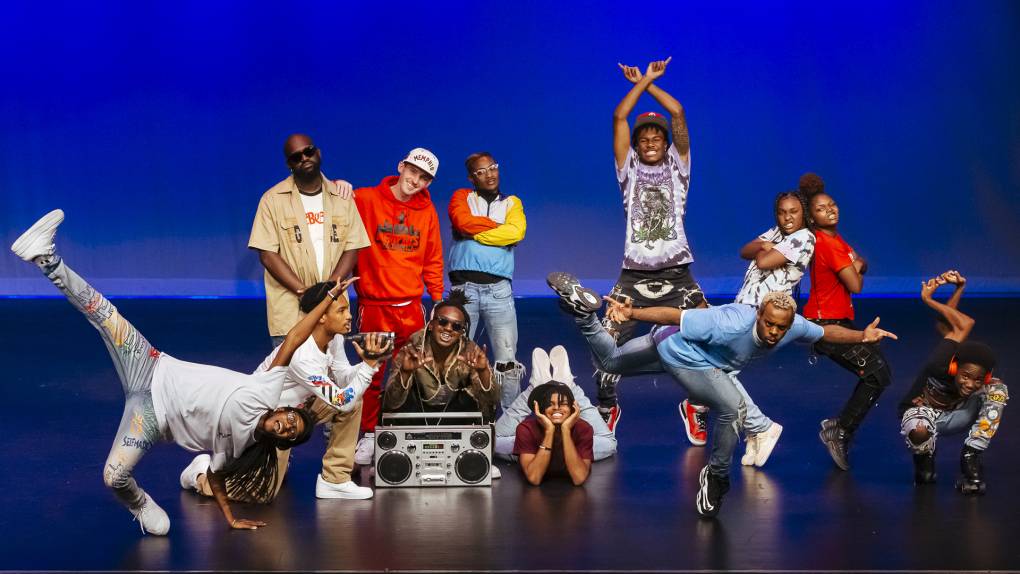
"caption": "'Memphis Jookin': The Show' arrives on the West Coast for three nights at Cal Performances and Stanford's Bing Concert Hall on Feb. 25, 26 and 28.",
"description": null,
"title": "Memphis Jookin Stills",
"credit": "Louis 'Ziggy' Tucker",
"status": "inherit",
"altTag": null,
"isLoading": false,
"fetchFailed": false
},
"arts_13909439": {
"type": "attachments",
"id": "arts_13909439",
"meta": {
"index": "attachments_1716263798",
"site": "arts",
"id": "13909439",
"found": true
},
"parent": 0,
"imgSizes": {
"twentyfourteen-full-width": {
"file": "https://ww2.kqed.org/app/uploads/sites/2/2022/02/KOlivier.Erik-Tomasson-1038x576.jpg",
"width": 1038,
"mimeType": "image/jpeg",
"height": 576
},
"thumbnail": {
"file": "https://ww2.kqed.org/app/uploads/sites/2/2022/02/KOlivier.Erik-Tomasson-160x106.jpg",
"width": 160,
"mimeType": "image/jpeg",
"height": 106
},
"post-thumbnail": {
"file": "https://ww2.kqed.org/app/uploads/sites/2/2022/02/KOlivier.Erik-Tomasson-672x372.jpg",
"width": 672,
"mimeType": "image/jpeg",
"height": 372
},
"kqedFullSize": {
"file": "https://ww2.kqed.org/app/uploads/sites/2/2022/02/KOlivier.Erik-Tomasson.jpg",
"width": 1920,
"height": 1277
},
"large": {
"file": "https://ww2.kqed.org/app/uploads/sites/2/2022/02/KOlivier.Erik-Tomasson-1020x678.jpg",
"width": 1020,
"mimeType": "image/jpeg",
"height": 678
},
"1536x1536": {
"file": "https://ww2.kqed.org/app/uploads/sites/2/2022/02/KOlivier.Erik-Tomasson-1536x1022.jpg",
"width": 1536,
"mimeType": "image/jpeg",
"height": 1022
},
"medium": {
"file": "https://ww2.kqed.org/app/uploads/sites/2/2022/02/KOlivier.Erik-Tomasson-800x532.jpg",
"width": 800,
"mimeType": "image/jpeg",
"height": 532
},
"medium_large": {
"file": "https://ww2.kqed.org/app/uploads/sites/2/2022/02/KOlivier.Erik-Tomasson-768x511.jpg",
"width": 768,
"mimeType": "image/jpeg",
"height": 511
}
},
"publishDate": 1644886122,
"modified": 1644968937,
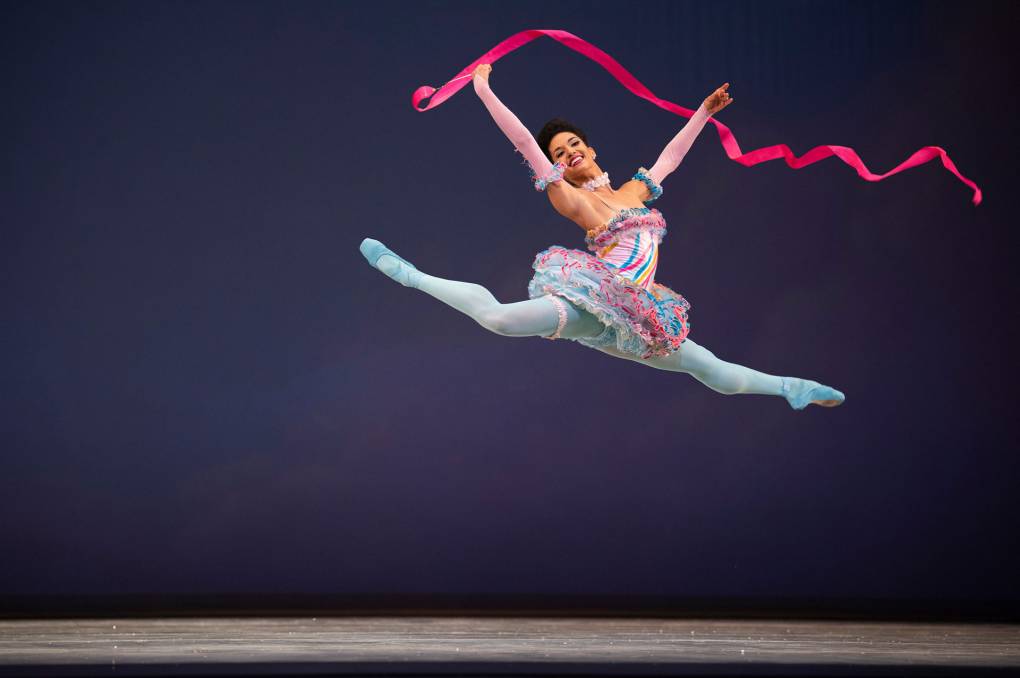
"caption": "Kimberly Olivier left San Francisco Ballet in 2021 after convening discussions on diversity within the company.",
"description": null,
"title": "KOlivier.Erik-Tomasson",
"credit": "Erik Tomasson",
"status": "inherit",
"altTag": "A dancer on stage leaps in the air with a red ribbon.",
"isLoading": false,
"fetchFailed": false
},
"arts_13906848": {
"type": "attachments",
"id": "arts_13906848",
"meta": {
"index": "attachments_1716263798",
"site": "arts",
"id": "13906848",
"found": true
},
"parent": 13906814,
"imgSizes": {
"twentyfourteen-full-width": {
"file": "https://ww2.kqed.org/app/uploads/sites/2/2021/12/12IIWV-M-1038x576.png",
"width": 1038,
"mimeType": "image/png",
"height": 576
},
"thumbnail": {
"file": "https://ww2.kqed.org/app/uploads/sites/2/2021/12/12IIWV-M-160x90.png",
"width": 160,
"mimeType": "image/png",
"height": 90
},
"post-thumbnail": {
"file": "https://ww2.kqed.org/app/uploads/sites/2/2021/12/12IIWV-M-672x372.png",
"width": 672,
"mimeType": "image/png",
"height": 372
},
"kqedFullSize": {
"file": "https://ww2.kqed.org/app/uploads/sites/2/2021/12/12IIWV-M.png",
"width": 2048,
"height": 1152
},
"large": {
"file": "https://ww2.kqed.org/app/uploads/sites/2/2021/12/12IIWV-M-1020x574.png",
"width": 1020,
"mimeType": "image/png",
"height": 574
},
"1536x1536": {
"file": "https://ww2.kqed.org/app/uploads/sites/2/2021/12/12IIWV-M-1536x864.png",
"width": 1536,
"mimeType": "image/png",
"height": 864
},
"full-width": {
"file": "https://ww2.kqed.org/app/uploads/sites/2/2021/12/12IIWV-M-1920x1080.png",
"width": 1920,
"mimeType": "image/png",
"height": 1080
},
"medium": {
"file": "https://ww2.kqed.org/app/uploads/sites/2/2021/12/12IIWV-M-800x450.png",
"width": 800,
"mimeType": "image/png",
"height": 450
},
"medium_large": {
"file": "https://ww2.kqed.org/app/uploads/sites/2/2021/12/12IIWV-M-768x432.png",
"width": 768,
"mimeType": "image/png",
"height": 432
}
},
"publishDate": 1638575727,
"modified": 1638575857,
"caption": "From hula to house dance, learn some new moves with If Cities Could Dance.",
"description": "From hula to house dance, learn some new moves with If Cities Could Dance.",
"title": "12IIWV-M",
"credit": "KQED",
"status": "inherit",
"altTag": "Seven dancers pose in front of a pink city skyline with the words If Cities Could Dance superimposed over them.",
"isLoading": false,
"fetchFailed": false
},
"arts_13906095": {
"type": "attachments",
"id": "arts_13906095",
"meta": {
"index": "attachments_1716263798",
"site": "arts",
"id": "13906095",
"found": true
},
"parent": 13906094,
"imgSizes": {
"twentyfourteen-full-width": {
"file": "https://ww2.kqed.org/app/uploads/sites/2/2021/11/IMG_4432-1038x576.jpg",
"width": 1038,
"mimeType": "image/jpeg",
"height": 576
},
"thumbnail": {
"file": "https://ww2.kqed.org/app/uploads/sites/2/2021/11/IMG_4432-160x120.jpg",
"width": 160,
"mimeType": "image/jpeg",
"height": 120
},
"post-thumbnail": {
"file": "https://ww2.kqed.org/app/uploads/sites/2/2021/11/IMG_4432-672x372.jpg",
"width": 672,
"mimeType": "image/jpeg",
"height": 372
},
"kqedFullSize": {
"file": "https://ww2.kqed.org/app/uploads/sites/2/2021/11/IMG_4432-scaled.jpg",
"width": 2560,
"height": 1920
},
"2048x2048": {
"file": "https://ww2.kqed.org/app/uploads/sites/2/2021/11/IMG_4432-2048x1536.jpg",
"width": 2048,
"mimeType": "image/jpeg",
"height": 1536
},
"large": {
"file": "https://ww2.kqed.org/app/uploads/sites/2/2021/11/IMG_4432-1020x765.jpg",
"width": 1020,
"mimeType": "image/jpeg",
"height": 765
},
"1536x1536": {
"file": "https://ww2.kqed.org/app/uploads/sites/2/2021/11/IMG_4432-1536x1152.jpg",
"width": 1536,
"mimeType": "image/jpeg",
"height": 1152
},
"full-width": {
"file": "https://ww2.kqed.org/app/uploads/sites/2/2021/11/IMG_4432-1920x1440.jpg",
"width": 1920,
"mimeType": "image/jpeg",
"height": 1440
},
"medium": {
"file": "https://ww2.kqed.org/app/uploads/sites/2/2021/11/IMG_4432-800x600.jpg",
"width": 800,
"mimeType": "image/jpeg",
"height": 600
},
"medium_large": {
"file": "https://ww2.kqed.org/app/uploads/sites/2/2021/11/IMG_4432-768x576.jpg",
"width": 768,
"mimeType": "image/jpeg",
"height": 576
}
},
"publishDate": 1636733078,
"modified": 1636733133,
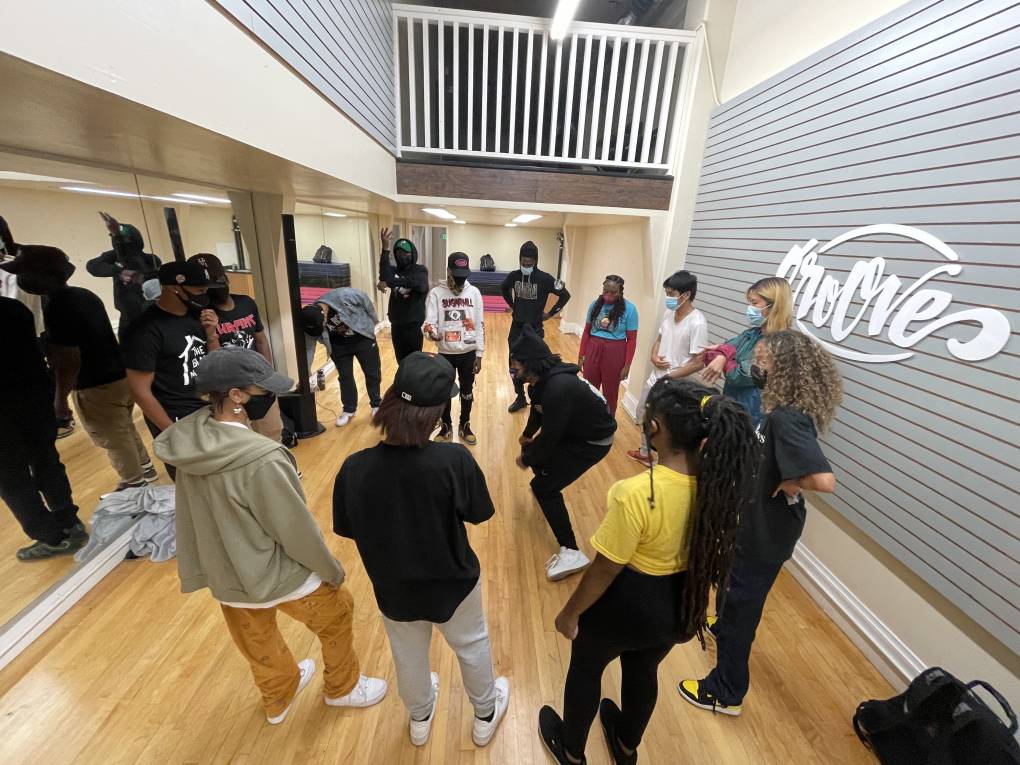
"caption": "Dancers gathered in a circle during an open lab at In The Groove Studios in Oakland. ",
"description": "Dancers gathered in a circle during an open lab at In The Groove Studios in Oakland. ",
"title": "Dancers gathered in a circle during an open lab at In The Groove Studios in Oakland.",
"credit": "Pendarvis Harshaw",
"status": "inherit",
"altTag": "Dancers gathered in a circle during an open lab at In The Groove Studios in Oakland.",
"isLoading": false,
"fetchFailed": false
}
},
"audioPlayerReducer": {
"postId": "stream_live",
"isPaused": true,
"isPlaying": false,
"pfsActive": false,
"pledgeModalIsOpen": true,
"playerDrawerIsOpen": false,
"liveAudioPlayStartedAt": 0,
"liveAudioPlayContext": ""
},
"authorsReducer": {
"byline_arts_13917969": {
"type": "authors",
"id": "byline_arts_13917969",
"meta": {
"override": true
},
"slug": "byline_arts_13917969",
"name": "Chinwe Oniah",
"isLoading": false
},
"byline_arts_13916333": {
"type": "authors",
"id": "byline_arts_13916333",
"meta": {
"override": true
},
"slug": "byline_arts_13916333",
"name": "Christina Ramirez and Manjula Varghese",
"isLoading": false
},
"byline_arts_13912474": {
"type": "authors",
"id": "byline_arts_13912474",
"meta": {
"override": true
},
"slug": "byline_arts_13912474",
"name": "Melissa del Bosque and Manjula Varghese",
"isLoading": false
},
"byline_arts_13906094": {
"type": "authors",
"id": "byline_arts_13906094",
"meta": {
"override": true
},
"slug": "byline_arts_13906094",
"name": "Pendarvis Harshaw and Camilo Garzón",
"isLoading": false
},
"agilbert": {
"type": "authors",
"id": "86",
"meta": {
"index": "authors_1716337520",
"id": "86",
"found": true
},
"name": "Andrew Gilbert",
"firstName": "Andrew",
"lastName": "Gilbert",
"slug": "agilbert",
"email": "jazzscribe@aol.com",
"display_author_email": false,
"staff_mastheads": [],
"title": "KQED Contributor",
"bio": "A Los Angeles native based in the Berkeley area since 1996, Andrew Gilbert covers jazz, international music and dance for KQED's \u003ci>California Report, \u003c/i>the\u003ci> Mercury News\u003c/i>, \u003ci>San Francisco Chronicle\u003c/i>, \u003ci>Berkeleyside.com\u003c/i>, and other publications. He is available for weddings and bar and bat mitzvahs. #jazzscribe",
"avatar": "https://secure.gravatar.com/avatar/d7bcafdbefdd39e9a68f88724ca616eb4e7a5a6bff9cdfb62de652a1e1751471?s=600&d=blank&r=g",
"twitter": null,
"bluesky": null,
"facebook": null,
"instagram": null,
"linkedin": null,
"sites": [
{
"site": "arts",
"roles": [
"Contributor",
"author"
]
},
{
"site": "news",
"roles": [
"author"
]
}
],
"headData": {
"title": "Andrew Gilbert | KQED",
"description": "KQED Contributor",
"ogImgSrc": "https://secure.gravatar.com/avatar/d7bcafdbefdd39e9a68f88724ca616eb4e7a5a6bff9cdfb62de652a1e1751471?s=600&d=blank&r=g",
"twImgSrc": "https://secure.gravatar.com/avatar/d7bcafdbefdd39e9a68f88724ca616eb4e7a5a6bff9cdfb62de652a1e1751471?s=600&d=blank&r=g"
},
"isLoading": false,
"link": "/author/agilbert"
},
"jennyoh": {
"type": "authors",
"id": "2100",
"meta": {
"index": "authors_1716337520",
"id": "2100",
"found": true
},
"name": "Jenny Oh",
"firstName": "Jenny",
"lastName": "Oh",
"slug": "jennyoh",
"email": "joh@kqed.org",
"display_author_email": false,
"staff_mastheads": [],
"title": "Audience Engagement Producer, Deep Look",
"bio": "Jenny is an Emmy Award-winning producer and is currently the Audience Engagement Producer for KQED Science's \u003cem>Deep Look\u003c/em> online video series. She was also a long-time contributor to Bay Area Bites, KQED's popular food blog. Jenny graduated with honors from New York University’s Tisch School of the Arts Film and Television program and has worked for WNET/PBS, The Learning Channel, Sundance Channel, HBO and the University of California.",
"avatar": "https://secure.gravatar.com/avatar/7ddda0ed657e46dbe66083f569967752?s=600&d=mm&r=g",
"twitter": null,
"facebook": null,
"instagram": null,
"linkedin": null,
"sites": [
{
"site": "arts",
"roles": []
},
{
"site": "pop",
"roles": []
},
{
"site": "about",
"roles": []
},
{
"site": "bayareabites",
"roles": []
},
{
"site": "science",
"roles": []
},
{
"site": "education",
"roles": []
},
{
"site": "quest",
"roles": []
},
{
"site": "food",
"roles": []
}
],
"headData": {
"title": "Jenny Oh | KQED",
"description": "Audience Engagement Producer, Deep Look",
"ogImgSrc": "https://secure.gravatar.com/avatar/7ddda0ed657e46dbe66083f569967752?s=600&d=mm&r=g",
"twImgSrc": "https://secure.gravatar.com/avatar/7ddda0ed657e46dbe66083f569967752?s=600&d=mm&r=g"
},
"isLoading": false,
"link": "/author/jennyoh"
},
"ccabreralomeli": {
"type": "authors",
"id": "11708",
"meta": {
"index": "authors_1716337520",
"id": "11708",
"found": true
},
"name": "Carlos Cabrera-Lomelí",
"firstName": "Carlos",
"lastName": "Cabrera-Lomelí",
"slug": "ccabreralomeli",
"email": "ccabreralomeli@KQED.org",
"display_author_email": true,
"staff_mastheads": [
"news"
],
"title": "Community Reporter",
"bio": "Carlos Cabrera-Lomelí is a community reporter with KQED's digital engagement team. He also reports and co-produces for KQED's bilingual news hub KQED en Español. He grew up in San Francisco's Mission District and has previously worked with Univision, 48 Hills and REFORMA in Mexico City.",
"avatar": "https://secure.gravatar.com/avatar/c309be9665e484f887b818c89e273ecc673004f426f36b24d00a4d813a2e0518?s=600&d=blank&r=g",
"twitter": "@LomeliCabrera",
"bluesky": null,
"facebook": null,
"instagram": null,
"linkedin": null,
"sites": [
{
"site": "arts",
"roles": [
"editor"
]
},
{
"site": "news",
"roles": [
"editor"
]
},
{
"site": "about",
"roles": [
"editor"
]
},
{
"site": "science",
"roles": [
"editor"
]
},
{
"site": "perspectives",
"roles": [
"editor"
]
},
{
"site": "elections",
"roles": [
"editor"
]
},
{
"site": "liveblog",
"roles": [
"contributor"
]
}
],
"headData": {
"title": "Carlos Cabrera-Lomelí | KQED",
"description": "Community Reporter",
"ogImgSrc": "https://secure.gravatar.com/avatar/c309be9665e484f887b818c89e273ecc673004f426f36b24d00a4d813a2e0518?s=600&d=blank&r=g",
"twImgSrc": "https://secure.gravatar.com/avatar/c309be9665e484f887b818c89e273ecc673004f426f36b24d00a4d813a2e0518?s=600&d=blank&r=g"
},
"isLoading": false,
"link": "/author/ccabreralomeli"
},
"mjacksonretondo": {
"type": "authors",
"id": "11759",
"meta": {
"index": "authors_1716337520",
"id": "11759",
"found": true
},
"name": "Marlena Jackson-Retondo",
"firstName": "Marlena",
"lastName": "Jackson-Retondo",
"slug": "mjacksonretondo",
"email": "mjacksonretondo@kqed.org",
"display_author_email": false,
"staff_mastheads": [],
"title": "Engagement Producer",
"bio": "Marlena Jackson-Retondo is the engagement producer for KQED's \u003cem>Forum \u003c/em>and \u003cem>Mindshift\u003c/em>. Prior to joining the team in 2022, Marlena was an intern with the KQED Digital News Engagement team. She grew up in the Bay Area.\u003cem> \u003c/em>",
"avatar": "https://secure.gravatar.com/avatar/94ab429312e9a676559e31d1894130df?s=600&d=blank&r=g",
"twitter": null,
"facebook": null,
"instagram": null,
"linkedin": null,
"sites": [
{
"site": "arts",
"roles": [
"editor"
]
},
{
"site": "news",
"roles": [
"contributor"
]
},
{
"site": "mindshift",
"roles": [
"editor"
]
},
{
"site": "forum",
"roles": [
"editor"
]
}
],
"headData": {
"title": "Marlena Jackson-Retondo | KQED",
"description": "Engagement Producer",
"ogImgSrc": "https://secure.gravatar.com/avatar/94ab429312e9a676559e31d1894130df?s=600&d=blank&r=g",
"twImgSrc": "https://secure.gravatar.com/avatar/94ab429312e9a676559e31d1894130df?s=600&d=blank&r=g"
},
"isLoading": false,
"link": "/author/mjacksonretondo"
},
"jebrahemi": {
"type": "authors",
"id": "11771",
"meta": {
"index": "authors_1716337520",
"id": "11771",
"found": true
},
"name": "Justin Ebrahemi",
"firstName": "Justin",
"lastName": "Ebrahemi",
"slug": "jebrahemi",
"email": "jebrahemi@kqed.org",
"display_author_email": true,
"staff_mastheads": [],
"title": "Digital Engagement Manager",
"bio": "Justin Ebrahemi is a San Francisco-based writer and poet. As the Digital Engagement Manager he helps bring KQED Arts' work into local communities both in the Bay and nationally. Previously, Justin worked for the SF performing arts organization, CounterPulse, and his writing has been published in Dancers Group, SFMOMA's Open Space, and various arts zines. Catch Justin biking through the city or baking vegan treats on the weekend.",
"avatar": "https://secure.gravatar.com/avatar/86cbbf64bf8c82d2a74d305c1760c365?s=600&d=blank&r=g",
"twitter": "JustinEbrahemi",
"facebook": null,
"instagram": null,
"linkedin": null,
"sites": [
{
"site": "arts",
"roles": [
"subscriber"
]
}
],
"headData": {
"title": "Justin Ebrahemi | KQED",
"description": "Digital Engagement Manager",
"ogImgSrc": "https://secure.gravatar.com/avatar/86cbbf64bf8c82d2a74d305c1760c365?s=600&d=blank&r=g",
"twImgSrc": "https://secure.gravatar.com/avatar/86cbbf64bf8c82d2a74d305c1760c365?s=600&d=blank&r=g"
},
"isLoading": false,
"link": "/author/jebrahemi"
}
},
"pagesReducer": {
"arts_category_dance": {
"type": "terms",
"id": "arts_966",
"meta": {
"index": "terms_1716263798",
"site": "arts",
"id": "966",
"score": 12.286901
},
"featImg": null,
"name": "Dance",
"description": null,
"taxonomy": "category",
"headData": {
"twImgId": null,
"twTitle": null,
"ogTitle": null,
"ogImgId": null,
"twDescription": null,
"description": null,
"title": "Dance Archives | KQED Arts",
"ogDescription": null
},
"ttid": 984,
"slug": "dance",
"isLoading": false,
"title": "Dance",
"pageMeta": {
"site": "arts",
"WpPageTemplate": "page-topic-editorial",
"currentPage": 7
},
"blocks": [
{
"blockName": "kqed/post-list",
"attrs": {
"layout": "cardArticle2",
"query": "posts/arts?category=dance",
"seeMore": false,
"paginated": true,
"page": 7
}
},
{
"blockName": "kqed/ad"
}
]
}
},
"pfsSessionReducer": {},
"postsReducer": {
"stream_live": {
"type": "live",
"id": "stream_live",
"audioUrl": "https://streams.kqed.org/kqedradio",
"title": "Live Stream",
"excerpt": "Live Stream information currently unavailable.",
"link": "/radio",
"featImg": "",
"label": {
"name": "KQED Live",
"link": "/"
}
},
"stream_kqedNewscast": {
"type": "posts",
"id": "stream_kqedNewscast",
"audioUrl": "https://www.kqed.org/.stream/anon/radio/RDnews/newscast.mp3?_=1",
"title": "KQED Newscast",
"featImg": "",
"label": {
"name": "88.5 FM",
"link": "/"
}
},
"arts_13917757": {
"type": "posts",
"id": "arts_13917757",
"meta": {
"index": "posts_1716263798",
"site": "arts",
"id": "13917757",
"score": null,
"sort": [
1661802033000
]
},
"parent": 0,
"labelTerm": {},
"blocks": [],
"publishDate": 1661802033,
"format": "standard",
"title": "Look Around You This Fall for These Bay Area Dance Events",
"headTitle": "Look Around You This Fall for These Bay Area Dance Events | KQED",
"content": "\u003cp>\u003ca href=\"https://www.kqed.org/fallarts2022\" target=\"_blank\" rel=\"noopener noreferrer\">\u003cem>\u003cstrong>Find more of KQED’s picks for the best Fall 2022 events here\u003c/strong>\u003c/em>\u003c/a>.\u003c/p>\n\u003cp>The most compelling dance performances challenge the audience experience, whether with atypical stages or by blurring lines between genres. All the better if the performance carries an urgent story. The Bay Area dance events selected in this year’s fall preview extend beyond the black box theater, whether by activating waterways or scaling building facades. Many of these events also weave today’s pressing social issues into their choreography. It’s the Bay Area, after all, and today’s local dancers and choreographers proudly carry the torch of the region’s legacy in art as activism.\u003c/p>\n\u003cfigure id=\"attachment_13917765\" class=\"wp-caption aligncenter\" style=\"max-width: 800px\">\u003ca href=\"https://ww2.kqed.org/app/uploads/sites/2/2022/08/Johnny-Huy-Nguyen-of-Lenora-Lee-Dance-by-Robbie-Sweeny-scaled.jpg\">\u003cimg loading=\"lazy\" decoding=\"async\" class=\"size-medium wp-image-13917765\" src=\"https://ww2.kqed.org/app/uploads/sites/2/2022/08/Johnny-Huy-Nguyen-of-Lenora-Lee-Dance-by-Robbie-Sweeny-800x533.jpg\" alt=\"a man in red dances inside a dimly lit building, against a white wall\" width=\"800\" height=\"533\" srcset=\"https://cdn.kqed.org/wp-content/uploads/sites/2/2022/08/Johnny-Huy-Nguyen-of-Lenora-Lee-Dance-by-Robbie-Sweeny-800x533.jpg 800w, https://cdn.kqed.org/wp-content/uploads/sites/2/2022/08/Johnny-Huy-Nguyen-of-Lenora-Lee-Dance-by-Robbie-Sweeny-1020x680.jpg 1020w, https://cdn.kqed.org/wp-content/uploads/sites/2/2022/08/Johnny-Huy-Nguyen-of-Lenora-Lee-Dance-by-Robbie-Sweeny-160x107.jpg 160w, https://cdn.kqed.org/wp-content/uploads/sites/2/2022/08/Johnny-Huy-Nguyen-of-Lenora-Lee-Dance-by-Robbie-Sweeny-768x512.jpg 768w, https://cdn.kqed.org/wp-content/uploads/sites/2/2022/08/Johnny-Huy-Nguyen-of-Lenora-Lee-Dance-by-Robbie-Sweeny-1536x1024.jpg 1536w, https://cdn.kqed.org/wp-content/uploads/sites/2/2022/08/Johnny-Huy-Nguyen-of-Lenora-Lee-Dance-by-Robbie-Sweeny-2048x1366.jpg 2048w, https://cdn.kqed.org/wp-content/uploads/sites/2/2022/08/Johnny-Huy-Nguyen-of-Lenora-Lee-Dance-by-Robbie-Sweeny-1920x1280.jpg 1920w\" sizes=\"(max-width: 800px) 100vw, 800px\">\u003c/a>\u003cfigcaption class=\"wp-caption-text\">Johnny Huy Nguyen of Lenora Lee Dance, which premieres ‘In the Movement’ Sept. 1-11 at ODC in San Francisco. \u003ccite>(Robbie Sweeny)\u003c/cite>\u003c/figcaption>\u003c/figure>\n\u003ch2>\u003ca href=\"https://odc.secure.force.com/ticket/?_ga=2.241490244.713335932.1660175872-1110366481.1660175872#/events/a0S5b00000CTNJYEA5\">‘In the Movement’\u003c/a>\u003c/h2>\n\u003cp>\u003cem>ODC Theater, San Francisco\u003c/em>\u003cbr>\n\u003cem>Sept. 1-11, 2022\u003c/em>\u003c/p>\n\u003cp>How can dance embody the separation of families caused by incarceration and mass detention of immigrants? Lenora Lee Dance’s world premiere of \u003cem>In the Movement\u003c/em>, produced in collaboration with Asian Improv aRTs and the API Cultural Center, ventures to choreograph these topics. The work incorporates recorded interviews with currently or formerly incarcerated individuals and advocates, as well as recorded music, live vocals and video filmed on Alcatraz Island. In responding to this source material, \u003cem>In the Movement\u003c/em> employs dance to illustrate systemic cycles of oppression.\u003c/p>\n\u003cfigure id=\"attachment_13917767\" class=\"wp-caption aligncenter\" style=\"max-width: 800px\">\u003ca href=\"https://ww2.kqed.org/app/uploads/sites/2/2022/08/La-Rose-des-Vents-by-Jean-Michel-Othoniel-in-front-of-the-Conservatory-of-Flowers-in-Golden-Gate-Park-in-San-Francisco.-Photo-courtesy-of-the-SF-Arts-Commission-scaled.jpg\">\u003cimg loading=\"lazy\" decoding=\"async\" class=\"size-medium wp-image-13917767\" src=\"https://ww2.kqed.org/app/uploads/sites/2/2022/08/La-Rose-des-Vents-by-Jean-Michel-Othoniel-in-front-of-the-Conservatory-of-Flowers-in-Golden-Gate-Park-in-San-Francisco.-Photo-courtesy-of-the-SF-Arts-Commission-800x533.jpg\" alt=\"a bright gold rose sculpture in Golden Gate Park\" width=\"800\" height=\"533\" srcset=\"https://cdn.kqed.org/wp-content/uploads/sites/2/2022/08/La-Rose-des-Vents-by-Jean-Michel-Othoniel-in-front-of-the-Conservatory-of-Flowers-in-Golden-Gate-Park-in-San-Francisco.-Photo-courtesy-of-the-SF-Arts-Commission-800x533.jpg 800w, https://cdn.kqed.org/wp-content/uploads/sites/2/2022/08/La-Rose-des-Vents-by-Jean-Michel-Othoniel-in-front-of-the-Conservatory-of-Flowers-in-Golden-Gate-Park-in-San-Francisco.-Photo-courtesy-of-the-SF-Arts-Commission-1020x680.jpg 1020w, https://cdn.kqed.org/wp-content/uploads/sites/2/2022/08/La-Rose-des-Vents-by-Jean-Michel-Othoniel-in-front-of-the-Conservatory-of-Flowers-in-Golden-Gate-Park-in-San-Francisco.-Photo-courtesy-of-the-SF-Arts-Commission-160x107.jpg 160w, https://cdn.kqed.org/wp-content/uploads/sites/2/2022/08/La-Rose-des-Vents-by-Jean-Michel-Othoniel-in-front-of-the-Conservatory-of-Flowers-in-Golden-Gate-Park-in-San-Francisco.-Photo-courtesy-of-the-SF-Arts-Commission-768x512.jpg 768w, https://cdn.kqed.org/wp-content/uploads/sites/2/2022/08/La-Rose-des-Vents-by-Jean-Michel-Othoniel-in-front-of-the-Conservatory-of-Flowers-in-Golden-Gate-Park-in-San-Francisco.-Photo-courtesy-of-the-SF-Arts-Commission-1536x1024.jpg 1536w, https://cdn.kqed.org/wp-content/uploads/sites/2/2022/08/La-Rose-des-Vents-by-Jean-Michel-Othoniel-in-front-of-the-Conservatory-of-Flowers-in-Golden-Gate-Park-in-San-Francisco.-Photo-courtesy-of-the-SF-Arts-Commission-2048x1365.jpg 2048w, https://cdn.kqed.org/wp-content/uploads/sites/2/2022/08/La-Rose-des-Vents-by-Jean-Michel-Othoniel-in-front-of-the-Conservatory-of-Flowers-in-Golden-Gate-Park-in-San-Francisco.-Photo-courtesy-of-the-SF-Arts-Commission-1920x1280.jpg 1920w\" sizes=\"(max-width: 800px) 100vw, 800px\">\u003c/a>\u003cfigcaption class=\"wp-caption-text\">‘Slow Show’ takes place Sept. 15 take place at the ‘La Rose des Vents’ sculpture in the Conservatory of Flowers in Golden Gate Park. \u003ccite>(Courtesy of the SF Arts Commission)\u003c/cite>\u003c/figcaption>\u003c/figure>\n\u003ch2>\u003ca href=\"https://836m.org/la-rose-des-vents/\">‘Slow Show’\u003c/a>\u003c/h2>\n\u003cp>\u003cem>Conservatory of Flowers, San Francisco\u003c/em>\u003cbr>\n\u003cem>Sept. 15, 2022\u003c/em>\u003c/p>\n\u003cp>Choreographer Dimitri Chamblas wants to slow down. He describes his internationally touring work, \u003cem>Slow Show\u003c/em>, as an “intensive and agitated” practice of stretching time through micro-movements that adapt to the dancer’s location—previously, a frozen lake in Minneapolis, or an outdoor amphitheater in Ouagadougou. In San Francisco, the work will take place at the “La Rose des Vents” sculpture in the Conservatory of Flowers in Golden Gate Park. The site-specific performance and dedication to the gilded kinetic sculpture, created by French artist Jean-Michel Othoniel, will feature an ensemble of 50 dancers who respond to the site through a series of “intense, concentrated and trance-like operations.”\u003c/p>\n\u003cfigure id=\"attachment_13917766\" class=\"wp-caption aligncenter\" style=\"max-width: 800px\">\u003ca href=\"https://ww2.kqed.org/app/uploads/sites/2/2022/08/bronte_velez_-_SPIN_-_Pictured__Stephanie_Hewett_bronte_velez_-_photo_by_Jade_Begay__50-scaled.jpeg\">\u003cimg loading=\"lazy\" decoding=\"async\" class=\"size-medium wp-image-13917766\" src=\"https://ww2.kqed.org/app/uploads/sites/2/2022/08/bronte_velez_-_SPIN_-_Pictured__Stephanie_Hewett_bronte_velez_-_photo_by_Jade_Begay__50-800x533.jpeg\" alt=\"\" width=\"800\" height=\"533\" srcset=\"https://cdn.kqed.org/wp-content/uploads/sites/2/2022/08/bronte_velez_-_SPIN_-_Pictured__Stephanie_Hewett_bronte_velez_-_photo_by_Jade_Begay__50-800x533.jpeg 800w, https://cdn.kqed.org/wp-content/uploads/sites/2/2022/08/bronte_velez_-_SPIN_-_Pictured__Stephanie_Hewett_bronte_velez_-_photo_by_Jade_Begay__50-1020x680.jpeg 1020w, https://cdn.kqed.org/wp-content/uploads/sites/2/2022/08/bronte_velez_-_SPIN_-_Pictured__Stephanie_Hewett_bronte_velez_-_photo_by_Jade_Begay__50-160x107.jpeg 160w, https://cdn.kqed.org/wp-content/uploads/sites/2/2022/08/bronte_velez_-_SPIN_-_Pictured__Stephanie_Hewett_bronte_velez_-_photo_by_Jade_Begay__50-768x512.jpeg 768w, https://cdn.kqed.org/wp-content/uploads/sites/2/2022/08/bronte_velez_-_SPIN_-_Pictured__Stephanie_Hewett_bronte_velez_-_photo_by_Jade_Begay__50-1536x1024.jpeg 1536w, https://cdn.kqed.org/wp-content/uploads/sites/2/2022/08/bronte_velez_-_SPIN_-_Pictured__Stephanie_Hewett_bronte_velez_-_photo_by_Jade_Begay__50-2048x1365.jpeg 2048w, https://cdn.kqed.org/wp-content/uploads/sites/2/2022/08/bronte_velez_-_SPIN_-_Pictured__Stephanie_Hewett_bronte_velez_-_photo_by_Jade_Begay__50-1920x1280.jpeg 1920w\" sizes=\"(max-width: 800px) 100vw, 800px\">\u003c/a>\u003cfigcaption class=\"wp-caption-text\">Stephanie Hewett and \u003cspan style=\"font-weight: 400\">brontë \u003c/span>velez in ‘SPIN,’ part of Joe Goode Performance Group’s Gush Festival running Sept. 15-18 in San Francisco. \u003ccite>(Jade Begay)\u003c/cite>\u003c/figcaption>\u003c/figure>\n\u003ch2>\u003ca href=\"https://joegoode.org/event/gush-2022/\">Gush Festival\u003c/a>\u003c/h2>\n\u003cp>\u003cem>Joe Goode Performance Group, San Francisco\u003c/em>\u003cbr>\n\u003cem>Sept. 15-18, 2022\u003c/em>\u003c/p>\n\u003cp>Joe Goode Performance Group’s second bi-annual GUSH Festival explores queer intergenerational interconnection and ancestral cultural identity. brontë velez’s SPIN promises to use aerial dance to illustrate “the ways Black folks spin and get spun out,” and Gizeh Muñiz Vengel & Ernesto Peart Falcón’s dance duet ‘islas breves’ questions a blurred ancestral lineage. The festival also welcomes three longtime Joe Goode artists—Gabriele Christian, Molly Katzman and Joe Goode himself—for a duet that choreographs each collaborator’s partnership with a queer guest elder or youth performer.\u003c/p>\n\u003cp>[ad fullwidth]\u003c/p>\n\u003cfigure id=\"attachment_13917768\" class=\"wp-caption aligncenter\" style=\"max-width: 800px\">\u003ca href=\"https://ww2.kqed.org/app/uploads/sites/2/2022/08/Jhia-Jackson-for-Apparatus-of-Repair.-Photo-by-RJ-Muna-2-scaled.jpg\">\u003cimg loading=\"lazy\" decoding=\"async\" class=\"size-medium wp-image-13917768\" src=\"https://ww2.kqed.org/app/uploads/sites/2/2022/08/Jhia-Jackson-for-Apparatus-of-Repair.-Photo-by-RJ-Muna-2-800x523.jpg\" alt=\"an aerial dancer in red performs against a black and white backdrop\" width=\"800\" height=\"523\" srcset=\"https://cdn.kqed.org/wp-content/uploads/sites/2/2022/08/Jhia-Jackson-for-Apparatus-of-Repair.-Photo-by-RJ-Muna-2-800x523.jpg 800w, https://cdn.kqed.org/wp-content/uploads/sites/2/2022/08/Jhia-Jackson-for-Apparatus-of-Repair.-Photo-by-RJ-Muna-2-1020x667.jpg 1020w, https://cdn.kqed.org/wp-content/uploads/sites/2/2022/08/Jhia-Jackson-for-Apparatus-of-Repair.-Photo-by-RJ-Muna-2-160x105.jpg 160w, https://cdn.kqed.org/wp-content/uploads/sites/2/2022/08/Jhia-Jackson-for-Apparatus-of-Repair.-Photo-by-RJ-Muna-2-768x502.jpg 768w, https://cdn.kqed.org/wp-content/uploads/sites/2/2022/08/Jhia-Jackson-for-Apparatus-of-Repair.-Photo-by-RJ-Muna-2-1536x1004.jpg 1536w, https://cdn.kqed.org/wp-content/uploads/sites/2/2022/08/Jhia-Jackson-for-Apparatus-of-Repair.-Photo-by-RJ-Muna-2-2048x1338.jpg 2048w, https://cdn.kqed.org/wp-content/uploads/sites/2/2022/08/Jhia-Jackson-for-Apparatus-of-Repair.-Photo-by-RJ-Muna-2-1920x1255.jpg 1920w\" sizes=\"(max-width: 800px) 100vw, 800px\">\u003c/a>\u003cfigcaption class=\"wp-caption-text\">Jhia Jackson in ‘Apparatus of Repair,’ which takes place around UC Hastings’ Tenderloin campus Sept. 15-25. \u003ccite>(RJ Muna)\u003c/cite>\u003c/figcaption>\u003c/figure>\n\u003ch2>\u003ca href=\"https://flyawayproductions.com/upcoming-events/\">‘Apparatus of Repair’\u003c/a>\u003c/h2>\n\u003cp>\u003cem>UC Hastings College of the Law, San Francisco\u003c/em>\u003cbr>\n\u003cem>Sept. 15-25, 2022\u003c/em>\u003c/p>\n\u003cp>It’s only fitting that a performance about the prison industrial complex takes place at a law school. Flyaway Productions’ \u003cem>Apparatus of Repair\u003c/em> is the final installment of \u003cem>The Decarceration Trilogy: Dismantling the Prison Industrial Complex One Dance at a Time\u003c/em>. The site-specific aerial dance performance activates vertical surfaces of UC Hastings’ buildings as a means to explore the devastating effects of mass incarceration and the healing process of restorative justice. \u003cem>Apparatus of Repair\u003c/em> can be viewed from several vantage points surrounding UC Hastings’ Tenderloin campus. Just don’t forget to look up.\u003c/p>\n\u003cp>https://www.youtube.com/watch?v=CtcwfJdPvsY\u003c/p>\n\u003ch2>\u003ca href=\"https://www.santacruzmah.org/commonground\">CommonGround Festival\u003c/a>\u003c/h2>\n\u003cp>\u003cem>Various locations, Santa Cruz County\u003cbr>\nSept. 16-25, 2022\u003c/em>\u003c/p>\n\u003cp>Some of the most exciting performance “stages” aren’t actually stages at all. The biennial 10-day CommonGround Festival is hosted in outdoor locations throughout Santa Cruz County, aiming to connect audiences with the region’s natural and built environments through installation art and site-specific performance. Oakland’s aerial arts company BANDALOOP will present \u003cem>LOOM:FIELD\u003c/em>, a vertical dance work that weaves climbing tech with ecological stewardship to transform the facade of the Santa Cruz Museum of Art & History into a giant loom. Other locations include a raft on Soquel Creek, the Evergreen Cemetery and the Davenport Jail.\u003c/p>\n\u003cfigure id=\"attachment_13917770\" class=\"wp-caption aligncenter\" style=\"max-width: 800px\">\u003ca href=\"https://ww2.kqed.org/app/uploads/sites/2/2022/08/PiroPatten1.jpeg\">\u003cimg loading=\"lazy\" decoding=\"async\" class=\"wp-image-13917770 size-medium\" src=\"https://ww2.kqed.org/app/uploads/sites/2/2022/08/PiroPatten1-e1660852665438-800x542.jpeg\" alt=\"a blurry image of a group of dancers standing in front of the ocean\" width=\"800\" height=\"542\" srcset=\"https://cdn.kqed.org/wp-content/uploads/sites/2/2022/08/PiroPatten1-e1660852665438-800x542.jpeg 800w, https://cdn.kqed.org/wp-content/uploads/sites/2/2022/08/PiroPatten1-e1660852665438-1020x691.jpeg 1020w, https://cdn.kqed.org/wp-content/uploads/sites/2/2022/08/PiroPatten1-e1660852665438-160x108.jpeg 160w, https://cdn.kqed.org/wp-content/uploads/sites/2/2022/08/PiroPatten1-e1660852665438-768x520.jpeg 768w, https://cdn.kqed.org/wp-content/uploads/sites/2/2022/08/PiroPatten1-e1660852665438.jpeg 1455w\" sizes=\"(max-width: 800px) 100vw, 800px\">\u003c/a>\u003cfigcaption class=\"wp-caption-text\">The Farallonites will perform at Fort Mason Center for the Arts in San Francisco Sept. 16-18. \u003ccite>(Piro Patten)\u003c/cite>\u003c/figcaption>\u003c/figure>\n\u003ch2>\u003ca href=\"https://danalawtondances.org/\">‘The Farallonites’\u003c/a>\u003c/h2>\n\u003cp>\u003cem>Fort Mason Center for the Arts, San Francisco\u003cbr>\nSept. 16-18, 2022\u003c/em>\u003c/p>\n\u003cp>“Fortitude and resilience.” That’s how the multidisciplinary performance group Dana Lawton Dances describe the lives of the lighthouse keepers and their families who lived on the Farallon Islands from the mid-1850s to the early 1900s. The work weaves dance with an original musical score, spoken word and visual art to build a world of “harsh physical conditions, repetitive hard labor and near total isolation.” If you’ve never considered the human spirit of lighthouse keepers and their loved ones, this performance is sure to make you think the next time you hear San Francisco’s fog horns.\u003c/p>\n\u003cfigure id=\"attachment_13917762\" class=\"wp-caption aligncenter\" style=\"max-width: 800px\">\u003ca href=\"https://ww2.kqed.org/app/uploads/sites/2/2022/08/CoyoteWoman1-Photo.Fernando_Gallegos-scaled.jpg\">\u003cimg loading=\"lazy\" decoding=\"async\" class=\"size-medium wp-image-13917762\" src=\"https://ww2.kqed.org/app/uploads/sites/2/2022/08/CoyoteWoman1-Photo.Fernando_Gallegos-800x533.jpg\" alt=\"\" width=\"800\" height=\"533\" srcset=\"https://cdn.kqed.org/wp-content/uploads/sites/2/2022/08/CoyoteWoman1-Photo.Fernando_Gallegos-800x533.jpg 800w, https://cdn.kqed.org/wp-content/uploads/sites/2/2022/08/CoyoteWoman1-Photo.Fernando_Gallegos-1020x680.jpg 1020w, https://cdn.kqed.org/wp-content/uploads/sites/2/2022/08/CoyoteWoman1-Photo.Fernando_Gallegos-160x107.jpg 160w, https://cdn.kqed.org/wp-content/uploads/sites/2/2022/08/CoyoteWoman1-Photo.Fernando_Gallegos-768x512.jpg 768w, https://cdn.kqed.org/wp-content/uploads/sites/2/2022/08/CoyoteWoman1-Photo.Fernando_Gallegos-1536x1024.jpg 1536w, https://cdn.kqed.org/wp-content/uploads/sites/2/2022/08/CoyoteWoman1-Photo.Fernando_Gallegos-2048x1365.jpg 2048w, https://cdn.kqed.org/wp-content/uploads/sites/2/2022/08/CoyoteWoman1-Photo.Fernando_Gallegos-1920x1280.jpg 1920w\" sizes=\"(max-width: 800px) 100vw, 800px\">\u003c/a>\u003cfigcaption class=\"wp-caption-text\">Kanyon (Cayote Woman) Sayers-Roods in ‘‘sii agua sí.’ \u003ccite>(Fernando Gallegos)\u003c/cite>\u003c/figcaption>\u003c/figure>\n\u003ch2>\u003ca href=\"https://www.eventbrite.com/e/flacc-2022-sii-agua-si-tickets-396312520417\">‘sii agua sí’\u003c/a>\u003c/h2>\n\u003cp>\u003cem>Between Dolores St. & Church St., San Francisco\u003cbr>\nOct. 1, 2022\u003c/em>\u003c/p>\n\u003cp>Did you know Dolores Park is a Native American heritage site? (To be clear, \u003ca href=\"https://www.kqed.org/arts/13916457/youre-on-native-land-the-cultural-district-honoring-urban-native-history\">all of San Francisco is on Native land\u003c/a>.) Dance Mission has partnered with the Festival of Latin American Contemporary Choreographers, Ohlone leaders, local artists, Mission High School and the American Indian Cultural District to honor Yelamu’s Inidigenous history. The free ritual performance intervention, sii agua sí, will memorialize the Indigenous ancestors buried in the Mission Dolores cemetery during early colonization. The event will include water prayers, traditional dance, a guided tour around the park and an “Ask a Native” session in an educational, Ohlone-led space.\u003c/p>\n\u003cfigure id=\"attachment_13917760\" class=\"wp-caption aligncenter\" style=\"max-width: 800px\">\u003ca href=\"https://ww2.kqed.org/app/uploads/sites/2/2022/08/Quake_main_image-2.jpeg\">\u003cimg loading=\"lazy\" decoding=\"async\" class=\"size-medium wp-image-13917760\" src=\"https://ww2.kqed.org/app/uploads/sites/2/2022/08/Quake_main_image-2-800x961.jpeg\" alt=\"a woman with closed eyes against a backdrop of knotted rope\" width=\"800\" height=\"961\" srcset=\"https://cdn.kqed.org/wp-content/uploads/sites/2/2022/08/Quake_main_image-2-800x961.jpeg 800w, https://cdn.kqed.org/wp-content/uploads/sites/2/2022/08/Quake_main_image-2-1020x1226.jpeg 1020w, https://cdn.kqed.org/wp-content/uploads/sites/2/2022/08/Quake_main_image-2-160x192.jpeg 160w, https://cdn.kqed.org/wp-content/uploads/sites/2/2022/08/Quake_main_image-2-768x923.jpeg 768w, https://cdn.kqed.org/wp-content/uploads/sites/2/2022/08/Quake_main_image-2.jpeg 1080w\" sizes=\"(max-width: 800px) 100vw, 800px\">\u003c/a>\u003cfigcaption class=\"wp-caption-text\">Kat Gorospe Cole in ‘Quake.’ \u003ccite>(Photo courtesy of the artist)\u003c/cite>\u003c/figcaption>\u003c/figure>\n\u003ch2>\u003ca href=\"https://counterpulse.org/event/quake/\">‘Quake’\u003c/a>\u003c/h2>\n\u003cp>\u003cem>CounterPulse, San Francisco\u003cbr>\nOct. 13-15, 2022\u003c/em>\u003c/p>\n\u003cp>The stigma about mental health has begun to erode in the past few years, and Asian American celebrities are \u003ca href=\"https://www.kqed.org/arts/13916258/constance-wus-reveal-speaks-to-the-profound-pressure-asian-american-women-face\">speaking out about the profound pressure\u003c/a> they face from the media and public. But often missing from the conversation are stories about Asian-American communities’ resilience and healing practices. Kat Gorospe Cole & Jeffrey Yip’s multidisciplinary project \u003cem>Quake\u003c/em> provides a lens into the alternative mental health practices of some of these communities by immersing audiences in an audio installation that replicates a form of sound healing known as Vibroacoustic Therapy.\u003c/p>\n\u003cfigure id=\"attachment_13917771\" class=\"wp-caption aligncenter\" style=\"max-width: 800px\">\u003ca href=\"https://ww2.kqed.org/app/uploads/sites/2/2022/08/https___cdn.evbuc_.com_images_267168819_17062540531_1_original.png\">\u003cimg loading=\"lazy\" decoding=\"async\" class=\"size-full wp-image-13917771\" src=\"https://ww2.kqed.org/app/uploads/sites/2/2022/08/https___cdn.evbuc_.com_images_267168819_17062540531_1_original.png\" alt=\"\" width=\"800\" height=\"400\" srcset=\"https://cdn.kqed.org/wp-content/uploads/sites/2/2022/08/https___cdn.evbuc_.com_images_267168819_17062540531_1_original.png 800w, https://cdn.kqed.org/wp-content/uploads/sites/2/2022/08/https___cdn.evbuc_.com_images_267168819_17062540531_1_original-160x80.png 160w, https://cdn.kqed.org/wp-content/uploads/sites/2/2022/08/https___cdn.evbuc_.com_images_267168819_17062540531_1_original-768x384.png 768w\" sizes=\"(max-width: 800px) 100vw, 800px\">\u003c/a>\u003cfigcaption class=\"wp-caption-text\">The Summer Dance Music Series offers free, family-friendly dance events at San Francisco’s Union Square on Saturdays through Sept. 24. \u003ccite>(Courtesy of Union Square Alliance)\u003c/cite>\u003c/figcaption>\u003c/figure>\n\u003ch2>\u003ca href=\"https://www.eventbrite.com/e/summer-dance-music-series-tickets-289832515857\">Summer Dance Music Series\u003c/a>\u003c/h2>\n\u003cp>\u003cem>Union Square Park, San Francisco\u003cbr>\nSaturdays, Aug. 12-Sept. 24, 2022\u003c/em>\u003c/p>\n\u003cp>Many of the Bay Area’s dance events this fall dig into some heavy—and worthy—topics. But there are also options for those hoping to simply catch some free, lighthearted outdoor performances. Union Square Alliance’s Summer Dance Music Series brings live music and dance to San Francisco’s Union Square every Saturday through Sept. 24 for some family-friendly relaxation. The Bay Area dance scene can be heavy; it’s OK to take a breather.\u003c/p>\n\u003cp>[ad floatright]\u003c/p>\n",
"stats": {
"hasVideo": true,
"hasChartOrMap": false,
"hasAudio": false,
"hasPolis": false,
"wordCount": 1332,
"hasGoogleForm": false,
"hasGallery": false,
"hasHearkenModule": false,
"iframeSrcs": [],
"paragraphCount": 22
},
"modified": 1705006447,
"excerpt": "The season's most exciting dance offerings respond to pressing social issues—and challenge their audiences' notions of the stage. ",
"headData": {
"twImgId": "",
"twTitle": "",
"ogTitle": "",
"ogImgId": "",
"twDescription": "",
"description": "The season's most exciting dance offerings respond to pressing social issues—and challenge their audiences' notions of the stage. ",
"title": "Look Around You This Fall for These Bay Area Dance Events | KQED",
"ogDescription": "",
"schema": {
"@context": "https://schema.org",
"@type": "Article",
"headline": "Look Around You This Fall for These Bay Area Dance Events",
"datePublished": "2022-08-29T12:40:33-07:00",
"dateModified": "2024-01-11T12:54:07-08:00",
"image": "https://cdn.kqed.org/wp-content/uploads/2020/02/KQED-OG-Image@1x.png"
}
},
"guestAuthors": [],
"slug": "bay-area-dance-events-fall-arts-2022",
"status": "publish",
"sourceUrl": "https://www.kqed.org/fallarts2022",
"templateType": "standard",
"excludeFromSiteSearch": "Include",
"featuredImageType": "standard",
"sticky": false,
"source": "Fall Arts Guide 2022",
"path": "/arts/13917757/bay-area-dance-events-fall-arts-2022",
"audioTrackLength": null,
"parsedContent": [
{
"type": "contentString",
"content": "\u003cdiv class=\"post-body\">\u003cp>\u003cp>\u003ca href=\"https://www.kqed.org/fallarts2022\" target=\"_blank\" rel=\"noopener noreferrer\">\u003cem>\u003cstrong>Find more of KQED’s picks for the best Fall 2022 events here\u003c/strong>\u003c/em>\u003c/a>.\u003c/p>\n\u003cp>The most compelling dance performances challenge the audience experience, whether with atypical stages or by blurring lines between genres. All the better if the performance carries an urgent story. The Bay Area dance events selected in this year’s fall preview extend beyond the black box theater, whether by activating waterways or scaling building facades. Many of these events also weave today’s pressing social issues into their choreography. It’s the Bay Area, after all, and today’s local dancers and choreographers proudly carry the torch of the region’s legacy in art as activism.\u003c/p>\n\u003cfigure id=\"attachment_13917765\" class=\"wp-caption aligncenter\" style=\"max-width: 800px\">\u003ca href=\"https://ww2.kqed.org/app/uploads/sites/2/2022/08/Johnny-Huy-Nguyen-of-Lenora-Lee-Dance-by-Robbie-Sweeny-scaled.jpg\">\u003cimg loading=\"lazy\" decoding=\"async\" class=\"size-medium wp-image-13917765\" src=\"https://ww2.kqed.org/app/uploads/sites/2/2022/08/Johnny-Huy-Nguyen-of-Lenora-Lee-Dance-by-Robbie-Sweeny-800x533.jpg\" alt=\"a man in red dances inside a dimly lit building, against a white wall\" width=\"800\" height=\"533\" srcset=\"https://cdn.kqed.org/wp-content/uploads/sites/2/2022/08/Johnny-Huy-Nguyen-of-Lenora-Lee-Dance-by-Robbie-Sweeny-800x533.jpg 800w, https://cdn.kqed.org/wp-content/uploads/sites/2/2022/08/Johnny-Huy-Nguyen-of-Lenora-Lee-Dance-by-Robbie-Sweeny-1020x680.jpg 1020w, https://cdn.kqed.org/wp-content/uploads/sites/2/2022/08/Johnny-Huy-Nguyen-of-Lenora-Lee-Dance-by-Robbie-Sweeny-160x107.jpg 160w, https://cdn.kqed.org/wp-content/uploads/sites/2/2022/08/Johnny-Huy-Nguyen-of-Lenora-Lee-Dance-by-Robbie-Sweeny-768x512.jpg 768w, https://cdn.kqed.org/wp-content/uploads/sites/2/2022/08/Johnny-Huy-Nguyen-of-Lenora-Lee-Dance-by-Robbie-Sweeny-1536x1024.jpg 1536w, https://cdn.kqed.org/wp-content/uploads/sites/2/2022/08/Johnny-Huy-Nguyen-of-Lenora-Lee-Dance-by-Robbie-Sweeny-2048x1366.jpg 2048w, https://cdn.kqed.org/wp-content/uploads/sites/2/2022/08/Johnny-Huy-Nguyen-of-Lenora-Lee-Dance-by-Robbie-Sweeny-1920x1280.jpg 1920w\" sizes=\"(max-width: 800px) 100vw, 800px\">\u003c/a>\u003cfigcaption class=\"wp-caption-text\">Johnny Huy Nguyen of Lenora Lee Dance, which premieres ‘In the Movement’ Sept. 1-11 at ODC in San Francisco. \u003ccite>(Robbie Sweeny)\u003c/cite>\u003c/figcaption>\u003c/figure>\n\u003ch2>\u003ca href=\"https://odc.secure.force.com/ticket/?_ga=2.241490244.713335932.1660175872-1110366481.1660175872#/events/a0S5b00000CTNJYEA5\">‘In the Movement’\u003c/a>\u003c/h2>\n\u003cp>\u003cem>ODC Theater, San Francisco\u003c/em>\u003cbr>\n\u003cem>Sept. 1-11, 2022\u003c/em>\u003c/p>\n\u003cp>How can dance embody the separation of families caused by incarceration and mass detention of immigrants? Lenora Lee Dance’s world premiere of \u003cem>In the Movement\u003c/em>, produced in collaboration with Asian Improv aRTs and the API Cultural Center, ventures to choreograph these topics. The work incorporates recorded interviews with currently or formerly incarcerated individuals and advocates, as well as recorded music, live vocals and video filmed on Alcatraz Island. In responding to this source material, \u003cem>In the Movement\u003c/em> employs dance to illustrate systemic cycles of oppression.\u003c/p>\n\u003cfigure id=\"attachment_13917767\" class=\"wp-caption aligncenter\" style=\"max-width: 800px\">\u003ca href=\"https://ww2.kqed.org/app/uploads/sites/2/2022/08/La-Rose-des-Vents-by-Jean-Michel-Othoniel-in-front-of-the-Conservatory-of-Flowers-in-Golden-Gate-Park-in-San-Francisco.-Photo-courtesy-of-the-SF-Arts-Commission-scaled.jpg\">\u003cimg loading=\"lazy\" decoding=\"async\" class=\"size-medium wp-image-13917767\" src=\"https://ww2.kqed.org/app/uploads/sites/2/2022/08/La-Rose-des-Vents-by-Jean-Michel-Othoniel-in-front-of-the-Conservatory-of-Flowers-in-Golden-Gate-Park-in-San-Francisco.-Photo-courtesy-of-the-SF-Arts-Commission-800x533.jpg\" alt=\"a bright gold rose sculpture in Golden Gate Park\" width=\"800\" height=\"533\" srcset=\"https://cdn.kqed.org/wp-content/uploads/sites/2/2022/08/La-Rose-des-Vents-by-Jean-Michel-Othoniel-in-front-of-the-Conservatory-of-Flowers-in-Golden-Gate-Park-in-San-Francisco.-Photo-courtesy-of-the-SF-Arts-Commission-800x533.jpg 800w, https://cdn.kqed.org/wp-content/uploads/sites/2/2022/08/La-Rose-des-Vents-by-Jean-Michel-Othoniel-in-front-of-the-Conservatory-of-Flowers-in-Golden-Gate-Park-in-San-Francisco.-Photo-courtesy-of-the-SF-Arts-Commission-1020x680.jpg 1020w, https://cdn.kqed.org/wp-content/uploads/sites/2/2022/08/La-Rose-des-Vents-by-Jean-Michel-Othoniel-in-front-of-the-Conservatory-of-Flowers-in-Golden-Gate-Park-in-San-Francisco.-Photo-courtesy-of-the-SF-Arts-Commission-160x107.jpg 160w, https://cdn.kqed.org/wp-content/uploads/sites/2/2022/08/La-Rose-des-Vents-by-Jean-Michel-Othoniel-in-front-of-the-Conservatory-of-Flowers-in-Golden-Gate-Park-in-San-Francisco.-Photo-courtesy-of-the-SF-Arts-Commission-768x512.jpg 768w, https://cdn.kqed.org/wp-content/uploads/sites/2/2022/08/La-Rose-des-Vents-by-Jean-Michel-Othoniel-in-front-of-the-Conservatory-of-Flowers-in-Golden-Gate-Park-in-San-Francisco.-Photo-courtesy-of-the-SF-Arts-Commission-1536x1024.jpg 1536w, https://cdn.kqed.org/wp-content/uploads/sites/2/2022/08/La-Rose-des-Vents-by-Jean-Michel-Othoniel-in-front-of-the-Conservatory-of-Flowers-in-Golden-Gate-Park-in-San-Francisco.-Photo-courtesy-of-the-SF-Arts-Commission-2048x1365.jpg 2048w, https://cdn.kqed.org/wp-content/uploads/sites/2/2022/08/La-Rose-des-Vents-by-Jean-Michel-Othoniel-in-front-of-the-Conservatory-of-Flowers-in-Golden-Gate-Park-in-San-Francisco.-Photo-courtesy-of-the-SF-Arts-Commission-1920x1280.jpg 1920w\" sizes=\"(max-width: 800px) 100vw, 800px\">\u003c/a>\u003cfigcaption class=\"wp-caption-text\">‘Slow Show’ takes place Sept. 15 take place at the ‘La Rose des Vents’ sculpture in the Conservatory of Flowers in Golden Gate Park. \u003ccite>(Courtesy of the SF Arts Commission)\u003c/cite>\u003c/figcaption>\u003c/figure>\n\u003ch2>\u003ca href=\"https://836m.org/la-rose-des-vents/\">‘Slow Show’\u003c/a>\u003c/h2>\n\u003cp>\u003cem>Conservatory of Flowers, San Francisco\u003c/em>\u003cbr>\n\u003cem>Sept. 15, 2022\u003c/em>\u003c/p>\n\u003cp>Choreographer Dimitri Chamblas wants to slow down. He describes his internationally touring work, \u003cem>Slow Show\u003c/em>, as an “intensive and agitated” practice of stretching time through micro-movements that adapt to the dancer’s location—previously, a frozen lake in Minneapolis, or an outdoor amphitheater in Ouagadougou. In San Francisco, the work will take place at the “La Rose des Vents” sculpture in the Conservatory of Flowers in Golden Gate Park. The site-specific performance and dedication to the gilded kinetic sculpture, created by French artist Jean-Michel Othoniel, will feature an ensemble of 50 dancers who respond to the site through a series of “intense, concentrated and trance-like operations.”\u003c/p>\n\u003cfigure id=\"attachment_13917766\" class=\"wp-caption aligncenter\" style=\"max-width: 800px\">\u003ca href=\"https://ww2.kqed.org/app/uploads/sites/2/2022/08/bronte_velez_-_SPIN_-_Pictured__Stephanie_Hewett_bronte_velez_-_photo_by_Jade_Begay__50-scaled.jpeg\">\u003cimg loading=\"lazy\" decoding=\"async\" class=\"size-medium wp-image-13917766\" src=\"https://ww2.kqed.org/app/uploads/sites/2/2022/08/bronte_velez_-_SPIN_-_Pictured__Stephanie_Hewett_bronte_velez_-_photo_by_Jade_Begay__50-800x533.jpeg\" alt=\"\" width=\"800\" height=\"533\" srcset=\"https://cdn.kqed.org/wp-content/uploads/sites/2/2022/08/bronte_velez_-_SPIN_-_Pictured__Stephanie_Hewett_bronte_velez_-_photo_by_Jade_Begay__50-800x533.jpeg 800w, https://cdn.kqed.org/wp-content/uploads/sites/2/2022/08/bronte_velez_-_SPIN_-_Pictured__Stephanie_Hewett_bronte_velez_-_photo_by_Jade_Begay__50-1020x680.jpeg 1020w, https://cdn.kqed.org/wp-content/uploads/sites/2/2022/08/bronte_velez_-_SPIN_-_Pictured__Stephanie_Hewett_bronte_velez_-_photo_by_Jade_Begay__50-160x107.jpeg 160w, https://cdn.kqed.org/wp-content/uploads/sites/2/2022/08/bronte_velez_-_SPIN_-_Pictured__Stephanie_Hewett_bronte_velez_-_photo_by_Jade_Begay__50-768x512.jpeg 768w, https://cdn.kqed.org/wp-content/uploads/sites/2/2022/08/bronte_velez_-_SPIN_-_Pictured__Stephanie_Hewett_bronte_velez_-_photo_by_Jade_Begay__50-1536x1024.jpeg 1536w, https://cdn.kqed.org/wp-content/uploads/sites/2/2022/08/bronte_velez_-_SPIN_-_Pictured__Stephanie_Hewett_bronte_velez_-_photo_by_Jade_Begay__50-2048x1365.jpeg 2048w, https://cdn.kqed.org/wp-content/uploads/sites/2/2022/08/bronte_velez_-_SPIN_-_Pictured__Stephanie_Hewett_bronte_velez_-_photo_by_Jade_Begay__50-1920x1280.jpeg 1920w\" sizes=\"(max-width: 800px) 100vw, 800px\">\u003c/a>\u003cfigcaption class=\"wp-caption-text\">Stephanie Hewett and \u003cspan style=\"font-weight: 400\">brontë \u003c/span>velez in ‘SPIN,’ part of Joe Goode Performance Group’s Gush Festival running Sept. 15-18 in San Francisco. \u003ccite>(Jade Begay)\u003c/cite>\u003c/figcaption>\u003c/figure>\n\u003ch2>\u003ca href=\"https://joegoode.org/event/gush-2022/\">Gush Festival\u003c/a>\u003c/h2>\n\u003cp>\u003cem>Joe Goode Performance Group, San Francisco\u003c/em>\u003cbr>\n\u003cem>Sept. 15-18, 2022\u003c/em>\u003c/p>\n\u003cp>Joe Goode Performance Group’s second bi-annual GUSH Festival explores queer intergenerational interconnection and ancestral cultural identity. brontë velez’s SPIN promises to use aerial dance to illustrate “the ways Black folks spin and get spun out,” and Gizeh Muñiz Vengel & Ernesto Peart Falcón’s dance duet ‘islas breves’ questions a blurred ancestral lineage. The festival also welcomes three longtime Joe Goode artists—Gabriele Christian, Molly Katzman and Joe Goode himself—for a duet that choreographs each collaborator’s partnership with a queer guest elder or youth performer.\u003c/p>\n\u003cp>\u003c/p>\u003c/div>",
"attributes": {
"named": {},
"numeric": []
}
},
{
"type": "component",
"content": "",
"name": "ad",
"attributes": {
"named": {
"label": "fullwidth"
},
"numeric": [
"fullwidth"
]
}
},
{
"type": "contentString",
"content": "\u003cdiv class=\"post-body\">\u003cp>\u003c/p>\n\u003cfigure id=\"attachment_13917768\" class=\"wp-caption aligncenter\" style=\"max-width: 800px\">\u003ca href=\"https://ww2.kqed.org/app/uploads/sites/2/2022/08/Jhia-Jackson-for-Apparatus-of-Repair.-Photo-by-RJ-Muna-2-scaled.jpg\">\u003cimg loading=\"lazy\" decoding=\"async\" class=\"size-medium wp-image-13917768\" src=\"https://ww2.kqed.org/app/uploads/sites/2/2022/08/Jhia-Jackson-for-Apparatus-of-Repair.-Photo-by-RJ-Muna-2-800x523.jpg\" alt=\"an aerial dancer in red performs against a black and white backdrop\" width=\"800\" height=\"523\" srcset=\"https://cdn.kqed.org/wp-content/uploads/sites/2/2022/08/Jhia-Jackson-for-Apparatus-of-Repair.-Photo-by-RJ-Muna-2-800x523.jpg 800w, https://cdn.kqed.org/wp-content/uploads/sites/2/2022/08/Jhia-Jackson-for-Apparatus-of-Repair.-Photo-by-RJ-Muna-2-1020x667.jpg 1020w, https://cdn.kqed.org/wp-content/uploads/sites/2/2022/08/Jhia-Jackson-for-Apparatus-of-Repair.-Photo-by-RJ-Muna-2-160x105.jpg 160w, https://cdn.kqed.org/wp-content/uploads/sites/2/2022/08/Jhia-Jackson-for-Apparatus-of-Repair.-Photo-by-RJ-Muna-2-768x502.jpg 768w, https://cdn.kqed.org/wp-content/uploads/sites/2/2022/08/Jhia-Jackson-for-Apparatus-of-Repair.-Photo-by-RJ-Muna-2-1536x1004.jpg 1536w, https://cdn.kqed.org/wp-content/uploads/sites/2/2022/08/Jhia-Jackson-for-Apparatus-of-Repair.-Photo-by-RJ-Muna-2-2048x1338.jpg 2048w, https://cdn.kqed.org/wp-content/uploads/sites/2/2022/08/Jhia-Jackson-for-Apparatus-of-Repair.-Photo-by-RJ-Muna-2-1920x1255.jpg 1920w\" sizes=\"(max-width: 800px) 100vw, 800px\">\u003c/a>\u003cfigcaption class=\"wp-caption-text\">Jhia Jackson in ‘Apparatus of Repair,’ which takes place around UC Hastings’ Tenderloin campus Sept. 15-25. \u003ccite>(RJ Muna)\u003c/cite>\u003c/figcaption>\u003c/figure>\n\u003ch2>\u003ca href=\"https://flyawayproductions.com/upcoming-events/\">‘Apparatus of Repair’\u003c/a>\u003c/h2>\n\u003cp>\u003cem>UC Hastings College of the Law, San Francisco\u003c/em>\u003cbr>\n\u003cem>Sept. 15-25, 2022\u003c/em>\u003c/p>\n\u003cp>It’s only fitting that a performance about the prison industrial complex takes place at a law school. Flyaway Productions’ \u003cem>Apparatus of Repair\u003c/em> is the final installment of \u003cem>The Decarceration Trilogy: Dismantling the Prison Industrial Complex One Dance at a Time\u003c/em>. The site-specific aerial dance performance activates vertical surfaces of UC Hastings’ buildings as a means to explore the devastating effects of mass incarceration and the healing process of restorative justice. \u003cem>Apparatus of Repair\u003c/em> can be viewed from several vantage points surrounding UC Hastings’ Tenderloin campus. Just don’t forget to look up.\u003c/p>\u003c/p>\u003cp>\u003cspan class='utils-parseShortcode-shortcodes-__youtubeShortcode__embedYoutube'>\n \u003cspan class='utils-parseShortcode-shortcodes-__youtubeShortcode__embedYoutubeInside'>\n \u003ciframe\n loading='lazy'\n class='utils-parseShortcode-shortcodes-__youtubeShortcode__youtubePlayer'\n type='text/html'\n src='//www.youtube.com/embed/CtcwfJdPvsY'\n title='//www.youtube.com/embed/CtcwfJdPvsY'\n allowfullscreen='true'\n style='border:0;'>\u003c/iframe>\n \u003c/span>\n \u003c/span>\u003c/p>\u003cp>\u003ch2>\u003ca href=\"https://www.santacruzmah.org/commonground\">CommonGround Festival\u003c/a>\u003c/h2>\n\u003cp>\u003cem>Various locations, Santa Cruz County\u003cbr>\nSept. 16-25, 2022\u003c/em>\u003c/p>\n\u003cp>Some of the most exciting performance “stages” aren’t actually stages at all. The biennial 10-day CommonGround Festival is hosted in outdoor locations throughout Santa Cruz County, aiming to connect audiences with the region’s natural and built environments through installation art and site-specific performance. Oakland’s aerial arts company BANDALOOP will present \u003cem>LOOM:FIELD\u003c/em>, a vertical dance work that weaves climbing tech with ecological stewardship to transform the facade of the Santa Cruz Museum of Art & History into a giant loom. Other locations include a raft on Soquel Creek, the Evergreen Cemetery and the Davenport Jail.\u003c/p>\n\u003cfigure id=\"attachment_13917770\" class=\"wp-caption aligncenter\" style=\"max-width: 800px\">\u003ca href=\"https://ww2.kqed.org/app/uploads/sites/2/2022/08/PiroPatten1.jpeg\">\u003cimg loading=\"lazy\" decoding=\"async\" class=\"wp-image-13917770 size-medium\" src=\"https://ww2.kqed.org/app/uploads/sites/2/2022/08/PiroPatten1-e1660852665438-800x542.jpeg\" alt=\"a blurry image of a group of dancers standing in front of the ocean\" width=\"800\" height=\"542\" srcset=\"https://cdn.kqed.org/wp-content/uploads/sites/2/2022/08/PiroPatten1-e1660852665438-800x542.jpeg 800w, https://cdn.kqed.org/wp-content/uploads/sites/2/2022/08/PiroPatten1-e1660852665438-1020x691.jpeg 1020w, https://cdn.kqed.org/wp-content/uploads/sites/2/2022/08/PiroPatten1-e1660852665438-160x108.jpeg 160w, https://cdn.kqed.org/wp-content/uploads/sites/2/2022/08/PiroPatten1-e1660852665438-768x520.jpeg 768w, https://cdn.kqed.org/wp-content/uploads/sites/2/2022/08/PiroPatten1-e1660852665438.jpeg 1455w\" sizes=\"(max-width: 800px) 100vw, 800px\">\u003c/a>\u003cfigcaption class=\"wp-caption-text\">The Farallonites will perform at Fort Mason Center for the Arts in San Francisco Sept. 16-18. \u003ccite>(Piro Patten)\u003c/cite>\u003c/figcaption>\u003c/figure>\n\u003ch2>\u003ca href=\"https://danalawtondances.org/\">‘The Farallonites’\u003c/a>\u003c/h2>\n\u003cp>\u003cem>Fort Mason Center for the Arts, San Francisco\u003cbr>\nSept. 16-18, 2022\u003c/em>\u003c/p>\n\u003cp>“Fortitude and resilience.” That’s how the multidisciplinary performance group Dana Lawton Dances describe the lives of the lighthouse keepers and their families who lived on the Farallon Islands from the mid-1850s to the early 1900s. The work weaves dance with an original musical score, spoken word and visual art to build a world of “harsh physical conditions, repetitive hard labor and near total isolation.” If you’ve never considered the human spirit of lighthouse keepers and their loved ones, this performance is sure to make you think the next time you hear San Francisco’s fog horns.\u003c/p>\n\u003cfigure id=\"attachment_13917762\" class=\"wp-caption aligncenter\" style=\"max-width: 800px\">\u003ca href=\"https://ww2.kqed.org/app/uploads/sites/2/2022/08/CoyoteWoman1-Photo.Fernando_Gallegos-scaled.jpg\">\u003cimg loading=\"lazy\" decoding=\"async\" class=\"size-medium wp-image-13917762\" src=\"https://ww2.kqed.org/app/uploads/sites/2/2022/08/CoyoteWoman1-Photo.Fernando_Gallegos-800x533.jpg\" alt=\"\" width=\"800\" height=\"533\" srcset=\"https://cdn.kqed.org/wp-content/uploads/sites/2/2022/08/CoyoteWoman1-Photo.Fernando_Gallegos-800x533.jpg 800w, https://cdn.kqed.org/wp-content/uploads/sites/2/2022/08/CoyoteWoman1-Photo.Fernando_Gallegos-1020x680.jpg 1020w, https://cdn.kqed.org/wp-content/uploads/sites/2/2022/08/CoyoteWoman1-Photo.Fernando_Gallegos-160x107.jpg 160w, https://cdn.kqed.org/wp-content/uploads/sites/2/2022/08/CoyoteWoman1-Photo.Fernando_Gallegos-768x512.jpg 768w, https://cdn.kqed.org/wp-content/uploads/sites/2/2022/08/CoyoteWoman1-Photo.Fernando_Gallegos-1536x1024.jpg 1536w, https://cdn.kqed.org/wp-content/uploads/sites/2/2022/08/CoyoteWoman1-Photo.Fernando_Gallegos-2048x1365.jpg 2048w, https://cdn.kqed.org/wp-content/uploads/sites/2/2022/08/CoyoteWoman1-Photo.Fernando_Gallegos-1920x1280.jpg 1920w\" sizes=\"(max-width: 800px) 100vw, 800px\">\u003c/a>\u003cfigcaption class=\"wp-caption-text\">Kanyon (Cayote Woman) Sayers-Roods in ‘‘sii agua sí.’ \u003ccite>(Fernando Gallegos)\u003c/cite>\u003c/figcaption>\u003c/figure>\n\u003ch2>\u003ca href=\"https://www.eventbrite.com/e/flacc-2022-sii-agua-si-tickets-396312520417\">‘sii agua sí’\u003c/a>\u003c/h2>\n\u003cp>\u003cem>Between Dolores St. & Church St., San Francisco\u003cbr>\nOct. 1, 2022\u003c/em>\u003c/p>\n\u003cp>Did you know Dolores Park is a Native American heritage site? (To be clear, \u003ca href=\"https://www.kqed.org/arts/13916457/youre-on-native-land-the-cultural-district-honoring-urban-native-history\">all of San Francisco is on Native land\u003c/a>.) Dance Mission has partnered with the Festival of Latin American Contemporary Choreographers, Ohlone leaders, local artists, Mission High School and the American Indian Cultural District to honor Yelamu’s Inidigenous history. The free ritual performance intervention, sii agua sí, will memorialize the Indigenous ancestors buried in the Mission Dolores cemetery during early colonization. The event will include water prayers, traditional dance, a guided tour around the park and an “Ask a Native” session in an educational, Ohlone-led space.\u003c/p>\n\u003cfigure id=\"attachment_13917760\" class=\"wp-caption aligncenter\" style=\"max-width: 800px\">\u003ca href=\"https://ww2.kqed.org/app/uploads/sites/2/2022/08/Quake_main_image-2.jpeg\">\u003cimg loading=\"lazy\" decoding=\"async\" class=\"size-medium wp-image-13917760\" src=\"https://ww2.kqed.org/app/uploads/sites/2/2022/08/Quake_main_image-2-800x961.jpeg\" alt=\"a woman with closed eyes against a backdrop of knotted rope\" width=\"800\" height=\"961\" srcset=\"https://cdn.kqed.org/wp-content/uploads/sites/2/2022/08/Quake_main_image-2-800x961.jpeg 800w, https://cdn.kqed.org/wp-content/uploads/sites/2/2022/08/Quake_main_image-2-1020x1226.jpeg 1020w, https://cdn.kqed.org/wp-content/uploads/sites/2/2022/08/Quake_main_image-2-160x192.jpeg 160w, https://cdn.kqed.org/wp-content/uploads/sites/2/2022/08/Quake_main_image-2-768x923.jpeg 768w, https://cdn.kqed.org/wp-content/uploads/sites/2/2022/08/Quake_main_image-2.jpeg 1080w\" sizes=\"(max-width: 800px) 100vw, 800px\">\u003c/a>\u003cfigcaption class=\"wp-caption-text\">Kat Gorospe Cole in ‘Quake.’ \u003ccite>(Photo courtesy of the artist)\u003c/cite>\u003c/figcaption>\u003c/figure>\n\u003ch2>\u003ca href=\"https://counterpulse.org/event/quake/\">‘Quake’\u003c/a>\u003c/h2>\n\u003cp>\u003cem>CounterPulse, San Francisco\u003cbr>\nOct. 13-15, 2022\u003c/em>\u003c/p>\n\u003cp>The stigma about mental health has begun to erode in the past few years, and Asian American celebrities are \u003ca href=\"https://www.kqed.org/arts/13916258/constance-wus-reveal-speaks-to-the-profound-pressure-asian-american-women-face\">speaking out about the profound pressure\u003c/a> they face from the media and public. But often missing from the conversation are stories about Asian-American communities’ resilience and healing practices. Kat Gorospe Cole & Jeffrey Yip’s multidisciplinary project \u003cem>Quake\u003c/em> provides a lens into the alternative mental health practices of some of these communities by immersing audiences in an audio installation that replicates a form of sound healing known as Vibroacoustic Therapy.\u003c/p>\n\u003cfigure id=\"attachment_13917771\" class=\"wp-caption aligncenter\" style=\"max-width: 800px\">\u003ca href=\"https://ww2.kqed.org/app/uploads/sites/2/2022/08/https___cdn.evbuc_.com_images_267168819_17062540531_1_original.png\">\u003cimg loading=\"lazy\" decoding=\"async\" class=\"size-full wp-image-13917771\" src=\"https://ww2.kqed.org/app/uploads/sites/2/2022/08/https___cdn.evbuc_.com_images_267168819_17062540531_1_original.png\" alt=\"\" width=\"800\" height=\"400\" srcset=\"https://cdn.kqed.org/wp-content/uploads/sites/2/2022/08/https___cdn.evbuc_.com_images_267168819_17062540531_1_original.png 800w, https://cdn.kqed.org/wp-content/uploads/sites/2/2022/08/https___cdn.evbuc_.com_images_267168819_17062540531_1_original-160x80.png 160w, https://cdn.kqed.org/wp-content/uploads/sites/2/2022/08/https___cdn.evbuc_.com_images_267168819_17062540531_1_original-768x384.png 768w\" sizes=\"(max-width: 800px) 100vw, 800px\">\u003c/a>\u003cfigcaption class=\"wp-caption-text\">The Summer Dance Music Series offers free, family-friendly dance events at San Francisco’s Union Square on Saturdays through Sept. 24. \u003ccite>(Courtesy of Union Square Alliance)\u003c/cite>\u003c/figcaption>\u003c/figure>\n\u003ch2>\u003ca href=\"https://www.eventbrite.com/e/summer-dance-music-series-tickets-289832515857\">Summer Dance Music Series\u003c/a>\u003c/h2>\n\u003cp>\u003cem>Union Square Park, San Francisco\u003cbr>\nSaturdays, Aug. 12-Sept. 24, 2022\u003c/em>\u003c/p>\n\u003cp>Many of the Bay Area’s dance events this fall dig into some heavy—and worthy—topics. But there are also options for those hoping to simply catch some free, lighthearted outdoor performances. Union Square Alliance’s Summer Dance Music Series brings live music and dance to San Francisco’s Union Square every Saturday through Sept. 24 for some family-friendly relaxation. The Bay Area dance scene can be heavy; it’s OK to take a breather.\u003c/p>\n\u003cp>\u003c/p>\u003c/div>",
"attributes": {
"named": {},
"numeric": []
}
},
{
"type": "component",
"content": "",
"name": "ad",
"attributes": {
"named": {
"label": "floatright"
},
"numeric": [
"floatright"
]
}
},
{
"type": "contentString",
"content": "\u003cdiv class=\"post-body\">\u003cp>\u003c/p>\n\u003c/div>\u003c/p>",
"attributes": {
"named": {},
"numeric": []
}
}
],
"link": "/arts/13917757/bay-area-dance-events-fall-arts-2022",
"authors": [
"11771"
],
"categories": [
"arts_1",
"arts_966"
],
"tags": [
"arts_18478",
"arts_1018",
"arts_879",
"arts_18457",
"arts_10278",
"arts_3978",
"arts_1406",
"arts_585"
],
"featImg": "arts_13917764",
"label": "source_arts_13917757"
},
"arts_13917969": {
"type": "posts",
"id": "arts_13917969",
"meta": {
"index": "posts_1716263798",
"site": "arts",
"id": "13917969",
"score": null,
"sort": [
1661366109000
]
},
"guestAuthors": [],
"slug": "if-cities-could-dance-capoeira-berkeley",
"title": "Why I Hope More Black Americans Discover the Afro-Brazilian Art of Capoeira",
"publishDate": 1661366109,
"format": "video",
"headTitle": "Why I Hope More Black Americans Discover the Afro-Brazilian Art of Capoeira | KQED",
"labelTerm": {
"term": 4422,
"site": "arts"
},
"content": "\u003cp>\u003cem>Join the conversation \u003ca href=\"https://youtu.be/XFkbU9iGwUQ\" target=\"_blank\" rel=\"noopener noreferrer\">here\u003c/a> and \u003ca href=\"https://www.youtube.com/user/KQEDart\" target=\"_blank\" rel=\"noopener noreferrer\">subscribe to our YouTube channel\u003c/a> to never miss a new episode.\u003c/em>\u003c/p>\n\u003cp>I first became aware of capoeira at a young age, through Eddy Gordo in the video game \u003cem>Tekken\u003c/em>, and I instantly knew it was for me. Gordo’s maneuvers were like nothing I’d ever seen before, and his movement captivated me. A Black man with locs, wasting these other martial artists with this half-dance, half-fight? Little Nigerian me was in awe.\u003c/p>\n\u003cp>Decades later, I finally took a capoeira class at a friend’s invitation and was instantly hooked. It felt less like a fitness class, and more like reconnecting with a way of living that I’d become lost from.\u003c/p>\n\u003cp>Along my capoeira journey, two major things have stuck out to me. One, I’m usually the only Black girl in a class for an explicitly African-derived art form. And two, I can’t believe capoeira has been so close to me for so long, and that I never knew.\u003c/p>\n\u003cfigure id=\"attachment_13917998\" class=\"wp-caption aligncenter\" style=\"max-width: 800px\">\u003cimg loading=\"lazy\" decoding=\"async\" class=\"size-medium wp-image-13917998\" src=\"https://ww2.kqed.org/app/uploads/sites/2/2022/08/004_KQEDArts_IfCitiesCouldDance_Capoeira_05272022-800x533.jpg\" alt=\"A woman is practicing a capoeira move similar to breakdancing on a golden field in front of the bay in Berkeley, CA\" width=\"800\" height=\"533\" srcset=\"https://cdn.kqed.org/wp-content/uploads/sites/2/2022/08/004_KQEDArts_IfCitiesCouldDance_Capoeira_05272022-800x533.jpg 800w, https://cdn.kqed.org/wp-content/uploads/sites/2/2022/08/004_KQEDArts_IfCitiesCouldDance_Capoeira_05272022-1020x679.jpg 1020w, https://cdn.kqed.org/wp-content/uploads/sites/2/2022/08/004_KQEDArts_IfCitiesCouldDance_Capoeira_05272022-160x107.jpg 160w, https://cdn.kqed.org/wp-content/uploads/sites/2/2022/08/004_KQEDArts_IfCitiesCouldDance_Capoeira_05272022-768x511.jpg 768w, https://cdn.kqed.org/wp-content/uploads/sites/2/2022/08/004_KQEDArts_IfCitiesCouldDance_Capoeira_05272022-1536x1022.jpg 1536w, https://cdn.kqed.org/wp-content/uploads/sites/2/2022/08/004_KQEDArts_IfCitiesCouldDance_Capoeira_05272022-2048x1363.jpg 2048w, https://cdn.kqed.org/wp-content/uploads/sites/2/2022/08/004_KQEDArts_IfCitiesCouldDance_Capoeira_05272022-1920x1278.jpg 1920w\" sizes=\"(max-width: 800px) 100vw, 800px\">\u003cfigcaption class=\"wp-caption-text\">Chinwe Oniah at the César Chávez Park in Berkeley, CA on May 27, 2022. \u003ccite>(Beth LaBerge)\u003c/cite>\u003c/figcaption>\u003c/figure>\n\u003cp>Often described as a dance-like fight—or a fight-like dance—capoeira is an Afro-Brazilian art form that combines several elements: dance, martial arts, music, spirituality, history and philosophy. Some elements of breakdancing are said to come from the acrobatic moves found in capoeira.\u003c/p>\n\u003cp>[ad fullwidth]\u003c/p>\n\u003cp>“People have described capoeira to me as a martial art, and people have described capoeira to me as a dance. I think overall, capoeira changes on the necessity of the person,” says Ricky Lawson II, the Bay Area professor with whom I’ve trained for three years. Better known as Malandro, he’s the founder of \u003ca href=\"http://capoeirabayarea.com/\" target=\"_blank\" rel=\"noopener noreferrer\">Filhos de Bimba Escola de Capoeira, Bay Area\u003c/a>. A notable figure with over 20 years as a professor in the local capoeira scene, Malandro is part of a long line of capoeiristas from across the country and Brazil who’ve come to the Bay Area for capoeira.\u003c/p>\n\u003cfigure id=\"attachment_13917986\" class=\"wp-caption aligncenter\" style=\"max-width: 800px\">\u003cimg loading=\"lazy\" decoding=\"async\" class=\"size-medium wp-image-13917986\" src=\"https://ww2.kqed.org/app/uploads/sites/2/2022/08/ICCD508A_Roda-800x450.jpg\" alt=\"A group of men is standing on a field and is about to play capoeira.\" width=\"800\" height=\"450\" srcset=\"https://cdn.kqed.org/wp-content/uploads/sites/2/2022/08/ICCD508A_Roda-800x450.jpg 800w, https://cdn.kqed.org/wp-content/uploads/sites/2/2022/08/ICCD508A_Roda-1020x573.jpg 1020w, https://cdn.kqed.org/wp-content/uploads/sites/2/2022/08/ICCD508A_Roda-160x90.jpg 160w, https://cdn.kqed.org/wp-content/uploads/sites/2/2022/08/ICCD508A_Roda-768x432.jpg 768w, https://cdn.kqed.org/wp-content/uploads/sites/2/2022/08/ICCD508A_Roda-1536x863.jpg 1536w, https://cdn.kqed.org/wp-content/uploads/sites/2/2022/08/ICCD508A_Roda.jpg 1920w\" sizes=\"(max-width: 800px) 100vw, 800px\">\u003cfigcaption class=\"wp-caption-text\">Ricky Lawson II (pictured on the left), better known as Malandro, is the founder of Filhos de Bimba Escola de Capoeira, Bay Area. \u003ccite>(Elie M. Khadra)\u003c/cite>\u003c/figcaption>\u003c/figure>\n\u003cp>Capoeira is all over the world, and its story in the United States begins in two places. One is New York. The other is the Bay Area, which became a major hub for capoeira due to the work of Ubirajara Almeida, better known as Mestre Acordeon. From Bahia, Brazil, the birthplace of the art form, he’s widely known to be the first capoeira master to bring capoeira to the States.\u003c/p>\n\u003cp>“When I came here, there was a lot of people that had ideas about capoeira,” said Mestre Acordeon. “I [had] a whole bunch of friends that [were] enchanted with capoeira, because it is the one art that is not only fight—it’s a fight, it’s a dance, it’s music, all of that.”\u003c/p>\n\u003cfigure id=\"attachment_13917989\" class=\"wp-caption aligncenter\" style=\"max-width: 800px\">\u003cimg loading=\"lazy\" decoding=\"async\" class=\"size-medium wp-image-13917989\" src=\"https://ww2.kqed.org/app/uploads/sites/2/2022/08/Mestre_Acordeon_1-800x450.jpg\" alt=\"An older man with a white beard and mustache is looking into the camera while playing the berimbau.\" width=\"800\" height=\"450\" srcset=\"https://cdn.kqed.org/wp-content/uploads/sites/2/2022/08/Mestre_Acordeon_1-800x450.jpg 800w, https://cdn.kqed.org/wp-content/uploads/sites/2/2022/08/Mestre_Acordeon_1-1020x573.jpg 1020w, https://cdn.kqed.org/wp-content/uploads/sites/2/2022/08/Mestre_Acordeon_1-160x90.jpg 160w, https://cdn.kqed.org/wp-content/uploads/sites/2/2022/08/Mestre_Acordeon_1-768x432.jpg 768w, https://cdn.kqed.org/wp-content/uploads/sites/2/2022/08/Mestre_Acordeon_1-1536x863.jpg 1536w, https://cdn.kqed.org/wp-content/uploads/sites/2/2022/08/Mestre_Acordeon_1.jpg 1920w\" sizes=\"(max-width: 800px) 100vw, 800px\">\u003cfigcaption class=\"wp-caption-text\">Ubirajara Almeida, better known as Mestre Acordeon, is widely known to be the first capoeira master to bring capoeira to the United States. \u003ccite>(Shaandiin Tome)\u003c/cite>\u003c/figcaption>\u003c/figure>\n\u003cp>I was initially drawn to capoeira’s martial arts and self-defense elements, but it quickly developed into something greater. It was a return to form, a return to self. It surprises me that more Black people haven’t found interest in capoeira. To be clear, it’s a beautiful art form for everyone, no matter one’s age or walk of life. But capoeira is firmly part of Black people’s cultural legacy, and one that continues to thrive centuries after its beginnings.\u003c/p>\n\u003cp>As a producer for \u003cem>If Cities Could Dance\u003c/em>, I help others tell their stories. But for this episode, I’ve stepped in front of the camera to share my journey in capoeira. Along with Malandro, and featuring music from Mestre Acordeon, we hit some popular places around the East Bay to play capoeira, like Lake Merritt and Linden Park. You’ll even see some of the next generation of young Bay Area capoeira practitioners.\u003c/p>\n\u003cp>Be sure to \u003ca href=\"https://youtu.be/kQhQML6mqrU\" target=\"_blank\" rel=\"noopener noreferrer\">tune back in for a follow-up episode\u003c/a> on Wednesday, Sept. 7, when Malandro and I travel to Bahia to meet one of the original tradition-bearing Bahian families of capoeira.\u003c/p>\n\u003cp>\u003c/p>\n\u003cp>\u003ca href=\"https://bit.ly/ICCD_BerkeleyRSVP\" target=\"_blank\" rel=\"noopener noreferrer\">Join our YouTube Live\u003c/a>, Sept. 14, 2022, 6pm, with Chinwe Oniah, capoeira student and filmmaker, who will answer your questions and share what it was like to direct and produce two If Cities Could Dance episodes on the art form she loves so much.\u003c/p>\n\n",
"blocks": [],
"excerpt": "For an Afro-Brazilian art form, capoeira has surprisingly few Black practitioners, like me. ",
"status": "publish",
"parent": 0,
"modified": 1726705630,
"stats": {
"hasAudio": false,
"hasVideo": false,
"hasChartOrMap": false,
"iframeSrcs": [],
"hasGoogleForm": false,
"hasGallery": false,
"hasHearkenModule": false,
"hasPolis": false,
"paragraphCount": 14,
"wordCount": 783
},
"headData": {
"title": "Why I Hope More Black Americans Discover the Afro-Brazilian Art of Capoeira | KQED",
"description": "For an Afro-Brazilian art form, capoeira has surprisingly few Black practitioners, like me. ",
"ogTitle": "",
"ogDescription": "",
"ogImgId": "",
"twTitle": "",
"twDescription": "",
"twImgId": "",
"schema": {
"@context": "https://schema.org",
"@type": "Article",
"headline": "Why I Hope More Black Americans Discover the Afro-Brazilian Art of Capoeira",
"datePublished": "2022-08-24T11:35:09-07:00",
"dateModified": "2024-09-18T17:27:10-07:00",
"image": "https://cdn.kqed.org/wp-content/uploads/2020/02/KQED-OG-Image@1x.png"
}
},
"pbsMediaId": "3071649216",
"sticky": false,
"nprByline": "Chinwe Oniah",
"templateType": "standard",
"featuredImageType": "standard",
"excludeFromSiteSearch": "Include",
"showOnAuthorArchivePages": "No",
"path": "/arts/13917969/if-cities-could-dance-capoeira-berkeley",
"audioTrackLength": null,
"parsedContent": [
{
"type": "contentString",
"content": "\u003cdiv class=\"post-body\">\u003cp>\u003cp>\u003cem>Join the conversation \u003ca href=\"https://youtu.be/XFkbU9iGwUQ\" target=\"_blank\" rel=\"noopener noreferrer\">here\u003c/a> and \u003ca href=\"https://www.youtube.com/user/KQEDart\" target=\"_blank\" rel=\"noopener noreferrer\">subscribe to our YouTube channel\u003c/a> to never miss a new episode.\u003c/em>\u003c/p>\n\u003cp>I first became aware of capoeira at a young age, through Eddy Gordo in the video game \u003cem>Tekken\u003c/em>, and I instantly knew it was for me. Gordo’s maneuvers were like nothing I’d ever seen before, and his movement captivated me. A Black man with locs, wasting these other martial artists with this half-dance, half-fight? Little Nigerian me was in awe.\u003c/p>\n\u003cp>Decades later, I finally took a capoeira class at a friend’s invitation and was instantly hooked. It felt less like a fitness class, and more like reconnecting with a way of living that I’d become lost from.\u003c/p>\n\u003cp>Along my capoeira journey, two major things have stuck out to me. One, I’m usually the only Black girl in a class for an explicitly African-derived art form. And two, I can’t believe capoeira has been so close to me for so long, and that I never knew.\u003c/p>\n\u003cfigure id=\"attachment_13917998\" class=\"wp-caption aligncenter\" style=\"max-width: 800px\">\u003cimg loading=\"lazy\" decoding=\"async\" class=\"size-medium wp-image-13917998\" src=\"https://ww2.kqed.org/app/uploads/sites/2/2022/08/004_KQEDArts_IfCitiesCouldDance_Capoeira_05272022-800x533.jpg\" alt=\"A woman is practicing a capoeira move similar to breakdancing on a golden field in front of the bay in Berkeley, CA\" width=\"800\" height=\"533\" srcset=\"https://cdn.kqed.org/wp-content/uploads/sites/2/2022/08/004_KQEDArts_IfCitiesCouldDance_Capoeira_05272022-800x533.jpg 800w, https://cdn.kqed.org/wp-content/uploads/sites/2/2022/08/004_KQEDArts_IfCitiesCouldDance_Capoeira_05272022-1020x679.jpg 1020w, https://cdn.kqed.org/wp-content/uploads/sites/2/2022/08/004_KQEDArts_IfCitiesCouldDance_Capoeira_05272022-160x107.jpg 160w, https://cdn.kqed.org/wp-content/uploads/sites/2/2022/08/004_KQEDArts_IfCitiesCouldDance_Capoeira_05272022-768x511.jpg 768w, https://cdn.kqed.org/wp-content/uploads/sites/2/2022/08/004_KQEDArts_IfCitiesCouldDance_Capoeira_05272022-1536x1022.jpg 1536w, https://cdn.kqed.org/wp-content/uploads/sites/2/2022/08/004_KQEDArts_IfCitiesCouldDance_Capoeira_05272022-2048x1363.jpg 2048w, https://cdn.kqed.org/wp-content/uploads/sites/2/2022/08/004_KQEDArts_IfCitiesCouldDance_Capoeira_05272022-1920x1278.jpg 1920w\" sizes=\"(max-width: 800px) 100vw, 800px\">\u003cfigcaption class=\"wp-caption-text\">Chinwe Oniah at the César Chávez Park in Berkeley, CA on May 27, 2022. \u003ccite>(Beth LaBerge)\u003c/cite>\u003c/figcaption>\u003c/figure>\n\u003cp>Often described as a dance-like fight—or a fight-like dance—capoeira is an Afro-Brazilian art form that combines several elements: dance, martial arts, music, spirituality, history and philosophy. Some elements of breakdancing are said to come from the acrobatic moves found in capoeira.\u003c/p>\n\u003cp>\u003c/p>\u003c/div>",
"attributes": {
"named": {},
"numeric": []
}
},
{
"type": "component",
"content": "",
"name": "ad",
"attributes": {
"named": {
"label": "fullwidth"
},
"numeric": [
"fullwidth"
]
}
},
{
"type": "contentString",
"content": "\u003cdiv class=\"post-body\">\u003cp>\u003c/p>\n\u003cp>“People have described capoeira to me as a martial art, and people have described capoeira to me as a dance. I think overall, capoeira changes on the necessity of the person,” says Ricky Lawson II, the Bay Area professor with whom I’ve trained for three years. Better known as Malandro, he’s the founder of \u003ca href=\"http://capoeirabayarea.com/\" target=\"_blank\" rel=\"noopener noreferrer\">Filhos de Bimba Escola de Capoeira, Bay Area\u003c/a>. A notable figure with over 20 years as a professor in the local capoeira scene, Malandro is part of a long line of capoeiristas from across the country and Brazil who’ve come to the Bay Area for capoeira.\u003c/p>\n\u003cfigure id=\"attachment_13917986\" class=\"wp-caption aligncenter\" style=\"max-width: 800px\">\u003cimg loading=\"lazy\" decoding=\"async\" class=\"size-medium wp-image-13917986\" src=\"https://ww2.kqed.org/app/uploads/sites/2/2022/08/ICCD508A_Roda-800x450.jpg\" alt=\"A group of men is standing on a field and is about to play capoeira.\" width=\"800\" height=\"450\" srcset=\"https://cdn.kqed.org/wp-content/uploads/sites/2/2022/08/ICCD508A_Roda-800x450.jpg 800w, https://cdn.kqed.org/wp-content/uploads/sites/2/2022/08/ICCD508A_Roda-1020x573.jpg 1020w, https://cdn.kqed.org/wp-content/uploads/sites/2/2022/08/ICCD508A_Roda-160x90.jpg 160w, https://cdn.kqed.org/wp-content/uploads/sites/2/2022/08/ICCD508A_Roda-768x432.jpg 768w, https://cdn.kqed.org/wp-content/uploads/sites/2/2022/08/ICCD508A_Roda-1536x863.jpg 1536w, https://cdn.kqed.org/wp-content/uploads/sites/2/2022/08/ICCD508A_Roda.jpg 1920w\" sizes=\"(max-width: 800px) 100vw, 800px\">\u003cfigcaption class=\"wp-caption-text\">Ricky Lawson II (pictured on the left), better known as Malandro, is the founder of Filhos de Bimba Escola de Capoeira, Bay Area. \u003ccite>(Elie M. Khadra)\u003c/cite>\u003c/figcaption>\u003c/figure>\n\u003cp>Capoeira is all over the world, and its story in the United States begins in two places. One is New York. The other is the Bay Area, which became a major hub for capoeira due to the work of Ubirajara Almeida, better known as Mestre Acordeon. From Bahia, Brazil, the birthplace of the art form, he’s widely known to be the first capoeira master to bring capoeira to the States.\u003c/p>\n\u003cp>“When I came here, there was a lot of people that had ideas about capoeira,” said Mestre Acordeon. “I [had] a whole bunch of friends that [were] enchanted with capoeira, because it is the one art that is not only fight—it’s a fight, it’s a dance, it’s music, all of that.”\u003c/p>\n\u003cfigure id=\"attachment_13917989\" class=\"wp-caption aligncenter\" style=\"max-width: 800px\">\u003cimg loading=\"lazy\" decoding=\"async\" class=\"size-medium wp-image-13917989\" src=\"https://ww2.kqed.org/app/uploads/sites/2/2022/08/Mestre_Acordeon_1-800x450.jpg\" alt=\"An older man with a white beard and mustache is looking into the camera while playing the berimbau.\" width=\"800\" height=\"450\" srcset=\"https://cdn.kqed.org/wp-content/uploads/sites/2/2022/08/Mestre_Acordeon_1-800x450.jpg 800w, https://cdn.kqed.org/wp-content/uploads/sites/2/2022/08/Mestre_Acordeon_1-1020x573.jpg 1020w, https://cdn.kqed.org/wp-content/uploads/sites/2/2022/08/Mestre_Acordeon_1-160x90.jpg 160w, https://cdn.kqed.org/wp-content/uploads/sites/2/2022/08/Mestre_Acordeon_1-768x432.jpg 768w, https://cdn.kqed.org/wp-content/uploads/sites/2/2022/08/Mestre_Acordeon_1-1536x863.jpg 1536w, https://cdn.kqed.org/wp-content/uploads/sites/2/2022/08/Mestre_Acordeon_1.jpg 1920w\" sizes=\"(max-width: 800px) 100vw, 800px\">\u003cfigcaption class=\"wp-caption-text\">Ubirajara Almeida, better known as Mestre Acordeon, is widely known to be the first capoeira master to bring capoeira to the United States. \u003ccite>(Shaandiin Tome)\u003c/cite>\u003c/figcaption>\u003c/figure>\n\u003cp>I was initially drawn to capoeira’s martial arts and self-defense elements, but it quickly developed into something greater. It was a return to form, a return to self. It surprises me that more Black people haven’t found interest in capoeira. To be clear, it’s a beautiful art form for everyone, no matter one’s age or walk of life. But capoeira is firmly part of Black people’s cultural legacy, and one that continues to thrive centuries after its beginnings.\u003c/p>\n\u003cp>As a producer for \u003cem>If Cities Could Dance\u003c/em>, I help others tell their stories. But for this episode, I’ve stepped in front of the camera to share my journey in capoeira. Along with Malandro, and featuring music from Mestre Acordeon, we hit some popular places around the East Bay to play capoeira, like Lake Merritt and Linden Park. You’ll even see some of the next generation of young Bay Area capoeira practitioners.\u003c/p>\n\u003cp>Be sure to \u003ca href=\"https://youtu.be/kQhQML6mqrU\" target=\"_blank\" rel=\"noopener noreferrer\">tune back in for a follow-up episode\u003c/a> on Wednesday, Sept. 7, when Malandro and I travel to Bahia to meet one of the original tradition-bearing Bahian families of capoeira.\u003c/p>\n\u003cp>\u003c/p>\n\u003cp>\u003ca href=\"https://bit.ly/ICCD_BerkeleyRSVP\" target=\"_blank\" rel=\"noopener noreferrer\">Join our YouTube Live\u003c/a>, Sept. 14, 2022, 6pm, with Chinwe Oniah, capoeira student and filmmaker, who will answer your questions and share what it was like to direct and produce two If Cities Could Dance episodes on the art form she loves so much.\u003c/p>\n\n\u003c/div>\u003c/p>",
"attributes": {
"named": {},
"numeric": []
}
}
],
"link": "/arts/13917969/if-cities-could-dance-capoeira-berkeley",
"authors": [
"byline_arts_13917969"
],
"series": [
"arts_4422"
],
"categories": [
"arts_1",
"arts_966",
"arts_22189"
],
"tags": [
"arts_1270",
"arts_8384",
"arts_18421",
"arts_10278",
"arts_4522",
"arts_4524",
"arts_18420",
"arts_4506"
],
"featImg": "arts_13917981",
"label": "arts_4422"
},
"arts_13917513": {
"type": "posts",
"id": "arts_13917513",
"meta": {
"index": "posts_1716263798",
"site": "arts",
"id": "13917513",
"score": null,
"sort": [
1660318146000
]
},
"parent": 0,
"labelTerm": {
"site": "arts",
"term": 140
},
"blocks": [],
"publishDate": 1660318146,
"format": "standard",
"title": "On Black Imagination at the 2022 San Francisco Aerial Arts Festival",
"headTitle": "On Black Imagination at the 2022 San Francisco Aerial Arts Festival | KQED",
"content": "\u003cp>When I interviewed San Francisco dance choreographer Robert Moses, I expected to use the recording to write a preview about his upcoming show. I didn’t expect that he would ask to incorporate the audio from our interview into a rehearsal for that very show. But Moses is big on challenging expectations.\u003c/p>\n\u003cp>Moses is the founder and artistic director of the San Francisco dance company Robert Moses’ Kin. His first aerial arts work will be performed at the \u003ca href=\"https://fortmason.org/event/the-san-francisco-aerial-arts-festival/\" target=\"_blank\" rel=\"noopener noreferrer\">San Francisco Aerial Arts Festival\u003c/a> (SFAAF), taking place Aug. 19–21 at Fort Mason Center for Arts & Culture and CounterPulse.\u003c/p>\n\u003cp>“I said yes to this because it’s a risk,” Moses tells me about taking his choreography aloft. The festival, first held in 2014, commissions new work from Black choreographers, circus and aerial artists and centers their stories in what SFAAF founder Joanna Haigood calls a historically racist yet rapidly evolving field.\u003c/p>\n\u003cfigure id=\"attachment_13917528\" class=\"wp-caption alignnone\" style=\"max-width: 625px\">\u003cimg loading=\"lazy\" decoding=\"async\" class=\"size-full wp-image-13917528\" src=\"https://ww2.kqed.org/app/uploads/sites/2/2022/08/Robert-Moses-and-Crystaldawn-Bell-in-Rehearsal-by-Steven-Disenhof.jpg\" alt=\"Man in rehearsal with dancing woman\" width=\"625\" height=\"300\" srcset=\"https://cdn.kqed.org/wp-content/uploads/sites/2/2022/08/Robert-Moses-and-Crystaldawn-Bell-in-Rehearsal-by-Steven-Disenhof.jpg 625w, https://cdn.kqed.org/wp-content/uploads/sites/2/2022/08/Robert-Moses-and-Crystaldawn-Bell-in-Rehearsal-by-Steven-Disenhof-160x77.jpg 160w\" sizes=\"(max-width: 625px) 100vw, 625px\">\u003cfigcaption class=\"wp-caption-text\">Robert Moses and dancer Crystaldawn Bell in Rehearsal \u003ccite>(Steven Disenhof.jpg)\u003c/cite>\u003c/figcaption>\u003c/figure>\n\u003cp>Moses’ work for the festival was originally conceived as “an oral history of God’s disappointment in man’s spiritual decline,” according to its press release. He began to dream a narrative of being on top of the world and speaking with God—with aerial artists challenging a higher deity.\u003c/p>\n\u003cp>“We assume that being heavenly is somewhat elevated,” Moses explains about the original vision for his work. “Off the ground, everything changes, right? And what does that represent? What if I put God on the ground?” he adds. “What is it like to talk down to God?”\u003c/p>\n\u003cp>[ad fullwidth]\u003c/p>\n\u003cp>In our conversation, it became clear his work was constantly evolving and inspired by the world around him—including our interview.\u003c/p>\n\u003cp>In a sense, this is another story about Black artists reclaiming a historically-exclusionary art form. Yet Moses implores us to envisage beyond the platitude of what it means to be a Black artist in a historically white space. “Fuck the new area,” says Moses. “This is the old area that we’re claiming a right to.”\u003c/p>\n\u003ch2>\u003cb>Diversifying the field\u003c/b>\u003c/h2>\n\u003cp>Joanna Haigood, the artistic director of San Francisco’s Zaccho Dance Theatre and the founder and curator of SFAAF (which is supported by the Gerbode Foundation and San Francisco Arts Commission), says Black artists have been historically barred from entering the fields of circus and contemporary dance\u003cb>. \u003c/b>\u003c/p>\n\u003cp>There’s been “a fair amount of racism” in circus, says Haigood. “So it’s been difficult to break in for reasons of, you know, ‘Your skin’s too dark,’ or whatever ideas of what the perfect body is.” Aerial arts is a relatively new art form, she says, where the prejudice is perhaps less explicit—but there are fewer productions and therefore fewer artist opportunities.\u003c/p>\n\u003cp>Haigood is proud of the genre-defying artists who are actively diversifying the field and making work for the festival, which, beyond Moses, includes artists like Veronica Blair, Susan Voytickyand and the young aerialists of the SFAAF Youth Revelry.\u003c/p>\n\u003cfigure id=\"attachment_13917526\" class=\"wp-caption alignnone\" style=\"max-width: 800px\">\u003cimg loading=\"lazy\" decoding=\"async\" class=\"size-medium wp-image-13917526\" src=\"https://ww2.kqed.org/app/uploads/sites/2/2022/08/Zaccho_SFAAF-2016_Bandaloop_Photo-Austin-Forbord-2-800x533.jpg\" alt=\"Aerial artists are suspended on building\" width=\"800\" height=\"533\" srcset=\"https://cdn.kqed.org/wp-content/uploads/sites/2/2022/08/Zaccho_SFAAF-2016_Bandaloop_Photo-Austin-Forbord-2-800x533.jpg 800w, https://cdn.kqed.org/wp-content/uploads/sites/2/2022/08/Zaccho_SFAAF-2016_Bandaloop_Photo-Austin-Forbord-2-1020x680.jpg 1020w, https://cdn.kqed.org/wp-content/uploads/sites/2/2022/08/Zaccho_SFAAF-2016_Bandaloop_Photo-Austin-Forbord-2-160x107.jpg 160w, https://cdn.kqed.org/wp-content/uploads/sites/2/2022/08/Zaccho_SFAAF-2016_Bandaloop_Photo-Austin-Forbord-2-768x512.jpg 768w, https://cdn.kqed.org/wp-content/uploads/sites/2/2022/08/Zaccho_SFAAF-2016_Bandaloop_Photo-Austin-Forbord-2-1536x1024.jpg 1536w, https://cdn.kqed.org/wp-content/uploads/sites/2/2022/08/Zaccho_SFAAF-2016_Bandaloop_Photo-Austin-Forbord-2-2048x1365.jpg 2048w, https://cdn.kqed.org/wp-content/uploads/sites/2/2022/08/Zaccho_SFAAF-2016_Bandaloop_Photo-Austin-Forbord-2-1920x1280.jpg 1920w\" sizes=\"(max-width: 800px) 100vw, 800px\">\u003cfigcaption class=\"wp-caption-text\">The San Francisco Aerial Arts Festival commissions new work from artists who seamlessly merge contemporary dance with circus and aerial arts, like BANDALOOP \u003ccite>(Austin Forbord)\u003c/cite>\u003c/figcaption>\u003c/figure>\n\u003cp>“I’m bringing all these people together because they inspire me,” Haigood says. “These artists are not only calling out racism but celebrating their differences and finding voice in their cultural lives and personal experiences.”\u003c/p>\n\u003cp>Aerialists Veronica Blair and Susan Voyticky’s offering to SFAAF plays homage to a classic Black story. Seven stories, in fact.\u003c/p>\n\u003cp>Their project, \u003ci>The Rainbow is Enuf\u003c/i>, reimagines Ntozake Shange’s acclaimed choreopoem \u003ci>for colored girls who have considered suicide/ when the rainbow is enuf\u003c/i>. The 1975 source material peers into the lives of seven women of African descent, telling their individual stories and shared experiences in a world shaped by patriarchy, sexism and racism.\u003c/p>\n\u003cp>Blair and Voyticky connect the text to modern-day circus by channeling the contemporary experiences of the six women of color in the ensemble. “With our bodies, we’re able to interpret the work and ask … what does it mean to be a woman of color in 2022?” Blair asks. “What kind of things are we facing as a demographic, as individuals, generationally, ancestrally?”\u003c/p>\n\u003cfigure id=\"attachment_13917530\" class=\"wp-caption alignnone\" style=\"max-width: 800px\">\u003cimg loading=\"lazy\" decoding=\"async\" class=\"size-medium wp-image-13917530\" src=\"https://ww2.kqed.org/app/uploads/sites/2/2022/08/Veronica-Blair-performs-in-SFAAF-photo-courtesy-of-the-artist-800x1067.jpeg\" alt=\"Aerial dancer suspended in fabric\" width=\"800\" height=\"1067\" srcset=\"https://cdn.kqed.org/wp-content/uploads/sites/2/2022/08/Veronica-Blair-performs-in-SFAAF-photo-courtesy-of-the-artist-800x1067.jpeg 800w, https://cdn.kqed.org/wp-content/uploads/sites/2/2022/08/Veronica-Blair-performs-in-SFAAF-photo-courtesy-of-the-artist-160x213.jpeg 160w, https://cdn.kqed.org/wp-content/uploads/sites/2/2022/08/Veronica-Blair-performs-in-SFAAF-photo-courtesy-of-the-artist-768x1024.jpeg 768w, https://cdn.kqed.org/wp-content/uploads/sites/2/2022/08/Veronica-Blair-performs-in-SFAAF-photo-courtesy-of-the-artist.jpeg 960w\" sizes=\"(max-width: 800px) 100vw, 800px\">\u003cfigcaption class=\"wp-caption-text\">Veronica Blair and Susan Voytick’s work for SFAAF reimagines Ntozake Shange’s acclaimed choreopoem ‘for colored girls who have considered suicide/ when the rainbow is enuf’ \u003ccite>(Courtesy of the artist)\u003c/cite>\u003c/figcaption>\u003c/figure>\n\u003cp>“Veronica is trying to tell a uniquely Black story through the lens of circus,” says Haigood. “I think that’s fantastic.”\u003c/p>\n\u003cp>While the festival centers artists who seamlessly merge contemporary dance with circus and aerial arts, it’s only recently that these fields have become less fragmented. “For a long while they were very separate, circus and dance. And that’s changing,” says Haigood. “I really wanted to help facilitate finding new ways to be in conversation.”\u003c/p>\n\u003ch2>‘This is a new kind of clay for me’\u003c/h2>\n\u003cp>Moses, for his part, doesn’t seem interested in creating cohesion or diversifying the field. He envisions Black futures from a higher plane of existence, an “intergalactic universe” that literally elevates Black people from the ground. Hence, aerial art.\u003c/p>\n\u003cp>“This is a new kind of clay for me … you’re unhinged from the things you have known,” Moses says of working in aerial choreography for the first time, describing the experience as disorienting. “The use of weights, how you manage rhythm and quality … the poetry and aesthetic is reconfigured.”\u003c/p>\n\u003cp>Moses references Afrofuturism when describing his work, a paradigm where the African American experience and ancestry is carried into limitless visions of an alternative or future universe—yes, beyond arts diversity and inclusion. “There’s a whole intergalactic empire,” he says. “That stretch of the imagination is what this [work] is, in a way.”\u003c/p>\n\u003cp>The festival can be seen as part of an encouraging recent trend in fiscal support in the Bay Area contemporary arts world for work that supports Black artists in visionary ways, such as SOMArts’ 2019 exhibition \u003ca href=\"https://somarts.org/event/foreveramoment/\">\u003ci>Forever, A Moment: Black Meditations on Time and Space\u003c/i>\u003c/a>. Haigood feels “blessed” SFAAF artists are receiving recent grant support to “really let their imaginations stretch.” Blair, too, describes such recent fiscal support as a “dramatic turn” in the kinds of aerial projects supported by the industry.\u003c/p>\n\u003cp>Indeed, if the arts ecology is making strides to expand its lens beyond identity politics into more imaginative territory, so should arts coverage. In reflecting on our conversation after Moses asked to use it in rehearsal, I realized that asking a Black choreographer about creating dance in a historically white space is reductionist at best.\u003c/p>\n\u003cp>“You asked that kind of question because you know what the answer is gonna be,” Moses told me in response to a question on race and art. And maybe he was right.\u003c/p>\n\u003cp>“If I’m thinking about the work in being an African American then I want to do that in a place of control,” Moses says. “And if I’m directing this conversation, then I’m in control of God. And that’s heresy, because how the fuck can a Black man be more in important and powerful than God?”\u003c/p>\n\u003cp>\u003cimg loading=\"lazy\" decoding=\"async\" class=\"aligncenter size-medium wp-image-12127869\" src=\"https://ww2.kqed.org/app/uploads/sites/2/2016/09/Q.Logo_.Break_-800x78.jpg\" alt=\"\" width=\"800\" height=\"78\" srcset=\"https://cdn.kqed.org/wp-content/uploads/sites/2/2016/09/Q.Logo_.Break_.jpg 800w, https://cdn.kqed.org/wp-content/uploads/sites/2/2016/09/Q.Logo_.Break_-400x39.jpg 400w, https://cdn.kqed.org/wp-content/uploads/sites/2/2016/09/Q.Logo_.Break_-768x75.jpg 768w\" sizes=\"(max-width: 800px) 100vw, 800px\">\u003c/p>\n\u003cp>[ad floatright]\u003c/p>\n\u003cp>\u003ci>The 2022 San Francisco Aerial Arts Festival takes place Aug. 19–21 at Fort Mason Center for Arts & Culture and CounterPulse. \u003c/i>\u003ca href=\"https://fortmason.org/event/sf-aerial-arts-festival-2022/\" target=\"_blank\" rel=\"noopener noreferrer\">\u003ci>Details here\u003c/i>\u003c/a>\u003ci>.\u003c/i>\u003c/p>\n\n",
"stats": {
"hasVideo": false,
"hasChartOrMap": false,
"hasAudio": false,
"hasPolis": false,
"wordCount": 1307,
"hasGoogleForm": false,
"hasGallery": false,
"hasHearkenModule": false,
"iframeSrcs": [],
"paragraphCount": 27
},
"modified": 1705006500,
"excerpt": "The San Francisco Aerial Arts Festival runs Aug. 19–21 at Fort Mason Center for Arts & Culture and CounterPulse.",
"headData": {
"twImgId": "",
"twTitle": "",
"ogTitle": "",
"ogImgId": "",
"twDescription": "",
"description": "The San Francisco Aerial Arts Festival runs Aug. 19–21 at Fort Mason Center for Arts & Culture and CounterPulse.",
"title": "On Black Imagination at the 2022 San Francisco Aerial Arts Festival | KQED",
"ogDescription": "",
"schema": {
"@context": "https://schema.org",
"@type": "Article",
"headline": "On Black Imagination at the 2022 San Francisco Aerial Arts Festival",
"datePublished": "2022-08-12T08:29:06-07:00",
"dateModified": "2024-01-11T12:55:00-08:00",
"image": "https://cdn.kqed.org/wp-content/uploads/2020/02/KQED-OG-Image@1x.png"
}
},
"guestAuthors": [],
"slug": "on-black-imagination-at-the-2022-san-francisco-aerial-arts-festival",
"status": "publish",
"templateType": "standard",
"excludeFromSiteSearch": "Include",
"featuredImageType": "standard",
"sticky": false,
"path": "/arts/13917513/on-black-imagination-at-the-2022-san-francisco-aerial-arts-festival",
"audioTrackLength": null,
"parsedContent": [
{
"type": "contentString",
"content": "\u003cdiv class=\"post-body\">\u003cp>\u003cp>When I interviewed San Francisco dance choreographer Robert Moses, I expected to use the recording to write a preview about his upcoming show. I didn’t expect that he would ask to incorporate the audio from our interview into a rehearsal for that very show. But Moses is big on challenging expectations.\u003c/p>\n\u003cp>Moses is the founder and artistic director of the San Francisco dance company Robert Moses’ Kin. His first aerial arts work will be performed at the \u003ca href=\"https://fortmason.org/event/the-san-francisco-aerial-arts-festival/\" target=\"_blank\" rel=\"noopener noreferrer\">San Francisco Aerial Arts Festival\u003c/a> (SFAAF), taking place Aug. 19–21 at Fort Mason Center for Arts & Culture and CounterPulse.\u003c/p>\n\u003cp>“I said yes to this because it’s a risk,” Moses tells me about taking his choreography aloft. The festival, first held in 2014, commissions new work from Black choreographers, circus and aerial artists and centers their stories in what SFAAF founder Joanna Haigood calls a historically racist yet rapidly evolving field.\u003c/p>\n\u003cfigure id=\"attachment_13917528\" class=\"wp-caption alignnone\" style=\"max-width: 625px\">\u003cimg loading=\"lazy\" decoding=\"async\" class=\"size-full wp-image-13917528\" src=\"https://ww2.kqed.org/app/uploads/sites/2/2022/08/Robert-Moses-and-Crystaldawn-Bell-in-Rehearsal-by-Steven-Disenhof.jpg\" alt=\"Man in rehearsal with dancing woman\" width=\"625\" height=\"300\" srcset=\"https://cdn.kqed.org/wp-content/uploads/sites/2/2022/08/Robert-Moses-and-Crystaldawn-Bell-in-Rehearsal-by-Steven-Disenhof.jpg 625w, https://cdn.kqed.org/wp-content/uploads/sites/2/2022/08/Robert-Moses-and-Crystaldawn-Bell-in-Rehearsal-by-Steven-Disenhof-160x77.jpg 160w\" sizes=\"(max-width: 625px) 100vw, 625px\">\u003cfigcaption class=\"wp-caption-text\">Robert Moses and dancer Crystaldawn Bell in Rehearsal \u003ccite>(Steven Disenhof.jpg)\u003c/cite>\u003c/figcaption>\u003c/figure>\n\u003cp>Moses’ work for the festival was originally conceived as “an oral history of God’s disappointment in man’s spiritual decline,” according to its press release. He began to dream a narrative of being on top of the world and speaking with God—with aerial artists challenging a higher deity.\u003c/p>\n\u003cp>“We assume that being heavenly is somewhat elevated,” Moses explains about the original vision for his work. “Off the ground, everything changes, right? And what does that represent? What if I put God on the ground?” he adds. “What is it like to talk down to God?”\u003c/p>\n\u003cp>\u003c/p>\u003c/div>",
"attributes": {
"named": {},
"numeric": []
}
},
{
"type": "component",
"content": "",
"name": "ad",
"attributes": {
"named": {
"label": "fullwidth"
},
"numeric": [
"fullwidth"
]
}
},
{
"type": "contentString",
"content": "\u003cdiv class=\"post-body\">\u003cp>\u003c/p>\n\u003cp>In our conversation, it became clear his work was constantly evolving and inspired by the world around him—including our interview.\u003c/p>\n\u003cp>In a sense, this is another story about Black artists reclaiming a historically-exclusionary art form. Yet Moses implores us to envisage beyond the platitude of what it means to be a Black artist in a historically white space. “Fuck the new area,” says Moses. “This is the old area that we’re claiming a right to.”\u003c/p>\n\u003ch2>\u003cb>Diversifying the field\u003c/b>\u003c/h2>\n\u003cp>Joanna Haigood, the artistic director of San Francisco’s Zaccho Dance Theatre and the founder and curator of SFAAF (which is supported by the Gerbode Foundation and San Francisco Arts Commission), says Black artists have been historically barred from entering the fields of circus and contemporary dance\u003cb>. \u003c/b>\u003c/p>\n\u003cp>There’s been “a fair amount of racism” in circus, says Haigood. “So it’s been difficult to break in for reasons of, you know, ‘Your skin’s too dark,’ or whatever ideas of what the perfect body is.” Aerial arts is a relatively new art form, she says, where the prejudice is perhaps less explicit—but there are fewer productions and therefore fewer artist opportunities.\u003c/p>\n\u003cp>Haigood is proud of the genre-defying artists who are actively diversifying the field and making work for the festival, which, beyond Moses, includes artists like Veronica Blair, Susan Voytickyand and the young aerialists of the SFAAF Youth Revelry.\u003c/p>\n\u003cfigure id=\"attachment_13917526\" class=\"wp-caption alignnone\" style=\"max-width: 800px\">\u003cimg loading=\"lazy\" decoding=\"async\" class=\"size-medium wp-image-13917526\" src=\"https://ww2.kqed.org/app/uploads/sites/2/2022/08/Zaccho_SFAAF-2016_Bandaloop_Photo-Austin-Forbord-2-800x533.jpg\" alt=\"Aerial artists are suspended on building\" width=\"800\" height=\"533\" srcset=\"https://cdn.kqed.org/wp-content/uploads/sites/2/2022/08/Zaccho_SFAAF-2016_Bandaloop_Photo-Austin-Forbord-2-800x533.jpg 800w, https://cdn.kqed.org/wp-content/uploads/sites/2/2022/08/Zaccho_SFAAF-2016_Bandaloop_Photo-Austin-Forbord-2-1020x680.jpg 1020w, https://cdn.kqed.org/wp-content/uploads/sites/2/2022/08/Zaccho_SFAAF-2016_Bandaloop_Photo-Austin-Forbord-2-160x107.jpg 160w, https://cdn.kqed.org/wp-content/uploads/sites/2/2022/08/Zaccho_SFAAF-2016_Bandaloop_Photo-Austin-Forbord-2-768x512.jpg 768w, https://cdn.kqed.org/wp-content/uploads/sites/2/2022/08/Zaccho_SFAAF-2016_Bandaloop_Photo-Austin-Forbord-2-1536x1024.jpg 1536w, https://cdn.kqed.org/wp-content/uploads/sites/2/2022/08/Zaccho_SFAAF-2016_Bandaloop_Photo-Austin-Forbord-2-2048x1365.jpg 2048w, https://cdn.kqed.org/wp-content/uploads/sites/2/2022/08/Zaccho_SFAAF-2016_Bandaloop_Photo-Austin-Forbord-2-1920x1280.jpg 1920w\" sizes=\"(max-width: 800px) 100vw, 800px\">\u003cfigcaption class=\"wp-caption-text\">The San Francisco Aerial Arts Festival commissions new work from artists who seamlessly merge contemporary dance with circus and aerial arts, like BANDALOOP \u003ccite>(Austin Forbord)\u003c/cite>\u003c/figcaption>\u003c/figure>\n\u003cp>“I’m bringing all these people together because they inspire me,” Haigood says. “These artists are not only calling out racism but celebrating their differences and finding voice in their cultural lives and personal experiences.”\u003c/p>\n\u003cp>Aerialists Veronica Blair and Susan Voyticky’s offering to SFAAF plays homage to a classic Black story. Seven stories, in fact.\u003c/p>\n\u003cp>Their project, \u003ci>The Rainbow is Enuf\u003c/i>, reimagines Ntozake Shange’s acclaimed choreopoem \u003ci>for colored girls who have considered suicide/ when the rainbow is enuf\u003c/i>. The 1975 source material peers into the lives of seven women of African descent, telling their individual stories and shared experiences in a world shaped by patriarchy, sexism and racism.\u003c/p>\n\u003cp>Blair and Voyticky connect the text to modern-day circus by channeling the contemporary experiences of the six women of color in the ensemble. “With our bodies, we’re able to interpret the work and ask … what does it mean to be a woman of color in 2022?” Blair asks. “What kind of things are we facing as a demographic, as individuals, generationally, ancestrally?”\u003c/p>\n\u003cfigure id=\"attachment_13917530\" class=\"wp-caption alignnone\" style=\"max-width: 800px\">\u003cimg loading=\"lazy\" decoding=\"async\" class=\"size-medium wp-image-13917530\" src=\"https://ww2.kqed.org/app/uploads/sites/2/2022/08/Veronica-Blair-performs-in-SFAAF-photo-courtesy-of-the-artist-800x1067.jpeg\" alt=\"Aerial dancer suspended in fabric\" width=\"800\" height=\"1067\" srcset=\"https://cdn.kqed.org/wp-content/uploads/sites/2/2022/08/Veronica-Blair-performs-in-SFAAF-photo-courtesy-of-the-artist-800x1067.jpeg 800w, https://cdn.kqed.org/wp-content/uploads/sites/2/2022/08/Veronica-Blair-performs-in-SFAAF-photo-courtesy-of-the-artist-160x213.jpeg 160w, https://cdn.kqed.org/wp-content/uploads/sites/2/2022/08/Veronica-Blair-performs-in-SFAAF-photo-courtesy-of-the-artist-768x1024.jpeg 768w, https://cdn.kqed.org/wp-content/uploads/sites/2/2022/08/Veronica-Blair-performs-in-SFAAF-photo-courtesy-of-the-artist.jpeg 960w\" sizes=\"(max-width: 800px) 100vw, 800px\">\u003cfigcaption class=\"wp-caption-text\">Veronica Blair and Susan Voytick’s work for SFAAF reimagines Ntozake Shange’s acclaimed choreopoem ‘for colored girls who have considered suicide/ when the rainbow is enuf’ \u003ccite>(Courtesy of the artist)\u003c/cite>\u003c/figcaption>\u003c/figure>\n\u003cp>“Veronica is trying to tell a uniquely Black story through the lens of circus,” says Haigood. “I think that’s fantastic.”\u003c/p>\n\u003cp>While the festival centers artists who seamlessly merge contemporary dance with circus and aerial arts, it’s only recently that these fields have become less fragmented. “For a long while they were very separate, circus and dance. And that’s changing,” says Haigood. “I really wanted to help facilitate finding new ways to be in conversation.”\u003c/p>\n\u003ch2>‘This is a new kind of clay for me’\u003c/h2>\n\u003cp>Moses, for his part, doesn’t seem interested in creating cohesion or diversifying the field. He envisions Black futures from a higher plane of existence, an “intergalactic universe” that literally elevates Black people from the ground. Hence, aerial art.\u003c/p>\n\u003cp>“This is a new kind of clay for me … you’re unhinged from the things you have known,” Moses says of working in aerial choreography for the first time, describing the experience as disorienting. “The use of weights, how you manage rhythm and quality … the poetry and aesthetic is reconfigured.”\u003c/p>\n\u003cp>Moses references Afrofuturism when describing his work, a paradigm where the African American experience and ancestry is carried into limitless visions of an alternative or future universe—yes, beyond arts diversity and inclusion. “There’s a whole intergalactic empire,” he says. “That stretch of the imagination is what this [work] is, in a way.”\u003c/p>\n\u003cp>The festival can be seen as part of an encouraging recent trend in fiscal support in the Bay Area contemporary arts world for work that supports Black artists in visionary ways, such as SOMArts’ 2019 exhibition \u003ca href=\"https://somarts.org/event/foreveramoment/\">\u003ci>Forever, A Moment: Black Meditations on Time and Space\u003c/i>\u003c/a>. Haigood feels “blessed” SFAAF artists are receiving recent grant support to “really let their imaginations stretch.” Blair, too, describes such recent fiscal support as a “dramatic turn” in the kinds of aerial projects supported by the industry.\u003c/p>\n\u003cp>Indeed, if the arts ecology is making strides to expand its lens beyond identity politics into more imaginative territory, so should arts coverage. In reflecting on our conversation after Moses asked to use it in rehearsal, I realized that asking a Black choreographer about creating dance in a historically white space is reductionist at best.\u003c/p>\n\u003cp>“You asked that kind of question because you know what the answer is gonna be,” Moses told me in response to a question on race and art. And maybe he was right.\u003c/p>\n\u003cp>“If I’m thinking about the work in being an African American then I want to do that in a place of control,” Moses says. “And if I’m directing this conversation, then I’m in control of God. And that’s heresy, because how the fuck can a Black man be more in important and powerful than God?”\u003c/p>\n\u003cp>\u003cimg loading=\"lazy\" decoding=\"async\" class=\"aligncenter size-medium wp-image-12127869\" src=\"https://ww2.kqed.org/app/uploads/sites/2/2016/09/Q.Logo_.Break_-800x78.jpg\" alt=\"\" width=\"800\" height=\"78\" srcset=\"https://cdn.kqed.org/wp-content/uploads/sites/2/2016/09/Q.Logo_.Break_.jpg 800w, https://cdn.kqed.org/wp-content/uploads/sites/2/2016/09/Q.Logo_.Break_-400x39.jpg 400w, https://cdn.kqed.org/wp-content/uploads/sites/2/2016/09/Q.Logo_.Break_-768x75.jpg 768w\" sizes=\"(max-width: 800px) 100vw, 800px\">\u003c/p>\n\u003cp>\u003c/p>\u003c/div>",
"attributes": {
"named": {},
"numeric": []
}
},
{
"type": "component",
"content": "",
"name": "ad",
"attributes": {
"named": {
"label": "floatright"
},
"numeric": [
"floatright"
]
}
},
{
"type": "contentString",
"content": "\u003cdiv class=\"post-body\">\u003cp>\u003c/p>\n\u003cp>\u003ci>The 2022 San Francisco Aerial Arts Festival takes place Aug. 19–21 at Fort Mason Center for Arts & Culture and CounterPulse. \u003c/i>\u003ca href=\"https://fortmason.org/event/sf-aerial-arts-festival-2022/\" target=\"_blank\" rel=\"noopener noreferrer\">\u003ci>Details here\u003c/i>\u003c/a>\u003ci>.\u003c/i>\u003c/p>\n\n\u003c/div>\u003c/p>",
"attributes": {
"named": {},
"numeric": []
}
}
],
"link": "/arts/13917513/on-black-imagination-at-the-2022-san-francisco-aerial-arts-festival",
"authors": [
"11771"
],
"programs": [
"arts_140"
],
"categories": [
"arts_1",
"arts_966"
],
"tags": [
"arts_4003",
"arts_1707",
"arts_1018",
"arts_879",
"arts_3978",
"arts_585"
],
"featImg": "arts_13917525",
"label": "arts_140"
},
"arts_13916333": {
"type": "posts",
"id": "arts_13916333",
"meta": {
"index": "posts_1716263798",
"site": "arts",
"id": "13916333",
"score": null,
"sort": [
1658340038000
]
},
"guestAuthors": [],
"slug": "if-cities-could-dance-austin-salsa",
"title": "A Queer Dance Love Story: How This Non-Binary Couple Leads—and Follows—in Salsa",
"publishDate": 1658340038,
"format": "video",
"headTitle": "A Queer Dance Love Story: How This Non-Binary Couple Leads—and Follows—in Salsa | KQED",
"labelTerm": {
"term": 4422,
"site": "arts"
},
"content": "\u003cp>\u003ca href=\"https://www.youtube.com/playlist?list=PLeGdTT0--8KhbKEVbBBpeaZd9fAznBzz9\" target=\"_blank\" rel=\"noopener noreferrer\">\u003cem>If Cities Could Dance\u003c/em>\u003c/a> \u003cem>is KQED Arts and Culture’s award-winning video series featuring dancers across the country who represent their city’s signature moves. \u003ca href=\"https://www.youtube.com/user/KQEDart\" target=\"_blank\" rel=\"noopener noreferrer\">Subscribe to our YouTube Channel\u003c/a> to never miss a new episode.\u003c/em>\u003c/p>\n\u003cp>When salsa dancers Audrey Guerrero and Angie Egea first got together, their love opened up new expressions and possibilities both on the dance floor and off. “I probably wouldn’t be out if I hadn’t met my wife,” says Guerrero, who married Egea in 2019.\u003c/p>\n\u003cp>For Egea, creating art together gives the couple power and strength to “step into who we really are.”\u003c/p>\n\u003cp>Part of a new generation of dancers embracing fluidity of gender roles in salsa dancing, the non-binary couple performs and teaches classes in Austin, Texas. They are known in the dance community as \u003ca href=\"https://www.instagram.com/angieandaudrey/?hl=en\" target=\"_blank\" rel=\"noopener noreferrer\">Angie & Audrey\u003c/a>, a.k.a. “The Kueen & Queen of Non-Binary Afro Latin Dance.”\u003c/p>\n\u003cp>The couple take turns leading and following, and often switch roles within a dance. “There is this connection that you have to build with your partner, you have to be vulnerable, open to connecting,” says Egea. “It almost creates this bubble of energy, and that’s exhilarating.”\u003c/p>\n\u003cfigure id=\"attachment_13916375\" class=\"wp-caption aligncenter\" style=\"max-width: 800px\">\u003ca href=\"https://ww2.kqed.org/app/uploads/sites/2/2022/07/image00001-scaled.jpeg\">\u003cimg loading=\"lazy\" decoding=\"async\" class=\"size-medium wp-image-13916375\" src=\"https://ww2.kqed.org/app/uploads/sites/2/2022/07/image00001-800x1067.jpeg\" alt=\"two salsa dancers perform in light clothes on a bridge against the backdrop of Austin, Texas, while a videographer films\" width=\"800\" height=\"1067\" srcset=\"https://cdn.kqed.org/wp-content/uploads/sites/2/2022/07/image00001-800x1067.jpeg 800w, https://cdn.kqed.org/wp-content/uploads/sites/2/2022/07/image00001-1020x1360.jpeg 1020w, https://cdn.kqed.org/wp-content/uploads/sites/2/2022/07/image00001-160x213.jpeg 160w, https://cdn.kqed.org/wp-content/uploads/sites/2/2022/07/image00001-768x1024.jpeg 768w, https://cdn.kqed.org/wp-content/uploads/sites/2/2022/07/image00001-1152x1536.jpeg 1152w, https://cdn.kqed.org/wp-content/uploads/sites/2/2022/07/image00001-1536x2048.jpeg 1536w, https://cdn.kqed.org/wp-content/uploads/sites/2/2022/07/image00001-scaled.jpeg 1920w\" sizes=\"auto, (max-width: 800px) 100vw, 800px\">\u003c/a>\u003cfigcaption class=\"wp-caption-text\">Salsa dancers Audrey Guerrero and Angie Egea dance on the Congress Avenue Bridge in Austin while Chafic Saad films. \u003ccite>(Rayna Stackhouse)\u003c/cite>\u003c/figcaption>\u003c/figure>\n\u003cp>In 2008, Egea emigrated from Colombia to Boston to pursue a professional dance career, and started out dancing with a male partner; she wasn’t out about her queer identity in dance circles. But when she met Guerrero—who had emigrated there from the Dominican Republic—the couple decided to incorporate their queer identities on the dance floor. Initially, they say, they were met with resistance from members of the dance community.\u003c/p>\n\u003cp>[ad fullwidth]\u003c/p>\n\u003cp>That wasn’t too surprising, says Egea, given the machismo and the heteronormative ideology of the scene: it’s still deeply entrenched in salsa that a man leads and a woman follows. “People really just want to protect the idea that salsa is binary,” adds Guerrero. “Traditionally, it has been portrayed that way for hundreds and hundreds of years.”\u003c/p>\n\u003cp>Eager to build a queer dance community, the couple moved to Austin, Texas, in 2021, where they connected with local dance leaders like Monica Caivano, founder of the dance studio \u003ca href=\"https://www.esquinatango.org/\" target=\"_blank\" rel=\"noopener noreferrer\">Esquina Tango Austin\u003c/a>. “It’s a goal of ours to break down stereotypes and make an all-inclusive space,” says Caivano, who provided studio space for Angie and Audrey to teach workshops.\u003c/p>\n\u003cp>So far, the couple has performed together in six salsa congresses, multi-day events that offer workshops, performances and competitions. “When you go to the salsa congresses, you always see the standard routines,” adds Caivano. “The women are going to have all the sexy dresses and the men are going to have the pants; it’s going to be your standard routine. So it’s good that they are going out there and mixing it up.”\u003c/p>\n\u003cfigure id=\"attachment_13916450\" class=\"wp-caption aligncenter\" style=\"max-width: 800px\">\u003cimg loading=\"lazy\" decoding=\"async\" class=\"wp-image-13916450 size-medium\" src=\"https://ww2.kqed.org/app/uploads/sites/2/2022/07/AngieAudreyWP-800x450.jpg\" alt=\"two dancers in light blue bodysuits embrace in the middle of a dance on an outdoor plaza\" width=\"800\" height=\"450\" srcset=\"https://cdn.kqed.org/wp-content/uploads/sites/2/2022/07/AngieAudreyWP-800x450.jpg 800w, https://cdn.kqed.org/wp-content/uploads/sites/2/2022/07/AngieAudreyWP-1020x574.jpg 1020w, https://cdn.kqed.org/wp-content/uploads/sites/2/2022/07/AngieAudreyWP-160x90.jpg 160w, https://cdn.kqed.org/wp-content/uploads/sites/2/2022/07/AngieAudreyWP-768x432.jpg 768w, https://cdn.kqed.org/wp-content/uploads/sites/2/2022/07/AngieAudreyWP-1536x864.jpg 1536w, https://cdn.kqed.org/wp-content/uploads/sites/2/2022/07/AngieAudreyWP.jpg 1920w\" sizes=\"auto, (max-width: 800px) 100vw, 800px\">\u003cfigcaption class=\"wp-caption-text\">Salsa dancers Audrey Guerrero and Angie Egea embrace while dancing near the Capitol Building in Austin. \u003ccite>(Oliver Vo)\u003c/cite>\u003c/figcaption>\u003c/figure>\n\u003cp>\u003ca href=\"https://www.thumbtack.com/tx/austin/dance-lessons/robbie-sky/service/299616997076566149\" target=\"_blank\" rel=\"noopener noreferrer\">Robbie Sky\u003c/a>, who has been teaching Latin dance in Austin since 2011, met the couple at a retreat in 2015. Sky says the classes they teach provide lessons that go beyond the dance floor. “I think it’s really important to have classes where people are making choices on the role they want to have, not only in dance but in their life,” says Sky.\u003c/p>\n\u003cp>At the end of every Audrey and Angie performance, the two dancers end not just with a bow, but also a kiss. “We want to create a community and a space where people feel like they don’t have to fit into a box to be a dancer—[where] they feel accepted, seen, and they can express themselves, regardless of politics,” says Guerrero.\u003c/p>\n\u003cp>Watch Audrey and Angie dance in front of iconic Austin sites like the Capitol Building, locally beloved murals, the Love-Hate sculpture and on the Congress Avenue Bridge. \u003cem>— Text by Manjula Varghese and Kelly Whalen\u003c/em>\u003c/p>\n\u003cp>\u003c/p>\n\u003cp> \u003c/p>\n\n",
"blocks": [],
"excerpt": "Austin dancers Angie and Audrey are challenging the 'machismo' in traditional Afro-Latin dance.",
"status": "publish",
"parent": 0,
"modified": 1741366776,
"stats": {
"hasAudio": false,
"hasVideo": false,
"hasChartOrMap": false,
"iframeSrcs": [],
"hasGoogleForm": false,
"hasGallery": false,
"hasHearkenModule": false,
"hasPolis": false,
"paragraphCount": 14,
"wordCount": 713
},
"headData": {
"title": "A Queer Dance Love Story: How This Non-Binary Couple Leads—and Follows—in Salsa | KQED",
"description": "Austin dancers Angie and Audrey are challenging the 'machismo' in traditional Afro-Latin dance.",
"ogTitle": "",
"ogDescription": "",
"ogImgId": "",
"twTitle": "",
"twDescription": "",
"twImgId": "",
"schema": {
"@context": "https://schema.org",
"@type": "Article",
"headline": "A Queer Dance Love Story: How This Non-Binary Couple Leads—and Follows—in Salsa",
"datePublished": "2022-07-20T11:00:38-07:00",
"dateModified": "2025-03-07T08:59:36-08:00",
"image": "https://cdn.kqed.org/wp-content/uploads/2020/02/KQED-OG-Image@1x.png"
}
},
"videoEmbed": "https://www.youtube.com/watch?v=_tFMmU9SFGI",
"pbsMediaId": "3071273582",
"sticky": false,
"WpOldSlug": "a-queer-dance-love-story-how-this-non-binary-couple-leads-and-follows-in-salsa",
"nprByline": "Christina Ramirez and Manjula Varghese",
"templateType": "standard",
"featuredImageType": "standard",
"excludeFromSiteSearch": "Include",
"showOnAuthorArchivePages": "Yes",
"articleAge": "0",
"path": "/arts/13916333/if-cities-could-dance-austin-salsa",
"audioTrackLength": null,
"parsedContent": [
{
"type": "contentString",
"content": "\u003cdiv class=\"post-body\">\u003cp>\u003cp>\u003ca href=\"https://www.youtube.com/playlist?list=PLeGdTT0--8KhbKEVbBBpeaZd9fAznBzz9\" target=\"_blank\" rel=\"noopener noreferrer\">\u003cem>If Cities Could Dance\u003c/em>\u003c/a> \u003cem>is KQED Arts and Culture’s award-winning video series featuring dancers across the country who represent their city’s signature moves. \u003ca href=\"https://www.youtube.com/user/KQEDart\" target=\"_blank\" rel=\"noopener noreferrer\">Subscribe to our YouTube Channel\u003c/a> to never miss a new episode.\u003c/em>\u003c/p>\n\u003cp>When salsa dancers Audrey Guerrero and Angie Egea first got together, their love opened up new expressions and possibilities both on the dance floor and off. “I probably wouldn’t be out if I hadn’t met my wife,” says Guerrero, who married Egea in 2019.\u003c/p>\n\u003cp>For Egea, creating art together gives the couple power and strength to “step into who we really are.”\u003c/p>\n\u003cp>Part of a new generation of dancers embracing fluidity of gender roles in salsa dancing, the non-binary couple performs and teaches classes in Austin, Texas. They are known in the dance community as \u003ca href=\"https://www.instagram.com/angieandaudrey/?hl=en\" target=\"_blank\" rel=\"noopener noreferrer\">Angie & Audrey\u003c/a>, a.k.a. “The Kueen & Queen of Non-Binary Afro Latin Dance.”\u003c/p>\n\u003cp>The couple take turns leading and following, and often switch roles within a dance. “There is this connection that you have to build with your partner, you have to be vulnerable, open to connecting,” says Egea. “It almost creates this bubble of energy, and that’s exhilarating.”\u003c/p>\n\u003cfigure id=\"attachment_13916375\" class=\"wp-caption aligncenter\" style=\"max-width: 800px\">\u003ca href=\"https://ww2.kqed.org/app/uploads/sites/2/2022/07/image00001-scaled.jpeg\">\u003cimg loading=\"lazy\" decoding=\"async\" class=\"size-medium wp-image-13916375\" src=\"https://ww2.kqed.org/app/uploads/sites/2/2022/07/image00001-800x1067.jpeg\" alt=\"two salsa dancers perform in light clothes on a bridge against the backdrop of Austin, Texas, while a videographer films\" width=\"800\" height=\"1067\" srcset=\"https://cdn.kqed.org/wp-content/uploads/sites/2/2022/07/image00001-800x1067.jpeg 800w, https://cdn.kqed.org/wp-content/uploads/sites/2/2022/07/image00001-1020x1360.jpeg 1020w, https://cdn.kqed.org/wp-content/uploads/sites/2/2022/07/image00001-160x213.jpeg 160w, https://cdn.kqed.org/wp-content/uploads/sites/2/2022/07/image00001-768x1024.jpeg 768w, https://cdn.kqed.org/wp-content/uploads/sites/2/2022/07/image00001-1152x1536.jpeg 1152w, https://cdn.kqed.org/wp-content/uploads/sites/2/2022/07/image00001-1536x2048.jpeg 1536w, https://cdn.kqed.org/wp-content/uploads/sites/2/2022/07/image00001-scaled.jpeg 1920w\" sizes=\"auto, (max-width: 800px) 100vw, 800px\">\u003c/a>\u003cfigcaption class=\"wp-caption-text\">Salsa dancers Audrey Guerrero and Angie Egea dance on the Congress Avenue Bridge in Austin while Chafic Saad films. \u003ccite>(Rayna Stackhouse)\u003c/cite>\u003c/figcaption>\u003c/figure>\n\u003cp>In 2008, Egea emigrated from Colombia to Boston to pursue a professional dance career, and started out dancing with a male partner; she wasn’t out about her queer identity in dance circles. But when she met Guerrero—who had emigrated there from the Dominican Republic—the couple decided to incorporate their queer identities on the dance floor. Initially, they say, they were met with resistance from members of the dance community.\u003c/p>\n\u003cp>\u003c/p>\u003c/div>",
"attributes": {
"named": {},
"numeric": []
}
},
{
"type": "component",
"content": "",
"name": "ad",
"attributes": {
"named": {
"label": "fullwidth"
},
"numeric": [
"fullwidth"
]
}
},
{
"type": "contentString",
"content": "\u003cdiv class=\"post-body\">\u003cp>\u003c/p>\n\u003cp>That wasn’t too surprising, says Egea, given the machismo and the heteronormative ideology of the scene: it’s still deeply entrenched in salsa that a man leads and a woman follows. “People really just want to protect the idea that salsa is binary,” adds Guerrero. “Traditionally, it has been portrayed that way for hundreds and hundreds of years.”\u003c/p>\n\u003cp>Eager to build a queer dance community, the couple moved to Austin, Texas, in 2021, where they connected with local dance leaders like Monica Caivano, founder of the dance studio \u003ca href=\"https://www.esquinatango.org/\" target=\"_blank\" rel=\"noopener noreferrer\">Esquina Tango Austin\u003c/a>. “It’s a goal of ours to break down stereotypes and make an all-inclusive space,” says Caivano, who provided studio space for Angie and Audrey to teach workshops.\u003c/p>\n\u003cp>So far, the couple has performed together in six salsa congresses, multi-day events that offer workshops, performances and competitions. “When you go to the salsa congresses, you always see the standard routines,” adds Caivano. “The women are going to have all the sexy dresses and the men are going to have the pants; it’s going to be your standard routine. So it’s good that they are going out there and mixing it up.”\u003c/p>\n\u003cfigure id=\"attachment_13916450\" class=\"wp-caption aligncenter\" style=\"max-width: 800px\">\u003cimg loading=\"lazy\" decoding=\"async\" class=\"wp-image-13916450 size-medium\" src=\"https://ww2.kqed.org/app/uploads/sites/2/2022/07/AngieAudreyWP-800x450.jpg\" alt=\"two dancers in light blue bodysuits embrace in the middle of a dance on an outdoor plaza\" width=\"800\" height=\"450\" srcset=\"https://cdn.kqed.org/wp-content/uploads/sites/2/2022/07/AngieAudreyWP-800x450.jpg 800w, https://cdn.kqed.org/wp-content/uploads/sites/2/2022/07/AngieAudreyWP-1020x574.jpg 1020w, https://cdn.kqed.org/wp-content/uploads/sites/2/2022/07/AngieAudreyWP-160x90.jpg 160w, https://cdn.kqed.org/wp-content/uploads/sites/2/2022/07/AngieAudreyWP-768x432.jpg 768w, https://cdn.kqed.org/wp-content/uploads/sites/2/2022/07/AngieAudreyWP-1536x864.jpg 1536w, https://cdn.kqed.org/wp-content/uploads/sites/2/2022/07/AngieAudreyWP.jpg 1920w\" sizes=\"auto, (max-width: 800px) 100vw, 800px\">\u003cfigcaption class=\"wp-caption-text\">Salsa dancers Audrey Guerrero and Angie Egea embrace while dancing near the Capitol Building in Austin. \u003ccite>(Oliver Vo)\u003c/cite>\u003c/figcaption>\u003c/figure>\n\u003cp>\u003ca href=\"https://www.thumbtack.com/tx/austin/dance-lessons/robbie-sky/service/299616997076566149\" target=\"_blank\" rel=\"noopener noreferrer\">Robbie Sky\u003c/a>, who has been teaching Latin dance in Austin since 2011, met the couple at a retreat in 2015. Sky says the classes they teach provide lessons that go beyond the dance floor. “I think it’s really important to have classes where people are making choices on the role they want to have, not only in dance but in their life,” says Sky.\u003c/p>\n\u003cp>At the end of every Audrey and Angie performance, the two dancers end not just with a bow, but also a kiss. “We want to create a community and a space where people feel like they don’t have to fit into a box to be a dancer—[where] they feel accepted, seen, and they can express themselves, regardless of politics,” says Guerrero.\u003c/p>\n\u003cp>Watch Audrey and Angie dance in front of iconic Austin sites like the Capitol Building, locally beloved murals, the Love-Hate sculpture and on the Congress Avenue Bridge. \u003cem>— Text by Manjula Varghese and Kelly Whalen\u003c/em>\u003c/p>\n\u003cp>\u003c/p>\n\u003cp> \u003c/p>\n\n\u003c/div>\u003c/p>",
"attributes": {
"named": {},
"numeric": []
}
}
],
"link": "/arts/13916333/if-cities-could-dance-austin-salsa",
"authors": [
"byline_arts_13916333"
],
"series": [
"arts_4422"
],
"categories": [
"arts_1",
"arts_966",
"arts_22189"
],
"tags": [
"arts_879",
"arts_10278",
"arts_4522",
"arts_4524",
"arts_3226"
],
"featImg": "arts_13916450",
"label": "arts_4422"
},
"arts_13915067": {
"type": "posts",
"id": "arts_13915067",
"meta": {
"index": "posts_1716263798",
"site": "arts",
"id": "13915067",
"score": null,
"sort": [
1656006214000
]
},
"guestAuthors": [],
"slug": "megan-lowe-imagines-new-dance-connections",
"title": "Megan Lowe Imagines New Dance Connections",
"publishDate": 1656006214,
"format": "standard",
"headTitle": "Megan Lowe Imagines New Dance Connections | KQED",
"labelTerm": {
"site": "arts"
},
"content": "\u003cp>Dance is in every fiber of Megan Lowe’s body. Having started dancing when she was three years old, she now has a career as a professional dancer, choreographer, performer, singer-songwriter, filmmaker, and teacher of Chinese and Irish descent.\u003c/p>\n\u003cp>With an affinity for dynamic places and partners, her creations through \u003ca href=\"https://www.meganlowedances.com/\">Megan Lowe Dances\u003c/a> tackle unusual physical situations and invent solutions to open up the imagination to what’s possible. “My artistic process thrives off of collaboration,” she says, “prioritizing creating relationships of respect, generosity, inspiration, gratitude, trust, and whole-hearted support.”\u003c/p>\n\u003cfigure id=\"attachment_13915089\" class=\"wp-caption alignnone\" style=\"max-width: 600px\">\u003cimg loading=\"lazy\" decoding=\"async\" class=\"wp-image-13915089 size-medium\" src=\"https://ww2.kqed.org/app/uploads/sites/2/2022/06/03-Megan-Lowe-and-Johnny-Huy-Nguyen-HOMEinSTEAD-Photo-by-Henrik-Kam-800x1217.jpg\" alt=\"Megan Lowe and Johnny Huy Nguyen posing in doorway\" width=\"600\" height=\"915\">\u003cfigcaption class=\"wp-caption-text\">Megan Lowe and Johnny Huy Nguyen in ‘HOMEinSTEAD’ (Henrik Kam.) \u003ccite>(Henrik Kam)\u003c/cite>\u003c/figcaption>\u003c/figure>\n\u003cp>Amidst a rise in anti-Asian violence and discrimination, Lowe recently shifted her attention to sharing free and accessible outdoor public art in solidarity with API communities. In 2021 she created the dance film \u003cem>Maw Jaw\u003c/em> in partnership with Asian Pacific Islander Cultural Center, which was presented as a free outdoor event as part of the 24th annual United States of Asian America Festival.\u003c/p>\n\u003cp>The rehearsals activated structures in public spaces around San Francisco’s Chinatown. Lowe invited community members, many of whom were elders, to be part of the creative process. “The work fostered intergenerational connections,” she recalls, “and these connections used dance as a tool to engage with the environment.”\u003c/p>\n\u003cfigure id=\"attachment_13915094\" class=\"wp-caption alignnone\" style=\"max-width: 800px\">\u003cimg loading=\"lazy\" decoding=\"async\" class=\"wp-image-13915094 size-medium\" src=\"https://ww2.kqed.org/app/uploads/sites/2/2022/06/13-Megan-Lowe-Dances-Maw-Jaw-Photo-by-Maurice-Ramirez-800x533.jpg\" alt=\"Woman dancing in urban outdoor setting\" width=\"800\" height=\"533\" srcset=\"https://cdn.kqed.org/wp-content/uploads/sites/2/2022/06/13-Megan-Lowe-Dances-Maw-Jaw-Photo-by-Maurice-Ramirez-800x533.jpg 800w, https://cdn.kqed.org/wp-content/uploads/sites/2/2022/06/13-Megan-Lowe-Dances-Maw-Jaw-Photo-by-Maurice-Ramirez-1020x680.jpg 1020w, https://cdn.kqed.org/wp-content/uploads/sites/2/2022/06/13-Megan-Lowe-Dances-Maw-Jaw-Photo-by-Maurice-Ramirez-160x107.jpg 160w, https://cdn.kqed.org/wp-content/uploads/sites/2/2022/06/13-Megan-Lowe-Dances-Maw-Jaw-Photo-by-Maurice-Ramirez-768x512.jpg 768w, https://cdn.kqed.org/wp-content/uploads/sites/2/2022/06/13-Megan-Lowe-Dances-Maw-Jaw-Photo-by-Maurice-Ramirez-1536x1024.jpg 1536w, https://cdn.kqed.org/wp-content/uploads/sites/2/2022/06/13-Megan-Lowe-Dances-Maw-Jaw-Photo-by-Maurice-Ramirez-2048x1365.jpg 2048w, https://cdn.kqed.org/wp-content/uploads/sites/2/2022/06/13-Megan-Lowe-Dances-Maw-Jaw-Photo-by-Maurice-Ramirez-1920x1280.jpg 1920w\" sizes=\"(max-width: 800px) 100vw, 800px\">\u003cfigcaption class=\"wp-caption-text\">Megan Lowe in ‘Maw Jaw.’ \u003ccite>(Maurice Ramirez)\u003c/cite>\u003c/figcaption>\u003c/figure>\n\u003cp>Lowe’s dance process is ultimately couched in curiosity and self-discovery. Her practice urges students and collaborators to discover themselves, the people around them and intersections with the world of human experiences.\u003c/p>\n\u003cp>[ad fullwidth]\u003c/p>\n\u003cp>\u003c/p>\n\u003cp>\u003cem>Megan Lowe and Johnny Huy Nguyen’s HOME(in)STEAD,’ a site-specific performance investigating the meaning of home, runs Friday–Sunday, June 24–26 and July 1-3, at \u003ca href=\"https://500cappstreet.org/events/homeinstead/\">The David Ireland House\u003c/a>. Megan Lowe Dances also partners with the de Young Museum for ‘\u003ca href=\"https://www.meganlowedances.com/upcoming-performances\">No Way You Can Encompass All the Things You Might,\u003c/a>‘ a site-specific dance, live public process, and performance celebration for the closing of the ‘Hung Liu: Golden Gate (金門)’ exhibit, on Saturday, Aug. 6. Learn more at \u003ca href=\"http://meganlowedances.com\">meganlowedances.com\u003c/a>.\u003c/em>\u003c/p>\n\n",
"blocks": [],
"excerpt": "Megan Lowe Dances invents physical solutions and opens up the imagination to what’s possible.",
"status": "publish",
"parent": 0,
"modified": 1726704404,
"stats": {
"hasAudio": false,
"hasVideo": false,
"hasChartOrMap": false,
"iframeSrcs": [],
"hasGoogleForm": false,
"hasGallery": false,
"hasHearkenModule": false,
"hasPolis": false,
"paragraphCount": 8,
"wordCount": 368
},
"headData": {
"title": "Megan Lowe Imagines New Dance Connections | KQED",
"description": "With an affinity for dynamic places and partners, her creations through Megan Lowe Dances tackle unusual physical situations and invent solutions to open up the imagination to what’s possible.",
"ogTitle": "",
"ogDescription": "",
"ogImgId": "",
"twTitle": "",
"twDescription": "",
"twImgId": "",
"socialDescription": "With an affinity for dynamic places and partners, her creations through Megan Lowe Dances tackle unusual physical situations and invent solutions to open up the imagination to what’s possible.",
"schema": {
"@context": "https://schema.org",
"@type": "Article",
"headline": "Megan Lowe Imagines New Dance Connections",
"datePublished": "2022-06-23T10:43:34-07:00",
"dateModified": "2024-09-18T17:06:44-07:00",
"image": "https://cdn.kqed.org/wp-content/uploads/2020/02/KQED-OG-Image@1x.png"
}
},
"sticky": false,
"templateType": "standard",
"featuredImageType": "standard",
"excludeFromSiteSearch": "Include",
"path": "/arts/13915067/megan-lowe-imagines-new-dance-connections",
"audioTrackLength": null,
"parsedContent": [
{
"type": "contentString",
"content": "\u003cdiv class=\"post-body\">\u003cp>\u003cp>Dance is in every fiber of Megan Lowe’s body. Having started dancing when she was three years old, she now has a career as a professional dancer, choreographer, performer, singer-songwriter, filmmaker, and teacher of Chinese and Irish descent.\u003c/p>\n\u003cp>With an affinity for dynamic places and partners, her creations through \u003ca href=\"https://www.meganlowedances.com/\">Megan Lowe Dances\u003c/a> tackle unusual physical situations and invent solutions to open up the imagination to what’s possible. “My artistic process thrives off of collaboration,” she says, “prioritizing creating relationships of respect, generosity, inspiration, gratitude, trust, and whole-hearted support.”\u003c/p>\n\u003cfigure id=\"attachment_13915089\" class=\"wp-caption alignnone\" style=\"max-width: 600px\">\u003cimg loading=\"lazy\" decoding=\"async\" class=\"wp-image-13915089 size-medium\" src=\"https://ww2.kqed.org/app/uploads/sites/2/2022/06/03-Megan-Lowe-and-Johnny-Huy-Nguyen-HOMEinSTEAD-Photo-by-Henrik-Kam-800x1217.jpg\" alt=\"Megan Lowe and Johnny Huy Nguyen posing in doorway\" width=\"600\" height=\"915\">\u003cfigcaption class=\"wp-caption-text\">Megan Lowe and Johnny Huy Nguyen in ‘HOMEinSTEAD’ (Henrik Kam.) \u003ccite>(Henrik Kam)\u003c/cite>\u003c/figcaption>\u003c/figure>\n\u003cp>Amidst a rise in anti-Asian violence and discrimination, Lowe recently shifted her attention to sharing free and accessible outdoor public art in solidarity with API communities. In 2021 she created the dance film \u003cem>Maw Jaw\u003c/em> in partnership with Asian Pacific Islander Cultural Center, which was presented as a free outdoor event as part of the 24th annual United States of Asian America Festival.\u003c/p>\n\u003cp>The rehearsals activated structures in public spaces around San Francisco’s Chinatown. Lowe invited community members, many of whom were elders, to be part of the creative process. “The work fostered intergenerational connections,” she recalls, “and these connections used dance as a tool to engage with the environment.”\u003c/p>\n\u003cfigure id=\"attachment_13915094\" class=\"wp-caption alignnone\" style=\"max-width: 800px\">\u003cimg loading=\"lazy\" decoding=\"async\" class=\"wp-image-13915094 size-medium\" src=\"https://ww2.kqed.org/app/uploads/sites/2/2022/06/13-Megan-Lowe-Dances-Maw-Jaw-Photo-by-Maurice-Ramirez-800x533.jpg\" alt=\"Woman dancing in urban outdoor setting\" width=\"800\" height=\"533\" srcset=\"https://cdn.kqed.org/wp-content/uploads/sites/2/2022/06/13-Megan-Lowe-Dances-Maw-Jaw-Photo-by-Maurice-Ramirez-800x533.jpg 800w, https://cdn.kqed.org/wp-content/uploads/sites/2/2022/06/13-Megan-Lowe-Dances-Maw-Jaw-Photo-by-Maurice-Ramirez-1020x680.jpg 1020w, https://cdn.kqed.org/wp-content/uploads/sites/2/2022/06/13-Megan-Lowe-Dances-Maw-Jaw-Photo-by-Maurice-Ramirez-160x107.jpg 160w, https://cdn.kqed.org/wp-content/uploads/sites/2/2022/06/13-Megan-Lowe-Dances-Maw-Jaw-Photo-by-Maurice-Ramirez-768x512.jpg 768w, https://cdn.kqed.org/wp-content/uploads/sites/2/2022/06/13-Megan-Lowe-Dances-Maw-Jaw-Photo-by-Maurice-Ramirez-1536x1024.jpg 1536w, https://cdn.kqed.org/wp-content/uploads/sites/2/2022/06/13-Megan-Lowe-Dances-Maw-Jaw-Photo-by-Maurice-Ramirez-2048x1365.jpg 2048w, https://cdn.kqed.org/wp-content/uploads/sites/2/2022/06/13-Megan-Lowe-Dances-Maw-Jaw-Photo-by-Maurice-Ramirez-1920x1280.jpg 1920w\" sizes=\"(max-width: 800px) 100vw, 800px\">\u003cfigcaption class=\"wp-caption-text\">Megan Lowe in ‘Maw Jaw.’ \u003ccite>(Maurice Ramirez)\u003c/cite>\u003c/figcaption>\u003c/figure>\n\u003cp>Lowe’s dance process is ultimately couched in curiosity and self-discovery. Her practice urges students and collaborators to discover themselves, the people around them and intersections with the world of human experiences.\u003c/p>\n\u003cp>\u003c/p>\u003c/div>",
"attributes": {
"named": {},
"numeric": []
}
},
{
"type": "component",
"content": "",
"name": "ad",
"attributes": {
"named": {
"label": "fullwidth"
},
"numeric": [
"fullwidth"
]
}
},
{
"type": "contentString",
"content": "\u003cdiv class=\"post-body\">\u003cp>\u003c/p>\n\u003cp>\u003c/p>\n\u003cp>\u003cem>Megan Lowe and Johnny Huy Nguyen’s HOME(in)STEAD,’ a site-specific performance investigating the meaning of home, runs Friday–Sunday, June 24–26 and July 1-3, at \u003ca href=\"https://500cappstreet.org/events/homeinstead/\">The David Ireland House\u003c/a>. Megan Lowe Dances also partners with the de Young Museum for ‘\u003ca href=\"https://www.meganlowedances.com/upcoming-performances\">No Way You Can Encompass All the Things You Might,\u003c/a>‘ a site-specific dance, live public process, and performance celebration for the closing of the ‘Hung Liu: Golden Gate (金門)’ exhibit, on Saturday, Aug. 6. Learn more at \u003ca href=\"http://meganlowedances.com\">meganlowedances.com\u003c/a>.\u003c/em>\u003c/p>\n\n\u003c/div>\u003c/p>",
"attributes": {
"named": {},
"numeric": []
}
}
],
"link": "/arts/13915067/megan-lowe-imagines-new-dance-connections",
"authors": [
"11771"
],
"categories": [
"arts_1",
"arts_966"
],
"tags": [
"arts_2654",
"arts_879",
"arts_1210",
"arts_10278",
"arts_3371"
],
"featImg": "arts_13915070",
"label": "arts"
},
"arts_13913584": {
"type": "posts",
"id": "arts_13913584",
"meta": {
"index": "posts_1716263798",
"site": "arts",
"id": "13913584",
"score": null,
"sort": [
1653324219000
]
},
"guestAuthors": [],
"slug": "oakland-to-all-ballroom-vogue-lgbtq-mental-health",
"title": "Beyond Ballroom, ‘Oakland to All’ Uplifts LGBTQ+ Health",
"publishDate": 1653324219,
"format": "standard",
"headTitle": "Beyond Ballroom, ‘Oakland to All’ Uplifts LGBTQ+ Health | KQED",
"labelTerm": {},
"content": "\u003cp>\u003cem>\u003cstrong>Editor’s note:\u003c/strong> Two years into the pandemic, artists are charting new paths forward. Across the Bay Area, they’re advocating for better pay, sharing resources and looking out for their communities’ wellbeing. Welcome to \u003c/em>\u003ca href=\"http://kqed.org/ourcreativefutures\" target=\"_blank\" rel=\"noopener noreferrer\">Our Creative Futures\u003c/a>\u003cem>, a KQED Arts & Culture series that takes stock of the arts in this unpredictable climate. \u003ca href=\"https://artskqed.typeform.com/Artist2022\" target=\"_blank\" rel=\"noopener noreferrer\">Share your story here\u003c/a>.\u003c/em>\u003c/p>\n\u003cp>In 2017, Alora Lemalu and two friends packed their clothes in a car and left their hometown in Missouri for the Bay Area.\u003c/p>\n\u003cp>Back home, Lemalu and her friends felt alone, without any spaces where they could safely connect with other queer people of color. “The decision to come out here was because of the lack of community that any of us had in Missouri,” says the 27-year-old Oakland resident.\u003c/p>\n\u003cp>Tumblr and other social media platforms gave Lemalu a window into what queer spaces were like in the rest of the country. By watching \u003ca href=\"https://www.youtube.com/watch?v=9SqvD1-0odY\" target=\"_blank\" rel=\"noopener noreferrer\">\u003cem>Paris is Burning\u003c/em>\u003c/a> and competitions on YouTube as a teen, she learned more about voguing and ballroom scenes in places like New York and the Bay Area.\u003c/p>\n\u003cp>“Seeing these women, specifically Black trans women, perform was amazing,” she says. “It was so graceful and so beautiful. But it was also so empowering. In vogue and ballroom you have to have nerve and a certain amount of self-belief and attitude that carries you.”\u003c/p>\n\u003cp>She also learned that vogue was a lot more than just a dance style. Voguing is deeply rooted in the Black ballroom scene of 1970s and 1980s New York City, where queer and trans people of color formed houses—chosen families that provide their members with protection, offer emotional and material support and celebrate each other’s growth as dancers, musicians and artists.\u003c/p>\n\u003cp>[pullquote align=\"right\" size=\"medium\" citation=\"Alora Lemalu\"]‘In vogue and ballroom you have to have nerve and a certain amount of self-belief and attitude that carries you.’[/pullquote]Houses face off in ballroom competitions that include multiple categories and cash prizes. Categories can change from ball to ball, but typical ones include runway, where contestants pull up with ornate outfits they create themselves; selling face, where the emphasis is on the make-up and attitude; and of course, vogue performance.\u003c/p>\n\u003cp>Vogue performance is the opportunity for dancers to come in and give it their all, each with their own style, using their own original techniques and those crafted and refined by previous generations. Hand performances come together with spins, duck walks and drops as the commentator injects energy into the crowd and hypes up each performer.\u003c/p>\n\u003cp>https://www.youtube.com/watch?v=Fw5jn1xrfnY\u003c/p>\n\u003cp>The \u003ca href=\"https://www.sfweekly.com/music/gay-and-transgender-divas-battle-for-stardom-in-bay-areas-ballroom-scene/\">ballroom scene grew across the West Coast in the ’90s\u003c/a>, and that legacy lured Lemalu to the Bay—along with the promise of being able to live safely as a queer person of color. Once she and her friends made it to California in 2017, they began taking classes and going to functions. Eventually, Lemalu was adopted into a house and expanded her chosen family.\u003c/p>\n\u003cp>It was through attending small events that she met Ashlee Banks, Shireen Rahimi and Guerrilla Davis. The three artists are close friends who’ve been part of the scene for years. Banks, a.k.a. Ashlee Basquiat, is a dancer and currently the lead youth wellness coordinator at the \u003ca href=\"https://www.oaklandlgbtqcenter.org/\" target=\"_blank\" rel=\"noopener noreferrer\">Oakland LGBTQ Community Center\u003c/a>; Rahimi, a.k.a. Hype Kitty, is a choreographer, dancer and event producer; and Davis, a.k.a. Guerrilla Pump, is a photographer, DJ and organizer with \u003ca href=\"https://www.instagram.com/wearetheoneswevebeenwaitingfor/\" target=\"_blank\" rel=\"noopener noreferrer\">We Are the Ones We’ve Been Waiting For\u003c/a>, a mutual aid collective that provides \u003ca href=\"https://www.mic.com/life/arm-the-girls-is-empowering-bipoc-queer-trans-femmes-to-fight-back-81225542\" target=\"_blank\" rel=\"noopener noreferrer\">self-defense gear\u003c/a> and other forms of assistance to trans femmes.\u003c/p>\n\u003cfigure id=\"attachment_13913695\" class=\"wp-caption aligncenter\" style=\"max-width: 1360px\">\u003cimg loading=\"lazy\" decoding=\"async\" class=\"size-full wp-image-13913695\" src=\"https://ww2.kqed.org/app/uploads/sites/2/2022/05/OTA_Lake_Merritt_1.png\" alt=\"Three people stand in front of Lake Merritt in Oakland and pose while looking at the camera.\" width=\"1360\" height=\"898\" srcset=\"https://cdn.kqed.org/wp-content/uploads/sites/2/2022/05/OTA_Lake_Merritt_1.png 1360w, https://cdn.kqed.org/wp-content/uploads/sites/2/2022/05/OTA_Lake_Merritt_1-800x528.png 800w, https://cdn.kqed.org/wp-content/uploads/sites/2/2022/05/OTA_Lake_Merritt_1-1020x674.png 1020w, https://cdn.kqed.org/wp-content/uploads/sites/2/2022/05/OTA_Lake_Merritt_1-160x106.png 160w, https://cdn.kqed.org/wp-content/uploads/sites/2/2022/05/OTA_Lake_Merritt_1-768x507.png 768w\" sizes=\"(max-width: 1360px) 100vw, 1360px\">\u003cfigcaption class=\"wp-caption-text\">From left to right: Shireen Rahimi Ashlee Banks and Guerrilla Davis. The three have become close friends after meeting through the Bay Area ballroom scene. They now work together to create balls that tackle issues that are disproportionately affecting Black and brown queer people. \u003ccite>(Beth LaBerge/KQED)\u003c/cite>\u003c/figcaption>\u003c/figure>\n\u003cp>Since 2020, the three have worked to transform the voguing scene in the Bay Area—organizing balls, renegade parties and teaching dance sessions promoted by Oakland to All, a platform the group created back in 2017. Each of these events is produced with intention, centering issues like mental health, substance abuse and efforts to resist police brutality. By doing so, Oakland to All is building on the legacy of balls from the 1980s and 1990s that connected voguers to HIV/AIDS testing and treatment at a time when queer Black and Latinx communities had limited access to these resources.\u003c/p>\n\u003cp>“Our prerogative has always been to provide a safe space for people to just exist,” says Davis. “For trans femme people who exist in the world and get stares and catcalled, balls are one of the few spaces that you can exist without all the bullshit.”\u003c/p>\n\u003cfigure id=\"attachment_13902890\" class=\"wp-caption aligncenter\" style=\"max-width: 800px\">\u003cimg loading=\"lazy\" decoding=\"async\" class=\"size-full wp-image-13902890\" src=\"https://ww2.kqed.org/app/uploads/sites/2/2021/09/D7A4052.jpg\" alt=\"\" width=\"800\" height=\"533\" srcset=\"https://cdn.kqed.org/wp-content/uploads/sites/2/2021/09/D7A4052.jpg 800w, https://cdn.kqed.org/wp-content/uploads/sites/2/2021/09/D7A4052-160x107.jpg 160w, https://cdn.kqed.org/wp-content/uploads/sites/2/2021/09/D7A4052-768x512.jpg 768w\" sizes=\"(max-width: 800px) 100vw, 800px\">\u003cfigcaption class=\"wp-caption-text\">“Set it off” OTA Performance contest at Back with a Vengeance Ball at Lake Merritt Amphitheater on Saturday, Sept. 11, 2021. \u003ccite>(Estefany Gonzalez )\u003c/cite>\u003c/figcaption>\u003c/figure>\n\u003ch2>\u003cstrong>Bringing Together a New Generation\u003c/strong>\u003c/h2>\n\u003cp>Over the years, Banks, Rahimi and Davis have supported Lemalu and other young members of the scene by organizing mutual aid funds for emergencies, helping to find housing and connecting them to mental health resources. 2020 was an especially rough year as pandemic health restrictions severely limited balls and other in-person events at a time when Lemalu and her friends felt the world was falling apart.\u003c/p>\n\u003cp>Lemalu wasn’t the only one feeling this way. Banks, Rahimi and Davis heard from young people all over the Bay Area who said they needed some sort of space to come together, see each other, dance and hype each other up. “The kids were asking for balls. The kids are asking for sessions,” Banks says. “We wanted to give them that, but we also wanted to make sure everyone was safe.”\u003c/p>\n\u003cp>The trio had to make sure any event they organized was outdoors to protect against COVID-19. Securing an all-ages space was crucial because ballroom is an important outlet for many queer and trans young people under the age of 21.\u003c/p>\n\u003cp>[pullquote align=\"right\" size=\"medium\" citation=\"Guerrilla Davis, co-founder of Oakland to All\"]‘For trans femme people who exist in the world and get stares and catcalled, balls are one of the few spaces that you can exist without all the bullshit.’[/pullquote]On Aug. 30, 2020, the trio, along with other community groups, threw the \u003ca href=\"https://www.facebook.com/events/lake-merritt-amphitheater/amerikkka-is-burning-ball-830-oaklandca/981801608930387/\" target=\"_blank\" rel=\"noopener noreferrer\">Amerikkka is Burning Ball\u003c/a> at the Lake Merritt Amphitheater. The categories were designed to address the racial reckoning following the murder of George Floyd by a Minneapolis police officer. One category asked voguers to honor victims of police brutality such as Breonna Taylor and Eric Garner, as well as slain trans women such as \u003ca href=\"https://www.advocate.com/crime/2020/3/24/trans-businesswoman-shot-death-while-being-treated-ambulance\" target=\"_blank\" rel=\"noopener noreferrer\">Monika Diamond\u003c/a>. Another \u003ca href=\"https://www.facebook.com/events/lake-merritt-amphitheater/amerikkka-is-burning-ball-830-oaklandca/981801608930387/\">asked participants to create a bizarre look\u003c/a> that showed their “resourcefulness, ingenuity, and creativity focused on protection and survival from the rona or police brutality.”\u003c/p>\n\u003cp>The turnout and energy that pulled through exceeded what any of the organizers ever expected. Although there were plenty of balls in the Bay Area before Amerikkka is Burning, few had sought to engage the younger generations that came of age during the pandemic and weren’t around to experience what the scene was like in the ’90s and early 2000s.\u003c/p>\n\u003cp>Rahimi remembers meeting young people from all over the region, from places like San Jose, Antioch and Palo Alto—something she had rarely seen before. “2020, we connected and changed the motherfucking game, for lack of a better word,” Rahimi says. “That’s when a whole new generation birthed.”\u003c/p>\n\u003cfigure id=\"attachment_13902900\" class=\"wp-caption aligncenter\" style=\"max-width: 800px\">\u003cimg loading=\"lazy\" decoding=\"async\" class=\"size-full wp-image-13902900\" src=\"https://ww2.kqed.org/app/uploads/sites/2/2021/09/D7A4265.jpg\" alt=\"\" width=\"800\" height=\"533\" srcset=\"https://cdn.kqed.org/wp-content/uploads/sites/2/2021/09/D7A4265.jpg 800w, https://cdn.kqed.org/wp-content/uploads/sites/2/2021/09/D7A4265-160x107.jpg 160w, https://cdn.kqed.org/wp-content/uploads/sites/2/2021/09/D7A4265-768x512.jpg 768w\" sizes=\"(max-width: 800px) 100vw, 800px\">\u003cfigcaption class=\"wp-caption-text\">Isaiah Wilder competes in the “Set it off” OTA Performance contest at Back with a Vengeance Ball at Lake Merritt Amphitheater on Saturday, Sept. 11, 2021. \u003ccite>(Estefany Gonzalez )\u003c/cite>\u003c/figcaption>\u003c/figure>\n\u003ch2>\u003cstrong>Community Care Through Mutual Aid\u003c/strong>\u003c/h2>\n\u003cp>After Amerikkka is Burning and other events at Lake Merritt, Oakland to All was getting requests for more balls. The community support was there, but now the question was where to throw the events, Davis says. While Lake Merritt provided an option that was both outdoors and open to all ages, the group was concerned about safety around the lake following a series of shootings in the area in 2021.\u003c/p>\n\u003cp>[aside postID=\"arts_13913116\" hero=\"https://ww2.kqed.org/app/uploads/sites/2/2022/05/continental-club-2-1020x574.jpg\"]Last April, the group threw a \u003ca href=\"https://www.instagram.com/p/Cbf9XodvELr/\">Battle of the Bay Ball\u003c/a> at the Continental Club, a historic venue in West Oakland that hosted many notable Black blues and R&B artists for decades and reopened at the start of 2022. Plans to have a second ball at the Continental in May were scrapped after the nonprofit Hip-Hop for Change and other event organizers in Oakland \u003ca href=\"https://www.kqed.org/arts/13913116/hip-hop-for-change-boycotts-continental-club-over-alleged-discrimination\">accused the club’s new owner of racism, homophobia and sexism\u003c/a>.\u003c/p>\n\u003cp>The next Oakland to All ball—The Kunty Mental Ball—will take place on Thursday, May 26, at \u003ca href=\"https://omnicommons.org/\">Omni Commons\u003c/a>, a community center in Oakland’s Temescal neighborhood and a hub for mutual aid collectives like \u003ca href=\"https://www.instagram.com/northoakland_mutualaid/?hl=en\" target=\"_blank\" rel=\"noopener noreferrer\">North Oakland Mutual Aid\u003c/a> and \u003ca href=\"https://eastbayfoodnotbombs.org/\">Food Not Bombs\u003c/a>.\u003c/p>\n\u003cp>https://www.instagram.com/p/Cdow0IwJ3Wo/\u003c/p>\n\u003cp>Each ball is made possible thanks to a support network that Banks, Rahimi and Davis have built across the Bay Area since before COVID-19. Friends volunteer to run the sound system and bring chairs; audience members’ donations go to the cash prizes for performers.\u003c/p>\n\u003cp>“The idea of mutual aid is more than just raising money,” adds Davis. “It means what resources do we have and how can we share [them] together so that we are all empowered together so we can all survive.”\u003c/p>\n\u003cp>Oakland to All has also partnered up with public health nonprofits, such as \u003ca href=\"https://www.calpep.org/\">CAL-PEP\u003c/a>, which offers health services for sex workers. Agencies like \u003ca href=\"https://www.acbhcs.org/\">Alameda County Behavioral Health Care Services \u003c/a>connect ball-goers with HIV/AIDS testing, mental health services and substance abuse treatment during the event. These organizations are invited to table at the balls so they can answer questions and educate attendees about resources like the HIV-prevention drugs \u003ca href=\"https://www.cdc.gov/hiv/clinicians/prevention/prep-and-pep.html\" target=\"_blank\" rel=\"noopener noreferrer\">PrEP and PEP\u003c/a>.\u003c/p>\n\u003cp>[aside postID=\"arts_13905452\" hero=\"https://ww2.kqed.org/app/uploads/sites/2/2021/11/aliceLaureldancing.jpg\"]“Vogue is not a dance class. It’s not just here for entertainment,” says Rahimi, adding that vogue and ballroom culture has been highly commercialized in the past few years by those not from the scene. Vogue at its core, she explains, has always been a radical space for queer people of color to protect, celebrate and care for one another.\u003c/p>\n\u003cp>When Oakland to All links their community with health resources, that’s part of a greater history of the ballroom scene. Balls across the country have prioritized HIV/AIDS education and healthcare access since the 1980s.\u003c/p>\n\u003cp>“HIV/AIDS has affected this community the most,” Rahimi says. “Coming into the conversation is mental health.” A 2022 survey from The Trevor Project, a nationwide group that focuses on suicide prevention for LGBTQ+ youth, \u003ca href=\"https://www.pbs.org/newshour/show/political-targeting-the-pandemic-exacerbate-mental-health-struggles-of-lgbtq-youth\">found the pandemic has exacerbated mental health issues for queer and trans people of color\u003c/a>. Greater isolation played a part, and so did homophobic and transphobic attacks and a rise in \u003ca href=\"https://www.aclu.org/legislation-affecting-lgbtq-rights-across-country\" target=\"_blank\" rel=\"noopener noreferrer\">anti-LGBTQ+ legislation\u003c/a>.\u003c/p>\n\u003cp>From their daily conversations with young people in the scene, Banks, Rahimi and Davis have noticed a similar pattern locally during the past two years. They’ve also noticed more folks dealing with substance abuse. They say the stigma and lack of information about available resources have made it difficult for people to get help.\u003c/p>\n\u003cp>[aside postID=\"news_11908813\" hero=\"https://ww2.kqed.org/app/uploads/sites/10/2022/03/022222-COVID-Kids-Mental-Health-AJ-CM-12-1020x680.jpg\"]“Substance abuse and mental health go hand in hand,” Rahimi says. Crystal meth has really taken a toll on the scene, she adds. “We’ve lost people that are legends and icons, and those that are up-and-coming.”\u003c/p>\n\u003cp>That’s why the group is putting mental health front and center in the Kunty Mental Ball. The name itself is a reminder that caring for one’s mental health is an indispensable part of self-empowerment. All the categories will be related one way or another to mental health. Several are asking participants to involve green (representing the green ribbon, symbol of mental health awareness).\u003c/p>\n\u003cp>For the face category, voguers will have to “meet [their] reflection in the mirror and send [themselves] loving and self-affirming affirmations.” The tag team performance category invites dancers to show how they are physically, mentally and emotionally present for a loved one.\u003c/p>\n\u003cp>The group hopes that what happens on the runway will impact life outside of it. “We can still have fun and teach other. Care for each other,” Banks says. “You’re around people that are telling you it’s OK. That are telling you, ‘I’ll go with you. If you need me to hold your hand, I’ll hold your hand.’”\u003c/p>\n\u003cfigure id=\"attachment_13913693\" class=\"wp-caption aligncenter\" style=\"max-width: 1364px\">\u003cimg loading=\"lazy\" decoding=\"async\" class=\"size-full wp-image-13913693\" src=\"https://ww2.kqed.org/app/uploads/sites/2/2022/05/OTA_Lake_Merritt_3.png\" alt=\"Three people stand in front of Lake Merritt in Oakland and pose while looking away from the camera, to their right.\" width=\"1364\" height=\"902\" srcset=\"https://cdn.kqed.org/wp-content/uploads/sites/2/2022/05/OTA_Lake_Merritt_3.png 1364w, https://cdn.kqed.org/wp-content/uploads/sites/2/2022/05/OTA_Lake_Merritt_3-800x529.png 800w, https://cdn.kqed.org/wp-content/uploads/sites/2/2022/05/OTA_Lake_Merritt_3-1020x675.png 1020w, https://cdn.kqed.org/wp-content/uploads/sites/2/2022/05/OTA_Lake_Merritt_3-160x106.png 160w, https://cdn.kqed.org/wp-content/uploads/sites/2/2022/05/OTA_Lake_Merritt_3-768x508.png 768w\" sizes=\"(max-width: 1364px) 100vw, 1364px\">\u003cfigcaption class=\"wp-caption-text\">Rahimi, Banks and Davis all found their chosen family through the ballroom scene and it was this network of support and care that got them through some of their toughest moments. Their hope is that Oakland to All help younger generations of queer people of color find the resources they need to care for each other. \u003ccite>(Beth LaBerge/KQED)\u003c/cite>\u003c/figcaption>\u003c/figure>\n\u003cp>Alora, who came to California to seek refuge in the Bay Area’s ballroom scene, has now found an additional layer of comfort in the balls organized by Oakland to All. She doesn’t just talk to Banks, Rahimi and Davis, she also receives their care and love—and the love of so many others. Both her talent and mental health are valued and looked after.\u003c/p>\n\u003cp>“I’m in a place where life is kind of overwhelming, but I’m finding so much groundedness in ballroom,” she says. “There’s just so much collective trauma both in this country and in the air. All of us are going through it. But the one thing that literally keeps us going is meeting every week and just voguing down.”\u003c/p>\n\u003cp>\u003cimg loading=\"lazy\" decoding=\"async\" class=\"aligncenter size-medium wp-image-12127869\" src=\"https://ww2.kqed.org/app/uploads/sites/2/2016/09/Q.Logo_.Break_-800x78.jpg\" alt=\"\" width=\"800\" height=\"78\" srcset=\"https://cdn.kqed.org/wp-content/uploads/sites/2/2016/09/Q.Logo_.Break_.jpg 800w, https://cdn.kqed.org/wp-content/uploads/sites/2/2016/09/Q.Logo_.Break_-400x39.jpg 400w, https://cdn.kqed.org/wp-content/uploads/sites/2/2016/09/Q.Logo_.Break_-768x75.jpg 768w\" sizes=\"(max-width: 800px) 100vw, 800px\">\u003c/p>\n\u003cp>\u003cem>Read more stories from \u003c/em>\u003ca href=\"http://kqed.org/ourcreativefutures\" target=\"_blank\" rel=\"noopener noreferrer\">Our Creative Futures\u003c/a>\u003cem> here. Have something to share? Tell us about how \u003ca href=\"https://artskqed.typeform.com/Artist2022\" target=\"_blank\" rel=\"noopener noreferrer\">the pandemic has impacted your art practice or community\u003c/a>.\u003c/em>\u003c/p>\n\u003cp>[ad fullwidth]\u003c/p>\n\u003cp>[ad floatright]\u003c/p>\n",
"blocks": [],
"excerpt": "For this collective, voguing and ballroom culture are about queer and trans community care. ",
"status": "publish",
"parent": 0,
"modified": 1726759475,
"stats": {
"hasAudio": false,
"hasVideo": true,
"hasChartOrMap": false,
"iframeSrcs": [],
"hasGoogleForm": false,
"hasGallery": false,
"hasHearkenModule": false,
"hasPolis": false,
"paragraphCount": 38,
"wordCount": 2441
},
"headData": {
"title": "Beyond Ballroom, ‘Oakland to All’ Uplifts LGBTQ+ Health | KQED",
"description": "For this collective, voguing and ballroom culture are about queer and trans community care. ",
"ogTitle": "",
"ogDescription": "",
"ogImgId": "arts_13913739",
"twTitle": "",
"twDescription": "",
"twImgId": "arts_13913739",
"schema": {
"@context": "https://schema.org",
"@type": "Article",
"headline": "Beyond Ballroom, ‘Oakland to All’ Uplifts LGBTQ+ Health",
"datePublished": "2022-05-23T09:43:39-07:00",
"dateModified": "2024-09-19T08:24:35-07:00",
"image": "https://cdn.kqed.org/wp-content/uploads/2020/02/KQED-OG-Image@1x.png"
}
},
"source": "Our Creative Futures",
"sourceUrl": "http://kqed.org/ourcreativefutures",
"sticky": false,
"templateType": "standard",
"featuredImageType": "standard",
"excludeFromSiteSearch": "Include",
"path": "/arts/13913584/oakland-to-all-ballroom-vogue-lgbtq-mental-health",
"audioTrackLength": null,
"parsedContent": [
{
"type": "contentString",
"content": "\u003cdiv class=\"post-body\">\u003cp>\u003cp>\u003cem>\u003cstrong>Editor’s note:\u003c/strong> Two years into the pandemic, artists are charting new paths forward. Across the Bay Area, they’re advocating for better pay, sharing resources and looking out for their communities’ wellbeing. Welcome to \u003c/em>\u003ca href=\"http://kqed.org/ourcreativefutures\" target=\"_blank\" rel=\"noopener noreferrer\">Our Creative Futures\u003c/a>\u003cem>, a KQED Arts & Culture series that takes stock of the arts in this unpredictable climate. \u003ca href=\"https://artskqed.typeform.com/Artist2022\" target=\"_blank\" rel=\"noopener noreferrer\">Share your story here\u003c/a>.\u003c/em>\u003c/p>\n\u003cp>In 2017, Alora Lemalu and two friends packed their clothes in a car and left their hometown in Missouri for the Bay Area.\u003c/p>\n\u003cp>Back home, Lemalu and her friends felt alone, without any spaces where they could safely connect with other queer people of color. “The decision to come out here was because of the lack of community that any of us had in Missouri,” says the 27-year-old Oakland resident.\u003c/p>\n\u003cp>Tumblr and other social media platforms gave Lemalu a window into what queer spaces were like in the rest of the country. By watching \u003ca href=\"https://www.youtube.com/watch?v=9SqvD1-0odY\" target=\"_blank\" rel=\"noopener noreferrer\">\u003cem>Paris is Burning\u003c/em>\u003c/a> and competitions on YouTube as a teen, she learned more about voguing and ballroom scenes in places like New York and the Bay Area.\u003c/p>\n\u003cp>“Seeing these women, specifically Black trans women, perform was amazing,” she says. “It was so graceful and so beautiful. But it was also so empowering. In vogue and ballroom you have to have nerve and a certain amount of self-belief and attitude that carries you.”\u003c/p>\n\u003cp>She also learned that vogue was a lot more than just a dance style. Voguing is deeply rooted in the Black ballroom scene of 1970s and 1980s New York City, where queer and trans people of color formed houses—chosen families that provide their members with protection, offer emotional and material support and celebrate each other’s growth as dancers, musicians and artists.\u003c/p>\n\u003cp>\u003c/p>\u003c/div>",
"attributes": {
"named": {},
"numeric": []
}
},
{
"type": "component",
"content": "‘In vogue and ballroom you have to have nerve and a certain amount of self-belief and attitude that carries you.’",
"name": "pullquote",
"attributes": {
"named": {
"align": "right",
"size": "medium",
"citation": "Alora Lemalu",
"label": ""
},
"numeric": []
}
},
{
"type": "contentString",
"content": "\u003cdiv class=\"post-body\">\u003cp>Houses face off in ballroom competitions that include multiple categories and cash prizes. Categories can change from ball to ball, but typical ones include runway, where contestants pull up with ornate outfits they create themselves; selling face, where the emphasis is on the make-up and attitude; and of course, vogue performance.\u003c/p>\n\u003cp>Vogue performance is the opportunity for dancers to come in and give it their all, each with their own style, using their own original techniques and those crafted and refined by previous generations. Hand performances come together with spins, duck walks and drops as the commentator injects energy into the crowd and hypes up each performer.\u003c/p>\u003c/p>\u003cp>\u003cspan class='utils-parseShortcode-shortcodes-__youtubeShortcode__embedYoutube'>\n \u003cspan class='utils-parseShortcode-shortcodes-__youtubeShortcode__embedYoutubeInside'>\n \u003ciframe\n loading='lazy'\n class='utils-parseShortcode-shortcodes-__youtubeShortcode__youtubePlayer'\n type='text/html'\n src='//www.youtube.com/embed/Fw5jn1xrfnY'\n title='//www.youtube.com/embed/Fw5jn1xrfnY'\n allowfullscreen='true'\n style='border:0;'>\u003c/iframe>\n \u003c/span>\n \u003c/span>\u003c/p>\u003cp>\u003cp>The \u003ca href=\"https://www.sfweekly.com/music/gay-and-transgender-divas-battle-for-stardom-in-bay-areas-ballroom-scene/\">ballroom scene grew across the West Coast in the ’90s\u003c/a>, and that legacy lured Lemalu to the Bay—along with the promise of being able to live safely as a queer person of color. Once she and her friends made it to California in 2017, they began taking classes and going to functions. Eventually, Lemalu was adopted into a house and expanded her chosen family.\u003c/p>\n\u003cp>It was through attending small events that she met Ashlee Banks, Shireen Rahimi and Guerrilla Davis. The three artists are close friends who’ve been part of the scene for years. Banks, a.k.a. Ashlee Basquiat, is a dancer and currently the lead youth wellness coordinator at the \u003ca href=\"https://www.oaklandlgbtqcenter.org/\" target=\"_blank\" rel=\"noopener noreferrer\">Oakland LGBTQ Community Center\u003c/a>; Rahimi, a.k.a. Hype Kitty, is a choreographer, dancer and event producer; and Davis, a.k.a. Guerrilla Pump, is a photographer, DJ and organizer with \u003ca href=\"https://www.instagram.com/wearetheoneswevebeenwaitingfor/\" target=\"_blank\" rel=\"noopener noreferrer\">We Are the Ones We’ve Been Waiting For\u003c/a>, a mutual aid collective that provides \u003ca href=\"https://www.mic.com/life/arm-the-girls-is-empowering-bipoc-queer-trans-femmes-to-fight-back-81225542\" target=\"_blank\" rel=\"noopener noreferrer\">self-defense gear\u003c/a> and other forms of assistance to trans femmes.\u003c/p>\n\u003cfigure id=\"attachment_13913695\" class=\"wp-caption aligncenter\" style=\"max-width: 1360px\">\u003cimg loading=\"lazy\" decoding=\"async\" class=\"size-full wp-image-13913695\" src=\"https://ww2.kqed.org/app/uploads/sites/2/2022/05/OTA_Lake_Merritt_1.png\" alt=\"Three people stand in front of Lake Merritt in Oakland and pose while looking at the camera.\" width=\"1360\" height=\"898\" srcset=\"https://cdn.kqed.org/wp-content/uploads/sites/2/2022/05/OTA_Lake_Merritt_1.png 1360w, https://cdn.kqed.org/wp-content/uploads/sites/2/2022/05/OTA_Lake_Merritt_1-800x528.png 800w, https://cdn.kqed.org/wp-content/uploads/sites/2/2022/05/OTA_Lake_Merritt_1-1020x674.png 1020w, https://cdn.kqed.org/wp-content/uploads/sites/2/2022/05/OTA_Lake_Merritt_1-160x106.png 160w, https://cdn.kqed.org/wp-content/uploads/sites/2/2022/05/OTA_Lake_Merritt_1-768x507.png 768w\" sizes=\"(max-width: 1360px) 100vw, 1360px\">\u003cfigcaption class=\"wp-caption-text\">From left to right: Shireen Rahimi Ashlee Banks and Guerrilla Davis. The three have become close friends after meeting through the Bay Area ballroom scene. They now work together to create balls that tackle issues that are disproportionately affecting Black and brown queer people. \u003ccite>(Beth LaBerge/KQED)\u003c/cite>\u003c/figcaption>\u003c/figure>\n\u003cp>Since 2020, the three have worked to transform the voguing scene in the Bay Area—organizing balls, renegade parties and teaching dance sessions promoted by Oakland to All, a platform the group created back in 2017. Each of these events is produced with intention, centering issues like mental health, substance abuse and efforts to resist police brutality. By doing so, Oakland to All is building on the legacy of balls from the 1980s and 1990s that connected voguers to HIV/AIDS testing and treatment at a time when queer Black and Latinx communities had limited access to these resources.\u003c/p>\n\u003cp>“Our prerogative has always been to provide a safe space for people to just exist,” says Davis. “For trans femme people who exist in the world and get stares and catcalled, balls are one of the few spaces that you can exist without all the bullshit.”\u003c/p>\n\u003cfigure id=\"attachment_13902890\" class=\"wp-caption aligncenter\" style=\"max-width: 800px\">\u003cimg loading=\"lazy\" decoding=\"async\" class=\"size-full wp-image-13902890\" src=\"https://ww2.kqed.org/app/uploads/sites/2/2021/09/D7A4052.jpg\" alt=\"\" width=\"800\" height=\"533\" srcset=\"https://cdn.kqed.org/wp-content/uploads/sites/2/2021/09/D7A4052.jpg 800w, https://cdn.kqed.org/wp-content/uploads/sites/2/2021/09/D7A4052-160x107.jpg 160w, https://cdn.kqed.org/wp-content/uploads/sites/2/2021/09/D7A4052-768x512.jpg 768w\" sizes=\"(max-width: 800px) 100vw, 800px\">\u003cfigcaption class=\"wp-caption-text\">“Set it off” OTA Performance contest at Back with a Vengeance Ball at Lake Merritt Amphitheater on Saturday, Sept. 11, 2021. \u003ccite>(Estefany Gonzalez )\u003c/cite>\u003c/figcaption>\u003c/figure>\n\u003ch2>\u003cstrong>Bringing Together a New Generation\u003c/strong>\u003c/h2>\n\u003cp>Over the years, Banks, Rahimi and Davis have supported Lemalu and other young members of the scene by organizing mutual aid funds for emergencies, helping to find housing and connecting them to mental health resources. 2020 was an especially rough year as pandemic health restrictions severely limited balls and other in-person events at a time when Lemalu and her friends felt the world was falling apart.\u003c/p>\n\u003cp>Lemalu wasn’t the only one feeling this way. Banks, Rahimi and Davis heard from young people all over the Bay Area who said they needed some sort of space to come together, see each other, dance and hype each other up. “The kids were asking for balls. The kids are asking for sessions,” Banks says. “We wanted to give them that, but we also wanted to make sure everyone was safe.”\u003c/p>\n\u003cp>The trio had to make sure any event they organized was outdoors to protect against COVID-19. Securing an all-ages space was crucial because ballroom is an important outlet for many queer and trans young people under the age of 21.\u003c/p>\n\u003cp>\u003c/p>\u003c/div>",
"attributes": {
"named": {},
"numeric": []
}
},
{
"type": "component",
"content": "‘For trans femme people who exist in the world and get stares and catcalled, balls are one of the few spaces that you can exist without all the bullshit.’",
"name": "pullquote",
"attributes": {
"named": {
"align": "right",
"size": "medium",
"citation": "Guerrilla Davis, co-founder of Oakland to All",
"label": ""
},
"numeric": []
}
},
{
"type": "contentString",
"content": "\u003cdiv class=\"post-body\">\u003cp>On Aug. 30, 2020, the trio, along with other community groups, threw the \u003ca href=\"https://www.facebook.com/events/lake-merritt-amphitheater/amerikkka-is-burning-ball-830-oaklandca/981801608930387/\" target=\"_blank\" rel=\"noopener noreferrer\">Amerikkka is Burning Ball\u003c/a> at the Lake Merritt Amphitheater. The categories were designed to address the racial reckoning following the murder of George Floyd by a Minneapolis police officer. One category asked voguers to honor victims of police brutality such as Breonna Taylor and Eric Garner, as well as slain trans women such as \u003ca href=\"https://www.advocate.com/crime/2020/3/24/trans-businesswoman-shot-death-while-being-treated-ambulance\" target=\"_blank\" rel=\"noopener noreferrer\">Monika Diamond\u003c/a>. Another \u003ca href=\"https://www.facebook.com/events/lake-merritt-amphitheater/amerikkka-is-burning-ball-830-oaklandca/981801608930387/\">asked participants to create a bizarre look\u003c/a> that showed their “resourcefulness, ingenuity, and creativity focused on protection and survival from the rona or police brutality.”\u003c/p>\n\u003cp>The turnout and energy that pulled through exceeded what any of the organizers ever expected. Although there were plenty of balls in the Bay Area before Amerikkka is Burning, few had sought to engage the younger generations that came of age during the pandemic and weren’t around to experience what the scene was like in the ’90s and early 2000s.\u003c/p>\n\u003cp>Rahimi remembers meeting young people from all over the region, from places like San Jose, Antioch and Palo Alto—something she had rarely seen before. “2020, we connected and changed the motherfucking game, for lack of a better word,” Rahimi says. “That’s when a whole new generation birthed.”\u003c/p>\n\u003cfigure id=\"attachment_13902900\" class=\"wp-caption aligncenter\" style=\"max-width: 800px\">\u003cimg loading=\"lazy\" decoding=\"async\" class=\"size-full wp-image-13902900\" src=\"https://ww2.kqed.org/app/uploads/sites/2/2021/09/D7A4265.jpg\" alt=\"\" width=\"800\" height=\"533\" srcset=\"https://cdn.kqed.org/wp-content/uploads/sites/2/2021/09/D7A4265.jpg 800w, https://cdn.kqed.org/wp-content/uploads/sites/2/2021/09/D7A4265-160x107.jpg 160w, https://cdn.kqed.org/wp-content/uploads/sites/2/2021/09/D7A4265-768x512.jpg 768w\" sizes=\"(max-width: 800px) 100vw, 800px\">\u003cfigcaption class=\"wp-caption-text\">Isaiah Wilder competes in the “Set it off” OTA Performance contest at Back with a Vengeance Ball at Lake Merritt Amphitheater on Saturday, Sept. 11, 2021. \u003ccite>(Estefany Gonzalez )\u003c/cite>\u003c/figcaption>\u003c/figure>\n\u003ch2>\u003cstrong>Community Care Through Mutual Aid\u003c/strong>\u003c/h2>\n\u003cp>After Amerikkka is Burning and other events at Lake Merritt, Oakland to All was getting requests for more balls. The community support was there, but now the question was where to throw the events, Davis says. While Lake Merritt provided an option that was both outdoors and open to all ages, the group was concerned about safety around the lake following a series of shootings in the area in 2021.\u003c/p>\n\u003cp>\u003c/p>\u003c/div>",
"attributes": {
"named": {},
"numeric": []
}
},
{
"type": "component",
"content": "",
"name": "aside",
"attributes": {
"named": {
"postid": "arts_13913116",
"hero": "https://ww2.kqed.org/app/uploads/sites/2/2022/05/continental-club-2-1020x574.jpg",
"label": ""
},
"numeric": []
}
},
{
"type": "contentString",
"content": "\u003cdiv class=\"post-body\">\u003cp>Last April, the group threw a \u003ca href=\"https://www.instagram.com/p/Cbf9XodvELr/\">Battle of the Bay Ball\u003c/a> at the Continental Club, a historic venue in West Oakland that hosted many notable Black blues and R&B artists for decades and reopened at the start of 2022. Plans to have a second ball at the Continental in May were scrapped after the nonprofit Hip-Hop for Change and other event organizers in Oakland \u003ca href=\"https://www.kqed.org/arts/13913116/hip-hop-for-change-boycotts-continental-club-over-alleged-discrimination\">accused the club’s new owner of racism, homophobia and sexism\u003c/a>.\u003c/p>\n\u003cp>The next Oakland to All ball—The Kunty Mental Ball—will take place on Thursday, May 26, at \u003ca href=\"https://omnicommons.org/\">Omni Commons\u003c/a>, a community center in Oakland’s Temescal neighborhood and a hub for mutual aid collectives like \u003ca href=\"https://www.instagram.com/northoakland_mutualaid/?hl=en\" target=\"_blank\" rel=\"noopener noreferrer\">North Oakland Mutual Aid\u003c/a> and \u003ca href=\"https://eastbayfoodnotbombs.org/\">Food Not Bombs\u003c/a>.\u003c/p>\u003c/p>\u003c/div>",
"attributes": {
"named": {},
"numeric": []
}
},
{
"type": "component",
"content": "",
"name": "instagramLink",
"attributes": {
"named": {
"instagramUrl": "https://www.instagram.com/p/Cdow0IwJ3Wo/"
},
"numeric": []
}
},
{
"type": "contentString",
"content": "\u003cdiv class=\"post-body\">\u003cp>\u003cp>Each ball is made possible thanks to a support network that Banks, Rahimi and Davis have built across the Bay Area since before COVID-19. Friends volunteer to run the sound system and bring chairs; audience members’ donations go to the cash prizes for performers.\u003c/p>\n\u003cp>“The idea of mutual aid is more than just raising money,” adds Davis. “It means what resources do we have and how can we share [them] together so that we are all empowered together so we can all survive.”\u003c/p>\n\u003cp>Oakland to All has also partnered up with public health nonprofits, such as \u003ca href=\"https://www.calpep.org/\">CAL-PEP\u003c/a>, which offers health services for sex workers. Agencies like \u003ca href=\"https://www.acbhcs.org/\">Alameda County Behavioral Health Care Services \u003c/a>connect ball-goers with HIV/AIDS testing, mental health services and substance abuse treatment during the event. These organizations are invited to table at the balls so they can answer questions and educate attendees about resources like the HIV-prevention drugs \u003ca href=\"https://www.cdc.gov/hiv/clinicians/prevention/prep-and-pep.html\" target=\"_blank\" rel=\"noopener noreferrer\">PrEP and PEP\u003c/a>.\u003c/p>\n\u003cp>\u003c/p>\u003c/div>",
"attributes": {
"named": {},
"numeric": []
}
},
{
"type": "component",
"content": "",
"name": "aside",
"attributes": {
"named": {
"postid": "arts_13905452",
"hero": "https://ww2.kqed.org/app/uploads/sites/2/2021/11/aliceLaureldancing.jpg",
"label": ""
},
"numeric": []
}
},
{
"type": "contentString",
"content": "\u003cdiv class=\"post-body\">\u003cp>“Vogue is not a dance class. It’s not just here for entertainment,” says Rahimi, adding that vogue and ballroom culture has been highly commercialized in the past few years by those not from the scene. Vogue at its core, she explains, has always been a radical space for queer people of color to protect, celebrate and care for one another.\u003c/p>\n\u003cp>When Oakland to All links their community with health resources, that’s part of a greater history of the ballroom scene. Balls across the country have prioritized HIV/AIDS education and healthcare access since the 1980s.\u003c/p>\n\u003cp>“HIV/AIDS has affected this community the most,” Rahimi says. “Coming into the conversation is mental health.” A 2022 survey from The Trevor Project, a nationwide group that focuses on suicide prevention for LGBTQ+ youth, \u003ca href=\"https://www.pbs.org/newshour/show/political-targeting-the-pandemic-exacerbate-mental-health-struggles-of-lgbtq-youth\">found the pandemic has exacerbated mental health issues for queer and trans people of color\u003c/a>. Greater isolation played a part, and so did homophobic and transphobic attacks and a rise in \u003ca href=\"https://www.aclu.org/legislation-affecting-lgbtq-rights-across-country\" target=\"_blank\" rel=\"noopener noreferrer\">anti-LGBTQ+ legislation\u003c/a>.\u003c/p>\n\u003cp>From their daily conversations with young people in the scene, Banks, Rahimi and Davis have noticed a similar pattern locally during the past two years. They’ve also noticed more folks dealing with substance abuse. They say the stigma and lack of information about available resources have made it difficult for people to get help.\u003c/p>\n\u003cp>\u003c/p>\u003c/div>",
"attributes": {
"named": {},
"numeric": []
}
},
{
"type": "component",
"content": "",
"name": "aside",
"attributes": {
"named": {
"postid": "news_11908813",
"hero": "https://ww2.kqed.org/app/uploads/sites/10/2022/03/022222-COVID-Kids-Mental-Health-AJ-CM-12-1020x680.jpg",
"label": ""
},
"numeric": []
}
},
{
"type": "contentString",
"content": "\u003cdiv class=\"post-body\">\u003cp>“Substance abuse and mental health go hand in hand,” Rahimi says. Crystal meth has really taken a toll on the scene, she adds. “We’ve lost people that are legends and icons, and those that are up-and-coming.”\u003c/p>\n\u003cp>That’s why the group is putting mental health front and center in the Kunty Mental Ball. The name itself is a reminder that caring for one’s mental health is an indispensable part of self-empowerment. All the categories will be related one way or another to mental health. Several are asking participants to involve green (representing the green ribbon, symbol of mental health awareness).\u003c/p>\n\u003cp>For the face category, voguers will have to “meet [their] reflection in the mirror and send [themselves] loving and self-affirming affirmations.” The tag team performance category invites dancers to show how they are physically, mentally and emotionally present for a loved one.\u003c/p>\n\u003cp>The group hopes that what happens on the runway will impact life outside of it. “We can still have fun and teach other. Care for each other,” Banks says. “You’re around people that are telling you it’s OK. That are telling you, ‘I’ll go with you. If you need me to hold your hand, I’ll hold your hand.’”\u003c/p>\n\u003cfigure id=\"attachment_13913693\" class=\"wp-caption aligncenter\" style=\"max-width: 1364px\">\u003cimg loading=\"lazy\" decoding=\"async\" class=\"size-full wp-image-13913693\" src=\"https://ww2.kqed.org/app/uploads/sites/2/2022/05/OTA_Lake_Merritt_3.png\" alt=\"Three people stand in front of Lake Merritt in Oakland and pose while looking away from the camera, to their right.\" width=\"1364\" height=\"902\" srcset=\"https://cdn.kqed.org/wp-content/uploads/sites/2/2022/05/OTA_Lake_Merritt_3.png 1364w, https://cdn.kqed.org/wp-content/uploads/sites/2/2022/05/OTA_Lake_Merritt_3-800x529.png 800w, https://cdn.kqed.org/wp-content/uploads/sites/2/2022/05/OTA_Lake_Merritt_3-1020x675.png 1020w, https://cdn.kqed.org/wp-content/uploads/sites/2/2022/05/OTA_Lake_Merritt_3-160x106.png 160w, https://cdn.kqed.org/wp-content/uploads/sites/2/2022/05/OTA_Lake_Merritt_3-768x508.png 768w\" sizes=\"(max-width: 1364px) 100vw, 1364px\">\u003cfigcaption class=\"wp-caption-text\">Rahimi, Banks and Davis all found their chosen family through the ballroom scene and it was this network of support and care that got them through some of their toughest moments. Their hope is that Oakland to All help younger generations of queer people of color find the resources they need to care for each other. \u003ccite>(Beth LaBerge/KQED)\u003c/cite>\u003c/figcaption>\u003c/figure>\n\u003cp>Alora, who came to California to seek refuge in the Bay Area’s ballroom scene, has now found an additional layer of comfort in the balls organized by Oakland to All. She doesn’t just talk to Banks, Rahimi and Davis, she also receives their care and love—and the love of so many others. Both her talent and mental health are valued and looked after.\u003c/p>\n\u003cp>“I’m in a place where life is kind of overwhelming, but I’m finding so much groundedness in ballroom,” she says. “There’s just so much collective trauma both in this country and in the air. All of us are going through it. But the one thing that literally keeps us going is meeting every week and just voguing down.”\u003c/p>\n\u003cp>\u003cimg loading=\"lazy\" decoding=\"async\" class=\"aligncenter size-medium wp-image-12127869\" src=\"https://ww2.kqed.org/app/uploads/sites/2/2016/09/Q.Logo_.Break_-800x78.jpg\" alt=\"\" width=\"800\" height=\"78\" srcset=\"https://cdn.kqed.org/wp-content/uploads/sites/2/2016/09/Q.Logo_.Break_.jpg 800w, https://cdn.kqed.org/wp-content/uploads/sites/2/2016/09/Q.Logo_.Break_-400x39.jpg 400w, https://cdn.kqed.org/wp-content/uploads/sites/2/2016/09/Q.Logo_.Break_-768x75.jpg 768w\" sizes=\"(max-width: 800px) 100vw, 800px\">\u003c/p>\n\u003cp>\u003cem>Read more stories from \u003c/em>\u003ca href=\"http://kqed.org/ourcreativefutures\" target=\"_blank\" rel=\"noopener noreferrer\">Our Creative Futures\u003c/a>\u003cem> here. Have something to share? Tell us about how \u003ca href=\"https://artskqed.typeform.com/Artist2022\" target=\"_blank\" rel=\"noopener noreferrer\">the pandemic has impacted your art practice or community\u003c/a>.\u003c/em>\u003c/p>\n\u003cp>\u003c/p>\u003c/div>",
"attributes": {
"named": {},
"numeric": []
}
},
{
"type": "component",
"content": "",
"name": "ad",
"attributes": {
"named": {
"label": "fullwidth"
},
"numeric": [
"fullwidth"
]
}
},
{
"type": "contentString",
"content": "\u003cdiv class=\"post-body\">\u003cp>\u003c/p>\n\u003cp>\u003c/p>\u003c/div>",
"attributes": {
"named": {},
"numeric": []
}
},
{
"type": "component",
"content": "",
"name": "ad",
"attributes": {
"named": {
"label": "floatright"
},
"numeric": [
"floatright"
]
}
},
{
"type": "contentString",
"content": "\u003cdiv class=\"post-body\">\u003cp>\u003c/p>\n\u003c/div>\u003c/p>",
"attributes": {
"named": {},
"numeric": []
}
}
],
"link": "/arts/13913584/oakland-to-all-ballroom-vogue-lgbtq-mental-health",
"authors": [
"11708"
],
"categories": [
"arts_1",
"arts_966"
],
"tags": [
"arts_5569",
"arts_10278",
"arts_3226",
"arts_1143",
"arts_17542",
"arts_4469"
],
"featImg": "arts_13913739",
"label": "source_arts_13913584"
},
"arts_13912474": {
"type": "posts",
"id": "arts_13912474",
"meta": {
"index": "posts_1716263798",
"site": "arts",
"id": "13912474",
"score": null,
"sort": [
1651078811000
]
},
"guestAuthors": [],
"slug": "latinx-dancers-honor-migrant-stories-from-the-borderlands",
"title": "In Tucson, Latinx Dancers Honor Migrant Stories From the Borderlands",
"publishDate": 1651078811,
"format": "video",
"headTitle": "In Tucson, Latinx Dancers Honor Migrant Stories From the Borderlands | KQED",
"labelTerm": {
"term": 4422,
"site": "arts"
},
"content": "\u003cp>\u003cem>\u003ca href=\"https://youtube.com/playlist?list=PLeGdTT0--8KhbKEVbBBpeaZd9fAznBzz9\" target=\"_blank\" rel=\"noopener noreferrer\">If Cities Could Dance\u003c/a> is KQED Arts and Culture’s award-winning video series featuring dancers across the country who represent their city’s signature moves. \u003ca href=\"https://bit.ly/SubscribeKQEDArts\" target=\"_blank\" rel=\"noopener noreferrer\">Subscribe to our YouTube Channel\u003c/a> to never miss a new episode.\u003c/em>\u003c/p>\n\u003cp>For Yvonne Montoya, the U.S.-Mexico borderlands are an infinite source of inspiration. “The expanse of landscapes, the colors, the sky,” says Montoya, the founder of \u003ca href=\"http://safosdance.org\" target=\"_blank\" rel=\"noopener noreferrer\">Safos Dance Theatre\u003c/a> in Tucson, Arizona. “This is indigenous land. It was also Spain and Mexico and a part of Latin America for longer than it has been part of the United States.”\u003c/p>\n\u003cp>Montoya, a native New Mexican, is the descendant of Mexicans “who the border crossed in 1848,” she says, referring to the Mexican-American war and the ceding of Mexican territory to the U.S. government. “My roots in the Southwest run really deep,” she says. “I am a non-immigrant Chicana Latina. And like in New Mexico, there are Tucsonsenses that have been here since before Tucson was part of the United States.”\u003c/p>\n\u003cp>As a dancer and choreographer, Montoya was shaped by her hometown of Albuquerque, New Mexico, and her adopted home of Tucson, where she has lived for the last several years. Tucson—Arizona’s second largest city—sits just an hour’s drive north of the U.S.-Mexico border and has strong cultural ties with Mexico, where Montoya often participates in cross-border dance collaborations.\u003c/p>\n\u003cfigure id=\"attachment_13912551\" class=\"wp-caption aligncenter\" style=\"max-width: 800px\">\u003cimg loading=\"lazy\" decoding=\"async\" class=\"wp-image-13912551 size-medium\" src=\"https://ww2.kqed.org/app/uploads/sites/2/2022/04/YvonneforWP-800x450.jpg\" alt=\"A female dancer in vibrant blue top looks straight into the camera while lifting her arms up.\" width=\"800\" height=\"450\" srcset=\"https://cdn.kqed.org/wp-content/uploads/sites/2/2022/04/YvonneforWP-800x450.jpg 800w, https://cdn.kqed.org/wp-content/uploads/sites/2/2022/04/YvonneforWP-1020x573.jpg 1020w, https://cdn.kqed.org/wp-content/uploads/sites/2/2022/04/YvonneforWP-160x90.jpg 160w, https://cdn.kqed.org/wp-content/uploads/sites/2/2022/04/YvonneforWP-768x432.jpg 768w, https://cdn.kqed.org/wp-content/uploads/sites/2/2022/04/YvonneforWP.jpg 1080w\" sizes=\"(max-width: 800px) 100vw, 800px\">\u003cfigcaption class=\"wp-caption-text\">Yvonne Montoya, founder of Safos Dance Theatre in Tucson, Arizona \u003ccite>(Brandon Yadegari)\u003c/cite>\u003c/figcaption>\u003c/figure>\n\u003cp>In her work, Montoya mixes contemporary dance with oral histories from the Southwest borderlands, often placing her choreography in site-specific and non-traditional spaces—such as alongside the U.S.-Mexico border wall or in the Sonoran Desert. “The entire reason Safos was founded was to nurture a local community of dance artists who are Latinx, Mexican American, Chicanx, Mexican immigrants, and other immigrants, so that we could support ourselves in finding that multiplicity of voices, experiences and how our bodies move.”\u003c/p>\n\u003cp>[ad fullwidth]\u003c/p>\n\u003cp>In “Stories from Home,” a deeply personal series performed by a cast of all Latinx dancers, Montoya draws from her family’s experiences and stories handed down through generations. The dance “Braceros” was inspired by her late father, Juan “Johnny” Montoya Sena, who as a child worked alongside Mexican migrant farmworkers in the fields picking cantaloupe and watermelon near Yuma, Arizona.\u003c/p>\n\u003cfigure id=\"attachment_13912517\" class=\"wp-caption aligncenter\" style=\"max-width: 800px\">\u003cimg loading=\"lazy\" decoding=\"async\" class=\"size-medium wp-image-13912517\" src=\"https://ww2.kqed.org/app/uploads/sites/2/2022/04/PICT0211-800x622.jpg\" alt=\"Yvonne and her father embrace\" width=\"800\" height=\"622\" srcset=\"https://cdn.kqed.org/wp-content/uploads/sites/2/2022/04/PICT0211-800x622.jpg 800w, https://cdn.kqed.org/wp-content/uploads/sites/2/2022/04/PICT0211-160x124.jpg 160w, https://cdn.kqed.org/wp-content/uploads/sites/2/2022/04/PICT0211-768x597.jpg 768w, https://cdn.kqed.org/wp-content/uploads/sites/2/2022/04/PICT0211.jpg 957w\" sizes=\"(max-width: 800px) 100vw, 800px\">\u003cfigcaption class=\"wp-caption-text\">Yvonne Montoya (left) with her father (right) Juan “Johnny” Montoya Sena, who worked alongside migrants in the Braceros Program \u003ccite>(Yvonne Montoya )\u003c/cite>\u003c/figcaption>\u003c/figure>\n\u003cp>The Bracero Program, a labor agreement struck in 1942 between the United States and Mexico to provide Mexican workers to pick U.S. crops during World War II, continued until 1964. The program provided Mexican laborers or “braceros” with short-term labor contracts and U.S. visas. The labor they provided was vital to the U.S. economy, but the work was often poorly paid, and they worked under harsh conditions.\u003c/p>\n\u003cp>As a boy, Montoya’s father, a U.S. citizen from Santa Fe, New Mexico, worked as a bracero, along with his father and brothers, to support their family. Montoya had always wanted to choreograph a dance based on her father’s experience. “In dance we talk about how the dancer’s body is an instrument, but working-class bodies are also instruments,” she says. “I wanted to find that parallel. Working-class bodies are mechanized in ways that are almost dehumanizing, and I try to capture that in the choreography—making the bodies look like pistons and cogs in a machine exerting this labor and this force.”\u003c/p>\n\u003cfigure id=\"attachment_13912516\" class=\"wp-caption aligncenter\" style=\"max-width: 800px\">\u003cimg loading=\"lazy\" decoding=\"async\" class=\"wp-image-13912516 size-medium\" src=\"https://ww2.kqed.org/app/uploads/sites/2/2022/04/SafosDanceCompany-800x450.jpg\" alt=\"Three dancers dressed in work shirts and jeans express exhaustion from physical labor\" width=\"800\" height=\"450\" srcset=\"https://cdn.kqed.org/wp-content/uploads/sites/2/2022/04/SafosDanceCompany-800x450.jpg 800w, https://cdn.kqed.org/wp-content/uploads/sites/2/2022/04/SafosDanceCompany-1020x573.jpg 1020w, https://cdn.kqed.org/wp-content/uploads/sites/2/2022/04/SafosDanceCompany-160x90.jpg 160w, https://cdn.kqed.org/wp-content/uploads/sites/2/2022/04/SafosDanceCompany-768x432.jpg 768w, https://cdn.kqed.org/wp-content/uploads/sites/2/2022/04/SafosDanceCompany-1536x863.jpg 1536w, https://cdn.kqed.org/wp-content/uploads/sites/2/2022/04/SafosDanceCompany.jpg 1607w\" sizes=\"(max-width: 800px) 100vw, 800px\">\u003cfigcaption class=\"wp-caption-text\">Members of Safos Dance Theatre perform an excerpt from “Braceros” (From Left to Right, Yvonne Montoya, Steve Rosales, Ruby Morales) Photo Credit: Brandon Yadegari \u003ccite>(Brandon Yadegari)\u003c/cite>\u003c/figcaption>\u003c/figure>\n\u003cp>Dancer Ruby Morales knew little about the hardships of the braceros until she started learning Montoya’s choreography. As a first-generation American with Mexican immigrant parents, Morales said it sparked a conversation with her family about working as immigrants in a new country. “My father is a mechanic, my grandmother cleaned houses,” she says. “They didn’t have a direct connection to the Bracero program, but they understood what it meant to work with their hands, to use their bodies and put forth that labor.”\u003c/p>\n\u003cp>Before meeting Montoya, Morales says she often felt like an outsider when it came to the larger contemporary dance community, which was predominantly white. “I realized that there was a really big gap in representation,” she says. “And very few who could relate to me in the way that I was growing up as a Latina, as a Mexicana, and as a first-generation [American] with two immigrant parents.”\u003c/p>\n\u003cp>Working with Montoya and being a part of the Safos Dance Theater has made her feel seen for the first time. “When I dance and someone witnesses me, I don’t feel like they’re just watching,” says Morales. “I feel like they’re affirming my life in that very moment.”\u003c/p>\n\u003cp>\u003c/p>\n\u003cp>Watch as the Safos Dance Theater company brings their unique history and experiences to life at Gate’s Pass in Tucson Mountain Park, Barrio Viejo and other iconic locations in Tucson. – \u003cem>Text by Melissa del Bosque\u003c/em>\u003c/p>\n\n",
"blocks": [],
"excerpt": "Blending contemporary dance with oral histories, Safos Dance Theatre brings migration and tradition to life.",
"status": "publish",
"parent": 0,
"modified": 1727395591,
"stats": {
"hasAudio": false,
"hasVideo": false,
"hasChartOrMap": false,
"iframeSrcs": [],
"hasGoogleForm": false,
"hasGallery": false,
"hasHearkenModule": false,
"hasPolis": false,
"paragraphCount": 14,
"wordCount": 920
},
"headData": {
"title": "In Tucson, Latinx Dancers Honor Migrant Stories From the Borderlands | Latinx Dancers Honor Migrant Stories from the U.S.-Mexico Borderlands",
"description": "The Southwest contemporary dance company Safos Dance Theatre showcases the diversity of voices, experiences and movements of Latinx, Mexican American, Chicanx, Mexican and other immigrants dancers",
"ogTitle": "",
"ogDescription": "",
"ogImgId": "",
"twTitle": "",
"twDescription": "",
"twImgId": "",
"socialTitle": "%%title%% %%page%% %%sep%% Latinx Dancers Honor Migrant Stories from the U.S.-Mexico Borderlands",
"socialDescription": "The Southwest contemporary dance company Safos Dance Theatre showcases the diversity of voices, experiences and movements of Latinx, Mexican American, Chicanx, Mexican and other immigrants dancers",
"schema": {
"@context": "https://schema.org",
"@type": "Article",
"headline": "In Tucson, Latinx Dancers Honor Migrant Stories From the Borderlands",
"datePublished": "2022-04-27T10:00:11-07:00",
"dateModified": "2024-09-26T17:06:31-07:00",
"image": "https://cdn.kqed.org/wp-content/uploads/2020/02/KQED-OG-Image@1x.png"
}
},
"videoEmbed": "https://youtu.be/Ub_CXFmF4sA",
"pbsMediaId": "3071278713",
"sticky": false,
"nprByline": "Melissa del Bosque and Manjula Varghese",
"templateType": "standard",
"featuredImageType": "standard",
"excludeFromSiteSearch": "Include",
"showOnAuthorArchivePages": "Yes",
"articleAge": "0",
"path": "/arts/13912474/latinx-dancers-honor-migrant-stories-from-the-borderlands",
"audioTrackLength": null,
"parsedContent": [
{
"type": "contentString",
"content": "\u003cdiv class=\"post-body\">\u003cp>\u003cp>\u003cem>\u003ca href=\"https://youtube.com/playlist?list=PLeGdTT0--8KhbKEVbBBpeaZd9fAznBzz9\" target=\"_blank\" rel=\"noopener noreferrer\">If Cities Could Dance\u003c/a> is KQED Arts and Culture’s award-winning video series featuring dancers across the country who represent their city’s signature moves. \u003ca href=\"https://bit.ly/SubscribeKQEDArts\" target=\"_blank\" rel=\"noopener noreferrer\">Subscribe to our YouTube Channel\u003c/a> to never miss a new episode.\u003c/em>\u003c/p>\n\u003cp>For Yvonne Montoya, the U.S.-Mexico borderlands are an infinite source of inspiration. “The expanse of landscapes, the colors, the sky,” says Montoya, the founder of \u003ca href=\"http://safosdance.org\" target=\"_blank\" rel=\"noopener noreferrer\">Safos Dance Theatre\u003c/a> in Tucson, Arizona. “This is indigenous land. It was also Spain and Mexico and a part of Latin America for longer than it has been part of the United States.”\u003c/p>\n\u003cp>Montoya, a native New Mexican, is the descendant of Mexicans “who the border crossed in 1848,” she says, referring to the Mexican-American war and the ceding of Mexican territory to the U.S. government. “My roots in the Southwest run really deep,” she says. “I am a non-immigrant Chicana Latina. And like in New Mexico, there are Tucsonsenses that have been here since before Tucson was part of the United States.”\u003c/p>\n\u003cp>As a dancer and choreographer, Montoya was shaped by her hometown of Albuquerque, New Mexico, and her adopted home of Tucson, where she has lived for the last several years. Tucson—Arizona’s second largest city—sits just an hour’s drive north of the U.S.-Mexico border and has strong cultural ties with Mexico, where Montoya often participates in cross-border dance collaborations.\u003c/p>\n\u003cfigure id=\"attachment_13912551\" class=\"wp-caption aligncenter\" style=\"max-width: 800px\">\u003cimg loading=\"lazy\" decoding=\"async\" class=\"wp-image-13912551 size-medium\" src=\"https://ww2.kqed.org/app/uploads/sites/2/2022/04/YvonneforWP-800x450.jpg\" alt=\"A female dancer in vibrant blue top looks straight into the camera while lifting her arms up.\" width=\"800\" height=\"450\" srcset=\"https://cdn.kqed.org/wp-content/uploads/sites/2/2022/04/YvonneforWP-800x450.jpg 800w, https://cdn.kqed.org/wp-content/uploads/sites/2/2022/04/YvonneforWP-1020x573.jpg 1020w, https://cdn.kqed.org/wp-content/uploads/sites/2/2022/04/YvonneforWP-160x90.jpg 160w, https://cdn.kqed.org/wp-content/uploads/sites/2/2022/04/YvonneforWP-768x432.jpg 768w, https://cdn.kqed.org/wp-content/uploads/sites/2/2022/04/YvonneforWP.jpg 1080w\" sizes=\"(max-width: 800px) 100vw, 800px\">\u003cfigcaption class=\"wp-caption-text\">Yvonne Montoya, founder of Safos Dance Theatre in Tucson, Arizona \u003ccite>(Brandon Yadegari)\u003c/cite>\u003c/figcaption>\u003c/figure>\n\u003cp>In her work, Montoya mixes contemporary dance with oral histories from the Southwest borderlands, often placing her choreography in site-specific and non-traditional spaces—such as alongside the U.S.-Mexico border wall or in the Sonoran Desert. “The entire reason Safos was founded was to nurture a local community of dance artists who are Latinx, Mexican American, Chicanx, Mexican immigrants, and other immigrants, so that we could support ourselves in finding that multiplicity of voices, experiences and how our bodies move.”\u003c/p>\n\u003cp>\u003c/p>\u003c/div>",
"attributes": {
"named": {},
"numeric": []
}
},
{
"type": "component",
"content": "",
"name": "ad",
"attributes": {
"named": {
"label": "fullwidth"
},
"numeric": [
"fullwidth"
]
}
},
{
"type": "contentString",
"content": "\u003cdiv class=\"post-body\">\u003cp>\u003c/p>\n\u003cp>In “Stories from Home,” a deeply personal series performed by a cast of all Latinx dancers, Montoya draws from her family’s experiences and stories handed down through generations. The dance “Braceros” was inspired by her late father, Juan “Johnny” Montoya Sena, who as a child worked alongside Mexican migrant farmworkers in the fields picking cantaloupe and watermelon near Yuma, Arizona.\u003c/p>\n\u003cfigure id=\"attachment_13912517\" class=\"wp-caption aligncenter\" style=\"max-width: 800px\">\u003cimg loading=\"lazy\" decoding=\"async\" class=\"size-medium wp-image-13912517\" src=\"https://ww2.kqed.org/app/uploads/sites/2/2022/04/PICT0211-800x622.jpg\" alt=\"Yvonne and her father embrace\" width=\"800\" height=\"622\" srcset=\"https://cdn.kqed.org/wp-content/uploads/sites/2/2022/04/PICT0211-800x622.jpg 800w, https://cdn.kqed.org/wp-content/uploads/sites/2/2022/04/PICT0211-160x124.jpg 160w, https://cdn.kqed.org/wp-content/uploads/sites/2/2022/04/PICT0211-768x597.jpg 768w, https://cdn.kqed.org/wp-content/uploads/sites/2/2022/04/PICT0211.jpg 957w\" sizes=\"(max-width: 800px) 100vw, 800px\">\u003cfigcaption class=\"wp-caption-text\">Yvonne Montoya (left) with her father (right) Juan “Johnny” Montoya Sena, who worked alongside migrants in the Braceros Program \u003ccite>(Yvonne Montoya )\u003c/cite>\u003c/figcaption>\u003c/figure>\n\u003cp>The Bracero Program, a labor agreement struck in 1942 between the United States and Mexico to provide Mexican workers to pick U.S. crops during World War II, continued until 1964. The program provided Mexican laborers or “braceros” with short-term labor contracts and U.S. visas. The labor they provided was vital to the U.S. economy, but the work was often poorly paid, and they worked under harsh conditions.\u003c/p>\n\u003cp>As a boy, Montoya’s father, a U.S. citizen from Santa Fe, New Mexico, worked as a bracero, along with his father and brothers, to support their family. Montoya had always wanted to choreograph a dance based on her father’s experience. “In dance we talk about how the dancer’s body is an instrument, but working-class bodies are also instruments,” she says. “I wanted to find that parallel. Working-class bodies are mechanized in ways that are almost dehumanizing, and I try to capture that in the choreography—making the bodies look like pistons and cogs in a machine exerting this labor and this force.”\u003c/p>\n\u003cfigure id=\"attachment_13912516\" class=\"wp-caption aligncenter\" style=\"max-width: 800px\">\u003cimg loading=\"lazy\" decoding=\"async\" class=\"wp-image-13912516 size-medium\" src=\"https://ww2.kqed.org/app/uploads/sites/2/2022/04/SafosDanceCompany-800x450.jpg\" alt=\"Three dancers dressed in work shirts and jeans express exhaustion from physical labor\" width=\"800\" height=\"450\" srcset=\"https://cdn.kqed.org/wp-content/uploads/sites/2/2022/04/SafosDanceCompany-800x450.jpg 800w, https://cdn.kqed.org/wp-content/uploads/sites/2/2022/04/SafosDanceCompany-1020x573.jpg 1020w, https://cdn.kqed.org/wp-content/uploads/sites/2/2022/04/SafosDanceCompany-160x90.jpg 160w, https://cdn.kqed.org/wp-content/uploads/sites/2/2022/04/SafosDanceCompany-768x432.jpg 768w, https://cdn.kqed.org/wp-content/uploads/sites/2/2022/04/SafosDanceCompany-1536x863.jpg 1536w, https://cdn.kqed.org/wp-content/uploads/sites/2/2022/04/SafosDanceCompany.jpg 1607w\" sizes=\"(max-width: 800px) 100vw, 800px\">\u003cfigcaption class=\"wp-caption-text\">Members of Safos Dance Theatre perform an excerpt from “Braceros” (From Left to Right, Yvonne Montoya, Steve Rosales, Ruby Morales) Photo Credit: Brandon Yadegari \u003ccite>(Brandon Yadegari)\u003c/cite>\u003c/figcaption>\u003c/figure>\n\u003cp>Dancer Ruby Morales knew little about the hardships of the braceros until she started learning Montoya’s choreography. As a first-generation American with Mexican immigrant parents, Morales said it sparked a conversation with her family about working as immigrants in a new country. “My father is a mechanic, my grandmother cleaned houses,” she says. “They didn’t have a direct connection to the Bracero program, but they understood what it meant to work with their hands, to use their bodies and put forth that labor.”\u003c/p>\n\u003cp>Before meeting Montoya, Morales says she often felt like an outsider when it came to the larger contemporary dance community, which was predominantly white. “I realized that there was a really big gap in representation,” she says. “And very few who could relate to me in the way that I was growing up as a Latina, as a Mexicana, and as a first-generation [American] with two immigrant parents.”\u003c/p>\n\u003cp>Working with Montoya and being a part of the Safos Dance Theater has made her feel seen for the first time. “When I dance and someone witnesses me, I don’t feel like they’re just watching,” says Morales. “I feel like they’re affirming my life in that very moment.”\u003c/p>\n\u003cp>\u003c/p>\n\u003cp>Watch as the Safos Dance Theater company brings their unique history and experiences to life at Gate’s Pass in Tucson Mountain Park, Barrio Viejo and other iconic locations in Tucson. – \u003cem>Text by Melissa del Bosque\u003c/em>\u003c/p>\n\n\u003c/div>\u003c/p>",
"attributes": {
"named": {},
"numeric": []
}
}
],
"link": "/arts/13912474/latinx-dancers-honor-migrant-stories-from-the-borderlands",
"authors": [
"byline_arts_13912474"
],
"series": [
"arts_4422"
],
"categories": [
"arts_1",
"arts_966",
"arts_22189"
],
"tags": [
"arts_11374",
"arts_2944",
"arts_5180",
"arts_4523",
"arts_879",
"arts_10278",
"arts_4522",
"arts_4524",
"arts_16105",
"arts_5747",
"arts_5573",
"arts_8725",
"arts_7408",
"arts_596",
"arts_4204",
"arts_1007"
],
"featImg": "arts_13912549",
"label": "arts_4422"
},
"arts_13912270": {
"type": "posts",
"id": "arts_13912270",
"meta": {
"index": "posts_1716263798",
"site": "arts",
"id": "13912270",
"score": null,
"sort": [
1650589243000
]
},
"parent": 0,
"labelTerm": {
"site": "arts",
"term": 140
},
"blocks": [],
"publishDate": 1650589243,
"format": "standard",
"title": "At ODC, 'w o w m o m' Is a Multimedia Dance Ode to the Planets",
"headTitle": "At ODC, ‘w o w m o m’ Is a Multimedia Dance Ode to the Planets | KQED",
"content": "\u003cp>For many, astrology is part jest and part moral compass. It’s how people either understand (or diagnose) themselves and their loved ones, but it’s also a belief framework for interpreting the past, present and an unknown future. And for \u003ca href=\"https://www.kqed.org/arts/13872290/how-larry-arrington-integrated-astrology-and-dance-to-confront-cosmic-tumult\" rel=\"noopener noreferrer\" target=\"_blank\">Bay Area dancer Larry Arrington\u003c/a>, astrology carries a serious ethos of artistic practice and research.\u003c/p>\n\u003cp>Humans have practiced astrology for centuries (long before \u003ca href=\"https://www.npr.org/2020/07/08/888641022/walter-mercado-remembered-with-mucho-mucho-amor\" rel=\"noopener noreferrer\" target=\"_blank\">Walter Mercado\u003c/a> was immortalized as a queer icon), though the practice seems to be reaching an apex of popularity in mainstream culture. Astrology memes have proliferated on Instagram, and \u003ca href=\"https://www.washingtonpost.com/religion/2021/12/10/tarot-cards-pandemic-trend/\" rel=\"noopener noreferrer\" target=\"_blank\">tarot card sales boomed in the pandemic\u003c/a>. In 2021, a special tarot deck was even released \u003ca href=\"https://www.kqed.org/arts/13896413/a-new-tarot-deck-celebrates-bay-area-queer-burlesque-and-alt-culture\" rel=\"noopener noreferrer\" target=\"_blank\">to celebrate Bay Area queer and burlesque culture\u003c/a>.\u003c/p>\n\u003cp>“To everything there is a season,” says Arrington.\u003c/p>\n\u003cp>Enter \u003cem>w o w m o m\u003c/em>, Arrington’s latest work that continues her multidisciplinary exploration of astrological archetypes and planetary cycles. “Dance and performance—and now film—are the instruments I use to practice astrology.” In collaboration with mixed-media artist Alexa Burrell, the performance collages film with live dance, using Burrell’s sampling of sonic and video media. It premieres at ODC in San Francisco in two performances, on April 29 and 30.\u003c/p>\n\u003cfigure id=\"attachment_13912276\" class=\"wp-caption aligncenter\" style=\"max-width: 800px\">\u003ca href=\"https://ww2.kqed.org/app/uploads/sites/2/2022/04/Brontez-Purnell.-Film-still-from-wow-mom.jpg\">\u003cimg loading=\"lazy\" decoding=\"async\" class=\"size-medium wp-image-13912276\" src=\"https://ww2.kqed.org/app/uploads/sites/2/2022/04/Brontez-Purnell.-Film-still-from-wow-mom-800x450.jpg\" alt=\"A close up of an African-American man's face in purple light.\" width=\"800\" height=\"450\" srcset=\"https://cdn.kqed.org/wp-content/uploads/sites/2/2022/04/Brontez-Purnell.-Film-still-from-wow-mom-800x450.jpg 800w, https://cdn.kqed.org/wp-content/uploads/sites/2/2022/04/Brontez-Purnell.-Film-still-from-wow-mom-1020x574.jpg 1020w, https://cdn.kqed.org/wp-content/uploads/sites/2/2022/04/Brontez-Purnell.-Film-still-from-wow-mom-160x90.jpg 160w, https://cdn.kqed.org/wp-content/uploads/sites/2/2022/04/Brontez-Purnell.-Film-still-from-wow-mom-768x432.jpg 768w, https://cdn.kqed.org/wp-content/uploads/sites/2/2022/04/Brontez-Purnell.-Film-still-from-wow-mom-1536x864.jpg 1536w, https://cdn.kqed.org/wp-content/uploads/sites/2/2022/04/Brontez-Purnell.-Film-still-from-wow-mom.jpg 1920w\" sizes=\"(max-width: 800px) 100vw, 800px\">\u003c/a>\u003cfigcaption class=\"wp-caption-text\">Brontez Purnell in a still from ‘w o w m o m.’ \u003ccite>(Courtesy of Larry Arrington and Alexa Burrell)\u003c/cite>\u003c/figcaption>\u003c/figure>\n\u003cp>\u003cem>w o w m o m\u003c/em>, a portmanteau of two palindromes that also appears the same upside down, centers the concept of motherhood and reflection. Venus was the mother of Cupid (Eros), and her iconography is often reflected in water. Here, water symbolizes the reflection of faith and love back to oneself.\u003c/p>\n\u003cp>[ad fullwidth]\u003c/p>\n\u003cp>Burrell’s mixed media accentuates Joel St. Julien’s film score and Clement Hill Goldberg’s stop-animation work for the centerpiece film. It’s all punctuated by live performances by Maurya Kerr, Brontez Purnell, Chelsea Reichert, Grisel Torres, Keith Hennessy, Gizeh Muniz-Vengel and Amy Wasielewski.\u003c/p>\n\u003cp>[aside postID='arts_13872290']Combining a variety of art forms is exactly the point, explains Arrington: “Collaboration and hybridity are important for the astrological configuration we’re dancing under.” \u003c/p>\n\u003cp>The timing of the work’s development and its premiere also mirrors current astrological phenomena. Filming was done in the summer of 2021, so the artists could work with the first pass of Jupiter in Pisces, and the work will premiere next week when Venus is ruling the solar eclipse.\u003c/p>\n\u003cp>“It’s a wildly different configuration than the astrology we’ve been in for the last few years, that has amplified literal isolation and separation,” says Arrington. \u003cem>w o w m o m\u003c/em>’s staged premiere will soon align with a “wet mutable blend of astrology,” adds the artist, where isolation is ending and community is being called back together in a post-COVID world.\u003c/p>\n\u003cp>Even if your knowledge of astrology is limited, don’t worry. Arrington asks audiences for an open mind following the planetary chaos provided by the past couple years: “Expectation is disappointment’s mother. Everyone is so exhausted. We’ve all been through so much. We’re trying to work with that in mind and in heart.”\u003c/p>\n\u003cp>\u003cimg loading=\"lazy\" decoding=\"async\" class=\"aligncenter size-full wp-image-12904247\" src=\"https://ww2.kqed.org/app/uploads/sites/2/2017/03/Q.Logo_.Break_-400x39.jpg\" alt=\"\" width=\"400\" height=\"39\" srcset=\"https://cdn.kqed.org/wp-content/uploads/sites/2/2017/03/Q.Logo_.Break_-400x39.jpg 400w, https://cdn.kqed.org/wp-content/uploads/sites/2/2017/03/Q.Logo_.Break_-400x39-160x16.jpg 160w, https://cdn.kqed.org/wp-content/uploads/sites/2/2017/03/Q.Logo_.Break_-400x39-240x23.jpg 240w, https://cdn.kqed.org/wp-content/uploads/sites/2/2017/03/Q.Logo_.Break_-400x39-375x37.jpg 375w\" sizes=\"(max-width: 400px) 100vw, 400px\">\u003c/p>\n\u003cp>\u003c/p>\n\u003cp>\u003cem>‘w o w m o m’ premieres April 29 and 30 at ODC Theater in San Francisco at 7:30pm. \u003ca href=\"https://odc.dance/wowmom\" target=\"_blank\" rel=\"noopener noreferrer\">Details here\u003c/a>.\u003c/em>\u003c/p>\n\n",
"stats": {
"hasVideo": false,
"hasChartOrMap": false,
"hasAudio": false,
"hasPolis": false,
"wordCount": 576,
"hasGoogleForm": false,
"hasGallery": false,
"hasHearkenModule": false,
"iframeSrcs": [],
"paragraphCount": 14
},
"modified": 1705006949,
"excerpt": "In the latest work from dancer Larry Arrington and artist Alexa Burrell, astrology helps guide us into a post-COVID universe.",
"headData": {
"twImgId": "",
"twTitle": "",
"ogTitle": "",
"ogImgId": "",
"twDescription": "",
"description": "In the latest work from dancer Larry Arrington and artist Alexa Burrell, astrology helps guide us into a post-COVID universe.",
"title": "At ODC, 'w o w m o m' Is a Multimedia Dance Ode to the Planets | KQED",
"ogDescription": "",
"schema": {
"@context": "https://schema.org",
"@type": "Article",
"headline": "At ODC, 'w o w m o m' Is a Multimedia Dance Ode to the Planets",
"datePublished": "2022-04-21T18:00:43-07:00",
"dateModified": "2024-01-11T13:02:29-08:00",
"image": "https://cdn.kqed.org/wp-content/uploads/2020/02/KQED-OG-Image@1x.png"
}
},
"guestAuthors": [],
"slug": "odc-larry-arrington-alexa-burrell-wowmom-astrology-preview",
"status": "publish",
"templateType": "standard",
"excludeFromSiteSearch": "Include",
"featuredImageType": "standard",
"sticky": false,
"path": "/arts/13912270/odc-larry-arrington-alexa-burrell-wowmom-astrology-preview",
"audioTrackLength": null,
"parsedContent": [
{
"type": "contentString",
"content": "\u003cdiv class=\"post-body\">\u003cp>\u003cp>For many, astrology is part jest and part moral compass. It’s how people either understand (or diagnose) themselves and their loved ones, but it’s also a belief framework for interpreting the past, present and an unknown future. And for \u003ca href=\"https://www.kqed.org/arts/13872290/how-larry-arrington-integrated-astrology-and-dance-to-confront-cosmic-tumult\" rel=\"noopener noreferrer\" target=\"_blank\">Bay Area dancer Larry Arrington\u003c/a>, astrology carries a serious ethos of artistic practice and research.\u003c/p>\n\u003cp>Humans have practiced astrology for centuries (long before \u003ca href=\"https://www.npr.org/2020/07/08/888641022/walter-mercado-remembered-with-mucho-mucho-amor\" rel=\"noopener noreferrer\" target=\"_blank\">Walter Mercado\u003c/a> was immortalized as a queer icon), though the practice seems to be reaching an apex of popularity in mainstream culture. Astrology memes have proliferated on Instagram, and \u003ca href=\"https://www.washingtonpost.com/religion/2021/12/10/tarot-cards-pandemic-trend/\" rel=\"noopener noreferrer\" target=\"_blank\">tarot card sales boomed in the pandemic\u003c/a>. In 2021, a special tarot deck was even released \u003ca href=\"https://www.kqed.org/arts/13896413/a-new-tarot-deck-celebrates-bay-area-queer-burlesque-and-alt-culture\" rel=\"noopener noreferrer\" target=\"_blank\">to celebrate Bay Area queer and burlesque culture\u003c/a>.\u003c/p>\n\u003cp>“To everything there is a season,” says Arrington.\u003c/p>\n\u003cp>Enter \u003cem>w o w m o m\u003c/em>, Arrington’s latest work that continues her multidisciplinary exploration of astrological archetypes and planetary cycles. “Dance and performance—and now film—are the instruments I use to practice astrology.” In collaboration with mixed-media artist Alexa Burrell, the performance collages film with live dance, using Burrell’s sampling of sonic and video media. It premieres at ODC in San Francisco in two performances, on April 29 and 30.\u003c/p>\n\u003cfigure id=\"attachment_13912276\" class=\"wp-caption aligncenter\" style=\"max-width: 800px\">\u003ca href=\"https://ww2.kqed.org/app/uploads/sites/2/2022/04/Brontez-Purnell.-Film-still-from-wow-mom.jpg\">\u003cimg loading=\"lazy\" decoding=\"async\" class=\"size-medium wp-image-13912276\" src=\"https://ww2.kqed.org/app/uploads/sites/2/2022/04/Brontez-Purnell.-Film-still-from-wow-mom-800x450.jpg\" alt=\"A close up of an African-American man's face in purple light.\" width=\"800\" height=\"450\" srcset=\"https://cdn.kqed.org/wp-content/uploads/sites/2/2022/04/Brontez-Purnell.-Film-still-from-wow-mom-800x450.jpg 800w, https://cdn.kqed.org/wp-content/uploads/sites/2/2022/04/Brontez-Purnell.-Film-still-from-wow-mom-1020x574.jpg 1020w, https://cdn.kqed.org/wp-content/uploads/sites/2/2022/04/Brontez-Purnell.-Film-still-from-wow-mom-160x90.jpg 160w, https://cdn.kqed.org/wp-content/uploads/sites/2/2022/04/Brontez-Purnell.-Film-still-from-wow-mom-768x432.jpg 768w, https://cdn.kqed.org/wp-content/uploads/sites/2/2022/04/Brontez-Purnell.-Film-still-from-wow-mom-1536x864.jpg 1536w, https://cdn.kqed.org/wp-content/uploads/sites/2/2022/04/Brontez-Purnell.-Film-still-from-wow-mom.jpg 1920w\" sizes=\"(max-width: 800px) 100vw, 800px\">\u003c/a>\u003cfigcaption class=\"wp-caption-text\">Brontez Purnell in a still from ‘w o w m o m.’ \u003ccite>(Courtesy of Larry Arrington and Alexa Burrell)\u003c/cite>\u003c/figcaption>\u003c/figure>\n\u003cp>\u003cem>w o w m o m\u003c/em>, a portmanteau of two palindromes that also appears the same upside down, centers the concept of motherhood and reflection. Venus was the mother of Cupid (Eros), and her iconography is often reflected in water. Here, water symbolizes the reflection of faith and love back to oneself.\u003c/p>\n\u003cp>\u003c/p>\u003c/div>",
"attributes": {
"named": {},
"numeric": []
}
},
{
"type": "component",
"content": "",
"name": "ad",
"attributes": {
"named": {
"label": "fullwidth"
},
"numeric": [
"fullwidth"
]
}
},
{
"type": "contentString",
"content": "\u003cdiv class=\"post-body\">\u003cp>\u003c/p>\n\u003cp>Burrell’s mixed media accentuates Joel St. Julien’s film score and Clement Hill Goldberg’s stop-animation work for the centerpiece film. It’s all punctuated by live performances by Maurya Kerr, Brontez Purnell, Chelsea Reichert, Grisel Torres, Keith Hennessy, Gizeh Muniz-Vengel and Amy Wasielewski.\u003c/p>\n\u003cp>\u003c/p>\u003c/div>",
"attributes": {
"named": {},
"numeric": []
}
},
{
"type": "component",
"content": "",
"name": "aside",
"attributes": {
"named": {
"postid": "arts_13872290",
"label": ""
},
"numeric": []
}
},
{
"type": "contentString",
"content": "\u003cdiv class=\"post-body\">\u003cp>Combining a variety of art forms is exactly the point, explains Arrington: “Collaboration and hybridity are important for the astrological configuration we’re dancing under.” \u003c/p>\n\u003cp>The timing of the work’s development and its premiere also mirrors current astrological phenomena. Filming was done in the summer of 2021, so the artists could work with the first pass of Jupiter in Pisces, and the work will premiere next week when Venus is ruling the solar eclipse.\u003c/p>\n\u003cp>“It’s a wildly different configuration than the astrology we’ve been in for the last few years, that has amplified literal isolation and separation,” says Arrington. \u003cem>w o w m o m\u003c/em>’s staged premiere will soon align with a “wet mutable blend of astrology,” adds the artist, where isolation is ending and community is being called back together in a post-COVID world.\u003c/p>\n\u003cp>Even if your knowledge of astrology is limited, don’t worry. Arrington asks audiences for an open mind following the planetary chaos provided by the past couple years: “Expectation is disappointment’s mother. Everyone is so exhausted. We’ve all been through so much. We’re trying to work with that in mind and in heart.”\u003c/p>\n\u003cp>\u003cimg loading=\"lazy\" decoding=\"async\" class=\"aligncenter size-full wp-image-12904247\" src=\"https://ww2.kqed.org/app/uploads/sites/2/2017/03/Q.Logo_.Break_-400x39.jpg\" alt=\"\" width=\"400\" height=\"39\" srcset=\"https://cdn.kqed.org/wp-content/uploads/sites/2/2017/03/Q.Logo_.Break_-400x39.jpg 400w, https://cdn.kqed.org/wp-content/uploads/sites/2/2017/03/Q.Logo_.Break_-400x39-160x16.jpg 160w, https://cdn.kqed.org/wp-content/uploads/sites/2/2017/03/Q.Logo_.Break_-400x39-240x23.jpg 240w, https://cdn.kqed.org/wp-content/uploads/sites/2/2017/03/Q.Logo_.Break_-400x39-375x37.jpg 375w\" sizes=\"(max-width: 400px) 100vw, 400px\">\u003c/p>\n\u003cp>\u003c/p>\n\u003cp>\u003cem>‘w o w m o m’ premieres April 29 and 30 at ODC Theater in San Francisco at 7:30pm. \u003ca href=\"https://odc.dance/wowmom\" target=\"_blank\" rel=\"noopener noreferrer\">Details here\u003c/a>.\u003c/em>\u003c/p>\n\n\u003c/div>\u003c/p>",
"attributes": {
"named": {},
"numeric": []
}
}
],
"link": "/arts/13912270/odc-larry-arrington-alexa-burrell-wowmom-astrology-preview",
"authors": [
"11771"
],
"programs": [
"arts_140"
],
"categories": [
"arts_1",
"arts_966"
],
"tags": [
"arts_9548",
"arts_1831",
"arts_879",
"arts_1406",
"arts_585"
],
"featImg": "arts_13912274",
"label": "arts_140"
},
"arts_13909641": {
"type": "posts",
"id": "arts_13909641",
"meta": {
"index": "posts_1716263798",
"site": "arts",
"id": "13909641",
"score": null,
"sort": [
1645652088000
]
},
"parent": 0,
"labelTerm": {
"site": "arts",
"term": 140
},
"blocks": [],
"publishDate": 1645652088,
"format": "standard",
"title": "Lil Buck Brings Memphis Jookin’ From the Street to the Theater",
"headTitle": "Lil Buck Brings Memphis Jookin’ From the Street to the Theater | KQED",
"content": "\u003cp>Maybe it’s the sweltering summer heat or the deeply rooted history of the shuffle, the raw, elegant beat that defined Stax Records’ hits. Tennessee’s environment and culture are inextricably intertwined, and Memphis jookin’ seems to emanate from Bluff City’s self-possessed vibe. Rather than focusing on athleticism or vertical leaps, it’s a Black dance form defined by poised slides, expressive glides and an aesthetic of taut restraint.\u003c/p>\n\u003cp>With \u003ca href=\"https://calperformances.org/events/2021-22/dance/lil-buck-2122/\">\u003cem>Memphis Jookin’: The Show\u003c/em> featuring Lil Buck\u003c/a>, Cal Performances and Stanford Live present the West Coast premiere of a new production exploring the origins of the street dance idiom that’s once again projecting Memphis onto the world stage. Running \u003ca href=\"https://calperformances.org/events/2021-22/dance/lil-buck-2122/\" target=\"_blank\" rel=\"noopener noreferrer\">Feb. 25-26 at Zellerbach Hall\u003c/a> and \u003ca href=\"https://live.stanford.edu/calendar/february-2022/memphis-jookin-show-featuring-lil-buck\">Feb. 28 at Bing Concert Hall\u003c/a>, the show brings together some of the style’s leading innovators. [aside postid='arts_13856811']\u003c/p>\n\u003cp>The show’s narrative arc was lifted lightly from recent history, vividly illustrating how Memphis jookin’ emerged out of various moves, practices and neighborhood meetups in one of America’s \u003ca href=\"https://mlk50.com/2021/08/06/do-you-live-in-one-of-memphis-blackest-whitest-or-most-segregated-neighborhoods-read-this-story-to-find-out/\" target=\"_blank\" rel=\"noopener noreferrer\">most segregated cities\u003c/a>. With limited resources and a surfeit of creativity, dancers gathered to share their tightly controlled, expertly calibrated moves “built to be able to express ourselves genuinely,” says Charles “Lil Buck” Riley on a recent video call with \u003cem>Memphis Jookin’ \u003c/em>choreographer Marico “Dr. Rico” Flake and director Amy Campion.\u003c/p>\n\u003cp>Also known as gangsta walking, buckin’ and choppin’, the style took shape in the late 1990s amidst sinewy hip-hop beats by influential underground artists like DJ Spanish Fly, Lil Noid, G-Nerd and G-Style. The impromptu freestyle performances meant “you could be yourself, no matter where you came from,” Lil Buck says.\u003c/p>\n\u003cp>https://www.youtube.com/watch?v=r3dFnLxxIv0\u003c/p>\n\u003cp>[ad fullwidth]\u003c/p>\n\u003cp>“I’ve experienced releasing my trauma through dance with different styles,” he says. “In ballet, when you learn a choreography you’re learning someone else’s movement. There’s a right way and a wrong way. With Memphis jookin’ you have that freedom and can use that as a platform for your trauma or joy, and that’s a very powerful thing.”\u003c/p>\n\u003cp>Lil Buck has covered a lot of ground in his career. He spent two years studying ballet via a scholarship at Memphis’s New Ballet Ensemble, co-choreographed Janelle Monáe’s music video for “\u003ca href=\"https://www.youtube.com/watch?v=pwnefUaKCbc\" target=\"_blank\" rel=\"noopener noreferrer\">Tightrope\u003c/a>,” toured with Madonna and starred in the Cirque du Soleil show \u003cem>Michael Jackson: One\u003c/em>. His breakthrough moment came in 2011 via the ballet connection, when an informal video shot by director Spike Jonze captured cellist Yo-Yo Ma playing Saint-Saëns’s “Le Cygne” as Lil Buck freestyled “The Dying Swan,” a dance inspired by Mikhail Fokin’s solo for legendary Russian ballerina Anna Pavlova.\u003c/p>\n\u003cp>https://youtu.be/yzT_-kkCjOk\u003c/p>\n\u003cp>Posted to YouTube, the video went viral, accruing millions of views, and suddenly Lil Buck and Memphis jookin’ became part of the larger street dance lexicon alongside \u003ca href=\"https://www.kqed.org/arts/13856335/if-cities-could-dance-oakland\" target=\"_blank\" rel=\"noopener noreferrer\">Oakland’s turfing\u003c/a>, \u003ca href=\"https://www.kqed.org/arts/13854195/if-cities-could-dance-chicago\" target=\"_blank\" rel=\"noopener noreferrer\">Chicago footwork\u003c/a> and other idioms explored by KQED’s award-winning \u003ca href=\"https://www.kqed.org/if-cities-could-dance\" target=\"_blank\" rel=\"noopener noreferrer\">\u003cem>If Cities Could Dance\u003c/em>\u003c/a> video series. Dr. Rico and co-choreographer Terran Noir Gary had been thinking about creating a Memphis jookin’ showcase for years, and when the pieces started falling into place with the Orpheum Theatre Group as co-producers, they didn’t let the pandemic kill their momentum.\u003c/p>\n\u003cp>While it’s a Broadway-style dance show, \u003cem>Memphis Jookin’\u003c/em> came together with far less development time than a Great White Way production. Due to the pandemic, the creative team wasn’t working together in the same space throughout much of the initial planning. For the auditions, they weren’t looking only for spectacular dancers who could execute a time-defying slide.\u003c/p>\n\u003cp>“Not every street dancer can learn and perform dances created by someone else,” Campion says.\u003c/p>\n\u003cp>https://www.youtube.com/watch?v=8eMLV0VNiPU\u003c/p>\n\u003cp> \u003c/p>\n\u003cp>Beyond choreographing the show, Dr. Rico has concentrated on melding the dancers into a crew. Given the distilled nature of the style, which strips movement down to an emotional essence, it’s not surprising to find out that he starts every rehearsal with group meditation. He believes that before dancers can communicate effectively with each other (and audiences), they need to connect with themselves.\u003c/p>\n\u003cp>“The idea of meditation was teaching them to be present in the moment,” Dr. Rico says. “None of the moves matter more than the intention, the ‘why?’ As a collective, we figured out a way to balance it all, and not exclude tough moments. Aesthetically, the grooves are really based on musical notes related to music’s time signature and how you feel the staccato or legato motion. The choreography is needed, but to keep innovation you have to tap into right now. When we get there, we know it. Let them ride that! We know when we get in that zone.”\u003c/p>\n\u003cp>Memphis jookin’ is culturally adjacent to a plethora of street dance idioms that have emerged in Black communities across the country. Beyond the deep ties to hip-hop, the styles similarly celebrate freestyle improvisation. The street dance scene seems to thrive on camaraderie. Lil Buck was quick to praise dancers he’s encountered in Oakland over the years. [aside postid='arts_13856335']\u003c/p>\n\u003cp>“We all have appreciation for each other’s style,” he says. “We might have little competition here and there. We all have respect, and we inspire each other. We know how hard it is to get what we hold so dear out to the world. I love seeing the turf dancers get down. Krumping is one of my favorite styles.”\u003c/p>\n\u003cp>\u003c/p>\n\u003cp>That said, no matter where he goes, Lil Buck is proud to represent his hometown. Part of the genius of Memphis jookin’ is that the name made the claim. Some older dancers still call it gangsta walking, but Dr. Rico notes that several other cities have street dance styles called jookin’, “but I can’t tell you where they started. With us, you know this definitely came from Memphis.”\u003c/p>\n\n",
"stats": {
"hasVideo": true,
"hasChartOrMap": false,
"hasAudio": false,
"hasPolis": false,
"wordCount": 1063,
"hasGoogleForm": false,
"hasGallery": false,
"hasHearkenModule": false,
"iframeSrcs": [],
"paragraphCount": 16
},
"modified": 1705007163,
"excerpt": "His touring production tells the story of how the expressive dance emerged from one of America's most segregated cities.",
"headData": {
"twImgId": "",
"twTitle": "",
"ogTitle": "",
"ogImgId": "",
"twDescription": "",
"description": "His touring production tells the story of how the expressive dance emerged from one of America's most segregated cities.",
"title": "Lil Buck Brings Memphis Jookin’ From the Street to the Theater | KQED",
"ogDescription": "",
"schema": {
"@context": "https://schema.org",
"@type": "Article",
"headline": "Lil Buck Brings Memphis Jookin’ From the Street to the Theater",
"datePublished": "2022-02-23T13:34:48-08:00",
"dateModified": "2024-01-11T13:06:03-08:00",
"image": "https://cdn.kqed.org/wp-content/uploads/2020/02/KQED-OG-Image@1x.png"
}
},
"guestAuthors": [],
"slug": "lil-buck-brings-memphis-jookin-from-the-street-to-the-theater",
"status": "publish",
"templateType": "standard",
"excludeFromSiteSearch": "Include",
"featuredImageType": "standard",
"sticky": false,
"path": "/arts/13909641/lil-buck-brings-memphis-jookin-from-the-street-to-the-theater",
"audioTrackLength": null,
"parsedContent": [
{
"type": "contentString",
"content": "\u003cdiv class=\"post-body\">\u003cp>\u003cp>Maybe it’s the sweltering summer heat or the deeply rooted history of the shuffle, the raw, elegant beat that defined Stax Records’ hits. Tennessee’s environment and culture are inextricably intertwined, and Memphis jookin’ seems to emanate from Bluff City’s self-possessed vibe. Rather than focusing on athleticism or vertical leaps, it’s a Black dance form defined by poised slides, expressive glides and an aesthetic of taut restraint.\u003c/p>\n\u003cp>With \u003ca href=\"https://calperformances.org/events/2021-22/dance/lil-buck-2122/\">\u003cem>Memphis Jookin’: The Show\u003c/em> featuring Lil Buck\u003c/a>, Cal Performances and Stanford Live present the West Coast premiere of a new production exploring the origins of the street dance idiom that’s once again projecting Memphis onto the world stage. Running \u003ca href=\"https://calperformances.org/events/2021-22/dance/lil-buck-2122/\" target=\"_blank\" rel=\"noopener noreferrer\">Feb. 25-26 at Zellerbach Hall\u003c/a> and \u003ca href=\"https://live.stanford.edu/calendar/february-2022/memphis-jookin-show-featuring-lil-buck\">Feb. 28 at Bing Concert Hall\u003c/a>, the show brings together some of the style’s leading innovators. \u003c/p>\u003c/div>",
"attributes": {
"named": {},
"numeric": []
}
},
{
"type": "component",
"content": "",
"name": "aside",
"attributes": {
"named": {
"postid": "arts_13856811",
"label": ""
},
"numeric": []
}
},
{
"type": "contentString",
"content": "\u003cdiv class=\"post-body\">\u003cp>\u003c/p>\n\u003cp>The show’s narrative arc was lifted lightly from recent history, vividly illustrating how Memphis jookin’ emerged out of various moves, practices and neighborhood meetups in one of America’s \u003ca href=\"https://mlk50.com/2021/08/06/do-you-live-in-one-of-memphis-blackest-whitest-or-most-segregated-neighborhoods-read-this-story-to-find-out/\" target=\"_blank\" rel=\"noopener noreferrer\">most segregated cities\u003c/a>. With limited resources and a surfeit of creativity, dancers gathered to share their tightly controlled, expertly calibrated moves “built to be able to express ourselves genuinely,” says Charles “Lil Buck” Riley on a recent video call with \u003cem>Memphis Jookin’ \u003c/em>choreographer Marico “Dr. Rico” Flake and director Amy Campion.\u003c/p>\n\u003cp>Also known as gangsta walking, buckin’ and choppin’, the style took shape in the late 1990s amidst sinewy hip-hop beats by influential underground artists like DJ Spanish Fly, Lil Noid, G-Nerd and G-Style. The impromptu freestyle performances meant “you could be yourself, no matter where you came from,” Lil Buck says.\u003c/p>\u003c/p>\u003cp>\u003cspan class='utils-parseShortcode-shortcodes-__youtubeShortcode__embedYoutube'>\n \u003cspan class='utils-parseShortcode-shortcodes-__youtubeShortcode__embedYoutubeInside'>\n \u003ciframe\n loading='lazy'\n class='utils-parseShortcode-shortcodes-__youtubeShortcode__youtubePlayer'\n type='text/html'\n src='//www.youtube.com/embed/r3dFnLxxIv0'\n title='//www.youtube.com/embed/r3dFnLxxIv0'\n allowfullscreen='true'\n style='border:0;'>\u003c/iframe>\n \u003c/span>\n \u003c/span>\u003c/p>\u003cp>\u003cp>\u003c/p>\u003c/div>",
"attributes": {
"named": {},
"numeric": []
}
},
{
"type": "component",
"content": "",
"name": "ad",
"attributes": {
"named": {
"label": "fullwidth"
},
"numeric": [
"fullwidth"
]
}
},
{
"type": "contentString",
"content": "\u003cdiv class=\"post-body\">\u003cp>\u003c/p>\n\u003cp>“I’ve experienced releasing my trauma through dance with different styles,” he says. “In ballet, when you learn a choreography you’re learning someone else’s movement. There’s a right way and a wrong way. With Memphis jookin’ you have that freedom and can use that as a platform for your trauma or joy, and that’s a very powerful thing.”\u003c/p>\n\u003cp>Lil Buck has covered a lot of ground in his career. He spent two years studying ballet via a scholarship at Memphis’s New Ballet Ensemble, co-choreographed Janelle Monáe’s music video for “\u003ca href=\"https://www.youtube.com/watch?v=pwnefUaKCbc\" target=\"_blank\" rel=\"noopener noreferrer\">Tightrope\u003c/a>,” toured with Madonna and starred in the Cirque du Soleil show \u003cem>Michael Jackson: One\u003c/em>. His breakthrough moment came in 2011 via the ballet connection, when an informal video shot by director Spike Jonze captured cellist Yo-Yo Ma playing Saint-Saëns’s “Le Cygne” as Lil Buck freestyled “The Dying Swan,” a dance inspired by Mikhail Fokin’s solo for legendary Russian ballerina Anna Pavlova.\u003c/p>\u003c/p>\u003cp>\u003cspan class='utils-parseShortcode-shortcodes-__youtubeShortcode__embedYoutube'>\n \u003cspan class='utils-parseShortcode-shortcodes-__youtubeShortcode__embedYoutubeInside'>\n \u003ciframe\n loading='lazy'\n class='utils-parseShortcode-shortcodes-__youtubeShortcode__youtubePlayer'\n type='text/html'\n src='//www.youtube.com/embed/yzT_-kkCjOk'\n title='//www.youtube.com/embed/yzT_-kkCjOk'\n allowfullscreen='true'\n style='border:0;'>\u003c/iframe>\n \u003c/span>\n \u003c/span>\u003c/p>\u003cp>\u003cp>Posted to YouTube, the video went viral, accruing millions of views, and suddenly Lil Buck and Memphis jookin’ became part of the larger street dance lexicon alongside \u003ca href=\"https://www.kqed.org/arts/13856335/if-cities-could-dance-oakland\" target=\"_blank\" rel=\"noopener noreferrer\">Oakland’s turfing\u003c/a>, \u003ca href=\"https://www.kqed.org/arts/13854195/if-cities-could-dance-chicago\" target=\"_blank\" rel=\"noopener noreferrer\">Chicago footwork\u003c/a> and other idioms explored by KQED’s award-winning \u003ca href=\"https://www.kqed.org/if-cities-could-dance\" target=\"_blank\" rel=\"noopener noreferrer\">\u003cem>If Cities Could Dance\u003c/em>\u003c/a> video series. Dr. Rico and co-choreographer Terran Noir Gary had been thinking about creating a Memphis jookin’ showcase for years, and when the pieces started falling into place with the Orpheum Theatre Group as co-producers, they didn’t let the pandemic kill their momentum.\u003c/p>\n\u003cp>While it’s a Broadway-style dance show, \u003cem>Memphis Jookin’\u003c/em> came together with far less development time than a Great White Way production. Due to the pandemic, the creative team wasn’t working together in the same space throughout much of the initial planning. For the auditions, they weren’t looking only for spectacular dancers who could execute a time-defying slide.\u003c/p>\n\u003cp>“Not every street dancer can learn and perform dances created by someone else,” Campion says.\u003c/p>\u003c/p>\u003cp>\u003cspan class='utils-parseShortcode-shortcodes-__youtubeShortcode__embedYoutube'>\n \u003cspan class='utils-parseShortcode-shortcodes-__youtubeShortcode__embedYoutubeInside'>\n \u003ciframe\n loading='lazy'\n class='utils-parseShortcode-shortcodes-__youtubeShortcode__youtubePlayer'\n type='text/html'\n src='//www.youtube.com/embed/8eMLV0VNiPU'\n title='//www.youtube.com/embed/8eMLV0VNiPU'\n allowfullscreen='true'\n style='border:0;'>\u003c/iframe>\n \u003c/span>\n \u003c/span>\u003c/p>\u003cp>\u003cp> \u003c/p>\n\u003cp>Beyond choreographing the show, Dr. Rico has concentrated on melding the dancers into a crew. Given the distilled nature of the style, which strips movement down to an emotional essence, it’s not surprising to find out that he starts every rehearsal with group meditation. He believes that before dancers can communicate effectively with each other (and audiences), they need to connect with themselves.\u003c/p>\n\u003cp>“The idea of meditation was teaching them to be present in the moment,” Dr. Rico says. “None of the moves matter more than the intention, the ‘why?’ As a collective, we figured out a way to balance it all, and not exclude tough moments. Aesthetically, the grooves are really based on musical notes related to music’s time signature and how you feel the staccato or legato motion. The choreography is needed, but to keep innovation you have to tap into right now. When we get there, we know it. Let them ride that! We know when we get in that zone.”\u003c/p>\n\u003cp>Memphis jookin’ is culturally adjacent to a plethora of street dance idioms that have emerged in Black communities across the country. Beyond the deep ties to hip-hop, the styles similarly celebrate freestyle improvisation. The street dance scene seems to thrive on camaraderie. Lil Buck was quick to praise dancers he’s encountered in Oakland over the years. \u003c/p>\u003c/div>",
"attributes": {
"named": {},
"numeric": []
}
},
{
"type": "component",
"content": "",
"name": "aside",
"attributes": {
"named": {
"postid": "arts_13856335",
"label": ""
},
"numeric": []
}
},
{
"type": "contentString",
"content": "\u003cdiv class=\"post-body\">\u003cp>\u003c/p>\n\u003cp>“We all have appreciation for each other’s style,” he says. “We might have little competition here and there. We all have respect, and we inspire each other. We know how hard it is to get what we hold so dear out to the world. I love seeing the turf dancers get down. Krumping is one of my favorite styles.”\u003c/p>\n\u003cp>\u003c/p>\n\u003cp>That said, no matter where he goes, Lil Buck is proud to represent his hometown. Part of the genius of Memphis jookin’ is that the name made the claim. Some older dancers still call it gangsta walking, but Dr. Rico notes that several other cities have street dance styles called jookin’, “but I can’t tell you where they started. With us, you know this definitely came from Memphis.”\u003c/p>\n\n\u003c/div>\u003c/p>",
"attributes": {
"named": {},
"numeric": []
}
}
],
"link": "/arts/13909641/lil-buck-brings-memphis-jookin-from-the-street-to-the-theater",
"authors": [
"86"
],
"programs": [
"arts_140"
],
"categories": [
"arts_1",
"arts_966"
],
"tags": [
"arts_2435",
"arts_879",
"arts_10278",
"arts_585"
],
"featImg": "arts_13909698",
"label": "arts_140"
},
"arts_13909322": {
"type": "posts",
"id": "arts_13909322",
"meta": {
"index": "posts_1716263798",
"site": "arts",
"id": "13909322",
"score": null,
"sort": [
1645031413000
]
},
"guestAuthors": [],
"slug": "sf-ballet-diversity-commitments",
"title": "As SF Ballet Enters a New Era, Calls for Diversity Reemerge",
"publishDate": 1645031413,
"format": "standard",
"headTitle": "As SF Ballet Enters a New Era, Calls for Diversity Reemerge | KQED",
"labelTerm": {
"site": "arts"
},
"content": "\u003cp>\u003cspan style=\"font-size: 4.6875em;float: left;line-height: 0.733em;padding: 0.05em 0.1em 0 0;font-family: times, serif, georgia\">O\u003c/span>n June 2, 2020, like many other institutions that Tuesday, San Francisco Ballet’s official Instagram \u003ca href=\"https://www.instagram.com/p/CA8DjqxjR_g/\" target=\"_blank\" rel=\"noopener noreferrer\">posted\u003c/a> a black box, promising to use the time to reflect on “how to commit meaningful change.” For the next week, the Ballet posted various archival panel discussions, links to Black artists in the ballet world, and a \u003ca href=\"https://www.instagram.com/p/CBEMFUPjQu1/\" target=\"_blank\" rel=\"noopener noreferrer\">statement\u003c/a> from its leadership acknowledging Black contributions to ballet. It pledged to share “next steps and actions.”\u003c/p>\n\u003cp>But as protests in the wake of George Floyd’s murder continued all over the country, many employees felt the company hadn’t been doing enough. In their eyes, at San Francisco Ballet (SFB) and in the ballet world at large, an examination of racism was long overdue.\u003c/p>\n\u003cp>“We had not heard one word, and so just to see it on social media was extremely frustrating,” says former corps de ballet dancer Kimberly Olivier, who stepped away from SFB in 2021 after 12 years with the company. “It was very much so a performative act.”\u003c/p>\n\u003cp>This inaction brought internal discord, and a letter of demands circulated around the organization. A public Instagram account detailed dancers’ and staff members’ accounts of inequities. Amid the fallout, Executive Director Kelly Tweeddale, hired in 2019, stepped down in 2021.\u003c/p>\n\u003cp>Fast-forward to 2022, and the English National Ballet’s Tamara Rojo has been appointed to succeed longtime Artistic Director Helgi Tomasson. Rob Sánchez Nelson has been hired in a new role as the chief diversity officer, and an executive director hiring is imminent. And as the 89-year-old institution enters a new era, its leadership has an opportunity to make good on the promises it made during the racial justice uprisings of 2020.\u003c/p>\n\u003cfigure id=\"attachment_13909404\" class=\"wp-caption aligncenter\" style=\"max-width: 800px\">\u003cimg loading=\"lazy\" decoding=\"async\" class=\"size-medium wp-image-13909404\" src=\"https://ww2.kqed.org/app/uploads/sites/2/2022/02/HelgiTomasson.CarlosAvilaGonzalez-800x534.jpg\" alt=\"\" width=\"800\" height=\"534\" srcset=\"https://cdn.kqed.org/wp-content/uploads/sites/2/2022/02/HelgiTomasson.CarlosAvilaGonzalez-800x534.jpg 800w, https://cdn.kqed.org/wp-content/uploads/sites/2/2022/02/HelgiTomasson.CarlosAvilaGonzalez-1020x680.jpg 1020w, https://cdn.kqed.org/wp-content/uploads/sites/2/2022/02/HelgiTomasson.CarlosAvilaGonzalez-160x107.jpg 160w, https://cdn.kqed.org/wp-content/uploads/sites/2/2022/02/HelgiTomasson.CarlosAvilaGonzalez-768x512.jpg 768w, https://cdn.kqed.org/wp-content/uploads/sites/2/2022/02/HelgiTomasson.CarlosAvilaGonzalez.jpg 1024w\" sizes=\"(max-width: 800px) 100vw, 800px\">\u003cfigcaption class=\"wp-caption-text\">Artistic Director Helgi Tomasson works with dancers on stage during a rehearsal for ‘A Midsummer Night’s Dream,’ at the War Memorial Opera House in San Francisco, on Wednesday, March 4, 2020. \u003ccite>(Carlos Avila Gonzalez/The San Francisco Chronicle via Getty Images)\u003c/cite>\u003c/figcaption>\u003c/figure>\n\u003ch2>‘I Felt Very Alone’\u003c/h2>\n\u003cp>As the momentum from 2020’s protests waned, Olivier felt frustrated with SFB leadership’s lack of initiative. The dancer decided to call a meeting in June 2020, which about half of the company’s dancers attended over Zoom. SFB leadership followed up with additional meetings open to all staff, which former Diversity Executive Toni Wilson, former Executive Director Kelly Tweeddale, and soon-to-be former Artistic Director Helgi Tomasson attended. (According to Olivier, Tomasson only came for one or two meetings.)\u003c/p>\n\u003cp>[ad fullwidth]\u003c/p>\n\u003cp>As one of only three Black-identifying company members at the time, Olivier found herself shouldering the task of representation. “I felt very alone, and I felt like there was a huge burden for me to represent the dancers,” says Olivier. (In full disclosure, I trained with the San Francisco Ballet School 10 years ago, and as a Black-identifying person, I recognize the dynamic that Olivier describes, both in the classroom and on stage.)\u003c/p>\n\u003cp>In December 2020, an anonymous group of dancers and other employees wrote a letter to SFB leadership with a list of demands. They also created an Instagram account, \u003ca href=\"https://www.instagram.com/sfballet2021/?hl=en\" target=\"_blank\" rel=\"noopener noreferrer\">@sfballet2021\u003c/a>, to air their grievances and those of others. Posted without attribution, the grievances described a company that hadn’t valued the contributions of Black and brown staff, though it featured them prominently in marketing materials.\u003c/p>\n\u003cp>[aside postID='arts_13908667']Other posts accused SFB of failing to meaningfully engage with diverse choreographers, and took issue with the company selecting works that perpetuated racist and sexist tropes. Several posts charged that SFB’s leaders, most of them white, were treating DEI work as an afterthought. (The Instagram account has been inactive since February 2021, and messages to the account from KQED went unanswered. No current dancers with SFB who were contacted agreed to be interviewed.)\u003c/p>\n\u003cp>The @sfballet2021 Instagram page also publicly listed the internal letter’s demands. Those included SFB issuing a public apology to BIPOC employees, publishing an annual DEI report, requiring 13% of employees at all levels of the organization to be Black, releasing employees from nondisclosure agreements, hiring a Chief Diversity Officer, and creating safe spaces and funding for Employee Resource Groups (ERGs) to support employees of color.\u003c/p>\n\u003cp>(Talks of a proposed meeting between the employees behind the letter and SFB leadership broke down, \u003ca href=\"https://datebook.sfchronicle.com/dance/s-f-ballet-seeks-to-diversify-make-amends-for-racial-inequities\" target=\"_blank\" rel=\"noopener noreferrer\">as reported by\u003c/a> the \u003cem>San Francisco Chronicle\u003c/em>, when the employees wanted to preserve their anonymity by meeting through a mediator, and leadership wanted to meet face-to-face.)\u003c/p>\n\u003cp>The letter additionally called for the resignation of Executive Director Kelly Tweeddale. Upon Tommasson’s announcement that his tenure would end in 2022, the group also demanded transparency in the succession plan for the next artistic director.\u003c/p>\n\u003cfigure id=\"attachment_13909441\" class=\"wp-caption aligncenter\" style=\"max-width: 800px\">\u003cimg loading=\"lazy\" decoding=\"async\" class=\"size-full wp-image-13909441\" src=\"https://ww2.kqed.org/app/uploads/sites/2/2022/02/TRHoward.CRED_.EvaHarris.jpg\" alt=\"A Black woman in a black turtleneck in a black-and-white headshot pose.\" width=\"800\" height=\"696\" srcset=\"https://cdn.kqed.org/wp-content/uploads/sites/2/2022/02/TRHoward.CRED_.EvaHarris.jpg 800w, https://cdn.kqed.org/wp-content/uploads/sites/2/2022/02/TRHoward.CRED_.EvaHarris-160x139.jpg 160w, https://cdn.kqed.org/wp-content/uploads/sites/2/2022/02/TRHoward.CRED_.EvaHarris-768x668.jpg 768w\" sizes=\"(max-width: 800px) 100vw, 800px\">\u003cfigcaption class=\"wp-caption-text\">Theresa Ruth Howard is a former ballet dancer and diversity strategist. The New York Times calls her ‘one of the most vocal proponents for racial equity in ballet.’ \u003ccite>(Eva Harris)\u003c/cite>\u003c/figcaption>\u003c/figure>\n\u003ch2>Dismantling Ballet’s ‘Antiquated Culture’\u003c/h2>\n\u003cp>Tweeddale stepped down in June 2021, and Rojo, who was unavailable for an interview for this story, was appointed last month. But uncertainty remains about the lasting effects of these changes in leadership—partially because the diversity, equity and inclusion (DEI) process can often appear abstract.\u003c/p>\n\u003cp>For clarity, I spoke with Theresa Ruth Howard, a former ballet dancer and now an independent diversity strategist based in New York. As the founder of \u003ca href=\"https://protect-us.mimecast.com/s/18f_CKr6MvT83o5DiMdHfz?domain=mobballet.org\" target=\"_blank\" rel=\"noopener noreferrer\">Memoirs of Blacks in Ballet (MoBBallet)\u003c/a>, a collective of artists that “preserves, presents, and promotes the contributions and stories of Black artists,” Howard has worked closely with numerous ballet companies, including SFB, to facilitate their DEI strategy and process. The \u003cem>New York Times\u003c/em> calls her “\u003ca href=\"https://www.nytimes.com/2020/08/06/arts/dance/theresa-ruth-howard.html\" target=\"_blank\" rel=\"noopener noreferrer\">one of the most vocal proponents for racial equity in ballet\u003c/a>.”\u003c/p>\n\u003cp>[aside postID='arts_13881257']Years of conversations with dancers, artistic and executive directors, and the boards of companies have given Howard insight into ballet companies’ slow pace of change. She encourages ballet companies to go beyond “difficult conversations” and take concrete steps to dismantle what she calls the “antiquated culture” of ballet.\u003c/p>\n\u003cp>Part of Howard’s work is bridging the gap between a company’s culture and its board of directors, who hold a great deal of power over company leadership and monetary donations—but are often disconnected from the daily work.\u003c/p>\n\u003cp>In order to reach the deepest levels of change, “you need to talk to the most vulnerable person in the organization to really understand the culture,” says Howard.\u003c/p>\n\u003cfigure id=\"attachment_13909402\" class=\"wp-caption aligncenter\" style=\"max-width: 800px\">\u003cimg loading=\"lazy\" decoding=\"async\" class=\"size-medium wp-image-13909402\" src=\"https://ww2.kqed.org/app/uploads/sites/2/2022/02/TamaraRojo.2016.CRED_.RobbieJack-800x502.jpg\" alt=\"\" width=\"800\" height=\"502\" srcset=\"https://cdn.kqed.org/wp-content/uploads/sites/2/2022/02/TamaraRojo.2016.CRED_.RobbieJack-800x502.jpg 800w, https://cdn.kqed.org/wp-content/uploads/sites/2/2022/02/TamaraRojo.2016.CRED_.RobbieJack-1020x640.jpg 1020w, https://cdn.kqed.org/wp-content/uploads/sites/2/2022/02/TamaraRojo.2016.CRED_.RobbieJack-160x100.jpg 160w, https://cdn.kqed.org/wp-content/uploads/sites/2/2022/02/TamaraRojo.2016.CRED_.RobbieJack-768x482.jpg 768w, https://cdn.kqed.org/wp-content/uploads/sites/2/2022/02/TamaraRojo.2016.CRED_.RobbieJack.jpg 1024w\" sizes=\"(max-width: 800px) 100vw, 800px\">\u003cfigcaption class=\"wp-caption-text\">Tamara Rojo (center) as Frida Khalo with artists of the company in English National Ballet’s production of Annabelle Lopez Ochoa’s ‘Broken Wings’ at Sadlers Wells Theatre on April 12, 2016 in London, England. \u003ccite>(Robbie Jack/Corbis via Getty Images)\u003c/cite>\u003c/figcaption>\u003c/figure>\n\u003ch2>A New Chief Diversity Officer\u003c/h2>\n\u003cp>Interim Executive Director Danielle St. Germaine-Gordon says that SFB is committed to the DEI process “for the long haul,” and cites Howard’s collaboration with the company as invaluable. Throughout late 2020 and early 2021, SFB created longer-term working groups as part of their Inclusivity, Diversity, Equity, and Access (IDEA) initiative, which included dancers and other employees of the organization.\u003c/p>\n\u003cp>As part of their commitment to DEI work, SFB has hired their first-ever Chief Diversity Officer Rob Sánchez Nelson in Oct. 2021, “and we have an intentional focus to bring more diversity into our leadership positions,” says St. Germaine-Gordon.\u003c/p>\n\u003cp>\u003cspan style=\"font-weight: 400\">Sánchez Nelson has a background in LGBTQIA+, housing and disability rights advocacy—not ballet or the arts. But that also means they aren’t as entrenched in the art form’s norms and biases. \u003c/span>\u003cspan style=\"font-weight: 400\">“[SFB] really wanted a fresh approach,” they say.\u003c/span>\u003c/p>\n\u003cp>\u003cspan style=\"font-weight: 400\">Sánchez Nelson wants to expand and give more power to employee resource groups, and complete SFB’s first-ever annual diversity and equity report, which will include a full demographic survey. \u003c/span>\u003cspan style=\"font-weight: 400\">Acknowledging the lack of communication between the employees and the board, Nelson sees themself as the liaison between the two groups. They say staff wants to see more transparency in communication from leadership. \u003c/span>\u003c/p>\n\u003cp>[aside postID='arts_13909289']“There is a history of information being siloed,” they explain.\u003c/p>\n\u003cp>\u003cspan style=\"font-weight: 400\">Sánchez Nelson participated in the interview process in Tamara Rojo’s hiring, and they anticipate being part of SFB’s search for a new executive director.\u003c/span>\u003c/p>\n\u003cp>Rojo, who is Spanish-Canadian, is the first woman to hold the position of artistic director at SFB. Nikisha Fogo’s recent appointment as principal dancer means there are two Black-identifying dancers in the company instead of one. SFB has also recently partnered with the San Francisco Conservatory of Music to develop a fellowship for Black musicians.\u003c/p>\n\u003cp>At the moment, the executive directorship is yet to be filled, which means there’s another opportunity to diversify leadership and implement lasting DEI policy. And there is much to be anticipated in terms of featured artists and choreographers for the 2023 season.\u003c/p>\n\u003cp>\u003cspan style=\"font-weight: 400\">“We can’t do anything externally until internally we are on solid foundation,” Sánchez Nelson cautions.\u003c/span>\u003c/p>\n\u003ch2>A Hope for More Representation\u003c/h2>\n\u003cp>As for Olivier, she felt that during her time at SFB, the organization never got beyond the “difficult conversations” phase of the DEI process. Additionally, Olivier says, “There was a huge separation between what the dancers could know and what you know, those in leadership executive positions knew.”\u003c/p>\n\u003cp>Olivier left SFB last year. And while she has not been invited back as a consultant for their DEI process, she does hope to see more Black and Brown representation on stage and for BIPOC voices to be heard.\u003c/p>\n\u003cp>“So much healing could happen by small gestures and invitations,” Olivier says, adding that ultimately, SFB left “a lot of voices unheard, including my own.”\u003c/p>\n\u003cp>[ad floatright]\u003c/p>\n\u003cp>\u003cimg loading=\"lazy\" decoding=\"async\" class=\"aligncenter size-full wp-image-12904247\" src=\"https://ww2.kqed.org/app/uploads/sites/2/2017/03/Q.Logo_.Break_-400x39.jpg\" alt=\"\" width=\"400\" height=\"39\" srcset=\"https://cdn.kqed.org/wp-content/uploads/sites/2/2017/03/Q.Logo_.Break_-400x39.jpg 400w, https://cdn.kqed.org/wp-content/uploads/sites/2/2017/03/Q.Logo_.Break_-400x39-160x16.jpg 160w, https://cdn.kqed.org/wp-content/uploads/sites/2/2017/03/Q.Logo_.Break_-400x39-240x23.jpg 240w, https://cdn.kqed.org/wp-content/uploads/sites/2/2017/03/Q.Logo_.Break_-400x39-375x37.jpg 375w\" sizes=\"(max-width: 400px) 100vw, 400px\">\u003c/p>\n\n",
"blocks": [],
"excerpt": "With new leadership, the Ballet has an opportunity to fulfill its commitments to diversity made in 2020.",
"status": "publish",
"parent": 0,
"modified": 1726759669,
"stats": {
"hasAudio": false,
"hasVideo": false,
"hasChartOrMap": false,
"iframeSrcs": [],
"hasGoogleForm": false,
"hasGallery": false,
"hasHearkenModule": false,
"hasPolis": false,
"paragraphCount": 32,
"wordCount": 1680
},
"headData": {
"title": "As SF Ballet Enters a New Era, Calls for Diversity Reemerge | KQED",
"description": "With new leadership, the Ballet has an opportunity to fulfill its commitments to diversity made in 2020.",
"ogTitle": "",
"ogDescription": "",
"ogImgId": "",
"twTitle": "",
"twDescription": "",
"twImgId": "",
"schema": {
"@context": "https://schema.org",
"@type": "Article",
"headline": "As SF Ballet Enters a New Era, Calls for Diversity Reemerge",
"datePublished": "2022-02-16T09:10:13-08:00",
"dateModified": "2024-09-19T08:27:49-07:00",
"image": "https://cdn.kqed.org/wp-content/uploads/2020/02/KQED-OG-Image@1x.png"
}
},
"sticky": false,
"templateType": "standard",
"featuredImageType": "standard",
"excludeFromSiteSearch": "Include",
"showOnAuthorArchivePages": "No",
"path": "/arts/13909322/sf-ballet-diversity-commitments",
"audioTrackLength": null,
"parsedContent": [
{
"type": "contentString",
"content": "\u003cdiv class=\"post-body\">\u003cp>\u003cp>\u003cspan style=\"font-size: 4.6875em;float: left;line-height: 0.733em;padding: 0.05em 0.1em 0 0;font-family: times, serif, georgia\">O\u003c/span>n June 2, 2020, like many other institutions that Tuesday, San Francisco Ballet’s official Instagram \u003ca href=\"https://www.instagram.com/p/CA8DjqxjR_g/\" target=\"_blank\" rel=\"noopener noreferrer\">posted\u003c/a> a black box, promising to use the time to reflect on “how to commit meaningful change.” For the next week, the Ballet posted various archival panel discussions, links to Black artists in the ballet world, and a \u003ca href=\"https://www.instagram.com/p/CBEMFUPjQu1/\" target=\"_blank\" rel=\"noopener noreferrer\">statement\u003c/a> from its leadership acknowledging Black contributions to ballet. It pledged to share “next steps and actions.”\u003c/p>\n\u003cp>But as protests in the wake of George Floyd’s murder continued all over the country, many employees felt the company hadn’t been doing enough. In their eyes, at San Francisco Ballet (SFB) and in the ballet world at large, an examination of racism was long overdue.\u003c/p>\n\u003cp>“We had not heard one word, and so just to see it on social media was extremely frustrating,” says former corps de ballet dancer Kimberly Olivier, who stepped away from SFB in 2021 after 12 years with the company. “It was very much so a performative act.”\u003c/p>\n\u003cp>This inaction brought internal discord, and a letter of demands circulated around the organization. A public Instagram account detailed dancers’ and staff members’ accounts of inequities. Amid the fallout, Executive Director Kelly Tweeddale, hired in 2019, stepped down in 2021.\u003c/p>\n\u003cp>Fast-forward to 2022, and the English National Ballet’s Tamara Rojo has been appointed to succeed longtime Artistic Director Helgi Tomasson. Rob Sánchez Nelson has been hired in a new role as the chief diversity officer, and an executive director hiring is imminent. And as the 89-year-old institution enters a new era, its leadership has an opportunity to make good on the promises it made during the racial justice uprisings of 2020.\u003c/p>\n\u003cfigure id=\"attachment_13909404\" class=\"wp-caption aligncenter\" style=\"max-width: 800px\">\u003cimg loading=\"lazy\" decoding=\"async\" class=\"size-medium wp-image-13909404\" src=\"https://ww2.kqed.org/app/uploads/sites/2/2022/02/HelgiTomasson.CarlosAvilaGonzalez-800x534.jpg\" alt=\"\" width=\"800\" height=\"534\" srcset=\"https://cdn.kqed.org/wp-content/uploads/sites/2/2022/02/HelgiTomasson.CarlosAvilaGonzalez-800x534.jpg 800w, https://cdn.kqed.org/wp-content/uploads/sites/2/2022/02/HelgiTomasson.CarlosAvilaGonzalez-1020x680.jpg 1020w, https://cdn.kqed.org/wp-content/uploads/sites/2/2022/02/HelgiTomasson.CarlosAvilaGonzalez-160x107.jpg 160w, https://cdn.kqed.org/wp-content/uploads/sites/2/2022/02/HelgiTomasson.CarlosAvilaGonzalez-768x512.jpg 768w, https://cdn.kqed.org/wp-content/uploads/sites/2/2022/02/HelgiTomasson.CarlosAvilaGonzalez.jpg 1024w\" sizes=\"(max-width: 800px) 100vw, 800px\">\u003cfigcaption class=\"wp-caption-text\">Artistic Director Helgi Tomasson works with dancers on stage during a rehearsal for ‘A Midsummer Night’s Dream,’ at the War Memorial Opera House in San Francisco, on Wednesday, March 4, 2020. \u003ccite>(Carlos Avila Gonzalez/The San Francisco Chronicle via Getty Images)\u003c/cite>\u003c/figcaption>\u003c/figure>\n\u003ch2>‘I Felt Very Alone’\u003c/h2>\n\u003cp>As the momentum from 2020’s protests waned, Olivier felt frustrated with SFB leadership’s lack of initiative. The dancer decided to call a meeting in June 2020, which about half of the company’s dancers attended over Zoom. SFB leadership followed up with additional meetings open to all staff, which former Diversity Executive Toni Wilson, former Executive Director Kelly Tweeddale, and soon-to-be former Artistic Director Helgi Tomasson attended. (According to Olivier, Tomasson only came for one or two meetings.)\u003c/p>\n\u003cp>\u003c/p>\u003c/div>",
"attributes": {
"named": {},
"numeric": []
}
},
{
"type": "component",
"content": "",
"name": "ad",
"attributes": {
"named": {
"label": "fullwidth"
},
"numeric": [
"fullwidth"
]
}
},
{
"type": "contentString",
"content": "\u003cdiv class=\"post-body\">\u003cp>\u003c/p>\n\u003cp>As one of only three Black-identifying company members at the time, Olivier found herself shouldering the task of representation. “I felt very alone, and I felt like there was a huge burden for me to represent the dancers,” says Olivier. (In full disclosure, I trained with the San Francisco Ballet School 10 years ago, and as a Black-identifying person, I recognize the dynamic that Olivier describes, both in the classroom and on stage.)\u003c/p>\n\u003cp>In December 2020, an anonymous group of dancers and other employees wrote a letter to SFB leadership with a list of demands. They also created an Instagram account, \u003ca href=\"https://www.instagram.com/sfballet2021/?hl=en\" target=\"_blank\" rel=\"noopener noreferrer\">@sfballet2021\u003c/a>, to air their grievances and those of others. Posted without attribution, the grievances described a company that hadn’t valued the contributions of Black and brown staff, though it featured them prominently in marketing materials.\u003c/p>\n\u003cp>\u003c/p>\u003c/div>",
"attributes": {
"named": {},
"numeric": []
}
},
{
"type": "component",
"content": "",
"name": "aside",
"attributes": {
"named": {
"postid": "arts_13908667",
"label": ""
},
"numeric": []
}
},
{
"type": "contentString",
"content": "\u003cdiv class=\"post-body\">\u003cp>Other posts accused SFB of failing to meaningfully engage with diverse choreographers, and took issue with the company selecting works that perpetuated racist and sexist tropes. Several posts charged that SFB’s leaders, most of them white, were treating DEI work as an afterthought. (The Instagram account has been inactive since February 2021, and messages to the account from KQED went unanswered. No current dancers with SFB who were contacted agreed to be interviewed.)\u003c/p>\n\u003cp>The @sfballet2021 Instagram page also publicly listed the internal letter’s demands. Those included SFB issuing a public apology to BIPOC employees, publishing an annual DEI report, requiring 13% of employees at all levels of the organization to be Black, releasing employees from nondisclosure agreements, hiring a Chief Diversity Officer, and creating safe spaces and funding for Employee Resource Groups (ERGs) to support employees of color.\u003c/p>\n\u003cp>(Talks of a proposed meeting between the employees behind the letter and SFB leadership broke down, \u003ca href=\"https://datebook.sfchronicle.com/dance/s-f-ballet-seeks-to-diversify-make-amends-for-racial-inequities\" target=\"_blank\" rel=\"noopener noreferrer\">as reported by\u003c/a> the \u003cem>San Francisco Chronicle\u003c/em>, when the employees wanted to preserve their anonymity by meeting through a mediator, and leadership wanted to meet face-to-face.)\u003c/p>\n\u003cp>The letter additionally called for the resignation of Executive Director Kelly Tweeddale. Upon Tommasson’s announcement that his tenure would end in 2022, the group also demanded transparency in the succession plan for the next artistic director.\u003c/p>\n\u003cfigure id=\"attachment_13909441\" class=\"wp-caption aligncenter\" style=\"max-width: 800px\">\u003cimg loading=\"lazy\" decoding=\"async\" class=\"size-full wp-image-13909441\" src=\"https://ww2.kqed.org/app/uploads/sites/2/2022/02/TRHoward.CRED_.EvaHarris.jpg\" alt=\"A Black woman in a black turtleneck in a black-and-white headshot pose.\" width=\"800\" height=\"696\" srcset=\"https://cdn.kqed.org/wp-content/uploads/sites/2/2022/02/TRHoward.CRED_.EvaHarris.jpg 800w, https://cdn.kqed.org/wp-content/uploads/sites/2/2022/02/TRHoward.CRED_.EvaHarris-160x139.jpg 160w, https://cdn.kqed.org/wp-content/uploads/sites/2/2022/02/TRHoward.CRED_.EvaHarris-768x668.jpg 768w\" sizes=\"(max-width: 800px) 100vw, 800px\">\u003cfigcaption class=\"wp-caption-text\">Theresa Ruth Howard is a former ballet dancer and diversity strategist. The New York Times calls her ‘one of the most vocal proponents for racial equity in ballet.’ \u003ccite>(Eva Harris)\u003c/cite>\u003c/figcaption>\u003c/figure>\n\u003ch2>Dismantling Ballet’s ‘Antiquated Culture’\u003c/h2>\n\u003cp>Tweeddale stepped down in June 2021, and Rojo, who was unavailable for an interview for this story, was appointed last month. But uncertainty remains about the lasting effects of these changes in leadership—partially because the diversity, equity and inclusion (DEI) process can often appear abstract.\u003c/p>\n\u003cp>For clarity, I spoke with Theresa Ruth Howard, a former ballet dancer and now an independent diversity strategist based in New York. As the founder of \u003ca href=\"https://protect-us.mimecast.com/s/18f_CKr6MvT83o5DiMdHfz?domain=mobballet.org\" target=\"_blank\" rel=\"noopener noreferrer\">Memoirs of Blacks in Ballet (MoBBallet)\u003c/a>, a collective of artists that “preserves, presents, and promotes the contributions and stories of Black artists,” Howard has worked closely with numerous ballet companies, including SFB, to facilitate their DEI strategy and process. The \u003cem>New York Times\u003c/em> calls her “\u003ca href=\"https://www.nytimes.com/2020/08/06/arts/dance/theresa-ruth-howard.html\" target=\"_blank\" rel=\"noopener noreferrer\">one of the most vocal proponents for racial equity in ballet\u003c/a>.”\u003c/p>\n\u003cp>\u003c/p>\u003c/div>",
"attributes": {
"named": {},
"numeric": []
}
},
{
"type": "component",
"content": "",
"name": "aside",
"attributes": {
"named": {
"postid": "arts_13881257",
"label": ""
},
"numeric": []
}
},
{
"type": "contentString",
"content": "\u003cdiv class=\"post-body\">\u003cp>Years of conversations with dancers, artistic and executive directors, and the boards of companies have given Howard insight into ballet companies’ slow pace of change. She encourages ballet companies to go beyond “difficult conversations” and take concrete steps to dismantle what she calls the “antiquated culture” of ballet.\u003c/p>\n\u003cp>Part of Howard’s work is bridging the gap between a company’s culture and its board of directors, who hold a great deal of power over company leadership and monetary donations—but are often disconnected from the daily work.\u003c/p>\n\u003cp>In order to reach the deepest levels of change, “you need to talk to the most vulnerable person in the organization to really understand the culture,” says Howard.\u003c/p>\n\u003cfigure id=\"attachment_13909402\" class=\"wp-caption aligncenter\" style=\"max-width: 800px\">\u003cimg loading=\"lazy\" decoding=\"async\" class=\"size-medium wp-image-13909402\" src=\"https://ww2.kqed.org/app/uploads/sites/2/2022/02/TamaraRojo.2016.CRED_.RobbieJack-800x502.jpg\" alt=\"\" width=\"800\" height=\"502\" srcset=\"https://cdn.kqed.org/wp-content/uploads/sites/2/2022/02/TamaraRojo.2016.CRED_.RobbieJack-800x502.jpg 800w, https://cdn.kqed.org/wp-content/uploads/sites/2/2022/02/TamaraRojo.2016.CRED_.RobbieJack-1020x640.jpg 1020w, https://cdn.kqed.org/wp-content/uploads/sites/2/2022/02/TamaraRojo.2016.CRED_.RobbieJack-160x100.jpg 160w, https://cdn.kqed.org/wp-content/uploads/sites/2/2022/02/TamaraRojo.2016.CRED_.RobbieJack-768x482.jpg 768w, https://cdn.kqed.org/wp-content/uploads/sites/2/2022/02/TamaraRojo.2016.CRED_.RobbieJack.jpg 1024w\" sizes=\"(max-width: 800px) 100vw, 800px\">\u003cfigcaption class=\"wp-caption-text\">Tamara Rojo (center) as Frida Khalo with artists of the company in English National Ballet’s production of Annabelle Lopez Ochoa’s ‘Broken Wings’ at Sadlers Wells Theatre on April 12, 2016 in London, England. \u003ccite>(Robbie Jack/Corbis via Getty Images)\u003c/cite>\u003c/figcaption>\u003c/figure>\n\u003ch2>A New Chief Diversity Officer\u003c/h2>\n\u003cp>Interim Executive Director Danielle St. Germaine-Gordon says that SFB is committed to the DEI process “for the long haul,” and cites Howard’s collaboration with the company as invaluable. Throughout late 2020 and early 2021, SFB created longer-term working groups as part of their Inclusivity, Diversity, Equity, and Access (IDEA) initiative, which included dancers and other employees of the organization.\u003c/p>\n\u003cp>As part of their commitment to DEI work, SFB has hired their first-ever Chief Diversity Officer Rob Sánchez Nelson in Oct. 2021, “and we have an intentional focus to bring more diversity into our leadership positions,” says St. Germaine-Gordon.\u003c/p>\n\u003cp>\u003cspan style=\"font-weight: 400\">Sánchez Nelson has a background in LGBTQIA+, housing and disability rights advocacy—not ballet or the arts. But that also means they aren’t as entrenched in the art form’s norms and biases. \u003c/span>\u003cspan style=\"font-weight: 400\">“[SFB] really wanted a fresh approach,” they say.\u003c/span>\u003c/p>\n\u003cp>\u003cspan style=\"font-weight: 400\">Sánchez Nelson wants to expand and give more power to employee resource groups, and complete SFB’s first-ever annual diversity and equity report, which will include a full demographic survey. \u003c/span>\u003cspan style=\"font-weight: 400\">Acknowledging the lack of communication between the employees and the board, Nelson sees themself as the liaison between the two groups. They say staff wants to see more transparency in communication from leadership. \u003c/span>\u003c/p>\n\u003cp>\u003c/p>\u003c/div>",
"attributes": {
"named": {},
"numeric": []
}
},
{
"type": "component",
"content": "",
"name": "aside",
"attributes": {
"named": {
"postid": "arts_13909289",
"label": ""
},
"numeric": []
}
},
{
"type": "contentString",
"content": "\u003cdiv class=\"post-body\">\u003cp>“There is a history of information being siloed,” they explain.\u003c/p>\n\u003cp>\u003cspan style=\"font-weight: 400\">Sánchez Nelson participated in the interview process in Tamara Rojo’s hiring, and they anticipate being part of SFB’s search for a new executive director.\u003c/span>\u003c/p>\n\u003cp>Rojo, who is Spanish-Canadian, is the first woman to hold the position of artistic director at SFB. Nikisha Fogo’s recent appointment as principal dancer means there are two Black-identifying dancers in the company instead of one. SFB has also recently partnered with the San Francisco Conservatory of Music to develop a fellowship for Black musicians.\u003c/p>\n\u003cp>At the moment, the executive directorship is yet to be filled, which means there’s another opportunity to diversify leadership and implement lasting DEI policy. And there is much to be anticipated in terms of featured artists and choreographers for the 2023 season.\u003c/p>\n\u003cp>\u003cspan style=\"font-weight: 400\">“We can’t do anything externally until internally we are on solid foundation,” Sánchez Nelson cautions.\u003c/span>\u003c/p>\n\u003ch2>A Hope for More Representation\u003c/h2>\n\u003cp>As for Olivier, she felt that during her time at SFB, the organization never got beyond the “difficult conversations” phase of the DEI process. Additionally, Olivier says, “There was a huge separation between what the dancers could know and what you know, those in leadership executive positions knew.”\u003c/p>\n\u003cp>Olivier left SFB last year. And while she has not been invited back as a consultant for their DEI process, she does hope to see more Black and Brown representation on stage and for BIPOC voices to be heard.\u003c/p>\n\u003cp>“So much healing could happen by small gestures and invitations,” Olivier says, adding that ultimately, SFB left “a lot of voices unheard, including my own.”\u003c/p>\n\u003cp>\u003c/p>\u003c/div>",
"attributes": {
"named": {},
"numeric": []
}
},
{
"type": "component",
"content": "",
"name": "ad",
"attributes": {
"named": {
"label": "floatright"
},
"numeric": [
"floatright"
]
}
},
{
"type": "contentString",
"content": "\u003cdiv class=\"post-body\">\u003cp>\u003c/p>\n\u003cp>\u003cimg loading=\"lazy\" decoding=\"async\" class=\"aligncenter size-full wp-image-12904247\" src=\"https://ww2.kqed.org/app/uploads/sites/2/2017/03/Q.Logo_.Break_-400x39.jpg\" alt=\"\" width=\"400\" height=\"39\" srcset=\"https://cdn.kqed.org/wp-content/uploads/sites/2/2017/03/Q.Logo_.Break_-400x39.jpg 400w, https://cdn.kqed.org/wp-content/uploads/sites/2/2017/03/Q.Logo_.Break_-400x39-160x16.jpg 160w, https://cdn.kqed.org/wp-content/uploads/sites/2/2017/03/Q.Logo_.Break_-400x39-240x23.jpg 240w, https://cdn.kqed.org/wp-content/uploads/sites/2/2017/03/Q.Logo_.Break_-400x39-375x37.jpg 375w\" sizes=\"(max-width: 400px) 100vw, 400px\">\u003c/p>\n\n\u003c/div>\u003c/p>",
"attributes": {
"named": {},
"numeric": []
}
}
],
"link": "/arts/13909322/sf-ballet-diversity-commitments",
"authors": [
"11759"
],
"categories": [
"arts_1",
"arts_966"
],
"tags": [
"arts_3156",
"arts_879",
"arts_4027",
"arts_10342",
"arts_10278",
"arts_1643"
],
"featImg": "arts_13909439",
"label": "arts"
},
"arts_13906814": {
"type": "posts",
"id": "arts_13906814",
"meta": {
"index": "posts_1716263798",
"site": "arts",
"id": "13906814",
"score": null,
"sort": [
1641312308000
]
},
"guestAuthors": [],
"slug": "dance-into-the-new-year-with-6-super-how-to-videos",
"title": "Dance into the New Year With 6 Super How-To Videos",
"publishDate": 1641312308,
"format": "standard",
"headTitle": "Dance into the New Year With 6 Super How-To Videos | KQED",
"labelTerm": {
"term": 4422,
"site": "arts"
},
"content": "\u003cp>Ready to shake off the old year, burn off some holiday calories and jumpstart your New Year’s resolutions? These six short dance tutorials will help get you moving and motivated for 2022. Choose from house, hula, roller skating, tap, bomba and Beat Ya Feet. And be sure to \u003ca href=\"https://bit.ly/SubscribeKQEDArts\" target=\"_blank\" rel=\"noopener noreferrer\">subscribe to KQED Arts on YouTube\u003c/a> to watch our new season premiering Jan. 19–with new videos dropping every other Wednesday!\u003c/p>\n\u003ch2>House Dance Tutorial with Philly’s JustSole and Queen Dinita\u003c/h2>\n\u003cp>https://youtu.be/aWkIGkPPfGs\u003c/p>\n\u003cp>Learn four flowy house dance moves—the chase, the heel toe, the swirl and the jack—with dancers and choreographers Kyle and Dinita Clark, the founders of Just Sole! Street Dance Theater Company and Funky Sole Fundamentals in Philadelphia. As house culture took root in other cities, Philly’s scene was distinct from its harder-edged Chicago, Detroit and New York counterparts, and its dancers have always moved a little more soulfully.\u003c/p>\n\u003cp>\u003cem>Watch the full episode “\u003ca href=\"https://bit.ly/ICCDxPhiladelphia\" target=\"_blank\" rel=\"noopener noreferrer\">Philadelphia’s House Dancers Preserve the Soul of the Scene\u003c/a>.” Read more about \u003ca href=\"https://bit.ly/ICCDxPhilly\" target=\"_blank\" rel=\"noopener noreferrer\">Kyle and Dinita Clark\u003c/a>.\u003c/em>\u003c/p>\n\u003ch2>Hula How-To with Snowbird Bento\u003c/h2>\n\u003cp>https://youtu.be/xCWhAwllo38\u003c/p>\n\u003cp>[ad fullwidth]\u003c/p>\n\u003cp>In this hula tutorial, Honolulu Kumu Hula (hula instructor) Snowbird Bento and the dancers from her hālau hula (hula school), Ka Pā Hula O Ka Lei Lehua, demonstrate wāwae (foot) and lima (hand) movements. They dance to the song “This is the Rain,” composed by Kumu Hula Johnny Lum Ho. Kumu Johnny passed it down to Kumu Snowbird, who now uses the song to teach the basics of hula ‘auana movements to kids and beginners.\u003c/p>\n\u003cp>\u003cem>Watch the full episode “\u003ca href=\"http://bit.ly/ICCDxHONO\" target=\"_blank\" rel=\"noopener noreferrer\">How Hula Dancers Connect Hawaii’s Past and Present\u003c/a>.” Read more about \u003ca href=\"https://www.kqed.org/arts/13897894/if-cities-could-dance-honolulu-hula\" target=\"_blank\" rel=\"noopener noreferrer\">Kumu Snowbird and the next generation\u003c/a> of hula dancers.\u003c/em>\u003c/p>\n\u003ch2>Learn 4 Roller Skating Dance Moves at Venice Beach\u003c/h2>\n\u003cp>https://youtu.be/tsmX9VJ7YPY\u003c/p>\n\u003cp>Los Angeles pro roller skater Alicia Reason breaks down some classic jam skate moves, including the crazy legs, moonwalk, electric slide, and spread eagle, then puts them together in a dance routine for you to follow.\u003c/p>\n\u003cp>\u003cem>Watch the full episode “\u003ca href=\"http://bit.ly/ICCDxLA\" target=\"_blank\" rel=\"noopener noreferrer\">How Black Roller Skaters Are Carrying Forward LA’s Iconic Scene\u003c/a>.” Learn more about \u003ca href=\"http://bit.ly/ICCDxLosAngeles\" target=\"_blank\" rel=\"noopener noreferrer\">Alicia and other roller skaters\u003c/a> carrying forward the OG’s legacy.\u003c/em>\u003c/p>\n\u003ch2>Tap Dance How-To for Beginners\u003c/h2>\n\u003cp>https://youtu.be/jtiD3lC1X88\u003c/p>\n\u003cp>Learn a basic tap sequence with Vanessa Sanchez, a San Francisco dancer and founder of \u003ca href=\"https://vanessasanchez.net/lamezcla/\" target=\"_blank\" rel=\"noopener noreferrer\">La Mezcla\u003c/a>, a dance company made up of women tap and zapateado dancers. La Mezcla brings these two dance forms with African diasporic roots together in theatrical stage performances to tell stories about people of color and social justice.\u003c/p>\n\u003cp>\u003cem>Watch the full episode “\u003ca href=\"https://youtu.be/U_vm9EU0YBU\" target=\"_blank\" rel=\"noopener noreferrer\">Chicana Dance Crew Blends Tap and Mexican Footwork\u003c/a>”. Learn more about how \u003ca href=\"https://bit.ly/ICCDxSF\" target=\"_blank\" rel=\"noopener noreferrer\">La Mezcla dance company uses dance and song\u003c/a> to tell stories of Chicana history, culture and resistance.\u003c/em>\u003c/p>\n\u003ch2>Learn How to Dance Bomba with Afro-Puerto Rican Dancer Mar Cruz\u003c/h2>\n\u003cp>https://youtu.be/4nFyLdsyIgk\u003c/p>\n\u003cp>From the paseo to the marullo, learn a few basic steps of bomba with Afro-Puerto Rican dancer Mar Cruz in Loíza, Puerto Rico. Mar and her sister María represent a new movement of Afro Latinos who are reclaiming their cultural traditions to celebrate Black pride and acknowledge the island’s complex history of racism. Jump into el batey and move to the beat of the drums as Mar leads you through a few fundamental movements of seis corrido style bomba. ¡A bailar!\u003c/p>\n\u003cp>\u003cem>Watch the full episode “\u003ca href=\"https://youtu.be/z0vzkGKEWX4\" target=\"_blank\" rel=\"noopener noreferrer\">Puerto Rico’s Bomba, A Dance of The African Diaspora\u003c/a>.” Learn more about \u003ca href=\"https://bit.ly/ICCDxPR\" target=\"_blank\" rel=\"noopener noreferrer\">Mar and María Cruz\u003c/a> and dive deep into the Afro-diasporic origins of Puerto Rican bomba.\u003c/em>\u003c/p>\n\u003ch2>Learn How to Dance Beat Ya Feet to D.C.’s Go-Go Music\u003c/h2>\n\u003cp>https://youtu.be/2dgZhWL-Vj8\u003c/p>\n\u003cp>Learn how to Beat Ya Feet in this dance tutorial with Kevin “Noodlez” Davis and Tierra “Poca” Parham. They, along with their mentor John “Crazy Legz” Pearson, are part of a movement to keep this unique part of Washington, D.C. culture alive. Beat Ya Feet, danced in the streets, backyards and go-go clubs of Black D.C., is making a comeback thanks to their motivated dance crew and \u003ca href=\"https://www.youtube.com/hashtag/dontmutedc\">#DontmuteDC\u003c/a>, the people-powered movement against gentrification. The dance is a bouncy, fast-moving tribute to the insurmountable spirit of the DMV (D.C.-Maryland-Virginia).\u003c/p>\n\u003cp>\u003c/p>\n\u003cp>\u003cem>Watch the full episode “\u003ca href=\"https://youtu.be/m14kt5Nj9XQ\">Why Go-Go Music and Beat Ya Feet are 100% Washington, DC\u003c/a>.” Learn more about how \u003ca href=\"https://bit.ly/ICCDxDC\">go-go music inspired this street dance\u003c/a>.\u003c/em>\u003c/p>\n\n",
"blocks": [],
"excerpt": "Watch dancers from KQED’s ‘If Cities Could Dance’ series break down their favorite moves.",
"status": "publish",
"parent": 0,
"modified": 1726705685,
"stats": {
"hasAudio": false,
"hasVideo": false,
"hasChartOrMap": false,
"iframeSrcs": [],
"hasGoogleForm": false,
"hasGallery": false,
"hasHearkenModule": false,
"hasPolis": false,
"paragraphCount": 15,
"wordCount": 784
},
"headData": {
"title": "Dance into the New Year With 6 Super How-To Videos | KQED",
"description": "Ready to shake off the old year, burn off some holiday calories and jumpstart your New Year’s resolutions? These six short dance tutorials will help get you moving and motivated for 2022.",
"ogTitle": "",
"ogDescription": "",
"ogImgId": "",
"twTitle": "",
"twDescription": "",
"twImgId": "",
"socialDescription": "Ready to shake off the old year, burn off some holiday calories and jumpstart your New Year’s resolutions? These six short dance tutorials will help get you moving and motivated for 2022.",
"schema": {
"@context": "https://schema.org",
"@type": "Article",
"headline": "Dance into the New Year With 6 Super How-To Videos",
"datePublished": "2022-01-04T08:05:08-08:00",
"dateModified": "2024-09-18T17:28:05-07:00",
"image": "https://cdn.kqed.org/wp-content/uploads/2020/02/KQED-OG-Image@1x.png"
}
},
"sticky": false,
"templateType": "standard",
"featuredImageType": "standard",
"subhead": "Watch dancers from KQED's If Cities Could Dance series break down their favorite moves.",
"excludeFromSiteSearch": "Include",
"path": "/arts/13906814/dance-into-the-new-year-with-6-super-how-to-videos",
"audioTrackLength": null,
"parsedContent": [
{
"type": "contentString",
"content": "\u003cdiv class=\"post-body\">\u003cp>\u003cp>Ready to shake off the old year, burn off some holiday calories and jumpstart your New Year’s resolutions? These six short dance tutorials will help get you moving and motivated for 2022. Choose from house, hula, roller skating, tap, bomba and Beat Ya Feet. And be sure to \u003ca href=\"https://bit.ly/SubscribeKQEDArts\" target=\"_blank\" rel=\"noopener noreferrer\">subscribe to KQED Arts on YouTube\u003c/a> to watch our new season premiering Jan. 19–with new videos dropping every other Wednesday!\u003c/p>\n\u003ch2>House Dance Tutorial with Philly’s JustSole and Queen Dinita\u003c/h2>\u003c/p>\u003cp>\u003cspan class='utils-parseShortcode-shortcodes-__youtubeShortcode__embedYoutube'>\n \u003cspan class='utils-parseShortcode-shortcodes-__youtubeShortcode__embedYoutubeInside'>\n \u003ciframe\n loading='lazy'\n class='utils-parseShortcode-shortcodes-__youtubeShortcode__youtubePlayer'\n type='text/html'\n src='//www.youtube.com/embed/aWkIGkPPfGs'\n title='//www.youtube.com/embed/aWkIGkPPfGs'\n allowfullscreen='true'\n style='border:0;'>\u003c/iframe>\n \u003c/span>\n \u003c/span>\u003c/p>\u003cp>\u003cp>Learn four flowy house dance moves—the chase, the heel toe, the swirl and the jack—with dancers and choreographers Kyle and Dinita Clark, the founders of Just Sole! Street Dance Theater Company and Funky Sole Fundamentals in Philadelphia. As house culture took root in other cities, Philly’s scene was distinct from its harder-edged Chicago, Detroit and New York counterparts, and its dancers have always moved a little more soulfully.\u003c/p>\n\u003cp>\u003cem>Watch the full episode “\u003ca href=\"https://bit.ly/ICCDxPhiladelphia\" target=\"_blank\" rel=\"noopener noreferrer\">Philadelphia’s House Dancers Preserve the Soul of the Scene\u003c/a>.” Read more about \u003ca href=\"https://bit.ly/ICCDxPhilly\" target=\"_blank\" rel=\"noopener noreferrer\">Kyle and Dinita Clark\u003c/a>.\u003c/em>\u003c/p>\n\u003ch2>Hula How-To with Snowbird Bento\u003c/h2>\u003c/p>\u003cp>\u003cspan class='utils-parseShortcode-shortcodes-__youtubeShortcode__embedYoutube'>\n \u003cspan class='utils-parseShortcode-shortcodes-__youtubeShortcode__embedYoutubeInside'>\n \u003ciframe\n loading='lazy'\n class='utils-parseShortcode-shortcodes-__youtubeShortcode__youtubePlayer'\n type='text/html'\n src='//www.youtube.com/embed/xCWhAwllo38'\n title='//www.youtube.com/embed/xCWhAwllo38'\n allowfullscreen='true'\n style='border:0;'>\u003c/iframe>\n \u003c/span>\n \u003c/span>\u003c/p>\u003cp>\u003cp>\u003c/p>\u003c/div>",
"attributes": {
"named": {},
"numeric": []
}
},
{
"type": "component",
"content": "",
"name": "ad",
"attributes": {
"named": {
"label": "fullwidth"
},
"numeric": [
"fullwidth"
]
}
},
{
"type": "contentString",
"content": "\u003cdiv class=\"post-body\">\u003cp>\u003c/p>\n\u003cp>In this hula tutorial, Honolulu Kumu Hula (hula instructor) Snowbird Bento and the dancers from her hālau hula (hula school), Ka Pā Hula O Ka Lei Lehua, demonstrate wāwae (foot) and lima (hand) movements. They dance to the song “This is the Rain,” composed by Kumu Hula Johnny Lum Ho. Kumu Johnny passed it down to Kumu Snowbird, who now uses the song to teach the basics of hula ‘auana movements to kids and beginners.\u003c/p>\n\u003cp>\u003cem>Watch the full episode “\u003ca href=\"http://bit.ly/ICCDxHONO\" target=\"_blank\" rel=\"noopener noreferrer\">How Hula Dancers Connect Hawaii’s Past and Present\u003c/a>.” Read more about \u003ca href=\"https://www.kqed.org/arts/13897894/if-cities-could-dance-honolulu-hula\" target=\"_blank\" rel=\"noopener noreferrer\">Kumu Snowbird and the next generation\u003c/a> of hula dancers.\u003c/em>\u003c/p>\n\u003ch2>Learn 4 Roller Skating Dance Moves at Venice Beach\u003c/h2>\u003c/p>\u003cp>\u003cspan class='utils-parseShortcode-shortcodes-__youtubeShortcode__embedYoutube'>\n \u003cspan class='utils-parseShortcode-shortcodes-__youtubeShortcode__embedYoutubeInside'>\n \u003ciframe\n loading='lazy'\n class='utils-parseShortcode-shortcodes-__youtubeShortcode__youtubePlayer'\n type='text/html'\n src='//www.youtube.com/embed/tsmX9VJ7YPY'\n title='//www.youtube.com/embed/tsmX9VJ7YPY'\n allowfullscreen='true'\n style='border:0;'>\u003c/iframe>\n \u003c/span>\n \u003c/span>\u003c/p>\u003cp>\u003cp>Los Angeles pro roller skater Alicia Reason breaks down some classic jam skate moves, including the crazy legs, moonwalk, electric slide, and spread eagle, then puts them together in a dance routine for you to follow.\u003c/p>\n\u003cp>\u003cem>Watch the full episode “\u003ca href=\"http://bit.ly/ICCDxLA\" target=\"_blank\" rel=\"noopener noreferrer\">How Black Roller Skaters Are Carrying Forward LA’s Iconic Scene\u003c/a>.” Learn more about \u003ca href=\"http://bit.ly/ICCDxLosAngeles\" target=\"_blank\" rel=\"noopener noreferrer\">Alicia and other roller skaters\u003c/a> carrying forward the OG’s legacy.\u003c/em>\u003c/p>\n\u003ch2>Tap Dance How-To for Beginners\u003c/h2>\u003c/p>\u003cp>\u003cspan class='utils-parseShortcode-shortcodes-__youtubeShortcode__embedYoutube'>\n \u003cspan class='utils-parseShortcode-shortcodes-__youtubeShortcode__embedYoutubeInside'>\n \u003ciframe\n loading='lazy'\n class='utils-parseShortcode-shortcodes-__youtubeShortcode__youtubePlayer'\n type='text/html'\n src='//www.youtube.com/embed/jtiD3lC1X88'\n title='//www.youtube.com/embed/jtiD3lC1X88'\n allowfullscreen='true'\n style='border:0;'>\u003c/iframe>\n \u003c/span>\n \u003c/span>\u003c/p>\u003cp>\u003cp>Learn a basic tap sequence with Vanessa Sanchez, a San Francisco dancer and founder of \u003ca href=\"https://vanessasanchez.net/lamezcla/\" target=\"_blank\" rel=\"noopener noreferrer\">La Mezcla\u003c/a>, a dance company made up of women tap and zapateado dancers. La Mezcla brings these two dance forms with African diasporic roots together in theatrical stage performances to tell stories about people of color and social justice.\u003c/p>\n\u003cp>\u003cem>Watch the full episode “\u003ca href=\"https://youtu.be/U_vm9EU0YBU\" target=\"_blank\" rel=\"noopener noreferrer\">Chicana Dance Crew Blends Tap and Mexican Footwork\u003c/a>”. Learn more about how \u003ca href=\"https://bit.ly/ICCDxSF\" target=\"_blank\" rel=\"noopener noreferrer\">La Mezcla dance company uses dance and song\u003c/a> to tell stories of Chicana history, culture and resistance.\u003c/em>\u003c/p>\n\u003ch2>Learn How to Dance Bomba with Afro-Puerto Rican Dancer Mar Cruz\u003c/h2>\u003c/p>\u003cp>\u003cspan class='utils-parseShortcode-shortcodes-__youtubeShortcode__embedYoutube'>\n \u003cspan class='utils-parseShortcode-shortcodes-__youtubeShortcode__embedYoutubeInside'>\n \u003ciframe\n loading='lazy'\n class='utils-parseShortcode-shortcodes-__youtubeShortcode__youtubePlayer'\n type='text/html'\n src='//www.youtube.com/embed/4nFyLdsyIgk'\n title='//www.youtube.com/embed/4nFyLdsyIgk'\n allowfullscreen='true'\n style='border:0;'>\u003c/iframe>\n \u003c/span>\n \u003c/span>\u003c/p>\u003cp>\u003cp>From the paseo to the marullo, learn a few basic steps of bomba with Afro-Puerto Rican dancer Mar Cruz in Loíza, Puerto Rico. Mar and her sister María represent a new movement of Afro Latinos who are reclaiming their cultural traditions to celebrate Black pride and acknowledge the island’s complex history of racism. Jump into el batey and move to the beat of the drums as Mar leads you through a few fundamental movements of seis corrido style bomba. ¡A bailar!\u003c/p>\n\u003cp>\u003cem>Watch the full episode “\u003ca href=\"https://youtu.be/z0vzkGKEWX4\" target=\"_blank\" rel=\"noopener noreferrer\">Puerto Rico’s Bomba, A Dance of The African Diaspora\u003c/a>.” Learn more about \u003ca href=\"https://bit.ly/ICCDxPR\" target=\"_blank\" rel=\"noopener noreferrer\">Mar and María Cruz\u003c/a> and dive deep into the Afro-diasporic origins of Puerto Rican bomba.\u003c/em>\u003c/p>\n\u003ch2>Learn How to Dance Beat Ya Feet to D.C.’s Go-Go Music\u003c/h2>\u003c/p>\u003cp>\u003cspan class='utils-parseShortcode-shortcodes-__youtubeShortcode__embedYoutube'>\n \u003cspan class='utils-parseShortcode-shortcodes-__youtubeShortcode__embedYoutubeInside'>\n \u003ciframe\n loading='lazy'\n class='utils-parseShortcode-shortcodes-__youtubeShortcode__youtubePlayer'\n type='text/html'\n src='//www.youtube.com/embed/2dgZhWL-Vj8'\n title='//www.youtube.com/embed/2dgZhWL-Vj8'\n allowfullscreen='true'\n style='border:0;'>\u003c/iframe>\n \u003c/span>\n \u003c/span>\u003c/p>\u003cp>\u003cp>Learn how to Beat Ya Feet in this dance tutorial with Kevin “Noodlez” Davis and Tierra “Poca” Parham. They, along with their mentor John “Crazy Legz” Pearson, are part of a movement to keep this unique part of Washington, D.C. culture alive. Beat Ya Feet, danced in the streets, backyards and go-go clubs of Black D.C., is making a comeback thanks to their motivated dance crew and \u003ca href=\"https://www.youtube.com/hashtag/dontmutedc\">#DontmuteDC\u003c/a>, the people-powered movement against gentrification. The dance is a bouncy, fast-moving tribute to the insurmountable spirit of the DMV (D.C.-Maryland-Virginia).\u003c/p>\n\u003cp>\u003c/p>\n\u003cp>\u003cem>Watch the full episode “\u003ca href=\"https://youtu.be/m14kt5Nj9XQ\">Why Go-Go Music and Beat Ya Feet are 100% Washington, DC\u003c/a>.” Learn more about how \u003ca href=\"https://bit.ly/ICCDxDC\">go-go music inspired this street dance\u003c/a>.\u003c/em>\u003c/p>\n\n\u003c/div>\u003c/p>",
"attributes": {
"named": {},
"numeric": []
}
}
],
"link": "/arts/13906814/dance-into-the-new-year-with-6-super-how-to-videos",
"authors": [
"2100"
],
"series": [
"arts_4422"
],
"categories": [
"arts_1",
"arts_966",
"arts_22189"
],
"tags": [
"arts_11239",
"arts_879",
"arts_10278",
"arts_7679",
"arts_5422",
"arts_1007"
],
"featImg": "arts_13906848",
"label": "arts_4422"
},
"arts_13906094": {
"type": "posts",
"id": "arts_13906094",
"meta": {
"index": "posts_1716263798",
"site": "arts",
"id": "13906094",
"score": null,
"sort": [
1636749232000
]
},
"parent": 0,
"labelTerm": {},
"blocks": [],
"publishDate": 1636749232,
"format": "audio",
"title": "The 1Up Crew Teaches the Art of Dance Battles",
"headTitle": "The 1Up Crew Teaches the Art of Dance Battles | KQED",
"content": "\u003cp>\u003c!-- iframe plugin v.4.3 wordpress.org/plugins/iframe/ -->\u003cbr>\n\u003ciframe loading=\"lazy\" frameborder=\"0\" height=\"200\" scrolling=\"no\" src=\"https://playlist.megaphone.fm?e=KQINC1916452823\" width=\"100%\" class=\"iframe-class\">\u003c/iframe>\u003c/p>\n\u003cp>Uptempo hip-hop tracks play through a bluetooth speaker as dancers gather in a cipher, each taking their turn to step into the center ring and showcase their moves. There’s elements of pop-locking and strutting, as well as ballroom and some salsa. And because we’re in the Bay, there’s plenty of turf dancing.\u003c/p>\n\u003cp>You can find this scene every Wednesday night in downtown Oakland, at \u003ca href=\"https://www.instagram.com/inthegroovestudios/\" target=\"_blank\" rel=\"noopener noreferrer\">In The Groove Studios\u003c/a>, where the free open lab dance session is hosted by the \u003ca href=\"https://www.instagram.com/1upcrew_/\" target=\"_blank\" rel=\"noopener noreferrer\">1Up Crew\u003c/a>.\u003c/p>\n\u003cp>While founding member of the crew, \u003ca href=\"https://www.instagram.com/t_slidah/\" target=\"_blank\" rel=\"noopener noreferrer\">Tarik Rollerson\u003c/a>, is partial to the Los Angeles style of krumping, he first developed his love of dance in Oakland.\u003c/p>\n\u003cp>Rollerson is a third generation dancer from the Town, who combines the West African dance lessons his parents and grandparents taught him with other styles of dance he’s learned from his community. He uses it all to tell stories on the dance floor.\u003c/p>\n\u003cp>And inside the weekly labs, he and the 1Up Crew share techniques and tips on freestyling or choreographed group routines.\u003c/p>\n\u003cp>Ahead of an upcoming battle, where \u003ca href=\"https://www.instagram.com/p/CWJbO-aP7DM/\" target=\"_blank\" rel=\"noopener noreferrer\">the jackpot is a cold two-thousand dollars\u003c/a>, I stopped by In The Groove Studios on a Wednesday night to understand what it takes to win over a crowd and kill it during a dance battle.\u003c/p>\n\u003cfigure id=\"attachment_13906096\" class=\"wp-caption alignnone\" style=\"max-width: 800px\">\u003cimg loading=\"lazy\" decoding=\"async\" class=\"size-medium wp-image-13906096\" src=\"https://ww2.kqed.org/app/uploads/sites/2/2021/11/DSC02531-800x535.jpg\" alt='Tarik Rollerson wears a black mask, a black and grey hat and a shirt that reads \"Turfin\" on it as he leads a dance lab session at In The Groove Studios.' width=\"800\" height=\"535\" srcset=\"https://cdn.kqed.org/wp-content/uploads/sites/2/2021/11/DSC02531-800x535.jpg 800w, https://cdn.kqed.org/wp-content/uploads/sites/2/2021/11/DSC02531-1020x682.jpg 1020w, https://cdn.kqed.org/wp-content/uploads/sites/2/2021/11/DSC02531-160x107.jpg 160w, https://cdn.kqed.org/wp-content/uploads/sites/2/2021/11/DSC02531-768x513.jpg 768w, https://cdn.kqed.org/wp-content/uploads/sites/2/2021/11/DSC02531-1536x1027.jpg 1536w, https://cdn.kqed.org/wp-content/uploads/sites/2/2021/11/DSC02531.jpg 1616w\" sizes=\"(max-width: 800px) 100vw, 800px\">\u003cfigcaption class=\"wp-caption-text\">Tarik Rollerson wears a black mask, a black and grey hat and a shirt that reads “Turfin” on it as he leads a dance lab session at In The Groove Studios. \u003ccite>(Pendarvis Harshaw)\u003c/cite>\u003c/figcaption>\u003c/figure>\n\u003cp>\u003cimg loading=\"lazy\" decoding=\"async\" class=\"aligncenter size-full wp-image-12127869\" src=\"https://ww2.kqed.org/app/uploads/sites/2/2016/09/Q.Logo_.Break_.jpg\" alt=\"\" width=\"800\" height=\"78\" srcset=\"https://cdn.kqed.org/wp-content/uploads/sites/2/2016/09/Q.Logo_.Break_.jpg 800w, https://cdn.kqed.org/wp-content/uploads/sites/2/2016/09/Q.Logo_.Break_-400x39.jpg 400w, https://cdn.kqed.org/wp-content/uploads/sites/2/2016/09/Q.Logo_.Break_-768x75.jpg 768w\" sizes=\"(max-width: 800px) 100vw, 800px\">\u003c/p>\n\u003cp>\u003cstrong>\u003cem>Rightnowish is an arts and culture podcast produced at KQED. Listen to it wherever you get your podcasts or click the play button at the top of this page and subscribe to the show on \u003ca href=\"https://www.npr.org/podcasts/721590300/rightnowish\">NPR One\u003c/a>, \u003ca href=\"https://open.spotify.com/show/7kEJuafTzTVan7B78ttz1I\">Spotify\u003c/a>, \u003ca href=\"https://podcasts.apple.com/us/podcast/rightnowish/id1482187648\">Apple Podcasts\u003c/a>, \u003ca href=\"https://tunein.com/podcasts/Arts--Culture-Podcasts/Rightnowish-p1258245/\">TuneIn\u003c/a>, \u003ca href=\"https://www.stitcher.com/podcast/kqed/rightnowish\">Stitcher\u003c/a> or wherever you get your podcasts. \u003c/em>\u003c/strong>\u003c/p>\n\u003cp>[ad fullwidth]\u003c/p>\n\u003cp>\u003c/p>\n",
"stats": {
"hasVideo": false,
"hasChartOrMap": false,
"hasAudio": true,
"hasPolis": false,
"wordCount": 308,
"hasGoogleForm": false,
"hasGallery": false,
"hasHearkenModule": false,
"iframeSrcs": [],
"paragraphCount": 11
},
"modified": 1705007492,
"excerpt": "Tarik Rollerson shares how to keep the momentum and create stories through dance. ",
"headData": {
"twImgId": "",
"twTitle": "",
"ogTitle": "",
"ogImgId": "",
"twDescription": "",
"description": "Tarik Rollerson shares how to keep the momentum and create stories through dance. ",
"title": "The 1Up Crew Teaches the Art of Dance Battles | KQED",
"ogDescription": "",
"schema": {
"@context": "https://schema.org",
"@type": "Article",
"headline": "The 1Up Crew Teaches the Art of Dance Battles",
"datePublished": "2021-11-12T12:33:52-08:00",
"dateModified": "2024-01-11T13:11:32-08:00",
"image": "https://cdn.kqed.org/wp-content/uploads/2020/02/KQED-OG-Image@1x.png"
}
},
"guestAuthors": [],
"slug": "the-1up-crew-teaches-the-art-of-dance-battles",
"status": "publish",
"sourceUrl": "https://www.kqed.org/podcasts/rightnowish",
"audioUrl": "https://www.podtrac.com/pts/redirect.mp3/chrt.fm/track/G6C7C3/traffic.megaphone.fm/KQINC1916452823.mp3?updated=1636675220",
"nprByline": "Pendarvis Harshaw and Camilo Garzón",
"excludeFromSiteSearch": "Include",
"sticky": false,
"source": "Rightnowish",
"showOnAuthorArchivePages": "No",
"articleAge": "0",
"path": "/arts/13906094/the-1up-crew-teaches-the-art-of-dance-battles",
"audioTrackLength": null,
"parsedContent": [
{
"type": "contentString",
"content": "\u003cdiv class=\"post-body\">\u003cp>\u003cp>\u003c!-- iframe plugin v.4.3 wordpress.org/plugins/iframe/ -->\u003cbr>\n\u003ciframe loading=\"lazy\" frameborder=\"0\" height=\"200\" scrolling=\"no\" src=\"https://playlist.megaphone.fm?e=KQINC1916452823\" width=\"100%\" class=\"iframe-class\">\u003c/iframe>\u003c/p>\n\u003cp>Uptempo hip-hop tracks play through a bluetooth speaker as dancers gather in a cipher, each taking their turn to step into the center ring and showcase their moves. There’s elements of pop-locking and strutting, as well as ballroom and some salsa. And because we’re in the Bay, there’s plenty of turf dancing.\u003c/p>\n\u003cp>You can find this scene every Wednesday night in downtown Oakland, at \u003ca href=\"https://www.instagram.com/inthegroovestudios/\" target=\"_blank\" rel=\"noopener noreferrer\">In The Groove Studios\u003c/a>, where the free open lab dance session is hosted by the \u003ca href=\"https://www.instagram.com/1upcrew_/\" target=\"_blank\" rel=\"noopener noreferrer\">1Up Crew\u003c/a>.\u003c/p>\n\u003cp>While founding member of the crew, \u003ca href=\"https://www.instagram.com/t_slidah/\" target=\"_blank\" rel=\"noopener noreferrer\">Tarik Rollerson\u003c/a>, is partial to the Los Angeles style of krumping, he first developed his love of dance in Oakland.\u003c/p>\n\u003cp>Rollerson is a third generation dancer from the Town, who combines the West African dance lessons his parents and grandparents taught him with other styles of dance he’s learned from his community. He uses it all to tell stories on the dance floor.\u003c/p>\n\u003cp>And inside the weekly labs, he and the 1Up Crew share techniques and tips on freestyling or choreographed group routines.\u003c/p>\n\u003cp>Ahead of an upcoming battle, where \u003ca href=\"https://www.instagram.com/p/CWJbO-aP7DM/\" target=\"_blank\" rel=\"noopener noreferrer\">the jackpot is a cold two-thousand dollars\u003c/a>, I stopped by In The Groove Studios on a Wednesday night to understand what it takes to win over a crowd and kill it during a dance battle.\u003c/p>\n\u003cfigure id=\"attachment_13906096\" class=\"wp-caption alignnone\" style=\"max-width: 800px\">\u003cimg loading=\"lazy\" decoding=\"async\" class=\"size-medium wp-image-13906096\" src=\"https://ww2.kqed.org/app/uploads/sites/2/2021/11/DSC02531-800x535.jpg\" alt='Tarik Rollerson wears a black mask, a black and grey hat and a shirt that reads \"Turfin\" on it as he leads a dance lab session at In The Groove Studios.' width=\"800\" height=\"535\" srcset=\"https://cdn.kqed.org/wp-content/uploads/sites/2/2021/11/DSC02531-800x535.jpg 800w, https://cdn.kqed.org/wp-content/uploads/sites/2/2021/11/DSC02531-1020x682.jpg 1020w, https://cdn.kqed.org/wp-content/uploads/sites/2/2021/11/DSC02531-160x107.jpg 160w, https://cdn.kqed.org/wp-content/uploads/sites/2/2021/11/DSC02531-768x513.jpg 768w, https://cdn.kqed.org/wp-content/uploads/sites/2/2021/11/DSC02531-1536x1027.jpg 1536w, https://cdn.kqed.org/wp-content/uploads/sites/2/2021/11/DSC02531.jpg 1616w\" sizes=\"(max-width: 800px) 100vw, 800px\">\u003cfigcaption class=\"wp-caption-text\">Tarik Rollerson wears a black mask, a black and grey hat and a shirt that reads “Turfin” on it as he leads a dance lab session at In The Groove Studios. \u003ccite>(Pendarvis Harshaw)\u003c/cite>\u003c/figcaption>\u003c/figure>\n\u003cp>\u003cimg loading=\"lazy\" decoding=\"async\" class=\"aligncenter size-full wp-image-12127869\" src=\"https://ww2.kqed.org/app/uploads/sites/2/2016/09/Q.Logo_.Break_.jpg\" alt=\"\" width=\"800\" height=\"78\" srcset=\"https://cdn.kqed.org/wp-content/uploads/sites/2/2016/09/Q.Logo_.Break_.jpg 800w, https://cdn.kqed.org/wp-content/uploads/sites/2/2016/09/Q.Logo_.Break_-400x39.jpg 400w, https://cdn.kqed.org/wp-content/uploads/sites/2/2016/09/Q.Logo_.Break_-768x75.jpg 768w\" sizes=\"(max-width: 800px) 100vw, 800px\">\u003c/p>\n\u003cp>\u003cstrong>\u003cem>Rightnowish is an arts and culture podcast produced at KQED. Listen to it wherever you get your podcasts or click the play button at the top of this page and subscribe to the show on \u003ca href=\"https://www.npr.org/podcasts/721590300/rightnowish\">NPR One\u003c/a>, \u003ca href=\"https://open.spotify.com/show/7kEJuafTzTVan7B78ttz1I\">Spotify\u003c/a>, \u003ca href=\"https://podcasts.apple.com/us/podcast/rightnowish/id1482187648\">Apple Podcasts\u003c/a>, \u003ca href=\"https://tunein.com/podcasts/Arts--Culture-Podcasts/Rightnowish-p1258245/\">TuneIn\u003c/a>, \u003ca href=\"https://www.stitcher.com/podcast/kqed/rightnowish\">Stitcher\u003c/a> or wherever you get your podcasts. \u003c/em>\u003c/strong>\u003c/p>\n\u003cp>\u003c/p>\u003c/div>",
"attributes": {
"named": {},
"numeric": []
}
},
{
"type": "component",
"content": "",
"name": "ad",
"attributes": {
"named": {
"label": "fullwidth"
},
"numeric": [
"fullwidth"
]
}
},
{
"type": "contentString",
"content": "\u003cdiv class=\"post-body\">\u003cp>\u003c/p>\n\u003cp>\u003c/p>\n\u003c/div>\u003c/p>",
"attributes": {
"named": {},
"numeric": []
}
}
],
"link": "/arts/13906094/the-1up-crew-teaches-the-art-of-dance-battles",
"authors": [
"byline_arts_13906094"
],
"programs": [
"arts_8720"
],
"categories": [
"arts_1",
"arts_966",
"arts_21759"
],
"tags": [
"arts_21772",
"arts_879",
"arts_21773",
"arts_1143",
"arts_6764",
"arts_21774"
],
"featImg": "arts_13906095",
"label": "source_arts_13906094"
}
},
"podcastsReducer": {
"isFetching": false,
"fetchFailed": false,
"hasFetched": false,
"podcasts": {}
},
"radioProgramsReducer": {
"isFetching": false,
"fetchFailed": false,
"hasFetched": false,
"radioPrograms": {}
},
"radioSearchSegmentsReducer": {},
"programsReducer": {
"all-things-considered": {
"id": "all-things-considered",
"title": "All Things Considered",
"info": "Every weekday, \u003cem>All Things Considered\u003c/em> hosts Robert Siegel, Audie Cornish, Ari Shapiro, and Kelly McEvers present the program's trademark mix of news, interviews, commentaries, reviews, and offbeat features. Michel Martin hosts on the weekends.",
"airtime": "MON-FRI 1pm-2pm, 4:30pm-6:30pm\u003cbr />SAT-SUN 5pm-6pm",
"imageSrc": "https://cdn.kqed.org/wp-content/uploads/2024/04/All-Things-Considered-Podcast-Tile-360x360-1.jpg",
"officialWebsiteLink": "https://www.npr.org/programs/all-things-considered/",
"meta": {
"site": "news",
"source": "npr"
},
"link": "/radio/program/all-things-considered"
},
"american-suburb-podcast": {
"id": "american-suburb-podcast",
"title": "American Suburb: The Podcast",
"tagline": "The flip side of gentrification, told through one town",
"info": "Gentrification is changing cities across America, forcing people from neighborhoods they have long called home. Call them the displaced. Now those priced out of the Bay Area are looking for a better life in an unlikely place. American Suburb follows this migration to one California town along the Delta, 45 miles from San Francisco. But is this once sleepy suburb ready for them?",
"imageSrc": "https://cdn.kqed.org/wp-content/uploads/2024/04/American-Suburb-Podcast-Tile-703x703-1.jpg",
"officialWebsiteLink": "/news/series/american-suburb-podcast",
"meta": {
"site": "news",
"source": "kqed",
"order": 19
},
"link": "/news/series/american-suburb-podcast/",
"subscribe": {
"npr": "https://rpb3r.app.goo.gl/RBrW",
"apple": "https://itunes.apple.com/WebObjects/MZStore.woa/wa/viewPodcast?mt=2&id=1287748328",
"tuneIn": "https://tunein.com/radio/American-Suburb-p1086805/",
"rss": "https://ww2.kqed.org/news/series/american-suburb-podcast/feed/podcast",
"google": "https://podcasts.google.com/feed/aHR0cHM6Ly9mZWVkcy5tZWdhcGhvbmUuZm0vS1FJTkMzMDExODgxNjA5"
}
},
"baycurious": {
"id": "baycurious",
"title": "Bay Curious",
"tagline": "Exploring the Bay Area, one question at a time",
"info": "KQED’s new podcast, Bay Curious, gets to the bottom of the mysteries — both profound and peculiar — that give the Bay Area its unique identity. And we’ll do it with your help! You ask the questions. You decide what Bay Curious investigates. And you join us on the journey to find the answers.",
"imageSrc": "https://cdn.kqed.org/wp-content/uploads/2024/04/Bay-Curious-Podcast-Tile-703x703-1.jpg",
"imageAlt": "KQED Bay Curious",
"officialWebsiteLink": "/news/series/baycurious",
"meta": {
"site": "news",
"source": "kqed",
"order": 3
},
"link": "/podcasts/baycurious",
"subscribe": {
"apple": "https://podcasts.apple.com/us/podcast/bay-curious/id1172473406",
"npr": "https://www.npr.org/podcasts/500557090/bay-curious",
"rss": "https://ww2.kqed.org/news/category/bay-curious-podcast/feed/podcast",
"amazon": "https://music.amazon.com/podcasts/9a90d476-aa04-455d-9a4c-0871ed6216d4/bay-curious",
"stitcher": "https://www.stitcher.com/podcast/kqed/bay-curious",
"spotify": "https://open.spotify.com/show/6O76IdmhixfijmhTZLIJ8k"
}
},
"bbc-world-service": {
"id": "bbc-world-service",
"title": "BBC World Service",
"info": "The day's top stories from BBC News compiled twice daily in the week, once at weekends.",
"airtime": "MON-FRI 9pm-10pm, TUE-FRI 1am-2am",
"imageSrc": "https://cdn.kqed.org/wp-content/uploads/2024/04/BBC-World-Service-Podcast-Tile-360x360-1.jpg",
"officialWebsiteLink": "https://www.bbc.co.uk/sounds/play/live:bbc_world_service",
"meta": {
"site": "news",
"source": "BBC World Service"
},
"link": "/radio/program/bbc-world-service",
"subscribe": {
"apple": "https://itunes.apple.com/us/podcast/global-news-podcast/id135067274?mt=2",
"tuneIn": "https://tunein.com/radio/BBC-World-Service-p455581/",
"rss": "https://podcasts.files.bbci.co.uk/p02nq0gn.rss"
}
},
"californiareport": {
"id": "californiareport",
"title": "The California Report",
"tagline": "California, day by day",
"info": "KQED’s statewide radio news program providing daily coverage of issues, trends and public policy decisions.",
"imageSrc": "https://cdn.kqed.org/wp-content/uploads/2024/04/The-California-Report-Podcast-Tile-703x703-1.jpg",
"imageAlt": "KQED The California Report",
"officialWebsiteLink": "/californiareport",
"meta": {
"site": "news",
"source": "kqed",
"order": 8
},
"link": "/californiareport",
"subscribe": {
"apple": "https://podcasts.apple.com/us/podcast/kqeds-the-california-report/id79681292",
"amazon": "https://music.amazon.com/podcasts/26099305-72af-4542-9dde-ac1807fe36d5/kqed-s-the-california-report",
"npr": "https://www.npr.org/podcasts/432285393/the-california-report",
"stitcher": "https://www.stitcher.com/podcast/kqedfm-kqeds-the-california-report-podcast-8838",
"rss": "https://ww2.kqed.org/news/tag/tcram/feed/podcast"
}
},
"californiareportmagazine": {
"id": "californiareportmagazine",
"title": "The California Report Magazine",
"tagline": "Your state, your stories",
"info": "Every week, The California Report Magazine takes you on a road trip for the ears: to visit the places and meet the people who make California unique. The in-depth storytelling podcast from the California Report.",
"airtime": "FRI 4:30pm-5pm, 6:30pm-7pm, 11pm-11:30pm",
"imageSrc": "https://cdn.kqed.org/wp-content/uploads/2024/04/The-California-Report-Magazine-Podcast-Tile-703x703-1.jpg",
"imageAlt": "KQED The California Report Magazine",
"officialWebsiteLink": "/californiareportmagazine",
"meta": {
"site": "news",
"source": "kqed",
"order": 10
},
"link": "/californiareportmagazine",
"subscribe": {
"apple": "https://podcasts.apple.com/us/podcast/the-california-report-magazine/id1314750545",
"google": "https://podcasts.google.com/feed/aHR0cHM6Ly9mZWVkcy5tZWdhcGhvbmUuZm0vS1FJTkM3NjkwNjk1OTAz",
"npr": "https://www.npr.org/podcasts/564733126/the-california-report-magazine",
"stitcher": "https://www.stitcher.com/podcast/kqed/the-california-report-magazine",
"rss": "https://ww2.kqed.org/news/tag/tcrmag/feed/podcast"
}
},
"city-arts": {
"id": "city-arts",
"title": "City Arts & Lectures",
"info": "A one-hour radio program to hear celebrated writers, artists and thinkers address contemporary ideas and values, often discussing the creative process. Please note: tapes or transcripts are not available",
"imageSrc": "https://ww2.kqed.org/radio/wp-content/uploads/sites/50/2018/05/cityartsandlecture-300x300.jpg",
"officialWebsiteLink": "https://www.cityarts.net/",
"airtime": "SUN 1pm-2pm, TUE 10pm, WED 1am",
"meta": {
"site": "news",
"source": "City Arts & Lectures"
},
"link": "https://www.cityarts.net",
"subscribe": {
"tuneIn": "https://tunein.com/radio/City-Arts-and-Lectures-p692/",
"rss": "https://www.cityarts.net/feed/"
}
},
"closealltabs": {
"id": "closealltabs",
"title": "Close All Tabs",
"tagline": "Your irreverent guide to the trends redefining our world",
"info": "Close All Tabs breaks down how digital culture shapes our world through thoughtful insights and irreverent humor.",
"imageSrc": "https://cdn.kqed.org/wp-content/uploads/2025/02/CAT_2_Tile-scaled.jpg",
"imageAlt": "KQED Close All Tabs",
"officialWebsiteLink": "/podcasts/closealltabs",
"meta": {
"site": "news",
"source": "kqed",
"order": 1
},
"link": "/podcasts/closealltabs",
"subscribe": {
"apple": "https://podcasts.apple.com/us/podcast/close-all-tabs/id214663465",
"rss": "https://feeds.megaphone.fm/KQINC6993880386",
"amazon": "https://music.amazon.com/podcasts/92d9d4ac-67a3-4eed-b10a-fb45d45b1ef2/close-all-tabs",
"spotify": "https://open.spotify.com/show/6LAJFHnGK1pYXYzv6SIol6?si=deb0cae19813417c"
}
},
"code-switch-life-kit": {
"id": "code-switch-life-kit",
"title": "Code Switch / Life Kit",
"info": "\u003cem>Code Switch\u003c/em>, which listeners will hear in the first part of the hour, has fearless and much-needed conversations about race. Hosted by journalists of color, the show tackles the subject of race head-on, exploring how it impacts every part of society — from politics and pop culture to history, sports and more.\u003cbr />\u003cbr />\u003cem>Life Kit\u003c/em>, which will be in the second part of the hour, guides you through spaces and feelings no one prepares you for — from finances to mental health, from workplace microaggressions to imposter syndrome, from relationships to parenting. The show features experts with real world experience and shares their knowledge. Because everyone needs a little help being human.\u003cbr />\u003cbr />\u003ca href=\"https://www.npr.org/podcasts/510312/codeswitch\">\u003cem>Code Switch\u003c/em> offical site and podcast\u003c/a>\u003cbr />\u003ca href=\"https://www.npr.org/lifekit\">\u003cem>Life Kit\u003c/em> offical site and podcast\u003c/a>\u003cbr />",
"airtime": "SUN 9pm-10pm",
"imageSrc": "https://cdn.kqed.org/wp-content/uploads/2024/04/Code-Switch-Life-Kit-Podcast-Tile-360x360-1.jpg",
"meta": {
"site": "radio",
"source": "npr"
},
"link": "/radio/program/code-switch-life-kit",
"subscribe": {
"apple": "https://podcasts.apple.com/podcast/1112190608?mt=2&at=11l79Y&ct=nprdirectory",
"google": "https://podcasts.google.com/feed/aHR0cHM6Ly93d3cubnByLm9yZy9yc3MvcG9kY2FzdC5waHA_aWQ9NTEwMzEy",
"spotify": "https://open.spotify.com/show/3bExJ9JQpkwNhoHvaIIuyV",
"rss": "https://feeds.npr.org/510312/podcast.xml"
}
},
"commonwealth-club": {
"id": "commonwealth-club",
"title": "Commonwealth Club of California Podcast",
"info": "The Commonwealth Club of California is the nation's oldest and largest public affairs forum. As a non-partisan forum, The Club brings to the public airwaves diverse viewpoints on important topics. The Club's weekly radio broadcast - the oldest in the U.S., dating back to 1924 - is carried across the nation on public radio stations and is now podcasting. Our website archive features audio of our recent programs, as well as selected speeches from our long and distinguished history. This podcast feed is usually updated twice a week and is always un-edited.",
"airtime": "THU 10pm, FRI 1am",
"imageSrc": "https://cdn.kqed.org/wp-content/uploads/2024/04/Commonwealth-Club-Podcast-Tile-360x360-1.jpg",
"officialWebsiteLink": "https://www.commonwealthclub.org/podcasts",
"meta": {
"site": "news",
"source": "Commonwealth Club of California"
},
"link": "/radio/program/commonwealth-club",
"subscribe": {
"apple": "https://itunes.apple.com/us/podcast/commonwealth-club-of-california-podcast/id976334034?mt=2",
"google": "https://podcasts.google.com/feed/aHR0cDovL3d3dy5jb21tb253ZWFsdGhjbHViLm9yZy9hdWRpby9wb2RjYXN0L3dlZWtseS54bWw",
"tuneIn": "https://tunein.com/radio/Commonwealth-Club-of-California-p1060/"
}
},
"forum": {
"id": "forum",
"title": "Forum",
"tagline": "The conversation starts here",
"info": "KQED’s live call-in program discussing local, state, national and international issues, as well as in-depth interviews.",
"airtime": "MON-FRI 9am-11am, 10pm-11pm",
"imageSrc": "https://cdn.kqed.org/wp-content/uploads/2024/04/Forum-Podcast-Tile-703x703-1.jpg",
"imageAlt": "KQED Forum with Mina Kim and Alexis Madrigal",
"officialWebsiteLink": "/forum",
"meta": {
"site": "news",
"source": "kqed",
"order": 9
},
"link": "/forum",
"subscribe": {
"apple": "https://podcasts.apple.com/us/podcast/kqeds-forum/id73329719",
"google": "https://podcasts.google.com/feed/aHR0cHM6Ly9mZWVkcy5tZWdhcGhvbmUuZm0vS1FJTkM5NTU3MzgxNjMz",
"npr": "https://www.npr.org/podcasts/432307980/forum",
"stitcher": "https://www.stitcher.com/podcast/kqedfm-kqeds-forum-podcast",
"rss": "https://feeds.megaphone.fm/KQINC9557381633"
}
},
"freakonomics-radio": {
"id": "freakonomics-radio",
"title": "Freakonomics Radio",
"info": "Freakonomics Radio is a one-hour award-winning podcast and public-radio project hosted by Stephen Dubner, with co-author Steve Levitt as a regular guest. It is produced in partnership with WNYC.",
"imageSrc": "https://ww2.kqed.org/news/wp-content/uploads/sites/10/2018/05/freakonomicsRadio.png",
"officialWebsiteLink": "http://freakonomics.com/",
"airtime": "SUN 1am-2am, SAT 3pm-4pm",
"meta": {
"site": "radio",
"source": "WNYC"
},
"link": "/radio/program/freakonomics-radio",
"subscribe": {
"npr": "https://rpb3r.app.goo.gl/4s8b",
"apple": "https://itunes.apple.com/us/podcast/freakonomics-radio/id354668519",
"tuneIn": "https://tunein.com/podcasts/WNYC-Podcasts/Freakonomics-Radio-p272293/",
"rss": "https://feeds.feedburner.com/freakonomicsradio"
}
},
"fresh-air": {
"id": "fresh-air",
"title": "Fresh Air",
"info": "Hosted by Terry Gross, \u003cem>Fresh Air from WHYY\u003c/em> is the Peabody Award-winning weekday magazine of contemporary arts and issues. One of public radio's most popular programs, Fresh Air features intimate conversations with today's biggest luminaries.",
"airtime": "MON-FRI 7pm-8pm",
"imageSrc": "https://cdn.kqed.org/wp-content/uploads/2024/04/Fresh-Air-Podcast-Tile-360x360-1.jpg",
"officialWebsiteLink": "https://www.npr.org/programs/fresh-air/",
"meta": {
"site": "radio",
"source": "npr"
},
"link": "/radio/program/fresh-air",
"subscribe": {
"npr": "https://rpb3r.app.goo.gl/4s8b",
"apple": "https://itunes.apple.com/WebObjects/MZStore.woa/wa/viewPodcast?s=143441&mt=2&id=214089682&at=11l79Y&ct=nprdirectory",
"tuneIn": "https://tunein.com/radio/Fresh-Air-p17/",
"rss": "https://feeds.npr.org/381444908/podcast.xml"
}
},
"here-and-now": {
"id": "here-and-now",
"title": "Here & Now",
"info": "A live production of NPR and WBUR Boston, in collaboration with stations across the country, Here & Now reflects the fluid world of news as it's happening in the middle of the day, with timely, in-depth news, interviews and conversation. Hosted by Robin Young, Jeremy Hobson and Tonya Mosley.",
"airtime": "MON-THU 11am-12pm",
"imageSrc": "https://cdn.kqed.org/wp-content/uploads/2024/04/Here-And-Now-Podcast-Tile-360x360-1.jpg",
"officialWebsiteLink": "http://www.wbur.org/hereandnow",
"meta": {
"site": "news",
"source": "npr"
},
"link": "/radio/program/here-and-now",
"subsdcribe": {
"apple": "https://itunes.apple.com/WebObjects/MZStore.woa/wa/viewPodcast?mt=2&id=426698661",
"tuneIn": "https://tunein.com/radio/Here--Now-p211/",
"rss": "https://feeds.npr.org/510051/podcast.xml"
}
},
"hidden-brain": {
"id": "hidden-brain",
"title": "Hidden Brain",
"info": "Shankar Vedantam uses science and storytelling to reveal the unconscious patterns that drive human behavior, shape our choices and direct our relationships.",
"imageSrc": "https://ww2.kqed.org/radio/wp-content/uploads/sites/50/2018/05/hiddenbrain.jpg",
"officialWebsiteLink": "https://www.npr.org/series/423302056/hidden-brain",
"airtime": "SUN 7pm-8pm",
"meta": {
"site": "news",
"source": "NPR"
},
"link": "/radio/program/hidden-brain",
"subscribe": {
"apple": "https://itunes.apple.com/us/podcast/hidden-brain/id1028908750?mt=2",
"tuneIn": "https://tunein.com/podcasts/Science-Podcasts/Hidden-Brain-p787503/",
"rss": "https://feeds.npr.org/510308/podcast.xml"
}
},
"how-i-built-this": {
"id": "how-i-built-this",
"title": "How I Built This with Guy Raz",
"info": "Guy Raz dives into the stories behind some of the world's best known companies. How I Built This weaves a narrative journey about innovators, entrepreneurs and idealists—and the movements they built.",
"imageSrc": "https://ww2.kqed.org/news/wp-content/uploads/sites/10/2018/05/howIBuiltThis.png",
"officialWebsiteLink": "https://www.npr.org/podcasts/510313/how-i-built-this",
"airtime": "SUN 7:30pm-8pm",
"meta": {
"site": "news",
"source": "npr"
},
"link": "/radio/program/how-i-built-this",
"subscribe": {
"npr": "https://rpb3r.app.goo.gl/3zxy",
"apple": "https://itunes.apple.com/us/podcast/how-i-built-this-with-guy-raz/id1150510297?mt=2",
"tuneIn": "https://tunein.com/podcasts/Arts--Culture-Podcasts/How-I-Built-This-p910896/",
"rss": "https://feeds.npr.org/510313/podcast.xml"
}
},
"hyphenacion": {
"id": "hyphenacion",
"title": "Hyphenación",
"tagline": "Where conversation and cultura meet",
"info": "What kind of no sabo word is Hyphenación? For us, it’s about living within a hyphenation. Like being a third-gen Mexican-American from the Texas border now living that Bay Area Chicano life. Like Xorje! Each week we bring together a couple of hyphenated Latinos to talk all about personal life choices: family, careers, relationships, belonging … everything is on the table. ",
"imageSrc": "https://cdn.kqed.org/wp-content/uploads/2025/03/Hyphenacion_FinalAssets_PodcastTile.png",
"imageAlt": "KQED Hyphenación",
"officialWebsiteLink": "/podcasts/hyphenacion",
"meta": {
"site": "news",
"source": "kqed",
"order": 15
},
"link": "/podcasts/hyphenacion",
"subscribe": {
"apple": "https://podcasts.apple.com/us/podcast/hyphenaci%C3%B3n/id1191591838",
"spotify": "https://open.spotify.com/show/2p3Fifq96nw9BPcmFdIq0o?si=39209f7b25774f38",
"youtube": "https://www.youtube.com/c/kqedarts",
"amazon": "https://music.amazon.com/podcasts/6c3dd23c-93fb-4aab-97ba-1725fa6315f1/hyphenaci%C3%B3n",
"rss": "https://feeds.megaphone.fm/KQINC2275451163"
}
},
"jerrybrown": {
"id": "jerrybrown",
"title": "The Political Mind of Jerry Brown",
"tagline": "Lessons from a lifetime in politics",
"info": "The Political Mind of Jerry Brown brings listeners the wisdom of the former Governor, Mayor, and presidential candidate. Scott Shafer interviewed Brown for more than 40 hours, covering the former governor's life and half-century in the political game – and Brown has some lessons he'd like to share. ",
"imageSrc": "https://cdn.kqed.org/wp-content/uploads/2024/04/The-Political-Mind-of-Jerry-Brown-Podcast-Tile-703x703-1.jpg",
"imageAlt": "KQED The Political Mind of Jerry Brown",
"officialWebsiteLink": "/podcasts/jerrybrown",
"meta": {
"site": "news",
"source": "kqed",
"order": 18
},
"link": "/podcasts/jerrybrown",
"subscribe": {
"npr": "https://www.npr.org/podcasts/790253322/the-political-mind-of-jerry-brown",
"apple": "https://itunes.apple.com/us/podcast/id1492194549",
"rss": "https://ww2.kqed.org/news/series/jerrybrown/feed/podcast/",
"tuneIn": "http://tun.in/pjGcK",
"stitcher": "https://www.stitcher.com/podcast/kqed/the-political-mind-of-jerry-brown",
"spotify": "https://open.spotify.com/show/54C1dmuyFyKMFttY6X2j6r?si=K8SgRCoISNK6ZbjpXrX5-w",
"amazon": "https://music.amazon.com/podcasts/44420f75-3b0e-4301-ab3b-16da6b09e543/the-political-mind-of-jerry-brown"
}
},
"latino-usa": {
"id": "latino-usa",
"title": "Latino USA",
"airtime": "MON 1am-2am, SUN 6pm-7pm",
"info": "Latino USA, the radio journal of news and culture, is the only national, English-language radio program produced from a Latino perspective.",
"imageSrc": "https://ww2.kqed.org/radio/wp-content/uploads/sites/50/2018/04/latinoUsa.jpg",
"officialWebsiteLink": "http://latinousa.org/",
"meta": {
"site": "news",
"source": "npr"
},
"link": "/radio/program/latino-usa",
"subscribe": {
"npr": "https://rpb3r.app.goo.gl/xtTd",
"apple": "https://itunes.apple.com/WebObjects/MZStore.woa/wa/viewPodcast?s=143441&mt=2&id=79681317&at=11l79Y&ct=nprdirectory",
"tuneIn": "https://tunein.com/radio/Latino-USA-p621/",
"rss": "https://feeds.npr.org/510016/podcast.xml"
}
},
"marketplace": {
"id": "marketplace",
"title": "Marketplace",
"info": "Our flagship program, helmed by Kai Ryssdal, examines what the day in money delivered, through stories, conversations, newsworthy numbers and more. Updated Monday through Friday at about 3:30 p.m. PT.",
"airtime": "MON-FRI 4pm-4:30pm, MON-WED 6:30pm-7pm",
"imageSrc": "https://cdn.kqed.org/wp-content/uploads/2024/04/Marketplace-Podcast-Tile-360x360-1.jpg",
"officialWebsiteLink": "https://www.marketplace.org/",
"meta": {
"site": "news",
"source": "American Public Media"
},
"link": "/radio/program/marketplace",
"subscribe": {
"apple": "https://itunes.apple.com/WebObjects/MZStore.woa/wa/viewPodcast?s=143441&mt=2&id=201853034&at=11l79Y&ct=nprdirectory",
"tuneIn": "https://tunein.com/radio/APM-Marketplace-p88/",
"rss": "https://feeds.publicradio.org/public_feeds/marketplace-pm/rss/rss"
}
},
"masters-of-scale": {
"id": "masters-of-scale",
"title": "Masters of Scale",
"info": "Masters of Scale is an original podcast in which LinkedIn co-founder and Greylock Partner Reid Hoffman sets out to describe and prove theories that explain how great entrepreneurs take their companies from zero to a gazillion in ingenious fashion.",
"airtime": "Every other Wednesday June 12 through October 16 at 8pm (repeats Thursdays at 2am)",
"imageSrc": "https://cdn.kqed.org/wp-content/uploads/2024/04/Masters-of-Scale-Podcast-Tile-360x360-1.jpg",
"officialWebsiteLink": "https://mastersofscale.com/",
"meta": {
"site": "radio",
"source": "WaitWhat"
},
"link": "/radio/program/masters-of-scale",
"subscribe": {
"apple": "http://mastersofscale.app.link/",
"rss": "https://rss.art19.com/masters-of-scale"
}
},
"mindshift": {
"id": "mindshift",
"title": "MindShift",
"tagline": "A podcast about the future of learning and how we raise our kids",
"info": "The MindShift podcast explores the innovations in education that are shaping how kids learn. Hosts Ki Sung and Katrina Schwartz introduce listeners to educators, researchers, parents and students who are developing effective ways to improve how kids learn. We cover topics like how fed-up administrators are developing surprising tactics to deal with classroom disruptions; how listening to podcasts are helping kids develop reading skills; the consequences of overparenting; and why interdisciplinary learning can engage students on all ends of the traditional achievement spectrum. This podcast is part of the MindShift education site, a division of KQED News. KQED is an NPR/PBS member station based in San Francisco. You can also visit the MindShift website for episodes and supplemental blog posts or tweet us \u003ca href=\"https://twitter.com/MindShiftKQED\">@MindShiftKQED\u003c/a> or visit us at \u003ca href=\"/mindshift\">MindShift.KQED.org\u003c/a>",
"imageSrc": "https://cdn.kqed.org/wp-content/uploads/2024/04/Mindshift-Podcast-Tile-703x703-1.jpg",
"imageAlt": "KQED MindShift: How We Will Learn",
"officialWebsiteLink": "/mindshift/",
"meta": {
"site": "news",
"source": "kqed",
"order": 12
},
"link": "/podcasts/mindshift",
"subscribe": {
"apple": "https://podcasts.apple.com/us/podcast/mindshift-podcast/id1078765985",
"google": "https://podcasts.google.com/feed/aHR0cHM6Ly9mZWVkcy5tZWdhcGhvbmUuZm0vS1FJTkM1NzY0NjAwNDI5",
"npr": "https://www.npr.org/podcasts/464615685/mind-shift-podcast",
"stitcher": "https://www.stitcher.com/podcast/kqed/stories-teachers-share",
"spotify": "https://open.spotify.com/show/0MxSpNYZKNprFLCl7eEtyx"
}
},
"morning-edition": {
"id": "morning-edition",
"title": "Morning Edition",
"info": "\u003cem>Morning Edition\u003c/em> takes listeners around the country and the world with multi-faceted stories and commentaries every weekday. Hosts Steve Inskeep, David Greene and Rachel Martin bring you the latest breaking news and features to prepare you for the day.",
"airtime": "MON-FRI 3am-9am",
"imageSrc": "https://cdn.kqed.org/wp-content/uploads/2024/04/Morning-Edition-Podcast-Tile-360x360-1.jpg",
"officialWebsiteLink": "https://www.npr.org/programs/morning-edition/",
"meta": {
"site": "news",
"source": "npr"
},
"link": "/radio/program/morning-edition"
},
"onourwatch": {
"id": "onourwatch",
"title": "On Our Watch",
"tagline": "Deeply-reported investigative journalism",
"info": "For decades, the process for how police police themselves has been inconsistent – if not opaque. In some states, like California, these proceedings were completely hidden. After a new police transparency law unsealed scores of internal affairs files, our reporters set out to examine these cases and the shadow world of police discipline. On Our Watch brings listeners into the rooms where officers are questioned and witnesses are interrogated to find out who this system is really protecting. Is it the officers, or the public they've sworn to serve?",
"imageSrc": "https://cdn.kqed.org/wp-content/uploads/2024/04/On-Our-Watch-Podcast-Tile-703x703-1.jpg",
"imageAlt": "On Our Watch from NPR and KQED",
"officialWebsiteLink": "/podcasts/onourwatch",
"meta": {
"site": "news",
"source": "kqed",
"order": 11
},
"link": "/podcasts/onourwatch",
"subscribe": {
"apple": "https://podcasts.apple.com/podcast/id1567098962",
"google": "https://podcasts.google.com/feed/aHR0cHM6Ly9mZWVkcy5ucHIub3JnLzUxMDM2MC9wb2RjYXN0LnhtbD9zYz1nb29nbGVwb2RjYXN0cw",
"npr": "https://rpb3r.app.goo.gl/onourwatch",
"spotify": "https://open.spotify.com/show/0OLWoyizopu6tY1XiuX70x",
"tuneIn": "https://tunein.com/radio/On-Our-Watch-p1436229/",
"stitcher": "https://www.stitcher.com/show/on-our-watch",
"rss": "https://feeds.npr.org/510360/podcast.xml"
}
},
"on-the-media": {
"id": "on-the-media",
"title": "On The Media",
"info": "Our weekly podcast explores how the media 'sausage' is made, casts an incisive eye on fluctuations in the marketplace of ideas, and examines threats to the freedom of information and expression in America and abroad. For one hour a week, the show tries to lift the veil from the process of \"making media,\" especially news media, because it's through that lens that we see the world and the world sees us",
"airtime": "SUN 2pm-3pm, MON 12am-1am",
"imageSrc": "https://ww2.kqed.org/radio/wp-content/uploads/sites/50/2018/04/onTheMedia.png",
"officialWebsiteLink": "https://www.wnycstudios.org/shows/otm",
"meta": {
"site": "news",
"source": "wnyc"
},
"link": "/radio/program/on-the-media",
"subscribe": {
"apple": "https://itunes.apple.com/us/podcast/on-the-media/id73330715?mt=2",
"tuneIn": "https://tunein.com/radio/On-the-Media-p69/",
"rss": "http://feeds.wnyc.org/onthemedia"
}
},
"pbs-newshour": {
"id": "pbs-newshour",
"title": "PBS NewsHour",
"info": "Analysis, background reports and updates from the PBS NewsHour putting today's news in context.",
"airtime": "MON-FRI 3pm-4pm",
"imageSrc": "https://cdn.kqed.org/wp-content/uploads/2024/04/PBS-News-Hour-Podcast-Tile-360x360-1.jpg",
"officialWebsiteLink": "https://www.pbs.org/newshour/",
"meta": {
"site": "news",
"source": "pbs"
},
"link": "/radio/program/pbs-newshour",
"subscribe": {
"apple": "https://itunes.apple.com/us/podcast/pbs-newshour-full-show/id394432287?mt=2",
"tuneIn": "https://tunein.com/radio/PBS-NewsHour---Full-Show-p425698/",
"rss": "https://www.pbs.org/newshour/feeds/rss/podcasts/show"
}
},
"perspectives": {
"id": "perspectives",
"title": "Perspectives",
"tagline": "KQED's series of daily listener commentaries since 1991",
"info": "KQED's series of daily listener commentaries since 1991.",
"imageSrc": "https://cdn.kqed.org/wp-content/uploads/2025/01/Perspectives_Tile_Final.jpg",
"imageAlt": "KQED Perspectives",
"officialWebsiteLink": "/perspectives/",
"meta": {
"site": "radio",
"source": "kqed",
"order": 14
},
"link": "/perspectives",
"subscribe": {
"apple": "https://podcasts.apple.com/us/podcast/id73801135",
"npr": "https://www.npr.org/podcasts/432309616/perspectives",
"rss": "https://ww2.kqed.org/perspectives/category/perspectives/feed/",
"google": "https://podcasts.google.com/feed/aHR0cHM6Ly93dzIua3FlZC5vcmcvcGVyc3BlY3RpdmVzL2NhdGVnb3J5L3BlcnNwZWN0aXZlcy9mZWVkLw"
}
},
"planet-money": {
"id": "planet-money",
"title": "Planet Money",
"info": "The economy explained. Imagine you could call up a friend and say, Meet me at the bar and tell me what's going on with the economy. Now imagine that's actually a fun evening.",
"airtime": "SUN 3pm-4pm",
"imageSrc": "https://ww2.kqed.org/radio/wp-content/uploads/sites/50/2018/04/planetmoney.jpg",
"officialWebsiteLink": "https://www.npr.org/sections/money/",
"meta": {
"site": "news",
"source": "npr"
},
"link": "/radio/program/planet-money",
"subscribe": {
"npr": "https://rpb3r.app.goo.gl/M4f5",
"apple": "https://itunes.apple.com/us/podcast/planet-money/id290783428?mt=2",
"tuneIn": "https://tunein.com/podcasts/Business--Economics-Podcasts/Planet-Money-p164680/",
"rss": "https://feeds.npr.org/510289/podcast.xml"
}
},
"politicalbreakdown": {
"id": "politicalbreakdown",
"title": "Political Breakdown",
"tagline": "Politics from a personal perspective",
"info": "Political Breakdown is a new series that explores the political intersection of California and the nation. Each week hosts Scott Shafer and Marisa Lagos are joined with a new special guest to unpack politics -- with personality — and offer an insider’s glimpse at how politics happens.",
"airtime": "THU 6:30pm-7pm",
"imageSrc": "https://cdn.kqed.org/wp-content/uploads/2024/04/Political-Breakdown-2024-Podcast-Tile-703x703-1.jpg",
"imageAlt": "KQED Political Breakdown",
"officialWebsiteLink": "/podcasts/politicalbreakdown",
"meta": {
"site": "radio",
"source": "kqed",
"order": 5
},
"link": "/podcasts/politicalbreakdown",
"subscribe": {
"apple": "https://podcasts.apple.com/us/podcast/political-breakdown/id1327641087",
"amazon": "https://music.amazon.com/podcasts/e0c2d153-ad36-4c8d-901d-f1da6a724824/political-breakdown",
"npr": "https://www.npr.org/podcasts/572155894/political-breakdown",
"stitcher": "https://www.stitcher.com/podcast/kqed/political-breakdown",
"spotify": "https://open.spotify.com/show/07RVyIjIdk2WDuVehvBMoN",
"rss": "https://ww2.kqed.org/news/tag/political-breakdown/feed/podcast"
}
},
"possible": {
"id": "possible",
"title": "Possible",
"info": "Possible is hosted by entrepreneur Reid Hoffman and writer Aria Finger. Together in Possible, Hoffman and Finger lead enlightening discussions about building a brighter collective future. The show features interviews with visionary guests like Trevor Noah, Sam Altman and Janette Sadik-Khan. Possible paints an optimistic portrait of the world we can create through science, policy, business, art and our shared humanity. It asks: What if everything goes right for once? How can we get there? Each episode also includes a short fiction story generated by advanced AI GPT-4, serving as a thought-provoking springboard to speculate how humanity could leverage technology for good.",
"airtime": "SUN 2pm",
"imageSrc": "https://cdn.kqed.org/wp-content/uploads/2024/04/Possible-Podcast-Tile-360x360-1.jpg",
"officialWebsiteLink": "https://www.possible.fm/",
"meta": {
"site": "news",
"source": "Possible"
},
"link": "/radio/program/possible",
"subscribe": {
"apple": "https://podcasts.apple.com/us/podcast/possible/id1677184070",
"spotify": "https://open.spotify.com/show/730YpdUSNlMyPQwNnyjp4k"
}
},
"pri-the-world": {
"id": "pri-the-world",
"title": "PRI's The World: Latest Edition",
"info": "Each weekday, host Marco Werman and his team of producers bring you the world's most interesting stories in an hour of radio that reminds us just how small our planet really is.",
"airtime": "MON-FRI 2pm-3pm",
"imageSrc": "https://cdn.kqed.org/wp-content/uploads/2024/04/The-World-Podcast-Tile-360x360-1.jpg",
"officialWebsiteLink": "https://www.pri.org/programs/the-world",
"meta": {
"site": "news",
"source": "PRI"
},
"link": "/radio/program/pri-the-world",
"subscribe": {
"apple": "https://itunes.apple.com/us/podcast/pris-the-world-latest-edition/id278196007?mt=2",
"tuneIn": "https://tunein.com/podcasts/News--Politics-Podcasts/PRIs-The-World-p24/",
"rss": "http://feeds.feedburner.com/pri/theworld"
}
},
"radiolab": {
"id": "radiolab",
"title": "Radiolab",
"info": "A two-time Peabody Award-winner, Radiolab is an investigation told through sounds and stories, and centered around one big idea. In the Radiolab world, information sounds like music and science and culture collide. Hosted by Jad Abumrad and Robert Krulwich, the show is designed for listeners who demand skepticism, but appreciate wonder. WNYC Studios is the producer of other leading podcasts including Freakonomics Radio, Death, Sex & Money, On the Media and many more.",
"airtime": "SUN 12am-1am, SAT 2pm-3pm",
"imageSrc": "https://ww2.kqed.org/radio/wp-content/uploads/sites/50/2018/04/radiolab1400.png",
"officialWebsiteLink": "https://www.wnycstudios.org/shows/radiolab/",
"meta": {
"site": "science",
"source": "WNYC"
},
"link": "/radio/program/radiolab",
"subscribe": {
"apple": "https://itunes.apple.com/us/podcast/radiolab/id152249110?mt=2",
"tuneIn": "https://tunein.com/radio/RadioLab-p68032/",
"rss": "https://feeds.wnyc.org/radiolab"
}
},
"reveal": {
"id": "reveal",
"title": "Reveal",
"info": "Created by The Center for Investigative Reporting and PRX, Reveal is public radios first one-hour weekly radio show and podcast dedicated to investigative reporting. Credible, fact based and without a partisan agenda, Reveal combines the power and artistry of driveway moment storytelling with data-rich reporting on critically important issues. The result is stories that inform and inspire, arming our listeners with information to right injustices, hold the powerful accountable and improve lives.Reveal is hosted by Al Letson and showcases the award-winning work of CIR and newsrooms large and small across the nation. In a radio and podcast market crowded with choices, Reveal focuses on important and often surprising stories that illuminate the world for our listeners.",
"airtime": "SAT 4pm-5pm",
"imageSrc": "https://ww2.kqed.org/radio/wp-content/uploads/sites/50/2018/04/reveal300px.png",
"officialWebsiteLink": "https://www.revealnews.org/episodes/",
"meta": {
"site": "news",
"source": "npr"
},
"link": "/radio/program/reveal",
"subscribe": {
"apple": "https://itunes.apple.com/us/podcast/reveal/id886009669",
"tuneIn": "https://tunein.com/radio/Reveal-p679597/",
"rss": "http://feeds.revealradio.org/revealpodcast"
}
},
"rightnowish": {
"id": "rightnowish",
"title": "Rightnowish",
"tagline": "Art is where you find it",
"info": "Rightnowish digs into life in the Bay Area right now… ish. Journalist Pendarvis Harshaw takes us to galleries painted on the sides of liquor stores in West Oakland. We'll dance in warehouses in the Bayview, make smoothies with kids in South Berkeley, and listen to classical music in a 1984 Cutlass Supreme in Richmond. Every week, Pen talks to movers and shakers about how the Bay Area shapes what they create, and how they shape the place we call home.",
"imageSrc": "https://cdn.kqed.org/wp-content/uploads/2024/04/Rightnowish-Podcast-Tile-500x500-1.jpg",
"imageAlt": "KQED Rightnowish with Pendarvis Harshaw",
"officialWebsiteLink": "/podcasts/rightnowish",
"meta": {
"site": "arts",
"source": "kqed",
"order": 16
},
"link": "/podcasts/rightnowish",
"subscribe": {
"npr": "https://www.npr.org/podcasts/721590300/rightnowish",
"rss": "https://ww2.kqed.org/arts/programs/rightnowish/feed/podcast",
"apple": "https://podcasts.apple.com/us/podcast/rightnowish/id1482187648",
"stitcher": "https://www.stitcher.com/podcast/kqed/rightnowish",
"google": "https://podcasts.google.com/feed/aHR0cHM6Ly9mZWVkcy5tZWdhcGhvbmUuZm0vS1FJTkMxMjU5MTY3NDc4",
"spotify": "https://open.spotify.com/show/7kEJuafTzTVan7B78ttz1I"
}
},
"science-friday": {
"id": "science-friday",
"title": "Science Friday",
"info": "Science Friday is a weekly science talk show, broadcast live over public radio stations nationwide. Each week, the show focuses on science topics that are in the news and tries to bring an educated, balanced discussion to bear on the scientific issues at hand. Panels of expert guests join host Ira Flatow, a veteran science journalist, to discuss science and to take questions from listeners during the call-in portion of the program.",
"airtime": "FRI 11am-1pm",
"imageSrc": "https://cdn.kqed.org/wp-content/uploads/2024/04/Science-Friday-Podcast-Tile-360x360-1.jpg",
"officialWebsiteLink": "https://www.wnycstudios.org/shows/science-friday",
"meta": {
"site": "news",
"source": "npr"
},
"link": "/radio/program/science-friday",
"subscribe": {
"apple": "https://itunes.apple.com/WebObjects/MZStore.woa/wa/viewPodcast?s=143441&mt=2&id=73329284&at=11l79Y&ct=nprdirectory",
"tuneIn": "https://tunein.com/radio/Science-Friday-p394/",
"rss": "http://feeds.wnyc.org/science-friday"
}
},
"snap-judgment": {
"id": "snap-judgment",
"title": "Snap Judgment",
"tagline": "Real stories with killer beats",
"info": "The Snap Judgment radio show and podcast mixes real stories with killer beats to produce cinematic, dramatic radio. Snap's musical brand of storytelling dares listeners to see the world through the eyes of another. This is storytelling... with a BEAT!! Snap first aired on public radio stations nationwide in July 2010. Today, Snap Judgment airs on over 450 public radio stations and is brought to the airwaves by KQED & PRX.",
"airtime": "SAT 1pm-2pm, 9pm-10pm",
"imageSrc": "https://cdn.kqed.org/wp-content/uploads/2024/05/Snap-Judgment-Podcast-Tile-703x703-1.jpg",
"imageAlt": "KQED Snap Judgment",
"officialWebsiteLink": "https://snapjudgment.org",
"meta": {
"site": "arts",
"source": "kqed",
"order": 4
},
"link": "https://snapjudgment.org",
"subscribe": {
"apple": "https://podcasts.apple.com/us/podcast/snap-judgment/id283657561",
"npr": "https://www.npr.org/podcasts/449018144/snap-judgment",
"stitcher": "https://www.pandora.com/podcast/snap-judgment/PC:241?source=stitcher-sunset",
"spotify": "https://open.spotify.com/show/3Cct7ZWmxHNAtLgBTqjC5v",
"rss": "https://snap.feed.snapjudgment.org/"
}
},
"soldout": {
"id": "soldout",
"title": "SOLD OUT: Rethinking Housing in America",
"tagline": "A new future for housing",
"info": "Sold Out: Rethinking Housing in America",
"imageSrc": "https://cdn.kqed.org/wp-content/uploads/2024/04/Sold-Out-Podcast-Tile-703x703-1.jpg",
"imageAlt": "KQED Sold Out: Rethinking Housing in America",
"officialWebsiteLink": "/podcasts/soldout",
"meta": {
"site": "news",
"source": "kqed",
"order": 13
},
"link": "/podcasts/soldout",
"subscribe": {
"npr": "https://www.npr.org/podcasts/911586047/s-o-l-d-o-u-t-a-new-future-for-housing",
"apple": "https://podcasts.apple.com/us/podcast/introducing-sold-out-rethinking-housing-in-america/id1531354937",
"rss": "https://feeds.megaphone.fm/soldout",
"spotify": "https://open.spotify.com/show/38dTBSk2ISFoPiyYNoKn1X",
"stitcher": "https://www.stitcher.com/podcast/kqed/sold-out-rethinking-housing-in-america",
"tunein": "https://tunein.com/radio/SOLD-OUT-Rethinking-Housing-in-America-p1365871/"
}
},
"spooked": {
"id": "spooked",
"title": "Spooked",
"tagline": "True-life supernatural stories",
"info": "",
"imageSrc": "https://cdn.kqed.org/wp-content/uploads/2024/10/Spooked-Podcast-Tile-703x703-1.jpg",
"imageAlt": "KQED Spooked",
"officialWebsiteLink": "https://spookedpodcast.org/",
"meta": {
"site": "news",
"source": "kqed",
"order": 7
},
"link": "https://spookedpodcast.org/",
"subscribe": {
"apple": "https://podcasts.apple.com/us/podcast/spooked/id1279361017",
"npr": "https://www.npr.org/podcasts/549547848/snap-judgment-presents-spooked",
"spotify": "https://open.spotify.com/show/76571Rfl3m7PLJQZKQIGCT",
"rss": "https://feeds.simplecast.com/TBotaapn"
}
},
"tech-nation": {
"id": "tech-nation",
"title": "Tech Nation Radio Podcast",
"info": "Tech Nation is a weekly public radio program, hosted by Dr. Moira Gunn. Founded in 1993, it has grown from a simple interview show to a multi-faceted production, featuring conversations with noted technology and science leaders, and a weekly science and technology-related commentary.",
"airtime": "FRI 10pm",
"imageSrc": "https://cdn.kqed.org/wp-content/uploads/2024/04/Tech-Nation-Radio-Podcast-Tile-360x360-1.jpg",
"officialWebsiteLink": "http://technation.podomatic.com/",
"meta": {
"site": "science",
"source": "Tech Nation Media"
},
"link": "/radio/program/tech-nation",
"subscribe": {
"rss": "https://technation.podomatic.com/rss2.xml"
}
},
"ted-radio-hour": {
"id": "ted-radio-hour",
"title": "TED Radio Hour",
"info": "The TED Radio Hour is a journey through fascinating ideas, astonishing inventions, fresh approaches to old problems, and new ways to think and create.",
"airtime": "SUN 3pm-4pm, SAT 10pm-11pm",
"imageSrc": "https://ww2.kqed.org/radio/wp-content/uploads/sites/50/2018/04/tedRadioHour.jpg",
"officialWebsiteLink": "https://www.npr.org/programs/ted-radio-hour/?showDate=2018-06-22",
"meta": {
"site": "news",
"source": "npr"
},
"link": "/radio/program/ted-radio-hour",
"subscribe": {
"npr": "https://rpb3r.app.goo.gl/8vsS",
"apple": "https://itunes.apple.com/WebObjects/MZStore.woa/wa/viewPodcast?s=143441&mt=2&id=523121474&at=11l79Y&ct=nprdirectory",
"tuneIn": "https://tunein.com/radio/TED-Radio-Hour-p418021/",
"rss": "https://feeds.npr.org/510298/podcast.xml"
}
},
"thebay": {
"id": "thebay",
"title": "The Bay",
"tagline": "Local news to keep you rooted",
"info": "Host Devin Katayama walks you through the biggest story of the day with reporters and newsmakers.",
"imageSrc": "https://cdn.kqed.org/wp-content/uploads/2024/04/The-Bay-Podcast-Tile-703x703-1.jpg",
"imageAlt": "KQED The Bay",
"officialWebsiteLink": "/podcasts/thebay",
"meta": {
"site": "radio",
"source": "kqed",
"order": 2
},
"link": "/podcasts/thebay",
"subscribe": {
"apple": "https://podcasts.apple.com/us/podcast/the-bay/id1350043452",
"amazon": "https://music.amazon.com/podcasts/d800ea4c-7a2c-42f2-b861-edaf78a5db0b/the-bay",
"npr": "https://www.npr.org/podcasts/586725995/the-bay",
"stitcher": "https://www.stitcher.com/podcast/kqed/the-bay",
"spotify": "https://open.spotify.com/show/4BIKBKIujizLHlIlBNaAqQ",
"rss": "https://feeds.megaphone.fm/KQINC8259786327"
}
},
"thelatest": {
"id": "thelatest",
"title": "The Latest",
"tagline": "Trusted local news in real time",
"info": "",
"imageSrc": "https://cdn.kqed.org/wp-content/uploads/2025/05/The-Latest-2025-Podcast-Tile-703x703-1.jpg",
"imageAlt": "KQED The Latest",
"officialWebsiteLink": "/thelatest",
"meta": {
"site": "news",
"source": "kqed",
"order": 6
},
"link": "/thelatest",
"subscribe": {
"apple": "https://podcasts.apple.com/us/podcast/the-latest-from-kqed/id1197721799",
"npr": "https://www.npr.org/podcasts/1257949365/the-latest-from-k-q-e-d",
"spotify": "https://open.spotify.com/show/5KIIXMgM9GTi5AepwOYvIZ?si=bd3053fec7244dba",
"rss": "https://feeds.megaphone.fm/KQINC9137121918"
}
},
"theleap": {
"id": "theleap",
"title": "The Leap",
"tagline": "What if you closed your eyes, and jumped?",
"info": "Stories about people making dramatic, risky changes, told by award-winning public radio reporter Judy Campbell.",
"imageSrc": "https://cdn.kqed.org/wp-content/uploads/2024/04/The-Leap-Podcast-Tile-703x703-1.jpg",
"imageAlt": "KQED The Leap",
"officialWebsiteLink": "/podcasts/theleap",
"meta": {
"site": "news",
"source": "kqed",
"order": 17
},
"link": "/podcasts/theleap",
"subscribe": {
"apple": "https://podcasts.apple.com/us/podcast/the-leap/id1046668171",
"npr": "https://www.npr.org/podcasts/447248267/the-leap",
"stitcher": "https://www.stitcher.com/podcast/kqed/the-leap",
"spotify": "https://open.spotify.com/show/3sSlVHHzU0ytLwuGs1SD1U",
"rss": "https://ww2.kqed.org/news/programs/the-leap/feed/podcast"
}
},
"the-moth-radio-hour": {
"id": "the-moth-radio-hour",
"title": "The Moth Radio Hour",
"info": "Since its launch in 1997, The Moth has presented thousands of true stories, told live and without notes, to standing-room-only crowds worldwide. Moth storytellers stand alone, under a spotlight, with only a microphone and a roomful of strangers. The storyteller and the audience embark on a high-wire act of shared experience which is both terrifying and exhilarating. Since 2008, The Moth podcast has featured many of our favorite stories told live on Moth stages around the country. For information on all of our programs and live events, visit themoth.org.",
"airtime": "SAT 8pm-9pm and SUN 11am-12pm",
"imageSrc": "https://ww2.kqed.org/radio/wp-content/uploads/sites/50/2018/04/theMoth.jpg",
"officialWebsiteLink": "https://themoth.org/",
"meta": {
"site": "arts",
"source": "prx"
},
"link": "/radio/program/the-moth-radio-hour",
"subscribe": {
"apple": "https://itunes.apple.com/us/podcast/the-moth-podcast/id275699983?mt=2",
"tuneIn": "https://tunein.com/radio/The-Moth-p273888/",
"rss": "http://feeds.themoth.org/themothpodcast"
}
},
"the-new-yorker-radio-hour": {
"id": "the-new-yorker-radio-hour",
"title": "The New Yorker Radio Hour",
"info": "The New Yorker Radio Hour is a weekly program presented by the magazine's editor, David Remnick, and produced by WNYC Studios and The New Yorker. Each episode features a diverse mix of interviews, profiles, storytelling, and an occasional burst of humor inspired by the magazine, and shaped by its writers, artists, and editors. This isn't a radio version of a magazine, but something all its own, reflecting the rich possibilities of audio storytelling and conversation. Theme music for the show was composed and performed by Merrill Garbus of tUnE-YArDs.",
"airtime": "SAT 10am-11am",
"imageSrc": "https://cdn.kqed.org/wp-content/uploads/2024/04/The-New-Yorker-Podcast-Tile-360x360-1.jpg",
"officialWebsiteLink": "https://www.wnycstudios.org/shows/tnyradiohour",
"meta": {
"site": "arts",
"source": "WNYC"
},
"link": "/radio/program/the-new-yorker-radio-hour",
"subscribe": {
"apple": "https://itunes.apple.com/us/podcast/id1050430296",
"tuneIn": "https://tunein.com/podcasts/WNYC-Podcasts/New-Yorker-Radio-Hour-p803804/",
"rss": "https://feeds.feedburner.com/newyorkerradiohour"
}
},
"the-sam-sanders-show": {
"id": "the-sam-sanders-show",
"title": "The Sam Sanders Show",
"info": "One of public radio's most dynamic voices, Sam Sanders helped launch The NPR Politics Podcast and hosted NPR's hit show It's Been A Minute. Now, the award-winning host returns with something brand new, The Sam Sanders Show. Every week, Sam Sanders and friends dig into the culture that shapes our lives: what's driving the biggest trends, how artists really think, and even the memes you can't stop scrolling past. Sam is beloved for his way of unpacking the world and bringing you up close to fresh currents and engaging conversations. The Sam Sanders Show is smart, funny and always a good time.",
"airtime": "FRI 12-1pm AND SAT 11am-12pm",
"imageSrc": "https://cdn.kqed.org/wp-content/uploads/2025/11/The-Sam-Sanders-Show-Podcast-Tile-400x400-1.jpg",
"officialWebsiteLink": "https://www.kcrw.com/shows/the-sam-sanders-show/latest",
"meta": {
"site": "arts",
"source": "KCRW"
},
"link": "https://www.kcrw.com/shows/the-sam-sanders-show/latest",
"subscribe": {
"rss": "https://feed.cdnstream1.com/zjb/feed/download/ac/28/59/ac28594c-e1d0-4231-8728-61865cdc80e8.xml"
}
},
"the-splendid-table": {
"id": "the-splendid-table",
"title": "The Splendid Table",
"info": "\u003cem>The Splendid Table\u003c/em> hosts our nation's conversations about cooking, sustainability and food culture.",
"imageSrc": "https://cdn.kqed.org/wp-content/uploads/2024/04/The-Splendid-Table-Podcast-Tile-360x360-1.jpg",
"officialWebsiteLink": "https://www.splendidtable.org/",
"airtime": "SUN 10-11 pm",
"meta": {
"site": "radio",
"source": "npr"
},
"link": "/radio/program/the-splendid-table"
},
"this-american-life": {
"id": "this-american-life",
"title": "This American Life",
"info": "This American Life is a weekly public radio show, heard by 2.2 million people on more than 500 stations. Another 2.5 million people download the weekly podcast. It is hosted by Ira Glass, produced in collaboration with Chicago Public Media, delivered to stations by PRX The Public Radio Exchange, and has won all of the major broadcasting awards.",
"airtime": "SAT 12pm-1pm, 7pm-8pm",
"imageSrc": "https://ww2.kqed.org/radio/wp-content/uploads/sites/50/2018/04/thisAmericanLife.png",
"officialWebsiteLink": "https://www.thisamericanlife.org/",
"meta": {
"site": "news",
"source": "wbez"
},
"link": "/radio/program/this-american-life",
"subscribe": {
"apple": "https://itunes.apple.com/WebObjects/MZStore.woa/wa/viewPodcast?s=143441&mt=2&id=201671138&at=11l79Y&ct=nprdirectory",
"rss": "https://www.thisamericanlife.org/podcast/rss.xml"
}
},
"tinydeskradio": {
"id": "tinydeskradio",
"title": "Tiny Desk Radio",
"info": "We're bringing the best of Tiny Desk to the airwaves, only on public radio.",
"airtime": "SUN 8pm and SAT 9pm",
"imageSrc": "https://cdn.kqed.org/wp-content/uploads/2025/04/300x300-For-Member-Station-Logo-Tiny-Desk-Radio-@2x.png",
"officialWebsiteLink": "https://www.npr.org/series/g-s1-52030/tiny-desk-radio",
"meta": {
"site": "news",
"source": "npr"
},
"link": "/radio/program/tinydeskradio",
"subscribe": {
"rss": "https://feeds.npr.org/g-s1-52030/rss.xml"
}
},
"wait-wait-dont-tell-me": {
"id": "wait-wait-dont-tell-me",
"title": "Wait Wait... Don't Tell Me!",
"info": "Peter Sagal and Bill Kurtis host the weekly NPR News quiz show alongside some of the best and brightest news and entertainment personalities.",
"airtime": "SUN 10am-11am, SAT 11am-12pm, SAT 6pm-7pm",
"imageSrc": "https://cdn.kqed.org/wp-content/uploads/2024/04/Wait-Wait-Podcast-Tile-300x300-1.jpg",
"officialWebsiteLink": "https://www.npr.org/programs/wait-wait-dont-tell-me/",
"meta": {
"site": "news",
"source": "npr"
},
"link": "/radio/program/wait-wait-dont-tell-me",
"subscribe": {
"npr": "https://rpb3r.app.goo.gl/Xogv",
"apple": "https://itunes.apple.com/WebObjects/MZStore.woa/wa/viewPodcast?s=143441&mt=2&id=121493804&at=11l79Y&ct=nprdirectory",
"tuneIn": "https://tunein.com/radio/Wait-Wait-Dont-Tell-Me-p46/",
"rss": "https://feeds.npr.org/344098539/podcast.xml"
}
},
"weekend-edition-saturday": {
"id": "weekend-edition-saturday",
"title": "Weekend Edition Saturday",
"info": "Weekend Edition Saturday wraps up the week's news and offers a mix of analysis and features on a wide range of topics, including arts, sports, entertainment, and human interest stories. The two-hour program is hosted by NPR's Peabody Award-winning Scott Simon.",
"airtime": "SAT 5am-10am",
"imageSrc": "https://cdn.kqed.org/wp-content/uploads/2024/04/Weekend-Edition-Podcast-Tile-360x360-1.jpg",
"officialWebsiteLink": "https://www.npr.org/programs/weekend-edition-saturday/",
"meta": {
"site": "news",
"source": "npr"
},
"link": "/radio/program/weekend-edition-saturday"
},
"weekend-edition-sunday": {
"id": "weekend-edition-sunday",
"title": "Weekend Edition Sunday",
"info": "Weekend Edition Sunday features interviews with newsmakers, artists, scientists, politicians, musicians, writers, theologians and historians. The program has covered news events from Nelson Mandela's 1990 release from a South African prison to the capture of Saddam Hussein.",
"airtime": "SUN 5am-10am",
"imageSrc": "https://cdn.kqed.org/wp-content/uploads/2024/04/Weekend-Edition-Podcast-Tile-360x360-1.jpg",
"officialWebsiteLink": "https://www.npr.org/programs/weekend-edition-sunday/",
"meta": {
"site": "news",
"source": "npr"
},
"link": "/radio/program/weekend-edition-sunday"
}
},
"racesReducer": {},
"racesGenElectionReducer": {},
"racesGenElection2026Reducer": {},
"racesGenElection2026PresidentialReducer": {},
"radioSchedulesReducer": {},
"listsReducer": {
"posts/arts?category=dance": {
"isFetching": false,
"latestQuery": {
"from": 72,
"size": 12
},
"vitalsOnly": false,
"totalRequested": 12,
"isLoading": false,
"isLoadingMore": true,
"total": {
"value": 463,
"relation": "eq"
},
"items": [
"arts_13917757",
"arts_13917969",
"arts_13917513",
"arts_13916333",
"arts_13915067",
"arts_13913584",
"arts_13912474",
"arts_13912270",
"arts_13909641",
"arts_13909322",
"arts_13906814",
"arts_13906094"
],
"complete": true
}
},
"recallGuideReducer": {
"intros": {},
"policy": {},
"candidates": {}
},
"savedArticleReducer": {
"articles": [],
"status": {}
},
"newslettersReducer": {
"isFetching": false,
"fetchFailed": false,
"hasFetched": false,
"newsletters": {},
"isSubscribing": false,
"isUnsubscribing": false,
"subscribedNewsletters": {}
},
"termsReducer": {
"about": {
"name": "About",
"type": "terms",
"id": "about",
"slug": "about",
"link": "/about",
"taxonomy": "site"
},
"arts": {
"name": "Arts & Culture",
"grouping": [
"arts",
"pop",
"trulyca"
],
"description": "KQED Arts provides daily in-depth coverage of the Bay Area's music, art, film, performing arts, literature and arts news, as well as cultural commentary and criticism.",
"type": "terms",
"id": "arts",
"slug": "arts",
"link": "/arts",
"taxonomy": "site"
},
"artschool": {
"name": "Art School",
"parent": "arts",
"type": "terms",
"id": "artschool",
"slug": "artschool",
"link": "/artschool",
"taxonomy": "site"
},
"bayareabites": {
"name": "KQED food",
"grouping": [
"food",
"bayareabites",
"checkplease"
],
"parent": "food",
"type": "terms",
"id": "bayareabites",
"slug": "bayareabites",
"link": "/food",
"taxonomy": "site"
},
"bayareahiphop": {
"name": "Bay Area Hiphop",
"type": "terms",
"id": "bayareahiphop",
"slug": "bayareahiphop",
"link": "/bayareahiphop",
"taxonomy": "site"
},
"campaign21": {
"name": "Campaign 21",
"type": "terms",
"id": "campaign21",
"slug": "campaign21",
"link": "/campaign21",
"taxonomy": "site"
},
"careers": {
"name": "Careers",
"type": "terms",
"id": "careers",
"slug": "careers",
"link": "/careers",
"taxonomy": "site"
},
"checkplease": {
"name": "KQED food",
"grouping": [
"food",
"bayareabites",
"checkplease"
],
"parent": "food",
"type": "terms",
"id": "checkplease",
"slug": "checkplease",
"link": "/food",
"taxonomy": "site"
},
"education": {
"name": "Education",
"grouping": [
"education"
],
"type": "terms",
"id": "education",
"slug": "education",
"link": "/education",
"taxonomy": "site"
},
"elections": {
"name": "Elections",
"type": "terms",
"id": "elections",
"slug": "elections",
"link": "/elections",
"taxonomy": "site"
},
"events": {
"name": "Events",
"type": "terms",
"id": "events",
"slug": "events",
"link": "/events",
"taxonomy": "site"
},
"event": {
"name": "Event",
"alias": "events",
"type": "terms",
"id": "event",
"slug": "event",
"link": "/event",
"taxonomy": "site"
},
"filmschoolshorts": {
"name": "Film School Shorts",
"type": "terms",
"id": "filmschoolshorts",
"slug": "filmschoolshorts",
"link": "/filmschoolshorts",
"taxonomy": "site"
},
"food": {
"name": "KQED food",
"grouping": [
"food",
"bayareabites",
"checkplease"
],
"type": "terms",
"id": "food",
"slug": "food",
"link": "/food",
"taxonomy": "site"
},
"forum": {
"name": "Forum",
"relatedContentQuery": "posts/forum?",
"parent": "news",
"type": "terms",
"id": "forum",
"slug": "forum",
"link": "/forum",
"taxonomy": "site"
},
"futureofyou": {
"name": "Future of You",
"grouping": [
"science",
"futureofyou"
],
"parent": "science",
"type": "terms",
"id": "futureofyou",
"slug": "futureofyou",
"link": "/futureofyou",
"taxonomy": "site"
},
"jpepinheart": {
"name": "KQED food",
"relatedContentQuery": "posts/food,bayareabites,checkplease",
"parent": "food",
"type": "terms",
"id": "jpepinheart",
"slug": "jpepinheart",
"link": "/food",
"taxonomy": "site"
},
"liveblog": {
"name": "Live Blog",
"type": "terms",
"id": "liveblog",
"slug": "liveblog",
"link": "/liveblog",
"taxonomy": "site"
},
"livetv": {
"name": "Live TV",
"parent": "tv",
"type": "terms",
"id": "livetv",
"slug": "livetv",
"link": "/livetv",
"taxonomy": "site"
},
"lowdown": {
"name": "The Lowdown",
"relatedContentQuery": "posts/lowdown?",
"parent": "news",
"type": "terms",
"id": "lowdown",
"slug": "lowdown",
"link": "/lowdown",
"taxonomy": "site"
},
"mindshift": {
"name": "Mindshift",
"parent": "news",
"description": "MindShift explores the future of education by highlighting the innovative – and sometimes counterintuitive – ways educators and parents are helping all children succeed.",
"type": "terms",
"id": "mindshift",
"slug": "mindshift",
"link": "/mindshift",
"taxonomy": "site"
},
"news": {
"name": "News",
"grouping": [
"news",
"forum"
],
"type": "terms",
"id": "news",
"slug": "news",
"link": "/news",
"taxonomy": "site"
},
"newsletters": {
"name": "newsletters",
"type": "terms",
"id": "newsletters",
"slug": "newsletters",
"link": "/newsletters",
"taxonomy": "site"
},
"perspectives": {
"name": "Perspectives",
"parent": "radio",
"type": "terms",
"id": "perspectives",
"slug": "perspectives",
"link": "/perspectives",
"taxonomy": "site"
},
"podcasts": {
"name": "Podcasts",
"type": "terms",
"id": "podcasts",
"slug": "podcasts",
"link": "/podcasts",
"taxonomy": "site"
},
"pop": {
"name": "Pop",
"parent": "arts",
"type": "terms",
"id": "pop",
"slug": "pop",
"link": "/pop",
"taxonomy": "site"
},
"pressroom": {
"name": "Pressroom",
"type": "terms",
"id": "pressroom",
"slug": "pressroom",
"link": "/pressroom",
"taxonomy": "site"
},
"quest": {
"name": "Quest",
"parent": "science",
"type": "terms",
"id": "quest",
"slug": "quest",
"link": "/quest",
"taxonomy": "site"
},
"radio": {
"name": "Radio",
"grouping": [
"forum",
"perspectives"
],
"description": "Listen to KQED Public Radio – home of Forum and The California Report – on 88.5 FM in San Francisco, 89.3 FM in Sacramento, 88.3 FM in Santa Rosa and 88.1 FM in Martinez.",
"type": "terms",
"id": "radio",
"slug": "radio",
"link": "/radio",
"taxonomy": "site"
},
"root": {
"name": "KQED",
"image": "https://ww2.kqed.org/app/uploads/2020/02/KQED-OG-Image@1x.png",
"imageWidth": 1200,
"imageHeight": 630,
"headData": {
"title": "KQED | News, Radio, Podcasts, TV | Public Media for Northern California",
"description": "KQED provides public radio, television, and independent reporting on issues that matter to the Bay Area. We’re the NPR and PBS member station for Northern California."
},
"type": "terms",
"id": "root",
"slug": "root",
"link": "/root",
"taxonomy": "site"
},
"science": {
"name": "Science",
"grouping": [
"science",
"futureofyou"
],
"description": "KQED Science brings you award-winning science and environment coverage from the Bay Area and beyond.",
"type": "terms",
"id": "science",
"slug": "science",
"link": "/science",
"taxonomy": "site"
},
"stateofhealth": {
"name": "State of Health",
"parent": "science",
"type": "terms",
"id": "stateofhealth",
"slug": "stateofhealth",
"link": "/stateofhealth",
"taxonomy": "site"
},
"support": {
"name": "Support",
"type": "terms",
"id": "support",
"slug": "support",
"link": "/support",
"taxonomy": "site"
},
"thedolist": {
"name": "The Do List",
"parent": "arts",
"type": "terms",
"id": "thedolist",
"slug": "thedolist",
"link": "/thedolist",
"taxonomy": "site"
},
"trulyca": {
"name": "Truly CA",
"grouping": [
"arts",
"pop",
"trulyca"
],
"parent": "arts",
"type": "terms",
"id": "trulyca",
"slug": "trulyca",
"link": "/trulyca",
"taxonomy": "site"
},
"tv": {
"name": "TV",
"type": "terms",
"id": "tv",
"slug": "tv",
"link": "/tv",
"taxonomy": "site"
},
"voterguide": {
"name": "Voter Guide",
"parent": "elections",
"alias": "elections",
"type": "terms",
"id": "voterguide",
"slug": "voterguide",
"link": "/voterguide",
"taxonomy": "site"
},
"guiaelectoral": {
"name": "Guia Electoral",
"parent": "elections",
"alias": "elections",
"type": "terms",
"id": "guiaelectoral",
"slug": "guiaelectoral",
"link": "/guiaelectoral",
"taxonomy": "site"
},
"arts_category_dance": {
"isLoading": true
},
"arts_966": {
"type": "terms",
"id": "arts_966",
"meta": {
"index": "terms_1716263798",
"site": "arts",
"id": "966",
"found": true
},
"relationships": {},
"featImg": null,
"name": "Dance",
"description": null,
"taxonomy": "category",
"headData": {
"twImgId": null,
"twTitle": null,
"ogTitle": null,
"ogImgId": null,
"twDescription": null,
"description": null,
"title": "Dance Archives | KQED Arts",
"ogDescription": null
},
"ttid": 984,
"slug": "dance",
"isLoading": false,
"link": "/arts/category/dance"
},
"source_arts_13917757": {
"type": "terms",
"id": "source_arts_13917757",
"meta": {
"override": true
},
"name": "Fall Arts Guide 2022",
"link": "https://www.kqed.org/fallarts2022",
"isLoading": false
},
"source_arts_13913584": {
"type": "terms",
"id": "source_arts_13913584",
"meta": {
"override": true
},
"name": "Our Creative Futures",
"link": "http://kqed.org/ourcreativefutures",
"isLoading": false
},
"source_arts_13906094": {
"type": "terms",
"id": "source_arts_13906094",
"meta": {
"override": true
},
"name": "Rightnowish",
"link": "https://www.kqed.org/podcasts/rightnowish",
"isLoading": false
},
"arts_1": {
"type": "terms",
"id": "arts_1",
"meta": {
"index": "terms_1716263798",
"site": "arts",
"id": "1",
"found": true
},
"relationships": {},
"featImg": null,
"name": "Arts",
"description": null,
"taxonomy": "category",
"headData": {
"twImgId": null,
"twTitle": null,
"ogTitle": null,
"ogImgId": null,
"twDescription": null,
"description": null,
"title": "Arts Archives | KQED Arts",
"ogDescription": null
},
"ttid": 1,
"slug": "arts",
"isLoading": false,
"link": "/arts/category/arts"
},
"arts_18478": {
"type": "terms",
"id": "arts_18478",
"meta": {
"index": "terms_1716263798",
"site": "arts",
"id": "18478",
"found": true
},
"relationships": {},
"featImg": null,
"name": "Conservatory of Flowers",
"description": null,
"taxonomy": "tag",
"headData": {
"twImgId": null,
"twTitle": null,
"ogTitle": null,
"ogImgId": null,
"twDescription": null,
"description": null,
"title": "Conservatory of Flowers Archives | KQED Arts",
"ogDescription": null
},
"ttid": 18490,
"slug": "conservatory-of-flowers",
"isLoading": false,
"link": "/arts/tag/conservatory-of-flowers"
},
"arts_1018": {
"type": "terms",
"id": "arts_1018",
"meta": {
"index": "terms_1716263798",
"site": "arts",
"id": "1018",
"found": true
},
"relationships": {},
"featImg": null,
"name": "Counterpulse",
"description": null,
"taxonomy": "tag",
"headData": {
"twImgId": null,
"twTitle": null,
"ogTitle": null,
"ogImgId": null,
"twDescription": null,
"description": null,
"title": "Counterpulse Archives | KQED Arts",
"ogDescription": null
},
"ttid": 1035,
"slug": "counterpulse",
"isLoading": false,
"link": "/arts/tag/counterpulse"
},
"arts_879": {
"type": "terms",
"id": "arts_879",
"meta": {
"index": "terms_1716263798",
"site": "arts",
"id": "879",
"found": true
},
"relationships": {},
"featImg": null,
"name": "dance",
"description": "Covering dance events in the Bay Area and more.",
"taxonomy": "tag",
"headData": {
"twImgId": null,
"twTitle": null,
"ogTitle": null,
"ogImgId": null,
"twDescription": null,
"description": "Covering dance events in the Bay Area and more.",
"title": "dance Archives | KQED Arts",
"ogDescription": null
},
"ttid": 897,
"slug": "dance",
"isLoading": false,
"link": "/arts/tag/dance"
},
"arts_18457": {
"type": "terms",
"id": "arts_18457",
"meta": {
"index": "terms_1716263798",
"site": "arts",
"id": "18457",
"found": true
},
"relationships": {},
"featImg": null,
"name": "fallarts2022",
"description": null,
"taxonomy": "tag",
"headData": {
"twImgId": null,
"twTitle": null,
"ogTitle": null,
"ogImgId": null,
"twDescription": null,
"description": null,
"title": "fallarts2022 Archives | KQED Arts",
"ogDescription": null
},
"ttid": 18469,
"slug": "fallarts2022",
"isLoading": false,
"link": "/arts/tag/fallarts2022"
},
"arts_10278": {
"type": "terms",
"id": "arts_10278",
"meta": {
"index": "terms_1716263798",
"site": "arts",
"id": "10278",
"found": true
},
"relationships": {},
"featImg": null,
"name": "featured-arts",
"description": null,
"taxonomy": "tag",
"headData": {
"twImgId": null,
"twTitle": null,
"ogTitle": null,
"ogImgId": null,
"twDescription": null,
"description": null,
"title": "featured-arts Archives | KQED Arts",
"ogDescription": null
},
"ttid": 10290,
"slug": "featured-arts",
"isLoading": false,
"link": "/arts/tag/featured-arts"
},
"arts_3978": {
"type": "terms",
"id": "arts_3978",
"meta": {
"index": "terms_1716263798",
"site": "arts",
"id": "3978",
"found": true
},
"relationships": {},
"featImg": null,
"name": "Fort Mason",
"description": null,
"taxonomy": "tag",
"headData": {
"twImgId": null,
"twTitle": null,
"ogTitle": null,
"ogImgId": null,
"twDescription": null,
"description": null,
"title": "Fort Mason Archives | KQED Arts",
"ogDescription": null
},
"ttid": 3990,
"slug": "fort-mason",
"isLoading": false,
"link": "/arts/tag/fort-mason"
},
"arts_1406": {
"type": "terms",
"id": "arts_1406",
"meta": {
"index": "terms_1716263798",
"site": "arts",
"id": "1406",
"found": true
},
"relationships": {},
"featImg": null,
"name": "ODC",
"description": null,
"taxonomy": "tag",
"headData": {
"twImgId": null,
"twTitle": null,
"ogTitle": null,
"ogImgId": null,
"twDescription": null,
"description": null,
"title": "ODC Archives | KQED Arts",
"ogDescription": null
},
"ttid": 1418,
"slug": "odc",
"isLoading": false,
"link": "/arts/tag/odc"
},
"arts_585": {
"type": "terms",
"id": "arts_585",
"meta": {
"index": "terms_1716263798",
"site": "arts",
"id": "585",
"found": true
},
"relationships": {},
"featImg": null,
"name": "thedolist",
"description": null,
"taxonomy": "tag",
"headData": {
"twImgId": null,
"twTitle": null,
"ogTitle": null,
"ogImgId": null,
"twDescription": null,
"description": null,
"title": "thedolist Archives | KQED Arts",
"ogDescription": null
},
"ttid": 590,
"slug": "thedolist",
"isLoading": false,
"link": "/arts/tag/thedolist"
},
"arts_4422": {
"type": "terms",
"id": "arts_4422",
"meta": {
"index": "terms_1716263798",
"site": "arts",
"id": "4422",
"found": true
},
"relationships": {},
"featImg": null,
"name": "If Cities Could Dance: A Video Series",
"description": null,
"taxonomy": "series",
"headData": {
"twImgId": null,
"twTitle": null,
"ogTitle": null,
"ogImgId": null,
"twDescription": null,
"description": null,
"title": "If Cities Could Dance: A Video Series Archives | KQED Arts",
"ogDescription": null
},
"ttid": 4434,
"slug": "ifcitiescoulddance",
"isLoading": false,
"link": "/arts/series/ifcitiescoulddance"
},
"arts_22189": {
"type": "terms",
"id": "arts_22189",
"meta": {
"index": "terms_1716263798",
"site": "arts",
"id": "22189",
"found": true
},
"relationships": {},
"name": "Video",
"slug": "video",
"taxonomy": "category",
"description": null,
"featImg": null,
"headData": {
"title": "Video Archives | KQED Arts",
"description": null,
"ogTitle": null,
"ogDescription": null,
"ogImgId": null,
"twTitle": null,
"twDescription": null,
"twImgId": null
},
"ttid": 22201,
"isLoading": false,
"link": "/arts/category/video"
},
"arts_1270": {
"type": "terms",
"id": "arts_1270",
"meta": {
"index": "terms_1716263798",
"site": "arts",
"id": "1270",
"found": true
},
"relationships": {},
"featImg": null,
"name": "Berkeley",
"description": null,
"taxonomy": "tag",
"headData": {
"twImgId": null,
"twTitle": null,
"ogTitle": null,
"ogImgId": null,
"twDescription": null,
"description": null,
"title": "Berkeley Archives | KQED Arts",
"ogDescription": null
},
"ttid": 1282,
"slug": "berkeley",
"isLoading": false,
"link": "/arts/tag/berkeley"
},
"arts_8384": {
"type": "terms",
"id": "arts_8384",
"meta": {
"index": "terms_1716263798",
"site": "arts",
"id": "8384",
"found": true
},
"relationships": {},
"featImg": null,
"name": "capoeira",
"description": null,
"taxonomy": "tag",
"headData": {
"twImgId": null,
"twTitle": null,
"ogTitle": null,
"ogImgId": null,
"twDescription": null,
"description": null,
"title": "capoeira Archives | KQED Arts",
"ogDescription": null
},
"ttid": 8396,
"slug": "capoeira",
"isLoading": false,
"link": "/arts/tag/capoeira"
},
"arts_18421": {
"type": "terms",
"id": "arts_18421",
"meta": {
"index": "terms_1716263798",
"site": "arts",
"id": "18421",
"found": true
},
"relationships": {},
"featImg": null,
"name": "Chinwe Oniah",
"description": null,
"taxonomy": "tag",
"headData": {
"twImgId": null,
"twTitle": null,
"ogTitle": null,
"ogImgId": null,
"twDescription": null,
"description": null,
"title": "Chinwe Oniah Archives | KQED Arts",
"ogDescription": null
},
"ttid": 18433,
"slug": "chinwe-oniah",
"isLoading": false,
"link": "/arts/tag/chinwe-oniah"
},
"arts_4522": {
"type": "terms",
"id": "arts_4522",
"meta": {
"index": "terms_1716263798",
"site": "arts",
"id": "4522",
"found": true
},
"relationships": {},
"featImg": null,
"name": "if cities could dance",
"description": null,
"taxonomy": "tag",
"headData": {
"twImgId": null,
"twTitle": null,
"ogTitle": null,
"ogImgId": null,
"twDescription": null,
"description": null,
"title": "if cities could dance Archives | KQED Arts",
"ogDescription": null
},
"ttid": 4534,
"slug": "if-cities-could-dance",
"isLoading": false,
"link": "/arts/tag/if-cities-could-dance"
},
"arts_4524": {
"type": "terms",
"id": "arts_4524",
"meta": {
"index": "terms_1716263798",
"site": "arts",
"id": "4524",
"found": true
},
"relationships": {},
"featImg": null,
"name": "if-cities-could-dance-featured",
"description": null,
"taxonomy": "tag",
"headData": {
"twImgId": null,
"twTitle": null,
"ogTitle": null,
"ogImgId": null,
"twDescription": null,
"description": null,
"title": "if-cities-could-dance-featured Archives | KQED Arts",
"ogDescription": null
},
"ttid": 4536,
"slug": "if-cities-could-dance-featured",
"isLoading": false,
"link": "/arts/tag/if-cities-could-dance-featured"
},
"arts_18420": {
"type": "terms",
"id": "arts_18420",
"meta": {
"index": "terms_1716263798",
"site": "arts",
"id": "18420",
"found": true
},
"relationships": {},
"featImg": null,
"name": "Ricky Lawson II",
"description": null,
"taxonomy": "tag",
"headData": {
"twImgId": null,
"twTitle": null,
"ogTitle": null,
"ogImgId": null,
"twDescription": null,
"description": null,
"title": "Ricky Lawson II Archives | KQED Arts",
"ogDescription": null
},
"ttid": 18432,
"slug": "ricky-lawson-ii",
"isLoading": false,
"link": "/arts/tag/ricky-lawson-ii"
},
"arts_4506": {
"type": "terms",
"id": "arts_4506",
"meta": {
"index": "terms_1716263798",
"site": "arts",
"id": "4506",
"found": true
},
"relationships": {},
"featImg": null,
"name": "Sports",
"description": null,
"taxonomy": "tag",
"headData": {
"twImgId": null,
"twTitle": null,
"ogTitle": null,
"ogImgId": null,
"twDescription": null,
"description": null,
"title": "Sports Archives | KQED Arts",
"ogDescription": null
},
"ttid": 4518,
"slug": "sports",
"isLoading": false,
"link": "/arts/tag/sports"
},
"arts_140": {
"type": "terms",
"id": "arts_140",
"meta": {
"index": "terms_1716263798",
"site": "arts",
"id": "140",
"found": true
},
"relationships": {},
"name": "The Do List",
"slug": "the-do-list",
"taxonomy": "program",
"description": null,
"featImg": "https://cdn.kqed.org/wp-content/uploads/sites/2/2015/11/The-Do-LIst-logo-2014-horizontal-015.png",
"headData": {
"title": "The Do List Archives | KQED Arts",
"description": null,
"ogTitle": null,
"ogDescription": null,
"ogImgId": null,
"twTitle": null,
"twDescription": null,
"twImgId": null
},
"ttid": 141,
"isLoading": false,
"link": "/arts/program/the-do-list"
},
"arts_4003": {
"type": "terms",
"id": "arts_4003",
"meta": {
"index": "terms_1716263798",
"site": "arts",
"id": "4003",
"found": true
},
"relationships": {},
"featImg": null,
"name": "afrofuturism",
"description": null,
"taxonomy": "tag",
"headData": {
"twImgId": null,
"twTitle": null,
"ogTitle": null,
"ogImgId": null,
"twDescription": null,
"description": null,
"title": "afrofuturism Archives | KQED Arts",
"ogDescription": null
},
"ttid": 4015,
"slug": "afrofuturism",
"isLoading": false,
"link": "/arts/tag/afrofuturism"
},
"arts_1707": {
"type": "terms",
"id": "arts_1707",
"meta": {
"index": "terms_1716263798",
"site": "arts",
"id": "1707",
"found": true
},
"relationships": {},
"featImg": null,
"name": "Circus",
"description": null,
"taxonomy": "tag",
"headData": {
"twImgId": null,
"twTitle": null,
"ogTitle": null,
"ogImgId": null,
"twDescription": null,
"description": null,
"title": "Circus Archives | KQED Arts",
"ogDescription": null
},
"ttid": 1719,
"slug": "circus",
"isLoading": false,
"link": "/arts/tag/circus"
},
"arts_3226": {
"type": "terms",
"id": "arts_3226",
"meta": {
"index": "terms_1716263798",
"site": "arts",
"id": "3226",
"found": true
},
"relationships": {},
"name": "LGBTQ+",
"slug": "lgbtq",
"taxonomy": "tag",
"description": null,
"featImg": null,
"headData": {
"title": "LGBTQ+ | KQED Arts",
"description": null,
"ogTitle": null,
"ogDescription": null,
"ogImgId": null,
"twTitle": null,
"twDescription": null,
"twImgId": null
},
"ttid": 3238,
"isLoading": false,
"link": "/arts/tag/lgbtq"
},
"arts_2654": {
"type": "terms",
"id": "arts_2654",
"meta": {
"index": "terms_1716263798",
"site": "arts",
"id": "2654",
"found": true
},
"relationships": {},
"featImg": null,
"name": "chinatown",
"description": null,
"taxonomy": "tag",
"headData": {
"twImgId": null,
"twTitle": null,
"ogTitle": null,
"ogImgId": null,
"twDescription": null,
"description": null,
"title": "chinatown Archives | KQED Arts",
"ogDescription": null
},
"ttid": 2666,
"slug": "chinatown",
"isLoading": false,
"link": "/arts/tag/chinatown"
},
"arts_1210": {
"type": "terms",
"id": "arts_1210",
"meta": {
"index": "terms_1716263798",
"site": "arts",
"id": "1210",
"found": true
},
"relationships": {},
"featImg": null,
"name": "de Young Museum",
"description": null,
"taxonomy": "tag",
"headData": {
"twImgId": null,
"twTitle": null,
"ogTitle": null,
"ogImgId": null,
"twDescription": null,
"description": null,
"title": "de Young Museum Archives | KQED Arts",
"ogDescription": null
},
"ttid": 1222,
"slug": "de-young-museum",
"isLoading": false,
"link": "/arts/tag/de-young-museum"
},
"arts_3371": {
"type": "terms",
"id": "arts_3371",
"meta": {
"index": "terms_1716263798",
"site": "arts",
"id": "3371",
"found": true
},
"relationships": {},
"featImg": null,
"name": "performing arts",
"description": null,
"taxonomy": "tag",
"headData": {
"twImgId": null,
"twTitle": null,
"ogTitle": null,
"ogImgId": null,
"twDescription": null,
"description": null,
"title": "performing arts Archives | KQED Arts",
"ogDescription": null
},
"ttid": 3383,
"slug": "performing-arts",
"isLoading": false,
"link": "/arts/tag/performing-arts"
},
"arts_5569": {
"type": "terms",
"id": "arts_5569",
"meta": {
"index": "terms_1716263798",
"site": "arts",
"id": "5569",
"found": true
},
"relationships": {},
"featImg": null,
"name": "east bay",
"description": null,
"taxonomy": "tag",
"headData": {
"twImgId": null,
"twTitle": null,
"ogTitle": null,
"ogImgId": null,
"twDescription": null,
"description": null,
"title": "east bay Archives | KQED Arts",
"ogDescription": null
},
"ttid": 5581,
"slug": "east-bay",
"isLoading": false,
"link": "/arts/tag/east-bay"
},
"arts_1143": {
"type": "terms",
"id": "arts_1143",
"meta": {
"index": "terms_1716263798",
"site": "arts",
"id": "1143",
"found": true
},
"relationships": {},
"featImg": null,
"name": "Oakland",
"description": null,
"taxonomy": "tag",
"headData": {
"twImgId": null,
"twTitle": null,
"ogTitle": null,
"ogImgId": null,
"twDescription": null,
"description": null,
"title": "Oakland Archives | KQED Arts",
"ogDescription": null
},
"ttid": 692,
"slug": "oakland",
"isLoading": false,
"link": "/arts/tag/oakland"
},
"arts_17542": {
"type": "terms",
"id": "arts_17542",
"meta": {
"index": "terms_1716263798",
"site": "arts",
"id": "17542",
"found": true
},
"relationships": {},
"featImg": null,
"name": "Our Creative Futures",
"description": "Two years into the pandemic, artists are charting new paths forward. Across the Bay Area, they’re advocating for better pay, sharing resources and looking out for their communities’ wellbeing. Welcome to \u003ci>Our Creative Futures\u003c/i>, a KQED Arts & Culture series that takes stock of the arts in this unpredictable climate.",
"taxonomy": "tag",
"headData": {
"twImgId": null,
"twTitle": null,
"ogTitle": null,
"ogImgId": null,
"twDescription": null,
"description": "Two years into the pandemic, artists are charting new paths forward. Across the Bay Area, they’re advocating for better pay, sharing resources and looking out for their communities’ wellbeing. Welcome to Our Creative Futures, a KQED Arts & Culture series that takes stock of the arts in this unpredictable climate.",
"title": "Our Creative Futures | KQED Arts",
"ogDescription": null
},
"ttid": 17554,
"slug": "our-creative-futures",
"isLoading": false,
"link": "/arts/tag/our-creative-futures"
},
"arts_4469": {
"type": "terms",
"id": "arts_4469",
"meta": {
"index": "terms_1716263798",
"site": "arts",
"id": "4469",
"found": true
},
"relationships": {},
"featImg": null,
"name": "vogue",
"description": null,
"taxonomy": "tag",
"headData": {
"twImgId": null,
"twTitle": null,
"ogTitle": null,
"ogImgId": null,
"twDescription": null,
"description": null,
"title": "vogue Archives | KQED Arts",
"ogDescription": null
},
"ttid": 4481,
"slug": "vogue",
"isLoading": false,
"link": "/arts/tag/vogue"
},
"arts_11374": {
"type": "terms",
"id": "arts_11374",
"meta": {
"index": "terms_1716263798",
"site": "arts",
"id": "11374",
"found": true
},
"relationships": {},
"featImg": null,
"name": "arts-featured",
"description": null,
"taxonomy": "tag",
"headData": {
"twImgId": null,
"twTitle": null,
"ogTitle": null,
"ogImgId": null,
"twDescription": null,
"description": null,
"title": "arts-featured Archives | KQED Arts",
"ogDescription": null
},
"ttid": 11386,
"slug": "arts-featured",
"isLoading": false,
"link": "/arts/tag/arts-featured"
},
"arts_2944": {
"type": "terms",
"id": "arts_2944",
"meta": {
"index": "terms_1716263798",
"site": "arts",
"id": "2944",
"found": true
},
"relationships": {},
"featImg": null,
"name": "arts-video",
"description": null,
"taxonomy": "tag",
"headData": {
"twImgId": null,
"twTitle": null,
"ogTitle": null,
"ogImgId": null,
"twDescription": null,
"description": null,
"title": "arts-video Archives | KQED Arts",
"ogDescription": null
},
"ttid": 2956,
"slug": "arts-video",
"isLoading": false,
"link": "/arts/tag/arts-video"
},
"arts_5180": {
"type": "terms",
"id": "arts_5180",
"meta": {
"index": "terms_1716263798",
"site": "arts",
"id": "5180",
"found": true
},
"relationships": {},
"featImg": null,
"name": "border",
"description": null,
"taxonomy": "tag",
"headData": {
"twImgId": null,
"twTitle": null,
"ogTitle": null,
"ogImgId": null,
"twDescription": null,
"description": null,
"title": "border Archives | KQED Arts",
"ogDescription": null
},
"ttid": 5192,
"slug": "border",
"isLoading": false,
"link": "/arts/tag/border"
},
"arts_4523": {
"type": "terms",
"id": "arts_4523",
"meta": {
"index": "terms_1716263798",
"site": "arts",
"id": "4523",
"found": true
},
"relationships": {},
"featImg": null,
"name": "contemporary dance",
"description": null,
"taxonomy": "tag",
"headData": {
"twImgId": null,
"twTitle": null,
"ogTitle": null,
"ogImgId": null,
"twDescription": null,
"description": null,
"title": "contemporary dance Archives | KQED Arts",
"ogDescription": null
},
"ttid": 4535,
"slug": "contemporary-dance",
"isLoading": false,
"link": "/arts/tag/contemporary-dance"
},
"arts_16105": {
"type": "terms",
"id": "arts_16105",
"meta": {
"index": "terms_1716263798",
"site": "arts",
"id": "16105",
"found": true
},
"relationships": {},
"featImg": null,
"name": "immigrants",
"description": null,
"taxonomy": "tag",
"headData": {
"twImgId": null,
"twTitle": null,
"ogTitle": null,
"ogImgId": null,
"twDescription": null,
"description": null,
"title": "immigrants Archives | KQED Arts",
"ogDescription": null
},
"ttid": 16117,
"slug": "immigrants",
"isLoading": false,
"link": "/arts/tag/immigrants"
},
"arts_5747": {
"type": "terms",
"id": "arts_5747",
"meta": {
"index": "terms_1716263798",
"site": "arts",
"id": "5747",
"found": true
},
"relationships": {},
"featImg": null,
"name": "latinx",
"description": null,
"taxonomy": "tag",
"headData": {
"twImgId": null,
"twTitle": null,
"ogTitle": null,
"ogImgId": null,
"twDescription": null,
"description": null,
"title": "latinx Archives | KQED Arts",
"ogDescription": null
},
"ttid": 5759,
"slug": "latinx",
"isLoading": false,
"link": "/arts/tag/latinx"
},
"arts_5573": {
"type": "terms",
"id": "arts_5573",
"meta": {
"index": "terms_1716263798",
"site": "arts",
"id": "5573",
"found": true
},
"relationships": {},
"featImg": null,
"name": "mexico",
"description": null,
"taxonomy": "tag",
"headData": {
"twImgId": null,
"twTitle": null,
"ogTitle": null,
"ogImgId": null,
"twDescription": null,
"description": null,
"title": "mexico Archives | KQED Arts",
"ogDescription": null
},
"ttid": 5585,
"slug": "mexico",
"isLoading": false,
"link": "/arts/tag/mexico"
},
"arts_8725": {
"type": "terms",
"id": "arts_8725",
"meta": {
"index": "terms_1716263798",
"site": "arts",
"id": "8725",
"found": true
},
"relationships": {},
"featImg": null,
"name": "migrant farm workers",
"description": null,
"taxonomy": "tag",
"headData": {
"twImgId": null,
"twTitle": null,
"ogTitle": null,
"ogImgId": null,
"twDescription": null,
"description": null,
"title": "migrant farm workers Archives | KQED Arts",
"ogDescription": null
},
"ttid": 8737,
"slug": "migrant-farm-workers",
"isLoading": false,
"link": "/arts/tag/migrant-farm-workers"
},
"arts_7408": {
"type": "terms",
"id": "arts_7408",
"meta": {
"index": "terms_1716263798",
"site": "arts",
"id": "7408",
"found": true
},
"relationships": {},
"featImg": null,
"name": "modern dance",
"description": null,
"taxonomy": "tag",
"headData": {
"twImgId": null,
"twTitle": null,
"ogTitle": null,
"ogImgId": null,
"twDescription": null,
"description": null,
"title": "modern dance Archives | KQED Arts",
"ogDescription": null
},
"ttid": 7420,
"slug": "modern-dance",
"isLoading": false,
"link": "/arts/tag/modern-dance"
},
"arts_596": {
"type": "terms",
"id": "arts_596",
"meta": {
"index": "terms_1716263798",
"site": "arts",
"id": "596",
"found": true
},
"relationships": {},
"featImg": null,
"name": "ntv",
"description": null,
"taxonomy": "tag",
"headData": {
"twImgId": null,
"twTitle": null,
"ogTitle": null,
"ogImgId": null,
"twDescription": null,
"description": null,
"title": "ntv Archives | KQED Arts",
"ogDescription": null
},
"ttid": 602,
"slug": "ntv",
"isLoading": false,
"link": "/arts/tag/ntv"
},
"arts_4204": {
"type": "terms",
"id": "arts_4204",
"meta": {
"index": "terms_1716263798",
"site": "arts",
"id": "4204",
"found": true
},
"relationships": {},
"featImg": null,
"name": "top video",
"description": null,
"taxonomy": "tag",
"headData": {
"twImgId": null,
"twTitle": null,
"ogTitle": null,
"ogImgId": null,
"twDescription": null,
"description": null,
"title": "top video Archives | KQED Arts",
"ogDescription": null
},
"ttid": 4216,
"slug": "top-video",
"isLoading": false,
"link": "/arts/tag/top-video"
},
"arts_1007": {
"type": "terms",
"id": "arts_1007",
"meta": {
"index": "terms_1716263798",
"site": "arts",
"id": "1007",
"found": true
},
"relationships": {},
"featImg": null,
"name": "video",
"description": null,
"taxonomy": "tag",
"headData": {
"twImgId": null,
"twTitle": null,
"ogTitle": null,
"ogImgId": null,
"twDescription": null,
"description": null,
"title": "video Archives | KQED Arts",
"ogDescription": null
},
"ttid": 1024,
"slug": "video",
"isLoading": false,
"link": "/arts/tag/video"
},
"arts_9548": {
"type": "terms",
"id": "arts_9548",
"meta": {
"index": "terms_1716263798",
"site": "arts",
"id": "9548",
"found": true
},
"relationships": {},
"featImg": null,
"name": "astrology",
"description": null,
"taxonomy": "tag",
"headData": {
"twImgId": null,
"twTitle": null,
"ogTitle": null,
"ogImgId": null,
"twDescription": null,
"description": null,
"title": "astrology Archives | KQED Arts",
"ogDescription": null
},
"ttid": 9560,
"slug": "astrology",
"isLoading": false,
"link": "/arts/tag/astrology"
},
"arts_1831": {
"type": "terms",
"id": "arts_1831",
"meta": {
"index": "terms_1716263798",
"site": "arts",
"id": "1831",
"found": true
},
"relationships": {},
"featImg": null,
"name": "brontez purnell",
"description": null,
"taxonomy": "tag",
"headData": {
"twImgId": null,
"twTitle": null,
"ogTitle": null,
"ogImgId": null,
"twDescription": null,
"description": null,
"title": "brontez purnell Archives | KQED Arts",
"ogDescription": null
},
"ttid": 1843,
"slug": "brontez-purnell",
"isLoading": false,
"link": "/arts/tag/brontez-purnell"
},
"arts_2435": {
"type": "terms",
"id": "arts_2435",
"meta": {
"index": "terms_1716263798",
"site": "arts",
"id": "2435",
"found": true
},
"relationships": {},
"featImg": null,
"name": "Cal Performances",
"description": null,
"taxonomy": "tag",
"headData": {
"twImgId": null,
"twTitle": null,
"ogTitle": null,
"ogImgId": null,
"twDescription": null,
"description": null,
"title": "Cal Performances Archives | KQED Arts",
"ogDescription": null
},
"ttid": 2447,
"slug": "cal-performances",
"isLoading": false,
"link": "/arts/tag/cal-performances"
},
"arts_3156": {
"type": "terms",
"id": "arts_3156",
"meta": {
"index": "terms_1716263798",
"site": "arts",
"id": "3156",
"found": true
},
"relationships": {},
"featImg": null,
"name": "Black Lives Matter",
"description": null,
"taxonomy": "tag",
"headData": {
"twImgId": null,
"twTitle": null,
"ogTitle": null,
"ogImgId": null,
"twDescription": null,
"description": null,
"title": "Black Lives Matter Archives | KQED Arts",
"ogDescription": null
},
"ttid": 3168,
"slug": "black-lives-matter",
"isLoading": false,
"link": "/arts/tag/black-lives-matter"
},
"arts_4027": {
"type": "terms",
"id": "arts_4027",
"meta": {
"index": "terms_1716263798",
"site": "arts",
"id": "4027",
"found": true
},
"relationships": {},
"featImg": null,
"name": "diversity",
"description": null,
"taxonomy": "tag",
"headData": {
"twImgId": null,
"twTitle": null,
"ogTitle": null,
"ogImgId": null,
"twDescription": null,
"description": null,
"title": "diversity Archives | KQED Arts",
"ogDescription": null
},
"ttid": 4039,
"slug": "diversity",
"isLoading": false,
"link": "/arts/tag/diversity"
},
"arts_10342": {
"type": "terms",
"id": "arts_10342",
"meta": {
"index": "terms_1716263798",
"site": "arts",
"id": "10342",
"found": true
},
"relationships": {},
"featImg": null,
"name": "editorspick",
"description": null,
"taxonomy": "tag",
"headData": {
"twImgId": null,
"twTitle": null,
"ogTitle": null,
"ogImgId": null,
"twDescription": null,
"description": null,
"title": "editorspick Archives | KQED Arts",
"ogDescription": null
},
"ttid": 10354,
"slug": "editorspick",
"isLoading": false,
"link": "/arts/tag/editorspick"
},
"arts_1643": {
"type": "terms",
"id": "arts_1643",
"meta": {
"index": "terms_1716263798",
"site": "arts",
"id": "1643",
"found": true
},
"relationships": {},
"featImg": null,
"name": "San Francisco Ballet",
"description": null,
"taxonomy": "tag",
"headData": {
"twImgId": null,
"twTitle": null,
"ogTitle": null,
"ogImgId": null,
"twDescription": null,
"description": null,
"title": "San Francisco Ballet Archives | KQED Arts",
"ogDescription": null
},
"ttid": 1655,
"slug": "san-francisco-ballet",
"isLoading": false,
"link": "/arts/tag/san-francisco-ballet"
},
"arts_11239": {
"type": "terms",
"id": "arts_11239",
"meta": {
"index": "terms_1716263798",
"site": "arts",
"id": "11239",
"found": true
},
"relationships": {},
"featImg": null,
"name": "bomba",
"description": null,
"taxonomy": "tag",
"headData": {
"twImgId": null,
"twTitle": null,
"ogTitle": null,
"ogImgId": null,
"twDescription": null,
"description": null,
"title": "bomba Archives | KQED Arts",
"ogDescription": null
},
"ttid": 11251,
"slug": "bomba",
"isLoading": false,
"link": "/arts/tag/bomba"
},
"arts_7679": {
"type": "terms",
"id": "arts_7679",
"meta": {
"index": "terms_1716263798",
"site": "arts",
"id": "7679",
"found": true
},
"relationships": {},
"featImg": null,
"name": "Roller-skating",
"description": null,
"taxonomy": "tag",
"headData": {
"twImgId": null,
"twTitle": null,
"ogTitle": null,
"ogImgId": null,
"twDescription": null,
"description": null,
"title": "Roller-skating Archives | KQED Arts",
"ogDescription": null
},
"ttid": 7691,
"slug": "roller-skating",
"isLoading": false,
"link": "/arts/tag/roller-skating"
},
"arts_5422": {
"type": "terms",
"id": "arts_5422",
"meta": {
"index": "terms_1716263798",
"site": "arts",
"id": "5422",
"found": true
},
"relationships": {},
"featImg": null,
"name": "television",
"description": null,
"taxonomy": "tag",
"headData": {
"twImgId": null,
"twTitle": null,
"ogTitle": null,
"ogImgId": null,
"twDescription": null,
"description": null,
"title": "television Archives | KQED Arts",
"ogDescription": null
},
"ttid": 5434,
"slug": "television",
"isLoading": false,
"link": "/arts/tag/television"
},
"arts_8720": {
"type": "terms",
"id": "arts_8720",
"meta": {
"index": "terms_1716263798",
"site": "arts",
"id": "8720",
"found": true
},
"relationships": {},
"featImg": null,
"name": "Rightnowish",
"description": null,
"taxonomy": "program",
"headData": {
"twImgId": null,
"twTitle": null,
"ogTitle": null,
"ogImgId": null,
"twDescription": null,
"description": null,
"title": "Rightnowish Archives | KQED Arts",
"ogDescription": null
},
"ttid": 8732,
"slug": "rightnowish",
"isLoading": false,
"link": "/arts/program/rightnowish"
},
"arts_21759": {
"type": "terms",
"id": "arts_21759",
"meta": {
"index": "terms_1716263798",
"site": "arts",
"id": "21759",
"found": true
},
"relationships": {},
"featImg": null,
"name": "Podcast",
"description": null,
"taxonomy": "category",
"headData": {
"twImgId": null,
"twTitle": null,
"ogTitle": null,
"ogImgId": null,
"twDescription": null,
"description": null,
"title": "Podcast Archives | KQED Arts",
"ogDescription": null
},
"ttid": 21771,
"slug": "podcast",
"isLoading": false,
"link": "/arts/category/podcast"
},
"arts_21772": {
"type": "terms",
"id": "arts_21772",
"meta": {
"index": "terms_1716263798",
"site": "arts",
"id": "21772",
"found": true
},
"relationships": {},
"featImg": null,
"name": "cipher",
"description": null,
"taxonomy": "tag",
"headData": {
"twImgId": null,
"twTitle": null,
"ogTitle": null,
"ogImgId": null,
"twDescription": null,
"description": null,
"title": "cipher Archives | KQED Arts",
"ogDescription": null
},
"ttid": 21784,
"slug": "cipher",
"isLoading": false,
"link": "/arts/tag/cipher"
},
"arts_21773": {
"type": "terms",
"id": "arts_21773",
"meta": {
"index": "terms_1716263798",
"site": "arts",
"id": "21773",
"found": true
},
"relationships": {},
"featImg": null,
"name": "dance battle",
"description": null,
"taxonomy": "tag",
"headData": {
"twImgId": null,
"twTitle": null,
"ogTitle": null,
"ogImgId": null,
"twDescription": null,
"description": null,
"title": "dance battle Archives | KQED Arts",
"ogDescription": null
},
"ttid": 21785,
"slug": "dance-battle",
"isLoading": false,
"link": "/arts/tag/dance-battle"
},
"arts_6764": {
"type": "terms",
"id": "arts_6764",
"meta": {
"index": "terms_1716263798",
"site": "arts",
"id": "6764",
"found": true
},
"relationships": {},
"featImg": "https://ww2.kqed.org/app/uploads/sites/2/2019/02/Rightnowish-Link-for-Social.jpg",
"name": "Rightnowish",
"description": "Art is where you find it. Each week, follow lifelong Oaklander, Pendarvis Harshaw, on a brief but memorable trip through the Bay Area’s creative hubs. ",
"taxonomy": "tag",
"headData": {
"twImgId": null,
"twTitle": null,
"ogTitle": null,
"ogImgId": null,
"twDescription": null,
"description": "Art is where you find it. Each week, follow lifelong Oaklander, Pendarvis Harshaw, on a brief but memorable trip through the Bay Area’s creative hubs.",
"title": "Rightnowish Archives | KQED Arts",
"ogDescription": null
},
"ttid": 6776,
"slug": "rightnowish",
"isLoading": false,
"link": "/arts/tag/rightnowish"
},
"arts_21774": {
"type": "terms",
"id": "arts_21774",
"meta": {
"index": "terms_1716263798",
"site": "arts",
"id": "21774",
"found": true
},
"relationships": {},
"featImg": null,
"name": "west african",
"description": null,
"taxonomy": "tag",
"headData": {
"twImgId": null,
"twTitle": null,
"ogTitle": null,
"ogImgId": null,
"twDescription": null,
"description": null,
"title": "west african Archives | KQED Arts",
"ogDescription": null
},
"ttid": 21786,
"slug": "west-african",
"isLoading": false,
"link": "/arts/tag/west-african"
}
},
"userPermissionsReducer": {
"wpLoggedIn": false
},
"eventsReducer": {},
"fssReducer": {},
"tvDailyScheduleReducer": {},
"tvWeeklyScheduleReducer": {},
"tvPrimetimeScheduleReducer": {},
"tvMonthlyScheduleReducer": {},
"userAccountReducer": {
"user": {
"email": null,
"emailStatus": "EMAIL_UNVALIDATED",
"loggedStatus": "LOGGED_OUT",
"loggingChecked": false,
"articles": [],
"firstName": null,
"lastName": null,
"phoneNumber": null,
"fetchingMembership": false,
"membershipError": false,
"memberships": [
{
"id": null,
"startDate": null,
"firstName": null,
"lastName": null,
"familyNumber": null,
"memberNumber": null,
"memberSince": null,
"expirationDate": null,
"pfsEligible": false,
"isSustaining": false,
"membershipLevel": "Prospect",
"membershipStatus": "Non Member",
"lastGiftDate": null,
"renewalDate": null,
"lastDonationAmount": null
}
]
},
"authModal": {
"isOpen": false,
"view": "LANDING_VIEW"
},
"error": null
},
"youthMediaReducer": {},
"checkPleaseReducer": {
"filterData": {
"region": {
"key": "Restaurant Region",
"filters": [
"Any Region"
]
},
"cuisine": {
"key": "Restaurant Cuisine",
"filters": [
"Any Cuisine"
]
}
},
"restaurantDataById": {},
"restaurantIdsSorted": [],
"error": null
},
"userAgentReducer": {
"userAgent": "Mozilla/5.0 AppleWebKit/537.36 (KHTML, like Gecko; compatible; ClaudeBot/1.0; +claudebot@anthropic.com)",
"isBot": true
},
"requestOutcomesReducer": {
"notFound": []
}
}