window.__IS_SSR__=true
window.__INITIAL_STATE__={
"attachmentsReducer": {
"audio_0": {
"type": "attachments",
"id": "audio_0",
"imgSizes": {
"kqedFullSize": {
"file": "https://ww2.kqed.org/news/wp-content/themes/KQED-unified/img/audio_bgs/background0.jpg"
}
}
},
"audio_1": {
"type": "attachments",
"id": "audio_1",
"imgSizes": {
"kqedFullSize": {
"file": "https://ww2.kqed.org/news/wp-content/themes/KQED-unified/img/audio_bgs/background1.jpg"
}
}
},
"audio_2": {
"type": "attachments",
"id": "audio_2",
"imgSizes": {
"kqedFullSize": {
"file": "https://ww2.kqed.org/news/wp-content/themes/KQED-unified/img/audio_bgs/background2.jpg"
}
}
},
"audio_3": {
"type": "attachments",
"id": "audio_3",
"imgSizes": {
"kqedFullSize": {
"file": "https://ww2.kqed.org/news/wp-content/themes/KQED-unified/img/audio_bgs/background3.jpg"
}
}
},
"audio_4": {
"type": "attachments",
"id": "audio_4",
"imgSizes": {
"kqedFullSize": {
"file": "https://ww2.kqed.org/news/wp-content/themes/KQED-unified/img/audio_bgs/background4.jpg"
}
}
},
"placeholder": {
"type": "attachments",
"id": "placeholder",
"imgSizes": {
"thumbnail": {
"file": "https://cdn.kqed.org/wp-content/uploads/2024/12/KQED-Default-Image-816638274-2000x1333-1-160x107.jpg",
"width": 160,
"height": 107,
"mimeType": "image/jpeg"
},
"medium": {
"file": "https://cdn.kqed.org/wp-content/uploads/2024/12/KQED-Default-Image-816638274-2000x1333-1-800x533.jpg",
"width": 800,
"height": 533,
"mimeType": "image/jpeg"
},
"medium_large": {
"file": "https://cdn.kqed.org/wp-content/uploads/2024/12/KQED-Default-Image-816638274-2000x1333-1-768x512.jpg",
"width": 768,
"height": 512,
"mimeType": "image/jpeg"
},
"large": {
"file": "https://cdn.kqed.org/wp-content/uploads/2024/12/KQED-Default-Image-816638274-2000x1333-1-1020x680.jpg",
"width": 1020,
"height": 680,
"mimeType": "image/jpeg"
},
"1536x1536": {
"file": "https://cdn.kqed.org/wp-content/uploads/2024/12/KQED-Default-Image-816638274-2000x1333-1-1536x1024.jpg",
"width": 1536,
"height": 1024,
"mimeType": "image/jpeg"
},
"fd-lrg": {
"file": "https://cdn.kqed.org/wp-content/uploads/2024/12/KQED-Default-Image-816638274-2000x1333-1-1536x1024.jpg",
"width": 1536,
"height": 1024,
"mimeType": "image/jpeg"
},
"fd-med": {
"file": "https://cdn.kqed.org/wp-content/uploads/2024/12/KQED-Default-Image-816638274-2000x1333-1-1020x680.jpg",
"width": 1020,
"height": 680,
"mimeType": "image/jpeg"
},
"fd-sm": {
"file": "https://cdn.kqed.org/wp-content/uploads/2024/12/KQED-Default-Image-816638274-2000x1333-1-800x533.jpg",
"width": 800,
"height": 533,
"mimeType": "image/jpeg"
},
"post-thumbnail": {
"file": "https://cdn.kqed.org/wp-content/uploads/2024/12/KQED-Default-Image-816638274-2000x1333-1-672x372.jpg",
"width": 672,
"height": 372,
"mimeType": "image/jpeg"
},
"twentyfourteen-full-width": {
"file": "https://cdn.kqed.org/wp-content/uploads/2024/12/KQED-Default-Image-816638274-2000x1333-1-1038x576.jpg",
"width": 1038,
"height": 576,
"mimeType": "image/jpeg"
},
"xxsmall": {
"file": "https://cdn.kqed.org/wp-content/uploads/2024/12/KQED-Default-Image-816638274-2000x1333-1-160x107.jpg",
"width": 160,
"height": 107,
"mimeType": "image/jpeg"
},
"xsmall": {
"file": "https://cdn.kqed.org/wp-content/uploads/2024/12/KQED-Default-Image-816638274-2000x1333-1-672x372.jpg",
"width": 672,
"height": 372,
"mimeType": "image/jpeg"
},
"small": {
"file": "https://cdn.kqed.org/wp-content/uploads/2024/12/KQED-Default-Image-816638274-2000x1333-1-672x372.jpg",
"width": 672,
"height": 372,
"mimeType": "image/jpeg"
},
"xlarge": {
"file": "https://cdn.kqed.org/wp-content/uploads/2024/12/KQED-Default-Image-816638274-2000x1333-1-1020x680.jpg",
"width": 1020,
"height": 680,
"mimeType": "image/jpeg"
},
"full-width": {
"file": "https://cdn.kqed.org/wp-content/uploads/2024/12/KQED-Default-Image-816638274-2000x1333-1-1920x1280.jpg",
"width": 1920,
"height": 1280,
"mimeType": "image/jpeg"
},
"guest-author-32": {
"file": "https://cdn.kqed.org/wp-content/uploads/2025/01/KQED-Default-Image-816638274-1333x1333-1-160x160.jpg",
"width": 32,
"height": 32,
"mimeType": "image/jpeg"
},
"guest-author-50": {
"file": "https://cdn.kqed.org/wp-content/uploads/2025/01/KQED-Default-Image-816638274-1333x1333-1-160x160.jpg",
"width": 50,
"height": 50,
"mimeType": "image/jpeg"
},
"guest-author-64": {
"file": "https://cdn.kqed.org/wp-content/uploads/2025/01/KQED-Default-Image-816638274-1333x1333-1-160x160.jpg",
"width": 64,
"height": 64,
"mimeType": "image/jpeg"
},
"guest-author-96": {
"file": "https://cdn.kqed.org/wp-content/uploads/2025/01/KQED-Default-Image-816638274-1333x1333-1-160x160.jpg",
"width": 96,
"height": 96,
"mimeType": "image/jpeg"
},
"guest-author-128": {
"file": "https://cdn.kqed.org/wp-content/uploads/2025/01/KQED-Default-Image-816638274-1333x1333-1-160x160.jpg",
"width": 128,
"height": 128,
"mimeType": "image/jpeg"
},
"detail": {
"file": "https://cdn.kqed.org/wp-content/uploads/2025/01/KQED-Default-Image-816638274-1333x1333-1-160x160.jpg",
"width": 160,
"height": 160,
"mimeType": "image/jpeg"
},
"kqedFullSize": {
"file": "https://cdn.kqed.org/wp-content/uploads/2024/12/KQED-Default-Image-816638274-2000x1333-1.jpg",
"width": 2000,
"height": 1333
}
}
},
"arts_13940113": {
"type": "attachments",
"id": "arts_13940113",
"meta": {
"index": "attachments_1716263798",
"site": "arts",
"id": "13940113",
"found": true
},
"parent": 13940111,
"imgSizes": {
"twentyfourteen-full-width": {
"file": "https://cdn.kqed.org/wp-content/uploads/sites/2/2024/01/1-4-1038x576.jpg",
"width": 1038,
"mimeType": "image/jpeg",
"height": 576
},
"thumbnail": {
"file": "https://cdn.kqed.org/wp-content/uploads/sites/2/2024/01/1-4-160x107.jpg",
"width": 160,
"mimeType": "image/jpeg",
"height": 107
},
"post-thumbnail": {
"file": "https://cdn.kqed.org/wp-content/uploads/sites/2/2024/01/1-4-672x372.jpg",
"width": 672,
"mimeType": "image/jpeg",
"height": 372
},
"kqedFullSize": {
"file": "https://cdn.kqed.org/wp-content/uploads/sites/2/2024/01/1-4.jpg",
"width": 2415,
"height": 1610
},
"2048x2048": {
"file": "https://cdn.kqed.org/wp-content/uploads/sites/2/2024/01/1-4-2048x1365.jpg",
"width": 2048,
"mimeType": "image/jpeg",
"height": 1365
},
"large": {
"file": "https://cdn.kqed.org/wp-content/uploads/sites/2/2024/01/1-4-1020x680.jpg",
"width": 1020,
"mimeType": "image/jpeg",
"height": 680
},
"1536x1536": {
"file": "https://cdn.kqed.org/wp-content/uploads/sites/2/2024/01/1-4-1536x1024.jpg",
"width": 1536,
"mimeType": "image/jpeg",
"height": 1024
},
"full-width": {
"file": "https://cdn.kqed.org/wp-content/uploads/sites/2/2024/01/1-4-1920x1280.jpg",
"width": 1920,
"mimeType": "image/jpeg",
"height": 1280
},
"medium": {
"file": "https://cdn.kqed.org/wp-content/uploads/sites/2/2024/01/1-4-800x533.jpg",
"width": 800,
"mimeType": "image/jpeg",
"height": 533
},
"medium_large": {
"file": "https://cdn.kqed.org/wp-content/uploads/sites/2/2024/01/1-4-768x512.jpg",
"width": 768,
"mimeType": "image/jpeg",
"height": 512
}
},
"publishDate": 1704733462,
"modified": 1704733737,
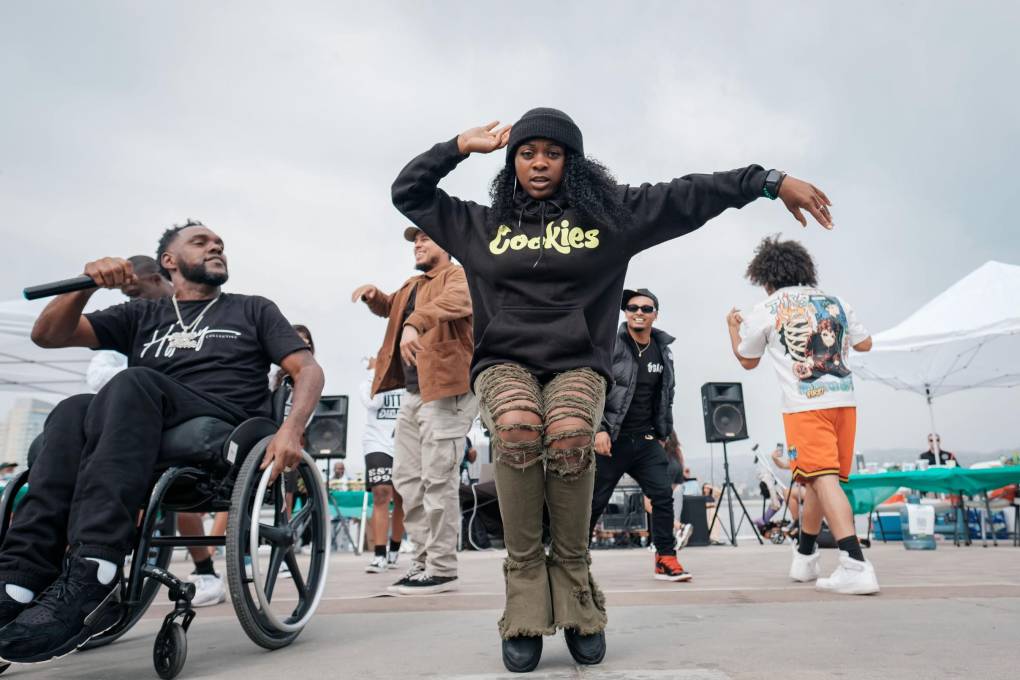
"caption": "Telice Summerfield (center) dancing on stage with Keak Da Sneak (left) in Oakland. ",
"description": "Telice Summerfield (center) dancing on stage with Keak Da Sneak (left) in Oakland. ",
"title": "Telice Summerfield (center) dancing on stage with Keak Da Sneak (left) in Oakland.",
"credit": null,
"status": "inherit",
"altTag": "Telice Summerfield (center) dancing on stage with Keak Da Sneak (left) in Oakland.",
"isLoading": false,
"fetchFailed": false
},
"arts_13940289": {
"type": "attachments",
"id": "arts_13940289",
"meta": {
"index": "attachments_1716263798",
"site": "arts",
"id": "13940289",
"found": true
},
"parent": 13940282,
"imgSizes": {
"twentyfourteen-full-width": {
"file": "https://cdn.kqed.org/wp-content/uploads/sites/2/2024/01/231008-Pro-Palestine-March-in-San-Francisco-24-AC-qut-1-1038x576.jpg",
"width": 1038,
"mimeType": "image/jpeg",
"height": 576
},
"thumbnail": {
"file": "https://cdn.kqed.org/wp-content/uploads/sites/2/2024/01/231008-Pro-Palestine-March-in-San-Francisco-24-AC-qut-1-160x107.jpg",
"width": 160,
"mimeType": "image/jpeg",
"height": 107
},
"post-thumbnail": {
"file": "https://cdn.kqed.org/wp-content/uploads/sites/2/2024/01/231008-Pro-Palestine-March-in-San-Francisco-24-AC-qut-1-672x372.jpg",
"width": 672,
"mimeType": "image/jpeg",
"height": 372
},
"kqedFullSize": {
"file": "https://cdn.kqed.org/wp-content/uploads/sites/2/2024/01/231008-Pro-Palestine-March-in-San-Francisco-24-AC-qut-1.jpg",
"width": 1920,
"height": 1280
},
"large": {
"file": "https://cdn.kqed.org/wp-content/uploads/sites/2/2024/01/231008-Pro-Palestine-March-in-San-Francisco-24-AC-qut-1-1020x680.jpg",
"width": 1020,
"mimeType": "image/jpeg",
"height": 680
},
"1536x1536": {
"file": "https://cdn.kqed.org/wp-content/uploads/sites/2/2024/01/231008-Pro-Palestine-March-in-San-Francisco-24-AC-qut-1-1536x1024.jpg",
"width": 1536,
"mimeType": "image/jpeg",
"height": 1024
},
"medium": {
"file": "https://cdn.kqed.org/wp-content/uploads/sites/2/2024/01/231008-Pro-Palestine-March-in-San-Francisco-24-AC-qut-1-800x533.jpg",
"width": 800,
"mimeType": "image/jpeg",
"height": 533
},
"medium_large": {
"file": "https://cdn.kqed.org/wp-content/uploads/sites/2/2024/01/231008-Pro-Palestine-March-in-San-Francisco-24-AC-qut-1-768x512.jpg",
"width": 768,
"mimeType": "image/jpeg",
"height": 512
}
},
"publishDate": 1704912073,
"modified": 1704918338,
"caption": "A protestor holds a sign reading \"Viva Palestina\" during a pro-Palestinian protest in San Francisco, Calif. on Oct. 8, 2023.",
"description": null,
"title": "231008-Pro-Palestine March in San Francisco-24-AC-qut",
"credit": "Martin do Nascimento/KQED",
"status": "inherit",
"altTag": null,
"isLoading": false,
"fetchFailed": false
},
"arts_13940047": {
"type": "attachments",
"id": "arts_13940047",
"meta": {
"index": "attachments_1716263798",
"site": "arts",
"id": "13940047",
"found": true
},
"parent": 13940030,
"imgSizes": {
"twentyfourteen-full-width": {
"file": "https://cdn.kqed.org/wp-content/uploads/sites/2/2024/01/Konkrete-NYC-1-PT3-08-cropped-1-1038x576.jpeg",
"width": 1038,
"mimeType": "image/jpeg",
"height": 576
},
"thumbnail": {
"file": "https://cdn.kqed.org/wp-content/uploads/sites/2/2024/01/Konkrete-NYC-1-PT3-08-cropped-1-160x89.jpeg",
"width": 160,
"mimeType": "image/jpeg",
"height": 89
},
"post-thumbnail": {
"file": "https://cdn.kqed.org/wp-content/uploads/sites/2/2024/01/Konkrete-NYC-1-PT3-08-cropped-1-672x372.jpeg",
"width": 672,
"mimeType": "image/jpeg",
"height": 372
},
"kqedFullSize": {
"file": "https://cdn.kqed.org/wp-content/uploads/sites/2/2024/01/Konkrete-NYC-1-PT3-08-cropped-1.jpeg",
"width": 1951,
"height": 1089
},
"large": {
"file": "https://cdn.kqed.org/wp-content/uploads/sites/2/2024/01/Konkrete-NYC-1-PT3-08-cropped-1-1020x569.jpeg",
"width": 1020,
"mimeType": "image/jpeg",
"height": 569
},
"1536x1536": {
"file": "https://cdn.kqed.org/wp-content/uploads/sites/2/2024/01/Konkrete-NYC-1-PT3-08-cropped-1-1536x857.jpeg",
"width": 1536,
"mimeType": "image/jpeg",
"height": 857
},
"full-width": {
"file": "https://cdn.kqed.org/wp-content/uploads/sites/2/2024/01/Konkrete-NYC-1-PT3-08-cropped-1-1920x1072.jpeg",
"width": 1920,
"mimeType": "image/jpeg",
"height": 1072
},
"medium": {
"file": "https://cdn.kqed.org/wp-content/uploads/sites/2/2024/01/Konkrete-NYC-1-PT3-08-cropped-1-800x447.jpeg",
"width": 800,
"mimeType": "image/jpeg",
"height": 447
},
"medium_large": {
"file": "https://cdn.kqed.org/wp-content/uploads/sites/2/2024/01/Konkrete-NYC-1-PT3-08-cropped-1-768x429.jpeg",
"width": 768,
"mimeType": "image/jpeg",
"height": 429
}
},
"publishDate": 1704395725,
"modified": 1704395764,
"caption": "Konkrete performs with Beyoncé in New York City in July 2023. ",
"description": null,
"title": "Konkrete-NYC-1-PT3-08 cropped",
"credit": "Courtesy of Konkrete",
"status": "inherit",
"altTag": "A dancer with bleached hair stands on one knee while Beyoncé walks down a catwalk behind him.",
"isLoading": false,
"fetchFailed": false
},
"arts_13938014": {
"type": "attachments",
"id": "arts_13938014",
"meta": {
"index": "attachments_1716263798",
"site": "arts",
"id": "13938014",
"found": true
},
"parent": 13938001,
"imgSizes": {
"twentyfourteen-full-width": {
"file": "https://ww2.kqed.org/app/uploads/sites/2/2023/11/20231101-My-Linh-Le-012-JY_COVER-1038x576.jpg",
"width": 1038,
"mimeType": "image/jpeg",
"height": 576
},
"thumbnail": {
"file": "https://ww2.kqed.org/app/uploads/sites/2/2023/11/20231101-My-Linh-Le-012-JY_COVER-160x107.jpg",
"width": 160,
"mimeType": "image/jpeg",
"height": 107
},
"post-thumbnail": {
"file": "https://ww2.kqed.org/app/uploads/sites/2/2023/11/20231101-My-Linh-Le-012-JY_COVER-672x372.jpg",
"width": 672,
"mimeType": "image/jpeg",
"height": 372
},
"kqedFullSize": {
"file": "https://ww2.kqed.org/app/uploads/sites/2/2023/11/20231101-My-Linh-Le-012-JY_COVER.jpg",
"width": 2000,
"height": 1333
},
"large": {
"file": "https://ww2.kqed.org/app/uploads/sites/2/2023/11/20231101-My-Linh-Le-012-JY_COVER-1020x680.jpg",
"width": 1020,
"mimeType": "image/jpeg",
"height": 680
},
"1536x1536": {
"file": "https://ww2.kqed.org/app/uploads/sites/2/2023/11/20231101-My-Linh-Le-012-JY_COVER-1536x1024.jpg",
"width": 1536,
"mimeType": "image/jpeg",
"height": 1024
},
"full-width": {
"file": "https://ww2.kqed.org/app/uploads/sites/2/2023/11/20231101-My-Linh-Le-012-JY_COVER-1920x1280.jpg",
"width": 1920,
"mimeType": "image/jpeg",
"height": 1280
},
"medium": {
"file": "https://ww2.kqed.org/app/uploads/sites/2/2023/11/20231101-My-Linh-Le-012-JY_COVER-800x533.jpg",
"width": 800,
"mimeType": "image/jpeg",
"height": 533
},
"medium_large": {
"file": "https://ww2.kqed.org/app/uploads/sites/2/2023/11/20231101-My-Linh-Le-012-JY_COVER-768x512.jpg",
"width": 768,
"mimeType": "image/jpeg",
"height": 512
}
},
"publishDate": 1699990201,
"modified": 1699990360,
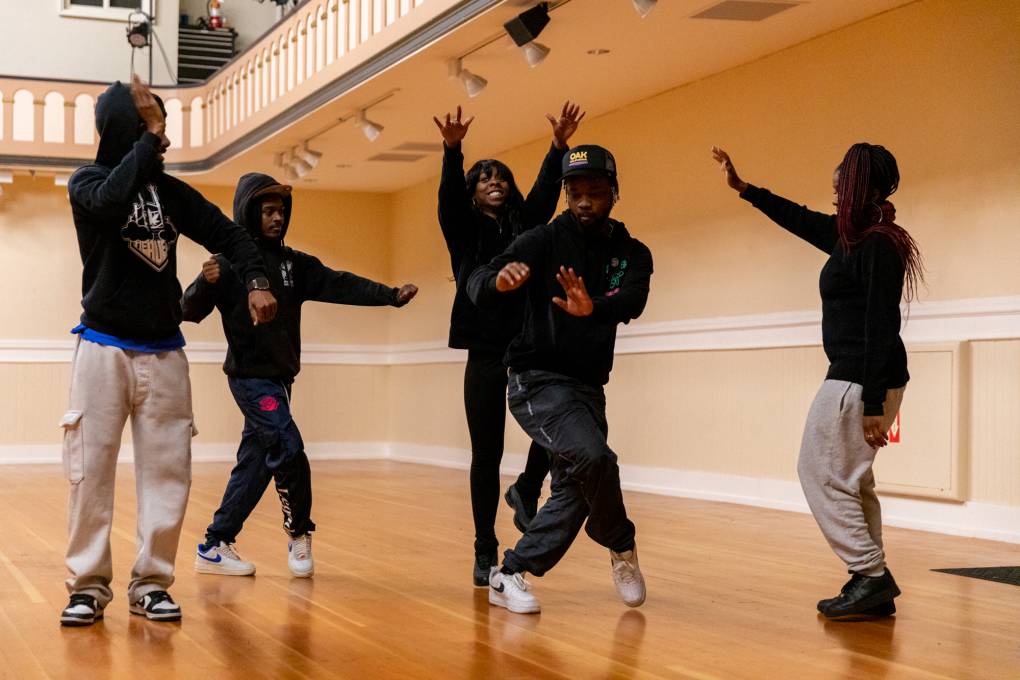
"caption": "Gary 'Ice Cold 3000' Morgan (center) dances with Mud Water Theatre members during rehearsal for 'Mud Water IV' at the Bayview Opera House. Created by My-Linh Le, the dance theatre piece will premiere at Dance Mission Theater on Nov. 18.\n\n",
"description": null,
"title": "20231101-My-Linh-Le-012-JY_COVER",
"credit": "Juliana Yamada/KQED",
"status": "inherit",
"altTag": null,
"isLoading": false,
"fetchFailed": false
},
"arts_13937539": {
"type": "attachments",
"id": "arts_13937539",
"meta": {
"index": "attachments_1716263798",
"site": "arts",
"id": "13937539",
"found": true
},
"parent": 13937416,
"imgSizes": {
"twentyfourteen-full-width": {
"file": "https://ww2.kqed.org/app/uploads/sites/2/2023/11/Angelica-and-Jahaira-16.9-1038x576.jpg",
"width": 1038,
"mimeType": "image/jpeg",
"height": 576
},
"thumbnail": {
"file": "https://ww2.kqed.org/app/uploads/sites/2/2023/11/Angelica-and-Jahaira-16.9-160x90.jpg",
"width": 160,
"mimeType": "image/jpeg",
"height": 90
},
"post-thumbnail": {
"file": "https://ww2.kqed.org/app/uploads/sites/2/2023/11/Angelica-and-Jahaira-16.9-672x372.jpg",
"width": 672,
"mimeType": "image/jpeg",
"height": 372
},
"kqedFullSize": {
"file": "https://ww2.kqed.org/app/uploads/sites/2/2023/11/Angelica-and-Jahaira-16.9.jpg",
"width": 1253,
"height": 705
},
"large": {
"file": "https://ww2.kqed.org/app/uploads/sites/2/2023/11/Angelica-and-Jahaira-16.9-1020x574.jpg",
"width": 1020,
"mimeType": "image/jpeg",
"height": 574
},
"medium": {
"file": "https://ww2.kqed.org/app/uploads/sites/2/2023/11/Angelica-and-Jahaira-16.9-800x450.jpg",
"width": 800,
"mimeType": "image/jpeg",
"height": 450
},
"medium_large": {
"file": "https://ww2.kqed.org/app/uploads/sites/2/2023/11/Angelica-and-Jahaira-16.9-768x432.jpg",
"width": 768,
"mimeType": "image/jpeg",
"height": 432
}
},
"publishDate": 1699028795,
"modified": 1699028909,
"caption": "Angelica Medina (L) dances with Jahaira Fajardo (R).",
"description": null,
"title": "Angelica-and-Jahaira-16.9",
"credit": "Courtesy of In Lak'ech",
"status": "inherit",
"altTag": "A woman in multi-colored leggings faces away from the camera, while dancing and holding the hand of a woman facing the camera in a black top and black jeans.",
"isLoading": false,
"fetchFailed": false
},
"arts_13935477": {
"type": "attachments",
"id": "arts_13935477",
"meta": {
"index": "attachments_1716263798",
"site": "arts",
"id": "13935477",
"found": true
},
"parent": 13935408,
"imgSizes": {
"twentyfourteen-full-width": {
"file": "https://ww2.kqed.org/app/uploads/sites/2/2023/09/HKGT-part-2-web-image-1038x576.png",
"width": 1038,
"mimeType": "image/png",
"height": 576
},
"thumbnail": {
"file": "https://ww2.kqed.org/app/uploads/sites/2/2023/09/HKGT-part-2-web-image-160x90.png",
"width": 160,
"mimeType": "image/png",
"height": 90
},
"post-thumbnail": {
"file": "https://ww2.kqed.org/app/uploads/sites/2/2023/09/HKGT-part-2-web-image-672x372.png",
"width": 672,
"mimeType": "image/png",
"height": 372
},
"kqedFullSize": {
"file": "https://ww2.kqed.org/app/uploads/sites/2/2023/09/HKGT-part-2-web-image.png",
"width": 1920,
"height": 1080
},
"large": {
"file": "https://ww2.kqed.org/app/uploads/sites/2/2023/09/HKGT-part-2-web-image-1020x574.png",
"width": 1020,
"mimeType": "image/png",
"height": 574
},
"1536x1536": {
"file": "https://ww2.kqed.org/app/uploads/sites/2/2023/09/HKGT-part-2-web-image-1536x864.png",
"width": 1536,
"mimeType": "image/png",
"height": 864
},
"medium": {
"file": "https://ww2.kqed.org/app/uploads/sites/2/2023/09/HKGT-part-2-web-image-800x450.png",
"width": 800,
"mimeType": "image/png",
"height": 450
},
"medium_large": {
"file": "https://ww2.kqed.org/app/uploads/sites/2/2023/09/HKGT-part-2-web-image-768x432.png",
"width": 768,
"mimeType": "image/png",
"height": 432
}
},
"publishDate": 1695857676,
"modified": 1695917028,
"caption": "Legendary Vallejo rapper E-40 with three dancers on a purple Buick 'scraper' during the filming of the 'Tell Me When To Go' music video in Deep East Oakland, circa 2006.",
"description": "Legendary Vallejo rapper E-40 stands in front of a purple Buick \"scraper\" as three young folks dance atop the vehicle during the filming of the video for the song, \"Tell Me When To Go\" in Deep East Oakland back in 2006.",
"title": "Legendary Vallejo rapper E-40 stands in front of a purple Buick \"scraper\" as three young folks dance atop the vehicle during the filming of the video for the song, \"Tell Me When To Go\" in Deep East Oakland back in 2006.",
"credit": "D-Ray",
"status": "inherit",
"altTag": "Legendary Vallejo rapper E-40 stands in front of a purple Buick \"scraper\" as three young folks dance atop the vehicle during the filming of the video for the song, \"Tell Me When To Go\" in Deep East Oakland back in 2006.",
"isLoading": false,
"fetchFailed": false
},
"arts_13935228": {
"type": "attachments",
"id": "arts_13935228",
"meta": {
"index": "attachments_1716263798",
"site": "arts",
"id": "13935228",
"found": true
},
"parent": 13935225,
"imgSizes": {
"thumbnail": {
"file": "https://ww2.kqed.org/app/uploads/sites/2/2023/09/Untitled-160x67.jpg",
"width": 160,
"mimeType": "image/jpeg",
"height": 67
},
"post-thumbnail": {
"file": "https://ww2.kqed.org/app/uploads/sites/2/2023/09/Untitled-672x372.jpg",
"width": 672,
"mimeType": "image/jpeg",
"height": 372
},
"kqedFullSize": {
"file": "https://ww2.kqed.org/app/uploads/sites/2/2023/09/Untitled.jpg",
"width": 980,
"height": 410
},
"medium": {
"file": "https://ww2.kqed.org/app/uploads/sites/2/2023/09/Untitled-800x335.jpg",
"width": 800,
"mimeType": "image/jpeg",
"height": 335
},
"medium_large": {
"file": "https://ww2.kqed.org/app/uploads/sites/2/2023/09/Untitled-768x321.jpg",
"width": 768,
"mimeType": "image/jpeg",
"height": 321
}
},
"publishDate": 1695337518,
"modified": 1695337606,
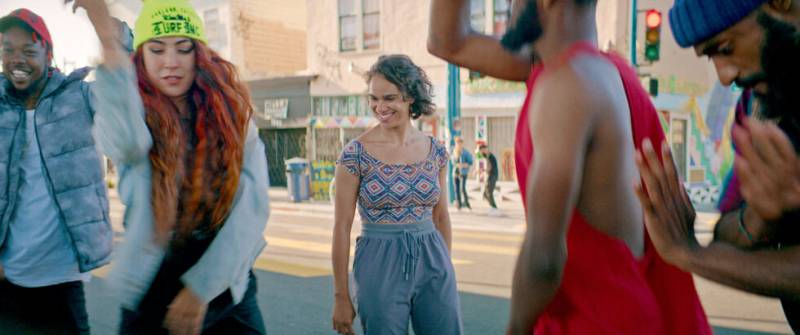
"caption": "Misty Copeland watches turf dancers perform in a scene from the short film ‘Flower.’ ",
"description": null,
"title": "Misty Copeland 1",
"credit": "Courtesy of Life in Motion Productions",
"status": "inherit",
"altTag": "A woman with short brown hair, a leotard and pants smiles at dancers on the street, with storefronts in the background",
"isLoading": false,
"fetchFailed": false
},
"arts_13934554": {
"type": "attachments",
"id": "arts_13934554",
"meta": {
"index": "attachments_1716263798",
"site": "arts",
"id": "13934554",
"found": true
},
"parent": 13934468,
"imgSizes": {
"twentyfourteen-full-width": {
"file": "https://ww2.kqed.org/app/uploads/sites/2/2023/09/EBDA61AB-FF31-431B-A027-9C16A57C1C5F-1038x576.jpg",
"width": 1038,
"mimeType": "image/jpeg",
"height": 576
},
"thumbnail": {
"file": "https://ww2.kqed.org/app/uploads/sites/2/2023/09/EBDA61AB-FF31-431B-A027-9C16A57C1C5F-160x107.jpg",
"width": 160,
"mimeType": "image/jpeg",
"height": 107
},
"post-thumbnail": {
"file": "https://ww2.kqed.org/app/uploads/sites/2/2023/09/EBDA61AB-FF31-431B-A027-9C16A57C1C5F-672x372.jpg",
"width": 672,
"mimeType": "image/jpeg",
"height": 372
},
"kqedFullSize": {
"file": "https://ww2.kqed.org/app/uploads/sites/2/2023/09/EBDA61AB-FF31-431B-A027-9C16A57C1C5F.jpg",
"width": 1080,
"height": 720
},
"large": {
"file": "https://ww2.kqed.org/app/uploads/sites/2/2023/09/EBDA61AB-FF31-431B-A027-9C16A57C1C5F-1020x680.jpg",
"width": 1020,
"mimeType": "image/jpeg",
"height": 680
},
"medium": {
"file": "https://ww2.kqed.org/app/uploads/sites/2/2023/09/EBDA61AB-FF31-431B-A027-9C16A57C1C5F-800x533.jpg",
"width": 800,
"mimeType": "image/jpeg",
"height": 533
},
"medium_large": {
"file": "https://ww2.kqed.org/app/uploads/sites/2/2023/09/EBDA61AB-FF31-431B-A027-9C16A57C1C5F-768x512.jpg",
"width": 768,
"mimeType": "image/jpeg",
"height": 512
}
},
"publishDate": 1694204268,
"modified": 1694204362,
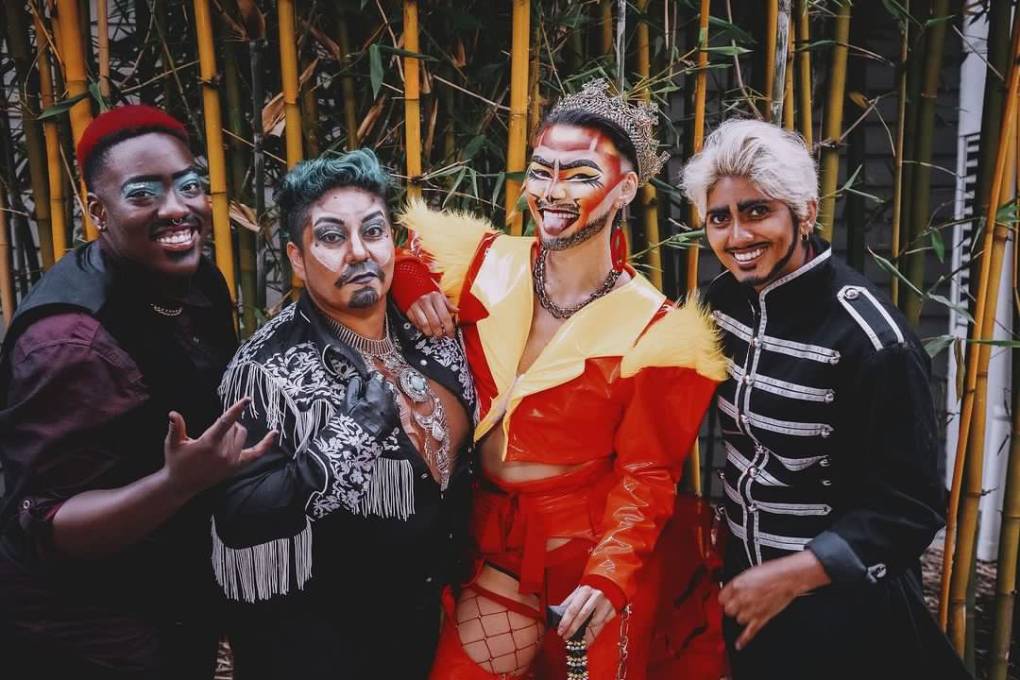
"caption": "From left to right: drag kings Helixir, Papi Churro, King LOTUS BOY and Harddeep Singh. ",
"description": null,
"title": "EBDA61AB-FF31-431B-A027-9C16A57C1C5F",
"credit": "Vita Hewitt",
"status": "inherit",
"altTag": null,
"isLoading": false,
"fetchFailed": false
},
"arts_13934451": {
"type": "attachments",
"id": "arts_13934451",
"meta": {
"index": "attachments_1716263798",
"site": "arts",
"id": "13934451",
"found": true
},
"parent": 13934433,
"imgSizes": {
"twentyfourteen-full-width": {
"file": "https://ww2.kqed.org/app/uploads/sites/2/2023/09/HPT_135-1038x576.jpg",
"width": 1038,
"mimeType": "image/jpeg",
"height": 576
},
"thumbnail": {
"file": "https://ww2.kqed.org/app/uploads/sites/2/2023/09/HPT_135-160x106.jpg",
"width": 160,
"mimeType": "image/jpeg",
"height": 106
},
"post-thumbnail": {
"file": "https://ww2.kqed.org/app/uploads/sites/2/2023/09/HPT_135-672x372.jpg",
"width": 672,
"mimeType": "image/jpeg",
"height": 372
},
"kqedFullSize": {
"file": "https://ww2.kqed.org/app/uploads/sites/2/2023/09/HPT_135.jpg",
"width": 2400,
"height": 1596
},
"2048x2048": {
"file": "https://ww2.kqed.org/app/uploads/sites/2/2023/09/HPT_135-2048x1362.jpg",
"width": 2048,
"mimeType": "image/jpeg",
"height": 1362
},
"large": {
"file": "https://ww2.kqed.org/app/uploads/sites/2/2023/09/HPT_135-1020x678.jpg",
"width": 1020,
"mimeType": "image/jpeg",
"height": 678
},
"1536x1536": {
"file": "https://ww2.kqed.org/app/uploads/sites/2/2023/09/HPT_135-1536x1021.jpg",
"width": 1536,
"mimeType": "image/jpeg",
"height": 1021
},
"full-width": {
"file": "https://ww2.kqed.org/app/uploads/sites/2/2023/09/HPT_135-1920x1277.jpg",
"width": 1920,
"mimeType": "image/jpeg",
"height": 1277
},
"medium": {
"file": "https://ww2.kqed.org/app/uploads/sites/2/2023/09/HPT_135-800x532.jpg",
"width": 800,
"mimeType": "image/jpeg",
"height": 532
},
"medium_large": {
"file": "https://ww2.kqed.org/app/uploads/sites/2/2023/09/HPT_135-768x511.jpg",
"width": 768,
"mimeType": "image/jpeg",
"height": 511
}
},
"publishDate": 1694111696,
"modified": 1694112232,
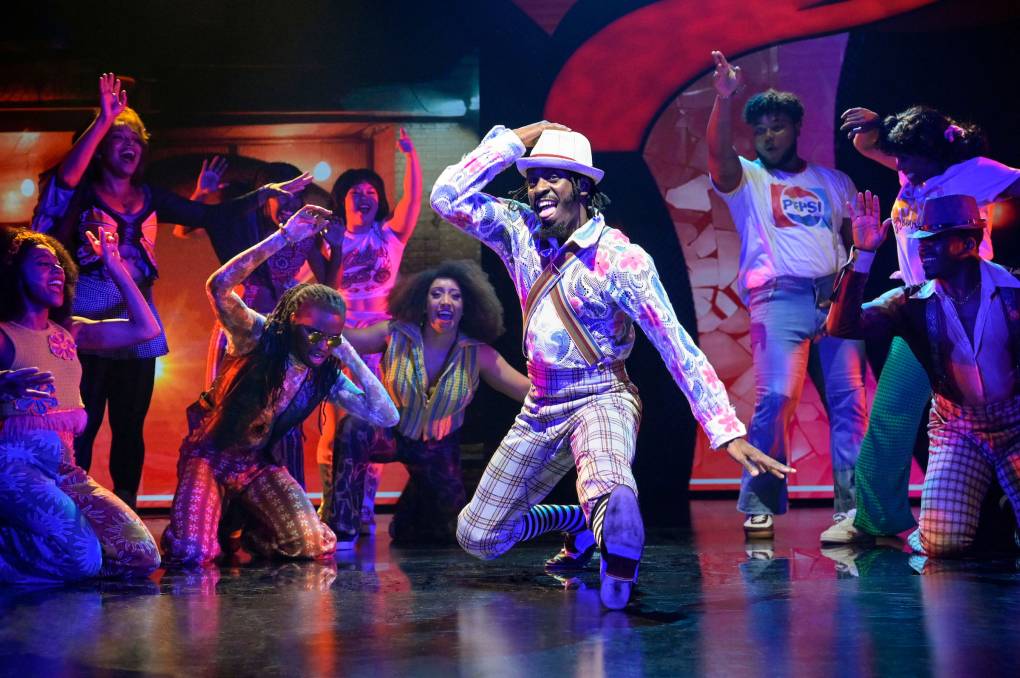
"caption": "Alain “Hurrikane” Lauture and the cast of 'Hippest Trip: The Soul Train Musical,' which runs at American Conservatory Theater’s Toni Rembe Theater through Oct. 8, 2023.",
"description": null,
"title": "HPT_135",
"credit": "Kevin Berne and Alessandra Mello",
"status": "inherit",
"altTag": null,
"isLoading": false,
"fetchFailed": false
},
"arts_13933415": {
"type": "attachments",
"id": "arts_13933415",
"meta": {
"index": "attachments_1716263798",
"site": "arts",
"id": "13933415",
"found": true
},
"parent": 13933150,
"imgSizes": {
"twentyfourteen-full-width": {
"file": "https://ww2.kqed.org/app/uploads/sites/2/2023/08/Jess-Bozzo-left-and-Bianca-Cabrera-for-SFTD-2023.-Photo-by-Amani-Wade-1038x576.jpg",
"width": 1038,
"mimeType": "image/jpeg",
"height": 576
},
"thumbnail": {
"file": "https://ww2.kqed.org/app/uploads/sites/2/2023/08/Jess-Bozzo-left-and-Bianca-Cabrera-for-SFTD-2023.-Photo-by-Amani-Wade-160x107.jpg",
"width": 160,
"mimeType": "image/jpeg",
"height": 107
},
"post-thumbnail": {
"file": "https://ww2.kqed.org/app/uploads/sites/2/2023/08/Jess-Bozzo-left-and-Bianca-Cabrera-for-SFTD-2023.-Photo-by-Amani-Wade-672x372.jpg",
"width": 672,
"mimeType": "image/jpeg",
"height": 372
},
"kqedFullSize": {
"file": "https://ww2.kqed.org/app/uploads/sites/2/2023/08/Jess-Bozzo-left-and-Bianca-Cabrera-for-SFTD-2023.-Photo-by-Amani-Wade-scaled.jpg",
"width": 2560,
"height": 1710
},
"2048x2048": {
"file": "https://ww2.kqed.org/app/uploads/sites/2/2023/08/Jess-Bozzo-left-and-Bianca-Cabrera-for-SFTD-2023.-Photo-by-Amani-Wade-2048x1368.jpg",
"width": 2048,
"mimeType": "image/jpeg",
"height": 1368
},
"large": {
"file": "https://ww2.kqed.org/app/uploads/sites/2/2023/08/Jess-Bozzo-left-and-Bianca-Cabrera-for-SFTD-2023.-Photo-by-Amani-Wade-1020x681.jpg",
"width": 1020,
"mimeType": "image/jpeg",
"height": 681
},
"1536x1536": {
"file": "https://ww2.kqed.org/app/uploads/sites/2/2023/08/Jess-Bozzo-left-and-Bianca-Cabrera-for-SFTD-2023.-Photo-by-Amani-Wade-1536x1026.jpg",
"width": 1536,
"mimeType": "image/jpeg",
"height": 1026
},
"full-width": {
"file": "https://ww2.kqed.org/app/uploads/sites/2/2023/08/Jess-Bozzo-left-and-Bianca-Cabrera-for-SFTD-2023.-Photo-by-Amani-Wade-1920x1282.jpg",
"width": 1920,
"mimeType": "image/jpeg",
"height": 1282
},
"medium": {
"file": "https://ww2.kqed.org/app/uploads/sites/2/2023/08/Jess-Bozzo-left-and-Bianca-Cabrera-for-SFTD-2023.-Photo-by-Amani-Wade-800x534.jpg",
"width": 800,
"mimeType": "image/jpeg",
"height": 534
},
"medium_large": {
"file": "https://ww2.kqed.org/app/uploads/sites/2/2023/08/Jess-Bozzo-left-and-Bianca-Cabrera-for-SFTD-2023.-Photo-by-Amani-Wade-768x513.jpg",
"width": 768,
"mimeType": "image/jpeg",
"height": 513
}
},
"publishDate": 1692311116,
"modified": 1692311266,
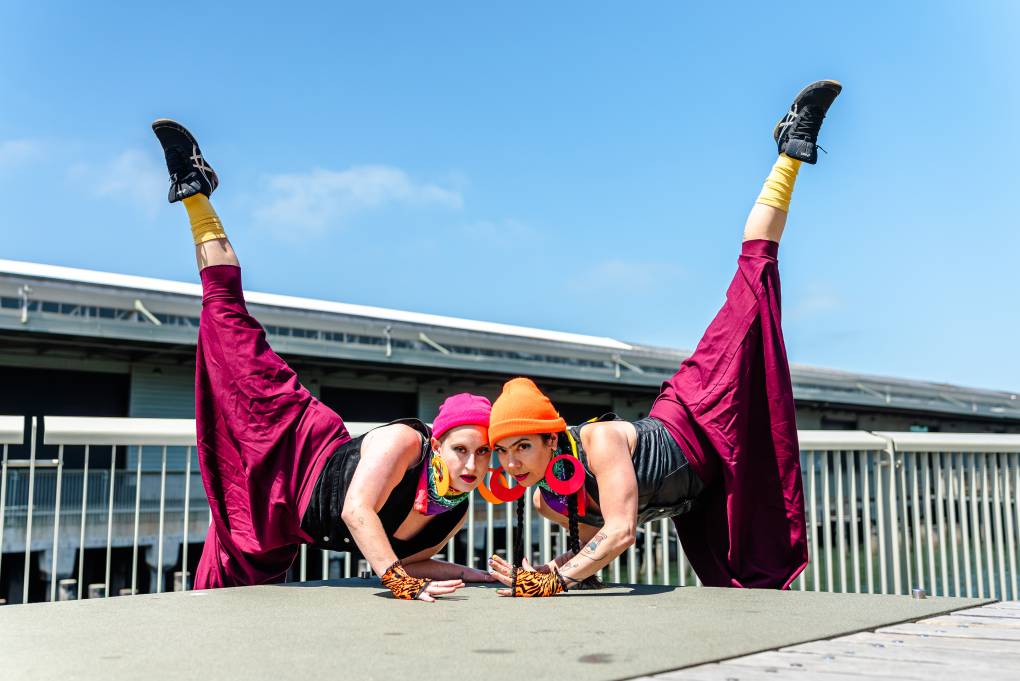
"caption": "Jess Bozzo and Bianca Cabrera dance in Epiphany's San Francisco Trolley Dances, an annual event that takes place along transit routes.",
"description": null,
"title": "Epiphany Dance Theater",
"credit": "Amani Wade",
"status": "inherit",
"altTag": "two dancers in pink and orange hat with pink skirts dance with their legs in the air, outside",
"isLoading": false,
"fetchFailed": false
},
"arts_13932908": {
"type": "attachments",
"id": "arts_13932908",
"meta": {
"index": "attachments_1716263798",
"site": "arts",
"id": "13932908",
"found": true
},
"parent": 0,
"imgSizes": {
"twentyfourteen-full-width": {
"file": "https://ww2.kqed.org/app/uploads/sites/2/2023/08/Gary_6.SQUARE-1038x576.jpg",
"width": 1038,
"mimeType": "image/jpeg",
"height": 576
},
"thumbnail": {
"file": "https://ww2.kqed.org/app/uploads/sites/2/2023/08/Gary_6.SQUARE-160x160.jpg",
"width": 160,
"mimeType": "image/jpeg",
"height": 160
},
"post-thumbnail": {
"file": "https://ww2.kqed.org/app/uploads/sites/2/2023/08/Gary_6.SQUARE-672x372.jpg",
"width": 672,
"mimeType": "image/jpeg",
"height": 372
},
"kqedFullSize": {
"file": "https://ww2.kqed.org/app/uploads/sites/2/2023/08/Gary_6.SQUARE.jpg",
"width": 1080,
"height": 1080
},
"large": {
"file": "https://ww2.kqed.org/app/uploads/sites/2/2023/08/Gary_6.SQUARE-1020x1020.jpg",
"width": 1020,
"mimeType": "image/jpeg",
"height": 1020
},
"medium": {
"file": "https://ww2.kqed.org/app/uploads/sites/2/2023/08/Gary_6.SQUARE-800x800.jpg",
"width": 800,
"mimeType": "image/jpeg",
"height": 800
},
"medium_large": {
"file": "https://ww2.kqed.org/app/uploads/sites/2/2023/08/Gary_6.SQUARE-768x768.jpg",
"width": 768,
"mimeType": "image/jpeg",
"height": 768
}
},
"publishDate": 1691645109,
"modified": 1691646646,
"caption": "Icecold 3000 of the Turf Fienz dances with the Port of Oakland in the background. ",
"description": null,
"title": "Gary_6.SQUARE",
"credit": "Elie M. Khadra",
"status": "inherit",
"altTag": null,
"isLoading": false,
"fetchFailed": false
},
"arts_13932907": {
"type": "attachments",
"id": "arts_13932907",
"meta": {
"index": "attachments_1716263798",
"site": "arts",
"id": "13932907",
"found": true
},
"parent": 13932887,
"imgSizes": {
"twentyfourteen-full-width": {
"file": "https://ww2.kqed.org/app/uploads/sites/2/2023/08/Gary_6-1038x576.jpg",
"width": 1038,
"mimeType": "image/jpeg",
"height": 576
},
"thumbnail": {
"file": "https://ww2.kqed.org/app/uploads/sites/2/2023/08/Gary_6-160x90.jpg",
"width": 160,
"mimeType": "image/jpeg",
"height": 90
},
"post-thumbnail": {
"file": "https://ww2.kqed.org/app/uploads/sites/2/2023/08/Gary_6-672x372.jpg",
"width": 672,
"mimeType": "image/jpeg",
"height": 372
},
"kqedFullSize": {
"file": "https://ww2.kqed.org/app/uploads/sites/2/2023/08/Gary_6.jpg",
"width": 1920,
"height": 1080
},
"large": {
"file": "https://ww2.kqed.org/app/uploads/sites/2/2023/08/Gary_6-1020x574.jpg",
"width": 1020,
"mimeType": "image/jpeg",
"height": 574
},
"1536x1536": {
"file": "https://ww2.kqed.org/app/uploads/sites/2/2023/08/Gary_6-1536x864.jpg",
"width": 1536,
"mimeType": "image/jpeg",
"height": 864
},
"medium": {
"file": "https://ww2.kqed.org/app/uploads/sites/2/2023/08/Gary_6-800x450.jpg",
"width": 800,
"mimeType": "image/jpeg",
"height": 450
},
"medium_large": {
"file": "https://ww2.kqed.org/app/uploads/sites/2/2023/08/Gary_6-768x432.jpg",
"width": 768,
"mimeType": "image/jpeg",
"height": 432
}
},
"publishDate": 1691645102,
"modified": 1691647336,
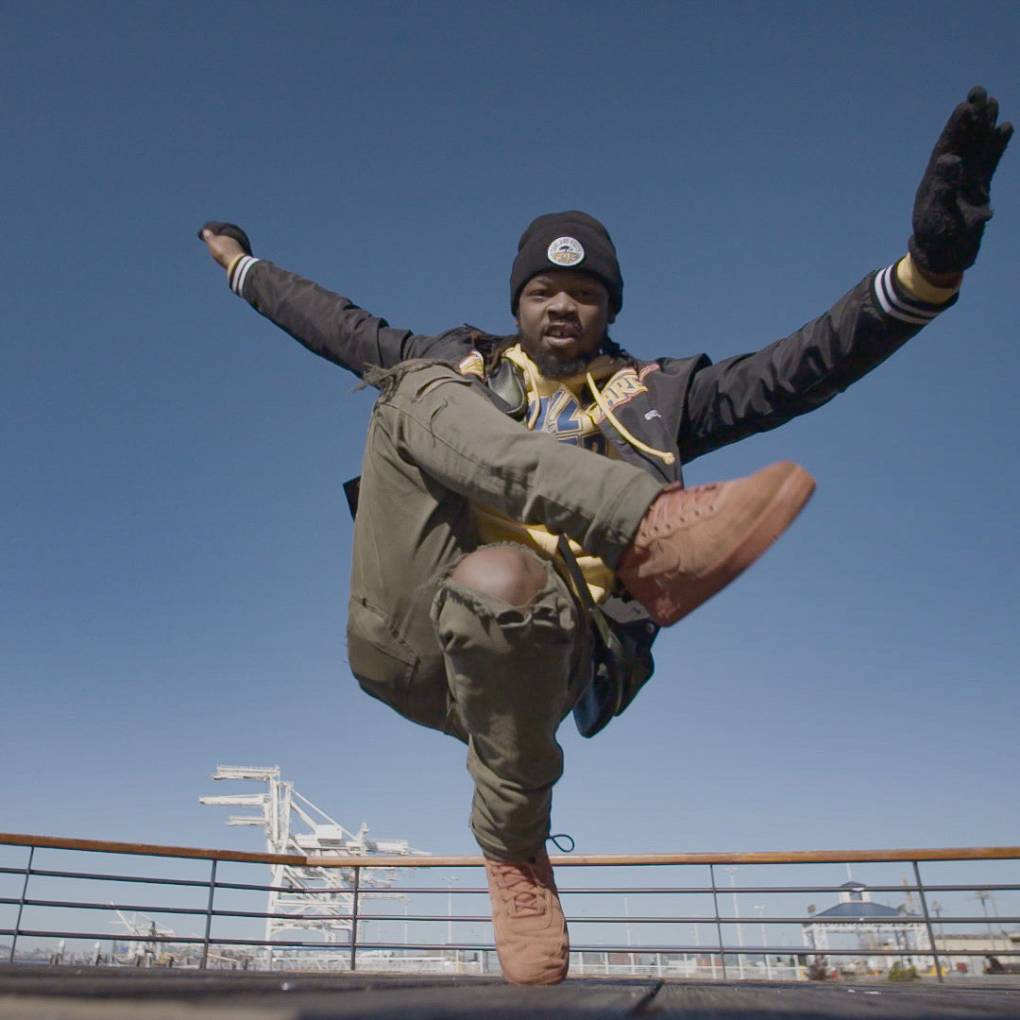
"caption": "Garion Morgan, a.k.a. Icecold 3000 of the Turf Fienz, dancing near the Port of Oakland in 2019. ",
"description": null,
"title": "Gary_6",
"credit": "Elie M. Khadra",
"status": "inherit",
"altTag": "Garion Morgan, a.k.a. Icecold 3000 of the Turf Fienz, dancing near the Port of Oakland in 2019.",
"isLoading": false,
"fetchFailed": false
},
"arts_13927364": {
"type": "attachments",
"id": "arts_13927364",
"meta": {
"index": "attachments_1716263798",
"site": "arts",
"id": "13927364",
"found": true
},
"parent": 13927349,
"imgSizes": {
"twentyfourteen-full-width": {
"file": "https://ww2.kqed.org/app/uploads/sites/2/2023/04/photo-forward_____separate_logos__2_-1038x576.png",
"width": 1038,
"mimeType": "image/png",
"height": 576
},
"thumbnail": {
"file": "https://ww2.kqed.org/app/uploads/sites/2/2023/04/photo-forward_____separate_logos__2_-160x160.png",
"width": 160,
"mimeType": "image/png",
"height": 160
},
"post-thumbnail": {
"file": "https://ww2.kqed.org/app/uploads/sites/2/2023/04/photo-forward_____separate_logos__2_-672x372.png",
"width": 672,
"mimeType": "image/png",
"height": 372
},
"kqedFullSize": {
"file": "https://ww2.kqed.org/app/uploads/sites/2/2023/04/photo-forward_____separate_logos__2_.png",
"width": 1080,
"height": 1080
},
"large": {
"file": "https://ww2.kqed.org/app/uploads/sites/2/2023/04/photo-forward_____separate_logos__2_-1020x1020.png",
"width": 1020,
"mimeType": "image/png",
"height": 1020
},
"medium": {
"file": "https://ww2.kqed.org/app/uploads/sites/2/2023/04/photo-forward_____separate_logos__2_-800x800.png",
"width": 800,
"mimeType": "image/png",
"height": 800
},
"medium_large": {
"file": "https://ww2.kqed.org/app/uploads/sites/2/2023/04/photo-forward_____separate_logos__2_-768x768.png",
"width": 768,
"mimeType": "image/png",
"height": 768
}
},
"publishDate": 1680663395,
"modified": 1680663902,
"caption": "In the 1980s, Bay Area hip-hop hadn't yet coalesced into an identifiable regional sound. After years of street dance, DJing and graffiti sharing equal space in hip-hop, however, rapping took over, and the Bay Area's bass-heavy trademark would arrive at the end of the decade. (Clockwise from top left: Too Short, MC Hammer, Dominique DiPrima, Club Nouveau, and Motorcycle Mike.)",
"description": null,
"title": "photo-forward_____separate_logos__2_",
"credit": "Steve Ringman/San Francisco Chronicle via Getty Images; Al Pereira/Michael Ochs Archives/Getty Images; SFSU Television Archives; Raymond Boyd/Getty Images; Hodisk Records",
"status": "inherit",
"altTag": null,
"isLoading": false,
"fetchFailed": false
},
"arts_13927363": {
"type": "attachments",
"id": "arts_13927363",
"meta": {
"index": "attachments_1716263798",
"site": "arts",
"id": "13927363",
"found": true
},
"parent": 13927349,
"imgSizes": {
"twentyfourteen-full-width": {
"file": "https://ww2.kqed.org/app/uploads/sites/2/2023/04/that_s_my_word_____featured_image__3_-1038x576.png",
"width": 1038,
"mimeType": "image/png",
"height": 576
},
"thumbnail": {
"file": "https://ww2.kqed.org/app/uploads/sites/2/2023/04/that_s_my_word_____featured_image__3_-160x90.png",
"width": 160,
"mimeType": "image/png",
"height": 90
},
"post-thumbnail": {
"file": "https://ww2.kqed.org/app/uploads/sites/2/2023/04/that_s_my_word_____featured_image__3_-672x372.png",
"width": 672,
"mimeType": "image/png",
"height": 372
},
"kqedFullSize": {
"file": "https://ww2.kqed.org/app/uploads/sites/2/2023/04/that_s_my_word_____featured_image__3_.png",
"width": 1920,
"height": 1080
},
"large": {
"file": "https://ww2.kqed.org/app/uploads/sites/2/2023/04/that_s_my_word_____featured_image__3_-1020x574.png",
"width": 1020,
"mimeType": "image/png",
"height": 574
},
"1536x1536": {
"file": "https://ww2.kqed.org/app/uploads/sites/2/2023/04/that_s_my_word_____featured_image__3_-1536x864.png",
"width": 1536,
"mimeType": "image/png",
"height": 864
},
"medium": {
"file": "https://ww2.kqed.org/app/uploads/sites/2/2023/04/that_s_my_word_____featured_image__3_-800x450.png",
"width": 800,
"mimeType": "image/png",
"height": 450
},
"medium_large": {
"file": "https://ww2.kqed.org/app/uploads/sites/2/2023/04/that_s_my_word_____featured_image__3_-768x432.png",
"width": 768,
"mimeType": "image/png",
"height": 432
}
},
"publishDate": 1680663386,
"modified": 1680663880,
"caption": "In the 1980s, Bay Area hip-hop hadn't yet coalesced into an identifiable regional sound. After years of street dance, DJing and graffiti sharing equal space in hip-hop, however, rapping took over, and the Bay Area's bass-heavy trademark would arrive at the end of the decade. (Clockwise from top left: Too Short, MC Hammer, Dominique DiPrima, Club Nouveau, and Motorcycle Mike.)",
"description": null,
"title": "that_s_my_word_____featured_image__3_",
"credit": "Steve Ringman/San Francisco Chronicle via Getty Images; Al Pereira/Michael Ochs Archives/Getty Images; SFSU Television Archives; Raymond Boyd/Getty Images; Hodisk Records",
"status": "inherit",
"altTag": null,
"isLoading": false,
"fetchFailed": false
}
},
"audioPlayerReducer": {
"postId": "stream_live",
"isPaused": true,
"isPlaying": false,
"pfsActive": false,
"pledgeModalIsOpen": true,
"playerDrawerIsOpen": false,
"liveAudioPlayStartedAt": 0,
"liveAudioPlayContext": ""
},
"authorsReducer": {
"byline_arts_13938001": {
"type": "authors",
"id": "byline_arts_13938001",
"meta": {
"override": true
},
"slug": "byline_arts_13938001",
"name": "Dorothy R. Santos",
"isLoading": false
},
"aproehl": {
"type": "authors",
"id": "11296",
"meta": {
"index": "authors_1716337520",
"id": "11296",
"found": true
},
"name": "Ariana Proehl",
"firstName": "Ariana",
"lastName": "Proehl",
"slug": "aproehl",
"email": "aproehl@KQED.org",
"display_author_email": true,
"staff_mastheads": [
"news"
],
"title": "Culture Reporter, KQED",
"bio": "Ariana Proehl is a Culture Reporter and Host.",
"avatar": "https://secure.gravatar.com/avatar/c96b24567eb5bb3a4f8bb295ed53e232?s=600&d=blank&r=g",
"twitter": "ArianaProehl",
"facebook": null,
"instagram": null,
"linkedin": null,
"sites": [
{
"site": "arts",
"roles": []
},
{
"site": "news",
"roles": []
},
{
"site": "education",
"roles": []
},
{
"site": "forum",
"roles": []
}
],
"headData": {
"title": "Ariana Proehl | KQED",
"description": "Culture Reporter, KQED",
"ogImgSrc": "https://secure.gravatar.com/avatar/c96b24567eb5bb3a4f8bb295ed53e232?s=600&d=blank&r=g",
"twImgSrc": "https://secure.gravatar.com/avatar/c96b24567eb5bb3a4f8bb295ed53e232?s=600&d=blank&r=g"
},
"isLoading": false,
"link": "/author/aproehl"
},
"nvoynovskaya": {
"type": "authors",
"id": "11387",
"meta": {
"index": "authors_1716337520",
"id": "11387",
"found": true
},
"name": "Nastia Voynovskaya",
"firstName": "Nastia",
"lastName": "Voynovskaya",
"slug": "nvoynovskaya",
"email": "nvoynovskaya@kqed.org",
"display_author_email": false,
"staff_mastheads": [
"arts"
],
"title": "Editor and reporter",
"bio": "Nastia Voynovskaya is a reporter, editor and host at KQED Arts & Culture. She's been covering the arts in the Bay Area for over a decade, with a focus on music, queer culture, labor issues and grassroots organizing. She has edited KQED story series such as Trans Bay: A History of San Francisco's Gender-Diverse Community, and co-created KQED's Bay Area hip-hop history project, That's My Word. Nastia's work has been recognized by the Society of Professional Journalists and San Francisco Press Club. She regularly appears on podcasts and radio programs, including NPR's All Songs Considered, and hosts live events where music, culture and conversation meet.",
"avatar": "https://secure.gravatar.com/avatar/5025ee460e5a85d69ca20ea6c6f2f80d7e17795c828f61ea3aecfcd924e9042e?s=600&d=blank&r=g",
"twitter": null,
"bluesky": null,
"facebook": null,
"instagram": "https://www.instagram.com/nananastia/",
"linkedin": null,
"sites": [
{
"site": "",
"roles": [
"editor"
]
},
{
"site": "arts",
"roles": [
"administrator"
]
},
{
"site": "news",
"roles": [
"editor"
]
},
{
"site": "pop",
"roles": [
"administrator"
]
},
{
"site": "bayareabites",
"roles": [
"editor"
]
},
{
"site": "podcasts",
"roles": [
"editor"
]
},
{
"site": "hiphop",
"roles": [
"editor"
]
}
],
"headData": {
"title": "Nastia Voynovskaya | KQED",
"description": "Editor and reporter",
"ogImgSrc": "https://secure.gravatar.com/avatar/5025ee460e5a85d69ca20ea6c6f2f80d7e17795c828f61ea3aecfcd924e9042e?s=600&d=blank&r=g",
"twImgSrc": "https://secure.gravatar.com/avatar/5025ee460e5a85d69ca20ea6c6f2f80d7e17795c828f61ea3aecfcd924e9042e?s=600&d=blank&r=g"
},
"isLoading": false,
"link": "/author/nvoynovskaya"
},
"ogpenn": {
"type": "authors",
"id": "11491",
"meta": {
"index": "authors_1716337520",
"id": "11491",
"found": true
},
"name": "Pendarvis Harshaw",
"firstName": "Pendarvis",
"lastName": "Harshaw",
"slug": "ogpenn",
"email": "ogpenn@gmail.com",
"display_author_email": false,
"staff_mastheads": [
"arts"
],
"title": "Community Engagement Reporter",
"bio": "Pendarvis Harshaw is an educator, host and writer with KQED Arts.",
"avatar": "https://secure.gravatar.com/avatar/972b77ee8e3f346ae2b00622661187fbfabd059b5693bbdc1475ea7a722fd4cd?s=600&d=blank&r=g",
"twitter": null,
"bluesky": null,
"facebook": null,
"instagram": "ogpenn",
"linkedin": null,
"sites": [
{
"site": "arts",
"roles": [
"administrator"
]
},
{
"site": "news",
"roles": [
"editor"
]
},
{
"site": "bayareabites",
"roles": [
"author"
]
},
{
"site": "hiphop",
"roles": [
"editor"
]
}
],
"headData": {
"title": "Pendarvis Harshaw | KQED",
"description": "Community Engagement Reporter",
"ogImgSrc": "https://secure.gravatar.com/avatar/972b77ee8e3f346ae2b00622661187fbfabd059b5693bbdc1475ea7a722fd4cd?s=600&d=blank&r=g",
"twImgSrc": "https://secure.gravatar.com/avatar/972b77ee8e3f346ae2b00622661187fbfabd059b5693bbdc1475ea7a722fd4cd?s=600&d=blank&r=g"
},
"isLoading": false,
"link": "/author/ogpenn"
},
"ngluckstern": {
"type": "authors",
"id": "11497",
"meta": {
"index": "authors_1716337520",
"id": "11497",
"found": true
},
"name": "Nicole Gluckstern",
"firstName": "Nicole",
"lastName": "Gluckstern",
"slug": "ngluckstern",
"email": "gluckstern.nicole@gmail.com",
"display_author_email": false,
"staff_mastheads": [],
"title": null,
"bio": null,
"avatar": "https://secure.gravatar.com/avatar/4fa7e0128404fc3d06ce5f9e27ab9e5a?s=600&d=blank&r=g",
"twitter": null,
"facebook": null,
"instagram": null,
"linkedin": null,
"sites": [
{
"site": "arts",
"roles": [
"author"
]
}
],
"headData": {
"title": "Nicole Gluckstern | KQED",
"description": null,
"ogImgSrc": "https://secure.gravatar.com/avatar/4fa7e0128404fc3d06ce5f9e27ab9e5a?s=600&d=blank&r=g",
"twImgSrc": "https://secure.gravatar.com/avatar/4fa7e0128404fc3d06ce5f9e27ab9e5a?s=600&d=blank&r=g"
},
"isLoading": false,
"link": "/author/ngluckstern"
},
"mmedina": {
"type": "authors",
"id": "11528",
"meta": {
"index": "authors_1716337520",
"id": "11528",
"found": true
},
"name": "Marisol Medina-Cadena",
"firstName": "Marisol",
"lastName": "Medina-Cadena",
"slug": "mmedina",
"email": "mmedina@KQED.org",
"display_author_email": true,
"staff_mastheads": [],
"title": "Producer, Rightnowish Podcast",
"bio": "Marisol Medina-Cadena is a radio reporter and podcast producer. Before working at KQED, she produced for PBS member station, KCET, in Los Angeles. In 2017, Marisol won an Emmy Award for her work on the televised documentary, \u003cem>City Rising\u003c/em>, examining California's affordable housing crisis and the historical roots of gentrification.",
"avatar": "https://secure.gravatar.com/avatar/6c3db46a1cabb5e1fe9a365b5f4e681e?s=600&d=blank&r=g",
"twitter": "marisolreports",
"facebook": null,
"instagram": null,
"linkedin": null,
"sites": [
{
"site": "arts",
"roles": []
},
{
"site": "news",
"roles": [
"edit_others_posts"
]
}
],
"headData": {
"title": "Marisol Medina-Cadena | KQED",
"description": "Producer, Rightnowish Podcast",
"ogImgSrc": "https://secure.gravatar.com/avatar/6c3db46a1cabb5e1fe9a365b5f4e681e?s=600&d=blank&r=g",
"twImgSrc": "https://secure.gravatar.com/avatar/6c3db46a1cabb5e1fe9a365b5f4e681e?s=600&d=blank&r=g"
},
"isLoading": false,
"link": "/author/mmedina"
},
"chambrick": {
"type": "authors",
"id": "11832",
"meta": {
"index": "authors_1716337520",
"id": "11832",
"found": true
},
"name": "Chris Hambrick",
"firstName": "Chris",
"lastName": "Hambrick",
"slug": "chambrick",
"email": "chambrick@kqed.org",
"display_author_email": false,
"staff_mastheads": [],
"title": "KQED Contributor",
"bio": null,
"avatar": "https://secure.gravatar.com/avatar/c4a3663ebbd3a21fa35ef06a1236ce8a?s=600&d=blank&r=g",
"twitter": null,
"facebook": null,
"instagram": null,
"linkedin": null,
"sites": [
{
"site": "",
"roles": [
"editor"
]
},
{
"site": "arts",
"roles": [
"editor"
]
},
{
"site": "news",
"roles": [
"editor"
]
},
{
"site": "podcasts",
"roles": [
"editor"
]
}
],
"headData": {
"title": "Chris Hambrick | KQED",
"description": "KQED Contributor",
"ogImgSrc": "https://secure.gravatar.com/avatar/c4a3663ebbd3a21fa35ef06a1236ce8a?s=600&d=blank&r=g",
"twImgSrc": "https://secure.gravatar.com/avatar/c4a3663ebbd3a21fa35ef06a1236ce8a?s=600&d=blank&r=g"
},
"isLoading": false,
"link": "/author/chambrick"
},
"earnold": {
"type": "authors",
"id": "11839",
"meta": {
"index": "authors_1716337520",
"id": "11839",
"found": true
},
"name": "Eric Arnold",
"firstName": "Eric",
"lastName": "Arnold",
"slug": "earnold",
"email": "earnold@kqed.org",
"display_author_email": false,
"staff_mastheads": [],
"title": "Contributing Editor, 'That's My Word'",
"bio": "Eric Arnold has covered hip-hop locally and nationally for over 30 years. Formerly the managing editor of \u003cem>4080\u003c/em> and columnist for \u003cem>The Source\u003c/em>, he chronicled hyphy’s rise and fall, co-curated the Oakland Museum of California’s first hip-hop exhibit in 2018 and won a 2022 Northern California Emmy Award for a mini-documentary on Oakland’s Boogaloo dance culture. He is a contributing editor for \u003cem>That’s My Word\u003c/em>, KQED's series on the history of Bay Area hip-hop.",
"avatar": "https://secure.gravatar.com/avatar/ede45b04898456ad0893a2811e78b0a2?s=600&d=blank&r=g",
"twitter": null,
"facebook": null,
"instagram": null,
"linkedin": null,
"sites": [
{
"site": "arts",
"roles": [
"contributor"
]
},
{
"site": "news",
"roles": [
"contributor"
]
},
{
"site": "hiphop",
"roles": [
"contributor"
]
}
],
"headData": {
"title": "Eric Arnold | KQED",
"description": "Contributing Editor, 'That's My Word'",
"ogImgSrc": "https://secure.gravatar.com/avatar/ede45b04898456ad0893a2811e78b0a2?s=600&d=blank&r=g",
"twImgSrc": "https://secure.gravatar.com/avatar/ede45b04898456ad0893a2811e78b0a2?s=600&d=blank&r=g"
},
"isLoading": false,
"link": "/author/earnold"
},
"mreeves": {
"type": "authors",
"id": "11855",
"meta": {
"index": "authors_1716337520",
"id": "11855",
"found": true
},
"name": "Mosi Reeves",
"firstName": "Mosi",
"lastName": "Reeves",
"slug": "mreeves",
"email": "infamous30@gmail.com",
"display_author_email": false,
"staff_mastheads": [],
"title": "KQED Contributor",
"bio": "Mosi Reeves is a journalist and cultural critic based in Oakland, California. In addition to KQED, his work has appeared in \u003cem>Rolling Stone\u003c/em>, \u003cem>The Wire\u003c/em>, Pitchfork, \u003cem>Billboard\u003c/em>, and Grammy.com.",
"avatar": "https://secure.gravatar.com/avatar/6f376003ca1cf7a873edc107f5f331f1?s=600&d=blank&r=g",
"twitter": null,
"facebook": null,
"instagram": null,
"linkedin": null,
"sites": [
{
"site": "arts",
"roles": [
"contributor"
]
},
{
"site": "pop",
"roles": [
"contributor"
]
}
],
"headData": {
"title": "Mosi Reeves | KQED",
"description": "KQED Contributor",
"ogImgSrc": "https://secure.gravatar.com/avatar/6f376003ca1cf7a873edc107f5f331f1?s=600&d=blank&r=g",
"twImgSrc": "https://secure.gravatar.com/avatar/6f376003ca1cf7a873edc107f5f331f1?s=600&d=blank&r=g"
},
"isLoading": false,
"link": "/author/mreeves"
},
"udursun": {
"type": "authors",
"id": "11883",
"meta": {
"index": "authors_1716337520",
"id": "11883",
"found": true
},
"name": "Ugur Dursun",
"firstName": "Ugur",
"lastName": "Dursun",
"slug": "udursun",
"email": "udursun@kqed.org",
"display_author_email": true,
"staff_mastheads": [
"arts"
],
"title": "Engagement Producer, KQED Arts & Culture",
"bio": "Ugur Dursun is a reporter and audience engagement producer for KQED Arts. Previously, her reporting has appeared on SFGate, East Bay Times, The Mercury News, KTVU, NBC Bay Area, The Stanford Daily, and other Bay Area local news outlets. In 2023, she was a recipient of Online News Association's \u003ca href=\"https://journalists.org/programs/mj-bear-fellowship/\">MJ Bear Fellowship\u003c/a>, which honors six standout journalists under the age of 30 who are pushing innovation in digital news.",
"avatar": "https://secure.gravatar.com/avatar/9c5fe6a93389635670fe02d7fa44666938055adfbfc2cfd7fffc1de9e29072a2?s=600&d=blank&r=g",
"twitter": null,
"bluesky": null,
"facebook": null,
"instagram": null,
"linkedin": null,
"sites": [
{
"site": "arts",
"roles": [
"administrator"
]
},
{
"site": "news",
"roles": [
"editor"
]
}
],
"headData": {
"title": "Ugur Dursun | KQED",
"description": "Engagement Producer, KQED Arts & Culture",
"ogImgSrc": "https://secure.gravatar.com/avatar/9c5fe6a93389635670fe02d7fa44666938055adfbfc2cfd7fffc1de9e29072a2?s=600&d=blank&r=g",
"twImgSrc": "https://secure.gravatar.com/avatar/9c5fe6a93389635670fe02d7fa44666938055adfbfc2cfd7fffc1de9e29072a2?s=600&d=blank&r=g"
},
"isLoading": false,
"link": "/author/udursun"
},
"sbishop": {
"type": "authors",
"id": "11888",
"meta": {
"index": "authors_1716337520",
"id": "11888",
"found": true
},
"name": "Sheree Bishop",
"firstName": "Sheree",
"lastName": "Bishop",
"slug": "sbishop",
"email": "sbishop@kqed.org",
"display_author_email": false,
"staff_mastheads": [],
"title": "KQED Contributor",
"bio": null,
"avatar": "https://secure.gravatar.com/avatar/d270d5771820af60139e08567425307c?s=600&d=blank&r=g",
"twitter": null,
"facebook": null,
"instagram": null,
"linkedin": null,
"sites": [
{
"site": "arts",
"roles": []
},
{
"site": "podcasts",
"roles": [
"editor"
]
}
],
"headData": {
"title": "Sheree Bishop | KQED",
"description": "KQED Contributor",
"ogImgSrc": "https://secure.gravatar.com/avatar/d270d5771820af60139e08567425307c?s=600&d=blank&r=g",
"twImgSrc": "https://secure.gravatar.com/avatar/d270d5771820af60139e08567425307c?s=600&d=blank&r=g"
},
"isLoading": false,
"link": "/author/sbishop"
},
"djchavez": {
"type": "authors",
"id": "11905",
"meta": {
"index": "authors_1716337520",
"id": "11905",
"found": true
},
"name": "David John Chávez",
"firstName": "David John",
"lastName": "Chávez",
"slug": "djchavez",
"email": "theatrechavez@gmail.com",
"display_author_email": false,
"staff_mastheads": [],
"title": "KQED Contributor",
"bio": "Based in San José, David is a theater critic and reporter who serves as Executive Chair of the American Theatre Critics/Journalists Association, as well as a regular theater contributor to The Mercury News, San Francisco Chronicle, American Theatre Magazine and KQED, among other publications. He is a two-time juror for the Pulitzer Prize for Drama (’22-’23) and a 2020 fellow of the Eugene O'Neill National Critics Institute.",
"avatar": "https://secure.gravatar.com/avatar/fabc2bc243ff109345d5c43867bc0b76?s=600&d=blank&r=g",
"twitter": null,
"facebook": "https://www.facebook.com/bydavidjchavez",
"instagram": "https://www.instagram.com/davidjchavez/",
"linkedin": null,
"sites": [
{
"site": "arts",
"roles": [
"author"
]
}
],
"headData": {
"title": "David John Chávez | KQED",
"description": "KQED Contributor",
"ogImgSrc": "https://secure.gravatar.com/avatar/fabc2bc243ff109345d5c43867bc0b76?s=600&d=blank&r=g",
"twImgSrc": "https://secure.gravatar.com/avatar/fabc2bc243ff109345d5c43867bc0b76?s=600&d=blank&r=g"
},
"isLoading": false,
"link": "/author/djchavez"
}
},
"pagesReducer": {
"arts_category_dance": {
"type": "terms",
"id": "arts_966",
"meta": {
"index": "terms_1716263798",
"site": "arts",
"id": "966",
"score": 12.282768
},
"featImg": null,
"name": "Dance",
"description": null,
"taxonomy": "category",
"headData": {
"twImgId": null,
"twTitle": null,
"ogTitle": null,
"ogImgId": null,
"twDescription": null,
"description": null,
"title": "Dance Archives | KQED Arts",
"ogDescription": null
},
"ttid": 984,
"slug": "dance",
"isLoading": false,
"title": "Dance",
"pageMeta": {
"site": "arts",
"WpPageTemplate": "page-topic-editorial",
"currentPage": 5
},
"blocks": [
{
"blockName": "kqed/post-list",
"attrs": {
"layout": "cardArticle2",
"query": "posts/arts?category=dance",
"seeMore": false,
"paginated": true,
"page": 5
}
},
{
"blockName": "kqed/ad"
}
]
}
},
"pfsSessionReducer": {},
"postsReducer": {
"stream_live": {
"type": "live",
"id": "stream_live",
"audioUrl": "https://streams.kqed.org/kqedradio",
"title": "Live Stream",
"excerpt": "Live Stream information currently unavailable.",
"link": "/radio",
"featImg": "",
"label": {
"name": "KQED Live",
"link": "/"
}
},
"stream_kqedNewscast": {
"type": "posts",
"id": "stream_kqedNewscast",
"audioUrl": "https://www.kqed.org/.stream/anon/radio/RDnews/newscast.mp3?_=1",
"title": "KQED Newscast",
"featImg": "",
"label": {
"name": "88.5 FM",
"link": "/"
}
},
"arts_13940111": {
"type": "posts",
"id": "arts_13940111",
"meta": {
"index": "posts_1716263798",
"site": "arts",
"id": "13940111",
"score": null,
"sort": [
1704970807000
]
},
"guestAuthors": [],
"slug": "from-buskin-on-bart-to-teaching-turfin",
"title": "From Buskin’ on BART to Teaching Turfin’",
"publishDate": 1704970807,
"format": "audio",
"headTitle": "From Buskin’ on BART to Teaching Turfin’ | KQED",
"labelTerm": {
"term": 8720,
"site": "arts"
},
"content": "\u003cp>\u003ca href=\"#episode-transcript\">\u003ci>\u003cspan style=\"font-weight: 400\">View the full episode transcript.\u003c/span>\u003c/i>\u003c/a>\u003c/p>\n\u003cp>“T\u003cspan style=\"font-weight: 400\">urfin’ is a way of life for me,” says \u003c/span>Telice Summerfield, a dancer who has the ability turn a BART platform into a stage where she can glide, tut, bend and bone break on beat. She exchanges energy with onlookers; they get entertained and she gets empowered. The dance is an art. It’s also a political act, as she takes up space at will.\u003c/p>\n\u003cp>\u003ca href=\"https://www.kqed.org/arts/13932887/turf-dancing-oakland-street-dance\" target=\"_blank\" rel=\"noopener\">Turf, \u003c/a>an acronym that stands for “taking up room on the floor,” is a style of dance that’s native to Oakland. During the hyphy movement of the early 2000s, the moves people were doing at house parties and in music videos left an indelible impression on Telice, as a youngster growing up in South Sacramento. When she was a teenager, her mother would drive her to functions in the Bay Area so she could be a part of the action. And as a young adult attending UC Berkeley, Telice found a home in Oakland’s turf dancing community.\u003c/p>\n\u003cfigure id=\"attachment_13940115\" class=\"wp-caption aligncenter\" style=\"max-width: 800px\">\u003cimg loading=\"lazy\" decoding=\"async\" class=\"wp-image-13940115 size-medium\" src=\"https://cdn.kqed.org/wp-content/uploads/sites/2/2024/01/1-3-800x533.jpg\" alt=\"Telice Summerfield's hair swings as she gigs in the center of a crowd during a recent battle.\" width=\"800\" height=\"533\" srcset=\"https://cdn.kqed.org/wp-content/uploads/sites/2/2024/01/1-3-800x533.jpg 800w, https://cdn.kqed.org/wp-content/uploads/sites/2/2024/01/1-3-1020x680.jpg 1020w, https://cdn.kqed.org/wp-content/uploads/sites/2/2024/01/1-3-160x107.jpg 160w, https://cdn.kqed.org/wp-content/uploads/sites/2/2024/01/1-3-768x512.jpg 768w, https://cdn.kqed.org/wp-content/uploads/sites/2/2024/01/1-3.jpg 1280w\" sizes=\"(max-width: 800px) 100vw, 800px\">\u003cfigcaption class=\"wp-caption-text\">Telice Summerfield’s hair swings as she gigs in the center of a crowd during a recent battle. \u003ccite>(Amy Marie Elmer / Artful Eye Studios)\u003c/cite>\u003c/figcaption>\u003c/figure>\n\u003cp>Through this community, Telice has built a career in dance. Last year alone she hosted the 2023 Red Bull Dance Your Style Competition, taught turf dancing to young folks at an elementary school in West Oakland, and led lessons on dance at the Oakland Museum of California.\u003c/p>\n\u003cp>Today we discuss how the hyphy movement opened her eyes to the arts as a child, how her experience at UC Berkeley exposed her to inequalities on campus as a young adult, and what dancing on BART has taught her about sociology. Now that Telice is a known name in the dancing world, she also gives us some insight on her plans to take the culture even further.\u003c/p>\n\u003cp>https://www.instagram.com/reel/ClfT3U6Dw3_/\u003c/p>\n\u003cp>\u003c!-- iframe plugin v.4.3 wordpress.org/plugins/iframe/ -->\u003cbr>\n\u003ciframe loading=\"lazy\" frameborder=\"0\" height=\"200\" scrolling=\"no\" src=\"https://playlist.megaphone.fm/?e=KQINC7950103605&light=true\" width=\"100%\" class=\"iframe-class\">\u003c/iframe>\u003c/p>\n\u003ch2 id=\"episode-transcript\">Episode Transcript\u003c/h2>\n\u003cp>\u003cem>[Music]\u003c/em>\u003c/p>\n\u003cp>\u003cstrong>Pendarvis Harshaw, host:\u003c/strong> Hey, what’s up family, welcome to Rightnowish. I’m your host, Pendarvis Harshaw, sliding in the studio to bring you a story that’s for sure going to get you moving.\u003c/p>\n\u003cp>If you’re an avid BART rider, chances are you’ve seen folks dancing on the train to make a lil change. The style of dance most people do on BART is T.U.R.F. Dancing, a type of dance that emerged from Oakland in the late 90s and early 2000s. It was popularized during the hyphy movement, and in many ways it carried the culture.\u003c/p>\n\u003cp>More than just going dumb, T.U.R.F. Dancing is about the smooth footwork, pantomiming and making facial expressions. It’s about the bone-breaking, tutting, and pop-locking. It’s storytelling on beat, and being player about it.\u003c/p>\n\u003cp>This week we’re talking to Telice Summerfield, a T.U.R.F. dancer who takes the meaning behind the acronym T.U.R.F.– taking up room on the floor– seriously.\u003c/p>\n\u003cp>Originally from South Sacramento, Telice was a kid when the hyphy movement kicked off. But she took note of it all: the good, the bad, and the dance moves.\u003c/p>\n\u003cp>And since then she’s gone on to teach dance classes in schools, host events at the Oakland Museum of California, and shine on stage at Red Bull’s Dance Your Style competition.\u003c/p>\n\u003cp>If you’re lucky enough to get on the right BART train, you’ll find Telice going from station to station, giggin’, doing bone-breaking contortions, and acrobatic moves as she performs on public transit. It’s because of this work ethic and talent that Telice’s name now rings bells in the Bay and beyond.\u003c/p>\n\u003cp>Today on Rightnowish, Telice shares a bit about her upbringing in Sacramento, her affection for the Town and how she’s T.U.R.F. danced all over Northern California– carrying the hyphy flag with her, and keeping the culture lit for the next generation.\u003c/p>\n\u003cp>All of that and more, right after this.\u003c/p>\n\u003cp>What’s your earliest memory of turf dancing, when was the first time you saw it?\u003c/p>\n\u003cp>\u003cem>[Music]\u003c/em>\u003c/p>\n\u003cp>\u003cstrong>Telice Summerfield:\u003c/strong> So when I was 11, my.. I want to call her my cousin, but she really like my little brother’s auntie. She were not, like, blood re-. Anyways, she threw a party. I want to say she was like a junior or senior in high school, and she threw a big ass party right there in Meadowview and it was so lit. It was like my first function. And in there they was fuckin wit’ it they was turfin’. And Iike it just was… it so lit. It was like one of the most hyphiest young moments of my life.\u003c/p>\n\u003cp>By, like, my junior year of high school, I was like ditching school to go to the battles or I would like, leave whatever school event. I was into extracurriculars, very studious, very smart. But I would be leaving the school shit to go dance because that’s really where my heart was.\u003c/p>\n\u003cp>\u003cstrong>Pendarvis Harshaw:\u003c/strong> During that time period, we have this thing called the hyphy movement. And through that, it furthered the cultural identity of Northern California hip hop. And it spoke to you in Sacramento. You latched on to it. What was it about the hyphy movement that spoke to you?\u003c/p>\n\u003cp>\u003cstrong>Telice Summerfield:\u003c/strong> Oh, my goodness. I felt a sense of like, ‘ooh, that’s me.’ Like, it was just like a sense of resonance, you know? Um, it allowed me to be free.\u003c/p>\n\u003cp>With the hyphy movement and with hyphy culture and like just the energy behind it, there’s a sense of like, relief and freedom and like, “Oh, you don’t actually got to sit like this and eat like this and do this.” And there’s no supposed to. You know, you could just like fuck with it, you feel me. And like it was very electric for me. Like I will always turn up. The Federation was my favorite. And whenever I felt constrained by rules or by circumstance or by um, obstacles, I could always turn on some hyphy slaps and it would just be lit like, I just would feel better, you know?\u003c/p>\n\u003cp>\u003cstrong>Pendarvis Harshaw:\u003c/strong> Something that I really wanted to touch on, is the fact that your mother would drive you and sometimes even your siblings to functions in Oakland so that you could dance. What did her belief in you do for you as a burgeoning dancer?\u003c/p>\n\u003cp>\u003cstrong>Telice Summerfield:\u003c/strong> She would do all of that sacrificing, and mind you she was like… the battles back in the day was like 25 dollars, maybe 20, 25 dollars. And she couldn’t afford to get us all if she would drive all the way from Sac, maybe with my siblings in a car, if they was around, if not, they was at home or whatever. But they would all wait outside for me and she would pay for me to get into battles and wait hours, hours for me to just be exposed, like maybe, maybe not cypher, maybe, maybe not meet a few people. You know what I mean?\u003c/p>\n\u003cp>Like, I was a lot more reserved and a lot less confident at the time, and so she would go the extra mile just for me to have the exposure to what I love most. And for me, like, especially in hindsight, I can never pay her back for that. You know, it’s like an investment that, like, she really believes in me and it’s paid off. You know, I’m able to pay my bills now off of dance, just off of me being who I am. And like, that’s a blessing. That is… that’s irreplaceable. You know, you can’t put a price tag on that. So, her investment in me way back when just showed me that she believed in whatever I decide to do, she gon’ stand ten toes behind me.\u003c/p>\n\u003cp>\u003cstrong>Pendarvis Harshaw:\u003c/strong> That’s beautiful. As a parent I know that that’s something that, yeah, you kind of live through your child in a lot of ways. And… and so seeing you pursue your dreams and be successful, I’m sure she’s proud of you.\u003c/p>\n\u003cp>Something I got to get here because this is an important part of your story. You get into UC Berkeley, you move to the Bay Area. You study social welfare as well as Spanish, and at the same time you weren’t all the way feeling what UC Berkeley was in terms of the social life on campus. So you ended up in Oakland. What did Oakland provide for you as an outlet during that time period?\u003c/p>\n\u003cp>\u003cstrong>Telice Summerfield:\u003c/strong> Oakland provided a sense of like home. Like it didn’t feel like there were as many social expectations or regulations. Racism wasn’t as heavy as it was in Berkeley. My craft held more weight in Oakland, you know, like I feel like my… I could take my craft to Oakland anywhere, you know, especially on the trains. Well, like, anywhere really and be recognized for what I do and, like, really be affirmed in what I do. Whereas like in Berkeley, it just was like, “Oh, that’s cool,” you know?\u003c/p>\n\u003cp>\u003cstrong>Pendarvis Harshaw:\u003c/strong> Very much so. I went to Berkeley for grad school. Similar situation where on Fridays I would drop my backpack off and just be in the town and I… It was a release, I could breathe again.\u003c/p>\n\u003cp>\u003cstrong>Telice Summerfield:\u003c/strong> And that’s a lot of the reason why I would either if I was in Berkeley, I was either at home, in class, or on my way to the BART.\u003cem> [chuckles]\u003c/em> Like, I was never really kickin’ it in Berkeley. I never really was fucking with the parties like that, like none of that, because I didn’t feel a sense of belonging. I didn’t feel like there was room for, like, real black girls, like.\u003c/p>\n\u003cp>Berkeley is well known for its political activism, its progressive activism, but there also still exists a lot of hegemony and hierarchy in that arena just to even have access to it, you know. So I felt that a lot and just Oakland gave me an escape. It gave me access to myself.\u003c/p>\n\u003cp>\u003cstrong>Pendarvis Harshaw:\u003c/strong> That makes perfect sense then. And that investment in yourself paid dividends. You furthered your community. You met folks who were into dance just like you were. You met my best friend in the world, Jesus.. Zeus El, who’s a legendary turf dancer. And so I’ve known Zeus since seventh grade, and I’ve seen him develop this turf dance family kind of from the outside. You know, I know a lot of the people, but I’m not a dancer, so I’m not in it. And so I’m wondering, what is it like being inside of that turf dancing family?\u003c/p>\n\u003cp>\u003cstrong>Telice Summerfield:\u003c/strong> First of all, shout out to Zeus. I love him so much. That’s big bro.\u003c/p>\n\u003cp>He’s incredible. He takes everybody in with open arms. And that’s not the case for all the turfers. And that’s not… that’s not our general standard of embracing people. You know, a lot of times people have to earn it. But he just like, welcomed me and I just- I’m so grateful.\u003c/p>\n\u003cp>\u003cem>[Music]\u003c/em>\u003c/p>\n\u003cp>\u003cstrong>Telice Summerfield:\u003c/strong> Being inside of that family is like it’s very nuanced. Like there’s very, very high highs and the lows really kick you in your ass and there’s a lot of politics too, that are not easily, uh, legible to an onlooker, right or somebody who just whose perspective is from the outside in.\u003c/p>\n\u003cp>It’s very critical that we stay connected, even if we don’t see eye to eye or even if we don’t agree on a topic. Being in that family is not easy, but Zeus made it a lot easier. Like I met, he was one of the first people I met in my first, like, day of being in Berkeley by myself without my family, you know. Like I went to the gym and I went to go flip with him. And that also gave me a sense of myself because I’ve been an athlete for a long time. And it just reminded me like, there’s not… you don’t have to separate your identity into categories, like they can all blend and serve your purpose for who you are.\u003c/p>\n\u003cp>\u003cstrong>Pendarvis Harshaw:\u003c/strong> You came out and you stole the show at a KQED event. We were honoring dancers from… basically 100 years worth of dancing told through this show. And toward the end, we invited folks to come up on stage and start hittin it, and you came out there, giggin, you knew a little bit of everybody and folks knew you.\u003c/p>\n\u003cp>\u003cstrong>Telice Summerfield:\u003c/strong> Being integral to what I love most has earned me the opportunity of getting to be who I am authentically, everywhere I go.\u003c/p>\n\u003cp>When you see me interacting with people and you see me like…. Like you said, I knew a little bit of everybody. Someone that I met from years ago in school could be at a KQED event and remember me or recognize me. Right. Or someone that I met through a village auntie can be at another event and remember me. You know what I mean? And so I think just like, developing authentic relationships and being authentic to who I am has allowed me to earn my name and earn like the…honor behind it.\u003c/p>\n\u003cp>\u003cstrong>Pendarvis Harshaw:\u003c/strong> You mentioned dancing in different places and people knowing you from the different hats that you wear. Do you have a different approach when you’re dancing on big stages or community events or even on BART?\u003c/p>\n\u003cp>\u003cstrong>Telice Summerfield:\u003c/strong> Dancing on big stages is really fun. It’s really fun because the support is for the most part, it’s overwhelming.\u003c/p>\n\u003cp>\u003cem>[Music]\u003c/em>\u003c/p>\n\u003cp>\u003cstrong>Telice Summerfield:\u003c/strong> It allows me to expose the culture to a larger amount of people and the way that I do it, is unique because I wasn’t here, you know, I wasn’t in the Town in 2006, 2007, 2008, right? So the way that I do it has to be genuine to who I am.\u003c/p>\n\u003cp>It feels empowering to dance on BART because I know that I can always feed myself off my craft, you know? But there’s… there’s, like, nuances, right? Like, there’s the good with the bad. Like, BART is not the cleanest place to be hustling. It’s not the cleanest place to be dancing, you know? So I don’t sit down when I’m dancing on BART. Like I don’t sit down on BART, period.\u003c/p>\n\u003cp>Most people who see dancers on BART, they rarely see girls. They rarely see girls who are raw. I don’t know, I don’t even really see girls like that and I be out there! So, like…\u003c/p>\n\u003cp>Turfing in itself is taken up from on a floor, right? And it’s like radical, it’s political. It’s not- it’s not just dance moves Like you can feel it, it pierces you, you know, And whether I’m dancing on BART, whether I’m dancing in a battle, whether I’m dancing at first Friday, whether I’m dancing at a music festival, like people can feel that.\u003c/p>\n\u003cp>\u003cstrong>Pendarvis Harshaw:\u003c/strong> That’s dope, Okay.\u003c/p>\n\u003cp>\u003cem>[Music]\u003c/em>\u003c/p>\n\u003cp>\u003cstrong>Pendarvis Harshaw:\u003c/strong> And, in terms of that validity in developing community and reaching folks during the pandemic, BART ridership took a dive. You pivoted and started doing work online. You developed a dance club called “Pussy Power Dance” and it became popular. Why do you think folks latched onto it?\u003c/p>\n\u003cp>\u003cstrong>Telice Summerfield:\u003c/strong> Well, I created Pussy Power out of a deficit of platform, right. Each month I would host a IG live session and it would last for about an hour and I would invite girls to come and perform on Pussy Power and, um, they would take 3 to 5 minutes to dance and they would just showcase. And I made it a showcase on purpose so that it was more open to all level styles, backgrounds, like I didn’t want it to feel like a competition or like a battle or like you’re going against all these girls in the live, right?\u003c/p>\n\u003cp>And I think that people latched on to it because they probably felt the same way and also because they saw how unifying it was from like, the barriers of time, space, language, level of dance, and any other constraints that could keep us away from each other, they- those obstacles didn’t limit us when we were on pussy power. So like, every episode was so inspiring, and all the girls were like, ‘oh my goodness!’ It was just so cool.\u003c/p>\n\u003cp>To me, giving back is a part of why I do everything that I do. Like I want everyone to walk away with something, even if it’s inspiration or hopefully it’s tangible. And so through Pussy Power, even though there was all these dimensions that kept us apart, I still was able to give back in tangible ways and that made it more popular.\u003c/p>\n\u003cp>\u003cstrong>Pendarvis Harshaw:\u003c/strong> It’s something, you seem like you’ve etched out a career path. Now you’re working in education as well, teaching young folks dance in West Oakland. Tell me more about your day job.\u003c/p>\n\u003cp>\u003cstrong>Telice Summerfield:\u003c/strong> My day job is teaching dance at an elementary school in West Oakland. And I teach from preschool up until fourth grade. Basically, there’s two classes of each grade and each class like, circulates through my class,\u003c/p>\n\u003cp>In my class we do, like it’s not elite dancing at all, you know, it’s not like it’s not “traditional” what traditional dance classes would look like, where like they’re learning a choreography and then they’re doing the choreography, right?\u003c/p>\n\u003cp>It’s more of like embracing movement as a creative expression of empowerment. You know, it’s like confidence building. It’s like them embracing that dance culture is really fun.\u003c/p>\n\u003cp>What I do, like, my role is to, like, uplift them and empower them and like, show them like, even if you don’t feel like the best dancer in the world, you can still come touch the stage and show some poses. And, you know, you can walk down a Soul Train line like the queen that you are. And so that allows them to share information of movement with each other, um, back and forth and just like embrace each other, you know, really see each other.\u003c/p>\n\u003cp>\u003cstrong>Pendarvis Harshaw:\u003c/strong> And then beyond that, you also do workshops with folks of all ages through the Oakland Museum of California. What’s that experience been like?\u003c/p>\n\u003cp>\u003cstrong>Telice Summerfield:\u003c/strong> The Oakland Museum, shout out to them. I love them so much. The workshop that I taught recently, it did have a diverse age group and I’m grateful for that because the movement and the information that I have to offer. I do want it to be accessible to everyone. And so I hosted a dance workshop on the front steps in the front patio of the Oakland Museum. And at first it was like only a few people. And like, there was some people who were feeling shy so they just wanted to watch. And then there are some people who are like, “Yeah, I’ll do it..I come fuck with y’all.” But by the end of the class it was like a good 15, 20 people and they all like, “Yeah!” You know, they’re all really excited.\u003c/p>\n\u003cp>And I like to end with uh, activities, games, you know, dance circles, things like that, because it… it’s not so like… accomplished-based. It’s actually about how you feel because it’s not just a dance move. It’s not just a dance style. It’s like a… It’s a feeling, you know what I mean? It’s like a… it’s like a radical act, it’s a radical practice. So people feel that when they’re in my classes, in my space, learning from me, they always leave with smiles. And that just makes me feel like, oh my goodness.\u003c/p>\n\u003cp>\u003cstrong>Pendarvis Harshaw:\u003c/strong> You’re doing the work. You’re doing the work. And it’s, I mean, the smiles and also like having income based on it, being able to make a living off of dance, that’s a sign that you’re on the right path. With that said, why do you personally think it’s important to pass down these lessons to the next generation?\u003c/p>\n\u003cp>\u003cstrong>Telice Summerfield:\u003c/strong> Several reasons, I really in my heart, I know that if we don’t pay it forward, the culture will die, like, just period.\u003c/p>\n\u003cp>\u003cem>[Music]\u003c/em>\u003c/p>\n\u003cp>\u003cstrong>Telice Summerfield:\u003c/strong> You know, and so, I really, as someone who’s really passionate about it and who cares about this a lot and like who makes a living and defines my path with this turfin’ shit, like turfing is a way of life for me. And as someone who uses this practice as a way of life, it’s critical to pass it down. It’s critical to pay it forward. So that way I’m not always… the burden isn’t always on me to keep this alive. Like, you know, it’s not just on any of us. Like we have a whole ‘nother generation of people who are emerging and maybe they can do a little bit more with this practice, with this community than we were able to do. You know, maybe they can reach farther than we were able to reach, you know?\u003c/p>\n\u003cp>Like there’s a lot of people around the world who want to learn turfing, you know, and we have it. It’s not like we’re not capable. There’s just some disconnects that I want to, like, connect so that not only I can get paid boucou money to travel the world, to teach and learn turfing. But my peers and my… my youngins can also do the same and see tangible opportunity from this, you know?\u003c/p>\n\u003cp>\u003cstrong>Pendarvis Harshaw:\u003c/strong> Everybody eats, B.\u003c/p>\n\u003cp>\u003cstrong>Telice Summerfield:\u003c/strong> Everybody eats. Everybody walks away with something.\u003c/p>\n\u003cp>\u003cem>[Music]\u003c/em>\u003c/p>\n\u003cp>\u003cstrong>Pendarvis Harshaw:\u003c/strong> I want to give a huge shoutout to Telice Summerfield. You’ve found your path, and you’ve simultaneously carried the culture with you! Thank you. Thank you for taking it even further!\u003c/p>\n\u003cp>You all can follow her on Instagram at tuuhleacee spelled T-U-U-H-L-E-A-C-E-E. And that’s the best way to stay updated on Telice’s upcoming performances, classes and more.\u003c/p>\n\u003cp>This episode was hosted by me, Pendarvis Harshaw.\u003c/p>\n\u003cp>It was produced by Marisol Medina-Cadena and Sheree Bishop.\u003c/p>\n\u003cp>Chris Hambrick is our editor.\u003c/p>\n\u003cp>Christopher Beale is our engineer.\u003c/p>\n\u003cp>Additional support provided by Jen Chien, Katie Sprenger, Cesar Saldaña, Ugur Dursun and Holly Kernan.\u003c/p>\n\u003cp>If you liked this episode, please share it with a friend, or write a review on your favorite podcast platform. It helps more people find us. Thanks y’all.\u003c/p>\n\u003cp>Rightnowish is a KQED Production.\u003c/p>\n\u003cp>Peace.\u003c/p>\n\u003cp>\u003cimg loading=\"lazy\" decoding=\"async\" class=\"aligncenter size-full wp-image-12127869\" src=\"https://ww2.kqed.org/app/uploads/sites/2/2016/09/Q.Logo_.Break_.jpg\" alt=\"\" width=\"800\" height=\"78\" srcset=\"https://cdn.kqed.org/wp-content/uploads/sites/2/2016/09/Q.Logo_.Break_.jpg 800w, https://cdn.kqed.org/wp-content/uploads/sites/2/2016/09/Q.Logo_.Break_-400x39.jpg 400w, https://cdn.kqed.org/wp-content/uploads/sites/2/2016/09/Q.Logo_.Break_-768x75.jpg 768w\" sizes=\"(max-width: 800px) 100vw, 800px\">\u003c/p>\n\u003cp>\u003cstrong>\u003cem>Rightnowish is an arts and culture podcast produced at KQED. Listen to it wherever you get your podcasts or click the play button at the top of this page and subscribe to the show on \u003ca href=\"https://www.npr.org/podcasts/721590300/rightnowish\">NPR One\u003c/a>, \u003ca href=\"https://open.spotify.com/show/7kEJuafTzTVan7B78ttz1I\">Spotify\u003c/a>, \u003ca href=\"https://podcasts.apple.com/us/podcast/rightnowish/id1482187648\">Apple Podcasts\u003c/a>, \u003ca href=\"https://tunein.com/podcasts/Arts--Culture-Podcasts/Rightnowish-p1258245/\">TuneIn\u003c/a>, \u003ca href=\"https://www.stitcher.com/podcast/kqed/rightnowish\">Stitcher\u003c/a> or wherever you get your podcasts. \u003c/em>\u003c/strong>\u003c/p>\n\u003cp>[ad fullwidth]=\u003c/p>\n\u003cp>[ad floatright]\u003c/p>\n",
"blocks": [],
"excerpt": "Telice Summerfield discusses the hyphy movement and her plans to take turf dancing culture even further.",
"status": "publish",
"parent": 0,
"modified": 1726875426,
"stats": {
"hasAudio": true,
"hasVideo": false,
"hasChartOrMap": false,
"iframeSrcs": [],
"hasGoogleForm": false,
"hasGallery": false,
"hasHearkenModule": false,
"hasPolis": false,
"paragraphCount": 84,
"wordCount": 4155
},
"headData": {
"title": "From Buskin’ on BART to Teaching Turfin’ | KQED",
"description": ""Turfin' is a way of life for me," says Telice Summerfield, a dancer who has the ability turn a BART platform into a stage where she can glide, tut, bend and bone break on beat. She exchanges energy with onlookers; they get entertained and she gets empowered. The dance is an art. It's also a political act, as she takes up space at will.",
"ogTitle": "",
"ogDescription": "",
"ogImgId": "",
"twTitle": "",
"twDescription": "",
"twImgId": "",
"socialDescription": ""Turfin' is a way of life for me," says Telice Summerfield, a dancer who has the ability turn a BART platform into a stage where she can glide, tut, bend and bone break on beat. She exchanges energy with onlookers; they get entertained and she gets empowered. The dance is an art. It's also a political act, as she takes up space at will.",
"schema": {
"@context": "https://schema.org",
"@type": "Article",
"headline": "From Buskin’ on BART to Teaching Turfin’",
"datePublished": "2024-01-11T03:00:07-08:00",
"dateModified": "2024-09-20T16:37:06-07:00",
"image": "https://cdn.kqed.org/wp-content/uploads/2020/02/KQED-OG-Image@1x.png"
}
},
"audioUrl": "https://www.podtrac.com/pts/redirect.mp3/chrt.fm/track/G6C7C3/traffic.megaphone.fm/KQINC7950103605.mp3?updated=1704930857",
"sticky": false,
"templateType": "standard",
"featuredImageType": "standard",
"excludeFromSiteSearch": "Include",
"articleAge": "0",
"path": "/arts/13940111/from-buskin-on-bart-to-teaching-turfin",
"audioTrackLength": null,
"parsedContent": [
{
"type": "contentString",
"content": "\u003cdiv class=\"post-body\">\u003cp>\u003cp>\u003ca href=\"#episode-transcript\">\u003ci>\u003cspan style=\"font-weight: 400\">View the full episode transcript.\u003c/span>\u003c/i>\u003c/a>\u003c/p>\n\u003cp>“T\u003cspan style=\"font-weight: 400\">urfin’ is a way of life for me,” says \u003c/span>Telice Summerfield, a dancer who has the ability turn a BART platform into a stage where she can glide, tut, bend and bone break on beat. She exchanges energy with onlookers; they get entertained and she gets empowered. The dance is an art. It’s also a political act, as she takes up space at will.\u003c/p>\n\u003cp>\u003ca href=\"https://www.kqed.org/arts/13932887/turf-dancing-oakland-street-dance\" target=\"_blank\" rel=\"noopener\">Turf, \u003c/a>an acronym that stands for “taking up room on the floor,” is a style of dance that’s native to Oakland. During the hyphy movement of the early 2000s, the moves people were doing at house parties and in music videos left an indelible impression on Telice, as a youngster growing up in South Sacramento. When she was a teenager, her mother would drive her to functions in the Bay Area so she could be a part of the action. And as a young adult attending UC Berkeley, Telice found a home in Oakland’s turf dancing community.\u003c/p>\n\u003cfigure id=\"attachment_13940115\" class=\"wp-caption aligncenter\" style=\"max-width: 800px\">\u003cimg loading=\"lazy\" decoding=\"async\" class=\"wp-image-13940115 size-medium\" src=\"https://cdn.kqed.org/wp-content/uploads/sites/2/2024/01/1-3-800x533.jpg\" alt=\"Telice Summerfield's hair swings as she gigs in the center of a crowd during a recent battle.\" width=\"800\" height=\"533\" srcset=\"https://cdn.kqed.org/wp-content/uploads/sites/2/2024/01/1-3-800x533.jpg 800w, https://cdn.kqed.org/wp-content/uploads/sites/2/2024/01/1-3-1020x680.jpg 1020w, https://cdn.kqed.org/wp-content/uploads/sites/2/2024/01/1-3-160x107.jpg 160w, https://cdn.kqed.org/wp-content/uploads/sites/2/2024/01/1-3-768x512.jpg 768w, https://cdn.kqed.org/wp-content/uploads/sites/2/2024/01/1-3.jpg 1280w\" sizes=\"(max-width: 800px) 100vw, 800px\">\u003cfigcaption class=\"wp-caption-text\">Telice Summerfield’s hair swings as she gigs in the center of a crowd during a recent battle. \u003ccite>(Amy Marie Elmer / Artful Eye Studios)\u003c/cite>\u003c/figcaption>\u003c/figure>\n\u003cp>Through this community, Telice has built a career in dance. Last year alone she hosted the 2023 Red Bull Dance Your Style Competition, taught turf dancing to young folks at an elementary school in West Oakland, and led lessons on dance at the Oakland Museum of California.\u003c/p>\n\u003cp>Today we discuss how the hyphy movement opened her eyes to the arts as a child, how her experience at UC Berkeley exposed her to inequalities on campus as a young adult, and what dancing on BART has taught her about sociology. Now that Telice is a known name in the dancing world, she also gives us some insight on her plans to take the culture even further.\u003c/p>\u003c/p>\u003c/div>",
"attributes": {
"named": {},
"numeric": []
}
},
{
"type": "component",
"content": "",
"name": "instagramLink",
"attributes": {
"named": {
"instagramUrl": "https://www.instagram.com/reel/ClfT3U6Dw3_/"
},
"numeric": []
}
},
{
"type": "contentString",
"content": "\u003cdiv class=\"post-body\">\u003cp>\u003cp>\u003c!-- iframe plugin v.4.3 wordpress.org/plugins/iframe/ -->\u003cbr>\n\u003ciframe loading=\"lazy\" frameborder=\"0\" height=\"200\" scrolling=\"no\" src=\"https://playlist.megaphone.fm/?e=KQINC7950103605&light=true\" width=\"100%\" class=\"iframe-class\">\u003c/iframe>\u003c/div>",
"attributes": {
"named": {},
"numeric": []
}
},
{
"type": "contentString",
"content": "\u003cdiv class=\"post-content post-body\">\u003ch2 id=\"episode-transcript\">Episode Transcript\u003c/h2>\n\u003cp>\u003cem>[Music]\u003c/em>\u003c/p>\n\u003cp>\u003cstrong>Pendarvis Harshaw, host:\u003c/strong> Hey, what’s up family, welcome to Rightnowish. I’m your host, Pendarvis Harshaw, sliding in the studio to bring you a story that’s for sure going to get you moving.\u003c/p>\n\u003cp>If you’re an avid BART rider, chances are you’ve seen folks dancing on the train to make a lil change. The style of dance most people do on BART is T.U.R.F. Dancing, a type of dance that emerged from Oakland in the late 90s and early 2000s. It was popularized during the hyphy movement, and in many ways it carried the culture.\u003c/p>\n\u003cp>More than just going dumb, T.U.R.F. Dancing is about the smooth footwork, pantomiming and making facial expressions. It’s about the bone-breaking, tutting, and pop-locking. It’s storytelling on beat, and being player about it.\u003c/p>\n\u003cp>This week we’re talking to Telice Summerfield, a T.U.R.F. dancer who takes the meaning behind the acronym T.U.R.F.– taking up room on the floor– seriously.\u003c/p>\n\u003cp>Originally from South Sacramento, Telice was a kid when the hyphy movement kicked off. But she took note of it all: the good, the bad, and the dance moves.\u003c/p>\n\u003cp>And since then she’s gone on to teach dance classes in schools, host events at the Oakland Museum of California, and shine on stage at Red Bull’s Dance Your Style competition.\u003c/p>\n\u003cp>If you’re lucky enough to get on the right BART train, you’ll find Telice going from station to station, giggin’, doing bone-breaking contortions, and acrobatic moves as she performs on public transit. It’s because of this work ethic and talent that Telice’s name now rings bells in the Bay and beyond.\u003c/p>\n\u003cp>Today on Rightnowish, Telice shares a bit about her upbringing in Sacramento, her affection for the Town and how she’s T.U.R.F. danced all over Northern California– carrying the hyphy flag with her, and keeping the culture lit for the next generation.\u003c/p>\n\u003cp>All of that and more, right after this.\u003c/p>\n\u003cp>What’s your earliest memory of turf dancing, when was the first time you saw it?\u003c/p>\n\u003cp>\u003cem>[Music]\u003c/em>\u003c/p>\n\u003cp>\u003cstrong>Telice Summerfield:\u003c/strong> So when I was 11, my.. I want to call her my cousin, but she really like my little brother’s auntie. She were not, like, blood re-. Anyways, she threw a party. I want to say she was like a junior or senior in high school, and she threw a big ass party right there in Meadowview and it was so lit. It was like my first function. And in there they was fuckin wit’ it they was turfin’. And Iike it just was… it so lit. It was like one of the most hyphiest young moments of my life.\u003c/p>\n\u003cp>By, like, my junior year of high school, I was like ditching school to go to the battles or I would like, leave whatever school event. I was into extracurriculars, very studious, very smart. But I would be leaving the school shit to go dance because that’s really where my heart was.\u003c/p>\n\u003cp>\u003cstrong>Pendarvis Harshaw:\u003c/strong> During that time period, we have this thing called the hyphy movement. And through that, it furthered the cultural identity of Northern California hip hop. And it spoke to you in Sacramento. You latched on to it. What was it about the hyphy movement that spoke to you?\u003c/p>\n\u003cp>\u003cstrong>Telice Summerfield:\u003c/strong> Oh, my goodness. I felt a sense of like, ‘ooh, that’s me.’ Like, it was just like a sense of resonance, you know? Um, it allowed me to be free.\u003c/p>\n\u003cp>With the hyphy movement and with hyphy culture and like just the energy behind it, there’s a sense of like, relief and freedom and like, “Oh, you don’t actually got to sit like this and eat like this and do this.” And there’s no supposed to. You know, you could just like fuck with it, you feel me. And like it was very electric for me. Like I will always turn up. The Federation was my favorite. And whenever I felt constrained by rules or by circumstance or by um, obstacles, I could always turn on some hyphy slaps and it would just be lit like, I just would feel better, you know?\u003c/p>\n\u003cp>\u003cstrong>Pendarvis Harshaw:\u003c/strong> Something that I really wanted to touch on, is the fact that your mother would drive you and sometimes even your siblings to functions in Oakland so that you could dance. What did her belief in you do for you as a burgeoning dancer?\u003c/p>\n\u003cp>\u003cstrong>Telice Summerfield:\u003c/strong> She would do all of that sacrificing, and mind you she was like… the battles back in the day was like 25 dollars, maybe 20, 25 dollars. And she couldn’t afford to get us all if she would drive all the way from Sac, maybe with my siblings in a car, if they was around, if not, they was at home or whatever. But they would all wait outside for me and she would pay for me to get into battles and wait hours, hours for me to just be exposed, like maybe, maybe not cypher, maybe, maybe not meet a few people. You know what I mean?\u003c/p>\n\u003cp>Like, I was a lot more reserved and a lot less confident at the time, and so she would go the extra mile just for me to have the exposure to what I love most. And for me, like, especially in hindsight, I can never pay her back for that. You know, it’s like an investment that, like, she really believes in me and it’s paid off. You know, I’m able to pay my bills now off of dance, just off of me being who I am. And like, that’s a blessing. That is… that’s irreplaceable. You know, you can’t put a price tag on that. So, her investment in me way back when just showed me that she believed in whatever I decide to do, she gon’ stand ten toes behind me.\u003c/p>\n\u003cp>\u003cstrong>Pendarvis Harshaw:\u003c/strong> That’s beautiful. As a parent I know that that’s something that, yeah, you kind of live through your child in a lot of ways. And… and so seeing you pursue your dreams and be successful, I’m sure she’s proud of you.\u003c/p>\n\u003cp>Something I got to get here because this is an important part of your story. You get into UC Berkeley, you move to the Bay Area. You study social welfare as well as Spanish, and at the same time you weren’t all the way feeling what UC Berkeley was in terms of the social life on campus. So you ended up in Oakland. What did Oakland provide for you as an outlet during that time period?\u003c/p>\n\u003cp>\u003cstrong>Telice Summerfield:\u003c/strong> Oakland provided a sense of like home. Like it didn’t feel like there were as many social expectations or regulations. Racism wasn’t as heavy as it was in Berkeley. My craft held more weight in Oakland, you know, like I feel like my… I could take my craft to Oakland anywhere, you know, especially on the trains. Well, like, anywhere really and be recognized for what I do and, like, really be affirmed in what I do. Whereas like in Berkeley, it just was like, “Oh, that’s cool,” you know?\u003c/p>\n\u003cp>\u003cstrong>Pendarvis Harshaw:\u003c/strong> Very much so. I went to Berkeley for grad school. Similar situation where on Fridays I would drop my backpack off and just be in the town and I… It was a release, I could breathe again.\u003c/p>\n\u003cp>\u003cstrong>Telice Summerfield:\u003c/strong> And that’s a lot of the reason why I would either if I was in Berkeley, I was either at home, in class, or on my way to the BART.\u003cem> [chuckles]\u003c/em> Like, I was never really kickin’ it in Berkeley. I never really was fucking with the parties like that, like none of that, because I didn’t feel a sense of belonging. I didn’t feel like there was room for, like, real black girls, like.\u003c/p>\n\u003cp>Berkeley is well known for its political activism, its progressive activism, but there also still exists a lot of hegemony and hierarchy in that arena just to even have access to it, you know. So I felt that a lot and just Oakland gave me an escape. It gave me access to myself.\u003c/p>\n\u003cp>\u003cstrong>Pendarvis Harshaw:\u003c/strong> That makes perfect sense then. And that investment in yourself paid dividends. You furthered your community. You met folks who were into dance just like you were. You met my best friend in the world, Jesus.. Zeus El, who’s a legendary turf dancer. And so I’ve known Zeus since seventh grade, and I’ve seen him develop this turf dance family kind of from the outside. You know, I know a lot of the people, but I’m not a dancer, so I’m not in it. And so I’m wondering, what is it like being inside of that turf dancing family?\u003c/p>\n\u003cp>\u003cstrong>Telice Summerfield:\u003c/strong> First of all, shout out to Zeus. I love him so much. That’s big bro.\u003c/p>\n\u003cp>He’s incredible. He takes everybody in with open arms. And that’s not the case for all the turfers. And that’s not… that’s not our general standard of embracing people. You know, a lot of times people have to earn it. But he just like, welcomed me and I just- I’m so grateful.\u003c/p>\n\u003cp>\u003cem>[Music]\u003c/em>\u003c/p>\n\u003cp>\u003cstrong>Telice Summerfield:\u003c/strong> Being inside of that family is like it’s very nuanced. Like there’s very, very high highs and the lows really kick you in your ass and there’s a lot of politics too, that are not easily, uh, legible to an onlooker, right or somebody who just whose perspective is from the outside in.\u003c/p>\n\u003cp>It’s very critical that we stay connected, even if we don’t see eye to eye or even if we don’t agree on a topic. Being in that family is not easy, but Zeus made it a lot easier. Like I met, he was one of the first people I met in my first, like, day of being in Berkeley by myself without my family, you know. Like I went to the gym and I went to go flip with him. And that also gave me a sense of myself because I’ve been an athlete for a long time. And it just reminded me like, there’s not… you don’t have to separate your identity into categories, like they can all blend and serve your purpose for who you are.\u003c/p>\n\u003cp>\u003cstrong>Pendarvis Harshaw:\u003c/strong> You came out and you stole the show at a KQED event. We were honoring dancers from… basically 100 years worth of dancing told through this show. And toward the end, we invited folks to come up on stage and start hittin it, and you came out there, giggin, you knew a little bit of everybody and folks knew you.\u003c/p>\n\u003cp>\u003cstrong>Telice Summerfield:\u003c/strong> Being integral to what I love most has earned me the opportunity of getting to be who I am authentically, everywhere I go.\u003c/p>\n\u003cp>When you see me interacting with people and you see me like…. Like you said, I knew a little bit of everybody. Someone that I met from years ago in school could be at a KQED event and remember me or recognize me. Right. Or someone that I met through a village auntie can be at another event and remember me. You know what I mean? And so I think just like, developing authentic relationships and being authentic to who I am has allowed me to earn my name and earn like the…honor behind it.\u003c/p>\n\u003cp>\u003cstrong>Pendarvis Harshaw:\u003c/strong> You mentioned dancing in different places and people knowing you from the different hats that you wear. Do you have a different approach when you’re dancing on big stages or community events or even on BART?\u003c/p>\n\u003cp>\u003cstrong>Telice Summerfield:\u003c/strong> Dancing on big stages is really fun. It’s really fun because the support is for the most part, it’s overwhelming.\u003c/p>\n\u003cp>\u003cem>[Music]\u003c/em>\u003c/p>\n\u003cp>\u003cstrong>Telice Summerfield:\u003c/strong> It allows me to expose the culture to a larger amount of people and the way that I do it, is unique because I wasn’t here, you know, I wasn’t in the Town in 2006, 2007, 2008, right? So the way that I do it has to be genuine to who I am.\u003c/p>\n\u003cp>It feels empowering to dance on BART because I know that I can always feed myself off my craft, you know? But there’s… there’s, like, nuances, right? Like, there’s the good with the bad. Like, BART is not the cleanest place to be hustling. It’s not the cleanest place to be dancing, you know? So I don’t sit down when I’m dancing on BART. Like I don’t sit down on BART, period.\u003c/p>\n\u003cp>Most people who see dancers on BART, they rarely see girls. They rarely see girls who are raw. I don’t know, I don’t even really see girls like that and I be out there! So, like…\u003c/p>\n\u003cp>Turfing in itself is taken up from on a floor, right? And it’s like radical, it’s political. It’s not- it’s not just dance moves Like you can feel it, it pierces you, you know, And whether I’m dancing on BART, whether I’m dancing in a battle, whether I’m dancing at first Friday, whether I’m dancing at a music festival, like people can feel that.\u003c/p>\n\u003cp>\u003cstrong>Pendarvis Harshaw:\u003c/strong> That’s dope, Okay.\u003c/p>\n\u003cp>\u003cem>[Music]\u003c/em>\u003c/p>\n\u003cp>\u003cstrong>Pendarvis Harshaw:\u003c/strong> And, in terms of that validity in developing community and reaching folks during the pandemic, BART ridership took a dive. You pivoted and started doing work online. You developed a dance club called “Pussy Power Dance” and it became popular. Why do you think folks latched onto it?\u003c/p>\n\u003cp>\u003cstrong>Telice Summerfield:\u003c/strong> Well, I created Pussy Power out of a deficit of platform, right. Each month I would host a IG live session and it would last for about an hour and I would invite girls to come and perform on Pussy Power and, um, they would take 3 to 5 minutes to dance and they would just showcase. And I made it a showcase on purpose so that it was more open to all level styles, backgrounds, like I didn’t want it to feel like a competition or like a battle or like you’re going against all these girls in the live, right?\u003c/p>\n\u003cp>And I think that people latched on to it because they probably felt the same way and also because they saw how unifying it was from like, the barriers of time, space, language, level of dance, and any other constraints that could keep us away from each other, they- those obstacles didn’t limit us when we were on pussy power. So like, every episode was so inspiring, and all the girls were like, ‘oh my goodness!’ It was just so cool.\u003c/p>\n\u003cp>To me, giving back is a part of why I do everything that I do. Like I want everyone to walk away with something, even if it’s inspiration or hopefully it’s tangible. And so through Pussy Power, even though there was all these dimensions that kept us apart, I still was able to give back in tangible ways and that made it more popular.\u003c/p>\n\u003cp>\u003cstrong>Pendarvis Harshaw:\u003c/strong> It’s something, you seem like you’ve etched out a career path. Now you’re working in education as well, teaching young folks dance in West Oakland. Tell me more about your day job.\u003c/p>\n\u003cp>\u003cstrong>Telice Summerfield:\u003c/strong> My day job is teaching dance at an elementary school in West Oakland. And I teach from preschool up until fourth grade. Basically, there’s two classes of each grade and each class like, circulates through my class,\u003c/p>\n\u003cp>In my class we do, like it’s not elite dancing at all, you know, it’s not like it’s not “traditional” what traditional dance classes would look like, where like they’re learning a choreography and then they’re doing the choreography, right?\u003c/p>\n\u003cp>It’s more of like embracing movement as a creative expression of empowerment. You know, it’s like confidence building. It’s like them embracing that dance culture is really fun.\u003c/p>\n\u003cp>What I do, like, my role is to, like, uplift them and empower them and like, show them like, even if you don’t feel like the best dancer in the world, you can still come touch the stage and show some poses. And, you know, you can walk down a Soul Train line like the queen that you are. And so that allows them to share information of movement with each other, um, back and forth and just like embrace each other, you know, really see each other.\u003c/p>\n\u003cp>\u003cstrong>Pendarvis Harshaw:\u003c/strong> And then beyond that, you also do workshops with folks of all ages through the Oakland Museum of California. What’s that experience been like?\u003c/p>\n\u003cp>\u003cstrong>Telice Summerfield:\u003c/strong> The Oakland Museum, shout out to them. I love them so much. The workshop that I taught recently, it did have a diverse age group and I’m grateful for that because the movement and the information that I have to offer. I do want it to be accessible to everyone. And so I hosted a dance workshop on the front steps in the front patio of the Oakland Museum. And at first it was like only a few people. And like, there was some people who were feeling shy so they just wanted to watch. And then there are some people who are like, “Yeah, I’ll do it..I come fuck with y’all.” But by the end of the class it was like a good 15, 20 people and they all like, “Yeah!” You know, they’re all really excited.\u003c/p>\n\u003cp>And I like to end with uh, activities, games, you know, dance circles, things like that, because it… it’s not so like… accomplished-based. It’s actually about how you feel because it’s not just a dance move. It’s not just a dance style. It’s like a… It’s a feeling, you know what I mean? It’s like a… it’s like a radical act, it’s a radical practice. So people feel that when they’re in my classes, in my space, learning from me, they always leave with smiles. And that just makes me feel like, oh my goodness.\u003c/p>\n\u003cp>\u003cstrong>Pendarvis Harshaw:\u003c/strong> You’re doing the work. You’re doing the work. And it’s, I mean, the smiles and also like having income based on it, being able to make a living off of dance, that’s a sign that you’re on the right path. With that said, why do you personally think it’s important to pass down these lessons to the next generation?\u003c/p>\n\u003cp>\u003cstrong>Telice Summerfield:\u003c/strong> Several reasons, I really in my heart, I know that if we don’t pay it forward, the culture will die, like, just period.\u003c/p>\n\u003cp>\u003cem>[Music]\u003c/em>\u003c/p>\n\u003cp>\u003cstrong>Telice Summerfield:\u003c/strong> You know, and so, I really, as someone who’s really passionate about it and who cares about this a lot and like who makes a living and defines my path with this turfin’ shit, like turfing is a way of life for me. And as someone who uses this practice as a way of life, it’s critical to pass it down. It’s critical to pay it forward. So that way I’m not always… the burden isn’t always on me to keep this alive. Like, you know, it’s not just on any of us. Like we have a whole ‘nother generation of people who are emerging and maybe they can do a little bit more with this practice, with this community than we were able to do. You know, maybe they can reach farther than we were able to reach, you know?\u003c/p>\n\u003cp>Like there’s a lot of people around the world who want to learn turfing, you know, and we have it. It’s not like we’re not capable. There’s just some disconnects that I want to, like, connect so that not only I can get paid boucou money to travel the world, to teach and learn turfing. But my peers and my… my youngins can also do the same and see tangible opportunity from this, you know?\u003c/p>\n\u003cp>\u003cstrong>Pendarvis Harshaw:\u003c/strong> Everybody eats, B.\u003c/p>\n\u003cp>\u003cstrong>Telice Summerfield:\u003c/strong> Everybody eats. Everybody walks away with something.\u003c/p>\n\u003cp>\u003cem>[Music]\u003c/em>\u003c/p>\n\u003cp>\u003cstrong>Pendarvis Harshaw:\u003c/strong> I want to give a huge shoutout to Telice Summerfield. You’ve found your path, and you’ve simultaneously carried the culture with you! Thank you. Thank you for taking it even further!\u003c/p>\n\u003cp>You all can follow her on Instagram at tuuhleacee spelled T-U-U-H-L-E-A-C-E-E. And that’s the best way to stay updated on Telice’s upcoming performances, classes and more.\u003c/p>\n\u003cp>This episode was hosted by me, Pendarvis Harshaw.\u003c/p>\n\u003cp>It was produced by Marisol Medina-Cadena and Sheree Bishop.\u003c/p>\n\u003cp>Chris Hambrick is our editor.\u003c/p>\n\u003cp>Christopher Beale is our engineer.\u003c/p>\n\u003cp>Additional support provided by Jen Chien, Katie Sprenger, Cesar Saldaña, Ugur Dursun and Holly Kernan.\u003c/p>\n\u003cp>If you liked this episode, please share it with a friend, or write a review on your favorite podcast platform. It helps more people find us. Thanks y’all.\u003c/p>\n\u003cp>Rightnowish is a KQED Production.\u003c/p>\n\u003cp>Peace.\u003c/p>\n\u003cp>\u003cimg loading=\"lazy\" decoding=\"async\" class=\"aligncenter size-full wp-image-12127869\" src=\"https://ww2.kqed.org/app/uploads/sites/2/2016/09/Q.Logo_.Break_.jpg\" alt=\"\" width=\"800\" height=\"78\" srcset=\"https://cdn.kqed.org/wp-content/uploads/sites/2/2016/09/Q.Logo_.Break_.jpg 800w, https://cdn.kqed.org/wp-content/uploads/sites/2/2016/09/Q.Logo_.Break_-400x39.jpg 400w, https://cdn.kqed.org/wp-content/uploads/sites/2/2016/09/Q.Logo_.Break_-768x75.jpg 768w\" sizes=\"(max-width: 800px) 100vw, 800px\">\u003c/p>\n\u003cp>\u003cstrong>\u003cem>Rightnowish is an arts and culture podcast produced at KQED. Listen to it wherever you get your podcasts or click the play button at the top of this page and subscribe to the show on \u003ca href=\"https://www.npr.org/podcasts/721590300/rightnowish\">NPR One\u003c/a>, \u003ca href=\"https://open.spotify.com/show/7kEJuafTzTVan7B78ttz1I\">Spotify\u003c/a>, \u003ca href=\"https://podcasts.apple.com/us/podcast/rightnowish/id1482187648\">Apple Podcasts\u003c/a>, \u003ca href=\"https://tunein.com/podcasts/Arts--Culture-Podcasts/Rightnowish-p1258245/\">TuneIn\u003c/a>, \u003ca href=\"https://www.stitcher.com/podcast/kqed/rightnowish\">Stitcher\u003c/a> or wherever you get your podcasts. \u003c/em>\u003c/strong>\u003c/p>\n\u003cp>=\u003c/p>\n\u003cp>\u003c/p>\n\u003c/div>"
}
],
"link": "/arts/13940111/from-buskin-on-bart-to-teaching-turfin",
"authors": [
"11491",
"11528"
],
"programs": [
"arts_8720"
],
"series": [
"arts_22314"
],
"categories": [
"arts_1",
"arts_966",
"arts_21759"
],
"tags": [
"arts_5814",
"arts_879",
"arts_6975",
"arts_1143",
"arts_21830",
"arts_5779",
"arts_19347",
"arts_21840",
"arts_21829"
],
"featImg": "arts_13940113",
"label": "arts_8720"
},
"arts_13940282": {
"type": "posts",
"id": "arts_13940282",
"meta": {
"index": "posts_1716263798",
"site": "arts",
"id": "13940282",
"score": null,
"sort": [
1704916893000
]
},
"guestAuthors": [],
"slug": "artists-against-genocide-counterpulse",
"title": "‘Artists Against Genocide’ Aims to Educate, Heal and Mobilize in SF",
"publishDate": 1704916893,
"format": "standard",
"headTitle": "‘Artists Against Genocide’ Aims to Educate, Heal and Mobilize in SF | KQED",
"labelTerm": {
"term": 140,
"site": "arts"
},
"content": "\u003cp>Black feminist writer Toni Cade Bambara once declared that the role of the artist is to “make the revolution irresistible.” That mantra has guided the organizers of \u003ca href=\"https://www.instagram.com/p/C0zUMCeR4XE/?img_index=1\">Artists Against Genocide\u003c/a>, a 14-hour event that invites the public to learn, grieve and organize around the human rights crises in \u003ca href=\"https://www.kqed.org/news/tag/gaza\">Gaza\u003c/a>, the \u003ca href=\"https://www.nytimes.com/2023/12/17/world/africa/democratic-republic-of-congo-elections.html\">Democratic Republic of Congo\u003c/a>, \u003ca href=\"https://www.aljazeera.com/features/2024/1/9/sudans-army-is-retaliating-against-activists-amid-the-war-for-their-role-in-bringing-down-their-former-boss-and-president-omar-al-bashir-in-april-2019\">Sudan\u003c/a> and \u003ca href=\"https://www.un.org/en/information-center-washington/haiti%E2%80%99s-harrowing-humanitarian-crisis-remains-top-united-nations%E2%80%99\">Haiti\u003c/a> on Jan. 14 at San Francisco art space \u003ca href=\"https://counterpulse.org/\">CounterPulse\u003c/a>.\u003c/p>\n\u003cp>“We’re making it something that is exciting and also communal,” says Chibueze Crouch, who put together the event with fellow theater, dance and performing artists Styles Alexander, Clarissa Dyas, Kim Ip and Ainsley Tharp.\u003c/p>\n\u003cfigure id=\"attachment_13940290\" class=\"wp-caption alignright\" style=\"max-width: 1074px\">\u003cimg loading=\"lazy\" decoding=\"async\" class=\"size-full wp-image-13940290\" src=\"https://cdn.kqed.org/wp-content/uploads/sites/2/2024/01/artists-against-genocide-organizers.png\" alt=\"A Zoom screenshot of five smiling artists and organizers. \" width=\"1074\" height=\"1606\" srcset=\"https://cdn.kqed.org/wp-content/uploads/sites/2/2024/01/artists-against-genocide-organizers.png 1074w, https://cdn.kqed.org/wp-content/uploads/sites/2/2024/01/artists-against-genocide-organizers-800x1196.png 800w, https://cdn.kqed.org/wp-content/uploads/sites/2/2024/01/artists-against-genocide-organizers-1020x1525.png 1020w, https://cdn.kqed.org/wp-content/uploads/sites/2/2024/01/artists-against-genocide-organizers-160x239.png 160w, https://cdn.kqed.org/wp-content/uploads/sites/2/2024/01/artists-against-genocide-organizers-768x1148.png 768w, https://cdn.kqed.org/wp-content/uploads/sites/2/2024/01/artists-against-genocide-organizers-1027x1536.png 1027w\" sizes=\"(max-width: 1074px) 100vw, 1074px\">\u003cfigcaption class=\"wp-caption-text\">Clockwise from top left: Styles Alexander, Ainsley Tharp, Kim Ip, Chibueze Crouch and Clarissa Dyas. \u003ccite>(Courtesy of Chibueze Crouch)\u003c/cite>\u003c/figcaption>\u003c/figure>\n\u003cp>The all-day event offers panels and teach-ins, with speakers that include \u003ca href=\"https://www.palestineinamerica.com/blog/A%20Palestinian%20you%20should%20know:%20Sharif%20Zakout\">Sharif Zakout\u003c/a> of \u003ca href=\"https://www.araborganizing.org/\">Arab Resource and Organizing Center\u003c/a> and \u003ca href=\"https://www.kqed.org/news/tag/cat-brooks\">Cat Brooks\u003c/a> of \u003ca href=\"https://www.antipoliceterrorproject.org/\">Anti Police-Terror Project\u003c/a>, with support from local record label \u003ca href=\"https://7000coils.com/\">7000COILS\u003c/a>. Dancer, choreographer and Yoruba priest \u003ca href=\"https://www.kqed.org/news/11953660/the-kitchen-sisters-present-house-full-of-black-women\">Amara Tabor-Smith\u003c/a> will lead a movement workshop aimed at helping attendees process and release emotions. And a protest poster-making station and phone booths for calling legislators will offer space for participants to channel their sorrow, rage and solidarity into action.\u003c/p>\n\u003cp>“We’re also having a potluck,” says Alexander. “That’s so crucial in these moments — just breaking bread together.”\u003c/p>\n\u003cp>Alexander, who is a member of the queer performance collective Rupture, one of the first arts groups in the Bay Area to put out a \u003ca href=\"https://www.instagram.com/p/Cz2sl4NLwh3/?img_index=1\">formal statement of solidarity with Gaza\u003c/a>, began dreaming up Artists Against Genocide in October. They and their co-organizers anticipated that, by January, there could be some fatigue among the public after months of protesting and calling Congress to demand a ceasefire.\u003c/p>\n\u003cp>“It’s the day before Martin Luther King Day, so it all feels very potent for rejuvenation of a moment that — we don’t know how long until it’s over,” Alexander says.\u003c/p>\n\u003cp>Fellow organizer Ip hopes the event will help creatives realize their power for mobilizing change. “We do have an amazing toolkit, as artists and producers and creators, where we are able to see on a big-picture scale and think critically about society,” she says.\u003c/p>\n\u003cp>[aside postid='news_11972100']But the organizers are careful to underscore that although they’re drawing from the Bay Area’s rich legacy of performance protest, one doesn’t need to be a professional artist to attend or participate. “There is an artist in everyone,” Alexander says.\u003c/p>\n\u003cp>\u003cimg loading=\"lazy\" decoding=\"async\" class=\"aligncenter size-full wp-image-12127869\" src=\"https://cdn.kqed.org/wp-content/uploads/sites/2/2016/09/Q.Logo_.Break_.jpg\" alt=\"\" width=\"800\" height=\"78\" srcset=\"https://cdn.kqed.org/wp-content/uploads/sites/2/2016/09/Q.Logo_.Break_.jpg 800w, https://cdn.kqed.org/wp-content/uploads/sites/2/2016/09/Q.Logo_.Break_-400x39.jpg 400w, https://cdn.kqed.org/wp-content/uploads/sites/2/2016/09/Q.Logo_.Break_-768x75.jpg 768w\" sizes=\"(max-width: 800px) 100vw, 800px\">\u003c/p>\n\u003cp>\u003cem>\u003ca href=\"https://www.instagram.com/counterpulse/\">Artists Against Genocide\u003c/a> is free to attend and begins at 12 p.m. on Jan. 14 at CounterPulse in San Francisco. Panels start at 3 p.m., and performances begin at 5 p.m. and go until 2 a.m. ASL interpretation will be available, and the teach-in will be recorded and shared after the event.\u003c/em>\u003c/p>\n\u003cp>[ad fullwidth]\u003c/p>\n\u003cp>\u003c/p>\n",
"blocks": [],
"excerpt": "The 14-hour event at CounterPulse on Jan. 14 includes a teach-in, somatic workshop and call to action. ",
"status": "publish",
"parent": 0,
"modified": 1726757368,
"stats": {
"hasAudio": false,
"hasVideo": false,
"hasChartOrMap": false,
"iframeSrcs": [],
"hasGoogleForm": false,
"hasGallery": false,
"hasHearkenModule": false,
"hasPolis": false,
"paragraphCount": 12,
"wordCount": 498
},
"headData": {
"title": "‘Artists Against Genocide’ Aims to Educate, Heal and Mobilize in SF | KQED",
"description": "The 14-hour event at CounterPulse on Jan. 14 includes a teach-in, somatic workshop and call to action. ",
"ogTitle": "",
"ogDescription": "",
"ogImgId": "",
"twTitle": "",
"twDescription": "",
"twImgId": "",
"schema": {
"@context": "https://schema.org",
"@type": "Article",
"headline": "‘Artists Against Genocide’ Aims to Educate, Heal and Mobilize in SF",
"datePublished": "2024-01-10T12:01:33-08:00",
"dateModified": "2024-09-19T07:49:28-07:00",
"image": "https://cdn.kqed.org/wp-content/uploads/2020/02/KQED-OG-Image@1x.png"
}
},
"sticky": false,
"templateType": "standard",
"featuredImageType": "standard",
"excludeFromSiteSearch": "Include",
"articleAge": "0",
"path": "/arts/13940282/artists-against-genocide-counterpulse",
"audioTrackLength": null,
"parsedContent": [
{
"type": "contentString",
"content": "\u003cdiv class=\"post-body\">\u003cp>\u003cp>Black feminist writer Toni Cade Bambara once declared that the role of the artist is to “make the revolution irresistible.” That mantra has guided the organizers of \u003ca href=\"https://www.instagram.com/p/C0zUMCeR4XE/?img_index=1\">Artists Against Genocide\u003c/a>, a 14-hour event that invites the public to learn, grieve and organize around the human rights crises in \u003ca href=\"https://www.kqed.org/news/tag/gaza\">Gaza\u003c/a>, the \u003ca href=\"https://www.nytimes.com/2023/12/17/world/africa/democratic-republic-of-congo-elections.html\">Democratic Republic of Congo\u003c/a>, \u003ca href=\"https://www.aljazeera.com/features/2024/1/9/sudans-army-is-retaliating-against-activists-amid-the-war-for-their-role-in-bringing-down-their-former-boss-and-president-omar-al-bashir-in-april-2019\">Sudan\u003c/a> and \u003ca href=\"https://www.un.org/en/information-center-washington/haiti%E2%80%99s-harrowing-humanitarian-crisis-remains-top-united-nations%E2%80%99\">Haiti\u003c/a> on Jan. 14 at San Francisco art space \u003ca href=\"https://counterpulse.org/\">CounterPulse\u003c/a>.\u003c/p>\n\u003cp>“We’re making it something that is exciting and also communal,” says Chibueze Crouch, who put together the event with fellow theater, dance and performing artists Styles Alexander, Clarissa Dyas, Kim Ip and Ainsley Tharp.\u003c/p>\n\u003cfigure id=\"attachment_13940290\" class=\"wp-caption alignright\" style=\"max-width: 1074px\">\u003cimg loading=\"lazy\" decoding=\"async\" class=\"size-full wp-image-13940290\" src=\"https://cdn.kqed.org/wp-content/uploads/sites/2/2024/01/artists-against-genocide-organizers.png\" alt=\"A Zoom screenshot of five smiling artists and organizers. \" width=\"1074\" height=\"1606\" srcset=\"https://cdn.kqed.org/wp-content/uploads/sites/2/2024/01/artists-against-genocide-organizers.png 1074w, https://cdn.kqed.org/wp-content/uploads/sites/2/2024/01/artists-against-genocide-organizers-800x1196.png 800w, https://cdn.kqed.org/wp-content/uploads/sites/2/2024/01/artists-against-genocide-organizers-1020x1525.png 1020w, https://cdn.kqed.org/wp-content/uploads/sites/2/2024/01/artists-against-genocide-organizers-160x239.png 160w, https://cdn.kqed.org/wp-content/uploads/sites/2/2024/01/artists-against-genocide-organizers-768x1148.png 768w, https://cdn.kqed.org/wp-content/uploads/sites/2/2024/01/artists-against-genocide-organizers-1027x1536.png 1027w\" sizes=\"(max-width: 1074px) 100vw, 1074px\">\u003cfigcaption class=\"wp-caption-text\">Clockwise from top left: Styles Alexander, Ainsley Tharp, Kim Ip, Chibueze Crouch and Clarissa Dyas. \u003ccite>(Courtesy of Chibueze Crouch)\u003c/cite>\u003c/figcaption>\u003c/figure>\n\u003cp>The all-day event offers panels and teach-ins, with speakers that include \u003ca href=\"https://www.palestineinamerica.com/blog/A%20Palestinian%20you%20should%20know:%20Sharif%20Zakout\">Sharif Zakout\u003c/a> of \u003ca href=\"https://www.araborganizing.org/\">Arab Resource and Organizing Center\u003c/a> and \u003ca href=\"https://www.kqed.org/news/tag/cat-brooks\">Cat Brooks\u003c/a> of \u003ca href=\"https://www.antipoliceterrorproject.org/\">Anti Police-Terror Project\u003c/a>, with support from local record label \u003ca href=\"https://7000coils.com/\">7000COILS\u003c/a>. Dancer, choreographer and Yoruba priest \u003ca href=\"https://www.kqed.org/news/11953660/the-kitchen-sisters-present-house-full-of-black-women\">Amara Tabor-Smith\u003c/a> will lead a movement workshop aimed at helping attendees process and release emotions. And a protest poster-making station and phone booths for calling legislators will offer space for participants to channel their sorrow, rage and solidarity into action.\u003c/p>\n\u003cp>“We’re also having a potluck,” says Alexander. “That’s so crucial in these moments — just breaking bread together.”\u003c/p>\n\u003cp>Alexander, who is a member of the queer performance collective Rupture, one of the first arts groups in the Bay Area to put out a \u003ca href=\"https://www.instagram.com/p/Cz2sl4NLwh3/?img_index=1\">formal statement of solidarity with Gaza\u003c/a>, began dreaming up Artists Against Genocide in October. They and their co-organizers anticipated that, by January, there could be some fatigue among the public after months of protesting and calling Congress to demand a ceasefire.\u003c/p>\n\u003cp>“It’s the day before Martin Luther King Day, so it all feels very potent for rejuvenation of a moment that — we don’t know how long until it’s over,” Alexander says.\u003c/p>\n\u003cp>Fellow organizer Ip hopes the event will help creatives realize their power for mobilizing change. “We do have an amazing toolkit, as artists and producers and creators, where we are able to see on a big-picture scale and think critically about society,” she says.\u003c/p>\n\u003cp>\u003c/p>\u003c/div>",
"attributes": {
"named": {},
"numeric": []
}
},
{
"type": "component",
"content": "",
"name": "aside",
"attributes": {
"named": {
"postid": "news_11972100",
"label": ""
},
"numeric": []
}
},
{
"type": "contentString",
"content": "\u003cdiv class=\"post-body\">\u003cp>But the organizers are careful to underscore that although they’re drawing from the Bay Area’s rich legacy of performance protest, one doesn’t need to be a professional artist to attend or participate. “There is an artist in everyone,” Alexander says.\u003c/p>\n\u003cp>\u003cimg loading=\"lazy\" decoding=\"async\" class=\"aligncenter size-full wp-image-12127869\" src=\"https://cdn.kqed.org/wp-content/uploads/sites/2/2016/09/Q.Logo_.Break_.jpg\" alt=\"\" width=\"800\" height=\"78\" srcset=\"https://cdn.kqed.org/wp-content/uploads/sites/2/2016/09/Q.Logo_.Break_.jpg 800w, https://cdn.kqed.org/wp-content/uploads/sites/2/2016/09/Q.Logo_.Break_-400x39.jpg 400w, https://cdn.kqed.org/wp-content/uploads/sites/2/2016/09/Q.Logo_.Break_-768x75.jpg 768w\" sizes=\"(max-width: 800px) 100vw, 800px\">\u003c/p>\n\u003cp>\u003cem>\u003ca href=\"https://www.instagram.com/counterpulse/\">Artists Against Genocide\u003c/a> is free to attend and begins at 12 p.m. on Jan. 14 at CounterPulse in San Francisco. Panels start at 3 p.m., and performances begin at 5 p.m. and go until 2 a.m. ASL interpretation will be available, and the teach-in will be recorded and shared after the event.\u003c/em>\u003c/p>\n\u003cp>\u003c/p>\u003c/div>",
"attributes": {
"named": {},
"numeric": []
}
},
{
"type": "component",
"content": "",
"name": "ad",
"attributes": {
"named": {
"label": "fullwidth"
},
"numeric": [
"fullwidth"
]
}
},
{
"type": "contentString",
"content": "\u003cdiv class=\"post-body\">\u003cp>\u003c/p>\n\u003cp>\u003c/p>\n\u003c/div>\u003c/p>",
"attributes": {
"named": {},
"numeric": []
}
}
],
"link": "/arts/13940282/artists-against-genocide-counterpulse",
"authors": [
"11387"
],
"programs": [
"arts_140"
],
"categories": [
"arts_1",
"arts_966",
"arts_967"
],
"tags": [
"arts_10278",
"arts_8838",
"arts_585"
],
"featImg": "arts_13940289",
"label": "arts_140"
},
"arts_13940030": {
"type": "posts",
"id": "arts_13940030",
"meta": {
"index": "posts_1716263798",
"site": "arts",
"id": "13940030",
"score": null,
"sort": [
1704398263000
]
},
"guestAuthors": [],
"slug": "konkrete-dancer-krumper-beyonce-renaissance-tour-film",
"title": "How Oakland-Born Dancer Konkrete Ended Up on Tour with Beyoncé",
"publishDate": 1704398263,
"format": "aside",
"headTitle": "How Oakland-Born Dancer Konkrete Ended Up on Tour with Beyoncé | KQED",
"labelTerm": {
"site": "arts"
},
"content": "\u003cfigure id=\"attachment_13940046\" class=\"wp-caption aligncenter\" style=\"max-width: 1951px\">\u003cimg loading=\"lazy\" decoding=\"async\" class=\"size-full wp-image-13940046\" src=\"https://cdn.kqed.org/wp-content/uploads/sites/2/2024/01/Konkrete-NYC-1-PT3-08-cropped.jpeg\" alt=\"A dancer with bleached hair stands on one knee while Beyoncé walks down a catwalk behind him.\" width=\"1951\" height=\"2001\" srcset=\"https://cdn.kqed.org/wp-content/uploads/sites/2/2024/01/Konkrete-NYC-1-PT3-08-cropped.jpeg 1951w, https://cdn.kqed.org/wp-content/uploads/sites/2/2024/01/Konkrete-NYC-1-PT3-08-cropped-800x821.jpeg 800w, https://cdn.kqed.org/wp-content/uploads/sites/2/2024/01/Konkrete-NYC-1-PT3-08-cropped-1020x1046.jpeg 1020w, https://cdn.kqed.org/wp-content/uploads/sites/2/2024/01/Konkrete-NYC-1-PT3-08-cropped-160x164.jpeg 160w, https://cdn.kqed.org/wp-content/uploads/sites/2/2024/01/Konkrete-NYC-1-PT3-08-cropped-768x788.jpeg 768w, https://cdn.kqed.org/wp-content/uploads/sites/2/2024/01/Konkrete-NYC-1-PT3-08-cropped-1498x1536.jpeg 1498w, https://cdn.kqed.org/wp-content/uploads/sites/2/2024/01/Konkrete-NYC-1-PT3-08-cropped-1920x1969.jpeg 1920w\" sizes=\"(max-width: 1951px) 100vw, 1951px\">\u003cfigcaption class=\"wp-caption-text\">Konkrete performs with Beyoncé in New York City in July 2023. \u003ccite>(Courtesy of Parkwood Entertainment)\u003c/cite>\u003c/figcaption>\u003c/figure>\n\u003cp>There’s no doubt 2023 was the year of \u003ci>Renaissance\u003c/i>. \u003ca href=\"https://www.kqed.org/arts/tag/beyonce\">Beyoncé\u003c/a> took her critically acclaimed seventh studio album on the road and broke records, bringing in over $500 million in ticket sales and doing her part to revitalize the U.S. economy. She was declared an honorary mayor of Santa Clara when she played a \u003ca href=\"https://www.kqed.org/arts/13934154/beyonce-review-levis-stadium-2023-renaissance-world-tour\">sold-out show at Levi’s Stadium in August\u003c/a>. Then, similarly to Taylor Swift, she cut a deal with AMC to directly \u003ca href=\"https://www.npr.org/2023/12/06/1197958699/renaissance-a-film-by-beyonce-is-maximalist-excellence\">release her tour movie\u003c/a> in theaters across the globe last month, bypassing major studios.\u003c/p>\n\u003cp>It is in that movie that many \u003ca href=\"https://www.kqed.org/arts/13934081/beyonce-renaissance-levis-stadium-photos-fashion\">fans\u003c/a> noticed a familiar face — or perhaps neck — from the Bay Area. One of the dancers on the tour, \u003ca href=\"https://knkrtworld.com/\">Kevin “Konkrete” Davis Jr.\u003c/a>, appeared onscreen with a tattoo of an oak tree with roots, a variation on the City of Oakland’s official logo.\u003c/p>\n\u003cp>Davis spoke to KQED about his Oakland and Sacramento upbringing, how he landed a spot on Beyoncé’s Renaissance World Tour and his favorite spots to hit up when he’s back in the Bay.\u003c/p>\n\u003cp>\u003cem>This interview has been edited for length and clarity.\u003c/em>\u003c/p>\n\u003cp>https://www.instagram.com/p/C0UIzqEAo1I/\u003c/p>\n\u003cp>\u003cstrong>When I was in my seat on the opening night of the film in Emeryville, your neck tattoo got a loud reaction from the crowd, pleasantly surprised to see the Town represented in this way. What’s the story behind it?\u003c/strong>\u003c/p>\n\u003cp>I was born in Oakland, I’m strictly from the Town, but I was raised in Sacramento. I moved to Sacramento in third grade, then moved back to Oakland — did a lot of back and forth, the whole Northern California trip, if you know what I mean. But I got this tattoo because Oakland is my roots. And it’s like a code, because there are people from the Bay everywhere, especially in the entertainment industry. When they see \u003ca href=\"https://www.instagram.com/p/Cv7mSFsOgOa/?utm_source=ig_web_copy_link&igsh=ZTcxMWMzOWQ1OA%3D%3D\">my tattoo\u003c/a>, they go, “You’re from Oakland, huh?”\u003c/p>\n\u003cfigure id=\"attachment_13940054\" class=\"wp-caption aligncenter\" style=\"max-width: 660px\">\u003cimg loading=\"lazy\" decoding=\"async\" class=\"size-full wp-image-13940054\" src=\"https://cdn.kqed.org/wp-content/uploads/sites/2/2024/01/konkrete-press-photo-copy.jpeg\" alt=\"Konkrete looks into the distance while wearing a grey suit and sunglasses. His oak tree neck tattoo, symbolizing Oakland, is visible.\" width=\"660\" height=\"796\" srcset=\"https://cdn.kqed.org/wp-content/uploads/sites/2/2024/01/konkrete-press-photo-copy.jpeg 660w, https://cdn.kqed.org/wp-content/uploads/sites/2/2024/01/konkrete-press-photo-copy-160x193.jpeg 160w\" sizes=\"(max-width: 660px) 100vw, 660px\">\u003cfigcaption class=\"wp-caption-text\">Oakland-born dancer, choreographer and musician Konkrete has worked with Beyoncé, Busta Rhymes and Eddie Murphy. \u003ccite>(Courtesy of Konkrete)\u003c/cite>\u003c/figcaption>\u003c/figure>\n\u003cp>\u003cstrong>Was there a local crew or dance studio that you came up in?\u003c/strong>\u003c/p>\n\u003cp>To be honest, a lot of my dance upbringing was more freelance. I used to just gig in the clubs and, you know, battle in the streets. The only studio that I was involved with was in Sacramento, called Step I, and I was with my brother Phil [Tayag] from \u003ca href=\"https://www.jbwkz.com/\">The Jabbawockeez\u003c/a>. He had this crew called \u003ca href=\"https://www.instagram.com/p/BExEbVGhkNQ/\">Boogie Monstarz\u003c/a>. I used to go in there and watch people.\u003c/p>\n\u003cp>\u003cstrong>Tell me about getting the call for Beyoncé’s Renaissance World Tour. Was she on the line? How did you react?\u003c/strong>\u003c/p>\n\u003cp>I was actually just shooting some content with some of my homies when I got the call from the choreographer. And they said, basically, “Bey wants you.” So I was immediately like, “Excuse me, what do I need to do?” That was an exciting call, man. It lets me know that what I’m doing is working. [aside postid='arts_13932887']\u003c/p>\n\u003cp>Beyoncé saw my stuff through one of the choreographers of the tour, \u003ca href=\"https://www.instagram.com/iamtiarivera/?hl=en\">Tia Rivera\u003c/a>, who I’ve known since moving to Los Angeles. Bey saw my work and she said, “Him.” It’s crazy. I was just krumping in little videos, and posting them on social media, you know? That was like a real blessing right there.\u003c/p>\n\u003cp>\u003cstrong>I’m curious — was training and rehearsing for this tour different from your other jobs?\u003c/strong>\u003c/p>\n\u003cp>It was forever training. I mean, we trained the whole time to make the show better. We rehearsed for it nonstop for a few months before the tour, and it was a challenge for us. It was a challenge for Beyoncé, as well, because she wanted to do something that’s never been done before. We did it, though. Of course, it was difficult. I’m not a person that does choreography like that — I know how to tap into it, and I’ve done choreography over the years, but this was the most choreography I’ve ever learned. And it just paid off.\u003c/p>\n\u003cp>\u003cstrong>It sure did. That was clear when I attended the show in Santa Clara over the summer. What was your favorite part of the show? Did you have a favorite song to perform?\u003c/strong>\u003c/p>\n\u003cp>It was “ENERGY.” One of my favorite artists, BEAM, is featured on that song, and Bey put me right in the front with her with my brothers \u003ca href=\"https://www.instagram.com/rob_bynes/?hl=en\">Rob Bynes\u003c/a>, \u003ca href=\"https://www.instagram.com/zavionxbrown/?hl=en\">Zavion Brown\u003c/a> and \u003ca href=\"https://www.instagram.com/justcreativelab/?hl=en\">Justin “Jus’t” Chase\u003c/a>. That was the one where I feel like we all just connected and had that crazy energy. I’m a krumper, so I’m a theme for “ENERGY,” you know? That was by far my favorite part.\u003c/p>\n\u003cfigure id=\"attachment_13940048\" class=\"wp-caption aligncenter\" style=\"max-width: 2400px\">\u003cimg loading=\"lazy\" decoding=\"async\" class=\"size-full wp-image-13940048\" src=\"https://cdn.kqed.org/wp-content/uploads/sites/2/2024/01/20230618_RWT_Amsterdam_White__W2_7186.jpg\" alt=\"Konkrete strikes a pose wearing a pink mesh top with crystals. \" width=\"2400\" height=\"1600\" srcset=\"https://cdn.kqed.org/wp-content/uploads/sites/2/2024/01/20230618_RWT_Amsterdam_White__W2_7186.jpg 2400w, https://cdn.kqed.org/wp-content/uploads/sites/2/2024/01/20230618_RWT_Amsterdam_White__W2_7186-800x533.jpg 800w, https://cdn.kqed.org/wp-content/uploads/sites/2/2024/01/20230618_RWT_Amsterdam_White__W2_7186-1020x680.jpg 1020w, https://cdn.kqed.org/wp-content/uploads/sites/2/2024/01/20230618_RWT_Amsterdam_White__W2_7186-160x107.jpg 160w, https://cdn.kqed.org/wp-content/uploads/sites/2/2024/01/20230618_RWT_Amsterdam_White__W2_7186-768x512.jpg 768w, https://cdn.kqed.org/wp-content/uploads/sites/2/2024/01/20230618_RWT_Amsterdam_White__W2_7186-1536x1024.jpg 1536w, https://cdn.kqed.org/wp-content/uploads/sites/2/2024/01/20230618_RWT_Amsterdam_White__W2_7186-2048x1365.jpg 2048w, https://cdn.kqed.org/wp-content/uploads/sites/2/2024/01/20230618_RWT_Amsterdam_White__W2_7186-1920x1280.jpg 1920w\" sizes=\"(max-width: 2400px) 100vw, 2400px\">\u003cfigcaption class=\"wp-caption-text\">Konkrete performs with Beyoncé in Amsterdam, Netherlands in June 2023. \u003ccite>(Andrew White)\u003c/cite>\u003c/figcaption>\u003c/figure>\n\u003cp>\u003cstrong>Is that your favorite Beyoncé song?\u003c/strong>\u003c/p>\n\u003cp>Every time I pick one song, another song pops up. Like her new song right now, the one that she just dropped. It’s called “\u003ca href=\"https://www.youtube.com/watch?v=hAsDiZn61Wo\">MY HOUSE\u003c/a>,” and it’s my current favorite. I was like, “Oh, she’s still dropping music.” She’s always setting the tone. And I’m blessed to be a part of her era.\u003c/p>\n\u003cp>\u003cstrong>What’s the reaction been since the film was released? Have people that recognized you or your tattoo been reaching out to you?\u003c/strong>\u003c/p>\n\u003cp>Oh, for sure. The City of Sacramento has been posting me on social media, and a lot of folks from Oakland noticed the tree. I get a lot of hits from family back home in Oakland. They’re just letting me know how proud they are and how inspired they are because I’m from the same soil. I just want to let my people know out there that the Bay Area kids shine in the industry. Two of the people that shine to me are \u003ca href=\"https://www.richandtoneproductions.com/\">Rich and Tone Talauega\u003c/a>; they came out of the Bay and they’ve danced with Michael Jackson for years. There’s something special about us — it’s no tea, no shade. [aside postid='arts_13939484']\u003c/p>\n\u003cp>\u003cstrong>How would you describe this tour and what it meant to you on a personal level?\u003c/strong>\u003c/p>\n\u003cp>I think the dopest thing that I pulled from this tour was the family aspect of Beyoncé. She got her family in there — it’s a family business. It makes me want to get together with my family and collaborate. We’re already close. This tour gave me the vision, it cleared everything up for me.\u003c/p>\n\u003cp>\u003cstrong>What’s next for Konkrete?\u003c/strong>\u003c/p>\n\u003cp>I actually want to take my career and put it in another country, just to see what it will do. Right now, people from other countries that may not be African American are inspired by the culture. That’s what I believe. I want to go down to these places, like South Korea, and actually inspire them to continue to do what they’re doing, because \u003ca href=\"https://www.kqed.org/bayareahiphop\">hip-hop\u003c/a> was never meant to be gatekept. I want to collaborate with different cultures and learn about them, and share my gift with them.\u003c/p>\n\u003cp>And, of course, I want to push more music out. That’s just a gimme, man, I push music out with or without money. It’s just a love for it.\u003c/p>\n\u003cfigure id=\"attachment_13940044\" class=\"wp-caption aligncenter\" style=\"max-width: 1707px\">\u003cimg loading=\"lazy\" decoding=\"async\" class=\"size-full wp-image-13940044\" src=\"https://cdn.kqed.org/wp-content/uploads/sites/2/2024/01/Konkrete-LasVegas-069-scaled.jpeg\" alt=\"A dancer with bleached hair folds his arms o0n stage while wearing a silver top and red pants.\" width=\"1707\" height=\"2560\" srcset=\"https://cdn.kqed.org/wp-content/uploads/sites/2/2024/01/Konkrete-LasVegas-069-scaled.jpeg 1707w, https://cdn.kqed.org/wp-content/uploads/sites/2/2024/01/Konkrete-LasVegas-069-800x1199.jpeg 800w, https://cdn.kqed.org/wp-content/uploads/sites/2/2024/01/Konkrete-LasVegas-069-1020x1529.jpeg 1020w, https://cdn.kqed.org/wp-content/uploads/sites/2/2024/01/Konkrete-LasVegas-069-160x240.jpeg 160w, https://cdn.kqed.org/wp-content/uploads/sites/2/2024/01/Konkrete-LasVegas-069-768x1151.jpeg 768w, https://cdn.kqed.org/wp-content/uploads/sites/2/2024/01/Konkrete-LasVegas-069-1024x1536.jpeg 1024w, https://cdn.kqed.org/wp-content/uploads/sites/2/2024/01/Konkrete-LasVegas-069-1366x2048.jpeg 1366w, https://cdn.kqed.org/wp-content/uploads/sites/2/2024/01/Konkrete-LasVegas-069-1920x2879.jpeg 1920w\" sizes=\"(max-width: 1707px) 100vw, 1707px\">\u003cfigcaption class=\"wp-caption-text\">Konkrete performs with Beyoncé in Las Vegas in August 2023. \u003ccite>(Courtesy of Parkwood Entertainment)\u003c/cite>\u003c/figcaption>\u003c/figure>\n\u003cp>\u003cstrong>Last but certainly not least, what are your favorite spots in Oakland that you must visit when you’re here?\u003c/strong>\u003c/p>\n\u003cp>When I’m in the Bay, I think I always go to the spots where I went as a kid, places where I made good memories. I know Lucky Three Seven in Fruitvale, that’s where I have to go first. Jack London Square of course, because I’m a hipster. My grandmother used to live in Emeryville, so I’d go there. I go to Lake Merritt and Mosswood Park — I used to play ball with my dad at Mosswood when I was little. Orbit Coffee downtown goes crazy. Oakland is just home for me. I want to retire in Oakland, to be honest. I want to be in the Town when I’m old.\u003c/p>\n\u003cp>\u003cimg loading=\"lazy\" decoding=\"async\" class=\"aligncenter size-full wp-image-12127869\" src=\"https://cdn.kqed.org/wp-content/uploads/sites/2/2016/09/Q.Logo_.Break_.jpg\" alt=\"\" width=\"800\" height=\"78\" srcset=\"https://cdn.kqed.org/wp-content/uploads/sites/2/2016/09/Q.Logo_.Break_.jpg 800w, https://cdn.kqed.org/wp-content/uploads/sites/2/2016/09/Q.Logo_.Break_-400x39.jpg 400w, https://cdn.kqed.org/wp-content/uploads/sites/2/2016/09/Q.Logo_.Break_-768x75.jpg 768w\" sizes=\"(max-width: 800px) 100vw, 800px\">\u003c/p>\n\u003cp>\u003cem>‘Renaissance: A Film by Beyoncé’ screens at select AMC locations in the Bay Area. In San Francisco, \u003ca href=\"https://apeconcerts.com/events/renaissance-beyonce-240126/\">The Castro Theatre\u003c/a> will host a screening Saturday, Jan. 6, at 8 p.m.\u003c/em>\u003c/p>\n\u003cp>[ad fullwidth]\u003c/p>\n\u003cp>[ad floatright]\u003c/p>\n",
"blocks": [],
"excerpt": "The krumper makes an appearance on the big screen in the superstar’s ‘Renaissance’ film.",
"status": "publish",
"parent": 0,
"modified": 1726757374,
"stats": {
"hasAudio": false,
"hasVideo": false,
"hasChartOrMap": false,
"iframeSrcs": [],
"hasGoogleForm": false,
"hasGallery": false,
"hasHearkenModule": false,
"hasPolis": false,
"paragraphCount": 30,
"wordCount": 1490
},
"headData": {
"title": "How Oakland-Born Dancer Konkrete Ended Up on Tour with Beyoncé | KQED",
"description": "The krumper makes an appearance on the big screen in the superstar’s ‘Renaissance’ film.",
"ogTitle": "",
"ogDescription": "",
"ogImgId": "",
"twTitle": "",
"twDescription": "",
"twImgId": "",
"schema": {
"@context": "https://schema.org",
"@type": "Article",
"headline": "How Oakland-Born Dancer Konkrete Ended Up on Tour with Beyoncé",
"datePublished": "2024-01-04T11:57:43-08:00",
"dateModified": "2024-09-19T07:49:34-07:00",
"image": "https://cdn.kqed.org/wp-content/uploads/2020/02/KQED-OG-Image@1x.png"
}
},
"sticky": false,
"templateType": "standard",
"featuredImageType": "standard",
"excludeFromSiteSearch": "Include",
"articleAge": "0",
"path": "/arts/13940030/konkrete-dancer-krumper-beyonce-renaissance-tour-film",
"audioTrackLength": null,
"parsedContent": [
{
"type": "contentString",
"content": "\u003cdiv class=\"post-body\">\u003cp>\u003cfigure id=\"attachment_13940046\" class=\"wp-caption aligncenter\" style=\"max-width: 1951px\">\u003cimg loading=\"lazy\" decoding=\"async\" class=\"size-full wp-image-13940046\" src=\"https://cdn.kqed.org/wp-content/uploads/sites/2/2024/01/Konkrete-NYC-1-PT3-08-cropped.jpeg\" alt=\"A dancer with bleached hair stands on one knee while Beyoncé walks down a catwalk behind him.\" width=\"1951\" height=\"2001\" srcset=\"https://cdn.kqed.org/wp-content/uploads/sites/2/2024/01/Konkrete-NYC-1-PT3-08-cropped.jpeg 1951w, https://cdn.kqed.org/wp-content/uploads/sites/2/2024/01/Konkrete-NYC-1-PT3-08-cropped-800x821.jpeg 800w, https://cdn.kqed.org/wp-content/uploads/sites/2/2024/01/Konkrete-NYC-1-PT3-08-cropped-1020x1046.jpeg 1020w, https://cdn.kqed.org/wp-content/uploads/sites/2/2024/01/Konkrete-NYC-1-PT3-08-cropped-160x164.jpeg 160w, https://cdn.kqed.org/wp-content/uploads/sites/2/2024/01/Konkrete-NYC-1-PT3-08-cropped-768x788.jpeg 768w, https://cdn.kqed.org/wp-content/uploads/sites/2/2024/01/Konkrete-NYC-1-PT3-08-cropped-1498x1536.jpeg 1498w, https://cdn.kqed.org/wp-content/uploads/sites/2/2024/01/Konkrete-NYC-1-PT3-08-cropped-1920x1969.jpeg 1920w\" sizes=\"(max-width: 1951px) 100vw, 1951px\">\u003cfigcaption class=\"wp-caption-text\">Konkrete performs with Beyoncé in New York City in July 2023. \u003ccite>(Courtesy of Parkwood Entertainment)\u003c/cite>\u003c/figcaption>\u003c/figure>\n\u003cp>There’s no doubt 2023 was the year of \u003ci>Renaissance\u003c/i>. \u003ca href=\"https://www.kqed.org/arts/tag/beyonce\">Beyoncé\u003c/a> took her critically acclaimed seventh studio album on the road and broke records, bringing in over $500 million in ticket sales and doing her part to revitalize the U.S. economy. She was declared an honorary mayor of Santa Clara when she played a \u003ca href=\"https://www.kqed.org/arts/13934154/beyonce-review-levis-stadium-2023-renaissance-world-tour\">sold-out show at Levi’s Stadium in August\u003c/a>. Then, similarly to Taylor Swift, she cut a deal with AMC to directly \u003ca href=\"https://www.npr.org/2023/12/06/1197958699/renaissance-a-film-by-beyonce-is-maximalist-excellence\">release her tour movie\u003c/a> in theaters across the globe last month, bypassing major studios.\u003c/p>\n\u003cp>It is in that movie that many \u003ca href=\"https://www.kqed.org/arts/13934081/beyonce-renaissance-levis-stadium-photos-fashion\">fans\u003c/a> noticed a familiar face — or perhaps neck — from the Bay Area. One of the dancers on the tour, \u003ca href=\"https://knkrtworld.com/\">Kevin “Konkrete” Davis Jr.\u003c/a>, appeared onscreen with a tattoo of an oak tree with roots, a variation on the City of Oakland’s official logo.\u003c/p>\n\u003cp>Davis spoke to KQED about his Oakland and Sacramento upbringing, how he landed a spot on Beyoncé’s Renaissance World Tour and his favorite spots to hit up when he’s back in the Bay.\u003c/p>\n\u003cp>\u003cem>This interview has been edited for length and clarity.\u003c/em>\u003c/p>\u003c/p>\u003c/div>",
"attributes": {
"named": {},
"numeric": []
}
},
{
"type": "component",
"content": "",
"name": "instagramLink",
"attributes": {
"named": {
"instagramUrl": "https://www.instagram.com/p/C0UIzqEAo1I/"
},
"numeric": []
}
},
{
"type": "contentString",
"content": "\u003cdiv class=\"post-body\">\u003cp>\u003cp>\u003cstrong>When I was in my seat on the opening night of the film in Emeryville, your neck tattoo got a loud reaction from the crowd, pleasantly surprised to see the Town represented in this way. What’s the story behind it?\u003c/strong>\u003c/p>\n\u003cp>I was born in Oakland, I’m strictly from the Town, but I was raised in Sacramento. I moved to Sacramento in third grade, then moved back to Oakland — did a lot of back and forth, the whole Northern California trip, if you know what I mean. But I got this tattoo because Oakland is my roots. And it’s like a code, because there are people from the Bay everywhere, especially in the entertainment industry. When they see \u003ca href=\"https://www.instagram.com/p/Cv7mSFsOgOa/?utm_source=ig_web_copy_link&igsh=ZTcxMWMzOWQ1OA%3D%3D\">my tattoo\u003c/a>, they go, “You’re from Oakland, huh?”\u003c/p>\n\u003cfigure id=\"attachment_13940054\" class=\"wp-caption aligncenter\" style=\"max-width: 660px\">\u003cimg loading=\"lazy\" decoding=\"async\" class=\"size-full wp-image-13940054\" src=\"https://cdn.kqed.org/wp-content/uploads/sites/2/2024/01/konkrete-press-photo-copy.jpeg\" alt=\"Konkrete looks into the distance while wearing a grey suit and sunglasses. His oak tree neck tattoo, symbolizing Oakland, is visible.\" width=\"660\" height=\"796\" srcset=\"https://cdn.kqed.org/wp-content/uploads/sites/2/2024/01/konkrete-press-photo-copy.jpeg 660w, https://cdn.kqed.org/wp-content/uploads/sites/2/2024/01/konkrete-press-photo-copy-160x193.jpeg 160w\" sizes=\"(max-width: 660px) 100vw, 660px\">\u003cfigcaption class=\"wp-caption-text\">Oakland-born dancer, choreographer and musician Konkrete has worked with Beyoncé, Busta Rhymes and Eddie Murphy. \u003ccite>(Courtesy of Konkrete)\u003c/cite>\u003c/figcaption>\u003c/figure>\n\u003cp>\u003cstrong>Was there a local crew or dance studio that you came up in?\u003c/strong>\u003c/p>\n\u003cp>To be honest, a lot of my dance upbringing was more freelance. I used to just gig in the clubs and, you know, battle in the streets. The only studio that I was involved with was in Sacramento, called Step I, and I was with my brother Phil [Tayag] from \u003ca href=\"https://www.jbwkz.com/\">The Jabbawockeez\u003c/a>. He had this crew called \u003ca href=\"https://www.instagram.com/p/BExEbVGhkNQ/\">Boogie Monstarz\u003c/a>. I used to go in there and watch people.\u003c/p>\n\u003cp>\u003cstrong>Tell me about getting the call for Beyoncé’s Renaissance World Tour. Was she on the line? How did you react?\u003c/strong>\u003c/p>\n\u003cp>I was actually just shooting some content with some of my homies when I got the call from the choreographer. And they said, basically, “Bey wants you.” So I was immediately like, “Excuse me, what do I need to do?” That was an exciting call, man. It lets me know that what I’m doing is working. \u003c/p>\u003c/div>",
"attributes": {
"named": {},
"numeric": []
}
},
{
"type": "component",
"content": "",
"name": "aside",
"attributes": {
"named": {
"postid": "arts_13932887",
"label": ""
},
"numeric": []
}
},
{
"type": "contentString",
"content": "\u003cdiv class=\"post-body\">\u003cp>\u003c/p>\n\u003cp>Beyoncé saw my stuff through one of the choreographers of the tour, \u003ca href=\"https://www.instagram.com/iamtiarivera/?hl=en\">Tia Rivera\u003c/a>, who I’ve known since moving to Los Angeles. Bey saw my work and she said, “Him.” It’s crazy. I was just krumping in little videos, and posting them on social media, you know? That was like a real blessing right there.\u003c/p>\n\u003cp>\u003cstrong>I’m curious — was training and rehearsing for this tour different from your other jobs?\u003c/strong>\u003c/p>\n\u003cp>It was forever training. I mean, we trained the whole time to make the show better. We rehearsed for it nonstop for a few months before the tour, and it was a challenge for us. It was a challenge for Beyoncé, as well, because she wanted to do something that’s never been done before. We did it, though. Of course, it was difficult. I’m not a person that does choreography like that — I know how to tap into it, and I’ve done choreography over the years, but this was the most choreography I’ve ever learned. And it just paid off.\u003c/p>\n\u003cp>\u003cstrong>It sure did. That was clear when I attended the show in Santa Clara over the summer. What was your favorite part of the show? Did you have a favorite song to perform?\u003c/strong>\u003c/p>\n\u003cp>It was “ENERGY.” One of my favorite artists, BEAM, is featured on that song, and Bey put me right in the front with her with my brothers \u003ca href=\"https://www.instagram.com/rob_bynes/?hl=en\">Rob Bynes\u003c/a>, \u003ca href=\"https://www.instagram.com/zavionxbrown/?hl=en\">Zavion Brown\u003c/a> and \u003ca href=\"https://www.instagram.com/justcreativelab/?hl=en\">Justin “Jus’t” Chase\u003c/a>. That was the one where I feel like we all just connected and had that crazy energy. I’m a krumper, so I’m a theme for “ENERGY,” you know? That was by far my favorite part.\u003c/p>\n\u003cfigure id=\"attachment_13940048\" class=\"wp-caption aligncenter\" style=\"max-width: 2400px\">\u003cimg loading=\"lazy\" decoding=\"async\" class=\"size-full wp-image-13940048\" src=\"https://cdn.kqed.org/wp-content/uploads/sites/2/2024/01/20230618_RWT_Amsterdam_White__W2_7186.jpg\" alt=\"Konkrete strikes a pose wearing a pink mesh top with crystals. \" width=\"2400\" height=\"1600\" srcset=\"https://cdn.kqed.org/wp-content/uploads/sites/2/2024/01/20230618_RWT_Amsterdam_White__W2_7186.jpg 2400w, https://cdn.kqed.org/wp-content/uploads/sites/2/2024/01/20230618_RWT_Amsterdam_White__W2_7186-800x533.jpg 800w, https://cdn.kqed.org/wp-content/uploads/sites/2/2024/01/20230618_RWT_Amsterdam_White__W2_7186-1020x680.jpg 1020w, https://cdn.kqed.org/wp-content/uploads/sites/2/2024/01/20230618_RWT_Amsterdam_White__W2_7186-160x107.jpg 160w, https://cdn.kqed.org/wp-content/uploads/sites/2/2024/01/20230618_RWT_Amsterdam_White__W2_7186-768x512.jpg 768w, https://cdn.kqed.org/wp-content/uploads/sites/2/2024/01/20230618_RWT_Amsterdam_White__W2_7186-1536x1024.jpg 1536w, https://cdn.kqed.org/wp-content/uploads/sites/2/2024/01/20230618_RWT_Amsterdam_White__W2_7186-2048x1365.jpg 2048w, https://cdn.kqed.org/wp-content/uploads/sites/2/2024/01/20230618_RWT_Amsterdam_White__W2_7186-1920x1280.jpg 1920w\" sizes=\"(max-width: 2400px) 100vw, 2400px\">\u003cfigcaption class=\"wp-caption-text\">Konkrete performs with Beyoncé in Amsterdam, Netherlands in June 2023. \u003ccite>(Andrew White)\u003c/cite>\u003c/figcaption>\u003c/figure>\n\u003cp>\u003cstrong>Is that your favorite Beyoncé song?\u003c/strong>\u003c/p>\n\u003cp>Every time I pick one song, another song pops up. Like her new song right now, the one that she just dropped. It’s called “\u003ca href=\"https://www.youtube.com/watch?v=hAsDiZn61Wo\">MY HOUSE\u003c/a>,” and it’s my current favorite. I was like, “Oh, she’s still dropping music.” She’s always setting the tone. And I’m blessed to be a part of her era.\u003c/p>\n\u003cp>\u003cstrong>What’s the reaction been since the film was released? Have people that recognized you or your tattoo been reaching out to you?\u003c/strong>\u003c/p>\n\u003cp>Oh, for sure. The City of Sacramento has been posting me on social media, and a lot of folks from Oakland noticed the tree. I get a lot of hits from family back home in Oakland. They’re just letting me know how proud they are and how inspired they are because I’m from the same soil. I just want to let my people know out there that the Bay Area kids shine in the industry. Two of the people that shine to me are \u003ca href=\"https://www.richandtoneproductions.com/\">Rich and Tone Talauega\u003c/a>; they came out of the Bay and they’ve danced with Michael Jackson for years. There’s something special about us — it’s no tea, no shade. \u003c/p>\u003c/div>",
"attributes": {
"named": {},
"numeric": []
}
},
{
"type": "component",
"content": "",
"name": "aside",
"attributes": {
"named": {
"postid": "arts_13939484",
"label": ""
},
"numeric": []
}
},
{
"type": "contentString",
"content": "\u003cdiv class=\"post-body\">\u003cp>\u003c/p>\n\u003cp>\u003cstrong>How would you describe this tour and what it meant to you on a personal level?\u003c/strong>\u003c/p>\n\u003cp>I think the dopest thing that I pulled from this tour was the family aspect of Beyoncé. She got her family in there — it’s a family business. It makes me want to get together with my family and collaborate. We’re already close. This tour gave me the vision, it cleared everything up for me.\u003c/p>\n\u003cp>\u003cstrong>What’s next for Konkrete?\u003c/strong>\u003c/p>\n\u003cp>I actually want to take my career and put it in another country, just to see what it will do. Right now, people from other countries that may not be African American are inspired by the culture. That’s what I believe. I want to go down to these places, like South Korea, and actually inspire them to continue to do what they’re doing, because \u003ca href=\"https://www.kqed.org/bayareahiphop\">hip-hop\u003c/a> was never meant to be gatekept. I want to collaborate with different cultures and learn about them, and share my gift with them.\u003c/p>\n\u003cp>And, of course, I want to push more music out. That’s just a gimme, man, I push music out with or without money. It’s just a love for it.\u003c/p>\n\u003cfigure id=\"attachment_13940044\" class=\"wp-caption aligncenter\" style=\"max-width: 1707px\">\u003cimg loading=\"lazy\" decoding=\"async\" class=\"size-full wp-image-13940044\" src=\"https://cdn.kqed.org/wp-content/uploads/sites/2/2024/01/Konkrete-LasVegas-069-scaled.jpeg\" alt=\"A dancer with bleached hair folds his arms o0n stage while wearing a silver top and red pants.\" width=\"1707\" height=\"2560\" srcset=\"https://cdn.kqed.org/wp-content/uploads/sites/2/2024/01/Konkrete-LasVegas-069-scaled.jpeg 1707w, https://cdn.kqed.org/wp-content/uploads/sites/2/2024/01/Konkrete-LasVegas-069-800x1199.jpeg 800w, https://cdn.kqed.org/wp-content/uploads/sites/2/2024/01/Konkrete-LasVegas-069-1020x1529.jpeg 1020w, https://cdn.kqed.org/wp-content/uploads/sites/2/2024/01/Konkrete-LasVegas-069-160x240.jpeg 160w, https://cdn.kqed.org/wp-content/uploads/sites/2/2024/01/Konkrete-LasVegas-069-768x1151.jpeg 768w, https://cdn.kqed.org/wp-content/uploads/sites/2/2024/01/Konkrete-LasVegas-069-1024x1536.jpeg 1024w, https://cdn.kqed.org/wp-content/uploads/sites/2/2024/01/Konkrete-LasVegas-069-1366x2048.jpeg 1366w, https://cdn.kqed.org/wp-content/uploads/sites/2/2024/01/Konkrete-LasVegas-069-1920x2879.jpeg 1920w\" sizes=\"(max-width: 1707px) 100vw, 1707px\">\u003cfigcaption class=\"wp-caption-text\">Konkrete performs with Beyoncé in Las Vegas in August 2023. \u003ccite>(Courtesy of Parkwood Entertainment)\u003c/cite>\u003c/figcaption>\u003c/figure>\n\u003cp>\u003cstrong>Last but certainly not least, what are your favorite spots in Oakland that you must visit when you’re here?\u003c/strong>\u003c/p>\n\u003cp>When I’m in the Bay, I think I always go to the spots where I went as a kid, places where I made good memories. I know Lucky Three Seven in Fruitvale, that’s where I have to go first. Jack London Square of course, because I’m a hipster. My grandmother used to live in Emeryville, so I’d go there. I go to Lake Merritt and Mosswood Park — I used to play ball with my dad at Mosswood when I was little. Orbit Coffee downtown goes crazy. Oakland is just home for me. I want to retire in Oakland, to be honest. I want to be in the Town when I’m old.\u003c/p>\n\u003cp>\u003cimg loading=\"lazy\" decoding=\"async\" class=\"aligncenter size-full wp-image-12127869\" src=\"https://cdn.kqed.org/wp-content/uploads/sites/2/2016/09/Q.Logo_.Break_.jpg\" alt=\"\" width=\"800\" height=\"78\" srcset=\"https://cdn.kqed.org/wp-content/uploads/sites/2/2016/09/Q.Logo_.Break_.jpg 800w, https://cdn.kqed.org/wp-content/uploads/sites/2/2016/09/Q.Logo_.Break_-400x39.jpg 400w, https://cdn.kqed.org/wp-content/uploads/sites/2/2016/09/Q.Logo_.Break_-768x75.jpg 768w\" sizes=\"(max-width: 800px) 100vw, 800px\">\u003c/p>\n\u003cp>\u003cem>‘Renaissance: A Film by Beyoncé’ screens at select AMC locations in the Bay Area. In San Francisco, \u003ca href=\"https://apeconcerts.com/events/renaissance-beyonce-240126/\">The Castro Theatre\u003c/a> will host a screening Saturday, Jan. 6, at 8 p.m.\u003c/em>\u003c/p>\n\u003cp>\u003c/p>\u003c/div>",
"attributes": {
"named": {},
"numeric": []
}
},
{
"type": "component",
"content": "",
"name": "ad",
"attributes": {
"named": {
"label": "fullwidth"
},
"numeric": [
"fullwidth"
]
}
},
{
"type": "contentString",
"content": "\u003cdiv class=\"post-body\">\u003cp>\u003c/p>\n\u003cp>\u003c/p>\u003c/div>",
"attributes": {
"named": {},
"numeric": []
}
},
{
"type": "component",
"content": "",
"name": "ad",
"attributes": {
"named": {
"label": "floatright"
},
"numeric": [
"floatright"
]
}
},
{
"type": "contentString",
"content": "\u003cdiv class=\"post-body\">\u003cp>\u003c/p>\n\u003c/div>\u003c/p>",
"attributes": {
"named": {},
"numeric": []
}
}
],
"link": "/arts/13940030/konkrete-dancer-krumper-beyonce-renaissance-tour-film",
"authors": [
"11883"
],
"categories": [
"arts_1",
"arts_966"
],
"tags": [
"arts_1686",
"arts_879",
"arts_10342",
"arts_10278",
"arts_18214"
],
"featImg": "arts_13940047",
"label": "arts"
},
"arts_13938001": {
"type": "posts",
"id": "arts_13938001",
"meta": {
"index": "posts_1716263798",
"site": "arts",
"id": "13938001",
"score": null,
"sort": [
1699992952000
]
},
"guestAuthors": [],
"slug": "my-linh-le-turf-dance-mud-water-iv-mission-dance-theater",
"title": "In an AI-Driven Future, Turf Dancers Share the Meaning of Their Movements",
"publishDate": 1699992952,
"format": "standard",
"headTitle": "In an AI-Driven Future, Turf Dancers Share the Meaning of Their Movements | KQED",
"labelTerm": {
"term": 140,
"site": "arts"
},
"content": "\u003cp>In a 2016 music video for Kaytranada’s “\u003ca href=\"https://www.youtube.com/watch?v=KZnou4zthz4\">Lite Spots\u003c/a>” a robot follows its creator around Los Angeles, watching and mimicking dance moves. But there’s one dance style (which looks a lot like the Oakland-born turfing) that the robot is unable to fully capture, resulting in an error message, an inability for the AI to compute. In her new dance theater performance \u003cem>Mud Water IV\u003c/em>, Nov. 18 and 19 at \u003ca href=\"https://dancemissiontheater.org/2023/09/05/nov-17-19-mude-water-iv/\">Dance Mission Theater\u003c/a>, Bay Area artist and choreographer \u003ca href=\"https://www.kqed.org/arts/11514189/women-to-watch-my-linh-le\">My-Linh Le\u003c/a> proposes a futuristic scenario not so dissimilar from that music video: what might it look like to teach an AI about the cultural roots and importance of turfing? \u003c/p>\n\u003cp>[aside postID='arts_13932887']Le, the founder and director of \u003ca href=\"https://www.mudwatertheatre.com/\">Mud Water Theatre\u003c/a>, is best known for bringing turfing to the stage, collaboratively creating productions with groups of dancers — including a combination of \u003ca href=\"https://www.kqed.org/arts/11230644/turf-dancing-and-ballet-struggle-to-meet-half-way\">turfing and ballet\u003c/a>. She pivoted to film at the height of the pandemic, creating \u003ca href=\"https://sffilm.org/event/mud-water/\">\u003cem>Mud Water\u003c/em>\u003c/a>, a half-hour short that premiered at the 2022 San Francisco International Film Festival as a hybrid narrative and dance film. \u003c/p>\n\u003cp>While preparing for this latest iteration of the project, her cast struggled to define turfing, so Le provided ChatGPT’s take on the dance form (\u003ca href=\"https://www.kqed.org/arts/13932887/turf-dancing-oakland-street-dance\">originally known as fuckin’ with it\u003c/a>). In addition to a description of fluid, graceful, abrupt and robotic movements, the chatbot offered that turfing “means to engage with or manipulate something in a casual or experimental manner, often with a sense of nonchalance or indifference. It can also imply a willingness to take risks or be daring.” The dancers agreed.\u003c/p>\n\u003cfigure id=\"attachment_13937645\" class=\"wp-caption aligncenter\" style=\"max-width: 2000px\">\u003cimg loading=\"lazy\" decoding=\"async\" src=\"https://ww2.kqed.org/app/uploads/sites/2/2023/11/20231101-My-Linh-Le-013-JY-KQED.jpg\" alt=\"A person with glasses smiles in a large indoor room.\" width=\"2000\" height=\"1333\" class=\"size-full wp-image-13937645\" srcset=\"https://cdn.kqed.org/wp-content/uploads/sites/2/2023/11/20231101-My-Linh-Le-013-JY-KQED.jpg 2000w, https://cdn.kqed.org/wp-content/uploads/sites/2/2023/11/20231101-My-Linh-Le-013-JY-KQED-800x533.jpg 800w, https://cdn.kqed.org/wp-content/uploads/sites/2/2023/11/20231101-My-Linh-Le-013-JY-KQED-1020x680.jpg 1020w, https://cdn.kqed.org/wp-content/uploads/sites/2/2023/11/20231101-My-Linh-Le-013-JY-KQED-160x107.jpg 160w, https://cdn.kqed.org/wp-content/uploads/sites/2/2023/11/20231101-My-Linh-Le-013-JY-KQED-768x512.jpg 768w, https://cdn.kqed.org/wp-content/uploads/sites/2/2023/11/20231101-My-Linh-Le-013-JY-KQED-1536x1024.jpg 1536w, https://cdn.kqed.org/wp-content/uploads/sites/2/2023/11/20231101-My-Linh-Le-013-JY-KQED-1920x1280.jpg 1920w\" sizes=\"(max-width: 2000px) 100vw, 2000px\">\u003cfigcaption class=\"wp-caption-text\">My-Linh Le smiles as she watches her dancers rehearse at the Bayview Opera House. \u003ccite>(Juliana Yamada/KQED)\u003c/cite>\u003c/figcaption>\u003c/figure>\n\u003ch2>From ‘going hyphy to going viral’\u003c/h2>\n\u003cp>Le thinks of \u003cem>Mud Water IV\u003c/em> as an exercise in autoethnography, a method of reflecting on the dancers’ observations of their own culture or subculture. Since the \u003ca href=\"https://www.kqed.org/arts/13932887/turf-dancing-oakland-street-dance\">emergence of turfing\u003c/a> in the early 2000s, shifts in musical styles have inevitably changed the way people dance to that music. Le is especially interested in the role virality plays within the attention economy; she’s trying to understand the trajectory of Bay Area dance culture from “going hyphy to going viral.” Fittingly, part of the premise of \u003cem>Mud Water IV\u003c/em>, set in the year 2032, is the existence of an AI called DanceGPT that has gorged itself on social media dance trends.\u003c/p>\n\u003cp>[aside postID='arts_13856335']“You basically have to change the integrity of the thing you love or the stance that you want to represent, if you want it to spread,” Le says of dance in today’s social media landscape. “But in the end, what are you spreading? Many of the turfers in our cast have been discussing the changes and shifts they’re seeing.” \u003c/p>\n\u003cp>[ad fullwidth]\u003c/p>\n\u003cp>The cast is made up of some of the most extraordinary dancers in the Bay Area turfing community, including Alante “\u003ca href=\"https://www.instagram.com/ogtaehaze/\">Tae-Ninja\u003c/a>” Hall, Arthur “\u003ca href=\"https://www.instagram.com/_dopeyfresh_/\">Dopeyfresh\u003c/a>” Gardner, Gary “\u003ca href=\"https://www.instagram.com/icecold3000/\">Icecold3000\u003c/a>” Morgan, Jarell “\u003ca href=\"https://www.instagram.com/lf_skeeter/\">Skeeter\u003c/a>” Boyd, \u003ca href=\"https://www.instagram.com/2112charlie/\">Charlie\u003c/a>, Michael “\u003ca href=\"https://www.instagram.com/nonamevision/\">Noname\u003c/a>” Chicago II, \u003ca href=\"https://www.instagram.com/shakathecreator/\">Shaka Perdue\u003c/a> and \u003ca href=\"https://www.instagram.com/tuuhleacee/\">Telice Summerfield\u003c/a>. Le asked her cast questions about their experiences in the turfing community, becoming an intermediary for their reflections as they prepared for the show over the past year. She considered how their perceptions, their participation in the movement, might possibly feed into DanceGPT — and how algorithms, in turn, could change or transform the culture. \u003c/p>\n\u003cfigure id=\"attachment_13938015\" class=\"wp-caption aligncenter\" style=\"max-width: 2000px\">\u003cimg loading=\"lazy\" decoding=\"async\" src=\"https://ww2.kqed.org/app/uploads/sites/2/2023/11/20231101-My-Linh-Le-004-JY_2000.jpg\" alt=\"A woman holds left hand pointing down in dance movement, mouth open and tongue out\" width=\"2000\" height=\"1333\" class=\"size-full wp-image-13938015\" srcset=\"https://cdn.kqed.org/wp-content/uploads/sites/2/2023/11/20231101-My-Linh-Le-004-JY_2000.jpg 2000w, https://cdn.kqed.org/wp-content/uploads/sites/2/2023/11/20231101-My-Linh-Le-004-JY_2000-800x533.jpg 800w, https://cdn.kqed.org/wp-content/uploads/sites/2/2023/11/20231101-My-Linh-Le-004-JY_2000-1020x680.jpg 1020w, https://cdn.kqed.org/wp-content/uploads/sites/2/2023/11/20231101-My-Linh-Le-004-JY_2000-160x107.jpg 160w, https://cdn.kqed.org/wp-content/uploads/sites/2/2023/11/20231101-My-Linh-Le-004-JY_2000-768x512.jpg 768w, https://cdn.kqed.org/wp-content/uploads/sites/2/2023/11/20231101-My-Linh-Le-004-JY_2000-1536x1024.jpg 1536w, https://cdn.kqed.org/wp-content/uploads/sites/2/2023/11/20231101-My-Linh-Le-004-JY_2000-1920x1280.jpg 1920w\" sizes=\"(max-width: 2000px) 100vw, 2000px\">\u003cfigcaption class=\"wp-caption-text\">Alante ‘Tae-Ninja’ Hall during rehearsals for ‘Mud Water IV.’ \u003ccite>(Juliana Yamada/KQED)\u003c/cite>\u003c/figcaption>\u003c/figure>\n\u003cp>At Dance Mission Theater, the final production includes turfing, storytelling and motion graphics projected behind the dancers on stage. The entire structure of the show is documentary-esque, a purposeful response to the rapid speed of data and image-consumption by both social media and machine-learning platforms. Audiences watch as the dancers attempt to provide — ultimately — a definition of turfing. \u003c/p>\n\u003cp>As I sat through a rehearsal, every movement changed slightly with every repetition, which was refreshing and slightly unnerving — a particular glide or articulation was specific to each moment. Similarly, the sheer beauty of turfing comes from the inability to contain it. Could an AI capture and document, with precision, the history and cultural impact of turfing? The short answer is: never.\u003c/p>\n\u003ch2>‘It takes the whole community’\u003c/h2>\n\u003cp>If technology cannot hold a dance movement, maybe a dancer’s body can serve as a type of archive? The body remembers — but it also forgets. It inevitably evolves and ages, which might not make it the most reliable entity for storing memories and movements. As dancers and dance forms evolve, movements become second nature or are omitted, especially if a gesture doesn’t feel like it has a soul to it. \u003c/p>\n\u003cfigure id=\"attachment_13938016\" class=\"wp-caption aligncenter\" style=\"max-width: 2000px\">\u003cimg loading=\"lazy\" decoding=\"async\" src=\"https://ww2.kqed.org/app/uploads/sites/2/2023/11/20231101-My-Linh-Le-003-JY_2000.jpg\" alt=\"Person in glasses is in focus watching two dancers in foreground, out of focus\" width=\"2000\" height=\"1333\" class=\"size-full wp-image-13938016\" srcset=\"https://cdn.kqed.org/wp-content/uploads/sites/2/2023/11/20231101-My-Linh-Le-003-JY_2000.jpg 2000w, https://cdn.kqed.org/wp-content/uploads/sites/2/2023/11/20231101-My-Linh-Le-003-JY_2000-800x533.jpg 800w, https://cdn.kqed.org/wp-content/uploads/sites/2/2023/11/20231101-My-Linh-Le-003-JY_2000-1020x680.jpg 1020w, https://cdn.kqed.org/wp-content/uploads/sites/2/2023/11/20231101-My-Linh-Le-003-JY_2000-160x107.jpg 160w, https://cdn.kqed.org/wp-content/uploads/sites/2/2023/11/20231101-My-Linh-Le-003-JY_2000-768x512.jpg 768w, https://cdn.kqed.org/wp-content/uploads/sites/2/2023/11/20231101-My-Linh-Le-003-JY_2000-1536x1024.jpg 1536w, https://cdn.kqed.org/wp-content/uploads/sites/2/2023/11/20231101-My-Linh-Le-003-JY_2000-1920x1280.jpg 1920w\" sizes=\"(max-width: 2000px) 100vw, 2000px\">\u003cfigcaption class=\"wp-caption-text\">Telice Summerfield (left) and Alante ‘Tae-Ninja’ Hall (right) rehearse for as My-Linh Le (center) watches. \u003ccite>(Juliana Yamada/KQED)\u003c/cite>\u003c/figcaption>\u003c/figure>\n\u003cp>Le came up in \u003ca href=\"https://www.kqed.org/arts/13833179/playboyz-inc-dancers-keep-strutting-and-popping-alive-in-san-jose\">the popping scene of San José\u003c/a>, but it was a creative environment, she says, of a specific time, place and people. “You can put on the clothing and the attire. You can play the music of the ’80s or ’90s, but essentially you can’t recreate it,” she says. “You can’t reenact it because it takes the whole community for a culture to exist. When we talk about the archive being the body, yes, it is the body. But it is also the bodies — the many, within the community.” \u003c/p>\n\u003cp>[aside postID='arts_13833179']Turfing is full of intricate finger, hand and arm gesticulations. Its dancers seem to float across concrete, creating a genre of movement in a class of its own. The culture makes space for celebration alongside \u003ca href=\"https://www.kqed.org/arts/13935408/hyphy-kids-got-trauma-pt-2-we-dance-different\">expressions of mourning, trauma and loss\u003c/a>, all while dancers battle to take up room on the floor. What started at house parties and in the streets now also exists in competitions and theatrical performances, and yet it is a movement that resists label or definition. \u003cem>Mud Water IV\u003c/em> attempts to grasp its meaning: the dance form’s irresistibility lies in its insistence to play as much as to rouse. \u003c/p>\n\u003cp>What appeals to Le, and what the upcoming performance captures, is turfing’s profoundly rooted, endlessly iterative style. “You’re going to get every texture,” she says. “You’re going to get smooth, fluid, liquid. You’re going to get the frenetic. You’re going to get the deeply thoughtful movement as well as happy. You enter and go in any direction. \u003c/p>\n\u003cp>“There are no rules when it comes to turfing or fuck with it,” Le adds. “It comes down to whether or not you share the same values, same kind of history, and similar experiences that you end up speaking in the same language.”\u003c/p>\n\u003cp>\u003cimg loading=\"lazy\" decoding=\"async\" src=\"https://ww2.kqed.org/app/uploads/sites/2/2016/09/Q.Logo_.Break_.jpg\" alt=\"\" width=\"800\" height=\"78\" class=\"aligncenter size-full wp-image-12127869\" srcset=\"https://cdn.kqed.org/wp-content/uploads/sites/2/2016/09/Q.Logo_.Break_.jpg 800w, https://cdn.kqed.org/wp-content/uploads/sites/2/2016/09/Q.Logo_.Break_-400x39.jpg 400w, https://cdn.kqed.org/wp-content/uploads/sites/2/2016/09/Q.Logo_.Break_-768x75.jpg 768w\" sizes=\"(max-width: 800px) 100vw, 800px\">\u003c/p>\n\u003cp>[ad floatright]\u003c/p>\n\u003cp>\u003ci>‘Mud Water IV’ takes place Nov. 18 and 19 at Dance Mission Theater (3316 24th St.). \u003ca href=\"https://www.eventbrite.com/e/mud-water-iv-tickets-715650468817\">Click here for tickets and more information\u003c/a>.\u003c/i>\u003c/p>\n\n",
"blocks": [],
"excerpt": "My-Linh Le’s new dance theater performance ‘Mud Water IV’ imagines turfing in 2032.\r\n",
"status": "publish",
"parent": 0,
"modified": 1726700566,
"stats": {
"hasAudio": false,
"hasVideo": false,
"hasChartOrMap": false,
"iframeSrcs": [],
"hasGoogleForm": false,
"hasGallery": false,
"hasHearkenModule": false,
"hasPolis": false,
"paragraphCount": 17,
"wordCount": 1195
},
"headData": {
"title": "‘Mud Water IV’ Imagines Turfing in an AI-Driven Future | KQED",
"description": "My-Linh Le’s new dance theater performance ‘Mud Water IV’ imagines turfing in 2032.\r\n",
"ogTitle": "In an AI-Driven Future, Turf Dancers Share the Meaning of Their Movements",
"ogDescription": "",
"ogImgId": "",
"twTitle": "In an AI-Driven Future, Turf Dancers Share the Meaning of Their Movements",
"twDescription": "",
"twImgId": "",
"socialTitle": "‘Mud Water IV’ Imagines Turfing in an AI-Driven Future %%page%% %%sep%% KQED",
"schema": {
"@context": "https://schema.org",
"@type": "Article",
"headline": "In an AI-Driven Future, Turf Dancers Share the Meaning of Their Movements",
"datePublished": "2023-11-14T12:15:52-08:00",
"dateModified": "2024-09-18T16:02:46-07:00",
"image": "https://cdn.kqed.org/wp-content/uploads/2020/02/KQED-OG-Image@1x.png"
}
},
"sticky": false,
"nprByline": "Dorothy R. Santos",
"templateType": "standard",
"featuredImageType": "standard",
"excludeFromSiteSearch": "Include",
"showOnAuthorArchivePages": "No",
"articleAge": "0",
"path": "/arts/13938001/my-linh-le-turf-dance-mud-water-iv-mission-dance-theater",
"audioTrackLength": null,
"parsedContent": [
{
"type": "contentString",
"content": "\u003cdiv class=\"post-body\">\u003cp>\u003cp>In a 2016 music video for Kaytranada’s “\u003ca href=\"https://www.youtube.com/watch?v=KZnou4zthz4\">Lite Spots\u003c/a>” a robot follows its creator around Los Angeles, watching and mimicking dance moves. But there’s one dance style (which looks a lot like the Oakland-born turfing) that the robot is unable to fully capture, resulting in an error message, an inability for the AI to compute. In her new dance theater performance \u003cem>Mud Water IV\u003c/em>, Nov. 18 and 19 at \u003ca href=\"https://dancemissiontheater.org/2023/09/05/nov-17-19-mude-water-iv/\">Dance Mission Theater\u003c/a>, Bay Area artist and choreographer \u003ca href=\"https://www.kqed.org/arts/11514189/women-to-watch-my-linh-le\">My-Linh Le\u003c/a> proposes a futuristic scenario not so dissimilar from that music video: what might it look like to teach an AI about the cultural roots and importance of turfing? \u003c/p>\n\u003cp>\u003c/p>\u003c/div>",
"attributes": {
"named": {},
"numeric": []
}
},
{
"type": "component",
"content": "",
"name": "aside",
"attributes": {
"named": {
"postid": "arts_13932887",
"label": ""
},
"numeric": []
}
},
{
"type": "contentString",
"content": "\u003cdiv class=\"post-body\">\u003cp>Le, the founder and director of \u003ca href=\"https://www.mudwatertheatre.com/\">Mud Water Theatre\u003c/a>, is best known for bringing turfing to the stage, collaboratively creating productions with groups of dancers — including a combination of \u003ca href=\"https://www.kqed.org/arts/11230644/turf-dancing-and-ballet-struggle-to-meet-half-way\">turfing and ballet\u003c/a>. She pivoted to film at the height of the pandemic, creating \u003ca href=\"https://sffilm.org/event/mud-water/\">\u003cem>Mud Water\u003c/em>\u003c/a>, a half-hour short that premiered at the 2022 San Francisco International Film Festival as a hybrid narrative and dance film. \u003c/p>\n\u003cp>While preparing for this latest iteration of the project, her cast struggled to define turfing, so Le provided ChatGPT’s take on the dance form (\u003ca href=\"https://www.kqed.org/arts/13932887/turf-dancing-oakland-street-dance\">originally known as fuckin’ with it\u003c/a>). In addition to a description of fluid, graceful, abrupt and robotic movements, the chatbot offered that turfing “means to engage with or manipulate something in a casual or experimental manner, often with a sense of nonchalance or indifference. It can also imply a willingness to take risks or be daring.” The dancers agreed.\u003c/p>\n\u003cfigure id=\"attachment_13937645\" class=\"wp-caption aligncenter\" style=\"max-width: 2000px\">\u003cimg loading=\"lazy\" decoding=\"async\" src=\"https://ww2.kqed.org/app/uploads/sites/2/2023/11/20231101-My-Linh-Le-013-JY-KQED.jpg\" alt=\"A person with glasses smiles in a large indoor room.\" width=\"2000\" height=\"1333\" class=\"size-full wp-image-13937645\" srcset=\"https://cdn.kqed.org/wp-content/uploads/sites/2/2023/11/20231101-My-Linh-Le-013-JY-KQED.jpg 2000w, https://cdn.kqed.org/wp-content/uploads/sites/2/2023/11/20231101-My-Linh-Le-013-JY-KQED-800x533.jpg 800w, https://cdn.kqed.org/wp-content/uploads/sites/2/2023/11/20231101-My-Linh-Le-013-JY-KQED-1020x680.jpg 1020w, https://cdn.kqed.org/wp-content/uploads/sites/2/2023/11/20231101-My-Linh-Le-013-JY-KQED-160x107.jpg 160w, https://cdn.kqed.org/wp-content/uploads/sites/2/2023/11/20231101-My-Linh-Le-013-JY-KQED-768x512.jpg 768w, https://cdn.kqed.org/wp-content/uploads/sites/2/2023/11/20231101-My-Linh-Le-013-JY-KQED-1536x1024.jpg 1536w, https://cdn.kqed.org/wp-content/uploads/sites/2/2023/11/20231101-My-Linh-Le-013-JY-KQED-1920x1280.jpg 1920w\" sizes=\"(max-width: 2000px) 100vw, 2000px\">\u003cfigcaption class=\"wp-caption-text\">My-Linh Le smiles as she watches her dancers rehearse at the Bayview Opera House. \u003ccite>(Juliana Yamada/KQED)\u003c/cite>\u003c/figcaption>\u003c/figure>\n\u003ch2>From ‘going hyphy to going viral’\u003c/h2>\n\u003cp>Le thinks of \u003cem>Mud Water IV\u003c/em> as an exercise in autoethnography, a method of reflecting on the dancers’ observations of their own culture or subculture. Since the \u003ca href=\"https://www.kqed.org/arts/13932887/turf-dancing-oakland-street-dance\">emergence of turfing\u003c/a> in the early 2000s, shifts in musical styles have inevitably changed the way people dance to that music. Le is especially interested in the role virality plays within the attention economy; she’s trying to understand the trajectory of Bay Area dance culture from “going hyphy to going viral.” Fittingly, part of the premise of \u003cem>Mud Water IV\u003c/em>, set in the year 2032, is the existence of an AI called DanceGPT that has gorged itself on social media dance trends.\u003c/p>\n\u003cp>\u003c/p>\u003c/div>",
"attributes": {
"named": {},
"numeric": []
}
},
{
"type": "component",
"content": "",
"name": "aside",
"attributes": {
"named": {
"postid": "arts_13856335",
"label": ""
},
"numeric": []
}
},
{
"type": "contentString",
"content": "\u003cdiv class=\"post-body\">\u003cp>“You basically have to change the integrity of the thing you love or the stance that you want to represent, if you want it to spread,” Le says of dance in today’s social media landscape. “But in the end, what are you spreading? Many of the turfers in our cast have been discussing the changes and shifts they’re seeing.” \u003c/p>\n\u003cp>\u003c/p>\u003c/div>",
"attributes": {
"named": {},
"numeric": []
}
},
{
"type": "component",
"content": "",
"name": "ad",
"attributes": {
"named": {
"label": "fullwidth"
},
"numeric": [
"fullwidth"
]
}
},
{
"type": "contentString",
"content": "\u003cdiv class=\"post-body\">\u003cp>\u003c/p>\n\u003cp>The cast is made up of some of the most extraordinary dancers in the Bay Area turfing community, including Alante “\u003ca href=\"https://www.instagram.com/ogtaehaze/\">Tae-Ninja\u003c/a>” Hall, Arthur “\u003ca href=\"https://www.instagram.com/_dopeyfresh_/\">Dopeyfresh\u003c/a>” Gardner, Gary “\u003ca href=\"https://www.instagram.com/icecold3000/\">Icecold3000\u003c/a>” Morgan, Jarell “\u003ca href=\"https://www.instagram.com/lf_skeeter/\">Skeeter\u003c/a>” Boyd, \u003ca href=\"https://www.instagram.com/2112charlie/\">Charlie\u003c/a>, Michael “\u003ca href=\"https://www.instagram.com/nonamevision/\">Noname\u003c/a>” Chicago II, \u003ca href=\"https://www.instagram.com/shakathecreator/\">Shaka Perdue\u003c/a> and \u003ca href=\"https://www.instagram.com/tuuhleacee/\">Telice Summerfield\u003c/a>. Le asked her cast questions about their experiences in the turfing community, becoming an intermediary for their reflections as they prepared for the show over the past year. She considered how their perceptions, their participation in the movement, might possibly feed into DanceGPT — and how algorithms, in turn, could change or transform the culture. \u003c/p>\n\u003cfigure id=\"attachment_13938015\" class=\"wp-caption aligncenter\" style=\"max-width: 2000px\">\u003cimg loading=\"lazy\" decoding=\"async\" src=\"https://ww2.kqed.org/app/uploads/sites/2/2023/11/20231101-My-Linh-Le-004-JY_2000.jpg\" alt=\"A woman holds left hand pointing down in dance movement, mouth open and tongue out\" width=\"2000\" height=\"1333\" class=\"size-full wp-image-13938015\" srcset=\"https://cdn.kqed.org/wp-content/uploads/sites/2/2023/11/20231101-My-Linh-Le-004-JY_2000.jpg 2000w, https://cdn.kqed.org/wp-content/uploads/sites/2/2023/11/20231101-My-Linh-Le-004-JY_2000-800x533.jpg 800w, https://cdn.kqed.org/wp-content/uploads/sites/2/2023/11/20231101-My-Linh-Le-004-JY_2000-1020x680.jpg 1020w, https://cdn.kqed.org/wp-content/uploads/sites/2/2023/11/20231101-My-Linh-Le-004-JY_2000-160x107.jpg 160w, https://cdn.kqed.org/wp-content/uploads/sites/2/2023/11/20231101-My-Linh-Le-004-JY_2000-768x512.jpg 768w, https://cdn.kqed.org/wp-content/uploads/sites/2/2023/11/20231101-My-Linh-Le-004-JY_2000-1536x1024.jpg 1536w, https://cdn.kqed.org/wp-content/uploads/sites/2/2023/11/20231101-My-Linh-Le-004-JY_2000-1920x1280.jpg 1920w\" sizes=\"(max-width: 2000px) 100vw, 2000px\">\u003cfigcaption class=\"wp-caption-text\">Alante ‘Tae-Ninja’ Hall during rehearsals for ‘Mud Water IV.’ \u003ccite>(Juliana Yamada/KQED)\u003c/cite>\u003c/figcaption>\u003c/figure>\n\u003cp>At Dance Mission Theater, the final production includes turfing, storytelling and motion graphics projected behind the dancers on stage. The entire structure of the show is documentary-esque, a purposeful response to the rapid speed of data and image-consumption by both social media and machine-learning platforms. Audiences watch as the dancers attempt to provide — ultimately — a definition of turfing. \u003c/p>\n\u003cp>As I sat through a rehearsal, every movement changed slightly with every repetition, which was refreshing and slightly unnerving — a particular glide or articulation was specific to each moment. Similarly, the sheer beauty of turfing comes from the inability to contain it. Could an AI capture and document, with precision, the history and cultural impact of turfing? The short answer is: never.\u003c/p>\n\u003ch2>‘It takes the whole community’\u003c/h2>\n\u003cp>If technology cannot hold a dance movement, maybe a dancer’s body can serve as a type of archive? The body remembers — but it also forgets. It inevitably evolves and ages, which might not make it the most reliable entity for storing memories and movements. As dancers and dance forms evolve, movements become second nature or are omitted, especially if a gesture doesn’t feel like it has a soul to it. \u003c/p>\n\u003cfigure id=\"attachment_13938016\" class=\"wp-caption aligncenter\" style=\"max-width: 2000px\">\u003cimg loading=\"lazy\" decoding=\"async\" src=\"https://ww2.kqed.org/app/uploads/sites/2/2023/11/20231101-My-Linh-Le-003-JY_2000.jpg\" alt=\"Person in glasses is in focus watching two dancers in foreground, out of focus\" width=\"2000\" height=\"1333\" class=\"size-full wp-image-13938016\" srcset=\"https://cdn.kqed.org/wp-content/uploads/sites/2/2023/11/20231101-My-Linh-Le-003-JY_2000.jpg 2000w, https://cdn.kqed.org/wp-content/uploads/sites/2/2023/11/20231101-My-Linh-Le-003-JY_2000-800x533.jpg 800w, https://cdn.kqed.org/wp-content/uploads/sites/2/2023/11/20231101-My-Linh-Le-003-JY_2000-1020x680.jpg 1020w, https://cdn.kqed.org/wp-content/uploads/sites/2/2023/11/20231101-My-Linh-Le-003-JY_2000-160x107.jpg 160w, https://cdn.kqed.org/wp-content/uploads/sites/2/2023/11/20231101-My-Linh-Le-003-JY_2000-768x512.jpg 768w, https://cdn.kqed.org/wp-content/uploads/sites/2/2023/11/20231101-My-Linh-Le-003-JY_2000-1536x1024.jpg 1536w, https://cdn.kqed.org/wp-content/uploads/sites/2/2023/11/20231101-My-Linh-Le-003-JY_2000-1920x1280.jpg 1920w\" sizes=\"(max-width: 2000px) 100vw, 2000px\">\u003cfigcaption class=\"wp-caption-text\">Telice Summerfield (left) and Alante ‘Tae-Ninja’ Hall (right) rehearse for as My-Linh Le (center) watches. \u003ccite>(Juliana Yamada/KQED)\u003c/cite>\u003c/figcaption>\u003c/figure>\n\u003cp>Le came up in \u003ca href=\"https://www.kqed.org/arts/13833179/playboyz-inc-dancers-keep-strutting-and-popping-alive-in-san-jose\">the popping scene of San José\u003c/a>, but it was a creative environment, she says, of a specific time, place and people. “You can put on the clothing and the attire. You can play the music of the ’80s or ’90s, but essentially you can’t recreate it,” she says. “You can’t reenact it because it takes the whole community for a culture to exist. When we talk about the archive being the body, yes, it is the body. But it is also the bodies — the many, within the community.” \u003c/p>\n\u003cp>\u003c/p>\u003c/div>",
"attributes": {
"named": {},
"numeric": []
}
},
{
"type": "component",
"content": "",
"name": "aside",
"attributes": {
"named": {
"postid": "arts_13833179",
"label": ""
},
"numeric": []
}
},
{
"type": "contentString",
"content": "\u003cdiv class=\"post-body\">\u003cp>Turfing is full of intricate finger, hand and arm gesticulations. Its dancers seem to float across concrete, creating a genre of movement in a class of its own. The culture makes space for celebration alongside \u003ca href=\"https://www.kqed.org/arts/13935408/hyphy-kids-got-trauma-pt-2-we-dance-different\">expressions of mourning, trauma and loss\u003c/a>, all while dancers battle to take up room on the floor. What started at house parties and in the streets now also exists in competitions and theatrical performances, and yet it is a movement that resists label or definition. \u003cem>Mud Water IV\u003c/em> attempts to grasp its meaning: the dance form’s irresistibility lies in its insistence to play as much as to rouse. \u003c/p>\n\u003cp>What appeals to Le, and what the upcoming performance captures, is turfing’s profoundly rooted, endlessly iterative style. “You’re going to get every texture,” she says. “You’re going to get smooth, fluid, liquid. You’re going to get the frenetic. You’re going to get the deeply thoughtful movement as well as happy. You enter and go in any direction. \u003c/p>\n\u003cp>“There are no rules when it comes to turfing or fuck with it,” Le adds. “It comes down to whether or not you share the same values, same kind of history, and similar experiences that you end up speaking in the same language.”\u003c/p>\n\u003cp>\u003cimg loading=\"lazy\" decoding=\"async\" src=\"https://ww2.kqed.org/app/uploads/sites/2/2016/09/Q.Logo_.Break_.jpg\" alt=\"\" width=\"800\" height=\"78\" class=\"aligncenter size-full wp-image-12127869\" srcset=\"https://cdn.kqed.org/wp-content/uploads/sites/2/2016/09/Q.Logo_.Break_.jpg 800w, https://cdn.kqed.org/wp-content/uploads/sites/2/2016/09/Q.Logo_.Break_-400x39.jpg 400w, https://cdn.kqed.org/wp-content/uploads/sites/2/2016/09/Q.Logo_.Break_-768x75.jpg 768w\" sizes=\"(max-width: 800px) 100vw, 800px\">\u003c/p>\n\u003cp>\u003c/p>\u003c/div>",
"attributes": {
"named": {},
"numeric": []
}
},
{
"type": "component",
"content": "",
"name": "ad",
"attributes": {
"named": {
"label": "floatright"
},
"numeric": [
"floatright"
]
}
},
{
"type": "contentString",
"content": "\u003cdiv class=\"post-body\">\u003cp>\u003c/p>\n\u003cp>\u003ci>‘Mud Water IV’ takes place Nov. 18 and 19 at Dance Mission Theater (3316 24th St.). \u003ca href=\"https://www.eventbrite.com/e/mud-water-iv-tickets-715650468817\">Click here for tickets and more information\u003c/a>.\u003c/i>\u003c/p>\n\n\u003c/div>\u003c/p>",
"attributes": {
"named": {},
"numeric": []
}
}
],
"link": "/arts/13938001/my-linh-le-turf-dance-mud-water-iv-mission-dance-theater",
"authors": [
"byline_arts_13938001"
],
"programs": [
"arts_140"
],
"categories": [
"arts_1",
"arts_966"
],
"tags": [
"arts_879",
"arts_10278",
"arts_1146",
"arts_21737"
],
"featImg": "arts_13938014",
"label": "arts_140"
},
"arts_13937416": {
"type": "posts",
"id": "arts_13937416",
"meta": {
"index": "posts_1716263798",
"site": "arts",
"id": "13937416",
"score": null,
"sort": [
1698919231000
]
},
"guestAuthors": [],
"slug": "wives-angelica-medina-and-jahaira-fajardo-share-culture-through-dance",
"title": "Wives Angelica Medina and Jahaira Fajardo Share Culture Through Dance",
"publishDate": 1698919231,
"format": "aside",
"headTitle": "Wives Angelica Medina and Jahaira Fajardo Share Culture Through Dance | KQED",
"labelTerm": {
"term": 8720,
"site": "arts"
},
"content": "\u003cfigure id=\"attachment_13937418\" class=\"wp-caption aligncenter\" style=\"max-width: 1365px\">\u003cimg loading=\"lazy\" decoding=\"async\" src=\"https://ww2.kqed.org/app/uploads/sites/2/2023/11/Angelica-and-Jahaira-4.jpg\" alt=\"A woman in multi-colored leggings faces away from the camera, while dancing and holding the hand of a woman facing the camera in a black top and black jeans.\" width=\"1365\" height=\"1213\" class=\"size-full wp-image-13937418\" srcset=\"https://cdn.kqed.org/wp-content/uploads/sites/2/2023/11/Angelica-and-Jahaira-4.jpg 1365w, https://cdn.kqed.org/wp-content/uploads/sites/2/2023/11/Angelica-and-Jahaira-4-800x711.jpg 800w, https://cdn.kqed.org/wp-content/uploads/sites/2/2023/11/Angelica-and-Jahaira-4-1020x906.jpg 1020w, https://cdn.kqed.org/wp-content/uploads/sites/2/2023/11/Angelica-and-Jahaira-4-160x142.jpg 160w, https://cdn.kqed.org/wp-content/uploads/sites/2/2023/11/Angelica-and-Jahaira-4-768x682.jpg 768w\" sizes=\"(max-width: 1365px) 100vw, 1365px\">\u003cfigcaption class=\"wp-caption-text\">Angelica Medina (L) dances with Jahaira Fajardo (R) \u003ccite>(Courtesy of In Lak'ech)\u003c/cite>\u003c/figcaption>\u003c/figure>\n\u003cp>\u003ca href=\"#episode-transcript\">\u003ci>\u003cspan style=\"font-weight: 400\">View the full episode transcript.\u003c/span>\u003c/i>\u003c/a>\u003c/p>\n\u003cp>\u003cspan style=\"font-weight: 400\">Angelica Medina’s first memories of dance are from when she was five years old doing steps to a Selena performance on TV. Her wife, Jahaira Fajardo, remembers being a New York club kid in her late teens, when she thinks of her earliest dance experiences. That’s because dancing felt very heteronormative and exclusionary, and as a lesbian growing up in a Dominican household, dancing seemed just not okay for her. Now as adults, Angelica and Jahaira are co-founders of \u003c/span>\u003ca href=\"https://inlakechdance.com/\">\u003cspan style=\"font-weight: 400\">In Lak’ech\u003c/span>\u003c/a>\u003cspan style=\"font-weight: 400\">, \u003c/span>\u003cspan style=\"font-weight: 400\">the first queer salsa and bachata dance academy in the U.S. and they are \u003c/span>\u003cspan style=\"font-weight: 400\">out to create dance spaces that build inclusivity. \u003c/span>\u003c/p>\n\u003cp>\u003cspan style=\"font-weight: 400\">The two met while dancing in 2014, and noticed that something was missing from their experience in Latin dance. “I always felt like I could only bring a certain percentage of myself into those communities and a part of me had to be left at the door,” Jahaira says. She wanted to lead during partner dancing but found that people weren’t very open to female leads. She found acceptance for leading in the Queer community, but it felt worlds away from the Afro-Latin dance community. \u003c/span>\u003c/p>\n\u003cp>\u003cspan style=\"font-weight: 400\">During a break while training for a competition, Angelica and Jahaira went for a walk. Angelica asked, “Why don’t we start our own community? Why don’t we start our own dance company?” and the idea for In Lak’ech was born with the goal of bringing both communities together to provide a space where everyone is welcome. “Leading and following have nothing to do with gender, you know, and so essentially we normalize a space where you can show up as your authentic self,” Angelica says. \u003c/span>\u003c/p>\n\u003cp>\u003cspan style=\"font-weight: 400\">Encouraged by their students at the academy, the duo went on to create the \u003c/span>\u003ca href=\"https://queerafrolatindancefestival.com/\">\u003cspan style=\"font-weight: 400\">Queer Afro-Latin Dance Festival\u003c/span>\u003c/a>\u003cspan style=\"font-weight: 400\">. It’s now in its 6th year and is a space where queer and trans dancers can just exist and be themselves. The festival’s offerings have now expanded to include panel discussions on issues like anti-blackness and body positivity and how that affects dancers. Musing about dancing in the community they’ve created, Jahaira says, “Just being up there on stage is a powerful statement in itself, right? – of like taking up space, like a tribe kind of feeling, of like we’re showing up or we’re here to stay. It’s a really empowering and powerful experience. “\u003c/span>\u003c/p>\n\u003cp>The next Queer Afro-Latin Dance Festival takes place in San Jose, June 14-17, 2024. Visit \u003ca href=\"https://queerafrolatindancefestival.com/\">queerafrolatindancefestival.com\u003c/a> for more information.\u003c/p>\n\u003cp>\u003c!-- iframe plugin v.4.3 wordpress.org/plugins/iframe/ -->\u003cbr>\n\u003ciframe loading=\"lazy\" frameborder=\"0\" height=\"200\" scrolling=\"no\" src=\"https://playlist.megaphone.fm/?e=KQINC6804506669&light=true\" width=\"100%\" class=\"iframe-class\">\u003c/iframe>\u003c/p>\n\u003ch2 id=\"episode-transcript\">Episode Transcript\u003c/h2>\n\u003cp>\u003cb>Jahaira Fajardo, guest:\u003c/b>\u003cspan style=\"font-weight: 400\"> Did you want to tell folks what In lak’ech means? \u003c/span>\u003c/p>\n\u003cp>\u003cb>Angelica Medina, guest:\u003c/b>\u003cspan style=\"font-weight: 400\"> In Lak’ech is a Mayan phrase and it means you are my other me, ‘Tu eres mi otro yo. We are a reflection of each other.’ And so it’s a beautiful message we love to share with the community and that message is very much embodied in our dance classes and all of our events. \u003c/span>\u003c/p>\n\u003cp>\u003ci>\u003cspan style=\"font-weight: 400\">[Music]\u003c/span>\u003c/i>\u003c/p>\n\u003cp>\u003cb>Sheree Bishop, host: \u003c/b>\u003cspan style=\"font-weight: 400\">Hey listeners, my name’s Sheree, and I’m a production intern on Rightnowish. I’ll be your host for this episode! Today, I spoke to Jahaira Fajardo and Angelica Medina. They’re the co-directors and founders of In Lak’ech Dance, the first queer\u003c/span> \u003cspan style=\"font-weight: 400\">Salsa and Bachata academy.\u003c/span>\u003c/p>\n\u003cp>\u003cspan style=\"font-weight: 400\">Nothing brings people together like some food, some music, and some good dancing. When I’m in a place where I feel like I belong, I know I can count on a friendly smile and an introduction to help me feel included. \u003c/span>\u003cspan style=\"font-weight: 400\">When I went to a class at In Lak’ech Dance, that’s exactly what it felt like, warm, inviting, and filled with kind people.\u003c/span>\u003c/p>\n\u003cp>\u003cb>Angelica Medina:\u003c/b>\u003cspan style=\"font-weight: 400\"> Yes, it’s nice to dance alone at home and, you know, be in your element but I think there is power. There’s like another element of like community collective healing that happens when you are surrounded with people who can share that same feeling of joy.\u003c/span>\u003c/p>\n\u003cp>\u003cb>Sheree Bishop: \u003c/b>\u003cspan style=\"font-weight: 400\">It’s hard to find community when your options are limited, and even harder to build it yourself. That’s the thing, you might know what you’re looking for, but you don’t have a community unless other people are looking for it too. Jahaira told me that when In Lak’ech started, both of them underestimated how many people would be interested. \u003c/span>\u003c/p>\n\u003cp>\u003cb>Jahaira Fajardo: \u003c/b>\u003cspan style=\"font-weight: 400\">Oh my God. That was so incredible, because we had our first audition August 2nd, 2017, and we thought, oh, you know, maybe we’ll have like 4 couples (8 to 10 people). 58 people showed up to our auditions! And we were blown away by the reception. We were like, ‘Okay, our people want this, you know, queer and trans people want to dance.’\u003c/span>\u003c/p>\n\u003cp>\u003cb>Sheree Bishop:\u003c/b>\u003cspan style=\"font-weight: 400\"> In Lak’ech has only grown since then, thanks to the dedication of the couple at its center. Angelica, who keeps her hair dyed a deep, vibrant purple and her wife, Jahaira, who wears gauges and often sports large cornrows. \u003c/span>\u003cspan style=\"font-weight: 400\">Like any passion, turned hobby, turned profession, Angelica and Jahaira started as dancers, and as a couple, \u003c/span>\u003ci>\u003cspan style=\"font-weight: 400\">before\u003c/span>\u003c/i>\u003cspan style=\"font-weight: 400\"> In Lak’ech Dance was established. \u003c/span>\u003c/p>\n\u003cp> \u003c/p>\n\u003cp>\u003cspan style=\"font-weight: 400\">\u003cb>Sheree Bishop: \u003c/b>How did you both meet?\u003c/span>\u003c/p>\n\u003cp>\u003cb>Jahaira Fajardo: \u003c/b>\u003cspan style=\"font-weight: 400\">Yeah…\u003c/span>\u003c/p>\n\u003cp>\u003cb>Angelica Medina:\u003c/b>\u003cspan style=\"font-weight: 400\"> Bailando… dancing, of course.\u003c/span>\u003c/p>\n\u003cp>\u003cb>Jahaira Fajardo: \u003c/b>\u003cspan style=\"font-weight: 400\">We met dancing. Yes. Um, yeah, we, we met in San Francisco at a bar called The Neck of the Woods. It was like a dancing… \u003c/span>\u003c/p>\n\u003cp>\u003cb>Angelica Medina:\u003c/b>\u003cspan style=\"font-weight: 400\"> …social night. And, yeah, I had seen Jahaira dancing, and I went up to her towards the last kind of part of the night, and I was like, “Do you want to dance?” And she almost said no. \u003c/span>\u003ci>\u003cspan style=\"font-weight: 400\">[laughs] \u003c/span>\u003c/i>\u003c/p>\n\u003cp>\u003cb>Jahaira Fajardo:\u003c/b>\u003cspan style=\"font-weight: 400\"> It was late and I was tired. And it’s interesting because in these spaces, the last thing I ever think is that anyone’s going to see me or these are very heteronormative spaces that we’re in. So I never go with the mindset of that. I’m going to meet someone or that I’m going to, you know, anything like that. So I was very surprised when she approached me. \u003c/span>\u003c/p>\n\u003cp>\u003cb>Angelica Medina:\u003c/b>\u003cspan style=\"font-weight: 400\"> Yes. \u003c/span>\u003c/p>\n\u003cp>\u003cb>Jahaira Fajardo: \u003c/b>\u003cspan style=\"font-weight: 400\">And so we had a nice dance.\u003c/span>\u003c/p>\n\u003cp>\u003cb>Angelica Medina:\u003c/b>\u003cspan style=\"font-weight: 400\"> Yes! It was very lovely. And then at the end of the night, she asked me not for my number but for my name. [la\u003c/span>\u003ci>\u003cspan style=\"font-weight: 400\">ughs]\u003c/span>\u003c/i>\u003cspan style=\"font-weight: 400\"> And I’m glad she got my name and she remembered.\u003c/span>\u003ci>\u003cspan style=\"font-weight: 400\"> [laughs]\u003c/span>\u003c/i>\u003c/p>\n\u003cp>\u003cb>Jahaira Fajardo: \u003c/b>\u003cspan style=\"font-weight: 400\">She said Angelica. So the next day I went searching on Facebook. I had a nice dance, so why not connect? And she was very surprised that I found her and… \u003c/span>\u003c/p>\n\u003cp>\u003cb>Angelica Medina:\u003c/b>\u003cspan style=\"font-weight: 400\"> I mean, I was trying to make it clear that I was into her \u003c/span>\u003ci>\u003cspan style=\"font-weight: 400\">[laughs]\u003c/span>\u003c/i>\u003cspan style=\"font-weight: 400\">. So I hope I made that clear. But yeah, she did message me the next day and it was. Yeah, beautiful connection. From there we started dating and the rest is history. \u003c/span>\u003c/p>\n\u003cp>\u003cb>Jahaira Fajardo:\u003c/b>\u003cspan style=\"font-weight: 400\"> Yeah. That was nine- nine years ago, my goodness. \u003c/span>\u003c/p>\n\u003cp>\u003cb>Sheree Bishop: \u003c/b>\u003cspan style=\"font-weight: 400\">Sometimes couples can’t work together. So, how did you two discover that you could?\u003c/span>\u003c/p>\n\u003cp>\u003cb>Angelica Medina: \u003c/b>\u003cspan style=\"font-weight: 400\">Um, I guess. Competing together, performing together, learning the choreography together, to then choreograph together. I think that process made it so, for me, so that I know that we could… Okay, we can hear each other’s perspectives and thoughts and ideas, and it’s definitely not easy. I mean, I don’t think any coupleship or marriage or any type of partnership is easy. And I still feel like we do really well together. I think one thing that helps is like, enjoying each other’s presence. \u003c/span>\u003c/p>\n\u003cp>\u003cb>Jahaira Fajardo: \u003c/b>\u003cspan style=\"font-weight: 400\">Yeah, it’s nice that we like each other. \u003c/span>\u003ci>\u003cspan style=\"font-weight: 400\">[laughs]\u003c/span>\u003c/i>\u003cspan style=\"font-weight: 400\"> \u003c/span>\u003c/p>\n\u003cp>\u003cb>Angelica Medina: \u003c/b>\u003cspan style=\"font-weight: 400\">We were just saying that, walking here.\u003c/span>\u003c/p>\n\u003cp>\u003cb>Jahaira Fajardo: \u003c/b>\u003cspan style=\"font-weight: 400\">I know, we were just saying that. We do spend a lot of time together and we work out together, we eat together, you know, we run a business together and, I was just telling her I’m so happy that we like each other because, you know, it could just be the work thing. But yeah, we and like she said, it’s definitely not easy. And sometimes we have to, you know, have support in order to keep the balance between our… our marriage and our partnership.\u003c/span>\u003c/p>\n\u003cp>\u003cb>Sheree Bishop: \u003c/b>\u003cspan style=\"font-weight: 400\">I wanted to switch it up a little bit. What is your earliest memory of dancing?\u003c/span>\u003ci>\u003cspan style=\"font-weight: 400\"> \u003c/span>\u003c/i>\u003c/p>\n\u003cp>\u003cb>Angelica Medina: \u003c/b>\u003cspan style=\"font-weight: 400\">Yeah, I would say me being five years old and dancing to Selena in front of the TV. Yeah, it’s pretty simple. \u003c/span>\u003c/p>\n\u003cp>\u003cb>Jahaira Fajardo: \u003c/b>\u003cspan style=\"font-weight: 400\">You know, for me it wasn’t until I can say that I was about 18 that I, that I became kind of like a “club kid” in New York City where I grew up. And so I used to listen to, like, and dance to a lot of house music, techno music. And I sort of, you know, I was 18, 19, so I was going to all the clubs. I never really thought about it, but that 18 is probably… 19 is probably my earliest memory of \u003c/span>\u003ci>\u003cspan style=\"font-weight: 400\">me\u003c/span>\u003c/i>\u003cspan style=\"font-weight: 400\"> dancing so. \u003c/span>\u003c/p>\n\u003cp>\u003cb>Angelica Medina: \u003c/b>\u003cspan style=\"font-weight: 400\">What about your videos from home being 15, 16? \u003c/span>\u003c/p>\n\u003cp>\u003cb>Jahaira Fajardo: \u003c/b>\u003cspan style=\"font-weight: 400\">That too, that’s true. We always had, you know, growing up in a Dominican household, we always had parties. I think I always kind of like attributed dance to my sister because she was such a dancer and I was, “oh, that’s not from me.” \u003c/span>\u003c/p>\n\u003cp>\u003cspan style=\"font-weight: 400\">And I also felt because I think because I was a lesbian \u003c/span>\u003ci>\u003cspan style=\"font-weight: 400\">[laughs]\u003c/span>\u003c/i>\u003cspan style=\"font-weight: 400\">, that it is just not okay for me, you know? And I just was like, yes, we had parties, but, you know, I didn’t identify as like, oh, this is my chance to dance. I was always very shy and didn’t want to dance and wanted to hide my body. Um, but yeah, it wasn’t until I got a little older.\u003c/span>\u003c/p>\n\u003cp>\u003cb>Sheree Bishop: \u003c/b>\u003cspan style=\"font-weight: 400\">What did you notice was missing from the Latin dance community that led you to founding In Lak’ech?\u003c/span>\u003c/p>\n\u003cp>\u003cb>Jahaira Fajardo: \u003c/b>\u003cspan style=\"font-weight: 400\">Oh my gosh. I was very blessed because when I asked… when I met my dance directors, they didn’t even blink an eye when I told them that I wanted to lead. And in 2013, ten years ago when that happened, um, there were, I want to say, maybe including myself, 3 female leaders in the whole latin dance scene that we knew of, at least in the United States. \u003c/span>\u003c/p>\n\u003cp>\u003cb>Jahaira Fajardo: \u003c/b>\u003cspan style=\"font-weight: 400\">The heteronormativity of.. of the Latin dance world did feel very limiting to me. Um, uh, and I always felt like I could only bring a certain percentage of myself into those communities and a part of me had to be left at the door. \u003c/span>\u003c/p>\n\u003cp>\u003cb>Angelica Medina: \u003c/b>\u003cspan style=\"font-weight: 400\">It’s not very open also for female leads, right? Doesn’t give like that opportunity or even a choice. I feel like a lot of classes are so rigid and they assume gender and then they place the dance role up on that. There’s a lot of assumptions made. \u003c/span>\u003c/p>\n\u003cp>\u003ci>\u003cspan style=\"font-weight: 400\">[Music]\u003c/span>\u003c/i>\u003c/p>\n\u003cp>\u003cb>Jahaira Fajardo: \u003c/b>\u003cspan style=\"font-weight: 400\">I remember one day we were walking the lake and we were in the middle of training for a competition. Our very first one. And Angelica was like, “Why don’t we start our own community? You know, why don’t we start our own dance company?” \u003c/span>\u003c/p>\n\u003cp>\u003cb>Angelica Medina: \u003c/b>\u003cspan style=\"font-weight: 400\">Yeah, we wanted to start In Lak’ech so that there could be that integration of the Afro-Latin dance community with the queer community because it was very separate, you know. And so we wanted to, yeah, really bring both communities together and really provide a space where we can lead by example, where we can, you know, be inclusive and everyone is welcome. Um, and it was something that was so special and hadn’t been done before, you know. And to create that in Oakland was also really special. And so… and we’re still doing it. Yeah. \u003c/span>\u003c/p>\n\u003cp>\u003cb>Jahaira Fajardo: \u003c/b>\u003cspan style=\"font-weight: 400\">It really grew also out of the desire that we just… we knew the joy, the benefits that we get from Afro-Latin dance. It’s our culture, it’s who we are. We love it. And I also understood why there weren’t very many, you know, queer and trans people going. The water was cold, it was frigid. And so In Lak’ech was born to kind of make the- the water a little bit warmer and say, let’s try it, you know, invite the queer and trans community to… to partake in this… in this art and this activity. \u003c/span>\u003c/p>\n\u003cp>\u003ci>\u003cspan style=\"font-weight: 400\">[Music]\u003c/span>\u003c/i>\u003c/p>\n\u003cp>\u003ci>\u003cspan style=\"font-weight: 400\">[Chatter and conversation]\u003c/span>\u003c/i>\u003c/p>\n\u003cp>\u003cb>Sheree Bishop: \u003c/b>\u003cspan style=\"font-weight: 400\">In Lak’ech hosts their classes at The Orange Room in West Oakland. When I went there, it felt like being invited into someone’s home. String lights lined the ceiling, long maroon curtains were draped over comfy, velvet couches. Everything about it was warm! Yellow lighting, cozy heat, and the sound of old and new friends greeting each other.\u003c/span>\u003c/p>\n\u003cp>\u003cspan style=\"font-weight: 400\">Once everyone arrived, class got started. The dancers sat on the floor and, when it was their turn to show everyone what they’d learned, everyone paired up based on how they preferred to dance: either by leading or by following. \u003c/span>\u003c/p>\n\u003cp>\u003ci>\u003cspan style=\"font-weight: 400\">[Clip of Jahaira giving advice in a dance class]\u003c/span>\u003c/i>\u003c/p>\n\u003cp>\u003cb>Jahaira Fajardo (in clip):\u003c/b>\u003cspan style=\"font-weight: 400\"> Also, sabor ya la música un poquito it just.. Sometimes it just feels like the next thing, the next thing, the poor follow is like, you know ‘what’s next? What’s next?’ So there’s just times that… am I wrong, follows? Don’t you like just a moment to just like, breathe a little bit, and you know what I mean? Like it’s nice, you know?\u003c/span>\u003c/p>\n\u003cp>\u003cb>Sheree Bishop: \u003c/b>\u003cspan style=\"font-weight: 400\">Even though I’d just met everyone, people introduced themselves to me, we danced together, and we ate together. I knew that I’d found a pocket of community that wouldn’t pass judgment about how I carry myself, how I dress, or in this case, how I like to dance. We’ll talk about inclusivity, how the Queer Afro Latin Dance Festival was founded, and more, right after this.\u003c/span>\u003c/p>\n\u003cp>\u003ci>\u003cspan style=\"font-weight: 400\">[Bachata music plays in the background while Jahaira shouts ‘Ah! Ah!’ in time with the beat]\u003c/span>\u003c/i>\u003c/p>\n\u003cp>\u003cb>Sheree Bishop: \u003c/b>\u003cspan style=\"font-weight: 400\">Okay, let me be honest, when I got to the studio, the first thing I noticed was the food. A white folding table was set up in the back, stuffed with cookies, crackers, cheese, soda, you know, party snacks. \u003c/span>\u003c/p>\n\u003cp>\u003cspan style=\"font-weight: 400\">During the class, everyone took turns dancing in pairs. They moved their hips to music, pulled off tight footwork and even tighter turns, and then Angelica and Jahaira gave them advice and tips. \u003c/span>\u003c/p>\n\u003cp>\u003cb> \u003c/b>\u003cem>\u003cspan style=\"font-weight: 400\">[Clip of Angelica giving corrections]\u003c/span>\u003cb> \u003c/b>\u003c/em>\u003c/p>\n\u003cp>\u003cb>Angelica Medina (in clip): \u003c/b>\u003cspan style=\"font-weight: 400\">…Y’all understand the timing, understand the body movement, the isolation. And then y’all can also, like, let go and have fun! Like, yes! All those elements so, beautiful job. \u003cem>[students applaud]\u003c/em>\u003c/span>\u003c/p>\n\u003cp>\u003cb>Sheree Bishop:\u003c/b>\u003cspan style=\"font-weight: 400\"> At the end of the class, the room broke up into social dancing. The playlist was ready, the snacks were laid out, and everyone had the opportunity to mingle, chill, and dance as they pleased. \u003c/span>\u003c/p>\n\u003cp>\u003cspan style=\"font-weight: 400\">As it turns out, I’d showed up on a day when they were culminating an 8 week beginner series.\u003c/span>\u003c/p>\n\u003cp>\u003cb>Jahaira Fajardo: \u003c/b>\u003cspan style=\"font-weight: 400\">We always like to end the series with a celebration, let’s all eat together. Let’s all dance. \u003c/span>\u003c/p>\n\u003cp>\u003cb>Angelica Medina: \u003c/b>\u003cspan style=\"font-weight: 400\">We do however have like, a social dance component at the end of each class where we do rotate in social dance with each other. It’s a social dancing series. So we want to practice that feeling of improvising with another human being, right, and connecting with them.\u003c/span>\u003c/p>\n\u003cp>\u003cb>Jahaira Fajardo: \u003c/b>\u003cspan style=\"font-weight: 400\">I mean, it feels so good. You were there, you felt it. It’s like, oh, now we get to, like, intermingle and get to know each other and and we don’t know what’s going on in people’s lives. You don’t… we don’t know if people are alone, if they don’t have a community or what kind of situation they’re in. So this really is an opportunity for people to tap in, and connect, and be seen, and appreciated. We always like to end our class reminding people that they are loved, you know.\u003c/span>\u003c/p>\n\u003cp>\u003cb>Angelica Medina:\u003c/b>\u003cspan style=\"font-weight: 400\"> Beyond measure.\u003c/span>\u003c/p>\n\u003cp>\u003cb>Jahaira Fajardo:\u003c/b>\u003ci>\u003cspan style=\"font-weight: 400\"> [laughs]\u003c/span>\u003c/i>\u003cspan style=\"font-weight: 400\"> Yes, You’re loved beyond measure. \u003c/span>\u003ci>\u003cspan style=\"font-weight: 400\">[laughs]\u003c/span>\u003c/i>\u003c/p>\n\u003cp>\u003cb>Angelica Medina:\u003c/b>\u003cspan style=\"font-weight: 400\"> Like a little prayer. \u003c/span>\u003ci>\u003cspan style=\"font-weight: 400\">[laughs]\u003c/span>\u003c/i>\u003cspan style=\"font-weight: 400\"> \u003c/span>\u003c/p>\n\u003cp>\u003cb>Sheree Bishop:\u003c/b>\u003cspan style=\"font-weight: 400\"> You know, everyone’s used to Latin dance, having this very strict boy-girl type of model. And so I was wondering what steps do you take to make Latin dance an inclusive experience? \u003c/span>\u003c/p>\n\u003cp>\u003cb>Angelica Medina: \u003c/b>\u003cspan style=\"font-weight: 400\">We have community agreements that we kind of go over at the beginning of each series, um, with our students. Um, and that really, like, helps us ground in there. Like we talk about consent, we talk about sexual harassment, we talk about not making assumptions. Leading and following have nothing to do with gender, you know. And so essentially we normalize a space where you can show up as your authentic self. \u003c/span>\u003c/p>\n\u003cp>\u003cb>Jahaira Fajardo:\u003c/b>\u003cspan style=\"font-weight: 400\"> We never want to say that it’s like this difficult thing. We actually would love it if other dance companies kind of followed suit in that even if there are not, a queer and trans dance company but to just, like, allow people to show up however they want, they can lead or follow. \u003c/span>\u003c/p>\n\u003cp>\u003cspan style=\"font-weight: 400\">Being who we are as human beings, Angelica and I, we could never reject someone based on something that they can’t control. We would never be able to do that. So we made it open. We are an inclusive space um, and yes, we are queer and trans, but we are inclusive. Yeah. \u003c/span>\u003c/p>\n\u003cp>\u003cb>Angelica Medina: \u003c/b>\u003cspan style=\"font-weight: 400\">Yeah. We center queer and trans folks, you know, and we welcome allies and we always let them know, you know, ally is a verb. It’s an action, right? You- we call you our allies. You don’t identify as an ally. Right? And so just making that clear because it can- it can the dynamics do shift, right, where when it’s exclusive versus inclusive.\u003c/span>\u003c/p>\n\u003cp>\u003cb>Sheree Bishop:\u003c/b>\u003cspan style=\"font-weight: 400\"> How does it feel to separate the leader-follower aspect from masculine and feminine? ‘Cause even outside of dancing, I feel like especially leaders, people are like, ‘Oh yeah, it’s a masculine thing.’ And so like, yeah, I was wondering how it feels to have an environment where that doesn’t necessarily… those things don’t have to be linked. \u003c/span>\u003c/p>\n\u003cp>\u003cb>Jahaira Fajardo: \u003c/b>\u003cspan style=\"font-weight: 400\">Hmm. Yeah, it. feels liberating to me. It feels like as human beings, like we are so… there’s such a spectrum that we encompass. And so I feel that to allow folks to show up. However, if you want to come on Wen- the first Wednesday of the month and you want to lead, that’s great. You want to try to follow the next week. That’s also amazing. You know, we are there to support that. \u003c/span>\u003c/p>\n\u003cp>\u003cb>Angelica Medina: \u003c/b>\u003cspan style=\"font-weight: 400\">We love folks who switch. We encourage switching in our classes. We do teach one role at a time because it is more beginner level. But yeah, we… we do want to create that.. that culture because it can be… because it is binary, right? There’s the lead and follow. It’s easy to still get caught up in those dynamics and those roles. Right? Of the leader is more masculine presenting and the follower is more of a femme presenting…\u003c/span>\u003c/p>\n\u003cp>\u003cb>Jahaira Fajardo:\u003c/b>\u003cspan style=\"font-weight: 400\"> Which we kind of fall into right with me presenting more masculine. \u003c/span>\u003c/p>\n\u003cp>\u003cb>Angelica Medina:\u003c/b>\u003cspan style=\"font-weight: 400\"> Exactly. Are you someone who tends to take on leadership roles and you’re always like, you know, leading a team or leading that. So maybe in dance you want to kind of step back and you want to just allow yourself to follow and relax and see what the benefits are for that and then vice versa, right? If you feel like you don’t, you know, take up as much space, then you can do that here and try taking that leadership role and try being a leader regardless of your, you know, gender expression. So we do… we do kind of frame it in that way. And I think I always say dance is life. Life is dance, right? \u003c/span>\u003c/p>\n\u003cp>\u003ci>\u003cspan style=\"font-weight: 400\">[Music]\u003c/span>\u003c/i>\u003c/p>\n\u003cp>\u003cb>Angelica Medina:\u003c/b>\u003cspan style=\"font-weight: 400\"> …They’re not separate. They’re together. Like how we show up in dance is, how we show up in life. And so I try to make those connections for our students.\u003c/span>\u003c/p>\n\u003cp>\u003cb>Sheree Bishop: \u003c/b>\u003cspan style=\"font-weight: 400\">You know the saying, art imitates life? Well, not everyone gets to have that representation, or to see themselves in the art they love the most. It’s one thing to make art, to sing, or to dance. After that, though, we need spaces to share art with each other. \u003c/span>\u003c/p>\n\u003cp>\u003cspan style=\"font-weight: 400\">In Lak’ech brings a queer-inclusive space to learn Salsa and Bachata with the community, but the \u003c/span>\u003ca href=\"https://queerafrolatindancefestival.com/\">\u003cspan style=\"font-weight: 400\">Queer Afro Latin Dance Festival\u003c/span> \u003c/a>\u003cspan style=\"font-weight: 400\">offers its participants a chance to perform for a \u003c/span>\u003ci>\u003cspan style=\"font-weight: 400\">much\u003c/span>\u003c/i>\u003cspan style=\"font-weight: 400\"> larger audience. \u003c/span>\u003c/p>\n\u003cp>\u003cb>Sheree Bishop: \u003c/b>\u003cspan style=\"font-weight: 400\">Speaking of the Queer Afro-Latin Dance Festival, tell me about that. Your students helped create it, right? \u003c/span>\u003c/p>\n\u003cp>\u003cb>Angelica Medina: \u003c/b>\u003cspan style=\"font-weight: 400\"> It gets very tricky for our community, you know, um, because we’ve experienced… \u003c/span>\u003c/p>\n\u003cp>\u003cb>Jahaira Fajardo: \u003c/b>\u003cspan style=\"font-weight: 400\">And it has happened several times. Sorry to interrupt but it happened several times where our students were harmed and harm was caused at these festivals.\u003c/span>\u003c/p>\n\u003cp>\u003cb>Angelica Medina: \u003c/b>\u003cspan style=\"font-weight: 400\">It really came from them to want to create a space where they didn’t have to experience the transphobia and homophobia in these festivals. And so they were like, Let’s create a festival, let’s do it. And it was so incredibly… I’m like, I don’t even know how we did that because we started In Lak’ech in 2017 and then we had a festival in June.So less than a year we had created a festival, you know.\u003c/span>\u003c/p>\n\u003cp>\u003cspan style=\"font-weight: 400\">And it was so special, like even it was started really small, started at\u003c/span> \u003cspan style=\"font-weight: 400\">Trilliant Dance Studios\u003c/span>\u003cspan style=\"font-weight: 400\">. And then we went to the \u003c/span>\u003cspan style=\"font-weight: 400\">Asian Cultural Center in Oakland\u003c/span>\u003cspan style=\"font-weight: 400\"> and it was just, like, so intimate and so wonderful. And then from there it just started growing, um, we had a lot of energy from our students and our community to support us. And so now we’re going to do our 6th annual! \u003c/span>\u003ci>\u003cspan style=\"font-weight: 400\">[laughs]\u003c/span>\u003c/i>\u003c/p>\n\u003cp>\u003cb>Jahaira Fajardo: \u003c/b>\u003cspan style=\"font-weight: 400\">Yeah, in 2022, we, we moved into a hotel, so we definitely grew in size and… Wow, what an opportunity for us to create an event where queer Black and brown people can come and participate in something that comes from \u003c/span>\u003ci>\u003cspan style=\"font-weight: 400\">them\u003c/span>\u003c/i>\u003cspan style=\"font-weight: 400\">, and heal from it and get all the great stuff from it that we didn’t feel like we could before. \u003c/span>\u003c/p>\n\u003cp>\u003cspan style=\"font-weight: 400\">Um, and so that is in a nutshell what the Queer Afro Latin Dance Festival is. We reach out to different queer and trans artists from different parts of the globe. We’ve brought people from Europe, Mexico, Canada.\u003c/span>\u003c/p>\n\u003cp>\u003cspan style=\"font-weight: 400\">For 3 days, there’s all kinds of workshops. During the day, there’s like three pool party- a pool party every day of the weekend! Extravagant, beautiful showcases celebrating queer and trans Afro-Latin dancers. And then we dance till five in the morning, and we do that for three days.\u003c/span>\u003c/p>\n\u003cp>\u003cb>Sheree Bishop: \u003c/b>\u003cspan style=\"font-weight: 400\">As teachers and dancers, what specific moment had the most impact on you?\u003c/span>\u003c/p>\n\u003cp>\u003cb>Jahaira Fajardo: \u003c/b>\u003cspan style=\"font-weight: 400\">One moment that to me stands out forever is at the 2nd annual Queer Afro Latin Dance Festival. The workshops are happening at the moment and Angelica and I are walking down the lobbies just kind of making sure that everything’s okay. And there’s this little… adorable little gay boy like on the floor, um, changing his shoes or something, changing their shoes, and um. And they, like, grabbed my arm and they were like, “I have to ask you, is this how straight people feel every day of their lives? The way we feel here in this weekend?” \u003c/span>\u003c/p>\n\u003cp>\u003cspan style=\"font-weight: 400\">And that to me, like I have never been able to forget that. And, you know, I didn’t even know how to answer that. Like, immediately I choked up because it was like, my gosh, like, we live with this every day of our lives. Like Angelica said, dealing with microaggressions, dealing with like, is it okay? The way I look, Is it okay? Can I… can I ride that line? How \u003c/span>\u003ci>\u003cspan style=\"font-weight: 400\">much\u003c/span>\u003c/i>\u003cspan style=\"font-weight: 400\"> of myself can I really be? You know? And he brought that all to the forefront with just that simple question: Is this how straight people feel every day? And I said, “I imagine so.” \u003c/span>\u003ci>\u003cspan style=\"font-weight: 400\">[laughs] \u003c/span>\u003c/i>\u003cspan style=\"font-weight: 400\">You know \u003c/span>\u003ci>\u003cspan style=\"font-weight: 400\">[laughs]\u003c/span>\u003c/i>\u003cspan style=\"font-weight: 400\">. You know, but it was just very powerful for me. \u003c/span>\u003c/p>\n\u003cp>\u003cb>Sheree Bishop: \u003c/b>\u003cspan style=\"font-weight: 400\">How would you describe Queer Joy? \u003c/span>\u003ci>\u003cspan style=\"font-weight: 400\"> \u003c/span>\u003c/i>\u003c/p>\n\u003cp>\u003cb>Angelica Medina: \u003c/b>\u003cspan style=\"font-weight: 400\">Um, I think, Queer Joy is an act of resistance.\u003c/span>\u003c/p>\n\u003cp>\u003ci>\u003cspan style=\"font-weight: 400\">[Music]\u003c/span>\u003c/i>\u003c/p>\n\u003cp>\u003cb>Angelica Medina: \u003c/b>\u003cspan style=\"font-weight: 400\">I think our community has, you know, really any community who’s gone through oppression and deep layers of, you know, microaggressions on a daily basis, right, Like, Like there is, I believe that oppression does get stored in the body. Any type of trauma gets stored in the body. And so the fact that we can experience it is us like resisting that oppression. It is like that. It is an essentially fighting back, right. \u003c/span>\u003c/p>\n\u003cp>\u003cspan style=\"font-weight: 400\">Like, and I think queer joy is also amplified when it is also done in a way that is ceremonial and it’s in celebration of our resistance. Right. Um, and our sacrifices and just existing and being ourselves. Like I feel like queer joy makes life better, like makes this world a better place, you know, like Black and brown joy, queer joy, trans joy, like all of that is so essential to our healing, not only as a community, but in the world. \u003c/span>\u003c/p>\n\u003cp>\u003ci>\u003cspan style=\"font-weight: 400\">[Music]\u003c/span>\u003c/i>\u003c/p>\n\u003cp>\u003cb>Sheree Bishop: \u003c/b>\u003cspan style=\"font-weight: 400\">I’d like to give many, many thanks to Angelica Medina and Jahaira Fajardo. The haven you’ve created with In Lak’ech and the Queer Afro Latin Dance Festival is one this community needs. I hope that In Lak’ech gives back to you all the joy that it’s given to the queer community in Oakland. \u003c/span>\u003c/p>\n\u003cp>\u003cspan style=\"font-weight: 400\">Regardless of your experience level, if you’d like to take classes at In Lak’ech, check out their website at \u003c/span>\u003ca href=\"https://inlakechdance.com/\">\u003cspan style=\"font-weight: 400\">inlakechdance.com.\u003c/span>\u003c/a>\u003cspan style=\"font-weight: 400\"> In Lak’ech is spelled I-N L-A-K, apostrophe, E-C-H. \u003c/span>\u003c/p>\n\u003cp>\u003cspan style=\"font-weight: 400\">The Queer Afro-Latin Dance Festival takes place every summer. If you’d like to learn more, head to queerafrolatindancefestival.com\u003c/span>\u003c/p>\n\u003cp>\u003cspan style=\"font-weight: 400\">Don’t forget to follow In Lak’ech on instagram at, you guessed it, \u003c/span>\u003ca href=\"https://www.instagram.com/inlakechdance/\">\u003cspan style=\"font-weight: 400\">@inlakechdance.\u003c/span>\u003c/a>\u003cspan style=\"font-weight: 400\"> \u003c/span>\u003c/p>\n\u003cp>\u003cspan style=\"font-weight: 400\">This Rightnowish episode was hosted by me, Sheree Bishop.\u003c/span>\u003c/p>\n\u003cp>\u003cspan style=\"font-weight: 400\">Chris Hambrick is our editor.\u003c/span>\u003c/p>\n\u003cp>\u003cspan style=\"font-weight: 400\">Christopher Beale is our engineer. \u003c/span>\u003c/p>\n\u003cp>\u003cspan style=\"font-weight: 400\">The Rightnowish team also includes Pendarvis Harshaw, Marisol Medina Cadena, and Xorje Olivares.\u003c/span>\u003c/p>\n\u003cp>\u003cspan style=\"font-weight: 400\">Additional support from Jen Chien, Katie Sprenger, Cesar Saldaña, and Holly Kernan.\u003c/span>\u003c/p>\n\u003cp>\u003cspan style=\"font-weight: 400\">Rightnowish is a KQED production.\u003c/span>\u003cbr>\n\u003cimg loading=\"lazy\" decoding=\"async\" class=\"aligncenter size-full wp-image-12127869\" src=\"https://ww2.kqed.org/app/uploads/sites/2/2016/09/Q.Logo_.Break_.jpg\" alt=\"\" width=\"800\" height=\"78\" srcset=\"https://cdn.kqed.org/wp-content/uploads/sites/2/2016/09/Q.Logo_.Break_.jpg 800w, https://cdn.kqed.org/wp-content/uploads/sites/2/2016/09/Q.Logo_.Break_-400x39.jpg 400w, https://cdn.kqed.org/wp-content/uploads/sites/2/2016/09/Q.Logo_.Break_-768x75.jpg 768w\" sizes=\"(max-width: 800px) 100vw, 800px\">\u003c/p>\n\u003cp>\u003cstrong>\u003cem>Rightnowish is an arts and culture podcast produced at KQED. Listen to it wherever you get your podcasts or click the play button at the top of this page and subscribe to the show on \u003ca href=\"https://www.npr.org/podcasts/721590300/rightnowish\">NPR One\u003c/a>, \u003ca href=\"https://open.spotify.com/show/7kEJuafTzTVan7B78ttz1I\">Spotify\u003c/a>, \u003ca href=\"https://podcasts.apple.com/us/podcast/rightnowish/id1482187648\">Apple Podcasts\u003c/a>, \u003ca href=\"https://tunein.com/podcasts/Arts--Culture-Podcasts/Rightnowish-p1258245/\">TuneIn\u003c/a>, \u003ca href=\"https://www.stitcher.com/podcast/kqed/rightnowish\">Stitcher\u003c/a> or wherever you get your podcasts. \u003c/em>\u003c/strong>\u003c/p>\n\u003cp>[ad fullwidth]=\u003c/p>\n\u003cp>[ad floatright]\u003c/p>\n",
"blocks": [],
"excerpt": "Angelica and Jahaira co-founded In Lak’ech, the first queer salsa and bachata dance academy in the U.S.",
"status": "publish",
"parent": 0,
"modified": 1726757622,
"stats": {
"hasAudio": true,
"hasVideo": false,
"hasChartOrMap": false,
"iframeSrcs": [],
"hasGoogleForm": false,
"hasGallery": false,
"hasHearkenModule": false,
"hasPolis": false,
"paragraphCount": 110,
"wordCount": 4883
},
"headData": {
"title": "Wives Angelica Medina and Jahaira Fajardo Share Culture Through Dance | KQED",
"description": "Angelica and Jahaira are co-founders of In Lak’ech, the first queer salsa and bachata dance academy in the U.S. and they are out to create dance spaces that build inclusivity. ",
"ogTitle": "",
"ogDescription": "",
"ogImgId": "",
"twTitle": "",
"twDescription": "",
"twImgId": "",
"socialDescription": "Angelica and Jahaira are co-founders of In Lak’ech, the first queer salsa and bachata dance academy in the U.S. and they are out to create dance spaces that build inclusivity. ",
"schema": {
"@context": "https://schema.org",
"@type": "Article",
"headline": "Wives Angelica Medina and Jahaira Fajardo Share Culture Through Dance",
"datePublished": "2023-11-02T03:00:31-07:00",
"dateModified": "2024-09-19T07:53:42-07:00",
"image": "https://cdn.kqed.org/wp-content/uploads/2020/02/KQED-OG-Image@1x.png"
}
},
"audioUrl": "https://www.podtrac.com/pts/redirect.mp3/chrt.fm/track/G6C7C3/traffic.megaphone.fm/KQINC6804506669.mp3?updated=1698890715",
"sticky": false,
"templateType": "standard",
"featuredImageType": "standard",
"excludeFromSiteSearch": "Include",
"articleAge": "0",
"path": "/arts/13937416/wives-angelica-medina-and-jahaira-fajardo-share-culture-through-dance",
"audioTrackLength": null,
"parsedContent": [
{
"type": "contentString",
"content": "\u003cdiv class=\"post-body\">\u003cp>\u003cfigure id=\"attachment_13937418\" class=\"wp-caption aligncenter\" style=\"max-width: 1365px\">\u003cimg loading=\"lazy\" decoding=\"async\" src=\"https://ww2.kqed.org/app/uploads/sites/2/2023/11/Angelica-and-Jahaira-4.jpg\" alt=\"A woman in multi-colored leggings faces away from the camera, while dancing and holding the hand of a woman facing the camera in a black top and black jeans.\" width=\"1365\" height=\"1213\" class=\"size-full wp-image-13937418\" srcset=\"https://cdn.kqed.org/wp-content/uploads/sites/2/2023/11/Angelica-and-Jahaira-4.jpg 1365w, https://cdn.kqed.org/wp-content/uploads/sites/2/2023/11/Angelica-and-Jahaira-4-800x711.jpg 800w, https://cdn.kqed.org/wp-content/uploads/sites/2/2023/11/Angelica-and-Jahaira-4-1020x906.jpg 1020w, https://cdn.kqed.org/wp-content/uploads/sites/2/2023/11/Angelica-and-Jahaira-4-160x142.jpg 160w, https://cdn.kqed.org/wp-content/uploads/sites/2/2023/11/Angelica-and-Jahaira-4-768x682.jpg 768w\" sizes=\"(max-width: 1365px) 100vw, 1365px\">\u003cfigcaption class=\"wp-caption-text\">Angelica Medina (L) dances with Jahaira Fajardo (R) \u003ccite>(Courtesy of In Lak'ech)\u003c/cite>\u003c/figcaption>\u003c/figure>\n\u003cp>\u003ca href=\"#episode-transcript\">\u003ci>\u003cspan style=\"font-weight: 400\">View the full episode transcript.\u003c/span>\u003c/i>\u003c/a>\u003c/p>\n\u003cp>\u003cspan style=\"font-weight: 400\">Angelica Medina’s first memories of dance are from when she was five years old doing steps to a Selena performance on TV. Her wife, Jahaira Fajardo, remembers being a New York club kid in her late teens, when she thinks of her earliest dance experiences. That’s because dancing felt very heteronormative and exclusionary, and as a lesbian growing up in a Dominican household, dancing seemed just not okay for her. Now as adults, Angelica and Jahaira are co-founders of \u003c/span>\u003ca href=\"https://inlakechdance.com/\">\u003cspan style=\"font-weight: 400\">In Lak’ech\u003c/span>\u003c/a>\u003cspan style=\"font-weight: 400\">, \u003c/span>\u003cspan style=\"font-weight: 400\">the first queer salsa and bachata dance academy in the U.S. and they are \u003c/span>\u003cspan style=\"font-weight: 400\">out to create dance spaces that build inclusivity. \u003c/span>\u003c/p>\n\u003cp>\u003cspan style=\"font-weight: 400\">The two met while dancing in 2014, and noticed that something was missing from their experience in Latin dance. “I always felt like I could only bring a certain percentage of myself into those communities and a part of me had to be left at the door,” Jahaira says. She wanted to lead during partner dancing but found that people weren’t very open to female leads. She found acceptance for leading in the Queer community, but it felt worlds away from the Afro-Latin dance community. \u003c/span>\u003c/p>\n\u003cp>\u003cspan style=\"font-weight: 400\">During a break while training for a competition, Angelica and Jahaira went for a walk. Angelica asked, “Why don’t we start our own community? Why don’t we start our own dance company?” and the idea for In Lak’ech was born with the goal of bringing both communities together to provide a space where everyone is welcome. “Leading and following have nothing to do with gender, you know, and so essentially we normalize a space where you can show up as your authentic self,” Angelica says. \u003c/span>\u003c/p>\n\u003cp>\u003cspan style=\"font-weight: 400\">Encouraged by their students at the academy, the duo went on to create the \u003c/span>\u003ca href=\"https://queerafrolatindancefestival.com/\">\u003cspan style=\"font-weight: 400\">Queer Afro-Latin Dance Festival\u003c/span>\u003c/a>\u003cspan style=\"font-weight: 400\">. It’s now in its 6th year and is a space where queer and trans dancers can just exist and be themselves. The festival’s offerings have now expanded to include panel discussions on issues like anti-blackness and body positivity and how that affects dancers. Musing about dancing in the community they’ve created, Jahaira says, “Just being up there on stage is a powerful statement in itself, right? – of like taking up space, like a tribe kind of feeling, of like we’re showing up or we’re here to stay. It’s a really empowering and powerful experience. “\u003c/span>\u003c/p>\n\u003cp>The next Queer Afro-Latin Dance Festival takes place in San Jose, June 14-17, 2024. Visit \u003ca href=\"https://queerafrolatindancefestival.com/\">queerafrolatindancefestival.com\u003c/a> for more information.\u003c/p>\n\u003cp>\u003c!-- iframe plugin v.4.3 wordpress.org/plugins/iframe/ -->\u003cbr>\n\u003ciframe loading=\"lazy\" frameborder=\"0\" height=\"200\" scrolling=\"no\" src=\"https://playlist.megaphone.fm/?e=KQINC6804506669&light=true\" width=\"100%\" class=\"iframe-class\">\u003c/iframe>\u003c/div>",
"attributes": {
"named": {},
"numeric": []
}
},
{
"type": "contentString",
"content": "\u003cdiv class=\"post-content post-body\">\u003ch2 id=\"episode-transcript\">Episode Transcript\u003c/h2>\n\u003cp>\u003cb>Jahaira Fajardo, guest:\u003c/b>\u003cspan style=\"font-weight: 400\"> Did you want to tell folks what In lak’ech means? \u003c/span>\u003c/p>\n\u003cp>\u003cb>Angelica Medina, guest:\u003c/b>\u003cspan style=\"font-weight: 400\"> In Lak’ech is a Mayan phrase and it means you are my other me, ‘Tu eres mi otro yo. We are a reflection of each other.’ And so it’s a beautiful message we love to share with the community and that message is very much embodied in our dance classes and all of our events. \u003c/span>\u003c/p>\n\u003cp>\u003ci>\u003cspan style=\"font-weight: 400\">[Music]\u003c/span>\u003c/i>\u003c/p>\n\u003cp>\u003cb>Sheree Bishop, host: \u003c/b>\u003cspan style=\"font-weight: 400\">Hey listeners, my name’s Sheree, and I’m a production intern on Rightnowish. I’ll be your host for this episode! Today, I spoke to Jahaira Fajardo and Angelica Medina. They’re the co-directors and founders of In Lak’ech Dance, the first queer\u003c/span> \u003cspan style=\"font-weight: 400\">Salsa and Bachata academy.\u003c/span>\u003c/p>\n\u003cp>\u003cspan style=\"font-weight: 400\">Nothing brings people together like some food, some music, and some good dancing. When I’m in a place where I feel like I belong, I know I can count on a friendly smile and an introduction to help me feel included. \u003c/span>\u003cspan style=\"font-weight: 400\">When I went to a class at In Lak’ech Dance, that’s exactly what it felt like, warm, inviting, and filled with kind people.\u003c/span>\u003c/p>\n\u003cp>\u003cb>Angelica Medina:\u003c/b>\u003cspan style=\"font-weight: 400\"> Yes, it’s nice to dance alone at home and, you know, be in your element but I think there is power. There’s like another element of like community collective healing that happens when you are surrounded with people who can share that same feeling of joy.\u003c/span>\u003c/p>\n\u003cp>\u003cb>Sheree Bishop: \u003c/b>\u003cspan style=\"font-weight: 400\">It’s hard to find community when your options are limited, and even harder to build it yourself. That’s the thing, you might know what you’re looking for, but you don’t have a community unless other people are looking for it too. Jahaira told me that when In Lak’ech started, both of them underestimated how many people would be interested. \u003c/span>\u003c/p>\n\u003cp>\u003cb>Jahaira Fajardo: \u003c/b>\u003cspan style=\"font-weight: 400\">Oh my God. That was so incredible, because we had our first audition August 2nd, 2017, and we thought, oh, you know, maybe we’ll have like 4 couples (8 to 10 people). 58 people showed up to our auditions! And we were blown away by the reception. We were like, ‘Okay, our people want this, you know, queer and trans people want to dance.’\u003c/span>\u003c/p>\n\u003cp>\u003cb>Sheree Bishop:\u003c/b>\u003cspan style=\"font-weight: 400\"> In Lak’ech has only grown since then, thanks to the dedication of the couple at its center. Angelica, who keeps her hair dyed a deep, vibrant purple and her wife, Jahaira, who wears gauges and often sports large cornrows. \u003c/span>\u003cspan style=\"font-weight: 400\">Like any passion, turned hobby, turned profession, Angelica and Jahaira started as dancers, and as a couple, \u003c/span>\u003ci>\u003cspan style=\"font-weight: 400\">before\u003c/span>\u003c/i>\u003cspan style=\"font-weight: 400\"> In Lak’ech Dance was established. \u003c/span>\u003c/p>\n\u003cp> \u003c/p>\n\u003cp>\u003cspan style=\"font-weight: 400\">\u003cb>Sheree Bishop: \u003c/b>How did you both meet?\u003c/span>\u003c/p>\n\u003cp>\u003cb>Jahaira Fajardo: \u003c/b>\u003cspan style=\"font-weight: 400\">Yeah…\u003c/span>\u003c/p>\n\u003cp>\u003cb>Angelica Medina:\u003c/b>\u003cspan style=\"font-weight: 400\"> Bailando… dancing, of course.\u003c/span>\u003c/p>\n\u003cp>\u003cb>Jahaira Fajardo: \u003c/b>\u003cspan style=\"font-weight: 400\">We met dancing. Yes. Um, yeah, we, we met in San Francisco at a bar called The Neck of the Woods. It was like a dancing… \u003c/span>\u003c/p>\n\u003cp>\u003cb>Angelica Medina:\u003c/b>\u003cspan style=\"font-weight: 400\"> …social night. And, yeah, I had seen Jahaira dancing, and I went up to her towards the last kind of part of the night, and I was like, “Do you want to dance?” And she almost said no. \u003c/span>\u003ci>\u003cspan style=\"font-weight: 400\">[laughs] \u003c/span>\u003c/i>\u003c/p>\n\u003cp>\u003cb>Jahaira Fajardo:\u003c/b>\u003cspan style=\"font-weight: 400\"> It was late and I was tired. And it’s interesting because in these spaces, the last thing I ever think is that anyone’s going to see me or these are very heteronormative spaces that we’re in. So I never go with the mindset of that. I’m going to meet someone or that I’m going to, you know, anything like that. So I was very surprised when she approached me. \u003c/span>\u003c/p>\n\u003cp>\u003cb>Angelica Medina:\u003c/b>\u003cspan style=\"font-weight: 400\"> Yes. \u003c/span>\u003c/p>\n\u003cp>\u003cb>Jahaira Fajardo: \u003c/b>\u003cspan style=\"font-weight: 400\">And so we had a nice dance.\u003c/span>\u003c/p>\n\u003cp>\u003cb>Angelica Medina:\u003c/b>\u003cspan style=\"font-weight: 400\"> Yes! It was very lovely. And then at the end of the night, she asked me not for my number but for my name. [la\u003c/span>\u003ci>\u003cspan style=\"font-weight: 400\">ughs]\u003c/span>\u003c/i>\u003cspan style=\"font-weight: 400\"> And I’m glad she got my name and she remembered.\u003c/span>\u003ci>\u003cspan style=\"font-weight: 400\"> [laughs]\u003c/span>\u003c/i>\u003c/p>\n\u003cp>\u003cb>Jahaira Fajardo: \u003c/b>\u003cspan style=\"font-weight: 400\">She said Angelica. So the next day I went searching on Facebook. I had a nice dance, so why not connect? And she was very surprised that I found her and… \u003c/span>\u003c/p>\n\u003cp>\u003cb>Angelica Medina:\u003c/b>\u003cspan style=\"font-weight: 400\"> I mean, I was trying to make it clear that I was into her \u003c/span>\u003ci>\u003cspan style=\"font-weight: 400\">[laughs]\u003c/span>\u003c/i>\u003cspan style=\"font-weight: 400\">. So I hope I made that clear. But yeah, she did message me the next day and it was. Yeah, beautiful connection. From there we started dating and the rest is history. \u003c/span>\u003c/p>\n\u003cp>\u003cb>Jahaira Fajardo:\u003c/b>\u003cspan style=\"font-weight: 400\"> Yeah. That was nine- nine years ago, my goodness. \u003c/span>\u003c/p>\n\u003cp>\u003cb>Sheree Bishop: \u003c/b>\u003cspan style=\"font-weight: 400\">Sometimes couples can’t work together. So, how did you two discover that you could?\u003c/span>\u003c/p>\n\u003cp>\u003cb>Angelica Medina: \u003c/b>\u003cspan style=\"font-weight: 400\">Um, I guess. Competing together, performing together, learning the choreography together, to then choreograph together. I think that process made it so, for me, so that I know that we could… Okay, we can hear each other’s perspectives and thoughts and ideas, and it’s definitely not easy. I mean, I don’t think any coupleship or marriage or any type of partnership is easy. And I still feel like we do really well together. I think one thing that helps is like, enjoying each other’s presence. \u003c/span>\u003c/p>\n\u003cp>\u003cb>Jahaira Fajardo: \u003c/b>\u003cspan style=\"font-weight: 400\">Yeah, it’s nice that we like each other. \u003c/span>\u003ci>\u003cspan style=\"font-weight: 400\">[laughs]\u003c/span>\u003c/i>\u003cspan style=\"font-weight: 400\"> \u003c/span>\u003c/p>\n\u003cp>\u003cb>Angelica Medina: \u003c/b>\u003cspan style=\"font-weight: 400\">We were just saying that, walking here.\u003c/span>\u003c/p>\n\u003cp>\u003cb>Jahaira Fajardo: \u003c/b>\u003cspan style=\"font-weight: 400\">I know, we were just saying that. We do spend a lot of time together and we work out together, we eat together, you know, we run a business together and, I was just telling her I’m so happy that we like each other because, you know, it could just be the work thing. But yeah, we and like she said, it’s definitely not easy. And sometimes we have to, you know, have support in order to keep the balance between our… our marriage and our partnership.\u003c/span>\u003c/p>\n\u003cp>\u003cb>Sheree Bishop: \u003c/b>\u003cspan style=\"font-weight: 400\">I wanted to switch it up a little bit. What is your earliest memory of dancing?\u003c/span>\u003ci>\u003cspan style=\"font-weight: 400\"> \u003c/span>\u003c/i>\u003c/p>\n\u003cp>\u003cb>Angelica Medina: \u003c/b>\u003cspan style=\"font-weight: 400\">Yeah, I would say me being five years old and dancing to Selena in front of the TV. Yeah, it’s pretty simple. \u003c/span>\u003c/p>\n\u003cp>\u003cb>Jahaira Fajardo: \u003c/b>\u003cspan style=\"font-weight: 400\">You know, for me it wasn’t until I can say that I was about 18 that I, that I became kind of like a “club kid” in New York City where I grew up. And so I used to listen to, like, and dance to a lot of house music, techno music. And I sort of, you know, I was 18, 19, so I was going to all the clubs. I never really thought about it, but that 18 is probably… 19 is probably my earliest memory of \u003c/span>\u003ci>\u003cspan style=\"font-weight: 400\">me\u003c/span>\u003c/i>\u003cspan style=\"font-weight: 400\"> dancing so. \u003c/span>\u003c/p>\n\u003cp>\u003cb>Angelica Medina: \u003c/b>\u003cspan style=\"font-weight: 400\">What about your videos from home being 15, 16? \u003c/span>\u003c/p>\n\u003cp>\u003cb>Jahaira Fajardo: \u003c/b>\u003cspan style=\"font-weight: 400\">That too, that’s true. We always had, you know, growing up in a Dominican household, we always had parties. I think I always kind of like attributed dance to my sister because she was such a dancer and I was, “oh, that’s not from me.” \u003c/span>\u003c/p>\n\u003cp>\u003cspan style=\"font-weight: 400\">And I also felt because I think because I was a lesbian \u003c/span>\u003ci>\u003cspan style=\"font-weight: 400\">[laughs]\u003c/span>\u003c/i>\u003cspan style=\"font-weight: 400\">, that it is just not okay for me, you know? And I just was like, yes, we had parties, but, you know, I didn’t identify as like, oh, this is my chance to dance. I was always very shy and didn’t want to dance and wanted to hide my body. Um, but yeah, it wasn’t until I got a little older.\u003c/span>\u003c/p>\n\u003cp>\u003cb>Sheree Bishop: \u003c/b>\u003cspan style=\"font-weight: 400\">What did you notice was missing from the Latin dance community that led you to founding In Lak’ech?\u003c/span>\u003c/p>\n\u003cp>\u003cb>Jahaira Fajardo: \u003c/b>\u003cspan style=\"font-weight: 400\">Oh my gosh. I was very blessed because when I asked… when I met my dance directors, they didn’t even blink an eye when I told them that I wanted to lead. And in 2013, ten years ago when that happened, um, there were, I want to say, maybe including myself, 3 female leaders in the whole latin dance scene that we knew of, at least in the United States. \u003c/span>\u003c/p>\n\u003cp>\u003cb>Jahaira Fajardo: \u003c/b>\u003cspan style=\"font-weight: 400\">The heteronormativity of.. of the Latin dance world did feel very limiting to me. Um, uh, and I always felt like I could only bring a certain percentage of myself into those communities and a part of me had to be left at the door. \u003c/span>\u003c/p>\n\u003cp>\u003cb>Angelica Medina: \u003c/b>\u003cspan style=\"font-weight: 400\">It’s not very open also for female leads, right? Doesn’t give like that opportunity or even a choice. I feel like a lot of classes are so rigid and they assume gender and then they place the dance role up on that. There’s a lot of assumptions made. \u003c/span>\u003c/p>\n\u003cp>\u003ci>\u003cspan style=\"font-weight: 400\">[Music]\u003c/span>\u003c/i>\u003c/p>\n\u003cp>\u003cb>Jahaira Fajardo: \u003c/b>\u003cspan style=\"font-weight: 400\">I remember one day we were walking the lake and we were in the middle of training for a competition. Our very first one. And Angelica was like, “Why don’t we start our own community? You know, why don’t we start our own dance company?” \u003c/span>\u003c/p>\n\u003cp>\u003cb>Angelica Medina: \u003c/b>\u003cspan style=\"font-weight: 400\">Yeah, we wanted to start In Lak’ech so that there could be that integration of the Afro-Latin dance community with the queer community because it was very separate, you know. And so we wanted to, yeah, really bring both communities together and really provide a space where we can lead by example, where we can, you know, be inclusive and everyone is welcome. Um, and it was something that was so special and hadn’t been done before, you know. And to create that in Oakland was also really special. And so… and we’re still doing it. Yeah. \u003c/span>\u003c/p>\n\u003cp>\u003cb>Jahaira Fajardo: \u003c/b>\u003cspan style=\"font-weight: 400\">It really grew also out of the desire that we just… we knew the joy, the benefits that we get from Afro-Latin dance. It’s our culture, it’s who we are. We love it. And I also understood why there weren’t very many, you know, queer and trans people going. The water was cold, it was frigid. And so In Lak’ech was born to kind of make the- the water a little bit warmer and say, let’s try it, you know, invite the queer and trans community to… to partake in this… in this art and this activity. \u003c/span>\u003c/p>\n\u003cp>\u003ci>\u003cspan style=\"font-weight: 400\">[Music]\u003c/span>\u003c/i>\u003c/p>\n\u003cp>\u003ci>\u003cspan style=\"font-weight: 400\">[Chatter and conversation]\u003c/span>\u003c/i>\u003c/p>\n\u003cp>\u003cb>Sheree Bishop: \u003c/b>\u003cspan style=\"font-weight: 400\">In Lak’ech hosts their classes at The Orange Room in West Oakland. When I went there, it felt like being invited into someone’s home. String lights lined the ceiling, long maroon curtains were draped over comfy, velvet couches. Everything about it was warm! Yellow lighting, cozy heat, and the sound of old and new friends greeting each other.\u003c/span>\u003c/p>\n\u003cp>\u003cspan style=\"font-weight: 400\">Once everyone arrived, class got started. The dancers sat on the floor and, when it was their turn to show everyone what they’d learned, everyone paired up based on how they preferred to dance: either by leading or by following. \u003c/span>\u003c/p>\n\u003cp>\u003ci>\u003cspan style=\"font-weight: 400\">[Clip of Jahaira giving advice in a dance class]\u003c/span>\u003c/i>\u003c/p>\n\u003cp>\u003cb>Jahaira Fajardo (in clip):\u003c/b>\u003cspan style=\"font-weight: 400\"> Also, sabor ya la música un poquito it just.. Sometimes it just feels like the next thing, the next thing, the poor follow is like, you know ‘what’s next? What’s next?’ So there’s just times that… am I wrong, follows? Don’t you like just a moment to just like, breathe a little bit, and you know what I mean? Like it’s nice, you know?\u003c/span>\u003c/p>\n\u003cp>\u003cb>Sheree Bishop: \u003c/b>\u003cspan style=\"font-weight: 400\">Even though I’d just met everyone, people introduced themselves to me, we danced together, and we ate together. I knew that I’d found a pocket of community that wouldn’t pass judgment about how I carry myself, how I dress, or in this case, how I like to dance. We’ll talk about inclusivity, how the Queer Afro Latin Dance Festival was founded, and more, right after this.\u003c/span>\u003c/p>\n\u003cp>\u003ci>\u003cspan style=\"font-weight: 400\">[Bachata music plays in the background while Jahaira shouts ‘Ah! Ah!’ in time with the beat]\u003c/span>\u003c/i>\u003c/p>\n\u003cp>\u003cb>Sheree Bishop: \u003c/b>\u003cspan style=\"font-weight: 400\">Okay, let me be honest, when I got to the studio, the first thing I noticed was the food. A white folding table was set up in the back, stuffed with cookies, crackers, cheese, soda, you know, party snacks. \u003c/span>\u003c/p>\n\u003cp>\u003cspan style=\"font-weight: 400\">During the class, everyone took turns dancing in pairs. They moved their hips to music, pulled off tight footwork and even tighter turns, and then Angelica and Jahaira gave them advice and tips. \u003c/span>\u003c/p>\n\u003cp>\u003cb> \u003c/b>\u003cem>\u003cspan style=\"font-weight: 400\">[Clip of Angelica giving corrections]\u003c/span>\u003cb> \u003c/b>\u003c/em>\u003c/p>\n\u003cp>\u003cb>Angelica Medina (in clip): \u003c/b>\u003cspan style=\"font-weight: 400\">…Y’all understand the timing, understand the body movement, the isolation. And then y’all can also, like, let go and have fun! Like, yes! All those elements so, beautiful job. \u003cem>[students applaud]\u003c/em>\u003c/span>\u003c/p>\n\u003cp>\u003cb>Sheree Bishop:\u003c/b>\u003cspan style=\"font-weight: 400\"> At the end of the class, the room broke up into social dancing. The playlist was ready, the snacks were laid out, and everyone had the opportunity to mingle, chill, and dance as they pleased. \u003c/span>\u003c/p>\n\u003cp>\u003cspan style=\"font-weight: 400\">As it turns out, I’d showed up on a day when they were culminating an 8 week beginner series.\u003c/span>\u003c/p>\n\u003cp>\u003cb>Jahaira Fajardo: \u003c/b>\u003cspan style=\"font-weight: 400\">We always like to end the series with a celebration, let’s all eat together. Let’s all dance. \u003c/span>\u003c/p>\n\u003cp>\u003cb>Angelica Medina: \u003c/b>\u003cspan style=\"font-weight: 400\">We do however have like, a social dance component at the end of each class where we do rotate in social dance with each other. It’s a social dancing series. So we want to practice that feeling of improvising with another human being, right, and connecting with them.\u003c/span>\u003c/p>\n\u003cp>\u003cb>Jahaira Fajardo: \u003c/b>\u003cspan style=\"font-weight: 400\">I mean, it feels so good. You were there, you felt it. It’s like, oh, now we get to, like, intermingle and get to know each other and and we don’t know what’s going on in people’s lives. You don’t… we don’t know if people are alone, if they don’t have a community or what kind of situation they’re in. So this really is an opportunity for people to tap in, and connect, and be seen, and appreciated. We always like to end our class reminding people that they are loved, you know.\u003c/span>\u003c/p>\n\u003cp>\u003cb>Angelica Medina:\u003c/b>\u003cspan style=\"font-weight: 400\"> Beyond measure.\u003c/span>\u003c/p>\n\u003cp>\u003cb>Jahaira Fajardo:\u003c/b>\u003ci>\u003cspan style=\"font-weight: 400\"> [laughs]\u003c/span>\u003c/i>\u003cspan style=\"font-weight: 400\"> Yes, You’re loved beyond measure. \u003c/span>\u003ci>\u003cspan style=\"font-weight: 400\">[laughs]\u003c/span>\u003c/i>\u003c/p>\n\u003cp>\u003cb>Angelica Medina:\u003c/b>\u003cspan style=\"font-weight: 400\"> Like a little prayer. \u003c/span>\u003ci>\u003cspan style=\"font-weight: 400\">[laughs]\u003c/span>\u003c/i>\u003cspan style=\"font-weight: 400\"> \u003c/span>\u003c/p>\n\u003cp>\u003cb>Sheree Bishop:\u003c/b>\u003cspan style=\"font-weight: 400\"> You know, everyone’s used to Latin dance, having this very strict boy-girl type of model. And so I was wondering what steps do you take to make Latin dance an inclusive experience? \u003c/span>\u003c/p>\n\u003cp>\u003cb>Angelica Medina: \u003c/b>\u003cspan style=\"font-weight: 400\">We have community agreements that we kind of go over at the beginning of each series, um, with our students. Um, and that really, like, helps us ground in there. Like we talk about consent, we talk about sexual harassment, we talk about not making assumptions. Leading and following have nothing to do with gender, you know. And so essentially we normalize a space where you can show up as your authentic self. \u003c/span>\u003c/p>\n\u003cp>\u003cb>Jahaira Fajardo:\u003c/b>\u003cspan style=\"font-weight: 400\"> We never want to say that it’s like this difficult thing. We actually would love it if other dance companies kind of followed suit in that even if there are not, a queer and trans dance company but to just, like, allow people to show up however they want, they can lead or follow. \u003c/span>\u003c/p>\n\u003cp>\u003cspan style=\"font-weight: 400\">Being who we are as human beings, Angelica and I, we could never reject someone based on something that they can’t control. We would never be able to do that. So we made it open. We are an inclusive space um, and yes, we are queer and trans, but we are inclusive. Yeah. \u003c/span>\u003c/p>\n\u003cp>\u003cb>Angelica Medina: \u003c/b>\u003cspan style=\"font-weight: 400\">Yeah. We center queer and trans folks, you know, and we welcome allies and we always let them know, you know, ally is a verb. It’s an action, right? You- we call you our allies. You don’t identify as an ally. Right? And so just making that clear because it can- it can the dynamics do shift, right, where when it’s exclusive versus inclusive.\u003c/span>\u003c/p>\n\u003cp>\u003cb>Sheree Bishop:\u003c/b>\u003cspan style=\"font-weight: 400\"> How does it feel to separate the leader-follower aspect from masculine and feminine? ‘Cause even outside of dancing, I feel like especially leaders, people are like, ‘Oh yeah, it’s a masculine thing.’ And so like, yeah, I was wondering how it feels to have an environment where that doesn’t necessarily… those things don’t have to be linked. \u003c/span>\u003c/p>\n\u003cp>\u003cb>Jahaira Fajardo: \u003c/b>\u003cspan style=\"font-weight: 400\">Hmm. Yeah, it. feels liberating to me. It feels like as human beings, like we are so… there’s such a spectrum that we encompass. And so I feel that to allow folks to show up. However, if you want to come on Wen- the first Wednesday of the month and you want to lead, that’s great. You want to try to follow the next week. That’s also amazing. You know, we are there to support that. \u003c/span>\u003c/p>\n\u003cp>\u003cb>Angelica Medina: \u003c/b>\u003cspan style=\"font-weight: 400\">We love folks who switch. We encourage switching in our classes. We do teach one role at a time because it is more beginner level. But yeah, we… we do want to create that.. that culture because it can be… because it is binary, right? There’s the lead and follow. It’s easy to still get caught up in those dynamics and those roles. Right? Of the leader is more masculine presenting and the follower is more of a femme presenting…\u003c/span>\u003c/p>\n\u003cp>\u003cb>Jahaira Fajardo:\u003c/b>\u003cspan style=\"font-weight: 400\"> Which we kind of fall into right with me presenting more masculine. \u003c/span>\u003c/p>\n\u003cp>\u003cb>Angelica Medina:\u003c/b>\u003cspan style=\"font-weight: 400\"> Exactly. Are you someone who tends to take on leadership roles and you’re always like, you know, leading a team or leading that. So maybe in dance you want to kind of step back and you want to just allow yourself to follow and relax and see what the benefits are for that and then vice versa, right? If you feel like you don’t, you know, take up as much space, then you can do that here and try taking that leadership role and try being a leader regardless of your, you know, gender expression. So we do… we do kind of frame it in that way. And I think I always say dance is life. Life is dance, right? \u003c/span>\u003c/p>\n\u003cp>\u003ci>\u003cspan style=\"font-weight: 400\">[Music]\u003c/span>\u003c/i>\u003c/p>\n\u003cp>\u003cb>Angelica Medina:\u003c/b>\u003cspan style=\"font-weight: 400\"> …They’re not separate. They’re together. Like how we show up in dance is, how we show up in life. And so I try to make those connections for our students.\u003c/span>\u003c/p>\n\u003cp>\u003cb>Sheree Bishop: \u003c/b>\u003cspan style=\"font-weight: 400\">You know the saying, art imitates life? Well, not everyone gets to have that representation, or to see themselves in the art they love the most. It’s one thing to make art, to sing, or to dance. After that, though, we need spaces to share art with each other. \u003c/span>\u003c/p>\n\u003cp>\u003cspan style=\"font-weight: 400\">In Lak’ech brings a queer-inclusive space to learn Salsa and Bachata with the community, but the \u003c/span>\u003ca href=\"https://queerafrolatindancefestival.com/\">\u003cspan style=\"font-weight: 400\">Queer Afro Latin Dance Festival\u003c/span> \u003c/a>\u003cspan style=\"font-weight: 400\">offers its participants a chance to perform for a \u003c/span>\u003ci>\u003cspan style=\"font-weight: 400\">much\u003c/span>\u003c/i>\u003cspan style=\"font-weight: 400\"> larger audience. \u003c/span>\u003c/p>\n\u003cp>\u003cb>Sheree Bishop: \u003c/b>\u003cspan style=\"font-weight: 400\">Speaking of the Queer Afro-Latin Dance Festival, tell me about that. Your students helped create it, right? \u003c/span>\u003c/p>\n\u003cp>\u003cb>Angelica Medina: \u003c/b>\u003cspan style=\"font-weight: 400\"> It gets very tricky for our community, you know, um, because we’ve experienced… \u003c/span>\u003c/p>\n\u003cp>\u003cb>Jahaira Fajardo: \u003c/b>\u003cspan style=\"font-weight: 400\">And it has happened several times. Sorry to interrupt but it happened several times where our students were harmed and harm was caused at these festivals.\u003c/span>\u003c/p>\n\u003cp>\u003cb>Angelica Medina: \u003c/b>\u003cspan style=\"font-weight: 400\">It really came from them to want to create a space where they didn’t have to experience the transphobia and homophobia in these festivals. And so they were like, Let’s create a festival, let’s do it. And it was so incredibly… I’m like, I don’t even know how we did that because we started In Lak’ech in 2017 and then we had a festival in June.So less than a year we had created a festival, you know.\u003c/span>\u003c/p>\n\u003cp>\u003cspan style=\"font-weight: 400\">And it was so special, like even it was started really small, started at\u003c/span> \u003cspan style=\"font-weight: 400\">Trilliant Dance Studios\u003c/span>\u003cspan style=\"font-weight: 400\">. And then we went to the \u003c/span>\u003cspan style=\"font-weight: 400\">Asian Cultural Center in Oakland\u003c/span>\u003cspan style=\"font-weight: 400\"> and it was just, like, so intimate and so wonderful. And then from there it just started growing, um, we had a lot of energy from our students and our community to support us. And so now we’re going to do our 6th annual! \u003c/span>\u003ci>\u003cspan style=\"font-weight: 400\">[laughs]\u003c/span>\u003c/i>\u003c/p>\n\u003cp>\u003cb>Jahaira Fajardo: \u003c/b>\u003cspan style=\"font-weight: 400\">Yeah, in 2022, we, we moved into a hotel, so we definitely grew in size and… Wow, what an opportunity for us to create an event where queer Black and brown people can come and participate in something that comes from \u003c/span>\u003ci>\u003cspan style=\"font-weight: 400\">them\u003c/span>\u003c/i>\u003cspan style=\"font-weight: 400\">, and heal from it and get all the great stuff from it that we didn’t feel like we could before. \u003c/span>\u003c/p>\n\u003cp>\u003cspan style=\"font-weight: 400\">Um, and so that is in a nutshell what the Queer Afro Latin Dance Festival is. We reach out to different queer and trans artists from different parts of the globe. We’ve brought people from Europe, Mexico, Canada.\u003c/span>\u003c/p>\n\u003cp>\u003cspan style=\"font-weight: 400\">For 3 days, there’s all kinds of workshops. During the day, there’s like three pool party- a pool party every day of the weekend! Extravagant, beautiful showcases celebrating queer and trans Afro-Latin dancers. And then we dance till five in the morning, and we do that for three days.\u003c/span>\u003c/p>\n\u003cp>\u003cb>Sheree Bishop: \u003c/b>\u003cspan style=\"font-weight: 400\">As teachers and dancers, what specific moment had the most impact on you?\u003c/span>\u003c/p>\n\u003cp>\u003cb>Jahaira Fajardo: \u003c/b>\u003cspan style=\"font-weight: 400\">One moment that to me stands out forever is at the 2nd annual Queer Afro Latin Dance Festival. The workshops are happening at the moment and Angelica and I are walking down the lobbies just kind of making sure that everything’s okay. And there’s this little… adorable little gay boy like on the floor, um, changing his shoes or something, changing their shoes, and um. And they, like, grabbed my arm and they were like, “I have to ask you, is this how straight people feel every day of their lives? The way we feel here in this weekend?” \u003c/span>\u003c/p>\n\u003cp>\u003cspan style=\"font-weight: 400\">And that to me, like I have never been able to forget that. And, you know, I didn’t even know how to answer that. Like, immediately I choked up because it was like, my gosh, like, we live with this every day of our lives. Like Angelica said, dealing with microaggressions, dealing with like, is it okay? The way I look, Is it okay? Can I… can I ride that line? How \u003c/span>\u003ci>\u003cspan style=\"font-weight: 400\">much\u003c/span>\u003c/i>\u003cspan style=\"font-weight: 400\"> of myself can I really be? You know? And he brought that all to the forefront with just that simple question: Is this how straight people feel every day? And I said, “I imagine so.” \u003c/span>\u003ci>\u003cspan style=\"font-weight: 400\">[laughs] \u003c/span>\u003c/i>\u003cspan style=\"font-weight: 400\">You know \u003c/span>\u003ci>\u003cspan style=\"font-weight: 400\">[laughs]\u003c/span>\u003c/i>\u003cspan style=\"font-weight: 400\">. You know, but it was just very powerful for me. \u003c/span>\u003c/p>\n\u003cp>\u003cb>Sheree Bishop: \u003c/b>\u003cspan style=\"font-weight: 400\">How would you describe Queer Joy? \u003c/span>\u003ci>\u003cspan style=\"font-weight: 400\"> \u003c/span>\u003c/i>\u003c/p>\n\u003cp>\u003cb>Angelica Medina: \u003c/b>\u003cspan style=\"font-weight: 400\">Um, I think, Queer Joy is an act of resistance.\u003c/span>\u003c/p>\n\u003cp>\u003ci>\u003cspan style=\"font-weight: 400\">[Music]\u003c/span>\u003c/i>\u003c/p>\n\u003cp>\u003cb>Angelica Medina: \u003c/b>\u003cspan style=\"font-weight: 400\">I think our community has, you know, really any community who’s gone through oppression and deep layers of, you know, microaggressions on a daily basis, right, Like, Like there is, I believe that oppression does get stored in the body. Any type of trauma gets stored in the body. And so the fact that we can experience it is us like resisting that oppression. It is like that. It is an essentially fighting back, right. \u003c/span>\u003c/p>\n\u003cp>\u003cspan style=\"font-weight: 400\">Like, and I think queer joy is also amplified when it is also done in a way that is ceremonial and it’s in celebration of our resistance. Right. Um, and our sacrifices and just existing and being ourselves. Like I feel like queer joy makes life better, like makes this world a better place, you know, like Black and brown joy, queer joy, trans joy, like all of that is so essential to our healing, not only as a community, but in the world. \u003c/span>\u003c/p>\n\u003cp>\u003ci>\u003cspan style=\"font-weight: 400\">[Music]\u003c/span>\u003c/i>\u003c/p>\n\u003cp>\u003cb>Sheree Bishop: \u003c/b>\u003cspan style=\"font-weight: 400\">I’d like to give many, many thanks to Angelica Medina and Jahaira Fajardo. The haven you’ve created with In Lak’ech and the Queer Afro Latin Dance Festival is one this community needs. I hope that In Lak’ech gives back to you all the joy that it’s given to the queer community in Oakland. \u003c/span>\u003c/p>\n\u003cp>\u003cspan style=\"font-weight: 400\">Regardless of your experience level, if you’d like to take classes at In Lak’ech, check out their website at \u003c/span>\u003ca href=\"https://inlakechdance.com/\">\u003cspan style=\"font-weight: 400\">inlakechdance.com.\u003c/span>\u003c/a>\u003cspan style=\"font-weight: 400\"> In Lak’ech is spelled I-N L-A-K, apostrophe, E-C-H. \u003c/span>\u003c/p>\n\u003cp>\u003cspan style=\"font-weight: 400\">The Queer Afro-Latin Dance Festival takes place every summer. If you’d like to learn more, head to queerafrolatindancefestival.com\u003c/span>\u003c/p>\n\u003cp>\u003cspan style=\"font-weight: 400\">Don’t forget to follow In Lak’ech on instagram at, you guessed it, \u003c/span>\u003ca href=\"https://www.instagram.com/inlakechdance/\">\u003cspan style=\"font-weight: 400\">@inlakechdance.\u003c/span>\u003c/a>\u003cspan style=\"font-weight: 400\"> \u003c/span>\u003c/p>\n\u003cp>\u003cspan style=\"font-weight: 400\">This Rightnowish episode was hosted by me, Sheree Bishop.\u003c/span>\u003c/p>\n\u003cp>\u003cspan style=\"font-weight: 400\">Chris Hambrick is our editor.\u003c/span>\u003c/p>\n\u003cp>\u003cspan style=\"font-weight: 400\">Christopher Beale is our engineer. \u003c/span>\u003c/p>\n\u003cp>\u003cspan style=\"font-weight: 400\">The Rightnowish team also includes Pendarvis Harshaw, Marisol Medina Cadena, and Xorje Olivares.\u003c/span>\u003c/p>\n\u003cp>\u003cspan style=\"font-weight: 400\">Additional support from Jen Chien, Katie Sprenger, Cesar Saldaña, and Holly Kernan.\u003c/span>\u003c/p>\n\u003cp>\u003cspan style=\"font-weight: 400\">Rightnowish is a KQED production.\u003c/span>\u003cbr>\n\u003cimg loading=\"lazy\" decoding=\"async\" class=\"aligncenter size-full wp-image-12127869\" src=\"https://ww2.kqed.org/app/uploads/sites/2/2016/09/Q.Logo_.Break_.jpg\" alt=\"\" width=\"800\" height=\"78\" srcset=\"https://cdn.kqed.org/wp-content/uploads/sites/2/2016/09/Q.Logo_.Break_.jpg 800w, https://cdn.kqed.org/wp-content/uploads/sites/2/2016/09/Q.Logo_.Break_-400x39.jpg 400w, https://cdn.kqed.org/wp-content/uploads/sites/2/2016/09/Q.Logo_.Break_-768x75.jpg 768w\" sizes=\"(max-width: 800px) 100vw, 800px\">\u003c/p>\n\u003cp>\u003cstrong>\u003cem>Rightnowish is an arts and culture podcast produced at KQED. Listen to it wherever you get your podcasts or click the play button at the top of this page and subscribe to the show on \u003ca href=\"https://www.npr.org/podcasts/721590300/rightnowish\">NPR One\u003c/a>, \u003ca href=\"https://open.spotify.com/show/7kEJuafTzTVan7B78ttz1I\">Spotify\u003c/a>, \u003ca href=\"https://podcasts.apple.com/us/podcast/rightnowish/id1482187648\">Apple Podcasts\u003c/a>, \u003ca href=\"https://tunein.com/podcasts/Arts--Culture-Podcasts/Rightnowish-p1258245/\">TuneIn\u003c/a>, \u003ca href=\"https://www.stitcher.com/podcast/kqed/rightnowish\">Stitcher\u003c/a> or wherever you get your podcasts. \u003c/em>\u003c/strong>\u003c/p>\n\u003cp>=\u003c/p>\n\u003cp>\u003c/p>\n\u003c/div>"
}
],
"link": "/arts/13937416/wives-angelica-medina-and-jahaira-fajardo-share-culture-through-dance",
"authors": [
"11832",
"11888"
],
"programs": [
"arts_8720"
],
"categories": [
"arts_1",
"arts_966",
"arts_21759"
],
"tags": [
"arts_11115",
"arts_4640"
],
"featImg": "arts_13937539",
"label": "arts_8720"
},
"arts_13935408": {
"type": "posts",
"id": "arts_13935408",
"meta": {
"index": "posts_1716263798",
"site": "arts",
"id": "13935408",
"score": null,
"sort": [
1695895252000
]
},
"guestAuthors": [],
"slug": "hyphy-kids-got-trauma-pt-2-we-dance-different",
"title": "Hyphy Kids Got Trauma Pt. 2, ‘We Dance Different’",
"publishDate": 1695895252,
"format": "audio",
"headTitle": "Hyphy Kids Got Trauma Pt. 2, ‘We Dance Different’ | KQED",
"labelTerm": {
"term": 8720,
"site": "arts"
},
"content": "\u003cp>\u003ca href=\"#episode-transcript\">\u003cspan style=\"font-weight: 400\">\u003ci>View the full episode transcript.\u003c/i>\u003c/span>\u003c/a>\u003c/p>\n\u003cp>\u003cspan style=\"font-weight: 400\">In the spring of 2006, I filmed and posted a video to Youth Radio’s YouTube page titled “\u003ca href=\"https://www.youtube.com/watch?v=zdst63FWSCs\">Stomper Go Dumb\u003c/a>.”\u003c/span>\u003c/p>\n\u003cp>\u003cspan style=\"font-weight: 400\">The video shows the Oakland A’s mascot, a big plush elephant in a baseball jersey and hat, dancing to a song titled “Happy To Be Here,” off of E-40’s \u003c/span>\u003ci>\u003cspan style=\"font-weight: 400\">My Ghetto Report Card\u003c/span>\u003c/i>\u003cspan style=\"font-weight: 400\"> album. \u003c/span>\u003c/p>\n\u003cp>\u003cspan style=\"font-weight: 400\">E-40 delivers lyrics that speak of surviving hard times and losing loved ones along the way. As the music plays, Stomper glides through the parking lot, dancing with the people, one with the letters “RIP” airbrushed on their shirt. A few folks hug each other and smile. This video clip, only a minute in length, is a window into a world where dance and jubilation meet mourning and sadness.\u003c/span>\u003c/p>\n\u003cp>\u003ciframe loading=\"lazy\" title='Youth Radio: Stomper \"Go Dumb\"' width=\"640\" height=\"480\" src=\"https://www.youtube.com/embed/zdst63FWSCs?feature=oembed\" frameborder=\"0\" allow=\"accelerometer; autoplay; clipboard-write; encrypted-media; gyroscope; picture-in-picture; web-share\" referrerpolicy=\"strict-origin-when-cross-origin\" allowfullscreen>\u003c/iframe>\u003c/p>\n\u003cp> \u003c/p>\n\u003cp>\u003cspan style=\"font-weight: 400\">Before the “hyphy movement,” and even prior to having its own name, the style of dance now commonly known as turfin’ or\u003c/span>\u003ca href=\"https://www.kqed.org/arts/13932887/turf-dancing-oakland-street-dance\"> \u003cspan style=\"font-weight: 400\">turf dancing\u003c/span>\u003c/a>\u003cspan style=\"font-weight: 400\"> provided an outlet for young folks in Oakland. They could party to their favorite music, have fun by physically telling stories, and express themselves while\u003c/span>\u003ci>\u003cspan style=\"font-weight: 400\"> taking up room on the floor\u003c/span>\u003c/i>\u003cspan style=\"font-weight: 400\">.\u003c/span>\u003c/p>\n\u003cp>\u003cspan style=\"font-weight: 400\">Through appearances in big-time music videos and participation in dance battles at places like Deep East Oakland’s Youth Uprising Center, young folks not only got to show their moves — they were also able to honor their deceased loved ones.\u003c/span>\u003c/p>\n\u003cp>\u003cspan style=\"font-weight: 400\">In this episode, we talk to \u003ca href=\"https://www.instagram.com/turfinentertainment/?igshid=MzRlODBiNWFlZA%3D%3D\" target=\"_blank\" rel=\"noopener\">Jeriel Bey\u003c/a>, the person credited with coining the term “turfin’,” \u003ca href=\"https://www.instagram.com/jackyj510/\" target=\"_blank\" rel=\"noopener\">Jacky Johnson\u003c/a>, a founding Youth Uprising staff member, and \u003ca href=\"https://www.instagram.com/zeusdadunka/\" target=\"_blank\" rel=\"noopener\">Jesus El, \u003c/a>my longtime friend and a well-known turf dancer. \u003c/span>\u003c/p>\n\u003cfigure id=\"attachment_13935479\" class=\"wp-caption aligncenter\" style=\"max-width: 800px\">\u003cimg loading=\"lazy\" decoding=\"async\" class=\"size-medium wp-image-13935479\" src=\"https://ww2.kqed.org/app/uploads/sites/2/2023/09/GettyImages-1408863565-scaled-1-800x623.jpg\" alt=\"Jeriel Bey teaches Turf Dancing classes at Berkeley High School in 2007.\" width=\"800\" height=\"623\" srcset=\"https://cdn.kqed.org/wp-content/uploads/sites/2/2023/09/GettyImages-1408863565-scaled-1-800x623.jpg 800w, https://cdn.kqed.org/wp-content/uploads/sites/2/2023/09/GettyImages-1408863565-scaled-1-1020x795.jpg 1020w, https://cdn.kqed.org/wp-content/uploads/sites/2/2023/09/GettyImages-1408863565-scaled-1-160x125.jpg 160w, https://cdn.kqed.org/wp-content/uploads/sites/2/2023/09/GettyImages-1408863565-scaled-1-768x599.jpg 768w, https://cdn.kqed.org/wp-content/uploads/sites/2/2023/09/GettyImages-1408863565-scaled-1-1536x1197.jpg 1536w, https://cdn.kqed.org/wp-content/uploads/sites/2/2023/09/GettyImages-1408863565-scaled-1-2048x1596.jpg 2048w, https://cdn.kqed.org/wp-content/uploads/sites/2/2023/09/GettyImages-1408863565-scaled-1-1920x1496.jpg 1920w\" sizes=\"(max-width: 800px) 100vw, 800px\">\u003cfigcaption class=\"wp-caption-text\">Jeriel Bey teaches turf dancing classes at Berkeley High School in 2007. \u003ccite>(Carlos Avila Gonzalez/San Francisco Chronicle/Getty Images )\u003c/cite>\u003c/figcaption>\u003c/figure>\n\u003cp>\u003c!-- iframe plugin v.4.3 wordpress.org/plugins/iframe/ -->\u003cbr>\n\u003ciframe loading=\"lazy\" frameborder=\"0\" height=\"200\" scrolling=\"no\" src=\"https://playlist.megaphone.fm/?e=KQINC4775019711&light=true\" width=\"100%\" class=\"iframe-class\">\u003c/iframe>\u003c/p>\n\u003ch2 id=\"episode-transcript\">Episode Transcript\u003c/h2>\n\u003cp>\u003cb>Pendarvis Harshaw, Host: \u003c/b>\u003cspan style=\"font-weight: 400\">Heads up, this podcast contains explicit language.\u003c/span>\u003c/p>\n\u003cp>\u003cspan style=\"font-weight: 400\">In the spring of 2006, there was this video posted on Youtube titled “Stomper Go Dumb.” \u003c/span>\u003c/p>\n\u003cp>\u003cspan style=\"font-weight: 400\">[chatter, shouting, and cheering from the Stomper Go Dumb video]\u003c/span>\u003c/p>\n\u003cp>\u003cspan style=\"font-weight: 400\">The clip is less than a minute long, but it shows something that’s really important. It’s shot in a parking lot. It’s Stomper, the Oakland A’s mascot– a big gray plush elephant in white pants and a forest green and gold baseball jersey. And he’s out there giggin’ to an E-40 song. Ears flapping, feet sliding, arms waving, Stomper is in full party mode, and so are the folks around him. \u003c/span>\u003c/p>\n\u003cp>\u003cspan style=\"font-weight: 400\">Behind the camera is me. In the footage, Stomper gets close to the camera, daps me up, then he proceeds to glide across the pavement, pausing momentarily to act as if he’s ghostriding the whip, and then he thizz dances. Another guy in an airbrushed white-t stands next to him, giggin’ as well. \u003c/span>\u003c/p>\n\u003cp>\u003cspan style=\"font-weight: 400\">The guy’s shirt has the letters RIP boldly written next to an illegible name. And they’re all dancing to E-40’s “Happy to Be Here.” \u003c/span>\u003c/p>\n\u003cp>\u003ci>\u003cspan style=\"font-weight: 400\">[Happy to be Here by E-40 plays]\u003c/span>\u003c/i>\u003c/p>\n\u003cp>\u003cb>Pendarvis Harshaw: \u003c/b>\u003cspan style=\"font-weight: 400\">The track is off of 40’s \u003c/span>\u003ci>\u003cspan style=\"font-weight: 400\">My Ghetto Report Card \u003c/span>\u003c/i>\u003cspan style=\"font-weight: 400\">album, one of the few slower tracks off of his landmark project, which is chock full of high energy party anthems. \u003c/span>\u003c/p>\n\u003cp>\u003cspan style=\"font-weight: 400\">But in that moment, as we’re posted in front of E-40’s album release party at Tower Records, it’s this song that plays as the A’s mascot is showing off his gigs. \u003c/span>\u003c/p>\n\u003cp>\u003cspan style=\"font-weight: 400\">People are dancing and laughing, embracing each other and celebrating, despite having the letters RIP and their friends’ names written across their chest. \u003c/span>\u003c/p>\n\u003cp>\u003ci>\u003cspan style=\"font-weight: 400\">[Happy to be Here by E-40 fades in]\u003c/span>\u003c/i>\u003c/p>\n\u003cp>\u003ci>\u003cspan style=\"font-weight: 400\">“Oooh; it’s gloomy out here, dark days ahead\u003c/span>\u003c/i>\u003c/p>\n\u003cp>\u003ci>\u003cspan style=\"font-weight: 400\">God got my back but the devil he want my head”\u003c/span>\u003c/i>\u003c/p>\n\u003cp> \u003c/p>\n\u003cp>\u003cb>Pendarvis Harshaw: \u003c/b>\u003cspan style=\"font-weight: 400\">After I shot the video, I posted it to the YouTube page for Youth Radio, now known as YR Media. I was a baby reporter working with them at the time.\u003c/span>\u003c/p>\n\u003cp> \u003c/p>\n\u003cp>\u003cspan style=\"font-weight: 400\">And with this video racking up half a million views, and hella people using this footage as GIFs on social media platforms, it was clear that I’d documented something significant. \u003c/span>\u003c/p>\n\u003cp> \u003c/p>\n\u003cp>\u003cspan style=\"font-weight: 400\">Deeper than a dancing elephant, it was a window into the culture. I’m Pendarvis Harshaw, and this is Hyphy Kids Got Trauma. \u003c/span>\u003c/p>\n\u003cp> \u003c/p>\n\u003cp>\u003ci>\u003cspan style=\"font-weight: 400\">[Music]\u003c/span>\u003c/i>\u003c/p>\n\u003cp> \u003c/p>\n\u003cp>\u003cb>Pendarvis Harshaw: \u003c/b>\u003cspan style=\"font-weight: 400\">In that video of Stomper dancing to an E-40 song, the mascot does a few more dance moves, and then gives an extended embrace to a brotha with cornrows in a black leather jacket. The person inside the Stomper mascot outfit is saying what’s up to my right hand man, Jesus El, Zeus as we call him.\u003c/span>\u003c/p>\n\u003cp> \u003c/p>\n\u003cp>\u003cspan style=\"font-weight: 400\">He’s just a couple inches taller than me, born exactly three weeks before me, and we’re a lot alike. We’re socialites; neither of us can stay away from a party. Oakland proud, we both love the town and constantly get caught up in our own thoughts about how to save it – and the world, for that matter.\u003c/span>\u003c/p>\n\u003cp> \u003c/p>\n\u003cp>\u003cspan style=\"font-weight: 400\">While I chose to sit down and write for a living, Zeus chose to fly. A trained gymnast, for over a decade he worked for the NBA, majority of that time was with the Golden State Warriors as an acro-dunker. \u003c/span>\u003c/p>\n\u003cp> \u003c/p>\n\u003cp>\u003ci>\u003cspan style=\"font-weight: 400\">[hip-hop music echoes inside of stadium with a cheering crowd]\u003c/span>\u003c/i>\u003c/p>\n\u003cp> \u003c/p>\n\u003cp>\u003cb>Pendarvis Harshaw: \u003c/b>\u003cspan style=\"font-weight: 400\">That means that at halftime of a game he’d come out with his crew – the Warriors’ Team Thunder dunk team – and run across the court, bounce off a trampoline, elevate higher than the rim, catch the ball mid-air, wink at the camera, and then dunk the ball before safely returning to earth. Outside of that, he’s also a well-known dancer from West Oakland. \u003c/span>\u003c/p>\n\u003cp> \u003c/p>\n\u003cp>\u003ci>\u003cspan style=\"font-weight: 400\">[Music]\u003c/span>\u003c/i>\u003c/p>\n\u003cp> \u003c/p>\n\u003cp>\u003cb>Pendarvis Harshaw:\u003c/b>\u003cspan style=\"font-weight: 400\"> I got this photo in my text message today. What’s going on here?\u003c/span>\u003c/p>\n\u003cp>\u003cb>Jesus El, guest: \u003c/b>\u003cspan style=\"font-weight: 400\">Oh, man, that’s crazy. That’s a throwback. So this photo is of me dancing at Youth Uprising in a dance battle. Uh, and I look super young and skinny.\u003c/span>\u003c/p>\n\u003cp>\u003cb>Pendarvis Harshaw: \u003c/b>\u003cspan style=\"font-weight: 400\">We grew up in different parts of the Town, and met during a 7th grade summer program– cracking jokes on the back of the bus. And after twenty-plus years, we haven’t stopped cracking jokes since. \u003c/span>\u003c/p>\n\u003cp>\u003cb>Pendarvis Harshaw: \u003c/b>\u003cspan style=\"font-weight: 400\">The jordans – are those the fake Jordans we got? \u003c/span>\u003c/p>\n\u003cp>\u003cb>Jesus El: \u003c/b>\u003cspan style=\"font-weight: 400\">I think those was the fake Jordans.\u003c/span>\u003c/p>\n\u003cp>\u003cb>Pendarvis Harshaw: \u003c/b>\u003cspan style=\"font-weight: 400\">The fake Jordans.\u003c/span>\u003c/p>\n\u003cp>\u003cb>Jesus El:\u003c/b>\u003cspan style=\"font-weight: 400\"> Yours was fakers than mine though.\u003c/span>\u003c/p>\n\u003cp>\u003cb>Pendarvis Harshaw: \u003c/b>\u003cspan style=\"font-weight: 400\">Faker? How they– if they fake, they fake. \u003c/span>\u003c/p>\n\u003cp>\u003cb>Jesus El: \u003c/b>\u003cspan style=\"font-weight: 400\">If they fake they fake, but yours… your Jordan had buttcheeks. Remember that?\u003c/span>\u003c/p>\n\u003cp>\u003cb>Pendarvis Harshaw: \u003c/b>\u003cspan style=\"font-weight: 400\">He was facing the wrong way.\u003c/span>\u003c/p>\n\u003cp>\u003cb>Jesus El: \u003c/b>\u003cspan style=\"font-weight: 400\">He was facing the wrong way and he had the buttcheeks showing. Mine, I could at least, you know, well I was getting away with it.\u003c/span>\u003c/p>\n\u003cp>\u003cb>Pendarvis Harshaw: \u003c/b>\u003cspan style=\"font-weight: 400\">You just gotta pull the jeans down.\u003c/span>\u003c/p>\n\u003cp>\u003cb>Jesus El: \u003c/b>\u003cspan style=\"font-weight: 400\">I had to pull the jeans– yeah, I had to wear the big jeans over him.\u003c/span>\u003c/p>\n\u003cp>\u003ci>\u003cspan style=\"font-weight: 400\">[Music]\u003c/span>\u003c/i>\u003cb>\u003ci> \u003c/i>\u003c/b>\u003c/p>\n\u003cp> \u003c/p>\n\u003cp>\u003cb>Pendarvis Harshaw: \u003c/b>\u003cspan style=\"font-weight: 400\">Back in ‘06 we were broke community college students taking classes at Laney in Oakland. \u003c/span>\u003c/p>\n\u003cp> \u003c/p>\n\u003cp>\u003cspan style=\"font-weight: 400\">Zeus had dreams of becoming an NBA mascot, and was simultaneously developing his own acro-dunking team. I was focused on doing journalism, and had just got accepted to Howard University. \u003c/span>\u003c/p>\n\u003cp> \u003c/p>\n\u003cp>\u003cspan style=\"font-weight: 400\">So while I was spending the year getting ready for college on the east coast and getting my journalism chops up, Zeus was building his own legacy, both in the Town and around the globe. \u003c/span>\u003c/p>\n\u003cp>\u003cb>Jesus El: \u003c/b>\u003cspan style=\"font-weight: 400\">I’ve been to China ten times, been to Italy, um, Rome, Japan, Dubai, Abu Dhabi, Mexico…\u003c/span>\u003c/p>\n\u003cp>\u003cb>Pendarvis Harshaw: \u003c/b>\u003cspan style=\"font-weight: 400\">He adds England, Budapest, and all of North America. He’s performed for Ripley’s Believe It or Not, holds a couple Guinness World Records, and in 2005 he performed in front of some of the biggest names in the business at the NBA All Star game in Denver, Colorado.\u003c/span>\u003c/p>\n\u003cp>\u003cb>Jesus El: \u003c/b>\u003cspan style=\"font-weight: 400\">I met Destiny’s Child. They like, room was right next door to ours. Jay-Z, Chris Tucker, we met so many different people…\u003c/span>\u003c/p>\n\u003cp>\u003cb>Pendarvis Harshaw: \u003c/b>\u003cspan style=\"font-weight: 400\">Zeus got his start after being mentored by the late Sadiki Fuller, the guy who wore the Thunder mascot costume for the Golden State Warriors. And that’s how Zeus got to know other mascots– like Stomper. \u003c/span>\u003c/p>\n\u003cp>\u003cspan style=\"font-weight: 400\">But Zeus’ main inspiration came from superheroes in movies and television shows. In his own way, Zeus was a superhero when he was on the court. And just like any superhero, he’d be treated differently when he took the cape, or um, uniform off. He would leave the old Warriors arena in East Oakland and he’d transition, like Superman to Clark Kent. \u003c/span>\u003c/p>\n\u003cp>\u003cb>Jesus El:\u003c/b>\u003cspan style=\"font-weight: 400\"> I had times where I’m having the day of my life. Like, I just did a new dunk, I’m the first person to do it. I do it in front of people. I make it. I’m feeling like on cloud nine…\u003c/span>\u003c/p>\n\u003cp>\u003ci>\u003cspan style=\"font-weight: 400\">[Music]\u003c/span>\u003c/i>\u003c/p>\n\u003cp>\u003cb>Jesus El:\u003c/b>\u003cspan style=\"font-weight: 400\"> …and then I get back, you know everybody leaving the BART, and uh people don’t have to notice me—I’m not tripping off of that. But then, you know, people clutching they purse or, you know, like, just trying to, like, stand away from me, you know what I mean. I’m like, bruh, you was just clapping for me.\u003c/span>\u003c/p>\n\u003cp>\u003cb>Pendarvis Harshaw:\u003c/b>\u003cspan style=\"font-weight: 400\"> Yeah\u003c/span>\u003c/p>\n\u003cp>\u003cb>Jesus El:\u003c/b>\u003cspan style=\"font-weight: 400\"> Just like that, you was just clapping for me, and now I’m just another nigga that may bring harm your way and that’s trauma within itself.\u003c/span>\u003c/p>\n\u003cp>\u003cb>Pendarvis Harshaw: \u003c/b>\u003cspan style=\"font-weight: 400\">There’s trauma in that duality of physically showing joy, and being celebrated and then getting hit with the weight of reality. \u003c/span>\u003c/p>\n\u003cp>\u003cspan style=\"font-weight: 400\">In order to escape it, Zeus would literally leave. He found solace in seeing the world. But despite the freedom he felt traveling back then, Zeus knew he had to keep his stories close to the chest because of how smirkish people can be. \u003c/span>\u003c/p>\n\u003cp>\u003cb>Jesus El: \u003c/b>\u003cspan style=\"font-weight: 400\">I remember just traveling like, I mean, soon as, aw man, soon as I touch that airplane: Oakland is in Oakland. I’m going global, I’m out. Right?\u003c/span> \u003cspan style=\"font-weight: 400\">And then when I come home, I have to pretend like I’m not that person.\u003c/span>\u003cb> \u003c/b>\u003c/p>\n\u003cp>\u003cb>Pendarvis Harshaw: \u003c/b>\u003cspan style=\"font-weight: 400\">You gotta dumb it down? \u003c/span>\u003c/p>\n\u003cp>\u003cb>Jesus El: \u003c/b>\u003cspan style=\"font-weight: 400\">I gotta dumb it down all the time. Because, one, people… people who speak too highly of themselves are typically the ones who end up shot first, right? \u003c/span>\u003c/p>\n\u003cp>\u003cspan style=\"font-weight: 400\">They typically the ones that people target. It could be jealousy. It could be hate. It could be all kind of stuff. But people who… sometimes you got to just stay under the radar to survive. That’s how we survived this long.\u003c/span>\u003c/p>\n\u003cp>\u003cb>Pendarvis Harshaw:\u003c/b>\u003cspan style=\"font-weight: 400\"> As confining as that might seem, it was kind of the code, still is. The Town is a place where you gotta stay low even as you come up. \u003c/span>\u003c/p>\n\u003cp> \u003c/p>\n\u003cp>\u003cspan style=\"font-weight: 400\">But on the contrary, Zeus was getting his limelight on the hoop courts. And outside of that, he was cutting up on the dancefloor– that’s where he really escaped, specifically, through the art of turf dancing.\u003c/span>\u003c/p>\n\u003cp>\u003cb>Jesus El:\u003c/b>\u003cspan style=\"font-weight: 400\"> Turf Dancing is an acronym called Taking Up Room on the Floor that was coined by Jeriel Bey. \u003c/span>\u003c/p>\n\u003cp>\u003cspan style=\"font-weight: 400\">So turf dancing, it’s a style of dance that derives from Oakland. And it’s storytelling and it’s certain moves that you do, but it’s storytelling. It’s waving, gliding, all of that but it’s a certain swag that comes with it.\u003c/span>\u003c/p>\n\u003cp>\u003cspan style=\"font-weight: 400\">But before it was even called turfing, it was called hitting it or touching it or fucking wit it. Like, ‘fuck wit it bruh’, ya know what im saying? \u003c/span>\u003c/p>\n\u003cp>\u003ci>\u003cspan style=\"font-weight: 400\">[Music]\u003c/span>\u003c/i>\u003c/p>\n\u003cp>\u003cb>Pendarvis Harshaw: \u003c/b>\u003cspan style=\"font-weight: 400\">Jeriel Bey, raised between Oakland and LA, is a marketing minded brother who had turf dancing, lightweight, land on his doorstep.\u003c/span>\u003c/p>\n\u003cp>\u003cb>Jeriel Bey, guest: \u003c/b>\u003cspan style=\"font-weight: 400\">They know me as the godfather of turf dancing. I coined the phrase, a lot of people are like ‘you didn’t coin the phrase!’ But you know coining is something you use before anybody else use it. So I used it in both, in print and on my fliers, you know, my events, you know, just… I knew long ago just from having a lot of internships that, you know, you brand yourself, you know how to brand myself. So I definitely am known for that.\u003c/span>\u003c/p>\n\u003cp>\u003cb>Pendarvis Harshaw: \u003c/b>\u003cspan style=\"font-weight: 400\">Jeriel was a party promoter, who was living in West Oakland and that’s where, two young dudes from the neighborhood, Demtrius Zeigler and Cory Johnson AKA Scooby, would hang around his house.\u003c/span>\u003cb> \u003c/b>\u003c/p>\n\u003cp>\u003cb>Jeriel Bey:\u003c/b>\u003cspan style=\"font-weight: 400\"> Those are the two first kids I met and then those two kids brought every other kid around me. You know, these kids, like, 14, 15, with sawed off shotguns in their backpacks. Like, bad but good kids, they just needed some focus. And the only thing they all knew that they all knew how to do was dance. Guns, and money, drugs and all, they all was coming in front of the house, dancing with me. And so my thing was like, okay, I got to give back and give ’em something to do.\u003c/span>\u003c/p>\n\u003cp>\u003cb>Pendarvis Harshaw: \u003c/b>\u003cspan style=\"font-weight: 400\">The dance sessions brought about dope moves, clean gigs and hyped reactions. The problem was: the dance they were doing didn’t really have a name. There were notable moves: the drop, the airwalk, the old school Brookfield. But the overall dance style was kinda just a part of Oakland culture. That’s how we moved. \u003c/span>\u003c/p>\n\u003cp>\u003cspan style=\"font-weight: 400\">And, at the same time, the terms folks were using to describe the dance style weren’t exactly marketable to the venues Jeriel was looking to work with. \u003c/span>\u003c/p>\n\u003cp>\u003cb>Jeriel Bey: \u003c/b>\u003cspan style=\"font-weight: 400\">I was like man, I can’t sell this as ‘fucking with it’ or ‘giggin’. \u003c/span>\u003c/p>\n\u003cp>\u003cb>Pendarvis Harshaw: \u003c/b>\u003cspan style=\"font-weight: 400\">So Jeriel started brainstorming, and during a conversation with one of his cousins, it all clicked. \u003c/span>\u003c/p>\n\u003cp>\u003cb>Jeriel Bey: \u003c/b>\u003cspan style=\"font-weight: 400\">Man, I got these youngstas in front of the house, you remember Demetrius and Scooby? They be ‘fuckin wit it’ and shit, you know, they all be dance differently: the East Oakland, the West Oakland, you know? They all dance different. Like I said, like different turfs and they all dance different…Man, how does turf dancing sound? He was like, ‘Oh, yeah, that’s it. That’s, that’s it right there!’ \u003c/span>\u003c/p>\n\u003cp>\u003cspan style=\"font-weight: 400\">And so that’s what it was. Everywhere the little homies was going, ‘What ya’ll doing?’ We turf dancing, we turf dancing. And that’s how it stuck. Even when I did community events in the City, I made sure they put it on the fliers, we turf dancing. We’re not “hyphy dancers,” hyphy was kind of like the energy, the spirit, the movement. But, you know, turfing is how we was able to separate ourselves from the energy, you know, we was turf dancing. We wasn’t hyphy dancing. \u003c/span>\u003c/p>\n\u003cp>\u003cb>Pendarvis Harshaw: \u003c/b>\u003cspan style=\"font-weight: 400\">Turf dancing – a mixture of boogaloo, poplock, pantomime, and being player while moving on beat – was something different than just going 18 dummy like some might imagine when we’re talking “hyphy” dancing. I mean, that was a part of it, but it was deeper than just shaking yo’ dreads. \u003c/span>\u003c/p>\n\u003cp>\u003ci>\u003cspan style=\"font-weight: 400\">[Echo of E-40 saying “Shake them dreads.”]\u003c/span>\u003c/i>\u003c/p>\n\u003cp>\u003ci>\u003cspan style=\"font-weight: 400\">[Music]\u003c/span>\u003c/i>\u003c/p>\n\u003cp>\u003cb>Pendarvis Harshaw:\u003c/b>\u003cspan style=\"font-weight: 400\"> It was a world of Bay Area storytelling through dance, complete with signature moves from certain neighborhoods. Hence the name “turf” dancing. \u003c/span>\u003c/p>\n\u003cp>\u003cspan style=\"font-weight: 400\">And people would dance everywhere, at the bus stop, the house party, The candy shop – which was this fake-teenager-club-function thing that didn’t serve alcohol but was somehow still full of faded teenagers. \u003c/span>\u003c/p>\n\u003cp>\u003cspan style=\"font-weight: 400\">We hit it at the sideshow, on a car, in a car. In the school hallway, acting as if you were a car. And, at your local community center, specifically this one called Youth Uprising. \u003c/span>\u003c/p>\n\u003cp>\u003cspan style=\"font-weight: 400\">When Youth Uprising opened in 2005, it was this sleek looking youth center located on 87th and MacArthur in East Oakland. \u003c/span>\u003c/p>\n\u003cp>\u003ci>\u003cspan style=\"font-weight: 400\">[Music]\u003c/span>\u003c/i>\u003c/p>\n\u003cp>\u003cb>Pendarvis Harshaw: \u003c/b>\u003cspan style=\"font-weight: 400\">A huge-freshly painted state of the art building with bright colors that stood in contrast to the surrounding apartment buildings and the adjacent school – Castlemont High School– an institution that had been under-resourced for years, and it showed. \u003c/span>\u003c/p>\n\u003cp>\u003cspan style=\"font-weight: 400\">Inside of Youth Uprising, the building was well-decorated with artwork and photos. They offered healthy meals to teenagers who came from the surrounding community, as well as employment and educational resources. \u003c/span>\u003c/p>\n\u003cp>\u003cspan style=\"font-weight: 400\">I’d go up there and kick it in the music studios or attend discussions about the state of the community. And I’d also hit the dance battles they threw– turf dance battles. Here’s founding Youth Uprising staff member Jacky Johnson. \u003c/span>\u003c/p>\n\u003cp>\u003cspan style=\"font-weight: 400\">[Music]\u003c/span>\u003c/p>\n\u003cp>\u003cb>Jacky Johnson, guest:\u003c/b>\u003cspan style=\"font-weight: 400\"> We stopped publicizing them after a while. We would just like announce the day of we were gonna do it because they would just get so like crazy. Like, our little amphitheater would just be packed. And we would see, like, young people running down the hill across MacArthur from, um, up the hill just run cutting through like, backyards to run over to the center.\u003c/span>\u003c/p>\n\u003cp>\u003cb>Pendarvis Harshaw: \u003c/b>\u003cspan style=\"font-weight: 400\">Jacky is a longtime community advocate who works at the intersection of social justice and entertainment. \u003c/span>\u003c/p>\n\u003cp>\u003cspan style=\"font-weight: 400\">Back in the day, she got her start as a young adult on the staff of Youth Uprising. One of her tasks was to organize and promote the turf dance battle events. And through that, she saw how important dancing was to the culture. \u003c/span>\u003c/p>\n\u003cp>\u003cb>Jacky Johnson:\u003c/b>\u003cspan style=\"font-weight: 400\"> The crowd fueled the dancers. The dancers fueled the crowd. Like it was just this perfect mixture of just a showing of what, um, Oakland, of what the Bay Area’s energy is about. And I just think of that time, I always reflect on, you can’t, you know, I, I hope that young people or, you know, other generations, they’ll have their own moments like that, but that, to me, that just feels like a moment that couldn’t… couldn’t be duplicated.\u003c/span>\u003c/p>\n\u003cp>\u003cb>Pendarvis Harshaw: \u003c/b>\u003cspan style=\"font-weight: 400\">The dance battles would be roughly once a month, and they’d garner all kinds of attention. Makes sense, we didn’t have much else to do. \u003c/span>\u003c/p>\n\u003cp>\u003cspan style=\"font-weight: 400\">A lot of this culture was born out of a void. There weren’t many places in Oakland where folks could congregate for large scale-hip-hop events, and it had been that way. Because of previous conflicts and altercations at shows, hip-hop concerts were constantly under threat of being banned or over-policed in Oakland. \u003c/span>\u003c/p>\n\u003cp>\u003cspan style=\"font-weight: 400\">A lot of artists and promoters would turn to the Bay Area suburbs and central valley to do hip-hop events. But Youth Uprising was one of the venues in Oakland working to connect young fans to the local stars. \u003c/span>\u003c/p>\n\u003cp>\u003cb>Jacky Johnson:\u003c/b>\u003cspan style=\"font-weight: 400\"> A lot of artists would stop through and perform, and I think they loved being able to connect with the young people and be a source of inspiration. And then the young people were excited because they never knew who was gonna stop by and what was gonna happen next.\u003c/span>\u003c/p>\n\u003cp>\u003ci>\u003cspan style=\"font-weight: 400\">[Music]\u003c/span>\u003c/i>\u003c/p>\n\u003cp>\u003cb>Pendarvis Harshaw: \u003c/b>\u003cspan style=\"font-weight: 400\">Yeah, that was me, one of the young folks juiced to be at the center. \u003c/span>\u003c/p>\n\u003cp>\u003cspan style=\"font-weight: 400\">I initially started by catching the bus up there after hearing about it from friends. But when I got my car, this plum colored Chrysler Sebring with a functional sunroof and dysfunctional sound system, I was there. Well, until the transmission died, then I was back on the bus. But either way, I was fasho pulling up. \u003c/span>\u003c/p>\n\u003cp>\u003cspan style=\"font-weight: 400\">And I’d bounce out with the same camcorder I filmed Stomper going dumb with, show love to the security guards, and then, as a young journalist trying to get on, I’d find my way to interviewing folks like E-40, Mistah FAB, Vidal White, Too $hort, The Husalah, The Jacka and later, Oakland Mayor Ron Dellums. I have a few photos from back then, not much video. \u003c/span>\u003c/p>\n\u003cp>\u003cspan style=\"font-weight: 400\">When I look back at the few photos I have of myself from back then? Man, I was in it! \u003c/span>\u003c/p>\n\u003cp>\u003cspan style=\"font-weight: 400\">Specifically this one photo of me sitting in the audience of a dance battle, wearing an oversized t-shirt, baggy jeans, and those knock off Jordans that Zeus roasted me about, while holding on to that camcorder. \u003c/span>\u003c/p>\n\u003cp>\u003cspan style=\"font-weight: 400\">Yeah, I was in it. \u003c/span>\u003c/p>\n\u003cp>\u003cspan style=\"font-weight: 400\">I was one of the many young folks who ascribed to a culture that was having its moment in the sun, despite the ever-present dark clouds. \u003c/span>\u003c/p>\n\u003cp>\u003cspan style=\"font-weight: 400\">Back in the day, Jeriel Bey taught classes at Youth Uprising. In addition to that, he choreographed dances for music videos and performances. He also threw dance events–including battles between cities. \u003c/span>\u003c/p>\n\u003cp>\u003cspan style=\"font-weight: 400\">Right before one event in Los Angeles, Demetrius Zigler, who used to hang out in front of Jeriel’s house, was killed. In response, Jeriel and his dance team, the Architeckz, danced in the battle in Demetrius’ honor. \u003c/span>\u003c/p>\n\u003cp>\u003ci>\u003cspan style=\"font-weight: 400\">[Music]\u003c/span>\u003c/i>\u003c/p>\n\u003cp>\u003cb>Jeriel Bey:\u003c/b>\u003cspan style=\"font-weight: 400\"> I remember us all having this sweater, his picture, like, you know, on the hoodies, which is synonymous with losing someone on the street. So we had him on our hoodies. We drove down to L.A.\u003c/span>\u003c/p>\n\u003cp>\u003cb>Pendarvis Harshaw: \u003c/b>\u003cspan style=\"font-weight: 400\">Jeriel and his team won the battle, but they did so while mourning their friend. Full of mixed emotions, they made the drive back to Northern California.\u003c/span>\u003c/p>\n\u003cp>\u003cb>Jeriel Bey:\u003c/b>\u003cspan style=\"font-weight: 400\"> I’m tired, everybody is sleep in the van. I get a call, I think, from Jacky Johnson. She’s like, ‘Yeah, you know, E-40 heard about your guy being killed, and um and they want to put you on this video called, Tell Me When to Go.’\u003c/span>\u003c/p>\n\u003cp>\u003ci>\u003cspan style=\"font-weight: 400\">[Record scratch]\u003c/span>\u003c/i>\u003c/p>\n\u003cp>\u003cb>Jeriel Bey: \u003c/b>\u003cspan style=\"font-weight: 400\">I said, the song I’d been hearing on the Radio? She goes ‘Yeah. They’re shooting in West Oakland right now.’ I’m like, damn, I live in West Oakland like we’re all by the train station. What? That’s three blocks away from me.\u003c/span>\u003c/p>\n\u003cp>\u003ci>\u003cspan style=\"font-weight: 400\">[Music] \u003c/span>\u003c/i>\u003c/p>\n\u003cp>\u003cb>Jeriel Bey:\u003c/b>\u003cspan style=\"font-weight: 400\"> Cool. I wake up everybody, I’m like a man we finna go shoot a video. ‘What video?’ Tell Me When to Go. ‘What?!’ We smash to West Oakland, we pull up to the house, we take a little hoe baths and shit, wash our faces and shit.\u003c/span>\u003c/p>\n\u003cp>\u003cb>Pendarvis Harshaw: \u003c/b>\u003cspan style=\"font-weight: 400\">They get to the set, and 40, Lil Jon and the production team are moving through scenes. The iconic opening of the video, with a circle of folks going dumb on the ground shaking their dreads? That’s not them. That’s another dance crew. \u003c/span>\u003c/p>\n\u003cp>\u003cspan style=\"font-weight: 400\">After rushing to the set, rehearsing an impromptu routine and getting ready for their light, Jeriel and the Architeckz almost get skipped over. \u003c/span>\u003c/p>\n\u003cp>\u003cb>Jeriel Bey: \u003c/b>\u003cspan style=\"font-weight: 400\">And they was like ‘We gon’ give you one shot, let me see what y’all got.’ And then the rest is history. \u003c/span>\u003c/p>\n\u003cp>\u003cb>Pendarvis Harshaw: \u003c/b>\u003cspan style=\"font-weight: 400\">The black and white footage from the video shows the group forming a semicircle, with the opening facing the camera. They dance aggressively, hittin’ signature turf dance moves as well as shaking their dreads. The majority of them are wearing the hoodies dedicated to Demetrius. Dancing in his honor, they left an impression on the filmmakers. \u003c/span>\u003c/p>\n\u003cp>\u003cb>Jeriel Bey:\u003c/b>\u003cspan style=\"font-weight: 400\"> We shot like three more times after that. And before the video came out, it was, ‘Oh, good job, Architects,’ oh, E-40, people loved us, ‘Oh, ‘Demetrius, rest in peace, Demetrius, aww community community,’ but as soon as that muthafucka hit MTV, it was like, ‘Man them niggas ain’t really from Oakland tho.’ It’s all the hate and then the bullshit came.\u003c/span>\u003c/p>\n\u003cp>\u003cb>Pendarvis Harshaw: \u003c/b>\u003cspan style=\"font-weight: 400\">People were congratulating them on the video set, but were critical once the video came out. Jeriel says that other artists, dancers and people from the Bay Area hip-hop community made comments about the fact that Jeriel is originally from LA, or that the Architeckz weren’t that tight. Jeriel was shocked.\u003c/span>\u003c/p>\n\u003cp>\u003cb>Jeriel Bey: \u003c/b>\u003cspan style=\"font-weight: 400\">That’s when I realized, like, yo, people can love you on the way up, but the envy is a muthafucka. Envy will get you killed out here when people feel like they deserve more than you and I experienced all that shit.\u003c/span>\u003c/p>\n\u003cp>\u003cb>Pendarvis Harshaw: \u003c/b>\u003cspan style=\"font-weight: 400\">Jeriel says people were envious of the Architeckz success. \u003c/span>\u003c/p>\n\u003cp>\u003cspan style=\"font-weight: 400\">And, really it was misguided anger – a byproduct of the lack of resources. If there were more limelight, everyone could shine. \u003c/span>\u003c/p>\n\u003cp>\u003ci>\u003cspan style=\"font-weight: 400\">[Music]\u003c/span>\u003c/i>\u003c/p>\n\u003cp>\u003cb>Pendarvis Harshaw: \u003c/b>\u003cspan style=\"font-weight: 400\">But that video being on MTV, and the media attention that was focused on the hoods of the Bay Area during the Hyphy Movement came on the heels of years of media neglect. So folks were hungry, vying for an opening. \u003c/span>\u003c/p>\n\u003cp>\u003cspan style=\"font-weight: 400\">Some artists were over-promoting this hyphy thing. A few big media platforms, clothing lines, club promoters, even community centers were selling it.\u003c/span>\u003c/p>\n\u003cp>\u003cspan style=\"font-weight: 400\">Here’s Zeus.\u003c/span>\u003c/p>\n\u003cp>\u003cb>Jesus El:\u003c/b>\u003cspan style=\"font-weight: 400\"> Man, to be honest with you, I don’t think Youth Uprising would have been that impactful if it wasn’t for the dance culture, because a lot of people were showing up for the dance culture and staying for the resources, you know what I mean?\u003c/span> \u003cspan style=\"font-weight: 400\"> \u003c/span>\u003c/p>\n\u003cp>\u003cb>Pendarvis Harshaw: \u003c/b>\u003cspan style=\"font-weight: 400\">Jacky saw it differently, and has the same sentiments as Zeus. After the dance battles, how do you connect folks with counseling, healthcare and other resources? \u003c/span>\u003c/p>\n\u003cp>\u003cb>Jacky Johnson:\u003c/b>\u003cspan style=\"font-weight: 400\"> We’re like, okay, well how do we move these young people into our programming? And that would sometimes be a challenge because I think sometimes we felt really- I felt for sure stressed out about like, okay, like are we doing enough if they’re coming here and they’re not going into a, you know, career and education program.\u003c/span>\u003c/p>\n\u003cp>\u003cb>Pendarvis Harshaw: \u003c/b>\u003cspan style=\"font-weight: 400\">The whole situation made Jacky frustrated. \u003c/span>\u003c/p>\n\u003cp>\u003cb>Jacky Johnson: \u003c/b>\u003cspan style=\"font-weight: 400\">You have to hit these deliverables. It’s like, how do you, like, okay, you get this amount of money now go and transform somebody’s life as they’ve, yeah, experienced all this trauma and need all of the- these things, or the fact that we all are going through our own shit.\u003c/span>\u003c/p>\n\u003cp>\u003cb>Pendarvis Harshaw: \u003c/b>\u003cspan style=\"font-weight: 400\">The Youth Uprising center has gone through its ups and downs, but it still stands today. And back when it first opened, even with all of the elements at play, the center was a beacon for kids like me and Zeus.\u003c/span>\u003c/p>\n\u003cp>\u003ci>\u003cspan style=\"font-weight: 400\">[Music]\u003c/span>\u003c/i>\u003c/p>\n\u003cp>\u003ci>\u003cspan style=\"font-weight: 400\">[crowd cheering]\u003c/span>\u003c/i>\u003c/p>\n\u003cp>\u003cb>Jesus El:\u003c/b>\u003cspan style=\"font-weight: 400\"> We on the bus, catching the 57 from West Oakland all the way to 88 and MacArthur, and this is when it was super turfed out. I’m talking about real hood, so we up there battling cats, Like around the stage it was like 300 people, like hanging over, just having hella fun tho. But you would have different people from different sides of the city come out and battle each other. And that’s how you earned your respect. Like with dancing, you earn your respect because you’re \u003c/span>\u003ci>\u003cspan style=\"font-weight: 400\">way\u003c/span>\u003c/i>\u003cspan style=\"font-weight: 400\"> somewhere in somebody else’s hood, and you could be battling they friend. But if you raw, they gon be like you raw bruh. Like I still know people to this day from me meeting them at Youth Uprising.\u003c/span>\u003c/p>\n\u003cp>\u003cb>Pendarvis Harshaw: \u003c/b>\u003cspan style=\"font-weight: 400\">Those experiences. That community. Those intangibles. They don’t show up in a fiscal report. They show up in people’s memories. \u003c/span>\u003c/p>\n\u003cp>\u003cspan style=\"font-weight: 400\">I have mental pictures of audiences going wild after someone hit a backflip during a dance battle, fond memories of meeting a new crush after the conclusion of an event. And I even have one picture from that day that E-40 pulled up for a photo shoot. \u003c/span>\u003c/p>\n\u003cp>\u003cb>Jacky Johnson:\u003c/b>\u003cspan style=\"font-weight: 400\"> We really wanted to create a safe space from the violence, safe space from the police, um, where we kind of held it down and it was just this raw energy. \u003c/span>\u003c/p>\n\u003cp>\u003ci>\u003cspan style=\"font-weight: 400\">[Music]\u003c/span>\u003c/i>\u003c/p>\n\u003cp>\u003cb>Pendarvis Harshaw:\u003c/b>\u003cspan style=\"font-weight: 400\"> Youth Uprising was one of the many nonprofits that both invested in, and benefited from the culture. \u003c/span>\u003c/p>\n\u003cp>\u003cspan style=\"font-weight: 400\">Its location, resources, and connections to big name-artists made it significant. But the youth programs, they were just a Band-Aid in the face of generations of neglected neighborhoods and people living in poverty. \u003c/span>\u003c/p>\n\u003cp>\u003cspan style=\"font-weight: 400\">The trauma that we inherited existed long before we did, and still, we found joy in the middle of all that. Some of the moments turned into photos, others are invisible memories that are stories waiting to be told. \u003c/span>\u003c/p>\n\u003cp>\u003cspan style=\"font-weight: 400\">And the stories – the way they were told, who told them and what stories were not told – well that’s another layer to the trauma. We’ll get into all of that in the next episode.\u003c/span>\u003c/p>\n\u003cp>\u003cb>Seaside Stretch, guest: \u003c/b>\u003cspan style=\"font-weight: 400\">Just the term “hyphy,” was, it meant something completely different to what it was commercialized as. You know what I mean? It it wasn’t a good thing, you know what I’m saying? Like, they didn’t say like, Oh, them kids is hyphy, and that meant that they were just dancing around having a good time. No, that means that they were destructive and violent, you know? \u003c/span>\u003c/p>\n\u003cp>\u003cb>Pendarvis Harshaw: \u003c/b>\u003cspan style=\"font-weight: 400\">This is Hyphy kids Got Trauma. \u003c/span>\u003c/p>\n\u003cp>\u003cspan style=\"font-weight: 400\">Hosted by me, Pendarvis Harshaw\u003c/span>\u003c/p>\n\u003cp>\u003cspan style=\"font-weight: 400\">Produced by Maya Cueva\u003c/span>\u003c/p>\n\u003cp>\u003cspan style=\"font-weight: 400\">Edited by Chris Hambrick\u003c/span>\u003c/p>\n\u003cp>\u003cspan style=\"font-weight: 400\">Sound design and original music by\u003c/span>\u003cspan style=\"font-weight: 400\"> Trackademics\u003c/span>\u003c/p>\n\u003cp>\u003cspan style=\"font-weight: 400\">With support from Eric Arnold, Jen Chien, Holly Kernan, Victoria Mauleon, Marisol Medina-Cadena, Gabe Meline, Xorje Olivares, Delency Parham, Cesar Saldaña, Sayre Quevedo, Katie Sprenger, Nastia Voynovskaya, and Ryce Stoughtenborough. \u003c/span>\u003c/p>\n\u003cp>\u003cspan style=\"font-weight: 400\">This project was produced with support from PRX and is made possible, in part, by a grant from the John S. and James L. Knight Foundation. \u003c/span>\u003c/p>\n\u003cp>\u003cspan style=\"font-weight: 400\">And this is a part of KQED’s That’s My Word project, a year-long exploration of Bay Area Hip-Hop history. Find more at \u003c/span>\u003ca href=\"https://bayareahiphop.com/\">\u003cspan style=\"font-weight: 400\">BayAreaHipHop.Com\u003c/span>\u003c/a>\u003c/p>\n\u003cp>\u003cspan style=\"font-weight: 400\">RIP Demtrius Zigler, and so many more. \u003c/span>\u003c/p>\n\u003cp>\u003cspan style=\"font-weight: 400\">Until next time, peace. \u003c/span>\u003c/p>\n\u003cp>\u003cimg loading=\"lazy\" decoding=\"async\" class=\"aligncenter size-full wp-image-12127869\" src=\"https://ww2.kqed.org/app/uploads/sites/2/2016/09/Q.Logo_.Break_.jpg\" alt=\"\" width=\"800\" height=\"78\" srcset=\"https://cdn.kqed.org/wp-content/uploads/sites/2/2016/09/Q.Logo_.Break_.jpg 800w, https://cdn.kqed.org/wp-content/uploads/sites/2/2016/09/Q.Logo_.Break_-400x39.jpg 400w, https://cdn.kqed.org/wp-content/uploads/sites/2/2016/09/Q.Logo_.Break_-768x75.jpg 768w\" sizes=\"(max-width: 800px) 100vw, 800px\">\u003c/p>\n\u003cp>\u003cstrong>\u003cem>Rightnowish is an arts and culture podcast produced at KQED. Listen to it wherever you get your podcasts or click the play button at the top of this page and subscribe to the show on \u003ca href=\"https://www.npr.org/podcasts/721590300/rightnowish\">NPR One\u003c/a>, \u003ca href=\"https://open.spotify.com/show/7kEJuafTzTVan7B78ttz1I\">Spotify\u003c/a>, \u003ca href=\"https://podcasts.apple.com/us/podcast/rightnowish/id1482187648\">Apple Podcasts\u003c/a>, \u003ca href=\"https://tunein.com/podcasts/Arts--Culture-Podcasts/Rightnowish-p1258245/\">TuneIn\u003c/a>, \u003ca href=\"https://www.stitcher.com/podcast/kqed/rightnowish\">Stitcher\u003c/a> or wherever you get your podcasts. \u003c/em>\u003c/strong>\u003c/p>\n\u003cp>[ad fullwidth]=\u003c/p>\n\u003cp>[ad floatright]\u003c/p>\n",
"blocks": [],
"excerpt": "Host Pendarvis Harshaw takes a look at Turfin' with Jeriel Bey, Jacky Johnson, and Jesus El.",
"status": "publish",
"parent": 0,
"modified": 1726790652,
"stats": {
"hasAudio": true,
"hasVideo": true,
"hasChartOrMap": false,
"iframeSrcs": [],
"hasGoogleForm": false,
"hasGallery": false,
"hasHearkenModule": false,
"hasPolis": false,
"paragraphCount": 164,
"wordCount": 5330
},
"headData": {
"title": "Hyphy Kids Got Trauma Pt. 2, ‘We Dance Different’ | KQED",
"description": "In this episode, we talk to Jeriel Bey, the person credited with coining the term, "Turfin'," Jacky Johnson, a founding Youth Uprising staff member, and Jesus El, my longtime friend and a well-known turf dancer. ",
"ogTitle": "",
"ogDescription": "",
"ogImgId": "",
"twTitle": "",
"twDescription": "",
"twImgId": "",
"socialDescription": "In this episode, we talk to Jeriel Bey, the person credited with coining the term, "Turfin'," Jacky Johnson, a founding Youth Uprising staff member, and Jesus El, my longtime friend and a well-known turf dancer. ",
"schema": {
"@context": "https://schema.org",
"@type": "Article",
"headline": "Hyphy Kids Got Trauma Pt. 2, ‘We Dance Different’",
"datePublished": "2023-09-28T03:00:52-07:00",
"dateModified": "2024-09-19T17:04:12-07:00",
"image": "https://cdn.kqed.org/wp-content/uploads/2020/02/KQED-OG-Image@1x.png"
}
},
"audioUrl": "https://www.podtrac.com/pts/redirect.mp3/chrt.fm/track/G6C7C3/traffic.megaphone.fm/KQINC4775019711.mp3?updated=1695860136",
"sticky": false,
"templateType": "standard",
"featuredImageType": "standard",
"excludeFromSiteSearch": "Include",
"articleAge": "0",
"path": "/arts/13935408/hyphy-kids-got-trauma-pt-2-we-dance-different",
"audioTrackLength": null,
"parsedContent": [
{
"type": "contentString",
"content": "\u003cdiv class=\"post-body\">\u003cp>\u003cp>\u003ca href=\"#episode-transcript\">\u003cspan style=\"font-weight: 400\">\u003ci>View the full episode transcript.\u003c/i>\u003c/span>\u003c/a>\u003c/p>\n\u003cp>\u003cspan style=\"font-weight: 400\">In the spring of 2006, I filmed and posted a video to Youth Radio’s YouTube page titled “\u003ca href=\"https://www.youtube.com/watch?v=zdst63FWSCs\">Stomper Go Dumb\u003c/a>.”\u003c/span>\u003c/p>\n\u003cp>\u003cspan style=\"font-weight: 400\">The video shows the Oakland A’s mascot, a big plush elephant in a baseball jersey and hat, dancing to a song titled “Happy To Be Here,” off of E-40’s \u003c/span>\u003ci>\u003cspan style=\"font-weight: 400\">My Ghetto Report Card\u003c/span>\u003c/i>\u003cspan style=\"font-weight: 400\"> album. \u003c/span>\u003c/p>\n\u003cp>\u003cspan style=\"font-weight: 400\">E-40 delivers lyrics that speak of surviving hard times and losing loved ones along the way. As the music plays, Stomper glides through the parking lot, dancing with the people, one with the letters “RIP” airbrushed on their shirt. A few folks hug each other and smile. This video clip, only a minute in length, is a window into a world where dance and jubilation meet mourning and sadness.\u003c/span>\u003c/p>\n\u003cp>\u003ciframe loading=\"lazy\" title='Youth Radio: Stomper \"Go Dumb\"' width=\"640\" height=\"480\" src=\"https://www.youtube.com/embed/zdst63FWSCs?feature=oembed\" frameborder=\"0\" allow=\"accelerometer; autoplay; clipboard-write; encrypted-media; gyroscope; picture-in-picture; web-share\" referrerpolicy=\"strict-origin-when-cross-origin\" allowfullscreen>\u003c/iframe>\u003c/p>\n\u003cp> \u003c/p>\n\u003cp>\u003cspan style=\"font-weight: 400\">Before the “hyphy movement,” and even prior to having its own name, the style of dance now commonly known as turfin’ or\u003c/span>\u003ca href=\"https://www.kqed.org/arts/13932887/turf-dancing-oakland-street-dance\"> \u003cspan style=\"font-weight: 400\">turf dancing\u003c/span>\u003c/a>\u003cspan style=\"font-weight: 400\"> provided an outlet for young folks in Oakland. They could party to their favorite music, have fun by physically telling stories, and express themselves while\u003c/span>\u003ci>\u003cspan style=\"font-weight: 400\"> taking up room on the floor\u003c/span>\u003c/i>\u003cspan style=\"font-weight: 400\">.\u003c/span>\u003c/p>\n\u003cp>\u003cspan style=\"font-weight: 400\">Through appearances in big-time music videos and participation in dance battles at places like Deep East Oakland’s Youth Uprising Center, young folks not only got to show their moves — they were also able to honor their deceased loved ones.\u003c/span>\u003c/p>\n\u003cp>\u003cspan style=\"font-weight: 400\">In this episode, we talk to \u003ca href=\"https://www.instagram.com/turfinentertainment/?igshid=MzRlODBiNWFlZA%3D%3D\" target=\"_blank\" rel=\"noopener\">Jeriel Bey\u003c/a>, the person credited with coining the term “turfin’,” \u003ca href=\"https://www.instagram.com/jackyj510/\" target=\"_blank\" rel=\"noopener\">Jacky Johnson\u003c/a>, a founding Youth Uprising staff member, and \u003ca href=\"https://www.instagram.com/zeusdadunka/\" target=\"_blank\" rel=\"noopener\">Jesus El, \u003c/a>my longtime friend and a well-known turf dancer. \u003c/span>\u003c/p>\n\u003cfigure id=\"attachment_13935479\" class=\"wp-caption aligncenter\" style=\"max-width: 800px\">\u003cimg loading=\"lazy\" decoding=\"async\" class=\"size-medium wp-image-13935479\" src=\"https://ww2.kqed.org/app/uploads/sites/2/2023/09/GettyImages-1408863565-scaled-1-800x623.jpg\" alt=\"Jeriel Bey teaches Turf Dancing classes at Berkeley High School in 2007.\" width=\"800\" height=\"623\" srcset=\"https://cdn.kqed.org/wp-content/uploads/sites/2/2023/09/GettyImages-1408863565-scaled-1-800x623.jpg 800w, https://cdn.kqed.org/wp-content/uploads/sites/2/2023/09/GettyImages-1408863565-scaled-1-1020x795.jpg 1020w, https://cdn.kqed.org/wp-content/uploads/sites/2/2023/09/GettyImages-1408863565-scaled-1-160x125.jpg 160w, https://cdn.kqed.org/wp-content/uploads/sites/2/2023/09/GettyImages-1408863565-scaled-1-768x599.jpg 768w, https://cdn.kqed.org/wp-content/uploads/sites/2/2023/09/GettyImages-1408863565-scaled-1-1536x1197.jpg 1536w, https://cdn.kqed.org/wp-content/uploads/sites/2/2023/09/GettyImages-1408863565-scaled-1-2048x1596.jpg 2048w, https://cdn.kqed.org/wp-content/uploads/sites/2/2023/09/GettyImages-1408863565-scaled-1-1920x1496.jpg 1920w\" sizes=\"(max-width: 800px) 100vw, 800px\">\u003cfigcaption class=\"wp-caption-text\">Jeriel Bey teaches turf dancing classes at Berkeley High School in 2007. \u003ccite>(Carlos Avila Gonzalez/San Francisco Chronicle/Getty Images )\u003c/cite>\u003c/figcaption>\u003c/figure>\n\u003cp>\u003c!-- iframe plugin v.4.3 wordpress.org/plugins/iframe/ -->\u003cbr>\n\u003ciframe loading=\"lazy\" frameborder=\"0\" height=\"200\" scrolling=\"no\" src=\"https://playlist.megaphone.fm/?e=KQINC4775019711&light=true\" width=\"100%\" class=\"iframe-class\">\u003c/iframe>\u003c/div>",
"attributes": {
"named": {},
"numeric": []
}
},
{
"type": "contentString",
"content": "\u003cdiv class=\"post-content post-body\">\u003ch2 id=\"episode-transcript\">Episode Transcript\u003c/h2>\n\u003cp>\u003cb>Pendarvis Harshaw, Host: \u003c/b>\u003cspan style=\"font-weight: 400\">Heads up, this podcast contains explicit language.\u003c/span>\u003c/p>\n\u003cp>\u003cspan style=\"font-weight: 400\">In the spring of 2006, there was this video posted on Youtube titled “Stomper Go Dumb.” \u003c/span>\u003c/p>\n\u003cp>\u003cspan style=\"font-weight: 400\">[chatter, shouting, and cheering from the Stomper Go Dumb video]\u003c/span>\u003c/p>\n\u003cp>\u003cspan style=\"font-weight: 400\">The clip is less than a minute long, but it shows something that’s really important. It’s shot in a parking lot. It’s Stomper, the Oakland A’s mascot– a big gray plush elephant in white pants and a forest green and gold baseball jersey. And he’s out there giggin’ to an E-40 song. Ears flapping, feet sliding, arms waving, Stomper is in full party mode, and so are the folks around him. \u003c/span>\u003c/p>\n\u003cp>\u003cspan style=\"font-weight: 400\">Behind the camera is me. In the footage, Stomper gets close to the camera, daps me up, then he proceeds to glide across the pavement, pausing momentarily to act as if he’s ghostriding the whip, and then he thizz dances. Another guy in an airbrushed white-t stands next to him, giggin’ as well. \u003c/span>\u003c/p>\n\u003cp>\u003cspan style=\"font-weight: 400\">The guy’s shirt has the letters RIP boldly written next to an illegible name. And they’re all dancing to E-40’s “Happy to Be Here.” \u003c/span>\u003c/p>\n\u003cp>\u003ci>\u003cspan style=\"font-weight: 400\">[Happy to be Here by E-40 plays]\u003c/span>\u003c/i>\u003c/p>\n\u003cp>\u003cb>Pendarvis Harshaw: \u003c/b>\u003cspan style=\"font-weight: 400\">The track is off of 40’s \u003c/span>\u003ci>\u003cspan style=\"font-weight: 400\">My Ghetto Report Card \u003c/span>\u003c/i>\u003cspan style=\"font-weight: 400\">album, one of the few slower tracks off of his landmark project, which is chock full of high energy party anthems. \u003c/span>\u003c/p>\n\u003cp>\u003cspan style=\"font-weight: 400\">But in that moment, as we’re posted in front of E-40’s album release party at Tower Records, it’s this song that plays as the A’s mascot is showing off his gigs. \u003c/span>\u003c/p>\n\u003cp>\u003cspan style=\"font-weight: 400\">People are dancing and laughing, embracing each other and celebrating, despite having the letters RIP and their friends’ names written across their chest. \u003c/span>\u003c/p>\n\u003cp>\u003ci>\u003cspan style=\"font-weight: 400\">[Happy to be Here by E-40 fades in]\u003c/span>\u003c/i>\u003c/p>\n\u003cp>\u003ci>\u003cspan style=\"font-weight: 400\">“Oooh; it’s gloomy out here, dark days ahead\u003c/span>\u003c/i>\u003c/p>\n\u003cp>\u003ci>\u003cspan style=\"font-weight: 400\">God got my back but the devil he want my head”\u003c/span>\u003c/i>\u003c/p>\n\u003cp> \u003c/p>\n\u003cp>\u003cb>Pendarvis Harshaw: \u003c/b>\u003cspan style=\"font-weight: 400\">After I shot the video, I posted it to the YouTube page for Youth Radio, now known as YR Media. I was a baby reporter working with them at the time.\u003c/span>\u003c/p>\n\u003cp> \u003c/p>\n\u003cp>\u003cspan style=\"font-weight: 400\">And with this video racking up half a million views, and hella people using this footage as GIFs on social media platforms, it was clear that I’d documented something significant. \u003c/span>\u003c/p>\n\u003cp> \u003c/p>\n\u003cp>\u003cspan style=\"font-weight: 400\">Deeper than a dancing elephant, it was a window into the culture. I’m Pendarvis Harshaw, and this is Hyphy Kids Got Trauma. \u003c/span>\u003c/p>\n\u003cp> \u003c/p>\n\u003cp>\u003ci>\u003cspan style=\"font-weight: 400\">[Music]\u003c/span>\u003c/i>\u003c/p>\n\u003cp> \u003c/p>\n\u003cp>\u003cb>Pendarvis Harshaw: \u003c/b>\u003cspan style=\"font-weight: 400\">In that video of Stomper dancing to an E-40 song, the mascot does a few more dance moves, and then gives an extended embrace to a brotha with cornrows in a black leather jacket. The person inside the Stomper mascot outfit is saying what’s up to my right hand man, Jesus El, Zeus as we call him.\u003c/span>\u003c/p>\n\u003cp> \u003c/p>\n\u003cp>\u003cspan style=\"font-weight: 400\">He’s just a couple inches taller than me, born exactly three weeks before me, and we’re a lot alike. We’re socialites; neither of us can stay away from a party. Oakland proud, we both love the town and constantly get caught up in our own thoughts about how to save it – and the world, for that matter.\u003c/span>\u003c/p>\n\u003cp> \u003c/p>\n\u003cp>\u003cspan style=\"font-weight: 400\">While I chose to sit down and write for a living, Zeus chose to fly. A trained gymnast, for over a decade he worked for the NBA, majority of that time was with the Golden State Warriors as an acro-dunker. \u003c/span>\u003c/p>\n\u003cp> \u003c/p>\n\u003cp>\u003ci>\u003cspan style=\"font-weight: 400\">[hip-hop music echoes inside of stadium with a cheering crowd]\u003c/span>\u003c/i>\u003c/p>\n\u003cp> \u003c/p>\n\u003cp>\u003cb>Pendarvis Harshaw: \u003c/b>\u003cspan style=\"font-weight: 400\">That means that at halftime of a game he’d come out with his crew – the Warriors’ Team Thunder dunk team – and run across the court, bounce off a trampoline, elevate higher than the rim, catch the ball mid-air, wink at the camera, and then dunk the ball before safely returning to earth. Outside of that, he’s also a well-known dancer from West Oakland. \u003c/span>\u003c/p>\n\u003cp> \u003c/p>\n\u003cp>\u003ci>\u003cspan style=\"font-weight: 400\">[Music]\u003c/span>\u003c/i>\u003c/p>\n\u003cp> \u003c/p>\n\u003cp>\u003cb>Pendarvis Harshaw:\u003c/b>\u003cspan style=\"font-weight: 400\"> I got this photo in my text message today. What’s going on here?\u003c/span>\u003c/p>\n\u003cp>\u003cb>Jesus El, guest: \u003c/b>\u003cspan style=\"font-weight: 400\">Oh, man, that’s crazy. That’s a throwback. So this photo is of me dancing at Youth Uprising in a dance battle. Uh, and I look super young and skinny.\u003c/span>\u003c/p>\n\u003cp>\u003cb>Pendarvis Harshaw: \u003c/b>\u003cspan style=\"font-weight: 400\">We grew up in different parts of the Town, and met during a 7th grade summer program– cracking jokes on the back of the bus. And after twenty-plus years, we haven’t stopped cracking jokes since. \u003c/span>\u003c/p>\n\u003cp>\u003cb>Pendarvis Harshaw: \u003c/b>\u003cspan style=\"font-weight: 400\">The jordans – are those the fake Jordans we got? \u003c/span>\u003c/p>\n\u003cp>\u003cb>Jesus El: \u003c/b>\u003cspan style=\"font-weight: 400\">I think those was the fake Jordans.\u003c/span>\u003c/p>\n\u003cp>\u003cb>Pendarvis Harshaw: \u003c/b>\u003cspan style=\"font-weight: 400\">The fake Jordans.\u003c/span>\u003c/p>\n\u003cp>\u003cb>Jesus El:\u003c/b>\u003cspan style=\"font-weight: 400\"> Yours was fakers than mine though.\u003c/span>\u003c/p>\n\u003cp>\u003cb>Pendarvis Harshaw: \u003c/b>\u003cspan style=\"font-weight: 400\">Faker? How they– if they fake, they fake. \u003c/span>\u003c/p>\n\u003cp>\u003cb>Jesus El: \u003c/b>\u003cspan style=\"font-weight: 400\">If they fake they fake, but yours… your Jordan had buttcheeks. Remember that?\u003c/span>\u003c/p>\n\u003cp>\u003cb>Pendarvis Harshaw: \u003c/b>\u003cspan style=\"font-weight: 400\">He was facing the wrong way.\u003c/span>\u003c/p>\n\u003cp>\u003cb>Jesus El: \u003c/b>\u003cspan style=\"font-weight: 400\">He was facing the wrong way and he had the buttcheeks showing. Mine, I could at least, you know, well I was getting away with it.\u003c/span>\u003c/p>\n\u003cp>\u003cb>Pendarvis Harshaw: \u003c/b>\u003cspan style=\"font-weight: 400\">You just gotta pull the jeans down.\u003c/span>\u003c/p>\n\u003cp>\u003cb>Jesus El: \u003c/b>\u003cspan style=\"font-weight: 400\">I had to pull the jeans– yeah, I had to wear the big jeans over him.\u003c/span>\u003c/p>\n\u003cp>\u003ci>\u003cspan style=\"font-weight: 400\">[Music]\u003c/span>\u003c/i>\u003cb>\u003ci> \u003c/i>\u003c/b>\u003c/p>\n\u003cp> \u003c/p>\n\u003cp>\u003cb>Pendarvis Harshaw: \u003c/b>\u003cspan style=\"font-weight: 400\">Back in ‘06 we were broke community college students taking classes at Laney in Oakland. \u003c/span>\u003c/p>\n\u003cp> \u003c/p>\n\u003cp>\u003cspan style=\"font-weight: 400\">Zeus had dreams of becoming an NBA mascot, and was simultaneously developing his own acro-dunking team. I was focused on doing journalism, and had just got accepted to Howard University. \u003c/span>\u003c/p>\n\u003cp> \u003c/p>\n\u003cp>\u003cspan style=\"font-weight: 400\">So while I was spending the year getting ready for college on the east coast and getting my journalism chops up, Zeus was building his own legacy, both in the Town and around the globe. \u003c/span>\u003c/p>\n\u003cp>\u003cb>Jesus El: \u003c/b>\u003cspan style=\"font-weight: 400\">I’ve been to China ten times, been to Italy, um, Rome, Japan, Dubai, Abu Dhabi, Mexico…\u003c/span>\u003c/p>\n\u003cp>\u003cb>Pendarvis Harshaw: \u003c/b>\u003cspan style=\"font-weight: 400\">He adds England, Budapest, and all of North America. He’s performed for Ripley’s Believe It or Not, holds a couple Guinness World Records, and in 2005 he performed in front of some of the biggest names in the business at the NBA All Star game in Denver, Colorado.\u003c/span>\u003c/p>\n\u003cp>\u003cb>Jesus El: \u003c/b>\u003cspan style=\"font-weight: 400\">I met Destiny’s Child. They like, room was right next door to ours. Jay-Z, Chris Tucker, we met so many different people…\u003c/span>\u003c/p>\n\u003cp>\u003cb>Pendarvis Harshaw: \u003c/b>\u003cspan style=\"font-weight: 400\">Zeus got his start after being mentored by the late Sadiki Fuller, the guy who wore the Thunder mascot costume for the Golden State Warriors. And that’s how Zeus got to know other mascots– like Stomper. \u003c/span>\u003c/p>\n\u003cp>\u003cspan style=\"font-weight: 400\">But Zeus’ main inspiration came from superheroes in movies and television shows. In his own way, Zeus was a superhero when he was on the court. And just like any superhero, he’d be treated differently when he took the cape, or um, uniform off. He would leave the old Warriors arena in East Oakland and he’d transition, like Superman to Clark Kent. \u003c/span>\u003c/p>\n\u003cp>\u003cb>Jesus El:\u003c/b>\u003cspan style=\"font-weight: 400\"> I had times where I’m having the day of my life. Like, I just did a new dunk, I’m the first person to do it. I do it in front of people. I make it. I’m feeling like on cloud nine…\u003c/span>\u003c/p>\n\u003cp>\u003ci>\u003cspan style=\"font-weight: 400\">[Music]\u003c/span>\u003c/i>\u003c/p>\n\u003cp>\u003cb>Jesus El:\u003c/b>\u003cspan style=\"font-weight: 400\"> …and then I get back, you know everybody leaving the BART, and uh people don’t have to notice me—I’m not tripping off of that. But then, you know, people clutching they purse or, you know, like, just trying to, like, stand away from me, you know what I mean. I’m like, bruh, you was just clapping for me.\u003c/span>\u003c/p>\n\u003cp>\u003cb>Pendarvis Harshaw:\u003c/b>\u003cspan style=\"font-weight: 400\"> Yeah\u003c/span>\u003c/p>\n\u003cp>\u003cb>Jesus El:\u003c/b>\u003cspan style=\"font-weight: 400\"> Just like that, you was just clapping for me, and now I’m just another nigga that may bring harm your way and that’s trauma within itself.\u003c/span>\u003c/p>\n\u003cp>\u003cb>Pendarvis Harshaw: \u003c/b>\u003cspan style=\"font-weight: 400\">There’s trauma in that duality of physically showing joy, and being celebrated and then getting hit with the weight of reality. \u003c/span>\u003c/p>\n\u003cp>\u003cspan style=\"font-weight: 400\">In order to escape it, Zeus would literally leave. He found solace in seeing the world. But despite the freedom he felt traveling back then, Zeus knew he had to keep his stories close to the chest because of how smirkish people can be. \u003c/span>\u003c/p>\n\u003cp>\u003cb>Jesus El: \u003c/b>\u003cspan style=\"font-weight: 400\">I remember just traveling like, I mean, soon as, aw man, soon as I touch that airplane: Oakland is in Oakland. I’m going global, I’m out. Right?\u003c/span> \u003cspan style=\"font-weight: 400\">And then when I come home, I have to pretend like I’m not that person.\u003c/span>\u003cb> \u003c/b>\u003c/p>\n\u003cp>\u003cb>Pendarvis Harshaw: \u003c/b>\u003cspan style=\"font-weight: 400\">You gotta dumb it down? \u003c/span>\u003c/p>\n\u003cp>\u003cb>Jesus El: \u003c/b>\u003cspan style=\"font-weight: 400\">I gotta dumb it down all the time. Because, one, people… people who speak too highly of themselves are typically the ones who end up shot first, right? \u003c/span>\u003c/p>\n\u003cp>\u003cspan style=\"font-weight: 400\">They typically the ones that people target. It could be jealousy. It could be hate. It could be all kind of stuff. But people who… sometimes you got to just stay under the radar to survive. That’s how we survived this long.\u003c/span>\u003c/p>\n\u003cp>\u003cb>Pendarvis Harshaw:\u003c/b>\u003cspan style=\"font-weight: 400\"> As confining as that might seem, it was kind of the code, still is. The Town is a place where you gotta stay low even as you come up. \u003c/span>\u003c/p>\n\u003cp> \u003c/p>\n\u003cp>\u003cspan style=\"font-weight: 400\">But on the contrary, Zeus was getting his limelight on the hoop courts. And outside of that, he was cutting up on the dancefloor– that’s where he really escaped, specifically, through the art of turf dancing.\u003c/span>\u003c/p>\n\u003cp>\u003cb>Jesus El:\u003c/b>\u003cspan style=\"font-weight: 400\"> Turf Dancing is an acronym called Taking Up Room on the Floor that was coined by Jeriel Bey. \u003c/span>\u003c/p>\n\u003cp>\u003cspan style=\"font-weight: 400\">So turf dancing, it’s a style of dance that derives from Oakland. And it’s storytelling and it’s certain moves that you do, but it’s storytelling. It’s waving, gliding, all of that but it’s a certain swag that comes with it.\u003c/span>\u003c/p>\n\u003cp>\u003cspan style=\"font-weight: 400\">But before it was even called turfing, it was called hitting it or touching it or fucking wit it. Like, ‘fuck wit it bruh’, ya know what im saying? \u003c/span>\u003c/p>\n\u003cp>\u003ci>\u003cspan style=\"font-weight: 400\">[Music]\u003c/span>\u003c/i>\u003c/p>\n\u003cp>\u003cb>Pendarvis Harshaw: \u003c/b>\u003cspan style=\"font-weight: 400\">Jeriel Bey, raised between Oakland and LA, is a marketing minded brother who had turf dancing, lightweight, land on his doorstep.\u003c/span>\u003c/p>\n\u003cp>\u003cb>Jeriel Bey, guest: \u003c/b>\u003cspan style=\"font-weight: 400\">They know me as the godfather of turf dancing. I coined the phrase, a lot of people are like ‘you didn’t coin the phrase!’ But you know coining is something you use before anybody else use it. So I used it in both, in print and on my fliers, you know, my events, you know, just… I knew long ago just from having a lot of internships that, you know, you brand yourself, you know how to brand myself. So I definitely am known for that.\u003c/span>\u003c/p>\n\u003cp>\u003cb>Pendarvis Harshaw: \u003c/b>\u003cspan style=\"font-weight: 400\">Jeriel was a party promoter, who was living in West Oakland and that’s where, two young dudes from the neighborhood, Demtrius Zeigler and Cory Johnson AKA Scooby, would hang around his house.\u003c/span>\u003cb> \u003c/b>\u003c/p>\n\u003cp>\u003cb>Jeriel Bey:\u003c/b>\u003cspan style=\"font-weight: 400\"> Those are the two first kids I met and then those two kids brought every other kid around me. You know, these kids, like, 14, 15, with sawed off shotguns in their backpacks. Like, bad but good kids, they just needed some focus. And the only thing they all knew that they all knew how to do was dance. Guns, and money, drugs and all, they all was coming in front of the house, dancing with me. And so my thing was like, okay, I got to give back and give ’em something to do.\u003c/span>\u003c/p>\n\u003cp>\u003cb>Pendarvis Harshaw: \u003c/b>\u003cspan style=\"font-weight: 400\">The dance sessions brought about dope moves, clean gigs and hyped reactions. The problem was: the dance they were doing didn’t really have a name. There were notable moves: the drop, the airwalk, the old school Brookfield. But the overall dance style was kinda just a part of Oakland culture. That’s how we moved. \u003c/span>\u003c/p>\n\u003cp>\u003cspan style=\"font-weight: 400\">And, at the same time, the terms folks were using to describe the dance style weren’t exactly marketable to the venues Jeriel was looking to work with. \u003c/span>\u003c/p>\n\u003cp>\u003cb>Jeriel Bey: \u003c/b>\u003cspan style=\"font-weight: 400\">I was like man, I can’t sell this as ‘fucking with it’ or ‘giggin’. \u003c/span>\u003c/p>\n\u003cp>\u003cb>Pendarvis Harshaw: \u003c/b>\u003cspan style=\"font-weight: 400\">So Jeriel started brainstorming, and during a conversation with one of his cousins, it all clicked. \u003c/span>\u003c/p>\n\u003cp>\u003cb>Jeriel Bey: \u003c/b>\u003cspan style=\"font-weight: 400\">Man, I got these youngstas in front of the house, you remember Demetrius and Scooby? They be ‘fuckin wit it’ and shit, you know, they all be dance differently: the East Oakland, the West Oakland, you know? They all dance different. Like I said, like different turfs and they all dance different…Man, how does turf dancing sound? He was like, ‘Oh, yeah, that’s it. That’s, that’s it right there!’ \u003c/span>\u003c/p>\n\u003cp>\u003cspan style=\"font-weight: 400\">And so that’s what it was. Everywhere the little homies was going, ‘What ya’ll doing?’ We turf dancing, we turf dancing. And that’s how it stuck. Even when I did community events in the City, I made sure they put it on the fliers, we turf dancing. We’re not “hyphy dancers,” hyphy was kind of like the energy, the spirit, the movement. But, you know, turfing is how we was able to separate ourselves from the energy, you know, we was turf dancing. We wasn’t hyphy dancing. \u003c/span>\u003c/p>\n\u003cp>\u003cb>Pendarvis Harshaw: \u003c/b>\u003cspan style=\"font-weight: 400\">Turf dancing – a mixture of boogaloo, poplock, pantomime, and being player while moving on beat – was something different than just going 18 dummy like some might imagine when we’re talking “hyphy” dancing. I mean, that was a part of it, but it was deeper than just shaking yo’ dreads. \u003c/span>\u003c/p>\n\u003cp>\u003ci>\u003cspan style=\"font-weight: 400\">[Echo of E-40 saying “Shake them dreads.”]\u003c/span>\u003c/i>\u003c/p>\n\u003cp>\u003ci>\u003cspan style=\"font-weight: 400\">[Music]\u003c/span>\u003c/i>\u003c/p>\n\u003cp>\u003cb>Pendarvis Harshaw:\u003c/b>\u003cspan style=\"font-weight: 400\"> It was a world of Bay Area storytelling through dance, complete with signature moves from certain neighborhoods. Hence the name “turf” dancing. \u003c/span>\u003c/p>\n\u003cp>\u003cspan style=\"font-weight: 400\">And people would dance everywhere, at the bus stop, the house party, The candy shop – which was this fake-teenager-club-function thing that didn’t serve alcohol but was somehow still full of faded teenagers. \u003c/span>\u003c/p>\n\u003cp>\u003cspan style=\"font-weight: 400\">We hit it at the sideshow, on a car, in a car. In the school hallway, acting as if you were a car. And, at your local community center, specifically this one called Youth Uprising. \u003c/span>\u003c/p>\n\u003cp>\u003cspan style=\"font-weight: 400\">When Youth Uprising opened in 2005, it was this sleek looking youth center located on 87th and MacArthur in East Oakland. \u003c/span>\u003c/p>\n\u003cp>\u003ci>\u003cspan style=\"font-weight: 400\">[Music]\u003c/span>\u003c/i>\u003c/p>\n\u003cp>\u003cb>Pendarvis Harshaw: \u003c/b>\u003cspan style=\"font-weight: 400\">A huge-freshly painted state of the art building with bright colors that stood in contrast to the surrounding apartment buildings and the adjacent school – Castlemont High School– an institution that had been under-resourced for years, and it showed. \u003c/span>\u003c/p>\n\u003cp>\u003cspan style=\"font-weight: 400\">Inside of Youth Uprising, the building was well-decorated with artwork and photos. They offered healthy meals to teenagers who came from the surrounding community, as well as employment and educational resources. \u003c/span>\u003c/p>\n\u003cp>\u003cspan style=\"font-weight: 400\">I’d go up there and kick it in the music studios or attend discussions about the state of the community. And I’d also hit the dance battles they threw– turf dance battles. Here’s founding Youth Uprising staff member Jacky Johnson. \u003c/span>\u003c/p>\n\u003cp>\u003cspan style=\"font-weight: 400\">[Music]\u003c/span>\u003c/p>\n\u003cp>\u003cb>Jacky Johnson, guest:\u003c/b>\u003cspan style=\"font-weight: 400\"> We stopped publicizing them after a while. We would just like announce the day of we were gonna do it because they would just get so like crazy. Like, our little amphitheater would just be packed. And we would see, like, young people running down the hill across MacArthur from, um, up the hill just run cutting through like, backyards to run over to the center.\u003c/span>\u003c/p>\n\u003cp>\u003cb>Pendarvis Harshaw: \u003c/b>\u003cspan style=\"font-weight: 400\">Jacky is a longtime community advocate who works at the intersection of social justice and entertainment. \u003c/span>\u003c/p>\n\u003cp>\u003cspan style=\"font-weight: 400\">Back in the day, she got her start as a young adult on the staff of Youth Uprising. One of her tasks was to organize and promote the turf dance battle events. And through that, she saw how important dancing was to the culture. \u003c/span>\u003c/p>\n\u003cp>\u003cb>Jacky Johnson:\u003c/b>\u003cspan style=\"font-weight: 400\"> The crowd fueled the dancers. The dancers fueled the crowd. Like it was just this perfect mixture of just a showing of what, um, Oakland, of what the Bay Area’s energy is about. And I just think of that time, I always reflect on, you can’t, you know, I, I hope that young people or, you know, other generations, they’ll have their own moments like that, but that, to me, that just feels like a moment that couldn’t… couldn’t be duplicated.\u003c/span>\u003c/p>\n\u003cp>\u003cb>Pendarvis Harshaw: \u003c/b>\u003cspan style=\"font-weight: 400\">The dance battles would be roughly once a month, and they’d garner all kinds of attention. Makes sense, we didn’t have much else to do. \u003c/span>\u003c/p>\n\u003cp>\u003cspan style=\"font-weight: 400\">A lot of this culture was born out of a void. There weren’t many places in Oakland where folks could congregate for large scale-hip-hop events, and it had been that way. Because of previous conflicts and altercations at shows, hip-hop concerts were constantly under threat of being banned or over-policed in Oakland. \u003c/span>\u003c/p>\n\u003cp>\u003cspan style=\"font-weight: 400\">A lot of artists and promoters would turn to the Bay Area suburbs and central valley to do hip-hop events. But Youth Uprising was one of the venues in Oakland working to connect young fans to the local stars. \u003c/span>\u003c/p>\n\u003cp>\u003cb>Jacky Johnson:\u003c/b>\u003cspan style=\"font-weight: 400\"> A lot of artists would stop through and perform, and I think they loved being able to connect with the young people and be a source of inspiration. And then the young people were excited because they never knew who was gonna stop by and what was gonna happen next.\u003c/span>\u003c/p>\n\u003cp>\u003ci>\u003cspan style=\"font-weight: 400\">[Music]\u003c/span>\u003c/i>\u003c/p>\n\u003cp>\u003cb>Pendarvis Harshaw: \u003c/b>\u003cspan style=\"font-weight: 400\">Yeah, that was me, one of the young folks juiced to be at the center. \u003c/span>\u003c/p>\n\u003cp>\u003cspan style=\"font-weight: 400\">I initially started by catching the bus up there after hearing about it from friends. But when I got my car, this plum colored Chrysler Sebring with a functional sunroof and dysfunctional sound system, I was there. Well, until the transmission died, then I was back on the bus. But either way, I was fasho pulling up. \u003c/span>\u003c/p>\n\u003cp>\u003cspan style=\"font-weight: 400\">And I’d bounce out with the same camcorder I filmed Stomper going dumb with, show love to the security guards, and then, as a young journalist trying to get on, I’d find my way to interviewing folks like E-40, Mistah FAB, Vidal White, Too $hort, The Husalah, The Jacka and later, Oakland Mayor Ron Dellums. I have a few photos from back then, not much video. \u003c/span>\u003c/p>\n\u003cp>\u003cspan style=\"font-weight: 400\">When I look back at the few photos I have of myself from back then? Man, I was in it! \u003c/span>\u003c/p>\n\u003cp>\u003cspan style=\"font-weight: 400\">Specifically this one photo of me sitting in the audience of a dance battle, wearing an oversized t-shirt, baggy jeans, and those knock off Jordans that Zeus roasted me about, while holding on to that camcorder. \u003c/span>\u003c/p>\n\u003cp>\u003cspan style=\"font-weight: 400\">Yeah, I was in it. \u003c/span>\u003c/p>\n\u003cp>\u003cspan style=\"font-weight: 400\">I was one of the many young folks who ascribed to a culture that was having its moment in the sun, despite the ever-present dark clouds. \u003c/span>\u003c/p>\n\u003cp>\u003cspan style=\"font-weight: 400\">Back in the day, Jeriel Bey taught classes at Youth Uprising. In addition to that, he choreographed dances for music videos and performances. He also threw dance events–including battles between cities. \u003c/span>\u003c/p>\n\u003cp>\u003cspan style=\"font-weight: 400\">Right before one event in Los Angeles, Demetrius Zigler, who used to hang out in front of Jeriel’s house, was killed. In response, Jeriel and his dance team, the Architeckz, danced in the battle in Demetrius’ honor. \u003c/span>\u003c/p>\n\u003cp>\u003ci>\u003cspan style=\"font-weight: 400\">[Music]\u003c/span>\u003c/i>\u003c/p>\n\u003cp>\u003cb>Jeriel Bey:\u003c/b>\u003cspan style=\"font-weight: 400\"> I remember us all having this sweater, his picture, like, you know, on the hoodies, which is synonymous with losing someone on the street. So we had him on our hoodies. We drove down to L.A.\u003c/span>\u003c/p>\n\u003cp>\u003cb>Pendarvis Harshaw: \u003c/b>\u003cspan style=\"font-weight: 400\">Jeriel and his team won the battle, but they did so while mourning their friend. Full of mixed emotions, they made the drive back to Northern California.\u003c/span>\u003c/p>\n\u003cp>\u003cb>Jeriel Bey:\u003c/b>\u003cspan style=\"font-weight: 400\"> I’m tired, everybody is sleep in the van. I get a call, I think, from Jacky Johnson. She’s like, ‘Yeah, you know, E-40 heard about your guy being killed, and um and they want to put you on this video called, Tell Me When to Go.’\u003c/span>\u003c/p>\n\u003cp>\u003ci>\u003cspan style=\"font-weight: 400\">[Record scratch]\u003c/span>\u003c/i>\u003c/p>\n\u003cp>\u003cb>Jeriel Bey: \u003c/b>\u003cspan style=\"font-weight: 400\">I said, the song I’d been hearing on the Radio? She goes ‘Yeah. They’re shooting in West Oakland right now.’ I’m like, damn, I live in West Oakland like we’re all by the train station. What? That’s three blocks away from me.\u003c/span>\u003c/p>\n\u003cp>\u003ci>\u003cspan style=\"font-weight: 400\">[Music] \u003c/span>\u003c/i>\u003c/p>\n\u003cp>\u003cb>Jeriel Bey:\u003c/b>\u003cspan style=\"font-weight: 400\"> Cool. I wake up everybody, I’m like a man we finna go shoot a video. ‘What video?’ Tell Me When to Go. ‘What?!’ We smash to West Oakland, we pull up to the house, we take a little hoe baths and shit, wash our faces and shit.\u003c/span>\u003c/p>\n\u003cp>\u003cb>Pendarvis Harshaw: \u003c/b>\u003cspan style=\"font-weight: 400\">They get to the set, and 40, Lil Jon and the production team are moving through scenes. The iconic opening of the video, with a circle of folks going dumb on the ground shaking their dreads? That’s not them. That’s another dance crew. \u003c/span>\u003c/p>\n\u003cp>\u003cspan style=\"font-weight: 400\">After rushing to the set, rehearsing an impromptu routine and getting ready for their light, Jeriel and the Architeckz almost get skipped over. \u003c/span>\u003c/p>\n\u003cp>\u003cb>Jeriel Bey: \u003c/b>\u003cspan style=\"font-weight: 400\">And they was like ‘We gon’ give you one shot, let me see what y’all got.’ And then the rest is history. \u003c/span>\u003c/p>\n\u003cp>\u003cb>Pendarvis Harshaw: \u003c/b>\u003cspan style=\"font-weight: 400\">The black and white footage from the video shows the group forming a semicircle, with the opening facing the camera. They dance aggressively, hittin’ signature turf dance moves as well as shaking their dreads. The majority of them are wearing the hoodies dedicated to Demetrius. Dancing in his honor, they left an impression on the filmmakers. \u003c/span>\u003c/p>\n\u003cp>\u003cb>Jeriel Bey:\u003c/b>\u003cspan style=\"font-weight: 400\"> We shot like three more times after that. And before the video came out, it was, ‘Oh, good job, Architects,’ oh, E-40, people loved us, ‘Oh, ‘Demetrius, rest in peace, Demetrius, aww community community,’ but as soon as that muthafucka hit MTV, it was like, ‘Man them niggas ain’t really from Oakland tho.’ It’s all the hate and then the bullshit came.\u003c/span>\u003c/p>\n\u003cp>\u003cb>Pendarvis Harshaw: \u003c/b>\u003cspan style=\"font-weight: 400\">People were congratulating them on the video set, but were critical once the video came out. Jeriel says that other artists, dancers and people from the Bay Area hip-hop community made comments about the fact that Jeriel is originally from LA, or that the Architeckz weren’t that tight. Jeriel was shocked.\u003c/span>\u003c/p>\n\u003cp>\u003cb>Jeriel Bey: \u003c/b>\u003cspan style=\"font-weight: 400\">That’s when I realized, like, yo, people can love you on the way up, but the envy is a muthafucka. Envy will get you killed out here when people feel like they deserve more than you and I experienced all that shit.\u003c/span>\u003c/p>\n\u003cp>\u003cb>Pendarvis Harshaw: \u003c/b>\u003cspan style=\"font-weight: 400\">Jeriel says people were envious of the Architeckz success. \u003c/span>\u003c/p>\n\u003cp>\u003cspan style=\"font-weight: 400\">And, really it was misguided anger – a byproduct of the lack of resources. If there were more limelight, everyone could shine. \u003c/span>\u003c/p>\n\u003cp>\u003ci>\u003cspan style=\"font-weight: 400\">[Music]\u003c/span>\u003c/i>\u003c/p>\n\u003cp>\u003cb>Pendarvis Harshaw: \u003c/b>\u003cspan style=\"font-weight: 400\">But that video being on MTV, and the media attention that was focused on the hoods of the Bay Area during the Hyphy Movement came on the heels of years of media neglect. So folks were hungry, vying for an opening. \u003c/span>\u003c/p>\n\u003cp>\u003cspan style=\"font-weight: 400\">Some artists were over-promoting this hyphy thing. A few big media platforms, clothing lines, club promoters, even community centers were selling it.\u003c/span>\u003c/p>\n\u003cp>\u003cspan style=\"font-weight: 400\">Here’s Zeus.\u003c/span>\u003c/p>\n\u003cp>\u003cb>Jesus El:\u003c/b>\u003cspan style=\"font-weight: 400\"> Man, to be honest with you, I don’t think Youth Uprising would have been that impactful if it wasn’t for the dance culture, because a lot of people were showing up for the dance culture and staying for the resources, you know what I mean?\u003c/span> \u003cspan style=\"font-weight: 400\"> \u003c/span>\u003c/p>\n\u003cp>\u003cb>Pendarvis Harshaw: \u003c/b>\u003cspan style=\"font-weight: 400\">Jacky saw it differently, and has the same sentiments as Zeus. After the dance battles, how do you connect folks with counseling, healthcare and other resources? \u003c/span>\u003c/p>\n\u003cp>\u003cb>Jacky Johnson:\u003c/b>\u003cspan style=\"font-weight: 400\"> We’re like, okay, well how do we move these young people into our programming? And that would sometimes be a challenge because I think sometimes we felt really- I felt for sure stressed out about like, okay, like are we doing enough if they’re coming here and they’re not going into a, you know, career and education program.\u003c/span>\u003c/p>\n\u003cp>\u003cb>Pendarvis Harshaw: \u003c/b>\u003cspan style=\"font-weight: 400\">The whole situation made Jacky frustrated. \u003c/span>\u003c/p>\n\u003cp>\u003cb>Jacky Johnson: \u003c/b>\u003cspan style=\"font-weight: 400\">You have to hit these deliverables. It’s like, how do you, like, okay, you get this amount of money now go and transform somebody’s life as they’ve, yeah, experienced all this trauma and need all of the- these things, or the fact that we all are going through our own shit.\u003c/span>\u003c/p>\n\u003cp>\u003cb>Pendarvis Harshaw: \u003c/b>\u003cspan style=\"font-weight: 400\">The Youth Uprising center has gone through its ups and downs, but it still stands today. And back when it first opened, even with all of the elements at play, the center was a beacon for kids like me and Zeus.\u003c/span>\u003c/p>\n\u003cp>\u003ci>\u003cspan style=\"font-weight: 400\">[Music]\u003c/span>\u003c/i>\u003c/p>\n\u003cp>\u003ci>\u003cspan style=\"font-weight: 400\">[crowd cheering]\u003c/span>\u003c/i>\u003c/p>\n\u003cp>\u003cb>Jesus El:\u003c/b>\u003cspan style=\"font-weight: 400\"> We on the bus, catching the 57 from West Oakland all the way to 88 and MacArthur, and this is when it was super turfed out. I’m talking about real hood, so we up there battling cats, Like around the stage it was like 300 people, like hanging over, just having hella fun tho. But you would have different people from different sides of the city come out and battle each other. And that’s how you earned your respect. Like with dancing, you earn your respect because you’re \u003c/span>\u003ci>\u003cspan style=\"font-weight: 400\">way\u003c/span>\u003c/i>\u003cspan style=\"font-weight: 400\"> somewhere in somebody else’s hood, and you could be battling they friend. But if you raw, they gon be like you raw bruh. Like I still know people to this day from me meeting them at Youth Uprising.\u003c/span>\u003c/p>\n\u003cp>\u003cb>Pendarvis Harshaw: \u003c/b>\u003cspan style=\"font-weight: 400\">Those experiences. That community. Those intangibles. They don’t show up in a fiscal report. They show up in people’s memories. \u003c/span>\u003c/p>\n\u003cp>\u003cspan style=\"font-weight: 400\">I have mental pictures of audiences going wild after someone hit a backflip during a dance battle, fond memories of meeting a new crush after the conclusion of an event. And I even have one picture from that day that E-40 pulled up for a photo shoot. \u003c/span>\u003c/p>\n\u003cp>\u003cb>Jacky Johnson:\u003c/b>\u003cspan style=\"font-weight: 400\"> We really wanted to create a safe space from the violence, safe space from the police, um, where we kind of held it down and it was just this raw energy. \u003c/span>\u003c/p>\n\u003cp>\u003ci>\u003cspan style=\"font-weight: 400\">[Music]\u003c/span>\u003c/i>\u003c/p>\n\u003cp>\u003cb>Pendarvis Harshaw:\u003c/b>\u003cspan style=\"font-weight: 400\"> Youth Uprising was one of the many nonprofits that both invested in, and benefited from the culture. \u003c/span>\u003c/p>\n\u003cp>\u003cspan style=\"font-weight: 400\">Its location, resources, and connections to big name-artists made it significant. But the youth programs, they were just a Band-Aid in the face of generations of neglected neighborhoods and people living in poverty. \u003c/span>\u003c/p>\n\u003cp>\u003cspan style=\"font-weight: 400\">The trauma that we inherited existed long before we did, and still, we found joy in the middle of all that. Some of the moments turned into photos, others are invisible memories that are stories waiting to be told. \u003c/span>\u003c/p>\n\u003cp>\u003cspan style=\"font-weight: 400\">And the stories – the way they were told, who told them and what stories were not told – well that’s another layer to the trauma. We’ll get into all of that in the next episode.\u003c/span>\u003c/p>\n\u003cp>\u003cb>Seaside Stretch, guest: \u003c/b>\u003cspan style=\"font-weight: 400\">Just the term “hyphy,” was, it meant something completely different to what it was commercialized as. You know what I mean? It it wasn’t a good thing, you know what I’m saying? Like, they didn’t say like, Oh, them kids is hyphy, and that meant that they were just dancing around having a good time. No, that means that they were destructive and violent, you know? \u003c/span>\u003c/p>\n\u003cp>\u003cb>Pendarvis Harshaw: \u003c/b>\u003cspan style=\"font-weight: 400\">This is Hyphy kids Got Trauma. \u003c/span>\u003c/p>\n\u003cp>\u003cspan style=\"font-weight: 400\">Hosted by me, Pendarvis Harshaw\u003c/span>\u003c/p>\n\u003cp>\u003cspan style=\"font-weight: 400\">Produced by Maya Cueva\u003c/span>\u003c/p>\n\u003cp>\u003cspan style=\"font-weight: 400\">Edited by Chris Hambrick\u003c/span>\u003c/p>\n\u003cp>\u003cspan style=\"font-weight: 400\">Sound design and original music by\u003c/span>\u003cspan style=\"font-weight: 400\"> Trackademics\u003c/span>\u003c/p>\n\u003cp>\u003cspan style=\"font-weight: 400\">With support from Eric Arnold, Jen Chien, Holly Kernan, Victoria Mauleon, Marisol Medina-Cadena, Gabe Meline, Xorje Olivares, Delency Parham, Cesar Saldaña, Sayre Quevedo, Katie Sprenger, Nastia Voynovskaya, and Ryce Stoughtenborough. \u003c/span>\u003c/p>\n\u003cp>\u003cspan style=\"font-weight: 400\">This project was produced with support from PRX and is made possible, in part, by a grant from the John S. and James L. Knight Foundation. \u003c/span>\u003c/p>\n\u003cp>\u003cspan style=\"font-weight: 400\">And this is a part of KQED’s That’s My Word project, a year-long exploration of Bay Area Hip-Hop history. Find more at \u003c/span>\u003ca href=\"https://bayareahiphop.com/\">\u003cspan style=\"font-weight: 400\">BayAreaHipHop.Com\u003c/span>\u003c/a>\u003c/p>\n\u003cp>\u003cspan style=\"font-weight: 400\">RIP Demtrius Zigler, and so many more. \u003c/span>\u003c/p>\n\u003cp>\u003cspan style=\"font-weight: 400\">Until next time, peace. \u003c/span>\u003c/p>\n\u003cp>\u003cimg loading=\"lazy\" decoding=\"async\" class=\"aligncenter size-full wp-image-12127869\" src=\"https://ww2.kqed.org/app/uploads/sites/2/2016/09/Q.Logo_.Break_.jpg\" alt=\"\" width=\"800\" height=\"78\" srcset=\"https://cdn.kqed.org/wp-content/uploads/sites/2/2016/09/Q.Logo_.Break_.jpg 800w, https://cdn.kqed.org/wp-content/uploads/sites/2/2016/09/Q.Logo_.Break_-400x39.jpg 400w, https://cdn.kqed.org/wp-content/uploads/sites/2/2016/09/Q.Logo_.Break_-768x75.jpg 768w\" sizes=\"(max-width: 800px) 100vw, 800px\">\u003c/p>\n\u003cp>\u003cstrong>\u003cem>Rightnowish is an arts and culture podcast produced at KQED. Listen to it wherever you get your podcasts or click the play button at the top of this page and subscribe to the show on \u003ca href=\"https://www.npr.org/podcasts/721590300/rightnowish\">NPR One\u003c/a>, \u003ca href=\"https://open.spotify.com/show/7kEJuafTzTVan7B78ttz1I\">Spotify\u003c/a>, \u003ca href=\"https://podcasts.apple.com/us/podcast/rightnowish/id1482187648\">Apple Podcasts\u003c/a>, \u003ca href=\"https://tunein.com/podcasts/Arts--Culture-Podcasts/Rightnowish-p1258245/\">TuneIn\u003c/a>, \u003ca href=\"https://www.stitcher.com/podcast/kqed/rightnowish\">Stitcher\u003c/a> or wherever you get your podcasts. \u003c/em>\u003c/strong>\u003c/p>\n\u003cp>=\u003c/p>\n\u003cp>\u003c/p>\n\u003c/div>"
}
],
"link": "/arts/13935408/hyphy-kids-got-trauma-pt-2-we-dance-different",
"authors": [
"11491"
],
"programs": [
"arts_8720"
],
"series": [
"arts_22314"
],
"categories": [
"arts_1",
"arts_966",
"arts_21759"
],
"tags": [
"arts_879",
"arts_1601",
"arts_6975",
"arts_21568",
"arts_21424",
"arts_1143",
"arts_19347"
],
"featImg": "arts_13935477",
"label": "arts_8720"
},
"arts_13935225": {
"type": "posts",
"id": "arts_13935225",
"meta": {
"index": "posts_1716263798",
"site": "arts",
"id": "13935225",
"score": null,
"sort": [
1695387625000
]
},
"parent": 0,
"labelTerm": {
"site": "arts",
"term": 140
},
"blocks": [],
"publishDate": 1695387625,
"format": "standard",
"title": "Ballerina Misty Copeland to Premiere ‘Flower’ in Oakland",
"headTitle": "Ballerina Misty Copeland to Premiere ‘Flower’ in Oakland | KQED",
"content": "\u003cp>The only voices heard in \u003cem>Flower\u003c/em>, a 28-minute film produced by world-renowned ballet dancer \u003ca href=\"https://mistycopeland.com/\">Misty Copeland\u003c/a>, belong to three unhoused residents of an RV encampment in West Oakland.\u003c/p>\n\u003cp>The choice was very much intentional — Copeland herself experienced housing and food insecurity for much of her childhood. “It can happen to anyone,” she says in an interview. “So many Americans are one paycheck away from losing their home.”\u003c/p>\n\u003cp>A film about a woman struggling to hang on to the family home she shares with her dementia-stricken mother, \u003cem>Flower\u003c/em> screens on Friday, Sept. 29, as part of Oakland Ballet’s season opener at the Paramount Theatre. Copeland will be on stage to present.\u003c/p>\n\u003cp>https://www.youtube.com/watch?v=FuiMrxuSR2o\u003c/p>\n\u003cp> \u003c/p>\n\u003cp>[ad fullwidth]\u003c/p>\n\u003cp>Copeland hopes \u003cem>Flower\u003c/em> not only highlights the housing affordability crisis, but challenges the tropes of what homelessness looks like.\u003c/p>\n\u003cp>The film is the first for Copeland’s production company, \u003ca href=\"https://www.instagram.com/lifeinmotionproductions/\">Life in Motion\u003c/a>, which she co-founded with ballerina Leyla Fayyaz, an Emmy-winning producer. Also behind the scenes of \u003cem>Flower\u003c/em> is a who’s-who of Bay Area-bred stars. Grammy-winning artist Raphael Saadiq composed the score, with a stirring, repeated refrain of “I’m heeeeere now” that won’t soon leave the viewer’s memory.\u003c/p>\n\u003cp>Street dancers-turned-choreographers to the stars Rich and Tone Talauega, aka \u003ca href=\"https://www.richandtoneproductions.com/\">Rich + Tone\u003c/a>, contribute their moves. Raised in Richmond, the brothers were discovered by one of Michael Jackson’s choreographers while freestyling at an Oakland club in the early ’90s. And \u003ca href=\"https://linesballet.org/lines-ballet-mission-and-purpose/alonzo-king/\">Alonzo King\u003c/a> (of San Francisco’s Alonzo King LINES Ballet), who’s known Copeland since she was a teen, also choreographs.\u003c/p>\n\u003cfigure id=\"attachment_13935226\" class=\"wp-caption aligncenter\" style=\"max-width: 980px\">\u003cimg loading=\"lazy\" decoding=\"async\" class=\"size-full wp-image-13935226\" src=\"https://ww2.kqed.org/app/uploads/sites/2/2023/09/Untitled-2.jpg\" alt=\"A man and woman float in repose against a black background\" width=\"980\" height=\"410\" srcset=\"https://cdn.kqed.org/wp-content/uploads/sites/2/2023/09/Untitled-2.jpg 980w, https://cdn.kqed.org/wp-content/uploads/sites/2/2023/09/Untitled-2-800x335.jpg 800w, https://cdn.kqed.org/wp-content/uploads/sites/2/2023/09/Untitled-2-160x67.jpg 160w, https://cdn.kqed.org/wp-content/uploads/sites/2/2023/09/Untitled-2-768x321.jpg 768w\" sizes=\"(max-width: 980px) 100vw, 980px\">\u003cfigcaption class=\"wp-caption-text\">Misty Copeland with co-star Babatunji Johnson in the short film ‘Flower.’ \u003ccite>(Courtesy of Life in Motion Productions)\u003c/cite>\u003c/figcaption>\u003c/figure>\n\u003cp>Local talent shines on screen, as well. Bay Area dancer \u003ca href=\"https://babatunjijohnson.com/\">Babatunji Johnson\u003c/a> co-stars with Copeland; turf dancers – including Algerion “Krow” Bryant – perform in the film; and Oakland Ballet youth appear as students in a scene where Copeland’s character teaches a ballet class.\u003c/p>\n\u003cp>“It was important that we had people [who] are from the community,” says Copeland, whose husband, Olu Evans, was born and raised in Oakland. “Not necessarily for the world, but for that community to say, ‘we know that person,’ [or] ‘there’s that place – Mama’s Royal Café.’ That’s our community. That’s really us. It’s not this Hollywood facade.”\u003c/p>\n\u003cfigure id=\"attachment_13935227\" class=\"wp-caption aligncenter\" style=\"max-width: 1600px\">\u003cimg loading=\"lazy\" decoding=\"async\" class=\"size-full wp-image-13935227\" src=\"https://ww2.kqed.org/app/uploads/sites/2/2023/09/Untitled-1.jpg\" alt=\"A woman in a black top and hair pulled back looks up as older houses stand in the background\" width=\"1600\" height=\"670\" srcset=\"https://cdn.kqed.org/wp-content/uploads/sites/2/2023/09/Untitled-1.jpg 1600w, https://cdn.kqed.org/wp-content/uploads/sites/2/2023/09/Untitled-1-800x335.jpg 800w, https://cdn.kqed.org/wp-content/uploads/sites/2/2023/09/Untitled-1-1020x427.jpg 1020w, https://cdn.kqed.org/wp-content/uploads/sites/2/2023/09/Untitled-1-160x67.jpg 160w, https://cdn.kqed.org/wp-content/uploads/sites/2/2023/09/Untitled-1-768x322.jpg 768w, https://cdn.kqed.org/wp-content/uploads/sites/2/2023/09/Untitled-1-1536x643.jpg 1536w\" sizes=\"(max-width: 1600px) 100vw, 1600px\">\u003cfigcaption class=\"wp-caption-text\">Misty Copeland in ‘Flower.’ \u003ccite>(Courtesy of Life in Motion Productions)\u003c/cite>\u003c/figcaption>\u003c/figure>\n\u003cp>That same intention also went into incorporating the real experiences of the three unhoused community members in the West Oakland RV encampment.\u003c/p>\n\u003cp>“It made sense to use that one opportunity where people speak, to give that opportunity to people who are often voiceless or overlooked,” Copeland says. “I feel like it really is the glue that brings the story together in a powerful way.”\u003c/p>\n\u003cp>[aside postID='arts_11230644']The Sept. 29 event at the Paramount Theatre also features live dance performances by Johnson, Krow, turf dancers, \u003ca href=\"https://destinyarts.org/\">Destiny Arts\u003c/a> youth and ballerina \u003ca href=\"https://www.sfballet.org/artist/angela-watson-2/\">Angela Watson\u003c/a> from Oakland. Highlights from the Oakland Ballet Company shows Luna Mexicana, Dancing Moons Festival and The Nutcracker round out the program.\u003c/p>\n\u003cp>“It’s super exciting,” Copeland says of the long-awaited Oakland premiere. “We hope that we did the community justice.”\u003c/p>\n\u003cp>\u003cimg loading=\"lazy\" decoding=\"async\" class=\"aligncenter size-full wp-image-12127869\" src=\"https://ww2.kqed.org/app/uploads/sites/2/2016/09/Q.Logo_.Break_.jpg\" alt=\"\" width=\"800\" height=\"78\" srcset=\"https://cdn.kqed.org/wp-content/uploads/sites/2/2016/09/Q.Logo_.Break_.jpg 800w, https://cdn.kqed.org/wp-content/uploads/sites/2/2016/09/Q.Logo_.Break_-400x39.jpg 400w, https://cdn.kqed.org/wp-content/uploads/sites/2/2016/09/Q.Logo_.Break_-768x75.jpg 768w\" sizes=\"(max-width: 800px) 100vw, 800px\">\u003c/p>\n\u003cp>\u003c/p>\n\u003cp>\u003cem>‘Flower,’ starring Misty Copeland, premieres at the Paramount Theatre in Oakland on Sept. 29 at 7 p.m. The film premiere is accompanied by live performances by Oakland Ballet and others. \u003ca href=\"https://oaklandballet.org/flower/\">Details here\u003c/a>.\u003c/em>\u003c/p>\n\n",
"stats": {
"hasVideo": true,
"hasChartOrMap": false,
"hasAudio": false,
"hasPolis": false,
"wordCount": 626,
"hasGoogleForm": false,
"hasGallery": false,
"hasHearkenModule": false,
"iframeSrcs": [],
"paragraphCount": 16
},
"modified": 1705003336,
"excerpt": "With a 28-minute film addressing housing insecurity, Copeland kicks off Oakland Ballet’s new season. \r\n",
"headData": {
"twImgId": "",
"twTitle": "",
"ogTitle": "",
"ogImgId": "",
"twDescription": "",
"description": "With a 28-minute film addressing housing insecurity, Copeland kicks off Oakland Ballet’s new season. \r\n",
"title": "Ballerina Misty Copeland to Premiere ‘Flower’ in Oakland | KQED",
"ogDescription": "",
"schema": {
"@context": "https://schema.org",
"@type": "Article",
"headline": "Ballerina Misty Copeland to Premiere ‘Flower’ in Oakland",
"datePublished": "2023-09-22T06:00:25-07:00",
"dateModified": "2024-01-11T12:02:16-08:00",
"image": "https://cdn.kqed.org/wp-content/uploads/2020/02/KQED-OG-Image@1x.png"
}
},
"guestAuthors": [],
"slug": "ballerina-misty-copeland-to-premiere-flower-in-oakland",
"status": "publish",
"templateType": "standard",
"audioUrl": "https://traffic.omny.fm/d/clips/0af137ef-751e-4b19-a055-aaef00d2d578/ffca7e9f-6831-41c5-bcaf-aaef00f5a073/7bf58925-6050-4602-8d1c-b08c014d45d6/audio.mp3",
"excludeFromSiteSearch": "Include",
"featuredImageType": "standard",
"sticky": false,
"articleAge": "0",
"path": "/arts/13935225/ballerina-misty-copeland-to-premiere-flower-in-oakland",
"audioTrackLength": null,
"parsedContent": [
{
"type": "contentString",
"content": "\u003cdiv class=\"post-body\">\u003cp>\u003cp>The only voices heard in \u003cem>Flower\u003c/em>, a 28-minute film produced by world-renowned ballet dancer \u003ca href=\"https://mistycopeland.com/\">Misty Copeland\u003c/a>, belong to three unhoused residents of an RV encampment in West Oakland.\u003c/p>\n\u003cp>The choice was very much intentional — Copeland herself experienced housing and food insecurity for much of her childhood. “It can happen to anyone,” she says in an interview. “So many Americans are one paycheck away from losing their home.”\u003c/p>\n\u003cp>A film about a woman struggling to hang on to the family home she shares with her dementia-stricken mother, \u003cem>Flower\u003c/em> screens on Friday, Sept. 29, as part of Oakland Ballet’s season opener at the Paramount Theatre. Copeland will be on stage to present.\u003c/p>\u003c/p>\u003cp>\u003cspan class='utils-parseShortcode-shortcodes-__youtubeShortcode__embedYoutube'>\n \u003cspan class='utils-parseShortcode-shortcodes-__youtubeShortcode__embedYoutubeInside'>\n \u003ciframe\n loading='lazy'\n class='utils-parseShortcode-shortcodes-__youtubeShortcode__youtubePlayer'\n type='text/html'\n src='//www.youtube.com/embed/FuiMrxuSR2o'\n title='//www.youtube.com/embed/FuiMrxuSR2o'\n allowfullscreen='true'\n style='border:0;'>\u003c/iframe>\n \u003c/span>\n \u003c/span>\u003c/p>\u003cp>\u003cp> \u003c/p>\n\u003cp>\u003c/p>\u003c/div>",
"attributes": {
"named": {},
"numeric": []
}
},
{
"type": "component",
"content": "",
"name": "ad",
"attributes": {
"named": {
"label": "fullwidth"
},
"numeric": [
"fullwidth"
]
}
},
{
"type": "contentString",
"content": "\u003cdiv class=\"post-body\">\u003cp>\u003c/p>\n\u003cp>Copeland hopes \u003cem>Flower\u003c/em> not only highlights the housing affordability crisis, but challenges the tropes of what homelessness looks like.\u003c/p>\n\u003cp>The film is the first for Copeland’s production company, \u003ca href=\"https://www.instagram.com/lifeinmotionproductions/\">Life in Motion\u003c/a>, which she co-founded with ballerina Leyla Fayyaz, an Emmy-winning producer. Also behind the scenes of \u003cem>Flower\u003c/em> is a who’s-who of Bay Area-bred stars. Grammy-winning artist Raphael Saadiq composed the score, with a stirring, repeated refrain of “I’m heeeeere now” that won’t soon leave the viewer’s memory.\u003c/p>\n\u003cp>Street dancers-turned-choreographers to the stars Rich and Tone Talauega, aka \u003ca href=\"https://www.richandtoneproductions.com/\">Rich + Tone\u003c/a>, contribute their moves. Raised in Richmond, the brothers were discovered by one of Michael Jackson’s choreographers while freestyling at an Oakland club in the early ’90s. And \u003ca href=\"https://linesballet.org/lines-ballet-mission-and-purpose/alonzo-king/\">Alonzo King\u003c/a> (of San Francisco’s Alonzo King LINES Ballet), who’s known Copeland since she was a teen, also choreographs.\u003c/p>\n\u003cfigure id=\"attachment_13935226\" class=\"wp-caption aligncenter\" style=\"max-width: 980px\">\u003cimg loading=\"lazy\" decoding=\"async\" class=\"size-full wp-image-13935226\" src=\"https://ww2.kqed.org/app/uploads/sites/2/2023/09/Untitled-2.jpg\" alt=\"A man and woman float in repose against a black background\" width=\"980\" height=\"410\" srcset=\"https://cdn.kqed.org/wp-content/uploads/sites/2/2023/09/Untitled-2.jpg 980w, https://cdn.kqed.org/wp-content/uploads/sites/2/2023/09/Untitled-2-800x335.jpg 800w, https://cdn.kqed.org/wp-content/uploads/sites/2/2023/09/Untitled-2-160x67.jpg 160w, https://cdn.kqed.org/wp-content/uploads/sites/2/2023/09/Untitled-2-768x321.jpg 768w\" sizes=\"(max-width: 980px) 100vw, 980px\">\u003cfigcaption class=\"wp-caption-text\">Misty Copeland with co-star Babatunji Johnson in the short film ‘Flower.’ \u003ccite>(Courtesy of Life in Motion Productions)\u003c/cite>\u003c/figcaption>\u003c/figure>\n\u003cp>Local talent shines on screen, as well. Bay Area dancer \u003ca href=\"https://babatunjijohnson.com/\">Babatunji Johnson\u003c/a> co-stars with Copeland; turf dancers – including Algerion “Krow” Bryant – perform in the film; and Oakland Ballet youth appear as students in a scene where Copeland’s character teaches a ballet class.\u003c/p>\n\u003cp>“It was important that we had people [who] are from the community,” says Copeland, whose husband, Olu Evans, was born and raised in Oakland. “Not necessarily for the world, but for that community to say, ‘we know that person,’ [or] ‘there’s that place – Mama’s Royal Café.’ That’s our community. That’s really us. It’s not this Hollywood facade.”\u003c/p>\n\u003cfigure id=\"attachment_13935227\" class=\"wp-caption aligncenter\" style=\"max-width: 1600px\">\u003cimg loading=\"lazy\" decoding=\"async\" class=\"size-full wp-image-13935227\" src=\"https://ww2.kqed.org/app/uploads/sites/2/2023/09/Untitled-1.jpg\" alt=\"A woman in a black top and hair pulled back looks up as older houses stand in the background\" width=\"1600\" height=\"670\" srcset=\"https://cdn.kqed.org/wp-content/uploads/sites/2/2023/09/Untitled-1.jpg 1600w, https://cdn.kqed.org/wp-content/uploads/sites/2/2023/09/Untitled-1-800x335.jpg 800w, https://cdn.kqed.org/wp-content/uploads/sites/2/2023/09/Untitled-1-1020x427.jpg 1020w, https://cdn.kqed.org/wp-content/uploads/sites/2/2023/09/Untitled-1-160x67.jpg 160w, https://cdn.kqed.org/wp-content/uploads/sites/2/2023/09/Untitled-1-768x322.jpg 768w, https://cdn.kqed.org/wp-content/uploads/sites/2/2023/09/Untitled-1-1536x643.jpg 1536w\" sizes=\"(max-width: 1600px) 100vw, 1600px\">\u003cfigcaption class=\"wp-caption-text\">Misty Copeland in ‘Flower.’ \u003ccite>(Courtesy of Life in Motion Productions)\u003c/cite>\u003c/figcaption>\u003c/figure>\n\u003cp>That same intention also went into incorporating the real experiences of the three unhoused community members in the West Oakland RV encampment.\u003c/p>\n\u003cp>“It made sense to use that one opportunity where people speak, to give that opportunity to people who are often voiceless or overlooked,” Copeland says. “I feel like it really is the glue that brings the story together in a powerful way.”\u003c/p>\n\u003cp>\u003c/p>\u003c/div>",
"attributes": {
"named": {},
"numeric": []
}
},
{
"type": "component",
"content": "",
"name": "aside",
"attributes": {
"named": {
"postid": "arts_11230644",
"label": ""
},
"numeric": []
}
},
{
"type": "contentString",
"content": "\u003cdiv class=\"post-body\">\u003cp>The Sept. 29 event at the Paramount Theatre also features live dance performances by Johnson, Krow, turf dancers, \u003ca href=\"https://destinyarts.org/\">Destiny Arts\u003c/a> youth and ballerina \u003ca href=\"https://www.sfballet.org/artist/angela-watson-2/\">Angela Watson\u003c/a> from Oakland. Highlights from the Oakland Ballet Company shows Luna Mexicana, Dancing Moons Festival and The Nutcracker round out the program.\u003c/p>\n\u003cp>“It’s super exciting,” Copeland says of the long-awaited Oakland premiere. “We hope that we did the community justice.”\u003c/p>\n\u003cp>\u003cimg loading=\"lazy\" decoding=\"async\" class=\"aligncenter size-full wp-image-12127869\" src=\"https://ww2.kqed.org/app/uploads/sites/2/2016/09/Q.Logo_.Break_.jpg\" alt=\"\" width=\"800\" height=\"78\" srcset=\"https://cdn.kqed.org/wp-content/uploads/sites/2/2016/09/Q.Logo_.Break_.jpg 800w, https://cdn.kqed.org/wp-content/uploads/sites/2/2016/09/Q.Logo_.Break_-400x39.jpg 400w, https://cdn.kqed.org/wp-content/uploads/sites/2/2016/09/Q.Logo_.Break_-768x75.jpg 768w\" sizes=\"(max-width: 800px) 100vw, 800px\">\u003c/p>\n\u003cp>\u003c/p>\n\u003cp>\u003cem>‘Flower,’ starring Misty Copeland, premieres at the Paramount Theatre in Oakland on Sept. 29 at 7 p.m. The film premiere is accompanied by live performances by Oakland Ballet and others. \u003ca href=\"https://oaklandballet.org/flower/\">Details here\u003c/a>.\u003c/em>\u003c/p>\n\n\u003c/div>\u003c/p>",
"attributes": {
"named": {},
"numeric": []
}
}
],
"link": "/arts/13935225/ballerina-misty-copeland-to-premiere-flower-in-oakland",
"authors": [
"11296"
],
"programs": [
"arts_140"
],
"categories": [
"arts_1",
"arts_966",
"arts_74"
],
"tags": [
"arts_3245",
"arts_10278",
"arts_1355",
"arts_7321",
"arts_19306",
"arts_6387",
"arts_1143",
"arts_924",
"arts_585"
],
"featImg": "arts_13935228",
"label": "arts_140"
},
"arts_13934468": {
"type": "posts",
"id": "arts_13934468",
"meta": {
"index": "posts_1716263798",
"site": "arts",
"id": "13934468",
"score": null,
"sort": [
1694130918000
]
},
"guestAuthors": [],
"slug": "2023-oakland-pride-parties",
"title": "3 Parties For Your Oakland Pride Weekend",
"publishDate": 1694130918,
"format": "standard",
"headTitle": "3 Parties For Your Oakland Pride Weekend | KQED",
"labelTerm": {
"term": 140,
"site": "arts"
},
"content": "\u003cp>We in the Bay Area are fortunate in that we get to celebrate pride twice: first in late June at the extravaganza that is SF Pride, and three months later in Oakland for another weekend of revelry.\u003c/p>\n\u003cp>More low-key and less corporate, Oakland Pride offers a \u003ca href=\"https://oaklandpride.org/\">parade and festival on Sept. 10\u003c/a> with headliner Deborah Cox, plus support from ballroom legend Kevin Aviance (who was recently sampled by Beyoncé), singer and drag performer Ada Vox, rapper Kidd Ken and singers Saturn Risin9 and Vincint.\u003c/p>\n\u003cp>All weekend, the Town will light up with events that celebrate the ingenuity of our local queer and trans artists. Gather your posse of girls, gays and theys — here are three events for your party radar.\u003c/p>\n\u003cfigure id=\"attachment_13929146\" class=\"wp-caption aligncenter\" style=\"max-width: 800px\">\u003cimg loading=\"lazy\" decoding=\"async\" class=\"size-medium wp-image-13929146\" src=\"https://ww2.kqed.org/app/uploads/sites/2/2023/05/Mama-Celeste-and-Beatrix-Lahaine-by-Fred-Rowe-Oaklash-2022-800x477.jpeg\" alt=\"two colorfully dressed drag performers pose for the camera while people fill the street behind them at a drag festival\" width=\"800\" height=\"477\" srcset=\"https://cdn.kqed.org/wp-content/uploads/sites/2/2023/05/Mama-Celeste-and-Beatrix-Lahaine-by-Fred-Rowe-Oaklash-2022-800x477.jpeg 800w, https://cdn.kqed.org/wp-content/uploads/sites/2/2023/05/Mama-Celeste-and-Beatrix-Lahaine-by-Fred-Rowe-Oaklash-2022-1020x608.jpeg 1020w, https://cdn.kqed.org/wp-content/uploads/sites/2/2023/05/Mama-Celeste-and-Beatrix-Lahaine-by-Fred-Rowe-Oaklash-2022-160x95.jpeg 160w, https://cdn.kqed.org/wp-content/uploads/sites/2/2023/05/Mama-Celeste-and-Beatrix-Lahaine-by-Fred-Rowe-Oaklash-2022-768x458.jpeg 768w, https://cdn.kqed.org/wp-content/uploads/sites/2/2023/05/Mama-Celeste-and-Beatrix-Lahaine-by-Fred-Rowe-Oaklash-2022-1536x916.jpeg 1536w, https://cdn.kqed.org/wp-content/uploads/sites/2/2023/05/Mama-Celeste-and-Beatrix-Lahaine-by-Fred-Rowe-Oaklash-2022-2048x1221.jpeg 2048w, https://cdn.kqed.org/wp-content/uploads/sites/2/2023/05/Mama-Celeste-and-Beatrix-Lahaine-by-Fred-Rowe-Oaklash-2022-1920x1145.jpeg 1920w\" sizes=\"(max-width: 800px) 100vw, 800px\">\u003cfigcaption class=\"wp-caption-text\">Mama Celeste and Beatrix Lahaine, founders of Oaklash, pose at 2022’s festival. \u003ccite>(Fred Rowe)\u003c/cite>\u003c/figcaption>\u003c/figure>\n\u003ch2>\u003ca href=\"https://www.instagram.com/p/CwHL_6Yr2eo/\">We Run This: Oakland Pride Block Party\u003c/a>\u003c/h2>\n\u003cp>\u003cem>Sept. 8, 5 p.m.–2 a.m.\u003cbr>\n15th and Franklin Streets, Oakland\u003cbr>\nPay what you can\u003c/em>\u003c/p>\n\u003cp>\u003ca href=\"https://www.kqed.org/arts/13929138/in-oakland-a-drag-fest-for-the-community-by-the-community\">Oaklash\u003c/a> is about much more than a good wig reveal or lip sync. As the drag festival has grown into a community pillar since it emerged in 2018, it has repeatedly shown its commitment to disability rights and racial justice. The Oaklash crew is taking over 15th and Franklin Streets with DJs, queer vendors and ASL-interpreted drag performances curated by King Lotus Boy, who was recently crowned winner of the San Francisco Drag King Contest. Performers include Harddeep Singh, Miss Bea Haven, Iman, Piss E Sissy and Stinky Pinky.\u003c/p>\n\u003ch2>\u003ca href=\"https://www.instagram.com/p/Cw5jFC-Rzff/\">A.B.L.U.N.T. Presents Gorgeous Rave\u003c/a>\u003c/h2>\n\u003cp>\u003cem>Sept. 9, 10 p.m.\u003cbr>\nBrix\u003cbr>\n$20 before 11 p.m., $25 after\u003c/em>\u003c/p>\n\u003cp>[ad fullwidth]\u003c/p>\n\u003cp>A.B.L.U.N.T. was one of the first parties for queer women of color in the ’90s, and it has recently reemerged as a platform for cutting-edge, genre-bending DJs from the Bay and beyond. DJs Him Hun, Neurokill, Ghostmilk, EDGESLAYER, Honeybear, On.Mommas, Blossom, Gloamy Dawn, Black2Brown, De Alma and TWINKDEATH will be behind the decks at Brix, and a secret after-party announcement is forthcoming.\u003c/p>\n\u003ch2>\u003ca href=\"https://www.ticketweb.com/event/femme-world-oakland-pride-edition-crybaby-tickets/13555108?REFID=clientsitewp\">Femme World\u003c/a>\u003c/h2>\n\u003cp>\u003cem>Sept. 10, 3 p.m.\u003cbr>\nCrybaby\u003cbr>\nFree before 4 p.m., $15 after\u003c/em>\u003c/p>\n\u003cp>\u003c/p>\n\u003cp>Thanks to \u003ci>Barbie\u003c/i>, we all now have hot pink in our closets. It’s a perfect wardrobe choice for Femme World, a party celebrating feminine rappers and pop stars. With DJs Emelle, climaxXx, Ivy and CYBERSP1C3 behind the decks, the party promises danceable mixes that include artists like pop star Kim Petras, experimental producer SOPHIE, “Lipstick Lover” hitmaker Janelle Monáe and more. (Full disclosure: I DJed at Crybaby for another party in May.)\u003c/p>\n\n",
"blocks": [],
"excerpt": "A drag block party, a late-night rave and more. ",
"status": "publish",
"parent": 0,
"modified": 1726757800,
"stats": {
"hasAudio": false,
"hasVideo": false,
"hasChartOrMap": false,
"iframeSrcs": [],
"hasGoogleForm": false,
"hasGallery": false,
"hasHearkenModule": false,
"hasPolis": false,
"paragraphCount": 11,
"wordCount": 443
},
"headData": {
"title": "3 Parties For Your Oakland Pride Weekend | KQED",
"description": "A drag block party, a late-night rave and more. ",
"ogTitle": "",
"ogDescription": "",
"ogImgId": "",
"twTitle": "",
"twDescription": "",
"twImgId": "",
"schema": {
"@context": "https://schema.org",
"@type": "Article",
"headline": "3 Parties For Your Oakland Pride Weekend",
"datePublished": "2023-09-07T16:55:18-07:00",
"dateModified": "2024-09-19T07:56:40-07:00",
"image": "https://cdn.kqed.org/wp-content/uploads/2020/02/KQED-OG-Image@1x.png"
}
},
"sticky": false,
"templateType": "standard",
"featuredImageType": "standard",
"excludeFromSiteSearch": "Include",
"articleAge": "0",
"path": "/arts/13934468/2023-oakland-pride-parties",
"audioTrackLength": null,
"parsedContent": [
{
"type": "contentString",
"content": "\u003cdiv class=\"post-body\">\u003cp>\u003cp>We in the Bay Area are fortunate in that we get to celebrate pride twice: first in late June at the extravaganza that is SF Pride, and three months later in Oakland for another weekend of revelry.\u003c/p>\n\u003cp>More low-key and less corporate, Oakland Pride offers a \u003ca href=\"https://oaklandpride.org/\">parade and festival on Sept. 10\u003c/a> with headliner Deborah Cox, plus support from ballroom legend Kevin Aviance (who was recently sampled by Beyoncé), singer and drag performer Ada Vox, rapper Kidd Ken and singers Saturn Risin9 and Vincint.\u003c/p>\n\u003cp>All weekend, the Town will light up with events that celebrate the ingenuity of our local queer and trans artists. Gather your posse of girls, gays and theys — here are three events for your party radar.\u003c/p>\n\u003cfigure id=\"attachment_13929146\" class=\"wp-caption aligncenter\" style=\"max-width: 800px\">\u003cimg loading=\"lazy\" decoding=\"async\" class=\"size-medium wp-image-13929146\" src=\"https://ww2.kqed.org/app/uploads/sites/2/2023/05/Mama-Celeste-and-Beatrix-Lahaine-by-Fred-Rowe-Oaklash-2022-800x477.jpeg\" alt=\"two colorfully dressed drag performers pose for the camera while people fill the street behind them at a drag festival\" width=\"800\" height=\"477\" srcset=\"https://cdn.kqed.org/wp-content/uploads/sites/2/2023/05/Mama-Celeste-and-Beatrix-Lahaine-by-Fred-Rowe-Oaklash-2022-800x477.jpeg 800w, https://cdn.kqed.org/wp-content/uploads/sites/2/2023/05/Mama-Celeste-and-Beatrix-Lahaine-by-Fred-Rowe-Oaklash-2022-1020x608.jpeg 1020w, https://cdn.kqed.org/wp-content/uploads/sites/2/2023/05/Mama-Celeste-and-Beatrix-Lahaine-by-Fred-Rowe-Oaklash-2022-160x95.jpeg 160w, https://cdn.kqed.org/wp-content/uploads/sites/2/2023/05/Mama-Celeste-and-Beatrix-Lahaine-by-Fred-Rowe-Oaklash-2022-768x458.jpeg 768w, https://cdn.kqed.org/wp-content/uploads/sites/2/2023/05/Mama-Celeste-and-Beatrix-Lahaine-by-Fred-Rowe-Oaklash-2022-1536x916.jpeg 1536w, https://cdn.kqed.org/wp-content/uploads/sites/2/2023/05/Mama-Celeste-and-Beatrix-Lahaine-by-Fred-Rowe-Oaklash-2022-2048x1221.jpeg 2048w, https://cdn.kqed.org/wp-content/uploads/sites/2/2023/05/Mama-Celeste-and-Beatrix-Lahaine-by-Fred-Rowe-Oaklash-2022-1920x1145.jpeg 1920w\" sizes=\"(max-width: 800px) 100vw, 800px\">\u003cfigcaption class=\"wp-caption-text\">Mama Celeste and Beatrix Lahaine, founders of Oaklash, pose at 2022’s festival. \u003ccite>(Fred Rowe)\u003c/cite>\u003c/figcaption>\u003c/figure>\n\u003ch2>\u003ca href=\"https://www.instagram.com/p/CwHL_6Yr2eo/\">We Run This: Oakland Pride Block Party\u003c/a>\u003c/h2>\n\u003cp>\u003cem>Sept. 8, 5 p.m.–2 a.m.\u003cbr>\n15th and Franklin Streets, Oakland\u003cbr>\nPay what you can\u003c/em>\u003c/p>\n\u003cp>\u003ca href=\"https://www.kqed.org/arts/13929138/in-oakland-a-drag-fest-for-the-community-by-the-community\">Oaklash\u003c/a> is about much more than a good wig reveal or lip sync. As the drag festival has grown into a community pillar since it emerged in 2018, it has repeatedly shown its commitment to disability rights and racial justice. The Oaklash crew is taking over 15th and Franklin Streets with DJs, queer vendors and ASL-interpreted drag performances curated by King Lotus Boy, who was recently crowned winner of the San Francisco Drag King Contest. Performers include Harddeep Singh, Miss Bea Haven, Iman, Piss E Sissy and Stinky Pinky.\u003c/p>\n\u003ch2>\u003ca href=\"https://www.instagram.com/p/Cw5jFC-Rzff/\">A.B.L.U.N.T. Presents Gorgeous Rave\u003c/a>\u003c/h2>\n\u003cp>\u003cem>Sept. 9, 10 p.m.\u003cbr>\nBrix\u003cbr>\n$20 before 11 p.m., $25 after\u003c/em>\u003c/p>\n\u003cp>\u003c/p>\u003c/div>",
"attributes": {
"named": {},
"numeric": []
}
},
{
"type": "component",
"content": "",
"name": "ad",
"attributes": {
"named": {
"label": "fullwidth"
},
"numeric": [
"fullwidth"
]
}
},
{
"type": "contentString",
"content": "\u003cdiv class=\"post-body\">\u003cp>\u003c/p>\n\u003cp>A.B.L.U.N.T. was one of the first parties for queer women of color in the ’90s, and it has recently reemerged as a platform for cutting-edge, genre-bending DJs from the Bay and beyond. DJs Him Hun, Neurokill, Ghostmilk, EDGESLAYER, Honeybear, On.Mommas, Blossom, Gloamy Dawn, Black2Brown, De Alma and TWINKDEATH will be behind the decks at Brix, and a secret after-party announcement is forthcoming.\u003c/p>\n\u003ch2>\u003ca href=\"https://www.ticketweb.com/event/femme-world-oakland-pride-edition-crybaby-tickets/13555108?REFID=clientsitewp\">Femme World\u003c/a>\u003c/h2>\n\u003cp>\u003cem>Sept. 10, 3 p.m.\u003cbr>\nCrybaby\u003cbr>\nFree before 4 p.m., $15 after\u003c/em>\u003c/p>\n\u003cp>\u003c/p>\n\u003cp>Thanks to \u003ci>Barbie\u003c/i>, we all now have hot pink in our closets. It’s a perfect wardrobe choice for Femme World, a party celebrating feminine rappers and pop stars. With DJs Emelle, climaxXx, Ivy and CYBERSP1C3 behind the decks, the party promises danceable mixes that include artists like pop star Kim Petras, experimental producer SOPHIE, “Lipstick Lover” hitmaker Janelle Monáe and more. (Full disclosure: I DJed at Crybaby for another party in May.)\u003c/p>\n\n\u003c/div>\u003c/p>",
"attributes": {
"named": {},
"numeric": []
}
}
],
"link": "/arts/13934468/2023-oakland-pride-parties",
"authors": [
"11387"
],
"programs": [
"arts_140"
],
"categories": [
"arts_1",
"arts_966",
"arts_69"
],
"tags": [
"arts_17949",
"arts_1556",
"arts_10278",
"arts_5158",
"arts_585"
],
"featImg": "arts_13934554",
"label": "arts_140"
},
"arts_13934433": {
"type": "posts",
"id": "arts_13934433",
"meta": {
"index": "posts_1716263798",
"site": "arts",
"id": "13934433",
"score": null,
"sort": [
1694112854000
]
},
"guestAuthors": [],
"slug": "soul-train-musical-review-hippest-trip-san-francisco",
"title": "The ‘Soul Train’ Musical Explodes With Talent, Despite Following the Formula",
"publishDate": 1694112854,
"format": "standard",
"headTitle": "The ‘Soul Train’ Musical Explodes With Talent, Despite Following the Formula | KQED",
"labelTerm": {
"term": 140,
"site": "arts"
},
"content": "\u003cp>In the early 1970s, Don Cornelius broke ground on national television with \u003cem>Soul Train\u003c/em>. Yet as days turned into years, that same broken ground was unable to stabilize beneath him, the beauty of his calling ultimately unfolding into tragedy borne of his ambition.\u003c/p>\n\u003cp>In the long-awaited, monumental world premiere of \u003cem>Hippest Trip: The Soul Train Musical\u003c/em> at American Conservatory Theater, the grandiloquent celebration of Black music and dance shoots fire through every nook and cranny of the theater. With its commitment to largesse, along with a mostly solid penning of Cornelius’ complicated legacy by Dominique Morisseau, the show’s future is laser-focused on Broadway, despite flaws that compromise the show’s organicity.\u003c/p>\n\u003cfigure id=\"attachment_13934446\" class=\"wp-caption aligncenter\" style=\"max-width: 2400px\">\u003cimg loading=\"lazy\" decoding=\"async\" src=\"https://ww2.kqed.org/app/uploads/sites/2/2023/09/HPT_119.jpg\" alt=\"\" width=\"2400\" height=\"1597\" class=\"size-full wp-image-13934446\" srcset=\"https://cdn.kqed.org/wp-content/uploads/sites/2/2023/09/HPT_119.jpg 2400w, https://cdn.kqed.org/wp-content/uploads/sites/2/2023/09/HPT_119-800x532.jpg 800w, https://cdn.kqed.org/wp-content/uploads/sites/2/2023/09/HPT_119-1020x679.jpg 1020w, https://cdn.kqed.org/wp-content/uploads/sites/2/2023/09/HPT_119-160x106.jpg 160w, https://cdn.kqed.org/wp-content/uploads/sites/2/2023/09/HPT_119-768x511.jpg 768w, https://cdn.kqed.org/wp-content/uploads/sites/2/2023/09/HPT_119-1536x1022.jpg 1536w, https://cdn.kqed.org/wp-content/uploads/sites/2/2023/09/HPT_119-2048x1363.jpg 2048w, https://cdn.kqed.org/wp-content/uploads/sites/2/2023/09/HPT_119-1920x1278.jpg 1920w\" sizes=\"(max-width: 2400px) 100vw, 2400px\">\u003cfigcaption class=\"wp-caption-text\">Amber Iman (Pam Brown) and Quentin Earl Darrington (Don Cornelius) in ‘Hippest Trip: The Soul Train Musical.’ \u003ccite>(Kevin Berne and Alessandra Mello)\u003c/cite>\u003c/figcaption>\u003c/figure>\n\u003cp>Chicago south sider and local television host Don Cornelius (Quentin Earl Darrington) is a golden-throated visionary, convincing his bosses at WCIU in Chicago to support a Black version of Dick Clark’s popular \u003cem>American Bandstand\u003c/em>, a show with minimal interactions with Black artists. While those bosses ultimately approve the move, with the first episode premiering in 1970, none feel it necessary to own a piece of the pie, making Cornelius the overnight owner of a franchise that would last for 35 years and become the nation’s epicenter for Black culture and entertainment. \u003c/p>\n\u003cp>[aside postID='arts_10795181']The ascendance of Cornelius ushers in problematic relationships with many in his orbit, including wife Delores (Angela Birchett), manager Pam Brown (Amber Iman) and son Tony (Sidney Dupont). As time goes on, wars are waged with the evolution of music itself as Cornelius rails against “fuckin’ disco” and “fuckin’ hip-hop,” turning the very name of the show, \u003cem>Soul Train\u003c/em>, into an anachronism. Those battles expand to a mind and body that begins to fail him, leading to a self-inflicted death by gunshot in 2012.\u003c/p>\n\u003cp>The music — drawing on dozens of hits from the ’70s, ’80s and ’90s — is, of course, great, shaped by Kenny Seymour’s terrific arrangements. Director Kamilah Forbes has oodles of talent to work with, and the collection of dancers shaped by Camille A. Brown’s choreography that cooks with butane are the heartbeat of the show. The ubiquity of the \u003cem>Soul Train\u003c/em> dance line and the evolution of popular movement that informed parties and dance halls around the world are given royal treatment here, assisted mightily by Dede Ayite’s multi-decade costume plot, Jason Sherwood’s gargantuan scenic design and the luminous lighting of Jen Schriever. \u003c/p>\n\u003cfigure id=\"attachment_13934450\" class=\"wp-caption aligncenter\" style=\"max-width: 2400px\">\u003cimg loading=\"lazy\" decoding=\"async\" src=\"https://ww2.kqed.org/app/uploads/sites/2/2023/09/HPT_003.jpg\" alt=\"\" width=\"2400\" height=\"1597\" class=\"size-full wp-image-13934450\" srcset=\"https://cdn.kqed.org/wp-content/uploads/sites/2/2023/09/HPT_003.jpg 2400w, https://cdn.kqed.org/wp-content/uploads/sites/2/2023/09/HPT_003-800x532.jpg 800w, https://cdn.kqed.org/wp-content/uploads/sites/2/2023/09/HPT_003-1020x679.jpg 1020w, https://cdn.kqed.org/wp-content/uploads/sites/2/2023/09/HPT_003-160x106.jpg 160w, https://cdn.kqed.org/wp-content/uploads/sites/2/2023/09/HPT_003-768x511.jpg 768w, https://cdn.kqed.org/wp-content/uploads/sites/2/2023/09/HPT_003-1536x1022.jpg 1536w, https://cdn.kqed.org/wp-content/uploads/sites/2/2023/09/HPT_003-2048x1363.jpg 2048w, https://cdn.kqed.org/wp-content/uploads/sites/2/2023/09/HPT_003-1920x1278.jpg 1920w\" sizes=\"(max-width: 2400px) 100vw, 2400px\">\u003cfigcaption class=\"wp-caption-text\">The cast of ‘Hippest Trip: The Soul Train Musical.’ \u003ccite>(Kevin Berne and Alessandra Mello)\u003c/cite>\u003c/figcaption>\u003c/figure>\n\u003cp>Many of \u003cem>Soul Train\u003c/em>‘s highs and lows are prominently displayed in the narrative. While the early 1970s brought the forces of \u003cem>Soul Train\u003c/em> and Motown into Los Angeles, where the hippest dancers and musicians splashed California sun all over their midwest artistic creations, booking talent was still difficult. Even Dick Clark recognized the evolving purchase power of Black viewers, starting his own ill-fated knockoff named \u003cem>Soul Unlimited\u003c/em>, which, thanks to a Cornelius ally named Jesse Jackson, proved to be very limited. \u003c/p>\n\u003cp>[ad fullwidth]\u003c/p>\n\u003cp>While dance is the star of the show, it’s the story of Cornelius itself that compels. As time marches forward, Cornelius finds his influence slipping away, his abilities to serve as kingmaker giving way to new genres like rap and New Jack Swing. Finding ways for an old soul man to interact with the uncompromising power of Public Enemy or the visceral smoldering of “My Prerogative” (a scalding number that garnered a standing ovation) pushes Cornelius deeper into a King Lear-like tragedy. \u003c/p>\n\u003cfigure id=\"attachment_13934452\" class=\"wp-caption aligncenter\" style=\"max-width: 2400px\">\u003cimg loading=\"lazy\" decoding=\"async\" src=\"https://ww2.kqed.org/app/uploads/sites/2/2023/09/HPT_294.jpg\" alt=\"\" width=\"2400\" height=\"1597\" class=\"size-full wp-image-13934452\" srcset=\"https://cdn.kqed.org/wp-content/uploads/sites/2/2023/09/HPT_294.jpg 2400w, https://cdn.kqed.org/wp-content/uploads/sites/2/2023/09/HPT_294-800x532.jpg 800w, https://cdn.kqed.org/wp-content/uploads/sites/2/2023/09/HPT_294-1020x679.jpg 1020w, https://cdn.kqed.org/wp-content/uploads/sites/2/2023/09/HPT_294-160x106.jpg 160w, https://cdn.kqed.org/wp-content/uploads/sites/2/2023/09/HPT_294-768x511.jpg 768w, https://cdn.kqed.org/wp-content/uploads/sites/2/2023/09/HPT_294-1536x1022.jpg 1536w, https://cdn.kqed.org/wp-content/uploads/sites/2/2023/09/HPT_294-2048x1363.jpg 2048w, https://cdn.kqed.org/wp-content/uploads/sites/2/2023/09/HPT_294-1920x1278.jpg 1920w\" sizes=\"(max-width: 2400px) 100vw, 2400px\">\u003cfigcaption class=\"wp-caption-text\">Kayla Davion (Jody Watley) and the cast of ‘Hippest Trip: The Soul Train Musical.’ \u003ccite>(Kevin Berne and Alessandra Mello)\u003c/cite>\u003c/figcaption>\u003c/figure>\n\u003cp>The show is not without its flaws. Based on the tried-and-true formula that many jukebox musicals follow, \u003cem>Hippest Trip\u003c/em> doesn’t break any new ground. Many elements of the blueprint are instantly recognizable, including problems introduced and solved with glaring rapidity. While songs like the Five Stairsteps’ “O-o-h Child” and Al Green’s “Tired of Being Alone” weave into the storyline, the majority of its big numbers, despite talent overflowing from the stage, are in the service of nostalgia.\u003c/p>\n\u003cp>Amber Iman, as brilliant a musical theater performer as they come, plays a role that feels underdeveloped. And Angela Birchett, as the ill-fated Delores, seems as if she was given minimal stage directions which probably say something like, “stand here and sing sadly.” \u003c/p>\n\u003cp>The show finds more success when it barrels down and dives deeply into what made Cornelius the man he was, Darrington passionately channeling the weight of Cornelius on his powerful shoulders. Cornelius invokes figures like Martin Luther King Jr., Fred Hampton, the Last Poets and the Black Arts Movement in too-brief passing mentions that nonetheless signify his place among them. \u003c/p>\n\u003cfigure id=\"attachment_13934447\" class=\"wp-caption aligncenter\" style=\"max-width: 2400px\">\u003cimg loading=\"lazy\" decoding=\"async\" src=\"https://ww2.kqed.org/app/uploads/sites/2/2023/09/HPT_359.jpg\" alt=\"\" width=\"2400\" height=\"1597\" class=\"size-full wp-image-13934447\" srcset=\"https://cdn.kqed.org/wp-content/uploads/sites/2/2023/09/HPT_359.jpg 2400w, https://cdn.kqed.org/wp-content/uploads/sites/2/2023/09/HPT_359-800x532.jpg 800w, https://cdn.kqed.org/wp-content/uploads/sites/2/2023/09/HPT_359-1020x679.jpg 1020w, https://cdn.kqed.org/wp-content/uploads/sites/2/2023/09/HPT_359-160x106.jpg 160w, https://cdn.kqed.org/wp-content/uploads/sites/2/2023/09/HPT_359-768x511.jpg 768w, https://cdn.kqed.org/wp-content/uploads/sites/2/2023/09/HPT_359-1536x1022.jpg 1536w, https://cdn.kqed.org/wp-content/uploads/sites/2/2023/09/HPT_359-2048x1363.jpg 2048w, https://cdn.kqed.org/wp-content/uploads/sites/2/2023/09/HPT_359-1920x1278.jpg 1920w\" sizes=\"(max-width: 2400px) 100vw, 2400px\">\u003cfigcaption class=\"wp-caption-text\">‘Hippest Trip: The Soul Train Musical.’ \u003ccite>(Kevin Berne and Alessandra Mello)\u003c/cite>\u003c/figcaption>\u003c/figure>\n\u003cp>There are plenty of historical figures that come along and change the world, and Cornelius is on the short list of those who have. Coming out of the explosive images and harmful media depictions of Black people in the 1960s, it was Cornelius and his vision that put a people on his back in the 1970s and beyond, showcasing the beauty of Black culture and self-expression, providing agency and careers to massively talented artists. \u003c/p>\n\u003cp>The brilliant multi-hyphenate Gil Scott-Heron, who makes brief appearances in \u003cem>Hippest Trip\u003c/em>, was incorrect about one small detail – every Saturday morning for 35 years, the revolution of Don Cornelius was most certainly televised.\u003c/p>\n\u003cp>\u003cimg loading=\"lazy\" decoding=\"async\" src=\"https://ww2.kqed.org/app/uploads/sites/2/2016/09/Q.Logo_.Break_.jpg\" alt=\"\" width=\"800\" height=\"78\" class=\"aligncenter size-full wp-image-12127869\" srcset=\"https://cdn.kqed.org/wp-content/uploads/sites/2/2016/09/Q.Logo_.Break_.jpg 800w, https://cdn.kqed.org/wp-content/uploads/sites/2/2016/09/Q.Logo_.Break_-400x39.jpg 400w, https://cdn.kqed.org/wp-content/uploads/sites/2/2016/09/Q.Logo_.Break_-768x75.jpg 768w\" sizes=\"(max-width: 800px) 100vw, 800px\">\u003c/p>\n\u003cp>\u003c/p>\n\u003cp>\u003cem>‘Hippest Trip: The Soul Train Musical runs through Oct. 8, 2023, at the Toni Rembe Theater in San Francisco. \u003ca href=\"https://www.act-sf.org/whats-on/2023-24-season/soul-train/\">Details here\u003c/a>.\u003c/em> \u003c/p>\n\n",
"blocks": [],
"excerpt": "In 'Hippest Trip: The Soul Train Musical,' Don Cornelius' story is interwoven with flash and nostalgia.",
"status": "publish",
"parent": 0,
"modified": 1716520304,
"stats": {
"hasAudio": false,
"hasVideo": false,
"hasChartOrMap": false,
"iframeSrcs": [],
"hasGoogleForm": false,
"hasGallery": false,
"hasHearkenModule": false,
"hasPolis": false,
"paragraphCount": 16,
"wordCount": 1001
},
"headData": {
"title": "The ‘Soul Train’ Musical Explodes With Talent, Despite Following the Formula | KQED",
"description": "In 'Hippest Trip: The Soul Train Musical,' Don Cornelius' story is interwoven with flash and nostalgia.",
"ogTitle": "",
"ogDescription": "",
"ogImgId": "",
"twTitle": "",
"twDescription": "",
"twImgId": "",
"schema": {
"@context": "https://schema.org",
"@type": "Article",
"headline": "The ‘Soul Train’ Musical Explodes With Talent, Despite Following the Formula",
"datePublished": "2023-09-07T11:54:14-07:00",
"dateModified": "2024-05-23T20:11:44-07:00",
"image": "https://cdn.kqed.org/wp-content/uploads/2020/02/KQED-OG-Image@1x.png"
}
},
"sticky": false,
"templateType": "standard",
"featuredImageType": "standard",
"excludeFromSiteSearch": "Include",
"showOnAuthorArchivePages": "No",
"articleAge": "0",
"path": "/arts/13934433/soul-train-musical-review-hippest-trip-san-francisco",
"audioTrackLength": null,
"parsedContent": [
{
"type": "contentString",
"content": "\u003cdiv class=\"post-body\">\u003cp>\u003cp>In the early 1970s, Don Cornelius broke ground on national television with \u003cem>Soul Train\u003c/em>. Yet as days turned into years, that same broken ground was unable to stabilize beneath him, the beauty of his calling ultimately unfolding into tragedy borne of his ambition.\u003c/p>\n\u003cp>In the long-awaited, monumental world premiere of \u003cem>Hippest Trip: The Soul Train Musical\u003c/em> at American Conservatory Theater, the grandiloquent celebration of Black music and dance shoots fire through every nook and cranny of the theater. With its commitment to largesse, along with a mostly solid penning of Cornelius’ complicated legacy by Dominique Morisseau, the show’s future is laser-focused on Broadway, despite flaws that compromise the show’s organicity.\u003c/p>\n\u003cfigure id=\"attachment_13934446\" class=\"wp-caption aligncenter\" style=\"max-width: 2400px\">\u003cimg loading=\"lazy\" decoding=\"async\" src=\"https://ww2.kqed.org/app/uploads/sites/2/2023/09/HPT_119.jpg\" alt=\"\" width=\"2400\" height=\"1597\" class=\"size-full wp-image-13934446\" srcset=\"https://cdn.kqed.org/wp-content/uploads/sites/2/2023/09/HPT_119.jpg 2400w, https://cdn.kqed.org/wp-content/uploads/sites/2/2023/09/HPT_119-800x532.jpg 800w, https://cdn.kqed.org/wp-content/uploads/sites/2/2023/09/HPT_119-1020x679.jpg 1020w, https://cdn.kqed.org/wp-content/uploads/sites/2/2023/09/HPT_119-160x106.jpg 160w, https://cdn.kqed.org/wp-content/uploads/sites/2/2023/09/HPT_119-768x511.jpg 768w, https://cdn.kqed.org/wp-content/uploads/sites/2/2023/09/HPT_119-1536x1022.jpg 1536w, https://cdn.kqed.org/wp-content/uploads/sites/2/2023/09/HPT_119-2048x1363.jpg 2048w, https://cdn.kqed.org/wp-content/uploads/sites/2/2023/09/HPT_119-1920x1278.jpg 1920w\" sizes=\"(max-width: 2400px) 100vw, 2400px\">\u003cfigcaption class=\"wp-caption-text\">Amber Iman (Pam Brown) and Quentin Earl Darrington (Don Cornelius) in ‘Hippest Trip: The Soul Train Musical.’ \u003ccite>(Kevin Berne and Alessandra Mello)\u003c/cite>\u003c/figcaption>\u003c/figure>\n\u003cp>Chicago south sider and local television host Don Cornelius (Quentin Earl Darrington) is a golden-throated visionary, convincing his bosses at WCIU in Chicago to support a Black version of Dick Clark’s popular \u003cem>American Bandstand\u003c/em>, a show with minimal interactions with Black artists. While those bosses ultimately approve the move, with the first episode premiering in 1970, none feel it necessary to own a piece of the pie, making Cornelius the overnight owner of a franchise that would last for 35 years and become the nation’s epicenter for Black culture and entertainment. \u003c/p>\n\u003cp>\u003c/p>\u003c/div>",
"attributes": {
"named": {},
"numeric": []
}
},
{
"type": "component",
"content": "",
"name": "aside",
"attributes": {
"named": {
"postid": "arts_10795181",
"label": ""
},
"numeric": []
}
},
{
"type": "contentString",
"content": "\u003cdiv class=\"post-body\">\u003cp>The ascendance of Cornelius ushers in problematic relationships with many in his orbit, including wife Delores (Angela Birchett), manager Pam Brown (Amber Iman) and son Tony (Sidney Dupont). As time goes on, wars are waged with the evolution of music itself as Cornelius rails against “fuckin’ disco” and “fuckin’ hip-hop,” turning the very name of the show, \u003cem>Soul Train\u003c/em>, into an anachronism. Those battles expand to a mind and body that begins to fail him, leading to a self-inflicted death by gunshot in 2012.\u003c/p>\n\u003cp>The music — drawing on dozens of hits from the ’70s, ’80s and ’90s — is, of course, great, shaped by Kenny Seymour’s terrific arrangements. Director Kamilah Forbes has oodles of talent to work with, and the collection of dancers shaped by Camille A. Brown’s choreography that cooks with butane are the heartbeat of the show. The ubiquity of the \u003cem>Soul Train\u003c/em> dance line and the evolution of popular movement that informed parties and dance halls around the world are given royal treatment here, assisted mightily by Dede Ayite’s multi-decade costume plot, Jason Sherwood’s gargantuan scenic design and the luminous lighting of Jen Schriever. \u003c/p>\n\u003cfigure id=\"attachment_13934450\" class=\"wp-caption aligncenter\" style=\"max-width: 2400px\">\u003cimg loading=\"lazy\" decoding=\"async\" src=\"https://ww2.kqed.org/app/uploads/sites/2/2023/09/HPT_003.jpg\" alt=\"\" width=\"2400\" height=\"1597\" class=\"size-full wp-image-13934450\" srcset=\"https://cdn.kqed.org/wp-content/uploads/sites/2/2023/09/HPT_003.jpg 2400w, https://cdn.kqed.org/wp-content/uploads/sites/2/2023/09/HPT_003-800x532.jpg 800w, https://cdn.kqed.org/wp-content/uploads/sites/2/2023/09/HPT_003-1020x679.jpg 1020w, https://cdn.kqed.org/wp-content/uploads/sites/2/2023/09/HPT_003-160x106.jpg 160w, https://cdn.kqed.org/wp-content/uploads/sites/2/2023/09/HPT_003-768x511.jpg 768w, https://cdn.kqed.org/wp-content/uploads/sites/2/2023/09/HPT_003-1536x1022.jpg 1536w, https://cdn.kqed.org/wp-content/uploads/sites/2/2023/09/HPT_003-2048x1363.jpg 2048w, https://cdn.kqed.org/wp-content/uploads/sites/2/2023/09/HPT_003-1920x1278.jpg 1920w\" sizes=\"(max-width: 2400px) 100vw, 2400px\">\u003cfigcaption class=\"wp-caption-text\">The cast of ‘Hippest Trip: The Soul Train Musical.’ \u003ccite>(Kevin Berne and Alessandra Mello)\u003c/cite>\u003c/figcaption>\u003c/figure>\n\u003cp>Many of \u003cem>Soul Train\u003c/em>‘s highs and lows are prominently displayed in the narrative. While the early 1970s brought the forces of \u003cem>Soul Train\u003c/em> and Motown into Los Angeles, where the hippest dancers and musicians splashed California sun all over their midwest artistic creations, booking talent was still difficult. Even Dick Clark recognized the evolving purchase power of Black viewers, starting his own ill-fated knockoff named \u003cem>Soul Unlimited\u003c/em>, which, thanks to a Cornelius ally named Jesse Jackson, proved to be very limited. \u003c/p>\n\u003cp>\u003c/p>\u003c/div>",
"attributes": {
"named": {},
"numeric": []
}
},
{
"type": "component",
"content": "",
"name": "ad",
"attributes": {
"named": {
"label": "fullwidth"
},
"numeric": [
"fullwidth"
]
}
},
{
"type": "contentString",
"content": "\u003cdiv class=\"post-body\">\u003cp>\u003c/p>\n\u003cp>While dance is the star of the show, it’s the story of Cornelius itself that compels. As time marches forward, Cornelius finds his influence slipping away, his abilities to serve as kingmaker giving way to new genres like rap and New Jack Swing. Finding ways for an old soul man to interact with the uncompromising power of Public Enemy or the visceral smoldering of “My Prerogative” (a scalding number that garnered a standing ovation) pushes Cornelius deeper into a King Lear-like tragedy. \u003c/p>\n\u003cfigure id=\"attachment_13934452\" class=\"wp-caption aligncenter\" style=\"max-width: 2400px\">\u003cimg loading=\"lazy\" decoding=\"async\" src=\"https://ww2.kqed.org/app/uploads/sites/2/2023/09/HPT_294.jpg\" alt=\"\" width=\"2400\" height=\"1597\" class=\"size-full wp-image-13934452\" srcset=\"https://cdn.kqed.org/wp-content/uploads/sites/2/2023/09/HPT_294.jpg 2400w, https://cdn.kqed.org/wp-content/uploads/sites/2/2023/09/HPT_294-800x532.jpg 800w, https://cdn.kqed.org/wp-content/uploads/sites/2/2023/09/HPT_294-1020x679.jpg 1020w, https://cdn.kqed.org/wp-content/uploads/sites/2/2023/09/HPT_294-160x106.jpg 160w, https://cdn.kqed.org/wp-content/uploads/sites/2/2023/09/HPT_294-768x511.jpg 768w, https://cdn.kqed.org/wp-content/uploads/sites/2/2023/09/HPT_294-1536x1022.jpg 1536w, https://cdn.kqed.org/wp-content/uploads/sites/2/2023/09/HPT_294-2048x1363.jpg 2048w, https://cdn.kqed.org/wp-content/uploads/sites/2/2023/09/HPT_294-1920x1278.jpg 1920w\" sizes=\"(max-width: 2400px) 100vw, 2400px\">\u003cfigcaption class=\"wp-caption-text\">Kayla Davion (Jody Watley) and the cast of ‘Hippest Trip: The Soul Train Musical.’ \u003ccite>(Kevin Berne and Alessandra Mello)\u003c/cite>\u003c/figcaption>\u003c/figure>\n\u003cp>The show is not without its flaws. Based on the tried-and-true formula that many jukebox musicals follow, \u003cem>Hippest Trip\u003c/em> doesn’t break any new ground. Many elements of the blueprint are instantly recognizable, including problems introduced and solved with glaring rapidity. While songs like the Five Stairsteps’ “O-o-h Child” and Al Green’s “Tired of Being Alone” weave into the storyline, the majority of its big numbers, despite talent overflowing from the stage, are in the service of nostalgia.\u003c/p>\n\u003cp>Amber Iman, as brilliant a musical theater performer as they come, plays a role that feels underdeveloped. And Angela Birchett, as the ill-fated Delores, seems as if she was given minimal stage directions which probably say something like, “stand here and sing sadly.” \u003c/p>\n\u003cp>The show finds more success when it barrels down and dives deeply into what made Cornelius the man he was, Darrington passionately channeling the weight of Cornelius on his powerful shoulders. Cornelius invokes figures like Martin Luther King Jr., Fred Hampton, the Last Poets and the Black Arts Movement in too-brief passing mentions that nonetheless signify his place among them. \u003c/p>\n\u003cfigure id=\"attachment_13934447\" class=\"wp-caption aligncenter\" style=\"max-width: 2400px\">\u003cimg loading=\"lazy\" decoding=\"async\" src=\"https://ww2.kqed.org/app/uploads/sites/2/2023/09/HPT_359.jpg\" alt=\"\" width=\"2400\" height=\"1597\" class=\"size-full wp-image-13934447\" srcset=\"https://cdn.kqed.org/wp-content/uploads/sites/2/2023/09/HPT_359.jpg 2400w, https://cdn.kqed.org/wp-content/uploads/sites/2/2023/09/HPT_359-800x532.jpg 800w, https://cdn.kqed.org/wp-content/uploads/sites/2/2023/09/HPT_359-1020x679.jpg 1020w, https://cdn.kqed.org/wp-content/uploads/sites/2/2023/09/HPT_359-160x106.jpg 160w, https://cdn.kqed.org/wp-content/uploads/sites/2/2023/09/HPT_359-768x511.jpg 768w, https://cdn.kqed.org/wp-content/uploads/sites/2/2023/09/HPT_359-1536x1022.jpg 1536w, https://cdn.kqed.org/wp-content/uploads/sites/2/2023/09/HPT_359-2048x1363.jpg 2048w, https://cdn.kqed.org/wp-content/uploads/sites/2/2023/09/HPT_359-1920x1278.jpg 1920w\" sizes=\"(max-width: 2400px) 100vw, 2400px\">\u003cfigcaption class=\"wp-caption-text\">‘Hippest Trip: The Soul Train Musical.’ \u003ccite>(Kevin Berne and Alessandra Mello)\u003c/cite>\u003c/figcaption>\u003c/figure>\n\u003cp>There are plenty of historical figures that come along and change the world, and Cornelius is on the short list of those who have. Coming out of the explosive images and harmful media depictions of Black people in the 1960s, it was Cornelius and his vision that put a people on his back in the 1970s and beyond, showcasing the beauty of Black culture and self-expression, providing agency and careers to massively talented artists. \u003c/p>\n\u003cp>The brilliant multi-hyphenate Gil Scott-Heron, who makes brief appearances in \u003cem>Hippest Trip\u003c/em>, was incorrect about one small detail – every Saturday morning for 35 years, the revolution of Don Cornelius was most certainly televised.\u003c/p>\n\u003cp>\u003cimg loading=\"lazy\" decoding=\"async\" src=\"https://ww2.kqed.org/app/uploads/sites/2/2016/09/Q.Logo_.Break_.jpg\" alt=\"\" width=\"800\" height=\"78\" class=\"aligncenter size-full wp-image-12127869\" srcset=\"https://cdn.kqed.org/wp-content/uploads/sites/2/2016/09/Q.Logo_.Break_.jpg 800w, https://cdn.kqed.org/wp-content/uploads/sites/2/2016/09/Q.Logo_.Break_-400x39.jpg 400w, https://cdn.kqed.org/wp-content/uploads/sites/2/2016/09/Q.Logo_.Break_-768x75.jpg 768w\" sizes=\"(max-width: 800px) 100vw, 800px\">\u003c/p>\n\u003cp>\u003c/p>\n\u003cp>\u003cem>‘Hippest Trip: The Soul Train Musical runs through Oct. 8, 2023, at the Toni Rembe Theater in San Francisco. \u003ca href=\"https://www.act-sf.org/whats-on/2023-24-season/soul-train/\">Details here\u003c/a>.\u003c/em> \u003c/p>\n\n\u003c/div>\u003c/p>",
"attributes": {
"named": {},
"numeric": []
}
}
],
"link": "/arts/13934433/soul-train-musical-review-hippest-trip-san-francisco",
"authors": [
"11905"
],
"programs": [
"arts_140"
],
"categories": [
"arts_1",
"arts_966",
"arts_69",
"arts_235",
"arts_75",
"arts_967",
"arts_990"
],
"tags": [
"arts_1175",
"arts_10278",
"arts_831",
"arts_924",
"arts_769",
"arts_585"
],
"featImg": "arts_13934451",
"label": "arts_140"
},
"arts_13933150": {
"type": "posts",
"id": "arts_13933150",
"meta": {
"index": "posts_1716263798",
"site": "arts",
"id": "13933150",
"score": null,
"sort": [
1692724524000
]
},
"parent": 0,
"labelTerm": {},
"blocks": [],
"publishDate": 1692724524,
"format": "standard",
"title": "10 Ways to Fall in Love With Bay Area Theatre and Dance",
"headTitle": "10 Ways to Fall in Love With Bay Area Theatre and Dance | KQED",
"content": "\u003cp>\u003cstrong>\u003cem>Find more of KQED’s picks for the \u003ca href=\"https://www.kqed.org/fallguide2023\">best fall 2023 events here\u003c/a>.\u003c/em>\u003c/strong>\u003c/p>\n\u003cp>For Bay Area theatre, fall is when summer festivals wind down and new seasons of performing companies ramp up. As always, far more amazing shows open over the next few months than one roundup can contain. But here’s a sampling of the most exciting, innovative, and thought-provoking works hitting the boards this fall — from A.C.T. to Z Space.\u003c/p>\n\u003ch3>Theater\u003c/h3>\n\u003cfigure id=\"attachment_13933327\" class=\"wp-caption aligncenter\" style=\"max-width: 800px\">\u003ca href=\"https://ww2.kqed.org/app/uploads/sites/2/2023/08/Dominique-Morisseau-Ahmir-Questlove-Thompson-Camille-A.-Brown-and-Kamilah-Forbes-c-Nicola-Goode-scaled.jpg\">\u003cimg loading=\"lazy\" decoding=\"async\" class=\"size-medium wp-image-13933327\" src=\"https://ww2.kqed.org/app/uploads/sites/2/2023/08/Dominique-Morisseau-Ahmir-Questlove-Thompson-Camille-A.-Brown-and-Kamilah-Forbes-c-Nicola-Goode-800x533.jpg\" alt=\"a group photo of three young Black women and a tall Black man, the musician Questlove, in glasses \" width=\"800\" height=\"533\" srcset=\"https://cdn.kqed.org/wp-content/uploads/sites/2/2023/08/Dominique-Morisseau-Ahmir-Questlove-Thompson-Camille-A.-Brown-and-Kamilah-Forbes-c-Nicola-Goode-800x533.jpg 800w, https://cdn.kqed.org/wp-content/uploads/sites/2/2023/08/Dominique-Morisseau-Ahmir-Questlove-Thompson-Camille-A.-Brown-and-Kamilah-Forbes-c-Nicola-Goode-1020x680.jpg 1020w, https://cdn.kqed.org/wp-content/uploads/sites/2/2023/08/Dominique-Morisseau-Ahmir-Questlove-Thompson-Camille-A.-Brown-and-Kamilah-Forbes-c-Nicola-Goode-160x107.jpg 160w, https://cdn.kqed.org/wp-content/uploads/sites/2/2023/08/Dominique-Morisseau-Ahmir-Questlove-Thompson-Camille-A.-Brown-and-Kamilah-Forbes-c-Nicola-Goode-768x512.jpg 768w, https://cdn.kqed.org/wp-content/uploads/sites/2/2023/08/Dominique-Morisseau-Ahmir-Questlove-Thompson-Camille-A.-Brown-and-Kamilah-Forbes-c-Nicola-Goode-1536x1024.jpg 1536w, https://cdn.kqed.org/wp-content/uploads/sites/2/2023/08/Dominique-Morisseau-Ahmir-Questlove-Thompson-Camille-A.-Brown-and-Kamilah-Forbes-c-Nicola-Goode-2048x1365.jpg 2048w, https://cdn.kqed.org/wp-content/uploads/sites/2/2023/08/Dominique-Morisseau-Ahmir-Questlove-Thompson-Camille-A.-Brown-and-Kamilah-Forbes-c-Nicola-Goode-1920x1280.jpg 1920w\" sizes=\"(max-width: 800px) 100vw, 800px\">\u003c/a>\u003cfigcaption class=\"wp-caption-text\">Dominique Morisseau, Ahmir Questlove Thompson, Camille A. Brown and Kamilah Forbes. \u003ccite>(Nicola Goode)\u003c/cite>\u003c/figcaption>\u003c/figure>\n\u003ch2>‘\u003ca href=\"http://www.act-sf.org/whats-on/2023-24-season/soul-train/\" target=\"_blank\" rel=\"noopener\">Hippest Trip — The Soul Train Musical\u003c/a>\u003cem>’\u003c/em>\u003c/h2>\n\u003cp>\u003cem>Aug. 25–Oct. 1, 2023\u003cbr>\nA.C.T.’s Toni Rembe Theater, San Francisco\u003c/em>\u003c/p>\n\u003cp>All aboard — the Soul Train is about to leave the station! \u003cem>Hippest Trip — The Soul Train Musical\u003c/em> promises to turn A.C.T.’s Toni Rembe Theater into a celebratory dance party, as well as an homage to the talent that made \u003cem>Soul Train\u003c/em> a beloved household staple for 35 years. Spotlighting the Black music, dance and culture variety show founded by Don Cornelius in 1971, \u003cem>Hippest Trip\u003c/em> presents a powerhouse cast, playwriting by Tony Award-nominated Dominique Morisseau, direction by Kamilah Forbes and choreography by \u003cem>Toni Stone\u003c/em>’s Camille A. Brown.\u003c/p>\n\u003cfigure id=\"attachment_13933423\" class=\"wp-caption aligncenter\" style=\"max-width: 800px\">\u003ca href=\"https://ww2.kqed.org/app/uploads/sites/2/2023/08/A.DSC02067-scaled.jpg\">\u003cimg loading=\"lazy\" decoding=\"async\" class=\"size-medium wp-image-13933423\" src=\"https://ww2.kqed.org/app/uploads/sites/2/2023/08/A.DSC02067-800x533.jpg\" alt=\"a Black woman with short hair wraps her hands in tape like she's about to box next to a young Asian American man in a jean jacket with his fists up\" width=\"800\" height=\"533\" srcset=\"https://cdn.kqed.org/wp-content/uploads/sites/2/2023/08/A.DSC02067-800x533.jpg 800w, https://cdn.kqed.org/wp-content/uploads/sites/2/2023/08/A.DSC02067-1020x680.jpg 1020w, https://cdn.kqed.org/wp-content/uploads/sites/2/2023/08/A.DSC02067-160x107.jpg 160w, https://cdn.kqed.org/wp-content/uploads/sites/2/2023/08/A.DSC02067-768x512.jpg 768w, https://cdn.kqed.org/wp-content/uploads/sites/2/2023/08/A.DSC02067-1536x1024.jpg 1536w, https://cdn.kqed.org/wp-content/uploads/sites/2/2023/08/A.DSC02067-2048x1365.jpg 2048w, https://cdn.kqed.org/wp-content/uploads/sites/2/2023/08/A.DSC02067-1920x1280.jpg 1920w\" sizes=\"(max-width: 800px) 100vw, 800px\">\u003c/a>\u003cfigcaption class=\"wp-caption-text\">Gabby Momah and Mikee Loria in ‘Wolf Play.’ \u003ccite>(Robbie Sweeny)\u003c/cite>\u003c/figcaption>\u003c/figure>\n\u003ch2>‘\u003ca href=\"https://shotgunplayers.org/online/article/wolf-play\" target=\"_blank\" rel=\"noopener\">Wolf Play\u003c/a>’\u003c/h2>\n\u003cp>\u003cem>Sept. 2–Oct. 1, 2023\u003c/em>\u003cbr>\n\u003cem>Ashby Stage, Berkeley\u003c/em>\u003c/p>\n\u003cp>[ad fullwidth]\u003c/p>\n\u003cp>Tackling the morally dubious practice of adoptive parents “re-homing” their children online, Hansol Jung’s devastatingly astute \u003cem>Wolf Play\u003c/em> brings an unforgettable protagonist to life in this Elizabeth Carter-directed production. Jeenu, a 6-year old adoptee, finds refuge in the idea that he is a wolf seeking his pack. For new parents Robin and Ash, Jeenu is both a completion and a complication inside their own refuge of a chosen family. When external forces intrude in their circle, each character must learn to fight for their territory — and for each other.\u003c/p>\n\u003cfigure id=\"attachment_13933580\" class=\"wp-caption aligncenter\" style=\"max-width: 800px\">\u003cimg loading=\"lazy\" decoding=\"async\" class=\"size-medium wp-image-13933580\" src=\"https://ww2.kqed.org/app/uploads/sites/2/2023/08/Gary-800x894.jpg\" alt=\"A man in purple top and spiked headpiece, with gold sash\" width=\"800\" height=\"894\" srcset=\"https://cdn.kqed.org/wp-content/uploads/sites/2/2023/08/Gary-800x894.jpg 800w, https://cdn.kqed.org/wp-content/uploads/sites/2/2023/08/Gary-1020x1140.jpg 1020w, https://cdn.kqed.org/wp-content/uploads/sites/2/2023/08/Gary-160x179.jpg 160w, https://cdn.kqed.org/wp-content/uploads/sites/2/2023/08/Gary-768x859.jpg 768w, https://cdn.kqed.org/wp-content/uploads/sites/2/2023/08/Gary-1374x1536.jpg 1374w, https://cdn.kqed.org/wp-content/uploads/sites/2/2023/08/Gary.jpg 1592w\" sizes=\"(max-width: 800px) 100vw, 800px\">\u003cfigcaption class=\"wp-caption-text\">‘Gary: A Sequel to Titus Andronicus.’ \u003ccite>(Oakland Theater Project )\u003c/cite>\u003c/figcaption>\u003c/figure>\n\u003ch2>‘\u003ca href=\"https://oaklandtheaterproject.org/gary\">Gary: A Sequel To Titus Andronicus\u003c/a>’\u003c/h2>\n\u003cp>\u003cem>Sept. 8–Oct. 1, 2023\u003c/em>\u003cbr>\n\u003cem>Oakland Theater Project at FLAX\u003c/em>\u003c/p>\n\u003cp>One of Shakespeare’s most harrowing plays, \u003cem>Titus Andronicus\u003c/em> ends in buckets of blood and piles of bodies — a state of affairs gleefully exaggerated in Taylor Mac’s \u003cem>Gary\u003c/em>. With literal bodies stacked to the ceiling, and a pair of put-upon servants to mop up the mess the mighty have left behind, \u003cem>Gary\u003c/em> gives voice to the voiceless — albeit with fart jokes. But don’t think Mac’s foray into Theatre of the Ridiculous territory is all about the frailties of the human body. What Mac is after is examining the frailties of the systems that perpetrate cycles of violence and trauma, finding unexpected grace under unimaginable pressure.\u003c/p>\n\u003cfigure id=\"attachment_13933332\" class=\"wp-caption aligncenter\" style=\"max-width: 546px\">\u003ca href=\"https://ww2.kqed.org/app/uploads/sites/2/2023/08/Mary-Glen-Fredrick-headshot.jpg\">\u003cimg loading=\"lazy\" decoding=\"async\" class=\"size-full wp-image-13933332\" src=\"https://ww2.kqed.org/app/uploads/sites/2/2023/08/Mary-Glen-Fredrick-headshot.jpg\" alt=\"a white woman with curly hair and a green scarf looks at the camera outside\" width=\"546\" height=\"734\" srcset=\"https://cdn.kqed.org/wp-content/uploads/sites/2/2023/08/Mary-Glen-Fredrick-headshot.jpg 546w, https://cdn.kqed.org/wp-content/uploads/sites/2/2023/08/Mary-Glen-Fredrick-headshot-160x215.jpg 160w\" sizes=\"(max-width: 546px) 100vw, 546px\">\u003c/a>\u003cfigcaption class=\"wp-caption-text\">Playwright Mary Glen Fredrick. \u003ccite>(Courtesy of Mary Glen Fredrick)\u003c/cite>\u003c/figcaption>\u003c/figure>\n\u003ch2>‘\u003ca href=\"http://www.crowdedfire.org/edit-annie/\" target=\"_blank\" rel=\"noopener\">Edit Annie\u003c/a>’\u003c/h2>\n\u003cp>\u003cem>Sept. 21–Oct. 14, 2023\u003cbr>\nMagic Theatre, San Francisco\u003c/em>\u003c/p>\n\u003cp>It’s been two long years since Crowded Fire Theater presented Isaac Gómez’ terrific and terrifying \u003cem>The Displaced\u003c/em>. Their West Coast premiere of \u003cem>Edit Annie\u003c/em>, by rising New York-based playwright and video artist Mary Glen Fredrick, promises to be worth the wait. Unapologetically rooted in the technological tangles of our time, the play explores the implications and repercussions of our ability to continuously reinvent, redefine, and rewind our relationships in a heavily mediated reality. With a superlative cast, co-direction by Leigh Rondon-Davis and Nailah Unole Dida-nese’ah Harper-Malveaux, and video designed and edited by Fredrick with Lana Palmer, \u003cem>Edit Annie\u003c/em> gives the Extremely Online generation a chance to connect IRL without even having to swipe.\u003c/p>\n\u003cfigure id=\"attachment_13933398\" class=\"wp-caption aligncenter\" style=\"max-width: 800px\">\u003ca href=\"https://ww2.kqed.org/app/uploads/sites/2/2023/08/peacheschrist01_sm.jpg\">\u003cimg loading=\"lazy\" decoding=\"async\" class=\"size-medium wp-image-13933398\" src=\"https://ww2.kqed.org/app/uploads/sites/2/2023/08/peacheschrist01_sm-800x534.jpg\" alt=\"a spooky costumed drag queen against a purple background\" width=\"800\" height=\"534\" srcset=\"https://cdn.kqed.org/wp-content/uploads/sites/2/2023/08/peacheschrist01_sm-800x534.jpg 800w, https://cdn.kqed.org/wp-content/uploads/sites/2/2023/08/peacheschrist01_sm-1020x681.jpg 1020w, https://cdn.kqed.org/wp-content/uploads/sites/2/2023/08/peacheschrist01_sm-160x107.jpg 160w, https://cdn.kqed.org/wp-content/uploads/sites/2/2023/08/peacheschrist01_sm-768x513.jpg 768w, https://cdn.kqed.org/wp-content/uploads/sites/2/2023/08/peacheschrist01_sm-1536x1025.jpg 1536w, https://cdn.kqed.org/wp-content/uploads/sites/2/2023/08/peacheschrist01_sm.jpg 1766w\" sizes=\"(max-width: 800px) 100vw, 800px\">\u003c/a>\u003cfigcaption class=\"wp-caption-text\">Peaches Christ at the Terror Vault inside the San Francisco Mint. \u003ccite>(Courtesy of Terror Vault)\u003c/cite>\u003c/figcaption>\u003c/figure>\n\u003ch2>‘\u003ca href=\"https://www.tixr.com/groups/terrorvault\" target=\"_blank\" rel=\"noopener\">Terror Vault Presents: The Initiation\u003c/a>’\u003c/h2>\n\u003cp>\u003cem>Sept. 29-Oct. 31, 2023\u003cbr>\nSan Francisco Mint\u003c/em>\u003c/p>\n\u003cp>Borne from Peaches Christ’s taste for the macabre and San Francisco’s appetite for the immersive, Terror Vault is a haunted attraction that truly delivers. Appropriately ensconced in the magnificent Old Mint — a granite behemoth built in 1874 — Terror Vault makes use of its shadowy corners, vintage vaults, and disorienting floorplan to devious effect. This year’s theme —\u003cem>The Initiation \u003c/em>— delves into the Bay Area’s unsavory association with cults and their leaders, inviting audiences to attend a “seminar” for a mysterious organization called INsight. Far more involved than your typical haunted house, Terror Vault shows include fully realized world-building, humor, exhibitionists, the best horror makeup around, and consensual audience interactivity for a thrilling adventure you won’t soon forget.\u003c/p>\n\u003ch2>‘\u003ca href=\"https://cuttingball.com/tickets\" target=\"_blank\" rel=\"noopener\">Rossum’s Universal Robots\u003c/a>’\u003c/h2>\n\u003cp>\u003cem>Oct. 20–Nov. 12, 2023\u003c/em>\u003cbr>\n\u003cem>EXIT on Taylor, San Francisco\u003c/em>\u003c/p>\n\u003cp>From its inception, Cutting Ball Theater has been devoted to interrogating the present moment through revitalized classics that sidestep mundane realism in favor of fertile imagination. That makes this adaptation of proto-science fiction \u003cem>Rossum’s Universal Robots\u003c/em> completely on-brand, while still staking out some fantastical new territory for this experimental company. Written in 1920 by Czech playwright Karel Čapek, \u003cem>R.U.R.\u003c/em> examines the human condition through the eyes of its greatest imitators, and would-be inheritors. This production is helmed by Chris Steele — who recently stepped in as the company’s fourth Artistic leader operating within a newly-defined collective — and features a dynamic cast of robots who may have already taken over the world.\u003c/p>\n\u003ch2>‘\u003ca href=\"http://berkeleyrep.org/shows/bulrusher/\" target=\"_blank\" rel=\"noopener\">Bulrusher\u003c/a>’\u003c/h2>\n\u003cp>\u003cem>Oct. 27–Dec. 3, 2023\u003cbr>\nBerkeley Rep’s Peet’s Theatre\u003c/em>\u003c/p>\n\u003cp>In a highly anticipated return to Berkeley, the 2007 Pulitzer-nominated \u003cem>Bulrusher\u003c/em> is a language-driven coming-of-age story. Questions of braided identities, personal liberation and birthright combine with poetry, clairvoyance and the regionally specific Northern California dialect known as “Boontling.” Written by Bay Area-raised Eisa Davis, the niece of activist-scholar Angela Davis and an artistic multi-hyphenate in her own right, \u003cem>Bulrusher\u003c/em> asks: How do we discover who we really are in a world that constantly seeks to define us — and confine us? Nicole A. Watson directs.\u003c/p>\n\u003ch3>Dance\u003c/h3>\n\u003cfigure id=\"attachment_13933581\" class=\"wp-caption aligncenter\" style=\"max-width: 800px\">\u003cimg loading=\"lazy\" decoding=\"async\" class=\"size-medium wp-image-13933581\" src=\"https://ww2.kqed.org/app/uploads/sites/2/2023/08/NursingTheseWounds-800x562.jpg\" alt=\"A dancer in hospital patient garb leaps in the air with a nurse in the background.\" width=\"800\" height=\"562\" srcset=\"https://cdn.kqed.org/wp-content/uploads/sites/2/2023/08/NursingTheseWounds-800x562.jpg 800w, https://cdn.kqed.org/wp-content/uploads/sites/2/2023/08/NursingTheseWounds-1020x716.jpg 1020w, https://cdn.kqed.org/wp-content/uploads/sites/2/2023/08/NursingTheseWounds-160x112.jpg 160w, https://cdn.kqed.org/wp-content/uploads/sites/2/2023/08/NursingTheseWounds-768x539.jpg 768w, https://cdn.kqed.org/wp-content/uploads/sites/2/2023/08/NursingTheseWounds-1536x1078.jpg 1536w, https://cdn.kqed.org/wp-content/uploads/sites/2/2023/08/NursingTheseWounds-2048x1438.jpg 2048w, https://cdn.kqed.org/wp-content/uploads/sites/2/2023/08/NursingTheseWounds-1920x1348.jpg 1920w\" sizes=\"(max-width: 800px) 100vw, 800px\">\u003cfigcaption class=\"wp-caption-text\">‘Nursing These Wounds.’ \u003ccite>(KULARTS)\u003c/cite>\u003c/figcaption>\u003c/figure>\n\u003ch2>‘\u003ca href=\"http://www.kularts-sf.org/nursing-these-wounds\" target=\"_blank\" rel=\"noopener\">Nursing These Wounds\u003c/a>’\u003c/h2>\n\u003cp>\u003cem>Sept. 22–24, 2023\u003cbr>\nODC Theater, San Francisco\u003c/em>\u003cbr>\n\u003cem>Oct. 21–30, 2023\u003cbr>\nBrava Cabaret, San Francisco\u003c/em>\u003c/p>\n\u003cp>The COVID-19 pandemic has revealed the cracks and fissures in so many of our structures and institutions — particularly in the American health care system. So choreographer Alleluia Panis’ embodied exploration of the many faces and pathways of Pilipinix-born nurses and caregivers is as timely as it is vital. Panis, the co-founder of KULARTS, frequently wrestles with themes of migration, labor, and colonization in her work, and looks to folk dance and indigenous tradition to inform her vibrant choreography. This reprise of 2022’s world premiere offers an unflinching, sometimes harrowing, and loving tribute to an entire demographic of under-recognized, overwhelmed public health protectors.\u003c/p>\n\u003cfigure id=\"attachment_13933427\" class=\"wp-caption aligncenter\" style=\"max-width: 800px\">\u003ca href=\"https://ww2.kqed.org/app/uploads/sites/2/2023/08/SeanDorseyDance_TheLostArtOfDreaming_premiere_14_photoLydiaDaniller-1-1-scaled.jpeg\">\u003cimg loading=\"lazy\" decoding=\"async\" class=\"size-medium wp-image-13933427\" src=\"https://ww2.kqed.org/app/uploads/sites/2/2023/08/SeanDorseyDance_TheLostArtOfDreaming_premiere_14_photoLydiaDaniller-1-1-800x589.jpeg\" alt=\"a young Black man dancer poses while facing the camera as other dancers in blue dresses move behind him\" width=\"800\" height=\"589\" srcset=\"https://cdn.kqed.org/wp-content/uploads/sites/2/2023/08/SeanDorseyDance_TheLostArtOfDreaming_premiere_14_photoLydiaDaniller-1-1-800x589.jpeg 800w, https://cdn.kqed.org/wp-content/uploads/sites/2/2023/08/SeanDorseyDance_TheLostArtOfDreaming_premiere_14_photoLydiaDaniller-1-1-1020x751.jpeg 1020w, https://cdn.kqed.org/wp-content/uploads/sites/2/2023/08/SeanDorseyDance_TheLostArtOfDreaming_premiere_14_photoLydiaDaniller-1-1-160x118.jpeg 160w, https://cdn.kqed.org/wp-content/uploads/sites/2/2023/08/SeanDorseyDance_TheLostArtOfDreaming_premiere_14_photoLydiaDaniller-1-1-768x566.jpeg 768w, https://cdn.kqed.org/wp-content/uploads/sites/2/2023/08/SeanDorseyDance_TheLostArtOfDreaming_premiere_14_photoLydiaDaniller-1-1-1536x1132.jpeg 1536w, https://cdn.kqed.org/wp-content/uploads/sites/2/2023/08/SeanDorseyDance_TheLostArtOfDreaming_premiere_14_photoLydiaDaniller-1-1-2048x1509.jpeg 2048w, https://cdn.kqed.org/wp-content/uploads/sites/2/2023/08/SeanDorseyDance_TheLostArtOfDreaming_premiere_14_photoLydiaDaniller-1-1-1920x1414.jpeg 1920w\" sizes=\"(max-width: 800px) 100vw, 800px\">\u003c/a>\u003cfigcaption class=\"wp-caption-text\">Brandon Graham in ‘The Lost Art of Dreaming’ from Sean Dorsey Dance. \u003ccite>(Lydia Daniller)\u003c/cite>\u003c/figcaption>\u003c/figure>\n\u003ch2>Three at Z\u003c/h2>\n\u003cp>\u003cem>\u003ca href=\"https://www.zspace.org/orale\" target=\"_blank\" rel=\"noopener\">Òrale\u003c/a>, Sept. 7–9; \u003ca href=\"https://www.zspace.org/sdd-dreaming\">The Lost Art of Dreaming\u003c/a>, Sept. 29–Oct. 1; \u003ca href=\"https://www.queercatproductions.com/jesdeville\">Forgetting Tree\u003c/a>, Nov. 3–5\u003c/em>\u003cbr>\n\u003cem>Z Space, San Francisco\u003c/em>\u003c/p>\n\u003cp>Dance-driven, genre-exploding work comes to Z Space with a trio of radical performances. First up is \u003cem>Òrale\u003c/em>, a mini-festival of pieces directed by David Herrera Performance Company with an exciting who’s-who of nationally recognized Latinx dance-makers, with live music provided by the excellent El Vez and the Memphis Mariachis. Next, Sean Dorsey Dance encores \u003cem>The Lost Art of Dreaming \u003c/em>— a visually stunning and emotionally ecstatic work, setting its sights on a future of love and collective liberation, expressed through a choreography of queer trans and non-binary bodies. Finally, Queer Cat Productions and Openhaus Athletics install a “consent-forward” interactive and ecologically-engaged experience called \u003cem>Forgetting Tree\u003c/em> in Z Space’s spacious lobby. Curated and created by Jes DeVille, this work promises to stimulate all of the senses — most especially that of the revolutionary within.\u003c/p>\n\u003cfigure id=\"attachment_13933417\" class=\"wp-caption aligncenter\" style=\"max-width: 800px\">\u003ca href=\"https://ww2.kqed.org/app/uploads/sites/2/2023/08/Kim-Epifano-left-and-dancers-for-SFTD-2023.-Photo-by-Amani-Wade-scaled.jpg\">\u003cimg loading=\"lazy\" decoding=\"async\" class=\"size-medium wp-image-13933417\" src=\"https://ww2.kqed.org/app/uploads/sites/2/2023/08/Kim-Epifano-left-and-dancers-for-SFTD-2023.-Photo-by-Amani-Wade-800x534.jpg\" alt=\"a group of dancers in colorful clothes pose inside a trolley with green seats\" width=\"800\" height=\"534\" srcset=\"https://cdn.kqed.org/wp-content/uploads/sites/2/2023/08/Kim-Epifano-left-and-dancers-for-SFTD-2023.-Photo-by-Amani-Wade-800x534.jpg 800w, https://cdn.kqed.org/wp-content/uploads/sites/2/2023/08/Kim-Epifano-left-and-dancers-for-SFTD-2023.-Photo-by-Amani-Wade-1020x681.jpg 1020w, https://cdn.kqed.org/wp-content/uploads/sites/2/2023/08/Kim-Epifano-left-and-dancers-for-SFTD-2023.-Photo-by-Amani-Wade-160x107.jpg 160w, https://cdn.kqed.org/wp-content/uploads/sites/2/2023/08/Kim-Epifano-left-and-dancers-for-SFTD-2023.-Photo-by-Amani-Wade-768x513.jpg 768w, https://cdn.kqed.org/wp-content/uploads/sites/2/2023/08/Kim-Epifano-left-and-dancers-for-SFTD-2023.-Photo-by-Amani-Wade-1536x1026.jpg 1536w, https://cdn.kqed.org/wp-content/uploads/sites/2/2023/08/Kim-Epifano-left-and-dancers-for-SFTD-2023.-Photo-by-Amani-Wade-2048x1368.jpg 2048w, https://cdn.kqed.org/wp-content/uploads/sites/2/2023/08/Kim-Epifano-left-and-dancers-for-SFTD-2023.-Photo-by-Amani-Wade-1920x1282.jpg 1920w\" sizes=\"(max-width: 800px) 100vw, 800px\">\u003c/a>\u003cfigcaption class=\"wp-caption-text\">Kim Epifano and dancers on a trolley during the annual San Francisco Trolley Dances. \u003ccite>(Amani Wade)\u003c/cite>\u003c/figcaption>\u003c/figure>\n\u003ch2>\u003ca href=\"https://epiphanydance.org/san-francisco-trolley-dances/\" target=\"_blank\" rel=\"noopener\">San Francisco Trolley Dances: 20th Anniversary Edition\u003c/a>\u003c/h2>\n\u003cp>\u003cem>Oct. 21–22, 2023\u003c/em>\u003cbr>\n\u003cem>One Bush Plaza, various locations in San Francisco\u003c/em>\u003c/p>\n\u003cp>[ad floatright]\u003c/p>\n\u003cp>There’s simply nothing like the combination dance festival-urban exploration known as Trolley Dances. This year, the San Francisco treat returns to where it all began 20 years ago — on the iconic F-Market line. Starting at One Bush Plaza with Nava Dance Theatre, then hopping on and off the F-Market train en route to Fisherman’s Wharf, audience members will encounter such Bay Area dance luminaries as Blind Tiger Society, Jennifer Perfilio Movement Works, Kinetech Arts, Loco Bloco and artistic director Kim Epifano’s own company, Epiphany Dance. A highlight of the event will be a piece choreographed by San Diego dance legend Jean Isaacs — the originator of the Trolley Dance concept back in 1997.\u003c/p>\n\n",
"stats": {
"hasVideo": false,
"hasChartOrMap": false,
"hasAudio": false,
"hasPolis": false,
"wordCount": 1540,
"hasGoogleForm": false,
"hasGallery": false,
"hasHearkenModule": false,
"iframeSrcs": [],
"paragraphCount": 24
},
"modified": 1705005121,
"excerpt": "From Shakespeare to 'Soul Train,' here are highlights of Bay Area theatre and dance this fall.",
"headData": {
"twImgId": "",
"twTitle": "",
"ogTitle": "",
"ogImgId": "",
"twDescription": "",
"description": "From Shakespeare to 'Soul Train,' here are highlights of Bay Area theatre and dance this fall.",
"title": "10 Ways to Fall in Love With Bay Area Theatre and Dance | KQED",
"ogDescription": "",
"schema": {
"@context": "https://schema.org",
"@type": "Article",
"headline": "10 Ways to Fall in Love With Bay Area Theatre and Dance",
"datePublished": "2023-08-22T10:15:24-07:00",
"dateModified": "2024-01-11T12:32:01-08:00",
"image": "https://cdn.kqed.org/wp-content/uploads/2020/02/KQED-OG-Image@1x.png"
}
},
"guestAuthors": [],
"slug": "bay-area-theatre-dance-fall-2023",
"status": "publish",
"sourceUrl": "/fallguide2023",
"templateType": "standard",
"excludeFromSiteSearch": "Include",
"featuredImageType": "standard",
"sticky": false,
"source": "Fall Guide 2023",
"articleAge": "0",
"path": "/arts/13933150/bay-area-theatre-dance-fall-2023",
"audioTrackLength": null,
"parsedContent": [
{
"type": "contentString",
"content": "\u003cdiv class=\"post-body\">\u003cp>\u003cp>\u003cstrong>\u003cem>Find more of KQED’s picks for the \u003ca href=\"https://www.kqed.org/fallguide2023\">best fall 2023 events here\u003c/a>.\u003c/em>\u003c/strong>\u003c/p>\n\u003cp>For Bay Area theatre, fall is when summer festivals wind down and new seasons of performing companies ramp up. As always, far more amazing shows open over the next few months than one roundup can contain. But here’s a sampling of the most exciting, innovative, and thought-provoking works hitting the boards this fall — from A.C.T. to Z Space.\u003c/p>\n\u003ch3>Theater\u003c/h3>\n\u003cfigure id=\"attachment_13933327\" class=\"wp-caption aligncenter\" style=\"max-width: 800px\">\u003ca href=\"https://ww2.kqed.org/app/uploads/sites/2/2023/08/Dominique-Morisseau-Ahmir-Questlove-Thompson-Camille-A.-Brown-and-Kamilah-Forbes-c-Nicola-Goode-scaled.jpg\">\u003cimg loading=\"lazy\" decoding=\"async\" class=\"size-medium wp-image-13933327\" src=\"https://ww2.kqed.org/app/uploads/sites/2/2023/08/Dominique-Morisseau-Ahmir-Questlove-Thompson-Camille-A.-Brown-and-Kamilah-Forbes-c-Nicola-Goode-800x533.jpg\" alt=\"a group photo of three young Black women and a tall Black man, the musician Questlove, in glasses \" width=\"800\" height=\"533\" srcset=\"https://cdn.kqed.org/wp-content/uploads/sites/2/2023/08/Dominique-Morisseau-Ahmir-Questlove-Thompson-Camille-A.-Brown-and-Kamilah-Forbes-c-Nicola-Goode-800x533.jpg 800w, https://cdn.kqed.org/wp-content/uploads/sites/2/2023/08/Dominique-Morisseau-Ahmir-Questlove-Thompson-Camille-A.-Brown-and-Kamilah-Forbes-c-Nicola-Goode-1020x680.jpg 1020w, https://cdn.kqed.org/wp-content/uploads/sites/2/2023/08/Dominique-Morisseau-Ahmir-Questlove-Thompson-Camille-A.-Brown-and-Kamilah-Forbes-c-Nicola-Goode-160x107.jpg 160w, https://cdn.kqed.org/wp-content/uploads/sites/2/2023/08/Dominique-Morisseau-Ahmir-Questlove-Thompson-Camille-A.-Brown-and-Kamilah-Forbes-c-Nicola-Goode-768x512.jpg 768w, https://cdn.kqed.org/wp-content/uploads/sites/2/2023/08/Dominique-Morisseau-Ahmir-Questlove-Thompson-Camille-A.-Brown-and-Kamilah-Forbes-c-Nicola-Goode-1536x1024.jpg 1536w, https://cdn.kqed.org/wp-content/uploads/sites/2/2023/08/Dominique-Morisseau-Ahmir-Questlove-Thompson-Camille-A.-Brown-and-Kamilah-Forbes-c-Nicola-Goode-2048x1365.jpg 2048w, https://cdn.kqed.org/wp-content/uploads/sites/2/2023/08/Dominique-Morisseau-Ahmir-Questlove-Thompson-Camille-A.-Brown-and-Kamilah-Forbes-c-Nicola-Goode-1920x1280.jpg 1920w\" sizes=\"(max-width: 800px) 100vw, 800px\">\u003c/a>\u003cfigcaption class=\"wp-caption-text\">Dominique Morisseau, Ahmir Questlove Thompson, Camille A. Brown and Kamilah Forbes. \u003ccite>(Nicola Goode)\u003c/cite>\u003c/figcaption>\u003c/figure>\n\u003ch2>‘\u003ca href=\"http://www.act-sf.org/whats-on/2023-24-season/soul-train/\" target=\"_blank\" rel=\"noopener\">Hippest Trip — The Soul Train Musical\u003c/a>\u003cem>’\u003c/em>\u003c/h2>\n\u003cp>\u003cem>Aug. 25–Oct. 1, 2023\u003cbr>\nA.C.T.’s Toni Rembe Theater, San Francisco\u003c/em>\u003c/p>\n\u003cp>All aboard — the Soul Train is about to leave the station! \u003cem>Hippest Trip — The Soul Train Musical\u003c/em> promises to turn A.C.T.’s Toni Rembe Theater into a celebratory dance party, as well as an homage to the talent that made \u003cem>Soul Train\u003c/em> a beloved household staple for 35 years. Spotlighting the Black music, dance and culture variety show founded by Don Cornelius in 1971, \u003cem>Hippest Trip\u003c/em> presents a powerhouse cast, playwriting by Tony Award-nominated Dominique Morisseau, direction by Kamilah Forbes and choreography by \u003cem>Toni Stone\u003c/em>’s Camille A. Brown.\u003c/p>\n\u003cfigure id=\"attachment_13933423\" class=\"wp-caption aligncenter\" style=\"max-width: 800px\">\u003ca href=\"https://ww2.kqed.org/app/uploads/sites/2/2023/08/A.DSC02067-scaled.jpg\">\u003cimg loading=\"lazy\" decoding=\"async\" class=\"size-medium wp-image-13933423\" src=\"https://ww2.kqed.org/app/uploads/sites/2/2023/08/A.DSC02067-800x533.jpg\" alt=\"a Black woman with short hair wraps her hands in tape like she's about to box next to a young Asian American man in a jean jacket with his fists up\" width=\"800\" height=\"533\" srcset=\"https://cdn.kqed.org/wp-content/uploads/sites/2/2023/08/A.DSC02067-800x533.jpg 800w, https://cdn.kqed.org/wp-content/uploads/sites/2/2023/08/A.DSC02067-1020x680.jpg 1020w, https://cdn.kqed.org/wp-content/uploads/sites/2/2023/08/A.DSC02067-160x107.jpg 160w, https://cdn.kqed.org/wp-content/uploads/sites/2/2023/08/A.DSC02067-768x512.jpg 768w, https://cdn.kqed.org/wp-content/uploads/sites/2/2023/08/A.DSC02067-1536x1024.jpg 1536w, https://cdn.kqed.org/wp-content/uploads/sites/2/2023/08/A.DSC02067-2048x1365.jpg 2048w, https://cdn.kqed.org/wp-content/uploads/sites/2/2023/08/A.DSC02067-1920x1280.jpg 1920w\" sizes=\"(max-width: 800px) 100vw, 800px\">\u003c/a>\u003cfigcaption class=\"wp-caption-text\">Gabby Momah and Mikee Loria in ‘Wolf Play.’ \u003ccite>(Robbie Sweeny)\u003c/cite>\u003c/figcaption>\u003c/figure>\n\u003ch2>‘\u003ca href=\"https://shotgunplayers.org/online/article/wolf-play\" target=\"_blank\" rel=\"noopener\">Wolf Play\u003c/a>’\u003c/h2>\n\u003cp>\u003cem>Sept. 2–Oct. 1, 2023\u003c/em>\u003cbr>\n\u003cem>Ashby Stage, Berkeley\u003c/em>\u003c/p>\n\u003cp>\u003c/p>\u003c/div>",
"attributes": {
"named": {},
"numeric": []
}
},
{
"type": "component",
"content": "",
"name": "ad",
"attributes": {
"named": {
"label": "fullwidth"
},
"numeric": [
"fullwidth"
]
}
},
{
"type": "contentString",
"content": "\u003cdiv class=\"post-body\">\u003cp>\u003c/p>\n\u003cp>Tackling the morally dubious practice of adoptive parents “re-homing” their children online, Hansol Jung’s devastatingly astute \u003cem>Wolf Play\u003c/em> brings an unforgettable protagonist to life in this Elizabeth Carter-directed production. Jeenu, a 6-year old adoptee, finds refuge in the idea that he is a wolf seeking his pack. For new parents Robin and Ash, Jeenu is both a completion and a complication inside their own refuge of a chosen family. When external forces intrude in their circle, each character must learn to fight for their territory — and for each other.\u003c/p>\n\u003cfigure id=\"attachment_13933580\" class=\"wp-caption aligncenter\" style=\"max-width: 800px\">\u003cimg loading=\"lazy\" decoding=\"async\" class=\"size-medium wp-image-13933580\" src=\"https://ww2.kqed.org/app/uploads/sites/2/2023/08/Gary-800x894.jpg\" alt=\"A man in purple top and spiked headpiece, with gold sash\" width=\"800\" height=\"894\" srcset=\"https://cdn.kqed.org/wp-content/uploads/sites/2/2023/08/Gary-800x894.jpg 800w, https://cdn.kqed.org/wp-content/uploads/sites/2/2023/08/Gary-1020x1140.jpg 1020w, https://cdn.kqed.org/wp-content/uploads/sites/2/2023/08/Gary-160x179.jpg 160w, https://cdn.kqed.org/wp-content/uploads/sites/2/2023/08/Gary-768x859.jpg 768w, https://cdn.kqed.org/wp-content/uploads/sites/2/2023/08/Gary-1374x1536.jpg 1374w, https://cdn.kqed.org/wp-content/uploads/sites/2/2023/08/Gary.jpg 1592w\" sizes=\"(max-width: 800px) 100vw, 800px\">\u003cfigcaption class=\"wp-caption-text\">‘Gary: A Sequel to Titus Andronicus.’ \u003ccite>(Oakland Theater Project )\u003c/cite>\u003c/figcaption>\u003c/figure>\n\u003ch2>‘\u003ca href=\"https://oaklandtheaterproject.org/gary\">Gary: A Sequel To Titus Andronicus\u003c/a>’\u003c/h2>\n\u003cp>\u003cem>Sept. 8–Oct. 1, 2023\u003c/em>\u003cbr>\n\u003cem>Oakland Theater Project at FLAX\u003c/em>\u003c/p>\n\u003cp>One of Shakespeare’s most harrowing plays, \u003cem>Titus Andronicus\u003c/em> ends in buckets of blood and piles of bodies — a state of affairs gleefully exaggerated in Taylor Mac’s \u003cem>Gary\u003c/em>. With literal bodies stacked to the ceiling, and a pair of put-upon servants to mop up the mess the mighty have left behind, \u003cem>Gary\u003c/em> gives voice to the voiceless — albeit with fart jokes. But don’t think Mac’s foray into Theatre of the Ridiculous territory is all about the frailties of the human body. What Mac is after is examining the frailties of the systems that perpetrate cycles of violence and trauma, finding unexpected grace under unimaginable pressure.\u003c/p>\n\u003cfigure id=\"attachment_13933332\" class=\"wp-caption aligncenter\" style=\"max-width: 546px\">\u003ca href=\"https://ww2.kqed.org/app/uploads/sites/2/2023/08/Mary-Glen-Fredrick-headshot.jpg\">\u003cimg loading=\"lazy\" decoding=\"async\" class=\"size-full wp-image-13933332\" src=\"https://ww2.kqed.org/app/uploads/sites/2/2023/08/Mary-Glen-Fredrick-headshot.jpg\" alt=\"a white woman with curly hair and a green scarf looks at the camera outside\" width=\"546\" height=\"734\" srcset=\"https://cdn.kqed.org/wp-content/uploads/sites/2/2023/08/Mary-Glen-Fredrick-headshot.jpg 546w, https://cdn.kqed.org/wp-content/uploads/sites/2/2023/08/Mary-Glen-Fredrick-headshot-160x215.jpg 160w\" sizes=\"(max-width: 546px) 100vw, 546px\">\u003c/a>\u003cfigcaption class=\"wp-caption-text\">Playwright Mary Glen Fredrick. \u003ccite>(Courtesy of Mary Glen Fredrick)\u003c/cite>\u003c/figcaption>\u003c/figure>\n\u003ch2>‘\u003ca href=\"http://www.crowdedfire.org/edit-annie/\" target=\"_blank\" rel=\"noopener\">Edit Annie\u003c/a>’\u003c/h2>\n\u003cp>\u003cem>Sept. 21–Oct. 14, 2023\u003cbr>\nMagic Theatre, San Francisco\u003c/em>\u003c/p>\n\u003cp>It’s been two long years since Crowded Fire Theater presented Isaac Gómez’ terrific and terrifying \u003cem>The Displaced\u003c/em>. Their West Coast premiere of \u003cem>Edit Annie\u003c/em>, by rising New York-based playwright and video artist Mary Glen Fredrick, promises to be worth the wait. Unapologetically rooted in the technological tangles of our time, the play explores the implications and repercussions of our ability to continuously reinvent, redefine, and rewind our relationships in a heavily mediated reality. With a superlative cast, co-direction by Leigh Rondon-Davis and Nailah Unole Dida-nese’ah Harper-Malveaux, and video designed and edited by Fredrick with Lana Palmer, \u003cem>Edit Annie\u003c/em> gives the Extremely Online generation a chance to connect IRL without even having to swipe.\u003c/p>\n\u003cfigure id=\"attachment_13933398\" class=\"wp-caption aligncenter\" style=\"max-width: 800px\">\u003ca href=\"https://ww2.kqed.org/app/uploads/sites/2/2023/08/peacheschrist01_sm.jpg\">\u003cimg loading=\"lazy\" decoding=\"async\" class=\"size-medium wp-image-13933398\" src=\"https://ww2.kqed.org/app/uploads/sites/2/2023/08/peacheschrist01_sm-800x534.jpg\" alt=\"a spooky costumed drag queen against a purple background\" width=\"800\" height=\"534\" srcset=\"https://cdn.kqed.org/wp-content/uploads/sites/2/2023/08/peacheschrist01_sm-800x534.jpg 800w, https://cdn.kqed.org/wp-content/uploads/sites/2/2023/08/peacheschrist01_sm-1020x681.jpg 1020w, https://cdn.kqed.org/wp-content/uploads/sites/2/2023/08/peacheschrist01_sm-160x107.jpg 160w, https://cdn.kqed.org/wp-content/uploads/sites/2/2023/08/peacheschrist01_sm-768x513.jpg 768w, https://cdn.kqed.org/wp-content/uploads/sites/2/2023/08/peacheschrist01_sm-1536x1025.jpg 1536w, https://cdn.kqed.org/wp-content/uploads/sites/2/2023/08/peacheschrist01_sm.jpg 1766w\" sizes=\"(max-width: 800px) 100vw, 800px\">\u003c/a>\u003cfigcaption class=\"wp-caption-text\">Peaches Christ at the Terror Vault inside the San Francisco Mint. \u003ccite>(Courtesy of Terror Vault)\u003c/cite>\u003c/figcaption>\u003c/figure>\n\u003ch2>‘\u003ca href=\"https://www.tixr.com/groups/terrorvault\" target=\"_blank\" rel=\"noopener\">Terror Vault Presents: The Initiation\u003c/a>’\u003c/h2>\n\u003cp>\u003cem>Sept. 29-Oct. 31, 2023\u003cbr>\nSan Francisco Mint\u003c/em>\u003c/p>\n\u003cp>Borne from Peaches Christ’s taste for the macabre and San Francisco’s appetite for the immersive, Terror Vault is a haunted attraction that truly delivers. Appropriately ensconced in the magnificent Old Mint — a granite behemoth built in 1874 — Terror Vault makes use of its shadowy corners, vintage vaults, and disorienting floorplan to devious effect. This year’s theme —\u003cem>The Initiation \u003c/em>— delves into the Bay Area’s unsavory association with cults and their leaders, inviting audiences to attend a “seminar” for a mysterious organization called INsight. Far more involved than your typical haunted house, Terror Vault shows include fully realized world-building, humor, exhibitionists, the best horror makeup around, and consensual audience interactivity for a thrilling adventure you won’t soon forget.\u003c/p>\n\u003ch2>‘\u003ca href=\"https://cuttingball.com/tickets\" target=\"_blank\" rel=\"noopener\">Rossum’s Universal Robots\u003c/a>’\u003c/h2>\n\u003cp>\u003cem>Oct. 20–Nov. 12, 2023\u003c/em>\u003cbr>\n\u003cem>EXIT on Taylor, San Francisco\u003c/em>\u003c/p>\n\u003cp>From its inception, Cutting Ball Theater has been devoted to interrogating the present moment through revitalized classics that sidestep mundane realism in favor of fertile imagination. That makes this adaptation of proto-science fiction \u003cem>Rossum’s Universal Robots\u003c/em> completely on-brand, while still staking out some fantastical new territory for this experimental company. Written in 1920 by Czech playwright Karel Čapek, \u003cem>R.U.R.\u003c/em> examines the human condition through the eyes of its greatest imitators, and would-be inheritors. This production is helmed by Chris Steele — who recently stepped in as the company’s fourth Artistic leader operating within a newly-defined collective — and features a dynamic cast of robots who may have already taken over the world.\u003c/p>\n\u003ch2>‘\u003ca href=\"http://berkeleyrep.org/shows/bulrusher/\" target=\"_blank\" rel=\"noopener\">Bulrusher\u003c/a>’\u003c/h2>\n\u003cp>\u003cem>Oct. 27–Dec. 3, 2023\u003cbr>\nBerkeley Rep’s Peet’s Theatre\u003c/em>\u003c/p>\n\u003cp>In a highly anticipated return to Berkeley, the 2007 Pulitzer-nominated \u003cem>Bulrusher\u003c/em> is a language-driven coming-of-age story. Questions of braided identities, personal liberation and birthright combine with poetry, clairvoyance and the regionally specific Northern California dialect known as “Boontling.” Written by Bay Area-raised Eisa Davis, the niece of activist-scholar Angela Davis and an artistic multi-hyphenate in her own right, \u003cem>Bulrusher\u003c/em> asks: How do we discover who we really are in a world that constantly seeks to define us — and confine us? Nicole A. Watson directs.\u003c/p>\n\u003ch3>Dance\u003c/h3>\n\u003cfigure id=\"attachment_13933581\" class=\"wp-caption aligncenter\" style=\"max-width: 800px\">\u003cimg loading=\"lazy\" decoding=\"async\" class=\"size-medium wp-image-13933581\" src=\"https://ww2.kqed.org/app/uploads/sites/2/2023/08/NursingTheseWounds-800x562.jpg\" alt=\"A dancer in hospital patient garb leaps in the air with a nurse in the background.\" width=\"800\" height=\"562\" srcset=\"https://cdn.kqed.org/wp-content/uploads/sites/2/2023/08/NursingTheseWounds-800x562.jpg 800w, https://cdn.kqed.org/wp-content/uploads/sites/2/2023/08/NursingTheseWounds-1020x716.jpg 1020w, https://cdn.kqed.org/wp-content/uploads/sites/2/2023/08/NursingTheseWounds-160x112.jpg 160w, https://cdn.kqed.org/wp-content/uploads/sites/2/2023/08/NursingTheseWounds-768x539.jpg 768w, https://cdn.kqed.org/wp-content/uploads/sites/2/2023/08/NursingTheseWounds-1536x1078.jpg 1536w, https://cdn.kqed.org/wp-content/uploads/sites/2/2023/08/NursingTheseWounds-2048x1438.jpg 2048w, https://cdn.kqed.org/wp-content/uploads/sites/2/2023/08/NursingTheseWounds-1920x1348.jpg 1920w\" sizes=\"(max-width: 800px) 100vw, 800px\">\u003cfigcaption class=\"wp-caption-text\">‘Nursing These Wounds.’ \u003ccite>(KULARTS)\u003c/cite>\u003c/figcaption>\u003c/figure>\n\u003ch2>‘\u003ca href=\"http://www.kularts-sf.org/nursing-these-wounds\" target=\"_blank\" rel=\"noopener\">Nursing These Wounds\u003c/a>’\u003c/h2>\n\u003cp>\u003cem>Sept. 22–24, 2023\u003cbr>\nODC Theater, San Francisco\u003c/em>\u003cbr>\n\u003cem>Oct. 21–30, 2023\u003cbr>\nBrava Cabaret, San Francisco\u003c/em>\u003c/p>\n\u003cp>The COVID-19 pandemic has revealed the cracks and fissures in so many of our structures and institutions — particularly in the American health care system. So choreographer Alleluia Panis’ embodied exploration of the many faces and pathways of Pilipinix-born nurses and caregivers is as timely as it is vital. Panis, the co-founder of KULARTS, frequently wrestles with themes of migration, labor, and colonization in her work, and looks to folk dance and indigenous tradition to inform her vibrant choreography. This reprise of 2022’s world premiere offers an unflinching, sometimes harrowing, and loving tribute to an entire demographic of under-recognized, overwhelmed public health protectors.\u003c/p>\n\u003cfigure id=\"attachment_13933427\" class=\"wp-caption aligncenter\" style=\"max-width: 800px\">\u003ca href=\"https://ww2.kqed.org/app/uploads/sites/2/2023/08/SeanDorseyDance_TheLostArtOfDreaming_premiere_14_photoLydiaDaniller-1-1-scaled.jpeg\">\u003cimg loading=\"lazy\" decoding=\"async\" class=\"size-medium wp-image-13933427\" src=\"https://ww2.kqed.org/app/uploads/sites/2/2023/08/SeanDorseyDance_TheLostArtOfDreaming_premiere_14_photoLydiaDaniller-1-1-800x589.jpeg\" alt=\"a young Black man dancer poses while facing the camera as other dancers in blue dresses move behind him\" width=\"800\" height=\"589\" srcset=\"https://cdn.kqed.org/wp-content/uploads/sites/2/2023/08/SeanDorseyDance_TheLostArtOfDreaming_premiere_14_photoLydiaDaniller-1-1-800x589.jpeg 800w, https://cdn.kqed.org/wp-content/uploads/sites/2/2023/08/SeanDorseyDance_TheLostArtOfDreaming_premiere_14_photoLydiaDaniller-1-1-1020x751.jpeg 1020w, https://cdn.kqed.org/wp-content/uploads/sites/2/2023/08/SeanDorseyDance_TheLostArtOfDreaming_premiere_14_photoLydiaDaniller-1-1-160x118.jpeg 160w, https://cdn.kqed.org/wp-content/uploads/sites/2/2023/08/SeanDorseyDance_TheLostArtOfDreaming_premiere_14_photoLydiaDaniller-1-1-768x566.jpeg 768w, https://cdn.kqed.org/wp-content/uploads/sites/2/2023/08/SeanDorseyDance_TheLostArtOfDreaming_premiere_14_photoLydiaDaniller-1-1-1536x1132.jpeg 1536w, https://cdn.kqed.org/wp-content/uploads/sites/2/2023/08/SeanDorseyDance_TheLostArtOfDreaming_premiere_14_photoLydiaDaniller-1-1-2048x1509.jpeg 2048w, https://cdn.kqed.org/wp-content/uploads/sites/2/2023/08/SeanDorseyDance_TheLostArtOfDreaming_premiere_14_photoLydiaDaniller-1-1-1920x1414.jpeg 1920w\" sizes=\"(max-width: 800px) 100vw, 800px\">\u003c/a>\u003cfigcaption class=\"wp-caption-text\">Brandon Graham in ‘The Lost Art of Dreaming’ from Sean Dorsey Dance. \u003ccite>(Lydia Daniller)\u003c/cite>\u003c/figcaption>\u003c/figure>\n\u003ch2>Three at Z\u003c/h2>\n\u003cp>\u003cem>\u003ca href=\"https://www.zspace.org/orale\" target=\"_blank\" rel=\"noopener\">Òrale\u003c/a>, Sept. 7–9; \u003ca href=\"https://www.zspace.org/sdd-dreaming\">The Lost Art of Dreaming\u003c/a>, Sept. 29–Oct. 1; \u003ca href=\"https://www.queercatproductions.com/jesdeville\">Forgetting Tree\u003c/a>, Nov. 3–5\u003c/em>\u003cbr>\n\u003cem>Z Space, San Francisco\u003c/em>\u003c/p>\n\u003cp>Dance-driven, genre-exploding work comes to Z Space with a trio of radical performances. First up is \u003cem>Òrale\u003c/em>, a mini-festival of pieces directed by David Herrera Performance Company with an exciting who’s-who of nationally recognized Latinx dance-makers, with live music provided by the excellent El Vez and the Memphis Mariachis. Next, Sean Dorsey Dance encores \u003cem>The Lost Art of Dreaming \u003c/em>— a visually stunning and emotionally ecstatic work, setting its sights on a future of love and collective liberation, expressed through a choreography of queer trans and non-binary bodies. Finally, Queer Cat Productions and Openhaus Athletics install a “consent-forward” interactive and ecologically-engaged experience called \u003cem>Forgetting Tree\u003c/em> in Z Space’s spacious lobby. Curated and created by Jes DeVille, this work promises to stimulate all of the senses — most especially that of the revolutionary within.\u003c/p>\n\u003cfigure id=\"attachment_13933417\" class=\"wp-caption aligncenter\" style=\"max-width: 800px\">\u003ca href=\"https://ww2.kqed.org/app/uploads/sites/2/2023/08/Kim-Epifano-left-and-dancers-for-SFTD-2023.-Photo-by-Amani-Wade-scaled.jpg\">\u003cimg loading=\"lazy\" decoding=\"async\" class=\"size-medium wp-image-13933417\" src=\"https://ww2.kqed.org/app/uploads/sites/2/2023/08/Kim-Epifano-left-and-dancers-for-SFTD-2023.-Photo-by-Amani-Wade-800x534.jpg\" alt=\"a group of dancers in colorful clothes pose inside a trolley with green seats\" width=\"800\" height=\"534\" srcset=\"https://cdn.kqed.org/wp-content/uploads/sites/2/2023/08/Kim-Epifano-left-and-dancers-for-SFTD-2023.-Photo-by-Amani-Wade-800x534.jpg 800w, https://cdn.kqed.org/wp-content/uploads/sites/2/2023/08/Kim-Epifano-left-and-dancers-for-SFTD-2023.-Photo-by-Amani-Wade-1020x681.jpg 1020w, https://cdn.kqed.org/wp-content/uploads/sites/2/2023/08/Kim-Epifano-left-and-dancers-for-SFTD-2023.-Photo-by-Amani-Wade-160x107.jpg 160w, https://cdn.kqed.org/wp-content/uploads/sites/2/2023/08/Kim-Epifano-left-and-dancers-for-SFTD-2023.-Photo-by-Amani-Wade-768x513.jpg 768w, https://cdn.kqed.org/wp-content/uploads/sites/2/2023/08/Kim-Epifano-left-and-dancers-for-SFTD-2023.-Photo-by-Amani-Wade-1536x1026.jpg 1536w, https://cdn.kqed.org/wp-content/uploads/sites/2/2023/08/Kim-Epifano-left-and-dancers-for-SFTD-2023.-Photo-by-Amani-Wade-2048x1368.jpg 2048w, https://cdn.kqed.org/wp-content/uploads/sites/2/2023/08/Kim-Epifano-left-and-dancers-for-SFTD-2023.-Photo-by-Amani-Wade-1920x1282.jpg 1920w\" sizes=\"(max-width: 800px) 100vw, 800px\">\u003c/a>\u003cfigcaption class=\"wp-caption-text\">Kim Epifano and dancers on a trolley during the annual San Francisco Trolley Dances. \u003ccite>(Amani Wade)\u003c/cite>\u003c/figcaption>\u003c/figure>\n\u003ch2>\u003ca href=\"https://epiphanydance.org/san-francisco-trolley-dances/\" target=\"_blank\" rel=\"noopener\">San Francisco Trolley Dances: 20th Anniversary Edition\u003c/a>\u003c/h2>\n\u003cp>\u003cem>Oct. 21–22, 2023\u003c/em>\u003cbr>\n\u003cem>One Bush Plaza, various locations in San Francisco\u003c/em>\u003c/p>\n\u003cp>\u003c/p>\u003c/div>",
"attributes": {
"named": {},
"numeric": []
}
},
{
"type": "component",
"content": "",
"name": "ad",
"attributes": {
"named": {
"label": "floatright"
},
"numeric": [
"floatright"
]
}
},
{
"type": "contentString",
"content": "\u003cdiv class=\"post-body\">\u003cp>\u003c/p>\n\u003cp>There’s simply nothing like the combination dance festival-urban exploration known as Trolley Dances. This year, the San Francisco treat returns to where it all began 20 years ago — on the iconic F-Market line. Starting at One Bush Plaza with Nava Dance Theatre, then hopping on and off the F-Market train en route to Fisherman’s Wharf, audience members will encounter such Bay Area dance luminaries as Blind Tiger Society, Jennifer Perfilio Movement Works, Kinetech Arts, Loco Bloco and artistic director Kim Epifano’s own company, Epiphany Dance. A highlight of the event will be a piece choreographed by San Diego dance legend Jean Isaacs — the originator of the Trolley Dance concept back in 1997.\u003c/p>\n\n\u003c/div>\u003c/p>",
"attributes": {
"named": {},
"numeric": []
}
}
],
"link": "/arts/13933150/bay-area-theatre-dance-fall-2023",
"authors": [
"11497"
],
"programs": [
"arts_140"
],
"categories": [
"arts_1",
"arts_966",
"arts_967"
],
"tags": [
"arts_1238",
"arts_1237",
"arts_1414",
"arts_879",
"arts_21522",
"arts_10278",
"arts_1072",
"arts_585",
"arts_1240"
],
"featImg": "arts_13933415",
"label": "source_arts_13933150"
},
"arts_13932887": {
"type": "posts",
"id": "arts_13932887",
"meta": {
"index": "posts_1716263798",
"site": "arts",
"id": "13932887",
"score": null,
"sort": [
1691688631000
]
},
"guestAuthors": [],
"slug": "turf-dancing-oakland-street-dance",
"title": "How Turf Dancing Came to Define Oakland Street Dance",
"publishDate": 1691688631,
"format": "aside",
"headTitle": "How Turf Dancing Came to Define Oakland Street Dance | KQED",
"labelTerm": {},
"content": "\u003cfigure id=\"attachment_13932907\" class=\"wp-caption aligncenter\" style=\"max-width: 1920px\">\u003cimg loading=\"lazy\" decoding=\"async\" src=\"https://ww2.kqed.org/app/uploads/sites/2/2023/08/Gary_6.jpg\" alt=\"Garion Morgan, a.k.a. Icecold 3000 of the Turf Fienz, dancing near the Port of Oakland in 2019.\" width=\"1920\" height=\"1080\" class=\"size-full wp-image-13932907\" srcset=\"https://cdn.kqed.org/wp-content/uploads/sites/2/2023/08/Gary_6.jpg 1920w, https://cdn.kqed.org/wp-content/uploads/sites/2/2023/08/Gary_6-800x450.jpg 800w, https://cdn.kqed.org/wp-content/uploads/sites/2/2023/08/Gary_6-1020x574.jpg 1020w, https://cdn.kqed.org/wp-content/uploads/sites/2/2023/08/Gary_6-160x90.jpg 160w, https://cdn.kqed.org/wp-content/uploads/sites/2/2023/08/Gary_6-768x432.jpg 768w, https://cdn.kqed.org/wp-content/uploads/sites/2/2023/08/Gary_6-1536x864.jpg 1536w\" sizes=\"(max-width: 1920px) 100vw, 1920px\">\u003cfigcaption class=\"wp-caption-text\">Garion Morgan, a.k.a. Icecold 3000 of the Turf Fienz, dancing near the Port of Oakland in 2019. In recent years, turf dancing has undergone a revival, extending and building upon its hyphy-era origins. \u003ccite>(Elie M. Khadra)\u003c/cite>\u003c/figcaption>\u003c/figure>\n\u003cp>\u003cem>Editor’s note: This story is part of \u003c/em>\u003ca href=\"https://www.kqed.org/bayareahiphop\">That’s My Word\u003c/a>\u003cem>, KQED’s year-long exploration of \u003ca href=\"https://www.kqed.org/bayareahiphop\">Bay Area hip-hop\u003c/a> history.\u003c/em>\u003c/p>\n\u003cp>[dropcap]I[/dropcap]t was a hard-fought dance battle in front of a live audience, with some of the region’s top turfers competing against an array of styles, from popping to fusion. After a rained-out Oakland contest, Red Bull’s Dance Your Style had reconvened in San Jose, and turf dancing — the Oakland-originated street dance form integral to Bay Area hyphy culture — took center stage. \u003c/p>\n\u003cp>When the smoke cleared, Oakland’s rising star Hector “Intricate” Ascencio stood alone at the top. With a flurry of Wing Chun-esque hand motions, floor drops, pantomimed gut punches, and expressive footwork, Intricate earned the right to compete in the National Finals, held in Chicago on May 20. Though he didn’t win, owing to tough competition and a song selected by the DJ that wasn’t especially turf-friendly (Ghost Town DJ’s “My Boo”), he represented the Bay to the fullest.\u003c/p>\n\u003cp>“Just winning for Oakland and in the Bay Area in general means so much, because we deserve to get put on the map,” Intricate said, a few days after his victory. “It’s a very rich culture in the Bay Area that obviously needs to be exposed more to the nation and to the world.”\u003c/p>\n\u003cfigure id=\"attachment_13932912\" class=\"wp-caption aligncenter\" style=\"max-width: 1920px\">\u003cimg loading=\"lazy\" decoding=\"async\" src=\"https://ww2.kqed.org/app/uploads/sites/2/2023/08/Hector-Intricate-Ascencio-wins-the-Red-Bull-Dance-Your-Style-competition-on-Friday-May-12-2023.-Estefany-Gonzalez002.jpg\" alt=\"\" width=\"1920\" height=\"1280\" class=\"size-full wp-image-13932912\" srcset=\"https://cdn.kqed.org/wp-content/uploads/sites/2/2023/08/Hector-Intricate-Ascencio-wins-the-Red-Bull-Dance-Your-Style-competition-on-Friday-May-12-2023.-Estefany-Gonzalez002.jpg 1920w, https://cdn.kqed.org/wp-content/uploads/sites/2/2023/08/Hector-Intricate-Ascencio-wins-the-Red-Bull-Dance-Your-Style-competition-on-Friday-May-12-2023.-Estefany-Gonzalez002-800x533.jpg 800w, https://cdn.kqed.org/wp-content/uploads/sites/2/2023/08/Hector-Intricate-Ascencio-wins-the-Red-Bull-Dance-Your-Style-competition-on-Friday-May-12-2023.-Estefany-Gonzalez002-1020x680.jpg 1020w, https://cdn.kqed.org/wp-content/uploads/sites/2/2023/08/Hector-Intricate-Ascencio-wins-the-Red-Bull-Dance-Your-Style-competition-on-Friday-May-12-2023.-Estefany-Gonzalez002-160x107.jpg 160w, https://cdn.kqed.org/wp-content/uploads/sites/2/2023/08/Hector-Intricate-Ascencio-wins-the-Red-Bull-Dance-Your-Style-competition-on-Friday-May-12-2023.-Estefany-Gonzalez002-768x512.jpg 768w, https://cdn.kqed.org/wp-content/uploads/sites/2/2023/08/Hector-Intricate-Ascencio-wins-the-Red-Bull-Dance-Your-Style-competition-on-Friday-May-12-2023.-Estefany-Gonzalez002-1536x1024.jpg 1536w\" sizes=\"(max-width: 1920px) 100vw, 1920px\">\u003cfigcaption class=\"wp-caption-text\">Hector ‘Intricate’ Ascencio wins the Red Bull Dance Your Style competition on Friday, May 12, 2023. \u003ccite>(Estefany Gonzalez for KQED)\u003c/cite>\u003c/figcaption>\u003c/figure>\n\u003cp>Indeed, turf dancing has undergone a resurgence, returning to local repute and national stages in the past few years. For the second year in a row, Red Bull’s Dance Your Style has chosen Oakland as one of its host cities around the globe. Platforms like TikTok have introduced turfing to a new generation, and this month, E-40 — who included turfing in his landmark “Tell Me When to Go” video — brought back turf dancers for his newest video, “\u003ca href=\"https://www.youtube.com/watch?v=HW1Xxbalqh4\">The Bay\u003c/a>.”\u003c/p>\n\u003cp>[ad fullwidth]\u003c/p>\n\u003cp>Red Bull has also named Turf Inc. founder Johnny “Johnny 5” Lopez a cultural ambassador, and spotlighted Oakland turfer \u003ca href=\"https://www.youtube.com/watch?v=pcsqyp85HmY\">Yung Phil in a mini-documentary\u003c/a>. In 2020, GoDaddy produced a \u003ca href=\"https://www.youtube.com/watch?v=N8IDHKWepzQ\">mini-doc on turfing\u003c/a>, featuring Ice Cold 3000 and T7, founding members of iconic Oakland crew the Turf Feinz. And this year, the Oakland Museum of California featured turf dancing as part of its 2023 Black History Month events. \u003c/p>\n\u003cp>With renewed attention on the culture coming from multiple sources, “I feel like turf dancing is at a renaissance point right now,” says Intricate. “Actually, it’s at a point of reviving, and keeping itself alive. The dancers in my generation, right now, are bringing it back to the people.”\u003c/p>\n\u003cp>https://www.youtube.com/watch?v=x2rYCB-DszM\u003c/p>\n\u003cp>\u003cspan style=\"color: #ffffff\">p\u003c/span>\u003c/p>\n\u003ch2>Street Origins and Early Battles\u003c/h2>\n\u003cp>Oakland’s street dance culture started with boogaloo in the 1960s, and predates the emergence of hip-hop dance by almost a decade. And yet its influential history – which includes turfing – is frequently overlooked. Media reports have mistakenly pegged turf dancing as a derivative of breakdancing, and until recently, many in the dance community assumed popping originated in Los Angeles, not Oakland. \u003c/p>\n\u003cp>The exact origin point of turf dancing is unknown. Some accounts date it back as far as the mid-’90s, as an improvisational, informal neighborhood dance that started in West Oakland’s Lower Bottoms and adapted stylistically as it spread to other parts of the city. But its cultural roots date back to the boogaloo era, which introduced now-ubiquitous moves like creeping, tutting, ticking, animation, and “the Oakland hit” (which became known as “the pop” when it traveled down to Southern California during the 1970s).\u003c/p>\n\u003cp>[aside postID='arts_13923938']Turfing added its own moves and aesthetic of expressive storytelling to the boogaloo blueprint – free-form Brookfield glides, buoyant West Oakland bounces, backflips, ballet-like jetes and \u003cem>en pointe\u003c/em> maneuvers, as well as “bone-breaking,” or disarticulation of limbs. It was more balanced than boogaloo in terms of upper- and lower-body movements, and typically didn’t incorporate breaking’s established footwork routines or power moves like windmills or headspins.\u003c/p>\n\u003cp>Originally, turfing was known as gigging, and was practiced by inner-city youth and even some adults as a form or creative expression — and a way to resolve hood disputes without resorting to violence. \u003c/p>\n\u003cfigure id=\"attachment_13932910\" class=\"wp-caption aligncenter\" style=\"max-width: 2264px\">\u003cimg loading=\"lazy\" decoding=\"async\" src=\"https://ww2.kqed.org/app/uploads/sites/2/2023/08/GettyImages-1408863528.jpg\" alt=\"\" width=\"2264\" height=\"2336\" class=\"size-full wp-image-13932910\" srcset=\"https://cdn.kqed.org/wp-content/uploads/sites/2/2023/08/GettyImages-1408863528.jpg 2264w, https://cdn.kqed.org/wp-content/uploads/sites/2/2023/08/GettyImages-1408863528-800x825.jpg 800w, https://cdn.kqed.org/wp-content/uploads/sites/2/2023/08/GettyImages-1408863528-1020x1052.jpg 1020w, https://cdn.kqed.org/wp-content/uploads/sites/2/2023/08/GettyImages-1408863528-160x165.jpg 160w, https://cdn.kqed.org/wp-content/uploads/sites/2/2023/08/GettyImages-1408863528-768x792.jpg 768w, https://cdn.kqed.org/wp-content/uploads/sites/2/2023/08/GettyImages-1408863528-1489x1536.jpg 1489w, https://cdn.kqed.org/wp-content/uploads/sites/2/2023/08/GettyImages-1408863528-1985x2048.jpg 1985w, https://cdn.kqed.org/wp-content/uploads/sites/2/2023/08/GettyImages-1408863528-1920x1981.jpg 1920w\" sizes=\"(max-width: 2264px) 100vw, 2264px\">\u003cfigcaption class=\"wp-caption-text\">Jeriel Bey teaches dance techniques to Toby Hall at Berkeley High School in 2007. \u003ccite>(Carlos Avila Gonzalez/San Francisco Chronicle/Getty Images )\u003c/cite>\u003c/figcaption>\u003c/figure>\n\u003cp>In 2000, Jeriel Bey, a dancer, educator and promoter originally from L.A., moved to West Oakland, next door to the Wood Street studio of musician D’Wayne Wiggins’ (of Tony Toni Toné). Bey had linked up with Richmond dance group Housing Authority, and was taking classes at Oakland’s Alice Arts Center. One day he was in his driveway practicing his steps when a neighborhood youth, Demetrius Zigler, rode up on his bike. \u003c/p>\n\u003cp>“Man, I’ll chew you,” Bey recalls Zigler saying, adding confidently. “I be fucking with it.” As the two began to show off their dance moves, Zigler danced in a way Bey had never seen. “What is that?” Bey said. “Man, I don’t know, I just be gigging,” Zigler replied. \u003c/p>\n\u003cp>“That turned into an everyday thing,” Bey says. “He’d come by the house and we’d be dancing.” Soon Zigler would bring other neighborhood kids to Bey, and they would all jump into Wiggins’ minivan and dance at birthday parties. Bey saw the potential to market the dance. But first it needed a name.\u003c/p>\n\u003cp>[aside postID='arts_13891300']Bey went to visit his cousin in San Diego, and that’s when the lightbulb moment happened. “I was like, I got these kids that come to my apartment all the time. They all be dancing. They say they be fucking with it, but I cant really market that. It’s like turf dancing, they all be turfing, but I can’t sell that either, because white people gonna look at that and think it’s some kind of gang shit. So I came up with the acronym Taking Up Room on the Floor. When I came back to Oakland, I said, look, when people ask what we’re doing next time we do these birthday parties, we tell them we’re turf dancing, and it stands for taking up room on the floor. The name kinda stuck.”\u003c/p>\n\u003cp>Bey organized the first turf dance competition in late 2004, held at Laney College. “For the first hour, no one showed up,” he recalls. “Maybe like 30 minutes later, two thousand people hit the corner. Boom! I didn’t have no security or nothing. I had kids from South Central L.A., some krump dancers, and I had some kids from West Oakland, some turf dancers, you know what I’m saying?”\u003c/p>\n\u003cp>A month later, the wide-release movie \u003cem>Rize\u003c/em> featured some L.A. dancers from the Laney battle. Word on the streets was “some little kids from West Oakland beat the kids from this movie,” Bey says with a laugh. “After that it just kind of took off from there.”\u003c/p>\n\u003cfigure id=\"attachment_13932911\" class=\"wp-caption aligncenter\" style=\"max-width: 2560px\">\u003cimg loading=\"lazy\" decoding=\"async\" src=\"https://ww2.kqed.org/app/uploads/sites/2/2023/08/GettyImages-1408863565-scaled.jpg\" alt=\"\" width=\"2560\" height=\"1995\" class=\"size-full wp-image-13932911\" srcset=\"https://cdn.kqed.org/wp-content/uploads/sites/2/2023/08/GettyImages-1408863565-scaled.jpg 2560w, https://cdn.kqed.org/wp-content/uploads/sites/2/2023/08/GettyImages-1408863565-800x623.jpg 800w, https://cdn.kqed.org/wp-content/uploads/sites/2/2023/08/GettyImages-1408863565-1020x795.jpg 1020w, https://cdn.kqed.org/wp-content/uploads/sites/2/2023/08/GettyImages-1408863565-160x125.jpg 160w, https://cdn.kqed.org/wp-content/uploads/sites/2/2023/08/GettyImages-1408863565-768x598.jpg 768w, https://cdn.kqed.org/wp-content/uploads/sites/2/2023/08/GettyImages-1408863565-1536x1197.jpg 1536w, https://cdn.kqed.org/wp-content/uploads/sites/2/2023/08/GettyImages-1408863565-2048x1596.jpg 2048w, https://cdn.kqed.org/wp-content/uploads/sites/2/2023/08/GettyImages-1408863565-1920x1496.jpg 1920w\" sizes=\"(max-width: 2560px) 100vw, 2560px\">\u003cfigcaption class=\"wp-caption-text\">Jeriel Bey teaches turf dance techniques to students at Berkeley High School in 2007. \u003ccite>(Carlos Avila Gonzalez/San Francisco Chronicle/Getty Images )\u003c/cite>\u003c/figcaption>\u003c/figure>\n\u003cp>In November 2005, Bey was preparing for a rehearsal when he got the news that Zigler had been shot and killed right down the street. In his honor, Bey says, “I made a promise to myself that no matter what happens, I’m gonna keep promoting the culture.” He continued to organize street dance battles between turfers and dancers from Los Angeles and Memphis. \u003c/p>\n\u003cp>“City-to-city hood dance battles is what I’m known for,” Bey says, noting that his events were “something different” from what had been done before. “I didn’t come up with the \u003cem>dance\u003c/em> turf dancing, but I coined the term, to give it some life and bring attention to it.”\u003c/p>\n\u003cp>Turf dancing, he says, “is a way of telling a story. It’s an attitude.”\u003c/p>\n\u003cp>At that time, he says, “There wasn’t really a lot of people doing what I was doing in the community.” Back in the day, he continues, “there was the Black Resurgents, Gentlemen of Production, Demons of the Mind – a lot of the founding fathers of the Bay Area, strutters, robotters, breakdancers – set the precedent for us. So now we’re able to look at that, and add to it.”\u003c/p>\n\u003cfigure id=\"attachment_13932906\" class=\"wp-caption aligncenter\" style=\"max-width: 1920px\">\u003cimg loading=\"lazy\" decoding=\"async\" src=\"https://ww2.kqed.org/app/uploads/sites/2/2023/08/Dopey-Fresh-competes-at-the-Red-Bull-Dance-Your-Style-event-on-Friday-May-12-2023.-Estefany-Gonzalez001.jpg\" alt=\"\" width=\"1920\" height=\"1280\" class=\"size-full wp-image-13932906\" srcset=\"https://cdn.kqed.org/wp-content/uploads/sites/2/2023/08/Dopey-Fresh-competes-at-the-Red-Bull-Dance-Your-Style-event-on-Friday-May-12-2023.-Estefany-Gonzalez001.jpg 1920w, https://cdn.kqed.org/wp-content/uploads/sites/2/2023/08/Dopey-Fresh-competes-at-the-Red-Bull-Dance-Your-Style-event-on-Friday-May-12-2023.-Estefany-Gonzalez001-800x533.jpg 800w, https://cdn.kqed.org/wp-content/uploads/sites/2/2023/08/Dopey-Fresh-competes-at-the-Red-Bull-Dance-Your-Style-event-on-Friday-May-12-2023.-Estefany-Gonzalez001-1020x680.jpg 1020w, https://cdn.kqed.org/wp-content/uploads/sites/2/2023/08/Dopey-Fresh-competes-at-the-Red-Bull-Dance-Your-Style-event-on-Friday-May-12-2023.-Estefany-Gonzalez001-160x107.jpg 160w, https://cdn.kqed.org/wp-content/uploads/sites/2/2023/08/Dopey-Fresh-competes-at-the-Red-Bull-Dance-Your-Style-event-on-Friday-May-12-2023.-Estefany-Gonzalez001-768x512.jpg 768w, https://cdn.kqed.org/wp-content/uploads/sites/2/2023/08/Dopey-Fresh-competes-at-the-Red-Bull-Dance-Your-Style-event-on-Friday-May-12-2023.-Estefany-Gonzalez001-1536x1024.jpg 1536w\" sizes=\"(max-width: 1920px) 100vw, 1920px\">\u003cfigcaption class=\"wp-caption-text\">Dopey Fresh competes at the Red Bull Dance Your Style event on Friday, May 12, 2023. \u003ccite>(Estefany Gonzalez for KQED)\u003c/cite>\u003c/figcaption>\u003c/figure>\n\u003cp>Bey eventually formed the pioneering turf dance crew the Architectz with the kids from his West Oakland neighborhood, and used his music industry connections to get the crew featured in the original video for Keak Da Sneak’s iconic song “Super Hyphy.” (Bey himself is the one saying “fa sho” and “fa sheezy” on the song’s hook.)\u003c/p>\n\u003cp>By that time, some older turf dancers had already appeared in music videos by Baby Bash and the Federation, and as the hyphy movement unfolded, turfing became its unofficial dance. As a street-bred phenomenon, turf dancing wasn’t initially regarded as a legitimate art form; Bey had championed the dance as part of a community health initiative, but that view wasn’t shared by the city of Oakland.\u003c/p>\n\u003cp>“We were a little too street for the Art & Soul festival,” he says. \u003c/p>\n\u003ch2>The Hyphy Explosion Meets the Youth Center\u003c/h2>\n\u003cp>Other institutions, however, welcomed turfers. In 2005, Bey recalls organizing turf dance battles at East Oakland youth development center Youth UpRising, a one-stop shop that offered wraparound services including music and video production, academic preparedness, job training, teenage pregnancy services and mental health counseling.\u003c/p>\n\u003cp>Bey remembers Wiggins telling him about the center and suggesting he do events there. So he went down to meet with the staff and said, “If I throw battles here, a whole lot of kids are going to show up.” Which was exactly what the center – part of a multi-agency initiative aimed at curbing violence and improving academic performance – wanted to happen.\u003c/p>\n\u003cfigure id=\"attachment_13932915\" class=\"wp-caption aligncenter\" style=\"max-width: 2560px\">\u003cimg loading=\"lazy\" decoding=\"async\" src=\"https://ww2.kqed.org/app/uploads/sites/2/2023/08/Oakland_Turfing_Still_2-scaled.jpg\" alt=\"\" width=\"2560\" height=\"1441\" class=\"size-full wp-image-13932915\" srcset=\"https://cdn.kqed.org/wp-content/uploads/sites/2/2023/08/Oakland_Turfing_Still_2-scaled.jpg 2560w, https://cdn.kqed.org/wp-content/uploads/sites/2/2023/08/Oakland_Turfing_Still_2-800x450.jpg 800w, https://cdn.kqed.org/wp-content/uploads/sites/2/2023/08/Oakland_Turfing_Still_2-1020x574.jpg 1020w, https://cdn.kqed.org/wp-content/uploads/sites/2/2023/08/Oakland_Turfing_Still_2-160x90.jpg 160w, https://cdn.kqed.org/wp-content/uploads/sites/2/2023/08/Oakland_Turfing_Still_2-768x432.jpg 768w, https://cdn.kqed.org/wp-content/uploads/sites/2/2023/08/Oakland_Turfing_Still_2-1536x865.jpg 1536w, https://cdn.kqed.org/wp-content/uploads/sites/2/2023/08/Oakland_Turfing_Still_2-2048x1153.jpg 2048w, https://cdn.kqed.org/wp-content/uploads/sites/2/2023/08/Oakland_Turfing_Still_2-1920x1081.jpg 1920w\" sizes=\"(max-width: 2560px) 100vw, 2560px\">\u003cfigcaption class=\"wp-caption-text\">(L-R) Zel Koozi, Tee Seven, Yung Phil and Icecold 3000 of the Turf Fienz in 2019. \u003ccite>(Elie M. Khadra)\u003c/cite>\u003c/figcaption>\u003c/figure>\n\u003cp>Jacky Johnson, currently Digital Services and Events Manager for Oakland non-profit Urban Peace Movement, recalls, “When I started at Youth UpRising, we were trying to figure out how we were going to get young people into the center. We had this big 25,000-square-foot space, programming was free, it was for 13- to 24-year-olds, and we were a very small staff.”\u003c/p>\n\u003cp>The turf battles started out small and informal, but soon ballooned to hundreds of kids, Johnson recalls. The Architectz were involved early on, as were offshoots like the Animaniaks. “Some of the Turf Fienz were affiliated with a group called the Goon Stars, and there were dancers in our battles that weren’t affiliated with any of the groups.” \u003c/p>\n\u003cp>Youth UpRising also hosted turf dancing classes and, combined with the ongoing battles, shifted turfing culture’s epicenter from West Oakland to the Eastside. According to Johnson, “There definitely has always been a void for safe spaces that the culture can be celebrated and housed in. And I think that it was just a lot of energy around the center.”\u003c/p>\n\u003cp>https://www.youtube.com/watch?v=2GZbaXdK8Js\u003c/p>\n\u003cp>\u003cspan style=\"color: #ffffff\">p\u003c/span>\u003cbr>\nAfter E-40’s representatives called Johnson to organize a music video shoot at the location, Bey was asked to choreograph turfers for what became the national hit “Tell Me When to Go.” Following this, the Architectz were featured in the Federation’s “18 Dummy” video and went on tour with E-40. Bey later choreographed music videos for artists like Snoop Dogg, while the Amimaniaks added vocals to DJ Shadow’s 2006 single “Turf Dancing” (which, curiously, did not have a video).\u003c/p>\n\u003cp>Now 27, Intricate began turf dancing at 12 years old. He was in the sixth grade when a friend, Raymond Silviera, whose turf name is Nemesis, showed him some moves in the school library. Later, they watched turfing videos on YouTube. “It got addictive, like a good drug,” he says. \u003c/p>\n\u003cp>Intricate recalls turf dancing’s prominence in the hyphy movement. “It was just such a big inspiration in the Bay Area and the culture, within the turf dancing (community), it was just beautiful. It was the main dance for that movement, you know, just being hyphy, going dumb, going stupid, going to the sideshows in Oakland, and just going crazy.”\u003c/p>\n\u003cfigure id=\"attachment_13932905\" class=\"wp-caption aligncenter\" style=\"max-width: 1920px\">\u003cimg loading=\"lazy\" decoding=\"async\" src=\"https://ww2.kqed.org/app/uploads/sites/2/2023/08/Intricate-competes-at-the-Red-Bull-Dance-Your-Style-event-on-Friday-May-12-2023.-Estefany-Gonzalez003.jpg\" alt=\"\" width=\"1920\" height=\"1280\" class=\"size-full wp-image-13932905\" srcset=\"https://cdn.kqed.org/wp-content/uploads/sites/2/2023/08/Intricate-competes-at-the-Red-Bull-Dance-Your-Style-event-on-Friday-May-12-2023.-Estefany-Gonzalez003.jpg 1920w, https://cdn.kqed.org/wp-content/uploads/sites/2/2023/08/Intricate-competes-at-the-Red-Bull-Dance-Your-Style-event-on-Friday-May-12-2023.-Estefany-Gonzalez003-800x533.jpg 800w, https://cdn.kqed.org/wp-content/uploads/sites/2/2023/08/Intricate-competes-at-the-Red-Bull-Dance-Your-Style-event-on-Friday-May-12-2023.-Estefany-Gonzalez003-1020x680.jpg 1020w, https://cdn.kqed.org/wp-content/uploads/sites/2/2023/08/Intricate-competes-at-the-Red-Bull-Dance-Your-Style-event-on-Friday-May-12-2023.-Estefany-Gonzalez003-160x107.jpg 160w, https://cdn.kqed.org/wp-content/uploads/sites/2/2023/08/Intricate-competes-at-the-Red-Bull-Dance-Your-Style-event-on-Friday-May-12-2023.-Estefany-Gonzalez003-768x512.jpg 768w, https://cdn.kqed.org/wp-content/uploads/sites/2/2023/08/Intricate-competes-at-the-Red-Bull-Dance-Your-Style-event-on-Friday-May-12-2023.-Estefany-Gonzalez003-1536x1024.jpg 1536w\" sizes=\"(max-width: 1920px) 100vw, 1920px\">\u003cfigcaption class=\"wp-caption-text\">Hector ‘Intricate’ Ascencio competes at the Red Bull Dance Your Style event on Friday, May 12, 2023. \u003ccite>(Estefany Gonzalez for KQED)\u003c/cite>\u003c/figcaption>\u003c/figure>\n\u003cp>Jesus “Zeus” El, a former member of the Architectz and the Anamaniaks, has been turf dancing since the age of 10. Now 35, he says turfing is “something that you didn’t even have to really be a dancer to know how to interpret. It’s just part of the culture and atmosphere. I got involved just being in West Oakland in the neighborhood.”\u003c/p>\n\u003cp>Turf dance, he says, is “definitely a style with its own swag, it kind of encompasses Bay Area type of energy, the culture we all share already. It’s that energy mixed with animation and popping and different breakdown moves that we’ve had, as our foundational moves. But mainly, it’s a feeling. Like in the hyphy era, the feeling we had around rebelliousness and self-expression and movement and creativity.”\u003c/p>\n\u003cp>https://www.youtube.com/watch?v=bD42PYx5hdM\u003c/p>\n\u003cp>\u003cspan style=\"color: #ffffff\">p\u003c/span>\u003cbr>\nFor Zeus, turf dancing is a way to tell stories, but also a spiritual practice. When he’s dancing, he says, he forgets about stress and trauma, and enters a zone of blissful joy. He’s able to communicate non-verbally through movement and miming with unhoused people on his block; he fondly remembers the rapport he shared with his former neighbor \u003ca href=\"https://www.kqed.org/arts/13920198/zumbi-zion-i-improper-restraint-at-hospital\">Zumbi of Zion-I\u003c/a>, who used to watch the turfer freestyle dance moves from outside his window.\u003c/p>\n\u003cp>Turf dancing’s raw energy often comes from deeply-rooted emotions. In “Liquid Flow,” a 2019 mini-documentary produced for the Oakland Museum of California (OMCA) featuring the Turf Fienz and directed by YAK Films, Darrell “D-Real” Amstead says, “Oakland is a city of artists. Layer on layer. That pressure, the need to express yourself? It’s everywhere. Homicide. Housing. Money flowing out but never in. Somebody you know dead. Some people say all this, that we do now, came from all that.”\u003c/p>\n\u003ch2>A Viral Moment, Born From Grief\u003c/h2>\n\u003cp>Yoram Savion, founder and principal of YAK Films, was born in France but grew up in East Oakland and attended Castlemont High School. In 2006, while an undergrad at UC Berkeley, working as a teacher at San Quentin State Prison and a multimedia instructor at Youth UpRising, he shifted from digital photography to video production. In 2008, he began documenting turf dancers as part of OMCA’s “Cool Remixed” project. This led to him befriending the Turf Feinz, and to one of turf dancing’s most high-visibility moments, filmed on a Monday morning on the corner of MacArthur and 90th.\u003c/p>\n\u003cp>https://www.youtube.com/watch?v=JQRRnAhmB58\u003c/p>\n\u003cp>\u003cspan style=\"color: #ffffff\">p\u003c/span>\u003cbr>\n“RIP Rich D” is a dance suite in memory of Rich D., the brother of one of the dancers. “It was a rainy morning,” Savion says. “D-Real’s brother had just passed away in a car accident on MacArthur, and we all felt very emotional and needed to save some of those emotions.”\u003c/p>\n\u003cp>The video, sometimes known as “Dancing in the Rain,” is a haunting, poetic demonstration of street ballet. Shot handheld in a cinema verite style complete with cars passing by, the Turf Fienz met the moment with glides, pirouettes, head-to-toe animation, freezes, handspins, splits, reverse somersaults, backflips, and handstands – all set to a slow-rolling, hypnotic hip-hop beat by Yung FX, Erk tha Jerk & COOP.\u003c/p>\n\u003cp>[aside postID='arts_13924109']The video went viral on multiple online platforms, ultimately notching more than eight million views on YouTube alone. “That kind of made everything take off,” Savion says. \u003c/p>\n\u003cp>For many, “RIP Rich D” was their first exposure to turf dancing. Many of the views, Savion says, came from outside the United States. “I heard Jay-Z being interviewed by a famous DJ in London at the time, and he brought it up as a cultural reference,” Savion says. “Pretty much everybody in England has heard or seen it, and it was in an exhibit at the Oakland Museum that retraced the history of hyphy or turf. It’s often included when people are doing, you know, an homage to the Oakland cultural legacy.”\u003c/p>\n\u003cfigure id=\"attachment_13932929\" class=\"wp-caption aligncenter\" style=\"max-width: 2560px\">\u003cimg loading=\"lazy\" decoding=\"async\" src=\"https://ww2.kqed.org/app/uploads/sites/2/2023/08/HyphyKids.Dray_-scaled.jpg\" alt=\"\" width=\"2560\" height=\"1707\" class=\"size-full wp-image-13932929\" srcset=\"https://cdn.kqed.org/wp-content/uploads/sites/2/2023/08/HyphyKids.Dray_-scaled.jpg 2560w, https://cdn.kqed.org/wp-content/uploads/sites/2/2023/08/HyphyKids.Dray_-800x533.jpg 800w, https://cdn.kqed.org/wp-content/uploads/sites/2/2023/08/HyphyKids.Dray_-1020x680.jpg 1020w, https://cdn.kqed.org/wp-content/uploads/sites/2/2023/08/HyphyKids.Dray_-160x107.jpg 160w, https://cdn.kqed.org/wp-content/uploads/sites/2/2023/08/HyphyKids.Dray_-768x512.jpg 768w, https://cdn.kqed.org/wp-content/uploads/sites/2/2023/08/HyphyKids.Dray_-1536x1024.jpg 1536w, https://cdn.kqed.org/wp-content/uploads/sites/2/2023/08/HyphyKids.Dray_-2048x1365.jpg 2048w, https://cdn.kqed.org/wp-content/uploads/sites/2/2023/08/HyphyKids.Dray_-1920x1280.jpg 1920w\" sizes=\"(max-width: 2560px) 100vw, 2560px\">\u003cfigcaption class=\"wp-caption-text\">Hyphy was known as a high-energy, flamboyant movement, but layered beneath its Bay Area traditions was no small amount of trauma. \u003ccite>(D-Ray)\u003c/cite>\u003c/figcaption>\u003c/figure>\n\u003cp>But, Savion emphasizes, “it’s very important to remember where that video came from.”\u003c/p>\n\u003cp>It’s not just entertainment for entertainment’s sake, he says. “The video came from loss and grief, and a celebration of life. And so its purpose is very deep and meaningful for us who were involved in making it. The music is from the Town. We made it right there in Oakland. All the dancers are from Oakland.” The emotion in the dancing is immediately felt, Savion adds. “It also speaks on a lot of the things we were talking about at the time – criminalization and mass incarceration.”\u003c/p>\n\u003cp>Savion went on to make dozens of videos of the Turf Fienz and other dancers with the same stripped-down aesthetic. By going viral online, he bypassed many of the media gatekeepers who had overlooked Oakland in the past, while opening doors to others. “At the time,” Savion says, “we really felt there was an alternative to the mainstream. It was very noticeable to us when these videos started going viral and we got more fame online. A lot of the local news stations hit us; we even were on ABC’s \u003cem>Nightline\u003c/em>.”\u003c/p>\n\u003cp>https://www.youtube.com/watch?v=K_Vc4HXqM8E\u003c/p>\n\u003cp>\u003cspan style=\"color: #ffffff\">p\u003c/span>\u003cbr>\nThese interactions, though, revealed a sociocultural dynamic not uncommon in mainstream news reporting: inherent bias. “To see the reactions of these TV crews when they would come to the neighborhood — these are places that we were at every day, with cameras in hand. And I never felt threatened or in danger in that way. And to see how their news crews were reacting, you could tell that there was this real sense of fear.”\u003c/p>\n\u003cp>To Savion, the hood documentarian and former prison educator, “That fear is something that comes through in a lot of the social interactions with people in neighborhoods that have been overly policed, or where people have been sent to mass incarceration in disproportionate rates,” leading to what he terms “a changing of the culture.”\u003c/p>\n\u003cp>The politics of gentrification aside, YAK Films helped make inner-city Oakland culture attractive to mainstream media outlets, while also creating opportunities for crews like the Turf Fienz and dancers like Zeus to travel and to work overseas. Perhaps most importantly, this exposure created renewed interest in turf dancing among the younger generation.\u003c/p>\n\u003cp>This became especially critical as hyphy’s hot streak cooled off in the 2010s. \u003c/p>\n\u003cfigure id=\"attachment_13932916\" class=\"wp-caption aligncenter\" style=\"max-width: 1920px\">\u003cimg loading=\"lazy\" decoding=\"async\" src=\"https://ww2.kqed.org/app/uploads/sites/2/2023/08/Oakland_Turfing_Still_3.jpg\" alt=\"\" width=\"1920\" height=\"1080\" class=\"size-full wp-image-13932916\" srcset=\"https://cdn.kqed.org/wp-content/uploads/sites/2/2023/08/Oakland_Turfing_Still_3.jpg 1920w, https://cdn.kqed.org/wp-content/uploads/sites/2/2023/08/Oakland_Turfing_Still_3-800x450.jpg 800w, https://cdn.kqed.org/wp-content/uploads/sites/2/2023/08/Oakland_Turfing_Still_3-1020x574.jpg 1020w, https://cdn.kqed.org/wp-content/uploads/sites/2/2023/08/Oakland_Turfing_Still_3-160x90.jpg 160w, https://cdn.kqed.org/wp-content/uploads/sites/2/2023/08/Oakland_Turfing_Still_3-768x432.jpg 768w, https://cdn.kqed.org/wp-content/uploads/sites/2/2023/08/Oakland_Turfing_Still_3-1536x864.jpg 1536w\" sizes=\"(max-width: 1920px) 100vw, 1920px\">\u003cfigcaption class=\"wp-caption-text\">Yung Phil dances at MacArthur BART in 2019. \u003ccite>(Elie M. Khadra)\u003c/cite>\u003c/figcaption>\u003c/figure>\n\u003ch2>For Some, a Bittersweet Return to the Limelight \u003c/h2>\n\u003cp>In 2012, Turf Fienz member Johnny “Johnny 5” Lopez founded his own production company, Turf Inc., and began producing turf battles in conjunction with event producer Sarah Sexton’s Oakland Indie Mayhem. The events soon widened to include boogaloo demonstrations by Oakland dance OGs and “all-styles” battles open to poppers, krumpers, and breakers.\u003c/p>\n\u003cp>In the mid-2010s, Turf Inc. began producing events on its own and organized a turf dance battle produced by YAK Films and held during the Art & Soul festival in Oakland’s Ogawa Plaza – keeping the dance visible, engaging veteran dancers like iDummy and Krow the God, and drawing a rapt audience of kids, teenagers and young adults. \u003c/p>\n\u003cp>That wave of momentum has continued through the present day, as Turf Inc. has grown into the Bay Area turf dance production company of record, producing larger and larger events and eventually getting Red Bull to come on board.\u003c/p>\n\u003cfigure id=\"attachment_13932914\" class=\"wp-caption aligncenter\" style=\"max-width: 1920px\">\u003cimg loading=\"lazy\" decoding=\"async\" src=\"https://ww2.kqed.org/app/uploads/sites/2/2023/08/Johnny-5-dances-in-front-of-Guildhouse-in-San-Jose-on-Friday-May-12-2023.-Estefany-Gonzalez001.jpg\" alt=\"\" width=\"1920\" height=\"1280\" class=\"size-full wp-image-13932914\" srcset=\"https://cdn.kqed.org/wp-content/uploads/sites/2/2023/08/Johnny-5-dances-in-front-of-Guildhouse-in-San-Jose-on-Friday-May-12-2023.-Estefany-Gonzalez001.jpg 1920w, https://cdn.kqed.org/wp-content/uploads/sites/2/2023/08/Johnny-5-dances-in-front-of-Guildhouse-in-San-Jose-on-Friday-May-12-2023.-Estefany-Gonzalez001-800x533.jpg 800w, https://cdn.kqed.org/wp-content/uploads/sites/2/2023/08/Johnny-5-dances-in-front-of-Guildhouse-in-San-Jose-on-Friday-May-12-2023.-Estefany-Gonzalez001-1020x680.jpg 1020w, https://cdn.kqed.org/wp-content/uploads/sites/2/2023/08/Johnny-5-dances-in-front-of-Guildhouse-in-San-Jose-on-Friday-May-12-2023.-Estefany-Gonzalez001-160x107.jpg 160w, https://cdn.kqed.org/wp-content/uploads/sites/2/2023/08/Johnny-5-dances-in-front-of-Guildhouse-in-San-Jose-on-Friday-May-12-2023.-Estefany-Gonzalez001-768x512.jpg 768w, https://cdn.kqed.org/wp-content/uploads/sites/2/2023/08/Johnny-5-dances-in-front-of-Guildhouse-in-San-Jose-on-Friday-May-12-2023.-Estefany-Gonzalez001-1536x1024.jpg 1536w\" sizes=\"(max-width: 1920px) 100vw, 1920px\">\u003cfigcaption class=\"wp-caption-text\">Johnny 5 of Turf Inc. dances on the sidewalk in San Jose on Friday, May 12, 2023. \u003ccite>(Estefany Gonzalez for KQED)\u003c/cite>\u003c/figcaption>\u003c/figure>\n\u003cp>Lopez was first exposed to turfing as a youngster in the 2000s during a sideshow in his East Oakland neighborhood. Now he’s one of the culture’s most prominent faces, having been involved with music videos for Kanye West, Kendrick Lamar and Britney Spears. In the past year, he’s hosted an international delegation of Oakland turfers traveling to South America; and produced local events at San Francisco’s Westfield Center and Oakland nightclubs Complex and the New Parish.\u003c/p>\n\u003cp>Possessed of an ostentatious sense of style – he’s been known to sport a slicked-up flattop in various shades of neon – with acrobatic moves to match, Lopez has at times turf danced while wearing cowboy boots, a maneuver not recommended for folks at home.\u003c/p>\n\u003cp>[aside postID='arts_13924126']Two things he doesn’t lack are confidence and a belief in himself. As he says, “Almost every major thing that I’ve done in my life, I manifested.”\u003c/p>\n\u003cp>Dance Your Style debuted in Oakland in 2022; in the process, Lopez became a producer and consultant for Red Bull. The first event was a pilot, “but I knew it was going to work.” Afterward, he says, “the whole Global (Red Bull network) was talking about the Oakland event, and that’s how they got more information about hyphy and boogaloo.” \u003c/p>\n\u003cfigure id=\"attachment_13932918\" class=\"wp-caption aligncenter\" style=\"max-width: 1920px\">\u003cimg loading=\"lazy\" decoding=\"async\" src=\"https://ww2.kqed.org/app/uploads/sites/2/2023/08/Telice-Summerfield-at-Guildhouse-in-San-Jose-on-Friday-May-12-2023.-Estefany-Gonzalez003.jpg\" alt=\"\" width=\"1920\" height=\"1280\" class=\"size-full wp-image-13932918\" srcset=\"https://cdn.kqed.org/wp-content/uploads/sites/2/2023/08/Telice-Summerfield-at-Guildhouse-in-San-Jose-on-Friday-May-12-2023.-Estefany-Gonzalez003.jpg 1920w, https://cdn.kqed.org/wp-content/uploads/sites/2/2023/08/Telice-Summerfield-at-Guildhouse-in-San-Jose-on-Friday-May-12-2023.-Estefany-Gonzalez003-800x533.jpg 800w, https://cdn.kqed.org/wp-content/uploads/sites/2/2023/08/Telice-Summerfield-at-Guildhouse-in-San-Jose-on-Friday-May-12-2023.-Estefany-Gonzalez003-1020x680.jpg 1020w, https://cdn.kqed.org/wp-content/uploads/sites/2/2023/08/Telice-Summerfield-at-Guildhouse-in-San-Jose-on-Friday-May-12-2023.-Estefany-Gonzalez003-160x107.jpg 160w, https://cdn.kqed.org/wp-content/uploads/sites/2/2023/08/Telice-Summerfield-at-Guildhouse-in-San-Jose-on-Friday-May-12-2023.-Estefany-Gonzalez003-768x512.jpg 768w, https://cdn.kqed.org/wp-content/uploads/sites/2/2023/08/Telice-Summerfield-at-Guildhouse-in-San-Jose-on-Friday-May-12-2023.-Estefany-Gonzalez003-1536x1024.jpg 1536w\" sizes=\"(max-width: 1920px) 100vw, 1920px\">\u003cfigcaption class=\"wp-caption-text\">Telice Summerfield at Guildhouse in San Jose on Friday, May 12, 2023. \u003ccite>(Estefany Gonzalez for KQED)\u003c/cite>\u003c/figcaption>\u003c/figure>\n\u003cp>For Intricate, the 2023 Oakland champion, opportunities abound, and being on a big stage only makes him want to compete more. “It could be a very well-known dancer with a big name, and I know a lot of dancers outside of our community who tend to just submit to that dancer. I love turf dancers because if we see even a bigger name against us, we’re going to go for it.”\u003c/p>\n\u003cp>Turf dancing’s future appears to be so bright, it’ll need to keep its stunna shades on. But to some veterans, the shinier lights offer bittersweet feelings and cautionary tales.\u003c/p>\n\u003cp>Savion readily admits he’s more into the artistically pure aspect of the culture. He’s discovered he doesn’t really enjoy producing events, except for the annual Life is Living festival, held at Oakland’s DeFremery Park. He views big corporate sponsors with a bit of a side-eye: in his estimation, they see the dance as a product to be marketed, and their involvement can dilute the grassroots aspects of the culture without creating true sustainability for its practitioners. \u003c/p>\n\u003cp>[aside postID='news_11954252']For Zeus, who built a side career as an \u003ca href=\"https://www.kqed.org/arts/13832672/remembering-a-warriors-superhero-on-and-off-the-court\">acrobatic dunker for the Golden State Warriors\u003c/a> and other NBA teams, and now works with restorative justice youth programs, turf dancing is “sacred.” Despite being seen by younger turfers as a legendary figure, and still occasionally getting flown to cities like L.A. to perform, he likens the current state of turfing to an ex-girlfriend: “You still love her, but you gonna give her some static.” \u003c/p>\n\u003cp>Apologizing during a long interview – the recent death of his brother weighing heavily on his mind – he collects his thoughts for a moment of clarity: “What turf dancing means to me is the ability to express yourself. Without worry, without judgment, and you’re able to create the pictures and paint the pictures that you like the most. Good or bad.”\u003c/p>\n\u003cp>Bey, the originator of the acronym T.U.R.F., worries he will be forgotten by history. He admits to making mistakes as a younger person, and blames “Oakland politics” for his work not being as accepted or revered as it deserves. Although born in L.A., he reiterates that he was back and forth between the two regions in his youth; the “not from Oakland” tag has left him admittedly hurt, although he refuses to be bitter. \u003c/p>\n\u003cp>“For me, the brand turfing was something I coined, something I wanted to protect. Because of a student who inspired me, who got murdered many years ago. And now, so much has happened.” \u003c/p>\n\u003cp>[ad floatright]\u003c/p>\n\u003cp>\u003cimg loading=\"lazy\" decoding=\"async\" src=\"https://ww2.kqed.org/app/uploads/sites/2/2016/06/Turntable.Break_.jpg\" alt=\"\" width=\"800\" height=\"60\" class=\"aligncenter size-full wp-image-11687704\" srcset=\"https://cdn.kqed.org/wp-content/uploads/sites/2/2016/06/Turntable.Break_.jpg 800w, https://cdn.kqed.org/wp-content/uploads/sites/2/2016/06/Turntable.Break_-400x30.jpg 400w, https://cdn.kqed.org/wp-content/uploads/sites/2/2016/06/Turntable.Break_-768x58.jpg 768w\" sizes=\"(max-width: 800px) 100vw, 800px\">\u003c/p>\n\n",
"blocks": [],
"excerpt": "Hyphy videos, youth centers and street battles all propelled Oakland's 'street ballet' of turfing, now known around the world. ",
"status": "publish",
"parent": 0,
"modified": 1726790279,
"stats": {
"hasAudio": false,
"hasVideo": true,
"hasChartOrMap": false,
"iframeSrcs": [],
"hasGoogleForm": false,
"hasGallery": false,
"hasHearkenModule": false,
"hasPolis": false,
"paragraphCount": 66,
"wordCount": 4373
},
"headData": {
"title": "How Turf Dancing Came to Define Oakland Street Dance | KQED",
"description": "Hyphy videos, youth centers and street battles all propelled Oakland's 'street ballet' of turfing, now known around the world. ",
"ogTitle": "How Turf Dancing Came to Define Oakland Street Dance",
"ogDescription": "Hyphy videos, youth centers and street battles all cultivated Oakland's 'street ballet' of turfing, now known around the world.",
"ogImgId": "arts_13932907",
"twTitle": "How Turf Dancing Came to Define Oakland Street Dance",
"twDescription": "Hyphy videos, youth centers and street battles all cultivated Oakland's 'street ballet' of turfing, now known around the world.",
"twImgId": "arts_13932907",
"schema": {
"@context": "https://schema.org",
"@type": "Article",
"headline": "How Turf Dancing Came to Define Oakland Street Dance",
"datePublished": "2023-08-10T10:30:31-07:00",
"dateModified": "2024-09-19T16:57:59-07:00",
"image": "https://cdn.kqed.org/wp-content/uploads/2020/02/KQED-OG-Image@1x.png"
}
},
"source": "That's My Word",
"sourceUrl": "https://www.kqed.org/bayareahiphop",
"sticky": false,
"WpOldSlug": "how-turf-dancing-came-to-define-oakland-street-dance",
"templateType": "standard",
"featuredImageType": "standard",
"excludeFromSiteSearch": "Include",
"articleAge": "0",
"path": "/arts/13932887/turf-dancing-oakland-street-dance",
"audioTrackLength": null,
"parsedContent": [
{
"type": "contentString",
"content": "\u003cdiv class=\"post-body\">\u003cp>\u003cfigure id=\"attachment_13932907\" class=\"wp-caption aligncenter\" style=\"max-width: 1920px\">\u003cimg loading=\"lazy\" decoding=\"async\" src=\"https://ww2.kqed.org/app/uploads/sites/2/2023/08/Gary_6.jpg\" alt=\"Garion Morgan, a.k.a. Icecold 3000 of the Turf Fienz, dancing near the Port of Oakland in 2019.\" width=\"1920\" height=\"1080\" class=\"size-full wp-image-13932907\" srcset=\"https://cdn.kqed.org/wp-content/uploads/sites/2/2023/08/Gary_6.jpg 1920w, https://cdn.kqed.org/wp-content/uploads/sites/2/2023/08/Gary_6-800x450.jpg 800w, https://cdn.kqed.org/wp-content/uploads/sites/2/2023/08/Gary_6-1020x574.jpg 1020w, https://cdn.kqed.org/wp-content/uploads/sites/2/2023/08/Gary_6-160x90.jpg 160w, https://cdn.kqed.org/wp-content/uploads/sites/2/2023/08/Gary_6-768x432.jpg 768w, https://cdn.kqed.org/wp-content/uploads/sites/2/2023/08/Gary_6-1536x864.jpg 1536w\" sizes=\"(max-width: 1920px) 100vw, 1920px\">\u003cfigcaption class=\"wp-caption-text\">Garion Morgan, a.k.a. Icecold 3000 of the Turf Fienz, dancing near the Port of Oakland in 2019. In recent years, turf dancing has undergone a revival, extending and building upon its hyphy-era origins. \u003ccite>(Elie M. Khadra)\u003c/cite>\u003c/figcaption>\u003c/figure>\n\u003cp>\u003cem>Editor’s note: This story is part of \u003c/em>\u003ca href=\"https://www.kqed.org/bayareahiphop\">That’s My Word\u003c/a>\u003cem>, KQED’s year-long exploration of \u003ca href=\"https://www.kqed.org/bayareahiphop\">Bay Area hip-hop\u003c/a> history.\u003c/em>\u003c/p>\n\u003cp>\u003c/p>\u003cp>\u003cspan class=\"utils-parseShortcode-shortcodes-__dropcapShortcode__dropcap\">I\u003c/span>\u003c/p>\u003cp>t was a hard-fought dance battle in front of a live audience, with some of the region’s top turfers competing against an array of styles, from popping to fusion. After a rained-out Oakland contest, Red Bull’s Dance Your Style had reconvened in San Jose, and turf dancing — the Oakland-originated street dance form integral to Bay Area hyphy culture — took center stage. \u003c/p>\n\u003cp>When the smoke cleared, Oakland’s rising star Hector “Intricate” Ascencio stood alone at the top. With a flurry of Wing Chun-esque hand motions, floor drops, pantomimed gut punches, and expressive footwork, Intricate earned the right to compete in the National Finals, held in Chicago on May 20. Though he didn’t win, owing to tough competition and a song selected by the DJ that wasn’t especially turf-friendly (Ghost Town DJ’s “My Boo”), he represented the Bay to the fullest.\u003c/p>\n\u003cp>“Just winning for Oakland and in the Bay Area in general means so much, because we deserve to get put on the map,” Intricate said, a few days after his victory. “It’s a very rich culture in the Bay Area that obviously needs to be exposed more to the nation and to the world.”\u003c/p>\n\u003cfigure id=\"attachment_13932912\" class=\"wp-caption aligncenter\" style=\"max-width: 1920px\">\u003cimg loading=\"lazy\" decoding=\"async\" src=\"https://ww2.kqed.org/app/uploads/sites/2/2023/08/Hector-Intricate-Ascencio-wins-the-Red-Bull-Dance-Your-Style-competition-on-Friday-May-12-2023.-Estefany-Gonzalez002.jpg\" alt=\"\" width=\"1920\" height=\"1280\" class=\"size-full wp-image-13932912\" srcset=\"https://cdn.kqed.org/wp-content/uploads/sites/2/2023/08/Hector-Intricate-Ascencio-wins-the-Red-Bull-Dance-Your-Style-competition-on-Friday-May-12-2023.-Estefany-Gonzalez002.jpg 1920w, https://cdn.kqed.org/wp-content/uploads/sites/2/2023/08/Hector-Intricate-Ascencio-wins-the-Red-Bull-Dance-Your-Style-competition-on-Friday-May-12-2023.-Estefany-Gonzalez002-800x533.jpg 800w, https://cdn.kqed.org/wp-content/uploads/sites/2/2023/08/Hector-Intricate-Ascencio-wins-the-Red-Bull-Dance-Your-Style-competition-on-Friday-May-12-2023.-Estefany-Gonzalez002-1020x680.jpg 1020w, https://cdn.kqed.org/wp-content/uploads/sites/2/2023/08/Hector-Intricate-Ascencio-wins-the-Red-Bull-Dance-Your-Style-competition-on-Friday-May-12-2023.-Estefany-Gonzalez002-160x107.jpg 160w, https://cdn.kqed.org/wp-content/uploads/sites/2/2023/08/Hector-Intricate-Ascencio-wins-the-Red-Bull-Dance-Your-Style-competition-on-Friday-May-12-2023.-Estefany-Gonzalez002-768x512.jpg 768w, https://cdn.kqed.org/wp-content/uploads/sites/2/2023/08/Hector-Intricate-Ascencio-wins-the-Red-Bull-Dance-Your-Style-competition-on-Friday-May-12-2023.-Estefany-Gonzalez002-1536x1024.jpg 1536w\" sizes=\"(max-width: 1920px) 100vw, 1920px\">\u003cfigcaption class=\"wp-caption-text\">Hector ‘Intricate’ Ascencio wins the Red Bull Dance Your Style competition on Friday, May 12, 2023. \u003ccite>(Estefany Gonzalez for KQED)\u003c/cite>\u003c/figcaption>\u003c/figure>\n\u003cp>Indeed, turf dancing has undergone a resurgence, returning to local repute and national stages in the past few years. For the second year in a row, Red Bull’s Dance Your Style has chosen Oakland as one of its host cities around the globe. Platforms like TikTok have introduced turfing to a new generation, and this month, E-40 — who included turfing in his landmark “Tell Me When to Go” video — brought back turf dancers for his newest video, “\u003ca href=\"https://www.youtube.com/watch?v=HW1Xxbalqh4\">The Bay\u003c/a>.”\u003c/p>\n\u003cp>\u003c/p>\u003c/div>",
"attributes": {
"named": {},
"numeric": []
}
},
{
"type": "component",
"content": "",
"name": "ad",
"attributes": {
"named": {
"label": "fullwidth"
},
"numeric": [
"fullwidth"
]
}
},
{
"type": "contentString",
"content": "\u003cdiv class=\"post-body\">\u003cp>\u003c/p>\n\u003cp>Red Bull has also named Turf Inc. founder Johnny “Johnny 5” Lopez a cultural ambassador, and spotlighted Oakland turfer \u003ca href=\"https://www.youtube.com/watch?v=pcsqyp85HmY\">Yung Phil in a mini-documentary\u003c/a>. In 2020, GoDaddy produced a \u003ca href=\"https://www.youtube.com/watch?v=N8IDHKWepzQ\">mini-doc on turfing\u003c/a>, featuring Ice Cold 3000 and T7, founding members of iconic Oakland crew the Turf Feinz. And this year, the Oakland Museum of California featured turf dancing as part of its 2023 Black History Month events. \u003c/p>\n\u003cp>With renewed attention on the culture coming from multiple sources, “I feel like turf dancing is at a renaissance point right now,” says Intricate. “Actually, it’s at a point of reviving, and keeping itself alive. The dancers in my generation, right now, are bringing it back to the people.”\u003c/p>\u003c/p>\u003cp>\u003cspan class='utils-parseShortcode-shortcodes-__youtubeShortcode__embedYoutube'>\n \u003cspan class='utils-parseShortcode-shortcodes-__youtubeShortcode__embedYoutubeInside'>\n \u003ciframe\n loading='lazy'\n class='utils-parseShortcode-shortcodes-__youtubeShortcode__youtubePlayer'\n type='text/html'\n src='//www.youtube.com/embed/x2rYCB-DszM'\n title='//www.youtube.com/embed/x2rYCB-DszM'\n allowfullscreen='true'\n style='border:0;'>\u003c/iframe>\n \u003c/span>\n \u003c/span>\u003c/p>\u003cp>\u003cp>\u003cspan style=\"color: #ffffff\">p\u003c/span>\u003c/p>\n\u003ch2>Street Origins and Early Battles\u003c/h2>\n\u003cp>Oakland’s street dance culture started with boogaloo in the 1960s, and predates the emergence of hip-hop dance by almost a decade. And yet its influential history – which includes turfing – is frequently overlooked. Media reports have mistakenly pegged turf dancing as a derivative of breakdancing, and until recently, many in the dance community assumed popping originated in Los Angeles, not Oakland. \u003c/p>\n\u003cp>The exact origin point of turf dancing is unknown. Some accounts date it back as far as the mid-’90s, as an improvisational, informal neighborhood dance that started in West Oakland’s Lower Bottoms and adapted stylistically as it spread to other parts of the city. But its cultural roots date back to the boogaloo era, which introduced now-ubiquitous moves like creeping, tutting, ticking, animation, and “the Oakland hit” (which became known as “the pop” when it traveled down to Southern California during the 1970s).\u003c/p>\n\u003cp>\u003c/p>\u003c/div>",
"attributes": {
"named": {},
"numeric": []
}
},
{
"type": "component",
"content": "",
"name": "aside",
"attributes": {
"named": {
"postid": "arts_13923938",
"label": ""
},
"numeric": []
}
},
{
"type": "contentString",
"content": "\u003cdiv class=\"post-body\">\u003cp>Turfing added its own moves and aesthetic of expressive storytelling to the boogaloo blueprint – free-form Brookfield glides, buoyant West Oakland bounces, backflips, ballet-like jetes and \u003cem>en pointe\u003c/em> maneuvers, as well as “bone-breaking,” or disarticulation of limbs. It was more balanced than boogaloo in terms of upper- and lower-body movements, and typically didn’t incorporate breaking’s established footwork routines or power moves like windmills or headspins.\u003c/p>\n\u003cp>Originally, turfing was known as gigging, and was practiced by inner-city youth and even some adults as a form or creative expression — and a way to resolve hood disputes without resorting to violence. \u003c/p>\n\u003cfigure id=\"attachment_13932910\" class=\"wp-caption aligncenter\" style=\"max-width: 2264px\">\u003cimg loading=\"lazy\" decoding=\"async\" src=\"https://ww2.kqed.org/app/uploads/sites/2/2023/08/GettyImages-1408863528.jpg\" alt=\"\" width=\"2264\" height=\"2336\" class=\"size-full wp-image-13932910\" srcset=\"https://cdn.kqed.org/wp-content/uploads/sites/2/2023/08/GettyImages-1408863528.jpg 2264w, https://cdn.kqed.org/wp-content/uploads/sites/2/2023/08/GettyImages-1408863528-800x825.jpg 800w, https://cdn.kqed.org/wp-content/uploads/sites/2/2023/08/GettyImages-1408863528-1020x1052.jpg 1020w, https://cdn.kqed.org/wp-content/uploads/sites/2/2023/08/GettyImages-1408863528-160x165.jpg 160w, https://cdn.kqed.org/wp-content/uploads/sites/2/2023/08/GettyImages-1408863528-768x792.jpg 768w, https://cdn.kqed.org/wp-content/uploads/sites/2/2023/08/GettyImages-1408863528-1489x1536.jpg 1489w, https://cdn.kqed.org/wp-content/uploads/sites/2/2023/08/GettyImages-1408863528-1985x2048.jpg 1985w, https://cdn.kqed.org/wp-content/uploads/sites/2/2023/08/GettyImages-1408863528-1920x1981.jpg 1920w\" sizes=\"(max-width: 2264px) 100vw, 2264px\">\u003cfigcaption class=\"wp-caption-text\">Jeriel Bey teaches dance techniques to Toby Hall at Berkeley High School in 2007. \u003ccite>(Carlos Avila Gonzalez/San Francisco Chronicle/Getty Images )\u003c/cite>\u003c/figcaption>\u003c/figure>\n\u003cp>In 2000, Jeriel Bey, a dancer, educator and promoter originally from L.A., moved to West Oakland, next door to the Wood Street studio of musician D’Wayne Wiggins’ (of Tony Toni Toné). Bey had linked up with Richmond dance group Housing Authority, and was taking classes at Oakland’s Alice Arts Center. One day he was in his driveway practicing his steps when a neighborhood youth, Demetrius Zigler, rode up on his bike. \u003c/p>\n\u003cp>“Man, I’ll chew you,” Bey recalls Zigler saying, adding confidently. “I be fucking with it.” As the two began to show off their dance moves, Zigler danced in a way Bey had never seen. “What is that?” Bey said. “Man, I don’t know, I just be gigging,” Zigler replied. \u003c/p>\n\u003cp>“That turned into an everyday thing,” Bey says. “He’d come by the house and we’d be dancing.” Soon Zigler would bring other neighborhood kids to Bey, and they would all jump into Wiggins’ minivan and dance at birthday parties. Bey saw the potential to market the dance. But first it needed a name.\u003c/p>\n\u003cp>\u003c/p>\u003c/div>",
"attributes": {
"named": {},
"numeric": []
}
},
{
"type": "component",
"content": "",
"name": "aside",
"attributes": {
"named": {
"postid": "arts_13891300",
"label": ""
},
"numeric": []
}
},
{
"type": "contentString",
"content": "\u003cdiv class=\"post-body\">\u003cp>Bey went to visit his cousin in San Diego, and that’s when the lightbulb moment happened. “I was like, I got these kids that come to my apartment all the time. They all be dancing. They say they be fucking with it, but I cant really market that. It’s like turf dancing, they all be turfing, but I can’t sell that either, because white people gonna look at that and think it’s some kind of gang shit. So I came up with the acronym Taking Up Room on the Floor. When I came back to Oakland, I said, look, when people ask what we’re doing next time we do these birthday parties, we tell them we’re turf dancing, and it stands for taking up room on the floor. The name kinda stuck.”\u003c/p>\n\u003cp>Bey organized the first turf dance competition in late 2004, held at Laney College. “For the first hour, no one showed up,” he recalls. “Maybe like 30 minutes later, two thousand people hit the corner. Boom! I didn’t have no security or nothing. I had kids from South Central L.A., some krump dancers, and I had some kids from West Oakland, some turf dancers, you know what I’m saying?”\u003c/p>\n\u003cp>A month later, the wide-release movie \u003cem>Rize\u003c/em> featured some L.A. dancers from the Laney battle. Word on the streets was “some little kids from West Oakland beat the kids from this movie,” Bey says with a laugh. “After that it just kind of took off from there.”\u003c/p>\n\u003cfigure id=\"attachment_13932911\" class=\"wp-caption aligncenter\" style=\"max-width: 2560px\">\u003cimg loading=\"lazy\" decoding=\"async\" src=\"https://ww2.kqed.org/app/uploads/sites/2/2023/08/GettyImages-1408863565-scaled.jpg\" alt=\"\" width=\"2560\" height=\"1995\" class=\"size-full wp-image-13932911\" srcset=\"https://cdn.kqed.org/wp-content/uploads/sites/2/2023/08/GettyImages-1408863565-scaled.jpg 2560w, https://cdn.kqed.org/wp-content/uploads/sites/2/2023/08/GettyImages-1408863565-800x623.jpg 800w, https://cdn.kqed.org/wp-content/uploads/sites/2/2023/08/GettyImages-1408863565-1020x795.jpg 1020w, https://cdn.kqed.org/wp-content/uploads/sites/2/2023/08/GettyImages-1408863565-160x125.jpg 160w, https://cdn.kqed.org/wp-content/uploads/sites/2/2023/08/GettyImages-1408863565-768x598.jpg 768w, https://cdn.kqed.org/wp-content/uploads/sites/2/2023/08/GettyImages-1408863565-1536x1197.jpg 1536w, https://cdn.kqed.org/wp-content/uploads/sites/2/2023/08/GettyImages-1408863565-2048x1596.jpg 2048w, https://cdn.kqed.org/wp-content/uploads/sites/2/2023/08/GettyImages-1408863565-1920x1496.jpg 1920w\" sizes=\"(max-width: 2560px) 100vw, 2560px\">\u003cfigcaption class=\"wp-caption-text\">Jeriel Bey teaches turf dance techniques to students at Berkeley High School in 2007. \u003ccite>(Carlos Avila Gonzalez/San Francisco Chronicle/Getty Images )\u003c/cite>\u003c/figcaption>\u003c/figure>\n\u003cp>In November 2005, Bey was preparing for a rehearsal when he got the news that Zigler had been shot and killed right down the street. In his honor, Bey says, “I made a promise to myself that no matter what happens, I’m gonna keep promoting the culture.” He continued to organize street dance battles between turfers and dancers from Los Angeles and Memphis. \u003c/p>\n\u003cp>“City-to-city hood dance battles is what I’m known for,” Bey says, noting that his events were “something different” from what had been done before. “I didn’t come up with the \u003cem>dance\u003c/em> turf dancing, but I coined the term, to give it some life and bring attention to it.”\u003c/p>\n\u003cp>Turf dancing, he says, “is a way of telling a story. It’s an attitude.”\u003c/p>\n\u003cp>At that time, he says, “There wasn’t really a lot of people doing what I was doing in the community.” Back in the day, he continues, “there was the Black Resurgents, Gentlemen of Production, Demons of the Mind – a lot of the founding fathers of the Bay Area, strutters, robotters, breakdancers – set the precedent for us. So now we’re able to look at that, and add to it.”\u003c/p>\n\u003cfigure id=\"attachment_13932906\" class=\"wp-caption aligncenter\" style=\"max-width: 1920px\">\u003cimg loading=\"lazy\" decoding=\"async\" src=\"https://ww2.kqed.org/app/uploads/sites/2/2023/08/Dopey-Fresh-competes-at-the-Red-Bull-Dance-Your-Style-event-on-Friday-May-12-2023.-Estefany-Gonzalez001.jpg\" alt=\"\" width=\"1920\" height=\"1280\" class=\"size-full wp-image-13932906\" srcset=\"https://cdn.kqed.org/wp-content/uploads/sites/2/2023/08/Dopey-Fresh-competes-at-the-Red-Bull-Dance-Your-Style-event-on-Friday-May-12-2023.-Estefany-Gonzalez001.jpg 1920w, https://cdn.kqed.org/wp-content/uploads/sites/2/2023/08/Dopey-Fresh-competes-at-the-Red-Bull-Dance-Your-Style-event-on-Friday-May-12-2023.-Estefany-Gonzalez001-800x533.jpg 800w, https://cdn.kqed.org/wp-content/uploads/sites/2/2023/08/Dopey-Fresh-competes-at-the-Red-Bull-Dance-Your-Style-event-on-Friday-May-12-2023.-Estefany-Gonzalez001-1020x680.jpg 1020w, https://cdn.kqed.org/wp-content/uploads/sites/2/2023/08/Dopey-Fresh-competes-at-the-Red-Bull-Dance-Your-Style-event-on-Friday-May-12-2023.-Estefany-Gonzalez001-160x107.jpg 160w, https://cdn.kqed.org/wp-content/uploads/sites/2/2023/08/Dopey-Fresh-competes-at-the-Red-Bull-Dance-Your-Style-event-on-Friday-May-12-2023.-Estefany-Gonzalez001-768x512.jpg 768w, https://cdn.kqed.org/wp-content/uploads/sites/2/2023/08/Dopey-Fresh-competes-at-the-Red-Bull-Dance-Your-Style-event-on-Friday-May-12-2023.-Estefany-Gonzalez001-1536x1024.jpg 1536w\" sizes=\"(max-width: 1920px) 100vw, 1920px\">\u003cfigcaption class=\"wp-caption-text\">Dopey Fresh competes at the Red Bull Dance Your Style event on Friday, May 12, 2023. \u003ccite>(Estefany Gonzalez for KQED)\u003c/cite>\u003c/figcaption>\u003c/figure>\n\u003cp>Bey eventually formed the pioneering turf dance crew the Architectz with the kids from his West Oakland neighborhood, and used his music industry connections to get the crew featured in the original video for Keak Da Sneak’s iconic song “Super Hyphy.” (Bey himself is the one saying “fa sho” and “fa sheezy” on the song’s hook.)\u003c/p>\n\u003cp>By that time, some older turf dancers had already appeared in music videos by Baby Bash and the Federation, and as the hyphy movement unfolded, turfing became its unofficial dance. As a street-bred phenomenon, turf dancing wasn’t initially regarded as a legitimate art form; Bey had championed the dance as part of a community health initiative, but that view wasn’t shared by the city of Oakland.\u003c/p>\n\u003cp>“We were a little too street for the Art & Soul festival,” he says. \u003c/p>\n\u003ch2>The Hyphy Explosion Meets the Youth Center\u003c/h2>\n\u003cp>Other institutions, however, welcomed turfers. In 2005, Bey recalls organizing turf dance battles at East Oakland youth development center Youth UpRising, a one-stop shop that offered wraparound services including music and video production, academic preparedness, job training, teenage pregnancy services and mental health counseling.\u003c/p>\n\u003cp>Bey remembers Wiggins telling him about the center and suggesting he do events there. So he went down to meet with the staff and said, “If I throw battles here, a whole lot of kids are going to show up.” Which was exactly what the center – part of a multi-agency initiative aimed at curbing violence and improving academic performance – wanted to happen.\u003c/p>\n\u003cfigure id=\"attachment_13932915\" class=\"wp-caption aligncenter\" style=\"max-width: 2560px\">\u003cimg loading=\"lazy\" decoding=\"async\" src=\"https://ww2.kqed.org/app/uploads/sites/2/2023/08/Oakland_Turfing_Still_2-scaled.jpg\" alt=\"\" width=\"2560\" height=\"1441\" class=\"size-full wp-image-13932915\" srcset=\"https://cdn.kqed.org/wp-content/uploads/sites/2/2023/08/Oakland_Turfing_Still_2-scaled.jpg 2560w, https://cdn.kqed.org/wp-content/uploads/sites/2/2023/08/Oakland_Turfing_Still_2-800x450.jpg 800w, https://cdn.kqed.org/wp-content/uploads/sites/2/2023/08/Oakland_Turfing_Still_2-1020x574.jpg 1020w, https://cdn.kqed.org/wp-content/uploads/sites/2/2023/08/Oakland_Turfing_Still_2-160x90.jpg 160w, https://cdn.kqed.org/wp-content/uploads/sites/2/2023/08/Oakland_Turfing_Still_2-768x432.jpg 768w, https://cdn.kqed.org/wp-content/uploads/sites/2/2023/08/Oakland_Turfing_Still_2-1536x865.jpg 1536w, https://cdn.kqed.org/wp-content/uploads/sites/2/2023/08/Oakland_Turfing_Still_2-2048x1153.jpg 2048w, https://cdn.kqed.org/wp-content/uploads/sites/2/2023/08/Oakland_Turfing_Still_2-1920x1081.jpg 1920w\" sizes=\"(max-width: 2560px) 100vw, 2560px\">\u003cfigcaption class=\"wp-caption-text\">(L-R) Zel Koozi, Tee Seven, Yung Phil and Icecold 3000 of the Turf Fienz in 2019. \u003ccite>(Elie M. Khadra)\u003c/cite>\u003c/figcaption>\u003c/figure>\n\u003cp>Jacky Johnson, currently Digital Services and Events Manager for Oakland non-profit Urban Peace Movement, recalls, “When I started at Youth UpRising, we were trying to figure out how we were going to get young people into the center. We had this big 25,000-square-foot space, programming was free, it was for 13- to 24-year-olds, and we were a very small staff.”\u003c/p>\n\u003cp>The turf battles started out small and informal, but soon ballooned to hundreds of kids, Johnson recalls. The Architectz were involved early on, as were offshoots like the Animaniaks. “Some of the Turf Fienz were affiliated with a group called the Goon Stars, and there were dancers in our battles that weren’t affiliated with any of the groups.” \u003c/p>\n\u003cp>Youth UpRising also hosted turf dancing classes and, combined with the ongoing battles, shifted turfing culture’s epicenter from West Oakland to the Eastside. According to Johnson, “There definitely has always been a void for safe spaces that the culture can be celebrated and housed in. And I think that it was just a lot of energy around the center.”\u003c/p>\u003c/p>\u003cp>\u003cspan class='utils-parseShortcode-shortcodes-__youtubeShortcode__embedYoutube'>\n \u003cspan class='utils-parseShortcode-shortcodes-__youtubeShortcode__embedYoutubeInside'>\n \u003ciframe\n loading='lazy'\n class='utils-parseShortcode-shortcodes-__youtubeShortcode__youtubePlayer'\n type='text/html'\n src='//www.youtube.com/embed/2GZbaXdK8Js'\n title='//www.youtube.com/embed/2GZbaXdK8Js'\n allowfullscreen='true'\n style='border:0;'>\u003c/iframe>\n \u003c/span>\n \u003c/span>\u003c/p>\u003cp>\u003cp>\u003cspan style=\"color: #ffffff\">p\u003c/span>\u003cbr>\nAfter E-40’s representatives called Johnson to organize a music video shoot at the location, Bey was asked to choreograph turfers for what became the national hit “Tell Me When to Go.” Following this, the Architectz were featured in the Federation’s “18 Dummy” video and went on tour with E-40. Bey later choreographed music videos for artists like Snoop Dogg, while the Amimaniaks added vocals to DJ Shadow’s 2006 single “Turf Dancing” (which, curiously, did not have a video).\u003c/p>\n\u003cp>Now 27, Intricate began turf dancing at 12 years old. He was in the sixth grade when a friend, Raymond Silviera, whose turf name is Nemesis, showed him some moves in the school library. Later, they watched turfing videos on YouTube. “It got addictive, like a good drug,” he says. \u003c/p>\n\u003cp>Intricate recalls turf dancing’s prominence in the hyphy movement. “It was just such a big inspiration in the Bay Area and the culture, within the turf dancing (community), it was just beautiful. It was the main dance for that movement, you know, just being hyphy, going dumb, going stupid, going to the sideshows in Oakland, and just going crazy.”\u003c/p>\n\u003cfigure id=\"attachment_13932905\" class=\"wp-caption aligncenter\" style=\"max-width: 1920px\">\u003cimg loading=\"lazy\" decoding=\"async\" src=\"https://ww2.kqed.org/app/uploads/sites/2/2023/08/Intricate-competes-at-the-Red-Bull-Dance-Your-Style-event-on-Friday-May-12-2023.-Estefany-Gonzalez003.jpg\" alt=\"\" width=\"1920\" height=\"1280\" class=\"size-full wp-image-13932905\" srcset=\"https://cdn.kqed.org/wp-content/uploads/sites/2/2023/08/Intricate-competes-at-the-Red-Bull-Dance-Your-Style-event-on-Friday-May-12-2023.-Estefany-Gonzalez003.jpg 1920w, https://cdn.kqed.org/wp-content/uploads/sites/2/2023/08/Intricate-competes-at-the-Red-Bull-Dance-Your-Style-event-on-Friday-May-12-2023.-Estefany-Gonzalez003-800x533.jpg 800w, https://cdn.kqed.org/wp-content/uploads/sites/2/2023/08/Intricate-competes-at-the-Red-Bull-Dance-Your-Style-event-on-Friday-May-12-2023.-Estefany-Gonzalez003-1020x680.jpg 1020w, https://cdn.kqed.org/wp-content/uploads/sites/2/2023/08/Intricate-competes-at-the-Red-Bull-Dance-Your-Style-event-on-Friday-May-12-2023.-Estefany-Gonzalez003-160x107.jpg 160w, https://cdn.kqed.org/wp-content/uploads/sites/2/2023/08/Intricate-competes-at-the-Red-Bull-Dance-Your-Style-event-on-Friday-May-12-2023.-Estefany-Gonzalez003-768x512.jpg 768w, https://cdn.kqed.org/wp-content/uploads/sites/2/2023/08/Intricate-competes-at-the-Red-Bull-Dance-Your-Style-event-on-Friday-May-12-2023.-Estefany-Gonzalez003-1536x1024.jpg 1536w\" sizes=\"(max-width: 1920px) 100vw, 1920px\">\u003cfigcaption class=\"wp-caption-text\">Hector ‘Intricate’ Ascencio competes at the Red Bull Dance Your Style event on Friday, May 12, 2023. \u003ccite>(Estefany Gonzalez for KQED)\u003c/cite>\u003c/figcaption>\u003c/figure>\n\u003cp>Jesus “Zeus” El, a former member of the Architectz and the Anamaniaks, has been turf dancing since the age of 10. Now 35, he says turfing is “something that you didn’t even have to really be a dancer to know how to interpret. It’s just part of the culture and atmosphere. I got involved just being in West Oakland in the neighborhood.”\u003c/p>\n\u003cp>Turf dance, he says, is “definitely a style with its own swag, it kind of encompasses Bay Area type of energy, the culture we all share already. It’s that energy mixed with animation and popping and different breakdown moves that we’ve had, as our foundational moves. But mainly, it’s a feeling. Like in the hyphy era, the feeling we had around rebelliousness and self-expression and movement and creativity.”\u003c/p>\u003c/p>\u003cp>\u003cspan class='utils-parseShortcode-shortcodes-__youtubeShortcode__embedYoutube'>\n \u003cspan class='utils-parseShortcode-shortcodes-__youtubeShortcode__embedYoutubeInside'>\n \u003ciframe\n loading='lazy'\n class='utils-parseShortcode-shortcodes-__youtubeShortcode__youtubePlayer'\n type='text/html'\n src='//www.youtube.com/embed/bD42PYx5hdM'\n title='//www.youtube.com/embed/bD42PYx5hdM'\n allowfullscreen='true'\n style='border:0;'>\u003c/iframe>\n \u003c/span>\n \u003c/span>\u003c/p>\u003cp>\u003cp>\u003cspan style=\"color: #ffffff\">p\u003c/span>\u003cbr>\nFor Zeus, turf dancing is a way to tell stories, but also a spiritual practice. When he’s dancing, he says, he forgets about stress and trauma, and enters a zone of blissful joy. He’s able to communicate non-verbally through movement and miming with unhoused people on his block; he fondly remembers the rapport he shared with his former neighbor \u003ca href=\"https://www.kqed.org/arts/13920198/zumbi-zion-i-improper-restraint-at-hospital\">Zumbi of Zion-I\u003c/a>, who used to watch the turfer freestyle dance moves from outside his window.\u003c/p>\n\u003cp>Turf dancing’s raw energy often comes from deeply-rooted emotions. In “Liquid Flow,” a 2019 mini-documentary produced for the Oakland Museum of California (OMCA) featuring the Turf Fienz and directed by YAK Films, Darrell “D-Real” Amstead says, “Oakland is a city of artists. Layer on layer. That pressure, the need to express yourself? It’s everywhere. Homicide. Housing. Money flowing out but never in. Somebody you know dead. Some people say all this, that we do now, came from all that.”\u003c/p>\n\u003ch2>A Viral Moment, Born From Grief\u003c/h2>\n\u003cp>Yoram Savion, founder and principal of YAK Films, was born in France but grew up in East Oakland and attended Castlemont High School. In 2006, while an undergrad at UC Berkeley, working as a teacher at San Quentin State Prison and a multimedia instructor at Youth UpRising, he shifted from digital photography to video production. In 2008, he began documenting turf dancers as part of OMCA’s “Cool Remixed” project. This led to him befriending the Turf Feinz, and to one of turf dancing’s most high-visibility moments, filmed on a Monday morning on the corner of MacArthur and 90th.\u003c/p>\u003c/p>\u003cp>\u003cspan class='utils-parseShortcode-shortcodes-__youtubeShortcode__embedYoutube'>\n \u003cspan class='utils-parseShortcode-shortcodes-__youtubeShortcode__embedYoutubeInside'>\n \u003ciframe\n loading='lazy'\n class='utils-parseShortcode-shortcodes-__youtubeShortcode__youtubePlayer'\n type='text/html'\n src='//www.youtube.com/embed/JQRRnAhmB58'\n title='//www.youtube.com/embed/JQRRnAhmB58'\n allowfullscreen='true'\n style='border:0;'>\u003c/iframe>\n \u003c/span>\n \u003c/span>\u003c/p>\u003cp>\u003cp>\u003cspan style=\"color: #ffffff\">p\u003c/span>\u003cbr>\n“RIP Rich D” is a dance suite in memory of Rich D., the brother of one of the dancers. “It was a rainy morning,” Savion says. “D-Real’s brother had just passed away in a car accident on MacArthur, and we all felt very emotional and needed to save some of those emotions.”\u003c/p>\n\u003cp>The video, sometimes known as “Dancing in the Rain,” is a haunting, poetic demonstration of street ballet. Shot handheld in a cinema verite style complete with cars passing by, the Turf Fienz met the moment with glides, pirouettes, head-to-toe animation, freezes, handspins, splits, reverse somersaults, backflips, and handstands – all set to a slow-rolling, hypnotic hip-hop beat by Yung FX, Erk tha Jerk & COOP.\u003c/p>\n\u003cp>\u003c/p>\u003c/div>",
"attributes": {
"named": {},
"numeric": []
}
},
{
"type": "component",
"content": "",
"name": "aside",
"attributes": {
"named": {
"postid": "arts_13924109",
"label": ""
},
"numeric": []
}
},
{
"type": "contentString",
"content": "\u003cdiv class=\"post-body\">\u003cp>The video went viral on multiple online platforms, ultimately notching more than eight million views on YouTube alone. “That kind of made everything take off,” Savion says. \u003c/p>\n\u003cp>For many, “RIP Rich D” was their first exposure to turf dancing. Many of the views, Savion says, came from outside the United States. “I heard Jay-Z being interviewed by a famous DJ in London at the time, and he brought it up as a cultural reference,” Savion says. “Pretty much everybody in England has heard or seen it, and it was in an exhibit at the Oakland Museum that retraced the history of hyphy or turf. It’s often included when people are doing, you know, an homage to the Oakland cultural legacy.”\u003c/p>\n\u003cfigure id=\"attachment_13932929\" class=\"wp-caption aligncenter\" style=\"max-width: 2560px\">\u003cimg loading=\"lazy\" decoding=\"async\" src=\"https://ww2.kqed.org/app/uploads/sites/2/2023/08/HyphyKids.Dray_-scaled.jpg\" alt=\"\" width=\"2560\" height=\"1707\" class=\"size-full wp-image-13932929\" srcset=\"https://cdn.kqed.org/wp-content/uploads/sites/2/2023/08/HyphyKids.Dray_-scaled.jpg 2560w, https://cdn.kqed.org/wp-content/uploads/sites/2/2023/08/HyphyKids.Dray_-800x533.jpg 800w, https://cdn.kqed.org/wp-content/uploads/sites/2/2023/08/HyphyKids.Dray_-1020x680.jpg 1020w, https://cdn.kqed.org/wp-content/uploads/sites/2/2023/08/HyphyKids.Dray_-160x107.jpg 160w, https://cdn.kqed.org/wp-content/uploads/sites/2/2023/08/HyphyKids.Dray_-768x512.jpg 768w, https://cdn.kqed.org/wp-content/uploads/sites/2/2023/08/HyphyKids.Dray_-1536x1024.jpg 1536w, https://cdn.kqed.org/wp-content/uploads/sites/2/2023/08/HyphyKids.Dray_-2048x1365.jpg 2048w, https://cdn.kqed.org/wp-content/uploads/sites/2/2023/08/HyphyKids.Dray_-1920x1280.jpg 1920w\" sizes=\"(max-width: 2560px) 100vw, 2560px\">\u003cfigcaption class=\"wp-caption-text\">Hyphy was known as a high-energy, flamboyant movement, but layered beneath its Bay Area traditions was no small amount of trauma. \u003ccite>(D-Ray)\u003c/cite>\u003c/figcaption>\u003c/figure>\n\u003cp>But, Savion emphasizes, “it’s very important to remember where that video came from.”\u003c/p>\n\u003cp>It’s not just entertainment for entertainment’s sake, he says. “The video came from loss and grief, and a celebration of life. And so its purpose is very deep and meaningful for us who were involved in making it. The music is from the Town. We made it right there in Oakland. All the dancers are from Oakland.” The emotion in the dancing is immediately felt, Savion adds. “It also speaks on a lot of the things we were talking about at the time – criminalization and mass incarceration.”\u003c/p>\n\u003cp>Savion went on to make dozens of videos of the Turf Fienz and other dancers with the same stripped-down aesthetic. By going viral online, he bypassed many of the media gatekeepers who had overlooked Oakland in the past, while opening doors to others. “At the time,” Savion says, “we really felt there was an alternative to the mainstream. It was very noticeable to us when these videos started going viral and we got more fame online. A lot of the local news stations hit us; we even were on ABC’s \u003cem>Nightline\u003c/em>.”\u003c/p>\u003c/p>\u003cp>\u003cspan class='utils-parseShortcode-shortcodes-__youtubeShortcode__embedYoutube'>\n \u003cspan class='utils-parseShortcode-shortcodes-__youtubeShortcode__embedYoutubeInside'>\n \u003ciframe\n loading='lazy'\n class='utils-parseShortcode-shortcodes-__youtubeShortcode__youtubePlayer'\n type='text/html'\n src='//www.youtube.com/embed/K_Vc4HXqM8E'\n title='//www.youtube.com/embed/K_Vc4HXqM8E'\n allowfullscreen='true'\n style='border:0;'>\u003c/iframe>\n \u003c/span>\n \u003c/span>\u003c/p>\u003cp>\u003cp>\u003cspan style=\"color: #ffffff\">p\u003c/span>\u003cbr>\nThese interactions, though, revealed a sociocultural dynamic not uncommon in mainstream news reporting: inherent bias. “To see the reactions of these TV crews when they would come to the neighborhood — these are places that we were at every day, with cameras in hand. And I never felt threatened or in danger in that way. And to see how their news crews were reacting, you could tell that there was this real sense of fear.”\u003c/p>\n\u003cp>To Savion, the hood documentarian and former prison educator, “That fear is something that comes through in a lot of the social interactions with people in neighborhoods that have been overly policed, or where people have been sent to mass incarceration in disproportionate rates,” leading to what he terms “a changing of the culture.”\u003c/p>\n\u003cp>The politics of gentrification aside, YAK Films helped make inner-city Oakland culture attractive to mainstream media outlets, while also creating opportunities for crews like the Turf Fienz and dancers like Zeus to travel and to work overseas. Perhaps most importantly, this exposure created renewed interest in turf dancing among the younger generation.\u003c/p>\n\u003cp>This became especially critical as hyphy’s hot streak cooled off in the 2010s. \u003c/p>\n\u003cfigure id=\"attachment_13932916\" class=\"wp-caption aligncenter\" style=\"max-width: 1920px\">\u003cimg loading=\"lazy\" decoding=\"async\" src=\"https://ww2.kqed.org/app/uploads/sites/2/2023/08/Oakland_Turfing_Still_3.jpg\" alt=\"\" width=\"1920\" height=\"1080\" class=\"size-full wp-image-13932916\" srcset=\"https://cdn.kqed.org/wp-content/uploads/sites/2/2023/08/Oakland_Turfing_Still_3.jpg 1920w, https://cdn.kqed.org/wp-content/uploads/sites/2/2023/08/Oakland_Turfing_Still_3-800x450.jpg 800w, https://cdn.kqed.org/wp-content/uploads/sites/2/2023/08/Oakland_Turfing_Still_3-1020x574.jpg 1020w, https://cdn.kqed.org/wp-content/uploads/sites/2/2023/08/Oakland_Turfing_Still_3-160x90.jpg 160w, https://cdn.kqed.org/wp-content/uploads/sites/2/2023/08/Oakland_Turfing_Still_3-768x432.jpg 768w, https://cdn.kqed.org/wp-content/uploads/sites/2/2023/08/Oakland_Turfing_Still_3-1536x864.jpg 1536w\" sizes=\"(max-width: 1920px) 100vw, 1920px\">\u003cfigcaption class=\"wp-caption-text\">Yung Phil dances at MacArthur BART in 2019. \u003ccite>(Elie M. Khadra)\u003c/cite>\u003c/figcaption>\u003c/figure>\n\u003ch2>For Some, a Bittersweet Return to the Limelight \u003c/h2>\n\u003cp>In 2012, Turf Fienz member Johnny “Johnny 5” Lopez founded his own production company, Turf Inc., and began producing turf battles in conjunction with event producer Sarah Sexton’s Oakland Indie Mayhem. The events soon widened to include boogaloo demonstrations by Oakland dance OGs and “all-styles” battles open to poppers, krumpers, and breakers.\u003c/p>\n\u003cp>In the mid-2010s, Turf Inc. began producing events on its own and organized a turf dance battle produced by YAK Films and held during the Art & Soul festival in Oakland’s Ogawa Plaza – keeping the dance visible, engaging veteran dancers like iDummy and Krow the God, and drawing a rapt audience of kids, teenagers and young adults. \u003c/p>\n\u003cp>That wave of momentum has continued through the present day, as Turf Inc. has grown into the Bay Area turf dance production company of record, producing larger and larger events and eventually getting Red Bull to come on board.\u003c/p>\n\u003cfigure id=\"attachment_13932914\" class=\"wp-caption aligncenter\" style=\"max-width: 1920px\">\u003cimg loading=\"lazy\" decoding=\"async\" src=\"https://ww2.kqed.org/app/uploads/sites/2/2023/08/Johnny-5-dances-in-front-of-Guildhouse-in-San-Jose-on-Friday-May-12-2023.-Estefany-Gonzalez001.jpg\" alt=\"\" width=\"1920\" height=\"1280\" class=\"size-full wp-image-13932914\" srcset=\"https://cdn.kqed.org/wp-content/uploads/sites/2/2023/08/Johnny-5-dances-in-front-of-Guildhouse-in-San-Jose-on-Friday-May-12-2023.-Estefany-Gonzalez001.jpg 1920w, https://cdn.kqed.org/wp-content/uploads/sites/2/2023/08/Johnny-5-dances-in-front-of-Guildhouse-in-San-Jose-on-Friday-May-12-2023.-Estefany-Gonzalez001-800x533.jpg 800w, https://cdn.kqed.org/wp-content/uploads/sites/2/2023/08/Johnny-5-dances-in-front-of-Guildhouse-in-San-Jose-on-Friday-May-12-2023.-Estefany-Gonzalez001-1020x680.jpg 1020w, https://cdn.kqed.org/wp-content/uploads/sites/2/2023/08/Johnny-5-dances-in-front-of-Guildhouse-in-San-Jose-on-Friday-May-12-2023.-Estefany-Gonzalez001-160x107.jpg 160w, https://cdn.kqed.org/wp-content/uploads/sites/2/2023/08/Johnny-5-dances-in-front-of-Guildhouse-in-San-Jose-on-Friday-May-12-2023.-Estefany-Gonzalez001-768x512.jpg 768w, https://cdn.kqed.org/wp-content/uploads/sites/2/2023/08/Johnny-5-dances-in-front-of-Guildhouse-in-San-Jose-on-Friday-May-12-2023.-Estefany-Gonzalez001-1536x1024.jpg 1536w\" sizes=\"(max-width: 1920px) 100vw, 1920px\">\u003cfigcaption class=\"wp-caption-text\">Johnny 5 of Turf Inc. dances on the sidewalk in San Jose on Friday, May 12, 2023. \u003ccite>(Estefany Gonzalez for KQED)\u003c/cite>\u003c/figcaption>\u003c/figure>\n\u003cp>Lopez was first exposed to turfing as a youngster in the 2000s during a sideshow in his East Oakland neighborhood. Now he’s one of the culture’s most prominent faces, having been involved with music videos for Kanye West, Kendrick Lamar and Britney Spears. In the past year, he’s hosted an international delegation of Oakland turfers traveling to South America; and produced local events at San Francisco’s Westfield Center and Oakland nightclubs Complex and the New Parish.\u003c/p>\n\u003cp>Possessed of an ostentatious sense of style – he’s been known to sport a slicked-up flattop in various shades of neon – with acrobatic moves to match, Lopez has at times turf danced while wearing cowboy boots, a maneuver not recommended for folks at home.\u003c/p>\n\u003cp>\u003c/p>\u003c/div>",
"attributes": {
"named": {},
"numeric": []
}
},
{
"type": "component",
"content": "",
"name": "aside",
"attributes": {
"named": {
"postid": "arts_13924126",
"label": ""
},
"numeric": []
}
},
{
"type": "contentString",
"content": "\u003cdiv class=\"post-body\">\u003cp>Two things he doesn’t lack are confidence and a belief in himself. As he says, “Almost every major thing that I’ve done in my life, I manifested.”\u003c/p>\n\u003cp>Dance Your Style debuted in Oakland in 2022; in the process, Lopez became a producer and consultant for Red Bull. The first event was a pilot, “but I knew it was going to work.” Afterward, he says, “the whole Global (Red Bull network) was talking about the Oakland event, and that’s how they got more information about hyphy and boogaloo.” \u003c/p>\n\u003cfigure id=\"attachment_13932918\" class=\"wp-caption aligncenter\" style=\"max-width: 1920px\">\u003cimg loading=\"lazy\" decoding=\"async\" src=\"https://ww2.kqed.org/app/uploads/sites/2/2023/08/Telice-Summerfield-at-Guildhouse-in-San-Jose-on-Friday-May-12-2023.-Estefany-Gonzalez003.jpg\" alt=\"\" width=\"1920\" height=\"1280\" class=\"size-full wp-image-13932918\" srcset=\"https://cdn.kqed.org/wp-content/uploads/sites/2/2023/08/Telice-Summerfield-at-Guildhouse-in-San-Jose-on-Friday-May-12-2023.-Estefany-Gonzalez003.jpg 1920w, https://cdn.kqed.org/wp-content/uploads/sites/2/2023/08/Telice-Summerfield-at-Guildhouse-in-San-Jose-on-Friday-May-12-2023.-Estefany-Gonzalez003-800x533.jpg 800w, https://cdn.kqed.org/wp-content/uploads/sites/2/2023/08/Telice-Summerfield-at-Guildhouse-in-San-Jose-on-Friday-May-12-2023.-Estefany-Gonzalez003-1020x680.jpg 1020w, https://cdn.kqed.org/wp-content/uploads/sites/2/2023/08/Telice-Summerfield-at-Guildhouse-in-San-Jose-on-Friday-May-12-2023.-Estefany-Gonzalez003-160x107.jpg 160w, https://cdn.kqed.org/wp-content/uploads/sites/2/2023/08/Telice-Summerfield-at-Guildhouse-in-San-Jose-on-Friday-May-12-2023.-Estefany-Gonzalez003-768x512.jpg 768w, https://cdn.kqed.org/wp-content/uploads/sites/2/2023/08/Telice-Summerfield-at-Guildhouse-in-San-Jose-on-Friday-May-12-2023.-Estefany-Gonzalez003-1536x1024.jpg 1536w\" sizes=\"(max-width: 1920px) 100vw, 1920px\">\u003cfigcaption class=\"wp-caption-text\">Telice Summerfield at Guildhouse in San Jose on Friday, May 12, 2023. \u003ccite>(Estefany Gonzalez for KQED)\u003c/cite>\u003c/figcaption>\u003c/figure>\n\u003cp>For Intricate, the 2023 Oakland champion, opportunities abound, and being on a big stage only makes him want to compete more. “It could be a very well-known dancer with a big name, and I know a lot of dancers outside of our community who tend to just submit to that dancer. I love turf dancers because if we see even a bigger name against us, we’re going to go for it.”\u003c/p>\n\u003cp>Turf dancing’s future appears to be so bright, it’ll need to keep its stunna shades on. But to some veterans, the shinier lights offer bittersweet feelings and cautionary tales.\u003c/p>\n\u003cp>Savion readily admits he’s more into the artistically pure aspect of the culture. He’s discovered he doesn’t really enjoy producing events, except for the annual Life is Living festival, held at Oakland’s DeFremery Park. He views big corporate sponsors with a bit of a side-eye: in his estimation, they see the dance as a product to be marketed, and their involvement can dilute the grassroots aspects of the culture without creating true sustainability for its practitioners. \u003c/p>\n\u003cp>\u003c/p>\u003c/div>",
"attributes": {
"named": {},
"numeric": []
}
},
{
"type": "component",
"content": "",
"name": "aside",
"attributes": {
"named": {
"postid": "news_11954252",
"label": ""
},
"numeric": []
}
},
{
"type": "contentString",
"content": "\u003cdiv class=\"post-body\">\u003cp>For Zeus, who built a side career as an \u003ca href=\"https://www.kqed.org/arts/13832672/remembering-a-warriors-superhero-on-and-off-the-court\">acrobatic dunker for the Golden State Warriors\u003c/a> and other NBA teams, and now works with restorative justice youth programs, turf dancing is “sacred.” Despite being seen by younger turfers as a legendary figure, and still occasionally getting flown to cities like L.A. to perform, he likens the current state of turfing to an ex-girlfriend: “You still love her, but you gonna give her some static.” \u003c/p>\n\u003cp>Apologizing during a long interview – the recent death of his brother weighing heavily on his mind – he collects his thoughts for a moment of clarity: “What turf dancing means to me is the ability to express yourself. Without worry, without judgment, and you’re able to create the pictures and paint the pictures that you like the most. Good or bad.”\u003c/p>\n\u003cp>Bey, the originator of the acronym T.U.R.F., worries he will be forgotten by history. He admits to making mistakes as a younger person, and blames “Oakland politics” for his work not being as accepted or revered as it deserves. Although born in L.A., he reiterates that he was back and forth between the two regions in his youth; the “not from Oakland” tag has left him admittedly hurt, although he refuses to be bitter. \u003c/p>\n\u003cp>“For me, the brand turfing was something I coined, something I wanted to protect. Because of a student who inspired me, who got murdered many years ago. And now, so much has happened.” \u003c/p>\n\u003cp>\u003c/p>\u003c/div>",
"attributes": {
"named": {},
"numeric": []
}
},
{
"type": "component",
"content": "",
"name": "ad",
"attributes": {
"named": {
"label": "floatright"
},
"numeric": [
"floatright"
]
}
},
{
"type": "contentString",
"content": "\u003cdiv class=\"post-body\">\u003cp>\u003c/p>\n\u003cp>\u003cimg loading=\"lazy\" decoding=\"async\" src=\"https://ww2.kqed.org/app/uploads/sites/2/2016/06/Turntable.Break_.jpg\" alt=\"\" width=\"800\" height=\"60\" class=\"aligncenter size-full wp-image-11687704\" srcset=\"https://cdn.kqed.org/wp-content/uploads/sites/2/2016/06/Turntable.Break_.jpg 800w, https://cdn.kqed.org/wp-content/uploads/sites/2/2016/06/Turntable.Break_-400x30.jpg 400w, https://cdn.kqed.org/wp-content/uploads/sites/2/2016/06/Turntable.Break_-768x58.jpg 768w\" sizes=\"(max-width: 800px) 100vw, 800px\">\u003c/p>\n\n\u003c/div>\u003c/p>",
"attributes": {
"named": {},
"numeric": []
}
}
],
"link": "/arts/13932887/turf-dancing-oakland-street-dance",
"authors": [
"11839"
],
"series": [
"arts_22314"
],
"categories": [
"arts_1",
"arts_966",
"arts_69",
"arts_235"
],
"tags": [
"arts_879",
"arts_10342",
"arts_10278",
"arts_6975",
"arts_21424",
"arts_19346",
"arts_7046"
],
"featImg": "arts_13932908",
"label": "source_arts_13932887"
},
"arts_13927349": {
"type": "posts",
"id": "arts_13927349",
"meta": {
"index": "posts_1716263798",
"site": "arts",
"id": "13927349",
"score": null,
"sort": [
1680722857000
]
},
"guestAuthors": [],
"slug": "bay-area-hip-hop-1980s",
"title": "How Bay Area Hip-Hop Found Its Sound in the 1980s",
"publishDate": 1680722857,
"format": "aside",
"headTitle": "How Bay Area Hip-Hop Found Its Sound in the 1980s | KQED",
"labelTerm": {},
"content": "\u003cfigure id=\"attachment_13927363\" class=\"wp-caption aligncenter\" style=\"max-width: 800px\">\u003cimg loading=\"lazy\" decoding=\"async\" src=\"https://ww2.kqed.org/app/uploads/sites/2/2023/04/that_s_my_word_____featured_image__3_-800x450.png\" alt=\"\" width=\"800\" height=\"450\" class=\"size-medium wp-image-13927363\" srcset=\"https://cdn.kqed.org/wp-content/uploads/sites/2/2023/04/that_s_my_word_____featured_image__3_-800x450.png 800w, https://cdn.kqed.org/wp-content/uploads/sites/2/2023/04/that_s_my_word_____featured_image__3_-1020x574.png 1020w, https://cdn.kqed.org/wp-content/uploads/sites/2/2023/04/that_s_my_word_____featured_image__3_-160x90.png 160w, https://cdn.kqed.org/wp-content/uploads/sites/2/2023/04/that_s_my_word_____featured_image__3_-768x432.png 768w, https://cdn.kqed.org/wp-content/uploads/sites/2/2023/04/that_s_my_word_____featured_image__3_-1536x864.png 1536w, https://cdn.kqed.org/wp-content/uploads/sites/2/2023/04/that_s_my_word_____featured_image__3_.png 1920w\" sizes=\"auto, (max-width: 800px) 100vw, 800px\">\u003cfigcaption class=\"wp-caption-text\">In the mid-1980s, after years of street dance, DJing and graffiti sharing equal space, rapping took center stage. The Bay Area’s bass-heavy sound would arrive at the end of the decade. (Clockwise from top left: Too Short, MC Hammer, Dominique DiPrima, Club Nouveau, and Motorcycle Mike.) \u003ccite>(Steve Ringman/San Francisco Chronicle via Getty Images; Al Pereira/Michael Ochs Archives/Getty Images; SFSU Television Archives; Raymond Boyd/Getty Images; Hodisk Records)\u003c/cite>\u003c/figcaption>\u003c/figure>\n\u003cp>\u003cem>\u003cstrong>Editor’s note\u003c/strong>: This story is part of \u003c/em>\u003ca href=\"https://www.kqed.org/bayareahiphop\">That’s My Word\u003c/a>\u003cem>, KQED’s year-long exploration of \u003ca href=\"https://www.kqed.org/bayareahiphop\">Bay Area hip-hop\u003c/a> history, with new content dropping all throughout 2023.\u003c/em>\u003c/p>\n\u003cp>\u003cspan style=\"font-size: 4.6875em;float: left;line-height: 0.733em;padding: 0.05em 0.1em 0 0;font-family: times, serif, georgia\">I\u003c/span>t’s a wintry January evening when Bas-1 brings me to Del the Funky Homosapien’s house in the East Bay. For much of the afternoon, Bas — the \u003ca href=\"https://eastbayexpress.com/old-school-fool-1/\">Oakland native\u003c/a> who’s worked with Digital Underground and released \u003ca href=\"https://www.youtube.com/results?search_query=bas-1+full+album+mentally+astute\">his own solo records\u003c/a> — has schooled me on the origins of the Bay Area hip-hop sound.\u003c/p>\n\u003cp>Bas lists numerous rappers from the ’80s, and not just Todd “Too Short” Shaw, the East Oakland rapper who famously hustled homemade cassette tapes. I’ve never heard most of the names Bas mentions: MC Chocolate Milk, Windell Baby Doll, Davy Def, Buddy Bean, Reggie Reg Rock Ski.ter, M.C. Tracy, Rock Master Fresh, Nic Nack, Kimmie Fresh, and the Acorn Crew with Grandmaster Fresh (a rapper later known as “DJ Daryl” Anderson, famed for producing tracks like 415’s “\u003ca href=\"https://www.youtube.com/watch?v=yuZ6CAwZmys\">Side Show\u003c/a>” and 2Pac’s “\u003ca href=\"https://www.youtube.com/watch?v=fAJfDP3b5_U\">Keep Ya Head Up\u003c/a>”).\u003c/p>\n\u003cp>[aside postID='arts_13924126']Many of these early Bay Area rappers never put out a commercially available record. Instead, their work is mostly confined to locally distributed cassette tapes — collectors call them “gray tapes” — that are now nearly impossible to find. They publicly broadcasted these tapes throughout neighborhoods, utilizing boomboxes and car stereos as well as stereos at house parties. “None of them sound like Too Short,” says Bas. “Some of these people didn’t put out recordings, but they were known.”\u003c/p>\n\u003cp>Throughout the 1980s, Bay Area hip-hop was an artistic movement struggling for a distinct identity. The first half of the decade was defined by street dance and aerosol art as much as rap and DJing. But as local youth began to absorb the sounds emanating from national hotspots like New York, they created a distinctive style all their own — one that would make a global impact in the years to come.\u003c/p>\n\u003cp>[ad fullwidth]\u003c/p>\n\u003cp>At Del’s house, Bas queues up an extraordinary live video clip of \u003ca href=\"https://www.youtube.com/watch?v=5u3eiG9BtdE\">Mac Mill, Emperor E, and DJ Anthony “K-os” Bryant\u003c/a> performing at \u003ca href=\"https://www.kqed.org/news/11690787/when-oakland-was-a-chocolate-city-a-brief-history-of-festival-at-the-lake\">Festival at the Lake\u003c/a>, a now-defunct annual event held at Lake Merritt, in 1988. (Alex “Naru” Reece, who organized the showcase where Mac Mill performed, clarified in a follow-up conversation that it didn’t happen during Festival at the Lake. He also says the showcase was filmed in 1986 for a 1988 video compilation.)\u003c/p>\n\u003cp>Mac Mill and Emperor E go back and forth, trading sound effects and dense Oakland slang as K-os cuts and scratches copies of Long Island band Original Concept’s deathless bass classic, “\u003ca href=\"https://www.youtube.com/watch?v=ai4VC0NUxl4\">Knowledge Me\u003c/a>.” Bas praises Mac Mill’s unusual “Arabian” style, which the latter deployed nearly a decade later with the 1995 single “\u003ca href=\"https://www.youtube.com/watch?v=5_f0TB3Igro\">Arabian Hump\u003c/a>.”\u003c/p>\n\u003cp>https://www.youtube.com/watch?v=5u3eiG9BtdE\u003c/p>\n\u003cp>Then, Bas-1 calls Chris “CJ Flash” Jourdan, an OG who worked with Timex Social Club, the Berkeley teen band whose 1986 electro-funk classic, “\u003ca href=\"https://www.youtube.com/watch?v=jVce2IeYcTg\">Rumors\u003c/a>,” represented the first national breakthrough for Bay Area hip-hop culture. As Bas broadcasts CJ Flash’s voice from his phone through Del’s stereo equipment, CJ Flash spends the next hour or so describing a fledging scene where poppers and boogaloo dancers, not rappers or DJs, were the prime attractions. \u003c/p>\n\u003cp>These ensembles drew from a street-dance tradition that \u003ca href=\"https://www.kqed.org/arts/13891300/reclaiming-the-legacy-of-oaklands-boogaloo-dance-culture\">dates back decades\u003c/a>. Their kinetic performances ignited crowds at high schools, house parties, and public spaces like Justin Herman Plaza and Union Square in San Francisco and UC Berkeley’s Sproul Plaza. Battles even took place on the street, with crews traveling to different neighborhoods around the region to seek out rivals. “You could meet with people on their turf and get down, and hopefully not get thumped in the process,” says CJ Flash. Many Bay Area hip-hop pioneers got their start in dance crews, including Club Nouveau’s Jay King (who pop-locked with The Unknowns), DJ King Tech (who was known as Wizard, and danced with Master City Breakers), and Flash himself (who \u003ca href=\"https://www.youtube.com/watch?v=ub1TtnI4dh8\">performed with UFO\u003c/a>).\u003c/p>\n\u003cp>https://www.youtube.com/watch?v=ub1TtnI4dh8\u003c/p>\n\u003cp>By contrast, rapping was a relatively new and undeveloped skill, the lowest element on the hip-hop totem pole. “Anybody could rap. Anybody could say a bunch of basic rhyme words with no style and flavor,” says Bas, noting as an aside that “most folks couldn’t understand the lyrics anyway.”\u003c/p>\n\u003cp>How is a discussion about street dancers connected to an exploration of the Bay Area hip-hop sound? It’s important to understand the conditions under which the genre emerged locally.\u003c/p>\n\u003ch2>Turntables, Casios and Homemade Tapes\u003c/h2>\n\u003cp>As KQED’s Eric Arnold explains in “\u003ca href=\"https://www.kqed.org/arts/13924126/the-bay-area-was-hip-hop-before-there-was-hip-hop\">The Bay Area Was Hip-Hop Before There Was Hip-Hop\u003c/a>,” foundational elements such as spoken word, funk, and rhythm & blues existed locally well before New Jersey trio Sugarhill Gang arrived with “\u003ca href=\"https://www.youtube.com/watch?v=rKTUAESacQM\">Rapper’s Delight\u003c/a>” in the fall of 1979.\u003c/p>\n\u003cp>[aside postID='arts_13923978']At the same time, the Bay Area was not the Bronx, where breakbeat culture catalyzed and fermented. Bronx DJs, MCs and B-boys like Kool Herc, Grandmaster Flash, Afrika Bambaataa, Grandmaster Caz, the Rock Steady Crew and many others gained renown among mid-’70s New York youth long before “Rapper’s Delight.” By contrast, as CJ Flash explains, it took much of the 1980s for Bay Area youth to develop the cadences and rhythms we now associate with modern rap.\u003c/p>\n\u003cp>Back then, enterprising musicians couldn’t purchase studio software and distribute their own music on an internet platform like Soundcloud. Recording equipment was expensive. An unsigned artist needed the financial and business expertise to manufacture vinyl and cassettes with artwork, much less convince record stores like Leopold’s Records in Berkeley to carry them. (Recordable CD-Rs weren’t widely used until the 1990s.)\u003c/p>\n\u003cp>This helps explain why so many rappers utilized turntables and Casio keyboards, and then recorded their songs using the microphone input on relatively cheap stereo equipment. Captured on recordable cassettes like Maxell and TDK, some of these “gray tapes” simply had stickers with handwritten titles. More often, they weren’t labeled at all.\u003c/p>\n\u003cfigure id=\"attachment_13927410\" class=\"wp-caption aligncenter\" style=\"max-width: 800px\">\u003cimg loading=\"lazy\" decoding=\"async\" src=\"https://ww2.kqed.org/app/uploads/sites/2/2023/04/Naru.BoxofTapes.CloseUp-800x600.jpg\" alt=\"\" width=\"800\" height=\"600\" class=\"size-medium wp-image-13927410\" srcset=\"https://cdn.kqed.org/wp-content/uploads/sites/2/2023/04/Naru.BoxofTapes.CloseUp-800x600.jpg 800w, https://cdn.kqed.org/wp-content/uploads/sites/2/2023/04/Naru.BoxofTapes.CloseUp-1020x765.jpg 1020w, https://cdn.kqed.org/wp-content/uploads/sites/2/2023/04/Naru.BoxofTapes.CloseUp-160x120.jpg 160w, https://cdn.kqed.org/wp-content/uploads/sites/2/2023/04/Naru.BoxofTapes.CloseUp-768x576.jpg 768w, https://cdn.kqed.org/wp-content/uploads/sites/2/2023/04/Naru.BoxofTapes.CloseUp-1536x1152.jpg 1536w, https://cdn.kqed.org/wp-content/uploads/sites/2/2023/04/Naru.BoxofTapes.CloseUp.jpg 1920w\" sizes=\"auto, (max-width: 800px) 100vw, 800px\">\u003cfigcaption class=\"wp-caption-text\">A box of handmade Bay Area rap tapes, part of Naru’s home archives. \u003ccite>(Mosi Reeves)\u003c/cite>\u003c/figcaption>\u003c/figure>\n\u003cp>In those days, Too Short was an outlier, a Fremont High School student who canvassed East Oakland spots like Arroyo Park, \u003ca href=\"https://medium.com/@bayareahiphoparchive/in-conversation-with-56fae687e9c\">selling copies of “Game Raps”\u003c/a> at a few dollars a pop. Since Short was originally from Los Angeles, he relied on rap partner Tony “Freddy B” Adams to show him around the Town. The duo \u003ca href=\"http://www.kqed.org/bayareahiphop/timeline#too-short-and-freddy-b-start-making-handmade-tapes\">made customized tapes for local drug dealers and players\u003c/a> in the city’s nightlife — now known as “special request” tapes — shouting out the customers’ names in their raps.\u003c/p>\n\u003cp>“Short was a hustler,” says CJ Flash. “He had a style of telling stories that was so outlandish and so funny that word got around.” Short and Freddy B developed the trademark “Biiiiitch!” catchphrase, and Short has often said that he and Freddy B intended to get famous together. Unfortunately, Freddy B was in prison when Short released his landmark “\u003ca href=\"https://www.youtube.com/watch?v=YwVJTvOO4yY\">Freaky Tales\u003c/a>” tape in 1987. (Adams is \u003ca href=\"https://www.dailyrepublic.com/all-dr-news/solano-news/local-features/from-too-hort-colleague-to-christian-missionary/\">now a minister\u003c/a> at Mount Calvary Baptist Church in Fairfield.)\u003c/p>\n\u003cfigure id=\"attachment_13927341\" class=\"wp-caption aligncenter\" style=\"max-width: 676px\">\u003cimg loading=\"lazy\" decoding=\"async\" src=\"https://ww2.kqed.org/app/uploads/sites/2/2023/04/TooShort.SFExaminer.1984.jpg\" alt=\"\" width=\"676\" height=\"455\" class=\"size-full wp-image-13927341\" srcset=\"https://cdn.kqed.org/wp-content/uploads/sites/2/2023/04/TooShort.SFExaminer.1984.jpg 676w, https://cdn.kqed.org/wp-content/uploads/sites/2/2023/04/TooShort.SFExaminer.1984-160x108.jpg 160w\" sizes=\"auto, (max-width: 676px) 100vw, 676px\">\u003cfigcaption class=\"wp-caption-text\">Too Short in 1984, at the age of 18. \u003ccite>(Katy Raddatz/San Francisco Examiner/Bancroft Library)\u003c/cite>\u003c/figcaption>\u003c/figure>\n\u003cp>Others like Sir Quick Draw, Mac Mill, and Chief Naked Head (later known as Premo; he passed away in January of 2023) simply gave away their tapes or let friends copy or “dub” the originals. As Richmond rapper \u003ca href=\"https://www.kqed.org/arts/13925761/magic-mike-richmond-calvin-t-rap-hip-hop\">Magic Mike explained in a recent interview with Dregs One\u003c/a>, dubs of his tracks circulated as widely as Germany. “It was more or less trying to make a name for yourself…you had to make a tape,” adds CJ Flash.\u003c/p>\n\u003cp>Most importantly, Bay Area hip-hop in the ’80s was a primordial soup of youngsters figuring out what the local sound would be. The answers wouldn’t arrive until near the end of the decade. “The Bay Area was behind,” says CJ Flash, comparing it to more advanced regions like Los Angeles, South Florida, and New York. “We never thought about radio.”\u003c/p>\n\u003ch2>‘A Pivotal Moment’\u003c/h2>\n\u003cp>Alex “Naru Kwina” Hence remembers the first time he heard the Sugarhill Gang’s “Rapper’s Delight” as a 14-year-old preparing to attend Oakland High School. “When the song went off, everybody ran outside, like, ‘Did you hear that song?!” he laughs, calling it one of the best moments of his life. “It was a pivotal moment, bro. We literally started rapping the song and trying to remember it.” \u003c/p>\n\u003cp>Naru called himself Sir Quick Draw, an alias inspired by Hanna-Barbera cartoon \u003cem>Quick Draw McGraw\u003c/em> as well as the fact that, as a runner, “I was hella fast.” He took inspiration from Kurtis Blow, the Harlem rapper who scored major hits like 1980’s “\u003ca href=\"https://www.youtube.com/watch?v=qzl-2g5HhaI\">The Breaks\u003c/a>.” And Naru almost immediately began recording his voice on tape. His first original song was “The Caveman Rap,” which was inspired by Brooklyn rapper Jimmy Spicer’s 1980 single “\u003ca href=\"https://www.youtube.com/watch?v=nkGLco0tGqc\">Adventures of Super Rhyme\u003c/a>.” Naru can still recite those verses from memory: \u003cem>Now people come and take a trip in time with me / Back to that sweet year one million B.C.\u003c/em>\u003c/p>\n\u003cp>“I still got that old-school flavor, man,” he admits. “Hip-hop was more fun for me back then.”\u003c/p>\n\u003cfigure id=\"attachment_13927368\" class=\"wp-caption aligncenter\" style=\"max-width: 600px\">\u003cimg loading=\"lazy\" decoding=\"async\" src=\"https://ww2.kqed.org/app/uploads/sites/2/2023/04/Naru.Boxes_.1.jpg\" alt=\"\" width=\"600\" height=\"840\" class=\"size-full wp-image-13927368\" srcset=\"https://cdn.kqed.org/wp-content/uploads/sites/2/2023/04/Naru.Boxes_.1.jpg 600w, https://cdn.kqed.org/wp-content/uploads/sites/2/2023/04/Naru.Boxes_.1-160x224.jpg 160w\" sizes=\"auto, (max-width: 600px) 100vw, 600px\">\u003cfigcaption class=\"wp-caption-text\">Naru Kwina, who recorded under the names Sir Quick Draw and Em Cee Quick, poses with his home archives. \u003ccite>(Mosi Reeves)\u003c/cite>\u003c/figcaption>\u003c/figure>\n\u003cp>But rap in the Bay Area didn’t take off right away. “Most people would rap other people’s songs. They’d just repeat what they heard on the radio,” says Naru. Aspiring MCs honed their craft by congregating at Eastmont Mall, “trying to impress the girls, and getting our names on our derby jackets.” And when Tom Tom Club’s 1981 hit “\u003ca href=\"https://www.youtube.com/watch?v=ECiMhe4E0pI\">Genius of Love\u003c/a>” dropped? “Everybody rapped over that joint, man. Too many people.”\u003c/p>\n\u003cp>It’s worth remembering that hip-hop was a phenomenon developed essentially by Black and Brown children. Rapping, pop-locking, spray-painting aerosol art on neighborhood walls, even DJing: These were youthful forms of play and creative expression.\u003c/p>\n\u003cp>Bas, who grew up in North Oakland, remembers \u003ca href=\"http://www.kqed.org/bayareahiphop/timeline#at-fishermans-wharf-a-street-dance-destination-emerges\">popping and “roboting” at Pier 39 on Fisherman’s Wharf\u003c/a> in the late ’70s as a child. “You have people like Ben [James] from Live Incorporated doing pantomime and roboting,” he says, noting one of the better-known dance crews. Dancers competed for attention and tips that they could spend on Snickers bars and arcade games. “Battle-wise, you had to have skill and talent to a certain caliber in order to truly be out on the Wharf or on Market [and Powell] in front of the cable cars,” he says.\u003c/p>\n\u003cfigure id=\"attachment_13927321\" class=\"wp-caption aligncenter\" style=\"max-width: 800px\">\u003cimg loading=\"lazy\" decoding=\"async\" src=\"https://ww2.kqed.org/app/uploads/sites/2/2023/04/GettyImages-1298788791-800x547.jpg\" alt=\"\" width=\"800\" height=\"547\" class=\"size-medium wp-image-13927321\" srcset=\"https://cdn.kqed.org/wp-content/uploads/sites/2/2023/04/GettyImages-1298788791-800x547.jpg 800w, https://cdn.kqed.org/wp-content/uploads/sites/2/2023/04/GettyImages-1298788791-1020x697.jpg 1020w, https://cdn.kqed.org/wp-content/uploads/sites/2/2023/04/GettyImages-1298788791-160x109.jpg 160w, https://cdn.kqed.org/wp-content/uploads/sites/2/2023/04/GettyImages-1298788791-768x525.jpg 768w, https://cdn.kqed.org/wp-content/uploads/sites/2/2023/04/GettyImages-1298788791.jpg 1024w\" sizes=\"auto, (max-width: 800px) 100vw, 800px\">\u003cfigcaption class=\"wp-caption-text\">A street dance crew called The Vita Family perform at Pier 39 in 1986. \u003ccite>(Liz Hafalia/San Francisco Chronicle via Getty Images)\u003c/cite>\u003c/figcaption>\u003c/figure>\n\u003cp>Local newspaper stories focused on the emergence of hip-hop as a youth obsession. Enterprising teachers incorporated it into their lesson plans. On high-school campuses, fledgling DJs like Joseph Thomas “G.I. Joe” Simms Jr. at El Cerrito High School and groups like the Devastating Four proliferated. At house parties, mobile DJ crews spun the latest electro, boogie-funk, and rap hits.\u003c/p>\n\u003cp>Gatherings at schools, churches, and community centers typically reserved a few minutes for fledgling local rap and dance crews to perform. This was also the era of \u003ca href=\"http://www.kqed.org/bayareahiphop/timeline#nancy-reagan-visits-oakland-and-coins-the-phrase-just-say-no\">the Reagan Administration’s “Just Say No” campaign\u003c/a>, and kids were often asked to help spread an anti-drug message through raps. “Inspired by rapping groups such as Sugar Hill, Run DMC, Jeckyl and Hyde and Mell (sic) and the Furious Five, teen-agers create their own raps mostly for fun and to bring attention to themselves,” read a June 29, 1985, story in the \u003cem>San Francisco Examiner\u003c/em>. \u003c/p>\n\u003cp>[aside postID='arts_13925415']In the first half of the decade, street dance remained a focal point. \u003ca href=\"https://www.npr.org/2022/12/04/1140504217/double-dutch-fantastic-four-holiday-classic\">Double Dutch jump-rope competitions\u003c/a> sponsored by McDonald’s drew thousands to Lincoln Square Center in Oakland. The San Francisco Street Breakers held a fundraising benefit, “Super Break Sunday,” at San Francisco’s Palace of Fine Arts in 1985. \u003c/p>\n\u003cp>Ironically, street dance “got played out” after the success of Hollywood movies like \u003cem>Beat Street\u003c/em> and \u003cem>Breakin’\u003c/em>, and rap music moved to the center of hip-hop culture. Quickening the process were concerts by Black music stars like the \u003ca href=\"http://www.kqed.org/bayareahiphop/timeline#the-fresh-fest-comes-to-oakland\">Fresh Festival\u003c/a>, the first national hip-hop tour, with headliners Run-DMC at the Oakland Coliseum. Local radio tentatively began to experiment with rap, notably KMEL-FM and its mix DJs such as Michael Erickson and \u003ca href=\"https://www.kqed.org/arts/13828163/watch-cameron-paul-give-a-masterclass-in-early-djing\">the late Cameron Paul\u003c/a>.\u003c/p>\n\u003cfigure id=\"attachment_13927323\" class=\"wp-caption aligncenter\" style=\"max-width: 640px\">\u003cimg loading=\"lazy\" decoding=\"async\" src=\"https://ww2.kqed.org/app/uploads/sites/2/2023/04/FreshFest.Flyer_-1020x1517.jpg\" alt=\"\" width=\"640\" height=\"952\" class=\"size-large wp-image-13927323\" srcset=\"https://cdn.kqed.org/wp-content/uploads/sites/2/2023/04/FreshFest.Flyer_-1020x1517.jpg 1020w, https://cdn.kqed.org/wp-content/uploads/sites/2/2023/04/FreshFest.Flyer_-800x1190.jpg 800w, https://cdn.kqed.org/wp-content/uploads/sites/2/2023/04/FreshFest.Flyer_-160x238.jpg 160w, https://cdn.kqed.org/wp-content/uploads/sites/2/2023/04/FreshFest.Flyer_-768x1142.jpg 768w, https://cdn.kqed.org/wp-content/uploads/sites/2/2023/04/FreshFest.Flyer_-1033x1536.jpg 1033w, https://cdn.kqed.org/wp-content/uploads/sites/2/2023/04/FreshFest.Flyer_.jpg 1345w\" sizes=\"auto, (max-width: 640px) 100vw, 640px\">\u003cfigcaption class=\"wp-caption-text\">A flyer for the Fresh Festival, which arrived in Oakland in 1984.\u003c/figcaption>\u003c/figure>\n\u003cp>“By 1985, there was this incredible scene in the South Bay,” says Adisa “The Bishop” Banjoko. As a teen DJ in San Bruno “who looked like Urkel,” he remembers traveling far and wide to buy records, from Creative Music Emporium in San Francisco to T’s Wauzi in Oakland. Meanwhile, nightclubs like Mothers and Studio 47 brought a fusion of hip-hop, freestyle and techno. “San Jose had underage hip-hop teenage clubs, and no other city had those,” he says. (Banjoko later became a rapper, a journalist, and now promotes jiu-jitsu, meditation and chess with his company \u003ca href=\"https://www.instagram.com/real64blocks/?hl=en\">64 Blocks\u003c/a>.)\u003c/p>\n\u003cp>Back in Oakland, Naru continued making tapes. “I come from a musical family. My cousin’s the Maestro” — a.k.a. producer Keenan Foster, who has worked with Too Short, Dru Down, and Askari X — “and a lot of my family sings. I got a drum machine, a little Yamaha keyboard. I would play my bass lines. We had double-cassette decks.” He collaborated with Taj “Turntable T” Tilghman, “who was dope on the turntables.” Turntable T eventually bought a Roland TR-808 drum machine, the instrument du jour for def beat MCs. “When that 808 came, that was it. Everyone loved that deck. \u003cem>Boom!\u003c/em>”\u003c/p>\n\u003cp>“Gray tapes” that circulated weren’t the EP and album-length releases we’re familiar with today. Some tapes only had one song per side; or maybe just one song on one side, period. Artists were judged not only by their ability to rap engagingly for several minutes, but also to chop up a familiar beat like Whodini’s “\u003ca href=\"https://www.youtube.com/watch?v=o5r0i2ZAbCc\">Friends\u003c/a>,” transforming it into something fresh and original; or even make rudimentary 808 beats. For example, Too Short drew attention for “rapping the longest,” as Bas explains, leading to songs that lasted eight or nine minutes.\u003c/p>\n\u003cfigure id=\"attachment_13927334\" class=\"wp-caption aligncenter\" style=\"max-width: 800px\">\u003cimg loading=\"lazy\" decoding=\"async\" src=\"https://ww2.kqed.org/app/uploads/sites/2/2023/04/Adisa.portrait-800x682.jpg\" alt=\"\" width=\"800\" height=\"682\" class=\"size-medium wp-image-13927334\" srcset=\"https://cdn.kqed.org/wp-content/uploads/sites/2/2023/04/Adisa.portrait-800x682.jpg 800w, https://cdn.kqed.org/wp-content/uploads/sites/2/2023/04/Adisa.portrait-1020x870.jpg 1020w, https://cdn.kqed.org/wp-content/uploads/sites/2/2023/04/Adisa.portrait-160x136.jpg 160w, https://cdn.kqed.org/wp-content/uploads/sites/2/2023/04/Adisa.portrait-768x655.jpg 768w, https://cdn.kqed.org/wp-content/uploads/sites/2/2023/04/Adisa.portrait.jpg 1200w\" sizes=\"auto, (max-width: 800px) 100vw, 800px\">\u003cfigcaption class=\"wp-caption-text\">Adisa Banjoko in the 1980s. \u003ccite>(Courtesy Adisa Banjoko)\u003c/cite>\u003c/figcaption>\u003c/figure>\n\u003cp>“Those tapes were everywhere. Everyone was trying to see what was possible,” says Banjoko. In 1987, he began making raps under the name MC Most Ill. His first song was “Rhyme Junkie.” “The truth was, some of it was really cool but a lot of it actually also sucked, because [the art form] was brand new. … The quality control was not there.”\u003c/p>\n\u003cp>On August 18, 1984, the \u003cem>San Francisco Examiner\u003c/em> published an article called “Rapping with Too-Short,” the first story on the 18-year-old prodigy. Pacific News Service journalist Anthony Adams called Short’s songs “preacher-like yarns over pre-recorded music,” and noted that one of them was about automaker John DeLorean, whose conviction for cocaine trafficking made national news. Short claimed he and his partner Freddy B sold over 2,000 tapes. \u003c/p>\n\u003cp>The \u003cem>Chronicle-Examiner\u003c/em> also frequently interviewed \u003ca href=\"https://www.dominiquediprima.com/\">Dominique “Lady D” DiPrima\u003c/a>, a New York transplant and San Francisco State University student who rapped, sung, and organized events. DiPrima possessed a rich family pedigree — her father was the jazz writer Amiri Baraka, her mother the beat poet Diane DiPrima. In late 1984, \u003ca href=\"http://www.kqed.org/bayareahiphop/timeline#home-turf-premieres-on-kron-tv\">KRON-TV recruited her to host \u003cem>Home Turf\u003c/em>\u003c/a>, a Saturday-afternoon program that became appointment viewing for local teens.\u003c/p>\n\u003cp>“Everyone had a crush on Dominique,” says Naru, giggling.\u003c/p>\n\u003cfigure id=\"attachment_13927320\" class=\"wp-caption aligncenter\" style=\"max-width: 800px\">\u003cimg loading=\"lazy\" decoding=\"async\" src=\"https://ww2.kqed.org/app/uploads/sites/2/2023/04/DominiqueDiprima.HomeTurf.SFSU_-800x541.png\" alt=\"\" width=\"800\" height=\"541\" class=\"size-medium wp-image-13927320\" srcset=\"https://cdn.kqed.org/wp-content/uploads/sites/2/2023/04/DominiqueDiprima.HomeTurf.SFSU_-800x541.png 800w, https://cdn.kqed.org/wp-content/uploads/sites/2/2023/04/DominiqueDiprima.HomeTurf.SFSU_-1020x690.png 1020w, https://cdn.kqed.org/wp-content/uploads/sites/2/2023/04/DominiqueDiprima.HomeTurf.SFSU_-160x108.png 160w, https://cdn.kqed.org/wp-content/uploads/sites/2/2023/04/DominiqueDiprima.HomeTurf.SFSU_-768x520.png 768w, https://cdn.kqed.org/wp-content/uploads/sites/2/2023/04/DominiqueDiprima.HomeTurf.SFSU_-1536x1039.png 1536w, https://cdn.kqed.org/wp-content/uploads/sites/2/2023/04/DominiqueDiprima.HomeTurf.SFSU_.png 1540w\" sizes=\"auto, (max-width: 800px) 100vw, 800px\">\u003cfigcaption class=\"wp-caption-text\">Dominique DiPrima, pictured here hosting a 1987 episode of ‘Home Turf’ on KRON-4. \u003ccite>(SFSU Television Archive)\u003c/cite>\u003c/figcaption>\u003c/figure>\n\u003ch2>The First Bay Area Rap Record Opens the Floodgates\u003c/h2>\n\u003cp>One of the under-acknowledged aspects of early hip-hop is the way elder Black musicians shepherded young artists into the recording industry.\u003c/p>\n\u003cp>The late Sylvia Robinson, who was inducted into the Rock & Roll Hall of Fame in 2022, initially emerged in the mid-’50s as one-half of Mickey & Sylvia, who scored a national hit with “\u003ca href=\"https://www.youtube.com/watch?v=5SwMB9v1pQ4\">Love Is Strange\u003c/a>.” As a ’70s solo artist and producer, Robinson made slinky, Eartha Kitt-like erotic disco capers such as “\u003ca href=\"https://www.youtube.com/watch?v=NA2X1040_gY\">Pillow Talk\u003c/a>” and “\u003ca href=\"https://www.youtube.com/watch?v=EPScEJ66_m4\">Sweet Stuff\u003c/a>.” After discovering hip-hop when she heard DJ Lovebug Starski at a party, Robinson formed Sugar Hill Records, and turned three rapping teens she found in New Jersey into its first act, the Sugarhill Gang.\u003c/p>\n\u003cp>This process of soul veterans working with young people resulted in independent 12” singles that mirrored — if not yet accurately capturing — the nascent rap sound at a time when big companies virtually ignored it. With his Mercury Records contract, Kurtis Blow was the only act with a major album deal. A handful of other pioneers like DJ Hollywood scored one-off 12” deals.\u003c/p>\n\u003cp>A similar process played out in the Bay Area.\u003c/p>\n\u003cp>https://www.youtube.com/watch?v=2R_h9BCuvBE\u003c/p>\n\u003cp>The first Bay Area rap record is widely considered to be Phil “Motorcycle Mike” Lewis and the Rat Trap Band’s “\u003ca href=\"https://www.youtube.com/watch?v=p4Odk2Vu70s\">Super Rat\u003c/a>,” a 1981 boogie-funk single notoriously released by East Oakland heroin kingpin Milton “Mickey Mo” Moore’s Hodisk Records. The name “Hodisk” was a cheeky reference to his onetime side business as a pimp. (Moore has since reformed and is now a pastor in West Oakland.) In fact, Mickey Mo boasts in his 1996 autobiography \u003cem>\u003ca href=\"https://www.youtube.com/watch?v=9qy6RNV6f5w\">The Man: The Life Story of a Drug Kingpin\u003c/a>\u003c/em>, “Hodisk Records became the first record company on the West Coast to release a rap record.” (The first L.A. rap record, Disco Daddy and Captain Rapp’s “The Gigolo Rapp,” was also released in 1981.)\u003c/p>\n\u003cp>Mickey Mo has another claim to rap lore: In 1980, he \u003ca href=\"http://www.kqed.org/bayareahiphop/timeline#the-first-rap-performance-on-a-major-stage\">helped finance an Oakland Coliseum concert\u003c/a> headlined by L.A. funk band War, with the Sugarhill Gang as a supporting act. Journalist Lee Hildebrand’s pre-concert interview with the Gang in the \u003cem>Oakland Tribune\u003c/em> was the first mention of rap music in the local press. A second funk-rap novelty, Steve Walker’s “\u003ca href=\"https://www.youtube.com/watch?v=vB9jCLUWwBY\">Tally Ho!\u003c/a>,” also appeared in 1981. In 1983, San Francisco’s Debo & Brian released the electro-funk EP \u003cem>\u003ca href=\"https://www.youtube.com/watch?v=vgv_AfTbEng\">This Is It\u003c/a>\u003c/em>. The momentum had started.\u003c/p>\n\u003cp>“I had made this vow that I would never ever do anything having to do with rap,” laughs Claytoven Richardson. During his long career, the Berkeley-born, Oakland-raised Richardson worked with Aretha Franklin, Kenny G, Whitney Houston, Elton John, and Celine Dion. But in the early ’80s, he was best known as a singer, producer, and arranger with hot dancefloor jazz-funk bands like Bill Summers & Summers’ Heat. His anti-rap stance reflected the music industry at large in the 1980s. “Nobody had the foresight to see that it would morph and change and do the things that it’s done,” he says.\u003c/p>\n\u003cfigure id=\"attachment_13927369\" class=\"wp-caption aligncenter\" style=\"max-width: 625px\">\u003cimg loading=\"lazy\" decoding=\"async\" src=\"https://ww2.kqed.org/app/uploads/sites/2/2023/04/ClaytovenRichardson.jpg\" alt=\"\" width=\"625\" height=\"352\" class=\"size-full wp-image-13927369\" srcset=\"https://cdn.kqed.org/wp-content/uploads/sites/2/2023/04/ClaytovenRichardson.jpg 625w, https://cdn.kqed.org/wp-content/uploads/sites/2/2023/04/ClaytovenRichardson-160x90.jpg 160w\" sizes=\"auto, (max-width: 625px) 100vw, 625px\">\u003cfigcaption class=\"wp-caption-text\">Claytoven Richardson pictured in March 2023 in Los Angeles, California. \u003ccite>(Steven Simione/Getty Images)\u003c/cite>\u003c/figcaption>\u003c/figure>\n\u003cp>Still, Richardson couldn’t avoid the increasingly popular genre when he scored a production deal at Fantasy Records, the onetime Berkeley jazz label also known for innovative acts like Sylvester and Cybotron, as well as one-off singles generated by a “throw it against the wall and see if it sticks” philosophy. \u003c/p>\n\u003cp>One of the records Richardson produced in that anything-goes environment was Mighty Mouth’s satirical complaint, “\u003ca href=\"https://www.youtube.com/watch?v=VU1hAFnrtU8\">I’m All Rapped Out\u003c/a>.” (He wasn’t the only one annoyed over rap; perhaps out of wishful thinking, a 1985 \u003cem>San Francisco Chronicle\u003c/em> article referred to the “fast-fading hip-hop scene.”) A vocalist named Lawrence Pittman didn’t show up for the session, so Richardson performed the lyrics himself. However, Pittman showed up to rap on Mighty Mouth’s second single, “\u003ca href=\"https://www.youtube.com/watch?v=IqfQcLbemE4\">The Roaches\u003c/a>,” which parodied Whodini’s electro hit, “Freaks Come Out at Night.”\u003c/p>\n\u003cp>Other scattered local raps appeared between 1985 and 1986. Former boogaloo dancer Jay King, just home from a stint in the Air Force and splitting time between Sacramento and Vallejo, formed a group called Frost and released “\u003ca href=\"https://www.youtube.com/watch?v=hObIekxeoSg\">Battle Beat\u003c/a>.” His friends Denzil Foster & Thomas McElroy produced it, as well as another electro-rap track, Sorcerey’s “\u003ca href=\"https://www.youtube.com/watch?v=6ap6uw-kX8o\">Woo Baby\u003c/a>.” Pittsburg rapper James “Red Beat” Briggs issued “\u003ca href=\"https://www.youtube.com/watch?v=a7dUlMEZUSc\">Freak City\u003c/a>,” which was later remixed by N.W.A. co-founder Arabian Prince. And there was Rodney “Disco Alamo” Brown, from Richmond, whose 12” “\u003ca href=\"https://www.youtube.com/watch?v=6K-pXg1DY98\">The Task Force\u003c/a>” is \u003ca href=\"http://www.kqed.org/bayareahiphop/timeline#richmonds-task-force-memorialized-on-wax\">an early example\u003c/a> of Bay Area rap chronicling street life.\u003c/p>\n\u003cfigure id=\"attachment_13927313\" class=\"wp-caption aligncenter\" style=\"max-width: 800px\">\u003cimg loading=\"lazy\" decoding=\"async\" src=\"https://ww2.kqed.org/app/uploads/sites/2/2023/04/GettyImages-1206295164-800x484.jpg\" alt=\"\" width=\"800\" height=\"484\" class=\"size-medium wp-image-13927313\" srcset=\"https://cdn.kqed.org/wp-content/uploads/sites/2/2023/04/GettyImages-1206295164-800x484.jpg 800w, https://cdn.kqed.org/wp-content/uploads/sites/2/2023/04/GettyImages-1206295164-1020x618.jpg 1020w, https://cdn.kqed.org/wp-content/uploads/sites/2/2023/04/GettyImages-1206295164-160x97.jpg 160w, https://cdn.kqed.org/wp-content/uploads/sites/2/2023/04/GettyImages-1206295164-768x465.jpg 768w, https://cdn.kqed.org/wp-content/uploads/sites/2/2023/04/GettyImages-1206295164.jpg 1024w\" sizes=\"auto, (max-width: 800px) 100vw, 800px\">\u003cfigcaption class=\"wp-caption-text\">Too Short, pictured at his manager’s house in Oakland on September 21, 1987. \u003ccite>(Steve Ringman/San Francisco Chronicle via Getty Images)\u003c/cite>\u003c/figcaption>\u003c/figure>\n\u003cp>Most importantly, Too Short’s rising buzz led to a deal with deep East Oakland entrepreneur Dean Hodges’ 75 Girls label. Released in 1985, the resulting \u003cem>Don’t Stop Rappin’\u003c/em> was the first official album by a local rapper. While fans of a certain age still treasure protean electro-funk tracks like “\u003ca href=\"https://www.youtube.com/watch?v=L2ywke376NQ\">Girl\u003c/a>” — which E-40 referenced on his 1998 hit, “Earl, That’s Yo Life” — the album couldn’t compare to his raunchy and wickedly hilarious “special request” tapes.\u003c/p>\n\u003cp>It was during this period that Naru finally got his chance in the studio. Since 1984, UC Berkeley station \u003ca href=\"http://www.kqed.org/bayareahiphop/timeline#college-radio-makes-its-mark\">KALX-FM\u003c/a> served as home to “Music for the People,” a Sunday-morning community affairs and music show hosted by the late Charles “Natty Prep” Douglass, as well as DJs like Billy “Jam” Kiernan (who also broadcast on San Francisco State University station KUSF-FM), David “Davey D” Cook, and funkster Rickey “The Uhuru Maggot” Vincent. When Naru won \u003ca href=\"https://wfmu.org/playlists/shows/107287\">a 1986 rap contest hosted by Billy Jam on KALX\u003c/a>, he earned a deal with Bay Wave Records, a local imprint distributed by Hollywood-based Macola Records. Richardson was hired to produce the session.\u003c/p>\n\u003cp>https://www.youtube.com/watch?v=dLlNn1Zh1ww\u003c/p>\n\u003cp>“[Quick Draw] was a great rapper. He had a lot of great lyrics and ideas,” says Richardson. On “\u003ca href=\"https://www.youtube.com/watch?v=dLlNn1Zh1ww\">Rapaholic\u003c/a>,” Richardson and session engineer Michael Denten (who later worked with Spice 1 and E-40) accompanied Quick Draw’s dexterous and energetic raps with sharp-angled percussive edits and sound effects reminiscent of The Art of Noise and Mantronix.\u003c/p>\n\u003cp>“Respect to Claytoven,” says Naru, who not only continues to make music but also owns a company, \u003ca href=\"http://hiplearning.org/\">Hip Learning\u003c/a>, that promotes childhood education with rap. He wasn’t entirely satisfied with the “Rapaholic” experience: “They made the record sound hella more polished. It was [supposed to be] a little more underground than that.” However, he adds, “[Claytoven] taught us a lot in the studio about the mics they use and how to mix. It was a good experience.”\u003c/p>\n\u003cfigure id=\"attachment_13927411\" class=\"wp-caption aligncenter\" style=\"max-width: 600px\">\u003cimg loading=\"lazy\" decoding=\"async\" src=\"https://ww2.kqed.org/app/uploads/sites/2/2023/04/SirQuickdrawFlyer.72dpi.jpg\" alt=\"\" width=\"600\" height=\"889\" class=\"size-full wp-image-13927411\" srcset=\"https://cdn.kqed.org/wp-content/uploads/sites/2/2023/04/SirQuickdrawFlyer.72dpi.jpg 600w, https://cdn.kqed.org/wp-content/uploads/sites/2/2023/04/SirQuickdrawFlyer.72dpi-160x237.jpg 160w\" sizes=\"auto, (max-width: 600px) 100vw, 600px\">\u003cfigcaption class=\"wp-caption-text\">A photocopied flyer advertising Sir Quick Draw’s single ‘Rapaholic.’ \u003ccite>(Mosi Reeves)\u003c/cite>\u003c/figcaption>\u003c/figure>\n\u003ch2>A Radio Breakthrough — And a Kid Named Hammer\u003c/h2>\n\u003cp>As the trajectory of Bay Area hip-hop waxed and waned, three catalyzing moments brought the scene into focus.\u003c/p>\n\u003cp>The first was an R&B track. Timex Social Club’s “Rumors” captured the pulse of Bay Area youth culture, from Marcus Thompson and Alex Hill’s skittering electro-funk bass and drums to singer Michael Marshall’s distinctly regional accent and coy recitation of schoolyard gossip (“Did you hear the one about Michael? Some say he must be gay…”) Produced by Jay King and Denzil Foster and released on King’s Jay Records in February 1986, it mushroomed into a top ten \u003cem>Billboard\u003c/em> pop hit and dominated radio all year.\u003c/p>\n\u003cp>https://www.youtube.com/watch?v=jVce2IeYcTg\u003c/p>\n\u003cp>But by the summer, Timex Social Club was falling apart and trading accusations with King over money and credit. The group’s only album \u003cem>Vicious Rumors\u003c/em> — by that point it was just Michael Marshall — featured drum programming from CJ Flash and a shout-out to KALX’s Natty Prep, who helped break “Rumors” on his “Music and Life” show. Marshall retreated from the spotlight before \u003ca href=\"http://www.kqed.org/bayareahiphop/timeline#i-got-5-on-it-remix-a-meeting-of-greats-recorded-in-alameda\">re-emerging as the hook man\u003c/a> on the Luniz’ 1995 smash “\u003ca href=\"https://www.youtube.com/watch?v=ERtkpnXLrL4\">I Got 5 on It\u003c/a>.”\u003c/p>\n\u003cp>After breaking with Timex Social Club, King formed a group called Jet Set and signed a deal with Warner Bros. Records. The group changed their name to Club Nouveau before debuting with the single “\u003ca href=\"https://www.youtube.com/watch?v=lKWhkjXV5uM\">Jealousy\u003c/a>.” A follow-up, the Bill Withers cover “\u003ca href=\"https://www.youtube.com/watch?v=kbyjaUJWWmk\">Lean on Me\u003c/a>,” went to number-one on the \u003cem>Billboard\u003c/em> Hot 100, while Club Nouveau’s debut album \u003cem>Life, Love & Pain\u003c/em> went platinum.\u003c/p>\n\u003cfigure id=\"attachment_13927310\" class=\"wp-caption aligncenter\" style=\"max-width: 800px\">\u003cimg loading=\"lazy\" decoding=\"async\" src=\"https://ww2.kqed.org/app/uploads/sites/2/2023/04/GettyImages-1346275851-800x489.jpg\" alt=\"\" width=\"800\" height=\"489\" class=\"size-medium wp-image-13927310\" srcset=\"https://cdn.kqed.org/wp-content/uploads/sites/2/2023/04/GettyImages-1346275851-800x489.jpg 800w, https://cdn.kqed.org/wp-content/uploads/sites/2/2023/04/GettyImages-1346275851-1020x624.jpg 1020w, https://cdn.kqed.org/wp-content/uploads/sites/2/2023/04/GettyImages-1346275851-160x98.jpg 160w, https://cdn.kqed.org/wp-content/uploads/sites/2/2023/04/GettyImages-1346275851-768x470.jpg 768w, https://cdn.kqed.org/wp-content/uploads/sites/2/2023/04/GettyImages-1346275851.jpg 1024w\" sizes=\"auto, (max-width: 800px) 100vw, 800px\">\u003cfigcaption class=\"wp-caption-text\">Singers Samuelle Prater, Jay King and Valerie Watson of Club Nouveau performs at the U.I.C. Pavilion in Chicago, Illinois in August 1987. \u003ccite>(Raymond Boyd/Getty Images)\u003c/cite>\u003c/figcaption>\u003c/figure>\n\u003cp>King’s growing stardom rippled across the Bay and reached Felton Pilate, the Vallejo keyboardist, singer, and producer best known as a driving force in Bay Area funk stars Con Funk Shun. The two had already worked together on King’s onetime rap group Frost; Pilate engineered that record. Pilate soon added one of King’s projects, Sacramento R&B/rap group New Choice, to a growing slate of projects he produced and engineered at his Felstar Studios.\u003c/p>\n\u003cp>Felstar Studios was the culmination of work he had begun while not touring and rehearsing with Con Funk Shun. At his home studio on Sandpiper Drive in Vallejo, Pilate helped assemble records for fledgling local artists. “I never thought of myself as just a studio,” he says, where he simply records his clients. “I have a little experience here. I’ve got several gold albums. Here, let me pass on some of this knowledge.” When asked if he considered himself a mentor, he demurs, even though that’s arguably what he was. \u003c/p>\n\u003cp>When Pilate opened Felstar Studios on Sonoma Boulevard, his trusted associate was James Earley, a young engineer whom he credits for adding a more contemporary sensibility to the Studios’ output. Among the locals who came to them were M.V.P., a family trio consisting of Earl Stevens, Danell Stevens, and Brandt Jones. Their 1988 12”, \u003cem>\u003ca href=\"https://www.youtube.com/watch?v=sfLuAL6DueI\">The Kings Men\u003c/a>\u003c/em>, also included Tanina Stevens and Angela Pressley, who called themselves Sugar ‘N’ Spice. The members of M.V.P. updated their stage names to E-40, D-Shot and B-Legit, added Tanina as Suga T, and \u003ca href=\"http://www.kqed.org/bayareahiphop/timeline#the-clicks-down-dirty-ushers-in-mobb-music-era\">evolved into The Click\u003c/a>, arguably becoming the most famous rap group to emerge from Vallejo.\u003c/p>\n\u003cfigure id=\"attachment_13927370\" class=\"wp-caption aligncenter\" style=\"max-width: 700px\">\u003cimg loading=\"lazy\" decoding=\"async\" src=\"https://ww2.kqed.org/app/uploads/sites/2/2023/04/MVP.e-40.jpg\" alt=\"\" width=\"700\" height=\"700\" class=\"size-full wp-image-13927370\" srcset=\"https://cdn.kqed.org/wp-content/uploads/sites/2/2023/04/MVP.e-40.jpg 700w, https://cdn.kqed.org/wp-content/uploads/sites/2/2023/04/MVP.e-40-160x160.jpg 160w\" sizes=\"auto, (max-width: 700px) 100vw, 700px\">\u003cfigcaption class=\"wp-caption-text\">M.V.P., a 1988 Vallejo rap group featuring Busy D, E-40 and Legit (L–R). The three would later add E-40’s sister Suga T and become known as The Click. \u003ccite>(Gerry Ericksen / Rushforce Records)\u003c/cite>\u003c/figcaption>\u003c/figure>\n\u003cp>In 1986, Pilate and Earley both had solo deals at Berkeley’s Fantasy Records. It was there that Pilate met a former Oakland A’s batboy named Stanley “Holyghost Boy” Burrell through Fantasy Records producer Fred L. Pittman. “Fred would often hire me to do keyboard arrangements for him,” says Pilate. When Pittman asked him to play keys for Holyghost Boy, Pilate responded, “Hey Fred, why don’t you let me take the reins on this?”\u003c/p>\n\u003cp>As a classically trained jazz and classical musician, Pilate didn’t think much of rap, even though Con Funk Shun not only included a rap verse on a 1982 single, “\u003ca href=\"https://www.youtube.com/watch?v=GQ9GHVTI-EE\">Ain’t Nobody Baby\u003c/a>”; but also made “\u003ca href=\"https://www.youtube.com/watch?v=kmmzvN7raB0\">Electric Lady\u003c/a>,” a 1985 hit produced by Larry Smith of Whodini fame that landed in the top five of \u003cem>Billboard\u003c/em>’s Black Singles chart. “Musically, I wasn’t a fan, but as a producer, I said, ‘I can do this,’” he says. “Like everyone else, Con Funk Shun wanted to be relevant, and rap was all over the radio.”\u003c/p>\n\u003cp>The tracks Burrell brought to Pilate consisted of him rapping over sparse Yamaha RX5 drum-machine parts. Pilate responded by going into “study mode.” He listened to the rap stuff that was getting airplay like Doug E. Fresh & the Get Fresh Crew. As a result, the skittering percussion on Burrell’s “\u003ca href=\"https://www.youtube.com/watch?v=akVWFiptGNY\">Let’s Get It Started\u003c/a>” is reminiscent of the go-go-inspired arrangements on Doug E. Fresh hits like “\u003ca href=\"https://www.youtube.com/watch?v=6sGw9GSCiYU\">The Show\u003c/a>” and “\u003ca href=\"https://www.youtube.com/watch?v=-UtqnKIF7kE\">All the Way to Heaven\u003c/a>.”\u003c/p>\n\u003cfigure id=\"attachment_13927325\" class=\"wp-caption aligncenter\" style=\"max-width: 800px\">\u003cimg loading=\"lazy\" decoding=\"async\" src=\"https://ww2.kqed.org/app/uploads/sites/2/2023/04/Hammer.VIdeoShoot.NewParish.Getty_-800x565.jpg\" alt=\"\" width=\"800\" height=\"565\" class=\"size-medium wp-image-13927325\" srcset=\"https://cdn.kqed.org/wp-content/uploads/sites/2/2023/04/Hammer.VIdeoShoot.NewParish.Getty_-800x565.jpg 800w, https://cdn.kqed.org/wp-content/uploads/sites/2/2023/04/Hammer.VIdeoShoot.NewParish.Getty_-1020x720.jpg 1020w, https://cdn.kqed.org/wp-content/uploads/sites/2/2023/04/Hammer.VIdeoShoot.NewParish.Getty_-160x113.jpg 160w, https://cdn.kqed.org/wp-content/uploads/sites/2/2023/04/Hammer.VIdeoShoot.NewParish.Getty_-768x542.jpg 768w, https://cdn.kqed.org/wp-content/uploads/sites/2/2023/04/Hammer.VIdeoShoot.NewParish.Getty_.jpg 1024w\" sizes=\"auto, (max-width: 800px) 100vw, 800px\">\u003cfigcaption class=\"wp-caption-text\">MC Hammer films the music video for ‘Let’s Get It Started’ at Sweet Jimmie’s nightclub in downtown Oakland, March 19, 1988. \u003ccite>(Deanne Fitzmaurice/San Francisco Chronicle via Getty Images)\u003c/cite>\u003c/figcaption>\u003c/figure>\n\u003cp>“My thing was to make it more music-driven than beat-driven,” says Pilate. In many cases, he simply “listened to what [Burrell] was talking about and wrote a straight R&B song underneath it.” He also gives credit to Earley, who helped refine the drum programming and brought “that younger ear” to the project. They incorporated stock horn stabs from a battery of Juno, Roland, and Yamaha drum machines. Meanwhile, Kent “The Lone Mixer” Wilson and Bryant “D.J. Redeemed” Marable added rhythmic scratches by cutting up Curtis Mayfield and Beastie Boys records.\u003c/p>\n\u003cp>After the demos were finished, Fantasy Records dropped Pilate, Earley and Burrell from their deals. “They weren’t really sure how to market any of us,” says Pilate. Then, he chuckles, “The next time I ran into the Holyghost Boy, he had changed his name to MC Hammer.” After forming Bustin’ Records in Fremont with financial help from Oakland A’s ballplayers like Mike Davis and Dwayne Murphy, Hammer turned the Pilate demos into three 12”s — “Ring ’Em,” “The Thrill Is Gone” and “Let’s Get It Started” — and the 1987 album \u003cem>Feel My Power\u003c/em>. “I was like, man, those were rough mixes! You were supposed to come back and let me fix that!” Pilate laughs.\u003c/p>\n\u003cp>Everyone involved in Bay Area hip-hop has vivid memories of MC Hammer blowing up. Near-mythical stories of his local takeover abound, like attending local concerts surrounded by a massive crew; or tearing up the dance floor at The Silks, a popular nightclub in Emeryville.\u003c/p>\n\u003cfigure id=\"attachment_13927324\" class=\"wp-caption aligncenter\" style=\"max-width: 800px\">\u003cimg loading=\"lazy\" decoding=\"async\" src=\"https://ww2.kqed.org/app/uploads/sites/2/2023/04/Hammer.Pilate-800x727.jpg\" alt=\"\" width=\"800\" height=\"727\" class=\"size-medium wp-image-13927324\" srcset=\"https://cdn.kqed.org/wp-content/uploads/sites/2/2023/04/Hammer.Pilate-800x727.jpg 800w, https://cdn.kqed.org/wp-content/uploads/sites/2/2023/04/Hammer.Pilate-1020x926.jpg 1020w, https://cdn.kqed.org/wp-content/uploads/sites/2/2023/04/Hammer.Pilate-160x145.jpg 160w, https://cdn.kqed.org/wp-content/uploads/sites/2/2023/04/Hammer.Pilate-768x698.jpg 768w, https://cdn.kqed.org/wp-content/uploads/sites/2/2023/04/Hammer.Pilate.jpg 1058w\" sizes=\"auto, (max-width: 800px) 100vw, 800px\">\u003cfigcaption class=\"wp-caption-text\">MC Hammer and Fenton Pilate in modern times. Pilate engineered and co-produced MC Hammer’s first recordings. \u003ccite>(Courtesy Felton Pilate)\u003c/cite>\u003c/figcaption>\u003c/figure>\n\u003cp>Today, it’s worth revisiting \u003cem>Feel My Power\u003c/em> and 1988’s \u003cem>Let’s Get It Started\u003c/em>. Released after Hammer signed with Capitol Records, \u003cem>Let’s Get It Started\u003c/em> found Hammer and Pilate remixing those original demos while adding vital new tracks like “\u003ca href=\"https://www.youtube.com/watch?v=9sZVcXzSE3M\">Pump It Up\u003c/a>.” The results are bombastic and vibrant dance-floor jams as ecstatic as anything by Kid ‘n’ Play and Salt-n-Pepa. Hammer’s subsequent leap into pop superstardom with 1990’s \u003cem>Please Hammer Don’t Hurt ‘Em\u003c/em> and the ubiquity of “U Can’t Touch This” obscure just how great those early tracks are.\u003c/p>\n\u003ch2>Eight Woofers in the Trunk\u003c/h2>\n\u003cp>MC Hammer’s major-label arrival in 1988 capped a year of Bay Area hip-hop on the cusp of national exposure. \u003c/p>\n\u003cp>After Too Short issued \u003cem>Born to Mack\u003c/em> in the fall of 1987 on his Dangerous Music label, Jive Records picked it up. (Dangerous Music also issued \u003cem>Dangerous Crew\u003c/em>, a compilation of vital Bay Area acts like Spice-1, Rappin’ 4-Tay, and the female duo Danger Zone.) Digital Underground’s playful and psychedelic “\u003ca href=\"https://www.youtube.com/watch?v=5zQ1frcgSbI\">Underwater Rimes\u003c/a> / \u003ca href=\"https://www.youtube.com/watch?v=VpBNB20wVo0\">Your Life’s a Cartoon\u003c/a>” led to a deal with Tommy Boy. Local talent waited in the wings, including rapper/producer Paris (A.T.C.’s “\u003ca href=\"https://www.youtube.com/watch?v=yHpiPWfOBk4\">Cisco Jam\u003c/a>”), Sway & King Tech (\u003cem>\u003ca href=\"https://www.youtube.com/watch?v=FBJujmVXiwE\">Flynamic Force\u003c/a>\u003c/em> EP), Dangerous Dame (“\u003ca href=\"https://www.youtube.com/watch?v=t9Frj4j09GE\">The Power That’s Packed\u003c/a>”), and MC Twist and the Def Squad (“\u003ca href=\"https://www.youtube.com/watch?v=4lZz7qhjfjw\">Just Rock\u003c/a>”). And the late Cameron Paul, known for his “Beats & Pieces” breakbeats, remixed Queens trio Salt-n-Pepa’s 1987 track “\u003ca href=\"https://www.youtube.com/watch?v=SPkdk1oMmtE\">Push It\u003c/a>” into a global phenomenon.\u003c/p>\n\u003cfigure id=\"attachment_13828164\" class=\"wp-caption aligncenter\" style=\"max-width: 800px\">\u003cimg loading=\"lazy\" decoding=\"async\" src=\"https://ww2.kqed.org/app/uploads/sites/2/2018/03/CameronPaul-800x496.jpg\" alt=\"Cameron Paul reveals his mixing secrets.\" width=\"800\" height=\"496\" class=\"size-medium wp-image-13828164\" srcset=\"https://cdn.kqed.org/wp-content/uploads/sites/2/2018/03/CameronPaul.jpg 800w, https://cdn.kqed.org/wp-content/uploads/sites/2/2018/03/CameronPaul-160x99.jpg 160w, https://cdn.kqed.org/wp-content/uploads/sites/2/2018/03/CameronPaul-768x476.jpg 768w, https://cdn.kqed.org/wp-content/uploads/sites/2/2018/03/CameronPaul-240x149.jpg 240w, https://cdn.kqed.org/wp-content/uploads/sites/2/2018/03/CameronPaul-375x233.jpg 375w, https://cdn.kqed.org/wp-content/uploads/sites/2/2018/03/CameronPaul-520x322.jpg 520w\" sizes=\"auto, (max-width: 800px) 100vw, 800px\">\u003cfigcaption class=\"wp-caption-text\">Cameron Paul, who provided the spine of New Orleans bounce music with ‘Brown Beats’ and recorded a smash-hit remix of Salt ‘n’ Pepa’s ‘Push It,’ was also a prominent club and radio megamix DJ in San Francisco. \u003ccite>(YouTube)\u003c/cite>\u003c/figcaption>\u003c/figure>\n\u003cp>Incidentally, the first local group to score a major label deal wasn’t Hammer, but Surf MCs, a Berkeley group that Profile Records promoted as a Beastie Boys-like rap/rock crossover. Their 1987 album \u003cem>\u003ca href=\"https://www.youtube.com/watch?v=ojCAqdBA7uA\">Surf or Die\u003c/a>\u003c/em> proved a flop.\u003c/p>\n\u003cp>Yet the third moment that catalyzed Bay Area hip-hop wasn’t a singular record like Timex Social Club’s “Rumors,” or an artist like Hammer and Short. It was the sound of walloping, all-enveloping bass.\u003c/p>\n\u003cp>Made for surgically enhanced car and jeep stereos, the bass colossus is as much a feature of hip-hop in the mid-’80s as the pounding Roland TR-808 machine, from Rick Rubin’s production on LL Cool J’s “Rock the Bells” and T La Rock’s “It’s Yours” to Rodney O and DJ Joe Cooley’s “Everlasting Bass” and Dr. Dre’s work on Eazy-E’s “The Boyz-N-The Hood.” It also mirrors the crack-cocaine epidemic that began to blight and distort communities across the country. As street life turned treacherous, the specter of the hustler, and whether to become one, cast a growing shadow.\u003c/p>\n\u003cp>[aside postID='arts_13925761']“Then the new style came, the bass got deeper / You gave up the mike and bought you a beeper / Do you want to rap or sell coke? / Brothers like you ain’t never broke,” Too Short memorably rapped on his 1989 hit, “\u003ca href=\"https://www.youtube.com/watch?v=CvfUUOO0xoM\">Life Is…Too Short\u003c/a>.”\u003c/p>\n\u003cp>Banjoko recalls how the presence of gangs transformed local shows. “You would see a bunch of people dressed up together [in the same gear], and you might assume they were a rap or dance crew. They were young drug lords,” he says. “You could get trampled, beat up or robbed by any of them. I remember 69 Ville being massively deep at the Fresh Fest and the [Run-DMC] Raising Hell tour. They were terrifying, straight up. You were going to tuck your chain, you were going to take your Kangol off, or they were going to take it.”\u003c/p>\n\u003cfigure id=\"attachment_13927326\" class=\"wp-caption aligncenter\" style=\"max-width: 600px\">\u003cimg loading=\"lazy\" decoding=\"async\" src=\"https://ww2.kqed.org/app/uploads/sites/2/2023/04/HughEMC.jpg\" alt=\"\" width=\"600\" height=\"409\" class=\"size-full wp-image-13927326\" srcset=\"https://cdn.kqed.org/wp-content/uploads/sites/2/2023/04/HughEMC.jpg 600w, https://cdn.kqed.org/wp-content/uploads/sites/2/2023/04/HughEMC-160x109.jpg 160w\" sizes=\"auto, (max-width: 600px) 100vw, 600px\">\u003cfigcaption class=\"wp-caption-text\">Hugh EMC, the San Francisco rapper whose 1988 single ‘It’s the Game’ unflinchingly chronicled street life. \u003ccite>(Soul Sonic Records)\u003c/cite>\u003c/figcaption>\u003c/figure>\n\u003cp>Rap imagery became more honest and explicit. Some like Richmond rapper Magic Mike, San Francisco’s Hugh EMC (“\u003ca href=\"https://www.youtube.com/watch?v=b_p7L0eJfKI\">It’s the Game\u003c/a>”), and Oakland’s Hollywood (“\u003ca href=\"https://www.discogs.com/release/641778-Hollywood-Stay-Heart-And-Soul-Raps-Just-A-Battlefield\">Gangster Rap\u003c/a>”) seemed to embrace the hustler ethos, while cautiously adding verses about the consequences of that lifestyle. Then there was Oakland rapper Morocco Moe, whose “\u003ca href=\"https://www.youtube.com/watch?v=ogNoOCIVPrI\">Task\u003c/a>” criticized how law enforcement brutalized communities in the War on Drugs: “Their intentions are good/But their actions are wrong.”\u003c/p>\n\u003cp>“Every Black neighborhood was infested” with crack, says Vallejo producer Khayree Shaheed. “There was an influx of money coming into young Black men, but there was also a lot of death occurring.” The epidemic also marked his entry into the world of rap.\u003c/p>\n\u003cp>As a descendant of the Bay Area’s vaunted funk tradition, Khayree spent the ’70s and early ’80s playing bass guitar for bands like Grand Larceny, Body Mind & Spirit and Touch of Class (with keyboardist Rosie Gaines, who later joined Prince & the New Power Generation). His travels took him across the U.S. and even to Japan, where Touch of Class lived and performed for several months. (Though his bands made demos, there are no official recordings to date.) When asked about the first time he heard rap, Khayree cites “jazzoetry” ensembles like The Last Poets, not the Sugarhill Gang. And as a youth growing up on Lofas Place in Vallejo, he spent plenty of time following Con Funk Shun, hoping to apprentice with the biggest band in the city.\u003c/p>\n\u003cfigure id=\"attachment_13927412\" class=\"wp-caption aligncenter\" style=\"max-width: 800px\">\u003cimg loading=\"lazy\" decoding=\"async\" src=\"https://ww2.kqed.org/app/uploads/sites/2/2023/04/Khayree.1979.DockoftheBay.72dpi-800x510.jpg\" alt=\"\" width=\"800\" height=\"510\" class=\"size-medium wp-image-13927412\" srcset=\"https://cdn.kqed.org/wp-content/uploads/sites/2/2023/04/Khayree.1979.DockoftheBay.72dpi-800x510.jpg 800w, https://cdn.kqed.org/wp-content/uploads/sites/2/2023/04/Khayree.1979.DockoftheBay.72dpi-1020x651.jpg 1020w, https://cdn.kqed.org/wp-content/uploads/sites/2/2023/04/Khayree.1979.DockoftheBay.72dpi-160x102.jpg 160w, https://cdn.kqed.org/wp-content/uploads/sites/2/2023/04/Khayree.1979.DockoftheBay.72dpi-768x490.jpg 768w, https://cdn.kqed.org/wp-content/uploads/sites/2/2023/04/Khayree.1979.DockoftheBay.72dpi-1536x980.jpg 1536w, https://cdn.kqed.org/wp-content/uploads/sites/2/2023/04/Khayree.1979.DockoftheBay.72dpi.jpg 1920w\" sizes=\"auto, (max-width: 800px) 100vw, 800px\">\u003cfigcaption class=\"wp-caption-text\">Vallejo musician Khayree Shaheed, playing bass onstage in 1979. \u003ccite>(Courtesy Khayree Shaheed)\u003c/cite>\u003c/figcaption>\u003c/figure>\n\u003cp>Khayree was in his mid-20s when Rod “I.C.E.” Andrews and Dan “Luvva D” Morrison a.k.a. the Luvva Twins brought Khayree a demo they had made on a Casio keyboard, “Hubba Head.” The song title was slang for a crack addict, and the duo described the “hubba head’s” descent into addiction with charismatic punch. They arranged the music and rapped most of the lyrics, while Khayree dropped a short verse and added guitar.\u003c/p>\n\u003cp>Khayree had already spent time at Pilate’s home studio, honing his writing and production skills. (“I always enjoyed working with him,” says Pilate.) Now, he brought “Hubba Head” to Pilate, and the two prepared it for release. Setting up his own label, Big Bank Records, Khayree distributed two hundred copies of the 12” to DJs and influencers. “The record was super popular in the streets,” says Khayree.\u003c/p>\n\u003cp>https://www.youtube.com/watch?v=pArkWvlAebg\u003c/p>\n\u003cp>After “Hubba Head,” Khayree began working with Jay King, a fellow graduate of Vallejo High School. The opportunity to write and produce New Choice’s 1987 single “\u003ca href=\"https://www.youtube.com/watch?v=Q-VLZQ4X1yA\">Cold Stupid\u003c/a>” and most of the quintet’s 1988 debut, \u003cem>At Last\u003c/em>, gave him important experience on a major project and financial stability. By fusing bass, funky R&B and hip-hop breakbeats, New Choice reflected a parallel R&B movement that both influenced and was inspired by the hip-hop scene. Similar Bay Area acts included Oakland’s Tony! Toni! Toné!, who parlayed backing sessions for Sheila E. and Tramaine Hawkins into a major-label deal.\u003c/p>\n\u003cp>Flush from his experience with New Choice, Khayree was ready to start his own company. “I’m listening to EPMD’s \u003cem>Strictly Business\u003c/em>,” he says, inspiring the name of his second label, Strictly Business Records. He knew that Mike “The Mac” Robinson, who also grew up on Lofas Place, was a rapper. Robinson hailed from a musical family: his uncle Steve “Silver” Scales was a well-traveled Vallejo funk percussionist who played with Talking Heads, Tom Tom Club, and the B-52s. (Though it would be a delicious coincidence, Scales didn’t perform on “Genius of Love.”) Khayree encouraged Robinson to take music more seriously. Meanwhile, Robinson’s mother drew the memorable Strictly Business logo: an open briefcase, ready for business.\u003c/p>\n\u003cp>In 1988, Khayree released The Mac’s three-song EP, “\u003ca href=\"https://www.discogs.com/release/805531-The-Mac-Im-Ah-Big-Mac\">I’m Ah Big Mac\u003c/a>.” Heard now, what immediately stands out is the unique \u003cem>tone\u003c/em> of the bass. “We used synthesizers that had dumb-fat bass lines,” explains Khayree in reference to himself and Too Short as well as future Bay Area colleagues like Ant Banks. By comparison, he says, other regional scenes relied on a “natural” bass guitar or samples from records. “You feel it through your whole body. … You can get it with a bass guitar, depending on how you EQ the bass and what you run your guitar through. But you’re \u003cem>never\u003c/em> going to touch the subs and the depth of a Minimoog, of the Oberheim Ovx, or the Roland Juno 106.” The EP’s highlight is its B-side “The Game Is Thick,” which centers on a sample of Prince’s “D.M.S.R.” \u003c/p>\n\u003cfigure id=\"attachment_13927371\" class=\"wp-caption aligncenter\" style=\"max-width: 800px\">\u003cimg loading=\"lazy\" decoding=\"async\" src=\"https://ww2.kqed.org/app/uploads/sites/2/2023/04/TheMac.GameisThick-800x498.jpg\" alt=\"\" width=\"800\" height=\"498\" class=\"size-medium wp-image-13927371\" srcset=\"https://cdn.kqed.org/wp-content/uploads/sites/2/2023/04/TheMac.GameisThick-800x498.jpg 800w, https://cdn.kqed.org/wp-content/uploads/sites/2/2023/04/TheMac.GameisThick-1020x635.jpg 1020w, https://cdn.kqed.org/wp-content/uploads/sites/2/2023/04/TheMac.GameisThick-160x100.jpg 160w, https://cdn.kqed.org/wp-content/uploads/sites/2/2023/04/TheMac.GameisThick-768x478.jpg 768w, https://cdn.kqed.org/wp-content/uploads/sites/2/2023/04/TheMac.GameisThick.jpg 1537w\" sizes=\"auto, (max-width: 800px) 100vw, 800px\">\u003cfigcaption class=\"wp-caption-text\">Khayree and The Mac (L–R), pictured on the cover of The Mac’s ‘The Game is Thick.’ \u003ccite>(Phil Bray / Strictly Business Records)\u003c/cite>\u003c/figcaption>\u003c/figure>\n\u003cp>In 1989, Khayree remixed and re-released “\u003ca href=\"https://www.youtube.com/watch?v=tCxGl7Ok1YI\">The Game Is Thick\u003c/a>” as a standalone 12” with a memorable cover photo: Khayree looking super-clean in a grey suit, clasping a briefcase, with The Mac in a red-and-black bomber jacket. Khayree calls the style “pimping.” “We didn’t mean pimping so much as getting prostitutes to work,” he explains. “It’s an attitude, and it’s a musical style.” The “game” is a metaphor for life in the Black community. Street slang illustrated complex situations, whether it was dealing with the repercussions of a raging crack epidemic, or simply navigating the tensions of everyday living. Meanwhile, The Mac’s “cool, silky, pimpish” flow and Khayree’s synthesized bass production proved a clear predecessor to the ’90s mob-music sound that took over Bay Area rap.\u003c/p>\n\u003cp>[aside postID='arts_13924167']Upon release, “The Game Is Thick” didn’t make a major impact, and most copies went to local DJ pools. “We promoted records out of the trunk,” says Khayree. “We went from Bobby G’s Soul Disco in San Francisco to [Rico Casanova’s record pool] The Pros in Oakland.” Still, “The Game Is Thick” remix received a mention in Davey “D” Cook’s April 7, 1989 “Beats & Breaks” column for \u003cem>BAM\u003c/em> Magazine. “Let me tell you, it’s hyped to the max,” Davey D wrote.\u003c/p>\n\u003cp>With Khayree’s encouragement, the Mac taught himself how to produce music with synth keyboards. He also introduced Khayree to another Vallejo artist, Andre “Mac Dre” Hicks, who became Strictly Business’ second act. By the time The Mac was shot and killed on July 23, 1991 in what Khayree calls “a case of mistaken identity,” the two had recorded dozens of tracks and released a third and final 12” protesting police violence, 1990’s “Enuff of Tis Sh-t!” One of The Mac’s beats posthumously appeared on Mac Dre’s 1993 track, “\u003ca href=\"https://www.youtube.com/watch?v=slA_s7tSjMU\">The M.A.C. & Mac D.R.E.\u003c/a>”\u003c/p>\n\u003cfigure id=\"attachment_13927413\" class=\"wp-caption aligncenter\" style=\"max-width: 800px\">\u003cimg loading=\"lazy\" decoding=\"async\" src=\"https://ww2.kqed.org/app/uploads/sites/2/2023/04/Khayree.KoolMoeDee.72dpi-800x523.jpg\" alt=\"\" width=\"800\" height=\"523\" class=\"size-medium wp-image-13927413\" srcset=\"https://cdn.kqed.org/wp-content/uploads/sites/2/2023/04/Khayree.KoolMoeDee.72dpi-800x523.jpg 800w, https://cdn.kqed.org/wp-content/uploads/sites/2/2023/04/Khayree.KoolMoeDee.72dpi-1020x666.jpg 1020w, https://cdn.kqed.org/wp-content/uploads/sites/2/2023/04/Khayree.KoolMoeDee.72dpi-160x105.jpg 160w, https://cdn.kqed.org/wp-content/uploads/sites/2/2023/04/Khayree.KoolMoeDee.72dpi-768x502.jpg 768w, https://cdn.kqed.org/wp-content/uploads/sites/2/2023/04/Khayree.KoolMoeDee.72dpi-1536x1003.jpg 1536w, https://cdn.kqed.org/wp-content/uploads/sites/2/2023/04/Khayree.KoolMoeDee.72dpi.jpg 1920w\" sizes=\"auto, (max-width: 800px) 100vw, 800px\">\u003cfigcaption class=\"wp-caption-text\">Khayree with Kool Moe Dee at the 1988 BRE Conference in Los Angeles. \u003ccite>(Courtesy Khayree Shaheed)\u003c/cite>\u003c/figcaption>\u003c/figure>\n\u003cp>“Mike had a big, big loving heart,” remembers Khayree, sounding wistful. He emphasizes how The Mac left behind a daughter, “Mac” Reina Robinson, and a pregnant girlfriend who gave birth to his son, Mike. At one point, Khayree plays a voicemail of The Mac passionately singing a funky, swinging hook, as if to counteract the stereotype that rappers aren’t musicians. He talks about how The Mac’s way of playing simple, evocative keyboard notes for maximum effect echoes in the work of his famed protégé, Mac Dre. “I miss him,” he says.\u003c/p>\n\u003cp>[ad floatright]\u003c/p>\n\u003cp>Bay Area rap broke wide at the end of the decade, leading to a 1989 story in the \u003cem>New York Times\u003c/em>, “\u003ca href=\"https://www.nytimes.com/1989/09/10/arts/rap-by-the-bay-oakland-emerges-as-a-force-in-pop.html\">Rap by the Bay: Oakland Emerges as a Force in Pop\u003c/a>.” Not every local pioneer who laid the groundwork would enjoy the fruits of that success. But their stories are essential to understanding how local hip-hop came of age, and everything that came after.\u003c/p>\n\n",
"blocks": [],
"excerpt": "Casio keyboards, homemade tapes and the boundless creativity of Bay Area youth flourished in the 1980s hip-hop scene.",
"status": "publish",
"parent": 0,
"modified": 1754411768,
"stats": {
"hasAudio": false,
"hasVideo": true,
"hasChartOrMap": false,
"iframeSrcs": [],
"hasGoogleForm": false,
"hasGallery": false,
"hasHearkenModule": false,
"hasPolis": false,
"paragraphCount": 86,
"wordCount": 7705
},
"headData": {
"title": "Bay Area Hip-Hop in the 1980s: A Look Back | KQED",
"description": "Casio keyboards, homemade tapes and the boundless creativity of Bay Area youth flourished in the 1980s hip-hop scene.",
"ogTitle": "How Bay Area Hip-Hop Found Its Sound in the 1980s",
"ogDescription": "Casio keyboards, homemade tapes and the boundless creativity of Bay Area youth flourished in the 1980s hip-hop scene.",
"ogImgId": "arts_13927363",
"twTitle": "How Bay Area Hip-Hop Found Its Sound in the 1980s",
"twDescription": "Casio keyboards, homemade tapes and the boundless creativity of Bay Area youth flourished in the 1980s hip-hop scene.",
"twImgId": "arts_13927363",
"socialTitle": "Bay Area Hip-Hop in the 1980s: A Look Back %%page%% %%sep%% KQED",
"socialDescription": "Casio keyboards, homemade tapes and the boundless creativity of Bay Area youth flourished in the 1980s hip-hop scene.",
"schema": {
"@context": "https://schema.org",
"@type": "Article",
"headline": "How Bay Area Hip-Hop Found Its Sound in the 1980s",
"datePublished": "2023-04-05T12:27:37-07:00",
"dateModified": "2025-08-05T09:36:08-07:00",
"image": "https://cdn.kqed.org/wp-content/uploads/2020/02/KQED-OG-Image@1x.png"
}
},
"primaryCategory": {
"termId": 1,
"slug": "arts",
"name": "Arts"
},
"source": "That's My Word",
"sourceUrl": "https://www.kqed.org/bayareahiphop",
"sticky": false,
"templateType": "standard",
"featuredImageType": "standard",
"excludeFromSiteSearch": "Include",
"articleAge": "0",
"path": "/arts/13927349/bay-area-hip-hop-1980s",
"audioTrackLength": null,
"parsedContent": [
{
"type": "contentString",
"content": "\u003cdiv class=\"post-body\">\u003cp>\u003cfigure id=\"attachment_13927363\" class=\"wp-caption aligncenter\" style=\"max-width: 800px\">\u003cimg loading=\"lazy\" decoding=\"async\" src=\"https://ww2.kqed.org/app/uploads/sites/2/2023/04/that_s_my_word_____featured_image__3_-800x450.png\" alt=\"\" width=\"800\" height=\"450\" class=\"size-medium wp-image-13927363\" srcset=\"https://cdn.kqed.org/wp-content/uploads/sites/2/2023/04/that_s_my_word_____featured_image__3_-800x450.png 800w, https://cdn.kqed.org/wp-content/uploads/sites/2/2023/04/that_s_my_word_____featured_image__3_-1020x574.png 1020w, https://cdn.kqed.org/wp-content/uploads/sites/2/2023/04/that_s_my_word_____featured_image__3_-160x90.png 160w, https://cdn.kqed.org/wp-content/uploads/sites/2/2023/04/that_s_my_word_____featured_image__3_-768x432.png 768w, https://cdn.kqed.org/wp-content/uploads/sites/2/2023/04/that_s_my_word_____featured_image__3_-1536x864.png 1536w, https://cdn.kqed.org/wp-content/uploads/sites/2/2023/04/that_s_my_word_____featured_image__3_.png 1920w\" sizes=\"auto, (max-width: 800px) 100vw, 800px\">\u003cfigcaption class=\"wp-caption-text\">In the mid-1980s, after years of street dance, DJing and graffiti sharing equal space, rapping took center stage. The Bay Area’s bass-heavy sound would arrive at the end of the decade. (Clockwise from top left: Too Short, MC Hammer, Dominique DiPrima, Club Nouveau, and Motorcycle Mike.) \u003ccite>(Steve Ringman/San Francisco Chronicle via Getty Images; Al Pereira/Michael Ochs Archives/Getty Images; SFSU Television Archives; Raymond Boyd/Getty Images; Hodisk Records)\u003c/cite>\u003c/figcaption>\u003c/figure>\n\u003cp>\u003cem>\u003cstrong>Editor’s note\u003c/strong>: This story is part of \u003c/em>\u003ca href=\"https://www.kqed.org/bayareahiphop\">That’s My Word\u003c/a>\u003cem>, KQED’s year-long exploration of \u003ca href=\"https://www.kqed.org/bayareahiphop\">Bay Area hip-hop\u003c/a> history, with new content dropping all throughout 2023.\u003c/em>\u003c/p>\n\u003cp>\u003cspan style=\"font-size: 4.6875em;float: left;line-height: 0.733em;padding: 0.05em 0.1em 0 0;font-family: times, serif, georgia\">I\u003c/span>t’s a wintry January evening when Bas-1 brings me to Del the Funky Homosapien’s house in the East Bay. For much of the afternoon, Bas — the \u003ca href=\"https://eastbayexpress.com/old-school-fool-1/\">Oakland native\u003c/a> who’s worked with Digital Underground and released \u003ca href=\"https://www.youtube.com/results?search_query=bas-1+full+album+mentally+astute\">his own solo records\u003c/a> — has schooled me on the origins of the Bay Area hip-hop sound.\u003c/p>\n\u003cp>Bas lists numerous rappers from the ’80s, and not just Todd “Too Short” Shaw, the East Oakland rapper who famously hustled homemade cassette tapes. I’ve never heard most of the names Bas mentions: MC Chocolate Milk, Windell Baby Doll, Davy Def, Buddy Bean, Reggie Reg Rock Ski.ter, M.C. Tracy, Rock Master Fresh, Nic Nack, Kimmie Fresh, and the Acorn Crew with Grandmaster Fresh (a rapper later known as “DJ Daryl” Anderson, famed for producing tracks like 415’s “\u003ca href=\"https://www.youtube.com/watch?v=yuZ6CAwZmys\">Side Show\u003c/a>” and 2Pac’s “\u003ca href=\"https://www.youtube.com/watch?v=fAJfDP3b5_U\">Keep Ya Head Up\u003c/a>”).\u003c/p>\n\u003cp>\u003c/p>\u003c/div>",
"attributes": {
"named": {},
"numeric": []
}
},
{
"type": "component",
"content": "",
"name": "aside",
"attributes": {
"named": {
"postid": "arts_13924126",
"label": ""
},
"numeric": []
}
},
{
"type": "contentString",
"content": "\u003cdiv class=\"post-body\">\u003cp>Many of these early Bay Area rappers never put out a commercially available record. Instead, their work is mostly confined to locally distributed cassette tapes — collectors call them “gray tapes” — that are now nearly impossible to find. They publicly broadcasted these tapes throughout neighborhoods, utilizing boomboxes and car stereos as well as stereos at house parties. “None of them sound like Too Short,” says Bas. “Some of these people didn’t put out recordings, but they were known.”\u003c/p>\n\u003cp>Throughout the 1980s, Bay Area hip-hop was an artistic movement struggling for a distinct identity. The first half of the decade was defined by street dance and aerosol art as much as rap and DJing. But as local youth began to absorb the sounds emanating from national hotspots like New York, they created a distinctive style all their own — one that would make a global impact in the years to come.\u003c/p>\n\u003cp>\u003c/p>\u003c/div>",
"attributes": {
"named": {},
"numeric": []
}
},
{
"type": "component",
"content": "",
"name": "ad",
"attributes": {
"named": {
"label": "fullwidth"
},
"numeric": [
"fullwidth"
]
}
},
{
"type": "contentString",
"content": "\u003cdiv class=\"post-body\">\u003cp>\u003c/p>\n\u003cp>At Del’s house, Bas queues up an extraordinary live video clip of \u003ca href=\"https://www.youtube.com/watch?v=5u3eiG9BtdE\">Mac Mill, Emperor E, and DJ Anthony “K-os” Bryant\u003c/a> performing at \u003ca href=\"https://www.kqed.org/news/11690787/when-oakland-was-a-chocolate-city-a-brief-history-of-festival-at-the-lake\">Festival at the Lake\u003c/a>, a now-defunct annual event held at Lake Merritt, in 1988. (Alex “Naru” Reece, who organized the showcase where Mac Mill performed, clarified in a follow-up conversation that it didn’t happen during Festival at the Lake. He also says the showcase was filmed in 1986 for a 1988 video compilation.)\u003c/p>\n\u003cp>Mac Mill and Emperor E go back and forth, trading sound effects and dense Oakland slang as K-os cuts and scratches copies of Long Island band Original Concept’s deathless bass classic, “\u003ca href=\"https://www.youtube.com/watch?v=ai4VC0NUxl4\">Knowledge Me\u003c/a>.” Bas praises Mac Mill’s unusual “Arabian” style, which the latter deployed nearly a decade later with the 1995 single “\u003ca href=\"https://www.youtube.com/watch?v=5_f0TB3Igro\">Arabian Hump\u003c/a>.”\u003c/p>\u003c/p>\u003cp>\u003cspan class='utils-parseShortcode-shortcodes-__youtubeShortcode__embedYoutube'>\n \u003cspan class='utils-parseShortcode-shortcodes-__youtubeShortcode__embedYoutubeInside'>\n \u003ciframe\n loading='lazy'\n class='utils-parseShortcode-shortcodes-__youtubeShortcode__youtubePlayer'\n type='text/html'\n src='//www.youtube.com/embed/5u3eiG9BtdE'\n title='//www.youtube.com/embed/5u3eiG9BtdE'\n allowfullscreen='true'\n style='border:0;'>\u003c/iframe>\n \u003c/span>\n \u003c/span>\u003c/p>\u003cp>\u003cp>Then, Bas-1 calls Chris “CJ Flash” Jourdan, an OG who worked with Timex Social Club, the Berkeley teen band whose 1986 electro-funk classic, “\u003ca href=\"https://www.youtube.com/watch?v=jVce2IeYcTg\">Rumors\u003c/a>,” represented the first national breakthrough for Bay Area hip-hop culture. As Bas broadcasts CJ Flash’s voice from his phone through Del’s stereo equipment, CJ Flash spends the next hour or so describing a fledging scene where poppers and boogaloo dancers, not rappers or DJs, were the prime attractions. \u003c/p>\n\u003cp>These ensembles drew from a street-dance tradition that \u003ca href=\"https://www.kqed.org/arts/13891300/reclaiming-the-legacy-of-oaklands-boogaloo-dance-culture\">dates back decades\u003c/a>. Their kinetic performances ignited crowds at high schools, house parties, and public spaces like Justin Herman Plaza and Union Square in San Francisco and UC Berkeley’s Sproul Plaza. Battles even took place on the street, with crews traveling to different neighborhoods around the region to seek out rivals. “You could meet with people on their turf and get down, and hopefully not get thumped in the process,” says CJ Flash. Many Bay Area hip-hop pioneers got their start in dance crews, including Club Nouveau’s Jay King (who pop-locked with The Unknowns), DJ King Tech (who was known as Wizard, and danced with Master City Breakers), and Flash himself (who \u003ca href=\"https://www.youtube.com/watch?v=ub1TtnI4dh8\">performed with UFO\u003c/a>).\u003c/p>\u003c/p>\u003cp>\u003cspan class='utils-parseShortcode-shortcodes-__youtubeShortcode__embedYoutube'>\n \u003cspan class='utils-parseShortcode-shortcodes-__youtubeShortcode__embedYoutubeInside'>\n \u003ciframe\n loading='lazy'\n class='utils-parseShortcode-shortcodes-__youtubeShortcode__youtubePlayer'\n type='text/html'\n src='//www.youtube.com/embed/ub1TtnI4dh8'\n title='//www.youtube.com/embed/ub1TtnI4dh8'\n allowfullscreen='true'\n style='border:0;'>\u003c/iframe>\n \u003c/span>\n \u003c/span>\u003c/p>\u003cp>\u003cp>By contrast, rapping was a relatively new and undeveloped skill, the lowest element on the hip-hop totem pole. “Anybody could rap. Anybody could say a bunch of basic rhyme words with no style and flavor,” says Bas, noting as an aside that “most folks couldn’t understand the lyrics anyway.”\u003c/p>\n\u003cp>How is a discussion about street dancers connected to an exploration of the Bay Area hip-hop sound? It’s important to understand the conditions under which the genre emerged locally.\u003c/p>\n\u003ch2>Turntables, Casios and Homemade Tapes\u003c/h2>\n\u003cp>As KQED’s Eric Arnold explains in “\u003ca href=\"https://www.kqed.org/arts/13924126/the-bay-area-was-hip-hop-before-there-was-hip-hop\">The Bay Area Was Hip-Hop Before There Was Hip-Hop\u003c/a>,” foundational elements such as spoken word, funk, and rhythm & blues existed locally well before New Jersey trio Sugarhill Gang arrived with “\u003ca href=\"https://www.youtube.com/watch?v=rKTUAESacQM\">Rapper’s Delight\u003c/a>” in the fall of 1979.\u003c/p>\n\u003cp>\u003c/p>\u003c/div>",
"attributes": {
"named": {},
"numeric": []
}
},
{
"type": "component",
"content": "",
"name": "aside",
"attributes": {
"named": {
"postid": "arts_13923978",
"label": ""
},
"numeric": []
}
},
{
"type": "contentString",
"content": "\u003cdiv class=\"post-body\">\u003cp>At the same time, the Bay Area was not the Bronx, where breakbeat culture catalyzed and fermented. Bronx DJs, MCs and B-boys like Kool Herc, Grandmaster Flash, Afrika Bambaataa, Grandmaster Caz, the Rock Steady Crew and many others gained renown among mid-’70s New York youth long before “Rapper’s Delight.” By contrast, as CJ Flash explains, it took much of the 1980s for Bay Area youth to develop the cadences and rhythms we now associate with modern rap.\u003c/p>\n\u003cp>Back then, enterprising musicians couldn’t purchase studio software and distribute their own music on an internet platform like Soundcloud. Recording equipment was expensive. An unsigned artist needed the financial and business expertise to manufacture vinyl and cassettes with artwork, much less convince record stores like Leopold’s Records in Berkeley to carry them. (Recordable CD-Rs weren’t widely used until the 1990s.)\u003c/p>\n\u003cp>This helps explain why so many rappers utilized turntables and Casio keyboards, and then recorded their songs using the microphone input on relatively cheap stereo equipment. Captured on recordable cassettes like Maxell and TDK, some of these “gray tapes” simply had stickers with handwritten titles. More often, they weren’t labeled at all.\u003c/p>\n\u003cfigure id=\"attachment_13927410\" class=\"wp-caption aligncenter\" style=\"max-width: 800px\">\u003cimg loading=\"lazy\" decoding=\"async\" src=\"https://ww2.kqed.org/app/uploads/sites/2/2023/04/Naru.BoxofTapes.CloseUp-800x600.jpg\" alt=\"\" width=\"800\" height=\"600\" class=\"size-medium wp-image-13927410\" srcset=\"https://cdn.kqed.org/wp-content/uploads/sites/2/2023/04/Naru.BoxofTapes.CloseUp-800x600.jpg 800w, https://cdn.kqed.org/wp-content/uploads/sites/2/2023/04/Naru.BoxofTapes.CloseUp-1020x765.jpg 1020w, https://cdn.kqed.org/wp-content/uploads/sites/2/2023/04/Naru.BoxofTapes.CloseUp-160x120.jpg 160w, https://cdn.kqed.org/wp-content/uploads/sites/2/2023/04/Naru.BoxofTapes.CloseUp-768x576.jpg 768w, https://cdn.kqed.org/wp-content/uploads/sites/2/2023/04/Naru.BoxofTapes.CloseUp-1536x1152.jpg 1536w, https://cdn.kqed.org/wp-content/uploads/sites/2/2023/04/Naru.BoxofTapes.CloseUp.jpg 1920w\" sizes=\"auto, (max-width: 800px) 100vw, 800px\">\u003cfigcaption class=\"wp-caption-text\">A box of handmade Bay Area rap tapes, part of Naru’s home archives. \u003ccite>(Mosi Reeves)\u003c/cite>\u003c/figcaption>\u003c/figure>\n\u003cp>In those days, Too Short was an outlier, a Fremont High School student who canvassed East Oakland spots like Arroyo Park, \u003ca href=\"https://medium.com/@bayareahiphoparchive/in-conversation-with-56fae687e9c\">selling copies of “Game Raps”\u003c/a> at a few dollars a pop. Since Short was originally from Los Angeles, he relied on rap partner Tony “Freddy B” Adams to show him around the Town. The duo \u003ca href=\"http://www.kqed.org/bayareahiphop/timeline#too-short-and-freddy-b-start-making-handmade-tapes\">made customized tapes for local drug dealers and players\u003c/a> in the city’s nightlife — now known as “special request” tapes — shouting out the customers’ names in their raps.\u003c/p>\n\u003cp>“Short was a hustler,” says CJ Flash. “He had a style of telling stories that was so outlandish and so funny that word got around.” Short and Freddy B developed the trademark “Biiiiitch!” catchphrase, and Short has often said that he and Freddy B intended to get famous together. Unfortunately, Freddy B was in prison when Short released his landmark “\u003ca href=\"https://www.youtube.com/watch?v=YwVJTvOO4yY\">Freaky Tales\u003c/a>” tape in 1987. (Adams is \u003ca href=\"https://www.dailyrepublic.com/all-dr-news/solano-news/local-features/from-too-hort-colleague-to-christian-missionary/\">now a minister\u003c/a> at Mount Calvary Baptist Church in Fairfield.)\u003c/p>\n\u003cfigure id=\"attachment_13927341\" class=\"wp-caption aligncenter\" style=\"max-width: 676px\">\u003cimg loading=\"lazy\" decoding=\"async\" src=\"https://ww2.kqed.org/app/uploads/sites/2/2023/04/TooShort.SFExaminer.1984.jpg\" alt=\"\" width=\"676\" height=\"455\" class=\"size-full wp-image-13927341\" srcset=\"https://cdn.kqed.org/wp-content/uploads/sites/2/2023/04/TooShort.SFExaminer.1984.jpg 676w, https://cdn.kqed.org/wp-content/uploads/sites/2/2023/04/TooShort.SFExaminer.1984-160x108.jpg 160w\" sizes=\"auto, (max-width: 676px) 100vw, 676px\">\u003cfigcaption class=\"wp-caption-text\">Too Short in 1984, at the age of 18. \u003ccite>(Katy Raddatz/San Francisco Examiner/Bancroft Library)\u003c/cite>\u003c/figcaption>\u003c/figure>\n\u003cp>Others like Sir Quick Draw, Mac Mill, and Chief Naked Head (later known as Premo; he passed away in January of 2023) simply gave away their tapes or let friends copy or “dub” the originals. As Richmond rapper \u003ca href=\"https://www.kqed.org/arts/13925761/magic-mike-richmond-calvin-t-rap-hip-hop\">Magic Mike explained in a recent interview with Dregs One\u003c/a>, dubs of his tracks circulated as widely as Germany. “It was more or less trying to make a name for yourself…you had to make a tape,” adds CJ Flash.\u003c/p>\n\u003cp>Most importantly, Bay Area hip-hop in the ’80s was a primordial soup of youngsters figuring out what the local sound would be. The answers wouldn’t arrive until near the end of the decade. “The Bay Area was behind,” says CJ Flash, comparing it to more advanced regions like Los Angeles, South Florida, and New York. “We never thought about radio.”\u003c/p>\n\u003ch2>‘A Pivotal Moment’\u003c/h2>\n\u003cp>Alex “Naru Kwina” Hence remembers the first time he heard the Sugarhill Gang’s “Rapper’s Delight” as a 14-year-old preparing to attend Oakland High School. “When the song went off, everybody ran outside, like, ‘Did you hear that song?!” he laughs, calling it one of the best moments of his life. “It was a pivotal moment, bro. We literally started rapping the song and trying to remember it.” \u003c/p>\n\u003cp>Naru called himself Sir Quick Draw, an alias inspired by Hanna-Barbera cartoon \u003cem>Quick Draw McGraw\u003c/em> as well as the fact that, as a runner, “I was hella fast.” He took inspiration from Kurtis Blow, the Harlem rapper who scored major hits like 1980’s “\u003ca href=\"https://www.youtube.com/watch?v=qzl-2g5HhaI\">The Breaks\u003c/a>.” And Naru almost immediately began recording his voice on tape. His first original song was “The Caveman Rap,” which was inspired by Brooklyn rapper Jimmy Spicer’s 1980 single “\u003ca href=\"https://www.youtube.com/watch?v=nkGLco0tGqc\">Adventures of Super Rhyme\u003c/a>.” Naru can still recite those verses from memory: \u003cem>Now people come and take a trip in time with me / Back to that sweet year one million B.C.\u003c/em>\u003c/p>\n\u003cp>“I still got that old-school flavor, man,” he admits. “Hip-hop was more fun for me back then.”\u003c/p>\n\u003cfigure id=\"attachment_13927368\" class=\"wp-caption aligncenter\" style=\"max-width: 600px\">\u003cimg loading=\"lazy\" decoding=\"async\" src=\"https://ww2.kqed.org/app/uploads/sites/2/2023/04/Naru.Boxes_.1.jpg\" alt=\"\" width=\"600\" height=\"840\" class=\"size-full wp-image-13927368\" srcset=\"https://cdn.kqed.org/wp-content/uploads/sites/2/2023/04/Naru.Boxes_.1.jpg 600w, https://cdn.kqed.org/wp-content/uploads/sites/2/2023/04/Naru.Boxes_.1-160x224.jpg 160w\" sizes=\"auto, (max-width: 600px) 100vw, 600px\">\u003cfigcaption class=\"wp-caption-text\">Naru Kwina, who recorded under the names Sir Quick Draw and Em Cee Quick, poses with his home archives. \u003ccite>(Mosi Reeves)\u003c/cite>\u003c/figcaption>\u003c/figure>\n\u003cp>But rap in the Bay Area didn’t take off right away. “Most people would rap other people’s songs. They’d just repeat what they heard on the radio,” says Naru. Aspiring MCs honed their craft by congregating at Eastmont Mall, “trying to impress the girls, and getting our names on our derby jackets.” And when Tom Tom Club’s 1981 hit “\u003ca href=\"https://www.youtube.com/watch?v=ECiMhe4E0pI\">Genius of Love\u003c/a>” dropped? “Everybody rapped over that joint, man. Too many people.”\u003c/p>\n\u003cp>It’s worth remembering that hip-hop was a phenomenon developed essentially by Black and Brown children. Rapping, pop-locking, spray-painting aerosol art on neighborhood walls, even DJing: These were youthful forms of play and creative expression.\u003c/p>\n\u003cp>Bas, who grew up in North Oakland, remembers \u003ca href=\"http://www.kqed.org/bayareahiphop/timeline#at-fishermans-wharf-a-street-dance-destination-emerges\">popping and “roboting” at Pier 39 on Fisherman’s Wharf\u003c/a> in the late ’70s as a child. “You have people like Ben [James] from Live Incorporated doing pantomime and roboting,” he says, noting one of the better-known dance crews. Dancers competed for attention and tips that they could spend on Snickers bars and arcade games. “Battle-wise, you had to have skill and talent to a certain caliber in order to truly be out on the Wharf or on Market [and Powell] in front of the cable cars,” he says.\u003c/p>\n\u003cfigure id=\"attachment_13927321\" class=\"wp-caption aligncenter\" style=\"max-width: 800px\">\u003cimg loading=\"lazy\" decoding=\"async\" src=\"https://ww2.kqed.org/app/uploads/sites/2/2023/04/GettyImages-1298788791-800x547.jpg\" alt=\"\" width=\"800\" height=\"547\" class=\"size-medium wp-image-13927321\" srcset=\"https://cdn.kqed.org/wp-content/uploads/sites/2/2023/04/GettyImages-1298788791-800x547.jpg 800w, https://cdn.kqed.org/wp-content/uploads/sites/2/2023/04/GettyImages-1298788791-1020x697.jpg 1020w, https://cdn.kqed.org/wp-content/uploads/sites/2/2023/04/GettyImages-1298788791-160x109.jpg 160w, https://cdn.kqed.org/wp-content/uploads/sites/2/2023/04/GettyImages-1298788791-768x525.jpg 768w, https://cdn.kqed.org/wp-content/uploads/sites/2/2023/04/GettyImages-1298788791.jpg 1024w\" sizes=\"auto, (max-width: 800px) 100vw, 800px\">\u003cfigcaption class=\"wp-caption-text\">A street dance crew called The Vita Family perform at Pier 39 in 1986. \u003ccite>(Liz Hafalia/San Francisco Chronicle via Getty Images)\u003c/cite>\u003c/figcaption>\u003c/figure>\n\u003cp>Local newspaper stories focused on the emergence of hip-hop as a youth obsession. Enterprising teachers incorporated it into their lesson plans. On high-school campuses, fledgling DJs like Joseph Thomas “G.I. Joe” Simms Jr. at El Cerrito High School and groups like the Devastating Four proliferated. At house parties, mobile DJ crews spun the latest electro, boogie-funk, and rap hits.\u003c/p>\n\u003cp>Gatherings at schools, churches, and community centers typically reserved a few minutes for fledgling local rap and dance crews to perform. This was also the era of \u003ca href=\"http://www.kqed.org/bayareahiphop/timeline#nancy-reagan-visits-oakland-and-coins-the-phrase-just-say-no\">the Reagan Administration’s “Just Say No” campaign\u003c/a>, and kids were often asked to help spread an anti-drug message through raps. “Inspired by rapping groups such as Sugar Hill, Run DMC, Jeckyl and Hyde and Mell (sic) and the Furious Five, teen-agers create their own raps mostly for fun and to bring attention to themselves,” read a June 29, 1985, story in the \u003cem>San Francisco Examiner\u003c/em>. \u003c/p>\n\u003cp>\u003c/p>\u003c/div>",
"attributes": {
"named": {},
"numeric": []
}
},
{
"type": "component",
"content": "",
"name": "aside",
"attributes": {
"named": {
"postid": "arts_13925415",
"label": ""
},
"numeric": []
}
},
{
"type": "contentString",
"content": "\u003cdiv class=\"post-body\">\u003cp>In the first half of the decade, street dance remained a focal point. \u003ca href=\"https://www.npr.org/2022/12/04/1140504217/double-dutch-fantastic-four-holiday-classic\">Double Dutch jump-rope competitions\u003c/a> sponsored by McDonald’s drew thousands to Lincoln Square Center in Oakland. The San Francisco Street Breakers held a fundraising benefit, “Super Break Sunday,” at San Francisco’s Palace of Fine Arts in 1985. \u003c/p>\n\u003cp>Ironically, street dance “got played out” after the success of Hollywood movies like \u003cem>Beat Street\u003c/em> and \u003cem>Breakin’\u003c/em>, and rap music moved to the center of hip-hop culture. Quickening the process were concerts by Black music stars like the \u003ca href=\"http://www.kqed.org/bayareahiphop/timeline#the-fresh-fest-comes-to-oakland\">Fresh Festival\u003c/a>, the first national hip-hop tour, with headliners Run-DMC at the Oakland Coliseum. Local radio tentatively began to experiment with rap, notably KMEL-FM and its mix DJs such as Michael Erickson and \u003ca href=\"https://www.kqed.org/arts/13828163/watch-cameron-paul-give-a-masterclass-in-early-djing\">the late Cameron Paul\u003c/a>.\u003c/p>\n\u003cfigure id=\"attachment_13927323\" class=\"wp-caption aligncenter\" style=\"max-width: 640px\">\u003cimg loading=\"lazy\" decoding=\"async\" src=\"https://ww2.kqed.org/app/uploads/sites/2/2023/04/FreshFest.Flyer_-1020x1517.jpg\" alt=\"\" width=\"640\" height=\"952\" class=\"size-large wp-image-13927323\" srcset=\"https://cdn.kqed.org/wp-content/uploads/sites/2/2023/04/FreshFest.Flyer_-1020x1517.jpg 1020w, https://cdn.kqed.org/wp-content/uploads/sites/2/2023/04/FreshFest.Flyer_-800x1190.jpg 800w, https://cdn.kqed.org/wp-content/uploads/sites/2/2023/04/FreshFest.Flyer_-160x238.jpg 160w, https://cdn.kqed.org/wp-content/uploads/sites/2/2023/04/FreshFest.Flyer_-768x1142.jpg 768w, https://cdn.kqed.org/wp-content/uploads/sites/2/2023/04/FreshFest.Flyer_-1033x1536.jpg 1033w, https://cdn.kqed.org/wp-content/uploads/sites/2/2023/04/FreshFest.Flyer_.jpg 1345w\" sizes=\"auto, (max-width: 640px) 100vw, 640px\">\u003cfigcaption class=\"wp-caption-text\">A flyer for the Fresh Festival, which arrived in Oakland in 1984.\u003c/figcaption>\u003c/figure>\n\u003cp>“By 1985, there was this incredible scene in the South Bay,” says Adisa “The Bishop” Banjoko. As a teen DJ in San Bruno “who looked like Urkel,” he remembers traveling far and wide to buy records, from Creative Music Emporium in San Francisco to T’s Wauzi in Oakland. Meanwhile, nightclubs like Mothers and Studio 47 brought a fusion of hip-hop, freestyle and techno. “San Jose had underage hip-hop teenage clubs, and no other city had those,” he says. (Banjoko later became a rapper, a journalist, and now promotes jiu-jitsu, meditation and chess with his company \u003ca href=\"https://www.instagram.com/real64blocks/?hl=en\">64 Blocks\u003c/a>.)\u003c/p>\n\u003cp>Back in Oakland, Naru continued making tapes. “I come from a musical family. My cousin’s the Maestro” — a.k.a. producer Keenan Foster, who has worked with Too Short, Dru Down, and Askari X — “and a lot of my family sings. I got a drum machine, a little Yamaha keyboard. I would play my bass lines. We had double-cassette decks.” He collaborated with Taj “Turntable T” Tilghman, “who was dope on the turntables.” Turntable T eventually bought a Roland TR-808 drum machine, the instrument du jour for def beat MCs. “When that 808 came, that was it. Everyone loved that deck. \u003cem>Boom!\u003c/em>”\u003c/p>\n\u003cp>“Gray tapes” that circulated weren’t the EP and album-length releases we’re familiar with today. Some tapes only had one song per side; or maybe just one song on one side, period. Artists were judged not only by their ability to rap engagingly for several minutes, but also to chop up a familiar beat like Whodini’s “\u003ca href=\"https://www.youtube.com/watch?v=o5r0i2ZAbCc\">Friends\u003c/a>,” transforming it into something fresh and original; or even make rudimentary 808 beats. For example, Too Short drew attention for “rapping the longest,” as Bas explains, leading to songs that lasted eight or nine minutes.\u003c/p>\n\u003cfigure id=\"attachment_13927334\" class=\"wp-caption aligncenter\" style=\"max-width: 800px\">\u003cimg loading=\"lazy\" decoding=\"async\" src=\"https://ww2.kqed.org/app/uploads/sites/2/2023/04/Adisa.portrait-800x682.jpg\" alt=\"\" width=\"800\" height=\"682\" class=\"size-medium wp-image-13927334\" srcset=\"https://cdn.kqed.org/wp-content/uploads/sites/2/2023/04/Adisa.portrait-800x682.jpg 800w, https://cdn.kqed.org/wp-content/uploads/sites/2/2023/04/Adisa.portrait-1020x870.jpg 1020w, https://cdn.kqed.org/wp-content/uploads/sites/2/2023/04/Adisa.portrait-160x136.jpg 160w, https://cdn.kqed.org/wp-content/uploads/sites/2/2023/04/Adisa.portrait-768x655.jpg 768w, https://cdn.kqed.org/wp-content/uploads/sites/2/2023/04/Adisa.portrait.jpg 1200w\" sizes=\"auto, (max-width: 800px) 100vw, 800px\">\u003cfigcaption class=\"wp-caption-text\">Adisa Banjoko in the 1980s. \u003ccite>(Courtesy Adisa Banjoko)\u003c/cite>\u003c/figcaption>\u003c/figure>\n\u003cp>“Those tapes were everywhere. Everyone was trying to see what was possible,” says Banjoko. In 1987, he began making raps under the name MC Most Ill. His first song was “Rhyme Junkie.” “The truth was, some of it was really cool but a lot of it actually also sucked, because [the art form] was brand new. … The quality control was not there.”\u003c/p>\n\u003cp>On August 18, 1984, the \u003cem>San Francisco Examiner\u003c/em> published an article called “Rapping with Too-Short,” the first story on the 18-year-old prodigy. Pacific News Service journalist Anthony Adams called Short’s songs “preacher-like yarns over pre-recorded music,” and noted that one of them was about automaker John DeLorean, whose conviction for cocaine trafficking made national news. Short claimed he and his partner Freddy B sold over 2,000 tapes. \u003c/p>\n\u003cp>The \u003cem>Chronicle-Examiner\u003c/em> also frequently interviewed \u003ca href=\"https://www.dominiquediprima.com/\">Dominique “Lady D” DiPrima\u003c/a>, a New York transplant and San Francisco State University student who rapped, sung, and organized events. DiPrima possessed a rich family pedigree — her father was the jazz writer Amiri Baraka, her mother the beat poet Diane DiPrima. In late 1984, \u003ca href=\"http://www.kqed.org/bayareahiphop/timeline#home-turf-premieres-on-kron-tv\">KRON-TV recruited her to host \u003cem>Home Turf\u003c/em>\u003c/a>, a Saturday-afternoon program that became appointment viewing for local teens.\u003c/p>\n\u003cp>“Everyone had a crush on Dominique,” says Naru, giggling.\u003c/p>\n\u003cfigure id=\"attachment_13927320\" class=\"wp-caption aligncenter\" style=\"max-width: 800px\">\u003cimg loading=\"lazy\" decoding=\"async\" src=\"https://ww2.kqed.org/app/uploads/sites/2/2023/04/DominiqueDiprima.HomeTurf.SFSU_-800x541.png\" alt=\"\" width=\"800\" height=\"541\" class=\"size-medium wp-image-13927320\" srcset=\"https://cdn.kqed.org/wp-content/uploads/sites/2/2023/04/DominiqueDiprima.HomeTurf.SFSU_-800x541.png 800w, https://cdn.kqed.org/wp-content/uploads/sites/2/2023/04/DominiqueDiprima.HomeTurf.SFSU_-1020x690.png 1020w, https://cdn.kqed.org/wp-content/uploads/sites/2/2023/04/DominiqueDiprima.HomeTurf.SFSU_-160x108.png 160w, https://cdn.kqed.org/wp-content/uploads/sites/2/2023/04/DominiqueDiprima.HomeTurf.SFSU_-768x520.png 768w, https://cdn.kqed.org/wp-content/uploads/sites/2/2023/04/DominiqueDiprima.HomeTurf.SFSU_-1536x1039.png 1536w, https://cdn.kqed.org/wp-content/uploads/sites/2/2023/04/DominiqueDiprima.HomeTurf.SFSU_.png 1540w\" sizes=\"auto, (max-width: 800px) 100vw, 800px\">\u003cfigcaption class=\"wp-caption-text\">Dominique DiPrima, pictured here hosting a 1987 episode of ‘Home Turf’ on KRON-4. \u003ccite>(SFSU Television Archive)\u003c/cite>\u003c/figcaption>\u003c/figure>\n\u003ch2>The First Bay Area Rap Record Opens the Floodgates\u003c/h2>\n\u003cp>One of the under-acknowledged aspects of early hip-hop is the way elder Black musicians shepherded young artists into the recording industry.\u003c/p>\n\u003cp>The late Sylvia Robinson, who was inducted into the Rock & Roll Hall of Fame in 2022, initially emerged in the mid-’50s as one-half of Mickey & Sylvia, who scored a national hit with “\u003ca href=\"https://www.youtube.com/watch?v=5SwMB9v1pQ4\">Love Is Strange\u003c/a>.” As a ’70s solo artist and producer, Robinson made slinky, Eartha Kitt-like erotic disco capers such as “\u003ca href=\"https://www.youtube.com/watch?v=NA2X1040_gY\">Pillow Talk\u003c/a>” and “\u003ca href=\"https://www.youtube.com/watch?v=EPScEJ66_m4\">Sweet Stuff\u003c/a>.” After discovering hip-hop when she heard DJ Lovebug Starski at a party, Robinson formed Sugar Hill Records, and turned three rapping teens she found in New Jersey into its first act, the Sugarhill Gang.\u003c/p>\n\u003cp>This process of soul veterans working with young people resulted in independent 12” singles that mirrored — if not yet accurately capturing — the nascent rap sound at a time when big companies virtually ignored it. With his Mercury Records contract, Kurtis Blow was the only act with a major album deal. A handful of other pioneers like DJ Hollywood scored one-off 12” deals.\u003c/p>\n\u003cp>A similar process played out in the Bay Area.\u003c/p>\u003c/p>\u003cp>\u003cspan class='utils-parseShortcode-shortcodes-__youtubeShortcode__embedYoutube'>\n \u003cspan class='utils-parseShortcode-shortcodes-__youtubeShortcode__embedYoutubeInside'>\n \u003ciframe\n loading='lazy'\n class='utils-parseShortcode-shortcodes-__youtubeShortcode__youtubePlayer'\n type='text/html'\n src='//www.youtube.com/embed/2R_h9BCuvBE'\n title='//www.youtube.com/embed/2R_h9BCuvBE'\n allowfullscreen='true'\n style='border:0;'>\u003c/iframe>\n \u003c/span>\n \u003c/span>\u003c/p>\u003cp>\u003cp>The first Bay Area rap record is widely considered to be Phil “Motorcycle Mike” Lewis and the Rat Trap Band’s “\u003ca href=\"https://www.youtube.com/watch?v=p4Odk2Vu70s\">Super Rat\u003c/a>,” a 1981 boogie-funk single notoriously released by East Oakland heroin kingpin Milton “Mickey Mo” Moore’s Hodisk Records. The name “Hodisk” was a cheeky reference to his onetime side business as a pimp. (Moore has since reformed and is now a pastor in West Oakland.) In fact, Mickey Mo boasts in his 1996 autobiography \u003cem>\u003ca href=\"https://www.youtube.com/watch?v=9qy6RNV6f5w\">The Man: The Life Story of a Drug Kingpin\u003c/a>\u003c/em>, “Hodisk Records became the first record company on the West Coast to release a rap record.” (The first L.A. rap record, Disco Daddy and Captain Rapp’s “The Gigolo Rapp,” was also released in 1981.)\u003c/p>\n\u003cp>Mickey Mo has another claim to rap lore: In 1980, he \u003ca href=\"http://www.kqed.org/bayareahiphop/timeline#the-first-rap-performance-on-a-major-stage\">helped finance an Oakland Coliseum concert\u003c/a> headlined by L.A. funk band War, with the Sugarhill Gang as a supporting act. Journalist Lee Hildebrand’s pre-concert interview with the Gang in the \u003cem>Oakland Tribune\u003c/em> was the first mention of rap music in the local press. A second funk-rap novelty, Steve Walker’s “\u003ca href=\"https://www.youtube.com/watch?v=vB9jCLUWwBY\">Tally Ho!\u003c/a>,” also appeared in 1981. In 1983, San Francisco’s Debo & Brian released the electro-funk EP \u003cem>\u003ca href=\"https://www.youtube.com/watch?v=vgv_AfTbEng\">This Is It\u003c/a>\u003c/em>. The momentum had started.\u003c/p>\n\u003cp>“I had made this vow that I would never ever do anything having to do with rap,” laughs Claytoven Richardson. During his long career, the Berkeley-born, Oakland-raised Richardson worked with Aretha Franklin, Kenny G, Whitney Houston, Elton John, and Celine Dion. But in the early ’80s, he was best known as a singer, producer, and arranger with hot dancefloor jazz-funk bands like Bill Summers & Summers’ Heat. His anti-rap stance reflected the music industry at large in the 1980s. “Nobody had the foresight to see that it would morph and change and do the things that it’s done,” he says.\u003c/p>\n\u003cfigure id=\"attachment_13927369\" class=\"wp-caption aligncenter\" style=\"max-width: 625px\">\u003cimg loading=\"lazy\" decoding=\"async\" src=\"https://ww2.kqed.org/app/uploads/sites/2/2023/04/ClaytovenRichardson.jpg\" alt=\"\" width=\"625\" height=\"352\" class=\"size-full wp-image-13927369\" srcset=\"https://cdn.kqed.org/wp-content/uploads/sites/2/2023/04/ClaytovenRichardson.jpg 625w, https://cdn.kqed.org/wp-content/uploads/sites/2/2023/04/ClaytovenRichardson-160x90.jpg 160w\" sizes=\"auto, (max-width: 625px) 100vw, 625px\">\u003cfigcaption class=\"wp-caption-text\">Claytoven Richardson pictured in March 2023 in Los Angeles, California. \u003ccite>(Steven Simione/Getty Images)\u003c/cite>\u003c/figcaption>\u003c/figure>\n\u003cp>Still, Richardson couldn’t avoid the increasingly popular genre when he scored a production deal at Fantasy Records, the onetime Berkeley jazz label also known for innovative acts like Sylvester and Cybotron, as well as one-off singles generated by a “throw it against the wall and see if it sticks” philosophy. \u003c/p>\n\u003cp>One of the records Richardson produced in that anything-goes environment was Mighty Mouth’s satirical complaint, “\u003ca href=\"https://www.youtube.com/watch?v=VU1hAFnrtU8\">I’m All Rapped Out\u003c/a>.” (He wasn’t the only one annoyed over rap; perhaps out of wishful thinking, a 1985 \u003cem>San Francisco Chronicle\u003c/em> article referred to the “fast-fading hip-hop scene.”) A vocalist named Lawrence Pittman didn’t show up for the session, so Richardson performed the lyrics himself. However, Pittman showed up to rap on Mighty Mouth’s second single, “\u003ca href=\"https://www.youtube.com/watch?v=IqfQcLbemE4\">The Roaches\u003c/a>,” which parodied Whodini’s electro hit, “Freaks Come Out at Night.”\u003c/p>\n\u003cp>Other scattered local raps appeared between 1985 and 1986. Former boogaloo dancer Jay King, just home from a stint in the Air Force and splitting time between Sacramento and Vallejo, formed a group called Frost and released “\u003ca href=\"https://www.youtube.com/watch?v=hObIekxeoSg\">Battle Beat\u003c/a>.” His friends Denzil Foster & Thomas McElroy produced it, as well as another electro-rap track, Sorcerey’s “\u003ca href=\"https://www.youtube.com/watch?v=6ap6uw-kX8o\">Woo Baby\u003c/a>.” Pittsburg rapper James “Red Beat” Briggs issued “\u003ca href=\"https://www.youtube.com/watch?v=a7dUlMEZUSc\">Freak City\u003c/a>,” which was later remixed by N.W.A. co-founder Arabian Prince. And there was Rodney “Disco Alamo” Brown, from Richmond, whose 12” “\u003ca href=\"https://www.youtube.com/watch?v=6K-pXg1DY98\">The Task Force\u003c/a>” is \u003ca href=\"http://www.kqed.org/bayareahiphop/timeline#richmonds-task-force-memorialized-on-wax\">an early example\u003c/a> of Bay Area rap chronicling street life.\u003c/p>\n\u003cfigure id=\"attachment_13927313\" class=\"wp-caption aligncenter\" style=\"max-width: 800px\">\u003cimg loading=\"lazy\" decoding=\"async\" src=\"https://ww2.kqed.org/app/uploads/sites/2/2023/04/GettyImages-1206295164-800x484.jpg\" alt=\"\" width=\"800\" height=\"484\" class=\"size-medium wp-image-13927313\" srcset=\"https://cdn.kqed.org/wp-content/uploads/sites/2/2023/04/GettyImages-1206295164-800x484.jpg 800w, https://cdn.kqed.org/wp-content/uploads/sites/2/2023/04/GettyImages-1206295164-1020x618.jpg 1020w, https://cdn.kqed.org/wp-content/uploads/sites/2/2023/04/GettyImages-1206295164-160x97.jpg 160w, https://cdn.kqed.org/wp-content/uploads/sites/2/2023/04/GettyImages-1206295164-768x465.jpg 768w, https://cdn.kqed.org/wp-content/uploads/sites/2/2023/04/GettyImages-1206295164.jpg 1024w\" sizes=\"auto, (max-width: 800px) 100vw, 800px\">\u003cfigcaption class=\"wp-caption-text\">Too Short, pictured at his manager’s house in Oakland on September 21, 1987. \u003ccite>(Steve Ringman/San Francisco Chronicle via Getty Images)\u003c/cite>\u003c/figcaption>\u003c/figure>\n\u003cp>Most importantly, Too Short’s rising buzz led to a deal with deep East Oakland entrepreneur Dean Hodges’ 75 Girls label. Released in 1985, the resulting \u003cem>Don’t Stop Rappin’\u003c/em> was the first official album by a local rapper. While fans of a certain age still treasure protean electro-funk tracks like “\u003ca href=\"https://www.youtube.com/watch?v=L2ywke376NQ\">Girl\u003c/a>” — which E-40 referenced on his 1998 hit, “Earl, That’s Yo Life” — the album couldn’t compare to his raunchy and wickedly hilarious “special request” tapes.\u003c/p>\n\u003cp>It was during this period that Naru finally got his chance in the studio. Since 1984, UC Berkeley station \u003ca href=\"http://www.kqed.org/bayareahiphop/timeline#college-radio-makes-its-mark\">KALX-FM\u003c/a> served as home to “Music for the People,” a Sunday-morning community affairs and music show hosted by the late Charles “Natty Prep” Douglass, as well as DJs like Billy “Jam” Kiernan (who also broadcast on San Francisco State University station KUSF-FM), David “Davey D” Cook, and funkster Rickey “The Uhuru Maggot” Vincent. When Naru won \u003ca href=\"https://wfmu.org/playlists/shows/107287\">a 1986 rap contest hosted by Billy Jam on KALX\u003c/a>, he earned a deal with Bay Wave Records, a local imprint distributed by Hollywood-based Macola Records. Richardson was hired to produce the session.\u003c/p>\u003c/p>\u003cp>\u003cspan class='utils-parseShortcode-shortcodes-__youtubeShortcode__embedYoutube'>\n \u003cspan class='utils-parseShortcode-shortcodes-__youtubeShortcode__embedYoutubeInside'>\n \u003ciframe\n loading='lazy'\n class='utils-parseShortcode-shortcodes-__youtubeShortcode__youtubePlayer'\n type='text/html'\n src='//www.youtube.com/embed/dLlNn1Zh1ww'\n title='//www.youtube.com/embed/dLlNn1Zh1ww'\n allowfullscreen='true'\n style='border:0;'>\u003c/iframe>\n \u003c/span>\n \u003c/span>\u003c/p>\u003cp>\u003cp>“[Quick Draw] was a great rapper. He had a lot of great lyrics and ideas,” says Richardson. On “\u003ca href=\"https://www.youtube.com/watch?v=dLlNn1Zh1ww\">Rapaholic\u003c/a>,” Richardson and session engineer Michael Denten (who later worked with Spice 1 and E-40) accompanied Quick Draw’s dexterous and energetic raps with sharp-angled percussive edits and sound effects reminiscent of The Art of Noise and Mantronix.\u003c/p>\n\u003cp>“Respect to Claytoven,” says Naru, who not only continues to make music but also owns a company, \u003ca href=\"http://hiplearning.org/\">Hip Learning\u003c/a>, that promotes childhood education with rap. He wasn’t entirely satisfied with the “Rapaholic” experience: “They made the record sound hella more polished. It was [supposed to be] a little more underground than that.” However, he adds, “[Claytoven] taught us a lot in the studio about the mics they use and how to mix. It was a good experience.”\u003c/p>\n\u003cfigure id=\"attachment_13927411\" class=\"wp-caption aligncenter\" style=\"max-width: 600px\">\u003cimg loading=\"lazy\" decoding=\"async\" src=\"https://ww2.kqed.org/app/uploads/sites/2/2023/04/SirQuickdrawFlyer.72dpi.jpg\" alt=\"\" width=\"600\" height=\"889\" class=\"size-full wp-image-13927411\" srcset=\"https://cdn.kqed.org/wp-content/uploads/sites/2/2023/04/SirQuickdrawFlyer.72dpi.jpg 600w, https://cdn.kqed.org/wp-content/uploads/sites/2/2023/04/SirQuickdrawFlyer.72dpi-160x237.jpg 160w\" sizes=\"auto, (max-width: 600px) 100vw, 600px\">\u003cfigcaption class=\"wp-caption-text\">A photocopied flyer advertising Sir Quick Draw’s single ‘Rapaholic.’ \u003ccite>(Mosi Reeves)\u003c/cite>\u003c/figcaption>\u003c/figure>\n\u003ch2>A Radio Breakthrough — And a Kid Named Hammer\u003c/h2>\n\u003cp>As the trajectory of Bay Area hip-hop waxed and waned, three catalyzing moments brought the scene into focus.\u003c/p>\n\u003cp>The first was an R&B track. Timex Social Club’s “Rumors” captured the pulse of Bay Area youth culture, from Marcus Thompson and Alex Hill’s skittering electro-funk bass and drums to singer Michael Marshall’s distinctly regional accent and coy recitation of schoolyard gossip (“Did you hear the one about Michael? Some say he must be gay…”) Produced by Jay King and Denzil Foster and released on King’s Jay Records in February 1986, it mushroomed into a top ten \u003cem>Billboard\u003c/em> pop hit and dominated radio all year.\u003c/p>\u003c/p>\u003cp>\u003cspan class='utils-parseShortcode-shortcodes-__youtubeShortcode__embedYoutube'>\n \u003cspan class='utils-parseShortcode-shortcodes-__youtubeShortcode__embedYoutubeInside'>\n \u003ciframe\n loading='lazy'\n class='utils-parseShortcode-shortcodes-__youtubeShortcode__youtubePlayer'\n type='text/html'\n src='//www.youtube.com/embed/jVce2IeYcTg'\n title='//www.youtube.com/embed/jVce2IeYcTg'\n allowfullscreen='true'\n style='border:0;'>\u003c/iframe>\n \u003c/span>\n \u003c/span>\u003c/p>\u003cp>\u003cp>But by the summer, Timex Social Club was falling apart and trading accusations with King over money and credit. The group’s only album \u003cem>Vicious Rumors\u003c/em> — by that point it was just Michael Marshall — featured drum programming from CJ Flash and a shout-out to KALX’s Natty Prep, who helped break “Rumors” on his “Music and Life” show. Marshall retreated from the spotlight before \u003ca href=\"http://www.kqed.org/bayareahiphop/timeline#i-got-5-on-it-remix-a-meeting-of-greats-recorded-in-alameda\">re-emerging as the hook man\u003c/a> on the Luniz’ 1995 smash “\u003ca href=\"https://www.youtube.com/watch?v=ERtkpnXLrL4\">I Got 5 on It\u003c/a>.”\u003c/p>\n\u003cp>After breaking with Timex Social Club, King formed a group called Jet Set and signed a deal with Warner Bros. Records. The group changed their name to Club Nouveau before debuting with the single “\u003ca href=\"https://www.youtube.com/watch?v=lKWhkjXV5uM\">Jealousy\u003c/a>.” A follow-up, the Bill Withers cover “\u003ca href=\"https://www.youtube.com/watch?v=kbyjaUJWWmk\">Lean on Me\u003c/a>,” went to number-one on the \u003cem>Billboard\u003c/em> Hot 100, while Club Nouveau’s debut album \u003cem>Life, Love & Pain\u003c/em> went platinum.\u003c/p>\n\u003cfigure id=\"attachment_13927310\" class=\"wp-caption aligncenter\" style=\"max-width: 800px\">\u003cimg loading=\"lazy\" decoding=\"async\" src=\"https://ww2.kqed.org/app/uploads/sites/2/2023/04/GettyImages-1346275851-800x489.jpg\" alt=\"\" width=\"800\" height=\"489\" class=\"size-medium wp-image-13927310\" srcset=\"https://cdn.kqed.org/wp-content/uploads/sites/2/2023/04/GettyImages-1346275851-800x489.jpg 800w, https://cdn.kqed.org/wp-content/uploads/sites/2/2023/04/GettyImages-1346275851-1020x624.jpg 1020w, https://cdn.kqed.org/wp-content/uploads/sites/2/2023/04/GettyImages-1346275851-160x98.jpg 160w, https://cdn.kqed.org/wp-content/uploads/sites/2/2023/04/GettyImages-1346275851-768x470.jpg 768w, https://cdn.kqed.org/wp-content/uploads/sites/2/2023/04/GettyImages-1346275851.jpg 1024w\" sizes=\"auto, (max-width: 800px) 100vw, 800px\">\u003cfigcaption class=\"wp-caption-text\">Singers Samuelle Prater, Jay King and Valerie Watson of Club Nouveau performs at the U.I.C. Pavilion in Chicago, Illinois in August 1987. \u003ccite>(Raymond Boyd/Getty Images)\u003c/cite>\u003c/figcaption>\u003c/figure>\n\u003cp>King’s growing stardom rippled across the Bay and reached Felton Pilate, the Vallejo keyboardist, singer, and producer best known as a driving force in Bay Area funk stars Con Funk Shun. The two had already worked together on King’s onetime rap group Frost; Pilate engineered that record. Pilate soon added one of King’s projects, Sacramento R&B/rap group New Choice, to a growing slate of projects he produced and engineered at his Felstar Studios.\u003c/p>\n\u003cp>Felstar Studios was the culmination of work he had begun while not touring and rehearsing with Con Funk Shun. At his home studio on Sandpiper Drive in Vallejo, Pilate helped assemble records for fledgling local artists. “I never thought of myself as just a studio,” he says, where he simply records his clients. “I have a little experience here. I’ve got several gold albums. Here, let me pass on some of this knowledge.” When asked if he considered himself a mentor, he demurs, even though that’s arguably what he was. \u003c/p>\n\u003cp>When Pilate opened Felstar Studios on Sonoma Boulevard, his trusted associate was James Earley, a young engineer whom he credits for adding a more contemporary sensibility to the Studios’ output. Among the locals who came to them were M.V.P., a family trio consisting of Earl Stevens, Danell Stevens, and Brandt Jones. Their 1988 12”, \u003cem>\u003ca href=\"https://www.youtube.com/watch?v=sfLuAL6DueI\">The Kings Men\u003c/a>\u003c/em>, also included Tanina Stevens and Angela Pressley, who called themselves Sugar ‘N’ Spice. The members of M.V.P. updated their stage names to E-40, D-Shot and B-Legit, added Tanina as Suga T, and \u003ca href=\"http://www.kqed.org/bayareahiphop/timeline#the-clicks-down-dirty-ushers-in-mobb-music-era\">evolved into The Click\u003c/a>, arguably becoming the most famous rap group to emerge from Vallejo.\u003c/p>\n\u003cfigure id=\"attachment_13927370\" class=\"wp-caption aligncenter\" style=\"max-width: 700px\">\u003cimg loading=\"lazy\" decoding=\"async\" src=\"https://ww2.kqed.org/app/uploads/sites/2/2023/04/MVP.e-40.jpg\" alt=\"\" width=\"700\" height=\"700\" class=\"size-full wp-image-13927370\" srcset=\"https://cdn.kqed.org/wp-content/uploads/sites/2/2023/04/MVP.e-40.jpg 700w, https://cdn.kqed.org/wp-content/uploads/sites/2/2023/04/MVP.e-40-160x160.jpg 160w\" sizes=\"auto, (max-width: 700px) 100vw, 700px\">\u003cfigcaption class=\"wp-caption-text\">M.V.P., a 1988 Vallejo rap group featuring Busy D, E-40 and Legit (L–R). The three would later add E-40’s sister Suga T and become known as The Click. \u003ccite>(Gerry Ericksen / Rushforce Records)\u003c/cite>\u003c/figcaption>\u003c/figure>\n\u003cp>In 1986, Pilate and Earley both had solo deals at Berkeley’s Fantasy Records. It was there that Pilate met a former Oakland A’s batboy named Stanley “Holyghost Boy” Burrell through Fantasy Records producer Fred L. Pittman. “Fred would often hire me to do keyboard arrangements for him,” says Pilate. When Pittman asked him to play keys for Holyghost Boy, Pilate responded, “Hey Fred, why don’t you let me take the reins on this?”\u003c/p>\n\u003cp>As a classically trained jazz and classical musician, Pilate didn’t think much of rap, even though Con Funk Shun not only included a rap verse on a 1982 single, “\u003ca href=\"https://www.youtube.com/watch?v=GQ9GHVTI-EE\">Ain’t Nobody Baby\u003c/a>”; but also made “\u003ca href=\"https://www.youtube.com/watch?v=kmmzvN7raB0\">Electric Lady\u003c/a>,” a 1985 hit produced by Larry Smith of Whodini fame that landed in the top five of \u003cem>Billboard\u003c/em>’s Black Singles chart. “Musically, I wasn’t a fan, but as a producer, I said, ‘I can do this,’” he says. “Like everyone else, Con Funk Shun wanted to be relevant, and rap was all over the radio.”\u003c/p>\n\u003cp>The tracks Burrell brought to Pilate consisted of him rapping over sparse Yamaha RX5 drum-machine parts. Pilate responded by going into “study mode.” He listened to the rap stuff that was getting airplay like Doug E. Fresh & the Get Fresh Crew. As a result, the skittering percussion on Burrell’s “\u003ca href=\"https://www.youtube.com/watch?v=akVWFiptGNY\">Let’s Get It Started\u003c/a>” is reminiscent of the go-go-inspired arrangements on Doug E. Fresh hits like “\u003ca href=\"https://www.youtube.com/watch?v=6sGw9GSCiYU\">The Show\u003c/a>” and “\u003ca href=\"https://www.youtube.com/watch?v=-UtqnKIF7kE\">All the Way to Heaven\u003c/a>.”\u003c/p>\n\u003cfigure id=\"attachment_13927325\" class=\"wp-caption aligncenter\" style=\"max-width: 800px\">\u003cimg loading=\"lazy\" decoding=\"async\" src=\"https://ww2.kqed.org/app/uploads/sites/2/2023/04/Hammer.VIdeoShoot.NewParish.Getty_-800x565.jpg\" alt=\"\" width=\"800\" height=\"565\" class=\"size-medium wp-image-13927325\" srcset=\"https://cdn.kqed.org/wp-content/uploads/sites/2/2023/04/Hammer.VIdeoShoot.NewParish.Getty_-800x565.jpg 800w, https://cdn.kqed.org/wp-content/uploads/sites/2/2023/04/Hammer.VIdeoShoot.NewParish.Getty_-1020x720.jpg 1020w, https://cdn.kqed.org/wp-content/uploads/sites/2/2023/04/Hammer.VIdeoShoot.NewParish.Getty_-160x113.jpg 160w, https://cdn.kqed.org/wp-content/uploads/sites/2/2023/04/Hammer.VIdeoShoot.NewParish.Getty_-768x542.jpg 768w, https://cdn.kqed.org/wp-content/uploads/sites/2/2023/04/Hammer.VIdeoShoot.NewParish.Getty_.jpg 1024w\" sizes=\"auto, (max-width: 800px) 100vw, 800px\">\u003cfigcaption class=\"wp-caption-text\">MC Hammer films the music video for ‘Let’s Get It Started’ at Sweet Jimmie’s nightclub in downtown Oakland, March 19, 1988. \u003ccite>(Deanne Fitzmaurice/San Francisco Chronicle via Getty Images)\u003c/cite>\u003c/figcaption>\u003c/figure>\n\u003cp>“My thing was to make it more music-driven than beat-driven,” says Pilate. In many cases, he simply “listened to what [Burrell] was talking about and wrote a straight R&B song underneath it.” He also gives credit to Earley, who helped refine the drum programming and brought “that younger ear” to the project. They incorporated stock horn stabs from a battery of Juno, Roland, and Yamaha drum machines. Meanwhile, Kent “The Lone Mixer” Wilson and Bryant “D.J. Redeemed” Marable added rhythmic scratches by cutting up Curtis Mayfield and Beastie Boys records.\u003c/p>\n\u003cp>After the demos were finished, Fantasy Records dropped Pilate, Earley and Burrell from their deals. “They weren’t really sure how to market any of us,” says Pilate. Then, he chuckles, “The next time I ran into the Holyghost Boy, he had changed his name to MC Hammer.” After forming Bustin’ Records in Fremont with financial help from Oakland A’s ballplayers like Mike Davis and Dwayne Murphy, Hammer turned the Pilate demos into three 12”s — “Ring ’Em,” “The Thrill Is Gone” and “Let’s Get It Started” — and the 1987 album \u003cem>Feel My Power\u003c/em>. “I was like, man, those were rough mixes! You were supposed to come back and let me fix that!” Pilate laughs.\u003c/p>\n\u003cp>Everyone involved in Bay Area hip-hop has vivid memories of MC Hammer blowing up. Near-mythical stories of his local takeover abound, like attending local concerts surrounded by a massive crew; or tearing up the dance floor at The Silks, a popular nightclub in Emeryville.\u003c/p>\n\u003cfigure id=\"attachment_13927324\" class=\"wp-caption aligncenter\" style=\"max-width: 800px\">\u003cimg loading=\"lazy\" decoding=\"async\" src=\"https://ww2.kqed.org/app/uploads/sites/2/2023/04/Hammer.Pilate-800x727.jpg\" alt=\"\" width=\"800\" height=\"727\" class=\"size-medium wp-image-13927324\" srcset=\"https://cdn.kqed.org/wp-content/uploads/sites/2/2023/04/Hammer.Pilate-800x727.jpg 800w, https://cdn.kqed.org/wp-content/uploads/sites/2/2023/04/Hammer.Pilate-1020x926.jpg 1020w, https://cdn.kqed.org/wp-content/uploads/sites/2/2023/04/Hammer.Pilate-160x145.jpg 160w, https://cdn.kqed.org/wp-content/uploads/sites/2/2023/04/Hammer.Pilate-768x698.jpg 768w, https://cdn.kqed.org/wp-content/uploads/sites/2/2023/04/Hammer.Pilate.jpg 1058w\" sizes=\"auto, (max-width: 800px) 100vw, 800px\">\u003cfigcaption class=\"wp-caption-text\">MC Hammer and Fenton Pilate in modern times. Pilate engineered and co-produced MC Hammer’s first recordings. \u003ccite>(Courtesy Felton Pilate)\u003c/cite>\u003c/figcaption>\u003c/figure>\n\u003cp>Today, it’s worth revisiting \u003cem>Feel My Power\u003c/em> and 1988’s \u003cem>Let’s Get It Started\u003c/em>. Released after Hammer signed with Capitol Records, \u003cem>Let’s Get It Started\u003c/em> found Hammer and Pilate remixing those original demos while adding vital new tracks like “\u003ca href=\"https://www.youtube.com/watch?v=9sZVcXzSE3M\">Pump It Up\u003c/a>.” The results are bombastic and vibrant dance-floor jams as ecstatic as anything by Kid ‘n’ Play and Salt-n-Pepa. Hammer’s subsequent leap into pop superstardom with 1990’s \u003cem>Please Hammer Don’t Hurt ‘Em\u003c/em> and the ubiquity of “U Can’t Touch This” obscure just how great those early tracks are.\u003c/p>\n\u003ch2>Eight Woofers in the Trunk\u003c/h2>\n\u003cp>MC Hammer’s major-label arrival in 1988 capped a year of Bay Area hip-hop on the cusp of national exposure. \u003c/p>\n\u003cp>After Too Short issued \u003cem>Born to Mack\u003c/em> in the fall of 1987 on his Dangerous Music label, Jive Records picked it up. (Dangerous Music also issued \u003cem>Dangerous Crew\u003c/em>, a compilation of vital Bay Area acts like Spice-1, Rappin’ 4-Tay, and the female duo Danger Zone.) Digital Underground’s playful and psychedelic “\u003ca href=\"https://www.youtube.com/watch?v=5zQ1frcgSbI\">Underwater Rimes\u003c/a> / \u003ca href=\"https://www.youtube.com/watch?v=VpBNB20wVo0\">Your Life’s a Cartoon\u003c/a>” led to a deal with Tommy Boy. Local talent waited in the wings, including rapper/producer Paris (A.T.C.’s “\u003ca href=\"https://www.youtube.com/watch?v=yHpiPWfOBk4\">Cisco Jam\u003c/a>”), Sway & King Tech (\u003cem>\u003ca href=\"https://www.youtube.com/watch?v=FBJujmVXiwE\">Flynamic Force\u003c/a>\u003c/em> EP), Dangerous Dame (“\u003ca href=\"https://www.youtube.com/watch?v=t9Frj4j09GE\">The Power That’s Packed\u003c/a>”), and MC Twist and the Def Squad (“\u003ca href=\"https://www.youtube.com/watch?v=4lZz7qhjfjw\">Just Rock\u003c/a>”). And the late Cameron Paul, known for his “Beats & Pieces” breakbeats, remixed Queens trio Salt-n-Pepa’s 1987 track “\u003ca href=\"https://www.youtube.com/watch?v=SPkdk1oMmtE\">Push It\u003c/a>” into a global phenomenon.\u003c/p>\n\u003cfigure id=\"attachment_13828164\" class=\"wp-caption aligncenter\" style=\"max-width: 800px\">\u003cimg loading=\"lazy\" decoding=\"async\" src=\"https://ww2.kqed.org/app/uploads/sites/2/2018/03/CameronPaul-800x496.jpg\" alt=\"Cameron Paul reveals his mixing secrets.\" width=\"800\" height=\"496\" class=\"size-medium wp-image-13828164\" srcset=\"https://cdn.kqed.org/wp-content/uploads/sites/2/2018/03/CameronPaul.jpg 800w, https://cdn.kqed.org/wp-content/uploads/sites/2/2018/03/CameronPaul-160x99.jpg 160w, https://cdn.kqed.org/wp-content/uploads/sites/2/2018/03/CameronPaul-768x476.jpg 768w, https://cdn.kqed.org/wp-content/uploads/sites/2/2018/03/CameronPaul-240x149.jpg 240w, https://cdn.kqed.org/wp-content/uploads/sites/2/2018/03/CameronPaul-375x233.jpg 375w, https://cdn.kqed.org/wp-content/uploads/sites/2/2018/03/CameronPaul-520x322.jpg 520w\" sizes=\"auto, (max-width: 800px) 100vw, 800px\">\u003cfigcaption class=\"wp-caption-text\">Cameron Paul, who provided the spine of New Orleans bounce music with ‘Brown Beats’ and recorded a smash-hit remix of Salt ‘n’ Pepa’s ‘Push It,’ was also a prominent club and radio megamix DJ in San Francisco. \u003ccite>(YouTube)\u003c/cite>\u003c/figcaption>\u003c/figure>\n\u003cp>Incidentally, the first local group to score a major label deal wasn’t Hammer, but Surf MCs, a Berkeley group that Profile Records promoted as a Beastie Boys-like rap/rock crossover. Their 1987 album \u003cem>\u003ca href=\"https://www.youtube.com/watch?v=ojCAqdBA7uA\">Surf or Die\u003c/a>\u003c/em> proved a flop.\u003c/p>\n\u003cp>Yet the third moment that catalyzed Bay Area hip-hop wasn’t a singular record like Timex Social Club’s “Rumors,” or an artist like Hammer and Short. It was the sound of walloping, all-enveloping bass.\u003c/p>\n\u003cp>Made for surgically enhanced car and jeep stereos, the bass colossus is as much a feature of hip-hop in the mid-’80s as the pounding Roland TR-808 machine, from Rick Rubin’s production on LL Cool J’s “Rock the Bells” and T La Rock’s “It’s Yours” to Rodney O and DJ Joe Cooley’s “Everlasting Bass” and Dr. Dre’s work on Eazy-E’s “The Boyz-N-The Hood.” It also mirrors the crack-cocaine epidemic that began to blight and distort communities across the country. As street life turned treacherous, the specter of the hustler, and whether to become one, cast a growing shadow.\u003c/p>\n\u003cp>\u003c/p>\u003c/div>",
"attributes": {
"named": {},
"numeric": []
}
},
{
"type": "component",
"content": "",
"name": "aside",
"attributes": {
"named": {
"postid": "arts_13925761",
"label": ""
},
"numeric": []
}
},
{
"type": "contentString",
"content": "\u003cdiv class=\"post-body\">\u003cp>“Then the new style came, the bass got deeper / You gave up the mike and bought you a beeper / Do you want to rap or sell coke? / Brothers like you ain’t never broke,” Too Short memorably rapped on his 1989 hit, “\u003ca href=\"https://www.youtube.com/watch?v=CvfUUOO0xoM\">Life Is…Too Short\u003c/a>.”\u003c/p>\n\u003cp>Banjoko recalls how the presence of gangs transformed local shows. “You would see a bunch of people dressed up together [in the same gear], and you might assume they were a rap or dance crew. They were young drug lords,” he says. “You could get trampled, beat up or robbed by any of them. I remember 69 Ville being massively deep at the Fresh Fest and the [Run-DMC] Raising Hell tour. They were terrifying, straight up. You were going to tuck your chain, you were going to take your Kangol off, or they were going to take it.”\u003c/p>\n\u003cfigure id=\"attachment_13927326\" class=\"wp-caption aligncenter\" style=\"max-width: 600px\">\u003cimg loading=\"lazy\" decoding=\"async\" src=\"https://ww2.kqed.org/app/uploads/sites/2/2023/04/HughEMC.jpg\" alt=\"\" width=\"600\" height=\"409\" class=\"size-full wp-image-13927326\" srcset=\"https://cdn.kqed.org/wp-content/uploads/sites/2/2023/04/HughEMC.jpg 600w, https://cdn.kqed.org/wp-content/uploads/sites/2/2023/04/HughEMC-160x109.jpg 160w\" sizes=\"auto, (max-width: 600px) 100vw, 600px\">\u003cfigcaption class=\"wp-caption-text\">Hugh EMC, the San Francisco rapper whose 1988 single ‘It’s the Game’ unflinchingly chronicled street life. \u003ccite>(Soul Sonic Records)\u003c/cite>\u003c/figcaption>\u003c/figure>\n\u003cp>Rap imagery became more honest and explicit. Some like Richmond rapper Magic Mike, San Francisco’s Hugh EMC (“\u003ca href=\"https://www.youtube.com/watch?v=b_p7L0eJfKI\">It’s the Game\u003c/a>”), and Oakland’s Hollywood (“\u003ca href=\"https://www.discogs.com/release/641778-Hollywood-Stay-Heart-And-Soul-Raps-Just-A-Battlefield\">Gangster Rap\u003c/a>”) seemed to embrace the hustler ethos, while cautiously adding verses about the consequences of that lifestyle. Then there was Oakland rapper Morocco Moe, whose “\u003ca href=\"https://www.youtube.com/watch?v=ogNoOCIVPrI\">Task\u003c/a>” criticized how law enforcement brutalized communities in the War on Drugs: “Their intentions are good/But their actions are wrong.”\u003c/p>\n\u003cp>“Every Black neighborhood was infested” with crack, says Vallejo producer Khayree Shaheed. “There was an influx of money coming into young Black men, but there was also a lot of death occurring.” The epidemic also marked his entry into the world of rap.\u003c/p>\n\u003cp>As a descendant of the Bay Area’s vaunted funk tradition, Khayree spent the ’70s and early ’80s playing bass guitar for bands like Grand Larceny, Body Mind & Spirit and Touch of Class (with keyboardist Rosie Gaines, who later joined Prince & the New Power Generation). His travels took him across the U.S. and even to Japan, where Touch of Class lived and performed for several months. (Though his bands made demos, there are no official recordings to date.) When asked about the first time he heard rap, Khayree cites “jazzoetry” ensembles like The Last Poets, not the Sugarhill Gang. And as a youth growing up on Lofas Place in Vallejo, he spent plenty of time following Con Funk Shun, hoping to apprentice with the biggest band in the city.\u003c/p>\n\u003cfigure id=\"attachment_13927412\" class=\"wp-caption aligncenter\" style=\"max-width: 800px\">\u003cimg loading=\"lazy\" decoding=\"async\" src=\"https://ww2.kqed.org/app/uploads/sites/2/2023/04/Khayree.1979.DockoftheBay.72dpi-800x510.jpg\" alt=\"\" width=\"800\" height=\"510\" class=\"size-medium wp-image-13927412\" srcset=\"https://cdn.kqed.org/wp-content/uploads/sites/2/2023/04/Khayree.1979.DockoftheBay.72dpi-800x510.jpg 800w, https://cdn.kqed.org/wp-content/uploads/sites/2/2023/04/Khayree.1979.DockoftheBay.72dpi-1020x651.jpg 1020w, https://cdn.kqed.org/wp-content/uploads/sites/2/2023/04/Khayree.1979.DockoftheBay.72dpi-160x102.jpg 160w, https://cdn.kqed.org/wp-content/uploads/sites/2/2023/04/Khayree.1979.DockoftheBay.72dpi-768x490.jpg 768w, https://cdn.kqed.org/wp-content/uploads/sites/2/2023/04/Khayree.1979.DockoftheBay.72dpi-1536x980.jpg 1536w, https://cdn.kqed.org/wp-content/uploads/sites/2/2023/04/Khayree.1979.DockoftheBay.72dpi.jpg 1920w\" sizes=\"auto, (max-width: 800px) 100vw, 800px\">\u003cfigcaption class=\"wp-caption-text\">Vallejo musician Khayree Shaheed, playing bass onstage in 1979. \u003ccite>(Courtesy Khayree Shaheed)\u003c/cite>\u003c/figcaption>\u003c/figure>\n\u003cp>Khayree was in his mid-20s when Rod “I.C.E.” Andrews and Dan “Luvva D” Morrison a.k.a. the Luvva Twins brought Khayree a demo they had made on a Casio keyboard, “Hubba Head.” The song title was slang for a crack addict, and the duo described the “hubba head’s” descent into addiction with charismatic punch. They arranged the music and rapped most of the lyrics, while Khayree dropped a short verse and added guitar.\u003c/p>\n\u003cp>Khayree had already spent time at Pilate’s home studio, honing his writing and production skills. (“I always enjoyed working with him,” says Pilate.) Now, he brought “Hubba Head” to Pilate, and the two prepared it for release. Setting up his own label, Big Bank Records, Khayree distributed two hundred copies of the 12” to DJs and influencers. “The record was super popular in the streets,” says Khayree.\u003c/p>\u003c/p>\u003cp>\u003cspan class='utils-parseShortcode-shortcodes-__youtubeShortcode__embedYoutube'>\n \u003cspan class='utils-parseShortcode-shortcodes-__youtubeShortcode__embedYoutubeInside'>\n \u003ciframe\n loading='lazy'\n class='utils-parseShortcode-shortcodes-__youtubeShortcode__youtubePlayer'\n type='text/html'\n src='//www.youtube.com/embed/pArkWvlAebg'\n title='//www.youtube.com/embed/pArkWvlAebg'\n allowfullscreen='true'\n style='border:0;'>\u003c/iframe>\n \u003c/span>\n \u003c/span>\u003c/p>\u003cp>\u003cp>After “Hubba Head,” Khayree began working with Jay King, a fellow graduate of Vallejo High School. The opportunity to write and produce New Choice’s 1987 single “\u003ca href=\"https://www.youtube.com/watch?v=Q-VLZQ4X1yA\">Cold Stupid\u003c/a>” and most of the quintet’s 1988 debut, \u003cem>At Last\u003c/em>, gave him important experience on a major project and financial stability. By fusing bass, funky R&B and hip-hop breakbeats, New Choice reflected a parallel R&B movement that both influenced and was inspired by the hip-hop scene. Similar Bay Area acts included Oakland’s Tony! Toni! Toné!, who parlayed backing sessions for Sheila E. and Tramaine Hawkins into a major-label deal.\u003c/p>\n\u003cp>Flush from his experience with New Choice, Khayree was ready to start his own company. “I’m listening to EPMD’s \u003cem>Strictly Business\u003c/em>,” he says, inspiring the name of his second label, Strictly Business Records. He knew that Mike “The Mac” Robinson, who also grew up on Lofas Place, was a rapper. Robinson hailed from a musical family: his uncle Steve “Silver” Scales was a well-traveled Vallejo funk percussionist who played with Talking Heads, Tom Tom Club, and the B-52s. (Though it would be a delicious coincidence, Scales didn’t perform on “Genius of Love.”) Khayree encouraged Robinson to take music more seriously. Meanwhile, Robinson’s mother drew the memorable Strictly Business logo: an open briefcase, ready for business.\u003c/p>\n\u003cp>In 1988, Khayree released The Mac’s three-song EP, “\u003ca href=\"https://www.discogs.com/release/805531-The-Mac-Im-Ah-Big-Mac\">I’m Ah Big Mac\u003c/a>.” Heard now, what immediately stands out is the unique \u003cem>tone\u003c/em> of the bass. “We used synthesizers that had dumb-fat bass lines,” explains Khayree in reference to himself and Too Short as well as future Bay Area colleagues like Ant Banks. By comparison, he says, other regional scenes relied on a “natural” bass guitar or samples from records. “You feel it through your whole body. … You can get it with a bass guitar, depending on how you EQ the bass and what you run your guitar through. But you’re \u003cem>never\u003c/em> going to touch the subs and the depth of a Minimoog, of the Oberheim Ovx, or the Roland Juno 106.” The EP’s highlight is its B-side “The Game Is Thick,” which centers on a sample of Prince’s “D.M.S.R.” \u003c/p>\n\u003cfigure id=\"attachment_13927371\" class=\"wp-caption aligncenter\" style=\"max-width: 800px\">\u003cimg loading=\"lazy\" decoding=\"async\" src=\"https://ww2.kqed.org/app/uploads/sites/2/2023/04/TheMac.GameisThick-800x498.jpg\" alt=\"\" width=\"800\" height=\"498\" class=\"size-medium wp-image-13927371\" srcset=\"https://cdn.kqed.org/wp-content/uploads/sites/2/2023/04/TheMac.GameisThick-800x498.jpg 800w, https://cdn.kqed.org/wp-content/uploads/sites/2/2023/04/TheMac.GameisThick-1020x635.jpg 1020w, https://cdn.kqed.org/wp-content/uploads/sites/2/2023/04/TheMac.GameisThick-160x100.jpg 160w, https://cdn.kqed.org/wp-content/uploads/sites/2/2023/04/TheMac.GameisThick-768x478.jpg 768w, https://cdn.kqed.org/wp-content/uploads/sites/2/2023/04/TheMac.GameisThick.jpg 1537w\" sizes=\"auto, (max-width: 800px) 100vw, 800px\">\u003cfigcaption class=\"wp-caption-text\">Khayree and The Mac (L–R), pictured on the cover of The Mac’s ‘The Game is Thick.’ \u003ccite>(Phil Bray / Strictly Business Records)\u003c/cite>\u003c/figcaption>\u003c/figure>\n\u003cp>In 1989, Khayree remixed and re-released “\u003ca href=\"https://www.youtube.com/watch?v=tCxGl7Ok1YI\">The Game Is Thick\u003c/a>” as a standalone 12” with a memorable cover photo: Khayree looking super-clean in a grey suit, clasping a briefcase, with The Mac in a red-and-black bomber jacket. Khayree calls the style “pimping.” “We didn’t mean pimping so much as getting prostitutes to work,” he explains. “It’s an attitude, and it’s a musical style.” The “game” is a metaphor for life in the Black community. Street slang illustrated complex situations, whether it was dealing with the repercussions of a raging crack epidemic, or simply navigating the tensions of everyday living. Meanwhile, The Mac’s “cool, silky, pimpish” flow and Khayree’s synthesized bass production proved a clear predecessor to the ’90s mob-music sound that took over Bay Area rap.\u003c/p>\n\u003cp>\u003c/p>\u003c/div>",
"attributes": {
"named": {},
"numeric": []
}
},
{
"type": "component",
"content": "",
"name": "aside",
"attributes": {
"named": {
"postid": "arts_13924167",
"label": ""
},
"numeric": []
}
},
{
"type": "contentString",
"content": "\u003cdiv class=\"post-body\">\u003cp>Upon release, “The Game Is Thick” didn’t make a major impact, and most copies went to local DJ pools. “We promoted records out of the trunk,” says Khayree. “We went from Bobby G’s Soul Disco in San Francisco to [Rico Casanova’s record pool] The Pros in Oakland.” Still, “The Game Is Thick” remix received a mention in Davey “D” Cook’s April 7, 1989 “Beats & Breaks” column for \u003cem>BAM\u003c/em> Magazine. “Let me tell you, it’s hyped to the max,” Davey D wrote.\u003c/p>\n\u003cp>With Khayree’s encouragement, the Mac taught himself how to produce music with synth keyboards. He also introduced Khayree to another Vallejo artist, Andre “Mac Dre” Hicks, who became Strictly Business’ second act. By the time The Mac was shot and killed on July 23, 1991 in what Khayree calls “a case of mistaken identity,” the two had recorded dozens of tracks and released a third and final 12” protesting police violence, 1990’s “Enuff of Tis Sh-t!” One of The Mac’s beats posthumously appeared on Mac Dre’s 1993 track, “\u003ca href=\"https://www.youtube.com/watch?v=slA_s7tSjMU\">The M.A.C. & Mac D.R.E.\u003c/a>”\u003c/p>\n\u003cfigure id=\"attachment_13927413\" class=\"wp-caption aligncenter\" style=\"max-width: 800px\">\u003cimg loading=\"lazy\" decoding=\"async\" src=\"https://ww2.kqed.org/app/uploads/sites/2/2023/04/Khayree.KoolMoeDee.72dpi-800x523.jpg\" alt=\"\" width=\"800\" height=\"523\" class=\"size-medium wp-image-13927413\" srcset=\"https://cdn.kqed.org/wp-content/uploads/sites/2/2023/04/Khayree.KoolMoeDee.72dpi-800x523.jpg 800w, https://cdn.kqed.org/wp-content/uploads/sites/2/2023/04/Khayree.KoolMoeDee.72dpi-1020x666.jpg 1020w, https://cdn.kqed.org/wp-content/uploads/sites/2/2023/04/Khayree.KoolMoeDee.72dpi-160x105.jpg 160w, https://cdn.kqed.org/wp-content/uploads/sites/2/2023/04/Khayree.KoolMoeDee.72dpi-768x502.jpg 768w, https://cdn.kqed.org/wp-content/uploads/sites/2/2023/04/Khayree.KoolMoeDee.72dpi-1536x1003.jpg 1536w, https://cdn.kqed.org/wp-content/uploads/sites/2/2023/04/Khayree.KoolMoeDee.72dpi.jpg 1920w\" sizes=\"auto, (max-width: 800px) 100vw, 800px\">\u003cfigcaption class=\"wp-caption-text\">Khayree with Kool Moe Dee at the 1988 BRE Conference in Los Angeles. \u003ccite>(Courtesy Khayree Shaheed)\u003c/cite>\u003c/figcaption>\u003c/figure>\n\u003cp>“Mike had a big, big loving heart,” remembers Khayree, sounding wistful. He emphasizes how The Mac left behind a daughter, “Mac” Reina Robinson, and a pregnant girlfriend who gave birth to his son, Mike. At one point, Khayree plays a voicemail of The Mac passionately singing a funky, swinging hook, as if to counteract the stereotype that rappers aren’t musicians. He talks about how The Mac’s way of playing simple, evocative keyboard notes for maximum effect echoes in the work of his famed protégé, Mac Dre. “I miss him,” he says.\u003c/p>\n\u003cp>\u003c/p>\u003c/div>",
"attributes": {
"named": {},
"numeric": []
}
},
{
"type": "component",
"content": "",
"name": "ad",
"attributes": {
"named": {
"label": "floatright"
},
"numeric": [
"floatright"
]
}
},
{
"type": "contentString",
"content": "\u003cdiv class=\"post-body\">\u003cp>\u003c/p>\n\u003cp>Bay Area rap broke wide at the end of the decade, leading to a 1989 story in the \u003cem>New York Times\u003c/em>, “\u003ca href=\"https://www.nytimes.com/1989/09/10/arts/rap-by-the-bay-oakland-emerges-as-a-force-in-pop.html\">Rap by the Bay: Oakland Emerges as a Force in Pop\u003c/a>.” Not every local pioneer who laid the groundwork would enjoy the fruits of that success. But their stories are essential to understanding how local hip-hop came of age, and everything that came after.\u003c/p>\n\n\u003c/div>\u003c/p>",
"attributes": {
"named": {},
"numeric": []
}
}
],
"link": "/arts/13927349/bay-area-hip-hop-1980s",
"authors": [
"11855"
],
"series": [
"arts_22314"
],
"categories": [
"arts_1",
"arts_966",
"arts_7862",
"arts_69",
"arts_75",
"arts_990",
"arts_70"
],
"tags": [
"arts_5397",
"arts_10278",
"arts_831",
"arts_1143",
"arts_19346",
"arts_3478",
"arts_3800"
],
"featImg": "arts_13927364",
"label": "source_arts_13927349"
}
},
"podcastsReducer": {
"isFetching": false,
"fetchFailed": false,
"hasFetched": false,
"podcasts": {}
},
"radioProgramsReducer": {
"isFetching": false,
"fetchFailed": false,
"hasFetched": false,
"radioPrograms": {}
},
"radioSearchSegmentsReducer": {},
"programsReducer": {
"all-things-considered": {
"id": "all-things-considered",
"title": "All Things Considered",
"info": "Every weekday, \u003cem>All Things Considered\u003c/em> hosts Robert Siegel, Audie Cornish, Ari Shapiro, and Kelly McEvers present the program's trademark mix of news, interviews, commentaries, reviews, and offbeat features. Michel Martin hosts on the weekends.",
"airtime": "MON-FRI 1pm-2pm, 4:30pm-6:30pm\u003cbr />SAT-SUN 5pm-6pm",
"imageSrc": "https://cdn.kqed.org/wp-content/uploads/2024/04/All-Things-Considered-Podcast-Tile-360x360-1.jpg",
"officialWebsiteLink": "https://www.npr.org/programs/all-things-considered/",
"meta": {
"site": "news",
"source": "npr"
},
"link": "/radio/program/all-things-considered"
},
"american-suburb-podcast": {
"id": "american-suburb-podcast",
"title": "American Suburb: The Podcast",
"tagline": "The flip side of gentrification, told through one town",
"info": "Gentrification is changing cities across America, forcing people from neighborhoods they have long called home. Call them the displaced. Now those priced out of the Bay Area are looking for a better life in an unlikely place. American Suburb follows this migration to one California town along the Delta, 45 miles from San Francisco. But is this once sleepy suburb ready for them?",
"imageSrc": "https://cdn.kqed.org/wp-content/uploads/2024/04/American-Suburb-Podcast-Tile-703x703-1.jpg",
"officialWebsiteLink": "/news/series/american-suburb-podcast",
"meta": {
"site": "news",
"source": "kqed",
"order": 19
},
"link": "/news/series/american-suburb-podcast/",
"subscribe": {
"npr": "https://rpb3r.app.goo.gl/RBrW",
"apple": "https://itunes.apple.com/WebObjects/MZStore.woa/wa/viewPodcast?mt=2&id=1287748328",
"tuneIn": "https://tunein.com/radio/American-Suburb-p1086805/",
"rss": "https://ww2.kqed.org/news/series/american-suburb-podcast/feed/podcast",
"google": "https://podcasts.google.com/feed/aHR0cHM6Ly9mZWVkcy5tZWdhcGhvbmUuZm0vS1FJTkMzMDExODgxNjA5"
}
},
"baycurious": {
"id": "baycurious",
"title": "Bay Curious",
"tagline": "Exploring the Bay Area, one question at a time",
"info": "KQED’s new podcast, Bay Curious, gets to the bottom of the mysteries — both profound and peculiar — that give the Bay Area its unique identity. And we’ll do it with your help! You ask the questions. You decide what Bay Curious investigates. And you join us on the journey to find the answers.",
"imageSrc": "https://cdn.kqed.org/wp-content/uploads/2024/04/Bay-Curious-Podcast-Tile-703x703-1.jpg",
"imageAlt": "KQED Bay Curious",
"officialWebsiteLink": "/news/series/baycurious",
"meta": {
"site": "news",
"source": "kqed",
"order": 3
},
"link": "/podcasts/baycurious",
"subscribe": {
"apple": "https://podcasts.apple.com/us/podcast/bay-curious/id1172473406",
"npr": "https://www.npr.org/podcasts/500557090/bay-curious",
"rss": "https://ww2.kqed.org/news/category/bay-curious-podcast/feed/podcast",
"amazon": "https://music.amazon.com/podcasts/9a90d476-aa04-455d-9a4c-0871ed6216d4/bay-curious",
"stitcher": "https://www.stitcher.com/podcast/kqed/bay-curious",
"spotify": "https://open.spotify.com/show/6O76IdmhixfijmhTZLIJ8k"
}
},
"bbc-world-service": {
"id": "bbc-world-service",
"title": "BBC World Service",
"info": "The day's top stories from BBC News compiled twice daily in the week, once at weekends.",
"airtime": "MON-FRI 9pm-10pm, TUE-FRI 1am-2am",
"imageSrc": "https://cdn.kqed.org/wp-content/uploads/2024/04/BBC-World-Service-Podcast-Tile-360x360-1.jpg",
"officialWebsiteLink": "https://www.bbc.co.uk/sounds/play/live:bbc_world_service",
"meta": {
"site": "news",
"source": "BBC World Service"
},
"link": "/radio/program/bbc-world-service",
"subscribe": {
"apple": "https://itunes.apple.com/us/podcast/global-news-podcast/id135067274?mt=2",
"tuneIn": "https://tunein.com/radio/BBC-World-Service-p455581/",
"rss": "https://podcasts.files.bbci.co.uk/p02nq0gn.rss"
}
},
"californiareport": {
"id": "californiareport",
"title": "The California Report",
"tagline": "California, day by day",
"info": "KQED’s statewide radio news program providing daily coverage of issues, trends and public policy decisions.",
"imageSrc": "https://cdn.kqed.org/wp-content/uploads/2024/04/The-California-Report-Podcast-Tile-703x703-1.jpg",
"imageAlt": "KQED The California Report",
"officialWebsiteLink": "/californiareport",
"meta": {
"site": "news",
"source": "kqed",
"order": 8
},
"link": "/californiareport",
"subscribe": {
"apple": "https://podcasts.apple.com/us/podcast/kqeds-the-california-report/id79681292",
"amazon": "https://music.amazon.com/podcasts/26099305-72af-4542-9dde-ac1807fe36d5/kqed-s-the-california-report",
"npr": "https://www.npr.org/podcasts/432285393/the-california-report",
"stitcher": "https://www.stitcher.com/podcast/kqedfm-kqeds-the-california-report-podcast-8838",
"rss": "https://ww2.kqed.org/news/tag/tcram/feed/podcast"
}
},
"californiareportmagazine": {
"id": "californiareportmagazine",
"title": "The California Report Magazine",
"tagline": "Your state, your stories",
"info": "Every week, The California Report Magazine takes you on a road trip for the ears: to visit the places and meet the people who make California unique. The in-depth storytelling podcast from the California Report.",
"airtime": "FRI 4:30pm-5pm, 6:30pm-7pm, 11pm-11:30pm",
"imageSrc": "https://cdn.kqed.org/wp-content/uploads/2024/04/The-California-Report-Magazine-Podcast-Tile-703x703-1.jpg",
"imageAlt": "KQED The California Report Magazine",
"officialWebsiteLink": "/californiareportmagazine",
"meta": {
"site": "news",
"source": "kqed",
"order": 10
},
"link": "/californiareportmagazine",
"subscribe": {
"apple": "https://podcasts.apple.com/us/podcast/the-california-report-magazine/id1314750545",
"google": "https://podcasts.google.com/feed/aHR0cHM6Ly9mZWVkcy5tZWdhcGhvbmUuZm0vS1FJTkM3NjkwNjk1OTAz",
"npr": "https://www.npr.org/podcasts/564733126/the-california-report-magazine",
"stitcher": "https://www.stitcher.com/podcast/kqed/the-california-report-magazine",
"rss": "https://ww2.kqed.org/news/tag/tcrmag/feed/podcast"
}
},
"city-arts": {
"id": "city-arts",
"title": "City Arts & Lectures",
"info": "A one-hour radio program to hear celebrated writers, artists and thinkers address contemporary ideas and values, often discussing the creative process. Please note: tapes or transcripts are not available",
"imageSrc": "https://ww2.kqed.org/radio/wp-content/uploads/sites/50/2018/05/cityartsandlecture-300x300.jpg",
"officialWebsiteLink": "https://www.cityarts.net/",
"airtime": "SUN 1pm-2pm, TUE 10pm, WED 1am",
"meta": {
"site": "news",
"source": "City Arts & Lectures"
},
"link": "https://www.cityarts.net",
"subscribe": {
"tuneIn": "https://tunein.com/radio/City-Arts-and-Lectures-p692/",
"rss": "https://www.cityarts.net/feed/"
}
},
"closealltabs": {
"id": "closealltabs",
"title": "Close All Tabs",
"tagline": "Your irreverent guide to the trends redefining our world",
"info": "Close All Tabs breaks down how digital culture shapes our world through thoughtful insights and irreverent humor.",
"imageSrc": "https://cdn.kqed.org/wp-content/uploads/2025/02/CAT_2_Tile-scaled.jpg",
"imageAlt": "KQED Close All Tabs",
"officialWebsiteLink": "/podcasts/closealltabs",
"meta": {
"site": "news",
"source": "kqed",
"order": 1
},
"link": "/podcasts/closealltabs",
"subscribe": {
"apple": "https://podcasts.apple.com/us/podcast/close-all-tabs/id214663465",
"rss": "https://feeds.megaphone.fm/KQINC6993880386",
"amazon": "https://music.amazon.com/podcasts/92d9d4ac-67a3-4eed-b10a-fb45d45b1ef2/close-all-tabs",
"spotify": "https://open.spotify.com/show/6LAJFHnGK1pYXYzv6SIol6?si=deb0cae19813417c"
}
},
"code-switch-life-kit": {
"id": "code-switch-life-kit",
"title": "Code Switch / Life Kit",
"info": "\u003cem>Code Switch\u003c/em>, which listeners will hear in the first part of the hour, has fearless and much-needed conversations about race. Hosted by journalists of color, the show tackles the subject of race head-on, exploring how it impacts every part of society — from politics and pop culture to history, sports and more.\u003cbr />\u003cbr />\u003cem>Life Kit\u003c/em>, which will be in the second part of the hour, guides you through spaces and feelings no one prepares you for — from finances to mental health, from workplace microaggressions to imposter syndrome, from relationships to parenting. The show features experts with real world experience and shares their knowledge. Because everyone needs a little help being human.\u003cbr />\u003cbr />\u003ca href=\"https://www.npr.org/podcasts/510312/codeswitch\">\u003cem>Code Switch\u003c/em> offical site and podcast\u003c/a>\u003cbr />\u003ca href=\"https://www.npr.org/lifekit\">\u003cem>Life Kit\u003c/em> offical site and podcast\u003c/a>\u003cbr />",
"airtime": "SUN 9pm-10pm",
"imageSrc": "https://cdn.kqed.org/wp-content/uploads/2024/04/Code-Switch-Life-Kit-Podcast-Tile-360x360-1.jpg",
"meta": {
"site": "radio",
"source": "npr"
},
"link": "/radio/program/code-switch-life-kit",
"subscribe": {
"apple": "https://podcasts.apple.com/podcast/1112190608?mt=2&at=11l79Y&ct=nprdirectory",
"google": "https://podcasts.google.com/feed/aHR0cHM6Ly93d3cubnByLm9yZy9yc3MvcG9kY2FzdC5waHA_aWQ9NTEwMzEy",
"spotify": "https://open.spotify.com/show/3bExJ9JQpkwNhoHvaIIuyV",
"rss": "https://feeds.npr.org/510312/podcast.xml"
}
},
"commonwealth-club": {
"id": "commonwealth-club",
"title": "Commonwealth Club of California Podcast",
"info": "The Commonwealth Club of California is the nation's oldest and largest public affairs forum. As a non-partisan forum, The Club brings to the public airwaves diverse viewpoints on important topics. The Club's weekly radio broadcast - the oldest in the U.S., dating back to 1924 - is carried across the nation on public radio stations and is now podcasting. Our website archive features audio of our recent programs, as well as selected speeches from our long and distinguished history. This podcast feed is usually updated twice a week and is always un-edited.",
"airtime": "THU 10pm, FRI 1am",
"imageSrc": "https://cdn.kqed.org/wp-content/uploads/2024/04/Commonwealth-Club-Podcast-Tile-360x360-1.jpg",
"officialWebsiteLink": "https://www.commonwealthclub.org/podcasts",
"meta": {
"site": "news",
"source": "Commonwealth Club of California"
},
"link": "/radio/program/commonwealth-club",
"subscribe": {
"apple": "https://itunes.apple.com/us/podcast/commonwealth-club-of-california-podcast/id976334034?mt=2",
"google": "https://podcasts.google.com/feed/aHR0cDovL3d3dy5jb21tb253ZWFsdGhjbHViLm9yZy9hdWRpby9wb2RjYXN0L3dlZWtseS54bWw",
"tuneIn": "https://tunein.com/radio/Commonwealth-Club-of-California-p1060/"
}
},
"forum": {
"id": "forum",
"title": "Forum",
"tagline": "The conversation starts here",
"info": "KQED’s live call-in program discussing local, state, national and international issues, as well as in-depth interviews.",
"airtime": "MON-FRI 9am-11am, 10pm-11pm",
"imageSrc": "https://cdn.kqed.org/wp-content/uploads/2024/04/Forum-Podcast-Tile-703x703-1.jpg",
"imageAlt": "KQED Forum with Mina Kim and Alexis Madrigal",
"officialWebsiteLink": "/forum",
"meta": {
"site": "news",
"source": "kqed",
"order": 9
},
"link": "/forum",
"subscribe": {
"apple": "https://podcasts.apple.com/us/podcast/kqeds-forum/id73329719",
"google": "https://podcasts.google.com/feed/aHR0cHM6Ly9mZWVkcy5tZWdhcGhvbmUuZm0vS1FJTkM5NTU3MzgxNjMz",
"npr": "https://www.npr.org/podcasts/432307980/forum",
"stitcher": "https://www.stitcher.com/podcast/kqedfm-kqeds-forum-podcast",
"rss": "https://feeds.megaphone.fm/KQINC9557381633"
}
},
"freakonomics-radio": {
"id": "freakonomics-radio",
"title": "Freakonomics Radio",
"info": "Freakonomics Radio is a one-hour award-winning podcast and public-radio project hosted by Stephen Dubner, with co-author Steve Levitt as a regular guest. It is produced in partnership with WNYC.",
"imageSrc": "https://ww2.kqed.org/news/wp-content/uploads/sites/10/2018/05/freakonomicsRadio.png",
"officialWebsiteLink": "http://freakonomics.com/",
"airtime": "SUN 1am-2am, SAT 3pm-4pm",
"meta": {
"site": "radio",
"source": "WNYC"
},
"link": "/radio/program/freakonomics-radio",
"subscribe": {
"npr": "https://rpb3r.app.goo.gl/4s8b",
"apple": "https://itunes.apple.com/us/podcast/freakonomics-radio/id354668519",
"tuneIn": "https://tunein.com/podcasts/WNYC-Podcasts/Freakonomics-Radio-p272293/",
"rss": "https://feeds.feedburner.com/freakonomicsradio"
}
},
"fresh-air": {
"id": "fresh-air",
"title": "Fresh Air",
"info": "Hosted by Terry Gross, \u003cem>Fresh Air from WHYY\u003c/em> is the Peabody Award-winning weekday magazine of contemporary arts and issues. One of public radio's most popular programs, Fresh Air features intimate conversations with today's biggest luminaries.",
"airtime": "MON-FRI 7pm-8pm",
"imageSrc": "https://cdn.kqed.org/wp-content/uploads/2024/04/Fresh-Air-Podcast-Tile-360x360-1.jpg",
"officialWebsiteLink": "https://www.npr.org/programs/fresh-air/",
"meta": {
"site": "radio",
"source": "npr"
},
"link": "/radio/program/fresh-air",
"subscribe": {
"npr": "https://rpb3r.app.goo.gl/4s8b",
"apple": "https://itunes.apple.com/WebObjects/MZStore.woa/wa/viewPodcast?s=143441&mt=2&id=214089682&at=11l79Y&ct=nprdirectory",
"tuneIn": "https://tunein.com/radio/Fresh-Air-p17/",
"rss": "https://feeds.npr.org/381444908/podcast.xml"
}
},
"here-and-now": {
"id": "here-and-now",
"title": "Here & Now",
"info": "A live production of NPR and WBUR Boston, in collaboration with stations across the country, Here & Now reflects the fluid world of news as it's happening in the middle of the day, with timely, in-depth news, interviews and conversation. Hosted by Robin Young, Jeremy Hobson and Tonya Mosley.",
"airtime": "MON-THU 11am-12pm",
"imageSrc": "https://cdn.kqed.org/wp-content/uploads/2024/04/Here-And-Now-Podcast-Tile-360x360-1.jpg",
"officialWebsiteLink": "http://www.wbur.org/hereandnow",
"meta": {
"site": "news",
"source": "npr"
},
"link": "/radio/program/here-and-now",
"subsdcribe": {
"apple": "https://itunes.apple.com/WebObjects/MZStore.woa/wa/viewPodcast?mt=2&id=426698661",
"tuneIn": "https://tunein.com/radio/Here--Now-p211/",
"rss": "https://feeds.npr.org/510051/podcast.xml"
}
},
"hidden-brain": {
"id": "hidden-brain",
"title": "Hidden Brain",
"info": "Shankar Vedantam uses science and storytelling to reveal the unconscious patterns that drive human behavior, shape our choices and direct our relationships.",
"imageSrc": "https://ww2.kqed.org/radio/wp-content/uploads/sites/50/2018/05/hiddenbrain.jpg",
"officialWebsiteLink": "https://www.npr.org/series/423302056/hidden-brain",
"airtime": "SUN 7pm-8pm",
"meta": {
"site": "news",
"source": "NPR"
},
"link": "/radio/program/hidden-brain",
"subscribe": {
"apple": "https://itunes.apple.com/us/podcast/hidden-brain/id1028908750?mt=2",
"tuneIn": "https://tunein.com/podcasts/Science-Podcasts/Hidden-Brain-p787503/",
"rss": "https://feeds.npr.org/510308/podcast.xml"
}
},
"how-i-built-this": {
"id": "how-i-built-this",
"title": "How I Built This with Guy Raz",
"info": "Guy Raz dives into the stories behind some of the world's best known companies. How I Built This weaves a narrative journey about innovators, entrepreneurs and idealists—and the movements they built.",
"imageSrc": "https://ww2.kqed.org/news/wp-content/uploads/sites/10/2018/05/howIBuiltThis.png",
"officialWebsiteLink": "https://www.npr.org/podcasts/510313/how-i-built-this",
"airtime": "SUN 7:30pm-8pm",
"meta": {
"site": "news",
"source": "npr"
},
"link": "/radio/program/how-i-built-this",
"subscribe": {
"npr": "https://rpb3r.app.goo.gl/3zxy",
"apple": "https://itunes.apple.com/us/podcast/how-i-built-this-with-guy-raz/id1150510297?mt=2",
"tuneIn": "https://tunein.com/podcasts/Arts--Culture-Podcasts/How-I-Built-This-p910896/",
"rss": "https://feeds.npr.org/510313/podcast.xml"
}
},
"hyphenacion": {
"id": "hyphenacion",
"title": "Hyphenación",
"tagline": "Where conversation and cultura meet",
"info": "What kind of no sabo word is Hyphenación? For us, it’s about living within a hyphenation. Like being a third-gen Mexican-American from the Texas border now living that Bay Area Chicano life. Like Xorje! Each week we bring together a couple of hyphenated Latinos to talk all about personal life choices: family, careers, relationships, belonging … everything is on the table. ",
"imageSrc": "https://cdn.kqed.org/wp-content/uploads/2025/03/Hyphenacion_FinalAssets_PodcastTile.png",
"imageAlt": "KQED Hyphenación",
"officialWebsiteLink": "/podcasts/hyphenacion",
"meta": {
"site": "news",
"source": "kqed",
"order": 15
},
"link": "/podcasts/hyphenacion",
"subscribe": {
"apple": "https://podcasts.apple.com/us/podcast/hyphenaci%C3%B3n/id1191591838",
"spotify": "https://open.spotify.com/show/2p3Fifq96nw9BPcmFdIq0o?si=39209f7b25774f38",
"youtube": "https://www.youtube.com/c/kqedarts",
"amazon": "https://music.amazon.com/podcasts/6c3dd23c-93fb-4aab-97ba-1725fa6315f1/hyphenaci%C3%B3n",
"rss": "https://feeds.megaphone.fm/KQINC2275451163"
}
},
"jerrybrown": {
"id": "jerrybrown",
"title": "The Political Mind of Jerry Brown",
"tagline": "Lessons from a lifetime in politics",
"info": "The Political Mind of Jerry Brown brings listeners the wisdom of the former Governor, Mayor, and presidential candidate. Scott Shafer interviewed Brown for more than 40 hours, covering the former governor's life and half-century in the political game and Brown has some lessons he'd like to share. ",
"imageSrc": "https://cdn.kqed.org/wp-content/uploads/2024/04/The-Political-Mind-of-Jerry-Brown-Podcast-Tile-703x703-1.jpg",
"imageAlt": "KQED The Political Mind of Jerry Brown",
"officialWebsiteLink": "/podcasts/jerrybrown",
"meta": {
"site": "news",
"source": "kqed",
"order": 18
},
"link": "/podcasts/jerrybrown",
"subscribe": {
"npr": "https://www.npr.org/podcasts/790253322/the-political-mind-of-jerry-brown",
"apple": "https://itunes.apple.com/us/podcast/id1492194549",
"rss": "https://ww2.kqed.org/news/series/jerrybrown/feed/podcast/",
"tuneIn": "http://tun.in/pjGcK",
"stitcher": "https://www.stitcher.com/podcast/kqed/the-political-mind-of-jerry-brown",
"spotify": "https://open.spotify.com/show/54C1dmuyFyKMFttY6X2j6r?si=K8SgRCoISNK6ZbjpXrX5-w",
"amazon": "https://music.amazon.com/podcasts/44420f75-3b0e-4301-ab3b-16da6b09e543/the-political-mind-of-jerry-brown"
}
},
"latino-usa": {
"id": "latino-usa",
"title": "Latino USA",
"airtime": "MON 1am-2am, SUN 6pm-7pm",
"info": "Latino USA, the radio journal of news and culture, is the only national, English-language radio program produced from a Latino perspective.",
"imageSrc": "https://ww2.kqed.org/radio/wp-content/uploads/sites/50/2018/04/latinoUsa.jpg",
"officialWebsiteLink": "http://latinousa.org/",
"meta": {
"site": "news",
"source": "npr"
},
"link": "/radio/program/latino-usa",
"subscribe": {
"npr": "https://rpb3r.app.goo.gl/xtTd",
"apple": "https://itunes.apple.com/WebObjects/MZStore.woa/wa/viewPodcast?s=143441&mt=2&id=79681317&at=11l79Y&ct=nprdirectory",
"tuneIn": "https://tunein.com/radio/Latino-USA-p621/",
"rss": "https://feeds.npr.org/510016/podcast.xml"
}
},
"marketplace": {
"id": "marketplace",
"title": "Marketplace",
"info": "Our flagship program, helmed by Kai Ryssdal, examines what the day in money delivered, through stories, conversations, newsworthy numbers and more. Updated Monday through Friday at about 3:30 p.m. PT.",
"airtime": "MON-FRI 4pm-4:30pm, MON-WED 6:30pm-7pm",
"imageSrc": "https://cdn.kqed.org/wp-content/uploads/2024/04/Marketplace-Podcast-Tile-360x360-1.jpg",
"officialWebsiteLink": "https://www.marketplace.org/",
"meta": {
"site": "news",
"source": "American Public Media"
},
"link": "/radio/program/marketplace",
"subscribe": {
"apple": "https://itunes.apple.com/WebObjects/MZStore.woa/wa/viewPodcast?s=143441&mt=2&id=201853034&at=11l79Y&ct=nprdirectory",
"tuneIn": "https://tunein.com/radio/APM-Marketplace-p88/",
"rss": "https://feeds.publicradio.org/public_feeds/marketplace-pm/rss/rss"
}
},
"masters-of-scale": {
"id": "masters-of-scale",
"title": "Masters of Scale",
"info": "Masters of Scale is an original podcast in which LinkedIn co-founder and Greylock Partner Reid Hoffman sets out to describe and prove theories that explain how great entrepreneurs take their companies from zero to a gazillion in ingenious fashion.",
"airtime": "Every other Wednesday June 12 through October 16 at 8pm (repeats Thursdays at 2am)",
"imageSrc": "https://cdn.kqed.org/wp-content/uploads/2024/04/Masters-of-Scale-Podcast-Tile-360x360-1.jpg",
"officialWebsiteLink": "https://mastersofscale.com/",
"meta": {
"site": "radio",
"source": "WaitWhat"
},
"link": "/radio/program/masters-of-scale",
"subscribe": {
"apple": "http://mastersofscale.app.link/",
"rss": "https://rss.art19.com/masters-of-scale"
}
},
"mindshift": {
"id": "mindshift",
"title": "MindShift",
"tagline": "A podcast about the future of learning and how we raise our kids",
"info": "The MindShift podcast explores the innovations in education that are shaping how kids learn. Hosts Ki Sung and Katrina Schwartz introduce listeners to educators, researchers, parents and students who are developing effective ways to improve how kids learn. We cover topics like how fed-up administrators are developing surprising tactics to deal with classroom disruptions; how listening to podcasts are helping kids develop reading skills; the consequences of overparenting; and why interdisciplinary learning can engage students on all ends of the traditional achievement spectrum. This podcast is part of the MindShift education site, a division of KQED News. KQED is an NPR/PBS member station based in San Francisco. You can also visit the MindShift website for episodes and supplemental blog posts or tweet us \u003ca href=\"https://twitter.com/MindShiftKQED\">@MindShiftKQED\u003c/a> or visit us at \u003ca href=\"/mindshift\">MindShift.KQED.org\u003c/a>",
"imageSrc": "https://cdn.kqed.org/wp-content/uploads/2024/04/Mindshift-Podcast-Tile-703x703-1.jpg",
"imageAlt": "KQED MindShift: How We Will Learn",
"officialWebsiteLink": "/mindshift/",
"meta": {
"site": "news",
"source": "kqed",
"order": 12
},
"link": "/podcasts/mindshift",
"subscribe": {
"apple": "https://podcasts.apple.com/us/podcast/mindshift-podcast/id1078765985",
"google": "https://podcasts.google.com/feed/aHR0cHM6Ly9mZWVkcy5tZWdhcGhvbmUuZm0vS1FJTkM1NzY0NjAwNDI5",
"npr": "https://www.npr.org/podcasts/464615685/mind-shift-podcast",
"stitcher": "https://www.stitcher.com/podcast/kqed/stories-teachers-share",
"spotify": "https://open.spotify.com/show/0MxSpNYZKNprFLCl7eEtyx"
}
},
"morning-edition": {
"id": "morning-edition",
"title": "Morning Edition",
"info": "\u003cem>Morning Edition\u003c/em> takes listeners around the country and the world with multi-faceted stories and commentaries every weekday. Hosts Steve Inskeep, David Greene and Rachel Martin bring you the latest breaking news and features to prepare you for the day.",
"airtime": "MON-FRI 3am-9am",
"imageSrc": "https://cdn.kqed.org/wp-content/uploads/2024/04/Morning-Edition-Podcast-Tile-360x360-1.jpg",
"officialWebsiteLink": "https://www.npr.org/programs/morning-edition/",
"meta": {
"site": "news",
"source": "npr"
},
"link": "/radio/program/morning-edition"
},
"onourwatch": {
"id": "onourwatch",
"title": "On Our Watch",
"tagline": "Deeply-reported investigative journalism",
"info": "For decades, the process for how police police themselves has been inconsistent – if not opaque. In some states, like California, these proceedings were completely hidden. After a new police transparency law unsealed scores of internal affairs files, our reporters set out to examine these cases and the shadow world of police discipline. On Our Watch brings listeners into the rooms where officers are questioned and witnesses are interrogated to find out who this system is really protecting. Is it the officers, or the public they've sworn to serve?",
"imageSrc": "https://cdn.kqed.org/wp-content/uploads/2024/04/On-Our-Watch-Podcast-Tile-703x703-1.jpg",
"imageAlt": "On Our Watch from NPR and KQED",
"officialWebsiteLink": "/podcasts/onourwatch",
"meta": {
"site": "news",
"source": "kqed",
"order": 11
},
"link": "/podcasts/onourwatch",
"subscribe": {
"apple": "https://podcasts.apple.com/podcast/id1567098962",
"google": "https://podcasts.google.com/feed/aHR0cHM6Ly9mZWVkcy5ucHIub3JnLzUxMDM2MC9wb2RjYXN0LnhtbD9zYz1nb29nbGVwb2RjYXN0cw",
"npr": "https://rpb3r.app.goo.gl/onourwatch",
"spotify": "https://open.spotify.com/show/0OLWoyizopu6tY1XiuX70x",
"tuneIn": "https://tunein.com/radio/On-Our-Watch-p1436229/",
"stitcher": "https://www.stitcher.com/show/on-our-watch",
"rss": "https://feeds.npr.org/510360/podcast.xml"
}
},
"on-the-media": {
"id": "on-the-media",
"title": "On The Media",
"info": "Our weekly podcast explores how the media 'sausage' is made, casts an incisive eye on fluctuations in the marketplace of ideas, and examines threats to the freedom of information and expression in America and abroad. For one hour a week, the show tries to lift the veil from the process of \"making media,\" especially news media, because it's through that lens that we see the world and the world sees us",
"airtime": "SUN 2pm-3pm, MON 12am-1am",
"imageSrc": "https://ww2.kqed.org/radio/wp-content/uploads/sites/50/2018/04/onTheMedia.png",
"officialWebsiteLink": "https://www.wnycstudios.org/shows/otm",
"meta": {
"site": "news",
"source": "wnyc"
},
"link": "/radio/program/on-the-media",
"subscribe": {
"apple": "https://itunes.apple.com/us/podcast/on-the-media/id73330715?mt=2",
"tuneIn": "https://tunein.com/radio/On-the-Media-p69/",
"rss": "http://feeds.wnyc.org/onthemedia"
}
},
"pbs-newshour": {
"id": "pbs-newshour",
"title": "PBS NewsHour",
"info": "Analysis, background reports and updates from the PBS NewsHour putting today's news in context.",
"airtime": "MON-FRI 3pm-4pm",
"imageSrc": "https://cdn.kqed.org/wp-content/uploads/2024/04/PBS-News-Hour-Podcast-Tile-360x360-1.jpg",
"officialWebsiteLink": "https://www.pbs.org/newshour/",
"meta": {
"site": "news",
"source": "pbs"
},
"link": "/radio/program/pbs-newshour",
"subscribe": {
"apple": "https://itunes.apple.com/us/podcast/pbs-newshour-full-show/id394432287?mt=2",
"tuneIn": "https://tunein.com/radio/PBS-NewsHour---Full-Show-p425698/",
"rss": "https://www.pbs.org/newshour/feeds/rss/podcasts/show"
}
},
"perspectives": {
"id": "perspectives",
"title": "Perspectives",
"tagline": "KQED's series of daily listener commentaries since 1991",
"info": "KQED's series of daily listener commentaries since 1991.",
"imageSrc": "https://cdn.kqed.org/wp-content/uploads/2025/01/Perspectives_Tile_Final.jpg",
"imageAlt": "KQED Perspectives",
"officialWebsiteLink": "/perspectives/",
"meta": {
"site": "radio",
"source": "kqed",
"order": 14
},
"link": "/perspectives",
"subscribe": {
"apple": "https://podcasts.apple.com/us/podcast/id73801135",
"npr": "https://www.npr.org/podcasts/432309616/perspectives",
"rss": "https://ww2.kqed.org/perspectives/category/perspectives/feed/",
"google": "https://podcasts.google.com/feed/aHR0cHM6Ly93dzIua3FlZC5vcmcvcGVyc3BlY3RpdmVzL2NhdGVnb3J5L3BlcnNwZWN0aXZlcy9mZWVkLw"
}
},
"planet-money": {
"id": "planet-money",
"title": "Planet Money",
"info": "The economy explained. Imagine you could call up a friend and say, Meet me at the bar and tell me what's going on with the economy. Now imagine that's actually a fun evening.",
"airtime": "SUN 3pm-4pm",
"imageSrc": "https://ww2.kqed.org/radio/wp-content/uploads/sites/50/2018/04/planetmoney.jpg",
"officialWebsiteLink": "https://www.npr.org/sections/money/",
"meta": {
"site": "news",
"source": "npr"
},
"link": "/radio/program/planet-money",
"subscribe": {
"npr": "https://rpb3r.app.goo.gl/M4f5",
"apple": "https://itunes.apple.com/us/podcast/planet-money/id290783428?mt=2",
"tuneIn": "https://tunein.com/podcasts/Business--Economics-Podcasts/Planet-Money-p164680/",
"rss": "https://feeds.npr.org/510289/podcast.xml"
}
},
"politicalbreakdown": {
"id": "politicalbreakdown",
"title": "Political Breakdown",
"tagline": "Politics from a personal perspective",
"info": "Political Breakdown is a new series that explores the political intersection of California and the nation. Each week hosts Scott Shafer and Marisa Lagos are joined with a new special guest to unpack politics -- with personality — and offer an insider’s glimpse at how politics happens.",
"airtime": "THU 6:30pm-7pm",
"imageSrc": "https://cdn.kqed.org/wp-content/uploads/2024/04/Political-Breakdown-2024-Podcast-Tile-703x703-1.jpg",
"imageAlt": "KQED Political Breakdown",
"officialWebsiteLink": "/podcasts/politicalbreakdown",
"meta": {
"site": "radio",
"source": "kqed",
"order": 5
},
"link": "/podcasts/politicalbreakdown",
"subscribe": {
"apple": "https://podcasts.apple.com/us/podcast/political-breakdown/id1327641087",
"amazon": "https://music.amazon.com/podcasts/e0c2d153-ad36-4c8d-901d-f1da6a724824/political-breakdown",
"npr": "https://www.npr.org/podcasts/572155894/political-breakdown",
"stitcher": "https://www.stitcher.com/podcast/kqed/political-breakdown",
"spotify": "https://open.spotify.com/show/07RVyIjIdk2WDuVehvBMoN",
"rss": "https://ww2.kqed.org/news/tag/political-breakdown/feed/podcast"
}
},
"possible": {
"id": "possible",
"title": "Possible",
"info": "Possible is hosted by entrepreneur Reid Hoffman and writer Aria Finger. Together in Possible, Hoffman and Finger lead enlightening discussions about building a brighter collective future. The show features interviews with visionary guests like Trevor Noah, Sam Altman and Janette Sadik-Khan. Possible paints an optimistic portrait of the world we can create through science, policy, business, art and our shared humanity. It asks: What if everything goes right for once? How can we get there? Each episode also includes a short fiction story generated by advanced AI GPT-4, serving as a thought-provoking springboard to speculate how humanity could leverage technology for good.",
"airtime": "SUN 2pm",
"imageSrc": "https://cdn.kqed.org/wp-content/uploads/2024/04/Possible-Podcast-Tile-360x360-1.jpg",
"officialWebsiteLink": "https://www.possible.fm/",
"meta": {
"site": "news",
"source": "Possible"
},
"link": "/radio/program/possible",
"subscribe": {
"apple": "https://podcasts.apple.com/us/podcast/possible/id1677184070",
"spotify": "https://open.spotify.com/show/730YpdUSNlMyPQwNnyjp4k"
}
},
"pri-the-world": {
"id": "pri-the-world",
"title": "PRI's The World: Latest Edition",
"info": "Each weekday, host Marco Werman and his team of producers bring you the world's most interesting stories in an hour of radio that reminds us just how small our planet really is.",
"airtime": "MON-FRI 2pm-3pm",
"imageSrc": "https://cdn.kqed.org/wp-content/uploads/2024/04/The-World-Podcast-Tile-360x360-1.jpg",
"officialWebsiteLink": "https://www.pri.org/programs/the-world",
"meta": {
"site": "news",
"source": "PRI"
},
"link": "/radio/program/pri-the-world",
"subscribe": {
"apple": "https://itunes.apple.com/us/podcast/pris-the-world-latest-edition/id278196007?mt=2",
"tuneIn": "https://tunein.com/podcasts/News--Politics-Podcasts/PRIs-The-World-p24/",
"rss": "http://feeds.feedburner.com/pri/theworld"
}
},
"radiolab": {
"id": "radiolab",
"title": "Radiolab",
"info": "A two-time Peabody Award-winner, Radiolab is an investigation told through sounds and stories, and centered around one big idea. In the Radiolab world, information sounds like music and science and culture collide. Hosted by Jad Abumrad and Robert Krulwich, the show is designed for listeners who demand skepticism, but appreciate wonder. WNYC Studios is the producer of other leading podcasts including Freakonomics Radio, Death, Sex & Money, On the Media and many more.",
"airtime": "SUN 12am-1am, SAT 2pm-3pm",
"imageSrc": "https://ww2.kqed.org/radio/wp-content/uploads/sites/50/2018/04/radiolab1400.png",
"officialWebsiteLink": "https://www.wnycstudios.org/shows/radiolab/",
"meta": {
"site": "science",
"source": "WNYC"
},
"link": "/radio/program/radiolab",
"subscribe": {
"apple": "https://itunes.apple.com/us/podcast/radiolab/id152249110?mt=2",
"tuneIn": "https://tunein.com/radio/RadioLab-p68032/",
"rss": "https://feeds.wnyc.org/radiolab"
}
},
"reveal": {
"id": "reveal",
"title": "Reveal",
"info": "Created by The Center for Investigative Reporting and PRX, Reveal is public radios first one-hour weekly radio show and podcast dedicated to investigative reporting. Credible, fact based and without a partisan agenda, Reveal combines the power and artistry of driveway moment storytelling with data-rich reporting on critically important issues. The result is stories that inform and inspire, arming our listeners with information to right injustices, hold the powerful accountable and improve lives.Reveal is hosted by Al Letson and showcases the award-winning work of CIR and newsrooms large and small across the nation. In a radio and podcast market crowded with choices, Reveal focuses on important and often surprising stories that illuminate the world for our listeners.",
"airtime": "SAT 4pm-5pm",
"imageSrc": "https://ww2.kqed.org/radio/wp-content/uploads/sites/50/2018/04/reveal300px.png",
"officialWebsiteLink": "https://www.revealnews.org/episodes/",
"meta": {
"site": "news",
"source": "npr"
},
"link": "/radio/program/reveal",
"subscribe": {
"apple": "https://itunes.apple.com/us/podcast/reveal/id886009669",
"tuneIn": "https://tunein.com/radio/Reveal-p679597/",
"rss": "http://feeds.revealradio.org/revealpodcast"
}
},
"rightnowish": {
"id": "rightnowish",
"title": "Rightnowish",
"tagline": "Art is where you find it",
"info": "Rightnowish digs into life in the Bay Area right now… ish. Journalist Pendarvis Harshaw takes us to galleries painted on the sides of liquor stores in West Oakland. We'll dance in warehouses in the Bayview, make smoothies with kids in South Berkeley, and listen to classical music in a 1984 Cutlass Supreme in Richmond. Every week, Pen talks to movers and shakers about how the Bay Area shapes what they create, and how they shape the place we call home.",
"imageSrc": "https://cdn.kqed.org/wp-content/uploads/2024/04/Rightnowish-Podcast-Tile-500x500-1.jpg",
"imageAlt": "KQED Rightnowish with Pendarvis Harshaw",
"officialWebsiteLink": "/podcasts/rightnowish",
"meta": {
"site": "arts",
"source": "kqed",
"order": 16
},
"link": "/podcasts/rightnowish",
"subscribe": {
"npr": "https://www.npr.org/podcasts/721590300/rightnowish",
"rss": "https://ww2.kqed.org/arts/programs/rightnowish/feed/podcast",
"apple": "https://podcasts.apple.com/us/podcast/rightnowish/id1482187648",
"stitcher": "https://www.stitcher.com/podcast/kqed/rightnowish",
"google": "https://podcasts.google.com/feed/aHR0cHM6Ly9mZWVkcy5tZWdhcGhvbmUuZm0vS1FJTkMxMjU5MTY3NDc4",
"spotify": "https://open.spotify.com/show/7kEJuafTzTVan7B78ttz1I"
}
},
"science-friday": {
"id": "science-friday",
"title": "Science Friday",
"info": "Science Friday is a weekly science talk show, broadcast live over public radio stations nationwide. Each week, the show focuses on science topics that are in the news and tries to bring an educated, balanced discussion to bear on the scientific issues at hand. Panels of expert guests join host Ira Flatow, a veteran science journalist, to discuss science and to take questions from listeners during the call-in portion of the program.",
"airtime": "FRI 11am-1pm",
"imageSrc": "https://cdn.kqed.org/wp-content/uploads/2024/04/Science-Friday-Podcast-Tile-360x360-1.jpg",
"officialWebsiteLink": "https://www.wnycstudios.org/shows/science-friday",
"meta": {
"site": "news",
"source": "npr"
},
"link": "/radio/program/science-friday",
"subscribe": {
"apple": "https://itunes.apple.com/WebObjects/MZStore.woa/wa/viewPodcast?s=143441&mt=2&id=73329284&at=11l79Y&ct=nprdirectory",
"tuneIn": "https://tunein.com/radio/Science-Friday-p394/",
"rss": "http://feeds.wnyc.org/science-friday"
}
},
"snap-judgment": {
"id": "snap-judgment",
"title": "Snap Judgment",
"tagline": "Real stories with killer beats",
"info": "The Snap Judgment radio show and podcast mixes real stories with killer beats to produce cinematic, dramatic radio. Snap's musical brand of storytelling dares listeners to see the world through the eyes of another. This is storytelling... with a BEAT!! Snap first aired on public radio stations nationwide in July 2010. Today, Snap Judgment airs on over 450 public radio stations and is brought to the airwaves by KQED & PRX.",
"airtime": "SAT 1pm-2pm, 9pm-10pm",
"imageSrc": "https://cdn.kqed.org/wp-content/uploads/2024/05/Snap-Judgment-Podcast-Tile-703x703-1.jpg",
"imageAlt": "KQED Snap Judgment",
"officialWebsiteLink": "https://snapjudgment.org",
"meta": {
"site": "arts",
"source": "kqed",
"order": 4
},
"link": "https://snapjudgment.org",
"subscribe": {
"apple": "https://podcasts.apple.com/us/podcast/snap-judgment/id283657561",
"npr": "https://www.npr.org/podcasts/449018144/snap-judgment",
"stitcher": "https://www.pandora.com/podcast/snap-judgment/PC:241?source=stitcher-sunset",
"spotify": "https://open.spotify.com/show/3Cct7ZWmxHNAtLgBTqjC5v",
"rss": "https://snap.feed.snapjudgment.org/"
}
},
"soldout": {
"id": "soldout",
"title": "SOLD OUT: Rethinking Housing in America",
"tagline": "A new future for housing",
"info": "Sold Out: Rethinking Housing in America",
"imageSrc": "https://cdn.kqed.org/wp-content/uploads/2024/04/Sold-Out-Podcast-Tile-703x703-1.jpg",
"imageAlt": "KQED Sold Out: Rethinking Housing in America",
"officialWebsiteLink": "/podcasts/soldout",
"meta": {
"site": "news",
"source": "kqed",
"order": 13
},
"link": "/podcasts/soldout",
"subscribe": {
"npr": "https://www.npr.org/podcasts/911586047/s-o-l-d-o-u-t-a-new-future-for-housing",
"apple": "https://podcasts.apple.com/us/podcast/introducing-sold-out-rethinking-housing-in-america/id1531354937",
"rss": "https://feeds.megaphone.fm/soldout",
"spotify": "https://open.spotify.com/show/38dTBSk2ISFoPiyYNoKn1X",
"stitcher": "https://www.stitcher.com/podcast/kqed/sold-out-rethinking-housing-in-america",
"tunein": "https://tunein.com/radio/SOLD-OUT-Rethinking-Housing-in-America-p1365871/"
}
},
"spooked": {
"id": "spooked",
"title": "Spooked",
"tagline": "True-life supernatural stories",
"info": "",
"imageSrc": "https://cdn.kqed.org/wp-content/uploads/2024/10/Spooked-Podcast-Tile-703x703-1.jpg",
"imageAlt": "KQED Spooked",
"officialWebsiteLink": "https://spookedpodcast.org/",
"meta": {
"site": "news",
"source": "kqed",
"order": 7
},
"link": "https://spookedpodcast.org/",
"subscribe": {
"apple": "https://podcasts.apple.com/us/podcast/spooked/id1279361017",
"npr": "https://www.npr.org/podcasts/549547848/snap-judgment-presents-spooked",
"spotify": "https://open.spotify.com/show/76571Rfl3m7PLJQZKQIGCT",
"rss": "https://feeds.simplecast.com/TBotaapn"
}
},
"tech-nation": {
"id": "tech-nation",
"title": "Tech Nation Radio Podcast",
"info": "Tech Nation is a weekly public radio program, hosted by Dr. Moira Gunn. Founded in 1993, it has grown from a simple interview show to a multi-faceted production, featuring conversations with noted technology and science leaders, and a weekly science and technology-related commentary.",
"airtime": "FRI 10pm",
"imageSrc": "https://cdn.kqed.org/wp-content/uploads/2024/04/Tech-Nation-Radio-Podcast-Tile-360x360-1.jpg",
"officialWebsiteLink": "http://technation.podomatic.com/",
"meta": {
"site": "science",
"source": "Tech Nation Media"
},
"link": "/radio/program/tech-nation",
"subscribe": {
"rss": "https://technation.podomatic.com/rss2.xml"
}
},
"ted-radio-hour": {
"id": "ted-radio-hour",
"title": "TED Radio Hour",
"info": "The TED Radio Hour is a journey through fascinating ideas, astonishing inventions, fresh approaches to old problems, and new ways to think and create.",
"airtime": "SUN 3pm-4pm, SAT 10pm-11pm",
"imageSrc": "https://ww2.kqed.org/radio/wp-content/uploads/sites/50/2018/04/tedRadioHour.jpg",
"officialWebsiteLink": "https://www.npr.org/programs/ted-radio-hour/?showDate=2018-06-22",
"meta": {
"site": "news",
"source": "npr"
},
"link": "/radio/program/ted-radio-hour",
"subscribe": {
"npr": "https://rpb3r.app.goo.gl/8vsS",
"apple": "https://itunes.apple.com/WebObjects/MZStore.woa/wa/viewPodcast?s=143441&mt=2&id=523121474&at=11l79Y&ct=nprdirectory",
"tuneIn": "https://tunein.com/radio/TED-Radio-Hour-p418021/",
"rss": "https://feeds.npr.org/510298/podcast.xml"
}
},
"thebay": {
"id": "thebay",
"title": "The Bay",
"tagline": "Local news to keep you rooted",
"info": "Host Devin Katayama walks you through the biggest story of the day with reporters and newsmakers.",
"imageSrc": "https://cdn.kqed.org/wp-content/uploads/2024/04/The-Bay-Podcast-Tile-703x703-1.jpg",
"imageAlt": "KQED The Bay",
"officialWebsiteLink": "/podcasts/thebay",
"meta": {
"site": "radio",
"source": "kqed",
"order": 2
},
"link": "/podcasts/thebay",
"subscribe": {
"apple": "https://podcasts.apple.com/us/podcast/the-bay/id1350043452",
"amazon": "https://music.amazon.com/podcasts/d800ea4c-7a2c-42f2-b861-edaf78a5db0b/the-bay",
"npr": "https://www.npr.org/podcasts/586725995/the-bay",
"stitcher": "https://www.stitcher.com/podcast/kqed/the-bay",
"spotify": "https://open.spotify.com/show/4BIKBKIujizLHlIlBNaAqQ",
"rss": "https://feeds.megaphone.fm/KQINC8259786327"
}
},
"thelatest": {
"id": "thelatest",
"title": "The Latest",
"tagline": "Trusted local news in real time",
"info": "",
"imageSrc": "https://cdn.kqed.org/wp-content/uploads/2025/05/The-Latest-2025-Podcast-Tile-703x703-1.jpg",
"imageAlt": "KQED The Latest",
"officialWebsiteLink": "/thelatest",
"meta": {
"site": "news",
"source": "kqed",
"order": 6
},
"link": "/thelatest",
"subscribe": {
"apple": "https://podcasts.apple.com/us/podcast/the-latest-from-kqed/id1197721799",
"npr": "https://www.npr.org/podcasts/1257949365/the-latest-from-k-q-e-d",
"spotify": "https://open.spotify.com/show/5KIIXMgM9GTi5AepwOYvIZ?si=bd3053fec7244dba",
"rss": "https://feeds.megaphone.fm/KQINC9137121918"
}
},
"theleap": {
"id": "theleap",
"title": "The Leap",
"tagline": "What if you closed your eyes, and jumped?",
"info": "Stories about people making dramatic, risky changes, told by award-winning public radio reporter Judy Campbell.",
"imageSrc": "https://cdn.kqed.org/wp-content/uploads/2024/04/The-Leap-Podcast-Tile-703x703-1.jpg",
"imageAlt": "KQED The Leap",
"officialWebsiteLink": "/podcasts/theleap",
"meta": {
"site": "news",
"source": "kqed",
"order": 17
},
"link": "/podcasts/theleap",
"subscribe": {
"apple": "https://podcasts.apple.com/us/podcast/the-leap/id1046668171",
"npr": "https://www.npr.org/podcasts/447248267/the-leap",
"stitcher": "https://www.stitcher.com/podcast/kqed/the-leap",
"spotify": "https://open.spotify.com/show/3sSlVHHzU0ytLwuGs1SD1U",
"rss": "https://ww2.kqed.org/news/programs/the-leap/feed/podcast"
}
},
"the-moth-radio-hour": {
"id": "the-moth-radio-hour",
"title": "The Moth Radio Hour",
"info": "Since its launch in 1997, The Moth has presented thousands of true stories, told live and without notes, to standing-room-only crowds worldwide. Moth storytellers stand alone, under a spotlight, with only a microphone and a roomful of strangers. The storyteller and the audience embark on a high-wire act of shared experience which is both terrifying and exhilarating. Since 2008, The Moth podcast has featured many of our favorite stories told live on Moth stages around the country. For information on all of our programs and live events, visit themoth.org.",
"airtime": "SAT 8pm-9pm and SUN 11am-12pm",
"imageSrc": "https://ww2.kqed.org/radio/wp-content/uploads/sites/50/2018/04/theMoth.jpg",
"officialWebsiteLink": "https://themoth.org/",
"meta": {
"site": "arts",
"source": "prx"
},
"link": "/radio/program/the-moth-radio-hour",
"subscribe": {
"apple": "https://itunes.apple.com/us/podcast/the-moth-podcast/id275699983?mt=2",
"tuneIn": "https://tunein.com/radio/The-Moth-p273888/",
"rss": "http://feeds.themoth.org/themothpodcast"
}
},
"the-new-yorker-radio-hour": {
"id": "the-new-yorker-radio-hour",
"title": "The New Yorker Radio Hour",
"info": "The New Yorker Radio Hour is a weekly program presented by the magazine's editor, David Remnick, and produced by WNYC Studios and The New Yorker. Each episode features a diverse mix of interviews, profiles, storytelling, and an occasional burst of humor inspired by the magazine, and shaped by its writers, artists, and editors. This isn't a radio version of a magazine, but something all its own, reflecting the rich possibilities of audio storytelling and conversation. Theme music for the show was composed and performed by Merrill Garbus of tUnE-YArDs.",
"airtime": "SAT 10am-11am",
"imageSrc": "https://cdn.kqed.org/wp-content/uploads/2024/04/The-New-Yorker-Podcast-Tile-360x360-1.jpg",
"officialWebsiteLink": "https://www.wnycstudios.org/shows/tnyradiohour",
"meta": {
"site": "arts",
"source": "WNYC"
},
"link": "/radio/program/the-new-yorker-radio-hour",
"subscribe": {
"apple": "https://itunes.apple.com/us/podcast/id1050430296",
"tuneIn": "https://tunein.com/podcasts/WNYC-Podcasts/New-Yorker-Radio-Hour-p803804/",
"rss": "https://feeds.feedburner.com/newyorkerradiohour"
}
},
"the-sam-sanders-show": {
"id": "the-sam-sanders-show",
"title": "The Sam Sanders Show",
"info": "One of public radio's most dynamic voices, Sam Sanders helped launch The NPR Politics Podcast and hosted NPR's hit show It's Been A Minute. Now, the award-winning host returns with something brand new, The Sam Sanders Show. Every week, Sam Sanders and friends dig into the culture that shapes our lives: what's driving the biggest trends, how artists really think, and even the memes you can't stop scrolling past. Sam is beloved for his way of unpacking the world and bringing you up close to fresh currents and engaging conversations. The Sam Sanders Show is smart, funny and always a good time.",
"airtime": "FRI 12-1pm AND SAT 11am-12pm",
"imageSrc": "https://cdn.kqed.org/wp-content/uploads/2025/11/The-Sam-Sanders-Show-Podcast-Tile-400x400-1.jpg",
"officialWebsiteLink": "https://www.kcrw.com/shows/the-sam-sanders-show/latest",
"meta": {
"site": "arts",
"source": "KCRW"
},
"link": "https://www.kcrw.com/shows/the-sam-sanders-show/latest",
"subscribe": {
"rss": "https://feed.cdnstream1.com/zjb/feed/download/ac/28/59/ac28594c-e1d0-4231-8728-61865cdc80e8.xml"
}
},
"the-splendid-table": {
"id": "the-splendid-table",
"title": "The Splendid Table",
"info": "\u003cem>The Splendid Table\u003c/em> hosts our nation's conversations about cooking, sustainability and food culture.",
"imageSrc": "https://cdn.kqed.org/wp-content/uploads/2024/04/The-Splendid-Table-Podcast-Tile-360x360-1.jpg",
"officialWebsiteLink": "https://www.splendidtable.org/",
"airtime": "SUN 10-11 pm",
"meta": {
"site": "radio",
"source": "npr"
},
"link": "/radio/program/the-splendid-table"
},
"this-american-life": {
"id": "this-american-life",
"title": "This American Life",
"info": "This American Life is a weekly public radio show, heard by 2.2 million people on more than 500 stations. Another 2.5 million people download the weekly podcast. It is hosted by Ira Glass, produced in collaboration with Chicago Public Media, delivered to stations by PRX The Public Radio Exchange, and has won all of the major broadcasting awards.",
"airtime": "SAT 12pm-1pm, 7pm-8pm",
"imageSrc": "https://ww2.kqed.org/radio/wp-content/uploads/sites/50/2018/04/thisAmericanLife.png",
"officialWebsiteLink": "https://www.thisamericanlife.org/",
"meta": {
"site": "news",
"source": "wbez"
},
"link": "/radio/program/this-american-life",
"subscribe": {
"apple": "https://itunes.apple.com/WebObjects/MZStore.woa/wa/viewPodcast?s=143441&mt=2&id=201671138&at=11l79Y&ct=nprdirectory",
"rss": "https://www.thisamericanlife.org/podcast/rss.xml"
}
},
"tinydeskradio": {
"id": "tinydeskradio",
"title": "Tiny Desk Radio",
"info": "We're bringing the best of Tiny Desk to the airwaves, only on public radio.",
"airtime": "SUN 8pm and SAT 9pm",
"imageSrc": "https://cdn.kqed.org/wp-content/uploads/2025/04/300x300-For-Member-Station-Logo-Tiny-Desk-Radio-@2x.png",
"officialWebsiteLink": "https://www.npr.org/series/g-s1-52030/tiny-desk-radio",
"meta": {
"site": "news",
"source": "npr"
},
"link": "/radio/program/tinydeskradio",
"subscribe": {
"rss": "https://feeds.npr.org/g-s1-52030/rss.xml"
}
},
"wait-wait-dont-tell-me": {
"id": "wait-wait-dont-tell-me",
"title": "Wait Wait... Don't Tell Me!",
"info": "Peter Sagal and Bill Kurtis host the weekly NPR News quiz show alongside some of the best and brightest news and entertainment personalities.",
"airtime": "SUN 10am-11am, SAT 11am-12pm, SAT 6pm-7pm",
"imageSrc": "https://cdn.kqed.org/wp-content/uploads/2024/04/Wait-Wait-Podcast-Tile-300x300-1.jpg",
"officialWebsiteLink": "https://www.npr.org/programs/wait-wait-dont-tell-me/",
"meta": {
"site": "news",
"source": "npr"
},
"link": "/radio/program/wait-wait-dont-tell-me",
"subscribe": {
"npr": "https://rpb3r.app.goo.gl/Xogv",
"apple": "https://itunes.apple.com/WebObjects/MZStore.woa/wa/viewPodcast?s=143441&mt=2&id=121493804&at=11l79Y&ct=nprdirectory",
"tuneIn": "https://tunein.com/radio/Wait-Wait-Dont-Tell-Me-p46/",
"rss": "https://feeds.npr.org/344098539/podcast.xml"
}
},
"weekend-edition-saturday": {
"id": "weekend-edition-saturday",
"title": "Weekend Edition Saturday",
"info": "Weekend Edition Saturday wraps up the week's news and offers a mix of analysis and features on a wide range of topics, including arts, sports, entertainment, and human interest stories. The two-hour program is hosted by NPR's Peabody Award-winning Scott Simon.",
"airtime": "SAT 5am-10am",
"imageSrc": "https://cdn.kqed.org/wp-content/uploads/2024/04/Weekend-Edition-Podcast-Tile-360x360-1.jpg",
"officialWebsiteLink": "https://www.npr.org/programs/weekend-edition-saturday/",
"meta": {
"site": "news",
"source": "npr"
},
"link": "/radio/program/weekend-edition-saturday"
},
"weekend-edition-sunday": {
"id": "weekend-edition-sunday",
"title": "Weekend Edition Sunday",
"info": "Weekend Edition Sunday features interviews with newsmakers, artists, scientists, politicians, musicians, writers, theologians and historians. The program has covered news events from Nelson Mandela's 1990 release from a South African prison to the capture of Saddam Hussein.",
"airtime": "SUN 5am-10am",
"imageSrc": "https://cdn.kqed.org/wp-content/uploads/2024/04/Weekend-Edition-Podcast-Tile-360x360-1.jpg",
"officialWebsiteLink": "https://www.npr.org/programs/weekend-edition-sunday/",
"meta": {
"site": "news",
"source": "npr"
},
"link": "/radio/program/weekend-edition-sunday"
}
},
"racesReducer": {},
"racesGenElectionReducer": {},
"racesGenElection2026Reducer": {},
"radioSchedulesReducer": {},
"listsReducer": {
"posts/arts?category=dance": {
"isFetching": false,
"latestQuery": {
"from": 48,
"size": 12
},
"vitalsOnly": false,
"totalRequested": 12,
"isLoading": false,
"isLoadingMore": true,
"total": {
"value": 462,
"relation": "eq"
},
"items": [
"arts_13940111",
"arts_13940282",
"arts_13940030",
"arts_13938001",
"arts_13937416",
"arts_13935408",
"arts_13935225",
"arts_13934468",
"arts_13934433",
"arts_13933150",
"arts_13932887",
"arts_13927349"
],
"complete": true
}
},
"recallGuideReducer": {
"intros": {},
"policy": {},
"candidates": {}
},
"savedArticleReducer": {
"articles": [],
"status": {}
},
"newslettersReducer": {
"isFetching": false,
"fetchFailed": false,
"hasFetched": false,
"newsletters": {},
"isSubscribing": false,
"isUnsubscribing": false,
"subscribedNewsletters": {}
},
"termsReducer": {
"about": {
"name": "About",
"type": "terms",
"id": "about",
"slug": "about",
"link": "/about",
"taxonomy": "site"
},
"arts": {
"name": "Arts & Culture",
"grouping": [
"arts",
"pop",
"trulyca"
],
"description": "KQED Arts provides daily in-depth coverage of the Bay Area's music, art, film, performing arts, literature and arts news, as well as cultural commentary and criticism.",
"type": "terms",
"id": "arts",
"slug": "arts",
"link": "/arts",
"taxonomy": "site"
},
"artschool": {
"name": "Art School",
"parent": "arts",
"type": "terms",
"id": "artschool",
"slug": "artschool",
"link": "/artschool",
"taxonomy": "site"
},
"bayareabites": {
"name": "KQED food",
"grouping": [
"food",
"bayareabites",
"checkplease"
],
"parent": "food",
"type": "terms",
"id": "bayareabites",
"slug": "bayareabites",
"link": "/food",
"taxonomy": "site"
},
"bayareahiphop": {
"name": "Bay Area Hiphop",
"type": "terms",
"id": "bayareahiphop",
"slug": "bayareahiphop",
"link": "/bayareahiphop",
"taxonomy": "site"
},
"campaign21": {
"name": "Campaign 21",
"type": "terms",
"id": "campaign21",
"slug": "campaign21",
"link": "/campaign21",
"taxonomy": "site"
},
"careers": {
"name": "Careers",
"type": "terms",
"id": "careers",
"slug": "careers",
"link": "/careers",
"taxonomy": "site"
},
"checkplease": {
"name": "KQED food",
"grouping": [
"food",
"bayareabites",
"checkplease"
],
"parent": "food",
"type": "terms",
"id": "checkplease",
"slug": "checkplease",
"link": "/food",
"taxonomy": "site"
},
"education": {
"name": "Education",
"grouping": [
"education"
],
"type": "terms",
"id": "education",
"slug": "education",
"link": "/education",
"taxonomy": "site"
},
"elections": {
"name": "Elections",
"type": "terms",
"id": "elections",
"slug": "elections",
"link": "/elections",
"taxonomy": "site"
},
"events": {
"name": "Events",
"type": "terms",
"id": "events",
"slug": "events",
"link": "/events",
"taxonomy": "site"
},
"event": {
"name": "Event",
"alias": "events",
"type": "terms",
"id": "event",
"slug": "event",
"link": "/event",
"taxonomy": "site"
},
"filmschoolshorts": {
"name": "Film School Shorts",
"type": "terms",
"id": "filmschoolshorts",
"slug": "filmschoolshorts",
"link": "/filmschoolshorts",
"taxonomy": "site"
},
"food": {
"name": "KQED food",
"grouping": [
"food",
"bayareabites",
"checkplease"
],
"type": "terms",
"id": "food",
"slug": "food",
"link": "/food",
"taxonomy": "site"
},
"forum": {
"name": "Forum",
"relatedContentQuery": "posts/forum?",
"parent": "news",
"type": "terms",
"id": "forum",
"slug": "forum",
"link": "/forum",
"taxonomy": "site"
},
"futureofyou": {
"name": "Future of You",
"grouping": [
"science",
"futureofyou"
],
"parent": "science",
"type": "terms",
"id": "futureofyou",
"slug": "futureofyou",
"link": "/futureofyou",
"taxonomy": "site"
},
"jpepinheart": {
"name": "KQED food",
"relatedContentQuery": "posts/food,bayareabites,checkplease",
"parent": "food",
"type": "terms",
"id": "jpepinheart",
"slug": "jpepinheart",
"link": "/food",
"taxonomy": "site"
},
"liveblog": {
"name": "Live Blog",
"type": "terms",
"id": "liveblog",
"slug": "liveblog",
"link": "/liveblog",
"taxonomy": "site"
},
"livetv": {
"name": "Live TV",
"parent": "tv",
"type": "terms",
"id": "livetv",
"slug": "livetv",
"link": "/livetv",
"taxonomy": "site"
},
"lowdown": {
"name": "The Lowdown",
"relatedContentQuery": "posts/lowdown?",
"parent": "news",
"type": "terms",
"id": "lowdown",
"slug": "lowdown",
"link": "/lowdown",
"taxonomy": "site"
},
"mindshift": {
"name": "Mindshift",
"parent": "news",
"description": "MindShift explores the future of education by highlighting the innovative – and sometimes counterintuitive – ways educators and parents are helping all children succeed.",
"type": "terms",
"id": "mindshift",
"slug": "mindshift",
"link": "/mindshift",
"taxonomy": "site"
},
"news": {
"name": "News",
"grouping": [
"news",
"forum"
],
"type": "terms",
"id": "news",
"slug": "news",
"link": "/news",
"taxonomy": "site"
},
"newsletters": {
"name": "newsletters",
"type": "terms",
"id": "newsletters",
"slug": "newsletters",
"link": "/newsletters",
"taxonomy": "site"
},
"perspectives": {
"name": "Perspectives",
"parent": "radio",
"type": "terms",
"id": "perspectives",
"slug": "perspectives",
"link": "/perspectives",
"taxonomy": "site"
},
"podcasts": {
"name": "Podcasts",
"type": "terms",
"id": "podcasts",
"slug": "podcasts",
"link": "/podcasts",
"taxonomy": "site"
},
"pop": {
"name": "Pop",
"parent": "arts",
"type": "terms",
"id": "pop",
"slug": "pop",
"link": "/pop",
"taxonomy": "site"
},
"pressroom": {
"name": "Pressroom",
"type": "terms",
"id": "pressroom",
"slug": "pressroom",
"link": "/pressroom",
"taxonomy": "site"
},
"quest": {
"name": "Quest",
"parent": "science",
"type": "terms",
"id": "quest",
"slug": "quest",
"link": "/quest",
"taxonomy": "site"
},
"radio": {
"name": "Radio",
"grouping": [
"forum",
"perspectives"
],
"description": "Listen to KQED Public Radio – home of Forum and The California Report – on 88.5 FM in San Francisco, 89.3 FM in Sacramento, 88.3 FM in Santa Rosa and 88.1 FM in Martinez.",
"type": "terms",
"id": "radio",
"slug": "radio",
"link": "/radio",
"taxonomy": "site"
},
"root": {
"name": "KQED",
"image": "https://ww2.kqed.org/app/uploads/2020/02/KQED-OG-Image@1x.png",
"imageWidth": 1200,
"imageHeight": 630,
"headData": {
"title": "KQED | News, Radio, Podcasts, TV | Public Media for Northern California",
"description": "KQED provides public radio, television, and independent reporting on issues that matter to the Bay Area. We’re the NPR and PBS member station for Northern California."
},
"type": "terms",
"id": "root",
"slug": "root",
"link": "/root",
"taxonomy": "site"
},
"science": {
"name": "Science",
"grouping": [
"science",
"futureofyou"
],
"description": "KQED Science brings you award-winning science and environment coverage from the Bay Area and beyond.",
"type": "terms",
"id": "science",
"slug": "science",
"link": "/science",
"taxonomy": "site"
},
"stateofhealth": {
"name": "State of Health",
"parent": "science",
"type": "terms",
"id": "stateofhealth",
"slug": "stateofhealth",
"link": "/stateofhealth",
"taxonomy": "site"
},
"support": {
"name": "Support",
"type": "terms",
"id": "support",
"slug": "support",
"link": "/support",
"taxonomy": "site"
},
"thedolist": {
"name": "The Do List",
"parent": "arts",
"type": "terms",
"id": "thedolist",
"slug": "thedolist",
"link": "/thedolist",
"taxonomy": "site"
},
"trulyca": {
"name": "Truly CA",
"grouping": [
"arts",
"pop",
"trulyca"
],
"parent": "arts",
"type": "terms",
"id": "trulyca",
"slug": "trulyca",
"link": "/trulyca",
"taxonomy": "site"
},
"tv": {
"name": "TV",
"type": "terms",
"id": "tv",
"slug": "tv",
"link": "/tv",
"taxonomy": "site"
},
"voterguide": {
"name": "Voter Guide",
"parent": "elections",
"alias": "elections",
"type": "terms",
"id": "voterguide",
"slug": "voterguide",
"link": "/voterguide",
"taxonomy": "site"
},
"guiaelectoral": {
"name": "Guia Electoral",
"parent": "elections",
"alias": "elections",
"type": "terms",
"id": "guiaelectoral",
"slug": "guiaelectoral",
"link": "/guiaelectoral",
"taxonomy": "site"
},
"arts_category_dance": {
"isLoading": true
},
"arts_966": {
"type": "terms",
"id": "arts_966",
"meta": {
"index": "terms_1716263798",
"site": "arts",
"id": "966",
"found": true
},
"relationships": {},
"featImg": null,
"name": "Dance",
"description": null,
"taxonomy": "category",
"headData": {
"twImgId": null,
"twTitle": null,
"ogTitle": null,
"ogImgId": null,
"twDescription": null,
"description": null,
"title": "Dance Archives | KQED Arts",
"ogDescription": null
},
"ttid": 984,
"slug": "dance",
"isLoading": false,
"link": "/arts/category/dance"
},
"source_arts_13933150": {
"type": "terms",
"id": "source_arts_13933150",
"meta": {
"override": true
},
"name": "Fall Guide 2023",
"link": "/fallguide2023",
"isLoading": false
},
"source_arts_13932887": {
"type": "terms",
"id": "source_arts_13932887",
"meta": {
"override": true
},
"name": "That's My Word",
"link": "https://www.kqed.org/bayareahiphop",
"isLoading": false
},
"source_arts_13927349": {
"type": "terms",
"id": "source_arts_13927349",
"meta": {
"override": true
},
"name": "That's My Word",
"link": "https://www.kqed.org/bayareahiphop",
"isLoading": false
},
"arts_8720": {
"type": "terms",
"id": "arts_8720",
"meta": {
"index": "terms_1716263798",
"site": "arts",
"id": "8720",
"found": true
},
"relationships": {},
"featImg": null,
"name": "Rightnowish",
"description": null,
"taxonomy": "program",
"headData": {
"twImgId": null,
"twTitle": null,
"ogTitle": null,
"ogImgId": null,
"twDescription": null,
"description": null,
"title": "Rightnowish Archives | KQED Arts",
"ogDescription": null
},
"ttid": 8732,
"slug": "rightnowish",
"isLoading": false,
"link": "/arts/program/rightnowish"
},
"arts_22314": {
"type": "terms",
"id": "arts_22314",
"meta": {
"index": "terms_1716263798",
"site": "arts",
"id": "22314",
"found": true
},
"relationships": {},
"name": "That’s My Word",
"slug": "thats-my-word",
"taxonomy": "series",
"description": null,
"featImg": null,
"headData": {
"title": "That’s My Word | KQED Arts",
"description": null,
"ogTitle": null,
"ogDescription": null,
"ogImgId": null,
"twTitle": null,
"twDescription": null,
"twImgId": null
},
"ttid": 22326,
"isLoading": false,
"link": "/arts/series/thats-my-word"
},
"arts_1": {
"type": "terms",
"id": "arts_1",
"meta": {
"index": "terms_1716263798",
"site": "arts",
"id": "1",
"found": true
},
"relationships": {},
"featImg": null,
"name": "Arts",
"description": null,
"taxonomy": "category",
"headData": {
"twImgId": null,
"twTitle": null,
"ogTitle": null,
"ogImgId": null,
"twDescription": null,
"description": null,
"title": "Arts Archives | KQED Arts",
"ogDescription": null
},
"ttid": 1,
"slug": "arts",
"isLoading": false,
"link": "/arts/category/arts"
},
"arts_21759": {
"type": "terms",
"id": "arts_21759",
"meta": {
"index": "terms_1716263798",
"site": "arts",
"id": "21759",
"found": true
},
"relationships": {},
"featImg": null,
"name": "Podcast",
"description": null,
"taxonomy": "category",
"headData": {
"twImgId": null,
"twTitle": null,
"ogTitle": null,
"ogImgId": null,
"twDescription": null,
"description": null,
"title": "Podcast Archives | KQED Arts",
"ogDescription": null
},
"ttid": 21771,
"slug": "podcast",
"isLoading": false,
"link": "/arts/category/podcast"
},
"arts_5814": {
"type": "terms",
"id": "arts_5814",
"meta": {
"index": "terms_1716263798",
"site": "arts",
"id": "5814",
"found": true
},
"relationships": {},
"featImg": null,
"name": "BART",
"description": null,
"taxonomy": "tag",
"headData": {
"twImgId": null,
"twTitle": null,
"ogTitle": null,
"ogImgId": null,
"twDescription": null,
"description": null,
"title": "BART Archives | KQED Arts",
"ogDescription": null
},
"ttid": 5826,
"slug": "bart",
"isLoading": false,
"link": "/arts/tag/bart"
},
"arts_879": {
"type": "terms",
"id": "arts_879",
"meta": {
"index": "terms_1716263798",
"site": "arts",
"id": "879",
"found": true
},
"relationships": {},
"featImg": null,
"name": "dance",
"description": "Covering dance events in the Bay Area and more.",
"taxonomy": "tag",
"headData": {
"twImgId": null,
"twTitle": null,
"ogTitle": null,
"ogImgId": null,
"twDescription": null,
"description": "Covering dance events in the Bay Area and more.",
"title": "dance Archives | KQED Arts",
"ogDescription": null
},
"ttid": 897,
"slug": "dance",
"isLoading": false,
"link": "/arts/tag/dance"
},
"arts_6975": {
"type": "terms",
"id": "arts_6975",
"meta": {
"index": "terms_1716263798",
"site": "arts",
"id": "6975",
"found": true
},
"relationships": {},
"featImg": null,
"name": "Hyphy",
"description": null,
"taxonomy": "tag",
"headData": {
"twImgId": null,
"twTitle": null,
"ogTitle": null,
"ogImgId": null,
"twDescription": null,
"description": null,
"title": "Hyphy Archives | KQED Arts",
"ogDescription": null
},
"ttid": 6987,
"slug": "hyphy",
"isLoading": false,
"link": "/arts/tag/hyphy"
},
"arts_1143": {
"type": "terms",
"id": "arts_1143",
"meta": {
"index": "terms_1716263798",
"site": "arts",
"id": "1143",
"found": true
},
"relationships": {},
"featImg": null,
"name": "Oakland",
"description": null,
"taxonomy": "tag",
"headData": {
"twImgId": null,
"twTitle": null,
"ogTitle": null,
"ogImgId": null,
"twDescription": null,
"description": null,
"title": "Oakland Archives | KQED Arts",
"ogDescription": null
},
"ttid": 692,
"slug": "oakland",
"isLoading": false,
"link": "/arts/tag/oakland"
},
"arts_21830": {
"type": "terms",
"id": "arts_21830",
"meta": {
"index": "terms_1716263798",
"site": "arts",
"id": "21830",
"found": true
},
"relationships": {},
"featImg": null,
"name": "OMCA",
"description": null,
"taxonomy": "tag",
"headData": {
"twImgId": null,
"twTitle": null,
"ogTitle": null,
"ogImgId": null,
"twDescription": null,
"description": null,
"title": "OMCA Archives | KQED Arts",
"ogDescription": null
},
"ttid": 21842,
"slug": "omca",
"isLoading": false,
"link": "/arts/tag/omca"
},
"arts_5779": {
"type": "terms",
"id": "arts_5779",
"meta": {
"index": "terms_1716263798",
"site": "arts",
"id": "5779",
"found": true
},
"relationships": {},
"featImg": null,
"name": "sacramento",
"description": null,
"taxonomy": "tag",
"headData": {
"twImgId": null,
"twTitle": null,
"ogTitle": null,
"ogImgId": null,
"twDescription": null,
"description": null,
"title": "sacramento Archives | KQED Arts",
"ogDescription": null
},
"ttid": 5791,
"slug": "sacramento",
"isLoading": false,
"link": "/arts/tag/sacramento"
},
"arts_19347": {
"type": "terms",
"id": "arts_19347",
"meta": {
"index": "terms_1716263798",
"site": "arts",
"id": "19347",
"found": true
},
"relationships": {},
"featImg": null,
"name": "tmw-latest",
"description": null,
"taxonomy": "tag",
"headData": {
"twImgId": null,
"twTitle": null,
"ogTitle": null,
"ogImgId": null,
"twDescription": null,
"description": null,
"title": "tmw-latest Archives | KQED Arts",
"ogDescription": null
},
"ttid": 19359,
"slug": "tmw-latest",
"isLoading": false,
"link": "/arts/tag/tmw-latest"
},
"arts_21840": {
"type": "terms",
"id": "arts_21840",
"meta": {
"index": "terms_1716263798",
"site": "arts",
"id": "21840",
"found": true
},
"relationships": {},
"featImg": null,
"name": "turf dancing",
"description": null,
"taxonomy": "tag",
"headData": {
"twImgId": null,
"twTitle": null,
"ogTitle": null,
"ogImgId": null,
"twDescription": null,
"description": null,
"title": "turf dancing Archives | KQED Arts",
"ogDescription": null
},
"ttid": 21852,
"slug": "turf-dancing",
"isLoading": false,
"link": "/arts/tag/turf-dancing"
},
"arts_21829": {
"type": "terms",
"id": "arts_21829",
"meta": {
"index": "terms_1716263798",
"site": "arts",
"id": "21829",
"found": true
},
"relationships": {},
"featImg": null,
"name": "UC Berkeley",
"description": null,
"taxonomy": "tag",
"headData": {
"twImgId": null,
"twTitle": null,
"ogTitle": null,
"ogImgId": null,
"twDescription": null,
"description": null,
"title": "UC Berkeley Archives | KQED Arts",
"ogDescription": null
},
"ttid": 21841,
"slug": "uc-berkeley",
"isLoading": false,
"link": "/arts/tag/uc-berkeley"
},
"arts_140": {
"type": "terms",
"id": "arts_140",
"meta": {
"index": "terms_1716263798",
"site": "arts",
"id": "140",
"found": true
},
"relationships": {},
"name": "The Do List",
"slug": "the-do-list",
"taxonomy": "program",
"description": null,
"featImg": "https://cdn.kqed.org/wp-content/uploads/sites/2/2015/11/The-Do-LIst-logo-2014-horizontal-015.png",
"headData": {
"title": "The Do List Archives | KQED Arts",
"description": null,
"ogTitle": null,
"ogDescription": null,
"ogImgId": null,
"twTitle": null,
"twDescription": null,
"twImgId": null
},
"ttid": 141,
"isLoading": false,
"link": "/arts/program/the-do-list"
},
"arts_967": {
"type": "terms",
"id": "arts_967",
"meta": {
"index": "terms_1716263798",
"site": "arts",
"id": "967",
"found": true
},
"relationships": {},
"featImg": null,
"name": "Theater",
"description": null,
"taxonomy": "category",
"headData": {
"twImgId": null,
"twTitle": null,
"ogTitle": null,
"ogImgId": null,
"twDescription": null,
"description": null,
"title": "Theater Archives | KQED Arts",
"ogDescription": null
},
"ttid": 985,
"slug": "theater",
"isLoading": false,
"link": "/arts/category/theater"
},
"arts_10278": {
"type": "terms",
"id": "arts_10278",
"meta": {
"index": "terms_1716263798",
"site": "arts",
"id": "10278",
"found": true
},
"relationships": {},
"featImg": null,
"name": "featured-arts",
"description": null,
"taxonomy": "tag",
"headData": {
"twImgId": null,
"twTitle": null,
"ogTitle": null,
"ogImgId": null,
"twDescription": null,
"description": null,
"title": "featured-arts Archives | KQED Arts",
"ogDescription": null
},
"ttid": 10290,
"slug": "featured-arts",
"isLoading": false,
"link": "/arts/tag/featured-arts"
},
"arts_8838": {
"type": "terms",
"id": "arts_8838",
"meta": {
"index": "terms_1716263798",
"site": "arts",
"id": "8838",
"found": true
},
"relationships": {},
"featImg": null,
"name": "gaza",
"description": null,
"taxonomy": "tag",
"headData": {
"twImgId": null,
"twTitle": null,
"ogTitle": null,
"ogImgId": null,
"twDescription": null,
"description": null,
"title": "gaza Archives | KQED Arts",
"ogDescription": null
},
"ttid": 8850,
"slug": "gaza",
"isLoading": false,
"link": "/arts/tag/gaza"
},
"arts_585": {
"type": "terms",
"id": "arts_585",
"meta": {
"index": "terms_1716263798",
"site": "arts",
"id": "585",
"found": true
},
"relationships": {},
"featImg": null,
"name": "thedolist",
"description": null,
"taxonomy": "tag",
"headData": {
"twImgId": null,
"twTitle": null,
"ogTitle": null,
"ogImgId": null,
"twDescription": null,
"description": null,
"title": "thedolist Archives | KQED Arts",
"ogDescription": null
},
"ttid": 590,
"slug": "thedolist",
"isLoading": false,
"link": "/arts/tag/thedolist"
},
"arts_1686": {
"type": "terms",
"id": "arts_1686",
"meta": {
"index": "terms_1716263798",
"site": "arts",
"id": "1686",
"found": true
},
"relationships": {},
"featImg": null,
"name": "beyonce",
"description": null,
"taxonomy": "tag",
"headData": {
"twImgId": null,
"twTitle": null,
"ogTitle": null,
"ogImgId": null,
"twDescription": null,
"description": null,
"title": "beyonce Archives | KQED Arts",
"ogDescription": null
},
"ttid": 1698,
"slug": "beyonce",
"isLoading": false,
"link": "/arts/tag/beyonce"
},
"arts_10342": {
"type": "terms",
"id": "arts_10342",
"meta": {
"index": "terms_1716263798",
"site": "arts",
"id": "10342",
"found": true
},
"relationships": {},
"featImg": null,
"name": "editorspick",
"description": null,
"taxonomy": "tag",
"headData": {
"twImgId": null,
"twTitle": null,
"ogTitle": null,
"ogImgId": null,
"twDescription": null,
"description": null,
"title": "editorspick Archives | KQED Arts",
"ogDescription": null
},
"ttid": 10354,
"slug": "editorspick",
"isLoading": false,
"link": "/arts/tag/editorspick"
},
"arts_18214": {
"type": "terms",
"id": "arts_18214",
"meta": {
"index": "terms_1716263798",
"site": "arts",
"id": "18214",
"found": true
},
"relationships": {},
"featImg": null,
"name": "Renaissance",
"description": null,
"taxonomy": "tag",
"headData": {
"twImgId": null,
"twTitle": null,
"ogTitle": null,
"ogImgId": null,
"twDescription": null,
"description": null,
"title": "Renaissance Archives | KQED Arts",
"ogDescription": null
},
"ttid": 18226,
"slug": "renaissance",
"isLoading": false,
"link": "/arts/tag/renaissance"
},
"arts_1146": {
"type": "terms",
"id": "arts_1146",
"meta": {
"index": "terms_1716263798",
"site": "arts",
"id": "1146",
"found": true
},
"relationships": {},
"featImg": null,
"name": "San Francisco",
"description": null,
"taxonomy": "tag",
"headData": {
"twImgId": null,
"twTitle": null,
"ogTitle": null,
"ogImgId": null,
"twDescription": null,
"description": null,
"title": "San Francisco Archives | KQED Arts",
"ogDescription": null
},
"ttid": 701,
"slug": "san-francisco",
"isLoading": false,
"link": "/arts/tag/san-francisco"
},
"arts_21737": {
"type": "terms",
"id": "arts_21737",
"meta": {
"index": "terms_1716263798",
"site": "arts",
"id": "21737",
"found": true
},
"relationships": {},
"featImg": null,
"name": "theodlist",
"description": null,
"taxonomy": "tag",
"headData": {
"twImgId": null,
"twTitle": null,
"ogTitle": null,
"ogImgId": null,
"twDescription": null,
"description": null,
"title": "theodlist Archives | KQED Arts",
"ogDescription": null
},
"ttid": 21749,
"slug": "theodlist",
"isLoading": false,
"link": "/arts/tag/theodlist"
},
"arts_11115": {
"type": "terms",
"id": "arts_11115",
"meta": {
"index": "terms_1716263798",
"site": "arts",
"id": "11115",
"found": true
},
"relationships": {},
"featImg": null,
"name": "dance community",
"description": null,
"taxonomy": "tag",
"headData": {
"twImgId": null,
"twTitle": null,
"ogTitle": null,
"ogImgId": null,
"twDescription": null,
"description": null,
"title": "dance community Archives | KQED Arts",
"ogDescription": null
},
"ttid": 11127,
"slug": "dance-community",
"isLoading": false,
"link": "/arts/tag/dance-community"
},
"arts_4640": {
"type": "terms",
"id": "arts_4640",
"meta": {
"index": "terms_1716263798",
"site": "arts",
"id": "4640",
"found": true
},
"relationships": {},
"featImg": null,
"name": "queer",
"description": null,
"taxonomy": "tag",
"headData": {
"twImgId": null,
"twTitle": null,
"ogTitle": null,
"ogImgId": null,
"twDescription": null,
"description": null,
"title": "queer Archives | KQED Arts",
"ogDescription": null
},
"ttid": 4652,
"slug": "queer",
"isLoading": false,
"link": "/arts/tag/queer"
},
"arts_1601": {
"type": "terms",
"id": "arts_1601",
"meta": {
"index": "terms_1716263798",
"site": "arts",
"id": "1601",
"found": true
},
"relationships": {},
"featImg": null,
"name": "E-40",
"description": null,
"taxonomy": "tag",
"headData": {
"twImgId": null,
"twTitle": null,
"ogTitle": null,
"ogImgId": null,
"twDescription": null,
"description": null,
"title": "E-40 Archives | KQED Arts",
"ogDescription": null
},
"ttid": 1613,
"slug": "e-40",
"isLoading": false,
"link": "/arts/tag/e-40"
},
"arts_21568": {
"type": "terms",
"id": "arts_21568",
"meta": {
"index": "terms_1716263798",
"site": "arts",
"id": "21568",
"found": true
},
"relationships": {},
"featImg": null,
"name": "Hyphy Kids Got Trauma",
"description": null,
"taxonomy": "tag",
"headData": {
"twImgId": null,
"twTitle": null,
"ogTitle": null,
"ogImgId": null,
"twDescription": null,
"description": null,
"title": "Hyphy Kids Got Trauma Archives | KQED Arts",
"ogDescription": null
},
"ttid": 21580,
"slug": "hyphy-kids-got-trauma",
"isLoading": false,
"link": "/arts/tag/hyphy-kids-got-trauma"
},
"arts_21424": {
"type": "terms",
"id": "arts_21424",
"meta": {
"index": "terms_1716263798",
"site": "arts",
"id": "21424",
"found": true
},
"relationships": {},
"featImg": null,
"name": "jeriel bey",
"description": null,
"taxonomy": "tag",
"headData": {
"twImgId": null,
"twTitle": null,
"ogTitle": null,
"ogImgId": null,
"twDescription": null,
"description": null,
"title": "jeriel bey Archives | KQED Arts",
"ogDescription": null
},
"ttid": 21436,
"slug": "jeriel-bey",
"isLoading": false,
"link": "/arts/tag/jeriel-bey"
},
"arts_74": {
"type": "terms",
"id": "arts_74",
"meta": {
"index": "terms_1716263798",
"site": "arts",
"id": "74",
"found": true
},
"relationships": {},
"featImg": null,
"name": "Movies",
"description": null,
"taxonomy": "category",
"headData": {
"twImgId": null,
"twTitle": null,
"ogTitle": null,
"ogImgId": null,
"twDescription": null,
"description": null,
"title": "Movies Archives | KQED Arts",
"ogDescription": null
},
"ttid": 75,
"slug": "movies",
"isLoading": false,
"link": "/arts/category/movies"
},
"arts_3245": {
"type": "terms",
"id": "arts_3245",
"meta": {
"index": "terms_1716263798",
"site": "arts",
"id": "3245",
"found": true
},
"relationships": {},
"featImg": null,
"name": "ballet",
"description": null,
"taxonomy": "tag",
"headData": {
"twImgId": null,
"twTitle": null,
"ogTitle": null,
"ogImgId": null,
"twDescription": null,
"description": null,
"title": "ballet Archives | KQED Arts",
"ogDescription": null
},
"ttid": 3257,
"slug": "ballet",
"isLoading": false,
"link": "/arts/tag/ballet"
},
"arts_1355": {
"type": "terms",
"id": "arts_1355",
"meta": {
"index": "terms_1716263798",
"site": "arts",
"id": "1355",
"found": true
},
"relationships": {},
"featImg": null,
"name": "homelessness",
"description": null,
"taxonomy": "tag",
"headData": {
"twImgId": null,
"twTitle": null,
"ogTitle": null,
"ogImgId": null,
"twDescription": null,
"description": null,
"title": "homelessness Archives | KQED Arts",
"ogDescription": null
},
"ttid": 1367,
"slug": "homelessness",
"isLoading": false,
"link": "/arts/tag/homelessness"
},
"arts_7321": {
"type": "terms",
"id": "arts_7321",
"meta": {
"index": "terms_1716263798",
"site": "arts",
"id": "7321",
"found": true
},
"relationships": {},
"featImg": null,
"name": "housing crisis",
"description": null,
"taxonomy": "tag",
"headData": {
"twImgId": null,
"twTitle": null,
"ogTitle": null,
"ogImgId": null,
"twDescription": null,
"description": null,
"title": "housing crisis Archives | KQED Arts",
"ogDescription": null
},
"ttid": 7333,
"slug": "housing-crisis",
"isLoading": false,
"link": "/arts/tag/housing-crisis"
},
"arts_19306": {
"type": "terms",
"id": "arts_19306",
"meta": {
"index": "terms_1716263798",
"site": "arts",
"id": "19306",
"found": true
},
"relationships": {},
"featImg": null,
"name": "Misty Copeland",
"description": null,
"taxonomy": "tag",
"headData": {
"twImgId": null,
"twTitle": null,
"ogTitle": null,
"ogImgId": null,
"twDescription": null,
"description": null,
"title": "Misty Copeland Archives | KQED Arts",
"ogDescription": null
},
"ttid": 19318,
"slug": "misty-copeland",
"isLoading": false,
"link": "/arts/tag/misty-copeland"
},
"arts_6387": {
"type": "terms",
"id": "arts_6387",
"meta": {
"index": "terms_1716263798",
"site": "arts",
"id": "6387",
"found": true
},
"relationships": {},
"featImg": null,
"name": "music venues",
"description": null,
"taxonomy": "tag",
"headData": {
"twImgId": null,
"twTitle": null,
"ogTitle": null,
"ogImgId": null,
"twDescription": null,
"description": null,
"title": "music venues Archives | KQED Arts",
"ogDescription": null
},
"ttid": 6399,
"slug": "music-venues",
"isLoading": false,
"link": "/arts/tag/music-venues"
},
"arts_924": {
"type": "terms",
"id": "arts_924",
"meta": {
"index": "terms_1716263798",
"site": "arts",
"id": "924",
"found": true
},
"relationships": {},
"featImg": null,
"name": "R&B",
"description": null,
"taxonomy": "tag",
"headData": {
"twImgId": null,
"twTitle": null,
"ogTitle": null,
"ogImgId": null,
"twDescription": null,
"description": null,
"title": "R&B Archives | KQED Arts",
"ogDescription": null
},
"ttid": 942,
"slug": "rb",
"isLoading": false,
"link": "/arts/tag/rb"
},
"arts_69": {
"type": "terms",
"id": "arts_69",
"meta": {
"index": "terms_1716263798",
"site": "arts",
"id": "69",
"found": true
},
"relationships": {},
"featImg": null,
"name": "Music",
"description": null,
"taxonomy": "category",
"headData": {
"twImgId": null,
"twTitle": null,
"ogTitle": null,
"ogImgId": null,
"twDescription": null,
"description": null,
"title": "Music Archives | KQED Arts",
"ogDescription": null
},
"ttid": 70,
"slug": "music",
"isLoading": false,
"link": "/arts/category/music"
},
"arts_17949": {
"type": "terms",
"id": "arts_17949",
"meta": {
"index": "terms_1716263798",
"site": "arts",
"id": "17949",
"found": true
},
"relationships": {},
"featImg": null,
"name": "ABLUNT",
"description": null,
"taxonomy": "tag",
"headData": {
"twImgId": null,
"twTitle": null,
"ogTitle": null,
"ogImgId": null,
"twDescription": null,
"description": null,
"title": "ABLUNT Archives | KQED Arts",
"ogDescription": null
},
"ttid": 17961,
"slug": "ablunt",
"isLoading": false,
"link": "/arts/tag/ablunt"
},
"arts_1556": {
"type": "terms",
"id": "arts_1556",
"meta": {
"index": "terms_1716263798",
"site": "arts",
"id": "1556",
"found": true
},
"relationships": {},
"featImg": null,
"name": "drag",
"description": null,
"taxonomy": "tag",
"headData": {
"twImgId": null,
"twTitle": null,
"ogTitle": null,
"ogImgId": null,
"twDescription": null,
"description": null,
"title": "drag Archives | KQED Arts",
"ogDescription": null
},
"ttid": 1568,
"slug": "drag",
"isLoading": false,
"link": "/arts/tag/drag"
},
"arts_5158": {
"type": "terms",
"id": "arts_5158",
"meta": {
"index": "terms_1716263798",
"site": "arts",
"id": "5158",
"found": true
},
"relationships": {},
"name": "Pride",
"slug": "pride",
"taxonomy": "tag",
"description": null,
"featImg": null,
"headData": {
"title": "Pride | KQED Arts",
"description": null,
"ogTitle": null,
"ogDescription": null,
"ogImgId": null,
"twTitle": null,
"twDescription": null,
"twImgId": null
},
"ttid": 5170,
"isLoading": false,
"link": "/arts/tag/pride"
},
"arts_235": {
"type": "terms",
"id": "arts_235",
"meta": {
"index": "terms_1716263798",
"site": "arts",
"id": "235",
"found": true
},
"relationships": {},
"featImg": null,
"name": "News",
"description": null,
"taxonomy": "category",
"headData": {
"twImgId": null,
"twTitle": null,
"ogTitle": null,
"ogImgId": null,
"twDescription": null,
"description": null,
"title": "News Archives | KQED Arts",
"ogDescription": null
},
"ttid": 236,
"slug": "news",
"isLoading": false,
"link": "/arts/category/news"
},
"arts_75": {
"type": "terms",
"id": "arts_75",
"meta": {
"index": "terms_1716263798",
"site": "arts",
"id": "75",
"found": true
},
"relationships": {},
"featImg": null,
"name": "Pop Culture",
"description": null,
"taxonomy": "category",
"headData": {
"twImgId": null,
"twTitle": null,
"ogTitle": null,
"ogImgId": null,
"twDescription": null,
"description": null,
"title": "Pop Culture Archives | KQED Arts",
"ogDescription": null
},
"ttid": 76,
"slug": "popculture",
"isLoading": false,
"link": "/arts/category/popculture"
},
"arts_990": {
"type": "terms",
"id": "arts_990",
"meta": {
"index": "terms_1716263798",
"site": "arts",
"id": "990",
"found": true
},
"relationships": {},
"featImg": null,
"name": "TV",
"description": null,
"taxonomy": "category",
"headData": {
"twImgId": null,
"twTitle": null,
"ogTitle": null,
"ogImgId": null,
"twDescription": null,
"description": null,
"title": "TV Archives | KQED Arts",
"ogDescription": null
},
"ttid": 1008,
"slug": "tv",
"isLoading": false,
"link": "/arts/category/tv"
},
"arts_1175": {
"type": "terms",
"id": "arts_1175",
"meta": {
"index": "terms_1716263798",
"site": "arts",
"id": "1175",
"found": true
},
"relationships": {},
"featImg": null,
"name": "American Conservatory Theater",
"description": null,
"taxonomy": "tag",
"headData": {
"twImgId": null,
"twTitle": null,
"ogTitle": null,
"ogImgId": null,
"twDescription": null,
"description": null,
"title": "American Conservatory Theater Archives | KQED Arts",
"ogDescription": null
},
"ttid": 1187,
"slug": "american-conservatory-theater",
"isLoading": false,
"link": "/arts/tag/american-conservatory-theater"
},
"arts_831": {
"type": "terms",
"id": "arts_831",
"meta": {
"index": "terms_1716263798",
"site": "arts",
"id": "831",
"found": true
},
"relationships": {},
"featImg": null,
"name": "Hip Hop",
"description": null,
"taxonomy": "tag",
"headData": {
"twImgId": null,
"twTitle": null,
"socialTitle": "Fresh Off the Streets: Get Amped by the Bay's Hottest Hip-Hop Stories",
"ogTitle": null,
"ogImgId": null,
"twDescription": null,
"description": "Discover rising stars, hidden gems, and live events that'll keep your head nodding. Find your next favorite local hip hop artist right here.",
"metaRobotsNoIndex": "index",
"title": "Fresh Off the Streets: Get Amped by the Bay's Hottest Hip-Hop Stories",
"ogDescription": null
},
"ttid": 849,
"slug": "hip-hop",
"isLoading": false,
"link": "/arts/tag/hip-hop"
},
"arts_769": {
"type": "terms",
"id": "arts_769",
"meta": {
"index": "terms_1716263798",
"site": "arts",
"id": "769",
"found": true
},
"relationships": {},
"featImg": null,
"name": "review",
"description": null,
"taxonomy": "tag",
"headData": {
"twImgId": null,
"twTitle": null,
"ogTitle": null,
"ogImgId": null,
"twDescription": null,
"description": null,
"title": "review Archives | KQED Arts",
"ogDescription": null
},
"ttid": 787,
"slug": "review",
"isLoading": false,
"link": "/arts/tag/review"
},
"arts_1238": {
"type": "terms",
"id": "arts_1238",
"meta": {
"index": "terms_1716263798",
"site": "arts",
"id": "1238",
"found": true
},
"relationships": {},
"featImg": null,
"name": "ACT",
"description": null,
"taxonomy": "tag",
"headData": {
"twImgId": null,
"twTitle": null,
"ogTitle": null,
"ogImgId": null,
"twDescription": null,
"description": null,
"title": "ACT Archives | KQED Arts",
"ogDescription": null
},
"ttid": 1250,
"slug": "act",
"isLoading": false,
"link": "/arts/tag/act"
},
"arts_1237": {
"type": "terms",
"id": "arts_1237",
"meta": {
"index": "terms_1716263798",
"site": "arts",
"id": "1237",
"found": true
},
"relationships": {},
"featImg": null,
"name": "Berkeley Rep",
"description": null,
"taxonomy": "tag",
"headData": {
"twImgId": null,
"twTitle": null,
"ogTitle": null,
"ogImgId": null,
"twDescription": null,
"description": null,
"title": "Berkeley Rep Archives | KQED Arts",
"ogDescription": null
},
"ttid": 1249,
"slug": "berkeley-rep",
"isLoading": false,
"link": "/arts/tag/berkeley-rep"
},
"arts_1414": {
"type": "terms",
"id": "arts_1414",
"meta": {
"index": "terms_1716263798",
"site": "arts",
"id": "1414",
"found": true
},
"relationships": {},
"featImg": null,
"name": "Cutting Ball Theater",
"description": null,
"taxonomy": "tag",
"headData": {
"twImgId": null,
"twTitle": null,
"ogTitle": null,
"ogImgId": null,
"twDescription": null,
"description": null,
"title": "Cutting Ball Theater Archives | KQED Arts",
"ogDescription": null
},
"ttid": 1426,
"slug": "cutting-ball-theater",
"isLoading": false,
"link": "/arts/tag/cutting-ball-theater"
},
"arts_21522": {
"type": "terms",
"id": "arts_21522",
"meta": {
"index": "terms_1716263798",
"site": "arts",
"id": "21522",
"found": true
},
"relationships": {},
"featImg": null,
"name": "fallguide2023",
"description": null,
"taxonomy": "tag",
"headData": {
"twImgId": null,
"twTitle": null,
"ogTitle": null,
"ogImgId": null,
"twDescription": null,
"description": null,
"title": "fallguide2023 Archives | KQED Arts",
"ogDescription": null
},
"ttid": 21534,
"slug": "fallguide2023",
"isLoading": false,
"link": "/arts/tag/fallguide2023"
},
"arts_1072": {
"type": "terms",
"id": "arts_1072",
"meta": {
"index": "terms_1716263798",
"site": "arts",
"id": "1072",
"found": true
},
"relationships": {},
"featImg": null,
"name": "theater",
"description": null,
"taxonomy": "tag",
"headData": {
"twImgId": null,
"twTitle": null,
"ogTitle": null,
"ogImgId": null,
"twDescription": null,
"description": null,
"title": "theater Archives | KQED Arts",
"ogDescription": null
},
"ttid": 1089,
"slug": "theater",
"isLoading": false,
"link": "/arts/tag/theater"
},
"arts_1240": {
"type": "terms",
"id": "arts_1240",
"meta": {
"index": "terms_1716263798",
"site": "arts",
"id": "1240",
"found": true
},
"relationships": {},
"featImg": null,
"name": "Z Space",
"description": null,
"taxonomy": "tag",
"headData": {
"twImgId": null,
"twTitle": null,
"ogTitle": null,
"ogImgId": null,
"twDescription": null,
"description": null,
"title": "Z Space Archives | KQED Arts",
"ogDescription": null
},
"ttid": 1252,
"slug": "z-space",
"isLoading": false,
"link": "/arts/tag/z-space"
},
"arts_19346": {
"type": "terms",
"id": "arts_19346",
"meta": {
"index": "terms_1716263798",
"site": "arts",
"id": "19346",
"found": true
},
"relationships": {},
"featImg": null,
"name": "tmw-featured",
"description": null,
"taxonomy": "tag",
"headData": {
"twImgId": null,
"twTitle": null,
"ogTitle": null,
"ogImgId": null,
"twDescription": null,
"description": null,
"title": "tmw-featured Archives | KQED Arts",
"ogDescription": null
},
"ttid": 19358,
"slug": "tmw-featured",
"isLoading": false,
"link": "/arts/tag/tmw-featured"
},
"arts_7046": {
"type": "terms",
"id": "arts_7046",
"meta": {
"index": "terms_1716263798",
"site": "arts",
"id": "7046",
"found": true
},
"relationships": {},
"featImg": null,
"name": "Yung Phil",
"description": null,
"taxonomy": "tag",
"headData": {
"twImgId": null,
"twTitle": null,
"ogTitle": null,
"ogImgId": null,
"twDescription": null,
"description": null,
"title": "Yung Phil Archives | KQED Arts",
"ogDescription": null
},
"ttid": 7058,
"slug": "yung-phil",
"isLoading": false,
"link": "/arts/tag/yung-phil"
},
"arts_7862": {
"type": "terms",
"id": "arts_7862",
"meta": {
"index": "terms_1716263798",
"site": "arts",
"id": "7862",
"found": true
},
"relationships": {},
"featImg": null,
"name": "History",
"description": null,
"taxonomy": "category",
"headData": {
"twImgId": null,
"twTitle": null,
"ogTitle": null,
"ogImgId": null,
"twDescription": null,
"description": null,
"title": "History Archives | KQED Arts",
"ogDescription": null
},
"ttid": 7874,
"slug": "history",
"isLoading": false,
"link": "/arts/category/history"
},
"arts_70": {
"type": "terms",
"id": "arts_70",
"meta": {
"index": "terms_1716263798",
"site": "arts",
"id": "70",
"found": true
},
"relationships": {},
"featImg": null,
"name": "Visual Arts",
"description": null,
"taxonomy": "category",
"headData": {
"twImgId": null,
"twTitle": null,
"ogTitle": null,
"ogImgId": null,
"twDescription": null,
"description": null,
"title": "Visual Arts Archives | KQED Arts",
"ogDescription": null
},
"ttid": 71,
"slug": "visualarts",
"isLoading": false,
"link": "/arts/category/visualarts"
},
"arts_5397": {
"type": "terms",
"id": "arts_5397",
"meta": {
"index": "terms_1716263798",
"site": "arts",
"id": "5397",
"found": true
},
"relationships": {},
"featImg": null,
"name": "bay area rap",
"description": null,
"taxonomy": "tag",
"headData": {
"twImgId": null,
"twTitle": null,
"ogTitle": null,
"ogImgId": null,
"twDescription": null,
"description": null,
"title": "bay area rap Archives | KQED Arts",
"ogDescription": null
},
"ttid": 5409,
"slug": "bay-area-rap",
"isLoading": false,
"link": "/arts/tag/bay-area-rap"
},
"arts_3478": {
"type": "terms",
"id": "arts_3478",
"meta": {
"index": "terms_1716263798",
"site": "arts",
"id": "3478",
"found": true
},
"relationships": {},
"featImg": null,
"name": "Too Short",
"description": null,
"taxonomy": "tag",
"headData": {
"twImgId": null,
"twTitle": null,
"ogTitle": null,
"ogImgId": null,
"twDescription": null,
"description": null,
"title": "Too Short Archives | KQED Arts",
"ogDescription": null
},
"ttid": 3490,
"slug": "too-short",
"isLoading": false,
"link": "/arts/tag/too-short"
},
"arts_3800": {
"type": "terms",
"id": "arts_3800",
"meta": {
"index": "terms_1716263798",
"site": "arts",
"id": "3800",
"found": true
},
"relationships": {},
"featImg": null,
"name": "vallejo",
"description": null,
"taxonomy": "tag",
"headData": {
"twImgId": null,
"twTitle": null,
"ogTitle": null,
"ogImgId": null,
"twDescription": null,
"description": null,
"title": "vallejo Archives | KQED Arts",
"ogDescription": null
},
"ttid": 3812,
"slug": "vallejo",
"isLoading": false,
"link": "/arts/tag/vallejo"
}
},
"userPermissionsReducer": {
"wpLoggedIn": false
},
"eventsReducer": {},
"fssReducer": {},
"tvDailyScheduleReducer": {},
"tvWeeklyScheduleReducer": {},
"tvPrimetimeScheduleReducer": {},
"tvMonthlyScheduleReducer": {},
"userAccountReducer": {
"user": {
"email": null,
"emailStatus": "EMAIL_UNVALIDATED",
"loggedStatus": "LOGGED_OUT",
"loggingChecked": false,
"articles": [],
"firstName": null,
"lastName": null,
"phoneNumber": null,
"fetchingMembership": false,
"membershipError": false,
"memberships": [
{
"id": null,
"startDate": null,
"firstName": null,
"lastName": null,
"familyNumber": null,
"memberNumber": null,
"memberSince": null,
"expirationDate": null,
"pfsEligible": false,
"isSustaining": false,
"membershipLevel": "Prospect",
"membershipStatus": "Non Member",
"lastGiftDate": null,
"renewalDate": null,
"lastDonationAmount": null
}
]
},
"authModal": {
"isOpen": false,
"view": "LANDING_VIEW"
},
"error": null
},
"youthMediaReducer": {},
"checkPleaseReducer": {
"filterData": {
"region": {
"key": "Restaurant Region",
"filters": [
"Any Region"
]
},
"cuisine": {
"key": "Restaurant Cuisine",
"filters": [
"Any Cuisine"
]
}
},
"restaurantDataById": {},
"restaurantIdsSorted": [],
"error": null
},
"userAgentReducer": {
"userAgent": "Mozilla/5.0 AppleWebKit/537.36 (KHTML, like Gecko; compatible; ClaudeBot/1.0; +claudebot@anthropic.com)",
"isBot": true
}
}