window.__IS_SSR__=true
window.__INITIAL_STATE__={
"attachmentsReducer": {
"audio_0": {
"type": "attachments",
"id": "audio_0",
"imgSizes": {
"kqedFullSize": {
"file": "https://ww2.kqed.org/news/wp-content/themes/KQED-unified/img/audio_bgs/background0.jpg"
}
}
},
"audio_1": {
"type": "attachments",
"id": "audio_1",
"imgSizes": {
"kqedFullSize": {
"file": "https://ww2.kqed.org/news/wp-content/themes/KQED-unified/img/audio_bgs/background1.jpg"
}
}
},
"audio_2": {
"type": "attachments",
"id": "audio_2",
"imgSizes": {
"kqedFullSize": {
"file": "https://ww2.kqed.org/news/wp-content/themes/KQED-unified/img/audio_bgs/background2.jpg"
}
}
},
"audio_3": {
"type": "attachments",
"id": "audio_3",
"imgSizes": {
"kqedFullSize": {
"file": "https://ww2.kqed.org/news/wp-content/themes/KQED-unified/img/audio_bgs/background3.jpg"
}
}
},
"audio_4": {
"type": "attachments",
"id": "audio_4",
"imgSizes": {
"kqedFullSize": {
"file": "https://ww2.kqed.org/news/wp-content/themes/KQED-unified/img/audio_bgs/background4.jpg"
}
}
},
"placeholder": {
"type": "attachments",
"id": "placeholder",
"imgSizes": {
"thumbnail": {
"file": "https://cdn.kqed.org/wp-content/uploads/2024/12/KQED-Default-Image-816638274-2000x1333-1-160x107.jpg",
"width": 160,
"height": 107,
"mimeType": "image/jpeg"
},
"medium": {
"file": "https://cdn.kqed.org/wp-content/uploads/2024/12/KQED-Default-Image-816638274-2000x1333-1-800x533.jpg",
"width": 800,
"height": 533,
"mimeType": "image/jpeg"
},
"medium_large": {
"file": "https://cdn.kqed.org/wp-content/uploads/2024/12/KQED-Default-Image-816638274-2000x1333-1-768x512.jpg",
"width": 768,
"height": 512,
"mimeType": "image/jpeg"
},
"large": {
"file": "https://cdn.kqed.org/wp-content/uploads/2024/12/KQED-Default-Image-816638274-2000x1333-1-1020x680.jpg",
"width": 1020,
"height": 680,
"mimeType": "image/jpeg"
},
"1536x1536": {
"file": "https://cdn.kqed.org/wp-content/uploads/2024/12/KQED-Default-Image-816638274-2000x1333-1-1536x1024.jpg",
"width": 1536,
"height": 1024,
"mimeType": "image/jpeg"
},
"fd-lrg": {
"file": "https://cdn.kqed.org/wp-content/uploads/2024/12/KQED-Default-Image-816638274-2000x1333-1-1536x1024.jpg",
"width": 1536,
"height": 1024,
"mimeType": "image/jpeg"
},
"fd-med": {
"file": "https://cdn.kqed.org/wp-content/uploads/2024/12/KQED-Default-Image-816638274-2000x1333-1-1020x680.jpg",
"width": 1020,
"height": 680,
"mimeType": "image/jpeg"
},
"fd-sm": {
"file": "https://cdn.kqed.org/wp-content/uploads/2024/12/KQED-Default-Image-816638274-2000x1333-1-800x533.jpg",
"width": 800,
"height": 533,
"mimeType": "image/jpeg"
},
"post-thumbnail": {
"file": "https://cdn.kqed.org/wp-content/uploads/2024/12/KQED-Default-Image-816638274-2000x1333-1-672x372.jpg",
"width": 672,
"height": 372,
"mimeType": "image/jpeg"
},
"twentyfourteen-full-width": {
"file": "https://cdn.kqed.org/wp-content/uploads/2024/12/KQED-Default-Image-816638274-2000x1333-1-1038x576.jpg",
"width": 1038,
"height": 576,
"mimeType": "image/jpeg"
},
"xxsmall": {
"file": "https://cdn.kqed.org/wp-content/uploads/2024/12/KQED-Default-Image-816638274-2000x1333-1-160x107.jpg",
"width": 160,
"height": 107,
"mimeType": "image/jpeg"
},
"xsmall": {
"file": "https://cdn.kqed.org/wp-content/uploads/2024/12/KQED-Default-Image-816638274-2000x1333-1-672x372.jpg",
"width": 672,
"height": 372,
"mimeType": "image/jpeg"
},
"small": {
"file": "https://cdn.kqed.org/wp-content/uploads/2024/12/KQED-Default-Image-816638274-2000x1333-1-672x372.jpg",
"width": 672,
"height": 372,
"mimeType": "image/jpeg"
},
"xlarge": {
"file": "https://cdn.kqed.org/wp-content/uploads/2024/12/KQED-Default-Image-816638274-2000x1333-1-1020x680.jpg",
"width": 1020,
"height": 680,
"mimeType": "image/jpeg"
},
"full-width": {
"file": "https://cdn.kqed.org/wp-content/uploads/2024/12/KQED-Default-Image-816638274-2000x1333-1-1920x1280.jpg",
"width": 1920,
"height": 1280,
"mimeType": "image/jpeg"
},
"guest-author-32": {
"file": "https://cdn.kqed.org/wp-content/uploads/2025/01/KQED-Default-Image-816638274-1333x1333-1-160x160.jpg",
"width": 32,
"height": 32,
"mimeType": "image/jpeg"
},
"guest-author-50": {
"file": "https://cdn.kqed.org/wp-content/uploads/2025/01/KQED-Default-Image-816638274-1333x1333-1-160x160.jpg",
"width": 50,
"height": 50,
"mimeType": "image/jpeg"
},
"guest-author-64": {
"file": "https://cdn.kqed.org/wp-content/uploads/2025/01/KQED-Default-Image-816638274-1333x1333-1-160x160.jpg",
"width": 64,
"height": 64,
"mimeType": "image/jpeg"
},
"guest-author-96": {
"file": "https://cdn.kqed.org/wp-content/uploads/2025/01/KQED-Default-Image-816638274-1333x1333-1-160x160.jpg",
"width": 96,
"height": 96,
"mimeType": "image/jpeg"
},
"guest-author-128": {
"file": "https://cdn.kqed.org/wp-content/uploads/2025/01/KQED-Default-Image-816638274-1333x1333-1-160x160.jpg",
"width": 128,
"height": 128,
"mimeType": "image/jpeg"
},
"detail": {
"file": "https://cdn.kqed.org/wp-content/uploads/2025/01/KQED-Default-Image-816638274-1333x1333-1-160x160.jpg",
"width": 160,
"height": 160,
"mimeType": "image/jpeg"
},
"kqedFullSize": {
"file": "https://cdn.kqed.org/wp-content/uploads/2024/12/KQED-Default-Image-816638274-2000x1333-1.jpg",
"width": 2000,
"height": 1333
}
}
},
"arts_13894807": {
"type": "attachments",
"id": "arts_13894807",
"meta": {
"index": "attachments_1716263798",
"site": "arts",
"id": "13894807",
"found": true
},
"parent": 13894806,
"imgSizes": {
"twentyfourteen-full-width": {
"file": "https://ww2.kqed.org/app/uploads/sites/2/2021/03/gettyimages-1147897315-56134d8e6e4c1bbbabd8a2cdebb44944eefdff19-1038x576.jpg",
"width": 1038,
"mimeType": "image/jpeg",
"height": 576
},
"thumbnail": {
"file": "https://ww2.kqed.org/app/uploads/sites/2/2021/03/gettyimages-1147897315-56134d8e6e4c1bbbabd8a2cdebb44944eefdff19-160x120.jpg",
"width": 160,
"mimeType": "image/jpeg",
"height": 120
},
"post-thumbnail": {
"file": "https://ww2.kqed.org/app/uploads/sites/2/2021/03/gettyimages-1147897315-56134d8e6e4c1bbbabd8a2cdebb44944eefdff19-672x372.jpg",
"width": 672,
"mimeType": "image/jpeg",
"height": 372
},
"kqedFullSize": {
"file": "https://ww2.kqed.org/app/uploads/sites/2/2021/03/gettyimages-1147897315-56134d8e6e4c1bbbabd8a2cdebb44944eefdff19-scaled-e1617047461447.jpg",
"width": 1920,
"height": 1440
},
"2048x2048": {
"file": "https://ww2.kqed.org/app/uploads/sites/2/2021/03/gettyimages-1147897315-56134d8e6e4c1bbbabd8a2cdebb44944eefdff19-2048x1536.jpg",
"width": 2048,
"mimeType": "image/jpeg",
"height": 1536
},
"large": {
"file": "https://ww2.kqed.org/app/uploads/sites/2/2021/03/gettyimages-1147897315-56134d8e6e4c1bbbabd8a2cdebb44944eefdff19-1020x765.jpg",
"width": 1020,
"mimeType": "image/jpeg",
"height": 765
},
"1536x1536": {
"file": "https://ww2.kqed.org/app/uploads/sites/2/2021/03/gettyimages-1147897315-56134d8e6e4c1bbbabd8a2cdebb44944eefdff19-1536x1152.jpg",
"width": 1536,
"mimeType": "image/jpeg",
"height": 1152
},
"full-width": {
"file": "https://ww2.kqed.org/app/uploads/sites/2/2021/03/gettyimages-1147897315-56134d8e6e4c1bbbabd8a2cdebb44944eefdff19-1920x1440.jpg",
"width": 1920,
"mimeType": "image/jpeg",
"height": 1440
},
"medium": {
"file": "https://ww2.kqed.org/app/uploads/sites/2/2021/03/gettyimages-1147897315-56134d8e6e4c1bbbabd8a2cdebb44944eefdff19-800x600.jpg",
"width": 800,
"mimeType": "image/jpeg",
"height": 600
},
"medium_large": {
"file": "https://ww2.kqed.org/app/uploads/sites/2/2021/03/gettyimages-1147897315-56134d8e6e4c1bbbabd8a2cdebb44944eefdff19-768x576.jpg",
"width": 768,
"mimeType": "image/jpeg",
"height": 576
}
},
"publishDate": 1617046906,
"modified": 1617047498,
"caption": "George R. R. Martin, shown here in 2019, has entered into a major new agreement with HBO and HBO Max.",
"description": "George R. R. Martin, shown here in 2019, has entered into a major new agreement with HBO and HBO Max.",
"title": "George R. R. Martin, shown here in 2019, has entered into a major new agreement with HBO and HBO Max.",
"credit": "Amy Sussman/Getty Images",
"status": "inherit",
"altTag": "George R. R. Martin, shown here in 2019, has entered into a major new agreement with HBO and HBO Max.",
"isLoading": false,
"fetchFailed": false
},
"arts_13894795": {
"type": "attachments",
"id": "arts_13894795",
"meta": {
"index": "attachments_1716263798",
"site": "arts",
"id": "13894795",
"found": true
},
"parent": 13894794,
"imgSizes": {
"twentyfourteen-full-width": {
"file": "https://ww2.kqed.org/app/uploads/sites/2/2021/03/txtd_showdown_max_1sht_gvsk-1-76bb27be4632b767dfac2c772a4cd95da10e8879-1038x576.jpg",
"width": 1038,
"mimeType": "image/jpeg",
"height": 576
},
"thumbnail": {
"file": "https://ww2.kqed.org/app/uploads/sites/2/2021/03/txtd_showdown_max_1sht_gvsk-1-76bb27be4632b767dfac2c772a4cd95da10e8879-160x120.jpg",
"width": 160,
"mimeType": "image/jpeg",
"height": 120
},
"post-thumbnail": {
"file": "https://ww2.kqed.org/app/uploads/sites/2/2021/03/txtd_showdown_max_1sht_gvsk-1-76bb27be4632b767dfac2c772a4cd95da10e8879-672x372.jpg",
"width": 672,
"mimeType": "image/jpeg",
"height": 372
},
"kqedFullSize": {
"file": "https://ww2.kqed.org/app/uploads/sites/2/2021/03/txtd_showdown_max_1sht_gvsk-1-76bb27be4632b767dfac2c772a4cd95da10e8879-scaled-e1617046238139.jpg",
"width": 1920,
"height": 1442
},
"2048x2048": {
"file": "https://ww2.kqed.org/app/uploads/sites/2/2021/03/txtd_showdown_max_1sht_gvsk-1-76bb27be4632b767dfac2c772a4cd95da10e8879-2048x1538.jpg",
"width": 2048,
"mimeType": "image/jpeg",
"height": 1538
},
"large": {
"file": "https://ww2.kqed.org/app/uploads/sites/2/2021/03/txtd_showdown_max_1sht_gvsk-1-76bb27be4632b767dfac2c772a4cd95da10e8879-1020x766.jpg",
"width": 1020,
"mimeType": "image/jpeg",
"height": 766
},
"1536x1536": {
"file": "https://ww2.kqed.org/app/uploads/sites/2/2021/03/txtd_showdown_max_1sht_gvsk-1-76bb27be4632b767dfac2c772a4cd95da10e8879-1536x1154.jpg",
"width": 1536,
"mimeType": "image/jpeg",
"height": 1154
},
"full-width": {
"file": "https://ww2.kqed.org/app/uploads/sites/2/2021/03/txtd_showdown_max_1sht_gvsk-1-76bb27be4632b767dfac2c772a4cd95da10e8879-1920x1442.jpg",
"width": 1920,
"mimeType": "image/jpeg",
"height": 1442
},
"medium": {
"file": "https://ww2.kqed.org/app/uploads/sites/2/2021/03/txtd_showdown_max_1sht_gvsk-1-76bb27be4632b767dfac2c772a4cd95da10e8879-800x601.jpg",
"width": 800,
"mimeType": "image/jpeg",
"height": 601
},
"medium_large": {
"file": "https://ww2.kqed.org/app/uploads/sites/2/2021/03/txtd_showdown_max_1sht_gvsk-1-76bb27be4632b767dfac2c772a4cd95da10e8879-768x577.jpg",
"width": 768,
"mimeType": "image/jpeg",
"height": 577
}
},
"publishDate": 1617045512,
"modified": 1617046291,
"caption": "In 'Godzilla vs. Kong,' the Titans meet up and face off.",
"description": "In 'Godzilla vs. Kong,' the Titans meet up and face off.",
"title": "In 'Godzilla vs. Kong,' the Titans meet up and face off.",
"credit": "Warner Bros. Pictures",
"status": "inherit",
"altTag": "In 'Godzilla vs. Kong,' the Titans meet up and face off.",
"isLoading": false,
"fetchFailed": false
},
"arts_13894719": {
"type": "attachments",
"id": "arts_13894719",
"meta": {
"index": "attachments_1716263798",
"site": "arts",
"id": "13894719",
"found": true
},
"parent": 13894718,
"imgSizes": {
"twentyfourteen-full-width": {
"file": "https://ww2.kqed.org/app/uploads/sites/2/2021/03/ad08d34d-6d2d-4804-bb1f-dc713316cad9_wide-57964d048dedbef64f65885cb2499c0ceedba9d5-1038x576.jpe",
"width": 1038,
"mimeType": "image/jpeg",
"height": 576
},
"thumbnail": {
"file": "https://ww2.kqed.org/app/uploads/sites/2/2021/03/ad08d34d-6d2d-4804-bb1f-dc713316cad9_wide-57964d048dedbef64f65885cb2499c0ceedba9d5-160x90.jpe",
"width": 160,
"mimeType": "image/jpeg",
"height": 90
},
"post-thumbnail": {
"file": "https://ww2.kqed.org/app/uploads/sites/2/2021/03/ad08d34d-6d2d-4804-bb1f-dc713316cad9_wide-57964d048dedbef64f65885cb2499c0ceedba9d5-672x372.jpe",
"width": 672,
"mimeType": "image/jpeg",
"height": 372
},
"kqedFullSize": {
"file": "https://ww2.kqed.org/app/uploads/sites/2/2021/03/ad08d34d-6d2d-4804-bb1f-dc713316cad9_wide-57964d048dedbef64f65885cb2499c0ceedba9d5.jpe",
"width": 1694,
"height": 953
},
"large": {
"file": "https://ww2.kqed.org/app/uploads/sites/2/2021/03/ad08d34d-6d2d-4804-bb1f-dc713316cad9_wide-57964d048dedbef64f65885cb2499c0ceedba9d5-1020x574.jpe",
"width": 1020,
"mimeType": "image/jpeg",
"height": 574
},
"1536x1536": {
"file": "https://ww2.kqed.org/app/uploads/sites/2/2021/03/ad08d34d-6d2d-4804-bb1f-dc713316cad9_wide-57964d048dedbef64f65885cb2499c0ceedba9d5-1536x864.jpe",
"width": 1536,
"mimeType": "image/jpeg",
"height": 864
},
"medium": {
"file": "https://ww2.kqed.org/app/uploads/sites/2/2021/03/ad08d34d-6d2d-4804-bb1f-dc713316cad9_wide-57964d048dedbef64f65885cb2499c0ceedba9d5-800x450.jpe",
"width": 800,
"mimeType": "image/jpeg",
"height": 450
},
"medium_large": {
"file": "https://ww2.kqed.org/app/uploads/sites/2/2021/03/ad08d34d-6d2d-4804-bb1f-dc713316cad9_wide-57964d048dedbef64f65885cb2499c0ceedba9d5-768x432.jpe",
"width": 768,
"mimeType": "image/jpeg",
"height": 432
}
},
"publishDate": 1616783549,
"modified": 1616784047,
"caption": "A detail from the art promoting Apple TV+'s 'Calls.'",
"description": "A detail from the art promoting Apple TV+'s 'Calls.'",
"title": "A detail from the art promoting Apple TV+'s 'Calls.'",
"credit": "Apple TV+",
"status": "inherit",
"altTag": "A detail from the art promoting Apple TV+'s 'Calls.'",
"isLoading": false,
"fetchFailed": false
},
"arts_13894583": {
"type": "attachments",
"id": "arts_13894583",
"meta": {
"index": "attachments_1716263798",
"site": "arts",
"id": "13894583",
"found": true
},
"parent": 13894581,
"imgSizes": {
"twentyfourteen-full-width": {
"file": "https://ww2.kqed.org/app/uploads/sites/2/2021/03/ap21082708280168_custom-ec3d9db55f6db2bbf968f972958ec008ee61ea5f-1038x576.jpg",
"width": 1038,
"mimeType": "image/jpeg",
"height": 576
},
"thumbnail": {
"file": "https://ww2.kqed.org/app/uploads/sites/2/2021/03/ap21082708280168_custom-ec3d9db55f6db2bbf968f972958ec008ee61ea5f-160x75.jpg",
"width": 160,
"mimeType": "image/jpeg",
"height": 75
},
"post-thumbnail": {
"file": "https://ww2.kqed.org/app/uploads/sites/2/2021/03/ap21082708280168_custom-ec3d9db55f6db2bbf968f972958ec008ee61ea5f-672x372.jpg",
"width": 672,
"mimeType": "image/jpeg",
"height": 372
},
"kqedFullSize": {
"file": "https://ww2.kqed.org/app/uploads/sites/2/2021/03/ap21082708280168_custom-ec3d9db55f6db2bbf968f972958ec008ee61ea5f-scaled-e1616697074458.jpg",
"width": 1920,
"height": 895
},
"2048x2048": {
"file": "https://ww2.kqed.org/app/uploads/sites/2/2021/03/ap21082708280168_custom-ec3d9db55f6db2bbf968f972958ec008ee61ea5f-2048x954.jpg",
"width": 2048,
"mimeType": "image/jpeg",
"height": 954
},
"large": {
"file": "https://ww2.kqed.org/app/uploads/sites/2/2021/03/ap21082708280168_custom-ec3d9db55f6db2bbf968f972958ec008ee61ea5f-1020x475.jpg",
"width": 1020,
"mimeType": "image/jpeg",
"height": 475
},
"1536x1536": {
"file": "https://ww2.kqed.org/app/uploads/sites/2/2021/03/ap21082708280168_custom-ec3d9db55f6db2bbf968f972958ec008ee61ea5f-1536x716.jpg",
"width": 1536,
"mimeType": "image/jpeg",
"height": 716
},
"full-width": {
"file": "https://ww2.kqed.org/app/uploads/sites/2/2021/03/ap21082708280168_custom-ec3d9db55f6db2bbf968f972958ec008ee61ea5f-1920x895.jpg",
"width": 1920,
"mimeType": "image/jpeg",
"height": 895
},
"medium": {
"file": "https://ww2.kqed.org/app/uploads/sites/2/2021/03/ap21082708280168_custom-ec3d9db55f6db2bbf968f972958ec008ee61ea5f-800x373.jpg",
"width": 800,
"mimeType": "image/jpeg",
"height": 373
},
"medium_large": {
"file": "https://ww2.kqed.org/app/uploads/sites/2/2021/03/ap21082708280168_custom-ec3d9db55f6db2bbf968f972958ec008ee61ea5f-768x358.jpg",
"width": 768,
"mimeType": "image/jpeg",
"height": 358
}
},
"publishDate": 1616696102,
"modified": 1616697142,
"caption": "From left, jazz musician Louis Armstrong in Rome in 1968, Janet Jackson at the Essence Festival in New Orleans in 2018, and Nas at the Essence Festival in 2019. Works by each of these musicians are among 25 recordings being inducted to the National Recording Registry.",
"description": "From left, jazz musician Louis Armstrong in Rome in 1968, Janet Jackson at the Essence Festival in New Orleans in 2018, and Nas at the Essence Festival in 2019. Works by each of these musicians are among 25 recordings being inducted to the National Recording Registry.",
"title": "From left, jazz musician Louis Armstrong in Rome in 1968, Janet Jackson at the Essence Festival in New Orleans in 2018, and Nas at the Essence Festival in 2019. Works by each of these musicians are among 25 recordings being inducted to the National Recording Registry.",
"credit": "AP",
"status": "inherit",
"altTag": "From left, jazz musician Louis Armstrong in Rome in 1968, Janet Jackson at the Essence Festival in New Orleans in 2018, and Nas at the Essence Festival in 2019. Works by each of these musicians are among 25 recordings being inducted to the National Recording Registry.",
"isLoading": false,
"fetchFailed": false
},
"arts_13894575": {
"type": "attachments",
"id": "arts_13894575",
"meta": {
"index": "attachments_1716263798",
"site": "arts",
"id": "13894575",
"found": true
},
"parent": 13894574,
"imgSizes": {
"twentyfourteen-full-width": {
"file": "https://ww2.kqed.org/app/uploads/sites/2/2021/03/2021-03-25_wide-388be31fd57df6a23b0816814ccbbc7e33bfa245-1038x576.jpg",
"width": 1038,
"mimeType": "image/jpeg",
"height": 576
},
"thumbnail": {
"file": "https://ww2.kqed.org/app/uploads/sites/2/2021/03/2021-03-25_wide-388be31fd57df6a23b0816814ccbbc7e33bfa245-160x90.jpg",
"width": 160,
"mimeType": "image/jpeg",
"height": 90
},
"post-thumbnail": {
"file": "https://ww2.kqed.org/app/uploads/sites/2/2021/03/2021-03-25_wide-388be31fd57df6a23b0816814ccbbc7e33bfa245-672x372.jpg",
"width": 672,
"mimeType": "image/jpeg",
"height": 372
},
"kqedFullSize": {
"file": "https://ww2.kqed.org/app/uploads/sites/2/2021/03/2021-03-25_wide-388be31fd57df6a23b0816814ccbbc7e33bfa245.jpg",
"width": 1186,
"height": 667
},
"large": {
"file": "https://ww2.kqed.org/app/uploads/sites/2/2021/03/2021-03-25_wide-388be31fd57df6a23b0816814ccbbc7e33bfa245-1020x574.jpg",
"width": 1020,
"mimeType": "image/jpeg",
"height": 574
},
"medium": {
"file": "https://ww2.kqed.org/app/uploads/sites/2/2021/03/2021-03-25_wide-388be31fd57df6a23b0816814ccbbc7e33bfa245-800x450.jpg",
"width": 800,
"mimeType": "image/jpeg",
"height": 450
},
"medium_large": {
"file": "https://ww2.kqed.org/app/uploads/sites/2/2021/03/2021-03-25_wide-388be31fd57df6a23b0816814ccbbc7e33bfa245-768x432.jpg",
"width": 768,
"mimeType": "image/jpeg",
"height": 432
}
},
"publishDate": 1616694988,
"modified": 1616695515,
"caption": "In 'Another Round,' Martin (Mads Mikkelsen) is a bored and boring teacher who decides that life would be better with more alcohol.",
"description": "In 'Another Round,' Martin (Mads Mikkelsen) is a bored and boring teacher who decides that life would be better with more alcohol.",
"title": "In 'Another Round,' Martin (Mads Mikkelsen) is a bored and boring teacher who decides that life would be better with more alcohol.",
"credit": "Henrik Ohsten/Courtesy of TIFF",
"status": "inherit",
"altTag": "In 'Another Round,' Martin (Mads Mikkelsen) is a bored and boring teacher who decides that life would be better with more alcohol.",
"isLoading": false,
"fetchFailed": false
},
"arts_13894434": {
"type": "attachments",
"id": "arts_13894434",
"meta": {
"index": "attachments_1716263798",
"site": "arts",
"id": "13894434",
"found": true
},
"parent": 13894433,
"imgSizes": {
"twentyfourteen-full-width": {
"file": "https://ww2.kqed.org/app/uploads/sites/2/2021/03/soul-online-use-s008_6_pub.pub16.662_wide-d1c459b0724afbd601e43fc0f59319a699e37163-1038x576.jpg",
"width": 1038,
"mimeType": "image/jpeg",
"height": 576
},
"thumbnail": {
"file": "https://ww2.kqed.org/app/uploads/sites/2/2021/03/soul-online-use-s008_6_pub.pub16.662_wide-d1c459b0724afbd601e43fc0f59319a699e37163-160x90.jpg",
"width": 160,
"mimeType": "image/jpeg",
"height": 90
},
"post-thumbnail": {
"file": "https://ww2.kqed.org/app/uploads/sites/2/2021/03/soul-online-use-s008_6_pub.pub16.662_wide-d1c459b0724afbd601e43fc0f59319a699e37163-672x372.jpg",
"width": 672,
"mimeType": "image/jpeg",
"height": 372
},
"kqedFullSize": {
"file": "https://ww2.kqed.org/app/uploads/sites/2/2021/03/soul-online-use-s008_6_pub.pub16.662_wide-d1c459b0724afbd601e43fc0f59319a699e37163-scaled-e1616524889794.jpg",
"width": 1920,
"height": 1079
},
"2048x2048": {
"file": "https://ww2.kqed.org/app/uploads/sites/2/2021/03/soul-online-use-s008_6_pub.pub16.662_wide-d1c459b0724afbd601e43fc0f59319a699e37163-2048x1151.jpg",
"width": 2048,
"mimeType": "image/jpeg",
"height": 1151
},
"large": {
"file": "https://ww2.kqed.org/app/uploads/sites/2/2021/03/soul-online-use-s008_6_pub.pub16.662_wide-d1c459b0724afbd601e43fc0f59319a699e37163-1020x573.jpg",
"width": 1020,
"mimeType": "image/jpeg",
"height": 573
},
"1536x1536": {
"file": "https://ww2.kqed.org/app/uploads/sites/2/2021/03/soul-online-use-s008_6_pub.pub16.662_wide-d1c459b0724afbd601e43fc0f59319a699e37163-1536x863.jpg",
"width": 1536,
"mimeType": "image/jpeg",
"height": 863
},
"full-width": {
"file": "https://ww2.kqed.org/app/uploads/sites/2/2021/03/soul-online-use-s008_6_pub.pub16.662_wide-d1c459b0724afbd601e43fc0f59319a699e37163-1920x1079.jpg",
"width": 1920,
"mimeType": "image/jpeg",
"height": 1079
},
"medium": {
"file": "https://ww2.kqed.org/app/uploads/sites/2/2021/03/soul-online-use-s008_6_pub.pub16.662_wide-d1c459b0724afbd601e43fc0f59319a699e37163-800x450.jpg",
"width": 800,
"mimeType": "image/jpeg",
"height": 450
},
"medium_large": {
"file": "https://ww2.kqed.org/app/uploads/sites/2/2021/03/soul-online-use-s008_6_pub.pub16.662_wide-d1c459b0724afbd601e43fc0f59319a699e37163-768x432.jpg",
"width": 768,
"mimeType": "image/jpeg",
"height": 432
}
},
"publishDate": 1616524245,
"modified": 1616524935,
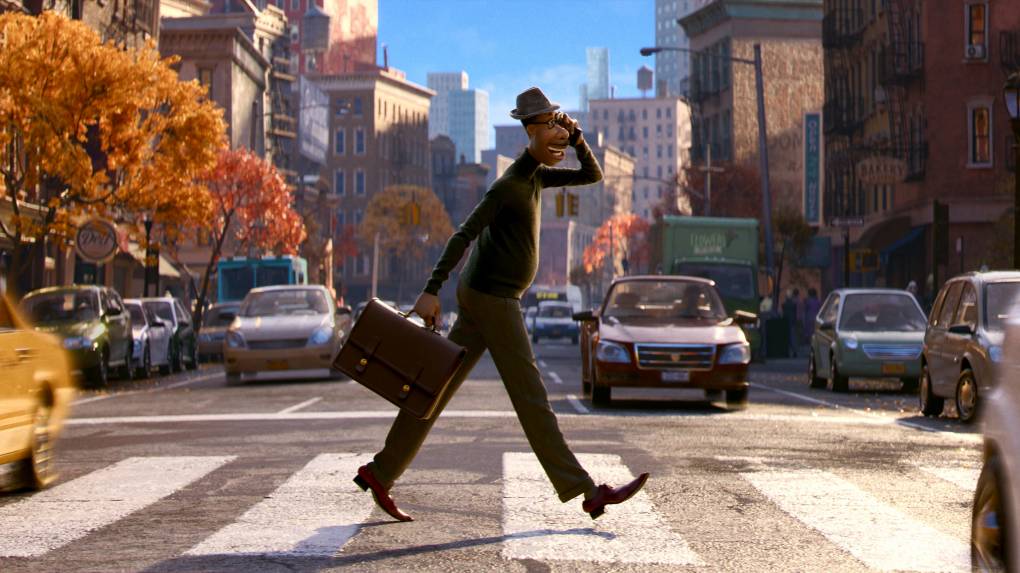
"caption": "The Oscar-nominated Disney/Pixar film 'Soul' centers on Joe (voiced by Jamie Foxx), a middle school band teacher who longs to be a jazz musician.",
"description": "The Oscar-nominated Disney/Pixar film 'Soul' centers on Joe (voiced by Jamie Foxx), a middle school band teacher who longs to be a jazz musician.",
"title": "The Oscar-nominated Disney/Pixar film 'Soul' centers on Joe (voiced by Jamie Foxx), a middle school band teacher who longs to be a jazz musician.",
"credit": "Disney",
"status": "inherit",
"altTag": "The Oscar-nominated Disney/Pixar film 'Soul' centers on Joe (voiced by Jamie Foxx), a middle school band teacher who longs to be a jazz musician.",
"isLoading": false,
"fetchFailed": false
},
"arts_13894363": {
"type": "attachments",
"id": "arts_13894363",
"meta": {
"index": "attachments_1716263798",
"site": "arts",
"id": "13894363",
"found": true
},
"parent": 13894362,
"imgSizes": {
"twentyfourteen-full-width": {
"file": "https://ww2.kqed.org/app/uploads/sites/2/2021/03/geniusaretha_ep306_101920_028_r_wide-222230fb1171bd9ea5b635333b793b38b6134331-1038x576.jpg",
"width": 1038,
"mimeType": "image/jpeg",
"height": 576
},
"thumbnail": {
"file": "https://ww2.kqed.org/app/uploads/sites/2/2021/03/geniusaretha_ep306_101920_028_r_wide-222230fb1171bd9ea5b635333b793b38b6134331-160x90.jpg",
"width": 160,
"mimeType": "image/jpeg",
"height": 90
},
"post-thumbnail": {
"file": "https://ww2.kqed.org/app/uploads/sites/2/2021/03/geniusaretha_ep306_101920_028_r_wide-222230fb1171bd9ea5b635333b793b38b6134331-672x372.jpg",
"width": 672,
"mimeType": "image/jpeg",
"height": 372
},
"kqedFullSize": {
"file": "https://ww2.kqed.org/app/uploads/sites/2/2021/03/geniusaretha_ep306_101920_028_r_wide-222230fb1171bd9ea5b635333b793b38b6134331-scaled-e1616434530715.jpg",
"width": 1920,
"height": 1080
},
"2048x2048": {
"file": "https://ww2.kqed.org/app/uploads/sites/2/2021/03/geniusaretha_ep306_101920_028_r_wide-222230fb1171bd9ea5b635333b793b38b6134331-2048x1152.jpg",
"width": 2048,
"mimeType": "image/jpeg",
"height": 1152
},
"large": {
"file": "https://ww2.kqed.org/app/uploads/sites/2/2021/03/geniusaretha_ep306_101920_028_r_wide-222230fb1171bd9ea5b635333b793b38b6134331-1020x574.jpg",
"width": 1020,
"mimeType": "image/jpeg",
"height": 574
},
"1536x1536": {
"file": "https://ww2.kqed.org/app/uploads/sites/2/2021/03/geniusaretha_ep306_101920_028_r_wide-222230fb1171bd9ea5b635333b793b38b6134331-1536x864.jpg",
"width": 1536,
"mimeType": "image/jpeg",
"height": 864
},
"full-width": {
"file": "https://ww2.kqed.org/app/uploads/sites/2/2021/03/geniusaretha_ep306_101920_028_r_wide-222230fb1171bd9ea5b635333b793b38b6134331-1920x1080.jpg",
"width": 1920,
"mimeType": "image/jpeg",
"height": 1080
},
"medium": {
"file": "https://ww2.kqed.org/app/uploads/sites/2/2021/03/geniusaretha_ep306_101920_028_r_wide-222230fb1171bd9ea5b635333b793b38b6134331-800x450.jpg",
"width": 800,
"mimeType": "image/jpeg",
"height": 450
},
"medium_large": {
"file": "https://ww2.kqed.org/app/uploads/sites/2/2021/03/geniusaretha_ep306_101920_028_r_wide-222230fb1171bd9ea5b635333b793b38b6134331-768x432.jpg",
"width": 768,
"mimeType": "image/jpeg",
"height": 432
}
},
"publishDate": 1616434175,
"modified": 1616434603,
"caption": "Courtney B. Vance, left, as C.L. Franklin, with Cynthia Erivo as Aretha Franklin, in a scene from the miniseries 'Genius: Aretha' set at the New Temple Missionary Baptist Church.",
"description": "Courtney B. Vance, left, as C.L. Franklin, with Cynthia Erivo as Aretha Franklin, in a scene from the miniseries 'Genius: Aretha' set at the New Temple Missionary Baptist Church.",
"title": "Courtney B. Vance, left, as C.L. Franklin, with Cynthia Erivo as Aretha Franklin, in a scene from the miniseries 'Genius: Aretha' set at the New Temple Missionary Baptist Church.",
"credit": "National Geographic/Richard DuCree",
"status": "inherit",
"altTag": "Courtney B. Vance, left, as C.L. Franklin, with Cynthia Erivo as Aretha Franklin, in a scene from the miniseries 'Genius: Aretha' set at the New Temple Missionary Baptist Church.",
"isLoading": false,
"fetchFailed": false
},
"arts_13894297": {
"type": "attachments",
"id": "arts_13894297",
"meta": {
"index": "attachments_1716263798",
"site": "arts",
"id": "13894297",
"found": true
},
"parent": 13894296,
"imgSizes": {
"twentyfourteen-full-width": {
"file": "https://ww2.kqed.org/app/uploads/sites/2/2021/03/the-island-we-made-3_wide-41fe2cfbe29bd1e6e9522f8cb8053e4e2ad0bca2-1038x576.jpg",
"width": 1038,
"mimeType": "image/jpeg",
"height": 576
},
"thumbnail": {
"file": "https://ww2.kqed.org/app/uploads/sites/2/2021/03/the-island-we-made-3_wide-41fe2cfbe29bd1e6e9522f8cb8053e4e2ad0bca2-160x90.jpg",
"width": 160,
"mimeType": "image/jpeg",
"height": 90
},
"post-thumbnail": {
"file": "https://ww2.kqed.org/app/uploads/sites/2/2021/03/the-island-we-made-3_wide-41fe2cfbe29bd1e6e9522f8cb8053e4e2ad0bca2-672x372.jpg",
"width": 672,
"mimeType": "image/jpeg",
"height": 372
},
"kqedFullSize": {
"file": "https://ww2.kqed.org/app/uploads/sites/2/2021/03/the-island-we-made-3_wide-41fe2cfbe29bd1e6e9522f8cb8053e4e2ad0bca2-scaled-e1616177057904.jpg",
"width": 1920,
"height": 1079
},
"2048x2048": {
"file": "https://ww2.kqed.org/app/uploads/sites/2/2021/03/the-island-we-made-3_wide-41fe2cfbe29bd1e6e9522f8cb8053e4e2ad0bca2-2048x1151.jpg",
"width": 2048,
"mimeType": "image/jpeg",
"height": 1151
},
"large": {
"file": "https://ww2.kqed.org/app/uploads/sites/2/2021/03/the-island-we-made-3_wide-41fe2cfbe29bd1e6e9522f8cb8053e4e2ad0bca2-1020x573.jpg",
"width": 1020,
"mimeType": "image/jpeg",
"height": 573
},
"1536x1536": {
"file": "https://ww2.kqed.org/app/uploads/sites/2/2021/03/the-island-we-made-3_wide-41fe2cfbe29bd1e6e9522f8cb8053e4e2ad0bca2-1536x864.jpg",
"width": 1536,
"mimeType": "image/jpeg",
"height": 864
},
"full-width": {
"file": "https://ww2.kqed.org/app/uploads/sites/2/2021/03/the-island-we-made-3_wide-41fe2cfbe29bd1e6e9522f8cb8053e4e2ad0bca2-1920x1079.jpg",
"width": 1920,
"mimeType": "image/jpeg",
"height": 1079
},
"medium": {
"file": "https://ww2.kqed.org/app/uploads/sites/2/2021/03/the-island-we-made-3_wide-41fe2cfbe29bd1e6e9522f8cb8053e4e2ad0bca2-800x450.jpg",
"width": 800,
"mimeType": "image/jpeg",
"height": 450
},
"medium_large": {
"file": "https://ww2.kqed.org/app/uploads/sites/2/2021/03/the-island-we-made-3_wide-41fe2cfbe29bd1e6e9522f8cb8053e4e2ad0bca2-768x432.jpg",
"width": 768,
"mimeType": "image/jpeg",
"height": 432
}
},
"publishDate": 1616176461,
"modified": 1616177114,
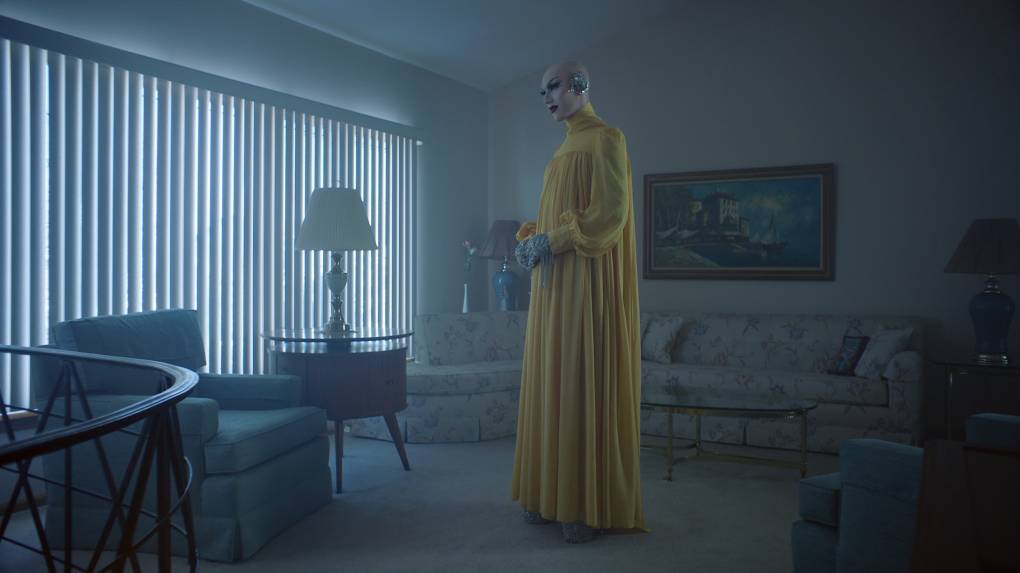
"caption": "Sasha Velour stars in 'The Island We Made,' an opera composed by Angélica Negrón and filmed in a mid-century Staten Island house.",
"description": "Sasha Velour stars in 'The Island We Made,' an opera composed by Angélica Negrón and filmed in a mid-century Staten Island house.",
"title": "Sasha Velour stars in 'The Island We Made,' an opera composed by Angélica Negrón and filmed in a mid-century Staten Island house.",
"credit": "Matthew Placek/Courtesy of the artist",
"status": "inherit",
"altTag": "Sasha Velour stars in 'The Island We Made,' an opera composed by Angélica Negrón and filmed in a mid-century Staten Island house.",
"isLoading": false,
"fetchFailed": false
},
"arts_13894195": {
"type": "attachments",
"id": "arts_13894195",
"meta": {
"index": "attachments_1716263798",
"site": "arts",
"id": "13894195",
"found": true
},
"parent": 13894194,
"imgSizes": {
"twentyfourteen-full-width": {
"file": "https://ww2.kqed.org/app/uploads/sites/2/2021/03/jl-06689r_wide-67f2065d4208c05dec628ba39d1794be1ed25370-1038x576.jpg",
"width": 1038,
"mimeType": "image/jpeg",
"height": 576
},
"thumbnail": {
"file": "https://ww2.kqed.org/app/uploads/sites/2/2021/03/jl-06689r_wide-67f2065d4208c05dec628ba39d1794be1ed25370-160x90.jpg",
"width": 160,
"mimeType": "image/jpeg",
"height": 90
},
"post-thumbnail": {
"file": "https://ww2.kqed.org/app/uploads/sites/2/2021/03/jl-06689r_wide-67f2065d4208c05dec628ba39d1794be1ed25370-672x372.jpg",
"width": 672,
"mimeType": "image/jpeg",
"height": 372
},
"kqedFullSize": {
"file": "https://ww2.kqed.org/app/uploads/sites/2/2021/03/jl-06689r_wide-67f2065d4208c05dec628ba39d1794be1ed25370-scaled-e1616092466209.jpg",
"width": 1920,
"height": 1080
},
"2048x2048": {
"file": "https://ww2.kqed.org/app/uploads/sites/2/2021/03/jl-06689r_wide-67f2065d4208c05dec628ba39d1794be1ed25370-2048x1152.jpg",
"width": 2048,
"mimeType": "image/jpeg",
"height": 1152
},
"large": {
"file": "https://ww2.kqed.org/app/uploads/sites/2/2021/03/jl-06689r_wide-67f2065d4208c05dec628ba39d1794be1ed25370-1020x574.jpg",
"width": 1020,
"mimeType": "image/jpeg",
"height": 574
},
"1536x1536": {
"file": "https://ww2.kqed.org/app/uploads/sites/2/2021/03/jl-06689r_wide-67f2065d4208c05dec628ba39d1794be1ed25370-1536x864.jpg",
"width": 1536,
"mimeType": "image/jpeg",
"height": 864
},
"full-width": {
"file": "https://ww2.kqed.org/app/uploads/sites/2/2021/03/jl-06689r_wide-67f2065d4208c05dec628ba39d1794be1ed25370-1920x1080.jpg",
"width": 1920,
"mimeType": "image/jpeg",
"height": 1080
},
"medium": {
"file": "https://ww2.kqed.org/app/uploads/sites/2/2021/03/jl-06689r_wide-67f2065d4208c05dec628ba39d1794be1ed25370-800x450.jpg",
"width": 800,
"mimeType": "image/jpeg",
"height": 450
},
"medium_large": {
"file": "https://ww2.kqed.org/app/uploads/sites/2/2021/03/jl-06689r_wide-67f2065d4208c05dec628ba39d1794be1ed25370-768x432.jpg",
"width": 768,
"mimeType": "image/jpeg",
"height": 432
}
},
"publishDate": 1616089468,
"modified": 1616092505,
"caption": "Zack Snyder directs Ben Affleck and Gal Gadot on the set of 'Justice League.'",
"description": "Zack Snyder directs Ben Affleck and Gal Gadot on the set of 'Justice League.'",
"title": "Zack Snyder directs Ben Affleck and Gal Gadot on the set of 'Justice League.'",
"credit": "Clay Enos/HBO Max",
"status": "inherit",
"altTag": "Zack Snyder directs Ben Affleck and Gal Gadot on the set of 'Justice League.'",
"isLoading": false,
"fetchFailed": false
},
"arts_13894277": {
"type": "attachments",
"id": "arts_13894277",
"meta": {
"index": "attachments_1716263798",
"site": "arts",
"id": "13894277",
"found": true
},
"parent": 13894188,
"imgSizes": {
"twentyfourteen-full-width": {
"file": "https://ww2.kqed.org/app/uploads/sites/2/2021/03/Screen-Shot-2021-03-18-at-5.46.14-PM-1038x576.png",
"width": 1038,
"mimeType": "image/png",
"height": 576
},
"thumbnail": {
"file": "https://ww2.kqed.org/app/uploads/sites/2/2021/03/Screen-Shot-2021-03-18-at-5.46.14-PM-160x97.png",
"width": 160,
"mimeType": "image/png",
"height": 97
},
"post-thumbnail": {
"file": "https://ww2.kqed.org/app/uploads/sites/2/2021/03/Screen-Shot-2021-03-18-at-5.46.14-PM-672x372.png",
"width": 672,
"mimeType": "image/png",
"height": 372
},
"kqedFullSize": {
"file": "https://ww2.kqed.org/app/uploads/sites/2/2021/03/Screen-Shot-2021-03-18-at-5.46.14-PM.png",
"width": 1202,
"height": 727
},
"large": {
"file": "https://ww2.kqed.org/app/uploads/sites/2/2021/03/Screen-Shot-2021-03-18-at-5.46.14-PM-1020x617.png",
"width": 1020,
"mimeType": "image/png",
"height": 617
},
"medium": {
"file": "https://ww2.kqed.org/app/uploads/sites/2/2021/03/Screen-Shot-2021-03-18-at-5.46.14-PM-800x484.png",
"width": 800,
"mimeType": "image/png",
"height": 484
},
"medium_large": {
"file": "https://ww2.kqed.org/app/uploads/sites/2/2021/03/Screen-Shot-2021-03-18-at-5.46.14-PM-768x465.png",
"width": 768,
"mimeType": "image/png",
"height": 465
}
},
"publishDate": 1616114856,
"modified": 1616114900,
"caption": "Dustin Hoffman and Jon Voight starring in 'Midnight Cowboy.'",
"description": "Dustin Hoffman and Jon Voight starring in 'Midnight Cowboy.'",
"title": "Dustin Hoffman and Jon Voight starring in 'Midnight Cowboy.'",
"credit": "United Artists via Getty Images",
"status": "inherit",
"altTag": "Dustin Hoffman and Jon Voight starring in 'Midnight Cowboy.'",
"isLoading": false,
"fetchFailed": false
},
"arts_13894078": {
"type": "attachments",
"id": "arts_13894078",
"meta": {
"index": "attachments_1716263798",
"site": "arts",
"id": "13894078",
"found": true
},
"parent": 13894072,
"imgSizes": {
"twentyfourteen-full-width": {
"file": "https://ww2.kqed.org/app/uploads/sites/2/2021/03/GettyImages-450831338-1038x576.jpg",
"width": 1038,
"mimeType": "image/jpeg",
"height": 576
},
"thumbnail": {
"file": "https://ww2.kqed.org/app/uploads/sites/2/2021/03/GettyImages-450831338-160x107.jpg",
"width": 160,
"mimeType": "image/jpeg",
"height": 107
},
"post-thumbnail": {
"file": "https://ww2.kqed.org/app/uploads/sites/2/2021/03/GettyImages-450831338-672x372.jpg",
"width": 672,
"mimeType": "image/jpeg",
"height": 372
},
"kqedFullSize": {
"file": "https://ww2.kqed.org/app/uploads/sites/2/2021/03/GettyImages-450831338-scaled-e1615922178591.jpg",
"width": 1920,
"height": 1280
},
"2048x2048": {
"file": "https://ww2.kqed.org/app/uploads/sites/2/2021/03/GettyImages-450831338-2048x1365.jpg",
"width": 2048,
"mimeType": "image/jpeg",
"height": 1365
},
"large": {
"file": "https://ww2.kqed.org/app/uploads/sites/2/2021/03/GettyImages-450831338-1020x680.jpg",
"width": 1020,
"mimeType": "image/jpeg",
"height": 680
},
"1536x1536": {
"file": "https://ww2.kqed.org/app/uploads/sites/2/2021/03/GettyImages-450831338-1536x1024.jpg",
"width": 1536,
"mimeType": "image/jpeg",
"height": 1024
},
"full-width": {
"file": "https://ww2.kqed.org/app/uploads/sites/2/2021/03/GettyImages-450831338-1920x1280.jpg",
"width": 1920,
"mimeType": "image/jpeg",
"height": 1280
},
"medium": {
"file": "https://ww2.kqed.org/app/uploads/sites/2/2021/03/GettyImages-450831338-800x533.jpg",
"width": 800,
"mimeType": "image/jpeg",
"height": 533
},
"medium_large": {
"file": "https://ww2.kqed.org/app/uploads/sites/2/2021/03/GettyImages-450831338-768x512.jpg",
"width": 768,
"mimeType": "image/jpeg",
"height": 512
}
},
"publishDate": 1615922154,
"modified": 1615922268,
"caption": "Amazon founder and CEO Jeff Bezos in Seattle, June 2014.",
"description": "Amazon founder and CEO Jeff Bezos in Seattle, June 2014.",
"title": "Amazon founder and CEO Jeff Bezos in Seattle, June 2014.",
"credit": "David Ryder/Getty Images",
"status": "inherit",
"altTag": null,
"isLoading": false,
"fetchFailed": false
},
"arts_13894065": {
"type": "attachments",
"id": "arts_13894065",
"meta": {
"index": "attachments_1716263798",
"site": "arts",
"id": "13894065",
"found": true
},
"parent": 13894064,
"imgSizes": {
"twentyfourteen-full-width": {
"file": "https://ww2.kqed.org/app/uploads/sites/2/2021/03/bachelor-2-_wide-5f8c2ef23026f549c5471b0fcc0c45b81e79b0bc-1038x576.jpg",
"width": 1038,
"mimeType": "image/jpeg",
"height": 576
},
"thumbnail": {
"file": "https://ww2.kqed.org/app/uploads/sites/2/2021/03/bachelor-2-_wide-5f8c2ef23026f549c5471b0fcc0c45b81e79b0bc-160x90.jpg",
"width": 160,
"mimeType": "image/jpeg",
"height": 90
},
"post-thumbnail": {
"file": "https://ww2.kqed.org/app/uploads/sites/2/2021/03/bachelor-2-_wide-5f8c2ef23026f549c5471b0fcc0c45b81e79b0bc-672x372.jpg",
"width": 672,
"mimeType": "image/jpeg",
"height": 372
},
"kqedFullSize": {
"file": "https://ww2.kqed.org/app/uploads/sites/2/2021/03/bachelor-2-_wide-5f8c2ef23026f549c5471b0fcc0c45b81e79b0bc-scaled-e1615919492966.jpg",
"width": 1920,
"height": 1080
},
"2048x2048": {
"file": "https://ww2.kqed.org/app/uploads/sites/2/2021/03/bachelor-2-_wide-5f8c2ef23026f549c5471b0fcc0c45b81e79b0bc-2048x1152.jpg",
"width": 2048,
"mimeType": "image/jpeg",
"height": 1152
},
"large": {
"file": "https://ww2.kqed.org/app/uploads/sites/2/2021/03/bachelor-2-_wide-5f8c2ef23026f549c5471b0fcc0c45b81e79b0bc-1020x574.jpg",
"width": 1020,
"mimeType": "image/jpeg",
"height": 574
},
"1536x1536": {
"file": "https://ww2.kqed.org/app/uploads/sites/2/2021/03/bachelor-2-_wide-5f8c2ef23026f549c5471b0fcc0c45b81e79b0bc-1536x864.jpg",
"width": 1536,
"mimeType": "image/jpeg",
"height": 864
},
"full-width": {
"file": "https://ww2.kqed.org/app/uploads/sites/2/2021/03/bachelor-2-_wide-5f8c2ef23026f549c5471b0fcc0c45b81e79b0bc-1920x1080.jpg",
"width": 1920,
"mimeType": "image/jpeg",
"height": 1080
},
"medium": {
"file": "https://ww2.kqed.org/app/uploads/sites/2/2021/03/bachelor-2-_wide-5f8c2ef23026f549c5471b0fcc0c45b81e79b0bc-800x450.jpg",
"width": 800,
"mimeType": "image/jpeg",
"height": 450
},
"medium_large": {
"file": "https://ww2.kqed.org/app/uploads/sites/2/2021/03/bachelor-2-_wide-5f8c2ef23026f549c5471b0fcc0c45b81e79b0bc-768x432.jpg",
"width": 768,
"mimeType": "image/jpeg",
"height": 432
}
},
"publishDate": 1615918752,
"modified": 1615919557,
"caption": "On Monday's 'After the Final Rose' special, 'Bachelor' Matt James revealed why he broke things off with Rachael Kirkconnel after photos of her at an Antebellum South-themed party surfaced on social media.",
"description": "On Monday's 'After the Final Rose' special, 'Bachelor' Matt James revealed why he broke things off with Rachael Kirkconnel after photos of her at an Antebellum South-themed party surfaced on social media.",
"title": "On Monday's 'After the Final Rose' special, 'Bachelor' Matt James revealed why he broke things off with Rachael Kirkconnel after photos of her at an Antebellum South-themed party surfaced on social media.",
"credit": "Craig Sjodin/ABC",
"status": "inherit",
"altTag": "On Monday's 'After the Final Rose' special, 'Bachelor' Matt James revealed why he broke things off with Rachael Kirkconnel after photos of her at an Antebellum South-themed party surfaced on social media.",
"isLoading": false,
"fetchFailed": false
}
},
"audioPlayerReducer": {
"postId": "stream_live",
"isPaused": true,
"isPlaying": false,
"pfsActive": false,
"pledgeModalIsOpen": true,
"playerDrawerIsOpen": false,
"liveAudioPlayStartedAt": 0,
"liveAudioPlayContext": ""
},
"authorsReducer": {
"byline_arts_13894806": {
"type": "authors",
"id": "byline_arts_13894806",
"meta": {
"override": true
},
"slug": "byline_arts_13894806",
"name": "Jeannette Muhammad",
"isLoading": false
},
"byline_arts_13894794": {
"type": "authors",
"id": "byline_arts_13894794",
"meta": {
"override": true
},
"slug": "byline_arts_13894794",
"name": "Bob Mondello",
"isLoading": false
},
"byline_arts_13894718": {
"type": "authors",
"id": "byline_arts_13894718",
"meta": {
"override": true
},
"slug": "byline_arts_13894718",
"name": "Linda Holmes",
"isLoading": false
},
"byline_arts_13894581": {
"type": "authors",
"id": "byline_arts_13894581",
"meta": {
"override": true
},
"slug": "byline_arts_13894581",
"name": "Jaclyn Diaz",
"isLoading": false
},
"byline_arts_13894574": {
"type": "authors",
"id": "byline_arts_13894574",
"meta": {
"override": true
},
"slug": "byline_arts_13894574",
"name": "John Powers",
"isLoading": false
},
"byline_arts_13894433": {
"type": "authors",
"id": "byline_arts_13894433",
"meta": {
"override": true
},
"slug": "byline_arts_13894433",
"name": "Terry Gross",
"isLoading": false
},
"byline_arts_13894362": {
"type": "authors",
"id": "byline_arts_13894362",
"meta": {
"override": true
},
"slug": "byline_arts_13894362",
"name": "Eric Deggans",
"isLoading": false
},
"byline_arts_13894296": {
"type": "authors",
"id": "byline_arts_13894296",
"meta": {
"override": true
},
"slug": "byline_arts_13894296",
"name": "Nina Kravinsky",
"isLoading": false
},
"byline_arts_13894194": {
"type": "authors",
"id": "byline_arts_13894194",
"meta": {
"override": true
},
"slug": "byline_arts_13894194",
"name": "Eric Deggans",
"isLoading": false
},
"byline_arts_13894188": {
"type": "authors",
"id": "byline_arts_13894188",
"meta": {
"override": true
},
"slug": "byline_arts_13894188",
"name": "Michael Schaub",
"isLoading": false
},
"byline_arts_13894072": {
"type": "authors",
"id": "byline_arts_13894072",
"meta": {
"override": true
},
"slug": "byline_arts_13894072",
"name": "Alina Selyukh",
"isLoading": false
},
"byline_arts_13894064": {
"type": "authors",
"id": "byline_arts_13894064",
"meta": {
"override": true
},
"slug": "byline_arts_13894064",
"name": "Eric Deggans",
"isLoading": false
}
},
"pagesReducer": {
"arts_affiliate_npr": {
"type": "terms",
"id": "arts_137",
"meta": {
"index": "terms_1716263798",
"site": "arts",
"id": "137",
"score": 14.258051
},
"featImg": "https://ww2.kqed.org/app/uploads/sites/2/2014/04/logo-npr-lg1.png",
"name": "NPR",
"description": null,
"taxonomy": "affiliate",
"headData": {
"twImgId": null,
"twTitle": null,
"ogTitle": null,
"ogImgId": null,
"twDescription": null,
"description": null,
"title": "NPR Archives | KQED Arts",
"ogDescription": null
},
"ttid": 138,
"slug": "npr",
"isLoading": false,
"title": "NPR",
"pageMeta": {
"site": "arts",
"WpPageTemplate": "page-topic-editorial",
"currentPage": 83
},
"blocks": [
{
"blockName": "kqed/post-list",
"attrs": {
"layout": "cardArticle2",
"query": "posts/arts?affiliate=npr",
"seeMore": false,
"paginated": true,
"page": 83
}
},
{
"blockName": "kqed/ad"
}
]
}
},
"pfsSessionReducer": {},
"postsReducer": {
"stream_live": {
"type": "live",
"id": "stream_live",
"audioUrl": "https://streams.kqed.org/kqedradio",
"title": "Live Stream",
"excerpt": "Live Stream information currently unavailable.",
"link": "/radio",
"featImg": "",
"label": {
"name": "KQED Live",
"link": "/"
}
},
"stream_kqedNewscast": {
"type": "posts",
"id": "stream_kqedNewscast",
"audioUrl": "https://www.kqed.org/.stream/anon/radio/RDnews/newscast.mp3?_=1",
"title": "KQED Newscast",
"featImg": "",
"label": {
"name": "88.5 FM",
"link": "/"
}
},
"arts_13894806": {
"type": "posts",
"id": "arts_13894806",
"meta": {
"index": "posts_1716263798",
"site": "arts",
"id": "13894806",
"score": null,
"sort": [
1617047982000
]
},
"parent": 0,
"labelTerm": {
"site": "arts",
"term": 137
},
"blocks": [],
"publishDate": 1617047982,
"format": "standard",
"title": "George R.R. Martin Signs New Five Year Deal With HBO and HBO Max",
"headTitle": "George R.R. Martin Signs New Five Year Deal With HBO and HBO Max | KQED",
"content": "\u003cp>George R.R. Martin has entered into a five year deal with HBO to develop content for both HBO and HBO Max, the network said in a statement on Monday.\u003c/p>\n\u003cp>The best-selling fantasy author and four-time Emmy award winner, best known for his book series \u003cem>A Song of Ice and Fire \u003c/em>and its television adaptation \u003cem>Game of Thrones\u003c/em>, is attached to multiple projects in the pipeline for the media company and streaming service. [aside postid='arts_13654506']\u003c/p>\n\u003cp>The \u003cem>Game of Thrones \u003c/em>television series followed powerful families aiming for the iron throne in the continent of Westeros. It ran for eight years on HBO, with the final season wrapping in 2019.\u003c/p>\n\u003cp>Martin has a new drama series in the works, \u003cem>House of the Dragon\u003c/em>, which is based on his \u003cem>Fire & Blood \u003c/em>book. The \u003cem>Game of Thrones\u003c/em> prequel follows House Targaryen and is set 300 years before the events of \u003cem>Game of Thrones\u003c/em>.\u003c/p>\n\u003cp>The show has been given a ten episode order. Paddy Considine, Olivia Cooke, Matt Smith, and Emma D’Arcy have joined the series, with additional cast members to be announced.\u003c/p>\n\u003cp>[ad fullwidth]\u003c/p>\n\u003cp>The show is co-created by Martin and Ryan Condal, whose prior work includes \u003cem>Colony, Rampage, \u003c/em>and \u003cem>Hercules.\u003c/em> Condal and Miguel Sapochnik (\u003cem>Game of Thrones, Altered Carbon\u003c/em>) serve as showrunners and producers with Martin and Vince Gerardis (\u003cem>Game of Thrones\u003c/em>).\u003c/p>\n\u003cp>\u003c/p>\n\u003cp>Martin is also set to executive produce HBO’s \u003cem>Who Fears Death, \u003c/em>a fantasy post-apocalyptic series with Tessa Thompson attached to star, and adapted from the novel by Nnedi Okorafor; and \u003cem>Roadmarks, \u003c/em>an adaptation of the sci-fi novel from Roger Zelazny.\u003c/p>\n\u003cdiv class=\"fullattribution\">\u003cem>Copyright 2021 NPR. To see more, visit \u003ca href=\"https://www.npr.org\" target=\"_blank\" rel=\"noopener noreferrer\">NPR\u003c/a>.\u003cimg decoding=\"async\" src=\"https://www.google-analytics.com/__utm.gif?utmac=UA-5828686-4&utmdt=George+R.R.+Martin+Signs+New+Five+Year+Deal+With+HBO+And+HBO+Max&utme=8(APIKey)9(MDAxOTAwOTE4MDEyMTkxMDAzNjczZDljZA004)\">\u003c/em>\u003c/div>\n\n",
"stats": {
"hasVideo": false,
"hasChartOrMap": false,
"hasAudio": false,
"hasPolis": false,
"wordCount": 278,
"hasGoogleForm": false,
"hasGallery": false,
"hasHearkenModule": false,
"iframeSrcs": [],
"paragraphCount": 9
},
"modified": 1705019259,
"excerpt": "The best-selling fantasy author is attached to multiple projects in the pipeline for the media company and streaming service. ",
"headData": {
"twImgId": "",
"twTitle": "",
"ogTitle": "",
"ogImgId": "",
"twDescription": "",
"description": "The best-selling fantasy author is attached to multiple projects in the pipeline for the media company and streaming service. ",
"title": "George R.R. Martin Signs New Five Year Deal With HBO and HBO Max | KQED",
"ogDescription": "",
"schema": {
"@context": "https://schema.org",
"@type": "Article",
"headline": "George R.R. Martin Signs New Five Year Deal With HBO and HBO Max",
"datePublished": "2021-03-29T12:59:42-07:00",
"dateModified": "2024-01-11T16:27:39-08:00",
"image": "https://cdn.kqed.org/wp-content/uploads/2020/02/KQED-OG-Image@1x.png"
}
},
"guestAuthors": [],
"slug": "george-r-r-martin-signs-new-five-year-deal-with-hbo-and-hbo-max",
"status": "publish",
"nprApiLink": "http://api.npr.org/query?id=982364793&apiKey=MDAxOTAwOTE4MDEyMTkxMDAzNjczZDljZA004",
"templateType": "standard",
"nprStoryDate": "Mon, 29 Mar 2021 14:53:21 -0400",
"nprLastModifiedDate": "Mon, 29 Mar 2021 14:53:36 -0400",
"featuredImageType": "standard",
"nprHtmlLink": "https://www.npr.org/2021/03/29/982364793/george-r-r-martin-signs-new-five-year-deal-with-hbo-and-hbo-max?ft=nprml&f=982364793",
"nprImageAgency": "Getty Images",
"nprStoryId": "982364793",
"nprByline": "Jeannette Muhammad",
"sticky": false,
"nprImageCredit": "Amy Sussman",
"nprRetrievedStory": "1",
"nprPubDate": "Mon, 29 Mar 2021 14:53:00 -0400",
"path": "/arts/13894806/george-r-r-martin-signs-new-five-year-deal-with-hbo-and-hbo-max",
"audioTrackLength": null,
"parsedContent": [
{
"type": "contentString",
"content": "\u003cdiv class=\"post-body\">\u003cp>\u003cp>George R.R. Martin has entered into a five year deal with HBO to develop content for both HBO and HBO Max, the network said in a statement on Monday.\u003c/p>\n\u003cp>The best-selling fantasy author and four-time Emmy award winner, best known for his book series \u003cem>A Song of Ice and Fire \u003c/em>and its television adaptation \u003cem>Game of Thrones\u003c/em>, is attached to multiple projects in the pipeline for the media company and streaming service. \u003c/p>\u003c/div>",
"attributes": {
"named": {},
"numeric": []
}
},
{
"type": "component",
"content": "",
"name": "aside",
"attributes": {
"named": {
"postid": "arts_13654506",
"label": ""
},
"numeric": []
}
},
{
"type": "contentString",
"content": "\u003cdiv class=\"post-body\">\u003cp>\u003c/p>\n\u003cp>The \u003cem>Game of Thrones \u003c/em>television series followed powerful families aiming for the iron throne in the continent of Westeros. It ran for eight years on HBO, with the final season wrapping in 2019.\u003c/p>\n\u003cp>Martin has a new drama series in the works, \u003cem>House of the Dragon\u003c/em>, which is based on his \u003cem>Fire & Blood \u003c/em>book. The \u003cem>Game of Thrones\u003c/em> prequel follows House Targaryen and is set 300 years before the events of \u003cem>Game of Thrones\u003c/em>.\u003c/p>\n\u003cp>The show has been given a ten episode order. Paddy Considine, Olivia Cooke, Matt Smith, and Emma D’Arcy have joined the series, with additional cast members to be announced.\u003c/p>\n\u003cp>\u003c/p>\u003c/div>",
"attributes": {
"named": {},
"numeric": []
}
},
{
"type": "component",
"content": "",
"name": "ad",
"attributes": {
"named": {
"label": "fullwidth"
},
"numeric": [
"fullwidth"
]
}
},
{
"type": "contentString",
"content": "\u003cdiv class=\"post-body\">\u003cp>\u003c/p>\n\u003cp>The show is co-created by Martin and Ryan Condal, whose prior work includes \u003cem>Colony, Rampage, \u003c/em>and \u003cem>Hercules.\u003c/em> Condal and Miguel Sapochnik (\u003cem>Game of Thrones, Altered Carbon\u003c/em>) serve as showrunners and producers with Martin and Vince Gerardis (\u003cem>Game of Thrones\u003c/em>).\u003c/p>\n\u003cp>\u003c/p>\n\u003cp>Martin is also set to executive produce HBO’s \u003cem>Who Fears Death, \u003c/em>a fantasy post-apocalyptic series with Tessa Thompson attached to star, and adapted from the novel by Nnedi Okorafor; and \u003cem>Roadmarks, \u003c/em>an adaptation of the sci-fi novel from Roger Zelazny.\u003c/p>\n\u003cdiv class=\"fullattribution\">\u003cem>Copyright 2021 NPR. To see more, visit \u003ca href=\"https://www.npr.org\" target=\"_blank\" rel=\"noopener noreferrer\">NPR\u003c/a>.\u003cimg decoding=\"async\" src=\"https://www.google-analytics.com/__utm.gif?utmac=UA-5828686-4&utmdt=George+R.R.+Martin+Signs+New+Five+Year+Deal+With+HBO+And+HBO+Max&utme=8(APIKey)9(MDAxOTAwOTE4MDEyMTkxMDAzNjczZDljZA004)\">\u003c/em>\u003c/div>\n\n\u003c/div>\u003c/p>",
"attributes": {
"named": {},
"numeric": []
}
}
],
"link": "/arts/13894806/george-r-r-martin-signs-new-five-year-deal-with-hbo-and-hbo-max",
"authors": [
"byline_arts_13894806"
],
"categories": [
"arts_1",
"arts_75",
"arts_990"
],
"tags": [
"arts_1945",
"arts_8350"
],
"affiliates": [
"arts_137"
],
"featImg": "arts_13894807",
"label": "arts_137"
},
"arts_13894794": {
"type": "posts",
"id": "arts_13894794",
"meta": {
"index": "posts_1716263798",
"site": "arts",
"id": "13894794",
"score": null,
"sort": [
1617046404000
]
},
"guestAuthors": [],
"slug": "in-a-long-awaited-match-up-godzilla-and-kong-stomp-where-marvel-fears-to-tread",
"title": "In a Long-Awaited Match Up, Godzilla and Kong Stomp Where Marvel Fears to Tread",
"publishDate": 1617046404,
"format": "standard",
"headTitle": "In a Long-Awaited Match Up, Godzilla and Kong Stomp Where Marvel Fears to Tread | KQED",
"labelTerm": {
"term": 137,
"site": "arts"
},
"content": "\u003cp>The pandemic has had most of Hollywood cowering for the last year or so, but nothing intimidates a Titan.\u003c/p>\n\u003cp>Crashing in where even Marvel’s \u003cem>Black Widow\u003c/em> fears to tread, \u003cem>Godzilla vs. Kong\u003c/em> is opening on any screen that’ll make room for it—home or cinematic. And with theaters coming back to life in Los Angeles and New York City, there’s a lot of fresh real estate for them to trample.\u003c/p>\n\u003cp>Credit where it’s due: Kong knows how to make an entrance. He announces himself by pulling a tree up by its roots and hurling it in the air hard enough to punch a hole in the sky.\u003c/p>\n\u003cp>I don’t mean that metaphorically—I mean an actual hole. He’s shattered a containment dome over his island that’s been cleverly camouflaged by his keepers.\u003c/p>\n\u003cp>Rebecca Hall, gamely trying to spit out exposition in a manner that suggests conversation, promptly explains that Kong’s been sequestered to protect him from Godzilla. “There can’t be two alpha Titans,” she says, “The whole theory of an ancient rivalry stems from….”\u003c/p>\n\u003cp>[ad fullwidth]\u003c/p>\n\u003cp>Nah, I’ll spare you the whole theory. Suffice it to say that letting him out would be nuts—so that’s what they do.\u003c/p>\n\u003cp>https://www.youtube.com/watch?v=odM92ap8_c0\u003c/p>\n\u003cp>Before long, while the good guys (and some less-good guys) are talking energy sources and a “hollow Earth” that owes a little something to Jules Verne, Kong is using an aircraft carrier as a surfboard.\u003c/p>\n\u003cp>That’s what you came for, right? Off to the side, there’s a fearless podcaster (Brian Tyree Henry) taking on a fearsome corporation, but that’s mostly to get everybody to Hong Kong where there are buildings that can splinter prettily as our leading Titans finally get their playdate. (I may have imagined this, but at one point I think Kong uses a skyscraper’s revolving restaurant as a frisbee.)\u003c/p>\n\u003cp>Can’t talk plot without spoilers so let’s talk technique. Scale is everything with Kaiju—a sliding scale, of course, so that a critter that can plow through skyscrapers won’t seem implausibly enormous should the plot require, say, a really big defibrillator. [aside postid='pop_97638']\u003c/p>\n\u003cp>Let it be said that the special effects are decently special—and frequently in broad daylight this time, as opposed to in the Monsterverse’s last installment, \u003cem>Godzilla: King of the Monsters\u003c/em>, in which nearly everything took place either at night or under water. In \u003cem>Godzilla vs. Kong,\u003c/em> you can always see what’s going on, whether its in daylight or neon-drenched night—even if it’s a little disengaged from anything we’d normally regard as reality.\u003c/p>\n\u003cp>Also disengaged from people. Back in college, I had a geology professor who, whenever he drew a volcano on the blackboard, also drew a village at its base—his way of giving us a rooting interest when the lava started flowing.\u003c/p>\n\u003cp>Director Adam Wingard and his army of digitizers don’t bother with engagement niceties. \u003cem>Godzilla vs. Kong\u003c/em> rarely has bystanders to speak of—not even just screamers and runners. I kept waiting for someone to say “Oh my god, there are 7 million people in Hong Kong.”\u003c/p>\n\u003cp>But for all the terror they inspire in Asia’s commercial crossroads, the Eighth Wonder of the World and the King of the Monsters might as well be throwing punches in the wilderness (Kong has a mean right hook, by the way).\u003c/p>\n\u003cp>\u003c/p>\n\u003cp>Not sure I needed almost two hours of throwing punches, even accompanied by collapsing skyscrapers. But after a year spent battling a tiny virus you can’t see, audiences may well appreciate a title bout featuring antagonists of a certain size.\u003c/p>\n\u003cdiv class=\"fullattribution\">\u003cem>Copyright 2021 NPR. To see more, visit \u003ca href=\"https://www.npr.org\" target=\"_blank\" rel=\"noopener noreferrer\">NPR\u003c/a>.\u003cimg decoding=\"async\" src=\"https://www.google-analytics.com/__utm.gif?utmac=UA-5828686-4&utmdt=In+A+Long-Awaited+Match+Up%2C+Godzilla+And+Kong+Stomp+Where+Marvel+Fears+To+Tread&utme=8(APIKey)9(MDAxOTAwOTE4MDEyMTkxMDAzNjczZDljZA004)\">\u003c/em>\u003c/div>\n\n",
"blocks": [],
"excerpt": "After a year spent battling a tiny virus, audiences may well appreciate a title bout featuring antagonists of a certain size.",
"status": "publish",
"parent": 0,
"modified": 1726792318,
"stats": {
"hasAudio": false,
"hasVideo": true,
"hasChartOrMap": false,
"iframeSrcs": [],
"hasGoogleForm": false,
"hasGallery": false,
"hasHearkenModule": false,
"hasPolis": false,
"paragraphCount": 16,
"wordCount": 671
},
"headData": {
"title": "In a Long-Awaited Match Up, Godzilla and Kong Stomp Where Marvel Fears to Tread | KQED",
"description": "After a year spent battling a tiny virus, audiences may well appreciate a title bout featuring antagonists of a certain size.",
"ogTitle": "",
"ogDescription": "",
"ogImgId": "",
"twTitle": "",
"twDescription": "",
"twImgId": "",
"schema": {
"@context": "https://schema.org",
"@type": "Article",
"headline": "In a Long-Awaited Match Up, Godzilla and Kong Stomp Where Marvel Fears to Tread",
"datePublished": "2021-03-29T12:33:24-07:00",
"dateModified": "2024-09-19T17:31:58-07:00",
"image": "https://cdn.kqed.org/wp-content/uploads/2020/02/KQED-OG-Image@1x.png"
}
},
"sticky": false,
"nprByline": "Bob Mondello",
"nprImageAgency": "Warner Bros. Pictures",
"nprStoryId": "982255140",
"nprApiLink": "http://api.npr.org/query?id=982255140&apiKey=MDAxOTAwOTE4MDEyMTkxMDAzNjczZDljZA004",
"nprHtmlLink": "https://www.npr.org/2021/03/29/982255140/in-a-long-awaited-match-up-godzilla-and-kong-stomp-where-marvel-fears-to-tread?ft=nprml&f=982255140",
"nprRetrievedStory": "1",
"nprPubDate": "Mon, 29 Mar 2021 11:01:00 -0400",
"nprStoryDate": "Mon, 29 Mar 2021 11:01:25 -0400",
"nprLastModifiedDate": "Mon, 29 Mar 2021 11:01:25 -0400",
"templateType": "standard",
"featuredImageType": "standard",
"path": "/arts/13894794/in-a-long-awaited-match-up-godzilla-and-kong-stomp-where-marvel-fears-to-tread",
"audioTrackLength": null,
"parsedContent": [
{
"type": "contentString",
"content": "\u003cdiv class=\"post-body\">\u003cp>\u003cp>The pandemic has had most of Hollywood cowering for the last year or so, but nothing intimidates a Titan.\u003c/p>\n\u003cp>Crashing in where even Marvel’s \u003cem>Black Widow\u003c/em> fears to tread, \u003cem>Godzilla vs. Kong\u003c/em> is opening on any screen that’ll make room for it—home or cinematic. And with theaters coming back to life in Los Angeles and New York City, there’s a lot of fresh real estate for them to trample.\u003c/p>\n\u003cp>Credit where it’s due: Kong knows how to make an entrance. He announces himself by pulling a tree up by its roots and hurling it in the air hard enough to punch a hole in the sky.\u003c/p>\n\u003cp>I don’t mean that metaphorically—I mean an actual hole. He’s shattered a containment dome over his island that’s been cleverly camouflaged by his keepers.\u003c/p>\n\u003cp>Rebecca Hall, gamely trying to spit out exposition in a manner that suggests conversation, promptly explains that Kong’s been sequestered to protect him from Godzilla. “There can’t be two alpha Titans,” she says, “The whole theory of an ancient rivalry stems from….”\u003c/p>\n\u003cp>\u003c/p>\u003c/div>",
"attributes": {
"named": {},
"numeric": []
}
},
{
"type": "component",
"content": "",
"name": "ad",
"attributes": {
"named": {
"label": "fullwidth"
},
"numeric": [
"fullwidth"
]
}
},
{
"type": "contentString",
"content": "\u003cdiv class=\"post-body\">\u003cp>\u003c/p>\n\u003cp>Nah, I’ll spare you the whole theory. Suffice it to say that letting him out would be nuts—so that’s what they do.\u003c/p>\u003c/p>\u003cp>\u003cspan class='utils-parseShortcode-shortcodes-__youtubeShortcode__embedYoutube'>\n \u003cspan class='utils-parseShortcode-shortcodes-__youtubeShortcode__embedYoutubeInside'>\n \u003ciframe\n loading='lazy'\n class='utils-parseShortcode-shortcodes-__youtubeShortcode__youtubePlayer'\n type='text/html'\n src='//www.youtube.com/embed/odM92ap8_c0'\n title='//www.youtube.com/embed/odM92ap8_c0'\n allowfullscreen='true'\n style='border:0;'>\u003c/iframe>\n \u003c/span>\n \u003c/span>\u003c/p>\u003cp>\u003cp>Before long, while the good guys (and some less-good guys) are talking energy sources and a “hollow Earth” that owes a little something to Jules Verne, Kong is using an aircraft carrier as a surfboard.\u003c/p>\n\u003cp>That’s what you came for, right? Off to the side, there’s a fearless podcaster (Brian Tyree Henry) taking on a fearsome corporation, but that’s mostly to get everybody to Hong Kong where there are buildings that can splinter prettily as our leading Titans finally get their playdate. (I may have imagined this, but at one point I think Kong uses a skyscraper’s revolving restaurant as a frisbee.)\u003c/p>\n\u003cp>Can’t talk plot without spoilers so let’s talk technique. Scale is everything with Kaiju—a sliding scale, of course, so that a critter that can plow through skyscrapers won’t seem implausibly enormous should the plot require, say, a really big defibrillator. \u003c/p>\u003c/div>",
"attributes": {
"named": {},
"numeric": []
}
},
{
"type": "component",
"content": "",
"name": "aside",
"attributes": {
"named": {
"postid": "pop_97638",
"label": ""
},
"numeric": []
}
},
{
"type": "contentString",
"content": "\u003cdiv class=\"post-body\">\u003cp>\u003c/p>\n\u003cp>Let it be said that the special effects are decently special—and frequently in broad daylight this time, as opposed to in the Monsterverse’s last installment, \u003cem>Godzilla: King of the Monsters\u003c/em>, in which nearly everything took place either at night or under water. In \u003cem>Godzilla vs. Kong,\u003c/em> you can always see what’s going on, whether its in daylight or neon-drenched night—even if it’s a little disengaged from anything we’d normally regard as reality.\u003c/p>\n\u003cp>Also disengaged from people. Back in college, I had a geology professor who, whenever he drew a volcano on the blackboard, also drew a village at its base—his way of giving us a rooting interest when the lava started flowing.\u003c/p>\n\u003cp>Director Adam Wingard and his army of digitizers don’t bother with engagement niceties. \u003cem>Godzilla vs. Kong\u003c/em> rarely has bystanders to speak of—not even just screamers and runners. I kept waiting for someone to say “Oh my god, there are 7 million people in Hong Kong.”\u003c/p>\n\u003cp>But for all the terror they inspire in Asia’s commercial crossroads, the Eighth Wonder of the World and the King of the Monsters might as well be throwing punches in the wilderness (Kong has a mean right hook, by the way).\u003c/p>\n\u003cp>\u003c/p>\n\u003cp>Not sure I needed almost two hours of throwing punches, even accompanied by collapsing skyscrapers. But after a year spent battling a tiny virus you can’t see, audiences may well appreciate a title bout featuring antagonists of a certain size.\u003c/p>\n\u003cdiv class=\"fullattribution\">\u003cem>Copyright 2021 NPR. To see more, visit \u003ca href=\"https://www.npr.org\" target=\"_blank\" rel=\"noopener noreferrer\">NPR\u003c/a>.\u003cimg decoding=\"async\" src=\"https://www.google-analytics.com/__utm.gif?utmac=UA-5828686-4&utmdt=In+A+Long-Awaited+Match+Up%2C+Godzilla+And+Kong+Stomp+Where+Marvel+Fears+To+Tread&utme=8(APIKey)9(MDAxOTAwOTE4MDEyMTkxMDAzNjczZDljZA004)\">\u003c/em>\u003c/div>\n\n\u003c/div>\u003c/p>",
"attributes": {
"named": {},
"numeric": []
}
}
],
"link": "/arts/13894794/in-a-long-awaited-match-up-godzilla-and-kong-stomp-where-marvel-fears-to-tread",
"authors": [
"byline_arts_13894794"
],
"categories": [
"arts_1",
"arts_74",
"arts_75"
],
"affiliates": [
"arts_137"
],
"featImg": "arts_13894795",
"label": "arts_137"
},
"arts_13894718": {
"type": "posts",
"id": "arts_13894718",
"meta": {
"index": "posts_1716263798",
"site": "arts",
"id": "13894718",
"score": null,
"sort": [
1616784301000
]
},
"parent": 0,
"labelTerm": {
"site": "arts",
"term": 137
},
"blocks": [],
"publishDate": 1616784301,
"format": "standard",
"title": "'Calls' is a Suspenseful Audio Drama With an Effective Visual Boost",
"headTitle": "‘Calls’ is a Suspenseful Audio Drama With an Effective Visual Boost | KQED",
"content": "\u003cp>One way to think about the new Apple TV+ drama series \u003cem>Calls\u003c/em> is as a podcast. Specifically, a podcast that’s a descendant of the suspenseful radio drama, only it’s played through your TV. A mix of science fiction, thriller and mystery, \u003cem>Calls\u003c/em> is made up of a series of phone calls you listen to, accompanied by minimal graphics on screen: dots and names to represent people, sound waveforms to represent their voices, running captions of everything they say. The general visual feel will be familiar to anyone who watched swirling, bending curves in bright colors dance and bounce on a dark background in the age of the screensaver. There’s not a lot to it.\u003c/p>\n\u003cp>The mystery begins at the end—a common tactic—with a baffling and frightening occurrence, and then it doubles back to explore what exactly has happened to get us there. There are nine episodes total, each in the 15-20 minute range, and the cast is big and impressive: Aaron Taylor-Johnson, Rosario Dawson, Mark Duplass, Aubrey Plaza, Nick Jonas, and Pedro Pascal are just a few of the folks who show up. The episodes are standalone short stories that gradually reveal a larger tale. A guy on the phone with his girlfriend, a doctor on the phone with her sister, a man on the phone with a neighbor—all experiencing a baffling anomaly that disrupts their lives in different ways.\u003c/p>\n\u003cp>\u003cem>Calls \u003c/em>comes by its unconventional format honestly—this was always an audio project. It began with a ten-minute short film with the barest visuals by writer and director Timothée Hochet, who posted it to YouTube and then wrote and directed a French television series based on it. This version is, in turn, based on the French show, and was written and directed by Fede Álvarez, who made \u003cem>Don’t Breathe \u003c/em>as well and \u003cem>The Girl in the Spider’s Web\u003c/em>.\u003c/p>\n\u003cp>https://www.youtube.com/watch?v=RfpzdSJlv6o\u003c/p>\n\u003cp>What makes this an interesting effort arises out of the fact that it’s very different to write for audio drama than for television or film. There are a bunch of reasons that’s true, but one is that audiences need more and different signposting—voices that are different enough, characters calling each other by name, other cues that audio writers develop the ability to add seamlessly—to keep track of what’s going on. If you’ve ever listened to just the sound of a scene from a show or a film you’re not familiar with, you’ve probably noticed that you can lose your way very quickly, and if people are talking over each other or raising or lowering their voices, the complications can increase. (This is also why, for instance, if a news report on television plays the audio of a taped phone call, they’ll caption and label who’s talking and what they’re saying.) Audio writing is not just TV writing without the screen, and it requires tackling a different set of challenges.\u003c/p>\n\u003cp>[ad fullwidth]\u003c/p>\n\u003cp>This represents one way to approach some of those challenges. Even though the visuals in \u003cem>Calls \u003c/em>are minimal, they’re meaningful and thoughtfully chosen. They help orient the listener so that one voice can drop in and another can drop out with a different kind of fluidity. When a person is represented by a name and a dot, connected to another name and another dot by a waveform, sometimes they’ll both stay in place on the screen. But sometimes they move, gliding closer to each other, sliding farther apart, or being joined by someone who can barely be heard in the background, whose name and dot may be fuzzy or distorted. A name might appear next to a dot only once the person on the other end of the call learns who they’re talking to.\u003c/p>\n\u003cp>It helps—it helps give information, certainly, but it also gives a fullness to the show that this audio alone wouldn’t quite carry. In the same way music enriches a scene on film, these visuals enrich a scene done with audio. You certainly don’t always need them to follow the action, but they complement the storytelling quite well, and they may be a helpful assist for people who don’t have a lot of practice listening to audio drama and would prefer to try it with training wheels.\u003c/p>\n\u003cp>\u003c/p>\n\u003cp>Apple itself seems to be treating this as if it were a podcast—they didn’t offer any photos as part of their press materials, as they normally would with a TV show. That’s a shame, because while the audio is the focus of the production, what’s intriguing about this otherwise good-but-not-great story is that it has some of the charm and simplicity of audio-only storytelling, with some of the advantages of visual cues. There’s nothing new under the sun, and certainly some podcast dramas continue to wrestle with things radio dramas have been playing with for decades. But where there’s a proliferation of TV projects that look increasingly similar to each other sprawled across streaming services of which you could say the same, it’s appealing to see anything that’s different. And in different ways, \u003cem>Calls \u003c/em>is the most familiar, and the most unusual, piece of TV I’ve seen in a while.\u003c/p>\n\u003cdiv class=\"fullattribution\">\u003cem>Copyright 2021 NPR. To see more, visit \u003ca href=\"https://www.npr.org\" target=\"_blank\" rel=\"noopener noreferrer\">NPR\u003c/a>.\u003cimg decoding=\"async\" src=\"https://www.google-analytics.com/__utm.gif?utmac=UA-5828686-4&utmdt=%27Calls%27+Is+A+Suspenseful+Audio+Drama+With+An+Effective+Visual+Boost&utme=8(APIKey)9(MDAxOTAwOTE4MDEyMTkxMDAzNjczZDljZA004)\">\u003c/em>\u003c/div>\n\n",
"stats": {
"hasVideo": true,
"hasChartOrMap": false,
"hasAudio": false,
"hasPolis": false,
"wordCount": 945,
"hasGoogleForm": false,
"hasGallery": false,
"hasHearkenModule": false,
"iframeSrcs": [],
"paragraphCount": 9
},
"modified": 1705019277,
"excerpt": "The nine-part science fiction show features a series of phone calls between people confronted with a strange series of events.",
"headData": {
"twImgId": "",
"twTitle": "",
"ogTitle": "",
"ogImgId": "",
"twDescription": "",
"description": "The nine-part science fiction show features a series of phone calls between people confronted with a strange series of events.",
"title": "'Calls' is a Suspenseful Audio Drama With an Effective Visual Boost | KQED",
"ogDescription": "",
"schema": {
"@context": "https://schema.org",
"@type": "Article",
"headline": "'Calls' is a Suspenseful Audio Drama With an Effective Visual Boost",
"datePublished": "2021-03-26T11:45:01-07:00",
"dateModified": "2024-01-11T16:27:57-08:00",
"image": "https://cdn.kqed.org/wp-content/uploads/2020/02/KQED-OG-Image@1x.png"
}
},
"guestAuthors": [],
"slug": "calls-is-a-suspenseful-audio-drama-with-an-effective-visual-boost",
"status": "publish",
"nprApiLink": "http://api.npr.org/query?id=980833723&apiKey=MDAxOTAwOTE4MDEyMTkxMDAzNjczZDljZA004",
"templateType": "standard",
"nprByline": "Linda Holmes",
"nprStoryDate": "Thu, 25 Mar 2021 05:00:32 -0400",
"nprLastModifiedDate": "Thu, 25 Mar 2021 05:00:32 -0400",
"featuredImageType": "standard",
"sticky": false,
"nprHtmlLink": "https://www.npr.org/2021/03/25/980833723/calls-is-a-suspenseful-audio-drama-with-an-effective-visual-boost?ft=nprml&f=980833723",
"nprImageAgency": "Apple TV+",
"nprStoryId": "980833723",
"nprRetrievedStory": "1",
"nprPubDate": "Thu, 25 Mar 2021 05:00:00 -0400",
"path": "/arts/13894718/calls-is-a-suspenseful-audio-drama-with-an-effective-visual-boost",
"audioTrackLength": null,
"parsedContent": [
{
"type": "contentString",
"content": "\u003cdiv class=\"post-body\">\u003cp>\u003cp>One way to think about the new Apple TV+ drama series \u003cem>Calls\u003c/em> is as a podcast. Specifically, a podcast that’s a descendant of the suspenseful radio drama, only it’s played through your TV. A mix of science fiction, thriller and mystery, \u003cem>Calls\u003c/em> is made up of a series of phone calls you listen to, accompanied by minimal graphics on screen: dots and names to represent people, sound waveforms to represent their voices, running captions of everything they say. The general visual feel will be familiar to anyone who watched swirling, bending curves in bright colors dance and bounce on a dark background in the age of the screensaver. There’s not a lot to it.\u003c/p>\n\u003cp>The mystery begins at the end—a common tactic—with a baffling and frightening occurrence, and then it doubles back to explore what exactly has happened to get us there. There are nine episodes total, each in the 15-20 minute range, and the cast is big and impressive: Aaron Taylor-Johnson, Rosario Dawson, Mark Duplass, Aubrey Plaza, Nick Jonas, and Pedro Pascal are just a few of the folks who show up. The episodes are standalone short stories that gradually reveal a larger tale. A guy on the phone with his girlfriend, a doctor on the phone with her sister, a man on the phone with a neighbor—all experiencing a baffling anomaly that disrupts their lives in different ways.\u003c/p>\n\u003cp>\u003cem>Calls \u003c/em>comes by its unconventional format honestly—this was always an audio project. It began with a ten-minute short film with the barest visuals by writer and director Timothée Hochet, who posted it to YouTube and then wrote and directed a French television series based on it. This version is, in turn, based on the French show, and was written and directed by Fede Álvarez, who made \u003cem>Don’t Breathe \u003c/em>as well and \u003cem>The Girl in the Spider’s Web\u003c/em>.\u003c/p>\u003c/p>\u003cp>\u003cspan class='utils-parseShortcode-shortcodes-__youtubeShortcode__embedYoutube'>\n \u003cspan class='utils-parseShortcode-shortcodes-__youtubeShortcode__embedYoutubeInside'>\n \u003ciframe\n loading='lazy'\n class='utils-parseShortcode-shortcodes-__youtubeShortcode__youtubePlayer'\n type='text/html'\n src='//www.youtube.com/embed/RfpzdSJlv6o'\n title='//www.youtube.com/embed/RfpzdSJlv6o'\n allowfullscreen='true'\n style='border:0;'>\u003c/iframe>\n \u003c/span>\n \u003c/span>\u003c/p>\u003cp>\u003cp>What makes this an interesting effort arises out of the fact that it’s very different to write for audio drama than for television or film. There are a bunch of reasons that’s true, but one is that audiences need more and different signposting—voices that are different enough, characters calling each other by name, other cues that audio writers develop the ability to add seamlessly—to keep track of what’s going on. If you’ve ever listened to just the sound of a scene from a show or a film you’re not familiar with, you’ve probably noticed that you can lose your way very quickly, and if people are talking over each other or raising or lowering their voices, the complications can increase. (This is also why, for instance, if a news report on television plays the audio of a taped phone call, they’ll caption and label who’s talking and what they’re saying.) Audio writing is not just TV writing without the screen, and it requires tackling a different set of challenges.\u003c/p>\n\u003cp>\u003c/p>\u003c/div>",
"attributes": {
"named": {},
"numeric": []
}
},
{
"type": "component",
"content": "",
"name": "ad",
"attributes": {
"named": {
"label": "fullwidth"
},
"numeric": [
"fullwidth"
]
}
},
{
"type": "contentString",
"content": "\u003cdiv class=\"post-body\">\u003cp>\u003c/p>\n\u003cp>This represents one way to approach some of those challenges. Even though the visuals in \u003cem>Calls \u003c/em>are minimal, they’re meaningful and thoughtfully chosen. They help orient the listener so that one voice can drop in and another can drop out with a different kind of fluidity. When a person is represented by a name and a dot, connected to another name and another dot by a waveform, sometimes they’ll both stay in place on the screen. But sometimes they move, gliding closer to each other, sliding farther apart, or being joined by someone who can barely be heard in the background, whose name and dot may be fuzzy or distorted. A name might appear next to a dot only once the person on the other end of the call learns who they’re talking to.\u003c/p>\n\u003cp>It helps—it helps give information, certainly, but it also gives a fullness to the show that this audio alone wouldn’t quite carry. In the same way music enriches a scene on film, these visuals enrich a scene done with audio. You certainly don’t always need them to follow the action, but they complement the storytelling quite well, and they may be a helpful assist for people who don’t have a lot of practice listening to audio drama and would prefer to try it with training wheels.\u003c/p>\n\u003cp>\u003c/p>\n\u003cp>Apple itself seems to be treating this as if it were a podcast—they didn’t offer any photos as part of their press materials, as they normally would with a TV show. That’s a shame, because while the audio is the focus of the production, what’s intriguing about this otherwise good-but-not-great story is that it has some of the charm and simplicity of audio-only storytelling, with some of the advantages of visual cues. There’s nothing new under the sun, and certainly some podcast dramas continue to wrestle with things radio dramas have been playing with for decades. But where there’s a proliferation of TV projects that look increasingly similar to each other sprawled across streaming services of which you could say the same, it’s appealing to see anything that’s different. And in different ways, \u003cem>Calls \u003c/em>is the most familiar, and the most unusual, piece of TV I’ve seen in a while.\u003c/p>\n\u003cdiv class=\"fullattribution\">\u003cem>Copyright 2021 NPR. To see more, visit \u003ca href=\"https://www.npr.org\" target=\"_blank\" rel=\"noopener noreferrer\">NPR\u003c/a>.\u003cimg decoding=\"async\" src=\"https://www.google-analytics.com/__utm.gif?utmac=UA-5828686-4&utmdt=%27Calls%27+Is+A+Suspenseful+Audio+Drama+With+An+Effective+Visual+Boost&utme=8(APIKey)9(MDAxOTAwOTE4MDEyMTkxMDAzNjczZDljZA004)\">\u003c/em>\u003c/div>\n\n\u003c/div>\u003c/p>",
"attributes": {
"named": {},
"numeric": []
}
}
],
"link": "/arts/13894718/calls-is-a-suspenseful-audio-drama-with-an-effective-visual-boost",
"authors": [
"byline_arts_13894718"
],
"categories": [
"arts_1",
"arts_75",
"arts_990"
],
"tags": [
"arts_9222",
"arts_977"
],
"affiliates": [
"arts_137"
],
"featImg": "arts_13894719",
"label": "arts_137"
},
"arts_13894581": {
"type": "posts",
"id": "arts_13894581",
"meta": {
"index": "posts_1716263798",
"site": "arts",
"id": "13894581",
"score": null,
"sort": [
1616700831000
]
},
"parent": 0,
"labelTerm": {
"site": "arts",
"term": 137
},
"blocks": [],
"publishDate": 1616700831,
"format": "standard",
"title": "Works By Thomas Edison, Kermit the Frog Inducted Into Library of Congress",
"headTitle": "Works By Thomas Edison, Kermit the Frog Inducted Into Library of Congress | KQED",
"content": "\u003cp>What do Janet Jackson, Ira Glass, Kermit the Frog, Nas and Louis Armstrong have in common?\u003c/p>\n\u003cp>These musicians, interviewers, and frogs are behind songs and other recordings to be \u003ca href=\"https://www.loc.gov/item/prn-21-015/national-recording-registry-adds-rhythm-nation-among-25-new-selections/2021-03-24/\" target=\"_blank\" rel=\"noopener noreferrer\">inducted\u003c/a> into the Library of Congress’s National Recording Registry on Wednesday.\u003c/p>\n\u003cp>The Library of Congress announced the 25 titles picked this year are considered “audio treasures worthy of preservation” based on their cultural, historical, or aesthetic importance to the nation’s heritage.\u003c/p>\n\u003cp>Janet Jackson’s album “Rhythm Nation 1814;” Louis Armstrong’s performance of “When the Saints Go Marching In;” Labelle’s song “Lady Marmalade;” Nas’ record “Illmatic,” Kool & the Gang’s “Celebration;” and Kermit the Frog’s “The Rainbow Connection” are now part of the collection of more than 550 other titles.\u003c/p>\n\u003cp>https://www.youtube.com/watch?v=wyLjbMBpGDA\u003c/p>\n\u003cp>[ad fullwidth]\u003c/p>\n\u003cp>“The National Recording Registry will preserve our history through these vibrant recordings of music and voices that have reflected our humanity and shaped our culture from the past 143 years,” Librarian of Congress Carla Hayden said in a statement Wednesday.\u003c/p>\n\u003cp>The recordings, stretching from 1878 to 2008, were chosen out of 900 nominations from the public, Hayden said.\u003c/p>\n\u003cp>“This American Life” is the first podcast to join the registry. The 2008 episode co-produced with NPR News telling the story of the subprime mortgage crisis will be added to the collection.\u003c/p>\n\u003cp>“When we put this out as a podcast, turning a radio show into a podcast, we did literally nothing to accommodate it,” host Ira Glass said in a statement shared by the Library of Congress. “And my theory is that podcasting is most powerful for the same reason that radio is the most powerful. That is, when you have a medium where you’re not seeing people, there’s just an intimacy to hearing somebody’s voice.”\u003c/p>\n\u003cp>The inclusion of Kermit the Frog’s “The Rainbow Connection” deeply touched the Muppet.\u003c/p>\n\u003cp>“Well, gee, it’s an amazing feeling to officially become part of our nation’s history,” Kermit said in a statement. “It’s a great honor. And I am thrilled—I am thrilled!—to be the first frog on the list!”\u003c/p>\n\u003cp>https://www.youtube.com/watch?v=jS5fTzMP_mg\u003c/p>\n\u003cp>The song was included in the 1979 \u003cem>The Muppet Movie\u003c/em> performed by Jim Henson as Kermit the Frog, and written by Paul Williams and Kenneth Ascher.\u003c/p>\n\u003cp>Williams said the song is about the “immense power of faith.”\u003c/p>\n\u003cp>“We don’t know how it works, but we believe that it does,” Williams said. “Sometimes the questions are more beautiful than the answers.”\u003c/p>\n\u003cp>\u003c/p>\n\u003cp>Under the terms of the National Recording Preservation Act of 2000, the Librarian of Congress selects 25 titles each year that are at least 10 years old.\u003c/p>\n\u003cdiv class=\"fullattribution\">\u003cem>Copyright 2021 NPR. To see more, visit \u003ca href=\"https://www.npr.org\" target=\"_blank\" rel=\"noopener noreferrer\">NPR\u003c/a>.\u003cimg decoding=\"async\" src=\"https://www.google-analytics.com/__utm.gif?utmac=UA-5828686-4&utmdt=Works+By+Thomas+Edison%2C+Kermit+The+Frog+Inducted+Into+Library+Of+Congress&utme=8(APIKey)9(MDAxOTAwOTE4MDEyMTkxMDAzNjczZDljZA004)\">\u003c/em>\u003c/div>\n\n",
"stats": {
"hasVideo": true,
"hasChartOrMap": false,
"hasAudio": false,
"hasPolis": false,
"wordCount": 511,
"hasGoogleForm": false,
"hasGallery": false,
"hasHearkenModule": false,
"iframeSrcs": [],
"paragraphCount": 16
},
"modified": 1705019288,
"excerpt": "The Library of Congress just chose 25 more \"audio treasures worthy of preservation\" to join the National Recording Registry.",
"headData": {
"twImgId": "",
"twTitle": "",
"ogTitle": "",
"ogImgId": "",
"twDescription": "",
"description": "The Library of Congress just chose 25 more "audio treasures worthy of preservation" to join the National Recording Registry.",
"title": "Works By Thomas Edison, Kermit the Frog Inducted Into Library of Congress | KQED",
"ogDescription": "",
"schema": {
"@context": "https://schema.org",
"@type": "Article",
"headline": "Works By Thomas Edison, Kermit the Frog Inducted Into Library of Congress",
"datePublished": "2021-03-25T12:33:51-07:00",
"dateModified": "2024-01-11T16:28:08-08:00",
"image": "https://cdn.kqed.org/wp-content/uploads/2020/02/KQED-OG-Image@1x.png"
}
},
"guestAuthors": [],
"slug": "works-by-thomas-edison-kermit-the-frog-inducted-into-library-of-congress",
"status": "publish",
"nprApiLink": "http://api.npr.org/query?id=980639797&apiKey=MDAxOTAwOTE4MDEyMTkxMDAzNjczZDljZA004",
"templateType": "standard",
"nprStoryDate": "Wed, 24 Mar 2021 04:21:09 -0400",
"nprLastModifiedDate": "Thu, 25 Mar 2021 01:33:51 -0400",
"featuredImageType": "standard",
"nprHtmlLink": "https://www.npr.org/2021/03/24/980639797/works-by-thomas-edison-kermit-the-frog-inducted-into-library-of-congress?ft=nprml&f=980639797",
"nprImageAgency": "Getty Images",
"nprStoryId": "980639797",
"nprByline": "Jaclyn Diaz",
"sticky": false,
"nprImageCredit": "Mike Lawrie",
"nprRetrievedStory": "1",
"nprPubDate": "Thu, 25 Mar 2021 01:33:00 -0400",
"path": "/arts/13894581/works-by-thomas-edison-kermit-the-frog-inducted-into-library-of-congress",
"audioTrackLength": null,
"parsedContent": [
{
"type": "contentString",
"content": "\u003cdiv class=\"post-body\">\u003cp>\u003cp>What do Janet Jackson, Ira Glass, Kermit the Frog, Nas and Louis Armstrong have in common?\u003c/p>\n\u003cp>These musicians, interviewers, and frogs are behind songs and other recordings to be \u003ca href=\"https://www.loc.gov/item/prn-21-015/national-recording-registry-adds-rhythm-nation-among-25-new-selections/2021-03-24/\" target=\"_blank\" rel=\"noopener noreferrer\">inducted\u003c/a> into the Library of Congress’s National Recording Registry on Wednesday.\u003c/p>\n\u003cp>The Library of Congress announced the 25 titles picked this year are considered “audio treasures worthy of preservation” based on their cultural, historical, or aesthetic importance to the nation’s heritage.\u003c/p>\n\u003cp>Janet Jackson’s album “Rhythm Nation 1814;” Louis Armstrong’s performance of “When the Saints Go Marching In;” Labelle’s song “Lady Marmalade;” Nas’ record “Illmatic,” Kool & the Gang’s “Celebration;” and Kermit the Frog’s “The Rainbow Connection” are now part of the collection of more than 550 other titles.\u003c/p>\u003c/p>\u003cp>\u003cspan class='utils-parseShortcode-shortcodes-__youtubeShortcode__embedYoutube'>\n \u003cspan class='utils-parseShortcode-shortcodes-__youtubeShortcode__embedYoutubeInside'>\n \u003ciframe\n loading='lazy'\n class='utils-parseShortcode-shortcodes-__youtubeShortcode__youtubePlayer'\n type='text/html'\n src='//www.youtube.com/embed/wyLjbMBpGDA'\n title='//www.youtube.com/embed/wyLjbMBpGDA'\n allowfullscreen='true'\n style='border:0;'>\u003c/iframe>\n \u003c/span>\n \u003c/span>\u003c/p>\u003cp>\u003cp>\u003c/p>\u003c/div>",
"attributes": {
"named": {},
"numeric": []
}
},
{
"type": "component",
"content": "",
"name": "ad",
"attributes": {
"named": {
"label": "fullwidth"
},
"numeric": [
"fullwidth"
]
}
},
{
"type": "contentString",
"content": "\u003cdiv class=\"post-body\">\u003cp>\u003c/p>\n\u003cp>“The National Recording Registry will preserve our history through these vibrant recordings of music and voices that have reflected our humanity and shaped our culture from the past 143 years,” Librarian of Congress Carla Hayden said in a statement Wednesday.\u003c/p>\n\u003cp>The recordings, stretching from 1878 to 2008, were chosen out of 900 nominations from the public, Hayden said.\u003c/p>\n\u003cp>“This American Life” is the first podcast to join the registry. The 2008 episode co-produced with NPR News telling the story of the subprime mortgage crisis will be added to the collection.\u003c/p>\n\u003cp>“When we put this out as a podcast, turning a radio show into a podcast, we did literally nothing to accommodate it,” host Ira Glass said in a statement shared by the Library of Congress. “And my theory is that podcasting is most powerful for the same reason that radio is the most powerful. That is, when you have a medium where you’re not seeing people, there’s just an intimacy to hearing somebody’s voice.”\u003c/p>\n\u003cp>The inclusion of Kermit the Frog’s “The Rainbow Connection” deeply touched the Muppet.\u003c/p>\n\u003cp>“Well, gee, it’s an amazing feeling to officially become part of our nation’s history,” Kermit said in a statement. “It’s a great honor. And I am thrilled—I am thrilled!—to be the first frog on the list!”\u003c/p>\u003c/p>\u003cp>\u003cspan class='utils-parseShortcode-shortcodes-__youtubeShortcode__embedYoutube'>\n \u003cspan class='utils-parseShortcode-shortcodes-__youtubeShortcode__embedYoutubeInside'>\n \u003ciframe\n loading='lazy'\n class='utils-parseShortcode-shortcodes-__youtubeShortcode__youtubePlayer'\n type='text/html'\n src='//www.youtube.com/embed/jS5fTzMP_mg'\n title='//www.youtube.com/embed/jS5fTzMP_mg'\n allowfullscreen='true'\n style='border:0;'>\u003c/iframe>\n \u003c/span>\n \u003c/span>\u003c/p>\u003cp>\u003cp>The song was included in the 1979 \u003cem>The Muppet Movie\u003c/em> performed by Jim Henson as Kermit the Frog, and written by Paul Williams and Kenneth Ascher.\u003c/p>\n\u003cp>Williams said the song is about the “immense power of faith.”\u003c/p>\n\u003cp>“We don’t know how it works, but we believe that it does,” Williams said. “Sometimes the questions are more beautiful than the answers.”\u003c/p>\n\u003cp>\u003c/p>\n\u003cp>Under the terms of the National Recording Preservation Act of 2000, the Librarian of Congress selects 25 titles each year that are at least 10 years old.\u003c/p>\n\u003cdiv class=\"fullattribution\">\u003cem>Copyright 2021 NPR. To see more, visit \u003ca href=\"https://www.npr.org\" target=\"_blank\" rel=\"noopener noreferrer\">NPR\u003c/a>.\u003cimg decoding=\"async\" src=\"https://www.google-analytics.com/__utm.gif?utmac=UA-5828686-4&utmdt=Works+By+Thomas+Edison%2C+Kermit+The+Frog+Inducted+Into+Library+Of+Congress&utme=8(APIKey)9(MDAxOTAwOTE4MDEyMTkxMDAzNjczZDljZA004)\">\u003c/em>\u003c/div>\n\n\u003c/div>\u003c/p>",
"attributes": {
"named": {},
"numeric": []
}
}
],
"link": "/arts/13894581/works-by-thomas-edison-kermit-the-frog-inducted-into-library-of-congress",
"authors": [
"byline_arts_13894581"
],
"categories": [
"arts_1",
"arts_69",
"arts_235"
],
"tags": [
"arts_831",
"arts_4417",
"arts_1420",
"arts_15919"
],
"affiliates": [
"arts_137"
],
"featImg": "arts_13894583",
"label": "arts_137"
},
"arts_13894574": {
"type": "posts",
"id": "arts_13894574",
"meta": {
"index": "posts_1716263798",
"site": "arts",
"id": "13894574",
"score": null,
"sort": [
1616695989000
]
},
"parent": 0,
"labelTerm": {
"site": "arts",
"term": 137
},
"blocks": [],
"publishDate": 1616695989,
"format": "standard",
"title": "'Another Round'? This Tipsy Danish Film Asks, Why Not?",
"headTitle": "‘Another Round’? This Tipsy Danish Film Asks, Why Not? | KQED",
"content": "\u003cp>In one of his many hymns to drinking, Charles Bukowski, that great bard of the barstool, explained the eternal promise of drunkenness. “It [takes] away the obvious,” he wrote, “and maybe if you could get away from the obvious often enough, you wouldn’t become obvious yourself.”\u003c/p>\n\u003cp>This claim gets a test drive in \u003cem>Another Round\u003c/em>, a crowd-pleasing Danish movie that’s the frontrunner for this year’s Oscar for Best International Feature Film. Directed by Thomas Vinterberg—himself a surprise nominee for Best Director—\u003cem>Another Round \u003c/em>has an amusingly louche premise: Four middle-aged high school teachers decide to see whether their lives will be better if they always have alcohol in their system.\u003c/p>\n\u003cp>Mads Mikkelsen stars as Martin, a one-time live-wire who’s become a bored and boring teacher, and a detached father and husband. One night he joins his pals Peter and Tommy for their friend Nikolaj’s 40th birthday dinner. Over many bottles, Nikolaj tells them about a Norwegian psychiatrist who argues that human bodies are designed to run best with .05 percent alcohol in their bloodstream. (In the U.S., a person is considered legally impaired when their blood alcohol content is .08 percent or higher.) [aside postid='arts_13874634']\u003c/p>\n\u003cp>Telling themselves they’re doing research—why, they’ll write a paper!—the four agree to try the idea out. The next day they knock back some booze before entering the classroom. And at first, Bukowski and the Norwegian shrink appear to be right. Walking around with a nice buzz, they feel liberated from the obvious, in the world and in themselves. As for Martin, he not only turns back into a funny, inspiring teacher but also an attentive and romantic family man.\u003c/p>\n\u003cp>In fact, the experiment is going so well that Martin suggests things might go even better with even more alcohol in their system. How could anything go wrong?\u003c/p>\n\u003cp>[ad fullwidth]\u003c/p>\n\u003cp>Before getting to what exactly goes wrong, though, I want to emphasize that \u003cem>Another Round \u003c/em>is a very entertaining film. It’s energetic, attentively shot and exceedingly well acted—which is impressive because it’s so easy to overdo playing drunk. While all four friends are terrific, the film rightly orbits around Mikkelsen, a genuine movie star whose ambiguous, slightly sinister good looks make even the early, boring Martin charismatic. Whether tippling, moping or dancing—at which he’s great, by the way—he’s as good here as any of this year’s Best Actor nominees.\u003c/p>\n\u003cp>https://www.youtube.com/watch?v=bj8Jmz_srDg\u003c/p>\n\u003cp>This is Mikkelsen’s second collaboration with Vinterberg, who made his name as co-creator of the movement known as Dogme 95. It sought to do for film what punk had done for music—strip away its pricey, overproduced commercial slickness and get back to something purer, more real and more aggressive. Vinterberg’s breakthrough 1998 film \u003cem>The Celebration\u003c/em>, was a sensationally good example—and like so many Dogme films, it was also gleefully naughty.\u003c/p>\n\u003cp>Two decades on, Vinterberg has kept some of that movement’s trademarks, from the jittery hand-held camera that captures flickering emotions to its promise of the transgressive. The film’s Danish title is \u003cem>Druk\u003c/em>, which means “Binge Drinking”—a far less inviting title than \u003cem>Another Round\u003c/em>. Curiously enough, the English title is truer to the film. You see, despite its surface realism and apparently bold theme, \u003cem>Another Round \u003c/em>is the kind of safe film Dogme rejected.\u003c/p>\n\u003cp>Now, Vinterberg is no square, and his film is clearly rebelling against our modern puritanism about intoxication. He wants to celebrate the boozing and camaraderie that sustains a drinking culture like Denmark. And that’s fair enough. Still, this doesn’t free him from his obligations to the reality lurking in his premise. [aside postid='arts_13892406']\u003c/p>\n\u003cp>When I suggested earlier that things go wrong, I meant with the film \u003cem>not \u003c/em>the characters. Because \u003cem>Another Round \u003c/em>sets up a provocative situation with four men drinking far too much, we expect it to provoke a deeper understanding of alcohol, men and their midlife crises. That’s what John Cassavetes sought to do with his bold, if unlikable 1970 film \u003cem>Husbands\u003c/em>. Here, despite a few painful moments, Vinterberg steers us in the opposite direction, building toward a conventionally upbeat finale that isn’t merely sentimental but exuberantly so.\u003c/p>\n\u003cp>\u003c/p>\n\u003cp>That said, it doesn’t really bother me that so many viewers love \u003cem>Another Round \u003c/em>and revel in its Hollywood ending. After all, the whole world feels like it’s been mired in a midlife crisis for the last year, so it cheers people up to see a movie in which drinking too much actually makes things better.\u003c/p>\n\u003cdiv class=\"fullattribution\">\u003cem>Copyright 2021 Fresh Air. To see more, visit \u003ca href=\"http://www.npr.org/programs/fresh-air/\" target=\"_blank\" rel=\"noopener noreferrer\">Fresh Air\u003c/a>.\u003cimg decoding=\"async\" src=\"https://www.google-analytics.com/__utm.gif?utmac=UA-5828686-4&utmdt=%27Another+Round%27%3F+This+Tipsy+Danish+Film+Asks%2C+Why+Not%3F&utme=8(APIKey)9(MDAxOTAwOTE4MDEyMTkxMDAzNjczZDljZA004)\">\u003c/em>\u003c/div>\n\n",
"stats": {
"hasVideo": true,
"hasChartOrMap": false,
"hasAudio": false,
"hasPolis": false,
"wordCount": 827,
"hasGoogleForm": false,
"hasGallery": false,
"hasHearkenModule": false,
"iframeSrcs": [],
"paragraphCount": 13
},
"modified": 1705019290,
"excerpt": "Four middle-aged high school teachers test their limits in this year's frontrunner for the Best International Feature Film Oscar.",
"headData": {
"twImgId": "",
"twTitle": "",
"ogTitle": "",
"ogImgId": "",
"twDescription": "",
"description": "Four middle-aged high school teachers test their limits in this year's frontrunner for the Best International Feature Film Oscar.",
"title": "'Another Round'? This Tipsy Danish Film Asks, Why Not? | KQED",
"ogDescription": "",
"schema": {
"@context": "https://schema.org",
"@type": "Article",
"headline": "'Another Round'? This Tipsy Danish Film Asks, Why Not?",
"datePublished": "2021-03-25T11:13:09-07:00",
"dateModified": "2024-01-11T16:28:10-08:00",
"image": "https://cdn.kqed.org/wp-content/uploads/2020/02/KQED-OG-Image@1x.png"
}
},
"guestAuthors": [],
"slug": "another-round-this-tipsy-danish-film-asks-why-not",
"status": "publish",
"nprApiLink": "http://api.npr.org/query?id=981113437&apiKey=MDAxOTAwOTE4MDEyMTkxMDAzNjczZDljZA004",
"templateType": "standard",
"nprStoryDate": "Thu, 25 Mar 2021 12:31:00 -0400",
"nprLastModifiedDate": "Thu, 25 Mar 2021 13:40:47 -0400",
"featuredImageType": "standard",
"nprHtmlLink": "https://www.npr.org/2021/03/25/981113437/another-round-this-tipsy-danish-film-asks-why-not?ft=nprml&f=981113437",
"nprAudio": "https://ondemand.npr.org/anon.npr-mp3/npr/fa/2021/03/20210325_fa_02.mp3?orgId=427869011&topicId=4467349&d=349&p=13&story=981113437&ft=nprml&f=981113437",
"nprImageAgency": "Courtesy of TIFF",
"nprAudioM3u": "http://api.npr.org/m3u/1981247657-1d3c8e.m3u?orgId=427869011&topicId=4467349&d=349&p=13&story=981113437&ft=nprml&f=981113437",
"nprStoryId": "981113437",
"nprByline": "John Powers",
"sticky": false,
"nprImageCredit": "Henrik Ohsten",
"nprRetrievedStory": "1",
"nprPubDate": "Thu, 25 Mar 2021 13:40:00 -0400",
"path": "/arts/13894574/another-round-this-tipsy-danish-film-asks-why-not",
"audioUrl": "https://ondemand.npr.org/anon.npr-mp3/npr/fa/2021/03/20210325_fa_02.mp3?orgId=427869011&topicId=4467349&d=349&p=13&story=981113437&ft=nprml&f=981113437",
"audioTrackLength": null,
"parsedContent": [
{
"type": "contentString",
"content": "\u003cdiv class=\"post-body\">\u003cp>\u003cp>In one of his many hymns to drinking, Charles Bukowski, that great bard of the barstool, explained the eternal promise of drunkenness. “It [takes] away the obvious,” he wrote, “and maybe if you could get away from the obvious often enough, you wouldn’t become obvious yourself.”\u003c/p>\n\u003cp>This claim gets a test drive in \u003cem>Another Round\u003c/em>, a crowd-pleasing Danish movie that’s the frontrunner for this year’s Oscar for Best International Feature Film. Directed by Thomas Vinterberg—himself a surprise nominee for Best Director—\u003cem>Another Round \u003c/em>has an amusingly louche premise: Four middle-aged high school teachers decide to see whether their lives will be better if they always have alcohol in their system.\u003c/p>\n\u003cp>Mads Mikkelsen stars as Martin, a one-time live-wire who’s become a bored and boring teacher, and a detached father and husband. One night he joins his pals Peter and Tommy for their friend Nikolaj’s 40th birthday dinner. Over many bottles, Nikolaj tells them about a Norwegian psychiatrist who argues that human bodies are designed to run best with .05 percent alcohol in their bloodstream. (In the U.S., a person is considered legally impaired when their blood alcohol content is .08 percent or higher.) \u003c/p>\u003c/div>",
"attributes": {
"named": {},
"numeric": []
}
},
{
"type": "component",
"content": "",
"name": "aside",
"attributes": {
"named": {
"postid": "arts_13874634",
"label": ""
},
"numeric": []
}
},
{
"type": "contentString",
"content": "\u003cdiv class=\"post-body\">\u003cp>\u003c/p>\n\u003cp>Telling themselves they’re doing research—why, they’ll write a paper!—the four agree to try the idea out. The next day they knock back some booze before entering the classroom. And at first, Bukowski and the Norwegian shrink appear to be right. Walking around with a nice buzz, they feel liberated from the obvious, in the world and in themselves. As for Martin, he not only turns back into a funny, inspiring teacher but also an attentive and romantic family man.\u003c/p>\n\u003cp>In fact, the experiment is going so well that Martin suggests things might go even better with even more alcohol in their system. How could anything go wrong?\u003c/p>\n\u003cp>\u003c/p>\u003c/div>",
"attributes": {
"named": {},
"numeric": []
}
},
{
"type": "component",
"content": "",
"name": "ad",
"attributes": {
"named": {
"label": "fullwidth"
},
"numeric": [
"fullwidth"
]
}
},
{
"type": "contentString",
"content": "\u003cdiv class=\"post-body\">\u003cp>\u003c/p>\n\u003cp>Before getting to what exactly goes wrong, though, I want to emphasize that \u003cem>Another Round \u003c/em>is a very entertaining film. It’s energetic, attentively shot and exceedingly well acted—which is impressive because it’s so easy to overdo playing drunk. While all four friends are terrific, the film rightly orbits around Mikkelsen, a genuine movie star whose ambiguous, slightly sinister good looks make even the early, boring Martin charismatic. Whether tippling, moping or dancing—at which he’s great, by the way—he’s as good here as any of this year’s Best Actor nominees.\u003c/p>\u003c/p>\u003cp>\u003cspan class='utils-parseShortcode-shortcodes-__youtubeShortcode__embedYoutube'>\n \u003cspan class='utils-parseShortcode-shortcodes-__youtubeShortcode__embedYoutubeInside'>\n \u003ciframe\n loading='lazy'\n class='utils-parseShortcode-shortcodes-__youtubeShortcode__youtubePlayer'\n type='text/html'\n src='//www.youtube.com/embed/bj8Jmz_srDg'\n title='//www.youtube.com/embed/bj8Jmz_srDg'\n allowfullscreen='true'\n style='border:0;'>\u003c/iframe>\n \u003c/span>\n \u003c/span>\u003c/p>\u003cp>\u003cp>This is Mikkelsen’s second collaboration with Vinterberg, who made his name as co-creator of the movement known as Dogme 95. It sought to do for film what punk had done for music—strip away its pricey, overproduced commercial slickness and get back to something purer, more real and more aggressive. Vinterberg’s breakthrough 1998 film \u003cem>The Celebration\u003c/em>, was a sensationally good example—and like so many Dogme films, it was also gleefully naughty.\u003c/p>\n\u003cp>Two decades on, Vinterberg has kept some of that movement’s trademarks, from the jittery hand-held camera that captures flickering emotions to its promise of the transgressive. The film’s Danish title is \u003cem>Druk\u003c/em>, which means “Binge Drinking”—a far less inviting title than \u003cem>Another Round\u003c/em>. Curiously enough, the English title is truer to the film. You see, despite its surface realism and apparently bold theme, \u003cem>Another Round \u003c/em>is the kind of safe film Dogme rejected.\u003c/p>\n\u003cp>Now, Vinterberg is no square, and his film is clearly rebelling against our modern puritanism about intoxication. He wants to celebrate the boozing and camaraderie that sustains a drinking culture like Denmark. And that’s fair enough. Still, this doesn’t free him from his obligations to the reality lurking in his premise. \u003c/p>\u003c/div>",
"attributes": {
"named": {},
"numeric": []
}
},
{
"type": "component",
"content": "",
"name": "aside",
"attributes": {
"named": {
"postid": "arts_13892406",
"label": ""
},
"numeric": []
}
},
{
"type": "contentString",
"content": "\u003cdiv class=\"post-body\">\u003cp>\u003c/p>\n\u003cp>When I suggested earlier that things go wrong, I meant with the film \u003cem>not \u003c/em>the characters. Because \u003cem>Another Round \u003c/em>sets up a provocative situation with four men drinking far too much, we expect it to provoke a deeper understanding of alcohol, men and their midlife crises. That’s what John Cassavetes sought to do with his bold, if unlikable 1970 film \u003cem>Husbands\u003c/em>. Here, despite a few painful moments, Vinterberg steers us in the opposite direction, building toward a conventionally upbeat finale that isn’t merely sentimental but exuberantly so.\u003c/p>\n\u003cp>\u003c/p>\n\u003cp>That said, it doesn’t really bother me that so many viewers love \u003cem>Another Round \u003c/em>and revel in its Hollywood ending. After all, the whole world feels like it’s been mired in a midlife crisis for the last year, so it cheers people up to see a movie in which drinking too much actually makes things better.\u003c/p>\n\u003cdiv class=\"fullattribution\">\u003cem>Copyright 2021 Fresh Air. To see more, visit \u003ca href=\"http://www.npr.org/programs/fresh-air/\" target=\"_blank\" rel=\"noopener noreferrer\">Fresh Air\u003c/a>.\u003cimg decoding=\"async\" src=\"https://www.google-analytics.com/__utm.gif?utmac=UA-5828686-4&utmdt=%27Another+Round%27%3F+This+Tipsy+Danish+Film+Asks%2C+Why+Not%3F&utme=8(APIKey)9(MDAxOTAwOTE4MDEyMTkxMDAzNjczZDljZA004)\">\u003c/em>\u003c/div>\n\n\u003c/div>\u003c/p>",
"attributes": {
"named": {},
"numeric": []
}
}
],
"link": "/arts/13894574/another-round-this-tipsy-danish-film-asks-why-not",
"authors": [
"byline_arts_13894574"
],
"categories": [
"arts_1",
"arts_74"
],
"tags": [
"arts_13852",
"arts_13854"
],
"affiliates": [
"arts_137"
],
"featImg": "arts_13894575",
"label": "arts_137"
},
"arts_13894433": {
"type": "posts",
"id": "arts_13894433",
"meta": {
"index": "posts_1716263798",
"site": "arts",
"id": "13894433",
"score": null,
"sort": [
1616525240000
]
},
"parent": 0,
"labelTerm": {
"site": "arts",
"term": 137
},
"blocks": [],
"publishDate": 1616525240,
"format": "standard",
"title": "'Soul' Creators on Passion, Purpose and Realizing You're 'Enough'",
"headTitle": "‘Soul’ Creators on Passion, Purpose and Realizing You’re ‘Enough’ | KQED",
"content": "\u003cp>The Oscar-nominated movie \u003cem>Soul \u003c/em>tackles passion, purpose and the meaning of life—topics that aren’t usually addressed in animated films.\u003c/p>\n\u003cp>The movie centers on Joe, a middle school band teacher who feels unfulfilled because his ambition is to be a full-time jazz musician. On the day he lands the biggest gig of his career, Joe nearly dies—but then gets the chance to return to his body if he can figure out the purpose of his life.\u003c/p>\n\u003cp>Pete Docter, who co-wrote and co-directed the film with Kemp Powers, says the film was inspired by the emotional turbulence he experienced after writing and directing \u003ca href=\"https://www.npr.org/2015/06/18/414701069/from-the-inside-out-a-lively-look-inside-a-young-mind\" target=\"_blank\" rel=\"noopener noreferrer\">\u003cem>Inside Out\u003c/em>\u003c/a>.\u003c/p>\n\u003cp>“Having … so much success in [that] film, I found myself wondering: Why don’t I feel like my life is all wrapped up and solved in a nice bow? Why didn’t it fix everything?” Docter says.\u003c/p>\n\u003cp>\u003cem>Soul \u003c/em>has generated success of its own. The film won the Golden Globe award for best animated picture, and is nominated for three Academy Awards. But Powers, who’s also up for an Oscar for his adapted screenplay for \u003ca href=\"https://www.npr.org/2021/01/14/956750160/one-night-in-miami-humanizes-four-icons\" target=\"_blank\" rel=\"noopener noreferrer\">\u003cem>One Night in Miami\u003c/em>\u003c/a>\u003cem>,\u003c/em> says \u003cem>Soul \u003c/em>is actually meant to challenge conventional notions of success and failure.\u003c/p>\n\u003cp>[ad fullwidth]\u003c/p>\n\u003cp>“We were trying to help not just Joe, but the entire audience, understand that it’s not about winners or losers and that everyone’s life has value,” Powers says. “That was really a powerful driving force from the very beginning.”\u003c/p>\n\u003cp>Docter says the film’s message is that life has meaning that goes beyond personal ambition.\u003c/p>\n\u003cp>“The movie’s aim is really to say that we’re already enough,” he says. “We all can walk out of the door and enjoy life without needing to accomplish or prove anything. And that’s really freeing.”\u003c/p>\n\u003cp>https://www.youtube.com/watch?v=xOsLIiBStEs\u003c/p>\n\u003chr>\n\u003ch3>\u003cstrong>Interview highlights \u003c/strong>\u003c/h3>\n\u003cp>\u003cstrong>On Pixar approaching Powers to work on the film\u003c/strong>\u003c/p>\n\u003cp>\u003cstrong>Powers: \u003c/strong>It is pretty funny, because obviously when I got the call from my agent that Pixar was interested, they were looking for a writer to help them with a project … the first thing my brain said was, “Hmm, I’m guessing the story must have Black people in it.” I know that that can sound cynical, but look, that’s just the reality of this business, this industry. … It wasn’t very long ago—and when I say not very long ago, I’m talking just, like, three or four years ago—where it was very possible, if you happened to be white, to create and tell a story about anything you wanted to. And no one would so much as push you to even consult with people from that community, let alone invite them in and be partners.\u003c/p>\n\u003cp>So while it’s easy to kind of take the cynical road, I saw it more as a really interesting opportunity, because when I flew up to Pixar and I sat down and I saw the nuggets of what would become \u003cem>Soul\u003c/em>, I really fell in love with the story that Pete was trying to tell. And it was a story that felt like it was about me, and it was a story that really wasn’t about race. That was one of the things that really, really excited me about this. … I tell people, yes, \u003cem>Soul \u003c/em>is a film [where] the majority of the characters are Black, but it’s not a “Black” film. We’re trying to tell this universal story through the specific prism of a Black man. And I think that was a really bold choice that I was relishing an opportunity to try to execute.\u003c/p>\n\u003cp>\u003cstrong>On Powers’ feedback to an early reel of \u003c/strong>\u003cstrong>\u003cem>Soul \u003c/em>\u003c/strong>\u003c/p>\n\u003cp>\u003cstrong>Powers: \u003c/strong>In the early reels, [Joe] seemed like the least interesting person in the film. … Part of it was, I think, because there had been such extreme caution and such a fear of doing things that might offend someone or upset someone, that instead there really hadn’t been much done [on the character]. I didn’t know anything about the guy. I didn’t really know anything about his family. It seemed like Joe was just a very, very lonely man who didn’t know anyone and had no friends. And so that just meant that his life had to be filled in. And, of course, it’s just the nature of being at Pixar, it doesn’t matter whether you’re a director or a designer or an artist, you use your life as fuel. So it was very easy for me [to] say, “Oh, he’s supposed to be a 45-year-old Black man from New York. What a coincidence! That’s what I am!” [And then] to start filling in a lot of those gaps with my own personal experiences.\u003c/p>\n\u003cp>\u003cstrong>On researching depictions and beliefs about the soul for the film \u003c/strong>\u003c/p>\n\u003cp>\u003cstrong>Docter:\u003c/strong> I talked to priests and rabbis and experts in Islam, Hinduism, as many of the main religions as we could find, to just see how these different traditions look at the soul and the afterlife and the world beyond our bodily forms. What we found was that most of them have a lot to say about what happens after we die—but very few talk about what happened before. So that meant we were kind of free to make stuff up, which is my favorite place to be. …\u003c/p>\n\u003cp>If you ask, “What is the soul?” most of them talk about the soul being ethereal, vaporous, non-physical, invisible. We wanted to hint at all that in our design—not only of the souls themselves, but the world they inhabit. And actually, interestingly, the first draft of the film … was a version entirely set in the “Great Before” [a fantastical place where new souls exist before they go to Earth]. There is no Earth-based stuff. It was all about observing life just through these memories and these visualizations of the world, trying to talk this other soul into going [to Earth]. But the more we developed it, the more we realized, if we’re going to talk about what makes life worth living, we’ve got to go interact with it. We got to get our hands dirty—smell, taste, touch, all those things that a soul can’t do.\u003c/p>\n\u003cfigure id=\"attachment_13894435\" class=\"wp-caption aligncenter\" style=\"max-width: 800px\">\u003cimg loading=\"lazy\" decoding=\"async\" class=\"size-medium wp-image-13894435\" src=\"https://ww2.kqed.org/app/uploads/sites/2/2021/03/32d0442fa55f23b529689343251e8fe4_4096x1715_be16ee6c-c9f8220bc2594b69a341328a976810116e3d5213-800x599.jpe\" alt=\"Joe's soul (right) is paired with 22, a lost soul voiced by Tina Fey.\" width=\"800\" height=\"599\">\u003cfigcaption class=\"wp-caption-text\">Joe’s soul (right) is paired with 22, a lost soul voiced by Tina Fey. \u003ccite>(Disney)\u003c/cite>\u003c/figcaption>\u003c/figure>\n\u003cp>\u003cstrong>On depicting “lost souls” in the film \u003c/strong>\u003c/p>\n\u003cp>\u003cstrong>Powers:\u003c/strong> Something that we discussed when making this film was that at different points in our lives and careers, we’ve all been … “lost souls,” based on our definition of it. Because when you find something you enjoy and you’re passionate about and you actually are pretty good at it, it is so easy to take the extra step of hiding behind that thing and using it to not deal with so many other elements of life. That’s why it was so important that when we introduced the idea of the lost soul—that someone could be lost—but then they could be found. … I’ve definitely found myself, based on our own definition of it, [as] a bit of a lost soul, someone who—to avoid facing all different elements of life—just [loses] myself in my work.\u003c/p>\n\u003cp>\u003cstrong>On screening \u003c/strong>\u003cstrong>\u003cem>Soul\u003c/em>\u003c/strong>\u003cstrong> for kids\u003c/strong>\u003c/p>\n\u003cp>\u003cstrong>Docter:\u003c/strong> On \u003cem>Soul\u003c/em>, we got started to get worried, like, is this too much? Are kids going to be able to track this? So we brought in an audience full of kids. It was probably the second scariest screening, because they’re quiet. Kids are quiet. They don’t laugh a lot. So you’re like, “Oh, we’re dying! We’re dying!” But we found over the years, like especially the first time they watch something, they’re typically just sucking it all up and taking it in. … But afterwards we ask them questions like, “Did you understand this?” And what seems to happen again [and] again is the parents will say, “This film was too complicated for kids. This is not appropriate for kids.” And then the kid sitting right next to them will sit and explain the entire movie better than I could. They get everything. They’re very smart.\u003c/p>\n\u003cp>[ad floatright]\u003c/p>\n\u003cp>\u003cem>Heidi Saman and Seth Kelley produced and edited this interview for broadcast. Bridget Bentz, Molly Seavy-Nesper and Beth Novey\u003c/em> \u003cem>adapted it for the Web.\u003c/em>\u003c/p>\n\u003cdiv class=\"fullattribution\">\u003cem>Copyright 2021 Fresh Air. To see more, visit \u003ca href=\"http://www.npr.org/programs/fresh-air/\" target=\"_blank\" rel=\"noopener noreferrer\">Fresh Air\u003c/a>.\u003cimg decoding=\"async\" src=\"https://www.google-analytics.com/__utm.gif?utmac=UA-5828686-4&utmdt=%27Soul%27+Creators+On+Passion%2C+Purpose+And+Realizing+You%27re+%27Enough%27&utme=8(APIKey)9(MDAxOTAwOTE4MDEyMTkxMDAzNjczZDljZA004)\">\u003c/em>\u003c/div>\n\n",
"stats": {
"hasVideo": true,
"hasChartOrMap": false,
"hasAudio": false,
"hasPolis": false,
"wordCount": 1507,
"hasGoogleForm": false,
"hasGallery": false,
"hasHearkenModule": false,
"iframeSrcs": [],
"paragraphCount": 23
},
"modified": 1705019303,
"excerpt": "Pete Docter and Kemp Powers say their Oscar-nominated movie is meant to challenge conventional notions of success and failure.",
"headData": {
"twImgId": "",
"twTitle": "",
"ogTitle": "",
"ogImgId": "",
"twDescription": "",
"description": "Pete Docter and Kemp Powers say their Oscar-nominated movie is meant to challenge conventional notions of success and failure.",
"title": "'Soul' Creators on Passion, Purpose and Realizing You're 'Enough' | KQED",
"ogDescription": "",
"schema": {
"@context": "https://schema.org",
"@type": "Article",
"headline": "'Soul' Creators on Passion, Purpose and Realizing You're 'Enough'",
"datePublished": "2021-03-23T11:47:20-07:00",
"dateModified": "2024-01-11T16:28:23-08:00",
"image": "https://cdn.kqed.org/wp-content/uploads/2020/02/KQED-OG-Image@1x.png"
}
},
"guestAuthors": [],
"slug": "soul-creators-on-passion-purpose-and-realizing-youre-enough",
"status": "publish",
"nprApiLink": "http://api.npr.org/query?id=980275234&apiKey=MDAxOTAwOTE4MDEyMTkxMDAzNjczZDljZA004",
"templateType": "standard",
"nprStoryDate": "Tue, 23 Mar 2021 11:55:57 -0400",
"nprLastModifiedDate": "Tue, 23 Mar 2021 12:01:43 -0400",
"featuredImageType": "standard",
"nprHtmlLink": "https://www.npr.org/2021/03/23/980275234/soul-creators-on-passion-purpose-and-realizing-youre-enough?ft=nprml&f=980275234",
"nprAudio": "https://ondemand.npr.org/anon.npr-mp3/npr/fa/2021/03/20210323_fa_01.mp3?orgId=427869011&topicId=1137&d=2155&p=13&story=980275234&ft=nprml&f=980275234",
"nprImageAgency": "Disney",
"nprAudioM3u": "http://api.npr.org/m3u/1980393986-8c8fbf.m3u?orgId=427869011&topicId=1137&d=2155&p=13&story=980275234&ft=nprml&f=980275234",
"nprStoryId": "980275234",
"nprByline": "Terry Gross",
"sticky": false,
"nprRetrievedStory": "1",
"nprPubDate": "Tue, 23 Mar 2021 14:11:00 -0400",
"path": "/arts/13894433/soul-creators-on-passion-purpose-and-realizing-youre-enough",
"audioUrl": "https://ondemand.npr.org/anon.npr-mp3/npr/fa/2021/03/20210323_fa_01.mp3?orgId=427869011&topicId=1137&d=2155&p=13&story=980275234&ft=nprml&f=980275234",
"audioTrackLength": null,
"parsedContent": [
{
"type": "contentString",
"content": "\u003cdiv class=\"post-body\">\u003cp>\u003cp>The Oscar-nominated movie \u003cem>Soul \u003c/em>tackles passion, purpose and the meaning of life—topics that aren’t usually addressed in animated films.\u003c/p>\n\u003cp>The movie centers on Joe, a middle school band teacher who feels unfulfilled because his ambition is to be a full-time jazz musician. On the day he lands the biggest gig of his career, Joe nearly dies—but then gets the chance to return to his body if he can figure out the purpose of his life.\u003c/p>\n\u003cp>Pete Docter, who co-wrote and co-directed the film with Kemp Powers, says the film was inspired by the emotional turbulence he experienced after writing and directing \u003ca href=\"https://www.npr.org/2015/06/18/414701069/from-the-inside-out-a-lively-look-inside-a-young-mind\" target=\"_blank\" rel=\"noopener noreferrer\">\u003cem>Inside Out\u003c/em>\u003c/a>.\u003c/p>\n\u003cp>“Having … so much success in [that] film, I found myself wondering: Why don’t I feel like my life is all wrapped up and solved in a nice bow? Why didn’t it fix everything?” Docter says.\u003c/p>\n\u003cp>\u003cem>Soul \u003c/em>has generated success of its own. The film won the Golden Globe award for best animated picture, and is nominated for three Academy Awards. But Powers, who’s also up for an Oscar for his adapted screenplay for \u003ca href=\"https://www.npr.org/2021/01/14/956750160/one-night-in-miami-humanizes-four-icons\" target=\"_blank\" rel=\"noopener noreferrer\">\u003cem>One Night in Miami\u003c/em>\u003c/a>\u003cem>,\u003c/em> says \u003cem>Soul \u003c/em>is actually meant to challenge conventional notions of success and failure.\u003c/p>\n\u003cp>\u003c/p>\u003c/div>",
"attributes": {
"named": {},
"numeric": []
}
},
{
"type": "component",
"content": "",
"name": "ad",
"attributes": {
"named": {
"label": "fullwidth"
},
"numeric": [
"fullwidth"
]
}
},
{
"type": "contentString",
"content": "\u003cdiv class=\"post-body\">\u003cp>\u003c/p>\n\u003cp>“We were trying to help not just Joe, but the entire audience, understand that it’s not about winners or losers and that everyone’s life has value,” Powers says. “That was really a powerful driving force from the very beginning.”\u003c/p>\n\u003cp>Docter says the film’s message is that life has meaning that goes beyond personal ambition.\u003c/p>\n\u003cp>“The movie’s aim is really to say that we’re already enough,” he says. “We all can walk out of the door and enjoy life without needing to accomplish or prove anything. And that’s really freeing.”\u003c/p>\u003c/p>\u003cp>\u003cspan class='utils-parseShortcode-shortcodes-__youtubeShortcode__embedYoutube'>\n \u003cspan class='utils-parseShortcode-shortcodes-__youtubeShortcode__embedYoutubeInside'>\n \u003ciframe\n loading='lazy'\n class='utils-parseShortcode-shortcodes-__youtubeShortcode__youtubePlayer'\n type='text/html'\n src='//www.youtube.com/embed/xOsLIiBStEs'\n title='//www.youtube.com/embed/xOsLIiBStEs'\n allowfullscreen='true'\n style='border:0;'>\u003c/iframe>\n \u003c/span>\n \u003c/span>\u003c/p>\u003cp>\u003chr>\n\u003ch3>\u003cstrong>Interview highlights \u003c/strong>\u003c/h3>\n\u003cp>\u003cstrong>On Pixar approaching Powers to work on the film\u003c/strong>\u003c/p>\n\u003cp>\u003cstrong>Powers: \u003c/strong>It is pretty funny, because obviously when I got the call from my agent that Pixar was interested, they were looking for a writer to help them with a project … the first thing my brain said was, “Hmm, I’m guessing the story must have Black people in it.” I know that that can sound cynical, but look, that’s just the reality of this business, this industry. … It wasn’t very long ago—and when I say not very long ago, I’m talking just, like, three or four years ago—where it was very possible, if you happened to be white, to create and tell a story about anything you wanted to. And no one would so much as push you to even consult with people from that community, let alone invite them in and be partners.\u003c/p>\n\u003cp>So while it’s easy to kind of take the cynical road, I saw it more as a really interesting opportunity, because when I flew up to Pixar and I sat down and I saw the nuggets of what would become \u003cem>Soul\u003c/em>, I really fell in love with the story that Pete was trying to tell. And it was a story that felt like it was about me, and it was a story that really wasn’t about race. That was one of the things that really, really excited me about this. … I tell people, yes, \u003cem>Soul \u003c/em>is a film [where] the majority of the characters are Black, but it’s not a “Black” film. We’re trying to tell this universal story through the specific prism of a Black man. And I think that was a really bold choice that I was relishing an opportunity to try to execute.\u003c/p>\n\u003cp>\u003cstrong>On Powers’ feedback to an early reel of \u003c/strong>\u003cstrong>\u003cem>Soul \u003c/em>\u003c/strong>\u003c/p>\n\u003cp>\u003cstrong>Powers: \u003c/strong>In the early reels, [Joe] seemed like the least interesting person in the film. … Part of it was, I think, because there had been such extreme caution and such a fear of doing things that might offend someone or upset someone, that instead there really hadn’t been much done [on the character]. I didn’t know anything about the guy. I didn’t really know anything about his family. It seemed like Joe was just a very, very lonely man who didn’t know anyone and had no friends. And so that just meant that his life had to be filled in. And, of course, it’s just the nature of being at Pixar, it doesn’t matter whether you’re a director or a designer or an artist, you use your life as fuel. So it was very easy for me [to] say, “Oh, he’s supposed to be a 45-year-old Black man from New York. What a coincidence! That’s what I am!” [And then] to start filling in a lot of those gaps with my own personal experiences.\u003c/p>\n\u003cp>\u003cstrong>On researching depictions and beliefs about the soul for the film \u003c/strong>\u003c/p>\n\u003cp>\u003cstrong>Docter:\u003c/strong> I talked to priests and rabbis and experts in Islam, Hinduism, as many of the main religions as we could find, to just see how these different traditions look at the soul and the afterlife and the world beyond our bodily forms. What we found was that most of them have a lot to say about what happens after we die—but very few talk about what happened before. So that meant we were kind of free to make stuff up, which is my favorite place to be. …\u003c/p>\n\u003cp>If you ask, “What is the soul?” most of them talk about the soul being ethereal, vaporous, non-physical, invisible. We wanted to hint at all that in our design—not only of the souls themselves, but the world they inhabit. And actually, interestingly, the first draft of the film … was a version entirely set in the “Great Before” [a fantastical place where new souls exist before they go to Earth]. There is no Earth-based stuff. It was all about observing life just through these memories and these visualizations of the world, trying to talk this other soul into going [to Earth]. But the more we developed it, the more we realized, if we’re going to talk about what makes life worth living, we’ve got to go interact with it. We got to get our hands dirty—smell, taste, touch, all those things that a soul can’t do.\u003c/p>\n\u003cfigure id=\"attachment_13894435\" class=\"wp-caption aligncenter\" style=\"max-width: 800px\">\u003cimg loading=\"lazy\" decoding=\"async\" class=\"size-medium wp-image-13894435\" src=\"https://ww2.kqed.org/app/uploads/sites/2/2021/03/32d0442fa55f23b529689343251e8fe4_4096x1715_be16ee6c-c9f8220bc2594b69a341328a976810116e3d5213-800x599.jpe\" alt=\"Joe's soul (right) is paired with 22, a lost soul voiced by Tina Fey.\" width=\"800\" height=\"599\">\u003cfigcaption class=\"wp-caption-text\">Joe’s soul (right) is paired with 22, a lost soul voiced by Tina Fey. \u003ccite>(Disney)\u003c/cite>\u003c/figcaption>\u003c/figure>\n\u003cp>\u003cstrong>On depicting “lost souls” in the film \u003c/strong>\u003c/p>\n\u003cp>\u003cstrong>Powers:\u003c/strong> Something that we discussed when making this film was that at different points in our lives and careers, we’ve all been … “lost souls,” based on our definition of it. Because when you find something you enjoy and you’re passionate about and you actually are pretty good at it, it is so easy to take the extra step of hiding behind that thing and using it to not deal with so many other elements of life. That’s why it was so important that when we introduced the idea of the lost soul—that someone could be lost—but then they could be found. … I’ve definitely found myself, based on our own definition of it, [as] a bit of a lost soul, someone who—to avoid facing all different elements of life—just [loses] myself in my work.\u003c/p>\n\u003cp>\u003cstrong>On screening \u003c/strong>\u003cstrong>\u003cem>Soul\u003c/em>\u003c/strong>\u003cstrong> for kids\u003c/strong>\u003c/p>\n\u003cp>\u003cstrong>Docter:\u003c/strong> On \u003cem>Soul\u003c/em>, we got started to get worried, like, is this too much? Are kids going to be able to track this? So we brought in an audience full of kids. It was probably the second scariest screening, because they’re quiet. Kids are quiet. They don’t laugh a lot. So you’re like, “Oh, we’re dying! We’re dying!” But we found over the years, like especially the first time they watch something, they’re typically just sucking it all up and taking it in. … But afterwards we ask them questions like, “Did you understand this?” And what seems to happen again [and] again is the parents will say, “This film was too complicated for kids. This is not appropriate for kids.” And then the kid sitting right next to them will sit and explain the entire movie better than I could. They get everything. They’re very smart.\u003c/p>\n\u003cp>\u003c/p>\u003c/div>",
"attributes": {
"named": {},
"numeric": []
}
},
{
"type": "component",
"content": "",
"name": "ad",
"attributes": {
"named": {
"label": "floatright"
},
"numeric": [
"floatright"
]
}
},
{
"type": "contentString",
"content": "\u003cdiv class=\"post-body\">\u003cp>\u003c/p>\n\u003cp>\u003cem>Heidi Saman and Seth Kelley produced and edited this interview for broadcast. Bridget Bentz, Molly Seavy-Nesper and Beth Novey\u003c/em> \u003cem>adapted it for the Web.\u003c/em>\u003c/p>\n\u003cdiv class=\"fullattribution\">\u003cem>Copyright 2021 Fresh Air. To see more, visit \u003ca href=\"http://www.npr.org/programs/fresh-air/\" target=\"_blank\" rel=\"noopener noreferrer\">Fresh Air\u003c/a>.\u003cimg decoding=\"async\" src=\"https://www.google-analytics.com/__utm.gif?utmac=UA-5828686-4&utmdt=%27Soul%27+Creators+On+Passion%2C+Purpose+And+Realizing+You%27re+%27Enough%27&utme=8(APIKey)9(MDAxOTAwOTE4MDEyMTkxMDAzNjczZDljZA004)\">\u003c/em>\u003c/div>\n\n\u003c/div>\u003c/p>",
"attributes": {
"named": {},
"numeric": []
}
}
],
"link": "/arts/13894433/soul-creators-on-passion-purpose-and-realizing-youre-enough",
"authors": [
"byline_arts_13894433"
],
"categories": [
"arts_1",
"arts_74"
],
"tags": [
"arts_4262",
"arts_3114",
"arts_1900",
"arts_956"
],
"affiliates": [
"arts_137"
],
"featImg": "arts_13894434",
"label": "arts_137"
},
"arts_13894362": {
"type": "posts",
"id": "arts_13894362",
"meta": {
"index": "posts_1716263798",
"site": "arts",
"id": "13894362",
"score": null,
"sort": [
1616435004000
]
},
"parent": 0,
"labelTerm": {
"site": "arts",
"term": 137
},
"blocks": [],
"publishDate": 1616435004,
"format": "standard",
"title": "Cynthia Erivo Shines as Aretha Franklin in New Miniseries, 'Genius: Aretha'",
"headTitle": "Cynthia Erivo Shines as Aretha Franklin in New Miniseries, ‘Genius: Aretha’ | KQED",
"content": "\u003cp>Soul legend \u003ca href=\"https://www.npr.org/artists/15662553/aretha-franklin\" target=\"_blank\" rel=\"noopener noreferrer\">Aretha Franklin\u003c/a> received the television-miniseries treatment with \u003cem>Genius: Aretha\u003c/em>, a project that works best when it lets her music do the talking.\u003c/p>\n\u003cp>Cynthia Erivo plays Aretha who, moments into the start of \u003cem>Genius\u003c/em>, makes it clear that they found the right woman for this job. Recreating the tumultuous life of Aretha Franklin requires more, however, than just singing her classic hits with power and excitement. It requires revisiting a life filled with trauma and challenges, as foreshadowed by journalists questioning Franklin on who “calls the shots,” her father or her husband, at a press conference (to which she responds, “I think you’ve all been reading a few too many gossip columns”).\u003c/p>\n\u003cp>She learns to free herself from the men in her life determined to dominate her, beginning with her father, renowned Baptist preacher and civil rights activist the Rev. C.L. Franklin. Courtney B. Vance is magnetic as the elder Franklin, a preacher who, one character says, “loved Sunday morning \u003cem>and\u003c/em> Saturday night.” In one scene, he’s urging a tween-age Aretha to sing at a house party before \u003ca href=\"https://www.npr.org/artists/15196957/art-tatum\" target=\"_blank\" rel=\"noopener noreferrer\">Art Tatum\u003c/a> and \u003ca href=\"https://www.npr.org/artists/15404991/dinah-washington\" target=\"_blank\" rel=\"noopener noreferrer\">Dinah Washington\u003c/a>. But the Rev. Franklin is also shown as a compulsive womanizer, confronted by his girlfriend—who Aretha had grown to love, hoping she would become her stepmom.\u003c/p>\n\u003cp>A fight over infidelity followed by violence is a cycle we see repeated with Aretha and her husband Ted, after he ruins a recording session by fighting in the studio. “You were supposed to be good as gold,” Aretha says.\u003c/p>\n\u003cp>https://www.youtube.com/watch?v=qjw3-JMm5Sc\u003c/p>\n\u003cp>[ad fullwidth]\u003c/p>\n\u003cp>Despite crackling performances from Erivo, Vance and the actress who plays young Aretha, Shaian Jordan, \u003cem>Genius: Aretha\u003c/em> too often unfolds like a predictable biopic burdened by ham-handed storytelling.\u003c/p>\n\u003cp>It’s the third installment of National Geographic’s \u003cem>Genius\u003c/em> anthology series, but the first about a woman or a non-white person, following seasons on Albert Einstein and Pablo Picasso. So, some may be disappointed in how it presents a succession of Black men who take advantage of Franklin, from her philandering father, to her philandering husband, to a man who left her pregnant at age 12.\u003c/p>\n\u003cp>The best moments involve showing how Franklin transitioned from gospel star to soul diva. That includes a scene where producer, songwriter and performer Curtis Mayfield urges her to channel her tribulations into her vocals in the studio: “You move people; you take the heaviness of life and you make it beautiful. We need \u003cem>that\u003c/em>.”\u003c/p>\n\u003cp>Aretha sings again, but this time pouring herself out over a swaying track called “Something He Can Feel.” If more moments in \u003cem>Genius: Aretha\u003c/em> matched this one, it would truly be the triumph Erivo and the Queen of Soul deserve.\u003c/p>\n\u003cp>\u003c/p>\n\u003cp>Genius: Aretha\u003cem> debuts this Sunday, March 21, on the National Geographic channel.\u003c/em>\u003c/p>\n\u003cdiv class=\"fullattribution\">\u003cem>Copyright 2021 NPR. To see more, visit \u003ca href=\"https://www.npr.org\" target=\"_blank\" rel=\"noopener noreferrer\">NPR\u003c/a>.\u003cimg decoding=\"async\" src=\"https://www.google-analytics.com/__utm.gif?utmac=UA-5828686-4&utmdt=Aretha+Franklin+Shines+In%2C+And+Despite%2C+The+New+Miniseries%2C+%27Genius%3A+Aretha%27&utme=8(APIKey)9(MDAxOTAwOTE4MDEyMTkxMDAzNjczZDljZA004)\">\u003c/em>\u003c/div>\n\n",
"stats": {
"hasVideo": true,
"hasChartOrMap": false,
"hasAudio": false,
"hasPolis": false,
"wordCount": 494,
"hasGoogleForm": false,
"hasGallery": false,
"hasHearkenModule": false,
"iframeSrcs": [],
"paragraphCount": 11
},
"modified": 1705019311,
"excerpt": "Debuting this Sunday on National Geographic, 'Genius: Aretha' is a biopic that looks at the Queen of Soul's life.",
"headData": {
"twImgId": "",
"twTitle": "",
"ogTitle": "",
"ogImgId": "",
"twDescription": "",
"description": "Debuting this Sunday on National Geographic, 'Genius: Aretha' is a biopic that looks at the Queen of Soul's life.",
"title": "Cynthia Erivo Shines as Aretha Franklin in New Miniseries, 'Genius: Aretha' | KQED",
"ogDescription": "",
"schema": {
"@context": "https://schema.org",
"@type": "Article",
"headline": "Cynthia Erivo Shines as Aretha Franklin in New Miniseries, 'Genius: Aretha'",
"datePublished": "2021-03-22T10:43:24-07:00",
"dateModified": "2024-01-11T16:28:31-08:00",
"image": "https://cdn.kqed.org/wp-content/uploads/2020/02/KQED-OG-Image@1x.png"
}
},
"guestAuthors": [],
"slug": "cynthia-erivo-shines-as-aretha-franklin-in-new-miniseries-genius-aretha",
"status": "publish",
"nprApiLink": "http://api.npr.org/query?id=979056315&apiKey=MDAxOTAwOTE4MDEyMTkxMDAzNjczZDljZA004",
"templateType": "standard",
"nprStoryDate": "Fri, 19 Mar 2021 05:06:00 -0400",
"nprLastModifiedDate": "Fri, 19 Mar 2021 14:24:40 -0400",
"featuredImageType": "standard",
"nprHtmlLink": "https://www.npr.org/2021/03/19/979056315/national-geographic-honors-aretha-franklin-in-new-miniseries?ft=nprml&f=979056315",
"nprAudio": "https://ondemand.npr.org/anon.npr-mp3/npr/me/2021/03/20210319_me_national_geographic_honors_aretha_franklin_in_new_miniseries.mp3?orgId=1&topicId=1138&d=211&p=3&story=979056315&ft=nprml&f=979056315",
"nprImageAgency": "National Geographic/Richard DuCree",
"nprAudioM3u": "http://api.npr.org/m3u/1979056338-0f9a10.m3u?orgId=1&topicId=1138&d=211&p=3&story=979056315&ft=nprml&f=979056315",
"nprStoryId": "979056315",
"nprByline": "Eric Deggans",
"sticky": false,
"nprImageCredit": "Richard DuCree",
"nprRetrievedStory": "1",
"nprPubDate": "Fri, 19 Mar 2021 14:23:00 -0400",
"path": "/arts/13894362/cynthia-erivo-shines-as-aretha-franklin-in-new-miniseries-genius-aretha",
"audioUrl": "https://ondemand.npr.org/anon.npr-mp3/npr/me/2021/03/20210319_me_national_geographic_honors_aretha_franklin_in_new_miniseries.mp3?orgId=1&topicId=1138&d=211&p=3&story=979056315&ft=nprml&f=979056315",
"audioTrackLength": null,
"parsedContent": [
{
"type": "contentString",
"content": "\u003cdiv class=\"post-body\">\u003cp>\u003cp>Soul legend \u003ca href=\"https://www.npr.org/artists/15662553/aretha-franklin\" target=\"_blank\" rel=\"noopener noreferrer\">Aretha Franklin\u003c/a> received the television-miniseries treatment with \u003cem>Genius: Aretha\u003c/em>, a project that works best when it lets her music do the talking.\u003c/p>\n\u003cp>Cynthia Erivo plays Aretha who, moments into the start of \u003cem>Genius\u003c/em>, makes it clear that they found the right woman for this job. Recreating the tumultuous life of Aretha Franklin requires more, however, than just singing her classic hits with power and excitement. It requires revisiting a life filled with trauma and challenges, as foreshadowed by journalists questioning Franklin on who “calls the shots,” her father or her husband, at a press conference (to which she responds, “I think you’ve all been reading a few too many gossip columns”).\u003c/p>\n\u003cp>She learns to free herself from the men in her life determined to dominate her, beginning with her father, renowned Baptist preacher and civil rights activist the Rev. C.L. Franklin. Courtney B. Vance is magnetic as the elder Franklin, a preacher who, one character says, “loved Sunday morning \u003cem>and\u003c/em> Saturday night.” In one scene, he’s urging a tween-age Aretha to sing at a house party before \u003ca href=\"https://www.npr.org/artists/15196957/art-tatum\" target=\"_blank\" rel=\"noopener noreferrer\">Art Tatum\u003c/a> and \u003ca href=\"https://www.npr.org/artists/15404991/dinah-washington\" target=\"_blank\" rel=\"noopener noreferrer\">Dinah Washington\u003c/a>. But the Rev. Franklin is also shown as a compulsive womanizer, confronted by his girlfriend—who Aretha had grown to love, hoping she would become her stepmom.\u003c/p>\n\u003cp>A fight over infidelity followed by violence is a cycle we see repeated with Aretha and her husband Ted, after he ruins a recording session by fighting in the studio. “You were supposed to be good as gold,” Aretha says.\u003c/p>\u003c/p>\u003cp>\u003cspan class='utils-parseShortcode-shortcodes-__youtubeShortcode__embedYoutube'>\n \u003cspan class='utils-parseShortcode-shortcodes-__youtubeShortcode__embedYoutubeInside'>\n \u003ciframe\n loading='lazy'\n class='utils-parseShortcode-shortcodes-__youtubeShortcode__youtubePlayer'\n type='text/html'\n src='//www.youtube.com/embed/qjw3-JMm5Sc'\n title='//www.youtube.com/embed/qjw3-JMm5Sc'\n allowfullscreen='true'\n style='border:0;'>\u003c/iframe>\n \u003c/span>\n \u003c/span>\u003c/p>\u003cp>\u003cp>\u003c/p>\u003c/div>",
"attributes": {
"named": {},
"numeric": []
}
},
{
"type": "component",
"content": "",
"name": "ad",
"attributes": {
"named": {
"label": "fullwidth"
},
"numeric": [
"fullwidth"
]
}
},
{
"type": "contentString",
"content": "\u003cdiv class=\"post-body\">\u003cp>\u003c/p>\n\u003cp>Despite crackling performances from Erivo, Vance and the actress who plays young Aretha, Shaian Jordan, \u003cem>Genius: Aretha\u003c/em> too often unfolds like a predictable biopic burdened by ham-handed storytelling.\u003c/p>\n\u003cp>It’s the third installment of National Geographic’s \u003cem>Genius\u003c/em> anthology series, but the first about a woman or a non-white person, following seasons on Albert Einstein and Pablo Picasso. So, some may be disappointed in how it presents a succession of Black men who take advantage of Franklin, from her philandering father, to her philandering husband, to a man who left her pregnant at age 12.\u003c/p>\n\u003cp>The best moments involve showing how Franklin transitioned from gospel star to soul diva. That includes a scene where producer, songwriter and performer Curtis Mayfield urges her to channel her tribulations into her vocals in the studio: “You move people; you take the heaviness of life and you make it beautiful. We need \u003cem>that\u003c/em>.”\u003c/p>\n\u003cp>Aretha sings again, but this time pouring herself out over a swaying track called “Something He Can Feel.” If more moments in \u003cem>Genius: Aretha\u003c/em> matched this one, it would truly be the triumph Erivo and the Queen of Soul deserve.\u003c/p>\n\u003cp>\u003c/p>\n\u003cp>Genius: Aretha\u003cem> debuts this Sunday, March 21, on the National Geographic channel.\u003c/em>\u003c/p>\n\u003cdiv class=\"fullattribution\">\u003cem>Copyright 2021 NPR. To see more, visit \u003ca href=\"https://www.npr.org\" target=\"_blank\" rel=\"noopener noreferrer\">NPR\u003c/a>.\u003cimg decoding=\"async\" src=\"https://www.google-analytics.com/__utm.gif?utmac=UA-5828686-4&utmdt=Aretha+Franklin+Shines+In%2C+And+Despite%2C+The+New+Miniseries%2C+%27Genius%3A+Aretha%27&utme=8(APIKey)9(MDAxOTAwOTE4MDEyMTkxMDAzNjczZDljZA004)\">\u003c/em>\u003c/div>\n\n\u003c/div>\u003c/p>",
"attributes": {
"named": {},
"numeric": []
}
}
],
"link": "/arts/13894362/cynthia-erivo-shines-as-aretha-franklin-in-new-miniseries-genius-aretha",
"authors": [
"byline_arts_13894362"
],
"categories": [
"arts_1",
"arts_69",
"arts_75",
"arts_990"
],
"tags": [
"arts_5470",
"arts_7970",
"arts_12702"
],
"affiliates": [
"arts_137"
],
"featImg": "arts_13894363",
"label": "arts_137"
},
"arts_13894296": {
"type": "posts",
"id": "arts_13894296",
"meta": {
"index": "posts_1716263798",
"site": "arts",
"id": "13894296",
"score": null,
"sort": [
1616177492000
]
},
"parent": 0,
"labelTerm": {
"site": "arts",
"term": 137
},
"blocks": [],
"publishDate": 1616177492,
"format": "standard",
"title": "'The Island We Made': Lip-Sync Opera and High Drag Sing an Ode to Mothers",
"headTitle": "‘The Island We Made’: Lip-Sync Opera and High Drag Sing an Ode to Mothers | KQED",
"content": "\u003cp>Opera Philadelphia has, of course, spent the last year unable to stage live works in theaters. In response, they started creating original works written for the camera, to be shared and viewed online as part of an ongoing effort to bring a wider range of voices into the repertory. [aside postid='arts_13893676']\u003c/p>\n\u003cp>“Our focus was not doing a pandemic Band-Aid. We needed to make this artistic expression that lived in its own right digitally,” says David Devan, the company’s general director. “For that reason, we don’t see it going away. We see it augmenting our in-real-life performances.” Opera Philadelphia has been using its \u003ca href=\"https://www.operaphila.org/festival/opera-philadelphia-channel/\" target=\"_blank\" rel=\"noopener noreferrer\">new digital channel\u003c/a> to try and expand the canon of contemporary opera, featuring work from Black composers like \u003ca href=\"https://www.npr.org/artists/113090823/tyshawn-sorey\" target=\"_blank\" rel=\"noopener noreferrer\">Tyshawn Sorey\u003c/a> and \u003ca href=\"https://www.youtube.com/watch?v=dsSENWpYqFw\" target=\"_blank\" rel=\"noopener noreferrer\">Courtney Bryan\u003c/a>, and Latina composers like Angélica Negrón, who composed the company’s newest from the project, \u003cem>The Island We Made\u003c/em>, which debuts today.\u003c/p>\n\u003cp>https://www.youtube.com/watch?v=g7WGgRcSb3w\u003c/p>\n\u003cp>\u003cem>The Island We Made\u003c/em> is a lullaby about mothers, an homage to the labor of childrearing. The lyrics are repetitive: \u003cem>my lungs\u003c/em>, \u003cem>your voice\u003c/em>, \u003cem>you made me\u003c/em>, \u003cem>you fed me\u003c/em>. The music was written by composer \u003ca href=\"https://www.npr.org/2019/12/20/786539476/bal-n-tiny-desk-concert\" target=\"_blank\" rel=\"noopener noreferrer\">Angélica Negrón\u003c/a>, who grew up in Puerto Rico in the ’80s. Negrón says that her mother had many friends who were drag performers, so high glamour and high drama were regular parts of her childhood. “Just the immensity and the confidence of them, unapologetic, taking up space, for me was really impactful as a child to have around,” Negrón says. [aside postid='pop_108023']\u003c/p>\n\u003cp>To some, \u003cem>The Island We Made\u003c/em> may not look or sound like opera; there is no storyline in the video, filmed by Matthew Placek, or point at which a singer belts their feelings out to the rafters. In fact, the character we see isn’t even singing—in characteristic drag fashion, Sasha Velour is lip-synching to the voice of an unseen singer, the musician Eliza Bagg.\u003c/p>\n\u003cp>[ad fullwidth]\u003c/p>\n\u003cp>\u003cem>The Island We Made\u003c/em> does share one important aspect with traditional opera—an enormity of feeling. Negrón and Velour wrote it together, around the theme of mother-daughter relationships. Velour recalls speaking to Negrón about their experiences with mothers—Velour keeps her head shaved, and often performs without a wig, in tribute to her mother—about care and of all the ways relationships can be formed in gestures and silence.\u003c/p>\n\u003cp>\u003c/p>\n\u003cp>“There’s silence involved there, because my mother’s passed,” says Velour, whose mother lost her hair to chemotherapy. “I can’t speak with her, but I do think about creating space for that relationship in different ways. My drag is a part of that.”\u003c/p>\n\u003cdiv class=\"fullattribution\">\u003cem>Copyright 2021 NPR. To see more, visit \u003ca href=\"https://www.npr.org\" target=\"_blank\" rel=\"noopener noreferrer\">NPR\u003c/a>.\u003cimg decoding=\"async\" src=\"https://www.google-analytics.com/__utm.gif?utmac=UA-5828686-4&utmdt=%27The+Island+We+Made%27%3A+Lip-Sync+Opera+And+High+Drag+Sing+An+Ode+To+Mothers&utme=8(APIKey)9(MDAxOTAwOTE4MDEyMTkxMDAzNjczZDljZA004)\">\u003c/em>\u003c/div>\n\n",
"stats": {
"hasVideo": true,
"hasChartOrMap": false,
"hasAudio": false,
"hasPolis": false,
"wordCount": 489,
"hasGoogleForm": false,
"hasGallery": false,
"hasHearkenModule": false,
"iframeSrcs": [],
"paragraphCount": 8
},
"modified": 1705019316,
"excerpt": "Composer Angélica Negrón collaborates with 'RuPaul's Drag Race' winner Sasha Velour on a 10-minute film for Opera Philadelphia.",
"headData": {
"twImgId": "",
"twTitle": "",
"ogTitle": "",
"ogImgId": "",
"twDescription": "",
"description": "Composer Angélica Negrón collaborates with 'RuPaul's Drag Race' winner Sasha Velour on a 10-minute film for Opera Philadelphia.",
"title": "'The Island We Made': Lip-Sync Opera and High Drag Sing an Ode to Mothers | KQED",
"ogDescription": "",
"schema": {
"@context": "https://schema.org",
"@type": "Article",
"headline": "'The Island We Made': Lip-Sync Opera and High Drag Sing an Ode to Mothers",
"datePublished": "2021-03-19T11:11:32-07:00",
"dateModified": "2024-01-11T16:28:36-08:00",
"image": "https://cdn.kqed.org/wp-content/uploads/2020/02/KQED-OG-Image@1x.png"
}
},
"guestAuthors": [],
"slug": "the-island-we-made-lip-sync-opera-and-high-drag-sing-an-ode-to-mothers",
"status": "publish",
"nprApiLink": "http://api.npr.org/query?id=978900735&apiKey=MDAxOTAwOTE4MDEyMTkxMDAzNjczZDljZA004",
"templateType": "standard",
"nprStoryDate": "Fri, 19 Mar 2021 05:06:00 -0400",
"nprLastModifiedDate": "Fri, 19 Mar 2021 10:05:47 -0400",
"featuredImageType": "standard",
"nprHtmlLink": "https://www.npr.org/2021/03/19/978900735/the-island-we-made-lip-sync-opera-and-high-drag-sing-an-ode-to-mothers?ft=nprml&f=978900735",
"nprAudio": "https://ondemand.npr.org/anon.npr-mp3/npr/me/2021/03/20210319_me_the_island_we_made_lip-sync_opera_and_high_drag_sing_an_ode_to_mothers.mp3?orgId=1&topicId=1106&d=222&p=3&story=978900735&ft=nprml&f=978900735",
"nprImageAgency": "Courtesy of the artist",
"nprAudioM3u": "http://api.npr.org/m3u/1979056466-e86d04.m3u?orgId=1&topicId=1106&d=222&p=3&story=978900735&ft=nprml&f=978900735",
"nprStoryId": "978900735",
"nprByline": "Nina Kravinsky",
"sticky": false,
"nprImageCredit": "Matthew Placek",
"nprRetrievedStory": "1",
"nprPubDate": "Fri, 19 Mar 2021 13:06:00 -0400",
"path": "/arts/13894296/the-island-we-made-lip-sync-opera-and-high-drag-sing-an-ode-to-mothers",
"audioUrl": "https://ondemand.npr.org/anon.npr-mp3/npr/me/2021/03/20210319_me_the_island_we_made_lip-sync_opera_and_high_drag_sing_an_ode_to_mothers.mp3?orgId=1&topicId=1106&d=222&p=3&story=978900735&ft=nprml&f=978900735",
"audioTrackLength": null,
"parsedContent": [
{
"type": "contentString",
"content": "\u003cdiv class=\"post-body\">\u003cp>\u003cp>Opera Philadelphia has, of course, spent the last year unable to stage live works in theaters. In response, they started creating original works written for the camera, to be shared and viewed online as part of an ongoing effort to bring a wider range of voices into the repertory. \u003c/p>\u003c/div>",
"attributes": {
"named": {},
"numeric": []
}
},
{
"type": "component",
"content": "",
"name": "aside",
"attributes": {
"named": {
"postid": "arts_13893676",
"label": ""
},
"numeric": []
}
},
{
"type": "contentString",
"content": "\u003cdiv class=\"post-body\">\u003cp>\u003c/p>\n\u003cp>“Our focus was not doing a pandemic Band-Aid. We needed to make this artistic expression that lived in its own right digitally,” says David Devan, the company’s general director. “For that reason, we don’t see it going away. We see it augmenting our in-real-life performances.” Opera Philadelphia has been using its \u003ca href=\"https://www.operaphila.org/festival/opera-philadelphia-channel/\" target=\"_blank\" rel=\"noopener noreferrer\">new digital channel\u003c/a> to try and expand the canon of contemporary opera, featuring work from Black composers like \u003ca href=\"https://www.npr.org/artists/113090823/tyshawn-sorey\" target=\"_blank\" rel=\"noopener noreferrer\">Tyshawn Sorey\u003c/a> and \u003ca href=\"https://www.youtube.com/watch?v=dsSENWpYqFw\" target=\"_blank\" rel=\"noopener noreferrer\">Courtney Bryan\u003c/a>, and Latina composers like Angélica Negrón, who composed the company’s newest from the project, \u003cem>The Island We Made\u003c/em>, which debuts today.\u003c/p>\u003c/p>\u003cp>\u003cspan class='utils-parseShortcode-shortcodes-__youtubeShortcode__embedYoutube'>\n \u003cspan class='utils-parseShortcode-shortcodes-__youtubeShortcode__embedYoutubeInside'>\n \u003ciframe\n loading='lazy'\n class='utils-parseShortcode-shortcodes-__youtubeShortcode__youtubePlayer'\n type='text/html'\n src='//www.youtube.com/embed/g7WGgRcSb3w'\n title='//www.youtube.com/embed/g7WGgRcSb3w'\n allowfullscreen='true'\n style='border:0;'>\u003c/iframe>\n \u003c/span>\n \u003c/span>\u003c/p>\u003cp>\u003cp>\u003cem>The Island We Made\u003c/em> is a lullaby about mothers, an homage to the labor of childrearing. The lyrics are repetitive: \u003cem>my lungs\u003c/em>, \u003cem>your voice\u003c/em>, \u003cem>you made me\u003c/em>, \u003cem>you fed me\u003c/em>. The music was written by composer \u003ca href=\"https://www.npr.org/2019/12/20/786539476/bal-n-tiny-desk-concert\" target=\"_blank\" rel=\"noopener noreferrer\">Angélica Negrón\u003c/a>, who grew up in Puerto Rico in the ’80s. Negrón says that her mother had many friends who were drag performers, so high glamour and high drama were regular parts of her childhood. “Just the immensity and the confidence of them, unapologetic, taking up space, for me was really impactful as a child to have around,” Negrón says. \u003c/p>\u003c/div>",
"attributes": {
"named": {},
"numeric": []
}
},
{
"type": "component",
"content": "",
"name": "aside",
"attributes": {
"named": {
"postid": "pop_108023",
"label": ""
},
"numeric": []
}
},
{
"type": "contentString",
"content": "\u003cdiv class=\"post-body\">\u003cp>\u003c/p>\n\u003cp>To some, \u003cem>The Island We Made\u003c/em> may not look or sound like opera; there is no storyline in the video, filmed by Matthew Placek, or point at which a singer belts their feelings out to the rafters. In fact, the character we see isn’t even singing—in characteristic drag fashion, Sasha Velour is lip-synching to the voice of an unseen singer, the musician Eliza Bagg.\u003c/p>\n\u003cp>\u003c/p>\u003c/div>",
"attributes": {
"named": {},
"numeric": []
}
},
{
"type": "component",
"content": "",
"name": "ad",
"attributes": {
"named": {
"label": "fullwidth"
},
"numeric": [
"fullwidth"
]
}
},
{
"type": "contentString",
"content": "\u003cdiv class=\"post-body\">\u003cp>\u003c/p>\n\u003cp>\u003cem>The Island We Made\u003c/em> does share one important aspect with traditional opera—an enormity of feeling. Negrón and Velour wrote it together, around the theme of mother-daughter relationships. Velour recalls speaking to Negrón about their experiences with mothers—Velour keeps her head shaved, and often performs without a wig, in tribute to her mother—about care and of all the ways relationships can be formed in gestures and silence.\u003c/p>\n\u003cp>\u003c/p>\n\u003cp>“There’s silence involved there, because my mother’s passed,” says Velour, whose mother lost her hair to chemotherapy. “I can’t speak with her, but I do think about creating space for that relationship in different ways. My drag is a part of that.”\u003c/p>\n\u003cdiv class=\"fullattribution\">\u003cem>Copyright 2021 NPR. To see more, visit \u003ca href=\"https://www.npr.org\" target=\"_blank\" rel=\"noopener noreferrer\">NPR\u003c/a>.\u003cimg decoding=\"async\" src=\"https://www.google-analytics.com/__utm.gif?utmac=UA-5828686-4&utmdt=%27The+Island+We+Made%27%3A+Lip-Sync+Opera+And+High+Drag+Sing+An+Ode+To+Mothers&utme=8(APIKey)9(MDAxOTAwOTE4MDEyMTkxMDAzNjczZDljZA004)\">\u003c/em>\u003c/div>\n\n\u003c/div>\u003c/p>",
"attributes": {
"named": {},
"numeric": []
}
}
],
"link": "/arts/13894296/the-island-we-made-lip-sync-opera-and-high-drag-sing-an-ode-to-mothers",
"authors": [
"byline_arts_13894296"
],
"categories": [
"arts_1",
"arts_69"
],
"tags": [
"arts_6298",
"arts_763"
],
"affiliates": [
"arts_137"
],
"featImg": "arts_13894297",
"label": "arts_137"
},
"arts_13894194": {
"type": "posts",
"id": "arts_13894194",
"meta": {
"index": "posts_1716263798",
"site": "arts",
"id": "13894194",
"score": null,
"sort": [
1616092810000
]
},
"parent": 0,
"labelTerm": {
"site": "arts",
"term": 137
},
"blocks": [],
"publishDate": 1616092810,
"format": "standard",
"title": "Here at Long (Really Long) Last, 'Zack Snyder's Justice League' is ... Pretty Good?",
"headTitle": "Here at Long (Really Long) Last, ‘Zack Snyder’s Justice League’ is … Pretty Good? | KQED",
"content": "\u003cp>Let’s get this out of the way, first. Yes, \u003cem>Zack Snyder’s Justice League\u003c/em> is just over four hours long.\u003c/p>\n\u003cp>Four. Hours. Long.\u003c/p>\n\u003cp>Yet, somehow, it feels like the right length for a film that has moved mountains—and \u003ca href=\"https://www.thewrap.com/justice-league-snyder-additional-shooting/\" target=\"_blank\" rel=\"noopener noreferrer\">reportedly spent around $70 million beyond its original, blockbuster budget\u003c/a>—to reinvent one of the biggest superhero movie bombs in recent memory.\u003c/p>\n\u003cp>And here’s the thing: It actually succeeds. In more ways than I ever expected.\u003c/p>\n\u003cp>By now, the backstory is a bit of superhero film legend. Director Zack Snyder fought a lot of second-guessing by the film studio while making \u003cem>Justice League\u003c/em>, an important movie in building out the universe of superhero characters from DC Comics. Perhaps the disappointing public response to Snyder’s take on Superman in 2013’s \u003cem>Man of Steel \u003c/em>and \u003cem>Batman v. Superman: Dawn of Justice\u003c/em> in 2016 had spooked the corporate suits at Warner Bros. Pictures.\u003c/p>\n\u003cp>[ad fullwidth]\u003c/p>\n\u003cp>When Snyder’s daughter died in early 2017, the director left \u003cem>Justice League\u003c/em>‘s production and let Joss Whedon, director of Marvel’s first two \u003cem>Avengers\u003c/em> movies, take over. Judging by Snyder’s version, Whedon must have completely retooled the film, creating a schizophrenic two-hour cut with loads of additional scenes which sometimes felt like two different movies playing at the same time.\u003c/p>\n\u003cp>With an avalanche of terrible reviews and a reported $300 million budget, the film lost many millions for Warner Bros. But passionate fans and some stars from the film kept hope alive—yes, there were billboards, social media campaigns and signs towed by airplanes—convincing Warner Media that releasing Snyder’s mega-version would bring a badly-needed superhero event to its corporate kin, streaming service HBO Max.\u003c/p>\n\u003cp>I may sound like the biggest of comic book/superhero story geeks, but it must be said: \u003cem>Zack Snyder’s Justice League\u003c/em> is a much better movie. Especially since there are some critics—and film fans—who would likely prefer a bullet in the head than to sit through four hours of CGI-augmented fist fights and flying sequences.\u003c/p>\n\u003cp>Understand, I’m usually quite cynical about director’s cuts and expanded versions of theatrical releases. As much as I love James Cameron’s \u003cem>Aliens\u003c/em> and the extra scenes he added in his director’s cut, the original theatrical release was a much leaner and focused story. After watching the new director’s cut of Francis Ford Coppola’s \u003cem>Godfather III\u003c/em>, I wondered why he even bothered—none of its narrative problems were cured by Coppola’s new take.\u003c/p>\n\u003cp>Most theatrical releases contain the movie’s best scenes, regardless of what else gets tossed in through a director’s cut. But not so with \u003cem>Zack Snyder’s Justice League\u003c/em>, which offers an entirely different narrative, different beginning, different ending and wider scope, to give a glimpse of the larger story he was driving towards all along. All this, married with the kind of dazzling visual sequences that once made Snyder the perfect custodian of the DC Extended Universe in film.\u003c/p>\n\u003cp>Gone is a lot of the hokey humor that Whedon seemed to insert to offset criticisms of Snyder’s relentlessly dark vision (Whedon’s name has also disappeared from this new film’s credits, suggesting they exorcised every bit of his material).\u003c/p>\n\u003cp>Superman and Cyborg don’t joke about getting knocked on their behinds at the film’s finish. Jason Momoa’s Aquaman and Batfleck—I mean, Ben Affleck’s Batman—don’t trade quips about how a son of Atlantis talks to fish. And, mercifully, a scene where Flash lands on Wonder Woman’s breasts after saving her from falling debris—an awkward bit of sexualization that star Gal Gadot \u003ca href=\"https://twitter.com/GraceRandolph/status/1278402984716705794?s=20\" target=\"_blank\" rel=\"noopener noreferrer\">reportedly refused to film\u003c/a>, forcing Whedon to use a stunt double—has also been cut.\u003c/p>\n\u003cp>Snyder’s take is also an R-rated version. There is more blood and gore than typical big-budget superhero stories; Batman and other characters use the f-word and there is a scene where more than one hero actually murders a villain. Welcome to the Snyderverse.\u003c/p>\n\u003cp>https://www.youtube.com/watch?v=vM-Bja2Gy04\u003c/p>\n\u003cp>It makes sense that a movie which exists because of the fans would work so hard to please them. So there are depictions of cool characters from the comics we haven’t yet seen on the big screen. Martian Manhunter and Deathstroke pop up, along with extended footage of supreme bad guy Darkseid and his lieutenants, like Granny Goodness.\u003c/p>\n\u003cp>Steppenwolf, the major villain of \u003cem>Justice League\u003c/em>, is given a deadlier, less human look, and his mission to prepare Earth for Darkseid’s conquest—inspired by comic book legend Jack Kirby’s \u003cem>New Gods\u003c/em> stories—is made more clear.\u003c/p>\n\u003cp>There are also expanded backstories on Ezra Miller’s Flash and Ray Fisher’s Cyborg; Fisher in particular gets to shine as we learn more about why Cyborg hates the father who used an alien machine to save his life after a horrific car accident, grafting unknown technology to his body.\u003c/p>\n\u003cp>And, of course, there’s a newly-filmed epilogue that leans toward the story of the \u003cem>Injustice\u003c/em> graphic novel series. There’s a few surprises for fans, so I won’t detail much here; but it helps clarify a head-scratching moment from \u003cem>Batman v. Superman\u003c/em> and includes a cameo from a character who remains a bit of a disappointment in the Snyder era of DC superhero films.\u003c/p>\n\u003cp>There are other problems here, too. This new \u003cem>Justice League\u003c/em> is still packed with a lot of computer-generated effects that make the action feel unreal. Aside from Gadot’s Wonder Woman and the Amazons at the film’s start, the female characters here are mostly mopey and have little purpose beyond supporting the men.\u003c/p>\n\u003cp>The essential story—a group of misfit heroes must get out of their own way to team up and defeat a world-threatening villain backed by another, badder villain—is also the story from Marvel’s first \u003cem>Avengers\u003c/em>‘ movie in 2012.\u003c/p>\n\u003cp>And it is four. Hours. Long. Frankly, this should have been a streaming project all along, given how much story Snyder wanted to cram into a theatrical feature. It’s tough to imagine audiences sitting in a theater for a movie this long, so you can’t help wondering what Snyder was thinking when he shot this much material in the first place.\u003c/p>\n\u003cp>Joss Whedon’s reputation has taken a hit since the original \u003cem>Justice League\u003c/em> was released, with Fisher in particular alleging that Whedon was abusive on set and oversaw story changes which reduced or eliminated the roles of non-white characters in the film. (Indeed, Black characters like Cyborg’s parents and Flash’s love interest Iris West reappear or get more screen time in \u003cem>Zack Snyder’s Justice League\u003c/em>).\u003c/p>\n\u003cp>Warner Bros. has denied Fisher’s allegations that executives there hindered an investigation into studio executives’ role in enabling Whedon. WarnerMedia \u003ca href=\"https://deadline.com/2020/12/ray-fisher-justice-league-probe-ends-remedial-action-warnermedia-joss-whedon-1234655411/\" target=\"_blank\" rel=\"noopener noreferrer\">announced in December\u003c/a> that its investigation had concluded and unspecified “remedial action” had been taken.\u003c/p>\n\u003cp>It’s tough not to see \u003cem>Zack Snyder’s Justice League\u003c/em> as a last-ditch attempt to rescue the film and its characters from the vortex of failure, toxic rumors and offscreen intrigue which seemed to surround the project for many years.\u003c/p>\n\u003cp>[ad floatright]\u003c/p>\n\u003cp>Along the way, it gives fans a tantalizing look at a world that could have been—the best iteration of Snyder’s vision for the DC universe in film, capitalizing on the kind of second chance which rarely comes around in Hollywood anymore.\u003c/p>\n\u003cdiv class=\"fullattribution\">\u003cem>Copyright 2021 NPR. To see more, visit \u003ca href=\"https://www.npr.org\" target=\"_blank\" rel=\"noopener noreferrer\">NPR\u003c/a>.\u003cimg decoding=\"async\" src=\"https://www.google-analytics.com/__utm.gif?utmac=UA-5828686-4&utmdt=Here+At+Long+%28Really+Long%29+Last%2C+%27Zack+Snyder%27s+Justice+League%27+Is+...+Not+Bad%3F&utme=8(APIKey)9(MDAxOTAwOTE4MDEyMTkxMDAzNjczZDljZA004)\">\u003c/em>\u003c/div>\n\n",
"stats": {
"hasVideo": true,
"hasChartOrMap": false,
"hasAudio": false,
"hasPolis": false,
"wordCount": 1336,
"hasGoogleForm": false,
"hasGallery": false,
"hasHearkenModule": false,
"iframeSrcs": [],
"paragraphCount": 26
},
"modified": 1705019328,
"excerpt": "Despite being an eye-popping four hours long, 'Zach Snyder's Justice League' is a stronger film than Joss Whedon's 2017 version.",
"headData": {
"twImgId": "",
"twTitle": "",
"ogTitle": "",
"ogImgId": "",
"twDescription": "",
"description": "Despite being an eye-popping four hours long, 'Zach Snyder's Justice League' is a stronger film than Joss Whedon's 2017 version.",
"title": "Here at Long (Really Long) Last, 'Zack Snyder's Justice League' is ... Pretty Good? | KQED",
"ogDescription": "",
"schema": {
"@context": "https://schema.org",
"@type": "Article",
"headline": "Here at Long (Really Long) Last, 'Zack Snyder's Justice League' is ... Pretty Good?",
"datePublished": "2021-03-18T11:40:10-07:00",
"dateModified": "2024-01-11T16:28:48-08:00",
"image": "https://cdn.kqed.org/wp-content/uploads/2020/02/KQED-OG-Image@1x.png"
}
},
"guestAuthors": [],
"slug": "here-at-long-really-long-last-zack-snyders-justice-league-is-pretty-good",
"status": "publish",
"nprApiLink": "http://api.npr.org/query?id=978227026&apiKey=MDAxOTAwOTE4MDEyMTkxMDAzNjczZDljZA004",
"templateType": "standard",
"nprStoryDate": "Thu, 18 Mar 2021 07:04:24 -0400",
"nprLastModifiedDate": "Thu, 18 Mar 2021 07:04:24 -0400",
"featuredImageType": "standard",
"nprHtmlLink": "https://www.npr.org/2021/03/18/978227026/here-at-long-really-long-last-zack-snyders-justice-league-is-not-bad?ft=nprml&f=978227026",
"nprImageAgency": "HBO Max",
"nprStoryId": "978227026",
"nprByline": "Eric Deggans",
"sticky": false,
"nprImageCredit": "Clay Enos",
"nprRetrievedStory": "1",
"nprPubDate": "Thu, 18 Mar 2021 07:04:00 -0400",
"path": "/arts/13894194/here-at-long-really-long-last-zack-snyders-justice-league-is-pretty-good",
"audioTrackLength": null,
"parsedContent": [
{
"type": "contentString",
"content": "\u003cdiv class=\"post-body\">\u003cp>\u003cp>Let’s get this out of the way, first. Yes, \u003cem>Zack Snyder’s Justice League\u003c/em> is just over four hours long.\u003c/p>\n\u003cp>Four. Hours. Long.\u003c/p>\n\u003cp>Yet, somehow, it feels like the right length for a film that has moved mountains—and \u003ca href=\"https://www.thewrap.com/justice-league-snyder-additional-shooting/\" target=\"_blank\" rel=\"noopener noreferrer\">reportedly spent around $70 million beyond its original, blockbuster budget\u003c/a>—to reinvent one of the biggest superhero movie bombs in recent memory.\u003c/p>\n\u003cp>And here’s the thing: It actually succeeds. In more ways than I ever expected.\u003c/p>\n\u003cp>By now, the backstory is a bit of superhero film legend. Director Zack Snyder fought a lot of second-guessing by the film studio while making \u003cem>Justice League\u003c/em>, an important movie in building out the universe of superhero characters from DC Comics. Perhaps the disappointing public response to Snyder’s take on Superman in 2013’s \u003cem>Man of Steel \u003c/em>and \u003cem>Batman v. Superman: Dawn of Justice\u003c/em> in 2016 had spooked the corporate suits at Warner Bros. Pictures.\u003c/p>\n\u003cp>\u003c/p>\u003c/div>",
"attributes": {
"named": {},
"numeric": []
}
},
{
"type": "component",
"content": "",
"name": "ad",
"attributes": {
"named": {
"label": "fullwidth"
},
"numeric": [
"fullwidth"
]
}
},
{
"type": "contentString",
"content": "\u003cdiv class=\"post-body\">\u003cp>\u003c/p>\n\u003cp>When Snyder’s daughter died in early 2017, the director left \u003cem>Justice League\u003c/em>‘s production and let Joss Whedon, director of Marvel’s first two \u003cem>Avengers\u003c/em> movies, take over. Judging by Snyder’s version, Whedon must have completely retooled the film, creating a schizophrenic two-hour cut with loads of additional scenes which sometimes felt like two different movies playing at the same time.\u003c/p>\n\u003cp>With an avalanche of terrible reviews and a reported $300 million budget, the film lost many millions for Warner Bros. But passionate fans and some stars from the film kept hope alive—yes, there were billboards, social media campaigns and signs towed by airplanes—convincing Warner Media that releasing Snyder’s mega-version would bring a badly-needed superhero event to its corporate kin, streaming service HBO Max.\u003c/p>\n\u003cp>I may sound like the biggest of comic book/superhero story geeks, but it must be said: \u003cem>Zack Snyder’s Justice League\u003c/em> is a much better movie. Especially since there are some critics—and film fans—who would likely prefer a bullet in the head than to sit through four hours of CGI-augmented fist fights and flying sequences.\u003c/p>\n\u003cp>Understand, I’m usually quite cynical about director’s cuts and expanded versions of theatrical releases. As much as I love James Cameron’s \u003cem>Aliens\u003c/em> and the extra scenes he added in his director’s cut, the original theatrical release was a much leaner and focused story. After watching the new director’s cut of Francis Ford Coppola’s \u003cem>Godfather III\u003c/em>, I wondered why he even bothered—none of its narrative problems were cured by Coppola’s new take.\u003c/p>\n\u003cp>Most theatrical releases contain the movie’s best scenes, regardless of what else gets tossed in through a director’s cut. But not so with \u003cem>Zack Snyder’s Justice League\u003c/em>, which offers an entirely different narrative, different beginning, different ending and wider scope, to give a glimpse of the larger story he was driving towards all along. All this, married with the kind of dazzling visual sequences that once made Snyder the perfect custodian of the DC Extended Universe in film.\u003c/p>\n\u003cp>Gone is a lot of the hokey humor that Whedon seemed to insert to offset criticisms of Snyder’s relentlessly dark vision (Whedon’s name has also disappeared from this new film’s credits, suggesting they exorcised every bit of his material).\u003c/p>\n\u003cp>Superman and Cyborg don’t joke about getting knocked on their behinds at the film’s finish. Jason Momoa’s Aquaman and Batfleck—I mean, Ben Affleck’s Batman—don’t trade quips about how a son of Atlantis talks to fish. And, mercifully, a scene where Flash lands on Wonder Woman’s breasts after saving her from falling debris—an awkward bit of sexualization that star Gal Gadot \u003ca href=\"https://twitter.com/GraceRandolph/status/1278402984716705794?s=20\" target=\"_blank\" rel=\"noopener noreferrer\">reportedly refused to film\u003c/a>, forcing Whedon to use a stunt double—has also been cut.\u003c/p>\n\u003cp>Snyder’s take is also an R-rated version. There is more blood and gore than typical big-budget superhero stories; Batman and other characters use the f-word and there is a scene where more than one hero actually murders a villain. Welcome to the Snyderverse.\u003c/p>\u003c/p>\u003cp>\u003cspan class='utils-parseShortcode-shortcodes-__youtubeShortcode__embedYoutube'>\n \u003cspan class='utils-parseShortcode-shortcodes-__youtubeShortcode__embedYoutubeInside'>\n \u003ciframe\n loading='lazy'\n class='utils-parseShortcode-shortcodes-__youtubeShortcode__youtubePlayer'\n type='text/html'\n src='//www.youtube.com/embed/vM-Bja2Gy04'\n title='//www.youtube.com/embed/vM-Bja2Gy04'\n allowfullscreen='true'\n style='border:0;'>\u003c/iframe>\n \u003c/span>\n \u003c/span>\u003c/p>\u003cp>\u003cp>It makes sense that a movie which exists because of the fans would work so hard to please them. So there are depictions of cool characters from the comics we haven’t yet seen on the big screen. Martian Manhunter and Deathstroke pop up, along with extended footage of supreme bad guy Darkseid and his lieutenants, like Granny Goodness.\u003c/p>\n\u003cp>Steppenwolf, the major villain of \u003cem>Justice League\u003c/em>, is given a deadlier, less human look, and his mission to prepare Earth for Darkseid’s conquest—inspired by comic book legend Jack Kirby’s \u003cem>New Gods\u003c/em> stories—is made more clear.\u003c/p>\n\u003cp>There are also expanded backstories on Ezra Miller’s Flash and Ray Fisher’s Cyborg; Fisher in particular gets to shine as we learn more about why Cyborg hates the father who used an alien machine to save his life after a horrific car accident, grafting unknown technology to his body.\u003c/p>\n\u003cp>And, of course, there’s a newly-filmed epilogue that leans toward the story of the \u003cem>Injustice\u003c/em> graphic novel series. There’s a few surprises for fans, so I won’t detail much here; but it helps clarify a head-scratching moment from \u003cem>Batman v. Superman\u003c/em> and includes a cameo from a character who remains a bit of a disappointment in the Snyder era of DC superhero films.\u003c/p>\n\u003cp>There are other problems here, too. This new \u003cem>Justice League\u003c/em> is still packed with a lot of computer-generated effects that make the action feel unreal. Aside from Gadot’s Wonder Woman and the Amazons at the film’s start, the female characters here are mostly mopey and have little purpose beyond supporting the men.\u003c/p>\n\u003cp>The essential story—a group of misfit heroes must get out of their own way to team up and defeat a world-threatening villain backed by another, badder villain—is also the story from Marvel’s first \u003cem>Avengers\u003c/em>‘ movie in 2012.\u003c/p>\n\u003cp>And it is four. Hours. Long. Frankly, this should have been a streaming project all along, given how much story Snyder wanted to cram into a theatrical feature. It’s tough to imagine audiences sitting in a theater for a movie this long, so you can’t help wondering what Snyder was thinking when he shot this much material in the first place.\u003c/p>\n\u003cp>Joss Whedon’s reputation has taken a hit since the original \u003cem>Justice League\u003c/em> was released, with Fisher in particular alleging that Whedon was abusive on set and oversaw story changes which reduced or eliminated the roles of non-white characters in the film. (Indeed, Black characters like Cyborg’s parents and Flash’s love interest Iris West reappear or get more screen time in \u003cem>Zack Snyder’s Justice League\u003c/em>).\u003c/p>\n\u003cp>Warner Bros. has denied Fisher’s allegations that executives there hindered an investigation into studio executives’ role in enabling Whedon. WarnerMedia \u003ca href=\"https://deadline.com/2020/12/ray-fisher-justice-league-probe-ends-remedial-action-warnermedia-joss-whedon-1234655411/\" target=\"_blank\" rel=\"noopener noreferrer\">announced in December\u003c/a> that its investigation had concluded and unspecified “remedial action” had been taken.\u003c/p>\n\u003cp>It’s tough not to see \u003cem>Zack Snyder’s Justice League\u003c/em> as a last-ditch attempt to rescue the film and its characters from the vortex of failure, toxic rumors and offscreen intrigue which seemed to surround the project for many years.\u003c/p>\n\u003cp>\u003c/p>\u003c/div>",
"attributes": {
"named": {},
"numeric": []
}
},
{
"type": "component",
"content": "",
"name": "ad",
"attributes": {
"named": {
"label": "floatright"
},
"numeric": [
"floatright"
]
}
},
{
"type": "contentString",
"content": "\u003cdiv class=\"post-body\">\u003cp>\u003c/p>\n\u003cp>Along the way, it gives fans a tantalizing look at a world that could have been—the best iteration of Snyder’s vision for the DC universe in film, capitalizing on the kind of second chance which rarely comes around in Hollywood anymore.\u003c/p>\n\u003cdiv class=\"fullattribution\">\u003cem>Copyright 2021 NPR. To see more, visit \u003ca href=\"https://www.npr.org\" target=\"_blank\" rel=\"noopener noreferrer\">NPR\u003c/a>.\u003cimg decoding=\"async\" src=\"https://www.google-analytics.com/__utm.gif?utmac=UA-5828686-4&utmdt=Here+At+Long+%28Really+Long%29+Last%2C+%27Zack+Snyder%27s+Justice+League%27+Is+...+Not+Bad%3F&utme=8(APIKey)9(MDAxOTAwOTE4MDEyMTkxMDAzNjczZDljZA004)\">\u003c/em>\u003c/div>\n\n\u003c/div>\u003c/p>",
"attributes": {
"named": {},
"numeric": []
}
}
],
"link": "/arts/13894194/here-at-long-really-long-last-zack-snyders-justice-league-is-pretty-good",
"authors": [
"byline_arts_13894194"
],
"categories": [
"arts_1",
"arts_74",
"arts_990"
],
"tags": [
"arts_1942",
"arts_977",
"arts_8350",
"arts_3570"
],
"affiliates": [
"arts_137"
],
"featImg": "arts_13894195",
"label": "arts_137"
},
"arts_13894188": {
"type": "posts",
"id": "arts_13894188",
"meta": {
"index": "posts_1716263798",
"site": "arts",
"id": "13894188",
"score": null,
"sort": [
1616087549000
]
},
"parent": 0,
"labelTerm": {
"site": "arts",
"term": 137
},
"blocks": [],
"publishDate": 1616087549,
"format": "standard",
"title": "'Shooting Midnight Cowboy' Turns an Eye to a Dark, Problematic Masterpiece",
"headTitle": "‘Shooting Midnight Cowboy’ Turns an Eye to a Dark, Problematic Masterpiece | KQED",
"content": "\u003cp>More than 50 years after it was released, shocking moviegoers across the U.S., \u003cem>Midnight Cowboy \u003c/em>has endured as one of the most original and heartbreaking films in American history.\u003c/p>\n\u003cp>The John Schlesinger drama made Jon Voight a star and solidified Dustin Hoffman’s status as one of his generation’s greatest actors, and it became the first and only X-rated film to win the Academy Award for best picture.\u003c/p>\n\u003cp>Watching the film isn’t easy—and neither was making it, as Glenn Frankel reveals in his new book, \u003cem>Shooting Midnight Cowboy: Art, Sex, Loneliness, Liberation, and the Making of a Dark Classic\u003c/em>. It’s a fascinating look at the process that led to one of the 20th century’s most iconic works of art.\u003c/p>\n\u003cp>\u003cimg loading=\"lazy\" decoding=\"async\" class=\"size-medium wp-image-13894189 aligncenter\" src=\"https://ww2.kqed.org/app/uploads/sites/2/2021/03/cowboy_custom-f9fcf39d0be42160417e4ae3122c4fa16f68377a-800x1205.jpg\" alt=\"\" width=\"800\" height=\"1205\" srcset=\"https://cdn.kqed.org/wp-content/uploads/sites/2/2021/03/cowboy_custom-f9fcf39d0be42160417e4ae3122c4fa16f68377a-800x1205.jpg 800w, https://cdn.kqed.org/wp-content/uploads/sites/2/2021/03/cowboy_custom-f9fcf39d0be42160417e4ae3122c4fa16f68377a-1020x1536.jpg 1020w, https://cdn.kqed.org/wp-content/uploads/sites/2/2021/03/cowboy_custom-f9fcf39d0be42160417e4ae3122c4fa16f68377a-160x241.jpg 160w, https://cdn.kqed.org/wp-content/uploads/sites/2/2021/03/cowboy_custom-f9fcf39d0be42160417e4ae3122c4fa16f68377a-768x1157.jpg 768w, https://cdn.kqed.org/wp-content/uploads/sites/2/2021/03/cowboy_custom-f9fcf39d0be42160417e4ae3122c4fa16f68377a-1360x2048.jpg 1360w, https://cdn.kqed.org/wp-content/uploads/sites/2/2021/03/cowboy_custom-f9fcf39d0be42160417e4ae3122c4fa16f68377a.jpg 1689w\" sizes=\"(max-width: 800px) 100vw, 800px\">\u003c/p>\n\u003cp>\u003cem>Midnight Cowboy \u003c/em>had its genesis in the 1965 novel of the same name by James Leo Herlihy. The book wasn’t obvious fodder for a movie adaptation—the story of Joe Buck, a young Texas man who travels to New York in hopes of becoming a male escort, the novel featured “scenes of heterosexual and homosexual intercourse, sadomasochism, fellatio, gang rape, prostitution, and illegal drug use,” Frankel notes, and was “so bleak, troubling, and sexually raw that no ordinary film studio would go near it.”\u003c/p>\n\u003cp>[ad fullwidth]\u003c/p>\n\u003cp>United Artists, however, wasn’t an ordinary film studio, and Schlesinger, reeling from the commercial disappointment of his movie adaptation of Thomas Hardy’s \u003cem>Far From the Madding Crowd\u003c/em>, proved willing to embark on the “especially risky gamble” of turning it into a movie.\u003c/p>\n\u003cp>The film as we know it almost didn’t happen. Schlesinger and producer Jerome Hellman had difficulty finding a screenwriter who wanted to take the project on—Truman Capote turned them down, and Gore Vidal told them the novel was “trash” and that they should adapt his novel \u003cem>The City and the Pillar \u003c/em>instead, Frankel recounts. But Waldo Salt agreed to write the screenplay, and the producer and director turned to casting the movie.\u003c/p>\n\u003cp>That wasn’t easy, either. “Schlesinger didn’t want either Voight or Hoffman in his movie, and looked far and wide for alternatives,” Frankel writes. He eventually changed his mind, and started shooting the film, although that turned out to be a slog: “The one thing practically everyone involved remembers about the filming of \u003cem>Midnight Cowboy \u003c/em>is that the man in charge didn’t seem to enjoy it very much.”\u003c/p>\n\u003cp>The shoot itself was a bizarre one—the crew used “stolen shots” in the movie’s New York scenes, meaning the extras in the movie weren’t actually aware they were being filmed. The extras in the Texas shoot were aware, but they weren’t told what the movie was about, and many were incensed once they found out, Frankel writes.\u003c/p>\n\u003cp>The movie was a surprise hit upon its release despite some skeptical reviews from the likes of Roger Ebert and Pauline Kael. Nevertheless, it won Schlesinger an Oscar for directing, although Hoffman and Voight lost out to John Wayne, who praised the acting in \u003cem>Midnight Cowboy\u003c/em> while dismissing the film as a whole with a characteristically homophobic remark.\u003c/p>\n\u003cp>Histories of filmmaking can easily turn into inside baseball, interesting only to film students and the most dedicated cinéastes, but Frankel does a remarkable job telling the story of how the movie happened. He’s such a gifted storyteller that you don’t even have to be familiar with the film to find the book fascinating. (You really should see the movie, though, if your emotional state allows it.)\u003c/p>\n\u003cp>https://www.youtube.com/watch?v=vS2IdfBkkj0\u003c/p>\n\u003cp>Frankel provides ample context for the movie, painting a vivid picture of New York in the 1960s, when the city was down on its heels, with whole neighborhoods—including one used as a setting for the film—essentially being written off. He also points out how remarkable the film’s treatment of homosexuality was—although Voight’s and Hoffman’s characters are straight, Voight’s character has sex with men to earn money, a shocking plot point at the time. “[G]ay characters could appear openly on screen but only in situations that made clear their misery and depravity and that resulted in dire consequences for all involved,” he writes.\u003c/p>\n\u003cp>Still, Frankel points out in his excellent analysis of the film, it was hardly unproblematic. “The movie at times emits a noxious homophobia” and “is not kind to women,” he argues. One of the movie’s most difficult scenes to watch depicts a gang rape; Jennifer Salt, who played the victim, says the shooting of the scene traumatized her.\u003c/p>\n\u003cp>\u003c/p>\n\u003cp>That Frankel is willing to point out that the movie is flawed is part of what makes the book so essential—\u003cem>Shooting Midnight Cowboy \u003c/em>is a history, not a paean, and he asks viewers to reconsider what the movie meant, not just to American culture, but to the cast and crew who made it. Frankel’s book is a must-read for anyone interested in cinematic history, and an enthralling look at Schlesinger’s “dark, difficult masterpiece and the deeply gifted and flawed men and women who made it.”\u003c/p>\n\u003cdiv class=\"fullattribution\">\u003cem>Copyright 2021 NPR. To see more, visit \u003ca href=\"https://www.npr.org\" target=\"_blank\" rel=\"noopener noreferrer\">NPR\u003c/a>.\u003cimg decoding=\"async\" src=\"https://www.google-analytics.com/__utm.gif?utmac=UA-5828686-4&utmdt=%27Shooting+Midnight+Cowboy%27+Turns+An+Eye+To+A+Dark%2C+Problematic+Masterpiece&utme=8(APIKey)9(MDAxOTAwOTE4MDEyMTkxMDAzNjczZDljZA004)\">\u003c/em>\u003c/div>\n\n",
"stats": {
"hasVideo": true,
"hasChartOrMap": false,
"hasAudio": false,
"hasPolis": false,
"wordCount": 918,
"hasGoogleForm": false,
"hasGallery": false,
"hasHearkenModule": false,
"iframeSrcs": [],
"paragraphCount": 16
},
"modified": 1705019330,
"excerpt": "John Schlesinger's flawed drama, the only X-rated film to win an Oscar for best picture, made Jon Voight a star.",
"headData": {
"twImgId": "",
"twTitle": "",
"ogTitle": "",
"ogImgId": "",
"twDescription": "",
"description": "John Schlesinger's flawed drama, the only X-rated film to win an Oscar for best picture, made Jon Voight a star.",
"title": "'Shooting Midnight Cowboy' Turns an Eye to a Dark, Problematic Masterpiece | KQED",
"ogDescription": "",
"schema": {
"@context": "https://schema.org",
"@type": "Article",
"headline": "'Shooting Midnight Cowboy' Turns an Eye to a Dark, Problematic Masterpiece",
"datePublished": "2021-03-18T10:12:29-07:00",
"dateModified": "2024-01-11T16:28:50-08:00",
"image": "https://cdn.kqed.org/wp-content/uploads/2020/02/KQED-OG-Image@1x.png"
}
},
"guestAuthors": [],
"slug": "shooting-midnight-cowboy-turns-an-eye-to-a-dark-problematic-masterpiece",
"status": "publish",
"nprApiLink": "http://api.npr.org/query?id=978090926&apiKey=MDAxOTAwOTE4MDEyMTkxMDAzNjczZDljZA004",
"templateType": "standard",
"nprByline": "Michael Schaub",
"nprStoryDate": "Thu, 18 Mar 2021 07:02:00 -0400",
"nprLastModifiedDate": "Thu, 18 Mar 2021 12:39:18 -0400",
"featuredImageType": "standard",
"sticky": false,
"nprHtmlLink": "https://www.npr.org/2021/03/18/978090926/shooting-midnight-cowboy-turns-an-eye-to-a-dark-problematic-masterpiece?ft=nprml&f=978090926",
"nprImageAgency": "Farrar, Straus and Giroux",
"nprStoryId": "978090926",
"nprRetrievedStory": "1",
"nprPubDate": "Thu, 18 Mar 2021 12:39:00 -0400",
"path": "/arts/13894188/shooting-midnight-cowboy-turns-an-eye-to-a-dark-problematic-masterpiece",
"audioTrackLength": null,
"parsedContent": [
{
"type": "contentString",
"content": "\u003cdiv class=\"post-body\">\u003cp>\u003cp>More than 50 years after it was released, shocking moviegoers across the U.S., \u003cem>Midnight Cowboy \u003c/em>has endured as one of the most original and heartbreaking films in American history.\u003c/p>\n\u003cp>The John Schlesinger drama made Jon Voight a star and solidified Dustin Hoffman’s status as one of his generation’s greatest actors, and it became the first and only X-rated film to win the Academy Award for best picture.\u003c/p>\n\u003cp>Watching the film isn’t easy—and neither was making it, as Glenn Frankel reveals in his new book, \u003cem>Shooting Midnight Cowboy: Art, Sex, Loneliness, Liberation, and the Making of a Dark Classic\u003c/em>. It’s a fascinating look at the process that led to one of the 20th century’s most iconic works of art.\u003c/p>\n\u003cp>\u003cimg loading=\"lazy\" decoding=\"async\" class=\"size-medium wp-image-13894189 aligncenter\" src=\"https://ww2.kqed.org/app/uploads/sites/2/2021/03/cowboy_custom-f9fcf39d0be42160417e4ae3122c4fa16f68377a-800x1205.jpg\" alt=\"\" width=\"800\" height=\"1205\" srcset=\"https://cdn.kqed.org/wp-content/uploads/sites/2/2021/03/cowboy_custom-f9fcf39d0be42160417e4ae3122c4fa16f68377a-800x1205.jpg 800w, https://cdn.kqed.org/wp-content/uploads/sites/2/2021/03/cowboy_custom-f9fcf39d0be42160417e4ae3122c4fa16f68377a-1020x1536.jpg 1020w, https://cdn.kqed.org/wp-content/uploads/sites/2/2021/03/cowboy_custom-f9fcf39d0be42160417e4ae3122c4fa16f68377a-160x241.jpg 160w, https://cdn.kqed.org/wp-content/uploads/sites/2/2021/03/cowboy_custom-f9fcf39d0be42160417e4ae3122c4fa16f68377a-768x1157.jpg 768w, https://cdn.kqed.org/wp-content/uploads/sites/2/2021/03/cowboy_custom-f9fcf39d0be42160417e4ae3122c4fa16f68377a-1360x2048.jpg 1360w, https://cdn.kqed.org/wp-content/uploads/sites/2/2021/03/cowboy_custom-f9fcf39d0be42160417e4ae3122c4fa16f68377a.jpg 1689w\" sizes=\"(max-width: 800px) 100vw, 800px\">\u003c/p>\n\u003cp>\u003cem>Midnight Cowboy \u003c/em>had its genesis in the 1965 novel of the same name by James Leo Herlihy. The book wasn’t obvious fodder for a movie adaptation—the story of Joe Buck, a young Texas man who travels to New York in hopes of becoming a male escort, the novel featured “scenes of heterosexual and homosexual intercourse, sadomasochism, fellatio, gang rape, prostitution, and illegal drug use,” Frankel notes, and was “so bleak, troubling, and sexually raw that no ordinary film studio would go near it.”\u003c/p>\n\u003cp>\u003c/p>\u003c/div>",
"attributes": {
"named": {},
"numeric": []
}
},
{
"type": "component",
"content": "",
"name": "ad",
"attributes": {
"named": {
"label": "fullwidth"
},
"numeric": [
"fullwidth"
]
}
},
{
"type": "contentString",
"content": "\u003cdiv class=\"post-body\">\u003cp>\u003c/p>\n\u003cp>United Artists, however, wasn’t an ordinary film studio, and Schlesinger, reeling from the commercial disappointment of his movie adaptation of Thomas Hardy’s \u003cem>Far From the Madding Crowd\u003c/em>, proved willing to embark on the “especially risky gamble” of turning it into a movie.\u003c/p>\n\u003cp>The film as we know it almost didn’t happen. Schlesinger and producer Jerome Hellman had difficulty finding a screenwriter who wanted to take the project on—Truman Capote turned them down, and Gore Vidal told them the novel was “trash” and that they should adapt his novel \u003cem>The City and the Pillar \u003c/em>instead, Frankel recounts. But Waldo Salt agreed to write the screenplay, and the producer and director turned to casting the movie.\u003c/p>\n\u003cp>That wasn’t easy, either. “Schlesinger didn’t want either Voight or Hoffman in his movie, and looked far and wide for alternatives,” Frankel writes. He eventually changed his mind, and started shooting the film, although that turned out to be a slog: “The one thing practically everyone involved remembers about the filming of \u003cem>Midnight Cowboy \u003c/em>is that the man in charge didn’t seem to enjoy it very much.”\u003c/p>\n\u003cp>The shoot itself was a bizarre one—the crew used “stolen shots” in the movie’s New York scenes, meaning the extras in the movie weren’t actually aware they were being filmed. The extras in the Texas shoot were aware, but they weren’t told what the movie was about, and many were incensed once they found out, Frankel writes.\u003c/p>\n\u003cp>The movie was a surprise hit upon its release despite some skeptical reviews from the likes of Roger Ebert and Pauline Kael. Nevertheless, it won Schlesinger an Oscar for directing, although Hoffman and Voight lost out to John Wayne, who praised the acting in \u003cem>Midnight Cowboy\u003c/em> while dismissing the film as a whole with a characteristically homophobic remark.\u003c/p>\n\u003cp>Histories of filmmaking can easily turn into inside baseball, interesting only to film students and the most dedicated cinéastes, but Frankel does a remarkable job telling the story of how the movie happened. He’s such a gifted storyteller that you don’t even have to be familiar with the film to find the book fascinating. (You really should see the movie, though, if your emotional state allows it.)\u003c/p>\u003c/p>\u003cp>\u003cspan class='utils-parseShortcode-shortcodes-__youtubeShortcode__embedYoutube'>\n \u003cspan class='utils-parseShortcode-shortcodes-__youtubeShortcode__embedYoutubeInside'>\n \u003ciframe\n loading='lazy'\n class='utils-parseShortcode-shortcodes-__youtubeShortcode__youtubePlayer'\n type='text/html'\n src='//www.youtube.com/embed/vS2IdfBkkj0'\n title='//www.youtube.com/embed/vS2IdfBkkj0'\n allowfullscreen='true'\n style='border:0;'>\u003c/iframe>\n \u003c/span>\n \u003c/span>\u003c/p>\u003cp>\u003cp>Frankel provides ample context for the movie, painting a vivid picture of New York in the 1960s, when the city was down on its heels, with whole neighborhoods—including one used as a setting for the film—essentially being written off. He also points out how remarkable the film’s treatment of homosexuality was—although Voight’s and Hoffman’s characters are straight, Voight’s character has sex with men to earn money, a shocking plot point at the time. “[G]ay characters could appear openly on screen but only in situations that made clear their misery and depravity and that resulted in dire consequences for all involved,” he writes.\u003c/p>\n\u003cp>Still, Frankel points out in his excellent analysis of the film, it was hardly unproblematic. “The movie at times emits a noxious homophobia” and “is not kind to women,” he argues. One of the movie’s most difficult scenes to watch depicts a gang rape; Jennifer Salt, who played the victim, says the shooting of the scene traumatized her.\u003c/p>\n\u003cp>\u003c/p>\n\u003cp>That Frankel is willing to point out that the movie is flawed is part of what makes the book so essential—\u003cem>Shooting Midnight Cowboy \u003c/em>is a history, not a paean, and he asks viewers to reconsider what the movie meant, not just to American culture, but to the cast and crew who made it. Frankel’s book is a must-read for anyone interested in cinematic history, and an enthralling look at Schlesinger’s “dark, difficult masterpiece and the deeply gifted and flawed men and women who made it.”\u003c/p>\n\u003cdiv class=\"fullattribution\">\u003cem>Copyright 2021 NPR. To see more, visit \u003ca href=\"https://www.npr.org\" target=\"_blank\" rel=\"noopener noreferrer\">NPR\u003c/a>.\u003cimg decoding=\"async\" src=\"https://www.google-analytics.com/__utm.gif?utmac=UA-5828686-4&utmdt=%27Shooting+Midnight+Cowboy%27+Turns+An+Eye+To+A+Dark%2C+Problematic+Masterpiece&utme=8(APIKey)9(MDAxOTAwOTE4MDEyMTkxMDAzNjczZDljZA004)\">\u003c/em>\u003c/div>\n\n\u003c/div>\u003c/p>",
"attributes": {
"named": {},
"numeric": []
}
}
],
"link": "/arts/13894188/shooting-midnight-cowboy-turns-an-eye-to-a-dark-problematic-masterpiece",
"authors": [
"byline_arts_13894188"
],
"categories": [
"arts_1",
"arts_73",
"arts_74"
],
"tags": [
"arts_977"
],
"affiliates": [
"arts_137"
],
"featImg": "arts_13894277",
"label": "arts_137"
},
"arts_13894072": {
"type": "posts",
"id": "arts_13894072",
"meta": {
"index": "posts_1716263798",
"site": "arts",
"id": "13894072",
"score": null,
"sort": [
1615926047000
]
},
"parent": 0,
"labelTerm": {
"site": "arts",
"term": 137
},
"blocks": [],
"publishDate": 1615926047,
"format": "standard",
"title": "In Amazon's Shadow, an America Divided in Search of 'Fulfillment'",
"headTitle": "In Amazon’s Shadow, an America Divided in Search of ‘Fulfillment’ | KQED",
"content": "\u003cp>America has been sorted. There are “winner-take-all” places and “left-behind” places—and the two are increasingly isolated, struggling to comprehend the divide.\u003c/p>\n\u003cp>This is the story that unfolds in Alec MacGillis’ \u003cem>Fulfillment: Winning and Losing in One-Click America\u003c/em>. Ostensibly about Amazon, the book is instead an economic history of the country, shaped by an intimate introduction to people living and working in Amazon’s shadow as their home cities and states transform around them.\u003c/p>\n\u003cfigure id=\"attachment_13894073\" class=\"wp-caption alignnone\" style=\"max-width: 800px\">\u003cimg loading=\"lazy\" decoding=\"async\" class=\"size-medium wp-image-13894073\" src=\"https://ww2.kqed.org/app/uploads/sites/2/2021/03/amazon_custom-946d118b67f91d40d811f0651de08a23dc70f8cb-800x1198.jpg\" alt=\"A truck drives down an empty road on the cover of 'Fulfillment: Winning and Losing in One-Click America,' by Alec MacGillis.\" width=\"800\" height=\"1198\" srcset=\"https://cdn.kqed.org/wp-content/uploads/sites/2/2021/03/amazon_custom-946d118b67f91d40d811f0651de08a23dc70f8cb-800x1198.jpg 800w, https://cdn.kqed.org/wp-content/uploads/sites/2/2021/03/amazon_custom-946d118b67f91d40d811f0651de08a23dc70f8cb-1020x1528.jpg 1020w, https://cdn.kqed.org/wp-content/uploads/sites/2/2021/03/amazon_custom-946d118b67f91d40d811f0651de08a23dc70f8cb-160x240.jpg 160w, https://cdn.kqed.org/wp-content/uploads/sites/2/2021/03/amazon_custom-946d118b67f91d40d811f0651de08a23dc70f8cb-768x1150.jpg 768w, https://cdn.kqed.org/wp-content/uploads/sites/2/2021/03/amazon_custom-946d118b67f91d40d811f0651de08a23dc70f8cb-1026x1536.jpg 1026w, https://cdn.kqed.org/wp-content/uploads/sites/2/2021/03/amazon_custom-946d118b67f91d40d811f0651de08a23dc70f8cb-1367x2048.jpg 1367w, https://cdn.kqed.org/wp-content/uploads/sites/2/2021/03/amazon_custom-946d118b67f91d40d811f0651de08a23dc70f8cb.jpg 1702w\" sizes=\"(max-width: 800px) 100vw, 800px\">\u003cfigcaption class=\"wp-caption-text\">‘Fulfillment: Winning and Losing in One-Click America,’ by Alec MacGillis. \u003ccite>(Farrar, Straus and Giroux)\u003c/cite>\u003c/figcaption>\u003c/figure>\n\u003cp>That shadow of Amazon forms slowly. MacGillis, a reporter for \u003cem>ProPublica, \u003c/em>devotes much of his writing to intricate portraits: a forklift driver and a salvaged-brick seller from Baltimore, a lawyer-turned-artist and a gospel-choir leader from Seattle, a young politician and a truck driver from Ohio. These personal stories are sweeping and in-depth, and not all connect directly to Amazon. But most bring to light some facet of the company or socioeconomic forces shaping the communities affected by it.\u003c/p>\n\u003cp>The narrative traces how hypergrowth and prosperity clustered in a few places—Seattle, Northern Virginia, Washington, D.C.—in parallel to the regression and often overwrought pursuit of revival by cities that corporate rainmakers bypassed. MacGillis lingers on several historic retrospectives about the decline of companies that once thrived in “left-behind” places: Bethlehem Steel in Baltimore, Md.; National Cash Register in Dayton, Ohio; Bon-Ton in York, Pa.; auto plants and other manufacturing across the states. [aside postid='arts_13874905']\u003c/p>\n\u003cp>Over time, America’s tech economy launched an era where the key to competitiveness became human rather than physical capital. New corporate giants concentrated workers and wealth around themselves, creating a feedback loop that continued to propel already prosperous cities even as they got more expensive. Since the 1970s, MacGillis writes, wages in the very largest cities have grown far faster than in the rest of the country—by 20 percentage points. And lower-wage workers relocating to the costly prosperous cities stood to gain much less than highly educated professionals.\u003c/p>\n\u003cp>[ad fullwidth]\u003c/p>\n\u003cp>“Regional inequality was making parts of the country incomprehensible to one another—one world wracked with painkillers, the other tainted by elite-college admission schemes,” MacGillis writes. Amazon, he eventually posits, “was playing an outsized role in this zero-sum sorting.”\u003c/p>\n\u003cp>At the heart of Amazon’s sorting is its internal division. Now the second-largest private U.S. employer, Amazon is now a company with clout in both white-collar and blue-collar work. Employing some 1.3 million people worldwide, it’s run—\u003ca href=\"https://www.npr.org/2021/02/02/963370968/jeff-bezos-to-step-down-as-amazons-ceo\" target=\"_blank\" rel=\"noopener noreferrer\">at least for a few more months\u003c/a>—by one of the wealthiest people in modern history. MacGillis delivers a key insight:\u003c/p>\n\u003cblockquote>\u003cp>“The company had, in a sense, segmented its workforce into classes and spread them across the map: there were its engineering and software-developer towns, there were the datacenter towns, and there were the warehouse towns.”\u003c/p>\u003c/blockquote>\n\u003cp>\u003cem>Fulfillment \u003c/em>visits each type of town, punctuating their many pain-points. The erosion of historic Black neighborhoods in Seattle. Anonymous, mass-recruiting fairs for warehouses in struggling suburbs. Deaths and injuries involving forklifts and trucks. A civic battle in Virginia over a power line to Amazon’s data center—a plan that at first intended to seize land from residents of a \u003ca href=\"https://www.washingtonpost.com/local/virginia-politics/as-data-centers-bloom-a-century-old-african-american-enclave-is-threatened/2017/07/02/f33db65a-5502-11e7-a204-ad706461fa4f_story.html\" target=\"_blank\" rel=\"noopener noreferrer\">century-old African-American enclave\u003c/a>, but later took a different tack funded partly by new fees on local electric bills. (Amazon, MacGillis notes, sought a discounted rate.)\u003c/p>\n\u003cp>MacGillis lays out, with detail gathered through freedom of information requests, exactly how Amazon methodically built its presence in several communities: playing “the reluctant target rather than the suitor” to receive tax breaks and other financial perks, often demanding total secrecy. A recurrent spotlight falls on Amazon’s tax-avoidance, which MacGillis calls out as contributing to “the unraveling of the civic fabric:” the company’s facilities straining roadways, housing and utilities while eroding the governments’ ability to support them.\u003c/p>\n\u003cp>A critic’s business case against Amazon takes shape in the chapter about the company’s push to become a top provider of office supplies to schools, governments and other organizations. A former pen salesman lays out, at a registered-guests-only expo MacGillis attended in Texas, how Amazon wins at the expense of small sellers: The company collects fees on every item that sells; it bears no cost for items that don’t sell well, but can copycat hot sellers and drive even more demand by pushing prices down, eroding small sellers’ profits while still collecting more fees. [aside postid='arts_13882749']\u003c/p>\n\u003cp>\u003c/p>\n\u003cp>Fulfillment is a functional term for work done inside Amazon’s sprawling warehouses. It is also a promise advertised by Amazon on the buildings “to all who passed by, all who had a longing—for what, exactly, they might still be trying to decide—and now knew from whence it would be delivered to them.” This promise, MacGillis points out, applies less obviously to workers inside. They and other people under Amazon’s shadow are the main subjects of his book: finding and losing jobs, building families and grieving loved ones, growing roots and uprooting, quelling sore limbs with numbing creams and ice—performing and, or, searching for \u003cem>fulfillment.\u003c/em>\u003c/p>\n\u003cdiv class=\"fullattribution\">\u003cem>Copyright 2021 NPR. To see more, visit \u003ca href=\"https://www.npr.org\" target=\"_blank\" rel=\"noopener noreferrer\">NPR\u003c/a>.\u003cimg decoding=\"async\" src=\"https://www.google-analytics.com/__utm.gif?utmac=UA-5828686-4&utmdt=In+Amazon%27s+Shadow%2C+An+America+Divided+In+Search+Of+%27Fulfillment%27+&utme=8(APIKey)9(MDAxOTAwOTE4MDEyMTkxMDAzNjczZDljZA004)\">\u003c/em>\u003c/div>\n\n",
"stats": {
"hasVideo": false,
"hasChartOrMap": false,
"hasAudio": false,
"hasPolis": false,
"wordCount": 925,
"hasGoogleForm": false,
"hasGallery": false,
"hasHearkenModule": false,
"iframeSrcs": [],
"paragraphCount": 14
},
"modified": 1705019342,
"excerpt": "A new book explains how Amazon has carved America up into \"software-developer towns, datacenter towns and warehouse towns.\"",
"headData": {
"twImgId": "",
"twTitle": "",
"ogTitle": "",
"ogImgId": "",
"twDescription": "",
"description": "A new book explains how Amazon has carved America up into "software-developer towns, datacenter towns and warehouse towns."",
"title": "In Amazon's Shadow, an America Divided in Search of 'Fulfillment' | KQED",
"ogDescription": "",
"schema": {
"@context": "https://schema.org",
"@type": "Article",
"headline": "In Amazon's Shadow, an America Divided in Search of 'Fulfillment'",
"datePublished": "2021-03-16T13:20:47-07:00",
"dateModified": "2024-01-11T16:29:02-08:00",
"image": "https://cdn.kqed.org/wp-content/uploads/2020/02/KQED-OG-Image@1x.png"
}
},
"guestAuthors": [],
"slug": "in-amazons-shadow-an-america-divided-in-search-of-fulfillment",
"status": "publish",
"nprApiLink": "http://api.npr.org/query?id=975013832&apiKey=MDAxOTAwOTE4MDEyMTkxMDAzNjczZDljZA004",
"templateType": "standard",
"nprByline": "Alina Selyukh",
"nprStoryDate": "Tue, 16 Mar 2021 12:28:29 -0400",
"nprLastModifiedDate": "Tue, 16 Mar 2021 12:28:29 -0400",
"featuredImageType": "standard",
"sticky": false,
"nprHtmlLink": "https://www.npr.org/2021/03/16/975013832/in-amazons-shadow-an-america-divided-in-search-of-fulfillment?ft=nprml&f=975013832",
"nprImageAgency": "Farrar, Straus and Giroux",
"nprStoryId": "975013832",
"nprRetrievedStory": "1",
"nprPubDate": "Tue, 16 Mar 2021 12:28:00 -0400",
"path": "/arts/13894072/in-amazons-shadow-an-america-divided-in-search-of-fulfillment",
"audioTrackLength": null,
"parsedContent": [
{
"type": "contentString",
"content": "\u003cdiv class=\"post-body\">\u003cp>\u003cp>America has been sorted. There are “winner-take-all” places and “left-behind” places—and the two are increasingly isolated, struggling to comprehend the divide.\u003c/p>\n\u003cp>This is the story that unfolds in Alec MacGillis’ \u003cem>Fulfillment: Winning and Losing in One-Click America\u003c/em>. Ostensibly about Amazon, the book is instead an economic history of the country, shaped by an intimate introduction to people living and working in Amazon’s shadow as their home cities and states transform around them.\u003c/p>\n\u003cfigure id=\"attachment_13894073\" class=\"wp-caption alignnone\" style=\"max-width: 800px\">\u003cimg loading=\"lazy\" decoding=\"async\" class=\"size-medium wp-image-13894073\" src=\"https://ww2.kqed.org/app/uploads/sites/2/2021/03/amazon_custom-946d118b67f91d40d811f0651de08a23dc70f8cb-800x1198.jpg\" alt=\"A truck drives down an empty road on the cover of 'Fulfillment: Winning and Losing in One-Click America,' by Alec MacGillis.\" width=\"800\" height=\"1198\" srcset=\"https://cdn.kqed.org/wp-content/uploads/sites/2/2021/03/amazon_custom-946d118b67f91d40d811f0651de08a23dc70f8cb-800x1198.jpg 800w, https://cdn.kqed.org/wp-content/uploads/sites/2/2021/03/amazon_custom-946d118b67f91d40d811f0651de08a23dc70f8cb-1020x1528.jpg 1020w, https://cdn.kqed.org/wp-content/uploads/sites/2/2021/03/amazon_custom-946d118b67f91d40d811f0651de08a23dc70f8cb-160x240.jpg 160w, https://cdn.kqed.org/wp-content/uploads/sites/2/2021/03/amazon_custom-946d118b67f91d40d811f0651de08a23dc70f8cb-768x1150.jpg 768w, https://cdn.kqed.org/wp-content/uploads/sites/2/2021/03/amazon_custom-946d118b67f91d40d811f0651de08a23dc70f8cb-1026x1536.jpg 1026w, https://cdn.kqed.org/wp-content/uploads/sites/2/2021/03/amazon_custom-946d118b67f91d40d811f0651de08a23dc70f8cb-1367x2048.jpg 1367w, https://cdn.kqed.org/wp-content/uploads/sites/2/2021/03/amazon_custom-946d118b67f91d40d811f0651de08a23dc70f8cb.jpg 1702w\" sizes=\"(max-width: 800px) 100vw, 800px\">\u003cfigcaption class=\"wp-caption-text\">‘Fulfillment: Winning and Losing in One-Click America,’ by Alec MacGillis. \u003ccite>(Farrar, Straus and Giroux)\u003c/cite>\u003c/figcaption>\u003c/figure>\n\u003cp>That shadow of Amazon forms slowly. MacGillis, a reporter for \u003cem>ProPublica, \u003c/em>devotes much of his writing to intricate portraits: a forklift driver and a salvaged-brick seller from Baltimore, a lawyer-turned-artist and a gospel-choir leader from Seattle, a young politician and a truck driver from Ohio. These personal stories are sweeping and in-depth, and not all connect directly to Amazon. But most bring to light some facet of the company or socioeconomic forces shaping the communities affected by it.\u003c/p>\n\u003cp>The narrative traces how hypergrowth and prosperity clustered in a few places—Seattle, Northern Virginia, Washington, D.C.—in parallel to the regression and often overwrought pursuit of revival by cities that corporate rainmakers bypassed. MacGillis lingers on several historic retrospectives about the decline of companies that once thrived in “left-behind” places: Bethlehem Steel in Baltimore, Md.; National Cash Register in Dayton, Ohio; Bon-Ton in York, Pa.; auto plants and other manufacturing across the states. \u003c/p>\u003c/div>",
"attributes": {
"named": {},
"numeric": []
}
},
{
"type": "component",
"content": "",
"name": "aside",
"attributes": {
"named": {
"postid": "arts_13874905",
"label": ""
},
"numeric": []
}
},
{
"type": "contentString",
"content": "\u003cdiv class=\"post-body\">\u003cp>\u003c/p>\n\u003cp>Over time, America’s tech economy launched an era where the key to competitiveness became human rather than physical capital. New corporate giants concentrated workers and wealth around themselves, creating a feedback loop that continued to propel already prosperous cities even as they got more expensive. Since the 1970s, MacGillis writes, wages in the very largest cities have grown far faster than in the rest of the country—by 20 percentage points. And lower-wage workers relocating to the costly prosperous cities stood to gain much less than highly educated professionals.\u003c/p>\n\u003cp>\u003c/p>\u003c/div>",
"attributes": {
"named": {},
"numeric": []
}
},
{
"type": "component",
"content": "",
"name": "ad",
"attributes": {
"named": {
"label": "fullwidth"
},
"numeric": [
"fullwidth"
]
}
},
{
"type": "contentString",
"content": "\u003cdiv class=\"post-body\">\u003cp>\u003c/p>\n\u003cp>“Regional inequality was making parts of the country incomprehensible to one another—one world wracked with painkillers, the other tainted by elite-college admission schemes,” MacGillis writes. Amazon, he eventually posits, “was playing an outsized role in this zero-sum sorting.”\u003c/p>\n\u003cp>At the heart of Amazon’s sorting is its internal division. Now the second-largest private U.S. employer, Amazon is now a company with clout in both white-collar and blue-collar work. Employing some 1.3 million people worldwide, it’s run—\u003ca href=\"https://www.npr.org/2021/02/02/963370968/jeff-bezos-to-step-down-as-amazons-ceo\" target=\"_blank\" rel=\"noopener noreferrer\">at least for a few more months\u003c/a>—by one of the wealthiest people in modern history. MacGillis delivers a key insight:\u003c/p>\n\u003cblockquote>\u003cp>“The company had, in a sense, segmented its workforce into classes and spread them across the map: there were its engineering and software-developer towns, there were the datacenter towns, and there were the warehouse towns.”\u003c/p>\u003c/blockquote>\n\u003cp>\u003cem>Fulfillment \u003c/em>visits each type of town, punctuating their many pain-points. The erosion of historic Black neighborhoods in Seattle. Anonymous, mass-recruiting fairs for warehouses in struggling suburbs. Deaths and injuries involving forklifts and trucks. A civic battle in Virginia over a power line to Amazon’s data center—a plan that at first intended to seize land from residents of a \u003ca href=\"https://www.washingtonpost.com/local/virginia-politics/as-data-centers-bloom-a-century-old-african-american-enclave-is-threatened/2017/07/02/f33db65a-5502-11e7-a204-ad706461fa4f_story.html\" target=\"_blank\" rel=\"noopener noreferrer\">century-old African-American enclave\u003c/a>, but later took a different tack funded partly by new fees on local electric bills. (Amazon, MacGillis notes, sought a discounted rate.)\u003c/p>\n\u003cp>MacGillis lays out, with detail gathered through freedom of information requests, exactly how Amazon methodically built its presence in several communities: playing “the reluctant target rather than the suitor” to receive tax breaks and other financial perks, often demanding total secrecy. A recurrent spotlight falls on Amazon’s tax-avoidance, which MacGillis calls out as contributing to “the unraveling of the civic fabric:” the company’s facilities straining roadways, housing and utilities while eroding the governments’ ability to support them.\u003c/p>\n\u003cp>A critic’s business case against Amazon takes shape in the chapter about the company’s push to become a top provider of office supplies to schools, governments and other organizations. A former pen salesman lays out, at a registered-guests-only expo MacGillis attended in Texas, how Amazon wins at the expense of small sellers: The company collects fees on every item that sells; it bears no cost for items that don’t sell well, but can copycat hot sellers and drive even more demand by pushing prices down, eroding small sellers’ profits while still collecting more fees. \u003c/p>\u003c/div>",
"attributes": {
"named": {},
"numeric": []
}
},
{
"type": "component",
"content": "",
"name": "aside",
"attributes": {
"named": {
"postid": "arts_13882749",
"label": ""
},
"numeric": []
}
},
{
"type": "contentString",
"content": "\u003cdiv class=\"post-body\">\u003cp>\u003c/p>\n\u003cp>\u003c/p>\n\u003cp>Fulfillment is a functional term for work done inside Amazon’s sprawling warehouses. It is also a promise advertised by Amazon on the buildings “to all who passed by, all who had a longing—for what, exactly, they might still be trying to decide—and now knew from whence it would be delivered to them.” This promise, MacGillis points out, applies less obviously to workers inside. They and other people under Amazon’s shadow are the main subjects of his book: finding and losing jobs, building families and grieving loved ones, growing roots and uprooting, quelling sore limbs with numbing creams and ice—performing and, or, searching for \u003cem>fulfillment.\u003c/em>\u003c/p>\n\u003cdiv class=\"fullattribution\">\u003cem>Copyright 2021 NPR. To see more, visit \u003ca href=\"https://www.npr.org\" target=\"_blank\" rel=\"noopener noreferrer\">NPR\u003c/a>.\u003cimg decoding=\"async\" src=\"https://www.google-analytics.com/__utm.gif?utmac=UA-5828686-4&utmdt=In+Amazon%27s+Shadow%2C+An+America+Divided+In+Search+Of+%27Fulfillment%27+&utme=8(APIKey)9(MDAxOTAwOTE4MDEyMTkxMDAzNjczZDljZA004)\">\u003c/em>\u003c/div>\n\n\u003c/div>\u003c/p>",
"attributes": {
"named": {},
"numeric": []
}
}
],
"link": "/arts/13894072/in-amazons-shadow-an-america-divided-in-search-of-fulfillment",
"authors": [
"byline_arts_13894072"
],
"categories": [
"arts_1",
"arts_73"
],
"tags": [
"arts_2210",
"arts_9034"
],
"affiliates": [
"arts_137"
],
"featImg": "arts_13894078",
"label": "arts_137"
},
"arts_13894064": {
"type": "posts",
"id": "arts_13894064",
"meta": {
"index": "posts_1716263798",
"site": "arts",
"id": "13894064",
"score": null,
"sort": [
1615919869000
]
},
"parent": 0,
"labelTerm": {
"site": "arts",
"term": 137
},
"blocks": [],
"publishDate": 1615919869,
"format": "standard",
"title": "'The Bachelor's Cluelessness About Race Comes to a Head in Season Finale",
"headTitle": "‘The Bachelor’s Cluelessness About Race Comes to a Head in Season Finale | KQED",
"content": "\u003cp>It’s a safe bet this wasn’t the conversation producers of \u003cem>The Bachelor\u003c/em> expected would cap Matt James’ season when they named him as the unscripted dating show’s first Black star.\u003c/p>\n\u003cp>But the tense, emotional exchange Monday night between James and former girlfriend Rachael Kirkconnell—where he revealed why he broke off their relationship after photos of her at an Antebellum South-themed party surfaced on social media—is the kind of conversation about race and white cluelessness that \u003cem>The Bachelor\u003c/em> has been avoiding for far too long.\u003c/p>\n\u003cp>“Rachael might not understand what it means to be Black in America,” James told host Emmanuel Acho during the show’s \u003cem>After the Final Rose\u003c/em> special Monday, dropping a line that felt like the understatement of the year.\u003c/p>\n\u003cp>Indeed, the show’s refusal to appreciate what it means to be Black on \u003cem>The Bachelor\u003c/em> is what made this moment. [aside postid='pop_27797']\u003c/p>\n\u003cp>It led producers to stumble into a roiling, race-centered controversy that has sidelined the show’s longtime host Chris Harrison, obliterated the storybook romance set up by months of pre-taped episodes, and forced the white woman James selected from a field of nearly 40 contestants to tearfully explain herself on national television.\u003c/p>\n\u003cp>[ad fullwidth]\u003c/p>\n\u003cp>“I see someone who was living in this ignorance, without thinking who it might be hurting,” Kirkconnell said, looking at a photo of herself hanging with friends at that fraternity party in 2018, decked out in frilly dresses, celebrating the spectacle of a bygone era.\u003c/p>\n\u003cp>Civil rights activists have criticized these kinds of parties for many years, noting that they elevate the beauty of the Old South’s plantations while erasing their roots in the bondage and brutal oppression of Black slaves. It’s similar to the denialism among some who seek to honor symbols of the Confederacy while downplaying or ignoring its role in fighting to maintain slavery.\u003c/p>\n\u003cp>Kirkconnell admitted as much on Monday, noting some supporters told her they didn’t think attending such parties were racist because they personally were not racist.\u003c/p>\n\u003cp>“I did get a lot of people saying, ‘This is normal where I grew up,'” she said. “People need to realize that just saying ‘This is normal where I came from’ … that doesn’t make it right. That doesn’t make it okay.”\u003c/p>\n\u003cp>\u003cem>The Bachelor\u003c/em> stumbled into this mess because the show has refused to face how deeply centered on white culture the whole enterprise truly is—naming James as its first Black star in 25 seasons, after years of criticism for the omission. It has seemingly shown little regard for the extra pressure non-white people face in trying to compete on the program.\u003c/p>\n\u003cp>Worst of all, the show seems to have no clue how deeply embedded racism is in the fabric of American life—and how dating, especially across racial lines, can bring out those issues in ways that are explosive and damaging if not handled well. [aside postid='arts_13893077']\u003c/p>\n\u003cp>Acho, a former pro football linebacker who wrote the book and hosts a webcast called \u003cem>Uncomfortable Conversations with a Black Man\u003c/em>, led Monday’s discussion with the deft charm of a man used to untangling complex racial dynamics for clueless white people. He explained thorny concepts and sympathized with James, who spoke about the extra burden of avoiding stereotypes while starring on the show. (“It’s just what we’re conditioned to do as Black men,” James said. “Making people comfortable with your Blackness.”)\u003c/p>\n\u003cp>Acho stepped up when longtime host Chris Harrison announced he would step away from the program—a move which came after Harrison tried to defend Kirkconnell by suggesting Antebellum parties weren’t considered offensive in 2018, criticizing the “woke police” for targeting her.\u003c/p>\n\u003cp>It was a clumsy attempt at damage control that only made the controversy worse. Now Harrison’s future with the franchise is in doubt—he won’t be hosting the next two seasons of \u003cem>The Bachelorette\u003c/em> airing this summer and fall—even as his dismissive attitude seemed completely in tune with how producers have shrugged off past criticisms regarding race on the show.\u003c/p>\n\u003cp>Rachel Lindsay, who became the first Black woman to star in the spin off series \u003cem>The Bachelorette \u003c/em>in 2017, found her season marred by the antics of a white man who antagonized many of the show’s Black male contestants and had a history of inflammatory social media posts. Lindsay, who was interviewing Harrison for the TV show \u003cem>Extra\u003c/em> when he dropped his “woke police” comments, \u003ca href=\"https://extratv.com/2021/02/15/rachel-lindsay-reacts-to-chris-harrison-stepping-aside-after-her-headline-making-interview/\" target=\"_blank\" rel=\"noopener noreferrer\">has emerged as a consistent critic\u003c/a> of the franchise’s handling of race.\u003c/p>\n\u003cp>Why doesn’t the show do a better job of screening its white contestants’ backgrounds? And why did it take so long for the show to name a Black man to star in \u003cem>The Bachelor\u003c/em> in the first place? These are questions that are tough to answer for another reason; the show’s producers don’t talk openly about what they do or why they do it.\u003c/p>\n\u003cp>James has perfected the show’s style of speaking in vague platitudes. So it was tough to discern from his answers Monday exactly what happened between him and Kirkconnell when the pictures surfaced; they both implied that she didn’t take the controversy seriously enough at first. [aside postid='pop_104953']\u003c/p>\n\u003cp>“It was in the context of you not fully understanding my Blackness … and what it would mean for our kids when I saw these things floating around the internet,” James told Kirkconnell about his decision to end their relationship. “I didn’t sign up to have this conversation.”\u003c/p>\n\u003cp>That may also be part of the problem. Because \u003cem>The Bachelor\u003c/em> is basically a princess fantasy—a soap opera featuring non-actors centered on a hunky guy choosing a romantic partner in the most idealized settings possible.\u003c/p>\n\u003cp>But talking about and understanding how race works in America is the opposite of fantasy. It’s a difficult, challenging process, which often requires facing uncomfortable truths. And James admitted \u003ca href=\"https://www.goodmorningamerica.com/culture/video/matt-james-opens-final-rose-special-76484182\" target=\"_blank\" rel=\"noopener noreferrer\">in an interview on ABC’s \u003cem>Good Morning America\u003c/em>\u003c/a> Tuesday that he didn’t discuss race or the challenge of dating across racial lines with Kirkconnell before the controversy emerged.\u003c/p>\n\u003cp>It’s tough to know whether a franchise as manipulative and problematic as \u003cem>The Bachelor/Bachelorette\u003c/em> can ever correct itself enough to consistently handle racial issues well.\u003c/p>\n\u003cp>But with another Black woman scheduled to star in a future season of \u003cem>The Bachelorette\u003c/em>—Michelle Young, the runner-up in James’ season, \u003ca href=\"https://abc.com/shows/the-bachelorette/news/updates/whos-the-next-bachelorette-2021-two-seasons-katie-thurston-summer-michelle-young-fall\" target=\"_blank\" rel=\"noopener noreferrer\">was announced as star of the show’s 18th season Monday\u003c/a>—ABC’s high-profile franchise better raise its game in a hurry.\u003c/p>\n\u003cp>[ad floatright]\u003c/p>\n\u003cp>Or it won’t be long before another season goes down in flames, felled by its ignorance of race in a world which will no longer tolerate white cluelessness.\u003c/p>\n\u003cdiv class=\"fullattribution\">\u003cem>Copyright 2021 NPR. To see more, visit \u003ca href=\"https://www.npr.org\" target=\"_blank\" rel=\"noopener noreferrer\">NPR\u003c/a>.\u003cimg decoding=\"async\" src=\"https://www.google-analytics.com/__utm.gif?utmac=UA-5828686-4&utmdt=%27The+Bachelor%27s+Cluelessness+About+Race+Comes+To+A+Head+In+Season+Finale&utme=8(APIKey)9(MDAxOTAwOTE4MDEyMTkxMDAzNjczZDljZA004)\">\u003c/em>\u003c/div>\n\n",
"stats": {
"hasVideo": false,
"hasChartOrMap": false,
"hasAudio": false,
"hasPolis": false,
"wordCount": 1208,
"hasGoogleForm": false,
"hasGallery": false,
"hasHearkenModule": false,
"iframeSrcs": [],
"paragraphCount": 25
},
"modified": 1705019346,
"excerpt": "The first Black 'Bachelor' broke things off with the show's winner after photos of her at an Antebellum South party surfaced.",
"headData": {
"twImgId": "",
"twTitle": "",
"ogTitle": "",
"ogImgId": "",
"twDescription": "",
"description": "The first Black 'Bachelor' broke things off with the show's winner after photos of her at an Antebellum South party surfaced.",
"title": "'The Bachelor's Cluelessness About Race Comes to a Head in Season Finale | KQED",
"ogDescription": "",
"schema": {
"@context": "https://schema.org",
"@type": "Article",
"headline": "'The Bachelor's Cluelessness About Race Comes to a Head in Season Finale",
"datePublished": "2021-03-16T11:37:49-07:00",
"dateModified": "2024-01-11T16:29:06-08:00",
"image": "https://cdn.kqed.org/wp-content/uploads/2020/02/KQED-OG-Image@1x.png"
}
},
"guestAuthors": [],
"slug": "the-bachelors-cluelessness-about-race-comes-to-a-head-in-season-finale",
"status": "publish",
"nprApiLink": "http://api.npr.org/query?id=977841254&apiKey=MDAxOTAwOTE4MDEyMTkxMDAzNjczZDljZA004",
"templateType": "standard",
"nprStoryDate": "Tue, 16 Mar 2021 14:00:22 -0400",
"nprLastModifiedDate": "Tue, 16 Mar 2021 14:00:22 -0400",
"featuredImageType": "standard",
"nprHtmlLink": "https://www.npr.org/2021/03/16/977841254/the-bachelors-cluelessness-about-race-comes-to-a-head-in-season-finale?ft=nprml&f=977841254",
"nprImageAgency": "ABC",
"nprStoryId": "977841254",
"nprByline": "Eric Deggans",
"sticky": false,
"nprImageCredit": "Craig Sjodin",
"nprRetrievedStory": "1",
"nprPubDate": "Tue, 16 Mar 2021 14:00:00 -0400",
"path": "/arts/13894064/the-bachelors-cluelessness-about-race-comes-to-a-head-in-season-finale",
"audioTrackLength": null,
"parsedContent": [
{
"type": "contentString",
"content": "\u003cdiv class=\"post-body\">\u003cp>\u003cp>It’s a safe bet this wasn’t the conversation producers of \u003cem>The Bachelor\u003c/em> expected would cap Matt James’ season when they named him as the unscripted dating show’s first Black star.\u003c/p>\n\u003cp>But the tense, emotional exchange Monday night between James and former girlfriend Rachael Kirkconnell—where he revealed why he broke off their relationship after photos of her at an Antebellum South-themed party surfaced on social media—is the kind of conversation about race and white cluelessness that \u003cem>The Bachelor\u003c/em> has been avoiding for far too long.\u003c/p>\n\u003cp>“Rachael might not understand what it means to be Black in America,” James told host Emmanuel Acho during the show’s \u003cem>After the Final Rose\u003c/em> special Monday, dropping a line that felt like the understatement of the year.\u003c/p>\n\u003cp>Indeed, the show’s refusal to appreciate what it means to be Black on \u003cem>The Bachelor\u003c/em> is what made this moment. \u003c/p>\u003c/div>",
"attributes": {
"named": {},
"numeric": []
}
},
{
"type": "component",
"content": "",
"name": "aside",
"attributes": {
"named": {
"postid": "pop_27797",
"label": ""
},
"numeric": []
}
},
{
"type": "contentString",
"content": "\u003cdiv class=\"post-body\">\u003cp>\u003c/p>\n\u003cp>It led producers to stumble into a roiling, race-centered controversy that has sidelined the show’s longtime host Chris Harrison, obliterated the storybook romance set up by months of pre-taped episodes, and forced the white woman James selected from a field of nearly 40 contestants to tearfully explain herself on national television.\u003c/p>\n\u003cp>\u003c/p>\u003c/div>",
"attributes": {
"named": {},
"numeric": []
}
},
{
"type": "component",
"content": "",
"name": "ad",
"attributes": {
"named": {
"label": "fullwidth"
},
"numeric": [
"fullwidth"
]
}
},
{
"type": "contentString",
"content": "\u003cdiv class=\"post-body\">\u003cp>\u003c/p>\n\u003cp>“I see someone who was living in this ignorance, without thinking who it might be hurting,” Kirkconnell said, looking at a photo of herself hanging with friends at that fraternity party in 2018, decked out in frilly dresses, celebrating the spectacle of a bygone era.\u003c/p>\n\u003cp>Civil rights activists have criticized these kinds of parties for many years, noting that they elevate the beauty of the Old South’s plantations while erasing their roots in the bondage and brutal oppression of Black slaves. It’s similar to the denialism among some who seek to honor symbols of the Confederacy while downplaying or ignoring its role in fighting to maintain slavery.\u003c/p>\n\u003cp>Kirkconnell admitted as much on Monday, noting some supporters told her they didn’t think attending such parties were racist because they personally were not racist.\u003c/p>\n\u003cp>“I did get a lot of people saying, ‘This is normal where I grew up,'” she said. “People need to realize that just saying ‘This is normal where I came from’ … that doesn’t make it right. That doesn’t make it okay.”\u003c/p>\n\u003cp>\u003cem>The Bachelor\u003c/em> stumbled into this mess because the show has refused to face how deeply centered on white culture the whole enterprise truly is—naming James as its first Black star in 25 seasons, after years of criticism for the omission. It has seemingly shown little regard for the extra pressure non-white people face in trying to compete on the program.\u003c/p>\n\u003cp>Worst of all, the show seems to have no clue how deeply embedded racism is in the fabric of American life—and how dating, especially across racial lines, can bring out those issues in ways that are explosive and damaging if not handled well. \u003c/p>\u003c/div>",
"attributes": {
"named": {},
"numeric": []
}
},
{
"type": "component",
"content": "",
"name": "aside",
"attributes": {
"named": {
"postid": "arts_13893077",
"label": ""
},
"numeric": []
}
},
{
"type": "contentString",
"content": "\u003cdiv class=\"post-body\">\u003cp>\u003c/p>\n\u003cp>Acho, a former pro football linebacker who wrote the book and hosts a webcast called \u003cem>Uncomfortable Conversations with a Black Man\u003c/em>, led Monday’s discussion with the deft charm of a man used to untangling complex racial dynamics for clueless white people. He explained thorny concepts and sympathized with James, who spoke about the extra burden of avoiding stereotypes while starring on the show. (“It’s just what we’re conditioned to do as Black men,” James said. “Making people comfortable with your Blackness.”)\u003c/p>\n\u003cp>Acho stepped up when longtime host Chris Harrison announced he would step away from the program—a move which came after Harrison tried to defend Kirkconnell by suggesting Antebellum parties weren’t considered offensive in 2018, criticizing the “woke police” for targeting her.\u003c/p>\n\u003cp>It was a clumsy attempt at damage control that only made the controversy worse. Now Harrison’s future with the franchise is in doubt—he won’t be hosting the next two seasons of \u003cem>The Bachelorette\u003c/em> airing this summer and fall—even as his dismissive attitude seemed completely in tune with how producers have shrugged off past criticisms regarding race on the show.\u003c/p>\n\u003cp>Rachel Lindsay, who became the first Black woman to star in the spin off series \u003cem>The Bachelorette \u003c/em>in 2017, found her season marred by the antics of a white man who antagonized many of the show’s Black male contestants and had a history of inflammatory social media posts. Lindsay, who was interviewing Harrison for the TV show \u003cem>Extra\u003c/em> when he dropped his “woke police” comments, \u003ca href=\"https://extratv.com/2021/02/15/rachel-lindsay-reacts-to-chris-harrison-stepping-aside-after-her-headline-making-interview/\" target=\"_blank\" rel=\"noopener noreferrer\">has emerged as a consistent critic\u003c/a> of the franchise’s handling of race.\u003c/p>\n\u003cp>Why doesn’t the show do a better job of screening its white contestants’ backgrounds? And why did it take so long for the show to name a Black man to star in \u003cem>The Bachelor\u003c/em> in the first place? These are questions that are tough to answer for another reason; the show’s producers don’t talk openly about what they do or why they do it.\u003c/p>\n\u003cp>James has perfected the show’s style of speaking in vague platitudes. So it was tough to discern from his answers Monday exactly what happened between him and Kirkconnell when the pictures surfaced; they both implied that she didn’t take the controversy seriously enough at first. \u003c/p>\u003c/div>",
"attributes": {
"named": {},
"numeric": []
}
},
{
"type": "component",
"content": "",
"name": "aside",
"attributes": {
"named": {
"postid": "pop_104953",
"label": ""
},
"numeric": []
}
},
{
"type": "contentString",
"content": "\u003cdiv class=\"post-body\">\u003cp>\u003c/p>\n\u003cp>“It was in the context of you not fully understanding my Blackness … and what it would mean for our kids when I saw these things floating around the internet,” James told Kirkconnell about his decision to end their relationship. “I didn’t sign up to have this conversation.”\u003c/p>\n\u003cp>That may also be part of the problem. Because \u003cem>The Bachelor\u003c/em> is basically a princess fantasy—a soap opera featuring non-actors centered on a hunky guy choosing a romantic partner in the most idealized settings possible.\u003c/p>\n\u003cp>But talking about and understanding how race works in America is the opposite of fantasy. It’s a difficult, challenging process, which often requires facing uncomfortable truths. And James admitted \u003ca href=\"https://www.goodmorningamerica.com/culture/video/matt-james-opens-final-rose-special-76484182\" target=\"_blank\" rel=\"noopener noreferrer\">in an interview on ABC’s \u003cem>Good Morning America\u003c/em>\u003c/a> Tuesday that he didn’t discuss race or the challenge of dating across racial lines with Kirkconnell before the controversy emerged.\u003c/p>\n\u003cp>It’s tough to know whether a franchise as manipulative and problematic as \u003cem>The Bachelor/Bachelorette\u003c/em> can ever correct itself enough to consistently handle racial issues well.\u003c/p>\n\u003cp>But with another Black woman scheduled to star in a future season of \u003cem>The Bachelorette\u003c/em>—Michelle Young, the runner-up in James’ season, \u003ca href=\"https://abc.com/shows/the-bachelorette/news/updates/whos-the-next-bachelorette-2021-two-seasons-katie-thurston-summer-michelle-young-fall\" target=\"_blank\" rel=\"noopener noreferrer\">was announced as star of the show’s 18th season Monday\u003c/a>—ABC’s high-profile franchise better raise its game in a hurry.\u003c/p>\n\u003cp>\u003c/p>\u003c/div>",
"attributes": {
"named": {},
"numeric": []
}
},
{
"type": "component",
"content": "",
"name": "ad",
"attributes": {
"named": {
"label": "floatright"
},
"numeric": [
"floatright"
]
}
},
{
"type": "contentString",
"content": "\u003cdiv class=\"post-body\">\u003cp>\u003c/p>\n\u003cp>Or it won’t be long before another season goes down in flames, felled by its ignorance of race in a world which will no longer tolerate white cluelessness.\u003c/p>\n\u003cdiv class=\"fullattribution\">\u003cem>Copyright 2021 NPR. To see more, visit \u003ca href=\"https://www.npr.org\" target=\"_blank\" rel=\"noopener noreferrer\">NPR\u003c/a>.\u003cimg decoding=\"async\" src=\"https://www.google-analytics.com/__utm.gif?utmac=UA-5828686-4&utmdt=%27The+Bachelor%27s+Cluelessness+About+Race+Comes+To+A+Head+In+Season+Finale&utme=8(APIKey)9(MDAxOTAwOTE4MDEyMTkxMDAzNjczZDljZA004)\">\u003c/em>\u003c/div>\n\n\u003c/div>\u003c/p>",
"attributes": {
"named": {},
"numeric": []
}
}
],
"link": "/arts/13894064/the-bachelors-cluelessness-about-race-comes-to-a-head-in-season-finale",
"authors": [
"byline_arts_13894064"
],
"categories": [
"arts_1",
"arts_75",
"arts_990"
],
"tags": [
"arts_9268"
],
"affiliates": [
"arts_137"
],
"featImg": "arts_13894065",
"label": "arts_137"
}
},
"podcastsReducer": {
"isFetching": false,
"fetchFailed": false,
"hasFetched": false,
"podcasts": {}
},
"radioProgramsReducer": {
"isFetching": false,
"fetchFailed": false,
"hasFetched": false,
"radioPrograms": {}
},
"radioSearchSegmentsReducer": {},
"programsReducer": {
"all-things-considered": {
"id": "all-things-considered",
"title": "All Things Considered",
"info": "Every weekday, \u003cem>All Things Considered\u003c/em> hosts Robert Siegel, Audie Cornish, Ari Shapiro, and Kelly McEvers present the program's trademark mix of news, interviews, commentaries, reviews, and offbeat features. Michel Martin hosts on the weekends.",
"airtime": "MON-FRI 1pm-2pm, 4:30pm-6:30pm\u003cbr />SAT-SUN 5pm-6pm",
"imageSrc": "https://cdn.kqed.org/wp-content/uploads/2024/04/All-Things-Considered-Podcast-Tile-360x360-1.jpg",
"officialWebsiteLink": "https://www.npr.org/programs/all-things-considered/",
"meta": {
"site": "news",
"source": "npr"
},
"link": "/radio/program/all-things-considered"
},
"american-suburb-podcast": {
"id": "american-suburb-podcast",
"title": "American Suburb: The Podcast",
"tagline": "The flip side of gentrification, told through one town",
"info": "Gentrification is changing cities across America, forcing people from neighborhoods they have long called home. Call them the displaced. Now those priced out of the Bay Area are looking for a better life in an unlikely place. American Suburb follows this migration to one California town along the Delta, 45 miles from San Francisco. But is this once sleepy suburb ready for them?",
"imageSrc": "https://cdn.kqed.org/wp-content/uploads/2024/04/American-Suburb-Podcast-Tile-703x703-1.jpg",
"officialWebsiteLink": "/news/series/american-suburb-podcast",
"meta": {
"site": "news",
"source": "kqed",
"order": 19
},
"link": "/news/series/american-suburb-podcast/",
"subscribe": {
"npr": "https://rpb3r.app.goo.gl/RBrW",
"apple": "https://itunes.apple.com/WebObjects/MZStore.woa/wa/viewPodcast?mt=2&id=1287748328",
"tuneIn": "https://tunein.com/radio/American-Suburb-p1086805/",
"rss": "https://ww2.kqed.org/news/series/american-suburb-podcast/feed/podcast",
"google": "https://podcasts.google.com/feed/aHR0cHM6Ly9mZWVkcy5tZWdhcGhvbmUuZm0vS1FJTkMzMDExODgxNjA5"
}
},
"baycurious": {
"id": "baycurious",
"title": "Bay Curious",
"tagline": "Exploring the Bay Area, one question at a time",
"info": "KQED’s new podcast, Bay Curious, gets to the bottom of the mysteries — both profound and peculiar — that give the Bay Area its unique identity. And we’ll do it with your help! You ask the questions. You decide what Bay Curious investigates. And you join us on the journey to find the answers.",
"imageSrc": "https://cdn.kqed.org/wp-content/uploads/2024/04/Bay-Curious-Podcast-Tile-703x703-1.jpg",
"imageAlt": "KQED Bay Curious",
"officialWebsiteLink": "/news/series/baycurious",
"meta": {
"site": "news",
"source": "kqed",
"order": 3
},
"link": "/podcasts/baycurious",
"subscribe": {
"apple": "https://podcasts.apple.com/us/podcast/bay-curious/id1172473406",
"npr": "https://www.npr.org/podcasts/500557090/bay-curious",
"rss": "https://ww2.kqed.org/news/category/bay-curious-podcast/feed/podcast",
"amazon": "https://music.amazon.com/podcasts/9a90d476-aa04-455d-9a4c-0871ed6216d4/bay-curious",
"stitcher": "https://www.stitcher.com/podcast/kqed/bay-curious",
"spotify": "https://open.spotify.com/show/6O76IdmhixfijmhTZLIJ8k"
}
},
"bbc-world-service": {
"id": "bbc-world-service",
"title": "BBC World Service",
"info": "The day's top stories from BBC News compiled twice daily in the week, once at weekends.",
"airtime": "MON-FRI 9pm-10pm, TUE-FRI 1am-2am",
"imageSrc": "https://cdn.kqed.org/wp-content/uploads/2024/04/BBC-World-Service-Podcast-Tile-360x360-1.jpg",
"officialWebsiteLink": "https://www.bbc.co.uk/sounds/play/live:bbc_world_service",
"meta": {
"site": "news",
"source": "BBC World Service"
},
"link": "/radio/program/bbc-world-service",
"subscribe": {
"apple": "https://itunes.apple.com/us/podcast/global-news-podcast/id135067274?mt=2",
"tuneIn": "https://tunein.com/radio/BBC-World-Service-p455581/",
"rss": "https://podcasts.files.bbci.co.uk/p02nq0gn.rss"
}
},
"californiareport": {
"id": "californiareport",
"title": "The California Report",
"tagline": "California, day by day",
"info": "KQED’s statewide radio news program providing daily coverage of issues, trends and public policy decisions.",
"imageSrc": "https://cdn.kqed.org/wp-content/uploads/2024/04/The-California-Report-Podcast-Tile-703x703-1.jpg",
"imageAlt": "KQED The California Report",
"officialWebsiteLink": "/californiareport",
"meta": {
"site": "news",
"source": "kqed",
"order": 8
},
"link": "/californiareport",
"subscribe": {
"apple": "https://podcasts.apple.com/us/podcast/kqeds-the-california-report/id79681292",
"amazon": "https://music.amazon.com/podcasts/26099305-72af-4542-9dde-ac1807fe36d5/kqed-s-the-california-report",
"npr": "https://www.npr.org/podcasts/432285393/the-california-report",
"stitcher": "https://www.stitcher.com/podcast/kqedfm-kqeds-the-california-report-podcast-8838",
"rss": "https://ww2.kqed.org/news/tag/tcram/feed/podcast"
}
},
"californiareportmagazine": {
"id": "californiareportmagazine",
"title": "The California Report Magazine",
"tagline": "Your state, your stories",
"info": "Every week, The California Report Magazine takes you on a road trip for the ears: to visit the places and meet the people who make California unique. The in-depth storytelling podcast from the California Report.",
"airtime": "FRI 4:30pm-5pm, 6:30pm-7pm, 11pm-11:30pm",
"imageSrc": "https://cdn.kqed.org/wp-content/uploads/2024/04/The-California-Report-Magazine-Podcast-Tile-703x703-1.jpg",
"imageAlt": "KQED The California Report Magazine",
"officialWebsiteLink": "/californiareportmagazine",
"meta": {
"site": "news",
"source": "kqed",
"order": 10
},
"link": "/californiareportmagazine",
"subscribe": {
"apple": "https://podcasts.apple.com/us/podcast/the-california-report-magazine/id1314750545",
"google": "https://podcasts.google.com/feed/aHR0cHM6Ly9mZWVkcy5tZWdhcGhvbmUuZm0vS1FJTkM3NjkwNjk1OTAz",
"npr": "https://www.npr.org/podcasts/564733126/the-california-report-magazine",
"stitcher": "https://www.stitcher.com/podcast/kqed/the-california-report-magazine",
"rss": "https://ww2.kqed.org/news/tag/tcrmag/feed/podcast"
}
},
"city-arts": {
"id": "city-arts",
"title": "City Arts & Lectures",
"info": "A one-hour radio program to hear celebrated writers, artists and thinkers address contemporary ideas and values, often discussing the creative process. Please note: tapes or transcripts are not available",
"imageSrc": "https://ww2.kqed.org/radio/wp-content/uploads/sites/50/2018/05/cityartsandlecture-300x300.jpg",
"officialWebsiteLink": "https://www.cityarts.net/",
"airtime": "SUN 1pm-2pm, TUE 10pm, WED 1am",
"meta": {
"site": "news",
"source": "City Arts & Lectures"
},
"link": "https://www.cityarts.net",
"subscribe": {
"tuneIn": "https://tunein.com/radio/City-Arts-and-Lectures-p692/",
"rss": "https://www.cityarts.net/feed/"
}
},
"closealltabs": {
"id": "closealltabs",
"title": "Close All Tabs",
"tagline": "Your irreverent guide to the trends redefining our world",
"info": "Close All Tabs breaks down how digital culture shapes our world through thoughtful insights and irreverent humor.",
"imageSrc": "https://cdn.kqed.org/wp-content/uploads/2025/02/CAT_2_Tile-scaled.jpg",
"imageAlt": "KQED Close All Tabs",
"officialWebsiteLink": "/podcasts/closealltabs",
"meta": {
"site": "news",
"source": "kqed",
"order": 1
},
"link": "/podcasts/closealltabs",
"subscribe": {
"apple": "https://podcasts.apple.com/us/podcast/close-all-tabs/id214663465",
"rss": "https://feeds.megaphone.fm/KQINC6993880386",
"amazon": "https://music.amazon.com/podcasts/92d9d4ac-67a3-4eed-b10a-fb45d45b1ef2/close-all-tabs",
"spotify": "https://open.spotify.com/show/6LAJFHnGK1pYXYzv6SIol6?si=deb0cae19813417c"
}
},
"code-switch-life-kit": {
"id": "code-switch-life-kit",
"title": "Code Switch / Life Kit",
"info": "\u003cem>Code Switch\u003c/em>, which listeners will hear in the first part of the hour, has fearless and much-needed conversations about race. Hosted by journalists of color, the show tackles the subject of race head-on, exploring how it impacts every part of society — from politics and pop culture to history, sports and more.\u003cbr />\u003cbr />\u003cem>Life Kit\u003c/em>, which will be in the second part of the hour, guides you through spaces and feelings no one prepares you for — from finances to mental health, from workplace microaggressions to imposter syndrome, from relationships to parenting. The show features experts with real world experience and shares their knowledge. Because everyone needs a little help being human.\u003cbr />\u003cbr />\u003ca href=\"https://www.npr.org/podcasts/510312/codeswitch\">\u003cem>Code Switch\u003c/em> offical site and podcast\u003c/a>\u003cbr />\u003ca href=\"https://www.npr.org/lifekit\">\u003cem>Life Kit\u003c/em> offical site and podcast\u003c/a>\u003cbr />",
"airtime": "SUN 9pm-10pm",
"imageSrc": "https://cdn.kqed.org/wp-content/uploads/2024/04/Code-Switch-Life-Kit-Podcast-Tile-360x360-1.jpg",
"meta": {
"site": "radio",
"source": "npr"
},
"link": "/radio/program/code-switch-life-kit",
"subscribe": {
"apple": "https://podcasts.apple.com/podcast/1112190608?mt=2&at=11l79Y&ct=nprdirectory",
"google": "https://podcasts.google.com/feed/aHR0cHM6Ly93d3cubnByLm9yZy9yc3MvcG9kY2FzdC5waHA_aWQ9NTEwMzEy",
"spotify": "https://open.spotify.com/show/3bExJ9JQpkwNhoHvaIIuyV",
"rss": "https://feeds.npr.org/510312/podcast.xml"
}
},
"commonwealth-club": {
"id": "commonwealth-club",
"title": "Commonwealth Club of California Podcast",
"info": "The Commonwealth Club of California is the nation's oldest and largest public affairs forum. As a non-partisan forum, The Club brings to the public airwaves diverse viewpoints on important topics. The Club's weekly radio broadcast - the oldest in the U.S., dating back to 1924 - is carried across the nation on public radio stations and is now podcasting. Our website archive features audio of our recent programs, as well as selected speeches from our long and distinguished history. This podcast feed is usually updated twice a week and is always un-edited.",
"airtime": "THU 10pm, FRI 1am",
"imageSrc": "https://cdn.kqed.org/wp-content/uploads/2024/04/Commonwealth-Club-Podcast-Tile-360x360-1.jpg",
"officialWebsiteLink": "https://www.commonwealthclub.org/podcasts",
"meta": {
"site": "news",
"source": "Commonwealth Club of California"
},
"link": "/radio/program/commonwealth-club",
"subscribe": {
"apple": "https://itunes.apple.com/us/podcast/commonwealth-club-of-california-podcast/id976334034?mt=2",
"google": "https://podcasts.google.com/feed/aHR0cDovL3d3dy5jb21tb253ZWFsdGhjbHViLm9yZy9hdWRpby9wb2RjYXN0L3dlZWtseS54bWw",
"tuneIn": "https://tunein.com/radio/Commonwealth-Club-of-California-p1060/"
}
},
"forum": {
"id": "forum",
"title": "Forum",
"tagline": "The conversation starts here",
"info": "KQED’s live call-in program discussing local, state, national and international issues, as well as in-depth interviews.",
"airtime": "MON-FRI 9am-11am, 10pm-11pm",
"imageSrc": "https://cdn.kqed.org/wp-content/uploads/2024/04/Forum-Podcast-Tile-703x703-1.jpg",
"imageAlt": "KQED Forum with Mina Kim and Alexis Madrigal",
"officialWebsiteLink": "/forum",
"meta": {
"site": "news",
"source": "kqed",
"order": 9
},
"link": "/forum",
"subscribe": {
"apple": "https://podcasts.apple.com/us/podcast/kqeds-forum/id73329719",
"google": "https://podcasts.google.com/feed/aHR0cHM6Ly9mZWVkcy5tZWdhcGhvbmUuZm0vS1FJTkM5NTU3MzgxNjMz",
"npr": "https://www.npr.org/podcasts/432307980/forum",
"stitcher": "https://www.stitcher.com/podcast/kqedfm-kqeds-forum-podcast",
"rss": "https://feeds.megaphone.fm/KQINC9557381633"
}
},
"freakonomics-radio": {
"id": "freakonomics-radio",
"title": "Freakonomics Radio",
"info": "Freakonomics Radio is a one-hour award-winning podcast and public-radio project hosted by Stephen Dubner, with co-author Steve Levitt as a regular guest. It is produced in partnership with WNYC.",
"imageSrc": "https://ww2.kqed.org/news/wp-content/uploads/sites/10/2018/05/freakonomicsRadio.png",
"officialWebsiteLink": "http://freakonomics.com/",
"airtime": "SUN 1am-2am, SAT 3pm-4pm",
"meta": {
"site": "radio",
"source": "WNYC"
},
"link": "/radio/program/freakonomics-radio",
"subscribe": {
"npr": "https://rpb3r.app.goo.gl/4s8b",
"apple": "https://itunes.apple.com/us/podcast/freakonomics-radio/id354668519",
"tuneIn": "https://tunein.com/podcasts/WNYC-Podcasts/Freakonomics-Radio-p272293/",
"rss": "https://feeds.feedburner.com/freakonomicsradio"
}
},
"fresh-air": {
"id": "fresh-air",
"title": "Fresh Air",
"info": "Hosted by Terry Gross, \u003cem>Fresh Air from WHYY\u003c/em> is the Peabody Award-winning weekday magazine of contemporary arts and issues. One of public radio's most popular programs, Fresh Air features intimate conversations with today's biggest luminaries.",
"airtime": "MON-FRI 7pm-8pm",
"imageSrc": "https://cdn.kqed.org/wp-content/uploads/2024/04/Fresh-Air-Podcast-Tile-360x360-1.jpg",
"officialWebsiteLink": "https://www.npr.org/programs/fresh-air/",
"meta": {
"site": "radio",
"source": "npr"
},
"link": "/radio/program/fresh-air",
"subscribe": {
"npr": "https://rpb3r.app.goo.gl/4s8b",
"apple": "https://itunes.apple.com/WebObjects/MZStore.woa/wa/viewPodcast?s=143441&mt=2&id=214089682&at=11l79Y&ct=nprdirectory",
"tuneIn": "https://tunein.com/radio/Fresh-Air-p17/",
"rss": "https://feeds.npr.org/381444908/podcast.xml"
}
},
"here-and-now": {
"id": "here-and-now",
"title": "Here & Now",
"info": "A live production of NPR and WBUR Boston, in collaboration with stations across the country, Here & Now reflects the fluid world of news as it's happening in the middle of the day, with timely, in-depth news, interviews and conversation. Hosted by Robin Young, Jeremy Hobson and Tonya Mosley.",
"airtime": "MON-THU 11am-12pm",
"imageSrc": "https://cdn.kqed.org/wp-content/uploads/2024/04/Here-And-Now-Podcast-Tile-360x360-1.jpg",
"officialWebsiteLink": "http://www.wbur.org/hereandnow",
"meta": {
"site": "news",
"source": "npr"
},
"link": "/radio/program/here-and-now",
"subsdcribe": {
"apple": "https://itunes.apple.com/WebObjects/MZStore.woa/wa/viewPodcast?mt=2&id=426698661",
"tuneIn": "https://tunein.com/radio/Here--Now-p211/",
"rss": "https://feeds.npr.org/510051/podcast.xml"
}
},
"hidden-brain": {
"id": "hidden-brain",
"title": "Hidden Brain",
"info": "Shankar Vedantam uses science and storytelling to reveal the unconscious patterns that drive human behavior, shape our choices and direct our relationships.",
"imageSrc": "https://ww2.kqed.org/radio/wp-content/uploads/sites/50/2018/05/hiddenbrain.jpg",
"officialWebsiteLink": "https://www.npr.org/series/423302056/hidden-brain",
"airtime": "SUN 7pm-8pm",
"meta": {
"site": "news",
"source": "NPR"
},
"link": "/radio/program/hidden-brain",
"subscribe": {
"apple": "https://itunes.apple.com/us/podcast/hidden-brain/id1028908750?mt=2",
"tuneIn": "https://tunein.com/podcasts/Science-Podcasts/Hidden-Brain-p787503/",
"rss": "https://feeds.npr.org/510308/podcast.xml"
}
},
"how-i-built-this": {
"id": "how-i-built-this",
"title": "How I Built This with Guy Raz",
"info": "Guy Raz dives into the stories behind some of the world's best known companies. How I Built This weaves a narrative journey about innovators, entrepreneurs and idealists—and the movements they built.",
"imageSrc": "https://ww2.kqed.org/news/wp-content/uploads/sites/10/2018/05/howIBuiltThis.png",
"officialWebsiteLink": "https://www.npr.org/podcasts/510313/how-i-built-this",
"airtime": "SUN 7:30pm-8pm",
"meta": {
"site": "news",
"source": "npr"
},
"link": "/radio/program/how-i-built-this",
"subscribe": {
"npr": "https://rpb3r.app.goo.gl/3zxy",
"apple": "https://itunes.apple.com/us/podcast/how-i-built-this-with-guy-raz/id1150510297?mt=2",
"tuneIn": "https://tunein.com/podcasts/Arts--Culture-Podcasts/How-I-Built-This-p910896/",
"rss": "https://feeds.npr.org/510313/podcast.xml"
}
},
"hyphenacion": {
"id": "hyphenacion",
"title": "Hyphenación",
"tagline": "Where conversation and cultura meet",
"info": "What kind of no sabo word is Hyphenación? For us, it’s about living within a hyphenation. Like being a third-gen Mexican-American from the Texas border now living that Bay Area Chicano life. Like Xorje! Each week we bring together a couple of hyphenated Latinos to talk all about personal life choices: family, careers, relationships, belonging … everything is on the table. ",
"imageSrc": "https://cdn.kqed.org/wp-content/uploads/2025/03/Hyphenacion_FinalAssets_PodcastTile.png",
"imageAlt": "KQED Hyphenación",
"officialWebsiteLink": "/podcasts/hyphenacion",
"meta": {
"site": "news",
"source": "kqed",
"order": 15
},
"link": "/podcasts/hyphenacion",
"subscribe": {
"apple": "https://podcasts.apple.com/us/podcast/hyphenaci%C3%B3n/id1191591838",
"spotify": "https://open.spotify.com/show/2p3Fifq96nw9BPcmFdIq0o?si=39209f7b25774f38",
"youtube": "https://www.youtube.com/c/kqedarts",
"amazon": "https://music.amazon.com/podcasts/6c3dd23c-93fb-4aab-97ba-1725fa6315f1/hyphenaci%C3%B3n",
"rss": "https://feeds.megaphone.fm/KQINC2275451163"
}
},
"jerrybrown": {
"id": "jerrybrown",
"title": "The Political Mind of Jerry Brown",
"tagline": "Lessons from a lifetime in politics",
"info": "The Political Mind of Jerry Brown brings listeners the wisdom of the former Governor, Mayor, and presidential candidate. Scott Shafer interviewed Brown for more than 40 hours, covering the former governor's life and half-century in the political game – and Brown has some lessons he'd like to share. ",
"imageSrc": "https://cdn.kqed.org/wp-content/uploads/2024/04/The-Political-Mind-of-Jerry-Brown-Podcast-Tile-703x703-1.jpg",
"imageAlt": "KQED The Political Mind of Jerry Brown",
"officialWebsiteLink": "/podcasts/jerrybrown",
"meta": {
"site": "news",
"source": "kqed",
"order": 18
},
"link": "/podcasts/jerrybrown",
"subscribe": {
"npr": "https://www.npr.org/podcasts/790253322/the-political-mind-of-jerry-brown",
"apple": "https://itunes.apple.com/us/podcast/id1492194549",
"rss": "https://ww2.kqed.org/news/series/jerrybrown/feed/podcast/",
"tuneIn": "http://tun.in/pjGcK",
"stitcher": "https://www.stitcher.com/podcast/kqed/the-political-mind-of-jerry-brown",
"spotify": "https://open.spotify.com/show/54C1dmuyFyKMFttY6X2j6r?si=K8SgRCoISNK6ZbjpXrX5-w",
"amazon": "https://music.amazon.com/podcasts/44420f75-3b0e-4301-ab3b-16da6b09e543/the-political-mind-of-jerry-brown"
}
},
"latino-usa": {
"id": "latino-usa",
"title": "Latino USA",
"airtime": "MON 1am-2am, SUN 6pm-7pm",
"info": "Latino USA, the radio journal of news and culture, is the only national, English-language radio program produced from a Latino perspective.",
"imageSrc": "https://ww2.kqed.org/radio/wp-content/uploads/sites/50/2018/04/latinoUsa.jpg",
"officialWebsiteLink": "http://latinousa.org/",
"meta": {
"site": "news",
"source": "npr"
},
"link": "/radio/program/latino-usa",
"subscribe": {
"npr": "https://rpb3r.app.goo.gl/xtTd",
"apple": "https://itunes.apple.com/WebObjects/MZStore.woa/wa/viewPodcast?s=143441&mt=2&id=79681317&at=11l79Y&ct=nprdirectory",
"tuneIn": "https://tunein.com/radio/Latino-USA-p621/",
"rss": "https://feeds.npr.org/510016/podcast.xml"
}
},
"marketplace": {
"id": "marketplace",
"title": "Marketplace",
"info": "Our flagship program, helmed by Kai Ryssdal, examines what the day in money delivered, through stories, conversations, newsworthy numbers and more. Updated Monday through Friday at about 3:30 p.m. PT.",
"airtime": "MON-FRI 4pm-4:30pm, MON-WED 6:30pm-7pm",
"imageSrc": "https://cdn.kqed.org/wp-content/uploads/2024/04/Marketplace-Podcast-Tile-360x360-1.jpg",
"officialWebsiteLink": "https://www.marketplace.org/",
"meta": {
"site": "news",
"source": "American Public Media"
},
"link": "/radio/program/marketplace",
"subscribe": {
"apple": "https://itunes.apple.com/WebObjects/MZStore.woa/wa/viewPodcast?s=143441&mt=2&id=201853034&at=11l79Y&ct=nprdirectory",
"tuneIn": "https://tunein.com/radio/APM-Marketplace-p88/",
"rss": "https://feeds.publicradio.org/public_feeds/marketplace-pm/rss/rss"
}
},
"masters-of-scale": {
"id": "masters-of-scale",
"title": "Masters of Scale",
"info": "Masters of Scale is an original podcast in which LinkedIn co-founder and Greylock Partner Reid Hoffman sets out to describe and prove theories that explain how great entrepreneurs take their companies from zero to a gazillion in ingenious fashion.",
"airtime": "Every other Wednesday June 12 through October 16 at 8pm (repeats Thursdays at 2am)",
"imageSrc": "https://cdn.kqed.org/wp-content/uploads/2024/04/Masters-of-Scale-Podcast-Tile-360x360-1.jpg",
"officialWebsiteLink": "https://mastersofscale.com/",
"meta": {
"site": "radio",
"source": "WaitWhat"
},
"link": "/radio/program/masters-of-scale",
"subscribe": {
"apple": "http://mastersofscale.app.link/",
"rss": "https://rss.art19.com/masters-of-scale"
}
},
"mindshift": {
"id": "mindshift",
"title": "MindShift",
"tagline": "A podcast about the future of learning and how we raise our kids",
"info": "The MindShift podcast explores the innovations in education that are shaping how kids learn. Hosts Ki Sung and Katrina Schwartz introduce listeners to educators, researchers, parents and students who are developing effective ways to improve how kids learn. We cover topics like how fed-up administrators are developing surprising tactics to deal with classroom disruptions; how listening to podcasts are helping kids develop reading skills; the consequences of overparenting; and why interdisciplinary learning can engage students on all ends of the traditional achievement spectrum. This podcast is part of the MindShift education site, a division of KQED News. KQED is an NPR/PBS member station based in San Francisco. You can also visit the MindShift website for episodes and supplemental blog posts or tweet us \u003ca href=\"https://twitter.com/MindShiftKQED\">@MindShiftKQED\u003c/a> or visit us at \u003ca href=\"/mindshift\">MindShift.KQED.org\u003c/a>",
"imageSrc": "https://cdn.kqed.org/wp-content/uploads/2024/04/Mindshift-Podcast-Tile-703x703-1.jpg",
"imageAlt": "KQED MindShift: How We Will Learn",
"officialWebsiteLink": "/mindshift/",
"meta": {
"site": "news",
"source": "kqed",
"order": 12
},
"link": "/podcasts/mindshift",
"subscribe": {
"apple": "https://podcasts.apple.com/us/podcast/mindshift-podcast/id1078765985",
"google": "https://podcasts.google.com/feed/aHR0cHM6Ly9mZWVkcy5tZWdhcGhvbmUuZm0vS1FJTkM1NzY0NjAwNDI5",
"npr": "https://www.npr.org/podcasts/464615685/mind-shift-podcast",
"stitcher": "https://www.stitcher.com/podcast/kqed/stories-teachers-share",
"spotify": "https://open.spotify.com/show/0MxSpNYZKNprFLCl7eEtyx"
}
},
"morning-edition": {
"id": "morning-edition",
"title": "Morning Edition",
"info": "\u003cem>Morning Edition\u003c/em> takes listeners around the country and the world with multi-faceted stories and commentaries every weekday. Hosts Steve Inskeep, David Greene and Rachel Martin bring you the latest breaking news and features to prepare you for the day.",
"airtime": "MON-FRI 3am-9am",
"imageSrc": "https://cdn.kqed.org/wp-content/uploads/2024/04/Morning-Edition-Podcast-Tile-360x360-1.jpg",
"officialWebsiteLink": "https://www.npr.org/programs/morning-edition/",
"meta": {
"site": "news",
"source": "npr"
},
"link": "/radio/program/morning-edition"
},
"onourwatch": {
"id": "onourwatch",
"title": "On Our Watch",
"tagline": "Deeply-reported investigative journalism",
"info": "For decades, the process for how police police themselves has been inconsistent – if not opaque. In some states, like California, these proceedings were completely hidden. After a new police transparency law unsealed scores of internal affairs files, our reporters set out to examine these cases and the shadow world of police discipline. On Our Watch brings listeners into the rooms where officers are questioned and witnesses are interrogated to find out who this system is really protecting. Is it the officers, or the public they've sworn to serve?",
"imageSrc": "https://cdn.kqed.org/wp-content/uploads/2024/04/On-Our-Watch-Podcast-Tile-703x703-1.jpg",
"imageAlt": "On Our Watch from NPR and KQED",
"officialWebsiteLink": "/podcasts/onourwatch",
"meta": {
"site": "news",
"source": "kqed",
"order": 11
},
"link": "/podcasts/onourwatch",
"subscribe": {
"apple": "https://podcasts.apple.com/podcast/id1567098962",
"google": "https://podcasts.google.com/feed/aHR0cHM6Ly9mZWVkcy5ucHIub3JnLzUxMDM2MC9wb2RjYXN0LnhtbD9zYz1nb29nbGVwb2RjYXN0cw",
"npr": "https://rpb3r.app.goo.gl/onourwatch",
"spotify": "https://open.spotify.com/show/0OLWoyizopu6tY1XiuX70x",
"tuneIn": "https://tunein.com/radio/On-Our-Watch-p1436229/",
"stitcher": "https://www.stitcher.com/show/on-our-watch",
"rss": "https://feeds.npr.org/510360/podcast.xml"
}
},
"on-the-media": {
"id": "on-the-media",
"title": "On The Media",
"info": "Our weekly podcast explores how the media 'sausage' is made, casts an incisive eye on fluctuations in the marketplace of ideas, and examines threats to the freedom of information and expression in America and abroad. For one hour a week, the show tries to lift the veil from the process of \"making media,\" especially news media, because it's through that lens that we see the world and the world sees us",
"airtime": "SUN 2pm-3pm, MON 12am-1am",
"imageSrc": "https://ww2.kqed.org/radio/wp-content/uploads/sites/50/2018/04/onTheMedia.png",
"officialWebsiteLink": "https://www.wnycstudios.org/shows/otm",
"meta": {
"site": "news",
"source": "wnyc"
},
"link": "/radio/program/on-the-media",
"subscribe": {
"apple": "https://itunes.apple.com/us/podcast/on-the-media/id73330715?mt=2",
"tuneIn": "https://tunein.com/radio/On-the-Media-p69/",
"rss": "http://feeds.wnyc.org/onthemedia"
}
},
"pbs-newshour": {
"id": "pbs-newshour",
"title": "PBS NewsHour",
"info": "Analysis, background reports and updates from the PBS NewsHour putting today's news in context.",
"airtime": "MON-FRI 3pm-4pm",
"imageSrc": "https://cdn.kqed.org/wp-content/uploads/2024/04/PBS-News-Hour-Podcast-Tile-360x360-1.jpg",
"officialWebsiteLink": "https://www.pbs.org/newshour/",
"meta": {
"site": "news",
"source": "pbs"
},
"link": "/radio/program/pbs-newshour",
"subscribe": {
"apple": "https://itunes.apple.com/us/podcast/pbs-newshour-full-show/id394432287?mt=2",
"tuneIn": "https://tunein.com/radio/PBS-NewsHour---Full-Show-p425698/",
"rss": "https://www.pbs.org/newshour/feeds/rss/podcasts/show"
}
},
"perspectives": {
"id": "perspectives",
"title": "Perspectives",
"tagline": "KQED's series of daily listener commentaries since 1991",
"info": "KQED's series of daily listener commentaries since 1991.",
"imageSrc": "https://cdn.kqed.org/wp-content/uploads/2025/01/Perspectives_Tile_Final.jpg",
"imageAlt": "KQED Perspectives",
"officialWebsiteLink": "/perspectives/",
"meta": {
"site": "radio",
"source": "kqed",
"order": 14
},
"link": "/perspectives",
"subscribe": {
"apple": "https://podcasts.apple.com/us/podcast/id73801135",
"npr": "https://www.npr.org/podcasts/432309616/perspectives",
"rss": "https://ww2.kqed.org/perspectives/category/perspectives/feed/",
"google": "https://podcasts.google.com/feed/aHR0cHM6Ly93dzIua3FlZC5vcmcvcGVyc3BlY3RpdmVzL2NhdGVnb3J5L3BlcnNwZWN0aXZlcy9mZWVkLw"
}
},
"planet-money": {
"id": "planet-money",
"title": "Planet Money",
"info": "The economy explained. Imagine you could call up a friend and say, Meet me at the bar and tell me what's going on with the economy. Now imagine that's actually a fun evening.",
"airtime": "SUN 3pm-4pm",
"imageSrc": "https://ww2.kqed.org/radio/wp-content/uploads/sites/50/2018/04/planetmoney.jpg",
"officialWebsiteLink": "https://www.npr.org/sections/money/",
"meta": {
"site": "news",
"source": "npr"
},
"link": "/radio/program/planet-money",
"subscribe": {
"npr": "https://rpb3r.app.goo.gl/M4f5",
"apple": "https://itunes.apple.com/us/podcast/planet-money/id290783428?mt=2",
"tuneIn": "https://tunein.com/podcasts/Business--Economics-Podcasts/Planet-Money-p164680/",
"rss": "https://feeds.npr.org/510289/podcast.xml"
}
},
"politicalbreakdown": {
"id": "politicalbreakdown",
"title": "Political Breakdown",
"tagline": "Politics from a personal perspective",
"info": "Political Breakdown is a new series that explores the political intersection of California and the nation. Each week hosts Scott Shafer and Marisa Lagos are joined with a new special guest to unpack politics -- with personality — and offer an insider’s glimpse at how politics happens.",
"airtime": "THU 6:30pm-7pm",
"imageSrc": "https://cdn.kqed.org/wp-content/uploads/2024/04/Political-Breakdown-2024-Podcast-Tile-703x703-1.jpg",
"imageAlt": "KQED Political Breakdown",
"officialWebsiteLink": "/podcasts/politicalbreakdown",
"meta": {
"site": "radio",
"source": "kqed",
"order": 5
},
"link": "/podcasts/politicalbreakdown",
"subscribe": {
"apple": "https://podcasts.apple.com/us/podcast/political-breakdown/id1327641087",
"amazon": "https://music.amazon.com/podcasts/e0c2d153-ad36-4c8d-901d-f1da6a724824/political-breakdown",
"npr": "https://www.npr.org/podcasts/572155894/political-breakdown",
"stitcher": "https://www.stitcher.com/podcast/kqed/political-breakdown",
"spotify": "https://open.spotify.com/show/07RVyIjIdk2WDuVehvBMoN",
"rss": "https://ww2.kqed.org/news/tag/political-breakdown/feed/podcast"
}
},
"possible": {
"id": "possible",
"title": "Possible",
"info": "Possible is hosted by entrepreneur Reid Hoffman and writer Aria Finger. Together in Possible, Hoffman and Finger lead enlightening discussions about building a brighter collective future. The show features interviews with visionary guests like Trevor Noah, Sam Altman and Janette Sadik-Khan. Possible paints an optimistic portrait of the world we can create through science, policy, business, art and our shared humanity. It asks: What if everything goes right for once? How can we get there? Each episode also includes a short fiction story generated by advanced AI GPT-4, serving as a thought-provoking springboard to speculate how humanity could leverage technology for good.",
"airtime": "SUN 2pm",
"imageSrc": "https://cdn.kqed.org/wp-content/uploads/2024/04/Possible-Podcast-Tile-360x360-1.jpg",
"officialWebsiteLink": "https://www.possible.fm/",
"meta": {
"site": "news",
"source": "Possible"
},
"link": "/radio/program/possible",
"subscribe": {
"apple": "https://podcasts.apple.com/us/podcast/possible/id1677184070",
"spotify": "https://open.spotify.com/show/730YpdUSNlMyPQwNnyjp4k"
}
},
"pri-the-world": {
"id": "pri-the-world",
"title": "PRI's The World: Latest Edition",
"info": "Each weekday, host Marco Werman and his team of producers bring you the world's most interesting stories in an hour of radio that reminds us just how small our planet really is.",
"airtime": "MON-FRI 2pm-3pm",
"imageSrc": "https://cdn.kqed.org/wp-content/uploads/2024/04/The-World-Podcast-Tile-360x360-1.jpg",
"officialWebsiteLink": "https://www.pri.org/programs/the-world",
"meta": {
"site": "news",
"source": "PRI"
},
"link": "/radio/program/pri-the-world",
"subscribe": {
"apple": "https://itunes.apple.com/us/podcast/pris-the-world-latest-edition/id278196007?mt=2",
"tuneIn": "https://tunein.com/podcasts/News--Politics-Podcasts/PRIs-The-World-p24/",
"rss": "http://feeds.feedburner.com/pri/theworld"
}
},
"radiolab": {
"id": "radiolab",
"title": "Radiolab",
"info": "A two-time Peabody Award-winner, Radiolab is an investigation told through sounds and stories, and centered around one big idea. In the Radiolab world, information sounds like music and science and culture collide. Hosted by Jad Abumrad and Robert Krulwich, the show is designed for listeners who demand skepticism, but appreciate wonder. WNYC Studios is the producer of other leading podcasts including Freakonomics Radio, Death, Sex & Money, On the Media and many more.",
"airtime": "SUN 12am-1am, SAT 2pm-3pm",
"imageSrc": "https://ww2.kqed.org/radio/wp-content/uploads/sites/50/2018/04/radiolab1400.png",
"officialWebsiteLink": "https://www.wnycstudios.org/shows/radiolab/",
"meta": {
"site": "science",
"source": "WNYC"
},
"link": "/radio/program/radiolab",
"subscribe": {
"apple": "https://itunes.apple.com/us/podcast/radiolab/id152249110?mt=2",
"tuneIn": "https://tunein.com/radio/RadioLab-p68032/",
"rss": "https://feeds.wnyc.org/radiolab"
}
},
"reveal": {
"id": "reveal",
"title": "Reveal",
"info": "Created by The Center for Investigative Reporting and PRX, Reveal is public radios first one-hour weekly radio show and podcast dedicated to investigative reporting. Credible, fact based and without a partisan agenda, Reveal combines the power and artistry of driveway moment storytelling with data-rich reporting on critically important issues. The result is stories that inform and inspire, arming our listeners with information to right injustices, hold the powerful accountable and improve lives.Reveal is hosted by Al Letson and showcases the award-winning work of CIR and newsrooms large and small across the nation. In a radio and podcast market crowded with choices, Reveal focuses on important and often surprising stories that illuminate the world for our listeners.",
"airtime": "SAT 4pm-5pm",
"imageSrc": "https://ww2.kqed.org/radio/wp-content/uploads/sites/50/2018/04/reveal300px.png",
"officialWebsiteLink": "https://www.revealnews.org/episodes/",
"meta": {
"site": "news",
"source": "npr"
},
"link": "/radio/program/reveal",
"subscribe": {
"apple": "https://itunes.apple.com/us/podcast/reveal/id886009669",
"tuneIn": "https://tunein.com/radio/Reveal-p679597/",
"rss": "http://feeds.revealradio.org/revealpodcast"
}
},
"rightnowish": {
"id": "rightnowish",
"title": "Rightnowish",
"tagline": "Art is where you find it",
"info": "Rightnowish digs into life in the Bay Area right now… ish. Journalist Pendarvis Harshaw takes us to galleries painted on the sides of liquor stores in West Oakland. We'll dance in warehouses in the Bayview, make smoothies with kids in South Berkeley, and listen to classical music in a 1984 Cutlass Supreme in Richmond. Every week, Pen talks to movers and shakers about how the Bay Area shapes what they create, and how they shape the place we call home.",
"imageSrc": "https://cdn.kqed.org/wp-content/uploads/2024/04/Rightnowish-Podcast-Tile-500x500-1.jpg",
"imageAlt": "KQED Rightnowish with Pendarvis Harshaw",
"officialWebsiteLink": "/podcasts/rightnowish",
"meta": {
"site": "arts",
"source": "kqed",
"order": 16
},
"link": "/podcasts/rightnowish",
"subscribe": {
"npr": "https://www.npr.org/podcasts/721590300/rightnowish",
"rss": "https://ww2.kqed.org/arts/programs/rightnowish/feed/podcast",
"apple": "https://podcasts.apple.com/us/podcast/rightnowish/id1482187648",
"stitcher": "https://www.stitcher.com/podcast/kqed/rightnowish",
"google": "https://podcasts.google.com/feed/aHR0cHM6Ly9mZWVkcy5tZWdhcGhvbmUuZm0vS1FJTkMxMjU5MTY3NDc4",
"spotify": "https://open.spotify.com/show/7kEJuafTzTVan7B78ttz1I"
}
},
"science-friday": {
"id": "science-friday",
"title": "Science Friday",
"info": "Science Friday is a weekly science talk show, broadcast live over public radio stations nationwide. Each week, the show focuses on science topics that are in the news and tries to bring an educated, balanced discussion to bear on the scientific issues at hand. Panels of expert guests join host Ira Flatow, a veteran science journalist, to discuss science and to take questions from listeners during the call-in portion of the program.",
"airtime": "FRI 11am-1pm",
"imageSrc": "https://cdn.kqed.org/wp-content/uploads/2024/04/Science-Friday-Podcast-Tile-360x360-1.jpg",
"officialWebsiteLink": "https://www.wnycstudios.org/shows/science-friday",
"meta": {
"site": "news",
"source": "npr"
},
"link": "/radio/program/science-friday",
"subscribe": {
"apple": "https://itunes.apple.com/WebObjects/MZStore.woa/wa/viewPodcast?s=143441&mt=2&id=73329284&at=11l79Y&ct=nprdirectory",
"tuneIn": "https://tunein.com/radio/Science-Friday-p394/",
"rss": "http://feeds.wnyc.org/science-friday"
}
},
"snap-judgment": {
"id": "snap-judgment",
"title": "Snap Judgment",
"tagline": "Real stories with killer beats",
"info": "The Snap Judgment radio show and podcast mixes real stories with killer beats to produce cinematic, dramatic radio. Snap's musical brand of storytelling dares listeners to see the world through the eyes of another. This is storytelling... with a BEAT!! Snap first aired on public radio stations nationwide in July 2010. Today, Snap Judgment airs on over 450 public radio stations and is brought to the airwaves by KQED & PRX.",
"airtime": "SAT 1pm-2pm, 9pm-10pm",
"imageSrc": "https://cdn.kqed.org/wp-content/uploads/2024/05/Snap-Judgment-Podcast-Tile-703x703-1.jpg",
"imageAlt": "KQED Snap Judgment",
"officialWebsiteLink": "https://snapjudgment.org",
"meta": {
"site": "arts",
"source": "kqed",
"order": 4
},
"link": "https://snapjudgment.org",
"subscribe": {
"apple": "https://podcasts.apple.com/us/podcast/snap-judgment/id283657561",
"npr": "https://www.npr.org/podcasts/449018144/snap-judgment",
"stitcher": "https://www.pandora.com/podcast/snap-judgment/PC:241?source=stitcher-sunset",
"spotify": "https://open.spotify.com/show/3Cct7ZWmxHNAtLgBTqjC5v",
"rss": "https://snap.feed.snapjudgment.org/"
}
},
"soldout": {
"id": "soldout",
"title": "SOLD OUT: Rethinking Housing in America",
"tagline": "A new future for housing",
"info": "Sold Out: Rethinking Housing in America",
"imageSrc": "https://cdn.kqed.org/wp-content/uploads/2024/04/Sold-Out-Podcast-Tile-703x703-1.jpg",
"imageAlt": "KQED Sold Out: Rethinking Housing in America",
"officialWebsiteLink": "/podcasts/soldout",
"meta": {
"site": "news",
"source": "kqed",
"order": 13
},
"link": "/podcasts/soldout",
"subscribe": {
"npr": "https://www.npr.org/podcasts/911586047/s-o-l-d-o-u-t-a-new-future-for-housing",
"apple": "https://podcasts.apple.com/us/podcast/introducing-sold-out-rethinking-housing-in-america/id1531354937",
"rss": "https://feeds.megaphone.fm/soldout",
"spotify": "https://open.spotify.com/show/38dTBSk2ISFoPiyYNoKn1X",
"stitcher": "https://www.stitcher.com/podcast/kqed/sold-out-rethinking-housing-in-america",
"tunein": "https://tunein.com/radio/SOLD-OUT-Rethinking-Housing-in-America-p1365871/"
}
},
"spooked": {
"id": "spooked",
"title": "Spooked",
"tagline": "True-life supernatural stories",
"info": "",
"imageSrc": "https://cdn.kqed.org/wp-content/uploads/2024/10/Spooked-Podcast-Tile-703x703-1.jpg",
"imageAlt": "KQED Spooked",
"officialWebsiteLink": "https://spookedpodcast.org/",
"meta": {
"site": "news",
"source": "kqed",
"order": 7
},
"link": "https://spookedpodcast.org/",
"subscribe": {
"apple": "https://podcasts.apple.com/us/podcast/spooked/id1279361017",
"npr": "https://www.npr.org/podcasts/549547848/snap-judgment-presents-spooked",
"spotify": "https://open.spotify.com/show/76571Rfl3m7PLJQZKQIGCT",
"rss": "https://feeds.simplecast.com/TBotaapn"
}
},
"tech-nation": {
"id": "tech-nation",
"title": "Tech Nation Radio Podcast",
"info": "Tech Nation is a weekly public radio program, hosted by Dr. Moira Gunn. Founded in 1993, it has grown from a simple interview show to a multi-faceted production, featuring conversations with noted technology and science leaders, and a weekly science and technology-related commentary.",
"airtime": "FRI 10pm",
"imageSrc": "https://cdn.kqed.org/wp-content/uploads/2024/04/Tech-Nation-Radio-Podcast-Tile-360x360-1.jpg",
"officialWebsiteLink": "http://technation.podomatic.com/",
"meta": {
"site": "science",
"source": "Tech Nation Media"
},
"link": "/radio/program/tech-nation",
"subscribe": {
"rss": "https://technation.podomatic.com/rss2.xml"
}
},
"ted-radio-hour": {
"id": "ted-radio-hour",
"title": "TED Radio Hour",
"info": "The TED Radio Hour is a journey through fascinating ideas, astonishing inventions, fresh approaches to old problems, and new ways to think and create.",
"airtime": "SUN 3pm-4pm, SAT 10pm-11pm",
"imageSrc": "https://ww2.kqed.org/radio/wp-content/uploads/sites/50/2018/04/tedRadioHour.jpg",
"officialWebsiteLink": "https://www.npr.org/programs/ted-radio-hour/?showDate=2018-06-22",
"meta": {
"site": "news",
"source": "npr"
},
"link": "/radio/program/ted-radio-hour",
"subscribe": {
"npr": "https://rpb3r.app.goo.gl/8vsS",
"apple": "https://itunes.apple.com/WebObjects/MZStore.woa/wa/viewPodcast?s=143441&mt=2&id=523121474&at=11l79Y&ct=nprdirectory",
"tuneIn": "https://tunein.com/radio/TED-Radio-Hour-p418021/",
"rss": "https://feeds.npr.org/510298/podcast.xml"
}
},
"thebay": {
"id": "thebay",
"title": "The Bay",
"tagline": "Local news to keep you rooted",
"info": "Host Devin Katayama walks you through the biggest story of the day with reporters and newsmakers.",
"imageSrc": "https://cdn.kqed.org/wp-content/uploads/2024/04/The-Bay-Podcast-Tile-703x703-1.jpg",
"imageAlt": "KQED The Bay",
"officialWebsiteLink": "/podcasts/thebay",
"meta": {
"site": "radio",
"source": "kqed",
"order": 2
},
"link": "/podcasts/thebay",
"subscribe": {
"apple": "https://podcasts.apple.com/us/podcast/the-bay/id1350043452",
"amazon": "https://music.amazon.com/podcasts/d800ea4c-7a2c-42f2-b861-edaf78a5db0b/the-bay",
"npr": "https://www.npr.org/podcasts/586725995/the-bay",
"stitcher": "https://www.stitcher.com/podcast/kqed/the-bay",
"spotify": "https://open.spotify.com/show/4BIKBKIujizLHlIlBNaAqQ",
"rss": "https://feeds.megaphone.fm/KQINC8259786327"
}
},
"thelatest": {
"id": "thelatest",
"title": "The Latest",
"tagline": "Trusted local news in real time",
"info": "",
"imageSrc": "https://cdn.kqed.org/wp-content/uploads/2025/05/The-Latest-2025-Podcast-Tile-703x703-1.jpg",
"imageAlt": "KQED The Latest",
"officialWebsiteLink": "/thelatest",
"meta": {
"site": "news",
"source": "kqed",
"order": 6
},
"link": "/thelatest",
"subscribe": {
"apple": "https://podcasts.apple.com/us/podcast/the-latest-from-kqed/id1197721799",
"npr": "https://www.npr.org/podcasts/1257949365/the-latest-from-k-q-e-d",
"spotify": "https://open.spotify.com/show/5KIIXMgM9GTi5AepwOYvIZ?si=bd3053fec7244dba",
"rss": "https://feeds.megaphone.fm/KQINC9137121918"
}
},
"theleap": {
"id": "theleap",
"title": "The Leap",
"tagline": "What if you closed your eyes, and jumped?",
"info": "Stories about people making dramatic, risky changes, told by award-winning public radio reporter Judy Campbell.",
"imageSrc": "https://cdn.kqed.org/wp-content/uploads/2024/04/The-Leap-Podcast-Tile-703x703-1.jpg",
"imageAlt": "KQED The Leap",
"officialWebsiteLink": "/podcasts/theleap",
"meta": {
"site": "news",
"source": "kqed",
"order": 17
},
"link": "/podcasts/theleap",
"subscribe": {
"apple": "https://podcasts.apple.com/us/podcast/the-leap/id1046668171",
"npr": "https://www.npr.org/podcasts/447248267/the-leap",
"stitcher": "https://www.stitcher.com/podcast/kqed/the-leap",
"spotify": "https://open.spotify.com/show/3sSlVHHzU0ytLwuGs1SD1U",
"rss": "https://ww2.kqed.org/news/programs/the-leap/feed/podcast"
}
},
"the-moth-radio-hour": {
"id": "the-moth-radio-hour",
"title": "The Moth Radio Hour",
"info": "Since its launch in 1997, The Moth has presented thousands of true stories, told live and without notes, to standing-room-only crowds worldwide. Moth storytellers stand alone, under a spotlight, with only a microphone and a roomful of strangers. The storyteller and the audience embark on a high-wire act of shared experience which is both terrifying and exhilarating. Since 2008, The Moth podcast has featured many of our favorite stories told live on Moth stages around the country. For information on all of our programs and live events, visit themoth.org.",
"airtime": "SAT 8pm-9pm and SUN 11am-12pm",
"imageSrc": "https://ww2.kqed.org/radio/wp-content/uploads/sites/50/2018/04/theMoth.jpg",
"officialWebsiteLink": "https://themoth.org/",
"meta": {
"site": "arts",
"source": "prx"
},
"link": "/radio/program/the-moth-radio-hour",
"subscribe": {
"apple": "https://itunes.apple.com/us/podcast/the-moth-podcast/id275699983?mt=2",
"tuneIn": "https://tunein.com/radio/The-Moth-p273888/",
"rss": "http://feeds.themoth.org/themothpodcast"
}
},
"the-new-yorker-radio-hour": {
"id": "the-new-yorker-radio-hour",
"title": "The New Yorker Radio Hour",
"info": "The New Yorker Radio Hour is a weekly program presented by the magazine's editor, David Remnick, and produced by WNYC Studios and The New Yorker. Each episode features a diverse mix of interviews, profiles, storytelling, and an occasional burst of humor inspired by the magazine, and shaped by its writers, artists, and editors. This isn't a radio version of a magazine, but something all its own, reflecting the rich possibilities of audio storytelling and conversation. Theme music for the show was composed and performed by Merrill Garbus of tUnE-YArDs.",
"airtime": "SAT 10am-11am",
"imageSrc": "https://cdn.kqed.org/wp-content/uploads/2024/04/The-New-Yorker-Podcast-Tile-360x360-1.jpg",
"officialWebsiteLink": "https://www.wnycstudios.org/shows/tnyradiohour",
"meta": {
"site": "arts",
"source": "WNYC"
},
"link": "/radio/program/the-new-yorker-radio-hour",
"subscribe": {
"apple": "https://itunes.apple.com/us/podcast/id1050430296",
"tuneIn": "https://tunein.com/podcasts/WNYC-Podcasts/New-Yorker-Radio-Hour-p803804/",
"rss": "https://feeds.feedburner.com/newyorkerradiohour"
}
},
"the-sam-sanders-show": {
"id": "the-sam-sanders-show",
"title": "The Sam Sanders Show",
"info": "One of public radio's most dynamic voices, Sam Sanders helped launch The NPR Politics Podcast and hosted NPR's hit show It's Been A Minute. Now, the award-winning host returns with something brand new, The Sam Sanders Show. Every week, Sam Sanders and friends dig into the culture that shapes our lives: what's driving the biggest trends, how artists really think, and even the memes you can't stop scrolling past. Sam is beloved for his way of unpacking the world and bringing you up close to fresh currents and engaging conversations. The Sam Sanders Show is smart, funny and always a good time.",
"airtime": "FRI 12-1pm AND SAT 11am-12pm",
"imageSrc": "https://cdn.kqed.org/wp-content/uploads/2025/11/The-Sam-Sanders-Show-Podcast-Tile-400x400-1.jpg",
"officialWebsiteLink": "https://www.kcrw.com/shows/the-sam-sanders-show/latest",
"meta": {
"site": "arts",
"source": "KCRW"
},
"link": "https://www.kcrw.com/shows/the-sam-sanders-show/latest",
"subscribe": {
"rss": "https://feed.cdnstream1.com/zjb/feed/download/ac/28/59/ac28594c-e1d0-4231-8728-61865cdc80e8.xml"
}
},
"the-splendid-table": {
"id": "the-splendid-table",
"title": "The Splendid Table",
"info": "\u003cem>The Splendid Table\u003c/em> hosts our nation's conversations about cooking, sustainability and food culture.",
"imageSrc": "https://cdn.kqed.org/wp-content/uploads/2024/04/The-Splendid-Table-Podcast-Tile-360x360-1.jpg",
"officialWebsiteLink": "https://www.splendidtable.org/",
"airtime": "SUN 10-11 pm",
"meta": {
"site": "radio",
"source": "npr"
},
"link": "/radio/program/the-splendid-table"
},
"this-american-life": {
"id": "this-american-life",
"title": "This American Life",
"info": "This American Life is a weekly public radio show, heard by 2.2 million people on more than 500 stations. Another 2.5 million people download the weekly podcast. It is hosted by Ira Glass, produced in collaboration with Chicago Public Media, delivered to stations by PRX The Public Radio Exchange, and has won all of the major broadcasting awards.",
"airtime": "SAT 12pm-1pm, 7pm-8pm",
"imageSrc": "https://ww2.kqed.org/radio/wp-content/uploads/sites/50/2018/04/thisAmericanLife.png",
"officialWebsiteLink": "https://www.thisamericanlife.org/",
"meta": {
"site": "news",
"source": "wbez"
},
"link": "/radio/program/this-american-life",
"subscribe": {
"apple": "https://itunes.apple.com/WebObjects/MZStore.woa/wa/viewPodcast?s=143441&mt=2&id=201671138&at=11l79Y&ct=nprdirectory",
"rss": "https://www.thisamericanlife.org/podcast/rss.xml"
}
},
"tinydeskradio": {
"id": "tinydeskradio",
"title": "Tiny Desk Radio",
"info": "We're bringing the best of Tiny Desk to the airwaves, only on public radio.",
"airtime": "SUN 8pm and SAT 9pm",
"imageSrc": "https://cdn.kqed.org/wp-content/uploads/2025/04/300x300-For-Member-Station-Logo-Tiny-Desk-Radio-@2x.png",
"officialWebsiteLink": "https://www.npr.org/series/g-s1-52030/tiny-desk-radio",
"meta": {
"site": "news",
"source": "npr"
},
"link": "/radio/program/tinydeskradio",
"subscribe": {
"rss": "https://feeds.npr.org/g-s1-52030/rss.xml"
}
},
"wait-wait-dont-tell-me": {
"id": "wait-wait-dont-tell-me",
"title": "Wait Wait... Don't Tell Me!",
"info": "Peter Sagal and Bill Kurtis host the weekly NPR News quiz show alongside some of the best and brightest news and entertainment personalities.",
"airtime": "SUN 10am-11am, SAT 11am-12pm, SAT 6pm-7pm",
"imageSrc": "https://cdn.kqed.org/wp-content/uploads/2024/04/Wait-Wait-Podcast-Tile-300x300-1.jpg",
"officialWebsiteLink": "https://www.npr.org/programs/wait-wait-dont-tell-me/",
"meta": {
"site": "news",
"source": "npr"
},
"link": "/radio/program/wait-wait-dont-tell-me",
"subscribe": {
"npr": "https://rpb3r.app.goo.gl/Xogv",
"apple": "https://itunes.apple.com/WebObjects/MZStore.woa/wa/viewPodcast?s=143441&mt=2&id=121493804&at=11l79Y&ct=nprdirectory",
"tuneIn": "https://tunein.com/radio/Wait-Wait-Dont-Tell-Me-p46/",
"rss": "https://feeds.npr.org/344098539/podcast.xml"
}
},
"weekend-edition-saturday": {
"id": "weekend-edition-saturday",
"title": "Weekend Edition Saturday",
"info": "Weekend Edition Saturday wraps up the week's news and offers a mix of analysis and features on a wide range of topics, including arts, sports, entertainment, and human interest stories. The two-hour program is hosted by NPR's Peabody Award-winning Scott Simon.",
"airtime": "SAT 5am-10am",
"imageSrc": "https://cdn.kqed.org/wp-content/uploads/2024/04/Weekend-Edition-Podcast-Tile-360x360-1.jpg",
"officialWebsiteLink": "https://www.npr.org/programs/weekend-edition-saturday/",
"meta": {
"site": "news",
"source": "npr"
},
"link": "/radio/program/weekend-edition-saturday"
},
"weekend-edition-sunday": {
"id": "weekend-edition-sunday",
"title": "Weekend Edition Sunday",
"info": "Weekend Edition Sunday features interviews with newsmakers, artists, scientists, politicians, musicians, writers, theologians and historians. The program has covered news events from Nelson Mandela's 1990 release from a South African prison to the capture of Saddam Hussein.",
"airtime": "SUN 5am-10am",
"imageSrc": "https://cdn.kqed.org/wp-content/uploads/2024/04/Weekend-Edition-Podcast-Tile-360x360-1.jpg",
"officialWebsiteLink": "https://www.npr.org/programs/weekend-edition-sunday/",
"meta": {
"site": "news",
"source": "npr"
},
"link": "/radio/program/weekend-edition-sunday"
}
},
"racesReducer": {},
"racesGenElectionReducer": {},
"racesGenElection2026Reducer": {},
"racesGenElection2026PresidentialReducer": {},
"radioSchedulesReducer": {},
"listsReducer": {
"posts/arts?affiliate=npr": {
"isFetching": false,
"latestQuery": {
"from": 984,
"size": 12
},
"vitalsOnly": false,
"totalRequested": 12,
"isLoading": false,
"isLoadingMore": true,
"total": {
"value": 2513,
"relation": "eq"
},
"items": [
"arts_13894806",
"arts_13894794",
"arts_13894718",
"arts_13894581",
"arts_13894574",
"arts_13894433",
"arts_13894362",
"arts_13894296",
"arts_13894194",
"arts_13894188",
"arts_13894072",
"arts_13894064"
],
"complete": true
}
},
"recallGuideReducer": {
"intros": {},
"policy": {},
"candidates": {}
},
"savedArticleReducer": {
"articles": [],
"status": {}
},
"newslettersReducer": {
"isFetching": false,
"fetchFailed": false,
"hasFetched": false,
"newsletters": {},
"isSubscribing": false,
"isUnsubscribing": false,
"subscribedNewsletters": {}
},
"termsReducer": {
"about": {
"name": "About",
"type": "terms",
"id": "about",
"slug": "about",
"link": "/about",
"taxonomy": "site"
},
"arts": {
"name": "Arts & Culture",
"grouping": [
"arts",
"pop",
"trulyca"
],
"description": "KQED Arts provides daily in-depth coverage of the Bay Area's music, art, film, performing arts, literature and arts news, as well as cultural commentary and criticism.",
"type": "terms",
"id": "arts",
"slug": "arts",
"link": "/arts",
"taxonomy": "site"
},
"artschool": {
"name": "Art School",
"parent": "arts",
"type": "terms",
"id": "artschool",
"slug": "artschool",
"link": "/artschool",
"taxonomy": "site"
},
"bayareabites": {
"name": "KQED food",
"grouping": [
"food",
"bayareabites",
"checkplease"
],
"parent": "food",
"type": "terms",
"id": "bayareabites",
"slug": "bayareabites",
"link": "/food",
"taxonomy": "site"
},
"bayareahiphop": {
"name": "Bay Area Hiphop",
"type": "terms",
"id": "bayareahiphop",
"slug": "bayareahiphop",
"link": "/bayareahiphop",
"taxonomy": "site"
},
"campaign21": {
"name": "Campaign 21",
"type": "terms",
"id": "campaign21",
"slug": "campaign21",
"link": "/campaign21",
"taxonomy": "site"
},
"careers": {
"name": "Careers",
"type": "terms",
"id": "careers",
"slug": "careers",
"link": "/careers",
"taxonomy": "site"
},
"checkplease": {
"name": "KQED food",
"grouping": [
"food",
"bayareabites",
"checkplease"
],
"parent": "food",
"type": "terms",
"id": "checkplease",
"slug": "checkplease",
"link": "/food",
"taxonomy": "site"
},
"education": {
"name": "Education",
"grouping": [
"education"
],
"type": "terms",
"id": "education",
"slug": "education",
"link": "/education",
"taxonomy": "site"
},
"elections": {
"name": "Elections",
"type": "terms",
"id": "elections",
"slug": "elections",
"link": "/elections",
"taxonomy": "site"
},
"events": {
"name": "Events",
"type": "terms",
"id": "events",
"slug": "events",
"link": "/events",
"taxonomy": "site"
},
"event": {
"name": "Event",
"alias": "events",
"type": "terms",
"id": "event",
"slug": "event",
"link": "/event",
"taxonomy": "site"
},
"filmschoolshorts": {
"name": "Film School Shorts",
"type": "terms",
"id": "filmschoolshorts",
"slug": "filmschoolshorts",
"link": "/filmschoolshorts",
"taxonomy": "site"
},
"food": {
"name": "KQED food",
"grouping": [
"food",
"bayareabites",
"checkplease"
],
"type": "terms",
"id": "food",
"slug": "food",
"link": "/food",
"taxonomy": "site"
},
"forum": {
"name": "Forum",
"relatedContentQuery": "posts/forum?",
"parent": "news",
"type": "terms",
"id": "forum",
"slug": "forum",
"link": "/forum",
"taxonomy": "site"
},
"futureofyou": {
"name": "Future of You",
"grouping": [
"science",
"futureofyou"
],
"parent": "science",
"type": "terms",
"id": "futureofyou",
"slug": "futureofyou",
"link": "/futureofyou",
"taxonomy": "site"
},
"jpepinheart": {
"name": "KQED food",
"relatedContentQuery": "posts/food,bayareabites,checkplease",
"parent": "food",
"type": "terms",
"id": "jpepinheart",
"slug": "jpepinheart",
"link": "/food",
"taxonomy": "site"
},
"liveblog": {
"name": "Live Blog",
"type": "terms",
"id": "liveblog",
"slug": "liveblog",
"link": "/liveblog",
"taxonomy": "site"
},
"livetv": {
"name": "Live TV",
"parent": "tv",
"type": "terms",
"id": "livetv",
"slug": "livetv",
"link": "/livetv",
"taxonomy": "site"
},
"lowdown": {
"name": "The Lowdown",
"relatedContentQuery": "posts/lowdown?",
"parent": "news",
"type": "terms",
"id": "lowdown",
"slug": "lowdown",
"link": "/lowdown",
"taxonomy": "site"
},
"mindshift": {
"name": "Mindshift",
"parent": "news",
"description": "MindShift explores the future of education by highlighting the innovative – and sometimes counterintuitive – ways educators and parents are helping all children succeed.",
"type": "terms",
"id": "mindshift",
"slug": "mindshift",
"link": "/mindshift",
"taxonomy": "site"
},
"news": {
"name": "News",
"grouping": [
"news",
"forum"
],
"type": "terms",
"id": "news",
"slug": "news",
"link": "/news",
"taxonomy": "site"
},
"newsletters": {
"name": "newsletters",
"type": "terms",
"id": "newsletters",
"slug": "newsletters",
"link": "/newsletters",
"taxonomy": "site"
},
"perspectives": {
"name": "Perspectives",
"parent": "radio",
"type": "terms",
"id": "perspectives",
"slug": "perspectives",
"link": "/perspectives",
"taxonomy": "site"
},
"podcasts": {
"name": "Podcasts",
"type": "terms",
"id": "podcasts",
"slug": "podcasts",
"link": "/podcasts",
"taxonomy": "site"
},
"pop": {
"name": "Pop",
"parent": "arts",
"type": "terms",
"id": "pop",
"slug": "pop",
"link": "/pop",
"taxonomy": "site"
},
"pressroom": {
"name": "Pressroom",
"type": "terms",
"id": "pressroom",
"slug": "pressroom",
"link": "/pressroom",
"taxonomy": "site"
},
"quest": {
"name": "Quest",
"parent": "science",
"type": "terms",
"id": "quest",
"slug": "quest",
"link": "/quest",
"taxonomy": "site"
},
"radio": {
"name": "Radio",
"grouping": [
"forum",
"perspectives"
],
"description": "Listen to KQED Public Radio – home of Forum and The California Report – on 88.5 FM in San Francisco, 89.3 FM in Sacramento, 88.3 FM in Santa Rosa and 88.1 FM in Martinez.",
"type": "terms",
"id": "radio",
"slug": "radio",
"link": "/radio",
"taxonomy": "site"
},
"root": {
"name": "KQED",
"image": "https://ww2.kqed.org/app/uploads/2020/02/KQED-OG-Image@1x.png",
"imageWidth": 1200,
"imageHeight": 630,
"headData": {
"title": "KQED | News, Radio, Podcasts, TV | Public Media for Northern California",
"description": "KQED provides public radio, television, and independent reporting on issues that matter to the Bay Area. We’re the NPR and PBS member station for Northern California."
},
"type": "terms",
"id": "root",
"slug": "root",
"link": "/root",
"taxonomy": "site"
},
"science": {
"name": "Science",
"grouping": [
"science",
"futureofyou"
],
"description": "KQED Science brings you award-winning science and environment coverage from the Bay Area and beyond.",
"type": "terms",
"id": "science",
"slug": "science",
"link": "/science",
"taxonomy": "site"
},
"stateofhealth": {
"name": "State of Health",
"parent": "science",
"type": "terms",
"id": "stateofhealth",
"slug": "stateofhealth",
"link": "/stateofhealth",
"taxonomy": "site"
},
"support": {
"name": "Support",
"type": "terms",
"id": "support",
"slug": "support",
"link": "/support",
"taxonomy": "site"
},
"thedolist": {
"name": "The Do List",
"parent": "arts",
"type": "terms",
"id": "thedolist",
"slug": "thedolist",
"link": "/thedolist",
"taxonomy": "site"
},
"trulyca": {
"name": "Truly CA",
"grouping": [
"arts",
"pop",
"trulyca"
],
"parent": "arts",
"type": "terms",
"id": "trulyca",
"slug": "trulyca",
"link": "/trulyca",
"taxonomy": "site"
},
"tv": {
"name": "TV",
"type": "terms",
"id": "tv",
"slug": "tv",
"link": "/tv",
"taxonomy": "site"
},
"voterguide": {
"name": "Voter Guide",
"parent": "elections",
"alias": "elections",
"type": "terms",
"id": "voterguide",
"slug": "voterguide",
"link": "/voterguide",
"taxonomy": "site"
},
"guiaelectoral": {
"name": "Guia Electoral",
"parent": "elections",
"alias": "elections",
"type": "terms",
"id": "guiaelectoral",
"slug": "guiaelectoral",
"link": "/guiaelectoral",
"taxonomy": "site"
},
"arts_affiliate_npr": {
"isLoading": true
},
"arts_137": {
"type": "terms",
"id": "arts_137",
"meta": {
"index": "terms_1716263798",
"site": "arts",
"id": "137",
"found": true
},
"relationships": {},
"featImg": "https://ww2.kqed.org/app/uploads/sites/2/2014/04/logo-npr-lg1.png",
"name": "NPR",
"description": null,
"taxonomy": "affiliate",
"headData": {
"twImgId": null,
"twTitle": null,
"ogTitle": null,
"ogImgId": null,
"twDescription": null,
"description": null,
"title": "NPR Archives | KQED Arts",
"ogDescription": null
},
"ttid": 138,
"slug": "npr",
"isLoading": false,
"link": "/arts/affiliate/npr"
},
"arts_1": {
"type": "terms",
"id": "arts_1",
"meta": {
"index": "terms_1716263798",
"site": "arts",
"id": "1",
"found": true
},
"relationships": {},
"featImg": null,
"name": "Arts",
"description": null,
"taxonomy": "category",
"headData": {
"twImgId": null,
"twTitle": null,
"ogTitle": null,
"ogImgId": null,
"twDescription": null,
"description": null,
"title": "Arts Archives | KQED Arts",
"ogDescription": null
},
"ttid": 1,
"slug": "arts",
"isLoading": false,
"link": "/arts/category/arts"
},
"arts_75": {
"type": "terms",
"id": "arts_75",
"meta": {
"index": "terms_1716263798",
"site": "arts",
"id": "75",
"found": true
},
"relationships": {},
"featImg": null,
"name": "Pop Culture",
"description": null,
"taxonomy": "category",
"headData": {
"twImgId": null,
"twTitle": null,
"ogTitle": null,
"ogImgId": null,
"twDescription": null,
"description": null,
"title": "Pop Culture Archives | KQED Arts",
"ogDescription": null
},
"ttid": 76,
"slug": "popculture",
"isLoading": false,
"link": "/arts/category/popculture"
},
"arts_990": {
"type": "terms",
"id": "arts_990",
"meta": {
"index": "terms_1716263798",
"site": "arts",
"id": "990",
"found": true
},
"relationships": {},
"featImg": null,
"name": "TV",
"description": null,
"taxonomy": "category",
"headData": {
"twImgId": null,
"twTitle": null,
"ogTitle": null,
"ogImgId": null,
"twDescription": null,
"description": null,
"title": "TV Archives | KQED Arts",
"ogDescription": null
},
"ttid": 1008,
"slug": "tv",
"isLoading": false,
"link": "/arts/category/tv"
},
"arts_1945": {
"type": "terms",
"id": "arts_1945",
"meta": {
"index": "terms_1716263798",
"site": "arts",
"id": "1945",
"found": true
},
"relationships": {},
"featImg": null,
"name": "Game of Thrones",
"description": null,
"taxonomy": "tag",
"headData": {
"twImgId": null,
"twTitle": null,
"ogTitle": null,
"ogImgId": null,
"twDescription": null,
"description": null,
"title": "Game of Thrones Archives | KQED Arts",
"ogDescription": null
},
"ttid": 1957,
"slug": "game-of-thrones",
"isLoading": false,
"link": "/arts/tag/game-of-thrones"
},
"arts_8350": {
"type": "terms",
"id": "arts_8350",
"meta": {
"index": "terms_1716263798",
"site": "arts",
"id": "8350",
"found": true
},
"relationships": {},
"featImg": null,
"name": "HBO",
"description": null,
"taxonomy": "tag",
"headData": {
"twImgId": null,
"twTitle": null,
"ogTitle": null,
"ogImgId": null,
"twDescription": null,
"description": null,
"title": "HBO Archives | KQED Arts",
"ogDescription": null
},
"ttid": 8362,
"slug": "hbo",
"isLoading": false,
"link": "/arts/tag/hbo"
},
"arts_74": {
"type": "terms",
"id": "arts_74",
"meta": {
"index": "terms_1716263798",
"site": "arts",
"id": "74",
"found": true
},
"relationships": {},
"featImg": null,
"name": "Movies",
"description": null,
"taxonomy": "category",
"headData": {
"twImgId": null,
"twTitle": null,
"ogTitle": null,
"ogImgId": null,
"twDescription": null,
"description": null,
"title": "Movies Archives | KQED Arts",
"ogDescription": null
},
"ttid": 75,
"slug": "movies",
"isLoading": false,
"link": "/arts/category/movies"
},
"arts_9222": {
"type": "terms",
"id": "arts_9222",
"meta": {
"index": "terms_1716263798",
"site": "arts",
"id": "9222",
"found": true
},
"relationships": {},
"featImg": null,
"name": "Apple TV+",
"description": null,
"taxonomy": "tag",
"headData": {
"twImgId": null,
"twTitle": null,
"ogTitle": null,
"ogImgId": null,
"twDescription": null,
"description": null,
"title": "Apple TV+ Archives | KQED Arts",
"ogDescription": null
},
"ttid": 9234,
"slug": "apple-tv",
"isLoading": false,
"link": "/arts/tag/apple-tv"
},
"arts_977": {
"type": "terms",
"id": "arts_977",
"meta": {
"index": "terms_1716263798",
"site": "arts",
"id": "977",
"found": true
},
"relationships": {},
"name": "Film",
"slug": "film",
"taxonomy": "tag",
"description": null,
"featImg": null,
"headData": {
"title": "Film Archives | KQED Arts",
"description": null,
"ogTitle": null,
"ogDescription": null,
"ogImgId": null,
"twTitle": null,
"twDescription": null,
"twImgId": null
},
"ttid": 995,
"isLoading": false,
"link": "/arts/tag/film"
},
"arts_69": {
"type": "terms",
"id": "arts_69",
"meta": {
"index": "terms_1716263798",
"site": "arts",
"id": "69",
"found": true
},
"relationships": {},
"featImg": null,
"name": "Music",
"description": null,
"taxonomy": "category",
"headData": {
"twImgId": null,
"twTitle": null,
"ogTitle": null,
"ogImgId": null,
"twDescription": null,
"description": null,
"title": "Music Archives | KQED Arts",
"ogDescription": null
},
"ttid": 70,
"slug": "music",
"isLoading": false,
"link": "/arts/category/music"
},
"arts_235": {
"type": "terms",
"id": "arts_235",
"meta": {
"index": "terms_1716263798",
"site": "arts",
"id": "235",
"found": true
},
"relationships": {},
"featImg": null,
"name": "News",
"description": null,
"taxonomy": "category",
"headData": {
"twImgId": null,
"twTitle": null,
"ogTitle": null,
"ogImgId": null,
"twDescription": null,
"description": null,
"title": "News Archives | KQED Arts",
"ogDescription": null
},
"ttid": 236,
"slug": "news",
"isLoading": false,
"link": "/arts/category/news"
},
"arts_831": {
"type": "terms",
"id": "arts_831",
"meta": {
"index": "terms_1716263798",
"site": "arts",
"id": "831",
"found": true
},
"relationships": {},
"featImg": null,
"name": "Hip Hop",
"description": null,
"taxonomy": "tag",
"headData": {
"twImgId": null,
"twTitle": null,
"socialTitle": "Fresh Off the Streets: Get Amped by the Bay's Hottest Hip-Hop Stories",
"ogTitle": null,
"ogImgId": null,
"twDescription": null,
"description": "Discover rising stars, hidden gems, and live events that'll keep your head nodding. Find your next favorite local hip hop artist right here.",
"metaRobotsNoIndex": "index",
"title": "Fresh Off the Streets: Get Amped by the Bay's Hottest Hip-Hop Stories",
"ogDescription": null
},
"ttid": 849,
"slug": "hip-hop",
"isLoading": false,
"link": "/arts/tag/hip-hop"
},
"arts_4417": {
"type": "terms",
"id": "arts_4417",
"meta": {
"index": "terms_1716263798",
"site": "arts",
"id": "4417",
"found": true
},
"relationships": {},
"featImg": null,
"name": "janet jackson",
"description": null,
"taxonomy": "tag",
"headData": {
"twImgId": null,
"twTitle": null,
"ogTitle": null,
"ogImgId": null,
"twDescription": null,
"description": null,
"title": "janet jackson Archives | KQED Arts",
"ogDescription": null
},
"ttid": 4429,
"slug": "janet-jackson",
"isLoading": false,
"link": "/arts/tag/janet-jackson"
},
"arts_1420": {
"type": "terms",
"id": "arts_1420",
"meta": {
"index": "terms_1716263798",
"site": "arts",
"id": "1420",
"found": true
},
"relationships": {},
"featImg": null,
"name": "jazz",
"description": null,
"taxonomy": "tag",
"headData": {
"twImgId": null,
"twTitle": null,
"ogTitle": null,
"ogImgId": null,
"twDescription": null,
"description": null,
"title": "jazz Archives | KQED Arts",
"ogDescription": null
},
"ttid": 1432,
"slug": "jazz",
"isLoading": false,
"link": "/arts/tag/jazz"
},
"arts_15919": {
"type": "terms",
"id": "arts_15919",
"meta": {
"index": "terms_1716263798",
"site": "arts",
"id": "15919",
"found": true
},
"relationships": {},
"featImg": null,
"name": "Muppets",
"description": null,
"taxonomy": "tag",
"headData": {
"twImgId": null,
"twTitle": null,
"ogTitle": null,
"ogImgId": null,
"twDescription": null,
"description": null,
"title": "Muppets Archives | KQED Arts",
"ogDescription": null
},
"ttid": 15931,
"slug": "muppets",
"isLoading": false,
"link": "/arts/tag/muppets"
},
"arts_13852": {
"type": "terms",
"id": "arts_13852",
"meta": {
"index": "terms_1716263798",
"site": "arts",
"id": "13852",
"found": true
},
"relationships": {},
"featImg": null,
"name": "Denmark",
"description": null,
"taxonomy": "tag",
"headData": {
"twImgId": null,
"twTitle": null,
"ogTitle": null,
"ogImgId": null,
"twDescription": null,
"description": null,
"title": "Denmark Archives | KQED Arts",
"ogDescription": null
},
"ttid": 13864,
"slug": "denmark",
"isLoading": false,
"link": "/arts/tag/denmark"
},
"arts_13854": {
"type": "terms",
"id": "arts_13854",
"meta": {
"index": "terms_1716263798",
"site": "arts",
"id": "13854",
"found": true
},
"relationships": {},
"featImg": null,
"name": "Mads Mikkelsen",
"description": null,
"taxonomy": "tag",
"headData": {
"twImgId": null,
"twTitle": null,
"ogTitle": null,
"ogImgId": null,
"twDescription": null,
"description": null,
"title": "Mads Mikkelsen Archives | KQED Arts",
"ogDescription": null
},
"ttid": 13866,
"slug": "mads-mikkelsen",
"isLoading": false,
"link": "/arts/tag/mads-mikkelsen"
},
"arts_4262": {
"type": "terms",
"id": "arts_4262",
"meta": {
"index": "terms_1716263798",
"site": "arts",
"id": "4262",
"found": true
},
"relationships": {},
"featImg": null,
"name": "animation",
"description": null,
"taxonomy": "tag",
"headData": {
"twImgId": null,
"twTitle": null,
"ogTitle": null,
"ogImgId": null,
"twDescription": null,
"description": null,
"title": "animation Archives | KQED Arts",
"ogDescription": null
},
"ttid": 4274,
"slug": "animation",
"isLoading": false,
"link": "/arts/tag/animation"
},
"arts_3114": {
"type": "terms",
"id": "arts_3114",
"meta": {
"index": "terms_1716263798",
"site": "arts",
"id": "3114",
"found": true
},
"relationships": {},
"featImg": null,
"name": "Disney",
"description": null,
"taxonomy": "tag",
"headData": {
"twImgId": null,
"twTitle": null,
"ogTitle": null,
"ogImgId": null,
"twDescription": null,
"description": null,
"title": "Disney Archives | KQED Arts",
"ogDescription": null
},
"ttid": 3126,
"slug": "disney",
"isLoading": false,
"link": "/arts/tag/disney"
},
"arts_1900": {
"type": "terms",
"id": "arts_1900",
"meta": {
"index": "terms_1716263798",
"site": "arts",
"id": "1900",
"found": true
},
"relationships": {},
"featImg": null,
"name": "pixar",
"description": null,
"taxonomy": "tag",
"headData": {
"twImgId": null,
"twTitle": null,
"ogTitle": null,
"ogImgId": null,
"twDescription": null,
"description": null,
"title": "pixar Archives | KQED Arts",
"ogDescription": null
},
"ttid": 1912,
"slug": "pixar",
"isLoading": false,
"link": "/arts/tag/pixar"
},
"arts_956": {
"type": "terms",
"id": "arts_956",
"meta": {
"index": "terms_1716263798",
"site": "arts",
"id": "956",
"found": true
},
"relationships": {},
"featImg": null,
"name": "Soul",
"description": null,
"taxonomy": "tag",
"headData": {
"twImgId": null,
"twTitle": null,
"ogTitle": null,
"ogImgId": null,
"twDescription": null,
"description": null,
"title": "Soul Archives | KQED Arts",
"ogDescription": null
},
"ttid": 974,
"slug": "soul",
"isLoading": false,
"link": "/arts/tag/soul"
},
"arts_5470": {
"type": "terms",
"id": "arts_5470",
"meta": {
"index": "terms_1716263798",
"site": "arts",
"id": "5470",
"found": true
},
"relationships": {},
"featImg": null,
"name": "aretha franklin",
"description": null,
"taxonomy": "tag",
"headData": {
"twImgId": null,
"twTitle": null,
"ogTitle": null,
"ogImgId": null,
"twDescription": null,
"description": null,
"title": "aretha franklin Archives | KQED Arts",
"ogDescription": null
},
"ttid": 5482,
"slug": "aretha-franklin",
"isLoading": false,
"link": "/arts/tag/aretha-franklin"
},
"arts_7970": {
"type": "terms",
"id": "arts_7970",
"meta": {
"index": "terms_1716263798",
"site": "arts",
"id": "7970",
"found": true
},
"relationships": {},
"featImg": null,
"name": "magazines",
"description": null,
"taxonomy": "tag",
"headData": {
"twImgId": null,
"twTitle": null,
"ogTitle": null,
"ogImgId": null,
"twDescription": null,
"description": null,
"title": "magazines Archives | KQED Arts",
"ogDescription": null
},
"ttid": 7982,
"slug": "magazines",
"isLoading": false,
"link": "/arts/tag/magazines"
},
"arts_12702": {
"type": "terms",
"id": "arts_12702",
"meta": {
"index": "terms_1716263798",
"site": "arts",
"id": "12702",
"found": true
},
"relationships": {},
"featImg": null,
"name": "NatGeo",
"description": null,
"taxonomy": "tag",
"headData": {
"twImgId": null,
"twTitle": null,
"ogTitle": null,
"ogImgId": null,
"twDescription": null,
"description": null,
"title": "NatGeo Archives | KQED Arts",
"ogDescription": null
},
"ttid": 12714,
"slug": "natgeo",
"isLoading": false,
"link": "/arts/tag/natgeo"
},
"arts_6298": {
"type": "terms",
"id": "arts_6298",
"meta": {
"index": "terms_1716263798",
"site": "arts",
"id": "6298",
"found": true
},
"relationships": {},
"featImg": null,
"name": "motherhood",
"description": null,
"taxonomy": "tag",
"headData": {
"twImgId": null,
"twTitle": null,
"ogTitle": null,
"ogImgId": null,
"twDescription": null,
"description": null,
"title": "motherhood Archives | KQED Arts",
"ogDescription": null
},
"ttid": 6310,
"slug": "motherhood",
"isLoading": false,
"link": "/arts/tag/motherhood"
},
"arts_763": {
"type": "terms",
"id": "arts_763",
"meta": {
"index": "terms_1716263798",
"site": "arts",
"id": "763",
"found": true
},
"relationships": {},
"featImg": null,
"name": "Opera",
"description": null,
"taxonomy": "tag",
"headData": {
"twImgId": null,
"twTitle": null,
"ogTitle": null,
"ogImgId": null,
"twDescription": null,
"description": null,
"title": "Opera Archives | KQED Arts",
"ogDescription": null
},
"ttid": 781,
"slug": "opera",
"isLoading": false,
"link": "/arts/tag/opera"
},
"arts_1942": {
"type": "terms",
"id": "arts_1942",
"meta": {
"index": "terms_1716263798",
"site": "arts",
"id": "1942",
"found": true
},
"relationships": {},
"featImg": null,
"name": "comics",
"description": null,
"taxonomy": "tag",
"headData": {
"twImgId": null,
"twTitle": null,
"ogTitle": null,
"ogImgId": null,
"twDescription": null,
"description": null,
"title": "comics Archives | KQED Arts",
"ogDescription": null
},
"ttid": 1954,
"slug": "comics",
"isLoading": false,
"link": "/arts/tag/comics"
},
"arts_3570": {
"type": "terms",
"id": "arts_3570",
"meta": {
"index": "terms_1716263798",
"site": "arts",
"id": "3570",
"found": true
},
"relationships": {},
"featImg": null,
"name": "Marvel",
"description": null,
"taxonomy": "tag",
"headData": {
"twImgId": null,
"twTitle": null,
"ogTitle": null,
"ogImgId": null,
"twDescription": null,
"description": null,
"title": "Marvel Archives | KQED Arts",
"ogDescription": null
},
"ttid": 3582,
"slug": "marvel",
"isLoading": false,
"link": "/arts/tag/marvel"
},
"arts_73": {
"type": "terms",
"id": "arts_73",
"meta": {
"index": "terms_1716263798",
"site": "arts",
"id": "73",
"found": true
},
"relationships": {},
"featImg": null,
"name": "Books",
"description": null,
"taxonomy": "category",
"headData": {
"twImgId": null,
"twTitle": null,
"ogTitle": null,
"ogImgId": null,
"twDescription": null,
"description": null,
"title": "Books Archives | KQED Arts",
"ogDescription": null
},
"ttid": 74,
"slug": "literature",
"isLoading": false,
"link": "/arts/category/literature"
},
"arts_2210": {
"type": "terms",
"id": "arts_2210",
"meta": {
"index": "terms_1716263798",
"site": "arts",
"id": "2210",
"found": true
},
"relationships": {},
"featImg": null,
"name": "Amazon",
"description": null,
"taxonomy": "tag",
"headData": {
"twImgId": null,
"twTitle": null,
"ogTitle": null,
"ogImgId": null,
"twDescription": null,
"description": null,
"title": "Amazon Archives | KQED Arts",
"ogDescription": null
},
"ttid": 2222,
"slug": "amazon",
"isLoading": false,
"link": "/arts/tag/amazon"
},
"arts_9034": {
"type": "terms",
"id": "arts_9034",
"meta": {
"index": "terms_1716263798",
"site": "arts",
"id": "9034",
"found": true
},
"relationships": {},
"featImg": null,
"name": "jeff bezos",
"description": null,
"taxonomy": "tag",
"headData": {
"twImgId": null,
"twTitle": null,
"ogTitle": null,
"ogImgId": null,
"twDescription": null,
"description": null,
"title": "jeff bezos Archives | KQED Arts",
"ogDescription": null
},
"ttid": 9046,
"slug": "jeff-bezos",
"isLoading": false,
"link": "/arts/tag/jeff-bezos"
},
"arts_9268": {
"type": "terms",
"id": "arts_9268",
"meta": {
"index": "terms_1716263798",
"site": "arts",
"id": "9268",
"found": true
},
"relationships": {},
"featImg": null,
"name": "the bachelor",
"description": null,
"taxonomy": "tag",
"headData": {
"twImgId": null,
"twTitle": null,
"ogTitle": null,
"ogImgId": null,
"twDescription": null,
"description": null,
"title": "the bachelor Archives | KQED Arts",
"ogDescription": null
},
"ttid": 9280,
"slug": "the-bachelor",
"isLoading": false,
"link": "/arts/tag/the-bachelor"
}
},
"userPermissionsReducer": {
"wpLoggedIn": false
},
"eventsReducer": {},
"fssReducer": {},
"tvDailyScheduleReducer": {},
"tvWeeklyScheduleReducer": {},
"tvPrimetimeScheduleReducer": {},
"tvMonthlyScheduleReducer": {},
"userAccountReducer": {
"user": {
"email": null,
"emailStatus": "EMAIL_UNVALIDATED",
"loggedStatus": "LOGGED_OUT",
"loggingChecked": false,
"articles": [],
"firstName": null,
"lastName": null,
"phoneNumber": null,
"fetchingMembership": false,
"membershipError": false,
"memberships": [
{
"id": null,
"startDate": null,
"firstName": null,
"lastName": null,
"familyNumber": null,
"memberNumber": null,
"memberSince": null,
"expirationDate": null,
"pfsEligible": false,
"isSustaining": false,
"membershipLevel": "Prospect",
"membershipStatus": "Non Member",
"lastGiftDate": null,
"renewalDate": null,
"lastDonationAmount": null
}
]
},
"authModal": {
"isOpen": false,
"view": "LANDING_VIEW"
},
"error": null
},
"youthMediaReducer": {},
"checkPleaseReducer": {
"filterData": {
"region": {
"key": "Restaurant Region",
"filters": [
"Any Region"
]
},
"cuisine": {
"key": "Restaurant Cuisine",
"filters": [
"Any Cuisine"
]
}
},
"restaurantDataById": {},
"restaurantIdsSorted": [],
"error": null
},
"userAgentReducer": {
"userAgent": "Mozilla/5.0 AppleWebKit/537.36 (KHTML, like Gecko; compatible; ClaudeBot/1.0; +claudebot@anthropic.com)",
"isBot": true
},
"requestOutcomesReducer": {
"notFound": []
}
}