window.__IS_SSR__=true
window.__INITIAL_STATE__={
"attachmentsReducer": {
"audio_0": {
"type": "attachments",
"id": "audio_0",
"imgSizes": {
"kqedFullSize": {
"file": "https://ww2.kqed.org/news/wp-content/themes/KQED-unified/img/audio_bgs/background0.jpg"
}
}
},
"audio_1": {
"type": "attachments",
"id": "audio_1",
"imgSizes": {
"kqedFullSize": {
"file": "https://ww2.kqed.org/news/wp-content/themes/KQED-unified/img/audio_bgs/background1.jpg"
}
}
},
"audio_2": {
"type": "attachments",
"id": "audio_2",
"imgSizes": {
"kqedFullSize": {
"file": "https://ww2.kqed.org/news/wp-content/themes/KQED-unified/img/audio_bgs/background2.jpg"
}
}
},
"audio_3": {
"type": "attachments",
"id": "audio_3",
"imgSizes": {
"kqedFullSize": {
"file": "https://ww2.kqed.org/news/wp-content/themes/KQED-unified/img/audio_bgs/background3.jpg"
}
}
},
"audio_4": {
"type": "attachments",
"id": "audio_4",
"imgSizes": {
"kqedFullSize": {
"file": "https://ww2.kqed.org/news/wp-content/themes/KQED-unified/img/audio_bgs/background4.jpg"
}
}
},
"placeholder": {
"type": "attachments",
"id": "placeholder",
"imgSizes": {
"thumbnail": {
"file": "https://cdn.kqed.org/wp-content/uploads/2024/12/KQED-Default-Image-816638274-2000x1333-1-160x107.jpg",
"width": 160,
"height": 107,
"mimeType": "image/jpeg"
},
"medium": {
"file": "https://cdn.kqed.org/wp-content/uploads/2024/12/KQED-Default-Image-816638274-2000x1333-1-800x533.jpg",
"width": 800,
"height": 533,
"mimeType": "image/jpeg"
},
"medium_large": {
"file": "https://cdn.kqed.org/wp-content/uploads/2024/12/KQED-Default-Image-816638274-2000x1333-1-768x512.jpg",
"width": 768,
"height": 512,
"mimeType": "image/jpeg"
},
"large": {
"file": "https://cdn.kqed.org/wp-content/uploads/2024/12/KQED-Default-Image-816638274-2000x1333-1-1020x680.jpg",
"width": 1020,
"height": 680,
"mimeType": "image/jpeg"
},
"1536x1536": {
"file": "https://cdn.kqed.org/wp-content/uploads/2024/12/KQED-Default-Image-816638274-2000x1333-1-1536x1024.jpg",
"width": 1536,
"height": 1024,
"mimeType": "image/jpeg"
},
"fd-lrg": {
"file": "https://cdn.kqed.org/wp-content/uploads/2024/12/KQED-Default-Image-816638274-2000x1333-1-1536x1024.jpg",
"width": 1536,
"height": 1024,
"mimeType": "image/jpeg"
},
"fd-med": {
"file": "https://cdn.kqed.org/wp-content/uploads/2024/12/KQED-Default-Image-816638274-2000x1333-1-1020x680.jpg",
"width": 1020,
"height": 680,
"mimeType": "image/jpeg"
},
"fd-sm": {
"file": "https://cdn.kqed.org/wp-content/uploads/2024/12/KQED-Default-Image-816638274-2000x1333-1-800x533.jpg",
"width": 800,
"height": 533,
"mimeType": "image/jpeg"
},
"post-thumbnail": {
"file": "https://cdn.kqed.org/wp-content/uploads/2024/12/KQED-Default-Image-816638274-2000x1333-1-672x372.jpg",
"width": 672,
"height": 372,
"mimeType": "image/jpeg"
},
"twentyfourteen-full-width": {
"file": "https://cdn.kqed.org/wp-content/uploads/2024/12/KQED-Default-Image-816638274-2000x1333-1-1038x576.jpg",
"width": 1038,
"height": 576,
"mimeType": "image/jpeg"
},
"xxsmall": {
"file": "https://cdn.kqed.org/wp-content/uploads/2024/12/KQED-Default-Image-816638274-2000x1333-1-160x107.jpg",
"width": 160,
"height": 107,
"mimeType": "image/jpeg"
},
"xsmall": {
"file": "https://cdn.kqed.org/wp-content/uploads/2024/12/KQED-Default-Image-816638274-2000x1333-1-672x372.jpg",
"width": 672,
"height": 372,
"mimeType": "image/jpeg"
},
"small": {
"file": "https://cdn.kqed.org/wp-content/uploads/2024/12/KQED-Default-Image-816638274-2000x1333-1-672x372.jpg",
"width": 672,
"height": 372,
"mimeType": "image/jpeg"
},
"xlarge": {
"file": "https://cdn.kqed.org/wp-content/uploads/2024/12/KQED-Default-Image-816638274-2000x1333-1-1020x680.jpg",
"width": 1020,
"height": 680,
"mimeType": "image/jpeg"
},
"full-width": {
"file": "https://cdn.kqed.org/wp-content/uploads/2024/12/KQED-Default-Image-816638274-2000x1333-1-1920x1280.jpg",
"width": 1920,
"height": 1280,
"mimeType": "image/jpeg"
},
"guest-author-32": {
"file": "https://cdn.kqed.org/wp-content/uploads/2025/01/KQED-Default-Image-816638274-1333x1333-1-160x160.jpg",
"width": 32,
"height": 32,
"mimeType": "image/jpeg"
},
"guest-author-50": {
"file": "https://cdn.kqed.org/wp-content/uploads/2025/01/KQED-Default-Image-816638274-1333x1333-1-160x160.jpg",
"width": 50,
"height": 50,
"mimeType": "image/jpeg"
},
"guest-author-64": {
"file": "https://cdn.kqed.org/wp-content/uploads/2025/01/KQED-Default-Image-816638274-1333x1333-1-160x160.jpg",
"width": 64,
"height": 64,
"mimeType": "image/jpeg"
},
"guest-author-96": {
"file": "https://cdn.kqed.org/wp-content/uploads/2025/01/KQED-Default-Image-816638274-1333x1333-1-160x160.jpg",
"width": 96,
"height": 96,
"mimeType": "image/jpeg"
},
"guest-author-128": {
"file": "https://cdn.kqed.org/wp-content/uploads/2025/01/KQED-Default-Image-816638274-1333x1333-1-160x160.jpg",
"width": 128,
"height": 128,
"mimeType": "image/jpeg"
},
"detail": {
"file": "https://cdn.kqed.org/wp-content/uploads/2025/01/KQED-Default-Image-816638274-1333x1333-1-160x160.jpg",
"width": 160,
"height": 160,
"mimeType": "image/jpeg"
},
"kqedFullSize": {
"file": "https://cdn.kqed.org/wp-content/uploads/2024/12/KQED-Default-Image-816638274-2000x1333-1.jpg",
"width": 2000,
"height": 1333
}
}
},
"science_1881437": {
"type": "attachments",
"id": "science_1881437",
"meta": {
"index": "attachments_1716263798",
"site": "science",
"id": "1881437",
"found": true
},
"parent": 0,
"imgSizes": {
"small": {
"file": "https://ww2.kqed.org/app/uploads/sites/35/2017/07/Al_Gore-e1500935517339-520x382.jpg",
"width": 520,
"mimeType": "image/jpeg",
"height": 382
},
"twentyfourteen-full-width": {
"file": "https://ww2.kqed.org/app/uploads/sites/35/2017/07/Al_Gore-e1500935517339-1038x576.jpg",
"width": 1038,
"mimeType": "image/jpeg",
"height": 576
},
"thumbnail": {
"file": "https://ww2.kqed.org/app/uploads/sites/35/2017/07/Al_Gore-e1500935517339-160x117.jpg",
"width": 160,
"mimeType": "image/jpeg",
"height": 117
},
"fd-sm": {
"file": "https://ww2.kqed.org/app/uploads/sites/35/2017/07/Al_Gore-e1500935517339-960x704.jpg",
"width": 960,
"mimeType": "image/jpeg",
"height": 704
},
"post-thumbnail": {
"file": "https://ww2.kqed.org/app/uploads/sites/35/2017/07/Al_Gore-e1500935517339-672x372.jpg",
"width": 672,
"mimeType": "image/jpeg",
"height": 372
},
"xsmall": {
"file": "https://ww2.kqed.org/app/uploads/sites/35/2017/07/Al_Gore-e1500935517339-375x275.jpg",
"width": 375,
"mimeType": "image/jpeg",
"height": 275
},
"kqedFullSize": {
"file": "https://ww2.kqed.org/app/uploads/sites/35/2017/07/Al_Gore-e1500935517339.jpg",
"width": 3017,
"height": 2214
},
"large": {
"file": "https://ww2.kqed.org/app/uploads/sites/35/2017/07/Al_Gore-e1500935517339-1020x749.jpg",
"width": 1020,
"mimeType": "image/jpeg",
"height": 749
},
"xlarge": {
"file": "https://ww2.kqed.org/app/uploads/sites/35/2017/07/Al_Gore-e1500935517339-1180x866.jpg",
"width": 1180,
"mimeType": "image/jpeg",
"height": 866
},
"guest-author-50": {
"file": "https://ww2.kqed.org/app/uploads/sites/35/2017/07/Al_Gore-e1500935517339-50x50.jpg",
"width": 50,
"mimeType": "image/jpeg",
"height": 50
},
"guest-author-96": {
"file": "https://ww2.kqed.org/app/uploads/sites/35/2017/07/Al_Gore-e1500935517339-96x96.jpg",
"width": 96,
"mimeType": "image/jpeg",
"height": 96
},
"medium": {
"file": "https://ww2.kqed.org/app/uploads/sites/35/2017/07/Al_Gore-e1500935517339-800x587.jpg",
"width": 800,
"mimeType": "image/jpeg",
"height": 587
},
"guest-author-64": {
"file": "https://ww2.kqed.org/app/uploads/sites/35/2017/07/Al_Gore-e1500935517339-64x64.jpg",
"width": 64,
"mimeType": "image/jpeg",
"height": 64
},
"guest-author-32": {
"file": "https://ww2.kqed.org/app/uploads/sites/35/2017/07/Al_Gore-e1500935517339-32x32.jpg",
"width": 32,
"mimeType": "image/jpeg",
"height": 32
},
"fd-lrg": {
"file": "https://ww2.kqed.org/app/uploads/sites/35/2017/07/Al_Gore-e1500935517339-1920x1409.jpg",
"width": 1920,
"mimeType": "image/jpeg",
"height": 1409
},
"fd-med": {
"file": "https://ww2.kqed.org/app/uploads/sites/35/2017/07/Al_Gore-e1500935517339-1180x866.jpg",
"width": 1180,
"mimeType": "image/jpeg",
"height": 866
},
"full-width": {
"file": "https://ww2.kqed.org/app/uploads/sites/35/2017/07/Al_Gore-e1500935517339-1920x1409.jpg",
"width": 1920,
"mimeType": "image/jpeg",
"height": 1409
},
"detail": {
"file": "https://ww2.kqed.org/app/uploads/sites/35/2017/07/Al_Gore-e1500935517339-150x150.jpg",
"width": 150,
"mimeType": "image/jpeg",
"height": 150
},
"medium_large": {
"file": "https://ww2.kqed.org/app/uploads/sites/35/2017/07/Al_Gore-e1500935517339-768x564.jpg",
"width": 768,
"mimeType": "image/jpeg",
"height": 564
},
"guest-author-128": {
"file": "https://ww2.kqed.org/app/uploads/sites/35/2017/07/Al_Gore-e1500935517339-128x128.jpg",
"width": 128,
"mimeType": "image/jpeg",
"height": 128
},
"xxsmall": {
"file": "https://ww2.kqed.org/app/uploads/sites/35/2017/07/Al_Gore-e1500935517339-240x176.jpg",
"width": 240,
"mimeType": "image/jpeg",
"height": 176
}
},
"publishDate": 1500926291,
"modified": 1500926381,
"caption": "Al Gore promotes his new film 'An Inconvenient Sequel' during a sold out performance at San Francisco's Commonwealth Club.",
"description": null,
"title": "Al_Gore",
"credit": null,
"status": "inherit",
"isLoading": false,
"fetchFailed": false
},
"science_1865946": {
"type": "attachments",
"id": "science_1865946",
"meta": {
"index": "attachments_1716263798",
"site": "science",
"id": "1865946",
"found": true
},
"parent": 1865833,
"imgSizes": {
"small": {
"file": "https://ww2.kqed.org/app/uploads/sites/35/2017/07/iStock-636808240-520x347.jpg",
"width": 520,
"mimeType": "image/jpeg",
"height": 347
},
"twentyfourteen-full-width": {
"file": "https://ww2.kqed.org/app/uploads/sites/35/2017/07/iStock-636808240-1038x576.jpg",
"width": 1038,
"mimeType": "image/jpeg",
"height": 576
},
"thumbnail": {
"file": "https://ww2.kqed.org/app/uploads/sites/35/2017/07/iStock-636808240-160x107.jpg",
"width": 160,
"mimeType": "image/jpeg",
"height": 107
},
"fd-sm": {
"file": "https://ww2.kqed.org/app/uploads/sites/35/2017/07/iStock-636808240-960x640.jpg",
"width": 960,
"mimeType": "image/jpeg",
"height": 640
},
"post-thumbnail": {
"file": "https://ww2.kqed.org/app/uploads/sites/35/2017/07/iStock-636808240-672x372.jpg",
"width": 672,
"mimeType": "image/jpeg",
"height": 372
},
"xsmall": {
"file": "https://ww2.kqed.org/app/uploads/sites/35/2017/07/iStock-636808240-375x250.jpg",
"width": 375,
"mimeType": "image/jpeg",
"height": 250
},
"kqedFullSize": {
"file": "https://ww2.kqed.org/app/uploads/sites/35/2017/07/iStock-636808240.jpg",
"width": 2120,
"height": 1414
},
"large": {
"file": "https://ww2.kqed.org/app/uploads/sites/35/2017/07/iStock-636808240-1020x680.jpg",
"width": 1020,
"mimeType": "image/jpeg",
"height": 680
},
"xlarge": {
"file": "https://ww2.kqed.org/app/uploads/sites/35/2017/07/iStock-636808240-1180x787.jpg",
"width": 1180,
"mimeType": "image/jpeg",
"height": 787
},
"guest-author-50": {
"file": "https://ww2.kqed.org/app/uploads/sites/35/2017/07/iStock-636808240-50x50.jpg",
"width": 50,
"mimeType": "image/jpeg",
"height": 50
},
"guest-author-96": {
"file": "https://ww2.kqed.org/app/uploads/sites/35/2017/07/iStock-636808240-96x96.jpg",
"width": 96,
"mimeType": "image/jpeg",
"height": 96
},
"medium": {
"file": "https://ww2.kqed.org/app/uploads/sites/35/2017/07/iStock-636808240-800x534.jpg",
"width": 800,
"mimeType": "image/jpeg",
"height": 534
},
"guest-author-64": {
"file": "https://ww2.kqed.org/app/uploads/sites/35/2017/07/iStock-636808240-64x64.jpg",
"width": 64,
"mimeType": "image/jpeg",
"height": 64
},
"guest-author-32": {
"file": "https://ww2.kqed.org/app/uploads/sites/35/2017/07/iStock-636808240-32x32.jpg",
"width": 32,
"mimeType": "image/jpeg",
"height": 32
},
"fd-lrg": {
"file": "https://ww2.kqed.org/app/uploads/sites/35/2017/07/iStock-636808240-1920x1281.jpg",
"width": 1920,
"mimeType": "image/jpeg",
"height": 1281
},
"fd-med": {
"file": "https://ww2.kqed.org/app/uploads/sites/35/2017/07/iStock-636808240-1180x787.jpg",
"width": 1180,
"mimeType": "image/jpeg",
"height": 787
},
"full-width": {
"file": "https://ww2.kqed.org/app/uploads/sites/35/2017/07/iStock-636808240-1920x1281.jpg",
"width": 1920,
"mimeType": "image/jpeg",
"height": 1281
},
"detail": {
"file": "https://ww2.kqed.org/app/uploads/sites/35/2017/07/iStock-636808240-150x150.jpg",
"width": 150,
"mimeType": "image/jpeg",
"height": 150
},
"medium_large": {
"file": "https://ww2.kqed.org/app/uploads/sites/35/2017/07/iStock-636808240-768x512.jpg",
"width": 768,
"mimeType": "image/jpeg",
"height": 512
},
"guest-author-128": {
"file": "https://ww2.kqed.org/app/uploads/sites/35/2017/07/iStock-636808240-128x128.jpg",
"width": 128,
"mimeType": "image/jpeg",
"height": 128
},
"xxsmall": {
"file": "https://ww2.kqed.org/app/uploads/sites/35/2017/07/iStock-636808240-240x160.jpg",
"width": 240,
"mimeType": "image/jpeg",
"height": 160
}
},
"publishDate": 1500571151,
"modified": 1531501145,
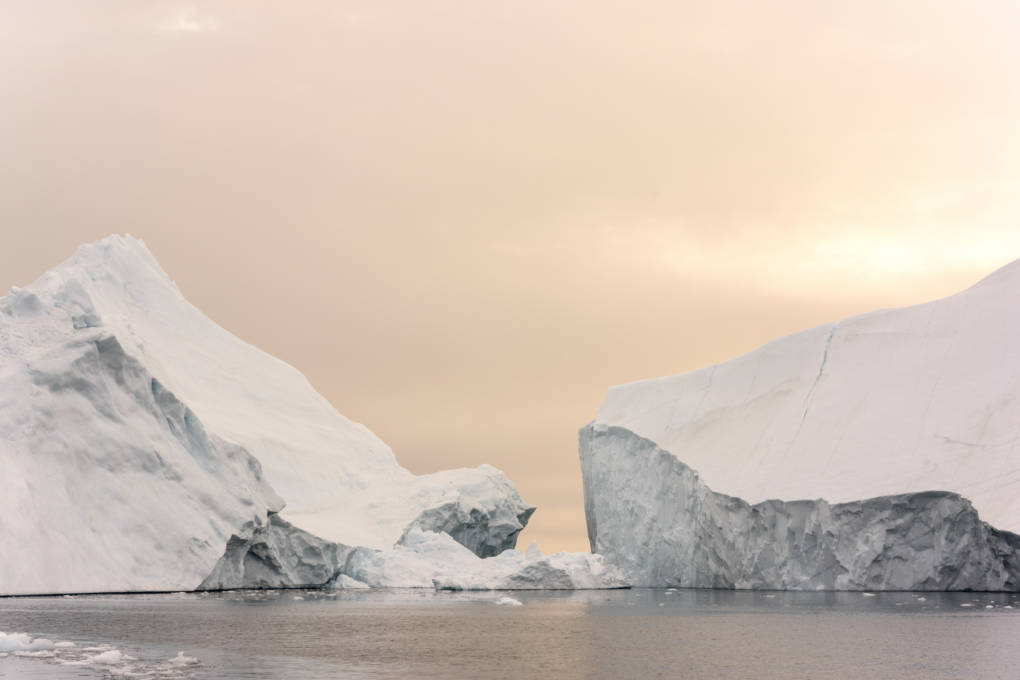
"caption": "Arctic Icebergs Greenland in the arctic sea. ",
"description": null,
"title": "Arctic Icebergs Greenland in the arctic sea.",
"credit": "iStock",
"status": "inherit",
"isLoading": false,
"fetchFailed": false
},
"science_1859215": {
"type": "attachments",
"id": "science_1859215",
"meta": {
"index": "attachments_1716263798",
"site": "science",
"id": "1859215",
"found": true
},
"parent": 1859207,
"imgSizes": {
"small": {
"file": "https://ww2.kqed.org/app/uploads/sites/35/2017/07/Climate_Central-520x355.jpg",
"width": 520,
"mimeType": "image/jpeg",
"height": 355
},
"thumbnail": {
"file": "https://ww2.kqed.org/app/uploads/sites/35/2017/07/Climate_Central-160x109.jpg",
"width": 160,
"mimeType": "image/jpeg",
"height": 109
},
"post-thumbnail": {
"file": "https://ww2.kqed.org/app/uploads/sites/35/2017/07/Climate_Central-672x372.jpg",
"width": 672,
"mimeType": "image/jpeg",
"height": 372
},
"xsmall": {
"file": "https://ww2.kqed.org/app/uploads/sites/35/2017/07/Climate_Central-375x256.jpg",
"width": 375,
"mimeType": "image/jpeg",
"height": 256
},
"kqedFullSize": {
"file": "https://ww2.kqed.org/app/uploads/sites/35/2017/07/Climate_Central.jpg",
"width": 720,
"height": 492
},
"guest-author-50": {
"file": "https://ww2.kqed.org/app/uploads/sites/35/2017/07/Climate_Central-50x50.jpg",
"width": 50,
"mimeType": "image/jpeg",
"height": 50
},
"guest-author-96": {
"file": "https://ww2.kqed.org/app/uploads/sites/35/2017/07/Climate_Central-96x96.jpg",
"width": 96,
"mimeType": "image/jpeg",
"height": 96
},
"guest-author-64": {
"file": "https://ww2.kqed.org/app/uploads/sites/35/2017/07/Climate_Central-64x64.jpg",
"width": 64,
"mimeType": "image/jpeg",
"height": 64
},
"detail": {
"file": "https://ww2.kqed.org/app/uploads/sites/35/2017/07/Climate_Central-150x150.jpg",
"width": 150,
"mimeType": "image/jpeg",
"height": 150
},
"guest-author-32": {
"file": "https://ww2.kqed.org/app/uploads/sites/35/2017/07/Climate_Central-32x32.jpg",
"width": 32,
"mimeType": "image/jpeg",
"height": 32
},
"guest-author-128": {
"file": "https://ww2.kqed.org/app/uploads/sites/35/2017/07/Climate_Central-128x128.jpg",
"width": 128,
"mimeType": "image/jpeg",
"height": 128
},
"xxsmall": {
"file": "https://ww2.kqed.org/app/uploads/sites/35/2017/07/Climate_Central-240x164.jpg",
"width": 240,
"mimeType": "image/jpeg",
"height": 164
}
},
"publishDate": 1500426255,
"modified": 1500426283,
"caption": "How monthly temperatures differ from the 1951-1980 average. So far, 2017 ranks behind only 2016 for the temperature for the first six months of the year.",
"description": null,
"title": "Climate_Central",
"credit": "NASA",
"status": "inherit",
"isLoading": false,
"fetchFailed": false
},
"science_1680336": {
"type": "attachments",
"id": "science_1680336",
"meta": {
"index": "attachments_1716263798",
"site": "science",
"id": "1680336",
"found": true
},
"parent": 1680335,
"imgSizes": {
"small": {
"file": "https://ww2.kqed.org/app/uploads/sites/35/2017/05/1680335-thumb-520x390.jpg",
"width": 520,
"mimeType": "image/jpeg",
"height": 390
},
"twentyfourteen-full-width": {
"file": "https://ww2.kqed.org/app/uploads/sites/35/2017/05/1680335-thumb-800x576.jpg",
"width": 800,
"mimeType": "image/jpeg",
"height": 576
},
"thumbnail": {
"file": "https://ww2.kqed.org/app/uploads/sites/35/2017/05/1680335-thumb-160x120.jpg",
"width": 160,
"mimeType": "image/jpeg",
"height": 120
},
"post-thumbnail": {
"file": "https://ww2.kqed.org/app/uploads/sites/35/2017/05/1680335-thumb-672x372.jpg",
"width": 672,
"mimeType": "image/jpeg",
"height": 372
},
"xsmall": {
"file": "https://ww2.kqed.org/app/uploads/sites/35/2017/05/1680335-thumb-375x281.jpg",
"width": 375,
"mimeType": "image/jpeg",
"height": 281
},
"kqedFullSize": {
"file": "https://ww2.kqed.org/app/uploads/sites/35/2017/05/1680335-thumb.jpg",
"width": 800,
"height": 600
},
"guest-author-50": {
"file": "https://ww2.kqed.org/app/uploads/sites/35/2017/05/1680335-thumb-50x50.jpg",
"width": 50,
"mimeType": "image/jpeg",
"height": 50
},
"guest-author-96": {
"file": "https://ww2.kqed.org/app/uploads/sites/35/2017/05/1680335-thumb-96x96.jpg",
"width": 96,
"mimeType": "image/jpeg",
"height": 96
},
"medium": {
"file": "https://ww2.kqed.org/app/uploads/sites/35/2017/05/1680335-thumb-800x600.jpg",
"width": 800,
"mimeType": "image/jpeg",
"height": 600
},
"guest-author-64": {
"file": "https://ww2.kqed.org/app/uploads/sites/35/2017/05/1680335-thumb-64x64.jpg",
"width": 64,
"mimeType": "image/jpeg",
"height": 64
},
"guest-author-32": {
"file": "https://ww2.kqed.org/app/uploads/sites/35/2017/05/1680335-thumb-32x32.jpg",
"width": 32,
"mimeType": "image/jpeg",
"height": 32
},
"detail": {
"file": "https://ww2.kqed.org/app/uploads/sites/35/2017/05/1680335-thumb-150x150.jpg",
"width": 150,
"mimeType": "image/jpeg",
"height": 150
},
"medium_large": {
"file": "https://ww2.kqed.org/app/uploads/sites/35/2017/05/1680335-thumb-768x576.jpg",
"width": 768,
"mimeType": "image/jpeg",
"height": 576
},
"guest-author-128": {
"file": "https://ww2.kqed.org/app/uploads/sites/35/2017/05/1680335-thumb-128x128.jpg",
"width": 128,
"mimeType": "image/jpeg",
"height": 128
},
"xxsmall": {
"file": "https://ww2.kqed.org/app/uploads/sites/35/2017/05/1680335-thumb-240x180.jpg",
"width": 240,
"mimeType": "image/jpeg",
"height": 180
}
},
"publishDate": 1496180968,
"modified": 1496180968,
"caption": null,
"description": null,
"title": "Thumbnail for 1680335",
"credit": null,
"status": "inherit",
"isLoading": false,
"fetchFailed": false
},
"science_1831037": {
"type": "attachments",
"id": "science_1831037",
"meta": {
"index": "attachments_1716263798",
"site": "science",
"id": "1831037",
"found": true
},
"parent": 1830945,
"imgSizes": {
"small": {
"file": "https://ww2.kqed.org/app/uploads/sites/35/2017/07/Observed_overnightlows-520x376.jpg",
"width": 520,
"mimeType": "image/jpeg",
"height": 376
},
"thumbnail": {
"file": "https://ww2.kqed.org/app/uploads/sites/35/2017/07/Observed_overnightlows-160x116.jpg",
"width": 160,
"mimeType": "image/jpeg",
"height": 116
},
"post-thumbnail": {
"file": "https://ww2.kqed.org/app/uploads/sites/35/2017/07/Observed_overnightlows-672x372.jpg",
"width": 672,
"mimeType": "image/jpeg",
"height": 372
},
"xsmall": {
"file": "https://ww2.kqed.org/app/uploads/sites/35/2017/07/Observed_overnightlows-375x271.jpg",
"width": 375,
"mimeType": "image/jpeg",
"height": 271
},
"kqedFullSize": {
"file": "https://ww2.kqed.org/app/uploads/sites/35/2017/07/Observed_overnightlows.jpg",
"width": 720,
"height": 520
},
"guest-author-50": {
"file": "https://ww2.kqed.org/app/uploads/sites/35/2017/07/Observed_overnightlows-50x50.jpg",
"width": 50,
"mimeType": "image/jpeg",
"height": 50
},
"guest-author-96": {
"file": "https://ww2.kqed.org/app/uploads/sites/35/2017/07/Observed_overnightlows-96x96.jpg",
"width": 96,
"mimeType": "image/jpeg",
"height": 96
},
"guest-author-64": {
"file": "https://ww2.kqed.org/app/uploads/sites/35/2017/07/Observed_overnightlows-64x64.jpg",
"width": 64,
"mimeType": "image/jpeg",
"height": 64
},
"detail": {
"file": "https://ww2.kqed.org/app/uploads/sites/35/2017/07/Observed_overnightlows-150x150.jpg",
"width": 150,
"mimeType": "image/jpeg",
"height": 150
},
"guest-author-32": {
"file": "https://ww2.kqed.org/app/uploads/sites/35/2017/07/Observed_overnightlows-32x32.jpg",
"width": 32,
"mimeType": "image/jpeg",
"height": 32
},
"guest-author-128": {
"file": "https://ww2.kqed.org/app/uploads/sites/35/2017/07/Observed_overnightlows-128x128.jpg",
"width": 128,
"mimeType": "image/jpeg",
"height": 128
},
"xxsmall": {
"file": "https://ww2.kqed.org/app/uploads/sites/35/2017/07/Observed_overnightlows-240x173.jpg",
"width": 240,
"mimeType": "image/jpeg",
"height": 173
}
},
"publishDate": 1499800643,
"modified": 1499801093,
"caption": "Overnight lows on Saturday morning in the Phoenix area stayed in the 90s.\n",
"description": null,
"title": "Observed_overnightlows",
"credit": "NOAA",
"status": "inherit",
"isLoading": false,
"fetchFailed": false
},
"science_1806819": {
"type": "attachments",
"id": "science_1806819",
"meta": {
"index": "attachments_1716263798",
"site": "science",
"id": "1806819",
"found": true
},
"parent": 1806818,
"imgSizes": {
"small": {
"file": "https://ww2.kqed.org/app/uploads/sites/35/2017/07/gettyimages-603966130_wide-eefa9902b5c673d66dd251468fe9361013d6b46a-520x293.jpg",
"width": 520,
"mimeType": "image/jpeg",
"height": 293
},
"twentyfourteen-full-width": {
"file": "https://ww2.kqed.org/app/uploads/sites/35/2017/07/gettyimages-603966130_wide-eefa9902b5c673d66dd251468fe9361013d6b46a-1038x576.jpg",
"width": 1038,
"mimeType": "image/jpeg",
"height": 576
},
"thumbnail": {
"file": "https://ww2.kqed.org/app/uploads/sites/35/2017/07/gettyimages-603966130_wide-eefa9902b5c673d66dd251468fe9361013d6b46a-160x90.jpg",
"width": 160,
"mimeType": "image/jpeg",
"height": 90
},
"fd-sm": {
"file": "https://ww2.kqed.org/app/uploads/sites/35/2017/07/gettyimages-603966130_wide-eefa9902b5c673d66dd251468fe9361013d6b46a-960x540.jpg",
"width": 960,
"mimeType": "image/jpeg",
"height": 540
},
"post-thumbnail": {
"file": "https://ww2.kqed.org/app/uploads/sites/35/2017/07/gettyimages-603966130_wide-eefa9902b5c673d66dd251468fe9361013d6b46a-672x372.jpg",
"width": 672,
"mimeType": "image/jpeg",
"height": 372
},
"xsmall": {
"file": "https://ww2.kqed.org/app/uploads/sites/35/2017/07/gettyimages-603966130_wide-eefa9902b5c673d66dd251468fe9361013d6b46a-375x211.jpg",
"width": 375,
"mimeType": "image/jpeg",
"height": 211
},
"kqedFullSize": {
"file": "https://ww2.kqed.org/app/uploads/sites/35/2017/07/gettyimages-603966130_wide-eefa9902b5c673d66dd251468fe9361013d6b46a-e1499289186581.jpg",
"width": 1920,
"height": 1080
},
"large": {
"file": "https://ww2.kqed.org/app/uploads/sites/35/2017/07/gettyimages-603966130_wide-eefa9902b5c673d66dd251468fe9361013d6b46a-1020x574.jpg",
"width": 1020,
"mimeType": "image/jpeg",
"height": 574
},
"xlarge": {
"file": "https://ww2.kqed.org/app/uploads/sites/35/2017/07/gettyimages-603966130_wide-eefa9902b5c673d66dd251468fe9361013d6b46a-1180x664.jpg",
"width": 1180,
"mimeType": "image/jpeg",
"height": 664
},
"guest-author-50": {
"file": "https://ww2.kqed.org/app/uploads/sites/35/2017/07/gettyimages-603966130_wide-eefa9902b5c673d66dd251468fe9361013d6b46a-50x50.jpg",
"width": 50,
"mimeType": "image/jpeg",
"height": 50
},
"guest-author-96": {
"file": "https://ww2.kqed.org/app/uploads/sites/35/2017/07/gettyimages-603966130_wide-eefa9902b5c673d66dd251468fe9361013d6b46a-96x96.jpg",
"width": 96,
"mimeType": "image/jpeg",
"height": 96
},
"medium": {
"file": "https://ww2.kqed.org/app/uploads/sites/35/2017/07/gettyimages-603966130_wide-eefa9902b5c673d66dd251468fe9361013d6b46a-800x450.jpg",
"width": 800,
"mimeType": "image/jpeg",
"height": 450
},
"guest-author-64": {
"file": "https://ww2.kqed.org/app/uploads/sites/35/2017/07/gettyimages-603966130_wide-eefa9902b5c673d66dd251468fe9361013d6b46a-64x64.jpg",
"width": 64,
"mimeType": "image/jpeg",
"height": 64
},
"guest-author-32": {
"file": "https://ww2.kqed.org/app/uploads/sites/35/2017/07/gettyimages-603966130_wide-eefa9902b5c673d66dd251468fe9361013d6b46a-32x32.jpg",
"width": 32,
"mimeType": "image/jpeg",
"height": 32
},
"fd-lrg": {
"file": "https://ww2.kqed.org/app/uploads/sites/35/2017/07/gettyimages-603966130_wide-eefa9902b5c673d66dd251468fe9361013d6b46a-1920x1080.jpg",
"width": 1920,
"mimeType": "image/jpeg",
"height": 1080
},
"fd-med": {
"file": "https://ww2.kqed.org/app/uploads/sites/35/2017/07/gettyimages-603966130_wide-eefa9902b5c673d66dd251468fe9361013d6b46a-1180x664.jpg",
"width": 1180,
"mimeType": "image/jpeg",
"height": 664
},
"full-width": {
"file": "https://ww2.kqed.org/app/uploads/sites/35/2017/07/gettyimages-603966130_wide-eefa9902b5c673d66dd251468fe9361013d6b46a-1920x1080.jpg",
"width": 1920,
"mimeType": "image/jpeg",
"height": 1080
},
"detail": {
"file": "https://ww2.kqed.org/app/uploads/sites/35/2017/07/gettyimages-603966130_wide-eefa9902b5c673d66dd251468fe9361013d6b46a-150x150.jpg",
"width": 150,
"mimeType": "image/jpeg",
"height": 150
},
"medium_large": {
"file": "https://ww2.kqed.org/app/uploads/sites/35/2017/07/gettyimages-603966130_wide-eefa9902b5c673d66dd251468fe9361013d6b46a-768x432.jpg",
"width": 768,
"mimeType": "image/jpeg",
"height": 432
},
"guest-author-128": {
"file": "https://ww2.kqed.org/app/uploads/sites/35/2017/07/gettyimages-603966130_wide-eefa9902b5c673d66dd251468fe9361013d6b46a-128x128.jpg",
"width": 128,
"mimeType": "image/jpeg",
"height": 128
},
"xxsmall": {
"file": "https://ww2.kqed.org/app/uploads/sites/35/2017/07/gettyimages-603966130_wide-eefa9902b5c673d66dd251468fe9361013d6b46a-240x135.jpg",
"width": 240,
"mimeType": "image/jpeg",
"height": 135
}
},
"publishDate": 1499279786,
"modified": 1499289165,
"caption": "Pump jacks and a gas flare are seen near Williston, N.D., in 2016",
"description": "Pump jacks and a gas flare are seen near Williston, N.D., in 2016",
"title": "Pump jacks and a gas flare are seen near Williston, N.D., in 2016.",
"credit": "Robyn Beck/AFP/Getty Images",
"status": "inherit",
"isLoading": false,
"fetchFailed": false
},
"science_1804767": {
"type": "attachments",
"id": "science_1804767",
"meta": {
"index": "attachments_1716263798",
"site": "science",
"id": "1804767",
"found": true
},
"parent": 1799736,
"imgSizes": {
"small": {
"file": "https://ww2.kqed.org/app/uploads/sites/35/2017/07/Hawking_edited-520x390.jpg",
"width": 520,
"mimeType": "image/jpeg",
"height": 390
},
"twentyfourteen-full-width": {
"file": "https://ww2.kqed.org/app/uploads/sites/35/2017/07/Hawking_edited-768x576.jpg",
"width": 768,
"mimeType": "image/jpeg",
"height": 576
},
"thumbnail": {
"file": "https://ww2.kqed.org/app/uploads/sites/35/2017/07/Hawking_edited-160x120.jpg",
"width": 160,
"mimeType": "image/jpeg",
"height": 120
},
"post-thumbnail": {
"file": "https://ww2.kqed.org/app/uploads/sites/35/2017/07/Hawking_edited-672x372.jpg",
"width": 672,
"mimeType": "image/jpeg",
"height": 372
},
"xsmall": {
"file": "https://ww2.kqed.org/app/uploads/sites/35/2017/07/Hawking_edited-375x281.jpg",
"width": 375,
"mimeType": "image/jpeg",
"height": 281
},
"kqedFullSize": {
"file": "https://ww2.kqed.org/app/uploads/sites/35/2017/07/Hawking_edited.jpg",
"width": 768,
"height": 576
},
"guest-author-50": {
"file": "https://ww2.kqed.org/app/uploads/sites/35/2017/07/Hawking_edited-50x50.jpg",
"width": 50,
"mimeType": "image/jpeg",
"height": 50
},
"guest-author-96": {
"file": "https://ww2.kqed.org/app/uploads/sites/35/2017/07/Hawking_edited-96x96.jpg",
"width": 96,
"mimeType": "image/jpeg",
"height": 96
},
"guest-author-64": {
"file": "https://ww2.kqed.org/app/uploads/sites/35/2017/07/Hawking_edited-64x64.jpg",
"width": 64,
"mimeType": "image/jpeg",
"height": 64
},
"guest-author-32": {
"file": "https://ww2.kqed.org/app/uploads/sites/35/2017/07/Hawking_edited-32x32.jpg",
"width": 32,
"mimeType": "image/jpeg",
"height": 32
},
"detail": {
"file": "https://ww2.kqed.org/app/uploads/sites/35/2017/07/Hawking_edited-150x150.jpg",
"width": 150,
"mimeType": "image/jpeg",
"height": 150
},
"medium_large": {
"file": "https://ww2.kqed.org/app/uploads/sites/35/2017/07/Hawking_edited-768x576.jpg",
"width": 768,
"mimeType": "image/jpeg",
"height": 576
},
"guest-author-128": {
"file": "https://ww2.kqed.org/app/uploads/sites/35/2017/07/Hawking_edited-128x128.jpg",
"width": 128,
"mimeType": "image/jpeg",
"height": 128
},
"xxsmall": {
"file": "https://ww2.kqed.org/app/uploads/sites/35/2017/07/Hawking_edited-240x180.jpg",
"width": 240,
"mimeType": "image/jpeg",
"height": 180
}
},
"publishDate": 1499237424,
"modified": 1499237439,
"caption": "Stephen Hawking, shown here in April 2016 during the announcement in New York of a new space exploration project called Breakthrough Starshot, is one of 150 top U.K. scientists who've warned that Brexit would be a \"disaster for science.\"",
"description": null,
"title": "Hawking_edited",
"credit": null,
"status": "inherit",
"isLoading": false,
"fetchFailed": false
},
"science_1786977": {
"type": "attachments",
"id": "science_1786977",
"meta": {
"index": "attachments_1716263798",
"site": "science",
"id": "1786977",
"found": true
},
"parent": 1786975,
"imgSizes": {
"small": {
"file": "https://ww2.kqed.org/app/uploads/sites/35/2017/06/climate-data_enl-ff40c5f4d3e8458dfe0ffe205d3a06e8b605229b-520x275.jpg",
"width": 520,
"mimeType": "image/jpeg",
"height": 275
},
"twentyfourteen-full-width": {
"file": "https://ww2.kqed.org/app/uploads/sites/35/2017/06/climate-data_enl-ff40c5f4d3e8458dfe0ffe205d3a06e8b605229b-1038x576.jpg",
"width": 1038,
"mimeType": "image/jpeg",
"height": 576
},
"thumbnail": {
"file": "https://ww2.kqed.org/app/uploads/sites/35/2017/06/climate-data_enl-ff40c5f4d3e8458dfe0ffe205d3a06e8b605229b-160x85.jpg",
"width": 160,
"mimeType": "image/jpeg",
"height": 85
},
"fd-sm": {
"file": "https://ww2.kqed.org/app/uploads/sites/35/2017/06/climate-data_enl-ff40c5f4d3e8458dfe0ffe205d3a06e8b605229b-960x507.jpg",
"width": 960,
"mimeType": "image/jpeg",
"height": 507
},
"post-thumbnail": {
"file": "https://ww2.kqed.org/app/uploads/sites/35/2017/06/climate-data_enl-ff40c5f4d3e8458dfe0ffe205d3a06e8b605229b-672x372.jpg",
"width": 672,
"mimeType": "image/jpeg",
"height": 372
},
"xsmall": {
"file": "https://ww2.kqed.org/app/uploads/sites/35/2017/06/climate-data_enl-ff40c5f4d3e8458dfe0ffe205d3a06e8b605229b-375x198.jpg",
"width": 375,
"mimeType": "image/jpeg",
"height": 198
},
"kqedFullSize": {
"file": "https://ww2.kqed.org/app/uploads/sites/35/2017/06/climate-data_enl-ff40c5f4d3e8458dfe0ffe205d3a06e8b605229b.jpg",
"width": 2000,
"height": 1057
},
"large": {
"file": "https://ww2.kqed.org/app/uploads/sites/35/2017/06/climate-data_enl-ff40c5f4d3e8458dfe0ffe205d3a06e8b605229b-1020x539.jpg",
"width": 1020,
"mimeType": "image/jpeg",
"height": 539
},
"xlarge": {
"file": "https://ww2.kqed.org/app/uploads/sites/35/2017/06/climate-data_enl-ff40c5f4d3e8458dfe0ffe205d3a06e8b605229b-1180x624.jpg",
"width": 1180,
"mimeType": "image/jpeg",
"height": 624
},
"guest-author-50": {
"file": "https://ww2.kqed.org/app/uploads/sites/35/2017/06/climate-data_enl-ff40c5f4d3e8458dfe0ffe205d3a06e8b605229b-50x50.jpg",
"width": 50,
"mimeType": "image/jpeg",
"height": 50
},
"guest-author-96": {
"file": "https://ww2.kqed.org/app/uploads/sites/35/2017/06/climate-data_enl-ff40c5f4d3e8458dfe0ffe205d3a06e8b605229b-96x96.jpg",
"width": 96,
"mimeType": "image/jpeg",
"height": 96
},
"medium": {
"file": "https://ww2.kqed.org/app/uploads/sites/35/2017/06/climate-data_enl-ff40c5f4d3e8458dfe0ffe205d3a06e8b605229b-800x423.jpg",
"width": 800,
"mimeType": "image/jpeg",
"height": 423
},
"guest-author-64": {
"file": "https://ww2.kqed.org/app/uploads/sites/35/2017/06/climate-data_enl-ff40c5f4d3e8458dfe0ffe205d3a06e8b605229b-64x64.jpg",
"width": 64,
"mimeType": "image/jpeg",
"height": 64
},
"guest-author-32": {
"file": "https://ww2.kqed.org/app/uploads/sites/35/2017/06/climate-data_enl-ff40c5f4d3e8458dfe0ffe205d3a06e8b605229b-32x32.jpg",
"width": 32,
"mimeType": "image/jpeg",
"height": 32
},
"fd-lrg": {
"file": "https://ww2.kqed.org/app/uploads/sites/35/2017/06/climate-data_enl-ff40c5f4d3e8458dfe0ffe205d3a06e8b605229b-1920x1015.jpg",
"width": 1920,
"mimeType": "image/jpeg",
"height": 1015
},
"fd-med": {
"file": "https://ww2.kqed.org/app/uploads/sites/35/2017/06/climate-data_enl-ff40c5f4d3e8458dfe0ffe205d3a06e8b605229b-1180x624.jpg",
"width": 1180,
"mimeType": "image/jpeg",
"height": 624
},
"full-width": {
"file": "https://ww2.kqed.org/app/uploads/sites/35/2017/06/climate-data_enl-ff40c5f4d3e8458dfe0ffe205d3a06e8b605229b-1920x1015.jpg",
"width": 1920,
"mimeType": "image/jpeg",
"height": 1015
},
"detail": {
"file": "https://ww2.kqed.org/app/uploads/sites/35/2017/06/climate-data_enl-ff40c5f4d3e8458dfe0ffe205d3a06e8b605229b-150x150.jpg",
"width": 150,
"mimeType": "image/jpeg",
"height": 150
},
"medium_large": {
"file": "https://ww2.kqed.org/app/uploads/sites/35/2017/06/climate-data_enl-ff40c5f4d3e8458dfe0ffe205d3a06e8b605229b-768x406.jpg",
"width": 768,
"mimeType": "image/jpeg",
"height": 406
},
"guest-author-128": {
"file": "https://ww2.kqed.org/app/uploads/sites/35/2017/06/climate-data_enl-ff40c5f4d3e8458dfe0ffe205d3a06e8b605229b-128x128.jpg",
"width": 128,
"mimeType": "image/jpeg",
"height": 128
},
"xxsmall": {
"file": "https://ww2.kqed.org/app/uploads/sites/35/2017/06/climate-data_enl-ff40c5f4d3e8458dfe0ffe205d3a06e8b605229b-240x127.jpg",
"width": 240,
"mimeType": "image/jpeg",
"height": 127
}
},
"publishDate": 1498854803,
"modified": 1498859464,
"caption": null,
"description": "Potential economic damages are shown at the county level in a scenario in which emissions of greenhouse gases continue at current rates. Green indicates areas that could see economic benefits. To see an interactive version of this map, click \u003ca href=\"http://www.impactlab.org/map/\">here\u003c/a>.",
"title": "climate map",
"credit": "Hsiang, Kopp, Jina, Rising, et al./Science",
"status": "inherit",
"isLoading": false,
"fetchFailed": false
},
"science_1754416": {
"type": "attachments",
"id": "science_1754416",
"meta": {
"index": "attachments_1716263798",
"site": "science",
"id": "1754416",
"found": true
},
"parent": 1754411,
"imgSizes": {
"small": {
"file": "https://ww2.kqed.org/app/uploads/sites/35/2017/06/Squaw-Chicken-520x390.jpg",
"width": 520,
"mimeType": "image/jpeg",
"height": 390
},
"twentyfourteen-full-width": {
"file": "https://ww2.kqed.org/app/uploads/sites/35/2017/06/Squaw-Chicken-1024x576.jpg",
"width": 1024,
"mimeType": "image/jpeg",
"height": 576
},
"thumbnail": {
"file": "https://ww2.kqed.org/app/uploads/sites/35/2017/06/Squaw-Chicken-160x120.jpg",
"width": 160,
"mimeType": "image/jpeg",
"height": 120
},
"fd-sm": {
"file": "https://ww2.kqed.org/app/uploads/sites/35/2017/06/Squaw-Chicken-960x720.jpg",
"width": 960,
"mimeType": "image/jpeg",
"height": 720
},
"post-thumbnail": {
"file": "https://ww2.kqed.org/app/uploads/sites/35/2017/06/Squaw-Chicken-672x372.jpg",
"width": 672,
"mimeType": "image/jpeg",
"height": 372
},
"xsmall": {
"file": "https://ww2.kqed.org/app/uploads/sites/35/2017/06/Squaw-Chicken-375x281.jpg",
"width": 375,
"mimeType": "image/jpeg",
"height": 281
},
"kqedFullSize": {
"file": "https://ww2.kqed.org/app/uploads/sites/35/2017/06/Squaw-Chicken.jpg",
"width": 1024,
"height": 768
},
"large": {
"file": "https://ww2.kqed.org/app/uploads/sites/35/2017/06/Squaw-Chicken-1020x765.jpg",
"width": 1020,
"mimeType": "image/jpeg",
"height": 765
},
"guest-author-50": {
"file": "https://ww2.kqed.org/app/uploads/sites/35/2017/06/Squaw-Chicken-50x50.jpg",
"width": 50,
"mimeType": "image/jpeg",
"height": 50
},
"guest-author-96": {
"file": "https://ww2.kqed.org/app/uploads/sites/35/2017/06/Squaw-Chicken-96x96.jpg",
"width": 96,
"mimeType": "image/jpeg",
"height": 96
},
"medium": {
"file": "https://ww2.kqed.org/app/uploads/sites/35/2017/06/Squaw-Chicken-800x600.jpg",
"width": 800,
"mimeType": "image/jpeg",
"height": 600
},
"guest-author-64": {
"file": "https://ww2.kqed.org/app/uploads/sites/35/2017/06/Squaw-Chicken-64x64.jpg",
"width": 64,
"mimeType": "image/jpeg",
"height": 64
},
"guest-author-32": {
"file": "https://ww2.kqed.org/app/uploads/sites/35/2017/06/Squaw-Chicken-32x32.jpg",
"width": 32,
"mimeType": "image/jpeg",
"height": 32
},
"detail": {
"file": "https://ww2.kqed.org/app/uploads/sites/35/2017/06/Squaw-Chicken-150x150.jpg",
"width": 150,
"mimeType": "image/jpeg",
"height": 150
},
"medium_large": {
"file": "https://ww2.kqed.org/app/uploads/sites/35/2017/06/Squaw-Chicken-768x576.jpg",
"width": 768,
"mimeType": "image/jpeg",
"height": 576
},
"guest-author-128": {
"file": "https://ww2.kqed.org/app/uploads/sites/35/2017/06/Squaw-Chicken-128x128.jpg",
"width": 128,
"mimeType": "image/jpeg",
"height": 128
},
"xxsmall": {
"file": "https://ww2.kqed.org/app/uploads/sites/35/2017/06/Squaw-Chicken-240x180.jpg",
"width": 240,
"mimeType": "image/jpeg",
"height": 180
}
},
"publishDate": 1498161978,
"modified": 1498520769,
"caption": "Chelsea Chestnut (L) and Will Mathews (R) pose at the top of Squaw Valley on an 80-degree day. ",
"description": null,
"title": "Squaw Chicken",
"credit": "Lesley McClurg/ KQED",
"status": "inherit",
"isLoading": false,
"fetchFailed": false
},
"science_1602509": {
"type": "attachments",
"id": "science_1602509",
"meta": {
"index": "attachments_1716263798",
"site": "science",
"id": "1602509",
"found": true
},
"parent": 1592231,
"imgSizes": {
"small": {
"file": "https://ww2.kqed.org/app/uploads/sites/35/2017/05/Ocean-Turbines-520x447.jpg",
"width": 520,
"mimeType": "image/jpeg",
"height": 447
},
"twentyfourteen-full-width": {
"file": "https://ww2.kqed.org/app/uploads/sites/35/2017/05/Ocean-Turbines-1038x576.jpg",
"width": 1038,
"mimeType": "image/jpeg",
"height": 576
},
"thumbnail": {
"file": "https://ww2.kqed.org/app/uploads/sites/35/2017/05/Ocean-Turbines-160x138.jpg",
"width": 160,
"mimeType": "image/jpeg",
"height": 138
},
"fd-sm": {
"file": "https://ww2.kqed.org/app/uploads/sites/35/2017/05/Ocean-Turbines-960x825.jpg",
"width": 960,
"mimeType": "image/jpeg",
"height": 825
},
"post-thumbnail": {
"file": "https://ww2.kqed.org/app/uploads/sites/35/2017/05/Ocean-Turbines-672x372.jpg",
"width": 672,
"mimeType": "image/jpeg",
"height": 372
},
"xsmall": {
"file": "https://ww2.kqed.org/app/uploads/sites/35/2017/05/Ocean-Turbines-375x322.jpg",
"width": 375,
"mimeType": "image/jpeg",
"height": 322
},
"kqedFullSize": {
"file": "https://ww2.kqed.org/app/uploads/sites/35/2017/05/Ocean-Turbines.jpg",
"width": 4530,
"height": 3895
},
"large": {
"file": "https://ww2.kqed.org/app/uploads/sites/35/2017/05/Ocean-Turbines-1020x877.jpg",
"width": 1020,
"mimeType": "image/jpeg",
"height": 877
},
"xlarge": {
"file": "https://ww2.kqed.org/app/uploads/sites/35/2017/05/Ocean-Turbines-1180x1015.jpg",
"width": 1180,
"mimeType": "image/jpeg",
"height": 1015
},
"guest-author-50": {
"file": "https://ww2.kqed.org/app/uploads/sites/35/2017/05/Ocean-Turbines-50x50.jpg",
"width": 50,
"mimeType": "image/jpeg",
"height": 50
},
"guest-author-96": {
"file": "https://ww2.kqed.org/app/uploads/sites/35/2017/05/Ocean-Turbines-96x96.jpg",
"width": 96,
"mimeType": "image/jpeg",
"height": 96
},
"medium": {
"file": "https://ww2.kqed.org/app/uploads/sites/35/2017/05/Ocean-Turbines-800x688.jpg",
"width": 800,
"mimeType": "image/jpeg",
"height": 688
},
"guest-author-64": {
"file": "https://ww2.kqed.org/app/uploads/sites/35/2017/05/Ocean-Turbines-64x64.jpg",
"width": 64,
"mimeType": "image/jpeg",
"height": 64
},
"guest-author-32": {
"file": "https://ww2.kqed.org/app/uploads/sites/35/2017/05/Ocean-Turbines-32x32.jpg",
"width": 32,
"mimeType": "image/jpeg",
"height": 32
},
"fd-lrg": {
"file": "https://ww2.kqed.org/app/uploads/sites/35/2017/05/Ocean-Turbines-1920x1651.jpg",
"width": 1920,
"mimeType": "image/jpeg",
"height": 1651
},
"fd-med": {
"file": "https://ww2.kqed.org/app/uploads/sites/35/2017/05/Ocean-Turbines-1180x1015.jpg",
"width": 1180,
"mimeType": "image/jpeg",
"height": 1015
},
"full-width": {
"file": "https://ww2.kqed.org/app/uploads/sites/35/2017/05/Ocean-Turbines-1920x1651.jpg",
"width": 1920,
"mimeType": "image/jpeg",
"height": 1651
},
"detail": {
"file": "https://ww2.kqed.org/app/uploads/sites/35/2017/05/Ocean-Turbines-150x150.jpg",
"width": 150,
"mimeType": "image/jpeg",
"height": 150
},
"medium_large": {
"file": "https://ww2.kqed.org/app/uploads/sites/35/2017/05/Ocean-Turbines-768x660.jpg",
"width": 768,
"mimeType": "image/jpeg",
"height": 660
},
"guest-author-128": {
"file": "https://ww2.kqed.org/app/uploads/sites/35/2017/05/Ocean-Turbines-128x128.jpg",
"width": 128,
"mimeType": "image/jpeg",
"height": 128
},
"xxsmall": {
"file": "https://ww2.kqed.org/app/uploads/sites/35/2017/05/Ocean-Turbines-240x206.jpg",
"width": 240,
"mimeType": "image/jpeg",
"height": 206
}
},
"publishDate": 1493677023,
"modified": 1493677059,
"caption": "A swimmer streams past the Sheringham Shoal Offshore Windfarm off the coast of Norfolk, England. The wind farm consists of 88 3.6-megawatt turbines placed 11 miles from shore. ",
"description": null,
"title": "Ocean-Turbines",
"credit": "Penguin Random House",
"status": "inherit",
"isLoading": false,
"fetchFailed": false
},
"science_1579300": {
"type": "attachments",
"id": "science_1579300",
"meta": {
"index": "attachments_1716263798",
"site": "science",
"id": "1579300",
"found": true
},
"parent": 1573523,
"imgSizes": {
"small": {
"file": "https://ww2.kqed.org/app/uploads/sites/35/2017/04/RS25024_RS25023_GettyImages-671619990-qut-qut-520x351.jpg",
"width": 520,
"mimeType": "image/jpeg",
"height": 351
},
"twentyfourteen-full-width": {
"file": "https://ww2.kqed.org/app/uploads/sites/35/2017/04/RS25024_RS25023_GettyImages-671619990-qut-qut-1038x576.jpg",
"width": 1038,
"mimeType": "image/jpeg",
"height": 576
},
"thumbnail": {
"file": "https://ww2.kqed.org/app/uploads/sites/35/2017/04/RS25024_RS25023_GettyImages-671619990-qut-qut-160x108.jpg",
"width": 160,
"mimeType": "image/jpeg",
"height": 108
},
"fd-sm": {
"file": "https://ww2.kqed.org/app/uploads/sites/35/2017/04/RS25024_RS25023_GettyImages-671619990-qut-qut-960x648.jpg",
"width": 960,
"mimeType": "image/jpeg",
"height": 648
},
"post-thumbnail": {
"file": "https://ww2.kqed.org/app/uploads/sites/35/2017/04/RS25024_RS25023_GettyImages-671619990-qut-qut-672x372.jpg",
"width": 672,
"mimeType": "image/jpeg",
"height": 372
},
"xsmall": {
"file": "https://ww2.kqed.org/app/uploads/sites/35/2017/04/RS25024_RS25023_GettyImages-671619990-qut-qut-375x253.jpg",
"width": 375,
"mimeType": "image/jpeg",
"height": 253
},
"kqedFullSize": {
"file": "https://ww2.kqed.org/app/uploads/sites/35/2017/04/RS25024_RS25023_GettyImages-671619990-qut-qut.jpg",
"width": 1920,
"height": 1296
},
"large": {
"file": "https://ww2.kqed.org/app/uploads/sites/35/2017/04/RS25024_RS25023_GettyImages-671619990-qut-qut-1020x689.jpg",
"width": 1020,
"mimeType": "image/jpeg",
"height": 689
},
"xlarge": {
"file": "https://ww2.kqed.org/app/uploads/sites/35/2017/04/RS25024_RS25023_GettyImages-671619990-qut-qut-1180x797.jpg",
"width": 1180,
"mimeType": "image/jpeg",
"height": 797
},
"guest-author-50": {
"file": "https://ww2.kqed.org/app/uploads/sites/35/2017/04/RS25024_RS25023_GettyImages-671619990-qut-qut-50x50.jpg",
"width": 50,
"mimeType": "image/jpeg",
"height": 50
},
"guest-author-96": {
"file": "https://ww2.kqed.org/app/uploads/sites/35/2017/04/RS25024_RS25023_GettyImages-671619990-qut-qut-96x96.jpg",
"width": 96,
"mimeType": "image/jpeg",
"height": 96
},
"medium": {
"file": "https://ww2.kqed.org/app/uploads/sites/35/2017/04/RS25024_RS25023_GettyImages-671619990-qut-qut-800x540.jpg",
"width": 800,
"mimeType": "image/jpeg",
"height": 540
},
"guest-author-64": {
"file": "https://ww2.kqed.org/app/uploads/sites/35/2017/04/RS25024_RS25023_GettyImages-671619990-qut-qut-64x64.jpg",
"width": 64,
"mimeType": "image/jpeg",
"height": 64
},
"guest-author-32": {
"file": "https://ww2.kqed.org/app/uploads/sites/35/2017/04/RS25024_RS25023_GettyImages-671619990-qut-qut-32x32.jpg",
"width": 32,
"mimeType": "image/jpeg",
"height": 32
},
"fd-lrg": {
"file": "https://ww2.kqed.org/app/uploads/sites/35/2017/04/RS25024_RS25023_GettyImages-671619990-qut-qut-1920x1296.jpg",
"width": 1920,
"mimeType": "image/jpeg",
"height": 1296
},
"fd-med": {
"file": "https://ww2.kqed.org/app/uploads/sites/35/2017/04/RS25024_RS25023_GettyImages-671619990-qut-qut-1180x797.jpg",
"width": 1180,
"mimeType": "image/jpeg",
"height": 797
},
"full-width": {
"file": "https://ww2.kqed.org/app/uploads/sites/35/2017/04/RS25024_RS25023_GettyImages-671619990-qut-qut-1920x1296.jpg",
"width": 1920,
"mimeType": "image/jpeg",
"height": 1296
},
"detail": {
"file": "https://ww2.kqed.org/app/uploads/sites/35/2017/04/RS25024_RS25023_GettyImages-671619990-qut-qut-150x150.jpg",
"width": 150,
"mimeType": "image/jpeg",
"height": 150
},
"medium_large": {
"file": "https://ww2.kqed.org/app/uploads/sites/35/2017/04/RS25024_RS25023_GettyImages-671619990-qut-qut-768x518.jpg",
"width": 768,
"mimeType": "image/jpeg",
"height": 518
},
"guest-author-128": {
"file": "https://ww2.kqed.org/app/uploads/sites/35/2017/04/RS25024_RS25023_GettyImages-671619990-qut-qut-128x128.jpg",
"width": 128,
"mimeType": "image/jpeg",
"height": 128
},
"xxsmall": {
"file": "https://ww2.kqed.org/app/uploads/sites/35/2017/04/RS25024_RS25023_GettyImages-671619990-qut-qut-240x162.jpg",
"width": 240,
"mimeType": "image/jpeg",
"height": 162
}
},
"publishDate": 1492902999,
"modified": 1492903049,
"caption": "People holds up signs during the March for Science in San Francisco, California on April 22, 2017. \nThousands of people joined a global March for Science to fight back against what many see as an \"assault on facts\" by populist politicians. ",
"description": null,
"title": "US-ENVIRONMENT-SCIENCE-PEOPLE-POLITICS",
"credit": "JOSH EDELSON/AFP/Getty Images",
"status": "inherit",
"isLoading": false,
"fetchFailed": false
},
"science_1570702": {
"type": "attachments",
"id": "science_1570702",
"meta": {
"index": "attachments_1716263798",
"site": "science",
"id": "1570702",
"found": true
},
"parent": 1566517,
"imgSizes": {
"small": {
"file": "https://ww2.kqed.org/app/uploads/sites/35/2017/04/kid_science_braing-_hat-520x293.jpg",
"width": 520,
"mimeType": "image/jpeg",
"height": 293
},
"twentyfourteen-full-width": {
"file": "https://ww2.kqed.org/app/uploads/sites/35/2017/04/kid_science_braing-_hat-1038x576.jpg",
"width": 1038,
"mimeType": "image/jpeg",
"height": 576
},
"thumbnail": {
"file": "https://ww2.kqed.org/app/uploads/sites/35/2017/04/kid_science_braing-_hat-160x90.jpg",
"width": 160,
"mimeType": "image/jpeg",
"height": 90
},
"fd-sm": {
"file": "https://ww2.kqed.org/app/uploads/sites/35/2017/04/kid_science_braing-_hat-960x540.jpg",
"width": 960,
"mimeType": "image/jpeg",
"height": 540
},
"post-thumbnail": {
"file": "https://ww2.kqed.org/app/uploads/sites/35/2017/04/kid_science_braing-_hat-672x372.jpg",
"width": 672,
"mimeType": "image/jpeg",
"height": 372
},
"xsmall": {
"file": "https://ww2.kqed.org/app/uploads/sites/35/2017/04/kid_science_braing-_hat-375x211.jpg",
"width": 375,
"mimeType": "image/jpeg",
"height": 211
},
"kqedFullSize": {
"file": "https://ww2.kqed.org/app/uploads/sites/35/2017/04/kid_science_braing-_hat.jpg",
"width": 1920,
"height": 1080
},
"large": {
"file": "https://ww2.kqed.org/app/uploads/sites/35/2017/04/kid_science_braing-_hat-1020x574.jpg",
"width": 1020,
"mimeType": "image/jpeg",
"height": 574
},
"xlarge": {
"file": "https://ww2.kqed.org/app/uploads/sites/35/2017/04/kid_science_braing-_hat-1180x664.jpg",
"width": 1180,
"mimeType": "image/jpeg",
"height": 664
},
"guest-author-50": {
"file": "https://ww2.kqed.org/app/uploads/sites/35/2017/04/kid_science_braing-_hat-50x50.jpg",
"width": 50,
"mimeType": "image/jpeg",
"height": 50
},
"guest-author-96": {
"file": "https://ww2.kqed.org/app/uploads/sites/35/2017/04/kid_science_braing-_hat-96x96.jpg",
"width": 96,
"mimeType": "image/jpeg",
"height": 96
},
"medium": {
"file": "https://ww2.kqed.org/app/uploads/sites/35/2017/04/kid_science_braing-_hat-800x450.jpg",
"width": 800,
"mimeType": "image/jpeg",
"height": 450
},
"guest-author-64": {
"file": "https://ww2.kqed.org/app/uploads/sites/35/2017/04/kid_science_braing-_hat-64x64.jpg",
"width": 64,
"mimeType": "image/jpeg",
"height": 64
},
"guest-author-32": {
"file": "https://ww2.kqed.org/app/uploads/sites/35/2017/04/kid_science_braing-_hat-32x32.jpg",
"width": 32,
"mimeType": "image/jpeg",
"height": 32
},
"fd-lrg": {
"file": "https://ww2.kqed.org/app/uploads/sites/35/2017/04/kid_science_braing-_hat-1920x1080.jpg",
"width": 1920,
"mimeType": "image/jpeg",
"height": 1080
},
"fd-med": {
"file": "https://ww2.kqed.org/app/uploads/sites/35/2017/04/kid_science_braing-_hat-1180x664.jpg",
"width": 1180,
"mimeType": "image/jpeg",
"height": 664
},
"full-width": {
"file": "https://ww2.kqed.org/app/uploads/sites/35/2017/04/kid_science_braing-_hat-1920x1080.jpg",
"width": 1920,
"mimeType": "image/jpeg",
"height": 1080
},
"detail": {
"file": "https://ww2.kqed.org/app/uploads/sites/35/2017/04/kid_science_braing-_hat-150x150.jpg",
"width": 150,
"mimeType": "image/jpeg",
"height": 150
},
"medium_large": {
"file": "https://ww2.kqed.org/app/uploads/sites/35/2017/04/kid_science_braing-_hat-768x432.jpg",
"width": 768,
"mimeType": "image/jpeg",
"height": 432
},
"guest-author-128": {
"file": "https://ww2.kqed.org/app/uploads/sites/35/2017/04/kid_science_braing-_hat-128x128.jpg",
"width": 128,
"mimeType": "image/jpeg",
"height": 128
},
"xxsmall": {
"file": "https://ww2.kqed.org/app/uploads/sites/35/2017/04/kid_science_braing-_hat-240x135.jpg",
"width": 240,
"mimeType": "image/jpeg",
"height": 135
}
},
"publishDate": 1492621036,
"modified": 1492624404,
"caption": "Cal State University East Bay graduate student Zhengkun Hu poses with the \"brain hat\" he made during a Brain Hat Workshop at Hayward's Main Public Library before Hayward's upcoming Science March.",
"description": null,
"title": "kid_science_braing _hat",
"credit": "Courtesy Hayward Public Library",
"status": "inherit",
"isLoading": false,
"fetchFailed": false
}
},
"audioPlayerReducer": {
"postId": "stream_live",
"isPaused": true,
"isPlaying": false,
"pfsActive": false,
"pledgeModalIsOpen": true,
"playerDrawerIsOpen": false,
"liveAudioPlayStartedAt": 0,
"liveAudioPlayContext": ""
},
"authorsReducer": {
"byline_science_1865833": {
"type": "authors",
"id": "byline_science_1865833",
"meta": {
"override": true
},
"slug": "byline_science_1865833",
"name": "Nathan Rott\u003c/br>NPR",
"isLoading": false
},
"byline_science_1859207": {
"type": "authors",
"id": "byline_science_1859207",
"meta": {
"override": true
},
"slug": "byline_science_1859207",
"name": "\u003ca href=\"http://www.climatecentral.org/what-we-do/people/andrea-thompson\" target=\"_blank\" rel=\"noopener noreferrer\">Andrea Thompson\u003c/a>\u003c/br>Climate Central",
"isLoading": false
},
"byline_science_1842649": {
"type": "authors",
"id": "byline_science_1842649",
"meta": {
"override": true
},
"slug": "byline_science_1842649",
"name": "\u003ca href=\"http://www.climatecentral.org/what-we-do/people/brian-kahn\">Brian Kahn\u003c/a>\u003c/br>Climate Central",
"isLoading": false
},
"byline_science_1830945": {
"type": "authors",
"id": "byline_science_1830945",
"meta": {
"override": true
},
"slug": "byline_science_1830945",
"name": "\u003ca href=\"http://www.climatecentral.org/what-we-do/people/andrea-thompson\" target=\"_blank\">Andrea Thompson\u003c/a>\u003c/br>Climate Central",
"isLoading": false
},
"byline_science_1806818": {
"type": "authors",
"id": "byline_science_1806818",
"meta": {
"override": true
},
"slug": "byline_science_1806818",
"name": "Camila Domonoske\u003c/br>NPR",
"isLoading": false
},
"byline_science_1799736": {
"type": "authors",
"id": "byline_science_1799736",
"meta": {
"override": true
},
"slug": "byline_science_1799736",
"name": "Scott Neuman",
"isLoading": false
},
"byline_science_1786975": {
"type": "authors",
"id": "byline_science_1786975",
"meta": {
"override": true
},
"slug": "byline_science_1786975",
"name": "\u003cstrong>Christopher Joyce, NPR\u003c/strong>",
"isLoading": false
},
"lindseyhoshaw": {
"type": "authors",
"id": "5432",
"meta": {
"index": "authors_1716337520",
"id": "5432",
"found": true
},
"name": "Lindsey Hoshaw",
"firstName": "Lindsey",
"lastName": "Hoshaw",
"slug": "lindseyhoshaw",
"email": "lhoshaw@kqed.org",
"display_author_email": false,
"staff_mastheads": [],
"title": "KQED Contributor",
"bio": "Lindsey Hoshaw is a former interactive producer for KQED Science. Before joining KQED, Lindsey was a science correspondent for The New York Times, The Boston Globe, Forbes and Scientific American. On Twitter @lindseyhoshaw",
"avatar": "https://secure.gravatar.com/avatar/274b07694c998eaa8f26cfabaa941186?s=600&d=mm&r=g",
"twitter": "lindseyhoshaw",
"facebook": "lindsey.hoshaw.9",
"instagram": null,
"linkedin": null,
"sites": [
{
"site": "arts",
"roles": [
"author"
]
},
{
"site": "news",
"roles": [
"subscriber"
]
},
{
"site": "futureofyou",
"roles": [
"editor"
]
},
{
"site": "bayareabites",
"roles": [
"contributor"
]
},
{
"site": "stateofhealth",
"roles": [
"author"
]
},
{
"site": "science",
"roles": [
"edit_theme_options",
"subscriber"
]
},
{
"site": "quest",
"roles": [
"edit_post_subscriptions",
"edit_usergroups",
"unfiltered_html",
"unfiltered_upload",
"leadcoordinator",
"editor"
]
},
{
"site": "food",
"roles": []
}
],
"headData": {
"title": "Lindsey Hoshaw | KQED",
"description": "KQED Contributor",
"ogImgSrc": "https://secure.gravatar.com/avatar/274b07694c998eaa8f26cfabaa941186?s=600&d=mm&r=g",
"twImgSrc": "https://secure.gravatar.com/avatar/274b07694c998eaa8f26cfabaa941186?s=600&d=mm&r=g"
},
"isLoading": false,
"link": "/author/lindseyhoshaw"
},
"kqedscience": {
"type": "authors",
"id": "6387",
"meta": {
"index": "authors_1716337520",
"id": "6387",
"found": true
},
"name": "KQED Science",
"firstName": "KQED",
"lastName": "Science",
"slug": "kqedscience",
"email": "kqedscience@gmail.com",
"display_author_email": false,
"staff_mastheads": [],
"title": null,
"bio": "KQED Science brings you award-winning science and environment coverage from the Bay Area and beyond by the flagship Northern California PBS and NPR affiliate.",
"avatar": "https://secure.gravatar.com/avatar/5a295ff49cf82a8c0f30937d3f788b2f?s=600&d=blank&r=g",
"twitter": null,
"facebook": null,
"instagram": null,
"linkedin": null,
"sites": [
{
"site": "science",
"roles": [
"contributor"
]
},
{
"site": "quest",
"roles": [
"editor"
]
},
{
"site": "food",
"roles": [
"contributor"
]
}
],
"headData": {
"title": "KQED Science | KQED",
"description": null,
"ogImgSrc": "https://secure.gravatar.com/avatar/5a295ff49cf82a8c0f30937d3f788b2f?s=600&d=blank&r=g",
"twImgSrc": "https://secure.gravatar.com/avatar/5a295ff49cf82a8c0f30937d3f788b2f?s=600&d=blank&r=g"
},
"isLoading": false,
"link": "/author/kqedscience"
},
"lesleymcclurg": {
"type": "authors",
"id": "11229",
"meta": {
"index": "authors_1716337520",
"id": "11229",
"found": true
},
"name": "Lesley McClurg",
"firstName": "Lesley",
"lastName": "McClurg",
"slug": "lesleymcclurg",
"email": "lmcclurg@KQED.org",
"display_author_email": false,
"staff_mastheads": [],
"title": "KQED Health Correspondent",
"bio": "Lesley McClurg is a health correspondent and fill-in host whose work is regularly rebroadcast on NPR and PBS programs. She’s earned multiple regional Emmy awards, a national and a regional Edward R. Murrow award, and was named Best Beat Reporter by the Association of Health Care Journalists. The Society of Professional Journalists has recognized her work several times, and the Society of Environmental Journalists spotlighted her coverage of California’s historic drought.\r\n\r\nBefore joining KQED in 2016, Lesley covered food and sustainability for Capital Public Radio, environmental issues for Colorado Public Radio, and reported for KUOW and KCTS 9 in Seattle. Away from the newsroom, she loves skiing with her daughter, mountain biking with her partner, and playing with Ollie, the family’s goldendoodle. On deadline, she runs almost entirely on chocolate chips.\r\n\r\n ",
"avatar": "https://secure.gravatar.com/avatar/bab49e972ea10c774fe0f5e29dba1722b158f7c0d58a360923d1389d380b2978?s=600&d=blank&r=g",
"twitter": "lesleywmcclurg",
"bluesky": null,
"facebook": null,
"instagram": null,
"linkedin": null,
"sites": [
{
"site": "arts",
"roles": [
"subscriber"
]
},
{
"site": "news",
"roles": [
"subscriber"
]
},
{
"site": "futureofyou",
"roles": [
"subscriber"
]
},
{
"site": "stateofhealth",
"roles": [
"subscriber"
]
},
{
"site": "science",
"roles": [
"subscriber"
]
},
{
"site": "quest",
"roles": [
"subscriber"
]
},
{
"site": "forum",
"roles": [
"subscriber"
]
},
{
"site": "liveblog",
"roles": [
"subscriber"
]
}
],
"headData": {
"title": "Lesley McClurg | KQED",
"description": "KQED Health Correspondent",
"ogImgSrc": "https://secure.gravatar.com/avatar/bab49e972ea10c774fe0f5e29dba1722b158f7c0d58a360923d1389d380b2978?s=600&d=blank&r=g",
"twImgSrc": "https://secure.gravatar.com/avatar/bab49e972ea10c774fe0f5e29dba1722b158f7c0d58a360923d1389d380b2978?s=600&d=blank&r=g"
},
"isLoading": false,
"link": "/author/lesleymcclurg"
}
},
"pagesReducer": {
"science_tag_climate-change": {
"type": "terms",
"id": "science_194",
"meta": {
"index": "terms_1716263798",
"site": "science",
"id": "194",
"score": 7.9510045
},
"featImg": null,
"name": "climate change",
"description": null,
"taxonomy": "tag",
"headData": {
"twImgId": null,
"twTitle": null,
"ogTitle": null,
"ogImgId": null,
"twDescription": null,
"description": null,
"title": "climate change Archives | KQED Science",
"ogDescription": null
},
"ttid": 198,
"slug": "climate-change",
"isLoading": false,
"title": "climate change",
"pageMeta": {
"site": "science",
"WpPageTemplate": "page-topic-editorial",
"currentPage": 48
},
"blocks": [
{
"blockName": "kqed/post-list",
"attrs": {
"layout": "cardArticle2",
"query": "posts/science?tag=climate-change",
"seeMore": false,
"paginated": true,
"page": 48
}
},
{
"blockName": "kqed/ad"
}
]
}
},
"pfsSessionReducer": {},
"postsReducer": {
"stream_live": {
"type": "live",
"id": "stream_live",
"audioUrl": "https://hls.kqed.org/hls/kqed_app/playlist.m3u8",
"title": "Live Stream",
"excerpt": "Live Stream information currently unavailable.",
"link": "/radio",
"featImg": "",
"label": {
"name": "KQED Live",
"link": "/"
}
},
"stream_kqedNewscast": {
"type": "posts",
"id": "stream_kqedNewscast",
"audioUrl": "https://www.kqed.org/.stream/anon/radio/RDnews/newscast.mp3?_=1",
"title": "KQED Newscast",
"featImg": "",
"label": {
"name": "88.5 FM",
"link": "/"
}
},
"science_1867146": {
"type": "posts",
"id": "science_1867146",
"meta": {
"index": "posts_1716263798",
"site": "science",
"id": "1867146",
"score": null,
"sort": [
1500930491000
]
},
"parent": 0,
"labelTerm": {
"site": "science"
},
"blocks": [],
"publishDate": 1500930491,
"format": "standard",
"title": "Al Gore Lauds State's Climate Policies During S.F. Visit",
"headTitle": "Al Gore Lauds State’s Climate Policies During S.F. Visit | KQED",
"content": "\u003cp>The former vice president and \u003ca href=\"http://www.nobelprize.org/nobel_prizes/peace/laureates/2007/\">Nobel Peace Prize recipient\u003c/a> Al Gore greeted a boisterous San Francisco audience around midday today at the Commonwealth Club. Gore is in town to promote his new documentary “\u003ca href=\"http://www.imdb.com/title/tt6322922/\">An Inconvenient Sequel: Truth to Power.\u003c/a>”\u003c/p>\n\u003cp>The film highlights what he calls, the real energy revolution. He’s optimistic sustainable trends can help fend off the dark warnings he made a decade ago in his first film “\u003ca href=\"https://www.algore.com/library/an-inconvenient-truth-dvd\" target=\"_blank\" rel=\"noopener noreferrer\">An Inconvenient Truth\u003c/a>.”\u003c/p>\n\u003cp>As the lights dimmed on a packed crowd, the new films’ trailer opened with Gore thundering, “It is right to save humanity! It is wrong to pollute planet Earth. It is right to give hope to future generations.”\u003c/p>\n\u003caside class=\"pullquote alignright\">‘California has shown that when you show leadership on climate, it helps the economy.’\u003ccite>Former Vice President Al Gore\u003c/cite>\u003c/aside>\n\u003cp>The film follows Gore around the globe while he reports on the calamities of climate change but also illustrates places where renewable energy is taking hold. A key moment illustrates his role in convincing India to sign onto the \u003ca href=\"http://unfccc.int/paris_agreement/items/9485.php\" target=\"_blank\" rel=\"noopener noreferrer\">2016 Paris Climate Agreement\u003c/a>.\u003c/p>\n\u003cp>The film is interspersed with clips from President Donald Trump actively questioning the existence of global warming. There’s a cut of Trump on the campaign trail bellowing, “Our plan will end the EPA.”\u003c/p>\n\u003cp>[ad fullwidth]\u003c/p>\n\u003cp>The sold out crowd was delighted when Commonwealth Club emcee \u003ca href=\"https://climateone.org/people/greg-dalton\" target=\"_blank\" rel=\"noopener noreferrer\">Greg Dalton\u003c/a> stumbled over Trump’s name, Gore joked, “you almost choked on that”. The room filled with snickers.\u003c/p>\n\u003cp>When Dalton asked Gore about Trump pulling out of the Paris agreement, the former vice president lowered his eyes, “I was very worried,” Gore said. “I thought there was a chance he would come to his senses, but I was wrong. When he made his speech I was deeply concerned that other countries might use it as an excuse to pull out of the agreement.”\u003c/p>\n\u003cp>Gore said he was surprised and relieved that wasn’t the case. “It’s almost as if they [other countries] were saying ‘We’ll show you Donald Trump.'”\u003c/p>\n\u003cp>Gore praised California’s environmental efforts both at the event and this morning while speaking on KQED’s morning talk show “\u003ca href=\"https://ww2.kqed.org/forum/2017/07/21/al-gore-spotlights-new-climate-challenges-with-an-inconvenient-sequel/\" target=\"_blank\" rel=\"noopener noreferrer\">Forum\u003c/a>.” He commended California’s ‘political defiance’ under the Trump administration.\u003c/p>\n\u003cp>“California has shown that when you show leadership on climate, it helps the economy,” adding, “we’re going to win this in spite of Donald Trump.”\u003c/p>\n\u003cp>He highlighted several local examples like Jerry Brown’s extension last week on the state’s \u003ca href=\"https://www.arb.ca.gov/cc/capandtrade/capandtrade.htm\" target=\"_blank\" rel=\"noopener noreferrer\">Cap-and-Trade Program\u003c/a>, and the commitment from both Apple and Google to honor the tenets of the Paris climate agreement regardless of what’s happening at the White House.\u003c/p>\n\u003cp>“All over the world we are seeing that the sustainability revolution and the renewable energy and efficiency actually represents the brightest potential for creating tens of millions of new jobs and restoring some dynamism for sustainable growth,” said Gore.\u003c/p>\n\u003cp>The former vice president ended on a note of optimism. “We’re gonna win this,” Gore said about fighting climate change. “The question is whether we win this in time.”\u003c/p>\n\u003cp>The crowd stood and cheered as they clutched copies of the film’s companion book ‘\u003ca href=\"https://www.amazon.com/Inconvenient-Sequel-Truth-Power/dp/1635651085/ref=sr_1_1?ie=UTF8&qid=1500929325&sr=8-1&keywords=truth+to+power\" target=\"_blank\" rel=\"noopener noreferrer\">Truth to Power\u003c/a>‘ as Gore waved and walked off stage.\u003c/p>\n\u003cp>\u003c/p>\n\u003cp>\u003cem>“An Inconvenient Sequel” is showing at \u003ca href=\"https://sfjff.org/films/film-guide/an-inconvenient-sequel-truth-to-power\">7:30 tonight at the Castro theater\u003c/a> as part of the Jewish Film Festival.\u003c/em>\u003c/p>\n\n",
"stats": {
"hasVideo": false,
"hasChartOrMap": false,
"hasAudio": false,
"hasPolis": false,
"wordCount": 609,
"hasGoogleForm": false,
"hasGallery": false,
"hasHearkenModule": false,
"iframeSrcs": [],
"paragraphCount": 17
},
"modified": 1704928483,
"excerpt": "Al Gore greeted a packed house at San Francisco's Commonwealth Club Monday to promote his new documentary “An Inconvenient Sequel,” about the threats climate change poses to humanity.\r\n\r\n\r\n\r\n",
"headData": {
"twImgId": "",
"twTitle": "",
"ogTitle": "",
"ogImgId": "",
"twDescription": "",
"description": "Al Gore greeted a packed house at San Francisco's Commonwealth Club Monday to promote his new documentary “An Inconvenient Sequel,” about the threats climate change poses to humanity.\r\n\r\n\r\n\r\n",
"title": "Al Gore Lauds State's Climate Policies During S.F. Visit | KQED",
"ogDescription": "",
"schema": {
"@context": "https://schema.org",
"@type": "Article",
"headline": "Al Gore Lauds State's Climate Policies During S.F. Visit",
"datePublished": "2017-07-24T14:08:11-07:00",
"dateModified": "2024-01-10T15:14:43-08:00",
"image": "https://cdn.kqed.org/wp-content/uploads/2020/02/KQED-OG-Image@1x.png"
}
},
"guestAuthors": [],
"slug": "al-gore-lauds-states-climate-policies-during-s-f-visit",
"status": "publish",
"sticky": false,
"path": "/science/1867146/al-gore-lauds-states-climate-policies-during-s-f-visit",
"audioTrackLength": null,
"parsedContent": [
{
"type": "contentString",
"content": "\u003cdiv class=\"post-body\">\u003cp>\u003cp>The former vice president and \u003ca href=\"http://www.nobelprize.org/nobel_prizes/peace/laureates/2007/\">Nobel Peace Prize recipient\u003c/a> Al Gore greeted a boisterous San Francisco audience around midday today at the Commonwealth Club. Gore is in town to promote his new documentary “\u003ca href=\"http://www.imdb.com/title/tt6322922/\">An Inconvenient Sequel: Truth to Power.\u003c/a>”\u003c/p>\n\u003cp>The film highlights what he calls, the real energy revolution. He’s optimistic sustainable trends can help fend off the dark warnings he made a decade ago in his first film “\u003ca href=\"https://www.algore.com/library/an-inconvenient-truth-dvd\" target=\"_blank\" rel=\"noopener noreferrer\">An Inconvenient Truth\u003c/a>.”\u003c/p>\n\u003cp>As the lights dimmed on a packed crowd, the new films’ trailer opened with Gore thundering, “It is right to save humanity! It is wrong to pollute planet Earth. It is right to give hope to future generations.”\u003c/p>\n\u003caside class=\"pullquote alignright\">‘California has shown that when you show leadership on climate, it helps the economy.’\u003ccite>Former Vice President Al Gore\u003c/cite>\u003c/aside>\n\u003cp>The film follows Gore around the globe while he reports on the calamities of climate change but also illustrates places where renewable energy is taking hold. A key moment illustrates his role in convincing India to sign onto the \u003ca href=\"http://unfccc.int/paris_agreement/items/9485.php\" target=\"_blank\" rel=\"noopener noreferrer\">2016 Paris Climate Agreement\u003c/a>.\u003c/p>\n\u003cp>The film is interspersed with clips from President Donald Trump actively questioning the existence of global warming. There’s a cut of Trump on the campaign trail bellowing, “Our plan will end the EPA.”\u003c/p>\n\u003cp>\u003c/p>\u003c/div>",
"attributes": {
"named": {},
"numeric": []
}
},
{
"type": "component",
"content": "",
"name": "ad",
"attributes": {
"named": {
"label": "fullwidth"
},
"numeric": [
"fullwidth"
]
}
},
{
"type": "contentString",
"content": "\u003cdiv class=\"post-body\">\u003cp>\u003c/p>\n\u003cp>The sold out crowd was delighted when Commonwealth Club emcee \u003ca href=\"https://climateone.org/people/greg-dalton\" target=\"_blank\" rel=\"noopener noreferrer\">Greg Dalton\u003c/a> stumbled over Trump’s name, Gore joked, “you almost choked on that”. The room filled with snickers.\u003c/p>\n\u003cp>When Dalton asked Gore about Trump pulling out of the Paris agreement, the former vice president lowered his eyes, “I was very worried,” Gore said. “I thought there was a chance he would come to his senses, but I was wrong. When he made his speech I was deeply concerned that other countries might use it as an excuse to pull out of the agreement.”\u003c/p>\n\u003cp>Gore said he was surprised and relieved that wasn’t the case. “It’s almost as if they [other countries] were saying ‘We’ll show you Donald Trump.'”\u003c/p>\n\u003cp>Gore praised California’s environmental efforts both at the event and this morning while speaking on KQED’s morning talk show “\u003ca href=\"https://ww2.kqed.org/forum/2017/07/21/al-gore-spotlights-new-climate-challenges-with-an-inconvenient-sequel/\" target=\"_blank\" rel=\"noopener noreferrer\">Forum\u003c/a>.” He commended California’s ‘political defiance’ under the Trump administration.\u003c/p>\n\u003cp>“California has shown that when you show leadership on climate, it helps the economy,” adding, “we’re going to win this in spite of Donald Trump.”\u003c/p>\n\u003cp>He highlighted several local examples like Jerry Brown’s extension last week on the state’s \u003ca href=\"https://www.arb.ca.gov/cc/capandtrade/capandtrade.htm\" target=\"_blank\" rel=\"noopener noreferrer\">Cap-and-Trade Program\u003c/a>, and the commitment from both Apple and Google to honor the tenets of the Paris climate agreement regardless of what’s happening at the White House.\u003c/p>\n\u003cp>“All over the world we are seeing that the sustainability revolution and the renewable energy and efficiency actually represents the brightest potential for creating tens of millions of new jobs and restoring some dynamism for sustainable growth,” said Gore.\u003c/p>\n\u003cp>The former vice president ended on a note of optimism. “We’re gonna win this,” Gore said about fighting climate change. “The question is whether we win this in time.”\u003c/p>\n\u003cp>The crowd stood and cheered as they clutched copies of the film’s companion book ‘\u003ca href=\"https://www.amazon.com/Inconvenient-Sequel-Truth-Power/dp/1635651085/ref=sr_1_1?ie=UTF8&qid=1500929325&sr=8-1&keywords=truth+to+power\" target=\"_blank\" rel=\"noopener noreferrer\">Truth to Power\u003c/a>‘ as Gore waved and walked off stage.\u003c/p>\n\u003cp>\u003c/p>\n\u003cp>\u003cem>“An Inconvenient Sequel” is showing at \u003ca href=\"https://sfjff.org/films/film-guide/an-inconvenient-sequel-truth-to-power\">7:30 tonight at the Castro theater\u003c/a> as part of the Jewish Film Festival.\u003c/em>\u003c/p>\n\n\u003c/div>\u003c/p>",
"attributes": {
"named": {},
"numeric": []
}
}
],
"link": "/science/1867146/al-gore-lauds-states-climate-policies-during-s-f-visit",
"authors": [
"5432"
],
"categories": [
"science_31",
"science_33",
"science_35",
"science_37",
"science_40"
],
"tags": [
"science_194",
"science_134"
],
"featImg": "science_1881437",
"label": "science"
},
"science_1865833": {
"type": "posts",
"id": "science_1865833",
"meta": {
"index": "posts_1716263798",
"site": "science",
"id": "1865833",
"score": null,
"sort": [
1500571333000
]
},
"parent": 0,
"labelTerm": {},
"blocks": [],
"publishDate": 1500571333,
"format": "standard",
"title": "Climate Scientist Says He Was Demoted for Speaking Out on Climate Change",
"headTitle": "Climate Scientist Says He Was Demoted for Speaking Out on Climate Change | KQED",
"content": "\u003cp>A former head policy adviser at the Interior Department is accusing the Trump Administration of reassigning him to a lesser position for speaking out about the dangers of climate change.\u003c/p>\n\u003cp>Joel Clement, a scientist who was director of the Interior Department’s Office of Policy Analysis for much of the Obama Administration, was recently reassigned to work to an “accounting office,” the agency’s Office of Natural Resources and Revenue.\u003c/p>\n\u003cp>[contextly_sidebar id=”yV3FisnIYMThkAHx6DWQqxuF45oPszH1″]In an \u003ca href=\"https://www.washingtonpost.com/opinions/im-a-scientist-the-trump-administration-reassigned-me-for-speaking-up-about-climate-change/2017/07/19/389b8dce-6b12-11e7-9c15-177740635e83_story.html?utm_term=.d6ba6061ea46\">op-ed\u003c/a> published Wednesday in \u003cem>The Washington Post\u003c/em>, he wrote that he believes he was retaliated against for “speaking out publicly about the dangers that climate change poses to Alaska Native communities.” He says that he’s turning whistleblower on an administration that “chooses silence over science.”\u003c/p>\n\u003cp>In his former role, Clement advised the Obama Administration on Arctic issues. He authorized a \u003ca href=\"https://www.doi.gov/sites/doi.gov/files/migrated/ppa/upload/Managing-for-the-Future-in-a-Rapidly-Changing-Arctic-2013.pdf\">report\u003c/a> to Obama in 2013 that warned the Arctic is warming faster than any other region on Earth and that the implications of the change would include “rapid coastal erosion threatening villages and facilities, loss of wildlife habitat, ecosystem instability… and unpredictable impacts on subsistence activities and critical social needs.”\u003c/p>\n\u003cp>Clement wrote in the op-ed that in the months preceding his reassignment, he had raised the issue with White House officials, senior Interior officials and the international community.\u003c/p>\n\u003cp>[ad fullwidth]\u003c/p>\n\u003cp>“It is clear to me that the administration was so uncomfortable with this work, and my disclosures, that I was reassigned with the intent to coerce me into leaving the federal government,” he wrote.\u003c/p>\n\u003cp>Interior Secretary Ryan Zinke told lawmakers last month that he aims to reduce the workforce of his agency by \u003ca href=\"http://www.npr.org/2017/06/27/534597219/president-trump-looks-to-slash-nearly-4-000-interior-department-jobs\">4,000 employees\u003c/a> to achieve a “balanced budget.” And to achieve those cuts, he said the agency would rely on buyouts, attrition and reassignments.\u003c/p>\n\u003cp>At an earlier event, Zinke \u003ca href=\"https://www.eenews.net/eenewspm/2017/06/20/stories/1060056320\">told reporters\u003c/a> the agency was about to enter “probably the greatest reorganization in the history of the Department of the Interior.”\u003c/p>\n\u003cp>Around the same time, there were reports that a massive reshuffling of senior Interior Department officials was underway. Clement \u003ca href=\"http://www.ktoo.org/2017/06/19/interior-secretary-reassigns-top-climate-policy-adviser/\">was confirmed to be one of them\u003c/a>.\u003c/p>\n\u003cp>His op-ed appears to be his first public comment since the reassignment. In it, Clement says he’s hoping for a thorough investigation into the Interior Department’s actions. “The threat to these Alaska Native communities is not theoretical. This is not a policy debate,” he writes. “Retaliation against me for those disclosures is unlawful.”\u003c/p>\n\u003cp>The Interior Department has not responded to a request for comment.\u003c/p>\n\u003cp>The impacts of climate change are already being felt in Alaska’s coastal communities. Residents of the island community of Shishmaref, Alaska, \u003ca href=\"http://www.npr.org/sections/thetwo-way/2016/08/18/490519540/threatened-by-rising-seas-an-alaskan-village-decides-to-relocate\">voted to relocate\u003c/a> last year because of rising sea levels.\u003c/p>\n\u003cp>The tiny village of Newtok \u003ca href=\"http://www.npr.org/2017/01/10/509176361/alaskan-village-citing-climate-change-seeks-disaster-relief-in-order-to-relocate\">asked the Obama Administration\u003c/a> for disaster relief resources to help relocate their entire community, but their request was denied.\u003c/p>\n\u003cp>The Trump Administration has downplayed the effects and threat of climate change.\u003c/p>\n\u003cp>Many mentions of it have been removed from government websites. Funding for climate research has been stripped from proposed budgets. In early June, President Trump announced that the U.S. would withdraw from the Paris Climate accords.\u003c/p>\n\u003cp>\u003c/p>\n\u003cp>During his confirmation hearings, \u003ca href=\"http://www.npr.org/sections/thetwo-way/2017/01/17/510335071/trump-pick-to-head-interior-department-says-climate-change-is-not-a-hoax\">Zinke told lawmakers\u003c/a> that he believes the climate is changing and that man is an influence, but that he thinks there’s debate on “what that influence is [and] what can we do about it.”\u003c/p>\n\u003cdiv class=\"fullattribution\">Copyright 2017 NPR. To see more, visit http://www.npr.org/.\u003cimg decoding=\"async\" src=\"https://www.google-analytics.com/__utm.gif?utmac=UA-5828686-4&utmdt=Climate+Scientist+Says+He+Was+Demoted+For+Speaking+Out+On+Climate+Change&utme=8(APIKey)9(MDAxOTAwOTE4MDEyMTkxMDAzNjczZDljZA004)\">\u003c/div>\n\n",
"stats": {
"hasVideo": false,
"hasChartOrMap": false,
"hasAudio": false,
"hasPolis": false,
"wordCount": 599,
"hasGoogleForm": false,
"hasGallery": false,
"hasHearkenModule": false,
"iframeSrcs": [],
"paragraphCount": 18
},
"modified": 1704928510,
"excerpt": "Joel Clement, who was director of the Interior Department's Office of Policy Analysis during the Obama administration, says in a newspaper op-ed that he was reassigned to an \"accounting office.\"",
"headData": {
"twImgId": "",
"twTitle": "",
"ogTitle": "",
"ogImgId": "",
"twDescription": "",
"description": "Joel Clement, who was director of the Interior Department's Office of Policy Analysis during the Obama administration, says in a newspaper op-ed that he was reassigned to an "accounting office."",
"title": "Climate Scientist Says He Was Demoted for Speaking Out on Climate Change | KQED",
"ogDescription": "",
"schema": {
"@context": "https://schema.org",
"@type": "Article",
"headline": "Climate Scientist Says He Was Demoted for Speaking Out on Climate Change",
"datePublished": "2017-07-20T10:22:13-07:00",
"dateModified": "2024-01-10T15:15:10-08:00",
"image": "https://cdn.kqed.org/wp-content/uploads/2020/02/KQED-OG-Image@1x.png"
}
},
"guestAuthors": [],
"slug": "climate-scientist-says-he-was-demoted-for-speaking-out-on-climate-change",
"status": "publish",
"nprApiLink": "http://api.npr.org/query?id=538216232&apiKey=MDAxOTAwOTE4MDEyMTkxMDAzNjczZDljZA004",
"nprStoryDate": "Wed, 19 Jul 2017 23:13:00 -0400",
"nprLastModifiedDate": "Wed, 19 Jul 2017 23:14:04 -0400",
"nprHtmlLink": "http://www.npr.org/sections/thetwo-way/2017/07/19/538216232/climate-scientist-says-he-was-demoted-for-speaking-out-on-climate-change?ft=nprml&f=538216232",
"nprImageAgency": "Getty Images",
"source": "NPR",
"nprStoryId": "538216232",
"sourceUrl": "http://www.npr.org/",
"nprByline": "Nathan Rott\u003c/br>NPR",
"sticky": false,
"nprImageCredit": "Mario Tama",
"nprRetrievedStory": "1",
"nprPubDate": "Wed, 19 Jul 2017 23:13:00 -0400",
"path": "/science/1865833/climate-scientist-says-he-was-demoted-for-speaking-out-on-climate-change",
"audioTrackLength": null,
"parsedContent": [
{
"type": "contentString",
"content": "\u003cdiv class=\"post-body\">\u003cp>\u003cp>A former head policy adviser at the Interior Department is accusing the Trump Administration of reassigning him to a lesser position for speaking out about the dangers of climate change.\u003c/p>\n\u003cp>Joel Clement, a scientist who was director of the Interior Department’s Office of Policy Analysis for much of the Obama Administration, was recently reassigned to work to an “accounting office,” the agency’s Office of Natural Resources and Revenue.\u003c/p>\n\u003cp>\u003c/p>\u003cp>\u003c/p>\u003cp>In an \u003ca href=\"https://www.washingtonpost.com/opinions/im-a-scientist-the-trump-administration-reassigned-me-for-speaking-up-about-climate-change/2017/07/19/389b8dce-6b12-11e7-9c15-177740635e83_story.html?utm_term=.d6ba6061ea46\">op-ed\u003c/a> published Wednesday in \u003cem>The Washington Post\u003c/em>, he wrote that he believes he was retaliated against for “speaking out publicly about the dangers that climate change poses to Alaska Native communities.” He says that he’s turning whistleblower on an administration that “chooses silence over science.”\u003c/p>\n\u003cp>In his former role, Clement advised the Obama Administration on Arctic issues. He authorized a \u003ca href=\"https://www.doi.gov/sites/doi.gov/files/migrated/ppa/upload/Managing-for-the-Future-in-a-Rapidly-Changing-Arctic-2013.pdf\">report\u003c/a> to Obama in 2013 that warned the Arctic is warming faster than any other region on Earth and that the implications of the change would include “rapid coastal erosion threatening villages and facilities, loss of wildlife habitat, ecosystem instability… and unpredictable impacts on subsistence activities and critical social needs.”\u003c/p>\n\u003cp>Clement wrote in the op-ed that in the months preceding his reassignment, he had raised the issue with White House officials, senior Interior officials and the international community.\u003c/p>\n\u003cp>\u003c/p>\u003c/div>",
"attributes": {
"named": {},
"numeric": []
}
},
{
"type": "component",
"content": "",
"name": "ad",
"attributes": {
"named": {
"label": "fullwidth"
},
"numeric": [
"fullwidth"
]
}
},
{
"type": "contentString",
"content": "\u003cdiv class=\"post-body\">\u003cp>\u003c/p>\n\u003cp>“It is clear to me that the administration was so uncomfortable with this work, and my disclosures, that I was reassigned with the intent to coerce me into leaving the federal government,” he wrote.\u003c/p>\n\u003cp>Interior Secretary Ryan Zinke told lawmakers last month that he aims to reduce the workforce of his agency by \u003ca href=\"http://www.npr.org/2017/06/27/534597219/president-trump-looks-to-slash-nearly-4-000-interior-department-jobs\">4,000 employees\u003c/a> to achieve a “balanced budget.” And to achieve those cuts, he said the agency would rely on buyouts, attrition and reassignments.\u003c/p>\n\u003cp>At an earlier event, Zinke \u003ca href=\"https://www.eenews.net/eenewspm/2017/06/20/stories/1060056320\">told reporters\u003c/a> the agency was about to enter “probably the greatest reorganization in the history of the Department of the Interior.”\u003c/p>\n\u003cp>Around the same time, there were reports that a massive reshuffling of senior Interior Department officials was underway. Clement \u003ca href=\"http://www.ktoo.org/2017/06/19/interior-secretary-reassigns-top-climate-policy-adviser/\">was confirmed to be one of them\u003c/a>.\u003c/p>\n\u003cp>His op-ed appears to be his first public comment since the reassignment. In it, Clement says he’s hoping for a thorough investigation into the Interior Department’s actions. “The threat to these Alaska Native communities is not theoretical. This is not a policy debate,” he writes. “Retaliation against me for those disclosures is unlawful.”\u003c/p>\n\u003cp>The Interior Department has not responded to a request for comment.\u003c/p>\n\u003cp>The impacts of climate change are already being felt in Alaska’s coastal communities. Residents of the island community of Shishmaref, Alaska, \u003ca href=\"http://www.npr.org/sections/thetwo-way/2016/08/18/490519540/threatened-by-rising-seas-an-alaskan-village-decides-to-relocate\">voted to relocate\u003c/a> last year because of rising sea levels.\u003c/p>\n\u003cp>The tiny village of Newtok \u003ca href=\"http://www.npr.org/2017/01/10/509176361/alaskan-village-citing-climate-change-seeks-disaster-relief-in-order-to-relocate\">asked the Obama Administration\u003c/a> for disaster relief resources to help relocate their entire community, but their request was denied.\u003c/p>\n\u003cp>The Trump Administration has downplayed the effects and threat of climate change.\u003c/p>\n\u003cp>Many mentions of it have been removed from government websites. Funding for climate research has been stripped from proposed budgets. In early June, President Trump announced that the U.S. would withdraw from the Paris Climate accords.\u003c/p>\n\u003cp>\u003c/p>\n\u003cp>During his confirmation hearings, \u003ca href=\"http://www.npr.org/sections/thetwo-way/2017/01/17/510335071/trump-pick-to-head-interior-department-says-climate-change-is-not-a-hoax\">Zinke told lawmakers\u003c/a> that he believes the climate is changing and that man is an influence, but that he thinks there’s debate on “what that influence is [and] what can we do about it.”\u003c/p>\n\u003cdiv class=\"fullattribution\">Copyright 2017 NPR. To see more, visit http://www.npr.org/.\u003cimg decoding=\"async\" src=\"https://www.google-analytics.com/__utm.gif?utmac=UA-5828686-4&utmdt=Climate+Scientist+Says+He+Was+Demoted+For+Speaking+Out+On+Climate+Change&utme=8(APIKey)9(MDAxOTAwOTE4MDEyMTkxMDAzNjczZDljZA004)\">\u003c/div>\n\n\u003c/div>\u003c/p>",
"attributes": {
"named": {},
"numeric": []
}
}
],
"link": "/science/1865833/climate-scientist-says-he-was-demoted-for-speaking-out-on-climate-change",
"authors": [
"byline_science_1865833"
],
"categories": [
"science_31",
"science_40"
],
"tags": [
"science_194",
"science_3253",
"science_3370"
],
"featImg": "science_1865946",
"label": "source_science_1865833"
},
"science_1859207": {
"type": "posts",
"id": "science_1859207",
"meta": {
"index": "posts_1716263798",
"site": "science",
"id": "1859207",
"score": null,
"sort": [
1500426317000
]
},
"parent": 0,
"labelTerm": {},
"blocks": [],
"publishDate": 1500426317,
"format": "standard",
"title": "So Far, 2017 Is 2nd-Hottest Year on Record",
"headTitle": "So Far, 2017 Is 2nd-Hottest Year on Record | KQED",
"content": "\u003cp>At the halfway point of the year, 2017 remains the second-hottest year to date—a surprise given the demise of the \u003ca href=\"https://www.climate.gov/news-features/blogs/enso/what-el-ni%C3%B1o%E2%80%93southern-oscillation-enso-nutshell\" target=\"_blank\" rel=\"noopener noreferrer\">El Niño\u003c/a> that helped boost temperatures to record levels last year.\u003c/p>\n\u003cp>The continued near-record warmth is a marker of just how much global temperatures have risen thanks to the \u003ca href=\"http://www.climatecentral.org/news/greenhouse-gases-atmosphere-21618\">greenhouse gases accumulating\u003c/a> in the atmosphere from fossil fuel use.\u003c/p>\n\u003caside class=\"pullquote alignright\">Odds are good that 2017 will end as the 2nd-hottest year on record—so far.\u003c/aside>\n\u003cp>“Personally, I wasn’t expecting it to be as warm as it has been,” Ahira Sanchez-Lugo, a \u003ca href=\"http://www.noaa.gov/\" target=\"_blank\" rel=\"noopener noreferrer\">National Oceanic and Atmospheric Administration\u003c/a> climate scientist, said in an email. “After the decline of the strong El Niño I was expecting the values to drop a bit and rank among the top five warmest years. This year has been extremely remarkable.”\u003c/p>\n\u003cp>The odds are good that 2017 will stay in second place through the end of the year, and it is even more likely that it will remain in at least the top three hottest years.\u003c/p>\n\u003cp>NOAA released its \u003ca href=\"https://www.ncdc.noaa.gov/sotc/global/201706\">global temperature data\u003c/a> for June on Tuesday, and ranked June as the third warmest in its records. The four-warmest Junes in its records have all happened in the past four years. (NASA, which released its June numbers on Friday, ranked June as the \u003ca href=\"https://data.giss.nasa.gov/gistemp/news/20170714/\">fourth hottest\u003c/a>. The two agencies handle the data slightly differently, which can lead to small differences in their rankings, though they strongly agree on recent warming.)\u003c/p>\n\u003cp>[ad fullwidth]\u003c/p>\n\u003cp>The hotspots around the world for June included central Asia and western and central Europe. A searing heat wave in western Europe that helped fuel deadly wildfires in Portugal was made \u003ca href=\"http://www.climatecentral.org/news/warming-tipped-june-heat-wave-21585\">up to 10 times more likely\u003c/a> because of Earth’s rising temperature, according to a recent study done in partnership with Climate Central.\u003c/p>\n\u003cp>The U.S. Southwest was another stand-out, with a heat wave that pushed temperatures so high they \u003ca href=\"http://www.climatecentral.org/news/phoenix-heat-wave-planes-takeoff-21558\">prevented some airplanes from taking off\u003c/a> at Phoenix’s airport.\u003c/p>\n\u003cp>Every month of the year so far, including June, has ranked in the top three hottest for that month. Overall, the first six months of the year were 1.64°F (0.91°C) above the 20th century average of 56.3°F (13.5°C), according to NOAA. They were 0.29°F (0.16°C) behind the same period in 2016, which turned out to be hottest year on record, but ahead of 2015 by 0.09°F (0.05°C).\u003c/p>\n\u003cp>According to NASA, the first six months were 1.64°F above the 1951-1980 average.\u003c/p>\n\u003cp>The Paris Climate agreement, which President Trump has pledged to \u003ca href=\"http://www.climatecentral.org/news/donald-trump-exit-paris-agreement-21500\">pull the U.S. out of\u003c/a>, set a goal of limiting warming to under 2°C (3.6°F) above pre-industrial levels by the end of this century (and to aim for an even more ambitious 1.5°C (2.7°F)). To make the global temperatures more relevant to that measure, Climate Central re-analyzed the numbers by averaging together NASA and NOAA’s data and comparing them to the average for 1881-1910. June 2017 was 1.81°F (1.01°C) above that average, showing how little wiggle room is left to keep temperatures under that level.\u003c/p>\n\u003cp>While there were several spots that have seen record-warm years so far—including Mexico, parts of eastern Russia and China and western Europe—the heat is fairly broadly spread around the globe.\u003c/p>\n\u003cp>Five of the six continents had a top 10 warmest January-June, with South America hitting the No. 2 spot for that period (tying with 2010 and behind only 2015, according to NOAA.\u003c/p>\n\u003cp>Gavin Schmidt, director of NASA’s Goddard Institute for Space Studies, said that there was a 57 percent chance that 2017 would remain the second-hottest year on record through December, and even higher odds that it will end up in the top three. Sanchez-Lugo said that if the rest of the months of the year rank in the top two, 2017 will clinch the No. 2 spot; if they rank in the top three, it will fall to No. 3.\u003c/p>\n\u003cp>Wherever its final rank ends up, 2017 will almost certainly be hot enough to knock 1998—the only remaining 20th century year among the top 10 warmest—down another spot, to No. 9 in NOAA’s rankings.\u003c/p>\n\u003cp>At the time, 1998’s heat was exceptional, and was fueled in part by a major El Niño, which tends to raise global temperatures. But as Earth’s temperature has steadily risen because of heat-trapping greenhouse gases, an El Niño isn’t necessary to \u003ca href=\"http://www.climatecentral.org/news/extreme-heat-norm-within-decade-21622\">reach those heights anymore\u003c/a>.\u003c/p>\n\u003cp>In fact, years with La Niñas (which tend to cool global temperatures) are today warmer than El Niño years several decades ago. 2017 actually started out with a La Niña, albeit a weak one, but it is 0.38°F (0.21°C) ahead of 1998, Sanchez-Lugo, said.\u003c/p>\n\u003cp>If the streak of very warm years continues, “I wouldn’t be surprised if the next two to three years we would see ’98 drop out of the top 10 warmest years on record,” she said.\u003c/p>\n\u003cp>\u003c/p>\n\u003cp>\u003ca href=\"http://www.climatecentral.org/\">\u003cspan style=\"font-weight: 400\">Climate Central\u003c/span>\u003c/a> \u003ci>\u003cspan style=\"font-weight: 400\">is an independent organization that researches and reports on climate change.\u003c/span>\u003c/i>\u003c/p>\n\n",
"stats": {
"hasVideo": false,
"hasChartOrMap": false,
"hasAudio": false,
"hasPolis": false,
"wordCount": 930,
"hasGoogleForm": false,
"hasGallery": false,
"hasHearkenModule": false,
"iframeSrcs": [],
"paragraphCount": 20
},
"modified": 1704928521,
"excerpt": "Halfway through 2017, the year is the second hottest on record, even without an El Niño to help boost its temperature.",
"headData": {
"twImgId": "",
"twTitle": "",
"ogTitle": "",
"ogImgId": "",
"twDescription": "",
"description": "Halfway through 2017, the year is the second hottest on record, even without an El Niño to help boost its temperature.",
"title": "So Far, 2017 Is 2nd-Hottest Year on Record | KQED",
"ogDescription": "",
"schema": {
"@context": "https://schema.org",
"@type": "Article",
"headline": "So Far, 2017 Is 2nd-Hottest Year on Record",
"datePublished": "2017-07-18T18:05:17-07:00",
"dateModified": "2024-01-10T15:15:21-08:00",
"image": "https://cdn.kqed.org/wp-content/uploads/2020/02/KQED-OG-Image@1x.png"
}
},
"guestAuthors": [],
"slug": "so-far-2017-is-2nd-hottest-year-on-record",
"status": "publish",
"sourceUrl": "http://www.climatecentral.org/",
"nprByline": "\u003ca href=\"http://www.climatecentral.org/what-we-do/people/andrea-thompson\" target=\"_blank\" rel=\"noopener noreferrer\">Andrea Thompson\u003c/a>\u003c/br>Climate Central",
"sticky": false,
"source": "Climate Central",
"path": "/science/1859207/so-far-2017-is-2nd-hottest-year-on-record",
"audioTrackLength": null,
"parsedContent": [
{
"type": "contentString",
"content": "\u003cdiv class=\"post-body\">\u003cp>\u003cp>At the halfway point of the year, 2017 remains the second-hottest year to date—a surprise given the demise of the \u003ca href=\"https://www.climate.gov/news-features/blogs/enso/what-el-ni%C3%B1o%E2%80%93southern-oscillation-enso-nutshell\" target=\"_blank\" rel=\"noopener noreferrer\">El Niño\u003c/a> that helped boost temperatures to record levels last year.\u003c/p>\n\u003cp>The continued near-record warmth is a marker of just how much global temperatures have risen thanks to the \u003ca href=\"http://www.climatecentral.org/news/greenhouse-gases-atmosphere-21618\">greenhouse gases accumulating\u003c/a> in the atmosphere from fossil fuel use.\u003c/p>\n\u003caside class=\"pullquote alignright\">Odds are good that 2017 will end as the 2nd-hottest year on record—so far.\u003c/aside>\n\u003cp>“Personally, I wasn’t expecting it to be as warm as it has been,” Ahira Sanchez-Lugo, a \u003ca href=\"http://www.noaa.gov/\" target=\"_blank\" rel=\"noopener noreferrer\">National Oceanic and Atmospheric Administration\u003c/a> climate scientist, said in an email. “After the decline of the strong El Niño I was expecting the values to drop a bit and rank among the top five warmest years. This year has been extremely remarkable.”\u003c/p>\n\u003cp>The odds are good that 2017 will stay in second place through the end of the year, and it is even more likely that it will remain in at least the top three hottest years.\u003c/p>\n\u003cp>NOAA released its \u003ca href=\"https://www.ncdc.noaa.gov/sotc/global/201706\">global temperature data\u003c/a> for June on Tuesday, and ranked June as the third warmest in its records. The four-warmest Junes in its records have all happened in the past four years. (NASA, which released its June numbers on Friday, ranked June as the \u003ca href=\"https://data.giss.nasa.gov/gistemp/news/20170714/\">fourth hottest\u003c/a>. The two agencies handle the data slightly differently, which can lead to small differences in their rankings, though they strongly agree on recent warming.)\u003c/p>\n\u003cp>\u003c/p>\u003c/div>",
"attributes": {
"named": {},
"numeric": []
}
},
{
"type": "component",
"content": "",
"name": "ad",
"attributes": {
"named": {
"label": "fullwidth"
},
"numeric": [
"fullwidth"
]
}
},
{
"type": "contentString",
"content": "\u003cdiv class=\"post-body\">\u003cp>\u003c/p>\n\u003cp>The hotspots around the world for June included central Asia and western and central Europe. A searing heat wave in western Europe that helped fuel deadly wildfires in Portugal was made \u003ca href=\"http://www.climatecentral.org/news/warming-tipped-june-heat-wave-21585\">up to 10 times more likely\u003c/a> because of Earth’s rising temperature, according to a recent study done in partnership with Climate Central.\u003c/p>\n\u003cp>The U.S. Southwest was another stand-out, with a heat wave that pushed temperatures so high they \u003ca href=\"http://www.climatecentral.org/news/phoenix-heat-wave-planes-takeoff-21558\">prevented some airplanes from taking off\u003c/a> at Phoenix’s airport.\u003c/p>\n\u003cp>Every month of the year so far, including June, has ranked in the top three hottest for that month. Overall, the first six months of the year were 1.64°F (0.91°C) above the 20th century average of 56.3°F (13.5°C), according to NOAA. They were 0.29°F (0.16°C) behind the same period in 2016, which turned out to be hottest year on record, but ahead of 2015 by 0.09°F (0.05°C).\u003c/p>\n\u003cp>According to NASA, the first six months were 1.64°F above the 1951-1980 average.\u003c/p>\n\u003cp>The Paris Climate agreement, which President Trump has pledged to \u003ca href=\"http://www.climatecentral.org/news/donald-trump-exit-paris-agreement-21500\">pull the U.S. out of\u003c/a>, set a goal of limiting warming to under 2°C (3.6°F) above pre-industrial levels by the end of this century (and to aim for an even more ambitious 1.5°C (2.7°F)). To make the global temperatures more relevant to that measure, Climate Central re-analyzed the numbers by averaging together NASA and NOAA’s data and comparing them to the average for 1881-1910. June 2017 was 1.81°F (1.01°C) above that average, showing how little wiggle room is left to keep temperatures under that level.\u003c/p>\n\u003cp>While there were several spots that have seen record-warm years so far—including Mexico, parts of eastern Russia and China and western Europe—the heat is fairly broadly spread around the globe.\u003c/p>\n\u003cp>Five of the six continents had a top 10 warmest January-June, with South America hitting the No. 2 spot for that period (tying with 2010 and behind only 2015, according to NOAA.\u003c/p>\n\u003cp>Gavin Schmidt, director of NASA’s Goddard Institute for Space Studies, said that there was a 57 percent chance that 2017 would remain the second-hottest year on record through December, and even higher odds that it will end up in the top three. Sanchez-Lugo said that if the rest of the months of the year rank in the top two, 2017 will clinch the No. 2 spot; if they rank in the top three, it will fall to No. 3.\u003c/p>\n\u003cp>Wherever its final rank ends up, 2017 will almost certainly be hot enough to knock 1998—the only remaining 20th century year among the top 10 warmest—down another spot, to No. 9 in NOAA’s rankings.\u003c/p>\n\u003cp>At the time, 1998’s heat was exceptional, and was fueled in part by a major El Niño, which tends to raise global temperatures. But as Earth’s temperature has steadily risen because of heat-trapping greenhouse gases, an El Niño isn’t necessary to \u003ca href=\"http://www.climatecentral.org/news/extreme-heat-norm-within-decade-21622\">reach those heights anymore\u003c/a>.\u003c/p>\n\u003cp>In fact, years with La Niñas (which tend to cool global temperatures) are today warmer than El Niño years several decades ago. 2017 actually started out with a La Niña, albeit a weak one, but it is 0.38°F (0.21°C) ahead of 1998, Sanchez-Lugo, said.\u003c/p>\n\u003cp>If the streak of very warm years continues, “I wouldn’t be surprised if the next two to three years we would see ’98 drop out of the top 10 warmest years on record,” she said.\u003c/p>\n\u003cp>\u003c/p>\n\u003cp>\u003ca href=\"http://www.climatecentral.org/\">\u003cspan style=\"font-weight: 400\">Climate Central\u003c/span>\u003c/a> \u003ci>\u003cspan style=\"font-weight: 400\">is an independent organization that researches and reports on climate change.\u003c/span>\u003c/i>\u003c/p>\n\n\u003c/div>\u003c/p>",
"attributes": {
"named": {},
"numeric": []
}
}
],
"link": "/science/1859207/so-far-2017-is-2nd-hottest-year-on-record",
"authors": [
"byline_science_1859207"
],
"categories": [
"science_31",
"science_35",
"science_40"
],
"tags": [
"science_194",
"science_3370",
"science_3428"
],
"featImg": "science_1859215",
"label": "source_science_1859207"
},
"science_1842649": {
"type": "posts",
"id": "science_1842649",
"meta": {
"index": "posts_1716263798",
"site": "science",
"id": "1842649",
"score": null,
"sort": [
1500052999000
]
},
"parent": 0,
"labelTerm": {},
"blocks": [],
"publishDate": 1500052999,
"format": "aside",
"title": "Greenhouse Gases Quickly Change the Atmosphere, Report Finds",
"headTitle": "Greenhouse Gases Quickly Change the Atmosphere, Report Finds | KQED",
"content": "\u003cp>Humanity’s grand \u003ca href=\"http://www.climatecentral.org/news/carbon-dioxide-all-time-monthly-high-21507\">experiment in the atmosphere\u003c/a> continues, and a new report documents just how far it’s gone.\u003c/p>\n\u003cp>On Tuesday, the National Oceanic and Atmospheric Administration released its \u003ca href=\"https://www.esrl.noaa.gov/gmd/aggi/aggi.html\">annual index of 20 key greenhouse gases\u003c/a>. It shows that their direct influence on the climate has risen 140 percent since 1750, with 40 percent of that rise coming in just the past 26 years. That increase is almost entirely due to human activities and has caused the planet to warm 1.8°F (1°C) above pre-industrial temperatures.\u003c/p>\n\u003caside class=\"pullquote alignright\">Carbon dioxide is responsible for 54 percent of the overall increase in climate warming seen since 1990.\u003c/aside>\n\u003cp>The index takes greenhouse gas measurements from about 80 ships and observatories around the world—gathered in all their parts per million and parts per billion glory—and boils them down into a simple numerical index. This year’s number: 1.4.\u003c/p>\n\u003cp>It’s a simple number that contains multitudes. For example, carbon dioxide is responsible for 54 percent of the overall increase in climate warming seen since 1990. The four other major greenhouse gases in the index, which include nitrous oxide, methane and two types of chlorofluorocarbons, are responsible for 42 percent of the increase with 15 minor greenhouse gases accounting for the missing 4 percent.\u003c/p>\n\u003cfigure id=\"attachment_1842657\" class=\"wp-caption alignright\" style=\"max-width: 800px\">\u003ca href=\"https://ww2.kqed.org/science/wp-content/uploads/sites/35/2017/07/mauna-loa-observatory_wide-38711aea834e72dcfc44eb93d7e2c184e88d361d-s1300-c85.jpg\">\u003cimg loading=\"lazy\" decoding=\"async\" class=\"size-medium wp-image-1842657\" src=\"https://ww2.kqed.org/science/wp-content/uploads/sites/35/2017/07/mauna-loa-observatory_wide-38711aea834e72dcfc44eb93d7e2c184e88d361d-s1300-c85-800x450.jpg\" alt=\"\" width=\"800\" height=\"450\" srcset=\"https://cdn.kqed.org/wp-content/uploads/sites/35/2017/07/mauna-loa-observatory_wide-38711aea834e72dcfc44eb93d7e2c184e88d361d-s1300-c85-800x450.jpg 800w, https://cdn.kqed.org/wp-content/uploads/sites/35/2017/07/mauna-loa-observatory_wide-38711aea834e72dcfc44eb93d7e2c184e88d361d-s1300-c85-160x90.jpg 160w, https://cdn.kqed.org/wp-content/uploads/sites/35/2017/07/mauna-loa-observatory_wide-38711aea834e72dcfc44eb93d7e2c184e88d361d-s1300-c85-768x432.jpg 768w, https://cdn.kqed.org/wp-content/uploads/sites/35/2017/07/mauna-loa-observatory_wide-38711aea834e72dcfc44eb93d7e2c184e88d361d-s1300-c85-1020x574.jpg 1020w, https://cdn.kqed.org/wp-content/uploads/sites/35/2017/07/mauna-loa-observatory_wide-38711aea834e72dcfc44eb93d7e2c184e88d361d-s1300-c85-1180x664.jpg 1180w, https://cdn.kqed.org/wp-content/uploads/sites/35/2017/07/mauna-loa-observatory_wide-38711aea834e72dcfc44eb93d7e2c184e88d361d-s1300-c85-960x540.jpg 960w, https://cdn.kqed.org/wp-content/uploads/sites/35/2017/07/mauna-loa-observatory_wide-38711aea834e72dcfc44eb93d7e2c184e88d361d-s1300-c85-240x135.jpg 240w, https://cdn.kqed.org/wp-content/uploads/sites/35/2017/07/mauna-loa-observatory_wide-38711aea834e72dcfc44eb93d7e2c184e88d361d-s1300-c85-375x211.jpg 375w, https://cdn.kqed.org/wp-content/uploads/sites/35/2017/07/mauna-loa-observatory_wide-38711aea834e72dcfc44eb93d7e2c184e88d361d-s1300-c85-520x292.jpg 520w, https://cdn.kqed.org/wp-content/uploads/sites/35/2017/07/mauna-loa-observatory_wide-38711aea834e72dcfc44eb93d7e2c184e88d361d-s1300-c85.jpg 1300w\" sizes=\"(max-width: 800px) 100vw, 800px\">\u003c/a>\u003cfigcaption class=\"wp-caption-text\">Mauna Loa Observatory in Hawaii. \u003ccite>(Jonathan Kingston/National Geographic/Getty Images)\u003c/cite>\u003c/figcaption>\u003c/figure>\n\u003cp>Carbon dioxide has risen rapidly in the atmosphere, with 2016 marking the \u003ca href=\"http://www.climatecentral.org/news/carbon-dioxide-record-rates-21242\">second-largest annual increase\u003c/a> ever observed at the Mauna Loa Observatory, the world’s main measuring station.\u003c/p>\n\u003cp>[ad fullwidth]\u003c/p>\n\u003cp>This May, monthly carbon dioxide peaked at \u003ca href=\"http://www.climatecentral.org/news/carbon-dioxide-all-time-monthly-high-21507\">409.65 parts per million\u003c/a>. That’s a record high and a mark unseen in human history. If emissions continue on their current trend, the atmosphere will hit a state \u003ca href=\"http://www.climatecentral.org/news/climate-change-unseen-50-million-years-21312\">unseen in 50 million years\u003c/a>.\u003c/p>\n\u003cp>A bright spot in the report is the decline of chlorofluorocarbons’ warming influence on the planet. The chemicals were commonly used as refrigerants until the Montreal Protocol banned them in 1989. The treaty came about because they deplete the protective ozone layer, but phasing them out has also helped reduce their warming impact on the climate.\u003c/p>\n\u003cp>Even with their decrease, there are still a lot of greenhouse gases swirling in the atmosphere and trapping more energy on the planet’s surface. \u003ca href=\"http://www.michaelmann.net/\">Michael Mann\u003c/a>, a Penn State climate researcher, said the change in the amount of energy being trapped by all the extra greenhouse gases is roughly the equivalent of adding a Christmas tree light to every square yard around the world since 1982.\u003c/p>\n\u003cp>“(It) might seem small but it’s not. That alone is enough to raise Earth’s temperature by roughly 1.5°F,” he said in an email.\u003c/p>\n\u003cp>Aerosols — light reflecting particles — and the slow nature of the earth’s climate to reach equilibrium are the main reason the planet hasn’t warmed that much since 1982, the first year in Mann’s calculation.\u003c/p>\n\u003cp>Carbon emissions have held steady the past three years after rising nearly every year since the Industrial Revolution. That plateau still means humans are putting tons upon tons of carbon dioxide and other greenhouse gases in the atmosphere, further altering it.\u003c/p>\n\u003cp>The world only has a \u003ca href=\"http://www.climatecentral.org/news/two-decades-until-carbon-budget-is-eaten-through-18051\">finite amount of greenhouse gases\u003c/a> it can safely put in the atmosphere. Researchers recently warned that emissions need to begin \u003ca href=\"https://www.washingtonpost.com/news/energy-environment/wp/2017/06/29/these-experts-say-we-have-until-2020-to-get-climate-change-under-control-and-theyre-the-optimists/\">declining in the next three years\u003c/a> in order to have a chance of limiting global warming to within 3.6°F (2°C) of pre-industrial temperatures.\u003c/p>\n\u003cp>The 1.8°F (1°C) of warming fueled by greenhouse gas pollution has already \u003ca href=\"http://sealevel.climatecentral.org/\">caused seas to rise\u003c/a> nearly a foot, \u003ca href=\"http://www.climatecentral.org/news/arctic-crazy-warm-sea-ice-21599\">Arctic sea ice to vanish\u003c/a> at a quickening pace and made some \u003ca href=\"https://wwa.climatecentral.org/\">extreme weather more likely and extreme\u003c/a>.\u003c/p>\n\u003cp>Low-lying small island states and coral ecosystems could vanish \u003ca href=\"http://www.climatecentral.org/news/the-forgotten-un-climate-goal-19701\">if warming hits 2.3°F (1.5°C)\u003c/a>. Passing the 3.6°F (2°C) threshold would put humanity outside the “safe” range of warming outlined by policymakers and scientists.\u003c/p>\n\u003cp>\u003c/p>\n\u003cp>\u003ca href=\"http://www.climatecentral.org/\">\u003cspan style=\"font-weight: 400\">Climate Central\u003c/span>\u003c/a> \u003ci>\u003cspan style=\"font-weight: 400\">is an independent organization that researches and reports on climate change.\u003c/span>\u003c/i>\u003c/p>\n\n",
"stats": {
"hasVideo": false,
"hasChartOrMap": false,
"hasAudio": false,
"hasPolis": false,
"wordCount": 722,
"hasGoogleForm": false,
"hasGallery": false,
"hasHearkenModule": false,
"iframeSrcs": [],
"paragraphCount": 17
},
"modified": 1704928540,
"excerpt": "A new report shows that greenhouse gases' influence on the climate has increased 40 percent since 1990.",
"headData": {
"twImgId": "",
"twTitle": "",
"ogTitle": "",
"ogImgId": "",
"twDescription": "",
"description": "A new report shows that greenhouse gases' influence on the climate has increased 40 percent since 1990.",
"title": "Greenhouse Gases Quickly Change the Atmosphere, Report Finds | KQED",
"ogDescription": "",
"schema": {
"@context": "https://schema.org",
"@type": "Article",
"headline": "Greenhouse Gases Quickly Change the Atmosphere, Report Finds",
"datePublished": "2017-07-14T10:23:19-07:00",
"dateModified": "2024-01-10T15:15:40-08:00",
"image": "https://cdn.kqed.org/wp-content/uploads/2020/02/KQED-OG-Image@1x.png"
}
},
"guestAuthors": [],
"slug": "greenhouse-gases-quickly-change-the-atmosphere-report-finds",
"status": "publish",
"sourceUrl": "http://www.climatecentral.org/",
"nprByline": "\u003ca href=\"http://www.climatecentral.org/what-we-do/people/brian-kahn\">Brian Kahn\u003c/a>\u003c/br>Climate Central",
"sticky": false,
"source": "Climate Central",
"path": "/science/1842649/greenhouse-gases-quickly-change-the-atmosphere-report-finds",
"audioTrackLength": null,
"parsedContent": [
{
"type": "contentString",
"content": "\u003cdiv class=\"post-body\">\u003cp>\u003cp>Humanity’s grand \u003ca href=\"http://www.climatecentral.org/news/carbon-dioxide-all-time-monthly-high-21507\">experiment in the atmosphere\u003c/a> continues, and a new report documents just how far it’s gone.\u003c/p>\n\u003cp>On Tuesday, the National Oceanic and Atmospheric Administration released its \u003ca href=\"https://www.esrl.noaa.gov/gmd/aggi/aggi.html\">annual index of 20 key greenhouse gases\u003c/a>. It shows that their direct influence on the climate has risen 140 percent since 1750, with 40 percent of that rise coming in just the past 26 years. That increase is almost entirely due to human activities and has caused the planet to warm 1.8°F (1°C) above pre-industrial temperatures.\u003c/p>\n\u003caside class=\"pullquote alignright\">Carbon dioxide is responsible for 54 percent of the overall increase in climate warming seen since 1990.\u003c/aside>\n\u003cp>The index takes greenhouse gas measurements from about 80 ships and observatories around the world—gathered in all their parts per million and parts per billion glory—and boils them down into a simple numerical index. This year’s number: 1.4.\u003c/p>\n\u003cp>It’s a simple number that contains multitudes. For example, carbon dioxide is responsible for 54 percent of the overall increase in climate warming seen since 1990. The four other major greenhouse gases in the index, which include nitrous oxide, methane and two types of chlorofluorocarbons, are responsible for 42 percent of the increase with 15 minor greenhouse gases accounting for the missing 4 percent.\u003c/p>\n\u003cfigure id=\"attachment_1842657\" class=\"wp-caption alignright\" style=\"max-width: 800px\">\u003ca href=\"https://ww2.kqed.org/science/wp-content/uploads/sites/35/2017/07/mauna-loa-observatory_wide-38711aea834e72dcfc44eb93d7e2c184e88d361d-s1300-c85.jpg\">\u003cimg loading=\"lazy\" decoding=\"async\" class=\"size-medium wp-image-1842657\" src=\"https://ww2.kqed.org/science/wp-content/uploads/sites/35/2017/07/mauna-loa-observatory_wide-38711aea834e72dcfc44eb93d7e2c184e88d361d-s1300-c85-800x450.jpg\" alt=\"\" width=\"800\" height=\"450\" srcset=\"https://cdn.kqed.org/wp-content/uploads/sites/35/2017/07/mauna-loa-observatory_wide-38711aea834e72dcfc44eb93d7e2c184e88d361d-s1300-c85-800x450.jpg 800w, https://cdn.kqed.org/wp-content/uploads/sites/35/2017/07/mauna-loa-observatory_wide-38711aea834e72dcfc44eb93d7e2c184e88d361d-s1300-c85-160x90.jpg 160w, https://cdn.kqed.org/wp-content/uploads/sites/35/2017/07/mauna-loa-observatory_wide-38711aea834e72dcfc44eb93d7e2c184e88d361d-s1300-c85-768x432.jpg 768w, https://cdn.kqed.org/wp-content/uploads/sites/35/2017/07/mauna-loa-observatory_wide-38711aea834e72dcfc44eb93d7e2c184e88d361d-s1300-c85-1020x574.jpg 1020w, https://cdn.kqed.org/wp-content/uploads/sites/35/2017/07/mauna-loa-observatory_wide-38711aea834e72dcfc44eb93d7e2c184e88d361d-s1300-c85-1180x664.jpg 1180w, https://cdn.kqed.org/wp-content/uploads/sites/35/2017/07/mauna-loa-observatory_wide-38711aea834e72dcfc44eb93d7e2c184e88d361d-s1300-c85-960x540.jpg 960w, https://cdn.kqed.org/wp-content/uploads/sites/35/2017/07/mauna-loa-observatory_wide-38711aea834e72dcfc44eb93d7e2c184e88d361d-s1300-c85-240x135.jpg 240w, https://cdn.kqed.org/wp-content/uploads/sites/35/2017/07/mauna-loa-observatory_wide-38711aea834e72dcfc44eb93d7e2c184e88d361d-s1300-c85-375x211.jpg 375w, https://cdn.kqed.org/wp-content/uploads/sites/35/2017/07/mauna-loa-observatory_wide-38711aea834e72dcfc44eb93d7e2c184e88d361d-s1300-c85-520x292.jpg 520w, https://cdn.kqed.org/wp-content/uploads/sites/35/2017/07/mauna-loa-observatory_wide-38711aea834e72dcfc44eb93d7e2c184e88d361d-s1300-c85.jpg 1300w\" sizes=\"(max-width: 800px) 100vw, 800px\">\u003c/a>\u003cfigcaption class=\"wp-caption-text\">Mauna Loa Observatory in Hawaii. \u003ccite>(Jonathan Kingston/National Geographic/Getty Images)\u003c/cite>\u003c/figcaption>\u003c/figure>\n\u003cp>Carbon dioxide has risen rapidly in the atmosphere, with 2016 marking the \u003ca href=\"http://www.climatecentral.org/news/carbon-dioxide-record-rates-21242\">second-largest annual increase\u003c/a> ever observed at the Mauna Loa Observatory, the world’s main measuring station.\u003c/p>\n\u003cp>\u003c/p>\u003c/div>",
"attributes": {
"named": {},
"numeric": []
}
},
{
"type": "component",
"content": "",
"name": "ad",
"attributes": {
"named": {
"label": "fullwidth"
},
"numeric": [
"fullwidth"
]
}
},
{
"type": "contentString",
"content": "\u003cdiv class=\"post-body\">\u003cp>\u003c/p>\n\u003cp>This May, monthly carbon dioxide peaked at \u003ca href=\"http://www.climatecentral.org/news/carbon-dioxide-all-time-monthly-high-21507\">409.65 parts per million\u003c/a>. That’s a record high and a mark unseen in human history. If emissions continue on their current trend, the atmosphere will hit a state \u003ca href=\"http://www.climatecentral.org/news/climate-change-unseen-50-million-years-21312\">unseen in 50 million years\u003c/a>.\u003c/p>\n\u003cp>A bright spot in the report is the decline of chlorofluorocarbons’ warming influence on the planet. The chemicals were commonly used as refrigerants until the Montreal Protocol banned them in 1989. The treaty came about because they deplete the protective ozone layer, but phasing them out has also helped reduce their warming impact on the climate.\u003c/p>\n\u003cp>Even with their decrease, there are still a lot of greenhouse gases swirling in the atmosphere and trapping more energy on the planet’s surface. \u003ca href=\"http://www.michaelmann.net/\">Michael Mann\u003c/a>, a Penn State climate researcher, said the change in the amount of energy being trapped by all the extra greenhouse gases is roughly the equivalent of adding a Christmas tree light to every square yard around the world since 1982.\u003c/p>\n\u003cp>“(It) might seem small but it’s not. That alone is enough to raise Earth’s temperature by roughly 1.5°F,” he said in an email.\u003c/p>\n\u003cp>Aerosols — light reflecting particles — and the slow nature of the earth’s climate to reach equilibrium are the main reason the planet hasn’t warmed that much since 1982, the first year in Mann’s calculation.\u003c/p>\n\u003cp>Carbon emissions have held steady the past three years after rising nearly every year since the Industrial Revolution. That plateau still means humans are putting tons upon tons of carbon dioxide and other greenhouse gases in the atmosphere, further altering it.\u003c/p>\n\u003cp>The world only has a \u003ca href=\"http://www.climatecentral.org/news/two-decades-until-carbon-budget-is-eaten-through-18051\">finite amount of greenhouse gases\u003c/a> it can safely put in the atmosphere. Researchers recently warned that emissions need to begin \u003ca href=\"https://www.washingtonpost.com/news/energy-environment/wp/2017/06/29/these-experts-say-we-have-until-2020-to-get-climate-change-under-control-and-theyre-the-optimists/\">declining in the next three years\u003c/a> in order to have a chance of limiting global warming to within 3.6°F (2°C) of pre-industrial temperatures.\u003c/p>\n\u003cp>The 1.8°F (1°C) of warming fueled by greenhouse gas pollution has already \u003ca href=\"http://sealevel.climatecentral.org/\">caused seas to rise\u003c/a> nearly a foot, \u003ca href=\"http://www.climatecentral.org/news/arctic-crazy-warm-sea-ice-21599\">Arctic sea ice to vanish\u003c/a> at a quickening pace and made some \u003ca href=\"https://wwa.climatecentral.org/\">extreme weather more likely and extreme\u003c/a>.\u003c/p>\n\u003cp>Low-lying small island states and coral ecosystems could vanish \u003ca href=\"http://www.climatecentral.org/news/the-forgotten-un-climate-goal-19701\">if warming hits 2.3°F (1.5°C)\u003c/a>. Passing the 3.6°F (2°C) threshold would put humanity outside the “safe” range of warming outlined by policymakers and scientists.\u003c/p>\n\u003cp>\u003c/p>\n\u003cp>\u003ca href=\"http://www.climatecentral.org/\">\u003cspan style=\"font-weight: 400\">Climate Central\u003c/span>\u003c/a> \u003ci>\u003cspan style=\"font-weight: 400\">is an independent organization that researches and reports on climate change.\u003c/span>\u003c/i>\u003c/p>\n\n\u003c/div>\u003c/p>",
"attributes": {
"named": {},
"numeric": []
}
}
],
"link": "/science/1842649/greenhouse-gases-quickly-change-the-atmosphere-report-finds",
"authors": [
"byline_science_1842649"
],
"categories": [
"science_29",
"science_31",
"science_35",
"science_40"
],
"tags": [
"science_1852",
"science_194",
"science_306"
],
"featImg": "science_1680336",
"label": "source_science_1842649"
},
"science_1830945": {
"type": "posts",
"id": "science_1830945",
"meta": {
"index": "posts_1716263798",
"site": "science",
"id": "1830945",
"score": null,
"sort": [
1499801573000
]
},
"parent": 0,
"labelTerm": {},
"blocks": [],
"publishDate": 1499801573,
"format": "aside",
"title": "Wildfires Blaze During Record High Temps in the West",
"headTitle": "Wildfires Blaze During Record High Temps in the West | KQED",
"content": "\u003cp>From Phoenix to Boise, high temperature records fell like dominoes over the weekend as an impressive heat wave engulfed the western U.S., helping to fuel several wildfires.\u003c/p>\n\u003cp>While heat waves are a regular part of summer weather, the steady warming of the planet means those heat waves are getting ever hotter, making record heat more and more likely.\u003c/p>\n\u003cp>https://twitter.com/NWSVegas/status/883494539377471488\u003c/p>\n\u003cp>The heat came courtesy of a ridge of high pressure that moved in over the West, with the peak temperatures, including several records, occurring on Friday and Saturday:\u003c/p>\n\u003cul>\n\u003cli>\u003ca href=\"https://twitter.com/NWSVegas/status/883494539377471488\">Las Vegas hit 116°F\u003c/a> on Friday, besting the record set in 1989 of 114°F. The city had a record-long streak of 23 days with highs above 105°F.\u003c/li>\n\u003cli>On Saturday, Reno, Nev., \u003ca href=\"https://twitter.com/NWSReno/status/883866632686358533\">bested its old record\u003c/a> of 99°F with a temperature of 104°F.\u003c/li>\n\u003cli>\u003ca href=\"https://twitter.com/NWSLosAngeles/status/883853371408625665\">Los Angeles broke a record\u003c/a> that had stood for 131 years, with the temperature downtown hitting 98°F (the old record was 95°F).\u003c/li>\n\u003cli>Temperatures in \u003ca href=\"https://twitter.com/NWSPhoenix/status/883548052371496961\">Phoenix soared to 118°F\u003c/a> on Friday, besting the old record of 115°F set in 1905, and marking the third day of 2017 where temperatures were at or above that level, the second most on record.\u003c/li>\n\u003cli>In \u003ca href=\"https://twitter.com/NWSSaltLakeCity/status/883801710854115328\">Salt Lake City\u003c/a>, the temperature reached a record 104°F on Saturday. The city had three record highs in just four days last week.\u003c/li>\n\u003cli>The \u003ca href=\"https://twitter.com/NWSBoise/status/883839437297332224\">Boise airport\u003c/a> also saw 104°F on Saturday, besting the record of 103°F set in 1968.\u003c/li>\n\u003c/ul>\n\u003cp>Daytime highs weren’t the only concern, as overnight lows stayed downright hot in some places, particularly in the Phoenix area. The temperature from Friday night to Saturday morning only reached as low as \u003ca href=\"https://twitter.com/NWSPhoenix/status/883773931618021376\">95°F in Scottsdale\u003c/a>, a record. (It was still 106°F at 1 a.m. that night.)\u003c/p>\n\u003cfigure id=\"attachment_1831037\" class=\"wp-caption aligncenter\" style=\"max-width: 720px\">\u003ca href=\"https://ww2.kqed.org/science/wp-content/uploads/sites/35/2017/07/Observed_overnightlows.jpg\">\u003cimg loading=\"lazy\" decoding=\"async\" class=\"wp-image-1831037 size-full\" src=\"https://ww2.kqed.org/science/wp-content/uploads/sites/35/2017/07/Observed_overnightlows.jpg\" alt=\"\" width=\"720\" height=\"520\" srcset=\"https://cdn.kqed.org/wp-content/uploads/sites/35/2017/07/Observed_overnightlows.jpg 720w, https://cdn.kqed.org/wp-content/uploads/sites/35/2017/07/Observed_overnightlows-160x116.jpg 160w, https://cdn.kqed.org/wp-content/uploads/sites/35/2017/07/Observed_overnightlows-240x173.jpg 240w, https://cdn.kqed.org/wp-content/uploads/sites/35/2017/07/Observed_overnightlows-375x271.jpg 375w, https://cdn.kqed.org/wp-content/uploads/sites/35/2017/07/Observed_overnightlows-520x376.jpg 520w\" sizes=\"(max-width: 720px) 100vw, 720px\">\u003c/a>\u003cfigcaption class=\"wp-caption-text\">Overnight lows on Saturday morning in the Phoenix area stayed in the 90s. \u003ccite>(NOAA)\u003c/cite>\u003c/figcaption>\u003c/figure>\n\u003cp>The heat and accompanying dry conditions can also set the stage for wildfires, as was the case during this heat wave, which saw several wildfires ignited and grow across the region.\u003c/p>\n\u003cp>[ad fullwidth]\u003c/p>\n\u003cp>The \u003ca href=\"https://inciweb.nwcg.gov/incident/5339/\">Whittier fire\u003c/a>, which started on Saturday in the Santa Ynez Mountains in Southern California, has burned more than 10,000 acres, while the nearby \u003ca href=\"http://www.fire.ca.gov/current_incidents/incidentdetails/Index/1628\">Alamo fire\u003c/a> has burned nearly 29,000 acres and forced several thousand people to evacuate.\u003c/p>\n\u003cp>The ridge of high pressure is moving eastward this week, bringing sweltering temperatures—and the threat of wildfires—to the northern and central Plains before shifting back to bake the West again at the end of the week.\u003c/p>\n\u003cp>At that point it could strengthen, meteorologist Guy Walton \u003ca href=\"http://www.guyonclimate.com/2017/07/09/summer-heat-diary-june-9-10-2017/\">wrote on his blog\u003c/a>, keeping the West good and toasty for the next week or two.\u003c/p>\n\u003cp>\u003ca href=\"http://www.climatecentral.org/gallery/graphics/small-change-in-average-big-change-in-extremes\">Extreme heat\u003c/a> is one of the hallmarks of global warming; as the average temperature of the planet rises, record heat becomes much more likely than record cold. And cities in the Southwest — where most of the region’s population lives — are some of the fastest-warming in the country.\u003c/p>\n\u003cp>While no formal attribution study has been conducted to see how much more likely a heat wave like this has become with warming, a recent study found that heat records were made both \u003ca href=\"http://www.climatecentral.org/news/how-global-warming-affects-extreme-weather-21382\">more likely and more severe\u003c/a> for about 80 percent of the area of the globe that had good enough observational data.\u003c/p>\n\u003cp>With temperatures continuing to rise—and no substantial effort yet to curtail the greenhouse gas emissions driving that rise—the world at large stands to see more such extreme heat in the future. Another recent study found that \u003ca href=\"http://www.climatecentral.org/news/half-world-deadly-heat-waves-2100-21554\">half of the world’s population\u003c/a> could be exposed to heat that reaches deadly levels by the end of the century even with the most stringent reductions in greenhouse gases.\u003c/p>\n\u003cp>https://twitter.com/photos4u2c/status/883909747874963456\u003c/p>\n\u003cp>These kind of heat waves pose threats to public health, local economies and infrastructure. The increased use of air conditioning can tax the electric grid, while the heat can damage crops and curtail outdoor activities, such as construction. During a June heat wave, \u003ca href=\"http://www.climatecentral.org/news/phoenix-heat-wave-planes-takeoff-21558\">planes in Phoenix couldn’t take off\u003c/a> because higher temperatures lead to thinner air, making it more difficult for planes to get off the ground.\u003c/p>\n\u003cp>And searing heat can be deadly to already vulnerable populations, such as the elderly, small children and those suffering from illnesses. High overnight temperatures are a particular concern when it comes to the health effects of heat waves, because they prevent the body from cooling down and recovering from the heat of the day.\u003c/p>\n\u003cp>\u003ca href=\"http://wxshift.com/news/summer-nights-heating-up\">Nighttime lows have risen\u003c/a> across the Southwest since 1970, ranging from an increase of 1.7°F on average in California to 3°F in New Mexico.\u003c/p>\n\u003cp>\u003c/p>\n\u003cp>\u003ca href=\"http://www.climatecentral.org/\">\u003cspan style=\"font-weight: 400\">Climate Central\u003c/span>\u003c/a> \u003ci>\u003cspan style=\"font-weight: 400\">is an independent organization that researches and reports on climate change.\u003c/span>\u003c/i>\u003c/p>\n\n",
"stats": {
"hasVideo": false,
"hasChartOrMap": false,
"hasAudio": false,
"hasPolis": false,
"wordCount": 835,
"hasGoogleForm": false,
"hasGallery": false,
"hasHearkenModule": false,
"iframeSrcs": [],
"paragraphCount": 17
},
"modified": 1704928552,
"excerpt": "A scorcher of a heat wave broke temperature records across the West and helped fuel new wildfires.",
"headData": {
"twImgId": "",
"twTitle": "",
"ogTitle": "",
"ogImgId": "",
"twDescription": "",
"description": "A scorcher of a heat wave broke temperature records across the West and helped fuel new wildfires.",
"title": "Wildfires Blaze During Record High Temps in the West | KQED",
"ogDescription": "",
"schema": {
"@context": "https://schema.org",
"@type": "Article",
"headline": "Wildfires Blaze During Record High Temps in the West",
"datePublished": "2017-07-11T12:32:53-07:00",
"dateModified": "2024-01-10T15:15:52-08:00",
"image": "https://cdn.kqed.org/wp-content/uploads/2020/02/KQED-OG-Image@1x.png"
}
},
"guestAuthors": [],
"slug": "wildfires-blaze-during-record-high-temps-in-the-west",
"status": "publish",
"sourceUrl": "http://www.climatecentral.org/",
"nprByline": "\u003ca href=\"http://www.climatecentral.org/what-we-do/people/andrea-thompson\" target=\"_blank\">Andrea Thompson\u003c/a>\u003c/br>Climate Central",
"sticky": false,
"source": "Climate Central",
"path": "/science/1830945/wildfires-blaze-during-record-high-temps-in-the-west",
"audioTrackLength": null,
"parsedContent": [
{
"type": "contentString",
"content": "\u003cdiv class=\"post-body\">\u003cp>\u003cp>From Phoenix to Boise, high temperature records fell like dominoes over the weekend as an impressive heat wave engulfed the western U.S., helping to fuel several wildfires.\u003c/p>\n\u003cp>While heat waves are a regular part of summer weather, the steady warming of the planet means those heat waves are getting ever hotter, making record heat more and more likely.\u003c/p>\u003c/p>\u003c/div>",
"attributes": {
"named": {},
"numeric": []
}
},
{
"type": "component",
"content": "",
"name": "singleTwitterStatus",
"attributes": {
"named": {
"id": "883494539377471488"
},
"numeric": []
}
},
{
"type": "contentString",
"content": "\u003cdiv class=\"post-body\">\u003cp>\n\u003cp>The heat came courtesy of a ridge of high pressure that moved in over the West, with the peak temperatures, including several records, occurring on Friday and Saturday:\u003c/p>\n\u003cul>\n\u003cli>\u003ca href=\"https://twitter.com/NWSVegas/status/883494539377471488\">Las Vegas hit 116°F\u003c/a> on Friday, besting the record set in 1989 of 114°F. The city had a record-long streak of 23 days with highs above 105°F.\u003c/li>\n\u003cli>On Saturday, Reno, Nev., \u003ca href=\"https://twitter.com/NWSReno/status/883866632686358533\">bested its old record\u003c/a> of 99°F with a temperature of 104°F.\u003c/li>\n\u003cli>\u003ca href=\"https://twitter.com/NWSLosAngeles/status/883853371408625665\">Los Angeles broke a record\u003c/a> that had stood for 131 years, with the temperature downtown hitting 98°F (the old record was 95°F).\u003c/li>\n\u003cli>Temperatures in \u003ca href=\"https://twitter.com/NWSPhoenix/status/883548052371496961\">Phoenix soared to 118°F\u003c/a> on Friday, besting the old record of 115°F set in 1905, and marking the third day of 2017 where temperatures were at or above that level, the second most on record.\u003c/li>\n\u003cli>In \u003ca href=\"https://twitter.com/NWSSaltLakeCity/status/883801710854115328\">Salt Lake City\u003c/a>, the temperature reached a record 104°F on Saturday. The city had three record highs in just four days last week.\u003c/li>\n\u003cli>The \u003ca href=\"https://twitter.com/NWSBoise/status/883839437297332224\">Boise airport\u003c/a> also saw 104°F on Saturday, besting the record of 103°F set in 1968.\u003c/li>\n\u003c/ul>\n\u003cp>Daytime highs weren’t the only concern, as overnight lows stayed downright hot in some places, particularly in the Phoenix area. The temperature from Friday night to Saturday morning only reached as low as \u003ca href=\"https://twitter.com/NWSPhoenix/status/883773931618021376\">95°F in Scottsdale\u003c/a>, a record. (It was still 106°F at 1 a.m. that night.)\u003c/p>\n\u003cfigure id=\"attachment_1831037\" class=\"wp-caption aligncenter\" style=\"max-width: 720px\">\u003ca href=\"https://ww2.kqed.org/science/wp-content/uploads/sites/35/2017/07/Observed_overnightlows.jpg\">\u003cimg loading=\"lazy\" decoding=\"async\" class=\"wp-image-1831037 size-full\" src=\"https://ww2.kqed.org/science/wp-content/uploads/sites/35/2017/07/Observed_overnightlows.jpg\" alt=\"\" width=\"720\" height=\"520\" srcset=\"https://cdn.kqed.org/wp-content/uploads/sites/35/2017/07/Observed_overnightlows.jpg 720w, https://cdn.kqed.org/wp-content/uploads/sites/35/2017/07/Observed_overnightlows-160x116.jpg 160w, https://cdn.kqed.org/wp-content/uploads/sites/35/2017/07/Observed_overnightlows-240x173.jpg 240w, https://cdn.kqed.org/wp-content/uploads/sites/35/2017/07/Observed_overnightlows-375x271.jpg 375w, https://cdn.kqed.org/wp-content/uploads/sites/35/2017/07/Observed_overnightlows-520x376.jpg 520w\" sizes=\"(max-width: 720px) 100vw, 720px\">\u003c/a>\u003cfigcaption class=\"wp-caption-text\">Overnight lows on Saturday morning in the Phoenix area stayed in the 90s. \u003ccite>(NOAA)\u003c/cite>\u003c/figcaption>\u003c/figure>\n\u003cp>The heat and accompanying dry conditions can also set the stage for wildfires, as was the case during this heat wave, which saw several wildfires ignited and grow across the region.\u003c/p>\n\u003cp>\u003c/p>\u003c/div>",
"attributes": {
"named": {},
"numeric": []
}
},
{
"type": "component",
"content": "",
"name": "ad",
"attributes": {
"named": {
"label": "fullwidth"
},
"numeric": [
"fullwidth"
]
}
},
{
"type": "contentString",
"content": "\u003cdiv class=\"post-body\">\u003cp>\u003c/p>\n\u003cp>The \u003ca href=\"https://inciweb.nwcg.gov/incident/5339/\">Whittier fire\u003c/a>, which started on Saturday in the Santa Ynez Mountains in Southern California, has burned more than 10,000 acres, while the nearby \u003ca href=\"http://www.fire.ca.gov/current_incidents/incidentdetails/Index/1628\">Alamo fire\u003c/a> has burned nearly 29,000 acres and forced several thousand people to evacuate.\u003c/p>\n\u003cp>The ridge of high pressure is moving eastward this week, bringing sweltering temperatures—and the threat of wildfires—to the northern and central Plains before shifting back to bake the West again at the end of the week.\u003c/p>\n\u003cp>At that point it could strengthen, meteorologist Guy Walton \u003ca href=\"http://www.guyonclimate.com/2017/07/09/summer-heat-diary-june-9-10-2017/\">wrote on his blog\u003c/a>, keeping the West good and toasty for the next week or two.\u003c/p>\n\u003cp>\u003ca href=\"http://www.climatecentral.org/gallery/graphics/small-change-in-average-big-change-in-extremes\">Extreme heat\u003c/a> is one of the hallmarks of global warming; as the average temperature of the planet rises, record heat becomes much more likely than record cold. And cities in the Southwest — where most of the region’s population lives — are some of the fastest-warming in the country.\u003c/p>\n\u003cp>While no formal attribution study has been conducted to see how much more likely a heat wave like this has become with warming, a recent study found that heat records were made both \u003ca href=\"http://www.climatecentral.org/news/how-global-warming-affects-extreme-weather-21382\">more likely and more severe\u003c/a> for about 80 percent of the area of the globe that had good enough observational data.\u003c/p>\n\u003cp>With temperatures continuing to rise—and no substantial effort yet to curtail the greenhouse gas emissions driving that rise—the world at large stands to see more such extreme heat in the future. Another recent study found that \u003ca href=\"http://www.climatecentral.org/news/half-world-deadly-heat-waves-2100-21554\">half of the world’s population\u003c/a> could be exposed to heat that reaches deadly levels by the end of the century even with the most stringent reductions in greenhouse gases.\u003c/p>\u003c/p>\u003c/div>",
"attributes": {
"named": {},
"numeric": []
}
},
{
"type": "component",
"content": "",
"name": "singleTwitterStatus",
"attributes": {
"named": {
"id": "883909747874963456"
},
"numeric": []
}
},
{
"type": "contentString",
"content": "\u003cdiv class=\"post-body\">\u003cp>\n\u003cp>These kind of heat waves pose threats to public health, local economies and infrastructure. The increased use of air conditioning can tax the electric grid, while the heat can damage crops and curtail outdoor activities, such as construction. During a June heat wave, \u003ca href=\"http://www.climatecentral.org/news/phoenix-heat-wave-planes-takeoff-21558\">planes in Phoenix couldn’t take off\u003c/a> because higher temperatures lead to thinner air, making it more difficult for planes to get off the ground.\u003c/p>\n\u003cp>And searing heat can be deadly to already vulnerable populations, such as the elderly, small children and those suffering from illnesses. High overnight temperatures are a particular concern when it comes to the health effects of heat waves, because they prevent the body from cooling down and recovering from the heat of the day.\u003c/p>\n\u003cp>\u003ca href=\"http://wxshift.com/news/summer-nights-heating-up\">Nighttime lows have risen\u003c/a> across the Southwest since 1970, ranging from an increase of 1.7°F on average in California to 3°F in New Mexico.\u003c/p>\n\u003cp>\u003c/p>\n\u003cp>\u003ca href=\"http://www.climatecentral.org/\">\u003cspan style=\"font-weight: 400\">Climate Central\u003c/span>\u003c/a> \u003ci>\u003cspan style=\"font-weight: 400\">is an independent organization that researches and reports on climate change.\u003c/span>\u003c/i>\u003c/p>\n\n\u003c/div>\u003c/p>",
"attributes": {
"named": {},
"numeric": []
}
}
],
"link": "/science/1830945/wildfires-blaze-during-record-high-temps-in-the-west",
"authors": [
"byline_science_1830945"
],
"categories": [
"science_31",
"science_35",
"science_40"
],
"tags": [
"science_194",
"science_3811",
"science_3428"
],
"featImg": "science_1831037",
"label": "source_science_1830945"
},
"science_1806818": {
"type": "posts",
"id": "science_1806818",
"meta": {
"index": "posts_1716263798",
"site": "science",
"id": "1806818",
"score": null,
"sort": [
1499280103000
]
},
"parent": 0,
"labelTerm": {
"site": "science"
},
"blocks": [],
"publishDate": 1499280103,
"format": "standard",
"title": "EPA Can't Keep Delaying Obama-Era Methane Rules, Says Appeals Court",
"headTitle": "EPA Can’t Keep Delaying Obama-Era Methane Rules, Says Appeals Court | KQED",
"content": "\u003cp>An appeals court in Washington, D.C., has blocked an attempt by the Environmental Protection Agency to delay Obama-era methane regulations, rejecting claims by the EPA that the oil and gas industry wasn’t allowed to comment on the rules.\u003c/p>\n\u003cp>The agency could choose to rewrite the rules, but it overstepped in trying to delay them for years, the U.S. Court of Appeals for the D.C. Circuit decided.\u003c/p>\n\u003cp>The regulations in question are designed to prevent leaks at oil and gas facilities. Methane, which is released in natural gas leaks, is a \u003ca href=\"http://www.npr.org/2017/01/02/507100296/methanes-on-the-rise-but-regulations-to-stop-gas-leaks-still-debated\">potent greenhouse gas\u003c/a>, contributing to global warming; other leaked substances are \u003ca href=\"https://www.epa.gov/controlling-air-pollution-oil-and-natural-gas-industry/basic-information-about-oil-and-natural-gas\">harmful for human health\u003c/a>.\u003c/p>\n\u003cp>During the Obama administration, the EPA crafted new rules, and the first deadlines for reporting and compliance were set for this summer. But then the Trump administration announced a \u003ca href=\"https://www.epa.gov/controlling-air-pollution-oil-and-natural-gas-industry/actions-and-notices-about-oil-and-natural-gas\">temporary stay\u003c/a> on the rules — first for 90 days, then for two years.\u003c/p>\n\u003cp>[contextly_sidebar id=”dIiNBwfnjN5A4JLfH72IoQl1bIGVRBjZ”]Scott Pruitt, the administrator of the EPA, has \u003ca href=\"http://www.npr.org/sections/thetwo-way/2017/03/09/519425866/epa-chief-scott-pruitt-questions-basic-facts-about-climate-change\">expressed doubt\u003c/a> over fundamental facts about climate change, like the central role that greenhouse gas emissions play in global warming. Before being confirmed, he promised to aggressively roll back regulations at the agency, and observers say he’s been \u003ca href=\"https://www.nytimes.com/2017/07/01/us/politics/trump-epa-chief-pruitt-regulations-climate-change.html\">effective in fulfilling that promise\u003c/a>.\u003c/p>\n\u003cp>[ad fullwidth]\u003c/p>\n\u003cp>But the judges in the D.C. Court of Appeals ruled 2-1 that this time, Pruitt’s rollback was erroneous.\u003c/p>\n\u003cp>The EPA claimed that the stay was necessary because the oil and gas industry hadn’t been given the opportunity to have input on some elements of the rules changes.\u003c/p>\n\u003cp>Several environmental nonprofits disagreed, and sued.\u003c/p>\n\u003cp>\u003ca href=\"https://www.cadc.uscourts.gov/internet/opinions.nsf/A86B20D79BEB893E85258152005CA1B2/%24file/17-1145-1682465.pdf\">The judges ruled\u003c/a> that oil and gas companies could have commented on the provisions in question — in fact, that they \u003cem>had \u003c/em>commented about them, in writing, at the Obama-era EPA’s request.\u003c/p>\n\u003cp>In one case, the Trump administration pointed to an option for exempting pumps from regulation. Like the other provisions the EPA challenged, it hadn’t appeared in the proposed rule but did appear in the final rule, which meant the oil and gas industry didn’t get the chance to have any input on it, Pruitt’s agency argued.\u003c/p>\n\u003cp>The appeals court pointed out that the provision was actually suggested by the American Petroleum Institute, during the Obama administration’s comment process … which is why it didn’t show up in the first proposal.\u003c/p>\n\u003cp>“Even a brief scan of the record demonstrates the inaccuracy of EPA’s statements,” the judges wrote.\u003c/p>\n\u003cp>The agency also said that because it wasn’t a final decision on the rule — just a two-year stay while the EPA “reconsidered” the regulation — there was nothing a court could do about it. The judges weren’t persuaded, saying that such a lengthy delay is “tantamount to amending or revoking a rule.”\u003c/p>\n\u003cp>Another set of federal methane regulations — covering emissions on federal or tribal lands — \u003ca href=\"http://www.npr.org/sections/thetwo-way/2017/05/10/527786637/senators-reject-effort-to-roll-back-greenhouse-gas-emissions-rule\">narrowly survived a challenge in the Senate\u003c/a> in May. An effort to roll back the regulations failed 49-51, with Republican Sens. John McCain, Lindsey Graham and Susan Collins joining Democrats to keep the methane measure in place.\u003c/p>\n\u003cp>As NPR’s Christopher Joyce \u003ca href=\"http://www.npr.org/2017/01/02/507100296/methanes-on-the-rise-but-regulations-to-stop-gas-leaks-still-debated\">reported earlier this year\u003c/a>, the concentration of methane gas in the atmosphere was relatively constant for years but has been increasing noticeably within the last decade.\u003c/p>\n\u003cp>There are multiple sources: sewers, manure pits, livestock, rice fields, natural wetlands. The oil and gas industry emphasizes that the biggest sources are agricultural and natural — while environmental scientist Rob Jackson told NPR that the contributions from fossil fuel industry appear to be rising.\u003c/p>\n\u003cp>\u003c/p>\n\u003cp>Industry representatives note that there are voluntary efforts to reduce leaks as well. After all, it’s not just greenhouses gas emissions or air quality that’s at stake. “Methane is a commodity,” Christopher notes, “and leaked methane is money lost.”\u003c/p>\n\u003cdiv class=\"fullattribution\">Copyright 2017 NPR. To see more, visit http://www.npr.org/.\u003cimg decoding=\"async\" src=\"https://www.google-analytics.com/__utm.gif?utmac=UA-5828686-4&utmdt=Appeals+Court+Says+EPA+Can%27t+Keep+Delaying+Obama-Era+Methane+Rules&utme=8(APIKey)9(MDAxOTAwOTE4MDEyMTkxMDAzNjczZDljZA004)\">\u003c/div>\n\n",
"stats": {
"hasVideo": false,
"hasChartOrMap": false,
"hasAudio": false,
"hasPolis": false,
"wordCount": 678,
"hasGoogleForm": false,
"hasGallery": false,
"hasHearkenModule": false,
"iframeSrcs": [],
"paragraphCount": 19
},
"modified": 1704928577,
"excerpt": "The U.S. Court of Appeals for D.C. notes the EPA can choose to rewrite a rule designed to prevent leaks from natural gas facilities. But it can't just put it off for two years, the judges decided.",
"headData": {
"twImgId": "",
"twTitle": "",
"ogTitle": "",
"ogImgId": "",
"twDescription": "",
"description": "The U.S. Court of Appeals for D.C. notes the EPA can choose to rewrite a rule designed to prevent leaks from natural gas facilities. But it can't just put it off for two years, the judges decided.",
"title": "EPA Can't Keep Delaying Obama-Era Methane Rules, Says Appeals Court | KQED",
"ogDescription": "",
"schema": {
"@context": "https://schema.org",
"@type": "Article",
"headline": "EPA Can't Keep Delaying Obama-Era Methane Rules, Says Appeals Court",
"datePublished": "2017-07-05T11:41:43-07:00",
"dateModified": "2024-01-10T15:16:17-08:00",
"image": "https://cdn.kqed.org/wp-content/uploads/2020/02/KQED-OG-Image@1x.png"
}
},
"guestAuthors": [],
"slug": "epa-cant-keep-delaying-obama-era-methane-rules-says-appeals-court",
"status": "publish",
"nprApiLink": "http://api.npr.org/query?id=535509920&apiKey=MDAxOTAwOTE4MDEyMTkxMDAzNjczZDljZA004",
"nprByline": "Camila Domonoske\u003c/br>NPR",
"nprStoryDate": "Tue, 04 Jul 2017 14:55:00 -0400",
"nprLastModifiedDate": "Tue, 04 Jul 2017 14:56:00 -0400",
"sticky": false,
"nprHtmlLink": "http://www.npr.org/sections/thetwo-way/2017/07/04/535509920/appeals-court-says-epa-cant-keep-delaying-obama-era-methane-rules?ft=nprml&f=535509920",
"nprImageAgency": "AFP/Getty Images",
"nprImageCredit": "Robyn Beck",
"nprStoryId": "535509920",
"nprRetrievedStory": "1",
"nprPubDate": "Tue, 04 Jul 2017 14:55:00 -0400",
"path": "/science/1806818/epa-cant-keep-delaying-obama-era-methane-rules-says-appeals-court",
"audioTrackLength": null,
"parsedContent": [
{
"type": "contentString",
"content": "\u003cdiv class=\"post-body\">\u003cp>\u003cp>An appeals court in Washington, D.C., has blocked an attempt by the Environmental Protection Agency to delay Obama-era methane regulations, rejecting claims by the EPA that the oil and gas industry wasn’t allowed to comment on the rules.\u003c/p>\n\u003cp>The agency could choose to rewrite the rules, but it overstepped in trying to delay them for years, the U.S. Court of Appeals for the D.C. Circuit decided.\u003c/p>\n\u003cp>The regulations in question are designed to prevent leaks at oil and gas facilities. Methane, which is released in natural gas leaks, is a \u003ca href=\"http://www.npr.org/2017/01/02/507100296/methanes-on-the-rise-but-regulations-to-stop-gas-leaks-still-debated\">potent greenhouse gas\u003c/a>, contributing to global warming; other leaked substances are \u003ca href=\"https://www.epa.gov/controlling-air-pollution-oil-and-natural-gas-industry/basic-information-about-oil-and-natural-gas\">harmful for human health\u003c/a>.\u003c/p>\n\u003cp>During the Obama administration, the EPA crafted new rules, and the first deadlines for reporting and compliance were set for this summer. But then the Trump administration announced a \u003ca href=\"https://www.epa.gov/controlling-air-pollution-oil-and-natural-gas-industry/actions-and-notices-about-oil-and-natural-gas\">temporary stay\u003c/a> on the rules — first for 90 days, then for two years.\u003c/p>\n\u003cp>\u003c/p>\u003cp>\u003c/p>\u003cp>Scott Pruitt, the administrator of the EPA, has \u003ca href=\"http://www.npr.org/sections/thetwo-way/2017/03/09/519425866/epa-chief-scott-pruitt-questions-basic-facts-about-climate-change\">expressed doubt\u003c/a> over fundamental facts about climate change, like the central role that greenhouse gas emissions play in global warming. Before being confirmed, he promised to aggressively roll back regulations at the agency, and observers say he’s been \u003ca href=\"https://www.nytimes.com/2017/07/01/us/politics/trump-epa-chief-pruitt-regulations-climate-change.html\">effective in fulfilling that promise\u003c/a>.\u003c/p>\n\u003cp>\u003c/p>\u003c/div>",
"attributes": {
"named": {},
"numeric": []
}
},
{
"type": "component",
"content": "",
"name": "ad",
"attributes": {
"named": {
"label": "fullwidth"
},
"numeric": [
"fullwidth"
]
}
},
{
"type": "contentString",
"content": "\u003cdiv class=\"post-body\">\u003cp>\u003c/p>\n\u003cp>But the judges in the D.C. Court of Appeals ruled 2-1 that this time, Pruitt’s rollback was erroneous.\u003c/p>\n\u003cp>The EPA claimed that the stay was necessary because the oil and gas industry hadn’t been given the opportunity to have input on some elements of the rules changes.\u003c/p>\n\u003cp>Several environmental nonprofits disagreed, and sued.\u003c/p>\n\u003cp>\u003ca href=\"https://www.cadc.uscourts.gov/internet/opinions.nsf/A86B20D79BEB893E85258152005CA1B2/%24file/17-1145-1682465.pdf\">The judges ruled\u003c/a> that oil and gas companies could have commented on the provisions in question — in fact, that they \u003cem>had \u003c/em>commented about them, in writing, at the Obama-era EPA’s request.\u003c/p>\n\u003cp>In one case, the Trump administration pointed to an option for exempting pumps from regulation. Like the other provisions the EPA challenged, it hadn’t appeared in the proposed rule but did appear in the final rule, which meant the oil and gas industry didn’t get the chance to have any input on it, Pruitt’s agency argued.\u003c/p>\n\u003cp>The appeals court pointed out that the provision was actually suggested by the American Petroleum Institute, during the Obama administration’s comment process … which is why it didn’t show up in the first proposal.\u003c/p>\n\u003cp>“Even a brief scan of the record demonstrates the inaccuracy of EPA’s statements,” the judges wrote.\u003c/p>\n\u003cp>The agency also said that because it wasn’t a final decision on the rule — just a two-year stay while the EPA “reconsidered” the regulation — there was nothing a court could do about it. The judges weren’t persuaded, saying that such a lengthy delay is “tantamount to amending or revoking a rule.”\u003c/p>\n\u003cp>Another set of federal methane regulations — covering emissions on federal or tribal lands — \u003ca href=\"http://www.npr.org/sections/thetwo-way/2017/05/10/527786637/senators-reject-effort-to-roll-back-greenhouse-gas-emissions-rule\">narrowly survived a challenge in the Senate\u003c/a> in May. An effort to roll back the regulations failed 49-51, with Republican Sens. John McCain, Lindsey Graham and Susan Collins joining Democrats to keep the methane measure in place.\u003c/p>\n\u003cp>As NPR’s Christopher Joyce \u003ca href=\"http://www.npr.org/2017/01/02/507100296/methanes-on-the-rise-but-regulations-to-stop-gas-leaks-still-debated\">reported earlier this year\u003c/a>, the concentration of methane gas in the atmosphere was relatively constant for years but has been increasing noticeably within the last decade.\u003c/p>\n\u003cp>There are multiple sources: sewers, manure pits, livestock, rice fields, natural wetlands. The oil and gas industry emphasizes that the biggest sources are agricultural and natural — while environmental scientist Rob Jackson told NPR that the contributions from fossil fuel industry appear to be rising.\u003c/p>\n\u003cp>\u003c/p>\n\u003cp>Industry representatives note that there are voluntary efforts to reduce leaks as well. After all, it’s not just greenhouses gas emissions or air quality that’s at stake. “Methane is a commodity,” Christopher notes, “and leaked methane is money lost.”\u003c/p>\n\u003cdiv class=\"fullattribution\">Copyright 2017 NPR. To see more, visit http://www.npr.org/.\u003cimg decoding=\"async\" src=\"https://www.google-analytics.com/__utm.gif?utmac=UA-5828686-4&utmdt=Appeals+Court+Says+EPA+Can%27t+Keep+Delaying+Obama-Era+Methane+Rules&utme=8(APIKey)9(MDAxOTAwOTE4MDEyMTkxMDAzNjczZDljZA004)\">\u003c/div>\n\n\u003c/div>\u003c/p>",
"attributes": {
"named": {},
"numeric": []
}
}
],
"link": "/science/1806818/epa-cant-keep-delaying-obama-era-methane-rules-says-appeals-court",
"authors": [
"byline_science_1806818"
],
"categories": [
"science_31",
"science_33",
"science_35",
"science_40"
],
"tags": [
"science_505",
"science_194",
"science_2080",
"science_784",
"science_1712"
],
"featImg": "science_1806819",
"label": "science"
},
"science_1799736": {
"type": "posts",
"id": "science_1799736",
"meta": {
"index": "posts_1716263798",
"site": "science",
"id": "1799736",
"score": null,
"sort": [
1499131730000
]
},
"parent": 0,
"labelTerm": {
"site": "science"
},
"blocks": [],
"publishDate": 1499131730,
"format": "standard",
"title": "Stephen Hawking: Trump Is Pushing Earth's Climate 'Over The Brink'",
"headTitle": "Stephen Hawking: Trump Is Pushing Earth’s Climate ‘Over The Brink’ | KQED",
"content": "\u003cp>The world’s best-known living physicist, Stephen Hawking, says that President Trump’s decision to pull out of the Paris climate change accord could lead humanity to a tipping point, “turning the Earth into Venus.”\u003c/p>\n\u003cp>The Cambridge professor and renowned cosmologist made the remarks in \u003ca href=\"http://www.bbc.com/news/science-environment-40461726\">an interview with the BBC\u003c/a> that aired Sunday.\u003c/p>\n\u003cp>“We are close to the tipping point where global warming becomes irreversible,” Hawking told the BBC. “Trump’s action could push the Earth over the brink, to become like Venus, with a temperature of 250 degrees, and raining sulphuric acid.”\u003c/p>\n\u003cp>Hawking, who is best known for his discoveries about black holes, called climate change “one of the great dangers we face, and it’s one we can prevent if we act now.\u003c/p>\n\u003cp>“By denying the evidence for climate change, and pulling out of the Paris Climate Agreement, Donald Trump will cause avoidable environmental damage to our beautiful planet, endangering the natural world, for us and our children,” Hawking told the BBC.\u003c/p>\n\u003cp>[ad fullwidth]\u003c/p>\n\u003cp>\u003c/p>\n\u003cp>It’s not the first time that Hawking has blurred the lines between science and politics in his public pronouncements. In December, for example, he \u003ca href=\"https://www.theguardian.com/commentisfree/2016/dec/01/stephen-hawking-dangerous-time-planet-inequality\">wrote in an editorial in The Guardian\u003c/a> newspaper that Brexit and the election of Donald Trump were “a cry of anger” aimed at the elites, such as himself, in both America and Britain. He said that we are “at the most dangerous moment in the development of humanity.”\u003c/p>\n\u003cdiv class=\"fullattribution\">Copyright 2017 NPR. To see more, visit http://www.npr.org/.\u003cimg decoding=\"async\" src=\"https://www.google-analytics.com/__utm.gif?utmac=UA-5828686-4&utmdt=Stephen+Hawking%3A+Trump+Pushing+Earth%27s+Climate+%27Over+The+Brink%27&utme=8(APIKey)9(MDAxOTAwOTE4MDEyMTkxMDAzNjczZDljZA004)\">\u003c/div>\n\n",
"stats": {
"hasVideo": false,
"hasChartOrMap": false,
"hasAudio": false,
"hasPolis": false,
"wordCount": 269,
"hasGoogleForm": false,
"hasGallery": false,
"hasHearkenModule": false,
"iframeSrcs": [],
"paragraphCount": 8
},
"modified": 1704928581,
"excerpt": "The renowned physicist and cosmologist says the U.S. pulling out of the Paris climate change accord could turn our planet into another Venus.",
"headData": {
"twImgId": "",
"twTitle": "",
"ogTitle": "",
"ogImgId": "",
"twDescription": "",
"description": "The renowned physicist and cosmologist says the U.S. pulling out of the Paris climate change accord could turn our planet into another Venus.",
"title": "Stephen Hawking: Trump Is Pushing Earth's Climate 'Over The Brink' | KQED",
"ogDescription": "",
"schema": {
"@context": "https://schema.org",
"@type": "Article",
"headline": "Stephen Hawking: Trump Is Pushing Earth's Climate 'Over The Brink'",
"datePublished": "2017-07-03T18:28:50-07:00",
"dateModified": "2024-01-10T15:16:21-08:00",
"image": "https://cdn.kqed.org/wp-content/uploads/2020/02/KQED-OG-Image@1x.png"
}
},
"guestAuthors": [],
"slug": "stephen-hawking-trump-is-pushing-earths-climate-over-the-brink",
"status": "publish",
"nprApiLink": "http://api.npr.org/query?id=535377270&apiKey=MDAxOTAwOTE4MDEyMTkxMDAzNjczZDljZA004",
"nprByline": "Scott Neuman",
"nprStoryDate": "Mon, 03 Jul 2017 13:18:00 -0400",
"nprLastModifiedDate": "Mon, 03 Jul 2017 13:18:26 -0400",
"sticky": false,
"nprHtmlLink": "http://www.npr.org/sections/thetwo-way/2017/07/03/535377270/stephen-hawking-trump-pushing-earths-climate-over-the-brink?ft=nprml&f=535377270",
"nprImageAgency": "AP",
"nprImageCredit": "Matt Dunham",
"nprStoryId": "535377270",
"nprRetrievedStory": "1",
"nprPubDate": "Mon, 03 Jul 2017 13:18:00 -0400",
"path": "/science/1799736/stephen-hawking-trump-is-pushing-earths-climate-over-the-brink",
"audioTrackLength": null,
"parsedContent": [
{
"type": "contentString",
"content": "\u003cdiv class=\"post-body\">\u003cp>\u003cp>The world’s best-known living physicist, Stephen Hawking, says that President Trump’s decision to pull out of the Paris climate change accord could lead humanity to a tipping point, “turning the Earth into Venus.”\u003c/p>\n\u003cp>The Cambridge professor and renowned cosmologist made the remarks in \u003ca href=\"http://www.bbc.com/news/science-environment-40461726\">an interview with the BBC\u003c/a> that aired Sunday.\u003c/p>\n\u003cp>“We are close to the tipping point where global warming becomes irreversible,” Hawking told the BBC. “Trump’s action could push the Earth over the brink, to become like Venus, with a temperature of 250 degrees, and raining sulphuric acid.”\u003c/p>\n\u003cp>Hawking, who is best known for his discoveries about black holes, called climate change “one of the great dangers we face, and it’s one we can prevent if we act now.\u003c/p>\n\u003cp>“By denying the evidence for climate change, and pulling out of the Paris Climate Agreement, Donald Trump will cause avoidable environmental damage to our beautiful planet, endangering the natural world, for us and our children,” Hawking told the BBC.\u003c/p>\n\u003cp>\u003c/p>\u003c/div>",
"attributes": {
"named": {},
"numeric": []
}
},
{
"type": "component",
"content": "",
"name": "ad",
"attributes": {
"named": {
"label": "fullwidth"
},
"numeric": [
"fullwidth"
]
}
},
{
"type": "contentString",
"content": "\u003cdiv class=\"post-body\">\u003cp>\u003c/p>\n\u003cp>\u003c/p>\n\u003cp>It’s not the first time that Hawking has blurred the lines between science and politics in his public pronouncements. In December, for example, he \u003ca href=\"https://www.theguardian.com/commentisfree/2016/dec/01/stephen-hawking-dangerous-time-planet-inequality\">wrote in an editorial in The Guardian\u003c/a> newspaper that Brexit and the election of Donald Trump were “a cry of anger” aimed at the elites, such as himself, in both America and Britain. He said that we are “at the most dangerous moment in the development of humanity.”\u003c/p>\n\u003cdiv class=\"fullattribution\">Copyright 2017 NPR. To see more, visit http://www.npr.org/.\u003cimg decoding=\"async\" src=\"https://www.google-analytics.com/__utm.gif?utmac=UA-5828686-4&utmdt=Stephen+Hawking%3A+Trump+Pushing+Earth%27s+Climate+%27Over+The+Brink%27&utme=8(APIKey)9(MDAxOTAwOTE4MDEyMTkxMDAzNjczZDljZA004)\">\u003c/div>\n\n\u003c/div>\u003c/p>",
"attributes": {
"named": {},
"numeric": []
}
}
],
"link": "/science/1799736/stephen-hawking-trump-is-pushing-earths-climate-over-the-brink",
"authors": [
"byline_science_1799736"
],
"categories": [
"science_31",
"science_40"
],
"tags": [
"science_194"
],
"featImg": "science_1804767",
"label": "science"
},
"science_1786975": {
"type": "posts",
"id": "science_1786975",
"meta": {
"index": "posts_1716263798",
"site": "science",
"id": "1786975",
"score": null,
"sort": [
1498860102000
]
},
"guestAuthors": [],
"slug": "mapping-the-potential-economic-effects-of-climate-change",
"title": "Mapping The Potential Economic Effects Of Climate Change",
"publishDate": 1498860102,
"format": "standard",
"headTitle": "Mapping The Potential Economic Effects Of Climate Change | KQED",
"labelTerm": {
"site": "science"
},
"content": "\u003cp>Climate scientists agree that this century is getting much warmer and that such warming will likely bring economic pain to the U.S., but economists aren’t sure how much. Now, a team of scientists and economists, writing in the upcoming issue of the journal \u003cem>Science\u003c/em>, says it can at least tell which parts of the country are likely to suffer the most.\u003c/p>\n\u003cp>The researchers started with history: How have heat waves and drought affected the economy in the past? Then they applied that metric to a range of future warming scenarios — from minor to extreme — and mapped the effects, county by county across the U.S. They found that if warming continues at recent rates, it could shave 3 to 6 percentage points off of the country’s gross domestic product by century’s end — the warmer it gets, the bigger the hit to the economy.\u003c/p>\n\u003cp>Lead researcher Solomon Hsiang acknowledges that the numbers are uncertain by scientific standards but that they aren’t really the bottom line. “I think the takeaway message that is most striking is that the effects of climate change on the U.S. are not the same everywhere,” says Hsiang, an economist at the University of California, Berkeley. “Where you are in the country really matters.”\u003c/p>\n\u003cp>Colder places like New England might see an economic upturn — for example, from lower heating bills. But places that are already hot, like the South and Midwest, could see huge damage to their local economies, due to enormous electric bills, dying crops or mass migration away from the area.\u003c/p>\n\u003cp>Maybe that is not so surprising, but Hsiang takes it a step further: Climate change will redistribute wealth by driving workers, businesses and agriculture away from those hard-hit regions and move them mostly toward the north and west of the country. Again, Hsiang says exactly how much is hard to predict. But he says that is actually part of the new study’s findings: “When you start changing the climate,” he says, “it starts affecting all these aspects of the economy, and it makes the future world harder to predict.”\u003c/p>\n\u003cp>[ad fullwidth]\u003c/p>\n\u003cp>Things that are somewhat easier to predict include how many more people die as heat waves get hotter, which has an economic cost associated with it. But it’s much harder to envision what new technologies might emerge to help people adapt to climate change, generate cleaner electricity or remove carbon from the atmosphere.\u003c/p>\n\u003cp>With so many uncertainties, why do this kind of exercise? Even if it’s accurate, a climate change cost of 6 percentage points or even more in the national GDP will be dwarfed by an economy that will grow many times over by 2100.\u003c/p>\n\u003cp>“Over a century, that could make up for all the losses from anthropogenic global warming and then some,” says Ted Nordhaus, an analyst with the energy and environment group The Breakthrough Institute. “For citizens of wealthy societies, there is too much infrastructure and technical capacity to see a dramatic decline in living standards.” He says the downside of predictions so far into the future is that they scare people unnecessarily.\u003c/p>\n\u003cp>But economist Billy Pizer at Duke University says research like this at least brings a distant threat into focus. “It’s important to figure out: Are we talking about something the size of a bread box or the size of an elephant or the size of a mouse?” he says. “And I think getting those sorts of magnitudes right, I think is really important, and I think that’s what this paper does.”\u003c/p>\n\u003cp>And it continues a long-standing effort to determine something called “the social cost of carbon” (carbon dioxide being the major greenhouse gas). What’s a ton of carbon pollution going to do to the economy, and should polluters pay that cost now?\u003c/p>\n\u003cp>The administrations of George W. Bush and Barack Obama endeavored to figure out the social cost of carbon, with an eye toward charging polluters for every ton of carbon they emit.\u003c/p>\n\u003cp>\u003c/p>\n\u003cp>However, the administration of Donald Trump says it’s not interested in the social cost of carbon or moving away from carbon-based fuels, arguing that doing so would hurt the economy. Climate economist Chris Field at Stanford University says yes, decarbonizing the economy would be expensive, but he compares it to the space program in the 1960s. “It cost a lot,” he says, “but it also unleashed a huge amount of creativity and innovation and really launched the United States on a trajectory to being ready for the 21st century.”\u003c/p>\n\u003cdiv class=\"fullattribution\">Copyright 2017 NPR. To see more, visit http://www.npr.org/.\u003cimg decoding=\"async\" src=\"https://www.google-analytics.com/__utm.gif?utmac=UA-5828686-4&utmdt=Mapping+The+Potential+Economic+Effects+Of+Climate+Change+&utme=8(APIKey)9(MDAxOTAwOTE4MDEyMTkxMDAzNjczZDljZA004)\">\u003c/div>\n\n",
"blocks": [],
"excerpt": "Scientists and economists predict what parts of the U.S. may get hit hardest by climate change. A new study goes county by county to gauge the potential cost of global warming.",
"status": "publish",
"parent": 0,
"modified": 1725578230,
"stats": {
"hasAudio": false,
"hasVideo": false,
"hasChartOrMap": false,
"iframeSrcs": [],
"hasGoogleForm": false,
"hasGallery": false,
"hasHearkenModule": false,
"hasPolis": false,
"paragraphCount": 14,
"wordCount": 808
},
"headData": {
"title": "Mapping The Potential Economic Effects Of Climate Change | KQED",
"description": "Scientists and economists predict what parts of the U.S. may get hit hardest by climate change. A new study goes county by county to gauge the potential cost of global warming.",
"ogTitle": "",
"ogDescription": "",
"ogImgId": "",
"twTitle": "",
"twDescription": "",
"twImgId": "",
"schema": {
"@context": "https://schema.org",
"@type": "Article",
"headline": "Mapping The Potential Economic Effects Of Climate Change",
"datePublished": "2017-06-30T15:01:42-07:00",
"dateModified": "2024-09-05T16:17:10-07:00",
"image": "https://cdn.kqed.org/wp-content/uploads/2020/02/KQED-OG-Image@1x.png"
}
},
"sticky": false,
"nprByline": "\u003cstrong>Christopher Joyce, NPR\u003c/strong>",
"nprImageAgency": "Hsiang, Kopp, Jina, Rising, et al./Science",
"nprStoryId": "534896130",
"nprApiLink": "http://api.npr.org/query?id=534896130&apiKey=MDAxOTAwOTE4MDEyMTkxMDAzNjczZDljZA004",
"nprHtmlLink": "http://www.npr.org/sections/thetwo-way/2017/06/29/534896130/mapping-the-potential-economic-effects-of-climate-change?ft=nprml&f=534896130",
"nprRetrievedStory": "1",
"nprPubDate": "Thu, 29 Jun 2017 18:16:00 -0400",
"nprStoryDate": "Thu, 29 Jun 2017 14:43:00 -0400",
"nprLastModifiedDate": "Thu, 29 Jun 2017 18:30:32 -0400",
"path": "/science/1786975/mapping-the-potential-economic-effects-of-climate-change",
"audioTrackLength": null,
"parsedContent": [
{
"type": "contentString",
"content": "\u003cdiv class=\"post-body\">\u003cp>\u003cp>Climate scientists agree that this century is getting much warmer and that such warming will likely bring economic pain to the U.S., but economists aren’t sure how much. Now, a team of scientists and economists, writing in the upcoming issue of the journal \u003cem>Science\u003c/em>, says it can at least tell which parts of the country are likely to suffer the most.\u003c/p>\n\u003cp>The researchers started with history: How have heat waves and drought affected the economy in the past? Then they applied that metric to a range of future warming scenarios — from minor to extreme — and mapped the effects, county by county across the U.S. They found that if warming continues at recent rates, it could shave 3 to 6 percentage points off of the country’s gross domestic product by century’s end — the warmer it gets, the bigger the hit to the economy.\u003c/p>\n\u003cp>Lead researcher Solomon Hsiang acknowledges that the numbers are uncertain by scientific standards but that they aren’t really the bottom line. “I think the takeaway message that is most striking is that the effects of climate change on the U.S. are not the same everywhere,” says Hsiang, an economist at the University of California, Berkeley. “Where you are in the country really matters.”\u003c/p>\n\u003cp>Colder places like New England might see an economic upturn — for example, from lower heating bills. But places that are already hot, like the South and Midwest, could see huge damage to their local economies, due to enormous electric bills, dying crops or mass migration away from the area.\u003c/p>\n\u003cp>Maybe that is not so surprising, but Hsiang takes it a step further: Climate change will redistribute wealth by driving workers, businesses and agriculture away from those hard-hit regions and move them mostly toward the north and west of the country. Again, Hsiang says exactly how much is hard to predict. But he says that is actually part of the new study’s findings: “When you start changing the climate,” he says, “it starts affecting all these aspects of the economy, and it makes the future world harder to predict.”\u003c/p>\n\u003cp>\u003c/p>\u003c/div>",
"attributes": {
"named": {},
"numeric": []
}
},
{
"type": "component",
"content": "",
"name": "ad",
"attributes": {
"named": {
"label": "fullwidth"
},
"numeric": [
"fullwidth"
]
}
},
{
"type": "contentString",
"content": "\u003cdiv class=\"post-body\">\u003cp>\u003c/p>\n\u003cp>Things that are somewhat easier to predict include how many more people die as heat waves get hotter, which has an economic cost associated with it. But it’s much harder to envision what new technologies might emerge to help people adapt to climate change, generate cleaner electricity or remove carbon from the atmosphere.\u003c/p>\n\u003cp>With so many uncertainties, why do this kind of exercise? Even if it’s accurate, a climate change cost of 6 percentage points or even more in the national GDP will be dwarfed by an economy that will grow many times over by 2100.\u003c/p>\n\u003cp>“Over a century, that could make up for all the losses from anthropogenic global warming and then some,” says Ted Nordhaus, an analyst with the energy and environment group The Breakthrough Institute. “For citizens of wealthy societies, there is too much infrastructure and technical capacity to see a dramatic decline in living standards.” He says the downside of predictions so far into the future is that they scare people unnecessarily.\u003c/p>\n\u003cp>But economist Billy Pizer at Duke University says research like this at least brings a distant threat into focus. “It’s important to figure out: Are we talking about something the size of a bread box or the size of an elephant or the size of a mouse?” he says. “And I think getting those sorts of magnitudes right, I think is really important, and I think that’s what this paper does.”\u003c/p>\n\u003cp>And it continues a long-standing effort to determine something called “the social cost of carbon” (carbon dioxide being the major greenhouse gas). What’s a ton of carbon pollution going to do to the economy, and should polluters pay that cost now?\u003c/p>\n\u003cp>The administrations of George W. Bush and Barack Obama endeavored to figure out the social cost of carbon, with an eye toward charging polluters for every ton of carbon they emit.\u003c/p>\n\u003cp>\u003c/p>\n\u003cp>However, the administration of Donald Trump says it’s not interested in the social cost of carbon or moving away from carbon-based fuels, arguing that doing so would hurt the economy. Climate economist Chris Field at Stanford University says yes, decarbonizing the economy would be expensive, but he compares it to the space program in the 1960s. “It cost a lot,” he says, “but it also unleashed a huge amount of creativity and innovation and really launched the United States on a trajectory to being ready for the 21st century.”\u003c/p>\n\u003cdiv class=\"fullattribution\">Copyright 2017 NPR. To see more, visit http://www.npr.org/.\u003cimg decoding=\"async\" src=\"https://www.google-analytics.com/__utm.gif?utmac=UA-5828686-4&utmdt=Mapping+The+Potential+Economic+Effects+Of+Climate+Change+&utme=8(APIKey)9(MDAxOTAwOTE4MDEyMTkxMDAzNjczZDljZA004)\">\u003c/div>\n\n\u003c/div>\u003c/p>",
"attributes": {
"named": {},
"numeric": []
}
}
],
"link": "/science/1786975/mapping-the-potential-economic-effects-of-climate-change",
"authors": [
"byline_science_1786975"
],
"categories": [
"science_31",
"science_40"
],
"tags": [
"science_194",
"science_3370",
"science_2773"
],
"featImg": "science_1786977",
"label": "science"
},
"science_1754411": {
"type": "posts",
"id": "science_1754411",
"meta": {
"index": "posts_1716263798",
"site": "science",
"id": "1754411",
"score": null,
"sort": [
1498487411000
]
},
"guestAuthors": [],
"slug": "californians-will-ski-on-the-fourth-of-july",
"title": "Californians Will Ski on the Fourth of July",
"publishDate": 1498487411,
"format": "standard",
"headTitle": "Californians Will Ski on the Fourth of July | KQED",
"labelTerm": {
"term": 5376,
"site": "science"
},
"content": "\u003cp>You can celebrate America’s birthday in the surf or the snow this year.\u003c/p>\n\u003cp>Two California ski resorts are still open. It is the fourth time \u003ca href=\"http://squawalpine.com/\" target=\"_blank\" rel=\"noopener noreferrer\">Squaw Valley Alpine Meadows\u003c/a> has had enough snow for Fourth of July turns since the resort opened in 1949. \u003ca href=\"https://www.mammothmountain.com/winter\" target=\"_blank\" rel=\"noopener noreferrer\">Mammoth Mountain\u003c/a> predicts there may be enough snow to stay open through August.\u003c/p>\n\u003caside class=\"pullquote alignright\">‘It’s a little like water skiing. But it’s great coverage so you can’t complain.’\u003ccite>Michael Visconti\u003c/cite>\u003c/aside>\n\u003cp>On a recent 80-degree Sunday, a stream of skiers and snowboarders in board shorts and tank tops tumbled out of the gondola at Squaw Valley. Nearby, a waterfall poured through a gap in the cliffs as the hot skies penetrated the snow.\u003c/p>\n\u003cp>Clearly the bluebird skies are the highlight rather than the conditions. Skiers say the wet snow feels like gooey oatmeal, mashed potatoes or ice cream.\u003c/p>\n\u003cp>As San Francisco resident Michael Visconti carved turns in the slush, a fan of water sprayed out from underneath his skis. “It’s a little like water skiing. But it’s great coverage so you can’t complain.”\u003c/p>\n\u003cp>[ad fullwidth]\u003c/p>\n\u003cp>\u003cstrong>Bikinis and Costumes\u003c/strong>\u003c/p>\n\u003cp>Peopled posed for photos on the slopes with Lake Tahoe’s turquoise waters glimmering in the distance. Women were dressed in slinky bikinis, black lingerie and red booty shorts, yet it was Visconti’s outfit that stole the show.\u003c/p>\n\u003cfigure id=\"attachment_1754418\" class=\"wp-caption aligncenter\" style=\"max-width: 800px\">\u003cimg loading=\"lazy\" decoding=\"async\" class=\"wp-image-1754418 size-medium\" src=\"https://ww2.kqed.org/science/wp-content/uploads/sites/35/2017/06/Visconti-e1498174012974-800x635.jpg\" alt=\"\" width=\"800\" height=\"635\" srcset=\"https://cdn.kqed.org/wp-content/uploads/sites/35/2017/06/Visconti-e1498174012974-800x635.jpg 800w, https://cdn.kqed.org/wp-content/uploads/sites/35/2017/06/Visconti-e1498174012974-160x127.jpg 160w, https://cdn.kqed.org/wp-content/uploads/sites/35/2017/06/Visconti-e1498174012974-768x609.jpg 768w, https://cdn.kqed.org/wp-content/uploads/sites/35/2017/06/Visconti-e1498174012974-240x190.jpg 240w, https://cdn.kqed.org/wp-content/uploads/sites/35/2017/06/Visconti-e1498174012974-375x298.jpg 375w, https://cdn.kqed.org/wp-content/uploads/sites/35/2017/06/Visconti-e1498174012974-520x413.jpg 520w, https://cdn.kqed.org/wp-content/uploads/sites/35/2017/06/Visconti-e1498174012974.jpg 842w\" sizes=\"(max-width: 800px) 100vw, 800px\">\u003cfigcaption class=\"wp-caption-text\">Michael (L) and Katherine Visconti are skiing as many days as possible this summer. \u003ccite>(Lesley McClurg/KQED)\u003c/cite>\u003c/figcaption>\u003c/figure>\n\u003cp>“I’ve got my signature zebra pants,” said Visconti. “I’ve got this monster hat with light up eyes and pink fur. It seems to be incredibly popular with the five-year-old crowd who want to know what kind of monster I am.”\u003c/p>\n\u003cp>\u003cstrong>Dangerous Waters\u003cbr>\n\u003c/strong>\u003c/p>\n\u003cp>All the liquid running off the mountain has lifted water levels in Lake Tahoe to capacity. Water managers are releasing as much runoff as possible through the Lake Tahoe Dam at the mouth of the Truckee River. Usually the upper river is knee-deep flat water that families raft in inner tubes, but it’s currently a frothy beast closed for swimming.\u003c/p>\n\u003cp>“It’s too high to be rafting right now,” said local raft guide Richard Saffo. “The bridges, you can’t go under them. So it’s very dangerous. Whether it’s decapitation or a gnarly concussion — either will definitely ruin your vacation.”\u003c/p>\n\u003cp>[audio src=\"https://www.kqed.org/.stream/anon/radio/science/2017/06/McClurgFourthSkiing2.mp3\" title=\"Californians Will Ski on the Fourth of July\" program=\"KQED Science\" image=\"https://ww2.kqed.org/science/wp-content/uploads/sites/35/2017/05/SciencePlayer_BG.jpeg\"]\u003c/p>\n\u003cp>Tributary Waters, the company Saffo works for, offers trips down a safer section of the Truckee River closer to Reno. This year Saffo warns his clients to hold on tight because if they fall in they could spend a long time in the icy waters.\u003c/p>\n\u003cp>“Those rapids come alive,” said Saffo. “The water is so high and swift you might swim for two miles.”\u003c/p>\n\u003cp>In fact it could be lethal. The Associated Press is \u003ca href=\"http://hosted.ap.org/dynamic/stories/U/US_RAGING_RIVERS_WEST_CAOL-?SITE=AP&SECTION=HOME&TEMPLATE=DEFAULT&CTIME=2017-06-12-16-17-36\" target=\"_blank\" rel=\"noopener noreferrer\">reporting\u003c/a> that western rivers have claimed at least 14 lives so far this year.\u003c/p>\n\u003cp>\u003cstrong>From the Mountain to the Sea\u003c/strong>\u003c/p>\n\u003cp>Fresh water from the Sierra is rushing all the way across the Central Valley and pouring into the San Francisco Bay. The runoff is so powerful, it’s pushing back the salty ocean water all the way to the Golden Gate Bridge, which is much different than what happened during California’s recent drought when runoff barely trickled into the Bay.\u003c/p>\n\u003cp>Even though the snowpack on April first was \u003ca href=\"https://ww2.kqed.org/science/2017/03/30/see-how-one-years-snowpack-buried-the-california-drought/\" target=\"_blank\" rel=\"noopener noreferrer\">164 percent of normal\u003c/a> and the winter was one of the state’s \u003ca href=\"https://ww2.kqed.org/news/2017/04/13/northern-sierra-8-station-index-sets-new-record/\" target=\"_blank\" rel=\"noopener noreferrer\">wettest on record\u003c/a>, it wasn’t as cold as previous generations. Jeffrey Mount, a water expert for the \u003ca href=\"http://www.ppic.org/water/\" target=\"_blank\" rel=\"noopener noreferrer\">Public Policy Institute of California\u003c/a>, says that’s a sign of climate change. [contextly_sidebar id=”vpkwyaXJlYR183eqwbwy3AvUlU0Ufxp5″]\u003c/p>\n\u003cp>“What we forget is this year is still part of our long term trend that started back in the early 1980’s — warmer than average winters,” said Mount. “So as we continue to warm, there’s a lot of consequences.”\u003c/p>\n\u003cp>\u003c/p>\n\u003cp>Warmer temperatures mean melting snow evaporates quicker, trees bloom earlier and soils dry up faster. Though Mount says that doesn’t add up to another drought — at least not in the near term. He cautiously predicts California is likely to have another snowy winter because wet years tend to cluster together. Though he says he wouldn’t put money on it.\u003c/p>\n\n",
"blocks": [],
"excerpt": "Last year's never-ending winter will allow two California ski resorts to stay open through the holiday weekend. ",
"status": "publish",
"parent": 0,
"modified": 1727135839,
"stats": {
"hasAudio": true,
"hasVideo": false,
"hasChartOrMap": false,
"iframeSrcs": [],
"hasGoogleForm": false,
"hasGallery": false,
"hasHearkenModule": false,
"hasPolis": false,
"paragraphCount": 21,
"wordCount": 796
},
"headData": {
"title": "Californians Will Ski on the Fourth of July | KQED",
"description": "Last year's never-ending winter will allow two California ski resorts to stay open through the holiday weekend. ",
"ogTitle": "",
"ogDescription": "",
"ogImgId": "",
"twTitle": "",
"twDescription": "",
"twImgId": "",
"schema": {
"@context": "https://schema.org",
"@type": "Article",
"headline": "Californians Will Ski on the Fourth of July",
"datePublished": "2017-06-26T07:30:11-07:00",
"dateModified": "2024-09-23T16:57:19-07:00",
"image": "https://cdn.kqed.org/wp-content/uploads/2020/02/KQED-OG-Image@1x.png"
}
},
"sticky": false,
"path": "/science/1754411/californians-will-ski-on-the-fourth-of-july",
"audioUrl": "https://www.kqed.org/.stream/anon/radio/science/2017/06/McClurgFourthSkiing2.mp3",
"audioDuration": 255000,
"audioTrackLength": null,
"parsedContent": [
{
"type": "contentString",
"content": "\u003cdiv class=\"post-body\">\u003cp>\u003cp>You can celebrate America’s birthday in the surf or the snow this year.\u003c/p>\n\u003cp>Two California ski resorts are still open. It is the fourth time \u003ca href=\"http://squawalpine.com/\" target=\"_blank\" rel=\"noopener noreferrer\">Squaw Valley Alpine Meadows\u003c/a> has had enough snow for Fourth of July turns since the resort opened in 1949. \u003ca href=\"https://www.mammothmountain.com/winter\" target=\"_blank\" rel=\"noopener noreferrer\">Mammoth Mountain\u003c/a> predicts there may be enough snow to stay open through August.\u003c/p>\n\u003caside class=\"pullquote alignright\">‘It’s a little like water skiing. But it’s great coverage so you can’t complain.’\u003ccite>Michael Visconti\u003c/cite>\u003c/aside>\n\u003cp>On a recent 80-degree Sunday, a stream of skiers and snowboarders in board shorts and tank tops tumbled out of the gondola at Squaw Valley. Nearby, a waterfall poured through a gap in the cliffs as the hot skies penetrated the snow.\u003c/p>\n\u003cp>Clearly the bluebird skies are the highlight rather than the conditions. Skiers say the wet snow feels like gooey oatmeal, mashed potatoes or ice cream.\u003c/p>\n\u003cp>As San Francisco resident Michael Visconti carved turns in the slush, a fan of water sprayed out from underneath his skis. “It’s a little like water skiing. But it’s great coverage so you can’t complain.”\u003c/p>\n\u003cp>\u003c/p>\u003c/div>",
"attributes": {
"named": {},
"numeric": []
}
},
{
"type": "component",
"content": "",
"name": "ad",
"attributes": {
"named": {
"label": "fullwidth"
},
"numeric": [
"fullwidth"
]
}
},
{
"type": "contentString",
"content": "\u003cdiv class=\"post-body\">\u003cp>\u003c/p>\n\u003cp>\u003cstrong>Bikinis and Costumes\u003c/strong>\u003c/p>\n\u003cp>Peopled posed for photos on the slopes with Lake Tahoe’s turquoise waters glimmering in the distance. Women were dressed in slinky bikinis, black lingerie and red booty shorts, yet it was Visconti’s outfit that stole the show.\u003c/p>\n\u003cfigure id=\"attachment_1754418\" class=\"wp-caption aligncenter\" style=\"max-width: 800px\">\u003cimg loading=\"lazy\" decoding=\"async\" class=\"wp-image-1754418 size-medium\" src=\"https://ww2.kqed.org/science/wp-content/uploads/sites/35/2017/06/Visconti-e1498174012974-800x635.jpg\" alt=\"\" width=\"800\" height=\"635\" srcset=\"https://cdn.kqed.org/wp-content/uploads/sites/35/2017/06/Visconti-e1498174012974-800x635.jpg 800w, https://cdn.kqed.org/wp-content/uploads/sites/35/2017/06/Visconti-e1498174012974-160x127.jpg 160w, https://cdn.kqed.org/wp-content/uploads/sites/35/2017/06/Visconti-e1498174012974-768x609.jpg 768w, https://cdn.kqed.org/wp-content/uploads/sites/35/2017/06/Visconti-e1498174012974-240x190.jpg 240w, https://cdn.kqed.org/wp-content/uploads/sites/35/2017/06/Visconti-e1498174012974-375x298.jpg 375w, https://cdn.kqed.org/wp-content/uploads/sites/35/2017/06/Visconti-e1498174012974-520x413.jpg 520w, https://cdn.kqed.org/wp-content/uploads/sites/35/2017/06/Visconti-e1498174012974.jpg 842w\" sizes=\"(max-width: 800px) 100vw, 800px\">\u003cfigcaption class=\"wp-caption-text\">Michael (L) and Katherine Visconti are skiing as many days as possible this summer. \u003ccite>(Lesley McClurg/KQED)\u003c/cite>\u003c/figcaption>\u003c/figure>\n\u003cp>“I’ve got my signature zebra pants,” said Visconti. “I’ve got this monster hat with light up eyes and pink fur. It seems to be incredibly popular with the five-year-old crowd who want to know what kind of monster I am.”\u003c/p>\n\u003cp>\u003cstrong>Dangerous Waters\u003cbr>\n\u003c/strong>\u003c/p>\n\u003cp>All the liquid running off the mountain has lifted water levels in Lake Tahoe to capacity. Water managers are releasing as much runoff as possible through the Lake Tahoe Dam at the mouth of the Truckee River. Usually the upper river is knee-deep flat water that families raft in inner tubes, but it’s currently a frothy beast closed for swimming.\u003c/p>\n\u003cp>“It’s too high to be rafting right now,” said local raft guide Richard Saffo. “The bridges, you can’t go under them. So it’s very dangerous. Whether it’s decapitation or a gnarly concussion — either will definitely ruin your vacation.”\u003c/p>\n\u003cp>\u003c/p>\u003c/div>",
"attributes": {
"named": {},
"numeric": []
}
},
{
"type": "component",
"content": "",
"name": "audio",
"attributes": {
"named": {
"src": "https://www.kqed.org/.stream/anon/radio/science/2017/06/McClurgFourthSkiing2.mp3",
"title": "Californians Will Ski on the Fourth of July",
"program": "KQED Science",
"image": "https://ww2.kqed.org/science/wp-content/uploads/sites/35/2017/05/SciencePlayer_BG.jpeg",
"label": ""
},
"numeric": []
}
},
{
"type": "contentString",
"content": "\u003cdiv class=\"post-body\">\u003cp>\u003c/p>\n\u003cp>Tributary Waters, the company Saffo works for, offers trips down a safer section of the Truckee River closer to Reno. This year Saffo warns his clients to hold on tight because if they fall in they could spend a long time in the icy waters.\u003c/p>\n\u003cp>“Those rapids come alive,” said Saffo. “The water is so high and swift you might swim for two miles.”\u003c/p>\n\u003cp>In fact it could be lethal. The Associated Press is \u003ca href=\"http://hosted.ap.org/dynamic/stories/U/US_RAGING_RIVERS_WEST_CAOL-?SITE=AP&SECTION=HOME&TEMPLATE=DEFAULT&CTIME=2017-06-12-16-17-36\" target=\"_blank\" rel=\"noopener noreferrer\">reporting\u003c/a> that western rivers have claimed at least 14 lives so far this year.\u003c/p>\n\u003cp>\u003cstrong>From the Mountain to the Sea\u003c/strong>\u003c/p>\n\u003cp>Fresh water from the Sierra is rushing all the way across the Central Valley and pouring into the San Francisco Bay. The runoff is so powerful, it’s pushing back the salty ocean water all the way to the Golden Gate Bridge, which is much different than what happened during California’s recent drought when runoff barely trickled into the Bay.\u003c/p>\n\u003cp>Even though the snowpack on April first was \u003ca href=\"https://ww2.kqed.org/science/2017/03/30/see-how-one-years-snowpack-buried-the-california-drought/\" target=\"_blank\" rel=\"noopener noreferrer\">164 percent of normal\u003c/a> and the winter was one of the state’s \u003ca href=\"https://ww2.kqed.org/news/2017/04/13/northern-sierra-8-station-index-sets-new-record/\" target=\"_blank\" rel=\"noopener noreferrer\">wettest on record\u003c/a>, it wasn’t as cold as previous generations. Jeffrey Mount, a water expert for the \u003ca href=\"http://www.ppic.org/water/\" target=\"_blank\" rel=\"noopener noreferrer\">Public Policy Institute of California\u003c/a>, says that’s a sign of climate change. \u003c/p>\u003cp>\u003c/p>\u003cp>\u003c/p>\n\u003cp>“What we forget is this year is still part of our long term trend that started back in the early 1980’s — warmer than average winters,” said Mount. “So as we continue to warm, there’s a lot of consequences.”\u003c/p>\n\u003cp>\u003c/p>\n\u003cp>Warmer temperatures mean melting snow evaporates quicker, trees bloom earlier and soils dry up faster. Though Mount says that doesn’t add up to another drought — at least not in the near term. He cautiously predicts California is likely to have another snowy winter because wet years tend to cluster together. Though he says he wouldn’t put money on it.\u003c/p>\n\n\u003c/div>\u003c/p>",
"attributes": {
"named": {},
"numeric": []
}
}
],
"link": "/science/1754411/californians-will-ski-on-the-fourth-of-july",
"authors": [
"11229"
],
"programs": [
"science_5376"
],
"categories": [
"science_46",
"science_31",
"science_35",
"science_40",
"science_5141",
"science_3423",
"science_98"
],
"tags": [
"science_1622",
"science_194",
"science_3370",
"science_5185",
"science_1462"
],
"featImg": "science_1754416",
"label": "science_5376"
},
"science_1592231": {
"type": "posts",
"id": "science_1592231",
"meta": {
"index": "posts_1716263798",
"site": "science",
"id": "1592231",
"score": null,
"sort": [
1493649028000
]
},
"guestAuthors": [],
"slug": "reversing-climate-change-california-author-offers-100-reasons-to-hope",
"title": "Reversing Climate Change? California Author Offers 100 Reasons to Hope",
"publishDate": 1493649028,
"format": "audio",
"headTitle": "Reversing Climate Change? California Author Offers 100 Reasons to Hope | KQED",
"labelTerm": {
"site": "science"
},
"content": "\u003cp>Global climate change is a such a dramatic and vast event, it can be hard to find reasons to believe we can change the momentum.\u003c/p>\n\u003cp>Environmentalist Paul Hawken, in his new book, offers 100 reasons to hope. Hawken is a seasoned advocate for the power of human action to address climate change. He co-founded the retail and catalog company \u003ca href=\"https://en.wikipedia.org/wiki/Smith_%26_Hawken\" target=\"_blank\" rel=\"noopener\">Smith & Hawken\u003c/a> and has written several best-selling books.\u003c/p>\n\u003cp>His latest is called \u003cem>\u003ca href=\"http://www.drawdown.org/the-book/\" target=\"_blank\" rel=\"noopener\">Drawdown: The Most Comprehensive Plan Ever Proposed to Reduce Global Warming\u003c/a>\u003c/em>.\u003c/p>\n\u003cp>KQED’s \u003ca href=\"https://ww2.kqed.org/news/author/dkatayama/\" target=\"_blank\" rel=\"noopener\">Devin Katayama\u003c/a> spoke with Paul Hawken about his book and what each one of us can do to “draw down” the atmosphere’s carbon load.\u003c/p>\n\u003cp>\u003cspan class=\"s1\">\u003cb>Katayama: You call this the most comprehensive plan ever proposed to reduce global warming. That’s a pretty bold statement.\u003c/b>\u003c/span>\u003c/p>\n\u003cp>[ad fullwidth]\u003c/p>\n\u003cp class=\"p1\">\u003cspan class=\"s1\">Hawken: Not only bold, it’s cheeky and rash [but] it is the most comprehensive plan to reverse global warming because no one has ever proposed a plan. In three years of research, with over 200 scientists and research fellows, we discovered that there is a de facto plan afoot in the world to reduce global warming but it’s not top down. It’s not from some person or some institution. It’s a collective wisdom, if you will.\u003c/span>\u003c/p>\n\u003cfigure id=\"attachment_1592341\" class=\"wp-caption alignright\" style=\"max-width: 800px\">\u003cimg loading=\"lazy\" decoding=\"async\" class=\"size-medium wp-image-1592341\" src=\"https://ww2.kqed.org/science/wp-content/uploads/sites/35/2017/04/PaulHawken1-800x601.jpg\" alt=\"In his new book Paul Hawken lays out a 100 point plan for slowing and reversing human-caused climate change.\" width=\"800\" height=\"601\" srcset=\"https://cdn.kqed.org/wp-content/uploads/sites/35/2017/04/PaulHawken1-800x601.jpg 800w, https://cdn.kqed.org/wp-content/uploads/sites/35/2017/04/PaulHawken1-160x120.jpg 160w, https://cdn.kqed.org/wp-content/uploads/sites/35/2017/04/PaulHawken1-768x577.jpg 768w, https://cdn.kqed.org/wp-content/uploads/sites/35/2017/04/PaulHawken1-1020x766.jpg 1020w, https://cdn.kqed.org/wp-content/uploads/sites/35/2017/04/PaulHawken1-1920x1442.jpg 1920w, https://cdn.kqed.org/wp-content/uploads/sites/35/2017/04/PaulHawken1-1180x886.jpg 1180w, https://cdn.kqed.org/wp-content/uploads/sites/35/2017/04/PaulHawken1-960x721.jpg 960w, https://cdn.kqed.org/wp-content/uploads/sites/35/2017/04/PaulHawken1-240x180.jpg 240w, https://cdn.kqed.org/wp-content/uploads/sites/35/2017/04/PaulHawken1-375x282.jpg 375w, https://cdn.kqed.org/wp-content/uploads/sites/35/2017/04/PaulHawken1-520x390.jpg 520w\" sizes=\"(max-width: 800px) 100vw, 800px\">\u003cfigcaption class=\"wp-caption-text\">In his new book, Paul Hawken lays out a 100 point plan for slowing and reversing human-caused climate change. \u003ccite>(Paul Hawken)\u003c/cite>\u003c/figcaption>\u003c/figure>\n\u003cp class=\"p1\">\u003cspan class=\"s1\">\u003cb>\u003cb>Katayama\u003c/b>: And so you did talk to a ton of scientists and you came up with this whole list of things that the world needs to do in the coming decades to really tackle climate change. What are some of the recommendations that you learned?\u003c/b>\u003c/span>\u003c/p>\n\u003cp class=\"p1\">\u003cspan class=\"s1\">Hawken: We don’t make recommendations. We map, measure and model the 100 most substantive solutions. And we went through hundreds of solutions and tested and did the math. All the data are based on peer reviewed science.\u003c/span>\u003c/p>\n\u003cp class=\"p1\">\u003cspan class=\"s1\">\u003cb>\u003cb>Katayama\u003c/b>: Well let’s talk about one of the solutions in your book. It’s called the micro-grid and it’s this really fascinating example of zero-carbon energy, this idea that a neighborhood can be its own energy supplier. Tell us why that is and how these micro-grids work.\u003c/b>\u003c/span>\u003c/p>\n\u003cp class=\"p1\">\u003cspan class=\"s1\">Hawken: The micro-grid is really localization of energy. We hear a lot about local food, and farm to fork; this is sun to home. You’re gathering your energy locally, but you’re actually in a small grid and you’re sharing it in a way that allows for peaks and valleys of the energy, different sources of energy. And in developing countries they can’t afford power grids. They’re too remote. They don’t have the money in the first place. They don’t have centralized energy generation plants. And for them they can \u003ca href=\"https://en.wikipedia.org/wiki/Leapfrogging\" target=\"_blank\" rel=\"noopener\">leapfrog\u003c/a> where we are today to a very different system, where they use micro-wind and solar and larger wind turbines.\u003c/span>\u003c/p>\n\u003cp class=\"p1\">\u003cspan class=\"s1\">\u003cimg loading=\"lazy\" decoding=\"async\" class=\"alignleft wp-image-1592343\" src=\"https://ww2.kqed.org/science/wp-content/uploads/sites/35/2017/04/Drawdown_coverhires-800x1024.jpg\" alt=\"Drawdown_coverhires\" width=\"300\" height=\"384\" srcset=\"https://cdn.kqed.org/wp-content/uploads/sites/35/2017/04/Drawdown_coverhires-800x1024.jpg 800w, https://cdn.kqed.org/wp-content/uploads/sites/35/2017/04/Drawdown_coverhires-160x205.jpg 160w, https://cdn.kqed.org/wp-content/uploads/sites/35/2017/04/Drawdown_coverhires-768x983.jpg 768w, https://cdn.kqed.org/wp-content/uploads/sites/35/2017/04/Drawdown_coverhires-1020x1305.jpg 1020w, https://cdn.kqed.org/wp-content/uploads/sites/35/2017/04/Drawdown_coverhires-1920x2457.jpg 1920w, https://cdn.kqed.org/wp-content/uploads/sites/35/2017/04/Drawdown_coverhires-1180x1510.jpg 1180w, https://cdn.kqed.org/wp-content/uploads/sites/35/2017/04/Drawdown_coverhires-960x1228.jpg 960w, https://cdn.kqed.org/wp-content/uploads/sites/35/2017/04/Drawdown_coverhires-240x307.jpg 240w, https://cdn.kqed.org/wp-content/uploads/sites/35/2017/04/Drawdown_coverhires-375x480.jpg 375w, https://cdn.kqed.org/wp-content/uploads/sites/35/2017/04/Drawdown_coverhires-520x665.jpg 520w\" sizes=\"(max-width: 300px) 100vw, 300px\">They then can create an energy grid that supplies all the needs they have. You see this throughout India and Africa and eventually we’re going to see it in the United States, not because we’re a low income country but because it’ll be cheaper. Because people [will] have energy storage in their homes, they’ll have energy generation on their roofs and they’ll hook up to each other and it’ll be cheaper than what we’re paying today.\u003c/span>\u003c/p>\n\u003cp class=\"p1\">\u003cspan class=\"s1\">\u003cb>\u003cb>Katayama: \u003c/b>As you look ahead, what industries or business do you think stand to make the most progress?\u003c/b>\u003c/span>\u003c/p>\n\u003cp class=\"p1\">\u003cspan class=\"s1\">Hawken: I think the biggest industry that can influence global warming is the food industry, and that surprised us when we did the modeling and assumed it would be energy. But actually, food has the biggest impact in terms of reversing [climate change] in reducing energy use and sequestering carbon. [It can] bring carbon back down from the atmosphere by photosynthesis and store it in the soil. Our recommendations are actually is profitable, regenerative farming techniques create more productivity. [Regenerative farming] has so many benefits and it’s such an exciting area for people to go into. \u003c/span>\u003c/p>\n\u003cp class=\"p1\">\u003cspan class=\"s1\">\u003cb>\u003cb>Katayama\u003c/b>: What about individuals? What can I do in my home to help out?\u003c/b>\u003c/span>\u003c/p>\n\u003cp class=\"p1\">\u003cspan class=\"s1\">Hawken: The number one thing you can do, and I’m starting to do it now too by the way (which I thought I did before, but wasn’t so aware of it) is reduce food waste. Americans waste 40 percent of the food that we produce. And it takes a lot of energy to produce that food, not just on a farm level but shipping and storage and packing and distribution and processing. It takes 14 or 15 calories for every calorie you consume, and then you toss it. Not in San Francisco, but in most cities in the world and certainly in the United States, that food then goes to landfills and produces methane, a greenhouse gas which is 34 times more powerful than CO2. So, reducing food waste.\u003c/span>\u003c/p>\n\u003cp class=\"p1\">\u003cspan class=\"s1\">And now, my wife calls me \u003cem>animalito\u003c/em> [or “little animal”]. She’s Spanish and calls me that because I’m eating everything you’d normally throw away.\u003c/span>\u003c/p>\n\u003cp class=\"p1\">\u003cem>This interview was edited and abridged for clarity.\u003c/em>\u003c/p>\n\u003cp>\u003c/p>\n\u003cp class=\"p1\">\n\u003c/p>\n",
"blocks": [],
"excerpt": "In his new book, Bay Area environmentalist Paul Hawken describes 100 ways to slow or even reverse climate change.",
"status": "publish",
"parent": 0,
"modified": 1725578232,
"stats": {
"hasAudio": false,
"hasVideo": false,
"hasChartOrMap": false,
"iframeSrcs": [],
"hasGoogleForm": false,
"hasGallery": false,
"hasHearkenModule": false,
"hasPolis": false,
"paragraphCount": 7,
"wordCount": 912
},
"headData": {
"title": "Reversing Climate Change? California Author Offers 100 Reasons to Hope | KQED",
"description": "In his new book, Bay Area environmentalist Paul Hawken describes 100 ways to slow or even reverse climate change.",
"ogTitle": "",
"ogDescription": "",
"ogImgId": "",
"twTitle": "",
"twDescription": "",
"twImgId": "",
"schema": {
"@context": "https://schema.org",
"@type": "Article",
"headline": "Reversing Climate Change? California Author Offers 100 Reasons to Hope",
"datePublished": "2017-05-01T07:30:28-07:00",
"dateModified": "2024-09-05T16:17:12-07:00",
"image": "https://cdn.kqed.org/wp-content/uploads/2020/02/KQED-OG-Image@1x.png"
}
},
"audioUrl": "http:www.kqed.org/.stream/anon/radio//2017/04/WEBKatyamaHawkenTwoWay.mp3",
"sticky": false,
"path": "/science/1592231/reversing-climate-change-california-author-offers-100-reasons-to-hope",
"audioTrackLength": null,
"parsedContent": [
{
"type": "contentString",
"content": "\u003cdiv class=\"post-body\">\u003cp>\u003cp>Global climate change is a such a dramatic and vast event, it can be hard to find reasons to believe we can change the momentum.\u003c/p>\n\u003cp>Environmentalist Paul Hawken, in his new book, offers 100 reasons to hope. Hawken is a seasoned advocate for the power of human action to address climate change. He co-founded the retail and catalog company \u003ca href=\"https://en.wikipedia.org/wiki/Smith_%26_Hawken\" target=\"_blank\" rel=\"noopener\">Smith & Hawken\u003c/a> and has written several best-selling books.\u003c/p>\n\u003cp>His latest is called \u003cem>\u003ca href=\"http://www.drawdown.org/the-book/\" target=\"_blank\" rel=\"noopener\">Drawdown: The Most Comprehensive Plan Ever Proposed to Reduce Global Warming\u003c/a>\u003c/em>.\u003c/p>\n\u003cp>KQED’s \u003ca href=\"https://ww2.kqed.org/news/author/dkatayama/\" target=\"_blank\" rel=\"noopener\">Devin Katayama\u003c/a> spoke with Paul Hawken about his book and what each one of us can do to “draw down” the atmosphere’s carbon load.\u003c/p>\n\u003cp>\u003cspan class=\"s1\">\u003cb>Katayama: You call this the most comprehensive plan ever proposed to reduce global warming. That’s a pretty bold statement.\u003c/b>\u003c/span>\u003c/p>\n\u003cp>\u003c/p>\u003c/div>",
"attributes": {
"named": {},
"numeric": []
}
},
{
"type": "component",
"content": "",
"name": "ad",
"attributes": {
"named": {
"label": "fullwidth"
},
"numeric": [
"fullwidth"
]
}
},
{
"type": "contentString",
"content": "\u003cdiv class=\"post-body\">\u003cp>\u003c/p>\n\u003cp class=\"p1\">\u003cspan class=\"s1\">Hawken: Not only bold, it’s cheeky and rash [but] it is the most comprehensive plan to reverse global warming because no one has ever proposed a plan. In three years of research, with over 200 scientists and research fellows, we discovered that there is a de facto plan afoot in the world to reduce global warming but it’s not top down. It’s not from some person or some institution. It’s a collective wisdom, if you will.\u003c/span>\u003c/p>\n\u003cfigure id=\"attachment_1592341\" class=\"wp-caption alignright\" style=\"max-width: 800px\">\u003cimg loading=\"lazy\" decoding=\"async\" class=\"size-medium wp-image-1592341\" src=\"https://ww2.kqed.org/science/wp-content/uploads/sites/35/2017/04/PaulHawken1-800x601.jpg\" alt=\"In his new book Paul Hawken lays out a 100 point plan for slowing and reversing human-caused climate change.\" width=\"800\" height=\"601\" srcset=\"https://cdn.kqed.org/wp-content/uploads/sites/35/2017/04/PaulHawken1-800x601.jpg 800w, https://cdn.kqed.org/wp-content/uploads/sites/35/2017/04/PaulHawken1-160x120.jpg 160w, https://cdn.kqed.org/wp-content/uploads/sites/35/2017/04/PaulHawken1-768x577.jpg 768w, https://cdn.kqed.org/wp-content/uploads/sites/35/2017/04/PaulHawken1-1020x766.jpg 1020w, https://cdn.kqed.org/wp-content/uploads/sites/35/2017/04/PaulHawken1-1920x1442.jpg 1920w, https://cdn.kqed.org/wp-content/uploads/sites/35/2017/04/PaulHawken1-1180x886.jpg 1180w, https://cdn.kqed.org/wp-content/uploads/sites/35/2017/04/PaulHawken1-960x721.jpg 960w, https://cdn.kqed.org/wp-content/uploads/sites/35/2017/04/PaulHawken1-240x180.jpg 240w, https://cdn.kqed.org/wp-content/uploads/sites/35/2017/04/PaulHawken1-375x282.jpg 375w, https://cdn.kqed.org/wp-content/uploads/sites/35/2017/04/PaulHawken1-520x390.jpg 520w\" sizes=\"(max-width: 800px) 100vw, 800px\">\u003cfigcaption class=\"wp-caption-text\">In his new book, Paul Hawken lays out a 100 point plan for slowing and reversing human-caused climate change. \u003ccite>(Paul Hawken)\u003c/cite>\u003c/figcaption>\u003c/figure>\n\u003cp class=\"p1\">\u003cspan class=\"s1\">\u003cb>\u003cb>Katayama\u003c/b>: And so you did talk to a ton of scientists and you came up with this whole list of things that the world needs to do in the coming decades to really tackle climate change. What are some of the recommendations that you learned?\u003c/b>\u003c/span>\u003c/p>\n\u003cp class=\"p1\">\u003cspan class=\"s1\">Hawken: We don’t make recommendations. We map, measure and model the 100 most substantive solutions. And we went through hundreds of solutions and tested and did the math. All the data are based on peer reviewed science.\u003c/span>\u003c/p>\n\u003cp class=\"p1\">\u003cspan class=\"s1\">\u003cb>\u003cb>Katayama\u003c/b>: Well let’s talk about one of the solutions in your book. It’s called the micro-grid and it’s this really fascinating example of zero-carbon energy, this idea that a neighborhood can be its own energy supplier. Tell us why that is and how these micro-grids work.\u003c/b>\u003c/span>\u003c/p>\n\u003cp class=\"p1\">\u003cspan class=\"s1\">Hawken: The micro-grid is really localization of energy. We hear a lot about local food, and farm to fork; this is sun to home. You’re gathering your energy locally, but you’re actually in a small grid and you’re sharing it in a way that allows for peaks and valleys of the energy, different sources of energy. And in developing countries they can’t afford power grids. They’re too remote. They don’t have the money in the first place. They don’t have centralized energy generation plants. And for them they can \u003ca href=\"https://en.wikipedia.org/wiki/Leapfrogging\" target=\"_blank\" rel=\"noopener\">leapfrog\u003c/a> where we are today to a very different system, where they use micro-wind and solar and larger wind turbines.\u003c/span>\u003c/p>\n\u003cp class=\"p1\">\u003cspan class=\"s1\">\u003cimg loading=\"lazy\" decoding=\"async\" class=\"alignleft wp-image-1592343\" src=\"https://ww2.kqed.org/science/wp-content/uploads/sites/35/2017/04/Drawdown_coverhires-800x1024.jpg\" alt=\"Drawdown_coverhires\" width=\"300\" height=\"384\" srcset=\"https://cdn.kqed.org/wp-content/uploads/sites/35/2017/04/Drawdown_coverhires-800x1024.jpg 800w, https://cdn.kqed.org/wp-content/uploads/sites/35/2017/04/Drawdown_coverhires-160x205.jpg 160w, https://cdn.kqed.org/wp-content/uploads/sites/35/2017/04/Drawdown_coverhires-768x983.jpg 768w, https://cdn.kqed.org/wp-content/uploads/sites/35/2017/04/Drawdown_coverhires-1020x1305.jpg 1020w, https://cdn.kqed.org/wp-content/uploads/sites/35/2017/04/Drawdown_coverhires-1920x2457.jpg 1920w, https://cdn.kqed.org/wp-content/uploads/sites/35/2017/04/Drawdown_coverhires-1180x1510.jpg 1180w, https://cdn.kqed.org/wp-content/uploads/sites/35/2017/04/Drawdown_coverhires-960x1228.jpg 960w, https://cdn.kqed.org/wp-content/uploads/sites/35/2017/04/Drawdown_coverhires-240x307.jpg 240w, https://cdn.kqed.org/wp-content/uploads/sites/35/2017/04/Drawdown_coverhires-375x480.jpg 375w, https://cdn.kqed.org/wp-content/uploads/sites/35/2017/04/Drawdown_coverhires-520x665.jpg 520w\" sizes=\"(max-width: 300px) 100vw, 300px\">They then can create an energy grid that supplies all the needs they have. You see this throughout India and Africa and eventually we’re going to see it in the United States, not because we’re a low income country but because it’ll be cheaper. Because people [will] have energy storage in their homes, they’ll have energy generation on their roofs and they’ll hook up to each other and it’ll be cheaper than what we’re paying today.\u003c/span>\u003c/p>\n\u003cp class=\"p1\">\u003cspan class=\"s1\">\u003cb>\u003cb>Katayama: \u003c/b>As you look ahead, what industries or business do you think stand to make the most progress?\u003c/b>\u003c/span>\u003c/p>\n\u003cp class=\"p1\">\u003cspan class=\"s1\">Hawken: I think the biggest industry that can influence global warming is the food industry, and that surprised us when we did the modeling and assumed it would be energy. But actually, food has the biggest impact in terms of reversing [climate change] in reducing energy use and sequestering carbon. [It can] bring carbon back down from the atmosphere by photosynthesis and store it in the soil. Our recommendations are actually is profitable, regenerative farming techniques create more productivity. [Regenerative farming] has so many benefits and it’s such an exciting area for people to go into. \u003c/span>\u003c/p>\n\u003cp class=\"p1\">\u003cspan class=\"s1\">\u003cb>\u003cb>Katayama\u003c/b>: What about individuals? What can I do in my home to help out?\u003c/b>\u003c/span>\u003c/p>\n\u003cp class=\"p1\">\u003cspan class=\"s1\">Hawken: The number one thing you can do, and I’m starting to do it now too by the way (which I thought I did before, but wasn’t so aware of it) is reduce food waste. Americans waste 40 percent of the food that we produce. And it takes a lot of energy to produce that food, not just on a farm level but shipping and storage and packing and distribution and processing. It takes 14 or 15 calories for every calorie you consume, and then you toss it. Not in San Francisco, but in most cities in the world and certainly in the United States, that food then goes to landfills and produces methane, a greenhouse gas which is 34 times more powerful than CO2. So, reducing food waste.\u003c/span>\u003c/p>\n\u003cp class=\"p1\">\u003cspan class=\"s1\">And now, my wife calls me \u003cem>animalito\u003c/em> [or “little animal”]. She’s Spanish and calls me that because I’m eating everything you’d normally throw away.\u003c/span>\u003c/p>\n\u003cp class=\"p1\">\u003cem>This interview was edited and abridged for clarity.\u003c/em>\u003c/p>\n\u003cp>\u003c/p>\n\u003cp class=\"p1\">\n\u003c/p>\n\u003c/div>\u003c/p>",
"attributes": {
"named": {},
"numeric": []
}
}
],
"link": "/science/1592231/reversing-climate-change-california-author-offers-100-reasons-to-hope",
"authors": [
"6387"
],
"categories": [
"science_31",
"science_33",
"science_35",
"science_40"
],
"tags": [
"science_194"
],
"featImg": "science_1602509",
"label": "science"
},
"science_1573523": {
"type": "posts",
"id": "science_1573523",
"meta": {
"index": "posts_1716263798",
"site": "science",
"id": "1573523",
"score": null,
"sort": [
1492883630000
]
},
"parent": 0,
"labelTerm": {
"site": "science"
},
"blocks": [],
"publishDate": 1492883630,
"format": "standard",
"title": "Voices From Science Marches in California and the Nation",
"headTitle": "Voices From Science Marches in California and the Nation | KQED",
"content": "\u003cp>\u003cstrong>Update, 4 p.m.:\u003c/strong> We’re signing off of our live coverage of the San Francisco March for Science and other marches around the state and country. \u003c/p>\n\u003cp>If you missed our live one-hour radio special, you can listen below. Hosts Scott Shafer and Craig Miller talked with reporters and scientists in California and across the country to capture the feeling of today’s marches.\u003cbr>\n[audio src=\"http://www.kqed.org/.stream/anon/radio/RDnews/2017/04/TCRScienceMarchSpecial.mp3\" Image=\"https://ww2.kqed.org/science/wp-content/uploads/sites/35/2017/04/IMG_5203.jpg\" Title=\"March for Science Special\" program=\"KQED Science\"]\u003c/p>\n\u003cp>And check out the best photos and \u003ca href=\"https://ww2.kqed.org/news/2017/04/22/photos-marchforscience-takes-off-in-san-francisco/\" target=\"_blank\" rel=\"noopener\">most creative signs\u003c/a> from today’s march in San Francisco.\u003c/p>\n\u003cp>\u003cstrong>Update, 3:45 p.m.:\u003c/strong> Thousands of people of all ages are taking part in marches for science across the state today.\u003c/p>\n\u003cp>James Balkite brought his daughter Parker to the San Francisco march. He is one of many people who’s worried about the federal government’s attitude toward science.\u003c/p>\n\u003cp>[ad fullwidth]\u003c/p>\n\u003cp>“I’m hopeful that the current administration will take science more seriously, more seriously than it has so far,” he said.\u003c/p>\n\u003cfigure id=\"attachment_1579070\" class=\"wp-caption aligncenter\" style=\"max-width: 800px\">\u003cimg loading=\"lazy\" decoding=\"async\" class=\"size-medium wp-image-1579070\" src=\"https://ww2.kqed.org/science/wp-content/uploads/sites/35/2017/04/RS25017_IMG_5361-1-qut-800x600.jpg\" alt=\"James Balkite and his daughter Parker at the San Francisco March for Science.\" width=\"800\" height=\"600\" srcset=\"https://cdn.kqed.org/wp-content/uploads/sites/35/2017/04/RS25017_IMG_5361-1-qut-800x600.jpg 800w, https://cdn.kqed.org/wp-content/uploads/sites/35/2017/04/RS25017_IMG_5361-1-qut-160x120.jpg 160w, https://cdn.kqed.org/wp-content/uploads/sites/35/2017/04/RS25017_IMG_5361-1-qut-768x576.jpg 768w, https://cdn.kqed.org/wp-content/uploads/sites/35/2017/04/RS25017_IMG_5361-1-qut-1020x765.jpg 1020w, https://cdn.kqed.org/wp-content/uploads/sites/35/2017/04/RS25017_IMG_5361-1-qut-1180x885.jpg 1180w, https://cdn.kqed.org/wp-content/uploads/sites/35/2017/04/RS25017_IMG_5361-1-qut-960x720.jpg 960w, https://cdn.kqed.org/wp-content/uploads/sites/35/2017/04/RS25017_IMG_5361-1-qut-240x180.jpg 240w, https://cdn.kqed.org/wp-content/uploads/sites/35/2017/04/RS25017_IMG_5361-1-qut-375x281.jpg 375w, https://cdn.kqed.org/wp-content/uploads/sites/35/2017/04/RS25017_IMG_5361-1-qut-520x390.jpg 520w, https://cdn.kqed.org/wp-content/uploads/sites/35/2017/04/RS25017_IMG_5361-1-qut.jpg 1632w\" sizes=\"(max-width: 800px) 100vw, 800px\">\u003cfigcaption class=\"wp-caption-text\">James Balkite and his daughter Parker at the San Francisco March for Science. \u003ccite>(Lindsey Hoshaw/KQED Science)\u003c/cite>\u003c/figcaption>\u003c/figure>\n\u003cp>Parker wants to make sure the burrowing owls she sees at home in Mountain View are protected.\u003c/p>\n\u003cp>Christina Nosek is one of many educators taking part in marches. She teaches fifth grade in Palo Alto, and she says she and other teachers are worried about the impact this could have on their students.\u003c/p>\n\u003cp>“Being teachers it’s kind of personal because we’re teaching kids to make decisions based on evidence, not talk,” Nosek says.\u003c/p>\n\u003cfigure id=\"attachment_1579071\" class=\"wp-caption aligncenter\" style=\"max-width: 800px\">\u003cimg loading=\"lazy\" decoding=\"async\" class=\"size-medium wp-image-1579071\" src=\"https://ww2.kqed.org/science/wp-content/uploads/sites/35/2017/04/RS25018_Photo-Apr-222c-11-01-04-AM-1-qut-800x600.jpg\" alt=\"Christina Nosek (left), Chloe Coponen (center) and Marie Legrand at the March for Science in San Jose. Nosek and Legrand teach in Palo Alto and Coponen is a 2nd grader in Palo Alto.\" width=\"800\" height=\"600\" srcset=\"https://cdn.kqed.org/wp-content/uploads/sites/35/2017/04/RS25018_Photo-Apr-222c-11-01-04-AM-1-qut-800x600.jpg 800w, https://cdn.kqed.org/wp-content/uploads/sites/35/2017/04/RS25018_Photo-Apr-222c-11-01-04-AM-1-qut-160x120.jpg 160w, https://cdn.kqed.org/wp-content/uploads/sites/35/2017/04/RS25018_Photo-Apr-222c-11-01-04-AM-1-qut-768x576.jpg 768w, https://cdn.kqed.org/wp-content/uploads/sites/35/2017/04/RS25018_Photo-Apr-222c-11-01-04-AM-1-qut-1020x765.jpg 1020w, https://cdn.kqed.org/wp-content/uploads/sites/35/2017/04/RS25018_Photo-Apr-222c-11-01-04-AM-1-qut.jpg 1920w, https://cdn.kqed.org/wp-content/uploads/sites/35/2017/04/RS25018_Photo-Apr-222c-11-01-04-AM-1-qut-1180x885.jpg 1180w, https://cdn.kqed.org/wp-content/uploads/sites/35/2017/04/RS25018_Photo-Apr-222c-11-01-04-AM-1-qut-960x720.jpg 960w, https://cdn.kqed.org/wp-content/uploads/sites/35/2017/04/RS25018_Photo-Apr-222c-11-01-04-AM-1-qut-240x180.jpg 240w, https://cdn.kqed.org/wp-content/uploads/sites/35/2017/04/RS25018_Photo-Apr-222c-11-01-04-AM-1-qut-375x281.jpg 375w, https://cdn.kqed.org/wp-content/uploads/sites/35/2017/04/RS25018_Photo-Apr-222c-11-01-04-AM-1-qut-520x390.jpg 520w\" sizes=\"(max-width: 800px) 100vw, 800px\">\u003cfigcaption class=\"wp-caption-text\">Christina Nosek (left), Chloe Coponen (center) and Marie Legrand at the March for Science in San Jose. Nosek and Legrand teach in Palo Alto and Coponen is a 2nd grader in Palo Alto. \u003ccite>(Rachael Myrow/KQED)\u003c/cite>\u003c/figcaption>\u003c/figure>\n\u003cp>KQED Learning’s \u003ca href=\"https://ww2.kqed.org/learning/collections/above-the-noise/\" target=\"_blank\" rel=\"noopener\">Above the Noise\u003c/a> team was also at the march in San Francisco talking to young people about what science means to them and why they felt the drive to come out and march.\u003c/p>\n\u003cp>“I’m here because I like science experiments and support science,” said Jadyn Washington of Parkway Heights Middle School.\u003c/p>\n\u003cfigure id=\"attachment_1579189\" class=\"wp-caption aligncenter\" style=\"max-width: 800px\">\u003cimg loading=\"lazy\" decoding=\"async\" src=\"https://ww2.kqed.org/science/wp-content/uploads/sites/35/2017/04/image1-5-800x797.jpg\" alt=\"Above the Noise host Myles Bess (right) talks to middle schooler Jadyn Washington.\" width=\"800\" height=\"797\" class=\"size-medium wp-image-1579189\" srcset=\"https://cdn.kqed.org/wp-content/uploads/sites/35/2017/04/image1-5-800x797.jpg 800w, https://cdn.kqed.org/wp-content/uploads/sites/35/2017/04/image1-5-160x159.jpg 160w, https://cdn.kqed.org/wp-content/uploads/sites/35/2017/04/image1-5-768x765.jpg 768w, https://cdn.kqed.org/wp-content/uploads/sites/35/2017/04/image1-5-1020x1016.jpg 1020w, https://cdn.kqed.org/wp-content/uploads/sites/35/2017/04/image1-5-1180x1175.jpg 1180w, https://cdn.kqed.org/wp-content/uploads/sites/35/2017/04/image1-5-960x956.jpg 960w, https://cdn.kqed.org/wp-content/uploads/sites/35/2017/04/image1-5-240x239.jpg 240w, https://cdn.kqed.org/wp-content/uploads/sites/35/2017/04/image1-5-375x374.jpg 375w, https://cdn.kqed.org/wp-content/uploads/sites/35/2017/04/image1-5-520x518.jpg 520w, https://cdn.kqed.org/wp-content/uploads/sites/35/2017/04/image1-5-32x32.jpg 32w, https://cdn.kqed.org/wp-content/uploads/sites/35/2017/04/image1-5-50x50.jpg 50w, https://cdn.kqed.org/wp-content/uploads/sites/35/2017/04/image1-5-64x64.jpg 64w, https://cdn.kqed.org/wp-content/uploads/sites/35/2017/04/image1-5-96x96.jpg 96w, https://cdn.kqed.org/wp-content/uploads/sites/35/2017/04/image1-5-128x128.jpg 128w, https://cdn.kqed.org/wp-content/uploads/sites/35/2017/04/image1-5-150x150.jpg 150w, https://cdn.kqed.org/wp-content/uploads/sites/35/2017/04/image1-5.jpg 1517w\" sizes=\"(max-width: 800px) 100vw, 800px\">\u003cfigcaption class=\"wp-caption-text\">Above the Noise host Myles Bess (right) talks to middle schooler Jadyn Washington. \u003ccite>(Annelise Wunderlich/KQED Learning)\u003c/cite>\u003c/figcaption>\u003c/figure>\n\u003cp>John Barron showed up to the march in San Francisco in his United States Geological Survey (USGS) t-shirt. He recently retired after working for the USGS for 40 years working on historical records of climate change. He’s worried that the work he’s dedicated his life to will be under threat and funding could be cut off to the scientists continuing his research.\u003c/p>\n\u003cfigure id=\"attachment_1579072\" class=\"wp-caption alignleft\" style=\"max-width: 800px\">\u003cimg loading=\"lazy\" decoding=\"async\" class=\"size-medium wp-image-1579072\" src=\"https://ww2.kqed.org/science/wp-content/uploads/sites/35/2017/04/RS25019_alt_575-800x1067.jpg\" alt=\"Larnie Fox, an artist who lives in Benicia, at the March for Science in San Francisco.\" width=\"800\" height=\"1067\" srcset=\"https://cdn.kqed.org/wp-content/uploads/sites/35/2017/04/RS25019_alt_575-800x1067.jpg 800w, https://cdn.kqed.org/wp-content/uploads/sites/35/2017/04/RS25019_alt_575-160x213.jpg 160w, https://cdn.kqed.org/wp-content/uploads/sites/35/2017/04/RS25019_alt_575-768x1024.jpg 768w, https://cdn.kqed.org/wp-content/uploads/sites/35/2017/04/RS25019_alt_575-1020x1360.jpg 1020w, https://cdn.kqed.org/wp-content/uploads/sites/35/2017/04/RS25019_alt_575-1180x1573.jpg 1180w, https://cdn.kqed.org/wp-content/uploads/sites/35/2017/04/RS25019_alt_575-960x1280.jpg 960w, https://cdn.kqed.org/wp-content/uploads/sites/35/2017/04/RS25019_alt_575-240x320.jpg 240w, https://cdn.kqed.org/wp-content/uploads/sites/35/2017/04/RS25019_alt_575-375x500.jpg 375w, https://cdn.kqed.org/wp-content/uploads/sites/35/2017/04/RS25019_alt_575-520x693.jpg 520w, https://cdn.kqed.org/wp-content/uploads/sites/35/2017/04/RS25019_alt_575.jpg 1224w\" sizes=\"(max-width: 800px) 100vw, 800px\">\u003cfigcaption class=\"wp-caption-text\">Larnie Fox, an artist who lives in Benicia, at the March for Science in San Francisco. \u003ccite>(Lindsey Hoshaw/KQED Science)\u003c/cite>\u003c/figcaption>\u003c/figure>\n\u003cp>“Science is very clear that there is a human effect on climate warming,” Barron said.\u003c/p>\n\u003cp>The Comic Con fans in San Jose weren’t the only ones getting dressed up for the marches today. Larnie Fox, an artist from Benicia, says he came to the San Francisco march to defend human rights.\u003c/p>\n\u003cp>“Information is precious and anyone who tries to deny it is messing with one of humankind’s basic rights,” Fox said.\u003c/p>\n\u003cp>Many of those taking to the streets are doing so because of the direct impact science has had on their lives. Lori Mandell is a lawyer and cancer survivor from Alameda.\u003c/p>\n\u003cp>“I wouldn’t be alive without science,” she says.\u003c/p>\n\u003cfigure id=\"attachment_1579185\" class=\"wp-caption aligncenter\" style=\"max-width: 800px\">\u003cimg loading=\"lazy\" decoding=\"async\" class=\"wp-image-1579185 size-medium\" src=\"https://ww2.kqed.org/science/wp-content/uploads/sites/35/2017/04/RS25020_alt_576-800x1067.jpg\" alt=\"Cancer survivor Lori Mandell at the San Francisco March for Science.\" width=\"800\" height=\"1067\" srcset=\"https://cdn.kqed.org/wp-content/uploads/sites/35/2017/04/RS25020_alt_576-800x1067.jpg 800w, https://cdn.kqed.org/wp-content/uploads/sites/35/2017/04/RS25020_alt_576-160x213.jpg 160w, https://cdn.kqed.org/wp-content/uploads/sites/35/2017/04/RS25020_alt_576-768x1024.jpg 768w, https://cdn.kqed.org/wp-content/uploads/sites/35/2017/04/RS25020_alt_576-1020x1360.jpg 1020w, https://cdn.kqed.org/wp-content/uploads/sites/35/2017/04/RS25020_alt_576-1180x1573.jpg 1180w, https://cdn.kqed.org/wp-content/uploads/sites/35/2017/04/RS25020_alt_576-960x1280.jpg 960w, https://cdn.kqed.org/wp-content/uploads/sites/35/2017/04/RS25020_alt_576-240x320.jpg 240w, https://cdn.kqed.org/wp-content/uploads/sites/35/2017/04/RS25020_alt_576-375x500.jpg 375w, https://cdn.kqed.org/wp-content/uploads/sites/35/2017/04/RS25020_alt_576-520x693.jpg 520w, https://cdn.kqed.org/wp-content/uploads/sites/35/2017/04/RS25020_alt_576.jpg 1224w\" sizes=\"(max-width: 800px) 100vw, 800px\">\u003cfigcaption class=\"wp-caption-text\">Cancer survivor Lori Mandell at the San Francisco March for Science. \u003ccite>(Lindsey Hoshaw/KQED Science)\u003c/cite>\u003c/figcaption>\u003c/figure>\n\u003cp>\u003cstrong>Update, 3:30 p.m.:\u003c/strong> Also in Washington D.C. today, scientists gathered at the Smithsonian Institution’s Earth Optimism Summit, to share stories about where science is working to solve problems around the planet.\u003c/p>\n\u003cp>One of the speakers was Steve Palumbi, director of the Hopkins Marine Station in Pacific Grove, who shared the story of the recovery of Monterey Bay. One of his favorite stories from the day is an effort called Pristine Seas to protect some of the last wild places in the oceans.\u003c/p>\n\u003cp>“Fabulously wonderful places full of corals and kelp and fish and mammals,” he says.\u003c/p>\n\u003cp>A National Geographic crew conducts research and makes documentary films of these locations, then shows them to the governments that have jurisdiction over them. So far, Pristine Seas has protected 4.5 million square kilometers of ocean.\u003c/p>\n\u003cfigure id=\"attachment_1579192\" class=\"wp-caption aligncenter\" style=\"max-width: 800px\">\u003cimg loading=\"lazy\" decoding=\"async\" src=\"https://ww2.kqed.org/science/wp-content/uploads/sites/35/2017/04/GettyImages-671574736-800x533.jpg\" alt=\"Bill Nye the Science Guy arrives to lead scientists and supporters down Constitution Avenue during the March for Science on April 22, 2017 in Washington, DC. The event is being described as a call to support and safeguard the scientific community. \" width=\"800\" height=\"533\" class=\"size-medium wp-image-1579192\" srcset=\"https://cdn.kqed.org/wp-content/uploads/sites/35/2017/04/GettyImages-671574736-800x533.jpg 800w, https://cdn.kqed.org/wp-content/uploads/sites/35/2017/04/GettyImages-671574736-160x107.jpg 160w, https://cdn.kqed.org/wp-content/uploads/sites/35/2017/04/GettyImages-671574736-768x512.jpg 768w, https://cdn.kqed.org/wp-content/uploads/sites/35/2017/04/GettyImages-671574736-1020x680.jpg 1020w, https://cdn.kqed.org/wp-content/uploads/sites/35/2017/04/GettyImages-671574736-1920x1280.jpg 1920w, https://cdn.kqed.org/wp-content/uploads/sites/35/2017/04/GettyImages-671574736-1180x787.jpg 1180w, https://cdn.kqed.org/wp-content/uploads/sites/35/2017/04/GettyImages-671574736-960x640.jpg 960w, https://cdn.kqed.org/wp-content/uploads/sites/35/2017/04/GettyImages-671574736-240x160.jpg 240w, https://cdn.kqed.org/wp-content/uploads/sites/35/2017/04/GettyImages-671574736-375x250.jpg 375w, https://cdn.kqed.org/wp-content/uploads/sites/35/2017/04/GettyImages-671574736-520x347.jpg 520w\" sizes=\"(max-width: 800px) 100vw, 800px\">\u003cfigcaption class=\"wp-caption-text\">Bill Nye the Science Guy arrives to lead scientists and supporters down Constitution Avenue during the March for Science on April 22, 2017 in Washington, DC. The event is being described as a call to support and safeguard the scientific community. \u003ccite>(Photo by Jessica Kourkounis/Getty Images)\u003c/cite>\u003c/figcaption>\u003c/figure>\n\u003cp>“Bit by bit by bit,” Palumbi says “they’re racking up these successes just by showing people what they already have.”\u003c/p>\n\u003cp>He says one reason people don’t seem to value environmental science is that scientists haven’t done a good job explaining why it’s helpful.\u003c/p>\n\u003cp>“No one thinks of a cancer scientist and says, well you’re just doing it in order to get grants,” he says. “Everybody understands that when it comes to biomedical breakthroughs, that science is working for all of us.”\u003c/p>\n\u003cp>By contrast, he says, in a lot of cases environmental science is used to define the problem.\u003c/p>\n\u003cp>“What’s really the problem is that environmental science doesn’t take that next step to show what the solution is and how everybody gets better because of it,” he says. “I think that’s what people are imagining when they’re saying, ‘Well, you’re doing this for our good but we don’t feel like you’re helping.’”\u003c/p>\n\u003cp>That’s where scientists have to do a better job at communicating solutions, Palumbi says.\u003c/p>\n\u003cp>\u003cstrong>Update, 2:30 p.m.:\u003c/strong> Outside of San Francisco, other marches in support of science are also happening across the state, country and \u003ca href=\"https://www.pri.org/stories/2017-04-22/photos-march-science-truly-global-affair\" target=\"_blank\" rel=\"noopener\">world\u003c/a>.\u003c/p>\n\u003cp>In San Jose, the March for Science Silicon Valley is taking place right next door to Silicon Valley’s Comic Con. Organizers say more the crowd totals more than 5,000 people.\u003c/p>\n\u003cfigure id=\"attachment_1578852\" class=\"wp-caption aligncenter\" style=\"max-width: 800px\">\u003cimg loading=\"lazy\" decoding=\"async\" class=\"size-medium wp-image-1578852\" src=\"https://ww2.kqed.org/science/wp-content/uploads/sites/35/2017/04/SJ-Photo-One-800x549.jpg\" alt=\"Science fiction and science mix freely on signs at the March for Science Silicon Valley which took place next door to Silicon Valley Comic Con.\" width=\"800\" height=\"549\" srcset=\"https://cdn.kqed.org/wp-content/uploads/sites/35/2017/04/SJ-Photo-One-800x549.jpg 800w, https://cdn.kqed.org/wp-content/uploads/sites/35/2017/04/SJ-Photo-One-160x110.jpg 160w, https://cdn.kqed.org/wp-content/uploads/sites/35/2017/04/SJ-Photo-One-768x527.jpg 768w, https://cdn.kqed.org/wp-content/uploads/sites/35/2017/04/SJ-Photo-One-1020x700.jpg 1020w, https://cdn.kqed.org/wp-content/uploads/sites/35/2017/04/SJ-Photo-One-1920x1318.jpg 1920w, https://cdn.kqed.org/wp-content/uploads/sites/35/2017/04/SJ-Photo-One-1180x810.jpg 1180w, https://cdn.kqed.org/wp-content/uploads/sites/35/2017/04/SJ-Photo-One-960x659.jpg 960w, https://cdn.kqed.org/wp-content/uploads/sites/35/2017/04/SJ-Photo-One-240x165.jpg 240w, https://cdn.kqed.org/wp-content/uploads/sites/35/2017/04/SJ-Photo-One-375x258.jpg 375w, https://cdn.kqed.org/wp-content/uploads/sites/35/2017/04/SJ-Photo-One-520x357.jpg 520w\" sizes=\"(max-width: 800px) 100vw, 800px\">\u003cfigcaption class=\"wp-caption-text\">Science fiction and science mix freely on signs at the March for Science Silicon Valley which took place next door to Silicon Valley Comic Con. \u003ccite>(Photo by Alison van Diggelen)\u003c/cite>\u003c/figcaption>\u003c/figure>\n\u003cp>“It’s a wonderful scene,” said Tim Ritchie, founder and CEO of The Tech Museum of Innovation in San Jose, as he walked through crowds of people in March for Science shirts and Star Trek uniforms. “It’s a real celebration of all things geeky.”\u003c/p>\n\u003cp>Ritchie echoed other speakers from across the state today on the dangers that face society like pandemics, natural disasters and climate change that he says can only be tackled by scientists from around the world working together. He said Silicon Valley, a community built upon and around science technology, needs to lead the way in defending science and using technology for “the global good.”\u003c/p>\n\u003cp>“I think we need to turn to our technologies that benefit humanity and that are globally good,” he said. “There’s lots of talent here that might be turned to more superficial and ephemeral things, but there’s a whole world that needs the brilliance of Silicon Valley to use technologies to create economic opportunity to alleviate suffering as opposed to building the next music app.”\u003c/p>\n\u003cp>There’s even some science-themed musical performances entertaining marchers in San Jose:\u003c/p>\n\u003cp>https://www.youtube.com/watch?v=pj-YdFQ4hRc\u003c/p>\n\u003cp>Michelle Duennes, an organizer of today’s march in Riverside, says she’s coming down from her research site in Yosemite National Park to demonstrate how science matters for people everyday. Duennes tracks native bumblebees around Sierra meadows, to find out whether they’re getting the nutrition they need from local flowers. These are the bumblebees that pollinate tomatoes, blueberries, and many of the fruits and vegetables on Americans’ dinner tables.\u003c/p>\n\u003cp>“Does that plant have all the protein and fats the bees need?” Duennes asks. “Maybe it doesn’t. That’s not really great if it’s the only plant for them.”\u003c/p>\n\u003cp>The main March for Science is taking place in Washington D.C. where Jonathan Foley, the executive director of the California Academy of Science was one of the featured speakers. He said thousands of people brought a positive energy to the rain-soaked streets of Washington D.C. to defend science.\u003c/p>\n\u003cp>https://twitter.com/GlobalEcoGuy/status/855872838330458113/photo/1\u003c/p>\n\u003cp>“This is something different,” Foley said of the Trump administration’s attitude towards science. “What we’re seeing now is a deliberate attack on the science that keeps us from harm: science that deals with our health, our safety and the environment. And that’s really dangerous for all Americans.”\u003c/p>\n\u003cp>He said it’s taken this striking attitude toward science that’s made scientists — a group Foley called “a pretty introverted bunch of folks” — stand up and take to the streets. He had strong words for the scientists who feel that marches like the one’s taking place today are a mistake and risk politicizing science.\u003c/p>\n\u003cp>“I have no patience for scientists who are saying, ‘No, we shouldn’t get political, let’s hide out in our laboratories.’ Well, give up your damn research grants, then, because you aren’t serving the Americans who are paying your salary. You aren’t doing your job,” Foley said.\u003c/p>\n\u003cp>While he was participating in the main march in Washington D.C., he said people are looking to California and the Bay Area in particular to lead on science issues.\u003c/p>\n\u003cp>“I think people are looking less at Washington as a leader but more as an obstacle,” Foley said, “and the Bay Area as a true leader with a clarion call for science serving the world.”\u003c/p>\n\u003cp>Check out our \u003ca href=\"https://ww2.kqed.org/news/2017/04/22/photos-marchforscience-takes-off-in-san-francisco/\" target=\"_blank\" rel=\"noopener\">photo essay\u003c/a> of images from the San Francisco march. Here are some more photos from marches across the state and country:\u003c/p>\n\u003cfigure id=\"attachment_1579067\" class=\"wp-caption aligncenter\" style=\"max-width: 800px\">\u003cimg loading=\"lazy\" decoding=\"async\" class=\"size-medium wp-image-1579067\" src=\"https://ww2.kqed.org/science/wp-content/uploads/sites/35/2017/04/RS25016_IMG_0773-1-qut-800x600.jpg\" alt=\"Two women show off their sciences as they march in Cambria, California.\" width=\"800\" height=\"600\" srcset=\"https://cdn.kqed.org/wp-content/uploads/sites/35/2017/04/RS25016_IMG_0773-1-qut-800x600.jpg 800w, https://cdn.kqed.org/wp-content/uploads/sites/35/2017/04/RS25016_IMG_0773-1-qut-160x120.jpg 160w, https://cdn.kqed.org/wp-content/uploads/sites/35/2017/04/RS25016_IMG_0773-1-qut-768x576.jpg 768w, https://cdn.kqed.org/wp-content/uploads/sites/35/2017/04/RS25016_IMG_0773-1-qut-1020x765.jpg 1020w, https://cdn.kqed.org/wp-content/uploads/sites/35/2017/04/RS25016_IMG_0773-1-qut.jpg 1920w, https://cdn.kqed.org/wp-content/uploads/sites/35/2017/04/RS25016_IMG_0773-1-qut-1180x885.jpg 1180w, https://cdn.kqed.org/wp-content/uploads/sites/35/2017/04/RS25016_IMG_0773-1-qut-960x720.jpg 960w, https://cdn.kqed.org/wp-content/uploads/sites/35/2017/04/RS25016_IMG_0773-1-qut-240x180.jpg 240w, https://cdn.kqed.org/wp-content/uploads/sites/35/2017/04/RS25016_IMG_0773-1-qut-375x281.jpg 375w, https://cdn.kqed.org/wp-content/uploads/sites/35/2017/04/RS25016_IMG_0773-1-qut-520x390.jpg 520w\" sizes=\"(max-width: 800px) 100vw, 800px\">\u003cfigcaption class=\"wp-caption-text\">Two women show off their sciences as they march in Cambria, California. \u003ccite>(Photo by Greta Mart)\u003c/cite>\u003c/figcaption>\u003c/figure>\n\u003cfigure id=\"attachment_1579066\" class=\"wp-caption aligncenter\" style=\"max-width: 777px\">\u003cimg loading=\"lazy\" decoding=\"async\" class=\"size-full wp-image-1579066\" src=\"https://ww2.kqed.org/science/wp-content/uploads/sites/35/2017/04/RS25014_8march_for_science-qut.jpg\" alt=\"Carnegie Mellon University mechanical engineering graduate student Bereket Abraham, 25, says his entire life has been inspired by science.\" width=\"777\" height=\"583\" srcset=\"https://cdn.kqed.org/wp-content/uploads/sites/35/2017/04/RS25014_8march_for_science-qut.jpg 777w, https://cdn.kqed.org/wp-content/uploads/sites/35/2017/04/RS25014_8march_for_science-qut-160x120.jpg 160w, https://cdn.kqed.org/wp-content/uploads/sites/35/2017/04/RS25014_8march_for_science-qut-768x576.jpg 768w, https://cdn.kqed.org/wp-content/uploads/sites/35/2017/04/RS25014_8march_for_science-qut-240x180.jpg 240w, https://cdn.kqed.org/wp-content/uploads/sites/35/2017/04/RS25014_8march_for_science-qut-375x281.jpg 375w, https://cdn.kqed.org/wp-content/uploads/sites/35/2017/04/RS25014_8march_for_science-qut-520x390.jpg 520w\" sizes=\"(max-width: 777px) 100vw, 777px\">\u003cfigcaption class=\"wp-caption-text\">Carnegie Mellon University mechanical engineering graduate student Bereket Abraham, 25, says his entire life has been inspired by science. \u003ccite>(Photo by Liz Reid)\u003c/cite>\u003c/figcaption>\u003c/figure>\n\u003cfigure id=\"attachment_1579065\" class=\"wp-caption aligncenter\" style=\"max-width: 777px\">\u003cimg loading=\"lazy\" decoding=\"async\" class=\"size-full wp-image-1579065\" src=\"https://ww2.kqed.org/science/wp-content/uploads/sites/35/2017/04/RS25015_12march_for_science-qut.jpg\" alt=\"Mary Connell (left), 9, and Mia Coriolan, 9, at the March for Science in Pittsburgh, Pennsylvania.\" width=\"777\" height=\"583\" srcset=\"https://cdn.kqed.org/wp-content/uploads/sites/35/2017/04/RS25015_12march_for_science-qut.jpg 777w, https://cdn.kqed.org/wp-content/uploads/sites/35/2017/04/RS25015_12march_for_science-qut-160x120.jpg 160w, https://cdn.kqed.org/wp-content/uploads/sites/35/2017/04/RS25015_12march_for_science-qut-768x576.jpg 768w, https://cdn.kqed.org/wp-content/uploads/sites/35/2017/04/RS25015_12march_for_science-qut-240x180.jpg 240w, https://cdn.kqed.org/wp-content/uploads/sites/35/2017/04/RS25015_12march_for_science-qut-375x281.jpg 375w, https://cdn.kqed.org/wp-content/uploads/sites/35/2017/04/RS25015_12march_for_science-qut-520x390.jpg 520w\" sizes=\"(max-width: 777px) 100vw, 777px\">\u003cfigcaption class=\"wp-caption-text\">Mary Connell (left), 9, and Mia Coriolan, 9, at the March for Science in Pittsburgh, Pennsylvania. \u003ccite>(Photo by Liz Reid)\u003c/cite>\u003c/figcaption>\u003c/figure>\n\u003cfigure id=\"attachment_1579306\" class=\"wp-caption aligncenter\" style=\"max-width: 800px\">\u003cimg loading=\"lazy\" decoding=\"async\" src=\"https://ww2.kqed.org/science/wp-content/uploads/sites/35/2017/04/RS25021_IMG_2783-qut-800x600.jpg\" alt=\"Two women stand along the side of the route of the Atlanta March for Science.\" width=\"800\" height=\"600\" class=\"size-medium wp-image-1579306\" srcset=\"https://cdn.kqed.org/wp-content/uploads/sites/35/2017/04/RS25021_IMG_2783-qut-800x600.jpg 800w, https://cdn.kqed.org/wp-content/uploads/sites/35/2017/04/RS25021_IMG_2783-qut-160x120.jpg 160w, https://cdn.kqed.org/wp-content/uploads/sites/35/2017/04/RS25021_IMG_2783-qut-768x576.jpg 768w, https://cdn.kqed.org/wp-content/uploads/sites/35/2017/04/RS25021_IMG_2783-qut-1020x765.jpg 1020w, https://cdn.kqed.org/wp-content/uploads/sites/35/2017/04/RS25021_IMG_2783-qut.jpg 1920w, https://cdn.kqed.org/wp-content/uploads/sites/35/2017/04/RS25021_IMG_2783-qut-1180x885.jpg 1180w, https://cdn.kqed.org/wp-content/uploads/sites/35/2017/04/RS25021_IMG_2783-qut-960x720.jpg 960w, https://cdn.kqed.org/wp-content/uploads/sites/35/2017/04/RS25021_IMG_2783-qut-240x180.jpg 240w, https://cdn.kqed.org/wp-content/uploads/sites/35/2017/04/RS25021_IMG_2783-qut-375x281.jpg 375w, https://cdn.kqed.org/wp-content/uploads/sites/35/2017/04/RS25021_IMG_2783-qut-520x390.jpg 520w\" sizes=\"(max-width: 800px) 100vw, 800px\">\u003cfigcaption class=\"wp-caption-text\">Two women along the side of the route of the Atlanta March for Science. \u003ccite>(Photo by Lisa Hagen)\u003c/cite>\u003c/figcaption>\u003c/figure>\n\u003cp>\u003cstrong>Update, 1 p.m.:\u003c/strong> Tune in now as The California Report and KQED host a \u003ca href=\"http://www.kqed.org/radio/listen/\" target=\"_blank\" rel=\"noopener\">live statewide radio special\u003c/a> on 88.5 FM. Hosts \u003ca href=\"https://ww2.kqed.org/news/author/scottshafer/\" target=\"_blank\" rel=\"noopener\">Scott Shafer\u003c/a> and \u003ca href=\"https://ww2.kqed.org/science/author/cmiller/\" target=\"_blank\" rel=\"noopener\">Craig Miller\u003c/a> will check in with reporters and scientists around the state and in Washington D.C. on what’s happening and why scientists are marching.\u003c/p>\n\u003cp>\u003cstrong>Update, 12:30 p.m.:\u003c/strong> Speeches are underway at the San Francisco March for Science. MythBusters host Adam Savage has just taken the stage to speak to the thousands assembled at Justin Herman Plaza.\u003c/p>\n\u003cp>His first words to the crowd?\u003c/p>\n\u003cp>“Seriously, I can’t believe we have to do this.”\u003c/p>\n\u003cp>Speakers have focused on the threats that the scientific community — and American society as a whole — face if fact-based science is disregarded.\u003c/p>\n\u003cp>“Rare diseases don’t wait,” said DJ Patil, former U.S. chief data scientist. “Finding cures requires investments in all science.”\u003c/p>\n\u003cp>https://twitter.com/ScienceMarchSF/status/855855190100004865/photo/1\u003c/p>\n\u003cp>Kathy Setian, a retired project manager at the Environmental Protection Agency (EPA), warned the crowd about what she says are the dangers of politicians and corporate interests having an undue influence on science, specifically calling out current EPA administrator Scott Pruitt.\u003c/p>\n\u003cp>“We are marching to defend and expand our hard won protections and in solidarity with others who remain resolved and organized against these threats,” Setian says.\u003c/p>\n\u003cp>In response, the crowd took up a chant of, “Science, not silence!”\u003c/p>\n\u003cp>https://twitter.com/KQEDscience/status/855869257850265602/photo/1\u003c/p>\n\u003cp>Chris Field is the director of the Woods Institute at Stanford University, but he’s attending the march as a private citizen concerned about what will happen if the world stops seeking out and relying on fact-based evidence.\u003c/p>\n\u003cp>“If we have a society that’s based on a careful evaluation on the information that’s available, we’re going to be a better society,” Field says. “We’re going to make better decisions and better choices about the issues of our era.”\u003c/p>\n\u003cp>https://twitter.com/lindseyhoshaw/status/855850325122490368/photo/1\u003c/p>\n\u003cp>\u003cstrong>Update, 11 a.m.:\u003c/strong> More than 1,000 people have made their way to Justin Herman Plaza in San Francisco for the city’s \u003ca href=\"https://marchforsciencesf.com/\" target=\"_blank\" rel=\"noopener\">March for Science\u003c/a>. You can watch a live feed of the speeches taking place on our \u003ca href=\"https://www.facebook.com/kqedscience/?hc_ref=PAGES_TIMELINE\" target=\"_blank\" rel=\"noopener\">Facebook page\u003c/a>.\u003c/p>\n\u003cp>Many of them are toting creative signs that display their motivations for taking to the streets to support science today.\u003c/p>\n\u003cp>https://www.instagram.com/p/BTMRmUNDFod/?tagged=sciencemarchsf\u003c/p>\n\u003cp>https://www.instagram.com/p/BTMiIE3A8th/?tagged=sciencemarchsf\u003c/p>\n\u003cp>https://www.instagram.com/p/BTMdwHwFlhU/?tagged=sciencemarchsf\u003c/p>\n\u003cp>People of all ages are out in force preparing to defend science.\u003c/p>\n\u003cp>https://twitter.com/lesommer/status/855845831131320320\u003c/p>\n\u003cp>\u003cstrong>Original post:\u003c/strong>\u003c/p>\n\u003cp>By 10 a.m. this morning, several hundred people were already gathered in San Francisco’s \u003ca href=\"https://www.google.com/maps/place/Justin+Herman+Plaza/@37.7951195,-122.3952007,15z/data=!4m5!3m4!1s0x0:0xf2d161dc05b7c8ad!8m2!3d37.7951195!4d-122.3952007\" target=\"_blank\" rel=\"noopener\">Justin Herman Plaza\u003c/a> in solidarity with the nationwide \u003ca href=\"https://www.marchforscience.com/\" target=\"_blank\" rel=\"noopener\">March for Science\u003c/a>. More than 40 rallies are expected throughout California today.\u003c/p>\n\u003cp>The San Francisco march officially starts at 11 a.m. and KQED will be live blogging the event on this page, broadcasting via \u003ca href=\"https://www.facebook.com/kqedscience/\" target=\"_blank\" rel=\"noopener\">Facebook\u003c/a> live and creating an \u003ca href=\"https://www.instagram.com/kqedscience/\" target=\"_blank\" rel=\"noopener\">Instragram story\u003c/a> live from the march. You can also follow our coverage on Twitter at \u003ca href=\"https://twitter.com/KQEDScience\">@KQEDScience\u003c/a>.\u003c/p>\n\u003cp>Keep checking this page as we post photos, quotes and more.\u003c/p>\n\u003cp>[ad floatright]\u003c/p>\n\u003cp>From 1 p.m. to 2 p.m. you can also find our \u003ca href=\"http://www.kqed.org/radio/listen/\" target=\"_blank\" rel=\"noopener\">live radio coverage\u003c/a> on 88.5 FM as KQED hosts \u003ca href=\"https://ww2.kqed.org/news/author/scottshafer/\" target=\"_blank\" rel=\"noopener\">Scott Shafer\u003c/a> and \u003ca href=\"https://ww2.kqed.org/science/author/cmiller/\" target=\"_blank\" rel=\"noopener\">Craig Miller\u003c/a> check in with reporters and scientists around the state and in Washington D.C. on what’s happening and why scientists are marching.\u003c/p>\n\n",
"stats": {
"hasVideo": true,
"hasChartOrMap": false,
"hasAudio": true,
"hasPolis": false,
"wordCount": 2455,
"hasGoogleForm": false,
"hasGallery": false,
"hasHearkenModule": false,
"iframeSrcs": [],
"paragraphCount": 63
},
"modified": 1704928822,
"excerpt": "Scientists and defenders of fact-based policies took to the streets with some wacky signs and passionate opinions.",
"headData": {
"twImgId": "",
"twTitle": "",
"ogTitle": "",
"ogImgId": "",
"twDescription": "",
"description": "Scientists and defenders of fact-based policies took to the streets with some wacky signs and passionate opinions.",
"title": "Voices From Science Marches in California and the Nation | KQED",
"ogDescription": "",
"schema": {
"@context": "https://schema.org",
"@type": "Article",
"headline": "Voices From Science Marches in California and the Nation",
"datePublished": "2017-04-22T10:53:50-07:00",
"dateModified": "2024-01-10T15:20:22-08:00",
"image": "https://cdn.kqed.org/wp-content/uploads/2020/02/KQED-OG-Image@1x.png"
}
},
"guestAuthors": [],
"slug": "live-san-francisco-march-for-science",
"status": "publish",
"sticky": false,
"path": "/science/1573523/live-san-francisco-march-for-science",
"audioTrackLength": null,
"parsedContent": [
{
"type": "contentString",
"content": "\u003cdiv class=\"post-body\">\u003cp>\u003cp>\u003cstrong>Update, 4 p.m.:\u003c/strong> We’re signing off of our live coverage of the San Francisco March for Science and other marches around the state and country. \u003c/p>\n\u003cp>If you missed our live one-hour radio special, you can listen below. Hosts Scott Shafer and Craig Miller talked with reporters and scientists in California and across the country to capture the feeling of today’s marches.\u003cbr>\n\u003c/p>\u003c/div>",
"attributes": {
"named": {},
"numeric": []
}
},
{
"type": "component",
"content": "",
"name": "audio",
"attributes": {
"named": {
"src": "http://www.kqed.org/.stream/anon/radio/RDnews/2017/04/TCRScienceMarchSpecial.mp3",
"image": "https://ww2.kqed.org/science/wp-content/uploads/sites/35/2017/04/IMG_5203.jpg",
"title": "March for Science Special",
"program": "KQED Science",
"label": ""
},
"numeric": []
}
},
{
"type": "contentString",
"content": "\u003cdiv class=\"post-body\">\u003cp>\u003c/p>\n\u003cp>And check out the best photos and \u003ca href=\"https://ww2.kqed.org/news/2017/04/22/photos-marchforscience-takes-off-in-san-francisco/\" target=\"_blank\" rel=\"noopener\">most creative signs\u003c/a> from today’s march in San Francisco.\u003c/p>\n\u003cp>\u003cstrong>Update, 3:45 p.m.:\u003c/strong> Thousands of people of all ages are taking part in marches for science across the state today.\u003c/p>\n\u003cp>James Balkite brought his daughter Parker to the San Francisco march. He is one of many people who’s worried about the federal government’s attitude toward science.\u003c/p>\n\u003cp>\u003c/p>\u003c/div>",
"attributes": {
"named": {},
"numeric": []
}
},
{
"type": "component",
"content": "",
"name": "ad",
"attributes": {
"named": {
"label": "fullwidth"
},
"numeric": [
"fullwidth"
]
}
},
{
"type": "contentString",
"content": "\u003cdiv class=\"post-body\">\u003cp>\u003c/p>\n\u003cp>“I’m hopeful that the current administration will take science more seriously, more seriously than it has so far,” he said.\u003c/p>\n\u003cfigure id=\"attachment_1579070\" class=\"wp-caption aligncenter\" style=\"max-width: 800px\">\u003cimg loading=\"lazy\" decoding=\"async\" class=\"size-medium wp-image-1579070\" src=\"https://ww2.kqed.org/science/wp-content/uploads/sites/35/2017/04/RS25017_IMG_5361-1-qut-800x600.jpg\" alt=\"James Balkite and his daughter Parker at the San Francisco March for Science.\" width=\"800\" height=\"600\" srcset=\"https://cdn.kqed.org/wp-content/uploads/sites/35/2017/04/RS25017_IMG_5361-1-qut-800x600.jpg 800w, https://cdn.kqed.org/wp-content/uploads/sites/35/2017/04/RS25017_IMG_5361-1-qut-160x120.jpg 160w, https://cdn.kqed.org/wp-content/uploads/sites/35/2017/04/RS25017_IMG_5361-1-qut-768x576.jpg 768w, https://cdn.kqed.org/wp-content/uploads/sites/35/2017/04/RS25017_IMG_5361-1-qut-1020x765.jpg 1020w, https://cdn.kqed.org/wp-content/uploads/sites/35/2017/04/RS25017_IMG_5361-1-qut-1180x885.jpg 1180w, https://cdn.kqed.org/wp-content/uploads/sites/35/2017/04/RS25017_IMG_5361-1-qut-960x720.jpg 960w, https://cdn.kqed.org/wp-content/uploads/sites/35/2017/04/RS25017_IMG_5361-1-qut-240x180.jpg 240w, https://cdn.kqed.org/wp-content/uploads/sites/35/2017/04/RS25017_IMG_5361-1-qut-375x281.jpg 375w, https://cdn.kqed.org/wp-content/uploads/sites/35/2017/04/RS25017_IMG_5361-1-qut-520x390.jpg 520w, https://cdn.kqed.org/wp-content/uploads/sites/35/2017/04/RS25017_IMG_5361-1-qut.jpg 1632w\" sizes=\"(max-width: 800px) 100vw, 800px\">\u003cfigcaption class=\"wp-caption-text\">James Balkite and his daughter Parker at the San Francisco March for Science. \u003ccite>(Lindsey Hoshaw/KQED Science)\u003c/cite>\u003c/figcaption>\u003c/figure>\n\u003cp>Parker wants to make sure the burrowing owls she sees at home in Mountain View are protected.\u003c/p>\n\u003cp>Christina Nosek is one of many educators taking part in marches. She teaches fifth grade in Palo Alto, and she says she and other teachers are worried about the impact this could have on their students.\u003c/p>\n\u003cp>“Being teachers it’s kind of personal because we’re teaching kids to make decisions based on evidence, not talk,” Nosek says.\u003c/p>\n\u003cfigure id=\"attachment_1579071\" class=\"wp-caption aligncenter\" style=\"max-width: 800px\">\u003cimg loading=\"lazy\" decoding=\"async\" class=\"size-medium wp-image-1579071\" src=\"https://ww2.kqed.org/science/wp-content/uploads/sites/35/2017/04/RS25018_Photo-Apr-222c-11-01-04-AM-1-qut-800x600.jpg\" alt=\"Christina Nosek (left), Chloe Coponen (center) and Marie Legrand at the March for Science in San Jose. Nosek and Legrand teach in Palo Alto and Coponen is a 2nd grader in Palo Alto.\" width=\"800\" height=\"600\" srcset=\"https://cdn.kqed.org/wp-content/uploads/sites/35/2017/04/RS25018_Photo-Apr-222c-11-01-04-AM-1-qut-800x600.jpg 800w, https://cdn.kqed.org/wp-content/uploads/sites/35/2017/04/RS25018_Photo-Apr-222c-11-01-04-AM-1-qut-160x120.jpg 160w, https://cdn.kqed.org/wp-content/uploads/sites/35/2017/04/RS25018_Photo-Apr-222c-11-01-04-AM-1-qut-768x576.jpg 768w, https://cdn.kqed.org/wp-content/uploads/sites/35/2017/04/RS25018_Photo-Apr-222c-11-01-04-AM-1-qut-1020x765.jpg 1020w, https://cdn.kqed.org/wp-content/uploads/sites/35/2017/04/RS25018_Photo-Apr-222c-11-01-04-AM-1-qut.jpg 1920w, https://cdn.kqed.org/wp-content/uploads/sites/35/2017/04/RS25018_Photo-Apr-222c-11-01-04-AM-1-qut-1180x885.jpg 1180w, https://cdn.kqed.org/wp-content/uploads/sites/35/2017/04/RS25018_Photo-Apr-222c-11-01-04-AM-1-qut-960x720.jpg 960w, https://cdn.kqed.org/wp-content/uploads/sites/35/2017/04/RS25018_Photo-Apr-222c-11-01-04-AM-1-qut-240x180.jpg 240w, https://cdn.kqed.org/wp-content/uploads/sites/35/2017/04/RS25018_Photo-Apr-222c-11-01-04-AM-1-qut-375x281.jpg 375w, https://cdn.kqed.org/wp-content/uploads/sites/35/2017/04/RS25018_Photo-Apr-222c-11-01-04-AM-1-qut-520x390.jpg 520w\" sizes=\"(max-width: 800px) 100vw, 800px\">\u003cfigcaption class=\"wp-caption-text\">Christina Nosek (left), Chloe Coponen (center) and Marie Legrand at the March for Science in San Jose. Nosek and Legrand teach in Palo Alto and Coponen is a 2nd grader in Palo Alto. \u003ccite>(Rachael Myrow/KQED)\u003c/cite>\u003c/figcaption>\u003c/figure>\n\u003cp>KQED Learning’s \u003ca href=\"https://ww2.kqed.org/learning/collections/above-the-noise/\" target=\"_blank\" rel=\"noopener\">Above the Noise\u003c/a> team was also at the march in San Francisco talking to young people about what science means to them and why they felt the drive to come out and march.\u003c/p>\n\u003cp>“I’m here because I like science experiments and support science,” said Jadyn Washington of Parkway Heights Middle School.\u003c/p>\n\u003cfigure id=\"attachment_1579189\" class=\"wp-caption aligncenter\" style=\"max-width: 800px\">\u003cimg loading=\"lazy\" decoding=\"async\" src=\"https://ww2.kqed.org/science/wp-content/uploads/sites/35/2017/04/image1-5-800x797.jpg\" alt=\"Above the Noise host Myles Bess (right) talks to middle schooler Jadyn Washington.\" width=\"800\" height=\"797\" class=\"size-medium wp-image-1579189\" srcset=\"https://cdn.kqed.org/wp-content/uploads/sites/35/2017/04/image1-5-800x797.jpg 800w, https://cdn.kqed.org/wp-content/uploads/sites/35/2017/04/image1-5-160x159.jpg 160w, https://cdn.kqed.org/wp-content/uploads/sites/35/2017/04/image1-5-768x765.jpg 768w, https://cdn.kqed.org/wp-content/uploads/sites/35/2017/04/image1-5-1020x1016.jpg 1020w, https://cdn.kqed.org/wp-content/uploads/sites/35/2017/04/image1-5-1180x1175.jpg 1180w, https://cdn.kqed.org/wp-content/uploads/sites/35/2017/04/image1-5-960x956.jpg 960w, https://cdn.kqed.org/wp-content/uploads/sites/35/2017/04/image1-5-240x239.jpg 240w, https://cdn.kqed.org/wp-content/uploads/sites/35/2017/04/image1-5-375x374.jpg 375w, https://cdn.kqed.org/wp-content/uploads/sites/35/2017/04/image1-5-520x518.jpg 520w, https://cdn.kqed.org/wp-content/uploads/sites/35/2017/04/image1-5-32x32.jpg 32w, https://cdn.kqed.org/wp-content/uploads/sites/35/2017/04/image1-5-50x50.jpg 50w, https://cdn.kqed.org/wp-content/uploads/sites/35/2017/04/image1-5-64x64.jpg 64w, https://cdn.kqed.org/wp-content/uploads/sites/35/2017/04/image1-5-96x96.jpg 96w, https://cdn.kqed.org/wp-content/uploads/sites/35/2017/04/image1-5-128x128.jpg 128w, https://cdn.kqed.org/wp-content/uploads/sites/35/2017/04/image1-5-150x150.jpg 150w, https://cdn.kqed.org/wp-content/uploads/sites/35/2017/04/image1-5.jpg 1517w\" sizes=\"(max-width: 800px) 100vw, 800px\">\u003cfigcaption class=\"wp-caption-text\">Above the Noise host Myles Bess (right) talks to middle schooler Jadyn Washington. \u003ccite>(Annelise Wunderlich/KQED Learning)\u003c/cite>\u003c/figcaption>\u003c/figure>\n\u003cp>John Barron showed up to the march in San Francisco in his United States Geological Survey (USGS) t-shirt. He recently retired after working for the USGS for 40 years working on historical records of climate change. He’s worried that the work he’s dedicated his life to will be under threat and funding could be cut off to the scientists continuing his research.\u003c/p>\n\u003cfigure id=\"attachment_1579072\" class=\"wp-caption alignleft\" style=\"max-width: 800px\">\u003cimg loading=\"lazy\" decoding=\"async\" class=\"size-medium wp-image-1579072\" src=\"https://ww2.kqed.org/science/wp-content/uploads/sites/35/2017/04/RS25019_alt_575-800x1067.jpg\" alt=\"Larnie Fox, an artist who lives in Benicia, at the March for Science in San Francisco.\" width=\"800\" height=\"1067\" srcset=\"https://cdn.kqed.org/wp-content/uploads/sites/35/2017/04/RS25019_alt_575-800x1067.jpg 800w, https://cdn.kqed.org/wp-content/uploads/sites/35/2017/04/RS25019_alt_575-160x213.jpg 160w, https://cdn.kqed.org/wp-content/uploads/sites/35/2017/04/RS25019_alt_575-768x1024.jpg 768w, https://cdn.kqed.org/wp-content/uploads/sites/35/2017/04/RS25019_alt_575-1020x1360.jpg 1020w, https://cdn.kqed.org/wp-content/uploads/sites/35/2017/04/RS25019_alt_575-1180x1573.jpg 1180w, https://cdn.kqed.org/wp-content/uploads/sites/35/2017/04/RS25019_alt_575-960x1280.jpg 960w, https://cdn.kqed.org/wp-content/uploads/sites/35/2017/04/RS25019_alt_575-240x320.jpg 240w, https://cdn.kqed.org/wp-content/uploads/sites/35/2017/04/RS25019_alt_575-375x500.jpg 375w, https://cdn.kqed.org/wp-content/uploads/sites/35/2017/04/RS25019_alt_575-520x693.jpg 520w, https://cdn.kqed.org/wp-content/uploads/sites/35/2017/04/RS25019_alt_575.jpg 1224w\" sizes=\"(max-width: 800px) 100vw, 800px\">\u003cfigcaption class=\"wp-caption-text\">Larnie Fox, an artist who lives in Benicia, at the March for Science in San Francisco. \u003ccite>(Lindsey Hoshaw/KQED Science)\u003c/cite>\u003c/figcaption>\u003c/figure>\n\u003cp>“Science is very clear that there is a human effect on climate warming,” Barron said.\u003c/p>\n\u003cp>The Comic Con fans in San Jose weren’t the only ones getting dressed up for the marches today. Larnie Fox, an artist from Benicia, says he came to the San Francisco march to defend human rights.\u003c/p>\n\u003cp>“Information is precious and anyone who tries to deny it is messing with one of humankind’s basic rights,” Fox said.\u003c/p>\n\u003cp>Many of those taking to the streets are doing so because of the direct impact science has had on their lives. Lori Mandell is a lawyer and cancer survivor from Alameda.\u003c/p>\n\u003cp>“I wouldn’t be alive without science,” she says.\u003c/p>\n\u003cfigure id=\"attachment_1579185\" class=\"wp-caption aligncenter\" style=\"max-width: 800px\">\u003cimg loading=\"lazy\" decoding=\"async\" class=\"wp-image-1579185 size-medium\" src=\"https://ww2.kqed.org/science/wp-content/uploads/sites/35/2017/04/RS25020_alt_576-800x1067.jpg\" alt=\"Cancer survivor Lori Mandell at the San Francisco March for Science.\" width=\"800\" height=\"1067\" srcset=\"https://cdn.kqed.org/wp-content/uploads/sites/35/2017/04/RS25020_alt_576-800x1067.jpg 800w, https://cdn.kqed.org/wp-content/uploads/sites/35/2017/04/RS25020_alt_576-160x213.jpg 160w, https://cdn.kqed.org/wp-content/uploads/sites/35/2017/04/RS25020_alt_576-768x1024.jpg 768w, https://cdn.kqed.org/wp-content/uploads/sites/35/2017/04/RS25020_alt_576-1020x1360.jpg 1020w, https://cdn.kqed.org/wp-content/uploads/sites/35/2017/04/RS25020_alt_576-1180x1573.jpg 1180w, https://cdn.kqed.org/wp-content/uploads/sites/35/2017/04/RS25020_alt_576-960x1280.jpg 960w, https://cdn.kqed.org/wp-content/uploads/sites/35/2017/04/RS25020_alt_576-240x320.jpg 240w, https://cdn.kqed.org/wp-content/uploads/sites/35/2017/04/RS25020_alt_576-375x500.jpg 375w, https://cdn.kqed.org/wp-content/uploads/sites/35/2017/04/RS25020_alt_576-520x693.jpg 520w, https://cdn.kqed.org/wp-content/uploads/sites/35/2017/04/RS25020_alt_576.jpg 1224w\" sizes=\"(max-width: 800px) 100vw, 800px\">\u003cfigcaption class=\"wp-caption-text\">Cancer survivor Lori Mandell at the San Francisco March for Science. \u003ccite>(Lindsey Hoshaw/KQED Science)\u003c/cite>\u003c/figcaption>\u003c/figure>\n\u003cp>\u003cstrong>Update, 3:30 p.m.:\u003c/strong> Also in Washington D.C. today, scientists gathered at the Smithsonian Institution’s Earth Optimism Summit, to share stories about where science is working to solve problems around the planet.\u003c/p>\n\u003cp>One of the speakers was Steve Palumbi, director of the Hopkins Marine Station in Pacific Grove, who shared the story of the recovery of Monterey Bay. One of his favorite stories from the day is an effort called Pristine Seas to protect some of the last wild places in the oceans.\u003c/p>\n\u003cp>“Fabulously wonderful places full of corals and kelp and fish and mammals,” he says.\u003c/p>\n\u003cp>A National Geographic crew conducts research and makes documentary films of these locations, then shows them to the governments that have jurisdiction over them. So far, Pristine Seas has protected 4.5 million square kilometers of ocean.\u003c/p>\n\u003cfigure id=\"attachment_1579192\" class=\"wp-caption aligncenter\" style=\"max-width: 800px\">\u003cimg loading=\"lazy\" decoding=\"async\" src=\"https://ww2.kqed.org/science/wp-content/uploads/sites/35/2017/04/GettyImages-671574736-800x533.jpg\" alt=\"Bill Nye the Science Guy arrives to lead scientists and supporters down Constitution Avenue during the March for Science on April 22, 2017 in Washington, DC. The event is being described as a call to support and safeguard the scientific community. \" width=\"800\" height=\"533\" class=\"size-medium wp-image-1579192\" srcset=\"https://cdn.kqed.org/wp-content/uploads/sites/35/2017/04/GettyImages-671574736-800x533.jpg 800w, https://cdn.kqed.org/wp-content/uploads/sites/35/2017/04/GettyImages-671574736-160x107.jpg 160w, https://cdn.kqed.org/wp-content/uploads/sites/35/2017/04/GettyImages-671574736-768x512.jpg 768w, https://cdn.kqed.org/wp-content/uploads/sites/35/2017/04/GettyImages-671574736-1020x680.jpg 1020w, https://cdn.kqed.org/wp-content/uploads/sites/35/2017/04/GettyImages-671574736-1920x1280.jpg 1920w, https://cdn.kqed.org/wp-content/uploads/sites/35/2017/04/GettyImages-671574736-1180x787.jpg 1180w, https://cdn.kqed.org/wp-content/uploads/sites/35/2017/04/GettyImages-671574736-960x640.jpg 960w, https://cdn.kqed.org/wp-content/uploads/sites/35/2017/04/GettyImages-671574736-240x160.jpg 240w, https://cdn.kqed.org/wp-content/uploads/sites/35/2017/04/GettyImages-671574736-375x250.jpg 375w, https://cdn.kqed.org/wp-content/uploads/sites/35/2017/04/GettyImages-671574736-520x347.jpg 520w\" sizes=\"(max-width: 800px) 100vw, 800px\">\u003cfigcaption class=\"wp-caption-text\">Bill Nye the Science Guy arrives to lead scientists and supporters down Constitution Avenue during the March for Science on April 22, 2017 in Washington, DC. The event is being described as a call to support and safeguard the scientific community. \u003ccite>(Photo by Jessica Kourkounis/Getty Images)\u003c/cite>\u003c/figcaption>\u003c/figure>\n\u003cp>“Bit by bit by bit,” Palumbi says “they’re racking up these successes just by showing people what they already have.”\u003c/p>\n\u003cp>He says one reason people don’t seem to value environmental science is that scientists haven’t done a good job explaining why it’s helpful.\u003c/p>\n\u003cp>“No one thinks of a cancer scientist and says, well you’re just doing it in order to get grants,” he says. “Everybody understands that when it comes to biomedical breakthroughs, that science is working for all of us.”\u003c/p>\n\u003cp>By contrast, he says, in a lot of cases environmental science is used to define the problem.\u003c/p>\n\u003cp>“What’s really the problem is that environmental science doesn’t take that next step to show what the solution is and how everybody gets better because of it,” he says. “I think that’s what people are imagining when they’re saying, ‘Well, you’re doing this for our good but we don’t feel like you’re helping.’”\u003c/p>\n\u003cp>That’s where scientists have to do a better job at communicating solutions, Palumbi says.\u003c/p>\n\u003cp>\u003cstrong>Update, 2:30 p.m.:\u003c/strong> Outside of San Francisco, other marches in support of science are also happening across the state, country and \u003ca href=\"https://www.pri.org/stories/2017-04-22/photos-march-science-truly-global-affair\" target=\"_blank\" rel=\"noopener\">world\u003c/a>.\u003c/p>\n\u003cp>In San Jose, the March for Science Silicon Valley is taking place right next door to Silicon Valley’s Comic Con. Organizers say more the crowd totals more than 5,000 people.\u003c/p>\n\u003cfigure id=\"attachment_1578852\" class=\"wp-caption aligncenter\" style=\"max-width: 800px\">\u003cimg loading=\"lazy\" decoding=\"async\" class=\"size-medium wp-image-1578852\" src=\"https://ww2.kqed.org/science/wp-content/uploads/sites/35/2017/04/SJ-Photo-One-800x549.jpg\" alt=\"Science fiction and science mix freely on signs at the March for Science Silicon Valley which took place next door to Silicon Valley Comic Con.\" width=\"800\" height=\"549\" srcset=\"https://cdn.kqed.org/wp-content/uploads/sites/35/2017/04/SJ-Photo-One-800x549.jpg 800w, https://cdn.kqed.org/wp-content/uploads/sites/35/2017/04/SJ-Photo-One-160x110.jpg 160w, https://cdn.kqed.org/wp-content/uploads/sites/35/2017/04/SJ-Photo-One-768x527.jpg 768w, https://cdn.kqed.org/wp-content/uploads/sites/35/2017/04/SJ-Photo-One-1020x700.jpg 1020w, https://cdn.kqed.org/wp-content/uploads/sites/35/2017/04/SJ-Photo-One-1920x1318.jpg 1920w, https://cdn.kqed.org/wp-content/uploads/sites/35/2017/04/SJ-Photo-One-1180x810.jpg 1180w, https://cdn.kqed.org/wp-content/uploads/sites/35/2017/04/SJ-Photo-One-960x659.jpg 960w, https://cdn.kqed.org/wp-content/uploads/sites/35/2017/04/SJ-Photo-One-240x165.jpg 240w, https://cdn.kqed.org/wp-content/uploads/sites/35/2017/04/SJ-Photo-One-375x258.jpg 375w, https://cdn.kqed.org/wp-content/uploads/sites/35/2017/04/SJ-Photo-One-520x357.jpg 520w\" sizes=\"(max-width: 800px) 100vw, 800px\">\u003cfigcaption class=\"wp-caption-text\">Science fiction and science mix freely on signs at the March for Science Silicon Valley which took place next door to Silicon Valley Comic Con. \u003ccite>(Photo by Alison van Diggelen)\u003c/cite>\u003c/figcaption>\u003c/figure>\n\u003cp>“It’s a wonderful scene,” said Tim Ritchie, founder and CEO of The Tech Museum of Innovation in San Jose, as he walked through crowds of people in March for Science shirts and Star Trek uniforms. “It’s a real celebration of all things geeky.”\u003c/p>\n\u003cp>Ritchie echoed other speakers from across the state today on the dangers that face society like pandemics, natural disasters and climate change that he says can only be tackled by scientists from around the world working together. He said Silicon Valley, a community built upon and around science technology, needs to lead the way in defending science and using technology for “the global good.”\u003c/p>\n\u003cp>“I think we need to turn to our technologies that benefit humanity and that are globally good,” he said. “There’s lots of talent here that might be turned to more superficial and ephemeral things, but there’s a whole world that needs the brilliance of Silicon Valley to use technologies to create economic opportunity to alleviate suffering as opposed to building the next music app.”\u003c/p>\n\u003cp>There’s even some science-themed musical performances entertaining marchers in San Jose:\u003c/p>\u003c/p>\u003cp>\u003cspan class='utils-parseShortcode-shortcodes-__youtubeShortcode__embedYoutube'>\n \u003cspan class='utils-parseShortcode-shortcodes-__youtubeShortcode__embedYoutubeInside'>\n \u003ciframe\n loading='lazy'\n class='utils-parseShortcode-shortcodes-__youtubeShortcode__youtubePlayer'\n type='text/html'\n src='//www.youtube.com/embed/pj-YdFQ4hRc'\n title='//www.youtube.com/embed/pj-YdFQ4hRc'\n allowfullscreen='true'\n style='border:0;'>\u003c/iframe>\n \u003c/span>\n \u003c/span>\u003c/p>\u003cp>\u003cp>Michelle Duennes, an organizer of today’s march in Riverside, says she’s coming down from her research site in Yosemite National Park to demonstrate how science matters for people everyday. Duennes tracks native bumblebees around Sierra meadows, to find out whether they’re getting the nutrition they need from local flowers. These are the bumblebees that pollinate tomatoes, blueberries, and many of the fruits and vegetables on Americans’ dinner tables.\u003c/p>\n\u003cp>“Does that plant have all the protein and fats the bees need?” Duennes asks. “Maybe it doesn’t. That’s not really great if it’s the only plant for them.”\u003c/p>\n\u003cp>The main March for Science is taking place in Washington D.C. where Jonathan Foley, the executive director of the California Academy of Science was one of the featured speakers. He said thousands of people brought a positive energy to the rain-soaked streets of Washington D.C. to defend science.\u003c/p>\u003c/p>\u003c/div>",
"attributes": {
"named": {},
"numeric": []
}
},
{
"type": "component",
"content": "",
"name": "singleTwitterStatus",
"attributes": {
"named": {
"id": "855872838330458113"
},
"numeric": []
}
},
{
"type": "contentString",
"content": "\u003cdiv class=\"post-body\">\u003cp>/photo/1\u003c/p>\n\u003cp>“This is something different,” Foley said of the Trump administration’s attitude towards science. “What we’re seeing now is a deliberate attack on the science that keeps us from harm: science that deals with our health, our safety and the environment. And that’s really dangerous for all Americans.”\u003c/p>\n\u003cp>He said it’s taken this striking attitude toward science that’s made scientists — a group Foley called “a pretty introverted bunch of folks” — stand up and take to the streets. He had strong words for the scientists who feel that marches like the one’s taking place today are a mistake and risk politicizing science.\u003c/p>\n\u003cp>“I have no patience for scientists who are saying, ‘No, we shouldn’t get political, let’s hide out in our laboratories.’ Well, give up your damn research grants, then, because you aren’t serving the Americans who are paying your salary. You aren’t doing your job,” Foley said.\u003c/p>\n\u003cp>While he was participating in the main march in Washington D.C., he said people are looking to California and the Bay Area in particular to lead on science issues.\u003c/p>\n\u003cp>“I think people are looking less at Washington as a leader but more as an obstacle,” Foley said, “and the Bay Area as a true leader with a clarion call for science serving the world.”\u003c/p>\n\u003cp>Check out our \u003ca href=\"https://ww2.kqed.org/news/2017/04/22/photos-marchforscience-takes-off-in-san-francisco/\" target=\"_blank\" rel=\"noopener\">photo essay\u003c/a> of images from the San Francisco march. Here are some more photos from marches across the state and country:\u003c/p>\n\u003cfigure id=\"attachment_1579067\" class=\"wp-caption aligncenter\" style=\"max-width: 800px\">\u003cimg loading=\"lazy\" decoding=\"async\" class=\"size-medium wp-image-1579067\" src=\"https://ww2.kqed.org/science/wp-content/uploads/sites/35/2017/04/RS25016_IMG_0773-1-qut-800x600.jpg\" alt=\"Two women show off their sciences as they march in Cambria, California.\" width=\"800\" height=\"600\" srcset=\"https://cdn.kqed.org/wp-content/uploads/sites/35/2017/04/RS25016_IMG_0773-1-qut-800x600.jpg 800w, https://cdn.kqed.org/wp-content/uploads/sites/35/2017/04/RS25016_IMG_0773-1-qut-160x120.jpg 160w, https://cdn.kqed.org/wp-content/uploads/sites/35/2017/04/RS25016_IMG_0773-1-qut-768x576.jpg 768w, https://cdn.kqed.org/wp-content/uploads/sites/35/2017/04/RS25016_IMG_0773-1-qut-1020x765.jpg 1020w, https://cdn.kqed.org/wp-content/uploads/sites/35/2017/04/RS25016_IMG_0773-1-qut.jpg 1920w, https://cdn.kqed.org/wp-content/uploads/sites/35/2017/04/RS25016_IMG_0773-1-qut-1180x885.jpg 1180w, https://cdn.kqed.org/wp-content/uploads/sites/35/2017/04/RS25016_IMG_0773-1-qut-960x720.jpg 960w, https://cdn.kqed.org/wp-content/uploads/sites/35/2017/04/RS25016_IMG_0773-1-qut-240x180.jpg 240w, https://cdn.kqed.org/wp-content/uploads/sites/35/2017/04/RS25016_IMG_0773-1-qut-375x281.jpg 375w, https://cdn.kqed.org/wp-content/uploads/sites/35/2017/04/RS25016_IMG_0773-1-qut-520x390.jpg 520w\" sizes=\"(max-width: 800px) 100vw, 800px\">\u003cfigcaption class=\"wp-caption-text\">Two women show off their sciences as they march in Cambria, California. \u003ccite>(Photo by Greta Mart)\u003c/cite>\u003c/figcaption>\u003c/figure>\n\u003cfigure id=\"attachment_1579066\" class=\"wp-caption aligncenter\" style=\"max-width: 777px\">\u003cimg loading=\"lazy\" decoding=\"async\" class=\"size-full wp-image-1579066\" src=\"https://ww2.kqed.org/science/wp-content/uploads/sites/35/2017/04/RS25014_8march_for_science-qut.jpg\" alt=\"Carnegie Mellon University mechanical engineering graduate student Bereket Abraham, 25, says his entire life has been inspired by science.\" width=\"777\" height=\"583\" srcset=\"https://cdn.kqed.org/wp-content/uploads/sites/35/2017/04/RS25014_8march_for_science-qut.jpg 777w, https://cdn.kqed.org/wp-content/uploads/sites/35/2017/04/RS25014_8march_for_science-qut-160x120.jpg 160w, https://cdn.kqed.org/wp-content/uploads/sites/35/2017/04/RS25014_8march_for_science-qut-768x576.jpg 768w, https://cdn.kqed.org/wp-content/uploads/sites/35/2017/04/RS25014_8march_for_science-qut-240x180.jpg 240w, https://cdn.kqed.org/wp-content/uploads/sites/35/2017/04/RS25014_8march_for_science-qut-375x281.jpg 375w, https://cdn.kqed.org/wp-content/uploads/sites/35/2017/04/RS25014_8march_for_science-qut-520x390.jpg 520w\" sizes=\"(max-width: 777px) 100vw, 777px\">\u003cfigcaption class=\"wp-caption-text\">Carnegie Mellon University mechanical engineering graduate student Bereket Abraham, 25, says his entire life has been inspired by science. \u003ccite>(Photo by Liz Reid)\u003c/cite>\u003c/figcaption>\u003c/figure>\n\u003cfigure id=\"attachment_1579065\" class=\"wp-caption aligncenter\" style=\"max-width: 777px\">\u003cimg loading=\"lazy\" decoding=\"async\" class=\"size-full wp-image-1579065\" src=\"https://ww2.kqed.org/science/wp-content/uploads/sites/35/2017/04/RS25015_12march_for_science-qut.jpg\" alt=\"Mary Connell (left), 9, and Mia Coriolan, 9, at the March for Science in Pittsburgh, Pennsylvania.\" width=\"777\" height=\"583\" srcset=\"https://cdn.kqed.org/wp-content/uploads/sites/35/2017/04/RS25015_12march_for_science-qut.jpg 777w, https://cdn.kqed.org/wp-content/uploads/sites/35/2017/04/RS25015_12march_for_science-qut-160x120.jpg 160w, https://cdn.kqed.org/wp-content/uploads/sites/35/2017/04/RS25015_12march_for_science-qut-768x576.jpg 768w, https://cdn.kqed.org/wp-content/uploads/sites/35/2017/04/RS25015_12march_for_science-qut-240x180.jpg 240w, https://cdn.kqed.org/wp-content/uploads/sites/35/2017/04/RS25015_12march_for_science-qut-375x281.jpg 375w, https://cdn.kqed.org/wp-content/uploads/sites/35/2017/04/RS25015_12march_for_science-qut-520x390.jpg 520w\" sizes=\"(max-width: 777px) 100vw, 777px\">\u003cfigcaption class=\"wp-caption-text\">Mary Connell (left), 9, and Mia Coriolan, 9, at the March for Science in Pittsburgh, Pennsylvania. \u003ccite>(Photo by Liz Reid)\u003c/cite>\u003c/figcaption>\u003c/figure>\n\u003cfigure id=\"attachment_1579306\" class=\"wp-caption aligncenter\" style=\"max-width: 800px\">\u003cimg loading=\"lazy\" decoding=\"async\" src=\"https://ww2.kqed.org/science/wp-content/uploads/sites/35/2017/04/RS25021_IMG_2783-qut-800x600.jpg\" alt=\"Two women stand along the side of the route of the Atlanta March for Science.\" width=\"800\" height=\"600\" class=\"size-medium wp-image-1579306\" srcset=\"https://cdn.kqed.org/wp-content/uploads/sites/35/2017/04/RS25021_IMG_2783-qut-800x600.jpg 800w, https://cdn.kqed.org/wp-content/uploads/sites/35/2017/04/RS25021_IMG_2783-qut-160x120.jpg 160w, https://cdn.kqed.org/wp-content/uploads/sites/35/2017/04/RS25021_IMG_2783-qut-768x576.jpg 768w, https://cdn.kqed.org/wp-content/uploads/sites/35/2017/04/RS25021_IMG_2783-qut-1020x765.jpg 1020w, https://cdn.kqed.org/wp-content/uploads/sites/35/2017/04/RS25021_IMG_2783-qut.jpg 1920w, https://cdn.kqed.org/wp-content/uploads/sites/35/2017/04/RS25021_IMG_2783-qut-1180x885.jpg 1180w, https://cdn.kqed.org/wp-content/uploads/sites/35/2017/04/RS25021_IMG_2783-qut-960x720.jpg 960w, https://cdn.kqed.org/wp-content/uploads/sites/35/2017/04/RS25021_IMG_2783-qut-240x180.jpg 240w, https://cdn.kqed.org/wp-content/uploads/sites/35/2017/04/RS25021_IMG_2783-qut-375x281.jpg 375w, https://cdn.kqed.org/wp-content/uploads/sites/35/2017/04/RS25021_IMG_2783-qut-520x390.jpg 520w\" sizes=\"(max-width: 800px) 100vw, 800px\">\u003cfigcaption class=\"wp-caption-text\">Two women along the side of the route of the Atlanta March for Science. \u003ccite>(Photo by Lisa Hagen)\u003c/cite>\u003c/figcaption>\u003c/figure>\n\u003cp>\u003cstrong>Update, 1 p.m.:\u003c/strong> Tune in now as The California Report and KQED host a \u003ca href=\"http://www.kqed.org/radio/listen/\" target=\"_blank\" rel=\"noopener\">live statewide radio special\u003c/a> on 88.5 FM. Hosts \u003ca href=\"https://ww2.kqed.org/news/author/scottshafer/\" target=\"_blank\" rel=\"noopener\">Scott Shafer\u003c/a> and \u003ca href=\"https://ww2.kqed.org/science/author/cmiller/\" target=\"_blank\" rel=\"noopener\">Craig Miller\u003c/a> will check in with reporters and scientists around the state and in Washington D.C. on what’s happening and why scientists are marching.\u003c/p>\n\u003cp>\u003cstrong>Update, 12:30 p.m.:\u003c/strong> Speeches are underway at the San Francisco March for Science. MythBusters host Adam Savage has just taken the stage to speak to the thousands assembled at Justin Herman Plaza.\u003c/p>\n\u003cp>His first words to the crowd?\u003c/p>\n\u003cp>“Seriously, I can’t believe we have to do this.”\u003c/p>\n\u003cp>Speakers have focused on the threats that the scientific community — and American society as a whole — face if fact-based science is disregarded.\u003c/p>\n\u003cp>“Rare diseases don’t wait,” said DJ Patil, former U.S. chief data scientist. “Finding cures requires investments in all science.”\u003c/p>\u003c/p>\u003c/div>",
"attributes": {
"named": {},
"numeric": []
}
},
{
"type": "component",
"content": "",
"name": "singleTwitterStatus",
"attributes": {
"named": {
"id": "855855190100004865"
},
"numeric": []
}
},
{
"type": "contentString",
"content": "\u003cdiv class=\"post-body\">\u003cp>/photo/1\u003c/p>\n\u003cp>Kathy Setian, a retired project manager at the Environmental Protection Agency (EPA), warned the crowd about what she says are the dangers of politicians and corporate interests having an undue influence on science, specifically calling out current EPA administrator Scott Pruitt.\u003c/p>\n\u003cp>“We are marching to defend and expand our hard won protections and in solidarity with others who remain resolved and organized against these threats,” Setian says.\u003c/p>\n\u003cp>In response, the crowd took up a chant of, “Science, not silence!”\u003c/p>\u003c/p>\u003c/div>",
"attributes": {
"named": {},
"numeric": []
}
},
{
"type": "component",
"content": "",
"name": "singleTwitterStatus",
"attributes": {
"named": {
"id": "855869257850265602"
},
"numeric": []
}
},
{
"type": "contentString",
"content": "\u003cdiv class=\"post-body\">\u003cp>/photo/1\u003c/p>\n\u003cp>Chris Field is the director of the Woods Institute at Stanford University, but he’s attending the march as a private citizen concerned about what will happen if the world stops seeking out and relying on fact-based evidence.\u003c/p>\n\u003cp>“If we have a society that’s based on a careful evaluation on the information that’s available, we’re going to be a better society,” Field says. “We’re going to make better decisions and better choices about the issues of our era.”\u003c/p>\u003c/p>\u003c/div>",
"attributes": {
"named": {},
"numeric": []
}
},
{
"type": "component",
"content": "",
"name": "singleTwitterStatus",
"attributes": {
"named": {
"id": "855850325122490368"
},
"numeric": []
}
},
{
"type": "contentString",
"content": "\u003cdiv class=\"post-body\">\u003cp>/photo/1\u003c/p>\n\u003cp>\u003cstrong>Update, 11 a.m.:\u003c/strong> More than 1,000 people have made their way to Justin Herman Plaza in San Francisco for the city’s \u003ca href=\"https://marchforsciencesf.com/\" target=\"_blank\" rel=\"noopener\">March for Science\u003c/a>. You can watch a live feed of the speeches taking place on our \u003ca href=\"https://www.facebook.com/kqedscience/?hc_ref=PAGES_TIMELINE\" target=\"_blank\" rel=\"noopener\">Facebook page\u003c/a>.\u003c/p>\n\u003cp>Many of them are toting creative signs that display their motivations for taking to the streets to support science today.\u003c/p>\u003c/p>\u003c/div>",
"attributes": {
"named": {},
"numeric": []
}
},
{
"type": "component",
"content": "",
"name": "instagramLink",
"attributes": {
"named": {
"instagramUrl": "https://www.instagram.com/p/BTMRmUNDFod/?tagged=sciencemarchsf"
},
"numeric": []
}
},
{
"type": "contentString",
"content": "\u003cdiv class=\"post-body\">\u003cp>\u003cp>https://www.instagram.com/p/BTMiIE3A8th/?tagged=sciencemarchsf\u003c/p>\u003c/p>\u003c/div>",
"attributes": {
"named": {},
"numeric": []
}
},
{
"type": "component",
"content": "",
"name": "instagramLink",
"attributes": {
"named": {
"instagramUrl": "https://www.instagram.com/p/BTMdwHwFlhU/?tagged=sciencemarchsf"
},
"numeric": []
}
},
{
"type": "contentString",
"content": "\u003cdiv class=\"post-body\">\u003cp>\u003cp>People of all ages are out in force preparing to defend science.\u003c/p>\u003c/p>\u003c/div>",
"attributes": {
"named": {},
"numeric": []
}
},
{
"type": "component",
"content": "",
"name": "singleTwitterStatus",
"attributes": {
"named": {
"id": "855845831131320320"
},
"numeric": []
}
},
{
"type": "contentString",
"content": "\u003cdiv class=\"post-body\">\u003cp>\n\u003cp>\u003cstrong>Original post:\u003c/strong>\u003c/p>\n\u003cp>By 10 a.m. this morning, several hundred people were already gathered in San Francisco’s \u003ca href=\"https://www.google.com/maps/place/Justin+Herman+Plaza/@37.7951195,-122.3952007,15z/data=!4m5!3m4!1s0x0:0xf2d161dc05b7c8ad!8m2!3d37.7951195!4d-122.3952007\" target=\"_blank\" rel=\"noopener\">Justin Herman Plaza\u003c/a> in solidarity with the nationwide \u003ca href=\"https://www.marchforscience.com/\" target=\"_blank\" rel=\"noopener\">March for Science\u003c/a>. More than 40 rallies are expected throughout California today.\u003c/p>\n\u003cp>The San Francisco march officially starts at 11 a.m. and KQED will be live blogging the event on this page, broadcasting via \u003ca href=\"https://www.facebook.com/kqedscience/\" target=\"_blank\" rel=\"noopener\">Facebook\u003c/a> live and creating an \u003ca href=\"https://www.instagram.com/kqedscience/\" target=\"_blank\" rel=\"noopener\">Instragram story\u003c/a> live from the march. You can also follow our coverage on Twitter at \u003ca href=\"https://twitter.com/KQEDScience\">@KQEDScience\u003c/a>.\u003c/p>\n\u003cp>Keep checking this page as we post photos, quotes and more.\u003c/p>\n\u003cp>\u003c/p>\u003c/div>",
"attributes": {
"named": {},
"numeric": []
}
},
{
"type": "component",
"content": "",
"name": "ad",
"attributes": {
"named": {
"label": "floatright"
},
"numeric": [
"floatright"
]
}
},
{
"type": "contentString",
"content": "\u003cdiv class=\"post-body\">\u003cp>\u003c/p>\n\u003cp>From 1 p.m. to 2 p.m. you can also find our \u003ca href=\"http://www.kqed.org/radio/listen/\" target=\"_blank\" rel=\"noopener\">live radio coverage\u003c/a> on 88.5 FM as KQED hosts \u003ca href=\"https://ww2.kqed.org/news/author/scottshafer/\" target=\"_blank\" rel=\"noopener\">Scott Shafer\u003c/a> and \u003ca href=\"https://ww2.kqed.org/science/author/cmiller/\" target=\"_blank\" rel=\"noopener\">Craig Miller\u003c/a> check in with reporters and scientists around the state and in Washington D.C. on what’s happening and why scientists are marching.\u003c/p>\n\n\u003c/div>\u003c/p>",
"attributes": {
"named": {},
"numeric": []
}
}
],
"link": "/science/1573523/live-san-francisco-march-for-science",
"authors": [
"6387"
],
"categories": [
"science_31",
"science_35",
"science_37",
"science_40"
],
"tags": [
"science_194"
],
"featImg": "science_1579300",
"label": "science"
},
"science_1566517": {
"type": "posts",
"id": "science_1566517",
"meta": {
"index": "posts_1716263798",
"site": "science",
"id": "1566517",
"score": null,
"sort": [
1492646105000
]
},
"parent": 0,
"labelTerm": {
"site": "science"
},
"blocks": [],
"publishDate": 1492646105,
"format": "standard",
"title": "Scientists Take to California Streets This Saturday (And Ask You to Join Them)",
"headTitle": "Scientists Take to California Streets This Saturday (And Ask You to Join Them) | KQED",
"content": "\u003cp>Scientists, teachers, students—even pre-school kids—have been creating signs, banners and \u003ca href=\"https://ww2.kqed.org/science/2017/04/03/pussyhat-inspires-protest-beanie-for-science-march/\" target=\"_blank\" rel=\"noopener noreferrer\">protest hats\u003c/a> in preparation for this weekend’s March for Science happening on Earth Day, Saturday April 22. (To find the march closest to you visit:\u003cstrong> \u003ca href=\"https://www.marchforscience.com/satellite-marches/\" target=\"_blank\" rel=\"noopener noreferrer\">March for Science\u003c/a>\u003c/strong>.)\u003c/p>\n\u003caside class=\"alignright\">\n\u003ch2>KQED Live Coverage of Science March\u003c/h2>\n\u003cp>\u003cstrong> RADIO:\u003c/strong>\u003c/p>\n\u003cul>\n\u003cli style=\"list-style-type: none\">\n\u003cul>11:04 a.m. — News from San Francisco’s March\u003c/ul>\n\u003c/li>\n\u003c/ul>\n\u003cul>\n\u003cli style=\"list-style-type: none\">\n\u003cul>1 to 2 p.m. — KQED Hosts Scott Shafer and Craig Miller will check in with reporters and scientists around the state and in Washington D.C. on what’s happening and why scientists are marching. We’ll also talk with scientists around the country about what’s at stake for U.S. climate change policy.\u003c/ul>\n\u003c/li>\n\u003c/ul>\n\u003cp>\u003cstrong>ONLINE:\u003c/strong>\u003c/p>\n\u003cp>11 a.m. to 4 p.m. — Come back here for live coverage with photos, interviews and tweets from the march. Follow us also on Facebook and Instagram with Facebook live interviews and Instagram stories.\u003c/p>\n\u003c/aside>\n\u003cp>Organizers say the purpose of the March for Science is to celebrate and stand up for scientific research and promote the use of evidence-based science in public policy.\u003c/p>\n\u003cp>It’s not often that scientists turn into activists, but \u003ca href=\"http://www.calacademy.org/\" target=\"_blank\" rel=\"noopener noreferrer\">Jon Foley\u003c/a>\u003cem>, \u003c/em>executive director of the California Academy of Sciences\u003cem>, \u003c/em>says “this might be the darkest moment for scientists in America.”\u003c/p>\n\u003cp>“Science, and fact-based decision making, is \u003ca href=\"https://www.washingtonpost.com/national/protesters-rally-in-boston-against-trumps-anti-science-rhetoric/2017/02/19/1c5aaf82-f6eb-11e6-be05-1a3817ac21a5_story.html?utm_term=.f288abdffaa5\" target=\"_blank\" rel=\"noopener noreferrer\">being attacked\u003c/a> in this country like never before, and that’s dangerous for all Americans,” says Foley. “It’s dangerous because it compromises our health, our safety, our security, and our economy—all for a few special interests. That’s not just anti-science, it’s unamerican.”\u003c/p>\n\u003cp>Besides the main march on Washington D.C.’s National Mall on April 22, there are more than 500 marches planned nationwide–41 of them local marches scheduled in California. \u003ca href=\"https://www.marchforscience.com/national-committee/\" target=\"_blank\" rel=\"noopener noreferrer\">Kishore Hari\u003c/a>, who is coordinating logistics for marches globally, says he expects hundreds of thousands of people to turn up in cities and towns throughout California.\u003c/p>\n\u003cp>[ad fullwidth]\u003c/p>\n\u003cp>The biggest California rallies are planned for San Francisco, San Diego, and Los Angeles. But Hari says he expects a good turnout for smaller local marches including those in Northern California planned for Modesto, Redding and Hayward.\u003c/p>\n\u003cp>[contextly_sidebar id=”8cPu99jtclNCT49fm1CNmcmi57c9xmEN”]”I’m personally more excited about the marches in smaller towns— something really special about those,” says Hari.\u003c/p>\n\u003cp>The Silicon Valley event in San Jose is expected one of the best attended in the Bay Area, partly because the march ends ends where \u003ca href=\"http://ctt.marketwire.com/?release=11G135457-001&id=11470048&type=0&url=http%3a%2f%2fsvcomiccon.com%2f\" target=\"_blank\" rel=\"nofollow noopener noreferrer\">Silicon Valley Comic Con\u003c/a> is hosting a free outdoor festival, complete with costumed astronauts, mad scientists and aliens.\u003c/p>\n\u003cp>\u003cstrong>Three of the Biggest Bay Area Marches:\u003c/strong>\u003c/p>\n\u003cp>1. \u003ca href=\"https://marchforsciencesf.com/\" target=\"_blank\" rel=\"noopener noreferrer\">\u003cstrong>San Francisco\u003c/strong>\u003c/a>\u003cbr>\n\u003cstrong>11:00 a.m. Rally at Justin Herman Plaza\u003c/strong>\u003cbr>\nThe rally starts at Justin Herman Plaza across from the Ferry Building where several speakers will talk before the march moves down Market Street and ends at Civic Center. Adam Savage, the host of Mythbusters and DJ Patil, the former U.S. Chief Data Scientist under Obama, are both scheduled to speak.\u003c/p>\n\u003cp>2. \u003cstrong>\u003ca href=\"https://marchforsciencesv.com/\" target=\"_blank\" rel=\"noopener noreferrer\">San Jose\u003c/a>\u003c/strong>\u003cbr>\n\u003cstrong>11:00 a.m. March from San Jose City Hall\u003c/strong>\u003cbr>\nThe march begins at city hall and travels down 4th Street to San Fernando, then ends at Plaza de Cesar Chavez. There Big Bang Theory actress Mayim Bialik, who also has a neuroscience PhD, will speak alongside Kimberly Bryant, the founder of Black Girls Code and chemist William Moerner who is a Nobel Laureate. The rally will share space with the annual Silicon Valley Comic Con’s outdoor festival.\u003c/p>\n\u003cp>3. \u003cstrong>\u003ca href=\"https://www.facebook.com/events/1788453908141585/\" target=\"_blank\" rel=\"noopener noreferrer\">Sacramento\u003c/a>\u003c/strong>\u003cbr>\n\u003cstrong>10:00 a.m. March from South Side Park\u003c/strong>\u003cbr>\nFor the first two hours there will be musical performances and a protest song sing-along at the park’s amphitheater before the march moves toward the Capitol at noon. At the Capitol there will be music and an interactive, all-ages science exploration zone at 9th and N Street. Speakers include Anthony Barnosky,Executive Director of Stanford’s Jasper Ridge Biological Preserve and Elizabeth Patterson, Mayor of the City of Benicia.\u003c/p>\n\u003cp>\u003cstrong>Local Science Marches Have Grassroots Ethos\u003c/strong>\u003c/p>\n\u003cp>Organizers are hoping for an unprecedented turnout by scientists on Saturday. They’re also expecting people from all walks of life to participate in protest of the administration’s plans to roll back environmental protections and undercut climate change science. On the first Earth Day almost 50 years ago this spring, some twenty million people marched in events around the country.\u003c/p>\n\u003cp>Nina Haft, a\u003cb> \u003c/b>\u003cspan style=\"font-weight: 400\">dance professor at California State University East Bay who lives in Hayward says she plans to participate in the \u003ca href=\"https://www.eventbrite.com/e/march-the-hayward-shoreline-tickets-32877017043\" target=\"_blank\" rel=\"noopener noreferrer\">Hayward Shoreline March \u003c/a>with some of her students.\u003c/span>\u003c/p>\n\u003cp>“With the current presidential administration being so hostile and antagonistic toward the EPA, I’m very concerned as a citizen of the planet that our environment will be so degraded that it won’t matter who gets elected after this,” says Hart.\u003c/p>\n\u003cp>[gallery type=\"rectangular\" size=\"medium\" ids=\"1568966,1568965,1568964,1568858,1568857,1568856,1568844,1568738\"]\u003c/p>\n\u003cp>“There are points past which there’s no returning,” says Haft about the urgency of combating global warming, “and we’re not far from those points when it comes to climate change.”\u003c/p>\n\u003cp>Haft says she sees art as a way to reach and communicate with people about the environment and climate change, and she often incorporates science and the environment into her choreography.\u003c/p>\n\u003cp>“I don’t see art and science as being different worlds—they’re both really creative processes of posing questions and exploring the world with a really open mind,” says Haft.\u003c/p>\n\u003cp>Juan Vazquez is also excited about the march on Saturday and is helping organize the Modesto rally, just north of where he lives in Ceres.\u003c/p>\n\u003cfigure id=\"attachment_1569507\" class=\"wp-caption alignright\" style=\"max-width: 310px\">\u003cimg loading=\"lazy\" decoding=\"async\" class=\" wp-image-1569507\" src=\"https://ww2.kqed.org/science/wp-content/uploads/sites/35/2017/04/mary-son-2.jpg\" alt=\"Hayes Morehouse and his two-year-old son Sylvan Morehouse at Hayward's Sun Gallery. The gallery hosted a poster-making session in anticipation of the city's upcoming March for Science.\" width=\"310\" height=\"413\" srcset=\"https://cdn.kqed.org/wp-content/uploads/sites/35/2017/04/mary-son-2.jpg 768w, https://cdn.kqed.org/wp-content/uploads/sites/35/2017/04/mary-son-2-160x213.jpg 160w, https://cdn.kqed.org/wp-content/uploads/sites/35/2017/04/mary-son-2-240x320.jpg 240w, https://cdn.kqed.org/wp-content/uploads/sites/35/2017/04/mary-son-2-375x500.jpg 375w, https://cdn.kqed.org/wp-content/uploads/sites/35/2017/04/mary-son-2-520x693.jpg 520w\" sizes=\"(max-width: 310px) 100vw, 310px\">\u003cfigcaption class=\"wp-caption-text\">Hayes Morehouse and his two-year-old son Sylvan Morehouse at Hayward’s Sun Gallery. The gallery hosted a poster-making session in anticipation of the city’s upcoming March for Science. \u003ccite>(Courtesy of Hayward's Sun Gallery)\u003c/cite>\u003c/figcaption>\u003c/figure>\n\u003cp>Vazquez says he expects about 300 people to show up for the Modesto march which starts at 10 a.m. at Modesto Junior College and ends at 12pm. Students and teachers from CSU Stanislaus are scheduled to speak before the rally moves southeast toward Graceada Park where there will be an Earth Day Festival.\u003c/p>\n\u003cp>\u003cspan style=\"font-weight: 400\">“I decided to organize it and get involved because I personally support the scientific community,” says Vazquez.\u003c/span>\u003c/p>\n\u003cp>Vazquez studied agriculture in college at CSU Stanislaus and worked in the dairy and agricultural industry before getting into green technology. In a few weeks he’ll start work on the production line at Tesla’s Fremont factory.\u003c/p>\n\u003cp>\u003cspan style=\"font-weight: 400\">“With all the cuts that are being proposed from NASA to the Department of Energy, I feel like \u003c/span>\u003cspan style=\"font-weight: 400\">I need to be a part of this and make a difference.”\u003c/span>\u003c/p>\n\u003cp>Vazquez says he’s confident that despite the Trump administration’s moves, California will stand firm on climate change and developing green energy alternatives.\u003c/p>\n\u003cp>[ad floatright]\u003c/p>\n\u003cp>“I come from a farming community and you can see that even the farming community is installing solar panels. This might be a glitch on the road but I don’t think California will turn back, I think California will lead the nation.”\u003c/p>\n\n",
"stats": {
"hasVideo": false,
"hasChartOrMap": false,
"hasAudio": false,
"hasPolis": false,
"wordCount": 1261,
"hasGoogleForm": false,
"hasGallery": true,
"hasHearkenModule": false,
"iframeSrcs": [],
"paragraphCount": 32
},
"modified": 1704928838,
"excerpt": "More than 40 Science Marches through California are scheduled for this Saturday to coincide with Earth Day and the main Science March in Washington D.C.",
"headData": {
"twImgId": "",
"twTitle": "",
"ogTitle": "",
"ogImgId": "",
"twDescription": "",
"description": "More than 40 Science Marches through California are scheduled for this Saturday to coincide with Earth Day and the main Science March in Washington D.C.",
"title": "Scientists Take to California Streets This Saturday (And Ask You to Join Them) | KQED",
"ogDescription": "",
"schema": {
"@context": "https://schema.org",
"@type": "Article",
"headline": "Scientists Take to California Streets This Saturday (And Ask You to Join Them)",
"datePublished": "2017-04-19T16:55:05-07:00",
"dateModified": "2024-01-10T15:20:38-08:00",
"image": "https://cdn.kqed.org/wp-content/uploads/2020/02/KQED-OG-Image@1x.png"
}
},
"guestAuthors": [],
"slug": "scientists-take-to-california-streets-this-saturday-and-ask-you-to-join-them",
"status": "publish",
"sticky": false,
"path": "/science/1566517/scientists-take-to-california-streets-this-saturday-and-ask-you-to-join-them",
"audioTrackLength": null,
"parsedContent": [
{
"type": "contentString",
"content": "\u003cdiv class=\"post-body\">\u003cp>\u003cp>Scientists, teachers, students—even pre-school kids—have been creating signs, banners and \u003ca href=\"https://ww2.kqed.org/science/2017/04/03/pussyhat-inspires-protest-beanie-for-science-march/\" target=\"_blank\" rel=\"noopener noreferrer\">protest hats\u003c/a> in preparation for this weekend’s March for Science happening on Earth Day, Saturday April 22. (To find the march closest to you visit:\u003cstrong> \u003ca href=\"https://www.marchforscience.com/satellite-marches/\" target=\"_blank\" rel=\"noopener noreferrer\">March for Science\u003c/a>\u003c/strong>.)\u003c/p>\n\u003caside class=\"alignright\">\n\u003ch2>KQED Live Coverage of Science March\u003c/h2>\n\u003cp>\u003cstrong> RADIO:\u003c/strong>\u003c/p>\n\u003cul>\n\u003cli style=\"list-style-type: none\">\n\u003cul>11:04 a.m. — News from San Francisco’s March\u003c/ul>\n\u003c/li>\n\u003c/ul>\n\u003cul>\n\u003cli style=\"list-style-type: none\">\n\u003cul>1 to 2 p.m. — KQED Hosts Scott Shafer and Craig Miller will check in with reporters and scientists around the state and in Washington D.C. on what’s happening and why scientists are marching. We’ll also talk with scientists around the country about what’s at stake for U.S. climate change policy.\u003c/ul>\n\u003c/li>\n\u003c/ul>\n\u003cp>\u003cstrong>ONLINE:\u003c/strong>\u003c/p>\n\u003cp>11 a.m. to 4 p.m. — Come back here for live coverage with photos, interviews and tweets from the march. Follow us also on Facebook and Instagram with Facebook live interviews and Instagram stories.\u003c/p>\n\u003c/aside>\n\u003cp>Organizers say the purpose of the March for Science is to celebrate and stand up for scientific research and promote the use of evidence-based science in public policy.\u003c/p>\n\u003cp>It’s not often that scientists turn into activists, but \u003ca href=\"http://www.calacademy.org/\" target=\"_blank\" rel=\"noopener noreferrer\">Jon Foley\u003c/a>\u003cem>, \u003c/em>executive director of the California Academy of Sciences\u003cem>, \u003c/em>says “this might be the darkest moment for scientists in America.”\u003c/p>\n\u003cp>“Science, and fact-based decision making, is \u003ca href=\"https://www.washingtonpost.com/national/protesters-rally-in-boston-against-trumps-anti-science-rhetoric/2017/02/19/1c5aaf82-f6eb-11e6-be05-1a3817ac21a5_story.html?utm_term=.f288abdffaa5\" target=\"_blank\" rel=\"noopener noreferrer\">being attacked\u003c/a> in this country like never before, and that’s dangerous for all Americans,” says Foley. “It’s dangerous because it compromises our health, our safety, our security, and our economy—all for a few special interests. That’s not just anti-science, it’s unamerican.”\u003c/p>\n\u003cp>Besides the main march on Washington D.C.’s National Mall on April 22, there are more than 500 marches planned nationwide–41 of them local marches scheduled in California. \u003ca href=\"https://www.marchforscience.com/national-committee/\" target=\"_blank\" rel=\"noopener noreferrer\">Kishore Hari\u003c/a>, who is coordinating logistics for marches globally, says he expects hundreds of thousands of people to turn up in cities and towns throughout California.\u003c/p>\n\u003cp>\u003c/p>\u003c/div>",
"attributes": {
"named": {},
"numeric": []
}
},
{
"type": "component",
"content": "",
"name": "ad",
"attributes": {
"named": {
"label": "fullwidth"
},
"numeric": [
"fullwidth"
]
}
},
{
"type": "contentString",
"content": "\u003cdiv class=\"post-body\">\u003cp>\u003c/p>\n\u003cp>The biggest California rallies are planned for San Francisco, San Diego, and Los Angeles. But Hari says he expects a good turnout for smaller local marches including those in Northern California planned for Modesto, Redding and Hayward.\u003c/p>\n\u003cp>\u003c/p>\u003cp>\u003c/p>\u003cp>”I’m personally more excited about the marches in smaller towns— something really special about those,” says Hari.\u003c/p>\n\u003cp>The Silicon Valley event in San Jose is expected one of the best attended in the Bay Area, partly because the march ends ends where \u003ca href=\"http://ctt.marketwire.com/?release=11G135457-001&id=11470048&type=0&url=http%3a%2f%2fsvcomiccon.com%2f\" target=\"_blank\" rel=\"nofollow noopener noreferrer\">Silicon Valley Comic Con\u003c/a> is hosting a free outdoor festival, complete with costumed astronauts, mad scientists and aliens.\u003c/p>\n\u003cp>\u003cstrong>Three of the Biggest Bay Area Marches:\u003c/strong>\u003c/p>\n\u003cp>1. \u003ca href=\"https://marchforsciencesf.com/\" target=\"_blank\" rel=\"noopener noreferrer\">\u003cstrong>San Francisco\u003c/strong>\u003c/a>\u003cbr>\n\u003cstrong>11:00 a.m. Rally at Justin Herman Plaza\u003c/strong>\u003cbr>\nThe rally starts at Justin Herman Plaza across from the Ferry Building where several speakers will talk before the march moves down Market Street and ends at Civic Center. Adam Savage, the host of Mythbusters and DJ Patil, the former U.S. Chief Data Scientist under Obama, are both scheduled to speak.\u003c/p>\n\u003cp>2. \u003cstrong>\u003ca href=\"https://marchforsciencesv.com/\" target=\"_blank\" rel=\"noopener noreferrer\">San Jose\u003c/a>\u003c/strong>\u003cbr>\n\u003cstrong>11:00 a.m. March from San Jose City Hall\u003c/strong>\u003cbr>\nThe march begins at city hall and travels down 4th Street to San Fernando, then ends at Plaza de Cesar Chavez. There Big Bang Theory actress Mayim Bialik, who also has a neuroscience PhD, will speak alongside Kimberly Bryant, the founder of Black Girls Code and chemist William Moerner who is a Nobel Laureate. The rally will share space with the annual Silicon Valley Comic Con’s outdoor festival.\u003c/p>\n\u003cp>3. \u003cstrong>\u003ca href=\"https://www.facebook.com/events/1788453908141585/\" target=\"_blank\" rel=\"noopener noreferrer\">Sacramento\u003c/a>\u003c/strong>\u003cbr>\n\u003cstrong>10:00 a.m. March from South Side Park\u003c/strong>\u003cbr>\nFor the first two hours there will be musical performances and a protest song sing-along at the park’s amphitheater before the march moves toward the Capitol at noon. At the Capitol there will be music and an interactive, all-ages science exploration zone at 9th and N Street. Speakers include Anthony Barnosky,Executive Director of Stanford’s Jasper Ridge Biological Preserve and Elizabeth Patterson, Mayor of the City of Benicia.\u003c/p>\n\u003cp>\u003cstrong>Local Science Marches Have Grassroots Ethos\u003c/strong>\u003c/p>\n\u003cp>Organizers are hoping for an unprecedented turnout by scientists on Saturday. They’re also expecting people from all walks of life to participate in protest of the administration’s plans to roll back environmental protections and undercut climate change science. On the first Earth Day almost 50 years ago this spring, some twenty million people marched in events around the country.\u003c/p>\n\u003cp>Nina Haft, a\u003cb> \u003c/b>\u003cspan style=\"font-weight: 400\">dance professor at California State University East Bay who lives in Hayward says she plans to participate in the \u003ca href=\"https://www.eventbrite.com/e/march-the-hayward-shoreline-tickets-32877017043\" target=\"_blank\" rel=\"noopener noreferrer\">Hayward Shoreline March \u003c/a>with some of her students.\u003c/span>\u003c/p>\n\u003cp>“With the current presidential administration being so hostile and antagonistic toward the EPA, I’m very concerned as a citizen of the planet that our environment will be so degraded that it won’t matter who gets elected after this,” says Hart.\u003c/p>\n\u003cp>\u003c/p>\u003c/div>",
"attributes": {
"named": {},
"numeric": []
}
},
{
"type": "component",
"content": "",
"name": "gallery",
"attributes": {
"named": {
"type": "rectangular",
"size": "medium",
"ids": "1568966,1568965,1568964,1568858,1568857,1568856,1568844,1568738",
"label": ""
},
"numeric": []
}
},
{
"type": "contentString",
"content": "\u003cdiv class=\"post-body\">\u003cp>\u003c/p>\n\u003cp>“There are points past which there’s no returning,” says Haft about the urgency of combating global warming, “and we’re not far from those points when it comes to climate change.”\u003c/p>\n\u003cp>Haft says she sees art as a way to reach and communicate with people about the environment and climate change, and she often incorporates science and the environment into her choreography.\u003c/p>\n\u003cp>“I don’t see art and science as being different worlds—they’re both really creative processes of posing questions and exploring the world with a really open mind,” says Haft.\u003c/p>\n\u003cp>Juan Vazquez is also excited about the march on Saturday and is helping organize the Modesto rally, just north of where he lives in Ceres.\u003c/p>\n\u003cfigure id=\"attachment_1569507\" class=\"wp-caption alignright\" style=\"max-width: 310px\">\u003cimg loading=\"lazy\" decoding=\"async\" class=\" wp-image-1569507\" src=\"https://ww2.kqed.org/science/wp-content/uploads/sites/35/2017/04/mary-son-2.jpg\" alt=\"Hayes Morehouse and his two-year-old son Sylvan Morehouse at Hayward's Sun Gallery. The gallery hosted a poster-making session in anticipation of the city's upcoming March for Science.\" width=\"310\" height=\"413\" srcset=\"https://cdn.kqed.org/wp-content/uploads/sites/35/2017/04/mary-son-2.jpg 768w, https://cdn.kqed.org/wp-content/uploads/sites/35/2017/04/mary-son-2-160x213.jpg 160w, https://cdn.kqed.org/wp-content/uploads/sites/35/2017/04/mary-son-2-240x320.jpg 240w, https://cdn.kqed.org/wp-content/uploads/sites/35/2017/04/mary-son-2-375x500.jpg 375w, https://cdn.kqed.org/wp-content/uploads/sites/35/2017/04/mary-son-2-520x693.jpg 520w\" sizes=\"(max-width: 310px) 100vw, 310px\">\u003cfigcaption class=\"wp-caption-text\">Hayes Morehouse and his two-year-old son Sylvan Morehouse at Hayward’s Sun Gallery. The gallery hosted a poster-making session in anticipation of the city’s upcoming March for Science. \u003ccite>(Courtesy of Hayward's Sun Gallery)\u003c/cite>\u003c/figcaption>\u003c/figure>\n\u003cp>Vazquez says he expects about 300 people to show up for the Modesto march which starts at 10 a.m. at Modesto Junior College and ends at 12pm. Students and teachers from CSU Stanislaus are scheduled to speak before the rally moves southeast toward Graceada Park where there will be an Earth Day Festival.\u003c/p>\n\u003cp>\u003cspan style=\"font-weight: 400\">“I decided to organize it and get involved because I personally support the scientific community,” says Vazquez.\u003c/span>\u003c/p>\n\u003cp>Vazquez studied agriculture in college at CSU Stanislaus and worked in the dairy and agricultural industry before getting into green technology. In a few weeks he’ll start work on the production line at Tesla’s Fremont factory.\u003c/p>\n\u003cp>\u003cspan style=\"font-weight: 400\">“With all the cuts that are being proposed from NASA to the Department of Energy, I feel like \u003c/span>\u003cspan style=\"font-weight: 400\">I need to be a part of this and make a difference.”\u003c/span>\u003c/p>\n\u003cp>Vazquez says he’s confident that despite the Trump administration’s moves, California will stand firm on climate change and developing green energy alternatives.\u003c/p>\n\u003cp>\u003c/p>\u003c/div>",
"attributes": {
"named": {},
"numeric": []
}
},
{
"type": "component",
"content": "",
"name": "ad",
"attributes": {
"named": {
"label": "floatright"
},
"numeric": [
"floatright"
]
}
},
{
"type": "contentString",
"content": "\u003cdiv class=\"post-body\">\u003cp>\u003c/p>\n\u003cp>“I come from a farming community and you can see that even the farming community is installing solar panels. This might be a glitch on the road but I don’t think California will turn back, I think California will lead the nation.”\u003c/p>\n\n\u003c/div>\u003c/p>",
"attributes": {
"named": {},
"numeric": []
}
}
],
"link": "/science/1566517/scientists-take-to-california-streets-this-saturday-and-ask-you-to-join-them",
"authors": [
"5432"
],
"categories": [
"science_31",
"science_37",
"science_40"
],
"tags": [
"science_194"
],
"featImg": "science_1570702",
"label": "science"
}
},
"podcastsReducer": {
"isFetching": false,
"fetchFailed": false,
"hasFetched": false,
"podcasts": {}
},
"radioProgramsReducer": {
"isFetching": false,
"fetchFailed": false,
"hasFetched": false,
"radioPrograms": {}
},
"radioSearchSegmentsReducer": {},
"programsReducer": {
"all-things-considered": {
"id": "all-things-considered",
"title": "All Things Considered",
"info": "Every weekday, \u003cem>All Things Considered\u003c/em> hosts Robert Siegel, Audie Cornish, Ari Shapiro, and Kelly McEvers present the program's trademark mix of news, interviews, commentaries, reviews, and offbeat features. Michel Martin hosts on the weekends.",
"airtime": "MON-FRI 1pm-2pm, 4:30pm-6:30pm\u003cbr />SAT-SUN 5pm-6pm",
"imageSrc": "https://cdn.kqed.org/wp-content/uploads/2024/04/All-Things-Considered-Podcast-Tile-360x360-1.jpg",
"officialWebsiteLink": "https://www.npr.org/programs/all-things-considered/",
"meta": {
"site": "news",
"source": "npr"
},
"link": "/radio/program/all-things-considered"
},
"american-suburb-podcast": {
"id": "american-suburb-podcast",
"title": "American Suburb: The Podcast",
"tagline": "The flip side of gentrification, told through one town",
"info": "Gentrification is changing cities across America, forcing people from neighborhoods they have long called home. Call them the displaced. Now those priced out of the Bay Area are looking for a better life in an unlikely place. American Suburb follows this migration to one California town along the Delta, 45 miles from San Francisco. But is this once sleepy suburb ready for them?",
"imageSrc": "https://cdn.kqed.org/wp-content/uploads/2024/04/American-Suburb-Podcast-Tile-703x703-1.jpg",
"officialWebsiteLink": "/news/series/american-suburb-podcast",
"meta": {
"site": "news",
"source": "kqed",
"order": 19
},
"link": "/news/series/american-suburb-podcast/",
"subscribe": {
"npr": "https://rpb3r.app.goo.gl/RBrW",
"apple": "https://itunes.apple.com/WebObjects/MZStore.woa/wa/viewPodcast?mt=2&id=1287748328",
"tuneIn": "https://tunein.com/radio/American-Suburb-p1086805/",
"rss": "https://ww2.kqed.org/news/series/american-suburb-podcast/feed/podcast",
"google": "https://podcasts.google.com/feed/aHR0cHM6Ly9mZWVkcy5tZWdhcGhvbmUuZm0vS1FJTkMzMDExODgxNjA5"
}
},
"baycurious": {
"id": "baycurious",
"title": "Bay Curious",
"tagline": "Exploring the Bay Area, one question at a time",
"info": "KQED’s new podcast, Bay Curious, gets to the bottom of the mysteries — both profound and peculiar — that give the Bay Area its unique identity. And we’ll do it with your help! You ask the questions. You decide what Bay Curious investigates. And you join us on the journey to find the answers.",
"imageSrc": "https://cdn.kqed.org/wp-content/uploads/2024/04/Bay-Curious-Podcast-Tile-703x703-1.jpg",
"imageAlt": "KQED Bay Curious",
"officialWebsiteLink": "/news/series/baycurious",
"meta": {
"site": "news",
"source": "kqed",
"order": 3
},
"link": "/podcasts/baycurious",
"subscribe": {
"apple": "https://podcasts.apple.com/us/podcast/bay-curious/id1172473406",
"npr": "https://www.npr.org/podcasts/500557090/bay-curious",
"rss": "https://ww2.kqed.org/news/category/bay-curious-podcast/feed/podcast",
"amazon": "https://music.amazon.com/podcasts/9a90d476-aa04-455d-9a4c-0871ed6216d4/bay-curious",
"stitcher": "https://www.stitcher.com/podcast/kqed/bay-curious",
"spotify": "https://open.spotify.com/show/6O76IdmhixfijmhTZLIJ8k"
}
},
"bbc-world-service": {
"id": "bbc-world-service",
"title": "BBC World Service",
"info": "The day's top stories from BBC News compiled twice daily in the week, once at weekends.",
"airtime": "MON-FRI 9pm-10pm, TUE-FRI 1am-2am",
"imageSrc": "https://cdn.kqed.org/wp-content/uploads/2024/04/BBC-World-Service-Podcast-Tile-360x360-1.jpg",
"officialWebsiteLink": "https://www.bbc.co.uk/sounds/play/live:bbc_world_service",
"meta": {
"site": "news",
"source": "BBC World Service"
},
"link": "/radio/program/bbc-world-service",
"subscribe": {
"apple": "https://itunes.apple.com/us/podcast/global-news-podcast/id135067274?mt=2",
"tuneIn": "https://tunein.com/radio/BBC-World-Service-p455581/",
"rss": "https://podcasts.files.bbci.co.uk/p02nq0gn.rss"
}
},
"californiareport": {
"id": "californiareport",
"title": "The California Report",
"tagline": "California, day by day",
"info": "KQED’s statewide radio news program providing daily coverage of issues, trends and public policy decisions.",
"imageSrc": "https://cdn.kqed.org/wp-content/uploads/2024/04/The-California-Report-Podcast-Tile-703x703-1.jpg",
"imageAlt": "KQED The California Report",
"officialWebsiteLink": "/californiareport",
"meta": {
"site": "news",
"source": "kqed",
"order": 8
},
"link": "/californiareport",
"subscribe": {
"apple": "https://podcasts.apple.com/us/podcast/kqeds-the-california-report/id79681292",
"amazon": "https://music.amazon.com/podcasts/26099305-72af-4542-9dde-ac1807fe36d5/kqed-s-the-california-report",
"npr": "https://www.npr.org/podcasts/432285393/the-california-report",
"stitcher": "https://www.stitcher.com/podcast/kqedfm-kqeds-the-california-report-podcast-8838",
"rss": "https://ww2.kqed.org/news/tag/tcram/feed/podcast"
}
},
"californiareportmagazine": {
"id": "californiareportmagazine",
"title": "The California Report Magazine",
"tagline": "Your state, your stories",
"info": "Every week, The California Report Magazine takes you on a road trip for the ears: to visit the places and meet the people who make California unique. The in-depth storytelling podcast from the California Report.",
"airtime": "FRI 4:30pm-5pm, 6:30pm-7pm, 11pm-11:30pm",
"imageSrc": "https://cdn.kqed.org/wp-content/uploads/2024/04/The-California-Report-Magazine-Podcast-Tile-703x703-1.jpg",
"imageAlt": "KQED The California Report Magazine",
"officialWebsiteLink": "/californiareportmagazine",
"meta": {
"site": "news",
"source": "kqed",
"order": 10
},
"link": "/californiareportmagazine",
"subscribe": {
"apple": "https://podcasts.apple.com/us/podcast/the-california-report-magazine/id1314750545",
"google": "https://podcasts.google.com/feed/aHR0cHM6Ly9mZWVkcy5tZWdhcGhvbmUuZm0vS1FJTkM3NjkwNjk1OTAz",
"npr": "https://www.npr.org/podcasts/564733126/the-california-report-magazine",
"stitcher": "https://www.stitcher.com/podcast/kqed/the-california-report-magazine",
"rss": "https://ww2.kqed.org/news/tag/tcrmag/feed/podcast"
}
},
"city-arts": {
"id": "city-arts",
"title": "City Arts & Lectures",
"info": "A one-hour radio program to hear celebrated writers, artists and thinkers address contemporary ideas and values, often discussing the creative process. Please note: tapes or transcripts are not available",
"imageSrc": "https://ww2.kqed.org/radio/wp-content/uploads/sites/50/2018/05/cityartsandlecture-300x300.jpg",
"officialWebsiteLink": "https://www.cityarts.net/",
"airtime": "SUN 1pm-2pm, TUE 10pm, WED 1am",
"meta": {
"site": "news",
"source": "City Arts & Lectures"
},
"link": "https://www.cityarts.net",
"subscribe": {
"tuneIn": "https://tunein.com/radio/City-Arts-and-Lectures-p692/",
"rss": "https://www.cityarts.net/feed/"
}
},
"closealltabs": {
"id": "closealltabs",
"title": "Close All Tabs",
"tagline": "Your irreverent guide to the trends redefining our world",
"info": "Close All Tabs breaks down how digital culture shapes our world through thoughtful insights and irreverent humor.",
"imageSrc": "https://cdn.kqed.org/wp-content/uploads/2025/02/CAT_2_Tile-scaled.jpg",
"imageAlt": "KQED Close All Tabs",
"officialWebsiteLink": "/podcasts/closealltabs",
"meta": {
"site": "news",
"source": "kqed",
"order": 1
},
"link": "/podcasts/closealltabs",
"subscribe": {
"apple": "https://podcasts.apple.com/us/podcast/close-all-tabs/id214663465",
"rss": "https://feeds.megaphone.fm/KQINC6993880386",
"amazon": "https://music.amazon.com/podcasts/92d9d4ac-67a3-4eed-b10a-fb45d45b1ef2/close-all-tabs",
"spotify": "https://open.spotify.com/show/6LAJFHnGK1pYXYzv6SIol6?si=deb0cae19813417c"
}
},
"code-switch-life-kit": {
"id": "code-switch-life-kit",
"title": "Code Switch / Life Kit",
"info": "\u003cem>Code Switch\u003c/em>, which listeners will hear in the first part of the hour, has fearless and much-needed conversations about race. Hosted by journalists of color, the show tackles the subject of race head-on, exploring how it impacts every part of society — from politics and pop culture to history, sports and more.\u003cbr />\u003cbr />\u003cem>Life Kit\u003c/em>, which will be in the second part of the hour, guides you through spaces and feelings no one prepares you for — from finances to mental health, from workplace microaggressions to imposter syndrome, from relationships to parenting. The show features experts with real world experience and shares their knowledge. Because everyone needs a little help being human.\u003cbr />\u003cbr />\u003ca href=\"https://www.npr.org/podcasts/510312/codeswitch\">\u003cem>Code Switch\u003c/em> offical site and podcast\u003c/a>\u003cbr />\u003ca href=\"https://www.npr.org/lifekit\">\u003cem>Life Kit\u003c/em> offical site and podcast\u003c/a>\u003cbr />",
"airtime": "SUN 9pm-10pm",
"imageSrc": "https://cdn.kqed.org/wp-content/uploads/2024/04/Code-Switch-Life-Kit-Podcast-Tile-360x360-1.jpg",
"meta": {
"site": "radio",
"source": "npr"
},
"link": "/radio/program/code-switch-life-kit",
"subscribe": {
"apple": "https://podcasts.apple.com/podcast/1112190608?mt=2&at=11l79Y&ct=nprdirectory",
"google": "https://podcasts.google.com/feed/aHR0cHM6Ly93d3cubnByLm9yZy9yc3MvcG9kY2FzdC5waHA_aWQ9NTEwMzEy",
"spotify": "https://open.spotify.com/show/3bExJ9JQpkwNhoHvaIIuyV",
"rss": "https://feeds.npr.org/510312/podcast.xml"
}
},
"commonwealth-club": {
"id": "commonwealth-club",
"title": "Commonwealth Club of California Podcast",
"info": "The Commonwealth Club of California is the nation's oldest and largest public affairs forum. As a non-partisan forum, The Club brings to the public airwaves diverse viewpoints on important topics. The Club's weekly radio broadcast - the oldest in the U.S., dating back to 1924 - is carried across the nation on public radio stations and is now podcasting. Our website archive features audio of our recent programs, as well as selected speeches from our long and distinguished history. This podcast feed is usually updated twice a week and is always un-edited.",
"airtime": "THU 10pm, FRI 1am",
"imageSrc": "https://cdn.kqed.org/wp-content/uploads/2024/04/Commonwealth-Club-Podcast-Tile-360x360-1.jpg",
"officialWebsiteLink": "https://www.commonwealthclub.org/podcasts",
"meta": {
"site": "news",
"source": "Commonwealth Club of California"
},
"link": "/radio/program/commonwealth-club",
"subscribe": {
"apple": "https://itunes.apple.com/us/podcast/commonwealth-club-of-california-podcast/id976334034?mt=2",
"google": "https://podcasts.google.com/feed/aHR0cDovL3d3dy5jb21tb253ZWFsdGhjbHViLm9yZy9hdWRpby9wb2RjYXN0L3dlZWtseS54bWw",
"tuneIn": "https://tunein.com/radio/Commonwealth-Club-of-California-p1060/"
}
},
"forum": {
"id": "forum",
"title": "Forum",
"tagline": "The conversation starts here",
"info": "KQED’s live call-in program discussing local, state, national and international issues, as well as in-depth interviews.",
"airtime": "MON-FRI 9am-11am, 10pm-11pm",
"imageSrc": "https://cdn.kqed.org/wp-content/uploads/2024/04/Forum-Podcast-Tile-703x703-1.jpg",
"imageAlt": "KQED Forum with Mina Kim and Alexis Madrigal",
"officialWebsiteLink": "/forum",
"meta": {
"site": "news",
"source": "kqed",
"order": 9
},
"link": "/forum",
"subscribe": {
"apple": "https://podcasts.apple.com/us/podcast/kqeds-forum/id73329719",
"google": "https://podcasts.google.com/feed/aHR0cHM6Ly9mZWVkcy5tZWdhcGhvbmUuZm0vS1FJTkM5NTU3MzgxNjMz",
"npr": "https://www.npr.org/podcasts/432307980/forum",
"stitcher": "https://www.stitcher.com/podcast/kqedfm-kqeds-forum-podcast",
"rss": "https://feeds.megaphone.fm/KQINC9557381633"
}
},
"freakonomics-radio": {
"id": "freakonomics-radio",
"title": "Freakonomics Radio",
"info": "Freakonomics Radio is a one-hour award-winning podcast and public-radio project hosted by Stephen Dubner, with co-author Steve Levitt as a regular guest. It is produced in partnership with WNYC.",
"imageSrc": "https://ww2.kqed.org/news/wp-content/uploads/sites/10/2018/05/freakonomicsRadio.png",
"officialWebsiteLink": "http://freakonomics.com/",
"airtime": "SUN 1am-2am, SAT 3pm-4pm",
"meta": {
"site": "radio",
"source": "WNYC"
},
"link": "/radio/program/freakonomics-radio",
"subscribe": {
"npr": "https://rpb3r.app.goo.gl/4s8b",
"apple": "https://itunes.apple.com/us/podcast/freakonomics-radio/id354668519",
"tuneIn": "https://tunein.com/podcasts/WNYC-Podcasts/Freakonomics-Radio-p272293/",
"rss": "https://feeds.feedburner.com/freakonomicsradio"
}
},
"fresh-air": {
"id": "fresh-air",
"title": "Fresh Air",
"info": "Hosted by Terry Gross, \u003cem>Fresh Air from WHYY\u003c/em> is the Peabody Award-winning weekday magazine of contemporary arts and issues. One of public radio's most popular programs, Fresh Air features intimate conversations with today's biggest luminaries.",
"airtime": "MON-FRI 7pm-8pm",
"imageSrc": "https://cdn.kqed.org/wp-content/uploads/2024/04/Fresh-Air-Podcast-Tile-360x360-1.jpg",
"officialWebsiteLink": "https://www.npr.org/programs/fresh-air/",
"meta": {
"site": "radio",
"source": "npr"
},
"link": "/radio/program/fresh-air",
"subscribe": {
"npr": "https://rpb3r.app.goo.gl/4s8b",
"apple": "https://itunes.apple.com/WebObjects/MZStore.woa/wa/viewPodcast?s=143441&mt=2&id=214089682&at=11l79Y&ct=nprdirectory",
"tuneIn": "https://tunein.com/radio/Fresh-Air-p17/",
"rss": "https://feeds.npr.org/381444908/podcast.xml"
}
},
"here-and-now": {
"id": "here-and-now",
"title": "Here & Now",
"info": "A live production of NPR and WBUR Boston, in collaboration with stations across the country, Here & Now reflects the fluid world of news as it's happening in the middle of the day, with timely, in-depth news, interviews and conversation. Hosted by Robin Young, Jeremy Hobson and Tonya Mosley.",
"airtime": "MON-THU 11am-12pm",
"imageSrc": "https://cdn.kqed.org/wp-content/uploads/2024/04/Here-And-Now-Podcast-Tile-360x360-1.jpg",
"officialWebsiteLink": "http://www.wbur.org/hereandnow",
"meta": {
"site": "news",
"source": "npr"
},
"link": "/radio/program/here-and-now",
"subsdcribe": {
"apple": "https://itunes.apple.com/WebObjects/MZStore.woa/wa/viewPodcast?mt=2&id=426698661",
"tuneIn": "https://tunein.com/radio/Here--Now-p211/",
"rss": "https://feeds.npr.org/510051/podcast.xml"
}
},
"hidden-brain": {
"id": "hidden-brain",
"title": "Hidden Brain",
"info": "Shankar Vedantam uses science and storytelling to reveal the unconscious patterns that drive human behavior, shape our choices and direct our relationships.",
"imageSrc": "https://ww2.kqed.org/radio/wp-content/uploads/sites/50/2018/05/hiddenbrain.jpg",
"officialWebsiteLink": "https://www.npr.org/series/423302056/hidden-brain",
"airtime": "SUN 7pm-8pm",
"meta": {
"site": "news",
"source": "NPR"
},
"link": "/radio/program/hidden-brain",
"subscribe": {
"apple": "https://itunes.apple.com/us/podcast/hidden-brain/id1028908750?mt=2",
"tuneIn": "https://tunein.com/podcasts/Science-Podcasts/Hidden-Brain-p787503/",
"rss": "https://feeds.npr.org/510308/podcast.xml"
}
},
"how-i-built-this": {
"id": "how-i-built-this",
"title": "How I Built This with Guy Raz",
"info": "Guy Raz dives into the stories behind some of the world's best known companies. How I Built This weaves a narrative journey about innovators, entrepreneurs and idealists—and the movements they built.",
"imageSrc": "https://ww2.kqed.org/news/wp-content/uploads/sites/10/2018/05/howIBuiltThis.png",
"officialWebsiteLink": "https://www.npr.org/podcasts/510313/how-i-built-this",
"airtime": "SUN 7:30pm-8pm",
"meta": {
"site": "news",
"source": "npr"
},
"link": "/radio/program/how-i-built-this",
"subscribe": {
"npr": "https://rpb3r.app.goo.gl/3zxy",
"apple": "https://itunes.apple.com/us/podcast/how-i-built-this-with-guy-raz/id1150510297?mt=2",
"tuneIn": "https://tunein.com/podcasts/Arts--Culture-Podcasts/How-I-Built-This-p910896/",
"rss": "https://feeds.npr.org/510313/podcast.xml"
}
},
"hyphenacion": {
"id": "hyphenacion",
"title": "Hyphenación",
"tagline": "Where conversation and cultura meet",
"info": "What kind of no sabo word is Hyphenación? For us, it’s about living within a hyphenation. Like being a third-gen Mexican-American from the Texas border now living that Bay Area Chicano life. Like Xorje! Each week we bring together a couple of hyphenated Latinos to talk all about personal life choices: family, careers, relationships, belonging … everything is on the table. ",
"imageSrc": "https://cdn.kqed.org/wp-content/uploads/2025/03/Hyphenacion_FinalAssets_PodcastTile.png",
"imageAlt": "KQED Hyphenación",
"officialWebsiteLink": "/podcasts/hyphenacion",
"meta": {
"site": "news",
"source": "kqed",
"order": 15
},
"link": "/podcasts/hyphenacion",
"subscribe": {
"apple": "https://podcasts.apple.com/us/podcast/hyphenaci%C3%B3n/id1191591838",
"spotify": "https://open.spotify.com/show/2p3Fifq96nw9BPcmFdIq0o?si=39209f7b25774f38",
"youtube": "https://www.youtube.com/c/kqedarts",
"amazon": "https://music.amazon.com/podcasts/6c3dd23c-93fb-4aab-97ba-1725fa6315f1/hyphenaci%C3%B3n",
"rss": "https://feeds.megaphone.fm/KQINC2275451163"
}
},
"jerrybrown": {
"id": "jerrybrown",
"title": "The Political Mind of Jerry Brown",
"tagline": "Lessons from a lifetime in politics",
"info": "The Political Mind of Jerry Brown brings listeners the wisdom of the former Governor, Mayor, and presidential candidate. Scott Shafer interviewed Brown for more than 40 hours, covering the former governor's life and half-century in the political game – and Brown has some lessons he'd like to share. ",
"imageSrc": "https://cdn.kqed.org/wp-content/uploads/2024/04/The-Political-Mind-of-Jerry-Brown-Podcast-Tile-703x703-1.jpg",
"imageAlt": "KQED The Political Mind of Jerry Brown",
"officialWebsiteLink": "/podcasts/jerrybrown",
"meta": {
"site": "news",
"source": "kqed",
"order": 18
},
"link": "/podcasts/jerrybrown",
"subscribe": {
"npr": "https://www.npr.org/podcasts/790253322/the-political-mind-of-jerry-brown",
"apple": "https://itunes.apple.com/us/podcast/id1492194549",
"rss": "https://ww2.kqed.org/news/series/jerrybrown/feed/podcast/",
"tuneIn": "http://tun.in/pjGcK",
"stitcher": "https://www.stitcher.com/podcast/kqed/the-political-mind-of-jerry-brown",
"spotify": "https://open.spotify.com/show/54C1dmuyFyKMFttY6X2j6r?si=K8SgRCoISNK6ZbjpXrX5-w",
"amazon": "https://music.amazon.com/podcasts/44420f75-3b0e-4301-ab3b-16da6b09e543/the-political-mind-of-jerry-brown"
}
},
"latino-usa": {
"id": "latino-usa",
"title": "Latino USA",
"airtime": "MON 1am-2am, SUN 6pm-7pm",
"info": "Latino USA, the radio journal of news and culture, is the only national, English-language radio program produced from a Latino perspective.",
"imageSrc": "https://ww2.kqed.org/radio/wp-content/uploads/sites/50/2018/04/latinoUsa.jpg",
"officialWebsiteLink": "http://latinousa.org/",
"meta": {
"site": "news",
"source": "npr"
},
"link": "/radio/program/latino-usa",
"subscribe": {
"npr": "https://rpb3r.app.goo.gl/xtTd",
"apple": "https://itunes.apple.com/WebObjects/MZStore.woa/wa/viewPodcast?s=143441&mt=2&id=79681317&at=11l79Y&ct=nprdirectory",
"tuneIn": "https://tunein.com/radio/Latino-USA-p621/",
"rss": "https://feeds.npr.org/510016/podcast.xml"
}
},
"marketplace": {
"id": "marketplace",
"title": "Marketplace",
"info": "Our flagship program, helmed by Kai Ryssdal, examines what the day in money delivered, through stories, conversations, newsworthy numbers and more. Updated Monday through Friday at about 3:30 p.m. PT.",
"airtime": "MON-FRI 4pm-4:30pm, MON-WED 6:30pm-7pm",
"imageSrc": "https://cdn.kqed.org/wp-content/uploads/2024/04/Marketplace-Podcast-Tile-360x360-1.jpg",
"officialWebsiteLink": "https://www.marketplace.org/",
"meta": {
"site": "news",
"source": "American Public Media"
},
"link": "/radio/program/marketplace",
"subscribe": {
"apple": "https://itunes.apple.com/WebObjects/MZStore.woa/wa/viewPodcast?s=143441&mt=2&id=201853034&at=11l79Y&ct=nprdirectory",
"tuneIn": "https://tunein.com/radio/APM-Marketplace-p88/",
"rss": "https://feeds.publicradio.org/public_feeds/marketplace-pm/rss/rss"
}
},
"masters-of-scale": {
"id": "masters-of-scale",
"title": "Masters of Scale",
"info": "Masters of Scale is an original podcast in which LinkedIn co-founder and Greylock Partner Reid Hoffman sets out to describe and prove theories that explain how great entrepreneurs take their companies from zero to a gazillion in ingenious fashion.",
"airtime": "Every other Wednesday June 12 through October 16 at 8pm (repeats Thursdays at 2am)",
"imageSrc": "https://cdn.kqed.org/wp-content/uploads/2024/04/Masters-of-Scale-Podcast-Tile-360x360-1.jpg",
"officialWebsiteLink": "https://mastersofscale.com/",
"meta": {
"site": "radio",
"source": "WaitWhat"
},
"link": "/radio/program/masters-of-scale",
"subscribe": {
"apple": "http://mastersofscale.app.link/",
"rss": "https://rss.art19.com/masters-of-scale"
}
},
"mindshift": {
"id": "mindshift",
"title": "MindShift",
"tagline": "A podcast about the future of learning and how we raise our kids",
"info": "The MindShift podcast explores the innovations in education that are shaping how kids learn. Hosts Ki Sung and Katrina Schwartz introduce listeners to educators, researchers, parents and students who are developing effective ways to improve how kids learn. We cover topics like how fed-up administrators are developing surprising tactics to deal with classroom disruptions; how listening to podcasts are helping kids develop reading skills; the consequences of overparenting; and why interdisciplinary learning can engage students on all ends of the traditional achievement spectrum. This podcast is part of the MindShift education site, a division of KQED News. KQED is an NPR/PBS member station based in San Francisco. You can also visit the MindShift website for episodes and supplemental blog posts or tweet us \u003ca href=\"https://twitter.com/MindShiftKQED\">@MindShiftKQED\u003c/a> or visit us at \u003ca href=\"/mindshift\">MindShift.KQED.org\u003c/a>",
"imageSrc": "https://cdn.kqed.org/wp-content/uploads/2024/04/Mindshift-Podcast-Tile-703x703-1.jpg",
"imageAlt": "KQED MindShift: How We Will Learn",
"officialWebsiteLink": "/mindshift/",
"meta": {
"site": "news",
"source": "kqed",
"order": 12
},
"link": "/podcasts/mindshift",
"subscribe": {
"apple": "https://podcasts.apple.com/us/podcast/mindshift-podcast/id1078765985",
"google": "https://podcasts.google.com/feed/aHR0cHM6Ly9mZWVkcy5tZWdhcGhvbmUuZm0vS1FJTkM1NzY0NjAwNDI5",
"npr": "https://www.npr.org/podcasts/464615685/mind-shift-podcast",
"stitcher": "https://www.stitcher.com/podcast/kqed/stories-teachers-share",
"spotify": "https://open.spotify.com/show/0MxSpNYZKNprFLCl7eEtyx"
}
},
"morning-edition": {
"id": "morning-edition",
"title": "Morning Edition",
"info": "\u003cem>Morning Edition\u003c/em> takes listeners around the country and the world with multi-faceted stories and commentaries every weekday. Hosts Steve Inskeep, David Greene and Rachel Martin bring you the latest breaking news and features to prepare you for the day.",
"airtime": "MON-FRI 3am-9am",
"imageSrc": "https://cdn.kqed.org/wp-content/uploads/2024/04/Morning-Edition-Podcast-Tile-360x360-1.jpg",
"officialWebsiteLink": "https://www.npr.org/programs/morning-edition/",
"meta": {
"site": "news",
"source": "npr"
},
"link": "/radio/program/morning-edition"
},
"onourwatch": {
"id": "onourwatch",
"title": "On Our Watch",
"tagline": "Deeply-reported investigative journalism",
"info": "For decades, the process for how police police themselves has been inconsistent – if not opaque. In some states, like California, these proceedings were completely hidden. After a new police transparency law unsealed scores of internal affairs files, our reporters set out to examine these cases and the shadow world of police discipline. On Our Watch brings listeners into the rooms where officers are questioned and witnesses are interrogated to find out who this system is really protecting. Is it the officers, or the public they've sworn to serve?",
"imageSrc": "https://cdn.kqed.org/wp-content/uploads/2024/04/On-Our-Watch-Podcast-Tile-703x703-1.jpg",
"imageAlt": "On Our Watch from NPR and KQED",
"officialWebsiteLink": "/podcasts/onourwatch",
"meta": {
"site": "news",
"source": "kqed",
"order": 11
},
"link": "/podcasts/onourwatch",
"subscribe": {
"apple": "https://podcasts.apple.com/podcast/id1567098962",
"google": "https://podcasts.google.com/feed/aHR0cHM6Ly9mZWVkcy5ucHIub3JnLzUxMDM2MC9wb2RjYXN0LnhtbD9zYz1nb29nbGVwb2RjYXN0cw",
"npr": "https://rpb3r.app.goo.gl/onourwatch",
"spotify": "https://open.spotify.com/show/0OLWoyizopu6tY1XiuX70x",
"tuneIn": "https://tunein.com/radio/On-Our-Watch-p1436229/",
"stitcher": "https://www.stitcher.com/show/on-our-watch",
"rss": "https://feeds.npr.org/510360/podcast.xml"
}
},
"on-the-media": {
"id": "on-the-media",
"title": "On The Media",
"info": "Our weekly podcast explores how the media 'sausage' is made, casts an incisive eye on fluctuations in the marketplace of ideas, and examines threats to the freedom of information and expression in America and abroad. For one hour a week, the show tries to lift the veil from the process of \"making media,\" especially news media, because it's through that lens that we see the world and the world sees us",
"airtime": "SUN 2pm-3pm, MON 12am-1am",
"imageSrc": "https://ww2.kqed.org/radio/wp-content/uploads/sites/50/2018/04/onTheMedia.png",
"officialWebsiteLink": "https://www.wnycstudios.org/shows/otm",
"meta": {
"site": "news",
"source": "wnyc"
},
"link": "/radio/program/on-the-media",
"subscribe": {
"apple": "https://itunes.apple.com/us/podcast/on-the-media/id73330715?mt=2",
"tuneIn": "https://tunein.com/radio/On-the-Media-p69/",
"rss": "http://feeds.wnyc.org/onthemedia"
}
},
"pbs-newshour": {
"id": "pbs-newshour",
"title": "PBS NewsHour",
"info": "Analysis, background reports and updates from the PBS NewsHour putting today's news in context.",
"airtime": "MON-FRI 3pm-4pm",
"imageSrc": "https://cdn.kqed.org/wp-content/uploads/2024/04/PBS-News-Hour-Podcast-Tile-360x360-1.jpg",
"officialWebsiteLink": "https://www.pbs.org/newshour/",
"meta": {
"site": "news",
"source": "pbs"
},
"link": "/radio/program/pbs-newshour",
"subscribe": {
"apple": "https://itunes.apple.com/us/podcast/pbs-newshour-full-show/id394432287?mt=2",
"tuneIn": "https://tunein.com/radio/PBS-NewsHour---Full-Show-p425698/",
"rss": "https://www.pbs.org/newshour/feeds/rss/podcasts/show"
}
},
"perspectives": {
"id": "perspectives",
"title": "Perspectives",
"tagline": "KQED's series of daily listener commentaries since 1991",
"info": "KQED's series of daily listener commentaries since 1991.",
"imageSrc": "https://cdn.kqed.org/wp-content/uploads/2025/01/Perspectives_Tile_Final.jpg",
"imageAlt": "KQED Perspectives",
"officialWebsiteLink": "/perspectives/",
"meta": {
"site": "radio",
"source": "kqed",
"order": 14
},
"link": "/perspectives",
"subscribe": {
"apple": "https://podcasts.apple.com/us/podcast/id73801135",
"npr": "https://www.npr.org/podcasts/432309616/perspectives",
"rss": "https://ww2.kqed.org/perspectives/category/perspectives/feed/",
"google": "https://podcasts.google.com/feed/aHR0cHM6Ly93dzIua3FlZC5vcmcvcGVyc3BlY3RpdmVzL2NhdGVnb3J5L3BlcnNwZWN0aXZlcy9mZWVkLw"
}
},
"planet-money": {
"id": "planet-money",
"title": "Planet Money",
"info": "The economy explained. Imagine you could call up a friend and say, Meet me at the bar and tell me what's going on with the economy. Now imagine that's actually a fun evening.",
"airtime": "SUN 3pm-4pm",
"imageSrc": "https://ww2.kqed.org/radio/wp-content/uploads/sites/50/2018/04/planetmoney.jpg",
"officialWebsiteLink": "https://www.npr.org/sections/money/",
"meta": {
"site": "news",
"source": "npr"
},
"link": "/radio/program/planet-money",
"subscribe": {
"npr": "https://rpb3r.app.goo.gl/M4f5",
"apple": "https://itunes.apple.com/us/podcast/planet-money/id290783428?mt=2",
"tuneIn": "https://tunein.com/podcasts/Business--Economics-Podcasts/Planet-Money-p164680/",
"rss": "https://feeds.npr.org/510289/podcast.xml"
}
},
"politicalbreakdown": {
"id": "politicalbreakdown",
"title": "Political Breakdown",
"tagline": "Politics from a personal perspective",
"info": "Political Breakdown is a new series that explores the political intersection of California and the nation. Each week hosts Scott Shafer and Marisa Lagos are joined with a new special guest to unpack politics -- with personality — and offer an insider’s glimpse at how politics happens.",
"airtime": "THU 6:30pm-7pm",
"imageSrc": "https://cdn.kqed.org/wp-content/uploads/2024/04/Political-Breakdown-2024-Podcast-Tile-703x703-1.jpg",
"imageAlt": "KQED Political Breakdown",
"officialWebsiteLink": "/podcasts/politicalbreakdown",
"meta": {
"site": "radio",
"source": "kqed",
"order": 5
},
"link": "/podcasts/politicalbreakdown",
"subscribe": {
"apple": "https://podcasts.apple.com/us/podcast/political-breakdown/id1327641087",
"amazon": "https://music.amazon.com/podcasts/e0c2d153-ad36-4c8d-901d-f1da6a724824/political-breakdown",
"npr": "https://www.npr.org/podcasts/572155894/political-breakdown",
"stitcher": "https://www.stitcher.com/podcast/kqed/political-breakdown",
"spotify": "https://open.spotify.com/show/07RVyIjIdk2WDuVehvBMoN",
"rss": "https://ww2.kqed.org/news/tag/political-breakdown/feed/podcast"
}
},
"possible": {
"id": "possible",
"title": "Possible",
"info": "Possible is hosted by entrepreneur Reid Hoffman and writer Aria Finger. Together in Possible, Hoffman and Finger lead enlightening discussions about building a brighter collective future. The show features interviews with visionary guests like Trevor Noah, Sam Altman and Janette Sadik-Khan. Possible paints an optimistic portrait of the world we can create through science, policy, business, art and our shared humanity. It asks: What if everything goes right for once? How can we get there? Each episode also includes a short fiction story generated by advanced AI GPT-4, serving as a thought-provoking springboard to speculate how humanity could leverage technology for good.",
"airtime": "SUN 2pm",
"imageSrc": "https://cdn.kqed.org/wp-content/uploads/2024/04/Possible-Podcast-Tile-360x360-1.jpg",
"officialWebsiteLink": "https://www.possible.fm/",
"meta": {
"site": "news",
"source": "Possible"
},
"link": "/radio/program/possible",
"subscribe": {
"apple": "https://podcasts.apple.com/us/podcast/possible/id1677184070",
"spotify": "https://open.spotify.com/show/730YpdUSNlMyPQwNnyjp4k"
}
},
"pri-the-world": {
"id": "pri-the-world",
"title": "PRI's The World: Latest Edition",
"info": "Each weekday, host Marco Werman and his team of producers bring you the world's most interesting stories in an hour of radio that reminds us just how small our planet really is.",
"airtime": "MON-FRI 2pm-3pm",
"imageSrc": "https://cdn.kqed.org/wp-content/uploads/2024/04/The-World-Podcast-Tile-360x360-1.jpg",
"officialWebsiteLink": "https://www.pri.org/programs/the-world",
"meta": {
"site": "news",
"source": "PRI"
},
"link": "/radio/program/pri-the-world",
"subscribe": {
"apple": "https://itunes.apple.com/us/podcast/pris-the-world-latest-edition/id278196007?mt=2",
"tuneIn": "https://tunein.com/podcasts/News--Politics-Podcasts/PRIs-The-World-p24/",
"rss": "http://feeds.feedburner.com/pri/theworld"
}
},
"radiolab": {
"id": "radiolab",
"title": "Radiolab",
"info": "A two-time Peabody Award-winner, Radiolab is an investigation told through sounds and stories, and centered around one big idea. In the Radiolab world, information sounds like music and science and culture collide. Hosted by Jad Abumrad and Robert Krulwich, the show is designed for listeners who demand skepticism, but appreciate wonder. WNYC Studios is the producer of other leading podcasts including Freakonomics Radio, Death, Sex & Money, On the Media and many more.",
"airtime": "SUN 12am-1am, SAT 2pm-3pm",
"imageSrc": "https://ww2.kqed.org/radio/wp-content/uploads/sites/50/2018/04/radiolab1400.png",
"officialWebsiteLink": "https://www.wnycstudios.org/shows/radiolab/",
"meta": {
"site": "science",
"source": "WNYC"
},
"link": "/radio/program/radiolab",
"subscribe": {
"apple": "https://itunes.apple.com/us/podcast/radiolab/id152249110?mt=2",
"tuneIn": "https://tunein.com/radio/RadioLab-p68032/",
"rss": "https://feeds.wnyc.org/radiolab"
}
},
"reveal": {
"id": "reveal",
"title": "Reveal",
"info": "Created by The Center for Investigative Reporting and PRX, Reveal is public radios first one-hour weekly radio show and podcast dedicated to investigative reporting. Credible, fact based and without a partisan agenda, Reveal combines the power and artistry of driveway moment storytelling with data-rich reporting on critically important issues. The result is stories that inform and inspire, arming our listeners with information to right injustices, hold the powerful accountable and improve lives.Reveal is hosted by Al Letson and showcases the award-winning work of CIR and newsrooms large and small across the nation. In a radio and podcast market crowded with choices, Reveal focuses on important and often surprising stories that illuminate the world for our listeners.",
"airtime": "SAT 4pm-5pm",
"imageSrc": "https://ww2.kqed.org/radio/wp-content/uploads/sites/50/2018/04/reveal300px.png",
"officialWebsiteLink": "https://www.revealnews.org/episodes/",
"meta": {
"site": "news",
"source": "npr"
},
"link": "/radio/program/reveal",
"subscribe": {
"apple": "https://itunes.apple.com/us/podcast/reveal/id886009669",
"tuneIn": "https://tunein.com/radio/Reveal-p679597/",
"rss": "http://feeds.revealradio.org/revealpodcast"
}
},
"rightnowish": {
"id": "rightnowish",
"title": "Rightnowish",
"tagline": "Art is where you find it",
"info": "Rightnowish digs into life in the Bay Area right now… ish. Journalist Pendarvis Harshaw takes us to galleries painted on the sides of liquor stores in West Oakland. We'll dance in warehouses in the Bayview, make smoothies with kids in South Berkeley, and listen to classical music in a 1984 Cutlass Supreme in Richmond. Every week, Pen talks to movers and shakers about how the Bay Area shapes what they create, and how they shape the place we call home.",
"imageSrc": "https://cdn.kqed.org/wp-content/uploads/2024/04/Rightnowish-Podcast-Tile-500x500-1.jpg",
"imageAlt": "KQED Rightnowish with Pendarvis Harshaw",
"officialWebsiteLink": "/podcasts/rightnowish",
"meta": {
"site": "arts",
"source": "kqed",
"order": 16
},
"link": "/podcasts/rightnowish",
"subscribe": {
"npr": "https://www.npr.org/podcasts/721590300/rightnowish",
"rss": "https://ww2.kqed.org/arts/programs/rightnowish/feed/podcast",
"apple": "https://podcasts.apple.com/us/podcast/rightnowish/id1482187648",
"stitcher": "https://www.stitcher.com/podcast/kqed/rightnowish",
"google": "https://podcasts.google.com/feed/aHR0cHM6Ly9mZWVkcy5tZWdhcGhvbmUuZm0vS1FJTkMxMjU5MTY3NDc4",
"spotify": "https://open.spotify.com/show/7kEJuafTzTVan7B78ttz1I"
}
},
"science-friday": {
"id": "science-friday",
"title": "Science Friday",
"info": "Science Friday is a weekly science talk show, broadcast live over public radio stations nationwide. Each week, the show focuses on science topics that are in the news and tries to bring an educated, balanced discussion to bear on the scientific issues at hand. Panels of expert guests join host Ira Flatow, a veteran science journalist, to discuss science and to take questions from listeners during the call-in portion of the program.",
"airtime": "FRI 11am-1pm",
"imageSrc": "https://cdn.kqed.org/wp-content/uploads/2024/04/Science-Friday-Podcast-Tile-360x360-1.jpg",
"officialWebsiteLink": "https://www.wnycstudios.org/shows/science-friday",
"meta": {
"site": "news",
"source": "npr"
},
"link": "/radio/program/science-friday",
"subscribe": {
"apple": "https://itunes.apple.com/WebObjects/MZStore.woa/wa/viewPodcast?s=143441&mt=2&id=73329284&at=11l79Y&ct=nprdirectory",
"tuneIn": "https://tunein.com/radio/Science-Friday-p394/",
"rss": "http://feeds.wnyc.org/science-friday"
}
},
"snap-judgment": {
"id": "snap-judgment",
"title": "Snap Judgment",
"tagline": "Real stories with killer beats",
"info": "The Snap Judgment radio show and podcast mixes real stories with killer beats to produce cinematic, dramatic radio. Snap's musical brand of storytelling dares listeners to see the world through the eyes of another. This is storytelling... with a BEAT!! Snap first aired on public radio stations nationwide in July 2010. Today, Snap Judgment airs on over 450 public radio stations and is brought to the airwaves by KQED & PRX.",
"airtime": "SAT 1pm-2pm, 9pm-10pm",
"imageSrc": "https://cdn.kqed.org/wp-content/uploads/2024/05/Snap-Judgment-Podcast-Tile-703x703-1.jpg",
"imageAlt": "KQED Snap Judgment",
"officialWebsiteLink": "https://snapjudgment.org",
"meta": {
"site": "arts",
"source": "kqed",
"order": 4
},
"link": "https://snapjudgment.org",
"subscribe": {
"apple": "https://podcasts.apple.com/us/podcast/snap-judgment/id283657561",
"npr": "https://www.npr.org/podcasts/449018144/snap-judgment",
"stitcher": "https://www.pandora.com/podcast/snap-judgment/PC:241?source=stitcher-sunset",
"spotify": "https://open.spotify.com/show/3Cct7ZWmxHNAtLgBTqjC5v",
"rss": "https://snap.feed.snapjudgment.org/"
}
},
"soldout": {
"id": "soldout",
"title": "SOLD OUT: Rethinking Housing in America",
"tagline": "A new future for housing",
"info": "Sold Out: Rethinking Housing in America",
"imageSrc": "https://cdn.kqed.org/wp-content/uploads/2024/04/Sold-Out-Podcast-Tile-703x703-1.jpg",
"imageAlt": "KQED Sold Out: Rethinking Housing in America",
"officialWebsiteLink": "/podcasts/soldout",
"meta": {
"site": "news",
"source": "kqed",
"order": 13
},
"link": "/podcasts/soldout",
"subscribe": {
"npr": "https://www.npr.org/podcasts/911586047/s-o-l-d-o-u-t-a-new-future-for-housing",
"apple": "https://podcasts.apple.com/us/podcast/introducing-sold-out-rethinking-housing-in-america/id1531354937",
"rss": "https://feeds.megaphone.fm/soldout",
"spotify": "https://open.spotify.com/show/38dTBSk2ISFoPiyYNoKn1X",
"stitcher": "https://www.stitcher.com/podcast/kqed/sold-out-rethinking-housing-in-america",
"tunein": "https://tunein.com/radio/SOLD-OUT-Rethinking-Housing-in-America-p1365871/"
}
},
"spooked": {
"id": "spooked",
"title": "Spooked",
"tagline": "True-life supernatural stories",
"info": "",
"imageSrc": "https://cdn.kqed.org/wp-content/uploads/2024/10/Spooked-Podcast-Tile-703x703-1.jpg",
"imageAlt": "KQED Spooked",
"officialWebsiteLink": "https://spookedpodcast.org/",
"meta": {
"site": "news",
"source": "kqed",
"order": 7
},
"link": "https://spookedpodcast.org/",
"subscribe": {
"apple": "https://podcasts.apple.com/us/podcast/spooked/id1279361017",
"npr": "https://www.npr.org/podcasts/549547848/snap-judgment-presents-spooked",
"spotify": "https://open.spotify.com/show/76571Rfl3m7PLJQZKQIGCT",
"rss": "https://feeds.simplecast.com/TBotaapn"
}
},
"tech-nation": {
"id": "tech-nation",
"title": "Tech Nation Radio Podcast",
"info": "Tech Nation is a weekly public radio program, hosted by Dr. Moira Gunn. Founded in 1993, it has grown from a simple interview show to a multi-faceted production, featuring conversations with noted technology and science leaders, and a weekly science and technology-related commentary.",
"airtime": "FRI 10pm",
"imageSrc": "https://cdn.kqed.org/wp-content/uploads/2024/04/Tech-Nation-Radio-Podcast-Tile-360x360-1.jpg",
"officialWebsiteLink": "http://technation.podomatic.com/",
"meta": {
"site": "science",
"source": "Tech Nation Media"
},
"link": "/radio/program/tech-nation",
"subscribe": {
"rss": "https://technation.podomatic.com/rss2.xml"
}
},
"ted-radio-hour": {
"id": "ted-radio-hour",
"title": "TED Radio Hour",
"info": "The TED Radio Hour is a journey through fascinating ideas, astonishing inventions, fresh approaches to old problems, and new ways to think and create.",
"airtime": "SUN 3pm-4pm, SAT 10pm-11pm",
"imageSrc": "https://ww2.kqed.org/radio/wp-content/uploads/sites/50/2018/04/tedRadioHour.jpg",
"officialWebsiteLink": "https://www.npr.org/programs/ted-radio-hour/?showDate=2018-06-22",
"meta": {
"site": "news",
"source": "npr"
},
"link": "/radio/program/ted-radio-hour",
"subscribe": {
"npr": "https://rpb3r.app.goo.gl/8vsS",
"apple": "https://itunes.apple.com/WebObjects/MZStore.woa/wa/viewPodcast?s=143441&mt=2&id=523121474&at=11l79Y&ct=nprdirectory",
"tuneIn": "https://tunein.com/radio/TED-Radio-Hour-p418021/",
"rss": "https://feeds.npr.org/510298/podcast.xml"
}
},
"thebay": {
"id": "thebay",
"title": "The Bay",
"tagline": "Local news to keep you rooted",
"info": "Host Devin Katayama walks you through the biggest story of the day with reporters and newsmakers.",
"imageSrc": "https://cdn.kqed.org/wp-content/uploads/2024/04/The-Bay-Podcast-Tile-703x703-1.jpg",
"imageAlt": "KQED The Bay",
"officialWebsiteLink": "/podcasts/thebay",
"meta": {
"site": "radio",
"source": "kqed",
"order": 2
},
"link": "/podcasts/thebay",
"subscribe": {
"apple": "https://podcasts.apple.com/us/podcast/the-bay/id1350043452",
"amazon": "https://music.amazon.com/podcasts/d800ea4c-7a2c-42f2-b861-edaf78a5db0b/the-bay",
"npr": "https://www.npr.org/podcasts/586725995/the-bay",
"stitcher": "https://www.stitcher.com/podcast/kqed/the-bay",
"spotify": "https://open.spotify.com/show/4BIKBKIujizLHlIlBNaAqQ",
"rss": "https://feeds.megaphone.fm/KQINC8259786327"
}
},
"thelatest": {
"id": "thelatest",
"title": "The Latest",
"tagline": "Trusted local news in real time",
"info": "",
"imageSrc": "https://cdn.kqed.org/wp-content/uploads/2025/05/The-Latest-2025-Podcast-Tile-703x703-1.jpg",
"imageAlt": "KQED The Latest",
"officialWebsiteLink": "/thelatest",
"meta": {
"site": "news",
"source": "kqed",
"order": 6
},
"link": "/thelatest",
"subscribe": {
"apple": "https://podcasts.apple.com/us/podcast/the-latest-from-kqed/id1197721799",
"npr": "https://www.npr.org/podcasts/1257949365/the-latest-from-k-q-e-d",
"spotify": "https://open.spotify.com/show/5KIIXMgM9GTi5AepwOYvIZ?si=bd3053fec7244dba",
"rss": "https://feeds.megaphone.fm/KQINC9137121918"
}
},
"theleap": {
"id": "theleap",
"title": "The Leap",
"tagline": "What if you closed your eyes, and jumped?",
"info": "Stories about people making dramatic, risky changes, told by award-winning public radio reporter Judy Campbell.",
"imageSrc": "https://cdn.kqed.org/wp-content/uploads/2024/04/The-Leap-Podcast-Tile-703x703-1.jpg",
"imageAlt": "KQED The Leap",
"officialWebsiteLink": "/podcasts/theleap",
"meta": {
"site": "news",
"source": "kqed",
"order": 17
},
"link": "/podcasts/theleap",
"subscribe": {
"apple": "https://podcasts.apple.com/us/podcast/the-leap/id1046668171",
"npr": "https://www.npr.org/podcasts/447248267/the-leap",
"stitcher": "https://www.stitcher.com/podcast/kqed/the-leap",
"spotify": "https://open.spotify.com/show/3sSlVHHzU0ytLwuGs1SD1U",
"rss": "https://ww2.kqed.org/news/programs/the-leap/feed/podcast"
}
},
"the-moth-radio-hour": {
"id": "the-moth-radio-hour",
"title": "The Moth Radio Hour",
"info": "Since its launch in 1997, The Moth has presented thousands of true stories, told live and without notes, to standing-room-only crowds worldwide. Moth storytellers stand alone, under a spotlight, with only a microphone and a roomful of strangers. The storyteller and the audience embark on a high-wire act of shared experience which is both terrifying and exhilarating. Since 2008, The Moth podcast has featured many of our favorite stories told live on Moth stages around the country. For information on all of our programs and live events, visit themoth.org.",
"airtime": "SAT 8pm-9pm and SUN 11am-12pm",
"imageSrc": "https://ww2.kqed.org/radio/wp-content/uploads/sites/50/2018/04/theMoth.jpg",
"officialWebsiteLink": "https://themoth.org/",
"meta": {
"site": "arts",
"source": "prx"
},
"link": "/radio/program/the-moth-radio-hour",
"subscribe": {
"apple": "https://itunes.apple.com/us/podcast/the-moth-podcast/id275699983?mt=2",
"tuneIn": "https://tunein.com/radio/The-Moth-p273888/",
"rss": "http://feeds.themoth.org/themothpodcast"
}
},
"the-new-yorker-radio-hour": {
"id": "the-new-yorker-radio-hour",
"title": "The New Yorker Radio Hour",
"info": "The New Yorker Radio Hour is a weekly program presented by the magazine's editor, David Remnick, and produced by WNYC Studios and The New Yorker. Each episode features a diverse mix of interviews, profiles, storytelling, and an occasional burst of humor inspired by the magazine, and shaped by its writers, artists, and editors. This isn't a radio version of a magazine, but something all its own, reflecting the rich possibilities of audio storytelling and conversation. Theme music for the show was composed and performed by Merrill Garbus of tUnE-YArDs.",
"airtime": "SAT 10am-11am",
"imageSrc": "https://cdn.kqed.org/wp-content/uploads/2024/04/The-New-Yorker-Podcast-Tile-360x360-1.jpg",
"officialWebsiteLink": "https://www.wnycstudios.org/shows/tnyradiohour",
"meta": {
"site": "arts",
"source": "WNYC"
},
"link": "/radio/program/the-new-yorker-radio-hour",
"subscribe": {
"apple": "https://itunes.apple.com/us/podcast/id1050430296",
"tuneIn": "https://tunein.com/podcasts/WNYC-Podcasts/New-Yorker-Radio-Hour-p803804/",
"rss": "https://feeds.feedburner.com/newyorkerradiohour"
}
},
"the-sam-sanders-show": {
"id": "the-sam-sanders-show",
"title": "The Sam Sanders Show",
"info": "One of public radio's most dynamic voices, Sam Sanders helped launch The NPR Politics Podcast and hosted NPR's hit show It's Been A Minute. Now, the award-winning host returns with something brand new, The Sam Sanders Show. Every week, Sam Sanders and friends dig into the culture that shapes our lives: what's driving the biggest trends, how artists really think, and even the memes you can't stop scrolling past. Sam is beloved for his way of unpacking the world and bringing you up close to fresh currents and engaging conversations. The Sam Sanders Show is smart, funny and always a good time.",
"airtime": "FRI 12-1pm AND SAT 11am-12pm",
"imageSrc": "https://cdn.kqed.org/wp-content/uploads/2025/11/The-Sam-Sanders-Show-Podcast-Tile-400x400-1.jpg",
"officialWebsiteLink": "https://www.kcrw.com/shows/the-sam-sanders-show/latest",
"meta": {
"site": "arts",
"source": "KCRW"
},
"link": "https://www.kcrw.com/shows/the-sam-sanders-show/latest",
"subscribe": {
"rss": "https://feed.cdnstream1.com/zjb/feed/download/ac/28/59/ac28594c-e1d0-4231-8728-61865cdc80e8.xml"
}
},
"the-splendid-table": {
"id": "the-splendid-table",
"title": "The Splendid Table",
"info": "\u003cem>The Splendid Table\u003c/em> hosts our nation's conversations about cooking, sustainability and food culture.",
"imageSrc": "https://cdn.kqed.org/wp-content/uploads/2024/04/The-Splendid-Table-Podcast-Tile-360x360-1.jpg",
"officialWebsiteLink": "https://www.splendidtable.org/",
"airtime": "SUN 10-11 pm",
"meta": {
"site": "radio",
"source": "npr"
},
"link": "/radio/program/the-splendid-table"
},
"this-american-life": {
"id": "this-american-life",
"title": "This American Life",
"info": "This American Life is a weekly public radio show, heard by 2.2 million people on more than 500 stations. Another 2.5 million people download the weekly podcast. It is hosted by Ira Glass, produced in collaboration with Chicago Public Media, delivered to stations by PRX The Public Radio Exchange, and has won all of the major broadcasting awards.",
"airtime": "SAT 12pm-1pm, 7pm-8pm",
"imageSrc": "https://ww2.kqed.org/radio/wp-content/uploads/sites/50/2018/04/thisAmericanLife.png",
"officialWebsiteLink": "https://www.thisamericanlife.org/",
"meta": {
"site": "news",
"source": "wbez"
},
"link": "/radio/program/this-american-life",
"subscribe": {
"apple": "https://itunes.apple.com/WebObjects/MZStore.woa/wa/viewPodcast?s=143441&mt=2&id=201671138&at=11l79Y&ct=nprdirectory",
"rss": "https://www.thisamericanlife.org/podcast/rss.xml"
}
},
"tinydeskradio": {
"id": "tinydeskradio",
"title": "Tiny Desk Radio",
"info": "We're bringing the best of Tiny Desk to the airwaves, only on public radio.",
"airtime": "SUN 8pm and SAT 9pm",
"imageSrc": "https://cdn.kqed.org/wp-content/uploads/2025/04/300x300-For-Member-Station-Logo-Tiny-Desk-Radio-@2x.png",
"officialWebsiteLink": "https://www.npr.org/series/g-s1-52030/tiny-desk-radio",
"meta": {
"site": "news",
"source": "npr"
},
"link": "/radio/program/tinydeskradio",
"subscribe": {
"rss": "https://feeds.npr.org/g-s1-52030/rss.xml"
}
},
"wait-wait-dont-tell-me": {
"id": "wait-wait-dont-tell-me",
"title": "Wait Wait... Don't Tell Me!",
"info": "Peter Sagal and Bill Kurtis host the weekly NPR News quiz show alongside some of the best and brightest news and entertainment personalities.",
"airtime": "SUN 10am-11am, SAT 11am-12pm, SAT 6pm-7pm",
"imageSrc": "https://cdn.kqed.org/wp-content/uploads/2024/04/Wait-Wait-Podcast-Tile-300x300-1.jpg",
"officialWebsiteLink": "https://www.npr.org/programs/wait-wait-dont-tell-me/",
"meta": {
"site": "news",
"source": "npr"
},
"link": "/radio/program/wait-wait-dont-tell-me",
"subscribe": {
"npr": "https://rpb3r.app.goo.gl/Xogv",
"apple": "https://itunes.apple.com/WebObjects/MZStore.woa/wa/viewPodcast?s=143441&mt=2&id=121493804&at=11l79Y&ct=nprdirectory",
"tuneIn": "https://tunein.com/radio/Wait-Wait-Dont-Tell-Me-p46/",
"rss": "https://feeds.npr.org/344098539/podcast.xml"
}
},
"weekend-edition-saturday": {
"id": "weekend-edition-saturday",
"title": "Weekend Edition Saturday",
"info": "Weekend Edition Saturday wraps up the week's news and offers a mix of analysis and features on a wide range of topics, including arts, sports, entertainment, and human interest stories. The two-hour program is hosted by NPR's Peabody Award-winning Scott Simon.",
"airtime": "SAT 5am-10am",
"imageSrc": "https://cdn.kqed.org/wp-content/uploads/2024/04/Weekend-Edition-Podcast-Tile-360x360-1.jpg",
"officialWebsiteLink": "https://www.npr.org/programs/weekend-edition-saturday/",
"meta": {
"site": "news",
"source": "npr"
},
"link": "/radio/program/weekend-edition-saturday"
},
"weekend-edition-sunday": {
"id": "weekend-edition-sunday",
"title": "Weekend Edition Sunday",
"info": "Weekend Edition Sunday features interviews with newsmakers, artists, scientists, politicians, musicians, writers, theologians and historians. The program has covered news events from Nelson Mandela's 1990 release from a South African prison to the capture of Saddam Hussein.",
"airtime": "SUN 5am-10am",
"imageSrc": "https://cdn.kqed.org/wp-content/uploads/2024/04/Weekend-Edition-Podcast-Tile-360x360-1.jpg",
"officialWebsiteLink": "https://www.npr.org/programs/weekend-edition-sunday/",
"meta": {
"site": "news",
"source": "npr"
},
"link": "/radio/program/weekend-edition-sunday"
}
},
"racesReducer": {},
"racesGenElectionReducer": {},
"racesGenElection2026Reducer": {},
"racesGeneralEl2026Reducer": {},
"radioSchedulesReducer": {},
"listsReducer": {
"posts/science?tag=climate-change": {
"isFetching": false,
"latestQuery": {
"from": 564,
"size": 12
},
"vitalsOnly": false,
"totalRequested": 12,
"isLoading": false,
"isLoadingMore": true,
"total": {
"value": 640,
"relation": "eq"
},
"items": [
"science_1867146",
"science_1865833",
"science_1859207",
"science_1842649",
"science_1830945",
"science_1806818",
"science_1799736",
"science_1786975",
"science_1754411",
"science_1592231",
"science_1573523",
"science_1566517"
],
"complete": true
}
},
"recallGuideReducer": {
"intros": {},
"policy": {},
"candidates": {}
},
"savedArticleReducer": {
"articles": [],
"status": {}
},
"newslettersReducer": {
"isFetching": false,
"fetchFailed": false,
"hasFetched": false,
"newsletters": {},
"isSubscribing": false,
"isUnsubscribing": false,
"subscribedNewsletters": {}
},
"termsReducer": {
"about": {
"name": "About",
"type": "terms",
"id": "about",
"slug": "about",
"link": "/about",
"taxonomy": "site"
},
"arts": {
"name": "Arts & Culture",
"grouping": [
"arts",
"pop",
"trulyca"
],
"description": "KQED Arts provides daily in-depth coverage of the Bay Area's music, art, film, performing arts, literature and arts news, as well as cultural commentary and criticism.",
"type": "terms",
"id": "arts",
"slug": "arts",
"link": "/arts",
"taxonomy": "site"
},
"artschool": {
"name": "Art School",
"parent": "arts",
"type": "terms",
"id": "artschool",
"slug": "artschool",
"link": "/artschool",
"taxonomy": "site"
},
"bayareabites": {
"name": "KQED food",
"grouping": [
"food",
"bayareabites",
"checkplease"
],
"parent": "food",
"type": "terms",
"id": "bayareabites",
"slug": "bayareabites",
"link": "/food",
"taxonomy": "site"
},
"bayareahiphop": {
"name": "Bay Area Hiphop",
"type": "terms",
"id": "bayareahiphop",
"slug": "bayareahiphop",
"link": "/bayareahiphop",
"taxonomy": "site"
},
"campaign21": {
"name": "Campaign 21",
"type": "terms",
"id": "campaign21",
"slug": "campaign21",
"link": "/campaign21",
"taxonomy": "site"
},
"careers": {
"name": "Careers",
"type": "terms",
"id": "careers",
"slug": "careers",
"link": "/careers",
"taxonomy": "site"
},
"checkplease": {
"name": "KQED food",
"grouping": [
"food",
"bayareabites",
"checkplease"
],
"parent": "food",
"type": "terms",
"id": "checkplease",
"slug": "checkplease",
"link": "/food",
"taxonomy": "site"
},
"education": {
"name": "Education",
"grouping": [
"education"
],
"type": "terms",
"id": "education",
"slug": "education",
"link": "/education",
"taxonomy": "site"
},
"elections": {
"name": "Elections",
"type": "terms",
"id": "elections",
"slug": "elections",
"link": "/elections",
"taxonomy": "site"
},
"events": {
"name": "Events",
"type": "terms",
"id": "events",
"slug": "events",
"link": "/events",
"taxonomy": "site"
},
"event": {
"name": "Event",
"alias": "events",
"type": "terms",
"id": "event",
"slug": "event",
"link": "/event",
"taxonomy": "site"
},
"filmschoolshorts": {
"name": "Film School Shorts",
"type": "terms",
"id": "filmschoolshorts",
"slug": "filmschoolshorts",
"link": "/filmschoolshorts",
"taxonomy": "site"
},
"food": {
"name": "KQED food",
"grouping": [
"food",
"bayareabites",
"checkplease"
],
"type": "terms",
"id": "food",
"slug": "food",
"link": "/food",
"taxonomy": "site"
},
"forum": {
"name": "Forum",
"relatedContentQuery": "posts/forum?",
"parent": "news",
"type": "terms",
"id": "forum",
"slug": "forum",
"link": "/forum",
"taxonomy": "site"
},
"futureofyou": {
"name": "Future of You",
"grouping": [
"science",
"futureofyou"
],
"parent": "science",
"type": "terms",
"id": "futureofyou",
"slug": "futureofyou",
"link": "/futureofyou",
"taxonomy": "site"
},
"jpepinheart": {
"name": "KQED food",
"relatedContentQuery": "posts/food,bayareabites,checkplease",
"parent": "food",
"type": "terms",
"id": "jpepinheart",
"slug": "jpepinheart",
"link": "/food",
"taxonomy": "site"
},
"liveblog": {
"name": "Live Blog",
"type": "terms",
"id": "liveblog",
"slug": "liveblog",
"link": "/liveblog",
"taxonomy": "site"
},
"livetv": {
"name": "Live TV",
"parent": "tv",
"type": "terms",
"id": "livetv",
"slug": "livetv",
"link": "/livetv",
"taxonomy": "site"
},
"lowdown": {
"name": "The Lowdown",
"relatedContentQuery": "posts/lowdown?",
"parent": "news",
"type": "terms",
"id": "lowdown",
"slug": "lowdown",
"link": "/lowdown",
"taxonomy": "site"
},
"mindshift": {
"name": "Mindshift",
"parent": "news",
"description": "MindShift explores the future of education by highlighting the innovative – and sometimes counterintuitive – ways educators and parents are helping all children succeed.",
"type": "terms",
"id": "mindshift",
"slug": "mindshift",
"link": "/mindshift",
"taxonomy": "site"
},
"news": {
"name": "News",
"grouping": [
"news",
"forum"
],
"type": "terms",
"id": "news",
"slug": "news",
"link": "/news",
"taxonomy": "site"
},
"newsletters": {
"name": "newsletters",
"type": "terms",
"id": "newsletters",
"slug": "newsletters",
"link": "/newsletters",
"taxonomy": "site"
},
"perspectives": {
"name": "Perspectives",
"parent": "radio",
"type": "terms",
"id": "perspectives",
"slug": "perspectives",
"link": "/perspectives",
"taxonomy": "site"
},
"podcasts": {
"name": "Podcasts",
"type": "terms",
"id": "podcasts",
"slug": "podcasts",
"link": "/podcasts",
"taxonomy": "site"
},
"pop": {
"name": "Pop",
"parent": "arts",
"type": "terms",
"id": "pop",
"slug": "pop",
"link": "/pop",
"taxonomy": "site"
},
"pressroom": {
"name": "Pressroom",
"type": "terms",
"id": "pressroom",
"slug": "pressroom",
"link": "/pressroom",
"taxonomy": "site"
},
"quest": {
"name": "Quest",
"parent": "science",
"type": "terms",
"id": "quest",
"slug": "quest",
"link": "/quest",
"taxonomy": "site"
},
"radio": {
"name": "Radio",
"grouping": [
"forum",
"perspectives"
],
"description": "Listen to KQED Public Radio – home of Forum and The California Report – on 88.5 FM in San Francisco, 89.3 FM in Sacramento, 88.3 FM in Santa Rosa and 88.1 FM in Martinez.",
"type": "terms",
"id": "radio",
"slug": "radio",
"link": "/radio",
"taxonomy": "site"
},
"root": {
"name": "KQED",
"image": "https://ww2.kqed.org/app/uploads/2020/02/KQED-OG-Image@1x.png",
"imageWidth": 1200,
"imageHeight": 630,
"headData": {
"title": "KQED | News, Radio, Podcasts, TV | Public Media for Northern California",
"description": "KQED provides public radio, television, and independent reporting on issues that matter to the Bay Area. We’re the NPR and PBS member station for Northern California."
},
"type": "terms",
"id": "root",
"slug": "root",
"link": "/root",
"taxonomy": "site"
},
"science": {
"name": "Science",
"grouping": [
"science",
"futureofyou"
],
"description": "KQED Science brings you award-winning science and environment coverage from the Bay Area and beyond.",
"type": "terms",
"id": "science",
"slug": "science",
"link": "/science",
"taxonomy": "site"
},
"stateofhealth": {
"name": "State of Health",
"parent": "science",
"type": "terms",
"id": "stateofhealth",
"slug": "stateofhealth",
"link": "/stateofhealth",
"taxonomy": "site"
},
"support": {
"name": "Support",
"type": "terms",
"id": "support",
"slug": "support",
"link": "/support",
"taxonomy": "site"
},
"thedolist": {
"name": "The Do List",
"parent": "arts",
"type": "terms",
"id": "thedolist",
"slug": "thedolist",
"link": "/thedolist",
"taxonomy": "site"
},
"trulyca": {
"name": "Truly CA",
"grouping": [
"arts",
"pop",
"trulyca"
],
"parent": "arts",
"type": "terms",
"id": "trulyca",
"slug": "trulyca",
"link": "/trulyca",
"taxonomy": "site"
},
"tv": {
"name": "TV",
"type": "terms",
"id": "tv",
"slug": "tv",
"link": "/tv",
"taxonomy": "site"
},
"voterguide": {
"name": "Voter Guide",
"parent": "elections",
"alias": "elections",
"type": "terms",
"id": "voterguide",
"slug": "voterguide",
"link": "/voterguide",
"taxonomy": "site"
},
"guiaelectoral": {
"name": "Guia Electoral",
"parent": "elections",
"alias": "elections",
"type": "terms",
"id": "guiaelectoral",
"slug": "guiaelectoral",
"link": "/guiaelectoral",
"taxonomy": "site"
},
"science_tag_climate-change": {
"isLoading": true
},
"science_194": {
"type": "terms",
"id": "science_194",
"meta": {
"index": "terms_1716263798",
"site": "science",
"id": "194",
"found": true
},
"relationships": {},
"featImg": null,
"name": "climate change",
"description": null,
"taxonomy": "tag",
"headData": {
"twImgId": null,
"twTitle": null,
"ogTitle": null,
"ogImgId": null,
"twDescription": null,
"description": null,
"title": "climate change Archives | KQED Science",
"ogDescription": null
},
"ttid": 198,
"slug": "climate-change",
"isLoading": false,
"link": "/science/tag/climate-change"
},
"source_science_1865833": {
"type": "terms",
"id": "source_science_1865833",
"meta": {
"override": true
},
"name": "NPR",
"link": "http://www.npr.org/",
"isLoading": false
},
"source_science_1859207": {
"type": "terms",
"id": "source_science_1859207",
"meta": {
"override": true
},
"name": "Climate Central",
"link": "http://www.climatecentral.org/",
"isLoading": false
},
"source_science_1842649": {
"type": "terms",
"id": "source_science_1842649",
"meta": {
"override": true
},
"name": "Climate Central",
"link": "http://www.climatecentral.org/",
"isLoading": false
},
"source_science_1830945": {
"type": "terms",
"id": "source_science_1830945",
"meta": {
"override": true
},
"name": "Climate Central",
"link": "http://www.climatecentral.org/",
"isLoading": false
},
"science_31": {
"type": "terms",
"id": "science_31",
"meta": {
"index": "terms_1716263798",
"site": "science",
"id": "31",
"found": true
},
"relationships": {},
"featImg": null,
"name": "Climate",
"description": null,
"taxonomy": "category",
"headData": {
"twImgId": null,
"twTitle": null,
"ogTitle": null,
"ogImgId": null,
"twDescription": null,
"description": null,
"title": "Climate Archives | KQED Science",
"ogDescription": null
},
"ttid": 33,
"slug": "climate",
"isLoading": false,
"link": "/science/category/climate"
},
"science_33": {
"type": "terms",
"id": "science_33",
"meta": {
"index": "terms_1716263798",
"site": "science",
"id": "33",
"found": true
},
"relationships": {},
"featImg": null,
"name": "Energy",
"description": null,
"taxonomy": "category",
"headData": {
"twImgId": null,
"twTitle": null,
"ogTitle": null,
"ogImgId": null,
"twDescription": null,
"description": null,
"title": "Energy Archives | KQED Science",
"ogDescription": null
},
"ttid": 35,
"slug": "energy",
"isLoading": false,
"link": "/science/category/energy"
},
"science_35": {
"type": "terms",
"id": "science_35",
"meta": {
"index": "terms_1716263798",
"site": "science",
"id": "35",
"found": true
},
"relationships": {},
"featImg": null,
"name": "Environment",
"description": null,
"taxonomy": "category",
"headData": {
"twImgId": null,
"twTitle": null,
"ogTitle": null,
"ogImgId": null,
"twDescription": null,
"description": null,
"title": "Environment Archives | KQED Science",
"ogDescription": null
},
"ttid": 37,
"slug": "environment",
"isLoading": false,
"link": "/science/category/environment"
},
"science_37": {
"type": "terms",
"id": "science_37",
"meta": {
"index": "terms_1716263798",
"site": "science",
"id": "37",
"found": true
},
"relationships": {},
"featImg": null,
"name": "Events",
"description": null,
"taxonomy": "category",
"headData": {
"twImgId": null,
"twTitle": null,
"ogTitle": null,
"ogImgId": null,
"twDescription": null,
"description": null,
"title": "Events Archives | KQED Science",
"ogDescription": null
},
"ttid": 39,
"slug": "events",
"isLoading": false,
"link": "/science/category/events"
},
"science_40": {
"type": "terms",
"id": "science_40",
"meta": {
"index": "terms_1716263798",
"site": "science",
"id": "40",
"found": true
},
"relationships": {},
"featImg": null,
"name": "News",
"description": null,
"taxonomy": "category",
"headData": {
"twImgId": null,
"twTitle": null,
"ogTitle": null,
"ogImgId": null,
"twDescription": null,
"description": null,
"title": "News Archives | KQED Science",
"ogDescription": null
},
"ttid": 42,
"slug": "news",
"isLoading": false,
"link": "/science/category/news"
},
"science_134": {
"type": "terms",
"id": "science_134",
"meta": {
"index": "terms_1716263798",
"site": "science",
"id": "134",
"found": true
},
"relationships": {},
"featImg": null,
"name": "energy",
"description": null,
"taxonomy": "tag",
"headData": {
"twImgId": null,
"twTitle": null,
"ogTitle": null,
"ogImgId": null,
"twDescription": null,
"description": null,
"title": "energy Archives | KQED Science",
"ogDescription": null
},
"ttid": 138,
"slug": "energy-2",
"isLoading": false,
"link": "/science/tag/energy-2"
},
"science_3253": {
"type": "terms",
"id": "science_3253",
"meta": {
"index": "terms_1716263798",
"site": "science",
"id": "3253",
"found": true
},
"relationships": {},
"featImg": null,
"name": "climate science",
"description": null,
"taxonomy": "tag",
"headData": {
"twImgId": null,
"twTitle": null,
"ogTitle": null,
"ogImgId": null,
"twDescription": null,
"description": null,
"title": "climate science Archives | KQED Science",
"ogDescription": null
},
"ttid": 3253,
"slug": "climate-science",
"isLoading": false,
"link": "/science/tag/climate-science"
},
"science_3370": {
"type": "terms",
"id": "science_3370",
"meta": {
"index": "terms_1716263798",
"site": "science",
"id": "3370",
"found": true
},
"relationships": {},
"featImg": null,
"name": "featured",
"description": null,
"taxonomy": "tag",
"headData": {
"twImgId": null,
"twTitle": null,
"ogTitle": null,
"ogImgId": null,
"twDescription": null,
"description": null,
"title": "featured Archives | KQED Science",
"ogDescription": null
},
"ttid": 3370,
"slug": "featured",
"isLoading": false,
"link": "/science/tag/featured"
},
"science_3428": {
"type": "terms",
"id": "science_3428",
"meta": {
"index": "terms_1716263798",
"site": "science",
"id": "3428",
"found": true
},
"relationships": {},
"featImg": null,
"name": "temperature",
"description": null,
"taxonomy": "tag",
"headData": {
"twImgId": null,
"twTitle": null,
"ogTitle": null,
"ogImgId": null,
"twDescription": null,
"description": null,
"title": "temperature Archives | KQED Science",
"ogDescription": null
},
"ttid": 3428,
"slug": "temperature",
"isLoading": false,
"link": "/science/tag/temperature"
},
"science_29": {
"type": "terms",
"id": "science_29",
"meta": {
"index": "terms_1716263798",
"site": "science",
"id": "29",
"found": true
},
"relationships": {},
"featImg": null,
"name": "Chemistry",
"description": null,
"taxonomy": "category",
"headData": {
"twImgId": null,
"twTitle": null,
"ogTitle": null,
"ogImgId": null,
"twDescription": null,
"description": null,
"title": "Chemistry Archives | KQED Science",
"ogDescription": null
},
"ttid": 31,
"slug": "chemistry",
"isLoading": false,
"link": "/science/category/chemistry"
},
"science_1852": {
"type": "terms",
"id": "science_1852",
"meta": {
"index": "terms_1716263798",
"site": "science",
"id": "1852",
"found": true
},
"relationships": {},
"featImg": null,
"name": "atmosphere",
"description": null,
"taxonomy": "tag",
"headData": {
"twImgId": null,
"twTitle": null,
"ogTitle": null,
"ogImgId": null,
"twDescription": null,
"description": null,
"title": "atmosphere Archives | KQED Science",
"ogDescription": null
},
"ttid": 1863,
"slug": "atmosphere",
"isLoading": false,
"link": "/science/tag/atmosphere"
},
"science_306": {
"type": "terms",
"id": "science_306",
"meta": {
"index": "terms_1716263798",
"site": "science",
"id": "306",
"found": true
},
"relationships": {},
"featImg": null,
"name": "greenhouse gases",
"description": null,
"taxonomy": "tag",
"headData": {
"twImgId": null,
"twTitle": null,
"ogTitle": null,
"ogImgId": null,
"twDescription": null,
"description": null,
"title": "greenhouse gases Archives | KQED Science",
"ogDescription": null
},
"ttid": 311,
"slug": "greenhouse-gases",
"isLoading": false,
"link": "/science/tag/greenhouse-gases"
},
"science_3811": {
"type": "terms",
"id": "science_3811",
"meta": {
"index": "terms_1716263798",
"site": "science",
"id": "3811",
"found": true
},
"relationships": {},
"featImg": null,
"name": "notheat",
"description": null,
"taxonomy": "tag",
"headData": {
"twImgId": null,
"twTitle": null,
"ogTitle": null,
"ogImgId": null,
"twDescription": null,
"description": null,
"title": "notheat Archives | KQED Science",
"ogDescription": null
},
"ttid": 3811,
"slug": "notheat",
"isLoading": false,
"link": "/science/tag/notheat"
},
"science_505": {
"type": "terms",
"id": "science_505",
"meta": {
"index": "terms_1716263798",
"site": "science",
"id": "505",
"found": true
},
"relationships": {},
"featImg": null,
"name": "air pollution",
"description": null,
"taxonomy": "tag",
"headData": {
"twImgId": null,
"twTitle": null,
"ogTitle": null,
"ogImgId": null,
"twDescription": null,
"description": null,
"title": "air pollution Archives | KQED Science",
"ogDescription": null
},
"ttid": 511,
"slug": "air-pollution",
"isLoading": false,
"link": "/science/tag/air-pollution"
},
"science_2080": {
"type": "terms",
"id": "science_2080",
"meta": {
"index": "terms_1716263798",
"site": "science",
"id": "2080",
"found": true
},
"relationships": {},
"featImg": null,
"name": "EPA",
"description": null,
"taxonomy": "tag",
"headData": {
"twImgId": null,
"twTitle": null,
"ogTitle": null,
"ogImgId": null,
"twDescription": null,
"description": null,
"title": "EPA Archives | KQED Science",
"ogDescription": null
},
"ttid": 2091,
"slug": "epa",
"isLoading": false,
"link": "/science/tag/epa"
},
"science_784": {
"type": "terms",
"id": "science_784",
"meta": {
"index": "terms_1716263798",
"site": "science",
"id": "784",
"found": true
},
"relationships": {},
"featImg": null,
"name": "methane",
"description": null,
"taxonomy": "tag",
"headData": {
"twImgId": null,
"twTitle": null,
"ogTitle": null,
"ogImgId": null,
"twDescription": null,
"description": null,
"title": "methane Archives | KQED Science",
"ogDescription": null
},
"ttid": 791,
"slug": "methane",
"isLoading": false,
"link": "/science/tag/methane"
},
"science_1712": {
"type": "terms",
"id": "science_1712",
"meta": {
"index": "terms_1716263798",
"site": "science",
"id": "1712",
"found": true
},
"relationships": {},
"featImg": null,
"name": "oil and gas production",
"description": null,
"taxonomy": "tag",
"headData": {
"twImgId": null,
"twTitle": null,
"ogTitle": null,
"ogImgId": null,
"twDescription": null,
"description": null,
"title": "oil and gas production Archives | KQED Science",
"ogDescription": null
},
"ttid": 1722,
"slug": "oil-and-gas-production",
"isLoading": false,
"link": "/science/tag/oil-and-gas-production"
},
"science_2773": {
"type": "terms",
"id": "science_2773",
"meta": {
"index": "terms_1716263798",
"site": "science",
"id": "2773",
"found": true
},
"relationships": {},
"featImg": null,
"name": "map",
"description": null,
"taxonomy": "tag",
"headData": {
"twImgId": null,
"twTitle": null,
"ogTitle": null,
"ogImgId": null,
"twDescription": null,
"description": null,
"title": "map Archives | KQED Science",
"ogDescription": null
},
"ttid": 2773,
"slug": "map",
"isLoading": false,
"link": "/science/tag/map"
},
"science_5376": {
"type": "terms",
"id": "science_5376",
"meta": {
"index": "terms_1716263798",
"site": "science",
"id": "5376",
"found": true
},
"relationships": {},
"name": "Science Podcast",
"slug": "science-podcast",
"taxonomy": "program",
"description": null,
"featImg": null,
"headData": {
"title": "Science Podcast | KQED Science",
"description": null,
"ogTitle": null,
"ogDescription": null,
"ogImgId": null,
"twTitle": null,
"twDescription": null,
"twImgId": null
},
"ttid": 5376,
"isLoading": false,
"link": "/science/program/science-podcast"
},
"science_46": {
"type": "terms",
"id": "science_46",
"meta": {
"index": "terms_1716263798",
"site": "science",
"id": "46",
"found": true
},
"relationships": {},
"featImg": null,
"name": "Audio",
"description": null,
"taxonomy": "category",
"headData": {
"twImgId": null,
"twTitle": null,
"ogTitle": null,
"ogImgId": null,
"twDescription": null,
"description": null,
"title": "Audio Archives | KQED Science",
"ogDescription": null
},
"ttid": 48,
"slug": "audio",
"isLoading": false,
"link": "/science/category/audio"
},
"science_5141": {
"type": "terms",
"id": "science_5141",
"meta": {
"index": "terms_1716263798",
"site": "science",
"id": "5141",
"found": true
},
"relationships": {},
"featImg": null,
"name": "Podcast",
"description": null,
"taxonomy": "category",
"headData": {
"twImgId": null,
"twTitle": null,
"ogTitle": null,
"ogImgId": null,
"twDescription": null,
"description": null,
"title": "Podcast Archives | KQED Science",
"ogDescription": null
},
"ttid": 5141,
"slug": "podcast",
"isLoading": false,
"link": "/science/category/podcast"
},
"science_3423": {
"type": "terms",
"id": "science_3423",
"meta": {
"index": "terms_1716263798",
"site": "science",
"id": "3423",
"found": true
},
"relationships": {},
"featImg": null,
"name": "Science Podcast",
"description": null,
"taxonomy": "category",
"headData": {
"twImgId": null,
"twTitle": null,
"socialTitle": "Bay Area Science: Stories & Insights with KQED's Science Podcasts",
"ogTitle": null,
"ogImgId": null,
"twDescription": null,
"description": "Our captivating podcasts take you on a journey through the Bay Area's vibrant scientific landscape. Discover groundbreaking research & hear expert insights.",
"title": "Bay Area Science: Stories & Insights with KQED's Science Podcasts",
"ogDescription": null
},
"ttid": 3423,
"slug": "science-podcast",
"isLoading": false,
"link": "/science/category/science-podcast"
},
"science_98": {
"type": "terms",
"id": "science_98",
"meta": {
"index": "terms_1716263798",
"site": "science",
"id": "98",
"found": true
},
"relationships": {},
"featImg": null,
"name": "Water",
"description": null,
"taxonomy": "category",
"headData": {
"twImgId": null,
"twTitle": null,
"ogTitle": null,
"ogImgId": null,
"twDescription": null,
"description": null,
"title": "Water Archives | KQED Science",
"ogDescription": null
},
"ttid": 102,
"slug": "water",
"isLoading": false,
"link": "/science/category/water"
},
"science_1622": {
"type": "terms",
"id": "science_1622",
"meta": {
"index": "terms_1716263798",
"site": "science",
"id": "1622",
"found": true
},
"relationships": {},
"featImg": null,
"name": "California drought",
"description": null,
"taxonomy": "tag",
"headData": {
"twImgId": null,
"twTitle": null,
"ogTitle": null,
"ogImgId": null,
"twDescription": null,
"description": null,
"title": "California drought Archives | KQED Science",
"ogDescription": null
},
"ttid": 1631,
"slug": "california-drought",
"isLoading": false,
"link": "/science/tag/california-drought"
},
"science_5185": {
"type": "terms",
"id": "science_5185",
"meta": {
"index": "terms_1716263798",
"site": "science",
"id": "5185",
"found": true
},
"relationships": {},
"featImg": null,
"name": "Lake Tahoe",
"description": null,
"taxonomy": "tag",
"headData": {
"twImgId": null,
"twTitle": null,
"ogTitle": null,
"ogImgId": null,
"twDescription": null,
"description": null,
"title": "Lake Tahoe Archives | KQED Science",
"ogDescription": null
},
"ttid": 5185,
"slug": "lake-tahoe",
"isLoading": false,
"link": "/science/tag/lake-tahoe"
},
"science_1462": {
"type": "terms",
"id": "science_1462",
"meta": {
"index": "terms_1716263798",
"site": "science",
"id": "1462",
"found": true
},
"relationships": {},
"featImg": null,
"name": "Sierra snowpack",
"description": null,
"taxonomy": "tag",
"headData": {
"twImgId": null,
"twTitle": null,
"ogTitle": null,
"ogImgId": null,
"twDescription": null,
"description": null,
"title": "Sierra snowpack Archives | KQED Science",
"ogDescription": null
},
"ttid": 1471,
"slug": "sierra-snowpack",
"isLoading": false,
"link": "/science/tag/sierra-snowpack"
}
},
"userPermissionsReducer": {
"wpLoggedIn": false
},
"eventsReducer": {},
"fssReducer": {},
"tvDailyScheduleReducer": {},
"tvWeeklyScheduleReducer": {},
"tvPrimetimeScheduleReducer": {},
"tvMonthlyScheduleReducer": {},
"userAccountReducer": {
"user": {
"email": null,
"emailStatus": "EMAIL_UNVALIDATED",
"loggedStatus": "LOGGED_OUT",
"loggingChecked": false,
"articles": [],
"firstName": null,
"lastName": null,
"phoneNumber": null,
"fetchingMembership": false,
"membershipError": false,
"memberships": [
{
"id": null,
"startDate": null,
"firstName": null,
"lastName": null,
"familyNumber": null,
"memberNumber": null,
"memberSince": null,
"expirationDate": null,
"pfsEligible": false,
"isSustaining": false,
"membershipLevel": "Prospect",
"membershipStatus": "Non Member",
"lastGiftDate": null,
"renewalDate": null,
"lastDonationAmount": null
}
]
},
"authModal": {
"isOpen": false,
"view": "LANDING_VIEW"
},
"error": null
},
"youthMediaReducer": {},
"checkPleaseReducer": {
"filterData": {
"region": {
"key": "Restaurant Region",
"filters": [
"Any Region"
]
},
"cuisine": {
"key": "Restaurant Cuisine",
"filters": [
"Any Cuisine"
]
}
},
"restaurantDataById": {},
"restaurantIdsSorted": [],
"error": null
},
"userAgentReducer": {
"userAgent": "Mozilla/5.0 AppleWebKit/537.36 (KHTML, like Gecko; compatible; ClaudeBot/1.0; +claudebot@anthropic.com)",
"isBot": true
},
"requestOutcomesReducer": {
"notFound": []
},
"navPromosReducer": {
"isFetching": false,
"fetchFailed": false,
"hasFetched": true,
"promos": {
"news": {},
"podcasts-radio": {},
"video-tv": {},
"events": {},
"support": {
"name": "Shop exclusive Bay Area offers",
"link": "https://shop.kqed.org/",
"imageURL": "https://cdn.kqed.org/wp-content/uploads/2026/11/Nav-Support-KQED-Marketplace@2x-e29b8111.png",
"description": "100% of net proceeds go to support KQED’s mission."
}
}
}
}