window.__IS_SSR__=true
window.__INITIAL_STATE__={
"attachmentsReducer": {
"audio_0": {
"type": "attachments",
"id": "audio_0",
"imgSizes": {
"kqedFullSize": {
"file": "https://ww2.kqed.org/news/wp-content/themes/KQED-unified/img/audio_bgs/background0.jpg"
}
}
},
"audio_1": {
"type": "attachments",
"id": "audio_1",
"imgSizes": {
"kqedFullSize": {
"file": "https://ww2.kqed.org/news/wp-content/themes/KQED-unified/img/audio_bgs/background1.jpg"
}
}
},
"audio_2": {
"type": "attachments",
"id": "audio_2",
"imgSizes": {
"kqedFullSize": {
"file": "https://ww2.kqed.org/news/wp-content/themes/KQED-unified/img/audio_bgs/background2.jpg"
}
}
},
"audio_3": {
"type": "attachments",
"id": "audio_3",
"imgSizes": {
"kqedFullSize": {
"file": "https://ww2.kqed.org/news/wp-content/themes/KQED-unified/img/audio_bgs/background3.jpg"
}
}
},
"audio_4": {
"type": "attachments",
"id": "audio_4",
"imgSizes": {
"kqedFullSize": {
"file": "https://ww2.kqed.org/news/wp-content/themes/KQED-unified/img/audio_bgs/background4.jpg"
}
}
},
"placeholder": {
"type": "attachments",
"id": "placeholder",
"imgSizes": {
"thumbnail": {
"file": "https://cdn.kqed.org/wp-content/uploads/2024/12/KQED-Default-Image-816638274-2000x1333-1-160x107.jpg",
"width": 160,
"height": 107,
"mimeType": "image/jpeg"
},
"medium": {
"file": "https://cdn.kqed.org/wp-content/uploads/2024/12/KQED-Default-Image-816638274-2000x1333-1-800x533.jpg",
"width": 800,
"height": 533,
"mimeType": "image/jpeg"
},
"medium_large": {
"file": "https://cdn.kqed.org/wp-content/uploads/2024/12/KQED-Default-Image-816638274-2000x1333-1-768x512.jpg",
"width": 768,
"height": 512,
"mimeType": "image/jpeg"
},
"large": {
"file": "https://cdn.kqed.org/wp-content/uploads/2024/12/KQED-Default-Image-816638274-2000x1333-1-1020x680.jpg",
"width": 1020,
"height": 680,
"mimeType": "image/jpeg"
},
"1536x1536": {
"file": "https://cdn.kqed.org/wp-content/uploads/2024/12/KQED-Default-Image-816638274-2000x1333-1-1536x1024.jpg",
"width": 1536,
"height": 1024,
"mimeType": "image/jpeg"
},
"fd-lrg": {
"file": "https://cdn.kqed.org/wp-content/uploads/2024/12/KQED-Default-Image-816638274-2000x1333-1-1536x1024.jpg",
"width": 1536,
"height": 1024,
"mimeType": "image/jpeg"
},
"fd-med": {
"file": "https://cdn.kqed.org/wp-content/uploads/2024/12/KQED-Default-Image-816638274-2000x1333-1-1020x680.jpg",
"width": 1020,
"height": 680,
"mimeType": "image/jpeg"
},
"fd-sm": {
"file": "https://cdn.kqed.org/wp-content/uploads/2024/12/KQED-Default-Image-816638274-2000x1333-1-800x533.jpg",
"width": 800,
"height": 533,
"mimeType": "image/jpeg"
},
"post-thumbnail": {
"file": "https://cdn.kqed.org/wp-content/uploads/2024/12/KQED-Default-Image-816638274-2000x1333-1-672x372.jpg",
"width": 672,
"height": 372,
"mimeType": "image/jpeg"
},
"twentyfourteen-full-width": {
"file": "https://cdn.kqed.org/wp-content/uploads/2024/12/KQED-Default-Image-816638274-2000x1333-1-1038x576.jpg",
"width": 1038,
"height": 576,
"mimeType": "image/jpeg"
},
"xxsmall": {
"file": "https://cdn.kqed.org/wp-content/uploads/2024/12/KQED-Default-Image-816638274-2000x1333-1-160x107.jpg",
"width": 160,
"height": 107,
"mimeType": "image/jpeg"
},
"xsmall": {
"file": "https://cdn.kqed.org/wp-content/uploads/2024/12/KQED-Default-Image-816638274-2000x1333-1-672x372.jpg",
"width": 672,
"height": 372,
"mimeType": "image/jpeg"
},
"small": {
"file": "https://cdn.kqed.org/wp-content/uploads/2024/12/KQED-Default-Image-816638274-2000x1333-1-672x372.jpg",
"width": 672,
"height": 372,
"mimeType": "image/jpeg"
},
"xlarge": {
"file": "https://cdn.kqed.org/wp-content/uploads/2024/12/KQED-Default-Image-816638274-2000x1333-1-1020x680.jpg",
"width": 1020,
"height": 680,
"mimeType": "image/jpeg"
},
"full-width": {
"file": "https://cdn.kqed.org/wp-content/uploads/2024/12/KQED-Default-Image-816638274-2000x1333-1-1920x1280.jpg",
"width": 1920,
"height": 1280,
"mimeType": "image/jpeg"
},
"guest-author-32": {
"file": "https://cdn.kqed.org/wp-content/uploads/2025/01/KQED-Default-Image-816638274-1333x1333-1-160x160.jpg",
"width": 32,
"height": 32,
"mimeType": "image/jpeg"
},
"guest-author-50": {
"file": "https://cdn.kqed.org/wp-content/uploads/2025/01/KQED-Default-Image-816638274-1333x1333-1-160x160.jpg",
"width": 50,
"height": 50,
"mimeType": "image/jpeg"
},
"guest-author-64": {
"file": "https://cdn.kqed.org/wp-content/uploads/2025/01/KQED-Default-Image-816638274-1333x1333-1-160x160.jpg",
"width": 64,
"height": 64,
"mimeType": "image/jpeg"
},
"guest-author-96": {
"file": "https://cdn.kqed.org/wp-content/uploads/2025/01/KQED-Default-Image-816638274-1333x1333-1-160x160.jpg",
"width": 96,
"height": 96,
"mimeType": "image/jpeg"
},
"guest-author-128": {
"file": "https://cdn.kqed.org/wp-content/uploads/2025/01/KQED-Default-Image-816638274-1333x1333-1-160x160.jpg",
"width": 128,
"height": 128,
"mimeType": "image/jpeg"
},
"detail": {
"file": "https://cdn.kqed.org/wp-content/uploads/2025/01/KQED-Default-Image-816638274-1333x1333-1-160x160.jpg",
"width": 160,
"height": 160,
"mimeType": "image/jpeg"
},
"kqedFullSize": {
"file": "https://cdn.kqed.org/wp-content/uploads/2024/12/KQED-Default-Image-816638274-2000x1333-1.jpg",
"width": 2000,
"height": 1333
}
}
},
"science_1932853": {
"type": "attachments",
"id": "science_1932853",
"meta": {
"index": "attachments_1716263798",
"site": "science",
"id": "1932853",
"found": true
},
"parent": 1932851,
"imgSizes": {
"small": {
"file": "https://ww2.kqed.org/app/uploads/sites/35/2018/10/GettyImages-480337039-520x347.jpg",
"width": 520,
"mimeType": "image/jpeg",
"height": 347
},
"twentyfourteen-full-width": {
"file": "https://ww2.kqed.org/app/uploads/sites/35/2018/10/GettyImages-480337039-1038x576.jpg",
"width": 1038,
"mimeType": "image/jpeg",
"height": 576
},
"thumbnail": {
"file": "https://ww2.kqed.org/app/uploads/sites/35/2018/10/GettyImages-480337039-160x107.jpg",
"width": 160,
"mimeType": "image/jpeg",
"height": 107
},
"fd-sm": {
"file": "https://ww2.kqed.org/app/uploads/sites/35/2018/10/GettyImages-480337039-960x640.jpg",
"width": 960,
"mimeType": "image/jpeg",
"height": 640
},
"post-thumbnail": {
"file": "https://ww2.kqed.org/app/uploads/sites/35/2018/10/GettyImages-480337039-672x372.jpg",
"width": 672,
"mimeType": "image/jpeg",
"height": 372
},
"xsmall": {
"file": "https://ww2.kqed.org/app/uploads/sites/35/2018/10/GettyImages-480337039-375x250.jpg",
"width": 375,
"mimeType": "image/jpeg",
"height": 250
},
"kqedFullSize": {
"file": "https://ww2.kqed.org/app/uploads/sites/35/2018/10/GettyImages-480337039.jpg",
"width": 3000,
"height": 2001
},
"large": {
"file": "https://ww2.kqed.org/app/uploads/sites/35/2018/10/GettyImages-480337039-1020x680.jpg",
"width": 1020,
"mimeType": "image/jpeg",
"height": 680
},
"xlarge": {
"file": "https://ww2.kqed.org/app/uploads/sites/35/2018/10/GettyImages-480337039-1180x787.jpg",
"width": 1180,
"mimeType": "image/jpeg",
"height": 787
},
"complete_open_graph": {
"file": "https://ww2.kqed.org/app/uploads/sites/35/2018/10/GettyImages-480337039-1200x800.jpg",
"width": 1200,
"mimeType": "image/jpeg",
"height": 800
},
"guest-author-50": {
"file": "https://ww2.kqed.org/app/uploads/sites/35/2018/10/GettyImages-480337039-50x50.jpg",
"width": 50,
"mimeType": "image/jpeg",
"height": 50
},
"guest-author-96": {
"file": "https://ww2.kqed.org/app/uploads/sites/35/2018/10/GettyImages-480337039-96x96.jpg",
"width": 96,
"mimeType": "image/jpeg",
"height": 96
},
"medium": {
"file": "https://ww2.kqed.org/app/uploads/sites/35/2018/10/GettyImages-480337039-800x534.jpg",
"width": 800,
"mimeType": "image/jpeg",
"height": 534
},
"guest-author-64": {
"file": "https://ww2.kqed.org/app/uploads/sites/35/2018/10/GettyImages-480337039-64x64.jpg",
"width": 64,
"mimeType": "image/jpeg",
"height": 64
},
"guest-author-32": {
"file": "https://ww2.kqed.org/app/uploads/sites/35/2018/10/GettyImages-480337039-32x32.jpg",
"width": 32,
"mimeType": "image/jpeg",
"height": 32
},
"fd-lrg": {
"file": "https://ww2.kqed.org/app/uploads/sites/35/2018/10/GettyImages-480337039-1920x1281.jpg",
"width": 1920,
"mimeType": "image/jpeg",
"height": 1281
},
"fd-med": {
"file": "https://ww2.kqed.org/app/uploads/sites/35/2018/10/GettyImages-480337039-1180x787.jpg",
"width": 1180,
"mimeType": "image/jpeg",
"height": 787
},
"full-width": {
"file": "https://ww2.kqed.org/app/uploads/sites/35/2018/10/GettyImages-480337039-1920x1281.jpg",
"width": 1920,
"mimeType": "image/jpeg",
"height": 1281
},
"detail": {
"file": "https://ww2.kqed.org/app/uploads/sites/35/2018/10/GettyImages-480337039-150x150.jpg",
"width": 150,
"mimeType": "image/jpeg",
"height": 150
},
"medium_large": {
"file": "https://ww2.kqed.org/app/uploads/sites/35/2018/10/GettyImages-480337039-768x512.jpg",
"width": 768,
"mimeType": "image/jpeg",
"height": 512
},
"guest-author-128": {
"file": "https://ww2.kqed.org/app/uploads/sites/35/2018/10/GettyImages-480337039-128x128.jpg",
"width": 128,
"mimeType": "image/jpeg",
"height": 128
},
"xxsmall": {
"file": "https://ww2.kqed.org/app/uploads/sites/35/2018/10/GettyImages-480337039-240x160.jpg",
"width": 240,
"mimeType": "image/jpeg",
"height": 160
}
},
"publishDate": 1539644838,
"modified": 1539644926,
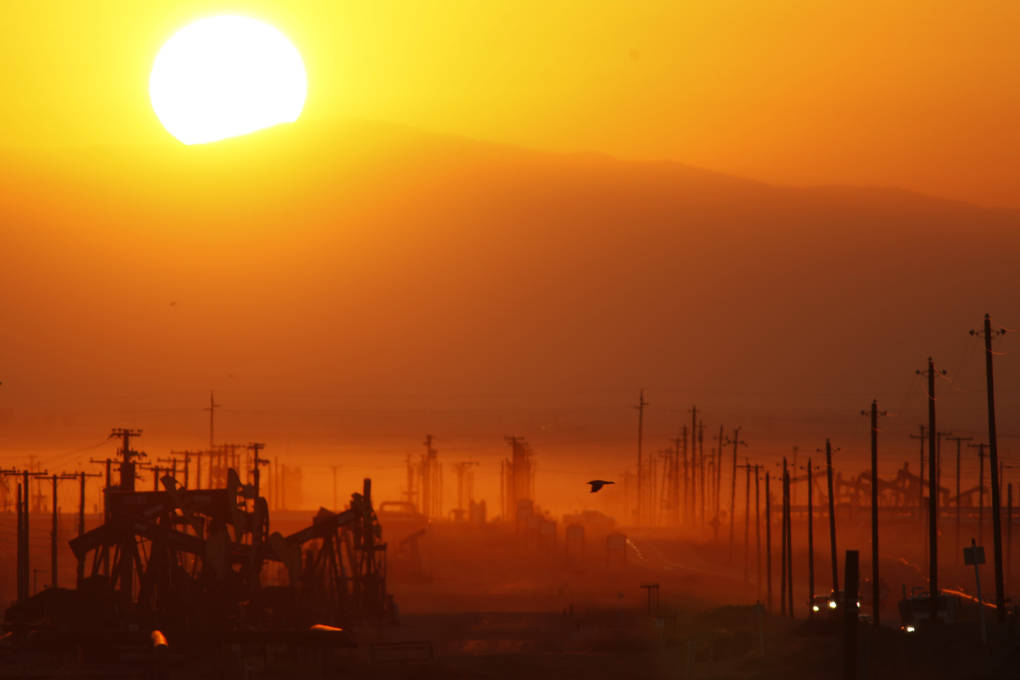
"caption": "The sun rises over an oil field over the Monterey Shale formation on March 24, 2014 near Lost Hills, California. ",
"description": null,
"title": "Fracking In California Under Spotlight As Some Local Municipalities Issue Bans",
"credit": "David McNew/Getty Images",
"status": "inherit",
"isLoading": false,
"fetchFailed": false
},
"science_1932721": {
"type": "attachments",
"id": "science_1932721",
"meta": {
"index": "attachments_1716263798",
"site": "science",
"id": "1932721",
"found": true
},
"parent": 1932692,
"imgSizes": {
"small": {
"file": "https://ww2.kqed.org/app/uploads/sites/35/2018/10/Loughman-and-cat-1-e1539629845897-520x395.jpg",
"width": 520,
"mimeType": "image/jpeg",
"height": 395
},
"thumbnail": {
"file": "https://ww2.kqed.org/app/uploads/sites/35/2018/10/Loughman-and-cat-1-e1539629845897-160x122.jpg",
"width": 160,
"mimeType": "image/jpeg",
"height": 122
},
"post-thumbnail": {
"file": "https://ww2.kqed.org/app/uploads/sites/35/2018/10/Loughman-and-cat-1-e1539629845897-601x372.jpg",
"width": 601,
"mimeType": "image/jpeg",
"height": 372
},
"xsmall": {
"file": "https://ww2.kqed.org/app/uploads/sites/35/2018/10/Loughman-and-cat-1-e1539629845897-375x285.jpg",
"width": 375,
"mimeType": "image/jpeg",
"height": 285
},
"kqedFullSize": {
"file": "https://ww2.kqed.org/app/uploads/sites/35/2018/10/Loughman-and-cat-1-e1539629845897.jpg",
"width": 601,
"height": 457
},
"guest-author-50": {
"file": "https://ww2.kqed.org/app/uploads/sites/35/2018/10/Loughman-and-cat-1-e1539629845897-50x50.jpg",
"width": 50,
"mimeType": "image/jpeg",
"height": 50
},
"guest-author-96": {
"file": "https://ww2.kqed.org/app/uploads/sites/35/2018/10/Loughman-and-cat-1-e1539629845897-96x96.jpg",
"width": 96,
"mimeType": "image/jpeg",
"height": 96
},
"guest-author-64": {
"file": "https://ww2.kqed.org/app/uploads/sites/35/2018/10/Loughman-and-cat-1-e1539629845897-64x64.jpg",
"width": 64,
"mimeType": "image/jpeg",
"height": 64
},
"detail": {
"file": "https://ww2.kqed.org/app/uploads/sites/35/2018/10/Loughman-and-cat-1-e1539629845897-150x150.jpg",
"width": 150,
"mimeType": "image/jpeg",
"height": 150
},
"guest-author-32": {
"file": "https://ww2.kqed.org/app/uploads/sites/35/2018/10/Loughman-and-cat-1-e1539629845897-32x32.jpg",
"width": 32,
"mimeType": "image/jpeg",
"height": 32
},
"guest-author-128": {
"file": "https://ww2.kqed.org/app/uploads/sites/35/2018/10/Loughman-and-cat-1-e1539629845897-128x128.jpg",
"width": 128,
"mimeType": "image/jpeg",
"height": 128
},
"xxsmall": {
"file": "https://ww2.kqed.org/app/uploads/sites/35/2018/10/Loughman-and-cat-1-e1539629845897-240x182.jpg",
"width": 240,
"mimeType": "image/jpeg",
"height": 182
}
},
"publishDate": 1539560566,
"modified": 1539632158,
"caption": "Colleen Loughman with one of her two cats, when she was a student in the 1950s at Holy Names University in Oakland. Loughman died in September 2017 from the heat, a day after San Francisco hit a record 106 degrees.",
"description": null,
"title": "Loughman and cat",
"credit": "Courtesy of Barbara McGovern",
"status": "inherit",
"isLoading": false,
"fetchFailed": false
},
"science_1932780": {
"type": "attachments",
"id": "science_1932780",
"meta": {
"index": "attachments_1716263798",
"site": "science",
"id": "1932780",
"found": true
},
"parent": 1932779,
"imgSizes": {
"small": {
"file": "https://ww2.kqed.org/app/uploads/sites/35/2018/10/img_2879_wide-856c304eefdd2ac26c0b9a75a0c99232bccdd94c-520x292.jpg",
"width": 520,
"mimeType": "image/jpeg",
"height": 292
},
"twentyfourteen-full-width": {
"file": "https://ww2.kqed.org/app/uploads/sites/35/2018/10/img_2879_wide-856c304eefdd2ac26c0b9a75a0c99232bccdd94c-1038x576.jpg",
"width": 1038,
"mimeType": "image/jpeg",
"height": 576
},
"thumbnail": {
"file": "https://ww2.kqed.org/app/uploads/sites/35/2018/10/img_2879_wide-856c304eefdd2ac26c0b9a75a0c99232bccdd94c-160x90.jpg",
"width": 160,
"mimeType": "image/jpeg",
"height": 90
},
"fd-sm": {
"file": "https://ww2.kqed.org/app/uploads/sites/35/2018/10/img_2879_wide-856c304eefdd2ac26c0b9a75a0c99232bccdd94c-960x540.jpg",
"width": 960,
"mimeType": "image/jpeg",
"height": 540
},
"post-thumbnail": {
"file": "https://ww2.kqed.org/app/uploads/sites/35/2018/10/img_2879_wide-856c304eefdd2ac26c0b9a75a0c99232bccdd94c-672x372.jpg",
"width": 672,
"mimeType": "image/jpeg",
"height": 372
},
"xsmall": {
"file": "https://ww2.kqed.org/app/uploads/sites/35/2018/10/img_2879_wide-856c304eefdd2ac26c0b9a75a0c99232bccdd94c-375x211.jpg",
"width": 375,
"mimeType": "image/jpeg",
"height": 211
},
"kqedFullSize": {
"file": "https://ww2.kqed.org/app/uploads/sites/35/2018/10/img_2879_wide-856c304eefdd2ac26c0b9a75a0c99232bccdd94c.jpg",
"width": 2278,
"height": 1281
},
"large": {
"file": "https://ww2.kqed.org/app/uploads/sites/35/2018/10/img_2879_wide-856c304eefdd2ac26c0b9a75a0c99232bccdd94c-1020x574.jpg",
"width": 1020,
"mimeType": "image/jpeg",
"height": 574
},
"xlarge": {
"file": "https://ww2.kqed.org/app/uploads/sites/35/2018/10/img_2879_wide-856c304eefdd2ac26c0b9a75a0c99232bccdd94c-1180x664.jpg",
"width": 1180,
"mimeType": "image/jpeg",
"height": 664
},
"complete_open_graph": {
"file": "https://ww2.kqed.org/app/uploads/sites/35/2018/10/img_2879_wide-856c304eefdd2ac26c0b9a75a0c99232bccdd94c-1200x675.jpg",
"width": 1200,
"mimeType": "image/jpeg",
"height": 675
},
"guest-author-50": {
"file": "https://ww2.kqed.org/app/uploads/sites/35/2018/10/img_2879_wide-856c304eefdd2ac26c0b9a75a0c99232bccdd94c-50x50.jpg",
"width": 50,
"mimeType": "image/jpeg",
"height": 50
},
"guest-author-96": {
"file": "https://ww2.kqed.org/app/uploads/sites/35/2018/10/img_2879_wide-856c304eefdd2ac26c0b9a75a0c99232bccdd94c-96x96.jpg",
"width": 96,
"mimeType": "image/jpeg",
"height": 96
},
"medium": {
"file": "https://ww2.kqed.org/app/uploads/sites/35/2018/10/img_2879_wide-856c304eefdd2ac26c0b9a75a0c99232bccdd94c-800x450.jpg",
"width": 800,
"mimeType": "image/jpeg",
"height": 450
},
"guest-author-64": {
"file": "https://ww2.kqed.org/app/uploads/sites/35/2018/10/img_2879_wide-856c304eefdd2ac26c0b9a75a0c99232bccdd94c-64x64.jpg",
"width": 64,
"mimeType": "image/jpeg",
"height": 64
},
"guest-author-32": {
"file": "https://ww2.kqed.org/app/uploads/sites/35/2018/10/img_2879_wide-856c304eefdd2ac26c0b9a75a0c99232bccdd94c-32x32.jpg",
"width": 32,
"mimeType": "image/jpeg",
"height": 32
},
"fd-lrg": {
"file": "https://ww2.kqed.org/app/uploads/sites/35/2018/10/img_2879_wide-856c304eefdd2ac26c0b9a75a0c99232bccdd94c-1920x1080.jpg",
"width": 1920,
"mimeType": "image/jpeg",
"height": 1080
},
"fd-med": {
"file": "https://ww2.kqed.org/app/uploads/sites/35/2018/10/img_2879_wide-856c304eefdd2ac26c0b9a75a0c99232bccdd94c-1180x664.jpg",
"width": 1180,
"mimeType": "image/jpeg",
"height": 664
},
"full-width": {
"file": "https://ww2.kqed.org/app/uploads/sites/35/2018/10/img_2879_wide-856c304eefdd2ac26c0b9a75a0c99232bccdd94c-1920x1080.jpg",
"width": 1920,
"mimeType": "image/jpeg",
"height": 1080
},
"detail": {
"file": "https://ww2.kqed.org/app/uploads/sites/35/2018/10/img_2879_wide-856c304eefdd2ac26c0b9a75a0c99232bccdd94c-150x150.jpg",
"width": 150,
"mimeType": "image/jpeg",
"height": 150
},
"medium_large": {
"file": "https://ww2.kqed.org/app/uploads/sites/35/2018/10/img_2879_wide-856c304eefdd2ac26c0b9a75a0c99232bccdd94c-768x432.jpg",
"width": 768,
"mimeType": "image/jpeg",
"height": 432
},
"guest-author-128": {
"file": "https://ww2.kqed.org/app/uploads/sites/35/2018/10/img_2879_wide-856c304eefdd2ac26c0b9a75a0c99232bccdd94c-128x128.jpg",
"width": 128,
"mimeType": "image/jpeg",
"height": 128
},
"xxsmall": {
"file": "https://ww2.kqed.org/app/uploads/sites/35/2018/10/img_2879_wide-856c304eefdd2ac26c0b9a75a0c99232bccdd94c-240x135.jpg",
"width": 240,
"mimeType": "image/jpeg",
"height": 135
}
},
"publishDate": 1539579764,
"modified": 1539580108,
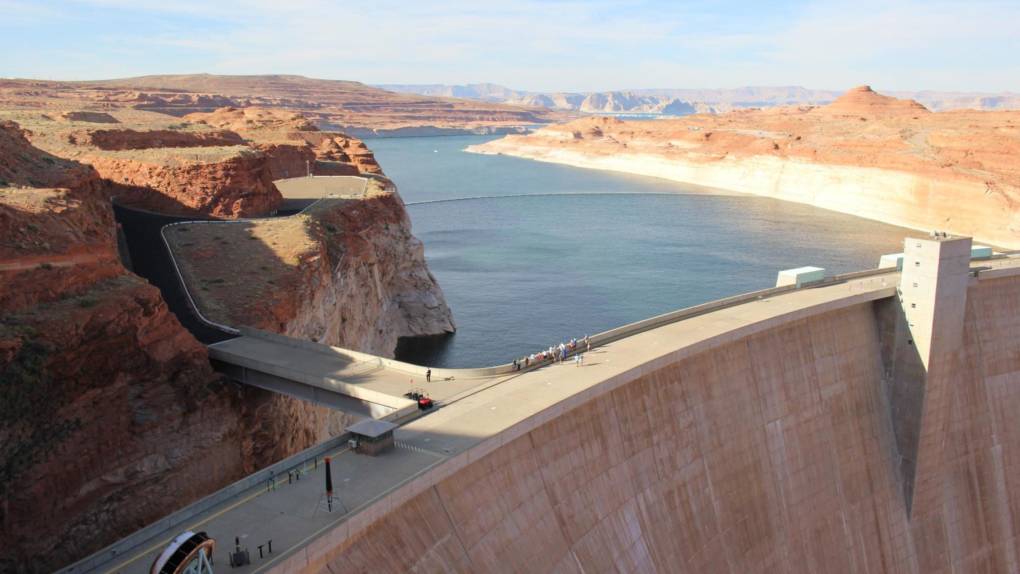
"caption": "Lake Powell stores water from the Colorado River and straddles the Arizona-Utah border. It is currently storing less than half of its capacity.\n",
"description": "Lake Powell stores water from the Colorado River and straddles the Arizona-Utah border. It is currently storing less than half of its capacity.",
"title": "Lake Powell stores water from the Colorado River and straddles the Arizona-Utah border. It is currently storing less than half of its capacity.",
"credit": "Luke Runyon/KUNC",
"status": "inherit",
"isLoading": false,
"fetchFailed": false
},
"science_1932662": {
"type": "attachments",
"id": "science_1932662",
"meta": {
"index": "attachments_1716263798",
"site": "science",
"id": "1932662",
"found": true
},
"parent": 1932658,
"imgSizes": {
"small": {
"file": "https://ww2.kqed.org/app/uploads/sites/35/2018/10/iStock-185276218-520x346.jpg",
"width": 520,
"mimeType": "image/jpeg",
"height": 346
},
"twentyfourteen-full-width": {
"file": "https://ww2.kqed.org/app/uploads/sites/35/2018/10/iStock-185276218-1038x576.jpg",
"width": 1038,
"mimeType": "image/jpeg",
"height": 576
},
"thumbnail": {
"file": "https://ww2.kqed.org/app/uploads/sites/35/2018/10/iStock-185276218-160x106.jpg",
"width": 160,
"mimeType": "image/jpeg",
"height": 106
},
"fd-sm": {
"file": "https://ww2.kqed.org/app/uploads/sites/35/2018/10/iStock-185276218-960x639.jpg",
"width": 960,
"mimeType": "image/jpeg",
"height": 639
},
"post-thumbnail": {
"file": "https://ww2.kqed.org/app/uploads/sites/35/2018/10/iStock-185276218-672x372.jpg",
"width": 672,
"mimeType": "image/jpeg",
"height": 372
},
"xsmall": {
"file": "https://ww2.kqed.org/app/uploads/sites/35/2018/10/iStock-185276218-375x250.jpg",
"width": 375,
"mimeType": "image/jpeg",
"height": 250
},
"kqedFullSize": {
"file": "https://ww2.kqed.org/app/uploads/sites/35/2018/10/iStock-185276218.jpg",
"width": 4256,
"height": 2832
},
"large": {
"file": "https://ww2.kqed.org/app/uploads/sites/35/2018/10/iStock-185276218-1020x679.jpg",
"width": 1020,
"mimeType": "image/jpeg",
"height": 679
},
"xlarge": {
"file": "https://ww2.kqed.org/app/uploads/sites/35/2018/10/iStock-185276218-1180x785.jpg",
"width": 1180,
"mimeType": "image/jpeg",
"height": 785
},
"complete_open_graph": {
"file": "https://ww2.kqed.org/app/uploads/sites/35/2018/10/iStock-185276218-1200x798.jpg",
"width": 1200,
"mimeType": "image/jpeg",
"height": 798
},
"guest-author-50": {
"file": "https://ww2.kqed.org/app/uploads/sites/35/2018/10/iStock-185276218-50x50.jpg",
"width": 50,
"mimeType": "image/jpeg",
"height": 50
},
"guest-author-96": {
"file": "https://ww2.kqed.org/app/uploads/sites/35/2018/10/iStock-185276218-96x96.jpg",
"width": 96,
"mimeType": "image/jpeg",
"height": 96
},
"medium": {
"file": "https://ww2.kqed.org/app/uploads/sites/35/2018/10/iStock-185276218-800x532.jpg",
"width": 800,
"mimeType": "image/jpeg",
"height": 532
},
"guest-author-64": {
"file": "https://ww2.kqed.org/app/uploads/sites/35/2018/10/iStock-185276218-64x64.jpg",
"width": 64,
"mimeType": "image/jpeg",
"height": 64
},
"guest-author-32": {
"file": "https://ww2.kqed.org/app/uploads/sites/35/2018/10/iStock-185276218-32x32.jpg",
"width": 32,
"mimeType": "image/jpeg",
"height": 32
},
"fd-lrg": {
"file": "https://ww2.kqed.org/app/uploads/sites/35/2018/10/iStock-185276218-1920x1278.jpg",
"width": 1920,
"mimeType": "image/jpeg",
"height": 1278
},
"fd-med": {
"file": "https://ww2.kqed.org/app/uploads/sites/35/2018/10/iStock-185276218-1180x785.jpg",
"width": 1180,
"mimeType": "image/jpeg",
"height": 785
},
"full-width": {
"file": "https://ww2.kqed.org/app/uploads/sites/35/2018/10/iStock-185276218-1920x1278.jpg",
"width": 1920,
"mimeType": "image/jpeg",
"height": 1278
},
"detail": {
"file": "https://ww2.kqed.org/app/uploads/sites/35/2018/10/iStock-185276218-150x150.jpg",
"width": 150,
"mimeType": "image/jpeg",
"height": 150
},
"medium_large": {
"file": "https://ww2.kqed.org/app/uploads/sites/35/2018/10/iStock-185276218-768x511.jpg",
"width": 768,
"mimeType": "image/jpeg",
"height": 511
},
"guest-author-128": {
"file": "https://ww2.kqed.org/app/uploads/sites/35/2018/10/iStock-185276218-128x128.jpg",
"width": 128,
"mimeType": "image/jpeg",
"height": 128
},
"xxsmall": {
"file": "https://ww2.kqed.org/app/uploads/sites/35/2018/10/iStock-185276218-240x160.jpg",
"width": 240,
"mimeType": "image/jpeg",
"height": 160
}
},
"publishDate": 1539362596,
"modified": 1539362618,
"caption": "Biosphere 2 is an extensive science research facility originally created to study the interaction between Earth's life systems in a closed environment. ",
"description": null,
"title": "Biosphere 2",
"credit": "iStock",
"status": "inherit",
"isLoading": false,
"fetchFailed": false
},
"science_1932570": {
"type": "attachments",
"id": "science_1932570",
"meta": {
"index": "attachments_1716263798",
"site": "science",
"id": "1932570",
"found": true
},
"parent": 1932470,
"imgSizes": {
"small": {
"file": "https://ww2.kqed.org/app/uploads/sites/35/2018/10/newsomcox-520x417.jpg",
"width": 520,
"mimeType": "image/jpeg",
"height": 417
},
"twentyfourteen-full-width": {
"file": "https://ww2.kqed.org/app/uploads/sites/35/2018/10/newsomcox-1038x576.jpg",
"width": 1038,
"mimeType": "image/jpeg",
"height": 576
},
"thumbnail": {
"file": "https://ww2.kqed.org/app/uploads/sites/35/2018/10/newsomcox-160x128.jpg",
"width": 160,
"mimeType": "image/jpeg",
"height": 128
},
"fd-sm": {
"file": "https://ww2.kqed.org/app/uploads/sites/35/2018/10/newsomcox-960x770.jpg",
"width": 960,
"mimeType": "image/jpeg",
"height": 770
},
"post-thumbnail": {
"file": "https://ww2.kqed.org/app/uploads/sites/35/2018/10/newsomcox-672x372.jpg",
"width": 672,
"mimeType": "image/jpeg",
"height": 372
},
"xsmall": {
"file": "https://ww2.kqed.org/app/uploads/sites/35/2018/10/newsomcox-375x301.jpg",
"width": 375,
"mimeType": "image/jpeg",
"height": 301
},
"kqedFullSize": {
"file": "https://ww2.kqed.org/app/uploads/sites/35/2018/10/newsomcox.jpg",
"width": 1536,
"height": 1232
},
"large": {
"file": "https://ww2.kqed.org/app/uploads/sites/35/2018/10/newsomcox-1020x818.jpg",
"width": 1020,
"mimeType": "image/jpeg",
"height": 818
},
"xlarge": {
"file": "https://ww2.kqed.org/app/uploads/sites/35/2018/10/newsomcox-1180x946.jpg",
"width": 1180,
"mimeType": "image/jpeg",
"height": 946
},
"complete_open_graph": {
"file": "https://ww2.kqed.org/app/uploads/sites/35/2018/10/newsomcox-1200x963.jpg",
"width": 1200,
"mimeType": "image/jpeg",
"height": 963
},
"guest-author-50": {
"file": "https://ww2.kqed.org/app/uploads/sites/35/2018/10/newsomcox-50x50.jpg",
"width": 50,
"mimeType": "image/jpeg",
"height": 50
},
"guest-author-96": {
"file": "https://ww2.kqed.org/app/uploads/sites/35/2018/10/newsomcox-96x96.jpg",
"width": 96,
"mimeType": "image/jpeg",
"height": 96
},
"medium": {
"file": "https://ww2.kqed.org/app/uploads/sites/35/2018/10/newsomcox-800x642.jpg",
"width": 800,
"mimeType": "image/jpeg",
"height": 642
},
"guest-author-64": {
"file": "https://ww2.kqed.org/app/uploads/sites/35/2018/10/newsomcox-64x64.jpg",
"width": 64,
"mimeType": "image/jpeg",
"height": 64
},
"guest-author-32": {
"file": "https://ww2.kqed.org/app/uploads/sites/35/2018/10/newsomcox-32x32.jpg",
"width": 32,
"mimeType": "image/jpeg",
"height": 32
},
"fd-med": {
"file": "https://ww2.kqed.org/app/uploads/sites/35/2018/10/newsomcox-1180x946.jpg",
"width": 1180,
"mimeType": "image/jpeg",
"height": 946
},
"detail": {
"file": "https://ww2.kqed.org/app/uploads/sites/35/2018/10/newsomcox-150x150.jpg",
"width": 150,
"mimeType": "image/jpeg",
"height": 150
},
"medium_large": {
"file": "https://ww2.kqed.org/app/uploads/sites/35/2018/10/newsomcox-768x616.jpg",
"width": 768,
"mimeType": "image/jpeg",
"height": 616
},
"guest-author-128": {
"file": "https://ww2.kqed.org/app/uploads/sites/35/2018/10/newsomcox-128x128.jpg",
"width": 128,
"mimeType": "image/jpeg",
"height": 128
},
"xxsmall": {
"file": "https://ww2.kqed.org/app/uploads/sites/35/2018/10/newsomcox-240x193.jpg",
"width": 240,
"mimeType": "image/jpeg",
"height": 193
}
},
"publishDate": 1539112769,
"modified": 1539113060,
"caption": "John Cox (L) and Gavin Newsom (R) at the only scheduled gubernatorial debate, at KQED's San Francisco studios on Oct. 8, 2018. ",
"description": null,
"title": "newsomcox",
"credit": " Jeff Chiu/AP/Pool",
"status": "inherit",
"isLoading": false,
"fetchFailed": false
},
"science_1932456": {
"type": "attachments",
"id": "science_1932456",
"meta": {
"index": "attachments_1716263798",
"site": "science",
"id": "1932456",
"found": true
},
"parent": 1932453,
"imgSizes": {
"small": {
"file": "https://ww2.kqed.org/app/uploads/sites/35/2018/10/GettyImages-1047625592-1-520x347.jpg",
"width": 520,
"mimeType": "image/jpeg",
"height": 347
},
"twentyfourteen-full-width": {
"file": "https://ww2.kqed.org/app/uploads/sites/35/2018/10/GettyImages-1047625592-1-1038x576.jpg",
"width": 1038,
"mimeType": "image/jpeg",
"height": 576
},
"thumbnail": {
"file": "https://ww2.kqed.org/app/uploads/sites/35/2018/10/GettyImages-1047625592-1-160x107.jpg",
"width": 160,
"mimeType": "image/jpeg",
"height": 107
},
"fd-sm": {
"file": "https://ww2.kqed.org/app/uploads/sites/35/2018/10/GettyImages-1047625592-1-960x640.jpg",
"width": 960,
"mimeType": "image/jpeg",
"height": 640
},
"post-thumbnail": {
"file": "https://ww2.kqed.org/app/uploads/sites/35/2018/10/GettyImages-1047625592-1-672x372.jpg",
"width": 672,
"mimeType": "image/jpeg",
"height": 372
},
"xsmall": {
"file": "https://ww2.kqed.org/app/uploads/sites/35/2018/10/GettyImages-1047625592-1-375x250.jpg",
"width": 375,
"mimeType": "image/jpeg",
"height": 250
},
"kqedFullSize": {
"file": "https://ww2.kqed.org/app/uploads/sites/35/2018/10/GettyImages-1047625592-1.jpg",
"width": 3000,
"height": 2000
},
"large": {
"file": "https://ww2.kqed.org/app/uploads/sites/35/2018/10/GettyImages-1047625592-1-1020x680.jpg",
"width": 1020,
"mimeType": "image/jpeg",
"height": 680
},
"xlarge": {
"file": "https://ww2.kqed.org/app/uploads/sites/35/2018/10/GettyImages-1047625592-1-1180x787.jpg",
"width": 1180,
"mimeType": "image/jpeg",
"height": 787
},
"complete_open_graph": {
"file": "https://ww2.kqed.org/app/uploads/sites/35/2018/10/GettyImages-1047625592-1-1200x800.jpg",
"width": 1200,
"mimeType": "image/jpeg",
"height": 800
},
"guest-author-50": {
"file": "https://ww2.kqed.org/app/uploads/sites/35/2018/10/GettyImages-1047625592-1-50x50.jpg",
"width": 50,
"mimeType": "image/jpeg",
"height": 50
},
"guest-author-96": {
"file": "https://ww2.kqed.org/app/uploads/sites/35/2018/10/GettyImages-1047625592-1-96x96.jpg",
"width": 96,
"mimeType": "image/jpeg",
"height": 96
},
"medium": {
"file": "https://ww2.kqed.org/app/uploads/sites/35/2018/10/GettyImages-1047625592-1-800x533.jpg",
"width": 800,
"mimeType": "image/jpeg",
"height": 533
},
"guest-author-64": {
"file": "https://ww2.kqed.org/app/uploads/sites/35/2018/10/GettyImages-1047625592-1-64x64.jpg",
"width": 64,
"mimeType": "image/jpeg",
"height": 64
},
"guest-author-32": {
"file": "https://ww2.kqed.org/app/uploads/sites/35/2018/10/GettyImages-1047625592-1-32x32.jpg",
"width": 32,
"mimeType": "image/jpeg",
"height": 32
},
"fd-lrg": {
"file": "https://ww2.kqed.org/app/uploads/sites/35/2018/10/GettyImages-1047625592-1-1920x1280.jpg",
"width": 1920,
"mimeType": "image/jpeg",
"height": 1280
},
"fd-med": {
"file": "https://ww2.kqed.org/app/uploads/sites/35/2018/10/GettyImages-1047625592-1-1180x787.jpg",
"width": 1180,
"mimeType": "image/jpeg",
"height": 787
},
"full-width": {
"file": "https://ww2.kqed.org/app/uploads/sites/35/2018/10/GettyImages-1047625592-1-1920x1280.jpg",
"width": 1920,
"mimeType": "image/jpeg",
"height": 1280
},
"detail": {
"file": "https://ww2.kqed.org/app/uploads/sites/35/2018/10/GettyImages-1047625592-1-150x150.jpg",
"width": 150,
"mimeType": "image/jpeg",
"height": 150
},
"medium_large": {
"file": "https://ww2.kqed.org/app/uploads/sites/35/2018/10/GettyImages-1047625592-1-768x512.jpg",
"width": 768,
"mimeType": "image/jpeg",
"height": 512
},
"guest-author-128": {
"file": "https://ww2.kqed.org/app/uploads/sites/35/2018/10/GettyImages-1047625592-1-128x128.jpg",
"width": 128,
"mimeType": "image/jpeg",
"height": 128
},
"xxsmall": {
"file": "https://ww2.kqed.org/app/uploads/sites/35/2018/10/GettyImages-1047625592-1-240x160.jpg",
"width": 240,
"mimeType": "image/jpeg",
"height": 160
}
},
"publishDate": 1539015947,
"modified": 1539015972,
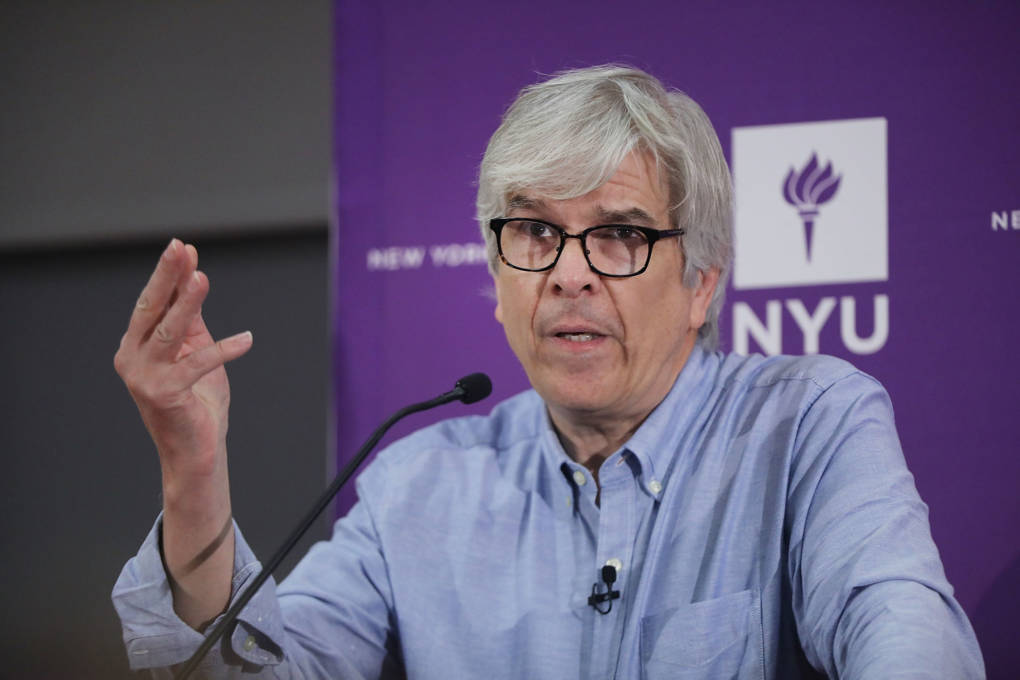
"caption": "New York University (NYU) professor Paul Romer speaks at a news conference after being named a winner of the 2018 Nobel Memorial Prize in Economics with professor William D. Nordhaus of Yale University on October 8, 2018 in New York City. Romer received the award for what the the Royal Swedish Academy of Sciences cited as his work \"integrating technological innovations into long-run macroeconomic analysis.Ó Both Romer and NordhausÕs work has highlighted the global debate over the impact of climate change. ",
"description": null,
"title": "New York University Prof. Paul Romer Shares 2018 Nobel Prize In Economics",
"credit": "Photo by Spencer Platt/Getty Images",
"status": "inherit",
"isLoading": false,
"fetchFailed": false
},
"science_7534": {
"type": "attachments",
"id": "science_7534",
"meta": {
"index": "attachments_1716263798",
"site": "science",
"id": "7534",
"found": true
},
"parent": 7468,
"imgSizes": {
"kqedFullSize": {
"file": "https://ww2.kqed.org/app/uploads/sites/35/2013/08/smokestacks-featured.jpg",
"width": 640,
"height": 360
}
},
"publishDate": 1377293892,
"modified": 1538983564,
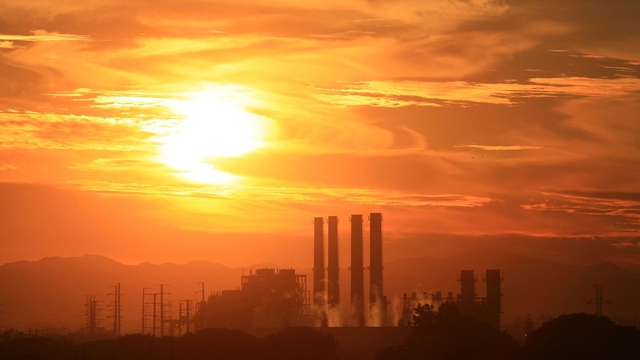
"caption": "San Fernando Valley Generating Station, Sun Valley, California. A United Nations science report released on Sunday says limiting global warming by an extra degree could be a matter of life or death for people and ecosystems.",
"description": "SUN VALLEY, CA - DECEMBER 11: The Department of Water and Power (DWP) San Fernando Valley Generating Station is seen December 11, 2008 in Sun Valley, California. Under a new climate plan before state regulators, California would take major steps toward cutting greenhouse gas emissions. If adopted by the California Air Resources Board, it would be the most ambitious global warming prevention plan in the nation, outlining for the first time how businesses and the public would meet the 2006 law that made the state a leader on global climate change. The action would lead to the creation of a carbon-credit market to make it cheaper for the biggest polluters to cut emissions, and change the ways utilities generate power, businesses use electricity, and personal transportation (Photo by David McNew/Getty Images)",
"title": "smokestacks-featured",
"credit": "Photo by David McNew/Getty Images",
"status": "inherit",
"isLoading": false,
"fetchFailed": false
},
"science_1932361": {
"type": "attachments",
"id": "science_1932361",
"meta": {
"index": "attachments_1716263798",
"site": "science",
"id": "1932361",
"found": true
},
"parent": 1932359,
"imgSizes": {
"small": {
"file": "https://ww2.kqed.org/app/uploads/sites/35/2018/10/GettyImages-74171434-520x336.jpg",
"width": 520,
"mimeType": "image/jpeg",
"height": 336
},
"twentyfourteen-full-width": {
"file": "https://ww2.kqed.org/app/uploads/sites/35/2018/10/GettyImages-74171434-1038x576.jpg",
"width": 1038,
"mimeType": "image/jpeg",
"height": 576
},
"thumbnail": {
"file": "https://ww2.kqed.org/app/uploads/sites/35/2018/10/GettyImages-74171434-160x103.jpg",
"width": 160,
"mimeType": "image/jpeg",
"height": 103
},
"fd-sm": {
"file": "https://ww2.kqed.org/app/uploads/sites/35/2018/10/GettyImages-74171434-960x620.jpg",
"width": 960,
"mimeType": "image/jpeg",
"height": 620
},
"post-thumbnail": {
"file": "https://ww2.kqed.org/app/uploads/sites/35/2018/10/GettyImages-74171434-672x372.jpg",
"width": 672,
"mimeType": "image/jpeg",
"height": 372
},
"xsmall": {
"file": "https://ww2.kqed.org/app/uploads/sites/35/2018/10/GettyImages-74171434-375x242.jpg",
"width": 375,
"mimeType": "image/jpeg",
"height": 242
},
"kqedFullSize": {
"file": "https://ww2.kqed.org/app/uploads/sites/35/2018/10/GettyImages-74171434.jpg",
"width": 3000,
"height": 1938
},
"large": {
"file": "https://ww2.kqed.org/app/uploads/sites/35/2018/10/GettyImages-74171434-1020x659.jpg",
"width": 1020,
"mimeType": "image/jpeg",
"height": 659
},
"xlarge": {
"file": "https://ww2.kqed.org/app/uploads/sites/35/2018/10/GettyImages-74171434-1180x762.jpg",
"width": 1180,
"mimeType": "image/jpeg",
"height": 762
},
"complete_open_graph": {
"file": "https://ww2.kqed.org/app/uploads/sites/35/2018/10/GettyImages-74171434-1200x775.jpg",
"width": 1200,
"mimeType": "image/jpeg",
"height": 775
},
"guest-author-50": {
"file": "https://ww2.kqed.org/app/uploads/sites/35/2018/10/GettyImages-74171434-50x50.jpg",
"width": 50,
"mimeType": "image/jpeg",
"height": 50
},
"guest-author-96": {
"file": "https://ww2.kqed.org/app/uploads/sites/35/2018/10/GettyImages-74171434-96x96.jpg",
"width": 96,
"mimeType": "image/jpeg",
"height": 96
},
"medium": {
"file": "https://ww2.kqed.org/app/uploads/sites/35/2018/10/GettyImages-74171434-800x517.jpg",
"width": 800,
"mimeType": "image/jpeg",
"height": 517
},
"guest-author-64": {
"file": "https://ww2.kqed.org/app/uploads/sites/35/2018/10/GettyImages-74171434-64x64.jpg",
"width": 64,
"mimeType": "image/jpeg",
"height": 64
},
"guest-author-32": {
"file": "https://ww2.kqed.org/app/uploads/sites/35/2018/10/GettyImages-74171434-32x32.jpg",
"width": 32,
"mimeType": "image/jpeg",
"height": 32
},
"fd-lrg": {
"file": "https://ww2.kqed.org/app/uploads/sites/35/2018/10/GettyImages-74171434-1920x1240.jpg",
"width": 1920,
"mimeType": "image/jpeg",
"height": 1240
},
"fd-med": {
"file": "https://ww2.kqed.org/app/uploads/sites/35/2018/10/GettyImages-74171434-1180x762.jpg",
"width": 1180,
"mimeType": "image/jpeg",
"height": 762
},
"full-width": {
"file": "https://ww2.kqed.org/app/uploads/sites/35/2018/10/GettyImages-74171434-1920x1240.jpg",
"width": 1920,
"mimeType": "image/jpeg",
"height": 1240
},
"detail": {
"file": "https://ww2.kqed.org/app/uploads/sites/35/2018/10/GettyImages-74171434-150x150.jpg",
"width": 150,
"mimeType": "image/jpeg",
"height": 150
},
"medium_large": {
"file": "https://ww2.kqed.org/app/uploads/sites/35/2018/10/GettyImages-74171434-768x496.jpg",
"width": 768,
"mimeType": "image/jpeg",
"height": 496
},
"guest-author-128": {
"file": "https://ww2.kqed.org/app/uploads/sites/35/2018/10/GettyImages-74171434-128x128.jpg",
"width": 128,
"mimeType": "image/jpeg",
"height": 128
},
"xxsmall": {
"file": "https://ww2.kqed.org/app/uploads/sites/35/2018/10/GettyImages-74171434-240x155.jpg",
"width": 240,
"mimeType": "image/jpeg",
"height": 155
}
},
"publishDate": 1538752343,
"modified": 1538752416,
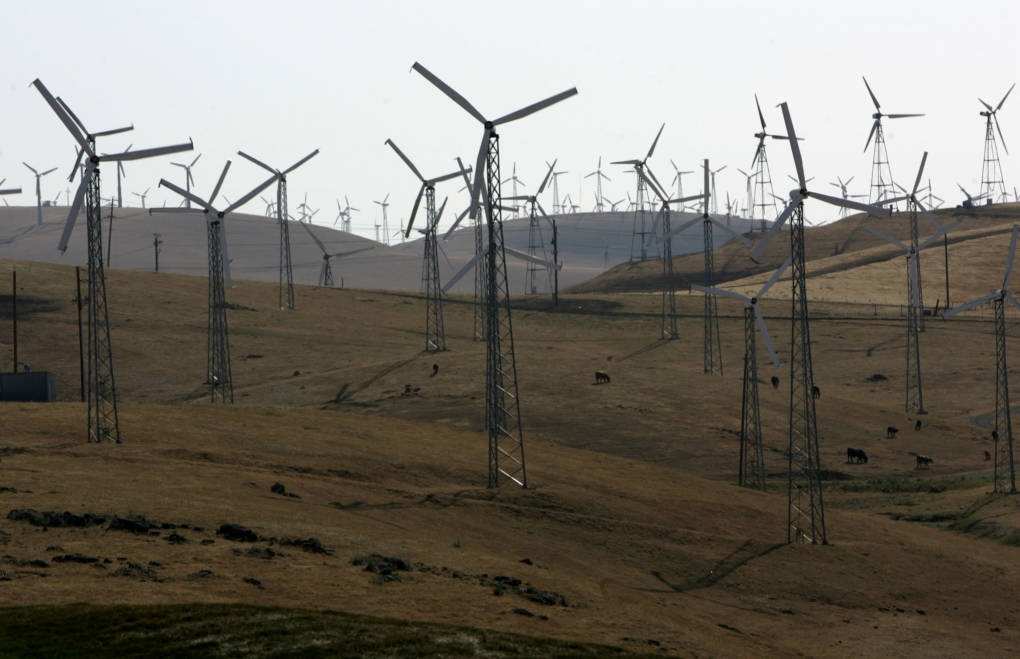
"caption": "Rows of wind turbines are seen at a wind farm, May 16, 2007 in Livermore, California. A new study out of Harvard finds that ramping up wind power in America would also dial up the nation’s temperatures.",
"description": null,
"title": "Wind Turbines Help Supply Oakland's Energy Needs",
"credit": "Justin Sullivan/Getty Images",
"status": "inherit",
"isLoading": false,
"fetchFailed": false
},
"science_1932191": {
"type": "attachments",
"id": "science_1932191",
"meta": {
"index": "attachments_1716263798",
"site": "science",
"id": "1932191",
"found": true
},
"parent": 1932139,
"imgSizes": {
"small": {
"file": "https://ww2.kqed.org/app/uploads/sites/35/2018/10/sealevel4-520x347.jpeg",
"width": 520,
"mimeType": "image/jpeg",
"height": 347
},
"twentyfourteen-full-width": {
"file": "https://ww2.kqed.org/app/uploads/sites/35/2018/10/sealevel4-1038x576.jpeg",
"width": 1038,
"mimeType": "image/jpeg",
"height": 576
},
"thumbnail": {
"file": "https://ww2.kqed.org/app/uploads/sites/35/2018/10/sealevel4-160x107.jpeg",
"width": 160,
"mimeType": "image/jpeg",
"height": 107
},
"fd-sm": {
"file": "https://ww2.kqed.org/app/uploads/sites/35/2018/10/sealevel4-960x640.jpeg",
"width": 960,
"mimeType": "image/jpeg",
"height": 640
},
"post-thumbnail": {
"file": "https://ww2.kqed.org/app/uploads/sites/35/2018/10/sealevel4-672x372.jpeg",
"width": 672,
"mimeType": "image/jpeg",
"height": 372
},
"xsmall": {
"file": "https://ww2.kqed.org/app/uploads/sites/35/2018/10/sealevel4-375x250.jpeg",
"width": 375,
"mimeType": "image/jpeg",
"height": 250
},
"kqedFullSize": {
"file": "https://ww2.kqed.org/app/uploads/sites/35/2018/10/sealevel4.jpeg",
"width": 1920,
"height": 1280
},
"large": {
"file": "https://ww2.kqed.org/app/uploads/sites/35/2018/10/sealevel4-1020x680.jpeg",
"width": 1020,
"mimeType": "image/jpeg",
"height": 680
},
"xlarge": {
"file": "https://ww2.kqed.org/app/uploads/sites/35/2018/10/sealevel4-1180x787.jpeg",
"width": 1180,
"mimeType": "image/jpeg",
"height": 787
},
"complete_open_graph": {
"file": "https://ww2.kqed.org/app/uploads/sites/35/2018/10/sealevel4-1200x800.jpeg",
"width": 1200,
"mimeType": "image/jpeg",
"height": 800
},
"guest-author-50": {
"file": "https://ww2.kqed.org/app/uploads/sites/35/2018/10/sealevel4-50x50.jpeg",
"width": 50,
"mimeType": "image/jpeg",
"height": 50
},
"guest-author-96": {
"file": "https://ww2.kqed.org/app/uploads/sites/35/2018/10/sealevel4-96x96.jpeg",
"width": 96,
"mimeType": "image/jpeg",
"height": 96
},
"medium": {
"file": "https://ww2.kqed.org/app/uploads/sites/35/2018/10/sealevel4-800x533.jpeg",
"width": 800,
"mimeType": "image/jpeg",
"height": 533
},
"guest-author-64": {
"file": "https://ww2.kqed.org/app/uploads/sites/35/2018/10/sealevel4-64x64.jpeg",
"width": 64,
"mimeType": "image/jpeg",
"height": 64
},
"guest-author-32": {
"file": "https://ww2.kqed.org/app/uploads/sites/35/2018/10/sealevel4-32x32.jpeg",
"width": 32,
"mimeType": "image/jpeg",
"height": 32
},
"fd-lrg": {
"file": "https://ww2.kqed.org/app/uploads/sites/35/2018/10/sealevel4-1920x1280.jpeg",
"width": 1920,
"mimeType": "image/jpeg",
"height": 1280
},
"fd-med": {
"file": "https://ww2.kqed.org/app/uploads/sites/35/2018/10/sealevel4-1180x787.jpeg",
"width": 1180,
"mimeType": "image/jpeg",
"height": 787
},
"full-width": {
"file": "https://ww2.kqed.org/app/uploads/sites/35/2018/10/sealevel4-1920x1280.jpeg",
"width": 1920,
"mimeType": "image/jpeg",
"height": 1280
},
"detail": {
"file": "https://ww2.kqed.org/app/uploads/sites/35/2018/10/sealevel4-150x150.jpeg",
"width": 150,
"mimeType": "image/jpeg",
"height": 150
},
"medium_large": {
"file": "https://ww2.kqed.org/app/uploads/sites/35/2018/10/sealevel4-768x512.jpeg",
"width": 768,
"mimeType": "image/jpeg",
"height": 512
},
"guest-author-128": {
"file": "https://ww2.kqed.org/app/uploads/sites/35/2018/10/sealevel4-128x128.jpeg",
"width": 128,
"mimeType": "image/jpeg",
"height": 128
},
"xxsmall": {
"file": "https://ww2.kqed.org/app/uploads/sites/35/2018/10/sealevel4-240x160.jpeg",
"width": 240,
"mimeType": "image/jpeg",
"height": 160
}
},
"publishDate": 1538525734,
"modified": 1538608391,
"caption": "Douglas Mundo, co-director of Shore Up Marin, at an apartment complex on the San Rafael canal, which is vulnerable to sea level rise. (Lauren Hanussak/KQED)",
"description": null,
"title": "SEALEVEL",
"credit": null,
"status": "inherit",
"isLoading": false,
"fetchFailed": false
},
"science_1931996": {
"type": "attachments",
"id": "science_1931996",
"meta": {
"index": "attachments_1716263798",
"site": "science",
"id": "1931996",
"found": true
},
"parent": 1931984,
"imgSizes": {
"small": {
"file": "https://ww2.kqed.org/app/uploads/sites/35/2018/09/Terisa-Siagatonu-featured-520x435.jpg",
"width": 520,
"mimeType": "image/jpeg",
"height": 435
},
"twentyfourteen-full-width": {
"file": "https://ww2.kqed.org/app/uploads/sites/35/2018/09/Terisa-Siagatonu-featured-808x576.jpg",
"width": 808,
"mimeType": "image/jpeg",
"height": 576
},
"thumbnail": {
"file": "https://ww2.kqed.org/app/uploads/sites/35/2018/09/Terisa-Siagatonu-featured-160x134.jpg",
"width": 160,
"mimeType": "image/jpeg",
"height": 134
},
"post-thumbnail": {
"file": "https://ww2.kqed.org/app/uploads/sites/35/2018/09/Terisa-Siagatonu-featured-672x372.jpg",
"width": 672,
"mimeType": "image/jpeg",
"height": 372
},
"xsmall": {
"file": "https://ww2.kqed.org/app/uploads/sites/35/2018/09/Terisa-Siagatonu-featured-375x314.jpg",
"width": 375,
"mimeType": "image/jpeg",
"height": 314
},
"kqedFullSize": {
"file": "https://ww2.kqed.org/app/uploads/sites/35/2018/09/Terisa-Siagatonu-featured.jpg",
"width": 808,
"height": 676
},
"guest-author-50": {
"file": "https://ww2.kqed.org/app/uploads/sites/35/2018/09/Terisa-Siagatonu-featured-50x50.jpg",
"width": 50,
"mimeType": "image/jpeg",
"height": 50
},
"guest-author-96": {
"file": "https://ww2.kqed.org/app/uploads/sites/35/2018/09/Terisa-Siagatonu-featured-96x96.jpg",
"width": 96,
"mimeType": "image/jpeg",
"height": 96
},
"medium": {
"file": "https://ww2.kqed.org/app/uploads/sites/35/2018/09/Terisa-Siagatonu-featured-800x669.jpg",
"width": 800,
"mimeType": "image/jpeg",
"height": 669
},
"guest-author-64": {
"file": "https://ww2.kqed.org/app/uploads/sites/35/2018/09/Terisa-Siagatonu-featured-64x64.jpg",
"width": 64,
"mimeType": "image/jpeg",
"height": 64
},
"guest-author-32": {
"file": "https://ww2.kqed.org/app/uploads/sites/35/2018/09/Terisa-Siagatonu-featured-32x32.jpg",
"width": 32,
"mimeType": "image/jpeg",
"height": 32
},
"detail": {
"file": "https://ww2.kqed.org/app/uploads/sites/35/2018/09/Terisa-Siagatonu-featured-150x150.jpg",
"width": 150,
"mimeType": "image/jpeg",
"height": 150
},
"medium_large": {
"file": "https://ww2.kqed.org/app/uploads/sites/35/2018/09/Terisa-Siagatonu-featured-768x643.jpg",
"width": 768,
"mimeType": "image/jpeg",
"height": 643
},
"guest-author-128": {
"file": "https://ww2.kqed.org/app/uploads/sites/35/2018/09/Terisa-Siagatonu-featured-128x128.jpg",
"width": 128,
"mimeType": "image/jpeg",
"height": 128
},
"xxsmall": {
"file": "https://ww2.kqed.org/app/uploads/sites/35/2018/09/Terisa-Siagatonu-featured-240x201.jpg",
"width": 240,
"mimeType": "image/jpeg",
"height": 201
}
},
"publishDate": 1538173557,
"modified": 1538173584,
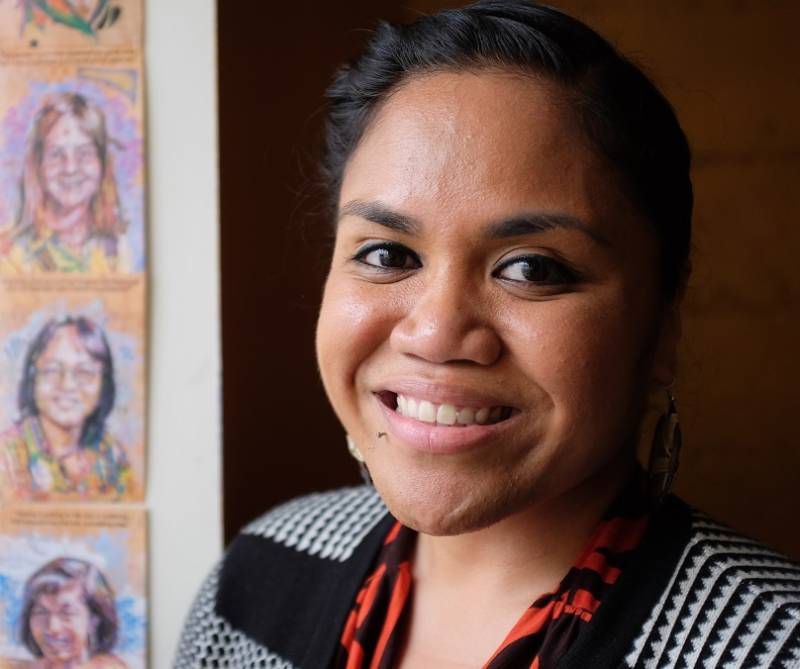
"caption": "Poet Terisa Siagatonu",
"description": null,
"title": "Terisa Siagatonu featured",
"credit": "Peter Arcuni/KQED",
"status": "inherit",
"isLoading": false,
"fetchFailed": false
},
"science_1931805": {
"type": "attachments",
"id": "science_1931805",
"meta": {
"index": "attachments_1716263798",
"site": "science",
"id": "1931805",
"found": true
},
"parent": 1931779,
"imgSizes": {
"small": {
"file": "https://ww2.kqed.org/app/uploads/sites/35/2018/09/GettyImages-479441072-520x347.jpg",
"width": 520,
"mimeType": "image/jpeg",
"height": 347
},
"twentyfourteen-full-width": {
"file": "https://ww2.kqed.org/app/uploads/sites/35/2018/09/GettyImages-479441072-1038x576.jpg",
"width": 1038,
"mimeType": "image/jpeg",
"height": 576
},
"thumbnail": {
"file": "https://ww2.kqed.org/app/uploads/sites/35/2018/09/GettyImages-479441072-160x107.jpg",
"width": 160,
"mimeType": "image/jpeg",
"height": 107
},
"fd-sm": {
"file": "https://ww2.kqed.org/app/uploads/sites/35/2018/09/GettyImages-479441072-960x640.jpg",
"width": 960,
"mimeType": "image/jpeg",
"height": 640
},
"post-thumbnail": {
"file": "https://ww2.kqed.org/app/uploads/sites/35/2018/09/GettyImages-479441072-672x372.jpg",
"width": 672,
"mimeType": "image/jpeg",
"height": 372
},
"xsmall": {
"file": "https://ww2.kqed.org/app/uploads/sites/35/2018/09/GettyImages-479441072-375x250.jpg",
"width": 375,
"mimeType": "image/jpeg",
"height": 250
},
"kqedFullSize": {
"file": "https://ww2.kqed.org/app/uploads/sites/35/2018/09/GettyImages-479441072.jpg",
"width": 4252,
"height": 2835
},
"large": {
"file": "https://ww2.kqed.org/app/uploads/sites/35/2018/09/GettyImages-479441072-1020x680.jpg",
"width": 1020,
"mimeType": "image/jpeg",
"height": 680
},
"xlarge": {
"file": "https://ww2.kqed.org/app/uploads/sites/35/2018/09/GettyImages-479441072-1180x787.jpg",
"width": 1180,
"mimeType": "image/jpeg",
"height": 787
},
"complete_open_graph": {
"file": "https://ww2.kqed.org/app/uploads/sites/35/2018/09/GettyImages-479441072-1200x800.jpg",
"width": 1200,
"mimeType": "image/jpeg",
"height": 800
},
"guest-author-50": {
"file": "https://ww2.kqed.org/app/uploads/sites/35/2018/09/GettyImages-479441072-50x50.jpg",
"width": 50,
"mimeType": "image/jpeg",
"height": 50
},
"guest-author-96": {
"file": "https://ww2.kqed.org/app/uploads/sites/35/2018/09/GettyImages-479441072-96x96.jpg",
"width": 96,
"mimeType": "image/jpeg",
"height": 96
},
"medium": {
"file": "https://ww2.kqed.org/app/uploads/sites/35/2018/09/GettyImages-479441072-800x533.jpg",
"width": 800,
"mimeType": "image/jpeg",
"height": 533
},
"guest-author-64": {
"file": "https://ww2.kqed.org/app/uploads/sites/35/2018/09/GettyImages-479441072-64x64.jpg",
"width": 64,
"mimeType": "image/jpeg",
"height": 64
},
"guest-author-32": {
"file": "https://ww2.kqed.org/app/uploads/sites/35/2018/09/GettyImages-479441072-32x32.jpg",
"width": 32,
"mimeType": "image/jpeg",
"height": 32
},
"fd-lrg": {
"file": "https://ww2.kqed.org/app/uploads/sites/35/2018/09/GettyImages-479441072-1920x1280.jpg",
"width": 1920,
"mimeType": "image/jpeg",
"height": 1280
},
"fd-med": {
"file": "https://ww2.kqed.org/app/uploads/sites/35/2018/09/GettyImages-479441072-1180x787.jpg",
"width": 1180,
"mimeType": "image/jpeg",
"height": 787
},
"full-width": {
"file": "https://ww2.kqed.org/app/uploads/sites/35/2018/09/GettyImages-479441072-1920x1280.jpg",
"width": 1920,
"mimeType": "image/jpeg",
"height": 1280
},
"detail": {
"file": "https://ww2.kqed.org/app/uploads/sites/35/2018/09/GettyImages-479441072-150x150.jpg",
"width": 150,
"mimeType": "image/jpeg",
"height": 150
},
"medium_large": {
"file": "https://ww2.kqed.org/app/uploads/sites/35/2018/09/GettyImages-479441072-768x512.jpg",
"width": 768,
"mimeType": "image/jpeg",
"height": 512
},
"guest-author-128": {
"file": "https://ww2.kqed.org/app/uploads/sites/35/2018/09/GettyImages-479441072-128x128.jpg",
"width": 128,
"mimeType": "image/jpeg",
"height": 128
},
"xxsmall": {
"file": "https://ww2.kqed.org/app/uploads/sites/35/2018/09/GettyImages-479441072-240x160.jpg",
"width": 240,
"mimeType": "image/jpeg",
"height": 160
}
},
"publishDate": 1538074822,
"modified": 1538074886,
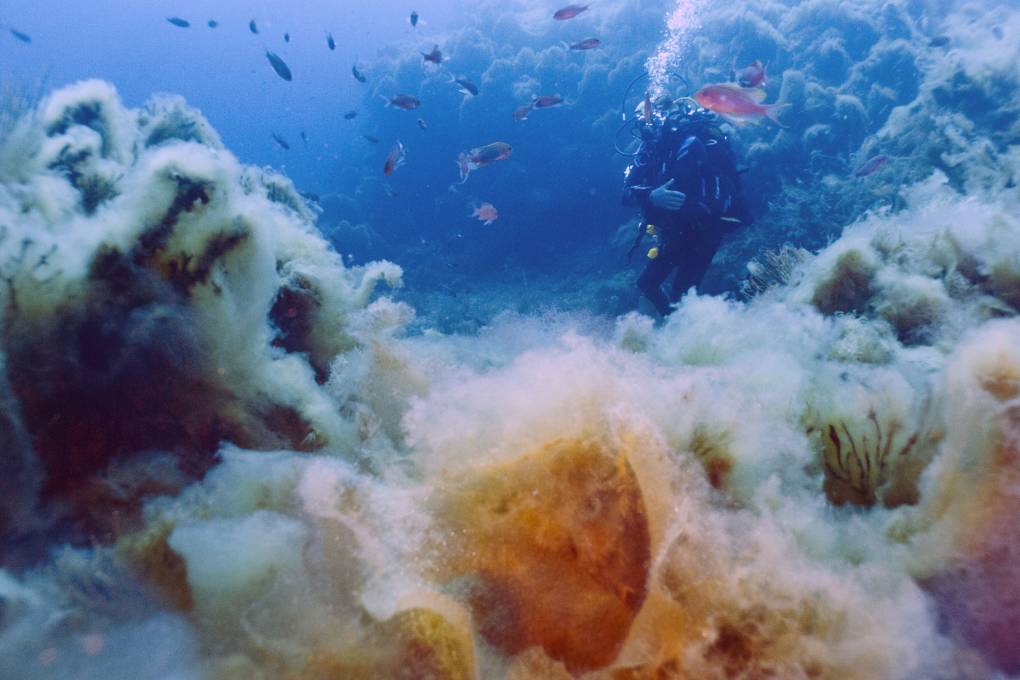
"caption": "A diver observes filamentous algae at La Ciotat in the Mediterranean sea, on July 4, 2015. Recent global warming has caused a major algal bloom on the seabed, suffocating flora and causing important biodiversity changes. ",
"description": null,
"title": "FRANCE-NATURE-CLIMATE-ENVIRONMENT",
"credit": "AFP PHOTO / BORIS HORVAT ",
"status": "inherit",
"isLoading": false,
"fetchFailed": false
},
"science_1931823": {
"type": "attachments",
"id": "science_1931823",
"meta": {
"index": "attachments_1716263798",
"site": "science",
"id": "1931823",
"found": true
},
"parent": 1931822,
"imgSizes": {
"small": {
"file": "https://ww2.kqed.org/app/uploads/sites/35/2018/09/img_0652-29061d0a888fff0e9a08409a77e8c84667cbd74e-1-520x390.jpg",
"width": 520,
"mimeType": "image/jpeg",
"height": 390
},
"twentyfourteen-full-width": {
"file": "https://ww2.kqed.org/app/uploads/sites/35/2018/09/img_0652-29061d0a888fff0e9a08409a77e8c84667cbd74e-1-1038x576.jpg",
"width": 1038,
"mimeType": "image/jpeg",
"height": 576
},
"thumbnail": {
"file": "https://ww2.kqed.org/app/uploads/sites/35/2018/09/img_0652-29061d0a888fff0e9a08409a77e8c84667cbd74e-1-160x120.jpg",
"width": 160,
"mimeType": "image/jpeg",
"height": 120
},
"fd-sm": {
"file": "https://ww2.kqed.org/app/uploads/sites/35/2018/09/img_0652-29061d0a888fff0e9a08409a77e8c84667cbd74e-1-960x720.jpg",
"width": 960,
"mimeType": "image/jpeg",
"height": 720
},
"post-thumbnail": {
"file": "https://ww2.kqed.org/app/uploads/sites/35/2018/09/img_0652-29061d0a888fff0e9a08409a77e8c84667cbd74e-1-672x372.jpg",
"width": 672,
"mimeType": "image/jpeg",
"height": 372
},
"xsmall": {
"file": "https://ww2.kqed.org/app/uploads/sites/35/2018/09/img_0652-29061d0a888fff0e9a08409a77e8c84667cbd74e-1-375x281.jpg",
"width": 375,
"mimeType": "image/jpeg",
"height": 281
},
"kqedFullSize": {
"file": "https://ww2.kqed.org/app/uploads/sites/35/2018/09/img_0652-29061d0a888fff0e9a08409a77e8c84667cbd74e-1.jpg",
"width": 3849,
"height": 2887
},
"large": {
"file": "https://ww2.kqed.org/app/uploads/sites/35/2018/09/img_0652-29061d0a888fff0e9a08409a77e8c84667cbd74e-1-1020x765.jpg",
"width": 1020,
"mimeType": "image/jpeg",
"height": 765
},
"xlarge": {
"file": "https://ww2.kqed.org/app/uploads/sites/35/2018/09/img_0652-29061d0a888fff0e9a08409a77e8c84667cbd74e-1-1180x885.jpg",
"width": 1180,
"mimeType": "image/jpeg",
"height": 885
},
"complete_open_graph": {
"file": "https://ww2.kqed.org/app/uploads/sites/35/2018/09/img_0652-29061d0a888fff0e9a08409a77e8c84667cbd74e-1-1200x900.jpg",
"width": 1200,
"mimeType": "image/jpeg",
"height": 900
},
"guest-author-50": {
"file": "https://ww2.kqed.org/app/uploads/sites/35/2018/09/img_0652-29061d0a888fff0e9a08409a77e8c84667cbd74e-1-50x50.jpg",
"width": 50,
"mimeType": "image/jpeg",
"height": 50
},
"guest-author-96": {
"file": "https://ww2.kqed.org/app/uploads/sites/35/2018/09/img_0652-29061d0a888fff0e9a08409a77e8c84667cbd74e-1-96x96.jpg",
"width": 96,
"mimeType": "image/jpeg",
"height": 96
},
"medium": {
"file": "https://ww2.kqed.org/app/uploads/sites/35/2018/09/img_0652-29061d0a888fff0e9a08409a77e8c84667cbd74e-1-800x600.jpg",
"width": 800,
"mimeType": "image/jpeg",
"height": 600
},
"guest-author-64": {
"file": "https://ww2.kqed.org/app/uploads/sites/35/2018/09/img_0652-29061d0a888fff0e9a08409a77e8c84667cbd74e-1-64x64.jpg",
"width": 64,
"mimeType": "image/jpeg",
"height": 64
},
"guest-author-32": {
"file": "https://ww2.kqed.org/app/uploads/sites/35/2018/09/img_0652-29061d0a888fff0e9a08409a77e8c84667cbd74e-1-32x32.jpg",
"width": 32,
"mimeType": "image/jpeg",
"height": 32
},
"fd-lrg": {
"file": "https://ww2.kqed.org/app/uploads/sites/35/2018/09/img_0652-29061d0a888fff0e9a08409a77e8c84667cbd74e-1-1920x1440.jpg",
"width": 1920,
"mimeType": "image/jpeg",
"height": 1440
},
"fd-med": {
"file": "https://ww2.kqed.org/app/uploads/sites/35/2018/09/img_0652-29061d0a888fff0e9a08409a77e8c84667cbd74e-1-1180x885.jpg",
"width": 1180,
"mimeType": "image/jpeg",
"height": 885
},
"full-width": {
"file": "https://ww2.kqed.org/app/uploads/sites/35/2018/09/img_0652-29061d0a888fff0e9a08409a77e8c84667cbd74e-1-1920x1440.jpg",
"width": 1920,
"mimeType": "image/jpeg",
"height": 1440
},
"detail": {
"file": "https://ww2.kqed.org/app/uploads/sites/35/2018/09/img_0652-29061d0a888fff0e9a08409a77e8c84667cbd74e-1-150x150.jpg",
"width": 150,
"mimeType": "image/jpeg",
"height": 150
},
"medium_large": {
"file": "https://ww2.kqed.org/app/uploads/sites/35/2018/09/img_0652-29061d0a888fff0e9a08409a77e8c84667cbd74e-1-768x576.jpg",
"width": 768,
"mimeType": "image/jpeg",
"height": 576
},
"guest-author-128": {
"file": "https://ww2.kqed.org/app/uploads/sites/35/2018/09/img_0652-29061d0a888fff0e9a08409a77e8c84667cbd74e-1-128x128.jpg",
"width": 128,
"mimeType": "image/jpeg",
"height": 128
},
"xxsmall": {
"file": "https://ww2.kqed.org/app/uploads/sites/35/2018/09/img_0652-29061d0a888fff0e9a08409a77e8c84667cbd74e-1-240x180.jpg",
"width": 240,
"mimeType": "image/jpeg",
"height": 180
}
},
"publishDate": 1538082391,
"modified": 1538082391,
"caption": null,
"description": "Fire ecologist Malcolm North looks down at the still-burning Lions Fire from a ridge in the Sierra Nevadas.",
"title": "Fire ecologist Malcolm North looks down at the still-burning Lions Fire from a ridge in the Sierra Nevadas.",
"credit": null,
"status": "inherit",
"isLoading": false,
"fetchFailed": false
}
},
"audioPlayerReducer": {
"postId": "stream_live",
"isPaused": true,
"isPlaying": false,
"pfsActive": false,
"pledgeModalIsOpen": true,
"playerDrawerIsOpen": false,
"liveAudioPlayStartedAt": 0,
"liveAudioPlayContext": ""
},
"authorsReducer": {
"byline_science_1932851": {
"type": "authors",
"id": "byline_science_1932851",
"meta": {
"override": true
},
"slug": "byline_science_1932851",
"name": "Seth Borenstein\u003cbr />The Associated Press",
"isLoading": false
},
"byline_science_1932779": {
"type": "authors",
"id": "byline_science_1932779",
"meta": {
"override": true
},
"slug": "byline_science_1932779",
"name": "Luke Runyon, NPR",
"isLoading": false
},
"byline_science_1932658": {
"type": "authors",
"id": "byline_science_1932658",
"meta": {
"override": true
},
"slug": "byline_science_1932658",
"name": "Anita Snow\u003cbr />The Associated Press",
"isLoading": false
},
"byline_science_1932453": {
"type": "authors",
"id": "byline_science_1932453",
"meta": {
"override": true
},
"slug": "byline_science_1932453",
"name": "Jim Heintz\u003cbr />David Keyton\u003cbr />The Associated Press",
"isLoading": false
},
"byline_science_1932445": {
"type": "authors",
"id": "byline_science_1932445",
"meta": {
"override": true
},
"slug": "byline_science_1932445",
"name": "Seth Borenstein\u003cbr />The Associated Press",
"isLoading": false
},
"byline_science_1932359": {
"type": "authors",
"id": "byline_science_1932359",
"meta": {
"override": true
},
"slug": "byline_science_1932359",
"name": "Seth Borenstein\u003cbr />The Associated Press",
"isLoading": false
},
"byline_science_1931822": {
"type": "authors",
"id": "byline_science_1931822",
"meta": {
"override": true
},
"slug": "byline_science_1931822",
"name": "Nathan Rott, NPR",
"isLoading": false
},
"kqedscience": {
"type": "authors",
"id": "6387",
"meta": {
"index": "authors_1716337520",
"id": "6387",
"found": true
},
"name": "KQED Science",
"firstName": "KQED",
"lastName": "Science",
"slug": "kqedscience",
"email": "kqedscience@gmail.com",
"display_author_email": false,
"staff_mastheads": [],
"title": null,
"bio": "KQED Science brings you award-winning science and environment coverage from the Bay Area and beyond by the flagship Northern California PBS and NPR affiliate.",
"avatar": "https://secure.gravatar.com/avatar/5a295ff49cf82a8c0f30937d3f788b2f?s=600&d=blank&r=g",
"twitter": null,
"facebook": null,
"instagram": null,
"linkedin": null,
"sites": [
{
"site": "science",
"roles": [
"contributor"
]
},
{
"site": "quest",
"roles": [
"editor"
]
},
{
"site": "food",
"roles": [
"contributor"
]
}
],
"headData": {
"title": "KQED Science | KQED",
"description": null,
"ogImgSrc": "https://secure.gravatar.com/avatar/5a295ff49cf82a8c0f30937d3f788b2f?s=600&d=blank&r=g",
"twImgSrc": "https://secure.gravatar.com/avatar/5a295ff49cf82a8c0f30937d3f788b2f?s=600&d=blank&r=g"
},
"isLoading": false,
"link": "/author/kqedscience"
},
"mpeterson": {
"type": "authors",
"id": "11223",
"meta": {
"index": "authors_1716337520",
"id": "11223",
"found": true
},
"name": "Molly Peterson",
"firstName": "Molly",
"lastName": "Peterson",
"slug": "mpeterson",
"email": "mpeterson@kqed.org",
"display_author_email": false,
"staff_mastheads": [],
"title": null,
"bio": "Molly Peterson reports for KQED science and news on climate change, catastrophe and risk. Previously she was environment correspondent at Southern California Public Radio. Her work has also appeared at The New York Times, The Guardian, on NPR, at High Country News, on Code Switch, and other national outlets. She has been honored with awards from Public Radio News Directors Incorporated, Investigative Reporters and Editors, the Society for Professional Journalists, the Los Angeles Press Club, and RTNDA Edward R. Murrow awards, among others.",
"avatar": "https://secure.gravatar.com/avatar/7908e2807131f776cc8165c649530b05?s=600&d=blank&r=g",
"twitter": "Mollydacious",
"facebook": null,
"instagram": "https://www.instagram.com/radiomolly/",
"linkedin": null,
"sites": [
{
"site": "news",
"roles": [
"subscriber"
]
},
{
"site": "futureofyou",
"roles": [
"editor"
]
},
{
"site": "science",
"roles": [
"editor"
]
}
],
"headData": {
"title": "Molly Peterson | KQED",
"description": null,
"ogImgSrc": "https://secure.gravatar.com/avatar/7908e2807131f776cc8165c649530b05?s=600&d=blank&r=g",
"twImgSrc": "https://secure.gravatar.com/avatar/7908e2807131f776cc8165c649530b05?s=600&d=blank&r=g"
},
"isLoading": false,
"link": "/author/mpeterson"
},
"aahmed": {
"type": "authors",
"id": "11428",
"meta": {
"index": "authors_1716337520",
"id": "11428",
"found": true
},
"name": "Amel Ahmed",
"firstName": "Amel",
"lastName": "Ahmed",
"slug": "aahmed",
"email": "aahmed@kqed.org",
"display_author_email": false,
"staff_mastheads": [],
"title": "KQED Contributor",
"bio": "Amel Ahmed is a reporter for KQED. Prior to joining KQED, Amel worked at Al Jazeera America, Al Jazeera English, Democracy Now! and Punched Productions. She also helped produce \u003cem>Changing Face of Harlem\u003c/em>, a documentary that tracked gentrification in Harlem over a period of ten years. She is a 2013 graduate of Brooklyn Law School and is currently researching war on terror prosecutions for an upcoming book.",
"avatar": "https://secure.gravatar.com/avatar/c8b48ebc98e770640f3013c470d23f3e?s=600&d=blank&r=g",
"twitter": "amelscript",
"facebook": null,
"instagram": null,
"linkedin": null,
"sites": [
{
"site": "futureofyou",
"roles": []
},
{
"site": "science",
"roles": []
}
],
"headData": {
"title": "Amel Ahmed | KQED",
"description": "KQED Contributor",
"ogImgSrc": "https://secure.gravatar.com/avatar/c8b48ebc98e770640f3013c470d23f3e?s=600&d=blank&r=g",
"twImgSrc": "https://secure.gravatar.com/avatar/c8b48ebc98e770640f3013c470d23f3e?s=600&d=blank&r=g"
},
"isLoading": false,
"link": "/author/aahmed"
}
},
"pagesReducer": {
"science_tag_climate-change": {
"type": "terms",
"id": "science_194",
"meta": {
"index": "terms_1716263798",
"site": "science",
"id": "194",
"score": 7.946677
},
"featImg": null,
"name": "climate change",
"description": null,
"taxonomy": "tag",
"headData": {
"twImgId": null,
"twTitle": null,
"ogTitle": null,
"ogImgId": null,
"twDescription": null,
"description": null,
"title": "climate change Archives | KQED Science",
"ogDescription": null
},
"ttid": 198,
"slug": "climate-change",
"isLoading": false,
"title": "climate change",
"pageMeta": {
"site": "science",
"WpPageTemplate": "page-topic-editorial",
"currentPage": 37
},
"blocks": [
{
"blockName": "kqed/post-list",
"attrs": {
"layout": "cardArticle2",
"query": "posts/science?tag=climate-change",
"seeMore": false,
"paginated": true,
"page": 37
}
},
{
"blockName": "kqed/ad"
}
]
}
},
"pfsSessionReducer": {},
"postsReducer": {
"stream_live": {
"type": "live",
"id": "stream_live",
"audioUrl": "https://streams.kqed.org/kqedradio",
"title": "Live Stream",
"excerpt": "Live Stream information currently unavailable.",
"link": "/radio",
"featImg": "",
"label": {
"name": "KQED Live",
"link": "/"
}
},
"stream_kqedNewscast": {
"type": "posts",
"id": "stream_kqedNewscast",
"audioUrl": "https://www.kqed.org/.stream/anon/radio/RDnews/newscast.mp3?_=1",
"title": "KQED Newscast",
"featImg": "",
"label": {
"name": "88.5 FM",
"link": "/"
}
},
"science_1932851": {
"type": "posts",
"id": "science_1932851",
"meta": {
"index": "posts_1716263798",
"site": "science",
"id": "1932851",
"score": null,
"sort": [
1539645302000
]
},
"parent": 0,
"labelTerm": {
"site": "science"
},
"blocks": [],
"publishDate": 1539645302,
"format": "standard",
"title": "Scientists Say Trump's Views on Climate Change Are Entirely Wrong",
"headTitle": "Scientists Say Trump’s Views on Climate Change Are Entirely Wrong | KQED",
"content": "\u003cp>Despite what President Donald Trump says, scientists have long known that what’s warming the planet isn’t natural. It’s us.[contextly_sidebar id=”NmFjwzurnMX6m9u9Vt9D4L0w1Thy66MX”]\u003c/p>\n\u003cp>They even have the energy balance sheets accounting for changes in the climate to prove it.\u003c/p>\n\u003cp>President Trump’s own White House put out a\u003ca href=\"https://science2017.globalchange.gov/chapter/3/\"> science report\u003c/a> last year concluding that “the likely range of the human contribution to the global mean temperature increase over the period 1951-2010 is 1.1 to 1.4 F.”\u003c/p>\n\u003cp>On “60 Minutes” Sunday, Trump said, “something is changing and it’ll change back again. I don’t think it’s a hoax. I think there’s probably a difference. But I don’t know that it’s man-made.”\u003c/p>\n\u003cp>Climate scientists say Trump was wrong. There are several ways they know that more than 90 percent of climate change is caused by emissions of heat-trapping gases from activities like burning coal and natural gas for electricity, or burning gasoline, diesel and jet fuel for transportation. In other words, humans.\u003c/p>\n\u003cp>[ad fullwidth]\u003c/p>\n\u003cp>“Scientists have been hammering governments with the evidence for several decades, and it’s incontrovertible,” Princeton University climate scientist Michael Oppenheimer said. “Humans are causing most of the warming.”\u003c/p>\n\u003cp>\u003cstrong>The Energy Balance\u003c/strong>\u003c/p>\n\u003cp>Scientists have calculated Earth’s energy balance, tracking the energy that comes in and goes out, said Stanford University climate scientist Noah Diffenbaugh.\u003c/p>\n\u003cp>They have measured the heat coming into Earth’s system from different sources, relying on satellite data for the past 38 years and other, less direct measurements before then. Those sources include the sun and natural changes in the sun’s energy, and volcanic eruptions that bring heat from the Earth’s crust. Human sources include greenhouse gases, air pollution like soot, and changes in land use that release and absorb carbon.[contextly_sidebar id=”WZF34fWHU0GXVjCOeqkacEcytNntIYoT”]\u003c/p>\n\u003cp>The natural components put together have changed global temperatures — but only a tiny amount. They account for between two-tenths of a degree of cooling and two-tenths of a degree of warming, the 2017 national science report said.\u003c/p>\n\u003cp>The national science report concluded that humans caused at least 93 percent of the warming that scientists measured from 1951 to 2010.\u003c/p>\n\u003cp>None of the natural effects could have possibly produced the warming that has been seen, they said. But “if you include effect of greenhouse gases, everything matches up,” said University of Illinois climate scientist Donald Wuebbles, one of the chief authors of the 2017 report.\u003c/p>\n\u003cp>\u003cstrong>The Way the Earth Warms\u003c/strong>\u003c/p>\n\u003cp>The world has warmed in exactly the way physics has predicted, what Oppenhiemer calls the “Cadillac piece of evidence.”\u003c/p>\n\u003cp>In a world warmed by greenhouse gases, physicists predicted that the air about 6 miles (10 kilometers) up would cool. And it \u003ca href=\"https://earthobservatory.nasa.gov/Features/GlobalWarming/page4.php\">has\u003c/a> , Oppenheimer said. Had the warming been from the changes in the sun’s energy, that upper air wouldn’t cool.\u003c/p>\n\u003cp>Climate change theory also predicted that the poles would warm faster than the rest of the Earth. That too has happened, said Columbia University climate scientist Adam Sobel.\u003c/p>\n\u003cp>Another fingerprint that implicates human activity: The world’s much warmer \u003ca href=\"https://climate.nasa.gov/evidence/\">oceans\u003c/a> , Sobel said.\u003c/p>\n\u003cp>\u003cstrong>Physics\u003c/strong>\u003c/p>\n\u003cp>The greenhouse effect is no mystery. It was demonstrated nearly two centuries ago. Engineers have harnessed its effects — it helped the U.S. Air Force develop heat-seeking missiles. And it makes Earth livable.\u003c/p>\n\u003cp>It’s simply that certain gasses, including carbon dioxide and water vapor, \u003ca href=\"https://climate.nasa.gov/causes/\" target=\"_blank\" rel=\"noopener\">trap\u003c/a> heat.\u003c/p>\n\u003cp>Without it, much more of the sun’s heat would evaporate into space — Earth’s average temperature would be about -1 degrees (-18 Celsius). With the greenhouse effect it is a comfortable 59 degrees (15 Celsius).\u003c/p>\n\u003cp>\u003cstrong>Will it Change Back?\u003c/strong>\u003c/p>\n\u003cp>The Earth’s climate could “change back again,” as President Trump suggested — if humans drastically and permanently cut back emissions of greenhouse emissions. The problem is, Trump is taking steps that will increase emissions, such as from burning more coal, not decrease them.[contextly_sidebar id=”6eyJ9aLriqhUzNrMvYCHDnyhwRgFenI9″]\u003c/p>\n\u003cp>With Trump’s moves, changes in climate will not be reversed, they will intensify.\u003c/p>\n\u003cp>Kathie Dello, a climate scientist at Oregon State University, calls Trump’s misinformation ‘dangerous.’\u003c/p>\n\u003cp>\u003c/p>\n\u003cp>“It’s like jumping off a cliff and hoping that gravity just doesn’t exist anymore,” she said. “That’s what we’re doing by denying the basic science behind climate change.”\u003c/p>\n\n",
"stats": {
"hasVideo": false,
"hasChartOrMap": false,
"hasAudio": false,
"hasPolis": false,
"wordCount": 782,
"hasGoogleForm": false,
"hasGallery": false,
"hasHearkenModule": false,
"iframeSrcs": [],
"paragraphCount": 28
},
"modified": 1704927395,
"excerpt": "Despite what President Donald Trump says, scientists have long known that what's warming the planet isn't natural. It's us. ",
"headData": {
"twImgId": "",
"twTitle": "",
"ogTitle": "",
"ogImgId": "",
"twDescription": "",
"description": "Despite what President Donald Trump says, scientists have long known that what's warming the planet isn't natural. It's us. ",
"title": "Scientists Say Trump's Views on Climate Change Are Entirely Wrong | KQED",
"ogDescription": "",
"schema": {
"@context": "https://schema.org",
"@type": "Article",
"headline": "Scientists Say Trump's Views on Climate Change Are Entirely Wrong",
"datePublished": "2018-10-15T16:15:02-07:00",
"dateModified": "2024-01-10T14:56:35-08:00",
"image": "https://cdn.kqed.org/wp-content/uploads/2020/02/KQED-OG-Image@1x.png"
}
},
"guestAuthors": [],
"slug": "scientists-say-trumps-views-on-climate-change-are-entirely-wrong",
"status": "publish",
"nprByline": "Seth Borenstein\u003cbr />The Associated Press",
"sticky": false,
"path": "/science/1932851/scientists-say-trumps-views-on-climate-change-are-entirely-wrong",
"audioTrackLength": null,
"parsedContent": [
{
"type": "contentString",
"content": "\u003cdiv class=\"post-body\">\u003cp>\u003cp>Despite what President Donald Trump says, scientists have long known that what’s warming the planet isn’t natural. It’s us.\u003c/p>\u003cp>\u003c/p>\u003cp>\u003c/p>\n\u003cp>They even have the energy balance sheets accounting for changes in the climate to prove it.\u003c/p>\n\u003cp>President Trump’s own White House put out a\u003ca href=\"https://science2017.globalchange.gov/chapter/3/\"> science report\u003c/a> last year concluding that “the likely range of the human contribution to the global mean temperature increase over the period 1951-2010 is 1.1 to 1.4 F.”\u003c/p>\n\u003cp>On “60 Minutes” Sunday, Trump said, “something is changing and it’ll change back again. I don’t think it’s a hoax. I think there’s probably a difference. But I don’t know that it’s man-made.”\u003c/p>\n\u003cp>Climate scientists say Trump was wrong. There are several ways they know that more than 90 percent of climate change is caused by emissions of heat-trapping gases from activities like burning coal and natural gas for electricity, or burning gasoline, diesel and jet fuel for transportation. In other words, humans.\u003c/p>\n\u003cp>\u003c/p>\u003c/div>",
"attributes": {
"named": {},
"numeric": []
}
},
{
"type": "component",
"content": "",
"name": "ad",
"attributes": {
"named": {
"label": "fullwidth"
},
"numeric": [
"fullwidth"
]
}
},
{
"type": "contentString",
"content": "\u003cdiv class=\"post-body\">\u003cp>\u003c/p>\n\u003cp>“Scientists have been hammering governments with the evidence for several decades, and it’s incontrovertible,” Princeton University climate scientist Michael Oppenheimer said. “Humans are causing most of the warming.”\u003c/p>\n\u003cp>\u003cstrong>The Energy Balance\u003c/strong>\u003c/p>\n\u003cp>Scientists have calculated Earth’s energy balance, tracking the energy that comes in and goes out, said Stanford University climate scientist Noah Diffenbaugh.\u003c/p>\n\u003cp>They have measured the heat coming into Earth’s system from different sources, relying on satellite data for the past 38 years and other, less direct measurements before then. Those sources include the sun and natural changes in the sun’s energy, and volcanic eruptions that bring heat from the Earth’s crust. Human sources include greenhouse gases, air pollution like soot, and changes in land use that release and absorb carbon.\u003c/p>\u003cp>\u003c/p>\u003cp>\u003c/p>\n\u003cp>The natural components put together have changed global temperatures — but only a tiny amount. They account for between two-tenths of a degree of cooling and two-tenths of a degree of warming, the 2017 national science report said.\u003c/p>\n\u003cp>The national science report concluded that humans caused at least 93 percent of the warming that scientists measured from 1951 to 2010.\u003c/p>\n\u003cp>None of the natural effects could have possibly produced the warming that has been seen, they said. But “if you include effect of greenhouse gases, everything matches up,” said University of Illinois climate scientist Donald Wuebbles, one of the chief authors of the 2017 report.\u003c/p>\n\u003cp>\u003cstrong>The Way the Earth Warms\u003c/strong>\u003c/p>\n\u003cp>The world has warmed in exactly the way physics has predicted, what Oppenhiemer calls the “Cadillac piece of evidence.”\u003c/p>\n\u003cp>In a world warmed by greenhouse gases, physicists predicted that the air about 6 miles (10 kilometers) up would cool. And it \u003ca href=\"https://earthobservatory.nasa.gov/Features/GlobalWarming/page4.php\">has\u003c/a> , Oppenheimer said. Had the warming been from the changes in the sun’s energy, that upper air wouldn’t cool.\u003c/p>\n\u003cp>Climate change theory also predicted that the poles would warm faster than the rest of the Earth. That too has happened, said Columbia University climate scientist Adam Sobel.\u003c/p>\n\u003cp>Another fingerprint that implicates human activity: The world’s much warmer \u003ca href=\"https://climate.nasa.gov/evidence/\">oceans\u003c/a> , Sobel said.\u003c/p>\n\u003cp>\u003cstrong>Physics\u003c/strong>\u003c/p>\n\u003cp>The greenhouse effect is no mystery. It was demonstrated nearly two centuries ago. Engineers have harnessed its effects — it helped the U.S. Air Force develop heat-seeking missiles. And it makes Earth livable.\u003c/p>\n\u003cp>It’s simply that certain gasses, including carbon dioxide and water vapor, \u003ca href=\"https://climate.nasa.gov/causes/\" target=\"_blank\" rel=\"noopener\">trap\u003c/a> heat.\u003c/p>\n\u003cp>Without it, much more of the sun’s heat would evaporate into space — Earth’s average temperature would be about -1 degrees (-18 Celsius). With the greenhouse effect it is a comfortable 59 degrees (15 Celsius).\u003c/p>\n\u003cp>\u003cstrong>Will it Change Back?\u003c/strong>\u003c/p>\n\u003cp>The Earth’s climate could “change back again,” as President Trump suggested — if humans drastically and permanently cut back emissions of greenhouse emissions. The problem is, Trump is taking steps that will increase emissions, such as from burning more coal, not decrease them.\u003c/p>\u003cp>\u003c/p>\u003cp>\u003c/p>\n\u003cp>With Trump’s moves, changes in climate will not be reversed, they will intensify.\u003c/p>\n\u003cp>Kathie Dello, a climate scientist at Oregon State University, calls Trump’s misinformation ‘dangerous.’\u003c/p>\n\u003cp>\u003c/p>\n\u003cp>“It’s like jumping off a cliff and hoping that gravity just doesn’t exist anymore,” she said. “That’s what we’re doing by denying the basic science behind climate change.”\u003c/p>\n\n\u003c/div>\u003c/p>",
"attributes": {
"named": {},
"numeric": []
}
}
],
"link": "/science/1932851/scientists-say-trumps-views-on-climate-change-are-entirely-wrong",
"authors": [
"byline_science_1932851"
],
"categories": [
"science_31",
"science_35",
"science_40"
],
"tags": [
"science_765",
"science_194",
"science_192",
"science_556",
"science_2164"
],
"featImg": "science_1932853",
"label": "science"
},
"science_1932692": {
"type": "posts",
"id": "science_1932692",
"meta": {
"index": "posts_1716263798",
"site": "science",
"id": "1932692",
"score": null,
"sort": [
1539586961000
]
},
"guestAuthors": [],
"slug": "climate-change-dishes-up-dangerous-heat-even-in-the-bay-area",
"title": "Even in San Francisco, Heat Is Turning Deadly. That's Not Something Colleen Loughman Expected",
"publishDate": 1539586961,
"format": "audio",
"headTitle": "Even in San Francisco, Heat Is Turning Deadly. That’s Not Something Colleen Loughman Expected | KQED",
"labelTerm": {},
"content": "\u003cp>\u003cem>Reporter Molly Peterson conducted a 5-month investigation into heat in California, in partnership with KQED Science. In a series of stories, we will examine who’s vulnerable and why, and what it will take to protect people who are vulnerable to heat illness and death at home or on the job.\u003c/em>\u003c/p>\n\u003cp>\u003cspan style=\"font-size: 4.6875em;float: left;line-height: 0.733em;padding: 0.05em 0.1em 0 0;font-family: times, serif, georgia\">L\u003c/span>ast year, as a Labor Day heat wave descended, Claudia Hernandez was trying to pry open the windows of a house in San Francisco, from 400 miles away.\u003c/p>\n\u003cp>That weekend, San Francisco hit 106 degrees, an all-time record. After two straight days topping 100, Hernandez, who lives in Orange County, pleaded with her godmother, Colleen Loughman, to open her windows and let a breeze through.\u003c/p>\n\u003cp>Like most in the city, Loughman’s home lacked air conditioning. “A fan, an old school fan, that’s all she had,” Hernandez said. “And her windows were like maybe one-eighth open.”\u003c/p>\n\u003cp>[contextly_sidebar id=”dW99X91eyUsWligsBKqfM4oEePyfJVkA”]Talking with her 82-year-old godmother, Hernandez felt something was off.\u003c/p>\n\u003cp>“You could hear that she was, I don’t know, like, drained,” she says.\u003c/p>\n\u003cp>Colleen Loughman died the next day, in the house her parents had built. She was at risk because her aging body couldn’t acclimatize to intense, fast-arriving heat. She was vulnerable in her home, without a way to cool down. And though she was loved, she was isolated.\u003c/p>\n\u003cp>In June and September of 2017, two heat waves killed at least 14 people in the Bay Area, and sent hundreds more to the hospital.\u003c/p>\n\u003cp>San Francisco was caught off guard, says the city’s deputy director of public health, Naveena Bobba.\u003c/p>\n\u003cp>“What we were seeing is really a huge health emergency,” she says.\u003c/p>\n\u003cp>The past five summers have been California’s hottest on record.\u003c/p>\n\u003cp>Even in cool, coastal parts of the state, heat, a sneaky and growing threat, is now one of the state’s top climate-related public health risks.\u003c/p>\n\u003ch4>\u003cstrong>\u003ca href=\"https://ww2.kqed.org/science/wp-content/uploads/sites/35/2018/10/KQEDScience_Heat_181012B.jpg\">\u003cimg loading=\"lazy\" decoding=\"async\" class=\"aligncenter size-full wp-image-1932736\" src=\"https://ww2.kqed.org/science/wp-content/uploads/sites/35/2018/10/KQEDScience_Heat_181012B.jpg\" alt=\"\" width=\"750\" height=\"1335\" srcset=\"https://cdn.kqed.org/wp-content/uploads/sites/35/2018/10/KQEDScience_Heat_181012B.jpg 750w, https://cdn.kqed.org/wp-content/uploads/sites/35/2018/10/KQEDScience_Heat_181012B-160x285.jpg 160w, https://cdn.kqed.org/wp-content/uploads/sites/35/2018/10/KQEDScience_Heat_181012B-674x1200.jpg 674w, https://cdn.kqed.org/wp-content/uploads/sites/35/2018/10/KQEDScience_Heat_181012B-240x427.jpg 240w, https://cdn.kqed.org/wp-content/uploads/sites/35/2018/10/KQEDScience_Heat_181012B-375x668.jpg 375w, https://cdn.kqed.org/wp-content/uploads/sites/35/2018/10/KQEDScience_Heat_181012B-520x926.jpg 520w\" sizes=\"(max-width: 750px) 100vw, 750px\">\u003c/a>\u003c/strong>\u003c/h4>\n\u003ch2>\u003c/h2>\n\u003ch2>\u003cstrong>Why Older People Are At Risk\u003c/strong>\u003c/h2>\n\u003cp>\u003cspan style=\"font-size: 4.6875em;float: left;line-height: 0.733em;padding: 0.05em 0.1em 0 0;font-family: times, serif, georgia\">L\u003c/span>ast September, Loughman wanted her windows closed because she had been having lung trouble, and she feared smog and smoke would make it hard to breathe. She had heard air quality alerts on the news, issued by regional regulators.\u003c/p>\n\u003cp>Spiking heat worsens asthma and lung conditions and raises risks for older people in particular.\u003c/p>\n\u003cp>Older people have to work harder to stay cool, says Dr. David Eisenman, who directs the Center for Public Health and Disasters at UCLA.\u003c/p>\n\u003cp>“When your body normally gets hot, it cools down by transferring heat inside its core out to the skin.”\u003c/p>\n\u003caside class=\"pullquote alignright\">Heat affects everyone differently. The National Weather Service offers this \u003ca href=\"https://www.wrh.noaa.gov/wrh/heatrisk/\" target=\"_blank\" rel=\"noopener\">seven-day forecast\u003c/a> to help you assess your risk.\u003c/aside>\n\u003cp>For most people, sweat cools the body well, but not for older ones. “They have a less effective ability to sweat,” he says.\u003c/p>\n\u003cp>Older bodies hold less water than younger ones, putting older people more at risk in a heat wave. And older people are less sensitive to becoming hot and thirsty.\u003c/p>\n\u003cp>Over several hot days, all of that means physiological heat can build up without relief.\u003c/p>\n\u003cp>And Colleen Loughman wasn’t prepared for that in her foggy Parkside neighborhood.\u003c/p>\n\u003cp>[audio /> program=\"KQED Science\" title=\"Heat - Who's Vulnerable and Why\" src=\"https://www.kqed.org/.stream/anon/radio/science/2018/10/PetersonHeatPart2.mp3\" image=\"https://ww2.kqed.org/science/wp-content/uploads/sites/35/2018/10/Colleens-block-1.jpg\"]\u003c/p>\n\u003ch2>\u003cstrong>Isolated in Her Own Neighborhood\u003c/strong>\u003c/h2>\n\u003cp>\u003cspan style=\"font-size: 4.6875em;float: left;line-height: 0.733em;padding: 0.05em 0.1em 0 0;font-family: times, serif, georgia\">S\u003c/span>t. Cecilia Church planted a Catholic community a century ago in a neighborhood set among sand dunes and eucalyptus trees: Parkside. Loughman grew up on 14th Avenue, and in Catholic schools: elementary at St. Cecilia’s, high school at St. Rose Academy, a masters degree in music at Holy Names University, across the bay.\u003c/p>\n\u003cp>But she never roamed too far from Parkside, where people were close knit, says her lifelong neighbor, Bob Schumann.\u003c/p>\n\u003caside class=\"pullquote alignright\">‘It takes almost two weeks for your body to acclimate to the heat.’\u003ccite>Naveena Bobba,\u003cbr>\nSan Francisco Department of Public Health\u003c/cite>\u003c/aside>\n\u003cp>“I used to go to the house for birthday parties, and they were always playing the piano or something like that,” he says.\u003c/p>\n\u003cp>Hernandez noticed, and wondered whether her godmother needed more care and companionship.Her parents died; then a few years ago, her sister. Some of the old guard moved out, replaced by young, new transplants. Parkside was changing.\u003c/p>\n\u003cp>But a strong-willed Loughman wanted to stay put. “I’m okay,” Hernandez says her godmother told her, “I’m okay by myself.”\u003c/p>\n\u003ch2>\u003cstrong>Heat Builds Up\u003c/strong>\u003c/h2>\n\u003cp>\u003cspan style=\"font-size: 4.6875em;float: left;line-height: 0.733em;padding: 0.05em 0.1em 0 0;font-family: times, serif, georgia\">D\u003c/span>aily calls kept close a relationship that began 30 years ago between Loughman and Hernandez, as an accident of fate.\u003c/p>\n\u003cp>At the time, Hernandez was just 3 years old, arriving at a new foster home, belonging to Barbara McGovern in San Diego. Visiting McGovern was a longtime friend and former piano teacher of McGovern’s, Loughman.\u003c/p>\n\u003cp>“Colleen was so thrilled just to be around that child,” McGovern remembers. “She stayed for about two weeks.”\u003c/p>\n\u003cfigure id=\"attachment_1932748\" class=\"wp-caption alignright\" style=\"max-width: 800px\">\u003ca href=\"https://ww2.kqed.org/science/wp-content/uploads/sites/35/2018/10/RS33115_IMG_6255.jpg\">\u003cimg loading=\"lazy\" decoding=\"async\" class=\"size-medium wp-image-1932748\" src=\"https://ww2.kqed.org/science/wp-content/uploads/sites/35/2018/10/RS33115_IMG_6255-800x800.jpg\" alt=\"\" width=\"800\" height=\"800\" srcset=\"https://cdn.kqed.org/wp-content/uploads/sites/35/2018/10/RS33115_IMG_6255-800x800.jpg 800w, https://cdn.kqed.org/wp-content/uploads/sites/35/2018/10/RS33115_IMG_6255-160x160.jpg 160w, https://cdn.kqed.org/wp-content/uploads/sites/35/2018/10/RS33115_IMG_6255-768x768.jpg 768w, https://cdn.kqed.org/wp-content/uploads/sites/35/2018/10/RS33115_IMG_6255-1020x1020.jpg 1020w, https://cdn.kqed.org/wp-content/uploads/sites/35/2018/10/RS33115_IMG_6255-960x960.jpg 960w, https://cdn.kqed.org/wp-content/uploads/sites/35/2018/10/RS33115_IMG_6255-240x240.jpg 240w, https://cdn.kqed.org/wp-content/uploads/sites/35/2018/10/RS33115_IMG_6255-375x375.jpg 375w, https://cdn.kqed.org/wp-content/uploads/sites/35/2018/10/RS33115_IMG_6255-520x520.jpg 520w, https://cdn.kqed.org/wp-content/uploads/sites/35/2018/10/RS33115_IMG_6255-32x32.jpg 32w, https://cdn.kqed.org/wp-content/uploads/sites/35/2018/10/RS33115_IMG_6255-50x50.jpg 50w, https://cdn.kqed.org/wp-content/uploads/sites/35/2018/10/RS33115_IMG_6255-64x64.jpg 64w, https://cdn.kqed.org/wp-content/uploads/sites/35/2018/10/RS33115_IMG_6255-96x96.jpg 96w, https://cdn.kqed.org/wp-content/uploads/sites/35/2018/10/RS33115_IMG_6255-128x128.jpg 128w, https://cdn.kqed.org/wp-content/uploads/sites/35/2018/10/RS33115_IMG_6255-150x150.jpg 150w, https://cdn.kqed.org/wp-content/uploads/sites/35/2018/10/RS33115_IMG_6255.jpg 1024w\" sizes=\"(max-width: 800px) 100vw, 800px\">\u003c/a>\u003cfigcaption class=\"wp-caption-text\">This social media post by Claudia Hernandez shows her with her two children, Ezekial and Natalie, and godmother, Colleen Loughman. \u003ccite>(Claudia Hernandez)\u003c/cite>\u003c/figcaption>\u003c/figure>\n\u003cp>Loughman remained a San Franciscan, born and bred; Hernandez grew up, got married, had kids and settled in Orange County. She and her kids Ezekiel, now 15, and Natalie, 12, visited San Francisco every summer.\u003c/p>\n\u003cp>The daily call was usually newsy, an hour-long update: how’s your day going, how’s work, Ezekiel’s baseball, Natalie’s softball.\u003c/p>\n\u003cp>But when they quarreled about open windows that Saturday, heat soured the conversation.\u003c/p>\n\u003cp>Don’t call me, Loughman said. I don’t want to talk. Loughman was stubborn, and Hernandez got the point: “She didn’t want to talk.”\u003c/p>\n\u003cp>But she called back the next day, Sunday afternoon, all the same.\u003c/p>\n\u003cp>No answer.\u003c/p>\n\u003cp>By 7:30, Hernandez was calling every 15 minutes.\u003c/p>\n\u003cp>Then every 10 minutes.\u003c/p>\n\u003cp>She finally reached a woman who ran Loughman’s errands. Please go over there, she said. Around the same time, Hernandez asked her husband, Jose. to call the San Francisco Police Department.\u003c/p>\n\u003cp>Jose told the dispatcher Loughman had not picked up her phone. “All right,” Police Dispatcher 236 told him, promising a welfare check. “We’ll get an officer out there as soon as possible.”\u003c/p>\n\u003cp>Last Sept. 3, Hernandez listened over the phone in agony as Loughman’s helper found her. She was unconscious. The helper tried to rouse Loughman: Colleen, Colleen.\u003c/p>\n\u003cp>That’s when paramedics arrived to help.\u003c/p>\n\u003cp>In a recorded emergency call, responders say that someone on scene is trying resuscitation. But Loughman was pronounced dead on scene, at 9:34 p.m.\u003c/p>\n\u003cp>[ad fullwidth]\u003c/p>\n\u003ch2>\u003cstrong>‘Actually, Everybody Is At Risk.’\u003c/strong>\u003c/h2>\n\u003cp>\u003cspan style=\"font-size: 4.6875em;float: left;line-height: 0.733em;padding: 0.05em 0.1em 0 0;font-family: times, serif, georgia\">D\u003c/span>angerous overheating isn’t something that happens only to elderly people.\u003c/p>\n\u003cp>In the temperate Bay Area, heat is a surprise we don’t quickly adjust to.\u003c/p>\n\u003cp>“It takes almost two weeks for your body to acclimate to the heat,” says SFDPH’s Bobba. “And given that heat kind of comes really quickly and leaves fairly quickly in San Francisco, our bodies don’t acclimate.\u003c/p>\n\u003cp>[emailsignup newslettername='science' align='right']\u003c/p>\n\u003cp>People in the Bay Area are particularly vulnerable to heat illness even at lower temperatures, according to Rupa Basu, chief of the air and climate epidemiology section at the state’s Office of Environmental Health Hazard Assessment. She points out that when heat spikes in the bay, the health effects are similar to what happens in hotter cities with hotter heat waves.\u003c/p>\n\u003cp>San Francisco’s 2017 Labor Day heat wave made headlines for two consecutive 100-degree daytime records. It was also warm at night – over 80 degrees near midnight both Friday and Saturday. During hours people would normally recover from daytime heat, it was hotter than days often are.\u003c/p>\n\u003cp>Scientists say overnight heat doesn’t only happen during spiking temperatures; a changing climate is pushing up nighttime temperatures overall. That sneaky kind of a heat wave is becoming more common in California, observes UCLA climatologist Daniel Swain.\u003c/p>\n\u003cp>“The magnitude and frequency of heat waves that we’re observing today would have been vanishingly unlikely in a climate without human influence,” he says.\u003c/p>\n\u003ch2>\u003cstrong>Preventable Deaths\u003c/strong>\u003c/h2>\n\u003cp>\u003cspan style=\"font-size: 4.6875em;float: left;line-height: 0.733em;padding: 0.05em 0.1em 0 0;font-family: times, serif, georgia\">A\u003c/span>s climate changes heat risk, public health officials say warning systems are changing too.\u003c/p>\n\u003cp>But Bay Area conditions are complex: Counties here can experience wildly varying weather conditions at the same time; all decide slightly differently when to issue heat alerts.\u003c/p>\n\u003cp>[contextly_sidebar id=”PGXOy6NqJyUVhG5msTkUf8CEpgj1HHpy”]Santa Clara County, which recorded five heat-related deaths last year, explicitly relies on the weather service in its heat emergency planning. So does San Francisco. After last Labor Day, the city has become more aggressive, according to SFDPH’s Bobba, initiating warnings when forecasts indicate daytime temperatures of 85 degrees or above.\u003c/p>\n\u003cp>Other counties are developing emergency response plans for heat. Contra Costa considers 96 degrees to be an extremely hot day in the eastern part of the county.\u003c/p>\n\u003cp>Excessive heat kills more Americans than any other disaster. But even in changing climate, heat-related deaths are preventable. Around the bay, public health officials and doctors, counties, cities and neighborhood groups are allied in rethinking how to find, warn and check on vulnerable people.\u003c/p>\n\u003cp>Colleen Loughman’s goddaughter is still haunted by her last words.\u003c/p>\n\u003cp>“She just said, ‘This heat is killing me. I can’t talk right now. I don’t want to talk.’” And that was it.\u003c/p>\n\u003cp>Last fall, after the heat broke, Claudia Hernandez learned she was pregnant. Her new daughter’s middle name is Coco, her nickname for Colleen. And she lets her own air conditioning bills get higher: Hernandez says she’s now determined not to let anyone she loves suffer in heat again.\u003c/p>\n\u003cp>\u003cem>Editor’s Note: Amel Ahmed was a contributing reporter on this story. This reporting is supported by a grant from the USC Annenberg Center for Health Journalism Impact Fund.\u003c/em>\u003c/p>\n\u003cp>[ad floatright]\u003c/p>\n",
"blocks": [],
"excerpt": "In the summer of 2017, heat waves killed 14 Bay Area residents. Officials called this climate-driven crisis a public health emergency. KQED examines who is vulnerable and why. ",
"status": "publish",
"parent": 0,
"modified": 1727135623,
"stats": {
"hasAudio": true,
"hasVideo": false,
"hasChartOrMap": false,
"iframeSrcs": [],
"hasGoogleForm": false,
"hasGallery": false,
"hasHearkenModule": false,
"hasPolis": false,
"paragraphCount": 60,
"wordCount": 1717
},
"headData": {
"title": "Even in San Francisco, Heat Is Turning Deadly. That's Not Something Colleen Loughman Expected | KQED",
"description": "In the summer of 2017, heat waves killed 14 Bay Area residents. Officials called this climate-driven crisis a public health emergency. KQED examines who is vulnerable and why. ",
"ogTitle": "",
"ogDescription": "",
"ogImgId": "",
"twTitle": "",
"twDescription": "",
"twImgId": "",
"schema": {
"@context": "https://schema.org",
"@type": "Article",
"headline": "Even in San Francisco, Heat Is Turning Deadly. That's Not Something Colleen Loughman Expected",
"datePublished": "2018-10-15T00:02:41-07:00",
"dateModified": "2024-09-23T16:53:43-07:00",
"image": "https://cdn.kqed.org/wp-content/uploads/2020/02/KQED-OG-Image@1x.png"
}
},
"source": "Climate",
"audioUrl": "https://www.kqed.org/.stream/anon/radio/science/2018/10/PetersonHeatPart1.mp3",
"sticky": false,
"audioTrackLength": 413,
"path": "/science/1932692/climate-change-dishes-up-dangerous-heat-even-in-the-bay-area",
"audioDuration": 434000,
"parsedContent": [
{
"type": "contentString",
"content": "\u003cdiv class=\"post-body\">\u003cp>\u003cp>\u003cem>Reporter Molly Peterson conducted a 5-month investigation into heat in California, in partnership with KQED Science. In a series of stories, we will examine who’s vulnerable and why, and what it will take to protect people who are vulnerable to heat illness and death at home or on the job.\u003c/em>\u003c/p>\n\u003cp>\u003cspan style=\"font-size: 4.6875em;float: left;line-height: 0.733em;padding: 0.05em 0.1em 0 0;font-family: times, serif, georgia\">L\u003c/span>ast year, as a Labor Day heat wave descended, Claudia Hernandez was trying to pry open the windows of a house in San Francisco, from 400 miles away.\u003c/p>\n\u003cp>That weekend, San Francisco hit 106 degrees, an all-time record. After two straight days topping 100, Hernandez, who lives in Orange County, pleaded with her godmother, Colleen Loughman, to open her windows and let a breeze through.\u003c/p>\n\u003cp>Like most in the city, Loughman’s home lacked air conditioning. “A fan, an old school fan, that’s all she had,” Hernandez said. “And her windows were like maybe one-eighth open.”\u003c/p>\n\u003cp>\u003c/p>\u003cp>\u003c/p>\u003cp>Talking with her 82-year-old godmother, Hernandez felt something was off.\u003c/p>\n\u003cp>“You could hear that she was, I don’t know, like, drained,” she says.\u003c/p>\n\u003cp>Colleen Loughman died the next day, in the house her parents had built. She was at risk because her aging body couldn’t acclimatize to intense, fast-arriving heat. She was vulnerable in her home, without a way to cool down. And though she was loved, she was isolated.\u003c/p>\n\u003cp>In June and September of 2017, two heat waves killed at least 14 people in the Bay Area, and sent hundreds more to the hospital.\u003c/p>\n\u003cp>San Francisco was caught off guard, says the city’s deputy director of public health, Naveena Bobba.\u003c/p>\n\u003cp>“What we were seeing is really a huge health emergency,” she says.\u003c/p>\n\u003cp>The past five summers have been California’s hottest on record.\u003c/p>\n\u003cp>Even in cool, coastal parts of the state, heat, a sneaky and growing threat, is now one of the state’s top climate-related public health risks.\u003c/p>\n\u003ch4>\u003cstrong>\u003ca href=\"https://ww2.kqed.org/science/wp-content/uploads/sites/35/2018/10/KQEDScience_Heat_181012B.jpg\">\u003cimg loading=\"lazy\" decoding=\"async\" class=\"aligncenter size-full wp-image-1932736\" src=\"https://ww2.kqed.org/science/wp-content/uploads/sites/35/2018/10/KQEDScience_Heat_181012B.jpg\" alt=\"\" width=\"750\" height=\"1335\" srcset=\"https://cdn.kqed.org/wp-content/uploads/sites/35/2018/10/KQEDScience_Heat_181012B.jpg 750w, https://cdn.kqed.org/wp-content/uploads/sites/35/2018/10/KQEDScience_Heat_181012B-160x285.jpg 160w, https://cdn.kqed.org/wp-content/uploads/sites/35/2018/10/KQEDScience_Heat_181012B-674x1200.jpg 674w, https://cdn.kqed.org/wp-content/uploads/sites/35/2018/10/KQEDScience_Heat_181012B-240x427.jpg 240w, https://cdn.kqed.org/wp-content/uploads/sites/35/2018/10/KQEDScience_Heat_181012B-375x668.jpg 375w, https://cdn.kqed.org/wp-content/uploads/sites/35/2018/10/KQEDScience_Heat_181012B-520x926.jpg 520w\" sizes=\"(max-width: 750px) 100vw, 750px\">\u003c/a>\u003c/strong>\u003c/h4>\n\u003ch2>\u003c/h2>\n\u003ch2>\u003cstrong>Why Older People Are At Risk\u003c/strong>\u003c/h2>\n\u003cp>\u003cspan style=\"font-size: 4.6875em;float: left;line-height: 0.733em;padding: 0.05em 0.1em 0 0;font-family: times, serif, georgia\">L\u003c/span>ast September, Loughman wanted her windows closed because she had been having lung trouble, and she feared smog and smoke would make it hard to breathe. She had heard air quality alerts on the news, issued by regional regulators.\u003c/p>\n\u003cp>Spiking heat worsens asthma and lung conditions and raises risks for older people in particular.\u003c/p>\n\u003cp>Older people have to work harder to stay cool, says Dr. David Eisenman, who directs the Center for Public Health and Disasters at UCLA.\u003c/p>\n\u003cp>“When your body normally gets hot, it cools down by transferring heat inside its core out to the skin.”\u003c/p>\n\u003caside class=\"pullquote alignright\">Heat affects everyone differently. The National Weather Service offers this \u003ca href=\"https://www.wrh.noaa.gov/wrh/heatrisk/\" target=\"_blank\" rel=\"noopener\">seven-day forecast\u003c/a> to help you assess your risk.\u003c/aside>\n\u003cp>For most people, sweat cools the body well, but not for older ones. “They have a less effective ability to sweat,” he says.\u003c/p>\n\u003cp>Older bodies hold less water than younger ones, putting older people more at risk in a heat wave. And older people are less sensitive to becoming hot and thirsty.\u003c/p>\n\u003cp>Over several hot days, all of that means physiological heat can build up without relief.\u003c/p>\n\u003cp>And Colleen Loughman wasn’t prepared for that in her foggy Parkside neighborhood.\u003c/p>\n\u003cp>\u003c/p>\u003c/div>",
"attributes": {
"named": {},
"numeric": []
}
},
{
"type": "component",
"content": "",
"name": "audio",
"attributes": {
"named": {
"program": "KQED Science",
"title": "Heat - Who's Vulnerable and Why",
"src": "https://www.kqed.org/.stream/anon/radio/science/2018/10/PetersonHeatPart2.mp3",
"image": "https://ww2.kqed.org/science/wp-content/uploads/sites/35/2018/10/Colleens-block-1.jpg",
"label": "/>"
},
"numeric": [
"/>"
]
}
},
{
"type": "contentString",
"content": "\u003cdiv class=\"post-body\">\u003cp>\u003c/p>\n\u003ch2>\u003cstrong>Isolated in Her Own Neighborhood\u003c/strong>\u003c/h2>\n\u003cp>\u003cspan style=\"font-size: 4.6875em;float: left;line-height: 0.733em;padding: 0.05em 0.1em 0 0;font-family: times, serif, georgia\">S\u003c/span>t. Cecilia Church planted a Catholic community a century ago in a neighborhood set among sand dunes and eucalyptus trees: Parkside. Loughman grew up on 14th Avenue, and in Catholic schools: elementary at St. Cecilia’s, high school at St. Rose Academy, a masters degree in music at Holy Names University, across the bay.\u003c/p>\n\u003cp>But she never roamed too far from Parkside, where people were close knit, says her lifelong neighbor, Bob Schumann.\u003c/p>\n\u003caside class=\"pullquote alignright\">‘It takes almost two weeks for your body to acclimate to the heat.’\u003ccite>Naveena Bobba,\u003cbr>\nSan Francisco Department of Public Health\u003c/cite>\u003c/aside>\n\u003cp>“I used to go to the house for birthday parties, and they were always playing the piano or something like that,” he says.\u003c/p>\n\u003cp>Hernandez noticed, and wondered whether her godmother needed more care and companionship.Her parents died; then a few years ago, her sister. Some of the old guard moved out, replaced by young, new transplants. Parkside was changing.\u003c/p>\n\u003cp>But a strong-willed Loughman wanted to stay put. “I’m okay,” Hernandez says her godmother told her, “I’m okay by myself.”\u003c/p>\n\u003ch2>\u003cstrong>Heat Builds Up\u003c/strong>\u003c/h2>\n\u003cp>\u003cspan style=\"font-size: 4.6875em;float: left;line-height: 0.733em;padding: 0.05em 0.1em 0 0;font-family: times, serif, georgia\">D\u003c/span>aily calls kept close a relationship that began 30 years ago between Loughman and Hernandez, as an accident of fate.\u003c/p>\n\u003cp>At the time, Hernandez was just 3 years old, arriving at a new foster home, belonging to Barbara McGovern in San Diego. Visiting McGovern was a longtime friend and former piano teacher of McGovern’s, Loughman.\u003c/p>\n\u003cp>“Colleen was so thrilled just to be around that child,” McGovern remembers. “She stayed for about two weeks.”\u003c/p>\n\u003cfigure id=\"attachment_1932748\" class=\"wp-caption alignright\" style=\"max-width: 800px\">\u003ca href=\"https://ww2.kqed.org/science/wp-content/uploads/sites/35/2018/10/RS33115_IMG_6255.jpg\">\u003cimg loading=\"lazy\" decoding=\"async\" class=\"size-medium wp-image-1932748\" src=\"https://ww2.kqed.org/science/wp-content/uploads/sites/35/2018/10/RS33115_IMG_6255-800x800.jpg\" alt=\"\" width=\"800\" height=\"800\" srcset=\"https://cdn.kqed.org/wp-content/uploads/sites/35/2018/10/RS33115_IMG_6255-800x800.jpg 800w, https://cdn.kqed.org/wp-content/uploads/sites/35/2018/10/RS33115_IMG_6255-160x160.jpg 160w, https://cdn.kqed.org/wp-content/uploads/sites/35/2018/10/RS33115_IMG_6255-768x768.jpg 768w, https://cdn.kqed.org/wp-content/uploads/sites/35/2018/10/RS33115_IMG_6255-1020x1020.jpg 1020w, https://cdn.kqed.org/wp-content/uploads/sites/35/2018/10/RS33115_IMG_6255-960x960.jpg 960w, https://cdn.kqed.org/wp-content/uploads/sites/35/2018/10/RS33115_IMG_6255-240x240.jpg 240w, https://cdn.kqed.org/wp-content/uploads/sites/35/2018/10/RS33115_IMG_6255-375x375.jpg 375w, https://cdn.kqed.org/wp-content/uploads/sites/35/2018/10/RS33115_IMG_6255-520x520.jpg 520w, https://cdn.kqed.org/wp-content/uploads/sites/35/2018/10/RS33115_IMG_6255-32x32.jpg 32w, https://cdn.kqed.org/wp-content/uploads/sites/35/2018/10/RS33115_IMG_6255-50x50.jpg 50w, https://cdn.kqed.org/wp-content/uploads/sites/35/2018/10/RS33115_IMG_6255-64x64.jpg 64w, https://cdn.kqed.org/wp-content/uploads/sites/35/2018/10/RS33115_IMG_6255-96x96.jpg 96w, https://cdn.kqed.org/wp-content/uploads/sites/35/2018/10/RS33115_IMG_6255-128x128.jpg 128w, https://cdn.kqed.org/wp-content/uploads/sites/35/2018/10/RS33115_IMG_6255-150x150.jpg 150w, https://cdn.kqed.org/wp-content/uploads/sites/35/2018/10/RS33115_IMG_6255.jpg 1024w\" sizes=\"(max-width: 800px) 100vw, 800px\">\u003c/a>\u003cfigcaption class=\"wp-caption-text\">This social media post by Claudia Hernandez shows her with her two children, Ezekial and Natalie, and godmother, Colleen Loughman. \u003ccite>(Claudia Hernandez)\u003c/cite>\u003c/figcaption>\u003c/figure>\n\u003cp>Loughman remained a San Franciscan, born and bred; Hernandez grew up, got married, had kids and settled in Orange County. She and her kids Ezekiel, now 15, and Natalie, 12, visited San Francisco every summer.\u003c/p>\n\u003cp>The daily call was usually newsy, an hour-long update: how’s your day going, how’s work, Ezekiel’s baseball, Natalie’s softball.\u003c/p>\n\u003cp>But when they quarreled about open windows that Saturday, heat soured the conversation.\u003c/p>\n\u003cp>Don’t call me, Loughman said. I don’t want to talk. Loughman was stubborn, and Hernandez got the point: “She didn’t want to talk.”\u003c/p>\n\u003cp>But she called back the next day, Sunday afternoon, all the same.\u003c/p>\n\u003cp>No answer.\u003c/p>\n\u003cp>By 7:30, Hernandez was calling every 15 minutes.\u003c/p>\n\u003cp>Then every 10 minutes.\u003c/p>\n\u003cp>She finally reached a woman who ran Loughman’s errands. Please go over there, she said. Around the same time, Hernandez asked her husband, Jose. to call the San Francisco Police Department.\u003c/p>\n\u003cp>Jose told the dispatcher Loughman had not picked up her phone. “All right,” Police Dispatcher 236 told him, promising a welfare check. “We’ll get an officer out there as soon as possible.”\u003c/p>\n\u003cp>Last Sept. 3, Hernandez listened over the phone in agony as Loughman’s helper found her. She was unconscious. The helper tried to rouse Loughman: Colleen, Colleen.\u003c/p>\n\u003cp>That’s when paramedics arrived to help.\u003c/p>\n\u003cp>In a recorded emergency call, responders say that someone on scene is trying resuscitation. But Loughman was pronounced dead on scene, at 9:34 p.m.\u003c/p>\n\u003cp>\u003c/p>\u003c/div>",
"attributes": {
"named": {},
"numeric": []
}
},
{
"type": "component",
"content": "",
"name": "ad",
"attributes": {
"named": {
"label": "fullwidth"
},
"numeric": [
"fullwidth"
]
}
},
{
"type": "contentString",
"content": "\u003cdiv class=\"post-body\">\u003cp>\u003c/p>\n\u003ch2>\u003cstrong>‘Actually, Everybody Is At Risk.’\u003c/strong>\u003c/h2>\n\u003cp>\u003cspan style=\"font-size: 4.6875em;float: left;line-height: 0.733em;padding: 0.05em 0.1em 0 0;font-family: times, serif, georgia\">D\u003c/span>angerous overheating isn’t something that happens only to elderly people.\u003c/p>\n\u003cp>In the temperate Bay Area, heat is a surprise we don’t quickly adjust to.\u003c/p>\n\u003cp>“It takes almost two weeks for your body to acclimate to the heat,” says SFDPH’s Bobba. “And given that heat kind of comes really quickly and leaves fairly quickly in San Francisco, our bodies don’t acclimate.\u003c/p>\n\u003cp>\u003c/p>\u003c/div>",
"attributes": {
"named": {},
"numeric": []
}
},
{
"type": "component",
"content": "",
"name": "emailsignup",
"attributes": {
"named": {
"newslettername": "science",
"align": "right",
"label": ""
},
"numeric": []
}
},
{
"type": "contentString",
"content": "\u003cdiv class=\"post-body\">\u003cp>\u003c/p>\n\u003cp>People in the Bay Area are particularly vulnerable to heat illness even at lower temperatures, according to Rupa Basu, chief of the air and climate epidemiology section at the state’s Office of Environmental Health Hazard Assessment. She points out that when heat spikes in the bay, the health effects are similar to what happens in hotter cities with hotter heat waves.\u003c/p>\n\u003cp>San Francisco’s 2017 Labor Day heat wave made headlines for two consecutive 100-degree daytime records. It was also warm at night – over 80 degrees near midnight both Friday and Saturday. During hours people would normally recover from daytime heat, it was hotter than days often are.\u003c/p>\n\u003cp>Scientists say overnight heat doesn’t only happen during spiking temperatures; a changing climate is pushing up nighttime temperatures overall. That sneaky kind of a heat wave is becoming more common in California, observes UCLA climatologist Daniel Swain.\u003c/p>\n\u003cp>“The magnitude and frequency of heat waves that we’re observing today would have been vanishingly unlikely in a climate without human influence,” he says.\u003c/p>\n\u003ch2>\u003cstrong>Preventable Deaths\u003c/strong>\u003c/h2>\n\u003cp>\u003cspan style=\"font-size: 4.6875em;float: left;line-height: 0.733em;padding: 0.05em 0.1em 0 0;font-family: times, serif, georgia\">A\u003c/span>s climate changes heat risk, public health officials say warning systems are changing too.\u003c/p>\n\u003cp>But Bay Area conditions are complex: Counties here can experience wildly varying weather conditions at the same time; all decide slightly differently when to issue heat alerts.\u003c/p>\n\u003cp>\u003c/p>\u003cp>\u003c/p>\u003cp>Santa Clara County, which recorded five heat-related deaths last year, explicitly relies on the weather service in its heat emergency planning. So does San Francisco. After last Labor Day, the city has become more aggressive, according to SFDPH’s Bobba, initiating warnings when forecasts indicate daytime temperatures of 85 degrees or above.\u003c/p>\n\u003cp>Other counties are developing emergency response plans for heat. Contra Costa considers 96 degrees to be an extremely hot day in the eastern part of the county.\u003c/p>\n\u003cp>Excessive heat kills more Americans than any other disaster. But even in changing climate, heat-related deaths are preventable. Around the bay, public health officials and doctors, counties, cities and neighborhood groups are allied in rethinking how to find, warn and check on vulnerable people.\u003c/p>\n\u003cp>Colleen Loughman’s goddaughter is still haunted by her last words.\u003c/p>\n\u003cp>“She just said, ‘This heat is killing me. I can’t talk right now. I don’t want to talk.’” And that was it.\u003c/p>\n\u003cp>Last fall, after the heat broke, Claudia Hernandez learned she was pregnant. Her new daughter’s middle name is Coco, her nickname for Colleen. And she lets her own air conditioning bills get higher: Hernandez says she’s now determined not to let anyone she loves suffer in heat again.\u003c/p>\n\u003cp>\u003cem>Editor’s Note: Amel Ahmed was a contributing reporter on this story. This reporting is supported by a grant from the USC Annenberg Center for Health Journalism Impact Fund.\u003c/em>\u003c/p>\n\u003cp>\u003c/p>\u003c/div>",
"attributes": {
"named": {},
"numeric": []
}
},
{
"type": "component",
"content": "",
"name": "ad",
"attributes": {
"named": {
"label": "floatright"
},
"numeric": [
"floatright"
]
}
},
{
"type": "contentString",
"content": "\u003cdiv class=\"post-body\">\u003cp>\u003c/p>\n\u003c/div>\u003c/p>",
"attributes": {
"named": {},
"numeric": []
}
}
],
"link": "/science/1932692/climate-change-dishes-up-dangerous-heat-even-in-the-bay-area",
"authors": [
"11223"
],
"programs": [
"science_5376"
],
"categories": [
"science_46",
"science_31",
"science_39",
"science_40",
"science_5141",
"science_43",
"science_3423"
],
"tags": [
"science_182",
"science_194",
"science_3370",
"science_2184"
],
"featImg": "science_1932721",
"label": "source_science_1932692"
},
"science_1932779": {
"type": "posts",
"id": "science_1932779",
"meta": {
"index": "posts_1716263798",
"site": "science",
"id": "1932779",
"score": null,
"sort": [
1539586909000
]
},
"parent": 0,
"labelTerm": {},
"blocks": [],
"publishDate": 1539586909,
"format": "standard",
"title": "States Take On Urgent Negotiations To Avoid Colorado River Crisis",
"headTitle": "States Take On Urgent Negotiations To Avoid Colorado River Crisis | KQED",
"content": "\u003cp>In 2007, years into a record-breaking drought throughout the southwestern U.S., officials along the Colorado River finally came to an agreement on how they’d deal with future water shortages — and then quietly hoped that wet weather would return.[contextly_sidebar id=”lliViJOAg1AmH71o9IssxV2yP7CUXru8″]\u003c/p>\n\u003cp>But it didn’t.\u003c/p>\n\u003cp>Those states are now back at the negotiating table to hammer out new deals to avoid a slow-moving crisis on the river system that supports 40 million people in seven Western states.\u003c/p>\n\u003cp>The extent of the problem can be seen in a place like Page, Ariz., on the southern edge of Lake Powell, the second-largest reservoir in the country.\u003c/p>\n\u003cp>Jennifer Pitt, who works on Colorado River policy for the National Audubon Society, is standing on an overlook peering down at the lake itself and the giant concrete dam holding it in place.\u003c/p>\n\u003cp>[ad fullwidth]\u003c/p>\n\u003cp>“Now you can tell that there’s a river here underneath this reservoir because it has somewhat of a linear shape,” Pitt says, tracing the red rock canyon with her finger. “And it’s wending its way towards where we’re standing, here, overlooking the Glen Canyon Dam.”\u003c/p>\n\u003cp>The canyon beyond the dam is stained with a stark white ring. This past year was one of the driest on record, and this spring the reservoir only received about a third of the amount of water it does in an average year.\u003c/p>\n\u003cp>For the past 20 years, Pitt says, demands for water have outstripped the supply, meaning Lake Powell and its sister reservoir, Lake Mead further downstream, continue to drop. Both are less than half full.\u003c/p>\n\u003cp>Pitt says without changes to how the two human-made lakes are managed, they could plummet to levels where no water can be released, referred to as “dead pool.”\u003c/p>\n\u003cp>“If that happened, that would be a catastrophe for this region’s economy, for all of the people who depend on the Colorado River, and for all of the wildlife that depends on it as well,” Pitt says.\u003c/p>\n\u003cp>\u003cstrong>Drought Contingency Planning\u003c/strong>\u003c/p>\n\u003cp>That dystopian future of shuttered farms, dried up streams and water-stressed cities is one water managers, like the Upper Colorado River Commission’s James Eklund, are attempting to avoid.\u003c/p>\n\u003cp>“Take Lake Mead,” Eklund says. “More is being taken out than comes into it. Like your bank account, if you do that over a sustained period you will run a deficit, and if you’re talking about water for 40 million people and economies that are massive — [the] fifth largest economy in the world [is what] the Colorado River Basin represents — then that’s significant.”\u003c/p>\n\u003cp>Water managers are attempting to boost reservoir levels with a suite of agreements under the umbrella of “drought contingency planning.” The premise is simple: Cut water use now, and use that saved water to bump up Powell and Mead to help to avoid bigger problems in the future, when supplies are likely to be even tighter.\u003c/p>\n\u003cp>Water officials in Colorado, Utah, New Mexico and Wyoming are working on a plan that covers the river’s Upper Basin and focuses on boosting snowpack with weather modification, better managing existing reservoirs and creating a water bank in Lake Powell.\u003c/p>\n\u003cp>The Lower Basin plan, being worked on by officials in Arizona, California and Nevada, is meant to create new incentives for water users like farmers and cities to conserve water in Lake Mead and to agree to earlier, deeper cuts to water use so the reservoir can avoid dropping to dead pool levels.[contextly_sidebar id=”ypnzIKhd8oswgMF8IIqsSvTLobkLbuwa”]\u003c/p>\n\u003cp>“There is clearly enough evidence that if we were to have another 2000 to 2004 kind of a multi-year drought, the system is in very serious trouble,” says Eric Kuhn, the former general manager of the Colorado River District.\u003c/p>\n\u003cp>When the current guidelines for river management were written back in 2007, he says people were feeling optimistic.\u003c/p>\n\u003cp>“Historically we’ve always said, ‘Well, next year will be better,'” Kuhn says. “And that’s the easy way out.”\u003c/p>\n\u003cp>After just finishing one of the driest and hottest water years on record, much of that optimism is gone.\u003c/p>\n\u003cp>Arizona has had the hardest time coming to an agreement due to intrastate battles over who will take cuts to water allocations and when they’ll take them. But states in the river’s Upper Basin have had issues, too, especially with the concept of ‘demand management.’\u003c/p>\n\u003cp>“It’s the difficult one,” Kuhn says. “Somebody’s going to have to use less.”\u003c/p>\n\u003cp>\u003cstrong>Economies Throughout the Southwest at Risk\u003c/strong>\u003c/p>\n\u003cp>In the process of using less water, Kuhn says, there’s a fear that if those cuts aren’t doled out fairly, it could injure economies throughout the southwest.\u003c/p>\n\u003cp>Over the last three years drought contingency plan negotiations have laid bare familiar tensions throughout the basin. For decades it’s been common for farmers and cities to point fingers at their each other’s collective water uses. The same is true with water managers protective of their own interests in either the Upper or Lower Basins.\u003c/p>\n\u003cp>Colorado River District officials and Western Slope agricultural interests have said they’re on board with a demand management program only if farmers are given a choice about how much water they give up, and that they’re paid for forgoing water deliveries to their operations. But state officials \u003ca href=\"https://www.aspentimes.com/news/local/mandatory-curtailment-of-water-rights-in-co-raised-as-possibility/\" target=\"_blank\" rel=\"noopener\">have left the door open\u003c/a> to mandatory cutbacks in a crisis.[contextly_sidebar id=”ICj6nMnvnky3gcPFFyp1vLcuWIFAamX7″]\u003c/p>\n\u003cp>“The thing we have to remember is [water use] in the basin is over 80 percent agriculture,” says Colby Pellegrino, who handles Colorado River issues for the Southern Nevada Water Authority, the Las Vegas metro area’s water utility.\u003c/p>\n\u003cp>Pellegrino says current conservation programs, like their aggressive buyback of residential lawns, won’t be enough to avoid a crisis.\u003c/p>\n\u003cp>“We can take out all the lawns we want and still not solve the problems that climate change is going to throw at us,” Pellegrino says.\u003c/p>\n\u003cp>\u003cstrong>Fear of Federal Intervention\u003c/strong>\u003c/p>\n\u003cp>Climate change is just one factor to get these deals done quickly. Another is pressure from the federal government. Officials with the U.S. Department of the Interior have given states an end-of-year deadline to get things done. If not, the assumption is the feds will step in and do it for them.\u003c/p>\n\u003cp>“That’s, I think, a fear of everybody on the river especially in the Upper Basin,” says Jennifer Gimbel, a former Interior undersecretary, now with Colorado State University. “And the last thing we want is interference by the federal government in that role.”\u003c/p>\n\u003cp>Gimbel says the fate of the entire region hangs in the balance.\u003c/p>\n\u003cp>Back at Glen Canyon Dam, the National Audubon Society’s Jennifer Pitt says it’s more than just the fates of people and economies tied up in river politics: an entire ecosystem is at stake.\u003c/p>\n\u003cp>“I think a lot of people who care about wildlife in this region are concerned,” she says. “And it’s not just birds. Seventy percent of all wildlife in the arid West rely on rivers at some point in their life cycle. So it has outsized importance for anyone who appreciates nature in this part of the country.”\u003c/p>\n\u003cp>[ad floatright]\u003c/p>\n\u003cp>\u003cem>This story is part of a project covering the Colorado River, produced by KUNC and supported through a Walton Family Foundation grant. \u003c/em>\u003c/p>\n\u003cdiv class=\"fullattribution\">Copyright 2018 NPR. To see more, visit http://www.npr.org/.\u003cimg decoding=\"async\" src=\"https://www.google-analytics.com/__utm.gif?utmac=UA-5828686-4&utmdt=When+In+Drought%3A+States+Take+On+Urgent+Negotiations+To+Avoid+Colorado+River+Crisis&utme=8(APIKey)9(MDAxOTAwOTE4MDEyMTkxMDAzNjczZDljZA004)\">\u003c/div>\n\n",
"stats": {
"hasVideo": false,
"hasChartOrMap": false,
"hasAudio": false,
"hasPolis": false,
"wordCount": 1304,
"hasGoogleForm": false,
"hasGallery": false,
"hasHearkenModule": false,
"iframeSrcs": [],
"paragraphCount": 38
},
"modified": 1704927402,
"excerpt": "After years of sustained drought, water managers along the Colorado River system are renegotiating water cutbacks to seven Western states, hoping to avoid more drastic shortages in the future.",
"headData": {
"twImgId": "",
"twTitle": "",
"ogTitle": "",
"ogImgId": "",
"twDescription": "",
"description": "After years of sustained drought, water managers along the Colorado River system are renegotiating water cutbacks to seven Western states, hoping to avoid more drastic shortages in the future.",
"title": "States Take On Urgent Negotiations To Avoid Colorado River Crisis | KQED",
"ogDescription": "",
"schema": {
"@context": "https://schema.org",
"@type": "Article",
"headline": "States Take On Urgent Negotiations To Avoid Colorado River Crisis",
"datePublished": "2018-10-15T00:01:49-07:00",
"dateModified": "2024-01-10T14:56:42-08:00",
"image": "https://cdn.kqed.org/wp-content/uploads/2020/02/KQED-OG-Image@1x.png"
}
},
"guestAuthors": [],
"slug": "states-take-on-urgent-negotiations-to-avoid-colorado-river-crisis",
"status": "publish",
"nprApiLink": "http://api.npr.org/query?id=656343127&apiKey=MDAxOTAwOTE4MDEyMTkxMDAzNjczZDljZA004",
"nprStoryDate": "Sun, 14 Oct 2018 08:00:48 -0400",
"nprLastModifiedDate": "Sun, 14 Oct 2018 10:09:19 -0400",
"nprHtmlLink": "https://www.npr.org/2018/10/14/656343127/when-in-drought-states-take-on-urgent-negotiations-to-avoid-colorado-river-crisi?ft=nprml&f=656343127",
"nprAudio": "https://ondemand.npr.org/anon.npr-mp3/npr/wesun/2018/10/20181014_wesun_when_in_drought_states_take_on_urgent_negotiations_to_avoid_colorado_river_crisis_.mp3?orgId=1&topicId=1003&d=218&p=10&story=656343127&ft=nprml&f=656343127",
"nprImageAgency": "KUNC",
"source": "Water",
"nprAudioM3u": "http://api.npr.org/m3u/1657238925-2d62e7.m3u?orgId=1&topicId=1003&d=218&p=10&story=656343127&ft=nprml&f=656343127",
"nprStoryId": "656343127",
"nprByline": "Luke Runyon, NPR",
"sticky": false,
"audioTrackLength": 218,
"nprImageCredit": "Luke Runyon",
"nprRetrievedStory": "1",
"nprPubDate": "Sun, 14 Oct 2018 08:00:00 -0400",
"path": "/science/1932779/states-take-on-urgent-negotiations-to-avoid-colorado-river-crisis",
"audioUrl": "https://ondemand.npr.org/anon.npr-mp3/npr/wesun/2018/10/20181014_wesun_when_in_drought_states_take_on_urgent_negotiations_to_avoid_colorado_river_crisis_.mp3?orgId=1&topicId=1003&d=218&p=10&story=656343127&ft=nprml&f=656343127",
"parsedContent": [
{
"type": "contentString",
"content": "\u003cdiv class=\"post-body\">\u003cp>\u003cp>In 2007, years into a record-breaking drought throughout the southwestern U.S., officials along the Colorado River finally came to an agreement on how they’d deal with future water shortages — and then quietly hoped that wet weather would return.\u003c/p>\u003cp>\u003c/p>\u003cp>\u003c/p>\n\u003cp>But it didn’t.\u003c/p>\n\u003cp>Those states are now back at the negotiating table to hammer out new deals to avoid a slow-moving crisis on the river system that supports 40 million people in seven Western states.\u003c/p>\n\u003cp>The extent of the problem can be seen in a place like Page, Ariz., on the southern edge of Lake Powell, the second-largest reservoir in the country.\u003c/p>\n\u003cp>Jennifer Pitt, who works on Colorado River policy for the National Audubon Society, is standing on an overlook peering down at the lake itself and the giant concrete dam holding it in place.\u003c/p>\n\u003cp>\u003c/p>\u003c/div>",
"attributes": {
"named": {},
"numeric": []
}
},
{
"type": "component",
"content": "",
"name": "ad",
"attributes": {
"named": {
"label": "fullwidth"
},
"numeric": [
"fullwidth"
]
}
},
{
"type": "contentString",
"content": "\u003cdiv class=\"post-body\">\u003cp>\u003c/p>\n\u003cp>“Now you can tell that there’s a river here underneath this reservoir because it has somewhat of a linear shape,” Pitt says, tracing the red rock canyon with her finger. “And it’s wending its way towards where we’re standing, here, overlooking the Glen Canyon Dam.”\u003c/p>\n\u003cp>The canyon beyond the dam is stained with a stark white ring. This past year was one of the driest on record, and this spring the reservoir only received about a third of the amount of water it does in an average year.\u003c/p>\n\u003cp>For the past 20 years, Pitt says, demands for water have outstripped the supply, meaning Lake Powell and its sister reservoir, Lake Mead further downstream, continue to drop. Both are less than half full.\u003c/p>\n\u003cp>Pitt says without changes to how the two human-made lakes are managed, they could plummet to levels where no water can be released, referred to as “dead pool.”\u003c/p>\n\u003cp>“If that happened, that would be a catastrophe for this region’s economy, for all of the people who depend on the Colorado River, and for all of the wildlife that depends on it as well,” Pitt says.\u003c/p>\n\u003cp>\u003cstrong>Drought Contingency Planning\u003c/strong>\u003c/p>\n\u003cp>That dystopian future of shuttered farms, dried up streams and water-stressed cities is one water managers, like the Upper Colorado River Commission’s James Eklund, are attempting to avoid.\u003c/p>\n\u003cp>“Take Lake Mead,” Eklund says. “More is being taken out than comes into it. Like your bank account, if you do that over a sustained period you will run a deficit, and if you’re talking about water for 40 million people and economies that are massive — [the] fifth largest economy in the world [is what] the Colorado River Basin represents — then that’s significant.”\u003c/p>\n\u003cp>Water managers are attempting to boost reservoir levels with a suite of agreements under the umbrella of “drought contingency planning.” The premise is simple: Cut water use now, and use that saved water to bump up Powell and Mead to help to avoid bigger problems in the future, when supplies are likely to be even tighter.\u003c/p>\n\u003cp>Water officials in Colorado, Utah, New Mexico and Wyoming are working on a plan that covers the river’s Upper Basin and focuses on boosting snowpack with weather modification, better managing existing reservoirs and creating a water bank in Lake Powell.\u003c/p>\n\u003cp>The Lower Basin plan, being worked on by officials in Arizona, California and Nevada, is meant to create new incentives for water users like farmers and cities to conserve water in Lake Mead and to agree to earlier, deeper cuts to water use so the reservoir can avoid dropping to dead pool levels.\u003c/p>\u003cp>\u003c/p>\u003cp>\u003c/p>\n\u003cp>“There is clearly enough evidence that if we were to have another 2000 to 2004 kind of a multi-year drought, the system is in very serious trouble,” says Eric Kuhn, the former general manager of the Colorado River District.\u003c/p>\n\u003cp>When the current guidelines for river management were written back in 2007, he says people were feeling optimistic.\u003c/p>\n\u003cp>“Historically we’ve always said, ‘Well, next year will be better,'” Kuhn says. “And that’s the easy way out.”\u003c/p>\n\u003cp>After just finishing one of the driest and hottest water years on record, much of that optimism is gone.\u003c/p>\n\u003cp>Arizona has had the hardest time coming to an agreement due to intrastate battles over who will take cuts to water allocations and when they’ll take them. But states in the river’s Upper Basin have had issues, too, especially with the concept of ‘demand management.’\u003c/p>\n\u003cp>“It’s the difficult one,” Kuhn says. “Somebody’s going to have to use less.”\u003c/p>\n\u003cp>\u003cstrong>Economies Throughout the Southwest at Risk\u003c/strong>\u003c/p>\n\u003cp>In the process of using less water, Kuhn says, there’s a fear that if those cuts aren’t doled out fairly, it could injure economies throughout the southwest.\u003c/p>\n\u003cp>Over the last three years drought contingency plan negotiations have laid bare familiar tensions throughout the basin. For decades it’s been common for farmers and cities to point fingers at their each other’s collective water uses. The same is true with water managers protective of their own interests in either the Upper or Lower Basins.\u003c/p>\n\u003cp>Colorado River District officials and Western Slope agricultural interests have said they’re on board with a demand management program only if farmers are given a choice about how much water they give up, and that they’re paid for forgoing water deliveries to their operations. But state officials \u003ca href=\"https://www.aspentimes.com/news/local/mandatory-curtailment-of-water-rights-in-co-raised-as-possibility/\" target=\"_blank\" rel=\"noopener\">have left the door open\u003c/a> to mandatory cutbacks in a crisis.\u003c/p>\u003cp>\u003c/p>\u003cp>\u003c/p>\n\u003cp>“The thing we have to remember is [water use] in the basin is over 80 percent agriculture,” says Colby Pellegrino, who handles Colorado River issues for the Southern Nevada Water Authority, the Las Vegas metro area’s water utility.\u003c/p>\n\u003cp>Pellegrino says current conservation programs, like their aggressive buyback of residential lawns, won’t be enough to avoid a crisis.\u003c/p>\n\u003cp>“We can take out all the lawns we want and still not solve the problems that climate change is going to throw at us,” Pellegrino says.\u003c/p>\n\u003cp>\u003cstrong>Fear of Federal Intervention\u003c/strong>\u003c/p>\n\u003cp>Climate change is just one factor to get these deals done quickly. Another is pressure from the federal government. Officials with the U.S. Department of the Interior have given states an end-of-year deadline to get things done. If not, the assumption is the feds will step in and do it for them.\u003c/p>\n\u003cp>“That’s, I think, a fear of everybody on the river especially in the Upper Basin,” says Jennifer Gimbel, a former Interior undersecretary, now with Colorado State University. “And the last thing we want is interference by the federal government in that role.”\u003c/p>\n\u003cp>Gimbel says the fate of the entire region hangs in the balance.\u003c/p>\n\u003cp>Back at Glen Canyon Dam, the National Audubon Society’s Jennifer Pitt says it’s more than just the fates of people and economies tied up in river politics: an entire ecosystem is at stake.\u003c/p>\n\u003cp>“I think a lot of people who care about wildlife in this region are concerned,” she says. “And it’s not just birds. Seventy percent of all wildlife in the arid West rely on rivers at some point in their life cycle. So it has outsized importance for anyone who appreciates nature in this part of the country.”\u003c/p>\n\u003cp>\u003c/p>\u003c/div>",
"attributes": {
"named": {},
"numeric": []
}
},
{
"type": "component",
"content": "",
"name": "ad",
"attributes": {
"named": {
"label": "floatright"
},
"numeric": [
"floatright"
]
}
},
{
"type": "contentString",
"content": "\u003cdiv class=\"post-body\">\u003cp>\u003c/p>\n\u003cp>\u003cem>This story is part of a project covering the Colorado River, produced by KUNC and supported through a Walton Family Foundation grant. \u003c/em>\u003c/p>\n\u003cdiv class=\"fullattribution\">Copyright 2018 NPR. To see more, visit http://www.npr.org/.\u003cimg decoding=\"async\" src=\"https://www.google-analytics.com/__utm.gif?utmac=UA-5828686-4&utmdt=When+In+Drought%3A+States+Take+On+Urgent+Negotiations+To+Avoid+Colorado+River+Crisis&utme=8(APIKey)9(MDAxOTAwOTE4MDEyMTkxMDAzNjczZDljZA004)\">\u003c/div>\n\n\u003c/div>\u003c/p>",
"attributes": {
"named": {},
"numeric": []
}
}
],
"link": "/science/1932779/states-take-on-urgent-negotiations-to-avoid-colorado-river-crisis",
"authors": [
"byline_science_1932779"
],
"categories": [
"science_31",
"science_35",
"science_40",
"science_98"
],
"tags": [
"science_194",
"science_3197",
"science_572",
"science_192",
"science_201",
"science_804"
],
"featImg": "science_1932780",
"label": "source_science_1932779"
},
"science_1932658": {
"type": "posts",
"id": "science_1932658",
"meta": {
"index": "posts_1716263798",
"site": "science",
"id": "1932658",
"score": null,
"sort": [
1539362714000
]
},
"parent": 0,
"labelTerm": {},
"blocks": [],
"publishDate": 1539362714,
"format": "standard",
"title": "Biosphere 2: A Once Troubled Social Experiment is Transformed",
"headTitle": "Biosphere 2: A Once Troubled Social Experiment is Transformed | KQED",
"content": "\u003cp>They lived for two years and 20 minutes under the glass of a miniature Earth, complete with an ocean, rain forest, desert, grasslands and mangroves. Their air and water were recycled, and they grew the sweet potatoes, rice and other food they needed to survive.[contextly_sidebar id=”vAhk3ez7HbI2bnqSHjyPT5s7salbQmHV”]\u003c/p>\n\u003cp>About 1,500 people were invited and some 200 journalists were on hand as the eight original inhabitants of Biosphere 2 left their glass terrarium a quarter-century ago last month in two groups that no longer talked to each other amid the stress of sharing a small space and disputes over how the project should be run. Detractors called the $150 million experiment a failure because additional oxygen was pumped into what was supposed to be a self-sustaining system.\u003c/p>\n\u003cp>A power struggle in subsequent months led Texas billionaire backer Edward P. Bass to hire investment banker Stephen Bannon, who was later President Trump’s chief strategist, to bring the project back from financial disarray.\u003c/p>\n\u003cp>Today, Biosphere 2 is a different kind of place, a University of Arizona site where researchers from around the world can study everything from the effects of the ocean’s acidification on coral to ways of ensuring food security.\u003c/p>\n\u003cp>“It started out as a great, big kind of societal experiment and was transformed by pure ingenuity into something else that has proved useful,” said Jeffrey S. Dukes, director of the Perdue Climate Change Research Center. “It’s also a really cool facility to tour.”\u003c/p>\n\u003cp>[ad fullwidth]\u003c/p>\n\u003cp>Joaquin Ruiz, a geologist who directs the project in the Sonoran Desert about 30 miles northeast of Tucson, said Biosphere 2′s controlled environments allow researchers to conduct experiments they won’t try outside “because you don’t want to have unintended circumstances.”\u003c/p>\n\u003cp>That means researchers from the Global Institute for Water Security at the University of Saskatchewan in Canada don’t have to worry about harming the environment while studying how plants in the tiny rainforest adjust their water consumption.\u003c/p>\n\u003cp>The miniature ocean is being renovated so researchers from places including the University of Hawaii can continue experiments on a miniature reef without hurting reefs in the Pacific. A $550,000 grant from Johns Hopkins University is helping scientists test theories about water movement on three artificial hillslopes known as the Landscape Evolution Observatory, a gigantic Earth science laboratory.[contextly_sidebar id=”iM24vQgI5QlRF0rTdOHTWhN4MXVwi9j7″]\u003c/p>\n\u003cp>The university assumed management of Biosphere 2 in mid-2007 and in June 2011 announced full acquisition of the glass-enclosed area of just over 3 acres (1 hectare) that reaches as tall as 75 feet (23 meters) in some places, and the buildings and grounds around it.\u003c/p>\n\u003cp>Like Dukes, independent ecologist Christopher Field, director of the Stanford Woods Institute for the Environment, said Biosphere 2 has proved useful for science in its current iteration.\u003c/p>\n\u003cp>“You have to separate it from what it was originally to see its worth today,” said Field, adding that controlled environment facilities like Biosphere 2 “are a powerful way to help us understand the way the world works. ”\u003c/p>\n\u003cp>“It is an important piece in our portfolio for understanding climate change,” he said.\u003c/p>\n\u003cp>Biologist John Adams, Biosphere 2′s deputy director, has been with the project since 1995, when he was a new University of Arizona graduate. “It’s always been an audacious, ambitious project,” he said.\u003c/p>\n\u003cp>Adams said 55 people now work at the site, including 30 researchers. Bass donated $30 million to Biosphere 2 last year and sits on its advisory board.\u003c/p>\n\u003cp>“They have been doing a really great job, laying some strong foundations for their science,” Jane Poynter, one of the eight original Biosphere 2 inhabitants, said of the current research. “Twenty-five years after we came out it’s still very forward-looking.”\u003c/p>\n\u003cp>Poynter said that since she and the other “Biospherians” emerged from the greenhouse, much of the original animosity has faded away.\u003c/p>\n\u003cp>The initial project was the brainchild of systems ecologist John Allen, and Bass was financial backer when the first group of four women and four men entered Biosphere 2 on Sept. 26, 1991. Now almost 90, Allen lives quietly in Santa Fe, New Mexico.[contextly_sidebar id=”4sggZbfPmrBzcyvbzK1tdjVgFMVPfDHV”]\u003c/p>\n\u003cp>A mission by a second group was terminated early after Bass ousted Allen and other top managers in April 1994 and temporarily made Bannon acting director during a management dispute. Bannon led the project for about two years, and Columbia University then took over, changing the once virtually airtight structure to a “flow-through” system and manipulating carbon dioxide levels to study global warming.\u003c/p>\n\u003cp>Poynter and Taber MacCallum later married and settled in Tucson, where they operate World View Enterprises, a company that is pioneering flight to the edge of space with high-altitude balloons. They met during training for Biosphere 2, and their romance flourished after entering the enclosure.\u003c/p>\n\u003cp>The couple hopes World View’s high-altitude remote-controlled balloons will eventually be used for weather monitoring, communications and research at a fraction of the cost of satellites. They are also working on a craft called Voyager, which they want to use to take people some 100,000 feet (30,480 meters) above Earth.\u003c/p>\n\u003cp>Crew members Abigail Alling, Mark Van Thillo and Sarah Silverstone work with their Biosphere Foundation, which conducts marine research in southeast Asia. Fellow crew member Linda Leigh, a botanist lives near Biosphere 2 in Arizona. Crew physician \u003ca href=\"https://en.wikipedia.org/wiki/Roy_Walford\">Roy Walford\u003c/a>, a well-known researcher on the effects of a low-calorie diet on longevity, died from Lou Gehrig’s disease in 2004 at age 79.\u003c/p>\n\u003cp>The other crew member, Mark Nelson, lives in Santa Fe and recently published a book called “Pushing Our Limits: Insights from Biosphere 2.”\u003c/p>\n\u003cp>In the book, Nelson reflects on the group’s experiences and calls on people to renew their relationship with nature to help reverse trends threatening the original biosphere, Earth.\u003c/p>\n\u003cp>\u003c/p>\n\u003cp>“I remain optimistic about the prospects for the ‘human experiment,’” he writes. “Problems humans cause can also be solved by humans.”\u003c/p>\n\n",
"stats": {
"hasVideo": false,
"hasChartOrMap": false,
"hasAudio": false,
"hasPolis": false,
"wordCount": 1044,
"hasGoogleForm": false,
"hasGallery": false,
"hasHearkenModule": false,
"iframeSrcs": [],
"paragraphCount": 26
},
"modified": 1704927406,
"excerpt": "The once troubled Biosphere project has proved useful for science in its current iteration and is allowing scientists to study everything from ocean acidification on coral to food security.",
"headData": {
"twImgId": "",
"twTitle": "",
"ogTitle": "",
"ogImgId": "",
"twDescription": "",
"description": "The once troubled Biosphere project has proved useful for science in its current iteration and is allowing scientists to study everything from ocean acidification on coral to food security.",
"title": "Biosphere 2: A Once Troubled Social Experiment is Transformed | KQED",
"ogDescription": "",
"schema": {
"@context": "https://schema.org",
"@type": "Article",
"headline": "Biosphere 2: A Once Troubled Social Experiment is Transformed",
"datePublished": "2018-10-12T09:45:14-07:00",
"dateModified": "2024-01-10T14:56:46-08:00",
"image": "https://cdn.kqed.org/wp-content/uploads/2020/02/KQED-OG-Image@1x.png"
}
},
"guestAuthors": [],
"slug": "biosphere-2-a-once-troubled-social-experiment-is-transformed",
"status": "publish",
"nprByline": "Anita Snow\u003cbr />The Associated Press",
"sticky": false,
"source": "Environment",
"path": "/science/1932658/biosphere-2-a-once-troubled-social-experiment-is-transformed",
"audioTrackLength": null,
"parsedContent": [
{
"type": "contentString",
"content": "\u003cdiv class=\"post-body\">\u003cp>\u003cp>They lived for two years and 20 minutes under the glass of a miniature Earth, complete with an ocean, rain forest, desert, grasslands and mangroves. Their air and water were recycled, and they grew the sweet potatoes, rice and other food they needed to survive.\u003c/p>\u003cp>\u003c/p>\u003cp>\u003c/p>\n\u003cp>About 1,500 people were invited and some 200 journalists were on hand as the eight original inhabitants of Biosphere 2 left their glass terrarium a quarter-century ago last month in two groups that no longer talked to each other amid the stress of sharing a small space and disputes over how the project should be run. Detractors called the $150 million experiment a failure because additional oxygen was pumped into what was supposed to be a self-sustaining system.\u003c/p>\n\u003cp>A power struggle in subsequent months led Texas billionaire backer Edward P. Bass to hire investment banker Stephen Bannon, who was later President Trump’s chief strategist, to bring the project back from financial disarray.\u003c/p>\n\u003cp>Today, Biosphere 2 is a different kind of place, a University of Arizona site where researchers from around the world can study everything from the effects of the ocean’s acidification on coral to ways of ensuring food security.\u003c/p>\n\u003cp>“It started out as a great, big kind of societal experiment and was transformed by pure ingenuity into something else that has proved useful,” said Jeffrey S. Dukes, director of the Perdue Climate Change Research Center. “It’s also a really cool facility to tour.”\u003c/p>\n\u003cp>\u003c/p>\u003c/div>",
"attributes": {
"named": {},
"numeric": []
}
},
{
"type": "component",
"content": "",
"name": "ad",
"attributes": {
"named": {
"label": "fullwidth"
},
"numeric": [
"fullwidth"
]
}
},
{
"type": "contentString",
"content": "\u003cdiv class=\"post-body\">\u003cp>\u003c/p>\n\u003cp>Joaquin Ruiz, a geologist who directs the project in the Sonoran Desert about 30 miles northeast of Tucson, said Biosphere 2′s controlled environments allow researchers to conduct experiments they won’t try outside “because you don’t want to have unintended circumstances.”\u003c/p>\n\u003cp>That means researchers from the Global Institute for Water Security at the University of Saskatchewan in Canada don’t have to worry about harming the environment while studying how plants in the tiny rainforest adjust their water consumption.\u003c/p>\n\u003cp>The miniature ocean is being renovated so researchers from places including the University of Hawaii can continue experiments on a miniature reef without hurting reefs in the Pacific. A $550,000 grant from Johns Hopkins University is helping scientists test theories about water movement on three artificial hillslopes known as the Landscape Evolution Observatory, a gigantic Earth science laboratory.\u003c/p>\u003cp>\u003c/p>\u003cp>\u003c/p>\n\u003cp>The university assumed management of Biosphere 2 in mid-2007 and in June 2011 announced full acquisition of the glass-enclosed area of just over 3 acres (1 hectare) that reaches as tall as 75 feet (23 meters) in some places, and the buildings and grounds around it.\u003c/p>\n\u003cp>Like Dukes, independent ecologist Christopher Field, director of the Stanford Woods Institute for the Environment, said Biosphere 2 has proved useful for science in its current iteration.\u003c/p>\n\u003cp>“You have to separate it from what it was originally to see its worth today,” said Field, adding that controlled environment facilities like Biosphere 2 “are a powerful way to help us understand the way the world works. ”\u003c/p>\n\u003cp>“It is an important piece in our portfolio for understanding climate change,” he said.\u003c/p>\n\u003cp>Biologist John Adams, Biosphere 2′s deputy director, has been with the project since 1995, when he was a new University of Arizona graduate. “It’s always been an audacious, ambitious project,” he said.\u003c/p>\n\u003cp>Adams said 55 people now work at the site, including 30 researchers. Bass donated $30 million to Biosphere 2 last year and sits on its advisory board.\u003c/p>\n\u003cp>“They have been doing a really great job, laying some strong foundations for their science,” Jane Poynter, one of the eight original Biosphere 2 inhabitants, said of the current research. “Twenty-five years after we came out it’s still very forward-looking.”\u003c/p>\n\u003cp>Poynter said that since she and the other “Biospherians” emerged from the greenhouse, much of the original animosity has faded away.\u003c/p>\n\u003cp>The initial project was the brainchild of systems ecologist John Allen, and Bass was financial backer when the first group of four women and four men entered Biosphere 2 on Sept. 26, 1991. Now almost 90, Allen lives quietly in Santa Fe, New Mexico.\u003c/p>\u003cp>\u003c/p>\u003cp>\u003c/p>\n\u003cp>A mission by a second group was terminated early after Bass ousted Allen and other top managers in April 1994 and temporarily made Bannon acting director during a management dispute. Bannon led the project for about two years, and Columbia University then took over, changing the once virtually airtight structure to a “flow-through” system and manipulating carbon dioxide levels to study global warming.\u003c/p>\n\u003cp>Poynter and Taber MacCallum later married and settled in Tucson, where they operate World View Enterprises, a company that is pioneering flight to the edge of space with high-altitude balloons. They met during training for Biosphere 2, and their romance flourished after entering the enclosure.\u003c/p>\n\u003cp>The couple hopes World View’s high-altitude remote-controlled balloons will eventually be used for weather monitoring, communications and research at a fraction of the cost of satellites. They are also working on a craft called Voyager, which they want to use to take people some 100,000 feet (30,480 meters) above Earth.\u003c/p>\n\u003cp>Crew members Abigail Alling, Mark Van Thillo and Sarah Silverstone work with their Biosphere Foundation, which conducts marine research in southeast Asia. Fellow crew member Linda Leigh, a botanist lives near Biosphere 2 in Arizona. Crew physician \u003ca href=\"https://en.wikipedia.org/wiki/Roy_Walford\">Roy Walford\u003c/a>, a well-known researcher on the effects of a low-calorie diet on longevity, died from Lou Gehrig’s disease in 2004 at age 79.\u003c/p>\n\u003cp>The other crew member, Mark Nelson, lives in Santa Fe and recently published a book called “Pushing Our Limits: Insights from Biosphere 2.”\u003c/p>\n\u003cp>In the book, Nelson reflects on the group’s experiences and calls on people to renew their relationship with nature to help reverse trends threatening the original biosphere, Earth.\u003c/p>\n\u003cp>\u003c/p>\n\u003cp>“I remain optimistic about the prospects for the ‘human experiment,’” he writes. “Problems humans cause can also be solved by humans.”\u003c/p>\n\n\u003c/div>\u003c/p>",
"attributes": {
"named": {},
"numeric": []
}
}
],
"link": "/science/1932658/biosphere-2-a-once-troubled-social-experiment-is-transformed",
"authors": [
"byline_science_1932658"
],
"categories": [
"science_31",
"science_35",
"science_40",
"science_2873",
"science_98"
],
"tags": [
"science_194",
"science_192",
"science_324"
],
"featImg": "science_1932662",
"label": "source_science_1932658"
},
"science_1932470": {
"type": "posts",
"id": "science_1932470",
"meta": {
"index": "posts_1716263798",
"site": "science",
"id": "1932470",
"score": null,
"sort": [
1539110430000
]
},
"parent": 0,
"labelTerm": {},
"blocks": [],
"publishDate": 1539110430,
"format": "standard",
"title": "Fact-Checking California Governor's Debate on KQED: Climate and Energy",
"headTitle": "Fact-Checking California Governor’s Debate on KQED: Climate and Energy | KQED",
"content": "\u003cp>You won’t be seeing much of California’s gubernatorial candidates this fall — at least, you won’t be seeing much of them \u003cem>together\u003c/em>. The only debate between Democrat Gavin Newsom and Republican John Cox took place on KQED’s Forum radio \u003ca href=\"https://www.kqed.org/forum/2010101867627/cox-newsom-face-off-in-final-california-gubernatorial-debate\" target=\"_blank\" rel=\"noopener\">program\u003c/a> Monday.\u003c/p>\n\u003cp>Prompted by host Scott Shafer, the two had a lengthy exchange about the state’s approach to climate change. Newsom applauded the state’s aggressive goals to reduce greenhouse gas emissions, while Cox said they would impose too high a price for the average Californian.\u003c/p>\n\u003cp>Below is a transcript of what Newsom and Cox said, along with our fact-checking.\u003c/p>\n\u003cp>Scott Shafer kicked off the debate by asking Cox if he agreed with the steps California had taken to reduce the greenhouse gases that are affecting the climate. .\u003c/p>\n\u003cblockquote>\u003cp>\u003cstrong>John Cox: \u003c/strong>I’m not an ideologue on this. I’m a problem solver. I’m also not a climatologist but I’ll certainly listen to climatologists. I believe the Earth is getting warmer and humans may well have an effect on it. And I want the air as clean as possible. I drive an electric car; I’m proud of that. The point is, are we getting enough of an impact on the world’s atmosphere to justify the cost to the people of this state? India and China are dumping tons of carbon into the air. We’ve done a lot in California to clean the air. Frankly, the politicians like Gavin have failed miserably to police the forest and take care of the forest and manage the forest. The carbon that was released by the fires comprised months of carbon from cars, trucks that we’re working to reduce.\u003c/p>\u003c/blockquote>\n\u003cp>\u003cstrong>FACT CHECK\u003c/strong>: When Cox says “humans may well have” an effect on the climate, that is understating the case. According to the \u003ca href=\"https://www.globalchange.gov/nca4\" target=\"_blank\" rel=\"noopener\">4th National Climate Assessment\u003c/a>, released by the Trump administration in 2017:\u003c/p>\n\u003cblockquote>\u003cp>Natural factors are still affecting the planet’s climate today. The difference is that, since the beginning of the Industrial Revolution, humans have been increasingly affecting global climate, to the point where we are now the primary cause of recent and projected future change. The majority of the warming at the global scale over the past 50 years can only be explained by the effects of human influences, especially the emissions from burning fossil fuels (coal, oil, and natural gas) and from deforestation.\u003c/p>\u003c/blockquote>\n\u003cp>It is true that California “has done a lot” in reducing greenhouse gas emissions. This year the state met its goal of reducing emissions to 1990 levels four years ahead of its target date.\u003c/p>\n\u003cp>Cox mentions India and China as big C02 emitters. While it is true that China is the \u003ca href=\"http://cdiac.ess-dive.lbl.gov/trends/emis/top2014.tot\" target=\"_blank\" rel=\"noopener\">top emitter\u003c/a> of CO2, as of 2014, India produced less than half that of the U.S., which remains the largest emitter on a per capita basis.\u003c/p>\n\u003cp>Cox also asks if California is making enough of an impact on global emissions to “justify the cost to the people of this state.”\u003c/p>\n\u003cp>It’s unclear what Cox means by “cost.” Overall, the state’s economy has grown since the 2006 passage of AB 32, the landmark bill that mandated cuts in carbon emissions. Consumers also get a “climate rebate” on their electric bills from revenues generated by the state’s cap and trade system.\u003c/p>\n\u003cp>California produces roughly 1 percent of the world’s carbon emissions. The “impact” that the state has made in helping solve the problem of climate change has less to do with the actual reduction of emissions than it does with serving as a model for other states and subnational entities around the world to follow. A dozen or so other states have adopted California’s stricter standards for auto emissions, and several have copied AB 32, to the point of even replicating its name — the Global Warming Solutions Act.\u003c/p>\n\u003cp>Regarding tending to forests and its relationship to the increasingly destructive and deadly fires California has been experiencing, Cox is correct in saying the state has fallen \u003ca href=\"https://www.kqed.org/science/1927354/controlled-burns-can-help-solve-californias-fire-problem-so-why-arent-there-more-of-them\" target=\"_blank\" rel=\"noopener\">way behind\u003c/a> in forest management. Most fire scientists agree that there has to be much more aggressive use of tools like thinning, controlled burns and “managed fire,” all of which are controversial to some degree.\u003c/p>\n\u003cp>Cars and trucks, not fires, remain the largest source of greenhouse gases in California.\u003c/p>\n\u003cblockquote>\u003cp>\u003cstrong>Gavin Newsom:\u003c/strong> John Cox at least acknowledged enthusiastically that Donald Trump did the right thing when he pulled out of Paris. [The Paris Agreement, signed by almost 200 countries, aims to limit the global temperature increase.] I reject that and I applaud the leadership in the state of California, particularly Gov. Brown, to radically change the way we produce and consume energy. I applaud his effort to get to 100 percent renewables by 2045, to get to 60 percent renewables by 2030. And I believe California has a unique role and responsibility, not just nationally, but internationally to lead. Again, this reflects a stark contrast in this campaign for governor, someone who believes in climate change and believes that it’s man-made. John still is not convinced it’s man-made.\u003c/p>\u003c/blockquote>\n\u003cp>\u003cstrong>FACT CHECK: \u003c/strong>The U.S. is technically still in the Paris accord. President Trump has announced his intention to withdraw, but it’s a multi-year process to do so. (For practical purposes, this might be a matter of semantics.)\u003c/p>\n\u003cp>The numbers on renewables that Newsom cites refer to SB 100, which Gov. Brown signed last month. By 100 pecent “renewables,” he really means 100 percent clean or low-carbon energy, because under the new law, allowable energy sources include hydropower dams, nuclear power andfossil fuels in which carbon emissions are captured. Meeting those goals will be no small feat, necessitating a \u003ca href=\"https://www.kqed.org/science/1930972/why-100-percent-clean-energy-in-california-is-gonna-be-tricky\" target=\"_blank\" rel=\"noopener\">wholesale transformation\u003c/a> of the way the state gets its energy.\u003c/p>\n\u003cfigure id=\"attachment_1932506\" class=\"wp-caption alignnone\" style=\"max-width: 640px\">\u003cimg loading=\"lazy\" decoding=\"async\" class=\"size-large wp-image-1932506\" src=\"https://ww2.kqed.org/science/wp-content/uploads/sites/35/2018/10/GettyImages-1021414352-1020x695.jpg\" alt=\"\" width=\"640\" height=\"436\" srcset=\"https://cdn.kqed.org/wp-content/uploads/sites/35/2018/10/GettyImages-1021414352-1020x695.jpg 1020w, https://cdn.kqed.org/wp-content/uploads/sites/35/2018/10/GettyImages-1021414352-160x109.jpg 160w, https://cdn.kqed.org/wp-content/uploads/sites/35/2018/10/GettyImages-1021414352-800x545.jpg 800w, https://cdn.kqed.org/wp-content/uploads/sites/35/2018/10/GettyImages-1021414352-768x524.jpg 768w, https://cdn.kqed.org/wp-content/uploads/sites/35/2018/10/GettyImages-1021414352-1200x818.jpg 1200w, https://cdn.kqed.org/wp-content/uploads/sites/35/2018/10/GettyImages-1021414352-1920x1309.jpg 1920w, https://cdn.kqed.org/wp-content/uploads/sites/35/2018/10/GettyImages-1021414352-1180x804.jpg 1180w, https://cdn.kqed.org/wp-content/uploads/sites/35/2018/10/GettyImages-1021414352-960x654.jpg 960w, https://cdn.kqed.org/wp-content/uploads/sites/35/2018/10/GettyImages-1021414352-240x164.jpg 240w, https://cdn.kqed.org/wp-content/uploads/sites/35/2018/10/GettyImages-1021414352-375x256.jpg 375w, https://cdn.kqed.org/wp-content/uploads/sites/35/2018/10/GettyImages-1021414352-520x354.jpg 520w\" sizes=\"(max-width: 640px) 100vw, 640px\">\u003cfigcaption class=\"wp-caption-text\">California Lt. Gov. and gubernatorial candidate Gavin Newsom (L) talks with residents as he visits the Alice Griffith Apartments in San Francisco, California. \u003ccite>(Justin Sullivan/Getty Images)\u003c/cite>\u003c/figcaption>\u003c/figure>\n\u003cblockquote>\u003cp>\u003cb>\u003c/b>\u003cstrong>Cox:\u003c/strong> I certainly want the air to be clean but we’re going to keep pounding people of this state into poverty. Electricity prices in the state are already almost twice what Texas pays. I think it’s a wonderful goal to have renewable energy. \u003cb>\u003c/b>I’m all in favor but we can’t keep increasing the cost of electricity. I favor nuclear power, I think that can be done cleanly. Natural gas can be done cleanly. I believe we could use technology to ultimately have cars that are much cleaner burning. But right now the wind doesn’t always blow and the sun doesn’t always shine, and we need to make sure that we have a backup power. We need to make sure that we have a backup and Jerry Brown has been taking flack from the left from the keep-it-in-the-ground lobby about fracking and about drilling in California, not off the coast but in the mainland of California.\u003c/p>\u003c/blockquote>\n\u003cfigure id=\"attachment_1932507\" class=\"wp-caption alignnone\" style=\"max-width: 640px\">\u003cimg loading=\"lazy\" decoding=\"async\" class=\"size-large wp-image-1932507\" src=\"https://ww2.kqed.org/science/wp-content/uploads/sites/35/2018/10/GettyImages-968048180-1020x680.jpg\" alt=\"\" width=\"640\" height=\"427\" srcset=\"https://cdn.kqed.org/wp-content/uploads/sites/35/2018/10/GettyImages-968048180-1020x680.jpg 1020w, https://cdn.kqed.org/wp-content/uploads/sites/35/2018/10/GettyImages-968048180-160x107.jpg 160w, https://cdn.kqed.org/wp-content/uploads/sites/35/2018/10/GettyImages-968048180-800x534.jpg 800w, https://cdn.kqed.org/wp-content/uploads/sites/35/2018/10/GettyImages-968048180-768x512.jpg 768w, https://cdn.kqed.org/wp-content/uploads/sites/35/2018/10/GettyImages-968048180-1200x800.jpg 1200w, https://cdn.kqed.org/wp-content/uploads/sites/35/2018/10/GettyImages-968048180-1920x1281.jpg 1920w, https://cdn.kqed.org/wp-content/uploads/sites/35/2018/10/GettyImages-968048180-1180x787.jpg 1180w, https://cdn.kqed.org/wp-content/uploads/sites/35/2018/10/GettyImages-968048180-960x640.jpg 960w, https://cdn.kqed.org/wp-content/uploads/sites/35/2018/10/GettyImages-968048180-240x160.jpg 240w, https://cdn.kqed.org/wp-content/uploads/sites/35/2018/10/GettyImages-968048180-375x250.jpg 375w, https://cdn.kqed.org/wp-content/uploads/sites/35/2018/10/GettyImages-968048180-520x347.jpg 520w\" sizes=\"(max-width: 640px) 100vw, 640px\">\u003cfigcaption class=\"wp-caption-text\">California GOP Gubernatorial Candidate John Cox speaks at the U.S. Grant Hotel on in San Diego. \u003ccite>(Sandy Huffaker/Getty Images)\u003c/cite>\u003c/figcaption>\u003c/figure>\n\u003cp>\u003cstrong>FACT CHECK: \u003c/strong>It’s true that Californians pay more than Texans per unit of electricity, measured in kilowatt-hours. (It’s about a third more, not twice.) But monthly residential bills are actually about a third \u003cem>lower\u003c/em> because we use less electricity than Texans do. Californians rank in the lowest fourth of all the states when it comes to their electricity bills, having invested heavily in energy efficiency.\u003c/p>\n\u003cblockquote>\u003cp>\u003cb>\u003c/b>\u003cstrong>Newsom: \u003c/strong> I think fracking is starting to fall on its own petard and Wall Street is the one leading this recognition. You’re seeing interest rates rise; the fracking experiment is beginning to wane. So I think that’s a natural opportunity for the next governor to get a little bit more aggressive as it relates to fracking.\u003c/p>\u003c/blockquote>\n\u003cp>\u003cstrong>FACT CHECK : \u003c/strong>Fracking has not been profitable for companies. From \u003ca href=\"https://www.theguardian.com/news/2018/aug/30/how-the-us-fracking-boom-almost-fell-apart\" target=\"_blank\" rel=\"noopener\">The Guardian\u003c/a> in August: “Because so few fracking companies actually make money, the most vital ingredient in fracking isn’t chemicals, but capital, with companies relying on Wall Street’s willingness to fund them. If it weren’t for historically low interest rates, it’s not clear there would even have been a fracking boom at all.”\u003c/p>\n\u003cp>Newsom may also be using “fracking” in this context as a proxy for all oil and gas production. (Fracking is just one method used in energy production, one that has largely enabled the national boom in natural gas production.) It’s true that fossil fuels are beginning to fall out of favor among investors, but that’s a long way from saying they’re toast. One recent report from \u003ca href=\"https://www.carbontracker.org/reports/2020-vision-why-you-should-see-the-fossil-fuel-peak-coming/\" target=\"_blank\" rel=\"noopener\">Carbon Tracker\u003c/a> suggested that “peak fossil” could occur as soon as sometime around 2023, but even if this optimistic scenario is on target, fossil fuels will be omnipresent for decades to come; they’ll just be a gradually shrinking part of the mix.\u003c/p>\n\u003cblockquote>\u003cp>\u003cb>\u003c/b>\u003cstrong>Cox: \u003c/strong>That’s wonderful except people can’t afford to live in this state. And they’re moving out, and our electricity costs and our gasoline costs are pounding the average person. And it’s all well and good to talk about this wonderful goal that we have. Let’s work toward it, but let’s not kill people in terms of their affordable lifestyles.\u003c/p>\u003c/blockquote>\n\u003cp>\u003cstrong>FACT CHECK\u003c/strong>\u003cem>: \u003c/em>It’s true that California has high gas prices — in fact, currently, the second highest after Hawaii, according to \u003ca href=\"https://gasprices.aaa.com/state-gas-price-averages/\" target=\"_blank\" rel=\"noopener\">AAA. \u003c/a>One reason is that the state requires a specialized gas formula in order to reduce air pollution.\u003c/p>\n\u003cp>But the state has also said that AB 32’s cap-and-trade rules have added 11 cents per gallon to gas prices. That’s in addition to the 12-cent per gallon gas tax that Jerry Brown signed last year to raise $5 billion a year to improve roads, highways and other transportation in California. Voters will decide whether or not to repeal that tax through \u003ca href=\"https://www.kqed.org/news/11696663/what-if-californians-repealed-the-gas-tax-prop-6-explained\" target=\"_blank\" rel=\"noopener\">Proposition 6\u003c/a> this election.\u003c/p>\n\u003cp>\u003cem>Amel Ahmed, Jon Brooks, Craig Miller, and Lauren Sommer contributed to this post.\u003c/em>\u003c/p>\n\u003cp>[ad fullwidth]\u003c/p>\n\u003cp>[ad floatright]\u003c/p>\n",
"stats": {
"hasVideo": false,
"hasChartOrMap": false,
"hasAudio": false,
"hasPolis": false,
"wordCount": 1763,
"hasGoogleForm": false,
"hasGallery": false,
"hasHearkenModule": false,
"iframeSrcs": [],
"paragraphCount": 28
},
"modified": 1704927413,
"excerpt": "California's Gubernatorial candidates sound off on climate change policies, fracking, and California's new goal of obtaining all of its energy from clean sources by 2045. But did they get it right?",
"headData": {
"twImgId": "",
"twTitle": "",
"ogTitle": "",
"ogImgId": "",
"twDescription": "",
"description": "California's Gubernatorial candidates sound off on climate change policies, fracking, and California's new goal of obtaining all of its energy from clean sources by 2045. But did they get it right?",
"title": "Fact-Checking California Governor's Debate on KQED: Climate and Energy | KQED",
"ogDescription": "",
"schema": {
"@context": "https://schema.org",
"@type": "Article",
"headline": "Fact-Checking California Governor's Debate on KQED: Climate and Energy",
"datePublished": "2018-10-09T11:40:30-07:00",
"dateModified": "2024-01-10T14:56:53-08:00",
"image": "https://cdn.kqed.org/wp-content/uploads/2020/02/KQED-OG-Image@1x.png"
}
},
"guestAuthors": [],
"slug": "fact-checking-california-governors-debate-on-kqed-climate-and-energy",
"status": "publish",
"sticky": false,
"source": "Elections",
"path": "/science/1932470/fact-checking-california-governors-debate-on-kqed-climate-and-energy",
"audioTrackLength": null,
"parsedContent": [
{
"type": "contentString",
"content": "\u003cdiv class=\"post-body\">\u003cp>\u003cp>You won’t be seeing much of California’s gubernatorial candidates this fall — at least, you won’t be seeing much of them \u003cem>together\u003c/em>. The only debate between Democrat Gavin Newsom and Republican John Cox took place on KQED’s Forum radio \u003ca href=\"https://www.kqed.org/forum/2010101867627/cox-newsom-face-off-in-final-california-gubernatorial-debate\" target=\"_blank\" rel=\"noopener\">program\u003c/a> Monday.\u003c/p>\n\u003cp>Prompted by host Scott Shafer, the two had a lengthy exchange about the state’s approach to climate change. Newsom applauded the state’s aggressive goals to reduce greenhouse gas emissions, while Cox said they would impose too high a price for the average Californian.\u003c/p>\n\u003cp>Below is a transcript of what Newsom and Cox said, along with our fact-checking.\u003c/p>\n\u003cp>Scott Shafer kicked off the debate by asking Cox if he agreed with the steps California had taken to reduce the greenhouse gases that are affecting the climate. .\u003c/p>\n\u003cblockquote>\u003cp>\u003cstrong>John Cox: \u003c/strong>I’m not an ideologue on this. I’m a problem solver. I’m also not a climatologist but I’ll certainly listen to climatologists. I believe the Earth is getting warmer and humans may well have an effect on it. And I want the air as clean as possible. I drive an electric car; I’m proud of that. The point is, are we getting enough of an impact on the world’s atmosphere to justify the cost to the people of this state? India and China are dumping tons of carbon into the air. We’ve done a lot in California to clean the air. Frankly, the politicians like Gavin have failed miserably to police the forest and take care of the forest and manage the forest. The carbon that was released by the fires comprised months of carbon from cars, trucks that we’re working to reduce.\u003c/p>\u003c/blockquote>\n\u003cp>\u003cstrong>FACT CHECK\u003c/strong>: When Cox says “humans may well have” an effect on the climate, that is understating the case. According to the \u003ca href=\"https://www.globalchange.gov/nca4\" target=\"_blank\" rel=\"noopener\">4th National Climate Assessment\u003c/a>, released by the Trump administration in 2017:\u003c/p>\n\u003cblockquote>\u003cp>Natural factors are still affecting the planet’s climate today. The difference is that, since the beginning of the Industrial Revolution, humans have been increasingly affecting global climate, to the point where we are now the primary cause of recent and projected future change. The majority of the warming at the global scale over the past 50 years can only be explained by the effects of human influences, especially the emissions from burning fossil fuels (coal, oil, and natural gas) and from deforestation.\u003c/p>\u003c/blockquote>\n\u003cp>It is true that California “has done a lot” in reducing greenhouse gas emissions. This year the state met its goal of reducing emissions to 1990 levels four years ahead of its target date.\u003c/p>\n\u003cp>Cox mentions India and China as big C02 emitters. While it is true that China is the \u003ca href=\"http://cdiac.ess-dive.lbl.gov/trends/emis/top2014.tot\" target=\"_blank\" rel=\"noopener\">top emitter\u003c/a> of CO2, as of 2014, India produced less than half that of the U.S., which remains the largest emitter on a per capita basis.\u003c/p>\n\u003cp>Cox also asks if California is making enough of an impact on global emissions to “justify the cost to the people of this state.”\u003c/p>\n\u003cp>It’s unclear what Cox means by “cost.” Overall, the state’s economy has grown since the 2006 passage of AB 32, the landmark bill that mandated cuts in carbon emissions. Consumers also get a “climate rebate” on their electric bills from revenues generated by the state’s cap and trade system.\u003c/p>\n\u003cp>California produces roughly 1 percent of the world’s carbon emissions. The “impact” that the state has made in helping solve the problem of climate change has less to do with the actual reduction of emissions than it does with serving as a model for other states and subnational entities around the world to follow. A dozen or so other states have adopted California’s stricter standards for auto emissions, and several have copied AB 32, to the point of even replicating its name — the Global Warming Solutions Act.\u003c/p>\n\u003cp>Regarding tending to forests and its relationship to the increasingly destructive and deadly fires California has been experiencing, Cox is correct in saying the state has fallen \u003ca href=\"https://www.kqed.org/science/1927354/controlled-burns-can-help-solve-californias-fire-problem-so-why-arent-there-more-of-them\" target=\"_blank\" rel=\"noopener\">way behind\u003c/a> in forest management. Most fire scientists agree that there has to be much more aggressive use of tools like thinning, controlled burns and “managed fire,” all of which are controversial to some degree.\u003c/p>\n\u003cp>Cars and trucks, not fires, remain the largest source of greenhouse gases in California.\u003c/p>\n\u003cblockquote>\u003cp>\u003cstrong>Gavin Newsom:\u003c/strong> John Cox at least acknowledged enthusiastically that Donald Trump did the right thing when he pulled out of Paris. [The Paris Agreement, signed by almost 200 countries, aims to limit the global temperature increase.] I reject that and I applaud the leadership in the state of California, particularly Gov. Brown, to radically change the way we produce and consume energy. I applaud his effort to get to 100 percent renewables by 2045, to get to 60 percent renewables by 2030. And I believe California has a unique role and responsibility, not just nationally, but internationally to lead. Again, this reflects a stark contrast in this campaign for governor, someone who believes in climate change and believes that it’s man-made. John still is not convinced it’s man-made.\u003c/p>\u003c/blockquote>\n\u003cp>\u003cstrong>FACT CHECK: \u003c/strong>The U.S. is technically still in the Paris accord. President Trump has announced his intention to withdraw, but it’s a multi-year process to do so. (For practical purposes, this might be a matter of semantics.)\u003c/p>\n\u003cp>The numbers on renewables that Newsom cites refer to SB 100, which Gov. Brown signed last month. By 100 pecent “renewables,” he really means 100 percent clean or low-carbon energy, because under the new law, allowable energy sources include hydropower dams, nuclear power andfossil fuels in which carbon emissions are captured. Meeting those goals will be no small feat, necessitating a \u003ca href=\"https://www.kqed.org/science/1930972/why-100-percent-clean-energy-in-california-is-gonna-be-tricky\" target=\"_blank\" rel=\"noopener\">wholesale transformation\u003c/a> of the way the state gets its energy.\u003c/p>\n\u003cfigure id=\"attachment_1932506\" class=\"wp-caption alignnone\" style=\"max-width: 640px\">\u003cimg loading=\"lazy\" decoding=\"async\" class=\"size-large wp-image-1932506\" src=\"https://ww2.kqed.org/science/wp-content/uploads/sites/35/2018/10/GettyImages-1021414352-1020x695.jpg\" alt=\"\" width=\"640\" height=\"436\" srcset=\"https://cdn.kqed.org/wp-content/uploads/sites/35/2018/10/GettyImages-1021414352-1020x695.jpg 1020w, https://cdn.kqed.org/wp-content/uploads/sites/35/2018/10/GettyImages-1021414352-160x109.jpg 160w, https://cdn.kqed.org/wp-content/uploads/sites/35/2018/10/GettyImages-1021414352-800x545.jpg 800w, https://cdn.kqed.org/wp-content/uploads/sites/35/2018/10/GettyImages-1021414352-768x524.jpg 768w, https://cdn.kqed.org/wp-content/uploads/sites/35/2018/10/GettyImages-1021414352-1200x818.jpg 1200w, https://cdn.kqed.org/wp-content/uploads/sites/35/2018/10/GettyImages-1021414352-1920x1309.jpg 1920w, https://cdn.kqed.org/wp-content/uploads/sites/35/2018/10/GettyImages-1021414352-1180x804.jpg 1180w, https://cdn.kqed.org/wp-content/uploads/sites/35/2018/10/GettyImages-1021414352-960x654.jpg 960w, https://cdn.kqed.org/wp-content/uploads/sites/35/2018/10/GettyImages-1021414352-240x164.jpg 240w, https://cdn.kqed.org/wp-content/uploads/sites/35/2018/10/GettyImages-1021414352-375x256.jpg 375w, https://cdn.kqed.org/wp-content/uploads/sites/35/2018/10/GettyImages-1021414352-520x354.jpg 520w\" sizes=\"(max-width: 640px) 100vw, 640px\">\u003cfigcaption class=\"wp-caption-text\">California Lt. Gov. and gubernatorial candidate Gavin Newsom (L) talks with residents as he visits the Alice Griffith Apartments in San Francisco, California. \u003ccite>(Justin Sullivan/Getty Images)\u003c/cite>\u003c/figcaption>\u003c/figure>\n\u003cblockquote>\u003cp>\u003cb>\u003c/b>\u003cstrong>Cox:\u003c/strong> I certainly want the air to be clean but we’re going to keep pounding people of this state into poverty. Electricity prices in the state are already almost twice what Texas pays. I think it’s a wonderful goal to have renewable energy. \u003cb>\u003c/b>I’m all in favor but we can’t keep increasing the cost of electricity. I favor nuclear power, I think that can be done cleanly. Natural gas can be done cleanly. I believe we could use technology to ultimately have cars that are much cleaner burning. But right now the wind doesn’t always blow and the sun doesn’t always shine, and we need to make sure that we have a backup power. We need to make sure that we have a backup and Jerry Brown has been taking flack from the left from the keep-it-in-the-ground lobby about fracking and about drilling in California, not off the coast but in the mainland of California.\u003c/p>\u003c/blockquote>\n\u003cfigure id=\"attachment_1932507\" class=\"wp-caption alignnone\" style=\"max-width: 640px\">\u003cimg loading=\"lazy\" decoding=\"async\" class=\"size-large wp-image-1932507\" src=\"https://ww2.kqed.org/science/wp-content/uploads/sites/35/2018/10/GettyImages-968048180-1020x680.jpg\" alt=\"\" width=\"640\" height=\"427\" srcset=\"https://cdn.kqed.org/wp-content/uploads/sites/35/2018/10/GettyImages-968048180-1020x680.jpg 1020w, https://cdn.kqed.org/wp-content/uploads/sites/35/2018/10/GettyImages-968048180-160x107.jpg 160w, https://cdn.kqed.org/wp-content/uploads/sites/35/2018/10/GettyImages-968048180-800x534.jpg 800w, https://cdn.kqed.org/wp-content/uploads/sites/35/2018/10/GettyImages-968048180-768x512.jpg 768w, https://cdn.kqed.org/wp-content/uploads/sites/35/2018/10/GettyImages-968048180-1200x800.jpg 1200w, https://cdn.kqed.org/wp-content/uploads/sites/35/2018/10/GettyImages-968048180-1920x1281.jpg 1920w, https://cdn.kqed.org/wp-content/uploads/sites/35/2018/10/GettyImages-968048180-1180x787.jpg 1180w, https://cdn.kqed.org/wp-content/uploads/sites/35/2018/10/GettyImages-968048180-960x640.jpg 960w, https://cdn.kqed.org/wp-content/uploads/sites/35/2018/10/GettyImages-968048180-240x160.jpg 240w, https://cdn.kqed.org/wp-content/uploads/sites/35/2018/10/GettyImages-968048180-375x250.jpg 375w, https://cdn.kqed.org/wp-content/uploads/sites/35/2018/10/GettyImages-968048180-520x347.jpg 520w\" sizes=\"(max-width: 640px) 100vw, 640px\">\u003cfigcaption class=\"wp-caption-text\">California GOP Gubernatorial Candidate John Cox speaks at the U.S. Grant Hotel on in San Diego. \u003ccite>(Sandy Huffaker/Getty Images)\u003c/cite>\u003c/figcaption>\u003c/figure>\n\u003cp>\u003cstrong>FACT CHECK: \u003c/strong>It’s true that Californians pay more than Texans per unit of electricity, measured in kilowatt-hours. (It’s about a third more, not twice.) But monthly residential bills are actually about a third \u003cem>lower\u003c/em> because we use less electricity than Texans do. Californians rank in the lowest fourth of all the states when it comes to their electricity bills, having invested heavily in energy efficiency.\u003c/p>\n\u003cblockquote>\u003cp>\u003cb>\u003c/b>\u003cstrong>Newsom: \u003c/strong> I think fracking is starting to fall on its own petard and Wall Street is the one leading this recognition. You’re seeing interest rates rise; the fracking experiment is beginning to wane. So I think that’s a natural opportunity for the next governor to get a little bit more aggressive as it relates to fracking.\u003c/p>\u003c/blockquote>\n\u003cp>\u003cstrong>FACT CHECK : \u003c/strong>Fracking has not been profitable for companies. From \u003ca href=\"https://www.theguardian.com/news/2018/aug/30/how-the-us-fracking-boom-almost-fell-apart\" target=\"_blank\" rel=\"noopener\">The Guardian\u003c/a> in August: “Because so few fracking companies actually make money, the most vital ingredient in fracking isn’t chemicals, but capital, with companies relying on Wall Street’s willingness to fund them. If it weren’t for historically low interest rates, it’s not clear there would even have been a fracking boom at all.”\u003c/p>\n\u003cp>Newsom may also be using “fracking” in this context as a proxy for all oil and gas production. (Fracking is just one method used in energy production, one that has largely enabled the national boom in natural gas production.) It’s true that fossil fuels are beginning to fall out of favor among investors, but that’s a long way from saying they’re toast. One recent report from \u003ca href=\"https://www.carbontracker.org/reports/2020-vision-why-you-should-see-the-fossil-fuel-peak-coming/\" target=\"_blank\" rel=\"noopener\">Carbon Tracker\u003c/a> suggested that “peak fossil” could occur as soon as sometime around 2023, but even if this optimistic scenario is on target, fossil fuels will be omnipresent for decades to come; they’ll just be a gradually shrinking part of the mix.\u003c/p>\n\u003cblockquote>\u003cp>\u003cb>\u003c/b>\u003cstrong>Cox: \u003c/strong>That’s wonderful except people can’t afford to live in this state. And they’re moving out, and our electricity costs and our gasoline costs are pounding the average person. And it’s all well and good to talk about this wonderful goal that we have. Let’s work toward it, but let’s not kill people in terms of their affordable lifestyles.\u003c/p>\u003c/blockquote>\n\u003cp>\u003cstrong>FACT CHECK\u003c/strong>\u003cem>: \u003c/em>It’s true that California has high gas prices — in fact, currently, the second highest after Hawaii, according to \u003ca href=\"https://gasprices.aaa.com/state-gas-price-averages/\" target=\"_blank\" rel=\"noopener\">AAA. \u003c/a>One reason is that the state requires a specialized gas formula in order to reduce air pollution.\u003c/p>\n\u003cp>But the state has also said that AB 32’s cap-and-trade rules have added 11 cents per gallon to gas prices. That’s in addition to the 12-cent per gallon gas tax that Jerry Brown signed last year to raise $5 billion a year to improve roads, highways and other transportation in California. Voters will decide whether or not to repeal that tax through \u003ca href=\"https://www.kqed.org/news/11696663/what-if-californians-repealed-the-gas-tax-prop-6-explained\" target=\"_blank\" rel=\"noopener\">Proposition 6\u003c/a> this election.\u003c/p>\n\u003cp>\u003cem>Amel Ahmed, Jon Brooks, Craig Miller, and Lauren Sommer contributed to this post.\u003c/em>\u003c/p>\n\u003cp>\u003c/p>\u003c/div>",
"attributes": {
"named": {},
"numeric": []
}
},
{
"type": "component",
"content": "",
"name": "ad",
"attributes": {
"named": {
"label": "fullwidth"
},
"numeric": [
"fullwidth"
]
}
},
{
"type": "contentString",
"content": "\u003cdiv class=\"post-body\">\u003cp>\u003c/p>\n\u003cp>\u003c/p>\u003c/div>",
"attributes": {
"named": {},
"numeric": []
}
},
{
"type": "component",
"content": "",
"name": "ad",
"attributes": {
"named": {
"label": "floatright"
},
"numeric": [
"floatright"
]
}
},
{
"type": "contentString",
"content": "\u003cdiv class=\"post-body\">\u003cp>\u003c/p>\n\u003c/div>\u003c/p>",
"attributes": {
"named": {},
"numeric": []
}
}
],
"link": "/science/1932470/fact-checking-california-governors-debate-on-kqed-climate-and-energy",
"authors": [
"6387"
],
"categories": [
"science_31",
"science_35",
"science_37",
"science_40"
],
"tags": [
"science_194",
"science_2006",
"science_192"
],
"featImg": "science_1932570",
"label": "source_science_1932470"
},
"science_1932453": {
"type": "posts",
"id": "science_1932453",
"meta": {
"index": "posts_1716263798",
"site": "science",
"id": "1932453",
"score": null,
"sort": [
1539016068000
]
},
"parent": 0,
"labelTerm": {},
"blocks": [],
"publishDate": 1539016068,
"format": "standard",
"title": "Nobel in Economics for Climate Research Includes ex-Stanford professor",
"headTitle": "Nobel in Economics for Climate Research Includes ex-Stanford professor | KQED",
"content": "\u003cp>Two Americans won the Nobel Prize in economics on Monday for studying a pressing issue facing the global economy: how to deal with pollution and climate change and how to foster the innovation needed to tackle such problems.[contextly_sidebar id=”aFMmotvNSht1tek6ZSafnBmy5J7U2Pye”]\u003c/p>\n\u003cp>William Nordhaus of Yale University and Paul Romer of New York University were announced winners of the 9-million-kronor ($1.01 million) prize by the Royal Swedish Academy of Sciences.\u003c/p>\n\u003cp>Before moving to New York University, Romer, 62, was a professor at Stanford University as well as a senior fellow at Stanford’s Center for International Development, the Stanford Institute for Economic Policy Research, and the Hoover Institution. Previously, he taught at the University of California, Berkeley. He also founded Aplia, an educational technology company that was based in Belmont, Calif., and then San Francisco; it was bought in 2007 by Cengage.\u003c/p>\n\u003cp>Romer’s father is Roy Romer, who was governor of Colorado from 1987 to 1999 and superintendent of the Los Angeles Unified School District from 2000 to 2006.\u003c/p>\n\u003cp>Paul Romer’s work “explains how ideas are different to other goods and require specific conditions to thrive in a market,” the academy said. Romer’s work found that unregulated economies will produce technological change, but insufficiently provide research and development; this can be addressed by government interventions such and R&D subsidies.\u003c/p>\n\u003cp>[ad fullwidth]\u003c/p>\n\u003cp>Nordhaus in the 1990s became the first person to create a model that “describes the global interplay between the economy and the climate,” the academy said. Working separately from Romer, he showed that “the most efficient remedy for problems caused by greenhouse gases is a global scheme of universally imposed carbon taxes.”\u003c/p>\n\u003cp>Carbon taxes are fees imposed on companies that burn carbon-based fuels such as coal and oil. Advocates see the taxes as encouraging companies to use less-polluting fuels.\u003c/p>\n\u003cp>“This is, for sure, a Nobel Prize about the big questions,” University of Michigan economist Justin Wolfers said on Twitter.\u003c/p>\n\u003cp>Per Stromberg, head of the Nobel economics prize committee, said “it’s about the long-run future of the world economy.”\u003c/p>\n\u003cp>“The first one is how do we keep on generating the new ideas, the new innovations, the new research that’s so important to solve the problems we’re facing in the future,” he said.\u003c/p>\n\u003cp>“The second is how do we deal with the negative effects of economic growth, which have to do with the emission of greenhouse gases leading to a warmer climate – which not just hurts the economy, but risks the life of everyone on earth,” Stromberg said.\u003c/p>\n\u003cp>The prize comes just a day after an international panel of scientists issued a report detailing how Earth’s weather, health and ecosystems would be in better shape if the world’s leaders could somehow limit future human-caused warming to just 0.9 degrees Fahrenheit (a half degree Celsius) from now, instead of the globally agreed-upon goal of 1.8 degrees F (1 degree C).\u003c/p>\n\u003cp>Nordhaus has argued that climate change should be considered a “global public good,” like public health and international trade, and regulated accordingly, but not through a command-and-control approach. Instead, by agreeing on a global price for burning carbon that reflects its whole cost, this primary cause of rising temperatures could be traded and taxed, putting market forces to work on the problem.\u003c/p>\n\u003cp>Many economists have since endorsed the concept of taxing carbon and using this financial lever to influence societal behavior. But adopting the regulatory frameworks on a global scale has been a complex challenge, and the world’s political leaders are failing to meet it, the head of the United Nations said last month.[contextly_sidebar id=”OaXVPC74ERrdCqrpdk9jzqTXMv0Fk432″]\u003c/p>\n\u003cp>U.N. Secretary-General Antonio Guterres bluntly told leaders in New York that unless current emission trends for greenhouse gases are reversed by 2020, it will be impossible to keep global warming below 1.5 degrees Celsius (2.7 degrees Fahrenheit), which was a key goal of the 2015 Paris climate accords. The U.N. chief challenged governments to end fossil fuel subsidies, help shift toward renewable energy and back a price for carbon emissions that reflects their actual cost. He cited, for example, that climate-related disasters already cost the world $320 billion last year, a figure likely to grow with increased warming.\u003c/p>\n\u003cp>“Many people think that dealing with protecting the environment will be so costly and so hard that they just want to ignore the problem,” Romer said by telephone to the Swedish academy. “I hope the prize today could help everyone see that humans are capable of amazing accomplishments when we set about trying to do something.”\u003c/p>\n\u003cp>The economics prize is the last of the Nobels to be announced this year. Last year’s prize went to American Richard Thaler for studying how human irrationality affects economic theory.\u003c/p>\n\u003cp>\u003c/p>\n\u003cp>The peace prize was awarded Friday to Denis Mukwege of Congo and Iraqi Nadia Murad for their work to draw attention to how sexual violence is used as a weapon of war.___Heintz reported from Moscow.\u003c/p>\n\n",
"stats": {
"hasVideo": false,
"hasChartOrMap": false,
"hasAudio": false,
"hasPolis": false,
"wordCount": 884,
"hasGoogleForm": false,
"hasGallery": false,
"hasHearkenModule": false,
"iframeSrcs": [],
"paragraphCount": 20
},
"modified": 1704927416,
"excerpt": "Two Americans won the Nobel Prize in economics for their work on how to deal with pollution and climate change and how to foster the innovation needed to tackle such problems.",
"headData": {
"twImgId": "",
"twTitle": "",
"ogTitle": "",
"ogImgId": "",
"twDescription": "",
"description": "Two Americans won the Nobel Prize in economics for their work on how to deal with pollution and climate change and how to foster the innovation needed to tackle such problems.",
"title": "Nobel in Economics for Climate Research Includes ex-Stanford professor | KQED",
"ogDescription": "",
"schema": {
"@context": "https://schema.org",
"@type": "Article",
"headline": "Nobel in Economics for Climate Research Includes ex-Stanford professor",
"datePublished": "2018-10-08T09:27:48-07:00",
"dateModified": "2024-01-10T14:56:56-08:00",
"image": "https://cdn.kqed.org/wp-content/uploads/2020/02/KQED-OG-Image@1x.png"
}
},
"guestAuthors": [],
"slug": "nobel-in-economics-for-climate-research-includes-ex-stanford-professor",
"status": "publish",
"nprByline": "Jim Heintz\u003cbr />David Keyton\u003cbr />The Associated Press",
"sticky": false,
"source": "Events",
"path": "/science/1932453/nobel-in-economics-for-climate-research-includes-ex-stanford-professor",
"audioTrackLength": null,
"parsedContent": [
{
"type": "contentString",
"content": "\u003cdiv class=\"post-body\">\u003cp>\u003cp>Two Americans won the Nobel Prize in economics on Monday for studying a pressing issue facing the global economy: how to deal with pollution and climate change and how to foster the innovation needed to tackle such problems.\u003c/p>\u003cp>\u003c/p>\u003cp>\u003c/p>\n\u003cp>William Nordhaus of Yale University and Paul Romer of New York University were announced winners of the 9-million-kronor ($1.01 million) prize by the Royal Swedish Academy of Sciences.\u003c/p>\n\u003cp>Before moving to New York University, Romer, 62, was a professor at Stanford University as well as a senior fellow at Stanford’s Center for International Development, the Stanford Institute for Economic Policy Research, and the Hoover Institution. Previously, he taught at the University of California, Berkeley. He also founded Aplia, an educational technology company that was based in Belmont, Calif., and then San Francisco; it was bought in 2007 by Cengage.\u003c/p>\n\u003cp>Romer’s father is Roy Romer, who was governor of Colorado from 1987 to 1999 and superintendent of the Los Angeles Unified School District from 2000 to 2006.\u003c/p>\n\u003cp>Paul Romer’s work “explains how ideas are different to other goods and require specific conditions to thrive in a market,” the academy said. Romer’s work found that unregulated economies will produce technological change, but insufficiently provide research and development; this can be addressed by government interventions such and R&D subsidies.\u003c/p>\n\u003cp>\u003c/p>\u003c/div>",
"attributes": {
"named": {},
"numeric": []
}
},
{
"type": "component",
"content": "",
"name": "ad",
"attributes": {
"named": {
"label": "fullwidth"
},
"numeric": [
"fullwidth"
]
}
},
{
"type": "contentString",
"content": "\u003cdiv class=\"post-body\">\u003cp>\u003c/p>\n\u003cp>Nordhaus in the 1990s became the first person to create a model that “describes the global interplay between the economy and the climate,” the academy said. Working separately from Romer, he showed that “the most efficient remedy for problems caused by greenhouse gases is a global scheme of universally imposed carbon taxes.”\u003c/p>\n\u003cp>Carbon taxes are fees imposed on companies that burn carbon-based fuels such as coal and oil. Advocates see the taxes as encouraging companies to use less-polluting fuels.\u003c/p>\n\u003cp>“This is, for sure, a Nobel Prize about the big questions,” University of Michigan economist Justin Wolfers said on Twitter.\u003c/p>\n\u003cp>Per Stromberg, head of the Nobel economics prize committee, said “it’s about the long-run future of the world economy.”\u003c/p>\n\u003cp>“The first one is how do we keep on generating the new ideas, the new innovations, the new research that’s so important to solve the problems we’re facing in the future,” he said.\u003c/p>\n\u003cp>“The second is how do we deal with the negative effects of economic growth, which have to do with the emission of greenhouse gases leading to a warmer climate – which not just hurts the economy, but risks the life of everyone on earth,” Stromberg said.\u003c/p>\n\u003cp>The prize comes just a day after an international panel of scientists issued a report detailing how Earth’s weather, health and ecosystems would be in better shape if the world’s leaders could somehow limit future human-caused warming to just 0.9 degrees Fahrenheit (a half degree Celsius) from now, instead of the globally agreed-upon goal of 1.8 degrees F (1 degree C).\u003c/p>\n\u003cp>Nordhaus has argued that climate change should be considered a “global public good,” like public health and international trade, and regulated accordingly, but not through a command-and-control approach. Instead, by agreeing on a global price for burning carbon that reflects its whole cost, this primary cause of rising temperatures could be traded and taxed, putting market forces to work on the problem.\u003c/p>\n\u003cp>Many economists have since endorsed the concept of taxing carbon and using this financial lever to influence societal behavior. But adopting the regulatory frameworks on a global scale has been a complex challenge, and the world’s political leaders are failing to meet it, the head of the United Nations said last month.\u003c/p>\u003cp>\u003c/p>\u003cp>\u003c/p>\n\u003cp>U.N. Secretary-General Antonio Guterres bluntly told leaders in New York that unless current emission trends for greenhouse gases are reversed by 2020, it will be impossible to keep global warming below 1.5 degrees Celsius (2.7 degrees Fahrenheit), which was a key goal of the 2015 Paris climate accords. The U.N. chief challenged governments to end fossil fuel subsidies, help shift toward renewable energy and back a price for carbon emissions that reflects their actual cost. He cited, for example, that climate-related disasters already cost the world $320 billion last year, a figure likely to grow with increased warming.\u003c/p>\n\u003cp>“Many people think that dealing with protecting the environment will be so costly and so hard that they just want to ignore the problem,” Romer said by telephone to the Swedish academy. “I hope the prize today could help everyone see that humans are capable of amazing accomplishments when we set about trying to do something.”\u003c/p>\n\u003cp>The economics prize is the last of the Nobels to be announced this year. Last year’s prize went to American Richard Thaler for studying how human irrationality affects economic theory.\u003c/p>\n\u003cp>\u003c/p>\n\u003cp>The peace prize was awarded Friday to Denis Mukwege of Congo and Iraqi Nadia Murad for their work to draw attention to how sexual violence is used as a weapon of war.___Heintz reported from Moscow.\u003c/p>\n\n\u003c/div>\u003c/p>",
"attributes": {
"named": {},
"numeric": []
}
}
],
"link": "/science/1932453/nobel-in-economics-for-climate-research-includes-ex-stanford-professor",
"authors": [
"byline_science_1932453"
],
"categories": [
"science_31",
"science_33",
"science_35",
"science_37",
"science_40"
],
"tags": [
"science_194",
"science_3780",
"science_192",
"science_1943",
"science_554"
],
"featImg": "science_1932456",
"label": "source_science_1932453"
},
"science_1932445": {
"type": "posts",
"id": "science_1932445",
"meta": {
"index": "posts_1716263798",
"site": "science",
"id": "1932445",
"score": null,
"sort": [
1539012640000
]
},
"parent": 0,
"labelTerm": {},
"blocks": [],
"publishDate": 1539012640,
"format": "standard",
"title": "UN Report Issues Life-Or-Death Warning For Planetary Survival",
"headTitle": "UN Report Issues Life-Or-Death Warning For Planetary Survival | KQED",
"content": "\u003cp>Preventing an extra single degree of heat could make a life-or-death difference in the next few decades for multitudes of people and ecosystems on this fast-warming planet, an international panel of scientists reported Sunday. But they provide little hope the world will rise to the challenge.[contextly_sidebar id=”sohluwz08eQDArC4pTov5vMO4JxNCAB0″]\u003c/p>\n\u003cp>The Nobel Prize-winning Intergovernmental Panel on Climate Change issued its gloomy report at a meeting in Incheon, South Korea.\u003c/p>\n\u003cp>In the 728-page document, the U.N. organization detailed how Earth’s weather, health and ecosystems would be in better shape if the world’s leaders could somehow limit future human-caused warming to just 0.9 degrees Fahrenheit (a half degree Celsius) from now, instead of the globally agreed-upon goal of 1.8 degrees F (1 degree C). Among other things:\u003c/p>\n\u003cp>— Half as many people would suffer from lack of water.\u003c/p>\n\u003cp>— There would be fewer deaths and illnesses from heat, smog and infectious diseases.\u003c/p>\n\u003cp>[ad fullwidth]\u003c/p>\n\u003cp>— Seas would rise nearly 4 inches (0.1 meters) less.\u003c/p>\n\u003cp>— Half as many animals with back bones and plants would lose the majority of their habitats.\u003c/p>\n\u003cp>— There would be substantially fewer heat waves, downpours and droughts.\u003c/p>\n\u003cp>— The West Antarctic ice sheet might not kick into irreversible melting.\u003c/p>\n\u003cp>— And it just may be enough to save most of the world’s coral reefs from dying.\u003c/p>\n\u003cp>“For some people this is a life-or-death situation without a doubt,” said Cornell University climate scientist Natalie Mahowald, a lead author on the report.\u003c/p>\n\u003cp>Limiting warming to 0.9 degrees from now means the world can keep “a semblance” of the ecosystems we have. Adding another 0.9 degrees on top of that — the looser global goal — essentially means a different and more challenging Earth for people and species, said another of the report’s lead authors, Ove Hoegh-Guldberg, director of the Global Change Institute at the University of Queensland, Australia.[contextly_sidebar id=”6iGTegzlqnJy3vvE51EIswJGMTsbNzDB”]\u003c/p>\n\u003cp>But meeting the more ambitious goal of slightly less warming would require immediate, draconian cuts in emissions of heat-trapping gases and dramatic changes in the energy field. While the U.N. panel says technically that’s possible, it saw little chance of the needed adjustments happening.\u003c/p>\n\u003cp>In 2010, international negotiators adopted a goal of limiting warming to 2 degrees C (3.6 degrees F) since pre-industrial times. It’s called the 2-degree goal. In 2015, when the nations of the world agreed to the historic Paris climate agreement, they set dual goals: 2 degrees C and a more demanding target of 1.5 degrees C from pre-industrial times. The 1.5 was at the urging of vulnerable countries that called 2 degrees a death sentence.\u003c/p>\n\u003cp>The world has already warmed 1 degree C since pre-industrial times, so the talk is really about the difference of another half-degree C or 0.9 degrees F from now.\u003c/p>\n\u003cp>“There is no definitive way to limit global temperature rise to 1.5 above pre-industrial levels,” the U.N.-requested report said. More than 90 scientists wrote the report, which is based on more than 6,000 peer reviews.\u003c/p>\n\u003cp>“Global warming is likely to reach 1.5 degrees C between 2030 and 2052 if it continues to increase at the current rate,” the report states.\u003c/p>\n\u003cp>Deep in the report, scientists say less than 2 percent of 529 of their calculated possible future scenarios kept warming below the 1.5 goal without the temperature going above that and somehow coming back down in the future.[contextly_sidebar id=”in2KgHa53e2tcTtamr1IDOwgLLpCZBnm”]\u003c/p>\n\u003cp>The pledges nations made in the Paris agreement in 2015 are “clearly insufficient to limit warming to 1.5 in any way,” one of the study’s lead authors, Joerj Roeglj of the Imperial College in London, said.\u003c/p>\n\u003cp>“I just don’t see the possibility of doing the one and a half” and even 2 degrees looks unlikely, said Appalachian State University environmental scientist Gregg Marland, who isn’t part of the U.N. panel but has tracked global emissions for decades for the U.S. Energy Department. He likened the report to an academic exercise wondering what would happen if a frog had wings.\u003c/p>\n\u003cp>Yet report authors said they remain optimistic.\u003c/p>\n\u003cp>Limiting warming to the lower goal is “not impossible but will require unprecedented changes,” U.N. panel chief Hoesung Lee said in a news conference in which scientists repeatedly declined to spell out just how feasible that goal is. They said it is up to governments to decide whether those unprecedented changes are acted upon.\u003c/p>\n\u003cp>“We have a monumental task in front of us, but it is not impossible,” Mahowald said earlier. “This is our chance to decide what the world is going to look like.”\u003c/p>\n\u003cp>To limit warming to the lower temperature goal, the world needs “rapid and far-reaching” changes in energy systems, land use, city and industrial design, transportation and building use, the report said. Annual carbon dioxide pollution levels that are still rising now would have to drop by about half by 2030 and then be near zero by 2050. Emissions of other greenhouse gases, such as methane, also will have to drop. Switching away rapidly from fossil fuels like coal, oil and gas to do this could be more expensive than the less ambitious goal, but it would clean the air of other pollutants. And that would have the side benefit of avoiding more than 100 million premature deaths through this century, the report said.\u003c/p>\n\u003cp>“Climate-related risks to health, livelihoods, food security, water supply, human security and economic growth are projected to increase with global warming” the report said, adding that the world’s poor are more likely to get hit hardest.\u003c/p>\n\u003cp>Princeton University climate scientist Michael Oppenheimer said extreme weather, especially heat waves, will be deadlier if the lower goal is passed.[contextly_sidebar id=”1kD3REVLsFvJR9oJ9qWuEXYNwpnE1SPp”]\u003c/p>\n\u003cp>Meeting the tougher-to-reach goal “could result in around 420 million fewer people being frequently exposed to extreme heat waves, and about 65 million fewer people being exposed to exceptional heat waves,” the report said. The deadly heat waves that hit India and Pakistan in 2015 will become practically yearly events if the world reaches the hotter of the two goals, the report said.\u003c/p>\n\u003cp>Coral and other ecosystems are also at risk. The report said warmer water coral reefs “will largely disappear.”\u003c/p>\n\u003cp>The outcome will determine whether “my grandchildren would get to see beautiful coral reefs,” Princeton’s Oppenheimer said.\u003c/p>\n\u003cp>[ad floatright]\u003c/p>\n\u003cp>For scientists there is a bit of “wishful thinking” that the report will spur governments and people to act quickly and strongly, one of the panel’s leaders, German biologist Hans-Otto Portner, said. “If action is not taken it will take the planet into an unprecedented climate future.”\u003c/p>\n\n",
"stats": {
"hasVideo": false,
"hasChartOrMap": false,
"hasAudio": false,
"hasPolis": false,
"wordCount": 1183,
"hasGoogleForm": false,
"hasGallery": false,
"hasHearkenModule": false,
"iframeSrcs": [],
"paragraphCount": 32
},
"modified": 1704927417,
"excerpt": "Meeting the more ambitious goal of slightly less warming would require immediate, draconian cuts in emissions of heat-trapping gases and dramatic changes in the energy field. ",
"headData": {
"twImgId": "",
"twTitle": "",
"ogTitle": "",
"ogImgId": "",
"twDescription": "",
"description": "Meeting the more ambitious goal of slightly less warming would require immediate, draconian cuts in emissions of heat-trapping gases and dramatic changes in the energy field. ",
"title": "UN Report Issues Life-Or-Death Warning For Planetary Survival | KQED",
"ogDescription": "",
"schema": {
"@context": "https://schema.org",
"@type": "Article",
"headline": "UN Report Issues Life-Or-Death Warning For Planetary Survival",
"datePublished": "2018-10-08T08:30:40-07:00",
"dateModified": "2024-01-10T14:56:57-08:00",
"image": "https://cdn.kqed.org/wp-content/uploads/2020/02/KQED-OG-Image@1x.png"
}
},
"guestAuthors": [],
"slug": "un-report-issues-life-or-death-warning-for-planetary-survival",
"status": "publish",
"nprByline": "Seth Borenstein\u003cbr />The Associated Press",
"sticky": false,
"source": "Climate Change",
"path": "/science/1932445/un-report-issues-life-or-death-warning-for-planetary-survival",
"audioTrackLength": null,
"parsedContent": [
{
"type": "contentString",
"content": "\u003cdiv class=\"post-body\">\u003cp>\u003cp>Preventing an extra single degree of heat could make a life-or-death difference in the next few decades for multitudes of people and ecosystems on this fast-warming planet, an international panel of scientists reported Sunday. But they provide little hope the world will rise to the challenge.\u003c/p>\u003cp>\u003c/p>\u003cp>\u003c/p>\n\u003cp>The Nobel Prize-winning Intergovernmental Panel on Climate Change issued its gloomy report at a meeting in Incheon, South Korea.\u003c/p>\n\u003cp>In the 728-page document, the U.N. organization detailed how Earth’s weather, health and ecosystems would be in better shape if the world’s leaders could somehow limit future human-caused warming to just 0.9 degrees Fahrenheit (a half degree Celsius) from now, instead of the globally agreed-upon goal of 1.8 degrees F (1 degree C). Among other things:\u003c/p>\n\u003cp>— Half as many people would suffer from lack of water.\u003c/p>\n\u003cp>— There would be fewer deaths and illnesses from heat, smog and infectious diseases.\u003c/p>\n\u003cp>\u003c/p>\u003c/div>",
"attributes": {
"named": {},
"numeric": []
}
},
{
"type": "component",
"content": "",
"name": "ad",
"attributes": {
"named": {
"label": "fullwidth"
},
"numeric": [
"fullwidth"
]
}
},
{
"type": "contentString",
"content": "\u003cdiv class=\"post-body\">\u003cp>\u003c/p>\n\u003cp>— Seas would rise nearly 4 inches (0.1 meters) less.\u003c/p>\n\u003cp>— Half as many animals with back bones and plants would lose the majority of their habitats.\u003c/p>\n\u003cp>— There would be substantially fewer heat waves, downpours and droughts.\u003c/p>\n\u003cp>— The West Antarctic ice sheet might not kick into irreversible melting.\u003c/p>\n\u003cp>— And it just may be enough to save most of the world’s coral reefs from dying.\u003c/p>\n\u003cp>“For some people this is a life-or-death situation without a doubt,” said Cornell University climate scientist Natalie Mahowald, a lead author on the report.\u003c/p>\n\u003cp>Limiting warming to 0.9 degrees from now means the world can keep “a semblance” of the ecosystems we have. Adding another 0.9 degrees on top of that — the looser global goal — essentially means a different and more challenging Earth for people and species, said another of the report’s lead authors, Ove Hoegh-Guldberg, director of the Global Change Institute at the University of Queensland, Australia.\u003c/p>\u003cp>\u003c/p>\u003cp>\u003c/p>\n\u003cp>But meeting the more ambitious goal of slightly less warming would require immediate, draconian cuts in emissions of heat-trapping gases and dramatic changes in the energy field. While the U.N. panel says technically that’s possible, it saw little chance of the needed adjustments happening.\u003c/p>\n\u003cp>In 2010, international negotiators adopted a goal of limiting warming to 2 degrees C (3.6 degrees F) since pre-industrial times. It’s called the 2-degree goal. In 2015, when the nations of the world agreed to the historic Paris climate agreement, they set dual goals: 2 degrees C and a more demanding target of 1.5 degrees C from pre-industrial times. The 1.5 was at the urging of vulnerable countries that called 2 degrees a death sentence.\u003c/p>\n\u003cp>The world has already warmed 1 degree C since pre-industrial times, so the talk is really about the difference of another half-degree C or 0.9 degrees F from now.\u003c/p>\n\u003cp>“There is no definitive way to limit global temperature rise to 1.5 above pre-industrial levels,” the U.N.-requested report said. More than 90 scientists wrote the report, which is based on more than 6,000 peer reviews.\u003c/p>\n\u003cp>“Global warming is likely to reach 1.5 degrees C between 2030 and 2052 if it continues to increase at the current rate,” the report states.\u003c/p>\n\u003cp>Deep in the report, scientists say less than 2 percent of 529 of their calculated possible future scenarios kept warming below the 1.5 goal without the temperature going above that and somehow coming back down in the future.\u003c/p>\u003cp>\u003c/p>\u003cp>\u003c/p>\n\u003cp>The pledges nations made in the Paris agreement in 2015 are “clearly insufficient to limit warming to 1.5 in any way,” one of the study’s lead authors, Joerj Roeglj of the Imperial College in London, said.\u003c/p>\n\u003cp>“I just don’t see the possibility of doing the one and a half” and even 2 degrees looks unlikely, said Appalachian State University environmental scientist Gregg Marland, who isn’t part of the U.N. panel but has tracked global emissions for decades for the U.S. Energy Department. He likened the report to an academic exercise wondering what would happen if a frog had wings.\u003c/p>\n\u003cp>Yet report authors said they remain optimistic.\u003c/p>\n\u003cp>Limiting warming to the lower goal is “not impossible but will require unprecedented changes,” U.N. panel chief Hoesung Lee said in a news conference in which scientists repeatedly declined to spell out just how feasible that goal is. They said it is up to governments to decide whether those unprecedented changes are acted upon.\u003c/p>\n\u003cp>“We have a monumental task in front of us, but it is not impossible,” Mahowald said earlier. “This is our chance to decide what the world is going to look like.”\u003c/p>\n\u003cp>To limit warming to the lower temperature goal, the world needs “rapid and far-reaching” changes in energy systems, land use, city and industrial design, transportation and building use, the report said. Annual carbon dioxide pollution levels that are still rising now would have to drop by about half by 2030 and then be near zero by 2050. Emissions of other greenhouse gases, such as methane, also will have to drop. Switching away rapidly from fossil fuels like coal, oil and gas to do this could be more expensive than the less ambitious goal, but it would clean the air of other pollutants. And that would have the side benefit of avoiding more than 100 million premature deaths through this century, the report said.\u003c/p>\n\u003cp>“Climate-related risks to health, livelihoods, food security, water supply, human security and economic growth are projected to increase with global warming” the report said, adding that the world’s poor are more likely to get hit hardest.\u003c/p>\n\u003cp>Princeton University climate scientist Michael Oppenheimer said extreme weather, especially heat waves, will be deadlier if the lower goal is passed.\u003c/p>\u003cp>\u003c/p>\u003cp>\u003c/p>\n\u003cp>Meeting the tougher-to-reach goal “could result in around 420 million fewer people being frequently exposed to extreme heat waves, and about 65 million fewer people being exposed to exceptional heat waves,” the report said. The deadly heat waves that hit India and Pakistan in 2015 will become practically yearly events if the world reaches the hotter of the two goals, the report said.\u003c/p>\n\u003cp>Coral and other ecosystems are also at risk. The report said warmer water coral reefs “will largely disappear.”\u003c/p>\n\u003cp>The outcome will determine whether “my grandchildren would get to see beautiful coral reefs,” Princeton’s Oppenheimer said.\u003c/p>\n\u003cp>\u003c/p>\u003c/div>",
"attributes": {
"named": {},
"numeric": []
}
},
{
"type": "component",
"content": "",
"name": "ad",
"attributes": {
"named": {
"label": "floatright"
},
"numeric": [
"floatright"
]
}
},
{
"type": "contentString",
"content": "\u003cdiv class=\"post-body\">\u003cp>\u003c/p>\n\u003cp>For scientists there is a bit of “wishful thinking” that the report will spur governments and people to act quickly and strongly, one of the panel’s leaders, German biologist Hans-Otto Portner, said. “If action is not taken it will take the planet into an unprecedented climate future.”\u003c/p>\n\n\u003c/div>\u003c/p>",
"attributes": {
"named": {},
"numeric": []
}
}
],
"link": "/science/1932445/un-report-issues-life-or-death-warning-for-planetary-survival",
"authors": [
"byline_science_1932445"
],
"categories": [
"science_31",
"science_33",
"science_35",
"science_40",
"science_2873"
],
"tags": [
"science_194",
"science_192",
"science_556",
"science_3645",
"science_206"
],
"featImg": "science_7534",
"label": "source_science_1932445"
},
"science_1932359": {
"type": "posts",
"id": "science_1932359",
"meta": {
"index": "posts_1716263798",
"site": "science",
"id": "1932359",
"score": null,
"sort": [
1538752785000
]
},
"parent": 0,
"labelTerm": {},
"blocks": [],
"publishDate": 1538752785,
"format": "standard",
"title": "No Free Lunch for Renewables: Wind Power Causes Local Warming",
"headTitle": "No Free Lunch for Renewables: Wind Power Causes Local Warming | KQED",
"content": "\u003cp>Ramping up wind power in America could also dial up the nation’s temperatures in the neighborhood of the wind farms, a new study out of Harvard found.[contextly_sidebar id=”JSXad718EhNubOe4ETT84QWtwbUWEEHj”]\u003c/p>\n\u003cp>While wind energy is widely celebrated as environmentally friendly, the researchers concluded that a dramatic, all-out expansion in the number of turbines could warm the country even more than climate change from burning coal and other fossil fuels, because of the way the spinning blades disturb the layers of warm and cold air in the atmosphere.\u003c/p>\n\u003cp>Some parts of the central United States are already seeing nights that are up to 2 degrees Fahrenheit (1.1 degrees Celsius) warmer because of nearby wind farms, said study lead author Lee Miller, an environmental scientist at Harvard.\u003c/p>\n\u003cp>“Any big energy system has an environmental impact,” said Harvard engineering and physics professor David Keith, a study co-author. “There is no free lunch. You do wind on a scale big enough … it’ll change things.”\u003c/p>\n\u003cp>The researchers and other scientists stressed that climate change from greenhouse gas emissions is clearly a far bigger threat globally and over the long term than turbine-caused warming, which is temporary and stops when the blades aren’t turning.\u003c/p>\n\u003cp>[ad fullwidth]\u003c/p>\n\u003cp>Despite the potential drawbacks, wind energy still makes more sense for the environment than fossil fuels, Keith said.\u003c/p>\n\u003cp>It’s just that advocates of wind power have been ignoring growing evidence of a downside, he said.\u003c/p>\n\u003cp>Overall, the Harvard study, published Thursday in the journal \u003ca href=\"https://www.cell.com/joule/home\">Joule\u003c/a> , found that in the unlikely event that the U.S. switched massively to wind to supply nearly all of its electricity, there would be so many turbines that on average the nation’s temperature would go up about 0.4 degrees (0.2 Celsius). Some central areas would see localized warming around 2.5 degrees (1.4 Celsius), though there would also be some cooling in places, such as the East Coast.\u003c/p>\n\u003cp>Right now, \u003ca href=\"https://eerscmap.usgs.gov/uswtdb/\">wind\u003c/a> provides 6.3 percent of the nation’s electricity, according to the American Wind Energy Association.\u003c/p>\n\u003cp>The study, which looked at just the United States, said that the turbines would cause more warming in the short term this century than the carbon dioxide America spews into the atmosphere would.\u003c/p>\n\u003cp>The reason for this \u003ca href=\"https://player.vimeo.com/video/292029786\">effect\u003c/a> : Normally the air is more still at night, with cold air staying near the surface and warmer air resting a little higher. But turbines bring the warm air down and cool air up, making the ground a bit toastier. The effect is seen less during the day but is still there.\u003c/p>\n\u003cp>Still, the effect from turbines is different from human-caused climate change. It mostly consists of warming, it’s local, and it’s temporary. When the turbines are still because the air is calm, there’s no warming.\u003c/p>\n\u003cp>Climate change, in contrast, is a global effect that involves many more elements than temperature, such as sea level rise, extreme weather, melting glaciers and shifts in the jet stream. Even if a country stopped emitting greenhouse gases, it would still experience climate change if the rest of the world kept on polluting.\u003c/p>\n\u003cp>Past studies have observed a temporary nighttime warming of as much as 2 degrees (1.1 Celsius) in places with lots of wind turbines, such as North Texas. The Harvard study took observations and used computer simulation to project what a dramatic increase in turbines would look like for temperatures.\u003c/p>\n\u003cp>Other technologies considered environmentally friendly have their downsides, too. Nuclear energy has no carbon dioxide emissions, but there are concerns about waste, safety and cost. The \u003ca href=\"https://www.apnews.com/7250a40e0b1e49a5988ef31259728ef0\">ethanol\u003c/a> boom has wiped out habitats, led farmers to plow over prairies, caused water pollution and raised food prices.\u003c/p>\n\u003cp>Wind advocates emphasized that the Harvard study doesn’t show turbines causing global warming, just local heating.[contextly_sidebar id=”RIpsqIWy32bftHiHFliFPosDIJqCydsK”]\u003c/p>\n\u003cp>“If the paper instead looked across the global and long-lasting timescales that matter, renewable resources would fare hundreds of times if not infinitely better than fossil resources,” Michael Goggin, vice president of Grid Strategies and a former researcher for a wind energy group, said in a statement.\u003c/p>\n\u003cp>Ken Caldeira, a climate scientist at the Carnegie Institution for Science who wasn’t part of the research, said the study is sound.\u003c/p>\n\u003cp>\u003c/p>\n\u003cp>“The climate effect of burning fossil fuels is cumulative,” Caldeira said in an email. “The longer you run a coal plant, the worse the climate change gets. In contrast, the climate effect of wind turbines is what it is. You build the wind turbine. Climate is affected. But as long as you run the wind turbine, the climate change doesn’t get any worse. So in the long run, as far as the climate is concerned, wind turbines are obviously better than fossil fuels.”\u003c/p>\n\n",
"stats": {
"hasVideo": true,
"hasChartOrMap": false,
"hasAudio": false,
"hasPolis": false,
"wordCount": 826,
"hasGoogleForm": false,
"hasGallery": false,
"hasHearkenModule": false,
"iframeSrcs": [],
"paragraphCount": 21
},
"modified": 1704927424,
"excerpt": "A new study out of Harvard finds that ramping up wind power in America would also dial up the nation’s temperatures.",
"headData": {
"twImgId": "",
"twTitle": "",
"ogTitle": "",
"ogImgId": "",
"twDescription": "",
"description": "A new study out of Harvard finds that ramping up wind power in America would also dial up the nation’s temperatures.",
"title": "No Free Lunch for Renewables: Wind Power Causes Local Warming | KQED",
"ogDescription": "",
"schema": {
"@context": "https://schema.org",
"@type": "Article",
"headline": "No Free Lunch for Renewables: Wind Power Causes Local Warming",
"datePublished": "2018-10-05T08:19:45-07:00",
"dateModified": "2024-01-10T14:57:04-08:00",
"image": "https://cdn.kqed.org/wp-content/uploads/2020/02/KQED-OG-Image@1x.png"
}
},
"guestAuthors": [],
"slug": "harvard-study-finds-rise-of-wind-farms-could-induce-greater-warming-than-climate-change",
"status": "publish",
"nprByline": "Seth Borenstein\u003cbr />The Associated Press",
"sticky": false,
"source": "Environment",
"path": "/science/1932359/harvard-study-finds-rise-of-wind-farms-could-induce-greater-warming-than-climate-change",
"audioTrackLength": null,
"parsedContent": [
{
"type": "contentString",
"content": "\u003cdiv class=\"post-body\">\u003cp>\u003cp>Ramping up wind power in America could also dial up the nation’s temperatures in the neighborhood of the wind farms, a new study out of Harvard found.\u003c/p>\u003cp>\u003c/p>\u003cp>\u003c/p>\n\u003cp>While wind energy is widely celebrated as environmentally friendly, the researchers concluded that a dramatic, all-out expansion in the number of turbines could warm the country even more than climate change from burning coal and other fossil fuels, because of the way the spinning blades disturb the layers of warm and cold air in the atmosphere.\u003c/p>\n\u003cp>Some parts of the central United States are already seeing nights that are up to 2 degrees Fahrenheit (1.1 degrees Celsius) warmer because of nearby wind farms, said study lead author Lee Miller, an environmental scientist at Harvard.\u003c/p>\n\u003cp>“Any big energy system has an environmental impact,” said Harvard engineering and physics professor David Keith, a study co-author. “There is no free lunch. You do wind on a scale big enough … it’ll change things.”\u003c/p>\n\u003cp>The researchers and other scientists stressed that climate change from greenhouse gas emissions is clearly a far bigger threat globally and over the long term than turbine-caused warming, which is temporary and stops when the blades aren’t turning.\u003c/p>\n\u003cp>\u003c/p>\u003c/div>",
"attributes": {
"named": {},
"numeric": []
}
},
{
"type": "component",
"content": "",
"name": "ad",
"attributes": {
"named": {
"label": "fullwidth"
},
"numeric": [
"fullwidth"
]
}
},
{
"type": "contentString",
"content": "\u003cdiv class=\"post-body\">\u003cp>\u003c/p>\n\u003cp>Despite the potential drawbacks, wind energy still makes more sense for the environment than fossil fuels, Keith said.\u003c/p>\n\u003cp>It’s just that advocates of wind power have been ignoring growing evidence of a downside, he said.\u003c/p>\n\u003cp>Overall, the Harvard study, published Thursday in the journal \u003ca href=\"https://www.cell.com/joule/home\">Joule\u003c/a> , found that in the unlikely event that the U.S. switched massively to wind to supply nearly all of its electricity, there would be so many turbines that on average the nation’s temperature would go up about 0.4 degrees (0.2 Celsius). Some central areas would see localized warming around 2.5 degrees (1.4 Celsius), though there would also be some cooling in places, such as the East Coast.\u003c/p>\n\u003cp>Right now, \u003ca href=\"https://eerscmap.usgs.gov/uswtdb/\">wind\u003c/a> provides 6.3 percent of the nation’s electricity, according to the American Wind Energy Association.\u003c/p>\n\u003cp>The study, which looked at just the United States, said that the turbines would cause more warming in the short term this century than the carbon dioxide America spews into the atmosphere would.\u003c/p>\n\u003cp>The reason for this \u003ca href=\"https://player.vimeo.com/video/292029786\">effect\u003c/a> : Normally the air is more still at night, with cold air staying near the surface and warmer air resting a little higher. But turbines bring the warm air down and cool air up, making the ground a bit toastier. The effect is seen less during the day but is still there.\u003c/p>\n\u003cp>Still, the effect from turbines is different from human-caused climate change. It mostly consists of warming, it’s local, and it’s temporary. When the turbines are still because the air is calm, there’s no warming.\u003c/p>\n\u003cp>Climate change, in contrast, is a global effect that involves many more elements than temperature, such as sea level rise, extreme weather, melting glaciers and shifts in the jet stream. Even if a country stopped emitting greenhouse gases, it would still experience climate change if the rest of the world kept on polluting.\u003c/p>\n\u003cp>Past studies have observed a temporary nighttime warming of as much as 2 degrees (1.1 Celsius) in places with lots of wind turbines, such as North Texas. The Harvard study took observations and used computer simulation to project what a dramatic increase in turbines would look like for temperatures.\u003c/p>\n\u003cp>Other technologies considered environmentally friendly have their downsides, too. Nuclear energy has no carbon dioxide emissions, but there are concerns about waste, safety and cost. The \u003ca href=\"https://www.apnews.com/7250a40e0b1e49a5988ef31259728ef0\">ethanol\u003c/a> boom has wiped out habitats, led farmers to plow over prairies, caused water pollution and raised food prices.\u003c/p>\n\u003cp>Wind advocates emphasized that the Harvard study doesn’t show turbines causing global warming, just local heating.\u003c/p>\u003cp>\u003c/p>\u003cp>\u003c/p>\n\u003cp>“If the paper instead looked across the global and long-lasting timescales that matter, renewable resources would fare hundreds of times if not infinitely better than fossil resources,” Michael Goggin, vice president of Grid Strategies and a former researcher for a wind energy group, said in a statement.\u003c/p>\n\u003cp>Ken Caldeira, a climate scientist at the Carnegie Institution for Science who wasn’t part of the research, said the study is sound.\u003c/p>\n\u003cp>\u003c/p>\n\u003cp>“The climate effect of burning fossil fuels is cumulative,” Caldeira said in an email. “The longer you run a coal plant, the worse the climate change gets. In contrast, the climate effect of wind turbines is what it is. You build the wind turbine. Climate is affected. But as long as you run the wind turbine, the climate change doesn’t get any worse. So in the long run, as far as the climate is concerned, wind turbines are obviously better than fossil fuels.”\u003c/p>\n\n\u003c/div>\u003c/p>",
"attributes": {
"named": {},
"numeric": []
}
}
],
"link": "/science/1932359/harvard-study-finds-rise-of-wind-farms-could-induce-greater-warming-than-climate-change",
"authors": [
"byline_science_1932359"
],
"categories": [
"science_31",
"science_33",
"science_35",
"science_40"
],
"tags": [
"science_194",
"science_192",
"science_556",
"science_140"
],
"featImg": "science_1932361",
"label": "source_science_1932359"
},
"science_1932139": {
"type": "posts",
"id": "science_1932139",
"meta": {
"index": "posts_1716263798",
"site": "science",
"id": "1932139",
"score": null,
"sort": [
1538599308000
]
},
"parent": 0,
"labelTerm": {},
"blocks": [],
"publishDate": 1538599308,
"format": "audio",
"title": "In Poor Neighborhoods, Add Rising Seas to List of Housing Woes",
"headTitle": "In Poor Neighborhoods, Add Rising Seas to List of Housing Woes | KQED",
"content": "\u003ch4>Housing is already a major issue for the Bay Area’s economically vulnerable. Now, the rising sea level is compounding worries about environmental contamination and housing scarcity.\u003c/h4>\n\u003cp>Along the San Rafael canal in Marin County, yacht clubs catering to the well-to-do stand cheek by jowl with working-class housing. On the canal’s south side, a squat, crowded apartment complex juts out, a mini-peninsula surrounded on three sides by blue water.\u003c/p>\n\u003cp>Little more than a creaky wooden deck and some thin walls stand between these renters and a bay already swollen with tides and storms.\u003c/p>\n\u003cp>Sea level rise is changing Bay Area shorelines, and the focus of planning discussions on mitigating the effects suggests most communities in the water’s way have time to adapt.\u003c/p>\n\u003cp>But it doesn’t always feel that way in East Oakland or West Marin.\u003c/p>\n\u003cp>For the Bay Area’s most economically vulnerable residents, many of whom are people of color, sea level rise is a threat multiplier, worsening existing concerns about environmental contamination and housing scarcity.\u003c/p>\n\u003caside class=\"pullquote alignright\">‘It is going to affect me a lot, 100 percent. Because if I already work seven days to survive, I don’t know what I’m going to do.’\u003ccite>Maria Sanchez, resident of east San Rafael\u003c/cite>\u003c/aside>\n\u003cp>“When it comes to sea level rise, our first concern is: Are we even going to be here?” says Marquita Price, a community organizer with the \u003ca href=\"http://www.eastoaklandcollective.com/\" target=\"_blank\" rel=\"noopener\">East Oakland Collective\u003c/a>, which focuses on underserved communities. Rising rent, she says, is a tide rolling through her neighborhood faster than the bay’s waters.\u003c/p>\n\u003cp>[ad fullwidth]\u003c/p>\n\u003cp>But among her friends and neighbors in historically black East Oakland, Price says, disastrous events have increased awareness of the risks posed by climate change.\u003c/p>\n\u003cp>“If you were to ask somebody about sea level rise and climate change before Texas, before New York, it would not have been on the radar,” Price says, referring to the damage from hurricanes Harvey and Sandy. “Now they might have a different answer.”\u003c/p>\n\u003cp>\u003cstrong>Workforce Housing Threatened in Marin\u003c/strong>\u003c/p>\n\u003cp>“There are almost indefensible conditions there, and they need a new way of thinking about it,” says Marcel Wilson, referring to the apartment complex precariously close to the San Rafael Canal. Wilson’s a founder of San Francisco-based \u003ca href=\"http://www.resilientbayarea.org/bionic-team/\" target=\"_blank\" rel=\"noopener\">Bionic\u003c/a>, a landscape architecture and urban planning firm. He led a team focused on the canal neighborhood for the recent \u003ca href=\"https://www.kqed.org/science/tag/resilient-by-design\" target=\"_blank\" rel=\"noopener\">Resilient By Design competition\u003c/a>, an effort to develop strategies against sea level rise, sponsored by the Rockefeller Foundation.\u003c/p>\n\u003cfigure id=\"attachment_1932157\" class=\"wp-caption alignright\" style=\"max-width: 648px\">\u003cimg loading=\"lazy\" decoding=\"async\" class=\" wp-image-1932157\" src=\"https://ww2.kqed.org/science/wp-content/uploads/sites/35/2018/10/sealevelrise-800x534.jpeg\" alt=\"\" width=\"648\" height=\"432\" srcset=\"https://cdn.kqed.org/wp-content/uploads/sites/35/2018/10/sealevelrise-800x534.jpeg 800w, https://cdn.kqed.org/wp-content/uploads/sites/35/2018/10/sealevelrise-160x107.jpeg 160w, https://cdn.kqed.org/wp-content/uploads/sites/35/2018/10/sealevelrise-768x513.jpeg 768w, https://cdn.kqed.org/wp-content/uploads/sites/35/2018/10/sealevelrise-1020x681.jpeg 1020w, https://cdn.kqed.org/wp-content/uploads/sites/35/2018/10/sealevelrise-1200x801.jpeg 1200w, https://cdn.kqed.org/wp-content/uploads/sites/35/2018/10/sealevelrise.jpeg 1920w, https://cdn.kqed.org/wp-content/uploads/sites/35/2018/10/sealevelrise-1180x788.jpeg 1180w, https://cdn.kqed.org/wp-content/uploads/sites/35/2018/10/sealevelrise-960x641.jpeg 960w, https://cdn.kqed.org/wp-content/uploads/sites/35/2018/10/sealevelrise-240x160.jpeg 240w, https://cdn.kqed.org/wp-content/uploads/sites/35/2018/10/sealevelrise-375x250.jpeg 375w, https://cdn.kqed.org/wp-content/uploads/sites/35/2018/10/sealevelrise-520x347.jpeg 520w\" sizes=\"(max-width: 648px) 100vw, 648px\">\u003cfigcaption class=\"wp-caption-text\">Ellen Plane, left, a grad student at UC Berkeley, and Kristina Hill, associate professor at UC Berkeley of Landscape Architecture & Environmental Planning and Urban Design, at the Martin Luther King Jr. Regional Shoreline in Oakland, Calif. \u003ccite>(Lauren Hanussak/KQED)\u003c/cite>\u003c/figcaption>\u003c/figure>\n\u003cp>Wilson’s team of urban designers suggests pulling back from the mudflats, relying less on the pump-and-levee infrastructure that secures east Marin, and putting taller buildings on higher ground. The Bionic\u003ca href=\"http://www.resilientbayarea.org/elevate-san-rafael/\" target=\"_blank\" rel=\"noopener\"> design\u003c/a> promotes “multiple lines of defense,” meaning as waters rise, people could retreat behind layers of protection, including an elevated Bay Trail, earthen levees, raised roads and an improved drainage system. That strategy would protect the neighborhood community center, among other structures; if waters rose further, a sports field could serve as a retention pond to control flooding.\u003c/p>\n\u003cp>But that’s a huge project, and neither money nor a plan currently exists to implement this kind of redesign. “It would be very expensive to build something or improve something this big in the community to protect the families from sea level rise,” says Douglas Mundo, the co-director of \u003ca href=\"http://www.shoreupmarin.org/\" target=\"_blank\" rel=\"noopener\">Shore Up Marin\u003c/a>.\u003c/p>\n\u003cp>In east San Rafael, where individual incomes average one-third of Marin County’s, intermittent flooding already threatens cars parked on the street, preventing residents like Juan Antonio Morales from going to work.\u003c/p>\n\u003cp>Morales doesn’t want to move. He has lived in Marin County for 30 years. His children play here; he’s close to his neighbors. Besides, he says, he can’t imagine where else he could afford to keep a roof over his head.\u003c/p>\n\u003cp>“It’s a complicated policy equation,” says Sarah Moos Thomson, a project manager for the Bionic team. “It’s going to take the partnership of the residents of the city or the state to design a new process for enabling them to stay and to remain. But we think there’s hope there, not just false hope.”\u003c/p>\n\u003cp>Moos Thompson met with people like Maria Sanchez, who worries about getting stuck in housing already at risk for flooding. A single mother, she works seven days a week as a cleaner. There’s no time for going to public meetings or lobbying local officials for help.\u003c/p>\n\u003cp>Sanchez is scared rising seas will eliminate affordable housing and price her out of the market.\u003c/p>\n\u003cp>“It is going to affect me a lot, 100 percent,” Sanchez says. “Because if I already work seven days to survive, I don’t know what I’m going to do.\u003c/p>\n\u003cp>“I hadn’t thought of Plan B.”\u003c/p>\n\u003cp>\u003cstrong>Underground Contamination in Oakland\u003c/strong>\u003c/p>\n\u003cp>Yellow gumplant and white clover bloom along the Martin Luther King Shoreline, not far from the Oakland Coliseum. It’s beautiful, but underneath and across East Oakland, like the bay, groundwater is rising. As it does, it carries industrial pollution up through soil and mud.\u003c/p>\n\u003cp>“We can’t pump and just build walls to keep it out,” says UC Berkeley professor and urban ecologist Kristina Hill.\u003c/p>\n\u003cfigure id=\"attachment_1932160\" class=\"wp-caption alignright\" style=\"max-width: 800px\">\u003cimg loading=\"lazy\" decoding=\"async\" class=\"wp-image-1932160 size-medium\" src=\"https://ww2.kqed.org/science/wp-content/uploads/sites/35/2018/10/sealevel3-800x533.jpeg\" alt=\"\" width=\"800\" height=\"533\" srcset=\"https://cdn.kqed.org/wp-content/uploads/sites/35/2018/10/sealevel3-800x533.jpeg 800w, https://cdn.kqed.org/wp-content/uploads/sites/35/2018/10/sealevel3-160x107.jpeg 160w, https://cdn.kqed.org/wp-content/uploads/sites/35/2018/10/sealevel3-768x512.jpeg 768w, https://cdn.kqed.org/wp-content/uploads/sites/35/2018/10/sealevel3-1020x680.jpeg 1020w, https://cdn.kqed.org/wp-content/uploads/sites/35/2018/10/sealevel3-1200x800.jpeg 1200w, https://cdn.kqed.org/wp-content/uploads/sites/35/2018/10/sealevel3.jpeg 1920w, https://cdn.kqed.org/wp-content/uploads/sites/35/2018/10/sealevel3-1180x787.jpeg 1180w, https://cdn.kqed.org/wp-content/uploads/sites/35/2018/10/sealevel3-960x640.jpeg 960w, https://cdn.kqed.org/wp-content/uploads/sites/35/2018/10/sealevel3-240x160.jpeg 240w, https://cdn.kqed.org/wp-content/uploads/sites/35/2018/10/sealevel3-375x250.jpeg 375w, https://cdn.kqed.org/wp-content/uploads/sites/35/2018/10/sealevel3-520x347.jpeg 520w\" sizes=\"(max-width: 800px) 100vw, 800px\">\u003cfigcaption class=\"wp-caption-text\">Maria Sanchez, a 16-year resident of San Rafael, California. She lives close to the San Rafael canal and is worried about sea level rise. \u003ccite>(Lauren Hanussak/KQED)\u003c/cite>\u003c/figcaption>\u003c/figure>\n\u003cp>Hill and graduate student Ellen Plane have used groundwater wells to map the rising toxic plumes under the surface of the city and the shoreline. Contamination in soil and groundwater won’t be stopped by a wall, they point out.\u003c/p>\n\u003cp>The East Oakland Collective’s Marquita Price says she values this research, and the work of Janette Kim, a California College of the Arts architectural designer who helped design a sea level rise adaptation game for community engagement. Hill, Kim and their students are the \u003ca href=\"http://www.resilientbayarea.org/the-all-bay-collective/\">All Bay Collective\u003c/a>, a Resilient By Design team proposing a project called the Estuary Commons.\u003c/p>\n\u003cp>But Price remains skeptical of efforts to adapt to climate change along the East Bay’s shoreline. She questions whether the big international teams did enough to incorporate local perspectives in the design process.\u003c/p>\n\u003cp>“We didn’t have … one black designer on the design team for East Oakland,” she says. As for the competition itself, she says, “We feel that it’s very unnecessary. It feels completely like a fun thing for people with money to do.”\u003c/p>\n\u003cp>\u003cstrong>Blue-Sky Solutions for Intersecting Problems\u003c/strong>\u003c/p>\n\u003cp>UC Berkeley professor Kristina Hill says she understands Price’s objections. But she wants to encourage the public, officials, and agencies to think big to address the intersecting challenges presented by the combination of toxic water, rising seas and scarce housing.\u003c/p>\n\u003cp>Hill advocates for digging out and treating contaminated soil, then using it to shape a ring of marsh and tidal lands between Oakland and Alameda. People could then live on the land, which would be managed and owned by a community land trust.\u003c/p>\n\u003cp>“Part of why I recommend that we live with the water is that we would see the world around us changing,” Hill says. “If you don’t see it you really don’t get it.”\u003c/p>\n\u003cp>Her ideas for the Resilient by Design project, \u003ca href=\"http://www.resilientbayarea.org/estuary-commons/\" target=\"_blank\" rel=\"noopener\">Estuary Commons\u003c/a>, are beyond ambitious. They would require unprecedented cooperation among multiple layers of government, significant financial investment, and a collective re-imagination of property rights, financial risk and the shape and purpose of the shoreline itself.\u003c/p>\n\u003cp>But none of that dissuades Hill, who points out that we’ve changed the bay before, moving creeks that feed it, or building out shorelines.\u003c/p>\n\u003cp>“And there’s no reason we shouldn’t keep changing things,” she says. “Just, we need to do it in a way that we learn from our past mistakes.”\u003c/p>\n\u003cp>Hill says those mistakes involved ignoring the connection between communities and land, and pushing water away from the shore. Around the Bay Area, Hill says, building a better relationship with rising water isn’t optional.\u003c/p>\n\u003cp>Neither is addressing problems lingering in our communities, on land.\u003c/p>\n\u003cp>[ad floatright]\u003c/p>\n\u003cp>“It’s our survival,” Hill says.\u003c/p>\n\n",
"stats": {
"hasVideo": false,
"hasChartOrMap": false,
"hasAudio": false,
"hasPolis": false,
"wordCount": 1468,
"hasGoogleForm": false,
"hasGallery": false,
"hasHearkenModule": false,
"iframeSrcs": [],
"paragraphCount": 38
},
"modified": 1704927430,
"excerpt": "Sea level rise is changing Bay Area shorelines, and for the region's most economically vulnerable residents, it's just one more thing to worry about when it comes to housing.",
"headData": {
"twImgId": "",
"twTitle": "",
"ogTitle": "",
"ogImgId": "",
"twDescription": "",
"description": "Sea level rise is changing Bay Area shorelines, and for the region's most economically vulnerable residents, it's just one more thing to worry about when it comes to housing.",
"title": "In Poor Neighborhoods, Add Rising Seas to List of Housing Woes | KQED",
"ogDescription": "",
"schema": {
"@context": "https://schema.org",
"@type": "Article",
"headline": "In Poor Neighborhoods, Add Rising Seas to List of Housing Woes",
"datePublished": "2018-10-03T13:41:48-07:00",
"dateModified": "2024-01-10T14:57:10-08:00",
"image": "https://cdn.kqed.org/wp-content/uploads/2020/02/KQED-OG-Image@1x.png"
}
},
"guestAuthors": [],
"slug": "in-poor-neighborhoods-add-rising-seas-to-list-of-housing-woes",
"status": "publish",
"audioUrl": "https://www.kqed.org/.stream/anon/radio/science/2018/05/PetersonSeaLevelRise.mp3",
"sticky": false,
"source": "Climate",
"path": "/science/1932139/in-poor-neighborhoods-add-rising-seas-to-list-of-housing-woes",
"audioTrackLength": null,
"parsedContent": [
{
"type": "contentString",
"content": "\u003cdiv class=\"post-body\">\u003cp>\u003ch4>Housing is already a major issue for the Bay Area’s economically vulnerable. Now, the rising sea level is compounding worries about environmental contamination and housing scarcity.\u003c/h4>\n\u003cp>Along the San Rafael canal in Marin County, yacht clubs catering to the well-to-do stand cheek by jowl with working-class housing. On the canal’s south side, a squat, crowded apartment complex juts out, a mini-peninsula surrounded on three sides by blue water.\u003c/p>\n\u003cp>Little more than a creaky wooden deck and some thin walls stand between these renters and a bay already swollen with tides and storms.\u003c/p>\n\u003cp>Sea level rise is changing Bay Area shorelines, and the focus of planning discussions on mitigating the effects suggests most communities in the water’s way have time to adapt.\u003c/p>\n\u003cp>But it doesn’t always feel that way in East Oakland or West Marin.\u003c/p>\n\u003cp>For the Bay Area’s most economically vulnerable residents, many of whom are people of color, sea level rise is a threat multiplier, worsening existing concerns about environmental contamination and housing scarcity.\u003c/p>\n\u003caside class=\"pullquote alignright\">‘It is going to affect me a lot, 100 percent. Because if I already work seven days to survive, I don’t know what I’m going to do.’\u003ccite>Maria Sanchez, resident of east San Rafael\u003c/cite>\u003c/aside>\n\u003cp>“When it comes to sea level rise, our first concern is: Are we even going to be here?” says Marquita Price, a community organizer with the \u003ca href=\"http://www.eastoaklandcollective.com/\" target=\"_blank\" rel=\"noopener\">East Oakland Collective\u003c/a>, which focuses on underserved communities. Rising rent, she says, is a tide rolling through her neighborhood faster than the bay’s waters.\u003c/p>\n\u003cp>\u003c/p>\u003c/div>",
"attributes": {
"named": {},
"numeric": []
}
},
{
"type": "component",
"content": "",
"name": "ad",
"attributes": {
"named": {
"label": "fullwidth"
},
"numeric": [
"fullwidth"
]
}
},
{
"type": "contentString",
"content": "\u003cdiv class=\"post-body\">\u003cp>\u003c/p>\n\u003cp>But among her friends and neighbors in historically black East Oakland, Price says, disastrous events have increased awareness of the risks posed by climate change.\u003c/p>\n\u003cp>“If you were to ask somebody about sea level rise and climate change before Texas, before New York, it would not have been on the radar,” Price says, referring to the damage from hurricanes Harvey and Sandy. “Now they might have a different answer.”\u003c/p>\n\u003cp>\u003cstrong>Workforce Housing Threatened in Marin\u003c/strong>\u003c/p>\n\u003cp>“There are almost indefensible conditions there, and they need a new way of thinking about it,” says Marcel Wilson, referring to the apartment complex precariously close to the San Rafael Canal. Wilson’s a founder of San Francisco-based \u003ca href=\"http://www.resilientbayarea.org/bionic-team/\" target=\"_blank\" rel=\"noopener\">Bionic\u003c/a>, a landscape architecture and urban planning firm. He led a team focused on the canal neighborhood for the recent \u003ca href=\"https://www.kqed.org/science/tag/resilient-by-design\" target=\"_blank\" rel=\"noopener\">Resilient By Design competition\u003c/a>, an effort to develop strategies against sea level rise, sponsored by the Rockefeller Foundation.\u003c/p>\n\u003cfigure id=\"attachment_1932157\" class=\"wp-caption alignright\" style=\"max-width: 648px\">\u003cimg loading=\"lazy\" decoding=\"async\" class=\" wp-image-1932157\" src=\"https://ww2.kqed.org/science/wp-content/uploads/sites/35/2018/10/sealevelrise-800x534.jpeg\" alt=\"\" width=\"648\" height=\"432\" srcset=\"https://cdn.kqed.org/wp-content/uploads/sites/35/2018/10/sealevelrise-800x534.jpeg 800w, https://cdn.kqed.org/wp-content/uploads/sites/35/2018/10/sealevelrise-160x107.jpeg 160w, https://cdn.kqed.org/wp-content/uploads/sites/35/2018/10/sealevelrise-768x513.jpeg 768w, https://cdn.kqed.org/wp-content/uploads/sites/35/2018/10/sealevelrise-1020x681.jpeg 1020w, https://cdn.kqed.org/wp-content/uploads/sites/35/2018/10/sealevelrise-1200x801.jpeg 1200w, https://cdn.kqed.org/wp-content/uploads/sites/35/2018/10/sealevelrise.jpeg 1920w, https://cdn.kqed.org/wp-content/uploads/sites/35/2018/10/sealevelrise-1180x788.jpeg 1180w, https://cdn.kqed.org/wp-content/uploads/sites/35/2018/10/sealevelrise-960x641.jpeg 960w, https://cdn.kqed.org/wp-content/uploads/sites/35/2018/10/sealevelrise-240x160.jpeg 240w, https://cdn.kqed.org/wp-content/uploads/sites/35/2018/10/sealevelrise-375x250.jpeg 375w, https://cdn.kqed.org/wp-content/uploads/sites/35/2018/10/sealevelrise-520x347.jpeg 520w\" sizes=\"(max-width: 648px) 100vw, 648px\">\u003cfigcaption class=\"wp-caption-text\">Ellen Plane, left, a grad student at UC Berkeley, and Kristina Hill, associate professor at UC Berkeley of Landscape Architecture & Environmental Planning and Urban Design, at the Martin Luther King Jr. Regional Shoreline in Oakland, Calif. \u003ccite>(Lauren Hanussak/KQED)\u003c/cite>\u003c/figcaption>\u003c/figure>\n\u003cp>Wilson’s team of urban designers suggests pulling back from the mudflats, relying less on the pump-and-levee infrastructure that secures east Marin, and putting taller buildings on higher ground. The Bionic\u003ca href=\"http://www.resilientbayarea.org/elevate-san-rafael/\" target=\"_blank\" rel=\"noopener\"> design\u003c/a> promotes “multiple lines of defense,” meaning as waters rise, people could retreat behind layers of protection, including an elevated Bay Trail, earthen levees, raised roads and an improved drainage system. That strategy would protect the neighborhood community center, among other structures; if waters rose further, a sports field could serve as a retention pond to control flooding.\u003c/p>\n\u003cp>But that’s a huge project, and neither money nor a plan currently exists to implement this kind of redesign. “It would be very expensive to build something or improve something this big in the community to protect the families from sea level rise,” says Douglas Mundo, the co-director of \u003ca href=\"http://www.shoreupmarin.org/\" target=\"_blank\" rel=\"noopener\">Shore Up Marin\u003c/a>.\u003c/p>\n\u003cp>In east San Rafael, where individual incomes average one-third of Marin County’s, intermittent flooding already threatens cars parked on the street, preventing residents like Juan Antonio Morales from going to work.\u003c/p>\n\u003cp>Morales doesn’t want to move. He has lived in Marin County for 30 years. His children play here; he’s close to his neighbors. Besides, he says, he can’t imagine where else he could afford to keep a roof over his head.\u003c/p>\n\u003cp>“It’s a complicated policy equation,” says Sarah Moos Thomson, a project manager for the Bionic team. “It’s going to take the partnership of the residents of the city or the state to design a new process for enabling them to stay and to remain. But we think there’s hope there, not just false hope.”\u003c/p>\n\u003cp>Moos Thompson met with people like Maria Sanchez, who worries about getting stuck in housing already at risk for flooding. A single mother, she works seven days a week as a cleaner. There’s no time for going to public meetings or lobbying local officials for help.\u003c/p>\n\u003cp>Sanchez is scared rising seas will eliminate affordable housing and price her out of the market.\u003c/p>\n\u003cp>“It is going to affect me a lot, 100 percent,” Sanchez says. “Because if I already work seven days to survive, I don’t know what I’m going to do.\u003c/p>\n\u003cp>“I hadn’t thought of Plan B.”\u003c/p>\n\u003cp>\u003cstrong>Underground Contamination in Oakland\u003c/strong>\u003c/p>\n\u003cp>Yellow gumplant and white clover bloom along the Martin Luther King Shoreline, not far from the Oakland Coliseum. It’s beautiful, but underneath and across East Oakland, like the bay, groundwater is rising. As it does, it carries industrial pollution up through soil and mud.\u003c/p>\n\u003cp>“We can’t pump and just build walls to keep it out,” says UC Berkeley professor and urban ecologist Kristina Hill.\u003c/p>\n\u003cfigure id=\"attachment_1932160\" class=\"wp-caption alignright\" style=\"max-width: 800px\">\u003cimg loading=\"lazy\" decoding=\"async\" class=\"wp-image-1932160 size-medium\" src=\"https://ww2.kqed.org/science/wp-content/uploads/sites/35/2018/10/sealevel3-800x533.jpeg\" alt=\"\" width=\"800\" height=\"533\" srcset=\"https://cdn.kqed.org/wp-content/uploads/sites/35/2018/10/sealevel3-800x533.jpeg 800w, https://cdn.kqed.org/wp-content/uploads/sites/35/2018/10/sealevel3-160x107.jpeg 160w, https://cdn.kqed.org/wp-content/uploads/sites/35/2018/10/sealevel3-768x512.jpeg 768w, https://cdn.kqed.org/wp-content/uploads/sites/35/2018/10/sealevel3-1020x680.jpeg 1020w, https://cdn.kqed.org/wp-content/uploads/sites/35/2018/10/sealevel3-1200x800.jpeg 1200w, https://cdn.kqed.org/wp-content/uploads/sites/35/2018/10/sealevel3.jpeg 1920w, https://cdn.kqed.org/wp-content/uploads/sites/35/2018/10/sealevel3-1180x787.jpeg 1180w, https://cdn.kqed.org/wp-content/uploads/sites/35/2018/10/sealevel3-960x640.jpeg 960w, https://cdn.kqed.org/wp-content/uploads/sites/35/2018/10/sealevel3-240x160.jpeg 240w, https://cdn.kqed.org/wp-content/uploads/sites/35/2018/10/sealevel3-375x250.jpeg 375w, https://cdn.kqed.org/wp-content/uploads/sites/35/2018/10/sealevel3-520x347.jpeg 520w\" sizes=\"(max-width: 800px) 100vw, 800px\">\u003cfigcaption class=\"wp-caption-text\">Maria Sanchez, a 16-year resident of San Rafael, California. She lives close to the San Rafael canal and is worried about sea level rise. \u003ccite>(Lauren Hanussak/KQED)\u003c/cite>\u003c/figcaption>\u003c/figure>\n\u003cp>Hill and graduate student Ellen Plane have used groundwater wells to map the rising toxic plumes under the surface of the city and the shoreline. Contamination in soil and groundwater won’t be stopped by a wall, they point out.\u003c/p>\n\u003cp>The East Oakland Collective’s Marquita Price says she values this research, and the work of Janette Kim, a California College of the Arts architectural designer who helped design a sea level rise adaptation game for community engagement. Hill, Kim and their students are the \u003ca href=\"http://www.resilientbayarea.org/the-all-bay-collective/\">All Bay Collective\u003c/a>, a Resilient By Design team proposing a project called the Estuary Commons.\u003c/p>\n\u003cp>But Price remains skeptical of efforts to adapt to climate change along the East Bay’s shoreline. She questions whether the big international teams did enough to incorporate local perspectives in the design process.\u003c/p>\n\u003cp>“We didn’t have … one black designer on the design team for East Oakland,” she says. As for the competition itself, she says, “We feel that it’s very unnecessary. It feels completely like a fun thing for people with money to do.”\u003c/p>\n\u003cp>\u003cstrong>Blue-Sky Solutions for Intersecting Problems\u003c/strong>\u003c/p>\n\u003cp>UC Berkeley professor Kristina Hill says she understands Price’s objections. But she wants to encourage the public, officials, and agencies to think big to address the intersecting challenges presented by the combination of toxic water, rising seas and scarce housing.\u003c/p>\n\u003cp>Hill advocates for digging out and treating contaminated soil, then using it to shape a ring of marsh and tidal lands between Oakland and Alameda. People could then live on the land, which would be managed and owned by a community land trust.\u003c/p>\n\u003cp>“Part of why I recommend that we live with the water is that we would see the world around us changing,” Hill says. “If you don’t see it you really don’t get it.”\u003c/p>\n\u003cp>Her ideas for the Resilient by Design project, \u003ca href=\"http://www.resilientbayarea.org/estuary-commons/\" target=\"_blank\" rel=\"noopener\">Estuary Commons\u003c/a>, are beyond ambitious. They would require unprecedented cooperation among multiple layers of government, significant financial investment, and a collective re-imagination of property rights, financial risk and the shape and purpose of the shoreline itself.\u003c/p>\n\u003cp>But none of that dissuades Hill, who points out that we’ve changed the bay before, moving creeks that feed it, or building out shorelines.\u003c/p>\n\u003cp>“And there’s no reason we shouldn’t keep changing things,” she says. “Just, we need to do it in a way that we learn from our past mistakes.”\u003c/p>\n\u003cp>Hill says those mistakes involved ignoring the connection between communities and land, and pushing water away from the shore. Around the Bay Area, Hill says, building a better relationship with rising water isn’t optional.\u003c/p>\n\u003cp>Neither is addressing problems lingering in our communities, on land.\u003c/p>\n\u003cp>\u003c/p>\u003c/div>",
"attributes": {
"named": {},
"numeric": []
}
},
{
"type": "component",
"content": "",
"name": "ad",
"attributes": {
"named": {
"label": "floatright"
},
"numeric": [
"floatright"
]
}
},
{
"type": "contentString",
"content": "\u003cdiv class=\"post-body\">\u003cp>\u003c/p>\n\u003cp>“It’s our survival,” Hill says.\u003c/p>\n\n\u003c/div>\u003c/p>",
"attributes": {
"named": {},
"numeric": []
}
}
],
"link": "/science/1932139/in-poor-neighborhoods-add-rising-seas-to-list-of-housing-woes",
"authors": [
"11223"
],
"categories": [
"science_31",
"science_40",
"science_98"
],
"tags": [
"science_194",
"science_3370",
"science_206"
],
"featImg": "science_1932191",
"label": "source_science_1932139"
},
"science_1931984": {
"type": "posts",
"id": "science_1931984",
"meta": {
"index": "posts_1716263798",
"site": "science",
"id": "1931984",
"score": null,
"sort": [
1538178829000
]
},
"parent": 0,
"labelTerm": {
"site": "science"
},
"blocks": [],
"publishDate": 1538178829,
"format": "audio",
"title": "'The Reason Why Land Has a Pulse in the First Place'",
"headTitle": "‘The Reason Why Land Has a Pulse in the First Place’ | KQED",
"content": "\u003cp>\u003cem>\u003ca href=\"https://www.terisasiagatonu.com/youth-speaks/\" target=\"_blank\" rel=\"noopener\">Terisa Siagatonu\u003c/a> is a poet and mental health advocate who works with young people. She grew up in San Francisco, but her family is from Samoa, in the Pacific Islands. She says to be from Samoa is to be from water, and that this belonging with water is shifting because of climate change. We talked to her for our series, This Moment on Earth, about how climate change has impacted people’s lives in personal and specific ways. \u003c/em>\u003c/p>\n\u003cp>\u003cem>This is Terisa Siagatonu’s Moment. \u003c/em>\u003c/p>\n\u003cp>Water, for me, equates to belonging, or the sense of belonging, the sense of home. Because I know my home and my homeland is in the water.\u003c/p>\n\u003cp>But the water is also a threat. There’s now such a thing as a climate change refugee, and I see that amongst my community of folks having to leave where they’re living, because the sea levels are rising and they literally cannot survive.\u003c/p>\n\u003cp>It’s hard to imagine being hopeful when you know that there are very real things happening to the place that you’re from. I imagine having children one day and wondering, can I bring them with me to visit Samoa? Will it still be there or will it be underwater?\u003c/p>\n\u003cp>Will the only things I have to understand my culture and my identity be the books that my grandpa wrote, and the limited knowledge I have from what was passed down to me? And so, I get really scared. I get really nervous about what legacy will be left for future generations in my community.\u003c/p>\n\u003cp>I think the poet is responsible for making what is typically taboo or typically off-limits to talk about — make it to make it possible to talk about, and make it accessible. Especially right now in regards to climate change — I see poetry, I see it literally as medicine.\u003c/p>\n\u003cp>https://www.youtube.com/watch?v=mZMgGzD1–g&t=20s\u003c/p>\n\u003cp>\u003cstrong>Atlas\u003c/strong>\u003c/p>\n\u003cdiv class=\"page\" title=\"Page 1\">\n\u003cdiv class=\"layoutArea\">\n\u003cdiv class=\"column\">\n\u003cp>If you open up any atlas\u003cbr>\nand take a look at a map of the world,\u003cbr>\nalmost every single one of them\u003cbr>\nslices the Pacific Ocean in half.\u003cbr>\nTo the human eye,\u003cbr>\nevery map centers all the land masses on Earth\u003cbr>\ncreating the illusion\u003cbr>\nthat water can handle the butchering\u003cbr>\nand be pushed to the edges\u003cbr>\nof the world.\u003cbr>\nAs if the Pacific Ocean isn’t the largest body\u003cbr>\nliving today, beating the loudest heart,\u003cbr>\nthe reason why land has a pulse in the first place.\u003c/p>\n\u003cp>The audacity one must have to create a visual so\u003cbr>\nviolent as to assume that no one comes\u003cbr>\nfrom water so no one will care\u003cbr>\nwhat you do with it\u003cbr>\nand yet,\u003cbr>\npeople came from land,\u003cbr>\nare still coming from land,\u003cbr>\nand look what was done to them.\u003c/p>\n\u003cp>When people ask me where I’m from,\u003cbr>\nthey don’t believe me when I say water.\u003cbr>\nSo instead, I tell them that home is a machete\u003cbr>\nand that I belong to places\u003cbr>\nthat don’t belong to themselves anymore,\u003cbr>\nbroken and butchered places that have made me\u003cbr>\na hyphen of a woman:\u003cbr>\na Samoan-American that carries the weight of both\u003cbr>\ncolonizer and colonized,\u003cbr>\nboth blade and blood.\u003c/p>\n\u003cp>California stolen.\u003cbr>\nSamoa sliced in half stolen.\u003cbr>\nCalifornia, nestled on the western coast of the most powerful\u003cbr>\ncountry on this planet.\u003cbr>\nSamoa, an island so microscopic on a map, it’s no wonder\u003cbr>\npeople doubt its existence.\u003cbr>\nCalifornia, a state of emergency away from having the drought\u003cbr>\nrid it of all its water.\u003cbr>\nSamoa, a state of emergency away from becoming a saltwater cemetery\u003cbr>\nif the sea level doesn’t stop rising.\u003cbr>\nWhen people ask me where I’m from,\u003cbr>\nwhat they want is to hear me speak of land,\u003cbr>\nwhat they want is to know where I go once I leave here,\u003cbr>\nthe privilege that comes with assuming that home\u003cbr>\nis just a destination, and not the panic.\u003cbr>\nNot the constant migration that the panic gives birth to.\u003cbr>\nWhat is it like? To know that home is something\u003cbr>\nthat’s waiting for you to return to it?\u003cbr>\nWhat does it mean to belong to something that isn’t sinking?\u003cbr>\nWhat does it mean to belong to what is causing the flood?\u003c/p>\n\u003cp>So many of us come from water\u003cbr>\nbut when you come from water\u003cbr>\nno one believes you.\u003cbr>\nColonization keeps laughing.\u003cbr>\nGlobal warming is grinning\u003cbr>\nat all your grief.\u003cbr>\nHow you mourn the loss of a home\u003cbr>\nthat isn’t even gone yet.\u003cbr>\nThat no one believes you’re from.\u003c/p>\n\u003cp>How everyone is beginning\u003cbr>\nto hear more about your island\u003cbr>\nbut only in the context of\u003cbr>\nvacations and honeymoons,\u003cbr>\nfootball and military life,\u003cbr>\nexotic women exotic fruit exotic beaches\u003cbr>\nbut never asks about the rest of its body.\u003cbr>\nThe water.\u003cbr>\nThe islands breathing in it.\u003cbr>\nThe reason why they’re sinking.\u003cbr>\nNo one visualizes islands in the Pacific\u003cbr>\nas actually being there.\u003cbr>\nYou explain and explain and clarify\u003cbr>\nand correct their incorrect pronunciation\u003cbr>\nand explain\u003c/p>\n\u003cp>until they remember just how vast your ocean is,\u003cbr>\nhow microscopic your islands look in it,\u003cbr>\nhow easy it is to miss when looking\u003cbr>\non a map of the world.\u003c/p>\n\u003cp>Excuses people make\u003cbr>\nfor why they didn’t see it\u003cbr>\nbefore.\u003c/p>\n\u003cp>\u003cem>Terisa Siagatonu is an award-winning poet, teaching artist, mental health educator, and community leader born and rooted in the Bay Area. A queer Samoan woman and activist, Siagatonu has spoken and performed at the White House and the UN Conference on Climate Change in Paris. In 2012, she received President Obama’s Champion of Change Award for her activism as a spoken word poet/organizer in her Pacific Islander community. Her Moment was recorded and produced by Peter Arcuni and Becky Hoag.\u003c/em>\u003c/p>\n\u003cp>[ad fullwidth]\u003c/p>\n\u003c/div>\n\u003c/div>\n\u003c/div>\n\u003cp>\u003c/p>\n",
"stats": {
"hasVideo": true,
"hasChartOrMap": false,
"hasAudio": false,
"hasPolis": false,
"wordCount": 1013,
"hasGoogleForm": false,
"hasGallery": false,
"hasHearkenModule": false,
"iframeSrcs": [],
"paragraphCount": 19
},
"modified": 1704927447,
"excerpt": "Poet Terisa Siagatonu says her Samoan family comes from water, which is not an idea that's reflected in the world around her.",
"headData": {
"twImgId": "",
"twTitle": "",
"ogTitle": "",
"ogImgId": "",
"twDescription": "",
"description": "Poet Terisa Siagatonu says her Samoan family comes from water, which is not an idea that's reflected in the world around her.",
"title": "'The Reason Why Land Has a Pulse in the First Place' | KQED",
"ogDescription": "",
"schema": {
"@context": "https://schema.org",
"@type": "Article",
"headline": "'The Reason Why Land Has a Pulse in the First Place'",
"datePublished": "2018-09-28T16:53:49-07:00",
"dateModified": "2024-01-10T14:57:27-08:00",
"image": "https://cdn.kqed.org/wp-content/uploads/2020/02/KQED-OG-Image@1x.png"
}
},
"guestAuthors": [],
"slug": "the-reason-why-land-has-a-pulse-in-the-first-place",
"status": "publish",
"audioUrl": "https://www.kqed.org/.stream/anon/radio/tcrmag/2018/09/MomentOnEarthTerisa.mp3",
"sticky": false,
"audioTrackLength": 208,
"path": "/science/1931984/the-reason-why-land-has-a-pulse-in-the-first-place",
"audioDuration": 221000,
"parsedContent": [
{
"type": "contentString",
"content": "\u003cdiv class=\"post-body\">\u003cp>\u003cp>\u003cem>\u003ca href=\"https://www.terisasiagatonu.com/youth-speaks/\" target=\"_blank\" rel=\"noopener\">Terisa Siagatonu\u003c/a> is a poet and mental health advocate who works with young people. She grew up in San Francisco, but her family is from Samoa, in the Pacific Islands. She says to be from Samoa is to be from water, and that this belonging with water is shifting because of climate change. We talked to her for our series, This Moment on Earth, about how climate change has impacted people’s lives in personal and specific ways. \u003c/em>\u003c/p>\n\u003cp>\u003cem>This is Terisa Siagatonu’s Moment. \u003c/em>\u003c/p>\n\u003cp>Water, for me, equates to belonging, or the sense of belonging, the sense of home. Because I know my home and my homeland is in the water.\u003c/p>\n\u003cp>But the water is also a threat. There’s now such a thing as a climate change refugee, and I see that amongst my community of folks having to leave where they’re living, because the sea levels are rising and they literally cannot survive.\u003c/p>\n\u003cp>It’s hard to imagine being hopeful when you know that there are very real things happening to the place that you’re from. I imagine having children one day and wondering, can I bring them with me to visit Samoa? Will it still be there or will it be underwater?\u003c/p>\n\u003cp>Will the only things I have to understand my culture and my identity be the books that my grandpa wrote, and the limited knowledge I have from what was passed down to me? And so, I get really scared. I get really nervous about what legacy will be left for future generations in my community.\u003c/p>\n\u003cp>I think the poet is responsible for making what is typically taboo or typically off-limits to talk about — make it to make it possible to talk about, and make it accessible. Especially right now in regards to climate change — I see poetry, I see it literally as medicine.\u003c/p>\u003c/p>\u003cp>\u003cspan class='utils-parseShortcode-shortcodes-__youtubeShortcode__embedYoutube'>\n \u003cspan class='utils-parseShortcode-shortcodes-__youtubeShortcode__embedYoutubeInside'>\n \u003ciframe\n loading='lazy'\n class='utils-parseShortcode-shortcodes-__youtubeShortcode__youtubePlayer'\n type='text/html'\n src='//www.youtube.com/embed/mZMgGzD1'\n title='//www.youtube.com/embed/mZMgGzD1'\n allowfullscreen='true'\n style='border:0;'>\u003c/iframe>\n \u003c/span>\n \u003c/span>\u003c/p>\u003cp>\u003cp>\u003cstrong>Atlas\u003c/strong>\u003c/p>\n\u003cdiv class=\"page\" title=\"Page 1\">\n\u003cdiv class=\"layoutArea\">\n\u003cdiv class=\"column\">\n\u003cp>If you open up any atlas\u003cbr>\nand take a look at a map of the world,\u003cbr>\nalmost every single one of them\u003cbr>\nslices the Pacific Ocean in half.\u003cbr>\nTo the human eye,\u003cbr>\nevery map centers all the land masses on Earth\u003cbr>\ncreating the illusion\u003cbr>\nthat water can handle the butchering\u003cbr>\nand be pushed to the edges\u003cbr>\nof the world.\u003cbr>\nAs if the Pacific Ocean isn’t the largest body\u003cbr>\nliving today, beating the loudest heart,\u003cbr>\nthe reason why land has a pulse in the first place.\u003c/p>\n\u003cp>The audacity one must have to create a visual so\u003cbr>\nviolent as to assume that no one comes\u003cbr>\nfrom water so no one will care\u003cbr>\nwhat you do with it\u003cbr>\nand yet,\u003cbr>\npeople came from land,\u003cbr>\nare still coming from land,\u003cbr>\nand look what was done to them.\u003c/p>\n\u003cp>When people ask me where I’m from,\u003cbr>\nthey don’t believe me when I say water.\u003cbr>\nSo instead, I tell them that home is a machete\u003cbr>\nand that I belong to places\u003cbr>\nthat don’t belong to themselves anymore,\u003cbr>\nbroken and butchered places that have made me\u003cbr>\na hyphen of a woman:\u003cbr>\na Samoan-American that carries the weight of both\u003cbr>\ncolonizer and colonized,\u003cbr>\nboth blade and blood.\u003c/p>\n\u003cp>California stolen.\u003cbr>\nSamoa sliced in half stolen.\u003cbr>\nCalifornia, nestled on the western coast of the most powerful\u003cbr>\ncountry on this planet.\u003cbr>\nSamoa, an island so microscopic on a map, it’s no wonder\u003cbr>\npeople doubt its existence.\u003cbr>\nCalifornia, a state of emergency away from having the drought\u003cbr>\nrid it of all its water.\u003cbr>\nSamoa, a state of emergency away from becoming a saltwater cemetery\u003cbr>\nif the sea level doesn’t stop rising.\u003cbr>\nWhen people ask me where I’m from,\u003cbr>\nwhat they want is to hear me speak of land,\u003cbr>\nwhat they want is to know where I go once I leave here,\u003cbr>\nthe privilege that comes with assuming that home\u003cbr>\nis just a destination, and not the panic.\u003cbr>\nNot the constant migration that the panic gives birth to.\u003cbr>\nWhat is it like? To know that home is something\u003cbr>\nthat’s waiting for you to return to it?\u003cbr>\nWhat does it mean to belong to something that isn’t sinking?\u003cbr>\nWhat does it mean to belong to what is causing the flood?\u003c/p>\n\u003cp>So many of us come from water\u003cbr>\nbut when you come from water\u003cbr>\nno one believes you.\u003cbr>\nColonization keeps laughing.\u003cbr>\nGlobal warming is grinning\u003cbr>\nat all your grief.\u003cbr>\nHow you mourn the loss of a home\u003cbr>\nthat isn’t even gone yet.\u003cbr>\nThat no one believes you’re from.\u003c/p>\n\u003cp>How everyone is beginning\u003cbr>\nto hear more about your island\u003cbr>\nbut only in the context of\u003cbr>\nvacations and honeymoons,\u003cbr>\nfootball and military life,\u003cbr>\nexotic women exotic fruit exotic beaches\u003cbr>\nbut never asks about the rest of its body.\u003cbr>\nThe water.\u003cbr>\nThe islands breathing in it.\u003cbr>\nThe reason why they’re sinking.\u003cbr>\nNo one visualizes islands in the Pacific\u003cbr>\nas actually being there.\u003cbr>\nYou explain and explain and clarify\u003cbr>\nand correct their incorrect pronunciation\u003cbr>\nand explain\u003c/p>\n\u003cp>until they remember just how vast your ocean is,\u003cbr>\nhow microscopic your islands look in it,\u003cbr>\nhow easy it is to miss when looking\u003cbr>\non a map of the world.\u003c/p>\n\u003cp>Excuses people make\u003cbr>\nfor why they didn’t see it\u003cbr>\nbefore.\u003c/p>\n\u003cp>\u003cem>Terisa Siagatonu is an award-winning poet, teaching artist, mental health educator, and community leader born and rooted in the Bay Area. A queer Samoan woman and activist, Siagatonu has spoken and performed at the White House and the UN Conference on Climate Change in Paris. In 2012, she received President Obama’s Champion of Change Award for her activism as a spoken word poet/organizer in her Pacific Islander community. Her Moment was recorded and produced by Peter Arcuni and Becky Hoag.\u003c/em>\u003c/p>\n\u003cp>\u003c/p>\u003c/div>",
"attributes": {
"named": {},
"numeric": []
}
},
{
"type": "component",
"content": "",
"name": "ad",
"attributes": {
"named": {
"label": "fullwidth"
},
"numeric": [
"fullwidth"
]
}
},
{
"type": "contentString",
"content": "\u003cdiv class=\"post-body\">\u003cp>\u003c/p>\n\u003c/div>\n\u003c/div>\n\u003c/div>\n\u003cp>\u003c/p>\n\u003c/div>\u003c/p>",
"attributes": {
"named": {},
"numeric": []
}
}
],
"link": "/science/1931984/the-reason-why-land-has-a-pulse-in-the-first-place",
"authors": [
"6387"
],
"categories": [
"science_46",
"science_31",
"science_40",
"science_3584"
],
"tags": [
"science_182",
"science_194",
"science_3585",
"science_3581"
],
"featImg": "science_1931996",
"label": "science"
},
"science_1931779": {
"type": "posts",
"id": "science_1931779",
"meta": {
"index": "posts_1716263798",
"site": "science",
"id": "1931779",
"score": null,
"sort": [
1538086364000
]
},
"parent": 0,
"labelTerm": {},
"blocks": [],
"publishDate": 1538086364,
"format": "standard",
"title": "Scientists Uncover Genetic Basis for Toxic Algal Blooms",
"headTitle": "Scientists Uncover Genetic Basis for Toxic Algal Blooms | KQED",
"content": "\u003cp>Despite decades of research, the trigger that causes algal blooms to begin poisoning their environment has long confounded scientists. [contextly_sidebar id=”fnAsXqYMH2wXuMPiM7XaZXpzPiY89ReR”]\u003c/p>\n\u003cp>Now, researchers from Scripps and UC San Diego have found the genetic underpinning of domoic acid, a harmful neurotoxin. In a new study published in \u003cem>\u003ca href=\"http://science.sciencemag.org/content/361/6409/1356\" target=\"_blank\" rel=\"noopener\">Science\u003c/a>, \u003c/em>researchers describe three genes responsible for producing domoic acid in the phytoplankton \u003cem>Pseudo-nitzschia. \u003c/em>\u003c/p>\n\u003cp>Monitoring how the cluster of genes behave could one day yield information on which environmental or biological triggers are responsible for activating them, according to Bradley Moore, a professor of marine chemical biology and geneticist at Scripps and UC San Diego. That information could help fisheries and public health officials predict when harmful algal blooms will occur, allowing them to effectively prepare. [contextly_sidebar id=”wBZEargCce4eVX1RDaJLL0oQY2wnfmtJ”]\u003c/p>\n\u003cp>Moore says that the “very small” cluster of genes responsible for the production of the toxin is a relatively rare phenomena compared to other similar organisms, indicating that they may serve some important biological function.\u003c/p>\n\u003cp>“It’s not there to make us sick. There are different theories for why it’s there, including serving as a feeding deterrent,” says Moore.\u003c/p>\n\u003cp>[ad fullwidth]\u003c/p>\n\u003cp>Moore speculates the toxin may deter organisms that would feed upon the algae. Or it may be that the toxin allows algae to chemically bond to nutrients, such as iron, present in the water.\u003c/p>\n\u003cp>“The discovery of these genes will allow us to explore these theories,” he says.\u003c/p>\n\u003cp>Moore and his colleagues focused on \u003cem>Pseudo-nitzschia\u003c/em> because it occasionally causes serious economic and environmental damage along coastal communities.\u003c/p>\n\u003cp>In California, closures due to toxic blooms have become increasingly common. Several popular swimming areas in the Bay Area, including Lake Temescal and Quarry Lakes, were shut down for most of the summer due to harmful algae blooms.\u003c/p>\n\u003cp>\u003ca href=\"https://www.sanjoseca.gov/Facilities/Facility/Details/Lake-Cunningham-Park-179\">San Jose’s Lake Cunningham\u003c/a> has been closed since January and has yet to reopen.\u003c/p>\n\u003cp>In humans, the toxin can cause rashes, skin lesions, headaches and stomach pain. \u003ca href=\"http://www.sfgate.com/bayarea/article/Toxic-algae-kills-2-dogs-after-swim-in-Napa-11260421.php\" target=\"_blank\" rel=\"noopener\">There have also been cases\u003c/a> of animals dying in Napa County from swallowing the contaminated water.\u003c/p>\n\u003cp>\u003c/p>\n\u003cp>To monitor local bloom sightings online, check out the \u003ca href=\"http://www.mywaterquality.ca.gov/habs/\" target=\"_blank\" rel=\"noopener\">Harmful Algae Bloom Portal\u003c/a>.\u003c/p>\n\n",
"stats": {
"hasVideo": false,
"hasChartOrMap": false,
"hasAudio": false,
"hasPolis": false,
"wordCount": 379,
"hasGoogleForm": false,
"hasGallery": false,
"hasHearkenModule": false,
"iframeSrcs": [],
"paragraphCount": 14
},
"modified": 1704927454,
"excerpt": "Scientists have for the first time uncovered the genes responsible for making algal blooms toxic, opening up the possibility of one day being able to predict when and why they occur. ",
"headData": {
"twImgId": "",
"twTitle": "",
"ogTitle": "",
"ogImgId": "",
"twDescription": "",
"description": "Scientists have for the first time uncovered the genes responsible for making algal blooms toxic, opening up the possibility of one day being able to predict when and why they occur. ",
"title": "Scientists Uncover Genetic Basis for Toxic Algal Blooms | KQED",
"ogDescription": "",
"schema": {
"@context": "https://schema.org",
"@type": "Article",
"headline": "Scientists Uncover Genetic Basis for Toxic Algal Blooms",
"datePublished": "2018-09-27T15:12:44-07:00",
"dateModified": "2024-01-10T14:57:34-08:00",
"image": "https://cdn.kqed.org/wp-content/uploads/2020/02/KQED-OG-Image@1x.png"
}
},
"guestAuthors": [],
"slug": "scientists-uncover-genetic-basis-for-toxic-algal-blooms",
"status": "publish",
"sticky": false,
"source": "Environment",
"path": "/science/1931779/scientists-uncover-genetic-basis-for-toxic-algal-blooms",
"audioTrackLength": null,
"parsedContent": [
{
"type": "contentString",
"content": "\u003cdiv class=\"post-body\">\u003cp>\u003cp>Despite decades of research, the trigger that causes algal blooms to begin poisoning their environment has long confounded scientists. \u003c/p>\u003cp>\u003c/p>\u003cp>\u003c/p>\n\u003cp>Now, researchers from Scripps and UC San Diego have found the genetic underpinning of domoic acid, a harmful neurotoxin. In a new study published in \u003cem>\u003ca href=\"http://science.sciencemag.org/content/361/6409/1356\" target=\"_blank\" rel=\"noopener\">Science\u003c/a>, \u003c/em>researchers describe three genes responsible for producing domoic acid in the phytoplankton \u003cem>Pseudo-nitzschia. \u003c/em>\u003c/p>\n\u003cp>Monitoring how the cluster of genes behave could one day yield information on which environmental or biological triggers are responsible for activating them, according to Bradley Moore, a professor of marine chemical biology and geneticist at Scripps and UC San Diego. That information could help fisheries and public health officials predict when harmful algal blooms will occur, allowing them to effectively prepare. \u003c/p>\u003cp>\u003c/p>\u003cp>\u003c/p>\n\u003cp>Moore says that the “very small” cluster of genes responsible for the production of the toxin is a relatively rare phenomena compared to other similar organisms, indicating that they may serve some important biological function.\u003c/p>\n\u003cp>“It’s not there to make us sick. There are different theories for why it’s there, including serving as a feeding deterrent,” says Moore.\u003c/p>\n\u003cp>\u003c/p>\u003c/div>",
"attributes": {
"named": {},
"numeric": []
}
},
{
"type": "component",
"content": "",
"name": "ad",
"attributes": {
"named": {
"label": "fullwidth"
},
"numeric": [
"fullwidth"
]
}
},
{
"type": "contentString",
"content": "\u003cdiv class=\"post-body\">\u003cp>\u003c/p>\n\u003cp>Moore speculates the toxin may deter organisms that would feed upon the algae. Or it may be that the toxin allows algae to chemically bond to nutrients, such as iron, present in the water.\u003c/p>\n\u003cp>“The discovery of these genes will allow us to explore these theories,” he says.\u003c/p>\n\u003cp>Moore and his colleagues focused on \u003cem>Pseudo-nitzschia\u003c/em> because it occasionally causes serious economic and environmental damage along coastal communities.\u003c/p>\n\u003cp>In California, closures due to toxic blooms have become increasingly common. Several popular swimming areas in the Bay Area, including Lake Temescal and Quarry Lakes, were shut down for most of the summer due to harmful algae blooms.\u003c/p>\n\u003cp>\u003ca href=\"https://www.sanjoseca.gov/Facilities/Facility/Details/Lake-Cunningham-Park-179\">San Jose’s Lake Cunningham\u003c/a> has been closed since January and has yet to reopen.\u003c/p>\n\u003cp>In humans, the toxin can cause rashes, skin lesions, headaches and stomach pain. \u003ca href=\"http://www.sfgate.com/bayarea/article/Toxic-algae-kills-2-dogs-after-swim-in-Napa-11260421.php\" target=\"_blank\" rel=\"noopener\">There have also been cases\u003c/a> of animals dying in Napa County from swallowing the contaminated water.\u003c/p>\n\u003cp>\u003c/p>\n\u003cp>To monitor local bloom sightings online, check out the \u003ca href=\"http://www.mywaterquality.ca.gov/habs/\" target=\"_blank\" rel=\"noopener\">Harmful Algae Bloom Portal\u003c/a>.\u003c/p>\n\n\u003c/div>\u003c/p>",
"attributes": {
"named": {},
"numeric": []
}
}
],
"link": "/science/1931779/scientists-uncover-genetic-basis-for-toxic-algal-blooms",
"authors": [
"11428"
],
"categories": [
"science_2874",
"science_30",
"science_29",
"science_35",
"science_37",
"science_40",
"science_2873"
],
"tags": [
"science_747",
"science_194",
"science_192",
"science_3370",
"science_3243"
],
"featImg": "science_1931805",
"label": "source_science_1931779"
},
"science_1931822": {
"type": "posts",
"id": "science_1931822",
"meta": {
"index": "posts_1716263798",
"site": "science",
"id": "1931822",
"score": null,
"sort": [
1538082600000
]
},
"guestAuthors": [],
"slug": "fire-ecologists-say-stop-smothering-fires-let-them-burn",
"title": "Fire Ecologists Say Stop Smothering Fires, Let Them Burn",
"publishDate": 1538082600,
"format": "standard",
"headTitle": "Fire Ecologists Say Stop Smothering Fires, Let Them Burn | KQED",
"labelTerm": {},
"content": "\u003cp>When a wildfire starts, whether by lightning or human hand, it is almost always smothered.[contextly_sidebar id=”rAPdiOusjR0JcHb07qYq15XwzGemasFQ”]\u003c/p>\n\u003cp>Firefighters and aircraft are dispatched at the first sign of smoke. Ground crews build tight containment lines, contouring where they can with the fire’s edge. Helicopters douse hot spots and flames with deluges of foamy water.\u003c/p>\n\u003cp>The public and media extol their efforts. The headline reads, “Brave firefighters tame destructive fire.”\u003c/p>\n\u003cp>Malcolm North, a fire ecologist with the U.S. Forest Service and the University of California, Davis, gets it. He once worked as a wildland firefighter himself.\u003c/p>\n\u003cp>The problem, he says, is that approach to wildfire is not just short-sighted, it’s dangerous.\u003c/p>\n\u003cp>[ad fullwidth]\u003c/p>\n\u003cp>Overgrown forests, the result of a century of aggressive firefighting, are one of the biggest contributors to the types of massive, catastrophic fires that are becoming more common in much of the west.\u003c/p>\n\u003cp>A lesson we learn \u003ca href=\"https://www.npr.org/2018/08/06/635983535/photos-as-one-california-wildfire-ebbs-another-explodes\" target=\"_blank\" rel=\"noopener\">over\u003c/a>, and \u003ca href=\"https://www.npr.org/2018/08/01/634696282/california-carr-fire-leaves-many-unsure-about-their-future\" target=\"_blank\" rel=\"noopener\">over\u003c/a>, and \u003ca href=\"https://www.npr.org/sections/thetwo-way/2015/07/23/425519562/wildfires-in-montana-california-scorch-thousands-of-acres-trigger-evacuationshttps://www.npr.org/sections/thetwo-way/2015/07/23/425519562/wildfires-in-montana-california-scorch-thousands-of-acres-trigger-evacuations\" target=\"_blank\" rel=\"noopener\">over\u003c/a>.\u003c/p>\n\u003cp>“Every time you get one of these big fires, it is the result of 100 years of management decisions where they went and put out lightning strikes, they limited or shut down prescribed fire. And those decisions eventually accumulate and bite you in the butt,” he says, between quick breaths, hiking up a rock-strewn trail in the Sierra Nevada.\u003c/p>\n\u003cp>Miles back, North passed a sign declaring the trail closed due to a fire ahead. The sky is a muted blue and the jagged Sierra peaks to the west are fuzzy from a haze of drifting smoke.\u003c/p>\n\u003cp>North is hiking towards the fire — \u003ca href=\"https://inciweb.nwcg.gov/incident/5850/\" target=\"_blank\" rel=\"noopener\">the Lions Fire\u003c/a> — because it’s an example of a different approach. It was, for a brief moment, the rare fire that forest managers decided not to smother, but to let burn.\u003c/p>\n\u003cp>It’s also a good example of just how difficult that decision can be.\u003c/p>\n\u003cp>\u003cstrong>A Rare Opportunity \u003c/strong>\u003c/p>\n\u003cp>The Lions Fire started the way a wildfire should, when lightning struck a tree-covered ridge in the Ansel Adams Wilderness, south of Yosemite National Park.\u003c/p>\n\u003cp>That already made it a rarity. The \u003ca href=\"https://www.npr.org/sections/thetwo-way/2017/02/27/517100594/whats-the-leading-cause-of-wildfires-in-the-u-s-humans\" target=\"_blank\" rel=\"noopener\">vast majority of wildfires\u003c/a>, 84 percent, are human-caused.[contextly_sidebar id=”4m3cHY0fNql9k9UTgKMD6a3F4sluq5MY”]\u003c/p>\n\u003cp>It also made the fire an opportunity.\u003c/p>\n\u003cp>The Forest Service has been talking about \u003ca href=\"https://www.npr.org/2017/01/05/508319075/forest-service-tries-a-different-approach-on-whether-to-let-fires-burn\" target=\"_blank\" rel=\"noopener\">letting more naturally-caused wildfires burn\u003c/a> for decades. There’s a recognition that wildfire is part of the landscape across much of America. Forests evolved with fire. They \u003ca href=\"https://www.ncbi.nlm.nih.gov/pubmed/17147189\" target=\"_blank\" rel=\"noopener\">depend on it\u003c/a>.\u003c/p>\n\u003cp>The area the Lions Fire was burning hadn’t burned in a long time, and there were indications that fire was needed. Half of the trees in the surrounding forest were already dead, killed by beetles. A windstorm, years earlier, had downed thousands of trees to the east of the fire, creating a jumbled mess on the forest floor.\u003c/p>\n\u003cp>For forest managers like Denise Tolmie, a district ranger in the Sierra National Forest, the Lions Fire seemed like an opportunity to restore some health to the forest.\u003c/p>\n\u003cp>It checked all of the boxes.\u003c/p>\n\u003cp>It started naturally, early in the season. It was far away from people and property. It was in an area that had seen fire historically but hadn’t burned in some time.\u003c/p>\n\u003cp>“Initially we said, ‘Yup. This fire is in a good place,'” Tolmie says. “Can we have positive effects from the fire? Yes we can.”\u003c/p>\n\u003cp>So the Forest Service allowed the fire to burn over a 2,000 acre area, she says. Fire crews were sent in to make sure the fire stayed in that area, but they didn’t go with the goal of stamping out every flame. They were there to manage the fire, not fight it.[contextly_sidebar id=”PmzdUgtKebdZOFLvEkIFV7HQTwb0qpx7″]\u003c/p>\n\u003cp>This decision is incredibly rare.\u003c/p>\n\u003cp>“It’s a nail-biter,” Tolmie says. “You’re making a decision where — I usually do it as: Did I dot every ‘i’ and cross every ‘t’?”\u003c/p>\n\u003cp>The Forest Service stopped counting how many fires it and other agencies manage this way in 2009, as part of a larger policy change. From the years 1998 to 2008 though, \u003ca href=\"https://www.nifc.gov/fireInfo/fireInfo_stats_fireUse.html\" target=\"_blank\" rel=\"noopener\">the last with data\u003c/a>, less than half of one percent — 0.4 percent — of all ignitions in the U.S. were allowed to burn. The rest were put out.\u003c/p>\n\u003cp>The Lions Fire would be no different.\u003c/p>\n\u003cp>\u003cstrong>Delaying The Inevitable\u003c/strong>\u003c/p>\n\u003cp>A stump burns in a swirl of flame on the eastern edge of the Lions Fire. Smoke rises from downed logs and stump holes under a canopy of tall trees.\u003c/p>\n\u003cp>The forest is quiet, apart from the occasional crack or pop of wood and flame.\u003c/p>\n\u003cp>“It almost seems peaceful,” North says. “It’s kind of nice.”\u003c/p>\n\u003cp>The Lions Fire is burning through this area at a low-intensity, slowly creeping through pine needles, branches and brush on the forest floor.\u003c/p>\n\u003cp>Historically, North says, a lot of the forests in the Sierras saw fire like this about every 20 years. For the last century, the Forest Service has been aggressively putting those fires out.\u003c/p>\n\u003cp>But the conifers didn’t stop dropping needles. Trees didn’t stop growing or falling down. Without fire, that vegetation has built up over time.\u003c/p>\n\u003cp>North looks at that accumulation as a debt that society, someday, is going to have to pay off.\u003c/p>\n\u003cp>“Every time you put a fire out, you’re just postponing it. You’re just kicking the can down the road,” he says. “And not only are you postponing it, but you just increase the actual fuel load that is out there, so when it does happen you get these massive megafire events.”\u003c/p>\n\u003cp>\u003ca href=\"https://science2017.globalchange.gov/chapter/8/\" target=\"_blank\" rel=\"noopener\">Climate change\u003c/a> is another major contributor to the those types of fires. And the effects of it are only expected to\u003ca href=\"https://journals.plos.org/plosone/article?id=10.1371/journal.pone.0188486#sec006\" target=\"_blank\" rel=\"noopener\"> worsen the problem\u003c/a> going forward.\u003c/p>\n\u003cp>But there has been more political attention on the issue of overgrown forests of late.\u003c/p>\n\u003cp>The Trump administration is \u003ca href=\"https://www.doi.gov/pressreleases/secretary-zinke-directs-interior-bureaus-take-aggressive-action-prevent-wildfires\" target=\"_blank\" rel=\"noopener\">calling for more ‘active’ logging\u003c/a> and thinning in western forests. The goal is to reduce fire risk and jump-start resource-dependent economies in parts of the rural west.\u003c/p>\n\u003cp>There are logistical challenges to doing that though. The Lions Fire, for example, is burning in the wilderness, an area where mechanical thinning or logging is prohibited.\u003c/p>\n\u003cp>“We can’t thin our way out of this,” North says.\u003c/p>\n\u003cp>Prescribed fire needs to be utilized more often, he says, and more fires need to be allowed to burn.\u003c/p>\n\u003cp>\u003cstrong>Full suppression\u003c/strong>\u003c/p>\n\u003cp>A couple of days after forest managers decided to let the Lions Fire burn, a weather event brought high winds to the area. The fire jumped from a couple dozen acres to over 1,000 overnight, expanding beyond the area in which forest managers wanted to keep it.\u003c/p>\n\u003cp>With the change in conditions, management of the fire changed too. Helicopters went in to douse the flames. Fire crews came in by aircraft to stop the fire’s spread. It was now being fully suppressed.\u003c/p>\n\u003cp>That was welcome news to the residents of Mammoth Lakes, a resort ski town about seven miles from where the fire was burning.\u003c/p>\n\u003cp>For weeks, smoke from the Lions Fire had inundated the town, driving away tourists and vacation home owners.\u003c/p>\n\u003cp>“Nature has to do its thing, but there comes a point where it gets too close for comfort,” says Cruz Jonathan Valleflores, who works at a local car rental agency. “Tourism is a huge part of this community, so if tourism doesn’t come through, there’s no money. There’s no jobs.”\u003c/p>\n\u003cp>Those concerns were shared by many in the community. Some wrote angry op-eds in the local newspaper. Others vented their frustrations on social media.\u003c/p>\n\u003cp>“We are all angry about the smoke,” says John Wentworth, a town councilman. “But personally, I know there’s no future in denial. There’s no future in just saying, ‘put out every fire that you see,’ because that’s just going to put money in the bank for the big one that’s going to come here and burn us to the ground.”\u003c/p>\n\u003cp>North was disappointed with the decision to suppress the fire.\u003c/p>\n\u003cp>He understands why it was made, but he points to a section of forest floor in the still-smoldering Lions Fire. The pine needles and branches are gone, replaced by a layer of black ash.\u003c/p>\n\u003cp>[ad floatright]\u003c/p>\n\u003cp>“These are the fire effects you want to see,” he says. “High-severity catastrophic fire — it’s going to be a lot harder for that to happen here.”\u003c/p>\n\u003cdiv class=\"fullattribution\">Copyright 2018 NPR. To see more, visit http://www.npr.org/.\u003cimg decoding=\"async\" src=\"https://www.google-analytics.com/__utm.gif?utmac=UA-5828686-4&utmdt=Fire+Ecologists+Say+More+Fires+Should+Be+Left+To+Burn.+So+Why+Aren%27t+They%3F&utme=8(APIKey)9(MDAxOTAwOTE4MDEyMTkxMDAzNjczZDljZA004)\">\u003c/div>\n\n",
"blocks": [],
"excerpt": "Fire ecologists are urging forest managers to allow more wildfires to burn on the landscape to help thin overgrown forests. Many challenges stand in the way.",
"status": "publish",
"parent": 0,
"modified": 1725578046,
"stats": {
"hasAudio": false,
"hasVideo": false,
"hasChartOrMap": false,
"iframeSrcs": [],
"hasGoogleForm": false,
"hasGallery": false,
"hasHearkenModule": false,
"hasPolis": false,
"paragraphCount": 54,
"wordCount": 1482
},
"headData": {
"title": "Fire Ecologists Say Stop Smothering Fires, Let Them Burn | KQED",
"description": "Fire ecologists are urging forest managers to allow more wildfires to burn on the landscape to help thin overgrown forests. Many challenges stand in the way.",
"ogTitle": "",
"ogDescription": "",
"ogImgId": "",
"twTitle": "",
"twDescription": "",
"twImgId": "",
"schema": {
"@context": "https://schema.org",
"@type": "Article",
"headline": "Fire Ecologists Say Stop Smothering Fires, Let Them Burn",
"datePublished": "2018-09-27T14:10:00-07:00",
"dateModified": "2024-09-05T16:14:06-07:00",
"image": "https://cdn.kqed.org/wp-content/uploads/2020/02/KQED-OG-Image@1x.png"
}
},
"source": "Environment",
"sticky": false,
"nprImageCredit": "Nathan Rott",
"nprByline": "Nathan Rott, NPR",
"nprImageAgency": "NPR",
"nprStoryId": "649649316",
"nprApiLink": "http://api.npr.org/query?id=649649316&apiKey=MDAxOTAwOTE4MDEyMTkxMDAzNjczZDljZA004",
"nprHtmlLink": "https://www.npr.org/2018/09/27/649649316/fire-ecologists-say-more-fires-should-be-left-to-burn-so-why-arent-they?ft=nprml&f=649649316",
"nprRetrievedStory": "1",
"nprPubDate": "Thu, 27 Sep 2018 16:57:00 -0400",
"nprStoryDate": "Thu, 27 Sep 2018 16:20:00 -0400",
"nprLastModifiedDate": "Thu, 27 Sep 2018 16:57:24 -0400",
"nprAudio": "https://ondemand.npr.org/anon.npr-mp3/npr/atc/2018/09/20180927_atc_fire_ecologists_say_more_fires_should_be_left_to_burn_so_why_arent_they.mp3?orgId=1&topicId=1025&d=323&p=2&story=649649316&ft=nprml&f=649649316",
"nprAudioM3u": "http://api.npr.org/m3u/1652309834-fb6d4b.m3u?orgId=1&topicId=1025&d=323&p=2&story=649649316&ft=nprml&f=649649316",
"audioTrackLength": 323,
"templateType": "standard",
"featuredImageType": "standard",
"path": "/science/1931822/fire-ecologists-say-stop-smothering-fires-let-them-burn",
"audioUrl": "https://ondemand.npr.org/anon.npr-mp3/npr/atc/2018/09/20180927_atc_fire_ecologists_say_more_fires_should_be_left_to_burn_so_why_arent_they.mp3?orgId=1&topicId=1025&d=323&p=2&story=649649316&ft=nprml&f=649649316",
"parsedContent": [
{
"type": "contentString",
"content": "\u003cdiv class=\"post-body\">\u003cp>\u003cp>When a wildfire starts, whether by lightning or human hand, it is almost always smothered.\u003c/p>\u003cp>\u003c/p>\u003cp>\u003c/p>\n\u003cp>Firefighters and aircraft are dispatched at the first sign of smoke. Ground crews build tight containment lines, contouring where they can with the fire’s edge. Helicopters douse hot spots and flames with deluges of foamy water.\u003c/p>\n\u003cp>The public and media extol their efforts. The headline reads, “Brave firefighters tame destructive fire.”\u003c/p>\n\u003cp>Malcolm North, a fire ecologist with the U.S. Forest Service and the University of California, Davis, gets it. He once worked as a wildland firefighter himself.\u003c/p>\n\u003cp>The problem, he says, is that approach to wildfire is not just short-sighted, it’s dangerous.\u003c/p>\n\u003cp>\u003c/p>\u003c/div>",
"attributes": {
"named": {},
"numeric": []
}
},
{
"type": "component",
"content": "",
"name": "ad",
"attributes": {
"named": {
"label": "fullwidth"
},
"numeric": [
"fullwidth"
]
}
},
{
"type": "contentString",
"content": "\u003cdiv class=\"post-body\">\u003cp>\u003c/p>\n\u003cp>Overgrown forests, the result of a century of aggressive firefighting, are one of the biggest contributors to the types of massive, catastrophic fires that are becoming more common in much of the west.\u003c/p>\n\u003cp>A lesson we learn \u003ca href=\"https://www.npr.org/2018/08/06/635983535/photos-as-one-california-wildfire-ebbs-another-explodes\" target=\"_blank\" rel=\"noopener\">over\u003c/a>, and \u003ca href=\"https://www.npr.org/2018/08/01/634696282/california-carr-fire-leaves-many-unsure-about-their-future\" target=\"_blank\" rel=\"noopener\">over\u003c/a>, and \u003ca href=\"https://www.npr.org/sections/thetwo-way/2015/07/23/425519562/wildfires-in-montana-california-scorch-thousands-of-acres-trigger-evacuationshttps://www.npr.org/sections/thetwo-way/2015/07/23/425519562/wildfires-in-montana-california-scorch-thousands-of-acres-trigger-evacuations\" target=\"_blank\" rel=\"noopener\">over\u003c/a>.\u003c/p>\n\u003cp>“Every time you get one of these big fires, it is the result of 100 years of management decisions where they went and put out lightning strikes, they limited or shut down prescribed fire. And those decisions eventually accumulate and bite you in the butt,” he says, between quick breaths, hiking up a rock-strewn trail in the Sierra Nevada.\u003c/p>\n\u003cp>Miles back, North passed a sign declaring the trail closed due to a fire ahead. The sky is a muted blue and the jagged Sierra peaks to the west are fuzzy from a haze of drifting smoke.\u003c/p>\n\u003cp>North is hiking towards the fire — \u003ca href=\"https://inciweb.nwcg.gov/incident/5850/\" target=\"_blank\" rel=\"noopener\">the Lions Fire\u003c/a> — because it’s an example of a different approach. It was, for a brief moment, the rare fire that forest managers decided not to smother, but to let burn.\u003c/p>\n\u003cp>It’s also a good example of just how difficult that decision can be.\u003c/p>\n\u003cp>\u003cstrong>A Rare Opportunity \u003c/strong>\u003c/p>\n\u003cp>The Lions Fire started the way a wildfire should, when lightning struck a tree-covered ridge in the Ansel Adams Wilderness, south of Yosemite National Park.\u003c/p>\n\u003cp>That already made it a rarity. The \u003ca href=\"https://www.npr.org/sections/thetwo-way/2017/02/27/517100594/whats-the-leading-cause-of-wildfires-in-the-u-s-humans\" target=\"_blank\" rel=\"noopener\">vast majority of wildfires\u003c/a>, 84 percent, are human-caused.\u003c/p>\u003cp>\u003c/p>\u003cp>\u003c/p>\n\u003cp>It also made the fire an opportunity.\u003c/p>\n\u003cp>The Forest Service has been talking about \u003ca href=\"https://www.npr.org/2017/01/05/508319075/forest-service-tries-a-different-approach-on-whether-to-let-fires-burn\" target=\"_blank\" rel=\"noopener\">letting more naturally-caused wildfires burn\u003c/a> for decades. There’s a recognition that wildfire is part of the landscape across much of America. Forests evolved with fire. They \u003ca href=\"https://www.ncbi.nlm.nih.gov/pubmed/17147189\" target=\"_blank\" rel=\"noopener\">depend on it\u003c/a>.\u003c/p>\n\u003cp>The area the Lions Fire was burning hadn’t burned in a long time, and there were indications that fire was needed. Half of the trees in the surrounding forest were already dead, killed by beetles. A windstorm, years earlier, had downed thousands of trees to the east of the fire, creating a jumbled mess on the forest floor.\u003c/p>\n\u003cp>For forest managers like Denise Tolmie, a district ranger in the Sierra National Forest, the Lions Fire seemed like an opportunity to restore some health to the forest.\u003c/p>\n\u003cp>It checked all of the boxes.\u003c/p>\n\u003cp>It started naturally, early in the season. It was far away from people and property. It was in an area that had seen fire historically but hadn’t burned in some time.\u003c/p>\n\u003cp>“Initially we said, ‘Yup. This fire is in a good place,'” Tolmie says. “Can we have positive effects from the fire? Yes we can.”\u003c/p>\n\u003cp>So the Forest Service allowed the fire to burn over a 2,000 acre area, she says. Fire crews were sent in to make sure the fire stayed in that area, but they didn’t go with the goal of stamping out every flame. They were there to manage the fire, not fight it.\u003c/p>\u003cp>\u003c/p>\u003cp>\u003c/p>\n\u003cp>This decision is incredibly rare.\u003c/p>\n\u003cp>“It’s a nail-biter,” Tolmie says. “You’re making a decision where — I usually do it as: Did I dot every ‘i’ and cross every ‘t’?”\u003c/p>\n\u003cp>The Forest Service stopped counting how many fires it and other agencies manage this way in 2009, as part of a larger policy change. From the years 1998 to 2008 though, \u003ca href=\"https://www.nifc.gov/fireInfo/fireInfo_stats_fireUse.html\" target=\"_blank\" rel=\"noopener\">the last with data\u003c/a>, less than half of one percent — 0.4 percent — of all ignitions in the U.S. were allowed to burn. The rest were put out.\u003c/p>\n\u003cp>The Lions Fire would be no different.\u003c/p>\n\u003cp>\u003cstrong>Delaying The Inevitable\u003c/strong>\u003c/p>\n\u003cp>A stump burns in a swirl of flame on the eastern edge of the Lions Fire. Smoke rises from downed logs and stump holes under a canopy of tall trees.\u003c/p>\n\u003cp>The forest is quiet, apart from the occasional crack or pop of wood and flame.\u003c/p>\n\u003cp>“It almost seems peaceful,” North says. “It’s kind of nice.”\u003c/p>\n\u003cp>The Lions Fire is burning through this area at a low-intensity, slowly creeping through pine needles, branches and brush on the forest floor.\u003c/p>\n\u003cp>Historically, North says, a lot of the forests in the Sierras saw fire like this about every 20 years. For the last century, the Forest Service has been aggressively putting those fires out.\u003c/p>\n\u003cp>But the conifers didn’t stop dropping needles. Trees didn’t stop growing or falling down. Without fire, that vegetation has built up over time.\u003c/p>\n\u003cp>North looks at that accumulation as a debt that society, someday, is going to have to pay off.\u003c/p>\n\u003cp>“Every time you put a fire out, you’re just postponing it. You’re just kicking the can down the road,” he says. “And not only are you postponing it, but you just increase the actual fuel load that is out there, so when it does happen you get these massive megafire events.”\u003c/p>\n\u003cp>\u003ca href=\"https://science2017.globalchange.gov/chapter/8/\" target=\"_blank\" rel=\"noopener\">Climate change\u003c/a> is another major contributor to the those types of fires. And the effects of it are only expected to\u003ca href=\"https://journals.plos.org/plosone/article?id=10.1371/journal.pone.0188486#sec006\" target=\"_blank\" rel=\"noopener\"> worsen the problem\u003c/a> going forward.\u003c/p>\n\u003cp>But there has been more political attention on the issue of overgrown forests of late.\u003c/p>\n\u003cp>The Trump administration is \u003ca href=\"https://www.doi.gov/pressreleases/secretary-zinke-directs-interior-bureaus-take-aggressive-action-prevent-wildfires\" target=\"_blank\" rel=\"noopener\">calling for more ‘active’ logging\u003c/a> and thinning in western forests. The goal is to reduce fire risk and jump-start resource-dependent economies in parts of the rural west.\u003c/p>\n\u003cp>There are logistical challenges to doing that though. The Lions Fire, for example, is burning in the wilderness, an area where mechanical thinning or logging is prohibited.\u003c/p>\n\u003cp>“We can’t thin our way out of this,” North says.\u003c/p>\n\u003cp>Prescribed fire needs to be utilized more often, he says, and more fires need to be allowed to burn.\u003c/p>\n\u003cp>\u003cstrong>Full suppression\u003c/strong>\u003c/p>\n\u003cp>A couple of days after forest managers decided to let the Lions Fire burn, a weather event brought high winds to the area. The fire jumped from a couple dozen acres to over 1,000 overnight, expanding beyond the area in which forest managers wanted to keep it.\u003c/p>\n\u003cp>With the change in conditions, management of the fire changed too. Helicopters went in to douse the flames. Fire crews came in by aircraft to stop the fire’s spread. It was now being fully suppressed.\u003c/p>\n\u003cp>That was welcome news to the residents of Mammoth Lakes, a resort ski town about seven miles from where the fire was burning.\u003c/p>\n\u003cp>For weeks, smoke from the Lions Fire had inundated the town, driving away tourists and vacation home owners.\u003c/p>\n\u003cp>“Nature has to do its thing, but there comes a point where it gets too close for comfort,” says Cruz Jonathan Valleflores, who works at a local car rental agency. “Tourism is a huge part of this community, so if tourism doesn’t come through, there’s no money. There’s no jobs.”\u003c/p>\n\u003cp>Those concerns were shared by many in the community. Some wrote angry op-eds in the local newspaper. Others vented their frustrations on social media.\u003c/p>\n\u003cp>“We are all angry about the smoke,” says John Wentworth, a town councilman. “But personally, I know there’s no future in denial. There’s no future in just saying, ‘put out every fire that you see,’ because that’s just going to put money in the bank for the big one that’s going to come here and burn us to the ground.”\u003c/p>\n\u003cp>North was disappointed with the decision to suppress the fire.\u003c/p>\n\u003cp>He understands why it was made, but he points to a section of forest floor in the still-smoldering Lions Fire. The pine needles and branches are gone, replaced by a layer of black ash.\u003c/p>\n\u003cp>\u003c/p>\u003c/div>",
"attributes": {
"named": {},
"numeric": []
}
},
{
"type": "component",
"content": "",
"name": "ad",
"attributes": {
"named": {
"label": "floatright"
},
"numeric": [
"floatright"
]
}
},
{
"type": "contentString",
"content": "\u003cdiv class=\"post-body\">\u003cp>\u003c/p>\n\u003cp>“These are the fire effects you want to see,” he says. “High-severity catastrophic fire — it’s going to be a lot harder for that to happen here.”\u003c/p>\n\u003cdiv class=\"fullattribution\">Copyright 2018 NPR. To see more, visit http://www.npr.org/.\u003cimg decoding=\"async\" src=\"https://www.google-analytics.com/__utm.gif?utmac=UA-5828686-4&utmdt=Fire+Ecologists+Say+More+Fires+Should+Be+Left+To+Burn.+So+Why+Aren%27t+They%3F&utme=8(APIKey)9(MDAxOTAwOTE4MDEyMTkxMDAzNjczZDljZA004)\">\u003c/div>\n\n\u003c/div>\u003c/p>",
"attributes": {
"named": {},
"numeric": []
}
}
],
"link": "/science/1931822/fire-ecologists-say-stop-smothering-fires-let-them-burn",
"authors": [
"byline_science_1931822"
],
"categories": [
"science_31",
"science_35",
"science_40",
"science_3730"
],
"tags": [
"science_194",
"science_192",
"science_113"
],
"featImg": "science_1931823",
"label": "source_science_1931822"
}
},
"podcastsReducer": {
"isFetching": false,
"fetchFailed": false,
"hasFetched": false,
"podcasts": {}
},
"radioProgramsReducer": {
"isFetching": false,
"fetchFailed": false,
"hasFetched": false,
"radioPrograms": {}
},
"radioSearchSegmentsReducer": {},
"programsReducer": {
"all-things-considered": {
"id": "all-things-considered",
"title": "All Things Considered",
"info": "Every weekday, \u003cem>All Things Considered\u003c/em> hosts Robert Siegel, Audie Cornish, Ari Shapiro, and Kelly McEvers present the program's trademark mix of news, interviews, commentaries, reviews, and offbeat features. Michel Martin hosts on the weekends.",
"airtime": "MON-FRI 1pm-2pm, 4:30pm-6:30pm\u003cbr />SAT-SUN 5pm-6pm",
"imageSrc": "https://cdn.kqed.org/wp-content/uploads/2024/04/All-Things-Considered-Podcast-Tile-360x360-1.jpg",
"officialWebsiteLink": "https://www.npr.org/programs/all-things-considered/",
"meta": {
"site": "news",
"source": "npr"
},
"link": "/radio/program/all-things-considered"
},
"american-suburb-podcast": {
"id": "american-suburb-podcast",
"title": "American Suburb: The Podcast",
"tagline": "The flip side of gentrification, told through one town",
"info": "Gentrification is changing cities across America, forcing people from neighborhoods they have long called home. Call them the displaced. Now those priced out of the Bay Area are looking for a better life in an unlikely place. American Suburb follows this migration to one California town along the Delta, 45 miles from San Francisco. But is this once sleepy suburb ready for them?",
"imageSrc": "https://cdn.kqed.org/wp-content/uploads/2024/04/American-Suburb-Podcast-Tile-703x703-1.jpg",
"officialWebsiteLink": "/news/series/american-suburb-podcast",
"meta": {
"site": "news",
"source": "kqed",
"order": 19
},
"link": "/news/series/american-suburb-podcast/",
"subscribe": {
"npr": "https://rpb3r.app.goo.gl/RBrW",
"apple": "https://itunes.apple.com/WebObjects/MZStore.woa/wa/viewPodcast?mt=2&id=1287748328",
"tuneIn": "https://tunein.com/radio/American-Suburb-p1086805/",
"rss": "https://ww2.kqed.org/news/series/american-suburb-podcast/feed/podcast",
"google": "https://podcasts.google.com/feed/aHR0cHM6Ly9mZWVkcy5tZWdhcGhvbmUuZm0vS1FJTkMzMDExODgxNjA5"
}
},
"baycurious": {
"id": "baycurious",
"title": "Bay Curious",
"tagline": "Exploring the Bay Area, one question at a time",
"info": "KQED’s new podcast, Bay Curious, gets to the bottom of the mysteries — both profound and peculiar — that give the Bay Area its unique identity. And we’ll do it with your help! You ask the questions. You decide what Bay Curious investigates. And you join us on the journey to find the answers.",
"imageSrc": "https://cdn.kqed.org/wp-content/uploads/2024/04/Bay-Curious-Podcast-Tile-703x703-1.jpg",
"imageAlt": "KQED Bay Curious",
"officialWebsiteLink": "/news/series/baycurious",
"meta": {
"site": "news",
"source": "kqed",
"order": 3
},
"link": "/podcasts/baycurious",
"subscribe": {
"apple": "https://podcasts.apple.com/us/podcast/bay-curious/id1172473406",
"npr": "https://www.npr.org/podcasts/500557090/bay-curious",
"rss": "https://ww2.kqed.org/news/category/bay-curious-podcast/feed/podcast",
"amazon": "https://music.amazon.com/podcasts/9a90d476-aa04-455d-9a4c-0871ed6216d4/bay-curious",
"stitcher": "https://www.stitcher.com/podcast/kqed/bay-curious",
"spotify": "https://open.spotify.com/show/6O76IdmhixfijmhTZLIJ8k"
}
},
"bbc-world-service": {
"id": "bbc-world-service",
"title": "BBC World Service",
"info": "The day's top stories from BBC News compiled twice daily in the week, once at weekends.",
"airtime": "MON-FRI 9pm-10pm, TUE-FRI 1am-2am",
"imageSrc": "https://cdn.kqed.org/wp-content/uploads/2024/04/BBC-World-Service-Podcast-Tile-360x360-1.jpg",
"officialWebsiteLink": "https://www.bbc.co.uk/sounds/play/live:bbc_world_service",
"meta": {
"site": "news",
"source": "BBC World Service"
},
"link": "/radio/program/bbc-world-service",
"subscribe": {
"apple": "https://itunes.apple.com/us/podcast/global-news-podcast/id135067274?mt=2",
"tuneIn": "https://tunein.com/radio/BBC-World-Service-p455581/",
"rss": "https://podcasts.files.bbci.co.uk/p02nq0gn.rss"
}
},
"californiareport": {
"id": "californiareport",
"title": "The California Report",
"tagline": "California, day by day",
"info": "KQED’s statewide radio news program providing daily coverage of issues, trends and public policy decisions.",
"imageSrc": "https://cdn.kqed.org/wp-content/uploads/2024/04/The-California-Report-Podcast-Tile-703x703-1.jpg",
"imageAlt": "KQED The California Report",
"officialWebsiteLink": "/californiareport",
"meta": {
"site": "news",
"source": "kqed",
"order": 8
},
"link": "/californiareport",
"subscribe": {
"apple": "https://podcasts.apple.com/us/podcast/kqeds-the-california-report/id79681292",
"amazon": "https://music.amazon.com/podcasts/26099305-72af-4542-9dde-ac1807fe36d5/kqed-s-the-california-report",
"npr": "https://www.npr.org/podcasts/432285393/the-california-report",
"stitcher": "https://www.stitcher.com/podcast/kqedfm-kqeds-the-california-report-podcast-8838",
"rss": "https://ww2.kqed.org/news/tag/tcram/feed/podcast"
}
},
"californiareportmagazine": {
"id": "californiareportmagazine",
"title": "The California Report Magazine",
"tagline": "Your state, your stories",
"info": "Every week, The California Report Magazine takes you on a road trip for the ears: to visit the places and meet the people who make California unique. The in-depth storytelling podcast from the California Report.",
"airtime": "FRI 4:30pm-5pm, 6:30pm-7pm, 11pm-11:30pm",
"imageSrc": "https://cdn.kqed.org/wp-content/uploads/2024/04/The-California-Report-Magazine-Podcast-Tile-703x703-1.jpg",
"imageAlt": "KQED The California Report Magazine",
"officialWebsiteLink": "/californiareportmagazine",
"meta": {
"site": "news",
"source": "kqed",
"order": 10
},
"link": "/californiareportmagazine",
"subscribe": {
"apple": "https://podcasts.apple.com/us/podcast/the-california-report-magazine/id1314750545",
"google": "https://podcasts.google.com/feed/aHR0cHM6Ly9mZWVkcy5tZWdhcGhvbmUuZm0vS1FJTkM3NjkwNjk1OTAz",
"npr": "https://www.npr.org/podcasts/564733126/the-california-report-magazine",
"stitcher": "https://www.stitcher.com/podcast/kqed/the-california-report-magazine",
"rss": "https://ww2.kqed.org/news/tag/tcrmag/feed/podcast"
}
},
"city-arts": {
"id": "city-arts",
"title": "City Arts & Lectures",
"info": "A one-hour radio program to hear celebrated writers, artists and thinkers address contemporary ideas and values, often discussing the creative process. Please note: tapes or transcripts are not available",
"imageSrc": "https://ww2.kqed.org/radio/wp-content/uploads/sites/50/2018/05/cityartsandlecture-300x300.jpg",
"officialWebsiteLink": "https://www.cityarts.net/",
"airtime": "SUN 1pm-2pm, TUE 10pm, WED 1am",
"meta": {
"site": "news",
"source": "City Arts & Lectures"
},
"link": "https://www.cityarts.net",
"subscribe": {
"tuneIn": "https://tunein.com/radio/City-Arts-and-Lectures-p692/",
"rss": "https://www.cityarts.net/feed/"
}
},
"closealltabs": {
"id": "closealltabs",
"title": "Close All Tabs",
"tagline": "Your irreverent guide to the trends redefining our world",
"info": "Close All Tabs breaks down how digital culture shapes our world through thoughtful insights and irreverent humor.",
"imageSrc": "https://cdn.kqed.org/wp-content/uploads/2025/02/CAT_2_Tile-scaled.jpg",
"imageAlt": "KQED Close All Tabs",
"officialWebsiteLink": "/podcasts/closealltabs",
"meta": {
"site": "news",
"source": "kqed",
"order": 1
},
"link": "/podcasts/closealltabs",
"subscribe": {
"apple": "https://podcasts.apple.com/us/podcast/close-all-tabs/id214663465",
"rss": "https://feeds.megaphone.fm/KQINC6993880386",
"amazon": "https://music.amazon.com/podcasts/92d9d4ac-67a3-4eed-b10a-fb45d45b1ef2/close-all-tabs",
"spotify": "https://open.spotify.com/show/6LAJFHnGK1pYXYzv6SIol6?si=deb0cae19813417c"
}
},
"code-switch-life-kit": {
"id": "code-switch-life-kit",
"title": "Code Switch / Life Kit",
"info": "\u003cem>Code Switch\u003c/em>, which listeners will hear in the first part of the hour, has fearless and much-needed conversations about race. Hosted by journalists of color, the show tackles the subject of race head-on, exploring how it impacts every part of society — from politics and pop culture to history, sports and more.\u003cbr />\u003cbr />\u003cem>Life Kit\u003c/em>, which will be in the second part of the hour, guides you through spaces and feelings no one prepares you for — from finances to mental health, from workplace microaggressions to imposter syndrome, from relationships to parenting. The show features experts with real world experience and shares their knowledge. Because everyone needs a little help being human.\u003cbr />\u003cbr />\u003ca href=\"https://www.npr.org/podcasts/510312/codeswitch\">\u003cem>Code Switch\u003c/em> offical site and podcast\u003c/a>\u003cbr />\u003ca href=\"https://www.npr.org/lifekit\">\u003cem>Life Kit\u003c/em> offical site and podcast\u003c/a>\u003cbr />",
"airtime": "SUN 9pm-10pm",
"imageSrc": "https://cdn.kqed.org/wp-content/uploads/2024/04/Code-Switch-Life-Kit-Podcast-Tile-360x360-1.jpg",
"meta": {
"site": "radio",
"source": "npr"
},
"link": "/radio/program/code-switch-life-kit",
"subscribe": {
"apple": "https://podcasts.apple.com/podcast/1112190608?mt=2&at=11l79Y&ct=nprdirectory",
"google": "https://podcasts.google.com/feed/aHR0cHM6Ly93d3cubnByLm9yZy9yc3MvcG9kY2FzdC5waHA_aWQ9NTEwMzEy",
"spotify": "https://open.spotify.com/show/3bExJ9JQpkwNhoHvaIIuyV",
"rss": "https://feeds.npr.org/510312/podcast.xml"
}
},
"commonwealth-club": {
"id": "commonwealth-club",
"title": "Commonwealth Club of California Podcast",
"info": "The Commonwealth Club of California is the nation's oldest and largest public affairs forum. As a non-partisan forum, The Club brings to the public airwaves diverse viewpoints on important topics. The Club's weekly radio broadcast - the oldest in the U.S., dating back to 1924 - is carried across the nation on public radio stations and is now podcasting. Our website archive features audio of our recent programs, as well as selected speeches from our long and distinguished history. This podcast feed is usually updated twice a week and is always un-edited.",
"airtime": "THU 10pm, FRI 1am",
"imageSrc": "https://cdn.kqed.org/wp-content/uploads/2024/04/Commonwealth-Club-Podcast-Tile-360x360-1.jpg",
"officialWebsiteLink": "https://www.commonwealthclub.org/podcasts",
"meta": {
"site": "news",
"source": "Commonwealth Club of California"
},
"link": "/radio/program/commonwealth-club",
"subscribe": {
"apple": "https://itunes.apple.com/us/podcast/commonwealth-club-of-california-podcast/id976334034?mt=2",
"google": "https://podcasts.google.com/feed/aHR0cDovL3d3dy5jb21tb253ZWFsdGhjbHViLm9yZy9hdWRpby9wb2RjYXN0L3dlZWtseS54bWw",
"tuneIn": "https://tunein.com/radio/Commonwealth-Club-of-California-p1060/"
}
},
"forum": {
"id": "forum",
"title": "Forum",
"tagline": "The conversation starts here",
"info": "KQED’s live call-in program discussing local, state, national and international issues, as well as in-depth interviews.",
"airtime": "MON-FRI 9am-11am, 10pm-11pm",
"imageSrc": "https://cdn.kqed.org/wp-content/uploads/2024/04/Forum-Podcast-Tile-703x703-1.jpg",
"imageAlt": "KQED Forum with Mina Kim and Alexis Madrigal",
"officialWebsiteLink": "/forum",
"meta": {
"site": "news",
"source": "kqed",
"order": 9
},
"link": "/forum",
"subscribe": {
"apple": "https://podcasts.apple.com/us/podcast/kqeds-forum/id73329719",
"google": "https://podcasts.google.com/feed/aHR0cHM6Ly9mZWVkcy5tZWdhcGhvbmUuZm0vS1FJTkM5NTU3MzgxNjMz",
"npr": "https://www.npr.org/podcasts/432307980/forum",
"stitcher": "https://www.stitcher.com/podcast/kqedfm-kqeds-forum-podcast",
"rss": "https://feeds.megaphone.fm/KQINC9557381633"
}
},
"freakonomics-radio": {
"id": "freakonomics-radio",
"title": "Freakonomics Radio",
"info": "Freakonomics Radio is a one-hour award-winning podcast and public-radio project hosted by Stephen Dubner, with co-author Steve Levitt as a regular guest. It is produced in partnership with WNYC.",
"imageSrc": "https://ww2.kqed.org/news/wp-content/uploads/sites/10/2018/05/freakonomicsRadio.png",
"officialWebsiteLink": "http://freakonomics.com/",
"airtime": "SUN 1am-2am, SAT 3pm-4pm",
"meta": {
"site": "radio",
"source": "WNYC"
},
"link": "/radio/program/freakonomics-radio",
"subscribe": {
"npr": "https://rpb3r.app.goo.gl/4s8b",
"apple": "https://itunes.apple.com/us/podcast/freakonomics-radio/id354668519",
"tuneIn": "https://tunein.com/podcasts/WNYC-Podcasts/Freakonomics-Radio-p272293/",
"rss": "https://feeds.feedburner.com/freakonomicsradio"
}
},
"fresh-air": {
"id": "fresh-air",
"title": "Fresh Air",
"info": "Hosted by Terry Gross, \u003cem>Fresh Air from WHYY\u003c/em> is the Peabody Award-winning weekday magazine of contemporary arts and issues. One of public radio's most popular programs, Fresh Air features intimate conversations with today's biggest luminaries.",
"airtime": "MON-FRI 7pm-8pm",
"imageSrc": "https://cdn.kqed.org/wp-content/uploads/2024/04/Fresh-Air-Podcast-Tile-360x360-1.jpg",
"officialWebsiteLink": "https://www.npr.org/programs/fresh-air/",
"meta": {
"site": "radio",
"source": "npr"
},
"link": "/radio/program/fresh-air",
"subscribe": {
"npr": "https://rpb3r.app.goo.gl/4s8b",
"apple": "https://itunes.apple.com/WebObjects/MZStore.woa/wa/viewPodcast?s=143441&mt=2&id=214089682&at=11l79Y&ct=nprdirectory",
"tuneIn": "https://tunein.com/radio/Fresh-Air-p17/",
"rss": "https://feeds.npr.org/381444908/podcast.xml"
}
},
"here-and-now": {
"id": "here-and-now",
"title": "Here & Now",
"info": "A live production of NPR and WBUR Boston, in collaboration with stations across the country, Here & Now reflects the fluid world of news as it's happening in the middle of the day, with timely, in-depth news, interviews and conversation. Hosted by Robin Young, Jeremy Hobson and Tonya Mosley.",
"airtime": "MON-THU 11am-12pm",
"imageSrc": "https://cdn.kqed.org/wp-content/uploads/2024/04/Here-And-Now-Podcast-Tile-360x360-1.jpg",
"officialWebsiteLink": "http://www.wbur.org/hereandnow",
"meta": {
"site": "news",
"source": "npr"
},
"link": "/radio/program/here-and-now",
"subsdcribe": {
"apple": "https://itunes.apple.com/WebObjects/MZStore.woa/wa/viewPodcast?mt=2&id=426698661",
"tuneIn": "https://tunein.com/radio/Here--Now-p211/",
"rss": "https://feeds.npr.org/510051/podcast.xml"
}
},
"hidden-brain": {
"id": "hidden-brain",
"title": "Hidden Brain",
"info": "Shankar Vedantam uses science and storytelling to reveal the unconscious patterns that drive human behavior, shape our choices and direct our relationships.",
"imageSrc": "https://ww2.kqed.org/radio/wp-content/uploads/sites/50/2018/05/hiddenbrain.jpg",
"officialWebsiteLink": "https://www.npr.org/series/423302056/hidden-brain",
"airtime": "SUN 7pm-8pm",
"meta": {
"site": "news",
"source": "NPR"
},
"link": "/radio/program/hidden-brain",
"subscribe": {
"apple": "https://itunes.apple.com/us/podcast/hidden-brain/id1028908750?mt=2",
"tuneIn": "https://tunein.com/podcasts/Science-Podcasts/Hidden-Brain-p787503/",
"rss": "https://feeds.npr.org/510308/podcast.xml"
}
},
"how-i-built-this": {
"id": "how-i-built-this",
"title": "How I Built This with Guy Raz",
"info": "Guy Raz dives into the stories behind some of the world's best known companies. How I Built This weaves a narrative journey about innovators, entrepreneurs and idealists—and the movements they built.",
"imageSrc": "https://ww2.kqed.org/news/wp-content/uploads/sites/10/2018/05/howIBuiltThis.png",
"officialWebsiteLink": "https://www.npr.org/podcasts/510313/how-i-built-this",
"airtime": "SUN 7:30pm-8pm",
"meta": {
"site": "news",
"source": "npr"
},
"link": "/radio/program/how-i-built-this",
"subscribe": {
"npr": "https://rpb3r.app.goo.gl/3zxy",
"apple": "https://itunes.apple.com/us/podcast/how-i-built-this-with-guy-raz/id1150510297?mt=2",
"tuneIn": "https://tunein.com/podcasts/Arts--Culture-Podcasts/How-I-Built-This-p910896/",
"rss": "https://feeds.npr.org/510313/podcast.xml"
}
},
"hyphenacion": {
"id": "hyphenacion",
"title": "Hyphenación",
"tagline": "Where conversation and cultura meet",
"info": "What kind of no sabo word is Hyphenación? For us, it’s about living within a hyphenation. Like being a third-gen Mexican-American from the Texas border now living that Bay Area Chicano life. Like Xorje! Each week we bring together a couple of hyphenated Latinos to talk all about personal life choices: family, careers, relationships, belonging … everything is on the table. ",
"imageSrc": "https://cdn.kqed.org/wp-content/uploads/2025/03/Hyphenacion_FinalAssets_PodcastTile.png",
"imageAlt": "KQED Hyphenación",
"officialWebsiteLink": "/podcasts/hyphenacion",
"meta": {
"site": "news",
"source": "kqed",
"order": 15
},
"link": "/podcasts/hyphenacion",
"subscribe": {
"apple": "https://podcasts.apple.com/us/podcast/hyphenaci%C3%B3n/id1191591838",
"spotify": "https://open.spotify.com/show/2p3Fifq96nw9BPcmFdIq0o?si=39209f7b25774f38",
"youtube": "https://www.youtube.com/c/kqedarts",
"amazon": "https://music.amazon.com/podcasts/6c3dd23c-93fb-4aab-97ba-1725fa6315f1/hyphenaci%C3%B3n",
"rss": "https://feeds.megaphone.fm/KQINC2275451163"
}
},
"jerrybrown": {
"id": "jerrybrown",
"title": "The Political Mind of Jerry Brown",
"tagline": "Lessons from a lifetime in politics",
"info": "The Political Mind of Jerry Brown brings listeners the wisdom of the former Governor, Mayor, and presidential candidate. Scott Shafer interviewed Brown for more than 40 hours, covering the former governor's life and half-century in the political game – and Brown has some lessons he'd like to share. ",
"imageSrc": "https://cdn.kqed.org/wp-content/uploads/2024/04/The-Political-Mind-of-Jerry-Brown-Podcast-Tile-703x703-1.jpg",
"imageAlt": "KQED The Political Mind of Jerry Brown",
"officialWebsiteLink": "/podcasts/jerrybrown",
"meta": {
"site": "news",
"source": "kqed",
"order": 18
},
"link": "/podcasts/jerrybrown",
"subscribe": {
"npr": "https://www.npr.org/podcasts/790253322/the-political-mind-of-jerry-brown",
"apple": "https://itunes.apple.com/us/podcast/id1492194549",
"rss": "https://ww2.kqed.org/news/series/jerrybrown/feed/podcast/",
"tuneIn": "http://tun.in/pjGcK",
"stitcher": "https://www.stitcher.com/podcast/kqed/the-political-mind-of-jerry-brown",
"spotify": "https://open.spotify.com/show/54C1dmuyFyKMFttY6X2j6r?si=K8SgRCoISNK6ZbjpXrX5-w",
"amazon": "https://music.amazon.com/podcasts/44420f75-3b0e-4301-ab3b-16da6b09e543/the-political-mind-of-jerry-brown"
}
},
"latino-usa": {
"id": "latino-usa",
"title": "Latino USA",
"airtime": "MON 1am-2am, SUN 6pm-7pm",
"info": "Latino USA, the radio journal of news and culture, is the only national, English-language radio program produced from a Latino perspective.",
"imageSrc": "https://ww2.kqed.org/radio/wp-content/uploads/sites/50/2018/04/latinoUsa.jpg",
"officialWebsiteLink": "http://latinousa.org/",
"meta": {
"site": "news",
"source": "npr"
},
"link": "/radio/program/latino-usa",
"subscribe": {
"npr": "https://rpb3r.app.goo.gl/xtTd",
"apple": "https://itunes.apple.com/WebObjects/MZStore.woa/wa/viewPodcast?s=143441&mt=2&id=79681317&at=11l79Y&ct=nprdirectory",
"tuneIn": "https://tunein.com/radio/Latino-USA-p621/",
"rss": "https://feeds.npr.org/510016/podcast.xml"
}
},
"marketplace": {
"id": "marketplace",
"title": "Marketplace",
"info": "Our flagship program, helmed by Kai Ryssdal, examines what the day in money delivered, through stories, conversations, newsworthy numbers and more. Updated Monday through Friday at about 3:30 p.m. PT.",
"airtime": "MON-FRI 4pm-4:30pm, MON-WED 6:30pm-7pm",
"imageSrc": "https://cdn.kqed.org/wp-content/uploads/2024/04/Marketplace-Podcast-Tile-360x360-1.jpg",
"officialWebsiteLink": "https://www.marketplace.org/",
"meta": {
"site": "news",
"source": "American Public Media"
},
"link": "/radio/program/marketplace",
"subscribe": {
"apple": "https://itunes.apple.com/WebObjects/MZStore.woa/wa/viewPodcast?s=143441&mt=2&id=201853034&at=11l79Y&ct=nprdirectory",
"tuneIn": "https://tunein.com/radio/APM-Marketplace-p88/",
"rss": "https://feeds.publicradio.org/public_feeds/marketplace-pm/rss/rss"
}
},
"masters-of-scale": {
"id": "masters-of-scale",
"title": "Masters of Scale",
"info": "Masters of Scale is an original podcast in which LinkedIn co-founder and Greylock Partner Reid Hoffman sets out to describe and prove theories that explain how great entrepreneurs take their companies from zero to a gazillion in ingenious fashion.",
"airtime": "Every other Wednesday June 12 through October 16 at 8pm (repeats Thursdays at 2am)",
"imageSrc": "https://cdn.kqed.org/wp-content/uploads/2024/04/Masters-of-Scale-Podcast-Tile-360x360-1.jpg",
"officialWebsiteLink": "https://mastersofscale.com/",
"meta": {
"site": "radio",
"source": "WaitWhat"
},
"link": "/radio/program/masters-of-scale",
"subscribe": {
"apple": "http://mastersofscale.app.link/",
"rss": "https://rss.art19.com/masters-of-scale"
}
},
"mindshift": {
"id": "mindshift",
"title": "MindShift",
"tagline": "A podcast about the future of learning and how we raise our kids",
"info": "The MindShift podcast explores the innovations in education that are shaping how kids learn. Hosts Ki Sung and Katrina Schwartz introduce listeners to educators, researchers, parents and students who are developing effective ways to improve how kids learn. We cover topics like how fed-up administrators are developing surprising tactics to deal with classroom disruptions; how listening to podcasts are helping kids develop reading skills; the consequences of overparenting; and why interdisciplinary learning can engage students on all ends of the traditional achievement spectrum. This podcast is part of the MindShift education site, a division of KQED News. KQED is an NPR/PBS member station based in San Francisco. You can also visit the MindShift website for episodes and supplemental blog posts or tweet us \u003ca href=\"https://twitter.com/MindShiftKQED\">@MindShiftKQED\u003c/a> or visit us at \u003ca href=\"/mindshift\">MindShift.KQED.org\u003c/a>",
"imageSrc": "https://cdn.kqed.org/wp-content/uploads/2024/04/Mindshift-Podcast-Tile-703x703-1.jpg",
"imageAlt": "KQED MindShift: How We Will Learn",
"officialWebsiteLink": "/mindshift/",
"meta": {
"site": "news",
"source": "kqed",
"order": 12
},
"link": "/podcasts/mindshift",
"subscribe": {
"apple": "https://podcasts.apple.com/us/podcast/mindshift-podcast/id1078765985",
"google": "https://podcasts.google.com/feed/aHR0cHM6Ly9mZWVkcy5tZWdhcGhvbmUuZm0vS1FJTkM1NzY0NjAwNDI5",
"npr": "https://www.npr.org/podcasts/464615685/mind-shift-podcast",
"stitcher": "https://www.stitcher.com/podcast/kqed/stories-teachers-share",
"spotify": "https://open.spotify.com/show/0MxSpNYZKNprFLCl7eEtyx"
}
},
"morning-edition": {
"id": "morning-edition",
"title": "Morning Edition",
"info": "\u003cem>Morning Edition\u003c/em> takes listeners around the country and the world with multi-faceted stories and commentaries every weekday. Hosts Steve Inskeep, David Greene and Rachel Martin bring you the latest breaking news and features to prepare you for the day.",
"airtime": "MON-FRI 3am-9am",
"imageSrc": "https://cdn.kqed.org/wp-content/uploads/2024/04/Morning-Edition-Podcast-Tile-360x360-1.jpg",
"officialWebsiteLink": "https://www.npr.org/programs/morning-edition/",
"meta": {
"site": "news",
"source": "npr"
},
"link": "/radio/program/morning-edition"
},
"onourwatch": {
"id": "onourwatch",
"title": "On Our Watch",
"tagline": "Deeply-reported investigative journalism",
"info": "For decades, the process for how police police themselves has been inconsistent – if not opaque. In some states, like California, these proceedings were completely hidden. After a new police transparency law unsealed scores of internal affairs files, our reporters set out to examine these cases and the shadow world of police discipline. On Our Watch brings listeners into the rooms where officers are questioned and witnesses are interrogated to find out who this system is really protecting. Is it the officers, or the public they've sworn to serve?",
"imageSrc": "https://cdn.kqed.org/wp-content/uploads/2024/04/On-Our-Watch-Podcast-Tile-703x703-1.jpg",
"imageAlt": "On Our Watch from NPR and KQED",
"officialWebsiteLink": "/podcasts/onourwatch",
"meta": {
"site": "news",
"source": "kqed",
"order": 11
},
"link": "/podcasts/onourwatch",
"subscribe": {
"apple": "https://podcasts.apple.com/podcast/id1567098962",
"google": "https://podcasts.google.com/feed/aHR0cHM6Ly9mZWVkcy5ucHIub3JnLzUxMDM2MC9wb2RjYXN0LnhtbD9zYz1nb29nbGVwb2RjYXN0cw",
"npr": "https://rpb3r.app.goo.gl/onourwatch",
"spotify": "https://open.spotify.com/show/0OLWoyizopu6tY1XiuX70x",
"tuneIn": "https://tunein.com/radio/On-Our-Watch-p1436229/",
"stitcher": "https://www.stitcher.com/show/on-our-watch",
"rss": "https://feeds.npr.org/510360/podcast.xml"
}
},
"on-the-media": {
"id": "on-the-media",
"title": "On The Media",
"info": "Our weekly podcast explores how the media 'sausage' is made, casts an incisive eye on fluctuations in the marketplace of ideas, and examines threats to the freedom of information and expression in America and abroad. For one hour a week, the show tries to lift the veil from the process of \"making media,\" especially news media, because it's through that lens that we see the world and the world sees us",
"airtime": "SUN 2pm-3pm, MON 12am-1am",
"imageSrc": "https://ww2.kqed.org/radio/wp-content/uploads/sites/50/2018/04/onTheMedia.png",
"officialWebsiteLink": "https://www.wnycstudios.org/shows/otm",
"meta": {
"site": "news",
"source": "wnyc"
},
"link": "/radio/program/on-the-media",
"subscribe": {
"apple": "https://itunes.apple.com/us/podcast/on-the-media/id73330715?mt=2",
"tuneIn": "https://tunein.com/radio/On-the-Media-p69/",
"rss": "http://feeds.wnyc.org/onthemedia"
}
},
"pbs-newshour": {
"id": "pbs-newshour",
"title": "PBS NewsHour",
"info": "Analysis, background reports and updates from the PBS NewsHour putting today's news in context.",
"airtime": "MON-FRI 3pm-4pm",
"imageSrc": "https://cdn.kqed.org/wp-content/uploads/2024/04/PBS-News-Hour-Podcast-Tile-360x360-1.jpg",
"officialWebsiteLink": "https://www.pbs.org/newshour/",
"meta": {
"site": "news",
"source": "pbs"
},
"link": "/radio/program/pbs-newshour",
"subscribe": {
"apple": "https://itunes.apple.com/us/podcast/pbs-newshour-full-show/id394432287?mt=2",
"tuneIn": "https://tunein.com/radio/PBS-NewsHour---Full-Show-p425698/",
"rss": "https://www.pbs.org/newshour/feeds/rss/podcasts/show"
}
},
"perspectives": {
"id": "perspectives",
"title": "Perspectives",
"tagline": "KQED's series of daily listener commentaries since 1991",
"info": "KQED's series of daily listener commentaries since 1991.",
"imageSrc": "https://cdn.kqed.org/wp-content/uploads/2025/01/Perspectives_Tile_Final.jpg",
"imageAlt": "KQED Perspectives",
"officialWebsiteLink": "/perspectives/",
"meta": {
"site": "radio",
"source": "kqed",
"order": 14
},
"link": "/perspectives",
"subscribe": {
"apple": "https://podcasts.apple.com/us/podcast/id73801135",
"npr": "https://www.npr.org/podcasts/432309616/perspectives",
"rss": "https://ww2.kqed.org/perspectives/category/perspectives/feed/",
"google": "https://podcasts.google.com/feed/aHR0cHM6Ly93dzIua3FlZC5vcmcvcGVyc3BlY3RpdmVzL2NhdGVnb3J5L3BlcnNwZWN0aXZlcy9mZWVkLw"
}
},
"planet-money": {
"id": "planet-money",
"title": "Planet Money",
"info": "The economy explained. Imagine you could call up a friend and say, Meet me at the bar and tell me what's going on with the economy. Now imagine that's actually a fun evening.",
"airtime": "SUN 3pm-4pm",
"imageSrc": "https://ww2.kqed.org/radio/wp-content/uploads/sites/50/2018/04/planetmoney.jpg",
"officialWebsiteLink": "https://www.npr.org/sections/money/",
"meta": {
"site": "news",
"source": "npr"
},
"link": "/radio/program/planet-money",
"subscribe": {
"npr": "https://rpb3r.app.goo.gl/M4f5",
"apple": "https://itunes.apple.com/us/podcast/planet-money/id290783428?mt=2",
"tuneIn": "https://tunein.com/podcasts/Business--Economics-Podcasts/Planet-Money-p164680/",
"rss": "https://feeds.npr.org/510289/podcast.xml"
}
},
"politicalbreakdown": {
"id": "politicalbreakdown",
"title": "Political Breakdown",
"tagline": "Politics from a personal perspective",
"info": "Political Breakdown is a new series that explores the political intersection of California and the nation. Each week hosts Scott Shafer and Marisa Lagos are joined with a new special guest to unpack politics -- with personality — and offer an insider’s glimpse at how politics happens.",
"airtime": "THU 6:30pm-7pm",
"imageSrc": "https://cdn.kqed.org/wp-content/uploads/2024/04/Political-Breakdown-2024-Podcast-Tile-703x703-1.jpg",
"imageAlt": "KQED Political Breakdown",
"officialWebsiteLink": "/podcasts/politicalbreakdown",
"meta": {
"site": "radio",
"source": "kqed",
"order": 5
},
"link": "/podcasts/politicalbreakdown",
"subscribe": {
"apple": "https://podcasts.apple.com/us/podcast/political-breakdown/id1327641087",
"amazon": "https://music.amazon.com/podcasts/e0c2d153-ad36-4c8d-901d-f1da6a724824/political-breakdown",
"npr": "https://www.npr.org/podcasts/572155894/political-breakdown",
"stitcher": "https://www.stitcher.com/podcast/kqed/political-breakdown",
"spotify": "https://open.spotify.com/show/07RVyIjIdk2WDuVehvBMoN",
"rss": "https://ww2.kqed.org/news/tag/political-breakdown/feed/podcast"
}
},
"possible": {
"id": "possible",
"title": "Possible",
"info": "Possible is hosted by entrepreneur Reid Hoffman and writer Aria Finger. Together in Possible, Hoffman and Finger lead enlightening discussions about building a brighter collective future. The show features interviews with visionary guests like Trevor Noah, Sam Altman and Janette Sadik-Khan. Possible paints an optimistic portrait of the world we can create through science, policy, business, art and our shared humanity. It asks: What if everything goes right for once? How can we get there? Each episode also includes a short fiction story generated by advanced AI GPT-4, serving as a thought-provoking springboard to speculate how humanity could leverage technology for good.",
"airtime": "SUN 2pm",
"imageSrc": "https://cdn.kqed.org/wp-content/uploads/2024/04/Possible-Podcast-Tile-360x360-1.jpg",
"officialWebsiteLink": "https://www.possible.fm/",
"meta": {
"site": "news",
"source": "Possible"
},
"link": "/radio/program/possible",
"subscribe": {
"apple": "https://podcasts.apple.com/us/podcast/possible/id1677184070",
"spotify": "https://open.spotify.com/show/730YpdUSNlMyPQwNnyjp4k"
}
},
"pri-the-world": {
"id": "pri-the-world",
"title": "PRI's The World: Latest Edition",
"info": "Each weekday, host Marco Werman and his team of producers bring you the world's most interesting stories in an hour of radio that reminds us just how small our planet really is.",
"airtime": "MON-FRI 2pm-3pm",
"imageSrc": "https://cdn.kqed.org/wp-content/uploads/2024/04/The-World-Podcast-Tile-360x360-1.jpg",
"officialWebsiteLink": "https://www.pri.org/programs/the-world",
"meta": {
"site": "news",
"source": "PRI"
},
"link": "/radio/program/pri-the-world",
"subscribe": {
"apple": "https://itunes.apple.com/us/podcast/pris-the-world-latest-edition/id278196007?mt=2",
"tuneIn": "https://tunein.com/podcasts/News--Politics-Podcasts/PRIs-The-World-p24/",
"rss": "http://feeds.feedburner.com/pri/theworld"
}
},
"radiolab": {
"id": "radiolab",
"title": "Radiolab",
"info": "A two-time Peabody Award-winner, Radiolab is an investigation told through sounds and stories, and centered around one big idea. In the Radiolab world, information sounds like music and science and culture collide. Hosted by Jad Abumrad and Robert Krulwich, the show is designed for listeners who demand skepticism, but appreciate wonder. WNYC Studios is the producer of other leading podcasts including Freakonomics Radio, Death, Sex & Money, On the Media and many more.",
"airtime": "SUN 12am-1am, SAT 2pm-3pm",
"imageSrc": "https://ww2.kqed.org/radio/wp-content/uploads/sites/50/2018/04/radiolab1400.png",
"officialWebsiteLink": "https://www.wnycstudios.org/shows/radiolab/",
"meta": {
"site": "science",
"source": "WNYC"
},
"link": "/radio/program/radiolab",
"subscribe": {
"apple": "https://itunes.apple.com/us/podcast/radiolab/id152249110?mt=2",
"tuneIn": "https://tunein.com/radio/RadioLab-p68032/",
"rss": "https://feeds.wnyc.org/radiolab"
}
},
"reveal": {
"id": "reveal",
"title": "Reveal",
"info": "Created by The Center for Investigative Reporting and PRX, Reveal is public radios first one-hour weekly radio show and podcast dedicated to investigative reporting. Credible, fact based and without a partisan agenda, Reveal combines the power and artistry of driveway moment storytelling with data-rich reporting on critically important issues. The result is stories that inform and inspire, arming our listeners with information to right injustices, hold the powerful accountable and improve lives.Reveal is hosted by Al Letson and showcases the award-winning work of CIR and newsrooms large and small across the nation. In a radio and podcast market crowded with choices, Reveal focuses on important and often surprising stories that illuminate the world for our listeners.",
"airtime": "SAT 4pm-5pm",
"imageSrc": "https://ww2.kqed.org/radio/wp-content/uploads/sites/50/2018/04/reveal300px.png",
"officialWebsiteLink": "https://www.revealnews.org/episodes/",
"meta": {
"site": "news",
"source": "npr"
},
"link": "/radio/program/reveal",
"subscribe": {
"apple": "https://itunes.apple.com/us/podcast/reveal/id886009669",
"tuneIn": "https://tunein.com/radio/Reveal-p679597/",
"rss": "http://feeds.revealradio.org/revealpodcast"
}
},
"rightnowish": {
"id": "rightnowish",
"title": "Rightnowish",
"tagline": "Art is where you find it",
"info": "Rightnowish digs into life in the Bay Area right now… ish. Journalist Pendarvis Harshaw takes us to galleries painted on the sides of liquor stores in West Oakland. We'll dance in warehouses in the Bayview, make smoothies with kids in South Berkeley, and listen to classical music in a 1984 Cutlass Supreme in Richmond. Every week, Pen talks to movers and shakers about how the Bay Area shapes what they create, and how they shape the place we call home.",
"imageSrc": "https://cdn.kqed.org/wp-content/uploads/2024/04/Rightnowish-Podcast-Tile-500x500-1.jpg",
"imageAlt": "KQED Rightnowish with Pendarvis Harshaw",
"officialWebsiteLink": "/podcasts/rightnowish",
"meta": {
"site": "arts",
"source": "kqed",
"order": 16
},
"link": "/podcasts/rightnowish",
"subscribe": {
"npr": "https://www.npr.org/podcasts/721590300/rightnowish",
"rss": "https://ww2.kqed.org/arts/programs/rightnowish/feed/podcast",
"apple": "https://podcasts.apple.com/us/podcast/rightnowish/id1482187648",
"stitcher": "https://www.stitcher.com/podcast/kqed/rightnowish",
"google": "https://podcasts.google.com/feed/aHR0cHM6Ly9mZWVkcy5tZWdhcGhvbmUuZm0vS1FJTkMxMjU5MTY3NDc4",
"spotify": "https://open.spotify.com/show/7kEJuafTzTVan7B78ttz1I"
}
},
"science-friday": {
"id": "science-friday",
"title": "Science Friday",
"info": "Science Friday is a weekly science talk show, broadcast live over public radio stations nationwide. Each week, the show focuses on science topics that are in the news and tries to bring an educated, balanced discussion to bear on the scientific issues at hand. Panels of expert guests join host Ira Flatow, a veteran science journalist, to discuss science and to take questions from listeners during the call-in portion of the program.",
"airtime": "FRI 11am-1pm",
"imageSrc": "https://cdn.kqed.org/wp-content/uploads/2024/04/Science-Friday-Podcast-Tile-360x360-1.jpg",
"officialWebsiteLink": "https://www.wnycstudios.org/shows/science-friday",
"meta": {
"site": "news",
"source": "npr"
},
"link": "/radio/program/science-friday",
"subscribe": {
"apple": "https://itunes.apple.com/WebObjects/MZStore.woa/wa/viewPodcast?s=143441&mt=2&id=73329284&at=11l79Y&ct=nprdirectory",
"tuneIn": "https://tunein.com/radio/Science-Friday-p394/",
"rss": "http://feeds.wnyc.org/science-friday"
}
},
"snap-judgment": {
"id": "snap-judgment",
"title": "Snap Judgment",
"tagline": "Real stories with killer beats",
"info": "The Snap Judgment radio show and podcast mixes real stories with killer beats to produce cinematic, dramatic radio. Snap's musical brand of storytelling dares listeners to see the world through the eyes of another. This is storytelling... with a BEAT!! Snap first aired on public radio stations nationwide in July 2010. Today, Snap Judgment airs on over 450 public radio stations and is brought to the airwaves by KQED & PRX.",
"airtime": "SAT 1pm-2pm, 9pm-10pm",
"imageSrc": "https://cdn.kqed.org/wp-content/uploads/2024/05/Snap-Judgment-Podcast-Tile-703x703-1.jpg",
"imageAlt": "KQED Snap Judgment",
"officialWebsiteLink": "https://snapjudgment.org",
"meta": {
"site": "arts",
"source": "kqed",
"order": 4
},
"link": "https://snapjudgment.org",
"subscribe": {
"apple": "https://podcasts.apple.com/us/podcast/snap-judgment/id283657561",
"npr": "https://www.npr.org/podcasts/449018144/snap-judgment",
"stitcher": "https://www.pandora.com/podcast/snap-judgment/PC:241?source=stitcher-sunset",
"spotify": "https://open.spotify.com/show/3Cct7ZWmxHNAtLgBTqjC5v",
"rss": "https://snap.feed.snapjudgment.org/"
}
},
"soldout": {
"id": "soldout",
"title": "SOLD OUT: Rethinking Housing in America",
"tagline": "A new future for housing",
"info": "Sold Out: Rethinking Housing in America",
"imageSrc": "https://cdn.kqed.org/wp-content/uploads/2024/04/Sold-Out-Podcast-Tile-703x703-1.jpg",
"imageAlt": "KQED Sold Out: Rethinking Housing in America",
"officialWebsiteLink": "/podcasts/soldout",
"meta": {
"site": "news",
"source": "kqed",
"order": 13
},
"link": "/podcasts/soldout",
"subscribe": {
"npr": "https://www.npr.org/podcasts/911586047/s-o-l-d-o-u-t-a-new-future-for-housing",
"apple": "https://podcasts.apple.com/us/podcast/introducing-sold-out-rethinking-housing-in-america/id1531354937",
"rss": "https://feeds.megaphone.fm/soldout",
"spotify": "https://open.spotify.com/show/38dTBSk2ISFoPiyYNoKn1X",
"stitcher": "https://www.stitcher.com/podcast/kqed/sold-out-rethinking-housing-in-america",
"tunein": "https://tunein.com/radio/SOLD-OUT-Rethinking-Housing-in-America-p1365871/"
}
},
"spooked": {
"id": "spooked",
"title": "Spooked",
"tagline": "True-life supernatural stories",
"info": "",
"imageSrc": "https://cdn.kqed.org/wp-content/uploads/2024/10/Spooked-Podcast-Tile-703x703-1.jpg",
"imageAlt": "KQED Spooked",
"officialWebsiteLink": "https://spookedpodcast.org/",
"meta": {
"site": "news",
"source": "kqed",
"order": 7
},
"link": "https://spookedpodcast.org/",
"subscribe": {
"apple": "https://podcasts.apple.com/us/podcast/spooked/id1279361017",
"npr": "https://www.npr.org/podcasts/549547848/snap-judgment-presents-spooked",
"spotify": "https://open.spotify.com/show/76571Rfl3m7PLJQZKQIGCT",
"rss": "https://feeds.simplecast.com/TBotaapn"
}
},
"tech-nation": {
"id": "tech-nation",
"title": "Tech Nation Radio Podcast",
"info": "Tech Nation is a weekly public radio program, hosted by Dr. Moira Gunn. Founded in 1993, it has grown from a simple interview show to a multi-faceted production, featuring conversations with noted technology and science leaders, and a weekly science and technology-related commentary.",
"airtime": "FRI 10pm",
"imageSrc": "https://cdn.kqed.org/wp-content/uploads/2024/04/Tech-Nation-Radio-Podcast-Tile-360x360-1.jpg",
"officialWebsiteLink": "http://technation.podomatic.com/",
"meta": {
"site": "science",
"source": "Tech Nation Media"
},
"link": "/radio/program/tech-nation",
"subscribe": {
"rss": "https://technation.podomatic.com/rss2.xml"
}
},
"ted-radio-hour": {
"id": "ted-radio-hour",
"title": "TED Radio Hour",
"info": "The TED Radio Hour is a journey through fascinating ideas, astonishing inventions, fresh approaches to old problems, and new ways to think and create.",
"airtime": "SUN 3pm-4pm, SAT 10pm-11pm",
"imageSrc": "https://ww2.kqed.org/radio/wp-content/uploads/sites/50/2018/04/tedRadioHour.jpg",
"officialWebsiteLink": "https://www.npr.org/programs/ted-radio-hour/?showDate=2018-06-22",
"meta": {
"site": "news",
"source": "npr"
},
"link": "/radio/program/ted-radio-hour",
"subscribe": {
"npr": "https://rpb3r.app.goo.gl/8vsS",
"apple": "https://itunes.apple.com/WebObjects/MZStore.woa/wa/viewPodcast?s=143441&mt=2&id=523121474&at=11l79Y&ct=nprdirectory",
"tuneIn": "https://tunein.com/radio/TED-Radio-Hour-p418021/",
"rss": "https://feeds.npr.org/510298/podcast.xml"
}
},
"thebay": {
"id": "thebay",
"title": "The Bay",
"tagline": "Local news to keep you rooted",
"info": "Host Devin Katayama walks you through the biggest story of the day with reporters and newsmakers.",
"imageSrc": "https://cdn.kqed.org/wp-content/uploads/2024/04/The-Bay-Podcast-Tile-703x703-1.jpg",
"imageAlt": "KQED The Bay",
"officialWebsiteLink": "/podcasts/thebay",
"meta": {
"site": "radio",
"source": "kqed",
"order": 2
},
"link": "/podcasts/thebay",
"subscribe": {
"apple": "https://podcasts.apple.com/us/podcast/the-bay/id1350043452",
"amazon": "https://music.amazon.com/podcasts/d800ea4c-7a2c-42f2-b861-edaf78a5db0b/the-bay",
"npr": "https://www.npr.org/podcasts/586725995/the-bay",
"stitcher": "https://www.stitcher.com/podcast/kqed/the-bay",
"spotify": "https://open.spotify.com/show/4BIKBKIujizLHlIlBNaAqQ",
"rss": "https://feeds.megaphone.fm/KQINC8259786327"
}
},
"thelatest": {
"id": "thelatest",
"title": "The Latest",
"tagline": "Trusted local news in real time",
"info": "",
"imageSrc": "https://cdn.kqed.org/wp-content/uploads/2025/05/The-Latest-2025-Podcast-Tile-703x703-1.jpg",
"imageAlt": "KQED The Latest",
"officialWebsiteLink": "/thelatest",
"meta": {
"site": "news",
"source": "kqed",
"order": 6
},
"link": "/thelatest",
"subscribe": {
"apple": "https://podcasts.apple.com/us/podcast/the-latest-from-kqed/id1197721799",
"npr": "https://www.npr.org/podcasts/1257949365/the-latest-from-k-q-e-d",
"spotify": "https://open.spotify.com/show/5KIIXMgM9GTi5AepwOYvIZ?si=bd3053fec7244dba",
"rss": "https://feeds.megaphone.fm/KQINC9137121918"
}
},
"theleap": {
"id": "theleap",
"title": "The Leap",
"tagline": "What if you closed your eyes, and jumped?",
"info": "Stories about people making dramatic, risky changes, told by award-winning public radio reporter Judy Campbell.",
"imageSrc": "https://cdn.kqed.org/wp-content/uploads/2024/04/The-Leap-Podcast-Tile-703x703-1.jpg",
"imageAlt": "KQED The Leap",
"officialWebsiteLink": "/podcasts/theleap",
"meta": {
"site": "news",
"source": "kqed",
"order": 17
},
"link": "/podcasts/theleap",
"subscribe": {
"apple": "https://podcasts.apple.com/us/podcast/the-leap/id1046668171",
"npr": "https://www.npr.org/podcasts/447248267/the-leap",
"stitcher": "https://www.stitcher.com/podcast/kqed/the-leap",
"spotify": "https://open.spotify.com/show/3sSlVHHzU0ytLwuGs1SD1U",
"rss": "https://ww2.kqed.org/news/programs/the-leap/feed/podcast"
}
},
"the-moth-radio-hour": {
"id": "the-moth-radio-hour",
"title": "The Moth Radio Hour",
"info": "Since its launch in 1997, The Moth has presented thousands of true stories, told live and without notes, to standing-room-only crowds worldwide. Moth storytellers stand alone, under a spotlight, with only a microphone and a roomful of strangers. The storyteller and the audience embark on a high-wire act of shared experience which is both terrifying and exhilarating. Since 2008, The Moth podcast has featured many of our favorite stories told live on Moth stages around the country. For information on all of our programs and live events, visit themoth.org.",
"airtime": "SAT 8pm-9pm and SUN 11am-12pm",
"imageSrc": "https://ww2.kqed.org/radio/wp-content/uploads/sites/50/2018/04/theMoth.jpg",
"officialWebsiteLink": "https://themoth.org/",
"meta": {
"site": "arts",
"source": "prx"
},
"link": "/radio/program/the-moth-radio-hour",
"subscribe": {
"apple": "https://itunes.apple.com/us/podcast/the-moth-podcast/id275699983?mt=2",
"tuneIn": "https://tunein.com/radio/The-Moth-p273888/",
"rss": "http://feeds.themoth.org/themothpodcast"
}
},
"the-new-yorker-radio-hour": {
"id": "the-new-yorker-radio-hour",
"title": "The New Yorker Radio Hour",
"info": "The New Yorker Radio Hour is a weekly program presented by the magazine's editor, David Remnick, and produced by WNYC Studios and The New Yorker. Each episode features a diverse mix of interviews, profiles, storytelling, and an occasional burst of humor inspired by the magazine, and shaped by its writers, artists, and editors. This isn't a radio version of a magazine, but something all its own, reflecting the rich possibilities of audio storytelling and conversation. Theme music for the show was composed and performed by Merrill Garbus of tUnE-YArDs.",
"airtime": "SAT 10am-11am",
"imageSrc": "https://cdn.kqed.org/wp-content/uploads/2024/04/The-New-Yorker-Podcast-Tile-360x360-1.jpg",
"officialWebsiteLink": "https://www.wnycstudios.org/shows/tnyradiohour",
"meta": {
"site": "arts",
"source": "WNYC"
},
"link": "/radio/program/the-new-yorker-radio-hour",
"subscribe": {
"apple": "https://itunes.apple.com/us/podcast/id1050430296",
"tuneIn": "https://tunein.com/podcasts/WNYC-Podcasts/New-Yorker-Radio-Hour-p803804/",
"rss": "https://feeds.feedburner.com/newyorkerradiohour"
}
},
"the-sam-sanders-show": {
"id": "the-sam-sanders-show",
"title": "The Sam Sanders Show",
"info": "One of public radio's most dynamic voices, Sam Sanders helped launch The NPR Politics Podcast and hosted NPR's hit show It's Been A Minute. Now, the award-winning host returns with something brand new, The Sam Sanders Show. Every week, Sam Sanders and friends dig into the culture that shapes our lives: what's driving the biggest trends, how artists really think, and even the memes you can't stop scrolling past. Sam is beloved for his way of unpacking the world and bringing you up close to fresh currents and engaging conversations. The Sam Sanders Show is smart, funny and always a good time.",
"airtime": "FRI 12-1pm AND SAT 11am-12pm",
"imageSrc": "https://cdn.kqed.org/wp-content/uploads/2025/11/The-Sam-Sanders-Show-Podcast-Tile-400x400-1.jpg",
"officialWebsiteLink": "https://www.kcrw.com/shows/the-sam-sanders-show/latest",
"meta": {
"site": "arts",
"source": "KCRW"
},
"link": "https://www.kcrw.com/shows/the-sam-sanders-show/latest",
"subscribe": {
"rss": "https://feed.cdnstream1.com/zjb/feed/download/ac/28/59/ac28594c-e1d0-4231-8728-61865cdc80e8.xml"
}
},
"the-splendid-table": {
"id": "the-splendid-table",
"title": "The Splendid Table",
"info": "\u003cem>The Splendid Table\u003c/em> hosts our nation's conversations about cooking, sustainability and food culture.",
"imageSrc": "https://cdn.kqed.org/wp-content/uploads/2024/04/The-Splendid-Table-Podcast-Tile-360x360-1.jpg",
"officialWebsiteLink": "https://www.splendidtable.org/",
"airtime": "SUN 10-11 pm",
"meta": {
"site": "radio",
"source": "npr"
},
"link": "/radio/program/the-splendid-table"
},
"this-american-life": {
"id": "this-american-life",
"title": "This American Life",
"info": "This American Life is a weekly public radio show, heard by 2.2 million people on more than 500 stations. Another 2.5 million people download the weekly podcast. It is hosted by Ira Glass, produced in collaboration with Chicago Public Media, delivered to stations by PRX The Public Radio Exchange, and has won all of the major broadcasting awards.",
"airtime": "SAT 12pm-1pm, 7pm-8pm",
"imageSrc": "https://ww2.kqed.org/radio/wp-content/uploads/sites/50/2018/04/thisAmericanLife.png",
"officialWebsiteLink": "https://www.thisamericanlife.org/",
"meta": {
"site": "news",
"source": "wbez"
},
"link": "/radio/program/this-american-life",
"subscribe": {
"apple": "https://itunes.apple.com/WebObjects/MZStore.woa/wa/viewPodcast?s=143441&mt=2&id=201671138&at=11l79Y&ct=nprdirectory",
"rss": "https://www.thisamericanlife.org/podcast/rss.xml"
}
},
"tinydeskradio": {
"id": "tinydeskradio",
"title": "Tiny Desk Radio",
"info": "We're bringing the best of Tiny Desk to the airwaves, only on public radio.",
"airtime": "SUN 8pm and SAT 9pm",
"imageSrc": "https://cdn.kqed.org/wp-content/uploads/2025/04/300x300-For-Member-Station-Logo-Tiny-Desk-Radio-@2x.png",
"officialWebsiteLink": "https://www.npr.org/series/g-s1-52030/tiny-desk-radio",
"meta": {
"site": "news",
"source": "npr"
},
"link": "/radio/program/tinydeskradio",
"subscribe": {
"rss": "https://feeds.npr.org/g-s1-52030/rss.xml"
}
},
"wait-wait-dont-tell-me": {
"id": "wait-wait-dont-tell-me",
"title": "Wait Wait... Don't Tell Me!",
"info": "Peter Sagal and Bill Kurtis host the weekly NPR News quiz show alongside some of the best and brightest news and entertainment personalities.",
"airtime": "SUN 10am-11am, SAT 11am-12pm, SAT 6pm-7pm",
"imageSrc": "https://cdn.kqed.org/wp-content/uploads/2024/04/Wait-Wait-Podcast-Tile-300x300-1.jpg",
"officialWebsiteLink": "https://www.npr.org/programs/wait-wait-dont-tell-me/",
"meta": {
"site": "news",
"source": "npr"
},
"link": "/radio/program/wait-wait-dont-tell-me",
"subscribe": {
"npr": "https://rpb3r.app.goo.gl/Xogv",
"apple": "https://itunes.apple.com/WebObjects/MZStore.woa/wa/viewPodcast?s=143441&mt=2&id=121493804&at=11l79Y&ct=nprdirectory",
"tuneIn": "https://tunein.com/radio/Wait-Wait-Dont-Tell-Me-p46/",
"rss": "https://feeds.npr.org/344098539/podcast.xml"
}
},
"weekend-edition-saturday": {
"id": "weekend-edition-saturday",
"title": "Weekend Edition Saturday",
"info": "Weekend Edition Saturday wraps up the week's news and offers a mix of analysis and features on a wide range of topics, including arts, sports, entertainment, and human interest stories. The two-hour program is hosted by NPR's Peabody Award-winning Scott Simon.",
"airtime": "SAT 5am-10am",
"imageSrc": "https://cdn.kqed.org/wp-content/uploads/2024/04/Weekend-Edition-Podcast-Tile-360x360-1.jpg",
"officialWebsiteLink": "https://www.npr.org/programs/weekend-edition-saturday/",
"meta": {
"site": "news",
"source": "npr"
},
"link": "/radio/program/weekend-edition-saturday"
},
"weekend-edition-sunday": {
"id": "weekend-edition-sunday",
"title": "Weekend Edition Sunday",
"info": "Weekend Edition Sunday features interviews with newsmakers, artists, scientists, politicians, musicians, writers, theologians and historians. The program has covered news events from Nelson Mandela's 1990 release from a South African prison to the capture of Saddam Hussein.",
"airtime": "SUN 5am-10am",
"imageSrc": "https://cdn.kqed.org/wp-content/uploads/2024/04/Weekend-Edition-Podcast-Tile-360x360-1.jpg",
"officialWebsiteLink": "https://www.npr.org/programs/weekend-edition-sunday/",
"meta": {
"site": "news",
"source": "npr"
},
"link": "/radio/program/weekend-edition-sunday"
}
},
"racesReducer": {},
"racesGenElectionReducer": {},
"racesGenElection2026Reducer": {},
"radioSchedulesReducer": {},
"listsReducer": {
"posts/science?tag=climate-change": {
"isFetching": false,
"latestQuery": {
"from": 432,
"size": 12
},
"vitalsOnly": false,
"totalRequested": 12,
"isLoading": false,
"isLoadingMore": true,
"total": {
"value": 634,
"relation": "eq"
},
"items": [
"science_1932851",
"science_1932692",
"science_1932779",
"science_1932658",
"science_1932470",
"science_1932453",
"science_1932445",
"science_1932359",
"science_1932139",
"science_1931984",
"science_1931779",
"science_1931822"
],
"complete": true
}
},
"recallGuideReducer": {
"intros": {},
"policy": {},
"candidates": {}
},
"savedArticleReducer": {
"articles": [],
"status": {}
},
"newslettersReducer": {
"isFetching": false,
"fetchFailed": false,
"hasFetched": false,
"newsletters": {},
"isSubscribing": false,
"isUnsubscribing": false,
"subscribedNewsletters": {}
},
"termsReducer": {
"about": {
"name": "About",
"type": "terms",
"id": "about",
"slug": "about",
"link": "/about",
"taxonomy": "site"
},
"arts": {
"name": "Arts & Culture",
"grouping": [
"arts",
"pop",
"trulyca"
],
"description": "KQED Arts provides daily in-depth coverage of the Bay Area's music, art, film, performing arts, literature and arts news, as well as cultural commentary and criticism.",
"type": "terms",
"id": "arts",
"slug": "arts",
"link": "/arts",
"taxonomy": "site"
},
"artschool": {
"name": "Art School",
"parent": "arts",
"type": "terms",
"id": "artschool",
"slug": "artschool",
"link": "/artschool",
"taxonomy": "site"
},
"bayareabites": {
"name": "KQED food",
"grouping": [
"food",
"bayareabites",
"checkplease"
],
"parent": "food",
"type": "terms",
"id": "bayareabites",
"slug": "bayareabites",
"link": "/food",
"taxonomy": "site"
},
"bayareahiphop": {
"name": "Bay Area Hiphop",
"type": "terms",
"id": "bayareahiphop",
"slug": "bayareahiphop",
"link": "/bayareahiphop",
"taxonomy": "site"
},
"campaign21": {
"name": "Campaign 21",
"type": "terms",
"id": "campaign21",
"slug": "campaign21",
"link": "/campaign21",
"taxonomy": "site"
},
"careers": {
"name": "Careers",
"type": "terms",
"id": "careers",
"slug": "careers",
"link": "/careers",
"taxonomy": "site"
},
"checkplease": {
"name": "KQED food",
"grouping": [
"food",
"bayareabites",
"checkplease"
],
"parent": "food",
"type": "terms",
"id": "checkplease",
"slug": "checkplease",
"link": "/food",
"taxonomy": "site"
},
"education": {
"name": "Education",
"grouping": [
"education"
],
"type": "terms",
"id": "education",
"slug": "education",
"link": "/education",
"taxonomy": "site"
},
"elections": {
"name": "Elections",
"type": "terms",
"id": "elections",
"slug": "elections",
"link": "/elections",
"taxonomy": "site"
},
"events": {
"name": "Events",
"type": "terms",
"id": "events",
"slug": "events",
"link": "/events",
"taxonomy": "site"
},
"event": {
"name": "Event",
"alias": "events",
"type": "terms",
"id": "event",
"slug": "event",
"link": "/event",
"taxonomy": "site"
},
"filmschoolshorts": {
"name": "Film School Shorts",
"type": "terms",
"id": "filmschoolshorts",
"slug": "filmschoolshorts",
"link": "/filmschoolshorts",
"taxonomy": "site"
},
"food": {
"name": "KQED food",
"grouping": [
"food",
"bayareabites",
"checkplease"
],
"type": "terms",
"id": "food",
"slug": "food",
"link": "/food",
"taxonomy": "site"
},
"forum": {
"name": "Forum",
"relatedContentQuery": "posts/forum?",
"parent": "news",
"type": "terms",
"id": "forum",
"slug": "forum",
"link": "/forum",
"taxonomy": "site"
},
"futureofyou": {
"name": "Future of You",
"grouping": [
"science",
"futureofyou"
],
"parent": "science",
"type": "terms",
"id": "futureofyou",
"slug": "futureofyou",
"link": "/futureofyou",
"taxonomy": "site"
},
"jpepinheart": {
"name": "KQED food",
"relatedContentQuery": "posts/food,bayareabites,checkplease",
"parent": "food",
"type": "terms",
"id": "jpepinheart",
"slug": "jpepinheart",
"link": "/food",
"taxonomy": "site"
},
"liveblog": {
"name": "Live Blog",
"type": "terms",
"id": "liveblog",
"slug": "liveblog",
"link": "/liveblog",
"taxonomy": "site"
},
"livetv": {
"name": "Live TV",
"parent": "tv",
"type": "terms",
"id": "livetv",
"slug": "livetv",
"link": "/livetv",
"taxonomy": "site"
},
"lowdown": {
"name": "The Lowdown",
"relatedContentQuery": "posts/lowdown?",
"parent": "news",
"type": "terms",
"id": "lowdown",
"slug": "lowdown",
"link": "/lowdown",
"taxonomy": "site"
},
"mindshift": {
"name": "Mindshift",
"parent": "news",
"description": "MindShift explores the future of education by highlighting the innovative – and sometimes counterintuitive – ways educators and parents are helping all children succeed.",
"type": "terms",
"id": "mindshift",
"slug": "mindshift",
"link": "/mindshift",
"taxonomy": "site"
},
"news": {
"name": "News",
"grouping": [
"news",
"forum"
],
"type": "terms",
"id": "news",
"slug": "news",
"link": "/news",
"taxonomy": "site"
},
"newsletters": {
"name": "newsletters",
"type": "terms",
"id": "newsletters",
"slug": "newsletters",
"link": "/newsletters",
"taxonomy": "site"
},
"perspectives": {
"name": "Perspectives",
"parent": "radio",
"type": "terms",
"id": "perspectives",
"slug": "perspectives",
"link": "/perspectives",
"taxonomy": "site"
},
"podcasts": {
"name": "Podcasts",
"type": "terms",
"id": "podcasts",
"slug": "podcasts",
"link": "/podcasts",
"taxonomy": "site"
},
"pop": {
"name": "Pop",
"parent": "arts",
"type": "terms",
"id": "pop",
"slug": "pop",
"link": "/pop",
"taxonomy": "site"
},
"pressroom": {
"name": "Pressroom",
"type": "terms",
"id": "pressroom",
"slug": "pressroom",
"link": "/pressroom",
"taxonomy": "site"
},
"quest": {
"name": "Quest",
"parent": "science",
"type": "terms",
"id": "quest",
"slug": "quest",
"link": "/quest",
"taxonomy": "site"
},
"radio": {
"name": "Radio",
"grouping": [
"forum",
"perspectives"
],
"description": "Listen to KQED Public Radio – home of Forum and The California Report – on 88.5 FM in San Francisco, 89.3 FM in Sacramento, 88.3 FM in Santa Rosa and 88.1 FM in Martinez.",
"type": "terms",
"id": "radio",
"slug": "radio",
"link": "/radio",
"taxonomy": "site"
},
"root": {
"name": "KQED",
"image": "https://ww2.kqed.org/app/uploads/2020/02/KQED-OG-Image@1x.png",
"imageWidth": 1200,
"imageHeight": 630,
"headData": {
"title": "KQED | News, Radio, Podcasts, TV | Public Media for Northern California",
"description": "KQED provides public radio, television, and independent reporting on issues that matter to the Bay Area. We’re the NPR and PBS member station for Northern California."
},
"type": "terms",
"id": "root",
"slug": "root",
"link": "/root",
"taxonomy": "site"
},
"science": {
"name": "Science",
"grouping": [
"science",
"futureofyou"
],
"description": "KQED Science brings you award-winning science and environment coverage from the Bay Area and beyond.",
"type": "terms",
"id": "science",
"slug": "science",
"link": "/science",
"taxonomy": "site"
},
"stateofhealth": {
"name": "State of Health",
"parent": "science",
"type": "terms",
"id": "stateofhealth",
"slug": "stateofhealth",
"link": "/stateofhealth",
"taxonomy": "site"
},
"support": {
"name": "Support",
"type": "terms",
"id": "support",
"slug": "support",
"link": "/support",
"taxonomy": "site"
},
"thedolist": {
"name": "The Do List",
"parent": "arts",
"type": "terms",
"id": "thedolist",
"slug": "thedolist",
"link": "/thedolist",
"taxonomy": "site"
},
"trulyca": {
"name": "Truly CA",
"grouping": [
"arts",
"pop",
"trulyca"
],
"parent": "arts",
"type": "terms",
"id": "trulyca",
"slug": "trulyca",
"link": "/trulyca",
"taxonomy": "site"
},
"tv": {
"name": "TV",
"type": "terms",
"id": "tv",
"slug": "tv",
"link": "/tv",
"taxonomy": "site"
},
"voterguide": {
"name": "Voter Guide",
"parent": "elections",
"alias": "elections",
"type": "terms",
"id": "voterguide",
"slug": "voterguide",
"link": "/voterguide",
"taxonomy": "site"
},
"guiaelectoral": {
"name": "Guia Electoral",
"parent": "elections",
"alias": "elections",
"type": "terms",
"id": "guiaelectoral",
"slug": "guiaelectoral",
"link": "/guiaelectoral",
"taxonomy": "site"
},
"science_tag_climate-change": {
"isLoading": true
},
"science_194": {
"type": "terms",
"id": "science_194",
"meta": {
"index": "terms_1716263798",
"site": "science",
"id": "194",
"found": true
},
"relationships": {},
"featImg": null,
"name": "climate change",
"description": null,
"taxonomy": "tag",
"headData": {
"twImgId": null,
"twTitle": null,
"ogTitle": null,
"ogImgId": null,
"twDescription": null,
"description": null,
"title": "climate change Archives | KQED Science",
"ogDescription": null
},
"ttid": 198,
"slug": "climate-change",
"isLoading": false,
"link": "/science/tag/climate-change"
},
"source_science_1932692": {
"type": "terms",
"id": "source_science_1932692",
"meta": {
"override": true
},
"name": "Climate",
"isLoading": false
},
"source_science_1932779": {
"type": "terms",
"id": "source_science_1932779",
"meta": {
"override": true
},
"name": "Water",
"isLoading": false
},
"source_science_1932658": {
"type": "terms",
"id": "source_science_1932658",
"meta": {
"override": true
},
"name": "Environment",
"isLoading": false
},
"source_science_1932470": {
"type": "terms",
"id": "source_science_1932470",
"meta": {
"override": true
},
"name": "Elections",
"isLoading": false
},
"source_science_1932453": {
"type": "terms",
"id": "source_science_1932453",
"meta": {
"override": true
},
"name": "Events",
"isLoading": false
},
"source_science_1932445": {
"type": "terms",
"id": "source_science_1932445",
"meta": {
"override": true
},
"name": "Climate Change",
"isLoading": false
},
"source_science_1932359": {
"type": "terms",
"id": "source_science_1932359",
"meta": {
"override": true
},
"name": "Environment",
"isLoading": false
},
"source_science_1932139": {
"type": "terms",
"id": "source_science_1932139",
"meta": {
"override": true
},
"name": "Climate",
"isLoading": false
},
"source_science_1931779": {
"type": "terms",
"id": "source_science_1931779",
"meta": {
"override": true
},
"name": "Environment",
"isLoading": false
},
"source_science_1931822": {
"type": "terms",
"id": "source_science_1931822",
"meta": {
"override": true
},
"name": "Environment",
"isLoading": false
},
"science_31": {
"type": "terms",
"id": "science_31",
"meta": {
"index": "terms_1716263798",
"site": "science",
"id": "31",
"found": true
},
"relationships": {},
"featImg": null,
"name": "Climate",
"description": null,
"taxonomy": "category",
"headData": {
"twImgId": null,
"twTitle": null,
"ogTitle": null,
"ogImgId": null,
"twDescription": null,
"description": null,
"title": "Climate Archives | KQED Science",
"ogDescription": null
},
"ttid": 33,
"slug": "climate",
"isLoading": false,
"link": "/science/category/climate"
},
"science_35": {
"type": "terms",
"id": "science_35",
"meta": {
"index": "terms_1716263798",
"site": "science",
"id": "35",
"found": true
},
"relationships": {},
"featImg": null,
"name": "Environment",
"description": null,
"taxonomy": "category",
"headData": {
"twImgId": null,
"twTitle": null,
"ogTitle": null,
"ogImgId": null,
"twDescription": null,
"description": null,
"title": "Environment Archives | KQED Science",
"ogDescription": null
},
"ttid": 37,
"slug": "environment",
"isLoading": false,
"link": "/science/category/environment"
},
"science_40": {
"type": "terms",
"id": "science_40",
"meta": {
"index": "terms_1716263798",
"site": "science",
"id": "40",
"found": true
},
"relationships": {},
"featImg": null,
"name": "News",
"description": null,
"taxonomy": "category",
"headData": {
"twImgId": null,
"twTitle": null,
"ogTitle": null,
"ogImgId": null,
"twDescription": null,
"description": null,
"title": "News Archives | KQED Science",
"ogDescription": null
},
"ttid": 42,
"slug": "news",
"isLoading": false,
"link": "/science/category/news"
},
"science_765": {
"type": "terms",
"id": "science_765",
"meta": {
"index": "terms_1716263798",
"site": "science",
"id": "765",
"found": true
},
"relationships": {},
"featImg": null,
"name": "carbon",
"description": null,
"taxonomy": "tag",
"headData": {
"twImgId": null,
"twTitle": null,
"ogTitle": null,
"ogImgId": null,
"twDescription": null,
"description": null,
"title": "carbon Archives | KQED Science",
"ogDescription": null
},
"ttid": 772,
"slug": "carbon",
"isLoading": false,
"link": "/science/tag/carbon"
},
"science_192": {
"type": "terms",
"id": "science_192",
"meta": {
"index": "terms_1716263798",
"site": "science",
"id": "192",
"found": true
},
"relationships": {},
"featImg": null,
"name": "environment",
"description": null,
"taxonomy": "tag",
"headData": {
"twImgId": null,
"twTitle": null,
"ogTitle": null,
"ogImgId": null,
"twDescription": null,
"description": null,
"title": "environment Archives | KQED Science",
"ogDescription": null
},
"ttid": 196,
"slug": "environment-2",
"isLoading": false,
"link": "/science/tag/environment-2"
},
"science_556": {
"type": "terms",
"id": "science_556",
"meta": {
"index": "terms_1716263798",
"site": "science",
"id": "556",
"found": true
},
"relationships": {},
"featImg": null,
"name": "global warming",
"description": null,
"taxonomy": "tag",
"headData": {
"twImgId": null,
"twTitle": null,
"ogTitle": null,
"ogImgId": null,
"twDescription": null,
"description": null,
"title": "global warming Archives | KQED Science",
"ogDescription": null
},
"ttid": 562,
"slug": "global-warming",
"isLoading": false,
"link": "/science/tag/global-warming"
},
"science_2164": {
"type": "terms",
"id": "science_2164",
"meta": {
"index": "terms_1716263798",
"site": "science",
"id": "2164",
"found": true
},
"relationships": {},
"featImg": null,
"name": "greenhouse gas emissions",
"description": null,
"taxonomy": "tag",
"headData": {
"twImgId": null,
"twTitle": null,
"ogTitle": null,
"ogImgId": null,
"twDescription": null,
"description": null,
"title": "greenhouse gas emissions Archives | KQED Science",
"ogDescription": null
},
"ttid": 2175,
"slug": "greenhouse-gas-emissions",
"isLoading": false,
"link": "/science/tag/greenhouse-gas-emissions"
},
"science_5376": {
"type": "terms",
"id": "science_5376",
"meta": {
"index": "terms_1716263798",
"site": "science",
"id": "5376",
"found": true
},
"relationships": {},
"name": "Science Podcast",
"slug": "science-podcast",
"taxonomy": "program",
"description": null,
"featImg": null,
"headData": {
"title": "Science Podcast | KQED Science",
"description": null,
"ogTitle": null,
"ogDescription": null,
"ogImgId": null,
"twTitle": null,
"twDescription": null,
"twImgId": null
},
"ttid": 5376,
"isLoading": false,
"link": "/science/program/science-podcast"
},
"science_46": {
"type": "terms",
"id": "science_46",
"meta": {
"index": "terms_1716263798",
"site": "science",
"id": "46",
"found": true
},
"relationships": {},
"featImg": null,
"name": "Audio",
"description": null,
"taxonomy": "category",
"headData": {
"twImgId": null,
"twTitle": null,
"ogTitle": null,
"ogImgId": null,
"twDescription": null,
"description": null,
"title": "Audio Archives | KQED Science",
"ogDescription": null
},
"ttid": 48,
"slug": "audio",
"isLoading": false,
"link": "/science/category/audio"
},
"science_39": {
"type": "terms",
"id": "science_39",
"meta": {
"index": "terms_1716263798",
"site": "science",
"id": "39",
"found": true
},
"relationships": {},
"featImg": null,
"name": "Health",
"description": null,
"taxonomy": "category",
"headData": {
"twImgId": null,
"twTitle": null,
"ogTitle": null,
"ogImgId": null,
"twDescription": null,
"description": null,
"title": "Health Archives | KQED Science",
"ogDescription": null
},
"ttid": 41,
"slug": "health",
"isLoading": false,
"link": "/science/category/health"
},
"science_5141": {
"type": "terms",
"id": "science_5141",
"meta": {
"index": "terms_1716263798",
"site": "science",
"id": "5141",
"found": true
},
"relationships": {},
"featImg": null,
"name": "Podcast",
"description": null,
"taxonomy": "category",
"headData": {
"twImgId": null,
"twTitle": null,
"ogTitle": null,
"ogImgId": null,
"twDescription": null,
"description": null,
"title": "Podcast Archives | KQED Science",
"ogDescription": null
},
"ttid": 5141,
"slug": "podcast",
"isLoading": false,
"link": "/science/category/podcast"
},
"science_43": {
"type": "terms",
"id": "science_43",
"meta": {
"index": "terms_1716263798",
"site": "science",
"id": "43",
"found": true
},
"relationships": {},
"featImg": null,
"name": "Radio",
"description": null,
"taxonomy": "category",
"headData": {
"twImgId": null,
"twTitle": null,
"ogTitle": null,
"ogImgId": null,
"twDescription": null,
"description": null,
"title": "Radio Archives | KQED Science",
"ogDescription": null
},
"ttid": 45,
"slug": "radio",
"isLoading": false,
"link": "/science/category/radio"
},
"science_3423": {
"type": "terms",
"id": "science_3423",
"meta": {
"index": "terms_1716263798",
"site": "science",
"id": "3423",
"found": true
},
"relationships": {},
"featImg": null,
"name": "Science Podcast",
"description": null,
"taxonomy": "category",
"headData": {
"twImgId": null,
"twTitle": null,
"socialTitle": "Bay Area Science: Stories & Insights with KQED's Science Podcasts",
"ogTitle": null,
"ogImgId": null,
"twDescription": null,
"description": "Our captivating podcasts take you on a journey through the Bay Area's vibrant scientific landscape. Discover groundbreaking research & hear expert insights.",
"title": "Bay Area Science: Stories & Insights with KQED's Science Podcasts",
"ogDescription": null
},
"ttid": 3423,
"slug": "science-podcast",
"isLoading": false,
"link": "/science/category/science-podcast"
},
"science_182": {
"type": "terms",
"id": "science_182",
"meta": {
"index": "terms_1716263798",
"site": "science",
"id": "182",
"found": true
},
"relationships": {},
"featImg": null,
"name": "climate",
"description": null,
"taxonomy": "tag",
"headData": {
"twImgId": null,
"twTitle": null,
"ogTitle": null,
"ogImgId": null,
"twDescription": null,
"description": null,
"title": "climate Archives | KQED Science",
"ogDescription": null
},
"ttid": 186,
"slug": "climate-2",
"isLoading": false,
"link": "/science/tag/climate-2"
},
"science_3370": {
"type": "terms",
"id": "science_3370",
"meta": {
"index": "terms_1716263798",
"site": "science",
"id": "3370",
"found": true
},
"relationships": {},
"featImg": null,
"name": "featured",
"description": null,
"taxonomy": "tag",
"headData": {
"twImgId": null,
"twTitle": null,
"ogTitle": null,
"ogImgId": null,
"twDescription": null,
"description": null,
"title": "featured Archives | KQED Science",
"ogDescription": null
},
"ttid": 3370,
"slug": "featured",
"isLoading": false,
"link": "/science/tag/featured"
},
"science_2184": {
"type": "terms",
"id": "science_2184",
"meta": {
"index": "terms_1716263798",
"site": "science",
"id": "2184",
"found": true
},
"relationships": {},
"featImg": null,
"name": "heat",
"description": null,
"taxonomy": "tag",
"headData": {
"twImgId": null,
"twTitle": null,
"ogTitle": null,
"ogImgId": null,
"twDescription": null,
"description": null,
"title": "heat Archives | KQED Science",
"ogDescription": null
},
"ttid": 2196,
"slug": "heat",
"isLoading": false,
"link": "/science/tag/heat"
},
"science_98": {
"type": "terms",
"id": "science_98",
"meta": {
"index": "terms_1716263798",
"site": "science",
"id": "98",
"found": true
},
"relationships": {},
"featImg": null,
"name": "Water",
"description": null,
"taxonomy": "category",
"headData": {
"twImgId": null,
"twTitle": null,
"ogTitle": null,
"ogImgId": null,
"twDescription": null,
"description": null,
"title": "Water Archives | KQED Science",
"ogDescription": null
},
"ttid": 102,
"slug": "water",
"isLoading": false,
"link": "/science/category/water"
},
"science_3197": {
"type": "terms",
"id": "science_3197",
"meta": {
"index": "terms_1716263798",
"site": "science",
"id": "3197",
"found": true
},
"relationships": {},
"featImg": null,
"name": "Colorado River",
"description": null,
"taxonomy": "tag",
"headData": {
"twImgId": null,
"twTitle": null,
"ogTitle": null,
"ogImgId": null,
"twDescription": null,
"description": null,
"title": "Colorado River Archives | KQED Science",
"ogDescription": null
},
"ttid": 3197,
"slug": "colorado-river",
"isLoading": false,
"link": "/science/tag/colorado-river"
},
"science_572": {
"type": "terms",
"id": "science_572",
"meta": {
"index": "terms_1716263798",
"site": "science",
"id": "572",
"found": true
},
"relationships": {},
"featImg": null,
"name": "drought",
"description": null,
"taxonomy": "tag",
"headData": {
"twImgId": null,
"twTitle": null,
"ogTitle": null,
"ogImgId": null,
"twDescription": null,
"description": null,
"title": "drought Archives | KQED Science",
"ogDescription": null
},
"ttid": 578,
"slug": "drought",
"isLoading": false,
"link": "/science/tag/drought"
},
"science_201": {
"type": "terms",
"id": "science_201",
"meta": {
"index": "terms_1716263798",
"site": "science",
"id": "201",
"found": true
},
"relationships": {},
"featImg": null,
"name": "water",
"description": null,
"taxonomy": "tag",
"headData": {
"twImgId": null,
"twTitle": null,
"ogTitle": null,
"ogImgId": null,
"twDescription": null,
"description": null,
"title": "water Archives | KQED Science",
"ogDescription": null
},
"ttid": 205,
"slug": "water-2",
"isLoading": false,
"link": "/science/tag/water-2"
},
"science_804": {
"type": "terms",
"id": "science_804",
"meta": {
"index": "terms_1716263798",
"site": "science",
"id": "804",
"found": true
},
"relationships": {},
"featImg": null,
"name": "wildlife",
"description": null,
"taxonomy": "tag",
"headData": {
"twImgId": null,
"twTitle": null,
"ogTitle": null,
"ogImgId": null,
"twDescription": null,
"description": null,
"title": "wildlife Archives | KQED Science",
"ogDescription": null
},
"ttid": 811,
"slug": "wildlife",
"isLoading": false,
"link": "/science/tag/wildlife"
},
"science_2873": {
"type": "terms",
"id": "science_2873",
"meta": {
"index": "terms_1716263798",
"site": "science",
"id": "2873",
"found": true
},
"relationships": {},
"featImg": null,
"name": "Oceans",
"description": null,
"taxonomy": "category",
"headData": {
"twImgId": null,
"twTitle": null,
"ogTitle": null,
"ogImgId": null,
"twDescription": null,
"description": null,
"title": "Oceans Archives | KQED Science",
"ogDescription": null
},
"ttid": 2873,
"slug": "oceans",
"isLoading": false,
"link": "/science/category/oceans"
},
"science_324": {
"type": "terms",
"id": "science_324",
"meta": {
"index": "terms_1716263798",
"site": "science",
"id": "324",
"found": true
},
"relationships": {},
"featImg": null,
"name": "oceans",
"description": null,
"taxonomy": "tag",
"headData": {
"twImgId": null,
"twTitle": null,
"ogTitle": null,
"ogImgId": null,
"twDescription": null,
"description": null,
"title": "oceans Archives | KQED Science",
"ogDescription": null
},
"ttid": 330,
"slug": "oceans",
"isLoading": false,
"link": "/science/tag/oceans"
},
"science_37": {
"type": "terms",
"id": "science_37",
"meta": {
"index": "terms_1716263798",
"site": "science",
"id": "37",
"found": true
},
"relationships": {},
"featImg": null,
"name": "Events",
"description": null,
"taxonomy": "category",
"headData": {
"twImgId": null,
"twTitle": null,
"ogTitle": null,
"ogImgId": null,
"twDescription": null,
"description": null,
"title": "Events Archives | KQED Science",
"ogDescription": null
},
"ttid": 39,
"slug": "events",
"isLoading": false,
"link": "/science/category/events"
},
"science_2006": {
"type": "terms",
"id": "science_2006",
"meta": {
"index": "terms_1716263798",
"site": "science",
"id": "2006",
"found": true
},
"relationships": {},
"featImg": null,
"name": "election",
"description": null,
"taxonomy": "tag",
"headData": {
"twImgId": null,
"twTitle": null,
"ogTitle": null,
"ogImgId": null,
"twDescription": null,
"description": null,
"title": "election Archives | KQED Science",
"ogDescription": null
},
"ttid": 2017,
"slug": "election",
"isLoading": false,
"link": "/science/tag/election"
},
"science_33": {
"type": "terms",
"id": "science_33",
"meta": {
"index": "terms_1716263798",
"site": "science",
"id": "33",
"found": true
},
"relationships": {},
"featImg": null,
"name": "Energy",
"description": null,
"taxonomy": "category",
"headData": {
"twImgId": null,
"twTitle": null,
"ogTitle": null,
"ogImgId": null,
"twDescription": null,
"description": null,
"title": "Energy Archives | KQED Science",
"ogDescription": null
},
"ttid": 35,
"slug": "energy",
"isLoading": false,
"link": "/science/category/energy"
},
"science_3780": {
"type": "terms",
"id": "science_3780",
"meta": {
"index": "terms_1716263798",
"site": "science",
"id": "3780",
"found": true
},
"relationships": {},
"featImg": null,
"name": "economics",
"description": null,
"taxonomy": "tag",
"headData": {
"twImgId": null,
"twTitle": null,
"ogTitle": null,
"ogImgId": null,
"twDescription": null,
"description": null,
"title": "economics Archives | KQED Science",
"ogDescription": null
},
"ttid": 3780,
"slug": "economics",
"isLoading": false,
"link": "/science/tag/economics"
},
"science_1943": {
"type": "terms",
"id": "science_1943",
"meta": {
"index": "terms_1716263798",
"site": "science",
"id": "1943",
"found": true
},
"relationships": {},
"featImg": null,
"name": "Nobel Prize",
"description": null,
"taxonomy": "tag",
"headData": {
"twImgId": null,
"twTitle": null,
"ogTitle": null,
"ogImgId": null,
"twDescription": null,
"description": null,
"title": "Nobel Prize Archives | KQED Science",
"ogDescription": null
},
"ttid": 1954,
"slug": "nobel-prize",
"isLoading": false,
"link": "/science/tag/nobel-prize"
},
"science_554": {
"type": "terms",
"id": "science_554",
"meta": {
"index": "terms_1716263798",
"site": "science",
"id": "554",
"found": true
},
"relationships": {},
"featImg": null,
"name": "pollution",
"description": null,
"taxonomy": "tag",
"headData": {
"twImgId": null,
"twTitle": null,
"ogTitle": null,
"ogImgId": null,
"twDescription": null,
"description": null,
"title": "pollution Archives | KQED Science",
"ogDescription": null
},
"ttid": 560,
"slug": "pollution",
"isLoading": false,
"link": "/science/tag/pollution"
},
"science_3645": {
"type": "terms",
"id": "science_3645",
"meta": {
"index": "terms_1716263798",
"site": "science",
"id": "3645",
"found": true
},
"relationships": {},
"featImg": null,
"name": "greenhouse emissions",
"description": null,
"taxonomy": "tag",
"headData": {
"twImgId": null,
"twTitle": null,
"ogTitle": null,
"ogImgId": null,
"twDescription": null,
"description": null,
"title": "greenhouse emissions Archives | KQED Science",
"ogDescription": null
},
"ttid": 3645,
"slug": "greenhouse-emissions",
"isLoading": false,
"link": "/science/tag/greenhouse-emissions"
},
"science_206": {
"type": "terms",
"id": "science_206",
"meta": {
"index": "terms_1716263798",
"site": "science",
"id": "206",
"found": true
},
"relationships": {},
"featImg": null,
"name": "sea level rise",
"description": null,
"taxonomy": "tag",
"headData": {
"twImgId": null,
"twTitle": null,
"ogTitle": null,
"ogImgId": null,
"twDescription": null,
"description": null,
"title": "sea level rise Archives | KQED Science",
"ogDescription": null
},
"ttid": 210,
"slug": "sea-level-rise",
"isLoading": false,
"link": "/science/tag/sea-level-rise"
},
"science_140": {
"type": "terms",
"id": "science_140",
"meta": {
"index": "terms_1716263798",
"site": "science",
"id": "140",
"found": true
},
"relationships": {},
"featImg": null,
"name": "renewable energy",
"description": null,
"taxonomy": "tag",
"headData": {
"twImgId": null,
"twTitle": null,
"ogTitle": null,
"ogImgId": null,
"twDescription": null,
"description": null,
"title": "renewable energy Archives | KQED Science",
"ogDescription": null
},
"ttid": 144,
"slug": "renewable-energy",
"isLoading": false,
"link": "/science/tag/renewable-energy"
},
"science_3584": {
"type": "terms",
"id": "science_3584",
"meta": {
"index": "terms_1716263798",
"site": "science",
"id": "3584",
"found": true
},
"relationships": {},
"featImg": null,
"name": "This Moment on Earth",
"description": null,
"taxonomy": "category",
"headData": {
"twImgId": null,
"twTitle": null,
"ogTitle": null,
"ogImgId": null,
"twDescription": null,
"description": null,
"title": "This Moment on Earth Archives | KQED Science",
"ogDescription": null
},
"ttid": 3584,
"slug": "this-moment-on-earth",
"isLoading": false,
"link": "/science/category/this-moment-on-earth"
},
"science_3585": {
"type": "terms",
"id": "science_3585",
"meta": {
"index": "terms_1716263798",
"site": "science",
"id": "3585",
"found": true
},
"relationships": {},
"featImg": null,
"name": "this moment featured",
"description": null,
"taxonomy": "tag",
"headData": {
"twImgId": null,
"twTitle": null,
"ogTitle": null,
"ogImgId": null,
"twDescription": null,
"description": null,
"title": "this moment featured Archives | KQED Science",
"ogDescription": null
},
"ttid": 3585,
"slug": "this-moment-featured",
"isLoading": false,
"link": "/science/tag/this-moment-featured"
},
"science_3581": {
"type": "terms",
"id": "science_3581",
"meta": {
"index": "terms_1716263798",
"site": "science",
"id": "3581",
"found": true
},
"relationships": {},
"featImg": null,
"name": "This Moment on Earth",
"description": null,
"taxonomy": "tag",
"headData": {
"twImgId": null,
"twTitle": null,
"ogTitle": null,
"ogImgId": null,
"twDescription": null,
"description": null,
"title": "This Moment on Earth Archives | KQED Science",
"ogDescription": null
},
"ttid": 3581,
"slug": "this-moment-on-earth",
"isLoading": false,
"link": "/science/tag/this-moment-on-earth"
},
"science_2874": {
"type": "terms",
"id": "science_2874",
"meta": {
"index": "terms_1716263798",
"site": "science",
"id": "2874",
"found": true
},
"relationships": {},
"featImg": null,
"name": "Animals",
"description": null,
"taxonomy": "category",
"headData": {
"twImgId": null,
"twTitle": null,
"ogTitle": null,
"ogImgId": null,
"twDescription": null,
"description": null,
"title": "Animals Archives | KQED Science",
"ogDescription": null
},
"ttid": 2874,
"slug": "animals",
"isLoading": false,
"link": "/science/category/animals"
},
"science_30": {
"type": "terms",
"id": "science_30",
"meta": {
"index": "terms_1716263798",
"site": "science",
"id": "30",
"found": true
},
"relationships": {},
"featImg": null,
"name": "Biology",
"description": null,
"taxonomy": "category",
"headData": {
"twImgId": null,
"twTitle": null,
"ogTitle": null,
"ogImgId": null,
"twDescription": null,
"description": null,
"title": "Biology Archives | KQED Science",
"ogDescription": null
},
"ttid": 32,
"slug": "biology",
"isLoading": false,
"link": "/science/category/biology"
},
"science_29": {
"type": "terms",
"id": "science_29",
"meta": {
"index": "terms_1716263798",
"site": "science",
"id": "29",
"found": true
},
"relationships": {},
"featImg": null,
"name": "Chemistry",
"description": null,
"taxonomy": "category",
"headData": {
"twImgId": null,
"twTitle": null,
"ogTitle": null,
"ogImgId": null,
"twDescription": null,
"description": null,
"title": "Chemistry Archives | KQED Science",
"ogDescription": null
},
"ttid": 31,
"slug": "chemistry",
"isLoading": false,
"link": "/science/category/chemistry"
},
"science_747": {
"type": "terms",
"id": "science_747",
"meta": {
"index": "terms_1716263798",
"site": "science",
"id": "747",
"found": true
},
"relationships": {},
"featImg": null,
"name": "algal blooms",
"description": null,
"taxonomy": "tag",
"headData": {
"twImgId": null,
"twTitle": null,
"ogTitle": null,
"ogImgId": null,
"twDescription": null,
"description": null,
"title": "algal blooms Archives | KQED Science",
"ogDescription": null
},
"ttid": 754,
"slug": "algal-blooms",
"isLoading": false,
"link": "/science/tag/algal-blooms"
},
"science_3243": {
"type": "terms",
"id": "science_3243",
"meta": {
"index": "terms_1716263798",
"site": "science",
"id": "3243",
"found": true
},
"relationships": {},
"featImg": null,
"name": "toxic algae",
"description": null,
"taxonomy": "tag",
"headData": {
"twImgId": null,
"twTitle": null,
"ogTitle": null,
"ogImgId": null,
"twDescription": null,
"description": null,
"title": "toxic algae Archives | KQED Science",
"ogDescription": null
},
"ttid": 3243,
"slug": "toxic-algae",
"isLoading": false,
"link": "/science/tag/toxic-algae"
},
"science_3730": {
"type": "terms",
"id": "science_3730",
"meta": {
"index": "terms_1716263798",
"site": "science",
"id": "3730",
"found": true
},
"relationships": {},
"featImg": null,
"name": "Wildfires",
"description": null,
"taxonomy": "category",
"headData": {
"twImgId": null,
"twTitle": null,
"ogTitle": null,
"ogImgId": null,
"twDescription": null,
"description": null,
"title": "Wildfires Archives | KQED Science",
"ogDescription": null
},
"ttid": 3730,
"slug": "wildfires",
"isLoading": false,
"link": "/science/category/wildfires"
},
"science_113": {
"type": "terms",
"id": "science_113",
"meta": {
"index": "terms_1716263798",
"site": "science",
"id": "113",
"found": true
},
"relationships": {},
"featImg": null,
"name": "wildfire",
"description": null,
"taxonomy": "tag",
"headData": {
"twImgId": null,
"twTitle": null,
"ogTitle": null,
"ogImgId": null,
"twDescription": null,
"description": null,
"title": "wildfire Archives | KQED Science",
"ogDescription": null
},
"ttid": 117,
"slug": "wildfire",
"isLoading": false,
"link": "/science/tag/wildfire"
}
},
"userPermissionsReducer": {
"wpLoggedIn": false
},
"eventsReducer": {},
"fssReducer": {},
"tvDailyScheduleReducer": {},
"tvWeeklyScheduleReducer": {},
"tvPrimetimeScheduleReducer": {},
"tvMonthlyScheduleReducer": {},
"userAccountReducer": {
"user": {
"email": null,
"emailStatus": "EMAIL_UNVALIDATED",
"loggedStatus": "LOGGED_OUT",
"loggingChecked": false,
"articles": [],
"firstName": null,
"lastName": null,
"phoneNumber": null,
"fetchingMembership": false,
"membershipError": false,
"memberships": [
{
"id": null,
"startDate": null,
"firstName": null,
"lastName": null,
"familyNumber": null,
"memberNumber": null,
"memberSince": null,
"expirationDate": null,
"pfsEligible": false,
"isSustaining": false,
"membershipLevel": "Prospect",
"membershipStatus": "Non Member",
"lastGiftDate": null,
"renewalDate": null,
"lastDonationAmount": null
}
]
},
"authModal": {
"isOpen": false,
"view": "LANDING_VIEW"
},
"error": null
},
"youthMediaReducer": {},
"checkPleaseReducer": {
"filterData": {
"region": {
"key": "Restaurant Region",
"filters": [
"Any Region"
]
},
"cuisine": {
"key": "Restaurant Cuisine",
"filters": [
"Any Cuisine"
]
}
},
"restaurantDataById": {},
"restaurantIdsSorted": [],
"error": null
},
"userAgentReducer": {
"userAgent": "Mozilla/5.0 AppleWebKit/537.36 (KHTML, like Gecko; compatible; ClaudeBot/1.0; +claudebot@anthropic.com)",
"isBot": true
},
"requestOutcomesReducer": {
"notFound": []
}
}