window.__IS_SSR__=true
window.__INITIAL_STATE__={
"attachmentsReducer": {
"audio_0": {
"type": "attachments",
"id": "audio_0",
"imgSizes": {
"kqedFullSize": {
"file": "https://ww2.kqed.org/news/wp-content/themes/KQED-unified/img/audio_bgs/background0.jpg"
}
}
},
"audio_1": {
"type": "attachments",
"id": "audio_1",
"imgSizes": {
"kqedFullSize": {
"file": "https://ww2.kqed.org/news/wp-content/themes/KQED-unified/img/audio_bgs/background1.jpg"
}
}
},
"audio_2": {
"type": "attachments",
"id": "audio_2",
"imgSizes": {
"kqedFullSize": {
"file": "https://ww2.kqed.org/news/wp-content/themes/KQED-unified/img/audio_bgs/background2.jpg"
}
}
},
"audio_3": {
"type": "attachments",
"id": "audio_3",
"imgSizes": {
"kqedFullSize": {
"file": "https://ww2.kqed.org/news/wp-content/themes/KQED-unified/img/audio_bgs/background3.jpg"
}
}
},
"audio_4": {
"type": "attachments",
"id": "audio_4",
"imgSizes": {
"kqedFullSize": {
"file": "https://ww2.kqed.org/news/wp-content/themes/KQED-unified/img/audio_bgs/background4.jpg"
}
}
},
"placeholder": {
"type": "attachments",
"id": "placeholder",
"imgSizes": {
"thumbnail": {
"file": "https://cdn.kqed.org/wp-content/uploads/2024/12/KQED-Default-Image-816638274-2000x1333-1-160x107.jpg",
"width": 160,
"height": 107,
"mimeType": "image/jpeg"
},
"medium": {
"file": "https://cdn.kqed.org/wp-content/uploads/2024/12/KQED-Default-Image-816638274-2000x1333-1-800x533.jpg",
"width": 800,
"height": 533,
"mimeType": "image/jpeg"
},
"medium_large": {
"file": "https://cdn.kqed.org/wp-content/uploads/2024/12/KQED-Default-Image-816638274-2000x1333-1-768x512.jpg",
"width": 768,
"height": 512,
"mimeType": "image/jpeg"
},
"large": {
"file": "https://cdn.kqed.org/wp-content/uploads/2024/12/KQED-Default-Image-816638274-2000x1333-1-1020x680.jpg",
"width": 1020,
"height": 680,
"mimeType": "image/jpeg"
},
"1536x1536": {
"file": "https://cdn.kqed.org/wp-content/uploads/2024/12/KQED-Default-Image-816638274-2000x1333-1-1536x1024.jpg",
"width": 1536,
"height": 1024,
"mimeType": "image/jpeg"
},
"fd-lrg": {
"file": "https://cdn.kqed.org/wp-content/uploads/2024/12/KQED-Default-Image-816638274-2000x1333-1-1536x1024.jpg",
"width": 1536,
"height": 1024,
"mimeType": "image/jpeg"
},
"fd-med": {
"file": "https://cdn.kqed.org/wp-content/uploads/2024/12/KQED-Default-Image-816638274-2000x1333-1-1020x680.jpg",
"width": 1020,
"height": 680,
"mimeType": "image/jpeg"
},
"fd-sm": {
"file": "https://cdn.kqed.org/wp-content/uploads/2024/12/KQED-Default-Image-816638274-2000x1333-1-800x533.jpg",
"width": 800,
"height": 533,
"mimeType": "image/jpeg"
},
"post-thumbnail": {
"file": "https://cdn.kqed.org/wp-content/uploads/2024/12/KQED-Default-Image-816638274-2000x1333-1-672x372.jpg",
"width": 672,
"height": 372,
"mimeType": "image/jpeg"
},
"twentyfourteen-full-width": {
"file": "https://cdn.kqed.org/wp-content/uploads/2024/12/KQED-Default-Image-816638274-2000x1333-1-1038x576.jpg",
"width": 1038,
"height": 576,
"mimeType": "image/jpeg"
},
"xxsmall": {
"file": "https://cdn.kqed.org/wp-content/uploads/2024/12/KQED-Default-Image-816638274-2000x1333-1-160x107.jpg",
"width": 160,
"height": 107,
"mimeType": "image/jpeg"
},
"xsmall": {
"file": "https://cdn.kqed.org/wp-content/uploads/2024/12/KQED-Default-Image-816638274-2000x1333-1-672x372.jpg",
"width": 672,
"height": 372,
"mimeType": "image/jpeg"
},
"small": {
"file": "https://cdn.kqed.org/wp-content/uploads/2024/12/KQED-Default-Image-816638274-2000x1333-1-672x372.jpg",
"width": 672,
"height": 372,
"mimeType": "image/jpeg"
},
"xlarge": {
"file": "https://cdn.kqed.org/wp-content/uploads/2024/12/KQED-Default-Image-816638274-2000x1333-1-1020x680.jpg",
"width": 1020,
"height": 680,
"mimeType": "image/jpeg"
},
"full-width": {
"file": "https://cdn.kqed.org/wp-content/uploads/2024/12/KQED-Default-Image-816638274-2000x1333-1-1920x1280.jpg",
"width": 1920,
"height": 1280,
"mimeType": "image/jpeg"
},
"guest-author-32": {
"file": "https://cdn.kqed.org/wp-content/uploads/2025/01/KQED-Default-Image-816638274-1333x1333-1-160x160.jpg",
"width": 32,
"height": 32,
"mimeType": "image/jpeg"
},
"guest-author-50": {
"file": "https://cdn.kqed.org/wp-content/uploads/2025/01/KQED-Default-Image-816638274-1333x1333-1-160x160.jpg",
"width": 50,
"height": 50,
"mimeType": "image/jpeg"
},
"guest-author-64": {
"file": "https://cdn.kqed.org/wp-content/uploads/2025/01/KQED-Default-Image-816638274-1333x1333-1-160x160.jpg",
"width": 64,
"height": 64,
"mimeType": "image/jpeg"
},
"guest-author-96": {
"file": "https://cdn.kqed.org/wp-content/uploads/2025/01/KQED-Default-Image-816638274-1333x1333-1-160x160.jpg",
"width": 96,
"height": 96,
"mimeType": "image/jpeg"
},
"guest-author-128": {
"file": "https://cdn.kqed.org/wp-content/uploads/2025/01/KQED-Default-Image-816638274-1333x1333-1-160x160.jpg",
"width": 128,
"height": 128,
"mimeType": "image/jpeg"
},
"detail": {
"file": "https://cdn.kqed.org/wp-content/uploads/2025/01/KQED-Default-Image-816638274-1333x1333-1-160x160.jpg",
"width": 160,
"height": 160,
"mimeType": "image/jpeg"
},
"kqedFullSize": {
"file": "https://cdn.kqed.org/wp-content/uploads/2024/12/KQED-Default-Image-816638274-2000x1333-1.jpg",
"width": 2000,
"height": 1333
}
}
},
"science_1933756": {
"type": "attachments",
"id": "science_1933756",
"meta": {
"index": "attachments_1716263798",
"site": "science",
"id": "1933756",
"found": true
},
"parent": 1933748,
"imgSizes": {
"small": {
"file": "https://ww2.kqed.org/app/uploads/sites/35/2018/10/GettyImages-1037385826-1-520x316.jpg",
"width": 520,
"mimeType": "image/jpeg",
"height": 316
},
"twentyfourteen-full-width": {
"file": "https://ww2.kqed.org/app/uploads/sites/35/2018/10/GettyImages-1037385826-1-1038x576.jpg",
"width": 1038,
"mimeType": "image/jpeg",
"height": 576
},
"thumbnail": {
"file": "https://ww2.kqed.org/app/uploads/sites/35/2018/10/GettyImages-1037385826-1-160x97.jpg",
"width": 160,
"mimeType": "image/jpeg",
"height": 97
},
"fd-sm": {
"file": "https://ww2.kqed.org/app/uploads/sites/35/2018/10/GettyImages-1037385826-1-960x584.jpg",
"width": 960,
"mimeType": "image/jpeg",
"height": 584
},
"post-thumbnail": {
"file": "https://ww2.kqed.org/app/uploads/sites/35/2018/10/GettyImages-1037385826-1-672x372.jpg",
"width": 672,
"mimeType": "image/jpeg",
"height": 372
},
"xsmall": {
"file": "https://ww2.kqed.org/app/uploads/sites/35/2018/10/GettyImages-1037385826-1-375x228.jpg",
"width": 375,
"mimeType": "image/jpeg",
"height": 228
},
"kqedFullSize": {
"file": "https://ww2.kqed.org/app/uploads/sites/35/2018/10/GettyImages-1037385826-1.jpg",
"width": 4800,
"height": 2921
},
"large": {
"file": "https://ww2.kqed.org/app/uploads/sites/35/2018/10/GettyImages-1037385826-1-1020x621.jpg",
"width": 1020,
"mimeType": "image/jpeg",
"height": 621
},
"xlarge": {
"file": "https://ww2.kqed.org/app/uploads/sites/35/2018/10/GettyImages-1037385826-1-1180x718.jpg",
"width": 1180,
"mimeType": "image/jpeg",
"height": 718
},
"complete_open_graph": {
"file": "https://ww2.kqed.org/app/uploads/sites/35/2018/10/GettyImages-1037385826-1-1200x730.jpg",
"width": 1200,
"mimeType": "image/jpeg",
"height": 730
},
"guest-author-50": {
"file": "https://ww2.kqed.org/app/uploads/sites/35/2018/10/GettyImages-1037385826-1-50x50.jpg",
"width": 50,
"mimeType": "image/jpeg",
"height": 50
},
"guest-author-96": {
"file": "https://ww2.kqed.org/app/uploads/sites/35/2018/10/GettyImages-1037385826-1-96x96.jpg",
"width": 96,
"mimeType": "image/jpeg",
"height": 96
},
"medium": {
"file": "https://ww2.kqed.org/app/uploads/sites/35/2018/10/GettyImages-1037385826-1-800x487.jpg",
"width": 800,
"mimeType": "image/jpeg",
"height": 487
},
"guest-author-64": {
"file": "https://ww2.kqed.org/app/uploads/sites/35/2018/10/GettyImages-1037385826-1-64x64.jpg",
"width": 64,
"mimeType": "image/jpeg",
"height": 64
},
"guest-author-32": {
"file": "https://ww2.kqed.org/app/uploads/sites/35/2018/10/GettyImages-1037385826-1-32x32.jpg",
"width": 32,
"mimeType": "image/jpeg",
"height": 32
},
"fd-lrg": {
"file": "https://ww2.kqed.org/app/uploads/sites/35/2018/10/GettyImages-1037385826-1-1920x1168.jpg",
"width": 1920,
"mimeType": "image/jpeg",
"height": 1168
},
"fd-med": {
"file": "https://ww2.kqed.org/app/uploads/sites/35/2018/10/GettyImages-1037385826-1-1180x718.jpg",
"width": 1180,
"mimeType": "image/jpeg",
"height": 718
},
"full-width": {
"file": "https://ww2.kqed.org/app/uploads/sites/35/2018/10/GettyImages-1037385826-1-1920x1168.jpg",
"width": 1920,
"mimeType": "image/jpeg",
"height": 1168
},
"detail": {
"file": "https://ww2.kqed.org/app/uploads/sites/35/2018/10/GettyImages-1037385826-1-150x150.jpg",
"width": 150,
"mimeType": "image/jpeg",
"height": 150
},
"medium_large": {
"file": "https://ww2.kqed.org/app/uploads/sites/35/2018/10/GettyImages-1037385826-1-768x467.jpg",
"width": 768,
"mimeType": "image/jpeg",
"height": 467
},
"guest-author-128": {
"file": "https://ww2.kqed.org/app/uploads/sites/35/2018/10/GettyImages-1037385826-1-128x128.jpg",
"width": 128,
"mimeType": "image/jpeg",
"height": 128
},
"xxsmall": {
"file": "https://ww2.kqed.org/app/uploads/sites/35/2018/10/GettyImages-1037385826-1-240x146.jpg",
"width": 240,
"mimeType": "image/jpeg",
"height": 146
}
},
"publishDate": 1540837959,
"modified": 1540848326,
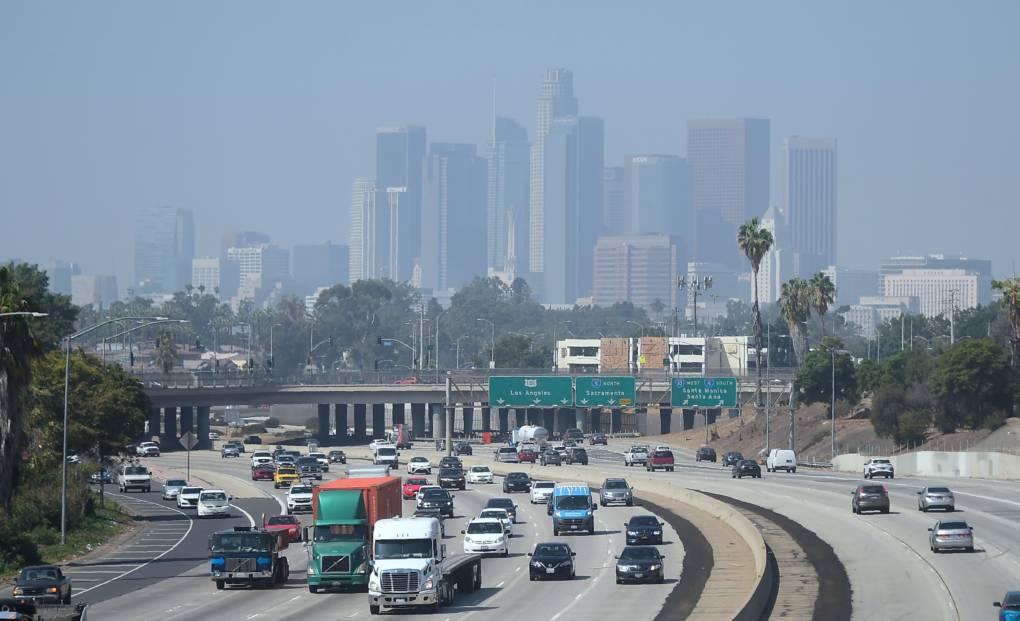
"caption": "The Los Angeles skyline, obscured on a hazy morning in September, 2018. Eighty-seven days of smog that summer made it the longest stretch of bad air in at least 20 years, according to state monitoring data.\n",
"description": "The Los Angeles skyline, obscured on a hazy morning in September, 2018. Eighty-seven days of smog that summer made it the longest stretch of bad air in at least 20 years, according to state monitoring data.\n",
"title": "US-ENVIRONMENT-POLLUTION",
"credit": "Frederic J. Brown/AFP/Getty Images",
"status": "inherit",
"isLoading": false,
"fetchFailed": false
},
"science_1933785": {
"type": "attachments",
"id": "science_1933785",
"meta": {
"index": "attachments_1716263798",
"site": "science",
"id": "1933785",
"found": true
},
"parent": 1933782,
"imgSizes": {
"small": {
"file": "https://ww2.kqed.org/app/uploads/sites/35/2018/10/iStock-949564684-520x347.jpg",
"width": 520,
"mimeType": "image/jpeg",
"height": 347
},
"twentyfourteen-full-width": {
"file": "https://ww2.kqed.org/app/uploads/sites/35/2018/10/iStock-949564684-1038x576.jpg",
"width": 1038,
"mimeType": "image/jpeg",
"height": 576
},
"thumbnail": {
"file": "https://ww2.kqed.org/app/uploads/sites/35/2018/10/iStock-949564684-160x107.jpg",
"width": 160,
"mimeType": "image/jpeg",
"height": 107
},
"fd-sm": {
"file": "https://ww2.kqed.org/app/uploads/sites/35/2018/10/iStock-949564684-960x640.jpg",
"width": 960,
"mimeType": "image/jpeg",
"height": 640
},
"post-thumbnail": {
"file": "https://ww2.kqed.org/app/uploads/sites/35/2018/10/iStock-949564684-672x372.jpg",
"width": 672,
"mimeType": "image/jpeg",
"height": 372
},
"xsmall": {
"file": "https://ww2.kqed.org/app/uploads/sites/35/2018/10/iStock-949564684-375x250.jpg",
"width": 375,
"mimeType": "image/jpeg",
"height": 250
},
"kqedFullSize": {
"file": "https://ww2.kqed.org/app/uploads/sites/35/2018/10/iStock-949564684.jpg",
"width": 4243,
"height": 2829
},
"large": {
"file": "https://ww2.kqed.org/app/uploads/sites/35/2018/10/iStock-949564684-1020x680.jpg",
"width": 1020,
"mimeType": "image/jpeg",
"height": 680
},
"xlarge": {
"file": "https://ww2.kqed.org/app/uploads/sites/35/2018/10/iStock-949564684-1180x787.jpg",
"width": 1180,
"mimeType": "image/jpeg",
"height": 787
},
"complete_open_graph": {
"file": "https://ww2.kqed.org/app/uploads/sites/35/2018/10/iStock-949564684-1200x800.jpg",
"width": 1200,
"mimeType": "image/jpeg",
"height": 800
},
"guest-author-50": {
"file": "https://ww2.kqed.org/app/uploads/sites/35/2018/10/iStock-949564684-50x50.jpg",
"width": 50,
"mimeType": "image/jpeg",
"height": 50
},
"guest-author-96": {
"file": "https://ww2.kqed.org/app/uploads/sites/35/2018/10/iStock-949564684-96x96.jpg",
"width": 96,
"mimeType": "image/jpeg",
"height": 96
},
"medium": {
"file": "https://ww2.kqed.org/app/uploads/sites/35/2018/10/iStock-949564684-800x533.jpg",
"width": 800,
"mimeType": "image/jpeg",
"height": 533
},
"guest-author-64": {
"file": "https://ww2.kqed.org/app/uploads/sites/35/2018/10/iStock-949564684-64x64.jpg",
"width": 64,
"mimeType": "image/jpeg",
"height": 64
},
"guest-author-32": {
"file": "https://ww2.kqed.org/app/uploads/sites/35/2018/10/iStock-949564684-32x32.jpg",
"width": 32,
"mimeType": "image/jpeg",
"height": 32
},
"fd-lrg": {
"file": "https://ww2.kqed.org/app/uploads/sites/35/2018/10/iStock-949564684-1920x1280.jpg",
"width": 1920,
"mimeType": "image/jpeg",
"height": 1280
},
"fd-med": {
"file": "https://ww2.kqed.org/app/uploads/sites/35/2018/10/iStock-949564684-1180x787.jpg",
"width": 1180,
"mimeType": "image/jpeg",
"height": 787
},
"full-width": {
"file": "https://ww2.kqed.org/app/uploads/sites/35/2018/10/iStock-949564684-1920x1280.jpg",
"width": 1920,
"mimeType": "image/jpeg",
"height": 1280
},
"detail": {
"file": "https://ww2.kqed.org/app/uploads/sites/35/2018/10/iStock-949564684-150x150.jpg",
"width": 150,
"mimeType": "image/jpeg",
"height": 150
},
"medium_large": {
"file": "https://ww2.kqed.org/app/uploads/sites/35/2018/10/iStock-949564684-768x512.jpg",
"width": 768,
"mimeType": "image/jpeg",
"height": 512
},
"guest-author-128": {
"file": "https://ww2.kqed.org/app/uploads/sites/35/2018/10/iStock-949564684-128x128.jpg",
"width": 128,
"mimeType": "image/jpeg",
"height": 128
},
"xxsmall": {
"file": "https://ww2.kqed.org/app/uploads/sites/35/2018/10/iStock-949564684-240x160.jpg",
"width": 240,
"mimeType": "image/jpeg",
"height": 160
}
},
"publishDate": 1540847126,
"modified": 1540847174,
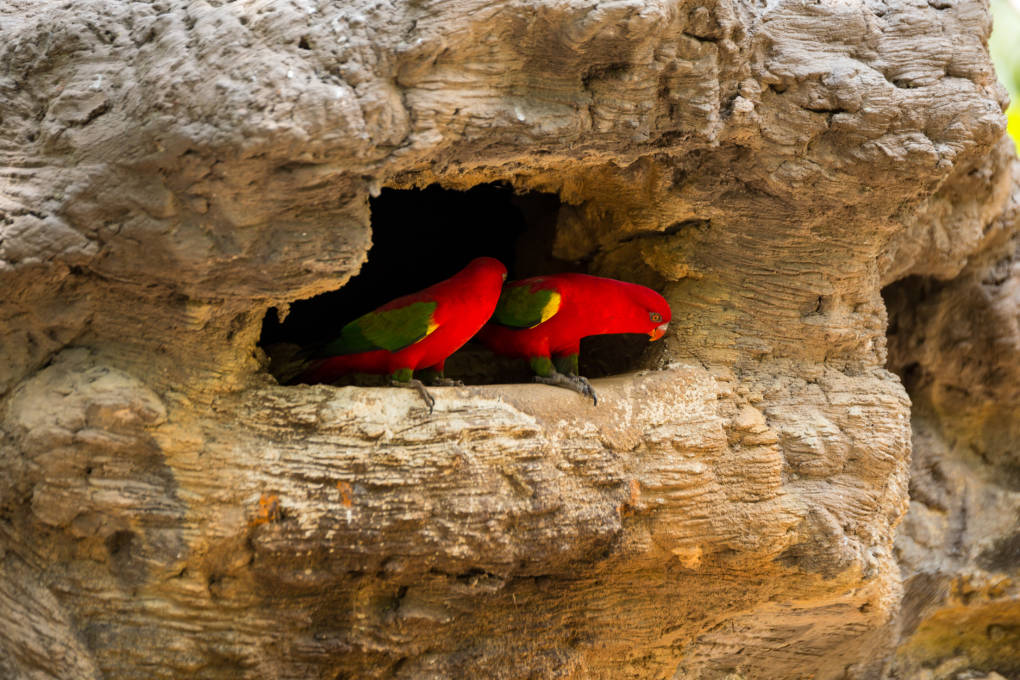
"caption": "The Scarlet Macaw, shown here, in Carara National Park, Costa Rica.",
"description": null,
"title": "Pair of Nesting Scarlet Macaws",
"credit": "iStock",
"status": "inherit",
"isLoading": false,
"fetchFailed": false
},
"science_1933804": {
"type": "attachments",
"id": "science_1933804",
"meta": {
"index": "attachments_1716263798",
"site": "science",
"id": "1933804",
"found": true
},
"parent": 1933708,
"imgSizes": {
"small": {
"file": "https://ww2.kqed.org/app/uploads/sites/35/2018/10/family-520x293.jpg",
"width": 520,
"mimeType": "image/jpeg",
"height": 293
},
"twentyfourteen-full-width": {
"file": "https://ww2.kqed.org/app/uploads/sites/35/2018/10/family-1038x576.jpg",
"width": 1038,
"mimeType": "image/jpeg",
"height": 576
},
"thumbnail": {
"file": "https://ww2.kqed.org/app/uploads/sites/35/2018/10/family-160x90.jpg",
"width": 160,
"mimeType": "image/jpeg",
"height": 90
},
"fd-sm": {
"file": "https://ww2.kqed.org/app/uploads/sites/35/2018/10/family-960x540.jpg",
"width": 960,
"mimeType": "image/jpeg",
"height": 540
},
"post-thumbnail": {
"file": "https://ww2.kqed.org/app/uploads/sites/35/2018/10/family-672x372.jpg",
"width": 672,
"mimeType": "image/jpeg",
"height": 372
},
"xsmall": {
"file": "https://ww2.kqed.org/app/uploads/sites/35/2018/10/family-375x211.jpg",
"width": 375,
"mimeType": "image/jpeg",
"height": 211
},
"kqedFullSize": {
"file": "https://ww2.kqed.org/app/uploads/sites/35/2018/10/family.jpg",
"width": 1180,
"height": 664
},
"large": {
"file": "https://ww2.kqed.org/app/uploads/sites/35/2018/10/family-1020x574.jpg",
"width": 1020,
"mimeType": "image/jpeg",
"height": 574
},
"xlarge": {
"file": "https://ww2.kqed.org/app/uploads/sites/35/2018/10/family-1180x664.jpg",
"width": 1180,
"mimeType": "image/jpeg",
"height": 664
},
"guest-author-50": {
"file": "https://ww2.kqed.org/app/uploads/sites/35/2018/10/family-50x50.jpg",
"width": 50,
"mimeType": "image/jpeg",
"height": 50
},
"guest-author-96": {
"file": "https://ww2.kqed.org/app/uploads/sites/35/2018/10/family-96x96.jpg",
"width": 96,
"mimeType": "image/jpeg",
"height": 96
},
"medium": {
"file": "https://ww2.kqed.org/app/uploads/sites/35/2018/10/family-800x450.jpg",
"width": 800,
"mimeType": "image/jpeg",
"height": 450
},
"guest-author-64": {
"file": "https://ww2.kqed.org/app/uploads/sites/35/2018/10/family-64x64.jpg",
"width": 64,
"mimeType": "image/jpeg",
"height": 64
},
"guest-author-32": {
"file": "https://ww2.kqed.org/app/uploads/sites/35/2018/10/family-32x32.jpg",
"width": 32,
"mimeType": "image/jpeg",
"height": 32
},
"fd-med": {
"file": "https://ww2.kqed.org/app/uploads/sites/35/2018/10/family-1180x664.jpg",
"width": 1180,
"mimeType": "image/jpeg",
"height": 664
},
"detail": {
"file": "https://ww2.kqed.org/app/uploads/sites/35/2018/10/family-150x150.jpg",
"width": 150,
"mimeType": "image/jpeg",
"height": 150
},
"medium_large": {
"file": "https://ww2.kqed.org/app/uploads/sites/35/2018/10/family-768x432.jpg",
"width": 768,
"mimeType": "image/jpeg",
"height": 432
},
"guest-author-128": {
"file": "https://ww2.kqed.org/app/uploads/sites/35/2018/10/family-128x128.jpg",
"width": 128,
"mimeType": "image/jpeg",
"height": 128
},
"xxsmall": {
"file": "https://ww2.kqed.org/app/uploads/sites/35/2018/10/family-240x135.jpg",
"width": 240,
"mimeType": "image/jpeg",
"height": 135
}
},
"publishDate": 1540858633,
"modified": 1540858652,
"caption": "We placed a sensor inside the home of Cristina Sanchez (L) and her husband Felino Chanax (next to L), in Maywood, in southeast Los Angeles. The hottest their home got was 97 degrees. Also pictured are producers Miguel Vargas (next to Chanax) and Osvaldo Pedroza.",
"description": null,
"title": "family",
"credit": "Molly Peterson/KQED",
"status": "inherit",
"isLoading": false,
"fetchFailed": false
},
"science_1933572": {
"type": "attachments",
"id": "science_1933572",
"meta": {
"index": "attachments_1716263798",
"site": "science",
"id": "1933572",
"found": true
},
"parent": 1933480,
"imgSizes": {
"small": {
"file": "https://ww2.kqed.org/app/uploads/sites/35/2018/10/RS23566_170111_KingTide_bhs09-qut-520x347.jpg",
"width": 520,
"mimeType": "image/jpeg",
"height": 347
},
"twentyfourteen-full-width": {
"file": "https://ww2.kqed.org/app/uploads/sites/35/2018/10/RS23566_170111_KingTide_bhs09-qut-1038x576.jpg",
"width": 1038,
"mimeType": "image/jpeg",
"height": 576
},
"thumbnail": {
"file": "https://ww2.kqed.org/app/uploads/sites/35/2018/10/RS23566_170111_KingTide_bhs09-qut-160x107.jpg",
"width": 160,
"mimeType": "image/jpeg",
"height": 107
},
"fd-sm": {
"file": "https://ww2.kqed.org/app/uploads/sites/35/2018/10/RS23566_170111_KingTide_bhs09-qut-960x640.jpg",
"width": 960,
"mimeType": "image/jpeg",
"height": 640
},
"post-thumbnail": {
"file": "https://ww2.kqed.org/app/uploads/sites/35/2018/10/RS23566_170111_KingTide_bhs09-qut-672x372.jpg",
"width": 672,
"mimeType": "image/jpeg",
"height": 372
},
"xsmall": {
"file": "https://ww2.kqed.org/app/uploads/sites/35/2018/10/RS23566_170111_KingTide_bhs09-qut-375x250.jpg",
"width": 375,
"mimeType": "image/jpeg",
"height": 250
},
"kqedFullSize": {
"file": "https://ww2.kqed.org/app/uploads/sites/35/2018/10/RS23566_170111_KingTide_bhs09-qut.jpg",
"width": 1920,
"height": 1280
},
"large": {
"file": "https://ww2.kqed.org/app/uploads/sites/35/2018/10/RS23566_170111_KingTide_bhs09-qut-1020x680.jpg",
"width": 1020,
"mimeType": "image/jpeg",
"height": 680
},
"xlarge": {
"file": "https://ww2.kqed.org/app/uploads/sites/35/2018/10/RS23566_170111_KingTide_bhs09-qut-1180x787.jpg",
"width": 1180,
"mimeType": "image/jpeg",
"height": 787
},
"complete_open_graph": {
"file": "https://ww2.kqed.org/app/uploads/sites/35/2018/10/RS23566_170111_KingTide_bhs09-qut-1200x800.jpg",
"width": 1200,
"mimeType": "image/jpeg",
"height": 800
},
"guest-author-50": {
"file": "https://ww2.kqed.org/app/uploads/sites/35/2018/10/RS23566_170111_KingTide_bhs09-qut-50x50.jpg",
"width": 50,
"mimeType": "image/jpeg",
"height": 50
},
"guest-author-96": {
"file": "https://ww2.kqed.org/app/uploads/sites/35/2018/10/RS23566_170111_KingTide_bhs09-qut-96x96.jpg",
"width": 96,
"mimeType": "image/jpeg",
"height": 96
},
"medium": {
"file": "https://ww2.kqed.org/app/uploads/sites/35/2018/10/RS23566_170111_KingTide_bhs09-qut-800x533.jpg",
"width": 800,
"mimeType": "image/jpeg",
"height": 533
},
"guest-author-64": {
"file": "https://ww2.kqed.org/app/uploads/sites/35/2018/10/RS23566_170111_KingTide_bhs09-qut-64x64.jpg",
"width": 64,
"mimeType": "image/jpeg",
"height": 64
},
"guest-author-32": {
"file": "https://ww2.kqed.org/app/uploads/sites/35/2018/10/RS23566_170111_KingTide_bhs09-qut-32x32.jpg",
"width": 32,
"mimeType": "image/jpeg",
"height": 32
},
"fd-lrg": {
"file": "https://ww2.kqed.org/app/uploads/sites/35/2018/10/RS23566_170111_KingTide_bhs09-qut-1920x1280.jpg",
"width": 1920,
"mimeType": "image/jpeg",
"height": 1280
},
"fd-med": {
"file": "https://ww2.kqed.org/app/uploads/sites/35/2018/10/RS23566_170111_KingTide_bhs09-qut-1180x787.jpg",
"width": 1180,
"mimeType": "image/jpeg",
"height": 787
},
"full-width": {
"file": "https://ww2.kqed.org/app/uploads/sites/35/2018/10/RS23566_170111_KingTide_bhs09-qut-1920x1280.jpg",
"width": 1920,
"mimeType": "image/jpeg",
"height": 1280
},
"detail": {
"file": "https://ww2.kqed.org/app/uploads/sites/35/2018/10/RS23566_170111_KingTide_bhs09-qut-150x150.jpg",
"width": 150,
"mimeType": "image/jpeg",
"height": 150
},
"medium_large": {
"file": "https://ww2.kqed.org/app/uploads/sites/35/2018/10/RS23566_170111_KingTide_bhs09-qut-768x512.jpg",
"width": 768,
"mimeType": "image/jpeg",
"height": 512
},
"guest-author-128": {
"file": "https://ww2.kqed.org/app/uploads/sites/35/2018/10/RS23566_170111_KingTide_bhs09-qut-128x128.jpg",
"width": 128,
"mimeType": "image/jpeg",
"height": 128
},
"xxsmall": {
"file": "https://ww2.kqed.org/app/uploads/sites/35/2018/10/RS23566_170111_KingTide_bhs09-qut-240x160.jpg",
"width": 240,
"mimeType": "image/jpeg",
"height": 160
}
},
"publishDate": 1540416692,
"modified": 1540416929,
"caption": "A rising bay is just one threat to San Francisco's Gold Rush-era seawall.",
"description": "A rising bay is just one threat to San Francisco's Gold Rush-era seawall.",
"title": "RS23566_170111_KingTide_bhs09-qut",
"credit": "Brittany Hosea-Small/KQED",
"status": "inherit",
"isLoading": false,
"fetchFailed": false
},
"science_1933295": {
"type": "attachments",
"id": "science_1933295",
"meta": {
"index": "attachments_1716263798",
"site": "science",
"id": "1933295",
"found": true
},
"parent": 1933237,
"imgSizes": {
"small": {
"file": "https://ww2.kqed.org/app/uploads/sites/35/2018/10/Colleens-block-520x390.jpg",
"width": 520,
"mimeType": "image/jpeg",
"height": 390
},
"twentyfourteen-full-width": {
"file": "https://ww2.kqed.org/app/uploads/sites/35/2018/10/Colleens-block-1008x576.jpg",
"width": 1008,
"mimeType": "image/jpeg",
"height": 576
},
"thumbnail": {
"file": "https://ww2.kqed.org/app/uploads/sites/35/2018/10/Colleens-block-160x120.jpg",
"width": 160,
"mimeType": "image/jpeg",
"height": 120
},
"fd-sm": {
"file": "https://ww2.kqed.org/app/uploads/sites/35/2018/10/Colleens-block-960x720.jpg",
"width": 960,
"mimeType": "image/jpeg",
"height": 720
},
"post-thumbnail": {
"file": "https://ww2.kqed.org/app/uploads/sites/35/2018/10/Colleens-block-672x372.jpg",
"width": 672,
"mimeType": "image/jpeg",
"height": 372
},
"xsmall": {
"file": "https://ww2.kqed.org/app/uploads/sites/35/2018/10/Colleens-block-375x281.jpg",
"width": 375,
"mimeType": "image/jpeg",
"height": 281
},
"kqedFullSize": {
"file": "https://ww2.kqed.org/app/uploads/sites/35/2018/10/Colleens-block.jpg",
"width": 1008,
"height": 756
},
"guest-author-50": {
"file": "https://ww2.kqed.org/app/uploads/sites/35/2018/10/Colleens-block-50x50.jpg",
"width": 50,
"mimeType": "image/jpeg",
"height": 50
},
"guest-author-96": {
"file": "https://ww2.kqed.org/app/uploads/sites/35/2018/10/Colleens-block-96x96.jpg",
"width": 96,
"mimeType": "image/jpeg",
"height": 96
},
"medium": {
"file": "https://ww2.kqed.org/app/uploads/sites/35/2018/10/Colleens-block-800x600.jpg",
"width": 800,
"mimeType": "image/jpeg",
"height": 600
},
"guest-author-64": {
"file": "https://ww2.kqed.org/app/uploads/sites/35/2018/10/Colleens-block-64x64.jpg",
"width": 64,
"mimeType": "image/jpeg",
"height": 64
},
"guest-author-32": {
"file": "https://ww2.kqed.org/app/uploads/sites/35/2018/10/Colleens-block-32x32.jpg",
"width": 32,
"mimeType": "image/jpeg",
"height": 32
},
"detail": {
"file": "https://ww2.kqed.org/app/uploads/sites/35/2018/10/Colleens-block-150x150.jpg",
"width": 150,
"mimeType": "image/jpeg",
"height": 150
},
"medium_large": {
"file": "https://ww2.kqed.org/app/uploads/sites/35/2018/10/Colleens-block-768x576.jpg",
"width": 768,
"mimeType": "image/jpeg",
"height": 576
},
"guest-author-128": {
"file": "https://ww2.kqed.org/app/uploads/sites/35/2018/10/Colleens-block-128x128.jpg",
"width": 128,
"mimeType": "image/jpeg",
"height": 128
},
"xxsmall": {
"file": "https://ww2.kqed.org/app/uploads/sites/35/2018/10/Colleens-block-240x180.jpg",
"width": 240,
"mimeType": "image/jpeg",
"height": 180
}
},
"publishDate": 1539986969,
"modified": 1539992834,
"caption": "A woman died last year in a heat wave in this normally cool and foggy west side San Francisco neighborhood. But Parkside, like everywhere around the Bay Area, is changing as heat waves last longer and spike higher.",
"description": null,
"title": "Heat",
"credit": "Molly Peterson/KQED",
"status": "inherit",
"isLoading": false,
"fetchFailed": false
},
"science_1933366": {
"type": "attachments",
"id": "science_1933366",
"meta": {
"index": "attachments_1716263798",
"site": "science",
"id": "1933366",
"found": true
},
"parent": 1933363,
"imgSizes": {
"small": {
"file": "https://ww2.kqed.org/app/uploads/sites/35/2018/10/IMG_9098-520x390.jpg",
"width": 520,
"mimeType": "image/jpeg",
"height": 390
},
"twentyfourteen-full-width": {
"file": "https://ww2.kqed.org/app/uploads/sites/35/2018/10/IMG_9098-1038x576.jpg",
"width": 1038,
"mimeType": "image/jpeg",
"height": 576
},
"thumbnail": {
"file": "https://ww2.kqed.org/app/uploads/sites/35/2018/10/IMG_9098-160x120.jpg",
"width": 160,
"mimeType": "image/jpeg",
"height": 120
},
"fd-sm": {
"file": "https://ww2.kqed.org/app/uploads/sites/35/2018/10/IMG_9098-960x720.jpg",
"width": 960,
"mimeType": "image/jpeg",
"height": 720
},
"post-thumbnail": {
"file": "https://ww2.kqed.org/app/uploads/sites/35/2018/10/IMG_9098-672x372.jpg",
"width": 672,
"mimeType": "image/jpeg",
"height": 372
},
"xsmall": {
"file": "https://ww2.kqed.org/app/uploads/sites/35/2018/10/IMG_9098-375x281.jpg",
"width": 375,
"mimeType": "image/jpeg",
"height": 281
},
"kqedFullSize": {
"file": "https://ww2.kqed.org/app/uploads/sites/35/2018/10/IMG_9098.jpg",
"width": 3264,
"height": 2448
},
"large": {
"file": "https://ww2.kqed.org/app/uploads/sites/35/2018/10/IMG_9098-1020x765.jpg",
"width": 1020,
"mimeType": "image/jpeg",
"height": 765
},
"xlarge": {
"file": "https://ww2.kqed.org/app/uploads/sites/35/2018/10/IMG_9098-1180x885.jpg",
"width": 1180,
"mimeType": "image/jpeg",
"height": 885
},
"complete_open_graph": {
"file": "https://ww2.kqed.org/app/uploads/sites/35/2018/10/IMG_9098-1200x900.jpg",
"width": 1200,
"mimeType": "image/jpeg",
"height": 900
},
"guest-author-50": {
"file": "https://ww2.kqed.org/app/uploads/sites/35/2018/10/IMG_9098-50x50.jpg",
"width": 50,
"mimeType": "image/jpeg",
"height": 50
},
"guest-author-96": {
"file": "https://ww2.kqed.org/app/uploads/sites/35/2018/10/IMG_9098-96x96.jpg",
"width": 96,
"mimeType": "image/jpeg",
"height": 96
},
"medium": {
"file": "https://ww2.kqed.org/app/uploads/sites/35/2018/10/IMG_9098-800x600.jpg",
"width": 800,
"mimeType": "image/jpeg",
"height": 600
},
"guest-author-64": {
"file": "https://ww2.kqed.org/app/uploads/sites/35/2018/10/IMG_9098-64x64.jpg",
"width": 64,
"mimeType": "image/jpeg",
"height": 64
},
"guest-author-32": {
"file": "https://ww2.kqed.org/app/uploads/sites/35/2018/10/IMG_9098-32x32.jpg",
"width": 32,
"mimeType": "image/jpeg",
"height": 32
},
"fd-lrg": {
"file": "https://ww2.kqed.org/app/uploads/sites/35/2018/10/IMG_9098-1920x1440.jpg",
"width": 1920,
"mimeType": "image/jpeg",
"height": 1440
},
"fd-med": {
"file": "https://ww2.kqed.org/app/uploads/sites/35/2018/10/IMG_9098-1180x885.jpg",
"width": 1180,
"mimeType": "image/jpeg",
"height": 885
},
"full-width": {
"file": "https://ww2.kqed.org/app/uploads/sites/35/2018/10/IMG_9098-1920x1440.jpg",
"width": 1920,
"mimeType": "image/jpeg",
"height": 1440
},
"detail": {
"file": "https://ww2.kqed.org/app/uploads/sites/35/2018/10/IMG_9098-150x150.jpg",
"width": 150,
"mimeType": "image/jpeg",
"height": 150
},
"medium_large": {
"file": "https://ww2.kqed.org/app/uploads/sites/35/2018/10/IMG_9098-768x576.jpg",
"width": 768,
"mimeType": "image/jpeg",
"height": 576
},
"guest-author-128": {
"file": "https://ww2.kqed.org/app/uploads/sites/35/2018/10/IMG_9098-128x128.jpg",
"width": 128,
"mimeType": "image/jpeg",
"height": 128
},
"xxsmall": {
"file": "https://ww2.kqed.org/app/uploads/sites/35/2018/10/IMG_9098-240x180.jpg",
"width": 240,
"mimeType": "image/jpeg",
"height": 180
}
},
"publishDate": 1540000817,
"modified": 1540001510,
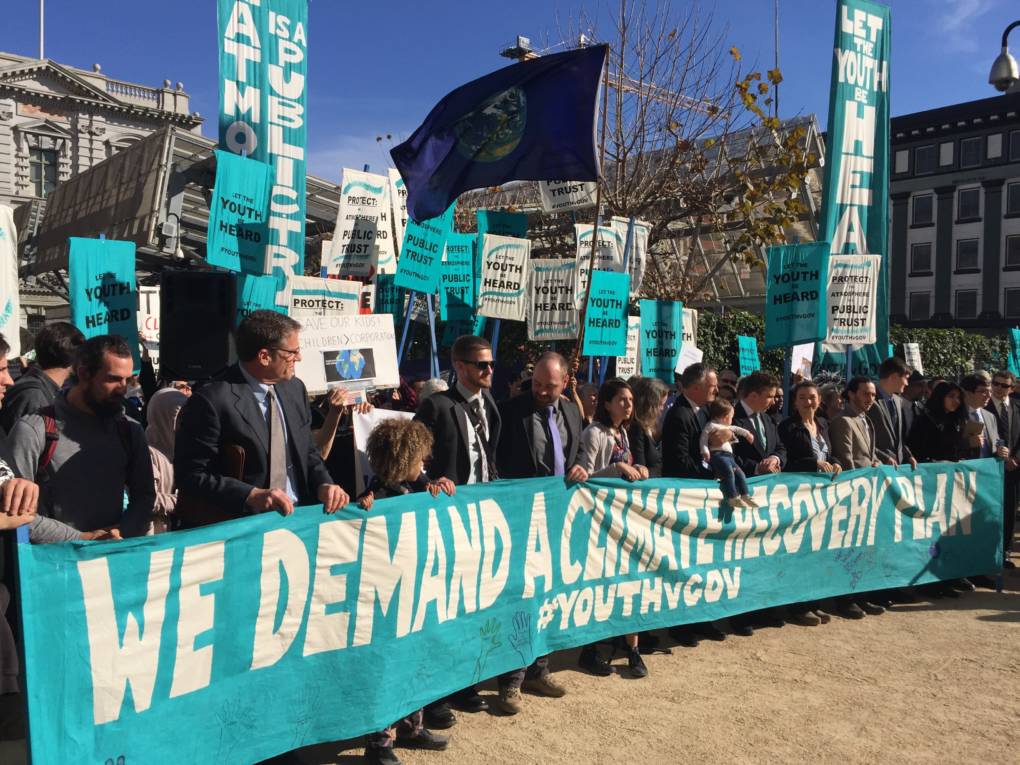
"caption": "Youth plaintiffs and supporters gather outside a federal courthouse in San Francisco, following pre-trial hearings on their climate case, in December, 2017. ",
"description": null,
"title": "IMG_9098",
"credit": "Craig Miller/KQED",
"status": "inherit",
"isLoading": false,
"fetchFailed": false
},
"science_1933074": {
"type": "attachments",
"id": "science_1933074",
"meta": {
"index": "attachments_1716263798",
"site": "science",
"id": "1933074",
"found": true
},
"parent": 1932901,
"imgSizes": {
"small": {
"file": "https://ww2.kqed.org/app/uploads/sites/35/2018/10/GettyImages-1036099672-520x347.jpg",
"width": 520,
"mimeType": "image/jpeg",
"height": 347
},
"twentyfourteen-full-width": {
"file": "https://ww2.kqed.org/app/uploads/sites/35/2018/10/GettyImages-1036099672-1038x576.jpg",
"width": 1038,
"mimeType": "image/jpeg",
"height": 576
},
"thumbnail": {
"file": "https://ww2.kqed.org/app/uploads/sites/35/2018/10/GettyImages-1036099672-160x107.jpg",
"width": 160,
"mimeType": "image/jpeg",
"height": 107
},
"fd-sm": {
"file": "https://ww2.kqed.org/app/uploads/sites/35/2018/10/GettyImages-1036099672-960x640.jpg",
"width": 960,
"mimeType": "image/jpeg",
"height": 640
},
"post-thumbnail": {
"file": "https://ww2.kqed.org/app/uploads/sites/35/2018/10/GettyImages-1036099672-672x372.jpg",
"width": 672,
"mimeType": "image/jpeg",
"height": 372
},
"xsmall": {
"file": "https://ww2.kqed.org/app/uploads/sites/35/2018/10/GettyImages-1036099672-375x250.jpg",
"width": 375,
"mimeType": "image/jpeg",
"height": 250
},
"kqedFullSize": {
"file": "https://ww2.kqed.org/app/uploads/sites/35/2018/10/GettyImages-1036099672.jpg",
"width": 5472,
"height": 3648
},
"large": {
"file": "https://ww2.kqed.org/app/uploads/sites/35/2018/10/GettyImages-1036099672-1020x680.jpg",
"width": 1020,
"mimeType": "image/jpeg",
"height": 680
},
"xlarge": {
"file": "https://ww2.kqed.org/app/uploads/sites/35/2018/10/GettyImages-1036099672-1180x787.jpg",
"width": 1180,
"mimeType": "image/jpeg",
"height": 787
},
"complete_open_graph": {
"file": "https://ww2.kqed.org/app/uploads/sites/35/2018/10/GettyImages-1036099672-1200x800.jpg",
"width": 1200,
"mimeType": "image/jpeg",
"height": 800
},
"guest-author-50": {
"file": "https://ww2.kqed.org/app/uploads/sites/35/2018/10/GettyImages-1036099672-50x50.jpg",
"width": 50,
"mimeType": "image/jpeg",
"height": 50
},
"guest-author-96": {
"file": "https://ww2.kqed.org/app/uploads/sites/35/2018/10/GettyImages-1036099672-96x96.jpg",
"width": 96,
"mimeType": "image/jpeg",
"height": 96
},
"medium": {
"file": "https://ww2.kqed.org/app/uploads/sites/35/2018/10/GettyImages-1036099672-800x533.jpg",
"width": 800,
"mimeType": "image/jpeg",
"height": 533
},
"guest-author-64": {
"file": "https://ww2.kqed.org/app/uploads/sites/35/2018/10/GettyImages-1036099672-64x64.jpg",
"width": 64,
"mimeType": "image/jpeg",
"height": 64
},
"guest-author-32": {
"file": "https://ww2.kqed.org/app/uploads/sites/35/2018/10/GettyImages-1036099672-32x32.jpg",
"width": 32,
"mimeType": "image/jpeg",
"height": 32
},
"fd-lrg": {
"file": "https://ww2.kqed.org/app/uploads/sites/35/2018/10/GettyImages-1036099672-1920x1280.jpg",
"width": 1920,
"mimeType": "image/jpeg",
"height": 1280
},
"fd-med": {
"file": "https://ww2.kqed.org/app/uploads/sites/35/2018/10/GettyImages-1036099672-1180x787.jpg",
"width": 1180,
"mimeType": "image/jpeg",
"height": 787
},
"full-width": {
"file": "https://ww2.kqed.org/app/uploads/sites/35/2018/10/GettyImages-1036099672-1920x1280.jpg",
"width": 1920,
"mimeType": "image/jpeg",
"height": 1280
},
"detail": {
"file": "https://ww2.kqed.org/app/uploads/sites/35/2018/10/GettyImages-1036099672-150x150.jpg",
"width": 150,
"mimeType": "image/jpeg",
"height": 150
},
"medium_large": {
"file": "https://ww2.kqed.org/app/uploads/sites/35/2018/10/GettyImages-1036099672-768x512.jpg",
"width": 768,
"mimeType": "image/jpeg",
"height": 512
},
"guest-author-128": {
"file": "https://ww2.kqed.org/app/uploads/sites/35/2018/10/GettyImages-1036099672-128x128.jpg",
"width": 128,
"mimeType": "image/jpeg",
"height": 128
},
"xxsmall": {
"file": "https://ww2.kqed.org/app/uploads/sites/35/2018/10/GettyImages-1036099672-240x160.jpg",
"width": 240,
"mimeType": "image/jpeg",
"height": 160
}
},
"publishDate": 1539815482,
"modified": 1539815953,
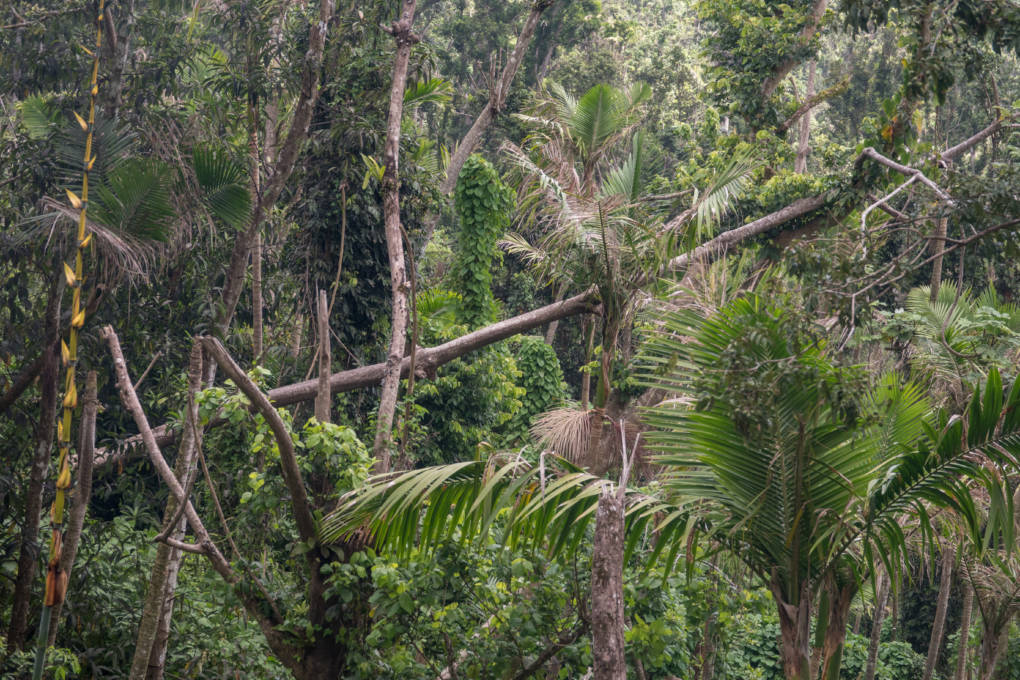
"caption": "Partial view of the flora in Puerto Rico's national park, on September 19, 2018. A new study blames climate change for the dramatic declines in insect populations in the tropics.",
"description": null,
"title": "Puerto Rico Still Recovering One Year After Hurricane Maria's Deadly Onslaught",
"credit": "Angel Valentin/Getty Images",
"status": "inherit",
"isLoading": false,
"fetchFailed": false
},
"science_1933110": {
"type": "attachments",
"id": "science_1933110",
"meta": {
"index": "attachments_1716263798",
"site": "science",
"id": "1933110",
"found": true
},
"parent": 1933109,
"imgSizes": {
"small": {
"file": "https://ww2.kqed.org/app/uploads/sites/35/2018/10/ap_17279712126426greenhouse_wide-1bf4d944b467b2ff9b17c153b8275b366cd8542d-520x292.jpg",
"width": 520,
"mimeType": "image/jpeg",
"height": 292
},
"twentyfourteen-full-width": {
"file": "https://ww2.kqed.org/app/uploads/sites/35/2018/10/ap_17279712126426greenhouse_wide-1bf4d944b467b2ff9b17c153b8275b366cd8542d-1038x576.jpg",
"width": 1038,
"mimeType": "image/jpeg",
"height": 576
},
"thumbnail": {
"file": "https://ww2.kqed.org/app/uploads/sites/35/2018/10/ap_17279712126426greenhouse_wide-1bf4d944b467b2ff9b17c153b8275b366cd8542d-160x90.jpg",
"width": 160,
"mimeType": "image/jpeg",
"height": 90
},
"fd-sm": {
"file": "https://ww2.kqed.org/app/uploads/sites/35/2018/10/ap_17279712126426greenhouse_wide-1bf4d944b467b2ff9b17c153b8275b366cd8542d-960x540.jpg",
"width": 960,
"mimeType": "image/jpeg",
"height": 540
},
"post-thumbnail": {
"file": "https://ww2.kqed.org/app/uploads/sites/35/2018/10/ap_17279712126426greenhouse_wide-1bf4d944b467b2ff9b17c153b8275b366cd8542d-672x372.jpg",
"width": 672,
"mimeType": "image/jpeg",
"height": 372
},
"xsmall": {
"file": "https://ww2.kqed.org/app/uploads/sites/35/2018/10/ap_17279712126426greenhouse_wide-1bf4d944b467b2ff9b17c153b8275b366cd8542d-375x211.jpg",
"width": 375,
"mimeType": "image/jpeg",
"height": 211
},
"kqedFullSize": {
"file": "https://ww2.kqed.org/app/uploads/sites/35/2018/10/ap_17279712126426greenhouse_wide-1bf4d944b467b2ff9b17c153b8275b366cd8542d.jpg",
"width": 4832,
"height": 2717
},
"large": {
"file": "https://ww2.kqed.org/app/uploads/sites/35/2018/10/ap_17279712126426greenhouse_wide-1bf4d944b467b2ff9b17c153b8275b366cd8542d-1020x574.jpg",
"width": 1020,
"mimeType": "image/jpeg",
"height": 574
},
"xlarge": {
"file": "https://ww2.kqed.org/app/uploads/sites/35/2018/10/ap_17279712126426greenhouse_wide-1bf4d944b467b2ff9b17c153b8275b366cd8542d-1180x664.jpg",
"width": 1180,
"mimeType": "image/jpeg",
"height": 664
},
"complete_open_graph": {
"file": "https://ww2.kqed.org/app/uploads/sites/35/2018/10/ap_17279712126426greenhouse_wide-1bf4d944b467b2ff9b17c153b8275b366cd8542d-1200x675.jpg",
"width": 1200,
"mimeType": "image/jpeg",
"height": 675
},
"guest-author-50": {
"file": "https://ww2.kqed.org/app/uploads/sites/35/2018/10/ap_17279712126426greenhouse_wide-1bf4d944b467b2ff9b17c153b8275b366cd8542d-50x50.jpg",
"width": 50,
"mimeType": "image/jpeg",
"height": 50
},
"guest-author-96": {
"file": "https://ww2.kqed.org/app/uploads/sites/35/2018/10/ap_17279712126426greenhouse_wide-1bf4d944b467b2ff9b17c153b8275b366cd8542d-96x96.jpg",
"width": 96,
"mimeType": "image/jpeg",
"height": 96
},
"medium": {
"file": "https://ww2.kqed.org/app/uploads/sites/35/2018/10/ap_17279712126426greenhouse_wide-1bf4d944b467b2ff9b17c153b8275b366cd8542d-800x450.jpg",
"width": 800,
"mimeType": "image/jpeg",
"height": 450
},
"guest-author-64": {
"file": "https://ww2.kqed.org/app/uploads/sites/35/2018/10/ap_17279712126426greenhouse_wide-1bf4d944b467b2ff9b17c153b8275b366cd8542d-64x64.jpg",
"width": 64,
"mimeType": "image/jpeg",
"height": 64
},
"guest-author-32": {
"file": "https://ww2.kqed.org/app/uploads/sites/35/2018/10/ap_17279712126426greenhouse_wide-1bf4d944b467b2ff9b17c153b8275b366cd8542d-32x32.jpg",
"width": 32,
"mimeType": "image/jpeg",
"height": 32
},
"fd-lrg": {
"file": "https://ww2.kqed.org/app/uploads/sites/35/2018/10/ap_17279712126426greenhouse_wide-1bf4d944b467b2ff9b17c153b8275b366cd8542d-1920x1080.jpg",
"width": 1920,
"mimeType": "image/jpeg",
"height": 1080
},
"fd-med": {
"file": "https://ww2.kqed.org/app/uploads/sites/35/2018/10/ap_17279712126426greenhouse_wide-1bf4d944b467b2ff9b17c153b8275b366cd8542d-1180x664.jpg",
"width": 1180,
"mimeType": "image/jpeg",
"height": 664
},
"full-width": {
"file": "https://ww2.kqed.org/app/uploads/sites/35/2018/10/ap_17279712126426greenhouse_wide-1bf4d944b467b2ff9b17c153b8275b366cd8542d-1920x1080.jpg",
"width": 1920,
"mimeType": "image/jpeg",
"height": 1080
},
"detail": {
"file": "https://ww2.kqed.org/app/uploads/sites/35/2018/10/ap_17279712126426greenhouse_wide-1bf4d944b467b2ff9b17c153b8275b366cd8542d-150x150.jpg",
"width": 150,
"mimeType": "image/jpeg",
"height": 150
},
"medium_large": {
"file": "https://ww2.kqed.org/app/uploads/sites/35/2018/10/ap_17279712126426greenhouse_wide-1bf4d944b467b2ff9b17c153b8275b366cd8542d-768x432.jpg",
"width": 768,
"mimeType": "image/jpeg",
"height": 432
},
"guest-author-128": {
"file": "https://ww2.kqed.org/app/uploads/sites/35/2018/10/ap_17279712126426greenhouse_wide-1bf4d944b467b2ff9b17c153b8275b366cd8542d-128x128.jpg",
"width": 128,
"mimeType": "image/jpeg",
"height": 128
},
"xxsmall": {
"file": "https://ww2.kqed.org/app/uploads/sites/35/2018/10/ap_17279712126426greenhouse_wide-1bf4d944b467b2ff9b17c153b8275b366cd8542d-240x135.jpg",
"width": 240,
"mimeType": "image/jpeg",
"height": 135
}
},
"publishDate": 1539871653,
"modified": 1539871736,
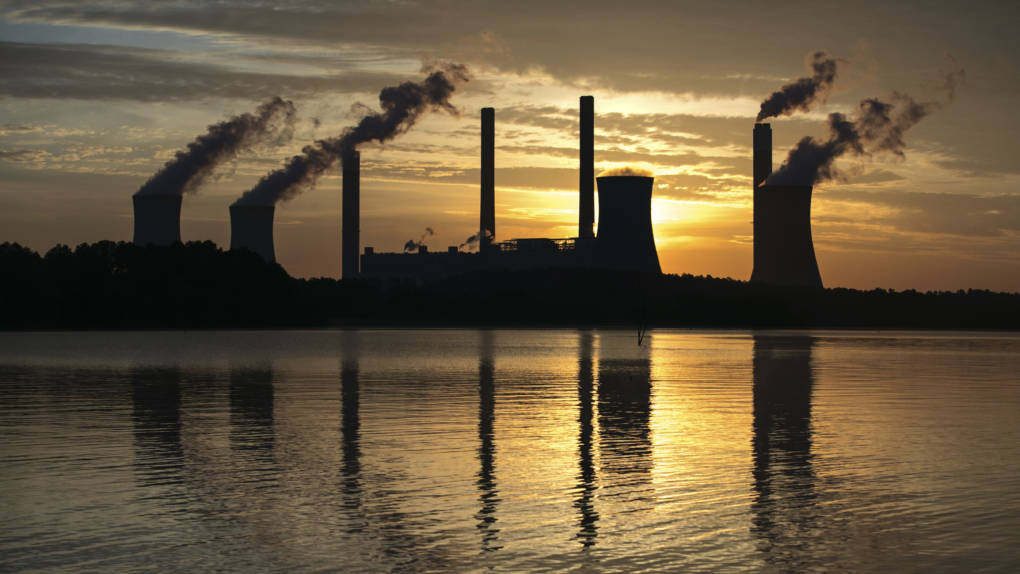
"caption": "In this June 3, 2017, file photo, the coal-fired Plant Scherer stands in the distance in Juliette, Ga.",
"description": "In this June 3, 2017, file photo, the coal-fired Plant Scherer stands in the distance in Juliette, Ga.",
"title": "In this June 3, 2017, file photo, the coal-fired Plant Scherer stands in the distance in Juliette, Ga.",
"credit": "Branden Camp/AP",
"status": "inherit",
"isLoading": false,
"fetchFailed": false
},
"science_1932919": {
"type": "attachments",
"id": "science_1932919",
"meta": {
"index": "attachments_1716263798",
"site": "science",
"id": "1932919",
"found": true
},
"parent": 1932903,
"imgSizes": {
"small": {
"file": "https://ww2.kqed.org/app/uploads/sites/35/2018/10/GettyImages-452576530-520x362.jpg",
"width": 520,
"mimeType": "image/jpeg",
"height": 362
},
"twentyfourteen-full-width": {
"file": "https://ww2.kqed.org/app/uploads/sites/35/2018/10/GettyImages-452576530-1038x576.jpg",
"width": 1038,
"mimeType": "image/jpeg",
"height": 576
},
"thumbnail": {
"file": "https://ww2.kqed.org/app/uploads/sites/35/2018/10/GettyImages-452576530-160x111.jpg",
"width": 160,
"mimeType": "image/jpeg",
"height": 111
},
"fd-sm": {
"file": "https://ww2.kqed.org/app/uploads/sites/35/2018/10/GettyImages-452576530-960x668.jpg",
"width": 960,
"mimeType": "image/jpeg",
"height": 668
},
"post-thumbnail": {
"file": "https://ww2.kqed.org/app/uploads/sites/35/2018/10/GettyImages-452576530-672x372.jpg",
"width": 672,
"mimeType": "image/jpeg",
"height": 372
},
"xsmall": {
"file": "https://ww2.kqed.org/app/uploads/sites/35/2018/10/GettyImages-452576530-375x261.jpg",
"width": 375,
"mimeType": "image/jpeg",
"height": 261
},
"kqedFullSize": {
"file": "https://ww2.kqed.org/app/uploads/sites/35/2018/10/GettyImages-452576530.jpg",
"width": 3000,
"height": 2088
},
"large": {
"file": "https://ww2.kqed.org/app/uploads/sites/35/2018/10/GettyImages-452576530-1020x710.jpg",
"width": 1020,
"mimeType": "image/jpeg",
"height": 710
},
"xlarge": {
"file": "https://ww2.kqed.org/app/uploads/sites/35/2018/10/GettyImages-452576530-1180x821.jpg",
"width": 1180,
"mimeType": "image/jpeg",
"height": 821
},
"complete_open_graph": {
"file": "https://ww2.kqed.org/app/uploads/sites/35/2018/10/GettyImages-452576530-1200x835.jpg",
"width": 1200,
"mimeType": "image/jpeg",
"height": 835
},
"guest-author-50": {
"file": "https://ww2.kqed.org/app/uploads/sites/35/2018/10/GettyImages-452576530-50x50.jpg",
"width": 50,
"mimeType": "image/jpeg",
"height": 50
},
"guest-author-96": {
"file": "https://ww2.kqed.org/app/uploads/sites/35/2018/10/GettyImages-452576530-96x96.jpg",
"width": 96,
"mimeType": "image/jpeg",
"height": 96
},
"medium": {
"file": "https://ww2.kqed.org/app/uploads/sites/35/2018/10/GettyImages-452576530-800x557.jpg",
"width": 800,
"mimeType": "image/jpeg",
"height": 557
},
"guest-author-64": {
"file": "https://ww2.kqed.org/app/uploads/sites/35/2018/10/GettyImages-452576530-64x64.jpg",
"width": 64,
"mimeType": "image/jpeg",
"height": 64
},
"guest-author-32": {
"file": "https://ww2.kqed.org/app/uploads/sites/35/2018/10/GettyImages-452576530-32x32.jpg",
"width": 32,
"mimeType": "image/jpeg",
"height": 32
},
"fd-lrg": {
"file": "https://ww2.kqed.org/app/uploads/sites/35/2018/10/GettyImages-452576530-1920x1336.jpg",
"width": 1920,
"mimeType": "image/jpeg",
"height": 1336
},
"fd-med": {
"file": "https://ww2.kqed.org/app/uploads/sites/35/2018/10/GettyImages-452576530-1180x821.jpg",
"width": 1180,
"mimeType": "image/jpeg",
"height": 821
},
"full-width": {
"file": "https://ww2.kqed.org/app/uploads/sites/35/2018/10/GettyImages-452576530-1920x1336.jpg",
"width": 1920,
"mimeType": "image/jpeg",
"height": 1336
},
"detail": {
"file": "https://ww2.kqed.org/app/uploads/sites/35/2018/10/GettyImages-452576530-150x150.jpg",
"width": 150,
"mimeType": "image/jpeg",
"height": 150
},
"medium_large": {
"file": "https://ww2.kqed.org/app/uploads/sites/35/2018/10/GettyImages-452576530-768x535.jpg",
"width": 768,
"mimeType": "image/jpeg",
"height": 535
},
"guest-author-128": {
"file": "https://ww2.kqed.org/app/uploads/sites/35/2018/10/GettyImages-452576530-128x128.jpg",
"width": 128,
"mimeType": "image/jpeg",
"height": 128
},
"xxsmall": {
"file": "https://ww2.kqed.org/app/uploads/sites/35/2018/10/GettyImages-452576530-240x167.jpg",
"width": 240,
"mimeType": "image/jpeg",
"height": 167
}
},
"publishDate": 1539715415,
"modified": 1539715797,
"caption": "The roadside attraction known as \"the world's largest thermometer\" lights up the road through Baker, in the California desert. On July 23, 2014, it was 113 degrees, a number that can make it dangerous to drive without air conditioning. But it doesn't have to be that hot in the Bay Area for heat to kill, or to send people to the hospital.",
"description": "The roadside attraction known as \"the world's largest thermometer\" lights up the road through Baker, in the California desert. On July 23, 2014, it was 113 degrees, a number that can make it dangerous to drive without air conditioning. But it doesn't have to be that hot in the Bay Area for heat to kill, or to send people to the hospital.",
"title": "134-Foot-High Thermometer Working Again After Renovation",
"credit": "Ethan Miller/Getty Images",
"status": "inherit",
"isLoading": false,
"fetchFailed": false
},
"science_1933004": {
"type": "attachments",
"id": "science_1933004",
"meta": {
"index": "attachments_1716263798",
"site": "science",
"id": "1933004",
"found": true
},
"parent": 1932908,
"imgSizes": {
"small": {
"file": "https://ww2.kqed.org/app/uploads/sites/35/2018/10/climatereport-520x347.jpg",
"width": 520,
"mimeType": "image/jpeg",
"height": 347
},
"twentyfourteen-full-width": {
"file": "https://ww2.kqed.org/app/uploads/sites/35/2018/10/climatereport-1038x576.jpg",
"width": 1038,
"mimeType": "image/jpeg",
"height": 576
},
"thumbnail": {
"file": "https://ww2.kqed.org/app/uploads/sites/35/2018/10/climatereport-160x107.jpg",
"width": 160,
"mimeType": "image/jpeg",
"height": 107
},
"fd-sm": {
"file": "https://ww2.kqed.org/app/uploads/sites/35/2018/10/climatereport-960x640.jpg",
"width": 960,
"mimeType": "image/jpeg",
"height": 640
},
"post-thumbnail": {
"file": "https://ww2.kqed.org/app/uploads/sites/35/2018/10/climatereport-672x372.jpg",
"width": 672,
"mimeType": "image/jpeg",
"height": 372
},
"xsmall": {
"file": "https://ww2.kqed.org/app/uploads/sites/35/2018/10/climatereport-375x250.jpg",
"width": 375,
"mimeType": "image/jpeg",
"height": 250
},
"kqedFullSize": {
"file": "https://ww2.kqed.org/app/uploads/sites/35/2018/10/climatereport-e1539740721148.jpg",
"width": 1920,
"height": 1280
},
"large": {
"file": "https://ww2.kqed.org/app/uploads/sites/35/2018/10/climatereport-1020x680.jpg",
"width": 1020,
"mimeType": "image/jpeg",
"height": 680
},
"xlarge": {
"file": "https://ww2.kqed.org/app/uploads/sites/35/2018/10/climatereport-1180x787.jpg",
"width": 1180,
"mimeType": "image/jpeg",
"height": 787
},
"complete_open_graph": {
"file": "https://ww2.kqed.org/app/uploads/sites/35/2018/10/climatereport-1200x800.jpg",
"width": 1200,
"mimeType": "image/jpeg",
"height": 800
},
"guest-author-50": {
"file": "https://ww2.kqed.org/app/uploads/sites/35/2018/10/climatereport-50x50.jpg",
"width": 50,
"mimeType": "image/jpeg",
"height": 50
},
"guest-author-96": {
"file": "https://ww2.kqed.org/app/uploads/sites/35/2018/10/climatereport-96x96.jpg",
"width": 96,
"mimeType": "image/jpeg",
"height": 96
},
"medium": {
"file": "https://ww2.kqed.org/app/uploads/sites/35/2018/10/climatereport-800x533.jpg",
"width": 800,
"mimeType": "image/jpeg",
"height": 533
},
"guest-author-64": {
"file": "https://ww2.kqed.org/app/uploads/sites/35/2018/10/climatereport-64x64.jpg",
"width": 64,
"mimeType": "image/jpeg",
"height": 64
},
"guest-author-32": {
"file": "https://ww2.kqed.org/app/uploads/sites/35/2018/10/climatereport-32x32.jpg",
"width": 32,
"mimeType": "image/jpeg",
"height": 32
},
"fd-lrg": {
"file": "https://ww2.kqed.org/app/uploads/sites/35/2018/10/climatereport-1920x1280.jpg",
"width": 1920,
"mimeType": "image/jpeg",
"height": 1280
},
"fd-med": {
"file": "https://ww2.kqed.org/app/uploads/sites/35/2018/10/climatereport-1180x787.jpg",
"width": 1180,
"mimeType": "image/jpeg",
"height": 787
},
"full-width": {
"file": "https://ww2.kqed.org/app/uploads/sites/35/2018/10/climatereport-1920x1280.jpg",
"width": 1920,
"mimeType": "image/jpeg",
"height": 1280
},
"detail": {
"file": "https://ww2.kqed.org/app/uploads/sites/35/2018/10/climatereport-150x150.jpg",
"width": 150,
"mimeType": "image/jpeg",
"height": 150
},
"medium_large": {
"file": "https://ww2.kqed.org/app/uploads/sites/35/2018/10/climatereport-768x512.jpg",
"width": 768,
"mimeType": "image/jpeg",
"height": 512
},
"guest-author-128": {
"file": "https://ww2.kqed.org/app/uploads/sites/35/2018/10/climatereport-128x128.jpg",
"width": 128,
"mimeType": "image/jpeg",
"height": 128
},
"xxsmall": {
"file": "https://ww2.kqed.org/app/uploads/sites/35/2018/10/climatereport-240x160.jpg",
"width": 240,
"mimeType": "image/jpeg",
"height": 160
}
},
"publishDate": 1539740671,
"modified": 1539741050,
"caption": "The recently released U.N. climate report put the world on notice that it must rapidly reduce carbon emissions to avoid nightmarish consequences of climate change.",
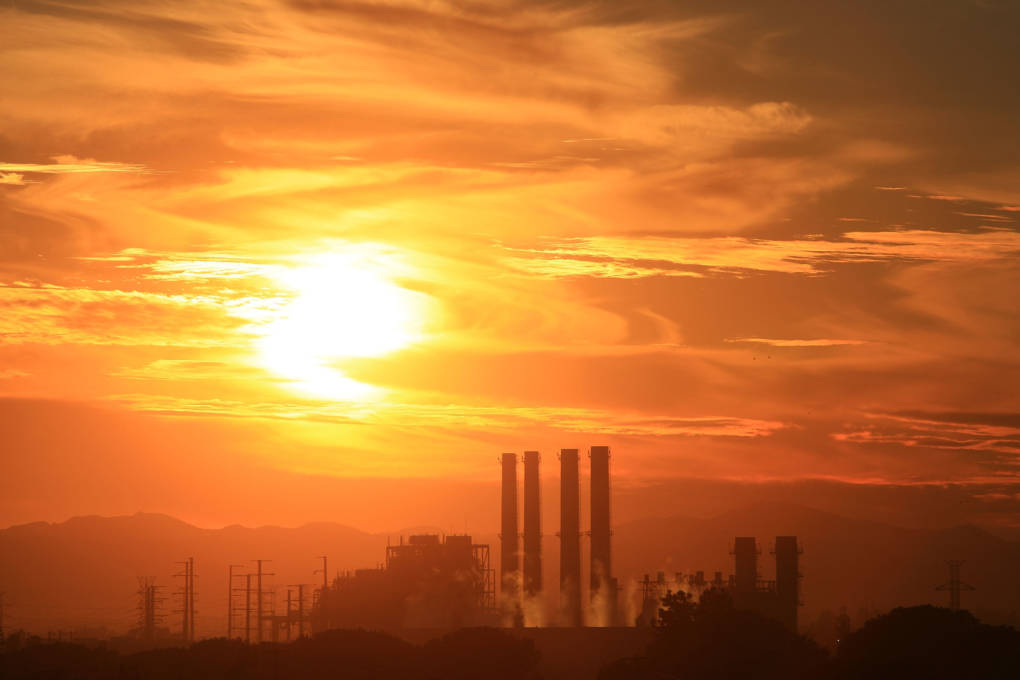
"description": "SUN VALLEY, CA - DECEMBER 11: The Department of Water and Power (DWP) San Fernando Valley Generating Station is seen December 11, 2008 in Sun Valley, California. Under a new climate plan before state regulators, California would take major steps toward cutting greenhouse gas emissions. If adopted by the California Air Resources Board, it would be the most ambitious global warming prevention plan in the nation, outlining for the first time how businesses and the public would meet the 2006 law that made the state a leader on global climate change. The action would lead to the creation of a carbon-credit market to make it cheaper for the biggest polluters to cut emissions, and change the ways utilities generate power, businesses use electricity, and personal transportation (Photo by David McNew/Getty Images)",
"title": "California Adopts Sweeping Plan To Combat Greenhouse Gas Emissions",
"credit": "David McNew/Getty Images",
"status": "inherit",
"isLoading": false,
"fetchFailed": false
},
"science_1932896": {
"type": "attachments",
"id": "science_1932896",
"meta": {
"index": "attachments_1716263798",
"site": "science",
"id": "1932896",
"found": true
},
"parent": 1932894,
"imgSizes": {
"small": {
"file": "https://ww2.kqed.org/app/uploads/sites/35/2018/10/GettyImages-693862752-520x347.jpg",
"width": 520,
"mimeType": "image/jpeg",
"height": 347
},
"twentyfourteen-full-width": {
"file": "https://ww2.kqed.org/app/uploads/sites/35/2018/10/GettyImages-693862752-1038x576.jpg",
"width": 1038,
"mimeType": "image/jpeg",
"height": 576
},
"thumbnail": {
"file": "https://ww2.kqed.org/app/uploads/sites/35/2018/10/GettyImages-693862752-160x107.jpg",
"width": 160,
"mimeType": "image/jpeg",
"height": 107
},
"fd-sm": {
"file": "https://ww2.kqed.org/app/uploads/sites/35/2018/10/GettyImages-693862752-960x641.jpg",
"width": 960,
"mimeType": "image/jpeg",
"height": 641
},
"post-thumbnail": {
"file": "https://ww2.kqed.org/app/uploads/sites/35/2018/10/GettyImages-693862752-672x372.jpg",
"width": 672,
"mimeType": "image/jpeg",
"height": 372
},
"xsmall": {
"file": "https://ww2.kqed.org/app/uploads/sites/35/2018/10/GettyImages-693862752-375x250.jpg",
"width": 375,
"mimeType": "image/jpeg",
"height": 250
},
"kqedFullSize": {
"file": "https://ww2.kqed.org/app/uploads/sites/35/2018/10/GettyImages-693862752.jpg",
"width": 3600,
"height": 2403
},
"large": {
"file": "https://ww2.kqed.org/app/uploads/sites/35/2018/10/GettyImages-693862752-1020x681.jpg",
"width": 1020,
"mimeType": "image/jpeg",
"height": 681
},
"xlarge": {
"file": "https://ww2.kqed.org/app/uploads/sites/35/2018/10/GettyImages-693862752-1180x788.jpg",
"width": 1180,
"mimeType": "image/jpeg",
"height": 788
},
"complete_open_graph": {
"file": "https://ww2.kqed.org/app/uploads/sites/35/2018/10/GettyImages-693862752-1200x801.jpg",
"width": 1200,
"mimeType": "image/jpeg",
"height": 801
},
"guest-author-50": {
"file": "https://ww2.kqed.org/app/uploads/sites/35/2018/10/GettyImages-693862752-50x50.jpg",
"width": 50,
"mimeType": "image/jpeg",
"height": 50
},
"guest-author-96": {
"file": "https://ww2.kqed.org/app/uploads/sites/35/2018/10/GettyImages-693862752-96x96.jpg",
"width": 96,
"mimeType": "image/jpeg",
"height": 96
},
"medium": {
"file": "https://ww2.kqed.org/app/uploads/sites/35/2018/10/GettyImages-693862752-800x534.jpg",
"width": 800,
"mimeType": "image/jpeg",
"height": 534
},
"guest-author-64": {
"file": "https://ww2.kqed.org/app/uploads/sites/35/2018/10/GettyImages-693862752-64x64.jpg",
"width": 64,
"mimeType": "image/jpeg",
"height": 64
},
"guest-author-32": {
"file": "https://ww2.kqed.org/app/uploads/sites/35/2018/10/GettyImages-693862752-32x32.jpg",
"width": 32,
"mimeType": "image/jpeg",
"height": 32
},
"fd-lrg": {
"file": "https://ww2.kqed.org/app/uploads/sites/35/2018/10/GettyImages-693862752-1920x1282.jpg",
"width": 1920,
"mimeType": "image/jpeg",
"height": 1282
},
"fd-med": {
"file": "https://ww2.kqed.org/app/uploads/sites/35/2018/10/GettyImages-693862752-1180x788.jpg",
"width": 1180,
"mimeType": "image/jpeg",
"height": 788
},
"full-width": {
"file": "https://ww2.kqed.org/app/uploads/sites/35/2018/10/GettyImages-693862752-1920x1282.jpg",
"width": 1920,
"mimeType": "image/jpeg",
"height": 1282
},
"detail": {
"file": "https://ww2.kqed.org/app/uploads/sites/35/2018/10/GettyImages-693862752-150x150.jpg",
"width": 150,
"mimeType": "image/jpeg",
"height": 150
},
"medium_large": {
"file": "https://ww2.kqed.org/app/uploads/sites/35/2018/10/GettyImages-693862752-768x513.jpg",
"width": 768,
"mimeType": "image/jpeg",
"height": 513
},
"guest-author-128": {
"file": "https://ww2.kqed.org/app/uploads/sites/35/2018/10/GettyImages-693862752-128x128.jpg",
"width": 128,
"mimeType": "image/jpeg",
"height": 128
},
"xxsmall": {
"file": "https://ww2.kqed.org/app/uploads/sites/35/2018/10/GettyImages-693862752-240x160.jpg",
"width": 240,
"mimeType": "image/jpeg",
"height": 160
}
},
"publishDate": 1539707549,
"modified": 1539707607,
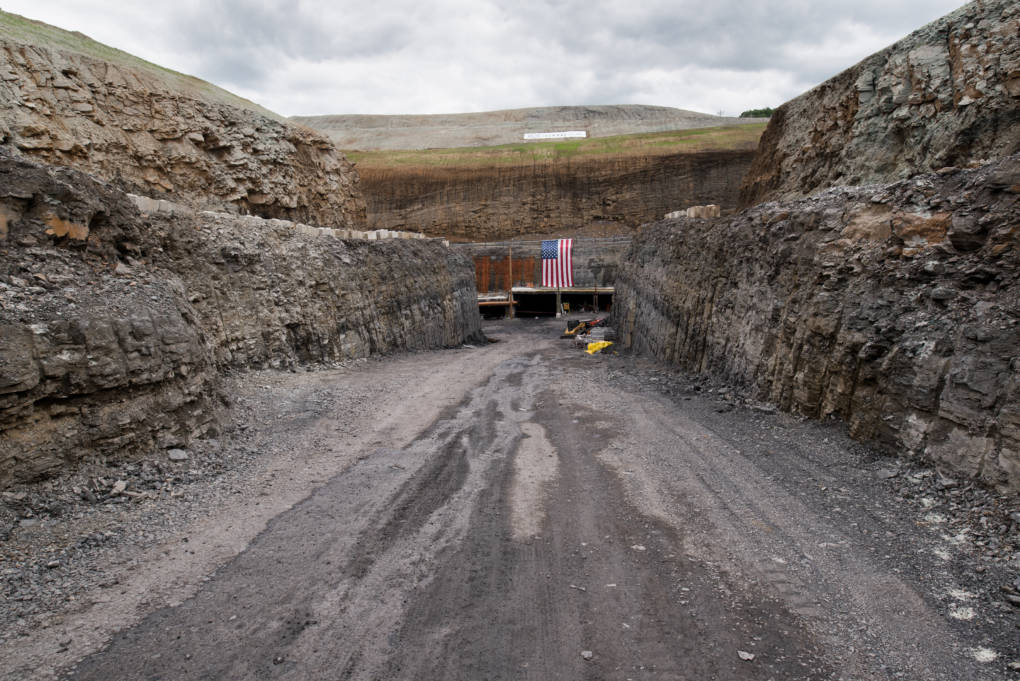
"caption": "The entrance to the Corsa Coal's Acosta Deep Mine on June 8, 2017 in Friedens, Pennsylvania. The Trump administration is considering using West Coast military bases or other federal properties as transit points for shipments of U.S. coal and natural gas to Asia. ",
"description": null,
"title": "Corsa Coal Opens New Mine In Pennsylvania",
"credit": "Justin Merriman/Getty Images",
"status": "inherit",
"isLoading": false,
"fetchFailed": false
},
"science_1932880": {
"type": "attachments",
"id": "science_1932880",
"meta": {
"index": "attachments_1716263798",
"site": "science",
"id": "1932880",
"found": true
},
"parent": 1932876,
"imgSizes": {
"small": {
"file": "https://ww2.kqed.org/app/uploads/sites/35/2018/10/GettyImages-1005678190-520x347.jpg",
"width": 520,
"mimeType": "image/jpeg",
"height": 347
},
"twentyfourteen-full-width": {
"file": "https://ww2.kqed.org/app/uploads/sites/35/2018/10/GettyImages-1005678190-1038x576.jpg",
"width": 1038,
"mimeType": "image/jpeg",
"height": 576
},
"thumbnail": {
"file": "https://ww2.kqed.org/app/uploads/sites/35/2018/10/GettyImages-1005678190-160x107.jpg",
"width": 160,
"mimeType": "image/jpeg",
"height": 107
},
"fd-sm": {
"file": "https://ww2.kqed.org/app/uploads/sites/35/2018/10/GettyImages-1005678190-960x640.jpg",
"width": 960,
"mimeType": "image/jpeg",
"height": 640
},
"post-thumbnail": {
"file": "https://ww2.kqed.org/app/uploads/sites/35/2018/10/GettyImages-1005678190-672x372.jpg",
"width": 672,
"mimeType": "image/jpeg",
"height": 372
},
"xsmall": {
"file": "https://ww2.kqed.org/app/uploads/sites/35/2018/10/GettyImages-1005678190-375x250.jpg",
"width": 375,
"mimeType": "image/jpeg",
"height": 250
},
"kqedFullSize": {
"file": "https://ww2.kqed.org/app/uploads/sites/35/2018/10/GettyImages-1005678190.jpg",
"width": 6236,
"height": 4157
},
"large": {
"file": "https://ww2.kqed.org/app/uploads/sites/35/2018/10/GettyImages-1005678190-1020x680.jpg",
"width": 1020,
"mimeType": "image/jpeg",
"height": 680
},
"xlarge": {
"file": "https://ww2.kqed.org/app/uploads/sites/35/2018/10/GettyImages-1005678190-1180x787.jpg",
"width": 1180,
"mimeType": "image/jpeg",
"height": 787
},
"complete_open_graph": {
"file": "https://ww2.kqed.org/app/uploads/sites/35/2018/10/GettyImages-1005678190-1200x800.jpg",
"width": 1200,
"mimeType": "image/jpeg",
"height": 800
},
"guest-author-50": {
"file": "https://ww2.kqed.org/app/uploads/sites/35/2018/10/GettyImages-1005678190-50x50.jpg",
"width": 50,
"mimeType": "image/jpeg",
"height": 50
},
"guest-author-96": {
"file": "https://ww2.kqed.org/app/uploads/sites/35/2018/10/GettyImages-1005678190-96x96.jpg",
"width": 96,
"mimeType": "image/jpeg",
"height": 96
},
"medium": {
"file": "https://ww2.kqed.org/app/uploads/sites/35/2018/10/GettyImages-1005678190-800x533.jpg",
"width": 800,
"mimeType": "image/jpeg",
"height": 533
},
"guest-author-64": {
"file": "https://ww2.kqed.org/app/uploads/sites/35/2018/10/GettyImages-1005678190-64x64.jpg",
"width": 64,
"mimeType": "image/jpeg",
"height": 64
},
"guest-author-32": {
"file": "https://ww2.kqed.org/app/uploads/sites/35/2018/10/GettyImages-1005678190-32x32.jpg",
"width": 32,
"mimeType": "image/jpeg",
"height": 32
},
"fd-lrg": {
"file": "https://ww2.kqed.org/app/uploads/sites/35/2018/10/GettyImages-1005678190-1920x1280.jpg",
"width": 1920,
"mimeType": "image/jpeg",
"height": 1280
},
"fd-med": {
"file": "https://ww2.kqed.org/app/uploads/sites/35/2018/10/GettyImages-1005678190-1180x787.jpg",
"width": 1180,
"mimeType": "image/jpeg",
"height": 787
},
"full-width": {
"file": "https://ww2.kqed.org/app/uploads/sites/35/2018/10/GettyImages-1005678190-1920x1280.jpg",
"width": 1920,
"mimeType": "image/jpeg",
"height": 1280
},
"detail": {
"file": "https://ww2.kqed.org/app/uploads/sites/35/2018/10/GettyImages-1005678190-150x150.jpg",
"width": 150,
"mimeType": "image/jpeg",
"height": 150
},
"medium_large": {
"file": "https://ww2.kqed.org/app/uploads/sites/35/2018/10/GettyImages-1005678190-768x512.jpg",
"width": 768,
"mimeType": "image/jpeg",
"height": 512
},
"guest-author-128": {
"file": "https://ww2.kqed.org/app/uploads/sites/35/2018/10/GettyImages-1005678190-128x128.jpg",
"width": 128,
"mimeType": "image/jpeg",
"height": 128
},
"xxsmall": {
"file": "https://ww2.kqed.org/app/uploads/sites/35/2018/10/GettyImages-1005678190-240x160.jpg",
"width": 240,
"mimeType": "image/jpeg",
"height": 160
}
},
"publishDate": 1539705478,
"modified": 1539705551,
"caption": "A twelve pack of Budweiser sits on a shelf for sale at a convenience store, July 26, 2018 in New York City. \n",
"description": null,
"title": "Budweiser And Bud Light Losing Market Share In U.S. As Craft Beer Continues Gain In Popularity",
"credit": "Drew Angerer/Getty Images",
"status": "inherit",
"isLoading": false,
"fetchFailed": false
}
},
"audioPlayerReducer": {
"postId": "stream_live",
"isPaused": true,
"isPlaying": false,
"pfsActive": false,
"pledgeModalIsOpen": true,
"playerDrawerIsOpen": false,
"liveAudioPlayStartedAt": 0,
"liveAudioPlayContext": ""
},
"authorsReducer": {
"byline_science_1933782": {
"type": "authors",
"id": "byline_science_1933782",
"meta": {
"override": true
},
"slug": "byline_science_1933782",
"name": "Christina Larson\u003cbr />The Associated Press",
"isLoading": false
},
"byline_science_1933363": {
"type": "authors",
"id": "byline_science_1933363",
"meta": {
"override": true
},
"slug": "byline_science_1933363",
"name": "Phuong Le\u003cbr />The Associated Press",
"isLoading": false
},
"byline_science_1933109": {
"type": "authors",
"id": "byline_science_1933109",
"meta": {
"override": true
},
"slug": "byline_science_1933109",
"name": "Scott Horsley, NPR",
"isLoading": false
},
"byline_science_1932894": {
"type": "authors",
"id": "byline_science_1932894",
"meta": {
"override": true
},
"slug": "byline_science_1932894",
"name": "The Associated Press",
"isLoading": false
},
"byline_science_1932876": {
"type": "authors",
"id": "byline_science_1932876",
"meta": {
"override": true
},
"slug": "byline_science_1932876",
"name": "Seth Borenstein\u003cbr />The Associated Press",
"isLoading": false
},
"jbrooks": {
"type": "authors",
"id": "80",
"meta": {
"index": "authors_1716337520",
"id": "80",
"found": true
},
"name": "Jon Brooks",
"firstName": "Jon",
"lastName": "Brooks",
"slug": "jbrooks",
"email": "jbrooks@kqed.org",
"display_author_email": true,
"staff_mastheads": [
"science"
],
"title": "Digital Editor",
"bio": "Jon Brooks is a former Digital Editor for KQED Science. He is the former editor of KQED’s daily news blog, News Fix. In 2014, he won a California Journalism Award for his coverage of ride services like Uber and Lyft and the taxi industry. A veteran blogger, he previously worked for Yahoo! in various news writing and editing roles. Jon is also a playwright whose work has been produced in San Francisco, New York, Italy, and around the U.S. He has written about film for his own blog and studied film at Boston University.",
"avatar": "https://secure.gravatar.com/avatar/98887f7ed1c876ed414d4c915e969584?s=600&d=blank&r=g",
"twitter": "jbrooksfoy",
"facebook": null,
"instagram": null,
"linkedin": null,
"sites": [
{
"site": "arts",
"roles": [
"Contributor",
"editor"
]
},
{
"site": "news",
"roles": [
"author"
]
},
{
"site": "futureofyou",
"roles": [
"administrator"
]
},
{
"site": "mindshift",
"roles": [
"editor"
]
},
{
"site": "stateofhealth",
"roles": [
"editor"
]
},
{
"site": "science",
"roles": [
"administrator"
]
},
{
"site": "quest",
"roles": [
"editor"
]
}
],
"headData": {
"title": "Jon Brooks | KQED",
"description": "Digital Editor",
"ogImgSrc": "https://secure.gravatar.com/avatar/98887f7ed1c876ed414d4c915e969584?s=600&d=blank&r=g",
"twImgSrc": "https://secure.gravatar.com/avatar/98887f7ed1c876ed414d4c915e969584?s=600&d=blank&r=g"
},
"isLoading": false,
"link": "/author/jbrooks"
},
"mpeterson": {
"type": "authors",
"id": "11223",
"meta": {
"index": "authors_1716337520",
"id": "11223",
"found": true
},
"name": "Molly Peterson",
"firstName": "Molly",
"lastName": "Peterson",
"slug": "mpeterson",
"email": "mpeterson@kqed.org",
"display_author_email": false,
"staff_mastheads": [],
"title": null,
"bio": "Molly Peterson reports for KQED science and news on climate change, catastrophe and risk. Previously she was environment correspondent at Southern California Public Radio. Her work has also appeared at The New York Times, The Guardian, on NPR, at High Country News, on Code Switch, and other national outlets. She has been honored with awards from Public Radio News Directors Incorporated, Investigative Reporters and Editors, the Society for Professional Journalists, the Los Angeles Press Club, and RTNDA Edward R. Murrow awards, among others.",
"avatar": "https://secure.gravatar.com/avatar/7908e2807131f776cc8165c649530b05?s=600&d=blank&r=g",
"twitter": "Mollydacious",
"facebook": null,
"instagram": "https://www.instagram.com/radiomolly/",
"linkedin": null,
"sites": [
{
"site": "news",
"roles": [
"subscriber"
]
},
{
"site": "futureofyou",
"roles": [
"editor"
]
},
{
"site": "science",
"roles": [
"editor"
]
}
],
"headData": {
"title": "Molly Peterson | KQED",
"description": null,
"ogImgSrc": "https://secure.gravatar.com/avatar/7908e2807131f776cc8165c649530b05?s=600&d=blank&r=g",
"twImgSrc": "https://secure.gravatar.com/avatar/7908e2807131f776cc8165c649530b05?s=600&d=blank&r=g"
},
"isLoading": false,
"link": "/author/mpeterson"
},
"aahmed": {
"type": "authors",
"id": "11428",
"meta": {
"index": "authors_1716337520",
"id": "11428",
"found": true
},
"name": "Amel Ahmed",
"firstName": "Amel",
"lastName": "Ahmed",
"slug": "aahmed",
"email": "aahmed@kqed.org",
"display_author_email": false,
"staff_mastheads": [],
"title": "KQED Contributor",
"bio": "Amel Ahmed is a reporter for KQED. Prior to joining KQED, Amel worked at Al Jazeera America, Al Jazeera English, Democracy Now! and Punched Productions. She also helped produce \u003cem>Changing Face of Harlem\u003c/em>, a documentary that tracked gentrification in Harlem over a period of ten years. She is a 2013 graduate of Brooklyn Law School and is currently researching war on terror prosecutions for an upcoming book.",
"avatar": "https://secure.gravatar.com/avatar/c8b48ebc98e770640f3013c470d23f3e?s=600&d=blank&r=g",
"twitter": "amelscript",
"facebook": null,
"instagram": null,
"linkedin": null,
"sites": [
{
"site": "futureofyou",
"roles": []
},
{
"site": "science",
"roles": []
}
],
"headData": {
"title": "Amel Ahmed | KQED",
"description": "KQED Contributor",
"ogImgSrc": "https://secure.gravatar.com/avatar/c8b48ebc98e770640f3013c470d23f3e?s=600&d=blank&r=g",
"twImgSrc": "https://secure.gravatar.com/avatar/c8b48ebc98e770640f3013c470d23f3e?s=600&d=blank&r=g"
},
"isLoading": false,
"link": "/author/aahmed"
}
},
"pagesReducer": {
"science_tag_climate-change": {
"type": "terms",
"id": "science_194",
"meta": {
"index": "terms_1716263798",
"site": "science",
"id": "194",
"score": 7.946677
},
"featImg": null,
"name": "climate change",
"description": null,
"taxonomy": "tag",
"headData": {
"twImgId": null,
"twTitle": null,
"ogTitle": null,
"ogImgId": null,
"twDescription": null,
"description": null,
"title": "climate change Archives | KQED Science",
"ogDescription": null
},
"ttid": 198,
"slug": "climate-change",
"isLoading": false,
"title": "climate change",
"pageMeta": {
"site": "science",
"WpPageTemplate": "page-topic-editorial",
"currentPage": 36
},
"blocks": [
{
"blockName": "kqed/post-list",
"attrs": {
"layout": "cardArticle2",
"query": "posts/science?tag=climate-change",
"seeMore": false,
"paginated": true,
"page": 36
}
},
{
"blockName": "kqed/ad"
}
]
}
},
"pfsSessionReducer": {},
"postsReducer": {
"stream_live": {
"type": "live",
"id": "stream_live",
"audioUrl": "https://streams.kqed.org/kqedradio",
"title": "Live Stream",
"excerpt": "Live Stream information currently unavailable.",
"link": "/radio",
"featImg": "",
"label": {
"name": "KQED Live",
"link": "/"
}
},
"stream_kqedNewscast": {
"type": "posts",
"id": "stream_kqedNewscast",
"audioUrl": "https://www.kqed.org/.stream/anon/radio/RDnews/newscast.mp3?_=1",
"title": "KQED Newscast",
"featImg": "",
"label": {
"name": "88.5 FM",
"link": "/"
}
},
"science_1933748": {
"type": "posts",
"id": "science_1933748",
"meta": {
"index": "posts_1716263798",
"site": "science",
"id": "1933748",
"score": null,
"sort": [
1540848604000
]
},
"parent": 0,
"labelTerm": {},
"blocks": [],
"publishDate": 1540848604,
"format": "standard",
"title": "Air Pollution is 'The New Tobacco,' Warns World Health Organization",
"headTitle": "Air Pollution is ‘The New Tobacco,’ Warns World Health Organization | KQED",
"content": "\u003cp class=\"p1\">The vast majority of the world’s children under the age of 15 live in environments with poor air quality, fueling a global public health crisis, according to a \u003ca href=\"http://www.who.int/news-room/detail/29-10-2018-more-than-90-of-the-world%E2%80%99s-children-breathe-toxic-air-every-day\">\u003cspan class=\"s1\">new report\u003c/span>\u003c/a> released Monday by the World Health Organization (WHO).\u003c/p>\n\u003cp>About 1.8 billion children, or 93 percent of the age group, are exposed to air pollution levels that exceed WHO safety guidelines, according to the new report.[contextly_sidebar id=”hbedu4oUrO00I6sAXvfWSXYYhIgU5tIP”]\u003c/p>\n\u003cp>“Polluted air is poisoning millions of children and ruining their lives,” WHO Director-General Tedros Adhanom Ghebreyesus said in a statement. “This is inexcusable. Every child should be able to breathe clean air so they can grow and fulfill their full potential.”\u003c/p>\n\u003cp>Not surprisingly, 98 percent of children under the age of 5 who live in low- and middle-income countries are exposed to higher levels of dirty air.\u003c/p>\n\u003cp>By contrast, just over half of children in the same age group who live in high-income countries are exposed to levels that exceed WHO’s safety guidelines.\u003c/p>\n\u003cp>[ad fullwidth]\u003c/p>\n\u003cp>The striking new report warns that children who breathe polluted air face a greater risk of developing a host of health problems that can lead to early death, including impaired brain development,\u003cspan class=\"Apple-converted-space\"> \u003c/span>respiratory disease, childhood cancer, and cardiovascular disease later in life.\u003c/p>\n\u003cp>In 2016, poor air quality \u003ca href=\"http://www.who.int/ceh/publications/air-pollution-child-health/en/\" target=\"_blank\" rel=\"noopener\">contributed to\u003c/a> respiratory tract infections that led to the deaths of 543,000 children under the age of five, according to the same report\u003cstrong>.\u003c/strong>\u003c/p>\n\u003cp>The report arrives one week ahead of the first global conference on air pollution and health, organized by WHO.\u003c/p>\n\u003cp>At the\u003ca href=\"http://www.who.int/airpollution/events/conference/en/\" target=\"_blank\" rel=\"noopener\"> conference\u003c/a>, which opens in Geneva Oct. 29, participating nations are expected to pledge various initiatives for reducing air pollution.\u003c/p>\n\u003cp class=\"p1\">Children are particularly vulnerable to the effects of air pollution because their bodies are still developing and they breathe more rapidly than adults, causing them to absorb proportionately more pollutants, according to the report.\u003c/p>\n\u003cp class=\"p1\">Children also tend to breathe closer to the ground, where pollutants are concentrated at greater levels.\u003c/p>\n\u003cp class=\"p1\">The report’s authors say the damage may even begin before a child is born. Pregnant woman who breathe in dirty air are at a greater risk of giving birth to premature or underweight babies, conditions which can lead to chronic disease later on.\u003c/p>\n\u003cp>WHO director Ghebreyesus \u003ca href=\"https://www.theguardian.com/environment/2018/oct/27/air-pollution-is-the-new-tobacco-warns-who-head\" target=\"_blank\" rel=\"noopener\">calls air pollution\u003c/a> the “new tobacco” and blasts what he calls a “smog of complacency” that pervades the international community.\u003c/p>\n\u003cp>“The world has turned the corner on tobacco. Now it must do the same for the ‘new tobacco’ – the toxic air that billions breathe every day,” Ghebreyesus wrote in an opinion column for \u003ca href=\"https://www.theguardian.com/environment/2018/oct/27/air-pollution-is-the-new-tobacco-warns-who-head\" target=\"_blank\" rel=\"noopener\">The Guardian\u003c/a>. “No one, rich or poor, can escape air pollution. It is a silent public health emergency.”\u003c/p>\n\u003cp>WHO estimates that poor air quality kills 7 million people annually, \u003ca href=\"http://apps.who.int/iris/bitstream/handle/10665/255336/9789241565486-eng.pdf;jsessionid=1E5E1F65EE880B020CE71674203530EF?sequence=1\" target=\"_blank\" rel=\"nofollow noopener\">more than the \u003c/a>number of people killed by tobacco smoke per year.\u003c/p>\n\u003cp>In the U.S., about 77 percent of \u003ca href=\"https://gispub.epa.gov/neireport/2014/\" target=\"_blank\" rel=\"noopener\">air pollution\u003c/a> comes from power plants and other industrial processes, according to the latest available information. More than 16 percent comes from \u003ca href=\"http://www.ecowatch.com/tag/wildfires\" target=\"_blank\" rel=\"noopener\">wildfire\u003c/a> smoke.\u003c/p>\n\u003cp>\u003c/p>\n\u003cp>Under President Donald Trump, the Environmental Protection Agency has proposed rolling back several key standards that limit air pollution, including the \u003ca href=\"https://www.kqed.org/science/1920482/protesters-policymakers-and-a-polar-bear-try-to-protect-clean-power-plan\" target=\"_blank\" rel=\"noopener\">Clean Power Plan\u003c/a>, \u003ca href=\"https://www.kqed.org/science/1933612/california-escalates-battle-with-trump-epa-over-clean-car-rules\" target=\"_blank\" rel=\"noopener\">clean car rules\u003c/a>, and \u003ca href=\"https://www.kqed.org/science/1931545/trump-administration-eases-regulation-of-methane-leaks-on-public-lands\" target=\"_blank\" rel=\"noopener\">methane standards\u003c/a> for oil and gas operations.\u003c/p>\n\n",
"stats": {
"hasVideo": false,
"hasChartOrMap": false,
"hasAudio": false,
"hasPolis": false,
"wordCount": 573,
"hasGoogleForm": false,
"hasGallery": false,
"hasHearkenModule": false,
"iframeSrcs": [],
"paragraphCount": 15
},
"modified": 1704927339,
"excerpt": "More than 9 out of 10 children in the world are exposed to unsafe levels of air pollution, according to the World Health Organization, which calls it a 'silent public health emergency.'",
"headData": {
"twImgId": "",
"twTitle": "",
"ogTitle": "",
"ogImgId": "",
"twDescription": "",
"description": "More than 9 out of 10 children in the world are exposed to unsafe levels of air pollution, according to the World Health Organization, which calls it a 'silent public health emergency.'",
"title": "Air Pollution is 'The New Tobacco,' Warns World Health Organization | KQED",
"ogDescription": "",
"schema": {
"@context": "https://schema.org",
"@type": "Article",
"headline": "Air Pollution is 'The New Tobacco,' Warns World Health Organization",
"datePublished": "2018-10-29T14:30:04-07:00",
"dateModified": "2024-01-10T14:55:39-08:00",
"image": "https://cdn.kqed.org/wp-content/uploads/2020/02/KQED-OG-Image@1x.png"
}
},
"guestAuthors": [],
"slug": "air-pollution-is-the-new-tobacco-warns-world-health-organization",
"status": "publish",
"sticky": false,
"source": "Health",
"path": "/science/1933748/air-pollution-is-the-new-tobacco-warns-world-health-organization",
"audioTrackLength": null,
"parsedContent": [
{
"type": "contentString",
"content": "\u003cdiv class=\"post-body\">\u003cp>\u003cp class=\"p1\">The vast majority of the world’s children under the age of 15 live in environments with poor air quality, fueling a global public health crisis, according to a \u003ca href=\"http://www.who.int/news-room/detail/29-10-2018-more-than-90-of-the-world%E2%80%99s-children-breathe-toxic-air-every-day\">\u003cspan class=\"s1\">new report\u003c/span>\u003c/a> released Monday by the World Health Organization (WHO).\u003c/p>\n\u003cp>About 1.8 billion children, or 93 percent of the age group, are exposed to air pollution levels that exceed WHO safety guidelines, according to the new report.\u003c/p>\u003cp>\u003c/p>\u003cp>\u003c/p>\n\u003cp>“Polluted air is poisoning millions of children and ruining their lives,” WHO Director-General Tedros Adhanom Ghebreyesus said in a statement. “This is inexcusable. Every child should be able to breathe clean air so they can grow and fulfill their full potential.”\u003c/p>\n\u003cp>Not surprisingly, 98 percent of children under the age of 5 who live in low- and middle-income countries are exposed to higher levels of dirty air.\u003c/p>\n\u003cp>By contrast, just over half of children in the same age group who live in high-income countries are exposed to levels that exceed WHO’s safety guidelines.\u003c/p>\n\u003cp>\u003c/p>\u003c/div>",
"attributes": {
"named": {},
"numeric": []
}
},
{
"type": "component",
"content": "",
"name": "ad",
"attributes": {
"named": {
"label": "fullwidth"
},
"numeric": [
"fullwidth"
]
}
},
{
"type": "contentString",
"content": "\u003cdiv class=\"post-body\">\u003cp>\u003c/p>\n\u003cp>The striking new report warns that children who breathe polluted air face a greater risk of developing a host of health problems that can lead to early death, including impaired brain development,\u003cspan class=\"Apple-converted-space\"> \u003c/span>respiratory disease, childhood cancer, and cardiovascular disease later in life.\u003c/p>\n\u003cp>In 2016, poor air quality \u003ca href=\"http://www.who.int/ceh/publications/air-pollution-child-health/en/\" target=\"_blank\" rel=\"noopener\">contributed to\u003c/a> respiratory tract infections that led to the deaths of 543,000 children under the age of five, according to the same report\u003cstrong>.\u003c/strong>\u003c/p>\n\u003cp>The report arrives one week ahead of the first global conference on air pollution and health, organized by WHO.\u003c/p>\n\u003cp>At the\u003ca href=\"http://www.who.int/airpollution/events/conference/en/\" target=\"_blank\" rel=\"noopener\"> conference\u003c/a>, which opens in Geneva Oct. 29, participating nations are expected to pledge various initiatives for reducing air pollution.\u003c/p>\n\u003cp class=\"p1\">Children are particularly vulnerable to the effects of air pollution because their bodies are still developing and they breathe more rapidly than adults, causing them to absorb proportionately more pollutants, according to the report.\u003c/p>\n\u003cp class=\"p1\">Children also tend to breathe closer to the ground, where pollutants are concentrated at greater levels.\u003c/p>\n\u003cp class=\"p1\">The report’s authors say the damage may even begin before a child is born. Pregnant woman who breathe in dirty air are at a greater risk of giving birth to premature or underweight babies, conditions which can lead to chronic disease later on.\u003c/p>\n\u003cp>WHO director Ghebreyesus \u003ca href=\"https://www.theguardian.com/environment/2018/oct/27/air-pollution-is-the-new-tobacco-warns-who-head\" target=\"_blank\" rel=\"noopener\">calls air pollution\u003c/a> the “new tobacco” and blasts what he calls a “smog of complacency” that pervades the international community.\u003c/p>\n\u003cp>“The world has turned the corner on tobacco. Now it must do the same for the ‘new tobacco’ – the toxic air that billions breathe every day,” Ghebreyesus wrote in an opinion column for \u003ca href=\"https://www.theguardian.com/environment/2018/oct/27/air-pollution-is-the-new-tobacco-warns-who-head\" target=\"_blank\" rel=\"noopener\">The Guardian\u003c/a>. “No one, rich or poor, can escape air pollution. It is a silent public health emergency.”\u003c/p>\n\u003cp>WHO estimates that poor air quality kills 7 million people annually, \u003ca href=\"http://apps.who.int/iris/bitstream/handle/10665/255336/9789241565486-eng.pdf;jsessionid=1E5E1F65EE880B020CE71674203530EF?sequence=1\" target=\"_blank\" rel=\"nofollow noopener\">more than the \u003c/a>number of people killed by tobacco smoke per year.\u003c/p>\n\u003cp>In the U.S., about 77 percent of \u003ca href=\"https://gispub.epa.gov/neireport/2014/\" target=\"_blank\" rel=\"noopener\">air pollution\u003c/a> comes from power plants and other industrial processes, according to the latest available information. More than 16 percent comes from \u003ca href=\"http://www.ecowatch.com/tag/wildfires\" target=\"_blank\" rel=\"noopener\">wildfire\u003c/a> smoke.\u003c/p>\n\u003cp>\u003c/p>\n\u003cp>Under President Donald Trump, the Environmental Protection Agency has proposed rolling back several key standards that limit air pollution, including the \u003ca href=\"https://www.kqed.org/science/1920482/protesters-policymakers-and-a-polar-bear-try-to-protect-clean-power-plan\" target=\"_blank\" rel=\"noopener\">Clean Power Plan\u003c/a>, \u003ca href=\"https://www.kqed.org/science/1933612/california-escalates-battle-with-trump-epa-over-clean-car-rules\" target=\"_blank\" rel=\"noopener\">clean car rules\u003c/a>, and \u003ca href=\"https://www.kqed.org/science/1931545/trump-administration-eases-regulation-of-methane-leaks-on-public-lands\" target=\"_blank\" rel=\"noopener\">methane standards\u003c/a> for oil and gas operations.\u003c/p>\n\n\u003c/div>\u003c/p>",
"attributes": {
"named": {},
"numeric": []
}
}
],
"link": "/science/1933748/air-pollution-is-the-new-tobacco-warns-world-health-organization",
"authors": [
"11428"
],
"categories": [
"science_31",
"science_35",
"science_37",
"science_39",
"science_40",
"science_3730"
],
"tags": [
"science_505",
"science_194",
"science_664",
"science_192",
"science_2080",
"science_2164",
"science_1712",
"science_3514"
],
"featImg": "science_1933756",
"label": "source_science_1933748"
},
"science_1933782": {
"type": "posts",
"id": "science_1933782",
"meta": {
"index": "posts_1716263798",
"site": "science",
"id": "1933782",
"score": null,
"sort": [
1540847331000
]
},
"parent": 0,
"labelTerm": {},
"blocks": [],
"publishDate": 1540847331,
"format": "standard",
"title": "Mountain Birds Headed to Extinction as Planet Warms",
"headTitle": "Mountain Birds Headed to Extinction as Planet Warms | KQED",
"content": "\u003cp>A meticulous re-creation of a 3-decade-old study of birds on a mountainside in Peru has given scientists a rare chance to prove how the changing climate is pushing species out of the places they are best adapted to.\u003c/p>\n\u003cp>Surveys of more than 400 species of birds in 1985 and then in 2017 have found that populations of almost all had declined, as many as eight had disappeared completely, and nearly all had moved to higher elevations in what scientists call “an escalator to extinction.” [contextly_sidebar id=”6gG5vgIlAjF6hOsgaO5jhFk7coUpEZoe”]\u003c/p>\n\u003cp>“Once you move up as far as you can go, there’s nowhere else left,” said John W. Fitzpatrick, a study author and director of the Cornell Laboratory of Ornithology. “On this particular mountain, some ridgetop bird populations were literally wiped out.”\u003c/p>\n\u003cp>It’s not certain whether the birds shifted ranges because of temperature changes, or indirect impacts, such as shifts in the ranges of insects or seeds that they feed on.\u003c/p>\n\u003cp>These findings, published Monday in the Proceedings of the National Academy of Sciences, confirm what biologists had long suspected, but had few opportunities to confirm. The existence of a 1985 survey of birds on the same mountain gave scientists a rare and useful baseline.\u003c/p>\n\u003cp>[ad fullwidth]\u003c/p>\n\u003cp>Past research has documented habitats of birds and other species moving up in elevation or latitude in response to warming temperatures. But Mark Urban, director of the Center of Biological Risk at the University of Connecticut, who was not involved in the study said it was the first to prove what climate change models predicted: that rising temperatures will lead to local extinctions.\u003c/p>\n\u003cp>“A study like this where you have historical data you can go back to and compare is very rare,” said Urban. “As long as the species can disperse, you will see species marching up the mountain, until that escalator becomes a stairway to heaven.”\u003c/p>\n\u003cp>In 1985, Fitzpatrick established a basecamp alongside a river running down a mountain slope in southeastern Peru, aiming to catalog the habitat ranges of tropical bird species that lived there. His team spent several weeks trekking up and down the Cerro de Pantiacolla, using fine nets called mist nets to catch and release birds, and keeping detailed journals of birds they caught, spotted or heard chirping in the forests.[contextly_sidebar id=”99E6eWIPdLj4fjPWEK5Gm9yVCbnuDmqc”]\u003c/p>\n\u003cdiv id=\"div-gpt-ad-1470255291270-1\" class=\"DFPSlot\">\n\u003cdiv id=\"google_ads_iframe_15786418/APNews/site/article/midarticle2_0__container__\">Two years ago, Fitzpatrick passed his journals, photos and other records to Benjamin Freeman, a postdoctoral fellow at the Biodiversity Research Centre at the University of British Columbia. Freeman, who has been researching tropical birds for more than a decade, set out to recreate the journey in August and September of 2017. Using old photos of mountain views, his team located the same basecamp.\u003c/div>\n\u003cdiv>\u003c/div>\n\u003c/div>\n\u003cp>Freeman largely recreated Fitzpatrick’s path and methodology to see what had happened in the intervening years, a period when average mean temperatures on the mountain rose 0.76 degrees Fahrenheit. Because the mountain lies at the edge of a national park, the area hadn’t been disturbed.\u003c/p>\n\u003cp>In addition to unfurling 40-foot mist nets on the slopes, Freeman’s team placed 20 microphone boxes on the mountain to record the chirps of birds that might not easily be seen.\u003c/p>\n\u003cp>“We found that the bird communities were moving up the slope to reach the climate conditions to which they were originally adapted,” said Freeman, the lead author of the study. Near the top of the mountain the bird species moved higher by 321 feet, on average.\u003c/p>\n\u003cp>“We think temperature is the master-switch in explaining why species live where they do on mountain slopes,” said Freeman. “A huge majority of species in our study were doing the same thing.”\u003c/p>\n\u003cp>\u003c/p>\n\u003cp>Birds adapted to live within narrow temperature bands – in regions without wide seasonal variations – may be particularly vulnerable to climate change, Fitzpatrick said. “We should expect that what’s happening on this mountaintop is happening more generally in the Andes, and other tropical mountain ranges,” he said.\u003c/p>\n\n",
"stats": {
"hasVideo": false,
"hasChartOrMap": false,
"hasAudio": false,
"hasPolis": false,
"wordCount": 688,
"hasGoogleForm": false,
"hasGallery": false,
"hasHearkenModule": false,
"iframeSrcs": [],
"paragraphCount": 15
},
"modified": 1704927343,
"excerpt": "Surveys of more than 400 species of birds have found that populations of almost all had declined while as many as eight species had disappeared completely.",
"headData": {
"twImgId": "",
"twTitle": "",
"ogTitle": "",
"ogImgId": "",
"twDescription": "",
"description": "Surveys of more than 400 species of birds have found that populations of almost all had declined while as many as eight species had disappeared completely.",
"title": "Mountain Birds Headed to Extinction as Planet Warms | KQED",
"ogDescription": "",
"schema": {
"@context": "https://schema.org",
"@type": "Article",
"headline": "Mountain Birds Headed to Extinction as Planet Warms",
"datePublished": "2018-10-29T14:08:51-07:00",
"dateModified": "2024-01-10T14:55:43-08:00",
"image": "https://cdn.kqed.org/wp-content/uploads/2020/02/KQED-OG-Image@1x.png"
}
},
"guestAuthors": [],
"slug": "mountain-birds-headed-to-extinction-as-planet-warms",
"status": "publish",
"nprByline": "Christina Larson\u003cbr />The Associated Press",
"sticky": false,
"source": "Animals",
"path": "/science/1933782/mountain-birds-headed-to-extinction-as-planet-warms",
"audioTrackLength": null,
"parsedContent": [
{
"type": "contentString",
"content": "\u003cdiv class=\"post-body\">\u003cp>\u003cp>A meticulous re-creation of a 3-decade-old study of birds on a mountainside in Peru has given scientists a rare chance to prove how the changing climate is pushing species out of the places they are best adapted to.\u003c/p>\n\u003cp>Surveys of more than 400 species of birds in 1985 and then in 2017 have found that populations of almost all had declined, as many as eight had disappeared completely, and nearly all had moved to higher elevations in what scientists call “an escalator to extinction.” \u003c/p>\u003cp>\u003c/p>\u003cp>\u003c/p>\n\u003cp>“Once you move up as far as you can go, there’s nowhere else left,” said John W. Fitzpatrick, a study author and director of the Cornell Laboratory of Ornithology. “On this particular mountain, some ridgetop bird populations were literally wiped out.”\u003c/p>\n\u003cp>It’s not certain whether the birds shifted ranges because of temperature changes, or indirect impacts, such as shifts in the ranges of insects or seeds that they feed on.\u003c/p>\n\u003cp>These findings, published Monday in the Proceedings of the National Academy of Sciences, confirm what biologists had long suspected, but had few opportunities to confirm. The existence of a 1985 survey of birds on the same mountain gave scientists a rare and useful baseline.\u003c/p>\n\u003cp>\u003c/p>\u003c/div>",
"attributes": {
"named": {},
"numeric": []
}
},
{
"type": "component",
"content": "",
"name": "ad",
"attributes": {
"named": {
"label": "fullwidth"
},
"numeric": [
"fullwidth"
]
}
},
{
"type": "contentString",
"content": "\u003cdiv class=\"post-body\">\u003cp>\u003c/p>\n\u003cp>Past research has documented habitats of birds and other species moving up in elevation or latitude in response to warming temperatures. But Mark Urban, director of the Center of Biological Risk at the University of Connecticut, who was not involved in the study said it was the first to prove what climate change models predicted: that rising temperatures will lead to local extinctions.\u003c/p>\n\u003cp>“A study like this where you have historical data you can go back to and compare is very rare,” said Urban. “As long as the species can disperse, you will see species marching up the mountain, until that escalator becomes a stairway to heaven.”\u003c/p>\n\u003cp>In 1985, Fitzpatrick established a basecamp alongside a river running down a mountain slope in southeastern Peru, aiming to catalog the habitat ranges of tropical bird species that lived there. His team spent several weeks trekking up and down the Cerro de Pantiacolla, using fine nets called mist nets to catch and release birds, and keeping detailed journals of birds they caught, spotted or heard chirping in the forests.\u003c/p>\u003cp>\u003c/p>\u003cp>\u003c/p>\n\u003cdiv id=\"div-gpt-ad-1470255291270-1\" class=\"DFPSlot\">\n\u003cdiv id=\"google_ads_iframe_15786418/APNews/site/article/midarticle2_0__container__\">Two years ago, Fitzpatrick passed his journals, photos and other records to Benjamin Freeman, a postdoctoral fellow at the Biodiversity Research Centre at the University of British Columbia. Freeman, who has been researching tropical birds for more than a decade, set out to recreate the journey in August and September of 2017. Using old photos of mountain views, his team located the same basecamp.\u003c/div>\n\u003cdiv>\u003c/div>\n\u003c/div>\n\u003cp>Freeman largely recreated Fitzpatrick’s path and methodology to see what had happened in the intervening years, a period when average mean temperatures on the mountain rose 0.76 degrees Fahrenheit. Because the mountain lies at the edge of a national park, the area hadn’t been disturbed.\u003c/p>\n\u003cp>In addition to unfurling 40-foot mist nets on the slopes, Freeman’s team placed 20 microphone boxes on the mountain to record the chirps of birds that might not easily be seen.\u003c/p>\n\u003cp>“We found that the bird communities were moving up the slope to reach the climate conditions to which they were originally adapted,” said Freeman, the lead author of the study. Near the top of the mountain the bird species moved higher by 321 feet, on average.\u003c/p>\n\u003cp>“We think temperature is the master-switch in explaining why species live where they do on mountain slopes,” said Freeman. “A huge majority of species in our study were doing the same thing.”\u003c/p>\n\u003cp>\u003c/p>\n\u003cp>Birds adapted to live within narrow temperature bands – in regions without wide seasonal variations – may be particularly vulnerable to climate change, Fitzpatrick said. “We should expect that what’s happening on this mountaintop is happening more generally in the Andes, and other tropical mountain ranges,” he said.\u003c/p>\n\n\u003c/div>\u003c/p>",
"attributes": {
"named": {},
"numeric": []
}
}
],
"link": "/science/1933782/mountain-birds-headed-to-extinction-as-planet-warms",
"authors": [
"byline_science_1933782"
],
"categories": [
"science_2874",
"science_31",
"science_35",
"science_40"
],
"tags": [
"science_163",
"science_194",
"science_192",
"science_556"
],
"featImg": "science_1933785",
"label": "source_science_1933782"
},
"science_1933708": {
"type": "posts",
"id": "science_1933708",
"meta": {
"index": "posts_1716263798",
"site": "science",
"id": "1933708",
"score": null,
"sort": [
1540836029000
]
},
"parent": 0,
"labelTerm": {},
"blocks": [],
"publishDate": 1540836029,
"format": "aside",
"title": "How Hot Was It In California Homes Last Summer? \u003cem>Really\u003c/em> Hot. Here's the Data",
"headTitle": "How Hot Was It In California Homes Last Summer? Really Hot. Here’s the Data | KQED",
"content": "\u003cp>Heat kills people, even in the cool, coastal regions of California. Our investigation found that last year, two heat waves killed 14 people in the Bay Area, and sent hundreds more to the hospital. By our count, 79 percent of people who died started to experience heat illness at home.\u003c/p>\n\u003cp>This year, a team of reporters and producers, with consulting from scientists, placed sensors inside dozens of homes around the state. These measurements represent new information in California; no government agency has yet attempted to find out, as the climate warms, what levels of heat Californians actually experience in the place they spend most of their time – at home.\u003c/p>\n\u003cp>\u003cstrong>IT’S HOTTER INDOORS THAN OUT\u003c/strong>\u003cbr>\n\u003ci>Each red, yellow or orange line below represents one of the 31 homes where we measured heat in California. The blue line is outdoor temperature. You can hover over a curve to see the temperature and time, or click on a curve to show one home.\u003c/i>\u003c/p>\n\u003cdiv class=\"tableauPlaceholder\" id=\"viz1559682010088\" style=\"position: relative\">\u003cnoscript>\u003ca href=\"#\">\u003cimg alt=\" \" src=\"https://public.tableau.com/static/images/Ca/CaliforniaHeat-mobile/Dashboard1/1_rss.png\" style=\"border: none\">\u003c/a>\u003c/noscript>\u003cobject class=\"tableauViz\" style=\"display:none;\">\u003cparam name=\"host_url\" value=\"https%3A%2F%2Fpublic.tableau.com%2F\">\u003cparam name=\"embed_code_version\" value=\"3\">\u003cparam name=\"site_root\" value=\"\">\u003cparam name=\"name\" value=\"CaliforniaHeat-mobile/Dashboard1\">\u003cparam name=\"tabs\" value=\"no\">\u003cparam name=\"toolbar\" value=\"yes\">\u003cparam name=\"static_image\" value=\"https://public.tableau.com/static/images/Ca/CaliforniaHeat-mobile/Dashboard1/1.png\">\u003cparam name=\"animate_transition\" value=\"yes\">\u003cparam name=\"display_static_image\" value=\"yes\">\u003cparam name=\"display_spinner\" value=\"yes\">\u003cparam name=\"display_overlay\" value=\"yes\">\u003cparam name=\"display_count\" value=\"yes\">\u003c/object>\u003c/div>\n\u003cp> \u003cscript type=\"text/javascript\"> var divElement = document.getElementById('viz1559682010088'); var vizElement = divElement.getElementsByTagName('object')[0]; if ( divElement.offsetWidth > 800 ) { vizElement.style.minWidth='420px';vizElement.style.maxWidth='650px';vizElement.style.width='100%';vizElement.style.minHeight='587px';vizElement.style.maxHeight='887px';vizElement.style.height=(divElement.offsetWidth*0.75)+'px';} else if ( divElement.offsetWidth > 500 ) { vizElement.style.minWidth='420px';vizElement.style.maxWidth='650px';vizElement.style.width='100%';vizElement.style.minHeight='587px';vizElement.style.maxHeight='887px';vizElement.style.height=(divElement.offsetWidth*0.75)+'px';} else { vizElement.style.width='100%';vizElement.style.height='727px';} var scriptElement = document.createElement('script'); scriptElement.src = 'https://public.tableau.com/javascripts/api/viz_v1.js'; vizElement.parentNode.insertBefore(scriptElement, vizElement); \u003c/script>\u003c/p>\n\u003cp style=\"line-height: 0.8;\">\u003cspan style=\"font-size: 9pt;\">Sensors from Arizona State University/Mary Wright & David Hondula. Sensors placed by Molly Peterson, Osvaldo Pedroza and Miguel Vargas, and picked up by Peterson, Pedroza, Vargas, and Amel Ahmed. Data analysis by Peterson & Carolyn Thompson; visualization by Thompson with Peterson. Funded with a grant from the Resilience Journalism Fellowship at CUNY’s Graduate School of Journalism. \u003c/span>\u003c/p>\n\u003cp>\u003cb>Why we placed sensors in homes\u003c/b>\u003c/p>\n\u003cp>\u003cspan style=\"font-weight: 400;\">We know climate change is raising temperatures, especially at night. And we know some scientists spend a lot of time figuring out how much extra heat we get from all the concrete in urban areas – it’s called the heat island effect, and it makes a city core hotter than the surrounding area. But none of that shows exactly what people are experiencing in their homes, which is where they are likely to begin to feel sick from heat. We wanted to know what the heat was like at home, especially at night when people’s bodies need a chance to cool off. \u003c/span>\u003c/p>\n\u003cp>\u003cb>[contextly_sidebar id=”FzbiJOS8vw2tb5q4nwDhCs68QO3ZVNTv”]How we found people who might be at risk\u003c/b>\u003c/p>\n\u003cp>\u003cspan style=\"font-weight: 400;\">We did it with shoe leather and flyers. We looked for people who are medically vulnerable (elderly or with pre-existing conditions) and people who are socially vulnerable – who have no air conditioning, for example, and can’t afford to buy it. Some studies identify African-Americans, Latinos and immigrants as vulnerable. My brother-in-law translated a flyer into Korean; we did them in Spanish and Vietnamese, too. I became like a traveling salesman – emails, calls, flyers, senior centers, churches – no group too small to visit. Is there a name for driving all the way around the southern half of the bay in one day? That happened, too. \u003c/span>\u003c/p>\n\u003cp>The result is thousands of points of data gathered over several months.\u003c/p>\n\u003cp>\u003cb>Our biggest finding\u003c/b>\u003c/p>\n\u003cp>You can see in the graphic above that in every home, it’s hotter inside than outside, for a lot of the time.\u003c/p>\n\u003cp>We didn’t expect it would be that much hotter inside, and that frequently. It also surprised us that the heat was so stubborn, hanging on into the evening, as the sun dropped. Last, we didn’t expect it would be so much hotter in San Francisco SRO housing than it was outside: It was a very foggy summer in San Francisco, but it was very warm in there.\u003c/p>\n\u003cfigure id=\"attachment_1933805\" class=\"wp-caption aligncenter\" style=\"max-width: 800px\">\u003cimg loading=\"lazy\" decoding=\"async\" class=\"size-medium wp-image-1933805\" src=\"https://ww2.kqed.org/science/wp-content/uploads/sites/35/2018/10/family-1-800x450.jpg\" alt=\"\" width=\"800\" height=\"450\" srcset=\"https://cdn.kqed.org/wp-content/uploads/sites/35/2018/10/family-1-800x450.jpg 800w, https://cdn.kqed.org/wp-content/uploads/sites/35/2018/10/family-1-160x90.jpg 160w, https://cdn.kqed.org/wp-content/uploads/sites/35/2018/10/family-1-768x432.jpg 768w, https://cdn.kqed.org/wp-content/uploads/sites/35/2018/10/family-1-1020x574.jpg 1020w, https://cdn.kqed.org/wp-content/uploads/sites/35/2018/10/family-1.jpg 1180w, https://cdn.kqed.org/wp-content/uploads/sites/35/2018/10/family-1-960x540.jpg 960w, https://cdn.kqed.org/wp-content/uploads/sites/35/2018/10/family-1-240x135.jpg 240w, https://cdn.kqed.org/wp-content/uploads/sites/35/2018/10/family-1-375x211.jpg 375w, https://cdn.kqed.org/wp-content/uploads/sites/35/2018/10/family-1-520x293.jpg 520w\" sizes=\"(max-width: 800px) 100vw, 800px\">\u003cfigcaption class=\"wp-caption-text\">We placed a sensor inside the home of Cristina Sanchez (L) and her husband Felino Chanax (next to L), in Maywood, in southeast Los Angeles. The hottest their home got was 97 degrees. Also pictured are producers Miguel Vargas (next to Chanax) and Osvaldo Pedroza.\u003c/figcaption>\u003c/figure>\n\u003cp>\u003cb>What we did to understand all the data\u003c/b>\u003c/p>\n\u003cp>We did have a lot of it! Our little sensors took readings of temperature only, or temperature and humidity, inside 31 homes – 24 hours a day, over periods of 2 to 3½ weeks, in 10 cities and four counties. The blue iButton sensors we borrowed from Arizona State University recorded temperature and humidity every 10 minutes, and yellow ones recorded temperature every 20 minutes. Climatologists at ASU helped us retrieve the data from the sensors.\u003c/p>\n\u003cfigure id=\"attachment_1933733\" class=\"wp-caption alignright\" style=\"max-width: 800px\">\u003ca href=\"https://ww2.kqed.org/science/wp-content/uploads/sites/35/2018/10/RS33111_IMG_6078-1.jpg\">\u003cimg loading=\"lazy\" decoding=\"async\" class=\"size-medium wp-image-1933733\" src=\"https://ww2.kqed.org/science/wp-content/uploads/sites/35/2018/10/RS33111_IMG_6078-1-800x600.jpg\" alt=\"\" width=\"800\" height=\"600\" srcset=\"https://cdn.kqed.org/wp-content/uploads/sites/35/2018/10/RS33111_IMG_6078-1-800x600.jpg 800w, https://cdn.kqed.org/wp-content/uploads/sites/35/2018/10/RS33111_IMG_6078-1-160x120.jpg 160w, https://cdn.kqed.org/wp-content/uploads/sites/35/2018/10/RS33111_IMG_6078-1-768x576.jpg 768w, https://cdn.kqed.org/wp-content/uploads/sites/35/2018/10/RS33111_IMG_6078-1-1020x765.jpg 1020w, https://cdn.kqed.org/wp-content/uploads/sites/35/2018/10/RS33111_IMG_6078-1-1200x900.jpg 1200w, https://cdn.kqed.org/wp-content/uploads/sites/35/2018/10/RS33111_IMG_6078-1-1920x1440.jpg 1920w, https://cdn.kqed.org/wp-content/uploads/sites/35/2018/10/RS33111_IMG_6078-1-1180x885.jpg 1180w, https://cdn.kqed.org/wp-content/uploads/sites/35/2018/10/RS33111_IMG_6078-1-960x720.jpg 960w, https://cdn.kqed.org/wp-content/uploads/sites/35/2018/10/RS33111_IMG_6078-1-240x180.jpg 240w, https://cdn.kqed.org/wp-content/uploads/sites/35/2018/10/RS33111_IMG_6078-1-375x281.jpg 375w, https://cdn.kqed.org/wp-content/uploads/sites/35/2018/10/RS33111_IMG_6078-1-520x390.jpg 520w\" sizes=\"(max-width: 800px) 100vw, 800px\">\u003c/a>\u003cfigcaption class=\"wp-caption-text\">Our sensors were provided by Mary Wright & David Hondula at Arizona State University. \u003ccite>(Molly Peterson/KQED)\u003c/cite>\u003c/figcaption>\u003c/figure>\n\u003cp>Then the data had to be edited, to reflect only the time inside homes and apartments, and not in transit, say, or in a car or airplane, or an overnight mail package. A Canadian data journalist named Carolyn Thompson helped analyze the measurements, and together we decided to calculate an average temperature for each hour, and then to visualize them.\u003c/p>\n\u003cp>\u003cb>What kinds of problems did you encounter?\u003c/b>\u003c/p>\n\u003cp>It’s not news that people live in precarious housing circumstances in California. But we underestimated just how scared people might be if anything threatened the housing they have. After we put out flyers in various communities, particularly Santa Clara County, people would call, saying something along the lines of, “Heat is a real problem for me, but I can’t talk to you or even let you measure inside my home, because I don’t want my landlord to find out, and evict me.” A few people eventually agreed to let us know their names and measure in their apartments, but didn’t want to be identified in a story.\u003c/p>\n\u003cp>\u003cb>Why did you become interested in the threat of heat from climate change?\u003c/b>\u003c/p>\n\u003cp>I want to think about climate problems people are feeling right now; I got tired of covering climate solutions that aren’t happening yet. When the 2006 heat wave killed people across the state, the state Office of Environmental Health Hazard Assessment released a study where they concluded that heat illness and death were undercounted, and it stuck with me. And, like most people in the Bay Area and a lot of people in Los Angeles, I don’t have central air conditioning. I love where I live, and I’ve been there for a while. But over the years, I’ve bought a window AC and installed a ceiling fan, and I noticed when my bills went up. I’ve got money to go to the movies, and a table under a tree where I can work when it’s too hot inside. But I wondered how other people were doing in the rising heat, and how it affected their health.\u003c/p>\n\u003cp>\u003cem>Editor’s Note: This reporting is supported by a grant from the USC Annenberg Center for Health Journalism Impact Fund.\u003c/em>\u003c/p>\n\u003cp>[ad fullwidth]\u003c/p>\n\u003cp>[ad floatright]\u003c/p>\n",
"stats": {
"hasVideo": false,
"hasChartOrMap": false,
"hasAudio": false,
"hasPolis": false,
"wordCount": 1212,
"hasGoogleForm": false,
"hasGallery": false,
"hasHearkenModule": false,
"iframeSrcs": [],
"paragraphCount": 22
},
"modified": 1704927345,
"excerpt": "A team of reporters and producers, with help from scientists, placed heat sensors inside dozens of homes around the state. What they found is that as the climate warms, home is no refuge in a heat wave.",
"headData": {
"twImgId": "",
"twTitle": "",
"ogTitle": "",
"ogImgId": "",
"twDescription": "",
"description": "A team of reporters and producers, with help from scientists, placed heat sensors inside dozens of homes around the state. What they found is that as the climate warms, home is no refuge in a heat wave.",
"title": "How Hot Was It In California Homes Last Summer? \u003cem>Really\u003c/em> Hot. Here's the Data | KQED",
"ogDescription": "",
"schema": {
"@context": "https://schema.org",
"@type": "Article",
"headline": "How Hot Was It In California Homes Last Summer? \u003cem>Really\u003c/em> Hot. Here's the Data",
"datePublished": "2018-10-29T11:00:29-07:00",
"dateModified": "2024-01-10T14:55:45-08:00",
"image": "https://cdn.kqed.org/wp-content/uploads/2020/02/KQED-OG-Image@1x.png"
}
},
"guestAuthors": [],
"slug": "how-hot-was-it-in-california-homes-last-summer-really-hot-heres-the-data",
"status": "publish",
"sticky": false,
"source": "Climate",
"path": "/science/1933708/how-hot-was-it-in-california-homes-last-summer-really-hot-heres-the-data",
"audioTrackLength": null,
"parsedContent": [
{
"type": "contentString",
"content": "\u003cdiv class=\"post-body\">\u003cp>\u003cp>Heat kills people, even in the cool, coastal regions of California. Our investigation found that last year, two heat waves killed 14 people in the Bay Area, and sent hundreds more to the hospital. By our count, 79 percent of people who died started to experience heat illness at home.\u003c/p>\n\u003cp>This year, a team of reporters and producers, with consulting from scientists, placed sensors inside dozens of homes around the state. These measurements represent new information in California; no government agency has yet attempted to find out, as the climate warms, what levels of heat Californians actually experience in the place they spend most of their time – at home.\u003c/p>\n\u003cp>\u003cstrong>IT’S HOTTER INDOORS THAN OUT\u003c/strong>\u003cbr>\n\u003ci>Each red, yellow or orange line below represents one of the 31 homes where we measured heat in California. The blue line is outdoor temperature. You can hover over a curve to see the temperature and time, or click on a curve to show one home.\u003c/i>\u003c/p>\n\u003cdiv class=\"tableauPlaceholder\" id=\"viz1559682010088\" style=\"position: relative\">\u003cnoscript>\u003ca href=\"#\">\u003cimg alt=\" \" src=\"https://public.tableau.com/static/images/Ca/CaliforniaHeat-mobile/Dashboard1/1_rss.png\" style=\"border: none\">\u003c/a>\u003c/noscript>\u003cobject class=\"tableauViz\" style=\"display:none;\">\u003cparam name=\"host_url\" value=\"https%3A%2F%2Fpublic.tableau.com%2F\">\u003cparam name=\"embed_code_version\" value=\"3\">\u003cparam name=\"site_root\" value=\"\">\u003cparam name=\"name\" value=\"CaliforniaHeat-mobile/Dashboard1\">\u003cparam name=\"tabs\" value=\"no\">\u003cparam name=\"toolbar\" value=\"yes\">\u003cparam name=\"static_image\" value=\"https://public.tableau.com/static/images/Ca/CaliforniaHeat-mobile/Dashboard1/1.png\">\u003cparam name=\"animate_transition\" value=\"yes\">\u003cparam name=\"display_static_image\" value=\"yes\">\u003cparam name=\"display_spinner\" value=\"yes\">\u003cparam name=\"display_overlay\" value=\"yes\">\u003cparam name=\"display_count\" value=\"yes\">\u003c/object>\u003c/div>\n\u003cp> \u003cscript type=\"text/javascript\"> var divElement = document.getElementById('viz1559682010088'); var vizElement = divElement.getElementsByTagName('object')[0]; if ( divElement.offsetWidth > 800 ) { vizElement.style.minWidth='420px';vizElement.style.maxWidth='650px';vizElement.style.width='100%';vizElement.style.minHeight='587px';vizElement.style.maxHeight='887px';vizElement.style.height=(divElement.offsetWidth*0.75)+'px';} else if ( divElement.offsetWidth > 500 ) { vizElement.style.minWidth='420px';vizElement.style.maxWidth='650px';vizElement.style.width='100%';vizElement.style.minHeight='587px';vizElement.style.maxHeight='887px';vizElement.style.height=(divElement.offsetWidth*0.75)+'px';} else { vizElement.style.width='100%';vizElement.style.height='727px';} var scriptElement = document.createElement('script'); scriptElement.src = 'https://public.tableau.com/javascripts/api/viz_v1.js'; vizElement.parentNode.insertBefore(scriptElement, vizElement); \u003c/script>\u003c/p>\n\u003cp style=\"line-height: 0.8;\">\u003cspan style=\"font-size: 9pt;\">Sensors from Arizona State University/Mary Wright & David Hondula. Sensors placed by Molly Peterson, Osvaldo Pedroza and Miguel Vargas, and picked up by Peterson, Pedroza, Vargas, and Amel Ahmed. Data analysis by Peterson & Carolyn Thompson; visualization by Thompson with Peterson. Funded with a grant from the Resilience Journalism Fellowship at CUNY’s Graduate School of Journalism. \u003c/span>\u003c/p>\n\u003cp>\u003cb>Why we placed sensors in homes\u003c/b>\u003c/p>\n\u003cp>\u003cspan style=\"font-weight: 400;\">We know climate change is raising temperatures, especially at night. And we know some scientists spend a lot of time figuring out how much extra heat we get from all the concrete in urban areas – it’s called the heat island effect, and it makes a city core hotter than the surrounding area. But none of that shows exactly what people are experiencing in their homes, which is where they are likely to begin to feel sick from heat. We wanted to know what the heat was like at home, especially at night when people’s bodies need a chance to cool off. \u003c/span>\u003c/p>\n\u003cp>\u003cb>\u003c/p>\u003cp>\u003c/p>\u003cp>How we found people who might be at risk\u003c/b>\u003c/p>\n\u003cp>\u003cspan style=\"font-weight: 400;\">We did it with shoe leather and flyers. We looked for people who are medically vulnerable (elderly or with pre-existing conditions) and people who are socially vulnerable – who have no air conditioning, for example, and can’t afford to buy it. Some studies identify African-Americans, Latinos and immigrants as vulnerable. My brother-in-law translated a flyer into Korean; we did them in Spanish and Vietnamese, too. I became like a traveling salesman – emails, calls, flyers, senior centers, churches – no group too small to visit. Is there a name for driving all the way around the southern half of the bay in one day? That happened, too. \u003c/span>\u003c/p>\n\u003cp>The result is thousands of points of data gathered over several months.\u003c/p>\n\u003cp>\u003cb>Our biggest finding\u003c/b>\u003c/p>\n\u003cp>You can see in the graphic above that in every home, it’s hotter inside than outside, for a lot of the time.\u003c/p>\n\u003cp>We didn’t expect it would be that much hotter inside, and that frequently. It also surprised us that the heat was so stubborn, hanging on into the evening, as the sun dropped. Last, we didn’t expect it would be so much hotter in San Francisco SRO housing than it was outside: It was a very foggy summer in San Francisco, but it was very warm in there.\u003c/p>\n\u003cfigure id=\"attachment_1933805\" class=\"wp-caption aligncenter\" style=\"max-width: 800px\">\u003cimg loading=\"lazy\" decoding=\"async\" class=\"size-medium wp-image-1933805\" src=\"https://ww2.kqed.org/science/wp-content/uploads/sites/35/2018/10/family-1-800x450.jpg\" alt=\"\" width=\"800\" height=\"450\" srcset=\"https://cdn.kqed.org/wp-content/uploads/sites/35/2018/10/family-1-800x450.jpg 800w, https://cdn.kqed.org/wp-content/uploads/sites/35/2018/10/family-1-160x90.jpg 160w, https://cdn.kqed.org/wp-content/uploads/sites/35/2018/10/family-1-768x432.jpg 768w, https://cdn.kqed.org/wp-content/uploads/sites/35/2018/10/family-1-1020x574.jpg 1020w, https://cdn.kqed.org/wp-content/uploads/sites/35/2018/10/family-1.jpg 1180w, https://cdn.kqed.org/wp-content/uploads/sites/35/2018/10/family-1-960x540.jpg 960w, https://cdn.kqed.org/wp-content/uploads/sites/35/2018/10/family-1-240x135.jpg 240w, https://cdn.kqed.org/wp-content/uploads/sites/35/2018/10/family-1-375x211.jpg 375w, https://cdn.kqed.org/wp-content/uploads/sites/35/2018/10/family-1-520x293.jpg 520w\" sizes=\"(max-width: 800px) 100vw, 800px\">\u003cfigcaption class=\"wp-caption-text\">We placed a sensor inside the home of Cristina Sanchez (L) and her husband Felino Chanax (next to L), in Maywood, in southeast Los Angeles. The hottest their home got was 97 degrees. Also pictured are producers Miguel Vargas (next to Chanax) and Osvaldo Pedroza.\u003c/figcaption>\u003c/figure>\n\u003cp>\u003cb>What we did to understand all the data\u003c/b>\u003c/p>\n\u003cp>We did have a lot of it! Our little sensors took readings of temperature only, or temperature and humidity, inside 31 homes – 24 hours a day, over periods of 2 to 3½ weeks, in 10 cities and four counties. The blue iButton sensors we borrowed from Arizona State University recorded temperature and humidity every 10 minutes, and yellow ones recorded temperature every 20 minutes. Climatologists at ASU helped us retrieve the data from the sensors.\u003c/p>\n\u003cfigure id=\"attachment_1933733\" class=\"wp-caption alignright\" style=\"max-width: 800px\">\u003ca href=\"https://ww2.kqed.org/science/wp-content/uploads/sites/35/2018/10/RS33111_IMG_6078-1.jpg\">\u003cimg loading=\"lazy\" decoding=\"async\" class=\"size-medium wp-image-1933733\" src=\"https://ww2.kqed.org/science/wp-content/uploads/sites/35/2018/10/RS33111_IMG_6078-1-800x600.jpg\" alt=\"\" width=\"800\" height=\"600\" srcset=\"https://cdn.kqed.org/wp-content/uploads/sites/35/2018/10/RS33111_IMG_6078-1-800x600.jpg 800w, https://cdn.kqed.org/wp-content/uploads/sites/35/2018/10/RS33111_IMG_6078-1-160x120.jpg 160w, https://cdn.kqed.org/wp-content/uploads/sites/35/2018/10/RS33111_IMG_6078-1-768x576.jpg 768w, https://cdn.kqed.org/wp-content/uploads/sites/35/2018/10/RS33111_IMG_6078-1-1020x765.jpg 1020w, https://cdn.kqed.org/wp-content/uploads/sites/35/2018/10/RS33111_IMG_6078-1-1200x900.jpg 1200w, https://cdn.kqed.org/wp-content/uploads/sites/35/2018/10/RS33111_IMG_6078-1-1920x1440.jpg 1920w, https://cdn.kqed.org/wp-content/uploads/sites/35/2018/10/RS33111_IMG_6078-1-1180x885.jpg 1180w, https://cdn.kqed.org/wp-content/uploads/sites/35/2018/10/RS33111_IMG_6078-1-960x720.jpg 960w, https://cdn.kqed.org/wp-content/uploads/sites/35/2018/10/RS33111_IMG_6078-1-240x180.jpg 240w, https://cdn.kqed.org/wp-content/uploads/sites/35/2018/10/RS33111_IMG_6078-1-375x281.jpg 375w, https://cdn.kqed.org/wp-content/uploads/sites/35/2018/10/RS33111_IMG_6078-1-520x390.jpg 520w\" sizes=\"(max-width: 800px) 100vw, 800px\">\u003c/a>\u003cfigcaption class=\"wp-caption-text\">Our sensors were provided by Mary Wright & David Hondula at Arizona State University. \u003ccite>(Molly Peterson/KQED)\u003c/cite>\u003c/figcaption>\u003c/figure>\n\u003cp>Then the data had to be edited, to reflect only the time inside homes and apartments, and not in transit, say, or in a car or airplane, or an overnight mail package. A Canadian data journalist named Carolyn Thompson helped analyze the measurements, and together we decided to calculate an average temperature for each hour, and then to visualize them.\u003c/p>\n\u003cp>\u003cb>What kinds of problems did you encounter?\u003c/b>\u003c/p>\n\u003cp>It’s not news that people live in precarious housing circumstances in California. But we underestimated just how scared people might be if anything threatened the housing they have. After we put out flyers in various communities, particularly Santa Clara County, people would call, saying something along the lines of, “Heat is a real problem for me, but I can’t talk to you or even let you measure inside my home, because I don’t want my landlord to find out, and evict me.” A few people eventually agreed to let us know their names and measure in their apartments, but didn’t want to be identified in a story.\u003c/p>\n\u003cp>\u003cb>Why did you become interested in the threat of heat from climate change?\u003c/b>\u003c/p>\n\u003cp>I want to think about climate problems people are feeling right now; I got tired of covering climate solutions that aren’t happening yet. When the 2006 heat wave killed people across the state, the state Office of Environmental Health Hazard Assessment released a study where they concluded that heat illness and death were undercounted, and it stuck with me. And, like most people in the Bay Area and a lot of people in Los Angeles, I don’t have central air conditioning. I love where I live, and I’ve been there for a while. But over the years, I’ve bought a window AC and installed a ceiling fan, and I noticed when my bills went up. I’ve got money to go to the movies, and a table under a tree where I can work when it’s too hot inside. But I wondered how other people were doing in the rising heat, and how it affected their health.\u003c/p>\n\u003cp>\u003cem>Editor’s Note: This reporting is supported by a grant from the USC Annenberg Center for Health Journalism Impact Fund.\u003c/em>\u003c/p>\n\u003cp>\u003c/p>\u003c/div>",
"attributes": {
"named": {},
"numeric": []
}
},
{
"type": "component",
"content": "",
"name": "ad",
"attributes": {
"named": {
"label": "fullwidth"
},
"numeric": [
"fullwidth"
]
}
},
{
"type": "contentString",
"content": "\u003cdiv class=\"post-body\">\u003cp>\u003c/p>\n\u003cp>\u003c/p>\u003c/div>",
"attributes": {
"named": {},
"numeric": []
}
},
{
"type": "component",
"content": "",
"name": "ad",
"attributes": {
"named": {
"label": "floatright"
},
"numeric": [
"floatright"
]
}
},
{
"type": "contentString",
"content": "\u003cdiv class=\"post-body\">\u003cp>\u003c/p>\n\u003c/div>\u003c/p>",
"attributes": {
"named": {},
"numeric": []
}
}
],
"link": "/science/1933708/how-hot-was-it-in-california-homes-last-summer-really-hot-heres-the-data",
"authors": [
"11223"
],
"categories": [
"science_31",
"science_40"
],
"tags": [
"science_194",
"science_3370",
"science_2184"
],
"featImg": "science_1933804",
"label": "source_science_1933708"
},
"science_1933480": {
"type": "posts",
"id": "science_1933480",
"meta": {
"index": "posts_1716263798",
"site": "science",
"id": "1933480",
"score": null,
"sort": [
1540796498000
]
},
"parent": 0,
"labelTerm": {},
"blocks": [],
"publishDate": 1540796498,
"format": "audio",
"title": "Before It Turns to ‘Jello,’ Embarcadero Seawall May Get Voter-Approved Upgrade",
"headTitle": "Before It Turns to ‘Jello,’ Embarcadero Seawall May Get Voter-Approved Upgrade | KQED",
"content": "\u003cp>In recent decades, San Franciscans have embraced the reborn Embarcadero waterfront as kind of front yard, and at noon on a weekday it crowds with tourists, skateboarders, entrepreneurs and other locals. But underneath wheels and feet, three and a half miles of seawall is cracking and crumbling, vulnerable to rising waters or a major earthquake.\u003c/p>\n\u003cp>Proposition A would authorize a $425 million general obligation bond to shore up the aging seawall, most of the money needed for initial repairs to its weakest sections.\u003c/p>\n\u003cp>If voters approve it, this bond would be merely the down payment on a multi-decade strengthening project, aimed at the acute risk of earthquakes and the creeping \u003ca href=\"https://www.kqed.org/science/1924579/like-it-or-not-the-water-is-coming-will-the-bay-area-defend-against-rising-seas-or-embrace-them\" target=\"_blank\" rel=\"noopener\">risk of rising seas\u003c/a>.\u003c/p>\n\u003cp>One hundred and sixty years ago, the city’s natural shore was a muddy crescent, arcing nearly a half-mile inland from the current waterfront. The Transamerica Pyramid, had it stood at that time, would be waterfront property.\u003c/p>\n\u003cfigure id=\"attachment_1933571\" class=\"wp-caption aligncenter\" style=\"max-width: 1000px\">\u003ca href=\"https://ww2.kqed.org/science/wp-content/uploads/sites/35/2018/10/1-Seawall_SanFranciscoBayView_SFPort_448KB.png\">\u003cimg loading=\"lazy\" decoding=\"async\" class=\"size-full wp-image-1933571\" src=\"https://ww2.kqed.org/science/wp-content/uploads/sites/35/2018/10/1-Seawall_SanFranciscoBayView_SFPort_448KB.png\" alt=\"Diagram: SF waterfront changes\" width=\"1000\" height=\"528\" srcset=\"https://cdn.kqed.org/wp-content/uploads/sites/35/2018/10/1-Seawall_SanFranciscoBayView_SFPort_448KB.png 1000w, https://cdn.kqed.org/wp-content/uploads/sites/35/2018/10/1-Seawall_SanFranciscoBayView_SFPort_448KB-160x84.png 160w, https://cdn.kqed.org/wp-content/uploads/sites/35/2018/10/1-Seawall_SanFranciscoBayView_SFPort_448KB-800x422.png 800w, https://cdn.kqed.org/wp-content/uploads/sites/35/2018/10/1-Seawall_SanFranciscoBayView_SFPort_448KB-768x406.png 768w, https://cdn.kqed.org/wp-content/uploads/sites/35/2018/10/1-Seawall_SanFranciscoBayView_SFPort_448KB-960x507.png 960w, https://cdn.kqed.org/wp-content/uploads/sites/35/2018/10/1-Seawall_SanFranciscoBayView_SFPort_448KB-240x127.png 240w, https://cdn.kqed.org/wp-content/uploads/sites/35/2018/10/1-Seawall_SanFranciscoBayView_SFPort_448KB-375x198.png 375w, https://cdn.kqed.org/wp-content/uploads/sites/35/2018/10/1-Seawall_SanFranciscoBayView_SFPort_448KB-520x275.png 520w\" sizes=\"(max-width: 1000px) 100vw, 1000px\">\u003c/a>\u003cfigcaption class=\"wp-caption-text\">San Francisco’s original waterfront was nearly a half-mile inland from the present Embarcadero. \u003ccite>(Yes on A)\u003c/cite>\u003c/figcaption>\u003c/figure>\n\u003cp>Those mud flats became a problem after the Gold Rush. Ships, whose return passage to home ports were funded only with prospectors’ dreams, were abandoned in shallow water. Some became saloons, or makeshift hotels. Running a ship aground intentionally helped build up sediment and bolstered legal land claims.\u003c/p>\n\u003cp>“It was just a mess,” says Lindy Lowe, resilience program director for the Port of San Francisco.\u003c/p>\n\u003cp>To tame this wildcat scene, the state of California began filling in coastal flats in 1878, and over 40 years pushed the waterfront farther into the bay.\u003c/p>\n\u003cp>[ad fullwidth]\u003c/p>\n\u003cp>\u003cstrong>When Terra Firma Turns to ‘Jello’\u003c/strong>\u003c/p>\n\u003cp>The seawall, built in pieces over decades, was a rough rock and brick trapezoid, a few feet wide at the bottom, topped with concrete. That’s what is now \u003ca href=\"https://geomaps.wr.usgs.gov/sfgeo/liquefaction/aboutliq.html\" target=\"_blank\" rel=\"noopener\">at risk from liquefaction\u003c/a>.\u003c/p>\n\u003cp>“If a significant seismic event were to occur, the solid ground would start to behave more like a liquid, like jello and spread,” says Lowe. “And so one of the risks to this seawall is that it could spread at least five feet out into the bay.”\u003c/p>\n\u003cp>Where, exactly, along the seawall Prop A money would go is the subject of a separate, already-funded but not-yet-completed study. A good guess is near the Ferry Building, where a breached seawall could send water into a transit tunnel opening, and cause problems in BART’s Transbay Tube.\u003c/p>\n\u003cfigure id=\"attachment_1933579\" class=\"wp-caption aligncenter\" style=\"max-width: 1920px\">\u003ca href=\"https://ww2.kqed.org/science/wp-content/uploads/sites/35/2018/10/RS30097_SEAWALL_002-qut.jpg\">\u003cimg loading=\"lazy\" decoding=\"async\" class=\"size-full wp-image-1933579\" src=\"https://ww2.kqed.org/science/wp-content/uploads/sites/35/2018/10/RS30097_SEAWALL_002-qut.jpg\" alt=\"Photo: section of SF seawall\" width=\"1920\" height=\"1282\" srcset=\"https://cdn.kqed.org/wp-content/uploads/sites/35/2018/10/RS30097_SEAWALL_002-qut.jpg 1920w, https://cdn.kqed.org/wp-content/uploads/sites/35/2018/10/RS30097_SEAWALL_002-qut-160x107.jpg 160w, https://cdn.kqed.org/wp-content/uploads/sites/35/2018/10/RS30097_SEAWALL_002-qut-800x534.jpg 800w, https://cdn.kqed.org/wp-content/uploads/sites/35/2018/10/RS30097_SEAWALL_002-qut-768x513.jpg 768w, https://cdn.kqed.org/wp-content/uploads/sites/35/2018/10/RS30097_SEAWALL_002-qut-1020x681.jpg 1020w, https://cdn.kqed.org/wp-content/uploads/sites/35/2018/10/RS30097_SEAWALL_002-qut-1200x801.jpg 1200w, https://cdn.kqed.org/wp-content/uploads/sites/35/2018/10/RS30097_SEAWALL_002-qut-1180x788.jpg 1180w, https://cdn.kqed.org/wp-content/uploads/sites/35/2018/10/RS30097_SEAWALL_002-qut-960x641.jpg 960w, https://cdn.kqed.org/wp-content/uploads/sites/35/2018/10/RS30097_SEAWALL_002-qut-240x160.jpg 240w, https://cdn.kqed.org/wp-content/uploads/sites/35/2018/10/RS30097_SEAWALL_002-qut-375x250.jpg 375w, https://cdn.kqed.org/wp-content/uploads/sites/35/2018/10/RS30097_SEAWALL_002-qut-520x347.jpg 520w\" sizes=\"(max-width: 1920px) 100vw, 1920px\">\u003c/a>\u003cfigcaption class=\"wp-caption-text\">San Francisco’s Gold Rush-era seawall is vulnerable to both earthquakes and rising tides. \u003ccite>( Lauren Hanussak/KQED)\u003c/cite>\u003c/figcaption>\u003c/figure>\n\u003cp>Beneath the Embarcadero roadway, a major quake could leave what Lowe calls “a utility highway” vulnerable too: water, power and communications systems that are critical to both emergency response and daily life throughout the city.\u003c/p>\n\u003cp>While earthquake readiness is at the heart of the port’s Phase 1 seawall plans, second and third phases stretching to the end of the century would re-imagine San Francisco’s waterfront entirely, to help protect against climate-driven sea level rise.\u003c/p>\n\u003cp>\u003cstrong>Bring Your Waders\u003c/strong>\u003c/p>\n\u003cp>San Francisco Bay was rising even as the seawall was being built; it’s come up 8 inches since 1900. Waves crash over the wall now, during high tides, and scientists project waters will rise along the waterfront up to two additional feet by mid-century, and five feet by 2100.\u003c/p>\n\u003cp>Port officials say it could cost up to $5 billion to re-create a waterfront that’s “resilient” to a rising bay, but plans – and future funding – aren’t set yet.\u003c/p>\n\u003cp>The only public opposition to Prop A comes from the San Francisco Libertarian Party, which argues that sea level rise is a slow-moving threat, and property owners should handle it (and seismic risk) on their own.\u003c/p>\n\u003cp>Supporters including Dignity Health, the Giants baseball franchise and several tech companies have poured about $900,000 into the \u003ca href=\"https://www.strongerseawall.com/?gclid=Cj0KCQjwsMDeBRDMARIsAKrOP7FrRoFN12zRwIgKN5aWJR8gSwY2MALCKMEGDnmgHk4Ygza6DWTfs8oaAvoREALw_wcB\" target=\"_blank\" rel=\"noopener\">campaign for seawall strengthening\u003c/a>. The mayor is for it, as is every city supervisor, including Jane Kim, who represents waterfront areas South of Market.\u003c/p>\n\u003cp>“It is incredibly important that we make prudent investments today to strengthen the sea wall [to] shield and strengthen the unbreakable bond between the city of San Francisco and the waterfront that we love so much,” Kim said, at an April press conference.\u003c/p>\n\u003cp>According to a port-sponsored poll from earlier this year, over 70 percent of San Franciscans agree, so the bond may well get the two-thirds approval required to pass.\u003c/p>\n\u003cp>\u003c/p>\n",
"stats": {
"hasVideo": false,
"hasChartOrMap": false,
"hasAudio": false,
"hasPolis": false,
"wordCount": 765,
"hasGoogleForm": false,
"hasGallery": false,
"hasHearkenModule": false,
"iframeSrcs": [],
"paragraphCount": 22
},
"modified": 1704927350,
"excerpt": "Backers say San Francisco Proposition A, a $425 million bond, is the only way to guarantee protection for three-and-a-half miles of San Francisco waterfront against earthquakes and rising seas.",
"headData": {
"twImgId": "",
"twTitle": "",
"ogTitle": "",
"ogImgId": "",
"twDescription": "",
"description": "Backers say San Francisco Proposition A, a $425 million bond, is the only way to guarantee protection for three-and-a-half miles of San Francisco waterfront against earthquakes and rising seas.",
"title": "Before It Turns to ‘Jello,’ Embarcadero Seawall May Get Voter-Approved Upgrade | KQED",
"ogDescription": "",
"schema": {
"@context": "https://schema.org",
"@type": "Article",
"headline": "Before It Turns to ‘Jello,’ Embarcadero Seawall May Get Voter-Approved Upgrade",
"datePublished": "2018-10-29T00:01:38-07:00",
"dateModified": "2024-01-10T14:55:50-08:00",
"image": "https://cdn.kqed.org/wp-content/uploads/2020/02/KQED-OG-Image@1x.png"
}
},
"guestAuthors": [],
"slug": "proposition-a-hundreds-of-millions-to-fix-san-franciscos-feeble-sea-wall",
"status": "publish",
"audioUrl": "https://www.kqed.org/.stream/anon/radio/science/2018/10/PetersonEmbrcSeaWall.mp3",
"sticky": false,
"source": "Engineering",
"path": "/science/1933480/proposition-a-hundreds-of-millions-to-fix-san-franciscos-feeble-sea-wall",
"audioTrackLength": null,
"parsedContent": [
{
"type": "contentString",
"content": "\u003cdiv class=\"post-body\">\u003cp>\u003cp>In recent decades, San Franciscans have embraced the reborn Embarcadero waterfront as kind of front yard, and at noon on a weekday it crowds with tourists, skateboarders, entrepreneurs and other locals. But underneath wheels and feet, three and a half miles of seawall is cracking and crumbling, vulnerable to rising waters or a major earthquake.\u003c/p>\n\u003cp>Proposition A would authorize a $425 million general obligation bond to shore up the aging seawall, most of the money needed for initial repairs to its weakest sections.\u003c/p>\n\u003cp>If voters approve it, this bond would be merely the down payment on a multi-decade strengthening project, aimed at the acute risk of earthquakes and the creeping \u003ca href=\"https://www.kqed.org/science/1924579/like-it-or-not-the-water-is-coming-will-the-bay-area-defend-against-rising-seas-or-embrace-them\" target=\"_blank\" rel=\"noopener\">risk of rising seas\u003c/a>.\u003c/p>\n\u003cp>One hundred and sixty years ago, the city’s natural shore was a muddy crescent, arcing nearly a half-mile inland from the current waterfront. The Transamerica Pyramid, had it stood at that time, would be waterfront property.\u003c/p>\n\u003cfigure id=\"attachment_1933571\" class=\"wp-caption aligncenter\" style=\"max-width: 1000px\">\u003ca href=\"https://ww2.kqed.org/science/wp-content/uploads/sites/35/2018/10/1-Seawall_SanFranciscoBayView_SFPort_448KB.png\">\u003cimg loading=\"lazy\" decoding=\"async\" class=\"size-full wp-image-1933571\" src=\"https://ww2.kqed.org/science/wp-content/uploads/sites/35/2018/10/1-Seawall_SanFranciscoBayView_SFPort_448KB.png\" alt=\"Diagram: SF waterfront changes\" width=\"1000\" height=\"528\" srcset=\"https://cdn.kqed.org/wp-content/uploads/sites/35/2018/10/1-Seawall_SanFranciscoBayView_SFPort_448KB.png 1000w, https://cdn.kqed.org/wp-content/uploads/sites/35/2018/10/1-Seawall_SanFranciscoBayView_SFPort_448KB-160x84.png 160w, https://cdn.kqed.org/wp-content/uploads/sites/35/2018/10/1-Seawall_SanFranciscoBayView_SFPort_448KB-800x422.png 800w, https://cdn.kqed.org/wp-content/uploads/sites/35/2018/10/1-Seawall_SanFranciscoBayView_SFPort_448KB-768x406.png 768w, https://cdn.kqed.org/wp-content/uploads/sites/35/2018/10/1-Seawall_SanFranciscoBayView_SFPort_448KB-960x507.png 960w, https://cdn.kqed.org/wp-content/uploads/sites/35/2018/10/1-Seawall_SanFranciscoBayView_SFPort_448KB-240x127.png 240w, https://cdn.kqed.org/wp-content/uploads/sites/35/2018/10/1-Seawall_SanFranciscoBayView_SFPort_448KB-375x198.png 375w, https://cdn.kqed.org/wp-content/uploads/sites/35/2018/10/1-Seawall_SanFranciscoBayView_SFPort_448KB-520x275.png 520w\" sizes=\"(max-width: 1000px) 100vw, 1000px\">\u003c/a>\u003cfigcaption class=\"wp-caption-text\">San Francisco’s original waterfront was nearly a half-mile inland from the present Embarcadero. \u003ccite>(Yes on A)\u003c/cite>\u003c/figcaption>\u003c/figure>\n\u003cp>Those mud flats became a problem after the Gold Rush. Ships, whose return passage to home ports were funded only with prospectors’ dreams, were abandoned in shallow water. Some became saloons, or makeshift hotels. Running a ship aground intentionally helped build up sediment and bolstered legal land claims.\u003c/p>\n\u003cp>“It was just a mess,” says Lindy Lowe, resilience program director for the Port of San Francisco.\u003c/p>\n\u003cp>To tame this wildcat scene, the state of California began filling in coastal flats in 1878, and over 40 years pushed the waterfront farther into the bay.\u003c/p>\n\u003cp>\u003c/p>\u003c/div>",
"attributes": {
"named": {},
"numeric": []
}
},
{
"type": "component",
"content": "",
"name": "ad",
"attributes": {
"named": {
"label": "fullwidth"
},
"numeric": [
"fullwidth"
]
}
},
{
"type": "contentString",
"content": "\u003cdiv class=\"post-body\">\u003cp>\u003c/p>\n\u003cp>\u003cstrong>When Terra Firma Turns to ‘Jello’\u003c/strong>\u003c/p>\n\u003cp>The seawall, built in pieces over decades, was a rough rock and brick trapezoid, a few feet wide at the bottom, topped with concrete. That’s what is now \u003ca href=\"https://geomaps.wr.usgs.gov/sfgeo/liquefaction/aboutliq.html\" target=\"_blank\" rel=\"noopener\">at risk from liquefaction\u003c/a>.\u003c/p>\n\u003cp>“If a significant seismic event were to occur, the solid ground would start to behave more like a liquid, like jello and spread,” says Lowe. “And so one of the risks to this seawall is that it could spread at least five feet out into the bay.”\u003c/p>\n\u003cp>Where, exactly, along the seawall Prop A money would go is the subject of a separate, already-funded but not-yet-completed study. A good guess is near the Ferry Building, where a breached seawall could send water into a transit tunnel opening, and cause problems in BART’s Transbay Tube.\u003c/p>\n\u003cfigure id=\"attachment_1933579\" class=\"wp-caption aligncenter\" style=\"max-width: 1920px\">\u003ca href=\"https://ww2.kqed.org/science/wp-content/uploads/sites/35/2018/10/RS30097_SEAWALL_002-qut.jpg\">\u003cimg loading=\"lazy\" decoding=\"async\" class=\"size-full wp-image-1933579\" src=\"https://ww2.kqed.org/science/wp-content/uploads/sites/35/2018/10/RS30097_SEAWALL_002-qut.jpg\" alt=\"Photo: section of SF seawall\" width=\"1920\" height=\"1282\" srcset=\"https://cdn.kqed.org/wp-content/uploads/sites/35/2018/10/RS30097_SEAWALL_002-qut.jpg 1920w, https://cdn.kqed.org/wp-content/uploads/sites/35/2018/10/RS30097_SEAWALL_002-qut-160x107.jpg 160w, https://cdn.kqed.org/wp-content/uploads/sites/35/2018/10/RS30097_SEAWALL_002-qut-800x534.jpg 800w, https://cdn.kqed.org/wp-content/uploads/sites/35/2018/10/RS30097_SEAWALL_002-qut-768x513.jpg 768w, https://cdn.kqed.org/wp-content/uploads/sites/35/2018/10/RS30097_SEAWALL_002-qut-1020x681.jpg 1020w, https://cdn.kqed.org/wp-content/uploads/sites/35/2018/10/RS30097_SEAWALL_002-qut-1200x801.jpg 1200w, https://cdn.kqed.org/wp-content/uploads/sites/35/2018/10/RS30097_SEAWALL_002-qut-1180x788.jpg 1180w, https://cdn.kqed.org/wp-content/uploads/sites/35/2018/10/RS30097_SEAWALL_002-qut-960x641.jpg 960w, https://cdn.kqed.org/wp-content/uploads/sites/35/2018/10/RS30097_SEAWALL_002-qut-240x160.jpg 240w, https://cdn.kqed.org/wp-content/uploads/sites/35/2018/10/RS30097_SEAWALL_002-qut-375x250.jpg 375w, https://cdn.kqed.org/wp-content/uploads/sites/35/2018/10/RS30097_SEAWALL_002-qut-520x347.jpg 520w\" sizes=\"(max-width: 1920px) 100vw, 1920px\">\u003c/a>\u003cfigcaption class=\"wp-caption-text\">San Francisco’s Gold Rush-era seawall is vulnerable to both earthquakes and rising tides. \u003ccite>( Lauren Hanussak/KQED)\u003c/cite>\u003c/figcaption>\u003c/figure>\n\u003cp>Beneath the Embarcadero roadway, a major quake could leave what Lowe calls “a utility highway” vulnerable too: water, power and communications systems that are critical to both emergency response and daily life throughout the city.\u003c/p>\n\u003cp>While earthquake readiness is at the heart of the port’s Phase 1 seawall plans, second and third phases stretching to the end of the century would re-imagine San Francisco’s waterfront entirely, to help protect against climate-driven sea level rise.\u003c/p>\n\u003cp>\u003cstrong>Bring Your Waders\u003c/strong>\u003c/p>\n\u003cp>San Francisco Bay was rising even as the seawall was being built; it’s come up 8 inches since 1900. Waves crash over the wall now, during high tides, and scientists project waters will rise along the waterfront up to two additional feet by mid-century, and five feet by 2100.\u003c/p>\n\u003cp>Port officials say it could cost up to $5 billion to re-create a waterfront that’s “resilient” to a rising bay, but plans – and future funding – aren’t set yet.\u003c/p>\n\u003cp>The only public opposition to Prop A comes from the San Francisco Libertarian Party, which argues that sea level rise is a slow-moving threat, and property owners should handle it (and seismic risk) on their own.\u003c/p>\n\u003cp>Supporters including Dignity Health, the Giants baseball franchise and several tech companies have poured about $900,000 into the \u003ca href=\"https://www.strongerseawall.com/?gclid=Cj0KCQjwsMDeBRDMARIsAKrOP7FrRoFN12zRwIgKN5aWJR8gSwY2MALCKMEGDnmgHk4Ygza6DWTfs8oaAvoREALw_wcB\" target=\"_blank\" rel=\"noopener\">campaign for seawall strengthening\u003c/a>. The mayor is for it, as is every city supervisor, including Jane Kim, who represents waterfront areas South of Market.\u003c/p>\n\u003cp>“It is incredibly important that we make prudent investments today to strengthen the sea wall [to] shield and strengthen the unbreakable bond between the city of San Francisco and the waterfront that we love so much,” Kim said, at an April press conference.\u003c/p>\n\u003cp>According to a port-sponsored poll from earlier this year, over 70 percent of San Franciscans agree, so the bond may well get the two-thirds approval required to pass.\u003c/p>\n\u003cp>\u003c/p>\n\u003c/div>\u003c/p>",
"attributes": {
"named": {},
"numeric": []
}
}
],
"link": "/science/1933480/proposition-a-hundreds-of-millions-to-fix-san-franciscos-feeble-sea-wall",
"authors": [
"11223"
],
"categories": [
"science_31",
"science_89",
"science_38",
"science_40",
"science_2873"
],
"tags": [
"science_194",
"science_427",
"science_2006",
"science_3370",
"science_206"
],
"featImg": "science_1933572",
"label": "source_science_1933480"
},
"science_1933237": {
"type": "posts",
"id": "science_1933237",
"meta": {
"index": "posts_1716263798",
"site": "science",
"id": "1933237",
"score": null,
"sort": [
1540191959000
]
},
"guestAuthors": [],
"slug": "investigation-finds-home-can-be-the-most-dangerous-place-in-a-heat-wave",
"title": "Investigation Finds Home Can Be the Most Dangerous Place in a Heat Wave",
"publishDate": 1540191959,
"format": "audio",
"headTitle": "Investigation Finds Home Can Be the Most Dangerous Place in a Heat Wave | KQED",
"labelTerm": {},
"content": "\u003cp>\u003cspan style=\"font-size: 4.6875em;float: left;line-height: 0.733em;padding: 0.05em 0.1em 0 0;font-family: times, serif, georgia\">F\u003c/span>loyd Ware has survived a widow-maker heart attack, layoffs in the tech industry and living a few doors down from the Grateful Dead. But now he worries that heat—in San Francisco, of all places—is going to kill him.\u003c/p>\n\u003cp>“I don’t want to exaggerate, but at times it seems all-encompassing, you can’t get away from it,” he says.\u003c/p>\n\u003caside class=\"pullquote alignright\">‘I really do think that government potentially has a role in making sure buildings are safe. We make sure they’re not too cold. We ought to make sure they’re not too hot, too.’\u003ccite>Cyndy Comerford,\u003cbr>\nCity of San Jose\u003c/cite>\u003c/aside>\n\u003cp>Ware, 67, is a wiry man and, for the record, he doesn’t exaggerate. Even during a foggy August, his room at Bayanihan House, south of Market Street, is consistently hotter than outside. When it was 63 degrees at San Francisco’s weather station, it was 81 degrees in his spotless, small space.\u003c/p>\n\u003cp>Last Labor Day, San Francisco’s record-high temperatures drove him and other residents out onto the street and into the basement of Ware’s single room occupancy building, where large fans blow hot air around rather than cool it. Only leaving his room prevents him from falling seriously ill, he says.\u003c/p>\n\u003cp>This summer, we put small heat sensors in 31 homes in four counties: Contra Costa, Santa Clara, San Francisco, and Los Angeles. The homes had no air conditioning, and the sensors took temperature readings for three weeks in July, August, or September. In every home, heat was stubborn. It stuck around even as the sun dropped.\u003c/p>\n\u003cp>[contextly_sidebar id=”7Y5eRukY0fJ3RtoWZaUsxcPM1AIvSm0K”]And at night, when people’s bodies need to be able to cool off, all the homes we measured let go of heat slowly, staying hotter inside than it was outside—as much as 15 or 20 degrees hotter.\u003c/p>\n\u003cp>Heat is one of the top public health threats from climate change, according to the state of California. The illnesses and deaths that result from it are preventable. But where people spend the majority of their time, at home, no right to cooling is guaranteed. Public officials around the Bay Area are still figuring out how to warn people and how to respond to heat—both as an extreme event, and as an emerging health threat.\u003c/p>\n\u003cp>Until they do, a divide is deepening between the cool haves and the hot have-nots.\u003c/p>\n\u003ch2>\u003cstrong>It’s About Where You Live\u003c/strong>\u003c/h2>\n\u003cp>\u003cspan style=\"font-size: 4.6875em;float: left;line-height: 0.733em;padding: 0.05em 0.1em 0 0;font-family: times, serif, georgia\">H\u003c/span>ousing is a huge expense that influences people’s health. In a heat wave, the most dangerous places can be inside of homes and apartments.\u003c/p>\n\u003cp>In San Francisco, health officials have concluded that heat builds up significantly in some glassy high-rises and many older residential hotels. Our sensor measurements found that the single room occupancy buildings that once served gold prospectors and seamen stood out as consistently hotter than the weather outside.\u003c/p>\n\u003cp>Inside these buildings, climate-driven heat already threatens the health and finances of people most vulnerable to it: people like Floyd Ware. After three years in his one-room rental, Ware says his health has gotten worse. He keeps a plastic tub full of medications for his chronic lung disease on a shelf.\u003c/p>\n\u003cp>\u003c!-- iframe plugin v.4.3 wordpress.org/plugins/iframe/ -->\u003cbr>\n\u003ciframe loading=\"lazy\" src=\"https://datawrapper.dwcdn.net/lpCK4/4/\" width=\"100%\" height=\"500\" scrolling=\"yes\" class=\"iframe-class\" frameborder=\"0\">\u003c/iframe>\u003c/p>\n\u003cp>“The thing with emphysema is, you can’t get the air out. If you can’t get the air all the way out, you can’t get the air in,” Ware says. “And the problem with the heat is, it restricts the lungs. So it has an appreciable effect.”\u003c/p>\n\u003cp>Ware’s doctors advised him not to wait when a sudden emphysema attack comes. Three times in two years, he’s placed an emergency call for an ambulance to Zuckerberg San Francisco General hospital.\u003c/p>\n\u003cp>Medicare pays most of it, but each time, Ware owes out-of-pocket costs. His social security income pays for his stay in the residential hotel; what’s left over pays for his food and medicine. As a result, Ware says, he has racked up $2,000 in debt.\u003c/p>\n\u003cp>“I don’t know how I’m going to pay ‘em,” he says.\u003c/p>\n\u003cp>[audio /> program=\"KQED Science\" title=\"Heat - Preventing Illness and Death in the Home\" src=\"https://www.kqed.org/.stream/anon/radio/science/2018/10/PetersonHeatSolutions.mp3\" image=\"https://ww2.kqed.org/science/wp-content/uploads/sites/35/2018/10/GettyImages-452576530.jpg\"]\u003c/p>\n\u003ch2>\u003cstrong>There Is No Legal Right to Cooling\u003c/strong>\u003c/h2>\n\u003cp>In-home cooling can reduce the risk of heat illness, according to Linda Rudolph, an expert on health and climate change with the Oakland-based Public Health Institute (PHI). But just one out of every ten Bay Area homes has central air conditioning. Tenants we talked to said they either couldn’t afford to buy a portable AC or couldn’t afford to turn it on.\u003c/p>\n\u003cp>“Poor people are less likely to have air conditioning,” Rudolph says. “Or they may not have the money to get their air conditioner fixed, or they may live in a rental apartment where the landlord doesn’t want to get it fixed.”\u003c/p>\n\u003cp>Or it may be that window units only do so much.\u003c/p>\n\u003cp>At 5:30 p.m. one August evening, it’s still over 90 degrees in Mario Rodriguez’s San Jose apartment—the first floor of a complex with few trees and a scrabbly lawn, along busy North Main street.\u003c/p>\n\u003cp>Rodriguez has low blood pressure and is on constant oxygen, for lung trouble.\u003c/p>\n\u003cfigure id=\"attachment_1933397\" class=\"wp-caption alignright\" style=\"max-width: 800px\">\u003ca href=\"https://ww2.kqed.org/science/wp-content/uploads/sites/35/2018/10/Mario_CC.jpg\">\u003cimg loading=\"lazy\" decoding=\"async\" class=\"size-medium wp-image-1933397\" src=\"https://ww2.kqed.org/science/wp-content/uploads/sites/35/2018/10/Mario_CC-800x1067.jpg\" alt=\"One of the great regrets of working full time is not being able to do a committed series with you! \" width=\"800\" height=\"1067\" srcset=\"https://cdn.kqed.org/wp-content/uploads/sites/35/2018/10/Mario_CC-800x1067.jpg 800w, https://cdn.kqed.org/wp-content/uploads/sites/35/2018/10/Mario_CC-160x213.jpg 160w, https://cdn.kqed.org/wp-content/uploads/sites/35/2018/10/Mario_CC-768x1024.jpg 768w, https://cdn.kqed.org/wp-content/uploads/sites/35/2018/10/Mario_CC-1020x1360.jpg 1020w, https://cdn.kqed.org/wp-content/uploads/sites/35/2018/10/Mario_CC-900x1200.jpg 900w, https://cdn.kqed.org/wp-content/uploads/sites/35/2018/10/Mario_CC-1180x1573.jpg 1180w, https://cdn.kqed.org/wp-content/uploads/sites/35/2018/10/Mario_CC-960x1280.jpg 960w, https://cdn.kqed.org/wp-content/uploads/sites/35/2018/10/Mario_CC-240x320.jpg 240w, https://cdn.kqed.org/wp-content/uploads/sites/35/2018/10/Mario_CC-375x500.jpg 375w, https://cdn.kqed.org/wp-content/uploads/sites/35/2018/10/Mario_CC-520x693.jpg 520w, https://cdn.kqed.org/wp-content/uploads/sites/35/2018/10/Mario_CC.jpg 1440w\" sizes=\"(max-width: 800px) 100vw, 800px\">\u003c/a>\u003cfigcaption class=\"wp-caption-text\">Mario Rodriguez’ San Jose was 10 degrees hotter than outdoors, even when he turned on his window air conditioner. \u003ccite>(Molly Peterson/KQED)\u003c/cite>\u003c/figcaption>\u003c/figure>\n\u003cp>“When it gets hot I get kind of dizzy,” he says. “I get tired and I have to sit down for a few minutes. Or I start sweating and then I start fainting out.”\u003c/p>\n\u003cp>Rodriguez bought a window air conditioner from a friend for $75, even though he knew it would raise his electric bill. The unit cost him an additional $75 when his rental manager required him to install it with plexiglass around it, rather than plywood.\u003c/p>\n\u003cp>He added the air conditioner during the period when we were measuring heat in his apartment. But even on days when he ran the it, indoor temperatures peaked at 10 degrees hotter than outdoors.\u003c/p>\n\u003cp>Habitability, under federal and California law, requires only that water run freely, and that heating be available. New York and some Canadian cities have considered making in-home cooling a right. But in Sacramento, the idea of a tenant’s right to cooling has died a quick death.\u003c/p>\n\u003cp>Cyndy Comerford used to work for the San Francisco Department of Public Health, where she analyzed housing and heat. Now, she directs climate programs for the city of San Jose.\u003c/p>\n\u003cp>“I really do think that government potentially has a role in making sure buildings are safe,” Comerford says. “We do that structurally. We make sure they’re not too cold. We ought to make sure they’re not too hot, too.”\u003c/p>\n\u003cp>And keeping buildings cool isn’t only about air conditioning, as researchers and urban designers have concluded.\u003c/p>\n\u003ch2>\u003cstrong>How To Cool an Old Building\u003c/strong>\u003c/h2>\n\u003cp>\u003cspan style=\"font-size: 4.6875em;float: left;line-height: 0.733em;padding: 0.05em 0.1em 0 0;font-family: times, serif, georgia\">W\u003c/span>ell-designed neighborhoods once took the landscape into account, says Stephanie Pincetl, a sustainability researcher at UCLA. They had less concrete, and were cooled by breezes and natural shade, including from trees.\u003c/p>\n\u003cp>California has amnesia about how to combat heat in cities, Pincetl says, having forgotten resilient city design when development boomed and ushered in cheap housing.\u003c/p>\n\u003cp>“Older buildings are less well insulated,” she says. “Really, what we need to do is have much better buildings.”\u003c/p>\n\u003cp>Pincetl argues the state could adopt building codes that promote passive cooling, and provide incentives for owners to harden buildings against heat. Landlords could improve insulation, add vegetation, and plant climbing vines to cool off old apartments.\u003c/p>\n\u003cp>[ad fullwidth]Public health officials, epidemiologists and researchers like PHI’s Rudolph argue that health systems and environmental conditions are connected. They say California should plan not just for acute heat disaster, but for lasting change.\u003c/p>\n\u003cp>That means planting trees, promoting cool rooftops, and even investing in street surfaces that reflect heat away from the ground, Rudolph says, in order to reduce the maximum temperatures in neighborhoods.\u003c/p>\n\u003cp>“Because otherwise,” she says, “we essentially won’t be able to respond and adapt adequately.”\u003c/p>\n\u003cp>Any of those ideas demand coordination among multiple county and local departments. Few laws require this work, and little funding supports it.\u003c/p>\n\u003cp>“These climate-related health problems—really no one else is going to pay attention to them,” says Rudolph. “But the local health departments frankly need help.”\u003c/p>\n\u003ch2>\u003cstrong>‘A Double Whammy’\u003c/strong>\u003c/h2>\n\u003cp>\u003cspan style=\"font-size: 4.6875em;float: left;line-height: 0.733em;padding: 0.05em 0.1em 0 0;font-family: times, serif, georgia\">R\u003c/span>ose Basulto lives on a treeless street, a block from state Route 4. Almost every day during three weeks when we measured the temperature in her home, it was hotter inside than out. In her living room, the temperature peaked over 100 degrees, eight times in three weeks.\u003c/p>\n\u003cp>For the 37-year old Basulto, heat made it hard to think – and move. At night, when it could be almost 80 degrees inside, she found it nearly impossible to sleep.\u003c/p>\n\u003cp>“If it’s like that again, I don’t think I can make it through another summer.”\u003c/p>\n\u003cp>\u003c!-- iframe plugin v.4.3 wordpress.org/plugins/iframe/ -->\u003cbr>\n\u003ciframe loading=\"lazy\" src=\"https://datawrapper.dwcdn.net/gtr1h/2/\" width=\"100%\" height=\"500\" scrolling=\"yes\" class=\"iframe-class\" frameborder=\"0\">\u003c/iframe>\u003c/p>\n\u003cp>Heat made her asthma worse. It exacerbates cardiovascular, respiratory and renal conditions, and places stress on people with diabetes and obesity.\u003c/p>\n\u003cp>“When the nighttime temperatures don’t go down, which is what’s increasingly happening with climate change,” says Rudolph, “it’s harder for them to get that kind of physiological rest period.”\u003c/p>\n\u003cp>Basulto and other renters we talked with around the Bay Area say they’ve found few simple solutions to living in warm homes—other than to leave them. At least half a dozen people who described housing conditions they linked to health problems decided not to allow us to document heat in their homes, even anonymously, for fear of angering a landlord, or destabilizing a precarious housing situation.\u003c/p>\n\u003cp>Arizona heat scientist David Hondula has noticed the same thing in his research.\u003c/p>\n\u003cp>“There’s this undercurrent of a sense of being stuck with the conditions the way they are,” he says.\u003c/p>\n\u003cp>In a couple of years, PG&E will implement “time-of-use” pricing, charging for electricity based on when demand peaks—which is late afternoon, as people return home from work and school.\u003c/p>\n\u003cp>And according to our measurements inside homes, it’s exactly when indoor heat rises, soaring past outdoor temperatures.\u003c/p>\n\u003cp>Time-of-use pricing will make cooling older homes cost more for people who already can’t afford it, according to Pincetl.\u003c/p>\n\u003cp>“And so they’re going to get the double whammy,” she says.\u003c/p>\n\u003ch2>\u003cstrong>Warning People Is the First Step\u003c/strong>\u003c/h2>\n\u003cp>\u003cspan style=\"font-size: 4.6875em;float: left;line-height: 0.733em;padding: 0.05em 0.1em 0 0;font-family: times, serif, georgia\">A\u003c/span>cross the Bay Area, and across the state, the time and manner in which counties choose to warn people and respond to heat varies. Contra Costa County is working on an emergency response plan for heat. In 2015, its public health department concluded that excessive heat means temperatures above 85 degrees along the western bay side of the county, and above 96 on the east side. Last Labor Day, when heat killed 14 people around the bay, San Francisco declared a heat emergency; San Mateo County did not.\u003c/p>\n\u003cp>\u003ca href=\"https://ww2.kqed.org/science/wp-content/uploads/sites/35/2018/10/KQEDScience_Heat_181012B.jpg\">\u003cimg loading=\"lazy\" decoding=\"async\" class=\"aligncenter size-full wp-image-1932736\" src=\"https://ww2.kqed.org/science/wp-content/uploads/sites/35/2018/10/KQEDScience_Heat_181012B.jpg\" alt=\"\" width=\"750\" height=\"1335\" srcset=\"https://cdn.kqed.org/wp-content/uploads/sites/35/2018/10/KQEDScience_Heat_181012B.jpg 750w, https://cdn.kqed.org/wp-content/uploads/sites/35/2018/10/KQEDScience_Heat_181012B-160x285.jpg 160w, https://cdn.kqed.org/wp-content/uploads/sites/35/2018/10/KQEDScience_Heat_181012B-674x1200.jpg 674w, https://cdn.kqed.org/wp-content/uploads/sites/35/2018/10/KQEDScience_Heat_181012B-240x427.jpg 240w, https://cdn.kqed.org/wp-content/uploads/sites/35/2018/10/KQEDScience_Heat_181012B-375x668.jpg 375w, https://cdn.kqed.org/wp-content/uploads/sites/35/2018/10/KQEDScience_Heat_181012B-520x926.jpg 520w\" sizes=\"(max-width: 750px) 100vw, 750px\">\u003c/a>\u003c/p>\n\u003cp>San Francisco has studied its risk from warmer temperatures, and adopted an aggressive policy to send warning notices at 85 degrees. And the city is going even further, with hyperlocal training to help neighborhoods be ready for natural disasters. In a heat wave, the Neighborhood Empowerment Network would connect residents to each other, to prevent bad health outcomes.\u003c/p>\n\u003cp>The network’s director, Daniel Homsey, drives among the nook and cranny communities on the south and east side of the city, parking us in Dolores Heights, a patch on the eastern slope of Twin Peaks that gets plenty of sunshine.\u003c/p>\n\u003cp>San Francisco waives permit and street closure fees for 280 block parties, called Neighborfests, each year. Every Neighborfest spread, just like every city block of a city, has its own personality: in Dolores Heights, Beyonce and Madonna blare from speakers at one end of a block. At the other, kids play cornhole.\u003c/p>\n\u003cfigure id=\"attachment_1933400\" class=\"wp-caption alignright\" style=\"max-width: 800px\">\u003ca href=\"https://ww2.kqed.org/science/wp-content/uploads/sites/35/2018/10/RS33114_IMG_6218.jpg\">\u003cimg loading=\"lazy\" decoding=\"async\" class=\"size-medium wp-image-1933400\" src=\"https://ww2.kqed.org/science/wp-content/uploads/sites/35/2018/10/RS33114_IMG_6218-800x1067.jpg\" alt=\"Fran Link was holding a garage sale one recent day when Daniel Homsey drove by, looking for emergency supplies. Homsey helps San Francisco neighborhoods organize to be resilient in disasters such as heat waves. \" width=\"800\" height=\"1067\" srcset=\"https://cdn.kqed.org/wp-content/uploads/sites/35/2018/10/RS33114_IMG_6218-800x1067.jpg 800w, https://cdn.kqed.org/wp-content/uploads/sites/35/2018/10/RS33114_IMG_6218-160x213.jpg 160w, https://cdn.kqed.org/wp-content/uploads/sites/35/2018/10/RS33114_IMG_6218-768x1024.jpg 768w, https://cdn.kqed.org/wp-content/uploads/sites/35/2018/10/RS33114_IMG_6218-1020x1360.jpg 1020w, https://cdn.kqed.org/wp-content/uploads/sites/35/2018/10/RS33114_IMG_6218-900x1200.jpg 900w, https://cdn.kqed.org/wp-content/uploads/sites/35/2018/10/RS33114_IMG_6218-1920x2560.jpg 1920w, https://cdn.kqed.org/wp-content/uploads/sites/35/2018/10/RS33114_IMG_6218-1180x1573.jpg 1180w, https://cdn.kqed.org/wp-content/uploads/sites/35/2018/10/RS33114_IMG_6218-960x1280.jpg 960w, https://cdn.kqed.org/wp-content/uploads/sites/35/2018/10/RS33114_IMG_6218-240x320.jpg 240w, https://cdn.kqed.org/wp-content/uploads/sites/35/2018/10/RS33114_IMG_6218-375x500.jpg 375w, https://cdn.kqed.org/wp-content/uploads/sites/35/2018/10/RS33114_IMG_6218-520x693.jpg 520w\" sizes=\"(max-width: 800px) 100vw, 800px\">\u003c/a>\u003cfigcaption class=\"wp-caption-text\">Fran Link was holding a garage sale one recent day when Daniel Homsey drove by, looking for emergency supplies. Homsey helps San Francisco neighborhoods organize to be resilient in disasters such as heat waves. \u003ccite>(Molly Peterson/KQED)\u003c/cite>\u003c/figcaption>\u003c/figure>\n\u003cp>On tables next to several grills, an array of salads – Greek, quinoa, green, and fruit – stands sentinel alongside burgers and hot dogs. Homsey points out a barbecue buffet isn’t too different from how a neighborhood might set up a feeding station in a disaster.\u003c/p>\n\u003cp>The city’s secret mission with Neighborfest, isn’t just to get neighbors to swap salads; it’s to get people used to coming out of their homes to help each other. Neighborfest volunteers lead conversations that establish communal inventories—who’s got a cool basement or air conditioning, propane tanks or water supplies.\u003c/p>\n\u003cp>And neighbors themselves are building phone trees as a means to look out for each other, says Maria José González-Salido, a Dolores Heights block captain.\u003c/p>\n\u003cp>“Like, I know they have children, I know someone else has an elderly person, they know I have my mom,” she says, nodding at different homes. “It’s a good community thing to have these parties and get to know everybody, right?”\u003c/p>\n\u003cp>Making his way to another Neighborfest, Homsey pulls over to poke around a garage sale; he’s always on the lookout for disaster supplies, like coolers and chili pots, to donate to communities.\u003c/p>\n\u003cp>“I’m a hoarder in recovery,” he says, half-laughing, “and I’m using disaster preparedness to focus my investments better.”\u003c/p>\n\u003cp>In the 19th century, the nickname for this hilly patch of land on the southeastern side of San Francisco was Little Switzerland: it was a vacation spot, with plenty of cows, and little fog.\u003c/p>\n\u003caside class=\"pullquote alignright\">‘It’s about building on the traditional ethos of being a good neighbor, and caring for those around you.’\u003ccite>Daniel Homsey,\u003cbr>\nCity of San Francisco\u003c/cite>\u003c/aside>\n\u003cp>Now it’s Glen Park, and its homeowners, including Fran Link, suffered last year for days in a row from heat.\u003c/p>\n\u003cp>“We’re not used to that,” she says.\u003c/p>\n\u003cp>Homsey asks Link if her home gets hot. Yes, Link answers; the turreted house faces south, and west, with big bay windows and no air conditioning.\u003c/p>\n\u003cp>Homsey tells her his aunt didn’t have AC, either. She lived nearby, and died in her home twenty years ago, during a heat event. Homsey’s father found his sister, several days later, on her bed.\u003c/p>\n\u003cp>“Rather than make a decision that was rational, which is, ‘It’s really hot at my house, I’m going to downstairs where it’s cooler,'” Homsey says, “she’s like, ‘I’m really tired, I’m going to go lie in my bedroom.’ She lay down and she never got up.”\u003c/p>\n\u003cp>Homsey often thinks of his aunt as he does this work. He says San Francisco’s program is helping strangers become neighbors. After Link talks to him at her garage sale, she heads over to the block party to hear a live band; later in the month, she goes to a neighborhood training about how to respond in a bleeding emergency. Meanwhile, Homsey is spreading the gospel of grilling and readiness by working with Santa Rosa and Oakland. They want Neighborfests too.\u003c/p>\n\u003cp>That’s resilience, he says. “It’s about building on the traditional ethos of being a good neighbor, and caring for those around you, even if you don’t have an immediate relationship with them.”\u003c/p>\n\u003cp>Every heat death is preventable; it’s a core belief for Homsey and for public health experts.\u003c/p>\n\u003cp>But right now, few systems, laws, or policies require centralized preparedness against heat. Illness related to extreme high temperatures is poorly tracked and underreported. Cooling hot homes, and hot neighborhoods, isn’t easy. And little public funding helps pay for responding to climate-related health issues.\u003c/p>\n\u003cp>As the danger of heat grows, Californians are still pretty much on their own.\u003c/p>\n\u003cp>\u003cem>Editor’s Note: Amel Ahmed contributed to this story. \u003c/em>\u003cem>Miguel Hernandez and Osvaldo Pedroza dropped off and picked up sensors for houses in southern California, and \u003c/em>\u003cem>provided language translation in the field.\u003c/em>\u003c/p>\n\u003cp>\u003cem>This reporting is supported by a grant from the USC Annenberg Center for Health Journalism Impact Fund.\u003c/em>\u003c/p>\n\u003cp>[ad floatright]\u003c/p>\n",
"blocks": [],
"excerpt": "It doesn't have to be that way. Every heat death is preventable. It's just going to take time, money, and a strong standard for warning people of danger.",
"status": "publish",
"parent": 0,
"modified": 1727135615,
"stats": {
"hasAudio": true,
"hasVideo": false,
"hasChartOrMap": true,
"iframeSrcs": [
"https://datawrapper.dwcdn.net/lpCK4/4/",
"https://datawrapper.dwcdn.net/gtr1h/2/"
],
"hasGoogleForm": false,
"hasGallery": false,
"hasHearkenModule": false,
"hasPolis": false,
"paragraphCount": 75,
"wordCount": 2864
},
"headData": {
"title": "Investigation Finds Home Can Be the Most Dangerous Place in a Heat Wave | KQED",
"description": "It doesn't have to be that way. Every heat death is preventable. It's just going to take time, money, and a strong standard for warning people of danger.",
"ogTitle": "",
"ogDescription": "",
"ogImgId": "",
"twTitle": "",
"twDescription": "",
"twImgId": "",
"schema": {
"@context": "https://schema.org",
"@type": "Article",
"headline": "Investigation Finds Home Can Be the Most Dangerous Place in a Heat Wave",
"datePublished": "2018-10-22T00:05:59-07:00",
"dateModified": "2024-09-23T16:53:35-07:00",
"image": "https://cdn.kqed.org/wp-content/uploads/2020/02/KQED-OG-Image@1x.png"
}
},
"source": "Climate",
"audioUrl": "https://www.kqed.org/.stream/anon/radio/science/2018/10/PetersonHeatpart3.mp3",
"sticky": false,
"audioTrackLength": 426,
"path": "/science/1933237/investigation-finds-home-can-be-the-most-dangerous-place-in-a-heat-wave",
"audioDuration": 447000,
"parsedContent": [
{
"type": "contentString",
"content": "\u003cdiv class=\"post-body\">\u003cp>\u003cp>\u003cspan style=\"font-size: 4.6875em;float: left;line-height: 0.733em;padding: 0.05em 0.1em 0 0;font-family: times, serif, georgia\">F\u003c/span>loyd Ware has survived a widow-maker heart attack, layoffs in the tech industry and living a few doors down from the Grateful Dead. But now he worries that heat—in San Francisco, of all places—is going to kill him.\u003c/p>\n\u003cp>“I don’t want to exaggerate, but at times it seems all-encompassing, you can’t get away from it,” he says.\u003c/p>\n\u003caside class=\"pullquote alignright\">‘I really do think that government potentially has a role in making sure buildings are safe. We make sure they’re not too cold. We ought to make sure they’re not too hot, too.’\u003ccite>Cyndy Comerford,\u003cbr>\nCity of San Jose\u003c/cite>\u003c/aside>\n\u003cp>Ware, 67, is a wiry man and, for the record, he doesn’t exaggerate. Even during a foggy August, his room at Bayanihan House, south of Market Street, is consistently hotter than outside. When it was 63 degrees at San Francisco’s weather station, it was 81 degrees in his spotless, small space.\u003c/p>\n\u003cp>Last Labor Day, San Francisco’s record-high temperatures drove him and other residents out onto the street and into the basement of Ware’s single room occupancy building, where large fans blow hot air around rather than cool it. Only leaving his room prevents him from falling seriously ill, he says.\u003c/p>\n\u003cp>This summer, we put small heat sensors in 31 homes in four counties: Contra Costa, Santa Clara, San Francisco, and Los Angeles. The homes had no air conditioning, and the sensors took temperature readings for three weeks in July, August, or September. In every home, heat was stubborn. It stuck around even as the sun dropped.\u003c/p>\n\u003cp>\u003c/p>\u003cp>\u003c/p>\u003cp>And at night, when people’s bodies need to be able to cool off, all the homes we measured let go of heat slowly, staying hotter inside than it was outside—as much as 15 or 20 degrees hotter.\u003c/p>\n\u003cp>Heat is one of the top public health threats from climate change, according to the state of California. The illnesses and deaths that result from it are preventable. But where people spend the majority of their time, at home, no right to cooling is guaranteed. Public officials around the Bay Area are still figuring out how to warn people and how to respond to heat—both as an extreme event, and as an emerging health threat.\u003c/p>\n\u003cp>Until they do, a divide is deepening between the cool haves and the hot have-nots.\u003c/p>\n\u003ch2>\u003cstrong>It’s About Where You Live\u003c/strong>\u003c/h2>\n\u003cp>\u003cspan style=\"font-size: 4.6875em;float: left;line-height: 0.733em;padding: 0.05em 0.1em 0 0;font-family: times, serif, georgia\">H\u003c/span>ousing is a huge expense that influences people’s health. In a heat wave, the most dangerous places can be inside of homes and apartments.\u003c/p>\n\u003cp>In San Francisco, health officials have concluded that heat builds up significantly in some glassy high-rises and many older residential hotels. Our sensor measurements found that the single room occupancy buildings that once served gold prospectors and seamen stood out as consistently hotter than the weather outside.\u003c/p>\n\u003cp>Inside these buildings, climate-driven heat already threatens the health and finances of people most vulnerable to it: people like Floyd Ware. After three years in his one-room rental, Ware says his health has gotten worse. He keeps a plastic tub full of medications for his chronic lung disease on a shelf.\u003c/p>\n\u003cp>\u003c!-- iframe plugin v.4.3 wordpress.org/plugins/iframe/ -->\u003cbr>\n\u003ciframe loading=\"lazy\" src=\"https://datawrapper.dwcdn.net/lpCK4/4/\" width=\"100%\" height=\"500\" scrolling=\"yes\" class=\"iframe-class\" frameborder=\"0\">\u003c/iframe>\u003c/p>\n\u003cp>“The thing with emphysema is, you can’t get the air out. If you can’t get the air all the way out, you can’t get the air in,” Ware says. “And the problem with the heat is, it restricts the lungs. So it has an appreciable effect.”\u003c/p>\n\u003cp>Ware’s doctors advised him not to wait when a sudden emphysema attack comes. Three times in two years, he’s placed an emergency call for an ambulance to Zuckerberg San Francisco General hospital.\u003c/p>\n\u003cp>Medicare pays most of it, but each time, Ware owes out-of-pocket costs. His social security income pays for his stay in the residential hotel; what’s left over pays for his food and medicine. As a result, Ware says, he has racked up $2,000 in debt.\u003c/p>\n\u003cp>“I don’t know how I’m going to pay ‘em,” he says.\u003c/p>\n\u003cp>\u003c/p>\u003c/div>",
"attributes": {
"named": {},
"numeric": []
}
},
{
"type": "component",
"content": "",
"name": "audio",
"attributes": {
"named": {
"program": "KQED Science",
"title": "Heat - Preventing Illness and Death in the Home",
"src": "https://www.kqed.org/.stream/anon/radio/science/2018/10/PetersonHeatSolutions.mp3",
"image": "https://ww2.kqed.org/science/wp-content/uploads/sites/35/2018/10/GettyImages-452576530.jpg",
"label": "/>"
},
"numeric": [
"/>"
]
}
},
{
"type": "contentString",
"content": "\u003cdiv class=\"post-body\">\u003cp>\u003c/p>\n\u003ch2>\u003cstrong>There Is No Legal Right to Cooling\u003c/strong>\u003c/h2>\n\u003cp>In-home cooling can reduce the risk of heat illness, according to Linda Rudolph, an expert on health and climate change with the Oakland-based Public Health Institute (PHI). But just one out of every ten Bay Area homes has central air conditioning. Tenants we talked to said they either couldn’t afford to buy a portable AC or couldn’t afford to turn it on.\u003c/p>\n\u003cp>“Poor people are less likely to have air conditioning,” Rudolph says. “Or they may not have the money to get their air conditioner fixed, or they may live in a rental apartment where the landlord doesn’t want to get it fixed.”\u003c/p>\n\u003cp>Or it may be that window units only do so much.\u003c/p>\n\u003cp>At 5:30 p.m. one August evening, it’s still over 90 degrees in Mario Rodriguez’s San Jose apartment—the first floor of a complex with few trees and a scrabbly lawn, along busy North Main street.\u003c/p>\n\u003cp>Rodriguez has low blood pressure and is on constant oxygen, for lung trouble.\u003c/p>\n\u003cfigure id=\"attachment_1933397\" class=\"wp-caption alignright\" style=\"max-width: 800px\">\u003ca href=\"https://ww2.kqed.org/science/wp-content/uploads/sites/35/2018/10/Mario_CC.jpg\">\u003cimg loading=\"lazy\" decoding=\"async\" class=\"size-medium wp-image-1933397\" src=\"https://ww2.kqed.org/science/wp-content/uploads/sites/35/2018/10/Mario_CC-800x1067.jpg\" alt=\"One of the great regrets of working full time is not being able to do a committed series with you! \" width=\"800\" height=\"1067\" srcset=\"https://cdn.kqed.org/wp-content/uploads/sites/35/2018/10/Mario_CC-800x1067.jpg 800w, https://cdn.kqed.org/wp-content/uploads/sites/35/2018/10/Mario_CC-160x213.jpg 160w, https://cdn.kqed.org/wp-content/uploads/sites/35/2018/10/Mario_CC-768x1024.jpg 768w, https://cdn.kqed.org/wp-content/uploads/sites/35/2018/10/Mario_CC-1020x1360.jpg 1020w, https://cdn.kqed.org/wp-content/uploads/sites/35/2018/10/Mario_CC-900x1200.jpg 900w, https://cdn.kqed.org/wp-content/uploads/sites/35/2018/10/Mario_CC-1180x1573.jpg 1180w, https://cdn.kqed.org/wp-content/uploads/sites/35/2018/10/Mario_CC-960x1280.jpg 960w, https://cdn.kqed.org/wp-content/uploads/sites/35/2018/10/Mario_CC-240x320.jpg 240w, https://cdn.kqed.org/wp-content/uploads/sites/35/2018/10/Mario_CC-375x500.jpg 375w, https://cdn.kqed.org/wp-content/uploads/sites/35/2018/10/Mario_CC-520x693.jpg 520w, https://cdn.kqed.org/wp-content/uploads/sites/35/2018/10/Mario_CC.jpg 1440w\" sizes=\"(max-width: 800px) 100vw, 800px\">\u003c/a>\u003cfigcaption class=\"wp-caption-text\">Mario Rodriguez’ San Jose was 10 degrees hotter than outdoors, even when he turned on his window air conditioner. \u003ccite>(Molly Peterson/KQED)\u003c/cite>\u003c/figcaption>\u003c/figure>\n\u003cp>“When it gets hot I get kind of dizzy,” he says. “I get tired and I have to sit down for a few minutes. Or I start sweating and then I start fainting out.”\u003c/p>\n\u003cp>Rodriguez bought a window air conditioner from a friend for $75, even though he knew it would raise his electric bill. The unit cost him an additional $75 when his rental manager required him to install it with plexiglass around it, rather than plywood.\u003c/p>\n\u003cp>He added the air conditioner during the period when we were measuring heat in his apartment. But even on days when he ran the it, indoor temperatures peaked at 10 degrees hotter than outdoors.\u003c/p>\n\u003cp>Habitability, under federal and California law, requires only that water run freely, and that heating be available. New York and some Canadian cities have considered making in-home cooling a right. But in Sacramento, the idea of a tenant’s right to cooling has died a quick death.\u003c/p>\n\u003cp>Cyndy Comerford used to work for the San Francisco Department of Public Health, where she analyzed housing and heat. Now, she directs climate programs for the city of San Jose.\u003c/p>\n\u003cp>“I really do think that government potentially has a role in making sure buildings are safe,” Comerford says. “We do that structurally. We make sure they’re not too cold. We ought to make sure they’re not too hot, too.”\u003c/p>\n\u003cp>And keeping buildings cool isn’t only about air conditioning, as researchers and urban designers have concluded.\u003c/p>\n\u003ch2>\u003cstrong>How To Cool an Old Building\u003c/strong>\u003c/h2>\n\u003cp>\u003cspan style=\"font-size: 4.6875em;float: left;line-height: 0.733em;padding: 0.05em 0.1em 0 0;font-family: times, serif, georgia\">W\u003c/span>ell-designed neighborhoods once took the landscape into account, says Stephanie Pincetl, a sustainability researcher at UCLA. They had less concrete, and were cooled by breezes and natural shade, including from trees.\u003c/p>\n\u003cp>California has amnesia about how to combat heat in cities, Pincetl says, having forgotten resilient city design when development boomed and ushered in cheap housing.\u003c/p>\n\u003cp>“Older buildings are less well insulated,” she says. “Really, what we need to do is have much better buildings.”\u003c/p>\n\u003cp>Pincetl argues the state could adopt building codes that promote passive cooling, and provide incentives for owners to harden buildings against heat. Landlords could improve insulation, add vegetation, and plant climbing vines to cool off old apartments.\u003c/p>\n\u003cp>\u003c/p>\u003c/div>",
"attributes": {
"named": {},
"numeric": []
}
},
{
"type": "component",
"content": "",
"name": "ad",
"attributes": {
"named": {
"label": "fullwidth"
},
"numeric": [
"fullwidth"
]
}
},
{
"type": "contentString",
"content": "\u003cdiv class=\"post-body\">\u003cp>Public health officials, epidemiologists and researchers like PHI’s Rudolph argue that health systems and environmental conditions are connected. They say California should plan not just for acute heat disaster, but for lasting change.\u003c/p>\n\u003cp>That means planting trees, promoting cool rooftops, and even investing in street surfaces that reflect heat away from the ground, Rudolph says, in order to reduce the maximum temperatures in neighborhoods.\u003c/p>\n\u003cp>“Because otherwise,” she says, “we essentially won’t be able to respond and adapt adequately.”\u003c/p>\n\u003cp>Any of those ideas demand coordination among multiple county and local departments. Few laws require this work, and little funding supports it.\u003c/p>\n\u003cp>“These climate-related health problems—really no one else is going to pay attention to them,” says Rudolph. “But the local health departments frankly need help.”\u003c/p>\n\u003ch2>\u003cstrong>‘A Double Whammy’\u003c/strong>\u003c/h2>\n\u003cp>\u003cspan style=\"font-size: 4.6875em;float: left;line-height: 0.733em;padding: 0.05em 0.1em 0 0;font-family: times, serif, georgia\">R\u003c/span>ose Basulto lives on a treeless street, a block from state Route 4. Almost every day during three weeks when we measured the temperature in her home, it was hotter inside than out. In her living room, the temperature peaked over 100 degrees, eight times in three weeks.\u003c/p>\n\u003cp>For the 37-year old Basulto, heat made it hard to think – and move. At night, when it could be almost 80 degrees inside, she found it nearly impossible to sleep.\u003c/p>\n\u003cp>“If it’s like that again, I don’t think I can make it through another summer.”\u003c/p>\n\u003cp>\u003c!-- iframe plugin v.4.3 wordpress.org/plugins/iframe/ -->\u003cbr>\n\u003ciframe loading=\"lazy\" src=\"https://datawrapper.dwcdn.net/gtr1h/2/\" width=\"100%\" height=\"500\" scrolling=\"yes\" class=\"iframe-class\" frameborder=\"0\">\u003c/iframe>\u003c/p>\n\u003cp>Heat made her asthma worse. It exacerbates cardiovascular, respiratory and renal conditions, and places stress on people with diabetes and obesity.\u003c/p>\n\u003cp>“When the nighttime temperatures don’t go down, which is what’s increasingly happening with climate change,” says Rudolph, “it’s harder for them to get that kind of physiological rest period.”\u003c/p>\n\u003cp>Basulto and other renters we talked with around the Bay Area say they’ve found few simple solutions to living in warm homes—other than to leave them. At least half a dozen people who described housing conditions they linked to health problems decided not to allow us to document heat in their homes, even anonymously, for fear of angering a landlord, or destabilizing a precarious housing situation.\u003c/p>\n\u003cp>Arizona heat scientist David Hondula has noticed the same thing in his research.\u003c/p>\n\u003cp>“There’s this undercurrent of a sense of being stuck with the conditions the way they are,” he says.\u003c/p>\n\u003cp>In a couple of years, PG&E will implement “time-of-use” pricing, charging for electricity based on when demand peaks—which is late afternoon, as people return home from work and school.\u003c/p>\n\u003cp>And according to our measurements inside homes, it’s exactly when indoor heat rises, soaring past outdoor temperatures.\u003c/p>\n\u003cp>Time-of-use pricing will make cooling older homes cost more for people who already can’t afford it, according to Pincetl.\u003c/p>\n\u003cp>“And so they’re going to get the double whammy,” she says.\u003c/p>\n\u003ch2>\u003cstrong>Warning People Is the First Step\u003c/strong>\u003c/h2>\n\u003cp>\u003cspan style=\"font-size: 4.6875em;float: left;line-height: 0.733em;padding: 0.05em 0.1em 0 0;font-family: times, serif, georgia\">A\u003c/span>cross the Bay Area, and across the state, the time and manner in which counties choose to warn people and respond to heat varies. Contra Costa County is working on an emergency response plan for heat. In 2015, its public health department concluded that excessive heat means temperatures above 85 degrees along the western bay side of the county, and above 96 on the east side. Last Labor Day, when heat killed 14 people around the bay, San Francisco declared a heat emergency; San Mateo County did not.\u003c/p>\n\u003cp>\u003ca href=\"https://ww2.kqed.org/science/wp-content/uploads/sites/35/2018/10/KQEDScience_Heat_181012B.jpg\">\u003cimg loading=\"lazy\" decoding=\"async\" class=\"aligncenter size-full wp-image-1932736\" src=\"https://ww2.kqed.org/science/wp-content/uploads/sites/35/2018/10/KQEDScience_Heat_181012B.jpg\" alt=\"\" width=\"750\" height=\"1335\" srcset=\"https://cdn.kqed.org/wp-content/uploads/sites/35/2018/10/KQEDScience_Heat_181012B.jpg 750w, https://cdn.kqed.org/wp-content/uploads/sites/35/2018/10/KQEDScience_Heat_181012B-160x285.jpg 160w, https://cdn.kqed.org/wp-content/uploads/sites/35/2018/10/KQEDScience_Heat_181012B-674x1200.jpg 674w, https://cdn.kqed.org/wp-content/uploads/sites/35/2018/10/KQEDScience_Heat_181012B-240x427.jpg 240w, https://cdn.kqed.org/wp-content/uploads/sites/35/2018/10/KQEDScience_Heat_181012B-375x668.jpg 375w, https://cdn.kqed.org/wp-content/uploads/sites/35/2018/10/KQEDScience_Heat_181012B-520x926.jpg 520w\" sizes=\"(max-width: 750px) 100vw, 750px\">\u003c/a>\u003c/p>\n\u003cp>San Francisco has studied its risk from warmer temperatures, and adopted an aggressive policy to send warning notices at 85 degrees. And the city is going even further, with hyperlocal training to help neighborhoods be ready for natural disasters. In a heat wave, the Neighborhood Empowerment Network would connect residents to each other, to prevent bad health outcomes.\u003c/p>\n\u003cp>The network’s director, Daniel Homsey, drives among the nook and cranny communities on the south and east side of the city, parking us in Dolores Heights, a patch on the eastern slope of Twin Peaks that gets plenty of sunshine.\u003c/p>\n\u003cp>San Francisco waives permit and street closure fees for 280 block parties, called Neighborfests, each year. Every Neighborfest spread, just like every city block of a city, has its own personality: in Dolores Heights, Beyonce and Madonna blare from speakers at one end of a block. At the other, kids play cornhole.\u003c/p>\n\u003cfigure id=\"attachment_1933400\" class=\"wp-caption alignright\" style=\"max-width: 800px\">\u003ca href=\"https://ww2.kqed.org/science/wp-content/uploads/sites/35/2018/10/RS33114_IMG_6218.jpg\">\u003cimg loading=\"lazy\" decoding=\"async\" class=\"size-medium wp-image-1933400\" src=\"https://ww2.kqed.org/science/wp-content/uploads/sites/35/2018/10/RS33114_IMG_6218-800x1067.jpg\" alt=\"Fran Link was holding a garage sale one recent day when Daniel Homsey drove by, looking for emergency supplies. Homsey helps San Francisco neighborhoods organize to be resilient in disasters such as heat waves. \" width=\"800\" height=\"1067\" srcset=\"https://cdn.kqed.org/wp-content/uploads/sites/35/2018/10/RS33114_IMG_6218-800x1067.jpg 800w, https://cdn.kqed.org/wp-content/uploads/sites/35/2018/10/RS33114_IMG_6218-160x213.jpg 160w, https://cdn.kqed.org/wp-content/uploads/sites/35/2018/10/RS33114_IMG_6218-768x1024.jpg 768w, https://cdn.kqed.org/wp-content/uploads/sites/35/2018/10/RS33114_IMG_6218-1020x1360.jpg 1020w, https://cdn.kqed.org/wp-content/uploads/sites/35/2018/10/RS33114_IMG_6218-900x1200.jpg 900w, https://cdn.kqed.org/wp-content/uploads/sites/35/2018/10/RS33114_IMG_6218-1920x2560.jpg 1920w, https://cdn.kqed.org/wp-content/uploads/sites/35/2018/10/RS33114_IMG_6218-1180x1573.jpg 1180w, https://cdn.kqed.org/wp-content/uploads/sites/35/2018/10/RS33114_IMG_6218-960x1280.jpg 960w, https://cdn.kqed.org/wp-content/uploads/sites/35/2018/10/RS33114_IMG_6218-240x320.jpg 240w, https://cdn.kqed.org/wp-content/uploads/sites/35/2018/10/RS33114_IMG_6218-375x500.jpg 375w, https://cdn.kqed.org/wp-content/uploads/sites/35/2018/10/RS33114_IMG_6218-520x693.jpg 520w\" sizes=\"(max-width: 800px) 100vw, 800px\">\u003c/a>\u003cfigcaption class=\"wp-caption-text\">Fran Link was holding a garage sale one recent day when Daniel Homsey drove by, looking for emergency supplies. Homsey helps San Francisco neighborhoods organize to be resilient in disasters such as heat waves. \u003ccite>(Molly Peterson/KQED)\u003c/cite>\u003c/figcaption>\u003c/figure>\n\u003cp>On tables next to several grills, an array of salads – Greek, quinoa, green, and fruit – stands sentinel alongside burgers and hot dogs. Homsey points out a barbecue buffet isn’t too different from how a neighborhood might set up a feeding station in a disaster.\u003c/p>\n\u003cp>The city’s secret mission with Neighborfest, isn’t just to get neighbors to swap salads; it’s to get people used to coming out of their homes to help each other. Neighborfest volunteers lead conversations that establish communal inventories—who’s got a cool basement or air conditioning, propane tanks or water supplies.\u003c/p>\n\u003cp>And neighbors themselves are building phone trees as a means to look out for each other, says Maria José González-Salido, a Dolores Heights block captain.\u003c/p>\n\u003cp>“Like, I know they have children, I know someone else has an elderly person, they know I have my mom,” she says, nodding at different homes. “It’s a good community thing to have these parties and get to know everybody, right?”\u003c/p>\n\u003cp>Making his way to another Neighborfest, Homsey pulls over to poke around a garage sale; he’s always on the lookout for disaster supplies, like coolers and chili pots, to donate to communities.\u003c/p>\n\u003cp>“I’m a hoarder in recovery,” he says, half-laughing, “and I’m using disaster preparedness to focus my investments better.”\u003c/p>\n\u003cp>In the 19th century, the nickname for this hilly patch of land on the southeastern side of San Francisco was Little Switzerland: it was a vacation spot, with plenty of cows, and little fog.\u003c/p>\n\u003caside class=\"pullquote alignright\">‘It’s about building on the traditional ethos of being a good neighbor, and caring for those around you.’\u003ccite>Daniel Homsey,\u003cbr>\nCity of San Francisco\u003c/cite>\u003c/aside>\n\u003cp>Now it’s Glen Park, and its homeowners, including Fran Link, suffered last year for days in a row from heat.\u003c/p>\n\u003cp>“We’re not used to that,” she says.\u003c/p>\n\u003cp>Homsey asks Link if her home gets hot. Yes, Link answers; the turreted house faces south, and west, with big bay windows and no air conditioning.\u003c/p>\n\u003cp>Homsey tells her his aunt didn’t have AC, either. She lived nearby, and died in her home twenty years ago, during a heat event. Homsey’s father found his sister, several days later, on her bed.\u003c/p>\n\u003cp>“Rather than make a decision that was rational, which is, ‘It’s really hot at my house, I’m going to downstairs where it’s cooler,'” Homsey says, “she’s like, ‘I’m really tired, I’m going to go lie in my bedroom.’ She lay down and she never got up.”\u003c/p>\n\u003cp>Homsey often thinks of his aunt as he does this work. He says San Francisco’s program is helping strangers become neighbors. After Link talks to him at her garage sale, she heads over to the block party to hear a live band; later in the month, she goes to a neighborhood training about how to respond in a bleeding emergency. Meanwhile, Homsey is spreading the gospel of grilling and readiness by working with Santa Rosa and Oakland. They want Neighborfests too.\u003c/p>\n\u003cp>That’s resilience, he says. “It’s about building on the traditional ethos of being a good neighbor, and caring for those around you, even if you don’t have an immediate relationship with them.”\u003c/p>\n\u003cp>Every heat death is preventable; it’s a core belief for Homsey and for public health experts.\u003c/p>\n\u003cp>But right now, few systems, laws, or policies require centralized preparedness against heat. Illness related to extreme high temperatures is poorly tracked and underreported. Cooling hot homes, and hot neighborhoods, isn’t easy. And little public funding helps pay for responding to climate-related health issues.\u003c/p>\n\u003cp>As the danger of heat grows, Californians are still pretty much on their own.\u003c/p>\n\u003cp>\u003cem>Editor’s Note: Amel Ahmed contributed to this story. \u003c/em>\u003cem>Miguel Hernandez and Osvaldo Pedroza dropped off and picked up sensors for houses in southern California, and \u003c/em>\u003cem>provided language translation in the field.\u003c/em>\u003c/p>\n\u003cp>\u003cem>This reporting is supported by a grant from the USC Annenberg Center for Health Journalism Impact Fund.\u003c/em>\u003c/p>\n\u003cp>\u003c/p>\u003c/div>",
"attributes": {
"named": {},
"numeric": []
}
},
{
"type": "component",
"content": "",
"name": "ad",
"attributes": {
"named": {
"label": "floatright"
},
"numeric": [
"floatright"
]
}
},
{
"type": "contentString",
"content": "\u003cdiv class=\"post-body\">\u003cp>\u003c/p>\n\u003c/div>\u003c/p>",
"attributes": {
"named": {},
"numeric": []
}
}
],
"link": "/science/1933237/investigation-finds-home-can-be-the-most-dangerous-place-in-a-heat-wave",
"authors": [
"11223"
],
"programs": [
"science_5376"
],
"categories": [
"science_46",
"science_31",
"science_39",
"science_5141",
"science_43",
"science_3423"
],
"tags": [
"science_194",
"science_3370",
"science_2184"
],
"featImg": "science_1933295",
"label": "source_science_1933237"
},
"science_1933363": {
"type": "posts",
"id": "science_1933363",
"meta": {
"index": "posts_1716263798",
"site": "science",
"id": "1933363",
"score": null,
"sort": [
1540001441000
]
},
"parent": 0,
"labelTerm": {
"site": "science"
},
"blocks": [],
"publishDate": 1540001441,
"format": "standard",
"title": "Supreme Court Stalls Kids' Climate Suit Days Before Trial",
"headTitle": "Supreme Court Stalls Kids’ Climate Suit Days Before Trial | KQED",
"content": "\u003cp>The U.S. Supreme Court on Friday temporarily blocked a high-profile climate change lawsuit\u003ca href=\"https://www.kqed.org/science/1918228/san-francisco-federal-court-takes-up-young-peoples-climate-change-suit\" target=\"_blank\" rel=\"noopener\"> brought by young activists\u003c/a> who accuse the federal government of violating their constitutional rights with policies that have caused a dangerous climate.\u003c/p>\n\u003cp>Chief Justice John Roberts signed an order freezing the trial that was set to start in 10 days in federal court in Oregon until lawyers for the young people provide a response and the high court issues another order.[contextly_sidebar id=”yVoRRrWHOmLgmwhujQXx1gfjQXcjiWSE”]\u003c/p>\n\u003cp>It marked a victory for the government, which under the Obama and Trump administrations has tried unsuccessfully for years to get the case dismissed. An expert says the Trump administration tried again before the Oct. 29 trial as the court shifted to the right with the confirmation this month of Brett Kavanaugh.\u003c/p>\n\u003cp>The Supreme Court refused to toss the lawsuit in July, calling it “premature.”\u003c/p>\n\u003cp>Justice Department lawyers asked again Thursday, arguing that the claim aims to redirect federal environmental policies through the courts rather than through the political process.\u003c/p>\n\u003cp>[ad fullwidth]\u003c/p>\n\u003cp>Julia Olson, a lawyer representing the young plaintiffs and chief legal counsel for Our Children’s Trust, said they are confident the trial will move forward once the justices receive their response, which is due by Wednesday.\u003c/p>\n\u003cp>The Supreme Court has recognized in other cases that review of constitutional questions “is better done on a full record where the evidence is presented and weighed,” she said in an email. “This case is about already recognized fundamental rights and children’s rights of equal protection under the law.”\u003c/p>\n\u003cp>The young people say government officials have known for more than 50 years that carbon pollution from fossil fuels was causing climate change and that policies on oil and gas deprive them of life, liberty and property. They also say the government has failed to protect natural resources as a “public trust” for future generations.\u003c/p>\n\u003cp>The lawsuit wants a court to order the government to stop permitting and authorizing fossil fuels, quickly phase out carbon dioxide emissions to a certain level by 2100 and develop a national climate recovery plan.[contextly_sidebar id=”xcwIUXX2B4Q2CJC4CpSLqNKGRS1ogMv2″]\u003c/p>\n\u003cp>The Trump administration got a temporary reprieve on the case after also asking the 9th U.S. Circuit Court of Appeals, which rejected the request in July.\u003c/p>\n\u003cp>“The latest attempt to get the U.S. Supreme Court to stop the trial does not appear to be based on any new evidence or arguments. The only new element is an additional Supreme Court justice,” said Melissa Scanlan, a professor at Vermont Law School, who is not involved in the case.\u003c/p>\n\u003cp>Kavanaugh replaced the more moderate Anthony Kennedy.\u003c/p>\n\u003cp>Scanlan said the Trump administration is trying to avoid “what they’re expecting to be a 50-day trial focused on climate disruption.” The trial in Eugene, Oregon, was expected to wrap up in January.\u003c/p>\n\u003cp>The federal government has argued in court filings that the young people don’t have standing to bring the case and the issues should be left to the political branches of government, not the court.\u003c/p>\n\u003cp>Jeffrey Wood, acting assistant attorney general for the Justice Department’s environment and natural resources division, said officials “firmly believe there is no legal basis for this case to be heard in federal court.”\u003c/p>\n\u003cp>The lawsuit “is an unconstitutional attempt to use a single court to control the entire nation’s energy and climate policy,” he said, according to prepared remarks for a speech he gave Friday at a conference in San Diego. “It is a matter of separation of powers and preserving the opportunity in our system of government for those policies to be decided by the elected branches, not the courts.”[contextly_sidebar id=”AdJP3FKaFsbXK3qojlVOi6maeNQZC0xR”]\u003c/p>\n\u003cp>The lawsuit is part of a nationwide effort led by the Oregon-based nonprofit Our Children’s Trust to force states and the federal government to take action on climate change.\u003c/p>\n\u003cp>James Hansen, a former top NASA scientist who told the world 30 years ago that global warming had arrived, is also part of the federal case.\u003c/p>\n\u003cp>District Court Judge Ann Aiken earlier this week dismissed President Donald Trump as a defendant in the case and rejected arguments that the young people can’t bring the case. She said they made specific allegations of “personal injuries caused by human induced climate change,” including extreme weather events in 2016 and 2017 that led to flooding in Louisiana.\u003c/p>\n\u003cp>\u003c/p>\n\u003cp>Scanlan, the law professor, said the plaintiffs will need to show that the government created a danger, that they knew they created that danger and they “with deliberative indifference” failed to prevent harm.\u003c/p>\n\n",
"stats": {
"hasVideo": false,
"hasChartOrMap": false,
"hasAudio": false,
"hasPolis": false,
"wordCount": 798,
"hasGoogleForm": false,
"hasGallery": false,
"hasHearkenModule": false,
"iframeSrcs": [],
"paragraphCount": 22
},
"modified": 1704927368,
"excerpt": "The U.S. government is trying to block a major climate change lawsuit days before young activists are set to argue that the government has violated their constitutional rights by failing to take action on climate change.",
"headData": {
"twImgId": "",
"twTitle": "",
"ogTitle": "",
"ogImgId": "",
"twDescription": "",
"description": "The U.S. government is trying to block a major climate change lawsuit days before young activists are set to argue that the government has violated their constitutional rights by failing to take action on climate change.",
"title": "Supreme Court Stalls Kids' Climate Suit Days Before Trial | KQED",
"ogDescription": "",
"schema": {
"@context": "https://schema.org",
"@type": "Article",
"headline": "Supreme Court Stalls Kids' Climate Suit Days Before Trial",
"datePublished": "2018-10-19T19:10:41-07:00",
"dateModified": "2024-01-10T14:56:08-08:00",
"image": "https://cdn.kqed.org/wp-content/uploads/2020/02/KQED-OG-Image@1x.png"
}
},
"guestAuthors": [],
"slug": "supreme-court-stalls-kids-climate-suit-days-before-trial",
"status": "publish",
"nprByline": "Phuong Le\u003cbr />The Associated Press",
"sticky": false,
"path": "/science/1933363/supreme-court-stalls-kids-climate-suit-days-before-trial",
"audioTrackLength": null,
"parsedContent": [
{
"type": "contentString",
"content": "\u003cdiv class=\"post-body\">\u003cp>\u003cp>The U.S. Supreme Court on Friday temporarily blocked a high-profile climate change lawsuit\u003ca href=\"https://www.kqed.org/science/1918228/san-francisco-federal-court-takes-up-young-peoples-climate-change-suit\" target=\"_blank\" rel=\"noopener\"> brought by young activists\u003c/a> who accuse the federal government of violating their constitutional rights with policies that have caused a dangerous climate.\u003c/p>\n\u003cp>Chief Justice John Roberts signed an order freezing the trial that was set to start in 10 days in federal court in Oregon until lawyers for the young people provide a response and the high court issues another order.\u003c/p>\u003cp>\u003c/p>\u003cp>\u003c/p>\n\u003cp>It marked a victory for the government, which under the Obama and Trump administrations has tried unsuccessfully for years to get the case dismissed. An expert says the Trump administration tried again before the Oct. 29 trial as the court shifted to the right with the confirmation this month of Brett Kavanaugh.\u003c/p>\n\u003cp>The Supreme Court refused to toss the lawsuit in July, calling it “premature.”\u003c/p>\n\u003cp>Justice Department lawyers asked again Thursday, arguing that the claim aims to redirect federal environmental policies through the courts rather than through the political process.\u003c/p>\n\u003cp>\u003c/p>\u003c/div>",
"attributes": {
"named": {},
"numeric": []
}
},
{
"type": "component",
"content": "",
"name": "ad",
"attributes": {
"named": {
"label": "fullwidth"
},
"numeric": [
"fullwidth"
]
}
},
{
"type": "contentString",
"content": "\u003cdiv class=\"post-body\">\u003cp>\u003c/p>\n\u003cp>Julia Olson, a lawyer representing the young plaintiffs and chief legal counsel for Our Children’s Trust, said they are confident the trial will move forward once the justices receive their response, which is due by Wednesday.\u003c/p>\n\u003cp>The Supreme Court has recognized in other cases that review of constitutional questions “is better done on a full record where the evidence is presented and weighed,” she said in an email. “This case is about already recognized fundamental rights and children’s rights of equal protection under the law.”\u003c/p>\n\u003cp>The young people say government officials have known for more than 50 years that carbon pollution from fossil fuels was causing climate change and that policies on oil and gas deprive them of life, liberty and property. They also say the government has failed to protect natural resources as a “public trust” for future generations.\u003c/p>\n\u003cp>The lawsuit wants a court to order the government to stop permitting and authorizing fossil fuels, quickly phase out carbon dioxide emissions to a certain level by 2100 and develop a national climate recovery plan.\u003c/p>\u003cp>\u003c/p>\u003cp>\u003c/p>\n\u003cp>The Trump administration got a temporary reprieve on the case after also asking the 9th U.S. Circuit Court of Appeals, which rejected the request in July.\u003c/p>\n\u003cp>“The latest attempt to get the U.S. Supreme Court to stop the trial does not appear to be based on any new evidence or arguments. The only new element is an additional Supreme Court justice,” said Melissa Scanlan, a professor at Vermont Law School, who is not involved in the case.\u003c/p>\n\u003cp>Kavanaugh replaced the more moderate Anthony Kennedy.\u003c/p>\n\u003cp>Scanlan said the Trump administration is trying to avoid “what they’re expecting to be a 50-day trial focused on climate disruption.” The trial in Eugene, Oregon, was expected to wrap up in January.\u003c/p>\n\u003cp>The federal government has argued in court filings that the young people don’t have standing to bring the case and the issues should be left to the political branches of government, not the court.\u003c/p>\n\u003cp>Jeffrey Wood, acting assistant attorney general for the Justice Department’s environment and natural resources division, said officials “firmly believe there is no legal basis for this case to be heard in federal court.”\u003c/p>\n\u003cp>The lawsuit “is an unconstitutional attempt to use a single court to control the entire nation’s energy and climate policy,” he said, according to prepared remarks for a speech he gave Friday at a conference in San Diego. “It is a matter of separation of powers and preserving the opportunity in our system of government for those policies to be decided by the elected branches, not the courts.”\u003c/p>\u003cp>\u003c/p>\u003cp>\u003c/p>\n\u003cp>The lawsuit is part of a nationwide effort led by the Oregon-based nonprofit Our Children’s Trust to force states and the federal government to take action on climate change.\u003c/p>\n\u003cp>James Hansen, a former top NASA scientist who told the world 30 years ago that global warming had arrived, is also part of the federal case.\u003c/p>\n\u003cp>District Court Judge Ann Aiken earlier this week dismissed President Donald Trump as a defendant in the case and rejected arguments that the young people can’t bring the case. She said they made specific allegations of “personal injuries caused by human induced climate change,” including extreme weather events in 2016 and 2017 that led to flooding in Louisiana.\u003c/p>\n\u003cp>\u003c/p>\n\u003cp>Scanlan, the law professor, said the plaintiffs will need to show that the government created a danger, that they knew they created that danger and they “with deliberative indifference” failed to prevent harm.\u003c/p>\n\n\u003c/div>\u003c/p>",
"attributes": {
"named": {},
"numeric": []
}
}
],
"link": "/science/1933363/supreme-court-stalls-kids-climate-suit-days-before-trial",
"authors": [
"byline_science_1933363"
],
"categories": [
"science_31",
"science_35",
"science_40"
],
"tags": [
"science_194",
"science_192",
"science_3301",
"science_556"
],
"featImg": "science_1933366",
"label": "science"
},
"science_1932901": {
"type": "posts",
"id": "science_1932901",
"meta": {
"index": "posts_1716263798",
"site": "science",
"id": "1932901",
"score": null,
"sort": [
1539901546000
]
},
"parent": 0,
"labelTerm": {},
"blocks": [],
"publishDate": 1539901546,
"format": "standard",
"title": "Where Have All the Critters Gone? Blame Climate Change",
"headTitle": "Where Have All the Critters Gone? Blame Climate Change | KQED",
"content": "\u003cp>Insect populations in the tropics are facing a crisis as global warming drives up temperatures, causing a 98 percent decline in their numbers over the last four decades.\u003c/p>\n\u003cp>Those are the findings of a new \u003ca href=\"http://www.pnas.org/content/early/2018/10/09/1722477115\" target=\"_blank\" rel=\"noopener\">study published\u003c/a> this week in the \u003cem>Proceedings of the National Academy of Sciences, \u003c/em>which suggests that climate change is disrupting the global ecosystem at an accelerating pace.[contextly_sidebar id=”9X7r6vwdGlQwE6EW5F7mPjMQyBkzzvYq”]\u003c/p>\n\u003cp>Worse, the study concludes that the problem is more widespread than scientists realized, with global warming triggering a “bottom-up” domino effect and resulting collapse of the forest food web, as insect-eating animals dwindle, too.\u003c/p>\n\u003cp>Researchers say the consequences of a collapsed food web would have serious ramifications for the future stability of tropical ecosystems, which house two-thirds of the Earth’s species.\u003c/p>\n\u003cp>A disruption in the tropical food web would also have catastrophic repercussions for the global ecosystem, according to lead author Bradford Lister, a biologist at \u003ca href=\"https://www.rpi.edu/\" target=\"_blank\" rel=\"noopener\">Rensselaer Polytechnic Institute\u003c/a>.\u003c/p>\n\u003cp>[ad fullwidth]\u003c/p>\n\u003cp>Loss of species in tropical rainforests are a sign that increased temperatures have begun to take their toll on the local climate, according to Lister.\u003c/p>\n\u003cp>He warns that eventually the world could see dramatic changes in rainfall if tropical rainforests are degraded and vegetation starts to collapse, which is possible since pollinators are already crashing.\u003c/p>\n\u003cp>That’s because the global water cycle depends on plant life in these rainforests, which produce huge amounts of water that feed into rain flows carried by trade winds north and south of the equator.\u003c/p>\n\u003cp>“It’s happening all over the planet and once the pollinators crash, then the plants follow and you get accelerated extinction rates of a lot of animals and insects,” says Lister.\u003c/p>\n\u003cp>\u003cstrong>Climate Catastrophe Has Already Arrived\u003c/strong>\u003c/p>\n\u003cp>Lister points to the recent United Nations report on climate change to underscore the threat. The report lists 2040 as the year when the more severe impacts of global warming will start to unfold.\u003c/p>\n\u003cp>“[I]n Central and South America, you’re already seeing a 2 to 2.5 degree warming,” says Lister. “We don’t have to wait that long to see the impact of global warming. The damaging effects on the ecosystems that sustain us is already happening in tropical locations.”\u003c/p>\n\u003cp>For the study, researchers focused on the Luquillo Rainforest in Puerto Rico and Chamela forest in Mexico.\u003c/p>\n\u003cp>In Puerto Rico, they compared data collected between 1976 and 2013, during which time the average temperature increased by two degrees Celsius (3.6 F).\u003c/p>\n\u003cp>When Lister and his team returned to the island in 2013, he says he was \u003ca href=\"https://www.washingtonpost.com/science/2018/10/15/hyperalarming-study-shows-massive-insect-loss/?noredirect=on&utm_term=.92b5efdda92d\" target=\"_blank\" rel=\"noopener\">surprised by how\u003c/a> much the situation had changed.[contextly_sidebar id=”mSktpCB1i441tT4oxSnPqod1JuM7uE3q”]\u003c/p>\n\u003cp>Researchers didn’t observe any butterflies during the first two days, a considerable change from the 1970s, when Lister says butterflies could be spotted all over the forest. Lister says he also also noticed fewer flying insects in the air.\u003c/p>\n\u003cp>“Just based on casual observations of the forest, we knew something was amiss,” he says.\u003c/p>\n\u003cp>There was also an obvious lack of birds that were once abundant such as the the \u003ca href=\"http://www.pnas.org/content/early/2018/10/09/1722477115\" target=\"_blank\" rel=\"noopener\">Puerto Rican tody, \u003c/a>which feeds almost exclusively on insects.\u003c/p>\n\u003cp>For the data, Lister and his team collected insects using adhesive plates. They also swept the forest brush hundreds of times with nets, collecting any insects that passed through. They compared the results with previous measurements taken in the same way.\u003c/p>\n\u003cp>They found that as temperatures increased,the biomass, or collective weight of insects declined by 98 percent.\u003c/p>\n\u003cp>Specifically, researchers found that the biomass of insects captured by the adhesive traps declined 98 percent, while the net sweeps trapped between 12.5 and 25 percent of previous yields.\u003c/p>\n\u003cp>Researchers also discovered contemporaneous declines in the forest’s insect-eating populations such as lizards, frogs, and birds.\u003c/p>\n\u003cp>The \u003ca href=\"http://www.pnas.org/content/early/2018/10/09/1722477115\" target=\"_blank\" rel=\"noopener\">Puerto Rican tody \u003c/a>for example, diminished by 90 percent. The ten most common species living in the forest canopy also experienced declines.\u003c/p>\n\u003cp>Insect populations in western Mexico also saw declines of about 70 to 80 percent in biomass, while temperatures in this region climbed by 2.4 C (36.3°F) over the same period.[contextly_sidebar id=”1RyDiECBYd2XPdCCn5lKDTdBRjEj2VzP”]\u003c/p>\n\u003cp>One expert called the findings “one of the most disturbing articles” he had ever head.\u003c/p>\n\u003cp>“This study in PNAS is a real wake-up call — a clarion call — that the phenomenon could be much, much bigger, and across many more ecosystems,” \u003ca href=\"https://www.washingtonpost.com/science/2018/10/15/hyperalarming-study-shows-massive-insect-loss/?noredirect=on&utm_term=.92b5efdda92d\" target=\"_blank\" rel=\"noopener\">David Wagner\u003c/a>, an expert in invertebrate conservation at the University of Connecticut, told the Washington Post.\u003c/p>\n\u003cp>\u003cstrong>Global Trend\u003c/strong>\u003c/p>\n\u003cp>The findings corroborate similar findings from previous studies showing that global bug populations are declining at an alarming rate.\u003c/p>\n\u003cp>A Stanford study in 2014 \u003ca href=\"https://e360.yale.edu/features/insect_numbers_declining_why_it_matters\" target=\"_blank\" rel=\"noopener\">estimated that\u003c/a> insect populations around the world declined by 45 percent in the last 35 years. Another study in 2017 showed a 76 percent decline in flying insects in \u003ca href=\"https://www.independent.co.uk/topic/Germany\">German\u003c/a> nature preserves.\u003c/p>\n\u003cp>Researchers cite climate change as the cause of the dramatic declines based on a special statistical technique that allows scientists to single out specific variables — such as rainfall declines or increased temperatures — to determine their impact on the insects.\u003c/p>\n\u003cp>The tool, according to Lister, pointed to higher temperatures as the culprit 90 percent of the time.\u003c/p>\n\u003cp>Interestingly, almost all of the insects displayed the same proportion of declines, regardless of what species or forest niche they occupied. Lister says this indicates that an overarching force must be at play.\u003c/p>\n\u003cp>His team plans on returning to these sites for newer measurements in 2020.\u003c/p>\n\u003cp>“It’s with a lot of trepidation that I head back because it’s very disturbing to see what’s been going on in the last 30 to 40 years,” he says. “And if global temperatures keep increasing, the forests will eventually dry out.”\u003c/p>\n\u003cp>\u003c/p>\n\u003cp>And while rainforests harbor most of the world’s species, Lister says there have been few studies done on the impact of warming temperatures on tropical climates. He hopes his team’s work stimulates more research on this topic.\u003c/p>\n\n",
"stats": {
"hasVideo": false,
"hasChartOrMap": false,
"hasAudio": false,
"hasPolis": false,
"wordCount": 1040,
"hasGoogleForm": false,
"hasGallery": false,
"hasHearkenModule": false,
"iframeSrcs": [],
"paragraphCount": 37
},
"modified": 1704927374,
"excerpt": "Dramatic declines in insect populations are causing the rainforest's food web to collapse. A new study says the problem is worse than scientists previously thought.",
"headData": {
"twImgId": "",
"twTitle": "",
"ogTitle": "",
"ogImgId": "",
"twDescription": "",
"description": "Dramatic declines in insect populations are causing the rainforest's food web to collapse. A new study says the problem is worse than scientists previously thought.",
"title": "Where Have All the Critters Gone? Blame Climate Change | KQED",
"ogDescription": "",
"schema": {
"@context": "https://schema.org",
"@type": "Article",
"headline": "Where Have All the Critters Gone? Blame Climate Change",
"datePublished": "2018-10-18T15:25:46-07:00",
"dateModified": "2024-01-10T14:56:14-08:00",
"image": "https://cdn.kqed.org/wp-content/uploads/2020/02/KQED-OG-Image@1x.png"
}
},
"guestAuthors": [],
"slug": "where-have-all-the-critters-gone-blame-climate-change",
"status": "publish",
"sticky": false,
"source": "Climate Change",
"path": "/science/1932901/where-have-all-the-critters-gone-blame-climate-change",
"audioTrackLength": null,
"parsedContent": [
{
"type": "contentString",
"content": "\u003cdiv class=\"post-body\">\u003cp>\u003cp>Insect populations in the tropics are facing a crisis as global warming drives up temperatures, causing a 98 percent decline in their numbers over the last four decades.\u003c/p>\n\u003cp>Those are the findings of a new \u003ca href=\"http://www.pnas.org/content/early/2018/10/09/1722477115\" target=\"_blank\" rel=\"noopener\">study published\u003c/a> this week in the \u003cem>Proceedings of the National Academy of Sciences, \u003c/em>which suggests that climate change is disrupting the global ecosystem at an accelerating pace.\u003c/p>\u003cp>\u003c/p>\u003cp>\u003c/p>\n\u003cp>Worse, the study concludes that the problem is more widespread than scientists realized, with global warming triggering a “bottom-up” domino effect and resulting collapse of the forest food web, as insect-eating animals dwindle, too.\u003c/p>\n\u003cp>Researchers say the consequences of a collapsed food web would have serious ramifications for the future stability of tropical ecosystems, which house two-thirds of the Earth’s species.\u003c/p>\n\u003cp>A disruption in the tropical food web would also have catastrophic repercussions for the global ecosystem, according to lead author Bradford Lister, a biologist at \u003ca href=\"https://www.rpi.edu/\" target=\"_blank\" rel=\"noopener\">Rensselaer Polytechnic Institute\u003c/a>.\u003c/p>\n\u003cp>\u003c/p>\u003c/div>",
"attributes": {
"named": {},
"numeric": []
}
},
{
"type": "component",
"content": "",
"name": "ad",
"attributes": {
"named": {
"label": "fullwidth"
},
"numeric": [
"fullwidth"
]
}
},
{
"type": "contentString",
"content": "\u003cdiv class=\"post-body\">\u003cp>\u003c/p>\n\u003cp>Loss of species in tropical rainforests are a sign that increased temperatures have begun to take their toll on the local climate, according to Lister.\u003c/p>\n\u003cp>He warns that eventually the world could see dramatic changes in rainfall if tropical rainforests are degraded and vegetation starts to collapse, which is possible since pollinators are already crashing.\u003c/p>\n\u003cp>That’s because the global water cycle depends on plant life in these rainforests, which produce huge amounts of water that feed into rain flows carried by trade winds north and south of the equator.\u003c/p>\n\u003cp>“It’s happening all over the planet and once the pollinators crash, then the plants follow and you get accelerated extinction rates of a lot of animals and insects,” says Lister.\u003c/p>\n\u003cp>\u003cstrong>Climate Catastrophe Has Already Arrived\u003c/strong>\u003c/p>\n\u003cp>Lister points to the recent United Nations report on climate change to underscore the threat. The report lists 2040 as the year when the more severe impacts of global warming will start to unfold.\u003c/p>\n\u003cp>“[I]n Central and South America, you’re already seeing a 2 to 2.5 degree warming,” says Lister. “We don’t have to wait that long to see the impact of global warming. The damaging effects on the ecosystems that sustain us is already happening in tropical locations.”\u003c/p>\n\u003cp>For the study, researchers focused on the Luquillo Rainforest in Puerto Rico and Chamela forest in Mexico.\u003c/p>\n\u003cp>In Puerto Rico, they compared data collected between 1976 and 2013, during which time the average temperature increased by two degrees Celsius (3.6 F).\u003c/p>\n\u003cp>When Lister and his team returned to the island in 2013, he says he was \u003ca href=\"https://www.washingtonpost.com/science/2018/10/15/hyperalarming-study-shows-massive-insect-loss/?noredirect=on&utm_term=.92b5efdda92d\" target=\"_blank\" rel=\"noopener\">surprised by how\u003c/a> much the situation had changed.\u003c/p>\u003cp>\u003c/p>\u003cp>\u003c/p>\n\u003cp>Researchers didn’t observe any butterflies during the first two days, a considerable change from the 1970s, when Lister says butterflies could be spotted all over the forest. Lister says he also also noticed fewer flying insects in the air.\u003c/p>\n\u003cp>“Just based on casual observations of the forest, we knew something was amiss,” he says.\u003c/p>\n\u003cp>There was also an obvious lack of birds that were once abundant such as the the \u003ca href=\"http://www.pnas.org/content/early/2018/10/09/1722477115\" target=\"_blank\" rel=\"noopener\">Puerto Rican tody, \u003c/a>which feeds almost exclusively on insects.\u003c/p>\n\u003cp>For the data, Lister and his team collected insects using adhesive plates. They also swept the forest brush hundreds of times with nets, collecting any insects that passed through. They compared the results with previous measurements taken in the same way.\u003c/p>\n\u003cp>They found that as temperatures increased,the biomass, or collective weight of insects declined by 98 percent.\u003c/p>\n\u003cp>Specifically, researchers found that the biomass of insects captured by the adhesive traps declined 98 percent, while the net sweeps trapped between 12.5 and 25 percent of previous yields.\u003c/p>\n\u003cp>Researchers also discovered contemporaneous declines in the forest’s insect-eating populations such as lizards, frogs, and birds.\u003c/p>\n\u003cp>The \u003ca href=\"http://www.pnas.org/content/early/2018/10/09/1722477115\" target=\"_blank\" rel=\"noopener\">Puerto Rican tody \u003c/a>for example, diminished by 90 percent. The ten most common species living in the forest canopy also experienced declines.\u003c/p>\n\u003cp>Insect populations in western Mexico also saw declines of about 70 to 80 percent in biomass, while temperatures in this region climbed by 2.4 C (36.3°F) over the same period.\u003c/p>\u003cp>\u003c/p>\u003cp>\u003c/p>\n\u003cp>One expert called the findings “one of the most disturbing articles” he had ever head.\u003c/p>\n\u003cp>“This study in PNAS is a real wake-up call — a clarion call — that the phenomenon could be much, much bigger, and across many more ecosystems,” \u003ca href=\"https://www.washingtonpost.com/science/2018/10/15/hyperalarming-study-shows-massive-insect-loss/?noredirect=on&utm_term=.92b5efdda92d\" target=\"_blank\" rel=\"noopener\">David Wagner\u003c/a>, an expert in invertebrate conservation at the University of Connecticut, told the Washington Post.\u003c/p>\n\u003cp>\u003cstrong>Global Trend\u003c/strong>\u003c/p>\n\u003cp>The findings corroborate similar findings from previous studies showing that global bug populations are declining at an alarming rate.\u003c/p>\n\u003cp>A Stanford study in 2014 \u003ca href=\"https://e360.yale.edu/features/insect_numbers_declining_why_it_matters\" target=\"_blank\" rel=\"noopener\">estimated that\u003c/a> insect populations around the world declined by 45 percent in the last 35 years. Another study in 2017 showed a 76 percent decline in flying insects in \u003ca href=\"https://www.independent.co.uk/topic/Germany\">German\u003c/a> nature preserves.\u003c/p>\n\u003cp>Researchers cite climate change as the cause of the dramatic declines based on a special statistical technique that allows scientists to single out specific variables — such as rainfall declines or increased temperatures — to determine their impact on the insects.\u003c/p>\n\u003cp>The tool, according to Lister, pointed to higher temperatures as the culprit 90 percent of the time.\u003c/p>\n\u003cp>Interestingly, almost all of the insects displayed the same proportion of declines, regardless of what species or forest niche they occupied. Lister says this indicates that an overarching force must be at play.\u003c/p>\n\u003cp>His team plans on returning to these sites for newer measurements in 2020.\u003c/p>\n\u003cp>“It’s with a lot of trepidation that I head back because it’s very disturbing to see what’s been going on in the last 30 to 40 years,” he says. “And if global temperatures keep increasing, the forests will eventually dry out.”\u003c/p>\n\u003cp>\u003c/p>\n\u003cp>And while rainforests harbor most of the world’s species, Lister says there have been few studies done on the impact of warming temperatures on tropical climates. He hopes his team’s work stimulates more research on this topic.\u003c/p>\n\n\u003c/div>\u003c/p>",
"attributes": {
"named": {},
"numeric": []
}
}
],
"link": "/science/1932901/where-have-all-the-critters-gone-blame-climate-change",
"authors": [
"11428"
],
"categories": [
"science_2874",
"science_31",
"science_35",
"science_40"
],
"tags": [
"science_1120",
"science_896",
"science_194",
"science_3370",
"science_157"
],
"featImg": "science_1933074",
"label": "source_science_1932901"
},
"science_1933109": {
"type": "posts",
"id": "science_1933109",
"meta": {
"index": "posts_1716263798",
"site": "science",
"id": "1933109",
"score": null,
"sort": [
1539871822000
]
},
"parent": 0,
"labelTerm": {},
"blocks": [],
"publishDate": 1539871822,
"format": "standard",
"title": "EPA Boasts Of Reduced Greenhouse Gases While Trump Questions Climate Science",
"headTitle": "EPA Boasts Of Reduced Greenhouse Gases While Trump Questions Climate Science | KQED",
"content": "\u003cp>The Trump administration is celebrating a drop in the nation’s greenhouse gas emissions last year, even as the president himself continues to challenge the scientific understanding of climate change.\u003c/p>\n\u003cp>The Environmental Protection Agency says U.S. production of heat-trapping gases was 2.7 percent lower in 2017 than the previous year. Despite the improvement, independent analysts say the country is likely to fall far short of the pollution controls needed to rein in global warming.[contextly_sidebar id=”VTjU6Ienb3mgGQ17idCLv2PVkgjJf7dH”]\u003c/p>\n\u003cp>“The trends that are driving the emission reductions that we saw in 2017 were baked in several years before,” said Kate Larsen, who monitors greenhouse gas emissions for the \u003ca href=\"https://rhg.com/research/taking-stock-2018/\" target=\"_blank\" rel=\"noopener\">Rhodium Group\u003c/a>, an independent research firm. “We can’t rely on those trends continuing forever.”\u003c/p>\n\u003cp>Much of the reduction in 2017 came from power plants — traditionally a leading source of carbon pollution. Emissions from the electricity sector fell by 4.5 percent as utilities switched to cheap natural gas and increasingly competitive renewable sources of power. \u003ca href=\"https://www.eia.gov/tools/faqs/faq.php?id=427&t=3\" target=\"_blank\" rel=\"noopener\">Coal’s share of electricity production\u003c/a> fell to just 30 percent.\u003c/p>\n\u003cp>“These achievements flow largely from technological breakthroughs in the private sector, not the heavy hand of government,” EPA Administrator Andrew Wheeler said in \u003ca href=\"https://www.epa.gov/newsreleases/data-shows-decrease-us-greenhouse-gas-emissions-during-trumps-first-year-office\" target=\"_blank\" rel=\"noopener\">a statement\u003c/a>. Wheeler is a former coal lobbyist and, like President Trump, \u003ca href=\"https://www.npr.org/2018/07/06/626525274/get-to-know-andrew-wheeler-ex-coal-lobbyist-with-inside-track-to-lead-epa\" target=\"_blank\" rel=\"noopener\">a skeptic when it comes to climate science\u003c/a>.\u003c/p>\n\u003cp>[ad fullwidth]\u003c/p>\n\u003cp>In an interview with \u003ca href=\"https://www.cbsnews.com/news/donald-trump-full-interview-60-minutes-transcript-lesley-stahl-2018-10-14/\" target=\"_blank\" rel=\"noopener\">\u003cem>60 Minutes\u003c/em>\u003c/a> that aired this week, Trump disputed the overwhelming scientific consensus that man-made carbon pollution is responsible for global warming.\u003c/p>\n\u003cp>“You’d have to show me the scientists because they have a very big political agenda,” the president said.\u003c/p>\n\u003cp>Trump has made a priority of rolling back Obama-era climate policies, including measures designed to cut pollution from power plants and automotive tailpipes.\u003c/p>\n\u003cp>The electricity sector has continued to show progress in reducing emissions despite that about-face by the federal government. The abundance of cheap natural gas and falling prices for renewable power have encouraged the switch from dirtier, coal-fired plants. Some states have also required utilities to boost their reliance on greener sources of power.[contextly_sidebar id=”Zz74cMfmjLmakl6pTIO6KQWajbf0Cekx”]\u003c/p>\n\u003cp>The trends are less positive in the transportation sector, which has now eclipsed electricity as the leading producer of greenhouse gases.\u003c/p>\n\u003cp>“People are driving more and because of low gas prices over the last few years, consumers are choosing larger, heavier vehicles,” Larsen said. The Trump administration has also \u003ca href=\"https://www.npr.org/sections/thetwo-way/2018/04/02/598888447/epa-moves-to-weaken-landmark-fuel-efficiency-rules\" target=\"_blank\" rel=\"noopener\">put the brakes on an Obama-era effort to boost fuel economy\u003c/a>, although states like California have threatened to impose their own standards.\u003c/p>\n\u003cp>Larsen says at the current pace, U.S. greenhouse gas emissions in 2025 will be about 15 percent below their 2005 levels. That’s far short of the 26 to 28 percent reduction promised under the Paris climate agreement.\u003c/p>\n\u003cp>Trump announced his intention to \u003ca href=\"https://www.npr.org/sections/thetwo-way/2017/06/01/530748899/watch-live-trump-announces-decision-on-paris-climate-agreement\" target=\"_blank\" rel=\"noopener\">withdraw from that agreement\u003c/a> last year.\u003c/p>\n\u003cp>If cheap natural gas continues to grab market share, greenhouse gas emissions from the electricity sector could start to climb again after 2025. At that point, gas might not be displacing carbon-intensive coal but rather carbon-free nuclear power.\u003c/p>\n\u003cp>“This is the risk of taking credit for these market trends,” Larsen said. “When those trends push in a direction that’s not useful, no one is taking the blame for that.”\u003c/p>\n\u003cp>In an interview with the \u003ca href=\"https://apnews.com/ce719c7d6664400cb6b720ba84af2bc2?utm_source=Twitter&utm_medium=AP_Politics&utm_campaign=SocialFlow\" target=\"_blank\" rel=\"noopener\">Associated Press\u003c/a> this week, Trump argued that government efforts to further curb carbon pollution could put the U.S. at an economic disadvantage.\u003c/p>\n\u003cp>\u003c/p>\n\u003cp>“What I’m not willing to do is sacrifice the economic well-being of our country for something that nobody really knows,” Trump said, repeating his false claim that there’s widespread debate on climate science. “I have a natural instinct for science,” he said.\u003c/p>\n\u003cdiv class=\"fullattribution\">Copyright 2018 NPR. To see more, visit http://www.npr.org/.\u003cimg decoding=\"async\" src=\"https://www.google-analytics.com/__utm.gif?utmac=UA-5828686-4&utmdt=EPA+Boasts+Of+Reduced+Greenhouse+Gases%2C+Even+As+Trump+Questions+Climate+Science&utme=8(APIKey)9(MDAxOTAwOTE4MDEyMTkxMDAzNjczZDljZA004)\">\u003c/div>\n\n",
"stats": {
"hasVideo": false,
"hasChartOrMap": false,
"hasAudio": false,
"hasPolis": false,
"wordCount": 657,
"hasGoogleForm": false,
"hasGallery": false,
"hasHearkenModule": false,
"iframeSrcs": [],
"paragraphCount": 19
},
"modified": 1704927380,
"excerpt": "U.S. production of heat-trapping greenhouse gases fell 2.7 percent last year. But larger cuts will be needed to address climate change.",
"headData": {
"twImgId": "",
"twTitle": "",
"ogTitle": "",
"ogImgId": "",
"twDescription": "",
"description": "U.S. production of heat-trapping greenhouse gases fell 2.7 percent last year. But larger cuts will be needed to address climate change.",
"title": "EPA Boasts Of Reduced Greenhouse Gases While Trump Questions Climate Science | KQED",
"ogDescription": "",
"schema": {
"@context": "https://schema.org",
"@type": "Article",
"headline": "EPA Boasts Of Reduced Greenhouse Gases While Trump Questions Climate Science",
"datePublished": "2018-10-18T07:10:22-07:00",
"dateModified": "2024-01-10T14:56:20-08:00",
"image": "https://cdn.kqed.org/wp-content/uploads/2020/02/KQED-OG-Image@1x.png"
}
},
"guestAuthors": [],
"slug": "epa-boasts-of-reduced-greenhouse-gases-while-trump-questions-climate-science",
"status": "publish",
"nprApiLink": "http://api.npr.org/query?id=658296161&apiKey=MDAxOTAwOTE4MDEyMTkxMDAzNjczZDljZA004",
"nprByline": "Scott Horsley, NPR",
"nprStoryDate": "Thu, 18 Oct 2018 05:00:29 -0400",
"nprLastModifiedDate": "Thu, 18 Oct 2018 08:42:15 -0400",
"sticky": false,
"nprHtmlLink": "https://www.npr.org/2018/10/18/658296161/epa-boasts-of-reduced-greenhouse-gases-even-as-trump-questions-climate-science?ft=nprml&f=658296161",
"nprImageAgency": "AP",
"nprImageCredit": "Branden Camp",
"source": "Climate Change",
"nprStoryId": "658296161",
"nprRetrievedStory": "1",
"nprPubDate": "Thu, 18 Oct 2018 08:42:00 -0400",
"path": "/science/1933109/epa-boasts-of-reduced-greenhouse-gases-while-trump-questions-climate-science",
"audioTrackLength": null,
"parsedContent": [
{
"type": "contentString",
"content": "\u003cdiv class=\"post-body\">\u003cp>\u003cp>The Trump administration is celebrating a drop in the nation’s greenhouse gas emissions last year, even as the president himself continues to challenge the scientific understanding of climate change.\u003c/p>\n\u003cp>The Environmental Protection Agency says U.S. production of heat-trapping gases was 2.7 percent lower in 2017 than the previous year. Despite the improvement, independent analysts say the country is likely to fall far short of the pollution controls needed to rein in global warming.\u003c/p>\u003cp>\u003c/p>\u003cp>\u003c/p>\n\u003cp>“The trends that are driving the emission reductions that we saw in 2017 were baked in several years before,” said Kate Larsen, who monitors greenhouse gas emissions for the \u003ca href=\"https://rhg.com/research/taking-stock-2018/\" target=\"_blank\" rel=\"noopener\">Rhodium Group\u003c/a>, an independent research firm. “We can’t rely on those trends continuing forever.”\u003c/p>\n\u003cp>Much of the reduction in 2017 came from power plants — traditionally a leading source of carbon pollution. Emissions from the electricity sector fell by 4.5 percent as utilities switched to cheap natural gas and increasingly competitive renewable sources of power. \u003ca href=\"https://www.eia.gov/tools/faqs/faq.php?id=427&t=3\" target=\"_blank\" rel=\"noopener\">Coal’s share of electricity production\u003c/a> fell to just 30 percent.\u003c/p>\n\u003cp>“These achievements flow largely from technological breakthroughs in the private sector, not the heavy hand of government,” EPA Administrator Andrew Wheeler said in \u003ca href=\"https://www.epa.gov/newsreleases/data-shows-decrease-us-greenhouse-gas-emissions-during-trumps-first-year-office\" target=\"_blank\" rel=\"noopener\">a statement\u003c/a>. Wheeler is a former coal lobbyist and, like President Trump, \u003ca href=\"https://www.npr.org/2018/07/06/626525274/get-to-know-andrew-wheeler-ex-coal-lobbyist-with-inside-track-to-lead-epa\" target=\"_blank\" rel=\"noopener\">a skeptic when it comes to climate science\u003c/a>.\u003c/p>\n\u003cp>\u003c/p>\u003c/div>",
"attributes": {
"named": {},
"numeric": []
}
},
{
"type": "component",
"content": "",
"name": "ad",
"attributes": {
"named": {
"label": "fullwidth"
},
"numeric": [
"fullwidth"
]
}
},
{
"type": "contentString",
"content": "\u003cdiv class=\"post-body\">\u003cp>\u003c/p>\n\u003cp>In an interview with \u003ca href=\"https://www.cbsnews.com/news/donald-trump-full-interview-60-minutes-transcript-lesley-stahl-2018-10-14/\" target=\"_blank\" rel=\"noopener\">\u003cem>60 Minutes\u003c/em>\u003c/a> that aired this week, Trump disputed the overwhelming scientific consensus that man-made carbon pollution is responsible for global warming.\u003c/p>\n\u003cp>“You’d have to show me the scientists because they have a very big political agenda,” the president said.\u003c/p>\n\u003cp>Trump has made a priority of rolling back Obama-era climate policies, including measures designed to cut pollution from power plants and automotive tailpipes.\u003c/p>\n\u003cp>The electricity sector has continued to show progress in reducing emissions despite that about-face by the federal government. The abundance of cheap natural gas and falling prices for renewable power have encouraged the switch from dirtier, coal-fired plants. Some states have also required utilities to boost their reliance on greener sources of power.\u003c/p>\u003cp>\u003c/p>\u003cp>\u003c/p>\n\u003cp>The trends are less positive in the transportation sector, which has now eclipsed electricity as the leading producer of greenhouse gases.\u003c/p>\n\u003cp>“People are driving more and because of low gas prices over the last few years, consumers are choosing larger, heavier vehicles,” Larsen said. The Trump administration has also \u003ca href=\"https://www.npr.org/sections/thetwo-way/2018/04/02/598888447/epa-moves-to-weaken-landmark-fuel-efficiency-rules\" target=\"_blank\" rel=\"noopener\">put the brakes on an Obama-era effort to boost fuel economy\u003c/a>, although states like California have threatened to impose their own standards.\u003c/p>\n\u003cp>Larsen says at the current pace, U.S. greenhouse gas emissions in 2025 will be about 15 percent below their 2005 levels. That’s far short of the 26 to 28 percent reduction promised under the Paris climate agreement.\u003c/p>\n\u003cp>Trump announced his intention to \u003ca href=\"https://www.npr.org/sections/thetwo-way/2017/06/01/530748899/watch-live-trump-announces-decision-on-paris-climate-agreement\" target=\"_blank\" rel=\"noopener\">withdraw from that agreement\u003c/a> last year.\u003c/p>\n\u003cp>If cheap natural gas continues to grab market share, greenhouse gas emissions from the electricity sector could start to climb again after 2025. At that point, gas might not be displacing carbon-intensive coal but rather carbon-free nuclear power.\u003c/p>\n\u003cp>“This is the risk of taking credit for these market trends,” Larsen said. “When those trends push in a direction that’s not useful, no one is taking the blame for that.”\u003c/p>\n\u003cp>In an interview with the \u003ca href=\"https://apnews.com/ce719c7d6664400cb6b720ba84af2bc2?utm_source=Twitter&utm_medium=AP_Politics&utm_campaign=SocialFlow\" target=\"_blank\" rel=\"noopener\">Associated Press\u003c/a> this week, Trump argued that government efforts to further curb carbon pollution could put the U.S. at an economic disadvantage.\u003c/p>\n\u003cp>\u003c/p>\n\u003cp>“What I’m not willing to do is sacrifice the economic well-being of our country for something that nobody really knows,” Trump said, repeating his false claim that there’s widespread debate on climate science. “I have a natural instinct for science,” he said.\u003c/p>\n\u003cdiv class=\"fullattribution\">Copyright 2018 NPR. To see more, visit http://www.npr.org/.\u003cimg decoding=\"async\" src=\"https://www.google-analytics.com/__utm.gif?utmac=UA-5828686-4&utmdt=EPA+Boasts+Of+Reduced+Greenhouse+Gases%2C+Even+As+Trump+Questions+Climate+Science&utme=8(APIKey)9(MDAxOTAwOTE4MDEyMTkxMDAzNjczZDljZA004)\">\u003c/div>\n\n\u003c/div>\u003c/p>",
"attributes": {
"named": {},
"numeric": []
}
}
],
"link": "/science/1933109/epa-boasts-of-reduced-greenhouse-gases-while-trump-questions-climate-science",
"authors": [
"byline_science_1933109"
],
"categories": [
"science_31",
"science_33",
"science_35",
"science_40"
],
"tags": [
"science_1627",
"science_194",
"science_2080",
"science_3514"
],
"featImg": "science_1933110",
"label": "source_science_1933109"
},
"science_1932903": {
"type": "posts",
"id": "science_1932903",
"meta": {
"index": "posts_1716263798",
"site": "science",
"id": "1932903",
"score": null,
"sort": [
1539792301000
]
},
"guestAuthors": [],
"slug": "extreme-heat-killed-14-people-in-the-bay-area-last-year-10-takeaways-from-our-investigation",
"title": "Extreme Heat Killed 14 People in the Bay Area Last Year. 11 Takeaways From Our Investigation",
"publishDate": 1539792301,
"format": "standard",
"headTitle": "Extreme Heat Killed 14 People in the Bay Area Last Year. 11 Takeaways From Our Investigation | KQED",
"labelTerm": {},
"content": "\u003cp>Even in cool, coastal California, extreme heat sickens and kills people. In 2017, extreme heat killed 14 people in the Bay Area. Over Labor Day weekend, six alone died in San Francisco. The heat also sent hundreds more to the hospital.\u003c/p>\n\u003cp>In July, August, and September this summer, we measured heat in 31 homes, in four counties, across the state. We found that in every home, it was hotter inside than outside—even after the sun went down—depriving people of the ability to cool off at night. Within two decades, scientists predict extremely hot days in the Bay Area three to four times more often than in recent years.\u003c/p>\n\u003cp>[contextly_sidebar id=”oJAJo2PJKOeSiJfOGf8FqnAK2wJsJkZb”]Heat waves don’t have to end in death; heat illness is preventable. But no rules require doctors to track it. Nothing in landlord-tenant law establishes a broad right to cooling. No laws set standards for local responses when temperatures spike, even though climate change means warmer nights and more intense heat waves.\u003c/p>\n\u003cp>Climate-driven heat isn’t simply sending more people to hospitals. It’s changing our relationships to the built environment, through big decisions and little ones. And as systems evolve, Californians are mostly on their own as they try to cope with a familiar, but growing, danger.\u003c/p>\n\u003cp>\u003cstrong>1. Even 85 degrees can be dangerous for Bay Area residents.\u003c/strong>\u003cbr>\nPeople who live in cooler climates can get heat sick at lower temperatures, partly because they can’t adjust quickly. And nighttime temperatures are rising, depriving people of the ability to cool down.\u003c/p>\n\u003cp>\u003cstrong>2. ‘It takes almost two weeks for your body to acclimate to the heat.’\u003c/strong>\u003cbr>\nNaveena Bobba is the deputy director of public health for San Francisco. She says because heat waves tend to come and go in a matter of days in the Bay Area—far too quickly for the body to acclimatize—that means heat continues to build up in the body day after day.\u003c/p>\n\u003cp>\u003ca href=\"https://ww2.kqed.org/science/wp-content/uploads/sites/35/2018/10/KQEDScience_Heat_181012B.jpg\">\u003cimg loading=\"lazy\" decoding=\"async\" class=\"aligncenter size-full wp-image-1932736\" src=\"https://ww2.kqed.org/science/wp-content/uploads/sites/35/2018/10/KQEDScience_Heat_181012B.jpg\" alt=\"\" width=\"750\" height=\"1335\" srcset=\"https://cdn.kqed.org/wp-content/uploads/sites/35/2018/10/KQEDScience_Heat_181012B.jpg 750w, https://cdn.kqed.org/wp-content/uploads/sites/35/2018/10/KQEDScience_Heat_181012B-160x285.jpg 160w, https://cdn.kqed.org/wp-content/uploads/sites/35/2018/10/KQEDScience_Heat_181012B-674x1200.jpg 674w, https://cdn.kqed.org/wp-content/uploads/sites/35/2018/10/KQEDScience_Heat_181012B-240x427.jpg 240w, https://cdn.kqed.org/wp-content/uploads/sites/35/2018/10/KQEDScience_Heat_181012B-375x668.jpg 375w, https://cdn.kqed.org/wp-content/uploads/sites/35/2018/10/KQEDScience_Heat_181012B-520x926.jpg 520w\" sizes=\"(max-width: 750px) 100vw, 750px\">\u003c/a>\u003c/p>\n\u003cp>\u003cstrong>3. Cities and counties aren’t sure of the best actions to protect people.\u003c/strong>\u003cbr>\n“Right now, unfortunately, we don’t know” whether cooling centers, text alerts or targeted messaging works, says Arizona State University climatologist David Hondula. “We have hunches about what works, and those hunches are probably not totally wrong, but it would be really nice to validate those hunches with some some data.”\u003c/p>\n\u003cp>\u003cstrong>4. Heat illness itself is underdiagnosed, undertreated, and undertracked.\u003c/strong>\u003cbr>\nSymptoms get missed: at home, people may not associate symptoms with heat exhaustion; in emergency rooms, doctors unfamiliar with heat stroke may take time to diagnose it. Beyond that, asthma, lung trouble and heart disease worsen, and complications from diabetes and obesity are more frequent when temperatures rise.\u003c/p>\n\u003cp>\u003cstrong>5. Heat illness and death are preventable.\u003c/strong>\u003cbr>\nEven undercounted, heat kills more people each year than any other disaster. But unlike earthquakes or fast-moving fires, heat can be forecasted by weather experts. Public health officials can issue warnings, and communities can set up ways to check on vulnerable people and cool them down. Cities and counties can promote cool rooftops through ordinances, plant more trees, and work with building owners to seek retrofit funding for double-paned windows or insulation.\u003c/p>\n\u003cp>\u003cstrong>6. Despite an abundance of solutions, Californians are on their own.\u003c/strong>\u003cbr>\nMany of the ideas that could help reduce the health risk for Californians are not close to the top of the agenda for policymakers. Many Bay Area counties haven’t updated their emergency plans to account for the warming from climate change. Finally, health departments have little funding to address heat.\u003c/p>\n\u003cp>[ad fullwidth]\u003cstrong>7. Heat risk deepens the divide between the “cool haves” and the “hot have nots.”\u003c/strong>\u003cbr>\nVery old and very young people are the most vulnerable. So are people on certain medications, and who have pre-existing conditions. Environmental and social conditions also raise risks for poorer people, for people without air conditioning, among Latino and Black communities, and in segregated cities, which tend to have less in the way of tree canopy.\u003c/p>\n\u003cp>\u003cstrong>8. Of Bay Area residents who died in last year’s heat, 79 percent began to get sick at home.\u003c/strong>\u003cbr>\nOfficial statistics are at least a year from being public, so we asked counties for unofficial totals, pulled death certificates and requested coroner’s reports. Of 14 people who died in the heat waves last year, 11 began to have symptoms at home.\u003c/p>\n\u003cp>\u003cstrong>9. Homes where we placed sensors stayed too hot to allow people to recover from heat.\u003c/strong>\u003cbr>\nHomes we tested in Contra Costa and Santa Clara counties got hotter inside than out, and held onto heat longer. At night, houses might be 15-20 degrees warmer than outside. That’s a problem for people who can’t afford or don’t have air conditioning, says the Public Health Institute’s Linda Rudolph. “When the nighttime temperatures don’t go down, which is what’s increasingly happening with climate change, it’s harder for them to get that kind of physiological rest period.”\u003c/p>\n\u003cp>\u003c!-- iframe plugin v.4.3 wordpress.org/plugins/iframe/ -->\u003cbr>\n\u003ciframe loading=\"lazy\" src=\"https://datawrapper.dwcdn.net/lpCK4/4/\" width=\"100%\" height=\"500\" scrolling=\"yes\" class=\"iframe-class\" frameborder=\"0\">\u003c/iframe>\u003c/p>\n\u003cp>\u003cstrong>10. Air conditioning helps, but may be out of reach.\u003c/strong>\u003cbr>\nInvestor-owned utilities including PG&E are adopting “time-of-use” pricing, to charge for electricity based on when demand peaks, which is late afternoon. According to sensors we placed in homes, that’s exactly when homes start to overheat. UCLA sustainability researcher Stephanie Pincetl says this pricing plan will make cooling older residences more expensive for people who already can’t afford their bills. “Really what we need to do is have much better buildings,” she says.\u003c/p>\n\u003cp>\u003cstrong>11. Glassy new condo or beat-up hotel—neither are made for heat.\u003c/strong>\u003cbr>\nAccording to a San Francisco Department of Public Health analysis, expensive newer condos and older Single Room Occupancy high-rises around Market that once catered to seafarers and gold prospectors are both poorly-designed for a warming world. Our measurement of SROs found they were all significantly hotter than outside, all of the time. Residents told us heat left them few options: head to the basement, or leave the building.\u003c/p>\n\u003cp>\u003cem>Editor’s Note: Amel Ahmed contributed research and reporting to this story. This reporting is supported by a grant from the USC Annenberg Center for Health Journalism Impact Fund.\u003c/em>\u003c/p>\n\u003cp>[ad floatright]\u003c/p>\n",
"blocks": [],
"excerpt": "Heat kills more people each year than any other disaster. But heat deaths are preventable. Unlike earthquakes or fast-moving fires, heat is something we can predict.\r\n",
"status": "publish",
"parent": 0,
"modified": 1725578044,
"stats": {
"hasAudio": false,
"hasVideo": false,
"hasChartOrMap": true,
"iframeSrcs": [
"https://datawrapper.dwcdn.net/lpCK4/4/"
],
"hasGoogleForm": false,
"hasGallery": false,
"hasHearkenModule": false,
"hasPolis": false,
"paragraphCount": 19,
"wordCount": 1072
},
"headData": {
"title": "Extreme Heat Killed 14 People in the Bay Area Last Year. 11 Takeaways From Our Investigation | KQED",
"description": "Heat kills more people each year than any other disaster. But heat deaths are preventable. Unlike earthquakes or fast-moving fires, heat is something we can predict.\r\n",
"ogTitle": "",
"ogDescription": "",
"ogImgId": "",
"twTitle": "",
"twDescription": "",
"twImgId": "",
"schema": {
"@context": "https://schema.org",
"@type": "Article",
"headline": "Extreme Heat Killed 14 People in the Bay Area Last Year. 11 Takeaways From Our Investigation",
"datePublished": "2018-10-17T09:05:01-07:00",
"dateModified": "2024-09-05T16:14:04-07:00",
"image": "https://cdn.kqed.org/wp-content/uploads/2020/02/KQED-OG-Image@1x.png"
}
},
"source": "Climate",
"sticky": false,
"path": "/science/1932903/extreme-heat-killed-14-people-in-the-bay-area-last-year-10-takeaways-from-our-investigation",
"audioTrackLength": null,
"parsedContent": [
{
"type": "contentString",
"content": "\u003cdiv class=\"post-body\">\u003cp>\u003cp>Even in cool, coastal California, extreme heat sickens and kills people. In 2017, extreme heat killed 14 people in the Bay Area. Over Labor Day weekend, six alone died in San Francisco. The heat also sent hundreds more to the hospital.\u003c/p>\n\u003cp>In July, August, and September this summer, we measured heat in 31 homes, in four counties, across the state. We found that in every home, it was hotter inside than outside—even after the sun went down—depriving people of the ability to cool off at night. Within two decades, scientists predict extremely hot days in the Bay Area three to four times more often than in recent years.\u003c/p>\n\u003cp>\u003c/p>\u003cp>\u003c/p>\u003cp>Heat waves don’t have to end in death; heat illness is preventable. But no rules require doctors to track it. Nothing in landlord-tenant law establishes a broad right to cooling. No laws set standards for local responses when temperatures spike, even though climate change means warmer nights and more intense heat waves.\u003c/p>\n\u003cp>Climate-driven heat isn’t simply sending more people to hospitals. It’s changing our relationships to the built environment, through big decisions and little ones. And as systems evolve, Californians are mostly on their own as they try to cope with a familiar, but growing, danger.\u003c/p>\n\u003cp>\u003cstrong>1. Even 85 degrees can be dangerous for Bay Area residents.\u003c/strong>\u003cbr>\nPeople who live in cooler climates can get heat sick at lower temperatures, partly because they can’t adjust quickly. And nighttime temperatures are rising, depriving people of the ability to cool down.\u003c/p>\n\u003cp>\u003cstrong>2. ‘It takes almost two weeks for your body to acclimate to the heat.’\u003c/strong>\u003cbr>\nNaveena Bobba is the deputy director of public health for San Francisco. She says because heat waves tend to come and go in a matter of days in the Bay Area—far too quickly for the body to acclimatize—that means heat continues to build up in the body day after day.\u003c/p>\n\u003cp>\u003ca href=\"https://ww2.kqed.org/science/wp-content/uploads/sites/35/2018/10/KQEDScience_Heat_181012B.jpg\">\u003cimg loading=\"lazy\" decoding=\"async\" class=\"aligncenter size-full wp-image-1932736\" src=\"https://ww2.kqed.org/science/wp-content/uploads/sites/35/2018/10/KQEDScience_Heat_181012B.jpg\" alt=\"\" width=\"750\" height=\"1335\" srcset=\"https://cdn.kqed.org/wp-content/uploads/sites/35/2018/10/KQEDScience_Heat_181012B.jpg 750w, https://cdn.kqed.org/wp-content/uploads/sites/35/2018/10/KQEDScience_Heat_181012B-160x285.jpg 160w, https://cdn.kqed.org/wp-content/uploads/sites/35/2018/10/KQEDScience_Heat_181012B-674x1200.jpg 674w, https://cdn.kqed.org/wp-content/uploads/sites/35/2018/10/KQEDScience_Heat_181012B-240x427.jpg 240w, https://cdn.kqed.org/wp-content/uploads/sites/35/2018/10/KQEDScience_Heat_181012B-375x668.jpg 375w, https://cdn.kqed.org/wp-content/uploads/sites/35/2018/10/KQEDScience_Heat_181012B-520x926.jpg 520w\" sizes=\"(max-width: 750px) 100vw, 750px\">\u003c/a>\u003c/p>\n\u003cp>\u003cstrong>3. Cities and counties aren’t sure of the best actions to protect people.\u003c/strong>\u003cbr>\n“Right now, unfortunately, we don’t know” whether cooling centers, text alerts or targeted messaging works, says Arizona State University climatologist David Hondula. “We have hunches about what works, and those hunches are probably not totally wrong, but it would be really nice to validate those hunches with some some data.”\u003c/p>\n\u003cp>\u003cstrong>4. Heat illness itself is underdiagnosed, undertreated, and undertracked.\u003c/strong>\u003cbr>\nSymptoms get missed: at home, people may not associate symptoms with heat exhaustion; in emergency rooms, doctors unfamiliar with heat stroke may take time to diagnose it. Beyond that, asthma, lung trouble and heart disease worsen, and complications from diabetes and obesity are more frequent when temperatures rise.\u003c/p>\n\u003cp>\u003cstrong>5. Heat illness and death are preventable.\u003c/strong>\u003cbr>\nEven undercounted, heat kills more people each year than any other disaster. But unlike earthquakes or fast-moving fires, heat can be forecasted by weather experts. Public health officials can issue warnings, and communities can set up ways to check on vulnerable people and cool them down. Cities and counties can promote cool rooftops through ordinances, plant more trees, and work with building owners to seek retrofit funding for double-paned windows or insulation.\u003c/p>\n\u003cp>\u003cstrong>6. Despite an abundance of solutions, Californians are on their own.\u003c/strong>\u003cbr>\nMany of the ideas that could help reduce the health risk for Californians are not close to the top of the agenda for policymakers. Many Bay Area counties haven’t updated their emergency plans to account for the warming from climate change. Finally, health departments have little funding to address heat.\u003c/p>\n\u003cp>\u003c/p>\u003c/div>",
"attributes": {
"named": {},
"numeric": []
}
},
{
"type": "component",
"content": "",
"name": "ad",
"attributes": {
"named": {
"label": "fullwidth"
},
"numeric": [
"fullwidth"
]
}
},
{
"type": "contentString",
"content": "\u003cdiv class=\"post-body\">\u003cp>\u003cstrong>7. Heat risk deepens the divide between the “cool haves” and the “hot have nots.”\u003c/strong>\u003cbr>\nVery old and very young people are the most vulnerable. So are people on certain medications, and who have pre-existing conditions. Environmental and social conditions also raise risks for poorer people, for people without air conditioning, among Latino and Black communities, and in segregated cities, which tend to have less in the way of tree canopy.\u003c/p>\n\u003cp>\u003cstrong>8. Of Bay Area residents who died in last year’s heat, 79 percent began to get sick at home.\u003c/strong>\u003cbr>\nOfficial statistics are at least a year from being public, so we asked counties for unofficial totals, pulled death certificates and requested coroner’s reports. Of 14 people who died in the heat waves last year, 11 began to have symptoms at home.\u003c/p>\n\u003cp>\u003cstrong>9. Homes where we placed sensors stayed too hot to allow people to recover from heat.\u003c/strong>\u003cbr>\nHomes we tested in Contra Costa and Santa Clara counties got hotter inside than out, and held onto heat longer. At night, houses might be 15-20 degrees warmer than outside. That’s a problem for people who can’t afford or don’t have air conditioning, says the Public Health Institute’s Linda Rudolph. “When the nighttime temperatures don’t go down, which is what’s increasingly happening with climate change, it’s harder for them to get that kind of physiological rest period.”\u003c/p>\n\u003cp>\u003c!-- iframe plugin v.4.3 wordpress.org/plugins/iframe/ -->\u003cbr>\n\u003ciframe loading=\"lazy\" src=\"https://datawrapper.dwcdn.net/lpCK4/4/\" width=\"100%\" height=\"500\" scrolling=\"yes\" class=\"iframe-class\" frameborder=\"0\">\u003c/iframe>\u003c/p>\n\u003cp>\u003cstrong>10. Air conditioning helps, but may be out of reach.\u003c/strong>\u003cbr>\nInvestor-owned utilities including PG&E are adopting “time-of-use” pricing, to charge for electricity based on when demand peaks, which is late afternoon. According to sensors we placed in homes, that’s exactly when homes start to overheat. UCLA sustainability researcher Stephanie Pincetl says this pricing plan will make cooling older residences more expensive for people who already can’t afford their bills. “Really what we need to do is have much better buildings,” she says.\u003c/p>\n\u003cp>\u003cstrong>11. Glassy new condo or beat-up hotel—neither are made for heat.\u003c/strong>\u003cbr>\nAccording to a San Francisco Department of Public Health analysis, expensive newer condos and older Single Room Occupancy high-rises around Market that once catered to seafarers and gold prospectors are both poorly-designed for a warming world. Our measurement of SROs found they were all significantly hotter than outside, all of the time. Residents told us heat left them few options: head to the basement, or leave the building.\u003c/p>\n\u003cp>\u003cem>Editor’s Note: Amel Ahmed contributed research and reporting to this story. This reporting is supported by a grant from the USC Annenberg Center for Health Journalism Impact Fund.\u003c/em>\u003c/p>\n\u003cp>\u003c/p>\u003c/div>",
"attributes": {
"named": {},
"numeric": []
}
},
{
"type": "component",
"content": "",
"name": "ad",
"attributes": {
"named": {
"label": "floatright"
},
"numeric": [
"floatright"
]
}
},
{
"type": "contentString",
"content": "\u003cdiv class=\"post-body\">\u003cp>\u003c/p>\n\u003c/div>\u003c/p>",
"attributes": {
"named": {},
"numeric": []
}
}
],
"link": "/science/1932903/extreme-heat-killed-14-people-in-the-bay-area-last-year-10-takeaways-from-our-investigation",
"authors": [
"11223"
],
"categories": [
"science_31",
"science_39",
"science_40"
],
"tags": [
"science_194",
"science_3370",
"science_2184"
],
"featImg": "science_1932919",
"label": "source_science_1932903"
},
"science_1932908": {
"type": "posts",
"id": "science_1932908",
"meta": {
"index": "posts_1716263798",
"site": "science",
"id": "1932908",
"score": null,
"sort": [
1539742240000
]
},
"parent": 0,
"labelTerm": {
"site": "science"
},
"blocks": [],
"publishDate": 1539742240,
"format": "standard",
"title": "From SNL to Trump: 10 Different Takes on the Terrifying U.N. Climate Report",
"headTitle": "From SNL to Trump: 10 Different Takes on the Terrifying U.N. Climate Report | KQED",
"content": "\u003cp>Remember when the eminent scientist Jor-El \u003ca href=\"https://www.youtube.com/watch?v=zUmMeS2c4Uw\" target=\"_blank\" rel=\"noopener\">warned\u003c/a> the council of Krypton that the planet would explode, and sooner rather than later? And they didn’t believe him, but it happened anyway?\u003c/p>\n\u003cp>Pardon my glib intro, but you have to reach into the world of comic books to describe the kind of global catastrophic negligence the recently released \u003ca href=\"http://www.ipcc.ch/report/sr15/\" target=\"_blank\" rel=\"noopener\">U.N. climate report\u003c/a> has now put on the record.\u003c/p>\n\u003cp>While out of Krypton’s misfortune the Earth at least gained a Superman, no such luck here in the non-comic book world. The U.N. report, produced by 91 scientists from 40 countries, analyzes more than 6,000 studies and concludes this: Unless the world radically changes the way it uses energy, its populations are going to be beset by climate-driven crises as early as 2040. The consequences include coastal flooding, food shortages, extreme heat, increased wildfire, and millions upon millions of climate refugees. In other words, like now but much, much worse.\u003c/p>\n\u003cp>A lot has been written about the report and its implications. Here are excerpts from 10 of the more interesting takes we found:\u003c/p>\n\u003cp>\u003ca href=\"https://grist.org/article/scientists-calmly-explain-that-civilization-is-at-stake-if-we-dont-act-now/\" target=\"_blank\" rel=\"noopener\">\u003cstrong>U.N. climate report shows civilization is at stake if we don’t act now\u003c/strong>\u003c/a> (Eric Holthaus, Grist)\u003c/p>\n\u003cp>As daunting as all this seems, the alternative — ignoring this report, continuing about our lives as if it didn’t happen — is madness. This isn’t just a science report. This is a few hundred of the world’s best scientists screaming (in terrifyingly politely worded specificity) for the world to step up. By every available measure, this is something we simply must do. …\u003c/p>\n\u003cp>In the words of the report itself, although “there is no documented historic precedent” for the scale of changes that would be necessary, the world has briefly achieved such rapid change at regional levels during previous times of great crisis — like, during World War II or in the midst of the energy crisis of the 1970s. In this new era of climate consequences, quite simply, every idea matters; every individual action has meaning.\u003c/p>\n\u003cp>\u003cstrong>\u003ca href=\"https://www.popsci.com/climate-change-report-hope\" target=\"_blank\" rel=\"noopener\">The terrifying new climate change report has one silver lining\u003c/a> \u003c/strong>(Erin Blakemore, Popular Science)\u003c/p>\n\u003cp>Feel tired already? Don’t give up, says [Rutgers associate professor of media studies] Lauren Feldman. “I think fatalism has to be accepted and understood to some degree,” says Feldman. “Certainly, Americans are going to ask what they can really do here. They can put pressure on industry. They can put pressure on government. Individuals can make a difference.”\u003c/p>\n\u003cp>Confronting the enormity of climate change—and the huge detour we’re going to have to take to stop it—can be scary. But as a planet, we’re in control of our own destinies. That’s very good news… if we’re willing to rise to the challenge. “This is really bad, but it doesn’t have to be as bad,” says [University of Chicago geophysical sciences professor David] Archer. “The story has yet to be written.”\u003c/p>\n\u003cp>\u003cstrong>\u003ca href=\"http://nymag.com/intelligencer/2018/10/un-says-climate-genocide-coming-but-its-worse-than-that.html\">UN Says Climate Genocide Is Coming. It’s Actually Worse Than That.\u003c/a>\u003c/strong> (David Wallace-Wells, New York Magazine)\u003c/p>\n\u003cp>Barring the arrival of dramatic new carbon-sucking technologies, which are so far from scalability at present that they are best described as fantasies of industrial absolution, it will not be possible to keep warming below two degrees Celsius — the level the new report describes as a climate catastrophe. As a planet, we are coursing along a trajectory that brings us north of four degrees by the end of the century. The IPCC is right that two degrees marks a world of climate catastrophe. Four degrees is twice as bad as that. And that is where we are headed, at present — a climate hell twice as hellish as the one the IPCC says, rightly, we must avoid at all costs. But the real meaning of the report is not “climate change is much worse than you think,” because anyone who knows the state of the research will find nothing surprising in it. The real meaning is, “you now have permission to freak out.\u003c/p>\n\u003cp>As recently as a year ago, when I published \u003ca href=\"http://nymag.com/daily/intelligencer/2017/07/climate-change-earth-too-hot-for-humans.html\">a magazine cover story\u003c/a> exploring worst-case scenarios for climate change, alarmism of this kind was considered anathema to many scientists, \u003ca href=\"https://www.washingtonpost.com/opinions/doomsday-scenarios-are-as-harmful-as-climate-change-denial/2017/07/12/880ed002-6714-11e7-a1d7-9a32c91c6f40_story.html?noredirect=on&utm_term=.21f14fb70c92\">who believed that storytelling that focused on the scary possibilities was just as damaging to public engagement as denial.\u003c/a> There have been a few scary developments in climate research over the past year — more methane \u003ca href=\"https://www.newsweek.com/arctic-permafrost-lakes-bubbling-methane-nasa-1119624\">from Arctic lakes\u003c/a> and \u003ca href=\"https://www.hcn.org/issues/50.3/an-unfrozen-north\">permafrost\u003c/a> than expected, which could accelerate warming; \u003ca href=\"http://nymag.com/daily/intelligencer/2018/07/climate-change-wildfires-heatwave-media-old-news-end-of-the-world.html\">an unprecedented heat wave, arctic wildfires, and hurricanes rolling through both of the world’s major oceans this past summer\u003c/a>. But by and large the consensus is the same: We are on track for four degrees of warming, more than twice as much as most scientists believe is possible to endure without inflicting climate suffering on hundreds of millions or threatening at least parts of the social and political infrastructure we call, grandly, “civilization.” The only thing that changed, this week, is that the scientists, finally, have hit the panic button.\u003c/p>\n\u003cp>\u003cstrong>\u003ca href=\"https://www.youtube.com/watch?v=07oe1m67eik\" target=\"_blank\" rel=\"noopener\">SNL Weekend Update\u003c/a>\u003c/strong> (Michael Che)\u003c/p>\n\u003cp>https://www.youtube.com/watch?v=07oe1m67eik&ab_channel=SaturdayNightLive\u003c/p>\n\u003cp>Don’t get me wrong, I 100 percent believe in climate change. Yet, I’m willing to do absolutely nothing about it. I mean, we’re all gonna lose the planet; we should be sad, right? This whole episode should be like a telethon or something, but it’s not. I think it’s because they keep telling us we’re gonna lose everything, and nobody cares about everything. people only care about some things.\u003c/p>\n\u003cp>Like, if Fox News reported that in 2030, climate change is gonna take away all the flags from confederate statues, there’d be recycling bins outside of every Cracker Barrel and Dick’s Sporting goods. … You want white woman to care about the environment? Tell them that they don’t do something about climate change, they’re gonna lose all the yarn. White woman love yarn …\u003c/p>\n\u003cp>\u003ca href=\"http://www.slate.com/articles/podcasts/gabfest/2018/10/the_political_gabfest_discusses_the_dire_new_climate_change_report_the_claim.html\">\u003cstrong>Slate Political Gabfest\u003c/strong>\u003c/a> (David Plotz, Emily Bazalon, John Dickerson)\u003c/p>\n\u003cp>Bazalon: I have never seen anyone talk about 2040 in these terms; I have never heard about this kind of dire consequence in my own lifetime, and i wonder if it could have the power to change how we think. Except that the immediate reaction to the report has not generated any of that, and we’re obviously still in this incredibly polarized moment, in which, unfortunately, climate change, like many other things, has been a dividing line between Democrats and Republicans in the United States. …\u003c/p>\n\u003cp>Plotz: I’ve reached the point that this is a collective-action problem which is actually insoluble, that there is no possible way that the world can muster the political will and the sacrifice required to make the changes that are necessary. That we will keep burning these fuels until it is cheaper not to. And therefore … we can’t look to politics to solve it. … I think the time and energy we spend seeking a political solution would be better spent saying we need massive funding for R-and-D, massive funding for energy experimentation, massive funding for ways to make alternative fuels cheaper and thus more attractive in the marketplace. …\u003c/p>\n\u003cp>Dickerson: I think the question is: Are sensible measures possible in the current American political climate on this particular question, where sensible is defined as the acts that you would take to ameliorate the effects of something that the president doesn’t believe exists, or he believes that trying to combat will only hurt all of the constituencies he cares about. And we should also mention of course that the Koch brothers actively fund politicians who take positions that are opposite of any kind of collective action that would be taken to ameliorate this.\u003c/p>\n\u003cp>\u003ca href=\"https://www.cbsnews.com/news/donald-trump-full-interview-60-minutes-transcript-lesley-stahl-2018-10-14/\" target=\"_blank\" rel=\"noopener\">\u003cstrong>President Trump responds to the climate change report\u003c/strong>\u003c/a> (Donald Trump and Lesley Stahl, 60 Minutes)\u003c/p>\n\u003cp>Lesley Stahl: Do you still think that climate change is a hoax?\u003c/p>\n\u003cp>President Donald Trump\u003cstrong>:\u003c/strong> I think something’s happening. Something’s changing and it’ll change back again. I don’t think it’s a hoax, I think there’s probably a difference. But I don’t know that it’s manmade. I will say this. I don’t wanna give trillions and trillions of dollars. I don’t wanna lose millions and millions of jobs. I don’t wanna be put at a disadvantage.\u003c/p>\n\u003cp>Lesley Stahl: I wish you could go to Greenland, watch these huge chunks of ice just falling into the ocean, raising the sea levels.\u003c/p>\n\u003cp>President Donald Trump: And you don’t know whether or not that would have happened with or without man. You don’t know.\u003c/p>\n\u003cp>Lesley Stahl: Well, your scientists, your scientists–\u003c/p>\n\u003cp>President Donald Trump: No, we have–\u003c/p>\n\u003cp>Lesley Stahl: At NOAA and NASA–\u003c/p>\n\u003cp>President Donald Trump: We have scientists that disagree with that. … I’m not denying climate change. But it could very well go back. You know, we’re talkin’ about over a millions–\u003c/p>\n\u003cp>Lesley Stahl: But that’s denying it.\u003c/p>\n\u003cp>President Donald Trump: –of years. They say that we had hurricanes that were far worse than what we just had with Michael.\u003c/p>\n\u003cp>Lesley Stahl: Who says that? “They say”?\u003c/p>\n\u003cp>President Donald Trump: People say. People say that in the–\u003c/p>\n\u003cp>Lesley Stahl: Yeah, but what about the scientists who say it’s worse than ever?\u003c/p>\n\u003cp>President Donald Trump: You’d have to show me the scientists because they have a very big political agenda, Lesley.\u003c/p>\n\u003cp>Lesley Stahl: I can’t bring them in.\u003c/p>\n\u003cp>President Donald Trump: Look, scientists also have a political agenda.\u003c/p>\n\u003cp>\u003cstrong>\u003ca href=\"https://www.nytimes.com/2018/10/15/opinion/trump-climate-change-deniers-republican.html\">Donald and the Deadly Deniers\u003c/a>\u003c/strong> (Paul Krugman, NY Times)\u003c/p>\n\u003cp class=\"css-1xl4flh e2kc3sl0\">Climate change is a hoax.\u003c/p>\n\u003cp class=\"css-1xl4flh e2kc3sl0\">Climate change is happening, but it’s not man-made.\u003c/p>\n\u003cp class=\"css-1xl4flh e2kc3sl0\">Climate change is man-made, but doing anything about it would destroy jobs and kill economic growth.\u003c/p>\n\u003cp class=\"css-1xl4flh e2kc3sl0\">These are the stages of climate denial. Or maybe it’s wrong to call them stages, since the deniers never really give up an argument, no matter how thoroughly it has been refuted by evidence. They’re better described as \u003ca class=\"css-1g7m0tk\" title=\"\" href=\"https://krugman.blogs.nytimes.com/2015/12/08/obamacare-and-the-cockroaches/\">cockroach ideas\u003c/a> — false claims you may think you’ve gotten rid of, but keep coming back.\u003c/p>\n\u003cp>\u003ca href=\"https://www.nytimes.com/2018/10/16/opinion/climate-change-warming-technology.html\">\u003cstrong>Fixing the Climate Requires More Than Technology\u003c/strong>\u003c/a> (Naomi Oreskes and Erik M. Conway, NY Times)\u003c/p>\n\u003cp class=\"css-1xl4flh e2kc3sl0\">We can still do this. According to the new report, emissions from fossil fuels must be \u003ca class=\"css-1g7m0tk\" title=\"\" href=\"https://www.nytimes.com/2018/10/07/climate/ipcc-climate-report-2040.html?module=inline\">phased out by 2050\u003c/a>, so there is still time to get this job done. But here’s the catch: None of the major technological transformations of the 19th and 20th centuries were the product of the private sector acting alone and responding only to the market. Railroads, radio, telegraph, telephone, electricity and the internet were all the result of public-private partnerships. None was delivered by the “invisible hand” of the marketplace. All involved significant interventions by the visible hand of government.\u003c/p>\n\u003cp class=\"css-1xl4flh e2kc3sl0\">What does this mean for us? Right now, government is widely seen as inefficient and ineffective, and our needs are thought to be best addressed by the private sector, through entrepreneurship, venture capital and Silicon Valley-style “disruption.” But unless we acknowledge the need for a substantial government role, we are going to be stuck, because change driven solely by the marketplace is unlikely to suffice.\u003c/p>\n\u003cp>\u003cstrong>\u003ca href=\"https://www.washingtonpost.com/opinions/why-isnt-the-media-covering-climate-change-all-day-every-day/2018/10/16/91fef576-d09d-11e8-8c22-fa2ef74bd6d6_story.html?utm_term=.fd823d73fc13\">Why isn’t the media covering climate change all day, every day\u003c/a> \u003c/strong>(Katrina vanden Heuvel. Washington Post)\u003c/p>\n\u003cp>Last week, the U.N. Intergovernmental Panel on Climate Change \u003ca title=\"www.ipcc.ch\" href=\"http://www.ipcc.ch/report/sr15/\">published a watershed report \u003c/a>on climate change, warning that a bigger crisis could come sooner than we thought.\u003c/p>\n\u003cp>Last week, The \u003ca title=\"www.washingtonpost.com\" href=\"https://www.washingtonpost.com/energy-environment/2018/10/08/world-has-only-years-get-climate-change-under-control-un-scientists-say/\">Post\u003c/a> and the \u003ca title=\"www.nytimes.com\" href=\"https://www.nytimes.com/2018/10/08/us/politics/climate-change-united-nations-trump.html\">New York Times\u003c/a> ran front-page articles with the news as well as analyses and reactions about the report over the days that followed. But if you flipped on your television, you likely didn’t hear much, if anything, about it. You might have heard about President Trump’s latest rally or Kanye West’s visit to the White House, but this earth-shattering story was buried. As Politico’s Dan Diamond \u003ca title=\"mobile.twitter.com\" href=\"https://mobile.twitter.com/ddiamond/status/1051559774565863424\">tweeted \u003c/a>Sunday, “The landmark report has essentially disappeared from the news.”\u003c/p>\n\u003cp>\u003ca href=\"https://medium.com/@maryheglar/when-climate-change-broke-my-heart-and-forced-me-to-grow-up-dcffc8d763b8\">\u003cstrong>When Climate Change Broke My Heart and Forced Me to Grow Up\u003c/strong>\u003c/a> (Mary Annaïse Heglar, Medium)\u003c/p>\n\u003cp>Whether we admit it or not, we’re all in the middle of one big, giant mourning process. We’re mourning our futures. We’re mourning the children we’re afraid to have. Our bucket lists. Our travel plans. Some of us are mourning homes already lost to fires or flood. Or savings accounts wiped out helping relatives recover from hurricanes. Some of us are mourning our todays, even our yesterdays.\u003c/p>\n\u003cp id=\"f9fd\" class=\"graf graf--p graf-after--p\">Denial is part of the traditional mourning process, but we have collectively spent way too long there. It’s time to snap out of it.Given the sheer enormity of climate change, it makes sense to be depressed. It makes sense to bargain. It’s okay. But, please, don’t stay there too long. Join me in anger. Pure, unadulterated anger. Righteous anger.\u003c/p>\n\u003cp>[ad fullwidth]\u003c/p>\n\u003cp>[ad floatright]\u003c/p>\n",
"stats": {
"hasVideo": true,
"hasChartOrMap": false,
"hasAudio": false,
"hasPolis": false,
"wordCount": 2303,
"hasGoogleForm": false,
"hasGallery": false,
"hasHearkenModule": false,
"iframeSrcs": [],
"paragraphCount": 46
},
"modified": 1704927385,
"excerpt": "The recently released report described a world beset by climate-driven crises as early as 2040. From President Trump to SNL, here are some of the more interesting takes on the news.",
"headData": {
"twImgId": "",
"twTitle": "",
"ogTitle": "",
"ogImgId": "",
"twDescription": "",
"description": "The recently released report described a world beset by climate-driven crises as early as 2040. From President Trump to SNL, here are some of the more interesting takes on the news.",
"title": "From SNL to Trump: 10 Different Takes on the Terrifying U.N. Climate Report | KQED",
"ogDescription": "",
"schema": {
"@context": "https://schema.org",
"@type": "Article",
"headline": "From SNL to Trump: 10 Different Takes on the Terrifying U.N. Climate Report",
"datePublished": "2018-10-16T19:10:40-07:00",
"dateModified": "2024-01-10T14:56:25-08:00",
"image": "https://cdn.kqed.org/wp-content/uploads/2020/02/KQED-OG-Image@1x.png"
}
},
"guestAuthors": [],
"slug": "that-terrifying-u-n-climate-report-10-different-takes",
"status": "publish",
"sticky": false,
"path": "/science/1932908/that-terrifying-u-n-climate-report-10-different-takes",
"audioTrackLength": null,
"parsedContent": [
{
"type": "contentString",
"content": "\u003cdiv class=\"post-body\">\u003cp>\u003cp>Remember when the eminent scientist Jor-El \u003ca href=\"https://www.youtube.com/watch?v=zUmMeS2c4Uw\" target=\"_blank\" rel=\"noopener\">warned\u003c/a> the council of Krypton that the planet would explode, and sooner rather than later? And they didn’t believe him, but it happened anyway?\u003c/p>\n\u003cp>Pardon my glib intro, but you have to reach into the world of comic books to describe the kind of global catastrophic negligence the recently released \u003ca href=\"http://www.ipcc.ch/report/sr15/\" target=\"_blank\" rel=\"noopener\">U.N. climate report\u003c/a> has now put on the record.\u003c/p>\n\u003cp>While out of Krypton’s misfortune the Earth at least gained a Superman, no such luck here in the non-comic book world. The U.N. report, produced by 91 scientists from 40 countries, analyzes more than 6,000 studies and concludes this: Unless the world radically changes the way it uses energy, its populations are going to be beset by climate-driven crises as early as 2040. The consequences include coastal flooding, food shortages, extreme heat, increased wildfire, and millions upon millions of climate refugees. In other words, like now but much, much worse.\u003c/p>\n\u003cp>A lot has been written about the report and its implications. Here are excerpts from 10 of the more interesting takes we found:\u003c/p>\n\u003cp>\u003ca href=\"https://grist.org/article/scientists-calmly-explain-that-civilization-is-at-stake-if-we-dont-act-now/\" target=\"_blank\" rel=\"noopener\">\u003cstrong>U.N. climate report shows civilization is at stake if we don’t act now\u003c/strong>\u003c/a> (Eric Holthaus, Grist)\u003c/p>\n\u003cp>As daunting as all this seems, the alternative — ignoring this report, continuing about our lives as if it didn’t happen — is madness. This isn’t just a science report. This is a few hundred of the world’s best scientists screaming (in terrifyingly politely worded specificity) for the world to step up. By every available measure, this is something we simply must do. …\u003c/p>\n\u003cp>In the words of the report itself, although “there is no documented historic precedent” for the scale of changes that would be necessary, the world has briefly achieved such rapid change at regional levels during previous times of great crisis — like, during World War II or in the midst of the energy crisis of the 1970s. In this new era of climate consequences, quite simply, every idea matters; every individual action has meaning.\u003c/p>\n\u003cp>\u003cstrong>\u003ca href=\"https://www.popsci.com/climate-change-report-hope\" target=\"_blank\" rel=\"noopener\">The terrifying new climate change report has one silver lining\u003c/a> \u003c/strong>(Erin Blakemore, Popular Science)\u003c/p>\n\u003cp>Feel tired already? Don’t give up, says [Rutgers associate professor of media studies] Lauren Feldman. “I think fatalism has to be accepted and understood to some degree,” says Feldman. “Certainly, Americans are going to ask what they can really do here. They can put pressure on industry. They can put pressure on government. Individuals can make a difference.”\u003c/p>\n\u003cp>Confronting the enormity of climate change—and the huge detour we’re going to have to take to stop it—can be scary. But as a planet, we’re in control of our own destinies. That’s very good news… if we’re willing to rise to the challenge. “This is really bad, but it doesn’t have to be as bad,” says [University of Chicago geophysical sciences professor David] Archer. “The story has yet to be written.”\u003c/p>\n\u003cp>\u003cstrong>\u003ca href=\"http://nymag.com/intelligencer/2018/10/un-says-climate-genocide-coming-but-its-worse-than-that.html\">UN Says Climate Genocide Is Coming. It’s Actually Worse Than That.\u003c/a>\u003c/strong> (David Wallace-Wells, New York Magazine)\u003c/p>\n\u003cp>Barring the arrival of dramatic new carbon-sucking technologies, which are so far from scalability at present that they are best described as fantasies of industrial absolution, it will not be possible to keep warming below two degrees Celsius — the level the new report describes as a climate catastrophe. As a planet, we are coursing along a trajectory that brings us north of four degrees by the end of the century. The IPCC is right that two degrees marks a world of climate catastrophe. Four degrees is twice as bad as that. And that is where we are headed, at present — a climate hell twice as hellish as the one the IPCC says, rightly, we must avoid at all costs. But the real meaning of the report is not “climate change is much worse than you think,” because anyone who knows the state of the research will find nothing surprising in it. The real meaning is, “you now have permission to freak out.\u003c/p>\n\u003cp>As recently as a year ago, when I published \u003ca href=\"http://nymag.com/daily/intelligencer/2017/07/climate-change-earth-too-hot-for-humans.html\">a magazine cover story\u003c/a> exploring worst-case scenarios for climate change, alarmism of this kind was considered anathema to many scientists, \u003ca href=\"https://www.washingtonpost.com/opinions/doomsday-scenarios-are-as-harmful-as-climate-change-denial/2017/07/12/880ed002-6714-11e7-a1d7-9a32c91c6f40_story.html?noredirect=on&utm_term=.21f14fb70c92\">who believed that storytelling that focused on the scary possibilities was just as damaging to public engagement as denial.\u003c/a> There have been a few scary developments in climate research over the past year — more methane \u003ca href=\"https://www.newsweek.com/arctic-permafrost-lakes-bubbling-methane-nasa-1119624\">from Arctic lakes\u003c/a> and \u003ca href=\"https://www.hcn.org/issues/50.3/an-unfrozen-north\">permafrost\u003c/a> than expected, which could accelerate warming; \u003ca href=\"http://nymag.com/daily/intelligencer/2018/07/climate-change-wildfires-heatwave-media-old-news-end-of-the-world.html\">an unprecedented heat wave, arctic wildfires, and hurricanes rolling through both of the world’s major oceans this past summer\u003c/a>. But by and large the consensus is the same: We are on track for four degrees of warming, more than twice as much as most scientists believe is possible to endure without inflicting climate suffering on hundreds of millions or threatening at least parts of the social and political infrastructure we call, grandly, “civilization.” The only thing that changed, this week, is that the scientists, finally, have hit the panic button.\u003c/p>\n\u003cp>\u003cstrong>\u003ca href=\"https://www.youtube.com/watch?v=07oe1m67eik\" target=\"_blank\" rel=\"noopener\">SNL Weekend Update\u003c/a>\u003c/strong> (Michael Che)\u003c/p>\u003c/p>\u003cp>\u003cspan class='utils-parseShortcode-shortcodes-__youtubeShortcode__embedYoutube'>\n \u003cspan class='utils-parseShortcode-shortcodes-__youtubeShortcode__embedYoutubeInside'>\n \u003ciframe\n loading='lazy'\n class='utils-parseShortcode-shortcodes-__youtubeShortcode__youtubePlayer'\n type='text/html'\n src='//www.youtube.com/embed/07oe1m67eik'\n title='//www.youtube.com/embed/07oe1m67eik'\n allowfullscreen='true'\n style='border:0;'>\u003c/iframe>\n \u003c/span>\n \u003c/span>\u003c/p>\u003cp>\u003cp>Don’t get me wrong, I 100 percent believe in climate change. Yet, I’m willing to do absolutely nothing about it. I mean, we’re all gonna lose the planet; we should be sad, right? This whole episode should be like a telethon or something, but it’s not. I think it’s because they keep telling us we’re gonna lose everything, and nobody cares about everything. people only care about some things.\u003c/p>\n\u003cp>Like, if Fox News reported that in 2030, climate change is gonna take away all the flags from confederate statues, there’d be recycling bins outside of every Cracker Barrel and Dick’s Sporting goods. … You want white woman to care about the environment? Tell them that they don’t do something about climate change, they’re gonna lose all the yarn. White woman love yarn …\u003c/p>\n\u003cp>\u003ca href=\"http://www.slate.com/articles/podcasts/gabfest/2018/10/the_political_gabfest_discusses_the_dire_new_climate_change_report_the_claim.html\">\u003cstrong>Slate Political Gabfest\u003c/strong>\u003c/a> (David Plotz, Emily Bazalon, John Dickerson)\u003c/p>\n\u003cp>Bazalon: I have never seen anyone talk about 2040 in these terms; I have never heard about this kind of dire consequence in my own lifetime, and i wonder if it could have the power to change how we think. Except that the immediate reaction to the report has not generated any of that, and we’re obviously still in this incredibly polarized moment, in which, unfortunately, climate change, like many other things, has been a dividing line between Democrats and Republicans in the United States. …\u003c/p>\n\u003cp>Plotz: I’ve reached the point that this is a collective-action problem which is actually insoluble, that there is no possible way that the world can muster the political will and the sacrifice required to make the changes that are necessary. That we will keep burning these fuels until it is cheaper not to. And therefore … we can’t look to politics to solve it. … I think the time and energy we spend seeking a political solution would be better spent saying we need massive funding for R-and-D, massive funding for energy experimentation, massive funding for ways to make alternative fuels cheaper and thus more attractive in the marketplace. …\u003c/p>\n\u003cp>Dickerson: I think the question is: Are sensible measures possible in the current American political climate on this particular question, where sensible is defined as the acts that you would take to ameliorate the effects of something that the president doesn’t believe exists, or he believes that trying to combat will only hurt all of the constituencies he cares about. And we should also mention of course that the Koch brothers actively fund politicians who take positions that are opposite of any kind of collective action that would be taken to ameliorate this.\u003c/p>\n\u003cp>\u003ca href=\"https://www.cbsnews.com/news/donald-trump-full-interview-60-minutes-transcript-lesley-stahl-2018-10-14/\" target=\"_blank\" rel=\"noopener\">\u003cstrong>President Trump responds to the climate change report\u003c/strong>\u003c/a> (Donald Trump and Lesley Stahl, 60 Minutes)\u003c/p>\n\u003cp>Lesley Stahl: Do you still think that climate change is a hoax?\u003c/p>\n\u003cp>President Donald Trump\u003cstrong>:\u003c/strong> I think something’s happening. Something’s changing and it’ll change back again. I don’t think it’s a hoax, I think there’s probably a difference. But I don’t know that it’s manmade. I will say this. I don’t wanna give trillions and trillions of dollars. I don’t wanna lose millions and millions of jobs. I don’t wanna be put at a disadvantage.\u003c/p>\n\u003cp>Lesley Stahl: I wish you could go to Greenland, watch these huge chunks of ice just falling into the ocean, raising the sea levels.\u003c/p>\n\u003cp>President Donald Trump: And you don’t know whether or not that would have happened with or without man. You don’t know.\u003c/p>\n\u003cp>Lesley Stahl: Well, your scientists, your scientists–\u003c/p>\n\u003cp>President Donald Trump: No, we have–\u003c/p>\n\u003cp>Lesley Stahl: At NOAA and NASA–\u003c/p>\n\u003cp>President Donald Trump: We have scientists that disagree with that. … I’m not denying climate change. But it could very well go back. You know, we’re talkin’ about over a millions–\u003c/p>\n\u003cp>Lesley Stahl: But that’s denying it.\u003c/p>\n\u003cp>President Donald Trump: –of years. They say that we had hurricanes that were far worse than what we just had with Michael.\u003c/p>\n\u003cp>Lesley Stahl: Who says that? “They say”?\u003c/p>\n\u003cp>President Donald Trump: People say. People say that in the–\u003c/p>\n\u003cp>Lesley Stahl: Yeah, but what about the scientists who say it’s worse than ever?\u003c/p>\n\u003cp>President Donald Trump: You’d have to show me the scientists because they have a very big political agenda, Lesley.\u003c/p>\n\u003cp>Lesley Stahl: I can’t bring them in.\u003c/p>\n\u003cp>President Donald Trump: Look, scientists also have a political agenda.\u003c/p>\n\u003cp>\u003cstrong>\u003ca href=\"https://www.nytimes.com/2018/10/15/opinion/trump-climate-change-deniers-republican.html\">Donald and the Deadly Deniers\u003c/a>\u003c/strong> (Paul Krugman, NY Times)\u003c/p>\n\u003cp class=\"css-1xl4flh e2kc3sl0\">Climate change is a hoax.\u003c/p>\n\u003cp class=\"css-1xl4flh e2kc3sl0\">Climate change is happening, but it’s not man-made.\u003c/p>\n\u003cp class=\"css-1xl4flh e2kc3sl0\">Climate change is man-made, but doing anything about it would destroy jobs and kill economic growth.\u003c/p>\n\u003cp class=\"css-1xl4flh e2kc3sl0\">These are the stages of climate denial. Or maybe it’s wrong to call them stages, since the deniers never really give up an argument, no matter how thoroughly it has been refuted by evidence. They’re better described as \u003ca class=\"css-1g7m0tk\" title=\"\" href=\"https://krugman.blogs.nytimes.com/2015/12/08/obamacare-and-the-cockroaches/\">cockroach ideas\u003c/a> — false claims you may think you’ve gotten rid of, but keep coming back.\u003c/p>\n\u003cp>\u003ca href=\"https://www.nytimes.com/2018/10/16/opinion/climate-change-warming-technology.html\">\u003cstrong>Fixing the Climate Requires More Than Technology\u003c/strong>\u003c/a> (Naomi Oreskes and Erik M. Conway, NY Times)\u003c/p>\n\u003cp class=\"css-1xl4flh e2kc3sl0\">We can still do this. According to the new report, emissions from fossil fuels must be \u003ca class=\"css-1g7m0tk\" title=\"\" href=\"https://www.nytimes.com/2018/10/07/climate/ipcc-climate-report-2040.html?module=inline\">phased out by 2050\u003c/a>, so there is still time to get this job done. But here’s the catch: None of the major technological transformations of the 19th and 20th centuries were the product of the private sector acting alone and responding only to the market. Railroads, radio, telegraph, telephone, electricity and the internet were all the result of public-private partnerships. None was delivered by the “invisible hand” of the marketplace. All involved significant interventions by the visible hand of government.\u003c/p>\n\u003cp class=\"css-1xl4flh e2kc3sl0\">What does this mean for us? Right now, government is widely seen as inefficient and ineffective, and our needs are thought to be best addressed by the private sector, through entrepreneurship, venture capital and Silicon Valley-style “disruption.” But unless we acknowledge the need for a substantial government role, we are going to be stuck, because change driven solely by the marketplace is unlikely to suffice.\u003c/p>\n\u003cp>\u003cstrong>\u003ca href=\"https://www.washingtonpost.com/opinions/why-isnt-the-media-covering-climate-change-all-day-every-day/2018/10/16/91fef576-d09d-11e8-8c22-fa2ef74bd6d6_story.html?utm_term=.fd823d73fc13\">Why isn’t the media covering climate change all day, every day\u003c/a> \u003c/strong>(Katrina vanden Heuvel. Washington Post)\u003c/p>\n\u003cp>Last week, the U.N. Intergovernmental Panel on Climate Change \u003ca title=\"www.ipcc.ch\" href=\"http://www.ipcc.ch/report/sr15/\">published a watershed report \u003c/a>on climate change, warning that a bigger crisis could come sooner than we thought.\u003c/p>\n\u003cp>Last week, The \u003ca title=\"www.washingtonpost.com\" href=\"https://www.washingtonpost.com/energy-environment/2018/10/08/world-has-only-years-get-climate-change-under-control-un-scientists-say/\">Post\u003c/a> and the \u003ca title=\"www.nytimes.com\" href=\"https://www.nytimes.com/2018/10/08/us/politics/climate-change-united-nations-trump.html\">New York Times\u003c/a> ran front-page articles with the news as well as analyses and reactions about the report over the days that followed. But if you flipped on your television, you likely didn’t hear much, if anything, about it. You might have heard about President Trump’s latest rally or Kanye West’s visit to the White House, but this earth-shattering story was buried. As Politico’s Dan Diamond \u003ca title=\"mobile.twitter.com\" href=\"https://mobile.twitter.com/ddiamond/status/1051559774565863424\">tweeted \u003c/a>Sunday, “The landmark report has essentially disappeared from the news.”\u003c/p>\n\u003cp>\u003ca href=\"https://medium.com/@maryheglar/when-climate-change-broke-my-heart-and-forced-me-to-grow-up-dcffc8d763b8\">\u003cstrong>When Climate Change Broke My Heart and Forced Me to Grow Up\u003c/strong>\u003c/a> (Mary Annaïse Heglar, Medium)\u003c/p>\n\u003cp>Whether we admit it or not, we’re all in the middle of one big, giant mourning process. We’re mourning our futures. We’re mourning the children we’re afraid to have. Our bucket lists. Our travel plans. Some of us are mourning homes already lost to fires or flood. Or savings accounts wiped out helping relatives recover from hurricanes. Some of us are mourning our todays, even our yesterdays.\u003c/p>\n\u003cp id=\"f9fd\" class=\"graf graf--p graf-after--p\">Denial is part of the traditional mourning process, but we have collectively spent way too long there. It’s time to snap out of it.Given the sheer enormity of climate change, it makes sense to be depressed. It makes sense to bargain. It’s okay. But, please, don’t stay there too long. Join me in anger. Pure, unadulterated anger. Righteous anger.\u003c/p>\n\u003cp>\u003c/p>\u003c/div>",
"attributes": {
"named": {},
"numeric": []
}
},
{
"type": "component",
"content": "",
"name": "ad",
"attributes": {
"named": {
"label": "fullwidth"
},
"numeric": [
"fullwidth"
]
}
},
{
"type": "contentString",
"content": "\u003cdiv class=\"post-body\">\u003cp>\u003c/p>\n\u003cp>\u003c/p>\u003c/div>",
"attributes": {
"named": {},
"numeric": []
}
},
{
"type": "component",
"content": "",
"name": "ad",
"attributes": {
"named": {
"label": "floatright"
},
"numeric": [
"floatright"
]
}
},
{
"type": "contentString",
"content": "\u003cdiv class=\"post-body\">\u003cp>\u003c/p>\n\u003c/div>\u003c/p>",
"attributes": {
"named": {},
"numeric": []
}
}
],
"link": "/science/1932908/that-terrifying-u-n-climate-report-10-different-takes",
"authors": [
"80"
],
"categories": [
"science_31",
"science_40"
],
"tags": [
"science_194",
"science_1460",
"science_3794"
],
"featImg": "science_1933004",
"label": "science"
},
"science_1932894": {
"type": "posts",
"id": "science_1932894",
"meta": {
"index": "posts_1716263798",
"site": "science",
"id": "1932894",
"score": null,
"sort": [
1539707809000
]
},
"parent": 0,
"labelTerm": {},
"blocks": [],
"publishDate": 1539707809,
"format": "standard",
"title": "Trump Administration Eyes West Coast As Transit Point for Coal Exports",
"headTitle": "Trump Administration Eyes West Coast As Transit Point for Coal Exports | KQED",
"content": "\u003cp>The Trump administration is considering using West Coast military bases or other federal properties as transit points for shipments of U.S. coal and natural gas to Asia, as officials seek to bolster the domestic energy industry and circumvent environmental opposition to fossil fuel exports.[contextly_sidebar id=”HLFT3mMJBwwrOznEAKSusXIYv23zeA3V”]\u003c/p>\n\u003cp>The proposal was described to The Associated Press by Interior Secretary Ryan Zinke and two Republican lawmakers.\u003c/p>\n\u003cp>It would advance the administration’s agenda of establishing American “energy dominance” on the world stage and underscores a willingness to intervene in markets to make that happen. It’s also tantamount to an end-run around West Coast officials who have rejected private-sector efforts to build new coal ports in their states.\u003c/p>\n\u003cp>A Democratic senator from Oregon and environmentalists blasted the proposal as undercutting local communities opposed to fossil fuel exports.\u003c/p>\n\u003cp>In an interview with The Associated Press, Zinke cast it as a matter of national security to ensure U.S. allies have access to affordable fuels. The Trump administration also has cited national security as justification for keeping domestic coal-burning power plants online to prevent disruptions of electricity supplies.\u003c/p>\n\u003cp>[ad fullwidth]\u003c/p>\n\u003cp>It’s unclear which sites are under consideration other than one in Alaska. Experts said the possibilities are constrained by the need for a deep water port.\u003c/p>\n\u003cp>Zinke said the administration is interested in partnering with private entities to ship coal or liquefied natural gas through naval installations or other federal facilities. He added it’s still early in the process.\u003c/p>\n\u003cp>“I respect the state of Washington and Oregon and California,” Zinke said. “But also, it’s in our interest for national security and our allies to make sure that they have access to affordable energy commodities.”\u003c/p>\n\u003cp>Accomplishing that, he said, may require the use of “some of our naval facilities, some of our federal facilities on the West Coast.”[contextly_sidebar id=”MZZ7tbY6HfMQTYGBpVoala32jlCIvCVO”]\u003c/p>\n\u003cp>Zinke specified only one site that could serve as an export hub, for natural gas: the former Adak Naval Air Facility in Alaska’s Aleutian Islands, which he suggested could receive fuel by barge from the North Slope. The base closed in 1997 and has been largely abandoned. Roughly 300 people live in the town of Adak, the westernmost community in the U.S.\u003c/p>\n\u003cp>Zinke did not reveal government properties that could serve as potential coal ports.\u003c/p>\n\u003cp>Oregon Sen. Ron Wyden said the Trump administration was “disregarding the realities around climate change” and “trampling on local communities” that have rejected prior port proposals.\u003c/p>\n\u003cp>“The federal government should be doing more to invest in clean, renewable energy, not threatening the health and safety of Oregonians by propping up dirty energy investors,” the Democratic lawmaker said.\u003c/p>\n\u003cp>Groups including the Sierra Club and Northern Plains Resource Council also voiced opposition.\u003c/p>\n\u003cp>“The military is not a roving force to do whatever Trump finds politically expedient,” said Jan Hasselman, an attorney for opponents of a stalled coal port in Washington state.\u003c/p>\n\u003cp>Exports have been held up as a lifeline for struggling domestic coal miners since demand for the fuel started to wane a decade ago, when many power plants switched to cheaper, cleaner fuels. The West Coast offers the most economical route for shipments to Asia because of its relative proximity to the largest coal-producing region in the U.S.: the Powder River Basin, which straddles the Montana-Wyoming border.\u003c/p>\n\u003cp>Any export site would need access to deep waters to accommodate large ships and enough land to store fuel awaiting shipment. Few such locations can be found on the West Coast, said Joe Aldina, a coal industry analyst with S&P Global Platts Analytics.[contextly_sidebar id=”06XqO8w46Yx4b81CQwVMvMHoe3ZNJSpl”]\u003c/p>\n\u003cp>With the U.S. coal export market booming in recent months, Aldina said any new port established by the government would quickly fill with coal for shipment overseas. Yet with demand expected to fall over the long-term, particularly in Europe, the current high prices for coal are expected to drop.\u003c/p>\n\u003cp>Aldina expressed skepticism that government intervention could make much difference.\u003c/p>\n\u003cp>“Like everything else the Trump administration has tried to do, it’s a long shot whether some of these things will work, and it’s questionable whether they will really help the market,” he said, adding prices and fuel quality are the main drivers of coal markets, not government policies.\u003c/p>\n\u003cp>Resistance to exports — rooted in worries about air pollution, climate change and rail safety — and changing market conditions have resulted in six proposed coal ports in Washington and Oregon being rejected or shelved. A $680 million project in Longview, Washington, was denied a key permit last year by state regulators who said it would increase greenhouse gas emissions and cause “significant and unavoidable harm to the environment.”\u003c/p>\n\u003cp>That’s brought a backlash from elected officials in coal-producing states, who have blasted Washington Gov. Jay Inslee in particular. They argue the rejection of the Longview port, sponsored by Utah-based Lighthouse Resources, violated the commerce clause in the Constitution that says only Congress has the power to regulate international and interstate trade.Montana, Wyoming and four other states joined Lighthouse Resources in a lawsuit challenging the rejection of the company’s Millennium Bulk Terminals port, which could handle up to 48.5 million tons (44 million metric tons) of coal a year.Rep. Liz Cheney, a Wyoming Republican, said she’s spoken with Zinke and U.S. Energy Secretary Rick Perry about using federal facilities to circumvent opposition to proposed ports.\u003c/p>\n\u003cp>“That might be, for example, retired military facilities or other places where we would be able to use those for exports — frankly, to get around some of the unreasonable obstacles that have been thrown up,” Cheney said.\u003c/p>\n\u003cp>Prior to joining Trump’s cabinet, Zinke was a Montana congressman and Perry was governor of Texas. Both states are among the United States’ top coal producers.\u003c/p>\n\u003cp>Zinke said Commerce Secretary Wilbur Ross also was involved in the proposal.[contextly_sidebar id=”xd1psNfHt0LPuLCmnPpm1HoL9GmoVxL0″]\u003c/p>\n\u003cp>Commerce Department officials said in a statement that the agency was working with the Interior and Energy Departments “to advance the Administration’s export agenda, and this is one such effort.”\u003c/p>\n\u003cp>Energy Department officials declined comment.\u003c/p>\n\u003cp>Republican U.S. Sen. Steve Daines of Montana said Zinke was looking at “all possibilities” for export terminals, including West Coast military installations.\u003c/p>\n\u003cp>“As a Montanan, he’s looking for ways here to help these Rocky Mountain states like Montana and Wyoming get access to Asian markets,” Daines said.\u003c/p>\n\u003cp>Coal exports to Asia more than doubled in 2017, according to the Energy Information Administration. The rise continued in the first half of 2018 with almost 23 million tons of U.S. coal exported to Asian nations through June. South Korea, Japan and China were among the biggest recipients.\u003c/p>\n\u003cp>Despite those increases, the U.S. holds only a small share of the more than 1 billion tons of coal shipped annually by sea. Clark Williams-Derry with the Sightline Institute, a left-leaning think tank based in Seattle, said there’s little chance of that changing in the long-term.\u003c/p>\n\u003cp>[ad floatright]\u003c/p>\n\u003cp>“We’re bit players on the global stage,” Williams-Derry said.\u003c/p>\n\n",
"stats": {
"hasVideo": false,
"hasChartOrMap": false,
"hasAudio": false,
"hasPolis": false,
"wordCount": 1244,
"hasGoogleForm": false,
"hasGallery": false,
"hasHearkenModule": false,
"iframeSrcs": [],
"paragraphCount": 34
},
"modified": 1704927389,
"excerpt": "The Trump administration is considering using West Coast military bases or other federal properties as transit points for shipments of coal and natural gas to Asia.",
"headData": {
"twImgId": "",
"twTitle": "",
"ogTitle": "",
"ogImgId": "",
"twDescription": "",
"description": "The Trump administration is considering using West Coast military bases or other federal properties as transit points for shipments of coal and natural gas to Asia.",
"title": "Trump Administration Eyes West Coast As Transit Point for Coal Exports | KQED",
"ogDescription": "",
"schema": {
"@context": "https://schema.org",
"@type": "Article",
"headline": "Trump Administration Eyes West Coast As Transit Point for Coal Exports",
"datePublished": "2018-10-16T09:36:49-07:00",
"dateModified": "2024-01-10T14:56:29-08:00",
"image": "https://cdn.kqed.org/wp-content/uploads/2020/02/KQED-OG-Image@1x.png"
}
},
"guestAuthors": [],
"slug": "trump-administration-eyes-west-coast-as-transit-point-for-coal-exports",
"status": "publish",
"nprByline": "The Associated Press",
"sticky": false,
"source": "Environment",
"path": "/science/1932894/trump-administration-eyes-west-coast-as-transit-point-for-coal-exports",
"audioTrackLength": null,
"parsedContent": [
{
"type": "contentString",
"content": "\u003cdiv class=\"post-body\">\u003cp>\u003cp>The Trump administration is considering using West Coast military bases or other federal properties as transit points for shipments of U.S. coal and natural gas to Asia, as officials seek to bolster the domestic energy industry and circumvent environmental opposition to fossil fuel exports.\u003c/p>\u003cp>\u003c/p>\u003cp>\u003c/p>\n\u003cp>The proposal was described to The Associated Press by Interior Secretary Ryan Zinke and two Republican lawmakers.\u003c/p>\n\u003cp>It would advance the administration’s agenda of establishing American “energy dominance” on the world stage and underscores a willingness to intervene in markets to make that happen. It’s also tantamount to an end-run around West Coast officials who have rejected private-sector efforts to build new coal ports in their states.\u003c/p>\n\u003cp>A Democratic senator from Oregon and environmentalists blasted the proposal as undercutting local communities opposed to fossil fuel exports.\u003c/p>\n\u003cp>In an interview with The Associated Press, Zinke cast it as a matter of national security to ensure U.S. allies have access to affordable fuels. The Trump administration also has cited national security as justification for keeping domestic coal-burning power plants online to prevent disruptions of electricity supplies.\u003c/p>\n\u003cp>\u003c/p>\u003c/div>",
"attributes": {
"named": {},
"numeric": []
}
},
{
"type": "component",
"content": "",
"name": "ad",
"attributes": {
"named": {
"label": "fullwidth"
},
"numeric": [
"fullwidth"
]
}
},
{
"type": "contentString",
"content": "\u003cdiv class=\"post-body\">\u003cp>\u003c/p>\n\u003cp>It’s unclear which sites are under consideration other than one in Alaska. Experts said the possibilities are constrained by the need for a deep water port.\u003c/p>\n\u003cp>Zinke said the administration is interested in partnering with private entities to ship coal or liquefied natural gas through naval installations or other federal facilities. He added it’s still early in the process.\u003c/p>\n\u003cp>“I respect the state of Washington and Oregon and California,” Zinke said. “But also, it’s in our interest for national security and our allies to make sure that they have access to affordable energy commodities.”\u003c/p>\n\u003cp>Accomplishing that, he said, may require the use of “some of our naval facilities, some of our federal facilities on the West Coast.”\u003c/p>\u003cp>\u003c/p>\u003cp>\u003c/p>\n\u003cp>Zinke specified only one site that could serve as an export hub, for natural gas: the former Adak Naval Air Facility in Alaska’s Aleutian Islands, which he suggested could receive fuel by barge from the North Slope. The base closed in 1997 and has been largely abandoned. Roughly 300 people live in the town of Adak, the westernmost community in the U.S.\u003c/p>\n\u003cp>Zinke did not reveal government properties that could serve as potential coal ports.\u003c/p>\n\u003cp>Oregon Sen. Ron Wyden said the Trump administration was “disregarding the realities around climate change” and “trampling on local communities” that have rejected prior port proposals.\u003c/p>\n\u003cp>“The federal government should be doing more to invest in clean, renewable energy, not threatening the health and safety of Oregonians by propping up dirty energy investors,” the Democratic lawmaker said.\u003c/p>\n\u003cp>Groups including the Sierra Club and Northern Plains Resource Council also voiced opposition.\u003c/p>\n\u003cp>“The military is not a roving force to do whatever Trump finds politically expedient,” said Jan Hasselman, an attorney for opponents of a stalled coal port in Washington state.\u003c/p>\n\u003cp>Exports have been held up as a lifeline for struggling domestic coal miners since demand for the fuel started to wane a decade ago, when many power plants switched to cheaper, cleaner fuels. The West Coast offers the most economical route for shipments to Asia because of its relative proximity to the largest coal-producing region in the U.S.: the Powder River Basin, which straddles the Montana-Wyoming border.\u003c/p>\n\u003cp>Any export site would need access to deep waters to accommodate large ships and enough land to store fuel awaiting shipment. Few such locations can be found on the West Coast, said Joe Aldina, a coal industry analyst with S&P Global Platts Analytics.\u003c/p>\u003cp>\u003c/p>\u003cp>\u003c/p>\n\u003cp>With the U.S. coal export market booming in recent months, Aldina said any new port established by the government would quickly fill with coal for shipment overseas. Yet with demand expected to fall over the long-term, particularly in Europe, the current high prices for coal are expected to drop.\u003c/p>\n\u003cp>Aldina expressed skepticism that government intervention could make much difference.\u003c/p>\n\u003cp>“Like everything else the Trump administration has tried to do, it’s a long shot whether some of these things will work, and it’s questionable whether they will really help the market,” he said, adding prices and fuel quality are the main drivers of coal markets, not government policies.\u003c/p>\n\u003cp>Resistance to exports — rooted in worries about air pollution, climate change and rail safety — and changing market conditions have resulted in six proposed coal ports in Washington and Oregon being rejected or shelved. A $680 million project in Longview, Washington, was denied a key permit last year by state regulators who said it would increase greenhouse gas emissions and cause “significant and unavoidable harm to the environment.”\u003c/p>\n\u003cp>That’s brought a backlash from elected officials in coal-producing states, who have blasted Washington Gov. Jay Inslee in particular. They argue the rejection of the Longview port, sponsored by Utah-based Lighthouse Resources, violated the commerce clause in the Constitution that says only Congress has the power to regulate international and interstate trade.Montana, Wyoming and four other states joined Lighthouse Resources in a lawsuit challenging the rejection of the company’s Millennium Bulk Terminals port, which could handle up to 48.5 million tons (44 million metric tons) of coal a year.Rep. Liz Cheney, a Wyoming Republican, said she’s spoken with Zinke and U.S. Energy Secretary Rick Perry about using federal facilities to circumvent opposition to proposed ports.\u003c/p>\n\u003cp>“That might be, for example, retired military facilities or other places where we would be able to use those for exports — frankly, to get around some of the unreasonable obstacles that have been thrown up,” Cheney said.\u003c/p>\n\u003cp>Prior to joining Trump’s cabinet, Zinke was a Montana congressman and Perry was governor of Texas. Both states are among the United States’ top coal producers.\u003c/p>\n\u003cp>Zinke said Commerce Secretary Wilbur Ross also was involved in the proposal.\u003c/p>\u003cp>\u003c/p>\u003cp>\u003c/p>\n\u003cp>Commerce Department officials said in a statement that the agency was working with the Interior and Energy Departments “to advance the Administration’s export agenda, and this is one such effort.”\u003c/p>\n\u003cp>Energy Department officials declined comment.\u003c/p>\n\u003cp>Republican U.S. Sen. Steve Daines of Montana said Zinke was looking at “all possibilities” for export terminals, including West Coast military installations.\u003c/p>\n\u003cp>“As a Montanan, he’s looking for ways here to help these Rocky Mountain states like Montana and Wyoming get access to Asian markets,” Daines said.\u003c/p>\n\u003cp>Coal exports to Asia more than doubled in 2017, according to the Energy Information Administration. The rise continued in the first half of 2018 with almost 23 million tons of U.S. coal exported to Asian nations through June. South Korea, Japan and China were among the biggest recipients.\u003c/p>\n\u003cp>Despite those increases, the U.S. holds only a small share of the more than 1 billion tons of coal shipped annually by sea. Clark Williams-Derry with the Sightline Institute, a left-leaning think tank based in Seattle, said there’s little chance of that changing in the long-term.\u003c/p>\n\u003cp>\u003c/p>\u003c/div>",
"attributes": {
"named": {},
"numeric": []
}
},
{
"type": "component",
"content": "",
"name": "ad",
"attributes": {
"named": {
"label": "floatright"
},
"numeric": [
"floatright"
]
}
},
{
"type": "contentString",
"content": "\u003cdiv class=\"post-body\">\u003cp>\u003c/p>\n\u003cp>“We’re bit players on the global stage,” Williams-Derry said.\u003c/p>\n\n\u003c/div>\u003c/p>",
"attributes": {
"named": {},
"numeric": []
}
}
],
"link": "/science/1932894/trump-administration-eyes-west-coast-as-transit-point-for-coal-exports",
"authors": [
"byline_science_1932894"
],
"categories": [
"science_31",
"science_33",
"science_35",
"science_40"
],
"tags": [
"science_194",
"science_1916",
"science_134",
"science_192",
"science_3301",
"science_554"
],
"featImg": "science_1932896",
"label": "source_science_1932894"
},
"science_1932876": {
"type": "posts",
"id": "science_1932876",
"meta": {
"index": "posts_1716263798",
"site": "science",
"id": "1932876",
"score": null,
"sort": [
1539705574000
]
},
"parent": 0,
"labelTerm": {},
"blocks": [],
"publishDate": 1539705574,
"format": "standard",
"title": "Climate Change is Coming For Your Beer",
"headTitle": "Climate Change is Coming For Your Beer | KQED",
"content": "\u003cp>Add beer to chocolate , coffee and wine as some of life’s little pleasures that global warming will make scarcer and costlier, scientists say.[contextly_sidebar id=”zzT3lWI26yz5xgv2ZvJZ1O2UY5TtQ7Tc”]\u003c/p>\n\u003cp>Increasing bouts of extreme heat waves and drought will hurt production of barley, a key beer ingredient, in the future. Losses of barley yield can be as much as 17 percent, an international group of researchers estimated.\u003c/p>\n\u003cp>That means beer prices on average would double, even adjusting for inflation, according to the study in Monday’s journal \u003ca href=\"https://www.nature.com/nplants/\" target=\"_blank\" rel=\"noopener\">Nature Plants\u003c/a> . In countries like Ireland, where cost of a brew is already high, prices could triple.\u003c/p>\n\u003cp>The findings come a week after a dire United Nations report described consequences of dangerous levels of climate change including worsening food and water shortages, heat waves, sea level rise, and disease.\u003c/p>\n\u003cp>Study co-author Steve Davis of the University of California, Irvine, said the beer research was partly done to drive home the not-that-palatable message that climate change is messing with all sorts of aspects of our daily lives.\u003c/p>\n\u003cp>[ad fullwidth]\u003c/p>\n\u003cp>Several scientists who weren’t part of this study said it was sound and perhaps more effective way of communicating the dangers of global warming.\u003c/p>\n\u003cp>“One of the greatest challenges as a scientist doing research on climate change and food is to illustrate it in a way that people can understand,” U.S. Department of Agriculture scientist Lewis Ziska said in an email. Few people would complain if global warming ruined Brussels sprouts, he added.[contextly_sidebar id=”FzHq0B5JObj9OZHFHMNuOkCzGJTyfWY6″]\u003c/p>\n\u003cp>Scientists have long known that barley “is one of the most heat-sensitive crops globally,” but this study connects that to something that people care about — the price of beer — so it’s valuable, said David Lobell, a Stanford University agriculture ecologist.\u003c/p>\n\u003cp>Davis, an IPA fan, is one of those people who care.\u003c/p>\n\u003cp>“This is a paper born of love and fear,” he said.\u003c/p>\n\u003cp>Worldwide barley is used for all sorts of purposes, mostly feeding livestock. Less than 20 percent of the world’s barley is made into beer. But in the United States, Brazil and China, at least two-thirds of the barley goes into six-packs, drafts, kegs, cans and bottles.\u003c/p>\n\u003cdiv id=\"div-gpt-ad-1470255291270-1\" class=\"DFPSlot\">\n\u003cdiv id=\"google_ads_iframe_15786418/APNews/site/article/midarticle2_0__container__\">Davis and colleagues looked only at the combination of heat waves and drought, not the general warming that also should affect where barley is grown.\u003c/div>\n\u003cdiv>\u003c/div>\n\u003c/div>\n\u003cp>\u003c/p>\n\u003cp>If emissions of heat-trapping gases from the burning of coal, oil and gas continue at the current rising pace, the likelihood of weather conditions hurting barley production will increase from about once a decade before 2050 to once every other year by the end of the century.\u003c/p>\n\n",
"stats": {
"hasVideo": false,
"hasChartOrMap": false,
"hasAudio": false,
"hasPolis": false,
"wordCount": 464,
"hasGoogleForm": false,
"hasGallery": false,
"hasHearkenModule": false,
"iframeSrcs": [],
"paragraphCount": 14
},
"modified": 1704927392,
"excerpt": "In future sweltering years, losses of barley yield can be as much as 17 percent, computer simulations show. And that means “beer prices would, on average, double,” even adjusting for inflation.",
"headData": {
"twImgId": "",
"twTitle": "",
"ogTitle": "",
"ogImgId": "",
"twDescription": "",
"description": "In future sweltering years, losses of barley yield can be as much as 17 percent, computer simulations show. And that means “beer prices would, on average, double,” even adjusting for inflation.",
"title": "Climate Change is Coming For Your Beer | KQED",
"ogDescription": "",
"schema": {
"@context": "https://schema.org",
"@type": "Article",
"headline": "Climate Change is Coming For Your Beer",
"datePublished": "2018-10-16T08:59:34-07:00",
"dateModified": "2024-01-10T14:56:32-08:00",
"image": "https://cdn.kqed.org/wp-content/uploads/2020/02/KQED-OG-Image@1x.png"
}
},
"guestAuthors": [],
"slug": "climate-change-is-coming-for-your-beer",
"status": "publish",
"nprByline": "Seth Borenstein\u003cbr />The Associated Press",
"sticky": false,
"source": "Climate Change",
"path": "/science/1932876/climate-change-is-coming-for-your-beer",
"audioTrackLength": null,
"parsedContent": [
{
"type": "contentString",
"content": "\u003cdiv class=\"post-body\">\u003cp>\u003cp>Add beer to chocolate , coffee and wine as some of life’s little pleasures that global warming will make scarcer and costlier, scientists say.\u003c/p>\u003cp>\u003c/p>\u003cp>\u003c/p>\n\u003cp>Increasing bouts of extreme heat waves and drought will hurt production of barley, a key beer ingredient, in the future. Losses of barley yield can be as much as 17 percent, an international group of researchers estimated.\u003c/p>\n\u003cp>That means beer prices on average would double, even adjusting for inflation, according to the study in Monday’s journal \u003ca href=\"https://www.nature.com/nplants/\" target=\"_blank\" rel=\"noopener\">Nature Plants\u003c/a> . In countries like Ireland, where cost of a brew is already high, prices could triple.\u003c/p>\n\u003cp>The findings come a week after a dire United Nations report described consequences of dangerous levels of climate change including worsening food and water shortages, heat waves, sea level rise, and disease.\u003c/p>\n\u003cp>Study co-author Steve Davis of the University of California, Irvine, said the beer research was partly done to drive home the not-that-palatable message that climate change is messing with all sorts of aspects of our daily lives.\u003c/p>\n\u003cp>\u003c/p>\u003c/div>",
"attributes": {
"named": {},
"numeric": []
}
},
{
"type": "component",
"content": "",
"name": "ad",
"attributes": {
"named": {
"label": "fullwidth"
},
"numeric": [
"fullwidth"
]
}
},
{
"type": "contentString",
"content": "\u003cdiv class=\"post-body\">\u003cp>\u003c/p>\n\u003cp>Several scientists who weren’t part of this study said it was sound and perhaps more effective way of communicating the dangers of global warming.\u003c/p>\n\u003cp>“One of the greatest challenges as a scientist doing research on climate change and food is to illustrate it in a way that people can understand,” U.S. Department of Agriculture scientist Lewis Ziska said in an email. Few people would complain if global warming ruined Brussels sprouts, he added.\u003c/p>\u003cp>\u003c/p>\u003cp>\u003c/p>\n\u003cp>Scientists have long known that barley “is one of the most heat-sensitive crops globally,” but this study connects that to something that people care about — the price of beer — so it’s valuable, said David Lobell, a Stanford University agriculture ecologist.\u003c/p>\n\u003cp>Davis, an IPA fan, is one of those people who care.\u003c/p>\n\u003cp>“This is a paper born of love and fear,” he said.\u003c/p>\n\u003cp>Worldwide barley is used for all sorts of purposes, mostly feeding livestock. Less than 20 percent of the world’s barley is made into beer. But in the United States, Brazil and China, at least two-thirds of the barley goes into six-packs, drafts, kegs, cans and bottles.\u003c/p>\n\u003cdiv id=\"div-gpt-ad-1470255291270-1\" class=\"DFPSlot\">\n\u003cdiv id=\"google_ads_iframe_15786418/APNews/site/article/midarticle2_0__container__\">Davis and colleagues looked only at the combination of heat waves and drought, not the general warming that also should affect where barley is grown.\u003c/div>\n\u003cdiv>\u003c/div>\n\u003c/div>\n\u003cp>\u003c/p>\n\u003cp>If emissions of heat-trapping gases from the burning of coal, oil and gas continue at the current rising pace, the likelihood of weather conditions hurting barley production will increase from about once a decade before 2050 to once every other year by the end of the century.\u003c/p>\n\n\u003c/div>\u003c/p>",
"attributes": {
"named": {},
"numeric": []
}
}
],
"link": "/science/1932876/climate-change-is-coming-for-your-beer",
"authors": [
"byline_science_1932876"
],
"categories": [
"science_31",
"science_35",
"science_36",
"science_40"
],
"tags": [
"science_194",
"science_192",
"science_2833"
],
"featImg": "science_1932880",
"label": "source_science_1932876"
}
},
"podcastsReducer": {
"isFetching": false,
"fetchFailed": false,
"hasFetched": false,
"podcasts": {}
},
"radioProgramsReducer": {
"isFetching": false,
"fetchFailed": false,
"hasFetched": false,
"radioPrograms": {}
},
"radioSearchSegmentsReducer": {},
"programsReducer": {
"all-things-considered": {
"id": "all-things-considered",
"title": "All Things Considered",
"info": "Every weekday, \u003cem>All Things Considered\u003c/em> hosts Robert Siegel, Audie Cornish, Ari Shapiro, and Kelly McEvers present the program's trademark mix of news, interviews, commentaries, reviews, and offbeat features. Michel Martin hosts on the weekends.",
"airtime": "MON-FRI 1pm-2pm, 4:30pm-6:30pm\u003cbr />SAT-SUN 5pm-6pm",
"imageSrc": "https://cdn.kqed.org/wp-content/uploads/2024/04/All-Things-Considered-Podcast-Tile-360x360-1.jpg",
"officialWebsiteLink": "https://www.npr.org/programs/all-things-considered/",
"meta": {
"site": "news",
"source": "npr"
},
"link": "/radio/program/all-things-considered"
},
"american-suburb-podcast": {
"id": "american-suburb-podcast",
"title": "American Suburb: The Podcast",
"tagline": "The flip side of gentrification, told through one town",
"info": "Gentrification is changing cities across America, forcing people from neighborhoods they have long called home. Call them the displaced. Now those priced out of the Bay Area are looking for a better life in an unlikely place. American Suburb follows this migration to one California town along the Delta, 45 miles from San Francisco. But is this once sleepy suburb ready for them?",
"imageSrc": "https://cdn.kqed.org/wp-content/uploads/2024/04/American-Suburb-Podcast-Tile-703x703-1.jpg",
"officialWebsiteLink": "/news/series/american-suburb-podcast",
"meta": {
"site": "news",
"source": "kqed",
"order": 19
},
"link": "/news/series/american-suburb-podcast/",
"subscribe": {
"npr": "https://rpb3r.app.goo.gl/RBrW",
"apple": "https://itunes.apple.com/WebObjects/MZStore.woa/wa/viewPodcast?mt=2&id=1287748328",
"tuneIn": "https://tunein.com/radio/American-Suburb-p1086805/",
"rss": "https://ww2.kqed.org/news/series/american-suburb-podcast/feed/podcast",
"google": "https://podcasts.google.com/feed/aHR0cHM6Ly9mZWVkcy5tZWdhcGhvbmUuZm0vS1FJTkMzMDExODgxNjA5"
}
},
"baycurious": {
"id": "baycurious",
"title": "Bay Curious",
"tagline": "Exploring the Bay Area, one question at a time",
"info": "KQED’s new podcast, Bay Curious, gets to the bottom of the mysteries — both profound and peculiar — that give the Bay Area its unique identity. And we’ll do it with your help! You ask the questions. You decide what Bay Curious investigates. And you join us on the journey to find the answers.",
"imageSrc": "https://cdn.kqed.org/wp-content/uploads/2024/04/Bay-Curious-Podcast-Tile-703x703-1.jpg",
"imageAlt": "KQED Bay Curious",
"officialWebsiteLink": "/news/series/baycurious",
"meta": {
"site": "news",
"source": "kqed",
"order": 3
},
"link": "/podcasts/baycurious",
"subscribe": {
"apple": "https://podcasts.apple.com/us/podcast/bay-curious/id1172473406",
"npr": "https://www.npr.org/podcasts/500557090/bay-curious",
"rss": "https://ww2.kqed.org/news/category/bay-curious-podcast/feed/podcast",
"amazon": "https://music.amazon.com/podcasts/9a90d476-aa04-455d-9a4c-0871ed6216d4/bay-curious",
"stitcher": "https://www.stitcher.com/podcast/kqed/bay-curious",
"spotify": "https://open.spotify.com/show/6O76IdmhixfijmhTZLIJ8k"
}
},
"bbc-world-service": {
"id": "bbc-world-service",
"title": "BBC World Service",
"info": "The day's top stories from BBC News compiled twice daily in the week, once at weekends.",
"airtime": "MON-FRI 9pm-10pm, TUE-FRI 1am-2am",
"imageSrc": "https://cdn.kqed.org/wp-content/uploads/2024/04/BBC-World-Service-Podcast-Tile-360x360-1.jpg",
"officialWebsiteLink": "https://www.bbc.co.uk/sounds/play/live:bbc_world_service",
"meta": {
"site": "news",
"source": "BBC World Service"
},
"link": "/radio/program/bbc-world-service",
"subscribe": {
"apple": "https://itunes.apple.com/us/podcast/global-news-podcast/id135067274?mt=2",
"tuneIn": "https://tunein.com/radio/BBC-World-Service-p455581/",
"rss": "https://podcasts.files.bbci.co.uk/p02nq0gn.rss"
}
},
"californiareport": {
"id": "californiareport",
"title": "The California Report",
"tagline": "California, day by day",
"info": "KQED’s statewide radio news program providing daily coverage of issues, trends and public policy decisions.",
"imageSrc": "https://cdn.kqed.org/wp-content/uploads/2024/04/The-California-Report-Podcast-Tile-703x703-1.jpg",
"imageAlt": "KQED The California Report",
"officialWebsiteLink": "/californiareport",
"meta": {
"site": "news",
"source": "kqed",
"order": 8
},
"link": "/californiareport",
"subscribe": {
"apple": "https://podcasts.apple.com/us/podcast/kqeds-the-california-report/id79681292",
"amazon": "https://music.amazon.com/podcasts/26099305-72af-4542-9dde-ac1807fe36d5/kqed-s-the-california-report",
"npr": "https://www.npr.org/podcasts/432285393/the-california-report",
"stitcher": "https://www.stitcher.com/podcast/kqedfm-kqeds-the-california-report-podcast-8838",
"rss": "https://ww2.kqed.org/news/tag/tcram/feed/podcast"
}
},
"californiareportmagazine": {
"id": "californiareportmagazine",
"title": "The California Report Magazine",
"tagline": "Your state, your stories",
"info": "Every week, The California Report Magazine takes you on a road trip for the ears: to visit the places and meet the people who make California unique. The in-depth storytelling podcast from the California Report.",
"airtime": "FRI 4:30pm-5pm, 6:30pm-7pm, 11pm-11:30pm",
"imageSrc": "https://cdn.kqed.org/wp-content/uploads/2024/04/The-California-Report-Magazine-Podcast-Tile-703x703-1.jpg",
"imageAlt": "KQED The California Report Magazine",
"officialWebsiteLink": "/californiareportmagazine",
"meta": {
"site": "news",
"source": "kqed",
"order": 10
},
"link": "/californiareportmagazine",
"subscribe": {
"apple": "https://podcasts.apple.com/us/podcast/the-california-report-magazine/id1314750545",
"google": "https://podcasts.google.com/feed/aHR0cHM6Ly9mZWVkcy5tZWdhcGhvbmUuZm0vS1FJTkM3NjkwNjk1OTAz",
"npr": "https://www.npr.org/podcasts/564733126/the-california-report-magazine",
"stitcher": "https://www.stitcher.com/podcast/kqed/the-california-report-magazine",
"rss": "https://ww2.kqed.org/news/tag/tcrmag/feed/podcast"
}
},
"city-arts": {
"id": "city-arts",
"title": "City Arts & Lectures",
"info": "A one-hour radio program to hear celebrated writers, artists and thinkers address contemporary ideas and values, often discussing the creative process. Please note: tapes or transcripts are not available",
"imageSrc": "https://ww2.kqed.org/radio/wp-content/uploads/sites/50/2018/05/cityartsandlecture-300x300.jpg",
"officialWebsiteLink": "https://www.cityarts.net/",
"airtime": "SUN 1pm-2pm, TUE 10pm, WED 1am",
"meta": {
"site": "news",
"source": "City Arts & Lectures"
},
"link": "https://www.cityarts.net",
"subscribe": {
"tuneIn": "https://tunein.com/radio/City-Arts-and-Lectures-p692/",
"rss": "https://www.cityarts.net/feed/"
}
},
"closealltabs": {
"id": "closealltabs",
"title": "Close All Tabs",
"tagline": "Your irreverent guide to the trends redefining our world",
"info": "Close All Tabs breaks down how digital culture shapes our world through thoughtful insights and irreverent humor.",
"imageSrc": "https://cdn.kqed.org/wp-content/uploads/2025/02/CAT_2_Tile-scaled.jpg",
"imageAlt": "KQED Close All Tabs",
"officialWebsiteLink": "/podcasts/closealltabs",
"meta": {
"site": "news",
"source": "kqed",
"order": 1
},
"link": "/podcasts/closealltabs",
"subscribe": {
"apple": "https://podcasts.apple.com/us/podcast/close-all-tabs/id214663465",
"rss": "https://feeds.megaphone.fm/KQINC6993880386",
"amazon": "https://music.amazon.com/podcasts/92d9d4ac-67a3-4eed-b10a-fb45d45b1ef2/close-all-tabs",
"spotify": "https://open.spotify.com/show/6LAJFHnGK1pYXYzv6SIol6?si=deb0cae19813417c"
}
},
"code-switch-life-kit": {
"id": "code-switch-life-kit",
"title": "Code Switch / Life Kit",
"info": "\u003cem>Code Switch\u003c/em>, which listeners will hear in the first part of the hour, has fearless and much-needed conversations about race. Hosted by journalists of color, the show tackles the subject of race head-on, exploring how it impacts every part of society — from politics and pop culture to history, sports and more.\u003cbr />\u003cbr />\u003cem>Life Kit\u003c/em>, which will be in the second part of the hour, guides you through spaces and feelings no one prepares you for — from finances to mental health, from workplace microaggressions to imposter syndrome, from relationships to parenting. The show features experts with real world experience and shares their knowledge. Because everyone needs a little help being human.\u003cbr />\u003cbr />\u003ca href=\"https://www.npr.org/podcasts/510312/codeswitch\">\u003cem>Code Switch\u003c/em> offical site and podcast\u003c/a>\u003cbr />\u003ca href=\"https://www.npr.org/lifekit\">\u003cem>Life Kit\u003c/em> offical site and podcast\u003c/a>\u003cbr />",
"airtime": "SUN 9pm-10pm",
"imageSrc": "https://cdn.kqed.org/wp-content/uploads/2024/04/Code-Switch-Life-Kit-Podcast-Tile-360x360-1.jpg",
"meta": {
"site": "radio",
"source": "npr"
},
"link": "/radio/program/code-switch-life-kit",
"subscribe": {
"apple": "https://podcasts.apple.com/podcast/1112190608?mt=2&at=11l79Y&ct=nprdirectory",
"google": "https://podcasts.google.com/feed/aHR0cHM6Ly93d3cubnByLm9yZy9yc3MvcG9kY2FzdC5waHA_aWQ9NTEwMzEy",
"spotify": "https://open.spotify.com/show/3bExJ9JQpkwNhoHvaIIuyV",
"rss": "https://feeds.npr.org/510312/podcast.xml"
}
},
"commonwealth-club": {
"id": "commonwealth-club",
"title": "Commonwealth Club of California Podcast",
"info": "The Commonwealth Club of California is the nation's oldest and largest public affairs forum. As a non-partisan forum, The Club brings to the public airwaves diverse viewpoints on important topics. The Club's weekly radio broadcast - the oldest in the U.S., dating back to 1924 - is carried across the nation on public radio stations and is now podcasting. Our website archive features audio of our recent programs, as well as selected speeches from our long and distinguished history. This podcast feed is usually updated twice a week and is always un-edited.",
"airtime": "THU 10pm, FRI 1am",
"imageSrc": "https://cdn.kqed.org/wp-content/uploads/2024/04/Commonwealth-Club-Podcast-Tile-360x360-1.jpg",
"officialWebsiteLink": "https://www.commonwealthclub.org/podcasts",
"meta": {
"site": "news",
"source": "Commonwealth Club of California"
},
"link": "/radio/program/commonwealth-club",
"subscribe": {
"apple": "https://itunes.apple.com/us/podcast/commonwealth-club-of-california-podcast/id976334034?mt=2",
"google": "https://podcasts.google.com/feed/aHR0cDovL3d3dy5jb21tb253ZWFsdGhjbHViLm9yZy9hdWRpby9wb2RjYXN0L3dlZWtseS54bWw",
"tuneIn": "https://tunein.com/radio/Commonwealth-Club-of-California-p1060/"
}
},
"forum": {
"id": "forum",
"title": "Forum",
"tagline": "The conversation starts here",
"info": "KQED’s live call-in program discussing local, state, national and international issues, as well as in-depth interviews.",
"airtime": "MON-FRI 9am-11am, 10pm-11pm",
"imageSrc": "https://cdn.kqed.org/wp-content/uploads/2024/04/Forum-Podcast-Tile-703x703-1.jpg",
"imageAlt": "KQED Forum with Mina Kim and Alexis Madrigal",
"officialWebsiteLink": "/forum",
"meta": {
"site": "news",
"source": "kqed",
"order": 9
},
"link": "/forum",
"subscribe": {
"apple": "https://podcasts.apple.com/us/podcast/kqeds-forum/id73329719",
"google": "https://podcasts.google.com/feed/aHR0cHM6Ly9mZWVkcy5tZWdhcGhvbmUuZm0vS1FJTkM5NTU3MzgxNjMz",
"npr": "https://www.npr.org/podcasts/432307980/forum",
"stitcher": "https://www.stitcher.com/podcast/kqedfm-kqeds-forum-podcast",
"rss": "https://feeds.megaphone.fm/KQINC9557381633"
}
},
"freakonomics-radio": {
"id": "freakonomics-radio",
"title": "Freakonomics Radio",
"info": "Freakonomics Radio is a one-hour award-winning podcast and public-radio project hosted by Stephen Dubner, with co-author Steve Levitt as a regular guest. It is produced in partnership with WNYC.",
"imageSrc": "https://ww2.kqed.org/news/wp-content/uploads/sites/10/2018/05/freakonomicsRadio.png",
"officialWebsiteLink": "http://freakonomics.com/",
"airtime": "SUN 1am-2am, SAT 3pm-4pm",
"meta": {
"site": "radio",
"source": "WNYC"
},
"link": "/radio/program/freakonomics-radio",
"subscribe": {
"npr": "https://rpb3r.app.goo.gl/4s8b",
"apple": "https://itunes.apple.com/us/podcast/freakonomics-radio/id354668519",
"tuneIn": "https://tunein.com/podcasts/WNYC-Podcasts/Freakonomics-Radio-p272293/",
"rss": "https://feeds.feedburner.com/freakonomicsradio"
}
},
"fresh-air": {
"id": "fresh-air",
"title": "Fresh Air",
"info": "Hosted by Terry Gross, \u003cem>Fresh Air from WHYY\u003c/em> is the Peabody Award-winning weekday magazine of contemporary arts and issues. One of public radio's most popular programs, Fresh Air features intimate conversations with today's biggest luminaries.",
"airtime": "MON-FRI 7pm-8pm",
"imageSrc": "https://cdn.kqed.org/wp-content/uploads/2024/04/Fresh-Air-Podcast-Tile-360x360-1.jpg",
"officialWebsiteLink": "https://www.npr.org/programs/fresh-air/",
"meta": {
"site": "radio",
"source": "npr"
},
"link": "/radio/program/fresh-air",
"subscribe": {
"npr": "https://rpb3r.app.goo.gl/4s8b",
"apple": "https://itunes.apple.com/WebObjects/MZStore.woa/wa/viewPodcast?s=143441&mt=2&id=214089682&at=11l79Y&ct=nprdirectory",
"tuneIn": "https://tunein.com/radio/Fresh-Air-p17/",
"rss": "https://feeds.npr.org/381444908/podcast.xml"
}
},
"here-and-now": {
"id": "here-and-now",
"title": "Here & Now",
"info": "A live production of NPR and WBUR Boston, in collaboration with stations across the country, Here & Now reflects the fluid world of news as it's happening in the middle of the day, with timely, in-depth news, interviews and conversation. Hosted by Robin Young, Jeremy Hobson and Tonya Mosley.",
"airtime": "MON-THU 11am-12pm",
"imageSrc": "https://cdn.kqed.org/wp-content/uploads/2024/04/Here-And-Now-Podcast-Tile-360x360-1.jpg",
"officialWebsiteLink": "http://www.wbur.org/hereandnow",
"meta": {
"site": "news",
"source": "npr"
},
"link": "/radio/program/here-and-now",
"subsdcribe": {
"apple": "https://itunes.apple.com/WebObjects/MZStore.woa/wa/viewPodcast?mt=2&id=426698661",
"tuneIn": "https://tunein.com/radio/Here--Now-p211/",
"rss": "https://feeds.npr.org/510051/podcast.xml"
}
},
"hidden-brain": {
"id": "hidden-brain",
"title": "Hidden Brain",
"info": "Shankar Vedantam uses science and storytelling to reveal the unconscious patterns that drive human behavior, shape our choices and direct our relationships.",
"imageSrc": "https://ww2.kqed.org/radio/wp-content/uploads/sites/50/2018/05/hiddenbrain.jpg",
"officialWebsiteLink": "https://www.npr.org/series/423302056/hidden-brain",
"airtime": "SUN 7pm-8pm",
"meta": {
"site": "news",
"source": "NPR"
},
"link": "/radio/program/hidden-brain",
"subscribe": {
"apple": "https://itunes.apple.com/us/podcast/hidden-brain/id1028908750?mt=2",
"tuneIn": "https://tunein.com/podcasts/Science-Podcasts/Hidden-Brain-p787503/",
"rss": "https://feeds.npr.org/510308/podcast.xml"
}
},
"how-i-built-this": {
"id": "how-i-built-this",
"title": "How I Built This with Guy Raz",
"info": "Guy Raz dives into the stories behind some of the world's best known companies. How I Built This weaves a narrative journey about innovators, entrepreneurs and idealists—and the movements they built.",
"imageSrc": "https://ww2.kqed.org/news/wp-content/uploads/sites/10/2018/05/howIBuiltThis.png",
"officialWebsiteLink": "https://www.npr.org/podcasts/510313/how-i-built-this",
"airtime": "SUN 7:30pm-8pm",
"meta": {
"site": "news",
"source": "npr"
},
"link": "/radio/program/how-i-built-this",
"subscribe": {
"npr": "https://rpb3r.app.goo.gl/3zxy",
"apple": "https://itunes.apple.com/us/podcast/how-i-built-this-with-guy-raz/id1150510297?mt=2",
"tuneIn": "https://tunein.com/podcasts/Arts--Culture-Podcasts/How-I-Built-This-p910896/",
"rss": "https://feeds.npr.org/510313/podcast.xml"
}
},
"hyphenacion": {
"id": "hyphenacion",
"title": "Hyphenación",
"tagline": "Where conversation and cultura meet",
"info": "What kind of no sabo word is Hyphenación? For us, it’s about living within a hyphenation. Like being a third-gen Mexican-American from the Texas border now living that Bay Area Chicano life. Like Xorje! Each week we bring together a couple of hyphenated Latinos to talk all about personal life choices: family, careers, relationships, belonging … everything is on the table. ",
"imageSrc": "https://cdn.kqed.org/wp-content/uploads/2025/03/Hyphenacion_FinalAssets_PodcastTile.png",
"imageAlt": "KQED Hyphenación",
"officialWebsiteLink": "/podcasts/hyphenacion",
"meta": {
"site": "news",
"source": "kqed",
"order": 15
},
"link": "/podcasts/hyphenacion",
"subscribe": {
"apple": "https://podcasts.apple.com/us/podcast/hyphenaci%C3%B3n/id1191591838",
"spotify": "https://open.spotify.com/show/2p3Fifq96nw9BPcmFdIq0o?si=39209f7b25774f38",
"youtube": "https://www.youtube.com/c/kqedarts",
"amazon": "https://music.amazon.com/podcasts/6c3dd23c-93fb-4aab-97ba-1725fa6315f1/hyphenaci%C3%B3n",
"rss": "https://feeds.megaphone.fm/KQINC2275451163"
}
},
"jerrybrown": {
"id": "jerrybrown",
"title": "The Political Mind of Jerry Brown",
"tagline": "Lessons from a lifetime in politics",
"info": "The Political Mind of Jerry Brown brings listeners the wisdom of the former Governor, Mayor, and presidential candidate. Scott Shafer interviewed Brown for more than 40 hours, covering the former governor's life and half-century in the political game – and Brown has some lessons he'd like to share. ",
"imageSrc": "https://cdn.kqed.org/wp-content/uploads/2024/04/The-Political-Mind-of-Jerry-Brown-Podcast-Tile-703x703-1.jpg",
"imageAlt": "KQED The Political Mind of Jerry Brown",
"officialWebsiteLink": "/podcasts/jerrybrown",
"meta": {
"site": "news",
"source": "kqed",
"order": 18
},
"link": "/podcasts/jerrybrown",
"subscribe": {
"npr": "https://www.npr.org/podcasts/790253322/the-political-mind-of-jerry-brown",
"apple": "https://itunes.apple.com/us/podcast/id1492194549",
"rss": "https://ww2.kqed.org/news/series/jerrybrown/feed/podcast/",
"tuneIn": "http://tun.in/pjGcK",
"stitcher": "https://www.stitcher.com/podcast/kqed/the-political-mind-of-jerry-brown",
"spotify": "https://open.spotify.com/show/54C1dmuyFyKMFttY6X2j6r?si=K8SgRCoISNK6ZbjpXrX5-w",
"amazon": "https://music.amazon.com/podcasts/44420f75-3b0e-4301-ab3b-16da6b09e543/the-political-mind-of-jerry-brown"
}
},
"latino-usa": {
"id": "latino-usa",
"title": "Latino USA",
"airtime": "MON 1am-2am, SUN 6pm-7pm",
"info": "Latino USA, the radio journal of news and culture, is the only national, English-language radio program produced from a Latino perspective.",
"imageSrc": "https://ww2.kqed.org/radio/wp-content/uploads/sites/50/2018/04/latinoUsa.jpg",
"officialWebsiteLink": "http://latinousa.org/",
"meta": {
"site": "news",
"source": "npr"
},
"link": "/radio/program/latino-usa",
"subscribe": {
"npr": "https://rpb3r.app.goo.gl/xtTd",
"apple": "https://itunes.apple.com/WebObjects/MZStore.woa/wa/viewPodcast?s=143441&mt=2&id=79681317&at=11l79Y&ct=nprdirectory",
"tuneIn": "https://tunein.com/radio/Latino-USA-p621/",
"rss": "https://feeds.npr.org/510016/podcast.xml"
}
},
"marketplace": {
"id": "marketplace",
"title": "Marketplace",
"info": "Our flagship program, helmed by Kai Ryssdal, examines what the day in money delivered, through stories, conversations, newsworthy numbers and more. Updated Monday through Friday at about 3:30 p.m. PT.",
"airtime": "MON-FRI 4pm-4:30pm, MON-WED 6:30pm-7pm",
"imageSrc": "https://cdn.kqed.org/wp-content/uploads/2024/04/Marketplace-Podcast-Tile-360x360-1.jpg",
"officialWebsiteLink": "https://www.marketplace.org/",
"meta": {
"site": "news",
"source": "American Public Media"
},
"link": "/radio/program/marketplace",
"subscribe": {
"apple": "https://itunes.apple.com/WebObjects/MZStore.woa/wa/viewPodcast?s=143441&mt=2&id=201853034&at=11l79Y&ct=nprdirectory",
"tuneIn": "https://tunein.com/radio/APM-Marketplace-p88/",
"rss": "https://feeds.publicradio.org/public_feeds/marketplace-pm/rss/rss"
}
},
"masters-of-scale": {
"id": "masters-of-scale",
"title": "Masters of Scale",
"info": "Masters of Scale is an original podcast in which LinkedIn co-founder and Greylock Partner Reid Hoffman sets out to describe and prove theories that explain how great entrepreneurs take their companies from zero to a gazillion in ingenious fashion.",
"airtime": "Every other Wednesday June 12 through October 16 at 8pm (repeats Thursdays at 2am)",
"imageSrc": "https://cdn.kqed.org/wp-content/uploads/2024/04/Masters-of-Scale-Podcast-Tile-360x360-1.jpg",
"officialWebsiteLink": "https://mastersofscale.com/",
"meta": {
"site": "radio",
"source": "WaitWhat"
},
"link": "/radio/program/masters-of-scale",
"subscribe": {
"apple": "http://mastersofscale.app.link/",
"rss": "https://rss.art19.com/masters-of-scale"
}
},
"mindshift": {
"id": "mindshift",
"title": "MindShift",
"tagline": "A podcast about the future of learning and how we raise our kids",
"info": "The MindShift podcast explores the innovations in education that are shaping how kids learn. Hosts Ki Sung and Katrina Schwartz introduce listeners to educators, researchers, parents and students who are developing effective ways to improve how kids learn. We cover topics like how fed-up administrators are developing surprising tactics to deal with classroom disruptions; how listening to podcasts are helping kids develop reading skills; the consequences of overparenting; and why interdisciplinary learning can engage students on all ends of the traditional achievement spectrum. This podcast is part of the MindShift education site, a division of KQED News. KQED is an NPR/PBS member station based in San Francisco. You can also visit the MindShift website for episodes and supplemental blog posts or tweet us \u003ca href=\"https://twitter.com/MindShiftKQED\">@MindShiftKQED\u003c/a> or visit us at \u003ca href=\"/mindshift\">MindShift.KQED.org\u003c/a>",
"imageSrc": "https://cdn.kqed.org/wp-content/uploads/2024/04/Mindshift-Podcast-Tile-703x703-1.jpg",
"imageAlt": "KQED MindShift: How We Will Learn",
"officialWebsiteLink": "/mindshift/",
"meta": {
"site": "news",
"source": "kqed",
"order": 12
},
"link": "/podcasts/mindshift",
"subscribe": {
"apple": "https://podcasts.apple.com/us/podcast/mindshift-podcast/id1078765985",
"google": "https://podcasts.google.com/feed/aHR0cHM6Ly9mZWVkcy5tZWdhcGhvbmUuZm0vS1FJTkM1NzY0NjAwNDI5",
"npr": "https://www.npr.org/podcasts/464615685/mind-shift-podcast",
"stitcher": "https://www.stitcher.com/podcast/kqed/stories-teachers-share",
"spotify": "https://open.spotify.com/show/0MxSpNYZKNprFLCl7eEtyx"
}
},
"morning-edition": {
"id": "morning-edition",
"title": "Morning Edition",
"info": "\u003cem>Morning Edition\u003c/em> takes listeners around the country and the world with multi-faceted stories and commentaries every weekday. Hosts Steve Inskeep, David Greene and Rachel Martin bring you the latest breaking news and features to prepare you for the day.",
"airtime": "MON-FRI 3am-9am",
"imageSrc": "https://cdn.kqed.org/wp-content/uploads/2024/04/Morning-Edition-Podcast-Tile-360x360-1.jpg",
"officialWebsiteLink": "https://www.npr.org/programs/morning-edition/",
"meta": {
"site": "news",
"source": "npr"
},
"link": "/radio/program/morning-edition"
},
"onourwatch": {
"id": "onourwatch",
"title": "On Our Watch",
"tagline": "Deeply-reported investigative journalism",
"info": "For decades, the process for how police police themselves has been inconsistent – if not opaque. In some states, like California, these proceedings were completely hidden. After a new police transparency law unsealed scores of internal affairs files, our reporters set out to examine these cases and the shadow world of police discipline. On Our Watch brings listeners into the rooms where officers are questioned and witnesses are interrogated to find out who this system is really protecting. Is it the officers, or the public they've sworn to serve?",
"imageSrc": "https://cdn.kqed.org/wp-content/uploads/2024/04/On-Our-Watch-Podcast-Tile-703x703-1.jpg",
"imageAlt": "On Our Watch from NPR and KQED",
"officialWebsiteLink": "/podcasts/onourwatch",
"meta": {
"site": "news",
"source": "kqed",
"order": 11
},
"link": "/podcasts/onourwatch",
"subscribe": {
"apple": "https://podcasts.apple.com/podcast/id1567098962",
"google": "https://podcasts.google.com/feed/aHR0cHM6Ly9mZWVkcy5ucHIub3JnLzUxMDM2MC9wb2RjYXN0LnhtbD9zYz1nb29nbGVwb2RjYXN0cw",
"npr": "https://rpb3r.app.goo.gl/onourwatch",
"spotify": "https://open.spotify.com/show/0OLWoyizopu6tY1XiuX70x",
"tuneIn": "https://tunein.com/radio/On-Our-Watch-p1436229/",
"stitcher": "https://www.stitcher.com/show/on-our-watch",
"rss": "https://feeds.npr.org/510360/podcast.xml"
}
},
"on-the-media": {
"id": "on-the-media",
"title": "On The Media",
"info": "Our weekly podcast explores how the media 'sausage' is made, casts an incisive eye on fluctuations in the marketplace of ideas, and examines threats to the freedom of information and expression in America and abroad. For one hour a week, the show tries to lift the veil from the process of \"making media,\" especially news media, because it's through that lens that we see the world and the world sees us",
"airtime": "SUN 2pm-3pm, MON 12am-1am",
"imageSrc": "https://ww2.kqed.org/radio/wp-content/uploads/sites/50/2018/04/onTheMedia.png",
"officialWebsiteLink": "https://www.wnycstudios.org/shows/otm",
"meta": {
"site": "news",
"source": "wnyc"
},
"link": "/radio/program/on-the-media",
"subscribe": {
"apple": "https://itunes.apple.com/us/podcast/on-the-media/id73330715?mt=2",
"tuneIn": "https://tunein.com/radio/On-the-Media-p69/",
"rss": "http://feeds.wnyc.org/onthemedia"
}
},
"pbs-newshour": {
"id": "pbs-newshour",
"title": "PBS NewsHour",
"info": "Analysis, background reports and updates from the PBS NewsHour putting today's news in context.",
"airtime": "MON-FRI 3pm-4pm",
"imageSrc": "https://cdn.kqed.org/wp-content/uploads/2024/04/PBS-News-Hour-Podcast-Tile-360x360-1.jpg",
"officialWebsiteLink": "https://www.pbs.org/newshour/",
"meta": {
"site": "news",
"source": "pbs"
},
"link": "/radio/program/pbs-newshour",
"subscribe": {
"apple": "https://itunes.apple.com/us/podcast/pbs-newshour-full-show/id394432287?mt=2",
"tuneIn": "https://tunein.com/radio/PBS-NewsHour---Full-Show-p425698/",
"rss": "https://www.pbs.org/newshour/feeds/rss/podcasts/show"
}
},
"perspectives": {
"id": "perspectives",
"title": "Perspectives",
"tagline": "KQED's series of daily listener commentaries since 1991",
"info": "KQED's series of daily listener commentaries since 1991.",
"imageSrc": "https://cdn.kqed.org/wp-content/uploads/2025/01/Perspectives_Tile_Final.jpg",
"imageAlt": "KQED Perspectives",
"officialWebsiteLink": "/perspectives/",
"meta": {
"site": "radio",
"source": "kqed",
"order": 14
},
"link": "/perspectives",
"subscribe": {
"apple": "https://podcasts.apple.com/us/podcast/id73801135",
"npr": "https://www.npr.org/podcasts/432309616/perspectives",
"rss": "https://ww2.kqed.org/perspectives/category/perspectives/feed/",
"google": "https://podcasts.google.com/feed/aHR0cHM6Ly93dzIua3FlZC5vcmcvcGVyc3BlY3RpdmVzL2NhdGVnb3J5L3BlcnNwZWN0aXZlcy9mZWVkLw"
}
},
"planet-money": {
"id": "planet-money",
"title": "Planet Money",
"info": "The economy explained. Imagine you could call up a friend and say, Meet me at the bar and tell me what's going on with the economy. Now imagine that's actually a fun evening.",
"airtime": "SUN 3pm-4pm",
"imageSrc": "https://ww2.kqed.org/radio/wp-content/uploads/sites/50/2018/04/planetmoney.jpg",
"officialWebsiteLink": "https://www.npr.org/sections/money/",
"meta": {
"site": "news",
"source": "npr"
},
"link": "/radio/program/planet-money",
"subscribe": {
"npr": "https://rpb3r.app.goo.gl/M4f5",
"apple": "https://itunes.apple.com/us/podcast/planet-money/id290783428?mt=2",
"tuneIn": "https://tunein.com/podcasts/Business--Economics-Podcasts/Planet-Money-p164680/",
"rss": "https://feeds.npr.org/510289/podcast.xml"
}
},
"politicalbreakdown": {
"id": "politicalbreakdown",
"title": "Political Breakdown",
"tagline": "Politics from a personal perspective",
"info": "Political Breakdown is a new series that explores the political intersection of California and the nation. Each week hosts Scott Shafer and Marisa Lagos are joined with a new special guest to unpack politics -- with personality — and offer an insider’s glimpse at how politics happens.",
"airtime": "THU 6:30pm-7pm",
"imageSrc": "https://cdn.kqed.org/wp-content/uploads/2024/04/Political-Breakdown-2024-Podcast-Tile-703x703-1.jpg",
"imageAlt": "KQED Political Breakdown",
"officialWebsiteLink": "/podcasts/politicalbreakdown",
"meta": {
"site": "radio",
"source": "kqed",
"order": 5
},
"link": "/podcasts/politicalbreakdown",
"subscribe": {
"apple": "https://podcasts.apple.com/us/podcast/political-breakdown/id1327641087",
"amazon": "https://music.amazon.com/podcasts/e0c2d153-ad36-4c8d-901d-f1da6a724824/political-breakdown",
"npr": "https://www.npr.org/podcasts/572155894/political-breakdown",
"stitcher": "https://www.stitcher.com/podcast/kqed/political-breakdown",
"spotify": "https://open.spotify.com/show/07RVyIjIdk2WDuVehvBMoN",
"rss": "https://ww2.kqed.org/news/tag/political-breakdown/feed/podcast"
}
},
"possible": {
"id": "possible",
"title": "Possible",
"info": "Possible is hosted by entrepreneur Reid Hoffman and writer Aria Finger. Together in Possible, Hoffman and Finger lead enlightening discussions about building a brighter collective future. The show features interviews with visionary guests like Trevor Noah, Sam Altman and Janette Sadik-Khan. Possible paints an optimistic portrait of the world we can create through science, policy, business, art and our shared humanity. It asks: What if everything goes right for once? How can we get there? Each episode also includes a short fiction story generated by advanced AI GPT-4, serving as a thought-provoking springboard to speculate how humanity could leverage technology for good.",
"airtime": "SUN 2pm",
"imageSrc": "https://cdn.kqed.org/wp-content/uploads/2024/04/Possible-Podcast-Tile-360x360-1.jpg",
"officialWebsiteLink": "https://www.possible.fm/",
"meta": {
"site": "news",
"source": "Possible"
},
"link": "/radio/program/possible",
"subscribe": {
"apple": "https://podcasts.apple.com/us/podcast/possible/id1677184070",
"spotify": "https://open.spotify.com/show/730YpdUSNlMyPQwNnyjp4k"
}
},
"pri-the-world": {
"id": "pri-the-world",
"title": "PRI's The World: Latest Edition",
"info": "Each weekday, host Marco Werman and his team of producers bring you the world's most interesting stories in an hour of radio that reminds us just how small our planet really is.",
"airtime": "MON-FRI 2pm-3pm",
"imageSrc": "https://cdn.kqed.org/wp-content/uploads/2024/04/The-World-Podcast-Tile-360x360-1.jpg",
"officialWebsiteLink": "https://www.pri.org/programs/the-world",
"meta": {
"site": "news",
"source": "PRI"
},
"link": "/radio/program/pri-the-world",
"subscribe": {
"apple": "https://itunes.apple.com/us/podcast/pris-the-world-latest-edition/id278196007?mt=2",
"tuneIn": "https://tunein.com/podcasts/News--Politics-Podcasts/PRIs-The-World-p24/",
"rss": "http://feeds.feedburner.com/pri/theworld"
}
},
"radiolab": {
"id": "radiolab",
"title": "Radiolab",
"info": "A two-time Peabody Award-winner, Radiolab is an investigation told through sounds and stories, and centered around one big idea. In the Radiolab world, information sounds like music and science and culture collide. Hosted by Jad Abumrad and Robert Krulwich, the show is designed for listeners who demand skepticism, but appreciate wonder. WNYC Studios is the producer of other leading podcasts including Freakonomics Radio, Death, Sex & Money, On the Media and many more.",
"airtime": "SUN 12am-1am, SAT 2pm-3pm",
"imageSrc": "https://ww2.kqed.org/radio/wp-content/uploads/sites/50/2018/04/radiolab1400.png",
"officialWebsiteLink": "https://www.wnycstudios.org/shows/radiolab/",
"meta": {
"site": "science",
"source": "WNYC"
},
"link": "/radio/program/radiolab",
"subscribe": {
"apple": "https://itunes.apple.com/us/podcast/radiolab/id152249110?mt=2",
"tuneIn": "https://tunein.com/radio/RadioLab-p68032/",
"rss": "https://feeds.wnyc.org/radiolab"
}
},
"reveal": {
"id": "reveal",
"title": "Reveal",
"info": "Created by The Center for Investigative Reporting and PRX, Reveal is public radios first one-hour weekly radio show and podcast dedicated to investigative reporting. Credible, fact based and without a partisan agenda, Reveal combines the power and artistry of driveway moment storytelling with data-rich reporting on critically important issues. The result is stories that inform and inspire, arming our listeners with information to right injustices, hold the powerful accountable and improve lives.Reveal is hosted by Al Letson and showcases the award-winning work of CIR and newsrooms large and small across the nation. In a radio and podcast market crowded with choices, Reveal focuses on important and often surprising stories that illuminate the world for our listeners.",
"airtime": "SAT 4pm-5pm",
"imageSrc": "https://ww2.kqed.org/radio/wp-content/uploads/sites/50/2018/04/reveal300px.png",
"officialWebsiteLink": "https://www.revealnews.org/episodes/",
"meta": {
"site": "news",
"source": "npr"
},
"link": "/radio/program/reveal",
"subscribe": {
"apple": "https://itunes.apple.com/us/podcast/reveal/id886009669",
"tuneIn": "https://tunein.com/radio/Reveal-p679597/",
"rss": "http://feeds.revealradio.org/revealpodcast"
}
},
"rightnowish": {
"id": "rightnowish",
"title": "Rightnowish",
"tagline": "Art is where you find it",
"info": "Rightnowish digs into life in the Bay Area right now… ish. Journalist Pendarvis Harshaw takes us to galleries painted on the sides of liquor stores in West Oakland. We'll dance in warehouses in the Bayview, make smoothies with kids in South Berkeley, and listen to classical music in a 1984 Cutlass Supreme in Richmond. Every week, Pen talks to movers and shakers about how the Bay Area shapes what they create, and how they shape the place we call home.",
"imageSrc": "https://cdn.kqed.org/wp-content/uploads/2024/04/Rightnowish-Podcast-Tile-500x500-1.jpg",
"imageAlt": "KQED Rightnowish with Pendarvis Harshaw",
"officialWebsiteLink": "/podcasts/rightnowish",
"meta": {
"site": "arts",
"source": "kqed",
"order": 16
},
"link": "/podcasts/rightnowish",
"subscribe": {
"npr": "https://www.npr.org/podcasts/721590300/rightnowish",
"rss": "https://ww2.kqed.org/arts/programs/rightnowish/feed/podcast",
"apple": "https://podcasts.apple.com/us/podcast/rightnowish/id1482187648",
"stitcher": "https://www.stitcher.com/podcast/kqed/rightnowish",
"google": "https://podcasts.google.com/feed/aHR0cHM6Ly9mZWVkcy5tZWdhcGhvbmUuZm0vS1FJTkMxMjU5MTY3NDc4",
"spotify": "https://open.spotify.com/show/7kEJuafTzTVan7B78ttz1I"
}
},
"science-friday": {
"id": "science-friday",
"title": "Science Friday",
"info": "Science Friday is a weekly science talk show, broadcast live over public radio stations nationwide. Each week, the show focuses on science topics that are in the news and tries to bring an educated, balanced discussion to bear on the scientific issues at hand. Panels of expert guests join host Ira Flatow, a veteran science journalist, to discuss science and to take questions from listeners during the call-in portion of the program.",
"airtime": "FRI 11am-1pm",
"imageSrc": "https://cdn.kqed.org/wp-content/uploads/2024/04/Science-Friday-Podcast-Tile-360x360-1.jpg",
"officialWebsiteLink": "https://www.wnycstudios.org/shows/science-friday",
"meta": {
"site": "news",
"source": "npr"
},
"link": "/radio/program/science-friday",
"subscribe": {
"apple": "https://itunes.apple.com/WebObjects/MZStore.woa/wa/viewPodcast?s=143441&mt=2&id=73329284&at=11l79Y&ct=nprdirectory",
"tuneIn": "https://tunein.com/radio/Science-Friday-p394/",
"rss": "http://feeds.wnyc.org/science-friday"
}
},
"snap-judgment": {
"id": "snap-judgment",
"title": "Snap Judgment",
"tagline": "Real stories with killer beats",
"info": "The Snap Judgment radio show and podcast mixes real stories with killer beats to produce cinematic, dramatic radio. Snap's musical brand of storytelling dares listeners to see the world through the eyes of another. This is storytelling... with a BEAT!! Snap first aired on public radio stations nationwide in July 2010. Today, Snap Judgment airs on over 450 public radio stations and is brought to the airwaves by KQED & PRX.",
"airtime": "SAT 1pm-2pm, 9pm-10pm",
"imageSrc": "https://cdn.kqed.org/wp-content/uploads/2024/05/Snap-Judgment-Podcast-Tile-703x703-1.jpg",
"imageAlt": "KQED Snap Judgment",
"officialWebsiteLink": "https://snapjudgment.org",
"meta": {
"site": "arts",
"source": "kqed",
"order": 4
},
"link": "https://snapjudgment.org",
"subscribe": {
"apple": "https://podcasts.apple.com/us/podcast/snap-judgment/id283657561",
"npr": "https://www.npr.org/podcasts/449018144/snap-judgment",
"stitcher": "https://www.pandora.com/podcast/snap-judgment/PC:241?source=stitcher-sunset",
"spotify": "https://open.spotify.com/show/3Cct7ZWmxHNAtLgBTqjC5v",
"rss": "https://snap.feed.snapjudgment.org/"
}
},
"soldout": {
"id": "soldout",
"title": "SOLD OUT: Rethinking Housing in America",
"tagline": "A new future for housing",
"info": "Sold Out: Rethinking Housing in America",
"imageSrc": "https://cdn.kqed.org/wp-content/uploads/2024/04/Sold-Out-Podcast-Tile-703x703-1.jpg",
"imageAlt": "KQED Sold Out: Rethinking Housing in America",
"officialWebsiteLink": "/podcasts/soldout",
"meta": {
"site": "news",
"source": "kqed",
"order": 13
},
"link": "/podcasts/soldout",
"subscribe": {
"npr": "https://www.npr.org/podcasts/911586047/s-o-l-d-o-u-t-a-new-future-for-housing",
"apple": "https://podcasts.apple.com/us/podcast/introducing-sold-out-rethinking-housing-in-america/id1531354937",
"rss": "https://feeds.megaphone.fm/soldout",
"spotify": "https://open.spotify.com/show/38dTBSk2ISFoPiyYNoKn1X",
"stitcher": "https://www.stitcher.com/podcast/kqed/sold-out-rethinking-housing-in-america",
"tunein": "https://tunein.com/radio/SOLD-OUT-Rethinking-Housing-in-America-p1365871/"
}
},
"spooked": {
"id": "spooked",
"title": "Spooked",
"tagline": "True-life supernatural stories",
"info": "",
"imageSrc": "https://cdn.kqed.org/wp-content/uploads/2024/10/Spooked-Podcast-Tile-703x703-1.jpg",
"imageAlt": "KQED Spooked",
"officialWebsiteLink": "https://spookedpodcast.org/",
"meta": {
"site": "news",
"source": "kqed",
"order": 7
},
"link": "https://spookedpodcast.org/",
"subscribe": {
"apple": "https://podcasts.apple.com/us/podcast/spooked/id1279361017",
"npr": "https://www.npr.org/podcasts/549547848/snap-judgment-presents-spooked",
"spotify": "https://open.spotify.com/show/76571Rfl3m7PLJQZKQIGCT",
"rss": "https://feeds.simplecast.com/TBotaapn"
}
},
"tech-nation": {
"id": "tech-nation",
"title": "Tech Nation Radio Podcast",
"info": "Tech Nation is a weekly public radio program, hosted by Dr. Moira Gunn. Founded in 1993, it has grown from a simple interview show to a multi-faceted production, featuring conversations with noted technology and science leaders, and a weekly science and technology-related commentary.",
"airtime": "FRI 10pm",
"imageSrc": "https://cdn.kqed.org/wp-content/uploads/2024/04/Tech-Nation-Radio-Podcast-Tile-360x360-1.jpg",
"officialWebsiteLink": "http://technation.podomatic.com/",
"meta": {
"site": "science",
"source": "Tech Nation Media"
},
"link": "/radio/program/tech-nation",
"subscribe": {
"rss": "https://technation.podomatic.com/rss2.xml"
}
},
"ted-radio-hour": {
"id": "ted-radio-hour",
"title": "TED Radio Hour",
"info": "The TED Radio Hour is a journey through fascinating ideas, astonishing inventions, fresh approaches to old problems, and new ways to think and create.",
"airtime": "SUN 3pm-4pm, SAT 10pm-11pm",
"imageSrc": "https://ww2.kqed.org/radio/wp-content/uploads/sites/50/2018/04/tedRadioHour.jpg",
"officialWebsiteLink": "https://www.npr.org/programs/ted-radio-hour/?showDate=2018-06-22",
"meta": {
"site": "news",
"source": "npr"
},
"link": "/radio/program/ted-radio-hour",
"subscribe": {
"npr": "https://rpb3r.app.goo.gl/8vsS",
"apple": "https://itunes.apple.com/WebObjects/MZStore.woa/wa/viewPodcast?s=143441&mt=2&id=523121474&at=11l79Y&ct=nprdirectory",
"tuneIn": "https://tunein.com/radio/TED-Radio-Hour-p418021/",
"rss": "https://feeds.npr.org/510298/podcast.xml"
}
},
"thebay": {
"id": "thebay",
"title": "The Bay",
"tagline": "Local news to keep you rooted",
"info": "Host Devin Katayama walks you through the biggest story of the day with reporters and newsmakers.",
"imageSrc": "https://cdn.kqed.org/wp-content/uploads/2024/04/The-Bay-Podcast-Tile-703x703-1.jpg",
"imageAlt": "KQED The Bay",
"officialWebsiteLink": "/podcasts/thebay",
"meta": {
"site": "radio",
"source": "kqed",
"order": 2
},
"link": "/podcasts/thebay",
"subscribe": {
"apple": "https://podcasts.apple.com/us/podcast/the-bay/id1350043452",
"amazon": "https://music.amazon.com/podcasts/d800ea4c-7a2c-42f2-b861-edaf78a5db0b/the-bay",
"npr": "https://www.npr.org/podcasts/586725995/the-bay",
"stitcher": "https://www.stitcher.com/podcast/kqed/the-bay",
"spotify": "https://open.spotify.com/show/4BIKBKIujizLHlIlBNaAqQ",
"rss": "https://feeds.megaphone.fm/KQINC8259786327"
}
},
"thelatest": {
"id": "thelatest",
"title": "The Latest",
"tagline": "Trusted local news in real time",
"info": "",
"imageSrc": "https://cdn.kqed.org/wp-content/uploads/2025/05/The-Latest-2025-Podcast-Tile-703x703-1.jpg",
"imageAlt": "KQED The Latest",
"officialWebsiteLink": "/thelatest",
"meta": {
"site": "news",
"source": "kqed",
"order": 6
},
"link": "/thelatest",
"subscribe": {
"apple": "https://podcasts.apple.com/us/podcast/the-latest-from-kqed/id1197721799",
"npr": "https://www.npr.org/podcasts/1257949365/the-latest-from-k-q-e-d",
"spotify": "https://open.spotify.com/show/5KIIXMgM9GTi5AepwOYvIZ?si=bd3053fec7244dba",
"rss": "https://feeds.megaphone.fm/KQINC9137121918"
}
},
"theleap": {
"id": "theleap",
"title": "The Leap",
"tagline": "What if you closed your eyes, and jumped?",
"info": "Stories about people making dramatic, risky changes, told by award-winning public radio reporter Judy Campbell.",
"imageSrc": "https://cdn.kqed.org/wp-content/uploads/2024/04/The-Leap-Podcast-Tile-703x703-1.jpg",
"imageAlt": "KQED The Leap",
"officialWebsiteLink": "/podcasts/theleap",
"meta": {
"site": "news",
"source": "kqed",
"order": 17
},
"link": "/podcasts/theleap",
"subscribe": {
"apple": "https://podcasts.apple.com/us/podcast/the-leap/id1046668171",
"npr": "https://www.npr.org/podcasts/447248267/the-leap",
"stitcher": "https://www.stitcher.com/podcast/kqed/the-leap",
"spotify": "https://open.spotify.com/show/3sSlVHHzU0ytLwuGs1SD1U",
"rss": "https://ww2.kqed.org/news/programs/the-leap/feed/podcast"
}
},
"the-moth-radio-hour": {
"id": "the-moth-radio-hour",
"title": "The Moth Radio Hour",
"info": "Since its launch in 1997, The Moth has presented thousands of true stories, told live and without notes, to standing-room-only crowds worldwide. Moth storytellers stand alone, under a spotlight, with only a microphone and a roomful of strangers. The storyteller and the audience embark on a high-wire act of shared experience which is both terrifying and exhilarating. Since 2008, The Moth podcast has featured many of our favorite stories told live on Moth stages around the country. For information on all of our programs and live events, visit themoth.org.",
"airtime": "SAT 8pm-9pm and SUN 11am-12pm",
"imageSrc": "https://ww2.kqed.org/radio/wp-content/uploads/sites/50/2018/04/theMoth.jpg",
"officialWebsiteLink": "https://themoth.org/",
"meta": {
"site": "arts",
"source": "prx"
},
"link": "/radio/program/the-moth-radio-hour",
"subscribe": {
"apple": "https://itunes.apple.com/us/podcast/the-moth-podcast/id275699983?mt=2",
"tuneIn": "https://tunein.com/radio/The-Moth-p273888/",
"rss": "http://feeds.themoth.org/themothpodcast"
}
},
"the-new-yorker-radio-hour": {
"id": "the-new-yorker-radio-hour",
"title": "The New Yorker Radio Hour",
"info": "The New Yorker Radio Hour is a weekly program presented by the magazine's editor, David Remnick, and produced by WNYC Studios and The New Yorker. Each episode features a diverse mix of interviews, profiles, storytelling, and an occasional burst of humor inspired by the magazine, and shaped by its writers, artists, and editors. This isn't a radio version of a magazine, but something all its own, reflecting the rich possibilities of audio storytelling and conversation. Theme music for the show was composed and performed by Merrill Garbus of tUnE-YArDs.",
"airtime": "SAT 10am-11am",
"imageSrc": "https://cdn.kqed.org/wp-content/uploads/2024/04/The-New-Yorker-Podcast-Tile-360x360-1.jpg",
"officialWebsiteLink": "https://www.wnycstudios.org/shows/tnyradiohour",
"meta": {
"site": "arts",
"source": "WNYC"
},
"link": "/radio/program/the-new-yorker-radio-hour",
"subscribe": {
"apple": "https://itunes.apple.com/us/podcast/id1050430296",
"tuneIn": "https://tunein.com/podcasts/WNYC-Podcasts/New-Yorker-Radio-Hour-p803804/",
"rss": "https://feeds.feedburner.com/newyorkerradiohour"
}
},
"the-sam-sanders-show": {
"id": "the-sam-sanders-show",
"title": "The Sam Sanders Show",
"info": "One of public radio's most dynamic voices, Sam Sanders helped launch The NPR Politics Podcast and hosted NPR's hit show It's Been A Minute. Now, the award-winning host returns with something brand new, The Sam Sanders Show. Every week, Sam Sanders and friends dig into the culture that shapes our lives: what's driving the biggest trends, how artists really think, and even the memes you can't stop scrolling past. Sam is beloved for his way of unpacking the world and bringing you up close to fresh currents and engaging conversations. The Sam Sanders Show is smart, funny and always a good time.",
"airtime": "FRI 12-1pm AND SAT 11am-12pm",
"imageSrc": "https://cdn.kqed.org/wp-content/uploads/2025/11/The-Sam-Sanders-Show-Podcast-Tile-400x400-1.jpg",
"officialWebsiteLink": "https://www.kcrw.com/shows/the-sam-sanders-show/latest",
"meta": {
"site": "arts",
"source": "KCRW"
},
"link": "https://www.kcrw.com/shows/the-sam-sanders-show/latest",
"subscribe": {
"rss": "https://feed.cdnstream1.com/zjb/feed/download/ac/28/59/ac28594c-e1d0-4231-8728-61865cdc80e8.xml"
}
},
"the-splendid-table": {
"id": "the-splendid-table",
"title": "The Splendid Table",
"info": "\u003cem>The Splendid Table\u003c/em> hosts our nation's conversations about cooking, sustainability and food culture.",
"imageSrc": "https://cdn.kqed.org/wp-content/uploads/2024/04/The-Splendid-Table-Podcast-Tile-360x360-1.jpg",
"officialWebsiteLink": "https://www.splendidtable.org/",
"airtime": "SUN 10-11 pm",
"meta": {
"site": "radio",
"source": "npr"
},
"link": "/radio/program/the-splendid-table"
},
"this-american-life": {
"id": "this-american-life",
"title": "This American Life",
"info": "This American Life is a weekly public radio show, heard by 2.2 million people on more than 500 stations. Another 2.5 million people download the weekly podcast. It is hosted by Ira Glass, produced in collaboration with Chicago Public Media, delivered to stations by PRX The Public Radio Exchange, and has won all of the major broadcasting awards.",
"airtime": "SAT 12pm-1pm, 7pm-8pm",
"imageSrc": "https://ww2.kqed.org/radio/wp-content/uploads/sites/50/2018/04/thisAmericanLife.png",
"officialWebsiteLink": "https://www.thisamericanlife.org/",
"meta": {
"site": "news",
"source": "wbez"
},
"link": "/radio/program/this-american-life",
"subscribe": {
"apple": "https://itunes.apple.com/WebObjects/MZStore.woa/wa/viewPodcast?s=143441&mt=2&id=201671138&at=11l79Y&ct=nprdirectory",
"rss": "https://www.thisamericanlife.org/podcast/rss.xml"
}
},
"tinydeskradio": {
"id": "tinydeskradio",
"title": "Tiny Desk Radio",
"info": "We're bringing the best of Tiny Desk to the airwaves, only on public radio.",
"airtime": "SUN 8pm and SAT 9pm",
"imageSrc": "https://cdn.kqed.org/wp-content/uploads/2025/04/300x300-For-Member-Station-Logo-Tiny-Desk-Radio-@2x.png",
"officialWebsiteLink": "https://www.npr.org/series/g-s1-52030/tiny-desk-radio",
"meta": {
"site": "news",
"source": "npr"
},
"link": "/radio/program/tinydeskradio",
"subscribe": {
"rss": "https://feeds.npr.org/g-s1-52030/rss.xml"
}
},
"wait-wait-dont-tell-me": {
"id": "wait-wait-dont-tell-me",
"title": "Wait Wait... Don't Tell Me!",
"info": "Peter Sagal and Bill Kurtis host the weekly NPR News quiz show alongside some of the best and brightest news and entertainment personalities.",
"airtime": "SUN 10am-11am, SAT 11am-12pm, SAT 6pm-7pm",
"imageSrc": "https://cdn.kqed.org/wp-content/uploads/2024/04/Wait-Wait-Podcast-Tile-300x300-1.jpg",
"officialWebsiteLink": "https://www.npr.org/programs/wait-wait-dont-tell-me/",
"meta": {
"site": "news",
"source": "npr"
},
"link": "/radio/program/wait-wait-dont-tell-me",
"subscribe": {
"npr": "https://rpb3r.app.goo.gl/Xogv",
"apple": "https://itunes.apple.com/WebObjects/MZStore.woa/wa/viewPodcast?s=143441&mt=2&id=121493804&at=11l79Y&ct=nprdirectory",
"tuneIn": "https://tunein.com/radio/Wait-Wait-Dont-Tell-Me-p46/",
"rss": "https://feeds.npr.org/344098539/podcast.xml"
}
},
"weekend-edition-saturday": {
"id": "weekend-edition-saturday",
"title": "Weekend Edition Saturday",
"info": "Weekend Edition Saturday wraps up the week's news and offers a mix of analysis and features on a wide range of topics, including arts, sports, entertainment, and human interest stories. The two-hour program is hosted by NPR's Peabody Award-winning Scott Simon.",
"airtime": "SAT 5am-10am",
"imageSrc": "https://cdn.kqed.org/wp-content/uploads/2024/04/Weekend-Edition-Podcast-Tile-360x360-1.jpg",
"officialWebsiteLink": "https://www.npr.org/programs/weekend-edition-saturday/",
"meta": {
"site": "news",
"source": "npr"
},
"link": "/radio/program/weekend-edition-saturday"
},
"weekend-edition-sunday": {
"id": "weekend-edition-sunday",
"title": "Weekend Edition Sunday",
"info": "Weekend Edition Sunday features interviews with newsmakers, artists, scientists, politicians, musicians, writers, theologians and historians. The program has covered news events from Nelson Mandela's 1990 release from a South African prison to the capture of Saddam Hussein.",
"airtime": "SUN 5am-10am",
"imageSrc": "https://cdn.kqed.org/wp-content/uploads/2024/04/Weekend-Edition-Podcast-Tile-360x360-1.jpg",
"officialWebsiteLink": "https://www.npr.org/programs/weekend-edition-sunday/",
"meta": {
"site": "news",
"source": "npr"
},
"link": "/radio/program/weekend-edition-sunday"
}
},
"racesReducer": {},
"racesGenElectionReducer": {},
"racesGenElection2026Reducer": {},
"radioSchedulesReducer": {},
"listsReducer": {
"posts/science?tag=climate-change": {
"isFetching": false,
"latestQuery": {
"from": 420,
"size": 12
},
"vitalsOnly": false,
"totalRequested": 12,
"isLoading": false,
"isLoadingMore": true,
"total": {
"value": 634,
"relation": "eq"
},
"items": [
"science_1933748",
"science_1933782",
"science_1933708",
"science_1933480",
"science_1933237",
"science_1933363",
"science_1932901",
"science_1933109",
"science_1932903",
"science_1932908",
"science_1932894",
"science_1932876"
],
"complete": true
}
},
"recallGuideReducer": {
"intros": {},
"policy": {},
"candidates": {}
},
"savedArticleReducer": {
"articles": [],
"status": {}
},
"newslettersReducer": {
"isFetching": false,
"fetchFailed": false,
"hasFetched": false,
"newsletters": {},
"isSubscribing": false,
"isUnsubscribing": false,
"subscribedNewsletters": {}
},
"termsReducer": {
"about": {
"name": "About",
"type": "terms",
"id": "about",
"slug": "about",
"link": "/about",
"taxonomy": "site"
},
"arts": {
"name": "Arts & Culture",
"grouping": [
"arts",
"pop",
"trulyca"
],
"description": "KQED Arts provides daily in-depth coverage of the Bay Area's music, art, film, performing arts, literature and arts news, as well as cultural commentary and criticism.",
"type": "terms",
"id": "arts",
"slug": "arts",
"link": "/arts",
"taxonomy": "site"
},
"artschool": {
"name": "Art School",
"parent": "arts",
"type": "terms",
"id": "artschool",
"slug": "artschool",
"link": "/artschool",
"taxonomy": "site"
},
"bayareabites": {
"name": "KQED food",
"grouping": [
"food",
"bayareabites",
"checkplease"
],
"parent": "food",
"type": "terms",
"id": "bayareabites",
"slug": "bayareabites",
"link": "/food",
"taxonomy": "site"
},
"bayareahiphop": {
"name": "Bay Area Hiphop",
"type": "terms",
"id": "bayareahiphop",
"slug": "bayareahiphop",
"link": "/bayareahiphop",
"taxonomy": "site"
},
"campaign21": {
"name": "Campaign 21",
"type": "terms",
"id": "campaign21",
"slug": "campaign21",
"link": "/campaign21",
"taxonomy": "site"
},
"careers": {
"name": "Careers",
"type": "terms",
"id": "careers",
"slug": "careers",
"link": "/careers",
"taxonomy": "site"
},
"checkplease": {
"name": "KQED food",
"grouping": [
"food",
"bayareabites",
"checkplease"
],
"parent": "food",
"type": "terms",
"id": "checkplease",
"slug": "checkplease",
"link": "/food",
"taxonomy": "site"
},
"education": {
"name": "Education",
"grouping": [
"education"
],
"type": "terms",
"id": "education",
"slug": "education",
"link": "/education",
"taxonomy": "site"
},
"elections": {
"name": "Elections",
"type": "terms",
"id": "elections",
"slug": "elections",
"link": "/elections",
"taxonomy": "site"
},
"events": {
"name": "Events",
"type": "terms",
"id": "events",
"slug": "events",
"link": "/events",
"taxonomy": "site"
},
"event": {
"name": "Event",
"alias": "events",
"type": "terms",
"id": "event",
"slug": "event",
"link": "/event",
"taxonomy": "site"
},
"filmschoolshorts": {
"name": "Film School Shorts",
"type": "terms",
"id": "filmschoolshorts",
"slug": "filmschoolshorts",
"link": "/filmschoolshorts",
"taxonomy": "site"
},
"food": {
"name": "KQED food",
"grouping": [
"food",
"bayareabites",
"checkplease"
],
"type": "terms",
"id": "food",
"slug": "food",
"link": "/food",
"taxonomy": "site"
},
"forum": {
"name": "Forum",
"relatedContentQuery": "posts/forum?",
"parent": "news",
"type": "terms",
"id": "forum",
"slug": "forum",
"link": "/forum",
"taxonomy": "site"
},
"futureofyou": {
"name": "Future of You",
"grouping": [
"science",
"futureofyou"
],
"parent": "science",
"type": "terms",
"id": "futureofyou",
"slug": "futureofyou",
"link": "/futureofyou",
"taxonomy": "site"
},
"jpepinheart": {
"name": "KQED food",
"relatedContentQuery": "posts/food,bayareabites,checkplease",
"parent": "food",
"type": "terms",
"id": "jpepinheart",
"slug": "jpepinheart",
"link": "/food",
"taxonomy": "site"
},
"liveblog": {
"name": "Live Blog",
"type": "terms",
"id": "liveblog",
"slug": "liveblog",
"link": "/liveblog",
"taxonomy": "site"
},
"livetv": {
"name": "Live TV",
"parent": "tv",
"type": "terms",
"id": "livetv",
"slug": "livetv",
"link": "/livetv",
"taxonomy": "site"
},
"lowdown": {
"name": "The Lowdown",
"relatedContentQuery": "posts/lowdown?",
"parent": "news",
"type": "terms",
"id": "lowdown",
"slug": "lowdown",
"link": "/lowdown",
"taxonomy": "site"
},
"mindshift": {
"name": "Mindshift",
"parent": "news",
"description": "MindShift explores the future of education by highlighting the innovative – and sometimes counterintuitive – ways educators and parents are helping all children succeed.",
"type": "terms",
"id": "mindshift",
"slug": "mindshift",
"link": "/mindshift",
"taxonomy": "site"
},
"news": {
"name": "News",
"grouping": [
"news",
"forum"
],
"type": "terms",
"id": "news",
"slug": "news",
"link": "/news",
"taxonomy": "site"
},
"newsletters": {
"name": "newsletters",
"type": "terms",
"id": "newsletters",
"slug": "newsletters",
"link": "/newsletters",
"taxonomy": "site"
},
"perspectives": {
"name": "Perspectives",
"parent": "radio",
"type": "terms",
"id": "perspectives",
"slug": "perspectives",
"link": "/perspectives",
"taxonomy": "site"
},
"podcasts": {
"name": "Podcasts",
"type": "terms",
"id": "podcasts",
"slug": "podcasts",
"link": "/podcasts",
"taxonomy": "site"
},
"pop": {
"name": "Pop",
"parent": "arts",
"type": "terms",
"id": "pop",
"slug": "pop",
"link": "/pop",
"taxonomy": "site"
},
"pressroom": {
"name": "Pressroom",
"type": "terms",
"id": "pressroom",
"slug": "pressroom",
"link": "/pressroom",
"taxonomy": "site"
},
"quest": {
"name": "Quest",
"parent": "science",
"type": "terms",
"id": "quest",
"slug": "quest",
"link": "/quest",
"taxonomy": "site"
},
"radio": {
"name": "Radio",
"grouping": [
"forum",
"perspectives"
],
"description": "Listen to KQED Public Radio – home of Forum and The California Report – on 88.5 FM in San Francisco, 89.3 FM in Sacramento, 88.3 FM in Santa Rosa and 88.1 FM in Martinez.",
"type": "terms",
"id": "radio",
"slug": "radio",
"link": "/radio",
"taxonomy": "site"
},
"root": {
"name": "KQED",
"image": "https://ww2.kqed.org/app/uploads/2020/02/KQED-OG-Image@1x.png",
"imageWidth": 1200,
"imageHeight": 630,
"headData": {
"title": "KQED | News, Radio, Podcasts, TV | Public Media for Northern California",
"description": "KQED provides public radio, television, and independent reporting on issues that matter to the Bay Area. We’re the NPR and PBS member station for Northern California."
},
"type": "terms",
"id": "root",
"slug": "root",
"link": "/root",
"taxonomy": "site"
},
"science": {
"name": "Science",
"grouping": [
"science",
"futureofyou"
],
"description": "KQED Science brings you award-winning science and environment coverage from the Bay Area and beyond.",
"type": "terms",
"id": "science",
"slug": "science",
"link": "/science",
"taxonomy": "site"
},
"stateofhealth": {
"name": "State of Health",
"parent": "science",
"type": "terms",
"id": "stateofhealth",
"slug": "stateofhealth",
"link": "/stateofhealth",
"taxonomy": "site"
},
"support": {
"name": "Support",
"type": "terms",
"id": "support",
"slug": "support",
"link": "/support",
"taxonomy": "site"
},
"thedolist": {
"name": "The Do List",
"parent": "arts",
"type": "terms",
"id": "thedolist",
"slug": "thedolist",
"link": "/thedolist",
"taxonomy": "site"
},
"trulyca": {
"name": "Truly CA",
"grouping": [
"arts",
"pop",
"trulyca"
],
"parent": "arts",
"type": "terms",
"id": "trulyca",
"slug": "trulyca",
"link": "/trulyca",
"taxonomy": "site"
},
"tv": {
"name": "TV",
"type": "terms",
"id": "tv",
"slug": "tv",
"link": "/tv",
"taxonomy": "site"
},
"voterguide": {
"name": "Voter Guide",
"parent": "elections",
"alias": "elections",
"type": "terms",
"id": "voterguide",
"slug": "voterguide",
"link": "/voterguide",
"taxonomy": "site"
},
"guiaelectoral": {
"name": "Guia Electoral",
"parent": "elections",
"alias": "elections",
"type": "terms",
"id": "guiaelectoral",
"slug": "guiaelectoral",
"link": "/guiaelectoral",
"taxonomy": "site"
},
"science_tag_climate-change": {
"isLoading": true
},
"science_194": {
"type": "terms",
"id": "science_194",
"meta": {
"index": "terms_1716263798",
"site": "science",
"id": "194",
"found": true
},
"relationships": {},
"featImg": null,
"name": "climate change",
"description": null,
"taxonomy": "tag",
"headData": {
"twImgId": null,
"twTitle": null,
"ogTitle": null,
"ogImgId": null,
"twDescription": null,
"description": null,
"title": "climate change Archives | KQED Science",
"ogDescription": null
},
"ttid": 198,
"slug": "climate-change",
"isLoading": false,
"link": "/science/tag/climate-change"
},
"source_science_1933748": {
"type": "terms",
"id": "source_science_1933748",
"meta": {
"override": true
},
"name": "Health",
"isLoading": false
},
"source_science_1933782": {
"type": "terms",
"id": "source_science_1933782",
"meta": {
"override": true
},
"name": "Animals",
"isLoading": false
},
"source_science_1933708": {
"type": "terms",
"id": "source_science_1933708",
"meta": {
"override": true
},
"name": "Climate",
"isLoading": false
},
"source_science_1933480": {
"type": "terms",
"id": "source_science_1933480",
"meta": {
"override": true
},
"name": "Engineering",
"isLoading": false
},
"source_science_1933237": {
"type": "terms",
"id": "source_science_1933237",
"meta": {
"override": true
},
"name": "Climate",
"isLoading": false
},
"source_science_1932901": {
"type": "terms",
"id": "source_science_1932901",
"meta": {
"override": true
},
"name": "Climate Change",
"isLoading": false
},
"source_science_1933109": {
"type": "terms",
"id": "source_science_1933109",
"meta": {
"override": true
},
"name": "Climate Change",
"isLoading": false
},
"source_science_1932903": {
"type": "terms",
"id": "source_science_1932903",
"meta": {
"override": true
},
"name": "Climate",
"isLoading": false
},
"source_science_1932894": {
"type": "terms",
"id": "source_science_1932894",
"meta": {
"override": true
},
"name": "Environment",
"isLoading": false
},
"source_science_1932876": {
"type": "terms",
"id": "source_science_1932876",
"meta": {
"override": true
},
"name": "Climate Change",
"isLoading": false
},
"science_31": {
"type": "terms",
"id": "science_31",
"meta": {
"index": "terms_1716263798",
"site": "science",
"id": "31",
"found": true
},
"relationships": {},
"featImg": null,
"name": "Climate",
"description": null,
"taxonomy": "category",
"headData": {
"twImgId": null,
"twTitle": null,
"ogTitle": null,
"ogImgId": null,
"twDescription": null,
"description": null,
"title": "Climate Archives | KQED Science",
"ogDescription": null
},
"ttid": 33,
"slug": "climate",
"isLoading": false,
"link": "/science/category/climate"
},
"science_35": {
"type": "terms",
"id": "science_35",
"meta": {
"index": "terms_1716263798",
"site": "science",
"id": "35",
"found": true
},
"relationships": {},
"featImg": null,
"name": "Environment",
"description": null,
"taxonomy": "category",
"headData": {
"twImgId": null,
"twTitle": null,
"ogTitle": null,
"ogImgId": null,
"twDescription": null,
"description": null,
"title": "Environment Archives | KQED Science",
"ogDescription": null
},
"ttid": 37,
"slug": "environment",
"isLoading": false,
"link": "/science/category/environment"
},
"science_37": {
"type": "terms",
"id": "science_37",
"meta": {
"index": "terms_1716263798",
"site": "science",
"id": "37",
"found": true
},
"relationships": {},
"featImg": null,
"name": "Events",
"description": null,
"taxonomy": "category",
"headData": {
"twImgId": null,
"twTitle": null,
"ogTitle": null,
"ogImgId": null,
"twDescription": null,
"description": null,
"title": "Events Archives | KQED Science",
"ogDescription": null
},
"ttid": 39,
"slug": "events",
"isLoading": false,
"link": "/science/category/events"
},
"science_39": {
"type": "terms",
"id": "science_39",
"meta": {
"index": "terms_1716263798",
"site": "science",
"id": "39",
"found": true
},
"relationships": {},
"featImg": null,
"name": "Health",
"description": null,
"taxonomy": "category",
"headData": {
"twImgId": null,
"twTitle": null,
"ogTitle": null,
"ogImgId": null,
"twDescription": null,
"description": null,
"title": "Health Archives | KQED Science",
"ogDescription": null
},
"ttid": 41,
"slug": "health",
"isLoading": false,
"link": "/science/category/health"
},
"science_40": {
"type": "terms",
"id": "science_40",
"meta": {
"index": "terms_1716263798",
"site": "science",
"id": "40",
"found": true
},
"relationships": {},
"featImg": null,
"name": "News",
"description": null,
"taxonomy": "category",
"headData": {
"twImgId": null,
"twTitle": null,
"ogTitle": null,
"ogImgId": null,
"twDescription": null,
"description": null,
"title": "News Archives | KQED Science",
"ogDescription": null
},
"ttid": 42,
"slug": "news",
"isLoading": false,
"link": "/science/category/news"
},
"science_3730": {
"type": "terms",
"id": "science_3730",
"meta": {
"index": "terms_1716263798",
"site": "science",
"id": "3730",
"found": true
},
"relationships": {},
"featImg": null,
"name": "Wildfires",
"description": null,
"taxonomy": "category",
"headData": {
"twImgId": null,
"twTitle": null,
"ogTitle": null,
"ogImgId": null,
"twDescription": null,
"description": null,
"title": "Wildfires Archives | KQED Science",
"ogDescription": null
},
"ttid": 3730,
"slug": "wildfires",
"isLoading": false,
"link": "/science/category/wildfires"
},
"science_505": {
"type": "terms",
"id": "science_505",
"meta": {
"index": "terms_1716263798",
"site": "science",
"id": "505",
"found": true
},
"relationships": {},
"featImg": null,
"name": "air pollution",
"description": null,
"taxonomy": "tag",
"headData": {
"twImgId": null,
"twTitle": null,
"ogTitle": null,
"ogImgId": null,
"twDescription": null,
"description": null,
"title": "air pollution Archives | KQED Science",
"ogDescription": null
},
"ttid": 511,
"slug": "air-pollution",
"isLoading": false,
"link": "/science/tag/air-pollution"
},
"science_664": {
"type": "terms",
"id": "science_664",
"meta": {
"index": "terms_1716263798",
"site": "science",
"id": "664",
"found": true
},
"relationships": {},
"featImg": null,
"name": "disease",
"description": null,
"taxonomy": "tag",
"headData": {
"twImgId": null,
"twTitle": null,
"ogTitle": null,
"ogImgId": null,
"twDescription": null,
"description": null,
"title": "disease Archives | KQED Science",
"ogDescription": null
},
"ttid": 670,
"slug": "disease",
"isLoading": false,
"link": "/science/tag/disease"
},
"science_192": {
"type": "terms",
"id": "science_192",
"meta": {
"index": "terms_1716263798",
"site": "science",
"id": "192",
"found": true
},
"relationships": {},
"featImg": null,
"name": "environment",
"description": null,
"taxonomy": "tag",
"headData": {
"twImgId": null,
"twTitle": null,
"ogTitle": null,
"ogImgId": null,
"twDescription": null,
"description": null,
"title": "environment Archives | KQED Science",
"ogDescription": null
},
"ttid": 196,
"slug": "environment-2",
"isLoading": false,
"link": "/science/tag/environment-2"
},
"science_2080": {
"type": "terms",
"id": "science_2080",
"meta": {
"index": "terms_1716263798",
"site": "science",
"id": "2080",
"found": true
},
"relationships": {},
"featImg": null,
"name": "EPA",
"description": null,
"taxonomy": "tag",
"headData": {
"twImgId": null,
"twTitle": null,
"ogTitle": null,
"ogImgId": null,
"twDescription": null,
"description": null,
"title": "EPA Archives | KQED Science",
"ogDescription": null
},
"ttid": 2091,
"slug": "epa",
"isLoading": false,
"link": "/science/tag/epa"
},
"science_2164": {
"type": "terms",
"id": "science_2164",
"meta": {
"index": "terms_1716263798",
"site": "science",
"id": "2164",
"found": true
},
"relationships": {},
"featImg": null,
"name": "greenhouse gas emissions",
"description": null,
"taxonomy": "tag",
"headData": {
"twImgId": null,
"twTitle": null,
"ogTitle": null,
"ogImgId": null,
"twDescription": null,
"description": null,
"title": "greenhouse gas emissions Archives | KQED Science",
"ogDescription": null
},
"ttid": 2175,
"slug": "greenhouse-gas-emissions",
"isLoading": false,
"link": "/science/tag/greenhouse-gas-emissions"
},
"science_1712": {
"type": "terms",
"id": "science_1712",
"meta": {
"index": "terms_1716263798",
"site": "science",
"id": "1712",
"found": true
},
"relationships": {},
"featImg": null,
"name": "oil and gas production",
"description": null,
"taxonomy": "tag",
"headData": {
"twImgId": null,
"twTitle": null,
"ogTitle": null,
"ogImgId": null,
"twDescription": null,
"description": null,
"title": "oil and gas production Archives | KQED Science",
"ogDescription": null
},
"ttid": 1722,
"slug": "oil-and-gas-production",
"isLoading": false,
"link": "/science/tag/oil-and-gas-production"
},
"science_3514": {
"type": "terms",
"id": "science_3514",
"meta": {
"index": "terms_1716263798",
"site": "science",
"id": "3514",
"found": true
},
"relationships": {},
"featImg": null,
"name": "Trump Administration",
"description": null,
"taxonomy": "tag",
"headData": {
"twImgId": null,
"twTitle": null,
"ogTitle": null,
"ogImgId": null,
"twDescription": null,
"description": null,
"title": "Trump Administration Archives | KQED Science",
"ogDescription": null
},
"ttid": 3514,
"slug": "trump-administration",
"isLoading": false,
"link": "/science/tag/trump-administration"
},
"science_2874": {
"type": "terms",
"id": "science_2874",
"meta": {
"index": "terms_1716263798",
"site": "science",
"id": "2874",
"found": true
},
"relationships": {},
"featImg": null,
"name": "Animals",
"description": null,
"taxonomy": "category",
"headData": {
"twImgId": null,
"twTitle": null,
"ogTitle": null,
"ogImgId": null,
"twDescription": null,
"description": null,
"title": "Animals Archives | KQED Science",
"ogDescription": null
},
"ttid": 2874,
"slug": "animals",
"isLoading": false,
"link": "/science/category/animals"
},
"science_163": {
"type": "terms",
"id": "science_163",
"meta": {
"index": "terms_1716263798",
"site": "science",
"id": "163",
"found": true
},
"relationships": {},
"featImg": null,
"name": "birds",
"description": null,
"taxonomy": "tag",
"headData": {
"twImgId": null,
"twTitle": null,
"ogTitle": null,
"ogImgId": null,
"twDescription": null,
"description": null,
"title": "birds Archives | KQED Science",
"ogDescription": null
},
"ttid": 167,
"slug": "birds",
"isLoading": false,
"link": "/science/tag/birds"
},
"science_556": {
"type": "terms",
"id": "science_556",
"meta": {
"index": "terms_1716263798",
"site": "science",
"id": "556",
"found": true
},
"relationships": {},
"featImg": null,
"name": "global warming",
"description": null,
"taxonomy": "tag",
"headData": {
"twImgId": null,
"twTitle": null,
"ogTitle": null,
"ogImgId": null,
"twDescription": null,
"description": null,
"title": "global warming Archives | KQED Science",
"ogDescription": null
},
"ttid": 562,
"slug": "global-warming",
"isLoading": false,
"link": "/science/tag/global-warming"
},
"science_3370": {
"type": "terms",
"id": "science_3370",
"meta": {
"index": "terms_1716263798",
"site": "science",
"id": "3370",
"found": true
},
"relationships": {},
"featImg": null,
"name": "featured",
"description": null,
"taxonomy": "tag",
"headData": {
"twImgId": null,
"twTitle": null,
"ogTitle": null,
"ogImgId": null,
"twDescription": null,
"description": null,
"title": "featured Archives | KQED Science",
"ogDescription": null
},
"ttid": 3370,
"slug": "featured",
"isLoading": false,
"link": "/science/tag/featured"
},
"science_2184": {
"type": "terms",
"id": "science_2184",
"meta": {
"index": "terms_1716263798",
"site": "science",
"id": "2184",
"found": true
},
"relationships": {},
"featImg": null,
"name": "heat",
"description": null,
"taxonomy": "tag",
"headData": {
"twImgId": null,
"twTitle": null,
"ogTitle": null,
"ogImgId": null,
"twDescription": null,
"description": null,
"title": "heat Archives | KQED Science",
"ogDescription": null
},
"ttid": 2196,
"slug": "heat",
"isLoading": false,
"link": "/science/tag/heat"
},
"science_89": {
"type": "terms",
"id": "science_89",
"meta": {
"index": "terms_1716263798",
"site": "science",
"id": "89",
"found": true
},
"relationships": {},
"featImg": null,
"name": "Engineering",
"description": null,
"taxonomy": "category",
"headData": {
"twImgId": null,
"twTitle": null,
"ogTitle": null,
"ogImgId": null,
"twDescription": null,
"description": null,
"title": "Engineering Archives | KQED Science",
"ogDescription": null
},
"ttid": 92,
"slug": "engineering",
"isLoading": false,
"link": "/science/category/engineering"
},
"science_38": {
"type": "terms",
"id": "science_38",
"meta": {
"index": "terms_1716263798",
"site": "science",
"id": "38",
"found": true
},
"relationships": {},
"featImg": null,
"name": "Geology",
"description": null,
"taxonomy": "category",
"headData": {
"twImgId": null,
"twTitle": null,
"ogTitle": null,
"ogImgId": null,
"twDescription": null,
"description": null,
"title": "Geology Archives | KQED Science",
"ogDescription": null
},
"ttid": 40,
"slug": "geology",
"isLoading": false,
"link": "/science/category/geology"
},
"science_2873": {
"type": "terms",
"id": "science_2873",
"meta": {
"index": "terms_1716263798",
"site": "science",
"id": "2873",
"found": true
},
"relationships": {},
"featImg": null,
"name": "Oceans",
"description": null,
"taxonomy": "category",
"headData": {
"twImgId": null,
"twTitle": null,
"ogTitle": null,
"ogImgId": null,
"twDescription": null,
"description": null,
"title": "Oceans Archives | KQED Science",
"ogDescription": null
},
"ttid": 2873,
"slug": "oceans",
"isLoading": false,
"link": "/science/category/oceans"
},
"science_427": {
"type": "terms",
"id": "science_427",
"meta": {
"index": "terms_1716263798",
"site": "science",
"id": "427",
"found": true
},
"relationships": {},
"featImg": null,
"name": "earthquakes",
"description": null,
"taxonomy": "tag",
"headData": {
"twImgId": null,
"twTitle": null,
"ogTitle": null,
"ogImgId": null,
"twDescription": null,
"description": null,
"title": "earthquakes Archives | KQED Science",
"ogDescription": null
},
"ttid": 433,
"slug": "earthquakes",
"isLoading": false,
"link": "/science/tag/earthquakes"
},
"science_2006": {
"type": "terms",
"id": "science_2006",
"meta": {
"index": "terms_1716263798",
"site": "science",
"id": "2006",
"found": true
},
"relationships": {},
"featImg": null,
"name": "election",
"description": null,
"taxonomy": "tag",
"headData": {
"twImgId": null,
"twTitle": null,
"ogTitle": null,
"ogImgId": null,
"twDescription": null,
"description": null,
"title": "election Archives | KQED Science",
"ogDescription": null
},
"ttid": 2017,
"slug": "election",
"isLoading": false,
"link": "/science/tag/election"
},
"science_206": {
"type": "terms",
"id": "science_206",
"meta": {
"index": "terms_1716263798",
"site": "science",
"id": "206",
"found": true
},
"relationships": {},
"featImg": null,
"name": "sea level rise",
"description": null,
"taxonomy": "tag",
"headData": {
"twImgId": null,
"twTitle": null,
"ogTitle": null,
"ogImgId": null,
"twDescription": null,
"description": null,
"title": "sea level rise Archives | KQED Science",
"ogDescription": null
},
"ttid": 210,
"slug": "sea-level-rise",
"isLoading": false,
"link": "/science/tag/sea-level-rise"
},
"science_5376": {
"type": "terms",
"id": "science_5376",
"meta": {
"index": "terms_1716263798",
"site": "science",
"id": "5376",
"found": true
},
"relationships": {},
"name": "Science Podcast",
"slug": "science-podcast",
"taxonomy": "program",
"description": null,
"featImg": null,
"headData": {
"title": "Science Podcast | KQED Science",
"description": null,
"ogTitle": null,
"ogDescription": null,
"ogImgId": null,
"twTitle": null,
"twDescription": null,
"twImgId": null
},
"ttid": 5376,
"isLoading": false,
"link": "/science/program/science-podcast"
},
"science_46": {
"type": "terms",
"id": "science_46",
"meta": {
"index": "terms_1716263798",
"site": "science",
"id": "46",
"found": true
},
"relationships": {},
"featImg": null,
"name": "Audio",
"description": null,
"taxonomy": "category",
"headData": {
"twImgId": null,
"twTitle": null,
"ogTitle": null,
"ogImgId": null,
"twDescription": null,
"description": null,
"title": "Audio Archives | KQED Science",
"ogDescription": null
},
"ttid": 48,
"slug": "audio",
"isLoading": false,
"link": "/science/category/audio"
},
"science_5141": {
"type": "terms",
"id": "science_5141",
"meta": {
"index": "terms_1716263798",
"site": "science",
"id": "5141",
"found": true
},
"relationships": {},
"featImg": null,
"name": "Podcast",
"description": null,
"taxonomy": "category",
"headData": {
"twImgId": null,
"twTitle": null,
"ogTitle": null,
"ogImgId": null,
"twDescription": null,
"description": null,
"title": "Podcast Archives | KQED Science",
"ogDescription": null
},
"ttid": 5141,
"slug": "podcast",
"isLoading": false,
"link": "/science/category/podcast"
},
"science_43": {
"type": "terms",
"id": "science_43",
"meta": {
"index": "terms_1716263798",
"site": "science",
"id": "43",
"found": true
},
"relationships": {},
"featImg": null,
"name": "Radio",
"description": null,
"taxonomy": "category",
"headData": {
"twImgId": null,
"twTitle": null,
"ogTitle": null,
"ogImgId": null,
"twDescription": null,
"description": null,
"title": "Radio Archives | KQED Science",
"ogDescription": null
},
"ttid": 45,
"slug": "radio",
"isLoading": false,
"link": "/science/category/radio"
},
"science_3423": {
"type": "terms",
"id": "science_3423",
"meta": {
"index": "terms_1716263798",
"site": "science",
"id": "3423",
"found": true
},
"relationships": {},
"featImg": null,
"name": "Science Podcast",
"description": null,
"taxonomy": "category",
"headData": {
"twImgId": null,
"twTitle": null,
"socialTitle": "Bay Area Science: Stories & Insights with KQED's Science Podcasts",
"ogTitle": null,
"ogImgId": null,
"twDescription": null,
"description": "Our captivating podcasts take you on a journey through the Bay Area's vibrant scientific landscape. Discover groundbreaking research & hear expert insights.",
"title": "Bay Area Science: Stories & Insights with KQED's Science Podcasts",
"ogDescription": null
},
"ttid": 3423,
"slug": "science-podcast",
"isLoading": false,
"link": "/science/category/science-podcast"
},
"science_3301": {
"type": "terms",
"id": "science_3301",
"meta": {
"index": "terms_1716263798",
"site": "science",
"id": "3301",
"found": true
},
"relationships": {},
"featImg": null,
"name": "fossil fuels",
"description": null,
"taxonomy": "tag",
"headData": {
"twImgId": null,
"twTitle": null,
"ogTitle": null,
"ogImgId": null,
"twDescription": null,
"description": null,
"title": "fossil fuels Archives | KQED Science",
"ogDescription": null
},
"ttid": 3301,
"slug": "fossil-fuels",
"isLoading": false,
"link": "/science/tag/fossil-fuels"
},
"science_1120": {
"type": "terms",
"id": "science_1120",
"meta": {
"index": "terms_1716263798",
"site": "science",
"id": "1120",
"found": true
},
"relationships": {},
"featImg": null,
"name": "animals",
"description": null,
"taxonomy": "tag",
"headData": {
"twImgId": null,
"twTitle": null,
"ogTitle": null,
"ogImgId": null,
"twDescription": null,
"description": null,
"title": "animals Archives | KQED Science",
"ogDescription": null
},
"ttid": 1128,
"slug": "animals",
"isLoading": false,
"link": "/science/tag/animals"
},
"science_896": {
"type": "terms",
"id": "science_896",
"meta": {
"index": "terms_1716263798",
"site": "science",
"id": "896",
"found": true
},
"relationships": {},
"featImg": null,
"name": "Bees",
"description": null,
"taxonomy": "tag",
"headData": {
"twImgId": null,
"twTitle": null,
"ogTitle": null,
"ogImgId": null,
"twDescription": null,
"description": null,
"title": "Bees Archives | KQED Science",
"ogDescription": null
},
"ttid": 903,
"slug": "bees",
"isLoading": false,
"link": "/science/tag/bees"
},
"science_157": {
"type": "terms",
"id": "science_157",
"meta": {
"index": "terms_1716263798",
"site": "science",
"id": "157",
"found": true
},
"relationships": {},
"featImg": null,
"name": "insects",
"description": null,
"taxonomy": "tag",
"headData": {
"twImgId": null,
"twTitle": null,
"ogTitle": null,
"ogImgId": null,
"twDescription": null,
"description": null,
"title": "insects Archives | KQED Science",
"ogDescription": null
},
"ttid": 161,
"slug": "insects",
"isLoading": false,
"link": "/science/tag/insects"
},
"science_33": {
"type": "terms",
"id": "science_33",
"meta": {
"index": "terms_1716263798",
"site": "science",
"id": "33",
"found": true
},
"relationships": {},
"featImg": null,
"name": "Energy",
"description": null,
"taxonomy": "category",
"headData": {
"twImgId": null,
"twTitle": null,
"ogTitle": null,
"ogImgId": null,
"twDescription": null,
"description": null,
"title": "Energy Archives | KQED Science",
"ogDescription": null
},
"ttid": 35,
"slug": "energy",
"isLoading": false,
"link": "/science/category/energy"
},
"science_1627": {
"type": "terms",
"id": "science_1627",
"meta": {
"index": "terms_1716263798",
"site": "science",
"id": "1627",
"found": true
},
"relationships": {},
"featImg": null,
"name": "carbon emissions",
"description": null,
"taxonomy": "tag",
"headData": {
"twImgId": null,
"twTitle": null,
"ogTitle": null,
"ogImgId": null,
"twDescription": null,
"description": null,
"title": "carbon emissions Archives | KQED Science",
"ogDescription": null
},
"ttid": 1636,
"slug": "carbon-emissions",
"isLoading": false,
"link": "/science/tag/carbon-emissions"
},
"science_1460": {
"type": "terms",
"id": "science_1460",
"meta": {
"index": "terms_1716263798",
"site": "science",
"id": "1460",
"found": true
},
"relationships": {},
"featImg": null,
"name": "ipcc",
"description": null,
"taxonomy": "tag",
"headData": {
"twImgId": null,
"twTitle": null,
"ogTitle": null,
"ogImgId": null,
"twDescription": null,
"description": null,
"title": "ipcc Archives | KQED Science",
"ogDescription": null
},
"ttid": 1469,
"slug": "ipcc",
"isLoading": false,
"link": "/science/tag/ipcc"
},
"science_3794": {
"type": "terms",
"id": "science_3794",
"meta": {
"index": "terms_1716263798",
"site": "science",
"id": "3794",
"found": true
},
"relationships": {},
"featImg": null,
"name": "United Nations",
"description": null,
"taxonomy": "tag",
"headData": {
"twImgId": null,
"twTitle": null,
"ogTitle": null,
"ogImgId": null,
"twDescription": null,
"description": null,
"title": "United Nations Archives | KQED Science",
"ogDescription": null
},
"ttid": 3794,
"slug": "united-nations",
"isLoading": false,
"link": "/science/tag/united-nations"
},
"science_1916": {
"type": "terms",
"id": "science_1916",
"meta": {
"index": "terms_1716263798",
"site": "science",
"id": "1916",
"found": true
},
"relationships": {},
"featImg": null,
"name": "coal",
"description": null,
"taxonomy": "tag",
"headData": {
"twImgId": null,
"twTitle": null,
"ogTitle": null,
"ogImgId": null,
"twDescription": null,
"description": null,
"title": "coal Archives | KQED Science",
"ogDescription": null
},
"ttid": 1927,
"slug": "coal",
"isLoading": false,
"link": "/science/tag/coal"
},
"science_134": {
"type": "terms",
"id": "science_134",
"meta": {
"index": "terms_1716263798",
"site": "science",
"id": "134",
"found": true
},
"relationships": {},
"featImg": null,
"name": "energy",
"description": null,
"taxonomy": "tag",
"headData": {
"twImgId": null,
"twTitle": null,
"ogTitle": null,
"ogImgId": null,
"twDescription": null,
"description": null,
"title": "energy Archives | KQED Science",
"ogDescription": null
},
"ttid": 138,
"slug": "energy-2",
"isLoading": false,
"link": "/science/tag/energy-2"
},
"science_554": {
"type": "terms",
"id": "science_554",
"meta": {
"index": "terms_1716263798",
"site": "science",
"id": "554",
"found": true
},
"relationships": {},
"featImg": null,
"name": "pollution",
"description": null,
"taxonomy": "tag",
"headData": {
"twImgId": null,
"twTitle": null,
"ogTitle": null,
"ogImgId": null,
"twDescription": null,
"description": null,
"title": "pollution Archives | KQED Science",
"ogDescription": null
},
"ttid": 560,
"slug": "pollution",
"isLoading": false,
"link": "/science/tag/pollution"
},
"science_36": {
"type": "terms",
"id": "science_36",
"meta": {
"index": "terms_1716263798",
"site": "science",
"id": "36",
"found": true
},
"relationships": {},
"featImg": null,
"name": "Food",
"description": null,
"taxonomy": "category",
"headData": {
"twImgId": null,
"twTitle": null,
"ogTitle": null,
"ogImgId": null,
"twDescription": null,
"description": null,
"title": "Food Archives | KQED Science",
"ogDescription": null
},
"ttid": 38,
"slug": "food",
"isLoading": false,
"link": "/science/category/food"
},
"science_2833": {
"type": "terms",
"id": "science_2833",
"meta": {
"index": "terms_1716263798",
"site": "science",
"id": "2833",
"found": true
},
"relationships": {},
"featImg": null,
"name": "farms",
"description": null,
"taxonomy": "tag",
"headData": {
"twImgId": null,
"twTitle": null,
"ogTitle": null,
"ogImgId": null,
"twDescription": null,
"description": null,
"title": "farms Archives | KQED Science",
"ogDescription": null
},
"ttid": 2833,
"slug": "farms",
"isLoading": false,
"link": "/science/tag/farms"
}
},
"userPermissionsReducer": {
"wpLoggedIn": false
},
"eventsReducer": {},
"fssReducer": {},
"tvDailyScheduleReducer": {},
"tvWeeklyScheduleReducer": {},
"tvPrimetimeScheduleReducer": {},
"tvMonthlyScheduleReducer": {},
"userAccountReducer": {
"user": {
"email": null,
"emailStatus": "EMAIL_UNVALIDATED",
"loggedStatus": "LOGGED_OUT",
"loggingChecked": false,
"articles": [],
"firstName": null,
"lastName": null,
"phoneNumber": null,
"fetchingMembership": false,
"membershipError": false,
"memberships": [
{
"id": null,
"startDate": null,
"firstName": null,
"lastName": null,
"familyNumber": null,
"memberNumber": null,
"memberSince": null,
"expirationDate": null,
"pfsEligible": false,
"isSustaining": false,
"membershipLevel": "Prospect",
"membershipStatus": "Non Member",
"lastGiftDate": null,
"renewalDate": null,
"lastDonationAmount": null
}
]
},
"authModal": {
"isOpen": false,
"view": "LANDING_VIEW"
},
"error": null
},
"youthMediaReducer": {},
"checkPleaseReducer": {
"filterData": {
"region": {
"key": "Restaurant Region",
"filters": [
"Any Region"
]
},
"cuisine": {
"key": "Restaurant Cuisine",
"filters": [
"Any Cuisine"
]
}
},
"restaurantDataById": {},
"restaurantIdsSorted": [],
"error": null
},
"userAgentReducer": {
"userAgent": "Mozilla/5.0 AppleWebKit/537.36 (KHTML, like Gecko; compatible; ClaudeBot/1.0; +claudebot@anthropic.com)",
"isBot": true
},
"requestOutcomesReducer": {
"notFound": []
}
}