window.__IS_SSR__=true
window.__INITIAL_STATE__={
"attachmentsReducer": {
"audio_0": {
"type": "attachments",
"id": "audio_0",
"imgSizes": {
"kqedFullSize": {
"file": "https://ww2.kqed.org/news/wp-content/themes/KQED-unified/img/audio_bgs/background0.jpg"
}
}
},
"audio_1": {
"type": "attachments",
"id": "audio_1",
"imgSizes": {
"kqedFullSize": {
"file": "https://ww2.kqed.org/news/wp-content/themes/KQED-unified/img/audio_bgs/background1.jpg"
}
}
},
"audio_2": {
"type": "attachments",
"id": "audio_2",
"imgSizes": {
"kqedFullSize": {
"file": "https://ww2.kqed.org/news/wp-content/themes/KQED-unified/img/audio_bgs/background2.jpg"
}
}
},
"audio_3": {
"type": "attachments",
"id": "audio_3",
"imgSizes": {
"kqedFullSize": {
"file": "https://ww2.kqed.org/news/wp-content/themes/KQED-unified/img/audio_bgs/background3.jpg"
}
}
},
"audio_4": {
"type": "attachments",
"id": "audio_4",
"imgSizes": {
"kqedFullSize": {
"file": "https://ww2.kqed.org/news/wp-content/themes/KQED-unified/img/audio_bgs/background4.jpg"
}
}
},
"placeholder": {
"type": "attachments",
"id": "placeholder",
"imgSizes": {
"thumbnail": {
"file": "https://cdn.kqed.org/wp-content/uploads/2024/12/KQED-Default-Image-816638274-2000x1333-1-160x107.jpg",
"width": 160,
"height": 107,
"mimeType": "image/jpeg"
},
"medium": {
"file": "https://cdn.kqed.org/wp-content/uploads/2024/12/KQED-Default-Image-816638274-2000x1333-1-800x533.jpg",
"width": 800,
"height": 533,
"mimeType": "image/jpeg"
},
"medium_large": {
"file": "https://cdn.kqed.org/wp-content/uploads/2024/12/KQED-Default-Image-816638274-2000x1333-1-768x512.jpg",
"width": 768,
"height": 512,
"mimeType": "image/jpeg"
},
"large": {
"file": "https://cdn.kqed.org/wp-content/uploads/2024/12/KQED-Default-Image-816638274-2000x1333-1-1020x680.jpg",
"width": 1020,
"height": 680,
"mimeType": "image/jpeg"
},
"1536x1536": {
"file": "https://cdn.kqed.org/wp-content/uploads/2024/12/KQED-Default-Image-816638274-2000x1333-1-1536x1024.jpg",
"width": 1536,
"height": 1024,
"mimeType": "image/jpeg"
},
"fd-lrg": {
"file": "https://cdn.kqed.org/wp-content/uploads/2024/12/KQED-Default-Image-816638274-2000x1333-1-1536x1024.jpg",
"width": 1536,
"height": 1024,
"mimeType": "image/jpeg"
},
"fd-med": {
"file": "https://cdn.kqed.org/wp-content/uploads/2024/12/KQED-Default-Image-816638274-2000x1333-1-1020x680.jpg",
"width": 1020,
"height": 680,
"mimeType": "image/jpeg"
},
"fd-sm": {
"file": "https://cdn.kqed.org/wp-content/uploads/2024/12/KQED-Default-Image-816638274-2000x1333-1-800x533.jpg",
"width": 800,
"height": 533,
"mimeType": "image/jpeg"
},
"post-thumbnail": {
"file": "https://cdn.kqed.org/wp-content/uploads/2024/12/KQED-Default-Image-816638274-2000x1333-1-672x372.jpg",
"width": 672,
"height": 372,
"mimeType": "image/jpeg"
},
"twentyfourteen-full-width": {
"file": "https://cdn.kqed.org/wp-content/uploads/2024/12/KQED-Default-Image-816638274-2000x1333-1-1038x576.jpg",
"width": 1038,
"height": 576,
"mimeType": "image/jpeg"
},
"xxsmall": {
"file": "https://cdn.kqed.org/wp-content/uploads/2024/12/KQED-Default-Image-816638274-2000x1333-1-160x107.jpg",
"width": 160,
"height": 107,
"mimeType": "image/jpeg"
},
"xsmall": {
"file": "https://cdn.kqed.org/wp-content/uploads/2024/12/KQED-Default-Image-816638274-2000x1333-1-672x372.jpg",
"width": 672,
"height": 372,
"mimeType": "image/jpeg"
},
"small": {
"file": "https://cdn.kqed.org/wp-content/uploads/2024/12/KQED-Default-Image-816638274-2000x1333-1-672x372.jpg",
"width": 672,
"height": 372,
"mimeType": "image/jpeg"
},
"xlarge": {
"file": "https://cdn.kqed.org/wp-content/uploads/2024/12/KQED-Default-Image-816638274-2000x1333-1-1020x680.jpg",
"width": 1020,
"height": 680,
"mimeType": "image/jpeg"
},
"full-width": {
"file": "https://cdn.kqed.org/wp-content/uploads/2024/12/KQED-Default-Image-816638274-2000x1333-1-1920x1280.jpg",
"width": 1920,
"height": 1280,
"mimeType": "image/jpeg"
},
"guest-author-32": {
"file": "https://cdn.kqed.org/wp-content/uploads/2025/01/KQED-Default-Image-816638274-1333x1333-1-160x160.jpg",
"width": 32,
"height": 32,
"mimeType": "image/jpeg"
},
"guest-author-50": {
"file": "https://cdn.kqed.org/wp-content/uploads/2025/01/KQED-Default-Image-816638274-1333x1333-1-160x160.jpg",
"width": 50,
"height": 50,
"mimeType": "image/jpeg"
},
"guest-author-64": {
"file": "https://cdn.kqed.org/wp-content/uploads/2025/01/KQED-Default-Image-816638274-1333x1333-1-160x160.jpg",
"width": 64,
"height": 64,
"mimeType": "image/jpeg"
},
"guest-author-96": {
"file": "https://cdn.kqed.org/wp-content/uploads/2025/01/KQED-Default-Image-816638274-1333x1333-1-160x160.jpg",
"width": 96,
"height": 96,
"mimeType": "image/jpeg"
},
"guest-author-128": {
"file": "https://cdn.kqed.org/wp-content/uploads/2025/01/KQED-Default-Image-816638274-1333x1333-1-160x160.jpg",
"width": 128,
"height": 128,
"mimeType": "image/jpeg"
},
"detail": {
"file": "https://cdn.kqed.org/wp-content/uploads/2025/01/KQED-Default-Image-816638274-1333x1333-1-160x160.jpg",
"width": 160,
"height": 160,
"mimeType": "image/jpeg"
},
"kqedFullSize": {
"file": "https://cdn.kqed.org/wp-content/uploads/2024/12/KQED-Default-Image-816638274-2000x1333-1.jpg",
"width": 2000,
"height": 1333
}
}
},
"science_1937181": {
"type": "attachments",
"id": "science_1937181",
"meta": {
"index": "attachments_1716263798",
"site": "science",
"id": "1937181",
"found": true
},
"parent": 1937167,
"imgSizes": {
"twentyfourteen-full-width": {
"file": "https://ww2.kqed.org/app/uploads/sites/35/2019/01/GettyImages-1087945372-1024x576.jpg",
"width": 1024,
"mimeType": "image/jpeg",
"height": 576
},
"thumbnail": {
"file": "https://ww2.kqed.org/app/uploads/sites/35/2019/01/GettyImages-1087945372-160x120.jpg",
"width": 160,
"mimeType": "image/jpeg",
"height": 120
},
"post-thumbnail": {
"file": "https://ww2.kqed.org/app/uploads/sites/35/2019/01/GettyImages-1087945372-672x372.jpg",
"width": 672,
"mimeType": "image/jpeg",
"height": 372
},
"kqedFullSize": {
"file": "https://ww2.kqed.org/app/uploads/sites/35/2019/01/GettyImages-1087945372.jpg",
"width": 1024,
"height": 768
},
"large": {
"file": "https://ww2.kqed.org/app/uploads/sites/35/2019/01/GettyImages-1087945372-1020x765.jpg",
"width": 1020,
"mimeType": "image/jpeg",
"height": 765
},
"guest-author-50": {
"file": "https://ww2.kqed.org/app/uploads/sites/35/2019/01/GettyImages-1087945372-50x50.jpg",
"width": 50,
"mimeType": "image/jpeg",
"height": 50
},
"guest-author-96": {
"file": "https://ww2.kqed.org/app/uploads/sites/35/2019/01/GettyImages-1087945372-96x96.jpg",
"width": 96,
"mimeType": "image/jpeg",
"height": 96
},
"medium": {
"file": "https://ww2.kqed.org/app/uploads/sites/35/2019/01/GettyImages-1087945372-800x600.jpg",
"width": 800,
"mimeType": "image/jpeg",
"height": 600
},
"guest-author-64": {
"file": "https://ww2.kqed.org/app/uploads/sites/35/2019/01/GettyImages-1087945372-64x64.jpg",
"width": 64,
"mimeType": "image/jpeg",
"height": 64
},
"guest-author-32": {
"file": "https://ww2.kqed.org/app/uploads/sites/35/2019/01/GettyImages-1087945372-32x32.jpg",
"width": 32,
"mimeType": "image/jpeg",
"height": 32
},
"detail": {
"file": "https://ww2.kqed.org/app/uploads/sites/35/2019/01/GettyImages-1087945372-150x150.jpg",
"width": 150,
"mimeType": "image/jpeg",
"height": 150
},
"medium_large": {
"file": "https://ww2.kqed.org/app/uploads/sites/35/2019/01/GettyImages-1087945372-768x576.jpg",
"width": 768,
"mimeType": "image/jpeg",
"height": 576
},
"guest-author-128": {
"file": "https://ww2.kqed.org/app/uploads/sites/35/2019/01/GettyImages-1087945372-128x128.jpg",
"width": 128,
"mimeType": "image/jpeg",
"height": 128
}
},
"publishDate": 1548385675,
"modified": 1606251866,
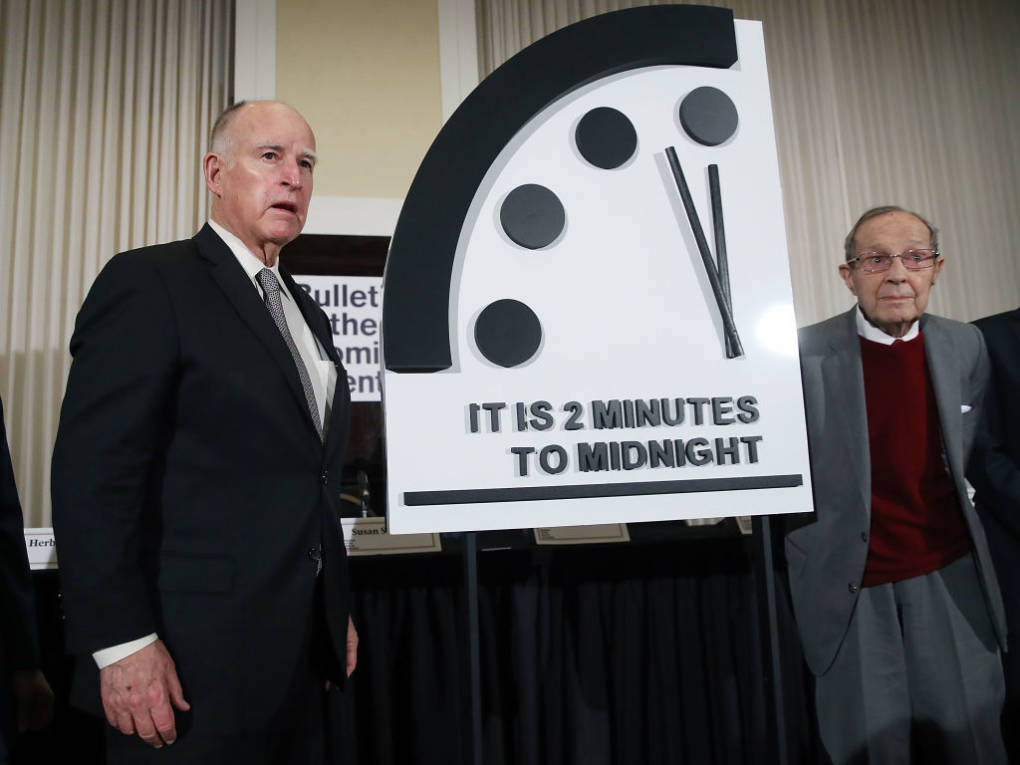
"caption": "Former California Gov. Jerry Brown, left, and former U.S. Secretary of Defense William Perry unveil the Doomsday Clock during The Bulletin of the Atomic Scientists news conference, on Jan. 24, 2019, in Washington, D.C. ",
"description": null,
"title": "Bulletin Of The Atomic Scientists Hold Annual News Conference To Announce Adjustment To Doomsday Clock",
"credit": "Mark Wilson/Getty Images",
"status": "inherit",
"isLoading": false,
"fetchFailed": false
},
"science_1936126": {
"type": "attachments",
"id": "science_1936126",
"meta": {
"index": "attachments_1716263798",
"site": "science",
"id": "1936126",
"found": true
},
"parent": 1935977,
"imgSizes": {
"small": {
"file": "https://ww2.kqed.org/app/uploads/sites/35/2018/12/glacier-520x348.jpg",
"width": 520,
"mimeType": "image/jpeg",
"height": 348
},
"twentyfourteen-full-width": {
"file": "https://ww2.kqed.org/app/uploads/sites/35/2018/12/glacier-1000x576.jpg",
"width": 1000,
"mimeType": "image/jpeg",
"height": 576
},
"thumbnail": {
"file": "https://ww2.kqed.org/app/uploads/sites/35/2018/12/glacier-160x107.jpg",
"width": 160,
"mimeType": "image/jpeg",
"height": 107
},
"fd-sm": {
"file": "https://ww2.kqed.org/app/uploads/sites/35/2018/12/glacier-960x642.jpg",
"width": 960,
"mimeType": "image/jpeg",
"height": 642
},
"post-thumbnail": {
"file": "https://ww2.kqed.org/app/uploads/sites/35/2018/12/glacier-672x372.jpg",
"width": 672,
"mimeType": "image/jpeg",
"height": 372
},
"xsmall": {
"file": "https://ww2.kqed.org/app/uploads/sites/35/2018/12/glacier-375x251.jpg",
"width": 375,
"mimeType": "image/jpeg",
"height": 251
},
"kqedFullSize": {
"file": "https://ww2.kqed.org/app/uploads/sites/35/2018/12/glacier.jpg",
"width": 1000,
"height": 669
},
"guest-author-50": {
"file": "https://ww2.kqed.org/app/uploads/sites/35/2018/12/glacier-50x50.jpg",
"width": 50,
"mimeType": "image/jpeg",
"height": 50
},
"guest-author-96": {
"file": "https://ww2.kqed.org/app/uploads/sites/35/2018/12/glacier-96x96.jpg",
"width": 96,
"mimeType": "image/jpeg",
"height": 96
},
"medium": {
"file": "https://ww2.kqed.org/app/uploads/sites/35/2018/12/glacier-800x535.jpg",
"width": 800,
"mimeType": "image/jpeg",
"height": 535
},
"guest-author-64": {
"file": "https://ww2.kqed.org/app/uploads/sites/35/2018/12/glacier-64x64.jpg",
"width": 64,
"mimeType": "image/jpeg",
"height": 64
},
"guest-author-32": {
"file": "https://ww2.kqed.org/app/uploads/sites/35/2018/12/glacier-32x32.jpg",
"width": 32,
"mimeType": "image/jpeg",
"height": 32
},
"detail": {
"file": "https://ww2.kqed.org/app/uploads/sites/35/2018/12/glacier-150x150.jpg",
"width": 150,
"mimeType": "image/jpeg",
"height": 150
},
"medium_large": {
"file": "https://ww2.kqed.org/app/uploads/sites/35/2018/12/glacier-768x514.jpg",
"width": 768,
"mimeType": "image/jpeg",
"height": 514
},
"guest-author-128": {
"file": "https://ww2.kqed.org/app/uploads/sites/35/2018/12/glacier-128x128.jpg",
"width": 128,
"mimeType": "image/jpeg",
"height": 128
},
"xxsmall": {
"file": "https://ww2.kqed.org/app/uploads/sites/35/2018/12/glacier-240x161.jpg",
"width": 240,
"mimeType": "image/jpeg",
"height": 161
}
},
"publishDate": 1545442809,
"modified": 1545442853,
"caption": null,
"description": null,
"title": "glacier",
"credit": "Photo by Matty Symons/Shutterstock",
"status": "inherit",
"isLoading": false,
"fetchFailed": false
},
"science_1935966": {
"type": "attachments",
"id": "science_1935966",
"meta": {
"index": "attachments_1716263798",
"site": "science",
"id": "1935966",
"found": true
},
"parent": 1935965,
"imgSizes": {
"small": {
"file": "https://ww2.kqed.org/app/uploads/sites/35/2018/12/img_8053-ec7e7cb031ed82def942206208b00075668b30b0-520x390.jpg",
"width": 520,
"mimeType": "image/jpeg",
"height": 390
},
"twentyfourteen-full-width": {
"file": "https://ww2.kqed.org/app/uploads/sites/35/2018/12/img_8053-ec7e7cb031ed82def942206208b00075668b30b0-1038x576.jpg",
"width": 1038,
"mimeType": "image/jpeg",
"height": 576
},
"thumbnail": {
"file": "https://ww2.kqed.org/app/uploads/sites/35/2018/12/img_8053-ec7e7cb031ed82def942206208b00075668b30b0-160x120.jpg",
"width": 160,
"mimeType": "image/jpeg",
"height": 120
},
"fd-sm": {
"file": "https://ww2.kqed.org/app/uploads/sites/35/2018/12/img_8053-ec7e7cb031ed82def942206208b00075668b30b0-960x720.jpg",
"width": 960,
"mimeType": "image/jpeg",
"height": 720
},
"post-thumbnail": {
"file": "https://ww2.kqed.org/app/uploads/sites/35/2018/12/img_8053-ec7e7cb031ed82def942206208b00075668b30b0-672x372.jpg",
"width": 672,
"mimeType": "image/jpeg",
"height": 372
},
"xsmall": {
"file": "https://ww2.kqed.org/app/uploads/sites/35/2018/12/img_8053-ec7e7cb031ed82def942206208b00075668b30b0-375x281.jpg",
"width": 375,
"mimeType": "image/jpeg",
"height": 281
},
"kqedFullSize": {
"file": "https://ww2.kqed.org/app/uploads/sites/35/2018/12/img_8053-ec7e7cb031ed82def942206208b00075668b30b0-e1545241144469.jpg",
"width": 1920,
"height": 1440
},
"large": {
"file": "https://ww2.kqed.org/app/uploads/sites/35/2018/12/img_8053-ec7e7cb031ed82def942206208b00075668b30b0-1020x765.jpg",
"width": 1020,
"mimeType": "image/jpeg",
"height": 765
},
"xlarge": {
"file": "https://ww2.kqed.org/app/uploads/sites/35/2018/12/img_8053-ec7e7cb031ed82def942206208b00075668b30b0-1180x885.jpg",
"width": 1180,
"mimeType": "image/jpeg",
"height": 885
},
"complete_open_graph": {
"file": "https://ww2.kqed.org/app/uploads/sites/35/2018/12/img_8053-ec7e7cb031ed82def942206208b00075668b30b0-1200x900.jpg",
"width": 1200,
"mimeType": "image/jpeg",
"height": 900
},
"guest-author-50": {
"file": "https://ww2.kqed.org/app/uploads/sites/35/2018/12/img_8053-ec7e7cb031ed82def942206208b00075668b30b0-50x50.jpg",
"width": 50,
"mimeType": "image/jpeg",
"height": 50
},
"guest-author-96": {
"file": "https://ww2.kqed.org/app/uploads/sites/35/2018/12/img_8053-ec7e7cb031ed82def942206208b00075668b30b0-96x96.jpg",
"width": 96,
"mimeType": "image/jpeg",
"height": 96
},
"medium": {
"file": "https://ww2.kqed.org/app/uploads/sites/35/2018/12/img_8053-ec7e7cb031ed82def942206208b00075668b30b0-800x600.jpg",
"width": 800,
"mimeType": "image/jpeg",
"height": 600
},
"guest-author-64": {
"file": "https://ww2.kqed.org/app/uploads/sites/35/2018/12/img_8053-ec7e7cb031ed82def942206208b00075668b30b0-64x64.jpg",
"width": 64,
"mimeType": "image/jpeg",
"height": 64
},
"guest-author-32": {
"file": "https://ww2.kqed.org/app/uploads/sites/35/2018/12/img_8053-ec7e7cb031ed82def942206208b00075668b30b0-32x32.jpg",
"width": 32,
"mimeType": "image/jpeg",
"height": 32
},
"fd-lrg": {
"file": "https://ww2.kqed.org/app/uploads/sites/35/2018/12/img_8053-ec7e7cb031ed82def942206208b00075668b30b0-1920x1440.jpg",
"width": 1920,
"mimeType": "image/jpeg",
"height": 1440
},
"fd-med": {
"file": "https://ww2.kqed.org/app/uploads/sites/35/2018/12/img_8053-ec7e7cb031ed82def942206208b00075668b30b0-1180x885.jpg",
"width": 1180,
"mimeType": "image/jpeg",
"height": 885
},
"full-width": {
"file": "https://ww2.kqed.org/app/uploads/sites/35/2018/12/img_8053-ec7e7cb031ed82def942206208b00075668b30b0-1920x1440.jpg",
"width": 1920,
"mimeType": "image/jpeg",
"height": 1440
},
"detail": {
"file": "https://ww2.kqed.org/app/uploads/sites/35/2018/12/img_8053-ec7e7cb031ed82def942206208b00075668b30b0-150x150.jpg",
"width": 150,
"mimeType": "image/jpeg",
"height": 150
},
"medium_large": {
"file": "https://ww2.kqed.org/app/uploads/sites/35/2018/12/img_8053-ec7e7cb031ed82def942206208b00075668b30b0-768x576.jpg",
"width": 768,
"mimeType": "image/jpeg",
"height": 576
},
"guest-author-128": {
"file": "https://ww2.kqed.org/app/uploads/sites/35/2018/12/img_8053-ec7e7cb031ed82def942206208b00075668b30b0-128x128.jpg",
"width": 128,
"mimeType": "image/jpeg",
"height": 128
},
"xxsmall": {
"file": "https://ww2.kqed.org/app/uploads/sites/35/2018/12/img_8053-ec7e7cb031ed82def942206208b00075668b30b0-240x180.jpg",
"width": 240,
"mimeType": "image/jpeg",
"height": 180
}
},
"publishDate": 1545241039,
"modified": 1545241133,
"caption": "Steven Falk, former city manager of Lafayette, Calif., outside the city's Bay Area Rapid Transit station.",
"description": null,
"title": "Steven Falk, former city manager of Lafayette, Calif., outside the city's Bay Area Rapid Transit station.",
"credit": "Dan Charles/NPR",
"status": "inherit",
"isLoading": false,
"fetchFailed": false
},
"science_1935923": {
"type": "attachments",
"id": "science_1935923",
"meta": {
"index": "attachments_1716263798",
"site": "science",
"id": "1935923",
"found": true
},
"parent": 1935922,
"imgSizes": {
"small": {
"file": "https://ww2.kqed.org/app/uploads/sites/35/2018/12/ap_18349781789868_custom-72dd637d63d881e2c1e8b2e83fc90e6c2f823a42-520x356.jpg",
"width": 520,
"mimeType": "image/jpeg",
"height": 356
},
"twentyfourteen-full-width": {
"file": "https://ww2.kqed.org/app/uploads/sites/35/2018/12/ap_18349781789868_custom-72dd637d63d881e2c1e8b2e83fc90e6c2f823a42-1038x576.jpg",
"width": 1038,
"mimeType": "image/jpeg",
"height": 576
},
"thumbnail": {
"file": "https://ww2.kqed.org/app/uploads/sites/35/2018/12/ap_18349781789868_custom-72dd637d63d881e2c1e8b2e83fc90e6c2f823a42-160x110.jpg",
"width": 160,
"mimeType": "image/jpeg",
"height": 110
},
"fd-sm": {
"file": "https://ww2.kqed.org/app/uploads/sites/35/2018/12/ap_18349781789868_custom-72dd637d63d881e2c1e8b2e83fc90e6c2f823a42-960x658.jpg",
"width": 960,
"mimeType": "image/jpeg",
"height": 658
},
"post-thumbnail": {
"file": "https://ww2.kqed.org/app/uploads/sites/35/2018/12/ap_18349781789868_custom-72dd637d63d881e2c1e8b2e83fc90e6c2f823a42-672x372.jpg",
"width": 672,
"mimeType": "image/jpeg",
"height": 372
},
"xsmall": {
"file": "https://ww2.kqed.org/app/uploads/sites/35/2018/12/ap_18349781789868_custom-72dd637d63d881e2c1e8b2e83fc90e6c2f823a42-375x257.jpg",
"width": 375,
"mimeType": "image/jpeg",
"height": 257
},
"kqedFullSize": {
"file": "https://ww2.kqed.org/app/uploads/sites/35/2018/12/ap_18349781789868_custom-72dd637d63d881e2c1e8b2e83fc90e6c2f823a42.jpg",
"width": 3489,
"height": 2391
},
"large": {
"file": "https://ww2.kqed.org/app/uploads/sites/35/2018/12/ap_18349781789868_custom-72dd637d63d881e2c1e8b2e83fc90e6c2f823a42-1020x699.jpg",
"width": 1020,
"mimeType": "image/jpeg",
"height": 699
},
"xlarge": {
"file": "https://ww2.kqed.org/app/uploads/sites/35/2018/12/ap_18349781789868_custom-72dd637d63d881e2c1e8b2e83fc90e6c2f823a42-1180x809.jpg",
"width": 1180,
"mimeType": "image/jpeg",
"height": 809
},
"complete_open_graph": {
"file": "https://ww2.kqed.org/app/uploads/sites/35/2018/12/ap_18349781789868_custom-72dd637d63d881e2c1e8b2e83fc90e6c2f823a42-1200x822.jpg",
"width": 1200,
"mimeType": "image/jpeg",
"height": 822
},
"guest-author-50": {
"file": "https://ww2.kqed.org/app/uploads/sites/35/2018/12/ap_18349781789868_custom-72dd637d63d881e2c1e8b2e83fc90e6c2f823a42-50x50.jpg",
"width": 50,
"mimeType": "image/jpeg",
"height": 50
},
"guest-author-96": {
"file": "https://ww2.kqed.org/app/uploads/sites/35/2018/12/ap_18349781789868_custom-72dd637d63d881e2c1e8b2e83fc90e6c2f823a42-96x96.jpg",
"width": 96,
"mimeType": "image/jpeg",
"height": 96
},
"medium": {
"file": "https://ww2.kqed.org/app/uploads/sites/35/2018/12/ap_18349781789868_custom-72dd637d63d881e2c1e8b2e83fc90e6c2f823a42-800x548.jpg",
"width": 800,
"mimeType": "image/jpeg",
"height": 548
},
"guest-author-64": {
"file": "https://ww2.kqed.org/app/uploads/sites/35/2018/12/ap_18349781789868_custom-72dd637d63d881e2c1e8b2e83fc90e6c2f823a42-64x64.jpg",
"width": 64,
"mimeType": "image/jpeg",
"height": 64
},
"guest-author-32": {
"file": "https://ww2.kqed.org/app/uploads/sites/35/2018/12/ap_18349781789868_custom-72dd637d63d881e2c1e8b2e83fc90e6c2f823a42-32x32.jpg",
"width": 32,
"mimeType": "image/jpeg",
"height": 32
},
"fd-lrg": {
"file": "https://ww2.kqed.org/app/uploads/sites/35/2018/12/ap_18349781789868_custom-72dd637d63d881e2c1e8b2e83fc90e6c2f823a42-1920x1316.jpg",
"width": 1920,
"mimeType": "image/jpeg",
"height": 1316
},
"fd-med": {
"file": "https://ww2.kqed.org/app/uploads/sites/35/2018/12/ap_18349781789868_custom-72dd637d63d881e2c1e8b2e83fc90e6c2f823a42-1180x809.jpg",
"width": 1180,
"mimeType": "image/jpeg",
"height": 809
},
"full-width": {
"file": "https://ww2.kqed.org/app/uploads/sites/35/2018/12/ap_18349781789868_custom-72dd637d63d881e2c1e8b2e83fc90e6c2f823a42-1920x1316.jpg",
"width": 1920,
"mimeType": "image/jpeg",
"height": 1316
},
"detail": {
"file": "https://ww2.kqed.org/app/uploads/sites/35/2018/12/ap_18349781789868_custom-72dd637d63d881e2c1e8b2e83fc90e6c2f823a42-150x150.jpg",
"width": 150,
"mimeType": "image/jpeg",
"height": 150
},
"medium_large": {
"file": "https://ww2.kqed.org/app/uploads/sites/35/2018/12/ap_18349781789868_custom-72dd637d63d881e2c1e8b2e83fc90e6c2f823a42-768x526.jpg",
"width": 768,
"mimeType": "image/jpeg",
"height": 526
},
"guest-author-128": {
"file": "https://ww2.kqed.org/app/uploads/sites/35/2018/12/ap_18349781789868_custom-72dd637d63d881e2c1e8b2e83fc90e6c2f823a42-128x128.jpg",
"width": 128,
"mimeType": "image/jpeg",
"height": 128
},
"xxsmall": {
"file": "https://ww2.kqed.org/app/uploads/sites/35/2018/12/ap_18349781789868_custom-72dd637d63d881e2c1e8b2e83fc90e6c2f823a42-240x164.jpg",
"width": 240,
"mimeType": "image/jpeg",
"height": 164
}
},
"publishDate": 1545153529,
"modified": 1545154106,
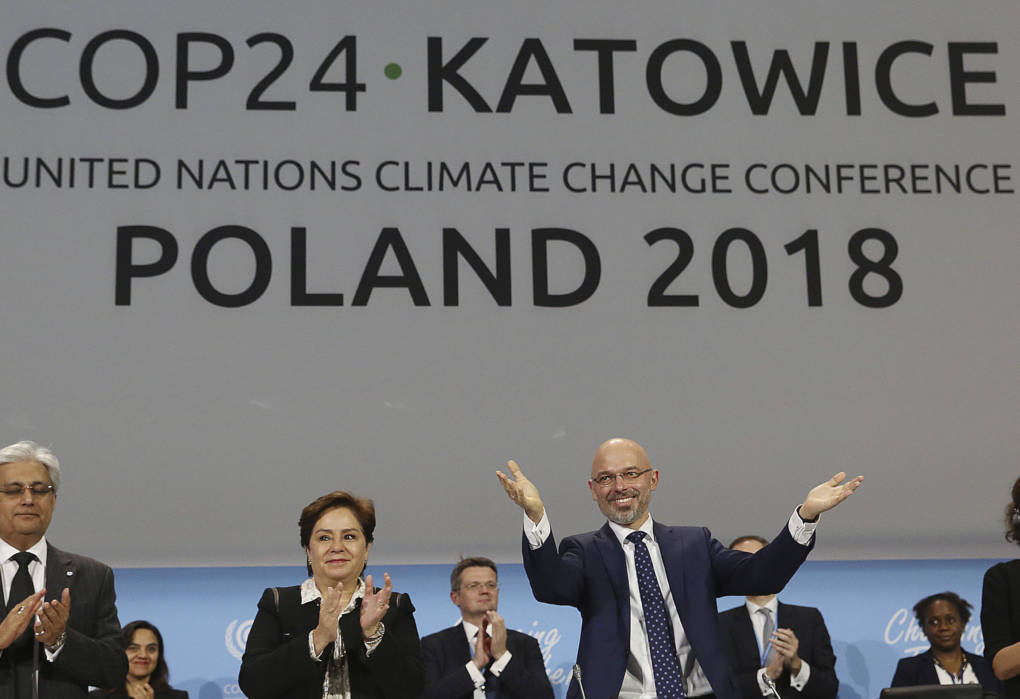
"caption": "Michal Kurtyka, the Polish official who led U.N. climate change negotiations in Katowice, Poland. On Dec. 15., nearly 200 countries agreed to a set of rules that will implement the landmark Paris agreement.",
"description": "Michal Kurtyka, the Polish official who led U.N. climate change negotiations in Katowice, Poland. On Dec. 15., nearly 200 countries agreed to a set of rules that will implement the landmark Paris agreement.",
"title": "Michal Kurtyka, the Polish official who led U.N. climate change negotiations in Katowice, Poland. On Dec. 15., nearly 200 countries agreed to a set of rules that will implement the landmark Paris agreement.",
"credit": "Czarek Sokolowski/AP",
"status": "inherit",
"isLoading": false,
"fetchFailed": false
},
"science_1935661": {
"type": "attachments",
"id": "science_1935661",
"meta": {
"index": "attachments_1716263798",
"site": "science",
"id": "1935661",
"found": true
},
"parent": 1935657,
"imgSizes": {
"small": {
"file": "https://ww2.kqed.org/app/uploads/sites/35/2018/12/GRAPHIC-Sea-ice-2018_Arctic-report-card-NOAA-1200x736-520x319.png",
"width": 520,
"mimeType": "image/png",
"height": 319
},
"twentyfourteen-full-width": {
"file": "https://ww2.kqed.org/app/uploads/sites/35/2018/12/GRAPHIC-Sea-ice-2018_Arctic-report-card-NOAA-1200x736-1038x576.png",
"width": 1038,
"mimeType": "image/png",
"height": 576
},
"thumbnail": {
"file": "https://ww2.kqed.org/app/uploads/sites/35/2018/12/GRAPHIC-Sea-ice-2018_Arctic-report-card-NOAA-1200x736-160x98.png",
"width": 160,
"mimeType": "image/png",
"height": 98
},
"fd-sm": {
"file": "https://ww2.kqed.org/app/uploads/sites/35/2018/12/GRAPHIC-Sea-ice-2018_Arctic-report-card-NOAA-1200x736-960x589.png",
"width": 960,
"mimeType": "image/png",
"height": 589
},
"post-thumbnail": {
"file": "https://ww2.kqed.org/app/uploads/sites/35/2018/12/GRAPHIC-Sea-ice-2018_Arctic-report-card-NOAA-1200x736-672x372.png",
"width": 672,
"mimeType": "image/png",
"height": 372
},
"xsmall": {
"file": "https://ww2.kqed.org/app/uploads/sites/35/2018/12/GRAPHIC-Sea-ice-2018_Arctic-report-card-NOAA-1200x736-375x230.png",
"width": 375,
"mimeType": "image/png",
"height": 230
},
"kqedFullSize": {
"file": "https://ww2.kqed.org/app/uploads/sites/35/2018/12/GRAPHIC-Sea-ice-2018_Arctic-report-card-NOAA-1200x736.png",
"width": 1200,
"height": 736
},
"large": {
"file": "https://ww2.kqed.org/app/uploads/sites/35/2018/12/GRAPHIC-Sea-ice-2018_Arctic-report-card-NOAA-1200x736-1020x626.png",
"width": 1020,
"mimeType": "image/png",
"height": 626
},
"xlarge": {
"file": "https://ww2.kqed.org/app/uploads/sites/35/2018/12/GRAPHIC-Sea-ice-2018_Arctic-report-card-NOAA-1200x736-1180x724.png",
"width": 1180,
"mimeType": "image/png",
"height": 724
},
"complete_open_graph": {
"file": "https://ww2.kqed.org/app/uploads/sites/35/2018/12/GRAPHIC-Sea-ice-2018_Arctic-report-card-NOAA-1200x736-1200x736.png",
"width": 1200,
"mimeType": "image/png",
"height": 736
},
"guest-author-50": {
"file": "https://ww2.kqed.org/app/uploads/sites/35/2018/12/GRAPHIC-Sea-ice-2018_Arctic-report-card-NOAA-1200x736-50x50.png",
"width": 50,
"mimeType": "image/png",
"height": 50
},
"guest-author-96": {
"file": "https://ww2.kqed.org/app/uploads/sites/35/2018/12/GRAPHIC-Sea-ice-2018_Arctic-report-card-NOAA-1200x736-96x96.png",
"width": 96,
"mimeType": "image/png",
"height": 96
},
"medium": {
"file": "https://ww2.kqed.org/app/uploads/sites/35/2018/12/GRAPHIC-Sea-ice-2018_Arctic-report-card-NOAA-1200x736-800x491.png",
"width": 800,
"mimeType": "image/png",
"height": 491
},
"guest-author-64": {
"file": "https://ww2.kqed.org/app/uploads/sites/35/2018/12/GRAPHIC-Sea-ice-2018_Arctic-report-card-NOAA-1200x736-64x64.png",
"width": 64,
"mimeType": "image/png",
"height": 64
},
"guest-author-32": {
"file": "https://ww2.kqed.org/app/uploads/sites/35/2018/12/GRAPHIC-Sea-ice-2018_Arctic-report-card-NOAA-1200x736-32x32.png",
"width": 32,
"mimeType": "image/png",
"height": 32
},
"fd-med": {
"file": "https://ww2.kqed.org/app/uploads/sites/35/2018/12/GRAPHIC-Sea-ice-2018_Arctic-report-card-NOAA-1200x736-1180x724.png",
"width": 1180,
"mimeType": "image/png",
"height": 724
},
"detail": {
"file": "https://ww2.kqed.org/app/uploads/sites/35/2018/12/GRAPHIC-Sea-ice-2018_Arctic-report-card-NOAA-1200x736-150x150.png",
"width": 150,
"mimeType": "image/png",
"height": 150
},
"medium_large": {
"file": "https://ww2.kqed.org/app/uploads/sites/35/2018/12/GRAPHIC-Sea-ice-2018_Arctic-report-card-NOAA-1200x736-768x471.png",
"width": 768,
"mimeType": "image/png",
"height": 471
},
"guest-author-128": {
"file": "https://ww2.kqed.org/app/uploads/sites/35/2018/12/GRAPHIC-Sea-ice-2018_Arctic-report-card-NOAA-1200x736-128x128.png",
"width": 128,
"mimeType": "image/png",
"height": 128
},
"xxsmall": {
"file": "https://ww2.kqed.org/app/uploads/sites/35/2018/12/GRAPHIC-Sea-ice-2018_Arctic-report-card-NOAA-1200x736-240x147.png",
"width": 240,
"mimeType": "image/png",
"height": 147
}
},
"publishDate": 1544554031,
"modified": 1544554098,
"caption": "The 2018 Arctic Report Card found the Arctic region had the second-lowest overall sea-ice coverage on record. The map shows the age of sea ice in the Arctic ice pack in March 1985 (left) and March 2018 (right). Ice that is less than a year old is darkest blue. Ice that has survived at least four full years is white.",
"description": null,
"title": "GRAPHIC-Sea-ice-2018_Arctic-report-card-NOAA-1200x736",
"credit": "NOAA Climate.gov/Mark Tschudi./University of Colorado/CCAR",
"status": "inherit",
"isLoading": false,
"fetchFailed": false
},
"science_1934680": {
"type": "attachments",
"id": "science_1934680",
"meta": {
"index": "attachments_1716263798",
"site": "science",
"id": "1934680",
"found": true
},
"parent": 1934679,
"imgSizes": {
"small": {
"file": "https://ww2.kqed.org/app/uploads/sites/35/2018/11/GettyImages-1061906560-520x292.jpg",
"width": 520,
"mimeType": "image/jpeg",
"height": 292
},
"twentyfourteen-full-width": {
"file": "https://ww2.kqed.org/app/uploads/sites/35/2018/11/GettyImages-1061906560-1038x576.jpg",
"width": 1038,
"mimeType": "image/jpeg",
"height": 576
},
"thumbnail": {
"file": "https://ww2.kqed.org/app/uploads/sites/35/2018/11/GettyImages-1061906560-160x90.jpg",
"width": 160,
"mimeType": "image/jpeg",
"height": 90
},
"fd-sm": {
"file": "https://ww2.kqed.org/app/uploads/sites/35/2018/11/GettyImages-1061906560-960x539.jpg",
"width": 960,
"mimeType": "image/jpeg",
"height": 539
},
"post-thumbnail": {
"file": "https://ww2.kqed.org/app/uploads/sites/35/2018/11/GettyImages-1061906560-672x372.jpg",
"width": 672,
"mimeType": "image/jpeg",
"height": 372
},
"xsmall": {
"file": "https://ww2.kqed.org/app/uploads/sites/35/2018/11/GettyImages-1061906560-375x211.jpg",
"width": 375,
"mimeType": "image/jpeg",
"height": 211
},
"kqedFullSize": {
"file": "https://ww2.kqed.org/app/uploads/sites/35/2018/11/GettyImages-1061906560.jpg",
"width": 3928,
"height": 2206
},
"large": {
"file": "https://ww2.kqed.org/app/uploads/sites/35/2018/11/GettyImages-1061906560-1020x573.jpg",
"width": 1020,
"mimeType": "image/jpeg",
"height": 573
},
"xlarge": {
"file": "https://ww2.kqed.org/app/uploads/sites/35/2018/11/GettyImages-1061906560-1180x663.jpg",
"width": 1180,
"mimeType": "image/jpeg",
"height": 663
},
"complete_open_graph": {
"file": "https://ww2.kqed.org/app/uploads/sites/35/2018/11/GettyImages-1061906560-1200x674.jpg",
"width": 1200,
"mimeType": "image/jpeg",
"height": 674
},
"guest-author-50": {
"file": "https://ww2.kqed.org/app/uploads/sites/35/2018/11/GettyImages-1061906560-50x50.jpg",
"width": 50,
"mimeType": "image/jpeg",
"height": 50
},
"guest-author-96": {
"file": "https://ww2.kqed.org/app/uploads/sites/35/2018/11/GettyImages-1061906560-96x96.jpg",
"width": 96,
"mimeType": "image/jpeg",
"height": 96
},
"medium": {
"file": "https://ww2.kqed.org/app/uploads/sites/35/2018/11/GettyImages-1061906560-800x449.jpg",
"width": 800,
"mimeType": "image/jpeg",
"height": 449
},
"guest-author-64": {
"file": "https://ww2.kqed.org/app/uploads/sites/35/2018/11/GettyImages-1061906560-64x64.jpg",
"width": 64,
"mimeType": "image/jpeg",
"height": 64
},
"guest-author-32": {
"file": "https://ww2.kqed.org/app/uploads/sites/35/2018/11/GettyImages-1061906560-32x32.jpg",
"width": 32,
"mimeType": "image/jpeg",
"height": 32
},
"fd-lrg": {
"file": "https://ww2.kqed.org/app/uploads/sites/35/2018/11/GettyImages-1061906560-1920x1078.jpg",
"width": 1920,
"mimeType": "image/jpeg",
"height": 1078
},
"fd-med": {
"file": "https://ww2.kqed.org/app/uploads/sites/35/2018/11/GettyImages-1061906560-1180x663.jpg",
"width": 1180,
"mimeType": "image/jpeg",
"height": 663
},
"full-width": {
"file": "https://ww2.kqed.org/app/uploads/sites/35/2018/11/GettyImages-1061906560-1920x1078.jpg",
"width": 1920,
"mimeType": "image/jpeg",
"height": 1078
},
"detail": {
"file": "https://ww2.kqed.org/app/uploads/sites/35/2018/11/GettyImages-1061906560-150x150.jpg",
"width": 150,
"mimeType": "image/jpeg",
"height": 150
},
"medium_large": {
"file": "https://ww2.kqed.org/app/uploads/sites/35/2018/11/GettyImages-1061906560-768x431.jpg",
"width": 768,
"mimeType": "image/jpeg",
"height": 431
},
"guest-author-128": {
"file": "https://ww2.kqed.org/app/uploads/sites/35/2018/11/GettyImages-1061906560-128x128.jpg",
"width": 128,
"mimeType": "image/jpeg",
"height": 128
},
"xxsmall": {
"file": "https://ww2.kqed.org/app/uploads/sites/35/2018/11/GettyImages-1061906560-240x135.jpg",
"width": 240,
"mimeType": "image/jpeg",
"height": 135
}
},
"publishDate": 1542753724,
"modified": 1544379263,
"caption": "The Camp Fire consumed entire neighborhoods in Paradise, California. A massive federal report says climate change is contributing to larger wildfires as well as other deadly extreme weather.",
"description": "The Camp Fire consumed entire neighborhoods in Paradise, California. At the Cypress Meadows Post-Acute nursing home, staff had just a couple of hours to find for 91 residents, before the flames would arrive to consume the building. \n",
"title": "US-FIRE-environment-CALIFORNIA-WEATHER",
"credit": "JOSH EDELSON/AFP/Getty Images",
"status": "inherit",
"isLoading": false,
"fetchFailed": false
},
"science_1917875": {
"type": "attachments",
"id": "science_1917875",
"meta": {
"index": "attachments_1716263798",
"site": "science",
"id": "1917875",
"found": true
},
"parent": 1917844,
"imgSizes": {
"small": {
"file": "https://ww2.kqed.org/app/uploads/sites/35/2017/11/RS111_111207-041-520x390.jpg",
"width": 520,
"mimeType": "image/jpeg",
"height": 390
},
"twentyfourteen-full-width": {
"file": "https://ww2.kqed.org/app/uploads/sites/35/2017/11/RS111_111207-041-1038x576.jpg",
"width": 1038,
"mimeType": "image/jpeg",
"height": 576
},
"thumbnail": {
"file": "https://ww2.kqed.org/app/uploads/sites/35/2017/11/RS111_111207-041-160x120.jpg",
"width": 160,
"mimeType": "image/jpeg",
"height": 120
},
"fd-sm": {
"file": "https://ww2.kqed.org/app/uploads/sites/35/2017/11/RS111_111207-041-960x720.jpg",
"width": 960,
"mimeType": "image/jpeg",
"height": 720
},
"post-thumbnail": {
"file": "https://ww2.kqed.org/app/uploads/sites/35/2017/11/RS111_111207-041-672x372.jpg",
"width": 672,
"mimeType": "image/jpeg",
"height": 372
},
"xsmall": {
"file": "https://ww2.kqed.org/app/uploads/sites/35/2017/11/RS111_111207-041-375x281.jpg",
"width": 375,
"mimeType": "image/jpeg",
"height": 281
},
"kqedFullSize": {
"file": "https://ww2.kqed.org/app/uploads/sites/35/2017/11/RS111_111207-041.jpg",
"width": 1600,
"height": 1200
},
"large": {
"file": "https://ww2.kqed.org/app/uploads/sites/35/2017/11/RS111_111207-041-1020x765.jpg",
"width": 1020,
"mimeType": "image/jpeg",
"height": 765
},
"xlarge": {
"file": "https://ww2.kqed.org/app/uploads/sites/35/2017/11/RS111_111207-041-1180x885.jpg",
"width": 1180,
"mimeType": "image/jpeg",
"height": 885
},
"guest-author-50": {
"file": "https://ww2.kqed.org/app/uploads/sites/35/2017/11/RS111_111207-041-50x50.jpg",
"width": 50,
"mimeType": "image/jpeg",
"height": 50
},
"guest-author-96": {
"file": "https://ww2.kqed.org/app/uploads/sites/35/2017/11/RS111_111207-041-96x96.jpg",
"width": 96,
"mimeType": "image/jpeg",
"height": 96
},
"medium": {
"file": "https://ww2.kqed.org/app/uploads/sites/35/2017/11/RS111_111207-041-800x600.jpg",
"width": 800,
"mimeType": "image/jpeg",
"height": 600
},
"guest-author-64": {
"file": "https://ww2.kqed.org/app/uploads/sites/35/2017/11/RS111_111207-041-64x64.jpg",
"width": 64,
"mimeType": "image/jpeg",
"height": 64
},
"guest-author-32": {
"file": "https://ww2.kqed.org/app/uploads/sites/35/2017/11/RS111_111207-041-32x32.jpg",
"width": 32,
"mimeType": "image/jpeg",
"height": 32
},
"fd-med": {
"file": "https://ww2.kqed.org/app/uploads/sites/35/2017/11/RS111_111207-041-1180x885.jpg",
"width": 1180,
"mimeType": "image/jpeg",
"height": 885
},
"detail": {
"file": "https://ww2.kqed.org/app/uploads/sites/35/2017/11/RS111_111207-041-150x150.jpg",
"width": 150,
"mimeType": "image/jpeg",
"height": 150
},
"medium_large": {
"file": "https://ww2.kqed.org/app/uploads/sites/35/2017/11/RS111_111207-041-768x576.jpg",
"width": 768,
"mimeType": "image/jpeg",
"height": 576
},
"guest-author-128": {
"file": "https://ww2.kqed.org/app/uploads/sites/35/2017/11/RS111_111207-041-128x128.jpg",
"width": 128,
"mimeType": "image/jpeg",
"height": 128
},
"xxsmall": {
"file": "https://ww2.kqed.org/app/uploads/sites/35/2017/11/RS111_111207-041-240x180.jpg",
"width": 240,
"mimeType": "image/jpeg",
"height": 180
}
},
"publishDate": 1510975762,
"modified": 1510975850,
"caption": "Cars and trucks generate the largest share of greenhouse gases in California.",
"description": "Cars and trucks generate the largest share of greenhouse gases in California.",
"title": "RS111_111207 041",
"credit": "Craig Miller",
"status": "inherit",
"isLoading": false,
"fetchFailed": false
},
"science_1934262": {
"type": "attachments",
"id": "science_1934262",
"meta": {
"index": "attachments_1716263798",
"site": "science",
"id": "1934262",
"found": true
},
"parent": 1934110,
"imgSizes": {
"small": {
"file": "https://ww2.kqed.org/app/uploads/sites/35/2018/11/HeatWorker-520x293.jpg",
"width": 520,
"mimeType": "image/jpeg",
"height": 293
},
"twentyfourteen-full-width": {
"file": "https://ww2.kqed.org/app/uploads/sites/35/2018/11/HeatWorker-1038x576.jpg",
"width": 1038,
"mimeType": "image/jpeg",
"height": 576
},
"thumbnail": {
"file": "https://ww2.kqed.org/app/uploads/sites/35/2018/11/HeatWorker-160x90.jpg",
"width": 160,
"mimeType": "image/jpeg",
"height": 90
},
"fd-sm": {
"file": "https://ww2.kqed.org/app/uploads/sites/35/2018/11/HeatWorker-960x540.jpg",
"width": 960,
"mimeType": "image/jpeg",
"height": 540
},
"post-thumbnail": {
"file": "https://ww2.kqed.org/app/uploads/sites/35/2018/11/HeatWorker-672x372.jpg",
"width": 672,
"mimeType": "image/jpeg",
"height": 372
},
"xsmall": {
"file": "https://ww2.kqed.org/app/uploads/sites/35/2018/11/HeatWorker-375x211.jpg",
"width": 375,
"mimeType": "image/jpeg",
"height": 211
},
"kqedFullSize": {
"file": "https://ww2.kqed.org/app/uploads/sites/35/2018/11/HeatWorker.jpg",
"width": 1920,
"height": 1080
},
"large": {
"file": "https://ww2.kqed.org/app/uploads/sites/35/2018/11/HeatWorker-1020x574.jpg",
"width": 1020,
"mimeType": "image/jpeg",
"height": 574
},
"xlarge": {
"file": "https://ww2.kqed.org/app/uploads/sites/35/2018/11/HeatWorker-1180x664.jpg",
"width": 1180,
"mimeType": "image/jpeg",
"height": 664
},
"complete_open_graph": {
"file": "https://ww2.kqed.org/app/uploads/sites/35/2018/11/HeatWorker-1200x675.jpg",
"width": 1200,
"mimeType": "image/jpeg",
"height": 675
},
"guest-author-50": {
"file": "https://ww2.kqed.org/app/uploads/sites/35/2018/11/HeatWorker-50x50.jpg",
"width": 50,
"mimeType": "image/jpeg",
"height": 50
},
"guest-author-96": {
"file": "https://ww2.kqed.org/app/uploads/sites/35/2018/11/HeatWorker-96x96.jpg",
"width": 96,
"mimeType": "image/jpeg",
"height": 96
},
"medium": {
"file": "https://ww2.kqed.org/app/uploads/sites/35/2018/11/HeatWorker-800x450.jpg",
"width": 800,
"mimeType": "image/jpeg",
"height": 450
},
"guest-author-64": {
"file": "https://ww2.kqed.org/app/uploads/sites/35/2018/11/HeatWorker-64x64.jpg",
"width": 64,
"mimeType": "image/jpeg",
"height": 64
},
"guest-author-32": {
"file": "https://ww2.kqed.org/app/uploads/sites/35/2018/11/HeatWorker-32x32.jpg",
"width": 32,
"mimeType": "image/jpeg",
"height": 32
},
"fd-lrg": {
"file": "https://ww2.kqed.org/app/uploads/sites/35/2018/11/HeatWorker-1920x1080.jpg",
"width": 1920,
"mimeType": "image/jpeg",
"height": 1080
},
"fd-med": {
"file": "https://ww2.kqed.org/app/uploads/sites/35/2018/11/HeatWorker-1180x664.jpg",
"width": 1180,
"mimeType": "image/jpeg",
"height": 664
},
"full-width": {
"file": "https://ww2.kqed.org/app/uploads/sites/35/2018/11/HeatWorker-1920x1080.jpg",
"width": 1920,
"mimeType": "image/jpeg",
"height": 1080
},
"detail": {
"file": "https://ww2.kqed.org/app/uploads/sites/35/2018/11/HeatWorker-150x150.jpg",
"width": 150,
"mimeType": "image/jpeg",
"height": 150
},
"medium_large": {
"file": "https://ww2.kqed.org/app/uploads/sites/35/2018/11/HeatWorker-768x432.jpg",
"width": 768,
"mimeType": "image/jpeg",
"height": 432
},
"guest-author-128": {
"file": "https://ww2.kqed.org/app/uploads/sites/35/2018/11/HeatWorker-128x128.jpg",
"width": 128,
"mimeType": "image/jpeg",
"height": 128
},
"xxsmall": {
"file": "https://ww2.kqed.org/app/uploads/sites/35/2018/11/HeatWorker-240x135.jpg",
"width": 240,
"mimeType": "image/jpeg",
"height": 135
}
},
"publishDate": 1542151426,
"modified": 1550875834,
"caption": "At California Cartage near the Port of Long Beach, 68-year-old Jose Rodriguez said it gets so hot inside the shipping containers he unloads that his sweat sizzles on the metal. California will soon regulate heat at workplaces like the warehouse where Rodriguez works.",
"description": null,
"title": "HeatWorker",
"credit": "Molly Peterson/KQED",
"status": "inherit",
"isLoading": false,
"fetchFailed": false
},
"science_1934989": {
"type": "attachments",
"id": "science_1934989",
"meta": {
"index": "attachments_1716263798",
"site": "science",
"id": "1934989",
"found": true
},
"parent": 1934983,
"imgSizes": {
"small": {
"file": "https://ww2.kqed.org/app/uploads/sites/35/2018/11/RS33789_evacuations-Getty-1059401568-qut-520x347.jpg",
"width": 520,
"mimeType": "image/jpeg",
"height": 347
},
"twentyfourteen-full-width": {
"file": "https://ww2.kqed.org/app/uploads/sites/35/2018/11/RS33789_evacuations-Getty-1059401568-qut-1038x576.jpg",
"width": 1038,
"mimeType": "image/jpeg",
"height": 576
},
"thumbnail": {
"file": "https://ww2.kqed.org/app/uploads/sites/35/2018/11/RS33789_evacuations-Getty-1059401568-qut-160x107.jpg",
"width": 160,
"mimeType": "image/jpeg",
"height": 107
},
"fd-sm": {
"file": "https://ww2.kqed.org/app/uploads/sites/35/2018/11/RS33789_evacuations-Getty-1059401568-qut-960x640.jpg",
"width": 960,
"mimeType": "image/jpeg",
"height": 640
},
"post-thumbnail": {
"file": "https://ww2.kqed.org/app/uploads/sites/35/2018/11/RS33789_evacuations-Getty-1059401568-qut-672x372.jpg",
"width": 672,
"mimeType": "image/jpeg",
"height": 372
},
"xsmall": {
"file": "https://ww2.kqed.org/app/uploads/sites/35/2018/11/RS33789_evacuations-Getty-1059401568-qut-375x250.jpg",
"width": 375,
"mimeType": "image/jpeg",
"height": 250
},
"kqedFullSize": {
"file": "https://ww2.kqed.org/app/uploads/sites/35/2018/11/RS33789_evacuations-Getty-1059401568-qut.jpg",
"width": 1920,
"height": 1280
},
"large": {
"file": "https://ww2.kqed.org/app/uploads/sites/35/2018/11/RS33789_evacuations-Getty-1059401568-qut-1020x680.jpg",
"width": 1020,
"mimeType": "image/jpeg",
"height": 680
},
"xlarge": {
"file": "https://ww2.kqed.org/app/uploads/sites/35/2018/11/RS33789_evacuations-Getty-1059401568-qut-1180x787.jpg",
"width": 1180,
"mimeType": "image/jpeg",
"height": 787
},
"complete_open_graph": {
"file": "https://ww2.kqed.org/app/uploads/sites/35/2018/11/RS33789_evacuations-Getty-1059401568-qut-1200x800.jpg",
"width": 1200,
"mimeType": "image/jpeg",
"height": 800
},
"guest-author-50": {
"file": "https://ww2.kqed.org/app/uploads/sites/35/2018/11/RS33789_evacuations-Getty-1059401568-qut-50x50.jpg",
"width": 50,
"mimeType": "image/jpeg",
"height": 50
},
"guest-author-96": {
"file": "https://ww2.kqed.org/app/uploads/sites/35/2018/11/RS33789_evacuations-Getty-1059401568-qut-96x96.jpg",
"width": 96,
"mimeType": "image/jpeg",
"height": 96
},
"medium": {
"file": "https://ww2.kqed.org/app/uploads/sites/35/2018/11/RS33789_evacuations-Getty-1059401568-qut-800x533.jpg",
"width": 800,
"mimeType": "image/jpeg",
"height": 533
},
"guest-author-64": {
"file": "https://ww2.kqed.org/app/uploads/sites/35/2018/11/RS33789_evacuations-Getty-1059401568-qut-64x64.jpg",
"width": 64,
"mimeType": "image/jpeg",
"height": 64
},
"guest-author-32": {
"file": "https://ww2.kqed.org/app/uploads/sites/35/2018/11/RS33789_evacuations-Getty-1059401568-qut-32x32.jpg",
"width": 32,
"mimeType": "image/jpeg",
"height": 32
},
"fd-lrg": {
"file": "https://ww2.kqed.org/app/uploads/sites/35/2018/11/RS33789_evacuations-Getty-1059401568-qut-1920x1280.jpg",
"width": 1920,
"mimeType": "image/jpeg",
"height": 1280
},
"fd-med": {
"file": "https://ww2.kqed.org/app/uploads/sites/35/2018/11/RS33789_evacuations-Getty-1059401568-qut-1180x787.jpg",
"width": 1180,
"mimeType": "image/jpeg",
"height": 787
},
"full-width": {
"file": "https://ww2.kqed.org/app/uploads/sites/35/2018/11/RS33789_evacuations-Getty-1059401568-qut-1920x1280.jpg",
"width": 1920,
"mimeType": "image/jpeg",
"height": 1280
},
"detail": {
"file": "https://ww2.kqed.org/app/uploads/sites/35/2018/11/RS33789_evacuations-Getty-1059401568-qut-150x150.jpg",
"width": 150,
"mimeType": "image/jpeg",
"height": 150
},
"medium_large": {
"file": "https://ww2.kqed.org/app/uploads/sites/35/2018/11/RS33789_evacuations-Getty-1059401568-qut-768x512.jpg",
"width": 768,
"mimeType": "image/jpeg",
"height": 512
},
"guest-author-128": {
"file": "https://ww2.kqed.org/app/uploads/sites/35/2018/11/RS33789_evacuations-Getty-1059401568-qut-128x128.jpg",
"width": 128,
"mimeType": "image/jpeg",
"height": 128
},
"xxsmall": {
"file": "https://ww2.kqed.org/app/uploads/sites/35/2018/11/RS33789_evacuations-Getty-1059401568-qut-240x160.jpg",
"width": 240,
"mimeType": "image/jpeg",
"height": 160
}
},
"publishDate": 1543444641,
"modified": 1543444673,
"caption": "Patients are quickly evacuated from the Feather River Hospital as it burns down during the Camp fire in Paradise.",
"description": "Patients are quickly evacuated from the Feather River Hospital as it burns down during the Camp fire in Paradise.",
"title": "US-FIRE-WEATHER",
"credit": "Josh Edelson / AFP",
"status": "inherit",
"isLoading": false,
"fetchFailed": false
},
"science_1934976": {
"type": "attachments",
"id": "science_1934976",
"meta": {
"index": "attachments_1716263798",
"site": "science",
"id": "1934976",
"found": true
},
"parent": 1934969,
"imgSizes": {
"small": {
"file": "https://ww2.kqed.org/app/uploads/sites/35/2018/11/GettyImages-173465655-520x361.jpg",
"width": 520,
"mimeType": "image/jpeg",
"height": 361
},
"twentyfourteen-full-width": {
"file": "https://ww2.kqed.org/app/uploads/sites/35/2018/11/GettyImages-173465655-1038x576.jpg",
"width": 1038,
"mimeType": "image/jpeg",
"height": 576
},
"thumbnail": {
"file": "https://ww2.kqed.org/app/uploads/sites/35/2018/11/GettyImages-173465655-160x111.jpg",
"width": 160,
"mimeType": "image/jpeg",
"height": 111
},
"fd-sm": {
"file": "https://ww2.kqed.org/app/uploads/sites/35/2018/11/GettyImages-173465655-960x666.jpg",
"width": 960,
"mimeType": "image/jpeg",
"height": 666
},
"post-thumbnail": {
"file": "https://ww2.kqed.org/app/uploads/sites/35/2018/11/GettyImages-173465655-672x372.jpg",
"width": 672,
"mimeType": "image/jpeg",
"height": 372
},
"xsmall": {
"file": "https://ww2.kqed.org/app/uploads/sites/35/2018/11/GettyImages-173465655-375x260.jpg",
"width": 375,
"mimeType": "image/jpeg",
"height": 260
},
"kqedFullSize": {
"file": "https://ww2.kqed.org/app/uploads/sites/35/2018/11/GettyImages-173465655.jpg",
"width": 3000,
"height": 2082
},
"large": {
"file": "https://ww2.kqed.org/app/uploads/sites/35/2018/11/GettyImages-173465655-1020x708.jpg",
"width": 1020,
"mimeType": "image/jpeg",
"height": 708
},
"xlarge": {
"file": "https://ww2.kqed.org/app/uploads/sites/35/2018/11/GettyImages-173465655-1180x819.jpg",
"width": 1180,
"mimeType": "image/jpeg",
"height": 819
},
"complete_open_graph": {
"file": "https://ww2.kqed.org/app/uploads/sites/35/2018/11/GettyImages-173465655-1200x833.jpg",
"width": 1200,
"mimeType": "image/jpeg",
"height": 833
},
"guest-author-50": {
"file": "https://ww2.kqed.org/app/uploads/sites/35/2018/11/GettyImages-173465655-50x50.jpg",
"width": 50,
"mimeType": "image/jpeg",
"height": 50
},
"guest-author-96": {
"file": "https://ww2.kqed.org/app/uploads/sites/35/2018/11/GettyImages-173465655-96x96.jpg",
"width": 96,
"mimeType": "image/jpeg",
"height": 96
},
"medium": {
"file": "https://ww2.kqed.org/app/uploads/sites/35/2018/11/GettyImages-173465655-800x555.jpg",
"width": 800,
"mimeType": "image/jpeg",
"height": 555
},
"guest-author-64": {
"file": "https://ww2.kqed.org/app/uploads/sites/35/2018/11/GettyImages-173465655-64x64.jpg",
"width": 64,
"mimeType": "image/jpeg",
"height": 64
},
"guest-author-32": {
"file": "https://ww2.kqed.org/app/uploads/sites/35/2018/11/GettyImages-173465655-32x32.jpg",
"width": 32,
"mimeType": "image/jpeg",
"height": 32
},
"fd-lrg": {
"file": "https://ww2.kqed.org/app/uploads/sites/35/2018/11/GettyImages-173465655-1920x1332.jpg",
"width": 1920,
"mimeType": "image/jpeg",
"height": 1332
},
"fd-med": {
"file": "https://ww2.kqed.org/app/uploads/sites/35/2018/11/GettyImages-173465655-1180x819.jpg",
"width": 1180,
"mimeType": "image/jpeg",
"height": 819
},
"full-width": {
"file": "https://ww2.kqed.org/app/uploads/sites/35/2018/11/GettyImages-173465655-1920x1332.jpg",
"width": 1920,
"mimeType": "image/jpeg",
"height": 1332
},
"detail": {
"file": "https://ww2.kqed.org/app/uploads/sites/35/2018/11/GettyImages-173465655-150x150.jpg",
"width": 150,
"mimeType": "image/jpeg",
"height": 150
},
"medium_large": {
"file": "https://ww2.kqed.org/app/uploads/sites/35/2018/11/GettyImages-173465655-768x533.jpg",
"width": 768,
"mimeType": "image/jpeg",
"height": 533
},
"guest-author-128": {
"file": "https://ww2.kqed.org/app/uploads/sites/35/2018/11/GettyImages-173465655-128x128.jpg",
"width": 128,
"mimeType": "image/jpeg",
"height": 128
},
"xxsmall": {
"file": "https://ww2.kqed.org/app/uploads/sites/35/2018/11/GettyImages-173465655-240x167.jpg",
"width": 240,
"mimeType": "image/jpeg",
"height": 167
}
},
"publishDate": 1543428296,
"modified": 1563237574,
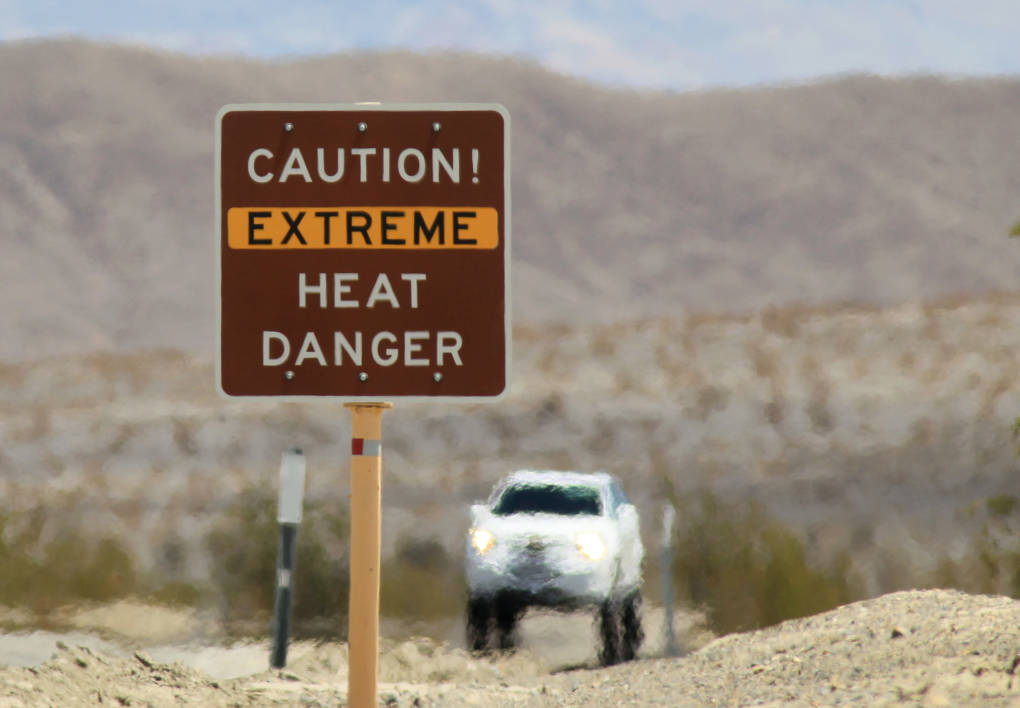
"caption": "A heat danger warning sign in Death Valley, which holds the record for the hottest month ever recorded on the planet.",
"description": "A heat danger warning sign in Death Valley, which holds the record for the hottest month ever recorded on the planet.",
"title": "Annual Badwater Ultra Marathon Held In Death Valley's Extreme Heat",
"credit": "David McNew/Getty Images",
"status": "inherit",
"isLoading": false,
"fetchFailed": false
},
"science_1934900": {
"type": "attachments",
"id": "science_1934900",
"meta": {
"index": "attachments_1716263798",
"site": "science",
"id": "1934900",
"found": true
},
"parent": 1934533,
"imgSizes": {
"small": {
"file": "https://ww2.kqed.org/app/uploads/sites/35/2018/11/RS33764_GettyImages-1059345696-qut-1-520x345.jpg",
"width": 520,
"mimeType": "image/jpeg",
"height": 345
},
"twentyfourteen-full-width": {
"file": "https://ww2.kqed.org/app/uploads/sites/35/2018/11/RS33764_GettyImages-1059345696-qut-1-1038x576.jpg",
"width": 1038,
"mimeType": "image/jpeg",
"height": 576
},
"thumbnail": {
"file": "https://ww2.kqed.org/app/uploads/sites/35/2018/11/RS33764_GettyImages-1059345696-qut-1-160x106.jpg",
"width": 160,
"mimeType": "image/jpeg",
"height": 106
},
"fd-sm": {
"file": "https://ww2.kqed.org/app/uploads/sites/35/2018/11/RS33764_GettyImages-1059345696-qut-1-960x637.jpg",
"width": 960,
"mimeType": "image/jpeg",
"height": 637
},
"post-thumbnail": {
"file": "https://ww2.kqed.org/app/uploads/sites/35/2018/11/RS33764_GettyImages-1059345696-qut-1-672x372.jpg",
"width": 672,
"mimeType": "image/jpeg",
"height": 372
},
"xsmall": {
"file": "https://ww2.kqed.org/app/uploads/sites/35/2018/11/RS33764_GettyImages-1059345696-qut-1-375x249.jpg",
"width": 375,
"mimeType": "image/jpeg",
"height": 249
},
"kqedFullSize": {
"file": "https://ww2.kqed.org/app/uploads/sites/35/2018/11/RS33764_GettyImages-1059345696-qut-1.jpg",
"width": 1920,
"height": 1273
},
"large": {
"file": "https://ww2.kqed.org/app/uploads/sites/35/2018/11/RS33764_GettyImages-1059345696-qut-1-1020x676.jpg",
"width": 1020,
"mimeType": "image/jpeg",
"height": 676
},
"xlarge": {
"file": "https://ww2.kqed.org/app/uploads/sites/35/2018/11/RS33764_GettyImages-1059345696-qut-1-1180x782.jpg",
"width": 1180,
"mimeType": "image/jpeg",
"height": 782
},
"complete_open_graph": {
"file": "https://ww2.kqed.org/app/uploads/sites/35/2018/11/RS33764_GettyImages-1059345696-qut-1-1200x796.jpg",
"width": 1200,
"mimeType": "image/jpeg",
"height": 796
},
"guest-author-50": {
"file": "https://ww2.kqed.org/app/uploads/sites/35/2018/11/RS33764_GettyImages-1059345696-qut-1-50x50.jpg",
"width": 50,
"mimeType": "image/jpeg",
"height": 50
},
"guest-author-96": {
"file": "https://ww2.kqed.org/app/uploads/sites/35/2018/11/RS33764_GettyImages-1059345696-qut-1-96x96.jpg",
"width": 96,
"mimeType": "image/jpeg",
"height": 96
},
"medium": {
"file": "https://ww2.kqed.org/app/uploads/sites/35/2018/11/RS33764_GettyImages-1059345696-qut-1-800x530.jpg",
"width": 800,
"mimeType": "image/jpeg",
"height": 530
},
"guest-author-64": {
"file": "https://ww2.kqed.org/app/uploads/sites/35/2018/11/RS33764_GettyImages-1059345696-qut-1-64x64.jpg",
"width": 64,
"mimeType": "image/jpeg",
"height": 64
},
"guest-author-32": {
"file": "https://ww2.kqed.org/app/uploads/sites/35/2018/11/RS33764_GettyImages-1059345696-qut-1-32x32.jpg",
"width": 32,
"mimeType": "image/jpeg",
"height": 32
},
"fd-lrg": {
"file": "https://ww2.kqed.org/app/uploads/sites/35/2018/11/RS33764_GettyImages-1059345696-qut-1-1920x1273.jpg",
"width": 1920,
"mimeType": "image/jpeg",
"height": 1273
},
"fd-med": {
"file": "https://ww2.kqed.org/app/uploads/sites/35/2018/11/RS33764_GettyImages-1059345696-qut-1-1180x782.jpg",
"width": 1180,
"mimeType": "image/jpeg",
"height": 782
},
"full-width": {
"file": "https://ww2.kqed.org/app/uploads/sites/35/2018/11/RS33764_GettyImages-1059345696-qut-1-1920x1273.jpg",
"width": 1920,
"mimeType": "image/jpeg",
"height": 1273
},
"detail": {
"file": "https://ww2.kqed.org/app/uploads/sites/35/2018/11/RS33764_GettyImages-1059345696-qut-1-150x150.jpg",
"width": 150,
"mimeType": "image/jpeg",
"height": 150
},
"medium_large": {
"file": "https://ww2.kqed.org/app/uploads/sites/35/2018/11/RS33764_GettyImages-1059345696-qut-1-768x509.jpg",
"width": 768,
"mimeType": "image/jpeg",
"height": 509
},
"guest-author-128": {
"file": "https://ww2.kqed.org/app/uploads/sites/35/2018/11/RS33764_GettyImages-1059345696-qut-1-128x128.jpg",
"width": 128,
"mimeType": "image/jpeg",
"height": 128
},
"xxsmall": {
"file": "https://ww2.kqed.org/app/uploads/sites/35/2018/11/RS33764_GettyImages-1059345696-qut-1-240x159.jpg",
"width": 240,
"mimeType": "image/jpeg",
"height": 159
}
},
"publishDate": 1543284158,
"modified": 1554915463,
"caption": "A home burns in Paradise, California during the Camp Fire. Living on the wildland-urban interface has put more people in harm's way -- and climate change is making fires more intense.",
"description": "A home burns during the Camp fire in Paradise, California on November 08, 2018. - More than 18,000 acres have been scorched in a matter of hours burning with it a hospital, a gas station and dozens of homes. (Photo by Josh Edelson / AFP) (Photo credit should read JOSH EDELSON/AFP/Getty Images)",
"title": "US-FIRE-WEATHER",
"credit": "JOSH EDELSON/AFP/Getty Images",
"status": "inherit",
"isLoading": false,
"fetchFailed": false
},
"science_1934813": {
"type": "attachments",
"id": "science_1934813",
"meta": {
"index": "attachments_1716263798",
"site": "science",
"id": "1934813",
"found": true
},
"parent": 1934809,
"imgSizes": {
"small": {
"file": "https://ww2.kqed.org/app/uploads/sites/35/2018/11/RS33848_couple_GettyImages-1060720780-sfi-520x334.jpg",
"width": 520,
"mimeType": "image/jpeg",
"height": 334
},
"thumbnail": {
"file": "https://ww2.kqed.org/app/uploads/sites/35/2018/11/RS33848_couple_GettyImages-1060720780-sfi-160x103.jpg",
"width": 160,
"mimeType": "image/jpeg",
"height": 103
},
"xsmall": {
"file": "https://ww2.kqed.org/app/uploads/sites/35/2018/11/RS33848_couple_GettyImages-1060720780-sfi-375x241.jpg",
"width": 375,
"mimeType": "image/jpeg",
"height": 241
},
"kqedFullSize": {
"file": "https://ww2.kqed.org/app/uploads/sites/35/2018/11/RS33848_couple_GettyImages-1060720780-sfi.jpg",
"width": 560,
"height": 360
},
"guest-author-50": {
"file": "https://ww2.kqed.org/app/uploads/sites/35/2018/11/RS33848_couple_GettyImages-1060720780-sfi-50x50.jpg",
"width": 50,
"mimeType": "image/jpeg",
"height": 50
},
"guest-author-96": {
"file": "https://ww2.kqed.org/app/uploads/sites/35/2018/11/RS33848_couple_GettyImages-1060720780-sfi-96x96.jpg",
"width": 96,
"mimeType": "image/jpeg",
"height": 96
},
"guest-author-64": {
"file": "https://ww2.kqed.org/app/uploads/sites/35/2018/11/RS33848_couple_GettyImages-1060720780-sfi-64x64.jpg",
"width": 64,
"mimeType": "image/jpeg",
"height": 64
},
"detail": {
"file": "https://ww2.kqed.org/app/uploads/sites/35/2018/11/RS33848_couple_GettyImages-1060720780-sfi-150x150.jpg",
"width": 150,
"mimeType": "image/jpeg",
"height": 150
},
"guest-author-32": {
"file": "https://ww2.kqed.org/app/uploads/sites/35/2018/11/RS33848_couple_GettyImages-1060720780-sfi-32x32.jpg",
"width": 32,
"mimeType": "image/jpeg",
"height": 32
},
"guest-author-128": {
"file": "https://ww2.kqed.org/app/uploads/sites/35/2018/11/RS33848_couple_GettyImages-1060720780-sfi-128x128.jpg",
"width": 128,
"mimeType": "image/jpeg",
"height": 128
},
"xxsmall": {
"file": "https://ww2.kqed.org/app/uploads/sites/35/2018/11/RS33848_couple_GettyImages-1060720780-sfi-240x154.jpg",
"width": 240,
"mimeType": "image/jpeg",
"height": 154
}
},
"publishDate": 1543082866,
"modified": 1543082927,
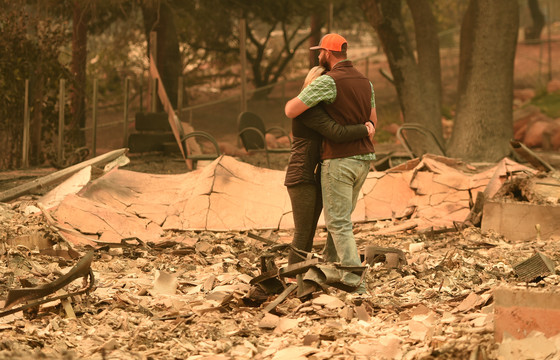
"caption": "Chris and Nancy Brown embrace while looking over the remains of their burned residence after the Camp fire tore through the region in Paradise, California. A massive federal report says climate change is contributing to larger wildfires as well as other deadly extreme weather.",
"description": null,
"title": "TOPSHOT-US-FIRE-CALIFORNIA-ENVIORNMENT-WEATHER",
"credit": "JOSH EDELSON/AFP/Getty Images",
"status": "inherit",
"isLoading": false,
"fetchFailed": false
}
},
"audioPlayerReducer": {
"postId": "stream_live",
"isPaused": true,
"isPlaying": false,
"pfsActive": false,
"pledgeModalIsOpen": true,
"playerDrawerIsOpen": false,
"liveAudioPlayStartedAt": 0,
"liveAudioPlayContext": ""
},
"authorsReducer": {
"byline_science_1935977": {
"type": "authors",
"id": "byline_science_1935977",
"meta": {
"override": true
},
"slug": "byline_science_1935977",
"name": "Kevin Cowtan and Stephan Lewandowsky\u003cbr />The Conversation",
"isLoading": false
},
"byline_science_1935965": {
"type": "authors",
"id": "byline_science_1935965",
"meta": {
"override": true
},
"slug": "byline_science_1935965",
"name": "Dan Charles\u003cbr />NPR",
"isLoading": false
},
"byline_science_1935922": {
"type": "authors",
"id": "byline_science_1935922",
"meta": {
"override": true
},
"slug": "byline_science_1935922",
"name": "Rebecca Hersher\u003cbr>\u003cstrong>\u003ca href=\"https://www.npr.org/2018/12/15/677109487/nations-agree-on-rules-to-put-paris-climate-agreement-into-action\">NPR\u003c/a>\u003c/strong>",
"isLoading": false
},
"byline_science_1935657": {
"type": "authors",
"id": "byline_science_1935657",
"meta": {
"override": true
},
"slug": "byline_science_1935657",
"name": "Nsikan Akpan\u003cbr />PBS NewsHour",
"isLoading": false
},
"byline_science_1935220": {
"type": "authors",
"id": "byline_science_1935220",
"meta": {
"override": true
},
"slug": "byline_science_1935220",
"name": "Seth Borenstein\u003cbr />Associated Press",
"isLoading": false
},
"byline_science_1934809": {
"type": "authors",
"id": "byline_science_1934809",
"meta": {
"override": true
},
"slug": "byline_science_1934809",
"name": "Rebecca Hersher\u003c/br>NPR",
"isLoading": false
},
"kdomara": {
"type": "authors",
"id": "1459",
"meta": {
"index": "authors_1716337520",
"id": "1459",
"found": true
},
"name": "Kelly O'Mara",
"firstName": "Kelly",
"lastName": "O'Mara",
"slug": "kdomara",
"email": "komara@kqed.org",
"display_author_email": false,
"staff_mastheads": [
"news"
],
"title": "KQED Contributor",
"bio": "Kelly O'Mara is a writer and reporter in the San Francisco Bay Area. She writes about food, health, sports, travel, business and California news. Her work has appeared on KQED, online for Outside Magazine, epsnW, VICE and in Competitor Magazine, among others. Follow Kelly on Twitter \u003ca href=\"https://twitter.com/kellydomara\">@kellydomara\u003c/a>.",
"avatar": "https://secure.gravatar.com/avatar/768fec7412028b72f13bdd0f5f9d8186?s=600&d=blank&r=g",
"twitter": null,
"facebook": null,
"instagram": null,
"linkedin": null,
"sites": [
{
"site": "arts",
"roles": []
},
{
"site": "news",
"roles": []
},
{
"site": "bayareabites",
"roles": []
},
{
"site": "stateofhealth",
"roles": []
},
{
"site": "science",
"roles": []
},
{
"site": "checkplease",
"roles": [
"editor"
]
},
{
"site": "food",
"roles": []
},
{
"site": "forum",
"roles": [
"editor"
]
},
{
"site": "liveblog",
"roles": [
"editor"
]
}
],
"headData": {
"title": "Kelly O'Mara | KQED",
"description": "KQED Contributor",
"ogImgSrc": "https://secure.gravatar.com/avatar/768fec7412028b72f13bdd0f5f9d8186?s=600&d=blank&r=g",
"twImgSrc": "https://secure.gravatar.com/avatar/768fec7412028b72f13bdd0f5f9d8186?s=600&d=blank&r=g"
},
"isLoading": false,
"link": "/author/kdomara"
},
"mpeterson": {
"type": "authors",
"id": "11223",
"meta": {
"index": "authors_1716337520",
"id": "11223",
"found": true
},
"name": "Molly Peterson",
"firstName": "Molly",
"lastName": "Peterson",
"slug": "mpeterson",
"email": "mpeterson@kqed.org",
"display_author_email": false,
"staff_mastheads": [],
"title": null,
"bio": "Molly Peterson reports for KQED science and news on climate change, catastrophe and risk. Previously she was environment correspondent at Southern California Public Radio. Her work has also appeared at The New York Times, The Guardian, on NPR, at High Country News, on Code Switch, and other national outlets. She has been honored with awards from Public Radio News Directors Incorporated, Investigative Reporters and Editors, the Society for Professional Journalists, the Los Angeles Press Club, and RTNDA Edward R. Murrow awards, among others.",
"avatar": "https://secure.gravatar.com/avatar/7908e2807131f776cc8165c649530b05?s=600&d=blank&r=g",
"twitter": "Mollydacious",
"facebook": null,
"instagram": "https://www.instagram.com/radiomolly/",
"linkedin": null,
"sites": [
{
"site": "news",
"roles": [
"subscriber"
]
},
{
"site": "futureofyou",
"roles": [
"editor"
]
},
{
"site": "science",
"roles": [
"editor"
]
}
],
"headData": {
"title": "Molly Peterson | KQED",
"description": null,
"ogImgSrc": "https://secure.gravatar.com/avatar/7908e2807131f776cc8165c649530b05?s=600&d=blank&r=g",
"twImgSrc": "https://secure.gravatar.com/avatar/7908e2807131f776cc8165c649530b05?s=600&d=blank&r=g"
},
"isLoading": false,
"link": "/author/mpeterson"
},
"hhagemann": {
"type": "authors",
"id": "11578",
"meta": {
"index": "authors_1716337520",
"id": "11578",
"found": true
},
"name": "Hannah Hagemann",
"firstName": "Hannah",
"lastName": "Hagemann",
"slug": "hhagemann",
"email": "hhagemann@KQED.org",
"display_author_email": false,
"staff_mastheads": [],
"title": "KQED Contributor",
"bio": null,
"avatar": "https://secure.gravatar.com/avatar/c3af389deff545c719141a87524965d8?s=600&d=blank&r=g",
"twitter": null,
"facebook": null,
"instagram": null,
"linkedin": null,
"sites": [
{
"site": "news",
"roles": [
"author"
]
},
{
"site": "science",
"roles": [
"editor"
]
}
],
"headData": {
"title": "Hannah Hagemann | KQED",
"description": "KQED Contributor",
"ogImgSrc": "https://secure.gravatar.com/avatar/c3af389deff545c719141a87524965d8?s=600&d=blank&r=g",
"twImgSrc": "https://secure.gravatar.com/avatar/c3af389deff545c719141a87524965d8?s=600&d=blank&r=g"
},
"isLoading": false,
"link": "/author/hhagemann"
}
},
"pagesReducer": {
"science_tag_climate-change": {
"type": "terms",
"id": "science_194",
"meta": {
"index": "terms_1716263798",
"site": "science",
"id": "194",
"score": 7.946677
},
"featImg": null,
"name": "climate change",
"description": null,
"taxonomy": "tag",
"headData": {
"twImgId": null,
"twTitle": null,
"ogTitle": null,
"ogImgId": null,
"twDescription": null,
"description": null,
"title": "climate change Archives | KQED Science",
"ogDescription": null
},
"ttid": 198,
"slug": "climate-change",
"isLoading": false,
"title": "climate change",
"pageMeta": {
"site": "science",
"WpPageTemplate": "page-topic-editorial",
"currentPage": 35
},
"blocks": [
{
"blockName": "kqed/post-list",
"attrs": {
"layout": "cardArticle2",
"query": "posts/science?tag=climate-change",
"seeMore": false,
"paginated": true,
"page": 35
}
},
{
"blockName": "kqed/ad"
}
]
}
},
"pfsSessionReducer": {},
"postsReducer": {
"stream_live": {
"type": "live",
"id": "stream_live",
"audioUrl": "https://streams.kqed.org/kqedradio",
"title": "Live Stream",
"excerpt": "Live Stream information currently unavailable.",
"link": "/radio",
"featImg": "",
"label": {
"name": "KQED Live",
"link": "/"
}
},
"stream_kqedNewscast": {
"type": "posts",
"id": "stream_kqedNewscast",
"audioUrl": "https://www.kqed.org/.stream/anon/radio/RDnews/newscast.mp3?_=1",
"title": "KQED Newscast",
"featImg": "",
"label": {
"name": "88.5 FM",
"link": "/"
}
},
"science_1937167": {
"type": "posts",
"id": "science_1937167",
"meta": {
"index": "posts_1716263798",
"site": "science",
"id": "1937167",
"score": null,
"sort": [
1548384773000
]
},
"parent": 0,
"labelTerm": {},
"blocks": [],
"publishDate": 1548384773,
"format": "standard",
"title": "Jerry Brown's New Gig as Keeper of Doomsday Clock",
"headTitle": "Jerry Brown’s New Gig as Keeper of Doomsday Clock | KQED",
"content": "\u003cp style=\"text-align: left\">Former California Gov. Jerry Brown called out politicians for “sleepwalking” on increasing nuclear and climate change threats Thursday during his first public \u003ca href=\"https://www.youtube.com/watch?v=6K5JDw2grFc\">appearance\u003c/a> as executive chairman of the Bulletin of Atomic Scientists.\u003c/p>\n\u003cp style=\"text-align: left\">The group updated its Doomsday Clock in Washington D.C. — a metaphorical countdown to midnight, when human-inflicted catastrophe may strike — leaving it frozen at two minutes to midnight, the same time announced in 2017.\u003c/p>\n\u003cp>[youtube https://www.youtube.com/watch?v=6K5JDw2grFc]\u003c/p>\n\u003cp style=\"text-align: left\">The only other time the clock has been this close to midnight was in 1953, when the U.S. and the Soviet Union were embroiled in a nuclear arms race.\u003c/p>\n\u003cp style=\"text-align: left\">Brown made clear that even though the clock hasn’t inched any closer to midnight, there’s no cause for celebration.\u003c/p>\n\u003cp>[ad fullwidth]\u003c/p>\n\u003cp style=\"text-align: left\">“We’re reaching an irreversible state,” said the former governor, “but we’re headed in the wrong direction, both in our hostility to other nations regarding the nuclear danger, and also climate change.”\u003c/p>\n\u003cp style=\"text-align: left\">The time is set by experts in science, technology and policy who examine the globe’s risk for cyberattacks, nuclear war and climate change-induced disaster. A rise in carbon dioxide emissions, construction of new fossil fuel power plants, depletion of sea ice and the decision to withdraw from the Paris Climate Agreement were some of the climate issues cited for the 11:58 time stamp. The current administration’s mistrust of science was also factored in.\u003c/p>\n\u003cp style=\"text-align: left\">The panel acknowledged one positive: the halting of nuclear and missile tests in North Korea, though it didn’t tip the scale.\u003c/p>\n\u003cp style=\"text-align: left\">“We’re playing Russian roulette with humanity,” Brown said of nuclear proliferation threat, “and the danger, and the probability is mounting that there will be some kind of nuclear incident that will kill millions.”\u003c/p>\n\u003cp style=\"text-align: left\">And, he added, “…anybody who wants to run for president better deal with climate change because it’s a huge problem.”\u003c/p>\n\u003cp>\u003c/p>\n\u003cp style=\"text-align: left\">\n\u003c/p>\n",
"stats": {
"hasVideo": true,
"hasChartOrMap": false,
"hasAudio": false,
"hasPolis": false,
"wordCount": 340,
"hasGoogleForm": false,
"hasGallery": false,
"hasHearkenModule": false,
"iframeSrcs": [],
"paragraphCount": 3
},
"modified": 1704927182,
"excerpt": "The former governor of California has stepped into a new role but is still warning of the dangers of climate change.",
"headData": {
"twImgId": "",
"twTitle": "",
"ogTitle": "",
"ogImgId": "",
"twDescription": "",
"description": "The former governor of California has stepped into a new role but is still warning of the dangers of climate change.",
"title": "Jerry Brown's New Gig as Keeper of Doomsday Clock | KQED",
"ogDescription": "",
"schema": {
"@context": "https://schema.org",
"@type": "Article",
"headline": "Jerry Brown's New Gig as Keeper of Doomsday Clock",
"datePublished": "2019-01-24T18:52:53-08:00",
"dateModified": "2024-01-10T14:53:02-08:00",
"image": "https://cdn.kqed.org/wp-content/uploads/2020/02/KQED-OG-Image@1x.png"
}
},
"guestAuthors": [],
"slug": "jerry-browns-new-gig-as-keeper-of-doomsday-clock",
"status": "publish",
"sticky": false,
"source": "Doomsday",
"path": "/science/1937167/jerry-browns-new-gig-as-keeper-of-doomsday-clock",
"audioTrackLength": null,
"parsedContent": [
{
"type": "contentString",
"content": "\u003cdiv class=\"post-body\">\u003cp>\u003cp style=\"text-align: left\">Former California Gov. Jerry Brown called out politicians for “sleepwalking” on increasing nuclear and climate change threats Thursday during his first public \u003ca href=\"https://www.youtube.com/watch?v=6K5JDw2grFc\">appearance\u003c/a> as executive chairman of the Bulletin of Atomic Scientists.\u003c/p>\n\u003cp style=\"text-align: left\">The group updated its Doomsday Clock in Washington D.C. — a metaphorical countdown to midnight, when human-inflicted catastrophe may strike — leaving it frozen at two minutes to midnight, the same time announced in 2017.\u003c/p>\n\u003cp>\u003c/p>\u003cp>\u003cspan class='utils-parseShortcode-shortcodes-__youtubeShortcode__embedYoutube'>\n \u003cspan class='utils-parseShortcode-shortcodes-__youtubeShortcode__embedYoutubeInside'>\n \u003ciframe\n loading='lazy'\n class='utils-parseShortcode-shortcodes-__youtubeShortcode__youtubePlayer'\n type='text/html'\n src='//www.youtube.com/embed/6K5JDw2grFc'\n title='//www.youtube.com/embed/6K5JDw2grFc'\n allowfullscreen='true'\n style='border:0;'>\u003c/iframe>\n \u003c/span>\n \u003c/span>\u003c/p>\u003cp>\u003c/p>\n\u003cp style=\"text-align: left\">The only other time the clock has been this close to midnight was in 1953, when the U.S. and the Soviet Union were embroiled in a nuclear arms race.\u003c/p>\n\u003cp style=\"text-align: left\">Brown made clear that even though the clock hasn’t inched any closer to midnight, there’s no cause for celebration.\u003c/p>\n\u003cp>\u003c/p>\u003c/div>",
"attributes": {
"named": {},
"numeric": []
}
},
{
"type": "component",
"content": "",
"name": "ad",
"attributes": {
"named": {
"label": "fullwidth"
},
"numeric": [
"fullwidth"
]
}
},
{
"type": "contentString",
"content": "\u003cdiv class=\"post-body\">\u003cp>\u003c/p>\n\u003cp style=\"text-align: left\">“We’re reaching an irreversible state,” said the former governor, “but we’re headed in the wrong direction, both in our hostility to other nations regarding the nuclear danger, and also climate change.”\u003c/p>\n\u003cp style=\"text-align: left\">The time is set by experts in science, technology and policy who examine the globe’s risk for cyberattacks, nuclear war and climate change-induced disaster. A rise in carbon dioxide emissions, construction of new fossil fuel power plants, depletion of sea ice and the decision to withdraw from the Paris Climate Agreement were some of the climate issues cited for the 11:58 time stamp. The current administration’s mistrust of science was also factored in.\u003c/p>\n\u003cp style=\"text-align: left\">The panel acknowledged one positive: the halting of nuclear and missile tests in North Korea, though it didn’t tip the scale.\u003c/p>\n\u003cp style=\"text-align: left\">“We’re playing Russian roulette with humanity,” Brown said of nuclear proliferation threat, “and the danger, and the probability is mounting that there will be some kind of nuclear incident that will kill millions.”\u003c/p>\n\u003cp style=\"text-align: left\">And, he added, “…anybody who wants to run for president better deal with climate change because it’s a huge problem.”\u003c/p>\n\u003cp>\u003c/p>\n\u003cp style=\"text-align: left\">\n\u003c/p>\n\u003c/div>\u003c/p>",
"attributes": {
"named": {},
"numeric": []
}
}
],
"link": "/science/1937167/jerry-browns-new-gig-as-keeper-of-doomsday-clock",
"authors": [
"11578"
],
"categories": [
"science_31",
"science_40"
],
"tags": [
"science_3841",
"science_194",
"science_3830"
],
"featImg": "science_1937181",
"label": "source_science_1937167"
},
"science_1935977": {
"type": "posts",
"id": "science_1935977",
"meta": {
"index": "posts_1716263798",
"site": "science",
"id": "1935977",
"score": null,
"sort": [
1545832840000
]
},
"parent": 0,
"labelTerm": {
"site": "science"
},
"blocks": [],
"publishDate": 1545832840,
"format": "standard",
"title": "Commentary: Debunking 'Climate Change Hiatus' of 2000s",
"headTitle": "Commentary: Debunking ‘Climate Change Hiatus’ of 2000s | KQED",
"content": "\u003cp>The record-breaking, El Niño-driven \u003ca href=\"https://www.nasa.gov/press-release/nasa-noaa-data-show-2016-warmest-year-on-record-globally\">global temperatures of 2016\u003c/a> have given climate change deniers a new trope. Why, they ask, hasn’t it since got even hotter?\u003c/p>\n\u003caside class=\"pullquote alignright\">‘Global warming didn’t stop in 1998. Don’t be fooled by claims that it stopped in 2016 either.’\u003c/aside>\n\u003cp>In response to a recent U.S. government report on the \u003ca href=\"https://nca2018.globalchange.gov/\">impact of climate change\u003c/a>, a spokesperson for the science-denying American Enterprise Institute think-tank \u003ca href=\"https://twitter.com/existentialfish/status/1066711193170124800?ref_src=twsrc%5Etfw%7Ctwcamp%5Etweetembed%7Ctwterm%5E1066711193170124800&ref_url=https%3A%2F%2Fclimatecrocks.com%2F\">claimed that\u003c/a> “we just had […] the biggest drop in global temperatures that we have had since the 1980s, the biggest in the last 100 years.”\u003c/p>\n\u003cp>These claims are blatantly false: the past two years were two of the three hottest on record, and the drop in temperature from 2016 to 2018 was less than, say, the drop from 1998 (a previous record hot year) to 2000. But, more importantly, these claims use the same kind of misdirection as was used a few years ago about a supposed “pause” in warming lasting from roughly 1998 to 2013.\u003c/p>\n\u003cp>At the time, the alleged pause was cited by many people skeptical about the science of climate change as a reason not to act to reduce greenhouse pollution. U.S. senator and former presidential candidate Ted Cruz frequently argued that this lack of warming \u003ca href=\"https://www.washingtonpost.com/news/energy-environment/wp/2016/03/07/ted-cruzs-favorite-argument-about-climate-change-just-got-weaker/?utm_term=.ee3785519397\">undermined dire predictions\u003c/a> by scientists about where we’re heading.\u003c/p>\n\u003cp>However, drawing conclusions on short-term trends is ill-advised because what matters to climate change is the decade-to-decade increase in temperatures rather than fluctuations in warming rate over a few years. Indeed, if short periods were suitable for drawing strong conclusions, climate scientists should perhaps now be talking about a “surge” in global warming since 2011, as shown in this figure:\u003c/p>\n\u003cfigure class=\"align-center zoomable\">\u003ca href=\"https://images.theconversation.com/files/251492/original/file-20181219-45408-dnodgo.png?ixlib=rb-1.1.0&q=45&auto=format&w=1000&fit=clip\">\u003cimg decoding=\"async\" src=\"https://images.theconversation.com/files/251492/original/file-20181219-45408-dnodgo.png?ixlib=rb-1.1.0&q=45&auto=format&w=754&fit=clip\" alt=\"\">\u003c/a>\u003cfigcaption>\u003cspan class=\"caption\">Global temperature observations compared to climate models. Climate-disrupting volcanoes are shown at the bottom, and the purported hiatus period is shaded. 2018 values based on year to date (YTD).\u003c/span>\u003cbr>\n\u003cspan class=\"attribution\">\u003cspan class=\"source\">NASA; Berkeley Earth; various climate models.\u003c/span>, \u003cspan class=\"license\">Author provided\u003c/span>\u003c/span>\u003c/figcaption>\u003c/figure>\n\u003cp>The “pause” or “hiatus” in warming of the early 21st century is not just a talking point of think-tanks with radical political agendas. It also features in the scientific literature, including in the most recent report of the \u003ca href=\"https://theconversation.com/ipcc-1-5-report-heres-what-the-climate-science-says-104592\">Intergovernmental Panel on Climate Change\u003c/a> and more than 200 peer-reviewed articles.\u003c/p>\n\u003cp>[ad fullwidth]\u003c/p>\n\u003cp>Research we recently published in \u003ca href=\"http://iopscience.iop.org/article/10.1088/1748-9326/aaf342\">Environmental Research Letters\u003c/a> addresses two questions about the putative “pause”: first, is there compelling evidence in the temperature data alone of something unusual happening at the start of the 21st century? \u003ca href=\"http://iopscience.iop.org/article/10.1088/1748-9326/aaf372\">Second\u003c/a>, did the rise in temperature lag behind projections by climate models?\u003c/p>\n\u003cp>In both cases the answer is “no,” but the reasons are interesting.\u003c/p>\n\u003cp>Reconstructing a historical temperature record from instruments designed for other purposes, such as weather forecasting, is not always easy. Several problems have affected temperature estimates for the period since 2000. The \u003ca href=\"https://www.independent.co.uk/environment/climate-change/exposed-the-myth-of-the-global-warming-pause-8945607.html\">first of these\u003c/a> was the fact that uneven geographical distribution of weather stations can influence the apparent rate of warming. Other factors include \u003ca href=\"https://www.sciencedaily.com/releases/2015/06/150604162501.htm\">changes in the instruments\u003c/a> used to measure \u003ca href=\"https://news.berkeley.edu/2017/01/04/global-warming-hiatus-disproved-again/\">ocean temperatures\u003c/a>. Most of these factors were known at the time and reported in the scientific literature, but because the magnitudes of the effects were unknown, users of temperature data (from science journalists to IPCC authors) were in a bind when interpreting their results.\u003c/p>\n\u003cp>A more subtle problem arises when we ask whether a fluctuation in the rate of warming is a new phenomena, rather than the kind of variation we expect due to natural fluctuations of the climate system. Different statistical tests are needed to determine whether a phenomena is interesting depending on how the data are chosen. In a nutshell, if you select data based on them being unusual in the first place, then any statistical tests that seemingly confirm their unusual nature give the wrong answer. (The statistical issue here is similar to the fascinating but counterintuitive “\u003ca href=\"https://www.bbc.co.uk/news/magazine-24045598\">Monty Hall problem\u003c/a>”, which has caught out many mathematicians).\u003c/p>\n\u003cp>When the statistical test is applied correctly, the apparent slowdown in warming is no more significant than other fluctuations in the rate of warming over the past 40 years. In other words, there is no compelling evidence that the supposed “pause” period is different from other previous periods. Neither is the deviation between the observations and climate model projections larger than would be expected.\u003c/p>\n\u003cp>That’s not to say that such “wiggles” in the temperature record are uninteresting – several of our team are involved in further studies of these fluctuations, and the study of the “pause” has yielded interesting new insights into the climate system – for example, the role of changes in the \u003ca href=\"https://agupubs.onlinelibrary.wiley.com/doi/full/10.1002/2014GL059233\">Atlantic\u003c/a> and \u003ca href=\"https://www.nature.com/articles/nclimate2310\">Pacific\u003c/a> oceans.\u003c/p>\n\u003cp>There are lessons here for the media, for the public, and for scientists.\u003c/p>\n\u003cp>For scientists, there are two lessons: first, when you get to know a dataset by using it repeatedly in your work, make sure you also still remember the limitations you read about when first downloading it. Second, remember that your statistical choices are always part of a cascade of decisions, and at least occasionally those decisions must be revisited.\u003c/p>\n\u003cp>For the public and the media, the lesson is to check claims about the data. In particular, when claims are made based on \u003ca href=\"https://blogs.spectator.co.uk/2017/06/truth-global-warming-pause/\">short periods or specific datasets\u003c/a>, they are \u003ca href=\"https://www.sciencedirect.com/science/article/pii/S0959378016300577?via%3Dihub\">often designed to mislead\u003c/a>. If someone claims the world hasn’t warmed since 1998 or 2016, ask them why those specific years – why not 1997 or 2014? Why have such short limits at all? And also check how reliable similar claims have been in the past.\u003c/p>\n\u003cp>The technique of misinformation is nicely described in a quote attributed to climate researcher \u003ca href=\"http://rabett.blogspot.com/2018/06/tobis-rule.html\">Michael Tobis\u003c/a>:\u003c/p>\n\u003cp>“If a large data set speaks convincingly against you, find a smaller and noisier one that you can huffily cite.”\u003c/p>\n\u003cp>Global warming didn’t stop in 1998. Don’t be fooled by claims that it stopped in 2016 either. There is only one thing that will stop global warming: cuts to greenhouse gas emissions.\u003c/p>\n\u003cp>\u003c!-- Below is The Conversation's page counter tag. Please DO NOT REMOVE. -->\u003cimg loading=\"lazy\" decoding=\"async\" style=\"border: none !important;margin: 0 !important;max-height: 1px !important;max-width: 1px !important;min-height: 1px !important;min-width: 1px !important;padding: 0 !important\" src=\"https://counter.theconversation.com/content/108524/count.gif?distributor=republish-lightbox-basic\" alt=\"The Conversation\" width=\"1\" height=\"1\">\u003c!-- End of code. If you don't see any code above, please get new code from the Advanced tab after you click the republish button. The page counter does not collect any personal data. More info: http://theconversation.com/republishing-guidelines -->\u003cem>\u003ca href=\"https://theconversation.com/profiles/kevin-cowtan-615880\">Kevin Cowtan is a \u003c/a>professor of chemistry at the \u003ca href=\"http://theconversation.com/institutions/university-of-york-1344\">University of York\u003c/a> and \u003ca href=\"https://theconversation.com/profiles/stephan-lewandowsky-685\">Stephan Lewandowsky is \u003c/a>the chair of cognitive psychology at the \u003ca href=\"http://theconversation.com/institutions/university-of-bristol-1211\">University of Bristol.\u003c/a>\u003c/em>\u003c/p>\n\u003cp>\u003c/p>\n\u003cp>\u003cem>This article is republished from \u003ca href=\"http://theconversation.com\">The Conversation\u003c/a> under a Creative Commons license. Read the \u003ca href=\"https://theconversation.com/global-warming-hiatus-is-the-climate-change-myth-that-refuses-to-die-108524\">original article\u003c/a>.\u003c/em>\u003c/p>\n\n",
"stats": {
"hasVideo": false,
"hasChartOrMap": false,
"hasAudio": false,
"hasPolis": false,
"wordCount": 1067,
"hasGoogleForm": false,
"hasGallery": false,
"hasHearkenModule": false,
"iframeSrcs": [],
"paragraphCount": 22
},
"modified": 1704927231,
"excerpt": "Researchers address whether there is compelling evidence for the oft-cited claim of a climate change 'hiatus' during the early years of the 21st century. Their analysis: No.",
"headData": {
"twImgId": "",
"twTitle": "",
"ogTitle": "",
"ogImgId": "",
"twDescription": "",
"description": "Researchers address whether there is compelling evidence for the oft-cited claim of a climate change 'hiatus' during the early years of the 21st century. Their analysis: No.",
"title": "Commentary: Debunking 'Climate Change Hiatus' of 2000s | KQED",
"ogDescription": "",
"schema": {
"@context": "https://schema.org",
"@type": "Article",
"headline": "Commentary: Debunking 'Climate Change Hiatus' of 2000s",
"datePublished": "2018-12-26T06:00:40-08:00",
"dateModified": "2024-01-10T14:53:51-08:00",
"image": "https://cdn.kqed.org/wp-content/uploads/2020/02/KQED-OG-Image@1x.png"
}
},
"guestAuthors": [],
"slug": "scientists-debunk-climate-change-hiatus-in-2000s",
"status": "publish",
"nprByline": "Kevin Cowtan and Stephan Lewandowsky\u003cbr />The Conversation",
"sticky": false,
"path": "/science/1935977/scientists-debunk-climate-change-hiatus-in-2000s",
"audioTrackLength": null,
"parsedContent": [
{
"type": "contentString",
"content": "\u003cdiv class=\"post-body\">\u003cp>\u003cp>The record-breaking, El Niño-driven \u003ca href=\"https://www.nasa.gov/press-release/nasa-noaa-data-show-2016-warmest-year-on-record-globally\">global temperatures of 2016\u003c/a> have given climate change deniers a new trope. Why, they ask, hasn’t it since got even hotter?\u003c/p>\n\u003caside class=\"pullquote alignright\">‘Global warming didn’t stop in 1998. Don’t be fooled by claims that it stopped in 2016 either.’\u003c/aside>\n\u003cp>In response to a recent U.S. government report on the \u003ca href=\"https://nca2018.globalchange.gov/\">impact of climate change\u003c/a>, a spokesperson for the science-denying American Enterprise Institute think-tank \u003ca href=\"https://twitter.com/existentialfish/status/1066711193170124800?ref_src=twsrc%5Etfw%7Ctwcamp%5Etweetembed%7Ctwterm%5E1066711193170124800&ref_url=https%3A%2F%2Fclimatecrocks.com%2F\">claimed that\u003c/a> “we just had […] the biggest drop in global temperatures that we have had since the 1980s, the biggest in the last 100 years.”\u003c/p>\n\u003cp>These claims are blatantly false: the past two years were two of the three hottest on record, and the drop in temperature from 2016 to 2018 was less than, say, the drop from 1998 (a previous record hot year) to 2000. But, more importantly, these claims use the same kind of misdirection as was used a few years ago about a supposed “pause” in warming lasting from roughly 1998 to 2013.\u003c/p>\n\u003cp>At the time, the alleged pause was cited by many people skeptical about the science of climate change as a reason not to act to reduce greenhouse pollution. U.S. senator and former presidential candidate Ted Cruz frequently argued that this lack of warming \u003ca href=\"https://www.washingtonpost.com/news/energy-environment/wp/2016/03/07/ted-cruzs-favorite-argument-about-climate-change-just-got-weaker/?utm_term=.ee3785519397\">undermined dire predictions\u003c/a> by scientists about where we’re heading.\u003c/p>\n\u003cp>However, drawing conclusions on short-term trends is ill-advised because what matters to climate change is the decade-to-decade increase in temperatures rather than fluctuations in warming rate over a few years. Indeed, if short periods were suitable for drawing strong conclusions, climate scientists should perhaps now be talking about a “surge” in global warming since 2011, as shown in this figure:\u003c/p>\n\u003cfigure class=\"align-center zoomable\">\u003ca href=\"https://images.theconversation.com/files/251492/original/file-20181219-45408-dnodgo.png?ixlib=rb-1.1.0&q=45&auto=format&w=1000&fit=clip\">\u003cimg decoding=\"async\" src=\"https://images.theconversation.com/files/251492/original/file-20181219-45408-dnodgo.png?ixlib=rb-1.1.0&q=45&auto=format&w=754&fit=clip\" alt=\"\">\u003c/a>\u003cfigcaption>\u003cspan class=\"caption\">Global temperature observations compared to climate models. Climate-disrupting volcanoes are shown at the bottom, and the purported hiatus period is shaded. 2018 values based on year to date (YTD).\u003c/span>\u003cbr>\n\u003cspan class=\"attribution\">\u003cspan class=\"source\">NASA; Berkeley Earth; various climate models.\u003c/span>, \u003cspan class=\"license\">Author provided\u003c/span>\u003c/span>\u003c/figcaption>\u003c/figure>\n\u003cp>The “pause” or “hiatus” in warming of the early 21st century is not just a talking point of think-tanks with radical political agendas. It also features in the scientific literature, including in the most recent report of the \u003ca href=\"https://theconversation.com/ipcc-1-5-report-heres-what-the-climate-science-says-104592\">Intergovernmental Panel on Climate Change\u003c/a> and more than 200 peer-reviewed articles.\u003c/p>\n\u003cp>\u003c/p>\u003c/div>",
"attributes": {
"named": {},
"numeric": []
}
},
{
"type": "component",
"content": "",
"name": "ad",
"attributes": {
"named": {
"label": "fullwidth"
},
"numeric": [
"fullwidth"
]
}
},
{
"type": "contentString",
"content": "\u003cdiv class=\"post-body\">\u003cp>\u003c/p>\n\u003cp>Research we recently published in \u003ca href=\"http://iopscience.iop.org/article/10.1088/1748-9326/aaf342\">Environmental Research Letters\u003c/a> addresses two questions about the putative “pause”: first, is there compelling evidence in the temperature data alone of something unusual happening at the start of the 21st century? \u003ca href=\"http://iopscience.iop.org/article/10.1088/1748-9326/aaf372\">Second\u003c/a>, did the rise in temperature lag behind projections by climate models?\u003c/p>\n\u003cp>In both cases the answer is “no,” but the reasons are interesting.\u003c/p>\n\u003cp>Reconstructing a historical temperature record from instruments designed for other purposes, such as weather forecasting, is not always easy. Several problems have affected temperature estimates for the period since 2000. The \u003ca href=\"https://www.independent.co.uk/environment/climate-change/exposed-the-myth-of-the-global-warming-pause-8945607.html\">first of these\u003c/a> was the fact that uneven geographical distribution of weather stations can influence the apparent rate of warming. Other factors include \u003ca href=\"https://www.sciencedaily.com/releases/2015/06/150604162501.htm\">changes in the instruments\u003c/a> used to measure \u003ca href=\"https://news.berkeley.edu/2017/01/04/global-warming-hiatus-disproved-again/\">ocean temperatures\u003c/a>. Most of these factors were known at the time and reported in the scientific literature, but because the magnitudes of the effects were unknown, users of temperature data (from science journalists to IPCC authors) were in a bind when interpreting their results.\u003c/p>\n\u003cp>A more subtle problem arises when we ask whether a fluctuation in the rate of warming is a new phenomena, rather than the kind of variation we expect due to natural fluctuations of the climate system. Different statistical tests are needed to determine whether a phenomena is interesting depending on how the data are chosen. In a nutshell, if you select data based on them being unusual in the first place, then any statistical tests that seemingly confirm their unusual nature give the wrong answer. (The statistical issue here is similar to the fascinating but counterintuitive “\u003ca href=\"https://www.bbc.co.uk/news/magazine-24045598\">Monty Hall problem\u003c/a>”, which has caught out many mathematicians).\u003c/p>\n\u003cp>When the statistical test is applied correctly, the apparent slowdown in warming is no more significant than other fluctuations in the rate of warming over the past 40 years. In other words, there is no compelling evidence that the supposed “pause” period is different from other previous periods. Neither is the deviation between the observations and climate model projections larger than would be expected.\u003c/p>\n\u003cp>That’s not to say that such “wiggles” in the temperature record are uninteresting – several of our team are involved in further studies of these fluctuations, and the study of the “pause” has yielded interesting new insights into the climate system – for example, the role of changes in the \u003ca href=\"https://agupubs.onlinelibrary.wiley.com/doi/full/10.1002/2014GL059233\">Atlantic\u003c/a> and \u003ca href=\"https://www.nature.com/articles/nclimate2310\">Pacific\u003c/a> oceans.\u003c/p>\n\u003cp>There are lessons here for the media, for the public, and for scientists.\u003c/p>\n\u003cp>For scientists, there are two lessons: first, when you get to know a dataset by using it repeatedly in your work, make sure you also still remember the limitations you read about when first downloading it. Second, remember that your statistical choices are always part of a cascade of decisions, and at least occasionally those decisions must be revisited.\u003c/p>\n\u003cp>For the public and the media, the lesson is to check claims about the data. In particular, when claims are made based on \u003ca href=\"https://blogs.spectator.co.uk/2017/06/truth-global-warming-pause/\">short periods or specific datasets\u003c/a>, they are \u003ca href=\"https://www.sciencedirect.com/science/article/pii/S0959378016300577?via%3Dihub\">often designed to mislead\u003c/a>. If someone claims the world hasn’t warmed since 1998 or 2016, ask them why those specific years – why not 1997 or 2014? Why have such short limits at all? And also check how reliable similar claims have been in the past.\u003c/p>\n\u003cp>The technique of misinformation is nicely described in a quote attributed to climate researcher \u003ca href=\"http://rabett.blogspot.com/2018/06/tobis-rule.html\">Michael Tobis\u003c/a>:\u003c/p>\n\u003cp>“If a large data set speaks convincingly against you, find a smaller and noisier one that you can huffily cite.”\u003c/p>\n\u003cp>Global warming didn’t stop in 1998. Don’t be fooled by claims that it stopped in 2016 either. There is only one thing that will stop global warming: cuts to greenhouse gas emissions.\u003c/p>\n\u003cp>\u003c!-- Below is The Conversation's page counter tag. Please DO NOT REMOVE. -->\u003cimg loading=\"lazy\" decoding=\"async\" style=\"border: none !important;margin: 0 !important;max-height: 1px !important;max-width: 1px !important;min-height: 1px !important;min-width: 1px !important;padding: 0 !important\" src=\"https://counter.theconversation.com/content/108524/count.gif?distributor=republish-lightbox-basic\" alt=\"The Conversation\" width=\"1\" height=\"1\">\u003c!-- End of code. If you don't see any code above, please get new code from the Advanced tab after you click the republish button. The page counter does not collect any personal data. More info: http://theconversation.com/republishing-guidelines -->\u003cem>\u003ca href=\"https://theconversation.com/profiles/kevin-cowtan-615880\">Kevin Cowtan is a \u003c/a>professor of chemistry at the \u003ca href=\"http://theconversation.com/institutions/university-of-york-1344\">University of York\u003c/a> and \u003ca href=\"https://theconversation.com/profiles/stephan-lewandowsky-685\">Stephan Lewandowsky is \u003c/a>the chair of cognitive psychology at the \u003ca href=\"http://theconversation.com/institutions/university-of-bristol-1211\">University of Bristol.\u003c/a>\u003c/em>\u003c/p>\n\u003cp>\u003c/p>\n\u003cp>\u003cem>This article is republished from \u003ca href=\"http://theconversation.com\">The Conversation\u003c/a> under a Creative Commons license. Read the \u003ca href=\"https://theconversation.com/global-warming-hiatus-is-the-climate-change-myth-that-refuses-to-die-108524\">original article\u003c/a>.\u003c/em>\u003c/p>\n\n\u003c/div>\u003c/p>",
"attributes": {
"named": {},
"numeric": []
}
}
],
"link": "/science/1935977/scientists-debunk-climate-change-hiatus-in-2000s",
"authors": [
"byline_science_1935977"
],
"categories": [
"science_31"
],
"tags": [
"science_194",
"science_3838"
],
"featImg": "science_1936126",
"label": "science"
},
"science_1935965": {
"type": "posts",
"id": "science_1935965",
"meta": {
"index": "posts_1716263798",
"site": "science",
"id": "1935965",
"score": null,
"sort": [
1545249025000
]
},
"parent": 0,
"labelTerm": {
"site": "science"
},
"blocks": [],
"publishDate": 1545249025,
"format": "standard",
"title": "In Lafayette, a Political Resignation Over Climate Change and Development",
"headTitle": "In Lafayette, a Political Resignation Over Climate Change and Development | KQED",
"content": "\u003cp>Steven Falk still remembers the moment he first laid eyes on Lafayette, California, even though it was 28 years ago. He was driving there to interview for a job as an assistant to the city manager.\u003c/p>\n\u003caside class=\"pullquote alignright\">‘The house is on fire, and our children and grandchildren are trapped in the attic. So what are we going to do about it?’\u003ccite>Steven Falk, former Lafayette city manager\u003c/cite>\u003c/aside>\n\u003cp>“I saw this amazing landscape of emerald-green hills and native oak woodland, with neighborhoods sitting in and among these verdant valleys,” he says. “I loved it from the very first minute I got here.”\u003c/p>\n\u003cp>The 25,000 people of \u003ca href=\"https://www.lovelafayette.org/\">Lafayette\u003c/a> live close to nature, yet they can step onto a commuter train and be in downtown San Francisco in half an hour. “It seemed like I had reached some kind of paradise,” Falk says.\u003c/p>\n\u003cp>The median home in Lafayette is worth over a million dollars. The people are educated and environmentally aware. They voted three-to-one for Hillary Clinton in 2016.\u003c/p>\n\u003cp>For the last 22 years, Steven Falk has been their city manager, more or less the CEO of local government, responsible for everything from police to potholes.\u003c/p>\n\u003cp>[ad fullwidth]\u003c/p>\n\u003cp>Then, in 2005, he read Elizabeth Kolbert’s \u003ca href=\"https://www.newyorker.com/magazine/2005/04/25/the-climate-of-man-i\">three-part series\u003c/a> of articles in the New Yorker about global warming. “They scared the daylights out of me,” he says.\u003c/p>\n\u003cp>He started noticing evidence of climate change himself. For instance, he remembers sliding down glaciers in the Sierra Nevada mountains as a nine-year-old kid, backpacking with his dad. “When I became a parent, I took my own kids to the mountains, and we did the same trip. And the glaciers are gone!” he says.\u003c/p>\n\u003cp>The more he learned, the more it kept him up at night. “The analogy I’ve used is, the house is on fire, and our children and grandchildren are trapped in the attic. So what are we going to do about it?” he says.\u003c/p>\n\u003cp>As a city manager, there are, in fact, some things you can do. But they may be controversial. Steven Falk ended up in the middle of a battle over what gets built on some land right near the heart of his city.\u003c/p>\n\u003cp>Falk takes me to a big parking lot, covering about five acres of land, right beside the Bay Area Rapid Transit station. This is where commuters take the trains to Oakland and San Francisco. This area is also close to shopping. One way to fight global warming: Build lots of housing right here, where people can live without driving cars and burning gasoline. Plus, multistory apartment buildings or condos generally take a lot less energy to heat and cool than single-family suburban homes.\u003c/p>\n\u003cp>“It just makes all the sense in the world that this parcel should have a multifamily housing development on it,” Falk says.\u003c/p>\n\u003cp>But development is a really sensitive topic in Lafayette. There’s a whole citizens’ group called \u003ca href=\"http://savelafayette.org/\">Save Lafayette \u003c/a>that’s been fighting against plans for more high-density housing. As a Lafayette resident named Martin Stryker told the city council at a meeting in June, “People have chosen to live in Lafayette for the quality of life, \u003cem>away\u003c/em> from the city. … I encourage city leaders and staff to sharpen your vision and to be stronger in protecting the interests of our citizens despite the pressures from the state and outside interests like developers.”\u003c/p>\n\u003cp>The city has actually approved hundreds of new housing units in the central downtown area in recent years. Falk is proud of that. But he wanted to move faster.\u003c/p>\n\u003cp>Tensions came to a head this past summer over a new California law that lets BART go ahead and build housing on land that it owns near its stations, like that parking lot.\u003c/p>\n\u003cp>Falk liked the idea. Lafayette’s city council members, though, considered it a power grab by the state. They asked Falk to go to the state capitol and take a public stand against it.\u003c/p>\n\u003cp>“I drove to Sacramento, not feeling good about it,” Falk recalls. “I went into the Senate hearing room. I saw this line of speakers, and realized that I had to get up and speak against the bill. And that …”\u003c/p>\n\u003cp>Falk’s voice breaks. After a long pause, he goes on. “And that was the moment I knew I had to resign.”\u003c/p>\n\u003cp>In his resignation \u003ca href=\"https://www.lovelafayette.org/Home/ShowDocument?id=5499\">letter\u003c/a> to the city council, Falk wrote that “it has become increasingly difficult for me to support, advocate for, or implement policies that would thwart transit density. My conscience won’t allow it.”\u003c/p>\n\u003cp>The city made the letter public. Don Tatzin, who served on the Lafayette city council for 33 years and just stepped down as the city’s mayor, expressed some sympathy for Falk’s views. “I think it’s good to hear voices that say cities need to become denser. Over time, that becomes accepted,” he says.\u003c/p>\n\u003cp>But local communities, he says, need to be in control of that process. “Having a regional or state government impose that, on something that citizens consider of importance, runs the risk of significant backlash, and I’m not sure it’s wise.”\u003c/p>\n\u003cp>\u003c/p>\n\u003cp>Tuesday was Steven Falk’s last day on the job. At his final city council meeting, Tatzin and others gave speeches celebrating his accomplishments. No one mentioned climate change.\u003c/p>\n\u003cdiv class=\"fullattribution\">Copyright 2018 NPR. To see more, visit https://www.npr.org.\u003cimg decoding=\"async\" src=\"https://www.google-analytics.com/__utm.gif?utmac=UA-5828686-4&utmdt=For+One+City+Manager%2C+Climate+Becomes+A+Matter+Of+Conscience&utme=8(APIKey)9(MDAxOTAwOTE4MDEyMTkxMDAzNjczZDljZA004)\">\u003c/div>\n\n",
"stats": {
"hasVideo": false,
"hasChartOrMap": false,
"hasAudio": false,
"hasPolis": false,
"wordCount": 945,
"hasGoogleForm": false,
"hasGallery": false,
"hasHearkenModule": false,
"iframeSrcs": [],
"paragraphCount": 23
},
"modified": 1704927240,
"excerpt": "City Manager Steven Falk of resigned because he said he cannot carry out policies that fail to address the urgent threat of a changing climate.",
"headData": {
"twImgId": "",
"twTitle": "",
"ogTitle": "",
"ogImgId": "",
"twDescription": "",
"description": "City Manager Steven Falk of resigned because he said he cannot carry out policies that fail to address the urgent threat of a changing climate.",
"title": "In Lafayette, a Political Resignation Over Climate Change and Development | KQED",
"ogDescription": "",
"schema": {
"@context": "https://schema.org",
"@type": "Article",
"headline": "In Lafayette, a Political Resignation Over Climate Change and Development",
"datePublished": "2018-12-19T11:50:25-08:00",
"dateModified": "2024-01-10T14:54:00-08:00",
"image": "https://cdn.kqed.org/wp-content/uploads/2020/02/KQED-OG-Image@1x.png"
}
},
"guestAuthors": [],
"slug": "in-lafayette-a-political-resignation-over-climate-change-and-development",
"status": "publish",
"nprApiLink": "http://api.npr.org/query?id=677769617&apiKey=MDAxOTAwOTE4MDEyMTkxMDAzNjczZDljZA004",
"nprStoryDate": "Wed, 19 Dec 2018 05:02:00 -0500",
"nprLastModifiedDate": "Wed, 19 Dec 2018 08:33:41 -0500",
"nprHtmlLink": "https://www.npr.org/2018/12/19/677769617/for-one-city-manager-climate-becomes-a-matter-of-conscience?ft=nprml&f=677769617",
"nprAudio": "https://ondemand.npr.org/anon.npr-mp3/npr/me/2018/12/20181219_me_for_one_city_manager_climate_becomes_a_matter_of_conscience.mp3?orgId=1&topicId=1025&d=238&p=3&story=677769617&ft=nprml&f=677769617",
"nprImageAgency": "NPR",
"nprAudioM3u": "http://api.npr.org/m3u/1678089611-690481.m3u?orgId=1&topicId=1025&d=238&p=3&story=677769617&ft=nprml&f=677769617",
"nprStoryId": "677769617",
"nprByline": "Dan Charles\u003cbr />NPR",
"sticky": false,
"audioTrackLength": 239,
"nprImageCredit": "Dan Charles",
"nprRetrievedStory": "1",
"nprPubDate": "Wed, 19 Dec 2018 11:26:00 -0500",
"path": "/science/1935965/in-lafayette-a-political-resignation-over-climate-change-and-development",
"audioUrl": "https://ondemand.npr.org/anon.npr-mp3/npr/me/2018/12/20181219_me_for_one_city_manager_climate_becomes_a_matter_of_conscience.mp3?orgId=1&topicId=1025&d=238&p=3&story=677769617&ft=nprml&f=677769617",
"parsedContent": [
{
"type": "contentString",
"content": "\u003cdiv class=\"post-body\">\u003cp>\u003cp>Steven Falk still remembers the moment he first laid eyes on Lafayette, California, even though it was 28 years ago. He was driving there to interview for a job as an assistant to the city manager.\u003c/p>\n\u003caside class=\"pullquote alignright\">‘The house is on fire, and our children and grandchildren are trapped in the attic. So what are we going to do about it?’\u003ccite>Steven Falk, former Lafayette city manager\u003c/cite>\u003c/aside>\n\u003cp>“I saw this amazing landscape of emerald-green hills and native oak woodland, with neighborhoods sitting in and among these verdant valleys,” he says. “I loved it from the very first minute I got here.”\u003c/p>\n\u003cp>The 25,000 people of \u003ca href=\"https://www.lovelafayette.org/\">Lafayette\u003c/a> live close to nature, yet they can step onto a commuter train and be in downtown San Francisco in half an hour. “It seemed like I had reached some kind of paradise,” Falk says.\u003c/p>\n\u003cp>The median home in Lafayette is worth over a million dollars. The people are educated and environmentally aware. They voted three-to-one for Hillary Clinton in 2016.\u003c/p>\n\u003cp>For the last 22 years, Steven Falk has been their city manager, more or less the CEO of local government, responsible for everything from police to potholes.\u003c/p>\n\u003cp>\u003c/p>\u003c/div>",
"attributes": {
"named": {},
"numeric": []
}
},
{
"type": "component",
"content": "",
"name": "ad",
"attributes": {
"named": {
"label": "fullwidth"
},
"numeric": [
"fullwidth"
]
}
},
{
"type": "contentString",
"content": "\u003cdiv class=\"post-body\">\u003cp>\u003c/p>\n\u003cp>Then, in 2005, he read Elizabeth Kolbert’s \u003ca href=\"https://www.newyorker.com/magazine/2005/04/25/the-climate-of-man-i\">three-part series\u003c/a> of articles in the New Yorker about global warming. “They scared the daylights out of me,” he says.\u003c/p>\n\u003cp>He started noticing evidence of climate change himself. For instance, he remembers sliding down glaciers in the Sierra Nevada mountains as a nine-year-old kid, backpacking with his dad. “When I became a parent, I took my own kids to the mountains, and we did the same trip. And the glaciers are gone!” he says.\u003c/p>\n\u003cp>The more he learned, the more it kept him up at night. “The analogy I’ve used is, the house is on fire, and our children and grandchildren are trapped in the attic. So what are we going to do about it?” he says.\u003c/p>\n\u003cp>As a city manager, there are, in fact, some things you can do. But they may be controversial. Steven Falk ended up in the middle of a battle over what gets built on some land right near the heart of his city.\u003c/p>\n\u003cp>Falk takes me to a big parking lot, covering about five acres of land, right beside the Bay Area Rapid Transit station. This is where commuters take the trains to Oakland and San Francisco. This area is also close to shopping. One way to fight global warming: Build lots of housing right here, where people can live without driving cars and burning gasoline. Plus, multistory apartment buildings or condos generally take a lot less energy to heat and cool than single-family suburban homes.\u003c/p>\n\u003cp>“It just makes all the sense in the world that this parcel should have a multifamily housing development on it,” Falk says.\u003c/p>\n\u003cp>But development is a really sensitive topic in Lafayette. There’s a whole citizens’ group called \u003ca href=\"http://savelafayette.org/\">Save Lafayette \u003c/a>that’s been fighting against plans for more high-density housing. As a Lafayette resident named Martin Stryker told the city council at a meeting in June, “People have chosen to live in Lafayette for the quality of life, \u003cem>away\u003c/em> from the city. … I encourage city leaders and staff to sharpen your vision and to be stronger in protecting the interests of our citizens despite the pressures from the state and outside interests like developers.”\u003c/p>\n\u003cp>The city has actually approved hundreds of new housing units in the central downtown area in recent years. Falk is proud of that. But he wanted to move faster.\u003c/p>\n\u003cp>Tensions came to a head this past summer over a new California law that lets BART go ahead and build housing on land that it owns near its stations, like that parking lot.\u003c/p>\n\u003cp>Falk liked the idea. Lafayette’s city council members, though, considered it a power grab by the state. They asked Falk to go to the state capitol and take a public stand against it.\u003c/p>\n\u003cp>“I drove to Sacramento, not feeling good about it,” Falk recalls. “I went into the Senate hearing room. I saw this line of speakers, and realized that I had to get up and speak against the bill. And that …”\u003c/p>\n\u003cp>Falk’s voice breaks. After a long pause, he goes on. “And that was the moment I knew I had to resign.”\u003c/p>\n\u003cp>In his resignation \u003ca href=\"https://www.lovelafayette.org/Home/ShowDocument?id=5499\">letter\u003c/a> to the city council, Falk wrote that “it has become increasingly difficult for me to support, advocate for, or implement policies that would thwart transit density. My conscience won’t allow it.”\u003c/p>\n\u003cp>The city made the letter public. Don Tatzin, who served on the Lafayette city council for 33 years and just stepped down as the city’s mayor, expressed some sympathy for Falk’s views. “I think it’s good to hear voices that say cities need to become denser. Over time, that becomes accepted,” he says.\u003c/p>\n\u003cp>But local communities, he says, need to be in control of that process. “Having a regional or state government impose that, on something that citizens consider of importance, runs the risk of significant backlash, and I’m not sure it’s wise.”\u003c/p>\n\u003cp>\u003c/p>\n\u003cp>Tuesday was Steven Falk’s last day on the job. At his final city council meeting, Tatzin and others gave speeches celebrating his accomplishments. No one mentioned climate change.\u003c/p>\n\u003cdiv class=\"fullattribution\">Copyright 2018 NPR. To see more, visit https://www.npr.org.\u003cimg decoding=\"async\" src=\"https://www.google-analytics.com/__utm.gif?utmac=UA-5828686-4&utmdt=For+One+City+Manager%2C+Climate+Becomes+A+Matter+Of+Conscience&utme=8(APIKey)9(MDAxOTAwOTE4MDEyMTkxMDAzNjczZDljZA004)\">\u003c/div>\n\n\u003c/div>\u003c/p>",
"attributes": {
"named": {},
"numeric": []
}
}
],
"link": "/science/1935965/in-lafayette-a-political-resignation-over-climate-change-and-development",
"authors": [
"byline_science_1935965"
],
"categories": [
"science_31",
"science_40"
],
"tags": [
"science_194",
"science_3370",
"science_3838"
],
"featImg": "science_1935966",
"label": "science"
},
"science_1935922": {
"type": "posts",
"id": "science_1935922",
"meta": {
"index": "posts_1716263798",
"site": "science",
"id": "1935922",
"score": null,
"sort": [
1545154326000
]
},
"parent": 0,
"labelTerm": {},
"blocks": [],
"publishDate": 1545154326,
"format": "standard",
"title": "Nations Agree on Rules to Put Paris Climate Agreement Into Action",
"headTitle": "Nations Agree on Rules to Put Paris Climate Agreement Into Action | KQED",
"content": "\u003cp>Nearly 200 countries have agreed on a set of rules to reduce global greenhouse gas emissions, a crucial step in implementing the landmark 2015 Paris climate agreement.\u003c/p>\n\u003cp>The rules describe in detail how countries will track their emissions and communicate with each other about their progress in the coming years and decades. But it stops short of committing them to the more ambitious emissions reductions necessary to slow climate change.\u003c/p>\n\u003cp>The meeting in the heart of Poland’s coal country unfolded in the shadow of a stark scientific reality about the threat posed by rising temperatures and in the midst of global political upheaval. In the months leading up to the meeting, a series of reports from the world’s scientists showed that \u003ca href=\"https://www.unenvironment.org/resources/emissions-gap-report-2018\">global emissions\u003c/a> are not just continuing to rise, but that nations are \u003ca href=\"https://www.kqed.org/science/1932445/un-report-issues-life-or-death-warning-for-planetary-survival\">not on track\u003c/a> to limit the rise of global temperatures enough to avoid the most catastrophic effects of climate change.\u003c/p>\n\u003cp>[contextly_sidebar id=”NYpCPHuYQVQR9vqG0MFTtBNMKkGF3Rp2″]On the political front, President Trump says he intends to \u003ca href=\"https://www.kqed.org/lowdown/27194/trump-just-backed-the-u-s-out-of-the-paris-climate-accord-this-is-what-were-walking-away-from\">withdraw the U.S.\u003c/a> from the Paris agreement and has engaged China in a trade war; Brazil’s new president-elect has \u003ca href=\"https://www.npr.org/2018/11/29/671899163/brazil-pulls-its-offer-to-host-major-u-n-climate-summit\">signaled\u003c/a> he may no longer support the agreement; and leaders in Europe are struggling with domestic challenges, including the recent “Yellow Vest” protests in France over fuel taxes.\u003c/p>\n\u003cp>In that context, some observers were cautiously optimistic about the outcome of this week’s U.N. climate talks in the city of Katowice. “Particularly given the broader geopolitical context, this is a pretty solid outcome,” said Elliot Diringer, the executive vice president of the Center for Climate and Energy Solutions. “It delivers what we need to get the Paris Agreement off the ground.”\u003c/p>\n\u003cp>[ad fullwidth]\u003c/p>\n\u003cp>The leader of the meeting, Polish official Michal Kurtyka, noted in his final speech to delegates that it was difficult to get nearly 200 countries to agree on specific rules. Even one step forward is an achievement, he explained, and “you have made a thousand little steps forward. You can be proud.”\u003c/p>\n\u003cp>One of the most fundamental parts of the so-called rule book negotiated at the talks is a section on transparency, which governs what information governments must disclose to each other about their greenhouse gas emissions. Not all countries agreed going into the talks about how much information they should be required to share about their progress — and as a result, the inner workings of their economies.\u003c/p>\n\u003cp>The final rules set a timeline for countries to update each other, and includes highly technical guidelines for what types of information they must provide, such as sources of emissions and explanations of their internal analyses.\u003c/p>\n\u003cp>[contextly_sidebar id=”m4WPA33WLrQleqovdPWX14MuHmLypjwS”]”The most significant part is the transparency guidelines, which put the meat on the bones of that section of the Paris agreement,” says Sue Biniaz, the former top climate lawyer for the U.S. State Department and one of the negotiators who worked on the Paris agreement. “It’s way more extensive than one might have imagined even a few weeks ago.”\u003c/p>\n\u003cp>But the talks also left many issues unresolved, including whether countries will commit to transitioning even more quickly to clean energy sources, and how much richer countries will help poorer countries pay for that transition.\u003c/p>\n\u003cp>United Nations Executive Secretary Patricia Espinosa, reading a statement on behalf of the U.N. Secretary-General, spoke bluntly about the need for countries to move more quickly to curb greenhouse gas emissions. “From now on, my top five priorities will be ambition, ambition, ambition, ambition, ambition,” she said.\u003c/p>\n\u003cp>The U.N is hosting a special follow-up climate meeting next September.\u003c/p>\n\u003cp>Many of the most vulnerable nations in the world, including islands, left the meeting in Poland frustrated. In its final statement after the rules had been agreed to, the Malaysian government noted that Western Europe and North America have been industrialized far longer than many parts of Asia, and have profited while contributing enormously to climate change.\u003c/p>\n\u003cp>The Malaysian delegation called for more money to flow from countries like the U.S. — the world’s largest economy and the second largest polluter — to help pay for damage caused by climate change, saying, “We owe this to the poor and vulnerable who are paying sometimes with their lives in our part of the world.”\u003c/p>\n\u003cp>\u003c/p>\n\u003cp>\u003cem>To see more, visit \u003ca href=\"https://www.npr.org\" target=\"_blank\" rel=\"noopener\">www.npr.org\u003c/a>.\u003c/em>\u003c/p>\n\n",
"stats": {
"hasVideo": false,
"hasChartOrMap": false,
"hasAudio": false,
"hasPolis": false,
"wordCount": 750,
"hasGoogleForm": false,
"hasGallery": false,
"hasHearkenModule": false,
"iframeSrcs": [],
"paragraphCount": 17
},
"modified": 1704927245,
"excerpt": "Nations agreed on rules to track the promises they made to reduce emissions, but did not set new emissions reduction goals necessary to avoid the most catastrophic effects of climate change.",
"headData": {
"twImgId": "",
"twTitle": "",
"ogTitle": "",
"ogImgId": "",
"twDescription": "",
"description": "Nations agreed on rules to track the promises they made to reduce emissions, but did not set new emissions reduction goals necessary to avoid the most catastrophic effects of climate change.",
"title": "Nations Agree on Rules to Put Paris Climate Agreement Into Action | KQED",
"ogDescription": "",
"schema": {
"@context": "https://schema.org",
"@type": "Article",
"headline": "Nations Agree on Rules to Put Paris Climate Agreement Into Action",
"datePublished": "2018-12-18T09:32:06-08:00",
"dateModified": "2024-01-10T14:54:05-08:00",
"image": "https://cdn.kqed.org/wp-content/uploads/2020/02/KQED-OG-Image@1x.png"
}
},
"guestAuthors": [],
"slug": "nations-agree-on-rules-to-put-paris-climate-agreement-into-action",
"status": "publish",
"nprApiLink": "http://api.npr.org/query?id=677109487&apiKey=MDAxOTAwOTE4MDEyMTkxMDAzNjczZDljZA004",
"nprStoryDate": "Sat, 15 Dec 2018 20:24:31 -0500",
"nprLastModifiedDate": "Sat, 15 Dec 2018 20:24:49 -0500",
"nprHtmlLink": "https://www.npr.org/2018/12/15/677109487/nations-agree-on-rules-to-put-paris-climate-agreement-into-action?ft=nprml&f=677109487",
"nprImageAgency": "AP",
"source": "NPR",
"nprStoryId": "677109487",
"sourceUrl": "https://www.npr.org/2018/12/15/677109487/nations-agree-on-rules-to-put-paris-climate-agreement-into-action",
"nprByline": "Rebecca Hersher\u003cbr>\u003cstrong>\u003ca href=\"https://www.npr.org/2018/12/15/677109487/nations-agree-on-rules-to-put-paris-climate-agreement-into-action\">NPR\u003c/a>\u003c/strong>",
"sticky": false,
"nprImageCredit": "Czarek Sokolowski",
"nprRetrievedStory": "1",
"nprPubDate": "Sat, 15 Dec 2018 20:24:00 -0500",
"path": "/science/1935922/nations-agree-on-rules-to-put-paris-climate-agreement-into-action",
"audioTrackLength": null,
"parsedContent": [
{
"type": "contentString",
"content": "\u003cdiv class=\"post-body\">\u003cp>\u003cp>Nearly 200 countries have agreed on a set of rules to reduce global greenhouse gas emissions, a crucial step in implementing the landmark 2015 Paris climate agreement.\u003c/p>\n\u003cp>The rules describe in detail how countries will track their emissions and communicate with each other about their progress in the coming years and decades. But it stops short of committing them to the more ambitious emissions reductions necessary to slow climate change.\u003c/p>\n\u003cp>The meeting in the heart of Poland’s coal country unfolded in the shadow of a stark scientific reality about the threat posed by rising temperatures and in the midst of global political upheaval. In the months leading up to the meeting, a series of reports from the world’s scientists showed that \u003ca href=\"https://www.unenvironment.org/resources/emissions-gap-report-2018\">global emissions\u003c/a> are not just continuing to rise, but that nations are \u003ca href=\"https://www.kqed.org/science/1932445/un-report-issues-life-or-death-warning-for-planetary-survival\">not on track\u003c/a> to limit the rise of global temperatures enough to avoid the most catastrophic effects of climate change.\u003c/p>\n\u003cp>\u003c/p>\u003cp>\u003c/p>\u003cp>On the political front, President Trump says he intends to \u003ca href=\"https://www.kqed.org/lowdown/27194/trump-just-backed-the-u-s-out-of-the-paris-climate-accord-this-is-what-were-walking-away-from\">withdraw the U.S.\u003c/a> from the Paris agreement and has engaged China in a trade war; Brazil’s new president-elect has \u003ca href=\"https://www.npr.org/2018/11/29/671899163/brazil-pulls-its-offer-to-host-major-u-n-climate-summit\">signaled\u003c/a> he may no longer support the agreement; and leaders in Europe are struggling with domestic challenges, including the recent “Yellow Vest” protests in France over fuel taxes.\u003c/p>\n\u003cp>In that context, some observers were cautiously optimistic about the outcome of this week’s U.N. climate talks in the city of Katowice. “Particularly given the broader geopolitical context, this is a pretty solid outcome,” said Elliot Diringer, the executive vice president of the Center for Climate and Energy Solutions. “It delivers what we need to get the Paris Agreement off the ground.”\u003c/p>\n\u003cp>\u003c/p>\u003c/div>",
"attributes": {
"named": {},
"numeric": []
}
},
{
"type": "component",
"content": "",
"name": "ad",
"attributes": {
"named": {
"label": "fullwidth"
},
"numeric": [
"fullwidth"
]
}
},
{
"type": "contentString",
"content": "\u003cdiv class=\"post-body\">\u003cp>\u003c/p>\n\u003cp>The leader of the meeting, Polish official Michal Kurtyka, noted in his final speech to delegates that it was difficult to get nearly 200 countries to agree on specific rules. Even one step forward is an achievement, he explained, and “you have made a thousand little steps forward. You can be proud.”\u003c/p>\n\u003cp>One of the most fundamental parts of the so-called rule book negotiated at the talks is a section on transparency, which governs what information governments must disclose to each other about their greenhouse gas emissions. Not all countries agreed going into the talks about how much information they should be required to share about their progress — and as a result, the inner workings of their economies.\u003c/p>\n\u003cp>The final rules set a timeline for countries to update each other, and includes highly technical guidelines for what types of information they must provide, such as sources of emissions and explanations of their internal analyses.\u003c/p>\n\u003cp>\u003c/p>\u003cp>\u003c/p>\u003cp>”The most significant part is the transparency guidelines, which put the meat on the bones of that section of the Paris agreement,” says Sue Biniaz, the former top climate lawyer for the U.S. State Department and one of the negotiators who worked on the Paris agreement. “It’s way more extensive than one might have imagined even a few weeks ago.”\u003c/p>\n\u003cp>But the talks also left many issues unresolved, including whether countries will commit to transitioning even more quickly to clean energy sources, and how much richer countries will help poorer countries pay for that transition.\u003c/p>\n\u003cp>United Nations Executive Secretary Patricia Espinosa, reading a statement on behalf of the U.N. Secretary-General, spoke bluntly about the need for countries to move more quickly to curb greenhouse gas emissions. “From now on, my top five priorities will be ambition, ambition, ambition, ambition, ambition,” she said.\u003c/p>\n\u003cp>The U.N is hosting a special follow-up climate meeting next September.\u003c/p>\n\u003cp>Many of the most vulnerable nations in the world, including islands, left the meeting in Poland frustrated. In its final statement after the rules had been agreed to, the Malaysian government noted that Western Europe and North America have been industrialized far longer than many parts of Asia, and have profited while contributing enormously to climate change.\u003c/p>\n\u003cp>The Malaysian delegation called for more money to flow from countries like the U.S. — the world’s largest economy and the second largest polluter — to help pay for damage caused by climate change, saying, “We owe this to the poor and vulnerable who are paying sometimes with their lives in our part of the world.”\u003c/p>\n\u003cp>\u003c/p>\n\u003cp>\u003cem>To see more, visit \u003ca href=\"https://www.npr.org\" target=\"_blank\" rel=\"noopener\">www.npr.org\u003c/a>.\u003c/em>\u003c/p>\n\n\u003c/div>\u003c/p>",
"attributes": {
"named": {},
"numeric": []
}
}
],
"link": "/science/1935922/nations-agree-on-rules-to-put-paris-climate-agreement-into-action",
"authors": [
"byline_science_1935922"
],
"categories": [
"science_31",
"science_40"
],
"tags": [
"science_194",
"science_2164",
"science_3838",
"science_3794"
],
"featImg": "science_1935923",
"label": "source_science_1935922"
},
"science_1935657": {
"type": "posts",
"id": "science_1935657",
"meta": {
"index": "posts_1716263798",
"site": "science",
"id": "1935657",
"score": null,
"sort": [
1544555693000
]
},
"parent": 0,
"labelTerm": {},
"blocks": [],
"publishDate": 1544555693,
"format": "standard",
"title": "Arctic Report Card Shows 'Most Unprecedented Transition in History'",
"headTitle": "Arctic Report Card Shows ‘Most Unprecedented Transition in History’ | KQED",
"content": "\u003cp>Few places will feel the blight of climate change as hard as the Arctic. Our upper pole is warming faster than any other region on Earth, a trend that may be tied to erratic weather patterns across the northern hemisphere.\u003c/p>\n\u003cp>Those are two takeaways from the \u003ca href=\"https://www.noaa.gov/media-release/arctic-report-card-tracks-region-s-environmental-changes\" target=\"_blank\" rel=\"noopener\">2018 Arctic Report Card\u003c/a>, which was released Tuesday at the American Geophysical Union conference in Washington, D.C. The 13th year of this peer-reviewed report card features 14 essays by 81 scientists from 12 countries.\u003c/p>\n\u003cp>For the first time, the report card includes a warning about red tide and harmful algal blooms, which are expanding due to a lack of ice and warming ocean temperatures. Toxins from these micro-organisms are threatening marine wildlife and coastal fisheries, imperilling communities that depend on these species.\u003c/p>\n\u003cp>This year will also enter the record books as the second warmest for the Arctic since 1900, said Emily Osborne of the NOAA Arctic Research Program.\u003c/p>\n\u003cp>“The only warmer year occured in 2016,” Obsorne said, adding that Arctic air temperatures for the past five years have exceeded all records since the beginning of the 20th century. “The Arctic is experiencing the most unprecedented transition in history.”\u003c/p>\n\u003cp>Here are three things you need to know about the Arctic Report Card.\u003c/p>\n\u003cp>[ad fullwidth]\u003c/p>\n\u003cp>\u003cstrong>Red tide\u003c/strong>\u003c/p>\n\u003cp>When you hear about harmful algal blooms, the mind typically wanders to Florida, where thick scums of blue-green algae and clouds of red tide have floated in the state’s warm waters for more than a year.\u003c/p>\n\u003cp>Due to a warming Arctic Ocean, at least five families of these harmful micro-organisms are now present in other northern waters, like the Chukchi and Bering seas.\u003c/p>\n\u003cp>“The vast majority of the Arctic ocean has experienced clear long- term trends of warming,” said Karen E. Frey, a geographer and biogeochemist at Clark University in Worcester, Massachusetts. Microscopic creatures are thriving in these waters. Near St. Lawrence Island, for instance, west of the Alaska mainland, aquatic biomass in 2018 increased between 275 and 500 percent relative to the average over the last 14 years.\u003c/p>\n\u003cp>These harmful algal blooms produce a range of toxins, which can poison other plankton, fish, shellfish, birds and humans. One study of stranded marine mammals — like whales and seals — found the algal toxin domoic acid in all species tested.\u003c/p>\n\u003cp>\u003cstrong>Mounting microplastics\u003c/strong>\u003c/p>\n\u003cp>This explosion in tiny creatures has been paralleled by the rapid rise of microplastics in the Arctic Ocean. The Arctic Basin contains more microplastic than all other ocean basins in the world, according to a \u003ca href=\"https://www.sciencedirect.com/science/article/pii/S0269749117349400\" target=\"_blank\" rel=\"noopener\">study\u003c/a> published in June and cited in the report card, with the highest concentrations stuck in the Beaufort Sea.\u003c/p>\n\u003cp>These microplastics have made multiple intrusions into the food web, being found in everything from polar cod and seafloor-hugging invertebrates to Arctic birds. The plastic waste has also been found buried in sea ice, which scientists are using to study its abundance.\u003c/p>\n\u003cp>The major sources of these microplastics remain unclear. They could be floating to the Arctic from other oceans, but some contribution is due to waste like fishing nets and other gear from shipping activities, which have \u003ca href=\"https://www.nature.com/articles/nclimate2244\" target=\"_blank\" rel=\"noopener\">increased substantially\u003c/a> since 2009.\u003c/p>\n\u003cp>\u003cstrong>Despite growing food sources overall, caribou and wild reindeer are dying\u003c/strong>\u003c/p>\n\u003cp>The greening of the Arctic continues to gradually grow. Vegetation has expanded overall in the Arctic for the last 36 years, according to the new report card. As shrubs and grasses expand, some species of birds and mammals are thriving. Caribou and wild reindeer, both herbivores, are not part of this lucky class.\u003c/p>\n\u003cp>Arctic caribou in North America and Greenland and reindeer in Russia and Norway have declined 56 percent over the last two decades, with their populations dropping from 4.7 million to 2.1 million. Why?\u003c/p>\n\u003cp>Increased drought and longer spans of hotter weather are causing outbreaks of infectious bacteria and parasites, said Howard Epstein, an ecologist at the University of Virginia. The caribou and reindeer populations are also declining due to a boon in predators and because extreme weather events are occasionally triggering droughts.\u003c/p>\n\u003cp>https://www.youtube.com/watch?v=XntO9a-NpeM\u003c/p>\n\u003cp>\u003cstrong>Wacky weather and the eviction of older ice\u003c/strong>\u003c/p>\n\u003cp>The Arctic pattern most pertinent to our daily lives, here in North America, revolves around warmth.\u003c/p>\n\u003cp>Warm air temperatures, which are increasing at twice the rate of the remaining world, continue to disrupt the polar jet stream, making it sluggish and unusually wavy. A surge of warm Arctic weather in 2017 coincided with severe winter storms in the eastern United States at the beginning of 2018 and a cold snap in Europe in March. Osborne said the jury is still out on the strength of the connection between Arctic warming and wacky weather in the mid-latitudes, but at the moment, the correlation is solid.\u003c/p>\n\u003cp>This atmospheric warming also drove declines in Arctic snow cover and caused melting of the Greenland ice sheet. But the biggest loser, in terms of frozen water, is Arctic sea ice. Older packs of Arctic sea ice, which used to be impervious to the annual melting cycle, are thinner and covering less area than they have in the past. The oldest ice has declined by 95 percent in the last 33 years.\u003c/p>\n\u003cp>“During two weeks in February, which is typically the height of ice growth, the Bering Sea lost a piece of ice the size of Idaho,” said Donald Perovich, a sea ice geophysicist at Dartmouth College in New Hampshire. March witnessed the second lowest sea ice extent in 39 years.\u003c/p>\n\u003cp>Perovich said this loss is being felt hardest by coastal communities, which used to be buffered by the sea ice. The loss is also exposing communities to massive storm surge and disappearing shorelines. It is also depriving coastal residents of a safe route for hunting and travel.\u003c/p>\n\u003cp>“In 2018, the effects of persistent Arctic warming continue to mount … pushing the Arctic into unchartered territory,” Obsorne added.\u003c/p>\n\u003cp>\u003c/p>\n",
"stats": {
"hasVideo": true,
"hasChartOrMap": false,
"hasAudio": false,
"hasPolis": false,
"wordCount": 994,
"hasGoogleForm": false,
"hasGallery": false,
"hasHearkenModule": false,
"iframeSrcs": [],
"paragraphCount": 28
},
"modified": 1704927254,
"excerpt": "2018 will enter the record books as the second warmest for the Arctic since 1900.",
"headData": {
"twImgId": "",
"twTitle": "",
"ogTitle": "",
"ogImgId": "",
"twDescription": "",
"description": "2018 will enter the record books as the second warmest for the Arctic since 1900.",
"title": "Arctic Report Card Shows 'Most Unprecedented Transition in History' | KQED",
"ogDescription": "",
"schema": {
"@context": "https://schema.org",
"@type": "Article",
"headline": "Arctic Report Card Shows 'Most Unprecedented Transition in History'",
"datePublished": "2018-12-11T11:14:53-08:00",
"dateModified": "2024-01-10T14:54:14-08:00",
"image": "https://cdn.kqed.org/wp-content/uploads/2020/02/KQED-OG-Image@1x.png"
}
},
"guestAuthors": [],
"slug": "arctic-report-card-shows-most-unprecedented-transition-in-history",
"status": "publish",
"nprByline": "Nsikan Akpan\u003cbr />PBS NewsHour",
"sticky": false,
"source": "Climate",
"path": "/science/1935657/arctic-report-card-shows-most-unprecedented-transition-in-history",
"audioTrackLength": null,
"parsedContent": [
{
"type": "contentString",
"content": "\u003cdiv class=\"post-body\">\u003cp>\u003cp>Few places will feel the blight of climate change as hard as the Arctic. Our upper pole is warming faster than any other region on Earth, a trend that may be tied to erratic weather patterns across the northern hemisphere.\u003c/p>\n\u003cp>Those are two takeaways from the \u003ca href=\"https://www.noaa.gov/media-release/arctic-report-card-tracks-region-s-environmental-changes\" target=\"_blank\" rel=\"noopener\">2018 Arctic Report Card\u003c/a>, which was released Tuesday at the American Geophysical Union conference in Washington, D.C. The 13th year of this peer-reviewed report card features 14 essays by 81 scientists from 12 countries.\u003c/p>\n\u003cp>For the first time, the report card includes a warning about red tide and harmful algal blooms, which are expanding due to a lack of ice and warming ocean temperatures. Toxins from these micro-organisms are threatening marine wildlife and coastal fisheries, imperilling communities that depend on these species.\u003c/p>\n\u003cp>This year will also enter the record books as the second warmest for the Arctic since 1900, said Emily Osborne of the NOAA Arctic Research Program.\u003c/p>\n\u003cp>“The only warmer year occured in 2016,” Obsorne said, adding that Arctic air temperatures for the past five years have exceeded all records since the beginning of the 20th century. “The Arctic is experiencing the most unprecedented transition in history.”\u003c/p>\n\u003cp>Here are three things you need to know about the Arctic Report Card.\u003c/p>\n\u003cp>\u003c/p>\u003c/div>",
"attributes": {
"named": {},
"numeric": []
}
},
{
"type": "component",
"content": "",
"name": "ad",
"attributes": {
"named": {
"label": "fullwidth"
},
"numeric": [
"fullwidth"
]
}
},
{
"type": "contentString",
"content": "\u003cdiv class=\"post-body\">\u003cp>\u003c/p>\n\u003cp>\u003cstrong>Red tide\u003c/strong>\u003c/p>\n\u003cp>When you hear about harmful algal blooms, the mind typically wanders to Florida, where thick scums of blue-green algae and clouds of red tide have floated in the state’s warm waters for more than a year.\u003c/p>\n\u003cp>Due to a warming Arctic Ocean, at least five families of these harmful micro-organisms are now present in other northern waters, like the Chukchi and Bering seas.\u003c/p>\n\u003cp>“The vast majority of the Arctic ocean has experienced clear long- term trends of warming,” said Karen E. Frey, a geographer and biogeochemist at Clark University in Worcester, Massachusetts. Microscopic creatures are thriving in these waters. Near St. Lawrence Island, for instance, west of the Alaska mainland, aquatic biomass in 2018 increased between 275 and 500 percent relative to the average over the last 14 years.\u003c/p>\n\u003cp>These harmful algal blooms produce a range of toxins, which can poison other plankton, fish, shellfish, birds and humans. One study of stranded marine mammals — like whales and seals — found the algal toxin domoic acid in all species tested.\u003c/p>\n\u003cp>\u003cstrong>Mounting microplastics\u003c/strong>\u003c/p>\n\u003cp>This explosion in tiny creatures has been paralleled by the rapid rise of microplastics in the Arctic Ocean. The Arctic Basin contains more microplastic than all other ocean basins in the world, according to a \u003ca href=\"https://www.sciencedirect.com/science/article/pii/S0269749117349400\" target=\"_blank\" rel=\"noopener\">study\u003c/a> published in June and cited in the report card, with the highest concentrations stuck in the Beaufort Sea.\u003c/p>\n\u003cp>These microplastics have made multiple intrusions into the food web, being found in everything from polar cod and seafloor-hugging invertebrates to Arctic birds. The plastic waste has also been found buried in sea ice, which scientists are using to study its abundance.\u003c/p>\n\u003cp>The major sources of these microplastics remain unclear. They could be floating to the Arctic from other oceans, but some contribution is due to waste like fishing nets and other gear from shipping activities, which have \u003ca href=\"https://www.nature.com/articles/nclimate2244\" target=\"_blank\" rel=\"noopener\">increased substantially\u003c/a> since 2009.\u003c/p>\n\u003cp>\u003cstrong>Despite growing food sources overall, caribou and wild reindeer are dying\u003c/strong>\u003c/p>\n\u003cp>The greening of the Arctic continues to gradually grow. Vegetation has expanded overall in the Arctic for the last 36 years, according to the new report card. As shrubs and grasses expand, some species of birds and mammals are thriving. Caribou and wild reindeer, both herbivores, are not part of this lucky class.\u003c/p>\n\u003cp>Arctic caribou in North America and Greenland and reindeer in Russia and Norway have declined 56 percent over the last two decades, with their populations dropping from 4.7 million to 2.1 million. Why?\u003c/p>\n\u003cp>Increased drought and longer spans of hotter weather are causing outbreaks of infectious bacteria and parasites, said Howard Epstein, an ecologist at the University of Virginia. The caribou and reindeer populations are also declining due to a boon in predators and because extreme weather events are occasionally triggering droughts.\u003c/p>\u003c/p>\u003cp>\u003cspan class='utils-parseShortcode-shortcodes-__youtubeShortcode__embedYoutube'>\n \u003cspan class='utils-parseShortcode-shortcodes-__youtubeShortcode__embedYoutubeInside'>\n \u003ciframe\n loading='lazy'\n class='utils-parseShortcode-shortcodes-__youtubeShortcode__youtubePlayer'\n type='text/html'\n src='//www.youtube.com/embed/XntO9a-NpeM'\n title='//www.youtube.com/embed/XntO9a-NpeM'\n allowfullscreen='true'\n style='border:0;'>\u003c/iframe>\n \u003c/span>\n \u003c/span>\u003c/p>\u003cp>\u003cp>\u003cstrong>Wacky weather and the eviction of older ice\u003c/strong>\u003c/p>\n\u003cp>The Arctic pattern most pertinent to our daily lives, here in North America, revolves around warmth.\u003c/p>\n\u003cp>Warm air temperatures, which are increasing at twice the rate of the remaining world, continue to disrupt the polar jet stream, making it sluggish and unusually wavy. A surge of warm Arctic weather in 2017 coincided with severe winter storms in the eastern United States at the beginning of 2018 and a cold snap in Europe in March. Osborne said the jury is still out on the strength of the connection between Arctic warming and wacky weather in the mid-latitudes, but at the moment, the correlation is solid.\u003c/p>\n\u003cp>This atmospheric warming also drove declines in Arctic snow cover and caused melting of the Greenland ice sheet. But the biggest loser, in terms of frozen water, is Arctic sea ice. Older packs of Arctic sea ice, which used to be impervious to the annual melting cycle, are thinner and covering less area than they have in the past. The oldest ice has declined by 95 percent in the last 33 years.\u003c/p>\n\u003cp>“During two weeks in February, which is typically the height of ice growth, the Bering Sea lost a piece of ice the size of Idaho,” said Donald Perovich, a sea ice geophysicist at Dartmouth College in New Hampshire. March witnessed the second lowest sea ice extent in 39 years.\u003c/p>\n\u003cp>Perovich said this loss is being felt hardest by coastal communities, which used to be buffered by the sea ice. The loss is also exposing communities to massive storm surge and disappearing shorelines. It is also depriving coastal residents of a safe route for hunting and travel.\u003c/p>\n\u003cp>“In 2018, the effects of persistent Arctic warming continue to mount … pushing the Arctic into unchartered territory,” Obsorne added.\u003c/p>\n\u003cp>\u003c/p>\n\u003c/div>\u003c/p>",
"attributes": {
"named": {},
"numeric": []
}
}
],
"link": "/science/1935657/arctic-report-card-shows-most-unprecedented-transition-in-history",
"authors": [
"byline_science_1935657"
],
"categories": [
"science_31",
"science_40"
],
"tags": [
"science_194"
],
"featImg": "science_1935661",
"label": "source_science_1935657"
},
"science_1934679": {
"type": "posts",
"id": "science_1934679",
"meta": {
"index": "posts_1716263798",
"site": "science",
"id": "1934679",
"score": null,
"sort": [
1544378491000
]
},
"parent": 0,
"labelTerm": {
"site": "science"
},
"blocks": [],
"publishDate": 1544378491,
"format": "image",
"title": "Sweltering in Nursing Home, 95-Year-Old Succumbs to Heat, as Climate Endangers Most Vulnerable",
"headTitle": "Sweltering in Nursing Home, 95-Year-Old Succumbs to Heat, as Climate Endangers Most Vulnerable | KQED",
"content": "\u003cp>\u003cspan style=\"font-size: 4.6875em;float: left;line-height: 0.733em;padding: 0.05em 0.1em 0 0;font-family: times, serif, georgia\">A\u003c/span>s the Camp Fire swallowed Paradise, as many as 175 elderly patients in skilled nursing facilities lay in its path. Nimble care workers saved them from the flames, wrangling private cars and pleading with ambulance companies to speed safe evacuations.\u003c/p>\n\u003caside class=\"pullquote alignright\">A deadly and growing threat to nursing home patients remains overlooked: extreme heat.\u003c/aside>\n\u003cp>Extraordinary, heroic efforts protected patients in Paradise. But climate change – which intensifies wildfires and strengthens heat waves and hurricanes – now flings ever-worsening natural disasters at nursing homes in California and across the country. And in some of these cases, managers and staff are failing their patients.\u003c/p>\n\u003cp>In 2017 alone, disasters such as Hurricane Harvey in Texas and the Tubbs Fire in Northern California offered a glimpse of this growing risk, said Deborah Pacyna, director of public affairs for the California Association of Health Facilities, a trade association that represents nursing homes.\u003c/p>\n\u003cp>“It was a wake-up call, definitely,” she said.\u003c/p>\n\u003cp>On the Gulf Coast, excessive heat sickened hundreds of nursing home patients who sheltered in place during hurricanes. In Texas, a group of citizens calling themselves the “Cajun Navy” \u003ca href=\"https://www.gq.com/story/cajun-navy-and-the-future-of-vigilante-disaster-relief\" target=\"_blank\" rel=\"noopener\">broke into\u003c/a> a nursing home to rescue patients when waters had risen a foot indoors; local police handcuffed one facility manager who refused to permit residents to leave. In Hollywood Hills, Florida, a medical examiner ruled 12 deaths as homicides after a hurricane knocked out power, leaving patients to swelter.\u003c/p>\n\u003cp>In Northern California, \u003ca href=\"https://www.kqed.org/science/1934332/the-largest-deadliest-and-most-destructive-fires-in-california-history\" target=\"_blank\" rel=\"noopener\">recent wildfires\u003c/a> are a high-profile example of just how threatening climate-related catastrophes can be for some of these most vulnerable people.\u003c/p>\n\u003cfigure id=\"attachment_1935474\" class=\"wp-caption aligncenter\" style=\"max-width: 800px\">\u003ca href=\"https://ww2.kqed.org/science/wp-content/uploads/sites/35/2018/12/GettyImages-1059414734.jpg\">\u003cimg loading=\"lazy\" decoding=\"async\" class=\"size-medium wp-image-1935474\" src=\"https://ww2.kqed.org/science/wp-content/uploads/sites/35/2018/12/GettyImages-1059414734-800x525.jpg\" alt=\"\" width=\"800\" height=\"525\" srcset=\"https://cdn.kqed.org/wp-content/uploads/sites/35/2018/12/GettyImages-1059414734-800x525.jpg 800w, https://cdn.kqed.org/wp-content/uploads/sites/35/2018/12/GettyImages-1059414734-160x105.jpg 160w, https://cdn.kqed.org/wp-content/uploads/sites/35/2018/12/GettyImages-1059414734-768x504.jpg 768w, https://cdn.kqed.org/wp-content/uploads/sites/35/2018/12/GettyImages-1059414734-1020x669.jpg 1020w, https://cdn.kqed.org/wp-content/uploads/sites/35/2018/12/GettyImages-1059414734-1200x787.jpg 1200w, https://cdn.kqed.org/wp-content/uploads/sites/35/2018/12/GettyImages-1059414734-1920x1259.jpg 1920w, https://cdn.kqed.org/wp-content/uploads/sites/35/2018/12/GettyImages-1059414734-1180x774.jpg 1180w, https://cdn.kqed.org/wp-content/uploads/sites/35/2018/12/GettyImages-1059414734-960x629.jpg 960w, https://cdn.kqed.org/wp-content/uploads/sites/35/2018/12/GettyImages-1059414734-240x157.jpg 240w, https://cdn.kqed.org/wp-content/uploads/sites/35/2018/12/GettyImages-1059414734-375x246.jpg 375w, https://cdn.kqed.org/wp-content/uploads/sites/35/2018/12/GettyImages-1059414734-520x341.jpg 520w\" sizes=\"(max-width: 800px) 100vw, 800px\">\u003c/a>\u003cfigcaption class=\"wp-caption-text\">A sign is posted on the Paradise Skilled Nursing Center as it is consumed by flames from the Camp Fire on November 8, 2018. \u003ccite>(Justin Sullivan/Getty Images)\u003c/cite>\u003c/figcaption>\u003c/figure>\n\u003cp>But another deadly and growing threat to nursing home patients remains overlooked: extreme heat.\u003c/p>\n\u003cp>In 2000, heat killed two nursing home patients and sent six more to the hospital in Burlingame. Bill Lockyer, who was then the state Attorney General, \u003ca href=\"https://oag.ca.gov/news/press-releases/attorney-general-lockyer-announces-enforcement-action-against-largest-provider\" target=\"_blank\" rel=\"noopener\">investigated\u003c/a> the first-ever Justice Department prosecution of a national nursing home chain. Temperatures for the sick and dying patients rose, on average, above 106 degrees.\u003c/p>\n\u003caside class=\"pullquote alignright\">‘People should not be dying in heat waves in a nursing home. It’s unconscionable, but not surprising.’\u003ccite>Pat McGinnis,\u003cbr>\nCalifornia Advocates for Nursing Home Reform\u003c/cite>\u003c/aside>\n\u003cp>In 2006, in Stockton, Woodland and Fremont, nursing home patients died when air conditioning failed \u003ca href=\"https://www.eastbaytimes.com/2006/07/24/heat-shatters-records-blackouts-possible/\" target=\"_blank\" rel=\"noopener\">during a massive heat wave\u003c/a>. Local police evacuated some facilities.\u003c/p>\n\u003cp>A KQED \u003ca href=\"https://www.kqed.org/science/1932903/extreme-heat-killed-14-people-in-the-bay-area-last-year-10-takeaways-from-our-investigation\" target=\"_blank\" rel=\"noopener\">investigation\u003c/a> found that last year, extreme heat caused the deaths of at least 14 elderly people, including one 95-year-old woman at St. Francis Convalescent Pavilion, a skilled nursing facility in San Mateo County.\u003c/p>\n\u003cp>That patient, Loraine Christiansen, died from heat shock – and her story suggests that nursing home patients are at serious risk from health care facilities still adapting to climate-driven disasters.\u003c/p>\n\u003cp>\u003cstrong>Anatomy of an Extreme Heat Death\u003cbr>\n\u003c/strong>\u003cbr>\n\u003cspan style=\"font-size: 4.6875em;float: left;line-height: 0.733em;padding: 0.05em 0.1em 0 0;font-family: times, serif, georgia\">A\u003c/span> little before 10 p.m. on Saturday, Sept. 2, 2017, a San Mateo County emergency dispatcher picked up a call from a nurse at St. Francis Pavilion.\u003c/p>\n\u003cp>“I just found a patient alert but nonverbally responsive,” the nurse said.\u003c/p>\n\u003cp>The temperature had peaked at 101 degrees that day. It was still 85 when the nurse reported that the patient had turned pale, and had a temperature of 103.1.\u003c/p>\n\u003cp>Christiansen had just been moved to hospice care at St. Francis Pavilion. A widow and former secretary for a Methodist church, Christiansen had hypertension, diabetes and chronic renal disease – all conditions that worsen in heat.\u003c/p>\n\u003cp>[audio /> program=\"KQED Science\" title=\"St. Francis Pavilion 911 Call\" src=\"https://www.kqed.org/.stream/anon/radio/science/2018/12/911Call.wav\" image=\"https://ww2.kqed.org/science/wp-content/uploads/sites/35/2018/12/RS7512_fire.jpg\"]\u003c/p>\n\u003cp>Paramedics arrived at St. Francis Pavilion 13 minutes after the 911 call, according to transcripts from San Mateo County public safety communications obtained by KQED. By the time Christiansen arrived in the emergency department at Kaiser Permanente’s South San Francisco Medical Center, her temperature was 106 degrees.\u003c/p>\n\u003cp>According to the coroner’s report, emergency department doctors then simply sought to relieve her pain. Christiansen’s death certificate lists the cause as heat-related shock. In a report filed with the county, relied on by the coroner in determining the cause of death, one of the paramedics who had attended to Christiansen estimated the temperature in St. Francis Pavilion at 98 to 100 degrees.\u003c/p>\n\u003cp>That’s not supposed to happen in homes licensed to provide care to fragile patients.\u003c/p>\n\u003cfigure id=\"attachment_1935497\" class=\"wp-caption aligncenter\" style=\"max-width: 800px\">\u003ca href=\"https://ww2.kqed.org/science/wp-content/uploads/sites/35/2018/12/Coroner.jpg\">\u003cimg loading=\"lazy\" decoding=\"async\" class=\"size-medium wp-image-1935497\" src=\"https://ww2.kqed.org/science/wp-content/uploads/sites/35/2018/12/Coroner-800x456.jpg\" alt=\"\" width=\"800\" height=\"456\" srcset=\"https://cdn.kqed.org/wp-content/uploads/sites/35/2018/12/Coroner-800x456.jpg 800w, https://cdn.kqed.org/wp-content/uploads/sites/35/2018/12/Coroner-160x91.jpg 160w, https://cdn.kqed.org/wp-content/uploads/sites/35/2018/12/Coroner-768x438.jpg 768w, https://cdn.kqed.org/wp-content/uploads/sites/35/2018/12/Coroner-240x137.jpg 240w, https://cdn.kqed.org/wp-content/uploads/sites/35/2018/12/Coroner-375x214.jpg 375w, https://cdn.kqed.org/wp-content/uploads/sites/35/2018/12/Coroner-520x296.jpg 520w, https://cdn.kqed.org/wp-content/uploads/sites/35/2018/12/Coroner.jpg 867w\" sizes=\"(max-width: 800px) 100vw, 800px\">\u003c/a>\u003cfigcaption class=\"wp-caption-text\">San Mateo County Coroner’s Report for Loraine Christiansen.\u003c/figcaption>\u003c/figure>\n\u003cp>California law and federal regulations \u003ca href=\"https://www.law.cornell.edu/cfr/text/42/483.10\" target=\"_blank\" rel=\"noopener\">require\u003c/a> skilled nursing facilities licensed after 1990 to keep temperatures between 71 and 81 degrees. In older facilities, such as St. Francis Pavilion, the temperature simply has to be “comfortable and safe.” Violating these standards carries penalties up to $25,000 or more if the California Department of Public Health determines that the conditions led directly to a patient’s death.\u003c/p>\n\u003cp>St. Francis Pavilion’s administrator, Timothy Caslmon, did not respond to calls and emails between September and November. Calls to the main number for Generations Health, the facility’s Orange County-based management company, were directed back to St. Francis Pavilion.\u003c/p>\n\u003cp>The California Department of Public Health officially learned about one death at St. Francis Pavilion, possibly Christiansen’s (the individual is not named) \u003ca href=\"http://hfcis.cdph.ca.gov/LongTermCare/details/Complaint.aspx?fac=220000089\" target=\"_blank\" rel=\"noopener\">through a complaint\u003c/a> related to heat. In a 2018 document stating the agency’s results in the case, CDPH said it was “\u003ca href=\"https://www.cdph.ca.gov/Programs/CHCQ/LCP/CalHealthFind/Pages/ASPEN_FEDERAL_2567.aspx?EventID=LP4Q11\" target=\"_blank\" rel=\"noopener\">unable to substantiate\u003c/a>” any federal or state code violations stemming from the death.\u003c/p>\n\u003cp>[audio /> program=\"KQED Science\" title=\"Firefighter Radio Call\" src=\"https://www.kqed.org/.stream/anon/radio/science/2018/12/ShortenedRadioTrafficCommandCall.wav\" image=\"https://ww2.kqed.org/science/wp-content/uploads/sites/35/2018/12/RS7512_fire.jpg\"]\u003c/p>\n\u003cp style=\"line-height: 90%\">\u003cspan style=\"font-size: small\">\u003cem>This radio call between firefighters has been edited for brevity and clarity. Photo: Andrew Burton/Getty Images\u003c/em>\u003c/span>\u003c/p>\n\u003cp>\u003cstrong>Popsicles, but No Fans\u003c/strong>\u003c/p>\n\u003cp>\u003cspan style=\"font-size: 4.6875em;float: left;line-height: 0.733em;padding: 0.05em 0.1em 0 0;font-family: times, serif, georgia\">T\u003c/span>he night Loraine Christiansen died, overnight temperatures hovered in the 80s, and St. Francis Pavilion has no air conditioning to offer relief indoors.\u003c/p>\n\u003cp>Even after paramedics rushed her to the hospital, a fire truck stayed behind, working out a plan to cool the facility. Firefighters had one industrial-sized fan called a blower, used at major fires to repel smoke and gas. But one wasn’t enough. It would take at least three.\u003c/p>\n\u003cp>On emergency communication channels, Daly City Fire Captain Joel Abelson, on Fire Truck 95, asked Engine 91 for assistance.\u003c/p>\n\u003caside class=\"pullquote alignright\">\u003cstrong>Firefighter Calls for Additional Fans\n\u003cp>\u003c/p>\u003cp>\u003c/p>\u003c/strong>‘Yeah, 91, if you could stop by Station 95 and pick up the electric fan that’s in our back bay, we’re going to need both electric fans.\n\u003cp>\n\u003c/p>\u003cp>91, copy.\u003c/p>\n\u003cp>\n\u003c/p>\u003cp>Truck’s requesting a second fan from the back bay or off Engine 95, and then report to 99 Escuela with it, give it a blow out.’\u003c/p>\u003c/aside>\n\u003cp>On that busy night, Daly City’s only ladder truck, and two out of five of the city’s fire engines, labored for hours at St. Francis Pavilion.\u003c/p>\n\u003cp>A person who was inside the facility and who spoke on condition of anonymity described firefighters moving through the 239-bed facility, using fans to blow hot air from one part of the facility to another, and eventually outside.\u003c/p>\n\u003cp>In a report for the North County Fire Authority obtained by KQED, Abelson wrote that St. Francis was “uncomfortably hot.” He reported that fire crews “attempted to ventilate the building to cool rooms,” and that workers needed to add fans, because “cooling in the building was insufficient.” And he wrote that emergency responders told the facility’s staff “to check patients frequently for signs of heat-related issues.”\u003c/p>\n\u003cp>Later in the weekend, San Mateo County Adult Protective Services visited St. Francis Pavilion, watching as staffers handed out popsicles and ice. Care workers told a government employee without authority to speak to the media that they tried to buy fans, but nearby stores were sold out. Instead, the staff gathered residents who were mobile into the coolest room they could find.\u003c/p>\n\u003cfigure id=\"attachment_1935493\" class=\"wp-caption aligncenter\" style=\"max-width: 800px\">\u003ca href=\"https://ww2.kqed.org/science/wp-content/uploads/sites/35/2018/12/Fire-report-1.jpg\">\u003cimg loading=\"lazy\" decoding=\"async\" class=\"size-medium wp-image-1935493\" src=\"https://ww2.kqed.org/science/wp-content/uploads/sites/35/2018/12/Fire-report-1-800x385.jpg\" alt=\"Report from North County Fire Authority about the response to a 911 call from St. Francis Pavilion on September 2, 2017.\" width=\"800\" height=\"385\" srcset=\"https://cdn.kqed.org/wp-content/uploads/sites/35/2018/12/Fire-report-1-800x385.jpg 800w, https://cdn.kqed.org/wp-content/uploads/sites/35/2018/12/Fire-report-1-160x77.jpg 160w, https://cdn.kqed.org/wp-content/uploads/sites/35/2018/12/Fire-report-1-768x370.jpg 768w, https://cdn.kqed.org/wp-content/uploads/sites/35/2018/12/Fire-report-1-240x115.jpg 240w, https://cdn.kqed.org/wp-content/uploads/sites/35/2018/12/Fire-report-1-375x180.jpg 375w, https://cdn.kqed.org/wp-content/uploads/sites/35/2018/12/Fire-report-1-520x250.jpg 520w, https://cdn.kqed.org/wp-content/uploads/sites/35/2018/12/Fire-report-1.jpg 927w\" sizes=\"(max-width: 800px) 100vw, 800px\">\u003c/a>\u003cfigcaption class=\"wp-caption-text\">Report from North County Fire Authority about conditions found at St. Francis Pavilion, in response to a 911 call from a facility nurse, on September 2, 2017.\u003c/figcaption>\u003c/figure>\n\u003cp>KQED twice requested an interview with CDPH. The department offered a general statement, but refused to comment on reports of excessive heat at St. Francis. The department wouldn’t say whether or not it is investigating any other heat-related violations from that 2017 Labor Day weekend. \u003c/p>\n\u003cp>“Details about ongoing investigations are confidential until the investigation is complete, and findings are issued to the facility,” said CDPH in an email.\u003c/p>\n\u003cp>\u003cstrong>California’s Failure to Plan\u003c/strong>\u003c/p>\n\u003cp>\u003cspan style=\"font-size: 4.6875em;float: left;line-height: 0.733em;padding: 0.05em 0.1em 0 0;font-family: times, serif, georgia\">S\u003c/span>ince the 2017 Labor Day heat wave, new regulations have taken effect in California that require St. Francis Pavilion and other facilities like it to be ready for emergencies, whether evacuating or sheltering in place.\u003c/p>\n\u003cp>According to CDPH \u003ca href=\"https://www.cdph.ca.gov/Programs/CHCQ/LCP/CalHealthFind/Pages/ASPEN_FEDERAL_2567.aspx?EventID=GIPK21\" target=\"_blank\" rel=\"noopener\">records\u003c/a>, in December 2017 an inspection concluded that St. Francis Pavilion lacked an effective emergency preparedness plan, and had neither policy nor procedures in place to protect people sheltering in place during a disaster. The facility’s administrator said during that inspection that “he was not aware of this requirement of the emergency preparedness plan.” St. Francis \u003ca href=\"https://www.cdph.ca.gov/Programs/CHCQ/LCP/CalHealthFind/_vti_bin/HFCISService.svc/DownloadDocumentByEventID?param=GIPK21~220000089\" target=\"_blank\" rel=\"noopener\">updated\u003c/a> its plan by January.\u003c/p>\n\u003cp>St. Francis Pavilion isn’t alone. NPR’s Jordan Rau \u003ca href=\"https://www.npr.org/sections/health-shots/2017/09/19/552042095/many-nursing-homes-arent-prepared-for-even-basic-emergencies\" target=\"_blank\" rel=\"noopener\">wrote\u003c/a> last year that more than half of California’s nursing facilities have been cited for failing to train workers what to do in an emergency or for failing to have a plan.\u003c/p>\n\u003cp>[contextly_sidebar id=”ePXxNJbOu87Zut5NhteuQAOUJIHmS6wS”]That includes skilled nursing facilities in Paradise, surveyed earlier this year by CDPH. In February, investigators \u003ca href=\"https://www.cdph.ca.gov/Programs/CHCQ/LCP/CalHealthFind/_vti_bin/HFCISService.svc/DownloadDocumentByEventID?param=BNEU21~230000031\" target=\"_blank\" rel=\"noopener\">found\u003c/a> that the 136-bed Cypress Meadows hadn’t done all of its required emergency preparedness work, including a drill. And CDPH \u003ca href=\"https://www.cdph.ca.gov/Programs/CHCQ/LCP/CalHealthFind/_vti_bin/HFCISService.svc/DownloadDocumentByEventID?param=M90R21~230000173\" target=\"_blank\" rel=\"noopener\">found\u003c/a> that the 99-bed Pine View Center hadn’t done a risk assessment for disasters or drills for emergencies, and that its manual alarm boxes and sprinklers weren’t correctly maintained. All of the problems were corrected within weeks, well before the Camp Fire.\u003c/p>\n\u003cp>The California Association of Health Facilities \u003ca href=\"https://www.cahfdisasterprep.com/hva\" target=\"_blank\" rel=\"noopener\">has offered support\u003c/a> to nursing facilities, with model emergency plans, training modules, and an app to promote emergency response. The trade group sometimes lobbies against new legal mandates, but its disaster response manager, Jason Belden, said he believes new regulations have encouraged better preparation – including in Butte County last month.\u003c/p>\n\u003cp>As a result, “I’m actually hopeful about how our industry can respond in a disaster in California,” Belden said. “The providers, from an emergency manager’s standpoint – there’s not much in there we would suggest cutting out.”\u003c/p>\n\u003cp>\u003cstrong>The Nation’s Failure to Regulate\u003c/strong>\u003c/p>\n\u003cp>\u003cspan style=\"font-size: 4.6875em;float: left;line-height: 0.733em;padding: 0.05em 0.1em 0 0;font-family: times, serif, georgia\">L\u003c/span>oraine Christiansen’s death in a Daly City nursing facility comes after years of warnings about heat-related illness in California, and after poor planning in other states endangered hundreds of patients who sheltered in place during hurricanes last year.\u003c/p>\n\u003cp>Stories of those vulnerable Gulf Coast patients prompted \u003ca href=\"https://www.finance.senate.gov/imo/media/doc/Sheltering%20in%20Danger%20Report%20(2%20Nov%202018).pdf\" target=\"_blank\" rel=\"noopener\">an investigative report\u003c/a> from the Democratic staff for the U.S. Senate Committee on Finance. Released this year, the report concluded that better emergency planning is crucial and that heat rules in particular should be re-evaluated.\u003c/p>\n\u003cp>But the Trump administration is considering \u003ca href=\"http://theconsumervoice.org/news/detail/latest/cms-proposes-rollback-of-emergency-preparedness-rules-seeks-comments\" target=\"_blank\" rel=\"noopener\">weakening\u003c/a> the requirement that facilities update emergency response plans annually; the proposal from the Centers for Medicare & Medicaid Services would require updates only every other year.\u003c/p>\n\u003cp>Every licensed care facility in California is required to plan for emergencies. And climate change raises real questions about how ready our healthcare system is for more frequent hazards, said Linda Rudolph, \u003ca href=\"http://www.phi.org/people/?name=linda-rudolph\" target=\"_blank\" rel=\"noopener\">who directs\u003c/a> the Center for Climate Change and Health at the Public Health Institute, a nonprofit group in Oakland.\u003c/p>\n\u003cp>[ad fullwidth]\u003c/p>\n\u003cp>“We need to take a look at our planning, and our local and state laws and regulations,” Rudolph said, “to make sure that every school, every skilled nursing facility, every nursing home, and every hospital have plans in place that are based on what we know is in the forecast for these extreme and prolonged heat events.”\u003c/p>\n\u003cp>We don’t have that now, she said.\u003c/p>\n\u003cp>Pat McGinnis, executive director of \u003ca href=\"http://www.canhr.org/about/index.html\" target=\"_blank\" rel=\"noopener\">California Advocates for Nursing Home Reform\u003c/a>, agrees that developing a solid emergency response plan is ever more crucial now: Fast-moving fires don’t leave much room for error. Nor do intensifying storms or excessive heat.\u003c/p>\n\u003cp>“People should not be dying in heat waves in a nursing home,” she said. “It’s unconscionable, but not surprising.”\u003c/p>\n\u003cp>\u003cem>Editor’s Note: This reporting was supported by a grant from the USC Annenberg Center for Health Journalism Impact Fund.\u003c/em>\u003c/p>\n\u003cp> \u003c/p>\n\u003cp> \u003c/p>\n\u003cp>[ad floatright]\u003c/p>\n",
"stats": {
"hasVideo": false,
"hasChartOrMap": false,
"hasAudio": true,
"hasPolis": false,
"wordCount": 2169,
"hasGoogleForm": false,
"hasGallery": false,
"hasHearkenModule": false,
"iframeSrcs": [],
"paragraphCount": 56
},
"modified": 1704927257,
"excerpt": "Climate-related disasters are threatening nursing home patients in a health care system still unprepared for fires, flood and extreme heat.",
"headData": {
"twImgId": "",
"twTitle": "",
"ogTitle": "",
"ogImgId": "",
"twDescription": "",
"description": "Climate-related disasters are threatening nursing home patients in a health care system still unprepared for fires, flood and extreme heat.",
"title": "Sweltering in Nursing Home, 95-Year-Old Succumbs to Heat, as Climate Endangers Most Vulnerable | KQED",
"ogDescription": "",
"schema": {
"@context": "https://schema.org",
"@type": "Article",
"headline": "Sweltering in Nursing Home, 95-Year-Old Succumbs to Heat, as Climate Endangers Most Vulnerable",
"datePublished": "2018-12-09T10:01:31-08:00",
"dateModified": "2024-01-10T14:54:17-08:00",
"image": "https://cdn.kqed.org/wp-content/uploads/2020/02/KQED-OG-Image@1x.png"
}
},
"guestAuthors": [],
"slug": "sweltering-in-nursing-home-95-year-old-succumbs-to-heat-as-climate-endangers-most-vulnerable",
"status": "publish",
"sticky": false,
"path": "/science/1934679/sweltering-in-nursing-home-95-year-old-succumbs-to-heat-as-climate-endangers-most-vulnerable",
"audioTrackLength": null,
"parsedContent": [
{
"type": "contentString",
"content": "\u003cdiv class=\"post-body\">\u003cp>\u003cp>\u003cspan style=\"font-size: 4.6875em;float: left;line-height: 0.733em;padding: 0.05em 0.1em 0 0;font-family: times, serif, georgia\">A\u003c/span>s the Camp Fire swallowed Paradise, as many as 175 elderly patients in skilled nursing facilities lay in its path. Nimble care workers saved them from the flames, wrangling private cars and pleading with ambulance companies to speed safe evacuations.\u003c/p>\n\u003caside class=\"pullquote alignright\">A deadly and growing threat to nursing home patients remains overlooked: extreme heat.\u003c/aside>\n\u003cp>Extraordinary, heroic efforts protected patients in Paradise. But climate change – which intensifies wildfires and strengthens heat waves and hurricanes – now flings ever-worsening natural disasters at nursing homes in California and across the country. And in some of these cases, managers and staff are failing their patients.\u003c/p>\n\u003cp>In 2017 alone, disasters such as Hurricane Harvey in Texas and the Tubbs Fire in Northern California offered a glimpse of this growing risk, said Deborah Pacyna, director of public affairs for the California Association of Health Facilities, a trade association that represents nursing homes.\u003c/p>\n\u003cp>“It was a wake-up call, definitely,” she said.\u003c/p>\n\u003cp>On the Gulf Coast, excessive heat sickened hundreds of nursing home patients who sheltered in place during hurricanes. In Texas, a group of citizens calling themselves the “Cajun Navy” \u003ca href=\"https://www.gq.com/story/cajun-navy-and-the-future-of-vigilante-disaster-relief\" target=\"_blank\" rel=\"noopener\">broke into\u003c/a> a nursing home to rescue patients when waters had risen a foot indoors; local police handcuffed one facility manager who refused to permit residents to leave. In Hollywood Hills, Florida, a medical examiner ruled 12 deaths as homicides after a hurricane knocked out power, leaving patients to swelter.\u003c/p>\n\u003cp>In Northern California, \u003ca href=\"https://www.kqed.org/science/1934332/the-largest-deadliest-and-most-destructive-fires-in-california-history\" target=\"_blank\" rel=\"noopener\">recent wildfires\u003c/a> are a high-profile example of just how threatening climate-related catastrophes can be for some of these most vulnerable people.\u003c/p>\n\u003cfigure id=\"attachment_1935474\" class=\"wp-caption aligncenter\" style=\"max-width: 800px\">\u003ca href=\"https://ww2.kqed.org/science/wp-content/uploads/sites/35/2018/12/GettyImages-1059414734.jpg\">\u003cimg loading=\"lazy\" decoding=\"async\" class=\"size-medium wp-image-1935474\" src=\"https://ww2.kqed.org/science/wp-content/uploads/sites/35/2018/12/GettyImages-1059414734-800x525.jpg\" alt=\"\" width=\"800\" height=\"525\" srcset=\"https://cdn.kqed.org/wp-content/uploads/sites/35/2018/12/GettyImages-1059414734-800x525.jpg 800w, https://cdn.kqed.org/wp-content/uploads/sites/35/2018/12/GettyImages-1059414734-160x105.jpg 160w, https://cdn.kqed.org/wp-content/uploads/sites/35/2018/12/GettyImages-1059414734-768x504.jpg 768w, https://cdn.kqed.org/wp-content/uploads/sites/35/2018/12/GettyImages-1059414734-1020x669.jpg 1020w, https://cdn.kqed.org/wp-content/uploads/sites/35/2018/12/GettyImages-1059414734-1200x787.jpg 1200w, https://cdn.kqed.org/wp-content/uploads/sites/35/2018/12/GettyImages-1059414734-1920x1259.jpg 1920w, https://cdn.kqed.org/wp-content/uploads/sites/35/2018/12/GettyImages-1059414734-1180x774.jpg 1180w, https://cdn.kqed.org/wp-content/uploads/sites/35/2018/12/GettyImages-1059414734-960x629.jpg 960w, https://cdn.kqed.org/wp-content/uploads/sites/35/2018/12/GettyImages-1059414734-240x157.jpg 240w, https://cdn.kqed.org/wp-content/uploads/sites/35/2018/12/GettyImages-1059414734-375x246.jpg 375w, https://cdn.kqed.org/wp-content/uploads/sites/35/2018/12/GettyImages-1059414734-520x341.jpg 520w\" sizes=\"(max-width: 800px) 100vw, 800px\">\u003c/a>\u003cfigcaption class=\"wp-caption-text\">A sign is posted on the Paradise Skilled Nursing Center as it is consumed by flames from the Camp Fire on November 8, 2018. \u003ccite>(Justin Sullivan/Getty Images)\u003c/cite>\u003c/figcaption>\u003c/figure>\n\u003cp>But another deadly and growing threat to nursing home patients remains overlooked: extreme heat.\u003c/p>\n\u003cp>In 2000, heat killed two nursing home patients and sent six more to the hospital in Burlingame. Bill Lockyer, who was then the state Attorney General, \u003ca href=\"https://oag.ca.gov/news/press-releases/attorney-general-lockyer-announces-enforcement-action-against-largest-provider\" target=\"_blank\" rel=\"noopener\">investigated\u003c/a> the first-ever Justice Department prosecution of a national nursing home chain. Temperatures for the sick and dying patients rose, on average, above 106 degrees.\u003c/p>\n\u003caside class=\"pullquote alignright\">‘People should not be dying in heat waves in a nursing home. It’s unconscionable, but not surprising.’\u003ccite>Pat McGinnis,\u003cbr>\nCalifornia Advocates for Nursing Home Reform\u003c/cite>\u003c/aside>\n\u003cp>In 2006, in Stockton, Woodland and Fremont, nursing home patients died when air conditioning failed \u003ca href=\"https://www.eastbaytimes.com/2006/07/24/heat-shatters-records-blackouts-possible/\" target=\"_blank\" rel=\"noopener\">during a massive heat wave\u003c/a>. Local police evacuated some facilities.\u003c/p>\n\u003cp>A KQED \u003ca href=\"https://www.kqed.org/science/1932903/extreme-heat-killed-14-people-in-the-bay-area-last-year-10-takeaways-from-our-investigation\" target=\"_blank\" rel=\"noopener\">investigation\u003c/a> found that last year, extreme heat caused the deaths of at least 14 elderly people, including one 95-year-old woman at St. Francis Convalescent Pavilion, a skilled nursing facility in San Mateo County.\u003c/p>\n\u003cp>That patient, Loraine Christiansen, died from heat shock – and her story suggests that nursing home patients are at serious risk from health care facilities still adapting to climate-driven disasters.\u003c/p>\n\u003cp>\u003cstrong>Anatomy of an Extreme Heat Death\u003cbr>\n\u003c/strong>\u003cbr>\n\u003cspan style=\"font-size: 4.6875em;float: left;line-height: 0.733em;padding: 0.05em 0.1em 0 0;font-family: times, serif, georgia\">A\u003c/span> little before 10 p.m. on Saturday, Sept. 2, 2017, a San Mateo County emergency dispatcher picked up a call from a nurse at St. Francis Pavilion.\u003c/p>\n\u003cp>“I just found a patient alert but nonverbally responsive,” the nurse said.\u003c/p>\n\u003cp>The temperature had peaked at 101 degrees that day. It was still 85 when the nurse reported that the patient had turned pale, and had a temperature of 103.1.\u003c/p>\n\u003cp>Christiansen had just been moved to hospice care at St. Francis Pavilion. A widow and former secretary for a Methodist church, Christiansen had hypertension, diabetes and chronic renal disease – all conditions that worsen in heat.\u003c/p>\n\u003cp>\u003c/p>\u003c/div>",
"attributes": {
"named": {},
"numeric": []
}
},
{
"type": "component",
"content": "",
"name": "audio",
"attributes": {
"named": {
"program": "KQED Science",
"title": "St. Francis Pavilion 911 Call",
"src": "https://www.kqed.org/.stream/anon/radio/science/2018/12/911Call.wav",
"image": "https://ww2.kqed.org/science/wp-content/uploads/sites/35/2018/12/RS7512_fire.jpg",
"label": "/>"
},
"numeric": [
"/>"
]
}
},
{
"type": "contentString",
"content": "\u003cdiv class=\"post-body\">\u003cp>\u003c/p>\n\u003cp>Paramedics arrived at St. Francis Pavilion 13 minutes after the 911 call, according to transcripts from San Mateo County public safety communications obtained by KQED. By the time Christiansen arrived in the emergency department at Kaiser Permanente’s South San Francisco Medical Center, her temperature was 106 degrees.\u003c/p>\n\u003cp>According to the coroner’s report, emergency department doctors then simply sought to relieve her pain. Christiansen’s death certificate lists the cause as heat-related shock. In a report filed with the county, relied on by the coroner in determining the cause of death, one of the paramedics who had attended to Christiansen estimated the temperature in St. Francis Pavilion at 98 to 100 degrees.\u003c/p>\n\u003cp>That’s not supposed to happen in homes licensed to provide care to fragile patients.\u003c/p>\n\u003cfigure id=\"attachment_1935497\" class=\"wp-caption aligncenter\" style=\"max-width: 800px\">\u003ca href=\"https://ww2.kqed.org/science/wp-content/uploads/sites/35/2018/12/Coroner.jpg\">\u003cimg loading=\"lazy\" decoding=\"async\" class=\"size-medium wp-image-1935497\" src=\"https://ww2.kqed.org/science/wp-content/uploads/sites/35/2018/12/Coroner-800x456.jpg\" alt=\"\" width=\"800\" height=\"456\" srcset=\"https://cdn.kqed.org/wp-content/uploads/sites/35/2018/12/Coroner-800x456.jpg 800w, https://cdn.kqed.org/wp-content/uploads/sites/35/2018/12/Coroner-160x91.jpg 160w, https://cdn.kqed.org/wp-content/uploads/sites/35/2018/12/Coroner-768x438.jpg 768w, https://cdn.kqed.org/wp-content/uploads/sites/35/2018/12/Coroner-240x137.jpg 240w, https://cdn.kqed.org/wp-content/uploads/sites/35/2018/12/Coroner-375x214.jpg 375w, https://cdn.kqed.org/wp-content/uploads/sites/35/2018/12/Coroner-520x296.jpg 520w, https://cdn.kqed.org/wp-content/uploads/sites/35/2018/12/Coroner.jpg 867w\" sizes=\"(max-width: 800px) 100vw, 800px\">\u003c/a>\u003cfigcaption class=\"wp-caption-text\">San Mateo County Coroner’s Report for Loraine Christiansen.\u003c/figcaption>\u003c/figure>\n\u003cp>California law and federal regulations \u003ca href=\"https://www.law.cornell.edu/cfr/text/42/483.10\" target=\"_blank\" rel=\"noopener\">require\u003c/a> skilled nursing facilities licensed after 1990 to keep temperatures between 71 and 81 degrees. In older facilities, such as St. Francis Pavilion, the temperature simply has to be “comfortable and safe.” Violating these standards carries penalties up to $25,000 or more if the California Department of Public Health determines that the conditions led directly to a patient’s death.\u003c/p>\n\u003cp>St. Francis Pavilion’s administrator, Timothy Caslmon, did not respond to calls and emails between September and November. Calls to the main number for Generations Health, the facility’s Orange County-based management company, were directed back to St. Francis Pavilion.\u003c/p>\n\u003cp>The California Department of Public Health officially learned about one death at St. Francis Pavilion, possibly Christiansen’s (the individual is not named) \u003ca href=\"http://hfcis.cdph.ca.gov/LongTermCare/details/Complaint.aspx?fac=220000089\" target=\"_blank\" rel=\"noopener\">through a complaint\u003c/a> related to heat. In a 2018 document stating the agency’s results in the case, CDPH said it was “\u003ca href=\"https://www.cdph.ca.gov/Programs/CHCQ/LCP/CalHealthFind/Pages/ASPEN_FEDERAL_2567.aspx?EventID=LP4Q11\" target=\"_blank\" rel=\"noopener\">unable to substantiate\u003c/a>” any federal or state code violations stemming from the death.\u003c/p>\n\u003cp>\u003c/p>\u003c/div>",
"attributes": {
"named": {},
"numeric": []
}
},
{
"type": "component",
"content": "",
"name": "audio",
"attributes": {
"named": {
"program": "KQED Science",
"title": "Firefighter Radio Call",
"src": "https://www.kqed.org/.stream/anon/radio/science/2018/12/ShortenedRadioTrafficCommandCall.wav",
"image": "https://ww2.kqed.org/science/wp-content/uploads/sites/35/2018/12/RS7512_fire.jpg",
"label": "/>"
},
"numeric": [
"/>"
]
}
},
{
"type": "contentString",
"content": "\u003cdiv class=\"post-body\">\u003cp>\u003c/p>\n\u003cp style=\"line-height: 90%\">\u003cspan style=\"font-size: small\">\u003cem>This radio call between firefighters has been edited for brevity and clarity. Photo: Andrew Burton/Getty Images\u003c/em>\u003c/span>\u003c/p>\n\u003cp>\u003cstrong>Popsicles, but No Fans\u003c/strong>\u003c/p>\n\u003cp>\u003cspan style=\"font-size: 4.6875em;float: left;line-height: 0.733em;padding: 0.05em 0.1em 0 0;font-family: times, serif, georgia\">T\u003c/span>he night Loraine Christiansen died, overnight temperatures hovered in the 80s, and St. Francis Pavilion has no air conditioning to offer relief indoors.\u003c/p>\n\u003cp>Even after paramedics rushed her to the hospital, a fire truck stayed behind, working out a plan to cool the facility. Firefighters had one industrial-sized fan called a blower, used at major fires to repel smoke and gas. But one wasn’t enough. It would take at least three.\u003c/p>\n\u003cp>On emergency communication channels, Daly City Fire Captain Joel Abelson, on Fire Truck 95, asked Engine 91 for assistance.\u003c/p>\n\u003caside class=\"pullquote alignright\">\u003cstrong>Firefighter Calls for Additional Fans\n\u003cp>\u003c/p>\u003cp>\u003c/p>\u003c/strong>‘Yeah, 91, if you could stop by Station 95 and pick up the electric fan that’s in our back bay, we’re going to need both electric fans.\n\u003cp>\n\u003c/p>\u003cp>91, copy.\u003c/p>\n\u003cp>\n\u003c/p>\u003cp>Truck’s requesting a second fan from the back bay or off Engine 95, and then report to 99 Escuela with it, give it a blow out.’\u003c/p>\u003c/aside>\n\u003cp>On that busy night, Daly City’s only ladder truck, and two out of five of the city’s fire engines, labored for hours at St. Francis Pavilion.\u003c/p>\n\u003cp>A person who was inside the facility and who spoke on condition of anonymity described firefighters moving through the 239-bed facility, using fans to blow hot air from one part of the facility to another, and eventually outside.\u003c/p>\n\u003cp>In a report for the North County Fire Authority obtained by KQED, Abelson wrote that St. Francis was “uncomfortably hot.” He reported that fire crews “attempted to ventilate the building to cool rooms,” and that workers needed to add fans, because “cooling in the building was insufficient.” And he wrote that emergency responders told the facility’s staff “to check patients frequently for signs of heat-related issues.”\u003c/p>\n\u003cp>Later in the weekend, San Mateo County Adult Protective Services visited St. Francis Pavilion, watching as staffers handed out popsicles and ice. Care workers told a government employee without authority to speak to the media that they tried to buy fans, but nearby stores were sold out. Instead, the staff gathered residents who were mobile into the coolest room they could find.\u003c/p>\n\u003cfigure id=\"attachment_1935493\" class=\"wp-caption aligncenter\" style=\"max-width: 800px\">\u003ca href=\"https://ww2.kqed.org/science/wp-content/uploads/sites/35/2018/12/Fire-report-1.jpg\">\u003cimg loading=\"lazy\" decoding=\"async\" class=\"size-medium wp-image-1935493\" src=\"https://ww2.kqed.org/science/wp-content/uploads/sites/35/2018/12/Fire-report-1-800x385.jpg\" alt=\"Report from North County Fire Authority about the response to a 911 call from St. Francis Pavilion on September 2, 2017.\" width=\"800\" height=\"385\" srcset=\"https://cdn.kqed.org/wp-content/uploads/sites/35/2018/12/Fire-report-1-800x385.jpg 800w, https://cdn.kqed.org/wp-content/uploads/sites/35/2018/12/Fire-report-1-160x77.jpg 160w, https://cdn.kqed.org/wp-content/uploads/sites/35/2018/12/Fire-report-1-768x370.jpg 768w, https://cdn.kqed.org/wp-content/uploads/sites/35/2018/12/Fire-report-1-240x115.jpg 240w, https://cdn.kqed.org/wp-content/uploads/sites/35/2018/12/Fire-report-1-375x180.jpg 375w, https://cdn.kqed.org/wp-content/uploads/sites/35/2018/12/Fire-report-1-520x250.jpg 520w, https://cdn.kqed.org/wp-content/uploads/sites/35/2018/12/Fire-report-1.jpg 927w\" sizes=\"(max-width: 800px) 100vw, 800px\">\u003c/a>\u003cfigcaption class=\"wp-caption-text\">Report from North County Fire Authority about conditions found at St. Francis Pavilion, in response to a 911 call from a facility nurse, on September 2, 2017.\u003c/figcaption>\u003c/figure>\n\u003cp>KQED twice requested an interview with CDPH. The department offered a general statement, but refused to comment on reports of excessive heat at St. Francis. The department wouldn’t say whether or not it is investigating any other heat-related violations from that 2017 Labor Day weekend. \u003c/p>\n\u003cp>“Details about ongoing investigations are confidential until the investigation is complete, and findings are issued to the facility,” said CDPH in an email.\u003c/p>\n\u003cp>\u003cstrong>California’s Failure to Plan\u003c/strong>\u003c/p>\n\u003cp>\u003cspan style=\"font-size: 4.6875em;float: left;line-height: 0.733em;padding: 0.05em 0.1em 0 0;font-family: times, serif, georgia\">S\u003c/span>ince the 2017 Labor Day heat wave, new regulations have taken effect in California that require St. Francis Pavilion and other facilities like it to be ready for emergencies, whether evacuating or sheltering in place.\u003c/p>\n\u003cp>According to CDPH \u003ca href=\"https://www.cdph.ca.gov/Programs/CHCQ/LCP/CalHealthFind/Pages/ASPEN_FEDERAL_2567.aspx?EventID=GIPK21\" target=\"_blank\" rel=\"noopener\">records\u003c/a>, in December 2017 an inspection concluded that St. Francis Pavilion lacked an effective emergency preparedness plan, and had neither policy nor procedures in place to protect people sheltering in place during a disaster. The facility’s administrator said during that inspection that “he was not aware of this requirement of the emergency preparedness plan.” St. Francis \u003ca href=\"https://www.cdph.ca.gov/Programs/CHCQ/LCP/CalHealthFind/_vti_bin/HFCISService.svc/DownloadDocumentByEventID?param=GIPK21~220000089\" target=\"_blank\" rel=\"noopener\">updated\u003c/a> its plan by January.\u003c/p>\n\u003cp>St. Francis Pavilion isn’t alone. NPR’s Jordan Rau \u003ca href=\"https://www.npr.org/sections/health-shots/2017/09/19/552042095/many-nursing-homes-arent-prepared-for-even-basic-emergencies\" target=\"_blank\" rel=\"noopener\">wrote\u003c/a> last year that more than half of California’s nursing facilities have been cited for failing to train workers what to do in an emergency or for failing to have a plan.\u003c/p>\n\u003cp>\u003c/p>\u003cp>\u003c/p>\u003cp>That includes skilled nursing facilities in Paradise, surveyed earlier this year by CDPH. In February, investigators \u003ca href=\"https://www.cdph.ca.gov/Programs/CHCQ/LCP/CalHealthFind/_vti_bin/HFCISService.svc/DownloadDocumentByEventID?param=BNEU21~230000031\" target=\"_blank\" rel=\"noopener\">found\u003c/a> that the 136-bed Cypress Meadows hadn’t done all of its required emergency preparedness work, including a drill. And CDPH \u003ca href=\"https://www.cdph.ca.gov/Programs/CHCQ/LCP/CalHealthFind/_vti_bin/HFCISService.svc/DownloadDocumentByEventID?param=M90R21~230000173\" target=\"_blank\" rel=\"noopener\">found\u003c/a> that the 99-bed Pine View Center hadn’t done a risk assessment for disasters or drills for emergencies, and that its manual alarm boxes and sprinklers weren’t correctly maintained. All of the problems were corrected within weeks, well before the Camp Fire.\u003c/p>\n\u003cp>The California Association of Health Facilities \u003ca href=\"https://www.cahfdisasterprep.com/hva\" target=\"_blank\" rel=\"noopener\">has offered support\u003c/a> to nursing facilities, with model emergency plans, training modules, and an app to promote emergency response. The trade group sometimes lobbies against new legal mandates, but its disaster response manager, Jason Belden, said he believes new regulations have encouraged better preparation – including in Butte County last month.\u003c/p>\n\u003cp>As a result, “I’m actually hopeful about how our industry can respond in a disaster in California,” Belden said. “The providers, from an emergency manager’s standpoint – there’s not much in there we would suggest cutting out.”\u003c/p>\n\u003cp>\u003cstrong>The Nation’s Failure to Regulate\u003c/strong>\u003c/p>\n\u003cp>\u003cspan style=\"font-size: 4.6875em;float: left;line-height: 0.733em;padding: 0.05em 0.1em 0 0;font-family: times, serif, georgia\">L\u003c/span>oraine Christiansen’s death in a Daly City nursing facility comes after years of warnings about heat-related illness in California, and after poor planning in other states endangered hundreds of patients who sheltered in place during hurricanes last year.\u003c/p>\n\u003cp>Stories of those vulnerable Gulf Coast patients prompted \u003ca href=\"https://www.finance.senate.gov/imo/media/doc/Sheltering%20in%20Danger%20Report%20(2%20Nov%202018).pdf\" target=\"_blank\" rel=\"noopener\">an investigative report\u003c/a> from the Democratic staff for the U.S. Senate Committee on Finance. Released this year, the report concluded that better emergency planning is crucial and that heat rules in particular should be re-evaluated.\u003c/p>\n\u003cp>But the Trump administration is considering \u003ca href=\"http://theconsumervoice.org/news/detail/latest/cms-proposes-rollback-of-emergency-preparedness-rules-seeks-comments\" target=\"_blank\" rel=\"noopener\">weakening\u003c/a> the requirement that facilities update emergency response plans annually; the proposal from the Centers for Medicare & Medicaid Services would require updates only every other year.\u003c/p>\n\u003cp>Every licensed care facility in California is required to plan for emergencies. And climate change raises real questions about how ready our healthcare system is for more frequent hazards, said Linda Rudolph, \u003ca href=\"http://www.phi.org/people/?name=linda-rudolph\" target=\"_blank\" rel=\"noopener\">who directs\u003c/a> the Center for Climate Change and Health at the Public Health Institute, a nonprofit group in Oakland.\u003c/p>\n\u003cp>\u003c/p>\u003c/div>",
"attributes": {
"named": {},
"numeric": []
}
},
{
"type": "component",
"content": "",
"name": "ad",
"attributes": {
"named": {
"label": "fullwidth"
},
"numeric": [
"fullwidth"
]
}
},
{
"type": "contentString",
"content": "\u003cdiv class=\"post-body\">\u003cp>\u003c/p>\n\u003cp>“We need to take a look at our planning, and our local and state laws and regulations,” Rudolph said, “to make sure that every school, every skilled nursing facility, every nursing home, and every hospital have plans in place that are based on what we know is in the forecast for these extreme and prolonged heat events.”\u003c/p>\n\u003cp>We don’t have that now, she said.\u003c/p>\n\u003cp>Pat McGinnis, executive director of \u003ca href=\"http://www.canhr.org/about/index.html\" target=\"_blank\" rel=\"noopener\">California Advocates for Nursing Home Reform\u003c/a>, agrees that developing a solid emergency response plan is ever more crucial now: Fast-moving fires don’t leave much room for error. Nor do intensifying storms or excessive heat.\u003c/p>\n\u003cp>“People should not be dying in heat waves in a nursing home,” she said. “It’s unconscionable, but not surprising.”\u003c/p>\n\u003cp>\u003cem>Editor’s Note: This reporting was supported by a grant from the USC Annenberg Center for Health Journalism Impact Fund.\u003c/em>\u003c/p>\n\u003cp> \u003c/p>\n\u003cp> \u003c/p>\n\u003cp>\u003c/p>\u003c/div>",
"attributes": {
"named": {},
"numeric": []
}
},
{
"type": "component",
"content": "",
"name": "ad",
"attributes": {
"named": {
"label": "floatright"
},
"numeric": [
"floatright"
]
}
},
{
"type": "contentString",
"content": "\u003cdiv class=\"post-body\">\u003cp>\u003c/p>\n\u003c/div>\u003c/p>",
"attributes": {
"named": {},
"numeric": []
}
}
],
"link": "/science/1934679/sweltering-in-nursing-home-95-year-old-succumbs-to-heat-as-climate-endangers-most-vulnerable",
"authors": [
"11223"
],
"categories": [
"science_31",
"science_39",
"science_40"
],
"tags": [
"science_194",
"science_2184",
"science_113"
],
"featImg": "science_1934680",
"label": "science"
},
"science_1935220": {
"type": "posts",
"id": "science_1935220",
"meta": {
"index": "posts_1716263798",
"site": "science",
"id": "1935220",
"score": null,
"sort": [
1544033152000
]
},
"parent": 0,
"labelTerm": {
"site": "science"
},
"blocks": [],
"publishDate": 1544033152,
"format": "standard",
"title": "Worldwide Carbon Emissions Show Biggest Jump in 7 Years",
"headTitle": "Worldwide Carbon Emissions Show Biggest Jump in 7 Years | KQED",
"content": "\u003cp>California may be ahead of the game in curbing climate emissions, but the world as a whole is falling behind.\u003c/p>\n\u003cp>After several years of leveling off, global emissions of heat-trapping carbon dioxide are on track for their largest jump in seven years, discouraging scientists.\u003c/p>\n\u003cp>World carbon dioxide emissions are estimated to have risen 2.7 percent from 2017 to 2018, according to three studies released Wednesday from the Global Carbon Project , an international scientific collaboration of academics, governments and industry that tracks greenhouse gas emissions.\u003c/p>\n\u003cp>The announcement cast a pall over multinational climate talks happening this week in Poland. As negotiators hammer out details to put the 2015 Paris climate accord into effect, the latest emissions estimate puts some of the landmark agreement’s goals nearly out of reach, scientists said.\u003c/p>\n\u003cp>“This is terrible news,” said Andrew Jones, co-director of Climate Interactive, which models greenhouse gas emissions and temperatures but was not part of the research. “Every year that we delay serious climate action, the Paris goals become difficult to meet.”\u003c/p>\n\u003cp>[ad fullwidth]\u003c/p>\n\u003cp>Formally, the broad goal set in Paris was to halt warming since pre-industrial times at 2 degrees Celsius. But more recently, scientists have advised that tightening the screws to 1.5 C would better safeguard humanity against the worst climate impacts, such as extreme weather events and rising seas.\u003c/p>\n\u003cp>The GCP studies concluded that this year the world would spew 40.9 billion tons of carbon dioxide, up from 39.8 billion tons last year. The margin of error is about one percentage point on either side.\u003c/p>\n\u003cp>The Global Carbon Project uses government and industry reports to come up with final emission figures for 2017 and projections for 2018 based on the four biggest polluters: China, the United States, India and the European Union.\u003c/p>\n\u003cp>The U.S., which had been steadily decreasing its carbon pollution, showed a significant rise in emissions — up 2.5 percent — for the first time since 2013. China, the globe’s biggest carbon emitter, saw its largest increase since 2011: 4.6 percent.\u003c/p>\n\u003cp>California, thanks to aggressive regulation and incentives, is running several years ahead of schedule toward its 2020 goal of reducing emissions to 1990 levels. But California only accounts for about 1 percent of worldwide emissions.\u003c/p>\n\u003cp>Study lead author Corinne Le Quere, a climate change researcher at the University of East Anglia in England, said the increase is a surprising “reality check” after a few years of smaller emission increases. But she also doesn’t think the world will return to the even larger increases seen from 2003 to 2008. She believes unusual factors are at play this year.\u003c/p>\n\u003cp>For the U.S., it was a combination of a hot summer and cold winter that required more electricity use for heating and cooling. For China, it was an economic stimulus that pushed coal-powered manufacturing, Le Quere said.\u003c/p>\n\u003cp>John Reilly, co-director of MIT’s Joint Program on the Science and Policy of Global Change, said the results aren’t too surprising because fossil fuels still account for 81 percent of the world’s energy use. The burning of coal, oil and gas release carbon dioxide, which warms the Earth’s atmosphere and oceans. Reilly, who wasn’t part of the study, praised it as impressive.\u003c/p>\n\u003cp>Global Carbon Project chairman Rob Jackson, a Stanford University climate scientist, said he was discouraged.\u003c/p>\n\u003cp>China increased its emissions to 11.4 billion tons, while the U.S. jumped to a shade under 6 billion tons. The European Union spewed 3.9 billion tons and India soared to 2.9 billion tons. Overall, the world is spewing about 1,300 tons (1,175 metric tons) of carbon dioxide into the air every second.\u003c/p>\n\u003cp>Burning of coal — the biggest carbon emitter — is rising. And while countries are using more renewable fuels and trying to reduce carbon from electricity production, emissions from cars and planes are steadily increasing, Le Quere said.\u003c/p>\n\u003cp>Global carbon dioxide emissions have increased 55 percent in the last 20 years, the calculations show. At the same time, Earth has warmed on average about two-thirds of a degree (0.38 degrees Celsius), according to the U.S. National Oceanic and Atmospheric Administration.\u003c/p>\n\u003cp>\u003c/p>\n\u003cp>\u003cem>KQED Science Editor Craig Miller contributed to this post.\u003c/em>\u003c/p>\n\n",
"stats": {
"hasVideo": false,
"hasChartOrMap": false,
"hasAudio": false,
"hasPolis": false,
"wordCount": 728,
"hasGoogleForm": false,
"hasGallery": false,
"hasHearkenModule": false,
"iframeSrcs": [],
"paragraphCount": 20
},
"modified": 1704927267,
"excerpt": "Projections show world carbon dioxide emissions increased 2.7 percent from 2017 to 2018, following several years of little growth. ",
"headData": {
"twImgId": "",
"twTitle": "",
"ogTitle": "",
"ogImgId": "",
"twDescription": "",
"description": "Projections show world carbon dioxide emissions increased 2.7 percent from 2017 to 2018, following several years of little growth. ",
"title": "Worldwide Carbon Emissions Show Biggest Jump in 7 Years | KQED",
"ogDescription": "",
"schema": {
"@context": "https://schema.org",
"@type": "Article",
"headline": "Worldwide Carbon Emissions Show Biggest Jump in 7 Years",
"datePublished": "2018-12-05T10:05:52-08:00",
"dateModified": "2024-01-10T14:54:27-08:00",
"image": "https://cdn.kqed.org/wp-content/uploads/2020/02/KQED-OG-Image@1x.png"
}
},
"guestAuthors": [],
"slug": "worldwide-carbon-emissions-highest-increase-in-7-years",
"status": "publish",
"nprByline": "Seth Borenstein\u003cbr />Associated Press",
"sticky": false,
"path": "/science/1935220/worldwide-carbon-emissions-highest-increase-in-7-years",
"audioTrackLength": null,
"parsedContent": [
{
"type": "contentString",
"content": "\u003cdiv class=\"post-body\">\u003cp>\u003cp>California may be ahead of the game in curbing climate emissions, but the world as a whole is falling behind.\u003c/p>\n\u003cp>After several years of leveling off, global emissions of heat-trapping carbon dioxide are on track for their largest jump in seven years, discouraging scientists.\u003c/p>\n\u003cp>World carbon dioxide emissions are estimated to have risen 2.7 percent from 2017 to 2018, according to three studies released Wednesday from the Global Carbon Project , an international scientific collaboration of academics, governments and industry that tracks greenhouse gas emissions.\u003c/p>\n\u003cp>The announcement cast a pall over multinational climate talks happening this week in Poland. As negotiators hammer out details to put the 2015 Paris climate accord into effect, the latest emissions estimate puts some of the landmark agreement’s goals nearly out of reach, scientists said.\u003c/p>\n\u003cp>“This is terrible news,” said Andrew Jones, co-director of Climate Interactive, which models greenhouse gas emissions and temperatures but was not part of the research. “Every year that we delay serious climate action, the Paris goals become difficult to meet.”\u003c/p>\n\u003cp>\u003c/p>\u003c/div>",
"attributes": {
"named": {},
"numeric": []
}
},
{
"type": "component",
"content": "",
"name": "ad",
"attributes": {
"named": {
"label": "fullwidth"
},
"numeric": [
"fullwidth"
]
}
},
{
"type": "contentString",
"content": "\u003cdiv class=\"post-body\">\u003cp>\u003c/p>\n\u003cp>Formally, the broad goal set in Paris was to halt warming since pre-industrial times at 2 degrees Celsius. But more recently, scientists have advised that tightening the screws to 1.5 C would better safeguard humanity against the worst climate impacts, such as extreme weather events and rising seas.\u003c/p>\n\u003cp>The GCP studies concluded that this year the world would spew 40.9 billion tons of carbon dioxide, up from 39.8 billion tons last year. The margin of error is about one percentage point on either side.\u003c/p>\n\u003cp>The Global Carbon Project uses government and industry reports to come up with final emission figures for 2017 and projections for 2018 based on the four biggest polluters: China, the United States, India and the European Union.\u003c/p>\n\u003cp>The U.S., which had been steadily decreasing its carbon pollution, showed a significant rise in emissions — up 2.5 percent — for the first time since 2013. China, the globe’s biggest carbon emitter, saw its largest increase since 2011: 4.6 percent.\u003c/p>\n\u003cp>California, thanks to aggressive regulation and incentives, is running several years ahead of schedule toward its 2020 goal of reducing emissions to 1990 levels. But California only accounts for about 1 percent of worldwide emissions.\u003c/p>\n\u003cp>Study lead author Corinne Le Quere, a climate change researcher at the University of East Anglia in England, said the increase is a surprising “reality check” after a few years of smaller emission increases. But she also doesn’t think the world will return to the even larger increases seen from 2003 to 2008. She believes unusual factors are at play this year.\u003c/p>\n\u003cp>For the U.S., it was a combination of a hot summer and cold winter that required more electricity use for heating and cooling. For China, it was an economic stimulus that pushed coal-powered manufacturing, Le Quere said.\u003c/p>\n\u003cp>John Reilly, co-director of MIT’s Joint Program on the Science and Policy of Global Change, said the results aren’t too surprising because fossil fuels still account for 81 percent of the world’s energy use. The burning of coal, oil and gas release carbon dioxide, which warms the Earth’s atmosphere and oceans. Reilly, who wasn’t part of the study, praised it as impressive.\u003c/p>\n\u003cp>Global Carbon Project chairman Rob Jackson, a Stanford University climate scientist, said he was discouraged.\u003c/p>\n\u003cp>China increased its emissions to 11.4 billion tons, while the U.S. jumped to a shade under 6 billion tons. The European Union spewed 3.9 billion tons and India soared to 2.9 billion tons. Overall, the world is spewing about 1,300 tons (1,175 metric tons) of carbon dioxide into the air every second.\u003c/p>\n\u003cp>Burning of coal — the biggest carbon emitter — is rising. And while countries are using more renewable fuels and trying to reduce carbon from electricity production, emissions from cars and planes are steadily increasing, Le Quere said.\u003c/p>\n\u003cp>Global carbon dioxide emissions have increased 55 percent in the last 20 years, the calculations show. At the same time, Earth has warmed on average about two-thirds of a degree (0.38 degrees Celsius), according to the U.S. National Oceanic and Atmospheric Administration.\u003c/p>\n\u003cp>\u003c/p>\n\u003cp>\u003cem>KQED Science Editor Craig Miller contributed to this post.\u003c/em>\u003c/p>\n\n\u003c/div>\u003c/p>",
"attributes": {
"named": {},
"numeric": []
}
}
],
"link": "/science/1935220/worldwide-carbon-emissions-highest-increase-in-7-years",
"authors": [
"byline_science_1935220"
],
"categories": [
"science_31",
"science_35",
"science_40"
],
"tags": [
"science_194"
],
"featImg": "science_1917875",
"label": "science"
},
"science_1934110": {
"type": "posts",
"id": "science_1934110",
"meta": {
"index": "posts_1716263798",
"site": "science",
"id": "1934110",
"score": null,
"sort": [
1543957275000
]
},
"parent": 0,
"labelTerm": {
"site": "science"
},
"blocks": [],
"publishDate": 1543957275,
"format": "audio",
"title": "Rising Heat Is Making Workers Sick, Even Indoors",
"headTitle": "Rising Heat Is Making Workers Sick, Even Indoors | KQED",
"content": "\u003cp>\u003cstrong>Originally published Nov. 9, 2018\u003c/strong>\u003c/p>\n\u003caside>\n\u003cul>\n\u003cli style=\"list-style-type: none\">\n\u003cul>\n\u003cli>Rising temperatures are risking the health of hundreds of thousands of Californians who do strenuous work indoors.\u003c/li>\n\u003c/ul>\n\u003c/li>\n\u003c/ul>\n\u003cul>\n\u003cli style=\"list-style-type: none\">\n\u003cul>\n\u003cli>We used sensors to measure how hot it gets for 16 people on the job in Sacramento, the Inland Empire and Los Angeles. The results showed that conditions were often dangerous.\u003c/li>\n\u003c/ul>\n\u003c/li>\n\u003c/ul>\n\u003cul>\n\u003cli style=\"list-style-type: none\">\n\u003cul>\n\u003cli>Workers don’t report heat illness to employers or seek medical care out of fear of not getting scheduled or losing their jobs altogether.\u003c/li>\n\u003c/ul>\n\u003c/li>\n\u003c/ul>\n\u003c/aside>\n\u003cp>\u003cspan style=\"font-size: 4.6875em;float: left;line-height: 0.733em;padding: 0.05em 0.1em 0 0;font-family: times, serif, georgia\">J\u003c/span>ose Rodriguez strides to his car near the Los Angeles-Long Beach harbor complex at the end of his shift. Over the last 26 years unloading goods for companies like Amazon and Sears, the money’s gotten a little better.\u003c/p>\n\u003cp>But some days the only good thing about his job is leaving it.\u003c/p>\n\u003cp>“This air here feels fresh,” Rodriguez says, in Spanish. He leans on his car, a 1986 Crown Victoria, nearly dapper in blue slacks, a Minnesota Twins hat and a safety vest. “The difficult thing is inside.”\u003c/p>\n\u003caside class=\"alignright\">‘They just set him to the side and put a piece of cardboard over him.’\u003ccite>D’Wayne Wilson, describing a company response to a worker passing out from the heat\u003c/cite>\u003c/aside>\n\u003cp>Rodriguez, who is 68, spends most of his day inside a 40-foot-long metal can, a newly arrived shipping container at the logistics company California Cartage. For $16 an hour, he pulls merchandise out onto wooden pallets, rearranging consumer goods like table saws and radios before they continue their journey to retailers nationwide.\u003c/p>\n\u003cp>Inside that metal can, when Rodriguez is wet with sweat, it literally sizzles.\u003c/p>\n\u003cp>\u003cimg loading=\"lazy\" decoding=\"async\" class=\"alignright size-full wp-image-1934253\" src=\"https://ww2.kqed.org/science/wp-content/uploads/sites/35/2018/11/KQED_Heat_graphic.jpg\" alt=\"\" width=\"750\" height=\"1335\" srcset=\"https://cdn.kqed.org/wp-content/uploads/sites/35/2018/11/KQED_Heat_graphic.jpg 750w, https://cdn.kqed.org/wp-content/uploads/sites/35/2018/11/KQED_Heat_graphic-160x285.jpg 160w, https://cdn.kqed.org/wp-content/uploads/sites/35/2018/11/KQED_Heat_graphic-674x1200.jpg 674w, https://cdn.kqed.org/wp-content/uploads/sites/35/2018/11/KQED_Heat_graphic-240x427.jpg 240w, https://cdn.kqed.org/wp-content/uploads/sites/35/2018/11/KQED_Heat_graphic-375x668.jpg 375w, https://cdn.kqed.org/wp-content/uploads/sites/35/2018/11/KQED_Heat_graphic-520x926.jpg 520w\" sizes=\"(max-width: 750px) 100vw, 750px\">Excessive heat is already a health risk for millions of Californians at work, and it’s only getting worse. Over the last 30 years, warming nights and longer heat waves have become more frequent in the state. Four of the last five years were the hottest on record; 2018 could soon make it five out of six. This July and August, in Southern California, several daily and overnight temperature records toppled.\u003c/p>\n\u003cp>One day this summer, the temperature hit 98 degrees at the coast. As Rodriguez worked inside containers, a sensor measuring temperature and humidity found that the heat index – what it felt like to his body – was 115 degrees.\u003c/p>\n\u003cp>When it’s that hot, he can’t think straight; he loses track of how many boxes he’s moved, and he has to start counting over. Sometimes he gets chills, and his knees give out.\u003c/p>\n\u003cp>“The deal is that you don’t mind those things,” he said. And it could be worse. At least he doesn’t vomit, like some of his coworkers.\u003c/p>\n\u003cp>[audio src=\"https://www.kqed.org/.stream/anon/radio/science/2018/11/PetersonWorkerHeatpt2.mp3\" title=\"Listen to Part 2\" program=\"Science\" image=\"https://ww2.kqed.org/science/wp-content/uploads/sites/35/2017/05/SciencePlayer_BG.jpeg\"]\u003c/p>\n\u003cp>\u003cstrong>Sensors Show Extreme Heat\u003c/strong>\u003c/p>\n\u003cp>This summer, KQED investigated heat-related health hazards in workplaces where temperatures indoors can be dangerous. We gave sensors measuring temperature and humidity to 16 workers in seven workplaces, mostly in the Inland Empire and Los Angeles area, and some in Woodland, near Sacramento.\u003c/p>\n\u003cp>[contextly_sidebar id=”elidGrUCrYQcS8MWjiZpj5cgpbspUT33″]The most vulnerable workers labor in industrial kitchens and laundries, and in the types of workplaces where we placed sensors: warehouses and port terminals, car washes and garment factories, a cannery and an airport.\u003c/p>\n\u003cp>The state’s workplace safety authority, Cal/OSHA, is in the process of setting an unprecedented standard to guard against illness and death resulting from indoor heat stress.\u003c/p>\n\u003cp>Under the state’s current \u003ca href=\"https://www.dir.ca.gov/dosh/doshreg/Heat-Illness-Prevention-Indoors/Draft-revisions-Oct-16-2018.pdf\" target=\"_blank\" rel=\"noopener\">proposal\u003c/a>, employers must step up efforts to cut heat-related health risks in several circumstances, including when conditions rise above a heat index of 90 degrees.\u003c/p>\n\u003cp>Using our sensor data, we calculated the heat index each worker felt during short periods in July, August and September. The workers we tracked experienced a heat index above the state’s proposed threshold on average 47 percent of the time.\u003c/p>\n\u003cp>\u003c!-- iframe plugin v.4.3 wordpress.org/plugins/iframe/ -->\u003cbr>\n\u003ciframe loading=\"lazy\" src=\"https://datawrapper.dwcdn.net/D6HJc/13/\" width=\"100%\" height=\"500\" scrolling=\"yes\" class=\"iframe-class\" frameborder=\"0\">\u003c/iframe>\u003c/p>\n\u003cp>\u003cstrong>California Sets Threshold\u003c/strong>\u003c/p>\n\u003cp>On the job, a worker’s core temperature rises when he exerts himself and when his environment is warm. Heat exhaustion – including nausea, headaches, confusion and muscle cramps – results when a person can’t cool off. When a body loses the ability to control core temperature, the more dangerous condition of heat stroke can send someone to the hospital.\u003c/p>\n\u003caside class=\"alignright\">Workers we tracked experienced a heat index above the state’s proposed threshold on average 47 percent of the time.\u003c/aside>\n\u003cp>In 2011, that’s what happened to Domingo Blancas, over the course of several hundred-degree August days. Heat illness is generally underreported. But Blancas told his employer, saw a doctor and was hospitalized, which, along with a complaint, prompted a Cal/OSHA investigation.\u003c/p>\n\u003cp>Employers have a general duty under state and federal law to protect workers against illness and injury on the job. The Blancas case established for the first time that in California, this duty includes heat, indoors as well as outdoors. Blancas’ employers — a warehouse and a staffing agency — each paid an $18,000 penalty for failing to minimize heat risk.\u003c/p>\n\u003cp>“The Domingo Blancas case, I think was a turning point,” said Tim Shadix, a lawyer with the Oakland-based nonprofit Worksafe. “Because of the lawsuit around the case, it galvanized people to push for change.”\u003c/p>\n\u003cfigure id=\"attachment_1934294\" class=\"wp-caption alignright\" style=\"max-width: 1920px\">\u003cimg loading=\"lazy\" decoding=\"async\" class=\"size-full wp-image-1934294\" src=\"https://ww2.kqed.org/science/wp-content/uploads/sites/35/2018/11/heatsensors-e1542168406700.jpg\" alt=\"\" width=\"1920\" height=\"1440\">\u003cfigcaption class=\"wp-caption-text\">The heat sensors KQED placed in workplaces where it gets extremely hot indoors. \u003ccite>(Molly Peterson/KQED)\u003c/cite>\u003c/figcaption>\u003c/figure>\n\u003cp>California was the first state in the country to set a threshold at which employers must protect workers outdoors. In 2016, state law added a similar requirement for employees indoors, requiring Cal/OSHA to send language to the state’s Occupational Safety and Health Standards Board by January 2019.\u003c/p>\n\u003cp>“This will probably be one of the most comprehensive safety standards to protect workers against heat,” said UCSF’s Dr. Robert Harrison, who formerly sat on the state’s Occupational Safety and Health Standards Board.\u003c/p>\n\u003cp>Trade groups representing employers assert that the standard isn’t necessary, and criticize Cal/OSHA’s approach in crafting a rule that apply to every company.\u003c/p>\n\u003cp>The California Chamber of Commerce, backed by management groups, is leading the opposition to the new standard, and objected to the law that enacted the requirement in the first place.\u003c/p>\n\u003cp>Marti Fisher, a policy advocate for the group, while not commenting directly on the most recent draft proposal, says the state’s approach is overbroad, and its rule is potentially difficult for small employers to follow.\u003c/p>\n\u003cp>“If they insist on having a one-size-fits-all, it has to fit all,” she said.\u003c/p>\n\u003cp>Cal/OSHA’s draft standard includes what’s called a “hierarchy of controls,” actions employers must take to reduce heat or a worker’s exposure to it.\u003c/p>\n\u003cp>Top priority in the state’s standard is to prevent heat, through ventilation and air conditioning. If that’s not feasible, employers can alter workers’ shifts to times when it’s cooler, or add breaks when it’s hot. Only if those measures don’t work can employers offer cooling vests and other personal protective gear.\u003c/p>\n\u003cp>Fisher says she worries that this regime will force many businesses to incur big building costs and cooling bills. “We can’t just put air conditioning everywhere,” she said. “There are creative options that employers can figure out.”\u003c/p>\n\u003cp style=\"line-height: 90%\">\u003cspan style=\"font-size: small\">\u003cem>Just as wind chill can make a temperature feel colder to the body, humidity can make a temperature feel hotter. In this National Weather Service chart, you can see how humidity makes heat harder for the body to handle.\u003c/em>\u003c/span>\u003c/p>\n\u003cp>\u003cimg loading=\"lazy\" decoding=\"async\" class=\"aligncenter size-full wp-image-1934140\" src=\"https://ww2.kqed.org/science/wp-content/uploads/sites/35/2018/11/KQED_HeatIndex.jpg\" alt=\"\" width=\"800\" height=\"468\" srcset=\"https://cdn.kqed.org/wp-content/uploads/sites/35/2018/11/KQED_HeatIndex.jpg 800w, https://cdn.kqed.org/wp-content/uploads/sites/35/2018/11/KQED_HeatIndex-160x94.jpg 160w, https://cdn.kqed.org/wp-content/uploads/sites/35/2018/11/KQED_HeatIndex-768x449.jpg 768w, https://cdn.kqed.org/wp-content/uploads/sites/35/2018/11/KQED_HeatIndex-240x140.jpg 240w, https://cdn.kqed.org/wp-content/uploads/sites/35/2018/11/KQED_HeatIndex-375x219.jpg 375w, https://cdn.kqed.org/wp-content/uploads/sites/35/2018/11/KQED_HeatIndex-520x304.jpg 520w\" sizes=\"(max-width: 800px) 100vw, 800px\">\u003c/p>\n\u003cp>\u003cstrong>‘They Just Set Him to the Side and Put a Piece of Cardboard on Him’\u003c/strong>\u003c/p>\n\u003cp>At California Cartage, near the ports of Los Angeles and Long Beach, D’Wayne Wilson, 25, drives a forklift and moves goods between containers.\u003c/p>\n\u003cp>Once, he got sick from the heat, just after he started with the company. Last spring, he saw a co-worker go down: One moment, the guy was fine; the next, he was on the floor, unconscious.\u003c/p>\n\u003cp>Wilson says supervisors didn’t seem to know what to do. “They just set him to the side and put a piece of cardboard over him. They didn’t call the ambulance.”\u003c/p>\n\u003cp>In a statement, NFI, which acquired Cal Cartage after the incident occurred, didn’t address it directly, but said: “Our current practice is to allow heat breaks for anyone who requests one and inquire whether they feel they need medical attention. To date, no one has requested medical attention.”\u003c/p>\n\u003cp>\u003cstrong>Running for Water\u003c/strong>\u003c/p>\n\u003cp>Even where workers are represented by a union, rising heat is aggravating tensions around workplace conditions.\u003c/p>\n\u003cp>This summer, 54-year-old Marta Lopez worked on a canning line at Pacific Coast Producers in Woodland, a job she’s done every year since 2002. The sensor she carried measured a heat index above 90 degrees 51 percent of the time.\u003c/p>\n\u003cp>Food hygiene rules prohibit water bottles on the line. But, Lopez says, the water coolers are on a different level, and because workers feel pressure to keep the line moving, they have to keep running up and down stairs. That makes them vulnerable to heat illness. “It’s a vicious circle that does not stop, because the heat is very strong,” she says.\u003c/p>\n\u003cp>Mona Shulman, general counsel for Pacific Coast Producers, says that water shouldn’t be more than 30 feet from the canning line, and that no worker should have to run for a break.\u003c/p>\n\u003cp>“Having heard that, we will be reviewing that before we start processing again, next summer, for sure,” she said.\u003c/p>\n\u003cp>Teamsters Local 601, which represents about 6,500 workers at agricultural processing jobs including those at the Woodland cannery, has filed a heat-related grievance, says Ashley Alvarado, the local’s president.\u003c/p>\n\u003cp>PCP says no workers in Woodland reported heat illness this year. Shulman adds the company has recognized rising heat as a health hazard since 2006, when a major heat wave killed hundreds in California, many in the landlocked Central Valley.\u003c/p>\n\u003cp>Alvarado is skeptical. She says to ensure worker safety, a specific heat standard is necessary.\u003c/p>\n\u003cp>“That company is going to do what they need to do when there is a law that requires them to do it,” she said.\u003c/p>\n\u003cp>\u003c!-- iframe plugin v.4.3 wordpress.org/plugins/iframe/ -->\u003cbr>\n\u003ciframe loading=\"lazy\" src=\"https://datawrapper.dwcdn.net/fWGxg/11/\" width=\"100%\" height=\"500\" scrolling=\"yes\" class=\"iframe-class\" frameborder=\"0\">\u003c/iframe>\u003c/p>\n\u003cp>\u003cstrong>Cardboard Fans and Damp Cloth\u003c/strong>\u003c/p>\n\u003cp>In the Inland Empire, warehouse workers are primarily Latino, low-paid, often temporary, and unlikely to have health care through their employer.\u003c/p>\n\u003cp>For workers who told us they fear retaliation from their employers, we’re using pseudonyms.\u003c/p>\n\u003cp>“Hugo,” who is 32, moves boxes in a warehouse for a logistics company in the Inland Empire. He says he knows that rest breaks and drinking water can prevent heat illness, but he’s under pressure to make quota.\u003c/p>\n\u003cp>“If you don’t make the quota, they’ll give you a warning,” he said. After four warnings, he says, workers have lost their jobs. “When people have two or three warnings they know they’re close to being fired. They get more stressed and don’t take care of their health.”\u003c/p>\n\u003caside class=\"alignright\">Heat illness is preventable on the job with sufficient water, rest, and shade. Since 2011, Cal/OSHA’s campaign, \u003ca href=\"https://www.99calor.org/espanol/\" target=\"_blank\" rel=\"noopener\">99 Calor\u003c/a>, has communicated about outdoor worker heat risk in English, Spanish, Mixteco, Hmong and Punjabi. The state also works with \u003ca href=\"http://losh.ucla.edu/training-and-education/health-safety-leaders-specialist/health-safety/training/\" target=\"_blank\" rel=\"noopener\">UCLA\u003c/a> and \u003ca href=\"http://lohp.org/\" target=\"_blank\" rel=\"noopener\">UC Berkeley\u003c/a>, whose labor and occupational health programs offer training on heat illness prevention for small businesses and workers’ groups.\u003c/aside>\n\u003cp>Warehouse workers also say they’re worried about their health because they know the climate is warming.\u003c/p>\n\u003cp>“I think it’s been getting hotter, year by year,” said “Brandon,” who is 50. “It’s affecting us, maybe not you because you’re in the offices, but us warehouse workers are being affected by that.”\u003c/p>\n\u003cp>Brandon drives a forklift in a warehouse. Lately, he says, he has felt heat symptoms twice a week. He doesn’t have health insurance, and he has only been to see a doctor once, because he pays $25 a visit.\u003c/p>\n\u003cp>“Rebecca,” 40 and a married mother of two, experienced extreme heat more than any other worker we tracked. In July and August, her heat index on the job was higher than 90 degrees over 82 percent of the time.\u003c/p>\n\u003cp>For more than a year, at a distribution center owned by fast-fashion retailer Charlotte Russe in San Bernardino County, she unpacked the clothes from boxes, hung them, and moved metal rods laden with merchandise.\u003c/p>\n\u003cp>Rebecca said workers are “caged inside racks of clothes, so there is zero air getting to us.” To cool down, she and her co-workers tried using cardboard to fan each other, buying small battery-powered fans, and wrapping their heads and necks in damp cloth.\u003c/p>\n\u003cp>She got severely sick from the heat this summer, causing her to nearly faint on a day we were tracking the heat in her workplace.\u003c/p>\n\u003cp>That night, the index in the loft of the distribution center was 94 degrees, even after 10 p.m.\u003c/p>\n\u003cp>“I felt that my stomach needed to throw up; then I noticed that my hands were starting to shake,” Rebecca said. Her supervisor offered her a break but no medical care. She drove herself to a clinic, where a doctor told her she was dehydrated but wouldn’t provide documentation that conditions on the job contributed to the problem.\u003c/p>\n\u003cp>Charlotte Russe did not return email and phonecall requests for comment.\u003c/p>\n\u003cp>When Rebecca left work. she received no sick pay and was kept off the schedule for two days afterward. That week, after paying the doctor, she ending up losing money. Since then, she has found another job. But she still gets headaches when it’s hot.\u003c/p>\n\u003cp>“People think that managers have the right to say what conditions are,” she said. “They’re afraid they might not find another opportunity elsewhere. But I think they need to do more to protect the people who are giving their time, their energy and their health to work.”\u003c/p>\n\u003cp>\u003cem>This reporting was supported by a grant from the USC Annenberg Center for Health Journalism Impact Fund.\u003c/em>\u003c/p>\n\u003cp>[ad fullwidth]\u003c/p>\n\u003cp>[ad floatright]\u003c/p>\n",
"stats": {
"hasVideo": false,
"hasChartOrMap": true,
"hasAudio": true,
"hasPolis": false,
"wordCount": 2453,
"hasGoogleForm": false,
"hasGallery": false,
"hasHearkenModule": false,
"iframeSrcs": [
"https://datawrapper.dwcdn.net/D6HJc/13/",
"https://datawrapper.dwcdn.net/fWGxg/11/"
],
"paragraphCount": 68
},
"modified": 1704927270,
"excerpt": "KQED placed heat sensors on employees engaged in manual labor in Sacramento, the Inland Empire and Los Angeles to find out how hot it gets in their workplaces. The answer: dangerously so. \r\n",
"headData": {
"twImgId": "",
"twTitle": "",
"ogTitle": "",
"ogImgId": "",
"twDescription": "",
"description": "KQED placed heat sensors on employees engaged in manual labor in Sacramento, the Inland Empire and Los Angeles to find out how hot it gets in their workplaces. The answer: dangerously so. \r\n",
"title": "Rising Heat Is Making Workers Sick, Even Indoors | KQED",
"ogDescription": "",
"schema": {
"@context": "https://schema.org",
"@type": "Article",
"headline": "Rising Heat Is Making Workers Sick, Even Indoors",
"datePublished": "2018-12-04T13:01:15-08:00",
"dateModified": "2024-01-10T14:54:30-08:00",
"image": "https://cdn.kqed.org/wp-content/uploads/2020/02/KQED-OG-Image@1x.png"
}
},
"guestAuthors": [],
"slug": "rising-heat-is-making-workers-sick",
"status": "publish",
"audioUrl": "https://www.kqed.org/.stream/anon/radio/science/2018/11/PetersonWorkerHeatpt1.mp3",
"sticky": false,
"audioTrackLength": 415,
"path": "/science/1934110/rising-heat-is-making-workers-sick",
"parsedContent": [
{
"type": "contentString",
"content": "\u003cdiv class=\"post-body\">\u003cp>\u003cp>\u003cstrong>Originally published Nov. 9, 2018\u003c/strong>\u003c/p>\n\u003caside>\n\u003cul>\n\u003cli style=\"list-style-type: none\">\n\u003cul>\n\u003cli>Rising temperatures are risking the health of hundreds of thousands of Californians who do strenuous work indoors.\u003c/li>\n\u003c/ul>\n\u003c/li>\n\u003c/ul>\n\u003cul>\n\u003cli style=\"list-style-type: none\">\n\u003cul>\n\u003cli>We used sensors to measure how hot it gets for 16 people on the job in Sacramento, the Inland Empire and Los Angeles. The results showed that conditions were often dangerous.\u003c/li>\n\u003c/ul>\n\u003c/li>\n\u003c/ul>\n\u003cul>\n\u003cli style=\"list-style-type: none\">\n\u003cul>\n\u003cli>Workers don’t report heat illness to employers or seek medical care out of fear of not getting scheduled or losing their jobs altogether.\u003c/li>\n\u003c/ul>\n\u003c/li>\n\u003c/ul>\n\u003c/aside>\n\u003cp>\u003cspan style=\"font-size: 4.6875em;float: left;line-height: 0.733em;padding: 0.05em 0.1em 0 0;font-family: times, serif, georgia\">J\u003c/span>ose Rodriguez strides to his car near the Los Angeles-Long Beach harbor complex at the end of his shift. Over the last 26 years unloading goods for companies like Amazon and Sears, the money’s gotten a little better.\u003c/p>\n\u003cp>But some days the only good thing about his job is leaving it.\u003c/p>\n\u003cp>“This air here feels fresh,” Rodriguez says, in Spanish. He leans on his car, a 1986 Crown Victoria, nearly dapper in blue slacks, a Minnesota Twins hat and a safety vest. “The difficult thing is inside.”\u003c/p>\n\u003caside class=\"alignright\">‘They just set him to the side and put a piece of cardboard over him.’\u003ccite>D’Wayne Wilson, describing a company response to a worker passing out from the heat\u003c/cite>\u003c/aside>\n\u003cp>Rodriguez, who is 68, spends most of his day inside a 40-foot-long metal can, a newly arrived shipping container at the logistics company California Cartage. For $16 an hour, he pulls merchandise out onto wooden pallets, rearranging consumer goods like table saws and radios before they continue their journey to retailers nationwide.\u003c/p>\n\u003cp>Inside that metal can, when Rodriguez is wet with sweat, it literally sizzles.\u003c/p>\n\u003cp>\u003cimg loading=\"lazy\" decoding=\"async\" class=\"alignright size-full wp-image-1934253\" src=\"https://ww2.kqed.org/science/wp-content/uploads/sites/35/2018/11/KQED_Heat_graphic.jpg\" alt=\"\" width=\"750\" height=\"1335\" srcset=\"https://cdn.kqed.org/wp-content/uploads/sites/35/2018/11/KQED_Heat_graphic.jpg 750w, https://cdn.kqed.org/wp-content/uploads/sites/35/2018/11/KQED_Heat_graphic-160x285.jpg 160w, https://cdn.kqed.org/wp-content/uploads/sites/35/2018/11/KQED_Heat_graphic-674x1200.jpg 674w, https://cdn.kqed.org/wp-content/uploads/sites/35/2018/11/KQED_Heat_graphic-240x427.jpg 240w, https://cdn.kqed.org/wp-content/uploads/sites/35/2018/11/KQED_Heat_graphic-375x668.jpg 375w, https://cdn.kqed.org/wp-content/uploads/sites/35/2018/11/KQED_Heat_graphic-520x926.jpg 520w\" sizes=\"(max-width: 750px) 100vw, 750px\">Excessive heat is already a health risk for millions of Californians at work, and it’s only getting worse. Over the last 30 years, warming nights and longer heat waves have become more frequent in the state. Four of the last five years were the hottest on record; 2018 could soon make it five out of six. This July and August, in Southern California, several daily and overnight temperature records toppled.\u003c/p>\n\u003cp>One day this summer, the temperature hit 98 degrees at the coast. As Rodriguez worked inside containers, a sensor measuring temperature and humidity found that the heat index – what it felt like to his body – was 115 degrees.\u003c/p>\n\u003cp>When it’s that hot, he can’t think straight; he loses track of how many boxes he’s moved, and he has to start counting over. Sometimes he gets chills, and his knees give out.\u003c/p>\n\u003cp>“The deal is that you don’t mind those things,” he said. And it could be worse. At least he doesn’t vomit, like some of his coworkers.\u003c/p>\n\u003cp>\u003c/p>\u003c/div>",
"attributes": {
"named": {},
"numeric": []
}
},
{
"type": "component",
"content": "",
"name": "audio",
"attributes": {
"named": {
"src": "https://www.kqed.org/.stream/anon/radio/science/2018/11/PetersonWorkerHeatpt2.mp3",
"title": "Listen to Part 2",
"program": "Science",
"image": "https://ww2.kqed.org/science/wp-content/uploads/sites/35/2017/05/SciencePlayer_BG.jpeg",
"label": ""
},
"numeric": []
}
},
{
"type": "contentString",
"content": "\u003cdiv class=\"post-body\">\u003cp>\u003c/p>\n\u003cp>\u003cstrong>Sensors Show Extreme Heat\u003c/strong>\u003c/p>\n\u003cp>This summer, KQED investigated heat-related health hazards in workplaces where temperatures indoors can be dangerous. We gave sensors measuring temperature and humidity to 16 workers in seven workplaces, mostly in the Inland Empire and Los Angeles area, and some in Woodland, near Sacramento.\u003c/p>\n\u003cp>\u003c/p>\u003cp>\u003c/p>\u003cp>The most vulnerable workers labor in industrial kitchens and laundries, and in the types of workplaces where we placed sensors: warehouses and port terminals, car washes and garment factories, a cannery and an airport.\u003c/p>\n\u003cp>The state’s workplace safety authority, Cal/OSHA, is in the process of setting an unprecedented standard to guard against illness and death resulting from indoor heat stress.\u003c/p>\n\u003cp>Under the state’s current \u003ca href=\"https://www.dir.ca.gov/dosh/doshreg/Heat-Illness-Prevention-Indoors/Draft-revisions-Oct-16-2018.pdf\" target=\"_blank\" rel=\"noopener\">proposal\u003c/a>, employers must step up efforts to cut heat-related health risks in several circumstances, including when conditions rise above a heat index of 90 degrees.\u003c/p>\n\u003cp>Using our sensor data, we calculated the heat index each worker felt during short periods in July, August and September. The workers we tracked experienced a heat index above the state’s proposed threshold on average 47 percent of the time.\u003c/p>\n\u003cp>\u003c!-- iframe plugin v.4.3 wordpress.org/plugins/iframe/ -->\u003cbr>\n\u003ciframe loading=\"lazy\" src=\"https://datawrapper.dwcdn.net/D6HJc/13/\" width=\"100%\" height=\"500\" scrolling=\"yes\" class=\"iframe-class\" frameborder=\"0\">\u003c/iframe>\u003c/p>\n\u003cp>\u003cstrong>California Sets Threshold\u003c/strong>\u003c/p>\n\u003cp>On the job, a worker’s core temperature rises when he exerts himself and when his environment is warm. Heat exhaustion – including nausea, headaches, confusion and muscle cramps – results when a person can’t cool off. When a body loses the ability to control core temperature, the more dangerous condition of heat stroke can send someone to the hospital.\u003c/p>\n\u003caside class=\"alignright\">Workers we tracked experienced a heat index above the state’s proposed threshold on average 47 percent of the time.\u003c/aside>\n\u003cp>In 2011, that’s what happened to Domingo Blancas, over the course of several hundred-degree August days. Heat illness is generally underreported. But Blancas told his employer, saw a doctor and was hospitalized, which, along with a complaint, prompted a Cal/OSHA investigation.\u003c/p>\n\u003cp>Employers have a general duty under state and federal law to protect workers against illness and injury on the job. The Blancas case established for the first time that in California, this duty includes heat, indoors as well as outdoors. Blancas’ employers — a warehouse and a staffing agency — each paid an $18,000 penalty for failing to minimize heat risk.\u003c/p>\n\u003cp>“The Domingo Blancas case, I think was a turning point,” said Tim Shadix, a lawyer with the Oakland-based nonprofit Worksafe. “Because of the lawsuit around the case, it galvanized people to push for change.”\u003c/p>\n\u003cfigure id=\"attachment_1934294\" class=\"wp-caption alignright\" style=\"max-width: 1920px\">\u003cimg loading=\"lazy\" decoding=\"async\" class=\"size-full wp-image-1934294\" src=\"https://ww2.kqed.org/science/wp-content/uploads/sites/35/2018/11/heatsensors-e1542168406700.jpg\" alt=\"\" width=\"1920\" height=\"1440\">\u003cfigcaption class=\"wp-caption-text\">The heat sensors KQED placed in workplaces where it gets extremely hot indoors. \u003ccite>(Molly Peterson/KQED)\u003c/cite>\u003c/figcaption>\u003c/figure>\n\u003cp>California was the first state in the country to set a threshold at which employers must protect workers outdoors. In 2016, state law added a similar requirement for employees indoors, requiring Cal/OSHA to send language to the state’s Occupational Safety and Health Standards Board by January 2019.\u003c/p>\n\u003cp>“This will probably be one of the most comprehensive safety standards to protect workers against heat,” said UCSF’s Dr. Robert Harrison, who formerly sat on the state’s Occupational Safety and Health Standards Board.\u003c/p>\n\u003cp>Trade groups representing employers assert that the standard isn’t necessary, and criticize Cal/OSHA’s approach in crafting a rule that apply to every company.\u003c/p>\n\u003cp>The California Chamber of Commerce, backed by management groups, is leading the opposition to the new standard, and objected to the law that enacted the requirement in the first place.\u003c/p>\n\u003cp>Marti Fisher, a policy advocate for the group, while not commenting directly on the most recent draft proposal, says the state’s approach is overbroad, and its rule is potentially difficult for small employers to follow.\u003c/p>\n\u003cp>“If they insist on having a one-size-fits-all, it has to fit all,” she said.\u003c/p>\n\u003cp>Cal/OSHA’s draft standard includes what’s called a “hierarchy of controls,” actions employers must take to reduce heat or a worker’s exposure to it.\u003c/p>\n\u003cp>Top priority in the state’s standard is to prevent heat, through ventilation and air conditioning. If that’s not feasible, employers can alter workers’ shifts to times when it’s cooler, or add breaks when it’s hot. Only if those measures don’t work can employers offer cooling vests and other personal protective gear.\u003c/p>\n\u003cp>Fisher says she worries that this regime will force many businesses to incur big building costs and cooling bills. “We can’t just put air conditioning everywhere,” she said. “There are creative options that employers can figure out.”\u003c/p>\n\u003cp style=\"line-height: 90%\">\u003cspan style=\"font-size: small\">\u003cem>Just as wind chill can make a temperature feel colder to the body, humidity can make a temperature feel hotter. In this National Weather Service chart, you can see how humidity makes heat harder for the body to handle.\u003c/em>\u003c/span>\u003c/p>\n\u003cp>\u003cimg loading=\"lazy\" decoding=\"async\" class=\"aligncenter size-full wp-image-1934140\" src=\"https://ww2.kqed.org/science/wp-content/uploads/sites/35/2018/11/KQED_HeatIndex.jpg\" alt=\"\" width=\"800\" height=\"468\" srcset=\"https://cdn.kqed.org/wp-content/uploads/sites/35/2018/11/KQED_HeatIndex.jpg 800w, https://cdn.kqed.org/wp-content/uploads/sites/35/2018/11/KQED_HeatIndex-160x94.jpg 160w, https://cdn.kqed.org/wp-content/uploads/sites/35/2018/11/KQED_HeatIndex-768x449.jpg 768w, https://cdn.kqed.org/wp-content/uploads/sites/35/2018/11/KQED_HeatIndex-240x140.jpg 240w, https://cdn.kqed.org/wp-content/uploads/sites/35/2018/11/KQED_HeatIndex-375x219.jpg 375w, https://cdn.kqed.org/wp-content/uploads/sites/35/2018/11/KQED_HeatIndex-520x304.jpg 520w\" sizes=\"(max-width: 800px) 100vw, 800px\">\u003c/p>\n\u003cp>\u003cstrong>‘They Just Set Him to the Side and Put a Piece of Cardboard on Him’\u003c/strong>\u003c/p>\n\u003cp>At California Cartage, near the ports of Los Angeles and Long Beach, D’Wayne Wilson, 25, drives a forklift and moves goods between containers.\u003c/p>\n\u003cp>Once, he got sick from the heat, just after he started with the company. Last spring, he saw a co-worker go down: One moment, the guy was fine; the next, he was on the floor, unconscious.\u003c/p>\n\u003cp>Wilson says supervisors didn’t seem to know what to do. “They just set him to the side and put a piece of cardboard over him. They didn’t call the ambulance.”\u003c/p>\n\u003cp>In a statement, NFI, which acquired Cal Cartage after the incident occurred, didn’t address it directly, but said: “Our current practice is to allow heat breaks for anyone who requests one and inquire whether they feel they need medical attention. To date, no one has requested medical attention.”\u003c/p>\n\u003cp>\u003cstrong>Running for Water\u003c/strong>\u003c/p>\n\u003cp>Even where workers are represented by a union, rising heat is aggravating tensions around workplace conditions.\u003c/p>\n\u003cp>This summer, 54-year-old Marta Lopez worked on a canning line at Pacific Coast Producers in Woodland, a job she’s done every year since 2002. The sensor she carried measured a heat index above 90 degrees 51 percent of the time.\u003c/p>\n\u003cp>Food hygiene rules prohibit water bottles on the line. But, Lopez says, the water coolers are on a different level, and because workers feel pressure to keep the line moving, they have to keep running up and down stairs. That makes them vulnerable to heat illness. “It’s a vicious circle that does not stop, because the heat is very strong,” she says.\u003c/p>\n\u003cp>Mona Shulman, general counsel for Pacific Coast Producers, says that water shouldn’t be more than 30 feet from the canning line, and that no worker should have to run for a break.\u003c/p>\n\u003cp>“Having heard that, we will be reviewing that before we start processing again, next summer, for sure,” she said.\u003c/p>\n\u003cp>Teamsters Local 601, which represents about 6,500 workers at agricultural processing jobs including those at the Woodland cannery, has filed a heat-related grievance, says Ashley Alvarado, the local’s president.\u003c/p>\n\u003cp>PCP says no workers in Woodland reported heat illness this year. Shulman adds the company has recognized rising heat as a health hazard since 2006, when a major heat wave killed hundreds in California, many in the landlocked Central Valley.\u003c/p>\n\u003cp>Alvarado is skeptical. She says to ensure worker safety, a specific heat standard is necessary.\u003c/p>\n\u003cp>“That company is going to do what they need to do when there is a law that requires them to do it,” she said.\u003c/p>\n\u003cp>\u003c!-- iframe plugin v.4.3 wordpress.org/plugins/iframe/ -->\u003cbr>\n\u003ciframe loading=\"lazy\" src=\"https://datawrapper.dwcdn.net/fWGxg/11/\" width=\"100%\" height=\"500\" scrolling=\"yes\" class=\"iframe-class\" frameborder=\"0\">\u003c/iframe>\u003c/p>\n\u003cp>\u003cstrong>Cardboard Fans and Damp Cloth\u003c/strong>\u003c/p>\n\u003cp>In the Inland Empire, warehouse workers are primarily Latino, low-paid, often temporary, and unlikely to have health care through their employer.\u003c/p>\n\u003cp>For workers who told us they fear retaliation from their employers, we’re using pseudonyms.\u003c/p>\n\u003cp>“Hugo,” who is 32, moves boxes in a warehouse for a logistics company in the Inland Empire. He says he knows that rest breaks and drinking water can prevent heat illness, but he’s under pressure to make quota.\u003c/p>\n\u003cp>“If you don’t make the quota, they’ll give you a warning,” he said. After four warnings, he says, workers have lost their jobs. “When people have two or three warnings they know they’re close to being fired. They get more stressed and don’t take care of their health.”\u003c/p>\n\u003caside class=\"alignright\">Heat illness is preventable on the job with sufficient water, rest, and shade. Since 2011, Cal/OSHA’s campaign, \u003ca href=\"https://www.99calor.org/espanol/\" target=\"_blank\" rel=\"noopener\">99 Calor\u003c/a>, has communicated about outdoor worker heat risk in English, Spanish, Mixteco, Hmong and Punjabi. The state also works with \u003ca href=\"http://losh.ucla.edu/training-and-education/health-safety-leaders-specialist/health-safety/training/\" target=\"_blank\" rel=\"noopener\">UCLA\u003c/a> and \u003ca href=\"http://lohp.org/\" target=\"_blank\" rel=\"noopener\">UC Berkeley\u003c/a>, whose labor and occupational health programs offer training on heat illness prevention for small businesses and workers’ groups.\u003c/aside>\n\u003cp>Warehouse workers also say they’re worried about their health because they know the climate is warming.\u003c/p>\n\u003cp>“I think it’s been getting hotter, year by year,” said “Brandon,” who is 50. “It’s affecting us, maybe not you because you’re in the offices, but us warehouse workers are being affected by that.”\u003c/p>\n\u003cp>Brandon drives a forklift in a warehouse. Lately, he says, he has felt heat symptoms twice a week. He doesn’t have health insurance, and he has only been to see a doctor once, because he pays $25 a visit.\u003c/p>\n\u003cp>“Rebecca,” 40 and a married mother of two, experienced extreme heat more than any other worker we tracked. In July and August, her heat index on the job was higher than 90 degrees over 82 percent of the time.\u003c/p>\n\u003cp>For more than a year, at a distribution center owned by fast-fashion retailer Charlotte Russe in San Bernardino County, she unpacked the clothes from boxes, hung them, and moved metal rods laden with merchandise.\u003c/p>\n\u003cp>Rebecca said workers are “caged inside racks of clothes, so there is zero air getting to us.” To cool down, she and her co-workers tried using cardboard to fan each other, buying small battery-powered fans, and wrapping their heads and necks in damp cloth.\u003c/p>\n\u003cp>She got severely sick from the heat this summer, causing her to nearly faint on a day we were tracking the heat in her workplace.\u003c/p>\n\u003cp>That night, the index in the loft of the distribution center was 94 degrees, even after 10 p.m.\u003c/p>\n\u003cp>“I felt that my stomach needed to throw up; then I noticed that my hands were starting to shake,” Rebecca said. Her supervisor offered her a break but no medical care. She drove herself to a clinic, where a doctor told her she was dehydrated but wouldn’t provide documentation that conditions on the job contributed to the problem.\u003c/p>\n\u003cp>Charlotte Russe did not return email and phonecall requests for comment.\u003c/p>\n\u003cp>When Rebecca left work. she received no sick pay and was kept off the schedule for two days afterward. That week, after paying the doctor, she ending up losing money. Since then, she has found another job. But she still gets headaches when it’s hot.\u003c/p>\n\u003cp>“People think that managers have the right to say what conditions are,” she said. “They’re afraid they might not find another opportunity elsewhere. But I think they need to do more to protect the people who are giving their time, their energy and their health to work.”\u003c/p>\n\u003cp>\u003cem>This reporting was supported by a grant from the USC Annenberg Center for Health Journalism Impact Fund.\u003c/em>\u003c/p>\n\u003cp>\u003c/p>\u003c/div>",
"attributes": {
"named": {},
"numeric": []
}
},
{
"type": "component",
"content": "",
"name": "ad",
"attributes": {
"named": {
"label": "fullwidth"
},
"numeric": [
"fullwidth"
]
}
},
{
"type": "contentString",
"content": "\u003cdiv class=\"post-body\">\u003cp>\u003c/p>\n\u003cp>\u003c/p>\u003c/div>",
"attributes": {
"named": {},
"numeric": []
}
},
{
"type": "component",
"content": "",
"name": "ad",
"attributes": {
"named": {
"label": "floatright"
},
"numeric": [
"floatright"
]
}
},
{
"type": "contentString",
"content": "\u003cdiv class=\"post-body\">\u003cp>\u003c/p>\n\u003c/div>\u003c/p>",
"attributes": {
"named": {},
"numeric": []
}
}
],
"link": "/science/1934110/rising-heat-is-making-workers-sick",
"authors": [
"11223"
],
"categories": [
"science_31",
"science_40"
],
"tags": [
"science_194",
"science_2184"
],
"featImg": "science_1934262",
"label": "science"
},
"science_1934983": {
"type": "posts",
"id": "science_1934983",
"meta": {
"index": "posts_1716263798",
"site": "science",
"id": "1934983",
"score": null,
"sort": [
1543503659000
]
},
"parent": 0,
"labelTerm": {},
"blocks": [],
"publishDate": 1543503659,
"format": "standard",
"title": "Warning: Climate Change in California Could Be Hazardous to Your Health",
"headTitle": "Warning: Climate Change in California Could Be Hazardous to Your Health | KQED",
"content": "\u003cp>A \u003ca href=\"https://sor.senate.ca.gov/sites/sor.senate.ca.gov/files/Public%20Health%20Climate%20Change%20LINKS_4%201126.pdf\" target=\"_blank\" rel=\"noopener\">new report\u003c/a> released this week outlines, in great detail, the potential health and economic costs to California from climate change — everything from premature deaths due to heatstroke to anticipated spikes in West Nile virus, Valley fever, and even kidney stones.\u003c/p>\n\u003cp>The report was commissioned by state Sen. Ricardo Lara, who will soon be giving up his senate seat after \u003ca href=\"https://www.kqed.org/elections/results\" target=\"_blank\" rel=\"noopener\">being elected\u003c/a> insurance commissioner earlier this month.\u003c/p>\n\u003cp>“For the first time we have a California report that combines the latest research on our health and the ‘new normal’ of extreme wildfire and climate-caused events,” Lara wrote to KQED in an email. (Gov. Jerry Brown recently amended his own climate vocabulary, calling global warming impacts “the new \u003cem>abnormal\u003c/em>.”) The senator was in Washington D.C. presenting to the World Bank on the report and on his bill to limit hydro-fluorocarbon (HFC) refrigerants, which are potent greenhouse gases.\u003c/p>\n\u003cp>[contextly_sidebar id=”vn6VCB9SjRIBblKPRR18mDEt6roBFBjm”]The report contains no new research; it’s a review of existing literature, an attempt to outline both the current state of climate change in California and the expected health effects on the state’s population in coming years.\u003c/p>\n\u003cp>Among the warnings: the Central Valley may experience heat-health events that last two weeks longer, while the northern Sierra region can expect four to 10 times more heat-health events than currently.\u003c/p>\n\u003cp>[ad fullwidth]\u003c/p>\n\u003cp>“There is consensus among experts that by 2100, California will see maximum average temperatures increase by 5.6 to 8.8 degrees Fahrenheit above 1960–2005 temperatures,” says the report — depending on whether emissions continue rising or decrease.\u003c/p>\n\u003cp>What does that mean?\u003c/p>\n\u003cul>\n\u003cli>By 2050, as many as 6,700 to 11,300 premature deaths are expected due to rising temperatures, which can exacerbate existing conditions like heat disease or asthma.\u003c/li>\n\u003cli>Poor air quality will increase the incidence of respiratory illnesses.\u003c/li>\n\u003cli>The intensity and frequency of storms will increase death and injury.\u003c/li>\n\u003cli>Higher temperatures will also lead to the growth of disease-carrying mosquitos and ticks, as well as food-borne pathogens.\u003c/li>\n\u003c/ul>\n\u003cp>“What this report shows is that we need to be discussing how to address the lingering effects on public health, our air and our food,” said Lara. Here are some of the details laid out. You can also read \u003ca href=\"https://sor.senate.ca.gov/sites/sor.senate.ca.gov/files/Public%20Health%20Climate%20Change%20LINKS_4%201126.pdf\" target=\"_blank\" rel=\"noopener\">the full 80-page report\u003c/a>.\u003c/p>\n\u003cp>\u003cstrong>Heat\u003c/strong>\u003c/p>\n\u003cp>Increases in temperatures have dramatic impacts on the health of the community. In the state’s nine most populous counties, from 1999 to 2003, rising temperatures increased the risk of hospitalization for heatstroke by 342 percent, for dehydration by 10.8 percent and for renal failure by 7.4 percent. There was also a 1.7 percent increase in mortality across the state.\u003c/p>\n\u003cp>During heat waves those numbers can be higher. Studies tracking the 2006 heat wave found a 9 percent increase in mortality per 10-degree increase in temperature in the affected counties. That caused about 600 heat-related deaths over the two weeks.\u003c/p>\n\u003cp>High temperatures are also associated with pre-term birth. From 1999 to 2006, a 10-degree rise in temperature increased the risk of pre-term birth by 8.6 percent across 16 California counties, though that risk was higher for younger mothers and highest for African-American mothers (14.9 percent).\u003c/p>\n\u003cp>It turns out that kidney stones are also more prevalent in hotter climates, because minerals build up under dehydration conditions. Projecting existing rates of kidney stones in nearby hot climates onto anticipated temperatures increases in California predicts that the state will see a 10.7 percent increase in risk of kidney stones by 2050.\u003c/p>\n\u003cp>\u003cstrong>Air Quality\u003c/strong>\u003c/p>\n\u003cp>Climate change is also known to affect air quality as concentration of ground-level ozone is stoked by heat and methane emissions, while fine particulate matter in the air (typically known as PM2.5) is a product of wildfire smoke, which is expected to increase.\u003c/p>\n\u003cp>[contextly_sidebar id=”Jpmw1DpnGs905iMXpwAAljHeFkY04p4r”]Air pollution in the San Joaquin Valley already contributes to 460 premature deaths each year and approximately 3,230 cases of acute bronchitis in children — with projections for those numbers rising as air pollution worsens.\u003c/p>\n\u003cp>Climate models project “large” wildfires are expected to increase in number by 21 percent by 2034, and with wildfire smoke comes a well-documented higher rate of hospitalizations and respiratory illnesses. During the 2015 wildfire season statewide, for example, there was a 171 percent increase in the risk of a pulmonary embolism during the heavy smoke periods. And during the 2003 fall fire in Southern California, acute bronchitis hospital admissions increased on average by 67 percent. Even after the fires, admission rates for acute bronchitis and pneumonia still went up.\u003c/p>\n\u003cp>Valley fever is also on the rise as the soil dries out and people are more apt to breathe in the fungus that leads to the illness. Valley fever includes coughing, fever, chest pains and, in the worst conditions, can result in meningitis. Valley fever rose 34 percent from 2016 to 2017, with the heavy majority of the cases in the San Joaquin Valley.\u003c/p>\n\u003cp>\u003cstrong>Extreme Weather\u003c/strong>\u003c/p>\n\u003cp>Droughts, floods and fires all have immediate health consequences. And there are documented increases in mental health issues, like PTSD, depression and suicidal thoughts. Disaster recovery is also known to \u003ca href=\"https://www.kqed.org/news/11706264/study-people-of-color-and-low-income-residents-most-vulnerable-to-wildfire-impacts\" target=\"_blank\" rel=\"noopener\">hit vulnerable populations harder\u003c/a>, especially those without insurance.\u003c/p>\n\u003cp>[contextly_sidebar id=”8hBZ41YlWfjH8B4Rjxb7MBQPe3hQX0Sf”]But extreme weather events also have indirect health consequences. For example, in 1993 after several years of drought, a heavy rainfall in Tulare County led to an increase in Valley fever, because of the growth of fungus. The number of cases there spiked from an average of 450 annually to 1,208 cases that first year and over 4,000 cases the two following years.\u003c/p>\n\u003cp>Flooding and heavy rains also lead to contamination of water supplies, which has been shown to lead to an increase in gastrointestinal illness.\u003c/p>\n\u003cp>\u003cstrong>Disease\u003c/strong>\u003c/p>\n\u003cp>The changing climate also affects how communities are exposed to infectious diseases and can increase the number of rodents or insects carrying pathogens — a trend that’s already already being seen. In 2007, there were 75 cases of Lyme disease reported statewide, while in 2016 there were 141 in just 33 counties. While climate was unlikely to be the sole driver of that increase, warming temperatures are expected to double the reproductive capacity of ticks, which carry Lyme disease, and peak tick activity is much longer in drier and warmer climates.\u003c/p>\n\u003cp>[contextly_sidebar id=”GgX27KIsYVEVf36btfb9LA0yENVzkGu9″]Higher temperatures and drought also increase the number of mosquitoes and the transmission rates for West Nile virus. The recent drought led to the highest number of cases of West Nile virus in California, with 379 in 2013 alone.\u003c/p>\n\u003cp>Agricultural and urban run-off in extreme flooding and heavy rainfall leads to an increase in bacterial contamination, and warming of surface water causes new bacterial and viral pathogens to emerge.\u003c/p>\n\u003cp>[ad floatright]\u003c/p>\n\u003cp>“For decades, scientific evidence has unequivocally shown that climate change is a reality,” concludes the report. “While opportunities to entirely prevent the effects of climate change have already passed, there is still a role for strong leadership in the public and private sectors to reduce the levels of projected damage and hardship…By building communities that are resilient to a changing environment, the most extreme effects of climate change may be minimized.”\u003c/p>\n\n",
"stats": {
"hasVideo": false,
"hasChartOrMap": false,
"hasAudio": false,
"hasPolis": false,
"wordCount": 1237,
"hasGoogleForm": false,
"hasGallery": false,
"hasHearkenModule": false,
"iframeSrcs": [],
"paragraphCount": 29
},
"modified": 1704927277,
"excerpt": "It's quite a list, from premature deaths due to heatstroke to anticipated spikes in Lyme disease, valley fever, and even kidney stones.",
"headData": {
"twImgId": "",
"twTitle": "",
"ogTitle": "",
"ogImgId": "",
"twDescription": "",
"description": "It's quite a list, from premature deaths due to heatstroke to anticipated spikes in Lyme disease, valley fever, and even kidney stones.",
"title": "Warning: Climate Change in California Could Be Hazardous to Your Health | KQED",
"ogDescription": "",
"schema": {
"@context": "https://schema.org",
"@type": "Article",
"headline": "Warning: Climate Change in California Could Be Hazardous to Your Health",
"datePublished": "2018-11-29T07:00:59-08:00",
"dateModified": "2024-01-10T14:54:37-08:00",
"image": "https://cdn.kqed.org/wp-content/uploads/2020/02/KQED-OG-Image@1x.png"
}
},
"guestAuthors": [],
"slug": "how-climate-change-in-california-could-affect-your-health",
"status": "publish",
"sticky": false,
"source": "Health",
"path": "/science/1934983/how-climate-change-in-california-could-affect-your-health",
"audioTrackLength": null,
"parsedContent": [
{
"type": "contentString",
"content": "\u003cdiv class=\"post-body\">\u003cp>\u003cp>A \u003ca href=\"https://sor.senate.ca.gov/sites/sor.senate.ca.gov/files/Public%20Health%20Climate%20Change%20LINKS_4%201126.pdf\" target=\"_blank\" rel=\"noopener\">new report\u003c/a> released this week outlines, in great detail, the potential health and economic costs to California from climate change — everything from premature deaths due to heatstroke to anticipated spikes in West Nile virus, Valley fever, and even kidney stones.\u003c/p>\n\u003cp>The report was commissioned by state Sen. Ricardo Lara, who will soon be giving up his senate seat after \u003ca href=\"https://www.kqed.org/elections/results\" target=\"_blank\" rel=\"noopener\">being elected\u003c/a> insurance commissioner earlier this month.\u003c/p>\n\u003cp>“For the first time we have a California report that combines the latest research on our health and the ‘new normal’ of extreme wildfire and climate-caused events,” Lara wrote to KQED in an email. (Gov. Jerry Brown recently amended his own climate vocabulary, calling global warming impacts “the new \u003cem>abnormal\u003c/em>.”) The senator was in Washington D.C. presenting to the World Bank on the report and on his bill to limit hydro-fluorocarbon (HFC) refrigerants, which are potent greenhouse gases.\u003c/p>\n\u003cp>\u003c/p>\u003cp>\u003c/p>\u003cp>The report contains no new research; it’s a review of existing literature, an attempt to outline both the current state of climate change in California and the expected health effects on the state’s population in coming years.\u003c/p>\n\u003cp>Among the warnings: the Central Valley may experience heat-health events that last two weeks longer, while the northern Sierra region can expect four to 10 times more heat-health events than currently.\u003c/p>\n\u003cp>\u003c/p>\u003c/div>",
"attributes": {
"named": {},
"numeric": []
}
},
{
"type": "component",
"content": "",
"name": "ad",
"attributes": {
"named": {
"label": "fullwidth"
},
"numeric": [
"fullwidth"
]
}
},
{
"type": "contentString",
"content": "\u003cdiv class=\"post-body\">\u003cp>\u003c/p>\n\u003cp>“There is consensus among experts that by 2100, California will see maximum average temperatures increase by 5.6 to 8.8 degrees Fahrenheit above 1960–2005 temperatures,” says the report — depending on whether emissions continue rising or decrease.\u003c/p>\n\u003cp>What does that mean?\u003c/p>\n\u003cul>\n\u003cli>By 2050, as many as 6,700 to 11,300 premature deaths are expected due to rising temperatures, which can exacerbate existing conditions like heat disease or asthma.\u003c/li>\n\u003cli>Poor air quality will increase the incidence of respiratory illnesses.\u003c/li>\n\u003cli>The intensity and frequency of storms will increase death and injury.\u003c/li>\n\u003cli>Higher temperatures will also lead to the growth of disease-carrying mosquitos and ticks, as well as food-borne pathogens.\u003c/li>\n\u003c/ul>\n\u003cp>“What this report shows is that we need to be discussing how to address the lingering effects on public health, our air and our food,” said Lara. Here are some of the details laid out. You can also read \u003ca href=\"https://sor.senate.ca.gov/sites/sor.senate.ca.gov/files/Public%20Health%20Climate%20Change%20LINKS_4%201126.pdf\" target=\"_blank\" rel=\"noopener\">the full 80-page report\u003c/a>.\u003c/p>\n\u003cp>\u003cstrong>Heat\u003c/strong>\u003c/p>\n\u003cp>Increases in temperatures have dramatic impacts on the health of the community. In the state’s nine most populous counties, from 1999 to 2003, rising temperatures increased the risk of hospitalization for heatstroke by 342 percent, for dehydration by 10.8 percent and for renal failure by 7.4 percent. There was also a 1.7 percent increase in mortality across the state.\u003c/p>\n\u003cp>During heat waves those numbers can be higher. Studies tracking the 2006 heat wave found a 9 percent increase in mortality per 10-degree increase in temperature in the affected counties. That caused about 600 heat-related deaths over the two weeks.\u003c/p>\n\u003cp>High temperatures are also associated with pre-term birth. From 1999 to 2006, a 10-degree rise in temperature increased the risk of pre-term birth by 8.6 percent across 16 California counties, though that risk was higher for younger mothers and highest for African-American mothers (14.9 percent).\u003c/p>\n\u003cp>It turns out that kidney stones are also more prevalent in hotter climates, because minerals build up under dehydration conditions. Projecting existing rates of kidney stones in nearby hot climates onto anticipated temperatures increases in California predicts that the state will see a 10.7 percent increase in risk of kidney stones by 2050.\u003c/p>\n\u003cp>\u003cstrong>Air Quality\u003c/strong>\u003c/p>\n\u003cp>Climate change is also known to affect air quality as concentration of ground-level ozone is stoked by heat and methane emissions, while fine particulate matter in the air (typically known as PM2.5) is a product of wildfire smoke, which is expected to increase.\u003c/p>\n\u003cp>\u003c/p>\u003cp>\u003c/p>\u003cp>Air pollution in the San Joaquin Valley already contributes to 460 premature deaths each year and approximately 3,230 cases of acute bronchitis in children — with projections for those numbers rising as air pollution worsens.\u003c/p>\n\u003cp>Climate models project “large” wildfires are expected to increase in number by 21 percent by 2034, and with wildfire smoke comes a well-documented higher rate of hospitalizations and respiratory illnesses. During the 2015 wildfire season statewide, for example, there was a 171 percent increase in the risk of a pulmonary embolism during the heavy smoke periods. And during the 2003 fall fire in Southern California, acute bronchitis hospital admissions increased on average by 67 percent. Even after the fires, admission rates for acute bronchitis and pneumonia still went up.\u003c/p>\n\u003cp>Valley fever is also on the rise as the soil dries out and people are more apt to breathe in the fungus that leads to the illness. Valley fever includes coughing, fever, chest pains and, in the worst conditions, can result in meningitis. Valley fever rose 34 percent from 2016 to 2017, with the heavy majority of the cases in the San Joaquin Valley.\u003c/p>\n\u003cp>\u003cstrong>Extreme Weather\u003c/strong>\u003c/p>\n\u003cp>Droughts, floods and fires all have immediate health consequences. And there are documented increases in mental health issues, like PTSD, depression and suicidal thoughts. Disaster recovery is also known to \u003ca href=\"https://www.kqed.org/news/11706264/study-people-of-color-and-low-income-residents-most-vulnerable-to-wildfire-impacts\" target=\"_blank\" rel=\"noopener\">hit vulnerable populations harder\u003c/a>, especially those without insurance.\u003c/p>\n\u003cp>\u003c/p>\u003cp>\u003c/p>\u003cp>But extreme weather events also have indirect health consequences. For example, in 1993 after several years of drought, a heavy rainfall in Tulare County led to an increase in Valley fever, because of the growth of fungus. The number of cases there spiked from an average of 450 annually to 1,208 cases that first year and over 4,000 cases the two following years.\u003c/p>\n\u003cp>Flooding and heavy rains also lead to contamination of water supplies, which has been shown to lead to an increase in gastrointestinal illness.\u003c/p>\n\u003cp>\u003cstrong>Disease\u003c/strong>\u003c/p>\n\u003cp>The changing climate also affects how communities are exposed to infectious diseases and can increase the number of rodents or insects carrying pathogens — a trend that’s already already being seen. In 2007, there were 75 cases of Lyme disease reported statewide, while in 2016 there were 141 in just 33 counties. While climate was unlikely to be the sole driver of that increase, warming temperatures are expected to double the reproductive capacity of ticks, which carry Lyme disease, and peak tick activity is much longer in drier and warmer climates.\u003c/p>\n\u003cp>\u003c/p>\u003cp>\u003c/p>\u003cp>Higher temperatures and drought also increase the number of mosquitoes and the transmission rates for West Nile virus. The recent drought led to the highest number of cases of West Nile virus in California, with 379 in 2013 alone.\u003c/p>\n\u003cp>Agricultural and urban run-off in extreme flooding and heavy rainfall leads to an increase in bacterial contamination, and warming of surface water causes new bacterial and viral pathogens to emerge.\u003c/p>\n\u003cp>\u003c/p>\u003c/div>",
"attributes": {
"named": {},
"numeric": []
}
},
{
"type": "component",
"content": "",
"name": "ad",
"attributes": {
"named": {
"label": "floatright"
},
"numeric": [
"floatright"
]
}
},
{
"type": "contentString",
"content": "\u003cdiv class=\"post-body\">\u003cp>\u003c/p>\n\u003cp>“For decades, scientific evidence has unequivocally shown that climate change is a reality,” concludes the report. “While opportunities to entirely prevent the effects of climate change have already passed, there is still a role for strong leadership in the public and private sectors to reduce the levels of projected damage and hardship…By building communities that are resilient to a changing environment, the most extreme effects of climate change may be minimized.”\u003c/p>\n\n\u003c/div>\u003c/p>",
"attributes": {
"named": {},
"numeric": []
}
}
],
"link": "/science/1934983/how-climate-change-in-california-could-affect-your-health",
"authors": [
"1459"
],
"categories": [
"science_31",
"science_35",
"science_39",
"science_40",
"science_98",
"science_3730"
],
"tags": [
"science_2455",
"science_194",
"science_3370"
],
"featImg": "science_1934989",
"label": "source_science_1934983"
},
"science_1934969": {
"type": "posts",
"id": "science_1934969",
"meta": {
"index": "posts_1716263798",
"site": "science",
"id": "1934969",
"score": null,
"sort": [
1543432839000
]
},
"parent": 0,
"labelTerm": {},
"blocks": [],
"publishDate": 1543432839,
"format": "standard",
"title": "Two New Studies Affirm Things Are Getting Hotter Across Regions and Seasons",
"headTitle": "Two New Studies Affirm Things Are Getting Hotter Across Regions and Seasons | KQED",
"content": "\u003cp>A new Stanford \u003ca href=\"http://advances.sciencemag.org/content/4/11/eaau3487\" target=\"_blank\" rel=\"noopener\">study\u003c/a> released on Wednesday says hot and dry conditions are increasingly going to hit multiple regions at the same time — shrinking crop yields, destabilizing food prices and \u003ca href=\"https://ww2.kqed.org/science/2018/11/27/the-new-abnormal-climate-effects-on-the-fire-season-are-just-beginning/\" target=\"_blank\" rel=\"noopener\">laying the groundwork for large wildfires\u003c/a> like we’ve seen in California in recent years.\u003c/p>\n\u003cp>This comes on the heels of \u003ca href=\"https://news.agu.org/press-release/extreme-heat-increasing-both-summer-and-winter\" target=\"_blank\" rel=\"noopener\">another study\u003c/a> earlier this week from the American Geophysical Union which measured the rise in extreme heat events in both summer and winter. The AGU study was one of the first to also look at relative extreme temperatures — “hot” days in winter, cold days in summer.\u003c/p>\n\u003cp>[contextly_sidebar id=”8JMusayD4ShnLIZNCUDAIIPNFPKHrn2y”]The news, across the board, isn’t great.\u003c/p>\n\u003cp>The Stanford study examined historical data to quantify the odds that different regions experience hot and dry conditions in the same year. The authors calculated that before 1980 there was just a 5 percent likelihood that two separate regions would be dry and have extreme temperatures in the same year. Since then, the odds have risen to 20 percent.\u003c/p>\n\u003cp>This matters because in the past if one region was hot and dry, resulting in low crop yields, the agricultural surplus in another region might compensate. Increasingly, that’s no longer the case. For example, the odds that both China and India — two of the world’s largest agricultural producers — have low precipitation and extremely warm temperatures in the same year has increased from 5 percent to 15 percent.\u003c/p>\n\u003cp>[ad fullwidth]\u003c/p>\n\u003cp>“The global marketplace provides a hedge against localized extremes,” noted Noah Diffenbaugh, a Stanford climate scientist and co-author of the study, “and we’re already seeing an erosion of that climate buffer as extremes have increased in response to global warming,”\u003c/p>\n\u003cp>[contextly_sidebar id=”TsjrIDHEp4FADnyAbpod5wkpWGZyF75A”]“When these extremes occur simultaneously, it exacerbates the adverse impacts beyond what any of them would have caused separately,” said Ali Sarhadi, the study’s lead author and a post-doctoral fellow at Stanford.\u003c/p>\n\u003cp>The study also analyzed climate projections for future scenarios. Since the late 19th century, the global temperature has increased 1.8 degrees Fahrenheit. Moving forward, the study’s authors found, in many regions the odds increase to 75 percent that average temperatures will rise well beyond the normal range experienced this last century.\u003c/p>\n\u003cp>It’s not just going to get hotter in the summer, though. It’s going to get warmer in the winter too — which also has lasting implications.\u003c/p>\n\u003cp>The other \u003ca href=\"https://agupubs.onlinelibrary.wiley.com/doi/10.1029/2018JD029150\" target=\"_blank\" rel=\"noopener\">new study\u003c/a> released this week, from the American Geophysical Union, found both relative and absolute “extreme heat” events have increased across the U.S. and Canada since 1980, while both relative and absolute extreme cold events decreased. In other words, we’ve seen a rise in both overall extremes, like the absolute hottest days in summer, but also extremes for the normal range of that time of year, like unseasonably warm days in winter.\u003c/p>\n\u003cp>[contextly_sidebar id=”raaLWEhxCsVCnB6sFwUvZyRhRMQu8Rfv”]Relative extremes are changing faster than absolute extremes. And relative extremes can pose a higher ecological risk because the out-of-season weather impact species and plants.\u003c/p>\n\u003cp>“Relative temperature anomalies can trigger what are called phenological mismatches, where a mismatch in the temperature and the season can cause trees to bloom too early and birds and insects to migrate before there is appropriate food,” said Scott Sheridan, professor in geography at Kent State University and lead author of the AGU study.\u003c/p>\n\u003cp>For example, the unusually warm month of March in 2012, across the eastern and midwestern U.S., caused vegetation to bloom prematurely and then die off in subsequent frost, leading to large agricultural losses (2012 remains the hottest year on record in the continental U.S.). Mid-winter thaws and early-season heat can also have health impacts on vulnerable populations.\u003c/p>\n\u003cp>Extreme heat events have increased across 79 percent of the U.S. and Canada, with the trend greatest in the southern U.S. and northern Quebec. Relative extreme heat events have increased at a greater rate, averaging .22 more days per decade, with some parts of the southern U.S. showing an increase of up to one day per decade of relative extreme heat. At the same time, extreme cold events have decreased at higher rates.\u003c/p>\n\u003cp>[contextly_sidebar id=”rAZ2tFsSbR97GGfg5yu5iG9EVkxX7Oqx”]All of this comes in the wake of \u003ca href=\"https://www.kqed.org/science/1934809/federal-report-climate-change-already-hurting-u-s-communities\" target=\"_blank\" rel=\"noopener\">a federal report\u003c/a> released last week that outlined the ways climate change is already affecting Americans’ economic and physical health. The message from the various studies’ authors? Planners and policymakers at all levels need to start preparing for the new future — and can still take steps to decrease these impacts.\u003c/p>\n\u003cp>The Stanford study modeled what would happen if the 200 nations in the U.N. Paris agreement achieved their emission reductions targets. The authors found that would dramatically reduce the likelihood of compounding hot, dry conditions in multiple regions.\u003c/p>\n\u003cp>\u003c/p>\n\u003cp>“There are still options for mitigating these changes,” said Sarhadi.\u003c/p>\n\n",
"stats": {
"hasVideo": false,
"hasChartOrMap": false,
"hasAudio": false,
"hasPolis": false,
"wordCount": 849,
"hasGoogleForm": false,
"hasGallery": false,
"hasHearkenModule": false,
"iframeSrcs": [],
"paragraphCount": 19
},
"modified": 1704927282,
"excerpt": "One study finds an increase in the likelihood that multiple regions experience hot, dry conditions in the same year — another points to a rise in relative extreme heat events, year-round.",
"headData": {
"twImgId": "",
"twTitle": "",
"ogTitle": "",
"ogImgId": "",
"twDescription": "",
"description": "One study finds an increase in the likelihood that multiple regions experience hot, dry conditions in the same year — another points to a rise in relative extreme heat events, year-round.",
"title": "Two New Studies Affirm Things Are Getting Hotter Across Regions and Seasons | KQED",
"ogDescription": "",
"schema": {
"@context": "https://schema.org",
"@type": "Article",
"headline": "Two New Studies Affirm Things Are Getting Hotter Across Regions and Seasons",
"datePublished": "2018-11-28T11:20:39-08:00",
"dateModified": "2024-01-10T14:54:42-08:00",
"image": "https://cdn.kqed.org/wp-content/uploads/2020/02/KQED-OG-Image@1x.png"
}
},
"guestAuthors": [],
"slug": "two-new-studies-affirm-things-are-getting-hotter-across-regions-and-seasons",
"status": "publish",
"sticky": false,
"source": "Climate",
"path": "/science/1934969/two-new-studies-affirm-things-are-getting-hotter-across-regions-and-seasons",
"audioTrackLength": null,
"parsedContent": [
{
"type": "contentString",
"content": "\u003cdiv class=\"post-body\">\u003cp>\u003cp>A new Stanford \u003ca href=\"http://advances.sciencemag.org/content/4/11/eaau3487\" target=\"_blank\" rel=\"noopener\">study\u003c/a> released on Wednesday says hot and dry conditions are increasingly going to hit multiple regions at the same time — shrinking crop yields, destabilizing food prices and \u003ca href=\"https://ww2.kqed.org/science/2018/11/27/the-new-abnormal-climate-effects-on-the-fire-season-are-just-beginning/\" target=\"_blank\" rel=\"noopener\">laying the groundwork for large wildfires\u003c/a> like we’ve seen in California in recent years.\u003c/p>\n\u003cp>This comes on the heels of \u003ca href=\"https://news.agu.org/press-release/extreme-heat-increasing-both-summer-and-winter\" target=\"_blank\" rel=\"noopener\">another study\u003c/a> earlier this week from the American Geophysical Union which measured the rise in extreme heat events in both summer and winter. The AGU study was one of the first to also look at relative extreme temperatures — “hot” days in winter, cold days in summer.\u003c/p>\n\u003cp>\u003c/p>\u003cp>\u003c/p>\u003cp>The news, across the board, isn’t great.\u003c/p>\n\u003cp>The Stanford study examined historical data to quantify the odds that different regions experience hot and dry conditions in the same year. The authors calculated that before 1980 there was just a 5 percent likelihood that two separate regions would be dry and have extreme temperatures in the same year. Since then, the odds have risen to 20 percent.\u003c/p>\n\u003cp>This matters because in the past if one region was hot and dry, resulting in low crop yields, the agricultural surplus in another region might compensate. Increasingly, that’s no longer the case. For example, the odds that both China and India — two of the world’s largest agricultural producers — have low precipitation and extremely warm temperatures in the same year has increased from 5 percent to 15 percent.\u003c/p>\n\u003cp>\u003c/p>\u003c/div>",
"attributes": {
"named": {},
"numeric": []
}
},
{
"type": "component",
"content": "",
"name": "ad",
"attributes": {
"named": {
"label": "fullwidth"
},
"numeric": [
"fullwidth"
]
}
},
{
"type": "contentString",
"content": "\u003cdiv class=\"post-body\">\u003cp>\u003c/p>\n\u003cp>“The global marketplace provides a hedge against localized extremes,” noted Noah Diffenbaugh, a Stanford climate scientist and co-author of the study, “and we’re already seeing an erosion of that climate buffer as extremes have increased in response to global warming,”\u003c/p>\n\u003cp>\u003c/p>\u003cp>\u003c/p>\u003cp>“When these extremes occur simultaneously, it exacerbates the adverse impacts beyond what any of them would have caused separately,” said Ali Sarhadi, the study’s lead author and a post-doctoral fellow at Stanford.\u003c/p>\n\u003cp>The study also analyzed climate projections for future scenarios. Since the late 19th century, the global temperature has increased 1.8 degrees Fahrenheit. Moving forward, the study’s authors found, in many regions the odds increase to 75 percent that average temperatures will rise well beyond the normal range experienced this last century.\u003c/p>\n\u003cp>It’s not just going to get hotter in the summer, though. It’s going to get warmer in the winter too — which also has lasting implications.\u003c/p>\n\u003cp>The other \u003ca href=\"https://agupubs.onlinelibrary.wiley.com/doi/10.1029/2018JD029150\" target=\"_blank\" rel=\"noopener\">new study\u003c/a> released this week, from the American Geophysical Union, found both relative and absolute “extreme heat” events have increased across the U.S. and Canada since 1980, while both relative and absolute extreme cold events decreased. In other words, we’ve seen a rise in both overall extremes, like the absolute hottest days in summer, but also extremes for the normal range of that time of year, like unseasonably warm days in winter.\u003c/p>\n\u003cp>\u003c/p>\u003cp>\u003c/p>\u003cp>Relative extremes are changing faster than absolute extremes. And relative extremes can pose a higher ecological risk because the out-of-season weather impact species and plants.\u003c/p>\n\u003cp>“Relative temperature anomalies can trigger what are called phenological mismatches, where a mismatch in the temperature and the season can cause trees to bloom too early and birds and insects to migrate before there is appropriate food,” said Scott Sheridan, professor in geography at Kent State University and lead author of the AGU study.\u003c/p>\n\u003cp>For example, the unusually warm month of March in 2012, across the eastern and midwestern U.S., caused vegetation to bloom prematurely and then die off in subsequent frost, leading to large agricultural losses (2012 remains the hottest year on record in the continental U.S.). Mid-winter thaws and early-season heat can also have health impacts on vulnerable populations.\u003c/p>\n\u003cp>Extreme heat events have increased across 79 percent of the U.S. and Canada, with the trend greatest in the southern U.S. and northern Quebec. Relative extreme heat events have increased at a greater rate, averaging .22 more days per decade, with some parts of the southern U.S. showing an increase of up to one day per decade of relative extreme heat. At the same time, extreme cold events have decreased at higher rates.\u003c/p>\n\u003cp>\u003c/p>\u003cp>\u003c/p>\u003cp>All of this comes in the wake of \u003ca href=\"https://www.kqed.org/science/1934809/federal-report-climate-change-already-hurting-u-s-communities\" target=\"_blank\" rel=\"noopener\">a federal report\u003c/a> released last week that outlined the ways climate change is already affecting Americans’ economic and physical health. The message from the various studies’ authors? Planners and policymakers at all levels need to start preparing for the new future — and can still take steps to decrease these impacts.\u003c/p>\n\u003cp>The Stanford study modeled what would happen if the 200 nations in the U.N. Paris agreement achieved their emission reductions targets. The authors found that would dramatically reduce the likelihood of compounding hot, dry conditions in multiple regions.\u003c/p>\n\u003cp>\u003c/p>\n\u003cp>“There are still options for mitigating these changes,” said Sarhadi.\u003c/p>\n\n\u003c/div>\u003c/p>",
"attributes": {
"named": {},
"numeric": []
}
}
],
"link": "/science/1934969/two-new-studies-affirm-things-are-getting-hotter-across-regions-and-seasons",
"authors": [
"1459"
],
"categories": [
"science_31",
"science_38",
"science_40"
],
"tags": [
"science_194",
"science_3370",
"science_556",
"science_5187"
],
"featImg": "science_1934976",
"label": "source_science_1934969"
},
"science_1934533": {
"type": "posts",
"id": "science_1934533",
"meta": {
"index": "posts_1716263798",
"site": "science",
"id": "1934533",
"score": null,
"sort": [
1543337424000
]
},
"parent": 0,
"labelTerm": {},
"blocks": [],
"publishDate": 1543337424,
"format": "standard",
"title": "The New Abnormal: Climate Effects on the Fire Season Are Just Beginning",
"headTitle": "The New Abnormal: Climate Effects on the Fire Season Are Just Beginning | KQED",
"content": "\u003cp>Interior Secretary Ryan Zinke was back in Butte County this week, after blaming California’s horrific fire season on \u003ca href=\"https://www.latimes.com/local/lanow/la-me-california-fires-zinke-paradise-forest-trump-20181119-story.html\" target=\"_blank\" rel=\"noopener\">“radical environmentalists,”\u003c/a> a stance he appeared to soften in a \u003ca href=\"https://www.cnn.com/2018/11/26/opinions/wildfire-prevention-goes-hand-in-hand-with-creating-jobs-zinke/index.html\" target=\"_blank\" rel=\"noopener\">recent editorial\u003c/a> for CNN.\u003c/p>\n\u003cp>In his search for causes and solutions, Zinke does concede the “warm temperatures,” though he’s still reticent to utter the words “climate change” as a contributing factor. On a return visit to the ongoing Camp Fire recovery Monday, Zinke said he’d rather spend federal dollars on thinning forests and improving parks than on repeatedly rebuilding fire-ravaged towns.\u003c/p>\n\u003cp>Last year was California’s most destructive fire season — until this year. The Golden State is in the midst of what Daniel Swain, a climate scientist with UCLA and the National Center for Atmospheric Research, calls “a multi-year fire siege.”\u003c/p>\n\u003cp>While it’s hard to point to climate change as the distinct cause of any individual fire, Swain calls it a “threat multiplier,” which means climate change has lead to conditions that make extreme fires more likely.\u003c/p>\n\u003cp>KQED’s science editor Craig Miller and Swain joined \u003ca href=\"https://www.kqed.org/forum/2010101868240/how-climate-change-helped-create-californias-fire-siege\" target=\"_blank\" rel=\"noopener\">KQED’s Forum\u003c/a> recently to talk about the impact of climate change on wildfires and what we can expect in the future.\u003c/p>\n\u003ch3>The New Abnormal\u003c/h3>\n\u003cp>In the wake of Butte County’s Camp Fire, the most devastating on record in California, Gov. Jerry Brown decided to revise a common phrase he’s used before, that this is the “new normal.” Instead, “We’re in a new abnormal,” he said. “This new abnormal will continue.”\u003c/p>\n\u003cp>[ad fullwidth]\u003c/p>\n\u003cp>Miller noted that this actually channels an ongoing conversation happening at KQED about using the phrase, “the new normal.” That phrase, he said, “misses the point.” There is no normal when it comes to climate change, or rather we don’t know what the normal is when we try to plan. It’s not just a steady move toward hotter and drier, but rather wild swings in all directions, creating more intense and changing conditions.\u003c/p>\n\u003ch3>Ask the Right Questions\u003c/h3>\n\u003cp>Are these fires definitely a result of climate change?\u003c/p>\n\u003cp>Swain says that’s not the right question. Generally, it never makes sense to attribute a single cause to complex natural events. “It’s a really hard thing to do from a scientific perspective,” he said. Multiple factors lead to a particular fire at a specific time and location. The broader question is: are wildfire disasters of this magnitude significantly more likely due to the fact that the climate is changing? “The answer to that is definitely yes,” said Swain.\u003c/p>\n\u003cp>This risk-based approach makes more sense for how we frame these issues and how we plan for disasters — by asking what is the likelihood of increasing dangerous conditions? And that likelihood is absolutely going up, according to Swain and most other scientists who have studied the matter.\u003c/p>\n\u003ch3>Longer Fire Season, Shorter Rainy Season\u003c/h3>\n\u003cp>Although autumn precipitation in California tends not to be a large portion of the overall amount of rain in a given year, it has an out-sized influence on fire season, said Swain. Early-season rain, at the end of a hot, dry summer, is “really consequential from a wildfire and an ecological perspective,” he said. Even just one or two inches moistens the soil column and lets the dry vegetation recover.\u003c/p>\n\u003cp>That rain usually marks the end of fire season and this year, almost up to Thanksgiving, as the Camp and Woolsey Fires were raging north and south, that fire-season ending rain had yet to fall anywhere in the state.\u003c/p>\n\u003cp>“That’s really, really late,” said Swain.\u003c/p>\n\u003cp>There is an emerging trend toward drier autumns throughout the state, which Swain expects to continue. He expects, in the future, to see a further contraction of the rainy season, not necessarily less rain overall, but longer dry conditions into fall and dry conditions beginning earlier in the spring, essentially “burning the candle at both ends,” as he put it.\u003c/p>\n\u003cp>Another reason autumn precipitation is important is because offshore winds peak late in autumn (not just the legendary Santa Ana winds of Southern California, but all up and down the state). If the rainy season comes later and later, with months of drying time, peak fire season could shift to later in the year, when these strong winds occur. Both the Camp Fire and the Woolsey Fire were driven by strong winds.\u003c/p>\n\u003ch3>California’s Getting Warmer and Drier\u003c/h3>\n\u003cp>As the climate warms, it has a profound effect on how much moisture is in the vegetation. There’s something called the \u003ca href=\"https://en.wikipedia.org/wiki/Vapour-pressure_deficit\" target=\"_blank\" rel=\"noopener\">vapor pressure deficit\u003c/a>, which is the propensity of warmer atmospheres to suck water out of living plants. This increases exponentially even as temperatures go up in linear fashion. That means even a few degrees increase in the temperature can make the vegetation much drier and more susceptible to fire, particularly if the dry vegetation coincides with a longer warmer fire season and the strong late-autumn winds.\u003c/p>\n\u003cp>All of these factors combine to increase the chances of dangerous fire conditions.\u003c/p>\n\u003ch3>Is There Hope?\u003c/h3>\n\u003cp>The California’s recent \u003ca href=\"http://www.climateassessment.ca.gov/\" target=\"_blank\" rel=\"noopener\">Fourth Climate Change Assessment\u003c/a> projected that, if greenhouse gas emissions continue to rise, the state could see large fires increase by half and the total acreage burned increase by about 77%.\u003c/p>\n\u003cp>“We’re already starting to see this play out right in front of us,” said Miller. Swain took that pessimistic prediction a step further, noting the current fire situation is merely a hint of what’s to come.\u003c/p>\n\u003cp>“We’re only just beginning this trend towards longer fire seasons, more severe fire seasons, hotter summers, wilder precipitation whiplash,” said Swain, the last a reference to seasons that whipsaw from wet to dry, or vice versa.\u003c/p>\n\u003cp>There are also a large number of people who have moved into areas that are at risk. Across the U.S., said Miller, there are 100 million people living in what’s known as the wildland-urban-interface — areas just like Paradise that exist on the edges of rural forests and remote wildland. This means there are more people than ever before in harm’s way, setting the stage for more catastrophic fires.\u003c/p>\n\u003cp>[ad floatright]\u003c/p>\n\u003cp>The good news, said Miller, is there are some technologies that could help in the future: remote stationary sensors that can observe conditions, drones that can monitor potential danger and pinpoint where we’re likely to have outbreaks, even nontoxic gels that can be applied to vegetation in advance of a fire to act as a retardant.\u003c/p>\n\n",
"stats": {
"hasVideo": false,
"hasChartOrMap": false,
"hasAudio": false,
"hasPolis": false,
"wordCount": 1145,
"hasGoogleForm": false,
"hasGallery": false,
"hasHearkenModule": false,
"iframeSrcs": [],
"paragraphCount": 24
},
"modified": 1704927289,
"excerpt": "Interior secretary says he'd rather spend federal dollars on thinning forests than on rebuilding fire-ravaged towns.",
"headData": {
"twImgId": "",
"twTitle": "",
"ogTitle": "",
"ogImgId": "",
"twDescription": "",
"description": "Interior secretary says he'd rather spend federal dollars on thinning forests than on rebuilding fire-ravaged towns.",
"title": "The New Abnormal: Climate Effects on the Fire Season Are Just Beginning | KQED",
"ogDescription": "",
"schema": {
"@context": "https://schema.org",
"@type": "Article",
"headline": "The New Abnormal: Climate Effects on the Fire Season Are Just Beginning",
"datePublished": "2018-11-27T08:50:24-08:00",
"dateModified": "2024-01-10T14:54:49-08:00",
"image": "https://cdn.kqed.org/wp-content/uploads/2020/02/KQED-OG-Image@1x.png"
}
},
"guestAuthors": [],
"slug": "the-new-abnormal-climate-effects-on-the-fire-season-are-just-beginning",
"status": "publish",
"sticky": false,
"source": "Wildfires",
"path": "/science/1934533/the-new-abnormal-climate-effects-on-the-fire-season-are-just-beginning",
"audioTrackLength": null,
"parsedContent": [
{
"type": "contentString",
"content": "\u003cdiv class=\"post-body\">\u003cp>\u003cp>Interior Secretary Ryan Zinke was back in Butte County this week, after blaming California’s horrific fire season on \u003ca href=\"https://www.latimes.com/local/lanow/la-me-california-fires-zinke-paradise-forest-trump-20181119-story.html\" target=\"_blank\" rel=\"noopener\">“radical environmentalists,”\u003c/a> a stance he appeared to soften in a \u003ca href=\"https://www.cnn.com/2018/11/26/opinions/wildfire-prevention-goes-hand-in-hand-with-creating-jobs-zinke/index.html\" target=\"_blank\" rel=\"noopener\">recent editorial\u003c/a> for CNN.\u003c/p>\n\u003cp>In his search for causes and solutions, Zinke does concede the “warm temperatures,” though he’s still reticent to utter the words “climate change” as a contributing factor. On a return visit to the ongoing Camp Fire recovery Monday, Zinke said he’d rather spend federal dollars on thinning forests and improving parks than on repeatedly rebuilding fire-ravaged towns.\u003c/p>\n\u003cp>Last year was California’s most destructive fire season — until this year. The Golden State is in the midst of what Daniel Swain, a climate scientist with UCLA and the National Center for Atmospheric Research, calls “a multi-year fire siege.”\u003c/p>\n\u003cp>While it’s hard to point to climate change as the distinct cause of any individual fire, Swain calls it a “threat multiplier,” which means climate change has lead to conditions that make extreme fires more likely.\u003c/p>\n\u003cp>KQED’s science editor Craig Miller and Swain joined \u003ca href=\"https://www.kqed.org/forum/2010101868240/how-climate-change-helped-create-californias-fire-siege\" target=\"_blank\" rel=\"noopener\">KQED’s Forum\u003c/a> recently to talk about the impact of climate change on wildfires and what we can expect in the future.\u003c/p>\n\u003ch3>The New Abnormal\u003c/h3>\n\u003cp>In the wake of Butte County’s Camp Fire, the most devastating on record in California, Gov. Jerry Brown decided to revise a common phrase he’s used before, that this is the “new normal.” Instead, “We’re in a new abnormal,” he said. “This new abnormal will continue.”\u003c/p>\n\u003cp>\u003c/p>\u003c/div>",
"attributes": {
"named": {},
"numeric": []
}
},
{
"type": "component",
"content": "",
"name": "ad",
"attributes": {
"named": {
"label": "fullwidth"
},
"numeric": [
"fullwidth"
]
}
},
{
"type": "contentString",
"content": "\u003cdiv class=\"post-body\">\u003cp>\u003c/p>\n\u003cp>Miller noted that this actually channels an ongoing conversation happening at KQED about using the phrase, “the new normal.” That phrase, he said, “misses the point.” There is no normal when it comes to climate change, or rather we don’t know what the normal is when we try to plan. It’s not just a steady move toward hotter and drier, but rather wild swings in all directions, creating more intense and changing conditions.\u003c/p>\n\u003ch3>Ask the Right Questions\u003c/h3>\n\u003cp>Are these fires definitely a result of climate change?\u003c/p>\n\u003cp>Swain says that’s not the right question. Generally, it never makes sense to attribute a single cause to complex natural events. “It’s a really hard thing to do from a scientific perspective,” he said. Multiple factors lead to a particular fire at a specific time and location. The broader question is: are wildfire disasters of this magnitude significantly more likely due to the fact that the climate is changing? “The answer to that is definitely yes,” said Swain.\u003c/p>\n\u003cp>This risk-based approach makes more sense for how we frame these issues and how we plan for disasters — by asking what is the likelihood of increasing dangerous conditions? And that likelihood is absolutely going up, according to Swain and most other scientists who have studied the matter.\u003c/p>\n\u003ch3>Longer Fire Season, Shorter Rainy Season\u003c/h3>\n\u003cp>Although autumn precipitation in California tends not to be a large portion of the overall amount of rain in a given year, it has an out-sized influence on fire season, said Swain. Early-season rain, at the end of a hot, dry summer, is “really consequential from a wildfire and an ecological perspective,” he said. Even just one or two inches moistens the soil column and lets the dry vegetation recover.\u003c/p>\n\u003cp>That rain usually marks the end of fire season and this year, almost up to Thanksgiving, as the Camp and Woolsey Fires were raging north and south, that fire-season ending rain had yet to fall anywhere in the state.\u003c/p>\n\u003cp>“That’s really, really late,” said Swain.\u003c/p>\n\u003cp>There is an emerging trend toward drier autumns throughout the state, which Swain expects to continue. He expects, in the future, to see a further contraction of the rainy season, not necessarily less rain overall, but longer dry conditions into fall and dry conditions beginning earlier in the spring, essentially “burning the candle at both ends,” as he put it.\u003c/p>\n\u003cp>Another reason autumn precipitation is important is because offshore winds peak late in autumn (not just the legendary Santa Ana winds of Southern California, but all up and down the state). If the rainy season comes later and later, with months of drying time, peak fire season could shift to later in the year, when these strong winds occur. Both the Camp Fire and the Woolsey Fire were driven by strong winds.\u003c/p>\n\u003ch3>California’s Getting Warmer and Drier\u003c/h3>\n\u003cp>As the climate warms, it has a profound effect on how much moisture is in the vegetation. There’s something called the \u003ca href=\"https://en.wikipedia.org/wiki/Vapour-pressure_deficit\" target=\"_blank\" rel=\"noopener\">vapor pressure deficit\u003c/a>, which is the propensity of warmer atmospheres to suck water out of living plants. This increases exponentially even as temperatures go up in linear fashion. That means even a few degrees increase in the temperature can make the vegetation much drier and more susceptible to fire, particularly if the dry vegetation coincides with a longer warmer fire season and the strong late-autumn winds.\u003c/p>\n\u003cp>All of these factors combine to increase the chances of dangerous fire conditions.\u003c/p>\n\u003ch3>Is There Hope?\u003c/h3>\n\u003cp>The California’s recent \u003ca href=\"http://www.climateassessment.ca.gov/\" target=\"_blank\" rel=\"noopener\">Fourth Climate Change Assessment\u003c/a> projected that, if greenhouse gas emissions continue to rise, the state could see large fires increase by half and the total acreage burned increase by about 77%.\u003c/p>\n\u003cp>“We’re already starting to see this play out right in front of us,” said Miller. Swain took that pessimistic prediction a step further, noting the current fire situation is merely a hint of what’s to come.\u003c/p>\n\u003cp>“We’re only just beginning this trend towards longer fire seasons, more severe fire seasons, hotter summers, wilder precipitation whiplash,” said Swain, the last a reference to seasons that whipsaw from wet to dry, or vice versa.\u003c/p>\n\u003cp>There are also a large number of people who have moved into areas that are at risk. Across the U.S., said Miller, there are 100 million people living in what’s known as the wildland-urban-interface — areas just like Paradise that exist on the edges of rural forests and remote wildland. This means there are more people than ever before in harm’s way, setting the stage for more catastrophic fires.\u003c/p>\n\u003cp>\u003c/p>\u003c/div>",
"attributes": {
"named": {},
"numeric": []
}
},
{
"type": "component",
"content": "",
"name": "ad",
"attributes": {
"named": {
"label": "floatright"
},
"numeric": [
"floatright"
]
}
},
{
"type": "contentString",
"content": "\u003cdiv class=\"post-body\">\u003cp>\u003c/p>\n\u003cp>The good news, said Miller, is there are some technologies that could help in the future: remote stationary sensors that can observe conditions, drones that can monitor potential danger and pinpoint where we’re likely to have outbreaks, even nontoxic gels that can be applied to vegetation in advance of a fire to act as a retardant.\u003c/p>\n\n\u003c/div>\u003c/p>",
"attributes": {
"named": {},
"numeric": []
}
}
],
"link": "/science/1934533/the-new-abnormal-climate-effects-on-the-fire-season-are-just-beginning",
"authors": [
"1459"
],
"categories": [
"science_31",
"science_35",
"science_40",
"science_3730"
],
"tags": [
"science_194",
"science_3370",
"science_556",
"science_113",
"science_1498"
],
"featImg": "science_1934900",
"label": "source_science_1934533"
},
"science_1934809": {
"type": "posts",
"id": "science_1934809",
"meta": {
"index": "posts_1716263798",
"site": "science",
"id": "1934809",
"score": null,
"sort": [
1543083055000
]
},
"guestAuthors": [],
"slug": "federal-report-climate-change-already-hurting-u-s-communities",
"title": "Federal Report: Climate Change Already Hurting U.S. Communities",
"publishDate": 1543083055,
"format": "audio",
"headTitle": "Federal Report: Climate Change Already Hurting U.S. Communities | KQED",
"labelTerm": {
"site": "science"
},
"content": "\u003cp>Climate change is already causing more frequent and severe weather across the U.S., and the country is poised to suffer massive damage to infrastructure, ecosystems, health and the economy if global warming is allowed to continue, according to \u003ca href=\"https://nca2018.globalchange.gov/\">the most comprehensive federal climate report to date\u003c/a>.\u003c/p>\n\u003cp>The fourth National Climate Assessment is the culmination of years of research and analysis by hundreds of top climate scientists in the country. The massive report details the many ways in which global climate change is already affecting American communities, from hurricanes to wildfires to floods to drought.\u003c/p>\n\u003cp>“Climate change is already affecting every part of the United States, almost every sector of the United States, be it agriculture or forestry or energy, tourism,” says George Mason University professor Andrew Light, who is one of the report’s editors. “It’s going to hurt cities, it’s going to hurt people in the countryside, and, as the world continues to warm, things are going to get worse.”\u003c/p>\n\u003cp>President \u003ca href=\"https://twitter.com/realDonaldTrump/status/265895292191248385\">Trump\u003c/a>, numerous Cabinet members and some members of Congress have \u003ca href=\"http://www.harvestpublicmedia.org/post/we-spoke-new-ag-secretary-sonny-perdue-heres-what-he-said-climate-change-and-immigration\">questioned whether\u003c/a> climate change is caused by humans or whether it is \u003ca href=\"https://www.pbs.org/newshour/politics/ben-carson-believe-candidate-stands-10-issues\">happening at all\u003c/a>.\u003c/p>\n\u003cp>“I don’t think there’s a hoax. I do think there’s probably a difference. But I don’t know that it’s man-made,” the president said on CBS’ \u003cem>60 Minutes\u003c/em> in October.\u003c/p>\n\u003cp>[ad fullwidth]\u003c/p>\n\u003cp>In an August interview about deadly wildfires in California, Interior Secretary Ryan Zinke told television station KCRA Sacramento: “This has nothing to do with climate change. This has to do with active forest management.”\u003c/p>\n\u003cp>The new report, mandated by \u003ca href=\"https://www.globalchange.gov/content/whats-new-nca4\">Congress\u003c/a> and published by the U.S. Global Change Research Program, is the latest and most detailed confirmation that humans are driving climate change and that Americans are already adapting to and suffering from its effects. Climate change is “an immediate threat, not a far-off possibility,” it says.\u003c/p>\n\u003cp>For example, \u003ca href=\"https://www.npr.org/2018/11/12/666951838/megafires-more-frequent-because-of-climate-change-and-forest-management\">large wildfires\u003c/a> are getting more frequent because of climate change. The report notes that the area burned in wildfires nationwide each year has increased over the past 20 years, and “although projections vary by state and ecoregion, on average, the annual area burned by lightning-ignited wildfire is expected to increase by at least 30 percent by 2060.”\u003c/p>\n\u003cp>\u003ca href=\"https://apps.npr.org/dailygraphics/graphics/wildfires-acres-20181119/child.html?mode=childlink&utm_source=nprnews&utm_medium=app&utm_campaign=storyredirect\">\u003cem>\u003cstrong>Don’t see the graphic above? Click here.\u003c/strong>\u003c/em>\u003c/a>\u003c/p>\n\u003cp>Although California and other Western states have made headlines for deadly fires, the report says the southeastern U.S. is also projected to suffer more wildfires.\u003c/p>\n\u003cp>Many regions are also experiencing more extreme rain — and ensuing floods — including the Midwest, Northeast, Southeast and Southern Great Plains, which includes Texas and Oklahoma. The most extreme example is Hurricane Harvey, which dumped \u003ca href=\"https://www.npr.org/sections/thetwo-way/2018/01/25/580689546/harvey-the-most-significant-tropical-cyclone-rainfall-event-in-u-s-history\">60 inches of rain\u003c/a> on parts of southeast Texas in 2017 and flooded an enormous region from Houston up to the Louisiana border.\u003c/p>\n\u003cp>And the authors make clear that more extreme rainfall and flooding is widespread, going beyond major hurricanes. In the Midwest, runoff from heavy rains have depleted some cropland of nutrients. In the Northeast, towns are dealing with catastrophic flooding from summer thunderstorms.\u003c/p>\n\u003cp>“If you look at the whole U.S., the amount of precipitation overall may be less, but it’s delivered in these very intense precipitation events,” explains Brenda Ekwurzel, an author of the report and senior climate scientist at the Union of Concerned Scientists. “That’s how you get a lot of flash flooding, especially after a wildfire.”\u003c/p>\n\u003cp>In the Southwest, climate change is driving a particularly devious phenomenon: climate change is contributing to drought and flooding in the same place. Drought takes hold for months. When rain does fall, it’s increasingly likely to come as an extreme rainstorm, which causes flash flooding and landslides. Scientists predict that dynamic will only get worse as climate change progresses.\u003c/p>\n\u003cp>The report’s authors also focus multiple chapters on the health effects of climate change. In a section on air pollution, they write:\u003c/p>\n\u003cblockquote>\u003cp>“Unless counteracting efforts to improve air quality are implemented, climate change will worsen existing air pollution levels. This worsened air pollution would increase the incidence of adverse respiratory and cardiovascular health effects, including premature death.”\u003c/p>\u003c/blockquote>\n\u003cp>And as the climate warms, disease-carrying insects such as mosquitoes and ticks are also expected to expand their territory.\u003c/p>\n\u003cp>The authors warn that those who are most economically and physically vulnerable will continue to be most severely impacted by climate change, whether it’s air pollution, disease, floods or fire disasters.\u003c/p>\n\u003cp>Climate adaptation is already taking place at the local, state and regional level, the report says. It gives examples including water conservation, forest management, infrastructure updates and agricultural advances.\u003c/p>\n\u003cp>“The real leading edge of action in the United States, now, to deal with climate change is at the non-federal level,” says Light, who also serves as a senior fellow at the World Resources Institute think tank. “It’s states, it’s cities, it’s businesses.”\u003c/p>\n\u003cp>But far more involvement is needed on all levels to change human behavior.\u003c/p>\n\u003cp>“Successful adaptation has been hindered by the assumption that climate conditions are and will be similar to those in the past,” the authors write, arguing that acknowledging climate change, adapting to its effects and working to limit global warming, while expensive, will save money and lives in the long term.\u003c/p>\n\u003cp>Those findings are in stark contrast to policies put forward by the Trump administration, which include announcing that the U.S. intends to withdraw from the \u003ca href=\"https://www.npr.org/sections/thetwo-way/2017/06/01/530748899/watch-live-trump-announces-decision-on-paris-climate-agreement\">2015 Paris climate agreement\u003c/a>, which set international targets for reducing greenhouse gas emissions.\u003c/p>\n\u003cp>While the new report does not make policy recommendations, it is designed to be a scientific resource for leaders at all levels of government.\u003c/p>\n\u003cp>[ad floatright]\u003c/p>\n\u003cp>“We’re putting a cost on inaction,” explains Ekwurzel, referring to future global inaction to significantly reduce greenhouse gas emissions and adapt to the effects of climate change. “There’s some really heavy duty news in here. I mean, we’re talking billions of dollars as the cost of inaction each year. I think a lot of people in the U.S. will be surprised by that.”\u003c/p>\n\u003cdiv class=\"fullattribution\">Copyright 2018 NPR. To see more, visit https://www.npr.org.\u003cimg decoding=\"async\" src=\"https://www.google-analytics.com/__utm.gif?utmac=UA-5828686-4&utmdt=Climate+Change+Is+Already+Hurting+U.S.+Communities%2C+Federal+Report+Says&utme=8(APIKey)9(MDAxOTAwOTE4MDEyMTkxMDAzNjczZDljZA004)\">\u003c/div>\n\n",
"blocks": [],
"excerpt": "According to the government's most comprehensive assessment to date, climate change has already damaged American infrastructure and cost both money and lives.",
"status": "publish",
"parent": 0,
"modified": 1725578042,
"stats": {
"hasAudio": false,
"hasVideo": false,
"hasChartOrMap": false,
"iframeSrcs": [],
"hasGoogleForm": false,
"hasGallery": false,
"hasHearkenModule": false,
"hasPolis": false,
"paragraphCount": 27,
"wordCount": 1069
},
"headData": {
"title": "Federal Report: Climate Change Already Hurting U.S. Communities | KQED",
"description": "According to the government's most comprehensive assessment to date, climate change has already damaged American infrastructure and cost both money and lives.",
"ogTitle": "",
"ogDescription": "",
"ogImgId": "",
"twTitle": "",
"twDescription": "",
"twImgId": "",
"schema": {
"@context": "https://schema.org",
"@type": "Article",
"headline": "Federal Report: Climate Change Already Hurting U.S. Communities",
"datePublished": "2018-11-24T10:10:55-08:00",
"dateModified": "2024-09-05T16:14:02-07:00",
"image": "https://cdn.kqed.org/wp-content/uploads/2020/02/KQED-OG-Image@1x.png"
}
},
"sticky": false,
"nprImageCredit": "Noah Berger",
"nprByline": "Rebecca Hersher\u003c/br>NPR",
"nprImageAgency": "AP",
"nprStoryId": "668555773",
"nprApiLink": "http://api.npr.org/query?id=668555773&apiKey=MDAxOTAwOTE4MDEyMTkxMDAzNjczZDljZA004",
"nprHtmlLink": "https://www.npr.org/2018/11/23/668555773/climate-change-is-already-hurting-u-s-communities-federal-report-says?ft=nprml&f=668555773",
"nprRetrievedStory": "1",
"nprPubDate": "Fri, 23 Nov 2018 22:58:00 -0500",
"nprStoryDate": "Fri, 23 Nov 2018 14:02:26 -0500",
"nprLastModifiedDate": "Fri, 23 Nov 2018 22:58:12 -0500",
"nprAudio": "https://ondemand.npr.org/anon.npr-mp3/npr/atc/2018/11/20181123_atc_climate_change_is_already_hurting_us_communities_federal_report_says.mp3?orgId=1&topicId=1001&d=202&p=2&story=668555773&ft=nprml&f=668555773",
"nprAudioM3u": "http://api.npr.org/m3u/1670449089-014592.m3u?orgId=1&topicId=1001&d=202&p=2&story=668555773&ft=nprml&f=668555773",
"audioTrackLength": 202,
"path": "/science/1934809/federal-report-climate-change-already-hurting-u-s-communities",
"audioUrl": "https://ondemand.npr.org/anon.npr-mp3/npr/atc/2018/11/20181123_atc_climate_change_is_already_hurting_us_communities_federal_report_says.mp3?orgId=1&topicId=1001&d=202&p=2&story=668555773&ft=nprml&f=668555773",
"parsedContent": [
{
"type": "contentString",
"content": "\u003cdiv class=\"post-body\">\u003cp>\u003cp>Climate change is already causing more frequent and severe weather across the U.S., and the country is poised to suffer massive damage to infrastructure, ecosystems, health and the economy if global warming is allowed to continue, according to \u003ca href=\"https://nca2018.globalchange.gov/\">the most comprehensive federal climate report to date\u003c/a>.\u003c/p>\n\u003cp>The fourth National Climate Assessment is the culmination of years of research and analysis by hundreds of top climate scientists in the country. The massive report details the many ways in which global climate change is already affecting American communities, from hurricanes to wildfires to floods to drought.\u003c/p>\n\u003cp>“Climate change is already affecting every part of the United States, almost every sector of the United States, be it agriculture or forestry or energy, tourism,” says George Mason University professor Andrew Light, who is one of the report’s editors. “It’s going to hurt cities, it’s going to hurt people in the countryside, and, as the world continues to warm, things are going to get worse.”\u003c/p>\n\u003cp>President \u003ca href=\"https://twitter.com/realDonaldTrump/status/265895292191248385\">Trump\u003c/a>, numerous Cabinet members and some members of Congress have \u003ca href=\"http://www.harvestpublicmedia.org/post/we-spoke-new-ag-secretary-sonny-perdue-heres-what-he-said-climate-change-and-immigration\">questioned whether\u003c/a> climate change is caused by humans or whether it is \u003ca href=\"https://www.pbs.org/newshour/politics/ben-carson-believe-candidate-stands-10-issues\">happening at all\u003c/a>.\u003c/p>\n\u003cp>“I don’t think there’s a hoax. I do think there’s probably a difference. But I don’t know that it’s man-made,” the president said on CBS’ \u003cem>60 Minutes\u003c/em> in October.\u003c/p>\n\u003cp>\u003c/p>\u003c/div>",
"attributes": {
"named": {},
"numeric": []
}
},
{
"type": "component",
"content": "",
"name": "ad",
"attributes": {
"named": {
"label": "fullwidth"
},
"numeric": [
"fullwidth"
]
}
},
{
"type": "contentString",
"content": "\u003cdiv class=\"post-body\">\u003cp>\u003c/p>\n\u003cp>In an August interview about deadly wildfires in California, Interior Secretary Ryan Zinke told television station KCRA Sacramento: “This has nothing to do with climate change. This has to do with active forest management.”\u003c/p>\n\u003cp>The new report, mandated by \u003ca href=\"https://www.globalchange.gov/content/whats-new-nca4\">Congress\u003c/a> and published by the U.S. Global Change Research Program, is the latest and most detailed confirmation that humans are driving climate change and that Americans are already adapting to and suffering from its effects. Climate change is “an immediate threat, not a far-off possibility,” it says.\u003c/p>\n\u003cp>For example, \u003ca href=\"https://www.npr.org/2018/11/12/666951838/megafires-more-frequent-because-of-climate-change-and-forest-management\">large wildfires\u003c/a> are getting more frequent because of climate change. The report notes that the area burned in wildfires nationwide each year has increased over the past 20 years, and “although projections vary by state and ecoregion, on average, the annual area burned by lightning-ignited wildfire is expected to increase by at least 30 percent by 2060.”\u003c/p>\n\u003cp>\u003ca href=\"https://apps.npr.org/dailygraphics/graphics/wildfires-acres-20181119/child.html?mode=childlink&utm_source=nprnews&utm_medium=app&utm_campaign=storyredirect\">\u003cem>\u003cstrong>Don’t see the graphic above? Click here.\u003c/strong>\u003c/em>\u003c/a>\u003c/p>\n\u003cp>Although California and other Western states have made headlines for deadly fires, the report says the southeastern U.S. is also projected to suffer more wildfires.\u003c/p>\n\u003cp>Many regions are also experiencing more extreme rain — and ensuing floods — including the Midwest, Northeast, Southeast and Southern Great Plains, which includes Texas and Oklahoma. The most extreme example is Hurricane Harvey, which dumped \u003ca href=\"https://www.npr.org/sections/thetwo-way/2018/01/25/580689546/harvey-the-most-significant-tropical-cyclone-rainfall-event-in-u-s-history\">60 inches of rain\u003c/a> on parts of southeast Texas in 2017 and flooded an enormous region from Houston up to the Louisiana border.\u003c/p>\n\u003cp>And the authors make clear that more extreme rainfall and flooding is widespread, going beyond major hurricanes. In the Midwest, runoff from heavy rains have depleted some cropland of nutrients. In the Northeast, towns are dealing with catastrophic flooding from summer thunderstorms.\u003c/p>\n\u003cp>“If you look at the whole U.S., the amount of precipitation overall may be less, but it’s delivered in these very intense precipitation events,” explains Brenda Ekwurzel, an author of the report and senior climate scientist at the Union of Concerned Scientists. “That’s how you get a lot of flash flooding, especially after a wildfire.”\u003c/p>\n\u003cp>In the Southwest, climate change is driving a particularly devious phenomenon: climate change is contributing to drought and flooding in the same place. Drought takes hold for months. When rain does fall, it’s increasingly likely to come as an extreme rainstorm, which causes flash flooding and landslides. Scientists predict that dynamic will only get worse as climate change progresses.\u003c/p>\n\u003cp>The report’s authors also focus multiple chapters on the health effects of climate change. In a section on air pollution, they write:\u003c/p>\n\u003cblockquote>\u003cp>“Unless counteracting efforts to improve air quality are implemented, climate change will worsen existing air pollution levels. This worsened air pollution would increase the incidence of adverse respiratory and cardiovascular health effects, including premature death.”\u003c/p>\u003c/blockquote>\n\u003cp>And as the climate warms, disease-carrying insects such as mosquitoes and ticks are also expected to expand their territory.\u003c/p>\n\u003cp>The authors warn that those who are most economically and physically vulnerable will continue to be most severely impacted by climate change, whether it’s air pollution, disease, floods or fire disasters.\u003c/p>\n\u003cp>Climate adaptation is already taking place at the local, state and regional level, the report says. It gives examples including water conservation, forest management, infrastructure updates and agricultural advances.\u003c/p>\n\u003cp>“The real leading edge of action in the United States, now, to deal with climate change is at the non-federal level,” says Light, who also serves as a senior fellow at the World Resources Institute think tank. “It’s states, it’s cities, it’s businesses.”\u003c/p>\n\u003cp>But far more involvement is needed on all levels to change human behavior.\u003c/p>\n\u003cp>“Successful adaptation has been hindered by the assumption that climate conditions are and will be similar to those in the past,” the authors write, arguing that acknowledging climate change, adapting to its effects and working to limit global warming, while expensive, will save money and lives in the long term.\u003c/p>\n\u003cp>Those findings are in stark contrast to policies put forward by the Trump administration, which include announcing that the U.S. intends to withdraw from the \u003ca href=\"https://www.npr.org/sections/thetwo-way/2017/06/01/530748899/watch-live-trump-announces-decision-on-paris-climate-agreement\">2015 Paris climate agreement\u003c/a>, which set international targets for reducing greenhouse gas emissions.\u003c/p>\n\u003cp>While the new report does not make policy recommendations, it is designed to be a scientific resource for leaders at all levels of government.\u003c/p>\n\u003cp>\u003c/p>\u003c/div>",
"attributes": {
"named": {},
"numeric": []
}
},
{
"type": "component",
"content": "",
"name": "ad",
"attributes": {
"named": {
"label": "floatright"
},
"numeric": [
"floatright"
]
}
},
{
"type": "contentString",
"content": "\u003cdiv class=\"post-body\">\u003cp>\u003c/p>\n\u003cp>“We’re putting a cost on inaction,” explains Ekwurzel, referring to future global inaction to significantly reduce greenhouse gas emissions and adapt to the effects of climate change. “There’s some really heavy duty news in here. I mean, we’re talking billions of dollars as the cost of inaction each year. I think a lot of people in the U.S. will be surprised by that.”\u003c/p>\n\u003cdiv class=\"fullattribution\">Copyright 2018 NPR. To see more, visit https://www.npr.org.\u003cimg decoding=\"async\" src=\"https://www.google-analytics.com/__utm.gif?utmac=UA-5828686-4&utmdt=Climate+Change+Is+Already+Hurting+U.S.+Communities%2C+Federal+Report+Says&utme=8(APIKey)9(MDAxOTAwOTE4MDEyMTkxMDAzNjczZDljZA004)\">\u003c/div>\n\n\u003c/div>\u003c/p>",
"attributes": {
"named": {},
"numeric": []
}
}
],
"link": "/science/1934809/federal-report-climate-change-already-hurting-u-s-communities",
"authors": [
"byline_science_1934809"
],
"categories": [
"science_31",
"science_40"
],
"tags": [
"science_194",
"science_603",
"science_3370",
"science_813",
"science_113"
],
"featImg": "science_1934813",
"label": "science"
}
},
"podcastsReducer": {
"isFetching": false,
"fetchFailed": false,
"hasFetched": false,
"podcasts": {}
},
"radioProgramsReducer": {
"isFetching": false,
"fetchFailed": false,
"hasFetched": false,
"radioPrograms": {}
},
"radioSearchSegmentsReducer": {},
"programsReducer": {
"all-things-considered": {
"id": "all-things-considered",
"title": "All Things Considered",
"info": "Every weekday, \u003cem>All Things Considered\u003c/em> hosts Robert Siegel, Audie Cornish, Ari Shapiro, and Kelly McEvers present the program's trademark mix of news, interviews, commentaries, reviews, and offbeat features. Michel Martin hosts on the weekends.",
"airtime": "MON-FRI 1pm-2pm, 4:30pm-6:30pm\u003cbr />SAT-SUN 5pm-6pm",
"imageSrc": "https://cdn.kqed.org/wp-content/uploads/2024/04/All-Things-Considered-Podcast-Tile-360x360-1.jpg",
"officialWebsiteLink": "https://www.npr.org/programs/all-things-considered/",
"meta": {
"site": "news",
"source": "npr"
},
"link": "/radio/program/all-things-considered"
},
"american-suburb-podcast": {
"id": "american-suburb-podcast",
"title": "American Suburb: The Podcast",
"tagline": "The flip side of gentrification, told through one town",
"info": "Gentrification is changing cities across America, forcing people from neighborhoods they have long called home. Call them the displaced. Now those priced out of the Bay Area are looking for a better life in an unlikely place. American Suburb follows this migration to one California town along the Delta, 45 miles from San Francisco. But is this once sleepy suburb ready for them?",
"imageSrc": "https://cdn.kqed.org/wp-content/uploads/2024/04/American-Suburb-Podcast-Tile-703x703-1.jpg",
"officialWebsiteLink": "/news/series/american-suburb-podcast",
"meta": {
"site": "news",
"source": "kqed",
"order": 19
},
"link": "/news/series/american-suburb-podcast/",
"subscribe": {
"npr": "https://rpb3r.app.goo.gl/RBrW",
"apple": "https://itunes.apple.com/WebObjects/MZStore.woa/wa/viewPodcast?mt=2&id=1287748328",
"tuneIn": "https://tunein.com/radio/American-Suburb-p1086805/",
"rss": "https://ww2.kqed.org/news/series/american-suburb-podcast/feed/podcast",
"google": "https://podcasts.google.com/feed/aHR0cHM6Ly9mZWVkcy5tZWdhcGhvbmUuZm0vS1FJTkMzMDExODgxNjA5"
}
},
"baycurious": {
"id": "baycurious",
"title": "Bay Curious",
"tagline": "Exploring the Bay Area, one question at a time",
"info": "KQED’s new podcast, Bay Curious, gets to the bottom of the mysteries — both profound and peculiar — that give the Bay Area its unique identity. And we’ll do it with your help! You ask the questions. You decide what Bay Curious investigates. And you join us on the journey to find the answers.",
"imageSrc": "https://cdn.kqed.org/wp-content/uploads/2024/04/Bay-Curious-Podcast-Tile-703x703-1.jpg",
"imageAlt": "KQED Bay Curious",
"officialWebsiteLink": "/news/series/baycurious",
"meta": {
"site": "news",
"source": "kqed",
"order": 3
},
"link": "/podcasts/baycurious",
"subscribe": {
"apple": "https://podcasts.apple.com/us/podcast/bay-curious/id1172473406",
"npr": "https://www.npr.org/podcasts/500557090/bay-curious",
"rss": "https://ww2.kqed.org/news/category/bay-curious-podcast/feed/podcast",
"amazon": "https://music.amazon.com/podcasts/9a90d476-aa04-455d-9a4c-0871ed6216d4/bay-curious",
"stitcher": "https://www.stitcher.com/podcast/kqed/bay-curious",
"spotify": "https://open.spotify.com/show/6O76IdmhixfijmhTZLIJ8k"
}
},
"bbc-world-service": {
"id": "bbc-world-service",
"title": "BBC World Service",
"info": "The day's top stories from BBC News compiled twice daily in the week, once at weekends.",
"airtime": "MON-FRI 9pm-10pm, TUE-FRI 1am-2am",
"imageSrc": "https://cdn.kqed.org/wp-content/uploads/2024/04/BBC-World-Service-Podcast-Tile-360x360-1.jpg",
"officialWebsiteLink": "https://www.bbc.co.uk/sounds/play/live:bbc_world_service",
"meta": {
"site": "news",
"source": "BBC World Service"
},
"link": "/radio/program/bbc-world-service",
"subscribe": {
"apple": "https://itunes.apple.com/us/podcast/global-news-podcast/id135067274?mt=2",
"tuneIn": "https://tunein.com/radio/BBC-World-Service-p455581/",
"rss": "https://podcasts.files.bbci.co.uk/p02nq0gn.rss"
}
},
"californiareport": {
"id": "californiareport",
"title": "The California Report",
"tagline": "California, day by day",
"info": "KQED’s statewide radio news program providing daily coverage of issues, trends and public policy decisions.",
"imageSrc": "https://cdn.kqed.org/wp-content/uploads/2024/04/The-California-Report-Podcast-Tile-703x703-1.jpg",
"imageAlt": "KQED The California Report",
"officialWebsiteLink": "/californiareport",
"meta": {
"site": "news",
"source": "kqed",
"order": 8
},
"link": "/californiareport",
"subscribe": {
"apple": "https://podcasts.apple.com/us/podcast/kqeds-the-california-report/id79681292",
"amazon": "https://music.amazon.com/podcasts/26099305-72af-4542-9dde-ac1807fe36d5/kqed-s-the-california-report",
"npr": "https://www.npr.org/podcasts/432285393/the-california-report",
"stitcher": "https://www.stitcher.com/podcast/kqedfm-kqeds-the-california-report-podcast-8838",
"rss": "https://ww2.kqed.org/news/tag/tcram/feed/podcast"
}
},
"californiareportmagazine": {
"id": "californiareportmagazine",
"title": "The California Report Magazine",
"tagline": "Your state, your stories",
"info": "Every week, The California Report Magazine takes you on a road trip for the ears: to visit the places and meet the people who make California unique. The in-depth storytelling podcast from the California Report.",
"airtime": "FRI 4:30pm-5pm, 6:30pm-7pm, 11pm-11:30pm",
"imageSrc": "https://cdn.kqed.org/wp-content/uploads/2024/04/The-California-Report-Magazine-Podcast-Tile-703x703-1.jpg",
"imageAlt": "KQED The California Report Magazine",
"officialWebsiteLink": "/californiareportmagazine",
"meta": {
"site": "news",
"source": "kqed",
"order": 10
},
"link": "/californiareportmagazine",
"subscribe": {
"apple": "https://podcasts.apple.com/us/podcast/the-california-report-magazine/id1314750545",
"google": "https://podcasts.google.com/feed/aHR0cHM6Ly9mZWVkcy5tZWdhcGhvbmUuZm0vS1FJTkM3NjkwNjk1OTAz",
"npr": "https://www.npr.org/podcasts/564733126/the-california-report-magazine",
"stitcher": "https://www.stitcher.com/podcast/kqed/the-california-report-magazine",
"rss": "https://ww2.kqed.org/news/tag/tcrmag/feed/podcast"
}
},
"city-arts": {
"id": "city-arts",
"title": "City Arts & Lectures",
"info": "A one-hour radio program to hear celebrated writers, artists and thinkers address contemporary ideas and values, often discussing the creative process. Please note: tapes or transcripts are not available",
"imageSrc": "https://ww2.kqed.org/radio/wp-content/uploads/sites/50/2018/05/cityartsandlecture-300x300.jpg",
"officialWebsiteLink": "https://www.cityarts.net/",
"airtime": "SUN 1pm-2pm, TUE 10pm, WED 1am",
"meta": {
"site": "news",
"source": "City Arts & Lectures"
},
"link": "https://www.cityarts.net",
"subscribe": {
"tuneIn": "https://tunein.com/radio/City-Arts-and-Lectures-p692/",
"rss": "https://www.cityarts.net/feed/"
}
},
"closealltabs": {
"id": "closealltabs",
"title": "Close All Tabs",
"tagline": "Your irreverent guide to the trends redefining our world",
"info": "Close All Tabs breaks down how digital culture shapes our world through thoughtful insights and irreverent humor.",
"imageSrc": "https://cdn.kqed.org/wp-content/uploads/2025/02/CAT_2_Tile-scaled.jpg",
"imageAlt": "KQED Close All Tabs",
"officialWebsiteLink": "/podcasts/closealltabs",
"meta": {
"site": "news",
"source": "kqed",
"order": 1
},
"link": "/podcasts/closealltabs",
"subscribe": {
"apple": "https://podcasts.apple.com/us/podcast/close-all-tabs/id214663465",
"rss": "https://feeds.megaphone.fm/KQINC6993880386",
"amazon": "https://music.amazon.com/podcasts/92d9d4ac-67a3-4eed-b10a-fb45d45b1ef2/close-all-tabs",
"spotify": "https://open.spotify.com/show/6LAJFHnGK1pYXYzv6SIol6?si=deb0cae19813417c"
}
},
"code-switch-life-kit": {
"id": "code-switch-life-kit",
"title": "Code Switch / Life Kit",
"info": "\u003cem>Code Switch\u003c/em>, which listeners will hear in the first part of the hour, has fearless and much-needed conversations about race. Hosted by journalists of color, the show tackles the subject of race head-on, exploring how it impacts every part of society — from politics and pop culture to history, sports and more.\u003cbr />\u003cbr />\u003cem>Life Kit\u003c/em>, which will be in the second part of the hour, guides you through spaces and feelings no one prepares you for — from finances to mental health, from workplace microaggressions to imposter syndrome, from relationships to parenting. The show features experts with real world experience and shares their knowledge. Because everyone needs a little help being human.\u003cbr />\u003cbr />\u003ca href=\"https://www.npr.org/podcasts/510312/codeswitch\">\u003cem>Code Switch\u003c/em> offical site and podcast\u003c/a>\u003cbr />\u003ca href=\"https://www.npr.org/lifekit\">\u003cem>Life Kit\u003c/em> offical site and podcast\u003c/a>\u003cbr />",
"airtime": "SUN 9pm-10pm",
"imageSrc": "https://cdn.kqed.org/wp-content/uploads/2024/04/Code-Switch-Life-Kit-Podcast-Tile-360x360-1.jpg",
"meta": {
"site": "radio",
"source": "npr"
},
"link": "/radio/program/code-switch-life-kit",
"subscribe": {
"apple": "https://podcasts.apple.com/podcast/1112190608?mt=2&at=11l79Y&ct=nprdirectory",
"google": "https://podcasts.google.com/feed/aHR0cHM6Ly93d3cubnByLm9yZy9yc3MvcG9kY2FzdC5waHA_aWQ9NTEwMzEy",
"spotify": "https://open.spotify.com/show/3bExJ9JQpkwNhoHvaIIuyV",
"rss": "https://feeds.npr.org/510312/podcast.xml"
}
},
"commonwealth-club": {
"id": "commonwealth-club",
"title": "Commonwealth Club of California Podcast",
"info": "The Commonwealth Club of California is the nation's oldest and largest public affairs forum. As a non-partisan forum, The Club brings to the public airwaves diverse viewpoints on important topics. The Club's weekly radio broadcast - the oldest in the U.S., dating back to 1924 - is carried across the nation on public radio stations and is now podcasting. Our website archive features audio of our recent programs, as well as selected speeches from our long and distinguished history. This podcast feed is usually updated twice a week and is always un-edited.",
"airtime": "THU 10pm, FRI 1am",
"imageSrc": "https://cdn.kqed.org/wp-content/uploads/2024/04/Commonwealth-Club-Podcast-Tile-360x360-1.jpg",
"officialWebsiteLink": "https://www.commonwealthclub.org/podcasts",
"meta": {
"site": "news",
"source": "Commonwealth Club of California"
},
"link": "/radio/program/commonwealth-club",
"subscribe": {
"apple": "https://itunes.apple.com/us/podcast/commonwealth-club-of-california-podcast/id976334034?mt=2",
"google": "https://podcasts.google.com/feed/aHR0cDovL3d3dy5jb21tb253ZWFsdGhjbHViLm9yZy9hdWRpby9wb2RjYXN0L3dlZWtseS54bWw",
"tuneIn": "https://tunein.com/radio/Commonwealth-Club-of-California-p1060/"
}
},
"forum": {
"id": "forum",
"title": "Forum",
"tagline": "The conversation starts here",
"info": "KQED’s live call-in program discussing local, state, national and international issues, as well as in-depth interviews.",
"airtime": "MON-FRI 9am-11am, 10pm-11pm",
"imageSrc": "https://cdn.kqed.org/wp-content/uploads/2024/04/Forum-Podcast-Tile-703x703-1.jpg",
"imageAlt": "KQED Forum with Mina Kim and Alexis Madrigal",
"officialWebsiteLink": "/forum",
"meta": {
"site": "news",
"source": "kqed",
"order": 9
},
"link": "/forum",
"subscribe": {
"apple": "https://podcasts.apple.com/us/podcast/kqeds-forum/id73329719",
"google": "https://podcasts.google.com/feed/aHR0cHM6Ly9mZWVkcy5tZWdhcGhvbmUuZm0vS1FJTkM5NTU3MzgxNjMz",
"npr": "https://www.npr.org/podcasts/432307980/forum",
"stitcher": "https://www.stitcher.com/podcast/kqedfm-kqeds-forum-podcast",
"rss": "https://feeds.megaphone.fm/KQINC9557381633"
}
},
"freakonomics-radio": {
"id": "freakonomics-radio",
"title": "Freakonomics Radio",
"info": "Freakonomics Radio is a one-hour award-winning podcast and public-radio project hosted by Stephen Dubner, with co-author Steve Levitt as a regular guest. It is produced in partnership with WNYC.",
"imageSrc": "https://ww2.kqed.org/news/wp-content/uploads/sites/10/2018/05/freakonomicsRadio.png",
"officialWebsiteLink": "http://freakonomics.com/",
"airtime": "SUN 1am-2am, SAT 3pm-4pm",
"meta": {
"site": "radio",
"source": "WNYC"
},
"link": "/radio/program/freakonomics-radio",
"subscribe": {
"npr": "https://rpb3r.app.goo.gl/4s8b",
"apple": "https://itunes.apple.com/us/podcast/freakonomics-radio/id354668519",
"tuneIn": "https://tunein.com/podcasts/WNYC-Podcasts/Freakonomics-Radio-p272293/",
"rss": "https://feeds.feedburner.com/freakonomicsradio"
}
},
"fresh-air": {
"id": "fresh-air",
"title": "Fresh Air",
"info": "Hosted by Terry Gross, \u003cem>Fresh Air from WHYY\u003c/em> is the Peabody Award-winning weekday magazine of contemporary arts and issues. One of public radio's most popular programs, Fresh Air features intimate conversations with today's biggest luminaries.",
"airtime": "MON-FRI 7pm-8pm",
"imageSrc": "https://cdn.kqed.org/wp-content/uploads/2024/04/Fresh-Air-Podcast-Tile-360x360-1.jpg",
"officialWebsiteLink": "https://www.npr.org/programs/fresh-air/",
"meta": {
"site": "radio",
"source": "npr"
},
"link": "/radio/program/fresh-air",
"subscribe": {
"npr": "https://rpb3r.app.goo.gl/4s8b",
"apple": "https://itunes.apple.com/WebObjects/MZStore.woa/wa/viewPodcast?s=143441&mt=2&id=214089682&at=11l79Y&ct=nprdirectory",
"tuneIn": "https://tunein.com/radio/Fresh-Air-p17/",
"rss": "https://feeds.npr.org/381444908/podcast.xml"
}
},
"here-and-now": {
"id": "here-and-now",
"title": "Here & Now",
"info": "A live production of NPR and WBUR Boston, in collaboration with stations across the country, Here & Now reflects the fluid world of news as it's happening in the middle of the day, with timely, in-depth news, interviews and conversation. Hosted by Robin Young, Jeremy Hobson and Tonya Mosley.",
"airtime": "MON-THU 11am-12pm",
"imageSrc": "https://cdn.kqed.org/wp-content/uploads/2024/04/Here-And-Now-Podcast-Tile-360x360-1.jpg",
"officialWebsiteLink": "http://www.wbur.org/hereandnow",
"meta": {
"site": "news",
"source": "npr"
},
"link": "/radio/program/here-and-now",
"subsdcribe": {
"apple": "https://itunes.apple.com/WebObjects/MZStore.woa/wa/viewPodcast?mt=2&id=426698661",
"tuneIn": "https://tunein.com/radio/Here--Now-p211/",
"rss": "https://feeds.npr.org/510051/podcast.xml"
}
},
"hidden-brain": {
"id": "hidden-brain",
"title": "Hidden Brain",
"info": "Shankar Vedantam uses science and storytelling to reveal the unconscious patterns that drive human behavior, shape our choices and direct our relationships.",
"imageSrc": "https://ww2.kqed.org/radio/wp-content/uploads/sites/50/2018/05/hiddenbrain.jpg",
"officialWebsiteLink": "https://www.npr.org/series/423302056/hidden-brain",
"airtime": "SUN 7pm-8pm",
"meta": {
"site": "news",
"source": "NPR"
},
"link": "/radio/program/hidden-brain",
"subscribe": {
"apple": "https://itunes.apple.com/us/podcast/hidden-brain/id1028908750?mt=2",
"tuneIn": "https://tunein.com/podcasts/Science-Podcasts/Hidden-Brain-p787503/",
"rss": "https://feeds.npr.org/510308/podcast.xml"
}
},
"how-i-built-this": {
"id": "how-i-built-this",
"title": "How I Built This with Guy Raz",
"info": "Guy Raz dives into the stories behind some of the world's best known companies. How I Built This weaves a narrative journey about innovators, entrepreneurs and idealists—and the movements they built.",
"imageSrc": "https://ww2.kqed.org/news/wp-content/uploads/sites/10/2018/05/howIBuiltThis.png",
"officialWebsiteLink": "https://www.npr.org/podcasts/510313/how-i-built-this",
"airtime": "SUN 7:30pm-8pm",
"meta": {
"site": "news",
"source": "npr"
},
"link": "/radio/program/how-i-built-this",
"subscribe": {
"npr": "https://rpb3r.app.goo.gl/3zxy",
"apple": "https://itunes.apple.com/us/podcast/how-i-built-this-with-guy-raz/id1150510297?mt=2",
"tuneIn": "https://tunein.com/podcasts/Arts--Culture-Podcasts/How-I-Built-This-p910896/",
"rss": "https://feeds.npr.org/510313/podcast.xml"
}
},
"hyphenacion": {
"id": "hyphenacion",
"title": "Hyphenación",
"tagline": "Where conversation and cultura meet",
"info": "What kind of no sabo word is Hyphenación? For us, it’s about living within a hyphenation. Like being a third-gen Mexican-American from the Texas border now living that Bay Area Chicano life. Like Xorje! Each week we bring together a couple of hyphenated Latinos to talk all about personal life choices: family, careers, relationships, belonging … everything is on the table. ",
"imageSrc": "https://cdn.kqed.org/wp-content/uploads/2025/03/Hyphenacion_FinalAssets_PodcastTile.png",
"imageAlt": "KQED Hyphenación",
"officialWebsiteLink": "/podcasts/hyphenacion",
"meta": {
"site": "news",
"source": "kqed",
"order": 15
},
"link": "/podcasts/hyphenacion",
"subscribe": {
"apple": "https://podcasts.apple.com/us/podcast/hyphenaci%C3%B3n/id1191591838",
"spotify": "https://open.spotify.com/show/2p3Fifq96nw9BPcmFdIq0o?si=39209f7b25774f38",
"youtube": "https://www.youtube.com/c/kqedarts",
"amazon": "https://music.amazon.com/podcasts/6c3dd23c-93fb-4aab-97ba-1725fa6315f1/hyphenaci%C3%B3n",
"rss": "https://feeds.megaphone.fm/KQINC2275451163"
}
},
"jerrybrown": {
"id": "jerrybrown",
"title": "The Political Mind of Jerry Brown",
"tagline": "Lessons from a lifetime in politics",
"info": "The Political Mind of Jerry Brown brings listeners the wisdom of the former Governor, Mayor, and presidential candidate. Scott Shafer interviewed Brown for more than 40 hours, covering the former governor's life and half-century in the political game – and Brown has some lessons he'd like to share. ",
"imageSrc": "https://cdn.kqed.org/wp-content/uploads/2024/04/The-Political-Mind-of-Jerry-Brown-Podcast-Tile-703x703-1.jpg",
"imageAlt": "KQED The Political Mind of Jerry Brown",
"officialWebsiteLink": "/podcasts/jerrybrown",
"meta": {
"site": "news",
"source": "kqed",
"order": 18
},
"link": "/podcasts/jerrybrown",
"subscribe": {
"npr": "https://www.npr.org/podcasts/790253322/the-political-mind-of-jerry-brown",
"apple": "https://itunes.apple.com/us/podcast/id1492194549",
"rss": "https://ww2.kqed.org/news/series/jerrybrown/feed/podcast/",
"tuneIn": "http://tun.in/pjGcK",
"stitcher": "https://www.stitcher.com/podcast/kqed/the-political-mind-of-jerry-brown",
"spotify": "https://open.spotify.com/show/54C1dmuyFyKMFttY6X2j6r?si=K8SgRCoISNK6ZbjpXrX5-w",
"amazon": "https://music.amazon.com/podcasts/44420f75-3b0e-4301-ab3b-16da6b09e543/the-political-mind-of-jerry-brown"
}
},
"latino-usa": {
"id": "latino-usa",
"title": "Latino USA",
"airtime": "MON 1am-2am, SUN 6pm-7pm",
"info": "Latino USA, the radio journal of news and culture, is the only national, English-language radio program produced from a Latino perspective.",
"imageSrc": "https://ww2.kqed.org/radio/wp-content/uploads/sites/50/2018/04/latinoUsa.jpg",
"officialWebsiteLink": "http://latinousa.org/",
"meta": {
"site": "news",
"source": "npr"
},
"link": "/radio/program/latino-usa",
"subscribe": {
"npr": "https://rpb3r.app.goo.gl/xtTd",
"apple": "https://itunes.apple.com/WebObjects/MZStore.woa/wa/viewPodcast?s=143441&mt=2&id=79681317&at=11l79Y&ct=nprdirectory",
"tuneIn": "https://tunein.com/radio/Latino-USA-p621/",
"rss": "https://feeds.npr.org/510016/podcast.xml"
}
},
"marketplace": {
"id": "marketplace",
"title": "Marketplace",
"info": "Our flagship program, helmed by Kai Ryssdal, examines what the day in money delivered, through stories, conversations, newsworthy numbers and more. Updated Monday through Friday at about 3:30 p.m. PT.",
"airtime": "MON-FRI 4pm-4:30pm, MON-WED 6:30pm-7pm",
"imageSrc": "https://cdn.kqed.org/wp-content/uploads/2024/04/Marketplace-Podcast-Tile-360x360-1.jpg",
"officialWebsiteLink": "https://www.marketplace.org/",
"meta": {
"site": "news",
"source": "American Public Media"
},
"link": "/radio/program/marketplace",
"subscribe": {
"apple": "https://itunes.apple.com/WebObjects/MZStore.woa/wa/viewPodcast?s=143441&mt=2&id=201853034&at=11l79Y&ct=nprdirectory",
"tuneIn": "https://tunein.com/radio/APM-Marketplace-p88/",
"rss": "https://feeds.publicradio.org/public_feeds/marketplace-pm/rss/rss"
}
},
"masters-of-scale": {
"id": "masters-of-scale",
"title": "Masters of Scale",
"info": "Masters of Scale is an original podcast in which LinkedIn co-founder and Greylock Partner Reid Hoffman sets out to describe and prove theories that explain how great entrepreneurs take their companies from zero to a gazillion in ingenious fashion.",
"airtime": "Every other Wednesday June 12 through October 16 at 8pm (repeats Thursdays at 2am)",
"imageSrc": "https://cdn.kqed.org/wp-content/uploads/2024/04/Masters-of-Scale-Podcast-Tile-360x360-1.jpg",
"officialWebsiteLink": "https://mastersofscale.com/",
"meta": {
"site": "radio",
"source": "WaitWhat"
},
"link": "/radio/program/masters-of-scale",
"subscribe": {
"apple": "http://mastersofscale.app.link/",
"rss": "https://rss.art19.com/masters-of-scale"
}
},
"mindshift": {
"id": "mindshift",
"title": "MindShift",
"tagline": "A podcast about the future of learning and how we raise our kids",
"info": "The MindShift podcast explores the innovations in education that are shaping how kids learn. Hosts Ki Sung and Katrina Schwartz introduce listeners to educators, researchers, parents and students who are developing effective ways to improve how kids learn. We cover topics like how fed-up administrators are developing surprising tactics to deal with classroom disruptions; how listening to podcasts are helping kids develop reading skills; the consequences of overparenting; and why interdisciplinary learning can engage students on all ends of the traditional achievement spectrum. This podcast is part of the MindShift education site, a division of KQED News. KQED is an NPR/PBS member station based in San Francisco. You can also visit the MindShift website for episodes and supplemental blog posts or tweet us \u003ca href=\"https://twitter.com/MindShiftKQED\">@MindShiftKQED\u003c/a> or visit us at \u003ca href=\"/mindshift\">MindShift.KQED.org\u003c/a>",
"imageSrc": "https://cdn.kqed.org/wp-content/uploads/2024/04/Mindshift-Podcast-Tile-703x703-1.jpg",
"imageAlt": "KQED MindShift: How We Will Learn",
"officialWebsiteLink": "/mindshift/",
"meta": {
"site": "news",
"source": "kqed",
"order": 12
},
"link": "/podcasts/mindshift",
"subscribe": {
"apple": "https://podcasts.apple.com/us/podcast/mindshift-podcast/id1078765985",
"google": "https://podcasts.google.com/feed/aHR0cHM6Ly9mZWVkcy5tZWdhcGhvbmUuZm0vS1FJTkM1NzY0NjAwNDI5",
"npr": "https://www.npr.org/podcasts/464615685/mind-shift-podcast",
"stitcher": "https://www.stitcher.com/podcast/kqed/stories-teachers-share",
"spotify": "https://open.spotify.com/show/0MxSpNYZKNprFLCl7eEtyx"
}
},
"morning-edition": {
"id": "morning-edition",
"title": "Morning Edition",
"info": "\u003cem>Morning Edition\u003c/em> takes listeners around the country and the world with multi-faceted stories and commentaries every weekday. Hosts Steve Inskeep, David Greene and Rachel Martin bring you the latest breaking news and features to prepare you for the day.",
"airtime": "MON-FRI 3am-9am",
"imageSrc": "https://cdn.kqed.org/wp-content/uploads/2024/04/Morning-Edition-Podcast-Tile-360x360-1.jpg",
"officialWebsiteLink": "https://www.npr.org/programs/morning-edition/",
"meta": {
"site": "news",
"source": "npr"
},
"link": "/radio/program/morning-edition"
},
"onourwatch": {
"id": "onourwatch",
"title": "On Our Watch",
"tagline": "Deeply-reported investigative journalism",
"info": "For decades, the process for how police police themselves has been inconsistent – if not opaque. In some states, like California, these proceedings were completely hidden. After a new police transparency law unsealed scores of internal affairs files, our reporters set out to examine these cases and the shadow world of police discipline. On Our Watch brings listeners into the rooms where officers are questioned and witnesses are interrogated to find out who this system is really protecting. Is it the officers, or the public they've sworn to serve?",
"imageSrc": "https://cdn.kqed.org/wp-content/uploads/2024/04/On-Our-Watch-Podcast-Tile-703x703-1.jpg",
"imageAlt": "On Our Watch from NPR and KQED",
"officialWebsiteLink": "/podcasts/onourwatch",
"meta": {
"site": "news",
"source": "kqed",
"order": 11
},
"link": "/podcasts/onourwatch",
"subscribe": {
"apple": "https://podcasts.apple.com/podcast/id1567098962",
"google": "https://podcasts.google.com/feed/aHR0cHM6Ly9mZWVkcy5ucHIub3JnLzUxMDM2MC9wb2RjYXN0LnhtbD9zYz1nb29nbGVwb2RjYXN0cw",
"npr": "https://rpb3r.app.goo.gl/onourwatch",
"spotify": "https://open.spotify.com/show/0OLWoyizopu6tY1XiuX70x",
"tuneIn": "https://tunein.com/radio/On-Our-Watch-p1436229/",
"stitcher": "https://www.stitcher.com/show/on-our-watch",
"rss": "https://feeds.npr.org/510360/podcast.xml"
}
},
"on-the-media": {
"id": "on-the-media",
"title": "On The Media",
"info": "Our weekly podcast explores how the media 'sausage' is made, casts an incisive eye on fluctuations in the marketplace of ideas, and examines threats to the freedom of information and expression in America and abroad. For one hour a week, the show tries to lift the veil from the process of \"making media,\" especially news media, because it's through that lens that we see the world and the world sees us",
"airtime": "SUN 2pm-3pm, MON 12am-1am",
"imageSrc": "https://ww2.kqed.org/radio/wp-content/uploads/sites/50/2018/04/onTheMedia.png",
"officialWebsiteLink": "https://www.wnycstudios.org/shows/otm",
"meta": {
"site": "news",
"source": "wnyc"
},
"link": "/radio/program/on-the-media",
"subscribe": {
"apple": "https://itunes.apple.com/us/podcast/on-the-media/id73330715?mt=2",
"tuneIn": "https://tunein.com/radio/On-the-Media-p69/",
"rss": "http://feeds.wnyc.org/onthemedia"
}
},
"pbs-newshour": {
"id": "pbs-newshour",
"title": "PBS NewsHour",
"info": "Analysis, background reports and updates from the PBS NewsHour putting today's news in context.",
"airtime": "MON-FRI 3pm-4pm",
"imageSrc": "https://cdn.kqed.org/wp-content/uploads/2024/04/PBS-News-Hour-Podcast-Tile-360x360-1.jpg",
"officialWebsiteLink": "https://www.pbs.org/newshour/",
"meta": {
"site": "news",
"source": "pbs"
},
"link": "/radio/program/pbs-newshour",
"subscribe": {
"apple": "https://itunes.apple.com/us/podcast/pbs-newshour-full-show/id394432287?mt=2",
"tuneIn": "https://tunein.com/radio/PBS-NewsHour---Full-Show-p425698/",
"rss": "https://www.pbs.org/newshour/feeds/rss/podcasts/show"
}
},
"perspectives": {
"id": "perspectives",
"title": "Perspectives",
"tagline": "KQED's series of daily listener commentaries since 1991",
"info": "KQED's series of daily listener commentaries since 1991.",
"imageSrc": "https://cdn.kqed.org/wp-content/uploads/2025/01/Perspectives_Tile_Final.jpg",
"imageAlt": "KQED Perspectives",
"officialWebsiteLink": "/perspectives/",
"meta": {
"site": "radio",
"source": "kqed",
"order": 14
},
"link": "/perspectives",
"subscribe": {
"apple": "https://podcasts.apple.com/us/podcast/id73801135",
"npr": "https://www.npr.org/podcasts/432309616/perspectives",
"rss": "https://ww2.kqed.org/perspectives/category/perspectives/feed/",
"google": "https://podcasts.google.com/feed/aHR0cHM6Ly93dzIua3FlZC5vcmcvcGVyc3BlY3RpdmVzL2NhdGVnb3J5L3BlcnNwZWN0aXZlcy9mZWVkLw"
}
},
"planet-money": {
"id": "planet-money",
"title": "Planet Money",
"info": "The economy explained. Imagine you could call up a friend and say, Meet me at the bar and tell me what's going on with the economy. Now imagine that's actually a fun evening.",
"airtime": "SUN 3pm-4pm",
"imageSrc": "https://ww2.kqed.org/radio/wp-content/uploads/sites/50/2018/04/planetmoney.jpg",
"officialWebsiteLink": "https://www.npr.org/sections/money/",
"meta": {
"site": "news",
"source": "npr"
},
"link": "/radio/program/planet-money",
"subscribe": {
"npr": "https://rpb3r.app.goo.gl/M4f5",
"apple": "https://itunes.apple.com/us/podcast/planet-money/id290783428?mt=2",
"tuneIn": "https://tunein.com/podcasts/Business--Economics-Podcasts/Planet-Money-p164680/",
"rss": "https://feeds.npr.org/510289/podcast.xml"
}
},
"politicalbreakdown": {
"id": "politicalbreakdown",
"title": "Political Breakdown",
"tagline": "Politics from a personal perspective",
"info": "Political Breakdown is a new series that explores the political intersection of California and the nation. Each week hosts Scott Shafer and Marisa Lagos are joined with a new special guest to unpack politics -- with personality — and offer an insider’s glimpse at how politics happens.",
"airtime": "THU 6:30pm-7pm",
"imageSrc": "https://cdn.kqed.org/wp-content/uploads/2024/04/Political-Breakdown-2024-Podcast-Tile-703x703-1.jpg",
"imageAlt": "KQED Political Breakdown",
"officialWebsiteLink": "/podcasts/politicalbreakdown",
"meta": {
"site": "radio",
"source": "kqed",
"order": 5
},
"link": "/podcasts/politicalbreakdown",
"subscribe": {
"apple": "https://podcasts.apple.com/us/podcast/political-breakdown/id1327641087",
"amazon": "https://music.amazon.com/podcasts/e0c2d153-ad36-4c8d-901d-f1da6a724824/political-breakdown",
"npr": "https://www.npr.org/podcasts/572155894/political-breakdown",
"stitcher": "https://www.stitcher.com/podcast/kqed/political-breakdown",
"spotify": "https://open.spotify.com/show/07RVyIjIdk2WDuVehvBMoN",
"rss": "https://ww2.kqed.org/news/tag/political-breakdown/feed/podcast"
}
},
"possible": {
"id": "possible",
"title": "Possible",
"info": "Possible is hosted by entrepreneur Reid Hoffman and writer Aria Finger. Together in Possible, Hoffman and Finger lead enlightening discussions about building a brighter collective future. The show features interviews with visionary guests like Trevor Noah, Sam Altman and Janette Sadik-Khan. Possible paints an optimistic portrait of the world we can create through science, policy, business, art and our shared humanity. It asks: What if everything goes right for once? How can we get there? Each episode also includes a short fiction story generated by advanced AI GPT-4, serving as a thought-provoking springboard to speculate how humanity could leverage technology for good.",
"airtime": "SUN 2pm",
"imageSrc": "https://cdn.kqed.org/wp-content/uploads/2024/04/Possible-Podcast-Tile-360x360-1.jpg",
"officialWebsiteLink": "https://www.possible.fm/",
"meta": {
"site": "news",
"source": "Possible"
},
"link": "/radio/program/possible",
"subscribe": {
"apple": "https://podcasts.apple.com/us/podcast/possible/id1677184070",
"spotify": "https://open.spotify.com/show/730YpdUSNlMyPQwNnyjp4k"
}
},
"pri-the-world": {
"id": "pri-the-world",
"title": "PRI's The World: Latest Edition",
"info": "Each weekday, host Marco Werman and his team of producers bring you the world's most interesting stories in an hour of radio that reminds us just how small our planet really is.",
"airtime": "MON-FRI 2pm-3pm",
"imageSrc": "https://cdn.kqed.org/wp-content/uploads/2024/04/The-World-Podcast-Tile-360x360-1.jpg",
"officialWebsiteLink": "https://www.pri.org/programs/the-world",
"meta": {
"site": "news",
"source": "PRI"
},
"link": "/radio/program/pri-the-world",
"subscribe": {
"apple": "https://itunes.apple.com/us/podcast/pris-the-world-latest-edition/id278196007?mt=2",
"tuneIn": "https://tunein.com/podcasts/News--Politics-Podcasts/PRIs-The-World-p24/",
"rss": "http://feeds.feedburner.com/pri/theworld"
}
},
"radiolab": {
"id": "radiolab",
"title": "Radiolab",
"info": "A two-time Peabody Award-winner, Radiolab is an investigation told through sounds and stories, and centered around one big idea. In the Radiolab world, information sounds like music and science and culture collide. Hosted by Jad Abumrad and Robert Krulwich, the show is designed for listeners who demand skepticism, but appreciate wonder. WNYC Studios is the producer of other leading podcasts including Freakonomics Radio, Death, Sex & Money, On the Media and many more.",
"airtime": "SUN 12am-1am, SAT 2pm-3pm",
"imageSrc": "https://ww2.kqed.org/radio/wp-content/uploads/sites/50/2018/04/radiolab1400.png",
"officialWebsiteLink": "https://www.wnycstudios.org/shows/radiolab/",
"meta": {
"site": "science",
"source": "WNYC"
},
"link": "/radio/program/radiolab",
"subscribe": {
"apple": "https://itunes.apple.com/us/podcast/radiolab/id152249110?mt=2",
"tuneIn": "https://tunein.com/radio/RadioLab-p68032/",
"rss": "https://feeds.wnyc.org/radiolab"
}
},
"reveal": {
"id": "reveal",
"title": "Reveal",
"info": "Created by The Center for Investigative Reporting and PRX, Reveal is public radios first one-hour weekly radio show and podcast dedicated to investigative reporting. Credible, fact based and without a partisan agenda, Reveal combines the power and artistry of driveway moment storytelling with data-rich reporting on critically important issues. The result is stories that inform and inspire, arming our listeners with information to right injustices, hold the powerful accountable and improve lives.Reveal is hosted by Al Letson and showcases the award-winning work of CIR and newsrooms large and small across the nation. In a radio and podcast market crowded with choices, Reveal focuses on important and often surprising stories that illuminate the world for our listeners.",
"airtime": "SAT 4pm-5pm",
"imageSrc": "https://ww2.kqed.org/radio/wp-content/uploads/sites/50/2018/04/reveal300px.png",
"officialWebsiteLink": "https://www.revealnews.org/episodes/",
"meta": {
"site": "news",
"source": "npr"
},
"link": "/radio/program/reveal",
"subscribe": {
"apple": "https://itunes.apple.com/us/podcast/reveal/id886009669",
"tuneIn": "https://tunein.com/radio/Reveal-p679597/",
"rss": "http://feeds.revealradio.org/revealpodcast"
}
},
"rightnowish": {
"id": "rightnowish",
"title": "Rightnowish",
"tagline": "Art is where you find it",
"info": "Rightnowish digs into life in the Bay Area right now… ish. Journalist Pendarvis Harshaw takes us to galleries painted on the sides of liquor stores in West Oakland. We'll dance in warehouses in the Bayview, make smoothies with kids in South Berkeley, and listen to classical music in a 1984 Cutlass Supreme in Richmond. Every week, Pen talks to movers and shakers about how the Bay Area shapes what they create, and how they shape the place we call home.",
"imageSrc": "https://cdn.kqed.org/wp-content/uploads/2024/04/Rightnowish-Podcast-Tile-500x500-1.jpg",
"imageAlt": "KQED Rightnowish with Pendarvis Harshaw",
"officialWebsiteLink": "/podcasts/rightnowish",
"meta": {
"site": "arts",
"source": "kqed",
"order": 16
},
"link": "/podcasts/rightnowish",
"subscribe": {
"npr": "https://www.npr.org/podcasts/721590300/rightnowish",
"rss": "https://ww2.kqed.org/arts/programs/rightnowish/feed/podcast",
"apple": "https://podcasts.apple.com/us/podcast/rightnowish/id1482187648",
"stitcher": "https://www.stitcher.com/podcast/kqed/rightnowish",
"google": "https://podcasts.google.com/feed/aHR0cHM6Ly9mZWVkcy5tZWdhcGhvbmUuZm0vS1FJTkMxMjU5MTY3NDc4",
"spotify": "https://open.spotify.com/show/7kEJuafTzTVan7B78ttz1I"
}
},
"science-friday": {
"id": "science-friday",
"title": "Science Friday",
"info": "Science Friday is a weekly science talk show, broadcast live over public radio stations nationwide. Each week, the show focuses on science topics that are in the news and tries to bring an educated, balanced discussion to bear on the scientific issues at hand. Panels of expert guests join host Ira Flatow, a veteran science journalist, to discuss science and to take questions from listeners during the call-in portion of the program.",
"airtime": "FRI 11am-1pm",
"imageSrc": "https://cdn.kqed.org/wp-content/uploads/2024/04/Science-Friday-Podcast-Tile-360x360-1.jpg",
"officialWebsiteLink": "https://www.wnycstudios.org/shows/science-friday",
"meta": {
"site": "news",
"source": "npr"
},
"link": "/radio/program/science-friday",
"subscribe": {
"apple": "https://itunes.apple.com/WebObjects/MZStore.woa/wa/viewPodcast?s=143441&mt=2&id=73329284&at=11l79Y&ct=nprdirectory",
"tuneIn": "https://tunein.com/radio/Science-Friday-p394/",
"rss": "http://feeds.wnyc.org/science-friday"
}
},
"snap-judgment": {
"id": "snap-judgment",
"title": "Snap Judgment",
"tagline": "Real stories with killer beats",
"info": "The Snap Judgment radio show and podcast mixes real stories with killer beats to produce cinematic, dramatic radio. Snap's musical brand of storytelling dares listeners to see the world through the eyes of another. This is storytelling... with a BEAT!! Snap first aired on public radio stations nationwide in July 2010. Today, Snap Judgment airs on over 450 public radio stations and is brought to the airwaves by KQED & PRX.",
"airtime": "SAT 1pm-2pm, 9pm-10pm",
"imageSrc": "https://cdn.kqed.org/wp-content/uploads/2024/05/Snap-Judgment-Podcast-Tile-703x703-1.jpg",
"imageAlt": "KQED Snap Judgment",
"officialWebsiteLink": "https://snapjudgment.org",
"meta": {
"site": "arts",
"source": "kqed",
"order": 4
},
"link": "https://snapjudgment.org",
"subscribe": {
"apple": "https://podcasts.apple.com/us/podcast/snap-judgment/id283657561",
"npr": "https://www.npr.org/podcasts/449018144/snap-judgment",
"stitcher": "https://www.pandora.com/podcast/snap-judgment/PC:241?source=stitcher-sunset",
"spotify": "https://open.spotify.com/show/3Cct7ZWmxHNAtLgBTqjC5v",
"rss": "https://snap.feed.snapjudgment.org/"
}
},
"soldout": {
"id": "soldout",
"title": "SOLD OUT: Rethinking Housing in America",
"tagline": "A new future for housing",
"info": "Sold Out: Rethinking Housing in America",
"imageSrc": "https://cdn.kqed.org/wp-content/uploads/2024/04/Sold-Out-Podcast-Tile-703x703-1.jpg",
"imageAlt": "KQED Sold Out: Rethinking Housing in America",
"officialWebsiteLink": "/podcasts/soldout",
"meta": {
"site": "news",
"source": "kqed",
"order": 13
},
"link": "/podcasts/soldout",
"subscribe": {
"npr": "https://www.npr.org/podcasts/911586047/s-o-l-d-o-u-t-a-new-future-for-housing",
"apple": "https://podcasts.apple.com/us/podcast/introducing-sold-out-rethinking-housing-in-america/id1531354937",
"rss": "https://feeds.megaphone.fm/soldout",
"spotify": "https://open.spotify.com/show/38dTBSk2ISFoPiyYNoKn1X",
"stitcher": "https://www.stitcher.com/podcast/kqed/sold-out-rethinking-housing-in-america",
"tunein": "https://tunein.com/radio/SOLD-OUT-Rethinking-Housing-in-America-p1365871/"
}
},
"spooked": {
"id": "spooked",
"title": "Spooked",
"tagline": "True-life supernatural stories",
"info": "",
"imageSrc": "https://cdn.kqed.org/wp-content/uploads/2024/10/Spooked-Podcast-Tile-703x703-1.jpg",
"imageAlt": "KQED Spooked",
"officialWebsiteLink": "https://spookedpodcast.org/",
"meta": {
"site": "news",
"source": "kqed",
"order": 7
},
"link": "https://spookedpodcast.org/",
"subscribe": {
"apple": "https://podcasts.apple.com/us/podcast/spooked/id1279361017",
"npr": "https://www.npr.org/podcasts/549547848/snap-judgment-presents-spooked",
"spotify": "https://open.spotify.com/show/76571Rfl3m7PLJQZKQIGCT",
"rss": "https://feeds.simplecast.com/TBotaapn"
}
},
"tech-nation": {
"id": "tech-nation",
"title": "Tech Nation Radio Podcast",
"info": "Tech Nation is a weekly public radio program, hosted by Dr. Moira Gunn. Founded in 1993, it has grown from a simple interview show to a multi-faceted production, featuring conversations with noted technology and science leaders, and a weekly science and technology-related commentary.",
"airtime": "FRI 10pm",
"imageSrc": "https://cdn.kqed.org/wp-content/uploads/2024/04/Tech-Nation-Radio-Podcast-Tile-360x360-1.jpg",
"officialWebsiteLink": "http://technation.podomatic.com/",
"meta": {
"site": "science",
"source": "Tech Nation Media"
},
"link": "/radio/program/tech-nation",
"subscribe": {
"rss": "https://technation.podomatic.com/rss2.xml"
}
},
"ted-radio-hour": {
"id": "ted-radio-hour",
"title": "TED Radio Hour",
"info": "The TED Radio Hour is a journey through fascinating ideas, astonishing inventions, fresh approaches to old problems, and new ways to think and create.",
"airtime": "SUN 3pm-4pm, SAT 10pm-11pm",
"imageSrc": "https://ww2.kqed.org/radio/wp-content/uploads/sites/50/2018/04/tedRadioHour.jpg",
"officialWebsiteLink": "https://www.npr.org/programs/ted-radio-hour/?showDate=2018-06-22",
"meta": {
"site": "news",
"source": "npr"
},
"link": "/radio/program/ted-radio-hour",
"subscribe": {
"npr": "https://rpb3r.app.goo.gl/8vsS",
"apple": "https://itunes.apple.com/WebObjects/MZStore.woa/wa/viewPodcast?s=143441&mt=2&id=523121474&at=11l79Y&ct=nprdirectory",
"tuneIn": "https://tunein.com/radio/TED-Radio-Hour-p418021/",
"rss": "https://feeds.npr.org/510298/podcast.xml"
}
},
"thebay": {
"id": "thebay",
"title": "The Bay",
"tagline": "Local news to keep you rooted",
"info": "Host Devin Katayama walks you through the biggest story of the day with reporters and newsmakers.",
"imageSrc": "https://cdn.kqed.org/wp-content/uploads/2024/04/The-Bay-Podcast-Tile-703x703-1.jpg",
"imageAlt": "KQED The Bay",
"officialWebsiteLink": "/podcasts/thebay",
"meta": {
"site": "radio",
"source": "kqed",
"order": 2
},
"link": "/podcasts/thebay",
"subscribe": {
"apple": "https://podcasts.apple.com/us/podcast/the-bay/id1350043452",
"amazon": "https://music.amazon.com/podcasts/d800ea4c-7a2c-42f2-b861-edaf78a5db0b/the-bay",
"npr": "https://www.npr.org/podcasts/586725995/the-bay",
"stitcher": "https://www.stitcher.com/podcast/kqed/the-bay",
"spotify": "https://open.spotify.com/show/4BIKBKIujizLHlIlBNaAqQ",
"rss": "https://feeds.megaphone.fm/KQINC8259786327"
}
},
"thelatest": {
"id": "thelatest",
"title": "The Latest",
"tagline": "Trusted local news in real time",
"info": "",
"imageSrc": "https://cdn.kqed.org/wp-content/uploads/2025/05/The-Latest-2025-Podcast-Tile-703x703-1.jpg",
"imageAlt": "KQED The Latest",
"officialWebsiteLink": "/thelatest",
"meta": {
"site": "news",
"source": "kqed",
"order": 6
},
"link": "/thelatest",
"subscribe": {
"apple": "https://podcasts.apple.com/us/podcast/the-latest-from-kqed/id1197721799",
"npr": "https://www.npr.org/podcasts/1257949365/the-latest-from-k-q-e-d",
"spotify": "https://open.spotify.com/show/5KIIXMgM9GTi5AepwOYvIZ?si=bd3053fec7244dba",
"rss": "https://feeds.megaphone.fm/KQINC9137121918"
}
},
"theleap": {
"id": "theleap",
"title": "The Leap",
"tagline": "What if you closed your eyes, and jumped?",
"info": "Stories about people making dramatic, risky changes, told by award-winning public radio reporter Judy Campbell.",
"imageSrc": "https://cdn.kqed.org/wp-content/uploads/2024/04/The-Leap-Podcast-Tile-703x703-1.jpg",
"imageAlt": "KQED The Leap",
"officialWebsiteLink": "/podcasts/theleap",
"meta": {
"site": "news",
"source": "kqed",
"order": 17
},
"link": "/podcasts/theleap",
"subscribe": {
"apple": "https://podcasts.apple.com/us/podcast/the-leap/id1046668171",
"npr": "https://www.npr.org/podcasts/447248267/the-leap",
"stitcher": "https://www.stitcher.com/podcast/kqed/the-leap",
"spotify": "https://open.spotify.com/show/3sSlVHHzU0ytLwuGs1SD1U",
"rss": "https://ww2.kqed.org/news/programs/the-leap/feed/podcast"
}
},
"the-moth-radio-hour": {
"id": "the-moth-radio-hour",
"title": "The Moth Radio Hour",
"info": "Since its launch in 1997, The Moth has presented thousands of true stories, told live and without notes, to standing-room-only crowds worldwide. Moth storytellers stand alone, under a spotlight, with only a microphone and a roomful of strangers. The storyteller and the audience embark on a high-wire act of shared experience which is both terrifying and exhilarating. Since 2008, The Moth podcast has featured many of our favorite stories told live on Moth stages around the country. For information on all of our programs and live events, visit themoth.org.",
"airtime": "SAT 8pm-9pm and SUN 11am-12pm",
"imageSrc": "https://ww2.kqed.org/radio/wp-content/uploads/sites/50/2018/04/theMoth.jpg",
"officialWebsiteLink": "https://themoth.org/",
"meta": {
"site": "arts",
"source": "prx"
},
"link": "/radio/program/the-moth-radio-hour",
"subscribe": {
"apple": "https://itunes.apple.com/us/podcast/the-moth-podcast/id275699983?mt=2",
"tuneIn": "https://tunein.com/radio/The-Moth-p273888/",
"rss": "http://feeds.themoth.org/themothpodcast"
}
},
"the-new-yorker-radio-hour": {
"id": "the-new-yorker-radio-hour",
"title": "The New Yorker Radio Hour",
"info": "The New Yorker Radio Hour is a weekly program presented by the magazine's editor, David Remnick, and produced by WNYC Studios and The New Yorker. Each episode features a diverse mix of interviews, profiles, storytelling, and an occasional burst of humor inspired by the magazine, and shaped by its writers, artists, and editors. This isn't a radio version of a magazine, but something all its own, reflecting the rich possibilities of audio storytelling and conversation. Theme music for the show was composed and performed by Merrill Garbus of tUnE-YArDs.",
"airtime": "SAT 10am-11am",
"imageSrc": "https://cdn.kqed.org/wp-content/uploads/2024/04/The-New-Yorker-Podcast-Tile-360x360-1.jpg",
"officialWebsiteLink": "https://www.wnycstudios.org/shows/tnyradiohour",
"meta": {
"site": "arts",
"source": "WNYC"
},
"link": "/radio/program/the-new-yorker-radio-hour",
"subscribe": {
"apple": "https://itunes.apple.com/us/podcast/id1050430296",
"tuneIn": "https://tunein.com/podcasts/WNYC-Podcasts/New-Yorker-Radio-Hour-p803804/",
"rss": "https://feeds.feedburner.com/newyorkerradiohour"
}
},
"the-sam-sanders-show": {
"id": "the-sam-sanders-show",
"title": "The Sam Sanders Show",
"info": "One of public radio's most dynamic voices, Sam Sanders helped launch The NPR Politics Podcast and hosted NPR's hit show It's Been A Minute. Now, the award-winning host returns with something brand new, The Sam Sanders Show. Every week, Sam Sanders and friends dig into the culture that shapes our lives: what's driving the biggest trends, how artists really think, and even the memes you can't stop scrolling past. Sam is beloved for his way of unpacking the world and bringing you up close to fresh currents and engaging conversations. The Sam Sanders Show is smart, funny and always a good time.",
"airtime": "FRI 12-1pm AND SAT 11am-12pm",
"imageSrc": "https://cdn.kqed.org/wp-content/uploads/2025/11/The-Sam-Sanders-Show-Podcast-Tile-400x400-1.jpg",
"officialWebsiteLink": "https://www.kcrw.com/shows/the-sam-sanders-show/latest",
"meta": {
"site": "arts",
"source": "KCRW"
},
"link": "https://www.kcrw.com/shows/the-sam-sanders-show/latest",
"subscribe": {
"rss": "https://feed.cdnstream1.com/zjb/feed/download/ac/28/59/ac28594c-e1d0-4231-8728-61865cdc80e8.xml"
}
},
"the-splendid-table": {
"id": "the-splendid-table",
"title": "The Splendid Table",
"info": "\u003cem>The Splendid Table\u003c/em> hosts our nation's conversations about cooking, sustainability and food culture.",
"imageSrc": "https://cdn.kqed.org/wp-content/uploads/2024/04/The-Splendid-Table-Podcast-Tile-360x360-1.jpg",
"officialWebsiteLink": "https://www.splendidtable.org/",
"airtime": "SUN 10-11 pm",
"meta": {
"site": "radio",
"source": "npr"
},
"link": "/radio/program/the-splendid-table"
},
"this-american-life": {
"id": "this-american-life",
"title": "This American Life",
"info": "This American Life is a weekly public radio show, heard by 2.2 million people on more than 500 stations. Another 2.5 million people download the weekly podcast. It is hosted by Ira Glass, produced in collaboration with Chicago Public Media, delivered to stations by PRX The Public Radio Exchange, and has won all of the major broadcasting awards.",
"airtime": "SAT 12pm-1pm, 7pm-8pm",
"imageSrc": "https://ww2.kqed.org/radio/wp-content/uploads/sites/50/2018/04/thisAmericanLife.png",
"officialWebsiteLink": "https://www.thisamericanlife.org/",
"meta": {
"site": "news",
"source": "wbez"
},
"link": "/radio/program/this-american-life",
"subscribe": {
"apple": "https://itunes.apple.com/WebObjects/MZStore.woa/wa/viewPodcast?s=143441&mt=2&id=201671138&at=11l79Y&ct=nprdirectory",
"rss": "https://www.thisamericanlife.org/podcast/rss.xml"
}
},
"tinydeskradio": {
"id": "tinydeskradio",
"title": "Tiny Desk Radio",
"info": "We're bringing the best of Tiny Desk to the airwaves, only on public radio.",
"airtime": "SUN 8pm and SAT 9pm",
"imageSrc": "https://cdn.kqed.org/wp-content/uploads/2025/04/300x300-For-Member-Station-Logo-Tiny-Desk-Radio-@2x.png",
"officialWebsiteLink": "https://www.npr.org/series/g-s1-52030/tiny-desk-radio",
"meta": {
"site": "news",
"source": "npr"
},
"link": "/radio/program/tinydeskradio",
"subscribe": {
"rss": "https://feeds.npr.org/g-s1-52030/rss.xml"
}
},
"wait-wait-dont-tell-me": {
"id": "wait-wait-dont-tell-me",
"title": "Wait Wait... Don't Tell Me!",
"info": "Peter Sagal and Bill Kurtis host the weekly NPR News quiz show alongside some of the best and brightest news and entertainment personalities.",
"airtime": "SUN 10am-11am, SAT 11am-12pm, SAT 6pm-7pm",
"imageSrc": "https://cdn.kqed.org/wp-content/uploads/2024/04/Wait-Wait-Podcast-Tile-300x300-1.jpg",
"officialWebsiteLink": "https://www.npr.org/programs/wait-wait-dont-tell-me/",
"meta": {
"site": "news",
"source": "npr"
},
"link": "/radio/program/wait-wait-dont-tell-me",
"subscribe": {
"npr": "https://rpb3r.app.goo.gl/Xogv",
"apple": "https://itunes.apple.com/WebObjects/MZStore.woa/wa/viewPodcast?s=143441&mt=2&id=121493804&at=11l79Y&ct=nprdirectory",
"tuneIn": "https://tunein.com/radio/Wait-Wait-Dont-Tell-Me-p46/",
"rss": "https://feeds.npr.org/344098539/podcast.xml"
}
},
"weekend-edition-saturday": {
"id": "weekend-edition-saturday",
"title": "Weekend Edition Saturday",
"info": "Weekend Edition Saturday wraps up the week's news and offers a mix of analysis and features on a wide range of topics, including arts, sports, entertainment, and human interest stories. The two-hour program is hosted by NPR's Peabody Award-winning Scott Simon.",
"airtime": "SAT 5am-10am",
"imageSrc": "https://cdn.kqed.org/wp-content/uploads/2024/04/Weekend-Edition-Podcast-Tile-360x360-1.jpg",
"officialWebsiteLink": "https://www.npr.org/programs/weekend-edition-saturday/",
"meta": {
"site": "news",
"source": "npr"
},
"link": "/radio/program/weekend-edition-saturday"
},
"weekend-edition-sunday": {
"id": "weekend-edition-sunday",
"title": "Weekend Edition Sunday",
"info": "Weekend Edition Sunday features interviews with newsmakers, artists, scientists, politicians, musicians, writers, theologians and historians. The program has covered news events from Nelson Mandela's 1990 release from a South African prison to the capture of Saddam Hussein.",
"airtime": "SUN 5am-10am",
"imageSrc": "https://cdn.kqed.org/wp-content/uploads/2024/04/Weekend-Edition-Podcast-Tile-360x360-1.jpg",
"officialWebsiteLink": "https://www.npr.org/programs/weekend-edition-sunday/",
"meta": {
"site": "news",
"source": "npr"
},
"link": "/radio/program/weekend-edition-sunday"
}
},
"racesReducer": {},
"racesGenElectionReducer": {},
"racesGenElection2026Reducer": {},
"radioSchedulesReducer": {},
"listsReducer": {
"posts/science?tag=climate-change": {
"isFetching": false,
"latestQuery": {
"from": 408,
"size": 12
},
"vitalsOnly": false,
"totalRequested": 12,
"isLoading": false,
"isLoadingMore": true,
"total": {
"value": 634,
"relation": "eq"
},
"items": [
"science_1937167",
"science_1935977",
"science_1935965",
"science_1935922",
"science_1935657",
"science_1934679",
"science_1935220",
"science_1934110",
"science_1934983",
"science_1934969",
"science_1934533",
"science_1934809"
],
"complete": true
}
},
"recallGuideReducer": {
"intros": {},
"policy": {},
"candidates": {}
},
"savedArticleReducer": {
"articles": [],
"status": {}
},
"newslettersReducer": {
"isFetching": false,
"fetchFailed": false,
"hasFetched": false,
"newsletters": {},
"isSubscribing": false,
"isUnsubscribing": false,
"subscribedNewsletters": {}
},
"termsReducer": {
"about": {
"name": "About",
"type": "terms",
"id": "about",
"slug": "about",
"link": "/about",
"taxonomy": "site"
},
"arts": {
"name": "Arts & Culture",
"grouping": [
"arts",
"pop",
"trulyca"
],
"description": "KQED Arts provides daily in-depth coverage of the Bay Area's music, art, film, performing arts, literature and arts news, as well as cultural commentary and criticism.",
"type": "terms",
"id": "arts",
"slug": "arts",
"link": "/arts",
"taxonomy": "site"
},
"artschool": {
"name": "Art School",
"parent": "arts",
"type": "terms",
"id": "artschool",
"slug": "artschool",
"link": "/artschool",
"taxonomy": "site"
},
"bayareabites": {
"name": "KQED food",
"grouping": [
"food",
"bayareabites",
"checkplease"
],
"parent": "food",
"type": "terms",
"id": "bayareabites",
"slug": "bayareabites",
"link": "/food",
"taxonomy": "site"
},
"bayareahiphop": {
"name": "Bay Area Hiphop",
"type": "terms",
"id": "bayareahiphop",
"slug": "bayareahiphop",
"link": "/bayareahiphop",
"taxonomy": "site"
},
"campaign21": {
"name": "Campaign 21",
"type": "terms",
"id": "campaign21",
"slug": "campaign21",
"link": "/campaign21",
"taxonomy": "site"
},
"careers": {
"name": "Careers",
"type": "terms",
"id": "careers",
"slug": "careers",
"link": "/careers",
"taxonomy": "site"
},
"checkplease": {
"name": "KQED food",
"grouping": [
"food",
"bayareabites",
"checkplease"
],
"parent": "food",
"type": "terms",
"id": "checkplease",
"slug": "checkplease",
"link": "/food",
"taxonomy": "site"
},
"education": {
"name": "Education",
"grouping": [
"education"
],
"type": "terms",
"id": "education",
"slug": "education",
"link": "/education",
"taxonomy": "site"
},
"elections": {
"name": "Elections",
"type": "terms",
"id": "elections",
"slug": "elections",
"link": "/elections",
"taxonomy": "site"
},
"events": {
"name": "Events",
"type": "terms",
"id": "events",
"slug": "events",
"link": "/events",
"taxonomy": "site"
},
"event": {
"name": "Event",
"alias": "events",
"type": "terms",
"id": "event",
"slug": "event",
"link": "/event",
"taxonomy": "site"
},
"filmschoolshorts": {
"name": "Film School Shorts",
"type": "terms",
"id": "filmschoolshorts",
"slug": "filmschoolshorts",
"link": "/filmschoolshorts",
"taxonomy": "site"
},
"food": {
"name": "KQED food",
"grouping": [
"food",
"bayareabites",
"checkplease"
],
"type": "terms",
"id": "food",
"slug": "food",
"link": "/food",
"taxonomy": "site"
},
"forum": {
"name": "Forum",
"relatedContentQuery": "posts/forum?",
"parent": "news",
"type": "terms",
"id": "forum",
"slug": "forum",
"link": "/forum",
"taxonomy": "site"
},
"futureofyou": {
"name": "Future of You",
"grouping": [
"science",
"futureofyou"
],
"parent": "science",
"type": "terms",
"id": "futureofyou",
"slug": "futureofyou",
"link": "/futureofyou",
"taxonomy": "site"
},
"jpepinheart": {
"name": "KQED food",
"relatedContentQuery": "posts/food,bayareabites,checkplease",
"parent": "food",
"type": "terms",
"id": "jpepinheart",
"slug": "jpepinheart",
"link": "/food",
"taxonomy": "site"
},
"liveblog": {
"name": "Live Blog",
"type": "terms",
"id": "liveblog",
"slug": "liveblog",
"link": "/liveblog",
"taxonomy": "site"
},
"livetv": {
"name": "Live TV",
"parent": "tv",
"type": "terms",
"id": "livetv",
"slug": "livetv",
"link": "/livetv",
"taxonomy": "site"
},
"lowdown": {
"name": "The Lowdown",
"relatedContentQuery": "posts/lowdown?",
"parent": "news",
"type": "terms",
"id": "lowdown",
"slug": "lowdown",
"link": "/lowdown",
"taxonomy": "site"
},
"mindshift": {
"name": "Mindshift",
"parent": "news",
"description": "MindShift explores the future of education by highlighting the innovative – and sometimes counterintuitive – ways educators and parents are helping all children succeed.",
"type": "terms",
"id": "mindshift",
"slug": "mindshift",
"link": "/mindshift",
"taxonomy": "site"
},
"news": {
"name": "News",
"grouping": [
"news",
"forum"
],
"type": "terms",
"id": "news",
"slug": "news",
"link": "/news",
"taxonomy": "site"
},
"newsletters": {
"name": "newsletters",
"type": "terms",
"id": "newsletters",
"slug": "newsletters",
"link": "/newsletters",
"taxonomy": "site"
},
"perspectives": {
"name": "Perspectives",
"parent": "radio",
"type": "terms",
"id": "perspectives",
"slug": "perspectives",
"link": "/perspectives",
"taxonomy": "site"
},
"podcasts": {
"name": "Podcasts",
"type": "terms",
"id": "podcasts",
"slug": "podcasts",
"link": "/podcasts",
"taxonomy": "site"
},
"pop": {
"name": "Pop",
"parent": "arts",
"type": "terms",
"id": "pop",
"slug": "pop",
"link": "/pop",
"taxonomy": "site"
},
"pressroom": {
"name": "Pressroom",
"type": "terms",
"id": "pressroom",
"slug": "pressroom",
"link": "/pressroom",
"taxonomy": "site"
},
"quest": {
"name": "Quest",
"parent": "science",
"type": "terms",
"id": "quest",
"slug": "quest",
"link": "/quest",
"taxonomy": "site"
},
"radio": {
"name": "Radio",
"grouping": [
"forum",
"perspectives"
],
"description": "Listen to KQED Public Radio – home of Forum and The California Report – on 88.5 FM in San Francisco, 89.3 FM in Sacramento, 88.3 FM in Santa Rosa and 88.1 FM in Martinez.",
"type": "terms",
"id": "radio",
"slug": "radio",
"link": "/radio",
"taxonomy": "site"
},
"root": {
"name": "KQED",
"image": "https://ww2.kqed.org/app/uploads/2020/02/KQED-OG-Image@1x.png",
"imageWidth": 1200,
"imageHeight": 630,
"headData": {
"title": "KQED | News, Radio, Podcasts, TV | Public Media for Northern California",
"description": "KQED provides public radio, television, and independent reporting on issues that matter to the Bay Area. We’re the NPR and PBS member station for Northern California."
},
"type": "terms",
"id": "root",
"slug": "root",
"link": "/root",
"taxonomy": "site"
},
"science": {
"name": "Science",
"grouping": [
"science",
"futureofyou"
],
"description": "KQED Science brings you award-winning science and environment coverage from the Bay Area and beyond.",
"type": "terms",
"id": "science",
"slug": "science",
"link": "/science",
"taxonomy": "site"
},
"stateofhealth": {
"name": "State of Health",
"parent": "science",
"type": "terms",
"id": "stateofhealth",
"slug": "stateofhealth",
"link": "/stateofhealth",
"taxonomy": "site"
},
"support": {
"name": "Support",
"type": "terms",
"id": "support",
"slug": "support",
"link": "/support",
"taxonomy": "site"
},
"thedolist": {
"name": "The Do List",
"parent": "arts",
"type": "terms",
"id": "thedolist",
"slug": "thedolist",
"link": "/thedolist",
"taxonomy": "site"
},
"trulyca": {
"name": "Truly CA",
"grouping": [
"arts",
"pop",
"trulyca"
],
"parent": "arts",
"type": "terms",
"id": "trulyca",
"slug": "trulyca",
"link": "/trulyca",
"taxonomy": "site"
},
"tv": {
"name": "TV",
"type": "terms",
"id": "tv",
"slug": "tv",
"link": "/tv",
"taxonomy": "site"
},
"voterguide": {
"name": "Voter Guide",
"parent": "elections",
"alias": "elections",
"type": "terms",
"id": "voterguide",
"slug": "voterguide",
"link": "/voterguide",
"taxonomy": "site"
},
"guiaelectoral": {
"name": "Guia Electoral",
"parent": "elections",
"alias": "elections",
"type": "terms",
"id": "guiaelectoral",
"slug": "guiaelectoral",
"link": "/guiaelectoral",
"taxonomy": "site"
},
"science_tag_climate-change": {
"isLoading": true
},
"science_194": {
"type": "terms",
"id": "science_194",
"meta": {
"index": "terms_1716263798",
"site": "science",
"id": "194",
"found": true
},
"relationships": {},
"featImg": null,
"name": "climate change",
"description": null,
"taxonomy": "tag",
"headData": {
"twImgId": null,
"twTitle": null,
"ogTitle": null,
"ogImgId": null,
"twDescription": null,
"description": null,
"title": "climate change Archives | KQED Science",
"ogDescription": null
},
"ttid": 198,
"slug": "climate-change",
"isLoading": false,
"link": "/science/tag/climate-change"
},
"source_science_1937167": {
"type": "terms",
"id": "source_science_1937167",
"meta": {
"override": true
},
"name": "Doomsday",
"isLoading": false
},
"source_science_1935922": {
"type": "terms",
"id": "source_science_1935922",
"meta": {
"override": true
},
"name": "NPR",
"link": "https://www.npr.org/2018/12/15/677109487/nations-agree-on-rules-to-put-paris-climate-agreement-into-action",
"isLoading": false
},
"source_science_1935657": {
"type": "terms",
"id": "source_science_1935657",
"meta": {
"override": true
},
"name": "Climate",
"isLoading": false
},
"source_science_1934983": {
"type": "terms",
"id": "source_science_1934983",
"meta": {
"override": true
},
"name": "Health",
"isLoading": false
},
"source_science_1934969": {
"type": "terms",
"id": "source_science_1934969",
"meta": {
"override": true
},
"name": "Climate",
"isLoading": false
},
"source_science_1934533": {
"type": "terms",
"id": "source_science_1934533",
"meta": {
"override": true
},
"name": "Wildfires",
"isLoading": false
},
"science_31": {
"type": "terms",
"id": "science_31",
"meta": {
"index": "terms_1716263798",
"site": "science",
"id": "31",
"found": true
},
"relationships": {},
"featImg": null,
"name": "Climate",
"description": null,
"taxonomy": "category",
"headData": {
"twImgId": null,
"twTitle": null,
"ogTitle": null,
"ogImgId": null,
"twDescription": null,
"description": null,
"title": "Climate Archives | KQED Science",
"ogDescription": null
},
"ttid": 33,
"slug": "climate",
"isLoading": false,
"link": "/science/category/climate"
},
"science_40": {
"type": "terms",
"id": "science_40",
"meta": {
"index": "terms_1716263798",
"site": "science",
"id": "40",
"found": true
},
"relationships": {},
"featImg": null,
"name": "News",
"description": null,
"taxonomy": "category",
"headData": {
"twImgId": null,
"twTitle": null,
"ogTitle": null,
"ogImgId": null,
"twDescription": null,
"description": null,
"title": "News Archives | KQED Science",
"ogDescription": null
},
"ttid": 42,
"slug": "news",
"isLoading": false,
"link": "/science/category/news"
},
"science_3841": {
"type": "terms",
"id": "science_3841",
"meta": {
"index": "terms_1716263798",
"site": "science",
"id": "3841",
"found": true
},
"relationships": {},
"featImg": null,
"name": "2way",
"description": null,
"taxonomy": "tag",
"headData": {
"twImgId": null,
"twTitle": null,
"ogTitle": null,
"ogImgId": null,
"twDescription": null,
"description": null,
"title": "2way Archives | KQED Science",
"ogDescription": null
},
"ttid": 3841,
"slug": "2way",
"isLoading": false,
"link": "/science/tag/2way"
},
"science_3830": {
"type": "terms",
"id": "science_3830",
"meta": {
"index": "terms_1716263798",
"site": "science",
"id": "3830",
"found": true
},
"relationships": {},
"featImg": null,
"name": "Staff",
"description": null,
"taxonomy": "tag",
"headData": {
"twImgId": null,
"twTitle": null,
"ogTitle": null,
"ogImgId": null,
"twDescription": null,
"description": null,
"title": "Staff Archives | KQED Science",
"ogDescription": null
},
"ttid": 3830,
"slug": "staff",
"isLoading": false,
"link": "/science/tag/staff"
},
"science_3838": {
"type": "terms",
"id": "science_3838",
"meta": {
"index": "terms_1716263798",
"site": "science",
"id": "3838",
"found": true
},
"relationships": {},
"featImg": null,
"name": "ingest",
"description": null,
"taxonomy": "tag",
"headData": {
"twImgId": null,
"twTitle": null,
"ogTitle": null,
"ogImgId": null,
"twDescription": null,
"description": null,
"title": "ingest Archives | KQED Science",
"ogDescription": null
},
"ttid": 3838,
"slug": "ingest",
"isLoading": false,
"link": "/science/tag/ingest"
},
"science_3370": {
"type": "terms",
"id": "science_3370",
"meta": {
"index": "terms_1716263798",
"site": "science",
"id": "3370",
"found": true
},
"relationships": {},
"featImg": null,
"name": "featured",
"description": null,
"taxonomy": "tag",
"headData": {
"twImgId": null,
"twTitle": null,
"ogTitle": null,
"ogImgId": null,
"twDescription": null,
"description": null,
"title": "featured Archives | KQED Science",
"ogDescription": null
},
"ttid": 3370,
"slug": "featured",
"isLoading": false,
"link": "/science/tag/featured"
},
"science_2164": {
"type": "terms",
"id": "science_2164",
"meta": {
"index": "terms_1716263798",
"site": "science",
"id": "2164",
"found": true
},
"relationships": {},
"featImg": null,
"name": "greenhouse gas emissions",
"description": null,
"taxonomy": "tag",
"headData": {
"twImgId": null,
"twTitle": null,
"ogTitle": null,
"ogImgId": null,
"twDescription": null,
"description": null,
"title": "greenhouse gas emissions Archives | KQED Science",
"ogDescription": null
},
"ttid": 2175,
"slug": "greenhouse-gas-emissions",
"isLoading": false,
"link": "/science/tag/greenhouse-gas-emissions"
},
"science_3794": {
"type": "terms",
"id": "science_3794",
"meta": {
"index": "terms_1716263798",
"site": "science",
"id": "3794",
"found": true
},
"relationships": {},
"featImg": null,
"name": "United Nations",
"description": null,
"taxonomy": "tag",
"headData": {
"twImgId": null,
"twTitle": null,
"ogTitle": null,
"ogImgId": null,
"twDescription": null,
"description": null,
"title": "United Nations Archives | KQED Science",
"ogDescription": null
},
"ttid": 3794,
"slug": "united-nations",
"isLoading": false,
"link": "/science/tag/united-nations"
},
"science_39": {
"type": "terms",
"id": "science_39",
"meta": {
"index": "terms_1716263798",
"site": "science",
"id": "39",
"found": true
},
"relationships": {},
"featImg": null,
"name": "Health",
"description": null,
"taxonomy": "category",
"headData": {
"twImgId": null,
"twTitle": null,
"ogTitle": null,
"ogImgId": null,
"twDescription": null,
"description": null,
"title": "Health Archives | KQED Science",
"ogDescription": null
},
"ttid": 41,
"slug": "health",
"isLoading": false,
"link": "/science/category/health"
},
"science_2184": {
"type": "terms",
"id": "science_2184",
"meta": {
"index": "terms_1716263798",
"site": "science",
"id": "2184",
"found": true
},
"relationships": {},
"featImg": null,
"name": "heat",
"description": null,
"taxonomy": "tag",
"headData": {
"twImgId": null,
"twTitle": null,
"ogTitle": null,
"ogImgId": null,
"twDescription": null,
"description": null,
"title": "heat Archives | KQED Science",
"ogDescription": null
},
"ttid": 2196,
"slug": "heat",
"isLoading": false,
"link": "/science/tag/heat"
},
"science_113": {
"type": "terms",
"id": "science_113",
"meta": {
"index": "terms_1716263798",
"site": "science",
"id": "113",
"found": true
},
"relationships": {},
"featImg": null,
"name": "wildfire",
"description": null,
"taxonomy": "tag",
"headData": {
"twImgId": null,
"twTitle": null,
"ogTitle": null,
"ogImgId": null,
"twDescription": null,
"description": null,
"title": "wildfire Archives | KQED Science",
"ogDescription": null
},
"ttid": 117,
"slug": "wildfire",
"isLoading": false,
"link": "/science/tag/wildfire"
},
"science_35": {
"type": "terms",
"id": "science_35",
"meta": {
"index": "terms_1716263798",
"site": "science",
"id": "35",
"found": true
},
"relationships": {},
"featImg": null,
"name": "Environment",
"description": null,
"taxonomy": "category",
"headData": {
"twImgId": null,
"twTitle": null,
"ogTitle": null,
"ogImgId": null,
"twDescription": null,
"description": null,
"title": "Environment Archives | KQED Science",
"ogDescription": null
},
"ttid": 37,
"slug": "environment",
"isLoading": false,
"link": "/science/category/environment"
},
"science_98": {
"type": "terms",
"id": "science_98",
"meta": {
"index": "terms_1716263798",
"site": "science",
"id": "98",
"found": true
},
"relationships": {},
"featImg": null,
"name": "Water",
"description": null,
"taxonomy": "category",
"headData": {
"twImgId": null,
"twTitle": null,
"ogTitle": null,
"ogImgId": null,
"twDescription": null,
"description": null,
"title": "Water Archives | KQED Science",
"ogDescription": null
},
"ttid": 102,
"slug": "water",
"isLoading": false,
"link": "/science/category/water"
},
"science_3730": {
"type": "terms",
"id": "science_3730",
"meta": {
"index": "terms_1716263798",
"site": "science",
"id": "3730",
"found": true
},
"relationships": {},
"featImg": null,
"name": "Wildfires",
"description": null,
"taxonomy": "category",
"headData": {
"twImgId": null,
"twTitle": null,
"ogTitle": null,
"ogImgId": null,
"twDescription": null,
"description": null,
"title": "Wildfires Archives | KQED Science",
"ogDescription": null
},
"ttid": 3730,
"slug": "wildfires",
"isLoading": false,
"link": "/science/category/wildfires"
},
"science_2455": {
"type": "terms",
"id": "science_2455",
"meta": {
"index": "terms_1716263798",
"site": "science",
"id": "2455",
"found": true
},
"relationships": {},
"featImg": null,
"name": "California climate",
"description": null,
"taxonomy": "tag",
"headData": {
"twImgId": null,
"twTitle": null,
"ogTitle": null,
"ogImgId": null,
"twDescription": null,
"description": null,
"title": "California climate Archives | KQED Science",
"ogDescription": null
},
"ttid": 2467,
"slug": "california-climate",
"isLoading": false,
"link": "/science/tag/california-climate"
},
"science_38": {
"type": "terms",
"id": "science_38",
"meta": {
"index": "terms_1716263798",
"site": "science",
"id": "38",
"found": true
},
"relationships": {},
"featImg": null,
"name": "Geology",
"description": null,
"taxonomy": "category",
"headData": {
"twImgId": null,
"twTitle": null,
"ogTitle": null,
"ogImgId": null,
"twDescription": null,
"description": null,
"title": "Geology Archives | KQED Science",
"ogDescription": null
},
"ttid": 40,
"slug": "geology",
"isLoading": false,
"link": "/science/category/geology"
},
"science_556": {
"type": "terms",
"id": "science_556",
"meta": {
"index": "terms_1716263798",
"site": "science",
"id": "556",
"found": true
},
"relationships": {},
"featImg": null,
"name": "global warming",
"description": null,
"taxonomy": "tag",
"headData": {
"twImgId": null,
"twTitle": null,
"ogTitle": null,
"ogImgId": null,
"twDescription": null,
"description": null,
"title": "global warming Archives | KQED Science",
"ogDescription": null
},
"ttid": 562,
"slug": "global-warming",
"isLoading": false,
"link": "/science/tag/global-warming"
},
"science_5187": {
"type": "terms",
"id": "science_5187",
"meta": {
"index": "terms_1716263798",
"site": "science",
"id": "5187",
"found": true
},
"relationships": {},
"featImg": null,
"name": "Stanford University",
"description": null,
"taxonomy": "tag",
"headData": {
"twImgId": null,
"twTitle": null,
"ogTitle": null,
"ogImgId": null,
"twDescription": null,
"description": null,
"title": "Stanford University Archives | KQED Science",
"ogDescription": null
},
"ttid": 5187,
"slug": "stanford-university",
"isLoading": false,
"link": "/science/tag/stanford-university"
},
"science_1498": {
"type": "terms",
"id": "science_1498",
"meta": {
"index": "terms_1716263798",
"site": "science",
"id": "1498",
"found": true
},
"relationships": {},
"featImg": null,
"name": "wildfire prevention",
"description": null,
"taxonomy": "tag",
"headData": {
"twImgId": null,
"twTitle": null,
"ogTitle": null,
"ogImgId": null,
"twDescription": null,
"description": null,
"title": "wildfire prevention Archives | KQED Science",
"ogDescription": null
},
"ttid": 1507,
"slug": "wildfire-prevention",
"isLoading": false,
"link": "/science/tag/wildfire-prevention"
},
"science_603": {
"type": "terms",
"id": "science_603",
"meta": {
"index": "terms_1716263798",
"site": "science",
"id": "603",
"found": true
},
"relationships": {},
"featImg": null,
"name": "climate change impacts",
"description": null,
"taxonomy": "tag",
"headData": {
"twImgId": null,
"twTitle": null,
"ogTitle": null,
"ogImgId": null,
"twDescription": null,
"description": null,
"title": "climate change impacts Archives | KQED Science",
"ogDescription": null
},
"ttid": 609,
"slug": "climate-change-impacts",
"isLoading": false,
"link": "/science/tag/climate-change-impacts"
},
"science_813": {
"type": "terms",
"id": "science_813",
"meta": {
"index": "terms_1716263798",
"site": "science",
"id": "813",
"found": true
},
"relationships": {},
"featImg": null,
"name": "news",
"description": null,
"taxonomy": "tag",
"headData": {
"twImgId": null,
"twTitle": null,
"ogTitle": null,
"ogImgId": null,
"twDescription": null,
"description": null,
"title": "news Archives | KQED Science",
"ogDescription": null
},
"ttid": 820,
"slug": "news-2",
"isLoading": false,
"link": "/science/tag/news-2"
}
},
"userPermissionsReducer": {
"wpLoggedIn": false
},
"eventsReducer": {},
"fssReducer": {},
"tvDailyScheduleReducer": {},
"tvWeeklyScheduleReducer": {},
"tvPrimetimeScheduleReducer": {},
"tvMonthlyScheduleReducer": {},
"userAccountReducer": {
"user": {
"email": null,
"emailStatus": "EMAIL_UNVALIDATED",
"loggedStatus": "LOGGED_OUT",
"loggingChecked": false,
"articles": [],
"firstName": null,
"lastName": null,
"phoneNumber": null,
"fetchingMembership": false,
"membershipError": false,
"memberships": [
{
"id": null,
"startDate": null,
"firstName": null,
"lastName": null,
"familyNumber": null,
"memberNumber": null,
"memberSince": null,
"expirationDate": null,
"pfsEligible": false,
"isSustaining": false,
"membershipLevel": "Prospect",
"membershipStatus": "Non Member",
"lastGiftDate": null,
"renewalDate": null,
"lastDonationAmount": null
}
]
},
"authModal": {
"isOpen": false,
"view": "LANDING_VIEW"
},
"error": null
},
"youthMediaReducer": {},
"checkPleaseReducer": {
"filterData": {
"region": {
"key": "Restaurant Region",
"filters": [
"Any Region"
]
},
"cuisine": {
"key": "Restaurant Cuisine",
"filters": [
"Any Cuisine"
]
}
},
"restaurantDataById": {},
"restaurantIdsSorted": [],
"error": null
},
"userAgentReducer": {
"userAgent": "Mozilla/5.0 AppleWebKit/537.36 (KHTML, like Gecko; compatible; ClaudeBot/1.0; +claudebot@anthropic.com)",
"isBot": true
},
"requestOutcomesReducer": {
"notFound": []
}
}