window.__IS_SSR__=true
window.__INITIAL_STATE__={
"attachmentsReducer": {
"audio_0": {
"type": "attachments",
"id": "audio_0",
"imgSizes": {
"kqedFullSize": {
"file": "https://ww2.kqed.org/news/wp-content/themes/KQED-unified/img/audio_bgs/background0.jpg"
}
}
},
"audio_1": {
"type": "attachments",
"id": "audio_1",
"imgSizes": {
"kqedFullSize": {
"file": "https://ww2.kqed.org/news/wp-content/themes/KQED-unified/img/audio_bgs/background1.jpg"
}
}
},
"audio_2": {
"type": "attachments",
"id": "audio_2",
"imgSizes": {
"kqedFullSize": {
"file": "https://ww2.kqed.org/news/wp-content/themes/KQED-unified/img/audio_bgs/background2.jpg"
}
}
},
"audio_3": {
"type": "attachments",
"id": "audio_3",
"imgSizes": {
"kqedFullSize": {
"file": "https://ww2.kqed.org/news/wp-content/themes/KQED-unified/img/audio_bgs/background3.jpg"
}
}
},
"audio_4": {
"type": "attachments",
"id": "audio_4",
"imgSizes": {
"kqedFullSize": {
"file": "https://ww2.kqed.org/news/wp-content/themes/KQED-unified/img/audio_bgs/background4.jpg"
}
}
},
"placeholder": {
"type": "attachments",
"id": "placeholder",
"imgSizes": {
"thumbnail": {
"file": "https://cdn.kqed.org/wp-content/uploads/2024/12/KQED-Default-Image-816638274-2000x1333-1-160x107.jpg",
"width": 160,
"height": 107,
"mimeType": "image/jpeg"
},
"medium": {
"file": "https://cdn.kqed.org/wp-content/uploads/2024/12/KQED-Default-Image-816638274-2000x1333-1-800x533.jpg",
"width": 800,
"height": 533,
"mimeType": "image/jpeg"
},
"medium_large": {
"file": "https://cdn.kqed.org/wp-content/uploads/2024/12/KQED-Default-Image-816638274-2000x1333-1-768x512.jpg",
"width": 768,
"height": 512,
"mimeType": "image/jpeg"
},
"large": {
"file": "https://cdn.kqed.org/wp-content/uploads/2024/12/KQED-Default-Image-816638274-2000x1333-1-1020x680.jpg",
"width": 1020,
"height": 680,
"mimeType": "image/jpeg"
},
"1536x1536": {
"file": "https://cdn.kqed.org/wp-content/uploads/2024/12/KQED-Default-Image-816638274-2000x1333-1-1536x1024.jpg",
"width": 1536,
"height": 1024,
"mimeType": "image/jpeg"
},
"fd-lrg": {
"file": "https://cdn.kqed.org/wp-content/uploads/2024/12/KQED-Default-Image-816638274-2000x1333-1-1536x1024.jpg",
"width": 1536,
"height": 1024,
"mimeType": "image/jpeg"
},
"fd-med": {
"file": "https://cdn.kqed.org/wp-content/uploads/2024/12/KQED-Default-Image-816638274-2000x1333-1-1020x680.jpg",
"width": 1020,
"height": 680,
"mimeType": "image/jpeg"
},
"fd-sm": {
"file": "https://cdn.kqed.org/wp-content/uploads/2024/12/KQED-Default-Image-816638274-2000x1333-1-800x533.jpg",
"width": 800,
"height": 533,
"mimeType": "image/jpeg"
},
"post-thumbnail": {
"file": "https://cdn.kqed.org/wp-content/uploads/2024/12/KQED-Default-Image-816638274-2000x1333-1-672x372.jpg",
"width": 672,
"height": 372,
"mimeType": "image/jpeg"
},
"twentyfourteen-full-width": {
"file": "https://cdn.kqed.org/wp-content/uploads/2024/12/KQED-Default-Image-816638274-2000x1333-1-1038x576.jpg",
"width": 1038,
"height": 576,
"mimeType": "image/jpeg"
},
"xxsmall": {
"file": "https://cdn.kqed.org/wp-content/uploads/2024/12/KQED-Default-Image-816638274-2000x1333-1-160x107.jpg",
"width": 160,
"height": 107,
"mimeType": "image/jpeg"
},
"xsmall": {
"file": "https://cdn.kqed.org/wp-content/uploads/2024/12/KQED-Default-Image-816638274-2000x1333-1-672x372.jpg",
"width": 672,
"height": 372,
"mimeType": "image/jpeg"
},
"small": {
"file": "https://cdn.kqed.org/wp-content/uploads/2024/12/KQED-Default-Image-816638274-2000x1333-1-672x372.jpg",
"width": 672,
"height": 372,
"mimeType": "image/jpeg"
},
"xlarge": {
"file": "https://cdn.kqed.org/wp-content/uploads/2024/12/KQED-Default-Image-816638274-2000x1333-1-1020x680.jpg",
"width": 1020,
"height": 680,
"mimeType": "image/jpeg"
},
"full-width": {
"file": "https://cdn.kqed.org/wp-content/uploads/2024/12/KQED-Default-Image-816638274-2000x1333-1-1920x1280.jpg",
"width": 1920,
"height": 1280,
"mimeType": "image/jpeg"
},
"guest-author-32": {
"file": "https://cdn.kqed.org/wp-content/uploads/2025/01/KQED-Default-Image-816638274-1333x1333-1-160x160.jpg",
"width": 32,
"height": 32,
"mimeType": "image/jpeg"
},
"guest-author-50": {
"file": "https://cdn.kqed.org/wp-content/uploads/2025/01/KQED-Default-Image-816638274-1333x1333-1-160x160.jpg",
"width": 50,
"height": 50,
"mimeType": "image/jpeg"
},
"guest-author-64": {
"file": "https://cdn.kqed.org/wp-content/uploads/2025/01/KQED-Default-Image-816638274-1333x1333-1-160x160.jpg",
"width": 64,
"height": 64,
"mimeType": "image/jpeg"
},
"guest-author-96": {
"file": "https://cdn.kqed.org/wp-content/uploads/2025/01/KQED-Default-Image-816638274-1333x1333-1-160x160.jpg",
"width": 96,
"height": 96,
"mimeType": "image/jpeg"
},
"guest-author-128": {
"file": "https://cdn.kqed.org/wp-content/uploads/2025/01/KQED-Default-Image-816638274-1333x1333-1-160x160.jpg",
"width": 128,
"height": 128,
"mimeType": "image/jpeg"
},
"detail": {
"file": "https://cdn.kqed.org/wp-content/uploads/2025/01/KQED-Default-Image-816638274-1333x1333-1-160x160.jpg",
"width": 160,
"height": 160,
"mimeType": "image/jpeg"
},
"kqedFullSize": {
"file": "https://cdn.kqed.org/wp-content/uploads/2024/12/KQED-Default-Image-816638274-2000x1333-1.jpg",
"width": 2000,
"height": 1333
}
}
},
"science_1937564": {
"type": "attachments",
"id": "science_1937564",
"meta": {
"index": "attachments_1716263798",
"site": "science",
"id": "1937564",
"found": true
},
"parent": 1937477,
"imgSizes": {
"twentyfourteen-full-width": {
"file": "https://ww2.kqed.org/app/uploads/sites/35/2019/02/RS28367_GettyImages-887599032-qut-1038x576.jpg",
"width": 1038,
"mimeType": "image/jpeg",
"height": 576
},
"thumbnail": {
"file": "https://ww2.kqed.org/app/uploads/sites/35/2019/02/RS28367_GettyImages-887599032-qut-160x107.jpg",
"width": 160,
"mimeType": "image/jpeg",
"height": 107
},
"post-thumbnail": {
"file": "https://ww2.kqed.org/app/uploads/sites/35/2019/02/RS28367_GettyImages-887599032-qut-672x372.jpg",
"width": 672,
"mimeType": "image/jpeg",
"height": 372
},
"kqedFullSize": {
"file": "https://ww2.kqed.org/app/uploads/sites/35/2019/02/RS28367_GettyImages-887599032-qut.jpg",
"width": 1920,
"height": 1280
},
"large": {
"file": "https://ww2.kqed.org/app/uploads/sites/35/2019/02/RS28367_GettyImages-887599032-qut-1020x680.jpg",
"width": 1020,
"mimeType": "image/jpeg",
"height": 680
},
"complete_open_graph": {
"file": "https://ww2.kqed.org/app/uploads/sites/35/2019/02/RS28367_GettyImages-887599032-qut-1200x800.jpg",
"width": 1200,
"mimeType": "image/jpeg",
"height": 800
},
"guest-author-50": {
"file": "https://ww2.kqed.org/app/uploads/sites/35/2019/02/RS28367_GettyImages-887599032-qut-50x50.jpg",
"width": 50,
"mimeType": "image/jpeg",
"height": 50
},
"guest-author-96": {
"file": "https://ww2.kqed.org/app/uploads/sites/35/2019/02/RS28367_GettyImages-887599032-qut-96x96.jpg",
"width": 96,
"mimeType": "image/jpeg",
"height": 96
},
"medium": {
"file": "https://ww2.kqed.org/app/uploads/sites/35/2019/02/RS28367_GettyImages-887599032-qut-800x533.jpg",
"width": 800,
"mimeType": "image/jpeg",
"height": 533
},
"guest-author-64": {
"file": "https://ww2.kqed.org/app/uploads/sites/35/2019/02/RS28367_GettyImages-887599032-qut-64x64.jpg",
"width": 64,
"mimeType": "image/jpeg",
"height": 64
},
"guest-author-32": {
"file": "https://ww2.kqed.org/app/uploads/sites/35/2019/02/RS28367_GettyImages-887599032-qut-32x32.jpg",
"width": 32,
"mimeType": "image/jpeg",
"height": 32
},
"full-width": {
"file": "https://ww2.kqed.org/app/uploads/sites/35/2019/02/RS28367_GettyImages-887599032-qut-1920x1280.jpg",
"width": 1920,
"mimeType": "image/jpeg",
"height": 1280
},
"detail": {
"file": "https://ww2.kqed.org/app/uploads/sites/35/2019/02/RS28367_GettyImages-887599032-qut-150x150.jpg",
"width": 150,
"mimeType": "image/jpeg",
"height": 150
},
"medium_large": {
"file": "https://ww2.kqed.org/app/uploads/sites/35/2019/02/RS28367_GettyImages-887599032-qut-768x512.jpg",
"width": 768,
"mimeType": "image/jpeg",
"height": 512
},
"guest-author-128": {
"file": "https://ww2.kqed.org/app/uploads/sites/35/2019/02/RS28367_GettyImages-887599032-qut-128x128.jpg",
"width": 128,
"mimeType": "image/jpeg",
"height": 128
}
},
"publishDate": 1549056144,
"modified": 1549056231,
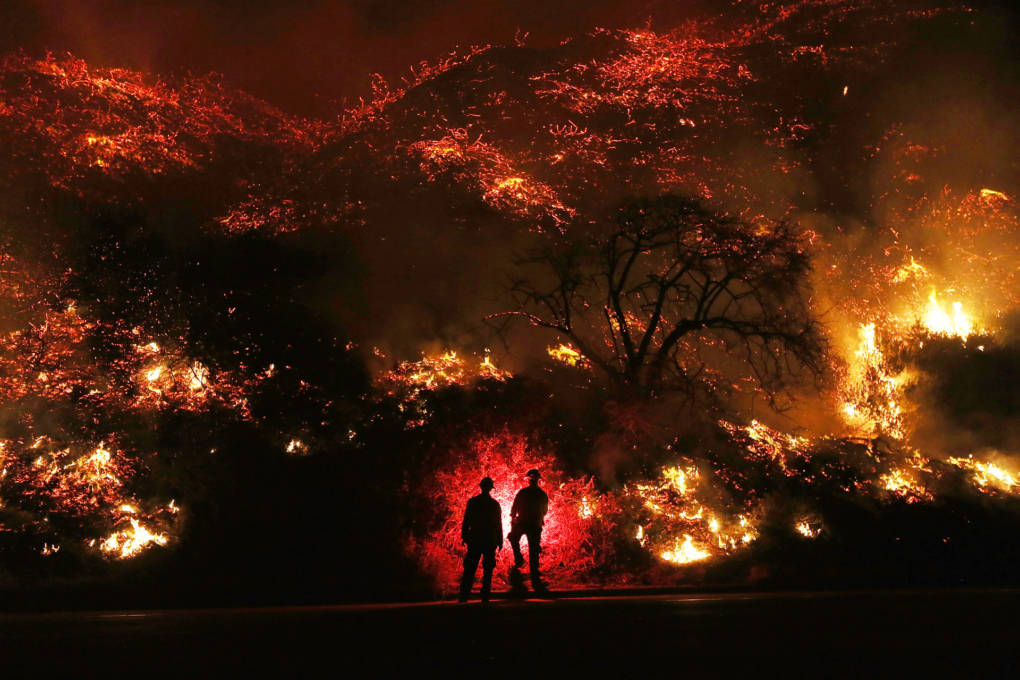
"caption": "Santa Ana winds helped drive the Thomas Fire in December 2017.",
"description": "VENTURA, CA - DECEMBER 07: Firefighters monitor a section of the Thomas Fire along the 101 freeway on December 7, 2017 north of Ventura, California. The firefighters occasionally used a flare device to burn-off brush close to the roadside. Strong Santa Ana winds are rapidly pushing multiple wildfires across the region, expanding across tens of thousands of acres and destroying hundreds of homes and structures. (Photo by Mario Tama/Getty Images)",
"title": "Southern California Wildfires Forces Thousands to Evacuate",
"credit": "Mario Tama/Getty Images",
"status": "inherit",
"isLoading": false,
"fetchFailed": false
},
"science_1939218": {
"type": "attachments",
"id": "science_1939218",
"meta": {
"index": "attachments_1716263798",
"site": "science",
"id": "1939218",
"found": true
},
"parent": 1939172,
"imgSizes": {
"twentyfourteen-full-width": {
"file": "https://ww2.kqed.org/app/uploads/sites/35/2019/03/IMG_1815-1038x576.jpg",
"width": 1038,
"mimeType": "image/jpeg",
"height": 576
},
"thumbnail": {
"file": "https://ww2.kqed.org/app/uploads/sites/35/2019/03/IMG_1815-160x120.jpg",
"width": 160,
"mimeType": "image/jpeg",
"height": 120
},
"post-thumbnail": {
"file": "https://ww2.kqed.org/app/uploads/sites/35/2019/03/IMG_1815-672x372.jpg",
"width": 672,
"mimeType": "image/jpeg",
"height": 372
},
"kqedFullSize": {
"file": "https://ww2.kqed.org/app/uploads/sites/35/2019/03/IMG_1815.jpg",
"width": 2048,
"height": 1536
},
"large": {
"file": "https://ww2.kqed.org/app/uploads/sites/35/2019/03/IMG_1815-1020x765.jpg",
"width": 1020,
"mimeType": "image/jpeg",
"height": 765
},
"complete_open_graph": {
"file": "https://ww2.kqed.org/app/uploads/sites/35/2019/03/IMG_1815-1200x900.jpg",
"width": 1200,
"mimeType": "image/jpeg",
"height": 900
},
"guest-author-50": {
"file": "https://ww2.kqed.org/app/uploads/sites/35/2019/03/IMG_1815-50x50.jpg",
"width": 50,
"mimeType": "image/jpeg",
"height": 50
},
"guest-author-96": {
"file": "https://ww2.kqed.org/app/uploads/sites/35/2019/03/IMG_1815-96x96.jpg",
"width": 96,
"mimeType": "image/jpeg",
"height": 96
},
"medium": {
"file": "https://ww2.kqed.org/app/uploads/sites/35/2019/03/IMG_1815-800x600.jpg",
"width": 800,
"mimeType": "image/jpeg",
"height": 600
},
"guest-author-64": {
"file": "https://ww2.kqed.org/app/uploads/sites/35/2019/03/IMG_1815-64x64.jpg",
"width": 64,
"mimeType": "image/jpeg",
"height": 64
},
"guest-author-32": {
"file": "https://ww2.kqed.org/app/uploads/sites/35/2019/03/IMG_1815-32x32.jpg",
"width": 32,
"mimeType": "image/jpeg",
"height": 32
},
"full-width": {
"file": "https://ww2.kqed.org/app/uploads/sites/35/2019/03/IMG_1815-1920x1440.jpg",
"width": 1920,
"mimeType": "image/jpeg",
"height": 1440
},
"medium_large": {
"file": "https://ww2.kqed.org/app/uploads/sites/35/2019/03/IMG_1815-768x576.jpg",
"width": 768,
"mimeType": "image/jpeg",
"height": 576
},
"guest-author-128": {
"file": "https://ww2.kqed.org/app/uploads/sites/35/2019/03/IMG_1815-128x128.jpg",
"width": 128,
"mimeType": "image/jpeg",
"height": 128
}
},
"publishDate": 1552697897,
"modified": 1552697957,
"caption": "On Friday, Mar. 15 student protesters in the Bay Area and around the world called for action on climate change. ",
"description": null,
"title": "IMG_1815",
"credit": "Raquel Maria Dillon/KQED",
"status": "inherit",
"isLoading": false,
"fetchFailed": false
},
"science_1939128": {
"type": "attachments",
"id": "science_1939128",
"meta": {
"index": "attachments_1716263798",
"site": "science",
"id": "1939128",
"found": true
},
"parent": 1939123,
"imgSizes": {
"twentyfourteen-full-width": {
"file": "https://ww2.kqed.org/app/uploads/sites/35/2019/03/Student-Strike-Climate-Change-PosterMaking-e1552660894417-1038x576.jpg",
"width": 1038,
"mimeType": "image/jpeg",
"height": 576
},
"thumbnail": {
"file": "https://ww2.kqed.org/app/uploads/sites/35/2019/03/Student-Strike-Climate-Change-PosterMaking-e1552660894417-160x213.jpg",
"width": 160,
"mimeType": "image/jpeg",
"height": 213
},
"post-thumbnail": {
"file": "https://ww2.kqed.org/app/uploads/sites/35/2019/03/Student-Strike-Climate-Change-PosterMaking-e1552660894417-672x372.jpg",
"width": 672,
"mimeType": "image/jpeg",
"height": 372
},
"kqedFullSize": {
"file": "https://ww2.kqed.org/app/uploads/sites/35/2019/03/Student-Strike-Climate-Change-PosterMaking-e1552660894417.jpg",
"width": 1536,
"height": 2048
},
"large": {
"file": "https://ww2.kqed.org/app/uploads/sites/35/2019/03/Student-Strike-Climate-Change-PosterMaking-e1552660894417-1020x1360.jpg",
"width": 1020,
"mimeType": "image/jpeg",
"height": 1360
},
"complete_open_graph": {
"file": "https://ww2.kqed.org/app/uploads/sites/35/2019/03/Student-Strike-Climate-Change-PosterMaking-e1552660894417-900x1200.jpg",
"width": 900,
"mimeType": "image/jpeg",
"height": 1200
},
"guest-author-50": {
"file": "https://ww2.kqed.org/app/uploads/sites/35/2019/03/Student-Strike-Climate-Change-PosterMaking-e1552660894417-50x50.jpg",
"width": 50,
"mimeType": "image/jpeg",
"height": 50
},
"guest-author-96": {
"file": "https://ww2.kqed.org/app/uploads/sites/35/2019/03/Student-Strike-Climate-Change-PosterMaking-e1552660894417-96x96.jpg",
"width": 96,
"mimeType": "image/jpeg",
"height": 96
},
"medium": {
"file": "https://ww2.kqed.org/app/uploads/sites/35/2019/03/Student-Strike-Climate-Change-PosterMaking-e1552660894417-800x1067.jpg",
"width": 800,
"mimeType": "image/jpeg",
"height": 1067
},
"guest-author-64": {
"file": "https://ww2.kqed.org/app/uploads/sites/35/2019/03/Student-Strike-Climate-Change-PosterMaking-e1552660894417-64x64.jpg",
"width": 64,
"mimeType": "image/jpeg",
"height": 64
},
"guest-author-32": {
"file": "https://ww2.kqed.org/app/uploads/sites/35/2019/03/Student-Strike-Climate-Change-PosterMaking-e1552660894417-32x32.jpg",
"width": 32,
"mimeType": "image/jpeg",
"height": 32
},
"full-width": {
"file": "https://ww2.kqed.org/app/uploads/sites/35/2019/03/Student-Strike-Climate-Change-PosterMaking-1920x1440.jpg",
"width": 1920,
"mimeType": "image/jpeg",
"height": 1440
},
"medium_large": {
"file": "https://ww2.kqed.org/app/uploads/sites/35/2019/03/Student-Strike-Climate-Change-PosterMaking-e1552660894417-768x1024.jpg",
"width": 768,
"mimeType": "image/jpeg",
"height": 1024
},
"guest-author-128": {
"file": "https://ww2.kqed.org/app/uploads/sites/35/2019/03/Student-Strike-Climate-Change-PosterMaking-e1552660894417-128x128.jpg",
"width": 128,
"mimeType": "image/jpeg",
"height": 128
}
},
"publishDate": 1552660780,
"modified": 1552664695,
"caption": "Berkeley fifth-grader Juniper Grace and her best friend watch videos of Swedish climate change activist Greta Thunberg while making posters in preparation for the Student Strike Against Climate Change in Berkeley.",
"description": null,
"title": "Student-Strike-Climate-Change-PosterMaking",
"credit": "Andie Grace",
"status": "inherit",
"isLoading": false,
"fetchFailed": false
},
"science_1939034": {
"type": "attachments",
"id": "science_1939034",
"meta": {
"index": "attachments_1716263798",
"site": "science",
"id": "1939034",
"found": true
},
"parent": 1939029,
"imgSizes": {
"twentyfourteen-full-width": {
"file": "https://ww2.kqed.org/app/uploads/sites/35/2019/03/ee__2050-1_enl-444274657028bbef83bb5d38ec16a8b896188bd6-1-1038x576.jpg",
"width": 1038,
"mimeType": "image/jpeg",
"height": 576
},
"thumbnail": {
"file": "https://ww2.kqed.org/app/uploads/sites/35/2019/03/ee__2050-1_enl-444274657028bbef83bb5d38ec16a8b896188bd6-1-160x105.jpg",
"width": 160,
"mimeType": "image/jpeg",
"height": 105
},
"post-thumbnail": {
"file": "https://ww2.kqed.org/app/uploads/sites/35/2019/03/ee__2050-1_enl-444274657028bbef83bb5d38ec16a8b896188bd6-1-672x372.jpg",
"width": 672,
"mimeType": "image/jpeg",
"height": 372
},
"kqedFullSize": {
"file": "https://ww2.kqed.org/app/uploads/sites/35/2019/03/ee__2050-1_enl-444274657028bbef83bb5d38ec16a8b896188bd6-1-e1552513561241.jpg",
"width": 1920,
"height": 1256
},
"large": {
"file": "https://ww2.kqed.org/app/uploads/sites/35/2019/03/ee__2050-1_enl-444274657028bbef83bb5d38ec16a8b896188bd6-1-1020x668.jpg",
"width": 1020,
"mimeType": "image/jpeg",
"height": 668
},
"complete_open_graph": {
"file": "https://ww2.kqed.org/app/uploads/sites/35/2019/03/ee__2050-1_enl-444274657028bbef83bb5d38ec16a8b896188bd6-1-1200x785.jpg",
"width": 1200,
"mimeType": "image/jpeg",
"height": 785
},
"guest-author-50": {
"file": "https://ww2.kqed.org/app/uploads/sites/35/2019/03/ee__2050-1_enl-444274657028bbef83bb5d38ec16a8b896188bd6-1-50x50.jpg",
"width": 50,
"mimeType": "image/jpeg",
"height": 50
},
"guest-author-96": {
"file": "https://ww2.kqed.org/app/uploads/sites/35/2019/03/ee__2050-1_enl-444274657028bbef83bb5d38ec16a8b896188bd6-1-96x96.jpg",
"width": 96,
"mimeType": "image/jpeg",
"height": 96
},
"medium": {
"file": "https://ww2.kqed.org/app/uploads/sites/35/2019/03/ee__2050-1_enl-444274657028bbef83bb5d38ec16a8b896188bd6-1-800x524.jpg",
"width": 800,
"mimeType": "image/jpeg",
"height": 524
},
"guest-author-64": {
"file": "https://ww2.kqed.org/app/uploads/sites/35/2019/03/ee__2050-1_enl-444274657028bbef83bb5d38ec16a8b896188bd6-1-64x64.jpg",
"width": 64,
"mimeType": "image/jpeg",
"height": 64
},
"guest-author-32": {
"file": "https://ww2.kqed.org/app/uploads/sites/35/2019/03/ee__2050-1_enl-444274657028bbef83bb5d38ec16a8b896188bd6-1-32x32.jpg",
"width": 32,
"mimeType": "image/jpeg",
"height": 32
},
"full-width": {
"file": "https://ww2.kqed.org/app/uploads/sites/35/2019/03/ee__2050-1_enl-444274657028bbef83bb5d38ec16a8b896188bd6-1-1920x1257.jpg",
"width": 1920,
"mimeType": "image/jpeg",
"height": 1257
},
"medium_large": {
"file": "https://ww2.kqed.org/app/uploads/sites/35/2019/03/ee__2050-1_enl-444274657028bbef83bb5d38ec16a8b896188bd6-1-768x503.jpg",
"width": 768,
"mimeType": "image/jpeg",
"height": 503
},
"guest-author-128": {
"file": "https://ww2.kqed.org/app/uploads/sites/35/2019/03/ee__2050-1_enl-444274657028bbef83bb5d38ec16a8b896188bd6-1-128x128.jpg",
"width": 128,
"mimeType": "image/jpeg",
"height": 128
}
},
"publishDate": 1552512601,
"modified": 1552513542,
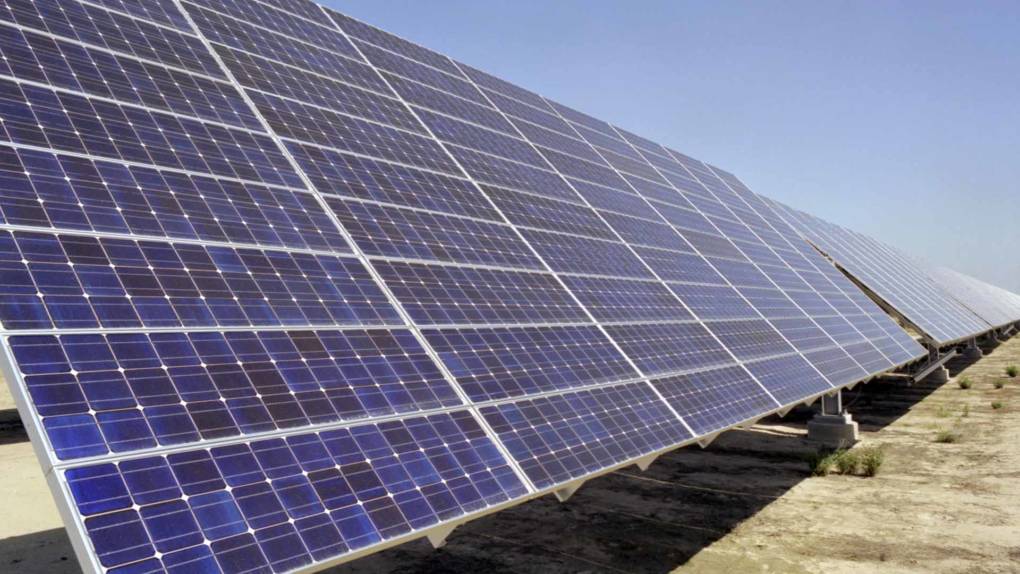
"caption": "Solar panels fill a field in Provence-Alpes-Cote d'Azur, France",
"description": "Solar panels fill a field in Provence-Alpes-Cote d'Azur, France.",
"title": "Solar panels fill a field in Provence-Alpes-Cote d'Azur, France.",
"credit": "Panoramic Images/Getty Images",
"status": "inherit",
"isLoading": false,
"fetchFailed": false
},
"science_1938197": {
"type": "attachments",
"id": "science_1938197",
"meta": {
"index": "attachments_1716263798",
"site": "science",
"id": "1938197",
"found": true
},
"parent": 1938135,
"imgSizes": {
"twentyfourteen-full-width": {
"file": "https://ww2.kqed.org/app/uploads/sites/35/2019/02/iStock-864106820-1038x576.jpg",
"width": 1038,
"mimeType": "image/jpeg",
"height": 576
},
"thumbnail": {
"file": "https://ww2.kqed.org/app/uploads/sites/35/2019/02/iStock-864106820-160x107.jpg",
"width": 160,
"mimeType": "image/jpeg",
"height": 107
},
"post-thumbnail": {
"file": "https://ww2.kqed.org/app/uploads/sites/35/2019/02/iStock-864106820-672x372.jpg",
"width": 672,
"mimeType": "image/jpeg",
"height": 372
},
"kqedFullSize": {
"file": "https://ww2.kqed.org/app/uploads/sites/35/2019/02/iStock-864106820.jpg",
"width": 2048,
"height": 1366
},
"large": {
"file": "https://ww2.kqed.org/app/uploads/sites/35/2019/02/iStock-864106820-1020x680.jpg",
"width": 1020,
"mimeType": "image/jpeg",
"height": 680
},
"complete_open_graph": {
"file": "https://ww2.kqed.org/app/uploads/sites/35/2019/02/iStock-864106820-1200x800.jpg",
"width": 1200,
"mimeType": "image/jpeg",
"height": 800
},
"guest-author-50": {
"file": "https://ww2.kqed.org/app/uploads/sites/35/2019/02/iStock-864106820-50x50.jpg",
"width": 50,
"mimeType": "image/jpeg",
"height": 50
},
"guest-author-96": {
"file": "https://ww2.kqed.org/app/uploads/sites/35/2019/02/iStock-864106820-96x96.jpg",
"width": 96,
"mimeType": "image/jpeg",
"height": 96
},
"medium": {
"file": "https://ww2.kqed.org/app/uploads/sites/35/2019/02/iStock-864106820-800x533.jpg",
"width": 800,
"mimeType": "image/jpeg",
"height": 533
},
"guest-author-64": {
"file": "https://ww2.kqed.org/app/uploads/sites/35/2019/02/iStock-864106820-64x64.jpg",
"width": 64,
"mimeType": "image/jpeg",
"height": 64
},
"guest-author-32": {
"file": "https://ww2.kqed.org/app/uploads/sites/35/2019/02/iStock-864106820-32x32.jpg",
"width": 32,
"mimeType": "image/jpeg",
"height": 32
},
"full-width": {
"file": "https://ww2.kqed.org/app/uploads/sites/35/2019/02/iStock-864106820-1920x1280.jpg",
"width": 1920,
"mimeType": "image/jpeg",
"height": 1280
},
"detail": {
"file": "https://ww2.kqed.org/app/uploads/sites/35/2019/02/iStock-864106820-150x150.jpg",
"width": 150,
"mimeType": "image/jpeg",
"height": 150
},
"medium_large": {
"file": "https://ww2.kqed.org/app/uploads/sites/35/2019/02/iStock-864106820-768x512.jpg",
"width": 768,
"mimeType": "image/jpeg",
"height": 512
},
"guest-author-128": {
"file": "https://ww2.kqed.org/app/uploads/sites/35/2019/02/iStock-864106820-128x128.jpg",
"width": 128,
"mimeType": "image/jpeg",
"height": 128
}
},
"publishDate": 1550623701,
"modified": 1550624150,
"caption": "KQED Forum's Michael Krasny hosted a panel this month at the Night of Ideas festival in San Francisco to discuss how we can design cities for a changing climate.",
"description": null,
"title": "Green city of the future.",
"credit": "iStock",
"status": "inherit",
"isLoading": false,
"fetchFailed": false
},
"science_1934262": {
"type": "attachments",
"id": "science_1934262",
"meta": {
"index": "attachments_1716263798",
"site": "science",
"id": "1934262",
"found": true
},
"parent": 1934110,
"imgSizes": {
"small": {
"file": "https://ww2.kqed.org/app/uploads/sites/35/2018/11/HeatWorker-520x293.jpg",
"width": 520,
"mimeType": "image/jpeg",
"height": 293
},
"twentyfourteen-full-width": {
"file": "https://ww2.kqed.org/app/uploads/sites/35/2018/11/HeatWorker-1038x576.jpg",
"width": 1038,
"mimeType": "image/jpeg",
"height": 576
},
"thumbnail": {
"file": "https://ww2.kqed.org/app/uploads/sites/35/2018/11/HeatWorker-160x90.jpg",
"width": 160,
"mimeType": "image/jpeg",
"height": 90
},
"fd-sm": {
"file": "https://ww2.kqed.org/app/uploads/sites/35/2018/11/HeatWorker-960x540.jpg",
"width": 960,
"mimeType": "image/jpeg",
"height": 540
},
"post-thumbnail": {
"file": "https://ww2.kqed.org/app/uploads/sites/35/2018/11/HeatWorker-672x372.jpg",
"width": 672,
"mimeType": "image/jpeg",
"height": 372
},
"xsmall": {
"file": "https://ww2.kqed.org/app/uploads/sites/35/2018/11/HeatWorker-375x211.jpg",
"width": 375,
"mimeType": "image/jpeg",
"height": 211
},
"kqedFullSize": {
"file": "https://ww2.kqed.org/app/uploads/sites/35/2018/11/HeatWorker.jpg",
"width": 1920,
"height": 1080
},
"large": {
"file": "https://ww2.kqed.org/app/uploads/sites/35/2018/11/HeatWorker-1020x574.jpg",
"width": 1020,
"mimeType": "image/jpeg",
"height": 574
},
"xlarge": {
"file": "https://ww2.kqed.org/app/uploads/sites/35/2018/11/HeatWorker-1180x664.jpg",
"width": 1180,
"mimeType": "image/jpeg",
"height": 664
},
"complete_open_graph": {
"file": "https://ww2.kqed.org/app/uploads/sites/35/2018/11/HeatWorker-1200x675.jpg",
"width": 1200,
"mimeType": "image/jpeg",
"height": 675
},
"guest-author-50": {
"file": "https://ww2.kqed.org/app/uploads/sites/35/2018/11/HeatWorker-50x50.jpg",
"width": 50,
"mimeType": "image/jpeg",
"height": 50
},
"guest-author-96": {
"file": "https://ww2.kqed.org/app/uploads/sites/35/2018/11/HeatWorker-96x96.jpg",
"width": 96,
"mimeType": "image/jpeg",
"height": 96
},
"medium": {
"file": "https://ww2.kqed.org/app/uploads/sites/35/2018/11/HeatWorker-800x450.jpg",
"width": 800,
"mimeType": "image/jpeg",
"height": 450
},
"guest-author-64": {
"file": "https://ww2.kqed.org/app/uploads/sites/35/2018/11/HeatWorker-64x64.jpg",
"width": 64,
"mimeType": "image/jpeg",
"height": 64
},
"guest-author-32": {
"file": "https://ww2.kqed.org/app/uploads/sites/35/2018/11/HeatWorker-32x32.jpg",
"width": 32,
"mimeType": "image/jpeg",
"height": 32
},
"fd-lrg": {
"file": "https://ww2.kqed.org/app/uploads/sites/35/2018/11/HeatWorker-1920x1080.jpg",
"width": 1920,
"mimeType": "image/jpeg",
"height": 1080
},
"fd-med": {
"file": "https://ww2.kqed.org/app/uploads/sites/35/2018/11/HeatWorker-1180x664.jpg",
"width": 1180,
"mimeType": "image/jpeg",
"height": 664
},
"full-width": {
"file": "https://ww2.kqed.org/app/uploads/sites/35/2018/11/HeatWorker-1920x1080.jpg",
"width": 1920,
"mimeType": "image/jpeg",
"height": 1080
},
"detail": {
"file": "https://ww2.kqed.org/app/uploads/sites/35/2018/11/HeatWorker-150x150.jpg",
"width": 150,
"mimeType": "image/jpeg",
"height": 150
},
"medium_large": {
"file": "https://ww2.kqed.org/app/uploads/sites/35/2018/11/HeatWorker-768x432.jpg",
"width": 768,
"mimeType": "image/jpeg",
"height": 432
},
"guest-author-128": {
"file": "https://ww2.kqed.org/app/uploads/sites/35/2018/11/HeatWorker-128x128.jpg",
"width": 128,
"mimeType": "image/jpeg",
"height": 128
},
"xxsmall": {
"file": "https://ww2.kqed.org/app/uploads/sites/35/2018/11/HeatWorker-240x135.jpg",
"width": 240,
"mimeType": "image/jpeg",
"height": 135
}
},
"publishDate": 1542151426,
"modified": 1550875834,
"caption": "At California Cartage near the Port of Long Beach, 68-year-old Jose Rodriguez said it gets so hot inside the shipping containers he unloads that his sweat sizzles on the metal. California will soon regulate heat at workplaces like the warehouse where Rodriguez works.",
"description": null,
"title": "HeatWorker",
"credit": "Molly Peterson/KQED",
"status": "inherit",
"isLoading": false,
"fetchFailed": false
},
"science_1938332": {
"type": "attachments",
"id": "science_1938332",
"meta": {
"index": "attachments_1716263798",
"site": "science",
"id": "1938332",
"found": true
},
"parent": 1938303,
"imgSizes": {
"twentyfourteen-full-width": {
"file": "https://ww2.kqed.org/app/uploads/sites/35/2029/02/Wheeler-820x576.jpg",
"width": 820,
"mimeType": "image/jpeg",
"height": 576
},
"thumbnail": {
"file": "https://ww2.kqed.org/app/uploads/sites/35/2029/02/Wheeler-160x120.jpg",
"width": 160,
"mimeType": "image/jpeg",
"height": 120
},
"post-thumbnail": {
"file": "https://ww2.kqed.org/app/uploads/sites/35/2029/02/Wheeler-672x372.jpg",
"width": 672,
"mimeType": "image/jpeg",
"height": 372
},
"kqedFullSize": {
"file": "https://ww2.kqed.org/app/uploads/sites/35/2029/02/Wheeler.jpg",
"width": 820,
"height": 615
},
"guest-author-50": {
"file": "https://ww2.kqed.org/app/uploads/sites/35/2029/02/Wheeler-50x50.jpg",
"width": 50,
"mimeType": "image/jpeg",
"height": 50
},
"guest-author-96": {
"file": "https://ww2.kqed.org/app/uploads/sites/35/2029/02/Wheeler-96x96.jpg",
"width": 96,
"mimeType": "image/jpeg",
"height": 96
},
"medium": {
"file": "https://ww2.kqed.org/app/uploads/sites/35/2029/02/Wheeler-800x600.jpg",
"width": 800,
"mimeType": "image/jpeg",
"height": 600
},
"guest-author-64": {
"file": "https://ww2.kqed.org/app/uploads/sites/35/2029/02/Wheeler-64x64.jpg",
"width": 64,
"mimeType": "image/jpeg",
"height": 64
},
"detail": {
"file": "https://ww2.kqed.org/app/uploads/sites/35/2029/02/Wheeler-150x150.jpg",
"width": 150,
"mimeType": "image/jpeg",
"height": 150
},
"guest-author-32": {
"file": "https://ww2.kqed.org/app/uploads/sites/35/2029/02/Wheeler-32x32.jpg",
"width": 32,
"mimeType": "image/jpeg",
"height": 32
},
"medium_large": {
"file": "https://ww2.kqed.org/app/uploads/sites/35/2029/02/Wheeler-768x576.jpg",
"width": 768,
"mimeType": "image/jpeg",
"height": 576
},
"guest-author-128": {
"file": "https://ww2.kqed.org/app/uploads/sites/35/2029/02/Wheeler-128x128.jpg",
"width": 128,
"mimeType": "image/jpeg",
"height": 128
}
},
"publishDate": 1550803522,
"modified": 1550807736,
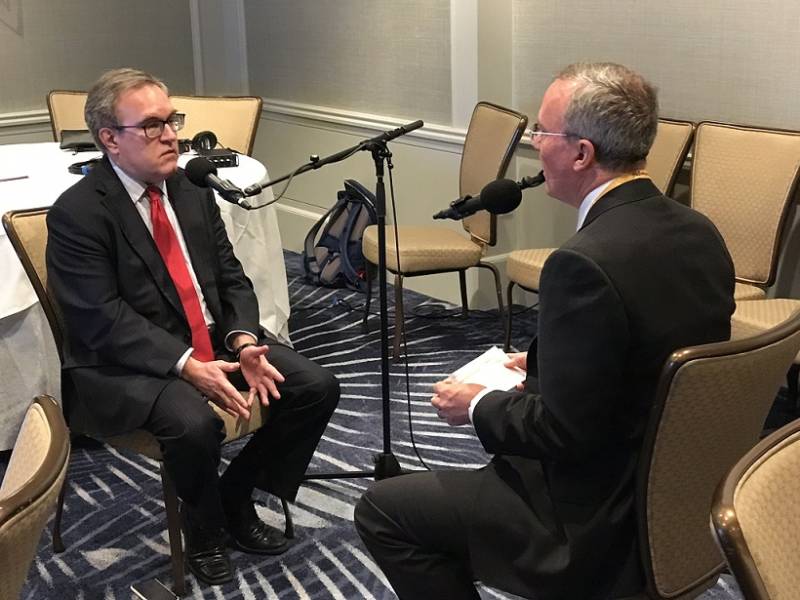
"caption": "EPA Acting Director Andrew Wheeler, Left, interviewed in January by Climate One's Greg Dalton, in San Francisco.",
"description": null,
"title": "Wheeler",
"credit": "Tyler Reed/Climate One",
"status": "inherit",
"isLoading": false,
"fetchFailed": false
},
"science_1938128": {
"type": "attachments",
"id": "science_1938128",
"meta": {
"index": "attachments_1716263798",
"site": "science",
"id": "1938128",
"found": true
},
"parent": 1938127,
"imgSizes": {
"twentyfourteen-full-width": {
"file": "https://ww2.kqed.org/app/uploads/sites/35/2019/02/ap_19049790976870-69b7fbccbbb7a566718fc8011d63482aac788f68-1038x576.jpg",
"width": 1038,
"mimeType": "image/jpeg",
"height": 576
},
"thumbnail": {
"file": "https://ww2.kqed.org/app/uploads/sites/35/2019/02/ap_19049790976870-69b7fbccbbb7a566718fc8011d63482aac788f68-160x120.jpg",
"width": 160,
"mimeType": "image/jpeg",
"height": 120
},
"post-thumbnail": {
"file": "https://ww2.kqed.org/app/uploads/sites/35/2019/02/ap_19049790976870-69b7fbccbbb7a566718fc8011d63482aac788f68-672x372.jpg",
"width": 672,
"mimeType": "image/jpeg",
"height": 372
},
"kqedFullSize": {
"file": "https://ww2.kqed.org/app/uploads/sites/35/2019/02/ap_19049790976870-69b7fbccbbb7a566718fc8011d63482aac788f68-e1550602719295.jpg",
"width": 1920,
"height": 1440
},
"large": {
"file": "https://ww2.kqed.org/app/uploads/sites/35/2019/02/ap_19049790976870-69b7fbccbbb7a566718fc8011d63482aac788f68-1020x765.jpg",
"width": 1020,
"mimeType": "image/jpeg",
"height": 765
},
"complete_open_graph": {
"file": "https://ww2.kqed.org/app/uploads/sites/35/2019/02/ap_19049790976870-69b7fbccbbb7a566718fc8011d63482aac788f68-1200x900.jpg",
"width": 1200,
"mimeType": "image/jpeg",
"height": 900
},
"guest-author-50": {
"file": "https://ww2.kqed.org/app/uploads/sites/35/2019/02/ap_19049790976870-69b7fbccbbb7a566718fc8011d63482aac788f68-50x50.jpg",
"width": 50,
"mimeType": "image/jpeg",
"height": 50
},
"guest-author-96": {
"file": "https://ww2.kqed.org/app/uploads/sites/35/2019/02/ap_19049790976870-69b7fbccbbb7a566718fc8011d63482aac788f68-96x96.jpg",
"width": 96,
"mimeType": "image/jpeg",
"height": 96
},
"medium": {
"file": "https://ww2.kqed.org/app/uploads/sites/35/2019/02/ap_19049790976870-69b7fbccbbb7a566718fc8011d63482aac788f68-800x600.jpg",
"width": 800,
"mimeType": "image/jpeg",
"height": 600
},
"guest-author-64": {
"file": "https://ww2.kqed.org/app/uploads/sites/35/2019/02/ap_19049790976870-69b7fbccbbb7a566718fc8011d63482aac788f68-64x64.jpg",
"width": 64,
"mimeType": "image/jpeg",
"height": 64
},
"guest-author-32": {
"file": "https://ww2.kqed.org/app/uploads/sites/35/2019/02/ap_19049790976870-69b7fbccbbb7a566718fc8011d63482aac788f68-32x32.jpg",
"width": 32,
"mimeType": "image/jpeg",
"height": 32
},
"full-width": {
"file": "https://ww2.kqed.org/app/uploads/sites/35/2019/02/ap_19049790976870-69b7fbccbbb7a566718fc8011d63482aac788f68-1920x1440.jpg",
"width": 1920,
"mimeType": "image/jpeg",
"height": 1440
},
"detail": {
"file": "https://ww2.kqed.org/app/uploads/sites/35/2019/02/ap_19049790976870-69b7fbccbbb7a566718fc8011d63482aac788f68-150x150.jpg",
"width": 150,
"mimeType": "image/jpeg",
"height": 150
},
"medium_large": {
"file": "https://ww2.kqed.org/app/uploads/sites/35/2019/02/ap_19049790976870-69b7fbccbbb7a566718fc8011d63482aac788f68-768x576.jpg",
"width": 768,
"mimeType": "image/jpeg",
"height": 576
},
"guest-author-128": {
"file": "https://ww2.kqed.org/app/uploads/sites/35/2019/02/ap_19049790976870-69b7fbccbbb7a566718fc8011d63482aac788f68-128x128.jpg",
"width": 128,
"mimeType": "image/jpeg",
"height": 128
}
},
"publishDate": 1550600281,
"modified": 1550601118,
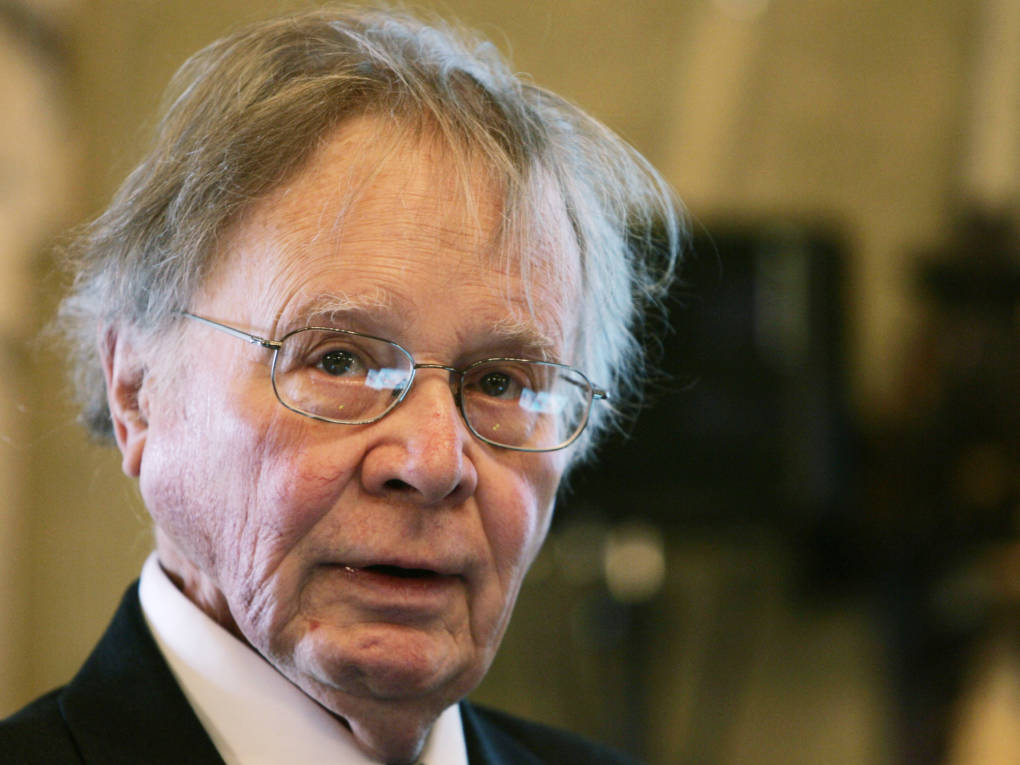
"caption": "Wallace Broecker, a professor at Columbia University in New York, speaking during the Balzan Prize ceremony in Rome in 2008. Broecker, a climate scientist who popularized the term \"global warming,\" died Monday.",
"description": "Wallace Broecker, a professor at Columbia University in New York, speaking during the Balzan Prize ceremony in Rome in 2008. Broecker, a climate scientist who popularized the term \"global warming,\" died Monday.",
"title": "Wallace Broecker, a professor at Columbia University in New York, speaking during the Balzan Prize ceremony in Rome in 2008. Broecker, a climate scientist who popularized the term \"global warming,\" died Monday.",
"credit": "Gregorio Borgia/AP",
"status": "inherit",
"isLoading": false,
"fetchFailed": false
},
"science_1937926": {
"type": "attachments",
"id": "science_1937926",
"meta": {
"index": "attachments_1716263798",
"site": "science",
"id": "1937926",
"found": true
},
"parent": 1937918,
"imgSizes": {
"twentyfourteen-full-width": {
"file": "https://ww2.kqed.org/app/uploads/sites/35/2019/02/DeadTrees-1020x612-1020x576.jpg",
"width": 1020,
"mimeType": "image/jpeg",
"height": 576
},
"thumbnail": {
"file": "https://ww2.kqed.org/app/uploads/sites/35/2019/02/DeadTrees-1020x612-160x96.jpg",
"width": 160,
"mimeType": "image/jpeg",
"height": 96
},
"post-thumbnail": {
"file": "https://ww2.kqed.org/app/uploads/sites/35/2019/02/DeadTrees-1020x612-672x372.jpg",
"width": 672,
"mimeType": "image/jpeg",
"height": 372
},
"kqedFullSize": {
"file": "https://ww2.kqed.org/app/uploads/sites/35/2019/02/DeadTrees-1020x612.jpg",
"width": 1020,
"height": 612
},
"large": {
"file": "https://ww2.kqed.org/app/uploads/sites/35/2019/02/DeadTrees-1020x612-1020x612.jpg",
"width": 1020,
"mimeType": "image/jpeg",
"height": 612
},
"guest-author-50": {
"file": "https://ww2.kqed.org/app/uploads/sites/35/2019/02/DeadTrees-1020x612-50x50.jpg",
"width": 50,
"mimeType": "image/jpeg",
"height": 50
},
"guest-author-96": {
"file": "https://ww2.kqed.org/app/uploads/sites/35/2019/02/DeadTrees-1020x612-96x96.jpg",
"width": 96,
"mimeType": "image/jpeg",
"height": 96
},
"medium": {
"file": "https://ww2.kqed.org/app/uploads/sites/35/2019/02/DeadTrees-1020x612-800x480.jpg",
"width": 800,
"mimeType": "image/jpeg",
"height": 480
},
"guest-author-64": {
"file": "https://ww2.kqed.org/app/uploads/sites/35/2019/02/DeadTrees-1020x612-64x64.jpg",
"width": 64,
"mimeType": "image/jpeg",
"height": 64
},
"guest-author-32": {
"file": "https://ww2.kqed.org/app/uploads/sites/35/2019/02/DeadTrees-1020x612-32x32.jpg",
"width": 32,
"mimeType": "image/jpeg",
"height": 32
},
"detail": {
"file": "https://ww2.kqed.org/app/uploads/sites/35/2019/02/DeadTrees-1020x612-150x150.jpg",
"width": 150,
"mimeType": "image/jpeg",
"height": 150
},
"medium_large": {
"file": "https://ww2.kqed.org/app/uploads/sites/35/2019/02/DeadTrees-1020x612-768x461.jpg",
"width": 768,
"mimeType": "image/jpeg",
"height": 461
},
"guest-author-128": {
"file": "https://ww2.kqed.org/app/uploads/sites/35/2019/02/DeadTrees-1020x612-128x128.jpg",
"width": 128,
"mimeType": "image/jpeg",
"height": 128
}
},
"publishDate": 1549934112,
"modified": 1549934173,
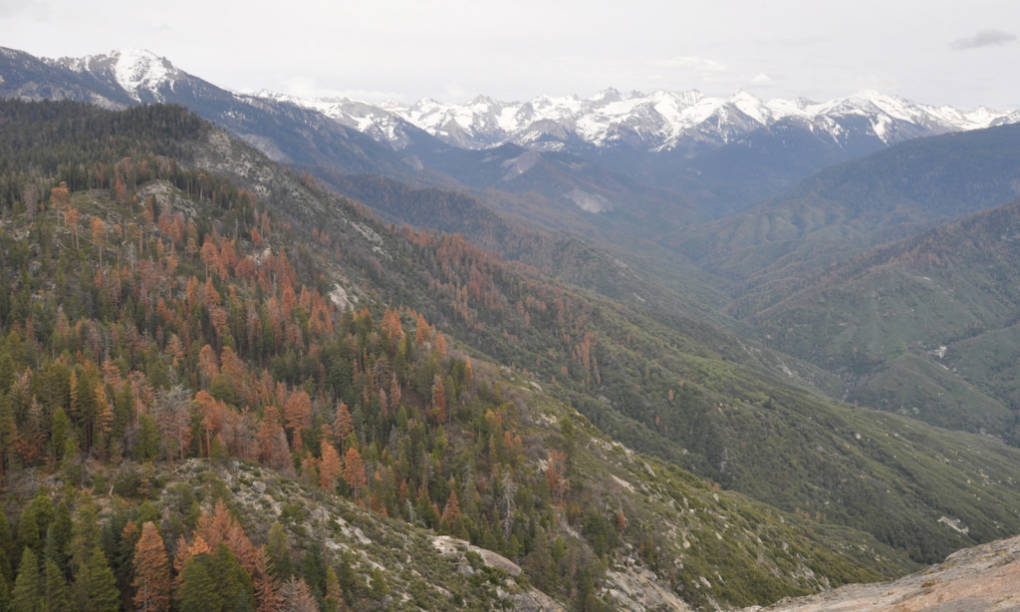
"caption": "Dead trees in Sequoia National Park in May 2016. The Southern Sierra Nevada was one of the hardest-hit areas by drought and high temperatures, resulting in millions of dead trees. ",
"description": "Dead trees in Sequoia National Park in May 2016. The Southern Sierra Nevada was one of the hardest-hit areas by drought and high temperatures, resulting in millions of dead trees. ",
"title": "DeadTrees-1020x612",
"credit": "U.S. Forest Service",
"status": "inherit",
"isLoading": false,
"fetchFailed": false
},
"science_1937597": {
"type": "attachments",
"id": "science_1937597",
"meta": {
"index": "attachments_1716263798",
"site": "science",
"id": "1937597",
"found": true
},
"parent": 1937521,
"imgSizes": {
"twentyfourteen-full-width": {
"file": "https://ww2.kqed.org/app/uploads/sites/35/2019/02/polarvortex-1038x576.jpg",
"width": 1038,
"mimeType": "image/jpeg",
"height": 576
},
"thumbnail": {
"file": "https://ww2.kqed.org/app/uploads/sites/35/2019/02/polarvortex-160x107.jpg",
"width": 160,
"mimeType": "image/jpeg",
"height": 107
},
"post-thumbnail": {
"file": "https://ww2.kqed.org/app/uploads/sites/35/2019/02/polarvortex-672x372.jpg",
"width": 672,
"mimeType": "image/jpeg",
"height": 372
},
"kqedFullSize": {
"file": "https://ww2.kqed.org/app/uploads/sites/35/2019/02/polarvortex-e1549135970848.jpg",
"width": 1920,
"height": 1280
},
"large": {
"file": "https://ww2.kqed.org/app/uploads/sites/35/2019/02/polarvortex-1020x680.jpg",
"width": 1020,
"mimeType": "image/jpeg",
"height": 680
},
"complete_open_graph": {
"file": "https://ww2.kqed.org/app/uploads/sites/35/2019/02/polarvortex-1200x800.jpg",
"width": 1200,
"mimeType": "image/jpeg",
"height": 800
},
"guest-author-50": {
"file": "https://ww2.kqed.org/app/uploads/sites/35/2019/02/polarvortex-50x50.jpg",
"width": 50,
"mimeType": "image/jpeg",
"height": 50
},
"guest-author-96": {
"file": "https://ww2.kqed.org/app/uploads/sites/35/2019/02/polarvortex-96x96.jpg",
"width": 96,
"mimeType": "image/jpeg",
"height": 96
},
"medium": {
"file": "https://ww2.kqed.org/app/uploads/sites/35/2019/02/polarvortex-800x533.jpg",
"width": 800,
"mimeType": "image/jpeg",
"height": 533
},
"guest-author-64": {
"file": "https://ww2.kqed.org/app/uploads/sites/35/2019/02/polarvortex-64x64.jpg",
"width": 64,
"mimeType": "image/jpeg",
"height": 64
},
"guest-author-32": {
"file": "https://ww2.kqed.org/app/uploads/sites/35/2019/02/polarvortex-32x32.jpg",
"width": 32,
"mimeType": "image/jpeg",
"height": 32
},
"full-width": {
"file": "https://ww2.kqed.org/app/uploads/sites/35/2019/02/polarvortex-1920x1280.jpg",
"width": 1920,
"mimeType": "image/jpeg",
"height": 1280
},
"detail": {
"file": "https://ww2.kqed.org/app/uploads/sites/35/2019/02/polarvortex-150x150.jpg",
"width": 150,
"mimeType": "image/jpeg",
"height": 150
},
"medium_large": {
"file": "https://ww2.kqed.org/app/uploads/sites/35/2019/02/polarvortex-768x512.jpg",
"width": 768,
"mimeType": "image/jpeg",
"height": 512
},
"guest-author-128": {
"file": "https://ww2.kqed.org/app/uploads/sites/35/2019/02/polarvortex-128x128.jpg",
"width": 128,
"mimeType": "image/jpeg",
"height": 128
}
},
"publishDate": 1549135930,
"modified": 1549135963,
"caption": "A man walks along the lakefront as temperatures hovered around -20 degrees on Jan. 30, 2019 in Chicago,",
"description": null,
"title": "Polar Vortex Brings Extreme Cold Temperatures To Chicago",
"credit": "Scott Olson/Getty Images",
"status": "inherit",
"isLoading": false,
"fetchFailed": false
},
"science_1937441": {
"type": "attachments",
"id": "science_1937441",
"meta": {
"index": "attachments_1716263798",
"site": "science",
"id": "1937441",
"found": true
},
"parent": 1937435,
"imgSizes": {
"twentyfourteen-full-width": {
"file": "https://ww2.kqed.org/app/uploads/sites/35/2019/01/00252-1038x576.jpg",
"width": 1038,
"mimeType": "image/jpeg",
"height": 576
},
"thumbnail": {
"file": "https://ww2.kqed.org/app/uploads/sites/35/2019/01/00252-160x90.jpg",
"width": 160,
"mimeType": "image/jpeg",
"height": 90
},
"post-thumbnail": {
"file": "https://ww2.kqed.org/app/uploads/sites/35/2019/01/00252-672x372.jpg",
"width": 672,
"mimeType": "image/jpeg",
"height": 372
},
"kqedFullSize": {
"file": "https://ww2.kqed.org/app/uploads/sites/35/2019/01/00252.jpg",
"width": 1920,
"height": 1080
},
"large": {
"file": "https://ww2.kqed.org/app/uploads/sites/35/2019/01/00252-1020x574.jpg",
"width": 1020,
"mimeType": "image/jpeg",
"height": 574
},
"complete_open_graph": {
"file": "https://ww2.kqed.org/app/uploads/sites/35/2019/01/00252-1200x675.jpg",
"width": 1200,
"mimeType": "image/jpeg",
"height": 675
},
"guest-author-50": {
"file": "https://ww2.kqed.org/app/uploads/sites/35/2019/01/00252-50x50.jpg",
"width": 50,
"mimeType": "image/jpeg",
"height": 50
},
"guest-author-96": {
"file": "https://ww2.kqed.org/app/uploads/sites/35/2019/01/00252-96x96.jpg",
"width": 96,
"mimeType": "image/jpeg",
"height": 96
},
"medium": {
"file": "https://ww2.kqed.org/app/uploads/sites/35/2019/01/00252-800x450.jpg",
"width": 800,
"mimeType": "image/jpeg",
"height": 450
},
"guest-author-64": {
"file": "https://ww2.kqed.org/app/uploads/sites/35/2019/01/00252-64x64.jpg",
"width": 64,
"mimeType": "image/jpeg",
"height": 64
},
"guest-author-32": {
"file": "https://ww2.kqed.org/app/uploads/sites/35/2019/01/00252-32x32.jpg",
"width": 32,
"mimeType": "image/jpeg",
"height": 32
},
"full-width": {
"file": "https://ww2.kqed.org/app/uploads/sites/35/2019/01/00252-1920x1080.jpg",
"width": 1920,
"mimeType": "image/jpeg",
"height": 1080
},
"detail": {
"file": "https://ww2.kqed.org/app/uploads/sites/35/2019/01/00252-150x150.jpg",
"width": 150,
"mimeType": "image/jpeg",
"height": 150
},
"medium_large": {
"file": "https://ww2.kqed.org/app/uploads/sites/35/2019/01/00252-768x432.jpg",
"width": 768,
"mimeType": "image/jpeg",
"height": 432
},
"guest-author-128": {
"file": "https://ww2.kqed.org/app/uploads/sites/35/2019/01/00252-128x128.jpg",
"width": 128,
"mimeType": "image/jpeg",
"height": 128
}
},
"publishDate": 1548897765,
"modified": 1548897807,
"caption": "PG&E has signed billions of dollars in contracts with renewable energy companies.",
"description": null,
"title": "PV modules at the Kerman site near Fresno, California",
"credit": "NREL",
"status": "inherit",
"isLoading": false,
"fetchFailed": false
}
},
"audioPlayerReducer": {
"postId": "stream_live",
"isPaused": true,
"isPlaying": false,
"pfsActive": false,
"pledgeModalIsOpen": true,
"playerDrawerIsOpen": false,
"liveAudioPlayStartedAt": 0,
"liveAudioPlayContext": ""
},
"authorsReducer": {
"byline_science_1939888": {
"type": "authors",
"id": "byline_science_1939888",
"meta": {
"override": true
},
"slug": "byline_science_1939888",
"name": "Julie Cart and Judy Lin\u003cbr />CALmatters",
"isLoading": false
},
"byline_science_1939029": {
"type": "authors",
"id": "byline_science_1939029",
"meta": {
"override": true
},
"slug": "byline_science_1939029",
"name": "Dan Charles\u003cbr />NPR",
"isLoading": false
},
"byline_science_1938127": {
"type": "authors",
"id": "byline_science_1938127",
"meta": {
"override": true
},
"slug": "byline_science_1938127",
"name": "Francesca Paris\u003cbr/>NPR",
"isLoading": false
},
"cmiller": {
"type": "authors",
"id": "221",
"meta": {
"index": "authors_1716337520",
"id": "221",
"found": true
},
"name": "Craig Miller",
"firstName": "Craig",
"lastName": "Miller",
"slug": "cmiller",
"email": "craig@voxterra.net",
"display_author_email": false,
"staff_mastheads": [
"science"
],
"title": "Editor Emeritus, Science",
"bio": "Craig is a former KQED Science editor, specializing in weather, climate, water & energy issues, with a little seismology thrown in just to shake things up. Prior to that, he launched and led the station's award-winning multimedia project, Climate Watch. Craig is also an accomplished writer/producer of television documentaries, with a focus on natural resource issues.",
"avatar": "https://secure.gravatar.com/avatar/b91661df645e001a9cafe0861fa685f9?s=600&d=blank&r=g",
"twitter": "voxterra",
"facebook": null,
"instagram": null,
"linkedin": null,
"sites": [
{
"site": "news",
"roles": [
"author"
]
},
{
"site": "futureofyou",
"roles": [
"editor"
]
},
{
"site": "stateofhealth",
"roles": [
"author"
]
},
{
"site": "science",
"roles": [
"editor"
]
},
{
"site": "quest",
"roles": [
"editor"
]
}
],
"headData": {
"title": "Craig Miller | KQED",
"description": "Editor Emeritus, Science",
"ogImgSrc": "https://secure.gravatar.com/avatar/b91661df645e001a9cafe0861fa685f9?s=600&d=blank&r=g",
"twImgSrc": "https://secure.gravatar.com/avatar/b91661df645e001a9cafe0861fa685f9?s=600&d=blank&r=g"
},
"isLoading": false,
"link": "/author/cmiller"
},
"laurensommer": {
"type": "authors",
"id": "239",
"meta": {
"index": "authors_1716337520",
"id": "239",
"found": true
},
"name": "Lauren Sommer",
"firstName": "Lauren",
"lastName": "Sommer",
"slug": "laurensommer",
"email": "lsommer@kqed.org",
"display_author_email": false,
"staff_mastheads": [],
"title": "KQED Contributor",
"bio": "Lauren is a radio reporter formerly covering environment, water, and energy for KQED Science. As part of her day job, she has scaled Sierra Nevada peaks, run from charging elephant seals, and desperately tried to get her sea legs - all in pursuit of good radio. Her work has appeared on Marketplace, Living on Earth, Science Friday and NPR's Morning Edition and All Things Considered. You can find her on Twitter at \u003ca href=\"https://twitter.com/lesommer\">@lesommer\u003c/a>.",
"avatar": "https://secure.gravatar.com/avatar/33aa3772bb86c6ad45b8aca6a238bbdf?s=600&d=blank&r=g",
"twitter": null,
"facebook": null,
"instagram": null,
"linkedin": null,
"sites": [
{
"site": "news",
"roles": [
"author"
]
},
{
"site": "science",
"roles": [
"editor",
"manage_content_types",
"manage_taxonomies"
]
},
{
"site": "quest",
"roles": [
"editor"
]
}
],
"headData": {
"title": "Lauren Sommer | KQED",
"description": "KQED Contributor",
"ogImgSrc": "https://secure.gravatar.com/avatar/33aa3772bb86c6ad45b8aca6a238bbdf?s=600&d=blank&r=g",
"twImgSrc": "https://secure.gravatar.com/avatar/33aa3772bb86c6ad45b8aca6a238bbdf?s=600&d=blank&r=g"
},
"isLoading": false,
"link": "/author/laurensommer"
},
"kqedscience": {
"type": "authors",
"id": "6387",
"meta": {
"index": "authors_1716337520",
"id": "6387",
"found": true
},
"name": "KQED Science",
"firstName": "KQED",
"lastName": "Science",
"slug": "kqedscience",
"email": "kqedscience@gmail.com",
"display_author_email": false,
"staff_mastheads": [],
"title": null,
"bio": "KQED Science brings you award-winning science and environment coverage from the Bay Area and beyond by the flagship Northern California PBS and NPR affiliate.",
"avatar": "https://secure.gravatar.com/avatar/5a295ff49cf82a8c0f30937d3f788b2f?s=600&d=blank&r=g",
"twitter": null,
"facebook": null,
"instagram": null,
"linkedin": null,
"sites": [
{
"site": "science",
"roles": [
"contributor"
]
},
{
"site": "quest",
"roles": [
"editor"
]
},
{
"site": "food",
"roles": [
"contributor"
]
}
],
"headData": {
"title": "KQED Science | KQED",
"description": null,
"ogImgSrc": "https://secure.gravatar.com/avatar/5a295ff49cf82a8c0f30937d3f788b2f?s=600&d=blank&r=g",
"twImgSrc": "https://secure.gravatar.com/avatar/5a295ff49cf82a8c0f30937d3f788b2f?s=600&d=blank&r=g"
},
"isLoading": false,
"link": "/author/kqedscience"
},
"dventon": {
"type": "authors",
"id": "11088",
"meta": {
"index": "authors_1716337520",
"id": "11088",
"found": true
},
"name": "Danielle Venton",
"firstName": "Danielle",
"lastName": "Venton",
"slug": "dventon",
"email": "dventon@kqed.org",
"display_author_email": true,
"staff_mastheads": [
"science"
],
"title": "Science reporter",
"bio": "Danielle Venton is a reporter for KQED Science. She covers wildfires, space and oceans (though she is prone to sea sickness).\r\n\r\nBefore joining KQED in 2015, Danielle was a staff reporter at KRCB in Sonoma County and a freelancer. She studied science communication at UC Santa Cruz and formerly worked at CERN in Geneva, Switzerland where she wrote about computing. She lives in Sonoma County and enjoys backpacking.",
"avatar": "https://secure.gravatar.com/avatar/37b292b5c40c8d93959c4f48d73b5286f41b7abd8588277e941905a3ed4c801c?s=600&d=blank&r=g",
"twitter": "DanielleVenton",
"bluesky": null,
"facebook": null,
"instagram": null,
"linkedin": null,
"sites": [
{
"site": "arts",
"roles": [
"contributor"
]
},
{
"site": "news",
"roles": [
"editor"
]
},
{
"site": "futureofyou",
"roles": [
"editor"
]
},
{
"site": "science",
"roles": [
"editor"
]
},
{
"site": "liveblog",
"roles": [
"contributor"
]
}
],
"headData": {
"title": "Danielle Venton | KQED",
"description": "Science reporter",
"ogImgSrc": "https://secure.gravatar.com/avatar/37b292b5c40c8d93959c4f48d73b5286f41b7abd8588277e941905a3ed4c801c?s=600&d=blank&r=g",
"twImgSrc": "https://secure.gravatar.com/avatar/37b292b5c40c8d93959c4f48d73b5286f41b7abd8588277e941905a3ed4c801c?s=600&d=blank&r=g"
},
"isLoading": false,
"link": "/author/dventon"
},
"mpeterson": {
"type": "authors",
"id": "11223",
"meta": {
"index": "authors_1716337520",
"id": "11223",
"found": true
},
"name": "Molly Peterson",
"firstName": "Molly",
"lastName": "Peterson",
"slug": "mpeterson",
"email": "mpeterson@kqed.org",
"display_author_email": false,
"staff_mastheads": [],
"title": null,
"bio": "Molly Peterson reports for KQED science and news on climate change, catastrophe and risk. Previously she was environment correspondent at Southern California Public Radio. Her work has also appeared at The New York Times, The Guardian, on NPR, at High Country News, on Code Switch, and other national outlets. She has been honored with awards from Public Radio News Directors Incorporated, Investigative Reporters and Editors, the Society for Professional Journalists, the Los Angeles Press Club, and RTNDA Edward R. Murrow awards, among others.",
"avatar": "https://secure.gravatar.com/avatar/7908e2807131f776cc8165c649530b05?s=600&d=blank&r=g",
"twitter": "Mollydacious",
"facebook": null,
"instagram": "https://www.instagram.com/radiomolly/",
"linkedin": null,
"sites": [
{
"site": "news",
"roles": [
"subscriber"
]
},
{
"site": "futureofyou",
"roles": [
"editor"
]
},
{
"site": "science",
"roles": [
"editor"
]
}
],
"headData": {
"title": "Molly Peterson | KQED",
"description": null,
"ogImgSrc": "https://secure.gravatar.com/avatar/7908e2807131f776cc8165c649530b05?s=600&d=blank&r=g",
"twImgSrc": "https://secure.gravatar.com/avatar/7908e2807131f776cc8165c649530b05?s=600&d=blank&r=g"
},
"isLoading": false,
"link": "/author/mpeterson"
},
"parcuni": {
"type": "authors",
"id": "11368",
"meta": {
"index": "authors_1716337520",
"id": "11368",
"found": true
},
"name": "Peter Arcuni",
"firstName": "Peter",
"lastName": "Arcuni",
"slug": "parcuni",
"email": "parcuni@KQED.org",
"display_author_email": false,
"staff_mastheads": [
"science"
],
"title": "Reporter",
"bio": "Peter reports radio and online stories for \u003cem>KQED Science\u003c/em>. His work has also appeared on the \u003cem>The California Report\u003c/em> morning show and \u003cem>KQED News\u003c/em>. His production credits include \u003cem>The California Report, The California Report Magazine\u003c/em> and KQED's local news podcast \u003cem>The Bay\u003c/em>. Other credits include NPR's \u003cem>All Things Considered\u003c/em>, WNYC's \u003cem>Science Friday\u003c/em>, WBUR's \u003cem>Here & Now\u003c/em>, WIRED and SFGate. Peter graduated from Brown University and earned a master's degree in journalism from Stanford. He's covered everything from homelessness to wildfires, health, the environment, arts and Thanksgiving in San Quentin prison. In other lives, he played rock n roll music and studied neuroscience. You can email him at: parcuni@kqed.org",
"avatar": "https://secure.gravatar.com/avatar/d5032f6f27199d478af34ad2e1d98732?s=600&d=blank&r=g",
"twitter": "peterarcuni",
"facebook": null,
"instagram": null,
"linkedin": null,
"sites": [
{
"site": "news",
"roles": [
"editor"
]
},
{
"site": "science",
"roles": [
"editor"
]
}
],
"headData": {
"title": "Peter Arcuni | KQED",
"description": "Reporter",
"ogImgSrc": "https://secure.gravatar.com/avatar/d5032f6f27199d478af34ad2e1d98732?s=600&d=blank&r=g",
"twImgSrc": "https://secure.gravatar.com/avatar/d5032f6f27199d478af34ad2e1d98732?s=600&d=blank&r=g"
},
"isLoading": false,
"link": "/author/parcuni"
},
"rdillon": {
"type": "authors",
"id": "11495",
"meta": {
"index": "authors_1716337520",
"id": "11495",
"found": true
},
"name": "Raquel Maria Dillon",
"firstName": "Raquel Maria",
"lastName": "Dillon",
"slug": "rdillon",
"email": "rdillon@kqed.org",
"display_author_email": false,
"staff_mastheads": [],
"title": null,
"bio": "Raquel Maria Dillon was a reporter and host for KQED News. Previously, she produced the daily statewide California Report, edited newscasts, and covered health and education stories. Before returning to the Bay Area in 2016, she worked in Los Angeles as a wire reporter and one-woman-band video journalist for the Associated Press, where she shot, edited and reported breaking news and features across the West. Her work has appeared online and in print around the globe, and also on NPR’s Morning Edition, All Things Considered, Here and Now, Marketplace, On The Media, and Studio 360. She previously edited and mentored up-and-coming reporters at KALW, produced social videos for Timeline.com, and was a local TV news videographer for KTVU and digital producer for KNTV. She got her start as a Radio News Trainee at KQED, produced a weekly public affairs roundtable show for OPB, and covered health and politics at New Hampshire Public Radio. She has a BA in political science from Barnard College and a MA in video journalism from UC Berkeley, where she was awarded the Faith Fancher Scholarship and a Student Emmy. She has received numerous local awards from the Associated Press and the Society of Professional Journalists.",
"avatar": "https://secure.gravatar.com/avatar/b8e02ae982913d0950df605910267c1b?s=600&d=blank&r=g",
"twitter": "RaquelMDillon",
"facebook": null,
"instagram": null,
"linkedin": null,
"sites": [
{
"site": "news",
"roles": [
"subscriber"
]
},
{
"site": "stateofhealth",
"roles": [
"editor"
]
},
{
"site": "science",
"roles": [
"editor"
]
},
{
"site": "forum",
"roles": [
"editor"
]
}
],
"headData": {
"title": "Raquel Maria Dillon | KQED",
"description": null,
"ogImgSrc": "https://secure.gravatar.com/avatar/b8e02ae982913d0950df605910267c1b?s=600&d=blank&r=g",
"twImgSrc": "https://secure.gravatar.com/avatar/b8e02ae982913d0950df605910267c1b?s=600&d=blank&r=g"
},
"isLoading": false,
"link": "/author/rdillon"
}
},
"pagesReducer": {
"science_tag_climate-change": {
"type": "terms",
"id": "science_194",
"meta": {
"index": "terms_1716263798",
"site": "science",
"id": "194",
"score": 7.946657
},
"featImg": null,
"name": "climate change",
"description": null,
"taxonomy": "tag",
"headData": {
"twImgId": null,
"twTitle": null,
"ogTitle": null,
"ogImgId": null,
"twDescription": null,
"description": null,
"title": "climate change Archives | KQED Science",
"ogDescription": null
},
"ttid": 198,
"slug": "climate-change",
"isLoading": false,
"title": "climate change",
"pageMeta": {
"site": "science",
"WpPageTemplate": "page-topic-editorial",
"currentPage": 34
},
"blocks": [
{
"blockName": "kqed/post-list",
"attrs": {
"layout": "cardArticle2",
"query": "posts/science?tag=climate-change",
"seeMore": false,
"paginated": true,
"page": 34
}
},
{
"blockName": "kqed/ad"
}
]
}
},
"pfsSessionReducer": {},
"postsReducer": {
"stream_live": {
"type": "live",
"id": "stream_live",
"audioUrl": "https://streams.kqed.org/kqedradio",
"title": "Live Stream",
"excerpt": "Live Stream information currently unavailable.",
"link": "/radio",
"featImg": "",
"label": {
"name": "KQED Live",
"link": "/"
}
},
"stream_kqedNewscast": {
"type": "posts",
"id": "stream_kqedNewscast",
"audioUrl": "https://www.kqed.org/.stream/anon/radio/RDnews/newscast.mp3?_=1",
"title": "KQED Newscast",
"featImg": "",
"label": {
"name": "88.5 FM",
"link": "/"
}
},
"science_1939888": {
"type": "posts",
"id": "science_1939888",
"meta": {
"index": "posts_1716263798",
"site": "science",
"id": "1939888",
"score": null,
"sort": [
1554488259000
]
},
"parent": 0,
"labelTerm": {},
"blocks": [],
"publishDate": 1554488259,
"format": "image",
"title": "Everything You Need to Know About California's Increasingly Catastrophic Wildfire Situation",
"headTitle": "Everything You Need to Know About California’s Increasingly Catastrophic Wildfire Situation | KQED",
"content": "\u003cp>If it seems that wildfires are burning nearly all the time these days, that there’s no longer a definable fire season in California, you’re right. Fourteen of the 20 most \u003ca href=\"http://www.fire.ca.gov/communications/downloads/fact_sheets/Top20_Destruction.pdf\" target=\"_blank\" rel=\"noopener\">destructive \u003c/a>fires in state history have occurred since 2007, and California has 78 more annual “fire days” now than it had 50 years ago.\u003c/p>\n\u003cp>[pullquote size='medium' align='right']From health to housing to insurance, a primer on the effects of and possible solutions to the worsening California wildfires.[/pullquote]When 2018 became the worst fire year on record, we accepted a new reality. Now each year could surpass the last, setting records for the size, destruction, cost and loss of life. A state-commissioned \u003ca href=\"http://www.climateassessment.ca.gov/state/index.html\" target=\"_blank\" rel=\"noopener\">report\u003c/a> makes the harrowing projection that under current emissions trends, the average burn area in California will increase 77 percent by the end of the century.\u003c/p>\n\u003cp>The state has spent, conservatively, more than $4.7 billion from its emergency fund in the last 10 years to fight fires. Cal Fire, the state’s firefighting agency, has been chewing through its firefighting budget only months into a year, leaving little to pay for thinning California’s overgrown forests and helping rural communities protect their infrastructure and water supplies.\u003c/p>\n\u003cp>California’s fires are disruptive long after they are put out, displacing homeowners and even entire communities for months or years. Even as the charred wood decays, it produces emissions that set back the state’s efforts to combat climate change—only worsening the wildfires to come.\u003c/p>\n\u003ch3>More destructive and deadly\u003c/h3>\n\u003cp>\u003cstrong>A Changing Climate\u003c/strong>\u003c/p>\n\u003cp>A warming climate complicates everything. Hotter and drier seasons mean that big fires in December, once almost unheard of, are now common.\u003c/p>\n\u003cp>In earlier decades, fires late in the year might have sputtered out after hitting hillsides wet with winter rain. More recent blazes feasted on vegetation that has been sucked of moisture by persistent drought.\u003c/p>\n\u003cp>Even years of plentiful rain harbor dangers. Post-fire precipitation, especially very wet winters, can usher in the growth of \u003ca href=\"https://calmatters.org/articles/californias-charred-hills-bloom-again-not-all-good/\" target=\"_blank\" rel=\"noopener\">non-native\u003c/a> shrubs and grasses that burn quickly and spread fires faster than native species.\u003c/p>\n\u003cdiv class=\"infogram-embed\" data-id=\"7dff80e5-f4ec-47b0-b960-d6db36efc149\" data-type=\"interactive\" data-title=\"wild fire graphic 1\">\u003c/div>\n\u003cp>\u003cscript>!function(e,t,s,i){var n=\"InfogramEmbeds\",o=e.getElementsByTagName(\"script\")[0],d=/^http://.test(e.location)?\"http:\":\"https:\";if(/^\\/{2}/.test(i)&&(i=d+i),window[n]&&window[n].initialized)window[n].process&&window[n].process();else if(!e.getElementById(s)){var r=e.createElement(\"script\");r.async=1,r.id=s,r.src=i,o.parentNode.insertBefore(r,o)}}(document,0,\"infogram-async\",\"https://e.infogram.com/js/dist/embed-loader-min.js\");\u003c/script>\u003c/p>\n\u003cp>\u003cstrong>More Homes at Risk\u003c/strong>\u003c/p>\n\u003cp>California’s bigger, more frequent fires are endangering more residents—nearly 90 perished in the 2018 blaze that destroyed the Northern California town of Paradise. Forest fires are increasingly a misnomer as flames race across landscapes dotted with subdivisions and communities that have been carved out where trees once stood.\u003c/p>\n\u003cp>The trend of more Californians living in harm’s way complicates firefighting efforts and ramps up the danger fires pose.\u003c/p>\n\u003cdiv class=\"infogram-embed\" data-id=\"916eab88-717c-4304-8114-6b05233c9af8\" data-type=\"interactive\" data-title=\"fire card deck/chap 1/card 1\">\u003c/div>\n\u003cp>\u003cscript>!function(e,t,s,i){var n=\"InfogramEmbeds\",o=e.getElementsByTagName(\"script\")[0],d=/^http:/.test(e.location)?\"http:\":\"https:\";if(/^\\/{2}/.test(i)&&(i=d+i),window[n]&&window[n].initialized)window[n].process&&window[n].process();else if(!e.getElementById(s)){var r=e.createElement(\"script\");r.async=1,r.id=s,r.src=i,o.parentNode.insertBefore(r,o)}}(document,0,\"infogram-async\",\"https://e.infogram.com/js/dist/embed-loader-min.js\");\u003c/script>\u003c/p>\n\u003cp>[ad fullwidth]\u003c/p>\n\u003cp>\u003cstrong>Epidemic of Dead Trees\u003c/strong>\u003c/p>\n\u003cp>California’s forests, which cover a third of the state, are now choked with some 150 million dead trees.\u003c/p>\n\u003cp>Weakened by a prolonged drought, which scientists link to climate change, California’s ubiquitous pines and oaks are vulnerable to insect infestation and disease. Those giants crash to the forest floor and, unless they are removed, provide ready fodder for the next voracious fire. The die-off is catastrophic, beyond the reach of state foresters to remedy.\u003c/p>\n\u003cp>In many communities of the central and southern Sierra Nevada mountain range, “80 percent of trees are dead,” said Ken Pimlott, former director of Cal Fire.\u003c/p>\n\u003cdiv class=\"infogram-embed\" data-id=\"2b338c4c-7e72-43a5-a16f-f82ec430aeca\" data-type=\"interactive\" data-title=\"Copy: wildfire deck/chap 1 card 3/tree death\">\u003c/div>\n\u003cp>\u003cscript>!function(e,t,s,i){var n=\"InfogramEmbeds\",o=e.getElementsByTagName(\"script\")[0],d=/^http:/.test(e.location)?\"http:\":\"https:\";if(/^\\/{2}/.test(i)&&(i=d+i),window[n]&&window[n].initialized)window[n].process&&window[n].process();else if(!e.getElementById(s)){var r=e.createElement(\"script\");r.async=1,r.id=s,r.src=i,o.parentNode.insertBefore(r,o)}}(document,0,\"infogram-async\",\"https://e.infogram.com/js/dist/embed-loader-min.js\");\u003c/script>\u003c/p>\n\u003cp>\u003cstrong>Fire-Prone Federal Forests\u003c/strong>\u003c/p>\n\u003cp>The state owns only about 3 percent of California’s wooded acreage. Some land is owned by cities, counties, Native American tribes and private holders. President Trump has criticized California’s fire management.\u003c/p>\n\u003cdiv class=\"infogram-embed\" data-id=\"c1f69006-9c9e-4d84-960c-9f7cabed1c1b\" data-type=\"interactive\" data-title=\"map\">\u003c/div>\n\u003cp>\u003cscript>!function(e,t,s,i){var n=\"InfogramEmbeds\",o=e.getElementsByTagName(\"script\")[0],d=/^http:/.test(e.location)?\"http:\":\"https:\";if(/^\\/{2}/.test(i)&&(i=d+i),window[n]&&window[n].initialized)window[n].process&&window[n].process();else if(!e.getElementById(s)){var r=e.createElement(\"script\");r.async=1,r.id=s,r.src=i,o.parentNode.insertBefore(r,o)}}(document,0,\"infogram-async\",\"https://e.infogram.com/js/dist/embed-loader-min.js\");\u003c/script>\u003c/p>\n\u003cp>The U.S. Forest Service has a longtime policy of putting out every fire, and quickly, which has packed the federal land with fuel to burn. And its budget falls short of the cost of needed work to reduce that fuel.\u003c/p>\n\u003cdiv class=\"infogram-embed\" data-id=\"3e65fbeb-3293-488d-858c-9db5d795bf2a\" data-type=\"interactive\" data-title=\"firefighting budget wildfire card deck, chap 1,card 4\">\u003c/div>\n\u003cp>\u003cscript>!function(e,t,s,i){var n=\"InfogramEmbeds\",o=e.getElementsByTagName(\"script\")[0],d=/^http:/.test(e.location)?\"http:\":\"https:\";if(/^\\/{2}/.test(i)&&(i=d+i),window[n]&&window[n].initialized)window[n].process&&window[n].process();else if(!e.getElementById(s)){var r=e.createElement(\"script\");r.async=1,r.id=s,r.src=i,o.parentNode.insertBefore(r,o)}}(document,0,\"infogram-async\",\"https://e.infogram.com/js/dist/embed-loader-min.js\");\u003c/script>\u003c/p>\n\u003cp>\u003cstrong>The Electricity Factor\u003c/strong>\u003c/p>\n\u003cp>Hundreds of thousands of miles of transmission lines and other electrical equipment are strung across California, drawing little attention—until authorities name utility equipment as the cause of a wildfire. One in 10 California wildfires is related to energy equipment, according to the state’s chief utility regulator.\u003c/p>\n\u003cdiv class=\"infogram-embed\" data-id=\"81ffb848-5f9f-47d8-9445-bb8965ab6e41\" data-type=\"interactive\" data-title=\"Type \">\u003c/div>\n\u003cp>\u003cscript>!function(e,t,s,i){var n=\"InfogramEmbeds\",o=e.getElementsByTagName(\"script\")[0],d=/^http:/.test(e.location)?\"http:\":\"https:\";if(/^\\/{2}/.test(i)&&(i=d+i),window[n]&&window[n].initialized)window[n].process&&window[n].process();else if(!e.getElementById(s)){var r=e.createElement(\"script\");r.async=1,r.id=s,r.src=i,o.parentNode.insertBefore(r,o)}}(document,0,\"infogram-async\",\"https://e.infogram.com/js/dist/embed-loader-min.js\");\u003c/script>\u003c/p>\n\u003cp>Lawmakers have ordered that utility companies put safety measures in place, hoping to ensure that their equipment won’t spark future fires. Among the firms’ strategies: more aggressively clearing brush and trees around transmission lines; swapping wooden power poles for metal ones; and maintaining a network of remote cameras to keep watch on wind, smoke and other dangers.\u003c/p>\n\u003cp>None of these or other fire-mitigation efforts will come cheaply. When a judge proposed sweeping new safety measures for Pacific Gas & Electric, the company said the work could cost an eye-popping $150 billion. And consumers can be expected to foot much of the fire-mitigation bill as utility companies pass costs along to them.\u003c/p>\n\u003ch3>Harming California’s Environment\u003c/h3>\n\u003cp>\u003cstrong>Floating Umbrellas of Horrid Air\u003c/strong>\u003c/p>\n\u003cp>When fires burn in uninhabited wildlands, their corrosive effects can be carried hundreds of miles by the wind, causing stinging eyes, burning throats and severe coughing.\u003c/p>\n\u003cp>Local air districts issue warnings to residents to wear masks and avoid outside exercise. Hospital emergency rooms report increased numbers of patients seeking help for respiratory problems, and school closures can keep as many as a million children home as even indoor air quality deteriorates.\u003c/p>\n\u003cdiv class=\"infogram-embed\" data-id=\"aa8bedb5-de7d-4e67-913e-8ed2a0c26baf\" data-type=\"interactive\" data-title=\"wildfire card deck/emergency room visits\">\u003c/div>\n\u003cp>\u003cscript>!function(e,t,s,i){var n=\"InfogramEmbeds\",o=e.getElementsByTagName(\"script\")[0],d=/^http:/.test(e.location)?\"http:\":\"https:\";if(/^\\/{2}/.test(i)&&(i=d+i),window[n]&&window[n].initialized)window[n].process&&window[n].process();else if(!e.getElementById(s)){var r=e.createElement(\"script\");r.async=1,r.id=s,r.src=i,o.parentNode.insertBefore(r,o)}}(document,0,\"infogram-async\",\"https://e.infogram.com/js/dist/embed-loader-min.js\");\u003c/script>\u003c/p>\n\u003cp>\u003cstrong>Undercutting Climate Goals\u003c/strong>\u003c/p>\n\u003cp>No state has done as much as California to reduce its output of planet-warming greenhouse gases. Yet the smoke produced by major fires is so potent that a single weeks-long blaze can undo a year’s worth of carbon-reduction efforts. State officials are concerned that what’s pumped into the air during fires could impair California’s ability to reach its stringent greenhouse-gas reduction goals.\u003c/p>\n\u003cp>A single wildfire can spew more pollutants into the air than millions of cars. Moreover, as more trees die, another weapon to combat climate change is lost: the prodigious ability of healthy trees to absorb carbon from the atmosphere. That process is reversed if the trees burn.\u003c/p>\n\u003cdiv class=\"infogram-embed\" data-id=\"38def4af-eaea-4596-a66f-451b6b1cb7a0\" data-type=\"interactive\" data-title=\"wildfire card deck, chap 2, card 2\">\u003c/div>\n\u003cp>\u003cscript>!function(e,t,s,i){var n=\"InfogramEmbeds\",o=e.getElementsByTagName(\"script\")[0],d=/^http:/.test(e.location)?\"http:\":\"https:\";if(/^\\/{2}/.test(i)&&(i=d+i),window[n]&&window[n].initialized)window[n].process&&window[n].process();else if(!e.getElementById(s)){var r=e.createElement(\"script\");r.async=1,r.id=s,r.src=i,o.parentNode.insertBefore(r,o)}}(document,0,\"infogram-async\",\"https://e.infogram.com/js/dist/embed-loader-min.js\");\u003c/script>\u003c/p>\n\u003cp>\u003cstrong>The Lingering Villain: Black Carbon\u003c/strong>\u003c/p>\n\u003cp>Trees release a powerful pollutant, black carbon, as they burn. Black carbon is many thousand times more damaging than greenhouse gases. And the damage doesn’t cease once flames are snuffed out; decaying forests continue to emit harmful pollutants.\u003c/p>\n\u003cp>If a burned-out forest is replaced by chaparral or brush, that landscape loses more than 90 percent of its capacity to take in and retain carbon.\u003c/p>\n\u003cdiv class=\"infogram-embed\" data-id=\"50aa90aa-e6b6-46a2-85db-966d43599db0\" data-type=\"interactive\" data-title=\"wildfire card deck, chap 2, card 3\">\u003c/div>\n\u003cp>\u003cscript>!function(e,t,s,i){var n=\"InfogramEmbeds\",o=e.getElementsByTagName(\"script\")[0],d=/^http:/.test(e.location)?\"http:\":\"https:\";if(/^\\/{2}/.test(i)&&(i=d+i),window[n]&&window[n].initialized)window[n].process&&window[n].process();else if(!e.getElementById(s)){var r=e.createElement(\"script\");r.async=1,r.id=s,r.src=i,o.parentNode.insertBefore(r,o)}}(document,0,\"infogram-async\",\"https://e.infogram.com/js/dist/embed-loader-min.js\");\u003c/script>\u003c/p>\n\u003cp>\u003cstrong>Erosion Danger\u003c/strong>\u003c/p>\n\u003cp>When fires rage in California’s mountains, the system that stores and cleans water, feeds streams and rivers, supports fish and other wildlife and literally holds the hillsides together burns up. Forests are watersheds, a critical component of California’s water supply.\u003c/p>\n\u003cp>• Trees hold water in their limbs, roots and soil and draw it into underground aquifers, a source of drinking water.\u003cbr>\n• Meadows on lower slopes filter and clean water.\u003cbr>\n• Tree loss after fires fosters soil erosion; the runoff clogs waterways.\u003cbr>\n• Unstable hills can threaten public safety with landslides and mudslides.\u003c/p>\n\u003cp>\u003cstrong>Regrowth Is Not All Good\u003c/strong>\u003c/p>\n\u003cp>It has to be said that fires are not always bad. Naturally occurring fires clear overgrown forests, creating space for some plants and trees to revitalize. Researchers say less-dense forests are more natural and healthy.\u003c/p>\n\u003cp>But more often in California, wildfires ignite a furious competition for life. Fast-growing and opportunistic non-native plants rush in after fires, with the potential to wholly supplant native species. This phenomenon doesn’t just erase an aspect of California’s botanical history; it affects its fire future. Invasive grasses and weeds often burn more readily, fanning hotter and more frequent fires.\u003c/p>\n\u003cdiv class=\"infogram-embed\" data-id=\"2e1eaacb-94b2-4f5e-a2ff-abc78b0bf30c\" data-type=\"interactive\" data-title=\"invasive plants\">\u003c/div>\n\u003cp>\u003cscript>!function(e,t,s,i){var n=\"InfogramEmbeds\",o=e.getElementsByTagName(\"script\")[0],d=/^http:/.test(e.location)?\"http:\":\"https:\";if(/^\\/{2}/.test(i)&&(i=d+i),window[n]&&window[n].initialized)window[n].process&&window[n].process();else if(!e.getElementById(s)){var r=e.createElement(\"script\");r.async=1,r.id=s,r.src=i,o.parentNode.insertBefore(r,o)}}(document,0,\"infogram-async\",\"https://e.infogram.com/js/dist/embed-loader-min.js\");\u003c/script>\u003c/p>\n\u003ch3>The Cost to California\u003c/h3>\n\u003cp>\u003cstrong>Lives Lost\u003c/strong>\u003c/p>\n\u003cp>Wildfires took scores of lives in California in 2018, the deadliest fire year in the state’s recent history. Most of those deaths were related to the blaze that destroyed the Northern California town of Paradise. The numbers include people responding to the fires.\u003c/p>\n\u003cdiv class=\"infogram-embed\" data-id=\"e04fe53f-3900-4553-af0d-2a5ef5c05875\" data-type=\"interactive\" data-title=\"Fire Fatalities/updates\">\u003c/div>\n\u003cp>\u003cscript>!function(e,t,s,i){var n=\"InfogramEmbeds\",o=e.getElementsByTagName(\"script\")[0],d=/^http:/.test(e.location)?\"http:\":\"https:\";if(/^\\/{2}/.test(i)&&(i=d+i),window[n]&&window[n].initialized)window[n].process&&window[n].process();else if(!e.getElementById(s)){var r=e.createElement(\"script\");r.async=1,r.id=s,r.src=i,o.parentNode.insertBefore(r,o)}}(document,0,\"infogram-async\",\"https://e.infogram.com/js/dist/embed-loader-min.js\");\u003c/script>\u003c/p>\n\u003cp>\u003cstrong>Toll on State Finances\u003c/strong>\u003c/p>\n\u003cp>Not surprisingly, the wildfire tab is growing.\u003c/p>\n\u003cp>The state has exceeded projected fire suppression costs in 7 of the last 10 years. In 2018, California spent nearly $1 billion on fire suppression and emergency response, far exceeding the budgeted $450 million.\u003c/p>\n\u003cdiv class=\"infogram-embed\" data-id=\"dbd920b7-e9d2-44c2-b2ca-fbd26b6d5c76\" data-type=\"interactive\" data-title=\"Soaring cost of wildfires\">\u003c/div>\n\u003cp>\u003cscript>!function(e,t,s,i){var n=\"InfogramEmbeds\",o=e.getElementsByTagName(\"script\")[0],d=/^http:/.test(e.location)?\"http:\":\"https:\";if(/^\\/{2}/.test(i)&&(i=d+i),window[n]&&window[n].initialized)window[n].process&&window[n].process();else if(!e.getElementById(s)){var r=e.createElement(\"script\");r.async=1,r.id=s,r.src=i,o.parentNode.insertBefore(r,o)}}(document,0,\"infogram-async\",\"https://e.infogram.com/js/dist/embed-loader-min.js\");\u003c/script>\u003c/p>\n\u003cp>Cal Fire boasts one of the largest, if not the largest, firefighting air fleets in the world, including S-2T air tankers and Huey helicopters. The state will start upgrading the Hueys to Black Hawks and begin to add C-130 Hercules cargo planes.\u003c/p>\n\u003cp>And rather than waiting to respond to a wildfire, emergency personnel have shifted to pre-positioning strike teams before a fire even starts. It’s a strategy that costs more.\u003c/p>\n\u003cp>\u003cstrong>Financial Toll for Private Citizens\u003c/strong>\u003c/p>\n\u003cp>Seven of the 10 most destructive wildfires in California have occurred in the last five years. The financial toll for homeowners, renters and businesses in the past two fire seasons has topped $10 billion in insured losses each year.\u003c/p>\n\u003cp>The California Department of Insurance has reported claims from major wildfire seasons going back to 2007. The claims include damages reported to residential and commercial properties as well as auto and other lines of insurance.\u003c/p>\n\u003cp>Of course, the figures don’t tell the whole story. We know many wildfire victims lived in high-threat areas without insurance.\u003c/p>\n\u003cp>\u003ciframe style=\"width: 100%; height: 650px;\" src=\"https://cdn.knightlab.com/libs/storyline/latest/embed/index.html?dataURL=https%3A%2F%2Fdocs.google.com%2Fspreadsheets%2Fd%2F103Ma9xiRI2-jYbXNhqoNOKhD3coGvl68lHduDeo6WI8%2Fedit%23gid%3D0&dataYCol=total&dataXCol=year&dataDateFormat=%25Y&chartDateFormat=%25Y&chartYLabel=Insured%20losses&sliderCardTitleCol=title&sliderCardTextCol=text\" frameborder=\"0\" marginwidth=\"0\" marginheight=\"0\">\u003c/iframe>\u003c/p>\n\u003cp>\u003cstrong>Rising Insurance Rates and Canceled Policies\u003c/strong>\u003c/p>\n\u003cp>Insurance in fire-prone areas is getting more expensive.\u003c/p>\n\u003cp>The RAND Corp. found the average premium for high-risk areas was up 15 percent between 2007 and 2014 in reviewing prices in a portion of San Bernardino County. It was up 12 percent in the same period in the Sierra Foothills east of Sacramento.\u003c/p>\n\u003cdiv class=\"infogram-embed\" data-id=\"ef504129-17e6-407f-bca1-c68f370cbd56\" data-type=\"interactive\" data-title=\"Insurance premiums in high-risk areas\">\u003c/div>\n\u003cp>\u003cscript>!function(e,t,s,i){var n=\"InfogramEmbeds\",o=e.getElementsByTagName(\"script\")[0],d=/^http:/.test(e.location)?\"http:\":\"https:\";if(/^\\/{2}/.test(i)&&(i=d+i),window[n]&&window[n].initialized)window[n].process&&window[n].process();else if(!e.getElementById(s)){var r=e.createElement(\"script\");r.async=1,r.id=s,r.src=i,o.parentNode.insertBefore(r,o)}}(document,0,\"infogram-async\",\"https://e.infogram.com/js/dist/embed-loader-min.js\");\u003c/script>\u003c/p>\n\u003cp>The Santa Monica-based nonprofit research firm conducted the study as part of California’s Fourth Climate Change Assessment and was funded by the California Natural Resources Agency.\u003c/p>\n\u003cp>RAND researcher Lloyd Dixon found the higher prices were influencing purchasing patterns: Policyholders are buying less coverage, lowballing the cost to fully replace their belongings and tending to elect higher deductibles.\u003c/p>\n\u003cp>But are insurers cancelling policies? This is harder to say.\u003c/p>\n\u003cp>A December 2017 survey by the California Department of Insurance found an uptick in renewal complaints in areas designated by Cal Fire as having the greatest risk of wildfire. The department received 41 complaints in 2010 but 143 in 2016. And the insurance department found that insurer-initiated cancellations went up from 8,796 in 2015 in high fire areas to 10,151 in 2016.\u003c/p>\n\u003cdiv class=\"infogram-embed\" data-id=\"17de4aff-f6b8-4372-b53c-3f4a85a99ccc\" data-type=\"interactive\" data-title=\"California insurance policy cancellation in high-threat areas\">\u003c/div>\n\u003cp>\u003cscript>!function(e,t,s,i){var n=\"InfogramEmbeds\",o=e.getElementsByTagName(\"script\")[0],d=/^http:/.test(e.location)?\"http:\":\"https:\";if(/^\\/{2}/.test(i)&&(i=d+i),window[n]&&window[n].initialized)window[n].process&&window[n].process();else if(!e.getElementById(s)){var r=e.createElement(\"script\");r.async=1,r.id=s,r.src=i,o.parentNode.insertBefore(r,o)}}(document,0,\"infogram-async\",\"https://e.infogram.com/js/dist/embed-loader-min.js\");\u003c/script>\u003cbr>\nHowever, those figures are a fraction of the more than 36,000 cancellations initiated by policyholders. In fact, RAND’s study found more insurers are actually offering in high-risk areas.\u003c/p>\n\u003cp>At the same time, insurance policies of last resort written for brush and wildfire areas have increased from 22,397 policies to 33,898 policies, a 51 percent increase over five years.\u003c/p>\n\u003cp>This suggests people are more likely to be priced out and taking on more risk. Property owners in fire-threat areas can expect insurance prices to keep rising. In areas with the highest risk, people can expect their premiums by 2055 to go up 18 percent.\u003c/p>\n\u003cp>\u003cstrong>The Utilities Debacle\u003c/strong>\u003c/p>\n\u003cp>Pacific Gas and Electric Company filed for Chapter 11 reorganization in U.S. Bankruptcy Court on Jan. 29, 2019 in the aftermath of the 2017 and 2018 wildfire seasons, the two most destructive in state history.\u003c/p>\n\u003cp>The utility, which provides natural gas and electricity to 16 million people in northern and central California, cited up to $30 billion in liabilities since many blazes have been linked to its equipment. Legal experts say it could take two to three years to rehabilitate PG&E, a process that could leave energy goals hampered and wildfire victims shortchanged.\u003c/p>\n\u003cp>But even before PG&E’s bankruptcy, there was debate about who bears the costs as wildfires become more frequent and destructive.\u003c/p>\n\u003cdiv class=\"infogram-embed\" data-id=\"fe56f9a1-3e75-4563-ac1f-ef5a36a71449\" data-type=\"interactive\" data-title=\"Utilities debacle timeline\">\u003c/div>\n\u003cp>\u003cscript>!function(e,t,s,i){var n=\"InfogramEmbeds\",o=e.getElementsByTagName(\"script\")[0],d=/^http:/.test(e.location)?\"http:\":\"https:\";if(/^\\/{2}/.test(i)&&(i=d+i),window[n]&&window[n].initialized)window[n].process&&window[n].process();else if(!e.getElementById(s)){var r=e.createElement(\"script\");r.async=1,r.id=s,r.src=i,o.parentNode.insertBefore(r,o)}}(document,0,\"infogram-async\",\"https://e.infogram.com/js/dist/embed-loader-min.js\");\u003c/script>\u003c/p>\n\u003ch3>The Debate Over Solutions\u003c/h3>\n\u003cp>\u003cstrong>Detection and Prevention\u003c/strong>\u003c/p>\n\u003cp>California’s wildfire season is essentially year-round now. And with wildfires expected to get worse, residents, utilities and the state play a role in minimizing the impact of the wildfire seasons.\u003c/p>\n\u003cp>\u003cem>Residents\u003c/em>\u003c/p>\n\u003cp>Residents have a responsibility to create a defensible space around their property and “harden” homes to make them fire resistant. California law requires creating a buffer by clearing out trees, brush and grass within 100 feet around homes in wildfire-affected areas. Fire officials say it can increase the likelihood of a house surviving a wildfire eight-fold. In addition, homes with wood or shingle roofs are at high risk of being destroyed. Consider materials such as composition, metal or tile.\u003c/p>\n\u003cp>\u003ciframe loading=\"lazy\" src=\"https://www.youtube.com/embed/YuyuMgXkhU8\" width=\"560\" height=\"315\" frameborder=\"0\" allowfullscreen=\"allowfullscreen\">\u003c/iframe>\u003c/p>\n\u003cp>\u003cem>Utilities\u003c/em>\u003c/p>\n\u003cp>Under new law, investor-owned utilities must prepare wildfire mitigation plans that describe what they are doing to prevent, combat and respond to wildfires. The three largest utilities, Pacific Gas & Electric, Southern California Edison, San Diego Gas & Electric, all plan to spend millions clearing brush and trees away from transmission lines, insulate or underground power lines, and install or maintain a network of remote cameras and weather stations to detect wind, smoke and other dangers.\u003c/p>\n\u003cp>PG&E and SCE are now following in the footsteps of SDG&E in expanding the use of public safety power shutoffs, also known as de-energization. The practice of shutting off electric power during dangerous weather conditions is viewed as a public-safety measure of last resort because it can cut off internet access and make communication difficult for hospitals, firefighters and emergency personnel.\u003c/p>\n\u003cp>\u003cem>The State\u003c/em>\u003c/p>\n\u003cp>On March 22, 2019, Gov. Newsom declared a wildfire state of emergency for California and waived environmental regulations to speed up forest management projects aimed at reducing the fuel load for the upcoming wildfire season. By removing dead trees or clearing brush, the programs aim to reduce the threat of wildfires by creating fuel breaks, defensible space and safe travel corridors around vulnerable communities.\u003c/p>\n\u003cp>Some environmental groups, however, question whether logging would damage ecosystems and suggest it’s more effective to clear vegetation around homes.\u003c/p>\n\u003cp>\u003cstrong>Restrictions on Where and How to Build\u003c/strong>\u003c/p>\n\u003cp>Even when fires threaten homes and no help is in sight, all is not lost. There is much homeowners can do to prepare and protect their property in the face of wildfire, beginning with clearing trees, brush and wood piles around their houses,.\u003c/p>\n\u003cp>The manner of construction and the types of materials used can help give structures a fighting chance against the advance of flames. California building codes for new homes require forgoing wooden roofs and decks in favor of fire-resistant materials, among other things.\u003c/p>\n\u003cp>Among the actions homeowners can take to protect their property:\u003c/p>\n\u003cp>• Install double-paned windows\u003cbr>\n• Detach garages and storage sheds from the main house\u003cbr>\n• Put ember-resistant vents in attics and elsewhere\u003cbr>\n• Consider fire-resistant cladding such as stucco or stone\u003c/p>\n\u003cp>There are, however, some places where the risk is so great that fire scientists say homes simply should not be built there—even in a state where housing shortages have reached crisis levels. In California from 1990 to 2010, an estimated 45 percent of new housing units were constructed in the “wildland-urban interface”—where suburbia and rural towns back up onto wild, and combustible, landscapes. With more residences sprouting on the edge of wildlands or deep in narrow canyons, fires become an inevitability and firefighters have a tougher and larger territory to defend.\u003c/p>\n\u003cp>Thirty-four percent of new housing units in California were built in what experts refer to as the wildland-urban interface—where the state’s cul-de-sac’d suburban subdivisions and rural communities meet its flammable forests and shrub landscapes. With more and more residences sprouting on the edge of wildlands or deep in narrow canyons, fires become an inevitability, an ever-larger and more challenging front for firefighters to defend.\u003c/p>\n\u003cp>What to do? State lawmakers have already extended some state restrictions to local lands, and some have talked about possible rebates or other subsidies for residents who cannot afford to “harden” their homes. But essentially legislators are grappling with an unpalatable reality: Require even more extensive and expensive upgrades to existing homes, or ban building altogether in some areas. That discussion is as potentially explosive as the fires themselves.\u003c/p>\n\u003cp>\u003ciframe loading=\"lazy\" src=\"https://www.youtube.com/embed/YsXMV6l_pIE\" width=\"560\" height=\"315\" frameborder=\"0\" allowfullscreen=\"allowfullscreen\">\u003c/iframe>\u003c/p>\n\u003ch2>Bills to Watch: 2019\u003c/h2>\n\u003cp>While Gov. Newsom is monitoring PG&E bankruptcy developments, state lawmakers have turned their focus toward prevention. Here are some key proposals for the 2019 legislative session:\u003c/p>\n\u003cp>•SB 190 (Sen. Bill Dodd of Napa) Would direct the State Fire Marshal to develop a defensible space ordinance for local governments to adopt and enforce.\u003c/p>\n\u003cp>•SB 209 (Sen. Dodd) establishes the California Wildfire Warning Center in order to better predict weather conditions and share information around the state. Requires that utilities install additional weather monitoring equipment in high fire threat areas.\u003c/p>\n\u003cp>•SB 290 (Sen. Dodd) Sponsored by Insurance Commissioner Ricardo Lara and Treasurer Fiona Ma, the bill would authorize the state to explore purchasing a policy to cover wildfires, earthquakes, floods and other disasters.\u003c/p>\n\u003cp>•AB 235 (Assemblyman Chad Mayes of Yucca Valley) Would create the California Wildfire Catastrophe Fund Authority financed by participating utilities to reimburse the utility for liability costs that exceed their established insurance levels.\u003c/p>\n\u003cp>•AB 281 (Assemblyman Jim Frazier of Fairfield) A bill with early-stage language that proposes to have California utilities relocate underground or otherwise enhance the safety of transmission and distribution lines in high fire-threat areas.\u003c/p>\n\u003cp>\u003cem>Graphics assistance by Elizabeth Castillo\u003c/em>\u003c/p>\n\u003cp>\u003cem>CALmatters is a nonprofit, nonpartisan media venture explaining California policies and politics.\u003c/em>\u003c/p>\n\u003cp>[ad floatright]\u003c/p>\n",
"stats": {
"hasVideo": true,
"hasChartOrMap": true,
"hasAudio": false,
"hasPolis": false,
"wordCount": 4047,
"hasGoogleForm": false,
"hasGallery": false,
"hasHearkenModule": false,
"iframeSrcs": [
"https://cdn.knightlab.com/libs/storyline/latest/embed/index.html"
],
"paragraphCount": 107
},
"modified": 1704848755,
"excerpt": "The increasing size, cost and human toll of California wildfires are becoming a permanent part of life in the state. From housing to health, CALmatters provides a primer on the effects and possible solutions to this worsening situation.",
"headData": {
"twImgId": "",
"twTitle": "",
"ogTitle": "",
"ogImgId": "",
"twDescription": "",
"description": "The increasing size, cost and human toll of California wildfires are becoming a permanent part of life in the state. From housing to health, CALmatters provides a primer on the effects and possible solutions to this worsening situation.",
"title": "Everything You Need to Know About California's Increasingly Catastrophic Wildfire Situation | KQED",
"ogDescription": "",
"schema": {
"@context": "https://schema.org",
"@type": "Article",
"headline": "Everything You Need to Know About California's Increasingly Catastrophic Wildfire Situation",
"datePublished": "2019-04-05T11:17:39-07:00",
"dateModified": "2024-01-09T17:05:55-08:00",
"image": "https://cdn.kqed.org/wp-content/uploads/2020/02/KQED-OG-Image@1x.png"
}
},
"guestAuthors": [],
"slug": "everything-you-need-to-know-about-californias-increasingly-catastrophic-wildfire-situation",
"status": "publish",
"nprByline": "Julie Cart and Judy Lin\u003cbr />CALmatters",
"sticky": false,
"source": "CALmatters",
"path": "/science/1939888/everything-you-need-to-know-about-californias-increasingly-catastrophic-wildfire-situation",
"audioTrackLength": null,
"parsedContent": [
{
"type": "contentString",
"content": "\u003cdiv class=\"post-body\">\u003cp>\u003cp>If it seems that wildfires are burning nearly all the time these days, that there’s no longer a definable fire season in California, you’re right. Fourteen of the 20 most \u003ca href=\"http://www.fire.ca.gov/communications/downloads/fact_sheets/Top20_Destruction.pdf\" target=\"_blank\" rel=\"noopener\">destructive \u003c/a>fires in state history have occurred since 2007, and California has 78 more annual “fire days” now than it had 50 years ago.\u003c/p>\n\u003cp>\u003c/p>\u003c/div>",
"attributes": {
"named": {},
"numeric": []
}
},
{
"type": "component",
"content": "From health to housing to insurance, a primer on the effects of and possible solutions to the worsening California wildfires.",
"name": "pullquote",
"attributes": {
"named": {
"size": "medium",
"align": "right",
"label": ""
},
"numeric": []
}
},
{
"type": "contentString",
"content": "\u003cdiv class=\"post-body\">\u003cp>When 2018 became the worst fire year on record, we accepted a new reality. Now each year could surpass the last, setting records for the size, destruction, cost and loss of life. A state-commissioned \u003ca href=\"http://www.climateassessment.ca.gov/state/index.html\" target=\"_blank\" rel=\"noopener\">report\u003c/a> makes the harrowing projection that under current emissions trends, the average burn area in California will increase 77 percent by the end of the century.\u003c/p>\n\u003cp>The state has spent, conservatively, more than $4.7 billion from its emergency fund in the last 10 years to fight fires. Cal Fire, the state’s firefighting agency, has been chewing through its firefighting budget only months into a year, leaving little to pay for thinning California’s overgrown forests and helping rural communities protect their infrastructure and water supplies.\u003c/p>\n\u003cp>California’s fires are disruptive long after they are put out, displacing homeowners and even entire communities for months or years. Even as the charred wood decays, it produces emissions that set back the state’s efforts to combat climate change—only worsening the wildfires to come.\u003c/p>\n\u003ch3>More destructive and deadly\u003c/h3>\n\u003cp>\u003cstrong>A Changing Climate\u003c/strong>\u003c/p>\n\u003cp>A warming climate complicates everything. Hotter and drier seasons mean that big fires in December, once almost unheard of, are now common.\u003c/p>\n\u003cp>In earlier decades, fires late in the year might have sputtered out after hitting hillsides wet with winter rain. More recent blazes feasted on vegetation that has been sucked of moisture by persistent drought.\u003c/p>\n\u003cp>Even years of plentiful rain harbor dangers. Post-fire precipitation, especially very wet winters, can usher in the growth of \u003ca href=\"https://calmatters.org/articles/californias-charred-hills-bloom-again-not-all-good/\" target=\"_blank\" rel=\"noopener\">non-native\u003c/a> shrubs and grasses that burn quickly and spread fires faster than native species.\u003c/p>\n\u003cdiv class=\"infogram-embed\" data-id=\"7dff80e5-f4ec-47b0-b960-d6db36efc149\" data-type=\"interactive\" data-title=\"wild fire graphic 1\">\u003c/div>\n\u003cp>\u003cscript>!function(e,t,s,i){var n=\"InfogramEmbeds\",o=e.getElementsByTagName(\"script\")[0],d=/^http://.test(e.location)?\"http:\":\"https:\";if(/^\\/{2}/.test(i)&&(i=d+i),window[n]&&window[n].initialized)window[n].process&&window[n].process();else if(!e.getElementById(s)){var r=e.createElement(\"script\");r.async=1,r.id=s,r.src=i,o.parentNode.insertBefore(r,o)}}(document,0,\"infogram-async\",\"https://e.infogram.com/js/dist/embed-loader-min.js\");\u003c/script>\u003c/p>\n\u003cp>\u003cstrong>More Homes at Risk\u003c/strong>\u003c/p>\n\u003cp>California’s bigger, more frequent fires are endangering more residents—nearly 90 perished in the 2018 blaze that destroyed the Northern California town of Paradise. Forest fires are increasingly a misnomer as flames race across landscapes dotted with subdivisions and communities that have been carved out where trees once stood.\u003c/p>\n\u003cp>The trend of more Californians living in harm’s way complicates firefighting efforts and ramps up the danger fires pose.\u003c/p>\n\u003cdiv class=\"infogram-embed\" data-id=\"916eab88-717c-4304-8114-6b05233c9af8\" data-type=\"interactive\" data-title=\"fire card deck/chap 1/card 1\">\u003c/div>\n\u003cp>\u003cscript>!function(e,t,s,i){var n=\"InfogramEmbeds\",o=e.getElementsByTagName(\"script\")[0],d=/^http:/.test(e.location)?\"http:\":\"https:\";if(/^\\/{2}/.test(i)&&(i=d+i),window[n]&&window[n].initialized)window[n].process&&window[n].process();else if(!e.getElementById(s)){var r=e.createElement(\"script\");r.async=1,r.id=s,r.src=i,o.parentNode.insertBefore(r,o)}}(document,0,\"infogram-async\",\"https://e.infogram.com/js/dist/embed-loader-min.js\");\u003c/script>\u003c/p>\n\u003cp>\u003c/p>\u003c/div>",
"attributes": {
"named": {},
"numeric": []
}
},
{
"type": "component",
"content": "",
"name": "ad",
"attributes": {
"named": {
"label": "fullwidth"
},
"numeric": [
"fullwidth"
]
}
},
{
"type": "contentString",
"content": "\u003cdiv class=\"post-body\">\u003cp>\u003c/p>\n\u003cp>\u003cstrong>Epidemic of Dead Trees\u003c/strong>\u003c/p>\n\u003cp>California’s forests, which cover a third of the state, are now choked with some 150 million dead trees.\u003c/p>\n\u003cp>Weakened by a prolonged drought, which scientists link to climate change, California’s ubiquitous pines and oaks are vulnerable to insect infestation and disease. Those giants crash to the forest floor and, unless they are removed, provide ready fodder for the next voracious fire. The die-off is catastrophic, beyond the reach of state foresters to remedy.\u003c/p>\n\u003cp>In many communities of the central and southern Sierra Nevada mountain range, “80 percent of trees are dead,” said Ken Pimlott, former director of Cal Fire.\u003c/p>\n\u003cdiv class=\"infogram-embed\" data-id=\"2b338c4c-7e72-43a5-a16f-f82ec430aeca\" data-type=\"interactive\" data-title=\"Copy: wildfire deck/chap 1 card 3/tree death\">\u003c/div>\n\u003cp>\u003cscript>!function(e,t,s,i){var n=\"InfogramEmbeds\",o=e.getElementsByTagName(\"script\")[0],d=/^http:/.test(e.location)?\"http:\":\"https:\";if(/^\\/{2}/.test(i)&&(i=d+i),window[n]&&window[n].initialized)window[n].process&&window[n].process();else if(!e.getElementById(s)){var r=e.createElement(\"script\");r.async=1,r.id=s,r.src=i,o.parentNode.insertBefore(r,o)}}(document,0,\"infogram-async\",\"https://e.infogram.com/js/dist/embed-loader-min.js\");\u003c/script>\u003c/p>\n\u003cp>\u003cstrong>Fire-Prone Federal Forests\u003c/strong>\u003c/p>\n\u003cp>The state owns only about 3 percent of California’s wooded acreage. Some land is owned by cities, counties, Native American tribes and private holders. President Trump has criticized California’s fire management.\u003c/p>\n\u003cdiv class=\"infogram-embed\" data-id=\"c1f69006-9c9e-4d84-960c-9f7cabed1c1b\" data-type=\"interactive\" data-title=\"map\">\u003c/div>\n\u003cp>\u003cscript>!function(e,t,s,i){var n=\"InfogramEmbeds\",o=e.getElementsByTagName(\"script\")[0],d=/^http:/.test(e.location)?\"http:\":\"https:\";if(/^\\/{2}/.test(i)&&(i=d+i),window[n]&&window[n].initialized)window[n].process&&window[n].process();else if(!e.getElementById(s)){var r=e.createElement(\"script\");r.async=1,r.id=s,r.src=i,o.parentNode.insertBefore(r,o)}}(document,0,\"infogram-async\",\"https://e.infogram.com/js/dist/embed-loader-min.js\");\u003c/script>\u003c/p>\n\u003cp>The U.S. Forest Service has a longtime policy of putting out every fire, and quickly, which has packed the federal land with fuel to burn. And its budget falls short of the cost of needed work to reduce that fuel.\u003c/p>\n\u003cdiv class=\"infogram-embed\" data-id=\"3e65fbeb-3293-488d-858c-9db5d795bf2a\" data-type=\"interactive\" data-title=\"firefighting budget wildfire card deck, chap 1,card 4\">\u003c/div>\n\u003cp>\u003cscript>!function(e,t,s,i){var n=\"InfogramEmbeds\",o=e.getElementsByTagName(\"script\")[0],d=/^http:/.test(e.location)?\"http:\":\"https:\";if(/^\\/{2}/.test(i)&&(i=d+i),window[n]&&window[n].initialized)window[n].process&&window[n].process();else if(!e.getElementById(s)){var r=e.createElement(\"script\");r.async=1,r.id=s,r.src=i,o.parentNode.insertBefore(r,o)}}(document,0,\"infogram-async\",\"https://e.infogram.com/js/dist/embed-loader-min.js\");\u003c/script>\u003c/p>\n\u003cp>\u003cstrong>The Electricity Factor\u003c/strong>\u003c/p>\n\u003cp>Hundreds of thousands of miles of transmission lines and other electrical equipment are strung across California, drawing little attention—until authorities name utility equipment as the cause of a wildfire. One in 10 California wildfires is related to energy equipment, according to the state’s chief utility regulator.\u003c/p>\n\u003cdiv class=\"infogram-embed\" data-id=\"81ffb848-5f9f-47d8-9445-bb8965ab6e41\" data-type=\"interactive\" data-title=\"Type \">\u003c/div>\n\u003cp>\u003cscript>!function(e,t,s,i){var n=\"InfogramEmbeds\",o=e.getElementsByTagName(\"script\")[0],d=/^http:/.test(e.location)?\"http:\":\"https:\";if(/^\\/{2}/.test(i)&&(i=d+i),window[n]&&window[n].initialized)window[n].process&&window[n].process();else if(!e.getElementById(s)){var r=e.createElement(\"script\");r.async=1,r.id=s,r.src=i,o.parentNode.insertBefore(r,o)}}(document,0,\"infogram-async\",\"https://e.infogram.com/js/dist/embed-loader-min.js\");\u003c/script>\u003c/p>\n\u003cp>Lawmakers have ordered that utility companies put safety measures in place, hoping to ensure that their equipment won’t spark future fires. Among the firms’ strategies: more aggressively clearing brush and trees around transmission lines; swapping wooden power poles for metal ones; and maintaining a network of remote cameras to keep watch on wind, smoke and other dangers.\u003c/p>\n\u003cp>None of these or other fire-mitigation efforts will come cheaply. When a judge proposed sweeping new safety measures for Pacific Gas & Electric, the company said the work could cost an eye-popping $150 billion. And consumers can be expected to foot much of the fire-mitigation bill as utility companies pass costs along to them.\u003c/p>\n\u003ch3>Harming California’s Environment\u003c/h3>\n\u003cp>\u003cstrong>Floating Umbrellas of Horrid Air\u003c/strong>\u003c/p>\n\u003cp>When fires burn in uninhabited wildlands, their corrosive effects can be carried hundreds of miles by the wind, causing stinging eyes, burning throats and severe coughing.\u003c/p>\n\u003cp>Local air districts issue warnings to residents to wear masks and avoid outside exercise. Hospital emergency rooms report increased numbers of patients seeking help for respiratory problems, and school closures can keep as many as a million children home as even indoor air quality deteriorates.\u003c/p>\n\u003cdiv class=\"infogram-embed\" data-id=\"aa8bedb5-de7d-4e67-913e-8ed2a0c26baf\" data-type=\"interactive\" data-title=\"wildfire card deck/emergency room visits\">\u003c/div>\n\u003cp>\u003cscript>!function(e,t,s,i){var n=\"InfogramEmbeds\",o=e.getElementsByTagName(\"script\")[0],d=/^http:/.test(e.location)?\"http:\":\"https:\";if(/^\\/{2}/.test(i)&&(i=d+i),window[n]&&window[n].initialized)window[n].process&&window[n].process();else if(!e.getElementById(s)){var r=e.createElement(\"script\");r.async=1,r.id=s,r.src=i,o.parentNode.insertBefore(r,o)}}(document,0,\"infogram-async\",\"https://e.infogram.com/js/dist/embed-loader-min.js\");\u003c/script>\u003c/p>\n\u003cp>\u003cstrong>Undercutting Climate Goals\u003c/strong>\u003c/p>\n\u003cp>No state has done as much as California to reduce its output of planet-warming greenhouse gases. Yet the smoke produced by major fires is so potent that a single weeks-long blaze can undo a year’s worth of carbon-reduction efforts. State officials are concerned that what’s pumped into the air during fires could impair California’s ability to reach its stringent greenhouse-gas reduction goals.\u003c/p>\n\u003cp>A single wildfire can spew more pollutants into the air than millions of cars. Moreover, as more trees die, another weapon to combat climate change is lost: the prodigious ability of healthy trees to absorb carbon from the atmosphere. That process is reversed if the trees burn.\u003c/p>\n\u003cdiv class=\"infogram-embed\" data-id=\"38def4af-eaea-4596-a66f-451b6b1cb7a0\" data-type=\"interactive\" data-title=\"wildfire card deck, chap 2, card 2\">\u003c/div>\n\u003cp>\u003cscript>!function(e,t,s,i){var n=\"InfogramEmbeds\",o=e.getElementsByTagName(\"script\")[0],d=/^http:/.test(e.location)?\"http:\":\"https:\";if(/^\\/{2}/.test(i)&&(i=d+i),window[n]&&window[n].initialized)window[n].process&&window[n].process();else if(!e.getElementById(s)){var r=e.createElement(\"script\");r.async=1,r.id=s,r.src=i,o.parentNode.insertBefore(r,o)}}(document,0,\"infogram-async\",\"https://e.infogram.com/js/dist/embed-loader-min.js\");\u003c/script>\u003c/p>\n\u003cp>\u003cstrong>The Lingering Villain: Black Carbon\u003c/strong>\u003c/p>\n\u003cp>Trees release a powerful pollutant, black carbon, as they burn. Black carbon is many thousand times more damaging than greenhouse gases. And the damage doesn’t cease once flames are snuffed out; decaying forests continue to emit harmful pollutants.\u003c/p>\n\u003cp>If a burned-out forest is replaced by chaparral or brush, that landscape loses more than 90 percent of its capacity to take in and retain carbon.\u003c/p>\n\u003cdiv class=\"infogram-embed\" data-id=\"50aa90aa-e6b6-46a2-85db-966d43599db0\" data-type=\"interactive\" data-title=\"wildfire card deck, chap 2, card 3\">\u003c/div>\n\u003cp>\u003cscript>!function(e,t,s,i){var n=\"InfogramEmbeds\",o=e.getElementsByTagName(\"script\")[0],d=/^http:/.test(e.location)?\"http:\":\"https:\";if(/^\\/{2}/.test(i)&&(i=d+i),window[n]&&window[n].initialized)window[n].process&&window[n].process();else if(!e.getElementById(s)){var r=e.createElement(\"script\");r.async=1,r.id=s,r.src=i,o.parentNode.insertBefore(r,o)}}(document,0,\"infogram-async\",\"https://e.infogram.com/js/dist/embed-loader-min.js\");\u003c/script>\u003c/p>\n\u003cp>\u003cstrong>Erosion Danger\u003c/strong>\u003c/p>\n\u003cp>When fires rage in California’s mountains, the system that stores and cleans water, feeds streams and rivers, supports fish and other wildlife and literally holds the hillsides together burns up. Forests are watersheds, a critical component of California’s water supply.\u003c/p>\n\u003cp>• Trees hold water in their limbs, roots and soil and draw it into underground aquifers, a source of drinking water.\u003cbr>\n• Meadows on lower slopes filter and clean water.\u003cbr>\n• Tree loss after fires fosters soil erosion; the runoff clogs waterways.\u003cbr>\n• Unstable hills can threaten public safety with landslides and mudslides.\u003c/p>\n\u003cp>\u003cstrong>Regrowth Is Not All Good\u003c/strong>\u003c/p>\n\u003cp>It has to be said that fires are not always bad. Naturally occurring fires clear overgrown forests, creating space for some plants and trees to revitalize. Researchers say less-dense forests are more natural and healthy.\u003c/p>\n\u003cp>But more often in California, wildfires ignite a furious competition for life. Fast-growing and opportunistic non-native plants rush in after fires, with the potential to wholly supplant native species. This phenomenon doesn’t just erase an aspect of California’s botanical history; it affects its fire future. Invasive grasses and weeds often burn more readily, fanning hotter and more frequent fires.\u003c/p>\n\u003cdiv class=\"infogram-embed\" data-id=\"2e1eaacb-94b2-4f5e-a2ff-abc78b0bf30c\" data-type=\"interactive\" data-title=\"invasive plants\">\u003c/div>\n\u003cp>\u003cscript>!function(e,t,s,i){var n=\"InfogramEmbeds\",o=e.getElementsByTagName(\"script\")[0],d=/^http:/.test(e.location)?\"http:\":\"https:\";if(/^\\/{2}/.test(i)&&(i=d+i),window[n]&&window[n].initialized)window[n].process&&window[n].process();else if(!e.getElementById(s)){var r=e.createElement(\"script\");r.async=1,r.id=s,r.src=i,o.parentNode.insertBefore(r,o)}}(document,0,\"infogram-async\",\"https://e.infogram.com/js/dist/embed-loader-min.js\");\u003c/script>\u003c/p>\n\u003ch3>The Cost to California\u003c/h3>\n\u003cp>\u003cstrong>Lives Lost\u003c/strong>\u003c/p>\n\u003cp>Wildfires took scores of lives in California in 2018, the deadliest fire year in the state’s recent history. Most of those deaths were related to the blaze that destroyed the Northern California town of Paradise. The numbers include people responding to the fires.\u003c/p>\n\u003cdiv class=\"infogram-embed\" data-id=\"e04fe53f-3900-4553-af0d-2a5ef5c05875\" data-type=\"interactive\" data-title=\"Fire Fatalities/updates\">\u003c/div>\n\u003cp>\u003cscript>!function(e,t,s,i){var n=\"InfogramEmbeds\",o=e.getElementsByTagName(\"script\")[0],d=/^http:/.test(e.location)?\"http:\":\"https:\";if(/^\\/{2}/.test(i)&&(i=d+i),window[n]&&window[n].initialized)window[n].process&&window[n].process();else if(!e.getElementById(s)){var r=e.createElement(\"script\");r.async=1,r.id=s,r.src=i,o.parentNode.insertBefore(r,o)}}(document,0,\"infogram-async\",\"https://e.infogram.com/js/dist/embed-loader-min.js\");\u003c/script>\u003c/p>\n\u003cp>\u003cstrong>Toll on State Finances\u003c/strong>\u003c/p>\n\u003cp>Not surprisingly, the wildfire tab is growing.\u003c/p>\n\u003cp>The state has exceeded projected fire suppression costs in 7 of the last 10 years. In 2018, California spent nearly $1 billion on fire suppression and emergency response, far exceeding the budgeted $450 million.\u003c/p>\n\u003cdiv class=\"infogram-embed\" data-id=\"dbd920b7-e9d2-44c2-b2ca-fbd26b6d5c76\" data-type=\"interactive\" data-title=\"Soaring cost of wildfires\">\u003c/div>\n\u003cp>\u003cscript>!function(e,t,s,i){var n=\"InfogramEmbeds\",o=e.getElementsByTagName(\"script\")[0],d=/^http:/.test(e.location)?\"http:\":\"https:\";if(/^\\/{2}/.test(i)&&(i=d+i),window[n]&&window[n].initialized)window[n].process&&window[n].process();else if(!e.getElementById(s)){var r=e.createElement(\"script\");r.async=1,r.id=s,r.src=i,o.parentNode.insertBefore(r,o)}}(document,0,\"infogram-async\",\"https://e.infogram.com/js/dist/embed-loader-min.js\");\u003c/script>\u003c/p>\n\u003cp>Cal Fire boasts one of the largest, if not the largest, firefighting air fleets in the world, including S-2T air tankers and Huey helicopters. The state will start upgrading the Hueys to Black Hawks and begin to add C-130 Hercules cargo planes.\u003c/p>\n\u003cp>And rather than waiting to respond to a wildfire, emergency personnel have shifted to pre-positioning strike teams before a fire even starts. It’s a strategy that costs more.\u003c/p>\n\u003cp>\u003cstrong>Financial Toll for Private Citizens\u003c/strong>\u003c/p>\n\u003cp>Seven of the 10 most destructive wildfires in California have occurred in the last five years. The financial toll for homeowners, renters and businesses in the past two fire seasons has topped $10 billion in insured losses each year.\u003c/p>\n\u003cp>The California Department of Insurance has reported claims from major wildfire seasons going back to 2007. The claims include damages reported to residential and commercial properties as well as auto and other lines of insurance.\u003c/p>\n\u003cp>Of course, the figures don’t tell the whole story. We know many wildfire victims lived in high-threat areas without insurance.\u003c/p>\n\u003cp>\u003ciframe style=\"width: 100%; height: 650px;\" src=\"https://cdn.knightlab.com/libs/storyline/latest/embed/index.html?dataURL=https%3A%2F%2Fdocs.google.com%2Fspreadsheets%2Fd%2F103Ma9xiRI2-jYbXNhqoNOKhD3coGvl68lHduDeo6WI8%2Fedit%23gid%3D0&dataYCol=total&dataXCol=year&dataDateFormat=%25Y&chartDateFormat=%25Y&chartYLabel=Insured%20losses&sliderCardTitleCol=title&sliderCardTextCol=text\" frameborder=\"0\" marginwidth=\"0\" marginheight=\"0\">\u003c/iframe>\u003c/p>\n\u003cp>\u003cstrong>Rising Insurance Rates and Canceled Policies\u003c/strong>\u003c/p>\n\u003cp>Insurance in fire-prone areas is getting more expensive.\u003c/p>\n\u003cp>The RAND Corp. found the average premium for high-risk areas was up 15 percent between 2007 and 2014 in reviewing prices in a portion of San Bernardino County. It was up 12 percent in the same period in the Sierra Foothills east of Sacramento.\u003c/p>\n\u003cdiv class=\"infogram-embed\" data-id=\"ef504129-17e6-407f-bca1-c68f370cbd56\" data-type=\"interactive\" data-title=\"Insurance premiums in high-risk areas\">\u003c/div>\n\u003cp>\u003cscript>!function(e,t,s,i){var n=\"InfogramEmbeds\",o=e.getElementsByTagName(\"script\")[0],d=/^http:/.test(e.location)?\"http:\":\"https:\";if(/^\\/{2}/.test(i)&&(i=d+i),window[n]&&window[n].initialized)window[n].process&&window[n].process();else if(!e.getElementById(s)){var r=e.createElement(\"script\");r.async=1,r.id=s,r.src=i,o.parentNode.insertBefore(r,o)}}(document,0,\"infogram-async\",\"https://e.infogram.com/js/dist/embed-loader-min.js\");\u003c/script>\u003c/p>\n\u003cp>The Santa Monica-based nonprofit research firm conducted the study as part of California’s Fourth Climate Change Assessment and was funded by the California Natural Resources Agency.\u003c/p>\n\u003cp>RAND researcher Lloyd Dixon found the higher prices were influencing purchasing patterns: Policyholders are buying less coverage, lowballing the cost to fully replace their belongings and tending to elect higher deductibles.\u003c/p>\n\u003cp>But are insurers cancelling policies? This is harder to say.\u003c/p>\n\u003cp>A December 2017 survey by the California Department of Insurance found an uptick in renewal complaints in areas designated by Cal Fire as having the greatest risk of wildfire. The department received 41 complaints in 2010 but 143 in 2016. And the insurance department found that insurer-initiated cancellations went up from 8,796 in 2015 in high fire areas to 10,151 in 2016.\u003c/p>\n\u003cdiv class=\"infogram-embed\" data-id=\"17de4aff-f6b8-4372-b53c-3f4a85a99ccc\" data-type=\"interactive\" data-title=\"California insurance policy cancellation in high-threat areas\">\u003c/div>\n\u003cp>\u003cscript>!function(e,t,s,i){var n=\"InfogramEmbeds\",o=e.getElementsByTagName(\"script\")[0],d=/^http:/.test(e.location)?\"http:\":\"https:\";if(/^\\/{2}/.test(i)&&(i=d+i),window[n]&&window[n].initialized)window[n].process&&window[n].process();else if(!e.getElementById(s)){var r=e.createElement(\"script\");r.async=1,r.id=s,r.src=i,o.parentNode.insertBefore(r,o)}}(document,0,\"infogram-async\",\"https://e.infogram.com/js/dist/embed-loader-min.js\");\u003c/script>\u003cbr>\nHowever, those figures are a fraction of the more than 36,000 cancellations initiated by policyholders. In fact, RAND’s study found more insurers are actually offering in high-risk areas.\u003c/p>\n\u003cp>At the same time, insurance policies of last resort written for brush and wildfire areas have increased from 22,397 policies to 33,898 policies, a 51 percent increase over five years.\u003c/p>\n\u003cp>This suggests people are more likely to be priced out and taking on more risk. Property owners in fire-threat areas can expect insurance prices to keep rising. In areas with the highest risk, people can expect their premiums by 2055 to go up 18 percent.\u003c/p>\n\u003cp>\u003cstrong>The Utilities Debacle\u003c/strong>\u003c/p>\n\u003cp>Pacific Gas and Electric Company filed for Chapter 11 reorganization in U.S. Bankruptcy Court on Jan. 29, 2019 in the aftermath of the 2017 and 2018 wildfire seasons, the two most destructive in state history.\u003c/p>\n\u003cp>The utility, which provides natural gas and electricity to 16 million people in northern and central California, cited up to $30 billion in liabilities since many blazes have been linked to its equipment. Legal experts say it could take two to three years to rehabilitate PG&E, a process that could leave energy goals hampered and wildfire victims shortchanged.\u003c/p>\n\u003cp>But even before PG&E’s bankruptcy, there was debate about who bears the costs as wildfires become more frequent and destructive.\u003c/p>\n\u003cdiv class=\"infogram-embed\" data-id=\"fe56f9a1-3e75-4563-ac1f-ef5a36a71449\" data-type=\"interactive\" data-title=\"Utilities debacle timeline\">\u003c/div>\n\u003cp>\u003cscript>!function(e,t,s,i){var n=\"InfogramEmbeds\",o=e.getElementsByTagName(\"script\")[0],d=/^http:/.test(e.location)?\"http:\":\"https:\";if(/^\\/{2}/.test(i)&&(i=d+i),window[n]&&window[n].initialized)window[n].process&&window[n].process();else if(!e.getElementById(s)){var r=e.createElement(\"script\");r.async=1,r.id=s,r.src=i,o.parentNode.insertBefore(r,o)}}(document,0,\"infogram-async\",\"https://e.infogram.com/js/dist/embed-loader-min.js\");\u003c/script>\u003c/p>\n\u003ch3>The Debate Over Solutions\u003c/h3>\n\u003cp>\u003cstrong>Detection and Prevention\u003c/strong>\u003c/p>\n\u003cp>California’s wildfire season is essentially year-round now. And with wildfires expected to get worse, residents, utilities and the state play a role in minimizing the impact of the wildfire seasons.\u003c/p>\n\u003cp>\u003cem>Residents\u003c/em>\u003c/p>\n\u003cp>Residents have a responsibility to create a defensible space around their property and “harden” homes to make them fire resistant. California law requires creating a buffer by clearing out trees, brush and grass within 100 feet around homes in wildfire-affected areas. Fire officials say it can increase the likelihood of a house surviving a wildfire eight-fold. In addition, homes with wood or shingle roofs are at high risk of being destroyed. Consider materials such as composition, metal or tile.\u003c/p>\n\u003cp>\u003ciframe loading=\"lazy\" src=\"https://www.youtube.com/embed/YuyuMgXkhU8\" width=\"560\" height=\"315\" frameborder=\"0\" allowfullscreen=\"allowfullscreen\">\u003c/iframe>\u003c/p>\n\u003cp>\u003cem>Utilities\u003c/em>\u003c/p>\n\u003cp>Under new law, investor-owned utilities must prepare wildfire mitigation plans that describe what they are doing to prevent, combat and respond to wildfires. The three largest utilities, Pacific Gas & Electric, Southern California Edison, San Diego Gas & Electric, all plan to spend millions clearing brush and trees away from transmission lines, insulate or underground power lines, and install or maintain a network of remote cameras and weather stations to detect wind, smoke and other dangers.\u003c/p>\n\u003cp>PG&E and SCE are now following in the footsteps of SDG&E in expanding the use of public safety power shutoffs, also known as de-energization. The practice of shutting off electric power during dangerous weather conditions is viewed as a public-safety measure of last resort because it can cut off internet access and make communication difficult for hospitals, firefighters and emergency personnel.\u003c/p>\n\u003cp>\u003cem>The State\u003c/em>\u003c/p>\n\u003cp>On March 22, 2019, Gov. Newsom declared a wildfire state of emergency for California and waived environmental regulations to speed up forest management projects aimed at reducing the fuel load for the upcoming wildfire season. By removing dead trees or clearing brush, the programs aim to reduce the threat of wildfires by creating fuel breaks, defensible space and safe travel corridors around vulnerable communities.\u003c/p>\n\u003cp>Some environmental groups, however, question whether logging would damage ecosystems and suggest it’s more effective to clear vegetation around homes.\u003c/p>\n\u003cp>\u003cstrong>Restrictions on Where and How to Build\u003c/strong>\u003c/p>\n\u003cp>Even when fires threaten homes and no help is in sight, all is not lost. There is much homeowners can do to prepare and protect their property in the face of wildfire, beginning with clearing trees, brush and wood piles around their houses,.\u003c/p>\n\u003cp>The manner of construction and the types of materials used can help give structures a fighting chance against the advance of flames. California building codes for new homes require forgoing wooden roofs and decks in favor of fire-resistant materials, among other things.\u003c/p>\n\u003cp>Among the actions homeowners can take to protect their property:\u003c/p>\n\u003cp>• Install double-paned windows\u003cbr>\n• Detach garages and storage sheds from the main house\u003cbr>\n• Put ember-resistant vents in attics and elsewhere\u003cbr>\n• Consider fire-resistant cladding such as stucco or stone\u003c/p>\n\u003cp>There are, however, some places where the risk is so great that fire scientists say homes simply should not be built there—even in a state where housing shortages have reached crisis levels. In California from 1990 to 2010, an estimated 45 percent of new housing units were constructed in the “wildland-urban interface”—where suburbia and rural towns back up onto wild, and combustible, landscapes. With more residences sprouting on the edge of wildlands or deep in narrow canyons, fires become an inevitability and firefighters have a tougher and larger territory to defend.\u003c/p>\n\u003cp>Thirty-four percent of new housing units in California were built in what experts refer to as the wildland-urban interface—where the state’s cul-de-sac’d suburban subdivisions and rural communities meet its flammable forests and shrub landscapes. With more and more residences sprouting on the edge of wildlands or deep in narrow canyons, fires become an inevitability, an ever-larger and more challenging front for firefighters to defend.\u003c/p>\n\u003cp>What to do? State lawmakers have already extended some state restrictions to local lands, and some have talked about possible rebates or other subsidies for residents who cannot afford to “harden” their homes. But essentially legislators are grappling with an unpalatable reality: Require even more extensive and expensive upgrades to existing homes, or ban building altogether in some areas. That discussion is as potentially explosive as the fires themselves.\u003c/p>\n\u003cp>\u003ciframe loading=\"lazy\" src=\"https://www.youtube.com/embed/YsXMV6l_pIE\" width=\"560\" height=\"315\" frameborder=\"0\" allowfullscreen=\"allowfullscreen\">\u003c/iframe>\u003c/p>\n\u003ch2>Bills to Watch: 2019\u003c/h2>\n\u003cp>While Gov. Newsom is monitoring PG&E bankruptcy developments, state lawmakers have turned their focus toward prevention. Here are some key proposals for the 2019 legislative session:\u003c/p>\n\u003cp>•SB 190 (Sen. Bill Dodd of Napa) Would direct the State Fire Marshal to develop a defensible space ordinance for local governments to adopt and enforce.\u003c/p>\n\u003cp>•SB 209 (Sen. Dodd) establishes the California Wildfire Warning Center in order to better predict weather conditions and share information around the state. Requires that utilities install additional weather monitoring equipment in high fire threat areas.\u003c/p>\n\u003cp>•SB 290 (Sen. Dodd) Sponsored by Insurance Commissioner Ricardo Lara and Treasurer Fiona Ma, the bill would authorize the state to explore purchasing a policy to cover wildfires, earthquakes, floods and other disasters.\u003c/p>\n\u003cp>•AB 235 (Assemblyman Chad Mayes of Yucca Valley) Would create the California Wildfire Catastrophe Fund Authority financed by participating utilities to reimburse the utility for liability costs that exceed their established insurance levels.\u003c/p>\n\u003cp>•AB 281 (Assemblyman Jim Frazier of Fairfield) A bill with early-stage language that proposes to have California utilities relocate underground or otherwise enhance the safety of transmission and distribution lines in high fire-threat areas.\u003c/p>\n\u003cp>\u003cem>Graphics assistance by Elizabeth Castillo\u003c/em>\u003c/p>\n\u003cp>\u003cem>CALmatters is a nonprofit, nonpartisan media venture explaining California policies and politics.\u003c/em>\u003c/p>\n\u003cp>\u003c/p>\u003c/div>",
"attributes": {
"named": {},
"numeric": []
}
},
{
"type": "component",
"content": "",
"name": "ad",
"attributes": {
"named": {
"label": "floatright"
},
"numeric": [
"floatright"
]
}
},
{
"type": "contentString",
"content": "\u003cdiv class=\"post-body\">\u003cp>\u003c/p>\n\u003c/div>\u003c/p>",
"attributes": {
"named": {},
"numeric": []
}
}
],
"link": "/science/1939888/everything-you-need-to-know-about-californias-increasingly-catastrophic-wildfire-situation",
"authors": [
"byline_science_1939888"
],
"categories": [
"science_31",
"science_40",
"science_3730"
],
"tags": [
"science_194",
"science_3370",
"science_3838",
"science_113"
],
"featImg": "science_1937564",
"label": "source_science_1939888"
},
"science_1939172": {
"type": "posts",
"id": "science_1939172",
"meta": {
"index": "posts_1716263798",
"site": "science",
"id": "1939172",
"score": null,
"sort": [
1552699648000
]
},
"parent": 0,
"labelTerm": {},
"blocks": [],
"publishDate": 1552699648,
"format": "standard",
"title": "Message From School Kids on Climate Urgency: 'You Started It. Please Take Us Seriously.'",
"headTitle": "Message From School Kids on Climate Urgency: ‘You Started It. Please Take Us Seriously.’ | KQED",
"content": "\u003cp>It was like a giant field trip.\u003c/p>\n\u003cp>[pullquote align='right' citation='Sam Spielman, Berkeley High sophomore']‘You guys are the ones who started it and we’re the ones who are going to have to deal with it. Please take us seriously.’[/pullquote]Parent chaperones herded younger kids together.\u003c/p>\n\u003cp>Giddy teenagers climbed up lamp posts to get a better look at the protesters making their way down Market Street.\u003c/p>\n\u003cp>Students of all ages skipped class to send a message that action on climate change can’t wait.\u003c/p>\n\u003cp>Friday’s march in San Francisco was just \u003ca href=\"https://www.fridaysforfuture.org/events/map\" target=\"_blank\" rel=\"noopener\"> one of hundreds of student strikes\u003c/a> across the world that aim to hold the powerful accountable for not doing enough to slow climate change.\u003c/p>\n\u003cp>“It is a problem and we have to deal with it now. You guys are the ones who started it and we’re the ones who are going to have to deal with it. Please, take us seriously,” said Sam Spielman, a sophomore at Berkeley High School and a member of the school’s Green Team, a student organization formed to support the \u003ca href=\"https://www.gp.org/green_new_deal\" target=\"_blank\" rel=\"noopener\">economic stimulus package\u003c/a> designed to reduce climate change, authored by Rep. Alexandria Ocasio-Cortez (D-NY) and Sen. Ed Markey (D-MA).\u003c/p>\n\u003cp>Spielman and thousands of other teenagers and children marched about a mile from Congresswoman Nancy Pelosi’s office near Civic Center to Sen. Dianne Feinstein’s office in the Financial District.\u003c/p>\n\u003caside class=\"alignright\">\n\u003ch3>\u003ca href=\"https://www.kqed.org/science/1939123/meet-the-5th-grade-organizer-behind-berkeleys-student-strike-against-climate-change/\" target=\"_blank\" rel=\"noopener\">Meet the 5th Grader Behind Berkeley’s Student Strike Against Climate Change\u003c/a>\u003c/h3>\n\u003cfigure>\u003ca href=\"https://www.kqed.org/science/1939123/meet-the-5th-grade-organizer-behind-berkeleys-student-strike-against-climate-change/\">\u003cimg decoding=\"async\" src=\"https://ww2.kqed.org/science/wp-content/uploads/sites/35/2019/03/Student-Strike-Climate-Change-Juniper-Grace-3-1.jpg\" alt=\"\">\u003c/a>\u003c/figure>\n\u003cp>With a little help from her parents and her friends, 11-year-old Grace has made posters, handed out permission slips, and planned a two-hour walkout and march to Berkeley’s Civic Center on Friday morning.\u003c/p>\n\u003c/aside>\n\u003cp>Many said they were inspired by Greta Thunberg, a 16-year-old Swedish climate activist who skipped school to protest the lack of progress in reducing reliance on fossil fuels.\u003c/p>\n\u003cp>Second-grader Eloise Simons wore her hair in two braids, just like Thunberg. Her father, Jesse Simons, explained that her teacher at Park Day School assigned her class a presentation about someone who inspires them. Eloise chose Greta Thunberg and insisted on participating in the student strike.\u003c/p>\n\u003cp>“I just want to stop climate change,” Eloise said. “And Nancy Pelosi won’t! So we need to do something to try and stop it. We need to protest.”\u003c/p>\n\u003cp>The students were generally on message — in an age appropriate way. High schoolers explained that they don’t know how to prepare for jobs and careers in a warmer future full of uncertainty. Middle schoolers talked about the importance of passing the Green New Deal. And elementary school students worried about storms and wildfires.\u003c/p>\n\u003cp>Some of the children had even heard about what happened when their fellow activists visited Feinstein’s office to lobby for the Green New Deal, when the senator lectured them about her recent electoral win. A group of middle schoolers from Urban Montessori in Oakland had\u003ca href=\"https://twitter.com/sunrisemvmt/status/1099075460649107458\" target=\"_blank\" rel=\"noopener\"> seen the video\u003c/a>, and they were not impressed.\u003c/p>\n\u003cp>“Even if she didn’t like what those kids were saying, she didn’t have to be disrespectful,” said 12-year-old Fatoumata Kaba. “We want our planet to stay safe. We want a future for ourselves and our future kids.”\u003c/p>\n\u003cfigure id=\"attachment_1939212\" class=\"wp-caption aligncenter\" style=\"max-width: 640px\">\u003cimg loading=\"lazy\" decoding=\"async\" class=\"size-large wp-image-1939212\" src=\"https://ww2.kqed.org/science/wp-content/uploads/sites/35/2019/03/RS35843_YouthClimateStrike_003-1020x749.jpg\" alt='Students Bruck and Jai hold up a banner that says \"Youth vs Apocalypse\" outside of the office building of Nancy Pelosi in downtown San Francisco on Friday March 15, 2019. (Lindsey Moore/KQED)' width=\"640\" height=\"470\" srcset=\"https://cdn.kqed.org/wp-content/uploads/sites/35/2019/03/RS35843_YouthClimateStrike_003-1020x749.jpg 1020w, https://cdn.kqed.org/wp-content/uploads/sites/35/2019/03/RS35843_YouthClimateStrike_003-160x118.jpg 160w, https://cdn.kqed.org/wp-content/uploads/sites/35/2019/03/RS35843_YouthClimateStrike_003-800x588.jpg 800w, https://cdn.kqed.org/wp-content/uploads/sites/35/2019/03/RS35843_YouthClimateStrike_003-768x564.jpg 768w, https://cdn.kqed.org/wp-content/uploads/sites/35/2019/03/RS35843_YouthClimateStrike_003-1200x881.jpg 1200w, https://cdn.kqed.org/wp-content/uploads/sites/35/2019/03/RS35843_YouthClimateStrike_003.jpg 1920w\" sizes=\"(max-width: 640px) 100vw, 640px\">\u003cfigcaption class=\"wp-caption-text\">Students Bruck and Jai hold up a banner that says “Youth vs Apocalypse” outside of the office building of Nancy Pelosi in downtown San Francisco on Friday March 15, 2019. \u003ccite>(Lindsey Moore/KQED)\u003c/cite>\u003c/figcaption>\u003c/figure>\n\u003cp>The students proceeded down Market Street with a sense of urgency that only comes with youth. Teenagers counted down the years until they can register to vote.\u003c/p>\n\u003cp>“I was a little disappointed by DiFi in that video. I think it’s about time we get someone new in office,” said Ella Wadbrook, a 15-year-old at Berkeley High. “It’s our lives that are being affected when they don’t act. It’s frustrating that we can’t choose who’s making the laws that determine our future.”\u003c/p>\n\u003cp>Wadbrook said she and her friends are unwilling to wait to have their say until the climate degrades beyond repair.\u003c/p>\n\u003cp>“I’m two-and-a-half years away from voting. It feels like forever,” she said, expressing both the impatience of youth and the urgency of a veteran climate activist.\u003cbr>\n[ad fullwidth]\u003c/p>\n\u003cp>\u003c/p>\n",
"stats": {
"hasVideo": false,
"hasChartOrMap": false,
"hasAudio": false,
"hasPolis": false,
"wordCount": 756,
"hasGoogleForm": false,
"hasGallery": false,
"hasHearkenModule": false,
"iframeSrcs": [],
"paragraphCount": 19
},
"modified": 1704848796,
"excerpt": "A student strike, one of many around the world Friday, aimed to hold the powerful accountable for not doing enough to slow climate change.",
"headData": {
"twImgId": "",
"twTitle": "",
"ogTitle": "",
"ogImgId": "",
"twDescription": "",
"description": "A student strike, one of many around the world Friday, aimed to hold the powerful accountable for not doing enough to slow climate change.",
"title": "Message From School Kids on Climate Urgency: 'You Started It. Please Take Us Seriously.' | KQED",
"ogDescription": "",
"schema": {
"@context": "https://schema.org",
"@type": "Article",
"headline": "Message From School Kids on Climate Urgency: 'You Started It. Please Take Us Seriously.'",
"datePublished": "2019-03-15T18:27:28-07:00",
"dateModified": "2024-01-09T17:06:36-08:00",
"image": "https://cdn.kqed.org/wp-content/uploads/2020/02/KQED-OG-Image@1x.png"
}
},
"guestAuthors": [],
"slug": "bay-area-students-say-theyre-not-gonna-take-it-anymore-when-it-comes-to-climate-change",
"status": "publish",
"sticky": false,
"source": "Climate Protest",
"path": "/science/1939172/bay-area-students-say-theyre-not-gonna-take-it-anymore-when-it-comes-to-climate-change",
"audioTrackLength": null,
"parsedContent": [
{
"type": "contentString",
"content": "\u003cdiv class=\"post-body\">\u003cp>\u003cp>It was like a giant field trip.\u003c/p>\n\u003cp>\u003c/p>\u003c/div>",
"attributes": {
"named": {},
"numeric": []
}
},
{
"type": "component",
"content": "‘You guys are the ones who started it and we’re the ones who are going to have to deal with it. Please take us seriously.’",
"name": "pullquote",
"attributes": {
"named": {
"align": "right",
"citation": "Sam Spielman, Berkeley High sophomore",
"label": ""
},
"numeric": []
}
},
{
"type": "contentString",
"content": "\u003cdiv class=\"post-body\">\u003cp>Parent chaperones herded younger kids together.\u003c/p>\n\u003cp>Giddy teenagers climbed up lamp posts to get a better look at the protesters making their way down Market Street.\u003c/p>\n\u003cp>Students of all ages skipped class to send a message that action on climate change can’t wait.\u003c/p>\n\u003cp>Friday’s march in San Francisco was just \u003ca href=\"https://www.fridaysforfuture.org/events/map\" target=\"_blank\" rel=\"noopener\"> one of hundreds of student strikes\u003c/a> across the world that aim to hold the powerful accountable for not doing enough to slow climate change.\u003c/p>\n\u003cp>“It is a problem and we have to deal with it now. You guys are the ones who started it and we’re the ones who are going to have to deal with it. Please, take us seriously,” said Sam Spielman, a sophomore at Berkeley High School and a member of the school’s Green Team, a student organization formed to support the \u003ca href=\"https://www.gp.org/green_new_deal\" target=\"_blank\" rel=\"noopener\">economic stimulus package\u003c/a> designed to reduce climate change, authored by Rep. Alexandria Ocasio-Cortez (D-NY) and Sen. Ed Markey (D-MA).\u003c/p>\n\u003cp>Spielman and thousands of other teenagers and children marched about a mile from Congresswoman Nancy Pelosi’s office near Civic Center to Sen. Dianne Feinstein’s office in the Financial District.\u003c/p>\n\u003caside class=\"alignright\">\n\u003ch3>\u003ca href=\"https://www.kqed.org/science/1939123/meet-the-5th-grade-organizer-behind-berkeleys-student-strike-against-climate-change/\" target=\"_blank\" rel=\"noopener\">Meet the 5th Grader Behind Berkeley’s Student Strike Against Climate Change\u003c/a>\u003c/h3>\n\u003cfigure>\u003ca href=\"https://www.kqed.org/science/1939123/meet-the-5th-grade-organizer-behind-berkeleys-student-strike-against-climate-change/\">\u003cimg decoding=\"async\" src=\"https://ww2.kqed.org/science/wp-content/uploads/sites/35/2019/03/Student-Strike-Climate-Change-Juniper-Grace-3-1.jpg\" alt=\"\">\u003c/a>\u003c/figure>\n\u003cp>With a little help from her parents and her friends, 11-year-old Grace has made posters, handed out permission slips, and planned a two-hour walkout and march to Berkeley’s Civic Center on Friday morning.\u003c/p>\n\u003c/aside>\n\u003cp>Many said they were inspired by Greta Thunberg, a 16-year-old Swedish climate activist who skipped school to protest the lack of progress in reducing reliance on fossil fuels.\u003c/p>\n\u003cp>Second-grader Eloise Simons wore her hair in two braids, just like Thunberg. Her father, Jesse Simons, explained that her teacher at Park Day School assigned her class a presentation about someone who inspires them. Eloise chose Greta Thunberg and insisted on participating in the student strike.\u003c/p>\n\u003cp>“I just want to stop climate change,” Eloise said. “And Nancy Pelosi won’t! So we need to do something to try and stop it. We need to protest.”\u003c/p>\n\u003cp>The students were generally on message — in an age appropriate way. High schoolers explained that they don’t know how to prepare for jobs and careers in a warmer future full of uncertainty. Middle schoolers talked about the importance of passing the Green New Deal. And elementary school students worried about storms and wildfires.\u003c/p>\n\u003cp>Some of the children had even heard about what happened when their fellow activists visited Feinstein’s office to lobby for the Green New Deal, when the senator lectured them about her recent electoral win. A group of middle schoolers from Urban Montessori in Oakland had\u003ca href=\"https://twitter.com/sunrisemvmt/status/1099075460649107458\" target=\"_blank\" rel=\"noopener\"> seen the video\u003c/a>, and they were not impressed.\u003c/p>\n\u003cp>“Even if she didn’t like what those kids were saying, she didn’t have to be disrespectful,” said 12-year-old Fatoumata Kaba. “We want our planet to stay safe. We want a future for ourselves and our future kids.”\u003c/p>\n\u003cfigure id=\"attachment_1939212\" class=\"wp-caption aligncenter\" style=\"max-width: 640px\">\u003cimg loading=\"lazy\" decoding=\"async\" class=\"size-large wp-image-1939212\" src=\"https://ww2.kqed.org/science/wp-content/uploads/sites/35/2019/03/RS35843_YouthClimateStrike_003-1020x749.jpg\" alt='Students Bruck and Jai hold up a banner that says \"Youth vs Apocalypse\" outside of the office building of Nancy Pelosi in downtown San Francisco on Friday March 15, 2019. (Lindsey Moore/KQED)' width=\"640\" height=\"470\" srcset=\"https://cdn.kqed.org/wp-content/uploads/sites/35/2019/03/RS35843_YouthClimateStrike_003-1020x749.jpg 1020w, https://cdn.kqed.org/wp-content/uploads/sites/35/2019/03/RS35843_YouthClimateStrike_003-160x118.jpg 160w, https://cdn.kqed.org/wp-content/uploads/sites/35/2019/03/RS35843_YouthClimateStrike_003-800x588.jpg 800w, https://cdn.kqed.org/wp-content/uploads/sites/35/2019/03/RS35843_YouthClimateStrike_003-768x564.jpg 768w, https://cdn.kqed.org/wp-content/uploads/sites/35/2019/03/RS35843_YouthClimateStrike_003-1200x881.jpg 1200w, https://cdn.kqed.org/wp-content/uploads/sites/35/2019/03/RS35843_YouthClimateStrike_003.jpg 1920w\" sizes=\"(max-width: 640px) 100vw, 640px\">\u003cfigcaption class=\"wp-caption-text\">Students Bruck and Jai hold up a banner that says “Youth vs Apocalypse” outside of the office building of Nancy Pelosi in downtown San Francisco on Friday March 15, 2019. \u003ccite>(Lindsey Moore/KQED)\u003c/cite>\u003c/figcaption>\u003c/figure>\n\u003cp>The students proceeded down Market Street with a sense of urgency that only comes with youth. Teenagers counted down the years until they can register to vote.\u003c/p>\n\u003cp>“I was a little disappointed by DiFi in that video. I think it’s about time we get someone new in office,” said Ella Wadbrook, a 15-year-old at Berkeley High. “It’s our lives that are being affected when they don’t act. It’s frustrating that we can’t choose who’s making the laws that determine our future.”\u003c/p>\n\u003cp>Wadbrook said she and her friends are unwilling to wait to have their say until the climate degrades beyond repair.\u003c/p>\n\u003cp>“I’m two-and-a-half years away from voting. It feels like forever,” she said, expressing both the impatience of youth and the urgency of a veteran climate activist.\u003cbr>\n\u003c/p>\u003c/div>",
"attributes": {
"named": {},
"numeric": []
}
},
{
"type": "component",
"content": "",
"name": "ad",
"attributes": {
"named": {
"label": "fullwidth"
},
"numeric": [
"fullwidth"
]
}
},
{
"type": "contentString",
"content": "\u003cdiv class=\"post-body\">\u003cp>\u003c/p>\n\u003cp>\u003c/p>\n\u003c/div>\u003c/p>",
"attributes": {
"named": {},
"numeric": []
}
}
],
"link": "/science/1939172/bay-area-students-say-theyre-not-gonna-take-it-anymore-when-it-comes-to-climate-change",
"authors": [
"11495"
],
"categories": [
"science_31",
"science_40"
],
"tags": [
"science_194",
"science_3370"
],
"featImg": "science_1939218",
"label": "source_science_1939172"
},
"science_1939123": {
"type": "posts",
"id": "science_1939123",
"meta": {
"index": "posts_1716263798",
"site": "science",
"id": "1939123",
"score": null,
"sort": [
1552664929000
]
},
"parent": 0,
"labelTerm": {
"site": "science"
},
"blocks": [],
"publishDate": 1552664929,
"format": "aside",
"title": "Meet the 5th Grader Behind Berkeley's Student Strike Against Climate Change",
"headTitle": "Meet the 5th Grader Behind Berkeley’s Student Strike Against Climate Change | KQED",
"content": "\u003cfigure id=\"attachment_1939140\" class=\"wp-caption aligncenter\" style=\"max-width: 640px\">\u003cimg loading=\"lazy\" decoding=\"async\" class=\"size-full wp-image-1939140\" src=\"https://ww2.kqed.org/science/wp-content/uploads/sites/35/2019/03/Student-Strike-Climate-Change-Juniper-Grace-3-1.jpg\" alt=\"Fifth grade climate activist holding sign.\" width=\"640\" height=\"477\" srcset=\"https://cdn.kqed.org/wp-content/uploads/sites/35/2019/03/Student-Strike-Climate-Change-Juniper-Grace-3-1.jpg 640w, https://cdn.kqed.org/wp-content/uploads/sites/35/2019/03/Student-Strike-Climate-Change-Juniper-Grace-3-1-160x119.jpg 160w\" sizes=\"(max-width: 640px) 100vw, 640px\">\u003cfigcaption class=\"wp-caption-text\">5th grader Juniper Grace is organizing a student strike against climate change in Berkeley. \u003ccite>(Andie Grace)\u003c/cite>\u003c/figcaption>\u003c/figure>\n\u003cp>Fifth-grader Juniper Grace is into Greta Thunberg like girls her age used to be into Justin Bieber.\u003c/p>\n\u003cp class=\"p1\">Thunberg is the Swedish teenage climate activist whose school walkout to protest inaction on climate change has inspired a global youth movement. Her example turned 11-year-old Juniper into an organizer and the leader of the Berkeley’s Kids’ Climate March on Friday. The action is part of a global youth climate strike, with teenagers and other young people around the world rallying to the cause.\u003c/p>\n\u003cp>Juniper can’t say enough about Thunberg. “Greta is really inspiring. She always talks very confidently,” she said. “She’s just stating how it is.”\u003c/p>\n\u003cp class=\"p1\">With a little help from her parents and her friends, Juniper has made posters, handed out permission slips, and planned a two-hour walkout and march to Berkeley’s Civic Center on Friday morning.\u003c/p>\n\u003cp class=\"p1\">More importantly, Juniper said, she’s talking with her peers about why kids have a special role to play in the fight against climate change, and how they can lobby U.S. politicians to reduce fossil fuel emissions.\u003c/p>\n\u003cp class=\"p1\">“I come home from school and immediately answer a bunch of emails and \u003ca href=\"https://twitter.com/climatekids4\">\u003cspan class=\"s1\">go on Twitter to post an update\u003c/span>\u003c/a>,” Juniper said, referring to the social media account she set up only last month.\u003c/p>\n\u003cp class=\"p1\">Juniper isn’t allowed to have her own cell phone yet, but that hasn’t stopped her from becoming a grassroots political organizer. It helps that her parents are fully supportive.\u003c/p>\n\u003cp class=\"p1\">“Something got triggered in our daughter that made her want to get in on this one. She knows it’s a matter of her having a planet to live on in the future,” said her mother, Andie Grace, who will lend her mobile device and time as a chaperone to her daughter’s cause. “Of course, I don’t want my fifth grader responding to emails from random strangers on the Internet, so we’re helping.”\u003c/p>\n\u003cp class=\"p1\">Andie Grace said she and her husband are delighted that her grassroots organizing has spread from her school, Washington Elementary, to four other Berkeley schools.\u003c/p>\n\u003cp class=\"p1\">“It’s super-cool because she’s been to protests with us. This is coming from her,” Andie Grace said.\u003c/p>\n\u003cp class=\"p1\">While some high schoolers plan to take BART to San Francisco to \u003ca href=\"https://actionnetwork.org/events/california-youth-climate-strike-san-francisco?zipcode=94609&country=US\">\u003cspan class=\"s1\">demonstrate at Congresswoman Nancy Pelosi’s offices\u003c/span>\u003c/a>, Juniper is content to march to Berkeley’s Civic Center park for two hours and then return to class.\u003c/p>\n\u003cp class=\"p1\">“I know there’s a lot of other kids who can’t get out of class, get on BART and go to San Francisco,” she said. “It’s important to have small strikes so everyone can take part and understand the issues.”\u003c/p>\n\u003cp class=\"p1\">Watching Greta Thunberg videos online has inspired her to write and practice her own speech, she said. Juniper sees herself and her entire generation in Thunberg.\u003c/p>\n\u003cp class=\"p1\">Her classes don’t involve a lot of public speaking or learning about climate change. So Grace is improvising her own curriculum, becoming a teacher to her peers, and stepping up to lead a movement.\u003c/p>\n\u003cp>[ad fullwidth]\u003c/p>\n\u003cp>\u003c/p>\n",
"stats": {
"hasVideo": false,
"hasChartOrMap": false,
"hasAudio": false,
"hasPolis": false,
"wordCount": 563,
"hasGoogleForm": false,
"hasGallery": false,
"hasHearkenModule": false,
"iframeSrcs": [],
"paragraphCount": 4
},
"modified": 1704848799,
"excerpt": "With a little help from her parents and her friends, 11-year-old Grace has made posters, handed out permission slips, and planned a two-hour walkout and march to Berkeley’s Civic Center on Friday morning.",
"headData": {
"twImgId": "",
"twTitle": "",
"ogTitle": "",
"ogImgId": "",
"twDescription": "",
"description": "With a little help from her parents and her friends, 11-year-old Grace has made posters, handed out permission slips, and planned a two-hour walkout and march to Berkeley’s Civic Center on Friday morning.",
"title": "Meet the 5th Grader Behind Berkeley's Student Strike Against Climate Change | KQED",
"ogDescription": "",
"schema": {
"@context": "https://schema.org",
"@type": "Article",
"headline": "Meet the 5th Grader Behind Berkeley's Student Strike Against Climate Change",
"datePublished": "2019-03-15T08:48:49-07:00",
"dateModified": "2024-01-09T17:06:39-08:00",
"image": "https://cdn.kqed.org/wp-content/uploads/2020/02/KQED-OG-Image@1x.png"
}
},
"guestAuthors": [],
"slug": "meet-the-5th-grade-organizer-behind-berkeleys-student-strike-against-climate-change",
"status": "publish",
"sticky": false,
"path": "/science/1939123/meet-the-5th-grade-organizer-behind-berkeleys-student-strike-against-climate-change",
"audioTrackLength": null,
"parsedContent": [
{
"type": "contentString",
"content": "\u003cdiv class=\"post-body\">\u003cp>\u003cfigure id=\"attachment_1939140\" class=\"wp-caption aligncenter\" style=\"max-width: 640px\">\u003cimg loading=\"lazy\" decoding=\"async\" class=\"size-full wp-image-1939140\" src=\"https://ww2.kqed.org/science/wp-content/uploads/sites/35/2019/03/Student-Strike-Climate-Change-Juniper-Grace-3-1.jpg\" alt=\"Fifth grade climate activist holding sign.\" width=\"640\" height=\"477\" srcset=\"https://cdn.kqed.org/wp-content/uploads/sites/35/2019/03/Student-Strike-Climate-Change-Juniper-Grace-3-1.jpg 640w, https://cdn.kqed.org/wp-content/uploads/sites/35/2019/03/Student-Strike-Climate-Change-Juniper-Grace-3-1-160x119.jpg 160w\" sizes=\"(max-width: 640px) 100vw, 640px\">\u003cfigcaption class=\"wp-caption-text\">5th grader Juniper Grace is organizing a student strike against climate change in Berkeley. \u003ccite>(Andie Grace)\u003c/cite>\u003c/figcaption>\u003c/figure>\n\u003cp>Fifth-grader Juniper Grace is into Greta Thunberg like girls her age used to be into Justin Bieber.\u003c/p>\n\u003cp class=\"p1\">Thunberg is the Swedish teenage climate activist whose school walkout to protest inaction on climate change has inspired a global youth movement. Her example turned 11-year-old Juniper into an organizer and the leader of the Berkeley’s Kids’ Climate March on Friday. The action is part of a global youth climate strike, with teenagers and other young people around the world rallying to the cause.\u003c/p>\n\u003cp>Juniper can’t say enough about Thunberg. “Greta is really inspiring. She always talks very confidently,” she said. “She’s just stating how it is.”\u003c/p>\n\u003cp class=\"p1\">With a little help from her parents and her friends, Juniper has made posters, handed out permission slips, and planned a two-hour walkout and march to Berkeley’s Civic Center on Friday morning.\u003c/p>\n\u003cp class=\"p1\">More importantly, Juniper said, she’s talking with her peers about why kids have a special role to play in the fight against climate change, and how they can lobby U.S. politicians to reduce fossil fuel emissions.\u003c/p>\n\u003cp class=\"p1\">“I come home from school and immediately answer a bunch of emails and \u003ca href=\"https://twitter.com/climatekids4\">\u003cspan class=\"s1\">go on Twitter to post an update\u003c/span>\u003c/a>,” Juniper said, referring to the social media account she set up only last month.\u003c/p>\n\u003cp class=\"p1\">Juniper isn’t allowed to have her own cell phone yet, but that hasn’t stopped her from becoming a grassroots political organizer. It helps that her parents are fully supportive.\u003c/p>\n\u003cp class=\"p1\">“Something got triggered in our daughter that made her want to get in on this one. She knows it’s a matter of her having a planet to live on in the future,” said her mother, Andie Grace, who will lend her mobile device and time as a chaperone to her daughter’s cause. “Of course, I don’t want my fifth grader responding to emails from random strangers on the Internet, so we’re helping.”\u003c/p>\n\u003cp class=\"p1\">Andie Grace said she and her husband are delighted that her grassroots organizing has spread from her school, Washington Elementary, to four other Berkeley schools.\u003c/p>\n\u003cp class=\"p1\">“It’s super-cool because she’s been to protests with us. This is coming from her,” Andie Grace said.\u003c/p>\n\u003cp class=\"p1\">While some high schoolers plan to take BART to San Francisco to \u003ca href=\"https://actionnetwork.org/events/california-youth-climate-strike-san-francisco?zipcode=94609&country=US\">\u003cspan class=\"s1\">demonstrate at Congresswoman Nancy Pelosi’s offices\u003c/span>\u003c/a>, Juniper is content to march to Berkeley’s Civic Center park for two hours and then return to class.\u003c/p>\n\u003cp class=\"p1\">“I know there’s a lot of other kids who can’t get out of class, get on BART and go to San Francisco,” she said. “It’s important to have small strikes so everyone can take part and understand the issues.”\u003c/p>\n\u003cp class=\"p1\">Watching Greta Thunberg videos online has inspired her to write and practice her own speech, she said. Juniper sees herself and her entire generation in Thunberg.\u003c/p>\n\u003cp class=\"p1\">Her classes don’t involve a lot of public speaking or learning about climate change. So Grace is improvising her own curriculum, becoming a teacher to her peers, and stepping up to lead a movement.\u003c/p>\n\u003cp>\u003c/p>\u003c/div>",
"attributes": {
"named": {},
"numeric": []
}
},
{
"type": "component",
"content": "",
"name": "ad",
"attributes": {
"named": {
"label": "fullwidth"
},
"numeric": [
"fullwidth"
]
}
},
{
"type": "contentString",
"content": "\u003cdiv class=\"post-body\">\u003cp>\u003c/p>\n\u003cp>\u003c/p>\n\u003c/div>\u003c/p>",
"attributes": {
"named": {},
"numeric": []
}
}
],
"link": "/science/1939123/meet-the-5th-grade-organizer-behind-berkeleys-student-strike-against-climate-change",
"authors": [
"11495"
],
"categories": [
"science_31",
"science_40"
],
"tags": [
"science_194",
"science_3370"
],
"featImg": "science_1939128",
"label": "science"
},
"science_1939029": {
"type": "posts",
"id": "science_1939029",
"meta": {
"index": "posts_1716263798",
"site": "science",
"id": "1939029",
"score": null,
"sort": [
1552514267000
]
},
"parent": 0,
"labelTerm": {},
"blocks": [],
"publishDate": 1552514267,
"format": "standard",
"title": "Imagine It's 2050 and We've Solved Climate Change. Here's What the World Looks Like",
"headTitle": "Imagine It’s 2050 and We’ve Solved Climate Change. Here’s What the World Looks Like | KQED",
"content": "\u003cp>\u003cem>When NPR interviewed Rep. Alexandria Ocasio-Cortez in February about her Green New Deal, she said that her goal was bigger than just passing some new laws. “What I hope we’re able to do is rediscover the power of public imagination,” she said.\u003c/em>\u003c/p>\n\u003cp>\u003cem>Well, we’re unleashing our imagination and exploring a dream, a possible future in which we’re bringing global warming to a halt. It’s a world in which greenhouse emissions have ended. \u003c/em>\u003c/p>\n\u003ch3>So — what does this world look like?\u003c/h3>\n\u003ch3>\u003cstrong>Mass Electrification (Batteries Hold The Power)\u003c/strong>\u003c/h3>\n\u003cp>\u003cem>(Editor’s note: Each story has two sections, the first reflecting the present and the second imagining the world of 2050.)\u003c/em>\u003c/p>\n\u003cp>\u003cstrong>2019: I went looking for people who’ve mapped out this world without greenhouse emissions. I found them in Silicon Valley.\u003c/strong>\u003c/p>\n\u003cp>\u003ca href=\"https://www.eiqmobility.com/team\">Sila Kiliccote\u003c/a> is an engineer. The back deck of her house, high up in the hills, overlooks Cupertino. Apple’s circular headquarters is hidden in the morning mist. It’s a long way from Istanbul, in Turkey, where she grew up; a great place to conjure up future worlds.\u003c/p>\n\u003cp>“Maybe you’d like some coffee?” Kiliccote says.\u003c/p>\n\u003cp>Her coffee machine is powered by solar panels on the roof. So is her laptop and her Wi-Fi.\u003c/p>\n\u003cp>“Everything runs on electricity in this house,” she says.\u003c/p>\n\u003cp>This is the foundation of a zero-carbon world: Electricity that comes from clean sources, mainly the sun and the wind, cheap and increasingly abundant.\u003c/p>\n\u003cp>Today, it powers this house; tomorrow, it could drive the world.\u003c/p>\n\u003cp>Last year, Kiliccote quit her job at Stanford University and launched a startup company, \u003ca href=\"https://www.eiqmobility.com/\">eIQ Mobility\u003c/a>, helping companies replace their fleets of vehicles, such as delivery vans, with electric-powered versions.\u003c/p>\n\u003cp>“In order to have impact, timely impact, I figured that I need to leave research and focus on impactful things that I want to do. And fast,” she says.\u003c/p>\n\u003cp>It has to happen \u003cem>really\u003c/em> fast. Last year, the world’s climate scientists put out a \u003ca href=\"https://www.ipcc.ch/sr15/\">report\u003c/a> showing what it will take to limit global warming to 1.5 degrees C by the end of this century, averting the worst consequences of climate change. It requires bringing the globe’s net greenhouse emissions down to zero by 2050.\u003c/p>\n\u003cp>It’s a giant leap for humankind.\u003c/p>\n\u003cp>So Sila Kiliccote and I take that leap. Sitting in her kitchen, with solar panels overhead and an electric car parked outside, we pretend that it has happened. It’s 2050 and we’ve stopped climate change.\u003c/p>\n\u003cp>“Any sense of how we did it?” I ask her.\u003c/p>\n\u003cp>She pauses. “Yes,” she says.\u003c/p>\n\u003cp>[ad fullwidth]\u003c/p>\n\u003cp>\u003cstrong>2050: The first step was electric cars. That was actually pretty easy\u003c/strong>\u003c/p>\n\u003cp>“By 2025, battery technology got cheaper,” she says. Electric cars were no longer more expensive. “At that point there was a massive shift to electric vehicles, because they were quieter, and cleaner, and [required] less maintenance. No oil change! Yippee! You know?”\u003c/p>\n\u003cp>Heating and cooling in homes and office buildings have gone electric, too. Gas-burning furnaces have been replaced with electric-power like heat pumps.\u003c/p>\n\u003cp>We needed more electricity to power all this right when we were shutting down power plants that burned coal and gas. It took a massive increase in power from solar and wind farms. They now cover millions of acres in the U.S., 10 times more land than they did in 2020. Huge electrical transmission lines share electricity between North and South America. Europe is connected to vast solar installations in the Sahara desert, which means that sub-Saharan Africa also has access to cheap power.\u003c/p>\n\u003cp>“It just changed Africa,” Kiliccote says. “It actually fueled the economies of Africa.”\u003c/p>\n\u003cp>We now store electricity so that it’s always there when we need it. With batteries, of course, but in lots of other ways, too. For instance, cities are using electricity to heat and chill \u003ca href=\"https://sustainable.stanford.edu/sites/default/files/IDEA_Stagner_Stanford_fourth_Gen_DistrictEnergy.pdf\">massive tanks of water\u003c/a>, which then heat or cool buildings at any hour of the day or night.\u003c/p>\n\u003cp>\u003ca href=\"https://pangea.stanford.edu/people/sally-benson\">Sally Benson\u003c/a>, co-director of the Stanford Precourt Institute for Energy, is so ready to take the leap and imagine this zero-carbon world 2050, it’s a little startling.\u003c/p>\n\u003cp>“I regularly take a helicopter, an electric helicopter, from here to San Francisco,” she assures me, totally deadpan.\u003c/p>\n\u003cp>“You can run a helicopter on batteries?” I ask, not quite believing it.\u003c/p>\n\u003cp>“Oh, yes! Oh, God, yes. That happened a long time ago,” Benson says, laughing. “That happened in the 2030s. That was great.”\u003c/p>\n\u003cp>But she says that even in this all-electric world, there are some holdouts. Some things have just been really hard to electrify.\u003c/p>\n\u003cp>Some big cement and steel plants still are burning coal or natural gas, but they also have to install massive plants to capture carbon dioxide from their smokestacks and put it back underground.\u003c/p>\n\u003cp>“We just had to kind of bite the bullet and say, ‘OK, if you’re making cement or steel, you are capturing and sequestering that CO2,'” Benson says. “And in some cases we actually had to say, ‘We’re not going to make those things here anymore'” because it wasn’t economically feasible to capture the CO2 emissions from that factory.\u003c/p>\n\u003cp>Big, long-distance freight trucks were a problem, too. “They’re really heavy, and batteries are really heavy, and if you have to put a whole bunch of batteries on a truck it’s really inefficient,” Benson says.\u003c/p>\n\u003cp>In some areas, like this one, our picture of the future gets a little fuzzy. Different guides to this 2050 world show me slightly different things.\u003c/p>\n\u003cp>Some of my guides see “electric highways” with wires overhead, and trucks tapping into the electric power in those wires the same way trains do. Others see trucks running on hydrogen fuel; we make that hydrogen using solar or hydro power.\u003c/p>\n\u003cp>It appears that aircraft still are burning jet fuel. When you buy a plane ticket, you’re also paying to cancel out that flight’s carbon emissions, capturing an equivalent amount of CO2 from the air. This makes air travel expensive. Fortunately, we now have much faster trains. Teleconferencing helps, too.\u003c/p>\n\u003cp>Sally Benson is absolutely convinced about one thing. The hardest part of this journey wasn’t finding technical solutions. They all existed, even back in 2019. The hardest part was navigating the social disruption.\u003c/p>\n\u003cp>“The transformations were so profound that it really needed to be a collective effort,” she says.\u003c/p>\n\u003cp>Entire industries died — like oil exploration and gas furnace manufacturing. Others rose to take their place, as the country rebuilt its electrical systems. People didn’t know what would happen and they were scared. The changes only moved ahead when people were convinced that they weren’t getting ignored and left behind. It was the political struggle of a generation.\u003c/p>\n\u003cp>Now, in 2050, there’s a tremendous sense of accomplishment.\u003c/p>\n\u003cp>“Are there children who look around at all the old buildings and say, ‘What are those things they call chimneys? What were they for?’ ” I ask.\u003c/p>\n\u003cp>“They do,” Benson says with a chuckle. “You know, it’s like a historical artifact, but you know, they find it very touching. They are appreciative, because they’re living in a world where they don’t need to worry about climate change anymore.”\u003c/p>\n\u003cp>It wasn’t easy and it wasn’t free, Benson says. But it was absolutely worth it.\u003c/p>\n\u003cp>The air is so much cleaner. Cities are quieter. And we’re no longer heating up the planet.\u003c/p>\n\u003ch3>\u003cstrong>The Urbanization Of Everything (A Desire Named Streetcars)\u003c/strong>\u003c/h3>\n\u003cp>\u003cstrong>2019: I’m taking a walk through downtown Toronto, in Canada, with \u003c/strong>\u003ca href=\"https://www.speakers.ca/speakers/jennifer-keesmaat/\">\u003cstrong>Jennifer Keesmaat\u003c/strong>\u003c/a>\u003cstrong>, the city’s former chief planner.\u003c/strong>\u003c/p>\n\u003cp>Keesmaat wants me to see one particular street. King Street. It’s the seed of a zero-carbon future, she says.\u003c/p>\n\u003cp>King Street has a little bit of everything: glass-walled office buildings, theaters, old brick warehouses.\u003c/p>\n\u003cp>Two years ago, a \u003ca href=\"https://www.toronto.ca/city-government/planning-development/planning-studies-initiatives/king-street-pilot/\">new set\u003c/a> of traffic rules went into effect here. “Basically, what we’ve done is, we’ve limited through-traffic for cars,” Keesmaat says. It forced cars away from King Street and launched a whole cascade of changes.\u003c/p>\n\u003cp>The streetcars that run down the middle of King Street weren’t stuck in traffic anymore.\u003c/p>\n\u003cp>They became the best way to get across town at rush hour. “The volume of people being moved is astronomical!” Keesmaat says, as one rolls by. The streetcars, of course, are powered by electricity, and one passes every two or three minutes.\u003c/p>\n\u003cp>Meanwhile, thousands of people have been moving into this downtown neighborhood, buying condos and renting apartments. Keesmaat knows one of them. He’s the father of one of her friends.\u003c/p>\n\u003cp>“He said to me a few weeks ago, he thinks he takes out his car about once every two weeks,” Keesmaat says. He walks to shops, restaurants and basketball games. His neighbors walk to jobs in the financial district right down the street. He’s not heating a big free-standing house, either.\u003c/p>\n\u003cp>He has cut his energy use, and his greenhouse emissions, dramatically.\u003c/p>\n\u003cp>“That wasn’t the driver for him,” Keesmaat says. “He didn’t say, ‘How do I in fact live smaller?” It just happened naturally in this new urban geography.\u003c/p>\n\u003cp>For a city planner, like Keesmaat, this is totally inspiring. “When we provide people with real choices, better choices, it can open up our minds!” she says. “We can change our minds about what we thought was the only way to live.”\u003c/p>\n\u003cp>\u003cstrong>2050: At this point, Keesmaat and I open up our minds and take a leap into a world that could be. Greenhouse gas emissions have dropped to zero.\u003c/strong>\u003c/p>\n\u003cp>How did we do it? By gradually reshaping our cities so that they look more like this neighborhood, with lots of people living close together, within walking distance of many of the things they need.\u003c/p>\n\u003cp>Keesmaat can already see this city in her mind, and describe it. “The vast majority of streets have been pedestrianized; that’s how people get around, by walking down the street,” she says.\u003c/p>\n\u003cp>“What has happened to the sprawling suburbs?” I ask. “Are people living there? How are they getting around?”\u003c/p>\n\u003cp>“Some of the large homes haven’t changed at all,” Keesmaat says. They’ve just been turned into multifamily units.” Other free-standing houses that once lined suburban cul-de-sacs have disappeared; each one has been replaced with a building that contains five or six homes. With the local population booming, those neighborhoods also attracted shops and offices. Suburban sprawl morphed into urban density.\u003c/p>\n\u003cp>Cars have mostly disappeared. “There are cars, but people don’t own cars,” Keesmaat says. “Because a car is something that you use occasionally when you need it.” Streetcars and buses go practically everywhere in the city now, and you rarely have to wait more than a couple of minutes to catch one. Fast buses and trains connect towns. For other destinations, there’s car-sharing.\u003c/p>\n\u003cp>“2050? It’s a wonderful life!” says \u003ca href=\"https://sites.uoit.ca/sustainabilitytoday/blog-posts/profiles/Daniel-Hoornweg-Profile-Page.php\">Daniel Hoornweg\u003c/a>, another one of my guides to this zero-carbon world. He’s a professor of energy systems at the University of Ontario Institute of Technology. Years ago, he wrote a big \u003ca href=\"https://openknowledge.worldbank.org/handle/10986/17381\">report\u003c/a> on cities and climate change for the World Bank.\u003c/p>\n\u003cp>He also can describe this new city, and how it took shape. Local governments created it, he says. First, they gave people new ways to get around: subways, bike lanes, buses and streetcars.\u003c/p>\n\u003cp>But along with those carrots, there was also a stick. Cities took control of the precious real estate known as “roads” and started charging for the right to use them. “Maybe the most powerful thing that got us here, is [that] we got the pricing right,” he says. “So, you want an autonomous vehicle? Bless your heart, but it costs you more to drive that autonomous vehicle on the road by yourself. If you ride-share, it’s a little bit less.”\u003c/p>\n\u003cp>“And this is even if they are electric vehicles?” I ask.\u003c/p>\n\u003cp>“Even \u003cem>more\u003c/em> if they’re electric vehicles!” Hoornweg says. Personal electric cars for everyone couldn’t solve the problem, he explains. First of all, electricity is precious. We can’t waste it powering everybody’s electric car.\u003c/p>\n\u003cp>Second, electric cars could have clogged the streets of our densely populated cities the same way gas-burning cars once did, back in, say, 2019. Our city of 2050 functions because streets are clear for buses and streetcars and bikes.\u003c/p>\n\u003cp>The basic recipe — densely populated neighborhoods linked by mass transit —has been the same for cities all over the world, Hoornweg says. But the details came from constant experimentation. If an idea worked in one place, other cities snatched it up. For instance, way back in 1991 the city Curitiba, in Brazil, built dedicated roads for fast buses, kind of a train system running on wheels. That kind of \u003ca href=\"https://www.theguardian.com/cities/2015/may/26/curitiba-brazil-brt-transport-revolution-history-cities-50-buildings\">system\u003c/a> has now spread around the globe.\u003c/p>\n\u003cp>And it wasn’t just technology, Hoornweg says. Over the past three decades, from 2020 to 2050, a huge cultural shift has taken place.\u003c/p>\n\u003cp>Just one example: In Toronto, the sharing economy that started decades ago with Uber and Airbnb is everywhere now. “Sharing rides, sharing tools, sharing somebody to look after your dog when you’re not there.”\u003c/p>\n\u003cp>Yes, we apparently still have dogs in 2050.\u003c/p>\n\u003cp>In part, people are forced to share things; cars are scarce and homes are smaller. (Scores of home builders went belly-up in the 2030s when millions of people suddenly decided that big houses weren’t just expensive; they were lonely, too.)\u003c/p>\n\u003cp>But the scale of zero-carbon life also makes it easier to share. We’re living closer together and run into neighbors all the time. “We have more acquaintances — somebody we met in our ride pool or car pool or whatever,” Hoornweg says. “There’s no better way to [meet your neighbors] than sitting in a [shared] car and you can’t get away from them for 20 minutes or whatever.”\u003c/p>\n\u003cp>Some people hated losing their yards and their solitary commutes at first. Others loved the changes. Eventually, Hoornweg says, it just became normal. People stopped talking about it.\u003c/p>\n\u003cp>Life now goes on as it always did. But there’s one huge difference. We’re no longer heating up the planet.\u003c/p>\n\u003ch3>\u003cstrong>Farmers Cut Down On Greenhouse Emissions (This Grass Really Is Greener)\u003c/strong>\u003c/h3>\n\u003cp>\u003cstrong>2019: Jacobo Arango was traveling in a forested part of his country, Colombia, when he ran into one big reason for global warming. He didn’t see it, but he could hear it.\u003c/strong>\u003c/p>\n\u003cp>“You could hear the chainsaw cutting the forest; and the locals [were] telling us that this is nothing unusual for them, that they were hearing that every day,” says Arango, who is a researcher at the \u003ca href=\"https://ciat.cgiar.org/\">International Center for Tropical Agriculture\u003c/a>, or CIAT.\u003c/p>\n\u003cp>This was totally illegal. But local farmers didn’t dare report it. “They said, if you do that, your life could be in danger,” Arango recalls.\u003c/p>\n\u003cp>Usually, what follows land clearing in the tropics is cattle grazing. It’s a careless, destructive form of cattle grazing, and \u003ca href=\"https://www.wri.org/profile/tim-searchinger\">Tim Searchinger\u003c/a>, at the World Resources Institute, says it’s incredibly common. “Grazing land is about two-thirds of all agricultural land, and about a third of that came right out of clearing forests,” he says.\u003c/p>\n\u003cp>It’s a climate disaster. First, cutting down trees and tearing up forest soil releases huge amounts of carbon dioxide. Then, cattle release methane, a powerful greenhouse gas, as microbes in their stomach digest grass and leaves.\u003c/p>\n\u003cp>There are greenhouse emissions from other kinds of farming, too — from plowing and from fertilizer. \u003ca href=\"https://www.epa.gov/ghgemissions/global-greenhouse-gas-emissions-data\">Add it all up\u003c/a>, and growing food accounts for a quarter of the entire climate change problem. That could increase, too, because billions of people around the world are getting richer; they want more beef, too.\u003c/p>\n\u003cp>“There is no solution to climate change that doesn’t dramatically reduce the land use demands and greenhouse emissions of agriculture,” Searchinger says.\u003c/p>\n\u003cp>He and his colleagues at WRI released a \u003ca href=\"https://www.wri.org/our-work/project/world-resources-report/world-resources-report-creating-sustainable-food-future\">report\u003c/a> last year that laid out a road map for how to do this. It includes lots of things, from wasting less food to reducing greenhouse emissions from fertilizer.\u003c/p>\n\u003cp>But perhaps the single biggest piece of the solution is something we don’t often hear about.\u003c/p>\n\u003cp>\u003ca href=\"https://ccafs.cgiar.org/news/media-centre/press-releases/ipcc-names-dr-jacobo-arango-lead-author-its-next-assessment-report#.XIGZC1VKhpg\">Jacobo Arango\u003c/a> wants to show it to me.\u003c/p>\n\u003cp>He’s brought me to a farm in the Patía valley, not far from Colombia’s Pacific coast.\u003c/p>\n\u003cp>This is cattle-grazing country. I see wide, grassy pastures, lined by trees. Nohely Angulo Mosquera, the leader of a farmers cooperative, is clapping his hands, calling his cows, inviting them to move to a new pasture.\u003c/p>\n\u003cp>This pasture is a bovine buffet. The grass is up to my waist. This is not ordinary grass that grows wild in this region. These are \u003ca href=\"https://ispc.cgiar.org/sites/default/files/pdf/ispc_brief_70_brachiaria.pdf\">varieties\u003c/a> with names like Mulato, and Cayman, which researchers at CIAT bred and selected to be top-quality cattle feed.\u003c/p>\n\u003cp>Angulo Mosquera says that these grasses grow so fast, and they’re so nutritious, he can keep four or even six cows on land that used to support just one. He does have to manage the cows more carefully; moving them every few weeks to new pastures when the grass is ready.\u003c/p>\n\u003cp>“More milk, more meat,” he says.\u003c/p>\n\u003cp>He doesn’t mention it, but it’s also true: In the old days, his cows took a long time to gain weight or produce a gallon of milk, but their gut microbes still kept churning out methane, day after day, year after year. Now, because the animals are growing so much faster, they aren’t releasing nearly as much methane per pound of milk or meat.\u003c/p>\n\u003cp>We’re looking at an essential part of a world without climate change.\u003c/p>\n\u003cp>And as we stand there, Jacobo Arango and I just start imagining it’s already happened, and talking as though it’s real.\u003c/p>\n\u003cp>\u003cstrong>2050: The same way we stopped mining coal to generate electricity, we’ve stopped mining the soil to grow food.\u003c/strong>\u003c/p>\n\u003cp>“It’s different now, in 2050,” Arango says with a smile.\u003c/p>\n\u003cp>In a world without climate change, this is what cattle grazing looks like, all over the tropics. Farmers aren’t letting cows wander across the landscape in search of something to eat. They’re treating their pasture like a valuable crop, which it really is.\u003c/p>\n\u003cp>“This was critical, to change the mindset of cattle growers,” Arango says.\u003c/p>\n\u003cp>As a result, production is way up and “there is no need to cut the Amazon to do livestock production,” Arango says.\u003c/p>\n\u003cp>Another critical change: Americans are eating a lot less beef now — per person, half what they ate in 2020. “That’s a really, really big deal,” Searchinger says.\u003c/p>\n\u003cp>Traveling the country, you now see alternatives to beef and dairy products everywhere. There are blended mushroom-beef burgers in fast food chains and non-dairy cheese on pizzas. They even taste pretty good, thanks to the creative genius of America’s finest food scientists.\u003c/p>\n\u003cp>People who stop at these places don’t really think about the big global impact of what they’re doing, any more than they did when they were eating all hamburgers.\u003c/p>\n\u003cp>But they’ve been part of something amazing. It’s 2050 and there are almost 10 billion people in the world. They are eating better — yet the Amazon forest is still there. It hasn’t been sacrificed to grow food.\u003c/p>\n\u003cp>In fact, in parts of North and South America, including that farm we visited in Colombia, more trees are growing. We’re not mining the soil anymore. We’re replenishing it.\u003c/p>\n\u003cdiv class=\"fullattribution\">Copyright 2019 NPR. To see more, visit https://www.npr.org.\u003cimg decoding=\"async\" src=\"https://www.google-analytics.com/__utm.gif?utmac=UA-5828686-4&utmdt=It%27s+2050+And+This+Is+How+We+Stopped+Climate+Change&utme=8(APIKey)9(MDAxOTAwOTE4MDEyMTkxMDAzNjczZDljZA004)\">\u003c/div>\n\u003cp>[ad floatright]\u003c/p>\n",
"stats": {
"hasVideo": false,
"hasChartOrMap": false,
"hasAudio": false,
"hasPolis": false,
"wordCount": 3494,
"hasGoogleForm": false,
"hasGallery": false,
"hasHearkenModule": false,
"iframeSrcs": [],
"paragraphCount": 103
},
"modified": 1704848805,
"excerpt": "So we've ended global warming, and humans are no longer releasing greenhouse gases into the atmosphere. What does life look like is in a zero-carbon world.",
"headData": {
"twImgId": "",
"twTitle": "",
"ogTitle": "",
"ogImgId": "",
"twDescription": "",
"description": "So we've ended global warming, and humans are no longer releasing greenhouse gases into the atmosphere. What does life look like is in a zero-carbon world.",
"title": "Imagine It's 2050 and We've Solved Climate Change. Here's What the World Looks Like | KQED",
"ogDescription": "",
"schema": {
"@context": "https://schema.org",
"@type": "Article",
"headline": "Imagine It's 2050 and We've Solved Climate Change. Here's What the World Looks Like",
"datePublished": "2019-03-13T14:57:47-07:00",
"dateModified": "2024-01-09T17:06:45-08:00",
"image": "https://cdn.kqed.org/wp-content/uploads/2020/02/KQED-OG-Image@1x.png"
}
},
"guestAuthors": [],
"slug": "imagine-its-2050-and-weve-solved-climate-change-heres-what-the-world-looks-like",
"status": "publish",
"nprApiLink": "http://api.npr.org/query?id=688876374&apiKey=MDAxOTAwOTE4MDEyMTkxMDAzNjczZDljZA004",
"nprStoryDate": "Mon, 11 Mar 2019 05:03:00 -0400",
"nprLastModifiedDate": "Wed, 13 Mar 2019 10:01:18 -0400",
"nprHtmlLink": "https://www.npr.org/sections/goatsandsoda/2019/03/11/688876374/its-2050-and-this-is-how-we-stopped-climate-change?ft=nprml&f=688876374",
"nprAudio": "https://ondemand.npr.org/anon.npr-mp3/npr/me/2019/03/20190311_me_its_2050_and_this_is_how_we_stopped_climate_change.mp3?orgId=1&topicId=1025&d=350&p=3&story=688876374&ft=nprml&f=688876374",
"nprImageAgency": "Panoramic Images/Getty Images",
"source": "NPR",
"nprAudioM3u": "http://api.npr.org/m3u/1702129604-722587.m3u?orgId=1&topicId=1025&d=350&p=3&story=688876374&ft=nprml&f=688876374",
"nprStoryId": "688876374",
"nprByline": "Dan Charles\u003cbr />NPR",
"sticky": false,
"audioTrackLength": 350,
"nprRetrievedStory": "1",
"nprPubDate": "Wed, 13 Mar 2019 10:01:00 -0400",
"path": "/science/1939029/imagine-its-2050-and-weve-solved-climate-change-heres-what-the-world-looks-like",
"audioUrl": "https://ondemand.npr.org/anon.npr-mp3/npr/me/2019/03/20190311_me_its_2050_and_this_is_how_we_stopped_climate_change.mp3?orgId=1&topicId=1025&d=350&p=3&story=688876374&ft=nprml&f=688876374",
"parsedContent": [
{
"type": "contentString",
"content": "\u003cdiv class=\"post-body\">\u003cp>\u003cp>\u003cem>When NPR interviewed Rep. Alexandria Ocasio-Cortez in February about her Green New Deal, she said that her goal was bigger than just passing some new laws. “What I hope we’re able to do is rediscover the power of public imagination,” she said.\u003c/em>\u003c/p>\n\u003cp>\u003cem>Well, we’re unleashing our imagination and exploring a dream, a possible future in which we’re bringing global warming to a halt. It’s a world in which greenhouse emissions have ended. \u003c/em>\u003c/p>\n\u003ch3>So — what does this world look like?\u003c/h3>\n\u003ch3>\u003cstrong>Mass Electrification (Batteries Hold The Power)\u003c/strong>\u003c/h3>\n\u003cp>\u003cem>(Editor’s note: Each story has two sections, the first reflecting the present and the second imagining the world of 2050.)\u003c/em>\u003c/p>\n\u003cp>\u003cstrong>2019: I went looking for people who’ve mapped out this world without greenhouse emissions. I found them in Silicon Valley.\u003c/strong>\u003c/p>\n\u003cp>\u003ca href=\"https://www.eiqmobility.com/team\">Sila Kiliccote\u003c/a> is an engineer. The back deck of her house, high up in the hills, overlooks Cupertino. Apple’s circular headquarters is hidden in the morning mist. It’s a long way from Istanbul, in Turkey, where she grew up; a great place to conjure up future worlds.\u003c/p>\n\u003cp>“Maybe you’d like some coffee?” Kiliccote says.\u003c/p>\n\u003cp>Her coffee machine is powered by solar panels on the roof. So is her laptop and her Wi-Fi.\u003c/p>\n\u003cp>“Everything runs on electricity in this house,” she says.\u003c/p>\n\u003cp>This is the foundation of a zero-carbon world: Electricity that comes from clean sources, mainly the sun and the wind, cheap and increasingly abundant.\u003c/p>\n\u003cp>Today, it powers this house; tomorrow, it could drive the world.\u003c/p>\n\u003cp>Last year, Kiliccote quit her job at Stanford University and launched a startup company, \u003ca href=\"https://www.eiqmobility.com/\">eIQ Mobility\u003c/a>, helping companies replace their fleets of vehicles, such as delivery vans, with electric-powered versions.\u003c/p>\n\u003cp>“In order to have impact, timely impact, I figured that I need to leave research and focus on impactful things that I want to do. And fast,” she says.\u003c/p>\n\u003cp>It has to happen \u003cem>really\u003c/em> fast. Last year, the world’s climate scientists put out a \u003ca href=\"https://www.ipcc.ch/sr15/\">report\u003c/a> showing what it will take to limit global warming to 1.5 degrees C by the end of this century, averting the worst consequences of climate change. It requires bringing the globe’s net greenhouse emissions down to zero by 2050.\u003c/p>\n\u003cp>It’s a giant leap for humankind.\u003c/p>\n\u003cp>So Sila Kiliccote and I take that leap. Sitting in her kitchen, with solar panels overhead and an electric car parked outside, we pretend that it has happened. It’s 2050 and we’ve stopped climate change.\u003c/p>\n\u003cp>“Any sense of how we did it?” I ask her.\u003c/p>\n\u003cp>She pauses. “Yes,” she says.\u003c/p>\n\u003cp>\u003c/p>\u003c/div>",
"attributes": {
"named": {},
"numeric": []
}
},
{
"type": "component",
"content": "",
"name": "ad",
"attributes": {
"named": {
"label": "fullwidth"
},
"numeric": [
"fullwidth"
]
}
},
{
"type": "contentString",
"content": "\u003cdiv class=\"post-body\">\u003cp>\u003c/p>\n\u003cp>\u003cstrong>2050: The first step was electric cars. That was actually pretty easy\u003c/strong>\u003c/p>\n\u003cp>“By 2025, battery technology got cheaper,” she says. Electric cars were no longer more expensive. “At that point there was a massive shift to electric vehicles, because they were quieter, and cleaner, and [required] less maintenance. No oil change! Yippee! You know?”\u003c/p>\n\u003cp>Heating and cooling in homes and office buildings have gone electric, too. Gas-burning furnaces have been replaced with electric-power like heat pumps.\u003c/p>\n\u003cp>We needed more electricity to power all this right when we were shutting down power plants that burned coal and gas. It took a massive increase in power from solar and wind farms. They now cover millions of acres in the U.S., 10 times more land than they did in 2020. Huge electrical transmission lines share electricity between North and South America. Europe is connected to vast solar installations in the Sahara desert, which means that sub-Saharan Africa also has access to cheap power.\u003c/p>\n\u003cp>“It just changed Africa,” Kiliccote says. “It actually fueled the economies of Africa.”\u003c/p>\n\u003cp>We now store electricity so that it’s always there when we need it. With batteries, of course, but in lots of other ways, too. For instance, cities are using electricity to heat and chill \u003ca href=\"https://sustainable.stanford.edu/sites/default/files/IDEA_Stagner_Stanford_fourth_Gen_DistrictEnergy.pdf\">massive tanks of water\u003c/a>, which then heat or cool buildings at any hour of the day or night.\u003c/p>\n\u003cp>\u003ca href=\"https://pangea.stanford.edu/people/sally-benson\">Sally Benson\u003c/a>, co-director of the Stanford Precourt Institute for Energy, is so ready to take the leap and imagine this zero-carbon world 2050, it’s a little startling.\u003c/p>\n\u003cp>“I regularly take a helicopter, an electric helicopter, from here to San Francisco,” she assures me, totally deadpan.\u003c/p>\n\u003cp>“You can run a helicopter on batteries?” I ask, not quite believing it.\u003c/p>\n\u003cp>“Oh, yes! Oh, God, yes. That happened a long time ago,” Benson says, laughing. “That happened in the 2030s. That was great.”\u003c/p>\n\u003cp>But she says that even in this all-electric world, there are some holdouts. Some things have just been really hard to electrify.\u003c/p>\n\u003cp>Some big cement and steel plants still are burning coal or natural gas, but they also have to install massive plants to capture carbon dioxide from their smokestacks and put it back underground.\u003c/p>\n\u003cp>“We just had to kind of bite the bullet and say, ‘OK, if you’re making cement or steel, you are capturing and sequestering that CO2,'” Benson says. “And in some cases we actually had to say, ‘We’re not going to make those things here anymore'” because it wasn’t economically feasible to capture the CO2 emissions from that factory.\u003c/p>\n\u003cp>Big, long-distance freight trucks were a problem, too. “They’re really heavy, and batteries are really heavy, and if you have to put a whole bunch of batteries on a truck it’s really inefficient,” Benson says.\u003c/p>\n\u003cp>In some areas, like this one, our picture of the future gets a little fuzzy. Different guides to this 2050 world show me slightly different things.\u003c/p>\n\u003cp>Some of my guides see “electric highways” with wires overhead, and trucks tapping into the electric power in those wires the same way trains do. Others see trucks running on hydrogen fuel; we make that hydrogen using solar or hydro power.\u003c/p>\n\u003cp>It appears that aircraft still are burning jet fuel. When you buy a plane ticket, you’re also paying to cancel out that flight’s carbon emissions, capturing an equivalent amount of CO2 from the air. This makes air travel expensive. Fortunately, we now have much faster trains. Teleconferencing helps, too.\u003c/p>\n\u003cp>Sally Benson is absolutely convinced about one thing. The hardest part of this journey wasn’t finding technical solutions. They all existed, even back in 2019. The hardest part was navigating the social disruption.\u003c/p>\n\u003cp>“The transformations were so profound that it really needed to be a collective effort,” she says.\u003c/p>\n\u003cp>Entire industries died — like oil exploration and gas furnace manufacturing. Others rose to take their place, as the country rebuilt its electrical systems. People didn’t know what would happen and they were scared. The changes only moved ahead when people were convinced that they weren’t getting ignored and left behind. It was the political struggle of a generation.\u003c/p>\n\u003cp>Now, in 2050, there’s a tremendous sense of accomplishment.\u003c/p>\n\u003cp>“Are there children who look around at all the old buildings and say, ‘What are those things they call chimneys? What were they for?’ ” I ask.\u003c/p>\n\u003cp>“They do,” Benson says with a chuckle. “You know, it’s like a historical artifact, but you know, they find it very touching. They are appreciative, because they’re living in a world where they don’t need to worry about climate change anymore.”\u003c/p>\n\u003cp>It wasn’t easy and it wasn’t free, Benson says. But it was absolutely worth it.\u003c/p>\n\u003cp>The air is so much cleaner. Cities are quieter. And we’re no longer heating up the planet.\u003c/p>\n\u003ch3>\u003cstrong>The Urbanization Of Everything (A Desire Named Streetcars)\u003c/strong>\u003c/h3>\n\u003cp>\u003cstrong>2019: I’m taking a walk through downtown Toronto, in Canada, with \u003c/strong>\u003ca href=\"https://www.speakers.ca/speakers/jennifer-keesmaat/\">\u003cstrong>Jennifer Keesmaat\u003c/strong>\u003c/a>\u003cstrong>, the city’s former chief planner.\u003c/strong>\u003c/p>\n\u003cp>Keesmaat wants me to see one particular street. King Street. It’s the seed of a zero-carbon future, she says.\u003c/p>\n\u003cp>King Street has a little bit of everything: glass-walled office buildings, theaters, old brick warehouses.\u003c/p>\n\u003cp>Two years ago, a \u003ca href=\"https://www.toronto.ca/city-government/planning-development/planning-studies-initiatives/king-street-pilot/\">new set\u003c/a> of traffic rules went into effect here. “Basically, what we’ve done is, we’ve limited through-traffic for cars,” Keesmaat says. It forced cars away from King Street and launched a whole cascade of changes.\u003c/p>\n\u003cp>The streetcars that run down the middle of King Street weren’t stuck in traffic anymore.\u003c/p>\n\u003cp>They became the best way to get across town at rush hour. “The volume of people being moved is astronomical!” Keesmaat says, as one rolls by. The streetcars, of course, are powered by electricity, and one passes every two or three minutes.\u003c/p>\n\u003cp>Meanwhile, thousands of people have been moving into this downtown neighborhood, buying condos and renting apartments. Keesmaat knows one of them. He’s the father of one of her friends.\u003c/p>\n\u003cp>“He said to me a few weeks ago, he thinks he takes out his car about once every two weeks,” Keesmaat says. He walks to shops, restaurants and basketball games. His neighbors walk to jobs in the financial district right down the street. He’s not heating a big free-standing house, either.\u003c/p>\n\u003cp>He has cut his energy use, and his greenhouse emissions, dramatically.\u003c/p>\n\u003cp>“That wasn’t the driver for him,” Keesmaat says. “He didn’t say, ‘How do I in fact live smaller?” It just happened naturally in this new urban geography.\u003c/p>\n\u003cp>For a city planner, like Keesmaat, this is totally inspiring. “When we provide people with real choices, better choices, it can open up our minds!” she says. “We can change our minds about what we thought was the only way to live.”\u003c/p>\n\u003cp>\u003cstrong>2050: At this point, Keesmaat and I open up our minds and take a leap into a world that could be. Greenhouse gas emissions have dropped to zero.\u003c/strong>\u003c/p>\n\u003cp>How did we do it? By gradually reshaping our cities so that they look more like this neighborhood, with lots of people living close together, within walking distance of many of the things they need.\u003c/p>\n\u003cp>Keesmaat can already see this city in her mind, and describe it. “The vast majority of streets have been pedestrianized; that’s how people get around, by walking down the street,” she says.\u003c/p>\n\u003cp>“What has happened to the sprawling suburbs?” I ask. “Are people living there? How are they getting around?”\u003c/p>\n\u003cp>“Some of the large homes haven’t changed at all,” Keesmaat says. They’ve just been turned into multifamily units.” Other free-standing houses that once lined suburban cul-de-sacs have disappeared; each one has been replaced with a building that contains five or six homes. With the local population booming, those neighborhoods also attracted shops and offices. Suburban sprawl morphed into urban density.\u003c/p>\n\u003cp>Cars have mostly disappeared. “There are cars, but people don’t own cars,” Keesmaat says. “Because a car is something that you use occasionally when you need it.” Streetcars and buses go practically everywhere in the city now, and you rarely have to wait more than a couple of minutes to catch one. Fast buses and trains connect towns. For other destinations, there’s car-sharing.\u003c/p>\n\u003cp>“2050? It’s a wonderful life!” says \u003ca href=\"https://sites.uoit.ca/sustainabilitytoday/blog-posts/profiles/Daniel-Hoornweg-Profile-Page.php\">Daniel Hoornweg\u003c/a>, another one of my guides to this zero-carbon world. He’s a professor of energy systems at the University of Ontario Institute of Technology. Years ago, he wrote a big \u003ca href=\"https://openknowledge.worldbank.org/handle/10986/17381\">report\u003c/a> on cities and climate change for the World Bank.\u003c/p>\n\u003cp>He also can describe this new city, and how it took shape. Local governments created it, he says. First, they gave people new ways to get around: subways, bike lanes, buses and streetcars.\u003c/p>\n\u003cp>But along with those carrots, there was also a stick. Cities took control of the precious real estate known as “roads” and started charging for the right to use them. “Maybe the most powerful thing that got us here, is [that] we got the pricing right,” he says. “So, you want an autonomous vehicle? Bless your heart, but it costs you more to drive that autonomous vehicle on the road by yourself. If you ride-share, it’s a little bit less.”\u003c/p>\n\u003cp>“And this is even if they are electric vehicles?” I ask.\u003c/p>\n\u003cp>“Even \u003cem>more\u003c/em> if they’re electric vehicles!” Hoornweg says. Personal electric cars for everyone couldn’t solve the problem, he explains. First of all, electricity is precious. We can’t waste it powering everybody’s electric car.\u003c/p>\n\u003cp>Second, electric cars could have clogged the streets of our densely populated cities the same way gas-burning cars once did, back in, say, 2019. Our city of 2050 functions because streets are clear for buses and streetcars and bikes.\u003c/p>\n\u003cp>The basic recipe — densely populated neighborhoods linked by mass transit —has been the same for cities all over the world, Hoornweg says. But the details came from constant experimentation. If an idea worked in one place, other cities snatched it up. For instance, way back in 1991 the city Curitiba, in Brazil, built dedicated roads for fast buses, kind of a train system running on wheels. That kind of \u003ca href=\"https://www.theguardian.com/cities/2015/may/26/curitiba-brazil-brt-transport-revolution-history-cities-50-buildings\">system\u003c/a> has now spread around the globe.\u003c/p>\n\u003cp>And it wasn’t just technology, Hoornweg says. Over the past three decades, from 2020 to 2050, a huge cultural shift has taken place.\u003c/p>\n\u003cp>Just one example: In Toronto, the sharing economy that started decades ago with Uber and Airbnb is everywhere now. “Sharing rides, sharing tools, sharing somebody to look after your dog when you’re not there.”\u003c/p>\n\u003cp>Yes, we apparently still have dogs in 2050.\u003c/p>\n\u003cp>In part, people are forced to share things; cars are scarce and homes are smaller. (Scores of home builders went belly-up in the 2030s when millions of people suddenly decided that big houses weren’t just expensive; they were lonely, too.)\u003c/p>\n\u003cp>But the scale of zero-carbon life also makes it easier to share. We’re living closer together and run into neighbors all the time. “We have more acquaintances — somebody we met in our ride pool or car pool or whatever,” Hoornweg says. “There’s no better way to [meet your neighbors] than sitting in a [shared] car and you can’t get away from them for 20 minutes or whatever.”\u003c/p>\n\u003cp>Some people hated losing their yards and their solitary commutes at first. Others loved the changes. Eventually, Hoornweg says, it just became normal. People stopped talking about it.\u003c/p>\n\u003cp>Life now goes on as it always did. But there’s one huge difference. We’re no longer heating up the planet.\u003c/p>\n\u003ch3>\u003cstrong>Farmers Cut Down On Greenhouse Emissions (This Grass Really Is Greener)\u003c/strong>\u003c/h3>\n\u003cp>\u003cstrong>2019: Jacobo Arango was traveling in a forested part of his country, Colombia, when he ran into one big reason for global warming. He didn’t see it, but he could hear it.\u003c/strong>\u003c/p>\n\u003cp>“You could hear the chainsaw cutting the forest; and the locals [were] telling us that this is nothing unusual for them, that they were hearing that every day,” says Arango, who is a researcher at the \u003ca href=\"https://ciat.cgiar.org/\">International Center for Tropical Agriculture\u003c/a>, or CIAT.\u003c/p>\n\u003cp>This was totally illegal. But local farmers didn’t dare report it. “They said, if you do that, your life could be in danger,” Arango recalls.\u003c/p>\n\u003cp>Usually, what follows land clearing in the tropics is cattle grazing. It’s a careless, destructive form of cattle grazing, and \u003ca href=\"https://www.wri.org/profile/tim-searchinger\">Tim Searchinger\u003c/a>, at the World Resources Institute, says it’s incredibly common. “Grazing land is about two-thirds of all agricultural land, and about a third of that came right out of clearing forests,” he says.\u003c/p>\n\u003cp>It’s a climate disaster. First, cutting down trees and tearing up forest soil releases huge amounts of carbon dioxide. Then, cattle release methane, a powerful greenhouse gas, as microbes in their stomach digest grass and leaves.\u003c/p>\n\u003cp>There are greenhouse emissions from other kinds of farming, too — from plowing and from fertilizer. \u003ca href=\"https://www.epa.gov/ghgemissions/global-greenhouse-gas-emissions-data\">Add it all up\u003c/a>, and growing food accounts for a quarter of the entire climate change problem. That could increase, too, because billions of people around the world are getting richer; they want more beef, too.\u003c/p>\n\u003cp>“There is no solution to climate change that doesn’t dramatically reduce the land use demands and greenhouse emissions of agriculture,” Searchinger says.\u003c/p>\n\u003cp>He and his colleagues at WRI released a \u003ca href=\"https://www.wri.org/our-work/project/world-resources-report/world-resources-report-creating-sustainable-food-future\">report\u003c/a> last year that laid out a road map for how to do this. It includes lots of things, from wasting less food to reducing greenhouse emissions from fertilizer.\u003c/p>\n\u003cp>But perhaps the single biggest piece of the solution is something we don’t often hear about.\u003c/p>\n\u003cp>\u003ca href=\"https://ccafs.cgiar.org/news/media-centre/press-releases/ipcc-names-dr-jacobo-arango-lead-author-its-next-assessment-report#.XIGZC1VKhpg\">Jacobo Arango\u003c/a> wants to show it to me.\u003c/p>\n\u003cp>He’s brought me to a farm in the Patía valley, not far from Colombia’s Pacific coast.\u003c/p>\n\u003cp>This is cattle-grazing country. I see wide, grassy pastures, lined by trees. Nohely Angulo Mosquera, the leader of a farmers cooperative, is clapping his hands, calling his cows, inviting them to move to a new pasture.\u003c/p>\n\u003cp>This pasture is a bovine buffet. The grass is up to my waist. This is not ordinary grass that grows wild in this region. These are \u003ca href=\"https://ispc.cgiar.org/sites/default/files/pdf/ispc_brief_70_brachiaria.pdf\">varieties\u003c/a> with names like Mulato, and Cayman, which researchers at CIAT bred and selected to be top-quality cattle feed.\u003c/p>\n\u003cp>Angulo Mosquera says that these grasses grow so fast, and they’re so nutritious, he can keep four or even six cows on land that used to support just one. He does have to manage the cows more carefully; moving them every few weeks to new pastures when the grass is ready.\u003c/p>\n\u003cp>“More milk, more meat,” he says.\u003c/p>\n\u003cp>He doesn’t mention it, but it’s also true: In the old days, his cows took a long time to gain weight or produce a gallon of milk, but their gut microbes still kept churning out methane, day after day, year after year. Now, because the animals are growing so much faster, they aren’t releasing nearly as much methane per pound of milk or meat.\u003c/p>\n\u003cp>We’re looking at an essential part of a world without climate change.\u003c/p>\n\u003cp>And as we stand there, Jacobo Arango and I just start imagining it’s already happened, and talking as though it’s real.\u003c/p>\n\u003cp>\u003cstrong>2050: The same way we stopped mining coal to generate electricity, we’ve stopped mining the soil to grow food.\u003c/strong>\u003c/p>\n\u003cp>“It’s different now, in 2050,” Arango says with a smile.\u003c/p>\n\u003cp>In a world without climate change, this is what cattle grazing looks like, all over the tropics. Farmers aren’t letting cows wander across the landscape in search of something to eat. They’re treating their pasture like a valuable crop, which it really is.\u003c/p>\n\u003cp>“This was critical, to change the mindset of cattle growers,” Arango says.\u003c/p>\n\u003cp>As a result, production is way up and “there is no need to cut the Amazon to do livestock production,” Arango says.\u003c/p>\n\u003cp>Another critical change: Americans are eating a lot less beef now — per person, half what they ate in 2020. “That’s a really, really big deal,” Searchinger says.\u003c/p>\n\u003cp>Traveling the country, you now see alternatives to beef and dairy products everywhere. There are blended mushroom-beef burgers in fast food chains and non-dairy cheese on pizzas. They even taste pretty good, thanks to the creative genius of America’s finest food scientists.\u003c/p>\n\u003cp>People who stop at these places don’t really think about the big global impact of what they’re doing, any more than they did when they were eating all hamburgers.\u003c/p>\n\u003cp>But they’ve been part of something amazing. It’s 2050 and there are almost 10 billion people in the world. They are eating better — yet the Amazon forest is still there. It hasn’t been sacrificed to grow food.\u003c/p>\n\u003cp>In fact, in parts of North and South America, including that farm we visited in Colombia, more trees are growing. We’re not mining the soil anymore. We’re replenishing it.\u003c/p>\n\u003cdiv class=\"fullattribution\">Copyright 2019 NPR. To see more, visit https://www.npr.org.\u003cimg decoding=\"async\" src=\"https://www.google-analytics.com/__utm.gif?utmac=UA-5828686-4&utmdt=It%27s+2050+And+This+Is+How+We+Stopped+Climate+Change&utme=8(APIKey)9(MDAxOTAwOTE4MDEyMTkxMDAzNjczZDljZA004)\">\u003c/div>\n\u003cp>\u003c/p>\u003c/div>",
"attributes": {
"named": {},
"numeric": []
}
},
{
"type": "component",
"content": "",
"name": "ad",
"attributes": {
"named": {
"label": "floatright"
},
"numeric": [
"floatright"
]
}
},
{
"type": "contentString",
"content": "\u003cdiv class=\"post-body\">\u003cp>\u003c/p>\n\u003c/div>\u003c/p>",
"attributes": {
"named": {},
"numeric": []
}
}
],
"link": "/science/1939029/imagine-its-2050-and-weve-solved-climate-change-heres-what-the-world-looks-like",
"authors": [
"byline_science_1939029"
],
"categories": [
"science_31",
"science_40"
],
"tags": [
"science_194",
"science_4203"
],
"featImg": "science_1939034",
"label": "source_science_1939029"
},
"science_1938135": {
"type": "posts",
"id": "science_1938135",
"meta": {
"index": "posts_1716263798",
"site": "science",
"id": "1938135",
"score": null,
"sort": [
1551131922000
]
},
"parent": 0,
"labelTerm": {},
"blocks": [],
"publishDate": 1551131922,
"format": "image",
"title": "Big Ideas for How Cities Can Adapt to a Changing Climate",
"headTitle": "Big Ideas for How Cities Can Adapt to a Changing Climate | KQED",
"content": "\u003cp>Rising temperatures, rising sea levels, increased flooding and natural disasters are hallmarks of global climate change. As the effects of the warming climate become more acute, cities, where people, industry and development are densely packed, may be particularly impacted.\u003c/p>\n\u003caside class=\"pullquote alignright\">‘In the past if you wanted to think long-term, you thought long-term. Now if you want to think long-term, you get busy.’\u003ccite>Alex Steffen\u003c/cite>\u003c/aside>\n\u003cp>Earlier this month, \u003ca href=\"https://www.kqed.org/forum/2010101869473/special-broadcast-future-of-cities-in-a-changing-climate\" target=\"_blank\" rel=\"noopener\">KQED Forum’s\u003c/a> Michael Krasny hosted a panel of guests at the \u003ca href=\"https://www.nightofideassf.com/\" target=\"_blank\" rel=\"noopener\">Night of Ideas\u003c/a> festival at the San Francisco Public Library to examine bold actions cities might take in the face of climate change.\u003c/p>\n\u003cp>Guests included a landscape architect, a futurist, a designer and a science fiction author. Here are some of their insights, edited for length and clarity.\u003c/p>\n\u003cp>\u003cstrong>Act Now\u003c/strong>\u003c/p>\n\u003cp>\u003cstrong>Alex Steffen, \u003c/strong>planetary futurist, \u003ca href=\"https://thenearlynow.com/\" target=\"_blank\" rel=\"noopener\">The Nearly Now\u003c/a>; author, “Carbon Zero: Imagining Cities that Can Save the Planet”\u003c/p>\n\u003cp>We are in a planetary crisis and the choices we make in just the next few years will have profound implications for centuries and millennia. One of the difficult things to really grasp is how we’re used to thinking the world works — the speed of change that we tend to think is reasonable — is just right out the window. We’re now in a different world where change is fast. The impacts are very serious, and the stakes are high.\u003c/p>\n\u003cp>So we want to think about the things that we need to do to make 200 years from now livable. In the past if you wanted to think long- term you thought long-term. Now if you want to think long-term you get busy; you go out there and start doing things. So much of the political fight around this is not really whether or not we will end up doing something, it’s how fast.\u003c/p>\n\u003cp>There are a lot of people now who are recognizing that by acting much more quickly than we’re comfortable with we open up huge opportunities for the future.\u003c/p>\n\u003cp>[ad fullwidth]\u003c/p>\n\u003cp>\u003cstrong>Where do we begin and what big changes can we make?\u003cbr>\n\u003c/strong>\u003c/p>\n\u003cp>\u003cstrong>Alex Steffen\u003c/strong>: Build. That is at the top of the list.\u003c/p>\n\u003cp>We have a massive housing crisis here in the state in almost every city. We know that adding dense affordable green housing to cities is possible. And if we do it right, we can decrease auto dependence. We can drop emissions. And we can have the money to build the kinds of systems we are going to need to not only bring our CO2 down with clean energy, but also prepare for the very serious consequences that are already hitting our shores.\u003c/p>\n\u003cp>\u003cstrong>Richard Kennedy, \u003c/strong>landscape architect; senior principal, James Corner Field Operations\u003c/p>\n\u003cp>I am absolutely an optimist about the pressures and challenges ahead. I think cities are where the action is, but they are also the most sustainable way of living. They’re compact and dense and tied to transit. But cities can be better. They can be healthier, they can be greener, and they can be more equitable.\u003c/p>\n\u003cp>I think we all in some sense like being surrounded by people, being cheek to jowl with others. We go to popular restaurants and we come to events like this filled with people.\u003c/p>\n\u003cp>And so the solution is to actually make these housing projects and new development more compact, more dense, and to create more space that can be retained as nature, as green space, parks, trails, running spaces, playgrounds. And when the tides come in, these places get flooded. When storms come and rainwater comes from the hills, they get flooded. But when those storms stop and the tides recede, those places dry up.\u003c/p>\n\u003cp>So it’s just more dense but at the same time more green and I think more vibrant. It’s doing it in a way where you’re identifying where there’s space for green resources and where there’s space for development.\u003c/p>\n\u003cp>And we do need to build. We do need to be creating those spaces where cities can grow and populations can live.\u003c/p>\n\u003cp>\u003cstrong>Annalee Newitz\u003c/strong>, author, “Scatter, Adapt, and Remember: How Humans Will Survive a Mass Extinction; founder of \u003ca href=\"https://io9.gizmodo.com/\" target=\"_blank\" rel=\"noopener\">io9\u003c/a>\u003c/p>\n\u003cp>I think right now in the United States we have a model where most of our food is imported from another place. In San Franisco, we do have a whole locavore culture, which is kind of boutique food that’s grown locally, but most people get food that’s trucked or shipped in.\u003c/p>\n\u003cp>A lot of arguments have been made that if we want to reduce our carbon footprint, one way to do that is to try to have not necessarily farming on your roof, but farms located near the city. That would make the city or a set of cities able to sustain themselves within a local region.\u003c/p>\n\u003cp>And so you aren’t depending on truck routes, for example, to get your tomatoes or to get your oranges or to get your grapes. I don’t think we’re ever going to have a moment, at least in our lifetimes, where everyone in San Francisco is eating food only grown locally, but I think that that’s what we have to work toward\u003cem>.\u003c/em>\u003c/p>\n\u003cp>\u003cstrong>It’s not just a technology problem; it’s also a ‘people problem\u003c/strong>‘\u003c/p>\n\u003cp>\u003cstrong>Liz Ogbu, \u003c/strong>designer, urbanist; founder and princicpal, Studio O\u003c/p>\n\u003cp>From an architecture perspective, we actually have the capacity to build better. We have made lots of advances in technology, and our buildings have a possibility of being carbon neutral.\u003c/p>\n\u003cp>The buildings that we design today make a much lighter footprint on the Earth than the ones from many years ago. In Silicon Valley we can talk about what it might look like to have a city without cars. That is all within our grasp. I think the challenge, however, is that it is not just a technology problem; it’s also a people problem.\u003c/p>\n\u003cp>So as an architect I can tell you the things designed to make that better city. But the other piece of it is: What are the things that keep people poor? What are the things that keep us leading a wasteful existence? Are we at the point where we’re ready to make those big sacrifices?\u003c/p>\n\u003cp>Right now most of us with privilege are causing harm for those who are without. So what are we willing to give up? What are we willing to spend more on, in terms of taxes or in terms of us completely re-configuring the ways in which we design our cities. Maybe it’s not having such huge sprawl. Maybe our cities need to be much more compact and we have to be willing to let go of having such a large footprint. We could have lots of green life all around. We can have no cars on this street.\u003c/p>\n\u003cp>The way that we’re going, those who have already benefited from the system the way it is now will probably be the ones who continue to benefit, and the poor will continue to remain poor unless we do something about changing our social systems. I think the city of the future may have Jetsons-like scenery, but you’re probably still going to have some homeless people on the street.\u003c/p>\n\u003cp>\u003cb>\u003cstrong>Annalee Newitz\u003c/strong>: \u003c/b> I think borders are the enemy of survival. And I mean that in many different ways. But I think that we are looking toward a future where there is going to be mass migration due to climate change and political instability. We’re going to have to be thinking about more than the questions around developing more places for them to live, which I think absolutely we do.\u003c/p>\n\u003cp>\u003cstrong>So what could the city of the future look like?\u003c/strong>\u003c/p>\n\u003cp>\u003cb>\u003cstrong>Annalee Newitz\u003c/strong>: \u003c/b>A lot of designers now are thinking about incorporating biological materials into city design. There’s a really interesting group in New York called \u003ca href=\"http://www.thelivingnewyork.com/\" target=\"_blank\" rel=\"noopener\">The Living\u003c/a>, and they’re working on the idea that maybe one day you would plant a seed and grow a house.\u003c/p>\n\u003cp>That’s a kind of extreme version of what they’re working on. But the idea would be that you might be able to build with living materials with semipermeable membranes and self-healing materials so that you wouldn’t have to just rip down your house and build a new one. It could work with the environment instead of against the environment. And I think that stuff is quite exciting.\u003c/p>\n\u003cp>I love the idea of a city which itself is alive, and also a city that maybe is built to contain nonhuman animals. We do live with animals all the time, but we don’t build our cities in harmony with them. I love the notion of a city that might build a migration pathway for animals to pass through because this is a huge issue in cities often, where we kind of wreck natural habitats and the natural pathways of the other animals that want to get through.\u003c/p>\n\u003cp>\u003cstrong>Learning from the past\u003c/strong>\u003c/p>\n\u003cp>\u003cb>\u003cstrong>Annalee Newitz\u003c/strong>:\u003c/b> The past several years I’ve been visiting archaeological sites and talking with folks who work on ancient urban sites where people left. I looked at four cities in particular — \u003ca href=\"https://www.britannica.com/place/Pompeii\" target=\"_blank\" rel=\"noopener\">Pompeii\u003c/a> was one of them. And you think you know why people left Pompeii. But actually it’s more complicated than that.\u003c/p>\n\u003cp>What really united all of these cities, one of which is 9,000 years old, is that people would start to leave those cities. They abandoned city life, often at great expense and personal cost, when there were environmental problems and infrastructure problems combined with political problems. And that’s pretty much the recipe for wrecking a city, when you combine those two things.\u003c/p>\n\u003cp>A lot of cities survive massive environmental problems, infrastructure that’s crumbling, if they have a healthy political or community structure. For example, Rome has survived thousands of years of political instability. But they have managed to maintain a healthy infrastructure through that time. So really what I found was that climate change and infrastructure maintenance are a huge theme throughout the history of cities.\u003c/p>\n\u003cp>I think what history shows us is that as we look to the future we constantly have to weigh both the nuts and bolts of environmental sustainability and the more heady work of thinking through our political system and thinking through how we handle the most vulnerable people in our society.\u003c/p>\n\u003cp>\u003cstrong>Start Locally\u003c/strong>\u003c/p>\n\u003cp>\u003cb>\u003c/b>\u003cstrong>Liz Ogbu:\u003c/strong> It’s been very interesting since this current administration came into power how all of a sudden you saw action happening at the city and at the state level. People stopped expecting the federal government to do stuff for us, and we started to invest more in our local systems and talk about how we can make change at that level. We need to double down on that.\u003c/p>\n\u003cp>If you try to think about all of this stuff at the federal level, it’s almost too overwhelming. We just stop because it’s like there’s nothing we can do about that. Whereas at the local level we actually do have the capacity to start to make a change. And so if we start to talk about not just what are we passing but what are we doing to actually heal the social structures at the local level, we actually might have a chance of eventually making our way up to completely redoing what’s coming from the federal level\u003cem>.\u003c/em>\u003c/p>\n\u003cp> \u003c/p>\n\u003cp>[ad floatright]\u003c/p>\n",
"stats": {
"hasVideo": false,
"hasChartOrMap": false,
"hasAudio": false,
"hasPolis": false,
"wordCount": 1979,
"hasGoogleForm": false,
"hasGallery": false,
"hasHearkenModule": false,
"iframeSrcs": [],
"paragraphCount": 43
},
"modified": 1704848834,
"excerpt": "How can the city of the future be reimagined for living in the face of climate change?",
"headData": {
"twImgId": "",
"twTitle": "",
"ogTitle": "",
"ogImgId": "",
"twDescription": "",
"description": "How can the city of the future be reimagined for living in the face of climate change?",
"title": "Big Ideas for How Cities Can Adapt to a Changing Climate | KQED",
"ogDescription": "",
"schema": {
"@context": "https://schema.org",
"@type": "Article",
"headline": "Big Ideas for How Cities Can Adapt to a Changing Climate",
"datePublished": "2019-02-25T13:58:42-08:00",
"dateModified": "2024-01-09T17:07:14-08:00",
"image": "https://cdn.kqed.org/wp-content/uploads/2020/02/KQED-OG-Image@1x.png"
}
},
"guestAuthors": [],
"slug": "big-ideas-for-how-cities-can-cope-with-a-changing-climate",
"status": "publish",
"sticky": false,
"source": "Climate",
"path": "/science/1938135/big-ideas-for-how-cities-can-cope-with-a-changing-climate",
"audioTrackLength": null,
"parsedContent": [
{
"type": "contentString",
"content": "\u003cdiv class=\"post-body\">\u003cp>\u003cp>Rising temperatures, rising sea levels, increased flooding and natural disasters are hallmarks of global climate change. As the effects of the warming climate become more acute, cities, where people, industry and development are densely packed, may be particularly impacted.\u003c/p>\n\u003caside class=\"pullquote alignright\">‘In the past if you wanted to think long-term, you thought long-term. Now if you want to think long-term, you get busy.’\u003ccite>Alex Steffen\u003c/cite>\u003c/aside>\n\u003cp>Earlier this month, \u003ca href=\"https://www.kqed.org/forum/2010101869473/special-broadcast-future-of-cities-in-a-changing-climate\" target=\"_blank\" rel=\"noopener\">KQED Forum’s\u003c/a> Michael Krasny hosted a panel of guests at the \u003ca href=\"https://www.nightofideassf.com/\" target=\"_blank\" rel=\"noopener\">Night of Ideas\u003c/a> festival at the San Francisco Public Library to examine bold actions cities might take in the face of climate change.\u003c/p>\n\u003cp>Guests included a landscape architect, a futurist, a designer and a science fiction author. Here are some of their insights, edited for length and clarity.\u003c/p>\n\u003cp>\u003cstrong>Act Now\u003c/strong>\u003c/p>\n\u003cp>\u003cstrong>Alex Steffen, \u003c/strong>planetary futurist, \u003ca href=\"https://thenearlynow.com/\" target=\"_blank\" rel=\"noopener\">The Nearly Now\u003c/a>; author, “Carbon Zero: Imagining Cities that Can Save the Planet”\u003c/p>\n\u003cp>We are in a planetary crisis and the choices we make in just the next few years will have profound implications for centuries and millennia. One of the difficult things to really grasp is how we’re used to thinking the world works — the speed of change that we tend to think is reasonable — is just right out the window. We’re now in a different world where change is fast. The impacts are very serious, and the stakes are high.\u003c/p>\n\u003cp>So we want to think about the things that we need to do to make 200 years from now livable. In the past if you wanted to think long- term you thought long-term. Now if you want to think long-term you get busy; you go out there and start doing things. So much of the political fight around this is not really whether or not we will end up doing something, it’s how fast.\u003c/p>\n\u003cp>There are a lot of people now who are recognizing that by acting much more quickly than we’re comfortable with we open up huge opportunities for the future.\u003c/p>\n\u003cp>\u003c/p>\u003c/div>",
"attributes": {
"named": {},
"numeric": []
}
},
{
"type": "component",
"content": "",
"name": "ad",
"attributes": {
"named": {
"label": "fullwidth"
},
"numeric": [
"fullwidth"
]
}
},
{
"type": "contentString",
"content": "\u003cdiv class=\"post-body\">\u003cp>\u003c/p>\n\u003cp>\u003cstrong>Where do we begin and what big changes can we make?\u003cbr>\n\u003c/strong>\u003c/p>\n\u003cp>\u003cstrong>Alex Steffen\u003c/strong>: Build. That is at the top of the list.\u003c/p>\n\u003cp>We have a massive housing crisis here in the state in almost every city. We know that adding dense affordable green housing to cities is possible. And if we do it right, we can decrease auto dependence. We can drop emissions. And we can have the money to build the kinds of systems we are going to need to not only bring our CO2 down with clean energy, but also prepare for the very serious consequences that are already hitting our shores.\u003c/p>\n\u003cp>\u003cstrong>Richard Kennedy, \u003c/strong>landscape architect; senior principal, James Corner Field Operations\u003c/p>\n\u003cp>I am absolutely an optimist about the pressures and challenges ahead. I think cities are where the action is, but they are also the most sustainable way of living. They’re compact and dense and tied to transit. But cities can be better. They can be healthier, they can be greener, and they can be more equitable.\u003c/p>\n\u003cp>I think we all in some sense like being surrounded by people, being cheek to jowl with others. We go to popular restaurants and we come to events like this filled with people.\u003c/p>\n\u003cp>And so the solution is to actually make these housing projects and new development more compact, more dense, and to create more space that can be retained as nature, as green space, parks, trails, running spaces, playgrounds. And when the tides come in, these places get flooded. When storms come and rainwater comes from the hills, they get flooded. But when those storms stop and the tides recede, those places dry up.\u003c/p>\n\u003cp>So it’s just more dense but at the same time more green and I think more vibrant. It’s doing it in a way where you’re identifying where there’s space for green resources and where there’s space for development.\u003c/p>\n\u003cp>And we do need to build. We do need to be creating those spaces where cities can grow and populations can live.\u003c/p>\n\u003cp>\u003cstrong>Annalee Newitz\u003c/strong>, author, “Scatter, Adapt, and Remember: How Humans Will Survive a Mass Extinction; founder of \u003ca href=\"https://io9.gizmodo.com/\" target=\"_blank\" rel=\"noopener\">io9\u003c/a>\u003c/p>\n\u003cp>I think right now in the United States we have a model where most of our food is imported from another place. In San Franisco, we do have a whole locavore culture, which is kind of boutique food that’s grown locally, but most people get food that’s trucked or shipped in.\u003c/p>\n\u003cp>A lot of arguments have been made that if we want to reduce our carbon footprint, one way to do that is to try to have not necessarily farming on your roof, but farms located near the city. That would make the city or a set of cities able to sustain themselves within a local region.\u003c/p>\n\u003cp>And so you aren’t depending on truck routes, for example, to get your tomatoes or to get your oranges or to get your grapes. I don’t think we’re ever going to have a moment, at least in our lifetimes, where everyone in San Francisco is eating food only grown locally, but I think that that’s what we have to work toward\u003cem>.\u003c/em>\u003c/p>\n\u003cp>\u003cstrong>It’s not just a technology problem; it’s also a ‘people problem\u003c/strong>‘\u003c/p>\n\u003cp>\u003cstrong>Liz Ogbu, \u003c/strong>designer, urbanist; founder and princicpal, Studio O\u003c/p>\n\u003cp>From an architecture perspective, we actually have the capacity to build better. We have made lots of advances in technology, and our buildings have a possibility of being carbon neutral.\u003c/p>\n\u003cp>The buildings that we design today make a much lighter footprint on the Earth than the ones from many years ago. In Silicon Valley we can talk about what it might look like to have a city without cars. That is all within our grasp. I think the challenge, however, is that it is not just a technology problem; it’s also a people problem.\u003c/p>\n\u003cp>So as an architect I can tell you the things designed to make that better city. But the other piece of it is: What are the things that keep people poor? What are the things that keep us leading a wasteful existence? Are we at the point where we’re ready to make those big sacrifices?\u003c/p>\n\u003cp>Right now most of us with privilege are causing harm for those who are without. So what are we willing to give up? What are we willing to spend more on, in terms of taxes or in terms of us completely re-configuring the ways in which we design our cities. Maybe it’s not having such huge sprawl. Maybe our cities need to be much more compact and we have to be willing to let go of having such a large footprint. We could have lots of green life all around. We can have no cars on this street.\u003c/p>\n\u003cp>The way that we’re going, those who have already benefited from the system the way it is now will probably be the ones who continue to benefit, and the poor will continue to remain poor unless we do something about changing our social systems. I think the city of the future may have Jetsons-like scenery, but you’re probably still going to have some homeless people on the street.\u003c/p>\n\u003cp>\u003cb>\u003cstrong>Annalee Newitz\u003c/strong>: \u003c/b> I think borders are the enemy of survival. And I mean that in many different ways. But I think that we are looking toward a future where there is going to be mass migration due to climate change and political instability. We’re going to have to be thinking about more than the questions around developing more places for them to live, which I think absolutely we do.\u003c/p>\n\u003cp>\u003cstrong>So what could the city of the future look like?\u003c/strong>\u003c/p>\n\u003cp>\u003cb>\u003cstrong>Annalee Newitz\u003c/strong>: \u003c/b>A lot of designers now are thinking about incorporating biological materials into city design. There’s a really interesting group in New York called \u003ca href=\"http://www.thelivingnewyork.com/\" target=\"_blank\" rel=\"noopener\">The Living\u003c/a>, and they’re working on the idea that maybe one day you would plant a seed and grow a house.\u003c/p>\n\u003cp>That’s a kind of extreme version of what they’re working on. But the idea would be that you might be able to build with living materials with semipermeable membranes and self-healing materials so that you wouldn’t have to just rip down your house and build a new one. It could work with the environment instead of against the environment. And I think that stuff is quite exciting.\u003c/p>\n\u003cp>I love the idea of a city which itself is alive, and also a city that maybe is built to contain nonhuman animals. We do live with animals all the time, but we don’t build our cities in harmony with them. I love the notion of a city that might build a migration pathway for animals to pass through because this is a huge issue in cities often, where we kind of wreck natural habitats and the natural pathways of the other animals that want to get through.\u003c/p>\n\u003cp>\u003cstrong>Learning from the past\u003c/strong>\u003c/p>\n\u003cp>\u003cb>\u003cstrong>Annalee Newitz\u003c/strong>:\u003c/b> The past several years I’ve been visiting archaeological sites and talking with folks who work on ancient urban sites where people left. I looked at four cities in particular — \u003ca href=\"https://www.britannica.com/place/Pompeii\" target=\"_blank\" rel=\"noopener\">Pompeii\u003c/a> was one of them. And you think you know why people left Pompeii. But actually it’s more complicated than that.\u003c/p>\n\u003cp>What really united all of these cities, one of which is 9,000 years old, is that people would start to leave those cities. They abandoned city life, often at great expense and personal cost, when there were environmental problems and infrastructure problems combined with political problems. And that’s pretty much the recipe for wrecking a city, when you combine those two things.\u003c/p>\n\u003cp>A lot of cities survive massive environmental problems, infrastructure that’s crumbling, if they have a healthy political or community structure. For example, Rome has survived thousands of years of political instability. But they have managed to maintain a healthy infrastructure through that time. So really what I found was that climate change and infrastructure maintenance are a huge theme throughout the history of cities.\u003c/p>\n\u003cp>I think what history shows us is that as we look to the future we constantly have to weigh both the nuts and bolts of environmental sustainability and the more heady work of thinking through our political system and thinking through how we handle the most vulnerable people in our society.\u003c/p>\n\u003cp>\u003cstrong>Start Locally\u003c/strong>\u003c/p>\n\u003cp>\u003cb>\u003c/b>\u003cstrong>Liz Ogbu:\u003c/strong> It’s been very interesting since this current administration came into power how all of a sudden you saw action happening at the city and at the state level. People stopped expecting the federal government to do stuff for us, and we started to invest more in our local systems and talk about how we can make change at that level. We need to double down on that.\u003c/p>\n\u003cp>If you try to think about all of this stuff at the federal level, it’s almost too overwhelming. We just stop because it’s like there’s nothing we can do about that. Whereas at the local level we actually do have the capacity to start to make a change. And so if we start to talk about not just what are we passing but what are we doing to actually heal the social structures at the local level, we actually might have a chance of eventually making our way up to completely redoing what’s coming from the federal level\u003cem>.\u003c/em>\u003c/p>\n\u003cp> \u003c/p>\n\u003cp>\u003c/p>\u003c/div>",
"attributes": {
"named": {},
"numeric": []
}
},
{
"type": "component",
"content": "",
"name": "ad",
"attributes": {
"named": {
"label": "floatright"
},
"numeric": [
"floatright"
]
}
},
{
"type": "contentString",
"content": "\u003cdiv class=\"post-body\">\u003cp>\u003c/p>\n\u003c/div>\u003c/p>",
"attributes": {
"named": {},
"numeric": []
}
}
],
"link": "/science/1938135/big-ideas-for-how-cities-can-cope-with-a-changing-climate",
"authors": [
"6387"
],
"categories": [
"science_31",
"science_33",
"science_35",
"science_37",
"science_40"
],
"tags": [
"science_194",
"science_3834",
"science_556",
"science_206"
],
"featImg": "science_1938197",
"label": "source_science_1938135"
},
"science_1938362": {
"type": "posts",
"id": "science_1938362",
"meta": {
"index": "posts_1716263798",
"site": "science",
"id": "1938362",
"score": null,
"sort": [
1551081661000
]
},
"parent": 0,
"labelTerm": {},
"blocks": [],
"publishDate": 1551081661,
"format": "audio",
"title": "New Rule Would Require Employers to Protect Indoor Workers From Heat Illness",
"headTitle": "New Rule Would Require Employers to Protect Indoor Workers From Heat Illness | KQED",
"content": "\u003cp>The last five years have been the hottest on record in California, and state officials say climate change is raising heat-related health and safety concerns for hundreds of thousands of workers.\u003c/p>\n\u003caside class=\"alignright\">\u003cimg loading=\"lazy\" decoding=\"async\" width=\"1020\" height=\"710\" class=\"size-large wp-image-1932919\" src=\"https://ww2.kqed.org/science/wp-content/uploads/sites/35/2018/10/GettyImages-452576530-1020x710.jpg\" srcset=\"https://cdn.kqed.org/wp-content/uploads/sites/35/2018/10/GettyImages-452576530-1020x710.jpg 1020w, https://cdn.kqed.org/wp-content/uploads/sites/35/2018/10/GettyImages-452576530-160x111.jpg 160w, https://cdn.kqed.org/wp-content/uploads/sites/35/2018/10/GettyImages-452576530-800x557.jpg 800w, https://cdn.kqed.org/wp-content/uploads/sites/35/2018/10/GettyImages-452576530-768x535.jpg 768w, https://cdn.kqed.org/wp-content/uploads/sites/35/2018/10/GettyImages-452576530-1200x835.jpg 1200w, https://cdn.kqed.org/wp-content/uploads/sites/35/2018/10/GettyImages-452576530-1920x1336.jpg 1920w, https://cdn.kqed.org/wp-content/uploads/sites/35/2018/10/GettyImages-452576530-1180x821.jpg 1180w, https://cdn.kqed.org/wp-content/uploads/sites/35/2018/10/GettyImages-452576530-960x668.jpg 960w, https://cdn.kqed.org/wp-content/uploads/sites/35/2018/10/GettyImages-452576530-240x167.jpg 240w, https://cdn.kqed.org/wp-content/uploads/sites/35/2018/10/GettyImages-452576530-375x261.jpg 375w, https://cdn.kqed.org/wp-content/uploads/sites/35/2018/10/GettyImages-452576530-520x362.jpg 520w\" sizes=\"(max-width: 1020px) 100vw, 1020px\">\n\u003cul>\n\u003cli>\u003ca href=\"https://www.kqed.org/science/1934110/rising-heat-is-making-workers-sick\" target=\"_blank\" rel=\"noopener\">Rising Heat Is Making Workers Sick, Even Indoors\u003c/a>\u003c/li>\n\u003cli>\u003ca href=\"https://www.kqed.org/science/tag/heat\" target=\"_blank\" rel=\"noopener\">More from KQED’s series on the increasing danger of extreme heat\u003c/a>\u003c/li>\n\u003c/ul>\n\u003c/aside>\n\u003cp>California was the first in the nation to set heat safety limits outdoors, and now workplace regulators have a \u003ca href=\"https://www.dir.ca.gov/dosh/doshreg/Heat-Illness-Prevention-Indoors/\" target=\"_blank\" rel=\"noopener\">new proposal\u003c/a> to keep employees safe indoors as well. These rules would also be the first of their kind in the country.\u003c/p>\n\u003cp>KQED Science reporter Molly Peterson has been investigating climate-driven heat in homes and on the job around California. Her investigation into the heat experienced by 16 workers in workplaces around the state found that they spent nearly half their time on average in heat above the state’s currently proposed heat standard, resulting in fainting spells, heat sickness, unexpected doctors’ visits and lost wages.\u003c/p>\n\u003cp>Here, Peterson breaks down what the state is considering and why.\u003c/p>\n\u003cp>\u003cstrong>Who’s affected by hot workplaces?\u003c/strong>\u003c/p>\n\u003cp>This isn’t just about canneries in the Central Valley and roasting-hot warehouse in San Bernardino. This is about restaurants in the South Bay and factories in the East Bay, and any office building where there’s no air conditioning and the sun gets brutal behind big windows. That could mean a lot of workplaces in Northern California.\u003c/p>\n\u003cp>It might be more obvious to think about workers outdoors, but in recent years there’s been a national movement to recognize the problem of people getting sick and even dying from heat indoors. So all eyes are on how California will deal with the issue.\u003c/p>\n\u003cp>\u003cstrong>What are the state’s workplace regulators (Cal/OSHA, in the Department of Industrial Regulation) considering?\u003c/strong>\u003c/p>\n\u003cp>The \u003ca href=\"https://www.dir.ca.gov/dosh/doshreg/Heat-Illness-Prevention-Indoors/Draft-revisions-Jan-29-2019.pdf\" target=\"_blank\" rel=\"noopener\">latest version\u003c/a> of the proposed rule says that when the heat index is measured at 87 — heat index is temperature modified by humidity — employers must have a plan in place to protect workers. The rule says the best way to protect workers is to cool the workplace itself, and beyond that, to offer workers a break in a cooler location. If those options aren’t feasible, companies may supply their workers with protective gear like water-cooled garments or cooling vests to guard against the heat if it’s going to persist for a long time. Employers also have to measure and keep records about the temperatures indoors.\u003c/p>\n\u003cp>The state had earlier proposed a higher heat index of 90 as the trigger point for mandatory heat safety protection. Advocacy groups used scientific studies and other evidence, as well as data collected by KQED, to \u003ca href=\"https://www.dir.ca.gov/dosh/doshreg/Heat-Illness-Prevention-Indoors/Comments-Oct-24-2018.html\" target=\"_blank\" rel=\"noopener\">argue\u003c/a> that workers would still be at risk for injury at that heat level.\u003c/p>\n\u003cp>“We also know from recorded incidences of heat illness, from OSHA records and studies of those, that people really start to become vulnerable to heat illness at a heat index of around 85 degrees,” says Tim Shadix, attorney for Oakland-based Worksafe.\u003c/p>\n\u003cp>[ad fullwidth]\u003c/p>\n\u003cp>\u003cstrong>How has KQED investigated excessive heat at indoor workplaces?\u003c/strong>\u003c/p>\n\u003cp>We gave out sensors to measure the heat index to 16 workers in the most impacted industries, including garment factories, indoor car washes, a cannery, and, yes, warehouses in the Inland Empire. On average, the workers we talked to spent more than half their time in heat above the state’s currently proposed heat standard; if the rule is adopted, employers would have to take steps to protect every one of them. We’re talking about hourly wage employees without great health care. Worker advocates told us they were surprised at how much of the day workers spent in high heat, even in the morning or late at night.\u003c/p>\n\u003cp>\u003cstrong>What happens now?\u003c/strong>\u003c/p>\n\u003cp>Cal/OSHA finished taking public comments last Friday about its latest draft. The next step is to complete an economic impact analysis and figure out how much it will cost to implement the rule. Eventually, there will be a hearing and a vote.\u003c/p>\n\u003cp>\u003c/p>\n",
"stats": {
"hasVideo": false,
"hasChartOrMap": false,
"hasAudio": false,
"hasPolis": false,
"wordCount": 679,
"hasGoogleForm": false,
"hasGallery": false,
"hasHearkenModule": false,
"iframeSrcs": [],
"paragraphCount": 17
},
"modified": 1704848836,
"excerpt": "A KQED investigation found indoor workers laboring at dangerous temperatures for nearly half their shifts. Reporter Molly Peterson clues us in on what would be first-in-the-nation protections against the rising threat of extreme heat in the era of climate change.",
"headData": {
"twImgId": "",
"twTitle": "",
"ogTitle": "",
"ogImgId": "",
"twDescription": "",
"description": "A KQED investigation found indoor workers laboring at dangerous temperatures for nearly half their shifts. Reporter Molly Peterson clues us in on what would be first-in-the-nation protections against the rising threat of extreme heat in the era of climate change.",
"title": "New Rule Would Require Employers to Protect Indoor Workers From Heat Illness | KQED",
"ogDescription": "",
"schema": {
"@context": "https://schema.org",
"@type": "Article",
"headline": "New Rule Would Require Employers to Protect Indoor Workers From Heat Illness",
"datePublished": "2019-02-25T00:01:01-08:00",
"dateModified": "2024-01-09T17:07:16-08:00",
"image": "https://cdn.kqed.org/wp-content/uploads/2020/02/KQED-OG-Image@1x.png"
}
},
"guestAuthors": [],
"slug": "in-a-hotter-california-employers-may-soon-have-to-protect-workers-indoors",
"status": "publish",
"audioUrl": "https://www.kqed.org/.stream/anon/radio/science/2019/02/PetersonHeatWorkerProtections.mp3",
"sticky": false,
"audioTrackLength": 424,
"source": "Heat",
"path": "/science/1938362/in-a-hotter-california-employers-may-soon-have-to-protect-workers-indoors",
"audioDuration": 442000,
"parsedContent": [
{
"type": "contentString",
"content": "\u003cdiv class=\"post-body\">\u003cp>\u003cp>The last five years have been the hottest on record in California, and state officials say climate change is raising heat-related health and safety concerns for hundreds of thousands of workers.\u003c/p>\n\u003caside class=\"alignright\">\u003cimg loading=\"lazy\" decoding=\"async\" width=\"1020\" height=\"710\" class=\"size-large wp-image-1932919\" src=\"https://ww2.kqed.org/science/wp-content/uploads/sites/35/2018/10/GettyImages-452576530-1020x710.jpg\" srcset=\"https://cdn.kqed.org/wp-content/uploads/sites/35/2018/10/GettyImages-452576530-1020x710.jpg 1020w, https://cdn.kqed.org/wp-content/uploads/sites/35/2018/10/GettyImages-452576530-160x111.jpg 160w, https://cdn.kqed.org/wp-content/uploads/sites/35/2018/10/GettyImages-452576530-800x557.jpg 800w, https://cdn.kqed.org/wp-content/uploads/sites/35/2018/10/GettyImages-452576530-768x535.jpg 768w, https://cdn.kqed.org/wp-content/uploads/sites/35/2018/10/GettyImages-452576530-1200x835.jpg 1200w, https://cdn.kqed.org/wp-content/uploads/sites/35/2018/10/GettyImages-452576530-1920x1336.jpg 1920w, https://cdn.kqed.org/wp-content/uploads/sites/35/2018/10/GettyImages-452576530-1180x821.jpg 1180w, https://cdn.kqed.org/wp-content/uploads/sites/35/2018/10/GettyImages-452576530-960x668.jpg 960w, https://cdn.kqed.org/wp-content/uploads/sites/35/2018/10/GettyImages-452576530-240x167.jpg 240w, https://cdn.kqed.org/wp-content/uploads/sites/35/2018/10/GettyImages-452576530-375x261.jpg 375w, https://cdn.kqed.org/wp-content/uploads/sites/35/2018/10/GettyImages-452576530-520x362.jpg 520w\" sizes=\"(max-width: 1020px) 100vw, 1020px\">\n\u003cul>\n\u003cli>\u003ca href=\"https://www.kqed.org/science/1934110/rising-heat-is-making-workers-sick\" target=\"_blank\" rel=\"noopener\">Rising Heat Is Making Workers Sick, Even Indoors\u003c/a>\u003c/li>\n\u003cli>\u003ca href=\"https://www.kqed.org/science/tag/heat\" target=\"_blank\" rel=\"noopener\">More from KQED’s series on the increasing danger of extreme heat\u003c/a>\u003c/li>\n\u003c/ul>\n\u003c/aside>\n\u003cp>California was the first in the nation to set heat safety limits outdoors, and now workplace regulators have a \u003ca href=\"https://www.dir.ca.gov/dosh/doshreg/Heat-Illness-Prevention-Indoors/\" target=\"_blank\" rel=\"noopener\">new proposal\u003c/a> to keep employees safe indoors as well. These rules would also be the first of their kind in the country.\u003c/p>\n\u003cp>KQED Science reporter Molly Peterson has been investigating climate-driven heat in homes and on the job around California. Her investigation into the heat experienced by 16 workers in workplaces around the state found that they spent nearly half their time on average in heat above the state’s currently proposed heat standard, resulting in fainting spells, heat sickness, unexpected doctors’ visits and lost wages.\u003c/p>\n\u003cp>Here, Peterson breaks down what the state is considering and why.\u003c/p>\n\u003cp>\u003cstrong>Who’s affected by hot workplaces?\u003c/strong>\u003c/p>\n\u003cp>This isn’t just about canneries in the Central Valley and roasting-hot warehouse in San Bernardino. This is about restaurants in the South Bay and factories in the East Bay, and any office building where there’s no air conditioning and the sun gets brutal behind big windows. That could mean a lot of workplaces in Northern California.\u003c/p>\n\u003cp>It might be more obvious to think about workers outdoors, but in recent years there’s been a national movement to recognize the problem of people getting sick and even dying from heat indoors. So all eyes are on how California will deal with the issue.\u003c/p>\n\u003cp>\u003cstrong>What are the state’s workplace regulators (Cal/OSHA, in the Department of Industrial Regulation) considering?\u003c/strong>\u003c/p>\n\u003cp>The \u003ca href=\"https://www.dir.ca.gov/dosh/doshreg/Heat-Illness-Prevention-Indoors/Draft-revisions-Jan-29-2019.pdf\" target=\"_blank\" rel=\"noopener\">latest version\u003c/a> of the proposed rule says that when the heat index is measured at 87 — heat index is temperature modified by humidity — employers must have a plan in place to protect workers. The rule says the best way to protect workers is to cool the workplace itself, and beyond that, to offer workers a break in a cooler location. If those options aren’t feasible, companies may supply their workers with protective gear like water-cooled garments or cooling vests to guard against the heat if it’s going to persist for a long time. Employers also have to measure and keep records about the temperatures indoors.\u003c/p>\n\u003cp>The state had earlier proposed a higher heat index of 90 as the trigger point for mandatory heat safety protection. Advocacy groups used scientific studies and other evidence, as well as data collected by KQED, to \u003ca href=\"https://www.dir.ca.gov/dosh/doshreg/Heat-Illness-Prevention-Indoors/Comments-Oct-24-2018.html\" target=\"_blank\" rel=\"noopener\">argue\u003c/a> that workers would still be at risk for injury at that heat level.\u003c/p>\n\u003cp>“We also know from recorded incidences of heat illness, from OSHA records and studies of those, that people really start to become vulnerable to heat illness at a heat index of around 85 degrees,” says Tim Shadix, attorney for Oakland-based Worksafe.\u003c/p>\n\u003cp>\u003c/p>\u003c/div>",
"attributes": {
"named": {},
"numeric": []
}
},
{
"type": "component",
"content": "",
"name": "ad",
"attributes": {
"named": {
"label": "fullwidth"
},
"numeric": [
"fullwidth"
]
}
},
{
"type": "contentString",
"content": "\u003cdiv class=\"post-body\">\u003cp>\u003c/p>\n\u003cp>\u003cstrong>How has KQED investigated excessive heat at indoor workplaces?\u003c/strong>\u003c/p>\n\u003cp>We gave out sensors to measure the heat index to 16 workers in the most impacted industries, including garment factories, indoor car washes, a cannery, and, yes, warehouses in the Inland Empire. On average, the workers we talked to spent more than half their time in heat above the state’s currently proposed heat standard; if the rule is adopted, employers would have to take steps to protect every one of them. We’re talking about hourly wage employees without great health care. Worker advocates told us they were surprised at how much of the day workers spent in high heat, even in the morning or late at night.\u003c/p>\n\u003cp>\u003cstrong>What happens now?\u003c/strong>\u003c/p>\n\u003cp>Cal/OSHA finished taking public comments last Friday about its latest draft. The next step is to complete an economic impact analysis and figure out how much it will cost to implement the rule. Eventually, there will be a hearing and a vote.\u003c/p>\n\u003cp>\u003c/p>\n\u003c/div>\u003c/p>",
"attributes": {
"named": {},
"numeric": []
}
}
],
"link": "/science/1938362/in-a-hotter-california-employers-may-soon-have-to-protect-workers-indoors",
"authors": [
"6387"
],
"categories": [
"science_31",
"science_35",
"science_39",
"science_40"
],
"tags": [
"science_3841",
"science_194",
"science_3370",
"science_2184",
"science_3830"
],
"featImg": "science_1934262",
"label": "source_science_1938362"
},
"science_1938303": {
"type": "posts",
"id": "science_1938303",
"meta": {
"index": "posts_1716263798",
"site": "science",
"id": "1938303",
"score": null,
"sort": [
1550805349000
]
},
"parent": 0,
"labelTerm": {},
"blocks": [],
"publishDate": 1550805349,
"format": "standard",
"title": "Here's Trump's EPA Pick Talking Climate Change. And Yes, We Fact-Checked Him",
"headTitle": "Here’s Trump’s EPA Pick Talking Climate Change. And Yes, We Fact-Checked Him | KQED",
"content": "\u003cp>The Trump Administration has ended negotiations with California over fuel-efficiency regulations, and that’s no surprise, given recent events.\u003c/p>\n\u003cp>Andrew Wheeler, acting administrator for the Environmental Protection Agency, appeared in San Francisco at the Bloomberg Mobility Conference in January. As KQED and other outlets reported at the time, the \u003ca href=\"https://www.kqed.org/science/1933612/california-escalates-battle-with-trump-epa-over-clean-car-rules\" target=\"_blank\" rel=\"noopener\">relationship\u003c/a> between California and the EPA was already well and truly frosty.\u003c/p>\n\u003cp>We thought it would be useful to look more closely at what Wheeler says on issues central to California. In a rare interview, he spoke to \u003ca href=\"https://climateone.org/\" target=\"_blank\" rel=\"noopener\">Climate One\u003c/a>’s \u003ca href=\"https://climateone.org/people/greg-dalton\" target=\"_blank\" rel=\"noopener\">Greg Dalton\u003c/a> in San Francisco, and KQED reporter Molly Peterson has annotated the following excerpts from the interview. The excerpts were chosen for their relevance to Californians.\u003c/p>\n\u003ch3>On Power Plants\u003c/h3>\n\u003cp>\u003cstrong>Greg Dalton:\u003c/strong> During your Senate confirmation testimony, you said that climate change is not the greatest risk facing humanity, but it’s somewhere around an eight or nine on a scale of 10. So what is the Trump Administration doing to address that eight or nine challenge for humanity?\u003c/p>\n\u003cp>\u003cstrong>Andrew Wheeler: \u003c/strong>Sure, we’re moving forward with our ACE proposal, the \u003ca href=\"https://www.epa.gov/stationary-sources-air-pollution/proposal-affordable-clean-energy-ace-rule\">Affordable Clean Energy [Rule]\u003c/a>, which will reduce CO2 from the electric power segment. We’re also moving forth our \u003ca href=\"https://www.kqed.org/science/1927865/trump-epa-ready-to-throw-down-gauntlet-on-calif-auto-emissions\" target=\"_blank\" rel=\"noopener\">CAFE standard\u003c/a>, which will also reduce CO2. On the ACE proposal, it’s projected to get 33 to 34 percent reduction in CO2 from the electric power sector over the life of the regulation.\u003c/p>\n\u003cp>\u003cstrong>Dalton: \u003c/strong>Though, I think a \u003ca href=\"https://iopscience.iop.org/article/10.1088/1748-9326/aafe25\">Harvard study\u003c/a> that questioned whether that will really reduce CO2 compared to the Obama Clean Power Plan, which I think that’s trying to replace.\u003c/p>\n\u003cp>\u003cstrong>Wheeler: \u003c/strong>Well, you got to remember the Obama \u003ca href=\"https://www.eenews.net/interactive/clean_power_plan\" target=\"_blank\" rel=\"noopener\">Clean Power Plan\u003c/a> never took effect. It was stayed by the Supreme Court because, in my opinion, it went outside the Clean Air Act. It’s really hard to compare apples and oranges when you have a regulation that was never implemented outside the jurisdiction of the agency and the outside of the authority of the Clean Air Act versus a proposed regulation that follows the law, follows the Supreme Court precedents, and will reduce CO2.\u003c/p>\n\u003caside class=\"aligncenter\">Wheeler’s right about one thing: It’s hard to compare the Obama-era Clean Power Plan and the Affordable Clean Energy Rule, but not for the reasons he cites. The two plans are based on dramatically different assumptions, both about how fast carbon emissions are already dropping, and how low they’ll be in the future.Wheeler’s pledge that ACE will reduce carbon in the electric power sector by “33 to 34 percent” comes from the \u003ca href=\"https://www.epa.gov/sites/production/files/2018-08/documents/utilities_ria_proposed_ace_2018-08.pdf\">EPA’s analysis of its rule\u003c/a>. But reading the fine print in that analysis, it’s clear that almost all of those emissions will go away whether or not the ACE rule takes effect: less than 1 percent of emissions reductions will come directly from the Trump-era rule.\n\u003cp>And EPA’s own analysis offers evidence the ACE rule won’t be as effective as the Clean Power Plan. I scratched out a tons-to-tons comparison of the projected emissions and promised reductions in each proposal from data tables in the analysis, and it comes out like this: By 2030, emissions under the Affordable Clean Energy Rule may be 5 to 6 percent higher than under the Clean Power Plan. On top of that, loopholes in the ACE rule could increase carbon emissions in 19 states and the District of Columbia, \u003ca href=\"https://iopscience.iop.org/article/10.1088/1748-9326/aafe25\">according to researchers at Resources for the Future and Harvard.\u003c/a>\u003c/p>\n\u003c/aside>\n\u003ch3>On How Far EPA’s Authority Goes\u003c/h3>\n\u003cp>\u003cstrong>Dalton:\u003c/strong> Coal production — coal capacity — in the United States is down about a third from 2010. Banks, insurance companies, hedge funds are all moving away from coal, as you well know. Do you really think that that easing regulations on coal will help bring back an industry that’s in decline for lots of reasons?\u003c/p>\n\u003cp>\u003cstrong>Wheeler: \u003c/strong>I think the important thing here is that we’re not tipping the scales. The Obama Administration tipped the scales away from coal. It’s not the job of the EPA — the authority of the EPA — to pick winners and losers between the different fuel sources. That would be either Department of Energy or FERC [Federal Energy Regulatory Commission], or even more likely, the state PUCs [Public Utility Commissions]. Our job is to set the regulations that govern the industry, and that’s what we’re doing, and we believe we have a responsible regulation that will reduce CO2 in the electrical power segment, following both the Clean Air Act and the \u003ca href=\"https://www.oyez.org/cases/2006/05-1120\">Massachusetts vs. EPA decision\u003c/a>.\u003c/p>\n\u003caside class=\"aligncenter\">As Wheeler himself points out, the \u003ca href=\"https://www.eenews.net/interactive/clean_power_plan\" target=\"_blank\" rel=\"noopener\">Clean Power Plan\u003c/a>, the regulatory scheme that presented the greatest existential threat to coal-fired power plants, never took effect. What really tipped the scales against coal was the market itself: \u003ca href=\"https://www.eia.gov/todayinenergy/detail.php?id=38172\">more than half\u003c/a> of mines that were open a decade ago have closed, and the Energy Information Authority \u003ca href=\"https://www.eia.gov/todayinenergy/detail.php?id=37817\">reports\u003c/a> that U.S. coal consumption was the lowest last year in 39 years.Wheeler says it’s not the job of the EPA to pick winners and losers among fuel sources. That’s not entirely accurate. It \u003cu>is\u003c/u> the job of the EPA to regulate greenhouse gases. In 2014, an opinion by Justice Antonin Scalia in the case \u003ca href=\"https://apps.washingtonpost.com/g/page/politics/supreme-court-decision-limiting-epa-regulation-of-greenhouse-gas-emissions/1117/\">Utility Air Regulatory Group vs. EPA\u003c/a> found that greenhouse gas emissions don’t automatically trigger federal regulation. But the court also decided that the EPA could limit greenhouse gas as a “pollutant subject to regulation” for big power plants that were already regulated for other pollutants.\n\u003cp>So, in effect, regulation can tip the scale toward cleaner fuel sources, because it’s meant to limit pollution.\u003c/p>\n\u003c/aside>\n\u003ch3>On Clean Car Standards\u003c/h3>\n\u003cp>\u003cstrong>Dalton: \u003c/strong>[W]e’re here talking at a Bloomberg Conference on Mobility — a lot of talk about the California waiver, clean car standards. California and the federal government are kind of at a deadlock there. How’s that gonna play out? \u003cem>[Editor’s Note: This interview happened before the break in talks.]\u003c/em>\u003c/p>\n\u003cp>\u003cstrong>Wheeler:\u003c/strong> Well, hopefully we can end up with something as a regulation that California likes and can agree with, but, you know, California’s only looking at it as one policy issue and that is energy efficiency. The Trump Administration, the federal government, we’re looking at more than just one policy issue, including highway safety, lives saved. Our proposal will save 1,000 lives per year as opposed — over and above the Obama proposal.\u003c/p>\n\u003cp>\u003cstrong>Dalton: \u003c/strong>Is that because of bigger cars? What’s the basis for that?\u003c/p>\n\u003cp>\u003cstrong>Wheeler:\u003c/strong> It’s older cars. Right now, people are keeping their cars longer because the high price of cars. The average lifespan for a car on the on the road, the average age of a car on the road, today is 12 years. It used to be eight years. People are holding onto their cars longer. When you buy a new car, you buy a more energy-efficient car, you buy a safer car, and what we’re trying to do with our CAFE proposal is bring down the cost of a new car, which would bring us down [by] around $2,300 per car on average. That will incentivize more people to buy newer, safer, more energy-efficient cars.\u003c/p>\n\u003caside class=\"aligncenter\">This is a little confusing. Wheeler is relying on a major public analysis \u003ca href=\"https://www.nhtsa.gov/sites/nhtsa.dot.gov/files/documents/ld-cafe-co2-nhtsa-2127-al76-epa-pria-180823.pdf\">released\u003c/a> \u003ca href=\"https://www.nhtsa.gov/sites/nhtsa.dot.gov/files/documents/ld-cafe-co2-nhtsa-2127-al76-epa-pria-180823.pdf\">jointly\u003c/a> by the EPA and the National Transportation Safety Highway Authority that \u003ca href=\"https://www.epa.gov/sites/production/files/2018-09/documents/caaac_presentation_on_safe_nprm_sept_26_2018_final.pdf\">essentially\u003c/a> argues that it saves lives for fuel-efficient cars to come onto the market more slowly than the current standards require.The Trump Administration’s \u003ca href=\"https://www.nhtsa.gov/sites/nhtsa.dot.gov/files/documents/ld-cafe-co2-nhtsa-2127-al76-epa-pria-180823.pdf\">analysis\u003c/a> found that EPA’s CAFE proposal would reduce expected road fatalities by 1,000 a year, if it takes effect, because it assumes that people driving energy-efficient cars would drive far more often, raising their risk for fatal accidents. For this and other reasons, scholars \u003ca href=\"https://www.nytimes.com/2018/08/02/climate/trump-fuel-economy.html\">on whose work the EPA relies \u003c/a> disagree, \u003ca href=\"http://environment.yale.edu/news/article/economist-on-the-flaws-large-and-small-in-trumps-fuel-economy-rollback/\">saying\u003c/a> that this analysis is “botching the equation” and “flies in the face of economic logic.”\n\u003cp>In fact, an internal EPA staff presentation sent to the Office of Management and Budget \u003ca href=\"http://www.4cleanair.org/sites/default/files/Documents/EPA_Staff_Memo_to_NHTSA_on_Draft_NPRM-61818.pdf\">concluded\u003c/a> that the agency’s proposal would actually increase road fatalities by 17 a year. EPA director of standards William Charmley wrote that the “proposed standards are detrimental to safety, rather than beneficial.”\u003c/p>\n\u003cp>Then there’s the cost question. EPA does conclude that its CAFE standards would make cars, on average, $2,340 cheaper, which also helps justify its record-breaking auto sales projections. But economists and consumer advocates say \u003ca href=\"https://consumerfed.org/wp-content/uploads/2017/07/on-the-road-to-2025-cafe-standards.pdf\">the\u003c/a> \u003ca href=\"https://consumerfed.org/wp-content/uploads/2017/07/on-the-road-to-2025-cafe-standards.pdf\">cost\u003c/a> \u003ca href=\"https://consumerfed.org/wp-content/uploads/2017/07/on-the-road-to-2025-cafe-standards.pdf\">of\u003c/a> \u003ca href=\"https://consumerfed.org/wp-content/uploads/2017/07/on-the-road-to-2025-cafe-standards.pdf\">fuel\u003c/a> and the \u003ca href=\"https://energyathaas.wordpress.com/2018/09/08/rebounds-role-in-trumps-fuel-economy-rollback/\">depreciation\u003c/a> of the cheaper cars would offset that initial benefit, a point that Greg Dalton makes in his follow up question, below:\u003c/p>\n\u003c/aside>\n\u003cp>\u003cstrong>Dalton:\u003c/strong> The cars that get better gas mileage cost less to operate over the lifetime of that car. People who have more fuel-efficient cars spend less on gas, so isn’t that also saving Americans money, if they have more efficient cars?\u003c/p>\n\u003cp>\u003cstrong>Wheeler: \u003c/strong>If they actually buy the newer cars. As we’ve seen over the last 10 years, people aren’t buying the newer cars. Part of that is the Obama Administration looked at some faulty — we believe — looked at some faulty consumer profiling information as far as what people want to buy, what people are purchasing today. And right now electric cars make up about two percent of the sales. In order to completely comply with the Obama CAFE standards by 2025, you’d have to jumpstart the electric cars up to 30 percent. We just don’t – you know, the data we’ve seen about what the American public wants to buy, what they’re interested in buying, doesn’t match that.\u003c/p>\n\u003caside class=\"aligncenter\">Wheeler’s interpretation of consumer behavior isn’t the only or dominant one. \u003ca href=\"https://www.kqed.org/science/1931169/governor-browns-biggest-climate-foe-isnt-trump-its-car-loving-californians\">Check out Lauren Sommer’s story\u003c/a> for a wide-ranging understanding of the obstacles to getting consumers to drive an electric vehicle home. She found that interest in electric cars is growing, but knowledge of them isn’t. And a key reason why is the absence of national advertising.(Let us know what you think! See reporter email below.)\n\u003c/aside>\n\u003cp>\u003cstrong>Dalton:\u003c/strong> [Auto manufacturers] also have said that they don’t want to roll back the auto-emission standards. Ford has come out and said that. Other auto companies have said, “We want certainty. It’s not good for industry, for the federal government and California to fight it out in court,” and they don’t know who’s gonna win. So what about the voice of industry here, who’s saying, “Hey, we want some clarity,” which is what they always want?\u003c/p>\n\u003cp>\u003cstrong>Wheeler:\u003c/strong> Well, industry came to us the beginning of this administration and said that they can’t meet the Obama standards going forward. And you know, right now, they’re not. If you look at the 2016 data, they paid $77,000,000 in penalties because they did not meet the 2016 Obama CAFE standard, and that amount is supposed to increase dramatically over the next 10 years.\u003c/p>\n\u003caside class=\"aligncenter\">The source of Wheeler’s penalty number isn’t clear. For the years between 2010 and 2014, auto makers \u003ca href=\"https://one.nhtsa.gov/cafe_pic/CAFE_PIC_Fines_LIVE.html\">paid about $100 million\u003c/a> in CAFE penalties. Fiat Chrysler \u003ca href=\"https://www.bloomberg.com/news/articles/2019-02-07/fiat-chrysler-pays-77-million-for-missing-fuel-economy-target\">has paid\u003c/a> $77 million for the model year 2016 alone, after penalties rose to match inflation, but was the only automaker to fall short in 2016.Wheeler is mischaracterizing the industry’s perspective. Manufacturers may have asked for some regulatory relief in private, but in public they’re singing a different tune.“We support increasing clean car standards through 2025 and are not asking for a rollback,” \u003ca href=\"https://medium.com/cityoftomorrow/a-measure-of-progress-bc34ad2b0ed\">wrote Bill Ford\u003c/a> about his company’s position, almost a year ago. Honda \u003ca href=\"https://www.nytimes.com/2018/03/30/climate/epa-auto-pollution-pruitt.html\">says\u003c/a> they’re not asking for a rollback. Mitch Bainwol, CEO for the industry’s lobbying umbrella, the Auto Alliance, \u003ca href=\"https://web.archive.org/web/20180928033730/https:/docs.house.gov/meetings/IF/IF18/20180508/108270/HHRG-115-IF18-Wstate-BainwolM-20180508.pdf\">told Congress\u003c/a> that meeting CAFE standards was challenging — but he didn’t say they can’t do it.\n\u003c/aside>\n\u003ch3>On a Carbon Tax\u003c/h3>\n\u003cp>\u003cstrong>Dalton:\u003c/strong> There’s legislation in Congress now. Pricing carbon pollution is now on the table again; it hasn’t been that way in about ten years or so. There’s something called the Carbon Dividend Plan that was co-authored by James Baker, George Shultz and supported by one of your predecessors, Christine Todd Whitman; as well as Rob Walton, the scion of the of the Walmart family; Ben Bernanke; also corporations: ExxonMobil, Shell, BP, Excellon, AT&T. This is the corporate and political establishment. What do you think of that plan?\u003c/p>\n\u003cp>\u003cstrong>Wheeler: …\u003c/strong>A carbon tax is one of the most regressive taxes you can put on the American public because lower income people, people on a fixed income, end up paying more of a percentage of their income. Well first of all, they paid more of a percentage of their income for energy today than people in upper brackets, so it really does hurt lower income people, people on a fixed budget. And it’s not just – I know they’re talking about paying dividends back to people, so they have a rebate for their gasoline, or a rebate for their home heating and air conditioning, but what about the dividends to make up for the increased price on goods from the small businesses, from the restaurants they go to? From the local McDonald’s, where they’re paying more for their electricity? So it’s a regressive form of taxation. It may be economically one of the easier ways of addressing CO2, but it’s really harmful to low-income people.\u003c/p>\n\u003caside class=\"aligncenter\">Supporters of carbon taxes argue that this way of framing a discussion around the costs of climate change is misleading. An argument for a carbon tax is that we already pay one, through negative externalities, like the concentration of asthma-inducing smog, and increased vulnerabilities to heat. Those costs of climate change already affect the health and economic well-being of poor people disproportionately. A carbon tax would more accurately reflect the economic, social and health costs to these emissions.Economic studies show a carbon tax could be regressive, and to address that, economists propose methods to prevent pain in low- and middle-income tax brackets. Lump-sum rebates, targeted rebates, or cuts to existing regressive taxes could blunt the regressive effect, and acknowledge the costs that some Americans already pay more than others.\n\u003c/aside>\n\u003ch3>On Forest Management and Fire in California\u003c/h3>\n\u003cp>\u003cstrong>Dalton:\u003c/strong>And what is the way — if you say climate change is an eight or a nine, I heard you talk about the clean energy plan — what are the other ways to tackle climate change? Because we’re seeing storms, fires and deaths in California. Storms are more severe, Houston, et cetera. It’s getting very expensive.\u003c/p>\n\u003cp>\u003cstrong>Wheeler:\u003c/strong>It is a global problem. It needs to be addressed globally…But also equally important is looking at adaptation, and making sure that when a natural disaster strikes, we rebuild to sustain a larger storm surge…As far as the California fires, and this is a topic that I got into in my confirmation, I believe the unofficial name is the Little Hoover Institute here in California, that drafted a report based upon the fires, and they blame the forest management practices of the last hundred years more than climate change. I think it’s important not to lose sight of that aspect because we really do need to have better forest management in order to stop the wild, destructive fires that we’ve seen in recent years.\u003c/p>\n\u003caside class=\"aligncenter\">This is a mischaracterization of the Little Hoover Commission report, whose authors \u003ca href=\"https://lhc.ca.gov/sites/lhc.ca.gov/files/Reports/242/Report242.pdf\">wrote last May\u003c/a> that “[p]oor management policies that interrupted the natural and historical cycle of fire, combined now with a changing climate, have left forests vulnerable to disease, insects, catastrophic fire and drought.”According to the Congressional Research Service, the federal government owns about 46% of California’s total land, much of it forested. Federal and state forest managers and fire authorities have emphasized that they’re working together to shift away from managing only by suppressing fires. Public officials also have reiterated in the last year that climate change compounds the urgency of the problem.\n\u003cp>All of that work comes as President Trump has \u003ca href=\"https://twitter.com/realdonaldtrump/status/1026587142989008897?lang=en\">blamed\u003c/a> California for \u003ca href=\"https://twitter.com/realDonaldTrump/status/1061554334276747264?ref_src=twsrc%5Etfw%7Ctwcamp%5Etweetembed%7Ctwterm%5E1061554334276747264&ref_url=https%3A%2F%2Fdeadline.com%2F2018%2F11%2Fdonald-trumps-latest-california-wildfires-twitter-do-over-first-responders-very-brave-1202500249%2F\">“poor”\u003c/a>” forest management, \u003ca href=\"https://twitter.com/realDonaldTrump/status/1061168803218948096?ref_src=twsrc%5Etfw%7Ctwcamp%5Etweetembed%7Ctwterm%5E1061168803218948096&ref_url=https%3A%2F%2Fwww.cnn.com%2F2018%2F11%2F11%2Fpolitics%2Fcalifornia-wildfires-trump-tweets%2Findex.html\">threatening\u003c/a> on Twitter to \u003ca href=\"https://twitter.com/realDonaldTrump/status/1083022011574747137?ref_src=twsrc%5Etfw%7Ctwcamp%5Etweetembed&ref_url=https%3A%2F%2Fwww.buzzfeednews.com%2Farticle%2Fbriannasacks%2Ftrump-california-disaster-aid-order-no-record\" target=\"_blank\" rel=\"noopener\">take away\u003c/a> federal money. According to a \u003ca href=\"https://www.buzzfeednews.com/article/briannasacks/trump-california-disaster-aid-order-no-record\" target=\"_blank\" rel=\"noopener\">recent Buzzfeed report\u003c/a>, FEMA says the President never did issue that order.\u003c/p>\n\u003c/aside>\n\u003cp>\u003cem>\u003ca href=\"https://climateone.org/people/greg-dalton\" target=\"_blank\" rel=\"noopener\">Greg Dalton\u003c/a> is the host and founder of Climate One, a \u003ca href=\"https://climateone.org/watch-and-listen/podcasts\" target=\"_blank\" rel=\"noopener\">podcast\u003c/a> and radio show on \u003ca href=\"https://www.npr.org/podcasts/500005/npr-news-now\" target=\"_blank\" rel=\"noopener\">NPR Now\u003c/a> that engages high-level leaders from business, policy, advocacy and academic circles in a conversation about building a sustainable economy and stabilizing the Earth’s climate. Climate One is recorded with a live audience at \u003ca href=\"https://www.commonwealthclub.org/\" target=\"_blank\" rel=\"noopener\">The Commonwealth Club\u003c/a>.\u003c/em>\u003c/p>\n\u003cp>\u003cem>Do you have thoughts about the story? \u003ca href=\"mailto:mpeterson@kqed.org\">Email Molly Peterson\u003c/a>\u003c/em>\u003cbr>\n[ad fullwidth]\u003c/p>\n\u003cp>[ad floatright]\u003c/p>\n",
"stats": {
"hasVideo": false,
"hasChartOrMap": false,
"hasAudio": false,
"hasPolis": false,
"wordCount": 2907,
"hasGoogleForm": false,
"hasGallery": false,
"hasHearkenModule": false,
"iframeSrcs": [],
"paragraphCount": 29
},
"modified": 1704848838,
"excerpt": "EPA Acting Administrator Andrew Wheeler spoke in San Francisco recently on fires, cars, and energy. We checked his claims ... it's complicated.",
"headData": {
"twImgId": "",
"twTitle": "",
"ogTitle": "",
"ogImgId": "",
"twDescription": "",
"description": "EPA Acting Administrator Andrew Wheeler spoke in San Francisco recently on fires, cars, and energy. We checked his claims ... it's complicated.",
"title": "Here's Trump's EPA Pick Talking Climate Change. And Yes, We Fact-Checked Him | KQED",
"ogDescription": "",
"schema": {
"@context": "https://schema.org",
"@type": "Article",
"headline": "Here's Trump's EPA Pick Talking Climate Change. And Yes, We Fact-Checked Him",
"datePublished": "2019-02-21T19:15:49-08:00",
"dateModified": "2024-01-09T17:07:18-08:00",
"image": "https://cdn.kqed.org/wp-content/uploads/2020/02/KQED-OG-Image@1x.png"
}
},
"guestAuthors": [],
"slug": "heres-trumps-epa-pick-talking-climate-change-and-yes-we-fact-checked-him",
"status": "publish",
"sticky": false,
"source": "Climate",
"path": "/science/1938303/heres-trumps-epa-pick-talking-climate-change-and-yes-we-fact-checked-him",
"audioTrackLength": null,
"parsedContent": [
{
"type": "contentString",
"content": "\u003cdiv class=\"post-body\">\u003cp>\u003cp>The Trump Administration has ended negotiations with California over fuel-efficiency regulations, and that’s no surprise, given recent events.\u003c/p>\n\u003cp>Andrew Wheeler, acting administrator for the Environmental Protection Agency, appeared in San Francisco at the Bloomberg Mobility Conference in January. As KQED and other outlets reported at the time, the \u003ca href=\"https://www.kqed.org/science/1933612/california-escalates-battle-with-trump-epa-over-clean-car-rules\" target=\"_blank\" rel=\"noopener\">relationship\u003c/a> between California and the EPA was already well and truly frosty.\u003c/p>\n\u003cp>We thought it would be useful to look more closely at what Wheeler says on issues central to California. In a rare interview, he spoke to \u003ca href=\"https://climateone.org/\" target=\"_blank\" rel=\"noopener\">Climate One\u003c/a>’s \u003ca href=\"https://climateone.org/people/greg-dalton\" target=\"_blank\" rel=\"noopener\">Greg Dalton\u003c/a> in San Francisco, and KQED reporter Molly Peterson has annotated the following excerpts from the interview. The excerpts were chosen for their relevance to Californians.\u003c/p>\n\u003ch3>On Power Plants\u003c/h3>\n\u003cp>\u003cstrong>Greg Dalton:\u003c/strong> During your Senate confirmation testimony, you said that climate change is not the greatest risk facing humanity, but it’s somewhere around an eight or nine on a scale of 10. So what is the Trump Administration doing to address that eight or nine challenge for humanity?\u003c/p>\n\u003cp>\u003cstrong>Andrew Wheeler: \u003c/strong>Sure, we’re moving forward with our ACE proposal, the \u003ca href=\"https://www.epa.gov/stationary-sources-air-pollution/proposal-affordable-clean-energy-ace-rule\">Affordable Clean Energy [Rule]\u003c/a>, which will reduce CO2 from the electric power segment. We’re also moving forth our \u003ca href=\"https://www.kqed.org/science/1927865/trump-epa-ready-to-throw-down-gauntlet-on-calif-auto-emissions\" target=\"_blank\" rel=\"noopener\">CAFE standard\u003c/a>, which will also reduce CO2. On the ACE proposal, it’s projected to get 33 to 34 percent reduction in CO2 from the electric power sector over the life of the regulation.\u003c/p>\n\u003cp>\u003cstrong>Dalton: \u003c/strong>Though, I think a \u003ca href=\"https://iopscience.iop.org/article/10.1088/1748-9326/aafe25\">Harvard study\u003c/a> that questioned whether that will really reduce CO2 compared to the Obama Clean Power Plan, which I think that’s trying to replace.\u003c/p>\n\u003cp>\u003cstrong>Wheeler: \u003c/strong>Well, you got to remember the Obama \u003ca href=\"https://www.eenews.net/interactive/clean_power_plan\" target=\"_blank\" rel=\"noopener\">Clean Power Plan\u003c/a> never took effect. It was stayed by the Supreme Court because, in my opinion, it went outside the Clean Air Act. It’s really hard to compare apples and oranges when you have a regulation that was never implemented outside the jurisdiction of the agency and the outside of the authority of the Clean Air Act versus a proposed regulation that follows the law, follows the Supreme Court precedents, and will reduce CO2.\u003c/p>\n\u003caside class=\"aligncenter\">Wheeler’s right about one thing: It’s hard to compare the Obama-era Clean Power Plan and the Affordable Clean Energy Rule, but not for the reasons he cites. The two plans are based on dramatically different assumptions, both about how fast carbon emissions are already dropping, and how low they’ll be in the future.Wheeler’s pledge that ACE will reduce carbon in the electric power sector by “33 to 34 percent” comes from the \u003ca href=\"https://www.epa.gov/sites/production/files/2018-08/documents/utilities_ria_proposed_ace_2018-08.pdf\">EPA’s analysis of its rule\u003c/a>. But reading the fine print in that analysis, it’s clear that almost all of those emissions will go away whether or not the ACE rule takes effect: less than 1 percent of emissions reductions will come directly from the Trump-era rule.\n\u003cp>And EPA’s own analysis offers evidence the ACE rule won’t be as effective as the Clean Power Plan. I scratched out a tons-to-tons comparison of the projected emissions and promised reductions in each proposal from data tables in the analysis, and it comes out like this: By 2030, emissions under the Affordable Clean Energy Rule may be 5 to 6 percent higher than under the Clean Power Plan. On top of that, loopholes in the ACE rule could increase carbon emissions in 19 states and the District of Columbia, \u003ca href=\"https://iopscience.iop.org/article/10.1088/1748-9326/aafe25\">according to researchers at Resources for the Future and Harvard.\u003c/a>\u003c/p>\n\u003c/aside>\n\u003ch3>On How Far EPA’s Authority Goes\u003c/h3>\n\u003cp>\u003cstrong>Dalton:\u003c/strong> Coal production — coal capacity — in the United States is down about a third from 2010. Banks, insurance companies, hedge funds are all moving away from coal, as you well know. Do you really think that that easing regulations on coal will help bring back an industry that’s in decline for lots of reasons?\u003c/p>\n\u003cp>\u003cstrong>Wheeler: \u003c/strong>I think the important thing here is that we’re not tipping the scales. The Obama Administration tipped the scales away from coal. It’s not the job of the EPA — the authority of the EPA — to pick winners and losers between the different fuel sources. That would be either Department of Energy or FERC [Federal Energy Regulatory Commission], or even more likely, the state PUCs [Public Utility Commissions]. Our job is to set the regulations that govern the industry, and that’s what we’re doing, and we believe we have a responsible regulation that will reduce CO2 in the electrical power segment, following both the Clean Air Act and the \u003ca href=\"https://www.oyez.org/cases/2006/05-1120\">Massachusetts vs. EPA decision\u003c/a>.\u003c/p>\n\u003caside class=\"aligncenter\">As Wheeler himself points out, the \u003ca href=\"https://www.eenews.net/interactive/clean_power_plan\" target=\"_blank\" rel=\"noopener\">Clean Power Plan\u003c/a>, the regulatory scheme that presented the greatest existential threat to coal-fired power plants, never took effect. What really tipped the scales against coal was the market itself: \u003ca href=\"https://www.eia.gov/todayinenergy/detail.php?id=38172\">more than half\u003c/a> of mines that were open a decade ago have closed, and the Energy Information Authority \u003ca href=\"https://www.eia.gov/todayinenergy/detail.php?id=37817\">reports\u003c/a> that U.S. coal consumption was the lowest last year in 39 years.Wheeler says it’s not the job of the EPA to pick winners and losers among fuel sources. That’s not entirely accurate. It \u003cu>is\u003c/u> the job of the EPA to regulate greenhouse gases. In 2014, an opinion by Justice Antonin Scalia in the case \u003ca href=\"https://apps.washingtonpost.com/g/page/politics/supreme-court-decision-limiting-epa-regulation-of-greenhouse-gas-emissions/1117/\">Utility Air Regulatory Group vs. EPA\u003c/a> found that greenhouse gas emissions don’t automatically trigger federal regulation. But the court also decided that the EPA could limit greenhouse gas as a “pollutant subject to regulation” for big power plants that were already regulated for other pollutants.\n\u003cp>So, in effect, regulation can tip the scale toward cleaner fuel sources, because it’s meant to limit pollution.\u003c/p>\n\u003c/aside>\n\u003ch3>On Clean Car Standards\u003c/h3>\n\u003cp>\u003cstrong>Dalton: \u003c/strong>[W]e’re here talking at a Bloomberg Conference on Mobility — a lot of talk about the California waiver, clean car standards. California and the federal government are kind of at a deadlock there. How’s that gonna play out? \u003cem>[Editor’s Note: This interview happened before the break in talks.]\u003c/em>\u003c/p>\n\u003cp>\u003cstrong>Wheeler:\u003c/strong> Well, hopefully we can end up with something as a regulation that California likes and can agree with, but, you know, California’s only looking at it as one policy issue and that is energy efficiency. The Trump Administration, the federal government, we’re looking at more than just one policy issue, including highway safety, lives saved. Our proposal will save 1,000 lives per year as opposed — over and above the Obama proposal.\u003c/p>\n\u003cp>\u003cstrong>Dalton: \u003c/strong>Is that because of bigger cars? What’s the basis for that?\u003c/p>\n\u003cp>\u003cstrong>Wheeler:\u003c/strong> It’s older cars. Right now, people are keeping their cars longer because the high price of cars. The average lifespan for a car on the on the road, the average age of a car on the road, today is 12 years. It used to be eight years. People are holding onto their cars longer. When you buy a new car, you buy a more energy-efficient car, you buy a safer car, and what we’re trying to do with our CAFE proposal is bring down the cost of a new car, which would bring us down [by] around $2,300 per car on average. That will incentivize more people to buy newer, safer, more energy-efficient cars.\u003c/p>\n\u003caside class=\"aligncenter\">This is a little confusing. Wheeler is relying on a major public analysis \u003ca href=\"https://www.nhtsa.gov/sites/nhtsa.dot.gov/files/documents/ld-cafe-co2-nhtsa-2127-al76-epa-pria-180823.pdf\">released\u003c/a> \u003ca href=\"https://www.nhtsa.gov/sites/nhtsa.dot.gov/files/documents/ld-cafe-co2-nhtsa-2127-al76-epa-pria-180823.pdf\">jointly\u003c/a> by the EPA and the National Transportation Safety Highway Authority that \u003ca href=\"https://www.epa.gov/sites/production/files/2018-09/documents/caaac_presentation_on_safe_nprm_sept_26_2018_final.pdf\">essentially\u003c/a> argues that it saves lives for fuel-efficient cars to come onto the market more slowly than the current standards require.The Trump Administration’s \u003ca href=\"https://www.nhtsa.gov/sites/nhtsa.dot.gov/files/documents/ld-cafe-co2-nhtsa-2127-al76-epa-pria-180823.pdf\">analysis\u003c/a> found that EPA’s CAFE proposal would reduce expected road fatalities by 1,000 a year, if it takes effect, because it assumes that people driving energy-efficient cars would drive far more often, raising their risk for fatal accidents. For this and other reasons, scholars \u003ca href=\"https://www.nytimes.com/2018/08/02/climate/trump-fuel-economy.html\">on whose work the EPA relies \u003c/a> disagree, \u003ca href=\"http://environment.yale.edu/news/article/economist-on-the-flaws-large-and-small-in-trumps-fuel-economy-rollback/\">saying\u003c/a> that this analysis is “botching the equation” and “flies in the face of economic logic.”\n\u003cp>In fact, an internal EPA staff presentation sent to the Office of Management and Budget \u003ca href=\"http://www.4cleanair.org/sites/default/files/Documents/EPA_Staff_Memo_to_NHTSA_on_Draft_NPRM-61818.pdf\">concluded\u003c/a> that the agency’s proposal would actually increase road fatalities by 17 a year. EPA director of standards William Charmley wrote that the “proposed standards are detrimental to safety, rather than beneficial.”\u003c/p>\n\u003cp>Then there’s the cost question. EPA does conclude that its CAFE standards would make cars, on average, $2,340 cheaper, which also helps justify its record-breaking auto sales projections. But economists and consumer advocates say \u003ca href=\"https://consumerfed.org/wp-content/uploads/2017/07/on-the-road-to-2025-cafe-standards.pdf\">the\u003c/a> \u003ca href=\"https://consumerfed.org/wp-content/uploads/2017/07/on-the-road-to-2025-cafe-standards.pdf\">cost\u003c/a> \u003ca href=\"https://consumerfed.org/wp-content/uploads/2017/07/on-the-road-to-2025-cafe-standards.pdf\">of\u003c/a> \u003ca href=\"https://consumerfed.org/wp-content/uploads/2017/07/on-the-road-to-2025-cafe-standards.pdf\">fuel\u003c/a> and the \u003ca href=\"https://energyathaas.wordpress.com/2018/09/08/rebounds-role-in-trumps-fuel-economy-rollback/\">depreciation\u003c/a> of the cheaper cars would offset that initial benefit, a point that Greg Dalton makes in his follow up question, below:\u003c/p>\n\u003c/aside>\n\u003cp>\u003cstrong>Dalton:\u003c/strong> The cars that get better gas mileage cost less to operate over the lifetime of that car. People who have more fuel-efficient cars spend less on gas, so isn’t that also saving Americans money, if they have more efficient cars?\u003c/p>\n\u003cp>\u003cstrong>Wheeler: \u003c/strong>If they actually buy the newer cars. As we’ve seen over the last 10 years, people aren’t buying the newer cars. Part of that is the Obama Administration looked at some faulty — we believe — looked at some faulty consumer profiling information as far as what people want to buy, what people are purchasing today. And right now electric cars make up about two percent of the sales. In order to completely comply with the Obama CAFE standards by 2025, you’d have to jumpstart the electric cars up to 30 percent. We just don’t – you know, the data we’ve seen about what the American public wants to buy, what they’re interested in buying, doesn’t match that.\u003c/p>\n\u003caside class=\"aligncenter\">Wheeler’s interpretation of consumer behavior isn’t the only or dominant one. \u003ca href=\"https://www.kqed.org/science/1931169/governor-browns-biggest-climate-foe-isnt-trump-its-car-loving-californians\">Check out Lauren Sommer’s story\u003c/a> for a wide-ranging understanding of the obstacles to getting consumers to drive an electric vehicle home. She found that interest in electric cars is growing, but knowledge of them isn’t. And a key reason why is the absence of national advertising.(Let us know what you think! See reporter email below.)\n\u003c/aside>\n\u003cp>\u003cstrong>Dalton:\u003c/strong> [Auto manufacturers] also have said that they don’t want to roll back the auto-emission standards. Ford has come out and said that. Other auto companies have said, “We want certainty. It’s not good for industry, for the federal government and California to fight it out in court,” and they don’t know who’s gonna win. So what about the voice of industry here, who’s saying, “Hey, we want some clarity,” which is what they always want?\u003c/p>\n\u003cp>\u003cstrong>Wheeler:\u003c/strong> Well, industry came to us the beginning of this administration and said that they can’t meet the Obama standards going forward. And you know, right now, they’re not. If you look at the 2016 data, they paid $77,000,000 in penalties because they did not meet the 2016 Obama CAFE standard, and that amount is supposed to increase dramatically over the next 10 years.\u003c/p>\n\u003caside class=\"aligncenter\">The source of Wheeler’s penalty number isn’t clear. For the years between 2010 and 2014, auto makers \u003ca href=\"https://one.nhtsa.gov/cafe_pic/CAFE_PIC_Fines_LIVE.html\">paid about $100 million\u003c/a> in CAFE penalties. Fiat Chrysler \u003ca href=\"https://www.bloomberg.com/news/articles/2019-02-07/fiat-chrysler-pays-77-million-for-missing-fuel-economy-target\">has paid\u003c/a> $77 million for the model year 2016 alone, after penalties rose to match inflation, but was the only automaker to fall short in 2016.Wheeler is mischaracterizing the industry’s perspective. Manufacturers may have asked for some regulatory relief in private, but in public they’re singing a different tune.“We support increasing clean car standards through 2025 and are not asking for a rollback,” \u003ca href=\"https://medium.com/cityoftomorrow/a-measure-of-progress-bc34ad2b0ed\">wrote Bill Ford\u003c/a> about his company’s position, almost a year ago. Honda \u003ca href=\"https://www.nytimes.com/2018/03/30/climate/epa-auto-pollution-pruitt.html\">says\u003c/a> they’re not asking for a rollback. Mitch Bainwol, CEO for the industry’s lobbying umbrella, the Auto Alliance, \u003ca href=\"https://web.archive.org/web/20180928033730/https:/docs.house.gov/meetings/IF/IF18/20180508/108270/HHRG-115-IF18-Wstate-BainwolM-20180508.pdf\">told Congress\u003c/a> that meeting CAFE standards was challenging — but he didn’t say they can’t do it.\n\u003c/aside>\n\u003ch3>On a Carbon Tax\u003c/h3>\n\u003cp>\u003cstrong>Dalton:\u003c/strong> There’s legislation in Congress now. Pricing carbon pollution is now on the table again; it hasn’t been that way in about ten years or so. There’s something called the Carbon Dividend Plan that was co-authored by James Baker, George Shultz and supported by one of your predecessors, Christine Todd Whitman; as well as Rob Walton, the scion of the of the Walmart family; Ben Bernanke; also corporations: ExxonMobil, Shell, BP, Excellon, AT&T. This is the corporate and political establishment. What do you think of that plan?\u003c/p>\n\u003cp>\u003cstrong>Wheeler: …\u003c/strong>A carbon tax is one of the most regressive taxes you can put on the American public because lower income people, people on a fixed income, end up paying more of a percentage of their income. Well first of all, they paid more of a percentage of their income for energy today than people in upper brackets, so it really does hurt lower income people, people on a fixed budget. And it’s not just – I know they’re talking about paying dividends back to people, so they have a rebate for their gasoline, or a rebate for their home heating and air conditioning, but what about the dividends to make up for the increased price on goods from the small businesses, from the restaurants they go to? From the local McDonald’s, where they’re paying more for their electricity? So it’s a regressive form of taxation. It may be economically one of the easier ways of addressing CO2, but it’s really harmful to low-income people.\u003c/p>\n\u003caside class=\"aligncenter\">Supporters of carbon taxes argue that this way of framing a discussion around the costs of climate change is misleading. An argument for a carbon tax is that we already pay one, through negative externalities, like the concentration of asthma-inducing smog, and increased vulnerabilities to heat. Those costs of climate change already affect the health and economic well-being of poor people disproportionately. A carbon tax would more accurately reflect the economic, social and health costs to these emissions.Economic studies show a carbon tax could be regressive, and to address that, economists propose methods to prevent pain in low- and middle-income tax brackets. Lump-sum rebates, targeted rebates, or cuts to existing regressive taxes could blunt the regressive effect, and acknowledge the costs that some Americans already pay more than others.\n\u003c/aside>\n\u003ch3>On Forest Management and Fire in California\u003c/h3>\n\u003cp>\u003cstrong>Dalton:\u003c/strong>And what is the way — if you say climate change is an eight or a nine, I heard you talk about the clean energy plan — what are the other ways to tackle climate change? Because we’re seeing storms, fires and deaths in California. Storms are more severe, Houston, et cetera. It’s getting very expensive.\u003c/p>\n\u003cp>\u003cstrong>Wheeler:\u003c/strong>It is a global problem. It needs to be addressed globally…But also equally important is looking at adaptation, and making sure that when a natural disaster strikes, we rebuild to sustain a larger storm surge…As far as the California fires, and this is a topic that I got into in my confirmation, I believe the unofficial name is the Little Hoover Institute here in California, that drafted a report based upon the fires, and they blame the forest management practices of the last hundred years more than climate change. I think it’s important not to lose sight of that aspect because we really do need to have better forest management in order to stop the wild, destructive fires that we’ve seen in recent years.\u003c/p>\n\u003caside class=\"aligncenter\">This is a mischaracterization of the Little Hoover Commission report, whose authors \u003ca href=\"https://lhc.ca.gov/sites/lhc.ca.gov/files/Reports/242/Report242.pdf\">wrote last May\u003c/a> that “[p]oor management policies that interrupted the natural and historical cycle of fire, combined now with a changing climate, have left forests vulnerable to disease, insects, catastrophic fire and drought.”According to the Congressional Research Service, the federal government owns about 46% of California’s total land, much of it forested. Federal and state forest managers and fire authorities have emphasized that they’re working together to shift away from managing only by suppressing fires. Public officials also have reiterated in the last year that climate change compounds the urgency of the problem.\n\u003cp>All of that work comes as President Trump has \u003ca href=\"https://twitter.com/realdonaldtrump/status/1026587142989008897?lang=en\">blamed\u003c/a> California for \u003ca href=\"https://twitter.com/realDonaldTrump/status/1061554334276747264?ref_src=twsrc%5Etfw%7Ctwcamp%5Etweetembed%7Ctwterm%5E1061554334276747264&ref_url=https%3A%2F%2Fdeadline.com%2F2018%2F11%2Fdonald-trumps-latest-california-wildfires-twitter-do-over-first-responders-very-brave-1202500249%2F\">“poor”\u003c/a>” forest management, \u003ca href=\"https://twitter.com/realDonaldTrump/status/1061168803218948096?ref_src=twsrc%5Etfw%7Ctwcamp%5Etweetembed%7Ctwterm%5E1061168803218948096&ref_url=https%3A%2F%2Fwww.cnn.com%2F2018%2F11%2F11%2Fpolitics%2Fcalifornia-wildfires-trump-tweets%2Findex.html\">threatening\u003c/a> on Twitter to \u003ca href=\"https://twitter.com/realDonaldTrump/status/1083022011574747137?ref_src=twsrc%5Etfw%7Ctwcamp%5Etweetembed&ref_url=https%3A%2F%2Fwww.buzzfeednews.com%2Farticle%2Fbriannasacks%2Ftrump-california-disaster-aid-order-no-record\" target=\"_blank\" rel=\"noopener\">take away\u003c/a> federal money. According to a \u003ca href=\"https://www.buzzfeednews.com/article/briannasacks/trump-california-disaster-aid-order-no-record\" target=\"_blank\" rel=\"noopener\">recent Buzzfeed report\u003c/a>, FEMA says the President never did issue that order.\u003c/p>\n\u003c/aside>\n\u003cp>\u003cem>\u003ca href=\"https://climateone.org/people/greg-dalton\" target=\"_blank\" rel=\"noopener\">Greg Dalton\u003c/a> is the host and founder of Climate One, a \u003ca href=\"https://climateone.org/watch-and-listen/podcasts\" target=\"_blank\" rel=\"noopener\">podcast\u003c/a> and radio show on \u003ca href=\"https://www.npr.org/podcasts/500005/npr-news-now\" target=\"_blank\" rel=\"noopener\">NPR Now\u003c/a> that engages high-level leaders from business, policy, advocacy and academic circles in a conversation about building a sustainable economy and stabilizing the Earth’s climate. Climate One is recorded with a live audience at \u003ca href=\"https://www.commonwealthclub.org/\" target=\"_blank\" rel=\"noopener\">The Commonwealth Club\u003c/a>.\u003c/em>\u003c/p>\n\u003cp>\u003cem>Do you have thoughts about the story? \u003ca href=\"mailto:mpeterson@kqed.org\">Email Molly Peterson\u003c/a>\u003c/em>\u003cbr>\n\u003c/p>\u003c/div>",
"attributes": {
"named": {},
"numeric": []
}
},
{
"type": "component",
"content": "",
"name": "ad",
"attributes": {
"named": {
"label": "fullwidth"
},
"numeric": [
"fullwidth"
]
}
},
{
"type": "contentString",
"content": "\u003cdiv class=\"post-body\">\u003cp>\u003c/p>\n\u003cp>\u003c/p>\u003c/div>",
"attributes": {
"named": {},
"numeric": []
}
},
{
"type": "component",
"content": "",
"name": "ad",
"attributes": {
"named": {
"label": "floatright"
},
"numeric": [
"floatright"
]
}
},
{
"type": "contentString",
"content": "\u003cdiv class=\"post-body\">\u003cp>\u003c/p>\n\u003c/div>\u003c/p>",
"attributes": {
"named": {},
"numeric": []
}
}
],
"link": "/science/1938303/heres-trumps-epa-pick-talking-climate-change-and-yes-we-fact-checked-him",
"authors": [
"11223"
],
"categories": [
"science_31",
"science_40",
"science_3730"
],
"tags": [
"science_194",
"science_3832",
"science_3830"
],
"featImg": "science_1938332",
"label": "source_science_1938303"
},
"science_1938127": {
"type": "posts",
"id": "science_1938127",
"meta": {
"index": "posts_1716263798",
"site": "science",
"id": "1938127",
"score": null,
"sort": [
1550601676000
]
},
"parent": 0,
"labelTerm": {},
"blocks": [],
"publishDate": 1550601676,
"format": "standard",
"title": "'Grandfather of Climate Science' Wallace Broecker Dies at 87",
"headTitle": "‘Grandfather of Climate Science’ Wallace Broecker Dies at 87 | KQED",
"content": "\u003cp>Wallace Broecker, a climate scientist who brought the term “global warming” into the public and scientific lexicon, died on Monday. He was 87.\u003c/p>\n\u003cp>Broecker, a professor in the department of earth and environmental science at Columbia, was among the early scientists who raised alarms about the drastic changes in the planet’s climate that humans could bring about over a relatively short period of time.\u003c/p>\n\u003cp>His 1975 \u003ca href=\"http://science.sciencemag.org/content/189/4201/460\" target=\"_blank\" rel=\"noopener\">paper \u003c/a>“Climatic Change: Are We on the Brink of a Pronounced Global Warming?” predicted the current rise in global temperatures as a result of increased carbon dioxide levels — and popularized the term “global warming” to describe the phenomenon.\u003c/p>\n\u003cp>The geoscientist was also known for recognizing the global “\u003ca href=\"https://press.princeton.edu/titles/9162.html\" target=\"_blank\" rel=\"noopener\">conveyor belt\u003c/a>,” a system of deep-ocean currents that circulate water between the continents.\u003c/p>\n\u003cp>Sean Solomon, director of Columbia’s Lamont-Doherty Earth Observatory, where Broecker worked, called his late colleague a force for scientific innovation.\u003c/p>\n\u003cp>[ad fullwidth]\u003c/p>\n\u003cp>“It is difficult to imagine … a Columbia University without [Broecker’s] intellectual vision, his gift for distilling the important from the merely interesting, and his sustained passion for his science, his colleagues, and his planet,” Solomon wrote in an email to colleagues that he shared with NPR. “One of the last of the giants of our field no longer walks among us.”\u003c/p>\n\u003cp>Broecker’s work focused on the \u003ca href=\"http://www.earth.columbia.edu/articles/view/2246\" target=\"_blank\" rel=\"noopener\">ocean’s role in climate change\u003c/a> and the behavior of the climate throughout the planet’s history, as \u003cem>The New York Times\u003c/em> \u003ca href=\"https://www.nytimes.com/1998/03/17/science/scientist-at-work-wallace-s-broecker-iconoclastic-guru-of-the-climate-debate.html?smid=tw-share\" target=\"_blank\" rel=\"noopener\">reported in 1998\u003c/a>. As early as the ’70s, Broecker spoke openly about the \u003ca href=\"https://www.nytimes.com/interactive/2018/08/01/magazine/climate-change-losing-earth.html\" target=\"_blank\" rel=\"noopener\">need to restrict fossil fuels\u003c/a> and the disruptive effects that just a few degrees of warming could have on the environment.\u003c/p>\n\u003cp>“The climate system is an angry beast and we are poking it with sticks,” he told the \u003cem>Times\u003c/em>.\u003c/p>\n\u003cp>He accumulated a long list of honors and awards, including a National Medal of Science, the Balzan Prize, the BBVA Frontiers of Knowledge Award and honorary doctorates from Harvard, Cambridge and Oxford, among other universities.\u003c/p>\n\u003cp>A spokesperson for the Lamont-Doherty Earth Observatory\u003ca href=\"https://www.apnews.com/cdf38be8fc6d49cc8cd1baa4d0a919ea\" target=\"_blank\" rel=\"noopener\"> told The Associated Press\u003c/a> that Broecker died in a New York hospital and that he had been ailing in recent months.\u003c/p>\n\u003cp>Broecker was born in Chicago in 1931 and grew up in Oak Park, according to AP. He received his bachelor’s and master’s from Columbia University, as well as his doctorate in geology, which he earned in 1958. He joined the university’s faculty the next year.\u003c/p>\n\u003cp>\u003c/p>\n\u003cp>In a testament to his impact on the field, Broecker came to be known by his peers as the “grandfather of climate science” and “\u003ca href=\"https://www.college.columbia.edu/cct/archive/summer12/features4\" target=\"_blank\" rel=\"noopener\">dean of climate scientists\u003c/a>.” But to his many friends, he was just “Wally.”\u003c/p>\n\u003cdiv class=\"fullattribution\">\u003cem>Copyright 2019 \u003ca href=\"https://www.npr.org/\" target=\"_blank\" rel=\"noopener\">NPR\u003c/a>.\u003c/em>\u003c/div>\n\n",
"stats": {
"hasVideo": false,
"hasChartOrMap": false,
"hasAudio": false,
"hasPolis": false,
"wordCount": 478,
"hasGoogleForm": false,
"hasGallery": false,
"hasHearkenModule": false,
"iframeSrcs": [],
"paragraphCount": 14
},
"modified": 1704848845,
"excerpt": "Broecker was an early advocate for reducing fossil fuels to avoid the disruptive effects of climate change and brought the term \"global warming\" into the mainstream.",
"headData": {
"twImgId": "",
"twTitle": "",
"ogTitle": "",
"ogImgId": "",
"twDescription": "",
"description": "Broecker was an early advocate for reducing fossil fuels to avoid the disruptive effects of climate change and brought the term "global warming" into the mainstream.",
"title": "'Grandfather of Climate Science' Wallace Broecker Dies at 87 | KQED",
"ogDescription": "",
"schema": {
"@context": "https://schema.org",
"@type": "Article",
"headline": "'Grandfather of Climate Science' Wallace Broecker Dies at 87",
"datePublished": "2019-02-19T10:41:16-08:00",
"dateModified": "2024-01-09T17:07:25-08:00",
"image": "https://cdn.kqed.org/wp-content/uploads/2020/02/KQED-OG-Image@1x.png"
}
},
"guestAuthors": [],
"slug": "grandfather-of-climate-science-wallace-broecker-dies-at-87",
"status": "publish",
"nprApiLink": "http://api.npr.org/query?id=695797869&apiKey=MDAxOTAwOTE4MDEyMTkxMDAzNjczZDljZA004",
"nprByline": "Francesca Paris\u003cbr/>NPR",
"nprStoryDate": "Mon, 18 Feb 2019 23:35:00 -0500",
"nprLastModifiedDate": "Tue, 19 Feb 2019 00:12:15 -0500",
"sticky": false,
"nprHtmlLink": "https://www.npr.org/2019/02/18/695797869/grandfather-of-climate-science-wallace-broecker-dies-at-87?ft=nprml&f=695797869",
"nprImageAgency": "AP",
"nprImageCredit": "Gregorio Borgia",
"source": "NPR",
"nprStoryId": "695797869",
"nprRetrievedStory": "1",
"nprPubDate": "Tue, 19 Feb 2019 00:12:00 -0500",
"path": "/science/1938127/grandfather-of-climate-science-wallace-broecker-dies-at-87",
"audioTrackLength": null,
"parsedContent": [
{
"type": "contentString",
"content": "\u003cdiv class=\"post-body\">\u003cp>\u003cp>Wallace Broecker, a climate scientist who brought the term “global warming” into the public and scientific lexicon, died on Monday. He was 87.\u003c/p>\n\u003cp>Broecker, a professor in the department of earth and environmental science at Columbia, was among the early scientists who raised alarms about the drastic changes in the planet’s climate that humans could bring about over a relatively short period of time.\u003c/p>\n\u003cp>His 1975 \u003ca href=\"http://science.sciencemag.org/content/189/4201/460\" target=\"_blank\" rel=\"noopener\">paper \u003c/a>“Climatic Change: Are We on the Brink of a Pronounced Global Warming?” predicted the current rise in global temperatures as a result of increased carbon dioxide levels — and popularized the term “global warming” to describe the phenomenon.\u003c/p>\n\u003cp>The geoscientist was also known for recognizing the global “\u003ca href=\"https://press.princeton.edu/titles/9162.html\" target=\"_blank\" rel=\"noopener\">conveyor belt\u003c/a>,” a system of deep-ocean currents that circulate water between the continents.\u003c/p>\n\u003cp>Sean Solomon, director of Columbia’s Lamont-Doherty Earth Observatory, where Broecker worked, called his late colleague a force for scientific innovation.\u003c/p>\n\u003cp>\u003c/p>\u003c/div>",
"attributes": {
"named": {},
"numeric": []
}
},
{
"type": "component",
"content": "",
"name": "ad",
"attributes": {
"named": {
"label": "fullwidth"
},
"numeric": [
"fullwidth"
]
}
},
{
"type": "contentString",
"content": "\u003cdiv class=\"post-body\">\u003cp>\u003c/p>\n\u003cp>“It is difficult to imagine … a Columbia University without [Broecker’s] intellectual vision, his gift for distilling the important from the merely interesting, and his sustained passion for his science, his colleagues, and his planet,” Solomon wrote in an email to colleagues that he shared with NPR. “One of the last of the giants of our field no longer walks among us.”\u003c/p>\n\u003cp>Broecker’s work focused on the \u003ca href=\"http://www.earth.columbia.edu/articles/view/2246\" target=\"_blank\" rel=\"noopener\">ocean’s role in climate change\u003c/a> and the behavior of the climate throughout the planet’s history, as \u003cem>The New York Times\u003c/em> \u003ca href=\"https://www.nytimes.com/1998/03/17/science/scientist-at-work-wallace-s-broecker-iconoclastic-guru-of-the-climate-debate.html?smid=tw-share\" target=\"_blank\" rel=\"noopener\">reported in 1998\u003c/a>. As early as the ’70s, Broecker spoke openly about the \u003ca href=\"https://www.nytimes.com/interactive/2018/08/01/magazine/climate-change-losing-earth.html\" target=\"_blank\" rel=\"noopener\">need to restrict fossil fuels\u003c/a> and the disruptive effects that just a few degrees of warming could have on the environment.\u003c/p>\n\u003cp>“The climate system is an angry beast and we are poking it with sticks,” he told the \u003cem>Times\u003c/em>.\u003c/p>\n\u003cp>He accumulated a long list of honors and awards, including a National Medal of Science, the Balzan Prize, the BBVA Frontiers of Knowledge Award and honorary doctorates from Harvard, Cambridge and Oxford, among other universities.\u003c/p>\n\u003cp>A spokesperson for the Lamont-Doherty Earth Observatory\u003ca href=\"https://www.apnews.com/cdf38be8fc6d49cc8cd1baa4d0a919ea\" target=\"_blank\" rel=\"noopener\"> told The Associated Press\u003c/a> that Broecker died in a New York hospital and that he had been ailing in recent months.\u003c/p>\n\u003cp>Broecker was born in Chicago in 1931 and grew up in Oak Park, according to AP. He received his bachelor’s and master’s from Columbia University, as well as his doctorate in geology, which he earned in 1958. He joined the university’s faculty the next year.\u003c/p>\n\u003cp>\u003c/p>\n\u003cp>In a testament to his impact on the field, Broecker came to be known by his peers as the “grandfather of climate science” and “\u003ca href=\"https://www.college.columbia.edu/cct/archive/summer12/features4\" target=\"_blank\" rel=\"noopener\">dean of climate scientists\u003c/a>.” But to his many friends, he was just “Wally.”\u003c/p>\n\u003cdiv class=\"fullattribution\">\u003cem>Copyright 2019 \u003ca href=\"https://www.npr.org/\" target=\"_blank\" rel=\"noopener\">NPR\u003c/a>.\u003c/em>\u003c/div>\n\n\u003c/div>\u003c/p>",
"attributes": {
"named": {},
"numeric": []
}
}
],
"link": "/science/1938127/grandfather-of-climate-science-wallace-broecker-dies-at-87",
"authors": [
"byline_science_1938127"
],
"categories": [
"science_31",
"science_35",
"science_16",
"science_40"
],
"tags": [
"science_194",
"science_3253",
"science_3301",
"science_556",
"science_3838"
],
"featImg": "science_1938128",
"label": "source_science_1938127"
},
"science_1937918": {
"type": "posts",
"id": "science_1937918",
"meta": {
"index": "posts_1716263798",
"site": "science",
"id": "1937918",
"score": null,
"sort": [
1549934401000
]
},
"parent": 0,
"labelTerm": {},
"blocks": [],
"publishDate": 1549934401,
"format": "standard",
"title": "Drought's Over But the Dead Tree Toll in California Keeps Rising",
"headTitle": "Drought’s Over But the Dead Tree Toll in California Keeps Rising | KQED",
"content": "\u003cp>Federal officials report that 18 million more trees have died in California since the fall of 2017 – and that’s a bit of a relief.\u003c/p>\n\u003cp>“It’s better news than \u003ca href=\"https://www.arcgis.com/apps/MapJournal/index.html?appid=3457736fb0dd45f98d41ab4030ebf048\" target=\"_blank\" rel=\"noopener\">the previous few years\u003c/a>,” says Randy Moore, regional forester at the U.S. Forest Service.\u003c/p>\n\u003cp>Wetter weather has slowly improved conditions for thirsty pines, firs and other conifers in the last two years. A previous mortality survey in 2017 found \u003ca href=\"https://www.kqed.org/science/1918327/california-drought-kills-27-million-more-trees\" target=\"_blank\" rel=\"noopener\">27 million dead trees\u003c/a>. Before that, in 2016, federal scientists counted 62 million.\u003c/p>\n\u003cp>“We have evidence [at sites with] between 80 and 100 percent of ponderosa pines and mixed conifer — where every tree in there had died,” Moore says. “We’re starting to see a decline in that now.”\u003c/p>\n\u003cp>But the latest aerial surveys boost the state’s tree-body count to at least 147 million, a staggering total since 2010, when a five-year drought set in, worsening infestations of bark beetles, and driven by climate change.\u003c/p>\n\u003cp>[ad fullwidth]\u003c/p>\n\u003cp>Bark beetles gained “a real big advantage” over weakened trees when the drought began nine years ago, according to Moore. “The bugs were beginning to eat at a higher level than they normally would, because with a change in climate, it’s warmer at a higher elevation,” he says.\u003c/p>\n\u003cp>Even as precipitation remained below average, pulling out of drought has allowed forests to regain some leverage against hungry beetles. “When there’s moisture in the ground, the trees can make enough sap to squeeze the bugs out,” Moore says. “The trees are better able to defend itself against these kinds of bugs.”\u003c/p>\n\u003cp>In a statement, Cal Fire director Thom Porter called 2018’s slower rate of mortality for trees “encouraging.” But, he added, continuing deaths “are an indication that the forests of California are still under significant stress.”\u003c/p>\n\u003cp>The worst-hit forests are found along the west side of the central and southern Sierra Nevada range, though surveys show dead and dying trees across the state, especially at higher elevations.\u003c/p>\n\u003cp>Trees in poor health amplify fire risks, a concern after the \u003ca href=\"https://www.npr.org/2018/12/12/674612113/rethinking-the-past-in-the-aftermath-of-california-s-deadly-wildfires\" target=\"_blank\" rel=\"noopener\">deadliest wildfires\u003c/a> in California’s history. Even where fire is scarce, sickened trees can fall across roads and power lines unexpectedly.\u003c/p>\n\u003cp>Established last May, a \u003ca href=\"https://twitter.com/CATreeTaskForce?ref_src=twsrc%5Etfw%7Ctwcamp%5Eembeddedtimeline%7Ctwterm%5Eprofile%3ACATreeTaskForce&ref_url=http%3A%2F%2Fwww.fire.ca.gov%2Ftreetaskforce%2F\" target=\"_blank\" rel=\"noopener\">Forest Management Task Force\u003c/a> comprised of more than two dozen federal, state, and local agencies has cleared trees and other forest debris along roads, near power lines, and around 165 communities in the wildland-urban interface, according to Moore. In the longer term, he says government land managers have committed to management strategies that thin forests, including by using \u003ca href=\"https://www.kqed.org/science/1927354/controlled-burns-can-help-solve-californias-fire-problem-so-why-arent-there-more-of-them\" target=\"_blank\" rel=\"noopener\">prescribed burns\u003c/a> across the landscape.\u003c/p>\n\u003cp>“Between the federal government and the state, we’ve decided that we need to treat a million acres in California a year, that’s what we’re working toward,” says Moore.\u003c/p>\n\u003cp>\u003c/p>\n\u003cp>Reducing biomass and fire fuels in a forest is complex and expensive work, much of it funded by the State of California. In his first budget, Governor Gavin Newsom proposed spending $305 million on forest management, including $200 million from a 5-year, $1 billion program approved by lawmakers to support fire prevention efforts.\u003c/p>\n\n",
"stats": {
"hasVideo": false,
"hasChartOrMap": false,
"hasAudio": false,
"hasPolis": false,
"wordCount": 548,
"hasGoogleForm": false,
"hasGallery": false,
"hasHearkenModule": false,
"iframeSrcs": [],
"paragraphCount": 15
},
"modified": 1704848853,
"excerpt": "The latest survey reveals an apparent slowdown in dying trees, but California's forests are still not out of the woods.",
"headData": {
"twImgId": "",
"twTitle": "",
"ogTitle": "",
"ogImgId": "",
"twDescription": "",
"description": "The latest survey reveals an apparent slowdown in dying trees, but California's forests are still not out of the woods.",
"title": "Drought's Over But the Dead Tree Toll in California Keeps Rising | KQED",
"ogDescription": "",
"schema": {
"@context": "https://schema.org",
"@type": "Article",
"headline": "Drought's Over But the Dead Tree Toll in California Keeps Rising",
"datePublished": "2019-02-11T17:20:01-08:00",
"dateModified": "2024-01-09T17:07:33-08:00",
"image": "https://cdn.kqed.org/wp-content/uploads/2020/02/KQED-OG-Image@1x.png"
}
},
"guestAuthors": [],
"slug": "droughts-over-but-the-dead-tree-toll-in-california-keeps-rising",
"status": "publish",
"sticky": false,
"source": "Weather",
"path": "/science/1937918/droughts-over-but-the-dead-tree-toll-in-california-keeps-rising",
"audioTrackLength": null,
"parsedContent": [
{
"type": "contentString",
"content": "\u003cdiv class=\"post-body\">\u003cp>\u003cp>Federal officials report that 18 million more trees have died in California since the fall of 2017 – and that’s a bit of a relief.\u003c/p>\n\u003cp>“It’s better news than \u003ca href=\"https://www.arcgis.com/apps/MapJournal/index.html?appid=3457736fb0dd45f98d41ab4030ebf048\" target=\"_blank\" rel=\"noopener\">the previous few years\u003c/a>,” says Randy Moore, regional forester at the U.S. Forest Service.\u003c/p>\n\u003cp>Wetter weather has slowly improved conditions for thirsty pines, firs and other conifers in the last two years. A previous mortality survey in 2017 found \u003ca href=\"https://www.kqed.org/science/1918327/california-drought-kills-27-million-more-trees\" target=\"_blank\" rel=\"noopener\">27 million dead trees\u003c/a>. Before that, in 2016, federal scientists counted 62 million.\u003c/p>\n\u003cp>“We have evidence [at sites with] between 80 and 100 percent of ponderosa pines and mixed conifer — where every tree in there had died,” Moore says. “We’re starting to see a decline in that now.”\u003c/p>\n\u003cp>But the latest aerial surveys boost the state’s tree-body count to at least 147 million, a staggering total since 2010, when a five-year drought set in, worsening infestations of bark beetles, and driven by climate change.\u003c/p>\n\u003cp>\u003c/p>\u003c/div>",
"attributes": {
"named": {},
"numeric": []
}
},
{
"type": "component",
"content": "",
"name": "ad",
"attributes": {
"named": {
"label": "fullwidth"
},
"numeric": [
"fullwidth"
]
}
},
{
"type": "contentString",
"content": "\u003cdiv class=\"post-body\">\u003cp>\u003c/p>\n\u003cp>Bark beetles gained “a real big advantage” over weakened trees when the drought began nine years ago, according to Moore. “The bugs were beginning to eat at a higher level than they normally would, because with a change in climate, it’s warmer at a higher elevation,” he says.\u003c/p>\n\u003cp>Even as precipitation remained below average, pulling out of drought has allowed forests to regain some leverage against hungry beetles. “When there’s moisture in the ground, the trees can make enough sap to squeeze the bugs out,” Moore says. “The trees are better able to defend itself against these kinds of bugs.”\u003c/p>\n\u003cp>In a statement, Cal Fire director Thom Porter called 2018’s slower rate of mortality for trees “encouraging.” But, he added, continuing deaths “are an indication that the forests of California are still under significant stress.”\u003c/p>\n\u003cp>The worst-hit forests are found along the west side of the central and southern Sierra Nevada range, though surveys show dead and dying trees across the state, especially at higher elevations.\u003c/p>\n\u003cp>Trees in poor health amplify fire risks, a concern after the \u003ca href=\"https://www.npr.org/2018/12/12/674612113/rethinking-the-past-in-the-aftermath-of-california-s-deadly-wildfires\" target=\"_blank\" rel=\"noopener\">deadliest wildfires\u003c/a> in California’s history. Even where fire is scarce, sickened trees can fall across roads and power lines unexpectedly.\u003c/p>\n\u003cp>Established last May, a \u003ca href=\"https://twitter.com/CATreeTaskForce?ref_src=twsrc%5Etfw%7Ctwcamp%5Eembeddedtimeline%7Ctwterm%5Eprofile%3ACATreeTaskForce&ref_url=http%3A%2F%2Fwww.fire.ca.gov%2Ftreetaskforce%2F\" target=\"_blank\" rel=\"noopener\">Forest Management Task Force\u003c/a> comprised of more than two dozen federal, state, and local agencies has cleared trees and other forest debris along roads, near power lines, and around 165 communities in the wildland-urban interface, according to Moore. In the longer term, he says government land managers have committed to management strategies that thin forests, including by using \u003ca href=\"https://www.kqed.org/science/1927354/controlled-burns-can-help-solve-californias-fire-problem-so-why-arent-there-more-of-them\" target=\"_blank\" rel=\"noopener\">prescribed burns\u003c/a> across the landscape.\u003c/p>\n\u003cp>“Between the federal government and the state, we’ve decided that we need to treat a million acres in California a year, that’s what we’re working toward,” says Moore.\u003c/p>\n\u003cp>\u003c/p>\n\u003cp>Reducing biomass and fire fuels in a forest is complex and expensive work, much of it funded by the State of California. In his first budget, Governor Gavin Newsom proposed spending $305 million on forest management, including $200 million from a 5-year, $1 billion program approved by lawmakers to support fire prevention efforts.\u003c/p>\n\n\u003c/div>\u003c/p>",
"attributes": {
"named": {},
"numeric": []
}
}
],
"link": "/science/1937918/droughts-over-but-the-dead-tree-toll-in-california-keeps-rising",
"authors": [
"11223"
],
"series": [
"science_1151"
],
"categories": [
"science_31",
"science_35",
"science_40",
"science_98",
"science_3730"
],
"tags": [
"science_194",
"science_3370",
"science_3833",
"science_3830"
],
"featImg": "science_1937926",
"label": "source_science_1937918"
},
"science_1937521": {
"type": "posts",
"id": "science_1937521",
"meta": {
"index": "posts_1716263798",
"site": "science",
"id": "1937521",
"score": null,
"sort": [
1549267309000
]
},
"parent": 0,
"labelTerm": {},
"blocks": [],
"publishDate": 1549267309,
"format": "image",
"title": "Scientist Sees Even Conservatives Now Worried Over Climate Change",
"headTitle": "Scientist Sees Even Conservatives Now Worried Over Climate Change | KQED",
"content": "\u003cp>Over the weekend, the Midwest and eastern U.S. were finally released from the grip of an icy air mass known as the “Polar Vortex.” Tens of millions of Americans experienced life-threatening cold that set record lows across the region.\u003c/p>\n\u003cp>President Trump, not for the first time, seized on the obvious optics to minimize the threat of global warming.”In the beautiful Midwest, windchill temperatures are reaching minus 60 degrees, the coldest ever recorded,” he \u003ca href=\"https://twitter.com/realDonaldTrump/status/1090074254010404864?ref_src=twsrc%5Etfw%7Ctwcamp%5Etweetembed%7Ctwterm%5E1090074254010404864&ref_url=https%3A%2F%2Fwww.kqed.org%2Fscience%2F1937521%2F1937521-revision-v1\" target=\"_blank\" rel=\"noopener\">tweeted\u003c/a>. “What the hell is going on with Global Waming? Please come back fast, we need you!”\u003c/p>\n\u003caside class=\"pullquote alignright\">‘I’m getting calls from organizations that I never would have heard from 10 years ago: farmers and producers, ranchers, land managers, oil and gas companies, water managers, they’re calling me in and they’re saying, “We know there’s something going on. We want to have a conversation.”\u003ccite>Katherine Hayhoe,Texas Tech University\u003c/cite>\u003c/aside>\n\u003cp>Trump wasn’t alone, at least in terms of ignoring the science behind the \u003ca href=\"https://www.weather.gov/safety/cold-polar-vortex\" target=\"_blank\" rel=\"noopener\">Polar Vortex \u003c/a>during the three days the phenomenon was the talk of the nation. A guy on The Weather Channel shattered a frozen cup of coffee using a banana; reporters from major networks stood outdoors bundled up like characters from South Park, spewing statistics and explanations of wind chill. But as to the whys and hows of what was happening, there wasn’t much. NBC News did post a \u003ca href=\"https://www.nbcnews.com/video/how-the-polar-vortex-is-linked-to-climate-change-1435590211872\" target=\"_blank\" rel=\"noopener\">helpful video explainer\u003c/a>, but some TV news organizations, in particular, really \u003ca href=\"https://www.esquire.com/news-politics/a26111552/fox-and-friends-polar-vortex-climate-change-global-warming/\" target=\"_blank\" rel=\"noopener\">did not distinguish themselves\u003c/a>.\u003c/p>\n\u003cp>Lost in the TV coverage was the fact that there’s good evidence warming in the Arctic is what’s disrupting the circular winds that normally keep the vortex at the pole.\u003c/p>\n\u003cp>\u003ca href=\"http://katharinehayhoe.com/wp2016/biography/\" target=\"_blank\" rel=\"noopener\">Katharine Hayhoe\u003c/a> is a climate modeler at Texas Tech University. She was in San Francisco recently to receive the Commonwealth Club’s annual \u003ca href=\"https://climateone.org/events/eighth-annual-stephen-h-schneider-award-outstanding-climate-science-communication\" target=\"_blank\" rel=\"noopener\">Schneider Award\u003c/a> for climate science communications. I asked her — it was before the polar vortex hit — about this apparent disconnect in the media and elsewhere. Here’s part of our conversation, edited for length and clarity.\u003c/p>\n\u003cp>\u003cstrong>Here you are being given this award for climate science communications, but don’t you feel sometimes like \u003ca href=\"https://medium.com/@chhavikumar/takeaways-from-the-story-of-sisyphus-and-the-rock-81721c6e499\" target=\"_blank\" rel=\"noopener\">Sisyphus\u003c/a> rolling a rock up a really steep hill?\u003c/strong>\u003c/p>\n\u003cp>Oh, I absolutely do. I feel that way pretty much all the time \u003ca href=\"https://twitter.com/KHayhoe/status/1090610360044974082/photo/1?ref_src=twsrc%5Etfw%7Ctwcamp%5Etweetembed%7Ctwterm%5E1090610360044974082&ref_url=https%3A%2F%2Fwww.kqed.org%2Fscience%2F1937521%2F1937521-autosave-v1\" target=\"_blank\" rel=\"noopener\">on social media.\u003c/a>\u003c/p>\n\u003cfigure id=\"attachment_1937594\" class=\"wp-caption alignright\" style=\"max-width: 1500px\">\u003ca href=\"https://ww2.kqed.org/science/wp-content/uploads/sites/35/2019/02/20-sm.Credit.Chris_.Soldt_.BostonCollege.MTS_.Photography.jpg\">\u003cimg loading=\"lazy\" decoding=\"async\" class=\"size-full wp-image-1937594\" src=\"https://ww2.kqed.org/science/wp-content/uploads/sites/35/2019/02/20-sm.Credit.Chris_.Soldt_.BostonCollege.MTS_.Photography.jpg\" alt=\"Photo: Katharine Hayhoe\" width=\"1500\" height=\"1286\" srcset=\"https://cdn.kqed.org/wp-content/uploads/sites/35/2019/02/20-sm.Credit.Chris_.Soldt_.BostonCollege.MTS_.Photography.jpg 1500w, https://cdn.kqed.org/wp-content/uploads/sites/35/2019/02/20-sm.Credit.Chris_.Soldt_.BostonCollege.MTS_.Photography-160x137.jpg 160w, https://cdn.kqed.org/wp-content/uploads/sites/35/2019/02/20-sm.Credit.Chris_.Soldt_.BostonCollege.MTS_.Photography-800x686.jpg 800w, https://cdn.kqed.org/wp-content/uploads/sites/35/2019/02/20-sm.Credit.Chris_.Soldt_.BostonCollege.MTS_.Photography-768x658.jpg 768w, https://cdn.kqed.org/wp-content/uploads/sites/35/2019/02/20-sm.Credit.Chris_.Soldt_.BostonCollege.MTS_.Photography-1020x874.jpg 1020w, https://cdn.kqed.org/wp-content/uploads/sites/35/2019/02/20-sm.Credit.Chris_.Soldt_.BostonCollege.MTS_.Photography-1200x1029.jpg 1200w\" sizes=\"(max-width: 1500px) 100vw, 1500px\">\u003c/a>\u003cfigcaption class=\"wp-caption-text\">Hayhoe says advances in attributional science could help make the connection between extreme weather events and climate change. \u003ccite>(Chris Soldt/Boston College/MTS Photography)\u003c/cite>\u003c/figcaption>\u003c/figure>\n\u003cp>Ironically, one of the most important lessons I’ve learned is that when we’re talking about climate, science is one of the least important things to bring up, because most of the smoke screens that people throw up sound sciencey. They say, but it’s cold, or it’s just a natural cycle, or the world’s been warmer before. But within 30 seconds or within a couple of tweets on Twitter, the conversation will take a 90-degree turn into, “I don’t want the government destroying the economy. They’re going to set my thermostat. What about China?”\u003c/p>\n\u003cp>So really, it’s all about solution aversion. We’ve been told that these solutions pose an imminent threat to our well-being, our way of life, our identity and our ideology. And at the same time, we also believe that the impacts pose a very distant threat. That’s why it’s so interesting that the \u003ca href=\"http://climatecommunication.yale.edu/publications/climate-change-in-the-american-mind-december-2018/\" target=\"_blank\" rel=\"noopener\">latest poll\u003c/a> from the Yale Program on Climate Communication that came out recently, and they found the highest levels ever of people in the United States who are concerned about a changing climate.\u003c/p>\n\u003cp>\u003cstrong>But do you see this on the ground? You’re in Texas, for example. Did Hurricane Harvey create a mass conversion of conservative Texans to acceptance of climate science?\u003c/strong>\u003c/p>\n\u003cp>I don’t like using the word conversion because it reinforces the myth that people have gone to a great extent to promote that caring about climate change is a religion, that you’re worshiping the earth. Then for the 85 percent of people in the U.S. who already have a religion that they like, you’re automatically setting up a conflict between their core beliefs and the idea that climate is changing due to human activities. So what I like to do is assume that most people actually have the values that they need to care; they just haven’t connected the dots.\u003c/p>\n\u003cp>If you rephrase the question, “Are people connecting the dots now?”, my answer to that is yes. Now, in very conservative Texas a lot of people aren’t willing to go so far as to say it’s humans yet. But over 70 percent in Texas are willing to say, “Something is different. Climate is changing.” So today, I’m getting calls from organizations that I never would have heard from 10 years ago: farmers and producers, ranchers, land managers, oil and gas companies, water managers, they’re calling me in and they’re saying, “We know there’s something going on. We want to have a conversation,” and I think that’s actually a very positive thing.\u003c/p>\n\u003caside class=\"aligncenter\">\u003ca href=\"https://www.kqed.org/science/1924974/its-not-about-the-facts-the-irrational-fight-over-climate-change-explained-in-one-cartoon\">The Irrational Fight Over Climate Change Explained in One Cartoon\u003c/a>\u003c/aside>\n\u003cp>\u003cstrong>It sounds like you think we’re nearing some kind of inflection point, where more people will start connecting those dots. Why is that?\u003cbr>\n\u003c/strong>\u003c/p>\n\u003cp>I think part of that is the fact that the chickens are coming home to roost. We, today, can point to specific ways that climate change is affecting us in the places we live.\u003c/p>\n\u003cp>I served as a lead author for the \u003ca href=\"https://nca2018.globalchange.gov/\" target=\"_blank\" rel=\"noopener\">U.S. National Climate Assessment\u003c/a>, and this is a really important document because it brings climate change down to the local level where we live. In that assessment, there were examples from across the entire country of ways that real people are already being affected today. Small towns along the East Coast where the risk of sunny-day flooding has increased by a factor of 30 already. And of course, the wildfires here in the western United States.\u003c/p>\n\u003cp>But today, we’ve gotten to the point where — not quite in real time, but we’re getting there — you can actually calculate how much stronger an event was because of climate change. You can calculate how much more probable it was. We’re starting to be able to connect the dots, and many broadcast meteorologists are starting to be given the tools that they need, because, frankly, you need tools to be able to make these connections. We’re starting to be able to tell you how much worse it is because of a changing climate.\u003c/p>\n\u003cp>[ad fullwidth]\u003c/p>\n\u003cp>[ad floatright]\u003c/p>\n",
"stats": {
"hasVideo": false,
"hasChartOrMap": false,
"hasAudio": false,
"hasPolis": false,
"wordCount": 1165,
"hasGoogleForm": false,
"hasGallery": false,
"hasHearkenModule": false,
"iframeSrcs": [],
"paragraphCount": 18
},
"modified": 1704848860,
"excerpt": "Texas Tech climate modeler Katharine Hayhoe says people can now see 'the chickens coming home to roost' when it comes to climate change and extreme weather events.",
"headData": {
"twImgId": "",
"twTitle": "",
"ogTitle": "",
"ogImgId": "",
"twDescription": "",
"description": "Texas Tech climate modeler Katharine Hayhoe says people can now see 'the chickens coming home to roost' when it comes to climate change and extreme weather events.",
"title": "Scientist Sees Even Conservatives Now Worried Over Climate Change | KQED",
"ogDescription": "",
"schema": {
"@context": "https://schema.org",
"@type": "Article",
"headline": "Scientist Sees Even Conservatives Now Worried Over Climate Change",
"datePublished": "2019-02-04T00:01:49-08:00",
"dateModified": "2024-01-09T17:07:40-08:00",
"image": "https://cdn.kqed.org/wp-content/uploads/2020/02/KQED-OG-Image@1x.png"
}
},
"guestAuthors": [],
"slug": "scientist-sees-even-conservatives-now-linking-climate-change-extreme-weather",
"status": "publish",
"sticky": false,
"source": "Climate",
"path": "/science/1937521/scientist-sees-even-conservatives-now-linking-climate-change-extreme-weather",
"audioTrackLength": null,
"parsedContent": [
{
"type": "contentString",
"content": "\u003cdiv class=\"post-body\">\u003cp>\u003cp>Over the weekend, the Midwest and eastern U.S. were finally released from the grip of an icy air mass known as the “Polar Vortex.” Tens of millions of Americans experienced life-threatening cold that set record lows across the region.\u003c/p>\n\u003cp>President Trump, not for the first time, seized on the obvious optics to minimize the threat of global warming.”In the beautiful Midwest, windchill temperatures are reaching minus 60 degrees, the coldest ever recorded,” he \u003ca href=\"https://twitter.com/realDonaldTrump/status/1090074254010404864?ref_src=twsrc%5Etfw%7Ctwcamp%5Etweetembed%7Ctwterm%5E1090074254010404864&ref_url=https%3A%2F%2Fwww.kqed.org%2Fscience%2F1937521%2F1937521-revision-v1\" target=\"_blank\" rel=\"noopener\">tweeted\u003c/a>. “What the hell is going on with Global Waming? Please come back fast, we need you!”\u003c/p>\n\u003caside class=\"pullquote alignright\">‘I’m getting calls from organizations that I never would have heard from 10 years ago: farmers and producers, ranchers, land managers, oil and gas companies, water managers, they’re calling me in and they’re saying, “We know there’s something going on. We want to have a conversation.”\u003ccite>Katherine Hayhoe,Texas Tech University\u003c/cite>\u003c/aside>\n\u003cp>Trump wasn’t alone, at least in terms of ignoring the science behind the \u003ca href=\"https://www.weather.gov/safety/cold-polar-vortex\" target=\"_blank\" rel=\"noopener\">Polar Vortex \u003c/a>during the three days the phenomenon was the talk of the nation. A guy on The Weather Channel shattered a frozen cup of coffee using a banana; reporters from major networks stood outdoors bundled up like characters from South Park, spewing statistics and explanations of wind chill. But as to the whys and hows of what was happening, there wasn’t much. NBC News did post a \u003ca href=\"https://www.nbcnews.com/video/how-the-polar-vortex-is-linked-to-climate-change-1435590211872\" target=\"_blank\" rel=\"noopener\">helpful video explainer\u003c/a>, but some TV news organizations, in particular, really \u003ca href=\"https://www.esquire.com/news-politics/a26111552/fox-and-friends-polar-vortex-climate-change-global-warming/\" target=\"_blank\" rel=\"noopener\">did not distinguish themselves\u003c/a>.\u003c/p>\n\u003cp>Lost in the TV coverage was the fact that there’s good evidence warming in the Arctic is what’s disrupting the circular winds that normally keep the vortex at the pole.\u003c/p>\n\u003cp>\u003ca href=\"http://katharinehayhoe.com/wp2016/biography/\" target=\"_blank\" rel=\"noopener\">Katharine Hayhoe\u003c/a> is a climate modeler at Texas Tech University. She was in San Francisco recently to receive the Commonwealth Club’s annual \u003ca href=\"https://climateone.org/events/eighth-annual-stephen-h-schneider-award-outstanding-climate-science-communication\" target=\"_blank\" rel=\"noopener\">Schneider Award\u003c/a> for climate science communications. I asked her — it was before the polar vortex hit — about this apparent disconnect in the media and elsewhere. Here’s part of our conversation, edited for length and clarity.\u003c/p>\n\u003cp>\u003cstrong>Here you are being given this award for climate science communications, but don’t you feel sometimes like \u003ca href=\"https://medium.com/@chhavikumar/takeaways-from-the-story-of-sisyphus-and-the-rock-81721c6e499\" target=\"_blank\" rel=\"noopener\">Sisyphus\u003c/a> rolling a rock up a really steep hill?\u003c/strong>\u003c/p>\n\u003cp>Oh, I absolutely do. I feel that way pretty much all the time \u003ca href=\"https://twitter.com/KHayhoe/status/1090610360044974082/photo/1?ref_src=twsrc%5Etfw%7Ctwcamp%5Etweetembed%7Ctwterm%5E1090610360044974082&ref_url=https%3A%2F%2Fwww.kqed.org%2Fscience%2F1937521%2F1937521-autosave-v1\" target=\"_blank\" rel=\"noopener\">on social media.\u003c/a>\u003c/p>\n\u003cfigure id=\"attachment_1937594\" class=\"wp-caption alignright\" style=\"max-width: 1500px\">\u003ca href=\"https://ww2.kqed.org/science/wp-content/uploads/sites/35/2019/02/20-sm.Credit.Chris_.Soldt_.BostonCollege.MTS_.Photography.jpg\">\u003cimg loading=\"lazy\" decoding=\"async\" class=\"size-full wp-image-1937594\" src=\"https://ww2.kqed.org/science/wp-content/uploads/sites/35/2019/02/20-sm.Credit.Chris_.Soldt_.BostonCollege.MTS_.Photography.jpg\" alt=\"Photo: Katharine Hayhoe\" width=\"1500\" height=\"1286\" srcset=\"https://cdn.kqed.org/wp-content/uploads/sites/35/2019/02/20-sm.Credit.Chris_.Soldt_.BostonCollege.MTS_.Photography.jpg 1500w, https://cdn.kqed.org/wp-content/uploads/sites/35/2019/02/20-sm.Credit.Chris_.Soldt_.BostonCollege.MTS_.Photography-160x137.jpg 160w, https://cdn.kqed.org/wp-content/uploads/sites/35/2019/02/20-sm.Credit.Chris_.Soldt_.BostonCollege.MTS_.Photography-800x686.jpg 800w, https://cdn.kqed.org/wp-content/uploads/sites/35/2019/02/20-sm.Credit.Chris_.Soldt_.BostonCollege.MTS_.Photography-768x658.jpg 768w, https://cdn.kqed.org/wp-content/uploads/sites/35/2019/02/20-sm.Credit.Chris_.Soldt_.BostonCollege.MTS_.Photography-1020x874.jpg 1020w, https://cdn.kqed.org/wp-content/uploads/sites/35/2019/02/20-sm.Credit.Chris_.Soldt_.BostonCollege.MTS_.Photography-1200x1029.jpg 1200w\" sizes=\"(max-width: 1500px) 100vw, 1500px\">\u003c/a>\u003cfigcaption class=\"wp-caption-text\">Hayhoe says advances in attributional science could help make the connection between extreme weather events and climate change. \u003ccite>(Chris Soldt/Boston College/MTS Photography)\u003c/cite>\u003c/figcaption>\u003c/figure>\n\u003cp>Ironically, one of the most important lessons I’ve learned is that when we’re talking about climate, science is one of the least important things to bring up, because most of the smoke screens that people throw up sound sciencey. They say, but it’s cold, or it’s just a natural cycle, or the world’s been warmer before. But within 30 seconds or within a couple of tweets on Twitter, the conversation will take a 90-degree turn into, “I don’t want the government destroying the economy. They’re going to set my thermostat. What about China?”\u003c/p>\n\u003cp>So really, it’s all about solution aversion. We’ve been told that these solutions pose an imminent threat to our well-being, our way of life, our identity and our ideology. And at the same time, we also believe that the impacts pose a very distant threat. That’s why it’s so interesting that the \u003ca href=\"http://climatecommunication.yale.edu/publications/climate-change-in-the-american-mind-december-2018/\" target=\"_blank\" rel=\"noopener\">latest poll\u003c/a> from the Yale Program on Climate Communication that came out recently, and they found the highest levels ever of people in the United States who are concerned about a changing climate.\u003c/p>\n\u003cp>\u003cstrong>But do you see this on the ground? You’re in Texas, for example. Did Hurricane Harvey create a mass conversion of conservative Texans to acceptance of climate science?\u003c/strong>\u003c/p>\n\u003cp>I don’t like using the word conversion because it reinforces the myth that people have gone to a great extent to promote that caring about climate change is a religion, that you’re worshiping the earth. Then for the 85 percent of people in the U.S. who already have a religion that they like, you’re automatically setting up a conflict between their core beliefs and the idea that climate is changing due to human activities. So what I like to do is assume that most people actually have the values that they need to care; they just haven’t connected the dots.\u003c/p>\n\u003cp>If you rephrase the question, “Are people connecting the dots now?”, my answer to that is yes. Now, in very conservative Texas a lot of people aren’t willing to go so far as to say it’s humans yet. But over 70 percent in Texas are willing to say, “Something is different. Climate is changing.” So today, I’m getting calls from organizations that I never would have heard from 10 years ago: farmers and producers, ranchers, land managers, oil and gas companies, water managers, they’re calling me in and they’re saying, “We know there’s something going on. We want to have a conversation,” and I think that’s actually a very positive thing.\u003c/p>\n\u003caside class=\"aligncenter\">\u003ca href=\"https://www.kqed.org/science/1924974/its-not-about-the-facts-the-irrational-fight-over-climate-change-explained-in-one-cartoon\">The Irrational Fight Over Climate Change Explained in One Cartoon\u003c/a>\u003c/aside>\n\u003cp>\u003cstrong>It sounds like you think we’re nearing some kind of inflection point, where more people will start connecting those dots. Why is that?\u003cbr>\n\u003c/strong>\u003c/p>\n\u003cp>I think part of that is the fact that the chickens are coming home to roost. We, today, can point to specific ways that climate change is affecting us in the places we live.\u003c/p>\n\u003cp>I served as a lead author for the \u003ca href=\"https://nca2018.globalchange.gov/\" target=\"_blank\" rel=\"noopener\">U.S. National Climate Assessment\u003c/a>, and this is a really important document because it brings climate change down to the local level where we live. In that assessment, there were examples from across the entire country of ways that real people are already being affected today. Small towns along the East Coast where the risk of sunny-day flooding has increased by a factor of 30 already. And of course, the wildfires here in the western United States.\u003c/p>\n\u003cp>But today, we’ve gotten to the point where — not quite in real time, but we’re getting there — you can actually calculate how much stronger an event was because of climate change. You can calculate how much more probable it was. We’re starting to be able to connect the dots, and many broadcast meteorologists are starting to be given the tools that they need, because, frankly, you need tools to be able to make these connections. We’re starting to be able to tell you how much worse it is because of a changing climate.\u003c/p>\n\u003cp>\u003c/p>\u003c/div>",
"attributes": {
"named": {},
"numeric": []
}
},
{
"type": "component",
"content": "",
"name": "ad",
"attributes": {
"named": {
"label": "fullwidth"
},
"numeric": [
"fullwidth"
]
}
},
{
"type": "contentString",
"content": "\u003cdiv class=\"post-body\">\u003cp>\u003c/p>\n\u003cp>\u003c/p>\u003c/div>",
"attributes": {
"named": {},
"numeric": []
}
},
{
"type": "component",
"content": "",
"name": "ad",
"attributes": {
"named": {
"label": "floatright"
},
"numeric": [
"floatright"
]
}
},
{
"type": "contentString",
"content": "\u003cdiv class=\"post-body\">\u003cp>\u003c/p>\n\u003c/div>\u003c/p>",
"attributes": {
"named": {},
"numeric": []
}
}
],
"link": "/science/1937521/scientist-sees-even-conservatives-now-linking-climate-change-extreme-weather",
"authors": [
"221"
],
"categories": [
"science_31",
"science_40"
],
"tags": [
"science_3841",
"science_194",
"science_3370",
"science_3830"
],
"featImg": "science_1937597",
"label": "source_science_1937521"
},
"science_1937477": {
"type": "posts",
"id": "science_1937477",
"meta": {
"index": "posts_1716263798",
"site": "science",
"id": "1937477",
"score": null,
"sort": [
1549056603000
]
},
"parent": 0,
"labelTerm": {},
"blocks": [],
"publishDate": 1549056603,
"format": "image",
"title": "Changing Winds Could Shift Southern California Fire Season",
"headTitle": "Changing Winds Could Shift Southern California Fire Season | KQED",
"content": "\u003cp>In popular culture, Southern California’s Santa Ana winds have been portrayed as \u003ca href=\"https://en.wikipedia.org/wiki/Santa_Ana_winds_in_popular_culture\" target=\"_blank\" rel=\"noopener\">harbingers\u003c/a> of chaos, strange behavior and most notably, fire.\u003c/p>\n\u003cp>And they’re changing, with potential big implications for the SoCal fire season.\u003c/p>\n\u003caside class=\"pullquote alignright\">‘I think that these changes together mean a later wildfire season in Southern California’s future.’\u003ccite>Alexander Gershunov, Scripps Institution\u003c/cite>\u003c/aside>\n\u003cp>These intense, dry gusts, sometimes referred to as “devil winds,” can lead to coastal heat waves, downed trees and the spread of the region’s most destructive wildfires. Santa Ana wind conditions played a role in the massive \u003ca href=\"https://www.cnn.com/2017/12/05/us/ventura-county-fire-california/index.html\" target=\"_blank\" rel=\"noopener\">Thomas Fire\u003c/a> that broke out in December 2017, scorching more than 280,000 acres across Ventura and Santa Barbara counties.\u003c/p>\n\u003cp>The Santa Anas also contribute to Southern California’s characteristic sunshine and year-round warmth.\u003c/p>\n\u003cp>But a \u003ca href=\"https://agupubs.onlinelibrary.wiley.com/doi/abs/10.1029/2018GL080261\">new study\u003c/a> out this week suggests that rising temperatures as a result of climate change could have a big impact on the timing of Santa Ana wind season, compressing more of it into December.\u003c/p>\n\u003cp>[ad fullwidth]\u003c/p>\n\u003cp>\u003cstrong>Diminishing Winds\u003c/strong>\u003c/p>\n\u003cp>The results of the study, published this week in Geophysical Research Letters, project that Santa Ana wind frequency could drop \u003ca href=\"https://scripps.ucsd.edu/news/climate-change-may-suppress-santa-ana-winds-particularly-fall?hash=GKVME8bwLdEz_8vul3N4bH3gz7MROXNUxH6VRrk2Tm8\" target=\"_blank\" rel=\"noopener\">nearly 20 percent\u003c/a> by the end of this century.\u003c/p>\n\u003cp>“We found that, in general, Santa Ana winds are likely to diminish with warming,” says Alexander Gershunov, a researcher at Scripps Institution of Oceanography in San Diego and the study’s co-author.\u003c/p>\n\u003cp>The study’s forecast was drawn from eight global climate models adjusted to detect more localized weather characteristics.\u003c/p>\n\u003cp>The predicted decrease in Santa Ana wind activity is expected to be most pronounced in the “shoulder” seasons, with big declines in October and May.\u003c/p>\n\u003cp>“Really it’s that Santa Ana winds are expected to diminish in the fall and spring,” Gershunov says.\u003c/p>\n\u003cp>Peak wind activity will likely occur in December, which is typical historically.\u003c/p>\n\u003cp>In the paper, Gershunov and co-author Janin Guzman‐Morales suggest that changes in the timing of Santa Ana winds could alter Southern California’s wildfire outlook. But just how this will affect fire season is “much more nuanced,” according to Gershunov.\u003c/p>\n\u003cp>“Santa Ana winds do drive the most catastrophic wildfires in Southern California,” Gershunov says. “But they’re not the only ingredient.”\u003c/p>\n\u003cp>In other words, don’t expect the shorter windy season to mean less wildfire risk.\u003c/p>\n\u003cp>“Dry fuel” from vegetation is another key factor in the spread of wildfires. According to Gershunov, trends for rising temperatures and changing precipitation patterns mean that the prevalence of fire’s natural fuel could persist into winter, when the winds are at their most frequent.\u003c/p>\n\u003cp>“I think that these changes together mean a later wildfire season in Southern California’s future,” Gershunov says.\u003c/p>\n\u003cp>The worst of California’s fire season typically peaks in the fall months. But the Thomas Fire was exacerbated by a warm, dry fall combined with a series of Santa Ana wind events starting in December 2017. Gershunov says the likelihood of similar fire conditions could increase.\u003c/p>\n\u003cp>“We can’t say anything with any confidence at this point, whether the fire season will intensify or decrease on average in the future,” he says. “But this later fire season does suggest that future fires may burn longer, because as the wildfire season shifts to December, which is the peak of Santa Ana wind activity, we’re more likely to get back-to-back Santa Ana winds.\u003c/p>\n\u003cp>“So events like the Thomas Fire, which burned for three weeks fanned by a couple of back-to-back Santa Ana wind events, will be more likely in the future than they were in the past.”\u003c/p>\n\u003cp>Mimi Hughes largely agrees. She researches climate at the Cooperative Institute for Research in Environmental Sciences at the University of Colorado, Boulder. Hughes has modeled how climate affects the \u003ca href=\"https://link.springer.com/article/10.1007/s10584-011-0300-9\" target=\"_blank\" rel=\"noopener\">Santa Ana winds\u003c/a>.\u003c/p>\n\u003cp>\u003cstrong>Cold Air and Hot Wind\u003c/strong>\u003c/p>\n\u003cp>The winds are powered by the sharp pressure difference or “gradient” between the Great Basin — a vast interior region spanning parts of Nevada, Utah and Oregon — and the Pacific Ocean off the Southern California coast.\u003c/p>\n\u003cp>But while the Santa Ana winds feel hot, that pressure gradient depends on the presence of high-density cold air masses over the Great Basin.\u003c/p>\n\u003cp>“These [winds] actually happen when it’s cold in the desert interior, which is kind of counterintuitive,” Hughes says.\u003c/p>\n\u003cp>“If you have less cold air in the desert, then that actually means that you get fewer of these pressure gradients that can set up the conditions that are ripe for Santa Ana winds,” Hughes says.\u003c/p>\n\u003cp>According to Hughes, the Scripps study implies “an increased likelihood of fire later in the season.”\u003c/p>\n\u003cp>And like Gershunov, she says that to understand the bigger picture of what this spells for Southern California wildfires, other factors must be taken into account.\u003c/p>\n\u003cp>In particular, she says the dry and wet extremes in the region are projected to increase.\u003c/p>\n\u003cp>\u003c/p>\n\u003cp>“So if you had a very, very dry winter, and then compound that with the fact that the Santa Ana season is a bit later,” Hughes explains, “Then you could really see this being potential for devastatingly large fires.”\u003c/p>\n\n",
"stats": {
"hasVideo": false,
"hasChartOrMap": false,
"hasAudio": false,
"hasPolis": false,
"wordCount": 901,
"hasGoogleForm": false,
"hasGallery": false,
"hasHearkenModule": false,
"iframeSrcs": [],
"paragraphCount": 32
},
"modified": 1704848861,
"excerpt": "A new study suggests that rising temperatures could have a big impact on the Santa Ana wind season, which in turn could shift the worst of fire season to later in the year. ",
"headData": {
"twImgId": "",
"twTitle": "",
"ogTitle": "",
"ogImgId": "",
"twDescription": "",
"description": "A new study suggests that rising temperatures could have a big impact on the Santa Ana wind season, which in turn could shift the worst of fire season to later in the year. ",
"title": "Changing Winds Could Shift Southern California Fire Season | KQED",
"ogDescription": "",
"schema": {
"@context": "https://schema.org",
"@type": "Article",
"headline": "Changing Winds Could Shift Southern California Fire Season",
"datePublished": "2019-02-01T13:30:03-08:00",
"dateModified": "2024-01-09T17:07:41-08:00",
"image": "https://cdn.kqed.org/wp-content/uploads/2020/02/KQED-OG-Image@1x.png"
}
},
"guestAuthors": [],
"slug": "changing-winds-could-shift-southern-california-fire-season",
"status": "publish",
"templateType": "standard",
"audioUrl": "https://www.kqed.org/.stream/anon/radio/tcr/2019/02/VentonSantaAnaWinds.mp3",
"featuredImageType": "standard",
"sticky": false,
"audioTrackLength": 86,
"source": "Wildfires",
"path": "/science/1937477/changing-winds-could-shift-southern-california-fire-season",
"parsedContent": [
{
"type": "contentString",
"content": "\u003cdiv class=\"post-body\">\u003cp>\u003cp>In popular culture, Southern California’s Santa Ana winds have been portrayed as \u003ca href=\"https://en.wikipedia.org/wiki/Santa_Ana_winds_in_popular_culture\" target=\"_blank\" rel=\"noopener\">harbingers\u003c/a> of chaos, strange behavior and most notably, fire.\u003c/p>\n\u003cp>And they’re changing, with potential big implications for the SoCal fire season.\u003c/p>\n\u003caside class=\"pullquote alignright\">‘I think that these changes together mean a later wildfire season in Southern California’s future.’\u003ccite>Alexander Gershunov, Scripps Institution\u003c/cite>\u003c/aside>\n\u003cp>These intense, dry gusts, sometimes referred to as “devil winds,” can lead to coastal heat waves, downed trees and the spread of the region’s most destructive wildfires. Santa Ana wind conditions played a role in the massive \u003ca href=\"https://www.cnn.com/2017/12/05/us/ventura-county-fire-california/index.html\" target=\"_blank\" rel=\"noopener\">Thomas Fire\u003c/a> that broke out in December 2017, scorching more than 280,000 acres across Ventura and Santa Barbara counties.\u003c/p>\n\u003cp>The Santa Anas also contribute to Southern California’s characteristic sunshine and year-round warmth.\u003c/p>\n\u003cp>But a \u003ca href=\"https://agupubs.onlinelibrary.wiley.com/doi/abs/10.1029/2018GL080261\">new study\u003c/a> out this week suggests that rising temperatures as a result of climate change could have a big impact on the timing of Santa Ana wind season, compressing more of it into December.\u003c/p>\n\u003cp>\u003c/p>\u003c/div>",
"attributes": {
"named": {},
"numeric": []
}
},
{
"type": "component",
"content": "",
"name": "ad",
"attributes": {
"named": {
"label": "fullwidth"
},
"numeric": [
"fullwidth"
]
}
},
{
"type": "contentString",
"content": "\u003cdiv class=\"post-body\">\u003cp>\u003c/p>\n\u003cp>\u003cstrong>Diminishing Winds\u003c/strong>\u003c/p>\n\u003cp>The results of the study, published this week in Geophysical Research Letters, project that Santa Ana wind frequency could drop \u003ca href=\"https://scripps.ucsd.edu/news/climate-change-may-suppress-santa-ana-winds-particularly-fall?hash=GKVME8bwLdEz_8vul3N4bH3gz7MROXNUxH6VRrk2Tm8\" target=\"_blank\" rel=\"noopener\">nearly 20 percent\u003c/a> by the end of this century.\u003c/p>\n\u003cp>“We found that, in general, Santa Ana winds are likely to diminish with warming,” says Alexander Gershunov, a researcher at Scripps Institution of Oceanography in San Diego and the study’s co-author.\u003c/p>\n\u003cp>The study’s forecast was drawn from eight global climate models adjusted to detect more localized weather characteristics.\u003c/p>\n\u003cp>The predicted decrease in Santa Ana wind activity is expected to be most pronounced in the “shoulder” seasons, with big declines in October and May.\u003c/p>\n\u003cp>“Really it’s that Santa Ana winds are expected to diminish in the fall and spring,” Gershunov says.\u003c/p>\n\u003cp>Peak wind activity will likely occur in December, which is typical historically.\u003c/p>\n\u003cp>In the paper, Gershunov and co-author Janin Guzman‐Morales suggest that changes in the timing of Santa Ana winds could alter Southern California’s wildfire outlook. But just how this will affect fire season is “much more nuanced,” according to Gershunov.\u003c/p>\n\u003cp>“Santa Ana winds do drive the most catastrophic wildfires in Southern California,” Gershunov says. “But they’re not the only ingredient.”\u003c/p>\n\u003cp>In other words, don’t expect the shorter windy season to mean less wildfire risk.\u003c/p>\n\u003cp>“Dry fuel” from vegetation is another key factor in the spread of wildfires. According to Gershunov, trends for rising temperatures and changing precipitation patterns mean that the prevalence of fire’s natural fuel could persist into winter, when the winds are at their most frequent.\u003c/p>\n\u003cp>“I think that these changes together mean a later wildfire season in Southern California’s future,” Gershunov says.\u003c/p>\n\u003cp>The worst of California’s fire season typically peaks in the fall months. But the Thomas Fire was exacerbated by a warm, dry fall combined with a series of Santa Ana wind events starting in December 2017. Gershunov says the likelihood of similar fire conditions could increase.\u003c/p>\n\u003cp>“We can’t say anything with any confidence at this point, whether the fire season will intensify or decrease on average in the future,” he says. “But this later fire season does suggest that future fires may burn longer, because as the wildfire season shifts to December, which is the peak of Santa Ana wind activity, we’re more likely to get back-to-back Santa Ana winds.\u003c/p>\n\u003cp>“So events like the Thomas Fire, which burned for three weeks fanned by a couple of back-to-back Santa Ana wind events, will be more likely in the future than they were in the past.”\u003c/p>\n\u003cp>Mimi Hughes largely agrees. She researches climate at the Cooperative Institute for Research in Environmental Sciences at the University of Colorado, Boulder. Hughes has modeled how climate affects the \u003ca href=\"https://link.springer.com/article/10.1007/s10584-011-0300-9\" target=\"_blank\" rel=\"noopener\">Santa Ana winds\u003c/a>.\u003c/p>\n\u003cp>\u003cstrong>Cold Air and Hot Wind\u003c/strong>\u003c/p>\n\u003cp>The winds are powered by the sharp pressure difference or “gradient” between the Great Basin — a vast interior region spanning parts of Nevada, Utah and Oregon — and the Pacific Ocean off the Southern California coast.\u003c/p>\n\u003cp>But while the Santa Ana winds feel hot, that pressure gradient depends on the presence of high-density cold air masses over the Great Basin.\u003c/p>\n\u003cp>“These [winds] actually happen when it’s cold in the desert interior, which is kind of counterintuitive,” Hughes says.\u003c/p>\n\u003cp>“If you have less cold air in the desert, then that actually means that you get fewer of these pressure gradients that can set up the conditions that are ripe for Santa Ana winds,” Hughes says.\u003c/p>\n\u003cp>According to Hughes, the Scripps study implies “an increased likelihood of fire later in the season.”\u003c/p>\n\u003cp>And like Gershunov, she says that to understand the bigger picture of what this spells for Southern California wildfires, other factors must be taken into account.\u003c/p>\n\u003cp>In particular, she says the dry and wet extremes in the region are projected to increase.\u003c/p>\n\u003cp>\u003c/p>\n\u003cp>“So if you had a very, very dry winter, and then compound that with the fact that the Santa Ana season is a bit later,” Hughes explains, “Then you could really see this being potential for devastatingly large fires.”\u003c/p>\n\n\u003c/div>\u003c/p>",
"attributes": {
"named": {},
"numeric": []
}
}
],
"link": "/science/1937477/changing-winds-could-shift-southern-california-fire-season",
"authors": [
"11368",
"11088"
],
"categories": [
"science_31",
"science_35",
"science_40",
"science_3730"
],
"tags": [
"science_194",
"science_1596",
"science_556",
"science_3428",
"science_113"
],
"featImg": "science_1937564",
"label": "source_science_1937477"
},
"science_1937435": {
"type": "posts",
"id": "science_1937435",
"meta": {
"index": "posts_1716263798",
"site": "science",
"id": "1937435",
"score": null,
"sort": [
1548952676000
]
},
"guestAuthors": [],
"slug": "renewable-energy-companies-go-on-offense-in-pge-bankruptcy",
"title": "California’s Big Climate Plans Could Be in Hands of PG&E Bankruptcy Judge",
"publishDate": 1548952676,
"format": "standard",
"headTitle": "California’s Big Climate Plans Could Be in Hands of PG&E Bankruptcy Judge | KQED",
"labelTerm": {
"site": "science"
},
"content": "\u003cp>Bankruptcy lawyers began hashing out the future of PG&E in court this week, but the battle over billions of dollars in renewable energy power is already well underway.\u003c/p>\n\u003cp>Solar and wind companies, concerned that PG&E will be paying them less or even nothing in the future, have launched a preemptive strike, asking federal regulators to step in to protect their deals with PG&E.\u003c/p>\n\u003cp>PG&E is one of the largest buyers of renewable energy in the country, driven by \u003ca href=\"https://www.kqed.org/science/1930972/why-100-percent-clean-energy-in-california-is-gonna-be-tricky\" target=\"_blank\" rel=\"noopener\">the ambitious climate change goals\u003c/a> California has adopted.\u003c/p>\n\u003cp>In 2002, the state passed a law requiring utilities to get 20 percent of their electricity from sources like solar and wind. Last year\u003cstrong>,\u003c/strong> the state put utilities on the hook for \u003ca href=\"https://www.kqed.org/science/1930972/why-100-percent-clean-energy-in-california-is-gonna-be-tricky\" target=\"_blank\" rel=\"noopener\">100 percent clean energy\u003c/a> by 2045.\u003c/p>\n\u003cp>“We’ve made them our essential clean energy partners,” says Ralph Cavanagh, an attorney with the Natural Resources Defense Council. “A federal bankruptcy judge has the ability to disrupt that in many ways.”\u003c/p>\n\u003cp>[ad fullwidth]\u003c/p>\n\u003cp>In bankruptcy proceedings, the judge takes stock of all the debts a company has and then determines how its limited funds are paid out. One possibility is either reducing or rejecting some of the almost 300 renewable energy contracts on PG&E’s books.\u003c/p>\n\u003cp>“Suddenly those are at risk,” says Cavanagh. “That’s causing consternation across the renewable energy sector, understandably.”\u003c/p>\n\u003cp>Some of PG&E’s solar contracts date back more than a decade, when the technology was relatively expensive.\u003c/p>\n\u003cp>“The contracts that PG&E signed were some of the richest and highest price contracts we’ve seen for clean energy to date in the U.S.,” says Ethan Zindler, an analyst with Bloomberg New Energy Finance. “The price of renewables has dropped really dramatically since when they signed these contracts.”\u003c/p>\n\u003cp>In its bankruptcy filing, PG&E claims some of the credit for helping renewable energy come of age, saying its contracts “contributed to significant price reductions for renewable energy resources currently available in the market.”\u003c/p>\n\u003cp>But PG&E is still paying out those contracts, which can last 15 to 20 years. The bankruptcy judge could potentially seek to change their terms or prices.\u003c/p>\n\u003cp>“It could undermine confidence in California as a clean energy market going forward,” says Zindler.\u003c/p>\n\u003cp>Already, several renewable energy projects have seen their credit ratings downgraded because of their contracts with PG&E, including NextEra Energy’s Genesis Solar Energy Project, located in the Mojave Desert.\u003c/p>\n\u003cp>In an earning’s call last week, NextEra sought to reassure investors its PG&E contracts wouldn’t impact its bottom line.\u003c/p>\n\u003cp>“Even if all of that cash is trapped, we expect to be able to meet our financial expectations,” said NextEra CFO John Ketchum.\u003c/p>\n\u003cp>But the company went on the offense, too. It asked federal regulators at the Federal Energy Regulatory Commission to get involved.\u003c/p>\n\u003cp>“Obviously, we are not going to sit on our heels,” said Ketchum. “We’re going to pursue all avenues.”\u003c/p>\n\u003cp>FERC oversees power contracts across state lines, and on Friday it asserted it has a role to play, writing, “this Commission and the bankruptcy courts have concurrent jurisdiction to review and address the disposition of wholesale power contracts sought to be rejected through bankruptcy.”\u003c/p>\n\u003cp>PG&E responded by asking the bankruptcy court to declare its exclusive jurisdiction, to prevent “irreparable harm” to PG&E.\u003c/p>\n\u003cp>“That’s going to be the jurisdictional fight,” says Catharine Sandoval, law professor at Santa Clara University and a former state energy regulator.\u003c/p>\n\u003cp>In other utility cases, “this has been a tussle that’s been playing out in bankruptcy courts all over the nation,” she says. Some bankruptcy courts have decided to leave power contracts alone, while others have amended them.\u003c/p>\n\u003cp>Sandoval expects to see California also enter the jurisdictional battle in order to protect its renewable energy goals. Achieving them would be unlikely without the full participation of the state’s biggest utility.\u003c/p>\n\u003cp>“They might argue: ‘Wait, judge, we have adopted in California a number of laws regarding environmental protection. And the bankruptcy law gives you no authority to displace that,’” she says.\u003c/p>\n\u003cp>If PG&E’s last bankruptcy is any guide, a judge may decide to preserve the environmental programs. In 2001, PG&E’s energy efficiency spending was left untouched.\u003c/p>\n\u003cp>\u003c/p>\n\u003cp>“That’s not automatic,” cautions Cavanagh. “With a limited amount of money available to pay claims, nothing is certain, and that’s one of the reasons you want to stay out of bankruptcy proceedings. Everyone loses.”\u003c/p>\n\n",
"blocks": [],
"excerpt": "Solar and wind companies have asked the federal government to protect their power deals with PG&E.",
"status": "publish",
"parent": 0,
"modified": 1725578040,
"stats": {
"hasAudio": false,
"hasVideo": false,
"hasChartOrMap": false,
"iframeSrcs": [],
"hasGoogleForm": false,
"hasGallery": false,
"hasHearkenModule": false,
"hasPolis": false,
"paragraphCount": 27,
"wordCount": 816
},
"headData": {
"title": "California’s Big Climate Plans Could Be in Hands of PG&E Bankruptcy Judge | KQED",
"description": "Solar and wind companies have asked the federal government to protect their power deals with PG&E.",
"ogTitle": "",
"ogDescription": "",
"ogImgId": "",
"twTitle": "",
"twDescription": "",
"twImgId": "",
"schema": {
"@context": "https://schema.org",
"@type": "Article",
"headline": "California’s Big Climate Plans Could Be in Hands of PG&E Bankruptcy Judge",
"datePublished": "2019-01-31T08:37:56-08:00",
"dateModified": "2024-09-05T16:14:00-07:00",
"image": "https://cdn.kqed.org/wp-content/uploads/2020/02/KQED-OG-Image@1x.png"
}
},
"sticky": false,
"path": "/science/1937435/renewable-energy-companies-go-on-offense-in-pge-bankruptcy",
"audioTrackLength": null,
"parsedContent": [
{
"type": "contentString",
"content": "\u003cdiv class=\"post-body\">\u003cp>\u003cp>Bankruptcy lawyers began hashing out the future of PG&E in court this week, but the battle over billions of dollars in renewable energy power is already well underway.\u003c/p>\n\u003cp>Solar and wind companies, concerned that PG&E will be paying them less or even nothing in the future, have launched a preemptive strike, asking federal regulators to step in to protect their deals with PG&E.\u003c/p>\n\u003cp>PG&E is one of the largest buyers of renewable energy in the country, driven by \u003ca href=\"https://www.kqed.org/science/1930972/why-100-percent-clean-energy-in-california-is-gonna-be-tricky\" target=\"_blank\" rel=\"noopener\">the ambitious climate change goals\u003c/a> California has adopted.\u003c/p>\n\u003cp>In 2002, the state passed a law requiring utilities to get 20 percent of their electricity from sources like solar and wind. Last year\u003cstrong>,\u003c/strong> the state put utilities on the hook for \u003ca href=\"https://www.kqed.org/science/1930972/why-100-percent-clean-energy-in-california-is-gonna-be-tricky\" target=\"_blank\" rel=\"noopener\">100 percent clean energy\u003c/a> by 2045.\u003c/p>\n\u003cp>“We’ve made them our essential clean energy partners,” says Ralph Cavanagh, an attorney with the Natural Resources Defense Council. “A federal bankruptcy judge has the ability to disrupt that in many ways.”\u003c/p>\n\u003cp>\u003c/p>\u003c/div>",
"attributes": {
"named": {},
"numeric": []
}
},
{
"type": "component",
"content": "",
"name": "ad",
"attributes": {
"named": {
"label": "fullwidth"
},
"numeric": [
"fullwidth"
]
}
},
{
"type": "contentString",
"content": "\u003cdiv class=\"post-body\">\u003cp>\u003c/p>\n\u003cp>In bankruptcy proceedings, the judge takes stock of all the debts a company has and then determines how its limited funds are paid out. One possibility is either reducing or rejecting some of the almost 300 renewable energy contracts on PG&E’s books.\u003c/p>\n\u003cp>“Suddenly those are at risk,” says Cavanagh. “That’s causing consternation across the renewable energy sector, understandably.”\u003c/p>\n\u003cp>Some of PG&E’s solar contracts date back more than a decade, when the technology was relatively expensive.\u003c/p>\n\u003cp>“The contracts that PG&E signed were some of the richest and highest price contracts we’ve seen for clean energy to date in the U.S.,” says Ethan Zindler, an analyst with Bloomberg New Energy Finance. “The price of renewables has dropped really dramatically since when they signed these contracts.”\u003c/p>\n\u003cp>In its bankruptcy filing, PG&E claims some of the credit for helping renewable energy come of age, saying its contracts “contributed to significant price reductions for renewable energy resources currently available in the market.”\u003c/p>\n\u003cp>But PG&E is still paying out those contracts, which can last 15 to 20 years. The bankruptcy judge could potentially seek to change their terms or prices.\u003c/p>\n\u003cp>“It could undermine confidence in California as a clean energy market going forward,” says Zindler.\u003c/p>\n\u003cp>Already, several renewable energy projects have seen their credit ratings downgraded because of their contracts with PG&E, including NextEra Energy’s Genesis Solar Energy Project, located in the Mojave Desert.\u003c/p>\n\u003cp>In an earning’s call last week, NextEra sought to reassure investors its PG&E contracts wouldn’t impact its bottom line.\u003c/p>\n\u003cp>“Even if all of that cash is trapped, we expect to be able to meet our financial expectations,” said NextEra CFO John Ketchum.\u003c/p>\n\u003cp>But the company went on the offense, too. It asked federal regulators at the Federal Energy Regulatory Commission to get involved.\u003c/p>\n\u003cp>“Obviously, we are not going to sit on our heels,” said Ketchum. “We’re going to pursue all avenues.”\u003c/p>\n\u003cp>FERC oversees power contracts across state lines, and on Friday it asserted it has a role to play, writing, “this Commission and the bankruptcy courts have concurrent jurisdiction to review and address the disposition of wholesale power contracts sought to be rejected through bankruptcy.”\u003c/p>\n\u003cp>PG&E responded by asking the bankruptcy court to declare its exclusive jurisdiction, to prevent “irreparable harm” to PG&E.\u003c/p>\n\u003cp>“That’s going to be the jurisdictional fight,” says Catharine Sandoval, law professor at Santa Clara University and a former state energy regulator.\u003c/p>\n\u003cp>In other utility cases, “this has been a tussle that’s been playing out in bankruptcy courts all over the nation,” she says. Some bankruptcy courts have decided to leave power contracts alone, while others have amended them.\u003c/p>\n\u003cp>Sandoval expects to see California also enter the jurisdictional battle in order to protect its renewable energy goals. Achieving them would be unlikely without the full participation of the state’s biggest utility.\u003c/p>\n\u003cp>“They might argue: ‘Wait, judge, we have adopted in California a number of laws regarding environmental protection. And the bankruptcy law gives you no authority to displace that,’” she says.\u003c/p>\n\u003cp>If PG&E’s last bankruptcy is any guide, a judge may decide to preserve the environmental programs. In 2001, PG&E’s energy efficiency spending was left untouched.\u003c/p>\n\u003cp>\u003c/p>\n\u003cp>“That’s not automatic,” cautions Cavanagh. “With a limited amount of money available to pay claims, nothing is certain, and that’s one of the reasons you want to stay out of bankruptcy proceedings. Everyone loses.”\u003c/p>\n\n\u003c/div>\u003c/p>",
"attributes": {
"named": {},
"numeric": []
}
}
],
"link": "/science/1937435/renewable-energy-companies-go-on-offense-in-pge-bankruptcy",
"authors": [
"239"
],
"categories": [
"science_31",
"science_33",
"science_35",
"science_40"
],
"tags": [
"science_194",
"science_3370",
"science_3833",
"science_136",
"science_138",
"science_3830"
],
"featImg": "science_1937441",
"label": "science"
}
},
"podcastsReducer": {
"isFetching": false,
"fetchFailed": false,
"hasFetched": false,
"podcasts": {}
},
"radioProgramsReducer": {
"isFetching": false,
"fetchFailed": false,
"hasFetched": false,
"radioPrograms": {}
},
"radioSearchSegmentsReducer": {},
"programsReducer": {
"all-things-considered": {
"id": "all-things-considered",
"title": "All Things Considered",
"info": "Every weekday, \u003cem>All Things Considered\u003c/em> hosts Robert Siegel, Audie Cornish, Ari Shapiro, and Kelly McEvers present the program's trademark mix of news, interviews, commentaries, reviews, and offbeat features. Michel Martin hosts on the weekends.",
"airtime": "MON-FRI 1pm-2pm, 4:30pm-6:30pm\u003cbr />SAT-SUN 5pm-6pm",
"imageSrc": "https://cdn.kqed.org/wp-content/uploads/2024/04/All-Things-Considered-Podcast-Tile-360x360-1.jpg",
"officialWebsiteLink": "https://www.npr.org/programs/all-things-considered/",
"meta": {
"site": "news",
"source": "npr"
},
"link": "/radio/program/all-things-considered"
},
"american-suburb-podcast": {
"id": "american-suburb-podcast",
"title": "American Suburb: The Podcast",
"tagline": "The flip side of gentrification, told through one town",
"info": "Gentrification is changing cities across America, forcing people from neighborhoods they have long called home. Call them the displaced. Now those priced out of the Bay Area are looking for a better life in an unlikely place. American Suburb follows this migration to one California town along the Delta, 45 miles from San Francisco. But is this once sleepy suburb ready for them?",
"imageSrc": "https://cdn.kqed.org/wp-content/uploads/2024/04/American-Suburb-Podcast-Tile-703x703-1.jpg",
"officialWebsiteLink": "/news/series/american-suburb-podcast",
"meta": {
"site": "news",
"source": "kqed",
"order": 19
},
"link": "/news/series/american-suburb-podcast/",
"subscribe": {
"npr": "https://rpb3r.app.goo.gl/RBrW",
"apple": "https://itunes.apple.com/WebObjects/MZStore.woa/wa/viewPodcast?mt=2&id=1287748328",
"tuneIn": "https://tunein.com/radio/American-Suburb-p1086805/",
"rss": "https://ww2.kqed.org/news/series/american-suburb-podcast/feed/podcast",
"google": "https://podcasts.google.com/feed/aHR0cHM6Ly9mZWVkcy5tZWdhcGhvbmUuZm0vS1FJTkMzMDExODgxNjA5"
}
},
"baycurious": {
"id": "baycurious",
"title": "Bay Curious",
"tagline": "Exploring the Bay Area, one question at a time",
"info": "KQED’s new podcast, Bay Curious, gets to the bottom of the mysteries — both profound and peculiar — that give the Bay Area its unique identity. And we’ll do it with your help! You ask the questions. You decide what Bay Curious investigates. And you join us on the journey to find the answers.",
"imageSrc": "https://cdn.kqed.org/wp-content/uploads/2024/04/Bay-Curious-Podcast-Tile-703x703-1.jpg",
"imageAlt": "KQED Bay Curious",
"officialWebsiteLink": "/news/series/baycurious",
"meta": {
"site": "news",
"source": "kqed",
"order": 3
},
"link": "/podcasts/baycurious",
"subscribe": {
"apple": "https://podcasts.apple.com/us/podcast/bay-curious/id1172473406",
"npr": "https://www.npr.org/podcasts/500557090/bay-curious",
"rss": "https://ww2.kqed.org/news/category/bay-curious-podcast/feed/podcast",
"amazon": "https://music.amazon.com/podcasts/9a90d476-aa04-455d-9a4c-0871ed6216d4/bay-curious",
"stitcher": "https://www.stitcher.com/podcast/kqed/bay-curious",
"spotify": "https://open.spotify.com/show/6O76IdmhixfijmhTZLIJ8k"
}
},
"bbc-world-service": {
"id": "bbc-world-service",
"title": "BBC World Service",
"info": "The day's top stories from BBC News compiled twice daily in the week, once at weekends.",
"airtime": "MON-FRI 9pm-10pm, TUE-FRI 1am-2am",
"imageSrc": "https://cdn.kqed.org/wp-content/uploads/2024/04/BBC-World-Service-Podcast-Tile-360x360-1.jpg",
"officialWebsiteLink": "https://www.bbc.co.uk/sounds/play/live:bbc_world_service",
"meta": {
"site": "news",
"source": "BBC World Service"
},
"link": "/radio/program/bbc-world-service",
"subscribe": {
"apple": "https://itunes.apple.com/us/podcast/global-news-podcast/id135067274?mt=2",
"tuneIn": "https://tunein.com/radio/BBC-World-Service-p455581/",
"rss": "https://podcasts.files.bbci.co.uk/p02nq0gn.rss"
}
},
"californiareport": {
"id": "californiareport",
"title": "The California Report",
"tagline": "California, day by day",
"info": "KQED’s statewide radio news program providing daily coverage of issues, trends and public policy decisions.",
"imageSrc": "https://cdn.kqed.org/wp-content/uploads/2024/04/The-California-Report-Podcast-Tile-703x703-1.jpg",
"imageAlt": "KQED The California Report",
"officialWebsiteLink": "/californiareport",
"meta": {
"site": "news",
"source": "kqed",
"order": 8
},
"link": "/californiareport",
"subscribe": {
"apple": "https://podcasts.apple.com/us/podcast/kqeds-the-california-report/id79681292",
"amazon": "https://music.amazon.com/podcasts/26099305-72af-4542-9dde-ac1807fe36d5/kqed-s-the-california-report",
"npr": "https://www.npr.org/podcasts/432285393/the-california-report",
"stitcher": "https://www.stitcher.com/podcast/kqedfm-kqeds-the-california-report-podcast-8838",
"rss": "https://ww2.kqed.org/news/tag/tcram/feed/podcast"
}
},
"californiareportmagazine": {
"id": "californiareportmagazine",
"title": "The California Report Magazine",
"tagline": "Your state, your stories",
"info": "Every week, The California Report Magazine takes you on a road trip for the ears: to visit the places and meet the people who make California unique. The in-depth storytelling podcast from the California Report.",
"airtime": "FRI 4:30pm-5pm, 6:30pm-7pm, 11pm-11:30pm",
"imageSrc": "https://cdn.kqed.org/wp-content/uploads/2024/04/The-California-Report-Magazine-Podcast-Tile-703x703-1.jpg",
"imageAlt": "KQED The California Report Magazine",
"officialWebsiteLink": "/californiareportmagazine",
"meta": {
"site": "news",
"source": "kqed",
"order": 10
},
"link": "/californiareportmagazine",
"subscribe": {
"apple": "https://podcasts.apple.com/us/podcast/the-california-report-magazine/id1314750545",
"google": "https://podcasts.google.com/feed/aHR0cHM6Ly9mZWVkcy5tZWdhcGhvbmUuZm0vS1FJTkM3NjkwNjk1OTAz",
"npr": "https://www.npr.org/podcasts/564733126/the-california-report-magazine",
"stitcher": "https://www.stitcher.com/podcast/kqed/the-california-report-magazine",
"rss": "https://ww2.kqed.org/news/tag/tcrmag/feed/podcast"
}
},
"city-arts": {
"id": "city-arts",
"title": "City Arts & Lectures",
"info": "A one-hour radio program to hear celebrated writers, artists and thinkers address contemporary ideas and values, often discussing the creative process. Please note: tapes or transcripts are not available",
"imageSrc": "https://ww2.kqed.org/radio/wp-content/uploads/sites/50/2018/05/cityartsandlecture-300x300.jpg",
"officialWebsiteLink": "https://www.cityarts.net/",
"airtime": "SUN 1pm-2pm, TUE 10pm, WED 1am",
"meta": {
"site": "news",
"source": "City Arts & Lectures"
},
"link": "https://www.cityarts.net",
"subscribe": {
"tuneIn": "https://tunein.com/radio/City-Arts-and-Lectures-p692/",
"rss": "https://www.cityarts.net/feed/"
}
},
"closealltabs": {
"id": "closealltabs",
"title": "Close All Tabs",
"tagline": "Your irreverent guide to the trends redefining our world",
"info": "Close All Tabs breaks down how digital culture shapes our world through thoughtful insights and irreverent humor.",
"imageSrc": "https://cdn.kqed.org/wp-content/uploads/2025/02/CAT_2_Tile-scaled.jpg",
"imageAlt": "KQED Close All Tabs",
"officialWebsiteLink": "/podcasts/closealltabs",
"meta": {
"site": "news",
"source": "kqed",
"order": 1
},
"link": "/podcasts/closealltabs",
"subscribe": {
"apple": "https://podcasts.apple.com/us/podcast/close-all-tabs/id214663465",
"rss": "https://feeds.megaphone.fm/KQINC6993880386",
"amazon": "https://music.amazon.com/podcasts/92d9d4ac-67a3-4eed-b10a-fb45d45b1ef2/close-all-tabs",
"spotify": "https://open.spotify.com/show/6LAJFHnGK1pYXYzv6SIol6?si=deb0cae19813417c"
}
},
"code-switch-life-kit": {
"id": "code-switch-life-kit",
"title": "Code Switch / Life Kit",
"info": "\u003cem>Code Switch\u003c/em>, which listeners will hear in the first part of the hour, has fearless and much-needed conversations about race. Hosted by journalists of color, the show tackles the subject of race head-on, exploring how it impacts every part of society — from politics and pop culture to history, sports and more.\u003cbr />\u003cbr />\u003cem>Life Kit\u003c/em>, which will be in the second part of the hour, guides you through spaces and feelings no one prepares you for — from finances to mental health, from workplace microaggressions to imposter syndrome, from relationships to parenting. The show features experts with real world experience and shares their knowledge. Because everyone needs a little help being human.\u003cbr />\u003cbr />\u003ca href=\"https://www.npr.org/podcasts/510312/codeswitch\">\u003cem>Code Switch\u003c/em> offical site and podcast\u003c/a>\u003cbr />\u003ca href=\"https://www.npr.org/lifekit\">\u003cem>Life Kit\u003c/em> offical site and podcast\u003c/a>\u003cbr />",
"airtime": "SUN 9pm-10pm",
"imageSrc": "https://cdn.kqed.org/wp-content/uploads/2024/04/Code-Switch-Life-Kit-Podcast-Tile-360x360-1.jpg",
"meta": {
"site": "radio",
"source": "npr"
},
"link": "/radio/program/code-switch-life-kit",
"subscribe": {
"apple": "https://podcasts.apple.com/podcast/1112190608?mt=2&at=11l79Y&ct=nprdirectory",
"google": "https://podcasts.google.com/feed/aHR0cHM6Ly93d3cubnByLm9yZy9yc3MvcG9kY2FzdC5waHA_aWQ9NTEwMzEy",
"spotify": "https://open.spotify.com/show/3bExJ9JQpkwNhoHvaIIuyV",
"rss": "https://feeds.npr.org/510312/podcast.xml"
}
},
"commonwealth-club": {
"id": "commonwealth-club",
"title": "Commonwealth Club of California Podcast",
"info": "The Commonwealth Club of California is the nation's oldest and largest public affairs forum. As a non-partisan forum, The Club brings to the public airwaves diverse viewpoints on important topics. The Club's weekly radio broadcast - the oldest in the U.S., dating back to 1924 - is carried across the nation on public radio stations and is now podcasting. Our website archive features audio of our recent programs, as well as selected speeches from our long and distinguished history. This podcast feed is usually updated twice a week and is always un-edited.",
"airtime": "THU 10pm, FRI 1am",
"imageSrc": "https://cdn.kqed.org/wp-content/uploads/2024/04/Commonwealth-Club-Podcast-Tile-360x360-1.jpg",
"officialWebsiteLink": "https://www.commonwealthclub.org/podcasts",
"meta": {
"site": "news",
"source": "Commonwealth Club of California"
},
"link": "/radio/program/commonwealth-club",
"subscribe": {
"apple": "https://itunes.apple.com/us/podcast/commonwealth-club-of-california-podcast/id976334034?mt=2",
"google": "https://podcasts.google.com/feed/aHR0cDovL3d3dy5jb21tb253ZWFsdGhjbHViLm9yZy9hdWRpby9wb2RjYXN0L3dlZWtseS54bWw",
"tuneIn": "https://tunein.com/radio/Commonwealth-Club-of-California-p1060/"
}
},
"forum": {
"id": "forum",
"title": "Forum",
"tagline": "The conversation starts here",
"info": "KQED’s live call-in program discussing local, state, national and international issues, as well as in-depth interviews.",
"airtime": "MON-FRI 9am-11am, 10pm-11pm",
"imageSrc": "https://cdn.kqed.org/wp-content/uploads/2024/04/Forum-Podcast-Tile-703x703-1.jpg",
"imageAlt": "KQED Forum with Mina Kim and Alexis Madrigal",
"officialWebsiteLink": "/forum",
"meta": {
"site": "news",
"source": "kqed",
"order": 9
},
"link": "/forum",
"subscribe": {
"apple": "https://podcasts.apple.com/us/podcast/kqeds-forum/id73329719",
"google": "https://podcasts.google.com/feed/aHR0cHM6Ly9mZWVkcy5tZWdhcGhvbmUuZm0vS1FJTkM5NTU3MzgxNjMz",
"npr": "https://www.npr.org/podcasts/432307980/forum",
"stitcher": "https://www.stitcher.com/podcast/kqedfm-kqeds-forum-podcast",
"rss": "https://feeds.megaphone.fm/KQINC9557381633"
}
},
"freakonomics-radio": {
"id": "freakonomics-radio",
"title": "Freakonomics Radio",
"info": "Freakonomics Radio is a one-hour award-winning podcast and public-radio project hosted by Stephen Dubner, with co-author Steve Levitt as a regular guest. It is produced in partnership with WNYC.",
"imageSrc": "https://ww2.kqed.org/news/wp-content/uploads/sites/10/2018/05/freakonomicsRadio.png",
"officialWebsiteLink": "http://freakonomics.com/",
"airtime": "SUN 1am-2am, SAT 3pm-4pm",
"meta": {
"site": "radio",
"source": "WNYC"
},
"link": "/radio/program/freakonomics-radio",
"subscribe": {
"npr": "https://rpb3r.app.goo.gl/4s8b",
"apple": "https://itunes.apple.com/us/podcast/freakonomics-radio/id354668519",
"tuneIn": "https://tunein.com/podcasts/WNYC-Podcasts/Freakonomics-Radio-p272293/",
"rss": "https://feeds.feedburner.com/freakonomicsradio"
}
},
"fresh-air": {
"id": "fresh-air",
"title": "Fresh Air",
"info": "Hosted by Terry Gross, \u003cem>Fresh Air from WHYY\u003c/em> is the Peabody Award-winning weekday magazine of contemporary arts and issues. One of public radio's most popular programs, Fresh Air features intimate conversations with today's biggest luminaries.",
"airtime": "MON-FRI 7pm-8pm",
"imageSrc": "https://cdn.kqed.org/wp-content/uploads/2024/04/Fresh-Air-Podcast-Tile-360x360-1.jpg",
"officialWebsiteLink": "https://www.npr.org/programs/fresh-air/",
"meta": {
"site": "radio",
"source": "npr"
},
"link": "/radio/program/fresh-air",
"subscribe": {
"npr": "https://rpb3r.app.goo.gl/4s8b",
"apple": "https://itunes.apple.com/WebObjects/MZStore.woa/wa/viewPodcast?s=143441&mt=2&id=214089682&at=11l79Y&ct=nprdirectory",
"tuneIn": "https://tunein.com/radio/Fresh-Air-p17/",
"rss": "https://feeds.npr.org/381444908/podcast.xml"
}
},
"here-and-now": {
"id": "here-and-now",
"title": "Here & Now",
"info": "A live production of NPR and WBUR Boston, in collaboration with stations across the country, Here & Now reflects the fluid world of news as it's happening in the middle of the day, with timely, in-depth news, interviews and conversation. Hosted by Robin Young, Jeremy Hobson and Tonya Mosley.",
"airtime": "MON-THU 11am-12pm",
"imageSrc": "https://cdn.kqed.org/wp-content/uploads/2024/04/Here-And-Now-Podcast-Tile-360x360-1.jpg",
"officialWebsiteLink": "http://www.wbur.org/hereandnow",
"meta": {
"site": "news",
"source": "npr"
},
"link": "/radio/program/here-and-now",
"subsdcribe": {
"apple": "https://itunes.apple.com/WebObjects/MZStore.woa/wa/viewPodcast?mt=2&id=426698661",
"tuneIn": "https://tunein.com/radio/Here--Now-p211/",
"rss": "https://feeds.npr.org/510051/podcast.xml"
}
},
"hidden-brain": {
"id": "hidden-brain",
"title": "Hidden Brain",
"info": "Shankar Vedantam uses science and storytelling to reveal the unconscious patterns that drive human behavior, shape our choices and direct our relationships.",
"imageSrc": "https://ww2.kqed.org/radio/wp-content/uploads/sites/50/2018/05/hiddenbrain.jpg",
"officialWebsiteLink": "https://www.npr.org/series/423302056/hidden-brain",
"airtime": "SUN 7pm-8pm",
"meta": {
"site": "news",
"source": "NPR"
},
"link": "/radio/program/hidden-brain",
"subscribe": {
"apple": "https://itunes.apple.com/us/podcast/hidden-brain/id1028908750?mt=2",
"tuneIn": "https://tunein.com/podcasts/Science-Podcasts/Hidden-Brain-p787503/",
"rss": "https://feeds.npr.org/510308/podcast.xml"
}
},
"how-i-built-this": {
"id": "how-i-built-this",
"title": "How I Built This with Guy Raz",
"info": "Guy Raz dives into the stories behind some of the world's best known companies. How I Built This weaves a narrative journey about innovators, entrepreneurs and idealists—and the movements they built.",
"imageSrc": "https://ww2.kqed.org/news/wp-content/uploads/sites/10/2018/05/howIBuiltThis.png",
"officialWebsiteLink": "https://www.npr.org/podcasts/510313/how-i-built-this",
"airtime": "SUN 7:30pm-8pm",
"meta": {
"site": "news",
"source": "npr"
},
"link": "/radio/program/how-i-built-this",
"subscribe": {
"npr": "https://rpb3r.app.goo.gl/3zxy",
"apple": "https://itunes.apple.com/us/podcast/how-i-built-this-with-guy-raz/id1150510297?mt=2",
"tuneIn": "https://tunein.com/podcasts/Arts--Culture-Podcasts/How-I-Built-This-p910896/",
"rss": "https://feeds.npr.org/510313/podcast.xml"
}
},
"hyphenacion": {
"id": "hyphenacion",
"title": "Hyphenación",
"tagline": "Where conversation and cultura meet",
"info": "What kind of no sabo word is Hyphenación? For us, it’s about living within a hyphenation. Like being a third-gen Mexican-American from the Texas border now living that Bay Area Chicano life. Like Xorje! Each week we bring together a couple of hyphenated Latinos to talk all about personal life choices: family, careers, relationships, belonging … everything is on the table. ",
"imageSrc": "https://cdn.kqed.org/wp-content/uploads/2025/03/Hyphenacion_FinalAssets_PodcastTile.png",
"imageAlt": "KQED Hyphenación",
"officialWebsiteLink": "/podcasts/hyphenacion",
"meta": {
"site": "news",
"source": "kqed",
"order": 15
},
"link": "/podcasts/hyphenacion",
"subscribe": {
"apple": "https://podcasts.apple.com/us/podcast/hyphenaci%C3%B3n/id1191591838",
"spotify": "https://open.spotify.com/show/2p3Fifq96nw9BPcmFdIq0o?si=39209f7b25774f38",
"youtube": "https://www.youtube.com/c/kqedarts",
"amazon": "https://music.amazon.com/podcasts/6c3dd23c-93fb-4aab-97ba-1725fa6315f1/hyphenaci%C3%B3n",
"rss": "https://feeds.megaphone.fm/KQINC2275451163"
}
},
"jerrybrown": {
"id": "jerrybrown",
"title": "The Political Mind of Jerry Brown",
"tagline": "Lessons from a lifetime in politics",
"info": "The Political Mind of Jerry Brown brings listeners the wisdom of the former Governor, Mayor, and presidential candidate. Scott Shafer interviewed Brown for more than 40 hours, covering the former governor's life and half-century in the political game – and Brown has some lessons he'd like to share. ",
"imageSrc": "https://cdn.kqed.org/wp-content/uploads/2024/04/The-Political-Mind-of-Jerry-Brown-Podcast-Tile-703x703-1.jpg",
"imageAlt": "KQED The Political Mind of Jerry Brown",
"officialWebsiteLink": "/podcasts/jerrybrown",
"meta": {
"site": "news",
"source": "kqed",
"order": 18
},
"link": "/podcasts/jerrybrown",
"subscribe": {
"npr": "https://www.npr.org/podcasts/790253322/the-political-mind-of-jerry-brown",
"apple": "https://itunes.apple.com/us/podcast/id1492194549",
"rss": "https://ww2.kqed.org/news/series/jerrybrown/feed/podcast/",
"tuneIn": "http://tun.in/pjGcK",
"stitcher": "https://www.stitcher.com/podcast/kqed/the-political-mind-of-jerry-brown",
"spotify": "https://open.spotify.com/show/54C1dmuyFyKMFttY6X2j6r?si=K8SgRCoISNK6ZbjpXrX5-w",
"amazon": "https://music.amazon.com/podcasts/44420f75-3b0e-4301-ab3b-16da6b09e543/the-political-mind-of-jerry-brown"
}
},
"latino-usa": {
"id": "latino-usa",
"title": "Latino USA",
"airtime": "MON 1am-2am, SUN 6pm-7pm",
"info": "Latino USA, the radio journal of news and culture, is the only national, English-language radio program produced from a Latino perspective.",
"imageSrc": "https://ww2.kqed.org/radio/wp-content/uploads/sites/50/2018/04/latinoUsa.jpg",
"officialWebsiteLink": "http://latinousa.org/",
"meta": {
"site": "news",
"source": "npr"
},
"link": "/radio/program/latino-usa",
"subscribe": {
"npr": "https://rpb3r.app.goo.gl/xtTd",
"apple": "https://itunes.apple.com/WebObjects/MZStore.woa/wa/viewPodcast?s=143441&mt=2&id=79681317&at=11l79Y&ct=nprdirectory",
"tuneIn": "https://tunein.com/radio/Latino-USA-p621/",
"rss": "https://feeds.npr.org/510016/podcast.xml"
}
},
"marketplace": {
"id": "marketplace",
"title": "Marketplace",
"info": "Our flagship program, helmed by Kai Ryssdal, examines what the day in money delivered, through stories, conversations, newsworthy numbers and more. Updated Monday through Friday at about 3:30 p.m. PT.",
"airtime": "MON-FRI 4pm-4:30pm, MON-WED 6:30pm-7pm",
"imageSrc": "https://cdn.kqed.org/wp-content/uploads/2024/04/Marketplace-Podcast-Tile-360x360-1.jpg",
"officialWebsiteLink": "https://www.marketplace.org/",
"meta": {
"site": "news",
"source": "American Public Media"
},
"link": "/radio/program/marketplace",
"subscribe": {
"apple": "https://itunes.apple.com/WebObjects/MZStore.woa/wa/viewPodcast?s=143441&mt=2&id=201853034&at=11l79Y&ct=nprdirectory",
"tuneIn": "https://tunein.com/radio/APM-Marketplace-p88/",
"rss": "https://feeds.publicradio.org/public_feeds/marketplace-pm/rss/rss"
}
},
"masters-of-scale": {
"id": "masters-of-scale",
"title": "Masters of Scale",
"info": "Masters of Scale is an original podcast in which LinkedIn co-founder and Greylock Partner Reid Hoffman sets out to describe and prove theories that explain how great entrepreneurs take their companies from zero to a gazillion in ingenious fashion.",
"airtime": "Every other Wednesday June 12 through October 16 at 8pm (repeats Thursdays at 2am)",
"imageSrc": "https://cdn.kqed.org/wp-content/uploads/2024/04/Masters-of-Scale-Podcast-Tile-360x360-1.jpg",
"officialWebsiteLink": "https://mastersofscale.com/",
"meta": {
"site": "radio",
"source": "WaitWhat"
},
"link": "/radio/program/masters-of-scale",
"subscribe": {
"apple": "http://mastersofscale.app.link/",
"rss": "https://rss.art19.com/masters-of-scale"
}
},
"mindshift": {
"id": "mindshift",
"title": "MindShift",
"tagline": "A podcast about the future of learning and how we raise our kids",
"info": "The MindShift podcast explores the innovations in education that are shaping how kids learn. Hosts Ki Sung and Katrina Schwartz introduce listeners to educators, researchers, parents and students who are developing effective ways to improve how kids learn. We cover topics like how fed-up administrators are developing surprising tactics to deal with classroom disruptions; how listening to podcasts are helping kids develop reading skills; the consequences of overparenting; and why interdisciplinary learning can engage students on all ends of the traditional achievement spectrum. This podcast is part of the MindShift education site, a division of KQED News. KQED is an NPR/PBS member station based in San Francisco. You can also visit the MindShift website for episodes and supplemental blog posts or tweet us \u003ca href=\"https://twitter.com/MindShiftKQED\">@MindShiftKQED\u003c/a> or visit us at \u003ca href=\"/mindshift\">MindShift.KQED.org\u003c/a>",
"imageSrc": "https://cdn.kqed.org/wp-content/uploads/2024/04/Mindshift-Podcast-Tile-703x703-1.jpg",
"imageAlt": "KQED MindShift: How We Will Learn",
"officialWebsiteLink": "/mindshift/",
"meta": {
"site": "news",
"source": "kqed",
"order": 12
},
"link": "/podcasts/mindshift",
"subscribe": {
"apple": "https://podcasts.apple.com/us/podcast/mindshift-podcast/id1078765985",
"google": "https://podcasts.google.com/feed/aHR0cHM6Ly9mZWVkcy5tZWdhcGhvbmUuZm0vS1FJTkM1NzY0NjAwNDI5",
"npr": "https://www.npr.org/podcasts/464615685/mind-shift-podcast",
"stitcher": "https://www.stitcher.com/podcast/kqed/stories-teachers-share",
"spotify": "https://open.spotify.com/show/0MxSpNYZKNprFLCl7eEtyx"
}
},
"morning-edition": {
"id": "morning-edition",
"title": "Morning Edition",
"info": "\u003cem>Morning Edition\u003c/em> takes listeners around the country and the world with multi-faceted stories and commentaries every weekday. Hosts Steve Inskeep, David Greene and Rachel Martin bring you the latest breaking news and features to prepare you for the day.",
"airtime": "MON-FRI 3am-9am",
"imageSrc": "https://cdn.kqed.org/wp-content/uploads/2024/04/Morning-Edition-Podcast-Tile-360x360-1.jpg",
"officialWebsiteLink": "https://www.npr.org/programs/morning-edition/",
"meta": {
"site": "news",
"source": "npr"
},
"link": "/radio/program/morning-edition"
},
"onourwatch": {
"id": "onourwatch",
"title": "On Our Watch",
"tagline": "Deeply-reported investigative journalism",
"info": "For decades, the process for how police police themselves has been inconsistent – if not opaque. In some states, like California, these proceedings were completely hidden. After a new police transparency law unsealed scores of internal affairs files, our reporters set out to examine these cases and the shadow world of police discipline. On Our Watch brings listeners into the rooms where officers are questioned and witnesses are interrogated to find out who this system is really protecting. Is it the officers, or the public they've sworn to serve?",
"imageSrc": "https://cdn.kqed.org/wp-content/uploads/2024/04/On-Our-Watch-Podcast-Tile-703x703-1.jpg",
"imageAlt": "On Our Watch from NPR and KQED",
"officialWebsiteLink": "/podcasts/onourwatch",
"meta": {
"site": "news",
"source": "kqed",
"order": 11
},
"link": "/podcasts/onourwatch",
"subscribe": {
"apple": "https://podcasts.apple.com/podcast/id1567098962",
"google": "https://podcasts.google.com/feed/aHR0cHM6Ly9mZWVkcy5ucHIub3JnLzUxMDM2MC9wb2RjYXN0LnhtbD9zYz1nb29nbGVwb2RjYXN0cw",
"npr": "https://rpb3r.app.goo.gl/onourwatch",
"spotify": "https://open.spotify.com/show/0OLWoyizopu6tY1XiuX70x",
"tuneIn": "https://tunein.com/radio/On-Our-Watch-p1436229/",
"stitcher": "https://www.stitcher.com/show/on-our-watch",
"rss": "https://feeds.npr.org/510360/podcast.xml"
}
},
"on-the-media": {
"id": "on-the-media",
"title": "On The Media",
"info": "Our weekly podcast explores how the media 'sausage' is made, casts an incisive eye on fluctuations in the marketplace of ideas, and examines threats to the freedom of information and expression in America and abroad. For one hour a week, the show tries to lift the veil from the process of \"making media,\" especially news media, because it's through that lens that we see the world and the world sees us",
"airtime": "SUN 2pm-3pm, MON 12am-1am",
"imageSrc": "https://ww2.kqed.org/radio/wp-content/uploads/sites/50/2018/04/onTheMedia.png",
"officialWebsiteLink": "https://www.wnycstudios.org/shows/otm",
"meta": {
"site": "news",
"source": "wnyc"
},
"link": "/radio/program/on-the-media",
"subscribe": {
"apple": "https://itunes.apple.com/us/podcast/on-the-media/id73330715?mt=2",
"tuneIn": "https://tunein.com/radio/On-the-Media-p69/",
"rss": "http://feeds.wnyc.org/onthemedia"
}
},
"pbs-newshour": {
"id": "pbs-newshour",
"title": "PBS NewsHour",
"info": "Analysis, background reports and updates from the PBS NewsHour putting today's news in context.",
"airtime": "MON-FRI 3pm-4pm",
"imageSrc": "https://cdn.kqed.org/wp-content/uploads/2024/04/PBS-News-Hour-Podcast-Tile-360x360-1.jpg",
"officialWebsiteLink": "https://www.pbs.org/newshour/",
"meta": {
"site": "news",
"source": "pbs"
},
"link": "/radio/program/pbs-newshour",
"subscribe": {
"apple": "https://itunes.apple.com/us/podcast/pbs-newshour-full-show/id394432287?mt=2",
"tuneIn": "https://tunein.com/radio/PBS-NewsHour---Full-Show-p425698/",
"rss": "https://www.pbs.org/newshour/feeds/rss/podcasts/show"
}
},
"perspectives": {
"id": "perspectives",
"title": "Perspectives",
"tagline": "KQED's series of daily listener commentaries since 1991",
"info": "KQED's series of daily listener commentaries since 1991.",
"imageSrc": "https://cdn.kqed.org/wp-content/uploads/2025/01/Perspectives_Tile_Final.jpg",
"imageAlt": "KQED Perspectives",
"officialWebsiteLink": "/perspectives/",
"meta": {
"site": "radio",
"source": "kqed",
"order": 14
},
"link": "/perspectives",
"subscribe": {
"apple": "https://podcasts.apple.com/us/podcast/id73801135",
"npr": "https://www.npr.org/podcasts/432309616/perspectives",
"rss": "https://ww2.kqed.org/perspectives/category/perspectives/feed/",
"google": "https://podcasts.google.com/feed/aHR0cHM6Ly93dzIua3FlZC5vcmcvcGVyc3BlY3RpdmVzL2NhdGVnb3J5L3BlcnNwZWN0aXZlcy9mZWVkLw"
}
},
"planet-money": {
"id": "planet-money",
"title": "Planet Money",
"info": "The economy explained. Imagine you could call up a friend and say, Meet me at the bar and tell me what's going on with the economy. Now imagine that's actually a fun evening.",
"airtime": "SUN 3pm-4pm",
"imageSrc": "https://ww2.kqed.org/radio/wp-content/uploads/sites/50/2018/04/planetmoney.jpg",
"officialWebsiteLink": "https://www.npr.org/sections/money/",
"meta": {
"site": "news",
"source": "npr"
},
"link": "/radio/program/planet-money",
"subscribe": {
"npr": "https://rpb3r.app.goo.gl/M4f5",
"apple": "https://itunes.apple.com/us/podcast/planet-money/id290783428?mt=2",
"tuneIn": "https://tunein.com/podcasts/Business--Economics-Podcasts/Planet-Money-p164680/",
"rss": "https://feeds.npr.org/510289/podcast.xml"
}
},
"politicalbreakdown": {
"id": "politicalbreakdown",
"title": "Political Breakdown",
"tagline": "Politics from a personal perspective",
"info": "Political Breakdown is a new series that explores the political intersection of California and the nation. Each week hosts Scott Shafer and Marisa Lagos are joined with a new special guest to unpack politics -- with personality — and offer an insider’s glimpse at how politics happens.",
"airtime": "THU 6:30pm-7pm",
"imageSrc": "https://cdn.kqed.org/wp-content/uploads/2024/04/Political-Breakdown-2024-Podcast-Tile-703x703-1.jpg",
"imageAlt": "KQED Political Breakdown",
"officialWebsiteLink": "/podcasts/politicalbreakdown",
"meta": {
"site": "radio",
"source": "kqed",
"order": 5
},
"link": "/podcasts/politicalbreakdown",
"subscribe": {
"apple": "https://podcasts.apple.com/us/podcast/political-breakdown/id1327641087",
"amazon": "https://music.amazon.com/podcasts/e0c2d153-ad36-4c8d-901d-f1da6a724824/political-breakdown",
"npr": "https://www.npr.org/podcasts/572155894/political-breakdown",
"stitcher": "https://www.stitcher.com/podcast/kqed/political-breakdown",
"spotify": "https://open.spotify.com/show/07RVyIjIdk2WDuVehvBMoN",
"rss": "https://ww2.kqed.org/news/tag/political-breakdown/feed/podcast"
}
},
"possible": {
"id": "possible",
"title": "Possible",
"info": "Possible is hosted by entrepreneur Reid Hoffman and writer Aria Finger. Together in Possible, Hoffman and Finger lead enlightening discussions about building a brighter collective future. The show features interviews with visionary guests like Trevor Noah, Sam Altman and Janette Sadik-Khan. Possible paints an optimistic portrait of the world we can create through science, policy, business, art and our shared humanity. It asks: What if everything goes right for once? How can we get there? Each episode also includes a short fiction story generated by advanced AI GPT-4, serving as a thought-provoking springboard to speculate how humanity could leverage technology for good.",
"airtime": "SUN 2pm",
"imageSrc": "https://cdn.kqed.org/wp-content/uploads/2024/04/Possible-Podcast-Tile-360x360-1.jpg",
"officialWebsiteLink": "https://www.possible.fm/",
"meta": {
"site": "news",
"source": "Possible"
},
"link": "/radio/program/possible",
"subscribe": {
"apple": "https://podcasts.apple.com/us/podcast/possible/id1677184070",
"spotify": "https://open.spotify.com/show/730YpdUSNlMyPQwNnyjp4k"
}
},
"pri-the-world": {
"id": "pri-the-world",
"title": "PRI's The World: Latest Edition",
"info": "Each weekday, host Marco Werman and his team of producers bring you the world's most interesting stories in an hour of radio that reminds us just how small our planet really is.",
"airtime": "MON-FRI 2pm-3pm",
"imageSrc": "https://cdn.kqed.org/wp-content/uploads/2024/04/The-World-Podcast-Tile-360x360-1.jpg",
"officialWebsiteLink": "https://www.pri.org/programs/the-world",
"meta": {
"site": "news",
"source": "PRI"
},
"link": "/radio/program/pri-the-world",
"subscribe": {
"apple": "https://itunes.apple.com/us/podcast/pris-the-world-latest-edition/id278196007?mt=2",
"tuneIn": "https://tunein.com/podcasts/News--Politics-Podcasts/PRIs-The-World-p24/",
"rss": "http://feeds.feedburner.com/pri/theworld"
}
},
"radiolab": {
"id": "radiolab",
"title": "Radiolab",
"info": "A two-time Peabody Award-winner, Radiolab is an investigation told through sounds and stories, and centered around one big idea. In the Radiolab world, information sounds like music and science and culture collide. Hosted by Jad Abumrad and Robert Krulwich, the show is designed for listeners who demand skepticism, but appreciate wonder. WNYC Studios is the producer of other leading podcasts including Freakonomics Radio, Death, Sex & Money, On the Media and many more.",
"airtime": "SUN 12am-1am, SAT 2pm-3pm",
"imageSrc": "https://ww2.kqed.org/radio/wp-content/uploads/sites/50/2018/04/radiolab1400.png",
"officialWebsiteLink": "https://www.wnycstudios.org/shows/radiolab/",
"meta": {
"site": "science",
"source": "WNYC"
},
"link": "/radio/program/radiolab",
"subscribe": {
"apple": "https://itunes.apple.com/us/podcast/radiolab/id152249110?mt=2",
"tuneIn": "https://tunein.com/radio/RadioLab-p68032/",
"rss": "https://feeds.wnyc.org/radiolab"
}
},
"reveal": {
"id": "reveal",
"title": "Reveal",
"info": "Created by The Center for Investigative Reporting and PRX, Reveal is public radios first one-hour weekly radio show and podcast dedicated to investigative reporting. Credible, fact based and without a partisan agenda, Reveal combines the power and artistry of driveway moment storytelling with data-rich reporting on critically important issues. The result is stories that inform and inspire, arming our listeners with information to right injustices, hold the powerful accountable and improve lives.Reveal is hosted by Al Letson and showcases the award-winning work of CIR and newsrooms large and small across the nation. In a radio and podcast market crowded with choices, Reveal focuses on important and often surprising stories that illuminate the world for our listeners.",
"airtime": "SAT 4pm-5pm",
"imageSrc": "https://ww2.kqed.org/radio/wp-content/uploads/sites/50/2018/04/reveal300px.png",
"officialWebsiteLink": "https://www.revealnews.org/episodes/",
"meta": {
"site": "news",
"source": "npr"
},
"link": "/radio/program/reveal",
"subscribe": {
"apple": "https://itunes.apple.com/us/podcast/reveal/id886009669",
"tuneIn": "https://tunein.com/radio/Reveal-p679597/",
"rss": "http://feeds.revealradio.org/revealpodcast"
}
},
"rightnowish": {
"id": "rightnowish",
"title": "Rightnowish",
"tagline": "Art is where you find it",
"info": "Rightnowish digs into life in the Bay Area right now… ish. Journalist Pendarvis Harshaw takes us to galleries painted on the sides of liquor stores in West Oakland. We'll dance in warehouses in the Bayview, make smoothies with kids in South Berkeley, and listen to classical music in a 1984 Cutlass Supreme in Richmond. Every week, Pen talks to movers and shakers about how the Bay Area shapes what they create, and how they shape the place we call home.",
"imageSrc": "https://cdn.kqed.org/wp-content/uploads/2024/04/Rightnowish-Podcast-Tile-500x500-1.jpg",
"imageAlt": "KQED Rightnowish with Pendarvis Harshaw",
"officialWebsiteLink": "/podcasts/rightnowish",
"meta": {
"site": "arts",
"source": "kqed",
"order": 16
},
"link": "/podcasts/rightnowish",
"subscribe": {
"npr": "https://www.npr.org/podcasts/721590300/rightnowish",
"rss": "https://ww2.kqed.org/arts/programs/rightnowish/feed/podcast",
"apple": "https://podcasts.apple.com/us/podcast/rightnowish/id1482187648",
"stitcher": "https://www.stitcher.com/podcast/kqed/rightnowish",
"google": "https://podcasts.google.com/feed/aHR0cHM6Ly9mZWVkcy5tZWdhcGhvbmUuZm0vS1FJTkMxMjU5MTY3NDc4",
"spotify": "https://open.spotify.com/show/7kEJuafTzTVan7B78ttz1I"
}
},
"science-friday": {
"id": "science-friday",
"title": "Science Friday",
"info": "Science Friday is a weekly science talk show, broadcast live over public radio stations nationwide. Each week, the show focuses on science topics that are in the news and tries to bring an educated, balanced discussion to bear on the scientific issues at hand. Panels of expert guests join host Ira Flatow, a veteran science journalist, to discuss science and to take questions from listeners during the call-in portion of the program.",
"airtime": "FRI 11am-1pm",
"imageSrc": "https://cdn.kqed.org/wp-content/uploads/2024/04/Science-Friday-Podcast-Tile-360x360-1.jpg",
"officialWebsiteLink": "https://www.wnycstudios.org/shows/science-friday",
"meta": {
"site": "news",
"source": "npr"
},
"link": "/radio/program/science-friday",
"subscribe": {
"apple": "https://itunes.apple.com/WebObjects/MZStore.woa/wa/viewPodcast?s=143441&mt=2&id=73329284&at=11l79Y&ct=nprdirectory",
"tuneIn": "https://tunein.com/radio/Science-Friday-p394/",
"rss": "http://feeds.wnyc.org/science-friday"
}
},
"snap-judgment": {
"id": "snap-judgment",
"title": "Snap Judgment",
"tagline": "Real stories with killer beats",
"info": "The Snap Judgment radio show and podcast mixes real stories with killer beats to produce cinematic, dramatic radio. Snap's musical brand of storytelling dares listeners to see the world through the eyes of another. This is storytelling... with a BEAT!! Snap first aired on public radio stations nationwide in July 2010. Today, Snap Judgment airs on over 450 public radio stations and is brought to the airwaves by KQED & PRX.",
"airtime": "SAT 1pm-2pm, 9pm-10pm",
"imageSrc": "https://cdn.kqed.org/wp-content/uploads/2024/05/Snap-Judgment-Podcast-Tile-703x703-1.jpg",
"imageAlt": "KQED Snap Judgment",
"officialWebsiteLink": "https://snapjudgment.org",
"meta": {
"site": "arts",
"source": "kqed",
"order": 4
},
"link": "https://snapjudgment.org",
"subscribe": {
"apple": "https://podcasts.apple.com/us/podcast/snap-judgment/id283657561",
"npr": "https://www.npr.org/podcasts/449018144/snap-judgment",
"stitcher": "https://www.pandora.com/podcast/snap-judgment/PC:241?source=stitcher-sunset",
"spotify": "https://open.spotify.com/show/3Cct7ZWmxHNAtLgBTqjC5v",
"rss": "https://snap.feed.snapjudgment.org/"
}
},
"soldout": {
"id": "soldout",
"title": "SOLD OUT: Rethinking Housing in America",
"tagline": "A new future for housing",
"info": "Sold Out: Rethinking Housing in America",
"imageSrc": "https://cdn.kqed.org/wp-content/uploads/2024/04/Sold-Out-Podcast-Tile-703x703-1.jpg",
"imageAlt": "KQED Sold Out: Rethinking Housing in America",
"officialWebsiteLink": "/podcasts/soldout",
"meta": {
"site": "news",
"source": "kqed",
"order": 13
},
"link": "/podcasts/soldout",
"subscribe": {
"npr": "https://www.npr.org/podcasts/911586047/s-o-l-d-o-u-t-a-new-future-for-housing",
"apple": "https://podcasts.apple.com/us/podcast/introducing-sold-out-rethinking-housing-in-america/id1531354937",
"rss": "https://feeds.megaphone.fm/soldout",
"spotify": "https://open.spotify.com/show/38dTBSk2ISFoPiyYNoKn1X",
"stitcher": "https://www.stitcher.com/podcast/kqed/sold-out-rethinking-housing-in-america",
"tunein": "https://tunein.com/radio/SOLD-OUT-Rethinking-Housing-in-America-p1365871/"
}
},
"spooked": {
"id": "spooked",
"title": "Spooked",
"tagline": "True-life supernatural stories",
"info": "",
"imageSrc": "https://cdn.kqed.org/wp-content/uploads/2024/10/Spooked-Podcast-Tile-703x703-1.jpg",
"imageAlt": "KQED Spooked",
"officialWebsiteLink": "https://spookedpodcast.org/",
"meta": {
"site": "news",
"source": "kqed",
"order": 7
},
"link": "https://spookedpodcast.org/",
"subscribe": {
"apple": "https://podcasts.apple.com/us/podcast/spooked/id1279361017",
"npr": "https://www.npr.org/podcasts/549547848/snap-judgment-presents-spooked",
"spotify": "https://open.spotify.com/show/76571Rfl3m7PLJQZKQIGCT",
"rss": "https://feeds.simplecast.com/TBotaapn"
}
},
"tech-nation": {
"id": "tech-nation",
"title": "Tech Nation Radio Podcast",
"info": "Tech Nation is a weekly public radio program, hosted by Dr. Moira Gunn. Founded in 1993, it has grown from a simple interview show to a multi-faceted production, featuring conversations with noted technology and science leaders, and a weekly science and technology-related commentary.",
"airtime": "FRI 10pm",
"imageSrc": "https://cdn.kqed.org/wp-content/uploads/2024/04/Tech-Nation-Radio-Podcast-Tile-360x360-1.jpg",
"officialWebsiteLink": "http://technation.podomatic.com/",
"meta": {
"site": "science",
"source": "Tech Nation Media"
},
"link": "/radio/program/tech-nation",
"subscribe": {
"rss": "https://technation.podomatic.com/rss2.xml"
}
},
"ted-radio-hour": {
"id": "ted-radio-hour",
"title": "TED Radio Hour",
"info": "The TED Radio Hour is a journey through fascinating ideas, astonishing inventions, fresh approaches to old problems, and new ways to think and create.",
"airtime": "SUN 3pm-4pm, SAT 10pm-11pm",
"imageSrc": "https://ww2.kqed.org/radio/wp-content/uploads/sites/50/2018/04/tedRadioHour.jpg",
"officialWebsiteLink": "https://www.npr.org/programs/ted-radio-hour/?showDate=2018-06-22",
"meta": {
"site": "news",
"source": "npr"
},
"link": "/radio/program/ted-radio-hour",
"subscribe": {
"npr": "https://rpb3r.app.goo.gl/8vsS",
"apple": "https://itunes.apple.com/WebObjects/MZStore.woa/wa/viewPodcast?s=143441&mt=2&id=523121474&at=11l79Y&ct=nprdirectory",
"tuneIn": "https://tunein.com/radio/TED-Radio-Hour-p418021/",
"rss": "https://feeds.npr.org/510298/podcast.xml"
}
},
"thebay": {
"id": "thebay",
"title": "The Bay",
"tagline": "Local news to keep you rooted",
"info": "Host Devin Katayama walks you through the biggest story of the day with reporters and newsmakers.",
"imageSrc": "https://cdn.kqed.org/wp-content/uploads/2024/04/The-Bay-Podcast-Tile-703x703-1.jpg",
"imageAlt": "KQED The Bay",
"officialWebsiteLink": "/podcasts/thebay",
"meta": {
"site": "radio",
"source": "kqed",
"order": 2
},
"link": "/podcasts/thebay",
"subscribe": {
"apple": "https://podcasts.apple.com/us/podcast/the-bay/id1350043452",
"amazon": "https://music.amazon.com/podcasts/d800ea4c-7a2c-42f2-b861-edaf78a5db0b/the-bay",
"npr": "https://www.npr.org/podcasts/586725995/the-bay",
"stitcher": "https://www.stitcher.com/podcast/kqed/the-bay",
"spotify": "https://open.spotify.com/show/4BIKBKIujizLHlIlBNaAqQ",
"rss": "https://feeds.megaphone.fm/KQINC8259786327"
}
},
"thelatest": {
"id": "thelatest",
"title": "The Latest",
"tagline": "Trusted local news in real time",
"info": "",
"imageSrc": "https://cdn.kqed.org/wp-content/uploads/2025/05/The-Latest-2025-Podcast-Tile-703x703-1.jpg",
"imageAlt": "KQED The Latest",
"officialWebsiteLink": "/thelatest",
"meta": {
"site": "news",
"source": "kqed",
"order": 6
},
"link": "/thelatest",
"subscribe": {
"apple": "https://podcasts.apple.com/us/podcast/the-latest-from-kqed/id1197721799",
"npr": "https://www.npr.org/podcasts/1257949365/the-latest-from-k-q-e-d",
"spotify": "https://open.spotify.com/show/5KIIXMgM9GTi5AepwOYvIZ?si=bd3053fec7244dba",
"rss": "https://feeds.megaphone.fm/KQINC9137121918"
}
},
"theleap": {
"id": "theleap",
"title": "The Leap",
"tagline": "What if you closed your eyes, and jumped?",
"info": "Stories about people making dramatic, risky changes, told by award-winning public radio reporter Judy Campbell.",
"imageSrc": "https://cdn.kqed.org/wp-content/uploads/2024/04/The-Leap-Podcast-Tile-703x703-1.jpg",
"imageAlt": "KQED The Leap",
"officialWebsiteLink": "/podcasts/theleap",
"meta": {
"site": "news",
"source": "kqed",
"order": 17
},
"link": "/podcasts/theleap",
"subscribe": {
"apple": "https://podcasts.apple.com/us/podcast/the-leap/id1046668171",
"npr": "https://www.npr.org/podcasts/447248267/the-leap",
"stitcher": "https://www.stitcher.com/podcast/kqed/the-leap",
"spotify": "https://open.spotify.com/show/3sSlVHHzU0ytLwuGs1SD1U",
"rss": "https://ww2.kqed.org/news/programs/the-leap/feed/podcast"
}
},
"the-moth-radio-hour": {
"id": "the-moth-radio-hour",
"title": "The Moth Radio Hour",
"info": "Since its launch in 1997, The Moth has presented thousands of true stories, told live and without notes, to standing-room-only crowds worldwide. Moth storytellers stand alone, under a spotlight, with only a microphone and a roomful of strangers. The storyteller and the audience embark on a high-wire act of shared experience which is both terrifying and exhilarating. Since 2008, The Moth podcast has featured many of our favorite stories told live on Moth stages around the country. For information on all of our programs and live events, visit themoth.org.",
"airtime": "SAT 8pm-9pm and SUN 11am-12pm",
"imageSrc": "https://ww2.kqed.org/radio/wp-content/uploads/sites/50/2018/04/theMoth.jpg",
"officialWebsiteLink": "https://themoth.org/",
"meta": {
"site": "arts",
"source": "prx"
},
"link": "/radio/program/the-moth-radio-hour",
"subscribe": {
"apple": "https://itunes.apple.com/us/podcast/the-moth-podcast/id275699983?mt=2",
"tuneIn": "https://tunein.com/radio/The-Moth-p273888/",
"rss": "http://feeds.themoth.org/themothpodcast"
}
},
"the-new-yorker-radio-hour": {
"id": "the-new-yorker-radio-hour",
"title": "The New Yorker Radio Hour",
"info": "The New Yorker Radio Hour is a weekly program presented by the magazine's editor, David Remnick, and produced by WNYC Studios and The New Yorker. Each episode features a diverse mix of interviews, profiles, storytelling, and an occasional burst of humor inspired by the magazine, and shaped by its writers, artists, and editors. This isn't a radio version of a magazine, but something all its own, reflecting the rich possibilities of audio storytelling and conversation. Theme music for the show was composed and performed by Merrill Garbus of tUnE-YArDs.",
"airtime": "SAT 10am-11am",
"imageSrc": "https://cdn.kqed.org/wp-content/uploads/2024/04/The-New-Yorker-Podcast-Tile-360x360-1.jpg",
"officialWebsiteLink": "https://www.wnycstudios.org/shows/tnyradiohour",
"meta": {
"site": "arts",
"source": "WNYC"
},
"link": "/radio/program/the-new-yorker-radio-hour",
"subscribe": {
"apple": "https://itunes.apple.com/us/podcast/id1050430296",
"tuneIn": "https://tunein.com/podcasts/WNYC-Podcasts/New-Yorker-Radio-Hour-p803804/",
"rss": "https://feeds.feedburner.com/newyorkerradiohour"
}
},
"the-sam-sanders-show": {
"id": "the-sam-sanders-show",
"title": "The Sam Sanders Show",
"info": "One of public radio's most dynamic voices, Sam Sanders helped launch The NPR Politics Podcast and hosted NPR's hit show It's Been A Minute. Now, the award-winning host returns with something brand new, The Sam Sanders Show. Every week, Sam Sanders and friends dig into the culture that shapes our lives: what's driving the biggest trends, how artists really think, and even the memes you can't stop scrolling past. Sam is beloved for his way of unpacking the world and bringing you up close to fresh currents and engaging conversations. The Sam Sanders Show is smart, funny and always a good time.",
"airtime": "FRI 12-1pm AND SAT 11am-12pm",
"imageSrc": "https://cdn.kqed.org/wp-content/uploads/2025/11/The-Sam-Sanders-Show-Podcast-Tile-400x400-1.jpg",
"officialWebsiteLink": "https://www.kcrw.com/shows/the-sam-sanders-show/latest",
"meta": {
"site": "arts",
"source": "KCRW"
},
"link": "https://www.kcrw.com/shows/the-sam-sanders-show/latest",
"subscribe": {
"rss": "https://feed.cdnstream1.com/zjb/feed/download/ac/28/59/ac28594c-e1d0-4231-8728-61865cdc80e8.xml"
}
},
"the-splendid-table": {
"id": "the-splendid-table",
"title": "The Splendid Table",
"info": "\u003cem>The Splendid Table\u003c/em> hosts our nation's conversations about cooking, sustainability and food culture.",
"imageSrc": "https://cdn.kqed.org/wp-content/uploads/2024/04/The-Splendid-Table-Podcast-Tile-360x360-1.jpg",
"officialWebsiteLink": "https://www.splendidtable.org/",
"airtime": "SUN 10-11 pm",
"meta": {
"site": "radio",
"source": "npr"
},
"link": "/radio/program/the-splendid-table"
},
"this-american-life": {
"id": "this-american-life",
"title": "This American Life",
"info": "This American Life is a weekly public radio show, heard by 2.2 million people on more than 500 stations. Another 2.5 million people download the weekly podcast. It is hosted by Ira Glass, produced in collaboration with Chicago Public Media, delivered to stations by PRX The Public Radio Exchange, and has won all of the major broadcasting awards.",
"airtime": "SAT 12pm-1pm, 7pm-8pm",
"imageSrc": "https://ww2.kqed.org/radio/wp-content/uploads/sites/50/2018/04/thisAmericanLife.png",
"officialWebsiteLink": "https://www.thisamericanlife.org/",
"meta": {
"site": "news",
"source": "wbez"
},
"link": "/radio/program/this-american-life",
"subscribe": {
"apple": "https://itunes.apple.com/WebObjects/MZStore.woa/wa/viewPodcast?s=143441&mt=2&id=201671138&at=11l79Y&ct=nprdirectory",
"rss": "https://www.thisamericanlife.org/podcast/rss.xml"
}
},
"tinydeskradio": {
"id": "tinydeskradio",
"title": "Tiny Desk Radio",
"info": "We're bringing the best of Tiny Desk to the airwaves, only on public radio.",
"airtime": "SUN 8pm and SAT 9pm",
"imageSrc": "https://cdn.kqed.org/wp-content/uploads/2025/04/300x300-For-Member-Station-Logo-Tiny-Desk-Radio-@2x.png",
"officialWebsiteLink": "https://www.npr.org/series/g-s1-52030/tiny-desk-radio",
"meta": {
"site": "news",
"source": "npr"
},
"link": "/radio/program/tinydeskradio",
"subscribe": {
"rss": "https://feeds.npr.org/g-s1-52030/rss.xml"
}
},
"wait-wait-dont-tell-me": {
"id": "wait-wait-dont-tell-me",
"title": "Wait Wait... Don't Tell Me!",
"info": "Peter Sagal and Bill Kurtis host the weekly NPR News quiz show alongside some of the best and brightest news and entertainment personalities.",
"airtime": "SUN 10am-11am, SAT 11am-12pm, SAT 6pm-7pm",
"imageSrc": "https://cdn.kqed.org/wp-content/uploads/2024/04/Wait-Wait-Podcast-Tile-300x300-1.jpg",
"officialWebsiteLink": "https://www.npr.org/programs/wait-wait-dont-tell-me/",
"meta": {
"site": "news",
"source": "npr"
},
"link": "/radio/program/wait-wait-dont-tell-me",
"subscribe": {
"npr": "https://rpb3r.app.goo.gl/Xogv",
"apple": "https://itunes.apple.com/WebObjects/MZStore.woa/wa/viewPodcast?s=143441&mt=2&id=121493804&at=11l79Y&ct=nprdirectory",
"tuneIn": "https://tunein.com/radio/Wait-Wait-Dont-Tell-Me-p46/",
"rss": "https://feeds.npr.org/344098539/podcast.xml"
}
},
"weekend-edition-saturday": {
"id": "weekend-edition-saturday",
"title": "Weekend Edition Saturday",
"info": "Weekend Edition Saturday wraps up the week's news and offers a mix of analysis and features on a wide range of topics, including arts, sports, entertainment, and human interest stories. The two-hour program is hosted by NPR's Peabody Award-winning Scott Simon.",
"airtime": "SAT 5am-10am",
"imageSrc": "https://cdn.kqed.org/wp-content/uploads/2024/04/Weekend-Edition-Podcast-Tile-360x360-1.jpg",
"officialWebsiteLink": "https://www.npr.org/programs/weekend-edition-saturday/",
"meta": {
"site": "news",
"source": "npr"
},
"link": "/radio/program/weekend-edition-saturday"
},
"weekend-edition-sunday": {
"id": "weekend-edition-sunday",
"title": "Weekend Edition Sunday",
"info": "Weekend Edition Sunday features interviews with newsmakers, artists, scientists, politicians, musicians, writers, theologians and historians. The program has covered news events from Nelson Mandela's 1990 release from a South African prison to the capture of Saddam Hussein.",
"airtime": "SUN 5am-10am",
"imageSrc": "https://cdn.kqed.org/wp-content/uploads/2024/04/Weekend-Edition-Podcast-Tile-360x360-1.jpg",
"officialWebsiteLink": "https://www.npr.org/programs/weekend-edition-sunday/",
"meta": {
"site": "news",
"source": "npr"
},
"link": "/radio/program/weekend-edition-sunday"
}
},
"racesReducer": {},
"racesGenElectionReducer": {},
"racesGenElection2026Reducer": {},
"radioSchedulesReducer": {},
"listsReducer": {
"posts/science?tag=climate-change": {
"isFetching": false,
"latestQuery": {
"from": 396,
"size": 12
},
"vitalsOnly": false,
"totalRequested": 12,
"isLoading": false,
"isLoadingMore": true,
"total": {
"value": 634,
"relation": "eq"
},
"items": [
"science_1939888",
"science_1939172",
"science_1939123",
"science_1939029",
"science_1938135",
"science_1938362",
"science_1938303",
"science_1938127",
"science_1937918",
"science_1937521",
"science_1937477",
"science_1937435"
],
"complete": true
}
},
"recallGuideReducer": {
"intros": {},
"policy": {},
"candidates": {}
},
"savedArticleReducer": {
"articles": [],
"status": {}
},
"newslettersReducer": {
"isFetching": false,
"fetchFailed": false,
"hasFetched": false,
"newsletters": {},
"isSubscribing": false,
"isUnsubscribing": false,
"subscribedNewsletters": {}
},
"termsReducer": {
"about": {
"name": "About",
"type": "terms",
"id": "about",
"slug": "about",
"link": "/about",
"taxonomy": "site"
},
"arts": {
"name": "Arts & Culture",
"grouping": [
"arts",
"pop",
"trulyca"
],
"description": "KQED Arts provides daily in-depth coverage of the Bay Area's music, art, film, performing arts, literature and arts news, as well as cultural commentary and criticism.",
"type": "terms",
"id": "arts",
"slug": "arts",
"link": "/arts",
"taxonomy": "site"
},
"artschool": {
"name": "Art School",
"parent": "arts",
"type": "terms",
"id": "artschool",
"slug": "artschool",
"link": "/artschool",
"taxonomy": "site"
},
"bayareabites": {
"name": "KQED food",
"grouping": [
"food",
"bayareabites",
"checkplease"
],
"parent": "food",
"type": "terms",
"id": "bayareabites",
"slug": "bayareabites",
"link": "/food",
"taxonomy": "site"
},
"bayareahiphop": {
"name": "Bay Area Hiphop",
"type": "terms",
"id": "bayareahiphop",
"slug": "bayareahiphop",
"link": "/bayareahiphop",
"taxonomy": "site"
},
"campaign21": {
"name": "Campaign 21",
"type": "terms",
"id": "campaign21",
"slug": "campaign21",
"link": "/campaign21",
"taxonomy": "site"
},
"careers": {
"name": "Careers",
"type": "terms",
"id": "careers",
"slug": "careers",
"link": "/careers",
"taxonomy": "site"
},
"checkplease": {
"name": "KQED food",
"grouping": [
"food",
"bayareabites",
"checkplease"
],
"parent": "food",
"type": "terms",
"id": "checkplease",
"slug": "checkplease",
"link": "/food",
"taxonomy": "site"
},
"education": {
"name": "Education",
"grouping": [
"education"
],
"type": "terms",
"id": "education",
"slug": "education",
"link": "/education",
"taxonomy": "site"
},
"elections": {
"name": "Elections",
"type": "terms",
"id": "elections",
"slug": "elections",
"link": "/elections",
"taxonomy": "site"
},
"events": {
"name": "Events",
"type": "terms",
"id": "events",
"slug": "events",
"link": "/events",
"taxonomy": "site"
},
"event": {
"name": "Event",
"alias": "events",
"type": "terms",
"id": "event",
"slug": "event",
"link": "/event",
"taxonomy": "site"
},
"filmschoolshorts": {
"name": "Film School Shorts",
"type": "terms",
"id": "filmschoolshorts",
"slug": "filmschoolshorts",
"link": "/filmschoolshorts",
"taxonomy": "site"
},
"food": {
"name": "KQED food",
"grouping": [
"food",
"bayareabites",
"checkplease"
],
"type": "terms",
"id": "food",
"slug": "food",
"link": "/food",
"taxonomy": "site"
},
"forum": {
"name": "Forum",
"relatedContentQuery": "posts/forum?",
"parent": "news",
"type": "terms",
"id": "forum",
"slug": "forum",
"link": "/forum",
"taxonomy": "site"
},
"futureofyou": {
"name": "Future of You",
"grouping": [
"science",
"futureofyou"
],
"parent": "science",
"type": "terms",
"id": "futureofyou",
"slug": "futureofyou",
"link": "/futureofyou",
"taxonomy": "site"
},
"jpepinheart": {
"name": "KQED food",
"relatedContentQuery": "posts/food,bayareabites,checkplease",
"parent": "food",
"type": "terms",
"id": "jpepinheart",
"slug": "jpepinheart",
"link": "/food",
"taxonomy": "site"
},
"liveblog": {
"name": "Live Blog",
"type": "terms",
"id": "liveblog",
"slug": "liveblog",
"link": "/liveblog",
"taxonomy": "site"
},
"livetv": {
"name": "Live TV",
"parent": "tv",
"type": "terms",
"id": "livetv",
"slug": "livetv",
"link": "/livetv",
"taxonomy": "site"
},
"lowdown": {
"name": "The Lowdown",
"relatedContentQuery": "posts/lowdown?",
"parent": "news",
"type": "terms",
"id": "lowdown",
"slug": "lowdown",
"link": "/lowdown",
"taxonomy": "site"
},
"mindshift": {
"name": "Mindshift",
"parent": "news",
"description": "MindShift explores the future of education by highlighting the innovative – and sometimes counterintuitive – ways educators and parents are helping all children succeed.",
"type": "terms",
"id": "mindshift",
"slug": "mindshift",
"link": "/mindshift",
"taxonomy": "site"
},
"news": {
"name": "News",
"grouping": [
"news",
"forum"
],
"type": "terms",
"id": "news",
"slug": "news",
"link": "/news",
"taxonomy": "site"
},
"newsletters": {
"name": "newsletters",
"type": "terms",
"id": "newsletters",
"slug": "newsletters",
"link": "/newsletters",
"taxonomy": "site"
},
"perspectives": {
"name": "Perspectives",
"parent": "radio",
"type": "terms",
"id": "perspectives",
"slug": "perspectives",
"link": "/perspectives",
"taxonomy": "site"
},
"podcasts": {
"name": "Podcasts",
"type": "terms",
"id": "podcasts",
"slug": "podcasts",
"link": "/podcasts",
"taxonomy": "site"
},
"pop": {
"name": "Pop",
"parent": "arts",
"type": "terms",
"id": "pop",
"slug": "pop",
"link": "/pop",
"taxonomy": "site"
},
"pressroom": {
"name": "Pressroom",
"type": "terms",
"id": "pressroom",
"slug": "pressroom",
"link": "/pressroom",
"taxonomy": "site"
},
"quest": {
"name": "Quest",
"parent": "science",
"type": "terms",
"id": "quest",
"slug": "quest",
"link": "/quest",
"taxonomy": "site"
},
"radio": {
"name": "Radio",
"grouping": [
"forum",
"perspectives"
],
"description": "Listen to KQED Public Radio – home of Forum and The California Report – on 88.5 FM in San Francisco, 89.3 FM in Sacramento, 88.3 FM in Santa Rosa and 88.1 FM in Martinez.",
"type": "terms",
"id": "radio",
"slug": "radio",
"link": "/radio",
"taxonomy": "site"
},
"root": {
"name": "KQED",
"image": "https://ww2.kqed.org/app/uploads/2020/02/KQED-OG-Image@1x.png",
"imageWidth": 1200,
"imageHeight": 630,
"headData": {
"title": "KQED | News, Radio, Podcasts, TV | Public Media for Northern California",
"description": "KQED provides public radio, television, and independent reporting on issues that matter to the Bay Area. We’re the NPR and PBS member station for Northern California."
},
"type": "terms",
"id": "root",
"slug": "root",
"link": "/root",
"taxonomy": "site"
},
"science": {
"name": "Science",
"grouping": [
"science",
"futureofyou"
],
"description": "KQED Science brings you award-winning science and environment coverage from the Bay Area and beyond.",
"type": "terms",
"id": "science",
"slug": "science",
"link": "/science",
"taxonomy": "site"
},
"stateofhealth": {
"name": "State of Health",
"parent": "science",
"type": "terms",
"id": "stateofhealth",
"slug": "stateofhealth",
"link": "/stateofhealth",
"taxonomy": "site"
},
"support": {
"name": "Support",
"type": "terms",
"id": "support",
"slug": "support",
"link": "/support",
"taxonomy": "site"
},
"thedolist": {
"name": "The Do List",
"parent": "arts",
"type": "terms",
"id": "thedolist",
"slug": "thedolist",
"link": "/thedolist",
"taxonomy": "site"
},
"trulyca": {
"name": "Truly CA",
"grouping": [
"arts",
"pop",
"trulyca"
],
"parent": "arts",
"type": "terms",
"id": "trulyca",
"slug": "trulyca",
"link": "/trulyca",
"taxonomy": "site"
},
"tv": {
"name": "TV",
"type": "terms",
"id": "tv",
"slug": "tv",
"link": "/tv",
"taxonomy": "site"
},
"voterguide": {
"name": "Voter Guide",
"parent": "elections",
"alias": "elections",
"type": "terms",
"id": "voterguide",
"slug": "voterguide",
"link": "/voterguide",
"taxonomy": "site"
},
"guiaelectoral": {
"name": "Guia Electoral",
"parent": "elections",
"alias": "elections",
"type": "terms",
"id": "guiaelectoral",
"slug": "guiaelectoral",
"link": "/guiaelectoral",
"taxonomy": "site"
},
"science_tag_climate-change": {
"isLoading": true
},
"science_194": {
"type": "terms",
"id": "science_194",
"meta": {
"index": "terms_1716263798",
"site": "science",
"id": "194",
"found": true
},
"relationships": {},
"featImg": null,
"name": "climate change",
"description": null,
"taxonomy": "tag",
"headData": {
"twImgId": null,
"twTitle": null,
"ogTitle": null,
"ogImgId": null,
"twDescription": null,
"description": null,
"title": "climate change Archives | KQED Science",
"ogDescription": null
},
"ttid": 198,
"slug": "climate-change",
"isLoading": false,
"link": "/science/tag/climate-change"
},
"source_science_1939888": {
"type": "terms",
"id": "source_science_1939888",
"meta": {
"override": true
},
"name": "CALmatters",
"isLoading": false
},
"source_science_1939172": {
"type": "terms",
"id": "source_science_1939172",
"meta": {
"override": true
},
"name": "Climate Protest",
"isLoading": false
},
"source_science_1939029": {
"type": "terms",
"id": "source_science_1939029",
"meta": {
"override": true
},
"name": "NPR",
"isLoading": false
},
"source_science_1938135": {
"type": "terms",
"id": "source_science_1938135",
"meta": {
"override": true
},
"name": "Climate",
"isLoading": false
},
"source_science_1938362": {
"type": "terms",
"id": "source_science_1938362",
"meta": {
"override": true
},
"name": "Heat",
"isLoading": false
},
"source_science_1938303": {
"type": "terms",
"id": "source_science_1938303",
"meta": {
"override": true
},
"name": "Climate",
"isLoading": false
},
"source_science_1938127": {
"type": "terms",
"id": "source_science_1938127",
"meta": {
"override": true
},
"name": "NPR",
"isLoading": false
},
"source_science_1937918": {
"type": "terms",
"id": "source_science_1937918",
"meta": {
"override": true
},
"name": "Weather",
"isLoading": false
},
"source_science_1937521": {
"type": "terms",
"id": "source_science_1937521",
"meta": {
"override": true
},
"name": "Climate",
"isLoading": false
},
"source_science_1937477": {
"type": "terms",
"id": "source_science_1937477",
"meta": {
"override": true
},
"name": "Wildfires",
"isLoading": false
},
"science_31": {
"type": "terms",
"id": "science_31",
"meta": {
"index": "terms_1716263798",
"site": "science",
"id": "31",
"found": true
},
"relationships": {},
"featImg": null,
"name": "Climate",
"description": null,
"taxonomy": "category",
"headData": {
"twImgId": null,
"twTitle": null,
"ogTitle": null,
"ogImgId": null,
"twDescription": null,
"description": null,
"title": "Climate Archives | KQED Science",
"ogDescription": null
},
"ttid": 33,
"slug": "climate",
"isLoading": false,
"link": "/science/category/climate"
},
"science_40": {
"type": "terms",
"id": "science_40",
"meta": {
"index": "terms_1716263798",
"site": "science",
"id": "40",
"found": true
},
"relationships": {},
"featImg": null,
"name": "News",
"description": null,
"taxonomy": "category",
"headData": {
"twImgId": null,
"twTitle": null,
"ogTitle": null,
"ogImgId": null,
"twDescription": null,
"description": null,
"title": "News Archives | KQED Science",
"ogDescription": null
},
"ttid": 42,
"slug": "news",
"isLoading": false,
"link": "/science/category/news"
},
"science_3730": {
"type": "terms",
"id": "science_3730",
"meta": {
"index": "terms_1716263798",
"site": "science",
"id": "3730",
"found": true
},
"relationships": {},
"featImg": null,
"name": "Wildfires",
"description": null,
"taxonomy": "category",
"headData": {
"twImgId": null,
"twTitle": null,
"ogTitle": null,
"ogImgId": null,
"twDescription": null,
"description": null,
"title": "Wildfires Archives | KQED Science",
"ogDescription": null
},
"ttid": 3730,
"slug": "wildfires",
"isLoading": false,
"link": "/science/category/wildfires"
},
"science_3370": {
"type": "terms",
"id": "science_3370",
"meta": {
"index": "terms_1716263798",
"site": "science",
"id": "3370",
"found": true
},
"relationships": {},
"featImg": null,
"name": "featured",
"description": null,
"taxonomy": "tag",
"headData": {
"twImgId": null,
"twTitle": null,
"ogTitle": null,
"ogImgId": null,
"twDescription": null,
"description": null,
"title": "featured Archives | KQED Science",
"ogDescription": null
},
"ttid": 3370,
"slug": "featured",
"isLoading": false,
"link": "/science/tag/featured"
},
"science_3838": {
"type": "terms",
"id": "science_3838",
"meta": {
"index": "terms_1716263798",
"site": "science",
"id": "3838",
"found": true
},
"relationships": {},
"featImg": null,
"name": "ingest",
"description": null,
"taxonomy": "tag",
"headData": {
"twImgId": null,
"twTitle": null,
"ogTitle": null,
"ogImgId": null,
"twDescription": null,
"description": null,
"title": "ingest Archives | KQED Science",
"ogDescription": null
},
"ttid": 3838,
"slug": "ingest",
"isLoading": false,
"link": "/science/tag/ingest"
},
"science_113": {
"type": "terms",
"id": "science_113",
"meta": {
"index": "terms_1716263798",
"site": "science",
"id": "113",
"found": true
},
"relationships": {},
"featImg": null,
"name": "wildfire",
"description": null,
"taxonomy": "tag",
"headData": {
"twImgId": null,
"twTitle": null,
"ogTitle": null,
"ogImgId": null,
"twDescription": null,
"description": null,
"title": "wildfire Archives | KQED Science",
"ogDescription": null
},
"ttid": 117,
"slug": "wildfire",
"isLoading": false,
"link": "/science/tag/wildfire"
},
"science_4203": {
"type": "terms",
"id": "science_4203",
"meta": {
"index": "terms_1716263798",
"site": "science",
"id": "4203",
"found": true
},
"relationships": {},
"featImg": null,
"name": "Covering Climate Now",
"description": null,
"taxonomy": "tag",
"headData": {
"twImgId": null,
"twTitle": null,
"ogTitle": null,
"ogImgId": null,
"twDescription": null,
"description": null,
"title": "Covering Climate Now Archives | KQED Science",
"ogDescription": null
},
"ttid": 4203,
"slug": "covering-climate-now",
"isLoading": false,
"link": "/science/tag/covering-climate-now"
},
"science_33": {
"type": "terms",
"id": "science_33",
"meta": {
"index": "terms_1716263798",
"site": "science",
"id": "33",
"found": true
},
"relationships": {},
"featImg": null,
"name": "Energy",
"description": null,
"taxonomy": "category",
"headData": {
"twImgId": null,
"twTitle": null,
"ogTitle": null,
"ogImgId": null,
"twDescription": null,
"description": null,
"title": "Energy Archives | KQED Science",
"ogDescription": null
},
"ttid": 35,
"slug": "energy",
"isLoading": false,
"link": "/science/category/energy"
},
"science_35": {
"type": "terms",
"id": "science_35",
"meta": {
"index": "terms_1716263798",
"site": "science",
"id": "35",
"found": true
},
"relationships": {},
"featImg": null,
"name": "Environment",
"description": null,
"taxonomy": "category",
"headData": {
"twImgId": null,
"twTitle": null,
"ogTitle": null,
"ogImgId": null,
"twDescription": null,
"description": null,
"title": "Environment Archives | KQED Science",
"ogDescription": null
},
"ttid": 37,
"slug": "environment",
"isLoading": false,
"link": "/science/category/environment"
},
"science_37": {
"type": "terms",
"id": "science_37",
"meta": {
"index": "terms_1716263798",
"site": "science",
"id": "37",
"found": true
},
"relationships": {},
"featImg": null,
"name": "Events",
"description": null,
"taxonomy": "category",
"headData": {
"twImgId": null,
"twTitle": null,
"ogTitle": null,
"ogImgId": null,
"twDescription": null,
"description": null,
"title": "Events Archives | KQED Science",
"ogDescription": null
},
"ttid": 39,
"slug": "events",
"isLoading": false,
"link": "/science/category/events"
},
"science_3834": {
"type": "terms",
"id": "science_3834",
"meta": {
"index": "terms_1716263798",
"site": "science",
"id": "3834",
"found": true
},
"relationships": {},
"featImg": null,
"name": "Freelance",
"description": null,
"taxonomy": "tag",
"headData": {
"twImgId": null,
"twTitle": null,
"ogTitle": null,
"ogImgId": null,
"twDescription": null,
"description": null,
"title": "Freelance Archives | KQED Science",
"ogDescription": null
},
"ttid": 3834,
"slug": "freelance",
"isLoading": false,
"link": "/science/tag/freelance"
},
"science_556": {
"type": "terms",
"id": "science_556",
"meta": {
"index": "terms_1716263798",
"site": "science",
"id": "556",
"found": true
},
"relationships": {},
"featImg": null,
"name": "global warming",
"description": null,
"taxonomy": "tag",
"headData": {
"twImgId": null,
"twTitle": null,
"ogTitle": null,
"ogImgId": null,
"twDescription": null,
"description": null,
"title": "global warming Archives | KQED Science",
"ogDescription": null
},
"ttid": 562,
"slug": "global-warming",
"isLoading": false,
"link": "/science/tag/global-warming"
},
"science_206": {
"type": "terms",
"id": "science_206",
"meta": {
"index": "terms_1716263798",
"site": "science",
"id": "206",
"found": true
},
"relationships": {},
"featImg": null,
"name": "sea level rise",
"description": null,
"taxonomy": "tag",
"headData": {
"twImgId": null,
"twTitle": null,
"ogTitle": null,
"ogImgId": null,
"twDescription": null,
"description": null,
"title": "sea level rise Archives | KQED Science",
"ogDescription": null
},
"ttid": 210,
"slug": "sea-level-rise",
"isLoading": false,
"link": "/science/tag/sea-level-rise"
},
"science_39": {
"type": "terms",
"id": "science_39",
"meta": {
"index": "terms_1716263798",
"site": "science",
"id": "39",
"found": true
},
"relationships": {},
"featImg": null,
"name": "Health",
"description": null,
"taxonomy": "category",
"headData": {
"twImgId": null,
"twTitle": null,
"ogTitle": null,
"ogImgId": null,
"twDescription": null,
"description": null,
"title": "Health Archives | KQED Science",
"ogDescription": null
},
"ttid": 41,
"slug": "health",
"isLoading": false,
"link": "/science/category/health"
},
"science_3841": {
"type": "terms",
"id": "science_3841",
"meta": {
"index": "terms_1716263798",
"site": "science",
"id": "3841",
"found": true
},
"relationships": {},
"featImg": null,
"name": "2way",
"description": null,
"taxonomy": "tag",
"headData": {
"twImgId": null,
"twTitle": null,
"ogTitle": null,
"ogImgId": null,
"twDescription": null,
"description": null,
"title": "2way Archives | KQED Science",
"ogDescription": null
},
"ttid": 3841,
"slug": "2way",
"isLoading": false,
"link": "/science/tag/2way"
},
"science_2184": {
"type": "terms",
"id": "science_2184",
"meta": {
"index": "terms_1716263798",
"site": "science",
"id": "2184",
"found": true
},
"relationships": {},
"featImg": null,
"name": "heat",
"description": null,
"taxonomy": "tag",
"headData": {
"twImgId": null,
"twTitle": null,
"ogTitle": null,
"ogImgId": null,
"twDescription": null,
"description": null,
"title": "heat Archives | KQED Science",
"ogDescription": null
},
"ttid": 2196,
"slug": "heat",
"isLoading": false,
"link": "/science/tag/heat"
},
"science_3830": {
"type": "terms",
"id": "science_3830",
"meta": {
"index": "terms_1716263798",
"site": "science",
"id": "3830",
"found": true
},
"relationships": {},
"featImg": null,
"name": "Staff",
"description": null,
"taxonomy": "tag",
"headData": {
"twImgId": null,
"twTitle": null,
"ogTitle": null,
"ogImgId": null,
"twDescription": null,
"description": null,
"title": "Staff Archives | KQED Science",
"ogDescription": null
},
"ttid": 3830,
"slug": "staff",
"isLoading": false,
"link": "/science/tag/staff"
},
"science_3832": {
"type": "terms",
"id": "science_3832",
"meta": {
"index": "terms_1716263798",
"site": "science",
"id": "3832",
"found": true
},
"relationships": {},
"featImg": null,
"name": "FeatureText",
"description": null,
"taxonomy": "tag",
"headData": {
"twImgId": null,
"twTitle": null,
"ogTitle": null,
"ogImgId": null,
"twDescription": null,
"description": null,
"title": "FeatureText Archives | KQED Science",
"ogDescription": null
},
"ttid": 3832,
"slug": "featuretext",
"isLoading": false,
"link": "/science/tag/featuretext"
},
"science_16": {
"type": "terms",
"id": "science_16",
"meta": {
"index": "terms_1716263798",
"site": "science",
"id": "16",
"found": true
},
"relationships": {},
"featImg": null,
"name": "Import",
"description": null,
"taxonomy": "category",
"headData": {
"twImgId": null,
"twTitle": null,
"ogTitle": null,
"ogImgId": null,
"twDescription": null,
"description": null,
"title": "Import Archives | KQED Science",
"ogDescription": null
},
"ttid": 17,
"slug": "import",
"isLoading": false,
"link": "/science/category/import"
},
"science_3253": {
"type": "terms",
"id": "science_3253",
"meta": {
"index": "terms_1716263798",
"site": "science",
"id": "3253",
"found": true
},
"relationships": {},
"featImg": null,
"name": "climate science",
"description": null,
"taxonomy": "tag",
"headData": {
"twImgId": null,
"twTitle": null,
"ogTitle": null,
"ogImgId": null,
"twDescription": null,
"description": null,
"title": "climate science Archives | KQED Science",
"ogDescription": null
},
"ttid": 3253,
"slug": "climate-science",
"isLoading": false,
"link": "/science/tag/climate-science"
},
"science_3301": {
"type": "terms",
"id": "science_3301",
"meta": {
"index": "terms_1716263798",
"site": "science",
"id": "3301",
"found": true
},
"relationships": {},
"featImg": null,
"name": "fossil fuels",
"description": null,
"taxonomy": "tag",
"headData": {
"twImgId": null,
"twTitle": null,
"ogTitle": null,
"ogImgId": null,
"twDescription": null,
"description": null,
"title": "fossil fuels Archives | KQED Science",
"ogDescription": null
},
"ttid": 3301,
"slug": "fossil-fuels",
"isLoading": false,
"link": "/science/tag/fossil-fuels"
},
"science_1151": {
"type": "terms",
"id": "science_1151",
"meta": {
"index": "terms_1716263798",
"site": "science",
"id": "1151",
"found": true
},
"relationships": {},
"featImg": null,
"name": "Drought Watch",
"description": "\u003cem>What California's reservoirs look like right now (From KQED's \u003ca href=\"http://ww2.kqed.org/lowdown/\">The Lowdown\u003c/a>)\u003c/em>\r\n\r\n[iframe src=\"http://kroodsma.com/KQED/water-supply-master/public/map.html\" width=\"640\" height=\"720\" frameborder=\"0\" scrolling=\"no\"]\r\n\r\n\u003cem>We’re collecting all of our California drought coverage here, starting with the current state of the drought, then providing the \u003ca href=\"#background\">background\u003c/a> and rounding up \u003ca href=\"#river\">all the stories\u003c/a> we’ve produced.\u003c/em>\r\n\r\n\u003cstrong>Relief at Last\r\n\u003c/strong>\r\n\r\nIn early April, after more than five years of the most withering drought on record, California Governor Jerry Brown finally lifted the emergency drought order he issued in January of 2014. By that time, the record-setting winter of 2016-17 had removed all doubt that the drought was over, though concerns over depleted groundwater levels still remain. According to the \u003ca href=\"http://droughtmonitor.unl.edu/\" target=\"_blank\">U.S. Drought Monitor\u003c/a>, less than 10 percent of California remains in “moderate drought” — compared to nearly 100 percent of the state a year ago.\r\n\r\n[http_redir]",
"taxonomy": "series",
"headData": {
"twImgId": null,
"twTitle": null,
"ogTitle": null,
"ogImgId": null,
"twDescription": null,
"description": "What California's reservoirs look like right now (From KQED's The Lowdown) [iframe src=\"http://kroodsma.com/KQED/water-supply-master/public/map.html\" width=\"640\" height=\"720\" frameborder=\"0\" scrolling=\"no\"] We’re collecting all of our California drought coverage here, starting with the current state of the drought, then providing the background and rounding up all the stories we’ve produced. Relief at Last In early April, after more than five years of the most withering drought on record, California Governor Jerry Brown finally lifted the emergency drought order he issued in January of 2014. By that time, the record-setting winter of 2016-17 had removed all doubt that the drought was over, though concerns over depleted groundwater levels still remain. According to the U.S. Drought Monitor, less than 10 percent of California remains in “moderate drought” — compared to nearly 100 percent of the state a year ago. [http_redir]",
"title": "Drought Watch Archives | KQED Science",
"ogDescription": null
},
"ttid": 1160,
"slug": "california-drought-watch",
"isLoading": false,
"link": "/science/series/california-drought-watch"
},
"science_98": {
"type": "terms",
"id": "science_98",
"meta": {
"index": "terms_1716263798",
"site": "science",
"id": "98",
"found": true
},
"relationships": {},
"featImg": null,
"name": "Water",
"description": null,
"taxonomy": "category",
"headData": {
"twImgId": null,
"twTitle": null,
"ogTitle": null,
"ogImgId": null,
"twDescription": null,
"description": null,
"title": "Water Archives | KQED Science",
"ogDescription": null
},
"ttid": 102,
"slug": "water",
"isLoading": false,
"link": "/science/category/water"
},
"science_3833": {
"type": "terms",
"id": "science_3833",
"meta": {
"index": "terms_1716263798",
"site": "science",
"id": "3833",
"found": true
},
"relationships": {},
"featImg": null,
"name": "FeatureRadio",
"description": null,
"taxonomy": "tag",
"headData": {
"twImgId": null,
"twTitle": null,
"ogTitle": null,
"ogImgId": null,
"twDescription": null,
"description": null,
"title": "FeatureRadio Archives | KQED Science",
"ogDescription": null
},
"ttid": 3833,
"slug": "featureradio",
"isLoading": false,
"link": "/science/tag/featureradio"
},
"science_1596": {
"type": "terms",
"id": "science_1596",
"meta": {
"index": "terms_1716263798",
"site": "science",
"id": "1596",
"found": true
},
"relationships": {},
"featImg": null,
"name": "fire season",
"description": null,
"taxonomy": "tag",
"headData": {
"twImgId": null,
"twTitle": null,
"ogTitle": null,
"ogImgId": null,
"twDescription": null,
"description": null,
"title": "fire season Archives | KQED Science",
"ogDescription": null
},
"ttid": 1605,
"slug": "fire-season",
"isLoading": false,
"link": "/science/tag/fire-season"
},
"science_3428": {
"type": "terms",
"id": "science_3428",
"meta": {
"index": "terms_1716263798",
"site": "science",
"id": "3428",
"found": true
},
"relationships": {},
"featImg": null,
"name": "temperature",
"description": null,
"taxonomy": "tag",
"headData": {
"twImgId": null,
"twTitle": null,
"ogTitle": null,
"ogImgId": null,
"twDescription": null,
"description": null,
"title": "temperature Archives | KQED Science",
"ogDescription": null
},
"ttid": 3428,
"slug": "temperature",
"isLoading": false,
"link": "/science/tag/temperature"
},
"science_136": {
"type": "terms",
"id": "science_136",
"meta": {
"index": "terms_1716263798",
"site": "science",
"id": "136",
"found": true
},
"relationships": {},
"featImg": null,
"name": "PG&E",
"description": null,
"taxonomy": "tag",
"headData": {
"twImgId": null,
"twTitle": null,
"ogTitle": null,
"ogImgId": null,
"twDescription": null,
"description": null,
"title": "PG&E Archives | KQED Science",
"ogDescription": null
},
"ttid": 140,
"slug": "pge",
"isLoading": false,
"link": "/science/tag/pge"
},
"science_138": {
"type": "terms",
"id": "science_138",
"meta": {
"index": "terms_1716263798",
"site": "science",
"id": "138",
"found": true
},
"relationships": {},
"featImg": null,
"name": "solar",
"description": null,
"taxonomy": "tag",
"headData": {
"twImgId": null,
"twTitle": null,
"ogTitle": null,
"ogImgId": null,
"twDescription": null,
"description": null,
"title": "solar Archives | KQED Science",
"ogDescription": null
},
"ttid": 142,
"slug": "solar",
"isLoading": false,
"link": "/science/tag/solar"
}
},
"userPermissionsReducer": {
"wpLoggedIn": false
},
"eventsReducer": {},
"fssReducer": {},
"tvDailyScheduleReducer": {},
"tvWeeklyScheduleReducer": {},
"tvPrimetimeScheduleReducer": {},
"tvMonthlyScheduleReducer": {},
"userAccountReducer": {
"user": {
"email": null,
"emailStatus": "EMAIL_UNVALIDATED",
"loggedStatus": "LOGGED_OUT",
"loggingChecked": false,
"articles": [],
"firstName": null,
"lastName": null,
"phoneNumber": null,
"fetchingMembership": false,
"membershipError": false,
"memberships": [
{
"id": null,
"startDate": null,
"firstName": null,
"lastName": null,
"familyNumber": null,
"memberNumber": null,
"memberSince": null,
"expirationDate": null,
"pfsEligible": false,
"isSustaining": false,
"membershipLevel": "Prospect",
"membershipStatus": "Non Member",
"lastGiftDate": null,
"renewalDate": null,
"lastDonationAmount": null
}
]
},
"authModal": {
"isOpen": false,
"view": "LANDING_VIEW"
},
"error": null
},
"youthMediaReducer": {},
"checkPleaseReducer": {
"filterData": {
"region": {
"key": "Restaurant Region",
"filters": [
"Any Region"
]
},
"cuisine": {
"key": "Restaurant Cuisine",
"filters": [
"Any Cuisine"
]
}
},
"restaurantDataById": {},
"restaurantIdsSorted": [],
"error": null
},
"userAgentReducer": {
"userAgent": "Mozilla/5.0 AppleWebKit/537.36 (KHTML, like Gecko; compatible; ClaudeBot/1.0; +claudebot@anthropic.com)",
"isBot": true
},
"requestOutcomesReducer": {
"notFound": []
}
}