window.__IS_SSR__=true
window.__INITIAL_STATE__={
"attachmentsReducer": {
"audio_0": {
"type": "attachments",
"id": "audio_0",
"imgSizes": {
"kqedFullSize": {
"file": "https://ww2.kqed.org/news/wp-content/themes/KQED-unified/img/audio_bgs/background0.jpg"
}
}
},
"audio_1": {
"type": "attachments",
"id": "audio_1",
"imgSizes": {
"kqedFullSize": {
"file": "https://ww2.kqed.org/news/wp-content/themes/KQED-unified/img/audio_bgs/background1.jpg"
}
}
},
"audio_2": {
"type": "attachments",
"id": "audio_2",
"imgSizes": {
"kqedFullSize": {
"file": "https://ww2.kqed.org/news/wp-content/themes/KQED-unified/img/audio_bgs/background2.jpg"
}
}
},
"audio_3": {
"type": "attachments",
"id": "audio_3",
"imgSizes": {
"kqedFullSize": {
"file": "https://ww2.kqed.org/news/wp-content/themes/KQED-unified/img/audio_bgs/background3.jpg"
}
}
},
"audio_4": {
"type": "attachments",
"id": "audio_4",
"imgSizes": {
"kqedFullSize": {
"file": "https://ww2.kqed.org/news/wp-content/themes/KQED-unified/img/audio_bgs/background4.jpg"
}
}
},
"placeholder": {
"type": "attachments",
"id": "placeholder",
"imgSizes": {
"thumbnail": {
"file": "https://cdn.kqed.org/wp-content/uploads/2024/12/KQED-Default-Image-816638274-2000x1333-1-160x107.jpg",
"width": 160,
"height": 107,
"mimeType": "image/jpeg"
},
"medium": {
"file": "https://cdn.kqed.org/wp-content/uploads/2024/12/KQED-Default-Image-816638274-2000x1333-1-800x533.jpg",
"width": 800,
"height": 533,
"mimeType": "image/jpeg"
},
"medium_large": {
"file": "https://cdn.kqed.org/wp-content/uploads/2024/12/KQED-Default-Image-816638274-2000x1333-1-768x512.jpg",
"width": 768,
"height": 512,
"mimeType": "image/jpeg"
},
"large": {
"file": "https://cdn.kqed.org/wp-content/uploads/2024/12/KQED-Default-Image-816638274-2000x1333-1-1020x680.jpg",
"width": 1020,
"height": 680,
"mimeType": "image/jpeg"
},
"1536x1536": {
"file": "https://cdn.kqed.org/wp-content/uploads/2024/12/KQED-Default-Image-816638274-2000x1333-1-1536x1024.jpg",
"width": 1536,
"height": 1024,
"mimeType": "image/jpeg"
},
"fd-lrg": {
"file": "https://cdn.kqed.org/wp-content/uploads/2024/12/KQED-Default-Image-816638274-2000x1333-1-1536x1024.jpg",
"width": 1536,
"height": 1024,
"mimeType": "image/jpeg"
},
"fd-med": {
"file": "https://cdn.kqed.org/wp-content/uploads/2024/12/KQED-Default-Image-816638274-2000x1333-1-1020x680.jpg",
"width": 1020,
"height": 680,
"mimeType": "image/jpeg"
},
"fd-sm": {
"file": "https://cdn.kqed.org/wp-content/uploads/2024/12/KQED-Default-Image-816638274-2000x1333-1-800x533.jpg",
"width": 800,
"height": 533,
"mimeType": "image/jpeg"
},
"post-thumbnail": {
"file": "https://cdn.kqed.org/wp-content/uploads/2024/12/KQED-Default-Image-816638274-2000x1333-1-672x372.jpg",
"width": 672,
"height": 372,
"mimeType": "image/jpeg"
},
"twentyfourteen-full-width": {
"file": "https://cdn.kqed.org/wp-content/uploads/2024/12/KQED-Default-Image-816638274-2000x1333-1-1038x576.jpg",
"width": 1038,
"height": 576,
"mimeType": "image/jpeg"
},
"xxsmall": {
"file": "https://cdn.kqed.org/wp-content/uploads/2024/12/KQED-Default-Image-816638274-2000x1333-1-160x107.jpg",
"width": 160,
"height": 107,
"mimeType": "image/jpeg"
},
"xsmall": {
"file": "https://cdn.kqed.org/wp-content/uploads/2024/12/KQED-Default-Image-816638274-2000x1333-1-672x372.jpg",
"width": 672,
"height": 372,
"mimeType": "image/jpeg"
},
"small": {
"file": "https://cdn.kqed.org/wp-content/uploads/2024/12/KQED-Default-Image-816638274-2000x1333-1-672x372.jpg",
"width": 672,
"height": 372,
"mimeType": "image/jpeg"
},
"xlarge": {
"file": "https://cdn.kqed.org/wp-content/uploads/2024/12/KQED-Default-Image-816638274-2000x1333-1-1020x680.jpg",
"width": 1020,
"height": 680,
"mimeType": "image/jpeg"
},
"full-width": {
"file": "https://cdn.kqed.org/wp-content/uploads/2024/12/KQED-Default-Image-816638274-2000x1333-1-1920x1280.jpg",
"width": 1920,
"height": 1280,
"mimeType": "image/jpeg"
},
"guest-author-32": {
"file": "https://cdn.kqed.org/wp-content/uploads/2025/01/KQED-Default-Image-816638274-1333x1333-1-160x160.jpg",
"width": 32,
"height": 32,
"mimeType": "image/jpeg"
},
"guest-author-50": {
"file": "https://cdn.kqed.org/wp-content/uploads/2025/01/KQED-Default-Image-816638274-1333x1333-1-160x160.jpg",
"width": 50,
"height": 50,
"mimeType": "image/jpeg"
},
"guest-author-64": {
"file": "https://cdn.kqed.org/wp-content/uploads/2025/01/KQED-Default-Image-816638274-1333x1333-1-160x160.jpg",
"width": 64,
"height": 64,
"mimeType": "image/jpeg"
},
"guest-author-96": {
"file": "https://cdn.kqed.org/wp-content/uploads/2025/01/KQED-Default-Image-816638274-1333x1333-1-160x160.jpg",
"width": 96,
"height": 96,
"mimeType": "image/jpeg"
},
"guest-author-128": {
"file": "https://cdn.kqed.org/wp-content/uploads/2025/01/KQED-Default-Image-816638274-1333x1333-1-160x160.jpg",
"width": 128,
"height": 128,
"mimeType": "image/jpeg"
},
"detail": {
"file": "https://cdn.kqed.org/wp-content/uploads/2025/01/KQED-Default-Image-816638274-1333x1333-1-160x160.jpg",
"width": 160,
"height": 160,
"mimeType": "image/jpeg"
},
"kqedFullSize": {
"file": "https://cdn.kqed.org/wp-content/uploads/2024/12/KQED-Default-Image-816638274-2000x1333-1.jpg",
"width": 2000,
"height": 1333
}
}
},
"science_1998084": {
"type": "attachments",
"id": "science_1998084",
"meta": {
"index": "attachments_1716263798",
"site": "science",
"id": "1998084",
"found": true
},
"title": "005_KQED_Weather_DoloresPark_02262020_4360_qed",
"publishDate": 1754590182,
"status": "inherit",
"parent": 1998073,
"modified": 1754590200,
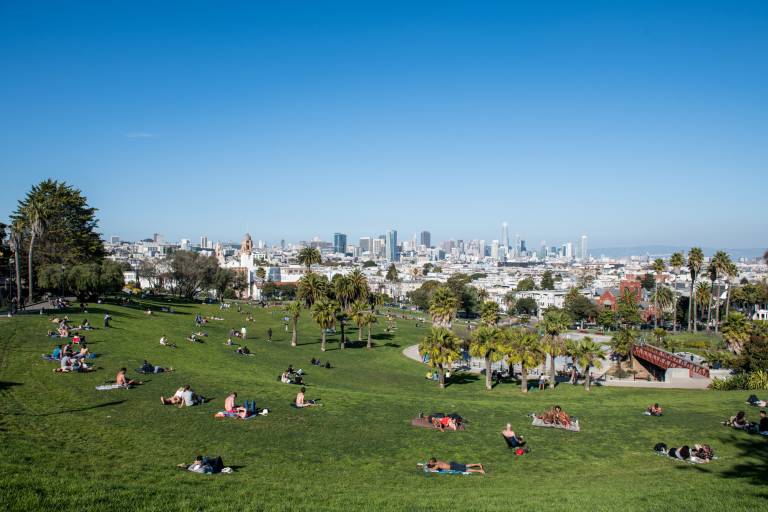
"caption": "People dot the hills of Dolores Park on a 70-degree afternoon in San Francisco's Mission District on Feb. 26, 2020. The Bay Area is finally getting a burst of summer heat this weekend and a heightened risk of wildfires.\r\n",
"credit": "Beth LaBerge/KQED",
"altTag": null,
"description": null,
"imgSizes": {
"thumbnail": {
"file": "https://cdn.kqed.org/wp-content/uploads/sites/35/2025/08/005_KQED_Weather_DoloresPark_02262020_4360_qed-160x107.jpg",
"width": 160,
"height": 107,
"mimeType": "image/jpeg"
},
"medium_large": {
"file": "https://cdn.kqed.org/wp-content/uploads/sites/35/2025/08/005_KQED_Weather_DoloresPark_02262020_4360_qed-768x512.jpg",
"width": 768,
"height": 512,
"mimeType": "image/jpeg"
},
"1536x1536": {
"file": "https://cdn.kqed.org/wp-content/uploads/sites/35/2025/08/005_KQED_Weather_DoloresPark_02262020_4360_qed-1536x1024.jpg",
"width": 1536,
"height": 1024,
"mimeType": "image/jpeg"
},
"post-thumbnail": {
"file": "https://cdn.kqed.org/wp-content/uploads/sites/35/2025/08/005_KQED_Weather_DoloresPark_02262020_4360_qed-672x372.jpg",
"width": 672,
"height": 372,
"mimeType": "image/jpeg"
},
"twentyfourteen-full-width": {
"file": "https://cdn.kqed.org/wp-content/uploads/sites/35/2025/08/005_KQED_Weather_DoloresPark_02262020_4360_qed-1038x576.jpg",
"width": 1038,
"height": 576,
"mimeType": "image/jpeg"
},
"kqedFullSize": {
"file": "https://cdn.kqed.org/wp-content/uploads/sites/35/2025/08/005_KQED_Weather_DoloresPark_02262020_4360_qed.jpg",
"width": 2000,
"height": 1333
}
},
"isLoading": false,
"fetchFailed": false
},
"science_1997997": {
"type": "attachments",
"id": "science_1997997",
"meta": {
"index": "attachments_1716263798",
"site": "science",
"id": "1997997",
"found": true
},
"title": "A home in the Berkeley hills on April 15, 2025.",
"publishDate": 1753982613,
"status": "inherit",
"parent": 1997994,
"modified": 1753982624,
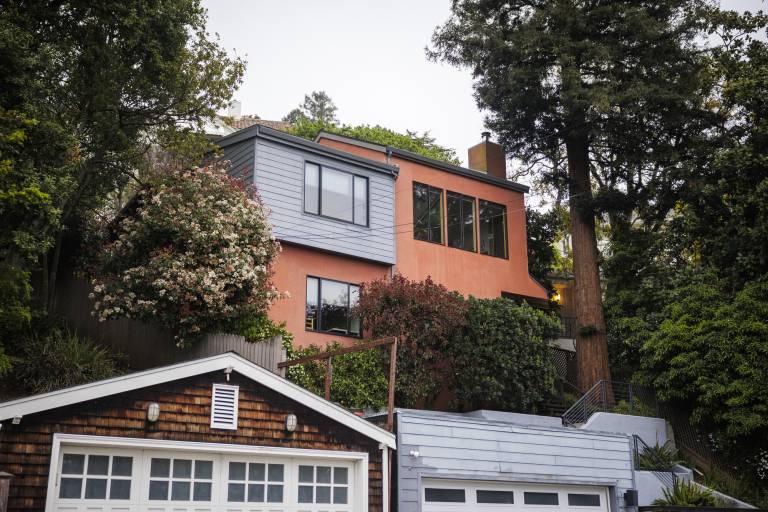
"caption": "A home in the Berkeley hills on April 15, 2025.",
"credit": "Martin do Nascimento/KQED",
"altTag": null,
"description": null,
"imgSizes": {
"thumbnail": {
"file": "https://cdn.kqed.org/wp-content/uploads/sites/35/2025/07/250415-BERKELEY-PLANTS-MD-05_qed-160x107.jpg",
"width": 160,
"height": 107,
"mimeType": "image/jpeg"
},
"medium_large": {
"file": "https://cdn.kqed.org/wp-content/uploads/sites/35/2025/07/250415-BERKELEY-PLANTS-MD-05_qed-768x512.jpg",
"width": 768,
"height": 512,
"mimeType": "image/jpeg"
},
"1536x1536": {
"file": "https://cdn.kqed.org/wp-content/uploads/sites/35/2025/07/250415-BERKELEY-PLANTS-MD-05_qed-1536x1024.jpg",
"width": 1536,
"height": 1024,
"mimeType": "image/jpeg"
},
"post-thumbnail": {
"file": "https://cdn.kqed.org/wp-content/uploads/sites/35/2025/07/250415-BERKELEY-PLANTS-MD-05_qed-672x372.jpg",
"width": 672,
"height": 372,
"mimeType": "image/jpeg"
},
"twentyfourteen-full-width": {
"file": "https://cdn.kqed.org/wp-content/uploads/sites/35/2025/07/250415-BERKELEY-PLANTS-MD-05_qed-1038x576.jpg",
"width": 1038,
"height": 576,
"mimeType": "image/jpeg"
},
"kqedFullSize": {
"file": "https://cdn.kqed.org/wp-content/uploads/sites/35/2025/07/250415-BERKELEY-PLANTS-MD-05_qed.jpg",
"width": 1999,
"height": 1333
}
},
"isLoading": false,
"fetchFailed": false
},
"science_1997914": {
"type": "attachments",
"id": "science_1997914",
"meta": {
"index": "attachments_1716263798",
"site": "science",
"id": "1997914",
"found": true
},
"title": "BRIDGE_008_qed",
"publishDate": 1753464368,
"status": "inherit",
"parent": 1997911,
"modified": 1753464405,
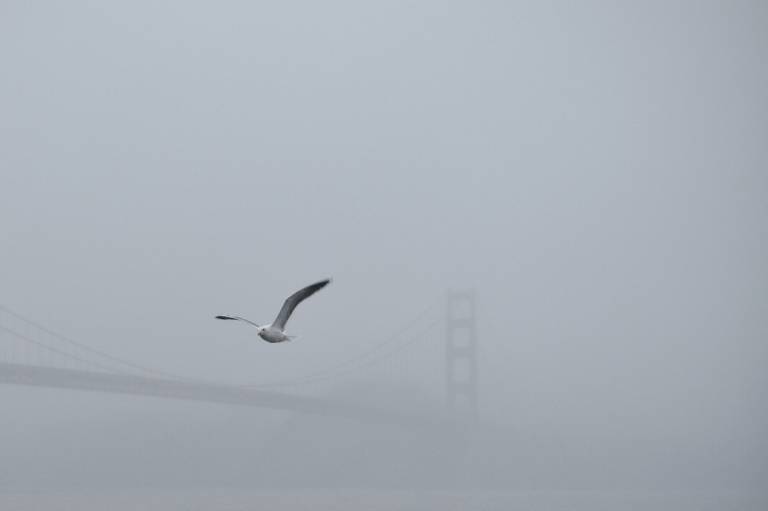
"caption": "The Golden Gate Bridge, connecting Marin County with San Francisco County.",
"credit": "Lauren Hanussak/KQED",
"altTag": null,
"description": null,
"imgSizes": {
"thumbnail": {
"file": "https://cdn.kqed.org/wp-content/uploads/sites/35/2025/07/BRIDGE_008_qed-160x107.jpg",
"width": 160,
"height": 107,
"mimeType": "image/jpeg"
},
"medium_large": {
"file": "https://cdn.kqed.org/wp-content/uploads/sites/35/2025/07/BRIDGE_008_qed-768x511.jpg",
"width": 768,
"height": 511,
"mimeType": "image/jpeg"
},
"1536x1536": {
"file": "https://cdn.kqed.org/wp-content/uploads/sites/35/2025/07/BRIDGE_008_qed-1536x1023.jpg",
"width": 1536,
"height": 1023,
"mimeType": "image/jpeg"
},
"post-thumbnail": {
"file": "https://cdn.kqed.org/wp-content/uploads/sites/35/2025/07/BRIDGE_008_qed-672x372.jpg",
"width": 672,
"height": 372,
"mimeType": "image/jpeg"
},
"twentyfourteen-full-width": {
"file": "https://cdn.kqed.org/wp-content/uploads/sites/35/2025/07/BRIDGE_008_qed-1038x576.jpg",
"width": 1038,
"height": 576,
"mimeType": "image/jpeg"
},
"kqedFullSize": {
"file": "https://cdn.kqed.org/wp-content/uploads/sites/35/2025/07/BRIDGE_008_qed.jpg",
"width": 2000,
"height": 1332
}
},
"isLoading": false,
"fetchFailed": false
},
"science_1997639": {
"type": "attachments",
"id": "science_1997639",
"meta": {
"index": "attachments_1716263798",
"site": "science",
"id": "1997639",
"found": true
},
"title": "APTOPIX Extreme Weather Texas",
"publishDate": 1752002381,
"status": "inherit",
"parent": 1997633,
"modified": 1752003293,
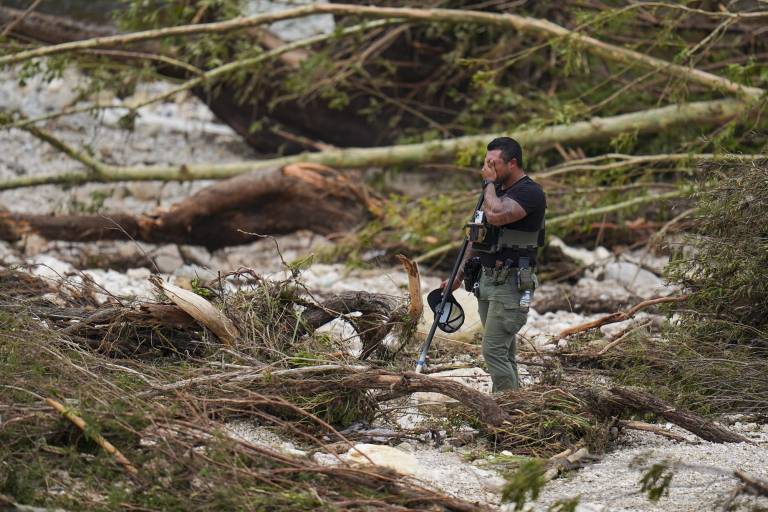
"caption": "A Sheriff's deputy pauses while combing through the banks of the Guadalupe River near Camp Mystic, on Saturday, July 5, 2025, in Hunt, Texas, after a flash flood swept through the area. ",
"credit": "Julio Cortez/AP Photo",
"altTag": null,
"description": null,
"imgSizes": {
"thumbnail": {
"file": "https://cdn.kqed.org/wp-content/uploads/sites/35/2025/07/CampMysticAP2-160x107.jpg",
"width": 160,
"height": 107,
"mimeType": "image/jpeg"
},
"medium_large": {
"file": "https://cdn.kqed.org/wp-content/uploads/sites/35/2025/07/CampMysticAP2-768x512.jpg",
"width": 768,
"height": 512,
"mimeType": "image/jpeg"
},
"1536x1536": {
"file": "https://cdn.kqed.org/wp-content/uploads/sites/35/2025/07/CampMysticAP2-1536x1024.jpg",
"width": 1536,
"height": 1024,
"mimeType": "image/jpeg"
},
"post-thumbnail": {
"file": "https://cdn.kqed.org/wp-content/uploads/sites/35/2025/07/CampMysticAP2-672x372.jpg",
"width": 672,
"height": 372,
"mimeType": "image/jpeg"
},
"twentyfourteen-full-width": {
"file": "https://cdn.kqed.org/wp-content/uploads/sites/35/2025/07/CampMysticAP2-1038x576.jpg",
"width": 1038,
"height": 576,
"mimeType": "image/jpeg"
},
"kqedFullSize": {
"file": "https://cdn.kqed.org/wp-content/uploads/sites/35/2025/07/CampMysticAP2.jpg",
"width": 2000,
"height": 1333
}
},
"isLoading": false,
"fetchFailed": false
},
"science_1997421": {
"type": "attachments",
"id": "science_1997421",
"meta": {
"index": "attachments_1716263798",
"site": "science",
"id": "1997421",
"found": true
},
"title": "250603-QUEERKAYAK-20-BL-KQED",
"publishDate": 1750184359,
"status": "inherit",
"parent": 0,
"modified": 1750877599,
"caption": "Luna Angulo prepares to go kayaking at Safe Harbor Marina Bay Yacht Harbor in Richmond on June 3, 2025. Angulo leads Rich City Rays, a queer-led group that teaches BIPOC and queer residents how to kayak as a form of climate activism.",
"credit": "Beth LaBerge/KQED",
"altTag": null,
"description": null,
"imgSizes": {
"thumbnail": {
"file": "https://cdn.kqed.org/wp-content/uploads/sites/35/2025/06/250603-QUEERKAYAK-20-BL-KQED-160x107.jpg",
"width": 160,
"height": 107,
"mimeType": "image/jpeg"
},
"medium_large": {
"file": "https://cdn.kqed.org/wp-content/uploads/sites/35/2025/06/250603-QUEERKAYAK-20-BL-KQED-768x512.jpg",
"width": 768,
"height": 512,
"mimeType": "image/jpeg"
},
"1536x1536": {
"file": "https://cdn.kqed.org/wp-content/uploads/sites/35/2025/06/250603-QUEERKAYAK-20-BL-KQED-1536x1024.jpg",
"width": 1536,
"height": 1024,
"mimeType": "image/jpeg"
},
"post-thumbnail": {
"file": "https://cdn.kqed.org/wp-content/uploads/sites/35/2025/06/250603-QUEERKAYAK-20-BL-KQED-672x372.jpg",
"width": 672,
"height": 372,
"mimeType": "image/jpeg"
},
"twentyfourteen-full-width": {
"file": "https://cdn.kqed.org/wp-content/uploads/sites/35/2025/06/250603-QUEERKAYAK-20-BL-KQED-1038x576.jpg",
"width": 1038,
"height": 576,
"mimeType": "image/jpeg"
},
"kqedFullSize": {
"file": "https://cdn.kqed.org/wp-content/uploads/sites/35/2025/06/250603-QUEERKAYAK-20-BL-KQED.jpg",
"width": 2000,
"height": 1333
}
},
"isLoading": false,
"fetchFailed": false
},
"science_1997449": {
"type": "attachments",
"id": "science_1997449",
"meta": {
"index": "attachments_1716263798",
"site": "science",
"id": "1997449",
"found": true
},
"title": "Fog_BayCurious_AW_10_qed",
"publishDate": 1750287081,
"status": "inherit",
"parent": 1997437,
"modified": 1750287112,
"caption": "Fog settles over Crissy Field in the Marina neighborhood of San Francisco on July 13, 2018.",
"credit": "Anne Wernikoff/KQED",
"altTag": null,
"description": null,
"imgSizes": {
"thumbnail": {
"file": "https://cdn.kqed.org/wp-content/uploads/sites/35/2025/06/Fog_BayCurious_AW_10_qed-160x99.jpg",
"width": 160,
"height": 99,
"mimeType": "image/jpeg"
},
"medium_large": {
"file": "https://cdn.kqed.org/wp-content/uploads/sites/35/2025/06/Fog_BayCurious_AW_10_qed-768x475.jpg",
"width": 768,
"height": 475,
"mimeType": "image/jpeg"
},
"1536x1536": {
"file": "https://cdn.kqed.org/wp-content/uploads/sites/35/2025/06/Fog_BayCurious_AW_10_qed-1536x949.jpg",
"width": 1536,
"height": 949,
"mimeType": "image/jpeg"
},
"post-thumbnail": {
"file": "https://cdn.kqed.org/wp-content/uploads/sites/35/2025/06/Fog_BayCurious_AW_10_qed-672x372.jpg",
"width": 672,
"height": 372,
"mimeType": "image/jpeg"
},
"twentyfourteen-full-width": {
"file": "https://cdn.kqed.org/wp-content/uploads/sites/35/2025/06/Fog_BayCurious_AW_10_qed-1038x576.jpg",
"width": 1038,
"height": 576,
"mimeType": "image/jpeg"
},
"kqedFullSize": {
"file": "https://cdn.kqed.org/wp-content/uploads/sites/35/2025/06/Fog_BayCurious_AW_10_qed.jpg",
"width": 2000,
"height": 1236
}
},
"isLoading": false,
"fetchFailed": false
},
"science_1997137": {
"type": "attachments",
"id": "science_1997137",
"meta": {
"index": "attachments_1716263798",
"site": "science",
"id": "1997137",
"found": true
},
"title": "240109-CAWindStorm-081_qed",
"publishDate": 1748895738,
"status": "inherit",
"parent": 1997135,
"modified": 1748895757,
"caption": "A Chevron gas station in Altadena, California, after the Eaton Fire swept through the area northeast of Los Angeles, California, on Jan. 9, 2025.",
"credit": "Beth LaBerge/KQED",
"altTag": null,
"description": null,
"imgSizes": {
"medium": {
"file": "https://cdn.kqed.org/wp-content/uploads/sites/35/2025/06/240109-CAWindStorm-081_qed-800x533.jpg",
"width": 800,
"height": 533,
"mimeType": "image/jpeg"
},
"large": {
"file": "https://cdn.kqed.org/wp-content/uploads/sites/35/2025/06/240109-CAWindStorm-081_qed-1020x680.jpg",
"width": 1020,
"height": 680,
"mimeType": "image/jpeg"
},
"thumbnail": {
"file": "https://cdn.kqed.org/wp-content/uploads/sites/35/2025/06/240109-CAWindStorm-081_qed-160x107.jpg",
"width": 160,
"height": 107,
"mimeType": "image/jpeg"
},
"medium_large": {
"file": "https://cdn.kqed.org/wp-content/uploads/sites/35/2025/06/240109-CAWindStorm-081_qed-768x512.jpg",
"width": 768,
"height": 512,
"mimeType": "image/jpeg"
},
"1536x1536": {
"file": "https://cdn.kqed.org/wp-content/uploads/sites/35/2025/06/240109-CAWindStorm-081_qed-1536x1024.jpg",
"width": 1536,
"height": 1024,
"mimeType": "image/jpeg"
},
"post-thumbnail": {
"file": "https://cdn.kqed.org/wp-content/uploads/sites/35/2025/06/240109-CAWindStorm-081_qed-672x372.jpg",
"width": 672,
"height": 372,
"mimeType": "image/jpeg"
},
"twentyfourteen-full-width": {
"file": "https://cdn.kqed.org/wp-content/uploads/sites/35/2025/06/240109-CAWindStorm-081_qed-1038x576.jpg",
"width": 1038,
"height": 576,
"mimeType": "image/jpeg"
},
"full-width": {
"file": "https://cdn.kqed.org/wp-content/uploads/sites/35/2025/06/240109-CAWindStorm-081_qed-1920x1280.jpg",
"width": 1920,
"height": 1280,
"mimeType": "image/jpeg"
},
"kqedFullSize": {
"file": "https://cdn.kqed.org/wp-content/uploads/sites/35/2025/06/240109-CAWindStorm-081_qed.jpg",
"width": 2000,
"height": 1333
}
},
"isLoading": false,
"fetchFailed": false
},
"science_1994691": {
"type": "attachments",
"id": "science_1994691",
"meta": {
"index": "attachments_1716263798",
"site": "science",
"id": "1994691",
"found": true
},
"title": "People flock beaches in San Francisco as heat wave warning issued in California",
"publishDate": 1728497335,
"status": "inherit",
"parent": 0,
"modified": 1773435985,
"caption": "People enjoy the warm weather at San Francisco's Baker Beach on June 4, 2024, as a heat wave warning sweeps across California.",
"credit": "Tayfun Coskun/Anadolu via Getty Images",
"altTag": null,
"description": null,
"imgSizes": {
"medium": {
"file": "https://cdn.kqed.org/wp-content/uploads/sites/35/2024/10/SFHeatWaveGetty3-800x600.jpg",
"width": 800,
"height": 600,
"mimeType": "image/jpeg"
},
"large": {
"file": "https://cdn.kqed.org/wp-content/uploads/sites/35/2024/10/SFHeatWaveGetty3-1020x765.jpg",
"width": 1020,
"height": 765,
"mimeType": "image/jpeg"
},
"thumbnail": {
"file": "https://cdn.kqed.org/wp-content/uploads/sites/35/2024/10/SFHeatWaveGetty3-160x120.jpg",
"width": 160,
"height": 120,
"mimeType": "image/jpeg"
},
"medium_large": {
"file": "https://cdn.kqed.org/wp-content/uploads/sites/35/2024/10/SFHeatWaveGetty3-768x576.jpg",
"width": 768,
"height": 576,
"mimeType": "image/jpeg"
},
"1536x1536": {
"file": "https://cdn.kqed.org/wp-content/uploads/sites/35/2024/10/SFHeatWaveGetty3-1536x1152.jpg",
"width": 1536,
"height": 1152,
"mimeType": "image/jpeg"
},
"post-thumbnail": {
"file": "https://cdn.kqed.org/wp-content/uploads/sites/35/2024/10/SFHeatWaveGetty3-672x372.jpg",
"width": 672,
"height": 372,
"mimeType": "image/jpeg"
},
"twentyfourteen-full-width": {
"file": "https://cdn.kqed.org/wp-content/uploads/sites/35/2024/10/SFHeatWaveGetty3-1038x576.jpg",
"width": 1038,
"height": 576,
"mimeType": "image/jpeg"
},
"full-width": {
"file": "https://cdn.kqed.org/wp-content/uploads/sites/35/2024/10/SFHeatWaveGetty3-1920x1440.jpg",
"width": 1920,
"height": 1440,
"mimeType": "image/jpeg"
},
"kqedFullSize": {
"file": "https://cdn.kqed.org/wp-content/uploads/sites/35/2024/10/SFHeatWaveGetty3.jpg",
"width": 2000,
"height": 1500
}
},
"isLoading": false,
"fetchFailed": false
},
"science_1995131": {
"type": "attachments",
"id": "science_1995131",
"meta": {
"index": "attachments_1716263798",
"site": "science",
"id": "1995131",
"found": true
},
"title": "A person walks in the rain on Mission Street in San Francisco on Dec. 18, 2023.",
"publishDate": 1731359010,
"status": "inherit",
"parent": 1995129,
"modified": 1731359055,
"caption": "A person walks in the rain on Mission Street in San Francisco on Dec. 18, 2023.",
"credit": "Beth LaBerge/KQED",
"altTag": "A person with an umbrella walk in the middle of the street with palm trees in the background.",
"description": null,
"imgSizes": {
"medium": {
"file": "https://cdn.kqed.org/wp-content/uploads/sites/35/2024/11/231218-RainFile-14-BL_qed-800x533.jpg",
"width": 800,
"height": 533,
"mimeType": "image/jpeg"
},
"large": {
"file": "https://cdn.kqed.org/wp-content/uploads/sites/35/2024/11/231218-RainFile-14-BL_qed-1020x680.jpg",
"width": 1020,
"height": 680,
"mimeType": "image/jpeg"
},
"thumbnail": {
"file": "https://cdn.kqed.org/wp-content/uploads/sites/35/2024/11/231218-RainFile-14-BL_qed-160x107.jpg",
"width": 160,
"height": 107,
"mimeType": "image/jpeg"
},
"medium_large": {
"file": "https://cdn.kqed.org/wp-content/uploads/sites/35/2024/11/231218-RainFile-14-BL_qed-768x512.jpg",
"width": 768,
"height": 512,
"mimeType": "image/jpeg"
},
"1536x1536": {
"file": "https://cdn.kqed.org/wp-content/uploads/sites/35/2024/11/231218-RainFile-14-BL_qed-1536x1024.jpg",
"width": 1536,
"height": 1024,
"mimeType": "image/jpeg"
},
"post-thumbnail": {
"file": "https://cdn.kqed.org/wp-content/uploads/sites/35/2024/11/231218-RainFile-14-BL_qed-672x372.jpg",
"width": 672,
"height": 372,
"mimeType": "image/jpeg"
},
"twentyfourteen-full-width": {
"file": "https://cdn.kqed.org/wp-content/uploads/sites/35/2024/11/231218-RainFile-14-BL_qed-1038x576.jpg",
"width": 1038,
"height": 576,
"mimeType": "image/jpeg"
},
"full-width": {
"file": "https://cdn.kqed.org/wp-content/uploads/sites/35/2024/11/231218-RainFile-14-BL_qed-1920x1280.jpg",
"width": 1920,
"height": 1280,
"mimeType": "image/jpeg"
},
"kqedFullSize": {
"file": "https://cdn.kqed.org/wp-content/uploads/sites/35/2024/11/231218-RainFile-14-BL_qed.jpg",
"width": 1999,
"height": 1333
}
},
"isLoading": false,
"fetchFailed": false
},
"science_1995062": {
"type": "attachments",
"id": "science_1995062",
"meta": {
"index": "attachments_1716263798",
"site": "science",
"id": "1995062",
"found": true
},
"title": "IMG_5983_qed",
"publishDate": 1730744239,
"status": "inherit",
"parent": 1995060,
"modified": 1730747658,
"caption": "On the eve of Election Day, the National Weather Service issued a red-flag warning, and PG&E said it is prepared to cut power for tens of thousands of customers because of dangerous fire conditions this week.",
"credit": "Monica Lam/KQED",
"altTag": null,
"description": null,
"imgSizes": {
"medium": {
"file": "https://cdn.kqed.org/wp-content/uploads/sites/35/2024/11/IMG_5983_qed-800x533.jpg",
"width": 800,
"height": 533,
"mimeType": "image/jpeg"
},
"large": {
"file": "https://cdn.kqed.org/wp-content/uploads/sites/35/2024/11/IMG_5983_qed-1020x680.jpg",
"width": 1020,
"height": 680,
"mimeType": "image/jpeg"
},
"thumbnail": {
"file": "https://cdn.kqed.org/wp-content/uploads/sites/35/2024/11/IMG_5983_qed-160x107.jpg",
"width": 160,
"height": 107,
"mimeType": "image/jpeg"
},
"medium_large": {
"file": "https://cdn.kqed.org/wp-content/uploads/sites/35/2024/11/IMG_5983_qed-768x512.jpg",
"width": 768,
"height": 512,
"mimeType": "image/jpeg"
},
"1536x1536": {
"file": "https://cdn.kqed.org/wp-content/uploads/sites/35/2024/11/IMG_5983_qed-1536x1024.jpg",
"width": 1536,
"height": 1024,
"mimeType": "image/jpeg"
},
"post-thumbnail": {
"file": "https://cdn.kqed.org/wp-content/uploads/sites/35/2024/11/IMG_5983_qed-672x372.jpg",
"width": 672,
"height": 372,
"mimeType": "image/jpeg"
},
"twentyfourteen-full-width": {
"file": "https://cdn.kqed.org/wp-content/uploads/sites/35/2024/11/IMG_5983_qed-1038x576.jpg",
"width": 1038,
"height": 576,
"mimeType": "image/jpeg"
},
"full-width": {
"file": "https://cdn.kqed.org/wp-content/uploads/sites/35/2024/11/IMG_5983_qed-1920x1280.jpg",
"width": 1920,
"height": 1280,
"mimeType": "image/jpeg"
},
"kqedFullSize": {
"file": "https://cdn.kqed.org/wp-content/uploads/sites/35/2024/11/IMG_5983_qed.jpg",
"width": 2000,
"height": 1333
}
},
"isLoading": false,
"fetchFailed": false
},
"science_1995006": {
"type": "attachments",
"id": "science_1995006",
"meta": {
"index": "attachments_1716263798",
"site": "science",
"id": "1995006",
"found": true
},
"title": "005_KQED_SanFrancisco_HalloweenDecorations_10302020_qed",
"publishDate": 1730183873,
"status": "inherit",
"parent": 1995002,
"modified": 1730183935,
"caption": "Halloween decorations at a house in Corona Heights in San Francisco on Oct. 30, 2020.",
"credit": "Beth LaBerge/KQED",
"altTag": null,
"description": null,
"imgSizes": {
"medium": {
"file": "https://cdn.kqed.org/wp-content/uploads/sites/35/2024/10/005_KQED_SanFrancisco_HalloweenDecorations_10302020_qed-800x533.jpg",
"width": 800,
"height": 533,
"mimeType": "image/jpeg"
},
"large": {
"file": "https://cdn.kqed.org/wp-content/uploads/sites/35/2024/10/005_KQED_SanFrancisco_HalloweenDecorations_10302020_qed-1020x680.jpg",
"width": 1020,
"height": 680,
"mimeType": "image/jpeg"
},
"thumbnail": {
"file": "https://cdn.kqed.org/wp-content/uploads/sites/35/2024/10/005_KQED_SanFrancisco_HalloweenDecorations_10302020_qed-160x107.jpg",
"width": 160,
"height": 107,
"mimeType": "image/jpeg"
},
"medium_large": {
"file": "https://cdn.kqed.org/wp-content/uploads/sites/35/2024/10/005_KQED_SanFrancisco_HalloweenDecorations_10302020_qed-768x512.jpg",
"width": 768,
"height": 512,
"mimeType": "image/jpeg"
},
"1536x1536": {
"file": "https://cdn.kqed.org/wp-content/uploads/sites/35/2024/10/005_KQED_SanFrancisco_HalloweenDecorations_10302020_qed-1536x1024.jpg",
"width": 1536,
"height": 1024,
"mimeType": "image/jpeg"
},
"post-thumbnail": {
"file": "https://cdn.kqed.org/wp-content/uploads/sites/35/2024/10/005_KQED_SanFrancisco_HalloweenDecorations_10302020_qed-672x372.jpg",
"width": 672,
"height": 372,
"mimeType": "image/jpeg"
},
"twentyfourteen-full-width": {
"file": "https://cdn.kqed.org/wp-content/uploads/sites/35/2024/10/005_KQED_SanFrancisco_HalloweenDecorations_10302020_qed-1038x576.jpg",
"width": 1038,
"height": 576,
"mimeType": "image/jpeg"
},
"full-width": {
"file": "https://cdn.kqed.org/wp-content/uploads/sites/35/2024/10/005_KQED_SanFrancisco_HalloweenDecorations_10302020_qed-1920x1280.jpg",
"width": 1920,
"height": 1280,
"mimeType": "image/jpeg"
},
"kqedFullSize": {
"file": "https://cdn.kqed.org/wp-content/uploads/sites/35/2024/10/005_KQED_SanFrancisco_HalloweenDecorations_10302020_qed.jpg",
"width": 1999,
"height": 1333
}
},
"isLoading": false,
"fetchFailed": false
},
"science_1994825": {
"type": "attachments",
"id": "science_1994825",
"meta": {
"index": "attachments_1716263798",
"site": "science",
"id": "1994825",
"found": true
},
"title": "240909-BoylesFire-40-BL_qed",
"publishDate": 1729189053,
"status": "inherit",
"parent": 1994822,
"modified": 1729189093,
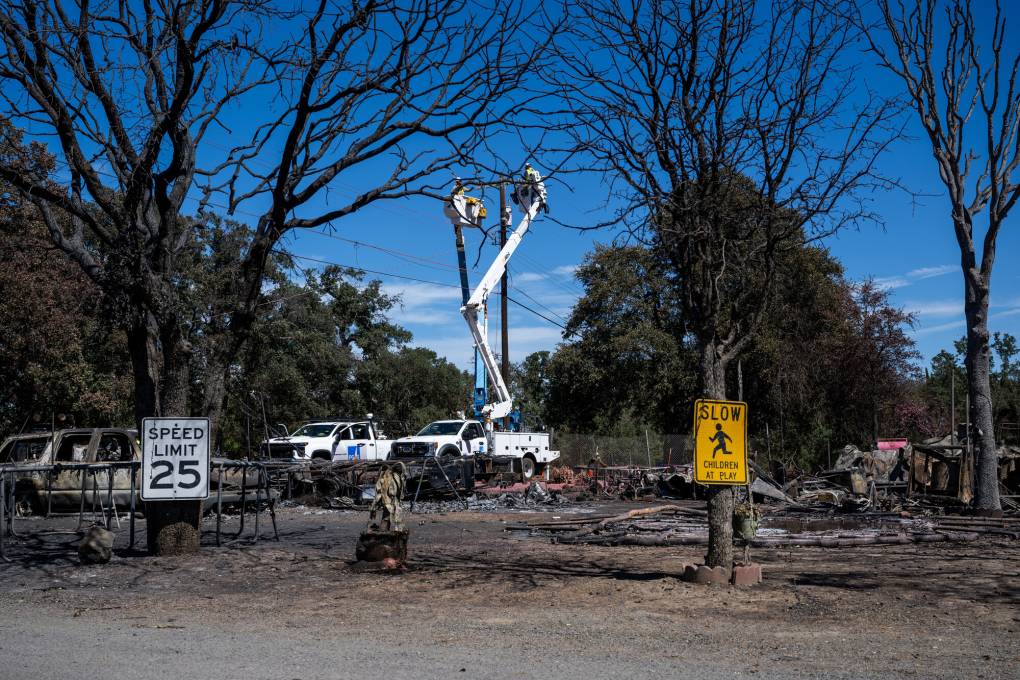
"caption": "PG&E crews work in Clearlake on Sept. 9, 2024, after the Boyles Fire swept through the area on Sept. 8.",
"credit": "Beth LaBerge/KQED",
"altTag": null,
"description": null,
"imgSizes": {
"medium": {
"file": "https://cdn.kqed.org/wp-content/uploads/sites/35/2024/10/240909-BoylesFire-40-BL_qed-800x533.jpg",
"width": 800,
"height": 533,
"mimeType": "image/jpeg"
},
"large": {
"file": "https://cdn.kqed.org/wp-content/uploads/sites/35/2024/10/240909-BoylesFire-40-BL_qed-1020x680.jpg",
"width": 1020,
"height": 680,
"mimeType": "image/jpeg"
},
"thumbnail": {
"file": "https://cdn.kqed.org/wp-content/uploads/sites/35/2024/10/240909-BoylesFire-40-BL_qed-160x107.jpg",
"width": 160,
"height": 107,
"mimeType": "image/jpeg"
},
"medium_large": {
"file": "https://cdn.kqed.org/wp-content/uploads/sites/35/2024/10/240909-BoylesFire-40-BL_qed-768x512.jpg",
"width": 768,
"height": 512,
"mimeType": "image/jpeg"
},
"1536x1536": {
"file": "https://cdn.kqed.org/wp-content/uploads/sites/35/2024/10/240909-BoylesFire-40-BL_qed-1536x1024.jpg",
"width": 1536,
"height": 1024,
"mimeType": "image/jpeg"
},
"post-thumbnail": {
"file": "https://cdn.kqed.org/wp-content/uploads/sites/35/2024/10/240909-BoylesFire-40-BL_qed-672x372.jpg",
"width": 672,
"height": 372,
"mimeType": "image/jpeg"
},
"twentyfourteen-full-width": {
"file": "https://cdn.kqed.org/wp-content/uploads/sites/35/2024/10/240909-BoylesFire-40-BL_qed-1038x576.jpg",
"width": 1038,
"height": 576,
"mimeType": "image/jpeg"
},
"full-width": {
"file": "https://cdn.kqed.org/wp-content/uploads/sites/35/2024/10/240909-BoylesFire-40-BL_qed-1920x1280.jpg",
"width": 1920,
"height": 1280,
"mimeType": "image/jpeg"
},
"kqedFullSize": {
"file": "https://cdn.kqed.org/wp-content/uploads/sites/35/2024/10/240909-BoylesFire-40-BL_qed.jpg",
"width": 2000,
"height": 1333
}
},
"isLoading": false,
"fetchFailed": false
}
},
"audioPlayerReducer": {
"postId": "stream_live",
"isPaused": true,
"isPlaying": false,
"pfsActive": false,
"pledgeModalIsOpen": true,
"playerDrawerIsOpen": false,
"liveAudioPlayStartedAt": 0,
"liveAudioPlayContext": ""
},
"authorsReducer": {
"dcronin": {
"type": "authors",
"id": "11362",
"meta": {
"index": "authors_1716337520",
"id": "11362",
"found": true
},
"name": "Dana Cronin",
"firstName": "Dana",
"lastName": "Cronin",
"slug": "dcronin",
"email": "dcronin@KQED.org",
"display_author_email": true,
"staff_mastheads": [],
"title": "KQED Contributor",
"bio": "Dana Cronin is a reporter for KQED News. She loves writing stories about climate change, environmental issues, food and agriculture. She's reported across the country, from Colorado to Washington D.C. to Illinois, and has won numerous awards for her coverage. Her work is regularly featured on national broadcasts, including NPR’s Morning Edition, All Things Considered, PBS Newshour and Science Friday. She lives in Oakland and has an avocado tree in her back yard.",
"avatar": "https://secure.gravatar.com/avatar/bcf89e3455ff7235f96ab6fa7258dd95?s=600&d=blank&r=g",
"twitter": "DanaHCronin",
"facebook": null,
"instagram": null,
"linkedin": null,
"sites": [
{
"site": "arts",
"roles": [
"author"
]
},
{
"site": "news",
"roles": [
"editor"
]
},
{
"site": "science",
"roles": [
"author"
]
},
{
"site": "liveblog",
"roles": [
"author"
]
}
],
"headData": {
"title": "Dana Cronin | KQED",
"description": "KQED Contributor",
"ogImgSrc": "https://secure.gravatar.com/avatar/bcf89e3455ff7235f96ab6fa7258dd95?s=600&d=blank&r=g",
"twImgSrc": "https://secure.gravatar.com/avatar/bcf89e3455ff7235f96ab6fa7258dd95?s=600&d=blank&r=g"
},
"isLoading": false,
"link": "/author/dcronin"
},
"kevinstark": {
"type": "authors",
"id": "11608",
"meta": {
"index": "authors_1716337520",
"id": "11608",
"found": true
},
"name": "Kevin Stark",
"firstName": "Kevin",
"lastName": "Stark",
"slug": "kevinstark",
"email": "kstark@kqed.org",
"display_author_email": true,
"staff_mastheads": [
"science"
],
"title": "Senior Editor",
"bio": "Kevin is a senior editor for KQED Science, managing the station's health and climate desks. His journalism career began in the Pacific Northwest, and he later became a lead reporter for the San Francisco Public Press. His work has appeared in Pacific Standard magazine, the Energy News Network, the Center for Investigative Reporting's Reveal and WBEZ in Chicago. Kevin joined KQED in 2019, and has covered issues related to energy, wildfire, climate change and the environment.",
"avatar": "https://secure.gravatar.com/avatar/365aaa4b597d3a8374f67504ff0facd323d7906e8eb4be0a7efd2427408e802c?s=600&d=blank&r=g",
"twitter": "starkkev",
"bluesky": null,
"facebook": null,
"instagram": null,
"linkedin": null,
"sites": [
{
"site": "",
"roles": [
"editor"
]
},
{
"site": "news",
"roles": [
"editor"
]
},
{
"site": "science",
"roles": [
"administrator"
]
}
],
"headData": {
"title": "Kevin Stark | KQED",
"description": "Senior Editor",
"ogImgSrc": "https://secure.gravatar.com/avatar/365aaa4b597d3a8374f67504ff0facd323d7906e8eb4be0a7efd2427408e802c?s=600&d=blank&r=g",
"twImgSrc": "https://secure.gravatar.com/avatar/365aaa4b597d3a8374f67504ff0facd323d7906e8eb4be0a7efd2427408e802c?s=600&d=blank&r=g"
},
"isLoading": false,
"link": "/author/kevinstark"
},
"eromero": {
"type": "authors",
"id": "11746",
"meta": {
"index": "authors_1716337520",
"id": "11746",
"found": true
},
"name": "Ezra David Romero",
"firstName": "Ezra David",
"lastName": "Romero",
"slug": "eromero",
"email": "eromero@kqed.org",
"display_author_email": true,
"staff_mastheads": [
"news",
"science"
],
"title": "Climate Reporter",
"bio": "Ezra David Romero is a climate reporter for KQED News. He covers the absence and excess of water in the Bay Area — think sea level rise, flooding and drought. For nearly a decade he’s covered how warming temperatures are altering the lives of Californians. He’s reported on farmers worried their pistachio trees aren’t getting enough sleep, families desperate for water, scientists studying dying giant sequoias, and alongside firefighters containing wildfires. His work has appeared on local stations across California and nationally on public radio shows like Morning Edition, Here and Now, All Things Considered and Science Friday. ",
"avatar": "https://secure.gravatar.com/avatar/c76404d287c10ed40224227551ac36e24352c7306f106632caf6fead76f8801f?s=600&d=blank&r=g",
"twitter": "ezraromero",
"bluesky": null,
"facebook": null,
"instagram": null,
"linkedin": null,
"sites": [
{
"site": "arts",
"roles": [
"editor"
]
},
{
"site": "news",
"roles": [
"editor"
]
},
{
"site": "science",
"roles": [
"editor"
]
},
{
"site": "liveblog",
"roles": [
"author"
]
}
],
"headData": {
"title": "Ezra David Romero | KQED",
"description": "Climate Reporter",
"ogImgSrc": "https://secure.gravatar.com/avatar/c76404d287c10ed40224227551ac36e24352c7306f106632caf6fead76f8801f?s=600&d=blank&r=g",
"twImgSrc": "https://secure.gravatar.com/avatar/c76404d287c10ed40224227551ac36e24352c7306f106632caf6fead76f8801f?s=600&d=blank&r=g"
},
"isLoading": false,
"link": "/author/eromero"
},
"kdebenedetti": {
"type": "authors",
"id": "11913",
"meta": {
"index": "authors_1716337520",
"id": "11913",
"found": true
},
"name": "Katie DeBenedetti",
"firstName": "Katie",
"lastName": "DeBenedetti",
"slug": "kdebenedetti",
"email": "kdebenedetti@kqed.org",
"display_author_email": false,
"staff_mastheads": [
"news",
"science"
],
"title": "KQED Contributor",
"bio": "Katie DeBenedetti is a digital reporter covering daily news for the Express Desk. Prior to joining KQED as a culture reporting intern in January 2024, she covered education and city government for the Napa Valley Register.",
"avatar": "https://secure.gravatar.com/avatar/6e31073cb8f7e4214ab03f42771d0f45?s=600&d=blank&r=g",
"twitter": null,
"facebook": null,
"instagram": null,
"linkedin": null,
"sites": [
{
"site": "news",
"roles": [
"author"
]
},
{
"site": "science",
"roles": [
"author"
]
},
{
"site": "liveblog",
"roles": [
"author"
]
}
],
"headData": {
"title": "Katie DeBenedetti | KQED",
"description": "KQED Contributor",
"ogImgSrc": "https://secure.gravatar.com/avatar/6e31073cb8f7e4214ab03f42771d0f45?s=600&d=blank&r=g",
"twImgSrc": "https://secure.gravatar.com/avatar/6e31073cb8f7e4214ab03f42771d0f45?s=600&d=blank&r=g"
},
"isLoading": false,
"link": "/author/kdebenedetti"
}
},
"pagesReducer": {
"science_tag_bay-area-weather": {
"type": "terms",
"id": "science_2924",
"meta": {
"index": "terms_1716263798",
"site": "science",
"id": "2924",
"score": 9.893235
},
"featImg": null,
"name": "Bay Area weather",
"description": null,
"taxonomy": "tag",
"headData": {
"twImgId": null,
"twTitle": null,
"ogTitle": null,
"ogImgId": null,
"twDescription": null,
"description": null,
"title": "Bay Area weather Archives | KQED Science",
"ogDescription": null
},
"ttid": 2924,
"slug": "bay-area-weather",
"isLoading": false,
"title": "Bay Area weather",
"pageMeta": {
"site": "science",
"WpPageTemplate": "page-topic-editorial",
"currentPage": 3
},
"blocks": [
{
"blockName": "kqed/post-list",
"attrs": {
"layout": "cardArticle2",
"query": "posts/science?tag=bay-area-weather",
"seeMore": false,
"paginated": true,
"page": 3
}
},
{
"blockName": "kqed/ad"
}
]
}
},
"pfsSessionReducer": {},
"postsReducer": {
"stream_live": {
"type": "live",
"id": "stream_live",
"audioUrl": "https://streams.kqed.org/kqedradio",
"title": "Live Stream",
"excerpt": "Live Stream information currently unavailable.",
"link": "/radio",
"featImg": "",
"label": {
"name": "KQED Live",
"link": "/"
}
},
"stream_kqedNewscast": {
"type": "posts",
"id": "stream_kqedNewscast",
"audioUrl": "https://www.kqed.org/.stream/anon/radio/RDnews/newscast.mp3?_=1",
"title": "KQED Newscast",
"featImg": "",
"label": {
"name": "88.5 FM",
"link": "/"
}
},
"science_1998073": {
"type": "posts",
"id": "science_1998073",
"meta": {
"index": "posts_1716263798",
"site": "science",
"id": "1998073",
"score": null,
"sort": [
1754590344000
]
},
"guestAuthors": [],
"slug": "after-weeks-of-chill-the-bay-area-finally-gets-its-summer-sizzle",
"title": "After Weeks of Chill, the Bay Area Finally Gets Its Summer Sizzle",
"publishDate": 1754590344,
"format": "standard",
"headTitle": "After Weeks of Chill, the Bay Area Finally Gets Its Summer Sizzle | KQED",
"labelTerm": {},
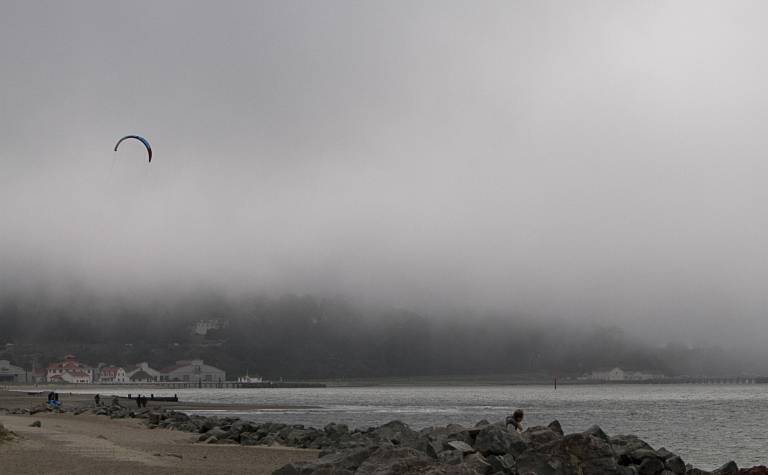
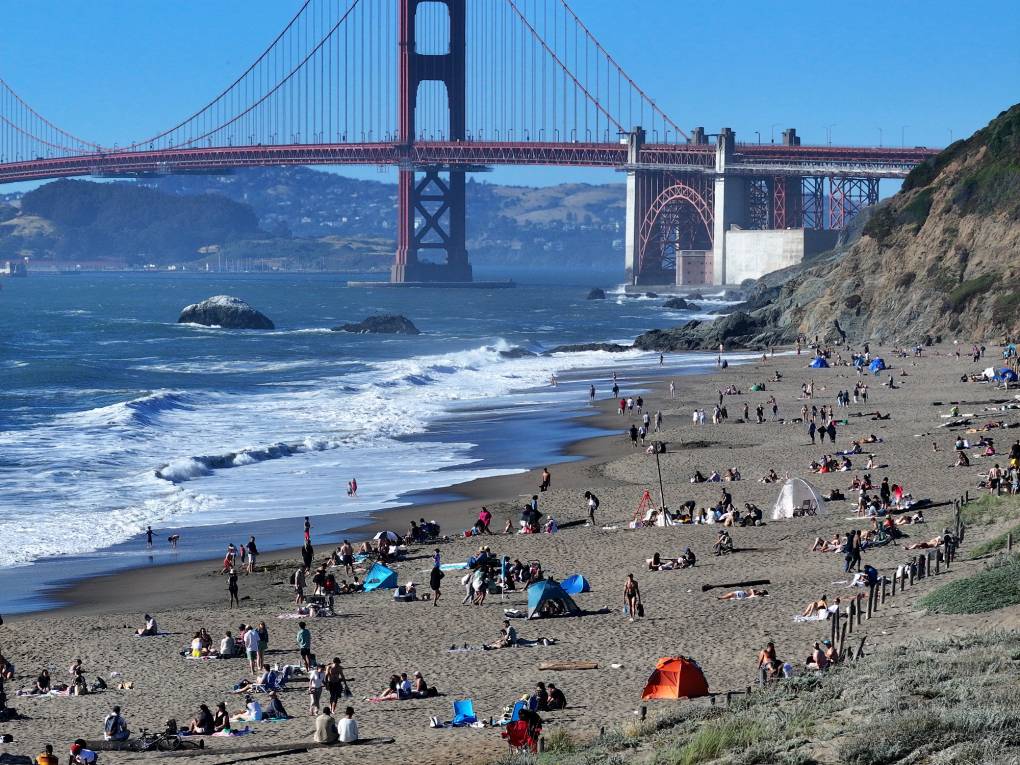
"content": "\u003cp>\u003ca href=\"https://www.kqed.org/news/tag/san-francisco\">San Francisco\u003c/a>’s Dolores Park is about to get lit.\u003c/p>\n\u003cp>It’s going to be the perfect weekend to ride a ferry to Sausalito, \u003ca href=\"https://www.kqed.org/news/12042938/hiking-along-beautiful-bluffs-can-get-risky-heres-how-to-stay-safe\">hike in the woods\u003c/a> or have a \u003ca href=\"https://www.kqed.org/news/12048576/san-francisco-picnic-park-tunnel-tops-presidio-grill-outpost-meadow\">picnic at your favorite\u003c/a> outdoorsy spot. The Bay Area is set to have its first warm-up in weeks, and forecasters say the sunny weather will last through the weekend.\u003c/p>\n\u003cp>But with blue skies comes \u003ca href=\"https://www.kqed.org/science/1997994/wildfire-evacuation-from-berkeley-hills-could-take-over-4-hours-study-finds\">elevated wildfire risk\u003c/a>, so experts are urging residents to stay alert and take precautions.\u003c/p>\n\u003cp>[ad fullwidth]\u003c/p>\n\u003cp>With a break from one of the \u003ca href=\"https://www.kqed.org/science/1997911/cool-for-the-summer-bay-area-sweater-weather-could-linger-into-august\">coolest summers since 1999,\u003c/a> forecasters said the warmest days this week will likely be Friday and Saturday, bringing possible triple-digit temperatures to North Bay cities from Santa Rosa to Cloverdale and East Bay cities like Concord and Livermore.\u003c/p>\n\u003cp>South Bay cities, like San José, could reach the lower 90s. San Francisco, which hit 75 on Wednesday, will remain in the high 60s.\u003c/p>\n\u003cfigure id=\"attachment_1998076\" class=\"wp-caption aligncenter\" style=\"max-width: 2000px\">\u003cimg loading=\"lazy\" decoding=\"async\" class=\"size-full wp-image-1998076\" src=\"https://cdn.kqed.org/wp-content/uploads/sites/35/2025/08/BayAreaHeatWaveGetty.jpg\" alt=\"\" width=\"2000\" height=\"1333\" srcset=\"https://cdn.kqed.org/wp-content/uploads/sites/35/2025/08/BayAreaHeatWaveGetty.jpg 2000w, https://cdn.kqed.org/wp-content/uploads/sites/35/2025/08/BayAreaHeatWaveGetty-160x107.jpg 160w, https://cdn.kqed.org/wp-content/uploads/sites/35/2025/08/BayAreaHeatWaveGetty-768x512.jpg 768w, https://cdn.kqed.org/wp-content/uploads/sites/35/2025/08/BayAreaHeatWaveGetty-1536x1024.jpg 1536w\" sizes=\"auto, (max-width: 2000px) 100vw, 2000px\">\u003cfigcaption class=\"wp-caption-text\">People enjoy the warm weather at Crissy Field near the Golden Gate Bridge as a heat wave warning is issued in San Francisco, California, on July 11, 2024. \u003ccite>(Tayfun Coskun/Anadolu via Getty Images)\u003c/cite>\u003c/figcaption>\u003c/figure>\n\u003cp>“It’s going to be one of our more notable warm-ups this summer,” said Matt Mehle, a lead meteorologist with the weather service’s Bay Area office.\u003c/p>\n\u003cp>The weather service has categorized the risk associated with the warmer temperatures as moderate, meaning most people used to the heat should be able to handle the temperatures. Still, there is some health risk for those who are more sensitive, like seniors, infants and outdoor workers.\u003c/p>\n\u003cp>But this round of heat won’t last, Mehle said, with warmer weather beginning to cool off by next Tuesday.[aside postID=news_11878134 hero='https://cdn.kqed.org/wp-content/uploads/sites/10/2024/09/GettyImages-2175344883-1020x680.jpg']Why the sudden change from gloomy weather to summertime sunshine?\u003c/p>\n\u003cp>Mehle said the marine layer has weakened, allowing temperatures to rise. A ridge of high pressure over the southwest is starting to suppress the fog that’s shrouded the region in grey. That ridge, which has caused temperatures to soar to 110 degrees in places like Arizona, is beginning “to squeeze over the Bay Area.”\u003c/p>\n\u003cp>The near triple-digit heat nearly encircling the Bay Area also increases the chance of wildfires igniting through early next week. Forecasters expect relative humidity to be low and for coastal winds to pick up, which could help spread sparks.\u003c/p>\n\u003cp>The weather service doesn’t plan, at this time, to issue a red flag warning, but Mehle said fire risk is near critical.\u003c/p>\n\u003cp>“You could probably see an uptick in some grass fires or starts in the Bay Area, but nothing that’s gonna transition to a large fire,” Mehle said.\u003c/p>\n\u003cp>\u003c/p>\n",
"blocks": [],
"excerpt": "The Bay Area is finally getting a burst of summer heat this weekend and a heightened risk of wildfires.\r\n",
"status": "publish",
"parent": 0,
"modified": 1754591871,
"stats": {
"hasAudio": false,
"hasVideo": false,
"hasChartOrMap": false,
"iframeSrcs": [],
"hasGoogleForm": false,
"hasGallery": false,
"hasHearkenModule": false,
"hasPolis": false,
"paragraphCount": 14,
"wordCount": 470
},
"headData": {
"title": "After Weeks of Chill, the Bay Area Finally Gets Its Summer Sizzle | KQED",
"description": "The Bay Area is finally getting a burst of summer heat this weekend and a heightened risk of wildfires.\r\n",
"ogTitle": "",
"ogDescription": "",
"ogImgId": "",
"twTitle": "",
"twDescription": "",
"twImgId": "",
"schema": {
"@context": "https://schema.org",
"@type": "Article",
"headline": "After Weeks of Chill, the Bay Area Finally Gets Its Summer Sizzle",
"datePublished": "2025-08-07T11:12:24-07:00",
"dateModified": "2025-08-07T11:37:51-07:00",
"image": "https://cdn.kqed.org/wp-content/uploads/2020/02/KQED-OG-Image@1x.png"
}
},
"primaryCategory": {
"termId": 40,
"slug": "news",
"name": "News"
},
"source": "News",
"sticky": false,
"nprStoryId": "kqed-1998073",
"templateType": "standard",
"featuredImageType": "standard",
"excludeFromSiteSearch": "Include",
"articleAge": "0",
"path": "/science/1998073/after-weeks-of-chill-the-bay-area-finally-gets-its-summer-sizzle",
"audioTrackLength": null,
"parsedContent": [
{
"type": "contentString",
"content": "\u003cdiv class=\"post-body\">\u003cp>\u003cp>\u003ca href=\"https://www.kqed.org/news/tag/san-francisco\">San Francisco\u003c/a>’s Dolores Park is about to get lit.\u003c/p>\n\u003cp>It’s going to be the perfect weekend to ride a ferry to Sausalito, \u003ca href=\"https://www.kqed.org/news/12042938/hiking-along-beautiful-bluffs-can-get-risky-heres-how-to-stay-safe\">hike in the woods\u003c/a> or have a \u003ca href=\"https://www.kqed.org/news/12048576/san-francisco-picnic-park-tunnel-tops-presidio-grill-outpost-meadow\">picnic at your favorite\u003c/a> outdoorsy spot. The Bay Area is set to have its first warm-up in weeks, and forecasters say the sunny weather will last through the weekend.\u003c/p>\n\u003cp>But with blue skies comes \u003ca href=\"https://www.kqed.org/science/1997994/wildfire-evacuation-from-berkeley-hills-could-take-over-4-hours-study-finds\">elevated wildfire risk\u003c/a>, so experts are urging residents to stay alert and take precautions.\u003c/p>\n\u003cp>\u003c/p>\u003c/div>",
"attributes": {
"named": {},
"numeric": []
}
},
{
"type": "component",
"content": "",
"name": "ad",
"attributes": {
"named": {
"label": "fullwidth"
},
"numeric": [
"fullwidth"
]
}
},
{
"type": "contentString",
"content": "\u003cdiv class=\"post-body\">\u003cp>\u003c/p>\n\u003cp>With a break from one of the \u003ca href=\"https://www.kqed.org/science/1997911/cool-for-the-summer-bay-area-sweater-weather-could-linger-into-august\">coolest summers since 1999,\u003c/a> forecasters said the warmest days this week will likely be Friday and Saturday, bringing possible triple-digit temperatures to North Bay cities from Santa Rosa to Cloverdale and East Bay cities like Concord and Livermore.\u003c/p>\n\u003cp>South Bay cities, like San José, could reach the lower 90s. San Francisco, which hit 75 on Wednesday, will remain in the high 60s.\u003c/p>\n\u003cfigure id=\"attachment_1998076\" class=\"wp-caption aligncenter\" style=\"max-width: 2000px\">\u003cimg loading=\"lazy\" decoding=\"async\" class=\"size-full wp-image-1998076\" src=\"https://cdn.kqed.org/wp-content/uploads/sites/35/2025/08/BayAreaHeatWaveGetty.jpg\" alt=\"\" width=\"2000\" height=\"1333\" srcset=\"https://cdn.kqed.org/wp-content/uploads/sites/35/2025/08/BayAreaHeatWaveGetty.jpg 2000w, https://cdn.kqed.org/wp-content/uploads/sites/35/2025/08/BayAreaHeatWaveGetty-160x107.jpg 160w, https://cdn.kqed.org/wp-content/uploads/sites/35/2025/08/BayAreaHeatWaveGetty-768x512.jpg 768w, https://cdn.kqed.org/wp-content/uploads/sites/35/2025/08/BayAreaHeatWaveGetty-1536x1024.jpg 1536w\" sizes=\"auto, (max-width: 2000px) 100vw, 2000px\">\u003cfigcaption class=\"wp-caption-text\">People enjoy the warm weather at Crissy Field near the Golden Gate Bridge as a heat wave warning is issued in San Francisco, California, on July 11, 2024. \u003ccite>(Tayfun Coskun/Anadolu via Getty Images)\u003c/cite>\u003c/figcaption>\u003c/figure>\n\u003cp>“It’s going to be one of our more notable warm-ups this summer,” said Matt Mehle, a lead meteorologist with the weather service’s Bay Area office.\u003c/p>\n\u003cp>The weather service has categorized the risk associated with the warmer temperatures as moderate, meaning most people used to the heat should be able to handle the temperatures. Still, there is some health risk for those who are more sensitive, like seniors, infants and outdoor workers.\u003c/p>\n\u003cp>But this round of heat won’t last, Mehle said, with warmer weather beginning to cool off by next Tuesday.\u003c/p>\u003c/div>",
"attributes": {
"named": {},
"numeric": []
}
},
{
"type": "component",
"content": "",
"name": "aside",
"attributes": {
"named": {
"postid": "news_11878134",
"hero": "https://cdn.kqed.org/wp-content/uploads/sites/10/2024/09/GettyImages-2175344883-1020x680.jpg",
"label": ""
},
"numeric": []
}
},
{
"type": "contentString",
"content": "\u003cdiv class=\"post-body\">\u003cp>Why the sudden change from gloomy weather to summertime sunshine?\u003c/p>\n\u003cp>Mehle said the marine layer has weakened, allowing temperatures to rise. A ridge of high pressure over the southwest is starting to suppress the fog that’s shrouded the region in grey. That ridge, which has caused temperatures to soar to 110 degrees in places like Arizona, is beginning “to squeeze over the Bay Area.”\u003c/p>\n\u003cp>The near triple-digit heat nearly encircling the Bay Area also increases the chance of wildfires igniting through early next week. Forecasters expect relative humidity to be low and for coastal winds to pick up, which could help spread sparks.\u003c/p>\n\u003cp>The weather service doesn’t plan, at this time, to issue a red flag warning, but Mehle said fire risk is near critical.\u003c/p>\n\u003cp>“You could probably see an uptick in some grass fires or starts in the Bay Area, but nothing that’s gonna transition to a large fire,” Mehle said.\u003c/p>\n\u003cp>\u003c/p>\n\u003c/div>\u003c/p>",
"attributes": {
"named": {},
"numeric": []
}
}
],
"link": "/science/1998073/after-weeks-of-chill-the-bay-area-finally-gets-its-summer-sizzle",
"authors": [
"11746"
],
"categories": [
"science_31",
"science_4550",
"science_40"
],
"tags": [
"science_856",
"science_2924",
"science_5178",
"science_182",
"science_194",
"science_4417",
"science_4414",
"science_2184",
"science_383",
"science_365"
],
"featImg": "science_1998084",
"label": "source_science_1998073"
},
"science_1997994": {
"type": "posts",
"id": "science_1997994",
"meta": {
"index": "posts_1716263798",
"site": "science",
"id": "1997994",
"score": null,
"sort": [
1754053205000
]
},
"guestAuthors": [],
"slug": "wildfire-evacuation-from-berkeley-hills-could-take-over-4-hours-study-finds",
"title": "Wildfire Evacuation From Berkeley Hills Could Take Over 4 Hours, Study Finds",
"publishDate": 1754053205,
"format": "standard",
"headTitle": "Wildfire Evacuation From Berkeley Hills Could Take Over 4 Hours, Study Finds | KQED",
"labelTerm": {},
"content": "\u003cp>\u003ca href=\"https://www.kqed.org/news/tag/berkeley\">Berkeley\u003c/a>’s roadways don’t have the capacity for large-scale evacuation and, as a result, fleeing from the hills during a wildfire could take longer than four hours, according to a new study commissioned by the city.\u003c/p>\n\u003cp>\u003ca href=\"https://berkeleyca.gov/sites/default/files/documents/Evacuation%20Time%20Study.pdf\">The study conducted by KLD Associates mapped evacuation patterns\u003c/a> and simulated escape times based on a repeat of the \u003ca href=\"https://www.berkeleypubliclibrary.org/sites/default/files/files/inline/bplhstrm_979.467_st76_the_story_of_the_berkeley_fire.pdf\">1923 Berkeley Fire\u003c/a>, which burned north of the UC Berkeley campus, destroying over 600 structures and displacing thousands of residents. Depending on where a fire ignites, researchers identified specific chokepoints on busy intersections and freeway onramps, where cars would likely gridlock in an urgent evacuation.\u003c/p>\n\u003cp>“The streets were built a long time ago,” said Keith May, deputy fire chief of the Berkeley Fire Department. “So the road capacity is tight already. And then when you factor in evacuating residents out and also getting emergency vehicles in to fight the fire or to do evacuations, that’s a tight network.”\u003c/p>\n\u003cp>[ad fullwidth]\u003c/p>\n\u003cp>\u003ca href=\"https://www.kqed.org/news/12020808/as-la-fires-rage-harrowing-evacuations-play-out-on-traffic-choked-roads\">Harrowing evacuations through traffic-choked roads\u003c/a> are unfortunately common in California, with its many hillside communities that often only have one or a handful of roads in and out. That has led to some of the state’s most deadly fires, including the Camp Fire, when over 25,000 Paradise residents attempted to evacuate the area only to get caught in a massive traffic jam. Eighty-five people were killed.\u003c/p>\n\u003cp>The Berkeley study also estimated how long it would take residents to evacuate during large-scale tsunamis, which exceeded two hours for residents fleeing low-lying coastal areas in the middle of the day.\u003c/p>\n\u003cfigure id=\"attachment_1997999\" class=\"wp-caption aligncenter\" style=\"max-width: 2000px\">\u003cimg loading=\"lazy\" decoding=\"async\" class=\"size-full wp-image-1997999\" src=\"https://cdn.kqed.org/wp-content/uploads/sites/35/2025/07/drought_3_140115.jpg\" alt=\"\" width=\"2000\" height=\"1333\" srcset=\"https://cdn.kqed.org/wp-content/uploads/sites/35/2025/07/drought_3_140115.jpg 2000w, https://cdn.kqed.org/wp-content/uploads/sites/35/2025/07/drought_3_140115-160x107.jpg 160w, https://cdn.kqed.org/wp-content/uploads/sites/35/2025/07/drought_3_140115-768x512.jpg 768w, https://cdn.kqed.org/wp-content/uploads/sites/35/2025/07/drought_3_140115-1536x1024.jpg 1536w\" sizes=\"auto, (max-width: 2000px) 100vw, 2000px\">\u003cfigcaption class=\"wp-caption-text\">Fire warning signs in the Berkeley and Oakland Hills. \u003ccite>(Mark Andrew Boyer/KQED)\u003c/cite>\u003c/figcaption>\u003c/figure>\n\u003cp>In the case of both wildfires and tsunamis, the report emphasized the need for residents to evacuate as early as possible.\u003c/p>\n\u003cp>“Leave early if you can,” May said. He suggested residents leave the hills even before a fire ignites on red flag days. “Just get out of the hills so you’re not part of that evacuation problem. The less cars on the roadway, the faster the evacuation time will go.”\u003c/p>\n\u003cp>The evacuation times laid out in the study could be a dramatic underestimate, according to Stanford wildfire researcher Michael Wara, who was not involved in the Berkeley study.[aside postID=news_12035866 hero='https://cdn.kqed.org/wp-content/uploads/sites/10/2025/04/250415-BERKELEY-PLANTS-MD-04-KQED-1020x680.jpg']“I would interpret this study as an absolute minimum on the evacuation time,” he said. “I would say this is the floor, and in reality, things would be worse.”\u003c/p>\n\u003cp>That’s because researchers only took into consideration the outflow of traffic from the hills, Wara said, and not the inflow of emergency response vehicles.\u003c/p>\n\u003cp>“If you pretend in your model that the fire trucks aren’t there, you’re gonna miss the places where it may be most significant because it’s really hard to get fire trucks up the hill and people down the hill at the same time,” he said.\u003c/p>\n\u003cp>Still, Wara said, knowing where the traffic chokepoints will be during a rapid evacuation is critical for getting people out safely. He pointed to the emergency response during the Palisades Fire in Los Angeles earlier this year, including the use of bulldozers to push abandoned vehicles to the sides of the roads.\u003c/p>\n\u003cp>“That was a remarkable display of evacuation preparedness and acumen on the part of the fire department in Los Angeles,” he said. “If those bulldozers had not been prepositioned at the places where the city thought there would be a gridlock, who knows what would have happened?”\u003c/p>\n\u003cfigure id=\"attachment_1998006\" class=\"wp-caption aligncenter\" style=\"max-width: 2000px\">\u003cimg loading=\"lazy\" decoding=\"async\" class=\"size-full wp-image-1998006\" src=\"https://cdn.kqed.org/wp-content/uploads/sites/35/2025/07/250415-BERKELEY-PLANTS-MD-03_qed.jpg\" alt=\"\" width=\"2000\" height=\"1333\" srcset=\"https://cdn.kqed.org/wp-content/uploads/sites/35/2025/07/250415-BERKELEY-PLANTS-MD-03_qed.jpg 2000w, https://cdn.kqed.org/wp-content/uploads/sites/35/2025/07/250415-BERKELEY-PLANTS-MD-03_qed-160x107.jpg 160w, https://cdn.kqed.org/wp-content/uploads/sites/35/2025/07/250415-BERKELEY-PLANTS-MD-03_qed-768x512.jpg 768w, https://cdn.kqed.org/wp-content/uploads/sites/35/2025/07/250415-BERKELEY-PLANTS-MD-03_qed-1536x1024.jpg 1536w\" sizes=\"auto, (max-width: 2000px) 100vw, 2000px\">\u003cfigcaption class=\"wp-caption-text\">A home in the Berkeley hills on April 15, 2025. \u003ccite>(Martin do Nascimento/KQED)\u003c/cite>\u003c/figcaption>\u003c/figure>\n\u003cp>Another potentially helpful tool, Wara said, is implementing parking restrictions on certain roadways to open them up as evacuation routes.\u003c/p>\n\u003cp>In Mill Valley, for example, parking is limited on certain streets during high fire danger days.\u003c/p>\n\u003cp>Berkeley has similar restrictions on the Fourth of July, but May said the city is looking to expand those restrictions.\u003c/p>\n\u003cp>“Right now we’re trying to get every one of our county partners in sync with the idea,” he said. “And then we have to socialize it and get it out to the public, because they are the ones that are gonna be directly affected from the enforcement side of it.”\u003c/p>\n\u003cp>In the meantime, May said Berkeley residents should \u003ca href=\"https://member.everbridge.net/453003085612570/new\">sign up for emergency alerts\u003c/a> and \u003ca href=\"https://protect.genasys.com/download\">download the city’s evacuation map\u003c/a> to plan out their routes. He advises familiarizing yourself with your neighborhood and having at least two different evacuation routes in mind.\u003c/p>\n\u003cp>The city will also hold \u003ca href=\"https://berkeleyca.gov/community-recreation/news/study-stresses-need-household-fire-and-evacuation-plans\">a series of workshops\u003c/a> beginning in August for residents to get help in their evacuation preparations.\u003c/p>\n\u003cp>\u003c/p>\n",
"blocks": [],
"excerpt": "The study highlights the need for residents to have an evacuation plan and to leave early in case of emergency. ",
"status": "publish",
"parent": 0,
"modified": 1754510489,
"stats": {
"hasAudio": false,
"hasVideo": false,
"hasChartOrMap": false,
"iframeSrcs": [],
"hasGoogleForm": false,
"hasGallery": false,
"hasHearkenModule": false,
"hasPolis": false,
"paragraphCount": 20,
"wordCount": 815
},
"headData": {
"title": "Wildfire Evacuation From Berkeley Hills Could Take Over 4 Hours, Study Finds | KQED",
"description": "The study highlights the need for residents to have an evacuation plan and to leave early in case of emergency. ",
"ogTitle": "",
"ogDescription": "",
"ogImgId": "",
"twTitle": "",
"twDescription": "",
"twImgId": "",
"schema": {
"@context": "https://schema.org",
"@type": "Article",
"headline": "Wildfire Evacuation From Berkeley Hills Could Take Over 4 Hours, Study Finds",
"datePublished": "2025-08-01T06:00:05-07:00",
"dateModified": "2025-08-06T13:01:29-07:00",
"image": "https://cdn.kqed.org/wp-content/uploads/2020/02/KQED-OG-Image@1x.png"
}
},
"primaryCategory": {
"termId": 40,
"slug": "news",
"name": "News"
},
"source": "News",
"audioUrl": "https://traffic.omny.fm/d/clips/0af137ef-751e-4b19-a055-aaef00d2d578/ffca7e9f-6831-4[…]f-aaef00f5a073/1be0f8d7-45a6-4f3d-9e53-b3300108a097/audio.mp3",
"sticky": false,
"nprStoryId": "kqed-1997994",
"templateType": "standard",
"featuredImageType": "standard",
"excludeFromSiteSearch": "Include",
"articleAge": "0",
"path": "/science/1997994/wildfire-evacuation-from-berkeley-hills-could-take-over-4-hours-study-finds",
"audioTrackLength": null,
"parsedContent": [
{
"type": "contentString",
"content": "\u003cdiv class=\"post-body\">\u003cp>\u003cp>\u003ca href=\"https://www.kqed.org/news/tag/berkeley\">Berkeley\u003c/a>’s roadways don’t have the capacity for large-scale evacuation and, as a result, fleeing from the hills during a wildfire could take longer than four hours, according to a new study commissioned by the city.\u003c/p>\n\u003cp>\u003ca href=\"https://berkeleyca.gov/sites/default/files/documents/Evacuation%20Time%20Study.pdf\">The study conducted by KLD Associates mapped evacuation patterns\u003c/a> and simulated escape times based on a repeat of the \u003ca href=\"https://www.berkeleypubliclibrary.org/sites/default/files/files/inline/bplhstrm_979.467_st76_the_story_of_the_berkeley_fire.pdf\">1923 Berkeley Fire\u003c/a>, which burned north of the UC Berkeley campus, destroying over 600 structures and displacing thousands of residents. Depending on where a fire ignites, researchers identified specific chokepoints on busy intersections and freeway onramps, where cars would likely gridlock in an urgent evacuation.\u003c/p>\n\u003cp>“The streets were built a long time ago,” said Keith May, deputy fire chief of the Berkeley Fire Department. “So the road capacity is tight already. And then when you factor in evacuating residents out and also getting emergency vehicles in to fight the fire or to do evacuations, that’s a tight network.”\u003c/p>\n\u003cp>\u003c/p>\u003c/div>",
"attributes": {
"named": {},
"numeric": []
}
},
{
"type": "component",
"content": "",
"name": "ad",
"attributes": {
"named": {
"label": "fullwidth"
},
"numeric": [
"fullwidth"
]
}
},
{
"type": "contentString",
"content": "\u003cdiv class=\"post-body\">\u003cp>\u003c/p>\n\u003cp>\u003ca href=\"https://www.kqed.org/news/12020808/as-la-fires-rage-harrowing-evacuations-play-out-on-traffic-choked-roads\">Harrowing evacuations through traffic-choked roads\u003c/a> are unfortunately common in California, with its many hillside communities that often only have one or a handful of roads in and out. That has led to some of the state’s most deadly fires, including the Camp Fire, when over 25,000 Paradise residents attempted to evacuate the area only to get caught in a massive traffic jam. Eighty-five people were killed.\u003c/p>\n\u003cp>The Berkeley study also estimated how long it would take residents to evacuate during large-scale tsunamis, which exceeded two hours for residents fleeing low-lying coastal areas in the middle of the day.\u003c/p>\n\u003cfigure id=\"attachment_1997999\" class=\"wp-caption aligncenter\" style=\"max-width: 2000px\">\u003cimg loading=\"lazy\" decoding=\"async\" class=\"size-full wp-image-1997999\" src=\"https://cdn.kqed.org/wp-content/uploads/sites/35/2025/07/drought_3_140115.jpg\" alt=\"\" width=\"2000\" height=\"1333\" srcset=\"https://cdn.kqed.org/wp-content/uploads/sites/35/2025/07/drought_3_140115.jpg 2000w, https://cdn.kqed.org/wp-content/uploads/sites/35/2025/07/drought_3_140115-160x107.jpg 160w, https://cdn.kqed.org/wp-content/uploads/sites/35/2025/07/drought_3_140115-768x512.jpg 768w, https://cdn.kqed.org/wp-content/uploads/sites/35/2025/07/drought_3_140115-1536x1024.jpg 1536w\" sizes=\"auto, (max-width: 2000px) 100vw, 2000px\">\u003cfigcaption class=\"wp-caption-text\">Fire warning signs in the Berkeley and Oakland Hills. \u003ccite>(Mark Andrew Boyer/KQED)\u003c/cite>\u003c/figcaption>\u003c/figure>\n\u003cp>In the case of both wildfires and tsunamis, the report emphasized the need for residents to evacuate as early as possible.\u003c/p>\n\u003cp>“Leave early if you can,” May said. He suggested residents leave the hills even before a fire ignites on red flag days. “Just get out of the hills so you’re not part of that evacuation problem. The less cars on the roadway, the faster the evacuation time will go.”\u003c/p>\n\u003cp>The evacuation times laid out in the study could be a dramatic underestimate, according to Stanford wildfire researcher Michael Wara, who was not involved in the Berkeley study.\u003c/p>\u003c/div>",
"attributes": {
"named": {},
"numeric": []
}
},
{
"type": "component",
"content": "",
"name": "aside",
"attributes": {
"named": {
"postid": "news_12035866",
"hero": "https://cdn.kqed.org/wp-content/uploads/sites/10/2025/04/250415-BERKELEY-PLANTS-MD-04-KQED-1020x680.jpg",
"label": ""
},
"numeric": []
}
},
{
"type": "contentString",
"content": "\u003cdiv class=\"post-body\">\u003cp>“I would interpret this study as an absolute minimum on the evacuation time,” he said. “I would say this is the floor, and in reality, things would be worse.”\u003c/p>\n\u003cp>That’s because researchers only took into consideration the outflow of traffic from the hills, Wara said, and not the inflow of emergency response vehicles.\u003c/p>\n\u003cp>“If you pretend in your model that the fire trucks aren’t there, you’re gonna miss the places where it may be most significant because it’s really hard to get fire trucks up the hill and people down the hill at the same time,” he said.\u003c/p>\n\u003cp>Still, Wara said, knowing where the traffic chokepoints will be during a rapid evacuation is critical for getting people out safely. He pointed to the emergency response during the Palisades Fire in Los Angeles earlier this year, including the use of bulldozers to push abandoned vehicles to the sides of the roads.\u003c/p>\n\u003cp>“That was a remarkable display of evacuation preparedness and acumen on the part of the fire department in Los Angeles,” he said. “If those bulldozers had not been prepositioned at the places where the city thought there would be a gridlock, who knows what would have happened?”\u003c/p>\n\u003cfigure id=\"attachment_1998006\" class=\"wp-caption aligncenter\" style=\"max-width: 2000px\">\u003cimg loading=\"lazy\" decoding=\"async\" class=\"size-full wp-image-1998006\" src=\"https://cdn.kqed.org/wp-content/uploads/sites/35/2025/07/250415-BERKELEY-PLANTS-MD-03_qed.jpg\" alt=\"\" width=\"2000\" height=\"1333\" srcset=\"https://cdn.kqed.org/wp-content/uploads/sites/35/2025/07/250415-BERKELEY-PLANTS-MD-03_qed.jpg 2000w, https://cdn.kqed.org/wp-content/uploads/sites/35/2025/07/250415-BERKELEY-PLANTS-MD-03_qed-160x107.jpg 160w, https://cdn.kqed.org/wp-content/uploads/sites/35/2025/07/250415-BERKELEY-PLANTS-MD-03_qed-768x512.jpg 768w, https://cdn.kqed.org/wp-content/uploads/sites/35/2025/07/250415-BERKELEY-PLANTS-MD-03_qed-1536x1024.jpg 1536w\" sizes=\"auto, (max-width: 2000px) 100vw, 2000px\">\u003cfigcaption class=\"wp-caption-text\">A home in the Berkeley hills on April 15, 2025. \u003ccite>(Martin do Nascimento/KQED)\u003c/cite>\u003c/figcaption>\u003c/figure>\n\u003cp>Another potentially helpful tool, Wara said, is implementing parking restrictions on certain roadways to open them up as evacuation routes.\u003c/p>\n\u003cp>In Mill Valley, for example, parking is limited on certain streets during high fire danger days.\u003c/p>\n\u003cp>Berkeley has similar restrictions on the Fourth of July, but May said the city is looking to expand those restrictions.\u003c/p>\n\u003cp>“Right now we’re trying to get every one of our county partners in sync with the idea,” he said. “And then we have to socialize it and get it out to the public, because they are the ones that are gonna be directly affected from the enforcement side of it.”\u003c/p>\n\u003cp>In the meantime, May said Berkeley residents should \u003ca href=\"https://member.everbridge.net/453003085612570/new\">sign up for emergency alerts\u003c/a> and \u003ca href=\"https://protect.genasys.com/download\">download the city’s evacuation map\u003c/a> to plan out their routes. He advises familiarizing yourself with your neighborhood and having at least two different evacuation routes in mind.\u003c/p>\n\u003cp>The city will also hold \u003ca href=\"https://berkeleyca.gov/community-recreation/news/study-stresses-need-household-fire-and-evacuation-plans\">a series of workshops\u003c/a> beginning in August for residents to get help in their evacuation preparations.\u003c/p>\n\u003cp>\u003c/p>\n\u003c/div>\u003c/p>",
"attributes": {
"named": {},
"numeric": []
}
}
],
"link": "/science/1997994/wildfire-evacuation-from-berkeley-hills-could-take-over-4-hours-study-finds",
"authors": [
"11362"
],
"categories": [
"science_31",
"science_35",
"science_4550",
"science_40",
"science_4450"
],
"tags": [
"science_2924",
"science_1665",
"science_182",
"science_194",
"science_1888",
"science_257",
"science_529",
"science_427",
"science_4414",
"science_258",
"science_365"
],
"featImg": "science_1997997",
"label": "source_science_1997994"
},
"science_1997911": {
"type": "posts",
"id": "science_1997911",
"meta": {
"index": "posts_1716263798",
"site": "science",
"id": "1997911",
"score": null,
"sort": [
1753545632000
]
},
"guestAuthors": [],
"slug": "cool-for-the-summer-bay-area-sweater-weather-could-linger-into-august",
"title": "Cool for the Summer: Bay Area Sweater Weather Could Linger Into August",
"publishDate": 1753545632,
"format": "standard",
"headTitle": "Cool for the Summer: Bay Area Sweater Weather Could Linger Into August | KQED",
"labelTerm": {},
"content": "\u003cp>There’s a big question on many Bay Area residents’ minds: When will the \u003ca href=\"https://www.kqed.org/science/1997437/why-is-the-bay-area-so-chilly-compared-to-inland-california-blame-karl\">summer gloom\u003c/a> end?\u003c/p>\n\u003cp>While forecasters expect a small warm-up next week, they say the majority of the region is in for at least a few more weeks of cool temperatures.\u003c/p>\n\u003cp>“We’re not seeing any strong signal of warming,” said Rick Canepa, a meteorologist with the National Weather Service’s Bay Area office.\u003c/p>\n\u003cp>So far this summer, average temperatures in the region have been the coolest since 1999, according to Canepa.\u003c/p>\n\u003cp>[ad fullwidth]\u003c/p>\n\u003cp>And, “July 2025 may end up in the coldest 10% of Julys on record,” Bay Area National Weather Service meteorologists wrote in their \u003ca href=\"https://forecast.weather.gov/product.php?site=mtr&issuedby=MTR&product=AFD\">daily forecast discussion\u003c/a>. They add the odds favor a warm-up late in August or September.\u003c/p>\n\u003cp>But why are this summer’s temperatures so chilly?\u003c/p>\n\u003cp>Forecasters attribute the greyscale shrouding the Bay Area to the sprawling \u003ca href=\"https://www.kqed.org/science/1997579/bay-area-hikes-views-clouds-marine-inversion-layer\">marine layer\u003c/a> created by a low-pressure system delivering cool air from the Pacific Ocean inland, and the lack of a persistent high-pressure system pushing against it from the East. This combination results in cooler temperatures.\u003c/p>\n\u003cfigure id=\"attachment_1993117\" class=\"wp-caption aligncenter\" style=\"max-width: 1920px\">\u003cimg loading=\"lazy\" decoding=\"async\" class=\"wp-image-1993117 size-full\" src=\"https://cdn.kqed.org/wp-content/uploads/sites/35/2024/05/240531-CrissyField-12-BL_qut.jpg\" alt=\"\" width=\"1920\" height=\"1280\" srcset=\"https://cdn.kqed.org/wp-content/uploads/sites/35/2024/05/240531-CrissyField-12-BL_qut.jpg 1920w, https://cdn.kqed.org/wp-content/uploads/sites/35/2024/05/240531-CrissyField-12-BL_qut-800x533.jpg 800w, https://cdn.kqed.org/wp-content/uploads/sites/35/2024/05/240531-CrissyField-12-BL_qut-1020x680.jpg 1020w, https://cdn.kqed.org/wp-content/uploads/sites/35/2024/05/240531-CrissyField-12-BL_qut-160x107.jpg 160w, https://cdn.kqed.org/wp-content/uploads/sites/35/2024/05/240531-CrissyField-12-BL_qut-768x512.jpg 768w, https://cdn.kqed.org/wp-content/uploads/sites/35/2024/05/240531-CrissyField-12-BL_qut-1536x1024.jpg 1536w\" sizes=\"auto, (max-width: 1920px) 100vw, 1920px\">\u003cfigcaption class=\"wp-caption-text\">People bundled up in sweaters walk their dogs on Golden Gate Beach near Crissy Field in San Francisco on May 31. \u003ccite>(Beth LaBerge/KQED)\u003c/cite>\u003c/figcaption>\u003c/figure>\n\u003cp>The \u003ca href=\"https://www.kqed.org/news/12047555/two-days-of-northern-california-heat-kick-off-after-a-warm-night#:~:text=People%20enjoying%20the%20sun%20at,area%2C%E2%80%9D%20he%20told%20KQED.\">opposite occurred last summer\u003c/a> when a high-pressure system forced the marine layer to retreat, resulting in triple-digit heat inland and elevated temperatures along the coast.\u003c/p>\n\u003cp>While most of the country roasts under a high-pressure system, Canepa said it hasn’t “wobbled to the West quite yet, and really there’s no indication of that happening any time soon.”\u003c/p>\n\u003cp>“It’s early enough yet that in August things could shift, and cause the West to warm up more substantially, but we’ll have to just wait and se\u003cem>e\u003c/em>,” Canepa said.\u003c/p>\n\u003cp>Weather models suggest that the ridge of high pressure pushing against low pressure along the coast “will become (unseasonably) intense over” California in early August, wrote Daniel Swain, a UC Agriculture and Natural Resources climate scientist, in a \u003ca href=\"https://weatherwest.com/archives/43457\">recent blog post\u003c/a>.[aside postID=science_1997869 hero='https://cdn.kqed.org/wp-content/uploads/sites/35/2025/07/20240604_FloodedSchool-16_qed.jpg']Swain expects this pattern to “emerge later this summer and bring much more widespread anomalous heat to California.” He notes this change has already taken place across “the Great Basin and the Western interior, but coastal California keeps missing these heatwaves.”\u003c/p>\n\u003cp>For now, Jan Null, a meteorologist who founded Golden Gate Weather Service, said he doesn’t expect the marine layer to break fully within the next 10 days.\u003c/p>\n\u003cp>“That’s gonna take us into the first week of August, and after that, the models are really sending mixed messages — nothing that I would bet money on,” Null said.\u003c/p>\n\u003cp>Next week, forecasters expect temperatures to slightly warm up in inland parts of the Bay Area. Livermore, Concord and Santa Rosa could reach the low 90s. Then, a cooling trend returns late in the week.\u003c/p>\n\u003cp>“I wouldn’t expect any kind of heat wave anytime soon,” said Roger Gass, a meteorologist with the National Weather Service’s Bay Area office. “We’re seeing this pattern really stick in place as the rest of the country bakes.”\u003c/p>\n\u003cp>This summer cooling isn’t all gloom and sweater weather. It has had a positive effect on slightly lowering wildfire risk, Gass said.\u003c/p>\n\u003cp>“The general trend as we head into August and October is that we’re going to continue to see the risk, and that will potentially increase as we head into the fall,” Gass said.\u003c/p>\n\u003cp>\u003c/p>\n",
"blocks": [],
"excerpt": "The Bay Area’s unusually cool summer is expected to linger into August, making July 2025 one of the coldest in nearly 30 years. ",
"status": "publish",
"parent": 0,
"modified": 1753719261,
"stats": {
"hasAudio": false,
"hasVideo": false,
"hasChartOrMap": false,
"iframeSrcs": [],
"hasGoogleForm": false,
"hasGallery": false,
"hasHearkenModule": false,
"hasPolis": false,
"paragraphCount": 19,
"wordCount": 631
},
"headData": {
"title": "Cool for the Summer: Bay Area Sweater Weather Could Linger Into August | KQED",
"description": "The Bay Area’s unusually cool summer is expected to linger into August, making July 2025 one of the coldest in nearly 30 years. ",
"ogTitle": "",
"ogDescription": "",
"ogImgId": "",
"twTitle": "",
"twDescription": "",
"twImgId": "",
"schema": {
"@context": "https://schema.org",
"@type": "Article",
"headline": "Cool for the Summer: Bay Area Sweater Weather Could Linger Into August",
"datePublished": "2025-07-26T09:00:32-07:00",
"dateModified": "2025-07-28T09:14:21-07:00",
"image": "https://cdn.kqed.org/wp-content/uploads/2020/02/KQED-OG-Image@1x.png"
}
},
"primaryCategory": {
"termId": 40,
"slug": "news",
"name": "News"
},
"source": "News",
"sticky": false,
"nprStoryId": "kqed-1997911",
"templateType": "standard",
"featuredImageType": "standard",
"excludeFromSiteSearch": "Include",
"articleAge": "0",
"path": "/science/1997911/cool-for-the-summer-bay-area-sweater-weather-could-linger-into-august",
"audioTrackLength": null,
"parsedContent": [
{
"type": "contentString",
"content": "\u003cdiv class=\"post-body\">\u003cp>\u003cp>There’s a big question on many Bay Area residents’ minds: When will the \u003ca href=\"https://www.kqed.org/science/1997437/why-is-the-bay-area-so-chilly-compared-to-inland-california-blame-karl\">summer gloom\u003c/a> end?\u003c/p>\n\u003cp>While forecasters expect a small warm-up next week, they say the majority of the region is in for at least a few more weeks of cool temperatures.\u003c/p>\n\u003cp>“We’re not seeing any strong signal of warming,” said Rick Canepa, a meteorologist with the National Weather Service’s Bay Area office.\u003c/p>\n\u003cp>So far this summer, average temperatures in the region have been the coolest since 1999, according to Canepa.\u003c/p>\n\u003cp>\u003c/p>\u003c/div>",
"attributes": {
"named": {},
"numeric": []
}
},
{
"type": "component",
"content": "",
"name": "ad",
"attributes": {
"named": {
"label": "fullwidth"
},
"numeric": [
"fullwidth"
]
}
},
{
"type": "contentString",
"content": "\u003cdiv class=\"post-body\">\u003cp>\u003c/p>\n\u003cp>And, “July 2025 may end up in the coldest 10% of Julys on record,” Bay Area National Weather Service meteorologists wrote in their \u003ca href=\"https://forecast.weather.gov/product.php?site=mtr&issuedby=MTR&product=AFD\">daily forecast discussion\u003c/a>. They add the odds favor a warm-up late in August or September.\u003c/p>\n\u003cp>But why are this summer’s temperatures so chilly?\u003c/p>\n\u003cp>Forecasters attribute the greyscale shrouding the Bay Area to the sprawling \u003ca href=\"https://www.kqed.org/science/1997579/bay-area-hikes-views-clouds-marine-inversion-layer\">marine layer\u003c/a> created by a low-pressure system delivering cool air from the Pacific Ocean inland, and the lack of a persistent high-pressure system pushing against it from the East. This combination results in cooler temperatures.\u003c/p>\n\u003cfigure id=\"attachment_1993117\" class=\"wp-caption aligncenter\" style=\"max-width: 1920px\">\u003cimg loading=\"lazy\" decoding=\"async\" class=\"wp-image-1993117 size-full\" src=\"https://cdn.kqed.org/wp-content/uploads/sites/35/2024/05/240531-CrissyField-12-BL_qut.jpg\" alt=\"\" width=\"1920\" height=\"1280\" srcset=\"https://cdn.kqed.org/wp-content/uploads/sites/35/2024/05/240531-CrissyField-12-BL_qut.jpg 1920w, https://cdn.kqed.org/wp-content/uploads/sites/35/2024/05/240531-CrissyField-12-BL_qut-800x533.jpg 800w, https://cdn.kqed.org/wp-content/uploads/sites/35/2024/05/240531-CrissyField-12-BL_qut-1020x680.jpg 1020w, https://cdn.kqed.org/wp-content/uploads/sites/35/2024/05/240531-CrissyField-12-BL_qut-160x107.jpg 160w, https://cdn.kqed.org/wp-content/uploads/sites/35/2024/05/240531-CrissyField-12-BL_qut-768x512.jpg 768w, https://cdn.kqed.org/wp-content/uploads/sites/35/2024/05/240531-CrissyField-12-BL_qut-1536x1024.jpg 1536w\" sizes=\"auto, (max-width: 1920px) 100vw, 1920px\">\u003cfigcaption class=\"wp-caption-text\">People bundled up in sweaters walk their dogs on Golden Gate Beach near Crissy Field in San Francisco on May 31. \u003ccite>(Beth LaBerge/KQED)\u003c/cite>\u003c/figcaption>\u003c/figure>\n\u003cp>The \u003ca href=\"https://www.kqed.org/news/12047555/two-days-of-northern-california-heat-kick-off-after-a-warm-night#:~:text=People%20enjoying%20the%20sun%20at,area%2C%E2%80%9D%20he%20told%20KQED.\">opposite occurred last summer\u003c/a> when a high-pressure system forced the marine layer to retreat, resulting in triple-digit heat inland and elevated temperatures along the coast.\u003c/p>\n\u003cp>While most of the country roasts under a high-pressure system, Canepa said it hasn’t “wobbled to the West quite yet, and really there’s no indication of that happening any time soon.”\u003c/p>\n\u003cp>“It’s early enough yet that in August things could shift, and cause the West to warm up more substantially, but we’ll have to just wait and se\u003cem>e\u003c/em>,” Canepa said.\u003c/p>\n\u003cp>Weather models suggest that the ridge of high pressure pushing against low pressure along the coast “will become (unseasonably) intense over” California in early August, wrote Daniel Swain, a UC Agriculture and Natural Resources climate scientist, in a \u003ca href=\"https://weatherwest.com/archives/43457\">recent blog post\u003c/a>.\u003c/p>\u003c/div>",
"attributes": {
"named": {},
"numeric": []
}
},
{
"type": "component",
"content": "",
"name": "aside",
"attributes": {
"named": {
"postid": "science_1997869",
"hero": "https://cdn.kqed.org/wp-content/uploads/sites/35/2025/07/20240604_FloodedSchool-16_qed.jpg",
"label": ""
},
"numeric": []
}
},
{
"type": "contentString",
"content": "\u003cdiv class=\"post-body\">\u003cp>Swain expects this pattern to “emerge later this summer and bring much more widespread anomalous heat to California.” He notes this change has already taken place across “the Great Basin and the Western interior, but coastal California keeps missing these heatwaves.”\u003c/p>\n\u003cp>For now, Jan Null, a meteorologist who founded Golden Gate Weather Service, said he doesn’t expect the marine layer to break fully within the next 10 days.\u003c/p>\n\u003cp>“That’s gonna take us into the first week of August, and after that, the models are really sending mixed messages — nothing that I would bet money on,” Null said.\u003c/p>\n\u003cp>Next week, forecasters expect temperatures to slightly warm up in inland parts of the Bay Area. Livermore, Concord and Santa Rosa could reach the low 90s. Then, a cooling trend returns late in the week.\u003c/p>\n\u003cp>“I wouldn’t expect any kind of heat wave anytime soon,” said Roger Gass, a meteorologist with the National Weather Service’s Bay Area office. “We’re seeing this pattern really stick in place as the rest of the country bakes.”\u003c/p>\n\u003cp>This summer cooling isn’t all gloom and sweater weather. It has had a positive effect on slightly lowering wildfire risk, Gass said.\u003c/p>\n\u003cp>“The general trend as we head into August and October is that we’re going to continue to see the risk, and that will potentially increase as we head into the fall,” Gass said.\u003c/p>\n\u003cp>\u003c/p>\n\u003c/div>\u003c/p>",
"attributes": {
"named": {},
"numeric": []
}
}
],
"link": "/science/1997911/cool-for-the-summer-bay-area-sweater-weather-could-linger-into-august",
"authors": [
"11746"
],
"categories": [
"science_31",
"science_4550",
"science_40",
"science_4450"
],
"tags": [
"science_856",
"science_2924",
"science_2455",
"science_182",
"science_4417",
"science_4414",
"science_5183",
"science_365"
],
"featImg": "science_1997914",
"label": "source_science_1997911"
},
"science_1997633": {
"type": "posts",
"id": "science_1997633",
"meta": {
"index": "posts_1716263798",
"site": "science",
"id": "1997633",
"score": null,
"sort": [
1752004642000
]
},
"guestAuthors": [],
"slug": "california-could-flood-like-texas-but-thunderstorms-likely-wont-be-to-blame",
"title": "California Could Flood Like Texas. But Thunderstorms Likely Won’t Be to Blame",
"publishDate": 1752004642,
"format": "standard",
"headTitle": "California Could Flood Like Texas. But Thunderstorms Likely Won’t Be to Blame | KQED",
"labelTerm": {},
"content": "\u003cp>A major thunderstorm like the one that produced devastating flash flooding in Texas over the holiday weekend is not likely in the Bay Area or most of California, but climate scientists say that if the \u003ca href=\"https://www.kqed.org/science/1935067/rivers-in-the-sky-what-you-need-to-know-about-atmospheric-river-storms\">perfect weather\u003c/a> at the right time of year and geography align, serious flooding can still wreak havoc here.\u003c/p>\n\u003cp>There are several significant differences between the recent deluge in Texas, which has killed \u003ca href=\"https://www.keranews.org/texas-news/2025-07-07/texas-floods-deaths-guadalupe-river-flooding\">more than 100 people\u003c/a>, and the type of flooding that happens in California. First, in the Golden State, it’s the cold winter months that bring flooding, often from \u003ca href=\"https://www.kqed.org/news/12025352/atmospheric-rivers-deliver-strong-bay-area-rain-sierra-snow\">back-to-back atmospheric river storms\u003c/a>. The instability caused by these rainstorms, which douse the region in water, can generate thunderstorms of varying intensity and trigger flooding.\u003c/p>\n\u003cp>California typically doesn’t experience massive warm summertime storms because of its Mediterranean climate. The disastrous Texas flooding is a reminder that the ferocity of Mother Nature isn’t always predictable. As the climate continues to warm, \u003ca href=\"https://www.kqed.org/science/1982079/this-winters-floods-may-be-only-a-taste-of-the-megafloods-to-come-climate-scientists-warn\">resulting in wetter storms\u003c/a>, Californians living near waterways need to be prepared for more extreme weather events.\u003c/p>\n\u003cp>[ad fullwidth]\u003c/p>\n\u003cp>When California floods in the winter, there’s always the possibility of a deadly event depending on where a storm makes landfall. For instance, last November, an atmospheric river parked over the North Bay, causing localized flooding, \u003ca href=\"https://www.kqed.org/news/12015534/bay-area-record-breaking-rainfall-deluge-surprises-forecasters\">killing two in Santa Rosa\u003c/a>.\u003c/p>\n\u003cp>“The magnitude of the severity of the flooding absolutely could happen in California, and it is the kind of flooding that we are very concerned about,” said Daniel Swain, a UC Agriculture and Natural Resources climate scientist. “But the physical meteorology involved would be very different.”\u003c/p>\n\u003ch2>How weather messaging works\u003c/h2>\n\u003cp>In Texas, the National Weather Service issued multiple warnings, including its highest level of alert for once-in-a-generation flooding, Swain said. However, the timing of some of the alerts — in the middle of the night — and the regularity of the warnings may have caused people to either miss them or not take them seriously.\u003c/p>\n\u003cp>Jay Lund, professor emeritus of civil and environmental engineering at UC Davis, likened the immediacy of flash floods to earthquakes.\u003c/p>\n\u003cfigure id=\"attachment_1970392\" class=\"wp-caption aligncenter\" style=\"max-width: 1920px\">\u003cimg loading=\"lazy\" decoding=\"async\" class=\"size-full wp-image-1970392\" src=\"https://cdn.kqed.org/wp-content/uploads/sites/35/2020/10/napa-earthquake-scaled-e1602798338426.jpg\" alt=\"\" width=\"1920\" height=\"1294\">\u003cfigcaption class=\"wp-caption-text\">A pedestrian walks by a mobile home that shifted off its foundation at a mobile home park following a reported 6.0 earthquake on Aug. 24, 2014, in Napa, California. \u003ccite>(Justin Sullivan/Getty Images)\u003c/cite>\u003c/figcaption>\u003c/figure>\n\u003cp>“They happen right away and with almost no warning,” he said. “You have to have an excellent warning system because if it happens in the middle of the night, most people aren’t going to hear it because they’ll be asleep.”\u003c/p>\n\u003cp>With the Bay Area’s diverse microclimates, it’s challenging for meteorologists to precisely predict where an atmospheric river will drop the most rain. However, forecasters will alert the public to the possibility of flash flooding and update their messaging as new information becomes available. The National Weather Service’s Bay Area office has issued flash flood warnings for San Francisco during atmospheric rivers.\u003c/p>\n\u003cp>“For urban areas like San Francisco, if we’re getting 1 to 3 inches an hour rain rates, we can pile up water very fast because that overwhelms storm drains and can cause some pretty significant localized flooding,” said Brian Garcia, warning coordination meteorologist for the weather service’s Bay Area office.[aside postID=science_1997565 hero='https://cdn.kqed.org/wp-content/uploads/sites/35/2025/07/GavinNewsomGetty.jpg']Like in Kerr County in Texas, most California localities don’t use sirens to alert the public about flooding, “because our flooding kind of builds and we can see what is coming in,” state climatologist Michael Anderson said. However, some do, like the Marin County communities of Fairfax, Ross and San Anselmo, which \u003ca href=\"https://rossvalleyfire.org/services/creek-levels-weather#:~:text=San%20Anselmo%20Flood%20Horn,sound%20or%20maintain%20the%20horn.\">maintain flood horns or sirens\u003c/a> that they sound when flooding is imminent. \u003cspan style=\"text-decoration: line-through\">\u003cbr>\n\u003c/span>\u003cbr>\nCalifornia relies heavily on the weather service for messaging about potential flooding from storms. For instance, last December, San Franciscans were startled awake by a blaring weather alert on their phones warning them of a \u003ca href=\"https://www.kqed.org/news/12018477/why-did-sf-get-tornado-warning-but-not-scotts-valley-where-twister-hit\">potential tornado\u003c/a>.\u003c/p>\n\u003cp>When it comes to flooding, the weather service issues watches, warnings and advisories. Flash flood warnings also have three different levels, ranging from the base level to catastrophic. Beyond the alerts, the weather service leans on traditional radio broadcasts, local authorities and news outlets to get the word out.\u003c/p>\n\u003cp>Garcia said the difference between a warning and an advisory is that a warning suggests “there could be trouble,” but an advisory means “the trouble is coming to you.” He recommends that all Bay Area residents sign up for text emergency alerts at \u003ca href=\"http://alertthebay.org\">alertthebay.org\u003c/a> and pay attention to any “action statements” within the message.\u003c/p>\n\u003cp>“If the action statement says something like get to high ground immediately, that is a cue to take immediate action,” Garcia said. “Whether it’s moving to higher floors, going to the top of a hill, or moving yourself to higher ground.”\u003c/p>\n\u003ch2>Flooding from thunderstorms is possible in California\u003c/h2>\n\u003cp>What distinguishes the Bay Area’s localized flash flooding events from those in Texas is the duration of the atmospheric river, its geographic location and the level of wetness in the system. Atmospheric rivers in California can last for days and arrive in a succession train, while thunderstorms last for a few hours at most.\u003c/p>\n\u003cp>“Texas can get these systems that consist of thunderstorms that don’t move very much over a period of time, producing an enormous amount of rainfall,” said John Monteverdi, emeritus professor of meteorology at San Francisco State University. “That’s different from the kind of flooding that happens when the Russian River floods, maybe once every two or three years.”\u003c/p>\n\u003cfigure id=\"attachment_1980754\" class=\"wp-caption aligncenter\" style=\"max-width: 1920px\">\u003cimg loading=\"lazy\" decoding=\"async\" class=\"size-full wp-image-1980754\" src=\"https://cdn.kqed.org/wp-content/uploads/sites/35/2022/11/RS59853_GettyImages-1128158019-qut.jpg\" alt=\"A kayaker in a red boat paddles down a flooded street alongside shops.\" width=\"1920\" height=\"1281\" srcset=\"https://cdn.kqed.org/wp-content/uploads/sites/35/2022/11/RS59853_GettyImages-1128158019-qut.jpg 1920w, https://cdn.kqed.org/wp-content/uploads/sites/35/2022/11/RS59853_GettyImages-1128158019-qut-800x534.jpg 800w, https://cdn.kqed.org/wp-content/uploads/sites/35/2022/11/RS59853_GettyImages-1128158019-qut-1020x681.jpg 1020w, https://cdn.kqed.org/wp-content/uploads/sites/35/2022/11/RS59853_GettyImages-1128158019-qut-160x107.jpg 160w, https://cdn.kqed.org/wp-content/uploads/sites/35/2022/11/RS59853_GettyImages-1128158019-qut-768x512.jpg 768w, https://cdn.kqed.org/wp-content/uploads/sites/35/2022/11/RS59853_GettyImages-1128158019-qut-1536x1025.jpg 1536w\" sizes=\"auto, (max-width: 1920px) 100vw, 1920px\">\u003cfigcaption class=\"wp-caption-text\">A Sebastopol resident encounters fellow paddlers in a canoe as he paddles in the floodwaters surrounding the market district, The Barlow, after the Russian River crested its banks on Feb. 28, 2019, in Sebastopol, California. \u003ccite>(Gina Ferazzi/Los Angeles Times via Getty Images)\u003c/cite>\u003c/figcaption>\u003c/figure>\n\u003cp>Still, a big flash-flood-producing thunderstorm in California isn’t entirely out of the picture and can occur during the summertime in the Sierra Nevada or the deserts across the southeastern part of the state.\u003c/p>\n\u003cp>“The kind of thing that happened in Texas could also happen in California,” said Nicholas Pinter, associate director of the UC Davis Center for Watershed Sciences. “Anyone out hiking in confined, rugged topography needs to be aware that we have this risk of flash flooding in California, kind of similar to Texas.”\u003c/p>\n\u003cp>While the Texas thunderstorm covering a broad geographic area and producing a wall of water is “not typical of California,” the “wettest precipitation events are getting wetter” and in turn elevating flood risk, which is in line with the effects of human-caused climate change on storms in both states, said Noah Diffenbaugh, a climate scientist at Stanford University.[aside postID=news_12046061 hero='https://cdn.kqed.org/wp-content/uploads/sites/10/2025/06/Tahoe1.jpg']“We know we’re in a climate where the kind of intense precipitation that leads to flooding is more likely overall for a given storm,” he said. “Our infrastructure in many cases was not designed and built for the most intense conditions that are now occurring.”\u003c/p>\n\u003cp>California has experienced numerous wet years that resulted in flooding, including the Great Flood of 1862 and other extreme events in 1955, 1964, 1986 and 1997, as well as more recent occurrences such as 2017 and 2023.\u003c/p>\n\u003cp>For a major flood to occur anywhere in California, a specific set of ingredients — geographic location, soil moisture and storm intensity — is required, according to Anderson, the state climatologist. He pointed to the winter of 2023, when nine atmospheric rivers hit the state over 18 days.\u003c/p>\n\u003cp>“That’s almost one every other day, and that led to substantial flooding across the state,” he said. “So, what we look for is different than what Texas has to look out for\u003cem>.”\u003c/em>\u003c/p>\n\u003cp>The primary issue is that during a series of winter storms, the soil across the region can become oversaturated, leading to flooding in Santa Rosa, the Russian River watershed, and the \u003ca href=\"https://www.kqed.org/science/1994168/the-pajaro-flood-forced-them-to-flee-californias-high-rents-forced-them-to-return\">Pajaro Valley\u003c/a>, among other areas. Last November, a weeklong atmospheric river “embedded with thunderstorms” hammered parts of the Russian River watershed with “40% of [its] annual rainfall out of that one storm,” Anderson said.\u003c/p>\n\u003cfigure id=\"attachment_1997638\" class=\"wp-caption aligncenter\" style=\"max-width: 2000px\">\u003cimg loading=\"lazy\" decoding=\"async\" class=\"size-full wp-image-1997638\" src=\"https://cdn.kqed.org/wp-content/uploads/sites/35/2025/07/CampMysticAP1.jpg\" alt=\"\" width=\"2000\" height=\"1333\" srcset=\"https://cdn.kqed.org/wp-content/uploads/sites/35/2025/07/CampMysticAP1.jpg 2000w, https://cdn.kqed.org/wp-content/uploads/sites/35/2025/07/CampMysticAP1-160x107.jpg 160w, https://cdn.kqed.org/wp-content/uploads/sites/35/2025/07/CampMysticAP1-768x512.jpg 768w, https://cdn.kqed.org/wp-content/uploads/sites/35/2025/07/CampMysticAP1-1536x1024.jpg 1536w\" sizes=\"auto, (max-width: 2000px) 100vw, 2000px\">\u003cfigcaption class=\"wp-caption-text\">Camp Mystic stands next to a creek that feeds into the Guadalupe River, on Monday, July 7, 2025, in Hunt, Texas, after flash flooding swept through the area. \u003ccite>(Eli Hartman/AP Photo)\u003c/cite>\u003c/figcaption>\u003c/figure>\n\u003cp>Wildfire-scorched areas are also susceptible to flooding during atmospheric rivers or heavy rains that fall during a monsoon.\u003c/p>\n\u003cp>“Fire creates a hydrophobic layer on the soil that magnifies the impact of flooding because the water cannot infiltrate it,” said Anna Serra-Llobet, a researcher at the Center for Catastrophic Risk Management at UC Berkeley.\u003c/p>\n\u003cp>Serra-Llobet said she worries about flooding next winter across wildfire burn scars, especially in Southern California and the Sierra Nevada, as those areas will be primed for flash floods full of ash and debris. In the case of the Los Angeles fires, those floodwaters could hit urban areas.\u003c/p>\n\u003cp>She said there needs to be more public outreach on how to respond during a flood.\u003c/p>\n\u003cp>“People don’t understand the risk where they live, and I think we need more drills to be more prepared,” she said. “Creating a risk culture could help many communities to be more proactive and effective in acting during a disaster.”\u003c/p>\n\u003cp>[ad floatright]\u003c/p>\n",
"blocks": [],
"excerpt": "Deadly floods like Texas’ are rare in California, but climate change-fueled storms could make them more likely, climate scientists say — even in the Bay Area.\r\n",
"status": "publish",
"parent": 0,
"modified": 1752006739,
"stats": {
"hasAudio": false,
"hasVideo": false,
"hasChartOrMap": false,
"iframeSrcs": [],
"hasGoogleForm": false,
"hasGallery": false,
"hasHearkenModule": false,
"hasPolis": false,
"paragraphCount": 29,
"wordCount": 1631
},
"headData": {
"title": "California Could Flood Like Texas. But Thunderstorms Likely Won’t Be to Blame | KQED",
"description": "Deadly floods like Texas’ are rare in California, but climate change-fueled storms could make them more likely, climate scientists say — even in the Bay Area.\r\n",
"ogTitle": "",
"ogDescription": "",
"ogImgId": "",
"twTitle": "",
"twDescription": "",
"twImgId": "",
"schema": {
"@context": "https://schema.org",
"@type": "Article",
"headline": "California Could Flood Like Texas. But Thunderstorms Likely Won’t Be to Blame",
"datePublished": "2025-07-08T12:57:22-07:00",
"dateModified": "2025-07-08T13:32:19-07:00",
"image": "https://cdn.kqed.org/wp-content/uploads/2020/02/KQED-OG-Image@1x.png"
}
},
"primaryCategory": {
"termId": 40,
"slug": "news",
"name": "News"
},
"source": "News",
"sticky": false,
"nprStoryId": "kqed-1997633",
"templateType": "standard",
"featuredImageType": "standard",
"excludeFromSiteSearch": "Include",
"articleAge": "0",
"path": "/science/1997633/california-could-flood-like-texas-but-thunderstorms-likely-wont-be-to-blame",
"audioTrackLength": null,
"parsedContent": [
{
"type": "contentString",
"content": "\u003cdiv class=\"post-body\">\u003cp>\u003cp>A major thunderstorm like the one that produced devastating flash flooding in Texas over the holiday weekend is not likely in the Bay Area or most of California, but climate scientists say that if the \u003ca href=\"https://www.kqed.org/science/1935067/rivers-in-the-sky-what-you-need-to-know-about-atmospheric-river-storms\">perfect weather\u003c/a> at the right time of year and geography align, serious flooding can still wreak havoc here.\u003c/p>\n\u003cp>There are several significant differences between the recent deluge in Texas, which has killed \u003ca href=\"https://www.keranews.org/texas-news/2025-07-07/texas-floods-deaths-guadalupe-river-flooding\">more than 100 people\u003c/a>, and the type of flooding that happens in California. First, in the Golden State, it’s the cold winter months that bring flooding, often from \u003ca href=\"https://www.kqed.org/news/12025352/atmospheric-rivers-deliver-strong-bay-area-rain-sierra-snow\">back-to-back atmospheric river storms\u003c/a>. The instability caused by these rainstorms, which douse the region in water, can generate thunderstorms of varying intensity and trigger flooding.\u003c/p>\n\u003cp>California typically doesn’t experience massive warm summertime storms because of its Mediterranean climate. The disastrous Texas flooding is a reminder that the ferocity of Mother Nature isn’t always predictable. As the climate continues to warm, \u003ca href=\"https://www.kqed.org/science/1982079/this-winters-floods-may-be-only-a-taste-of-the-megafloods-to-come-climate-scientists-warn\">resulting in wetter storms\u003c/a>, Californians living near waterways need to be prepared for more extreme weather events.\u003c/p>\n\u003cp>\u003c/p>\u003c/div>",
"attributes": {
"named": {},
"numeric": []
}
},
{
"type": "component",
"content": "",
"name": "ad",
"attributes": {
"named": {
"label": "fullwidth"
},
"numeric": [
"fullwidth"
]
}
},
{
"type": "contentString",
"content": "\u003cdiv class=\"post-body\">\u003cp>\u003c/p>\n\u003cp>When California floods in the winter, there’s always the possibility of a deadly event depending on where a storm makes landfall. For instance, last November, an atmospheric river parked over the North Bay, causing localized flooding, \u003ca href=\"https://www.kqed.org/news/12015534/bay-area-record-breaking-rainfall-deluge-surprises-forecasters\">killing two in Santa Rosa\u003c/a>.\u003c/p>\n\u003cp>“The magnitude of the severity of the flooding absolutely could happen in California, and it is the kind of flooding that we are very concerned about,” said Daniel Swain, a UC Agriculture and Natural Resources climate scientist. “But the physical meteorology involved would be very different.”\u003c/p>\n\u003ch2>How weather messaging works\u003c/h2>\n\u003cp>In Texas, the National Weather Service issued multiple warnings, including its highest level of alert for once-in-a-generation flooding, Swain said. However, the timing of some of the alerts — in the middle of the night — and the regularity of the warnings may have caused people to either miss them or not take them seriously.\u003c/p>\n\u003cp>Jay Lund, professor emeritus of civil and environmental engineering at UC Davis, likened the immediacy of flash floods to earthquakes.\u003c/p>\n\u003cfigure id=\"attachment_1970392\" class=\"wp-caption aligncenter\" style=\"max-width: 1920px\">\u003cimg loading=\"lazy\" decoding=\"async\" class=\"size-full wp-image-1970392\" src=\"https://cdn.kqed.org/wp-content/uploads/sites/35/2020/10/napa-earthquake-scaled-e1602798338426.jpg\" alt=\"\" width=\"1920\" height=\"1294\">\u003cfigcaption class=\"wp-caption-text\">A pedestrian walks by a mobile home that shifted off its foundation at a mobile home park following a reported 6.0 earthquake on Aug. 24, 2014, in Napa, California. \u003ccite>(Justin Sullivan/Getty Images)\u003c/cite>\u003c/figcaption>\u003c/figure>\n\u003cp>“They happen right away and with almost no warning,” he said. “You have to have an excellent warning system because if it happens in the middle of the night, most people aren’t going to hear it because they’ll be asleep.”\u003c/p>\n\u003cp>With the Bay Area’s diverse microclimates, it’s challenging for meteorologists to precisely predict where an atmospheric river will drop the most rain. However, forecasters will alert the public to the possibility of flash flooding and update their messaging as new information becomes available. The National Weather Service’s Bay Area office has issued flash flood warnings for San Francisco during atmospheric rivers.\u003c/p>\n\u003cp>“For urban areas like San Francisco, if we’re getting 1 to 3 inches an hour rain rates, we can pile up water very fast because that overwhelms storm drains and can cause some pretty significant localized flooding,” said Brian Garcia, warning coordination meteorologist for the weather service’s Bay Area office.\u003c/p>\u003c/div>",
"attributes": {
"named": {},
"numeric": []
}
},
{
"type": "component",
"content": "",
"name": "aside",
"attributes": {
"named": {
"postid": "science_1997565",
"hero": "https://cdn.kqed.org/wp-content/uploads/sites/35/2025/07/GavinNewsomGetty.jpg",
"label": ""
},
"numeric": []
}
},
{
"type": "contentString",
"content": "\u003cdiv class=\"post-body\">\u003cp>Like in Kerr County in Texas, most California localities don’t use sirens to alert the public about flooding, “because our flooding kind of builds and we can see what is coming in,” state climatologist Michael Anderson said. However, some do, like the Marin County communities of Fairfax, Ross and San Anselmo, which \u003ca href=\"https://rossvalleyfire.org/services/creek-levels-weather#:~:text=San%20Anselmo%20Flood%20Horn,sound%20or%20maintain%20the%20horn.\">maintain flood horns or sirens\u003c/a> that they sound when flooding is imminent. \u003cspan style=\"text-decoration: line-through\">\u003cbr>\n\u003c/span>\u003cbr>\nCalifornia relies heavily on the weather service for messaging about potential flooding from storms. For instance, last December, San Franciscans were startled awake by a blaring weather alert on their phones warning them of a \u003ca href=\"https://www.kqed.org/news/12018477/why-did-sf-get-tornado-warning-but-not-scotts-valley-where-twister-hit\">potential tornado\u003c/a>.\u003c/p>\n\u003cp>When it comes to flooding, the weather service issues watches, warnings and advisories. Flash flood warnings also have three different levels, ranging from the base level to catastrophic. Beyond the alerts, the weather service leans on traditional radio broadcasts, local authorities and news outlets to get the word out.\u003c/p>\n\u003cp>Garcia said the difference between a warning and an advisory is that a warning suggests “there could be trouble,” but an advisory means “the trouble is coming to you.” He recommends that all Bay Area residents sign up for text emergency alerts at \u003ca href=\"http://alertthebay.org\">alertthebay.org\u003c/a> and pay attention to any “action statements” within the message.\u003c/p>\n\u003cp>“If the action statement says something like get to high ground immediately, that is a cue to take immediate action,” Garcia said. “Whether it’s moving to higher floors, going to the top of a hill, or moving yourself to higher ground.”\u003c/p>\n\u003ch2>Flooding from thunderstorms is possible in California\u003c/h2>\n\u003cp>What distinguishes the Bay Area’s localized flash flooding events from those in Texas is the duration of the atmospheric river, its geographic location and the level of wetness in the system. Atmospheric rivers in California can last for days and arrive in a succession train, while thunderstorms last for a few hours at most.\u003c/p>\n\u003cp>“Texas can get these systems that consist of thunderstorms that don’t move very much over a period of time, producing an enormous amount of rainfall,” said John Monteverdi, emeritus professor of meteorology at San Francisco State University. “That’s different from the kind of flooding that happens when the Russian River floods, maybe once every two or three years.”\u003c/p>\n\u003cfigure id=\"attachment_1980754\" class=\"wp-caption aligncenter\" style=\"max-width: 1920px\">\u003cimg loading=\"lazy\" decoding=\"async\" class=\"size-full wp-image-1980754\" src=\"https://cdn.kqed.org/wp-content/uploads/sites/35/2022/11/RS59853_GettyImages-1128158019-qut.jpg\" alt=\"A kayaker in a red boat paddles down a flooded street alongside shops.\" width=\"1920\" height=\"1281\" srcset=\"https://cdn.kqed.org/wp-content/uploads/sites/35/2022/11/RS59853_GettyImages-1128158019-qut.jpg 1920w, https://cdn.kqed.org/wp-content/uploads/sites/35/2022/11/RS59853_GettyImages-1128158019-qut-800x534.jpg 800w, https://cdn.kqed.org/wp-content/uploads/sites/35/2022/11/RS59853_GettyImages-1128158019-qut-1020x681.jpg 1020w, https://cdn.kqed.org/wp-content/uploads/sites/35/2022/11/RS59853_GettyImages-1128158019-qut-160x107.jpg 160w, https://cdn.kqed.org/wp-content/uploads/sites/35/2022/11/RS59853_GettyImages-1128158019-qut-768x512.jpg 768w, https://cdn.kqed.org/wp-content/uploads/sites/35/2022/11/RS59853_GettyImages-1128158019-qut-1536x1025.jpg 1536w\" sizes=\"auto, (max-width: 1920px) 100vw, 1920px\">\u003cfigcaption class=\"wp-caption-text\">A Sebastopol resident encounters fellow paddlers in a canoe as he paddles in the floodwaters surrounding the market district, The Barlow, after the Russian River crested its banks on Feb. 28, 2019, in Sebastopol, California. \u003ccite>(Gina Ferazzi/Los Angeles Times via Getty Images)\u003c/cite>\u003c/figcaption>\u003c/figure>\n\u003cp>Still, a big flash-flood-producing thunderstorm in California isn’t entirely out of the picture and can occur during the summertime in the Sierra Nevada or the deserts across the southeastern part of the state.\u003c/p>\n\u003cp>“The kind of thing that happened in Texas could also happen in California,” said Nicholas Pinter, associate director of the UC Davis Center for Watershed Sciences. “Anyone out hiking in confined, rugged topography needs to be aware that we have this risk of flash flooding in California, kind of similar to Texas.”\u003c/p>\n\u003cp>While the Texas thunderstorm covering a broad geographic area and producing a wall of water is “not typical of California,” the “wettest precipitation events are getting wetter” and in turn elevating flood risk, which is in line with the effects of human-caused climate change on storms in both states, said Noah Diffenbaugh, a climate scientist at Stanford University.\u003c/p>\u003c/div>",
"attributes": {
"named": {},
"numeric": []
}
},
{
"type": "component",
"content": "",
"name": "aside",
"attributes": {
"named": {
"postid": "news_12046061",
"hero": "https://cdn.kqed.org/wp-content/uploads/sites/10/2025/06/Tahoe1.jpg",
"label": ""
},
"numeric": []
}
},
{
"type": "contentString",
"content": "\u003cdiv class=\"post-body\">\u003cp>“We know we’re in a climate where the kind of intense precipitation that leads to flooding is more likely overall for a given storm,” he said. “Our infrastructure in many cases was not designed and built for the most intense conditions that are now occurring.”\u003c/p>\n\u003cp>California has experienced numerous wet years that resulted in flooding, including the Great Flood of 1862 and other extreme events in 1955, 1964, 1986 and 1997, as well as more recent occurrences such as 2017 and 2023.\u003c/p>\n\u003cp>For a major flood to occur anywhere in California, a specific set of ingredients — geographic location, soil moisture and storm intensity — is required, according to Anderson, the state climatologist. He pointed to the winter of 2023, when nine atmospheric rivers hit the state over 18 days.\u003c/p>\n\u003cp>“That’s almost one every other day, and that led to substantial flooding across the state,” he said. “So, what we look for is different than what Texas has to look out for\u003cem>.”\u003c/em>\u003c/p>\n\u003cp>The primary issue is that during a series of winter storms, the soil across the region can become oversaturated, leading to flooding in Santa Rosa, the Russian River watershed, and the \u003ca href=\"https://www.kqed.org/science/1994168/the-pajaro-flood-forced-them-to-flee-californias-high-rents-forced-them-to-return\">Pajaro Valley\u003c/a>, among other areas. Last November, a weeklong atmospheric river “embedded with thunderstorms” hammered parts of the Russian River watershed with “40% of [its] annual rainfall out of that one storm,” Anderson said.\u003c/p>\n\u003cfigure id=\"attachment_1997638\" class=\"wp-caption aligncenter\" style=\"max-width: 2000px\">\u003cimg loading=\"lazy\" decoding=\"async\" class=\"size-full wp-image-1997638\" src=\"https://cdn.kqed.org/wp-content/uploads/sites/35/2025/07/CampMysticAP1.jpg\" alt=\"\" width=\"2000\" height=\"1333\" srcset=\"https://cdn.kqed.org/wp-content/uploads/sites/35/2025/07/CampMysticAP1.jpg 2000w, https://cdn.kqed.org/wp-content/uploads/sites/35/2025/07/CampMysticAP1-160x107.jpg 160w, https://cdn.kqed.org/wp-content/uploads/sites/35/2025/07/CampMysticAP1-768x512.jpg 768w, https://cdn.kqed.org/wp-content/uploads/sites/35/2025/07/CampMysticAP1-1536x1024.jpg 1536w\" sizes=\"auto, (max-width: 2000px) 100vw, 2000px\">\u003cfigcaption class=\"wp-caption-text\">Camp Mystic stands next to a creek that feeds into the Guadalupe River, on Monday, July 7, 2025, in Hunt, Texas, after flash flooding swept through the area. \u003ccite>(Eli Hartman/AP Photo)\u003c/cite>\u003c/figcaption>\u003c/figure>\n\u003cp>Wildfire-scorched areas are also susceptible to flooding during atmospheric rivers or heavy rains that fall during a monsoon.\u003c/p>\n\u003cp>“Fire creates a hydrophobic layer on the soil that magnifies the impact of flooding because the water cannot infiltrate it,” said Anna Serra-Llobet, a researcher at the Center for Catastrophic Risk Management at UC Berkeley.\u003c/p>\n\u003cp>Serra-Llobet said she worries about flooding next winter across wildfire burn scars, especially in Southern California and the Sierra Nevada, as those areas will be primed for flash floods full of ash and debris. In the case of the Los Angeles fires, those floodwaters could hit urban areas.\u003c/p>\n\u003cp>She said there needs to be more public outreach on how to respond during a flood.\u003c/p>\n\u003cp>“People don’t understand the risk where they live, and I think we need more drills to be more prepared,” she said. “Creating a risk culture could help many communities to be more proactive and effective in acting during a disaster.”\u003c/p>\n\u003cp>\u003c/p>\u003c/div>",
"attributes": {
"named": {},
"numeric": []
}
},
{
"type": "component",
"content": "",
"name": "ad",
"attributes": {
"named": {
"label": "floatright"
},
"numeric": [
"floatright"
]
}
},
{
"type": "contentString",
"content": "\u003cdiv class=\"post-body\">\u003cp>\u003c/p>\n\u003c/div>\u003c/p>",
"attributes": {
"named": {},
"numeric": []
}
}
],
"link": "/science/1997633/california-could-flood-like-texas-but-thunderstorms-likely-wont-be-to-blame",
"authors": [
"11746"
],
"categories": [
"science_31",
"science_35",
"science_4550",
"science_40",
"science_98"
],
"tags": [
"science_2924",
"science_5178",
"science_2455",
"science_182",
"science_194",
"science_603",
"science_3221",
"science_529",
"science_427",
"science_4417",
"science_4414",
"science_3448",
"science_1548",
"science_2114",
"science_2828",
"science_5375",
"science_365",
"science_5347"
],
"featImg": "science_1997639",
"label": "source_science_1997633"
},
"science_1997508": {
"type": "posts",
"id": "science_1997508",
"meta": {
"index": "posts_1716263798",
"site": "science",
"id": "1997508",
"score": null,
"sort": [
1750874422000
]
},
"guestAuthors": [],
"slug": "meet-the-queer-kayakers-taking-on-big-oil-on-san-francisco-bay",
"title": "Meet the Queer Kayakers Taking on Big Oil on San Francisco Bay",
"publishDate": 1750874422,
"format": "standard",
"headTitle": "Meet the Queer Kayakers Taking on Big Oil on San Francisco Bay | KQED",
"labelTerm": {},
"content": "\u003cp>Luna Angulo grew up without knowing the feeling of wind in her hair or salt on her skin while exploring \u003ca href=\"https://www.kqed.org/news/12027540/land-sinking-fast-around-bay-area-worsening-effects-sea-level-rise\">San Francisco Bay\u003c/a>. But that’s no longer the case for the 25-year-old, who now trains kayakers to take on \u003ca href=\"https://www.kqed.org/news/12039505/a-bay-area-refinery-town-contemplates-future-without-big-oil\">big oil\u003c/a> and other polluters in actions along Richmond’s 32 miles of shoreline.\u003c/p>\n\u003cp>The mission of Angulo’s queer-led “kayaktivism” group, the \u003ca href=\"https://www.richcityrays.com/\">Rich City Rays\u003c/a>, is twofold: to employ non-violent direct action in protests against companies like Chevron, which operates \u003ca href=\"https://www.kqed.org/news/12006203/richmonds-plan-to-spend-550-million-from-chevron-considers-a-future-without-the-oil-giant\">a major oil refinery in Richmond\u003c/a>, and to challenge predominantly white narratives within the sport. The groups use kayaks “and our bodies” to physically protest the systems that create harm to their communities and the world through the creation and burning of fossil fuels, Angulo said.\u003c/p>\n\u003cp>“We live next to this beautiful body of water that is dominated by industry, and we are not raised to believe that we have access to it,” she said, dressed in a black, thick-strapped tank top, a matching denim skirt and dangly, beaded butterfly earrings. “Part of the inspiration is about reclaiming our right to access it.”\u003c/p>\n\u003cp>[ad fullwidth]\u003c/p>\n\u003cp>For Angulo, who has been previously involved in city politics, the effects of climate change in Richmond are personal. She’s lived with asthma since childhood, which she attributes to the pollution emitted from the refinery.\u003c/p>\n\u003cp>“Even though my family doesn’t have a history of asthma and it’s not passed on through my ancestors, it is very much a product of my environment,” Angulo said.\u003c/p>\n\u003cfigure id=\"attachment_1997512\" class=\"wp-caption aligncenter\" style=\"max-width: 1777px\">\u003cimg loading=\"lazy\" decoding=\"async\" class=\"wp-image-1997512 size-full\" src=\"https://cdn.kqed.org/wp-content/uploads/sites/35/2025/06/250603-QueerKayak-33-BL_qed.jpg\" alt=\"\" width=\"1777\" height=\"1333\" srcset=\"https://cdn.kqed.org/wp-content/uploads/sites/35/2025/06/250603-QueerKayak-33-BL_qed.jpg 1777w, https://cdn.kqed.org/wp-content/uploads/sites/35/2025/06/250603-QueerKayak-33-BL_qed-160x120.jpg 160w, https://cdn.kqed.org/wp-content/uploads/sites/35/2025/06/250603-QueerKayak-33-BL_qed-768x576.jpg 768w, https://cdn.kqed.org/wp-content/uploads/sites/35/2025/06/250603-QueerKayak-33-BL_qed-1536x1152.jpg 1536w\" sizes=\"auto, (max-width: 1777px) 100vw, 1777px\">\u003cfigcaption class=\"wp-caption-text\">Luna Angulo kayaks at Safe Harbor Marina Bay Yacht Harbor in Richmond on June 3, 2025. \u003ccite>(Beth LaBerge/KQED)\u003c/cite>\u003c/figcaption>\u003c/figure>\n\u003cp>In early May, the Rich City Rays led a kayak protest on San Francisco Bay near Point Molate, the former naval depot where Chevron docks “boats bringing crude oil from the Amazon, Ecuador and around the world” to refine in Richmond, Angulo said.\u003c/p>\n\u003cp>The group tries not to block ships, but instead takes up space and “reclaims their right to have access to the water” by holding signs with messages like, “Resist, Rise For Climate Justice.”[aside postID=science_1997477 hero='https://cdn.kqed.org/wp-content/uploads/sites/35/2025/06/20250604_ClimateDrag_GC-5_qed.jpg']“Seals come up and greet us,” Angulo said. “It’s life-affirming for us to be able to be out in community and protest, but also by feeling joyful at the same time.”\u003c/p>\n\u003cp>The non-violent activism organization, led by entirely queer and trans-identifying people, was inspired to adopt their approach after learning about a similar group called the \u003ca href=\"https://www.mosquitofleet.us/\">Mosquito Fleet\u003c/a> from the Pacific Northwest, which has led water-based actions to protest Arctic drilling projects.\u003c/p>\n\u003cp>Angulo and fellow organizer Asho Alvarez said the Rich City Rays are reflective of the “climate justice movement overall,” and connected by their queerness.\u003c/p>\n\u003cp>“Through the lens of queerness, we’re able to reimagine the world that we want to live in and not necessarily adhere to a lot of heteronormative rules that we’ve been taught,” Alvarez said.\u003c/p>\n\u003cp>Angulo said it was a no-brainer to recognize the connection between climate change and LGBTQIA+ struggles, and that her queer kayaking community inspires her to continue fighting the fossil fuel companies that have worsened the climate crisis.\u003c/p>\n\u003cfigure id=\"attachment_1997423\" class=\"wp-caption aligncenter\" style=\"max-width: 2000px\">\u003cimg loading=\"lazy\" decoding=\"async\" class=\"size-full wp-image-1997423\" src=\"https://cdn.kqed.org/wp-content/uploads/sites/35/2025/06/250603-QUEERKAYAK-36-BL-KQED.jpg\" alt=\"\" width=\"2000\" height=\"1333\" srcset=\"https://cdn.kqed.org/wp-content/uploads/sites/35/2025/06/250603-QUEERKAYAK-36-BL-KQED.jpg 2000w, https://cdn.kqed.org/wp-content/uploads/sites/35/2025/06/250603-QUEERKAYAK-36-BL-KQED-160x107.jpg 160w, https://cdn.kqed.org/wp-content/uploads/sites/35/2025/06/250603-QUEERKAYAK-36-BL-KQED-768x512.jpg 768w, https://cdn.kqed.org/wp-content/uploads/sites/35/2025/06/250603-QUEERKAYAK-36-BL-KQED-1536x1024.jpg 1536w\" sizes=\"auto, (max-width: 2000px) 100vw, 2000px\">\u003cfigcaption class=\"wp-caption-text\">Luna Angulo’s boots sit on a kayak after a trip into the water at Safe Harbor Marina Bay Yacht Harbor in Richmond on June 3, 2025. \u003ccite>(Beth LaBerge/KQED)\u003c/cite>\u003c/figcaption>\u003c/figure>\n\u003cp>“We are all people who care passionately about the world that we live in, but also have this shared experience of being queer,” she said. “Queer people in many ways have an opportunity to see the ways that all of our systems of oppression are deeply interconnected.”\u003c/p>\n\u003cp>The Rich City Rays aren’t only protesting on the bay; they also teach young people of color to “reclaim their right to have a relationship with the water” by holding introductory kayaking events, community paddles and action-oriented training.\u003c/p>\n\u003cp>The group is hosting a \u003ca href=\"https://www.instagram.com/p/DK8WLbPvzoy/?hl=en&img_index=1\">queer kayak camp trip\u003c/a> on Tomales Bay the weekend of June 28 and will provide kayaks and gear for attendees. They will also hold an open summer picnic on July 5 at Point Molate and a BIPOC paddle at the Richmond Marina on July 19.\u003c/p>\n\u003cp>“It’s really beautiful to be held not only by the water, but by each other,” Angulo said.\u003c/p>\n\u003cp>\u003c/p>\n",
"blocks": [],
"excerpt": "A queer-led group in Richmond uses kayaks to protest fossil fuel pollution and reclaim access to the bay for communities of color.",
"status": "publish",
"parent": 0,
"modified": 1751492758,
"stats": {
"hasAudio": false,
"hasVideo": false,
"hasChartOrMap": false,
"iframeSrcs": [],
"hasGoogleForm": false,
"hasGallery": false,
"hasHearkenModule": false,
"hasPolis": false,
"paragraphCount": 17,
"wordCount": 774
},
"headData": {
"title": "Meet the Queer Kayakers Taking on Big Oil on San Francisco Bay | KQED",
"description": "A queer-led group in Richmond uses kayaks to protest fossil fuel pollution and reclaim access to the bay for communities of color.",
"ogTitle": "",
"ogDescription": "",
"ogImgId": "",
"twTitle": "",
"twDescription": "",
"twImgId": "",
"schema": {
"@context": "https://schema.org",
"@type": "Article",
"headline": "Meet the Queer Kayakers Taking on Big Oil on San Francisco Bay",
"datePublished": "2025-06-25T11:00:22-07:00",
"dateModified": "2025-07-02T14:45:58-07:00",
"image": "https://cdn.kqed.org/wp-content/uploads/2020/02/KQED-OG-Image@1x.png"
}
},
"primaryCategory": {
"termId": 40,
"slug": "news",
"name": "News"
},
"source": "News",
"audioUrl": "https://traffic.omny.fm/d/clips/0af137ef-751e-4b19-a055-aaef00d2d578/ffca7e9f-6831-41c5-bcaf-aaef00f5a073/27bae21c-fd4d-4bf0-b00e-b309010124b9/audio.mp3",
"sticky": false,
"nprStoryId": "kqed-1997508",
"templateType": "standard",
"featuredImageType": "standard",
"excludeFromSiteSearch": "Include",
"articleAge": "0",
"path": "/science/1997508/meet-the-queer-kayakers-taking-on-big-oil-on-san-francisco-bay",
"audioTrackLength": null,
"parsedContent": [
{
"type": "contentString",
"content": "\u003cdiv class=\"post-body\">\u003cp>\u003cp>Luna Angulo grew up without knowing the feeling of wind in her hair or salt on her skin while exploring \u003ca href=\"https://www.kqed.org/news/12027540/land-sinking-fast-around-bay-area-worsening-effects-sea-level-rise\">San Francisco Bay\u003c/a>. But that’s no longer the case for the 25-year-old, who now trains kayakers to take on \u003ca href=\"https://www.kqed.org/news/12039505/a-bay-area-refinery-town-contemplates-future-without-big-oil\">big oil\u003c/a> and other polluters in actions along Richmond’s 32 miles of shoreline.\u003c/p>\n\u003cp>The mission of Angulo’s queer-led “kayaktivism” group, the \u003ca href=\"https://www.richcityrays.com/\">Rich City Rays\u003c/a>, is twofold: to employ non-violent direct action in protests against companies like Chevron, which operates \u003ca href=\"https://www.kqed.org/news/12006203/richmonds-plan-to-spend-550-million-from-chevron-considers-a-future-without-the-oil-giant\">a major oil refinery in Richmond\u003c/a>, and to challenge predominantly white narratives within the sport. The groups use kayaks “and our bodies” to physically protest the systems that create harm to their communities and the world through the creation and burning of fossil fuels, Angulo said.\u003c/p>\n\u003cp>“We live next to this beautiful body of water that is dominated by industry, and we are not raised to believe that we have access to it,” she said, dressed in a black, thick-strapped tank top, a matching denim skirt and dangly, beaded butterfly earrings. “Part of the inspiration is about reclaiming our right to access it.”\u003c/p>\n\u003cp>\u003c/p>\u003c/div>",
"attributes": {
"named": {},
"numeric": []
}
},
{
"type": "component",
"content": "",
"name": "ad",
"attributes": {
"named": {
"label": "fullwidth"
},
"numeric": [
"fullwidth"
]
}
},
{
"type": "contentString",
"content": "\u003cdiv class=\"post-body\">\u003cp>\u003c/p>\n\u003cp>For Angulo, who has been previously involved in city politics, the effects of climate change in Richmond are personal. She’s lived with asthma since childhood, which she attributes to the pollution emitted from the refinery.\u003c/p>\n\u003cp>“Even though my family doesn’t have a history of asthma and it’s not passed on through my ancestors, it is very much a product of my environment,” Angulo said.\u003c/p>\n\u003cfigure id=\"attachment_1997512\" class=\"wp-caption aligncenter\" style=\"max-width: 1777px\">\u003cimg loading=\"lazy\" decoding=\"async\" class=\"wp-image-1997512 size-full\" src=\"https://cdn.kqed.org/wp-content/uploads/sites/35/2025/06/250603-QueerKayak-33-BL_qed.jpg\" alt=\"\" width=\"1777\" height=\"1333\" srcset=\"https://cdn.kqed.org/wp-content/uploads/sites/35/2025/06/250603-QueerKayak-33-BL_qed.jpg 1777w, https://cdn.kqed.org/wp-content/uploads/sites/35/2025/06/250603-QueerKayak-33-BL_qed-160x120.jpg 160w, https://cdn.kqed.org/wp-content/uploads/sites/35/2025/06/250603-QueerKayak-33-BL_qed-768x576.jpg 768w, https://cdn.kqed.org/wp-content/uploads/sites/35/2025/06/250603-QueerKayak-33-BL_qed-1536x1152.jpg 1536w\" sizes=\"auto, (max-width: 1777px) 100vw, 1777px\">\u003cfigcaption class=\"wp-caption-text\">Luna Angulo kayaks at Safe Harbor Marina Bay Yacht Harbor in Richmond on June 3, 2025. \u003ccite>(Beth LaBerge/KQED)\u003c/cite>\u003c/figcaption>\u003c/figure>\n\u003cp>In early May, the Rich City Rays led a kayak protest on San Francisco Bay near Point Molate, the former naval depot where Chevron docks “boats bringing crude oil from the Amazon, Ecuador and around the world” to refine in Richmond, Angulo said.\u003c/p>\n\u003cp>The group tries not to block ships, but instead takes up space and “reclaims their right to have access to the water” by holding signs with messages like, “Resist, Rise For Climate Justice.”\u003c/p>\u003c/div>",
"attributes": {
"named": {},
"numeric": []
}
},
{
"type": "component",
"content": "",
"name": "aside",
"attributes": {
"named": {
"postid": "science_1997477",
"hero": "https://cdn.kqed.org/wp-content/uploads/sites/35/2025/06/20250604_ClimateDrag_GC-5_qed.jpg",
"label": ""
},
"numeric": []
}
},
{
"type": "contentString",
"content": "\u003cdiv class=\"post-body\">\u003cp>“Seals come up and greet us,” Angulo said. “It’s life-affirming for us to be able to be out in community and protest, but also by feeling joyful at the same time.”\u003c/p>\n\u003cp>The non-violent activism organization, led by entirely queer and trans-identifying people, was inspired to adopt their approach after learning about a similar group called the \u003ca href=\"https://www.mosquitofleet.us/\">Mosquito Fleet\u003c/a> from the Pacific Northwest, which has led water-based actions to protest Arctic drilling projects.\u003c/p>\n\u003cp>Angulo and fellow organizer Asho Alvarez said the Rich City Rays are reflective of the “climate justice movement overall,” and connected by their queerness.\u003c/p>\n\u003cp>“Through the lens of queerness, we’re able to reimagine the world that we want to live in and not necessarily adhere to a lot of heteronormative rules that we’ve been taught,” Alvarez said.\u003c/p>\n\u003cp>Angulo said it was a no-brainer to recognize the connection between climate change and LGBTQIA+ struggles, and that her queer kayaking community inspires her to continue fighting the fossil fuel companies that have worsened the climate crisis.\u003c/p>\n\u003cfigure id=\"attachment_1997423\" class=\"wp-caption aligncenter\" style=\"max-width: 2000px\">\u003cimg loading=\"lazy\" decoding=\"async\" class=\"size-full wp-image-1997423\" src=\"https://cdn.kqed.org/wp-content/uploads/sites/35/2025/06/250603-QUEERKAYAK-36-BL-KQED.jpg\" alt=\"\" width=\"2000\" height=\"1333\" srcset=\"https://cdn.kqed.org/wp-content/uploads/sites/35/2025/06/250603-QUEERKAYAK-36-BL-KQED.jpg 2000w, https://cdn.kqed.org/wp-content/uploads/sites/35/2025/06/250603-QUEERKAYAK-36-BL-KQED-160x107.jpg 160w, https://cdn.kqed.org/wp-content/uploads/sites/35/2025/06/250603-QUEERKAYAK-36-BL-KQED-768x512.jpg 768w, https://cdn.kqed.org/wp-content/uploads/sites/35/2025/06/250603-QUEERKAYAK-36-BL-KQED-1536x1024.jpg 1536w\" sizes=\"auto, (max-width: 2000px) 100vw, 2000px\">\u003cfigcaption class=\"wp-caption-text\">Luna Angulo’s boots sit on a kayak after a trip into the water at Safe Harbor Marina Bay Yacht Harbor in Richmond on June 3, 2025. \u003ccite>(Beth LaBerge/KQED)\u003c/cite>\u003c/figcaption>\u003c/figure>\n\u003cp>“We are all people who care passionately about the world that we live in, but also have this shared experience of being queer,” she said. “Queer people in many ways have an opportunity to see the ways that all of our systems of oppression are deeply interconnected.”\u003c/p>\n\u003cp>The Rich City Rays aren’t only protesting on the bay; they also teach young people of color to “reclaim their right to have a relationship with the water” by holding introductory kayaking events, community paddles and action-oriented training.\u003c/p>\n\u003cp>The group is hosting a \u003ca href=\"https://www.instagram.com/p/DK8WLbPvzoy/?hl=en&img_index=1\">queer kayak camp trip\u003c/a> on Tomales Bay the weekend of June 28 and will provide kayaks and gear for attendees. They will also hold an open summer picnic on July 5 at Point Molate and a BIPOC paddle at the Richmond Marina on July 19.\u003c/p>\n\u003cp>“It’s really beautiful to be held not only by the water, but by each other,” Angulo said.\u003c/p>\n\u003cp>\u003c/p>\n\u003c/div>\u003c/p>",
"attributes": {
"named": {},
"numeric": []
}
}
],
"link": "/science/1997508/meet-the-queer-kayakers-taking-on-big-oil-on-san-francisco-bay",
"authors": [
"11746"
],
"categories": [
"science_4550",
"science_40",
"science_98"
],
"tags": [
"science_2924",
"science_5178",
"science_2455",
"science_182",
"science_194",
"science_4417",
"science_4414",
"science_5183"
],
"featImg": "science_1997421",
"label": "source_science_1997508"
},
"science_1997437": {
"type": "posts",
"id": "science_1997437",
"meta": {
"index": "posts_1716263798",
"site": "science",
"id": "1997437",
"score": null,
"sort": [
1750338032000
]
},
"guestAuthors": [],
"slug": "why-is-the-bay-area-so-chilly-compared-to-inland-california-blame-karl",
"title": "Why Is the Bay Area So Chilly Compared to Inland California? Blame ‘Karl’",
"publishDate": 1750338032,
"format": "standard",
"headTitle": "Why Is the Bay Area So Chilly Compared to Inland California? Blame ‘Karl’ | KQED",
"labelTerm": {
"site": "science"
},
"content": "\u003cp>Just one look at a heat map of California reveals a stark divide heading into the \u003ca href=\"https://www.kqed.org/science/1997397/when-does-summer-solstice-start-events-meaning\">start of summer\u003c/a>: along the coast and in the Bay Area, mostly \u003ca href=\"https://www.kqed.org/news/12043771/san-franciscos-summer-fog-is-sticking-around-and-creeping-further-inland\">cooler temperatures\u003c/a>, and in inland areas, near triple-digit heat.\u003c/p>\n\u003cp>This difference has lit up climate scientist Daniel Swain’s email inbox with messages from people claiming “meteorologists are lying” about the warm weather across the state, he said.\u003c/p>\n\u003cp>But the disparity people are noticing comes down to “California’s dramatic microclimates” and the fact that weather in your city “can be quite unrepresentative of conditions elsewhere,” wrote Swain, a UC Agriculture and Natural Resources and UCLA climate scientist, in a \u003ca href=\"https://www.threads.com/@weather.west/post/DK-EaaQsluX?xmt=AQF0UKr_86P7PuJ9UiekKpEZFMQvOTbDBtNoUkBSYDzBrA\">post on Threads\u003c/a>. While temperatures in places like Sacramento are already warm, meteorologists told KQED that the weather in the Bay Area over the last month or so is quite \u003ca href=\"https://www.kqed.org/news/11682511/why-san-francisco-gets-so-windy-and-foggy-in-the-summer\">typical for this time of year\u003c/a>, and it’ll only be a matter of weeks before temperatures begin to spike.\u003c/p>\n\u003cp>[ad fullwidth]\u003c/p>\n\u003cp>This difference in temperature between the Bay Area and inland California stems from the \u003ca href=\"https://www.kqed.org/news/11682511/why-san-francisco-gets-so-windy-and-foggy-in-the-summer\">marine layer\u003c/a>, which coastal Californians are accustomed to seeing ebb and flow daily.\u003c/p>\n\u003cp>“Right now the marine layer’s deep and it’s keeping things on the cooler side,” said Brian Garcia, warning coordination meteorologist with the National Weather Service’s Bay Area office. “This highlights how lucky we are to live in paradise. We have a great temperature range right along the coast and in areas influenced by the marine layer.”\u003c/p>\n\u003cfigure id=\"attachment_420020\" class=\"wp-caption aligncenter\" style=\"max-width: 2000px\">\u003cimg loading=\"lazy\" decoding=\"async\" class=\"size-full wp-image-420020\" src=\"https://cdn.kqed.org/wp-content/uploads/sites/35/2015/12/RS8458_IMG_4071.jpg\" alt=\"Fog encroaching on the Bay Area, as seen from Mt. Tamalpais in Marin County.\" width=\"2000\" height=\"1500\" srcset=\"https://cdn.kqed.org/wp-content/uploads/sites/35/2015/12/RS8458_IMG_4071.jpg 2000w, https://cdn.kqed.org/wp-content/uploads/sites/35/2015/12/RS8458_IMG_4071-400x300.jpg 400w, https://cdn.kqed.org/wp-content/uploads/sites/35/2015/12/RS8458_IMG_4071-800x600.jpg 800w, https://cdn.kqed.org/wp-content/uploads/sites/35/2015/12/RS8458_IMG_4071-768x576.jpg 768w, https://cdn.kqed.org/wp-content/uploads/sites/35/2015/12/RS8458_IMG_4071-1440x1080.jpg 1440w, https://cdn.kqed.org/wp-content/uploads/sites/35/2015/12/RS8458_IMG_4071-1920x1440.jpg 1920w, https://cdn.kqed.org/wp-content/uploads/sites/35/2015/12/RS8458_IMG_4071-1180x885.jpg 1180w, https://cdn.kqed.org/wp-content/uploads/sites/35/2015/12/RS8458_IMG_4071-960x720.jpg 960w\" sizes=\"auto, (max-width: 2000px) 100vw, 2000px\">\u003cfigcaption class=\"wp-caption-text\">Fog encroaching on the Bay Area, as seen from Mt. Tamalpais in Marin County. \u003ccite>(Craig Miller/KQED)\u003c/cite>\u003c/figcaption>\u003c/figure>\n\u003cp>In San Francisco, residents often gauge whether it’s jacket weather by how far the marine layer — or as they \u003ca href=\"https://www.kqed.org/news/11682057/how-the-bay-areas-fog-came-to-be-named-karl\">lovingly, or not so lovingly, call “Karl”\u003c/a> — is moving over Mount Sutro.\u003c/p>\n\u003cp>“What we’re experiencing here in the Bay Area so far, this late spring and early summer, is pretty darn near average,” Garcia said.\u003c/p>\n\u003cp>But how does the marine layer work?\u003c/p>\n\u003cp>The marine layer along the coast is a natural phenomenon where cool, moist air from the Pacific Ocean moves toward land. It’s often accompanied by fog and clouds that creep inland. This process takes place as the Pacific’s deep, cold water cools the air above it.\u003c/p>\n\u003cp>Over the past few weeks, “slightly stronger than normal sea breezes” have pushed this cold, moist air over the Bay Area, said Jan Null, a meteorologist who founded \u003ca href=\"https://www.ggweather.com/\">Golden Gate Weather Service\u003c/a>.\u003c/p>\n\u003cp>Null said the reason it’s so hot in interior California is because a massive area of high pressure over the Southwest is blocking cooler ocean air from moving inland. This high pressure compresses air downward and in the process heats it up, leading to high temperatures.[aside postID=science_1997397 hero='https://cdn.kqed.org/wp-content/uploads/sites/35/2025/06/GETTYIMAGES-2177822620-KQED.jpg']For example, the highest temperature in San Francisco over the first 18 days of June was \u003ca href=\"https://www.weather.gov/wrh/climate?wfo=mtr\">72 degrees\u003c/a>. In Sacramento, daytime temperatures were above 80 degrees, with \u003ca href=\"https://www.weather.gov/wrh/climate?wfo=sto\">five days exceeding 90 degrees\u003c/a>, according to National Weather Service data.\u003c/p>\n\u003cp>Null said the big difference between the Bay Area and the Central Valley is that farther inland, conditions don’t cool off as much overnight, which he said is normal but is becoming more regular due in part to human-caused climate change.\u003c/p>\n\u003cp>“We can see those trend lines gradually inching up,” he said. “Any given year is going to have climate change DNA in it. The frequency of these events is going up. But to try and identify any single event, it wouldn’t stand up in court.”\u003c/p>\n\u003cp>Forecasters note it’s just a matter of time before the marine layer weakens and the larger area of high pressure squishes it, causing parts of the Bay Area to heat up. Garcia said the weather service’s \u003ca href=\"https://www.cpc.ncep.noaa.gov/\">Climate Prediction Center\u003c/a> forecasts a higher probability of above-normal temperatures in the region for July.\u003c/p>\n\u003cp>“By the time we get to mid-late July, it looks like things are going to start to cook, especially across the East Bay and interior locations as the marine layer gets squashed,” Garcia said.\u003c/p>\n\u003cp>Garcia said he wouldn’t be surprised if, sometime in July or August, \u003ca href=\"https://www.kqed.org/science/1994685/san-jose-just-had-its-hottest-week-ever-a-harbinger-of-things-to-come\">heat waves and high temperature records \u003c/a>are broken in the Bay Area, like they were last year. He also expects fire danger to ramp up in July.\u003c/p>\n\u003cp>The forecaster suggests that Bay Area residents prepare for the heat and increased wildfire risk by locating cooling centers ahead of time, updating their air conditioners, determining evacuation routes early and ensuring pets have a cool place to sleep, because “heat is an insidious beast and it can sneak up on you.”\u003c/p>\n\u003cp>“When everything’s said and done, it wouldn’t shock me at all that the climate scientists come out after with an analysis that we will have had the hottest summer on record for the globe again in the summer months for the Northern Hemisphere,” Garcia said.\u003c/p>\n\u003cp>\u003c/p>\n",
"blocks": [],
"excerpt": "An extra deep marine layer is keeping the Bay Area cool while inland California swelters, showing off the state’s dramatic microclimates.",
"status": "publish",
"parent": 0,
"modified": 1750786984,
"stats": {
"hasAudio": false,
"hasVideo": false,
"hasChartOrMap": false,
"iframeSrcs": [],
"hasGoogleForm": false,
"hasGallery": false,
"hasHearkenModule": false,
"hasPolis": false,
"paragraphCount": 20,
"wordCount": 874
},
"headData": {
"title": "Why Is the Bay Area So Chilly Compared to Inland California? Blame ‘Karl’ | KQED",
"description": "An extra deep marine layer is keeping the Bay Area cool while inland California swelters, showing off the state’s dramatic microclimates.",
"ogTitle": "",
"ogDescription": "",
"ogImgId": "",
"twTitle": "",
"twDescription": "",
"twImgId": "",
"schema": {
"@context": "https://schema.org",
"@type": "Article",
"headline": "Why Is the Bay Area So Chilly Compared to Inland California? Blame ‘Karl’",
"datePublished": "2025-06-19T06:00:32-07:00",
"dateModified": "2025-06-24T10:43:04-07:00",
"image": "https://cdn.kqed.org/wp-content/uploads/2020/02/KQED-OG-Image@1x.png"
}
},
"sticky": false,
"nprStoryId": "kqed-1997437",
"templateType": "standard",
"featuredImageType": "standard",
"excludeFromSiteSearch": "Include",
"articleAge": "0",
"path": "/science/1997437/why-is-the-bay-area-so-chilly-compared-to-inland-california-blame-karl",
"audioTrackLength": null,
"parsedContent": [
{
"type": "contentString",
"content": "\u003cdiv class=\"post-body\">\u003cp>\u003cp>Just one look at a heat map of California reveals a stark divide heading into the \u003ca href=\"https://www.kqed.org/science/1997397/when-does-summer-solstice-start-events-meaning\">start of summer\u003c/a>: along the coast and in the Bay Area, mostly \u003ca href=\"https://www.kqed.org/news/12043771/san-franciscos-summer-fog-is-sticking-around-and-creeping-further-inland\">cooler temperatures\u003c/a>, and in inland areas, near triple-digit heat.\u003c/p>\n\u003cp>This difference has lit up climate scientist Daniel Swain’s email inbox with messages from people claiming “meteorologists are lying” about the warm weather across the state, he said.\u003c/p>\n\u003cp>But the disparity people are noticing comes down to “California’s dramatic microclimates” and the fact that weather in your city “can be quite unrepresentative of conditions elsewhere,” wrote Swain, a UC Agriculture and Natural Resources and UCLA climate scientist, in a \u003ca href=\"https://www.threads.com/@weather.west/post/DK-EaaQsluX?xmt=AQF0UKr_86P7PuJ9UiekKpEZFMQvOTbDBtNoUkBSYDzBrA\">post on Threads\u003c/a>. While temperatures in places like Sacramento are already warm, meteorologists told KQED that the weather in the Bay Area over the last month or so is quite \u003ca href=\"https://www.kqed.org/news/11682511/why-san-francisco-gets-so-windy-and-foggy-in-the-summer\">typical for this time of year\u003c/a>, and it’ll only be a matter of weeks before temperatures begin to spike.\u003c/p>\n\u003cp>\u003c/p>\u003c/div>",
"attributes": {
"named": {},
"numeric": []
}
},
{
"type": "component",
"content": "",
"name": "ad",
"attributes": {
"named": {
"label": "fullwidth"
},
"numeric": [
"fullwidth"
]
}
},
{
"type": "contentString",
"content": "\u003cdiv class=\"post-body\">\u003cp>\u003c/p>\n\u003cp>This difference in temperature between the Bay Area and inland California stems from the \u003ca href=\"https://www.kqed.org/news/11682511/why-san-francisco-gets-so-windy-and-foggy-in-the-summer\">marine layer\u003c/a>, which coastal Californians are accustomed to seeing ebb and flow daily.\u003c/p>\n\u003cp>“Right now the marine layer’s deep and it’s keeping things on the cooler side,” said Brian Garcia, warning coordination meteorologist with the National Weather Service’s Bay Area office. “This highlights how lucky we are to live in paradise. We have a great temperature range right along the coast and in areas influenced by the marine layer.”\u003c/p>\n\u003cfigure id=\"attachment_420020\" class=\"wp-caption aligncenter\" style=\"max-width: 2000px\">\u003cimg loading=\"lazy\" decoding=\"async\" class=\"size-full wp-image-420020\" src=\"https://cdn.kqed.org/wp-content/uploads/sites/35/2015/12/RS8458_IMG_4071.jpg\" alt=\"Fog encroaching on the Bay Area, as seen from Mt. Tamalpais in Marin County.\" width=\"2000\" height=\"1500\" srcset=\"https://cdn.kqed.org/wp-content/uploads/sites/35/2015/12/RS8458_IMG_4071.jpg 2000w, https://cdn.kqed.org/wp-content/uploads/sites/35/2015/12/RS8458_IMG_4071-400x300.jpg 400w, https://cdn.kqed.org/wp-content/uploads/sites/35/2015/12/RS8458_IMG_4071-800x600.jpg 800w, https://cdn.kqed.org/wp-content/uploads/sites/35/2015/12/RS8458_IMG_4071-768x576.jpg 768w, https://cdn.kqed.org/wp-content/uploads/sites/35/2015/12/RS8458_IMG_4071-1440x1080.jpg 1440w, https://cdn.kqed.org/wp-content/uploads/sites/35/2015/12/RS8458_IMG_4071-1920x1440.jpg 1920w, https://cdn.kqed.org/wp-content/uploads/sites/35/2015/12/RS8458_IMG_4071-1180x885.jpg 1180w, https://cdn.kqed.org/wp-content/uploads/sites/35/2015/12/RS8458_IMG_4071-960x720.jpg 960w\" sizes=\"auto, (max-width: 2000px) 100vw, 2000px\">\u003cfigcaption class=\"wp-caption-text\">Fog encroaching on the Bay Area, as seen from Mt. Tamalpais in Marin County. \u003ccite>(Craig Miller/KQED)\u003c/cite>\u003c/figcaption>\u003c/figure>\n\u003cp>In San Francisco, residents often gauge whether it’s jacket weather by how far the marine layer — or as they \u003ca href=\"https://www.kqed.org/news/11682057/how-the-bay-areas-fog-came-to-be-named-karl\">lovingly, or not so lovingly, call “Karl”\u003c/a> — is moving over Mount Sutro.\u003c/p>\n\u003cp>“What we’re experiencing here in the Bay Area so far, this late spring and early summer, is pretty darn near average,” Garcia said.\u003c/p>\n\u003cp>But how does the marine layer work?\u003c/p>\n\u003cp>The marine layer along the coast is a natural phenomenon where cool, moist air from the Pacific Ocean moves toward land. It’s often accompanied by fog and clouds that creep inland. This process takes place as the Pacific’s deep, cold water cools the air above it.\u003c/p>\n\u003cp>Over the past few weeks, “slightly stronger than normal sea breezes” have pushed this cold, moist air over the Bay Area, said Jan Null, a meteorologist who founded \u003ca href=\"https://www.ggweather.com/\">Golden Gate Weather Service\u003c/a>.\u003c/p>\n\u003cp>Null said the reason it’s so hot in interior California is because a massive area of high pressure over the Southwest is blocking cooler ocean air from moving inland. This high pressure compresses air downward and in the process heats it up, leading to high temperatures.\u003c/p>\u003c/div>",
"attributes": {
"named": {},
"numeric": []
}
},
{
"type": "component",
"content": "",
"name": "aside",
"attributes": {
"named": {
"postid": "science_1997397",
"hero": "https://cdn.kqed.org/wp-content/uploads/sites/35/2025/06/GETTYIMAGES-2177822620-KQED.jpg",
"label": ""
},
"numeric": []
}
},
{
"type": "contentString",
"content": "\u003cdiv class=\"post-body\">\u003cp>For example, the highest temperature in San Francisco over the first 18 days of June was \u003ca href=\"https://www.weather.gov/wrh/climate?wfo=mtr\">72 degrees\u003c/a>. In Sacramento, daytime temperatures were above 80 degrees, with \u003ca href=\"https://www.weather.gov/wrh/climate?wfo=sto\">five days exceeding 90 degrees\u003c/a>, according to National Weather Service data.\u003c/p>\n\u003cp>Null said the big difference between the Bay Area and the Central Valley is that farther inland, conditions don’t cool off as much overnight, which he said is normal but is becoming more regular due in part to human-caused climate change.\u003c/p>\n\u003cp>“We can see those trend lines gradually inching up,” he said. “Any given year is going to have climate change DNA in it. The frequency of these events is going up. But to try and identify any single event, it wouldn’t stand up in court.”\u003c/p>\n\u003cp>Forecasters note it’s just a matter of time before the marine layer weakens and the larger area of high pressure squishes it, causing parts of the Bay Area to heat up. Garcia said the weather service’s \u003ca href=\"https://www.cpc.ncep.noaa.gov/\">Climate Prediction Center\u003c/a> forecasts a higher probability of above-normal temperatures in the region for July.\u003c/p>\n\u003cp>“By the time we get to mid-late July, it looks like things are going to start to cook, especially across the East Bay and interior locations as the marine layer gets squashed,” Garcia said.\u003c/p>\n\u003cp>Garcia said he wouldn’t be surprised if, sometime in July or August, \u003ca href=\"https://www.kqed.org/science/1994685/san-jose-just-had-its-hottest-week-ever-a-harbinger-of-things-to-come\">heat waves and high temperature records \u003c/a>are broken in the Bay Area, like they were last year. He also expects fire danger to ramp up in July.\u003c/p>\n\u003cp>The forecaster suggests that Bay Area residents prepare for the heat and increased wildfire risk by locating cooling centers ahead of time, updating their air conditioners, determining evacuation routes early and ensuring pets have a cool place to sleep, because “heat is an insidious beast and it can sneak up on you.”\u003c/p>\n\u003cp>“When everything’s said and done, it wouldn’t shock me at all that the climate scientists come out after with an analysis that we will have had the hottest summer on record for the globe again in the summer months for the Northern Hemisphere,” Garcia said.\u003c/p>\n\u003cp>\u003c/p>\n\u003c/div>\u003c/p>",
"attributes": {
"named": {},
"numeric": []
}
}
],
"link": "/science/1997437/why-is-the-bay-area-so-chilly-compared-to-inland-california-blame-karl",
"authors": [
"11746"
],
"categories": [
"science_31",
"science_40",
"science_2873",
"science_4450"
],
"tags": [
"science_2924",
"science_5178",
"science_182",
"science_194",
"science_4414",
"science_3428",
"science_365"
],
"featImg": "science_1997449",
"label": "science"
},
"science_1997135": {
"type": "posts",
"id": "science_1997135",
"meta": {
"index": "posts_1716263798",
"site": "science",
"id": "1997135",
"score": null,
"sort": [
1748900938000
]
},
"guestAuthors": [],
"slug": "with-california-weather-service-offices-at-half-strength-lawmakers-want-cuts-reversed",
"title": "With California Weather Service Offices at ‘Half Strength,’ Lawmakers Want Cuts Reversed",
"publishDate": 1748900938,
"format": "standard",
"headTitle": "With California Weather Service Offices at ‘Half Strength,’ Lawmakers Want Cuts Reversed | KQED",
"labelTerm": {},
"content": "\u003cp>Several members of the Bay Area’s congressional delegation are pressing the Trump administration to reverse \u003ca href=\"https://www.kqed.org/news/12029178/trumps-mass-layoffs-noaa-cut-into-bay-area-weather-service\">firings\u003c/a> at the \u003ca href=\"https://www.kqed.org/news/tag/national-weather-service\">National Weather Service\u003c/a> offices in Sacramento and Hanford that curtailed their 24-hour operations.\u003c/p>\n\u003cp>Eight Bay Area representatives were among 23 California Democrats who signed a \u003ca href=\"https://lofgren.house.gov/sites/evo-subsites/lofgren.house.gov/files/evo-media-document/california-delegation-letter-on-nws-cuts-5.30.25.pdf\">letter\u003c/a> criticizing the “\u003ca href=\"https://www.kqed.org/forum/2010101909033/trump-purge-hits-bay-area-federal-workers\">terminations, hiring freezes, and vacancies\u003c/a>” that led the weather service to reduce services at these forecast offices.\u003c/p>\n\u003cp>[ad fullwidth]\u003c/p>\n\u003cp>“These service reductions represent the beginning of a public safety crisis with potentially catastrophic consequences if the NWS is unable to retain the staff necessary to maintain around-the-clock weather monitoring in California,” the letter said. “Across the state’s airports, highways, farms, and reservoirs, accurate, reliable, and timely weather forecasting is critical for every Californian.”\u003c/p>\n\u003cp>Lawmakers addressed the letter to Commerce Secretary Howard Lutnick and Laura Grimm, acting administrator for the National Oceanic and Atmospheric Administration, which is housed in the Commerce Department. The letter urged them to halt any service reductions, reinstate terminated workers and lift the federal hiring freeze for NWS.[aside postID=news_12042383 hero='https://cdn.kqed.org/wp-content/uploads/sites/10/2025/06/CanadaWildfireGetty-1020x680.jpg']During his confirmation hearing, Lutnick said he did not want to dismantle the weather service, but he thinks it can be more efficient and less expensive.\u003c/p>\n\u003cp>Both offices are hollowed out and operating at “half strength as we approach the peak of wildfire season,” the letter said, with seven of 16 meteorologist positions sitting vacant in Sacramento and eight out of 13 empty in Hanford.\u003c/p>\n\u003cp>“Slashing staffing in half at the offices responsible for predicting wildfires, atmospheric rivers, and natural disasters is unacceptable, puts thousands of lives at risk, and does nothing to increase government efficiency,” the letter said.\u003c/p>\n\u003cp>The NWS’s Hanford office services the San Joaquin Valley, and the Sacramento office forecasts for a large region that includes 22 counties and 4 million residents.\u003c/p>\n\u003cp>The letter pointed to reports that as many as 500 employees have been terminated or retired early since President Donald Trump took office, which would represent a 12% reduction in staffing.\u003c/p>\n\u003cp>\u003c/p>\n",
"blocks": [],
"excerpt": "Eight Bay Area members of Congress signed a letter criticizing firings that led the National Weather Service to pull back from 24/7 operations at its Sacramento and Hanford offices.",
"status": "publish",
"parent": 0,
"modified": 1748964874,
"stats": {
"hasAudio": false,
"hasVideo": false,
"hasChartOrMap": false,
"iframeSrcs": [],
"hasGoogleForm": false,
"hasGallery": false,
"hasHearkenModule": false,
"hasPolis": false,
"paragraphCount": 10,
"wordCount": 360
},
"headData": {
"title": "With California Weather Service Offices at ‘Half Strength,’ Lawmakers Want Cuts Reversed | KQED",
"description": "Eight Bay Area members of Congress signed a letter criticizing firings that led the National Weather Service to pull back from 24/7 operations at its Sacramento and Hanford offices.",
"ogTitle": "",
"ogDescription": "",
"ogImgId": "",
"twTitle": "",
"twDescription": "",
"twImgId": "",
"schema": {
"@context": "https://schema.org",
"@type": "Article",
"headline": "With California Weather Service Offices at ‘Half Strength,’ Lawmakers Want Cuts Reversed",
"datePublished": "2025-06-02T14:48:58-07:00",
"dateModified": "2025-06-03T08:34:34-07:00",
"image": "https://cdn.kqed.org/wp-content/uploads/2020/02/KQED-OG-Image@1x.png"
}
},
"source": "News",
"sticky": false,
"nprStoryId": "kqed-1997135",
"templateType": "standard",
"featuredImageType": "standard",
"excludeFromSiteSearch": "Include",
"articleAge": "0",
"path": "/science/1997135/with-california-weather-service-offices-at-half-strength-lawmakers-want-cuts-reversed",
"audioTrackLength": null,
"parsedContent": [
{
"type": "contentString",
"content": "\u003cdiv class=\"post-body\">\u003cp>\u003cp>Several members of the Bay Area’s congressional delegation are pressing the Trump administration to reverse \u003ca href=\"https://www.kqed.org/news/12029178/trumps-mass-layoffs-noaa-cut-into-bay-area-weather-service\">firings\u003c/a> at the \u003ca href=\"https://www.kqed.org/news/tag/national-weather-service\">National Weather Service\u003c/a> offices in Sacramento and Hanford that curtailed their 24-hour operations.\u003c/p>\n\u003cp>Eight Bay Area representatives were among 23 California Democrats who signed a \u003ca href=\"https://lofgren.house.gov/sites/evo-subsites/lofgren.house.gov/files/evo-media-document/california-delegation-letter-on-nws-cuts-5.30.25.pdf\">letter\u003c/a> criticizing the “\u003ca href=\"https://www.kqed.org/forum/2010101909033/trump-purge-hits-bay-area-federal-workers\">terminations, hiring freezes, and vacancies\u003c/a>” that led the weather service to reduce services at these forecast offices.\u003c/p>\n\u003cp>\u003c/p>\u003c/div>",
"attributes": {
"named": {},
"numeric": []
}
},
{
"type": "component",
"content": "",
"name": "ad",
"attributes": {
"named": {
"label": "fullwidth"
},
"numeric": [
"fullwidth"
]
}
},
{
"type": "contentString",
"content": "\u003cdiv class=\"post-body\">\u003cp>\u003c/p>\n\u003cp>“These service reductions represent the beginning of a public safety crisis with potentially catastrophic consequences if the NWS is unable to retain the staff necessary to maintain around-the-clock weather monitoring in California,” the letter said. “Across the state’s airports, highways, farms, and reservoirs, accurate, reliable, and timely weather forecasting is critical for every Californian.”\u003c/p>\n\u003cp>Lawmakers addressed the letter to Commerce Secretary Howard Lutnick and Laura Grimm, acting administrator for the National Oceanic and Atmospheric Administration, which is housed in the Commerce Department. The letter urged them to halt any service reductions, reinstate terminated workers and lift the federal hiring freeze for NWS.\u003c/p>\u003c/div>",
"attributes": {
"named": {},
"numeric": []
}
},
{
"type": "component",
"content": "",
"name": "aside",
"attributes": {
"named": {
"postid": "news_12042383",
"hero": "https://cdn.kqed.org/wp-content/uploads/sites/10/2025/06/CanadaWildfireGetty-1020x680.jpg",
"label": ""
},
"numeric": []
}
},
{
"type": "contentString",
"content": "\u003cdiv class=\"post-body\">\u003cp>During his confirmation hearing, Lutnick said he did not want to dismantle the weather service, but he thinks it can be more efficient and less expensive.\u003c/p>\n\u003cp>Both offices are hollowed out and operating at “half strength as we approach the peak of wildfire season,” the letter said, with seven of 16 meteorologist positions sitting vacant in Sacramento and eight out of 13 empty in Hanford.\u003c/p>\n\u003cp>“Slashing staffing in half at the offices responsible for predicting wildfires, atmospheric rivers, and natural disasters is unacceptable, puts thousands of lives at risk, and does nothing to increase government efficiency,” the letter said.\u003c/p>\n\u003cp>The NWS’s Hanford office services the San Joaquin Valley, and the Sacramento office forecasts for a large region that includes 22 counties and 4 million residents.\u003c/p>\n\u003cp>The letter pointed to reports that as many as 500 employees have been terminated or retired early since President Donald Trump took office, which would represent a 12% reduction in staffing.\u003c/p>\n\u003cp>\u003c/p>\n\u003c/div>\u003c/p>",
"attributes": {
"named": {},
"numeric": []
}
}
],
"link": "/science/1997135/with-california-weather-service-offices-at-half-strength-lawmakers-want-cuts-reversed",
"authors": [
"11608"
],
"categories": [
"science_31",
"science_35",
"science_40",
"science_4450"
],
"tags": [
"science_2924",
"science_5178",
"science_3221",
"science_4414",
"science_5375",
"science_365"
],
"featImg": "science_1997137",
"label": "source_science_1997135"
},
"science_1997037": {
"type": "posts",
"id": "science_1997037",
"meta": {
"index": "posts_1716263798",
"site": "science",
"id": "1997037",
"score": null,
"sort": [
1748374249000
]
},
"guestAuthors": [],
"slug": "hottest-event-of-the-year-bay-area-braces-for-elevated-heat-and-high-tides-too",
"title": "‘Hottest Event of the Year’: Bay Area Braces for Elevated Heat — and High Tides, Too",
"publishDate": 1748374249,
"format": "standard",
"headTitle": "‘Hottest Event of the Year’: Bay Area Braces for Elevated Heat — and High Tides, Too | KQED",
"labelTerm": {},
"content": "\u003cp>After milder weather over \u003ca href=\"https://www.kqed.org/news/12041463/memorial-day-weekend-weather-wont-feel-summer-much-bay-area\">Memorial Day weekend\u003c/a>, the Bay Area is forecast to see its hottest temperatures of the year later this week.\u003c/p>\n\u003cp>With highs pushing triple digits in the warmest parts of the region on Friday, National Weather Service meteorologists are encouraging residents to \u003ca href=\"https://www.kqed.org/science/1996980/californias-snowpack-shrinks-igniting-concerns-of-early-wildfires\">prepare for wildfire risk\u003c/a> and moderate to major heat risks.\u003c/p>\n\u003cp>Forecasters also warned of minor flooding risks along the bay shoreline on Tuesday night, due to high tides expected to peak at 6.88 feet around midnight. The flooding isn’t supposed to be as impactful as a king tide. Still, the perigean spring tides — due to the moon being in the new phase and closest to Earth — will bring “nuisance flooding with impacts mainly for the lowest lying locations,” according to the weather service’s \u003ca href=\"https://forecast.weather.gov/product.php?format=CI&glossary=1&issuedby=MTR&product=AFD&site=MTR&version=1\">daily forecast discussion\u003c/a>.\u003c/p>\n\u003cp>[ad fullwidth]\u003c/p>\n\u003cp>San Francisco’s “Embarcadero may experience a little bit of flooding and places in the North Bay along the San Pablo Bay,” said Roger Gass, a meteorologist with the weather service’s Bay Area office.\u003c/p>\n\u003cp>As temperatures begin to rise, the interior parts of the Bay Area will see moderate heat risk and localized areas across portions of the North Bay, the interior mountains, the East Bay hills and the interior Central Coast could see major heat risk.\u003c/p>\n\u003cfigure id=\"attachment_1994662\" class=\"wp-caption aligncenter\" style=\"max-width: 2000px\">\u003cimg loading=\"lazy\" decoding=\"async\" class=\"size-full wp-image-1994662\" src=\"https://cdn.kqed.org/wp-content/uploads/sites/35/2024/10/CaliforniaHeatWaveAP.jpg\" alt=\"\" width=\"2000\" height=\"1290\" srcset=\"https://cdn.kqed.org/wp-content/uploads/sites/35/2024/10/CaliforniaHeatWaveAP.jpg 2000w, https://cdn.kqed.org/wp-content/uploads/sites/35/2024/10/CaliforniaHeatWaveAP-800x516.jpg 800w, https://cdn.kqed.org/wp-content/uploads/sites/35/2024/10/CaliforniaHeatWaveAP-1020x658.jpg 1020w, https://cdn.kqed.org/wp-content/uploads/sites/35/2024/10/CaliforniaHeatWaveAP-160x103.jpg 160w, https://cdn.kqed.org/wp-content/uploads/sites/35/2024/10/CaliforniaHeatWaveAP-768x495.jpg 768w, https://cdn.kqed.org/wp-content/uploads/sites/35/2024/10/CaliforniaHeatWaveAP-1536x991.jpg 1536w, https://cdn.kqed.org/wp-content/uploads/sites/35/2024/10/CaliforniaHeatWaveAP-1920x1238.jpg 1920w\" sizes=\"auto, (max-width: 2000px) 100vw, 2000px\">\u003cfigcaption class=\"wp-caption-text\">Two women play in the water at Shadow Cliffs Regional Recreation Area in Pleasanton, California, on Aug. 17, 2015. \u003ccite>(Jeff Chiu/AP Photo)\u003c/cite>\u003c/figcaption>\u003c/figure>\n\u003cp>Forecasters expect temperatures to peak on Friday, with interior valleys reaching the mid-90s to 106 degrees. It’s expected to reach 99 degrees in Concord and Livermore, and places like Cloverdale and Healdsburg could experience triple-digit heat.\u003c/p>\n\u003cp>“We’re forecasting it to be the hottest event of the year currently, but if anything, we’ll likely be issuing advisories for the interior areas either later today or during the overnight shift,” Gass said.\u003c/p>\n\u003cp>It will remain hot on Saturday with highs in the middle to upper 90s. Gass said the warm temperatures will also bring elevated fire weather concerns on Friday into Saturday, as daytime relative humidity will be in the low teens and only slightly rise overnight above 2,000 feet.\u003c/p>\n\u003cp>“Across the warmest areas, we urge people to take breaks during the hottest time of the day, make sure you have access to shady locations, and never leave pets or children in a car unattended,” Gass said.[aside postID=science_1996948 hero='https://cdn.kqed.org/wp-content/uploads/sites/35/2025/05/20250519_SICKPELICANS_GC-38-KQED-1020x680.jpg']If the marine layer compresses enough, Gass said San Francisco could also warm up. The service’s forecast discussion suggests that “a lack of stronger offshore flow will keep coastal areas in check. However, they`ll still be warm, but not in an impactful way with max temps in the upper 60s to mid-80s.”\u003c/p>\n\u003cp>“If the marine layer doesn’t keep us cool, we could see moderate risk extend into the city, but we’re still evaluating that,” Gass said.\u003c/p>\n\u003cp>Daniel Swain, a climate scientist with UC Agriculture and Natural Resources and UCLA, said the warm-up might be a preview of what could be a very hot summer statewide.\u003c/p>\n\u003cp>“The last couple of days in May and the first couple of days in June look particularly hot, including in Northern California and the Bay Area, than they have so far this season,” Swain said during his semi-regular \u003ca href=\"https://www.youtube.com/watch?v=PIZeJxLF36U\">YouTube office hours\u003c/a> on Friday. “The rest of California and the West and Southwest will be quite toasty as well.”\u003c/p>\n\u003cp>Swain said a hot summer, if it materializes, would exacerbate drought conditions across much of the state.\u003c/p>\n\u003cp>“The West is mostly in drought,” he said.”Most of these droughts are going to get worse before they get better.”\u003c/p>\n\u003cp>Forecasters are also paying attention to late next week when a low-pressure system, if it sets up, could bring isolated showers to the Sierra Nevada and Bay Area.\u003c/p>\n\u003cp>“This kind of scenario could produce some lightning or even the potential for an isolated dry or thunderstorm or two if it were to come to fruition,” Swain said.\u003c/p>\n\u003cp>\u003c/p>\n",
"blocks": [],
"excerpt": "Bay Area weather forecasters expect increased heat risk and wildfire risk by the end of this week. They also warned of minor flooding risks from high tides on Tuesday night. ",
"status": "publish",
"parent": 0,
"modified": 1748375693,
"stats": {
"hasAudio": false,
"hasVideo": false,
"hasChartOrMap": false,
"iframeSrcs": [],
"hasGoogleForm": false,
"hasGallery": false,
"hasHearkenModule": false,
"hasPolis": false,
"paragraphCount": 18,
"wordCount": 718
},
"headData": {
"title": "‘Hottest Event of the Year’: Bay Area Braces for Elevated Heat — and High Tides, Too | KQED",
"description": "Bay Area weather forecasters expect increased heat risk and wildfire risk by the end of this week. They also warned of minor flooding risks from high tides on Tuesday night. ",
"ogTitle": "",
"ogDescription": "",
"ogImgId": "",
"twTitle": "",
"twDescription": "",
"twImgId": "",
"schema": {
"@context": "https://schema.org",
"@type": "Article",
"headline": "‘Hottest Event of the Year’: Bay Area Braces for Elevated Heat — and High Tides, Too",
"datePublished": "2025-05-27T12:30:49-07:00",
"dateModified": "2025-05-27T12:54:53-07:00",
"image": "https://cdn.kqed.org/wp-content/uploads/2020/02/KQED-OG-Image@1x.png"
}
},
"source": "News",
"sticky": false,
"nprStoryId": "kqed-1997037",
"templateType": "standard",
"featuredImageType": "standard",
"excludeFromSiteSearch": "Include",
"articleAge": "0",
"path": "/science/1997037/hottest-event-of-the-year-bay-area-braces-for-elevated-heat-and-high-tides-too",
"audioTrackLength": null,
"parsedContent": [
{
"type": "contentString",
"content": "\u003cdiv class=\"post-body\">\u003cp>\u003cp>After milder weather over \u003ca href=\"https://www.kqed.org/news/12041463/memorial-day-weekend-weather-wont-feel-summer-much-bay-area\">Memorial Day weekend\u003c/a>, the Bay Area is forecast to see its hottest temperatures of the year later this week.\u003c/p>\n\u003cp>With highs pushing triple digits in the warmest parts of the region on Friday, National Weather Service meteorologists are encouraging residents to \u003ca href=\"https://www.kqed.org/science/1996980/californias-snowpack-shrinks-igniting-concerns-of-early-wildfires\">prepare for wildfire risk\u003c/a> and moderate to major heat risks.\u003c/p>\n\u003cp>Forecasters also warned of minor flooding risks along the bay shoreline on Tuesday night, due to high tides expected to peak at 6.88 feet around midnight. The flooding isn’t supposed to be as impactful as a king tide. Still, the perigean spring tides — due to the moon being in the new phase and closest to Earth — will bring “nuisance flooding with impacts mainly for the lowest lying locations,” according to the weather service’s \u003ca href=\"https://forecast.weather.gov/product.php?format=CI&glossary=1&issuedby=MTR&product=AFD&site=MTR&version=1\">daily forecast discussion\u003c/a>.\u003c/p>\n\u003cp>\u003c/p>\u003c/div>",
"attributes": {
"named": {},
"numeric": []
}
},
{
"type": "component",
"content": "",
"name": "ad",
"attributes": {
"named": {
"label": "fullwidth"
},
"numeric": [
"fullwidth"
]
}
},
{
"type": "contentString",
"content": "\u003cdiv class=\"post-body\">\u003cp>\u003c/p>\n\u003cp>San Francisco’s “Embarcadero may experience a little bit of flooding and places in the North Bay along the San Pablo Bay,” said Roger Gass, a meteorologist with the weather service’s Bay Area office.\u003c/p>\n\u003cp>As temperatures begin to rise, the interior parts of the Bay Area will see moderate heat risk and localized areas across portions of the North Bay, the interior mountains, the East Bay hills and the interior Central Coast could see major heat risk.\u003c/p>\n\u003cfigure id=\"attachment_1994662\" class=\"wp-caption aligncenter\" style=\"max-width: 2000px\">\u003cimg loading=\"lazy\" decoding=\"async\" class=\"size-full wp-image-1994662\" src=\"https://cdn.kqed.org/wp-content/uploads/sites/35/2024/10/CaliforniaHeatWaveAP.jpg\" alt=\"\" width=\"2000\" height=\"1290\" srcset=\"https://cdn.kqed.org/wp-content/uploads/sites/35/2024/10/CaliforniaHeatWaveAP.jpg 2000w, https://cdn.kqed.org/wp-content/uploads/sites/35/2024/10/CaliforniaHeatWaveAP-800x516.jpg 800w, https://cdn.kqed.org/wp-content/uploads/sites/35/2024/10/CaliforniaHeatWaveAP-1020x658.jpg 1020w, https://cdn.kqed.org/wp-content/uploads/sites/35/2024/10/CaliforniaHeatWaveAP-160x103.jpg 160w, https://cdn.kqed.org/wp-content/uploads/sites/35/2024/10/CaliforniaHeatWaveAP-768x495.jpg 768w, https://cdn.kqed.org/wp-content/uploads/sites/35/2024/10/CaliforniaHeatWaveAP-1536x991.jpg 1536w, https://cdn.kqed.org/wp-content/uploads/sites/35/2024/10/CaliforniaHeatWaveAP-1920x1238.jpg 1920w\" sizes=\"auto, (max-width: 2000px) 100vw, 2000px\">\u003cfigcaption class=\"wp-caption-text\">Two women play in the water at Shadow Cliffs Regional Recreation Area in Pleasanton, California, on Aug. 17, 2015. \u003ccite>(Jeff Chiu/AP Photo)\u003c/cite>\u003c/figcaption>\u003c/figure>\n\u003cp>Forecasters expect temperatures to peak on Friday, with interior valleys reaching the mid-90s to 106 degrees. It’s expected to reach 99 degrees in Concord and Livermore, and places like Cloverdale and Healdsburg could experience triple-digit heat.\u003c/p>\n\u003cp>“We’re forecasting it to be the hottest event of the year currently, but if anything, we’ll likely be issuing advisories for the interior areas either later today or during the overnight shift,” Gass said.\u003c/p>\n\u003cp>It will remain hot on Saturday with highs in the middle to upper 90s. Gass said the warm temperatures will also bring elevated fire weather concerns on Friday into Saturday, as daytime relative humidity will be in the low teens and only slightly rise overnight above 2,000 feet.\u003c/p>\n\u003cp>“Across the warmest areas, we urge people to take breaks during the hottest time of the day, make sure you have access to shady locations, and never leave pets or children in a car unattended,” Gass said.\u003c/p>\u003c/div>",
"attributes": {
"named": {},
"numeric": []
}
},
{
"type": "component",
"content": "",
"name": "aside",
"attributes": {
"named": {
"postid": "science_1996948",
"hero": "https://cdn.kqed.org/wp-content/uploads/sites/35/2025/05/20250519_SICKPELICANS_GC-38-KQED-1020x680.jpg",
"label": ""
},
"numeric": []
}
},
{
"type": "contentString",
"content": "\u003cdiv class=\"post-body\">\u003cp>If the marine layer compresses enough, Gass said San Francisco could also warm up. The service’s forecast discussion suggests that “a lack of stronger offshore flow will keep coastal areas in check. However, they`ll still be warm, but not in an impactful way with max temps in the upper 60s to mid-80s.”\u003c/p>\n\u003cp>“If the marine layer doesn’t keep us cool, we could see moderate risk extend into the city, but we’re still evaluating that,” Gass said.\u003c/p>\n\u003cp>Daniel Swain, a climate scientist with UC Agriculture and Natural Resources and UCLA, said the warm-up might be a preview of what could be a very hot summer statewide.\u003c/p>\n\u003cp>“The last couple of days in May and the first couple of days in June look particularly hot, including in Northern California and the Bay Area, than they have so far this season,” Swain said during his semi-regular \u003ca href=\"https://www.youtube.com/watch?v=PIZeJxLF36U\">YouTube office hours\u003c/a> on Friday. “The rest of California and the West and Southwest will be quite toasty as well.”\u003c/p>\n\u003cp>Swain said a hot summer, if it materializes, would exacerbate drought conditions across much of the state.\u003c/p>\n\u003cp>“The West is mostly in drought,” he said.”Most of these droughts are going to get worse before they get better.”\u003c/p>\n\u003cp>Forecasters are also paying attention to late next week when a low-pressure system, if it sets up, could bring isolated showers to the Sierra Nevada and Bay Area.\u003c/p>\n\u003cp>“This kind of scenario could produce some lightning or even the potential for an isolated dry or thunderstorm or two if it were to come to fruition,” Swain said.\u003c/p>\n\u003cp>\u003c/p>\n\u003c/div>\u003c/p>",
"attributes": {
"named": {},
"numeric": []
}
}
],
"link": "/science/1997037/hottest-event-of-the-year-bay-area-braces-for-elevated-heat-and-high-tides-too",
"authors": [
"11746"
],
"categories": [
"science_31",
"science_4550",
"science_40"
],
"tags": [
"science_856",
"science_2924",
"science_182",
"science_194",
"science_4414",
"science_2114",
"science_2184",
"science_383",
"science_5183",
"science_365",
"science_5347"
],
"featImg": "science_1994691",
"label": "source_science_1997037"
},
"science_1995129": {
"type": "posts",
"id": "science_1995129",
"meta": {
"index": "posts_1716263798",
"site": "science",
"id": "1995129",
"score": null,
"sort": [
1731360056000
]
},
"guestAuthors": [],
"slug": "bay-area-braces-for-rainiest-week-since-spring-storms-sashay-over-the-region",
"title": "Bay Area Braces for Rainiest Week Since Spring: Storms Sashay Over the Region",
"publishDate": 1731360056,
"format": "standard",
"headTitle": "Bay Area Braces for Rainiest Week Since Spring: Storms Sashay Over the Region | KQED",
"labelTerm": {
"site": "science"
},
"content": "\u003cp>Forecasters expect the Bay Area to have its rainiest week since spring, with three cold, wet storm systems moving over the region.\u003c/p>\n\u003cp>“As far as Bay Area-wide goes, this is the first widespread rain with many places getting above that 10th of an inch mark,” said Brayden Murdock, a meteorologist with the National Weather Service’s Bay Area office.\u003c/p>\n\u003cp>The strongest rain of the first cold front has already passed over the region, but scattered showers will linger throughout the day.\u003c/p>\n\u003cp>https://twitter.com/NWSBayArea/status/1855969230073835952\u003c/p>\n\u003cp>“So far, a lot of areas have passed that quarter of an inch threshold, and today, San Francisco is going to get as much as a half inch of rain, depending on where you are in the city,” said Murdock.\u003c/p>\n\u003cp>A second cold storm from the Gulf of Alaska will likely cover Northern California on Wednesday. Temperatures could drop into the low 30s during the morning hours in inland parts of the region and the 40s for Bay Area cities like San Francisco. The second storm will weaken once it reaches the Bay Area, with as much as a quarter-inch of rain in cities like San Francisco and Oakland. Murdock said the North Bay could get the greatest amount of rain on Thursday through Saturday.\u003c/p>\n\u003cp>“When it’s all said and done, there will be areas in the North Bay that get to an inch over those four days,” he said. “But San Francisco and the Bay Area proper will probably stay closer to the quarter to a half-inch range.”[aside tag=\"climate\" label=\"Related Stories\"]Murdock said the likelihood of flooding is low — even though the highest peaks, like Mount Tamalpais, could receive an inch of rain — since the storm is dropping precipitation over a period of time instead of all at once.\u003c/p>\n\u003cp>“As far as beneficial rain systems go, this one’s hitting the mark,” he said. “We’ve definitely seen worse with atmospheric rivers. So I think the Bay Area can handle these kinds of winds and rain.”\u003c/p>\n\u003cp>Murdock said a third storm is expected to follow late this weekend or early next week, but it’s still too early to tell how wet that storm will be.\u003c/p>\n\u003cp>“As far as rain chances returning, there’s good confidence that it’s looking like the second half of November will stay on the wetter side,” said Murdock.\u003c/p>\n\u003cp>[ad fullwidth]\u003c/p>\n\u003cp>\u003c/p>\n",
"blocks": [],
"excerpt": "The National Weather Service reports the Bay Area will likely have its wettest week since spring as three cold fronts bring beneficial rain across the region.",
"status": "publish",
"parent": 0,
"modified": 1731447179,
"stats": {
"hasAudio": false,
"hasVideo": false,
"hasChartOrMap": false,
"iframeSrcs": [],
"hasGoogleForm": false,
"hasGallery": false,
"hasHearkenModule": false,
"hasPolis": false,
"paragraphCount": 11,
"wordCount": 424
},
"headData": {
"title": "Bay Area Braces for Rainiest Week Since Spring: Storms Sashay Over the Region | KQED",
"description": "The National Weather Service reports the Bay Area will likely have its wettest week since spring as three cold fronts bring beneficial rain across the region.",
"ogTitle": "",
"ogDescription": "",
"ogImgId": "",
"twTitle": "",
"twDescription": "",
"twImgId": "",
"schema": {
"@context": "https://schema.org",
"@type": "Article",
"headline": "Bay Area Braces for Rainiest Week Since Spring: Storms Sashay Over the Region",
"datePublished": "2024-11-11T13:20:56-08:00",
"dateModified": "2024-11-12T13:32:59-08:00",
"image": "https://cdn.kqed.org/wp-content/uploads/2020/02/KQED-OG-Image@1x.png"
}
},
"sticky": false,
"nprStoryId": "kqed-1995129",
"excludeFromSiteSearch": "Include",
"articleAge": "0",
"path": "/science/1995129/bay-area-braces-for-rainiest-week-since-spring-storms-sashay-over-the-region",
"audioTrackLength": null,
"parsedContent": [
{
"type": "contentString",
"content": "\u003cdiv class=\"post-body\">\u003cp>\u003cp>Forecasters expect the Bay Area to have its rainiest week since spring, with three cold, wet storm systems moving over the region.\u003c/p>\n\u003cp>“As far as Bay Area-wide goes, this is the first widespread rain with many places getting above that 10th of an inch mark,” said Brayden Murdock, a meteorologist with the National Weather Service’s Bay Area office.\u003c/p>\n\u003cp>The strongest rain of the first cold front has already passed over the region, but scattered showers will linger throughout the day.\u003c/p>\u003c/p>\u003c/div>",
"attributes": {
"named": {},
"numeric": []
}
},
{
"type": "component",
"content": "",
"name": "singleTwitterStatus",
"attributes": {
"named": {
"id": "1855969230073835952"
},
"numeric": []
}
},
{
"type": "contentString",
"content": "\u003cdiv class=\"post-body\">\u003cp>\n\u003cp>“So far, a lot of areas have passed that quarter of an inch threshold, and today, San Francisco is going to get as much as a half inch of rain, depending on where you are in the city,” said Murdock.\u003c/p>\n\u003cp>A second cold storm from the Gulf of Alaska will likely cover Northern California on Wednesday. Temperatures could drop into the low 30s during the morning hours in inland parts of the region and the 40s for Bay Area cities like San Francisco. The second storm will weaken once it reaches the Bay Area, with as much as a quarter-inch of rain in cities like San Francisco and Oakland. Murdock said the North Bay could get the greatest amount of rain on Thursday through Saturday.\u003c/p>\n\u003cp>“When it’s all said and done, there will be areas in the North Bay that get to an inch over those four days,” he said. “But San Francisco and the Bay Area proper will probably stay closer to the quarter to a half-inch range.”\u003c/p>\u003c/div>",
"attributes": {
"named": {},
"numeric": []
}
},
{
"type": "component",
"content": "",
"name": "aside",
"attributes": {
"named": {
"tag": "climate",
"label": "Related Stories "
},
"numeric": []
}
},
{
"type": "contentString",
"content": "\u003cdiv class=\"post-body\">\u003cp>Murdock said the likelihood of flooding is low — even though the highest peaks, like Mount Tamalpais, could receive an inch of rain — since the storm is dropping precipitation over a period of time instead of all at once.\u003c/p>\n\u003cp>“As far as beneficial rain systems go, this one’s hitting the mark,” he said. “We’ve definitely seen worse with atmospheric rivers. So I think the Bay Area can handle these kinds of winds and rain.”\u003c/p>\n\u003cp>Murdock said a third storm is expected to follow late this weekend or early next week, but it’s still too early to tell how wet that storm will be.\u003c/p>\n\u003cp>“As far as rain chances returning, there’s good confidence that it’s looking like the second half of November will stay on the wetter side,” said Murdock.\u003c/p>\n\u003cp>\u003c/p>\u003c/div>",
"attributes": {
"named": {},
"numeric": []
}
},
{
"type": "component",
"content": "",
"name": "ad",
"attributes": {
"named": {
"label": "fullwidth"
},
"numeric": [
"fullwidth"
]
}
},
{
"type": "contentString",
"content": "\u003cdiv class=\"post-body\">\u003cp>\u003c/p>\n\u003cp>\u003c/p>\n\u003c/div>\u003c/p>",
"attributes": {
"named": {},
"numeric": []
}
}
],
"link": "/science/1995129/bay-area-braces-for-rainiest-week-since-spring-storms-sashay-over-the-region",
"authors": [
"11746"
],
"categories": [
"science_4550",
"science_40"
],
"tags": [
"science_2924",
"science_1213",
"science_5250"
],
"featImg": "science_1995131",
"label": "science"
},
"science_1995060": {
"type": "posts",
"id": "science_1995060",
"meta": {
"index": "posts_1716263798",
"site": "science",
"id": "1995060",
"score": null,
"sort": [
1730746718000
]
},
"guestAuthors": [],
"slug": "california-fire-danger-could-cause-pge-power-outages-election-night",
"title": "California Fire Danger Could Cause PG&E Power Outages on Election Night",
"publishDate": 1730746718,
"format": "standard",
"headTitle": "California Fire Danger Could Cause PG&E Power Outages on Election Night | KQED",
"labelTerm": {
"site": "science"
},
"content": "\u003cp>Tens of thousands of Californians could lose power on \u003ca href=\"https://www.kqed.org/voterguide\">Election Day\u003c/a> due to dangerous fire conditions this week, according to PG&E.\u003c/p>\n\u003cp>The \u003ca href=\"https://www.kqed.org/news/11836990/pge-shutoffs-are-here-again-what-to-know-about-power-outages-today\">public safety power shut-offs\u003c/a>, which could affect 15,000 customers in 17 counties, are scheduled to start at 7 p.m. Tuesday to protect power at polling locations. Just one could be affected by the planned outages.\u003c/p>\n\u003cp>“PG&E has been taking proactive measures to ensure the reliability of service to key election facilities and is working with state and local election officials in preparation for Tuesday’s elections,” the company said in a \u003ca href=\"https://www.pge.com/en/newsroom/currents/safety/pg-e-calls-for-public-safety-power-shutoff.html\">statement\u003c/a> on Sunday.\u003c/p>\n\u003cp>Low relative humidity and gusty winds are expected to sweep across the state Tuesday night, increasing the likelihood of fires.\u003c/p>\n\u003cp>[ad fullwidth]\u003c/p>\n\u003cp>The Bay Area will be at low risk due to early fall rain, according to Daniel Swain, a climate scientist at UCLA. Still, much of the region will be under a \u003ca href=\"https://x.com/NWSBayArea/status/1853395160652304771\">red flag warning\u003c/a> from the National Weather Service from midday Tuesday through Thursday morning.\u003c/p>\n\u003cp>High-elevation areas in Alameda, Contra Costa, Napa, Santa Clara, Solano and Sonoma counties are at risk of power outages. The Santa Cruz Mountains and other high wildfire-risk areas through Butte County could also see shut-offs.\u003c/p>\n\u003cp>“Conditions will still be quite windy with low humidity for an extended period this week, [so] there may still be some fires (especially in grassland settings),” Swain wrote in his “\u003ca href=\"https://weatherwest.com/archives/43099\">Weather West\u003c/a>” blog on Sunday.\u003c/p>\n\u003cp>[aside label=\"2024 Bay Area Voter Guide\" link1='https://www.kqed.org/voterguide/bayarea,Learn about every single race and measure across the nine Bay Area counties' hero=https://cdn.kqed.org/wp-content/uploads/sites/80/2024/02/Aside-Bay-Area-Voter-Guide-2024-Primary-Election-1200x1200-1.png]\u003c/p>\n\u003cp>Areas that have gotten at least a half inch of rain so far this fall should be in good shape, he said.\u003c/p>\n\u003cp>Brush and vegetation in the central and southern regions of the state — where there has not been significant precipitation — will be more heavily affected. There, brush and vegetation are becoming increasingly dry after spring and summer heat, making them more susceptible to fast-spreading blazes.\u003c/p>\n\u003cp>The PG&E shut-offs are being planned in part to protect voting and vote tabulation centers across the state during Tuesday’s election, the utility said in its statement on Sunday. Only one of California’s 7,000 polling places in PG&E’s service area is within a potential shut-off zone, it said. Calpine Geothermal Visitor Center in Lake County could lose power as early as 9:30 p.m., an hour and a half after polls close, though the utility said it is ensuring backup power generation is available.\u003c/p>\n\u003cp>None of the 48 tabulation centers in PG&E’s service area are expected to experience shut-offs.\u003c/p>\n\u003cp>On Wednesday, a second — likely stronger — weather system is expected across the state. It could cause windier conditions in the north and a moderate to strong Santa Ana wind event in the south. Conditions in the Bay Area will likely stay “below extreme levels.”\u003c/p>\n\u003cp>PG&E said its planned outages could continue in some areas through Thursday.\u003c/p>\n\u003cp>\u003c/p>\n",
"blocks": [],
"excerpt": "As dry, windy weather raises the risk of fires, PG&E plans to cut power in 17 counties. Only one voting location is expected to be affected, it said, after polls close.",
"status": "publish",
"parent": 0,
"modified": 1730749428,
"stats": {
"hasAudio": false,
"hasVideo": false,
"hasChartOrMap": false,
"iframeSrcs": [],
"hasGoogleForm": false,
"hasGallery": false,
"hasHearkenModule": false,
"hasPolis": false,
"paragraphCount": 16,
"wordCount": 549
},
"headData": {
"title": "California Fire Danger Could Cause PG&E Power Outages on Election Night | KQED",
"description": "As dry, windy weather raises the risk of fires, PG&E plans to cut power in 17 counties. Only one voting location is expected to be affected, it said, after polls close.",
"ogTitle": "",
"ogDescription": "",
"ogImgId": "",
"twTitle": "",
"twDescription": "",
"twImgId": "",
"schema": {
"@context": "https://schema.org",
"@type": "Article",
"headline": "California Fire Danger Could Cause PG&E Power Outages on Election Night",
"datePublished": "2024-11-04T10:58:38-08:00",
"dateModified": "2024-11-04T11:43:48-08:00",
"image": "https://cdn.kqed.org/wp-content/uploads/2020/02/KQED-OG-Image@1x.png"
}
},
"sticky": false,
"nprStoryId": "kqed-1995060",
"excludeFromSiteSearch": "Include",
"articleAge": "0",
"path": "/science/1995060/california-fire-danger-could-cause-pge-power-outages-election-night",
"audioTrackLength": null,
"parsedContent": [
{
"type": "contentString",
"content": "\u003cdiv class=\"post-body\">\u003cp>\u003cp>Tens of thousands of Californians could lose power on \u003ca href=\"https://www.kqed.org/voterguide\">Election Day\u003c/a> due to dangerous fire conditions this week, according to PG&E.\u003c/p>\n\u003cp>The \u003ca href=\"https://www.kqed.org/news/11836990/pge-shutoffs-are-here-again-what-to-know-about-power-outages-today\">public safety power shut-offs\u003c/a>, which could affect 15,000 customers in 17 counties, are scheduled to start at 7 p.m. Tuesday to protect power at polling locations. Just one could be affected by the planned outages.\u003c/p>\n\u003cp>“PG&E has been taking proactive measures to ensure the reliability of service to key election facilities and is working with state and local election officials in preparation for Tuesday’s elections,” the company said in a \u003ca href=\"https://www.pge.com/en/newsroom/currents/safety/pg-e-calls-for-public-safety-power-shutoff.html\">statement\u003c/a> on Sunday.\u003c/p>\n\u003cp>Low relative humidity and gusty winds are expected to sweep across the state Tuesday night, increasing the likelihood of fires.\u003c/p>\n\u003cp>\u003c/p>\u003c/div>",
"attributes": {
"named": {},
"numeric": []
}
},
{
"type": "component",
"content": "",
"name": "ad",
"attributes": {
"named": {
"label": "fullwidth"
},
"numeric": [
"fullwidth"
]
}
},
{
"type": "contentString",
"content": "\u003cdiv class=\"post-body\">\u003cp>\u003c/p>\n\u003cp>The Bay Area will be at low risk due to early fall rain, according to Daniel Swain, a climate scientist at UCLA. Still, much of the region will be under a \u003ca href=\"https://x.com/NWSBayArea/status/1853395160652304771\">red flag warning\u003c/a> from the National Weather Service from midday Tuesday through Thursday morning.\u003c/p>\n\u003cp>High-elevation areas in Alameda, Contra Costa, Napa, Santa Clara, Solano and Sonoma counties are at risk of power outages. The Santa Cruz Mountains and other high wildfire-risk areas through Butte County could also see shut-offs.\u003c/p>\n\u003cp>“Conditions will still be quite windy with low humidity for an extended period this week, [so] there may still be some fires (especially in grassland settings),” Swain wrote in his “\u003ca href=\"https://weatherwest.com/archives/43099\">Weather West\u003c/a>” blog on Sunday.\u003c/p>\n\u003cp>\u003c/p>\u003c/div>",
"attributes": {
"named": {},
"numeric": []
}
},
{
"type": "component",
"content": "",
"name": "aside",
"attributes": {
"named": {
"label": "2024 Bay Area Voter Guide ",
"link1": "https://www.kqed.org/voterguide/bayarea,Learn about every single race and measure across the nine Bay Area counties",
"hero": "https://cdn.kqed.org/wp-content/uploads/sites/80/2024/02/Aside-Bay-Area-Voter-Guide-2024-Primary-Election-1200x1200-1.png"
},
"numeric": []
}
},
{
"type": "contentString",
"content": "\u003cdiv class=\"post-body\">\u003cp>\u003c/p>\n\u003cp>Areas that have gotten at least a half inch of rain so far this fall should be in good shape, he said.\u003c/p>\n\u003cp>Brush and vegetation in the central and southern regions of the state — where there has not been significant precipitation — will be more heavily affected. There, brush and vegetation are becoming increasingly dry after spring and summer heat, making them more susceptible to fast-spreading blazes.\u003c/p>\n\u003cp>The PG&E shut-offs are being planned in part to protect voting and vote tabulation centers across the state during Tuesday’s election, the utility said in its statement on Sunday. Only one of California’s 7,000 polling places in PG&E’s service area is within a potential shut-off zone, it said. Calpine Geothermal Visitor Center in Lake County could lose power as early as 9:30 p.m., an hour and a half after polls close, though the utility said it is ensuring backup power generation is available.\u003c/p>\n\u003cp>None of the 48 tabulation centers in PG&E’s service area are expected to experience shut-offs.\u003c/p>\n\u003cp>On Wednesday, a second — likely stronger — weather system is expected across the state. It could cause windier conditions in the north and a moderate to strong Santa Ana wind event in the south. Conditions in the Bay Area will likely stay “below extreme levels.”\u003c/p>\n\u003cp>PG&E said its planned outages could continue in some areas through Thursday.\u003c/p>\n\u003cp>\u003c/p>\n\u003c/div>\u003c/p>",
"attributes": {
"named": {},
"numeric": []
}
}
],
"link": "/science/1995060/california-fire-danger-could-cause-pge-power-outages-election-night",
"authors": [
"11913"
],
"categories": [
"science_31",
"science_40",
"science_4450"
],
"tags": [
"science_2924",
"science_5178",
"science_182",
"science_5383",
"science_4414",
"science_136",
"science_5375",
"science_365",
"science_5347"
],
"featImg": "science_1995062",
"label": "science"
},
"science_1995002": {
"type": "posts",
"id": "science_1995002",
"meta": {
"index": "posts_1716263798",
"site": "science",
"id": "1995002",
"score": null,
"sort": [
1730212209000
]
},
"guestAuthors": [],
"slug": "chilling-halloween-forecast-bay-area-braces-for-coldest-week-since-may",
"title": "Chilling Halloween Forecast: Bay Area Braces for Coldest Week Since May",
"publishDate": 1730212209,
"format": "standard",
"headTitle": "Chilling Halloween Forecast: Bay Area Braces for Coldest Week Since May | KQED",
"labelTerm": {
"site": "science"
},
"content": "\u003cp>Gorilla costumes. Fleece-lined tights under a Poison Ivy costume. A yellow overcoat and long black wig mirroring Demi Moore’s character from The Substance. These options might keep ghouls and goblins warm on \u003ca href=\"https://www.kqed.org/arts/tag/halloween\">Halloween night\u003c/a>.\u003c/p>\n\u003cp>The National Weather Service reports this week will be the Bay Area’s coldest stretch of days since May, with nighttime lows in the 40s in some locations on All Hallows’ Eve.\u003c/p>\n\u003cp>“You might have to put a jacket over the Spider-Man costume this year,” said Dylan Flynn, a meteorologist with the weather service’s Bay Area office. “Some places will see their first 30-something-degree morning since about May.”\u003c/p>\n\u003cp>And it might not just be the cold trick-or-treaters will have to contend with. Flynn said a trio of storms will likely bring small amounts of rain across the Bay Area through Sunday as a strong cold front moves over the region from the Gulf of Alaska, dropping temperatures with a polar air mass. That will bring a 40% chance of rain on Halloween evening.\u003c/p>\n\u003cp>“We’re going to have some rain from San Jose north through the morning on Halloween,” Flynn said. “The good news is the probability of rain is decreasing through the day. But I can’t say that it will be dry for the trick-or-treaters.”\u003c/p>\n\u003cp>[ad fullwidth]\u003c/p>\n\u003cp>To beat the chill while knocking on doors for candy, bar-hopping or celebrating at an outdoor house party, costume designer Hester Michael of \u003ca href=\"http://www.hestersdesigns.com/\">Hester’s Designs\u003c/a> in the San Francisco Excelsior neighborhood cautions people to either pick a costume that’ll “keep you warm” or find a base layer to wear under a strappy fit.\u003c/p>\n\u003cp>“A gorilla suit might keep you warm,” she said. “I remember my mom having us wear sweaters under our costumes, and it was awful.”\u003c/p>\n\u003cp>So far this year, she’s created a yellow motorcycle look to mimic Kill Bill, a family of characters from the Hot Dog on a Stick mall stands and a Scream mask with kitten ears. She said on a cold night, people could get chilly even in complete get-ups and recommends “fuzzy lined tights that look like you’re wearing tights, or you can wear thermals as tops, leggings and bodysuits.”\u003c/p>\n\u003cp>Marty Van Der Vert, who owns the 38-year-old family-operated \u003ca href=\"https://www.facebook.com/p/SF-One-Stop-Party-Shop-100057630850422/\">One Stop Party Shop\u003c/a> in San Francisco’s Noe Valley neighborhood, doesn’t think “people are worried about” the cold or rain and will dress up however they want.\u003c/p>\n\u003cp>“They could use cloaks or capes to cover up,” she said. “I also have every mask from every movie you’ve ever seen. I’ve got [Michael Myers from] Halloween, but I think I only have some of those guys left. You name it. I have it.”\u003c/p>\n\u003cp>Over the next couple of days, Flynn said temperatures will peak in the 50s in most places.\u003c/p>\n\u003cp>“That’s pretty low for a high temperature, and then by the time the trick-or-treaters come out, it’s even going to be cooling off further,” he said.\u003c/p>\n\u003cp>\u003c/p>\n\u003cp>“Last week, we were about five degrees above normal; this week, we’re going to be about ten degrees below normal,” Flynn said.\u003c/p>\n\n",
"blocks": [],
"excerpt": "The Bay Area is forecast to have its coldest week since May — and a chance of rain — just in time for Halloween. From gorilla masks to capes, costume shop owners recommend ways to stay warm.\r\n",
"status": "publish",
"parent": 0,
"modified": 1730225438,
"stats": {
"hasAudio": false,
"hasVideo": false,
"hasChartOrMap": false,
"iframeSrcs": [],
"hasGoogleForm": false,
"hasGallery": false,
"hasHearkenModule": false,
"hasPolis": false,
"paragraphCount": 15,
"wordCount": 576
},
"headData": {
"title": "Chilling Halloween Forecast: Bay Area Braces for Coldest Week Since May | KQED",
"description": "The Bay Area is forecast to have its coldest week since May — and a chance of rain — just in time for Halloween. From gorilla masks to capes, costume shop owners recommend ways to stay warm.\r\n",
"ogTitle": "",
"ogDescription": "",
"ogImgId": "",
"twTitle": "",
"twDescription": "",
"twImgId": "",
"schema": {
"@context": "https://schema.org",
"@type": "Article",
"headline": "Chilling Halloween Forecast: Bay Area Braces for Coldest Week Since May",
"datePublished": "2024-10-29T07:30:09-07:00",
"dateModified": "2024-10-29T11:10:38-07:00",
"image": "https://cdn.kqed.org/wp-content/uploads/2020/02/KQED-OG-Image@1x.png"
}
},
"sticky": false,
"nprStoryId": "kqed-1995002",
"excludeFromSiteSearch": "Include",
"articleAge": "0",
"path": "/science/1995002/chilling-halloween-forecast-bay-area-braces-for-coldest-week-since-may",
"audioTrackLength": null,
"parsedContent": [
{
"type": "contentString",
"content": "\u003cdiv class=\"post-body\">\u003cp>\u003cp>Gorilla costumes. Fleece-lined tights under a Poison Ivy costume. A yellow overcoat and long black wig mirroring Demi Moore’s character from The Substance. These options might keep ghouls and goblins warm on \u003ca href=\"https://www.kqed.org/arts/tag/halloween\">Halloween night\u003c/a>.\u003c/p>\n\u003cp>The National Weather Service reports this week will be the Bay Area’s coldest stretch of days since May, with nighttime lows in the 40s in some locations on All Hallows’ Eve.\u003c/p>\n\u003cp>“You might have to put a jacket over the Spider-Man costume this year,” said Dylan Flynn, a meteorologist with the weather service’s Bay Area office. “Some places will see their first 30-something-degree morning since about May.”\u003c/p>\n\u003cp>And it might not just be the cold trick-or-treaters will have to contend with. Flynn said a trio of storms will likely bring small amounts of rain across the Bay Area through Sunday as a strong cold front moves over the region from the Gulf of Alaska, dropping temperatures with a polar air mass. That will bring a 40% chance of rain on Halloween evening.\u003c/p>\n\u003cp>“We’re going to have some rain from San Jose north through the morning on Halloween,” Flynn said. “The good news is the probability of rain is decreasing through the day. But I can’t say that it will be dry for the trick-or-treaters.”\u003c/p>\n\u003cp>\u003c/p>\u003c/div>",
"attributes": {
"named": {},
"numeric": []
}
},
{
"type": "component",
"content": "",
"name": "ad",
"attributes": {
"named": {
"label": "fullwidth"
},
"numeric": [
"fullwidth"
]
}
},
{
"type": "contentString",
"content": "\u003cdiv class=\"post-body\">\u003cp>\u003c/p>\n\u003cp>To beat the chill while knocking on doors for candy, bar-hopping or celebrating at an outdoor house party, costume designer Hester Michael of \u003ca href=\"http://www.hestersdesigns.com/\">Hester’s Designs\u003c/a> in the San Francisco Excelsior neighborhood cautions people to either pick a costume that’ll “keep you warm” or find a base layer to wear under a strappy fit.\u003c/p>\n\u003cp>“A gorilla suit might keep you warm,” she said. “I remember my mom having us wear sweaters under our costumes, and it was awful.”\u003c/p>\n\u003cp>So far this year, she’s created a yellow motorcycle look to mimic Kill Bill, a family of characters from the Hot Dog on a Stick mall stands and a Scream mask with kitten ears. She said on a cold night, people could get chilly even in complete get-ups and recommends “fuzzy lined tights that look like you’re wearing tights, or you can wear thermals as tops, leggings and bodysuits.”\u003c/p>\n\u003cp>Marty Van Der Vert, who owns the 38-year-old family-operated \u003ca href=\"https://www.facebook.com/p/SF-One-Stop-Party-Shop-100057630850422/\">One Stop Party Shop\u003c/a> in San Francisco’s Noe Valley neighborhood, doesn’t think “people are worried about” the cold or rain and will dress up however they want.\u003c/p>\n\u003cp>“They could use cloaks or capes to cover up,” she said. “I also have every mask from every movie you’ve ever seen. I’ve got [Michael Myers from] Halloween, but I think I only have some of those guys left. You name it. I have it.”\u003c/p>\n\u003cp>Over the next couple of days, Flynn said temperatures will peak in the 50s in most places.\u003c/p>\n\u003cp>“That’s pretty low for a high temperature, and then by the time the trick-or-treaters come out, it’s even going to be cooling off further,” he said.\u003c/p>\n\u003cp>\u003c/p>\n\u003cp>“Last week, we were about five degrees above normal; this week, we’re going to be about ten degrees below normal,” Flynn said.\u003c/p>\n\n\u003c/div>\u003c/p>",
"attributes": {
"named": {},
"numeric": []
}
}
],
"link": "/science/1995002/chilling-halloween-forecast-bay-area-braces-for-coldest-week-since-may",
"authors": [
"11746"
],
"categories": [
"science_31",
"science_35",
"science_4550",
"science_40",
"science_4450"
],
"tags": [
"science_2924",
"science_5245",
"science_4414",
"science_365"
],
"featImg": "science_1995006",
"label": "science"
},
"science_1994822": {
"type": "posts",
"id": "science_1994822",
"meta": {
"index": "posts_1716263798",
"site": "science",
"id": "1994822",
"score": null,
"sort": [
1729194617000
]
},
"guestAuthors": [],
"slug": "bay-area-braces-for-wicked-winds-pge-power-cuts-heres-when-to-expect-them",
"title": "Bay Area Braces for Wicked Winds, PG&E Power Cuts. Here’s When to Expect Them",
"publishDate": 1729194617,
"format": "standard",
"headTitle": "Bay Area Braces for Wicked Winds, PG&E Power Cuts. Here’s When to Expect Them | KQED",
"labelTerm": {
"site": "science"
},
"content": "\u003cp>\u003cem>Update: \u003ca href=\"https://www.kqed.org/science/1994844/pge-cuts-power-to-15000-customers-as-dry-winds-whip-across-california\">PG&E Cuts Power to 15,000 Customers as Dry Winds Whip Across California\u003c/a>\u003c/em>\u003c/p>\n\u003cp>With Halloween just around the corner, this week won’t be a good time to decorate front yards with inflatable pumpkins or apartment stoops with giant skeletons. The entire Bay Area is in for \u003ca href=\"https://www.kqed.org/science/1994759/high-california-fire-risk-pge-power-outages-30-counties-this-week\">a few days of extreme wind\u003c/a>, forecasters warn, and \u003ca href=\"https://www.kqed.org/news/11836990/pge-shutoffs-are-here-again-what-to-know-about-power-outages-today\">PG&E has already begun to cut power\u003c/a> to customers in the region to prevent downed trees or branches from sparking a fire.\u003c/p>\n\u003cp>“People are starting to decorate for some of the different festivities and will certainly want to make sure they’ve got those items secure,” said Lamont Bain, a meteorologist with the National Weather Service’s Bay Area office.\u003c/p>\n\u003cp>Forecasters expect a significant wind event to bring strong gusts and high fire danger to most of the Bay Area, starting around 11 p.m. Thursday and ending Saturday at 5 p.m. The agency said the change in weather could bring offshore winds of 25–35 mph with gusts of up to 50 mph. At the highest peaks, gusts could reach nearly 65 mph.\u003c/p>\n\u003cp>[ad fullwidth]\u003c/p>\n\u003cp>“We’re already starting to see the sort of the first vestiges of those strong winds,” Bain said Thursday morning. “The San Francisco [International] Airport is starting to gust upwards of 25 miles an hour as we speak.”\u003c/p>\n\u003cp>The winds are caused by a storm system sliding down the Sierra Nevada with pressure that is higher than the pressure on the coastline. That pressure difference will force strong winds to flow from inland areas toward the Bay Area — offshore winds that are especially dangerous for fire because they tend to be drier, stronger and warmer than coastal breezes.\u003c/p>\n\u003cp>https://twitter.com/NWSBayArea/status/1846978883234775539\u003c/p>\n\u003cp>The conditions have led the National Weather Service to issue a red flag warning for the entire Bay Area, Central Coast and northern Central Valley. In response, PG&E is warning \u003ca href=\"https://www.pgecurrents.com/articles/4063-psps-update-week-october-14-2024\">as many as 20,000 customers across two dozen counties\u003c/a> that it may need to shut off their power this week.\u003c/p>\n\u003cp>“Windy conditions create elevated wildfire risk and the risk of debris or vegetation flying into our lines and potentially causing ignitions,” said Jake Zigelman, PG&E vice president of the Bay Area region.\u003c/p>\n\u003cp>PG&E equipment has been found responsible for starting several wildfires in recent years, including the deadliest and most destructive wildfire in California history. The Camp Fire, which was \u003ca href=\"https://www.kqed.org/news/11747485/cal-fires-official-finding-pge-equipment-touched-off-camp-fire\">sparked by a malfunctioning PG&E transmission line\u003c/a> in Butte County, killed 85 people and destroyed nearly 14,000 homes — leading to a $13.5 billion settlement with victims and liabilities that temporarily \u003ca href=\"https://www.kqed.org/news/11879943/a-year-after-pge-left-bankruptcy-spending-by-fire-victim-trust-remains-a-mystery\">pushed the utility into bankruptcy protection\u003c/a>.\u003c/p>\n\u003cp>[aside postID=news_11836990 hero='https://cdn.kqed.org/wp-content/uploads/sites/10/2020/09/RS43113_GettyImages-1188966941-qut-1020x680.jpg']\u003c/p>\n\u003cp>“Power disruptions are a challenge for our customers, but we’re squarely focused on safety and ensuring the safety of our part of the public and the communities we serve,” Zigelman said.\u003c/p>\n\u003cp>PG&E said potential shut-offs could happen at some point Thursday in these counties: Alameda, Colusa, Contra Costa, Glenn, Lake, Mendocino, Napa, Santa Clara, Shasta, Solano, Sonoma, Tehama and Yolo. On Friday, the company could also turn off power to residents in these counties: Butte, Fresno, Madera, Mariposa, Merced, Monterey, Pluma, San Benito, Santa Barbara, Santa Cruz and Stanislaus.\u003c/p>\n\u003cp>While the potential wind impacts are spread across the Bay Area, Zigelman said, “the largest chunk of potential customers” who could lose power are in Napa and Solano counties.\u003c/p>\n\u003cp>Residents are encouraged to exercise extreme caution because the wind and low relative humidity will make it easier for a fire to start and rapidly spread.\u003c/p>\n\u003cp>People should refrain from activities that could start a fire, Bain said, adding that “burning may actually be illegal” in areas under the red flag warning.\u003c/p>\n\u003cp>“Don’t throw cigarette butts out the window; secure tire chains because when they drag, they can be efficient at creating a spark,” he said.\u003c/p>\n\u003cp>\u003c/p>\n",
"blocks": [],
"excerpt": "PG&E has warned 20,000 customers of planned power outages to prevent its infrastructure from igniting wildfires as Northern California is forecast to see strong gusts.",
"status": "publish",
"parent": 0,
"modified": 1729264250,
"stats": {
"hasAudio": false,
"hasVideo": false,
"hasChartOrMap": false,
"iframeSrcs": [],
"hasGoogleForm": false,
"hasGallery": false,
"hasHearkenModule": false,
"hasPolis": false,
"paragraphCount": 18,
"wordCount": 694
},
"headData": {
"title": "Bay Area Braces for Wicked Winds, PG&E Power Cuts. Here’s When to Expect Them | KQED",
"description": "PG&E has warned 20,000 customers of planned power outages to prevent its infrastructure from igniting wildfires as Northern California is forecast to see strong gusts.",
"ogTitle": "",
"ogDescription": "",
"ogImgId": "",
"twTitle": "",
"twDescription": "",
"twImgId": "",
"schema": {
"@context": "https://schema.org",
"@type": "Article",
"headline": "Bay Area Braces for Wicked Winds, PG&E Power Cuts. Here’s When to Expect Them",
"datePublished": "2024-10-17T12:50:17-07:00",
"dateModified": "2024-10-18T08:10:50-07:00",
"image": "https://cdn.kqed.org/wp-content/uploads/2020/02/KQED-OG-Image@1x.png"
}
},
"sticky": false,
"nprStoryId": "kqed-1994822",
"excludeFromSiteSearch": "Include",
"articleAge": "0",
"path": "/science/1994822/bay-area-braces-for-wicked-winds-pge-power-cuts-heres-when-to-expect-them",
"audioTrackLength": null,
"parsedContent": [
{
"type": "contentString",
"content": "\u003cdiv class=\"post-body\">\u003cp>\u003cp>\u003cem>Update: \u003ca href=\"https://www.kqed.org/science/1994844/pge-cuts-power-to-15000-customers-as-dry-winds-whip-across-california\">PG&E Cuts Power to 15,000 Customers as Dry Winds Whip Across California\u003c/a>\u003c/em>\u003c/p>\n\u003cp>With Halloween just around the corner, this week won’t be a good time to decorate front yards with inflatable pumpkins or apartment stoops with giant skeletons. The entire Bay Area is in for \u003ca href=\"https://www.kqed.org/science/1994759/high-california-fire-risk-pge-power-outages-30-counties-this-week\">a few days of extreme wind\u003c/a>, forecasters warn, and \u003ca href=\"https://www.kqed.org/news/11836990/pge-shutoffs-are-here-again-what-to-know-about-power-outages-today\">PG&E has already begun to cut power\u003c/a> to customers in the region to prevent downed trees or branches from sparking a fire.\u003c/p>\n\u003cp>“People are starting to decorate for some of the different festivities and will certainly want to make sure they’ve got those items secure,” said Lamont Bain, a meteorologist with the National Weather Service’s Bay Area office.\u003c/p>\n\u003cp>Forecasters expect a significant wind event to bring strong gusts and high fire danger to most of the Bay Area, starting around 11 p.m. Thursday and ending Saturday at 5 p.m. The agency said the change in weather could bring offshore winds of 25–35 mph with gusts of up to 50 mph. At the highest peaks, gusts could reach nearly 65 mph.\u003c/p>\n\u003cp>\u003c/p>\u003c/div>",
"attributes": {
"named": {},
"numeric": []
}
},
{
"type": "component",
"content": "",
"name": "ad",
"attributes": {
"named": {
"label": "fullwidth"
},
"numeric": [
"fullwidth"
]
}
},
{
"type": "contentString",
"content": "\u003cdiv class=\"post-body\">\u003cp>\u003c/p>\n\u003cp>“We’re already starting to see the sort of the first vestiges of those strong winds,” Bain said Thursday morning. “The San Francisco [International] Airport is starting to gust upwards of 25 miles an hour as we speak.”\u003c/p>\n\u003cp>The winds are caused by a storm system sliding down the Sierra Nevada with pressure that is higher than the pressure on the coastline. That pressure difference will force strong winds to flow from inland areas toward the Bay Area — offshore winds that are especially dangerous for fire because they tend to be drier, stronger and warmer than coastal breezes.\u003c/p>\u003c/p>\u003c/div>",
"attributes": {
"named": {},
"numeric": []
}
},
{
"type": "component",
"content": "",
"name": "singleTwitterStatus",
"attributes": {
"named": {
"id": "1846978883234775539"
},
"numeric": []
}
},
{
"type": "contentString",
"content": "\u003cdiv class=\"post-body\">\u003cp>\n\u003cp>The conditions have led the National Weather Service to issue a red flag warning for the entire Bay Area, Central Coast and northern Central Valley. In response, PG&E is warning \u003ca href=\"https://www.pgecurrents.com/articles/4063-psps-update-week-october-14-2024\">as many as 20,000 customers across two dozen counties\u003c/a> that it may need to shut off their power this week.\u003c/p>\n\u003cp>“Windy conditions create elevated wildfire risk and the risk of debris or vegetation flying into our lines and potentially causing ignitions,” said Jake Zigelman, PG&E vice president of the Bay Area region.\u003c/p>\n\u003cp>PG&E equipment has been found responsible for starting several wildfires in recent years, including the deadliest and most destructive wildfire in California history. The Camp Fire, which was \u003ca href=\"https://www.kqed.org/news/11747485/cal-fires-official-finding-pge-equipment-touched-off-camp-fire\">sparked by a malfunctioning PG&E transmission line\u003c/a> in Butte County, killed 85 people and destroyed nearly 14,000 homes — leading to a $13.5 billion settlement with victims and liabilities that temporarily \u003ca href=\"https://www.kqed.org/news/11879943/a-year-after-pge-left-bankruptcy-spending-by-fire-victim-trust-remains-a-mystery\">pushed the utility into bankruptcy protection\u003c/a>.\u003c/p>\n\u003cp>\u003c/p>\u003c/div>",
"attributes": {
"named": {},
"numeric": []
}
},
{
"type": "component",
"content": "",
"name": "aside",
"attributes": {
"named": {
"postid": "news_11836990",
"hero": "https://cdn.kqed.org/wp-content/uploads/sites/10/2020/09/RS43113_GettyImages-1188966941-qut-1020x680.jpg",
"label": ""
},
"numeric": []
}
},
{
"type": "contentString",
"content": "\u003cdiv class=\"post-body\">\u003cp>\u003c/p>\n\u003cp>“Power disruptions are a challenge for our customers, but we’re squarely focused on safety and ensuring the safety of our part of the public and the communities we serve,” Zigelman said.\u003c/p>\n\u003cp>PG&E said potential shut-offs could happen at some point Thursday in these counties: Alameda, Colusa, Contra Costa, Glenn, Lake, Mendocino, Napa, Santa Clara, Shasta, Solano, Sonoma, Tehama and Yolo. On Friday, the company could also turn off power to residents in these counties: Butte, Fresno, Madera, Mariposa, Merced, Monterey, Pluma, San Benito, Santa Barbara, Santa Cruz and Stanislaus.\u003c/p>\n\u003cp>While the potential wind impacts are spread across the Bay Area, Zigelman said, “the largest chunk of potential customers” who could lose power are in Napa and Solano counties.\u003c/p>\n\u003cp>Residents are encouraged to exercise extreme caution because the wind and low relative humidity will make it easier for a fire to start and rapidly spread.\u003c/p>\n\u003cp>People should refrain from activities that could start a fire, Bain said, adding that “burning may actually be illegal” in areas under the red flag warning.\u003c/p>\n\u003cp>“Don’t throw cigarette butts out the window; secure tire chains because when they drag, they can be efficient at creating a spark,” he said.\u003c/p>\n\u003cp>\u003c/p>\n\u003c/div>\u003c/p>",
"attributes": {
"named": {},
"numeric": []
}
}
],
"link": "/science/1994822/bay-area-braces-for-wicked-winds-pge-power-cuts-heres-when-to-expect-them",
"authors": [
"11746"
],
"categories": [
"science_31",
"science_33",
"science_40"
],
"tags": [
"science_2924",
"science_182",
"science_194",
"science_4417",
"science_4414",
"science_112",
"science_136",
"science_5235",
"science_365",
"science_5347",
"science_187"
],
"featImg": "science_1994825",
"label": "science"
}
},
"podcastsReducer": {
"isFetching": false,
"fetchFailed": false,
"hasFetched": false,
"podcasts": {}
},
"radioProgramsReducer": {
"isFetching": false,
"fetchFailed": false,
"hasFetched": false,
"radioPrograms": {}
},
"radioSearchSegmentsReducer": {},
"programsReducer": {
"all-things-considered": {
"id": "all-things-considered",
"title": "All Things Considered",
"info": "Every weekday, \u003cem>All Things Considered\u003c/em> hosts Robert Siegel, Audie Cornish, Ari Shapiro, and Kelly McEvers present the program's trademark mix of news, interviews, commentaries, reviews, and offbeat features. Michel Martin hosts on the weekends.",
"airtime": "MON-FRI 1pm-2pm, 4:30pm-6:30pm\u003cbr />SAT-SUN 5pm-6pm",
"imageSrc": "https://cdn.kqed.org/wp-content/uploads/2024/04/All-Things-Considered-Podcast-Tile-360x360-1.jpg",
"officialWebsiteLink": "https://www.npr.org/programs/all-things-considered/",
"meta": {
"site": "news",
"source": "npr"
},
"link": "/radio/program/all-things-considered"
},
"american-suburb-podcast": {
"id": "american-suburb-podcast",
"title": "American Suburb: The Podcast",
"tagline": "The flip side of gentrification, told through one town",
"info": "Gentrification is changing cities across America, forcing people from neighborhoods they have long called home. Call them the displaced. Now those priced out of the Bay Area are looking for a better life in an unlikely place. American Suburb follows this migration to one California town along the Delta, 45 miles from San Francisco. But is this once sleepy suburb ready for them?",
"imageSrc": "https://cdn.kqed.org/wp-content/uploads/2024/04/American-Suburb-Podcast-Tile-703x703-1.jpg",
"officialWebsiteLink": "/news/series/american-suburb-podcast",
"meta": {
"site": "news",
"source": "kqed",
"order": 19
},
"link": "/news/series/american-suburb-podcast/",
"subscribe": {
"npr": "https://rpb3r.app.goo.gl/RBrW",
"apple": "https://itunes.apple.com/WebObjects/MZStore.woa/wa/viewPodcast?mt=2&id=1287748328",
"tuneIn": "https://tunein.com/radio/American-Suburb-p1086805/",
"rss": "https://ww2.kqed.org/news/series/american-suburb-podcast/feed/podcast",
"google": "https://podcasts.google.com/feed/aHR0cHM6Ly9mZWVkcy5tZWdhcGhvbmUuZm0vS1FJTkMzMDExODgxNjA5"
}
},
"baycurious": {
"id": "baycurious",
"title": "Bay Curious",
"tagline": "Exploring the Bay Area, one question at a time",
"info": "KQED’s new podcast, Bay Curious, gets to the bottom of the mysteries — both profound and peculiar — that give the Bay Area its unique identity. And we’ll do it with your help! You ask the questions. You decide what Bay Curious investigates. And you join us on the journey to find the answers.",
"imageSrc": "https://cdn.kqed.org/wp-content/uploads/2024/04/Bay-Curious-Podcast-Tile-703x703-1.jpg",
"imageAlt": "KQED Bay Curious",
"officialWebsiteLink": "/news/series/baycurious",
"meta": {
"site": "news",
"source": "kqed",
"order": 3
},
"link": "/podcasts/baycurious",
"subscribe": {
"apple": "https://podcasts.apple.com/us/podcast/bay-curious/id1172473406",
"npr": "https://www.npr.org/podcasts/500557090/bay-curious",
"rss": "https://ww2.kqed.org/news/category/bay-curious-podcast/feed/podcast",
"amazon": "https://music.amazon.com/podcasts/9a90d476-aa04-455d-9a4c-0871ed6216d4/bay-curious",
"stitcher": "https://www.stitcher.com/podcast/kqed/bay-curious",
"spotify": "https://open.spotify.com/show/6O76IdmhixfijmhTZLIJ8k"
}
},
"bbc-world-service": {
"id": "bbc-world-service",
"title": "BBC World Service",
"info": "The day's top stories from BBC News compiled twice daily in the week, once at weekends.",
"airtime": "MON-FRI 9pm-10pm, TUE-FRI 1am-2am",
"imageSrc": "https://cdn.kqed.org/wp-content/uploads/2024/04/BBC-World-Service-Podcast-Tile-360x360-1.jpg",
"officialWebsiteLink": "https://www.bbc.co.uk/sounds/play/live:bbc_world_service",
"meta": {
"site": "news",
"source": "BBC World Service"
},
"link": "/radio/program/bbc-world-service",
"subscribe": {
"apple": "https://itunes.apple.com/us/podcast/global-news-podcast/id135067274?mt=2",
"tuneIn": "https://tunein.com/radio/BBC-World-Service-p455581/",
"rss": "https://podcasts.files.bbci.co.uk/p02nq0gn.rss"
}
},
"californiareport": {
"id": "californiareport",
"title": "The California Report",
"tagline": "California, day by day",
"info": "KQED’s statewide radio news program providing daily coverage of issues, trends and public policy decisions.",
"imageSrc": "https://cdn.kqed.org/wp-content/uploads/2024/04/The-California-Report-Podcast-Tile-703x703-1.jpg",
"imageAlt": "KQED The California Report",
"officialWebsiteLink": "/californiareport",
"meta": {
"site": "news",
"source": "kqed",
"order": 8
},
"link": "/californiareport",
"subscribe": {
"apple": "https://podcasts.apple.com/us/podcast/kqeds-the-california-report/id79681292",
"amazon": "https://music.amazon.com/podcasts/26099305-72af-4542-9dde-ac1807fe36d5/kqed-s-the-california-report",
"npr": "https://www.npr.org/podcasts/432285393/the-california-report",
"stitcher": "https://www.stitcher.com/podcast/kqedfm-kqeds-the-california-report-podcast-8838",
"rss": "https://ww2.kqed.org/news/tag/tcram/feed/podcast"
}
},
"californiareportmagazine": {
"id": "californiareportmagazine",
"title": "The California Report Magazine",
"tagline": "Your state, your stories",
"info": "Every week, The California Report Magazine takes you on a road trip for the ears: to visit the places and meet the people who make California unique. The in-depth storytelling podcast from the California Report.",
"airtime": "FRI 4:30pm-5pm, 6:30pm-7pm, 11pm-11:30pm",
"imageSrc": "https://cdn.kqed.org/wp-content/uploads/2024/04/The-California-Report-Magazine-Podcast-Tile-703x703-1.jpg",
"imageAlt": "KQED The California Report Magazine",
"officialWebsiteLink": "/californiareportmagazine",
"meta": {
"site": "news",
"source": "kqed",
"order": 10
},
"link": "/californiareportmagazine",
"subscribe": {
"apple": "https://podcasts.apple.com/us/podcast/the-california-report-magazine/id1314750545",
"google": "https://podcasts.google.com/feed/aHR0cHM6Ly9mZWVkcy5tZWdhcGhvbmUuZm0vS1FJTkM3NjkwNjk1OTAz",
"npr": "https://www.npr.org/podcasts/564733126/the-california-report-magazine",
"stitcher": "https://www.stitcher.com/podcast/kqed/the-california-report-magazine",
"rss": "https://ww2.kqed.org/news/tag/tcrmag/feed/podcast"
}
},
"city-arts": {
"id": "city-arts",
"title": "City Arts & Lectures",
"info": "A one-hour radio program to hear celebrated writers, artists and thinkers address contemporary ideas and values, often discussing the creative process. Please note: tapes or transcripts are not available",
"imageSrc": "https://ww2.kqed.org/radio/wp-content/uploads/sites/50/2018/05/cityartsandlecture-300x300.jpg",
"officialWebsiteLink": "https://www.cityarts.net/",
"airtime": "SUN 1pm-2pm, TUE 10pm, WED 1am",
"meta": {
"site": "news",
"source": "City Arts & Lectures"
},
"link": "https://www.cityarts.net",
"subscribe": {
"tuneIn": "https://tunein.com/radio/City-Arts-and-Lectures-p692/",
"rss": "https://www.cityarts.net/feed/"
}
},
"closealltabs": {
"id": "closealltabs",
"title": "Close All Tabs",
"tagline": "Your irreverent guide to the trends redefining our world",
"info": "Close All Tabs breaks down how digital culture shapes our world through thoughtful insights and irreverent humor.",
"imageSrc": "https://cdn.kqed.org/wp-content/uploads/2025/02/CAT_2_Tile-scaled.jpg",
"imageAlt": "KQED Close All Tabs",
"officialWebsiteLink": "/podcasts/closealltabs",
"meta": {
"site": "news",
"source": "kqed",
"order": 1
},
"link": "/podcasts/closealltabs",
"subscribe": {
"apple": "https://podcasts.apple.com/us/podcast/close-all-tabs/id214663465",
"rss": "https://feeds.megaphone.fm/KQINC6993880386",
"amazon": "https://music.amazon.com/podcasts/92d9d4ac-67a3-4eed-b10a-fb45d45b1ef2/close-all-tabs",
"spotify": "https://open.spotify.com/show/6LAJFHnGK1pYXYzv6SIol6?si=deb0cae19813417c"
}
},
"code-switch-life-kit": {
"id": "code-switch-life-kit",
"title": "Code Switch / Life Kit",
"info": "\u003cem>Code Switch\u003c/em>, which listeners will hear in the first part of the hour, has fearless and much-needed conversations about race. Hosted by journalists of color, the show tackles the subject of race head-on, exploring how it impacts every part of society — from politics and pop culture to history, sports and more.\u003cbr />\u003cbr />\u003cem>Life Kit\u003c/em>, which will be in the second part of the hour, guides you through spaces and feelings no one prepares you for — from finances to mental health, from workplace microaggressions to imposter syndrome, from relationships to parenting. The show features experts with real world experience and shares their knowledge. Because everyone needs a little help being human.\u003cbr />\u003cbr />\u003ca href=\"https://www.npr.org/podcasts/510312/codeswitch\">\u003cem>Code Switch\u003c/em> offical site and podcast\u003c/a>\u003cbr />\u003ca href=\"https://www.npr.org/lifekit\">\u003cem>Life Kit\u003c/em> offical site and podcast\u003c/a>\u003cbr />",
"airtime": "SUN 9pm-10pm",
"imageSrc": "https://cdn.kqed.org/wp-content/uploads/2024/04/Code-Switch-Life-Kit-Podcast-Tile-360x360-1.jpg",
"meta": {
"site": "radio",
"source": "npr"
},
"link": "/radio/program/code-switch-life-kit",
"subscribe": {
"apple": "https://podcasts.apple.com/podcast/1112190608?mt=2&at=11l79Y&ct=nprdirectory",
"google": "https://podcasts.google.com/feed/aHR0cHM6Ly93d3cubnByLm9yZy9yc3MvcG9kY2FzdC5waHA_aWQ9NTEwMzEy",
"spotify": "https://open.spotify.com/show/3bExJ9JQpkwNhoHvaIIuyV",
"rss": "https://feeds.npr.org/510312/podcast.xml"
}
},
"commonwealth-club": {
"id": "commonwealth-club",
"title": "Commonwealth Club of California Podcast",
"info": "The Commonwealth Club of California is the nation's oldest and largest public affairs forum. As a non-partisan forum, The Club brings to the public airwaves diverse viewpoints on important topics. The Club's weekly radio broadcast - the oldest in the U.S., dating back to 1924 - is carried across the nation on public radio stations and is now podcasting. Our website archive features audio of our recent programs, as well as selected speeches from our long and distinguished history. This podcast feed is usually updated twice a week and is always un-edited.",
"airtime": "THU 10pm, FRI 1am",
"imageSrc": "https://cdn.kqed.org/wp-content/uploads/2024/04/Commonwealth-Club-Podcast-Tile-360x360-1.jpg",
"officialWebsiteLink": "https://www.commonwealthclub.org/podcasts",
"meta": {
"site": "news",
"source": "Commonwealth Club of California"
},
"link": "/radio/program/commonwealth-club",
"subscribe": {
"apple": "https://itunes.apple.com/us/podcast/commonwealth-club-of-california-podcast/id976334034?mt=2",
"google": "https://podcasts.google.com/feed/aHR0cDovL3d3dy5jb21tb253ZWFsdGhjbHViLm9yZy9hdWRpby9wb2RjYXN0L3dlZWtseS54bWw",
"tuneIn": "https://tunein.com/radio/Commonwealth-Club-of-California-p1060/"
}
},
"forum": {
"id": "forum",
"title": "Forum",
"tagline": "The conversation starts here",
"info": "KQED’s live call-in program discussing local, state, national and international issues, as well as in-depth interviews.",
"airtime": "MON-FRI 9am-11am, 10pm-11pm",
"imageSrc": "https://cdn.kqed.org/wp-content/uploads/2024/04/Forum-Podcast-Tile-703x703-1.jpg",
"imageAlt": "KQED Forum with Mina Kim and Alexis Madrigal",
"officialWebsiteLink": "/forum",
"meta": {
"site": "news",
"source": "kqed",
"order": 9
},
"link": "/forum",
"subscribe": {
"apple": "https://podcasts.apple.com/us/podcast/kqeds-forum/id73329719",
"google": "https://podcasts.google.com/feed/aHR0cHM6Ly9mZWVkcy5tZWdhcGhvbmUuZm0vS1FJTkM5NTU3MzgxNjMz",
"npr": "https://www.npr.org/podcasts/432307980/forum",
"stitcher": "https://www.stitcher.com/podcast/kqedfm-kqeds-forum-podcast",
"rss": "https://feeds.megaphone.fm/KQINC9557381633"
}
},
"freakonomics-radio": {
"id": "freakonomics-radio",
"title": "Freakonomics Radio",
"info": "Freakonomics Radio is a one-hour award-winning podcast and public-radio project hosted by Stephen Dubner, with co-author Steve Levitt as a regular guest. It is produced in partnership with WNYC.",
"imageSrc": "https://ww2.kqed.org/news/wp-content/uploads/sites/10/2018/05/freakonomicsRadio.png",
"officialWebsiteLink": "http://freakonomics.com/",
"airtime": "SUN 1am-2am, SAT 3pm-4pm",
"meta": {
"site": "radio",
"source": "WNYC"
},
"link": "/radio/program/freakonomics-radio",
"subscribe": {
"npr": "https://rpb3r.app.goo.gl/4s8b",
"apple": "https://itunes.apple.com/us/podcast/freakonomics-radio/id354668519",
"tuneIn": "https://tunein.com/podcasts/WNYC-Podcasts/Freakonomics-Radio-p272293/",
"rss": "https://feeds.feedburner.com/freakonomicsradio"
}
},
"fresh-air": {
"id": "fresh-air",
"title": "Fresh Air",
"info": "Hosted by Terry Gross, \u003cem>Fresh Air from WHYY\u003c/em> is the Peabody Award-winning weekday magazine of contemporary arts and issues. One of public radio's most popular programs, Fresh Air features intimate conversations with today's biggest luminaries.",
"airtime": "MON-FRI 7pm-8pm",
"imageSrc": "https://cdn.kqed.org/wp-content/uploads/2024/04/Fresh-Air-Podcast-Tile-360x360-1.jpg",
"officialWebsiteLink": "https://www.npr.org/programs/fresh-air/",
"meta": {
"site": "radio",
"source": "npr"
},
"link": "/radio/program/fresh-air",
"subscribe": {
"npr": "https://rpb3r.app.goo.gl/4s8b",
"apple": "https://itunes.apple.com/WebObjects/MZStore.woa/wa/viewPodcast?s=143441&mt=2&id=214089682&at=11l79Y&ct=nprdirectory",
"tuneIn": "https://tunein.com/radio/Fresh-Air-p17/",
"rss": "https://feeds.npr.org/381444908/podcast.xml"
}
},
"here-and-now": {
"id": "here-and-now",
"title": "Here & Now",
"info": "A live production of NPR and WBUR Boston, in collaboration with stations across the country, Here & Now reflects the fluid world of news as it's happening in the middle of the day, with timely, in-depth news, interviews and conversation. Hosted by Robin Young, Jeremy Hobson and Tonya Mosley.",
"airtime": "MON-THU 11am-12pm",
"imageSrc": "https://cdn.kqed.org/wp-content/uploads/2024/04/Here-And-Now-Podcast-Tile-360x360-1.jpg",
"officialWebsiteLink": "http://www.wbur.org/hereandnow",
"meta": {
"site": "news",
"source": "npr"
},
"link": "/radio/program/here-and-now",
"subsdcribe": {
"apple": "https://itunes.apple.com/WebObjects/MZStore.woa/wa/viewPodcast?mt=2&id=426698661",
"tuneIn": "https://tunein.com/radio/Here--Now-p211/",
"rss": "https://feeds.npr.org/510051/podcast.xml"
}
},
"hidden-brain": {
"id": "hidden-brain",
"title": "Hidden Brain",
"info": "Shankar Vedantam uses science and storytelling to reveal the unconscious patterns that drive human behavior, shape our choices and direct our relationships.",
"imageSrc": "https://ww2.kqed.org/radio/wp-content/uploads/sites/50/2018/05/hiddenbrain.jpg",
"officialWebsiteLink": "https://www.npr.org/series/423302056/hidden-brain",
"airtime": "SUN 7pm-8pm",
"meta": {
"site": "news",
"source": "NPR"
},
"link": "/radio/program/hidden-brain",
"subscribe": {
"apple": "https://itunes.apple.com/us/podcast/hidden-brain/id1028908750?mt=2",
"tuneIn": "https://tunein.com/podcasts/Science-Podcasts/Hidden-Brain-p787503/",
"rss": "https://feeds.npr.org/510308/podcast.xml"
}
},
"how-i-built-this": {
"id": "how-i-built-this",
"title": "How I Built This with Guy Raz",
"info": "Guy Raz dives into the stories behind some of the world's best known companies. How I Built This weaves a narrative journey about innovators, entrepreneurs and idealists—and the movements they built.",
"imageSrc": "https://ww2.kqed.org/news/wp-content/uploads/sites/10/2018/05/howIBuiltThis.png",
"officialWebsiteLink": "https://www.npr.org/podcasts/510313/how-i-built-this",
"airtime": "SUN 7:30pm-8pm",
"meta": {
"site": "news",
"source": "npr"
},
"link": "/radio/program/how-i-built-this",
"subscribe": {
"npr": "https://rpb3r.app.goo.gl/3zxy",
"apple": "https://itunes.apple.com/us/podcast/how-i-built-this-with-guy-raz/id1150510297?mt=2",
"tuneIn": "https://tunein.com/podcasts/Arts--Culture-Podcasts/How-I-Built-This-p910896/",
"rss": "https://feeds.npr.org/510313/podcast.xml"
}
},
"hyphenacion": {
"id": "hyphenacion",
"title": "Hyphenación",
"tagline": "Where conversation and cultura meet",
"info": "What kind of no sabo word is Hyphenación? For us, it’s about living within a hyphenation. Like being a third-gen Mexican-American from the Texas border now living that Bay Area Chicano life. Like Xorje! Each week we bring together a couple of hyphenated Latinos to talk all about personal life choices: family, careers, relationships, belonging … everything is on the table. ",
"imageSrc": "https://cdn.kqed.org/wp-content/uploads/2025/03/Hyphenacion_FinalAssets_PodcastTile.png",
"imageAlt": "KQED Hyphenación",
"officialWebsiteLink": "/podcasts/hyphenacion",
"meta": {
"site": "news",
"source": "kqed",
"order": 15
},
"link": "/podcasts/hyphenacion",
"subscribe": {
"apple": "https://podcasts.apple.com/us/podcast/hyphenaci%C3%B3n/id1191591838",
"spotify": "https://open.spotify.com/show/2p3Fifq96nw9BPcmFdIq0o?si=39209f7b25774f38",
"youtube": "https://www.youtube.com/c/kqedarts",
"amazon": "https://music.amazon.com/podcasts/6c3dd23c-93fb-4aab-97ba-1725fa6315f1/hyphenaci%C3%B3n",
"rss": "https://feeds.megaphone.fm/KQINC2275451163"
}
},
"jerrybrown": {
"id": "jerrybrown",
"title": "The Political Mind of Jerry Brown",
"tagline": "Lessons from a lifetime in politics",
"info": "The Political Mind of Jerry Brown brings listeners the wisdom of the former Governor, Mayor, and presidential candidate. Scott Shafer interviewed Brown for more than 40 hours, covering the former governor's life and half-century in the political game – and Brown has some lessons he'd like to share. ",
"imageSrc": "https://cdn.kqed.org/wp-content/uploads/2024/04/The-Political-Mind-of-Jerry-Brown-Podcast-Tile-703x703-1.jpg",
"imageAlt": "KQED The Political Mind of Jerry Brown",
"officialWebsiteLink": "/podcasts/jerrybrown",
"meta": {
"site": "news",
"source": "kqed",
"order": 18
},
"link": "/podcasts/jerrybrown",
"subscribe": {
"npr": "https://www.npr.org/podcasts/790253322/the-political-mind-of-jerry-brown",
"apple": "https://itunes.apple.com/us/podcast/id1492194549",
"rss": "https://ww2.kqed.org/news/series/jerrybrown/feed/podcast/",
"tuneIn": "http://tun.in/pjGcK",
"stitcher": "https://www.stitcher.com/podcast/kqed/the-political-mind-of-jerry-brown",
"spotify": "https://open.spotify.com/show/54C1dmuyFyKMFttY6X2j6r?si=K8SgRCoISNK6ZbjpXrX5-w",
"amazon": "https://music.amazon.com/podcasts/44420f75-3b0e-4301-ab3b-16da6b09e543/the-political-mind-of-jerry-brown"
}
},
"latino-usa": {
"id": "latino-usa",
"title": "Latino USA",
"airtime": "MON 1am-2am, SUN 6pm-7pm",
"info": "Latino USA, the radio journal of news and culture, is the only national, English-language radio program produced from a Latino perspective.",
"imageSrc": "https://ww2.kqed.org/radio/wp-content/uploads/sites/50/2018/04/latinoUsa.jpg",
"officialWebsiteLink": "http://latinousa.org/",
"meta": {
"site": "news",
"source": "npr"
},
"link": "/radio/program/latino-usa",
"subscribe": {
"npr": "https://rpb3r.app.goo.gl/xtTd",
"apple": "https://itunes.apple.com/WebObjects/MZStore.woa/wa/viewPodcast?s=143441&mt=2&id=79681317&at=11l79Y&ct=nprdirectory",
"tuneIn": "https://tunein.com/radio/Latino-USA-p621/",
"rss": "https://feeds.npr.org/510016/podcast.xml"
}
},
"marketplace": {
"id": "marketplace",
"title": "Marketplace",
"info": "Our flagship program, helmed by Kai Ryssdal, examines what the day in money delivered, through stories, conversations, newsworthy numbers and more. Updated Monday through Friday at about 3:30 p.m. PT.",
"airtime": "MON-FRI 4pm-4:30pm, MON-WED 6:30pm-7pm",
"imageSrc": "https://cdn.kqed.org/wp-content/uploads/2024/04/Marketplace-Podcast-Tile-360x360-1.jpg",
"officialWebsiteLink": "https://www.marketplace.org/",
"meta": {
"site": "news",
"source": "American Public Media"
},
"link": "/radio/program/marketplace",
"subscribe": {
"apple": "https://itunes.apple.com/WebObjects/MZStore.woa/wa/viewPodcast?s=143441&mt=2&id=201853034&at=11l79Y&ct=nprdirectory",
"tuneIn": "https://tunein.com/radio/APM-Marketplace-p88/",
"rss": "https://feeds.publicradio.org/public_feeds/marketplace-pm/rss/rss"
}
},
"masters-of-scale": {
"id": "masters-of-scale",
"title": "Masters of Scale",
"info": "Masters of Scale is an original podcast in which LinkedIn co-founder and Greylock Partner Reid Hoffman sets out to describe and prove theories that explain how great entrepreneurs take their companies from zero to a gazillion in ingenious fashion.",
"airtime": "Every other Wednesday June 12 through October 16 at 8pm (repeats Thursdays at 2am)",
"imageSrc": "https://cdn.kqed.org/wp-content/uploads/2024/04/Masters-of-Scale-Podcast-Tile-360x360-1.jpg",
"officialWebsiteLink": "https://mastersofscale.com/",
"meta": {
"site": "radio",
"source": "WaitWhat"
},
"link": "/radio/program/masters-of-scale",
"subscribe": {
"apple": "http://mastersofscale.app.link/",
"rss": "https://rss.art19.com/masters-of-scale"
}
},
"mindshift": {
"id": "mindshift",
"title": "MindShift",
"tagline": "A podcast about the future of learning and how we raise our kids",
"info": "The MindShift podcast explores the innovations in education that are shaping how kids learn. Hosts Ki Sung and Katrina Schwartz introduce listeners to educators, researchers, parents and students who are developing effective ways to improve how kids learn. We cover topics like how fed-up administrators are developing surprising tactics to deal with classroom disruptions; how listening to podcasts are helping kids develop reading skills; the consequences of overparenting; and why interdisciplinary learning can engage students on all ends of the traditional achievement spectrum. This podcast is part of the MindShift education site, a division of KQED News. KQED is an NPR/PBS member station based in San Francisco. You can also visit the MindShift website for episodes and supplemental blog posts or tweet us \u003ca href=\"https://twitter.com/MindShiftKQED\">@MindShiftKQED\u003c/a> or visit us at \u003ca href=\"/mindshift\">MindShift.KQED.org\u003c/a>",
"imageSrc": "https://cdn.kqed.org/wp-content/uploads/2024/04/Mindshift-Podcast-Tile-703x703-1.jpg",
"imageAlt": "KQED MindShift: How We Will Learn",
"officialWebsiteLink": "/mindshift/",
"meta": {
"site": "news",
"source": "kqed",
"order": 12
},
"link": "/podcasts/mindshift",
"subscribe": {
"apple": "https://podcasts.apple.com/us/podcast/mindshift-podcast/id1078765985",
"google": "https://podcasts.google.com/feed/aHR0cHM6Ly9mZWVkcy5tZWdhcGhvbmUuZm0vS1FJTkM1NzY0NjAwNDI5",
"npr": "https://www.npr.org/podcasts/464615685/mind-shift-podcast",
"stitcher": "https://www.stitcher.com/podcast/kqed/stories-teachers-share",
"spotify": "https://open.spotify.com/show/0MxSpNYZKNprFLCl7eEtyx"
}
},
"morning-edition": {
"id": "morning-edition",
"title": "Morning Edition",
"info": "\u003cem>Morning Edition\u003c/em> takes listeners around the country and the world with multi-faceted stories and commentaries every weekday. Hosts Steve Inskeep, David Greene and Rachel Martin bring you the latest breaking news and features to prepare you for the day.",
"airtime": "MON-FRI 3am-9am",
"imageSrc": "https://cdn.kqed.org/wp-content/uploads/2024/04/Morning-Edition-Podcast-Tile-360x360-1.jpg",
"officialWebsiteLink": "https://www.npr.org/programs/morning-edition/",
"meta": {
"site": "news",
"source": "npr"
},
"link": "/radio/program/morning-edition"
},
"onourwatch": {
"id": "onourwatch",
"title": "On Our Watch",
"tagline": "Deeply-reported investigative journalism",
"info": "For decades, the process for how police police themselves has been inconsistent – if not opaque. In some states, like California, these proceedings were completely hidden. After a new police transparency law unsealed scores of internal affairs files, our reporters set out to examine these cases and the shadow world of police discipline. On Our Watch brings listeners into the rooms where officers are questioned and witnesses are interrogated to find out who this system is really protecting. Is it the officers, or the public they've sworn to serve?",
"imageSrc": "https://cdn.kqed.org/wp-content/uploads/2024/04/On-Our-Watch-Podcast-Tile-703x703-1.jpg",
"imageAlt": "On Our Watch from NPR and KQED",
"officialWebsiteLink": "/podcasts/onourwatch",
"meta": {
"site": "news",
"source": "kqed",
"order": 11
},
"link": "/podcasts/onourwatch",
"subscribe": {
"apple": "https://podcasts.apple.com/podcast/id1567098962",
"google": "https://podcasts.google.com/feed/aHR0cHM6Ly9mZWVkcy5ucHIub3JnLzUxMDM2MC9wb2RjYXN0LnhtbD9zYz1nb29nbGVwb2RjYXN0cw",
"npr": "https://rpb3r.app.goo.gl/onourwatch",
"spotify": "https://open.spotify.com/show/0OLWoyizopu6tY1XiuX70x",
"tuneIn": "https://tunein.com/radio/On-Our-Watch-p1436229/",
"stitcher": "https://www.stitcher.com/show/on-our-watch",
"rss": "https://feeds.npr.org/510360/podcast.xml"
}
},
"on-the-media": {
"id": "on-the-media",
"title": "On The Media",
"info": "Our weekly podcast explores how the media 'sausage' is made, casts an incisive eye on fluctuations in the marketplace of ideas, and examines threats to the freedom of information and expression in America and abroad. For one hour a week, the show tries to lift the veil from the process of \"making media,\" especially news media, because it's through that lens that we see the world and the world sees us",
"airtime": "SUN 2pm-3pm, MON 12am-1am",
"imageSrc": "https://ww2.kqed.org/radio/wp-content/uploads/sites/50/2018/04/onTheMedia.png",
"officialWebsiteLink": "https://www.wnycstudios.org/shows/otm",
"meta": {
"site": "news",
"source": "wnyc"
},
"link": "/radio/program/on-the-media",
"subscribe": {
"apple": "https://itunes.apple.com/us/podcast/on-the-media/id73330715?mt=2",
"tuneIn": "https://tunein.com/radio/On-the-Media-p69/",
"rss": "http://feeds.wnyc.org/onthemedia"
}
},
"pbs-newshour": {
"id": "pbs-newshour",
"title": "PBS NewsHour",
"info": "Analysis, background reports and updates from the PBS NewsHour putting today's news in context.",
"airtime": "MON-FRI 3pm-4pm",
"imageSrc": "https://cdn.kqed.org/wp-content/uploads/2024/04/PBS-News-Hour-Podcast-Tile-360x360-1.jpg",
"officialWebsiteLink": "https://www.pbs.org/newshour/",
"meta": {
"site": "news",
"source": "pbs"
},
"link": "/radio/program/pbs-newshour",
"subscribe": {
"apple": "https://itunes.apple.com/us/podcast/pbs-newshour-full-show/id394432287?mt=2",
"tuneIn": "https://tunein.com/radio/PBS-NewsHour---Full-Show-p425698/",
"rss": "https://www.pbs.org/newshour/feeds/rss/podcasts/show"
}
},
"perspectives": {
"id": "perspectives",
"title": "Perspectives",
"tagline": "KQED's series of daily listener commentaries since 1991",
"info": "KQED's series of daily listener commentaries since 1991.",
"imageSrc": "https://cdn.kqed.org/wp-content/uploads/2025/01/Perspectives_Tile_Final.jpg",
"imageAlt": "KQED Perspectives",
"officialWebsiteLink": "/perspectives/",
"meta": {
"site": "radio",
"source": "kqed",
"order": 14
},
"link": "/perspectives",
"subscribe": {
"apple": "https://podcasts.apple.com/us/podcast/id73801135",
"npr": "https://www.npr.org/podcasts/432309616/perspectives",
"rss": "https://ww2.kqed.org/perspectives/category/perspectives/feed/",
"google": "https://podcasts.google.com/feed/aHR0cHM6Ly93dzIua3FlZC5vcmcvcGVyc3BlY3RpdmVzL2NhdGVnb3J5L3BlcnNwZWN0aXZlcy9mZWVkLw"
}
},
"planet-money": {
"id": "planet-money",
"title": "Planet Money",
"info": "The economy explained. Imagine you could call up a friend and say, Meet me at the bar and tell me what's going on with the economy. Now imagine that's actually a fun evening.",
"airtime": "SUN 3pm-4pm",
"imageSrc": "https://ww2.kqed.org/radio/wp-content/uploads/sites/50/2018/04/planetmoney.jpg",
"officialWebsiteLink": "https://www.npr.org/sections/money/",
"meta": {
"site": "news",
"source": "npr"
},
"link": "/radio/program/planet-money",
"subscribe": {
"npr": "https://rpb3r.app.goo.gl/M4f5",
"apple": "https://itunes.apple.com/us/podcast/planet-money/id290783428?mt=2",
"tuneIn": "https://tunein.com/podcasts/Business--Economics-Podcasts/Planet-Money-p164680/",
"rss": "https://feeds.npr.org/510289/podcast.xml"
}
},
"politicalbreakdown": {
"id": "politicalbreakdown",
"title": "Political Breakdown",
"tagline": "Politics from a personal perspective",
"info": "Political Breakdown is a new series that explores the political intersection of California and the nation. Each week hosts Scott Shafer and Marisa Lagos are joined with a new special guest to unpack politics -- with personality — and offer an insider’s glimpse at how politics happens.",
"airtime": "THU 6:30pm-7pm",
"imageSrc": "https://cdn.kqed.org/wp-content/uploads/2024/04/Political-Breakdown-2024-Podcast-Tile-703x703-1.jpg",
"imageAlt": "KQED Political Breakdown",
"officialWebsiteLink": "/podcasts/politicalbreakdown",
"meta": {
"site": "radio",
"source": "kqed",
"order": 5
},
"link": "/podcasts/politicalbreakdown",
"subscribe": {
"apple": "https://podcasts.apple.com/us/podcast/political-breakdown/id1327641087",
"amazon": "https://music.amazon.com/podcasts/e0c2d153-ad36-4c8d-901d-f1da6a724824/political-breakdown",
"npr": "https://www.npr.org/podcasts/572155894/political-breakdown",
"stitcher": "https://www.stitcher.com/podcast/kqed/political-breakdown",
"spotify": "https://open.spotify.com/show/07RVyIjIdk2WDuVehvBMoN",
"rss": "https://ww2.kqed.org/news/tag/political-breakdown/feed/podcast"
}
},
"possible": {
"id": "possible",
"title": "Possible",
"info": "Possible is hosted by entrepreneur Reid Hoffman and writer Aria Finger. Together in Possible, Hoffman and Finger lead enlightening discussions about building a brighter collective future. The show features interviews with visionary guests like Trevor Noah, Sam Altman and Janette Sadik-Khan. Possible paints an optimistic portrait of the world we can create through science, policy, business, art and our shared humanity. It asks: What if everything goes right for once? How can we get there? Each episode also includes a short fiction story generated by advanced AI GPT-4, serving as a thought-provoking springboard to speculate how humanity could leverage technology for good.",
"airtime": "SUN 2pm",
"imageSrc": "https://cdn.kqed.org/wp-content/uploads/2024/04/Possible-Podcast-Tile-360x360-1.jpg",
"officialWebsiteLink": "https://www.possible.fm/",
"meta": {
"site": "news",
"source": "Possible"
},
"link": "/radio/program/possible",
"subscribe": {
"apple": "https://podcasts.apple.com/us/podcast/possible/id1677184070",
"spotify": "https://open.spotify.com/show/730YpdUSNlMyPQwNnyjp4k"
}
},
"pri-the-world": {
"id": "pri-the-world",
"title": "PRI's The World: Latest Edition",
"info": "Each weekday, host Marco Werman and his team of producers bring you the world's most interesting stories in an hour of radio that reminds us just how small our planet really is.",
"airtime": "MON-FRI 2pm-3pm",
"imageSrc": "https://cdn.kqed.org/wp-content/uploads/2024/04/The-World-Podcast-Tile-360x360-1.jpg",
"officialWebsiteLink": "https://www.pri.org/programs/the-world",
"meta": {
"site": "news",
"source": "PRI"
},
"link": "/radio/program/pri-the-world",
"subscribe": {
"apple": "https://itunes.apple.com/us/podcast/pris-the-world-latest-edition/id278196007?mt=2",
"tuneIn": "https://tunein.com/podcasts/News--Politics-Podcasts/PRIs-The-World-p24/",
"rss": "http://feeds.feedburner.com/pri/theworld"
}
},
"radiolab": {
"id": "radiolab",
"title": "Radiolab",
"info": "A two-time Peabody Award-winner, Radiolab is an investigation told through sounds and stories, and centered around one big idea. In the Radiolab world, information sounds like music and science and culture collide. Hosted by Jad Abumrad and Robert Krulwich, the show is designed for listeners who demand skepticism, but appreciate wonder. WNYC Studios is the producer of other leading podcasts including Freakonomics Radio, Death, Sex & Money, On the Media and many more.",
"airtime": "SUN 12am-1am, SAT 2pm-3pm",
"imageSrc": "https://ww2.kqed.org/radio/wp-content/uploads/sites/50/2018/04/radiolab1400.png",
"officialWebsiteLink": "https://www.wnycstudios.org/shows/radiolab/",
"meta": {
"site": "science",
"source": "WNYC"
},
"link": "/radio/program/radiolab",
"subscribe": {
"apple": "https://itunes.apple.com/us/podcast/radiolab/id152249110?mt=2",
"tuneIn": "https://tunein.com/radio/RadioLab-p68032/",
"rss": "https://feeds.wnyc.org/radiolab"
}
},
"reveal": {
"id": "reveal",
"title": "Reveal",
"info": "Created by The Center for Investigative Reporting and PRX, Reveal is public radios first one-hour weekly radio show and podcast dedicated to investigative reporting. Credible, fact based and without a partisan agenda, Reveal combines the power and artistry of driveway moment storytelling with data-rich reporting on critically important issues. The result is stories that inform and inspire, arming our listeners with information to right injustices, hold the powerful accountable and improve lives.Reveal is hosted by Al Letson and showcases the award-winning work of CIR and newsrooms large and small across the nation. In a radio and podcast market crowded with choices, Reveal focuses on important and often surprising stories that illuminate the world for our listeners.",
"airtime": "SAT 4pm-5pm",
"imageSrc": "https://ww2.kqed.org/radio/wp-content/uploads/sites/50/2018/04/reveal300px.png",
"officialWebsiteLink": "https://www.revealnews.org/episodes/",
"meta": {
"site": "news",
"source": "npr"
},
"link": "/radio/program/reveal",
"subscribe": {
"apple": "https://itunes.apple.com/us/podcast/reveal/id886009669",
"tuneIn": "https://tunein.com/radio/Reveal-p679597/",
"rss": "http://feeds.revealradio.org/revealpodcast"
}
},
"rightnowish": {
"id": "rightnowish",
"title": "Rightnowish",
"tagline": "Art is where you find it",
"info": "Rightnowish digs into life in the Bay Area right now… ish. Journalist Pendarvis Harshaw takes us to galleries painted on the sides of liquor stores in West Oakland. We'll dance in warehouses in the Bayview, make smoothies with kids in South Berkeley, and listen to classical music in a 1984 Cutlass Supreme in Richmond. Every week, Pen talks to movers and shakers about how the Bay Area shapes what they create, and how they shape the place we call home.",
"imageSrc": "https://cdn.kqed.org/wp-content/uploads/2024/04/Rightnowish-Podcast-Tile-500x500-1.jpg",
"imageAlt": "KQED Rightnowish with Pendarvis Harshaw",
"officialWebsiteLink": "/podcasts/rightnowish",
"meta": {
"site": "arts",
"source": "kqed",
"order": 16
},
"link": "/podcasts/rightnowish",
"subscribe": {
"npr": "https://www.npr.org/podcasts/721590300/rightnowish",
"rss": "https://ww2.kqed.org/arts/programs/rightnowish/feed/podcast",
"apple": "https://podcasts.apple.com/us/podcast/rightnowish/id1482187648",
"stitcher": "https://www.stitcher.com/podcast/kqed/rightnowish",
"google": "https://podcasts.google.com/feed/aHR0cHM6Ly9mZWVkcy5tZWdhcGhvbmUuZm0vS1FJTkMxMjU5MTY3NDc4",
"spotify": "https://open.spotify.com/show/7kEJuafTzTVan7B78ttz1I"
}
},
"science-friday": {
"id": "science-friday",
"title": "Science Friday",
"info": "Science Friday is a weekly science talk show, broadcast live over public radio stations nationwide. Each week, the show focuses on science topics that are in the news and tries to bring an educated, balanced discussion to bear on the scientific issues at hand. Panels of expert guests join host Ira Flatow, a veteran science journalist, to discuss science and to take questions from listeners during the call-in portion of the program.",
"airtime": "FRI 11am-1pm",
"imageSrc": "https://cdn.kqed.org/wp-content/uploads/2024/04/Science-Friday-Podcast-Tile-360x360-1.jpg",
"officialWebsiteLink": "https://www.wnycstudios.org/shows/science-friday",
"meta": {
"site": "news",
"source": "npr"
},
"link": "/radio/program/science-friday",
"subscribe": {
"apple": "https://itunes.apple.com/WebObjects/MZStore.woa/wa/viewPodcast?s=143441&mt=2&id=73329284&at=11l79Y&ct=nprdirectory",
"tuneIn": "https://tunein.com/radio/Science-Friday-p394/",
"rss": "http://feeds.wnyc.org/science-friday"
}
},
"snap-judgment": {
"id": "snap-judgment",
"title": "Snap Judgment",
"tagline": "Real stories with killer beats",
"info": "The Snap Judgment radio show and podcast mixes real stories with killer beats to produce cinematic, dramatic radio. Snap's musical brand of storytelling dares listeners to see the world through the eyes of another. This is storytelling... with a BEAT!! Snap first aired on public radio stations nationwide in July 2010. Today, Snap Judgment airs on over 450 public radio stations and is brought to the airwaves by KQED & PRX.",
"airtime": "SAT 1pm-2pm, 9pm-10pm",
"imageSrc": "https://cdn.kqed.org/wp-content/uploads/2024/05/Snap-Judgment-Podcast-Tile-703x703-1.jpg",
"imageAlt": "KQED Snap Judgment",
"officialWebsiteLink": "https://snapjudgment.org",
"meta": {
"site": "arts",
"source": "kqed",
"order": 4
},
"link": "https://snapjudgment.org",
"subscribe": {
"apple": "https://podcasts.apple.com/us/podcast/snap-judgment/id283657561",
"npr": "https://www.npr.org/podcasts/449018144/snap-judgment",
"stitcher": "https://www.pandora.com/podcast/snap-judgment/PC:241?source=stitcher-sunset",
"spotify": "https://open.spotify.com/show/3Cct7ZWmxHNAtLgBTqjC5v",
"rss": "https://snap.feed.snapjudgment.org/"
}
},
"soldout": {
"id": "soldout",
"title": "SOLD OUT: Rethinking Housing in America",
"tagline": "A new future for housing",
"info": "Sold Out: Rethinking Housing in America",
"imageSrc": "https://cdn.kqed.org/wp-content/uploads/2024/04/Sold-Out-Podcast-Tile-703x703-1.jpg",
"imageAlt": "KQED Sold Out: Rethinking Housing in America",
"officialWebsiteLink": "/podcasts/soldout",
"meta": {
"site": "news",
"source": "kqed",
"order": 13
},
"link": "/podcasts/soldout",
"subscribe": {
"npr": "https://www.npr.org/podcasts/911586047/s-o-l-d-o-u-t-a-new-future-for-housing",
"apple": "https://podcasts.apple.com/us/podcast/introducing-sold-out-rethinking-housing-in-america/id1531354937",
"rss": "https://feeds.megaphone.fm/soldout",
"spotify": "https://open.spotify.com/show/38dTBSk2ISFoPiyYNoKn1X",
"stitcher": "https://www.stitcher.com/podcast/kqed/sold-out-rethinking-housing-in-america",
"tunein": "https://tunein.com/radio/SOLD-OUT-Rethinking-Housing-in-America-p1365871/"
}
},
"spooked": {
"id": "spooked",
"title": "Spooked",
"tagline": "True-life supernatural stories",
"info": "",
"imageSrc": "https://cdn.kqed.org/wp-content/uploads/2024/10/Spooked-Podcast-Tile-703x703-1.jpg",
"imageAlt": "KQED Spooked",
"officialWebsiteLink": "https://spookedpodcast.org/",
"meta": {
"site": "news",
"source": "kqed",
"order": 7
},
"link": "https://spookedpodcast.org/",
"subscribe": {
"apple": "https://podcasts.apple.com/us/podcast/spooked/id1279361017",
"npr": "https://www.npr.org/podcasts/549547848/snap-judgment-presents-spooked",
"spotify": "https://open.spotify.com/show/76571Rfl3m7PLJQZKQIGCT",
"rss": "https://feeds.simplecast.com/TBotaapn"
}
},
"tech-nation": {
"id": "tech-nation",
"title": "Tech Nation Radio Podcast",
"info": "Tech Nation is a weekly public radio program, hosted by Dr. Moira Gunn. Founded in 1993, it has grown from a simple interview show to a multi-faceted production, featuring conversations with noted technology and science leaders, and a weekly science and technology-related commentary.",
"airtime": "FRI 10pm",
"imageSrc": "https://cdn.kqed.org/wp-content/uploads/2024/04/Tech-Nation-Radio-Podcast-Tile-360x360-1.jpg",
"officialWebsiteLink": "http://technation.podomatic.com/",
"meta": {
"site": "science",
"source": "Tech Nation Media"
},
"link": "/radio/program/tech-nation",
"subscribe": {
"rss": "https://technation.podomatic.com/rss2.xml"
}
},
"ted-radio-hour": {
"id": "ted-radio-hour",
"title": "TED Radio Hour",
"info": "The TED Radio Hour is a journey through fascinating ideas, astonishing inventions, fresh approaches to old problems, and new ways to think and create.",
"airtime": "SUN 3pm-4pm, SAT 10pm-11pm",
"imageSrc": "https://ww2.kqed.org/radio/wp-content/uploads/sites/50/2018/04/tedRadioHour.jpg",
"officialWebsiteLink": "https://www.npr.org/programs/ted-radio-hour/?showDate=2018-06-22",
"meta": {
"site": "news",
"source": "npr"
},
"link": "/radio/program/ted-radio-hour",
"subscribe": {
"npr": "https://rpb3r.app.goo.gl/8vsS",
"apple": "https://itunes.apple.com/WebObjects/MZStore.woa/wa/viewPodcast?s=143441&mt=2&id=523121474&at=11l79Y&ct=nprdirectory",
"tuneIn": "https://tunein.com/radio/TED-Radio-Hour-p418021/",
"rss": "https://feeds.npr.org/510298/podcast.xml"
}
},
"thebay": {
"id": "thebay",
"title": "The Bay",
"tagline": "Local news to keep you rooted",
"info": "Host Devin Katayama walks you through the biggest story of the day with reporters and newsmakers.",
"imageSrc": "https://cdn.kqed.org/wp-content/uploads/2024/04/The-Bay-Podcast-Tile-703x703-1.jpg",
"imageAlt": "KQED The Bay",
"officialWebsiteLink": "/podcasts/thebay",
"meta": {
"site": "radio",
"source": "kqed",
"order": 2
},
"link": "/podcasts/thebay",
"subscribe": {
"apple": "https://podcasts.apple.com/us/podcast/the-bay/id1350043452",
"amazon": "https://music.amazon.com/podcasts/d800ea4c-7a2c-42f2-b861-edaf78a5db0b/the-bay",
"npr": "https://www.npr.org/podcasts/586725995/the-bay",
"stitcher": "https://www.stitcher.com/podcast/kqed/the-bay",
"spotify": "https://open.spotify.com/show/4BIKBKIujizLHlIlBNaAqQ",
"rss": "https://feeds.megaphone.fm/KQINC8259786327"
}
},
"thelatest": {
"id": "thelatest",
"title": "The Latest",
"tagline": "Trusted local news in real time",
"info": "",
"imageSrc": "https://cdn.kqed.org/wp-content/uploads/2025/05/The-Latest-2025-Podcast-Tile-703x703-1.jpg",
"imageAlt": "KQED The Latest",
"officialWebsiteLink": "/thelatest",
"meta": {
"site": "news",
"source": "kqed",
"order": 6
},
"link": "/thelatest",
"subscribe": {
"apple": "https://podcasts.apple.com/us/podcast/the-latest-from-kqed/id1197721799",
"npr": "https://www.npr.org/podcasts/1257949365/the-latest-from-k-q-e-d",
"spotify": "https://open.spotify.com/show/5KIIXMgM9GTi5AepwOYvIZ?si=bd3053fec7244dba",
"rss": "https://feeds.megaphone.fm/KQINC9137121918"
}
},
"theleap": {
"id": "theleap",
"title": "The Leap",
"tagline": "What if you closed your eyes, and jumped?",
"info": "Stories about people making dramatic, risky changes, told by award-winning public radio reporter Judy Campbell.",
"imageSrc": "https://cdn.kqed.org/wp-content/uploads/2024/04/The-Leap-Podcast-Tile-703x703-1.jpg",
"imageAlt": "KQED The Leap",
"officialWebsiteLink": "/podcasts/theleap",
"meta": {
"site": "news",
"source": "kqed",
"order": 17
},
"link": "/podcasts/theleap",
"subscribe": {
"apple": "https://podcasts.apple.com/us/podcast/the-leap/id1046668171",
"npr": "https://www.npr.org/podcasts/447248267/the-leap",
"stitcher": "https://www.stitcher.com/podcast/kqed/the-leap",
"spotify": "https://open.spotify.com/show/3sSlVHHzU0ytLwuGs1SD1U",
"rss": "https://ww2.kqed.org/news/programs/the-leap/feed/podcast"
}
},
"the-moth-radio-hour": {
"id": "the-moth-radio-hour",
"title": "The Moth Radio Hour",
"info": "Since its launch in 1997, The Moth has presented thousands of true stories, told live and without notes, to standing-room-only crowds worldwide. Moth storytellers stand alone, under a spotlight, with only a microphone and a roomful of strangers. The storyteller and the audience embark on a high-wire act of shared experience which is both terrifying and exhilarating. Since 2008, The Moth podcast has featured many of our favorite stories told live on Moth stages around the country. For information on all of our programs and live events, visit themoth.org.",
"airtime": "SAT 8pm-9pm and SUN 11am-12pm",
"imageSrc": "https://ww2.kqed.org/radio/wp-content/uploads/sites/50/2018/04/theMoth.jpg",
"officialWebsiteLink": "https://themoth.org/",
"meta": {
"site": "arts",
"source": "prx"
},
"link": "/radio/program/the-moth-radio-hour",
"subscribe": {
"apple": "https://itunes.apple.com/us/podcast/the-moth-podcast/id275699983?mt=2",
"tuneIn": "https://tunein.com/radio/The-Moth-p273888/",
"rss": "http://feeds.themoth.org/themothpodcast"
}
},
"the-new-yorker-radio-hour": {
"id": "the-new-yorker-radio-hour",
"title": "The New Yorker Radio Hour",
"info": "The New Yorker Radio Hour is a weekly program presented by the magazine's editor, David Remnick, and produced by WNYC Studios and The New Yorker. Each episode features a diverse mix of interviews, profiles, storytelling, and an occasional burst of humor inspired by the magazine, and shaped by its writers, artists, and editors. This isn't a radio version of a magazine, but something all its own, reflecting the rich possibilities of audio storytelling and conversation. Theme music for the show was composed and performed by Merrill Garbus of tUnE-YArDs.",
"airtime": "SAT 10am-11am",
"imageSrc": "https://cdn.kqed.org/wp-content/uploads/2024/04/The-New-Yorker-Podcast-Tile-360x360-1.jpg",
"officialWebsiteLink": "https://www.wnycstudios.org/shows/tnyradiohour",
"meta": {
"site": "arts",
"source": "WNYC"
},
"link": "/radio/program/the-new-yorker-radio-hour",
"subscribe": {
"apple": "https://itunes.apple.com/us/podcast/id1050430296",
"tuneIn": "https://tunein.com/podcasts/WNYC-Podcasts/New-Yorker-Radio-Hour-p803804/",
"rss": "https://feeds.feedburner.com/newyorkerradiohour"
}
},
"the-sam-sanders-show": {
"id": "the-sam-sanders-show",
"title": "The Sam Sanders Show",
"info": "One of public radio's most dynamic voices, Sam Sanders helped launch The NPR Politics Podcast and hosted NPR's hit show It's Been A Minute. Now, the award-winning host returns with something brand new, The Sam Sanders Show. Every week, Sam Sanders and friends dig into the culture that shapes our lives: what's driving the biggest trends, how artists really think, and even the memes you can't stop scrolling past. Sam is beloved for his way of unpacking the world and bringing you up close to fresh currents and engaging conversations. The Sam Sanders Show is smart, funny and always a good time.",
"airtime": "FRI 12-1pm AND SAT 11am-12pm",
"imageSrc": "https://cdn.kqed.org/wp-content/uploads/2025/11/The-Sam-Sanders-Show-Podcast-Tile-400x400-1.jpg",
"officialWebsiteLink": "https://www.kcrw.com/shows/the-sam-sanders-show/latest",
"meta": {
"site": "arts",
"source": "KCRW"
},
"link": "https://www.kcrw.com/shows/the-sam-sanders-show/latest",
"subscribe": {
"rss": "https://feed.cdnstream1.com/zjb/feed/download/ac/28/59/ac28594c-e1d0-4231-8728-61865cdc80e8.xml"
}
},
"the-splendid-table": {
"id": "the-splendid-table",
"title": "The Splendid Table",
"info": "\u003cem>The Splendid Table\u003c/em> hosts our nation's conversations about cooking, sustainability and food culture.",
"imageSrc": "https://cdn.kqed.org/wp-content/uploads/2024/04/The-Splendid-Table-Podcast-Tile-360x360-1.jpg",
"officialWebsiteLink": "https://www.splendidtable.org/",
"airtime": "SUN 10-11 pm",
"meta": {
"site": "radio",
"source": "npr"
},
"link": "/radio/program/the-splendid-table"
},
"this-american-life": {
"id": "this-american-life",
"title": "This American Life",
"info": "This American Life is a weekly public radio show, heard by 2.2 million people on more than 500 stations. Another 2.5 million people download the weekly podcast. It is hosted by Ira Glass, produced in collaboration with Chicago Public Media, delivered to stations by PRX The Public Radio Exchange, and has won all of the major broadcasting awards.",
"airtime": "SAT 12pm-1pm, 7pm-8pm",
"imageSrc": "https://ww2.kqed.org/radio/wp-content/uploads/sites/50/2018/04/thisAmericanLife.png",
"officialWebsiteLink": "https://www.thisamericanlife.org/",
"meta": {
"site": "news",
"source": "wbez"
},
"link": "/radio/program/this-american-life",
"subscribe": {
"apple": "https://itunes.apple.com/WebObjects/MZStore.woa/wa/viewPodcast?s=143441&mt=2&id=201671138&at=11l79Y&ct=nprdirectory",
"rss": "https://www.thisamericanlife.org/podcast/rss.xml"
}
},
"tinydeskradio": {
"id": "tinydeskradio",
"title": "Tiny Desk Radio",
"info": "We're bringing the best of Tiny Desk to the airwaves, only on public radio.",
"airtime": "SUN 8pm and SAT 9pm",
"imageSrc": "https://cdn.kqed.org/wp-content/uploads/2025/04/300x300-For-Member-Station-Logo-Tiny-Desk-Radio-@2x.png",
"officialWebsiteLink": "https://www.npr.org/series/g-s1-52030/tiny-desk-radio",
"meta": {
"site": "news",
"source": "npr"
},
"link": "/radio/program/tinydeskradio",
"subscribe": {
"rss": "https://feeds.npr.org/g-s1-52030/rss.xml"
}
},
"wait-wait-dont-tell-me": {
"id": "wait-wait-dont-tell-me",
"title": "Wait Wait... Don't Tell Me!",
"info": "Peter Sagal and Bill Kurtis host the weekly NPR News quiz show alongside some of the best and brightest news and entertainment personalities.",
"airtime": "SUN 10am-11am, SAT 11am-12pm, SAT 6pm-7pm",
"imageSrc": "https://cdn.kqed.org/wp-content/uploads/2024/04/Wait-Wait-Podcast-Tile-300x300-1.jpg",
"officialWebsiteLink": "https://www.npr.org/programs/wait-wait-dont-tell-me/",
"meta": {
"site": "news",
"source": "npr"
},
"link": "/radio/program/wait-wait-dont-tell-me",
"subscribe": {
"npr": "https://rpb3r.app.goo.gl/Xogv",
"apple": "https://itunes.apple.com/WebObjects/MZStore.woa/wa/viewPodcast?s=143441&mt=2&id=121493804&at=11l79Y&ct=nprdirectory",
"tuneIn": "https://tunein.com/radio/Wait-Wait-Dont-Tell-Me-p46/",
"rss": "https://feeds.npr.org/344098539/podcast.xml"
}
},
"weekend-edition-saturday": {
"id": "weekend-edition-saturday",
"title": "Weekend Edition Saturday",
"info": "Weekend Edition Saturday wraps up the week's news and offers a mix of analysis and features on a wide range of topics, including arts, sports, entertainment, and human interest stories. The two-hour program is hosted by NPR's Peabody Award-winning Scott Simon.",
"airtime": "SAT 5am-10am",
"imageSrc": "https://cdn.kqed.org/wp-content/uploads/2024/04/Weekend-Edition-Podcast-Tile-360x360-1.jpg",
"officialWebsiteLink": "https://www.npr.org/programs/weekend-edition-saturday/",
"meta": {
"site": "news",
"source": "npr"
},
"link": "/radio/program/weekend-edition-saturday"
},
"weekend-edition-sunday": {
"id": "weekend-edition-sunday",
"title": "Weekend Edition Sunday",
"info": "Weekend Edition Sunday features interviews with newsmakers, artists, scientists, politicians, musicians, writers, theologians and historians. The program has covered news events from Nelson Mandela's 1990 release from a South African prison to the capture of Saddam Hussein.",
"airtime": "SUN 5am-10am",
"imageSrc": "https://cdn.kqed.org/wp-content/uploads/2024/04/Weekend-Edition-Podcast-Tile-360x360-1.jpg",
"officialWebsiteLink": "https://www.npr.org/programs/weekend-edition-sunday/",
"meta": {
"site": "news",
"source": "npr"
},
"link": "/radio/program/weekend-edition-sunday"
}
},
"racesReducer": {},
"racesGenElectionReducer": {},
"racesGenElection2026Reducer": {},
"radioSchedulesReducer": {},
"listsReducer": {
"posts/science?tag=bay-area-weather": {
"isFetching": false,
"latestQuery": {
"from": 24,
"size": 12
},
"vitalsOnly": false,
"totalRequested": 12,
"isLoading": false,
"isLoadingMore": true,
"total": {
"value": 57,
"relation": "eq"
},
"items": [
"science_1998073",
"science_1997994",
"science_1997911",
"science_1997633",
"science_1997508",
"science_1997437",
"science_1997135",
"science_1997037",
"science_1995129",
"science_1995060",
"science_1995002",
"science_1994822"
],
"complete": true
}
},
"recallGuideReducer": {
"intros": {},
"policy": {},
"candidates": {}
},
"savedArticleReducer": {
"articles": [],
"status": {}
},
"newslettersReducer": {
"isFetching": false,
"fetchFailed": false,
"hasFetched": false,
"newsletters": {},
"isSubscribing": false,
"isUnsubscribing": false,
"subscribedNewsletters": {}
},
"termsReducer": {
"about": {
"name": "About",
"type": "terms",
"id": "about",
"slug": "about",
"link": "/about",
"taxonomy": "site"
},
"arts": {
"name": "Arts & Culture",
"grouping": [
"arts",
"pop",
"trulyca"
],
"description": "KQED Arts provides daily in-depth coverage of the Bay Area's music, art, film, performing arts, literature and arts news, as well as cultural commentary and criticism.",
"type": "terms",
"id": "arts",
"slug": "arts",
"link": "/arts",
"taxonomy": "site"
},
"artschool": {
"name": "Art School",
"parent": "arts",
"type": "terms",
"id": "artschool",
"slug": "artschool",
"link": "/artschool",
"taxonomy": "site"
},
"bayareabites": {
"name": "KQED food",
"grouping": [
"food",
"bayareabites",
"checkplease"
],
"parent": "food",
"type": "terms",
"id": "bayareabites",
"slug": "bayareabites",
"link": "/food",
"taxonomy": "site"
},
"bayareahiphop": {
"name": "Bay Area Hiphop",
"type": "terms",
"id": "bayareahiphop",
"slug": "bayareahiphop",
"link": "/bayareahiphop",
"taxonomy": "site"
},
"campaign21": {
"name": "Campaign 21",
"type": "terms",
"id": "campaign21",
"slug": "campaign21",
"link": "/campaign21",
"taxonomy": "site"
},
"careers": {
"name": "Careers",
"type": "terms",
"id": "careers",
"slug": "careers",
"link": "/careers",
"taxonomy": "site"
},
"checkplease": {
"name": "KQED food",
"grouping": [
"food",
"bayareabites",
"checkplease"
],
"parent": "food",
"type": "terms",
"id": "checkplease",
"slug": "checkplease",
"link": "/food",
"taxonomy": "site"
},
"education": {
"name": "Education",
"grouping": [
"education"
],
"type": "terms",
"id": "education",
"slug": "education",
"link": "/education",
"taxonomy": "site"
},
"elections": {
"name": "Elections",
"type": "terms",
"id": "elections",
"slug": "elections",
"link": "/elections",
"taxonomy": "site"
},
"events": {
"name": "Events",
"type": "terms",
"id": "events",
"slug": "events",
"link": "/events",
"taxonomy": "site"
},
"event": {
"name": "Event",
"alias": "events",
"type": "terms",
"id": "event",
"slug": "event",
"link": "/event",
"taxonomy": "site"
},
"filmschoolshorts": {
"name": "Film School Shorts",
"type": "terms",
"id": "filmschoolshorts",
"slug": "filmschoolshorts",
"link": "/filmschoolshorts",
"taxonomy": "site"
},
"food": {
"name": "KQED food",
"grouping": [
"food",
"bayareabites",
"checkplease"
],
"type": "terms",
"id": "food",
"slug": "food",
"link": "/food",
"taxonomy": "site"
},
"forum": {
"name": "Forum",
"relatedContentQuery": "posts/forum?",
"parent": "news",
"type": "terms",
"id": "forum",
"slug": "forum",
"link": "/forum",
"taxonomy": "site"
},
"futureofyou": {
"name": "Future of You",
"grouping": [
"science",
"futureofyou"
],
"parent": "science",
"type": "terms",
"id": "futureofyou",
"slug": "futureofyou",
"link": "/futureofyou",
"taxonomy": "site"
},
"jpepinheart": {
"name": "KQED food",
"relatedContentQuery": "posts/food,bayareabites,checkplease",
"parent": "food",
"type": "terms",
"id": "jpepinheart",
"slug": "jpepinheart",
"link": "/food",
"taxonomy": "site"
},
"liveblog": {
"name": "Live Blog",
"type": "terms",
"id": "liveblog",
"slug": "liveblog",
"link": "/liveblog",
"taxonomy": "site"
},
"livetv": {
"name": "Live TV",
"parent": "tv",
"type": "terms",
"id": "livetv",
"slug": "livetv",
"link": "/livetv",
"taxonomy": "site"
},
"lowdown": {
"name": "The Lowdown",
"relatedContentQuery": "posts/lowdown?",
"parent": "news",
"type": "terms",
"id": "lowdown",
"slug": "lowdown",
"link": "/lowdown",
"taxonomy": "site"
},
"mindshift": {
"name": "Mindshift",
"parent": "news",
"description": "MindShift explores the future of education by highlighting the innovative – and sometimes counterintuitive – ways educators and parents are helping all children succeed.",
"type": "terms",
"id": "mindshift",
"slug": "mindshift",
"link": "/mindshift",
"taxonomy": "site"
},
"news": {
"name": "News",
"grouping": [
"news",
"forum"
],
"type": "terms",
"id": "news",
"slug": "news",
"link": "/news",
"taxonomy": "site"
},
"newsletters": {
"name": "newsletters",
"type": "terms",
"id": "newsletters",
"slug": "newsletters",
"link": "/newsletters",
"taxonomy": "site"
},
"perspectives": {
"name": "Perspectives",
"parent": "radio",
"type": "terms",
"id": "perspectives",
"slug": "perspectives",
"link": "/perspectives",
"taxonomy": "site"
},
"podcasts": {
"name": "Podcasts",
"type": "terms",
"id": "podcasts",
"slug": "podcasts",
"link": "/podcasts",
"taxonomy": "site"
},
"pop": {
"name": "Pop",
"parent": "arts",
"type": "terms",
"id": "pop",
"slug": "pop",
"link": "/pop",
"taxonomy": "site"
},
"pressroom": {
"name": "Pressroom",
"type": "terms",
"id": "pressroom",
"slug": "pressroom",
"link": "/pressroom",
"taxonomy": "site"
},
"quest": {
"name": "Quest",
"parent": "science",
"type": "terms",
"id": "quest",
"slug": "quest",
"link": "/quest",
"taxonomy": "site"
},
"radio": {
"name": "Radio",
"grouping": [
"forum",
"perspectives"
],
"description": "Listen to KQED Public Radio – home of Forum and The California Report – on 88.5 FM in San Francisco, 89.3 FM in Sacramento, 88.3 FM in Santa Rosa and 88.1 FM in Martinez.",
"type": "terms",
"id": "radio",
"slug": "radio",
"link": "/radio",
"taxonomy": "site"
},
"root": {
"name": "KQED",
"image": "https://ww2.kqed.org/app/uploads/2020/02/KQED-OG-Image@1x.png",
"imageWidth": 1200,
"imageHeight": 630,
"headData": {
"title": "KQED | News, Radio, Podcasts, TV | Public Media for Northern California",
"description": "KQED provides public radio, television, and independent reporting on issues that matter to the Bay Area. We’re the NPR and PBS member station for Northern California."
},
"type": "terms",
"id": "root",
"slug": "root",
"link": "/root",
"taxonomy": "site"
},
"science": {
"name": "Science",
"grouping": [
"science",
"futureofyou"
],
"description": "KQED Science brings you award-winning science and environment coverage from the Bay Area and beyond.",
"type": "terms",
"id": "science",
"slug": "science",
"link": "/science",
"taxonomy": "site"
},
"stateofhealth": {
"name": "State of Health",
"parent": "science",
"type": "terms",
"id": "stateofhealth",
"slug": "stateofhealth",
"link": "/stateofhealth",
"taxonomy": "site"
},
"support": {
"name": "Support",
"type": "terms",
"id": "support",
"slug": "support",
"link": "/support",
"taxonomy": "site"
},
"thedolist": {
"name": "The Do List",
"parent": "arts",
"type": "terms",
"id": "thedolist",
"slug": "thedolist",
"link": "/thedolist",
"taxonomy": "site"
},
"trulyca": {
"name": "Truly CA",
"grouping": [
"arts",
"pop",
"trulyca"
],
"parent": "arts",
"type": "terms",
"id": "trulyca",
"slug": "trulyca",
"link": "/trulyca",
"taxonomy": "site"
},
"tv": {
"name": "TV",
"type": "terms",
"id": "tv",
"slug": "tv",
"link": "/tv",
"taxonomy": "site"
},
"voterguide": {
"name": "Voter Guide",
"parent": "elections",
"alias": "elections",
"type": "terms",
"id": "voterguide",
"slug": "voterguide",
"link": "/voterguide",
"taxonomy": "site"
},
"guiaelectoral": {
"name": "Guia Electoral",
"parent": "elections",
"alias": "elections",
"type": "terms",
"id": "guiaelectoral",
"slug": "guiaelectoral",
"link": "/guiaelectoral",
"taxonomy": "site"
},
"science_tag_bay-area-weather": {
"isLoading": true
},
"science_2924": {
"type": "terms",
"id": "science_2924",
"meta": {
"index": "terms_1716263798",
"site": "science",
"id": "2924",
"found": true
},
"relationships": {},
"featImg": null,
"name": "Bay Area weather",
"description": null,
"taxonomy": "tag",
"headData": {
"twImgId": null,
"twTitle": null,
"ogTitle": null,
"ogImgId": null,
"twDescription": null,
"description": null,
"title": "Bay Area weather Archives | KQED Science",
"ogDescription": null
},
"ttid": 2924,
"slug": "bay-area-weather",
"isLoading": false,
"link": "/science/tag/bay-area-weather"
},
"source_science_1998073": {
"type": "terms",
"id": "source_science_1998073",
"meta": {
"override": true
},
"name": "News",
"isLoading": false
},
"source_science_1997994": {
"type": "terms",
"id": "source_science_1997994",
"meta": {
"override": true
},
"name": "News",
"isLoading": false
},
"source_science_1997911": {
"type": "terms",
"id": "source_science_1997911",
"meta": {
"override": true
},
"name": "News",
"isLoading": false
},
"source_science_1997633": {
"type": "terms",
"id": "source_science_1997633",
"meta": {
"override": true
},
"name": "News",
"isLoading": false
},
"source_science_1997508": {
"type": "terms",
"id": "source_science_1997508",
"meta": {
"override": true
},
"name": "News",
"isLoading": false
},
"source_science_1997135": {
"type": "terms",
"id": "source_science_1997135",
"meta": {
"override": true
},
"name": "News",
"isLoading": false
},
"source_science_1997037": {
"type": "terms",
"id": "source_science_1997037",
"meta": {
"override": true
},
"name": "News",
"isLoading": false
},
"science_31": {
"type": "terms",
"id": "science_31",
"meta": {
"index": "terms_1716263798",
"site": "science",
"id": "31",
"found": true
},
"relationships": {},
"featImg": null,
"name": "Climate",
"description": null,
"taxonomy": "category",
"headData": {
"twImgId": null,
"twTitle": null,
"ogTitle": null,
"ogImgId": null,
"twDescription": null,
"description": null,
"title": "Climate Archives | KQED Science",
"ogDescription": null
},
"ttid": 33,
"slug": "climate",
"isLoading": false,
"link": "/science/category/climate"
},
"science_4550": {
"type": "terms",
"id": "science_4550",
"meta": {
"index": "terms_1716263798",
"site": "science",
"id": "4550",
"found": true
},
"relationships": {},
"featImg": null,
"name": "Local",
"description": null,
"taxonomy": "category",
"headData": {
"twImgId": null,
"twTitle": null,
"ogTitle": null,
"ogImgId": null,
"twDescription": null,
"description": null,
"title": "Local Archives | KQED Science",
"ogDescription": null
},
"ttid": 4550,
"slug": "local",
"isLoading": false,
"link": "/science/category/local"
},
"science_40": {
"type": "terms",
"id": "science_40",
"meta": {
"index": "terms_1716263798",
"site": "science",
"id": "40",
"found": true
},
"relationships": {},
"featImg": null,
"name": "News",
"description": null,
"taxonomy": "category",
"headData": {
"twImgId": null,
"twTitle": null,
"ogTitle": null,
"ogImgId": null,
"twDescription": null,
"description": null,
"title": "News Archives | KQED Science",
"ogDescription": null
},
"ttid": 42,
"slug": "news",
"isLoading": false,
"link": "/science/category/news"
},
"science_856": {
"type": "terms",
"id": "science_856",
"meta": {
"index": "terms_1716263798",
"site": "science",
"id": "856",
"found": true
},
"relationships": {},
"featImg": null,
"name": "bay area",
"description": null,
"taxonomy": "tag",
"headData": {
"twImgId": null,
"twTitle": null,
"ogTitle": null,
"ogImgId": null,
"twDescription": null,
"description": null,
"title": "bay area Archives | KQED Science",
"ogDescription": null
},
"ttid": 862,
"slug": "bay-area",
"isLoading": false,
"link": "/science/tag/bay-area"
},
"science_5178": {
"type": "terms",
"id": "science_5178",
"meta": {
"index": "terms_1716263798",
"site": "science",
"id": "5178",
"found": true
},
"relationships": {},
"featImg": null,
"name": "California",
"description": null,
"taxonomy": "tag",
"headData": {
"twImgId": null,
"twTitle": null,
"ogTitle": null,
"ogImgId": null,
"twDescription": null,
"description": null,
"title": "California Archives | KQED Science",
"ogDescription": null
},
"ttid": 5178,
"slug": "california",
"isLoading": false,
"link": "/science/tag/california"
},
"science_182": {
"type": "terms",
"id": "science_182",
"meta": {
"index": "terms_1716263798",
"site": "science",
"id": "182",
"found": true
},
"relationships": {},
"featImg": null,
"name": "climate",
"description": null,
"taxonomy": "tag",
"headData": {
"twImgId": null,
"twTitle": null,
"ogTitle": null,
"ogImgId": null,
"twDescription": null,
"description": null,
"title": "climate Archives | KQED Science",
"ogDescription": null
},
"ttid": 186,
"slug": "climate-2",
"isLoading": false,
"link": "/science/tag/climate-2"
},
"science_194": {
"type": "terms",
"id": "science_194",
"meta": {
"index": "terms_1716263798",
"site": "science",
"id": "194",
"found": true
},
"relationships": {},
"featImg": null,
"name": "climate change",
"description": null,
"taxonomy": "tag",
"headData": {
"twImgId": null,
"twTitle": null,
"ogTitle": null,
"ogImgId": null,
"twDescription": null,
"description": null,
"title": "climate change Archives | KQED Science",
"ogDescription": null
},
"ttid": 198,
"slug": "climate-change",
"isLoading": false,
"link": "/science/tag/climate-change"
},
"science_4417": {
"type": "terms",
"id": "science_4417",
"meta": {
"index": "terms_1716263798",
"site": "science",
"id": "4417",
"found": true
},
"relationships": {},
"featImg": null,
"name": "featured-news",
"description": null,
"taxonomy": "tag",
"headData": {
"twImgId": null,
"twTitle": null,
"ogTitle": null,
"ogImgId": null,
"twDescription": null,
"description": null,
"title": "featured-news Archives | KQED Science",
"ogDescription": null
},
"ttid": 4417,
"slug": "featured-news",
"isLoading": false,
"link": "/science/tag/featured-news"
},
"science_4414": {
"type": "terms",
"id": "science_4414",
"meta": {
"index": "terms_1716263798",
"site": "science",
"id": "4414",
"found": true
},
"relationships": {},
"featImg": null,
"name": "featured-science",
"description": null,
"taxonomy": "tag",
"headData": {
"twImgId": null,
"twTitle": null,
"ogTitle": null,
"ogImgId": null,
"twDescription": null,
"description": null,
"title": "featured-science Archives | KQED Science",
"ogDescription": null
},
"ttid": 4414,
"slug": "featured-science",
"isLoading": false,
"link": "/science/tag/featured-science"
},
"science_2184": {
"type": "terms",
"id": "science_2184",
"meta": {
"index": "terms_1716263798",
"site": "science",
"id": "2184",
"found": true
},
"relationships": {},
"featImg": null,
"name": "heat",
"description": null,
"taxonomy": "tag",
"headData": {
"twImgId": null,
"twTitle": null,
"ogTitle": null,
"ogImgId": null,
"twDescription": null,
"description": null,
"title": "heat Archives | KQED Science",
"ogDescription": null
},
"ttid": 2196,
"slug": "heat",
"isLoading": false,
"link": "/science/tag/heat"
},
"science_383": {
"type": "terms",
"id": "science_383",
"meta": {
"index": "terms_1716263798",
"site": "science",
"id": "383",
"found": true
},
"relationships": {},
"featImg": null,
"name": "heat wave",
"description": null,
"taxonomy": "tag",
"headData": {
"twImgId": null,
"twTitle": null,
"ogTitle": null,
"ogImgId": null,
"twDescription": null,
"description": null,
"title": "heat wave Archives | KQED Science",
"ogDescription": null
},
"ttid": 389,
"slug": "heat-wave",
"isLoading": false,
"link": "/science/tag/heat-wave"
},
"science_365": {
"type": "terms",
"id": "science_365",
"meta": {
"index": "terms_1716263798",
"site": "science",
"id": "365",
"found": true
},
"relationships": {},
"featImg": null,
"name": "weather",
"description": null,
"taxonomy": "tag",
"headData": {
"twImgId": null,
"twTitle": null,
"ogTitle": null,
"ogImgId": null,
"twDescription": null,
"description": null,
"title": "weather Archives | KQED Science",
"ogDescription": null
},
"ttid": 371,
"slug": "weather",
"isLoading": false,
"link": "/science/tag/weather"
},
"science_5217": {
"type": "terms",
"id": "science_5217",
"meta": {
"index": "terms_1716263798",
"site": "science",
"id": "5217",
"found": true
},
"relationships": {},
"featImg": null,
"name": "California",
"description": null,
"taxonomy": "interest",
"headData": {
"twImgId": null,
"twTitle": null,
"ogTitle": null,
"ogImgId": null,
"twDescription": null,
"description": null,
"title": "California Archives | KQED Science",
"ogDescription": null
},
"ttid": 5217,
"slug": "california",
"isLoading": false,
"link": "/science/interest/california"
},
"science_5229": {
"type": "terms",
"id": "science_5229",
"meta": {
"index": "terms_1716263798",
"site": "science",
"id": "5229",
"found": true
},
"relationships": {},
"featImg": null,
"name": "Climate",
"description": null,
"taxonomy": "interest",
"headData": {
"twImgId": null,
"twTitle": null,
"ogTitle": null,
"ogImgId": null,
"twDescription": null,
"description": null,
"title": "Climate Archives | KQED Science",
"ogDescription": null
},
"ttid": 5229,
"slug": "climate",
"isLoading": false,
"link": "/science/interest/climate"
},
"science_5212": {
"type": "terms",
"id": "science_5212",
"meta": {
"index": "terms_1716263798",
"site": "science",
"id": "5212",
"found": true
},
"relationships": {},
"featImg": null,
"name": "News",
"description": null,
"taxonomy": "interest",
"headData": {
"twImgId": null,
"twTitle": null,
"ogTitle": null,
"ogImgId": null,
"twDescription": null,
"description": null,
"title": "News Archives | KQED Science",
"ogDescription": null
},
"ttid": 5212,
"slug": "news",
"isLoading": false,
"link": "/science/interest/news"
},
"science_35": {
"type": "terms",
"id": "science_35",
"meta": {
"index": "terms_1716263798",
"site": "science",
"id": "35",
"found": true
},
"relationships": {},
"featImg": null,
"name": "Environment",
"description": null,
"taxonomy": "category",
"headData": {
"twImgId": null,
"twTitle": null,
"ogTitle": null,
"ogImgId": null,
"twDescription": null,
"description": null,
"title": "Environment Archives | KQED Science",
"ogDescription": null
},
"ttid": 37,
"slug": "environment",
"isLoading": false,
"link": "/science/category/environment"
},
"science_4450": {
"type": "terms",
"id": "science_4450",
"meta": {
"index": "terms_1716263798",
"site": "science",
"id": "4450",
"found": true
},
"relationships": {},
"featImg": null,
"name": "Science",
"description": null,
"taxonomy": "category",
"headData": {
"twImgId": null,
"twTitle": null,
"ogTitle": null,
"ogImgId": null,
"twDescription": null,
"description": null,
"title": "Science Archives | KQED Science",
"ogDescription": null
},
"ttid": 4450,
"slug": "science",
"isLoading": false,
"link": "/science/category/science"
},
"science_1665": {
"type": "terms",
"id": "science_1665",
"meta": {
"index": "terms_1716263798",
"site": "science",
"id": "1665",
"found": true
},
"relationships": {},
"featImg": null,
"name": "Berkeley",
"description": null,
"taxonomy": "tag",
"headData": {
"twImgId": null,
"twTitle": null,
"ogTitle": null,
"ogImgId": null,
"twDescription": null,
"description": null,
"title": "Berkeley Archives | KQED Science",
"ogDescription": null
},
"ttid": 1674,
"slug": "berkeley",
"isLoading": false,
"link": "/science/tag/berkeley"
},
"science_1888": {
"type": "terms",
"id": "science_1888",
"meta": {
"index": "terms_1716263798",
"site": "science",
"id": "1888",
"found": true
},
"relationships": {},
"featImg": null,
"name": "disaster preparedness",
"description": null,
"taxonomy": "tag",
"headData": {
"twImgId": null,
"twTitle": null,
"ogTitle": null,
"ogImgId": null,
"twDescription": null,
"description": null,
"title": "disaster preparedness Archives | KQED Science",
"ogDescription": null
},
"ttid": 1899,
"slug": "disaster-preparedness",
"isLoading": false,
"link": "/science/tag/disaster-preparedness"
},
"science_257": {
"type": "terms",
"id": "science_257",
"meta": {
"index": "terms_1716263798",
"site": "science",
"id": "257",
"found": true
},
"relationships": {},
"featImg": null,
"name": "earthquake",
"description": null,
"taxonomy": "tag",
"headData": {
"twImgId": null,
"twTitle": null,
"ogTitle": null,
"ogImgId": null,
"twDescription": null,
"description": null,
"title": "earthquake Archives | KQED Science",
"ogDescription": null
},
"ttid": 261,
"slug": "earthquake",
"isLoading": false,
"link": "/science/tag/earthquake"
},
"science_529": {
"type": "terms",
"id": "science_529",
"meta": {
"index": "terms_1716263798",
"site": "science",
"id": "529",
"found": true
},
"relationships": {},
"featImg": null,
"name": "earthquake prediction",
"description": null,
"taxonomy": "tag",
"headData": {
"twImgId": null,
"twTitle": null,
"ogTitle": null,
"ogImgId": null,
"twDescription": null,
"description": null,
"title": "earthquake prediction Archives | KQED Science",
"ogDescription": null
},
"ttid": 535,
"slug": "earthquake-prediction",
"isLoading": false,
"link": "/science/tag/earthquake-prediction"
},
"science_427": {
"type": "terms",
"id": "science_427",
"meta": {
"index": "terms_1716263798",
"site": "science",
"id": "427",
"found": true
},
"relationships": {},
"featImg": null,
"name": "earthquakes",
"description": null,
"taxonomy": "tag",
"headData": {
"twImgId": null,
"twTitle": null,
"ogTitle": null,
"ogImgId": null,
"twDescription": null,
"description": null,
"title": "earthquakes Archives | KQED Science",
"ogDescription": null
},
"ttid": 433,
"slug": "earthquakes",
"isLoading": false,
"link": "/science/tag/earthquakes"
},
"science_258": {
"type": "terms",
"id": "science_258",
"meta": {
"index": "terms_1716263798",
"site": "science",
"id": "258",
"found": true
},
"relationships": {},
"featImg": null,
"name": "tsunami",
"description": null,
"taxonomy": "tag",
"headData": {
"twImgId": null,
"twTitle": null,
"ogTitle": null,
"ogImgId": null,
"twDescription": null,
"description": null,
"title": "tsunami Archives | KQED Science",
"ogDescription": null
},
"ttid": 262,
"slug": "tsunami",
"isLoading": false,
"link": "/science/tag/tsunami"
},
"science_5221": {
"type": "terms",
"id": "science_5221",
"meta": {
"index": "terms_1716263798",
"site": "science",
"id": "5221",
"found": true
},
"relationships": {},
"featImg": null,
"name": "Berkeley",
"description": null,
"taxonomy": "interest",
"headData": {
"twImgId": null,
"twTitle": null,
"ogTitle": null,
"ogImgId": null,
"twDescription": null,
"description": null,
"title": "Berkeley Archives | KQED Science",
"ogDescription": null
},
"ttid": 5221,
"slug": "berkeley",
"isLoading": false,
"link": "/science/interest/berkeley"
},
"science_2455": {
"type": "terms",
"id": "science_2455",
"meta": {
"index": "terms_1716263798",
"site": "science",
"id": "2455",
"found": true
},
"relationships": {},
"featImg": null,
"name": "California climate",
"description": null,
"taxonomy": "tag",
"headData": {
"twImgId": null,
"twTitle": null,
"ogTitle": null,
"ogImgId": null,
"twDescription": null,
"description": null,
"title": "California climate Archives | KQED Science",
"ogDescription": null
},
"ttid": 2467,
"slug": "california-climate",
"isLoading": false,
"link": "/science/tag/california-climate"
},
"science_5183": {
"type": "terms",
"id": "science_5183",
"meta": {
"index": "terms_1716263798",
"site": "science",
"id": "5183",
"found": true
},
"relationships": {},
"featImg": null,
"name": "San Francisco",
"description": null,
"taxonomy": "tag",
"headData": {
"twImgId": null,
"twTitle": null,
"ogTitle": null,
"ogImgId": null,
"twDescription": null,
"description": null,
"title": "San Francisco Archives | KQED Science",
"ogDescription": null
},
"ttid": 5183,
"slug": "san-francisco",
"isLoading": false,
"link": "/science/tag/san-francisco"
},
"science_98": {
"type": "terms",
"id": "science_98",
"meta": {
"index": "terms_1716263798",
"site": "science",
"id": "98",
"found": true
},
"relationships": {},
"featImg": null,
"name": "Water",
"description": null,
"taxonomy": "category",
"headData": {
"twImgId": null,
"twTitle": null,
"ogTitle": null,
"ogImgId": null,
"twDescription": null,
"description": null,
"title": "Water Archives | KQED Science",
"ogDescription": null
},
"ttid": 102,
"slug": "water",
"isLoading": false,
"link": "/science/category/water"
},
"science_603": {
"type": "terms",
"id": "science_603",
"meta": {
"index": "terms_1716263798",
"site": "science",
"id": "603",
"found": true
},
"relationships": {},
"featImg": null,
"name": "climate change impacts",
"description": null,
"taxonomy": "tag",
"headData": {
"twImgId": null,
"twTitle": null,
"ogTitle": null,
"ogImgId": null,
"twDescription": null,
"description": null,
"title": "climate change impacts Archives | KQED Science",
"ogDescription": null
},
"ttid": 609,
"slug": "climate-change-impacts",
"isLoading": false,
"link": "/science/tag/climate-change-impacts"
},
"science_3221": {
"type": "terms",
"id": "science_3221",
"meta": {
"index": "terms_1716263798",
"site": "science",
"id": "3221",
"found": true
},
"relationships": {},
"featImg": null,
"name": "Donald Trump",
"description": null,
"taxonomy": "tag",
"headData": {
"twImgId": null,
"twTitle": null,
"ogTitle": null,
"ogImgId": null,
"twDescription": null,
"description": null,
"title": "Donald Trump Archives | KQED Science",
"ogDescription": null
},
"ttid": 3221,
"slug": "donald-trump",
"isLoading": false,
"link": "/science/tag/donald-trump"
},
"science_3448": {
"type": "terms",
"id": "science_3448",
"meta": {
"index": "terms_1716263798",
"site": "science",
"id": "3448",
"found": true
},
"relationships": {},
"featImg": null,
"name": "flood",
"description": null,
"taxonomy": "tag",
"headData": {
"twImgId": null,
"twTitle": null,
"ogTitle": null,
"ogImgId": null,
"twDescription": null,
"description": null,
"title": "flood Archives | KQED Science",
"ogDescription": null
},
"ttid": 3448,
"slug": "flood",
"isLoading": false,
"link": "/science/tag/flood"
},
"science_1548": {
"type": "terms",
"id": "science_1548",
"meta": {
"index": "terms_1716263798",
"site": "science",
"id": "1548",
"found": true
},
"relationships": {},
"featImg": null,
"name": "flood control",
"description": null,
"taxonomy": "tag",
"headData": {
"twImgId": null,
"twTitle": null,
"ogTitle": null,
"ogImgId": null,
"twDescription": null,
"description": null,
"title": "flood control Archives | KQED Science",
"ogDescription": null
},
"ttid": 1557,
"slug": "flood-control",
"isLoading": false,
"link": "/science/tag/flood-control"
},
"science_2114": {
"type": "terms",
"id": "science_2114",
"meta": {
"index": "terms_1716263798",
"site": "science",
"id": "2114",
"found": true
},
"relationships": {},
"featImg": null,
"name": "flooding",
"description": null,
"taxonomy": "tag",
"headData": {
"twImgId": null,
"twTitle": null,
"ogTitle": null,
"ogImgId": null,
"twDescription": null,
"description": null,
"title": "flooding Archives | KQED Science",
"ogDescription": null
},
"ttid": 2125,
"slug": "flooding",
"isLoading": false,
"link": "/science/tag/flooding"
},
"science_2828": {
"type": "terms",
"id": "science_2828",
"meta": {
"index": "terms_1716263798",
"site": "science",
"id": "2828",
"found": true
},
"relationships": {},
"featImg": null,
"name": "floods",
"description": null,
"taxonomy": "tag",
"headData": {
"twImgId": null,
"twTitle": null,
"ogTitle": null,
"ogImgId": null,
"twDescription": null,
"description": null,
"title": "floods Archives | KQED Science",
"ogDescription": null
},
"ttid": 2828,
"slug": "floods",
"isLoading": false,
"link": "/science/tag/floods"
},
"science_5375": {
"type": "terms",
"id": "science_5375",
"meta": {
"index": "terms_1716263798",
"site": "science",
"id": "5375",
"found": true
},
"relationships": {},
"name": "politics",
"slug": "politics",
"taxonomy": "tag",
"description": null,
"featImg": null,
"headData": {
"title": "politics | KQED Science",
"description": null,
"ogTitle": null,
"ogDescription": null,
"ogImgId": null,
"twTitle": null,
"twDescription": null,
"twImgId": null
},
"ttid": 5375,
"isLoading": false,
"link": "/science/tag/politics"
},
"science_5347": {
"type": "terms",
"id": "science_5347",
"meta": {
"index": "terms_1716263798",
"site": "science",
"id": "5347",
"found": true
},
"relationships": {},
"name": "wildfires",
"slug": "wildfires",
"taxonomy": "tag",
"description": null,
"featImg": null,
"headData": {
"title": "wildfires Archives | KQED Science",
"description": null,
"ogTitle": null,
"ogDescription": null,
"ogImgId": null,
"twTitle": null,
"twDescription": null,
"twImgId": null
},
"ttid": 5347,
"isLoading": false,
"link": "/science/tag/wildfires"
},
"science_5208": {
"type": "terms",
"id": "science_5208",
"meta": {
"index": "terms_1716263798",
"site": "science",
"id": "5208",
"found": true
},
"relationships": {},
"featImg": null,
"name": "San Francisco",
"description": null,
"taxonomy": "interest",
"headData": {
"twImgId": null,
"twTitle": null,
"ogTitle": null,
"ogImgId": null,
"twDescription": null,
"description": null,
"title": "San Francisco Archives | KQED Science",
"ogDescription": null
},
"ttid": 5208,
"slug": "san-francisco",
"isLoading": false,
"link": "/science/interest/san-francisco"
},
"science_2873": {
"type": "terms",
"id": "science_2873",
"meta": {
"index": "terms_1716263798",
"site": "science",
"id": "2873",
"found": true
},
"relationships": {},
"featImg": null,
"name": "Oceans",
"description": null,
"taxonomy": "category",
"headData": {
"twImgId": null,
"twTitle": null,
"ogTitle": null,
"ogImgId": null,
"twDescription": null,
"description": null,
"title": "Oceans Archives | KQED Science",
"ogDescription": null
},
"ttid": 2873,
"slug": "oceans",
"isLoading": false,
"link": "/science/category/oceans"
},
"science_3428": {
"type": "terms",
"id": "science_3428",
"meta": {
"index": "terms_1716263798",
"site": "science",
"id": "3428",
"found": true
},
"relationships": {},
"featImg": null,
"name": "temperature",
"description": null,
"taxonomy": "tag",
"headData": {
"twImgId": null,
"twTitle": null,
"ogTitle": null,
"ogImgId": null,
"twDescription": null,
"description": null,
"title": "temperature Archives | KQED Science",
"ogDescription": null
},
"ttid": 3428,
"slug": "temperature",
"isLoading": false,
"link": "/science/tag/temperature"
},
"science_5216": {
"type": "terms",
"id": "science_5216",
"meta": {
"index": "terms_1716263798",
"site": "science",
"id": "5216",
"found": true
},
"relationships": {},
"featImg": null,
"name": "Science",
"description": null,
"taxonomy": "interest",
"headData": {
"twImgId": null,
"twTitle": null,
"ogTitle": null,
"ogImgId": null,
"twDescription": null,
"description": null,
"title": "Science Archives | KQED Science",
"ogDescription": null
},
"ttid": 5216,
"slug": "science",
"isLoading": false,
"link": "/science/interest/science"
},
"science_1213": {
"type": "terms",
"id": "science_1213",
"meta": {
"index": "terms_1716263798",
"site": "science",
"id": "1213",
"found": true
},
"relationships": {},
"featImg": null,
"name": "rain",
"description": null,
"taxonomy": "tag",
"headData": {
"twImgId": null,
"twTitle": null,
"ogTitle": null,
"ogImgId": null,
"twDescription": null,
"description": null,
"title": "rain Archives | KQED Science",
"ogDescription": null
},
"ttid": 1222,
"slug": "rain",
"isLoading": false,
"link": "/science/tag/rain"
},
"science_5250": {
"type": "terms",
"id": "science_5250",
"meta": {
"index": "terms_1716263798",
"site": "science",
"id": "5250",
"found": true
},
"relationships": {},
"featImg": null,
"name": "storm",
"description": null,
"taxonomy": "tag",
"headData": {
"twImgId": null,
"twTitle": null,
"ogTitle": null,
"ogImgId": null,
"twDescription": null,
"description": null,
"title": "storm Archives | KQED Science",
"ogDescription": null
},
"ttid": 5250,
"slug": "storm",
"isLoading": false,
"link": "/science/tag/storm"
},
"science_5383": {
"type": "terms",
"id": "science_5383",
"meta": {
"index": "terms_1716263798",
"site": "science",
"id": "5383",
"found": true
},
"relationships": {},
"name": "Election 2024",
"slug": "election-2024",
"taxonomy": "tag",
"description": null,
"featImg": null,
"headData": {
"title": "Election 2024 | KQED Science",
"description": null,
"ogTitle": null,
"ogDescription": null,
"ogImgId": null,
"twTitle": null,
"twDescription": null,
"twImgId": null
},
"ttid": 5383,
"isLoading": false,
"link": "/science/tag/election-2024"
},
"science_136": {
"type": "terms",
"id": "science_136",
"meta": {
"index": "terms_1716263798",
"site": "science",
"id": "136",
"found": true
},
"relationships": {},
"featImg": null,
"name": "PG&E",
"description": null,
"taxonomy": "tag",
"headData": {
"twImgId": null,
"twTitle": null,
"ogTitle": null,
"ogImgId": null,
"twDescription": null,
"description": null,
"title": "PG&E Archives | KQED Science",
"ogDescription": null
},
"ttid": 140,
"slug": "pge",
"isLoading": false,
"link": "/science/tag/pge"
},
"science_5245": {
"type": "terms",
"id": "science_5245",
"meta": {
"index": "terms_1716263798",
"site": "science",
"id": "5245",
"found": true
},
"relationships": {},
"featImg": null,
"name": "fall",
"description": null,
"taxonomy": "tag",
"headData": {
"twImgId": null,
"twTitle": null,
"ogTitle": null,
"ogImgId": null,
"twDescription": null,
"description": null,
"title": "fall Archives | KQED Science",
"ogDescription": null
},
"ttid": 5245,
"slug": "fall",
"isLoading": false,
"link": "/science/tag/fall"
},
"science_33": {
"type": "terms",
"id": "science_33",
"meta": {
"index": "terms_1716263798",
"site": "science",
"id": "33",
"found": true
},
"relationships": {},
"featImg": null,
"name": "Energy",
"description": null,
"taxonomy": "category",
"headData": {
"twImgId": null,
"twTitle": null,
"ogTitle": null,
"ogImgId": null,
"twDescription": null,
"description": null,
"title": "Energy Archives | KQED Science",
"ogDescription": null
},
"ttid": 35,
"slug": "energy",
"isLoading": false,
"link": "/science/category/energy"
},
"science_112": {
"type": "terms",
"id": "science_112",
"meta": {
"index": "terms_1716263798",
"site": "science",
"id": "112",
"found": true
},
"relationships": {},
"featImg": null,
"name": "fire",
"description": null,
"taxonomy": "tag",
"headData": {
"twImgId": null,
"twTitle": null,
"ogTitle": null,
"ogImgId": null,
"twDescription": null,
"description": null,
"title": "fire Archives | KQED Science",
"ogDescription": null
},
"ttid": 116,
"slug": "fire",
"isLoading": false,
"link": "/science/tag/fire"
},
"science_5235": {
"type": "terms",
"id": "science_5235",
"meta": {
"index": "terms_1716263798",
"site": "science",
"id": "5235",
"found": true
},
"relationships": {},
"featImg": null,
"name": "power outage",
"description": null,
"taxonomy": "tag",
"headData": {
"twImgId": null,
"twTitle": null,
"ogTitle": null,
"ogImgId": null,
"twDescription": null,
"description": null,
"title": "power outage Archives | KQED Science",
"ogDescription": null
},
"ttid": 5235,
"slug": "power-outage",
"isLoading": false,
"link": "/science/tag/power-outage"
},
"science_187": {
"type": "terms",
"id": "science_187",
"meta": {
"index": "terms_1716263798",
"site": "science",
"id": "187",
"found": true
},
"relationships": {},
"featImg": null,
"name": "wind",
"description": null,
"taxonomy": "tag",
"headData": {
"twImgId": null,
"twTitle": null,
"ogTitle": null,
"ogImgId": null,
"twDescription": null,
"description": null,
"title": "wind Archives | KQED Science",
"ogDescription": null
},
"ttid": 191,
"slug": "wind",
"isLoading": false,
"link": "/science/tag/wind"
}
},
"userPermissionsReducer": {
"wpLoggedIn": false
},
"eventsReducer": {},
"fssReducer": {},
"tvDailyScheduleReducer": {},
"tvWeeklyScheduleReducer": {},
"tvPrimetimeScheduleReducer": {},
"tvMonthlyScheduleReducer": {},
"userAccountReducer": {
"user": {
"email": null,
"emailStatus": "EMAIL_UNVALIDATED",
"loggedStatus": "LOGGED_OUT",
"loggingChecked": false,
"articles": [],
"firstName": null,
"lastName": null,
"phoneNumber": null,
"fetchingMembership": false,
"membershipError": false,
"memberships": [
{
"id": null,
"startDate": null,
"firstName": null,
"lastName": null,
"familyNumber": null,
"memberNumber": null,
"memberSince": null,
"expirationDate": null,
"pfsEligible": false,
"isSustaining": false,
"membershipLevel": "Prospect",
"membershipStatus": "Non Member",
"lastGiftDate": null,
"renewalDate": null,
"lastDonationAmount": null
}
]
},
"authModal": {
"isOpen": false,
"view": "LANDING_VIEW"
},
"error": null
},
"youthMediaReducer": {},
"checkPleaseReducer": {
"filterData": {
"region": {
"key": "Restaurant Region",
"filters": [
"Any Region"
]
},
"cuisine": {
"key": "Restaurant Cuisine",
"filters": [
"Any Cuisine"
]
}
},
"restaurantDataById": {},
"restaurantIdsSorted": [],
"error": null
},
"userAgentReducer": {
"userAgent": "Mozilla/5.0 AppleWebKit/537.36 (KHTML, like Gecko; compatible; ClaudeBot/1.0; +claudebot@anthropic.com)",
"isBot": true
},
"requestOutcomesReducer": {
"notFound": []
}
}