window.__IS_SSR__=true
window.__INITIAL_STATE__={
"attachmentsReducer": {
"audio_0": {
"type": "attachments",
"id": "audio_0",
"imgSizes": {
"kqedFullSize": {
"file": "https://ww2.kqed.org/news/wp-content/themes/KQED-unified/img/audio_bgs/background0.jpg"
}
}
},
"audio_1": {
"type": "attachments",
"id": "audio_1",
"imgSizes": {
"kqedFullSize": {
"file": "https://ww2.kqed.org/news/wp-content/themes/KQED-unified/img/audio_bgs/background1.jpg"
}
}
},
"audio_2": {
"type": "attachments",
"id": "audio_2",
"imgSizes": {
"kqedFullSize": {
"file": "https://ww2.kqed.org/news/wp-content/themes/KQED-unified/img/audio_bgs/background2.jpg"
}
}
},
"audio_3": {
"type": "attachments",
"id": "audio_3",
"imgSizes": {
"kqedFullSize": {
"file": "https://ww2.kqed.org/news/wp-content/themes/KQED-unified/img/audio_bgs/background3.jpg"
}
}
},
"audio_4": {
"type": "attachments",
"id": "audio_4",
"imgSizes": {
"kqedFullSize": {
"file": "https://ww2.kqed.org/news/wp-content/themes/KQED-unified/img/audio_bgs/background4.jpg"
}
}
},
"placeholder": {
"type": "attachments",
"id": "placeholder",
"imgSizes": {
"thumbnail": {
"file": "https://cdn.kqed.org/wp-content/uploads/2024/12/KQED-Default-Image-816638274-2000x1333-1-160x107.jpg",
"width": 160,
"height": 107,
"mimeType": "image/jpeg"
},
"medium": {
"file": "https://cdn.kqed.org/wp-content/uploads/2024/12/KQED-Default-Image-816638274-2000x1333-1-800x533.jpg",
"width": 800,
"height": 533,
"mimeType": "image/jpeg"
},
"medium_large": {
"file": "https://cdn.kqed.org/wp-content/uploads/2024/12/KQED-Default-Image-816638274-2000x1333-1-768x512.jpg",
"width": 768,
"height": 512,
"mimeType": "image/jpeg"
},
"large": {
"file": "https://cdn.kqed.org/wp-content/uploads/2024/12/KQED-Default-Image-816638274-2000x1333-1-1020x680.jpg",
"width": 1020,
"height": 680,
"mimeType": "image/jpeg"
},
"1536x1536": {
"file": "https://cdn.kqed.org/wp-content/uploads/2024/12/KQED-Default-Image-816638274-2000x1333-1-1536x1024.jpg",
"width": 1536,
"height": 1024,
"mimeType": "image/jpeg"
},
"fd-lrg": {
"file": "https://cdn.kqed.org/wp-content/uploads/2024/12/KQED-Default-Image-816638274-2000x1333-1-1536x1024.jpg",
"width": 1536,
"height": 1024,
"mimeType": "image/jpeg"
},
"fd-med": {
"file": "https://cdn.kqed.org/wp-content/uploads/2024/12/KQED-Default-Image-816638274-2000x1333-1-1020x680.jpg",
"width": 1020,
"height": 680,
"mimeType": "image/jpeg"
},
"fd-sm": {
"file": "https://cdn.kqed.org/wp-content/uploads/2024/12/KQED-Default-Image-816638274-2000x1333-1-800x533.jpg",
"width": 800,
"height": 533,
"mimeType": "image/jpeg"
},
"post-thumbnail": {
"file": "https://cdn.kqed.org/wp-content/uploads/2024/12/KQED-Default-Image-816638274-2000x1333-1-672x372.jpg",
"width": 672,
"height": 372,
"mimeType": "image/jpeg"
},
"twentyfourteen-full-width": {
"file": "https://cdn.kqed.org/wp-content/uploads/2024/12/KQED-Default-Image-816638274-2000x1333-1-1038x576.jpg",
"width": 1038,
"height": 576,
"mimeType": "image/jpeg"
},
"xxsmall": {
"file": "https://cdn.kqed.org/wp-content/uploads/2024/12/KQED-Default-Image-816638274-2000x1333-1-160x107.jpg",
"width": 160,
"height": 107,
"mimeType": "image/jpeg"
},
"xsmall": {
"file": "https://cdn.kqed.org/wp-content/uploads/2024/12/KQED-Default-Image-816638274-2000x1333-1-672x372.jpg",
"width": 672,
"height": 372,
"mimeType": "image/jpeg"
},
"small": {
"file": "https://cdn.kqed.org/wp-content/uploads/2024/12/KQED-Default-Image-816638274-2000x1333-1-672x372.jpg",
"width": 672,
"height": 372,
"mimeType": "image/jpeg"
},
"xlarge": {
"file": "https://cdn.kqed.org/wp-content/uploads/2024/12/KQED-Default-Image-816638274-2000x1333-1-1020x680.jpg",
"width": 1020,
"height": 680,
"mimeType": "image/jpeg"
},
"full-width": {
"file": "https://cdn.kqed.org/wp-content/uploads/2024/12/KQED-Default-Image-816638274-2000x1333-1-1920x1280.jpg",
"width": 1920,
"height": 1280,
"mimeType": "image/jpeg"
},
"guest-author-32": {
"file": "https://cdn.kqed.org/wp-content/uploads/2025/01/KQED-Default-Image-816638274-1333x1333-1-160x160.jpg",
"width": 32,
"height": 32,
"mimeType": "image/jpeg"
},
"guest-author-50": {
"file": "https://cdn.kqed.org/wp-content/uploads/2025/01/KQED-Default-Image-816638274-1333x1333-1-160x160.jpg",
"width": 50,
"height": 50,
"mimeType": "image/jpeg"
},
"guest-author-64": {
"file": "https://cdn.kqed.org/wp-content/uploads/2025/01/KQED-Default-Image-816638274-1333x1333-1-160x160.jpg",
"width": 64,
"height": 64,
"mimeType": "image/jpeg"
},
"guest-author-96": {
"file": "https://cdn.kqed.org/wp-content/uploads/2025/01/KQED-Default-Image-816638274-1333x1333-1-160x160.jpg",
"width": 96,
"height": 96,
"mimeType": "image/jpeg"
},
"guest-author-128": {
"file": "https://cdn.kqed.org/wp-content/uploads/2025/01/KQED-Default-Image-816638274-1333x1333-1-160x160.jpg",
"width": 128,
"height": 128,
"mimeType": "image/jpeg"
},
"detail": {
"file": "https://cdn.kqed.org/wp-content/uploads/2025/01/KQED-Default-Image-816638274-1333x1333-1-160x160.jpg",
"width": 160,
"height": 160,
"mimeType": "image/jpeg"
},
"kqedFullSize": {
"file": "https://cdn.kqed.org/wp-content/uploads/2024/12/KQED-Default-Image-816638274-2000x1333-1.jpg",
"width": 2000,
"height": 1333
}
}
},
"science_368807": {
"type": "attachments",
"id": "science_368807",
"meta": {
"index": "attachments_1716263798",
"site": "science",
"id": "368807",
"found": true
},
"parent": 366760,
"imgSizes": {
"twentyfourteen-full-width": {
"file": "https://ww2.kqed.org/app/uploads/sites/35/2015/11/DL212-pinecones-YT-thumbnail-phead1920-1038x576.jpg",
"width": 1038,
"mimeType": "image/jpeg",
"height": 576
},
"thumbnail": {
"file": "https://ww2.kqed.org/app/uploads/sites/35/2015/11/DL212-pinecones-YT-thumbnail-phead1920-400x225.jpg",
"width": 400,
"mimeType": "image/jpeg",
"height": 225
},
"fd-sm": {
"file": "https://ww2.kqed.org/app/uploads/sites/35/2015/11/DL212-pinecones-YT-thumbnail-phead1920-960x540.jpg",
"width": 960,
"mimeType": "image/jpeg",
"height": 540
},
"post-thumbnail": {
"file": "https://ww2.kqed.org/app/uploads/sites/35/2015/11/DL212-pinecones-YT-thumbnail-phead1920-672x372.jpg",
"width": 672,
"mimeType": "image/jpeg",
"height": 372
},
"kqedFullSize": {
"file": "https://ww2.kqed.org/app/uploads/sites/35/2015/11/DL212-pinecones-YT-thumbnail-phead1920.jpg",
"width": 1920,
"height": 1080
},
"large": {
"file": "https://ww2.kqed.org/app/uploads/sites/35/2015/11/DL212-pinecones-YT-thumbnail-phead1920-1440x810.jpg",
"width": 1440,
"mimeType": "image/jpeg",
"height": 810
},
"guest-author-96": {
"file": "https://ww2.kqed.org/app/uploads/sites/35/2015/11/DL212-pinecones-YT-thumbnail-phead1920-96x96.jpg",
"width": 96,
"mimeType": "image/jpeg",
"height": 96
},
"medium": {
"file": "https://ww2.kqed.org/app/uploads/sites/35/2015/11/DL212-pinecones-YT-thumbnail-phead1920-800x450.jpg",
"width": 800,
"mimeType": "image/jpeg",
"height": 450
},
"guest-author-64": {
"file": "https://ww2.kqed.org/app/uploads/sites/35/2015/11/DL212-pinecones-YT-thumbnail-phead1920-64x64.jpg",
"width": 64,
"mimeType": "image/jpeg",
"height": 64
},
"guest-author-32": {
"file": "https://ww2.kqed.org/app/uploads/sites/35/2015/11/DL212-pinecones-YT-thumbnail-phead1920-32x32.jpg",
"width": 32,
"mimeType": "image/jpeg",
"height": 32
},
"fd-lrg": {
"file": "https://ww2.kqed.org/app/uploads/sites/35/2015/11/DL212-pinecones-YT-thumbnail-phead1920-1920x1080.jpg",
"width": 1920,
"mimeType": "image/jpeg",
"height": 1080
},
"fd-med": {
"file": "https://ww2.kqed.org/app/uploads/sites/35/2015/11/DL212-pinecones-YT-thumbnail-phead1920-1180x664.jpg",
"width": 1180,
"mimeType": "image/jpeg",
"height": 664
},
"detail": {
"file": "https://ww2.kqed.org/app/uploads/sites/35/2015/11/DL212-pinecones-YT-thumbnail-phead1920-75x75.jpg",
"width": 75,
"mimeType": "image/jpeg",
"height": 75
},
"guest-author-128": {
"file": "https://ww2.kqed.org/app/uploads/sites/35/2015/11/DL212-pinecones-YT-thumbnail-phead1920-128x128.jpg",
"width": 128,
"mimeType": "image/jpeg",
"height": 128
}
},
"publishDate": 1448063735,
"modified": 1448306553,
"caption": "Pollen cones, of an Old World true cedar",
"description": "Pollen cone of an Old World true cedar",
"title": "Pollen cone of an Old World true cedar",
"credit": "Josh Cassidy, KQED",
"status": "inherit",
"isLoading": false,
"fetchFailed": false
},
"science_341658": {
"type": "attachments",
"id": "science_341658",
"meta": {
"index": "attachments_1716263798",
"site": "science",
"id": "341658",
"found": true
},
"parent": 341205,
"imgSizes": {
"twentyfourteen-full-width": {
"file": "https://ww2.kqed.org/app/uploads/sites/35/2015/11/DL-YT-marquee-water-beetles-phead-1038x576.jpg",
"width": 1038,
"mimeType": "image/jpeg",
"height": 576
},
"thumbnail": {
"file": "https://ww2.kqed.org/app/uploads/sites/35/2015/11/DL-YT-marquee-water-beetles-phead-400x225.jpg",
"width": 400,
"mimeType": "image/jpeg",
"height": 225
},
"fd-sm": {
"file": "https://ww2.kqed.org/app/uploads/sites/35/2015/11/DL-YT-marquee-water-beetles-phead-960x540.jpg",
"width": 960,
"mimeType": "image/jpeg",
"height": 540
},
"post-thumbnail": {
"file": "https://ww2.kqed.org/app/uploads/sites/35/2015/11/DL-YT-marquee-water-beetles-phead-672x372.jpg",
"width": 672,
"mimeType": "image/jpeg",
"height": 372
},
"kqedFullSize": {
"file": "https://ww2.kqed.org/app/uploads/sites/35/2015/11/DL-YT-marquee-water-beetles-phead.jpg",
"width": 1920,
"height": 1080
},
"large": {
"file": "https://ww2.kqed.org/app/uploads/sites/35/2015/11/DL-YT-marquee-water-beetles-phead-1440x810.jpg",
"width": 1440,
"mimeType": "image/jpeg",
"height": 810
},
"guest-author-96": {
"file": "https://ww2.kqed.org/app/uploads/sites/35/2015/11/DL-YT-marquee-water-beetles-phead-96x96.jpg",
"width": 96,
"mimeType": "image/jpeg",
"height": 96
},
"medium": {
"file": "https://ww2.kqed.org/app/uploads/sites/35/2015/11/DL-YT-marquee-water-beetles-phead-800x450.jpg",
"width": 800,
"mimeType": "image/jpeg",
"height": 450
},
"guest-author-64": {
"file": "https://ww2.kqed.org/app/uploads/sites/35/2015/11/DL-YT-marquee-water-beetles-phead-64x64.jpg",
"width": 64,
"mimeType": "image/jpeg",
"height": 64
},
"guest-author-32": {
"file": "https://ww2.kqed.org/app/uploads/sites/35/2015/11/DL-YT-marquee-water-beetles-phead-32x32.jpg",
"width": 32,
"mimeType": "image/jpeg",
"height": 32
},
"fd-lrg": {
"file": "https://ww2.kqed.org/app/uploads/sites/35/2015/11/DL-YT-marquee-water-beetles-phead-1920x1080.jpg",
"width": 1920,
"mimeType": "image/jpeg",
"height": 1080
},
"fd-med": {
"file": "https://ww2.kqed.org/app/uploads/sites/35/2015/11/DL-YT-marquee-water-beetles-phead-1180x664.jpg",
"width": 1180,
"mimeType": "image/jpeg",
"height": 664
},
"detail": {
"file": "https://ww2.kqed.org/app/uploads/sites/35/2015/11/DL-YT-marquee-water-beetles-phead-75x75.jpg",
"width": 75,
"mimeType": "image/jpeg",
"height": 75
},
"guest-author-128": {
"file": "https://ww2.kqed.org/app/uploads/sites/35/2015/11/DL-YT-marquee-water-beetles-phead-128x128.jpg",
"width": 128,
"mimeType": "image/jpeg",
"height": 128
}
},
"publishDate": 1446692630,
"modified": 1446692630,
"caption": null,
"description": null,
"title": "DL-YT-marquee-water-beetles-phead",
"credit": null,
"status": "inherit",
"isLoading": false,
"fetchFailed": false
},
"science_321387": {
"type": "attachments",
"id": "science_321387",
"meta": {
"index": "attachments_1716263798",
"site": "science",
"id": "321387",
"found": true
},
"parent": 321383,
"imgSizes": {
"twentyfourteen-full-width": {
"file": "https://ww2.kqed.org/app/uploads/sites/35/2015/10/DL-owls-YT-marquee-UHD-1038x576.jpg",
"width": 1038,
"mimeType": "image/jpeg",
"height": 576
},
"thumbnail": {
"file": "https://ww2.kqed.org/app/uploads/sites/35/2015/10/DL-owls-YT-marquee-UHD-400x225.jpg",
"width": 400,
"mimeType": "image/jpeg",
"height": 225
},
"fd-sm": {
"file": "https://ww2.kqed.org/app/uploads/sites/35/2015/10/DL-owls-YT-marquee-UHD-960x540.jpg",
"width": 960,
"mimeType": "image/jpeg",
"height": 540
},
"post-thumbnail": {
"file": "https://ww2.kqed.org/app/uploads/sites/35/2015/10/DL-owls-YT-marquee-UHD-672x372.jpg",
"width": 672,
"mimeType": "image/jpeg",
"height": 372
},
"kqedFullSize": {
"file": "https://ww2.kqed.org/app/uploads/sites/35/2015/10/DL-owls-YT-marquee-UHD-e1445630287600.jpg",
"width": 1920,
"height": 1080
},
"large": {
"file": "https://ww2.kqed.org/app/uploads/sites/35/2015/10/DL-owls-YT-marquee-UHD-1440x810.jpg",
"width": 1440,
"mimeType": "image/jpeg",
"height": 810
},
"guest-author-96": {
"file": "https://ww2.kqed.org/app/uploads/sites/35/2015/10/DL-owls-YT-marquee-UHD-96x96.jpg",
"width": 96,
"mimeType": "image/jpeg",
"height": 96
},
"medium": {
"file": "https://ww2.kqed.org/app/uploads/sites/35/2015/10/DL-owls-YT-marquee-UHD-800x450.jpg",
"width": 800,
"mimeType": "image/jpeg",
"height": 450
},
"guest-author-64": {
"file": "https://ww2.kqed.org/app/uploads/sites/35/2015/10/DL-owls-YT-marquee-UHD-64x64.jpg",
"width": 64,
"mimeType": "image/jpeg",
"height": 64
},
"guest-author-32": {
"file": "https://ww2.kqed.org/app/uploads/sites/35/2015/10/DL-owls-YT-marquee-UHD-32x32.jpg",
"width": 32,
"mimeType": "image/jpeg",
"height": 32
},
"fd-lrg": {
"file": "https://ww2.kqed.org/app/uploads/sites/35/2015/10/DL-owls-YT-marquee-UHD-1920x1080.jpg",
"width": 1920,
"mimeType": "image/jpeg",
"height": 1080
},
"fd-med": {
"file": "https://ww2.kqed.org/app/uploads/sites/35/2015/10/DL-owls-YT-marquee-UHD-1180x664.jpg",
"width": 1180,
"mimeType": "image/jpeg",
"height": 664
},
"detail": {
"file": "https://ww2.kqed.org/app/uploads/sites/35/2015/10/DL-owls-YT-marquee-UHD-75x75.jpg",
"width": 75,
"mimeType": "image/jpeg",
"height": 75
},
"guest-author-128": {
"file": "https://ww2.kqed.org/app/uploads/sites/35/2015/10/DL-owls-YT-marquee-UHD-128x128.jpg",
"width": 128,
"mimeType": "image/jpeg",
"height": 128
}
},
"publishDate": 1445630272,
"modified": 1445630272,
"caption": null,
"description": null,
"title": "DL-owls-YT-marquee-UHD",
"credit": null,
"status": "inherit",
"isLoading": false,
"fetchFailed": false
},
"science_321098": {
"type": "attachments",
"id": "science_321098",
"meta": {
"index": "attachments_1716263798",
"site": "science",
"id": "321098",
"found": true
},
"parent": 321097,
"imgSizes": {
"twentyfourteen-full-width": {
"file": "https://ww2.kqed.org/app/uploads/sites/35/2015/10/beaver-77fef2c23bea1a28876eecb59c0300721322ce97-1038x576.jpg",
"width": 1038,
"mimeType": "image/jpeg",
"height": 576
},
"thumbnail": {
"file": "https://ww2.kqed.org/app/uploads/sites/35/2015/10/beaver-77fef2c23bea1a28876eecb59c0300721322ce97-400x300.jpg",
"width": 400,
"mimeType": "image/jpeg",
"height": 300
},
"fd-sm": {
"file": "https://ww2.kqed.org/app/uploads/sites/35/2015/10/beaver-77fef2c23bea1a28876eecb59c0300721322ce97-960x720.jpg",
"width": 960,
"mimeType": "image/jpeg",
"height": 720
},
"post-thumbnail": {
"file": "https://ww2.kqed.org/app/uploads/sites/35/2015/10/beaver-77fef2c23bea1a28876eecb59c0300721322ce97-672x372.jpg",
"width": 672,
"mimeType": "image/jpeg",
"height": 372
},
"kqedFullSize": {
"file": "https://ww2.kqed.org/app/uploads/sites/35/2015/10/beaver-77fef2c23bea1a28876eecb59c0300721322ce97-e1445622779414.jpg",
"width": 1280,
"height": 960
},
"large": {
"file": "https://ww2.kqed.org/app/uploads/sites/35/2015/10/beaver-77fef2c23bea1a28876eecb59c0300721322ce97-1440x1080.jpg",
"width": 1440,
"mimeType": "image/jpeg",
"height": 1080
},
"guest-author-96": {
"file": "https://ww2.kqed.org/app/uploads/sites/35/2015/10/beaver-77fef2c23bea1a28876eecb59c0300721322ce97-96x96.jpg",
"width": 96,
"mimeType": "image/jpeg",
"height": 96
},
"medium": {
"file": "https://ww2.kqed.org/app/uploads/sites/35/2015/10/beaver-77fef2c23bea1a28876eecb59c0300721322ce97-800x600.jpg",
"width": 800,
"mimeType": "image/jpeg",
"height": 600
},
"guest-author-64": {
"file": "https://ww2.kqed.org/app/uploads/sites/35/2015/10/beaver-77fef2c23bea1a28876eecb59c0300721322ce97-64x64.jpg",
"width": 64,
"mimeType": "image/jpeg",
"height": 64
},
"guest-author-32": {
"file": "https://ww2.kqed.org/app/uploads/sites/35/2015/10/beaver-77fef2c23bea1a28876eecb59c0300721322ce97-32x32.jpg",
"width": 32,
"mimeType": "image/jpeg",
"height": 32
},
"fd-med": {
"file": "https://ww2.kqed.org/app/uploads/sites/35/2015/10/beaver-77fef2c23bea1a28876eecb59c0300721322ce97-1180x885.jpg",
"width": 1180,
"mimeType": "image/jpeg",
"height": 885
},
"detail": {
"file": "https://ww2.kqed.org/app/uploads/sites/35/2015/10/beaver-77fef2c23bea1a28876eecb59c0300721322ce97-75x75.jpg",
"width": 75,
"mimeType": "image/jpeg",
"height": 75
},
"guest-author-128": {
"file": "https://ww2.kqed.org/app/uploads/sites/35/2015/10/beaver-77fef2c23bea1a28876eecb59c0300721322ce97-128x128.jpg",
"width": 128,
"mimeType": "image/jpeg",
"height": 128
}
},
"publishDate": 1445614304,
"modified": 1445614304,
"caption": null,
"description": "Everyone knows beavers can swim, but at one point they also soared through the skies in Idaho thanks to a novel relocation method involving parachutes.",
"title": "Everyone knows beavers can swim, but at one point they also soared through the skies in Idaho thanks to a novel relocation method involving parachutes.",
"credit": null,
"status": "inherit",
"isLoading": false,
"fetchFailed": false
},
"science_299968": {
"type": "attachments",
"id": "science_299968",
"meta": {
"index": "attachments_1716263798",
"site": "science",
"id": "299968",
"found": true
},
"parent": 299669,
"imgSizes": {
"twentyfourteen-full-width": {
"file": "https://ww2.kqed.org/app/uploads/sites/35/2015/10/DL-dermestid-beetles-marquee-1038x576.jpg",
"width": 1038,
"mimeType": "image/jpeg",
"height": 576
},
"thumbnail": {
"file": "https://ww2.kqed.org/app/uploads/sites/35/2015/10/DL-dermestid-beetles-marquee-400x225.jpg",
"width": 400,
"mimeType": "image/jpeg",
"height": 225
},
"fd-sm": {
"file": "https://ww2.kqed.org/app/uploads/sites/35/2015/10/DL-dermestid-beetles-marquee-960x540.jpg",
"width": 960,
"mimeType": "image/jpeg",
"height": 540
},
"post-thumbnail": {
"file": "https://ww2.kqed.org/app/uploads/sites/35/2015/10/DL-dermestid-beetles-marquee-672x372.jpg",
"width": 672,
"mimeType": "image/jpeg",
"height": 372
},
"kqedFullSize": {
"file": "https://ww2.kqed.org/app/uploads/sites/35/2015/10/DL-dermestid-beetles-marquee-e1444432094476.jpg",
"width": 1920,
"height": 1080
},
"large": {
"file": "https://ww2.kqed.org/app/uploads/sites/35/2015/10/DL-dermestid-beetles-marquee-1440x810.jpg",
"width": 1440,
"mimeType": "image/jpeg",
"height": 810
},
"guest-author-96": {
"file": "https://ww2.kqed.org/app/uploads/sites/35/2015/10/DL-dermestid-beetles-marquee-96x96.jpg",
"width": 96,
"mimeType": "image/jpeg",
"height": 96
},
"medium": {
"file": "https://ww2.kqed.org/app/uploads/sites/35/2015/10/DL-dermestid-beetles-marquee-800x450.jpg",
"width": 800,
"mimeType": "image/jpeg",
"height": 450
},
"guest-author-64": {
"file": "https://ww2.kqed.org/app/uploads/sites/35/2015/10/DL-dermestid-beetles-marquee-64x64.jpg",
"width": 64,
"mimeType": "image/jpeg",
"height": 64
},
"guest-author-32": {
"file": "https://ww2.kqed.org/app/uploads/sites/35/2015/10/DL-dermestid-beetles-marquee-32x32.jpg",
"width": 32,
"mimeType": "image/jpeg",
"height": 32
},
"fd-lrg": {
"file": "https://ww2.kqed.org/app/uploads/sites/35/2015/10/DL-dermestid-beetles-marquee-1920x1080.jpg",
"width": 1920,
"mimeType": "image/jpeg",
"height": 1080
},
"fd-med": {
"file": "https://ww2.kqed.org/app/uploads/sites/35/2015/10/DL-dermestid-beetles-marquee-1180x664.jpg",
"width": 1180,
"mimeType": "image/jpeg",
"height": 664
},
"detail": {
"file": "https://ww2.kqed.org/app/uploads/sites/35/2015/10/DL-dermestid-beetles-marquee-75x75.jpg",
"width": 75,
"mimeType": "image/jpeg",
"height": 75
},
"guest-author-128": {
"file": "https://ww2.kqed.org/app/uploads/sites/35/2015/10/DL-dermestid-beetles-marquee-128x128.jpg",
"width": 128,
"mimeType": "image/jpeg",
"height": 128
}
},
"publishDate": 1444432082,
"modified": 1444432082,
"caption": null,
"description": null,
"title": "DL-dermestid-beetles-marquee",
"credit": null,
"status": "inherit",
"isLoading": false,
"fetchFailed": false
},
"science_287870": {
"type": "attachments",
"id": "science_287870",
"meta": {
"index": "attachments_1716263798",
"site": "science",
"id": "287870",
"found": true
},
"parent": 286593,
"imgSizes": {
"twentyfourteen-full-width": {
"file": "https://ww2.kqed.org/app/uploads/sites/35/2015/10/dubois-on-stanislaus-1038x576.jpg",
"width": 1038,
"mimeType": "image/jpeg",
"height": 576
},
"thumbnail": {
"file": "https://ww2.kqed.org/app/uploads/sites/35/2015/10/dubois-on-stanislaus-400x225.jpg",
"width": 400,
"mimeType": "image/jpeg",
"height": 225
},
"fd-sm": {
"file": "https://ww2.kqed.org/app/uploads/sites/35/2015/10/dubois-on-stanislaus-960x540.jpg",
"width": 960,
"mimeType": "image/jpeg",
"height": 540
},
"post-thumbnail": {
"file": "https://ww2.kqed.org/app/uploads/sites/35/2015/10/dubois-on-stanislaus-672x372.jpg",
"width": 672,
"mimeType": "image/jpeg",
"height": 372
},
"kqedFullSize": {
"file": "https://ww2.kqed.org/app/uploads/sites/35/2015/10/dubois-on-stanislaus-e1443806038291.jpg",
"width": 1920,
"height": 1080
},
"large": {
"file": "https://ww2.kqed.org/app/uploads/sites/35/2015/10/dubois-on-stanislaus-1440x810.jpg",
"width": 1440,
"mimeType": "image/jpeg",
"height": 810
},
"guest-author-96": {
"file": "https://ww2.kqed.org/app/uploads/sites/35/2015/10/dubois-on-stanislaus-96x96.jpg",
"width": 96,
"mimeType": "image/jpeg",
"height": 96
},
"medium": {
"file": "https://ww2.kqed.org/app/uploads/sites/35/2015/10/dubois-on-stanislaus-800x450.jpg",
"width": 800,
"mimeType": "image/jpeg",
"height": 450
},
"guest-author-64": {
"file": "https://ww2.kqed.org/app/uploads/sites/35/2015/10/dubois-on-stanislaus-64x64.jpg",
"width": 64,
"mimeType": "image/jpeg",
"height": 64
},
"guest-author-32": {
"file": "https://ww2.kqed.org/app/uploads/sites/35/2015/10/dubois-on-stanislaus-32x32.jpg",
"width": 32,
"mimeType": "image/jpeg",
"height": 32
},
"fd-lrg": {
"file": "https://ww2.kqed.org/app/uploads/sites/35/2015/10/dubois-on-stanislaus-1920x1080.jpg",
"width": 1920,
"mimeType": "image/jpeg",
"height": 1080
},
"fd-med": {
"file": "https://ww2.kqed.org/app/uploads/sites/35/2015/10/dubois-on-stanislaus-1180x664.jpg",
"width": 1180,
"mimeType": "image/jpeg",
"height": 664
},
"detail": {
"file": "https://ww2.kqed.org/app/uploads/sites/35/2015/10/dubois-on-stanislaus-75x75.jpg",
"width": 75,
"mimeType": "image/jpeg",
"height": 75
},
"guest-author-128": {
"file": "https://ww2.kqed.org/app/uploads/sites/35/2015/10/dubois-on-stanislaus-128x128.jpg",
"width": 128,
"mimeType": "image/jpeg",
"height": 128
}
},
"publishDate": 1443805985,
"modified": 1443824964,
"caption": "Mark Dubois rafting the Stanislaus for the first time in more than three decades. Dubois is considered an icon among river advocates.",
"description": "Mark Dubois rafting the Stanislaus for the first time in more than three decades. Dubois is considered an icon among river advocates.",
"title": "dubois on stanislaus",
"credit": "Craig Miller/KQED",
"status": "inherit",
"isLoading": false,
"fetchFailed": false
},
"science_277733": {
"type": "attachments",
"id": "science_277733",
"meta": {
"index": "attachments_1716263798",
"site": "science",
"id": "277733",
"found": true
},
"parent": 273618,
"imgSizes": {
"twentyfourteen-full-width": {
"file": "https://ww2.kqed.org/app/uploads/sites/35/2015/09/DL-Jellies-marquee-2-1038x576.jpg",
"width": 1038,
"mimeType": "image/jpeg",
"height": 576
},
"thumbnail": {
"file": "https://ww2.kqed.org/app/uploads/sites/35/2015/09/DL-Jellies-marquee-2-400x225.jpg",
"width": 400,
"mimeType": "image/jpeg",
"height": 225
},
"fd-sm": {
"file": "https://ww2.kqed.org/app/uploads/sites/35/2015/09/DL-Jellies-marquee-2-960x540.jpg",
"width": 960,
"mimeType": "image/jpeg",
"height": 540
},
"post-thumbnail": {
"file": "https://ww2.kqed.org/app/uploads/sites/35/2015/09/DL-Jellies-marquee-2-672x372.jpg",
"width": 672,
"mimeType": "image/jpeg",
"height": 372
},
"kqedFullSize": {
"file": "https://ww2.kqed.org/app/uploads/sites/35/2015/09/DL-Jellies-marquee-2-e1443319338569.jpg",
"width": 1920,
"height": 1080
},
"large": {
"file": "https://ww2.kqed.org/app/uploads/sites/35/2015/09/DL-Jellies-marquee-2-1440x810.jpg",
"width": 1440,
"mimeType": "image/jpeg",
"height": 810
},
"guest-author-96": {
"file": "https://ww2.kqed.org/app/uploads/sites/35/2015/09/DL-Jellies-marquee-2-96x96.jpg",
"width": 96,
"mimeType": "image/jpeg",
"height": 96
},
"medium": {
"file": "https://ww2.kqed.org/app/uploads/sites/35/2015/09/DL-Jellies-marquee-2-800x450.jpg",
"width": 800,
"mimeType": "image/jpeg",
"height": 450
},
"guest-author-64": {
"file": "https://ww2.kqed.org/app/uploads/sites/35/2015/09/DL-Jellies-marquee-2-64x64.jpg",
"width": 64,
"mimeType": "image/jpeg",
"height": 64
},
"guest-author-32": {
"file": "https://ww2.kqed.org/app/uploads/sites/35/2015/09/DL-Jellies-marquee-2-32x32.jpg",
"width": 32,
"mimeType": "image/jpeg",
"height": 32
},
"fd-lrg": {
"file": "https://ww2.kqed.org/app/uploads/sites/35/2015/09/DL-Jellies-marquee-2-1920x1080.jpg",
"width": 1920,
"mimeType": "image/jpeg",
"height": 1080
},
"fd-med": {
"file": "https://ww2.kqed.org/app/uploads/sites/35/2015/09/DL-Jellies-marquee-2-1180x664.jpg",
"width": 1180,
"mimeType": "image/jpeg",
"height": 664
},
"detail": {
"file": "https://ww2.kqed.org/app/uploads/sites/35/2015/09/DL-Jellies-marquee-2-75x75.jpg",
"width": 75,
"mimeType": "image/jpeg",
"height": 75
},
"guest-author-128": {
"file": "https://ww2.kqed.org/app/uploads/sites/35/2015/09/DL-Jellies-marquee-2-128x128.jpg",
"width": 128,
"mimeType": "image/jpeg",
"height": 128
}
},
"publishDate": 1443319325,
"modified": 1443319325,
"caption": null,
"description": null,
"title": "DL-Jellies-marquee-2",
"credit": null,
"status": "inherit",
"isLoading": false,
"fetchFailed": false
},
"science_242226": {
"type": "attachments",
"id": "science_242226",
"meta": {
"index": "attachments_1716263798",
"site": "science",
"id": "242226",
"found": true
},
"parent": 233664,
"imgSizes": {
"twentyfourteen-full-width": {
"file": "https://ww2.kqed.org/app/uploads/sites/35/2015/09/DL-chromatophores-YT-marquee-4k-1038x576.jpg",
"width": 1038,
"mimeType": "image/jpeg",
"height": 576
},
"thumbnail": {
"file": "https://ww2.kqed.org/app/uploads/sites/35/2015/09/DL-chromatophores-YT-marquee-4k-400x225.jpg",
"width": 400,
"mimeType": "image/jpeg",
"height": 225
},
"fd-sm": {
"file": "https://ww2.kqed.org/app/uploads/sites/35/2015/09/DL-chromatophores-YT-marquee-4k-960x540.jpg",
"width": 960,
"mimeType": "image/jpeg",
"height": 540
},
"post-thumbnail": {
"file": "https://ww2.kqed.org/app/uploads/sites/35/2015/09/DL-chromatophores-YT-marquee-4k-672x372.jpg",
"width": 672,
"mimeType": "image/jpeg",
"height": 372
},
"kqedFullSize": {
"file": "https://ww2.kqed.org/app/uploads/sites/35/2015/09/DL-chromatophores-YT-marquee-4k-e1441735884580.jpg",
"width": 1920,
"height": 1080
},
"large": {
"file": "https://ww2.kqed.org/app/uploads/sites/35/2015/09/DL-chromatophores-YT-marquee-4k-1440x810.jpg",
"width": 1440,
"mimeType": "image/jpeg",
"height": 810
},
"guest-author-96": {
"file": "https://ww2.kqed.org/app/uploads/sites/35/2015/09/DL-chromatophores-YT-marquee-4k-96x96.jpg",
"width": 96,
"mimeType": "image/jpeg",
"height": 96
},
"medium": {
"file": "https://ww2.kqed.org/app/uploads/sites/35/2015/09/DL-chromatophores-YT-marquee-4k-800x450.jpg",
"width": 800,
"mimeType": "image/jpeg",
"height": 450
},
"guest-author-64": {
"file": "https://ww2.kqed.org/app/uploads/sites/35/2015/09/DL-chromatophores-YT-marquee-4k-64x64.jpg",
"width": 64,
"mimeType": "image/jpeg",
"height": 64
},
"guest-author-32": {
"file": "https://ww2.kqed.org/app/uploads/sites/35/2015/09/DL-chromatophores-YT-marquee-4k-32x32.jpg",
"width": 32,
"mimeType": "image/jpeg",
"height": 32
},
"fd-lrg": {
"file": "https://ww2.kqed.org/app/uploads/sites/35/2015/09/DL-chromatophores-YT-marquee-4k-1920x1080.jpg",
"width": 1920,
"mimeType": "image/jpeg",
"height": 1080
},
"fd-med": {
"file": "https://ww2.kqed.org/app/uploads/sites/35/2015/09/DL-chromatophores-YT-marquee-4k-1180x664.jpg",
"width": 1180,
"mimeType": "image/jpeg",
"height": 664
},
"detail": {
"file": "https://ww2.kqed.org/app/uploads/sites/35/2015/09/DL-chromatophores-YT-marquee-4k-75x75.jpg",
"width": 75,
"mimeType": "image/jpeg",
"height": 75
},
"guest-author-128": {
"file": "https://ww2.kqed.org/app/uploads/sites/35/2015/09/DL-chromatophores-YT-marquee-4k-128x128.jpg",
"width": 128,
"mimeType": "image/jpeg",
"height": 128
}
},
"publishDate": 1441735873,
"modified": 1441735873,
"caption": null,
"description": null,
"title": "DL-chromatophores-YT-marquee-4k",
"credit": null,
"status": "inherit",
"isLoading": false,
"fetchFailed": false
},
"science_220925": {
"type": "attachments",
"id": "science_220925",
"meta": {
"index": "attachments_1716263798",
"site": "science",
"id": "220925",
"found": true
},
"parent": 215017,
"imgSizes": {
"thumbnail": {
"file": "https://ww2.kqed.org/app/uploads/sites/35/2015/08/Joey-Pennisi-on-the-Pioneer-400x267.jpg",
"width": 400,
"mimeType": "image/jpeg",
"height": 267
},
"post-thumbnail": {
"file": "https://ww2.kqed.org/app/uploads/sites/35/2015/08/Joey-Pennisi-on-the-Pioneer-672x372.jpg",
"width": 672,
"mimeType": "image/jpeg",
"height": 372
},
"kqedFullSize": {
"file": "https://ww2.kqed.org/app/uploads/sites/35/2015/08/Joey-Pennisi-on-the-Pioneer.jpg",
"width": 800,
"height": 534
},
"guest-author-96": {
"file": "https://ww2.kqed.org/app/uploads/sites/35/2015/08/Joey-Pennisi-on-the-Pioneer-96x96.jpg",
"width": 96,
"mimeType": "image/jpeg",
"height": 96
},
"medium": {
"file": "https://ww2.kqed.org/app/uploads/sites/35/2015/08/Joey-Pennisi-on-the-Pioneer-800x534.jpg",
"width": 800,
"mimeType": "image/jpeg",
"height": 534
},
"guest-author-64": {
"file": "https://ww2.kqed.org/app/uploads/sites/35/2015/08/Joey-Pennisi-on-the-Pioneer-64x64.jpg",
"width": 64,
"mimeType": "image/jpeg",
"height": 64
},
"detail": {
"file": "https://ww2.kqed.org/app/uploads/sites/35/2015/08/Joey-Pennisi-on-the-Pioneer-75x75.jpg",
"width": 75,
"mimeType": "image/jpeg",
"height": 75
},
"guest-author-32": {
"file": "https://ww2.kqed.org/app/uploads/sites/35/2015/08/Joey-Pennisi-on-the-Pioneer-32x32.jpg",
"width": 32,
"mimeType": "image/jpeg",
"height": 32
},
"guest-author-128": {
"file": "https://ww2.kqed.org/app/uploads/sites/35/2015/08/Joey-Pennisi-on-the-Pioneer-128x128.jpg",
"width": 128,
"mimeType": "image/jpeg",
"height": 128
}
},
"publishDate": 1440781424,
"modified": 1440806058,
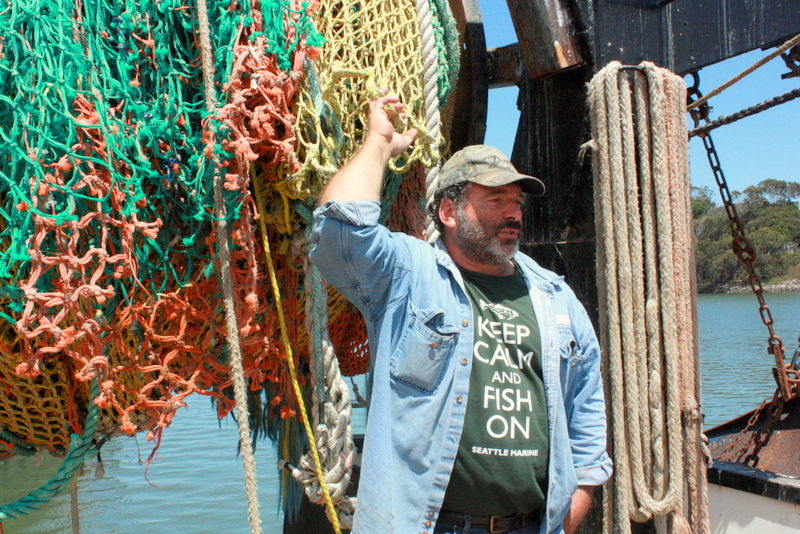
"caption": "Captain Joey Pennisi on his trawling boat, the Pioneer. The net behind him has been redesigned so it doesn't scrape the ocean floor or catch fish that are too small to eat. ",
"description": null,
"title": "Joey Pennisi on the Pioneer",
"credit": "Sasha Khokha/KQED",
"status": "inherit",
"isLoading": false,
"fetchFailed": false
},
"science_206402": {
"type": "attachments",
"id": "science_206402",
"meta": {
"index": "attachments_1716263798",
"site": "science",
"id": "206402",
"found": true
},
"parent": 206401,
"imgSizes": {
"twentyfourteen-full-width": {
"file": "https://ww2.kqed.org/app/uploads/sites/35/2015/08/DL-Chameleons-YT-marquee-UHD-phead-1038x576.jpg",
"width": 1038,
"mimeType": "image/jpeg",
"height": 576
},
"thumbnail": {
"file": "https://ww2.kqed.org/app/uploads/sites/35/2015/08/DL-Chameleons-YT-marquee-UHD-phead-400x225.jpg",
"width": 400,
"mimeType": "image/jpeg",
"height": 225
},
"fd-sm": {
"file": "https://ww2.kqed.org/app/uploads/sites/35/2015/08/DL-Chameleons-YT-marquee-UHD-phead-960x540.jpg",
"width": 960,
"mimeType": "image/jpeg",
"height": 540
},
"post-thumbnail": {
"file": "https://ww2.kqed.org/app/uploads/sites/35/2015/08/DL-Chameleons-YT-marquee-UHD-phead-672x372.jpg",
"width": 672,
"mimeType": "image/jpeg",
"height": 372
},
"kqedFullSize": {
"file": "https://ww2.kqed.org/app/uploads/sites/35/2015/08/DL-Chameleons-YT-marquee-UHD-phead-e1440185119971.jpg",
"width": 1920,
"height": 1080
},
"large": {
"file": "https://ww2.kqed.org/app/uploads/sites/35/2015/08/DL-Chameleons-YT-marquee-UHD-phead-1440x810.jpg",
"width": 1440,
"mimeType": "image/jpeg",
"height": 810
},
"guest-author-96": {
"file": "https://ww2.kqed.org/app/uploads/sites/35/2015/08/DL-Chameleons-YT-marquee-UHD-phead-96x96.jpg",
"width": 96,
"mimeType": "image/jpeg",
"height": 96
},
"medium": {
"file": "https://ww2.kqed.org/app/uploads/sites/35/2015/08/DL-Chameleons-YT-marquee-UHD-phead-800x450.jpg",
"width": 800,
"mimeType": "image/jpeg",
"height": 450
},
"guest-author-64": {
"file": "https://ww2.kqed.org/app/uploads/sites/35/2015/08/DL-Chameleons-YT-marquee-UHD-phead-64x64.jpg",
"width": 64,
"mimeType": "image/jpeg",
"height": 64
},
"guest-author-32": {
"file": "https://ww2.kqed.org/app/uploads/sites/35/2015/08/DL-Chameleons-YT-marquee-UHD-phead-32x32.jpg",
"width": 32,
"mimeType": "image/jpeg",
"height": 32
},
"fd-lrg": {
"file": "https://ww2.kqed.org/app/uploads/sites/35/2015/08/DL-Chameleons-YT-marquee-UHD-phead-1920x1080.jpg",
"width": 1920,
"mimeType": "image/jpeg",
"height": 1080
},
"fd-med": {
"file": "https://ww2.kqed.org/app/uploads/sites/35/2015/08/DL-Chameleons-YT-marquee-UHD-phead-1180x664.jpg",
"width": 1180,
"mimeType": "image/jpeg",
"height": 664
},
"detail": {
"file": "https://ww2.kqed.org/app/uploads/sites/35/2015/08/DL-Chameleons-YT-marquee-UHD-phead-75x75.jpg",
"width": 75,
"mimeType": "image/jpeg",
"height": 75
},
"guest-author-128": {
"file": "https://ww2.kqed.org/app/uploads/sites/35/2015/08/DL-Chameleons-YT-marquee-UHD-phead-128x128.jpg",
"width": 128,
"mimeType": "image/jpeg",
"height": 128
}
},
"publishDate": 1440185107,
"modified": 1440185107,
"caption": null,
"description": null,
"title": "DL-Chameleons-YT-marquee-UHD-phead",
"credit": null,
"status": "inherit",
"isLoading": false,
"fetchFailed": false
},
"science_183120": {
"type": "attachments",
"id": "science_183120",
"meta": {
"index": "attachments_1716263798",
"site": "science",
"id": "183120",
"found": true
},
"parent": 106591,
"imgSizes": {
"twentyfourteen-full-width": {
"file": "https://ww2.kqed.org/app/uploads/sites/35/2015/08/DL-ampullae-marquee-1038x576.jpg",
"width": 1038,
"mimeType": "image/jpeg",
"height": 576
},
"thumbnail": {
"file": "https://ww2.kqed.org/app/uploads/sites/35/2015/08/DL-ampullae-marquee-400x225.jpg",
"width": 400,
"mimeType": "image/jpeg",
"height": 225
},
"fd-sm": {
"file": "https://ww2.kqed.org/app/uploads/sites/35/2015/08/DL-ampullae-marquee-960x540.jpg",
"width": 960,
"mimeType": "image/jpeg",
"height": 540
},
"post-thumbnail": {
"file": "https://ww2.kqed.org/app/uploads/sites/35/2015/08/DL-ampullae-marquee-672x372.jpg",
"width": 672,
"mimeType": "image/jpeg",
"height": 372
},
"kqedFullSize": {
"file": "https://ww2.kqed.org/app/uploads/sites/35/2015/08/DL-ampullae-marquee-e1439320203216.jpg",
"width": 1920,
"height": 1080
},
"large": {
"file": "https://ww2.kqed.org/app/uploads/sites/35/2015/08/DL-ampullae-marquee-1440x810.jpg",
"width": 1440,
"mimeType": "image/jpeg",
"height": 810
},
"guest-author-96": {
"file": "https://ww2.kqed.org/app/uploads/sites/35/2015/08/DL-ampullae-marquee-96x96.jpg",
"width": 96,
"mimeType": "image/jpeg",
"height": 96
},
"medium": {
"file": "https://ww2.kqed.org/app/uploads/sites/35/2015/08/DL-ampullae-marquee-800x450.jpg",
"width": 800,
"mimeType": "image/jpeg",
"height": 450
},
"guest-author-64": {
"file": "https://ww2.kqed.org/app/uploads/sites/35/2015/08/DL-ampullae-marquee-64x64.jpg",
"width": 64,
"mimeType": "image/jpeg",
"height": 64
},
"guest-author-32": {
"file": "https://ww2.kqed.org/app/uploads/sites/35/2015/08/DL-ampullae-marquee-32x32.jpg",
"width": 32,
"mimeType": "image/jpeg",
"height": 32
},
"fd-lrg": {
"file": "https://ww2.kqed.org/app/uploads/sites/35/2015/08/DL-ampullae-marquee-1920x1080.jpg",
"width": 1920,
"mimeType": "image/jpeg",
"height": 1080
},
"fd-med": {
"file": "https://ww2.kqed.org/app/uploads/sites/35/2015/08/DL-ampullae-marquee-1180x664.jpg",
"width": 1180,
"mimeType": "image/jpeg",
"height": 664
},
"detail": {
"file": "https://ww2.kqed.org/app/uploads/sites/35/2015/08/DL-ampullae-marquee-75x75.jpg",
"width": 75,
"mimeType": "image/jpeg",
"height": 75
},
"guest-author-128": {
"file": "https://ww2.kqed.org/app/uploads/sites/35/2015/08/DL-ampullae-marquee-128x128.jpg",
"width": 128,
"mimeType": "image/jpeg",
"height": 128
}
},
"publishDate": 1439320191,
"modified": 1439320191,
"caption": null,
"description": null,
"title": "DL-ampullae-marquee",
"credit": null,
"status": "inherit",
"isLoading": false,
"fetchFailed": false
},
"science_131394": {
"type": "attachments",
"id": "science_131394",
"meta": {
"index": "attachments_1716263798",
"site": "science",
"id": "131394",
"found": true
},
"parent": 131005,
"imgSizes": {
"twentyfourteen-full-width": {
"file": "https://ww2.kqed.org/app/uploads/sites/35/2015/07/DL-corals-YT-marquee-1920-phead-1038x576.jpg",
"width": 1038,
"mimeType": "image/jpeg",
"height": 576
},
"thumbnail": {
"file": "https://ww2.kqed.org/app/uploads/sites/35/2015/07/DL-corals-YT-marquee-1920-phead-400x225.jpg",
"width": 400,
"mimeType": "image/jpeg",
"height": 225
},
"fd-sm": {
"file": "https://ww2.kqed.org/app/uploads/sites/35/2015/07/DL-corals-YT-marquee-1920-phead-960x540.jpg",
"width": 960,
"mimeType": "image/jpeg",
"height": 540
},
"post-thumbnail": {
"file": "https://ww2.kqed.org/app/uploads/sites/35/2015/07/DL-corals-YT-marquee-1920-phead-672x372.jpg",
"width": 672,
"mimeType": "image/jpeg",
"height": 372
},
"kqedFullSize": {
"file": "https://ww2.kqed.org/app/uploads/sites/35/2015/07/DL-corals-YT-marquee-1920-phead.jpg",
"width": 1920,
"height": 1080
},
"large": {
"file": "https://ww2.kqed.org/app/uploads/sites/35/2015/07/DL-corals-YT-marquee-1920-phead-1440x810.jpg",
"width": 1440,
"mimeType": "image/jpeg",
"height": 810
},
"guest-author-96": {
"file": "https://ww2.kqed.org/app/uploads/sites/35/2015/07/DL-corals-YT-marquee-1920-phead-96x96.jpg",
"width": 96,
"mimeType": "image/jpeg",
"height": 96
},
"medium": {
"file": "https://ww2.kqed.org/app/uploads/sites/35/2015/07/DL-corals-YT-marquee-1920-phead-800x450.jpg",
"width": 800,
"mimeType": "image/jpeg",
"height": 450
},
"guest-author-64": {
"file": "https://ww2.kqed.org/app/uploads/sites/35/2015/07/DL-corals-YT-marquee-1920-phead-64x64.jpg",
"width": 64,
"mimeType": "image/jpeg",
"height": 64
},
"guest-author-32": {
"file": "https://ww2.kqed.org/app/uploads/sites/35/2015/07/DL-corals-YT-marquee-1920-phead-32x32.jpg",
"width": 32,
"mimeType": "image/jpeg",
"height": 32
},
"fd-lrg": {
"file": "https://ww2.kqed.org/app/uploads/sites/35/2015/07/DL-corals-YT-marquee-1920-phead-1400x788.jpg",
"width": 1400,
"mimeType": "image/jpeg",
"height": 788
},
"fd-med": {
"file": "https://ww2.kqed.org/app/uploads/sites/35/2015/07/DL-corals-YT-marquee-1920-phead-1180x664.jpg",
"width": 1180,
"mimeType": "image/jpeg",
"height": 664
},
"detail": {
"file": "https://ww2.kqed.org/app/uploads/sites/35/2015/07/DL-corals-YT-marquee-1920-phead-75x75.jpg",
"width": 75,
"mimeType": "image/jpeg",
"height": 75
},
"guest-author-128": {
"file": "https://ww2.kqed.org/app/uploads/sites/35/2015/07/DL-corals-YT-marquee-1920-phead-128x128.jpg",
"width": 128,
"mimeType": "image/jpeg",
"height": 128
}
},
"publishDate": 1437443551,
"modified": 1437443551,
"caption": null,
"description": null,
"title": "DL-corals-YT-marquee-1920-phead",
"credit": null,
"status": "inherit",
"isLoading": false,
"fetchFailed": false
}
},
"audioPlayerReducer": {
"postId": "stream_live",
"isPaused": true,
"isPlaying": false,
"pfsActive": false,
"pledgeModalIsOpen": true,
"playerDrawerIsOpen": false,
"liveAudioPlayStartedAt": 0,
"liveAudioPlayContext": ""
},
"authorsReducer": {
"100310": {
"type": "authors",
"id": "100310",
"meta": {
"override": true
},
"slug": "100310",
"name": "Jason Jaacks",
"firstName": "Jason",
"lastName": "Jaacks",
"bio": "Jason Jaacks is a visual storyteller who focuses on social and environmental issues. His films have documented a range of topics, from the militarization of the U.S.-Mexico border to performance poetry among Native American youth.\r\n\r\nHe has collaborated with PBS POV, Tribeca Film Institute, and Matter.In 2012, Jason was named a National Geographic Explorer for his work on the Elwha River.\r\n\r\nJason is the founder of SplitFrame Media - an integrated media company specializing in sharing the story across multiple media platforms. He holds a Masters of Journalism from UC Berkeley.",
"email": "j.jaacks@gmail.com",
"isLoading": false
},
"byline_science_321097": {
"type": "authors",
"id": "byline_science_321097",
"meta": {
"override": true
},
"slug": "byline_science_321097",
"name": "\u003cstrong>\u003ca href=\"http://www.npr.org/people/433264185/laura-wagner\" target=\"_blank\">Laura Wagner\u003c/a>\u003cbr />NPR\u003c/strong>",
"isLoading": false
},
"cmiller": {
"type": "authors",
"id": "221",
"meta": {
"index": "authors_1716337520",
"id": "221",
"found": true
},
"name": "Craig Miller",
"firstName": "Craig",
"lastName": "Miller",
"slug": "cmiller",
"email": "craig@voxterra.net",
"display_author_email": false,
"staff_mastheads": [
"science"
],
"title": "Editor Emeritus, Science",
"bio": "Craig is a former KQED Science editor, specializing in weather, climate, water & energy issues, with a little seismology thrown in just to shake things up. Prior to that, he launched and led the station's award-winning multimedia project, Climate Watch. Craig is also an accomplished writer/producer of television documentaries, with a focus on natural resource issues.",
"avatar": "https://secure.gravatar.com/avatar/b91661df645e001a9cafe0861fa685f9?s=600&d=blank&r=g",
"twitter": "voxterra",
"facebook": null,
"instagram": null,
"linkedin": null,
"sites": [
{
"site": "news",
"roles": [
"author"
]
},
{
"site": "futureofyou",
"roles": [
"editor"
]
},
{
"site": "stateofhealth",
"roles": [
"author"
]
},
{
"site": "science",
"roles": [
"editor"
]
},
{
"site": "quest",
"roles": [
"editor"
]
}
],
"headData": {
"title": "Craig Miller | KQED",
"description": "Editor Emeritus, Science",
"ogImgSrc": "https://secure.gravatar.com/avatar/b91661df645e001a9cafe0861fa685f9?s=600&d=blank&r=g",
"twImgSrc": "https://secure.gravatar.com/avatar/b91661df645e001a9cafe0861fa685f9?s=600&d=blank&r=g"
},
"isLoading": false,
"link": "/author/cmiller"
},
"sasha-khokha": {
"type": "authors",
"id": "254",
"meta": {
"index": "authors_1716337520",
"id": "254",
"found": true
},
"name": "Sasha Khokha",
"firstName": "Sasha",
"lastName": "Khokha",
"slug": "sasha-khokha",
"email": "skhokha@kqed.org",
"display_author_email": true,
"staff_mastheads": [
"news"
],
"title": "Host, The California Report Magazine",
"bio": "Sasha Khokha is the host of \u003cem>The California Report's \u003c/em> weekly magazine program, which takes listeners on sound-rich excursions to meet the people that make the Golden State unique -- through audio documentaries and long-form stories. As \u003cem>The California Report's\u003c/em> Central Valley Bureau Chief based in Fresno for nearly a dozen years, Sasha brought the lives and concerns of rural Californians to listeners around the state. Her reporting helped expose the hidden price immigrant women janitors and farmworkers may pay to keep their jobs: sexual assault at work. It inspired two new California laws to protect them from sexual harassment. She was a key member of the reporting team for the Frontline film \u003cem>Rape on the Night Shift, \u003c/em>which was nominated for two national Emmys. Sasha has also won a national Edward R. Murrow and a national PRNDI award for investigative reporting, as well as multiple prizes from the Society for Professional Journalists. Sasha is a proud alum of the UC Berkeley Graduate School of Journalism and Brown University and a member of the South Asian Journalists Association.",
"avatar": "https://secure.gravatar.com/avatar/e4b5e1541aaeea2aa356aa1fb2a68950?s=600&d=blank&r=g",
"twitter": "KQEDSashaKhokha",
"facebook": null,
"instagram": null,
"linkedin": null,
"sites": [
{
"site": "news",
"roles": [
"editor"
]
},
{
"site": "stateofhealth",
"roles": [
"author"
]
},
{
"site": "science",
"roles": [
"author"
]
},
{
"site": "quest",
"roles": [
"subscriber"
]
}
],
"headData": {
"title": "Sasha Khokha | KQED",
"description": "Host, The California Report Magazine",
"ogImgSrc": "https://secure.gravatar.com/avatar/e4b5e1541aaeea2aa356aa1fb2a68950?s=600&d=blank&r=g",
"twImgSrc": "https://secure.gravatar.com/avatar/e4b5e1541aaeea2aa356aa1fb2a68950?s=600&d=blank&r=g"
},
"isLoading": false,
"link": "/author/sasha-khokha"
},
"joshua-cassidy": {
"type": "authors",
"id": "6219",
"meta": {
"index": "authors_1716337520",
"id": "6219",
"found": true
},
"name": "Josh Cassidy",
"firstName": "Josh",
"lastName": "Cassidy",
"slug": "joshua-cassidy",
"email": "jcassidy@kqed.org",
"display_author_email": false,
"staff_mastheads": [
"science"
],
"title": "Digital Video Producer",
"bio": "Josh is a Senior Video Producer for KQED Science, and the Lead Producer and Cinematographer for Deep Look. After receiving his BS in Wildlife Biology from Ohio University, he went on to participate in marine mammal research for NOAA, USGS and the Intersea Foundation. He also served as the president of The Pacific Cetacean Group, a nonprofit organization dedicated to teaching students K-6 about whales. Josh studied science and natural history filmmaking at San Francisco State University and Montana State University.",
"avatar": "https://secure.gravatar.com/avatar/f2582a0801a35af53b734d56bcac2bbe?s=600&d=blank&r=g",
"twitter": null,
"facebook": null,
"instagram": null,
"linkedin": null,
"sites": [
{
"site": "science",
"roles": [
"editor"
]
},
{
"site": "quest",
"roles": [
"author",
"edit_others_posts"
]
}
],
"headData": {
"title": "Josh Cassidy | KQED",
"description": "Digital Video Producer",
"ogImgSrc": "https://secure.gravatar.com/avatar/f2582a0801a35af53b734d56bcac2bbe?s=600&d=blank&r=g",
"twImgSrc": "https://secure.gravatar.com/avatar/f2582a0801a35af53b734d56bcac2bbe?s=600&d=blank&r=g"
},
"isLoading": false,
"link": "/author/joshua-cassidy"
},
"jvarner": {
"type": "authors",
"id": "8639",
"meta": {
"index": "authors_1716337520",
"id": "8639",
"found": true
},
"name": "Johanna Varner",
"firstName": "Johanna",
"lastName": "Varner",
"slug": "jvarner",
"email": "jvarner@kqed.org",
"display_author_email": false,
"staff_mastheads": [],
"title": null,
"bio": "Johanna Varner is excited to join KQED Science as a 2015 AAAS Mass Media Fellow. She recently finished her PhD in Biology from University of Utah, where she studied how small mammals are responding to climate change. She also has past lives as an engineer, a blueberry farmer, and a baker. Outside of the lab, Johanna has been active in designing authentic field research experiences for K-12 students and giving interactive public presentations about local mammals. You can find her on twitter at @johannavarner",
"avatar": "https://secure.gravatar.com/avatar/35ae0c7a361af670964ce707e56c052c?s=600&d=blank&r=g",
"twitter": null,
"facebook": null,
"instagram": null,
"linkedin": null,
"sites": [
{
"site": "news",
"roles": [
"author"
]
},
{
"site": "science",
"roles": [
"editor"
]
}
],
"headData": {
"title": "Johanna Varner | KQED",
"description": null,
"ogImgSrc": "https://secure.gravatar.com/avatar/35ae0c7a361af670964ce707e56c052c?s=600&d=blank&r=g",
"twImgSrc": "https://secure.gravatar.com/avatar/35ae0c7a361af670964ce707e56c052c?s=600&d=blank&r=g"
},
"isLoading": false,
"link": "/author/jvarner"
},
"gsinger": {
"type": "authors",
"id": "8640",
"meta": {
"index": "authors_1716337520",
"id": "8640",
"found": true
},
"name": "Grace Singer",
"firstName": "Grace",
"lastName": "Singer",
"slug": "gsinger",
"email": "gsinger@kqed.org",
"display_author_email": false,
"staff_mastheads": [],
"title": "KQED Contributor",
"bio": "Grace is the winner of the new Dr. Allen Fuhs science communication scholarship and summer internship at KQED in San Francisco. She is a student of Ecology, Evolution, and Organismal Biology at California State University, Monterey Bay. As a California native and a longtime resident of the Monterey Peninsula, she first developed her passion for nature by exploring tide pools as a child. Grace loves kayaking, paddle-boarding, yoga, music, painting, and animals of all shapes and sizes. Follow her on Twitter @gracestarbird\r\n\r\n ",
"avatar": "https://secure.gravatar.com/avatar/62b86f828fc43ca84074452dd5c1749db3b79f889110496e8983d0081ee42331?s=600&d=blank&r=g",
"twitter": null,
"bluesky": null,
"facebook": null,
"instagram": null,
"linkedin": null,
"sites": [
{
"site": "science",
"roles": [
"subscriber"
]
}
],
"headData": {
"title": "Grace Singer | KQED",
"description": "KQED Contributor",
"ogImgSrc": "https://secure.gravatar.com/avatar/62b86f828fc43ca84074452dd5c1749db3b79f889110496e8983d0081ee42331?s=600&d=blank&r=g",
"twImgSrc": "https://secure.gravatar.com/avatar/62b86f828fc43ca84074452dd5c1749db3b79f889110496e8983d0081ee42331?s=600&d=blank&r=g"
},
"isLoading": false,
"link": "/author/gsinger"
},
"jasonblack": {
"type": "authors",
"id": "10377",
"meta": {
"index": "authors_1716337520",
"id": "10377",
"found": true
},
"name": "Jason Black",
"firstName": "Jason",
"lastName": "Black",
"slug": "jasonblack",
"email": "jblack@kqed.org",
"display_author_email": false,
"staff_mastheads": [],
"title": "KQED Contributor",
"bio": "Jason is the Series Manager for QUEST. He enrolled in the Marine Corps for four years and led troops through cold weather training in Norway, France, and joint operations warfare training in Spain, Italy, Egypt, and Turkey. Jason graduated from the University of California Santa Cruz with a degree in Film & Digital Media and has been producing feature films, commercials, and music videos professionally ever since. Invited to join the Directors Guild of America union as a unit production manager in 2003, he then co-founded a production services corporation in Los Angeles called Blue Cactus Pictures. Blue Cactus was the producing company for fifteen feature films in four years. Black's films have screened in numerous international film festivals including Sundance, Berlin, Pusan, Milan, and Toronto. Black is thrilled to join the extraordinary QUEST Science and Environment team at KQED.",
"avatar": "https://secure.gravatar.com/avatar/6ebd9705f6c1acc9517b5592812fc24213caebefda6aa0dea0048d5fdb333e44?s=600&d=blank&r=g",
"twitter": null,
"bluesky": null,
"facebook": null,
"instagram": null,
"linkedin": null,
"sites": [
{
"site": "science",
"roles": [
"subscriber"
]
},
{
"site": "quest",
"roles": [
"leadcoordinator",
"edit_theme_options",
"subscriber"
]
}
],
"headData": {
"title": "Jason Black | KQED",
"description": "KQED Contributor",
"ogImgSrc": "https://secure.gravatar.com/avatar/6ebd9705f6c1acc9517b5592812fc24213caebefda6aa0dea0048d5fdb333e44?s=600&d=blank&r=g",
"twImgSrc": "https://secure.gravatar.com/avatar/6ebd9705f6c1acc9517b5592812fc24213caebefda6aa0dea0048d5fdb333e44?s=600&d=blank&r=g"
},
"isLoading": false,
"link": "/author/jasonblack"
},
"ekennerson": {
"type": "authors",
"id": "11090",
"meta": {
"index": "authors_1716337520",
"id": "11090",
"found": true
},
"name": "Elliott Kennerson",
"firstName": "Elliott",
"lastName": "Kennerson",
"slug": "ekennerson",
"email": "ekennerson@kqed.org",
"display_author_email": false,
"staff_mastheads": [],
"title": null,
"bio": "Elliott Kennerson joined KQED Science as a Digital Media Producer in 2015. Before joining KQED, he produced the Kickstarter-funded series “Animal R&R” for KPBS in San Diego. Elliott received his M.F.A. training in wildlife documentary at Montana State in Bozeman and holds a B.A. from Yale in archaeology. In his former life as an actor, he was an associate artist with LightBox Theater Company in New York. Elliott is the recipient of a 2017 Regional Emmy for his work as a producer on “Deep Look.\"",
"avatar": "https://secure.gravatar.com/avatar/90ebfa58055409e54c8f8a4c120ecf91?s=600&d=blank&r=g",
"twitter": "edorank",
"facebook": null,
"instagram": null,
"linkedin": null,
"sites": [
{
"site": "science",
"roles": [
"editor"
]
}
],
"headData": {
"title": "Elliott Kennerson | KQED",
"description": null,
"ogImgSrc": "https://secure.gravatar.com/avatar/90ebfa58055409e54c8f8a4c120ecf91?s=600&d=blank&r=g",
"twImgSrc": "https://secure.gravatar.com/avatar/90ebfa58055409e54c8f8a4c120ecf91?s=600&d=blank&r=g"
},
"isLoading": false,
"link": "/author/ekennerson"
}
},
"pagesReducer": {
"science_category_video": {
"type": "terms",
"id": "science_86",
"meta": {
"index": "terms_1716263798",
"site": "science",
"id": "86",
"score": 12.138525
},
"featImg": null,
"name": "Video",
"description": null,
"taxonomy": "category",
"headData": {
"twImgId": null,
"twTitle": null,
"ogTitle": null,
"ogImgId": null,
"twDescription": null,
"description": null,
"title": "Video Archives | KQED Science",
"ogDescription": null
},
"ttid": 89,
"slug": "video",
"isLoading": false,
"title": "Video",
"pageMeta": {
"site": "science",
"WpPageTemplate": "page-topic-editorial",
"currentPage": 19
},
"blocks": [
{
"blockName": "kqed/post-list",
"attrs": {
"layout": "cardArticle2",
"query": "posts/science?category=video",
"seeMore": false,
"paginated": true,
"page": 19
}
},
{
"blockName": "kqed/ad"
}
]
}
},
"pfsSessionReducer": {},
"postsReducer": {
"stream_live": {
"type": "live",
"id": "stream_live",
"audioUrl": "https://streams.kqed.org/kqedradio",
"title": "Live Stream",
"excerpt": "Live Stream information currently unavailable.",
"link": "/radio",
"featImg": "",
"label": {
"name": "KQED Live",
"link": "/"
}
},
"stream_kqedNewscast": {
"type": "posts",
"id": "stream_kqedNewscast",
"audioUrl": "https://www.kqed.org/.stream/anon/radio/RDnews/newscast.mp3?_=1",
"title": "KQED Newscast",
"featImg": "",
"label": {
"name": "88.5 FM",
"link": "/"
}
},
"science_366760": {
"type": "posts",
"id": "science_366760",
"meta": {
"index": "posts_1716263798",
"site": "science",
"id": "366760",
"score": null,
"sort": [
1448395219000
]
},
"guestAuthors": [],
"slug": "the-sex-lives-of-christmas-trees",
"title": "The Sex Lives of Christmas Trees",
"publishDate": 1448395219,
"format": "video",
"headTitle": "The Sex Lives of Christmas Trees | KQED",
"labelTerm": {
"term": 3259,
"site": "science"
},
"content": "\u003cp>[dl_subscribe]It’s the time of year when people start inviting pine, fir and spruce trees into their homes, and wreaths and pine cones take center stage. But while pine cones may seem a familiar trapping of the holiday season to most of us, for Bruce Baldwin, they tell an ancient story, millions of years old, of evolution, competition and reproduction.\u003c/p>\n\u003cfigure id=\"attachment_373705\" class=\"wp-caption alignnone\" style=\"max-width: 800px\">\u003ca href=\"http://ww2.kqed.org/science/wp-content/uploads/sites/35/2015/11/female-coulter-pinecone-on-black-CRX.jpg\">\u003cimg loading=\"lazy\" decoding=\"async\" class=\"size-medium wp-image-373705\" src=\"http://ww2.kqed.org/science/wp-content/uploads/sites/35/2015/11/female-coulter-pinecone-on-black-CRX-800x450.jpg\" alt=\"Coulter pines have the largest seed cones of any pine tree\" width=\"800\" height=\"450\" srcset=\"https://cdn.kqed.org/wp-content/uploads/sites/35/2015/11/female-coulter-pinecone-on-black-CRX-800x450.jpg 800w, https://cdn.kqed.org/wp-content/uploads/sites/35/2015/11/female-coulter-pinecone-on-black-CRX-400x225.jpg 400w, https://cdn.kqed.org/wp-content/uploads/sites/35/2015/11/female-coulter-pinecone-on-black-CRX-1440x810.jpg 1440w, https://cdn.kqed.org/wp-content/uploads/sites/35/2015/11/female-coulter-pinecone-on-black-CRX-1920x1080.jpg 1920w, https://cdn.kqed.org/wp-content/uploads/sites/35/2015/11/female-coulter-pinecone-on-black-CRX-1180x664.jpg 1180w, https://cdn.kqed.org/wp-content/uploads/sites/35/2015/11/female-coulter-pinecone-on-black-CRX-960x540.jpg 960w\" sizes=\"auto, (max-width: 800px) 100vw, 800px\">\u003c/a>\u003cfigcaption class=\"wp-caption-text\">Coulter pines have the largest seed cones of any pine tree \u003ccite>(Josh Cassidy/KQED)\u003c/cite>\u003c/figcaption>\u003c/figure>\n\u003cp>Baldwin is a plant biologist in the Integrative Biology Department of the University of California, Berkeley. He’s also curator of the university’s Jepson Herbarium, a collection of California plants used for research and archival purposes. In addition to the pressed and dried plants, the herbarium’s collections also include a variety of cones from around the state, including some from the Coulter Pine, which boasts the largest cones of any pine tree in the world.\u003c/p>\n\u003cfigure id=\"attachment_373706\" class=\"wp-caption alignnone\" style=\"max-width: 800px\">\u003ca href=\"http://ww2.kqed.org/science/wp-content/uploads/sites/35/2015/11/male-cone-closeup-CRX.jpg\">\u003cimg loading=\"lazy\" decoding=\"async\" class=\"size-medium wp-image-373706\" src=\"http://ww2.kqed.org/science/wp-content/uploads/sites/35/2015/11/male-cone-closeup-CRX-800x450.jpg\" alt=\"Male cones are often smaller and less obvious than seed cones \" width=\"800\" height=\"450\" srcset=\"https://cdn.kqed.org/wp-content/uploads/sites/35/2015/11/male-cone-closeup-CRX-800x450.jpg 800w, https://cdn.kqed.org/wp-content/uploads/sites/35/2015/11/male-cone-closeup-CRX-400x225.jpg 400w, https://cdn.kqed.org/wp-content/uploads/sites/35/2015/11/male-cone-closeup-CRX-1440x810.jpg 1440w, https://cdn.kqed.org/wp-content/uploads/sites/35/2015/11/male-cone-closeup-CRX-1920x1080.jpg 1920w, https://cdn.kqed.org/wp-content/uploads/sites/35/2015/11/male-cone-closeup-CRX-1180x664.jpg 1180w, https://cdn.kqed.org/wp-content/uploads/sites/35/2015/11/male-cone-closeup-CRX-960x540.jpg 960w\" sizes=\"auto, (max-width: 800px) 100vw, 800px\">\u003c/a>\u003cfigcaption class=\"wp-caption-text\">Male cones are often smaller and less obvious than seed cones \u003ccite>(Josh Cassidy/KQED)\u003c/cite>\u003c/figcaption>\u003c/figure>\n\u003cp>Pine cones aren’t just for decoration, Baldwin said. They are the reproductive organs of conifers, an ancient group of seed-bearing plants.\u003c/p>\n\u003cp>“There are two different types of cones,” said Baldwin, “a lot of people don’t realize that. There’s seed cones and pollen cones. The pollen cones are relatively tiny. The seed cone gets to be much larger and takes three years to develop and release seeds so you can often see pine cones of three different stages of development on a single tree.”\u003c/p>\n\u003cfigure id=\"attachment_373783\" class=\"wp-caption alignnone\" style=\"max-width: 800px\">\u003ca href=\"http://ww2.kqed.org/science/wp-content/uploads/sites/35/2015/11/pollen-split-screen-ECU.jpg\">\u003cimg loading=\"lazy\" decoding=\"async\" class=\"size-medium wp-image-373783\" src=\"http://ww2.kqed.org/science/wp-content/uploads/sites/35/2015/11/pollen-split-screen-ECU-800x450.jpg\" alt=\"Viewed here under a microscope, a male cone produces copious amounts of tiny pollen grains that will be carried by wind to seed cones\" width=\"800\" height=\"450\" srcset=\"https://cdn.kqed.org/wp-content/uploads/sites/35/2015/11/pollen-split-screen-ECU-800x450.jpg 800w, https://cdn.kqed.org/wp-content/uploads/sites/35/2015/11/pollen-split-screen-ECU-400x225.jpg 400w, https://cdn.kqed.org/wp-content/uploads/sites/35/2015/11/pollen-split-screen-ECU-1440x810.jpg 1440w, https://cdn.kqed.org/wp-content/uploads/sites/35/2015/11/pollen-split-screen-ECU-1920x1080.jpg 1920w, https://cdn.kqed.org/wp-content/uploads/sites/35/2015/11/pollen-split-screen-ECU-1180x664.jpg 1180w, https://cdn.kqed.org/wp-content/uploads/sites/35/2015/11/pollen-split-screen-ECU-960x540.jpg 960w\" sizes=\"auto, (max-width: 800px) 100vw, 800px\">\u003c/a>\u003cfigcaption class=\"wp-caption-text\">Viewed here under a microscope, a male cone produces copious amounts of tiny pollen grains that will be carried by wind to seed cones \u003ccite>(Josh Cassidy/KQED)\u003c/cite>\u003c/figcaption>\u003c/figure>\n\u003cp>What most people recognize as a pine cone is typically the female seed cone. This structure keeps the immature seeds safe, nestled between protective scales.\u003c/p>\n\u003cp>[ad fullwidth]\u003c/p>\n\u003cp>But early in their development, the scales open slightly for a short time to grant access to wind-borne pollen released from smaller pollen cones. Conifers are mostly wind pollinators, broadcasting huge quantities of male gametes into the air during summer months. The pollen can be seen when it settles on parked cars and windowsills as a fine yellow powder.\u003c/p>\n\u003cfigure id=\"attachment_373785\" class=\"wp-caption alignnone\" style=\"max-width: 800px\">\u003ca href=\"http://ww2.kqed.org/science/wp-content/uploads/sites/35/2015/11/bristlecone-pine-cone-juvenile.jpg\">\u003cimg loading=\"lazy\" decoding=\"async\" class=\"size-medium wp-image-373785\" src=\"http://ww2.kqed.org/science/wp-content/uploads/sites/35/2015/11/bristlecone-pine-cone-juvenile-800x450.jpg\" alt=\"This scales on this bristlecone pine seed cone are closed tight to protect the developing seeds \" width=\"800\" height=\"450\" srcset=\"https://cdn.kqed.org/wp-content/uploads/sites/35/2015/11/bristlecone-pine-cone-juvenile-800x450.jpg 800w, https://cdn.kqed.org/wp-content/uploads/sites/35/2015/11/bristlecone-pine-cone-juvenile-400x225.jpg 400w, https://cdn.kqed.org/wp-content/uploads/sites/35/2015/11/bristlecone-pine-cone-juvenile-1440x810.jpg 1440w, https://cdn.kqed.org/wp-content/uploads/sites/35/2015/11/bristlecone-pine-cone-juvenile-1920x1080.jpg 1920w, https://cdn.kqed.org/wp-content/uploads/sites/35/2015/11/bristlecone-pine-cone-juvenile-1180x664.jpg 1180w, https://cdn.kqed.org/wp-content/uploads/sites/35/2015/11/bristlecone-pine-cone-juvenile-960x540.jpg 960w\" sizes=\"auto, (max-width: 800px) 100vw, 800px\">\u003c/a>\u003cfigcaption class=\"wp-caption-text\">This scales on this bristlecone pine seed cone are closed tight to protect the developing seeds \u003ccite>(Josh Cassidy/KQED)\u003c/cite>\u003c/figcaption>\u003c/figure>\n\u003cp>After receiving the pollen, the female cones close back up until the seeds are fertilized and mature. Once they are, the scales reopen allowing the wind to disperse the winged seeds. Other species rely on birds or mammals to distribute their next generation.\u003c/p>\n\u003cfigure id=\"attachment_373704\" class=\"wp-caption alignnone\" style=\"max-width: 800px\">\u003ca href=\"http://ww2.kqed.org/science/wp-content/uploads/sites/35/2015/11/coulter-pine-seed-in-tweezers-CRX.jpg\">\u003cimg loading=\"lazy\" decoding=\"async\" class=\"size-medium wp-image-373704\" src=\"http://ww2.kqed.org/science/wp-content/uploads/sites/35/2015/11/coulter-pine-seed-in-tweezers-CRX-800x450.jpg\" alt=\"Coulter pine seed removed from its cone. The seed is winged to help it travel away from its parent tree\" width=\"800\" height=\"450\" srcset=\"https://cdn.kqed.org/wp-content/uploads/sites/35/2015/11/coulter-pine-seed-in-tweezers-CRX-800x450.jpg 800w, https://cdn.kqed.org/wp-content/uploads/sites/35/2015/11/coulter-pine-seed-in-tweezers-CRX-400x225.jpg 400w, https://cdn.kqed.org/wp-content/uploads/sites/35/2015/11/coulter-pine-seed-in-tweezers-CRX-1440x810.jpg 1440w, https://cdn.kqed.org/wp-content/uploads/sites/35/2015/11/coulter-pine-seed-in-tweezers-CRX-1920x1080.jpg 1920w, https://cdn.kqed.org/wp-content/uploads/sites/35/2015/11/coulter-pine-seed-in-tweezers-CRX-1180x664.jpg 1180w, https://cdn.kqed.org/wp-content/uploads/sites/35/2015/11/coulter-pine-seed-in-tweezers-CRX-960x540.jpg 960w\" sizes=\"auto, (max-width: 800px) 100vw, 800px\">\u003c/a>\u003cfigcaption class=\"wp-caption-text\">Coulter pine seed removed from its cone. The seed is winged to help it travel away from its parent tree \u003ccite>(Josh Cassidy/KQED)\u003c/cite>\u003c/figcaption>\u003c/figure>\n\u003cp>In some forests, like the closed-cone pine forests of California, mature cones may stay closed for decades. Species like the bishop pine are serotinous, meaning that they only open when exposed to the heat of a forest fire. The trees are able to wait until the fire has reduced the competition for light and provided a much-needed boost in nutrients to the soil before even attempting to send their seeds out to set root.\u003c/p>\n\u003cfigure id=\"attachment_373708\" class=\"wp-caption alignnone\" style=\"max-width: 800px\">\u003ca href=\"http://ww2.kqed.org/science/wp-content/uploads/sites/35/2015/11/bristlecone-female-onbranch-nolabel-CRX.jpg\">\u003cimg loading=\"lazy\" decoding=\"async\" class=\"size-medium wp-image-373708\" src=\"http://ww2.kqed.org/science/wp-content/uploads/sites/35/2015/11/bristlecone-female-onbranch-nolabel-CRX-800x450.jpg\" alt=\"Bishop pine cones stay closed unless they reach high temperatures like those experienced in a forest fire \" width=\"800\" height=\"450\" srcset=\"https://cdn.kqed.org/wp-content/uploads/sites/35/2015/11/bristlecone-female-onbranch-nolabel-CRX-800x450.jpg 800w, https://cdn.kqed.org/wp-content/uploads/sites/35/2015/11/bristlecone-female-onbranch-nolabel-CRX-400x225.jpg 400w, https://cdn.kqed.org/wp-content/uploads/sites/35/2015/11/bristlecone-female-onbranch-nolabel-CRX-1440x810.jpg 1440w, https://cdn.kqed.org/wp-content/uploads/sites/35/2015/11/bristlecone-female-onbranch-nolabel-CRX-1920x1080.jpg 1920w, https://cdn.kqed.org/wp-content/uploads/sites/35/2015/11/bristlecone-female-onbranch-nolabel-CRX-1180x664.jpg 1180w, https://cdn.kqed.org/wp-content/uploads/sites/35/2015/11/bristlecone-female-onbranch-nolabel-CRX-960x540.jpg 960w\" sizes=\"auto, (max-width: 800px) 100vw, 800px\">\u003c/a>\u003cfigcaption class=\"wp-caption-text\">Bishop pine cones stay closed unless they reach high temperatures like those experienced in a forest fire \u003ccite>(Josh Cassidy/KQED)\u003c/cite>\u003c/figcaption>\u003c/figure>\n\u003cp>Conifers are some of the oldest plants in the forest. And they were once much more diverse than they are today. But since the evolution of flowering plants, their diversity has plummeted. Today only about 0.3 percent of all the species of seed plants have cones. Flowering plants have taken over most of the warmer, wetter habitats, pushing out the conifers. But why?\u003c/p>\n\u003cp>“Flowering plants reproduce much faster. Everything is sped up in their reproduction,” explained Baldwin. “And when you evolve the fruit you evolve a lot of different ways of dispersing the seeds.”\u003c/p>\n\u003cp>Enlisting the help of animals to carry off their seeds may help give flowering a reproductive advantage, he said. Conifers mostly distribute their seeds by wind.\u003c/p>\n\u003cp>While they no longer dominate the tropical areas of the globe the way they once did, conifers do cover much of the Northern Hemisphere’s forest ecosystems.\u003c/p>\n\u003cp>“They’re less successful than they were at one time, but still major players as far as seed plants go” said Baldwin. “They do great at higher latitudes and higher altitudes, though there are a few exceptions. But by-and-large they are more successful in areas that are cooler, dryer and with poorer soils”\u003c/p>\n\u003cp>Flowering plants are able to out-reproduce conifers in the areas which have more ideal temperatures, and moisture levels. Conifers are thus relegated to areas where flowering plants cannot survive well. Conifers are able to exist in these areas because their anatomy allows them to resist damage caused by freezing, and extreme dryness. Conifers also pack their leaves with terpenoids, which are compounds responsible for the pine smell that allows the trees to resist decay and hungry herbivores.\u003c/p>\n\u003cp>While they may no longer be as diverse as they once were, the tallest (coast redwood), most massive (giant sequoia) and oldest living (bristlecone pine) individual organisms in the world are all conifers. While they may not be as flashy as their flowering cousins, cones are still able to hold their own, particularly around Christmas time.\u003c/p>\n\u003cp>You can check out the conifer collections at the \u003ca href=\"http://ucjeps.berkeley.edu/\">University of California, Berkeley Jepson Herbarium\u003c/a>.\u003c/p>\n\u003cp>\u003c/p>\n\u003cp>Or take a stroll through \u003ca href=\"http://www.ebparks.org/page156.aspx\">Tilden Regional Parks Botanic Garden\u003c/a> to see a variety of California conifers.\u003c/p>\n\n",
"blocks": [],
"excerpt": "The humble pine cone is more than a holiday decoration -- it's an ancient form of tree sex.",
"status": "publish",
"parent": 0,
"modified": 1738715709,
"stats": {
"hasAudio": false,
"hasVideo": false,
"hasChartOrMap": false,
"iframeSrcs": [],
"hasGoogleForm": false,
"hasGallery": false,
"hasHearkenModule": false,
"hasPolis": false,
"paragraphCount": 19,
"wordCount": 937
},
"headData": {
"title": "The Sex Lives of Christmas Trees | KQED",
"description": "The humble pine cone is more than a holiday decoration -- it's an ancient form of tree sex.",
"ogTitle": "",
"ogDescription": "",
"ogImgId": "",
"twTitle": "",
"twDescription": "",
"twImgId": "",
"schema": {
"@context": "https://schema.org",
"@type": "Article",
"headline": "The Sex Lives of Christmas Trees",
"datePublished": "2015-11-24T12:00:19-08:00",
"dateModified": "2025-02-04T16:35:09-08:00",
"image": "https://cdn.kqed.org/wp-content/uploads/2020/02/KQED-OG-Image@1x.png"
}
},
"videoEmbed": "https://www.youtube.com/watch?v=xEji9I4Tcjo",
"pbsMediaId": "2365686842",
"sticky": false,
"excludeFromSiteSearch": "Include",
"articleAge": "0",
"path": "/science/366760/the-sex-lives-of-christmas-trees",
"audioTrackLength": null,
"parsedContent": [
{
"type": "contentString",
"content": "\u003cdiv class=\"post-body\">\u003cp>\u003cp>\u003c/p>\u003c/div>",
"attributes": {
"named": {},
"numeric": []
}
},
{
"type": "component",
"content": "",
"name": "dl_subscribe",
"attributes": {
"named": {
"label": ""
},
"numeric": []
}
},
{
"type": "contentString",
"content": "\u003cdiv class=\"post-body\">\u003cp>It’s the time of year when people start inviting pine, fir and spruce trees into their homes, and wreaths and pine cones take center stage. But while pine cones may seem a familiar trapping of the holiday season to most of us, for Bruce Baldwin, they tell an ancient story, millions of years old, of evolution, competition and reproduction.\u003c/p>\n\u003cfigure id=\"attachment_373705\" class=\"wp-caption alignnone\" style=\"max-width: 800px\">\u003ca href=\"http://ww2.kqed.org/science/wp-content/uploads/sites/35/2015/11/female-coulter-pinecone-on-black-CRX.jpg\">\u003cimg loading=\"lazy\" decoding=\"async\" class=\"size-medium wp-image-373705\" src=\"http://ww2.kqed.org/science/wp-content/uploads/sites/35/2015/11/female-coulter-pinecone-on-black-CRX-800x450.jpg\" alt=\"Coulter pines have the largest seed cones of any pine tree\" width=\"800\" height=\"450\" srcset=\"https://cdn.kqed.org/wp-content/uploads/sites/35/2015/11/female-coulter-pinecone-on-black-CRX-800x450.jpg 800w, https://cdn.kqed.org/wp-content/uploads/sites/35/2015/11/female-coulter-pinecone-on-black-CRX-400x225.jpg 400w, https://cdn.kqed.org/wp-content/uploads/sites/35/2015/11/female-coulter-pinecone-on-black-CRX-1440x810.jpg 1440w, https://cdn.kqed.org/wp-content/uploads/sites/35/2015/11/female-coulter-pinecone-on-black-CRX-1920x1080.jpg 1920w, https://cdn.kqed.org/wp-content/uploads/sites/35/2015/11/female-coulter-pinecone-on-black-CRX-1180x664.jpg 1180w, https://cdn.kqed.org/wp-content/uploads/sites/35/2015/11/female-coulter-pinecone-on-black-CRX-960x540.jpg 960w\" sizes=\"auto, (max-width: 800px) 100vw, 800px\">\u003c/a>\u003cfigcaption class=\"wp-caption-text\">Coulter pines have the largest seed cones of any pine tree \u003ccite>(Josh Cassidy/KQED)\u003c/cite>\u003c/figcaption>\u003c/figure>\n\u003cp>Baldwin is a plant biologist in the Integrative Biology Department of the University of California, Berkeley. He’s also curator of the university’s Jepson Herbarium, a collection of California plants used for research and archival purposes. In addition to the pressed and dried plants, the herbarium’s collections also include a variety of cones from around the state, including some from the Coulter Pine, which boasts the largest cones of any pine tree in the world.\u003c/p>\n\u003cfigure id=\"attachment_373706\" class=\"wp-caption alignnone\" style=\"max-width: 800px\">\u003ca href=\"http://ww2.kqed.org/science/wp-content/uploads/sites/35/2015/11/male-cone-closeup-CRX.jpg\">\u003cimg loading=\"lazy\" decoding=\"async\" class=\"size-medium wp-image-373706\" src=\"http://ww2.kqed.org/science/wp-content/uploads/sites/35/2015/11/male-cone-closeup-CRX-800x450.jpg\" alt=\"Male cones are often smaller and less obvious than seed cones \" width=\"800\" height=\"450\" srcset=\"https://cdn.kqed.org/wp-content/uploads/sites/35/2015/11/male-cone-closeup-CRX-800x450.jpg 800w, https://cdn.kqed.org/wp-content/uploads/sites/35/2015/11/male-cone-closeup-CRX-400x225.jpg 400w, https://cdn.kqed.org/wp-content/uploads/sites/35/2015/11/male-cone-closeup-CRX-1440x810.jpg 1440w, https://cdn.kqed.org/wp-content/uploads/sites/35/2015/11/male-cone-closeup-CRX-1920x1080.jpg 1920w, https://cdn.kqed.org/wp-content/uploads/sites/35/2015/11/male-cone-closeup-CRX-1180x664.jpg 1180w, https://cdn.kqed.org/wp-content/uploads/sites/35/2015/11/male-cone-closeup-CRX-960x540.jpg 960w\" sizes=\"auto, (max-width: 800px) 100vw, 800px\">\u003c/a>\u003cfigcaption class=\"wp-caption-text\">Male cones are often smaller and less obvious than seed cones \u003ccite>(Josh Cassidy/KQED)\u003c/cite>\u003c/figcaption>\u003c/figure>\n\u003cp>Pine cones aren’t just for decoration, Baldwin said. They are the reproductive organs of conifers, an ancient group of seed-bearing plants.\u003c/p>\n\u003cp>“There are two different types of cones,” said Baldwin, “a lot of people don’t realize that. There’s seed cones and pollen cones. The pollen cones are relatively tiny. The seed cone gets to be much larger and takes three years to develop and release seeds so you can often see pine cones of three different stages of development on a single tree.”\u003c/p>\n\u003cfigure id=\"attachment_373783\" class=\"wp-caption alignnone\" style=\"max-width: 800px\">\u003ca href=\"http://ww2.kqed.org/science/wp-content/uploads/sites/35/2015/11/pollen-split-screen-ECU.jpg\">\u003cimg loading=\"lazy\" decoding=\"async\" class=\"size-medium wp-image-373783\" src=\"http://ww2.kqed.org/science/wp-content/uploads/sites/35/2015/11/pollen-split-screen-ECU-800x450.jpg\" alt=\"Viewed here under a microscope, a male cone produces copious amounts of tiny pollen grains that will be carried by wind to seed cones\" width=\"800\" height=\"450\" srcset=\"https://cdn.kqed.org/wp-content/uploads/sites/35/2015/11/pollen-split-screen-ECU-800x450.jpg 800w, https://cdn.kqed.org/wp-content/uploads/sites/35/2015/11/pollen-split-screen-ECU-400x225.jpg 400w, https://cdn.kqed.org/wp-content/uploads/sites/35/2015/11/pollen-split-screen-ECU-1440x810.jpg 1440w, https://cdn.kqed.org/wp-content/uploads/sites/35/2015/11/pollen-split-screen-ECU-1920x1080.jpg 1920w, https://cdn.kqed.org/wp-content/uploads/sites/35/2015/11/pollen-split-screen-ECU-1180x664.jpg 1180w, https://cdn.kqed.org/wp-content/uploads/sites/35/2015/11/pollen-split-screen-ECU-960x540.jpg 960w\" sizes=\"auto, (max-width: 800px) 100vw, 800px\">\u003c/a>\u003cfigcaption class=\"wp-caption-text\">Viewed here under a microscope, a male cone produces copious amounts of tiny pollen grains that will be carried by wind to seed cones \u003ccite>(Josh Cassidy/KQED)\u003c/cite>\u003c/figcaption>\u003c/figure>\n\u003cp>What most people recognize as a pine cone is typically the female seed cone. This structure keeps the immature seeds safe, nestled between protective scales.\u003c/p>\n\u003cp>\u003c/p>\u003c/div>",
"attributes": {
"named": {},
"numeric": []
}
},
{
"type": "component",
"content": "",
"name": "ad",
"attributes": {
"named": {
"label": "fullwidth"
},
"numeric": [
"fullwidth"
]
}
},
{
"type": "contentString",
"content": "\u003cdiv class=\"post-body\">\u003cp>\u003c/p>\n\u003cp>But early in their development, the scales open slightly for a short time to grant access to wind-borne pollen released from smaller pollen cones. Conifers are mostly wind pollinators, broadcasting huge quantities of male gametes into the air during summer months. The pollen can be seen when it settles on parked cars and windowsills as a fine yellow powder.\u003c/p>\n\u003cfigure id=\"attachment_373785\" class=\"wp-caption alignnone\" style=\"max-width: 800px\">\u003ca href=\"http://ww2.kqed.org/science/wp-content/uploads/sites/35/2015/11/bristlecone-pine-cone-juvenile.jpg\">\u003cimg loading=\"lazy\" decoding=\"async\" class=\"size-medium wp-image-373785\" src=\"http://ww2.kqed.org/science/wp-content/uploads/sites/35/2015/11/bristlecone-pine-cone-juvenile-800x450.jpg\" alt=\"This scales on this bristlecone pine seed cone are closed tight to protect the developing seeds \" width=\"800\" height=\"450\" srcset=\"https://cdn.kqed.org/wp-content/uploads/sites/35/2015/11/bristlecone-pine-cone-juvenile-800x450.jpg 800w, https://cdn.kqed.org/wp-content/uploads/sites/35/2015/11/bristlecone-pine-cone-juvenile-400x225.jpg 400w, https://cdn.kqed.org/wp-content/uploads/sites/35/2015/11/bristlecone-pine-cone-juvenile-1440x810.jpg 1440w, https://cdn.kqed.org/wp-content/uploads/sites/35/2015/11/bristlecone-pine-cone-juvenile-1920x1080.jpg 1920w, https://cdn.kqed.org/wp-content/uploads/sites/35/2015/11/bristlecone-pine-cone-juvenile-1180x664.jpg 1180w, https://cdn.kqed.org/wp-content/uploads/sites/35/2015/11/bristlecone-pine-cone-juvenile-960x540.jpg 960w\" sizes=\"auto, (max-width: 800px) 100vw, 800px\">\u003c/a>\u003cfigcaption class=\"wp-caption-text\">This scales on this bristlecone pine seed cone are closed tight to protect the developing seeds \u003ccite>(Josh Cassidy/KQED)\u003c/cite>\u003c/figcaption>\u003c/figure>\n\u003cp>After receiving the pollen, the female cones close back up until the seeds are fertilized and mature. Once they are, the scales reopen allowing the wind to disperse the winged seeds. Other species rely on birds or mammals to distribute their next generation.\u003c/p>\n\u003cfigure id=\"attachment_373704\" class=\"wp-caption alignnone\" style=\"max-width: 800px\">\u003ca href=\"http://ww2.kqed.org/science/wp-content/uploads/sites/35/2015/11/coulter-pine-seed-in-tweezers-CRX.jpg\">\u003cimg loading=\"lazy\" decoding=\"async\" class=\"size-medium wp-image-373704\" src=\"http://ww2.kqed.org/science/wp-content/uploads/sites/35/2015/11/coulter-pine-seed-in-tweezers-CRX-800x450.jpg\" alt=\"Coulter pine seed removed from its cone. The seed is winged to help it travel away from its parent tree\" width=\"800\" height=\"450\" srcset=\"https://cdn.kqed.org/wp-content/uploads/sites/35/2015/11/coulter-pine-seed-in-tweezers-CRX-800x450.jpg 800w, https://cdn.kqed.org/wp-content/uploads/sites/35/2015/11/coulter-pine-seed-in-tweezers-CRX-400x225.jpg 400w, https://cdn.kqed.org/wp-content/uploads/sites/35/2015/11/coulter-pine-seed-in-tweezers-CRX-1440x810.jpg 1440w, https://cdn.kqed.org/wp-content/uploads/sites/35/2015/11/coulter-pine-seed-in-tweezers-CRX-1920x1080.jpg 1920w, https://cdn.kqed.org/wp-content/uploads/sites/35/2015/11/coulter-pine-seed-in-tweezers-CRX-1180x664.jpg 1180w, https://cdn.kqed.org/wp-content/uploads/sites/35/2015/11/coulter-pine-seed-in-tweezers-CRX-960x540.jpg 960w\" sizes=\"auto, (max-width: 800px) 100vw, 800px\">\u003c/a>\u003cfigcaption class=\"wp-caption-text\">Coulter pine seed removed from its cone. The seed is winged to help it travel away from its parent tree \u003ccite>(Josh Cassidy/KQED)\u003c/cite>\u003c/figcaption>\u003c/figure>\n\u003cp>In some forests, like the closed-cone pine forests of California, mature cones may stay closed for decades. Species like the bishop pine are serotinous, meaning that they only open when exposed to the heat of a forest fire. The trees are able to wait until the fire has reduced the competition for light and provided a much-needed boost in nutrients to the soil before even attempting to send their seeds out to set root.\u003c/p>\n\u003cfigure id=\"attachment_373708\" class=\"wp-caption alignnone\" style=\"max-width: 800px\">\u003ca href=\"http://ww2.kqed.org/science/wp-content/uploads/sites/35/2015/11/bristlecone-female-onbranch-nolabel-CRX.jpg\">\u003cimg loading=\"lazy\" decoding=\"async\" class=\"size-medium wp-image-373708\" src=\"http://ww2.kqed.org/science/wp-content/uploads/sites/35/2015/11/bristlecone-female-onbranch-nolabel-CRX-800x450.jpg\" alt=\"Bishop pine cones stay closed unless they reach high temperatures like those experienced in a forest fire \" width=\"800\" height=\"450\" srcset=\"https://cdn.kqed.org/wp-content/uploads/sites/35/2015/11/bristlecone-female-onbranch-nolabel-CRX-800x450.jpg 800w, https://cdn.kqed.org/wp-content/uploads/sites/35/2015/11/bristlecone-female-onbranch-nolabel-CRX-400x225.jpg 400w, https://cdn.kqed.org/wp-content/uploads/sites/35/2015/11/bristlecone-female-onbranch-nolabel-CRX-1440x810.jpg 1440w, https://cdn.kqed.org/wp-content/uploads/sites/35/2015/11/bristlecone-female-onbranch-nolabel-CRX-1920x1080.jpg 1920w, https://cdn.kqed.org/wp-content/uploads/sites/35/2015/11/bristlecone-female-onbranch-nolabel-CRX-1180x664.jpg 1180w, https://cdn.kqed.org/wp-content/uploads/sites/35/2015/11/bristlecone-female-onbranch-nolabel-CRX-960x540.jpg 960w\" sizes=\"auto, (max-width: 800px) 100vw, 800px\">\u003c/a>\u003cfigcaption class=\"wp-caption-text\">Bishop pine cones stay closed unless they reach high temperatures like those experienced in a forest fire \u003ccite>(Josh Cassidy/KQED)\u003c/cite>\u003c/figcaption>\u003c/figure>\n\u003cp>Conifers are some of the oldest plants in the forest. And they were once much more diverse than they are today. But since the evolution of flowering plants, their diversity has plummeted. Today only about 0.3 percent of all the species of seed plants have cones. Flowering plants have taken over most of the warmer, wetter habitats, pushing out the conifers. But why?\u003c/p>\n\u003cp>“Flowering plants reproduce much faster. Everything is sped up in their reproduction,” explained Baldwin. “And when you evolve the fruit you evolve a lot of different ways of dispersing the seeds.”\u003c/p>\n\u003cp>Enlisting the help of animals to carry off their seeds may help give flowering a reproductive advantage, he said. Conifers mostly distribute their seeds by wind.\u003c/p>\n\u003cp>While they no longer dominate the tropical areas of the globe the way they once did, conifers do cover much of the Northern Hemisphere’s forest ecosystems.\u003c/p>\n\u003cp>“They’re less successful than they were at one time, but still major players as far as seed plants go” said Baldwin. “They do great at higher latitudes and higher altitudes, though there are a few exceptions. But by-and-large they are more successful in areas that are cooler, dryer and with poorer soils”\u003c/p>\n\u003cp>Flowering plants are able to out-reproduce conifers in the areas which have more ideal temperatures, and moisture levels. Conifers are thus relegated to areas where flowering plants cannot survive well. Conifers are able to exist in these areas because their anatomy allows them to resist damage caused by freezing, and extreme dryness. Conifers also pack their leaves with terpenoids, which are compounds responsible for the pine smell that allows the trees to resist decay and hungry herbivores.\u003c/p>\n\u003cp>While they may no longer be as diverse as they once were, the tallest (coast redwood), most massive (giant sequoia) and oldest living (bristlecone pine) individual organisms in the world are all conifers. While they may not be as flashy as their flowering cousins, cones are still able to hold their own, particularly around Christmas time.\u003c/p>\n\u003cp>You can check out the conifer collections at the \u003ca href=\"http://ucjeps.berkeley.edu/\">University of California, Berkeley Jepson Herbarium\u003c/a>.\u003c/p>\n\u003cp>\u003c/p>\n\u003cp>Or take a stroll through \u003ca href=\"http://www.ebparks.org/page156.aspx\">Tilden Regional Parks Botanic Garden\u003c/a> to see a variety of California conifers.\u003c/p>\n\n\u003c/div>\u003c/p>",
"attributes": {
"named": {},
"numeric": []
}
}
],
"link": "/science/366760/the-sex-lives-of-christmas-trees",
"authors": [
"6219"
],
"series": [
"science_1935",
"science_3259"
],
"categories": [
"science_30",
"science_35",
"science_86"
],
"tags": [
"science_1970"
],
"featImg": "science_368807",
"label": "science_3259"
},
"science_341205": {
"type": "posts",
"id": "science_341205",
"meta": {
"index": "posts_1716263798",
"site": "science",
"id": "341205",
"score": null,
"sort": [
1447185619000
]
},
"guestAuthors": [],
"slug": "natures-scuba-divers-how-beetles-breathe-underwater",
"title": "Nature's Scuba Divers: How Beetles Breathe Underwater",
"publishDate": 1447185619,
"format": "video",
"headTitle": "Nature’s Scuba Divers: How Beetles Breathe Underwater | KQED",
"labelTerm": {
"term": 1935,
"site": "science"
},
"content": "\u003cp>[dl_subscribe]People first crossed the line between land and sea to become scuba divers more than 70 years ago, when Jacques Cousteau pioneered the Aqua-Lung in Nazi-occupied France.\u003c/p>\n\u003cp>But humans aren’t the only creatures who bring air underwater with them to breathe.\u003c/p>\n\u003cp>Some species of aquatic insects have been doing it for millions of years.\u003c/p>\n\u003cp>“Water beetles have been breathing underwater since before the dinosaurs existed,” said \u003ca href=\"https://www.fieldmuseum.org/about/staff/profile/2051\">Crystal Maier\u003c/a>, an entomologist at \u003ca href=\"https://www.fieldmuseum.org\">The Field Museum in Chicago\u003c/a>. “It has evolved at least 10 times across the insect tree of life.”\u003c/p>\n\u003cfigure id=\"attachment_341510\" class=\"wp-caption alignnone\" style=\"max-width: 720px\">\u003ca href=\"http://ww2.kqed.org/science/wp-content/uploads/sites/35/2015/11/DL_WaterBeetles_bubble_720.gif\">\u003cimg loading=\"lazy\" decoding=\"async\" class=\"size-full wp-image-341510\" src=\"http://ww2.kqed.org/science/wp-content/uploads/sites/35/2015/11/DL_WaterBeetles_bubble_720.gif\" alt=\"A predaceous diving beetle holds a bubble under his outer wings.\" width=\"720\" height=\"405\">\u003c/a>\u003cfigcaption class=\"wp-caption-text\">A predaceous diving beetle holds a bubble under his outer wings. \u003ccite>(Josh Cassidy/KQED)\u003c/cite>\u003c/figcaption>\u003c/figure>\n\u003cp>So how do they do it? Air-breathing aquatic bugs and beetles don’t hold their breath the way sea mammals do, nor do they have gills like fish.\u003c/p>\n\u003cp>[ad fullwidth]\u003c/p>\n\u003cp>The answer lies in their small size. Insect scuba strategies hinge on a property of water that relative giants like us usually overlook: surface tension.\u003c/p>\n\u003cfigure id=\"attachment_341517\" class=\"wp-caption alignnone\" style=\"max-width: 1920px\">\u003ca href=\"http://ww2.kqed.org/science/wp-content/uploads/sites/35/2015/11/DL211_img25_1920x1080.jpg\">\u003cimg loading=\"lazy\" decoding=\"async\" class=\"size-full wp-image-341517\" src=\"http://ww2.kqed.org/science/wp-content/uploads/sites/35/2015/11/DL211_img25_1920x1080.jpg\" alt=\"The surface tension of water allows paper clips to float.\" width=\"1920\" height=\"1080\" srcset=\"https://cdn.kqed.org/wp-content/uploads/sites/35/2015/11/DL211_img25_1920x1080.jpg 1920w, https://cdn.kqed.org/wp-content/uploads/sites/35/2015/11/DL211_img25_1920x1080-400x225.jpg 400w, https://cdn.kqed.org/wp-content/uploads/sites/35/2015/11/DL211_img25_1920x1080-800x450.jpg 800w, https://cdn.kqed.org/wp-content/uploads/sites/35/2015/11/DL211_img25_1920x1080-1440x810.jpg 1440w, https://cdn.kqed.org/wp-content/uploads/sites/35/2015/11/DL211_img25_1920x1080-1180x664.jpg 1180w, https://cdn.kqed.org/wp-content/uploads/sites/35/2015/11/DL211_img25_1920x1080-960x540.jpg 960w\" sizes=\"auto, (max-width: 1920px) 100vw, 1920px\">\u003c/a>\u003cfigcaption class=\"wp-caption-text\">The surface tension of water allows paper clips to float. \u003ccite>(Josh Cassidy/KQED)\u003c/cite>\u003c/figcaption>\u003c/figure>\n\u003cp>Surface tension is the property of any liquid that describes how its particles stick together. In the case of water, surface tension is especially strong, enough to form a kind of film where it meets the air, whether at the surface or in a bubble.\u003c/p>\n\u003cp>The film is so strong, in fact, that a paper clip, which should sink because of its density, will float.\u003c/p>\n\u003cp>If you’re a bug the size of a paperclip, in other words, surface tension makes a difference. Harnessing it, some aquatic beetles carry the oxygen they need underwater in the form of a temporary bubble, sort of like a natural scuba tank. Others encase themselves in a layer of air and draw oxygen from it their whole lives.\u003c/p>\n\u003cfigure id=\"attachment_341511\" class=\"wp-caption alignnone\" style=\"max-width: 720px\">\u003ca href=\"http://ww2.kqed.org/science/wp-content/uploads/sites/35/2015/11/DL_WaterBeetles_bubblerelease_720.gif\">\u003cimg loading=\"lazy\" decoding=\"async\" class=\"size-full wp-image-341511\" src=\"http://ww2.kqed.org/science/wp-content/uploads/sites/35/2015/11/DL_WaterBeetles_bubblerelease_720.gif\" alt=\"Predaceous diving beetles carry a bubble with them below the surface.\" width=\"720\" height=\"405\">\u003c/a>\u003cfigcaption class=\"wp-caption-text\">Predaceous diving beetles carry a bubble with them below the surface. \u003ccite>(Josh Cassidy/KQED)\u003c/cite>\u003c/figcaption>\u003c/figure>\n\u003cp>Predaceous diving beetles are an aquatic insect family common in lakes, ponds and streams. Streamlined and equipped with legs adapted to swimming, these beetles dive with a breathing bubble trapped beneath their outer wings.\u003c/p>\n\u003cp>Unlike our scuba tanks, however, the beetle’s bubble can partially replenish itself, drawing oxygen from the water to replace what the beetle consumes. Sometimes scientists call the bubble a “physical gill,” since it works somewhat as gills do in fish.\u003c/p>\n\u003cp>“The relatively large surface area of the bubble allows it to exchange oxygen with the surrounding water,” Maier said.\u003c/p>\n\u003cfigure id=\"attachment_341512\" class=\"wp-caption alignnone\" style=\"max-width: 1920px\">\u003ca href=\"http://ww2.kqed.org/science/wp-content/uploads/sites/35/2015/11/DL211_predaceous-diving-beetle-bubble-x-closeup_1920x1080.jpg\">\u003cimg loading=\"lazy\" decoding=\"async\" class=\"size-full wp-image-341512\" src=\"http://ww2.kqed.org/science/wp-content/uploads/sites/35/2015/11/DL211_predaceous-diving-beetle-bubble-x-closeup_1920x1080.jpg\" alt=\"The beetle's bubble can partially replenish with oxygen from the surrounding water.\" width=\"1920\" height=\"1080\" srcset=\"https://cdn.kqed.org/wp-content/uploads/sites/35/2015/11/DL211_predaceous-diving-beetle-bubble-x-closeup_1920x1080.jpg 1920w, https://cdn.kqed.org/wp-content/uploads/sites/35/2015/11/DL211_predaceous-diving-beetle-bubble-x-closeup_1920x1080-400x225.jpg 400w, https://cdn.kqed.org/wp-content/uploads/sites/35/2015/11/DL211_predaceous-diving-beetle-bubble-x-closeup_1920x1080-800x450.jpg 800w, https://cdn.kqed.org/wp-content/uploads/sites/35/2015/11/DL211_predaceous-diving-beetle-bubble-x-closeup_1920x1080-1440x810.jpg 1440w, https://cdn.kqed.org/wp-content/uploads/sites/35/2015/11/DL211_predaceous-diving-beetle-bubble-x-closeup_1920x1080-1180x664.jpg 1180w, https://cdn.kqed.org/wp-content/uploads/sites/35/2015/11/DL211_predaceous-diving-beetle-bubble-x-closeup_1920x1080-960x540.jpg 960w\" sizes=\"auto, (max-width: 1920px) 100vw, 1920px\">\u003c/a>\u003cfigcaption class=\"wp-caption-text\">The beetle’s bubble can partially replenish with oxygen from the surrounding water. \u003ccite>(Josh Cassidy/KQED)\u003c/cite>\u003c/figcaption>\u003c/figure>\n\u003cp>The beetles hunt smaller bugs and scavenge for food among the gravel and vegetation at the bottom.\u003c/p>\n\u003cp>The bubble’s oxygen supply is limited, however. Eventually, consumption outpaces replacement, and the beetle releases the bubble and returns to the surface for a new one.\u003c/p>\n\u003cp>Another aquatic family, long-toed water beetles, have evolved a more permanent solution. Though these bugs are born on land and breathe air, they enter the water as adults and never go back.\u003c/p>\n\u003cp>They owe their underwater staying power to something called a plastron, a thin layer of breathable air on their outer shells. Employing surface tension, hairlike structures on the shell keep the layer intact.\u003c/p>\n\u003cfigure id=\"attachment_341508\" class=\"wp-caption alignnone\" style=\"max-width: 720px\">\u003ca href=\"http://ww2.kqed.org/science/wp-content/uploads/sites/35/2015/11/DL_WaterBeetles_wave_720.gif\">\u003cimg loading=\"lazy\" decoding=\"async\" class=\"size-full wp-image-341508\" src=\"http://ww2.kqed.org/science/wp-content/uploads/sites/35/2015/11/DL_WaterBeetles_wave_720.gif\" alt=\"The long-toed water beetle's plastron gives it a shimmering appearance.\" width=\"720\" height=\"405\">\u003c/a>\u003cfigcaption class=\"wp-caption-text\">The long-toed water beetle’s plastron gives it a shimmering appearance. \u003ccite>(Josh Cassidy/KQED)\u003c/cite>\u003c/figcaption>\u003c/figure>\n\u003cp>Plastrons, which lend long-toed beetles their shimmering appearance, almost like a space suit, are so reliable that they never resurface for air.\u003c/p>\n\u003cp>“It’s a pretty successful group of insects. They’re on every continent, except Antarctica,” said \u003ca href=\"http://essig.berkeley.edu/about/barr.shtml\">Cheryl Barr, collection manager emeritus\u003c/a> at the \u003ca href=\"http://essig.berkeley.edu/\">Essig Museum of Entomology at UC Berkeley\u003c/a>.\u003c/p>\n\u003cp>Plastron respiration, as scientists call it, has evolved independently in several unrelated groups of insects.\u003c/p>\n\u003cp>Surface tension is a delicate force, vulnerable to changes temperature, turbulence or the introduction of contaminants, like soap. A sudden drop in surface tension can drown a whole insect community in an instant.\u003c/p>\n\u003cp>\u003c/p>\n\u003cp>Though it might not seem to affect our world to the same degree, surface tension is active all around us. It allows raindrops to form, trees to bring water to their leaves and ice to float. So in a sense, we too live on a thin boundary, ruled by the same subtle properties of water.\u003c/p>\n\n",
"blocks": [],
"excerpt": "Some aquatic insects breathe air but spend their whole adult lives underwater. Meet nature’s scuba divers.",
"status": "publish",
"parent": 0,
"modified": 1738715656,
"stats": {
"hasAudio": false,
"hasVideo": false,
"hasChartOrMap": false,
"iframeSrcs": [],
"hasGoogleForm": false,
"hasGallery": false,
"hasHearkenModule": false,
"hasPolis": false,
"paragraphCount": 23,
"wordCount": 724
},
"headData": {
"title": "Nature's Scuba Divers: How Beetles Breathe Underwater | KQED",
"description": "Some aquatic insects breathe air but spend their whole adult lives underwater. Meet nature’s scuba divers.",
"ogTitle": "",
"ogDescription": "",
"ogImgId": "",
"twTitle": "",
"twDescription": "",
"twImgId": "",
"schema": {
"@context": "https://schema.org",
"@type": "Article",
"headline": "Nature's Scuba Divers: How Beetles Breathe Underwater",
"datePublished": "2015-11-10T12:00:19-08:00",
"dateModified": "2025-02-04T16:34:16-08:00",
"image": "https://cdn.kqed.org/wp-content/uploads/2020/02/KQED-OG-Image@1x.png"
}
},
"videoEmbed": "https://youtu.be/T-RtG5Z-9jQ",
"pbsMediaId": "2365687908",
"sticky": false,
"excludeFromSiteSearch": "Include",
"articleAge": "0",
"path": "/science/341205/natures-scuba-divers-how-beetles-breathe-underwater",
"audioTrackLength": null,
"parsedContent": [
{
"type": "contentString",
"content": "\u003cdiv class=\"post-body\">\u003cp>\u003cp>\u003c/p>\u003c/div>",
"attributes": {
"named": {},
"numeric": []
}
},
{
"type": "component",
"content": "",
"name": "dl_subscribe",
"attributes": {
"named": {
"label": ""
},
"numeric": []
}
},
{
"type": "contentString",
"content": "\u003cdiv class=\"post-body\">\u003cp>People first crossed the line between land and sea to become scuba divers more than 70 years ago, when Jacques Cousteau pioneered the Aqua-Lung in Nazi-occupied France.\u003c/p>\n\u003cp>But humans aren’t the only creatures who bring air underwater with them to breathe.\u003c/p>\n\u003cp>Some species of aquatic insects have been doing it for millions of years.\u003c/p>\n\u003cp>“Water beetles have been breathing underwater since before the dinosaurs existed,” said \u003ca href=\"https://www.fieldmuseum.org/about/staff/profile/2051\">Crystal Maier\u003c/a>, an entomologist at \u003ca href=\"https://www.fieldmuseum.org\">The Field Museum in Chicago\u003c/a>. “It has evolved at least 10 times across the insect tree of life.”\u003c/p>\n\u003cfigure id=\"attachment_341510\" class=\"wp-caption alignnone\" style=\"max-width: 720px\">\u003ca href=\"http://ww2.kqed.org/science/wp-content/uploads/sites/35/2015/11/DL_WaterBeetles_bubble_720.gif\">\u003cimg loading=\"lazy\" decoding=\"async\" class=\"size-full wp-image-341510\" src=\"http://ww2.kqed.org/science/wp-content/uploads/sites/35/2015/11/DL_WaterBeetles_bubble_720.gif\" alt=\"A predaceous diving beetle holds a bubble under his outer wings.\" width=\"720\" height=\"405\">\u003c/a>\u003cfigcaption class=\"wp-caption-text\">A predaceous diving beetle holds a bubble under his outer wings. \u003ccite>(Josh Cassidy/KQED)\u003c/cite>\u003c/figcaption>\u003c/figure>\n\u003cp>So how do they do it? Air-breathing aquatic bugs and beetles don’t hold their breath the way sea mammals do, nor do they have gills like fish.\u003c/p>\n\u003cp>\u003c/p>\u003c/div>",
"attributes": {
"named": {},
"numeric": []
}
},
{
"type": "component",
"content": "",
"name": "ad",
"attributes": {
"named": {
"label": "fullwidth"
},
"numeric": [
"fullwidth"
]
}
},
{
"type": "contentString",
"content": "\u003cdiv class=\"post-body\">\u003cp>\u003c/p>\n\u003cp>The answer lies in their small size. Insect scuba strategies hinge on a property of water that relative giants like us usually overlook: surface tension.\u003c/p>\n\u003cfigure id=\"attachment_341517\" class=\"wp-caption alignnone\" style=\"max-width: 1920px\">\u003ca href=\"http://ww2.kqed.org/science/wp-content/uploads/sites/35/2015/11/DL211_img25_1920x1080.jpg\">\u003cimg loading=\"lazy\" decoding=\"async\" class=\"size-full wp-image-341517\" src=\"http://ww2.kqed.org/science/wp-content/uploads/sites/35/2015/11/DL211_img25_1920x1080.jpg\" alt=\"The surface tension of water allows paper clips to float.\" width=\"1920\" height=\"1080\" srcset=\"https://cdn.kqed.org/wp-content/uploads/sites/35/2015/11/DL211_img25_1920x1080.jpg 1920w, https://cdn.kqed.org/wp-content/uploads/sites/35/2015/11/DL211_img25_1920x1080-400x225.jpg 400w, https://cdn.kqed.org/wp-content/uploads/sites/35/2015/11/DL211_img25_1920x1080-800x450.jpg 800w, https://cdn.kqed.org/wp-content/uploads/sites/35/2015/11/DL211_img25_1920x1080-1440x810.jpg 1440w, https://cdn.kqed.org/wp-content/uploads/sites/35/2015/11/DL211_img25_1920x1080-1180x664.jpg 1180w, https://cdn.kqed.org/wp-content/uploads/sites/35/2015/11/DL211_img25_1920x1080-960x540.jpg 960w\" sizes=\"auto, (max-width: 1920px) 100vw, 1920px\">\u003c/a>\u003cfigcaption class=\"wp-caption-text\">The surface tension of water allows paper clips to float. \u003ccite>(Josh Cassidy/KQED)\u003c/cite>\u003c/figcaption>\u003c/figure>\n\u003cp>Surface tension is the property of any liquid that describes how its particles stick together. In the case of water, surface tension is especially strong, enough to form a kind of film where it meets the air, whether at the surface or in a bubble.\u003c/p>\n\u003cp>The film is so strong, in fact, that a paper clip, which should sink because of its density, will float.\u003c/p>\n\u003cp>If you’re a bug the size of a paperclip, in other words, surface tension makes a difference. Harnessing it, some aquatic beetles carry the oxygen they need underwater in the form of a temporary bubble, sort of like a natural scuba tank. Others encase themselves in a layer of air and draw oxygen from it their whole lives.\u003c/p>\n\u003cfigure id=\"attachment_341511\" class=\"wp-caption alignnone\" style=\"max-width: 720px\">\u003ca href=\"http://ww2.kqed.org/science/wp-content/uploads/sites/35/2015/11/DL_WaterBeetles_bubblerelease_720.gif\">\u003cimg loading=\"lazy\" decoding=\"async\" class=\"size-full wp-image-341511\" src=\"http://ww2.kqed.org/science/wp-content/uploads/sites/35/2015/11/DL_WaterBeetles_bubblerelease_720.gif\" alt=\"Predaceous diving beetles carry a bubble with them below the surface.\" width=\"720\" height=\"405\">\u003c/a>\u003cfigcaption class=\"wp-caption-text\">Predaceous diving beetles carry a bubble with them below the surface. \u003ccite>(Josh Cassidy/KQED)\u003c/cite>\u003c/figcaption>\u003c/figure>\n\u003cp>Predaceous diving beetles are an aquatic insect family common in lakes, ponds and streams. Streamlined and equipped with legs adapted to swimming, these beetles dive with a breathing bubble trapped beneath their outer wings.\u003c/p>\n\u003cp>Unlike our scuba tanks, however, the beetle’s bubble can partially replenish itself, drawing oxygen from the water to replace what the beetle consumes. Sometimes scientists call the bubble a “physical gill,” since it works somewhat as gills do in fish.\u003c/p>\n\u003cp>“The relatively large surface area of the bubble allows it to exchange oxygen with the surrounding water,” Maier said.\u003c/p>\n\u003cfigure id=\"attachment_341512\" class=\"wp-caption alignnone\" style=\"max-width: 1920px\">\u003ca href=\"http://ww2.kqed.org/science/wp-content/uploads/sites/35/2015/11/DL211_predaceous-diving-beetle-bubble-x-closeup_1920x1080.jpg\">\u003cimg loading=\"lazy\" decoding=\"async\" class=\"size-full wp-image-341512\" src=\"http://ww2.kqed.org/science/wp-content/uploads/sites/35/2015/11/DL211_predaceous-diving-beetle-bubble-x-closeup_1920x1080.jpg\" alt=\"The beetle's bubble can partially replenish with oxygen from the surrounding water.\" width=\"1920\" height=\"1080\" srcset=\"https://cdn.kqed.org/wp-content/uploads/sites/35/2015/11/DL211_predaceous-diving-beetle-bubble-x-closeup_1920x1080.jpg 1920w, https://cdn.kqed.org/wp-content/uploads/sites/35/2015/11/DL211_predaceous-diving-beetle-bubble-x-closeup_1920x1080-400x225.jpg 400w, https://cdn.kqed.org/wp-content/uploads/sites/35/2015/11/DL211_predaceous-diving-beetle-bubble-x-closeup_1920x1080-800x450.jpg 800w, https://cdn.kqed.org/wp-content/uploads/sites/35/2015/11/DL211_predaceous-diving-beetle-bubble-x-closeup_1920x1080-1440x810.jpg 1440w, https://cdn.kqed.org/wp-content/uploads/sites/35/2015/11/DL211_predaceous-diving-beetle-bubble-x-closeup_1920x1080-1180x664.jpg 1180w, https://cdn.kqed.org/wp-content/uploads/sites/35/2015/11/DL211_predaceous-diving-beetle-bubble-x-closeup_1920x1080-960x540.jpg 960w\" sizes=\"auto, (max-width: 1920px) 100vw, 1920px\">\u003c/a>\u003cfigcaption class=\"wp-caption-text\">The beetle’s bubble can partially replenish with oxygen from the surrounding water. \u003ccite>(Josh Cassidy/KQED)\u003c/cite>\u003c/figcaption>\u003c/figure>\n\u003cp>The beetles hunt smaller bugs and scavenge for food among the gravel and vegetation at the bottom.\u003c/p>\n\u003cp>The bubble’s oxygen supply is limited, however. Eventually, consumption outpaces replacement, and the beetle releases the bubble and returns to the surface for a new one.\u003c/p>\n\u003cp>Another aquatic family, long-toed water beetles, have evolved a more permanent solution. Though these bugs are born on land and breathe air, they enter the water as adults and never go back.\u003c/p>\n\u003cp>They owe their underwater staying power to something called a plastron, a thin layer of breathable air on their outer shells. Employing surface tension, hairlike structures on the shell keep the layer intact.\u003c/p>\n\u003cfigure id=\"attachment_341508\" class=\"wp-caption alignnone\" style=\"max-width: 720px\">\u003ca href=\"http://ww2.kqed.org/science/wp-content/uploads/sites/35/2015/11/DL_WaterBeetles_wave_720.gif\">\u003cimg loading=\"lazy\" decoding=\"async\" class=\"size-full wp-image-341508\" src=\"http://ww2.kqed.org/science/wp-content/uploads/sites/35/2015/11/DL_WaterBeetles_wave_720.gif\" alt=\"The long-toed water beetle's plastron gives it a shimmering appearance.\" width=\"720\" height=\"405\">\u003c/a>\u003cfigcaption class=\"wp-caption-text\">The long-toed water beetle’s plastron gives it a shimmering appearance. \u003ccite>(Josh Cassidy/KQED)\u003c/cite>\u003c/figcaption>\u003c/figure>\n\u003cp>Plastrons, which lend long-toed beetles their shimmering appearance, almost like a space suit, are so reliable that they never resurface for air.\u003c/p>\n\u003cp>“It’s a pretty successful group of insects. They’re on every continent, except Antarctica,” said \u003ca href=\"http://essig.berkeley.edu/about/barr.shtml\">Cheryl Barr, collection manager emeritus\u003c/a> at the \u003ca href=\"http://essig.berkeley.edu/\">Essig Museum of Entomology at UC Berkeley\u003c/a>.\u003c/p>\n\u003cp>Plastron respiration, as scientists call it, has evolved independently in several unrelated groups of insects.\u003c/p>\n\u003cp>Surface tension is a delicate force, vulnerable to changes temperature, turbulence or the introduction of contaminants, like soap. A sudden drop in surface tension can drown a whole insect community in an instant.\u003c/p>\n\u003cp>\u003c/p>\n\u003cp>Though it might not seem to affect our world to the same degree, surface tension is active all around us. It allows raindrops to form, trees to bring water to their leaves and ice to float. So in a sense, we too live on a thin boundary, ruled by the same subtle properties of water.\u003c/p>\n\n\u003c/div>\u003c/p>",
"attributes": {
"named": {},
"numeric": []
}
}
],
"link": "/science/341205/natures-scuba-divers-how-beetles-breathe-underwater",
"authors": [
"11090"
],
"series": [
"science_1935"
],
"categories": [
"science_30",
"science_86",
"science_98"
],
"featImg": "science_341658",
"label": "science_1935"
},
"science_321383": {
"type": "posts",
"id": "science_321383",
"meta": {
"index": "posts_1716263798",
"site": "science",
"id": "321383",
"score": null,
"sort": [
1445972730000
]
},
"guestAuthors": [],
"slug": "see-what-makes-owls-so-quiet-and-so-deadly",
"title": "What Makes Owls So Quiet and So Deadly?",
"publishDate": 1445972730,
"format": "video",
"headTitle": "What Makes Owls So Quiet and So Deadly? | KQED",
"labelTerm": {
"term": 1935,
"site": "science"
},
"content": "\u003cp>[dl_subscribe]With autumn upon us, you might have noticed a familiar sound in the night. It’s mating season for owls in Northern California and the sound of their hooting fills the darkness.\u003c/p>\n\u003cp>“Owls try to breed really early,” said \u003ca href=\"http://www.biology.ucr.edu/people/faculty/Clark.html\">Chris Clark\u003c/a>, an assistant professor of biology at UC Riverside, “because they want their babies to be leaving the nest and practicing hunting right when there are lots of baby animals around like baby rabbits that are easy prey.”\u003c/p>\n\u003cp>But while you might hear owl mating calls, what you won’t hear is the sound of them flying.\u003c/p>\n\u003cp>For owls, life and death relies on the ability to control noise. Owl wings and feathers have special adaptations to muffle their sound. It’s stealth, not speed that makes them deadly.\u003c/p>\n\u003cfigure id=\"attachment_326325\" class=\"wp-caption aligncenter\" style=\"max-width: 800px\">\u003cimg loading=\"lazy\" decoding=\"async\" class=\"size-medium wp-image-326325\" src=\"http://ww2.kqed.org/science/wp-content/uploads/sites/35/2015/10/owl-in-forest-on-rock-800x450.jpg\" alt=\"Owls use camouflage and the cover of darkness to ambush prey \" width=\"800\" height=\"450\" srcset=\"https://cdn.kqed.org/wp-content/uploads/sites/35/2015/10/owl-in-forest-on-rock-800x450.jpg 800w, https://cdn.kqed.org/wp-content/uploads/sites/35/2015/10/owl-in-forest-on-rock-400x225.jpg 400w, https://cdn.kqed.org/wp-content/uploads/sites/35/2015/10/owl-in-forest-on-rock-1440x810.jpg 1440w, https://cdn.kqed.org/wp-content/uploads/sites/35/2015/10/owl-in-forest-on-rock-1920x1080.jpg 1920w, https://cdn.kqed.org/wp-content/uploads/sites/35/2015/10/owl-in-forest-on-rock-1180x664.jpg 1180w, https://cdn.kqed.org/wp-content/uploads/sites/35/2015/10/owl-in-forest-on-rock-960x540.jpg 960w\" sizes=\"auto, (max-width: 800px) 100vw, 800px\">\u003cfigcaption class=\"wp-caption-text\">Owls use camouflage and the cover of darkness to ambush prey \u003ccite>(Josh Cassidy/KQED)\u003c/cite>\u003c/figcaption>\u003c/figure>\n\u003cp>Owls belong to a group called raptors, which also includes hawks, eagles and falcons. Most of these birds of prey hunt during the day and rely on speed to catch their meals. But unlike most other raptors, the roughly 200 species of owl are generally nocturnal while others are crepuscular, meaning that they’re active around dawn and dusk.\u003c/p>\n\u003cfigure id=\"attachment_326324\" class=\"wp-caption aligncenter\" style=\"max-width: 800px\">\u003cimg loading=\"lazy\" decoding=\"async\" class=\"size-medium wp-image-326324\" src=\"http://ww2.kqed.org/science/wp-content/uploads/sites/35/2015/10/owl-eyes-800x450.jpg\" alt=\"Owls are ambush predators, relying on stealth to catch their prey\" width=\"800\" height=\"450\" srcset=\"https://cdn.kqed.org/wp-content/uploads/sites/35/2015/10/owl-eyes-800x450.jpg 800w, https://cdn.kqed.org/wp-content/uploads/sites/35/2015/10/owl-eyes-400x225.jpg 400w, https://cdn.kqed.org/wp-content/uploads/sites/35/2015/10/owl-eyes-1440x810.jpg 1440w, https://cdn.kqed.org/wp-content/uploads/sites/35/2015/10/owl-eyes.jpg 1920w, https://cdn.kqed.org/wp-content/uploads/sites/35/2015/10/owl-eyes-1180x664.jpg 1180w, https://cdn.kqed.org/wp-content/uploads/sites/35/2015/10/owl-eyes-960x540.jpg 960w\" sizes=\"auto, (max-width: 800px) 100vw, 800px\">\u003cfigcaption class=\"wp-caption-text\">As ambush hunters, most owls use powerful low-light and stealth to catch their prey \u003ccite>(Josh Cassidy/KQED)\u003c/cite>\u003c/figcaption>\u003c/figure>\n\u003cp>They have extremely powerful low-light vision, and finely tuned hearing which allows them to locate the source of even the smallest sound. Owls simply hide and wait for their prey to betray its own location. As ambush hunters, owls tend to rely on surprise more often than their ability to give chase. Even for a trained biologist, owls can be hard to find. “They can be sitting very close to you and you won’t even notice them,” said Clark.\u003c/p>\n\u003cfigure id=\"attachment_326465\" class=\"wp-caption aligncenter\" style=\"max-width: 800px\">\u003cimg loading=\"lazy\" decoding=\"async\" class=\"size-medium wp-image-326465\" src=\"http://ww2.kqed.org/science/wp-content/uploads/sites/35/2015/10/owl-feather-and-wing-800x450.jpg\" alt=\"Eurasian eagle-owl feather and wing\" width=\"800\" height=\"450\" srcset=\"https://cdn.kqed.org/wp-content/uploads/sites/35/2015/10/owl-feather-and-wing-800x450.jpg 800w, https://cdn.kqed.org/wp-content/uploads/sites/35/2015/10/owl-feather-and-wing-400x225.jpg 400w, https://cdn.kqed.org/wp-content/uploads/sites/35/2015/10/owl-feather-and-wing-1440x810.jpg 1440w, https://cdn.kqed.org/wp-content/uploads/sites/35/2015/10/owl-feather-and-wing.jpg 1920w, https://cdn.kqed.org/wp-content/uploads/sites/35/2015/10/owl-feather-and-wing-1180x664.jpg 1180w, https://cdn.kqed.org/wp-content/uploads/sites/35/2015/10/owl-feather-and-wing-960x540.jpg 960w\" sizes=\"auto, (max-width: 800px) 100vw, 800px\">\u003cfigcaption class=\"wp-caption-text\">Owls tend to have large wings for their body size when compared to other birds of prey \u003ccite>(Josh Cassidy/KQED)\u003c/cite>\u003c/figcaption>\u003c/figure>\n\u003cp>When birds flap their wings, it creates turbulences in the air as it rushes over their wings. In general, the larger a bird is and the faster it flies, the larger the turbulence created and that means more sound.\u003c/p>\n\u003cfigure id=\"attachment_326322\" class=\"wp-caption aligncenter\" style=\"max-width: 800px\">\u003cimg loading=\"lazy\" decoding=\"async\" class=\"size-medium wp-image-326322\" src=\"http://ww2.kqed.org/science/wp-content/uploads/sites/35/2015/10/owl-comb-medium-800x450.jpg\" alt=\"Feathers on the leading edge of an owl's wing\" width=\"800\" height=\"450\" srcset=\"https://cdn.kqed.org/wp-content/uploads/sites/35/2015/10/owl-comb-medium-800x450.jpg 800w, https://cdn.kqed.org/wp-content/uploads/sites/35/2015/10/owl-comb-medium-400x225.jpg 400w, https://cdn.kqed.org/wp-content/uploads/sites/35/2015/10/owl-comb-medium-1440x810.jpg 1440w, https://cdn.kqed.org/wp-content/uploads/sites/35/2015/10/owl-comb-medium-1920x1080.jpg 1920w, https://cdn.kqed.org/wp-content/uploads/sites/35/2015/10/owl-comb-medium-1180x664.jpg 1180w, https://cdn.kqed.org/wp-content/uploads/sites/35/2015/10/owl-comb-medium-960x540.jpg 960w\" sizes=\"auto, (max-width: 800px) 100vw, 800px\">\u003cfigcaption class=\"wp-caption-text\">The leading edge feathers on an owl’s wing have comb-like structures that break up wind and reduce noise \u003ccite>(Josh Cassidy/KQED)\u003c/cite>\u003c/figcaption>\u003c/figure>\n\u003cp>The feathers at the leading edge of an owl’s wings have an unusual serrated appearance, referred to as a comb or fringe. The tiny hooked projections stick out and break up the wind as it flows over the owl’s wings, reducing the size and sound of the turbulences.\u003c/p>\n\u003cfigure id=\"attachment_326675\" class=\"wp-caption aligncenter\" style=\"max-width: 800px\">\u003cimg loading=\"lazy\" decoding=\"async\" class=\"size-medium wp-image-326675\" src=\"http://ww2.kqed.org/science/wp-content/uploads/sites/35/2015/10/owl-feather-fur-800x450.jpg\" alt=\"A fine velvet texture covers the tops of owl flight feathers, seen here in cross section. \" width=\"800\" height=\"450\" srcset=\"https://cdn.kqed.org/wp-content/uploads/sites/35/2015/10/owl-feather-fur-800x450.jpg 800w, https://cdn.kqed.org/wp-content/uploads/sites/35/2015/10/owl-feather-fur-400x225.jpg 400w, https://cdn.kqed.org/wp-content/uploads/sites/35/2015/10/owl-feather-fur-1440x810.jpg 1440w, https://cdn.kqed.org/wp-content/uploads/sites/35/2015/10/owl-feather-fur.jpg 1920w, https://cdn.kqed.org/wp-content/uploads/sites/35/2015/10/owl-feather-fur-1180x664.jpg 1180w, https://cdn.kqed.org/wp-content/uploads/sites/35/2015/10/owl-feather-fur-960x540.jpg 960w\" sizes=\"auto, (max-width: 800px) 100vw, 800px\">\u003cfigcaption class=\"wp-caption-text\">A fine velvet texture covers the tops of owl flight feathers, seen here in cross section. \u003ccite>(Josh Cassidy/KQED)\u003c/cite>\u003c/figcaption>\u003c/figure>\n\u003cp>Owl feathers go one step further to control sound. When viewed up-close, owl feathers appear velvety. The furry texture absorbs and dampens sound like a blanket. It also allows the feathers to quietly slide past each other in flight, reducing rustling sounds.\u003c/p>\n\u003cp>[ad fullwidth]\u003c/p>\n\u003cp>“All the feathers on their wings are very fluffy. They’re soft to the touch” said Clark. “If you take one piece of paper and slide it over another there is some noise associated with that. The fluffiness of owl feathers seems to reduce this movement noise.”\u003c/p>\n\u003cp>“Owls have been popular for thousands of years,” he said.”They’re mysterious. They live at night and you don’t see them all that often.”\u003c/p>\n\u003cp>\u003c/p>\n\u003cp>To learn more about owls and even see one up close in person check out \u003ca href=\"http://www.tacticalavianpredators.com/\">Tactical Avian Predators\u003c/a>, \u003ca href=\"http://westcoast-falconry.com/\">West Coast Falconry\u003c/a> and \u003ca href=\"http://lindsaywildlife.org/animal-experiences/raptors/\">The Lindsay Wildlife Museum\u003c/a>\u003c/p>\n\n",
"blocks": [],
"excerpt": "It's stealth, not speed that makes owls such exceptional hunters. Zoom way in on their phenomenal feathers to see what makes them whisper-quiet.",
"status": "publish",
"parent": 0,
"modified": 1738715604,
"stats": {
"hasAudio": false,
"hasVideo": false,
"hasChartOrMap": false,
"iframeSrcs": [],
"hasGoogleForm": false,
"hasGallery": false,
"hasHearkenModule": false,
"hasPolis": false,
"paragraphCount": 14,
"wordCount": 622
},
"headData": {
"title": "What Makes Owls So Quiet and So Deadly? | KQED",
"description": "It's stealth, not speed that makes owls such exceptional hunters. Zoom way in on their phenomenal feathers to see what makes them whisper-quiet.",
"ogTitle": "",
"ogDescription": "",
"ogImgId": "",
"twTitle": "",
"twDescription": "",
"twImgId": "",
"schema": {
"@context": "https://schema.org",
"@type": "Article",
"headline": "What Makes Owls So Quiet and So Deadly?",
"datePublished": "2015-10-27T12:05:30-07:00",
"dateModified": "2025-02-04T16:33:24-08:00",
"image": "https://cdn.kqed.org/wp-content/uploads/2020/02/KQED-OG-Image@1x.png"
}
},
"videoEmbed": "https://www.youtube.com/watch?v=a68fIQzaDBY",
"pbsMediaId": "2365686862",
"sticky": false,
"excludeFromSiteSearch": "Include",
"articleAge": "0",
"path": "/science/321383/see-what-makes-owls-so-quiet-and-so-deadly",
"audioTrackLength": null,
"parsedContent": [
{
"type": "contentString",
"content": "\u003cdiv class=\"post-body\">\u003cp>\u003cp>\u003c/p>\u003c/div>",
"attributes": {
"named": {},
"numeric": []
}
},
{
"type": "component",
"content": "",
"name": "dl_subscribe",
"attributes": {
"named": {
"label": ""
},
"numeric": []
}
},
{
"type": "contentString",
"content": "\u003cdiv class=\"post-body\">\u003cp>With autumn upon us, you might have noticed a familiar sound in the night. It’s mating season for owls in Northern California and the sound of their hooting fills the darkness.\u003c/p>\n\u003cp>“Owls try to breed really early,” said \u003ca href=\"http://www.biology.ucr.edu/people/faculty/Clark.html\">Chris Clark\u003c/a>, an assistant professor of biology at UC Riverside, “because they want their babies to be leaving the nest and practicing hunting right when there are lots of baby animals around like baby rabbits that are easy prey.”\u003c/p>\n\u003cp>But while you might hear owl mating calls, what you won’t hear is the sound of them flying.\u003c/p>\n\u003cp>For owls, life and death relies on the ability to control noise. Owl wings and feathers have special adaptations to muffle their sound. It’s stealth, not speed that makes them deadly.\u003c/p>\n\u003cfigure id=\"attachment_326325\" class=\"wp-caption aligncenter\" style=\"max-width: 800px\">\u003cimg loading=\"lazy\" decoding=\"async\" class=\"size-medium wp-image-326325\" src=\"http://ww2.kqed.org/science/wp-content/uploads/sites/35/2015/10/owl-in-forest-on-rock-800x450.jpg\" alt=\"Owls use camouflage and the cover of darkness to ambush prey \" width=\"800\" height=\"450\" srcset=\"https://cdn.kqed.org/wp-content/uploads/sites/35/2015/10/owl-in-forest-on-rock-800x450.jpg 800w, https://cdn.kqed.org/wp-content/uploads/sites/35/2015/10/owl-in-forest-on-rock-400x225.jpg 400w, https://cdn.kqed.org/wp-content/uploads/sites/35/2015/10/owl-in-forest-on-rock-1440x810.jpg 1440w, https://cdn.kqed.org/wp-content/uploads/sites/35/2015/10/owl-in-forest-on-rock-1920x1080.jpg 1920w, https://cdn.kqed.org/wp-content/uploads/sites/35/2015/10/owl-in-forest-on-rock-1180x664.jpg 1180w, https://cdn.kqed.org/wp-content/uploads/sites/35/2015/10/owl-in-forest-on-rock-960x540.jpg 960w\" sizes=\"auto, (max-width: 800px) 100vw, 800px\">\u003cfigcaption class=\"wp-caption-text\">Owls use camouflage and the cover of darkness to ambush prey \u003ccite>(Josh Cassidy/KQED)\u003c/cite>\u003c/figcaption>\u003c/figure>\n\u003cp>Owls belong to a group called raptors, which also includes hawks, eagles and falcons. Most of these birds of prey hunt during the day and rely on speed to catch their meals. But unlike most other raptors, the roughly 200 species of owl are generally nocturnal while others are crepuscular, meaning that they’re active around dawn and dusk.\u003c/p>\n\u003cfigure id=\"attachment_326324\" class=\"wp-caption aligncenter\" style=\"max-width: 800px\">\u003cimg loading=\"lazy\" decoding=\"async\" class=\"size-medium wp-image-326324\" src=\"http://ww2.kqed.org/science/wp-content/uploads/sites/35/2015/10/owl-eyes-800x450.jpg\" alt=\"Owls are ambush predators, relying on stealth to catch their prey\" width=\"800\" height=\"450\" srcset=\"https://cdn.kqed.org/wp-content/uploads/sites/35/2015/10/owl-eyes-800x450.jpg 800w, https://cdn.kqed.org/wp-content/uploads/sites/35/2015/10/owl-eyes-400x225.jpg 400w, https://cdn.kqed.org/wp-content/uploads/sites/35/2015/10/owl-eyes-1440x810.jpg 1440w, https://cdn.kqed.org/wp-content/uploads/sites/35/2015/10/owl-eyes.jpg 1920w, https://cdn.kqed.org/wp-content/uploads/sites/35/2015/10/owl-eyes-1180x664.jpg 1180w, https://cdn.kqed.org/wp-content/uploads/sites/35/2015/10/owl-eyes-960x540.jpg 960w\" sizes=\"auto, (max-width: 800px) 100vw, 800px\">\u003cfigcaption class=\"wp-caption-text\">As ambush hunters, most owls use powerful low-light and stealth to catch their prey \u003ccite>(Josh Cassidy/KQED)\u003c/cite>\u003c/figcaption>\u003c/figure>\n\u003cp>They have extremely powerful low-light vision, and finely tuned hearing which allows them to locate the source of even the smallest sound. Owls simply hide and wait for their prey to betray its own location. As ambush hunters, owls tend to rely on surprise more often than their ability to give chase. Even for a trained biologist, owls can be hard to find. “They can be sitting very close to you and you won’t even notice them,” said Clark.\u003c/p>\n\u003cfigure id=\"attachment_326465\" class=\"wp-caption aligncenter\" style=\"max-width: 800px\">\u003cimg loading=\"lazy\" decoding=\"async\" class=\"size-medium wp-image-326465\" src=\"http://ww2.kqed.org/science/wp-content/uploads/sites/35/2015/10/owl-feather-and-wing-800x450.jpg\" alt=\"Eurasian eagle-owl feather and wing\" width=\"800\" height=\"450\" srcset=\"https://cdn.kqed.org/wp-content/uploads/sites/35/2015/10/owl-feather-and-wing-800x450.jpg 800w, https://cdn.kqed.org/wp-content/uploads/sites/35/2015/10/owl-feather-and-wing-400x225.jpg 400w, https://cdn.kqed.org/wp-content/uploads/sites/35/2015/10/owl-feather-and-wing-1440x810.jpg 1440w, https://cdn.kqed.org/wp-content/uploads/sites/35/2015/10/owl-feather-and-wing.jpg 1920w, https://cdn.kqed.org/wp-content/uploads/sites/35/2015/10/owl-feather-and-wing-1180x664.jpg 1180w, https://cdn.kqed.org/wp-content/uploads/sites/35/2015/10/owl-feather-and-wing-960x540.jpg 960w\" sizes=\"auto, (max-width: 800px) 100vw, 800px\">\u003cfigcaption class=\"wp-caption-text\">Owls tend to have large wings for their body size when compared to other birds of prey \u003ccite>(Josh Cassidy/KQED)\u003c/cite>\u003c/figcaption>\u003c/figure>\n\u003cp>When birds flap their wings, it creates turbulences in the air as it rushes over their wings. In general, the larger a bird is and the faster it flies, the larger the turbulence created and that means more sound.\u003c/p>\n\u003cfigure id=\"attachment_326322\" class=\"wp-caption aligncenter\" style=\"max-width: 800px\">\u003cimg loading=\"lazy\" decoding=\"async\" class=\"size-medium wp-image-326322\" src=\"http://ww2.kqed.org/science/wp-content/uploads/sites/35/2015/10/owl-comb-medium-800x450.jpg\" alt=\"Feathers on the leading edge of an owl's wing\" width=\"800\" height=\"450\" srcset=\"https://cdn.kqed.org/wp-content/uploads/sites/35/2015/10/owl-comb-medium-800x450.jpg 800w, https://cdn.kqed.org/wp-content/uploads/sites/35/2015/10/owl-comb-medium-400x225.jpg 400w, https://cdn.kqed.org/wp-content/uploads/sites/35/2015/10/owl-comb-medium-1440x810.jpg 1440w, https://cdn.kqed.org/wp-content/uploads/sites/35/2015/10/owl-comb-medium-1920x1080.jpg 1920w, https://cdn.kqed.org/wp-content/uploads/sites/35/2015/10/owl-comb-medium-1180x664.jpg 1180w, https://cdn.kqed.org/wp-content/uploads/sites/35/2015/10/owl-comb-medium-960x540.jpg 960w\" sizes=\"auto, (max-width: 800px) 100vw, 800px\">\u003cfigcaption class=\"wp-caption-text\">The leading edge feathers on an owl’s wing have comb-like structures that break up wind and reduce noise \u003ccite>(Josh Cassidy/KQED)\u003c/cite>\u003c/figcaption>\u003c/figure>\n\u003cp>The feathers at the leading edge of an owl’s wings have an unusual serrated appearance, referred to as a comb or fringe. The tiny hooked projections stick out and break up the wind as it flows over the owl’s wings, reducing the size and sound of the turbulences.\u003c/p>\n\u003cfigure id=\"attachment_326675\" class=\"wp-caption aligncenter\" style=\"max-width: 800px\">\u003cimg loading=\"lazy\" decoding=\"async\" class=\"size-medium wp-image-326675\" src=\"http://ww2.kqed.org/science/wp-content/uploads/sites/35/2015/10/owl-feather-fur-800x450.jpg\" alt=\"A fine velvet texture covers the tops of owl flight feathers, seen here in cross section. \" width=\"800\" height=\"450\" srcset=\"https://cdn.kqed.org/wp-content/uploads/sites/35/2015/10/owl-feather-fur-800x450.jpg 800w, https://cdn.kqed.org/wp-content/uploads/sites/35/2015/10/owl-feather-fur-400x225.jpg 400w, https://cdn.kqed.org/wp-content/uploads/sites/35/2015/10/owl-feather-fur-1440x810.jpg 1440w, https://cdn.kqed.org/wp-content/uploads/sites/35/2015/10/owl-feather-fur.jpg 1920w, https://cdn.kqed.org/wp-content/uploads/sites/35/2015/10/owl-feather-fur-1180x664.jpg 1180w, https://cdn.kqed.org/wp-content/uploads/sites/35/2015/10/owl-feather-fur-960x540.jpg 960w\" sizes=\"auto, (max-width: 800px) 100vw, 800px\">\u003cfigcaption class=\"wp-caption-text\">A fine velvet texture covers the tops of owl flight feathers, seen here in cross section. \u003ccite>(Josh Cassidy/KQED)\u003c/cite>\u003c/figcaption>\u003c/figure>\n\u003cp>Owl feathers go one step further to control sound. When viewed up-close, owl feathers appear velvety. The furry texture absorbs and dampens sound like a blanket. It also allows the feathers to quietly slide past each other in flight, reducing rustling sounds.\u003c/p>\n\u003cp>\u003c/p>\u003c/div>",
"attributes": {
"named": {},
"numeric": []
}
},
{
"type": "component",
"content": "",
"name": "ad",
"attributes": {
"named": {
"label": "fullwidth"
},
"numeric": [
"fullwidth"
]
}
},
{
"type": "contentString",
"content": "\u003cdiv class=\"post-body\">\u003cp>\u003c/p>\n\u003cp>“All the feathers on their wings are very fluffy. They’re soft to the touch” said Clark. “If you take one piece of paper and slide it over another there is some noise associated with that. The fluffiness of owl feathers seems to reduce this movement noise.”\u003c/p>\n\u003cp>“Owls have been popular for thousands of years,” he said.”They’re mysterious. They live at night and you don’t see them all that often.”\u003c/p>\n\u003cp>\u003c/p>\n\u003cp>To learn more about owls and even see one up close in person check out \u003ca href=\"http://www.tacticalavianpredators.com/\">Tactical Avian Predators\u003c/a>, \u003ca href=\"http://westcoast-falconry.com/\">West Coast Falconry\u003c/a> and \u003ca href=\"http://lindsaywildlife.org/animal-experiences/raptors/\">The Lindsay Wildlife Museum\u003c/a>\u003c/p>\n\n\u003c/div>\u003c/p>",
"attributes": {
"named": {},
"numeric": []
}
}
],
"link": "/science/321383/see-what-makes-owls-so-quiet-and-so-deadly",
"authors": [
"6219"
],
"series": [
"science_1935"
],
"categories": [
"science_30",
"science_42",
"science_86"
],
"tags": [
"science_325",
"science_309"
],
"featImg": "science_321387",
"label": "science_1935"
},
"science_321097": {
"type": "posts",
"id": "science_321097",
"meta": {
"index": "posts_1716263798",
"site": "science",
"id": "321097",
"score": null,
"sort": [
1445614484000
]
},
"parent": 0,
"labelTerm": {
"site": "science"
},
"blocks": [],
"publishDate": 1445614484,
"format": "aside",
"title": "WATCH: Long-Lost Parachuting Beaver Footage From 1950",
"headTitle": "WATCH: Long-Lost Parachuting Beaver Footage From 1950 | KQED",
"content": "\u003cp>\u003c!-- iframe plugin v.4.3 wordpress.org/plugins/iframe/ -->\u003cbr>\n\u003ciframe loading=\"lazy\" width=\"640\" height=\"375\" src=\"https://www.youtube.com/embed/APLz2bTprMA\" frameborder=\"0\" scrolling=\"yes\" class=\"iframe-class\">\u003c/iframe>\u003c/p>\n\u003cp>What’s better than parachuting beavers?\u003c/p>\n\u003cp>Video of parachuting beavers.\u003c/p>\n\u003cp>\u003ca href=\"http://boisestatepublicradio.org/post/remember-parachuting-beavers-story-now-theres-video\">Boise State Public Radio\u003c/a>, KBSU, has the story (and if you’re impatient, the parachuting beaver footage begins about 8 minutes into the video above):\u003c/p>\n\u003cblockquote>\n\u003cp>“For years, there have been whispers at Idaho Fish and Game of a film, made around 1950, that showed how the Department relocated fur-bearing animals, like beavers, around the state. It supposedly included footage of the infamous airplane beaver drops. There is even a brief Idaho Statesman article from 1950 that says Fish and Game had received permission to make two color films for $700.\u003c/p>\n\u003cp>“But the film was missing. Until now.\u003c/p>\n\u003cp>“One of Sharon Clark’s jobs at Fish and Game is Department Historian. She pursued the rumors, along with help from the Idaho Historical Society. After years of searching, the film “\u003ca href=\"https://fishandgame.idaho.gov/content/article/parachuting-beaver-video-found-1950s\" target=\"_blank\" rel=\"noopener\">Fur for the Future\u003c/a>” was found, mislabeled and in the wrong box.\u003c/p>\n\u003cp>“Clark says the film was in a fragile state and the Society got some experts to convert it to a digital format. Fish and Game and the Historical Society are pleased to show it off today. (The parachuting beavers show up around seven minutes into the video.)”\u003c/p>\n\u003c/blockquote>\n\u003cp>The rediscovered film is a classic, complete with deep-voiced narration, soaring background music and grainy footage. But what necessitated the parachuting beaver in the first place?\u003c/p>\n\u003cp>[ad fullwidth]\u003c/p>\n\u003cp>An earlier \u003ca href=\"http://boisestatepublicradio.org/post/parachuting-beavers-idahos-wilderness-yes-it-really-happened\">report from KBSU\u003c/a> explains:\u003c/p>\n\u003cblockquote>\n\u003cp>“It was just after World War II and people had discovered what a beautiful place McCall and Payette Lake were. Idaho Fish and Game’s Steve Liebenthal says people started building homes. ‘And in the process, kind of moved into where these beavers had been doing their things for decades, centuries, and beavers became a problem,’ Liebenthal says.\u003c/p>\n\u003cp>“Enter Elmo Heter. Heter worked for Idaho Fish and Game in the McCall area. He had experience with beavers, and it was his job to find a solution.\u003c/p>\n\u003cp>“Heter knew that the Chamberlain Basin was the perfect place for the beavers. The animals would be away from people, and their natural activity would be beneficial to the habitat there. ‘The trouble is the Chamberlain Basin is in what is now the Frank Church River of No Return Wilderness Area and there really aren’t and weren’t any roads,’ Liebenthal explains.”\u003c/p>\n\u003c/blockquote>\n\u003cp>\u003c/p>\n\u003cp>While beavers are still regularly trapped in Idaho, they haven’t been relocated via parachute for more than 50 years. \u003c/p>\n\u003cdiv class=\"fullattribution\">Copyright 2015 NPR. To see more, visit http://www.npr.org/.\u003cimg decoding=\"async\" src=\"http://www.google-analytics.com/__utm.gif?utmac=UA-5828686-4&utmdt=WATCH%3A+Long-Lost+Parachuting+Beaver+Footage+From+1950&utme=8(APIKey)9(MDAxOTAwOTE4MDEyMTkxMDAzNjczZDljZA004)\">\u003c/div>\n\n",
"stats": {
"hasVideo": true,
"hasChartOrMap": false,
"hasAudio": false,
"hasPolis": false,
"wordCount": 435,
"hasGoogleForm": false,
"hasGallery": false,
"hasHearkenModule": false,
"iframeSrcs": [],
"paragraphCount": 16
},
"modified": 1704931141,
"excerpt": "Circa 1950, Idaho Fish and Game tried a new way to handle beaver overpopulation: Relocate some by dropping them from planes. A film was made to document the practice, but it was lost — until now.",
"headData": {
"twImgId": "",
"twTitle": "",
"ogTitle": "",
"ogImgId": "",
"twDescription": "",
"description": "Circa 1950, Idaho Fish and Game tried a new way to handle beaver overpopulation: Relocate some by dropping them from planes. A film was made to document the practice, but it was lost — until now.",
"title": "WATCH: Long-Lost Parachuting Beaver Footage From 1950 | KQED",
"ogDescription": "",
"schema": {
"@context": "https://schema.org",
"@type": "Article",
"headline": "WATCH: Long-Lost Parachuting Beaver Footage From 1950",
"datePublished": "2015-10-23T08:34:44-07:00",
"dateModified": "2024-01-10T15:59:01-08:00",
"image": "https://cdn.kqed.org/wp-content/uploads/2020/02/KQED-OG-Image@1x.png"
}
},
"guestAuthors": [],
"slug": "watch-long-lost-parachuting-beaver-footage-from-1950",
"status": "publish",
"nprApiLink": "http://api.npr.org/query?id=450958213&apiKey=MDAxOTAwOTE4MDEyMTkxMDAzNjczZDljZA004",
"nprByline": "\u003cstrong>\u003ca href=\"http://www.npr.org/people/433264185/laura-wagner\" target=\"_blank\">Laura Wagner\u003c/a>\u003cbr />NPR\u003c/strong>",
"nprStoryDate": "Thu, 22 Oct 2015 19:21:00 -0400",
"nprLastModifiedDate": "Fri, 23 Oct 2015 10:16:41 -0400",
"sticky": false,
"nprHtmlLink": "http://www.npr.org/sections/thetwo-way/2015/10/22/450958213/watch-long-lost-parachuting-beaver-footage-from-1950?ft=nprml&f=450958213",
"nprStoryId": "450958213",
"nprRetrievedStory": "1",
"nprPubDate": "Fri, 23 Oct 2015 10:16:00 -0400",
"path": "/science/321097/watch-long-lost-parachuting-beaver-footage-from-1950",
"audioTrackLength": null,
"parsedContent": [
{
"type": "contentString",
"content": "\u003cdiv class=\"post-body\">\u003cp>\u003cp>\u003c!-- iframe plugin v.4.3 wordpress.org/plugins/iframe/ -->\u003cbr>\n\u003ciframe loading=\"lazy\" width=\"640\" height=\"375\" src=\"https://www.youtube.com/embed/APLz2bTprMA\" frameborder=\"0\" scrolling=\"yes\" class=\"iframe-class\">\u003c/iframe>\u003c/p>\n\u003cp>What’s better than parachuting beavers?\u003c/p>\n\u003cp>Video of parachuting beavers.\u003c/p>\n\u003cp>\u003ca href=\"http://boisestatepublicradio.org/post/remember-parachuting-beavers-story-now-theres-video\">Boise State Public Radio\u003c/a>, KBSU, has the story (and if you’re impatient, the parachuting beaver footage begins about 8 minutes into the video above):\u003c/p>\n\u003cblockquote>\n\u003cp>“For years, there have been whispers at Idaho Fish and Game of a film, made around 1950, that showed how the Department relocated fur-bearing animals, like beavers, around the state. It supposedly included footage of the infamous airplane beaver drops. There is even a brief Idaho Statesman article from 1950 that says Fish and Game had received permission to make two color films for $700.\u003c/p>\n\u003cp>“But the film was missing. Until now.\u003c/p>\n\u003cp>“One of Sharon Clark’s jobs at Fish and Game is Department Historian. She pursued the rumors, along with help from the Idaho Historical Society. After years of searching, the film “\u003ca href=\"https://fishandgame.idaho.gov/content/article/parachuting-beaver-video-found-1950s\" target=\"_blank\" rel=\"noopener\">Fur for the Future\u003c/a>” was found, mislabeled and in the wrong box.\u003c/p>\n\u003cp>“Clark says the film was in a fragile state and the Society got some experts to convert it to a digital format. Fish and Game and the Historical Society are pleased to show it off today. (The parachuting beavers show up around seven minutes into the video.)”\u003c/p>\n\u003c/blockquote>\n\u003cp>The rediscovered film is a classic, complete with deep-voiced narration, soaring background music and grainy footage. But what necessitated the parachuting beaver in the first place?\u003c/p>\n\u003cp>\u003c/p>\u003c/div>",
"attributes": {
"named": {},
"numeric": []
}
},
{
"type": "component",
"content": "",
"name": "ad",
"attributes": {
"named": {
"label": "fullwidth"
},
"numeric": [
"fullwidth"
]
}
},
{
"type": "contentString",
"content": "\u003cdiv class=\"post-body\">\u003cp>\u003c/p>\n\u003cp>An earlier \u003ca href=\"http://boisestatepublicradio.org/post/parachuting-beavers-idahos-wilderness-yes-it-really-happened\">report from KBSU\u003c/a> explains:\u003c/p>\n\u003cblockquote>\n\u003cp>“It was just after World War II and people had discovered what a beautiful place McCall and Payette Lake were. Idaho Fish and Game’s Steve Liebenthal says people started building homes. ‘And in the process, kind of moved into where these beavers had been doing their things for decades, centuries, and beavers became a problem,’ Liebenthal says.\u003c/p>\n\u003cp>“Enter Elmo Heter. Heter worked for Idaho Fish and Game in the McCall area. He had experience with beavers, and it was his job to find a solution.\u003c/p>\n\u003cp>“Heter knew that the Chamberlain Basin was the perfect place for the beavers. The animals would be away from people, and their natural activity would be beneficial to the habitat there. ‘The trouble is the Chamberlain Basin is in what is now the Frank Church River of No Return Wilderness Area and there really aren’t and weren’t any roads,’ Liebenthal explains.”\u003c/p>\n\u003c/blockquote>\n\u003cp>\u003c/p>\n\u003cp>While beavers are still regularly trapped in Idaho, they haven’t been relocated via parachute for more than 50 years. \u003c/p>\n\u003cdiv class=\"fullattribution\">Copyright 2015 NPR. To see more, visit http://www.npr.org/.\u003cimg decoding=\"async\" src=\"http://www.google-analytics.com/__utm.gif?utmac=UA-5828686-4&utmdt=WATCH%3A+Long-Lost+Parachuting+Beaver+Footage+From+1950&utme=8(APIKey)9(MDAxOTAwOTE4MDEyMTkxMDAzNjczZDljZA004)\">\u003c/div>\n\n\u003c/div>\u003c/p>",
"attributes": {
"named": {},
"numeric": []
}
}
],
"link": "/science/321097/watch-long-lost-parachuting-beaver-footage-from-1950",
"authors": [
"byline_science_321097"
],
"categories": [
"science_35",
"science_40",
"science_86"
],
"tags": [
"science_813"
],
"featImg": "science_321098",
"label": "science"
},
"science_299669": {
"type": "posts",
"id": "science_299669",
"meta": {
"index": "posts_1716263798",
"site": "science",
"id": "299669",
"score": null,
"sort": [
1444763114000
]
},
"guestAuthors": [],
"slug": "watch-flesh-eating-beetles-strip-bodies-to-the-bone",
"title": "Watch Flesh-Eating Beetles Strip Bodies to the Bone",
"publishDate": 1444763114,
"format": "video",
"headTitle": "Watch Flesh-Eating Beetles Strip Bodies to the Bone | KQED",
"labelTerm": {
"term": 1935,
"site": "science"
},
"content": "\u003cp>[dl_subscribe]For many people, fall is best time of year. The air gets crisp, and the barrier between the living and the dead begins to thin. For \u003cem>Dia de los Muertos\u003c/em> we use feast and ritual to celebrate the lives of loved ones who have passed away, and on \u003cem>Halloween\u003c/em> we use humor and ridicule to confront the forces that took them from us.\u003c/p>\n\u003cp>\u003cimg loading=\"lazy\" decoding=\"async\" class=\"aligncenter size-full wp-image-299973\" src=\"http://ww2.kqed.org/science/wp-content/uploads/sites/35/2015/10/DL_Dermestids_jars_720.gif\" alt=\"DL_Dermestids_jars_720\" width=\"720\" height=\"405\">\u003c/p>\n\u003cp>But there are special places in the world where people face death and decomposition every day to further our understanding of life. One is the \u003ca href=\"http://mvz.berkeley.edu/\">Museum of Vertebrate Zoology at UC Berkeley\u003c/a>\u003cu>,\u003c/u> where museum scientists have mastered the art of preserving dead things. They call the vast second-floor collection a “library of life.” It contains more than 640,000 specimens of amphibians, reptiles, birds and mammals, which are meticulously catalogued to provide future generations of researchers a window back in time. Whom do we share this planet with? Whom are we losing? Whom have we already lost?\u003c/p>\n\u003cp>Scientists in the prep lab downstairs receive nearly a thousand carcasses a year. It’s their job to preserve each animal for long-term use in the collections upstairs. And the work is not for the squeamish.\u003c/p>\n\u003cp>\u003cimg loading=\"lazy\" decoding=\"async\" class=\"aligncenter size-full wp-image-300045\" src=\"http://ww2.kqed.org/science/wp-content/uploads/sites/35/2015/10/DL_Dermestids_OwlScissors_720.gif\" alt=\"DL_Dermestids_OwlScissors_720\" width=\"720\" height=\"405\">\u003c/p>\n\u003cp>[ad fullwidth]\u003c/p>\n\u003cp>They observe each specimen closely, record measurements, collect visible parasites and then carefully remove skins to be stuffed. They cut open stomach cavities to remove organs, collect flesh samples, measure gonads and record stomach contents. The final challenge is to clean all the flesh from the bones without damaging them. And to do this, they rely on an unlikely ally: flesh-eating beetles.\u003c/p>\n\u003cp>\u003cimg loading=\"lazy\" decoding=\"async\" class=\"aligncenter size-full wp-image-300046\" src=\"http://ww2.kqed.org/science/wp-content/uploads/sites/35/2015/10/DL_Dermestids_speciesname_720.gif\" alt=\"DL_Dermestids_speciesname_720\" width=\"720\" height=\"405\">\u003c/p>\n\u003cp>These dermestid beetles are direct descendants from the original colony established in this museum in 1924. The process now used at museums around the world was pioneered here.\u003c/p>\n\u003cp>In nature, these charming insects are death-homing devices. They’ll find a dead body about a week after death and lay eggs in the drying flesh. The larvae emerge with a voracious appetite, outgrowing their skins six to eight times in just days before pupating, becoming adults and flying away to start a new colony.\u003c/p>\n\u003cp>\u003cimg loading=\"lazy\" decoding=\"async\" class=\"aligncenter size-full wp-image-300047\" src=\"http://ww2.kqed.org/science/wp-content/uploads/sites/35/2015/10/DL_Dermestids_owleye_720.gif\" alt=\"DL_Dermestids_owleye_720\" width=\"720\" height=\"405\">\u003c/p>\n\u003cp>What makes beetles ideal for cleaning museum specimens is that they’re \u003cem>fast\u003c/em> and \u003cem>fastidious\u003c/em> eaters. They can pick a carcass clean while leaving even the most delicate bone structures intact. It takes a large beetle colony 24 – 48 hours to clean the bones of small animals like rabbits and owls, and they can work on 100 – 200 specimens at a time. Larger animals like deer or coyotes take about a week. But the alliance between beetles and museum is an uneasy one. Downstairs the beetles are a critical tool. But if Dermestids got loose upstairs, they could wreak havoc in the library stacks, munching through specimen drawers and ruining entire collections.\u003c/p>\n\u003cp>That’s what happened here. So museums try and keep a firewall between upstairs and downstairs. Between death and decomposition. And if you think about it, so do we. Consider the modern coffin designed to ward off decay. But decomposition is part of life too.\u003c/p>\n\u003cp>\u003cimg loading=\"lazy\" decoding=\"async\" class=\"aligncenter size-full wp-image-300050\" src=\"http://ww2.kqed.org/science/wp-content/uploads/sites/35/2015/10/DL_Dermestids_cleaning_720.gif\" alt=\"DL_Dermestids_cleaning_720\" width=\"720\" height=\"405\">\u003c/p>\n\u003cp>\u003c/p>\n\u003cp>And in the end… the bugs will have their feast.\u003c/p>\n\n",
"blocks": [],
"excerpt": "Dermestid Beetles are fast and fastidious eaters. They can pick a carcass clean in just days leaving even the most delicate bone structures intact. This makes them the perfect tool for museum scientists-- if you keep them far, far away from valuable collections. ",
"status": "publish",
"parent": 0,
"modified": 1738715545,
"stats": {
"hasAudio": false,
"hasVideo": false,
"hasChartOrMap": false,
"iframeSrcs": [],
"hasGoogleForm": false,
"hasGallery": false,
"hasHearkenModule": false,
"hasPolis": false,
"paragraphCount": 16,
"wordCount": 541
},
"headData": {
"title": "Watch Flesh-Eating Beetles Strip Bodies to the Bone | KQED",
"description": "Dermestid Beetles are fast and fastidious eaters. They can pick a carcass clean in just days leaving even the most delicate bone structures intact. This makes them the perfect tool for museum scientists-- if you keep them far, far away from valuable collections. ",
"ogTitle": "",
"ogDescription": "",
"ogImgId": "",
"twTitle": "",
"twDescription": "",
"twImgId": "",
"schema": {
"@context": "https://schema.org",
"@type": "Article",
"headline": "Watch Flesh-Eating Beetles Strip Bodies to the Bone",
"datePublished": "2015-10-13T12:05:14-07:00",
"dateModified": "2025-02-04T16:32:25-08:00",
"image": "https://cdn.kqed.org/wp-content/uploads/2020/02/KQED-OG-Image@1x.png"
}
},
"videoEmbed": "https://www.youtube.com/watch?v=Np0hJGKrIWg",
"pbsMediaId": "2365687878",
"sticky": false,
"excludeFromSiteSearch": "Include",
"articleAge": "0",
"path": "/science/299669/watch-flesh-eating-beetles-strip-bodies-to-the-bone",
"audioTrackLength": null,
"parsedContent": [
{
"type": "contentString",
"content": "\u003cdiv class=\"post-body\">\u003cp>\u003cp>\u003c/p>\u003c/div>",
"attributes": {
"named": {},
"numeric": []
}
},
{
"type": "component",
"content": "",
"name": "dl_subscribe",
"attributes": {
"named": {
"label": ""
},
"numeric": []
}
},
{
"type": "contentString",
"content": "\u003cdiv class=\"post-body\">\u003cp>For many people, fall is best time of year. The air gets crisp, and the barrier between the living and the dead begins to thin. For \u003cem>Dia de los Muertos\u003c/em> we use feast and ritual to celebrate the lives of loved ones who have passed away, and on \u003cem>Halloween\u003c/em> we use humor and ridicule to confront the forces that took them from us.\u003c/p>\n\u003cp>\u003cimg loading=\"lazy\" decoding=\"async\" class=\"aligncenter size-full wp-image-299973\" src=\"http://ww2.kqed.org/science/wp-content/uploads/sites/35/2015/10/DL_Dermestids_jars_720.gif\" alt=\"DL_Dermestids_jars_720\" width=\"720\" height=\"405\">\u003c/p>\n\u003cp>But there are special places in the world where people face death and decomposition every day to further our understanding of life. One is the \u003ca href=\"http://mvz.berkeley.edu/\">Museum of Vertebrate Zoology at UC Berkeley\u003c/a>\u003cu>,\u003c/u> where museum scientists have mastered the art of preserving dead things. They call the vast second-floor collection a “library of life.” It contains more than 640,000 specimens of amphibians, reptiles, birds and mammals, which are meticulously catalogued to provide future generations of researchers a window back in time. Whom do we share this planet with? Whom are we losing? Whom have we already lost?\u003c/p>\n\u003cp>Scientists in the prep lab downstairs receive nearly a thousand carcasses a year. It’s their job to preserve each animal for long-term use in the collections upstairs. And the work is not for the squeamish.\u003c/p>\n\u003cp>\u003cimg loading=\"lazy\" decoding=\"async\" class=\"aligncenter size-full wp-image-300045\" src=\"http://ww2.kqed.org/science/wp-content/uploads/sites/35/2015/10/DL_Dermestids_OwlScissors_720.gif\" alt=\"DL_Dermestids_OwlScissors_720\" width=\"720\" height=\"405\">\u003c/p>\n\u003cp>\u003c/p>\u003c/div>",
"attributes": {
"named": {},
"numeric": []
}
},
{
"type": "component",
"content": "",
"name": "ad",
"attributes": {
"named": {
"label": "fullwidth"
},
"numeric": [
"fullwidth"
]
}
},
{
"type": "contentString",
"content": "\u003cdiv class=\"post-body\">\u003cp>\u003c/p>\n\u003cp>They observe each specimen closely, record measurements, collect visible parasites and then carefully remove skins to be stuffed. They cut open stomach cavities to remove organs, collect flesh samples, measure gonads and record stomach contents. The final challenge is to clean all the flesh from the bones without damaging them. And to do this, they rely on an unlikely ally: flesh-eating beetles.\u003c/p>\n\u003cp>\u003cimg loading=\"lazy\" decoding=\"async\" class=\"aligncenter size-full wp-image-300046\" src=\"http://ww2.kqed.org/science/wp-content/uploads/sites/35/2015/10/DL_Dermestids_speciesname_720.gif\" alt=\"DL_Dermestids_speciesname_720\" width=\"720\" height=\"405\">\u003c/p>\n\u003cp>These dermestid beetles are direct descendants from the original colony established in this museum in 1924. The process now used at museums around the world was pioneered here.\u003c/p>\n\u003cp>In nature, these charming insects are death-homing devices. They’ll find a dead body about a week after death and lay eggs in the drying flesh. The larvae emerge with a voracious appetite, outgrowing their skins six to eight times in just days before pupating, becoming adults and flying away to start a new colony.\u003c/p>\n\u003cp>\u003cimg loading=\"lazy\" decoding=\"async\" class=\"aligncenter size-full wp-image-300047\" src=\"http://ww2.kqed.org/science/wp-content/uploads/sites/35/2015/10/DL_Dermestids_owleye_720.gif\" alt=\"DL_Dermestids_owleye_720\" width=\"720\" height=\"405\">\u003c/p>\n\u003cp>What makes beetles ideal for cleaning museum specimens is that they’re \u003cem>fast\u003c/em> and \u003cem>fastidious\u003c/em> eaters. They can pick a carcass clean while leaving even the most delicate bone structures intact. It takes a large beetle colony 24 – 48 hours to clean the bones of small animals like rabbits and owls, and they can work on 100 – 200 specimens at a time. Larger animals like deer or coyotes take about a week. But the alliance between beetles and museum is an uneasy one. Downstairs the beetles are a critical tool. But if Dermestids got loose upstairs, they could wreak havoc in the library stacks, munching through specimen drawers and ruining entire collections.\u003c/p>\n\u003cp>That’s what happened here. So museums try and keep a firewall between upstairs and downstairs. Between death and decomposition. And if you think about it, so do we. Consider the modern coffin designed to ward off decay. But decomposition is part of life too.\u003c/p>\n\u003cp>\u003cimg loading=\"lazy\" decoding=\"async\" class=\"aligncenter size-full wp-image-300050\" src=\"http://ww2.kqed.org/science/wp-content/uploads/sites/35/2015/10/DL_Dermestids_cleaning_720.gif\" alt=\"DL_Dermestids_cleaning_720\" width=\"720\" height=\"405\">\u003c/p>\n\u003cp>\u003c/p>\n\u003cp>And in the end… the bugs will have their feast.\u003c/p>\n\n\u003c/div>\u003c/p>",
"attributes": {
"named": {},
"numeric": []
}
}
],
"link": "/science/299669/watch-flesh-eating-beetles-strip-bodies-to-the-bone",
"authors": [
"10377"
],
"series": [
"science_1935"
],
"categories": [
"science_30",
"science_86"
],
"featImg": "science_299968",
"label": "science_1935"
},
"science_286593": {
"type": "posts",
"id": "science_286593",
"meta": {
"index": "posts_1716263798",
"site": "science",
"id": "286593",
"score": null,
"sort": [
1443830456000
]
},
"parent": 0,
"labelTerm": {
"site": "science",
"term": 1151
},
"blocks": [],
"publishDate": 1443830456,
"format": "image",
"title": "California Drought Revives a River -- and a Poignant History",
"headTitle": "California Drought Revives a River — and a Poignant History | KQED",
"content": "\u003cp>California’s relentless four-year drought has had some unexpected consequences. It’s uncovered lost bits of history — ancient petroglyphs and remnants of mining towns at the bottom of reservoirs.\u003c/p>\n\u003cp>And in the canyons of the Sierra foothills, the legendary rapids of the Stanislaus River are back.\u003c/p>\n\u003cp>The Stanislaus feeds New Melones Reservoir, about 80 miles east of the Bay Area — except that lately it hasn’t been feeding it much. The reservoir, which holds water for the federally operated Central Valley Project, has dropped to just over 10 percent of capacity. It’s receded so much that some of it has reverted to flowing river, exposing rapids that disappeared when the Army Corps of Engineers erected a \u003ca href=\"http://www.usbr.gov/projects/Project.jsp?proj_Name=New+Melones+Unit+Project\" target=\"_blank\" rel=\"noopener\">600-foot-high dam\u003c/a>, nearly 40 years ago.\u003c/p>\n\u003cp>“Look above us now,” Mark Dubois called out from the stern of a yellow inflatable raft. “Look downstream, you can see 40 feet above our heads would be reservoir in full season.”\u003c/p>\n\u003cp>\u003cstrong>Listen to the story:\u003c/strong>\u003cbr>\nhttp://www.kqed.org/.stream/anon/radio//2015/10/StanislausDubois.mp3\u003cbr>\nhttps://youtu.be/eanN_RJSdOs\u003c/p>\n\u003cp>[ad fullwidth]\u003c/p>\n\u003cp>Mark Dubois started running this river as a teenager. Now in his mid-60s, his bearded, 6-foot-8 presence is still bigger than life. He became world famous briefly in 1979, when he took a bold — some would say, reckless — stand to save this stretch of river from being submerged by the new dam.\u003c/p>\n\u003cp>“I’ve been groping all those years and every year since to describe the magic of every square foot of this river and what it does to people’s lives,” he says, “and I still have no words for it.”\u003c/p>\n\u003cp>But in 1979, when Dubois was 30 years old, he did have a kind of epiphany. After \u003ca href=\"http://www.friendsoftheriver.org/site/PageServer?pagename=SpiritoftheStan\" target=\"_blank\" rel=\"noopener\">years of protests and political action\u003c/a>, it looked like he and his fellow activists had run out of options for stopping the canyon’s inundation, and the new, expanded reservoir was about to be filled.\u003c/p>\n\u003cfigure id=\"attachment_287787\" class=\"wp-caption aligncenter\" style=\"max-width: 800px\">\u003ca href=\"http://ww2.kqed.org/science/wp-content/uploads/sites/35/2015/10/IMG_3577.jpg\">\u003cimg loading=\"lazy\" decoding=\"async\" class=\"wp-image-287787 size-medium\" src=\"http://ww2.kqed.org/science/wp-content/uploads/sites/35/2015/10/IMG_3577-800x600.jpg\" alt='Four years of drought have exposed standing forests that were underwater and \"bathtub rings\" that mark previous levels of the New Melones reservoir.' width=\"800\" height=\"600\" srcset=\"https://cdn.kqed.org/wp-content/uploads/sites/35/2015/10/IMG_3577-800x600.jpg 800w, https://cdn.kqed.org/wp-content/uploads/sites/35/2015/10/IMG_3577-400x300.jpg 400w, https://cdn.kqed.org/wp-content/uploads/sites/35/2015/10/IMG_3577-1440x1080.jpg 1440w, https://cdn.kqed.org/wp-content/uploads/sites/35/2015/10/IMG_3577-1920x1440.jpg 1920w, https://cdn.kqed.org/wp-content/uploads/sites/35/2015/10/IMG_3577-1180x885.jpg 1180w, https://cdn.kqed.org/wp-content/uploads/sites/35/2015/10/IMG_3577-960x720.jpg 960w\" sizes=\"(max-width: 800px) 100vw, 800px\">\u003c/a>\u003cfigcaption class=\"wp-caption-text\">Four years of drought have exposed standing forests that were underwater and “bathtub rings” that mark previous levels of the New Melones reservoir. \u003ccite>(Craig Miller/KQED)\u003c/cite>\u003c/figcaption>\u003c/figure>\n\u003cp>“In that moment I had no idea what I was going to do,” he says, “but I knew that in that moment, I couldn’t just turn away.”\u003c/p>\n\u003cp>So Dubois went down to the hardware store, bought some chain, and shackled himself to a canyon wall at a secret spot on the river’s edge — one that he knew would soon be underwater. He padlocked the chains and tossed the keys out of his reach.\u003c/p>\n\u003cp>I asked him if he was actually prepared to go under. His thoughtful one-word reply: “Yeah.”\u003c/p>\n\u003cp>The move had been kept under close wraps. Dubois knew every corner of the canyon and was so well hidden that after several days of searching, officials suspected a hoax. But it was real, and Dubois’ act stunned even many of his fellow activists.\u003c/p>\n\u003caside class=\"pullquote alignright\">‘I didn’t do this wanting to commit suicide. I wanted them to choose.’\u003ccite> Mark Dubois,\u003c/cite>\u003c/aside>\n\u003cp>Gina Cuclis, who worked on the Save-the-Stan campaign as a college student, remembers her reaction when someone handed her a newspaper in late May of ’79.\u003c/p>\n\u003cp>“Oh my god — look what he did!,” she recalls thinking. “And then it was stunned and shocked, but then it was like, wow. Wow.”\u003c/p>\n\u003cp>She recalls that at the time, she was nervous on Dubois’ behalf, but never actually feared for his life.\u003c/p>\n\u003cp>“I was glad he did it because it was the big event we needed,” Cuclis says. “How do you get attention? You gotta do something shocking, sadly.”\u003c/p>\n\u003cp>“I didn’t do this wanting to commit suicide,” says Dubois. “I wanted them (the Army Corps of Engineers) to choose. It was: You are consciously deciding to flood all the life in this canyon. Now you can choose to flood one more life.”\u003c/p>\n\u003cp>[gallery type=\"rectangular\" size=\"full\" ids=\"286816\"]\u003c/p>\n\u003cp>At the time, the Stan was wildly popular among rafters and kayakers. It was the closest thing California could offer to a Grand Canyon-type of experience: towering limestone canyons and Class III whitewater — rapids with “inviting” names like “Death Rock” and “Widowmaker.” But for all the morbid imagery, it was the life of the river that attracted Dubois — and cemented his resolve.\u003c/p>\n\u003cp>“You know, turquoise waters dancing around,” he recalls. “The butterflies were dancing, the dragonflies were coming, the grapevines were reaching out, the wildflowers blooming, and in a moment, I just felt the life of that place.”\u003c/p>\n\u003cp>A few fellow activists joined Dubois in literally chaining their fates to the river canyon. The governor — Jerry Brown, as it happens — sent a plea to President Jimmy Carter to stop the filling.\u003c/p>\n\u003cp>It worked, for a while. After a week in the canyon, Dubois came out with a deal in place to preserve at least part of the river, by filling the reservoir only partway. They managed to delay the flooding for a year, but ultimately the waters came, driven by the pressure for more irrigated land and the torrential El Niño rains of 1982.\u003c/p>\n\u003cp>The nine-mile stretch of river, so beloved by so many, disappeared, bubbling back up only now that severe drought has exposed not only the rapids, but the memories and the grief.\u003c/p>\n\u003cp>“Losing a place you love is like losing a person you truly love,” says Cuclis. “It’s not a person but when it’s a place that has touched you, changed you, you feel a deep loss.”\u003c/p>\n\u003cp>Today, the river offers only faint shadows of what was; the canyon walls are scarred with high-water marks known as “bathtub rings,” and groves of skeletal Ponderosa pines, submerged for decades, still stand a ghostly vigil near the riverbed, newly exposed by receding waters.\u003c/p>\n\u003cp>As the same punishing drought revives the call for more water storage — and to some that means more dams — some of the new generation of activists have returned to the Stan for inspiration.\u003c/p>\n\u003cp>“I needed to see this place for myself. I needed to come see this,” said Eric Wesselman. He’s the current head of \u003ca href=\"http://www.friendsoftheriver.org/site/PageServer\" target=\"_blank\" rel=\"noopener\">Friends of the River\u003c/a>, a job that Dubois himself held when the organization was just getting started.\u003c/p>\n\u003cp>“I’ve studied the campaign,” he told me as he was preparing to run the river with Dubois and a coterie of river enthusiasts. “Organizers like me yearn for the opportunity to be part of campaigns like that because they’re special and they’re magical and so powerful and great things can happen.”\u003c/p>\n\u003cp>Things did happen. There’s little doubt that the Stanislaus campaign supercharged a national movement to save \u003ca href=\"http://www.rivers.gov/\" target=\"_blank\" rel=\"noopener\">wild and scenic rivers\u003c/a>, probably sparing the nearby Tuolumne River a major dam project.\u003c/p>\n\u003cp>But for Dubois, the gains are still hard to balance against what was lost. Even today, he gets choked up contemplating it. He knows that, soon enough, rain will return and his lost world will again vanish beneath the waters of New Melones Lake.\u003c/p>\n\u003cp>[ad floatright]\u003c/p>\n\u003cp>\u003c!-- iframe plugin v.4.3 wordpress.org/plugins/iframe/ -->\u003cbr>\n\u003ciframe loading=\"lazy\" src=\"https://www.google.com/maps/embed?pb=!1m10!1m8!1m3!1d201109.7184484181!2d-120.3549019!3d38.0391785!3m2!1i1024!2i768!4f13.1!5e0!3m2!1sen!2sus!4v1443804779084\" width=\"600\" height=\"450\" frameborder=\"0\" style=\"border:0\" scrolling=\"yes\" class=\"iframe-class\">\u003c/iframe>\u003c/p>\n\n",
"stats": {
"hasVideo": false,
"hasChartOrMap": true,
"hasAudio": true,
"hasPolis": false,
"wordCount": 1256,
"hasGoogleForm": false,
"hasGallery": true,
"hasHearkenModule": false,
"iframeSrcs": [
"https://www.google.com/maps/embed"
],
"paragraphCount": 33
},
"modified": 1704931232,
"excerpt": "Drowned by a big dam project decades ago, a legendary stretch of the Stanislaus is back -- and so is the man who was willing to forfeit his life to save it.",
"headData": {
"twImgId": "",
"twTitle": "",
"ogTitle": "",
"ogImgId": "",
"twDescription": "",
"description": "Drowned by a big dam project decades ago, a legendary stretch of the Stanislaus is back -- and so is the man who was willing to forfeit his life to save it.",
"title": "California Drought Revives a River -- and a Poignant History | KQED",
"ogDescription": "",
"schema": {
"@context": "https://schema.org",
"@type": "Article",
"headline": "California Drought Revives a River -- and a Poignant History",
"datePublished": "2015-10-02T17:00:56-07:00",
"dateModified": "2024-01-10T16:00:32-08:00",
"image": "https://cdn.kqed.org/wp-content/uploads/2020/02/KQED-OG-Image@1x.png"
}
},
"guestAuthors": [],
"slug": "california-drought-revives-a-river-and-a-poignant-history",
"status": "publish",
"sticky": false,
"path": "/science/286593/california-drought-revives-a-river-and-a-poignant-history",
"audioUrl": "http://www.kqed.org/.stream/anon/radio//2015/10/StanislausDubois.mp3",
"audioDuration": null,
"audioTrackLength": null,
"parsedContent": [
{
"type": "contentString",
"content": "\u003cdiv class=\"post-body\">\u003cp>\u003cp>California’s relentless four-year drought has had some unexpected consequences. It’s uncovered lost bits of history — ancient petroglyphs and remnants of mining towns at the bottom of reservoirs.\u003c/p>\n\u003cp>And in the canyons of the Sierra foothills, the legendary rapids of the Stanislaus River are back.\u003c/p>\n\u003cp>The Stanislaus feeds New Melones Reservoir, about 80 miles east of the Bay Area — except that lately it hasn’t been feeding it much. The reservoir, which holds water for the federally operated Central Valley Project, has dropped to just over 10 percent of capacity. It’s receded so much that some of it has reverted to flowing river, exposing rapids that disappeared when the Army Corps of Engineers erected a \u003ca href=\"http://www.usbr.gov/projects/Project.jsp?proj_Name=New+Melones+Unit+Project\" target=\"_blank\" rel=\"noopener\">600-foot-high dam\u003c/a>, nearly 40 years ago.\u003c/p>\n\u003cp>“Look above us now,” Mark Dubois called out from the stern of a yellow inflatable raft. “Look downstream, you can see 40 feet above our heads would be reservoir in full season.”\u003c/p>\n\u003cp>\u003cstrong>Listen to the story:\u003c/strong>\u003cbr>\nhttp://www.kqed.org/.stream/anon/radio//2015/10/StanislausDubois.mp3\u003cbr>\u003c/p>\u003cp>\u003cspan class='utils-parseShortcode-shortcodes-__youtubeShortcode__embedYoutube'>\n \u003cspan class='utils-parseShortcode-shortcodes-__youtubeShortcode__embedYoutubeInside'>\n \u003ciframe\n loading='lazy'\n class='utils-parseShortcode-shortcodes-__youtubeShortcode__youtubePlayer'\n type='text/html'\n src='//www.youtube.com/embed/eanN_RJSdOs'\n title='//www.youtube.com/embed/eanN_RJSdOs'\n allowfullscreen='true'\n style='border:0;'>\u003c/iframe>\n \u003c/span>\n \u003c/span>\u003c/p>\u003cp>\u003cp>\u003c/p>\u003c/div>",
"attributes": {
"named": {},
"numeric": []
}
},
{
"type": "component",
"content": "",
"name": "ad",
"attributes": {
"named": {
"label": "fullwidth"
},
"numeric": [
"fullwidth"
]
}
},
{
"type": "contentString",
"content": "\u003cdiv class=\"post-body\">\u003cp>\u003c/p>\n\u003cp>Mark Dubois started running this river as a teenager. Now in his mid-60s, his bearded, 6-foot-8 presence is still bigger than life. He became world famous briefly in 1979, when he took a bold — some would say, reckless — stand to save this stretch of river from being submerged by the new dam.\u003c/p>\n\u003cp>“I’ve been groping all those years and every year since to describe the magic of every square foot of this river and what it does to people’s lives,” he says, “and I still have no words for it.”\u003c/p>\n\u003cp>But in 1979, when Dubois was 30 years old, he did have a kind of epiphany. After \u003ca href=\"http://www.friendsoftheriver.org/site/PageServer?pagename=SpiritoftheStan\" target=\"_blank\" rel=\"noopener\">years of protests and political action\u003c/a>, it looked like he and his fellow activists had run out of options for stopping the canyon’s inundation, and the new, expanded reservoir was about to be filled.\u003c/p>\n\u003cfigure id=\"attachment_287787\" class=\"wp-caption aligncenter\" style=\"max-width: 800px\">\u003ca href=\"http://ww2.kqed.org/science/wp-content/uploads/sites/35/2015/10/IMG_3577.jpg\">\u003cimg loading=\"lazy\" decoding=\"async\" class=\"wp-image-287787 size-medium\" src=\"http://ww2.kqed.org/science/wp-content/uploads/sites/35/2015/10/IMG_3577-800x600.jpg\" alt='Four years of drought have exposed standing forests that were underwater and \"bathtub rings\" that mark previous levels of the New Melones reservoir.' width=\"800\" height=\"600\" srcset=\"https://cdn.kqed.org/wp-content/uploads/sites/35/2015/10/IMG_3577-800x600.jpg 800w, https://cdn.kqed.org/wp-content/uploads/sites/35/2015/10/IMG_3577-400x300.jpg 400w, https://cdn.kqed.org/wp-content/uploads/sites/35/2015/10/IMG_3577-1440x1080.jpg 1440w, https://cdn.kqed.org/wp-content/uploads/sites/35/2015/10/IMG_3577-1920x1440.jpg 1920w, https://cdn.kqed.org/wp-content/uploads/sites/35/2015/10/IMG_3577-1180x885.jpg 1180w, https://cdn.kqed.org/wp-content/uploads/sites/35/2015/10/IMG_3577-960x720.jpg 960w\" sizes=\"(max-width: 800px) 100vw, 800px\">\u003c/a>\u003cfigcaption class=\"wp-caption-text\">Four years of drought have exposed standing forests that were underwater and “bathtub rings” that mark previous levels of the New Melones reservoir. \u003ccite>(Craig Miller/KQED)\u003c/cite>\u003c/figcaption>\u003c/figure>\n\u003cp>“In that moment I had no idea what I was going to do,” he says, “but I knew that in that moment, I couldn’t just turn away.”\u003c/p>\n\u003cp>So Dubois went down to the hardware store, bought some chain, and shackled himself to a canyon wall at a secret spot on the river’s edge — one that he knew would soon be underwater. He padlocked the chains and tossed the keys out of his reach.\u003c/p>\n\u003cp>I asked him if he was actually prepared to go under. His thoughtful one-word reply: “Yeah.”\u003c/p>\n\u003cp>The move had been kept under close wraps. Dubois knew every corner of the canyon and was so well hidden that after several days of searching, officials suspected a hoax. But it was real, and Dubois’ act stunned even many of his fellow activists.\u003c/p>\n\u003caside class=\"pullquote alignright\">‘I didn’t do this wanting to commit suicide. I wanted them to choose.’\u003ccite> Mark Dubois,\u003c/cite>\u003c/aside>\n\u003cp>Gina Cuclis, who worked on the Save-the-Stan campaign as a college student, remembers her reaction when someone handed her a newspaper in late May of ’79.\u003c/p>\n\u003cp>“Oh my god — look what he did!,” she recalls thinking. “And then it was stunned and shocked, but then it was like, wow. Wow.”\u003c/p>\n\u003cp>She recalls that at the time, she was nervous on Dubois’ behalf, but never actually feared for his life.\u003c/p>\n\u003cp>“I was glad he did it because it was the big event we needed,” Cuclis says. “How do you get attention? You gotta do something shocking, sadly.”\u003c/p>\n\u003cp>“I didn’t do this wanting to commit suicide,” says Dubois. “I wanted them (the Army Corps of Engineers) to choose. It was: You are consciously deciding to flood all the life in this canyon. Now you can choose to flood one more life.”\u003c/p>\n\u003cp>\u003c/p>\u003c/div>",
"attributes": {
"named": {},
"numeric": []
}
},
{
"type": "component",
"content": "",
"name": "gallery",
"attributes": {
"named": {
"type": "rectangular",
"size": "full",
"ids": "286816",
"label": ""
},
"numeric": []
}
},
{
"type": "contentString",
"content": "\u003cdiv class=\"post-body\">\u003cp>\u003c/p>\n\u003cp>At the time, the Stan was wildly popular among rafters and kayakers. It was the closest thing California could offer to a Grand Canyon-type of experience: towering limestone canyons and Class III whitewater — rapids with “inviting” names like “Death Rock” and “Widowmaker.” But for all the morbid imagery, it was the life of the river that attracted Dubois — and cemented his resolve.\u003c/p>\n\u003cp>“You know, turquoise waters dancing around,” he recalls. “The butterflies were dancing, the dragonflies were coming, the grapevines were reaching out, the wildflowers blooming, and in a moment, I just felt the life of that place.”\u003c/p>\n\u003cp>A few fellow activists joined Dubois in literally chaining their fates to the river canyon. The governor — Jerry Brown, as it happens — sent a plea to President Jimmy Carter to stop the filling.\u003c/p>\n\u003cp>It worked, for a while. After a week in the canyon, Dubois came out with a deal in place to preserve at least part of the river, by filling the reservoir only partway. They managed to delay the flooding for a year, but ultimately the waters came, driven by the pressure for more irrigated land and the torrential El Niño rains of 1982.\u003c/p>\n\u003cp>The nine-mile stretch of river, so beloved by so many, disappeared, bubbling back up only now that severe drought has exposed not only the rapids, but the memories and the grief.\u003c/p>\n\u003cp>“Losing a place you love is like losing a person you truly love,” says Cuclis. “It’s not a person but when it’s a place that has touched you, changed you, you feel a deep loss.”\u003c/p>\n\u003cp>Today, the river offers only faint shadows of what was; the canyon walls are scarred with high-water marks known as “bathtub rings,” and groves of skeletal Ponderosa pines, submerged for decades, still stand a ghostly vigil near the riverbed, newly exposed by receding waters.\u003c/p>\n\u003cp>As the same punishing drought revives the call for more water storage — and to some that means more dams — some of the new generation of activists have returned to the Stan for inspiration.\u003c/p>\n\u003cp>“I needed to see this place for myself. I needed to come see this,” said Eric Wesselman. He’s the current head of \u003ca href=\"http://www.friendsoftheriver.org/site/PageServer\" target=\"_blank\" rel=\"noopener\">Friends of the River\u003c/a>, a job that Dubois himself held when the organization was just getting started.\u003c/p>\n\u003cp>“I’ve studied the campaign,” he told me as he was preparing to run the river with Dubois and a coterie of river enthusiasts. “Organizers like me yearn for the opportunity to be part of campaigns like that because they’re special and they’re magical and so powerful and great things can happen.”\u003c/p>\n\u003cp>Things did happen. There’s little doubt that the Stanislaus campaign supercharged a national movement to save \u003ca href=\"http://www.rivers.gov/\" target=\"_blank\" rel=\"noopener\">wild and scenic rivers\u003c/a>, probably sparing the nearby Tuolumne River a major dam project.\u003c/p>\n\u003cp>But for Dubois, the gains are still hard to balance against what was lost. Even today, he gets choked up contemplating it. He knows that, soon enough, rain will return and his lost world will again vanish beneath the waters of New Melones Lake.\u003c/p>\n\u003cp>\u003c/p>\u003c/div>",
"attributes": {
"named": {},
"numeric": []
}
},
{
"type": "component",
"content": "",
"name": "ad",
"attributes": {
"named": {
"label": "floatright"
},
"numeric": [
"floatright"
]
}
},
{
"type": "contentString",
"content": "\u003cdiv class=\"post-body\">\u003cp>\u003c/p>\n\u003cp>\u003c!-- iframe plugin v.4.3 wordpress.org/plugins/iframe/ -->\u003cbr>\n\u003ciframe loading=\"lazy\" src=\"https://www.google.com/maps/embed?pb=!1m10!1m8!1m3!1d201109.7184484181!2d-120.3549019!3d38.0391785!3m2!1i1024!2i768!4f13.1!5e0!3m2!1sen!2sus!4v1443804779084\" width=\"600\" height=\"450\" frameborder=\"0\" style=\"border:0\" scrolling=\"yes\" class=\"iframe-class\">\u003c/iframe>\u003c/p>\n\n\u003c/div>\u003c/p>",
"attributes": {
"named": {},
"numeric": []
}
}
],
"link": "/science/286593/california-drought-revives-a-river-and-a-poignant-history",
"authors": [
"221"
],
"series": [
"science_1151"
],
"categories": [
"science_31",
"science_89",
"science_35",
"science_40",
"science_43",
"science_86",
"science_98"
],
"tags": [
"science_1622"
],
"featImg": "science_287870",
"label": "science_1151"
},
"science_273618": {
"type": "posts",
"id": "science_273618",
"meta": {
"index": "posts_1716263798",
"site": "science",
"id": "273618",
"score": null,
"sort": [
1443545147000
]
},
"guestAuthors": [
{
"ID": "100310",
"displayName": "Jason Jaacks",
"firstName": "Jason",
"lastName": "Jaacks",
"userLogin": "jason-jaacks",
"userEmail": "j.jaacks@gmail.com",
"linkedAccount": "jjacks",
"website": "",
"description": "Jason Jaacks is a visual storyteller who focuses on social and environmental issues. His films have documented a range of topics, from the militarization of the U.S.-Mexico border to performance poetry among Native American youth.\r\n\r\nHe has collaborated with PBS POV, Tribeca Film Institute, and Matter.In 2012, Jason was named a National Geographic Explorer for his work on the Elwha River.\r\n\r\nJason is the founder of SplitFrame Media - an integrated media company specializing in sharing the story across multiple media platforms. He holds a Masters of Journalism from UC Berkeley.",
"userNicename": "jason-jaacks",
"type": "guest-author",
"nickname": "",
"wpUser": {
"data": {
"ID": "8662",
"user_login": "jjacks",
"user_pass": "$P$BH/a1JSOh3IM0Hgw3/PwjLRqpcPU5f/",
"user_nicename": "jjacks",
"user_email": "j.jaacks@gmail.com",
"user_url": "",
"user_registered": "2015-07-07 00:18:27",
"user_activation_key": "",
"user_status": "0",
"display_name": "jjacks",
"spam": "0",
"deleted": "0"
},
"ID": 8662,
"caps": {
"author": true
},
"cap_key": "wp_35_capabilities",
"roles": [
"author"
],
"allcaps": {
"delete_posts": true,
"delete_published_posts": true,
"delete_tribe_event": true,
"edit_others_pages": true,
"edit_posts": true,
"edit_published_posts": true,
"edit_tribe_event": true,
"level_0": true,
"level_1": true,
"level_2": true,
"publish_posts": true,
"read": true,
"read_tribe_event": true,
"upload_files": true,
"author": true
},
"filter": null
}
}
],
"slug": "why-jellyfish-float-like-a-butterfly-and-sting-like-a-bee",
"title": "Why Jellyfish Float Like a Butterfly—And Sting Like a Bee",
"publishDate": 1443545147,
"format": "video",
"headTitle": "Why Jellyfish Float Like a Butterfly—And Sting Like a Bee | KQED",
"labelTerm": {
"term": 1935,
"site": "science"
},
"content": "\u003cp>[dl_subscribe]At first glance, jellyfish appear to be simple creatures. They don’t have eyes, or hearts, or even a brain. Most species simply drift in the open ocean, going wherever the current takes them.\u003c/p>\n\u003cp>But there’s a lot more to jellies than meets the eye. They’ve been around for at least 600 million years, making them some of the oldest creatures on the planet. They thrive in every ocean and from pole to pole. They have also adapted to live at nearly every depth in the ocean, from topside, wind-surfing species like \u003cem>\u003ca href=\"http://jellieszone.com/velella.htm\">Velella velella\u003c/a>\u003c/em> to bioluminescent deep sea dwellers.\u003c/p>\n\u003cp>For such ancient creatures, jellies are relatively new to science. Compared to other sea creatures, little research has been done about jellies. For instance, the beautifully colored Flower Hat Jellyfish was first described about 100 years ago. But until recently, little was known about where Flower Hats live in the water column or how they reproduce.\u003c/p>\n\u003cp>Found off the coasts of Japan and Argentina, Flower Hat jellies are small in size, just six inches across, and glow an iridescent green under blue light. Unlike many other jellies, Flower Hats prey on small fish.\u003c/p>\n\u003cfigure id=\"attachment_281788\" class=\"wp-caption aligncenter\" style=\"max-width: 800px\">\u003cimg loading=\"lazy\" decoding=\"async\" class=\"size-medium wp-image-281788\" src=\"http://ww2.kqed.org/science/wp-content/uploads/sites/35/2015/09/DL_Jellies_full-800x450.jpg\" alt=\"The flower hat jelly (Olindias formosus)\" width=\"800\" height=\"450\" srcset=\"https://cdn.kqed.org/wp-content/uploads/sites/35/2015/09/DL_Jellies_full-800x450.jpg 800w, https://cdn.kqed.org/wp-content/uploads/sites/35/2015/09/DL_Jellies_full-400x225.jpg 400w, https://cdn.kqed.org/wp-content/uploads/sites/35/2015/09/DL_Jellies_full-1440x810.jpg 1440w, https://cdn.kqed.org/wp-content/uploads/sites/35/2015/09/DL_Jellies_full.jpg 1920w, https://cdn.kqed.org/wp-content/uploads/sites/35/2015/09/DL_Jellies_full-1180x664.jpg 1180w, https://cdn.kqed.org/wp-content/uploads/sites/35/2015/09/DL_Jellies_full-960x540.jpg 960w\" sizes=\"auto, (max-width: 800px) 100vw, 800px\">\u003cfigcaption class=\"wp-caption-text\">The flower hat jelly (Olindias formosus)\u003c/figcaption>\u003c/figure>\n\u003cp>The species was recently on display at “The Jellies Experience” exhibit at Monterey Bay Aquarium. Flower Hat Jellies are notoriously difficult to breed in captivity, partially because of a quirky behavior.\u003c/p>\n\u003cp>[ad fullwidth]\u003c/p>\n\u003cp>“Unlike many jellyfish, Flower Hats are semi-benthic,” said \u003ca href=\"http://www.mbari.org/news/homepage/2014/flowerhat/flowerhat.html\">Wyatt Patry\u003c/a>, a senior aquarist at the \u003ca href=\"http://www.mbayaq.org/\">Monterey Bay Aquarium\u003c/a>. “They rest on the bottom of coastal seas during the day, then rise into the water column to hunt at night.”\u003c/p>\n\u003cp>To simulate their natural environment, Patry and his team installed a small grate in a tank of Flower Hats enclosure for the jellies to rest on.The grate prevented them from resting on the bottom of the tank, where bacteria and leftover fish collected. After installing the grate, Patry and his team made a discovery about the Flower Hats’ life cycle.\u003c/p>\n\u003cp>Under the blue light that makes the jellies glow, Patry discovered Flower Hat jellyfish in their early stages of life. Both the babies and juveniles, called polyps and medusa, turn a bright fluorescent green under blue lighting – just like the adults. For the first time, Patry was able to see and describe the life cycle of Flower Hat jellyfish. He hopes these new insights will help lead to more discoveries on how jellyfish bloom in the wild.\u003c/p>\n\u003cp>Blooms occur when jellies reproduce en masse. The have caused worldwide disruptions to the fishing industry and nuclear power plants who use seawater to cool their reactors. Massive blooms of jellies with powerful stings have also posed a threat to beach goers and swimmers.\u003c/p>\n\u003cp>Jellyfish sting and paralyze their prey using special cells called nematocysts. Jellyfish don’t have a brain or a central nervous system to control these stinging cells, so each one has it’s own trip wire, called a cnidocil.\u003c/p>\n\u003cp>When triggered, the nematocyst cells act like a combination of fishing hook and hypodermic needle. They fire a barb into the flesh of the jellyfish’s prey at 10,000 times the force of gravity – making it one of the fastest mechanisms in the animal kingdom. As the barb latches on, a thread-like filament bathed in toxin erupts from the barb and delivers the poison.\u003c/p>\n\u003cfigure id=\"attachment_281791\" class=\"wp-caption aligncenter\" style=\"max-width: 800px\">\u003cimg loading=\"lazy\" decoding=\"async\" class=\"size-medium wp-image-281791\" src=\"http://ww2.kqed.org/science/wp-content/uploads/sites/35/2015/09/DL_Jellies__web-800x450.jpg\" alt=\"The long tentacles that stream behind many jellyfish are lined with billions of specialized stinging cells called nematocysts.\" width=\"800\" height=\"450\" srcset=\"https://cdn.kqed.org/wp-content/uploads/sites/35/2015/09/DL_Jellies__web-800x450.jpg 800w, https://cdn.kqed.org/wp-content/uploads/sites/35/2015/09/DL_Jellies__web-400x225.jpg 400w, https://cdn.kqed.org/wp-content/uploads/sites/35/2015/09/DL_Jellies__web-1440x810.jpg 1440w, https://cdn.kqed.org/wp-content/uploads/sites/35/2015/09/DL_Jellies__web.jpg 1920w, https://cdn.kqed.org/wp-content/uploads/sites/35/2015/09/DL_Jellies__web-1180x664.jpg 1180w, https://cdn.kqed.org/wp-content/uploads/sites/35/2015/09/DL_Jellies__web-960x540.jpg 960w\" sizes=\"auto, (max-width: 800px) 100vw, 800px\">\u003cfigcaption class=\"wp-caption-text\">The long tentacles that stream behind many jellyfish are lined with billions of specialized stinging cells called nematocysts.\u003c/figcaption>\u003c/figure>\n\u003cp>The nematocyst only works if the barb can penetrate the skin, which is why some jellies are more dangerous to humans than others. The smooth-looking tentacles of a sea anemone (a close relative of jellies that also has nematocyst cells) feel like sandpaper to the touch. Their nematocysts are firing, but the barbs aren’t powerful enough to puncture your skin.\u003c/p>\n\u003cp>\u003cimg loading=\"lazy\" decoding=\"async\" class=\"aligncenter size-full wp-image-281798\" src=\"http://ww2.kqed.org/science/wp-content/uploads/sites/35/2015/09/DL_Jellies_nematocyst_500-e1443499967867.gif\" alt=\"DL_Jellies_nematocyst_500\" width=\"500\" height=\"282\">\u003c/p>\n\u003cp>The sting of the Flower Hat Jellyfish, on the other hand, can be very painful, according to Patry, who gets stung several times a year.\u003c/p>\n\u003cp>Jellies’ powerful stinging ability makes catching prey as simple as bumping into it. It’s an important tool that has allowed them to thrive for millions of years\u003c/p>\n\u003cp>\u003c/p>\n\u003cp>Unlike more specialized species, jellies can tolerate a wide range of ocean conditions. They can reproduce en masse when conditions are good, but are flexible enough to outlast other species when the ocean environment changes. Jellyfish are the ultimate survivors. They’ve survived five mass extinctions and are some of the most common predators in the ocean. And if their history is any indication, jellyfish may outlive us as well.\u003c/p>\n\n",
"blocks": [],
"excerpt": "Jellyfish don’t have a heart, or blood, or even a brain. They’ve survived five mass extinctions. And you can find them in every ocean, from pole to pole. What’s their secret? Keeping it simple, but with a few dangerous tricks.",
"status": "publish",
"parent": 0,
"modified": 1738715488,
"stats": {
"hasAudio": false,
"hasVideo": false,
"hasChartOrMap": false,
"iframeSrcs": [],
"hasGoogleForm": false,
"hasGallery": false,
"hasHearkenModule": false,
"hasPolis": false,
"paragraphCount": 18,
"wordCount": 784
},
"headData": {
"title": "Why Jellyfish Float Like a Butterfly—And Sting Like a Bee | KQED",
"description": "Jellyfish don’t have a heart, or blood, or even a brain. They’ve survived five mass extinctions. And you can find them in every ocean, from pole to pole. What’s their secret? Keeping it simple, but with a few dangerous tricks.",
"ogTitle": "",
"ogDescription": "",
"ogImgId": "",
"twTitle": "",
"twDescription": "",
"twImgId": "",
"schema": {
"@context": "https://schema.org",
"@type": "Article",
"headline": "Why Jellyfish Float Like a Butterfly—And Sting Like a Bee",
"datePublished": "2015-09-29T09:45:47-07:00",
"dateModified": "2025-02-04T16:31:28-08:00",
"image": "https://cdn.kqed.org/wp-content/uploads/2020/02/KQED-OG-Image@1x.png"
}
},
"videoEmbed": "https://www.youtube.com/watch?v=xQNxXUtRjzg",
"pbsMediaId": "3049008713",
"sticky": false,
"excludeFromSiteSearch": "Include",
"articleAge": "0",
"path": "/science/273618/why-jellyfish-float-like-a-butterfly-and-sting-like-a-bee",
"audioTrackLength": null,
"parsedContent": [
{
"type": "contentString",
"content": "\u003cdiv class=\"post-body\">\u003cp>\u003cp>\u003c/p>\u003c/div>",
"attributes": {
"named": {},
"numeric": []
}
},
{
"type": "component",
"content": "",
"name": "dl_subscribe",
"attributes": {
"named": {
"label": ""
},
"numeric": []
}
},
{
"type": "contentString",
"content": "\u003cdiv class=\"post-body\">\u003cp>At first glance, jellyfish appear to be simple creatures. They don’t have eyes, or hearts, or even a brain. Most species simply drift in the open ocean, going wherever the current takes them.\u003c/p>\n\u003cp>But there’s a lot more to jellies than meets the eye. They’ve been around for at least 600 million years, making them some of the oldest creatures on the planet. They thrive in every ocean and from pole to pole. They have also adapted to live at nearly every depth in the ocean, from topside, wind-surfing species like \u003cem>\u003ca href=\"http://jellieszone.com/velella.htm\">Velella velella\u003c/a>\u003c/em> to bioluminescent deep sea dwellers.\u003c/p>\n\u003cp>For such ancient creatures, jellies are relatively new to science. Compared to other sea creatures, little research has been done about jellies. For instance, the beautifully colored Flower Hat Jellyfish was first described about 100 years ago. But until recently, little was known about where Flower Hats live in the water column or how they reproduce.\u003c/p>\n\u003cp>Found off the coasts of Japan and Argentina, Flower Hat jellies are small in size, just six inches across, and glow an iridescent green under blue light. Unlike many other jellies, Flower Hats prey on small fish.\u003c/p>\n\u003cfigure id=\"attachment_281788\" class=\"wp-caption aligncenter\" style=\"max-width: 800px\">\u003cimg loading=\"lazy\" decoding=\"async\" class=\"size-medium wp-image-281788\" src=\"http://ww2.kqed.org/science/wp-content/uploads/sites/35/2015/09/DL_Jellies_full-800x450.jpg\" alt=\"The flower hat jelly (Olindias formosus)\" width=\"800\" height=\"450\" srcset=\"https://cdn.kqed.org/wp-content/uploads/sites/35/2015/09/DL_Jellies_full-800x450.jpg 800w, https://cdn.kqed.org/wp-content/uploads/sites/35/2015/09/DL_Jellies_full-400x225.jpg 400w, https://cdn.kqed.org/wp-content/uploads/sites/35/2015/09/DL_Jellies_full-1440x810.jpg 1440w, https://cdn.kqed.org/wp-content/uploads/sites/35/2015/09/DL_Jellies_full.jpg 1920w, https://cdn.kqed.org/wp-content/uploads/sites/35/2015/09/DL_Jellies_full-1180x664.jpg 1180w, https://cdn.kqed.org/wp-content/uploads/sites/35/2015/09/DL_Jellies_full-960x540.jpg 960w\" sizes=\"auto, (max-width: 800px) 100vw, 800px\">\u003cfigcaption class=\"wp-caption-text\">The flower hat jelly (Olindias formosus)\u003c/figcaption>\u003c/figure>\n\u003cp>The species was recently on display at “The Jellies Experience” exhibit at Monterey Bay Aquarium. Flower Hat Jellies are notoriously difficult to breed in captivity, partially because of a quirky behavior.\u003c/p>\n\u003cp>\u003c/p>\u003c/div>",
"attributes": {
"named": {},
"numeric": []
}
},
{
"type": "component",
"content": "",
"name": "ad",
"attributes": {
"named": {
"label": "fullwidth"
},
"numeric": [
"fullwidth"
]
}
},
{
"type": "contentString",
"content": "\u003cdiv class=\"post-body\">\u003cp>\u003c/p>\n\u003cp>“Unlike many jellyfish, Flower Hats are semi-benthic,” said \u003ca href=\"http://www.mbari.org/news/homepage/2014/flowerhat/flowerhat.html\">Wyatt Patry\u003c/a>, a senior aquarist at the \u003ca href=\"http://www.mbayaq.org/\">Monterey Bay Aquarium\u003c/a>. “They rest on the bottom of coastal seas during the day, then rise into the water column to hunt at night.”\u003c/p>\n\u003cp>To simulate their natural environment, Patry and his team installed a small grate in a tank of Flower Hats enclosure for the jellies to rest on.The grate prevented them from resting on the bottom of the tank, where bacteria and leftover fish collected. After installing the grate, Patry and his team made a discovery about the Flower Hats’ life cycle.\u003c/p>\n\u003cp>Under the blue light that makes the jellies glow, Patry discovered Flower Hat jellyfish in their early stages of life. Both the babies and juveniles, called polyps and medusa, turn a bright fluorescent green under blue lighting – just like the adults. For the first time, Patry was able to see and describe the life cycle of Flower Hat jellyfish. He hopes these new insights will help lead to more discoveries on how jellyfish bloom in the wild.\u003c/p>\n\u003cp>Blooms occur when jellies reproduce en masse. The have caused worldwide disruptions to the fishing industry and nuclear power plants who use seawater to cool their reactors. Massive blooms of jellies with powerful stings have also posed a threat to beach goers and swimmers.\u003c/p>\n\u003cp>Jellyfish sting and paralyze their prey using special cells called nematocysts. Jellyfish don’t have a brain or a central nervous system to control these stinging cells, so each one has it’s own trip wire, called a cnidocil.\u003c/p>\n\u003cp>When triggered, the nematocyst cells act like a combination of fishing hook and hypodermic needle. They fire a barb into the flesh of the jellyfish’s prey at 10,000 times the force of gravity – making it one of the fastest mechanisms in the animal kingdom. As the barb latches on, a thread-like filament bathed in toxin erupts from the barb and delivers the poison.\u003c/p>\n\u003cfigure id=\"attachment_281791\" class=\"wp-caption aligncenter\" style=\"max-width: 800px\">\u003cimg loading=\"lazy\" decoding=\"async\" class=\"size-medium wp-image-281791\" src=\"http://ww2.kqed.org/science/wp-content/uploads/sites/35/2015/09/DL_Jellies__web-800x450.jpg\" alt=\"The long tentacles that stream behind many jellyfish are lined with billions of specialized stinging cells called nematocysts.\" width=\"800\" height=\"450\" srcset=\"https://cdn.kqed.org/wp-content/uploads/sites/35/2015/09/DL_Jellies__web-800x450.jpg 800w, https://cdn.kqed.org/wp-content/uploads/sites/35/2015/09/DL_Jellies__web-400x225.jpg 400w, https://cdn.kqed.org/wp-content/uploads/sites/35/2015/09/DL_Jellies__web-1440x810.jpg 1440w, https://cdn.kqed.org/wp-content/uploads/sites/35/2015/09/DL_Jellies__web.jpg 1920w, https://cdn.kqed.org/wp-content/uploads/sites/35/2015/09/DL_Jellies__web-1180x664.jpg 1180w, https://cdn.kqed.org/wp-content/uploads/sites/35/2015/09/DL_Jellies__web-960x540.jpg 960w\" sizes=\"auto, (max-width: 800px) 100vw, 800px\">\u003cfigcaption class=\"wp-caption-text\">The long tentacles that stream behind many jellyfish are lined with billions of specialized stinging cells called nematocysts.\u003c/figcaption>\u003c/figure>\n\u003cp>The nematocyst only works if the barb can penetrate the skin, which is why some jellies are more dangerous to humans than others. The smooth-looking tentacles of a sea anemone (a close relative of jellies that also has nematocyst cells) feel like sandpaper to the touch. Their nematocysts are firing, but the barbs aren’t powerful enough to puncture your skin.\u003c/p>\n\u003cp>\u003cimg loading=\"lazy\" decoding=\"async\" class=\"aligncenter size-full wp-image-281798\" src=\"http://ww2.kqed.org/science/wp-content/uploads/sites/35/2015/09/DL_Jellies_nematocyst_500-e1443499967867.gif\" alt=\"DL_Jellies_nematocyst_500\" width=\"500\" height=\"282\">\u003c/p>\n\u003cp>The sting of the Flower Hat Jellyfish, on the other hand, can be very painful, according to Patry, who gets stung several times a year.\u003c/p>\n\u003cp>Jellies’ powerful stinging ability makes catching prey as simple as bumping into it. It’s an important tool that has allowed them to thrive for millions of years\u003c/p>\n\u003cp>\u003c/p>\n\u003cp>Unlike more specialized species, jellies can tolerate a wide range of ocean conditions. They can reproduce en masse when conditions are good, but are flexible enough to outlast other species when the ocean environment changes. Jellyfish are the ultimate survivors. They’ve survived five mass extinctions and are some of the most common predators in the ocean. And if their history is any indication, jellyfish may outlive us as well.\u003c/p>\n\n\u003c/div>\u003c/p>",
"attributes": {
"named": {},
"numeric": []
}
}
],
"link": "/science/273618/why-jellyfish-float-like-a-butterfly-and-sting-like-a-bee",
"authors": [
"100310"
],
"series": [
"science_1935"
],
"categories": [
"science_30",
"science_86"
],
"tags": [
"science_324"
],
"featImg": "science_277733",
"label": "science_1935"
},
"science_233664": {
"type": "posts",
"id": "science_233664",
"meta": {
"index": "posts_1716263798",
"site": "science",
"id": "233664",
"score": null,
"sort": [
1441739103000
]
},
"guestAuthors": [],
"slug": "youre-not-hallucinating-thats-just-squid-skin",
"title": "You're Not Hallucinating. That's Just Squid Skin.",
"publishDate": 1441739103,
"format": "video",
"headTitle": "You’re Not Hallucinating. That’s Just Squid Skin. | KQED",
"labelTerm": {
"term": 1935,
"site": "science"
},
"content": "\u003cp>[dl_subscribe]For an animal with such a humble name, market squid have a spectacularly hypnotic appearance. Streaks and waves of color flicker and radiate across their skin. Other creatures may posses the ability to change color, but squid and their relatives are without equal when it comes to controlling their appearance and new research may illuminate how they do it.\u003c/p>\n\u003cfigure id=\"attachment_242132\" class=\"wp-caption alignnone\" style=\"max-width: 500px\">\u003ca href=\"http://ww2.kqed.org/science/wp-content/uploads/sites/35/2015/09/squid-skin.gif\">\u003cimg loading=\"lazy\" decoding=\"async\" class=\"size-full wp-image-242132\" src=\"http://ww2.kqed.org/science/wp-content/uploads/sites/35/2015/09/squid-skin.gif\" alt=\"Market squid skin changes color and pattern \" width=\"500\" height=\"282\">\u003c/a>\u003cfigcaption class=\"wp-caption-text\">Market squid skin is covered in chromatophores that expand and shrink to change the animal’s skin color or create camouflaging patterns \u003ccite>((Josh Cassidy/KQED))\u003c/cite>\u003c/figcaption>\u003c/figure>\n\u003cp>Octopuses, cuttlefish and squid belong to a class of animals referred to as cephalopods. These animals, widely regarded as the most intelligent of the invertebrates, use their color change abilities for both concealment and communication. Their ability to hide is critical to their survival since, with the exception of the nautiluses, these squishy and often delicious animals live without the protection of protective external shells.\u003c/p>\n\u003cfigure id=\"attachment_242133\" class=\"wp-caption alignnone\" style=\"max-width: 800px\">\u003ca href=\"http://ww2.kqed.org/science/wp-content/uploads/sites/35/2015/09/cuttlefish-and-squid.jpg\">\u003cimg loading=\"lazy\" decoding=\"async\" class=\"size-medium wp-image-242133\" src=\"http://ww2.kqed.org/science/wp-content/uploads/sites/35/2015/09/cuttlefish-and-squid-800x450.jpg\" alt=\"Cuttlefish and octopuses use closely packed chromatophores to match the color of their surroundings\" width=\"800\" height=\"450\" srcset=\"https://cdn.kqed.org/wp-content/uploads/sites/35/2015/09/cuttlefish-and-squid-800x450.jpg 800w, https://cdn.kqed.org/wp-content/uploads/sites/35/2015/09/cuttlefish-and-squid-400x225.jpg 400w, https://cdn.kqed.org/wp-content/uploads/sites/35/2015/09/cuttlefish-and-squid-1440x810.jpg 1440w, https://cdn.kqed.org/wp-content/uploads/sites/35/2015/09/cuttlefish-and-squid.jpg 1920w, https://cdn.kqed.org/wp-content/uploads/sites/35/2015/09/cuttlefish-and-squid-1180x664.jpg 1180w, https://cdn.kqed.org/wp-content/uploads/sites/35/2015/09/cuttlefish-and-squid-960x540.jpg 960w\" sizes=\"auto, (max-width: 800px) 100vw, 800px\">\u003c/a>\u003cfigcaption class=\"wp-caption-text\">Cuttlefish and octopuses use closely packed chromatophores to match the color of their surroundings \u003ccite>(Josh Cassidy/KQED)\u003c/cite>\u003c/figcaption>\u003c/figure>\n\u003cp>To actually control the color of their skin, cephalopods use tiny organs in their skin called chromatophores. Each tiny chromatophore is basically a sac filled with pigment. Minute muscles tug on the sac, spreading it wide and exposing the colored pigment to any light hitting the skin. When the muscles relax, the colored areas shrink back into tiny spots.\u003c/p>\n\u003cfigure id=\"attachment_242136\" class=\"wp-caption alignnone\" style=\"max-width: 500px\">\u003ca href=\"http://ww2.kqed.org/science/wp-content/uploads/sites/35/2015/09/Chromatophores02.gif\">\u003cimg loading=\"lazy\" decoding=\"async\" class=\"size-full wp-image-242136\" src=\"http://ww2.kqed.org/science/wp-content/uploads/sites/35/2015/09/Chromatophores02.gif\" alt=\"Tiny muscles expand chromatophores making the colored spots grow.\" width=\"500\" height=\"282\">\u003c/a>\u003cfigcaption class=\"wp-caption-text\">Tiny muscles expand chromatophores making the colored spots grow. \u003ccite>(Josh Cassidy/KQED)\u003c/cite>\u003c/figcaption>\u003c/figure>\n\u003cp>Because the system is based on the action of quick responding muscles, cephalopods are able to change colors almost instantly and can produce spectacularly intricate patterns to break up their outline.\u003c/p>\n\u003cfigure id=\"attachment_242135\" class=\"wp-caption alignnone\" style=\"max-width: 800px\">\u003ca href=\"http://ww2.kqed.org/science/wp-content/uploads/sites/35/2015/09/octopus-skin-looks-like-stone.jpg\">\u003cimg loading=\"lazy\" decoding=\"async\" class=\"size-medium wp-image-242135\" src=\"http://ww2.kqed.org/science/wp-content/uploads/sites/35/2015/09/octopus-skin-looks-like-stone-800x450.jpg\" alt=\"Octopuses can mimic the color of stone\" width=\"800\" height=\"450\" srcset=\"https://cdn.kqed.org/wp-content/uploads/sites/35/2015/09/octopus-skin-looks-like-stone-800x450.jpg 800w, https://cdn.kqed.org/wp-content/uploads/sites/35/2015/09/octopus-skin-looks-like-stone-400x225.jpg 400w, https://cdn.kqed.org/wp-content/uploads/sites/35/2015/09/octopus-skin-looks-like-stone-1440x810.jpg 1440w, https://cdn.kqed.org/wp-content/uploads/sites/35/2015/09/octopus-skin-looks-like-stone.jpg 1920w, https://cdn.kqed.org/wp-content/uploads/sites/35/2015/09/octopus-skin-looks-like-stone-1180x664.jpg 1180w, https://cdn.kqed.org/wp-content/uploads/sites/35/2015/09/octopus-skin-looks-like-stone-960x540.jpg 960w\" sizes=\"auto, (max-width: 800px) 100vw, 800px\">\u003c/a>\u003cfigcaption class=\"wp-caption-text\">Day octopuses, like this one at California Academy of Sciences, can adjust their skin color, texture and body position to mimic a rock \u003ccite>((Josh Cassidy/KQED))\u003c/cite>\u003c/figcaption>\u003c/figure>\n\u003cp>\u003ca href=\"http://www-marine.stanford.edu/profiles/chromatophores.html\" target=\"_blank\" rel=\"noopener\">Hannah Rosen\u003c/a>, a PhD candidate at \u003ca href=\"http://hopkinsmarinestation.stanford.edu/\">Stanford University’s Hopkins Marine Station\u003c/a> in Pacific Grove, is studying how exactly these animals control this dramatic light show. Squid are notoriously difficult to keep in captivity, so the first step toward studying them is to to head out into Monterey Bay to catch some specimens.\u003c/p>\n\u003cp>[ad fullwidth]\u003c/p>\n\u003cp>Rosen isn’t the only one fishing for squid. But while the squid aboard most of the fishing boats in the bay will end up served as calamari, the squid Rosen catches may help explain the mystery of how these creatures control their color change.\u003c/p>\n\u003cfigure id=\"attachment_242137\" class=\"wp-caption alignnone\" style=\"max-width: 800px\">\u003ca href=\"http://ww2.kqed.org/science/wp-content/uploads/sites/35/2015/09/squid-squirm2.jpg\">\u003cimg loading=\"lazy\" decoding=\"async\" class=\"size-medium wp-image-242137\" src=\"http://ww2.kqed.org/science/wp-content/uploads/sites/35/2015/09/squid-squirm2-800x450.jpg\" alt=\"Market squid showing movement in once paralyzed chromatophores \" width=\"800\" height=\"450\" srcset=\"https://cdn.kqed.org/wp-content/uploads/sites/35/2015/09/squid-squirm2-800x450.jpg 800w, https://cdn.kqed.org/wp-content/uploads/sites/35/2015/09/squid-squirm2-400x225.jpg 400w, https://cdn.kqed.org/wp-content/uploads/sites/35/2015/09/squid-squirm2-1440x810.jpg 1440w, https://cdn.kqed.org/wp-content/uploads/sites/35/2015/09/squid-squirm2-1920x1080.jpg 1920w, https://cdn.kqed.org/wp-content/uploads/sites/35/2015/09/squid-squirm2-1180x664.jpg 1180w, https://cdn.kqed.org/wp-content/uploads/sites/35/2015/09/squid-squirm2-960x540.jpg 960w\" sizes=\"auto, (max-width: 800px) 100vw, 800px\">\u003c/a>\u003cfigcaption class=\"wp-caption-text\">After a few days, the chromatophores on this market squid’s left side began moving despite being disconnected from the brain’s signals \u003ccite>((Josh Cassidy/KQED))\u003c/cite>\u003c/figcaption>\u003c/figure>\n\u003cp>Her research includes snipping a nerve that connects the brain to the chromatophores on one side of the squid’s body. When Rosen does this, the chromatophores on that side immediately relax and shrink to tiny spots, while the chromatophores on the intact side continue to flash normally. After a few days, some of the chromatophores on the paralyzed side began to move again, as if they were getting a signal from somewhere other than the squid’s brain. This phenomenon, Rosen says, is what fascinates her.\u003c/p>\n\u003cp>Rosen also tests how the fresh dead squid skin reacts to electric voltages when exposed to different pharmaceutical drugs in order to track down the neurological pathways involved.\u003c/p>\n\u003cfigure id=\"attachment_242138\" class=\"wp-caption alignnone\" style=\"max-width: 500px\">\u003ca href=\"http://ww2.kqed.org/science/wp-content/uploads/sites/35/2015/09/squid-skin-in-lab.gif\">\u003cimg loading=\"lazy\" decoding=\"async\" class=\"size-full wp-image-242138\" src=\"http://ww2.kqed.org/science/wp-content/uploads/sites/35/2015/09/squid-skin-in-lab.gif\" alt=\"By testing how they react to specific chemicals, Rosen hopes to discover exactly how squid control their chromatophores.\" width=\"500\" height=\"282\">\u003c/a>\u003cfigcaption class=\"wp-caption-text\">By testing how they react to specific chemicals, Rosen hopes to discover exactly how squid control their chromatophores. \u003ccite>(Josh Cassidy/KQED)\u003c/cite>\u003c/figcaption>\u003c/figure>\n\u003cp>While it’s still early to say, one possibility is that the skin itself is able to see and stimulate the chromatophores locally, bypassing the brain. A recent study at the Marine Biological Laboratory in Woods Hole, Mass., indicates that cuttlefish skin has light-sensing cells. Further investigation may help researchers understand how much of the color change control comes from the brain and how much is controlled by the skin itself.\u003c/p>\n\u003cp>For more info, you can visit:\u003c/p>\n\u003cp>\u003c/p>\n\u003cp>California Academy of Sciences – \u003ca href=\"http://www.calacademy.org/exhibits/color-of-life\" target=\"_blank\" rel=\"noopener\">Color of Life Exhibit\u003c/a>\u003cbr>\nMonterey Bay Aquarium – \u003ca href=\"http://www.montereybayaquarium.org/animals-and-experiences/exhibits/tentacles\" target=\"_blank\" rel=\"noopener\">Tentacles Exhibit\u003c/a>\u003c/p>\n\n",
"blocks": [],
"excerpt": "Octopuses and cuttlefish are masters of underwater camouflage, blending in seamlessly against a rock or coral. But squid have to hide in the open ocean, mimicking the subtle interplay of light, water, and waves. How do they do it?",
"status": "publish",
"parent": 0,
"modified": 1738715430,
"stats": {
"hasAudio": false,
"hasVideo": false,
"hasChartOrMap": false,
"iframeSrcs": [],
"hasGoogleForm": false,
"hasGallery": false,
"hasHearkenModule": false,
"hasPolis": false,
"paragraphCount": 13,
"wordCount": 658
},
"headData": {
"title": "You're Not Hallucinating. That's Just Squid Skin. | KQED",
"description": "Octopuses and cuttlefish are masters of underwater camouflage, blending in seamlessly against a rock or coral. But squid have to hide in the open ocean, mimicking the subtle interplay of light, water, and waves. How do they do it?",
"ogTitle": "",
"ogDescription": "",
"ogImgId": "",
"twTitle": "",
"twDescription": "",
"twImgId": "",
"schema": {
"@context": "https://schema.org",
"@type": "Article",
"headline": "You're Not Hallucinating. That's Just Squid Skin.",
"datePublished": "2015-09-08T12:05:03-07:00",
"dateModified": "2025-02-04T16:30:30-08:00",
"image": "https://cdn.kqed.org/wp-content/uploads/2020/02/KQED-OG-Image@1x.png"
}
},
"videoEmbed": "https://www.youtube.com/watch?v=0wtLrlIKvJE",
"pbsMediaId": "2365686774",
"sticky": false,
"excludeFromSiteSearch": "Include",
"articleAge": "0",
"path": "/science/233664/youre-not-hallucinating-thats-just-squid-skin",
"audioTrackLength": null,
"parsedContent": [
{
"type": "contentString",
"content": "\u003cdiv class=\"post-body\">\u003cp>\u003cp>\u003c/p>\u003c/div>",
"attributes": {
"named": {},
"numeric": []
}
},
{
"type": "component",
"content": "",
"name": "dl_subscribe",
"attributes": {
"named": {
"label": ""
},
"numeric": []
}
},
{
"type": "contentString",
"content": "\u003cdiv class=\"post-body\">\u003cp>For an animal with such a humble name, market squid have a spectacularly hypnotic appearance. Streaks and waves of color flicker and radiate across their skin. Other creatures may posses the ability to change color, but squid and their relatives are without equal when it comes to controlling their appearance and new research may illuminate how they do it.\u003c/p>\n\u003cfigure id=\"attachment_242132\" class=\"wp-caption alignnone\" style=\"max-width: 500px\">\u003ca href=\"http://ww2.kqed.org/science/wp-content/uploads/sites/35/2015/09/squid-skin.gif\">\u003cimg loading=\"lazy\" decoding=\"async\" class=\"size-full wp-image-242132\" src=\"http://ww2.kqed.org/science/wp-content/uploads/sites/35/2015/09/squid-skin.gif\" alt=\"Market squid skin changes color and pattern \" width=\"500\" height=\"282\">\u003c/a>\u003cfigcaption class=\"wp-caption-text\">Market squid skin is covered in chromatophores that expand and shrink to change the animal’s skin color or create camouflaging patterns \u003ccite>((Josh Cassidy/KQED))\u003c/cite>\u003c/figcaption>\u003c/figure>\n\u003cp>Octopuses, cuttlefish and squid belong to a class of animals referred to as cephalopods. These animals, widely regarded as the most intelligent of the invertebrates, use their color change abilities for both concealment and communication. Their ability to hide is critical to their survival since, with the exception of the nautiluses, these squishy and often delicious animals live without the protection of protective external shells.\u003c/p>\n\u003cfigure id=\"attachment_242133\" class=\"wp-caption alignnone\" style=\"max-width: 800px\">\u003ca href=\"http://ww2.kqed.org/science/wp-content/uploads/sites/35/2015/09/cuttlefish-and-squid.jpg\">\u003cimg loading=\"lazy\" decoding=\"async\" class=\"size-medium wp-image-242133\" src=\"http://ww2.kqed.org/science/wp-content/uploads/sites/35/2015/09/cuttlefish-and-squid-800x450.jpg\" alt=\"Cuttlefish and octopuses use closely packed chromatophores to match the color of their surroundings\" width=\"800\" height=\"450\" srcset=\"https://cdn.kqed.org/wp-content/uploads/sites/35/2015/09/cuttlefish-and-squid-800x450.jpg 800w, https://cdn.kqed.org/wp-content/uploads/sites/35/2015/09/cuttlefish-and-squid-400x225.jpg 400w, https://cdn.kqed.org/wp-content/uploads/sites/35/2015/09/cuttlefish-and-squid-1440x810.jpg 1440w, https://cdn.kqed.org/wp-content/uploads/sites/35/2015/09/cuttlefish-and-squid.jpg 1920w, https://cdn.kqed.org/wp-content/uploads/sites/35/2015/09/cuttlefish-and-squid-1180x664.jpg 1180w, https://cdn.kqed.org/wp-content/uploads/sites/35/2015/09/cuttlefish-and-squid-960x540.jpg 960w\" sizes=\"auto, (max-width: 800px) 100vw, 800px\">\u003c/a>\u003cfigcaption class=\"wp-caption-text\">Cuttlefish and octopuses use closely packed chromatophores to match the color of their surroundings \u003ccite>(Josh Cassidy/KQED)\u003c/cite>\u003c/figcaption>\u003c/figure>\n\u003cp>To actually control the color of their skin, cephalopods use tiny organs in their skin called chromatophores. Each tiny chromatophore is basically a sac filled with pigment. Minute muscles tug on the sac, spreading it wide and exposing the colored pigment to any light hitting the skin. When the muscles relax, the colored areas shrink back into tiny spots.\u003c/p>\n\u003cfigure id=\"attachment_242136\" class=\"wp-caption alignnone\" style=\"max-width: 500px\">\u003ca href=\"http://ww2.kqed.org/science/wp-content/uploads/sites/35/2015/09/Chromatophores02.gif\">\u003cimg loading=\"lazy\" decoding=\"async\" class=\"size-full wp-image-242136\" src=\"http://ww2.kqed.org/science/wp-content/uploads/sites/35/2015/09/Chromatophores02.gif\" alt=\"Tiny muscles expand chromatophores making the colored spots grow.\" width=\"500\" height=\"282\">\u003c/a>\u003cfigcaption class=\"wp-caption-text\">Tiny muscles expand chromatophores making the colored spots grow. \u003ccite>(Josh Cassidy/KQED)\u003c/cite>\u003c/figcaption>\u003c/figure>\n\u003cp>Because the system is based on the action of quick responding muscles, cephalopods are able to change colors almost instantly and can produce spectacularly intricate patterns to break up their outline.\u003c/p>\n\u003cfigure id=\"attachment_242135\" class=\"wp-caption alignnone\" style=\"max-width: 800px\">\u003ca href=\"http://ww2.kqed.org/science/wp-content/uploads/sites/35/2015/09/octopus-skin-looks-like-stone.jpg\">\u003cimg loading=\"lazy\" decoding=\"async\" class=\"size-medium wp-image-242135\" src=\"http://ww2.kqed.org/science/wp-content/uploads/sites/35/2015/09/octopus-skin-looks-like-stone-800x450.jpg\" alt=\"Octopuses can mimic the color of stone\" width=\"800\" height=\"450\" srcset=\"https://cdn.kqed.org/wp-content/uploads/sites/35/2015/09/octopus-skin-looks-like-stone-800x450.jpg 800w, https://cdn.kqed.org/wp-content/uploads/sites/35/2015/09/octopus-skin-looks-like-stone-400x225.jpg 400w, https://cdn.kqed.org/wp-content/uploads/sites/35/2015/09/octopus-skin-looks-like-stone-1440x810.jpg 1440w, https://cdn.kqed.org/wp-content/uploads/sites/35/2015/09/octopus-skin-looks-like-stone.jpg 1920w, https://cdn.kqed.org/wp-content/uploads/sites/35/2015/09/octopus-skin-looks-like-stone-1180x664.jpg 1180w, https://cdn.kqed.org/wp-content/uploads/sites/35/2015/09/octopus-skin-looks-like-stone-960x540.jpg 960w\" sizes=\"auto, (max-width: 800px) 100vw, 800px\">\u003c/a>\u003cfigcaption class=\"wp-caption-text\">Day octopuses, like this one at California Academy of Sciences, can adjust their skin color, texture and body position to mimic a rock \u003ccite>((Josh Cassidy/KQED))\u003c/cite>\u003c/figcaption>\u003c/figure>\n\u003cp>\u003ca href=\"http://www-marine.stanford.edu/profiles/chromatophores.html\" target=\"_blank\" rel=\"noopener\">Hannah Rosen\u003c/a>, a PhD candidate at \u003ca href=\"http://hopkinsmarinestation.stanford.edu/\">Stanford University’s Hopkins Marine Station\u003c/a> in Pacific Grove, is studying how exactly these animals control this dramatic light show. Squid are notoriously difficult to keep in captivity, so the first step toward studying them is to to head out into Monterey Bay to catch some specimens.\u003c/p>\n\u003cp>\u003c/p>\u003c/div>",
"attributes": {
"named": {},
"numeric": []
}
},
{
"type": "component",
"content": "",
"name": "ad",
"attributes": {
"named": {
"label": "fullwidth"
},
"numeric": [
"fullwidth"
]
}
},
{
"type": "contentString",
"content": "\u003cdiv class=\"post-body\">\u003cp>\u003c/p>\n\u003cp>Rosen isn’t the only one fishing for squid. But while the squid aboard most of the fishing boats in the bay will end up served as calamari, the squid Rosen catches may help explain the mystery of how these creatures control their color change.\u003c/p>\n\u003cfigure id=\"attachment_242137\" class=\"wp-caption alignnone\" style=\"max-width: 800px\">\u003ca href=\"http://ww2.kqed.org/science/wp-content/uploads/sites/35/2015/09/squid-squirm2.jpg\">\u003cimg loading=\"lazy\" decoding=\"async\" class=\"size-medium wp-image-242137\" src=\"http://ww2.kqed.org/science/wp-content/uploads/sites/35/2015/09/squid-squirm2-800x450.jpg\" alt=\"Market squid showing movement in once paralyzed chromatophores \" width=\"800\" height=\"450\" srcset=\"https://cdn.kqed.org/wp-content/uploads/sites/35/2015/09/squid-squirm2-800x450.jpg 800w, https://cdn.kqed.org/wp-content/uploads/sites/35/2015/09/squid-squirm2-400x225.jpg 400w, https://cdn.kqed.org/wp-content/uploads/sites/35/2015/09/squid-squirm2-1440x810.jpg 1440w, https://cdn.kqed.org/wp-content/uploads/sites/35/2015/09/squid-squirm2-1920x1080.jpg 1920w, https://cdn.kqed.org/wp-content/uploads/sites/35/2015/09/squid-squirm2-1180x664.jpg 1180w, https://cdn.kqed.org/wp-content/uploads/sites/35/2015/09/squid-squirm2-960x540.jpg 960w\" sizes=\"auto, (max-width: 800px) 100vw, 800px\">\u003c/a>\u003cfigcaption class=\"wp-caption-text\">After a few days, the chromatophores on this market squid’s left side began moving despite being disconnected from the brain’s signals \u003ccite>((Josh Cassidy/KQED))\u003c/cite>\u003c/figcaption>\u003c/figure>\n\u003cp>Her research includes snipping a nerve that connects the brain to the chromatophores on one side of the squid’s body. When Rosen does this, the chromatophores on that side immediately relax and shrink to tiny spots, while the chromatophores on the intact side continue to flash normally. After a few days, some of the chromatophores on the paralyzed side began to move again, as if they were getting a signal from somewhere other than the squid’s brain. This phenomenon, Rosen says, is what fascinates her.\u003c/p>\n\u003cp>Rosen also tests how the fresh dead squid skin reacts to electric voltages when exposed to different pharmaceutical drugs in order to track down the neurological pathways involved.\u003c/p>\n\u003cfigure id=\"attachment_242138\" class=\"wp-caption alignnone\" style=\"max-width: 500px\">\u003ca href=\"http://ww2.kqed.org/science/wp-content/uploads/sites/35/2015/09/squid-skin-in-lab.gif\">\u003cimg loading=\"lazy\" decoding=\"async\" class=\"size-full wp-image-242138\" src=\"http://ww2.kqed.org/science/wp-content/uploads/sites/35/2015/09/squid-skin-in-lab.gif\" alt=\"By testing how they react to specific chemicals, Rosen hopes to discover exactly how squid control their chromatophores.\" width=\"500\" height=\"282\">\u003c/a>\u003cfigcaption class=\"wp-caption-text\">By testing how they react to specific chemicals, Rosen hopes to discover exactly how squid control their chromatophores. \u003ccite>(Josh Cassidy/KQED)\u003c/cite>\u003c/figcaption>\u003c/figure>\n\u003cp>While it’s still early to say, one possibility is that the skin itself is able to see and stimulate the chromatophores locally, bypassing the brain. A recent study at the Marine Biological Laboratory in Woods Hole, Mass., indicates that cuttlefish skin has light-sensing cells. Further investigation may help researchers understand how much of the color change control comes from the brain and how much is controlled by the skin itself.\u003c/p>\n\u003cp>For more info, you can visit:\u003c/p>\n\u003cp>\u003c/p>\n\u003cp>California Academy of Sciences – \u003ca href=\"http://www.calacademy.org/exhibits/color-of-life\" target=\"_blank\" rel=\"noopener\">Color of Life Exhibit\u003c/a>\u003cbr>\nMonterey Bay Aquarium – \u003ca href=\"http://www.montereybayaquarium.org/animals-and-experiences/exhibits/tentacles\" target=\"_blank\" rel=\"noopener\">Tentacles Exhibit\u003c/a>\u003c/p>\n\n\u003c/div>\u003c/p>",
"attributes": {
"named": {},
"numeric": []
}
}
],
"link": "/science/233664/youre-not-hallucinating-thats-just-squid-skin",
"authors": [
"6219"
],
"series": [
"science_1935"
],
"categories": [
"science_30",
"science_35",
"science_86"
],
"tags": [
"science_324",
"science_1479",
"science_325",
"science_309",
"science_767"
],
"featImg": "science_242226",
"label": "science_1935"
},
"science_217284": {
"type": "posts",
"id": "science_217284",
"meta": {
"index": "posts_1716263798",
"site": "science",
"id": "217284",
"score": null,
"sort": [
1440809185000
]
},
"parent": 0,
"labelTerm": {},
"blocks": [],
"publishDate": 1440809185,
"format": "standard",
"title": "GoPro Captures Sustainable Fishing 600 Feet Under the Sea",
"headTitle": "GoPro Captures Sustainable Fishing 600 Feet Under the Sea | KQED",
"content": "\u003cp>When the Monterey Bay Aquarium was first getting underway, local fisherman Giuseppe “Joey” Pennisi helped catch some of the octopus and ling cod to put in the tanks.\u003c/p>\n\u003cp>But then, he says, his relationship with the aquarium soured with the launch of the \u003ca href=\"http://ww2.kqed.org/science/2015/08/28/what-is-sustainable-seafood-anyway-the-answer-might-surprise-you/\">Seafood Watch program\u003c/a>. Many of the species he caught were on the “red” list of fish to avoid because of overfishing.\u003c/p>\n\u003cp>“Early on, the aquarium really destroyed our fishery,” says Pennisi. “We got hammered by that Seafood Watch card, it was really bad.”\u003c/p>\n\u003caside class=\"pullquote alignright\">“It makes me laugh to think about how things change. The aquarium was our mortal enemy. But not anymore.”\u003ccite>Joey Pennisi, Fisherman\u003c/cite>\u003c/aside>\n\u003cp>Pennisi is a trawler, which means he drags huge nets behind his boat in deep water, hauling up thousands of pounds of fish at a time. The sustainable seafood movement maligns trawl-fishing, and Pennisi says he understands why. Trawl nets can scrape and damage the ocean floor, and they’re so big they can indiscriminately catch thousands pounds of unmarketable fish that end up dead.\u003c/p>\n\u003cp>“One day, we had about 25,000 pounds of fish on board, and we had only saved about 5,000 pounds of them because the rest of them were too small,” Pennisi says. “I thought, I’m going to do something about this. I don’t want to sit on my trawl deck and see little juvenile fish dying. It’s just wrong.”\u003c/p>\n\u003cp>[ad fullwidth]\u003c/p>\n\u003cp>Pennisi has developed an innovative “light touch” net that hovers above the sea floor, and is sized to allow the juvenile fish to escape before fishermen haul the net on board.\u003c/p>\n\u003cp>\u003cem> (Juvenile fish escape through the larger openings of the redesigned net.)\u003c/em>\u003cbr>\nhttps://youtu.be/no-rcGPjr1s\u003c/p>\n\u003cp>\u003cem> (The net hovers above the dim ocean floor and so doesn’t damage it.)\u003c/em>\u003cbr>\nhttps://youtu.be/xofFvlvEkqM\u003c/p>\n\u003cp>Pennisi installed GoPro cameras to monitor the nets underwater, and now the \u003ca href=\"https://www.edf.org/\">Environmental Defense Fund\u003c/a> and \u003ca href=\"http://www.noaa.gov/\">NOAA \u003c/a>are \u003ca href=\"https://www.edf.org/sites/default/files/content/solutions_fall2014.pdf\">studying his efforts\u003c/a>, looking at how to replicate them.\u003c/p>\n\u003cp>And Pennisi has made peace with the Seafood Watch Program. Strict fishing limits and a\u003ca href=\"http://www.npr.org/2010/12/23/132240253/west-coast-fishery-moves-to-market-based-system\"> “catch shares” \u003c/a>program have helped the local groundfish fishery \u003ca href=\"http://www.latimes.com/food/dailydish/la-dd-seafood-watch-report-rockfish-west-coast-fisheries-20140902-story.html\">rebound\u003c/a>. So now most of the rockfish are now on green and yellow status. And the Monterey Bay Aquarium has invited Pennisi to come and cook up his fish at aquarium events, and talk about his innovations.\u003c/p>\n\u003cp>\u003c/p>\n\u003cp>“It makes me laugh to think about how things change, and how life is,” Pennisi says. “Something I never, ever, would have thought. The aquarium was our mortal enemy. But not anymore.”\u003c/p>\n\n",
"stats": {
"hasVideo": false,
"hasChartOrMap": false,
"hasAudio": false,
"hasPolis": false,
"wordCount": 456,
"hasGoogleForm": false,
"hasGallery": false,
"hasHearkenModule": false,
"iframeSrcs": [],
"paragraphCount": 11
},
"modified": 1704931378,
"excerpt": null,
"headData": {
"twImgId": "",
"twTitle": "",
"ogTitle": "",
"ogImgId": "",
"twDescription": "",
"description": "When the Monterey Bay Aquarium was first getting underway, local fisherman Giuseppe “Joey” Pennisi helped catch some of the octopus and ling cod to put in the tanks. But then, he says, his relationship with the aquarium soured with the launch of the Seafood Watch program. Many of the species he caught were on the",
"title": "GoPro Captures Sustainable Fishing 600 Feet Under the Sea | KQED",
"ogDescription": "",
"schema": {
"@context": "https://schema.org",
"@type": "Article",
"headline": "GoPro Captures Sustainable Fishing 600 Feet Under the Sea",
"datePublished": "2015-08-28T17:46:25-07:00",
"dateModified": "2024-01-10T16:02:58-08:00",
"image": "https://cdn.kqed.org/wp-content/uploads/2020/02/KQED-OG-Image@1x.png"
}
},
"guestAuthors": [],
"slug": "go-pro-captures-sustainable-fishing-600-feet-under-the-sea",
"status": "publish",
"sourceUrl": "https://ww2.kqed.org/science/",
"sticky": false,
"source": "KQED Science",
"path": "/science/217284/go-pro-captures-sustainable-fishing-600-feet-under-the-sea",
"audioTrackLength": null,
"parsedContent": [
{
"type": "contentString",
"content": "\u003cdiv class=\"post-body\">\u003cp>\u003cp>When the Monterey Bay Aquarium was first getting underway, local fisherman Giuseppe “Joey” Pennisi helped catch some of the octopus and ling cod to put in the tanks.\u003c/p>\n\u003cp>But then, he says, his relationship with the aquarium soured with the launch of the \u003ca href=\"http://ww2.kqed.org/science/2015/08/28/what-is-sustainable-seafood-anyway-the-answer-might-surprise-you/\">Seafood Watch program\u003c/a>. Many of the species he caught were on the “red” list of fish to avoid because of overfishing.\u003c/p>\n\u003cp>“Early on, the aquarium really destroyed our fishery,” says Pennisi. “We got hammered by that Seafood Watch card, it was really bad.”\u003c/p>\n\u003caside class=\"pullquote alignright\">“It makes me laugh to think about how things change. The aquarium was our mortal enemy. But not anymore.”\u003ccite>Joey Pennisi, Fisherman\u003c/cite>\u003c/aside>\n\u003cp>Pennisi is a trawler, which means he drags huge nets behind his boat in deep water, hauling up thousands of pounds of fish at a time. The sustainable seafood movement maligns trawl-fishing, and Pennisi says he understands why. Trawl nets can scrape and damage the ocean floor, and they’re so big they can indiscriminately catch thousands pounds of unmarketable fish that end up dead.\u003c/p>\n\u003cp>“One day, we had about 25,000 pounds of fish on board, and we had only saved about 5,000 pounds of them because the rest of them were too small,” Pennisi says. “I thought, I’m going to do something about this. I don’t want to sit on my trawl deck and see little juvenile fish dying. It’s just wrong.”\u003c/p>\n\u003cp>\u003c/p>\u003c/div>",
"attributes": {
"named": {},
"numeric": []
}
},
{
"type": "component",
"content": "",
"name": "ad",
"attributes": {
"named": {
"label": "fullwidth"
},
"numeric": [
"fullwidth"
]
}
},
{
"type": "contentString",
"content": "\u003cdiv class=\"post-body\">\u003cp>\u003c/p>\n\u003cp>Pennisi has developed an innovative “light touch” net that hovers above the sea floor, and is sized to allow the juvenile fish to escape before fishermen haul the net on board.\u003c/p>\n\u003cp>\u003cem> (Juvenile fish escape through the larger openings of the redesigned net.)\u003c/em>\u003cbr>\u003c/p>\u003cp>\u003cspan class='utils-parseShortcode-shortcodes-__youtubeShortcode__embedYoutube'>\n \u003cspan class='utils-parseShortcode-shortcodes-__youtubeShortcode__embedYoutubeInside'>\n \u003ciframe\n loading='lazy'\n class='utils-parseShortcode-shortcodes-__youtubeShortcode__youtubePlayer'\n type='text/html'\n src='//www.youtube.com/embed/no-rcGPjr1s'\n title='//www.youtube.com/embed/no-rcGPjr1s'\n allowfullscreen='true'\n style='border:0;'>\u003c/iframe>\n \u003c/span>\n \u003c/span>\u003c/p>\u003cp>\u003cp>\u003cem> (The net hovers above the dim ocean floor and so doesn’t damage it.)\u003c/em>\u003cbr>\u003c/p>\u003cp>\u003cspan class='utils-parseShortcode-shortcodes-__youtubeShortcode__embedYoutube'>\n \u003cspan class='utils-parseShortcode-shortcodes-__youtubeShortcode__embedYoutubeInside'>\n \u003ciframe\n loading='lazy'\n class='utils-parseShortcode-shortcodes-__youtubeShortcode__youtubePlayer'\n type='text/html'\n src='//www.youtube.com/embed/xofFvlvEkqM'\n title='//www.youtube.com/embed/xofFvlvEkqM'\n allowfullscreen='true'\n style='border:0;'>\u003c/iframe>\n \u003c/span>\n \u003c/span>\u003c/p>\u003cp>\u003cp>Pennisi installed GoPro cameras to monitor the nets underwater, and now the \u003ca href=\"https://www.edf.org/\">Environmental Defense Fund\u003c/a> and \u003ca href=\"http://www.noaa.gov/\">NOAA \u003c/a>are \u003ca href=\"https://www.edf.org/sites/default/files/content/solutions_fall2014.pdf\">studying his efforts\u003c/a>, looking at how to replicate them.\u003c/p>\n\u003cp>And Pennisi has made peace with the Seafood Watch Program. Strict fishing limits and a\u003ca href=\"http://www.npr.org/2010/12/23/132240253/west-coast-fishery-moves-to-market-based-system\"> “catch shares” \u003c/a>program have helped the local groundfish fishery \u003ca href=\"http://www.latimes.com/food/dailydish/la-dd-seafood-watch-report-rockfish-west-coast-fisheries-20140902-story.html\">rebound\u003c/a>. So now most of the rockfish are now on green and yellow status. And the Monterey Bay Aquarium has invited Pennisi to come and cook up his fish at aquarium events, and talk about his innovations.\u003c/p>\n\u003cp>\u003c/p>\n\u003cp>“It makes me laugh to think about how things change, and how life is,” Pennisi says. “Something I never, ever, would have thought. The aquarium was our mortal enemy. But not anymore.”\u003c/p>\n\n\u003c/div>\u003c/p>",
"attributes": {
"named": {},
"numeric": []
}
}
],
"link": "/science/217284/go-pro-captures-sustainable-fishing-600-feet-under-the-sea",
"authors": [
"254"
],
"series": [
"science_2625"
],
"categories": [
"science_2631",
"science_35",
"science_36",
"science_40",
"science_86"
],
"tags": [
"science_1275"
],
"featImg": "science_220925",
"label": "source_science_217284"
},
"science_206401": {
"type": "posts",
"id": "science_206401",
"meta": {
"index": "posts_1716263798",
"site": "science",
"id": "206401",
"score": null,
"sort": [
1440529541000
]
},
"guestAuthors": [
{
"ID": "100310",
"displayName": "Jason Jaacks",
"firstName": "Jason",
"lastName": "Jaacks",
"userLogin": "jason-jaacks",
"userEmail": "j.jaacks@gmail.com",
"linkedAccount": "jjacks",
"website": "",
"description": "Jason Jaacks is a visual storyteller who focuses on social and environmental issues. His films have documented a range of topics, from the militarization of the U.S.-Mexico border to performance poetry among Native American youth.\r\n\r\nHe has collaborated with PBS POV, Tribeca Film Institute, and Matter.In 2012, Jason was named a National Geographic Explorer for his work on the Elwha River.\r\n\r\nJason is the founder of SplitFrame Media - an integrated media company specializing in sharing the story across multiple media platforms. He holds a Masters of Journalism from UC Berkeley.",
"userNicename": "jason-jaacks",
"type": "guest-author",
"nickname": "",
"wpUser": {
"data": {
"ID": "8662",
"user_login": "jjacks",
"user_pass": "$P$BH/a1JSOh3IM0Hgw3/PwjLRqpcPU5f/",
"user_nicename": "jjacks",
"user_email": "j.jaacks@gmail.com",
"user_url": "",
"user_registered": "2015-07-07 00:18:27",
"user_activation_key": "",
"user_status": "0",
"display_name": "jjacks",
"spam": "0",
"deleted": "0"
},
"ID": 8662,
"caps": {
"author": true
},
"cap_key": "wp_35_capabilities",
"roles": [
"author"
],
"allcaps": {
"delete_posts": true,
"delete_published_posts": true,
"delete_tribe_event": true,
"edit_others_pages": true,
"edit_posts": true,
"edit_published_posts": true,
"edit_tribe_event": true,
"level_0": true,
"level_1": true,
"level_2": true,
"publish_posts": true,
"read": true,
"read_tribe_event": true,
"upload_files": true,
"author": true
},
"filter": null
}
}
],
"slug": "natures-mood-rings-how-chameleons-really-change-color",
"title": "Nature's Mood Rings: How Chameleons Really Change Color",
"publishDate": 1440529541,
"format": "video",
"headTitle": "Nature’s Mood Rings: How Chameleons Really Change Color | KQED",
"labelTerm": {
"term": 1935,
"site": "science"
},
"content": "\u003cp>[dl_subscribe]Chameleons are some of the most brilliantly colored animals on the planet. But how did they evolve the ability to change color?\u003c/p>\n\u003cp>Scientists used to believe that chameleons changed color by spreading out pigments in their skin, much like octopuses or squid do.\u003c/p>\n\u003cp>The top layer of chameleon skin – called the epidermis – contains yellow pigment cells called xanthophores, and red pigment cells called erythrophores. But the amount of pigment in the cells stays the same, even when the chameleon changes color.\u003c/p>\n\u003cp>Earlier this year, \u003ca href=\"http://genev.unige.ch/fr/users/Michel-Milinkovitch\">Michel Milinkovitch\u003c/a>, an evolutionary geneticist and biophysicist in the \u003ca href=\"http://genev.unige.ch/\">Department of Genetics and Evolution at the University of Geneva\u003c/a> and a team of researchers discovered that Panther chameleons change color using a crystalline structure beneath their top layer of skin.\u003c/p>\n\u003cp>Just beneath the chameleon’s skin is a layer of cells called iridophores. These cells contain microscopic salt crystals, which are arranged in a three-dimensional pattern like oranges stacked on a fruit stand.\u003c/p>\n\u003cp>[ad fullwidth]\u003c/p>\n\u003cp>When light hits the crystals, some wavelengths are absorbed and some are reflected. The result, to our eyes, is the beautiful rainbow of colors on the chameleon’s skin. But what we’re actually seeing is light that is bouncing off of these tiny crystals. What we perceive as green, for example, is blue wavelengths of light being reflected off the crystals and through the layer of yellow xanthophore cells in the chameleon’s epidermis. The result is bright green skin that contains no green pigment!\u003c/p>\n\u003cp>The \u003ca href=\"http://ww2.kqed.org/science/2014/12/16/what-gives-the-morpho-butterfly-its-magnificent-blue/\">brilliant blue wings of the Morpho butterfly\u003c/a>,\u003cbr>\na colorful species found in the tropics, have a similar structure tko the tiny crystals in chameleons. But unlike Morhpo butterflies, chameleons have evolved the ability to move the structure. When chameleons change color, they’re actually tuning the distance between the salt crystals, which changes the color of light reflected.\u003c/p>\n\u003cfigure id=\"attachment_206822\" class=\"wp-caption aligncenter\" style=\"max-width: 800px\">\u003cimg loading=\"lazy\" decoding=\"async\" class=\"size-medium wp-image-206822\" src=\"http://ww2.kqed.org/science/wp-content/uploads/sites/35/2015/08/chameleons_4-800x450.jpg\" alt=\"Each of these points of light is an array of crystals. When the distance between them changes, they reflect a different wavelength of light. The result is a dramatic shift in color.\" width=\"800\" height=\"450\">\u003cfigcaption class=\"wp-caption-text\">Each of these points of light is an array of crystals. When the distance between them changes, they reflect a different wavelength of light. The result is a dramatic shift in color. \u003ccite>(Michel Milinkovitch)\u003c/cite>\u003c/figcaption>\u003c/figure>\n\u003cp>Chameleons have a second layer of iridiophore cells just beneath the first. The crystals in that layer are larger and reflect light waves in the infrared wavelengths. This suggests that chameleons are also changing colors to regulate their temperature, according to Milinkovitch. Chameleons are cold-blooded and heat their bodies with the warmth of the sun.\u003c/p>\n\u003cp>But there is another possibility that is hard to prove. Like many animals, chameleons can see a wider range of light than humans can, including ultraviolet light. That means the color changes that we can see are just the beginning. In fact, chameleons have developed a whole language of color that extends far beyond what we can understand.\u003c/p>\n\u003cp>It turns out our understanding of why chameleons change color was incomplete as well.\u003c/p>\n\u003cp>Scientists once thought that chameleons color-changing abilities allowed them to better camouflage themselves. Most species of chameleons live high in the forest canopy and their various shades of green provide natural camouflage. Even their movement provides camouflage – they dance around to mimic leaves blowing in the wind.\u003c/p>\n\u003cp>In fact, chameleons change color primarily to communicate with each other, as though they were living mood rings. Males will warn each other about their territory and females will change color to let males know whether they’re interested in breeding.\u003c/p>\n\u003cp>At around the same time as Milinkovitch published his findings, \u003ca href=\"http://www.dailycal.org/2015/03/16/uc-berkeley-team-engineers-invent-ultra-thin-chameleon-like-skin/\">scientists at UC Berkeley\u003c/a> were putting the final touches on a color-changing prototype they likened to synthetic chameleon skin.\u003c/p>\n\u003cp>The group of electrical engineers, led by \u003ca href=\"https://www.eecs.berkeley.edu/Faculty/Homepages/chang-hasnain.html\">Connie Chang-Hasnain\u003c/a>, etched a one-dimensional array into a thin silicon film. At the microscopic level, the array looks like it’s made of tiny ribbons laid in perfectly straight rows. The ribbons of silicon work in much the same way as the crystals in chameleon skin – they reflect a particular wavelength of light depending on how widely spaced they are.\u003c/p>\n\u003cp>The scientists stuck the array onto flexible plastic. When the plastic is stretched, the spacing between the ribbons changes and the design changes color. They began with a flower design, but the patterns have become increasingly complex and now include a chameleon — a nod to the creature that helped inspire the idea.\u003c/p>\n\u003cp>\u003c/p>\n\u003cp>The array reflects up to 83 percent of the light that hits it. The applications for a color-changing array are enormous, according to Chang-Hasnain, including biosensors, energy efficient electronic displays and even sensors that would change color to warn of structural failure on a bridge or airplane wing.\u003c/p>\n\n",
"blocks": [],
"excerpt": "Chameleons don't change color to match their environment; it’s just the opposite. How do they do it? By manipulating tiny crystals in their skin. Now, UC Berkeley researchers are on a quest to create synthetic chameleon skin inspired by these reptiles’ uncanny ability.",
"status": "publish",
"parent": 0,
"modified": 1738715363,
"stats": {
"hasAudio": false,
"hasVideo": false,
"hasChartOrMap": false,
"iframeSrcs": [],
"hasGoogleForm": false,
"hasGallery": false,
"hasHearkenModule": false,
"hasPolis": false,
"paragraphCount": 18,
"wordCount": 770
},
"headData": {
"title": "Nature's Mood Rings: How Chameleons Really Change Color | KQED",
"description": "Chameleons don't change color to match their environment; it’s just the opposite. How do they do it? By manipulating tiny crystals in their skin. Now, UC Berkeley researchers are on a quest to create synthetic chameleon skin inspired by these reptiles’ uncanny ability.",
"ogTitle": "",
"ogDescription": "",
"ogImgId": "",
"twTitle": "",
"twDescription": "",
"twImgId": "",
"schema": {
"@context": "https://schema.org",
"@type": "Article",
"headline": "Nature's Mood Rings: How Chameleons Really Change Color",
"datePublished": "2015-08-25T12:05:41-07:00",
"dateModified": "2025-02-04T16:29:23-08:00",
"image": "https://cdn.kqed.org/wp-content/uploads/2020/02/KQED-OG-Image@1x.png"
}
},
"videoEmbed": "https://www.youtube.com/watch?v=Kp9W-_W8rCM",
"pbsMediaId": "2365687877",
"sticky": false,
"excludeFromSiteSearch": "Include",
"articleAge": "0",
"path": "/science/206401/natures-mood-rings-how-chameleons-really-change-color",
"audioTrackLength": null,
"parsedContent": [
{
"type": "contentString",
"content": "\u003cdiv class=\"post-body\">\u003cp>\u003cp>\u003c/p>\u003c/div>",
"attributes": {
"named": {},
"numeric": []
}
},
{
"type": "component",
"content": "",
"name": "dl_subscribe",
"attributes": {
"named": {
"label": ""
},
"numeric": []
}
},
{
"type": "contentString",
"content": "\u003cdiv class=\"post-body\">\u003cp>Chameleons are some of the most brilliantly colored animals on the planet. But how did they evolve the ability to change color?\u003c/p>\n\u003cp>Scientists used to believe that chameleons changed color by spreading out pigments in their skin, much like octopuses or squid do.\u003c/p>\n\u003cp>The top layer of chameleon skin – called the epidermis – contains yellow pigment cells called xanthophores, and red pigment cells called erythrophores. But the amount of pigment in the cells stays the same, even when the chameleon changes color.\u003c/p>\n\u003cp>Earlier this year, \u003ca href=\"http://genev.unige.ch/fr/users/Michel-Milinkovitch\">Michel Milinkovitch\u003c/a>, an evolutionary geneticist and biophysicist in the \u003ca href=\"http://genev.unige.ch/\">Department of Genetics and Evolution at the University of Geneva\u003c/a> and a team of researchers discovered that Panther chameleons change color using a crystalline structure beneath their top layer of skin.\u003c/p>\n\u003cp>Just beneath the chameleon’s skin is a layer of cells called iridophores. These cells contain microscopic salt crystals, which are arranged in a three-dimensional pattern like oranges stacked on a fruit stand.\u003c/p>\n\u003cp>\u003c/p>\u003c/div>",
"attributes": {
"named": {},
"numeric": []
}
},
{
"type": "component",
"content": "",
"name": "ad",
"attributes": {
"named": {
"label": "fullwidth"
},
"numeric": [
"fullwidth"
]
}
},
{
"type": "contentString",
"content": "\u003cdiv class=\"post-body\">\u003cp>\u003c/p>\n\u003cp>When light hits the crystals, some wavelengths are absorbed and some are reflected. The result, to our eyes, is the beautiful rainbow of colors on the chameleon’s skin. But what we’re actually seeing is light that is bouncing off of these tiny crystals. What we perceive as green, for example, is blue wavelengths of light being reflected off the crystals and through the layer of yellow xanthophore cells in the chameleon’s epidermis. The result is bright green skin that contains no green pigment!\u003c/p>\n\u003cp>The \u003ca href=\"http://ww2.kqed.org/science/2014/12/16/what-gives-the-morpho-butterfly-its-magnificent-blue/\">brilliant blue wings of the Morpho butterfly\u003c/a>,\u003cbr>\na colorful species found in the tropics, have a similar structure tko the tiny crystals in chameleons. But unlike Morhpo butterflies, chameleons have evolved the ability to move the structure. When chameleons change color, they’re actually tuning the distance between the salt crystals, which changes the color of light reflected.\u003c/p>\n\u003cfigure id=\"attachment_206822\" class=\"wp-caption aligncenter\" style=\"max-width: 800px\">\u003cimg loading=\"lazy\" decoding=\"async\" class=\"size-medium wp-image-206822\" src=\"http://ww2.kqed.org/science/wp-content/uploads/sites/35/2015/08/chameleons_4-800x450.jpg\" alt=\"Each of these points of light is an array of crystals. When the distance between them changes, they reflect a different wavelength of light. The result is a dramatic shift in color.\" width=\"800\" height=\"450\">\u003cfigcaption class=\"wp-caption-text\">Each of these points of light is an array of crystals. When the distance between them changes, they reflect a different wavelength of light. The result is a dramatic shift in color. \u003ccite>(Michel Milinkovitch)\u003c/cite>\u003c/figcaption>\u003c/figure>\n\u003cp>Chameleons have a second layer of iridiophore cells just beneath the first. The crystals in that layer are larger and reflect light waves in the infrared wavelengths. This suggests that chameleons are also changing colors to regulate their temperature, according to Milinkovitch. Chameleons are cold-blooded and heat their bodies with the warmth of the sun.\u003c/p>\n\u003cp>But there is another possibility that is hard to prove. Like many animals, chameleons can see a wider range of light than humans can, including ultraviolet light. That means the color changes that we can see are just the beginning. In fact, chameleons have developed a whole language of color that extends far beyond what we can understand.\u003c/p>\n\u003cp>It turns out our understanding of why chameleons change color was incomplete as well.\u003c/p>\n\u003cp>Scientists once thought that chameleons color-changing abilities allowed them to better camouflage themselves. Most species of chameleons live high in the forest canopy and their various shades of green provide natural camouflage. Even their movement provides camouflage – they dance around to mimic leaves blowing in the wind.\u003c/p>\n\u003cp>In fact, chameleons change color primarily to communicate with each other, as though they were living mood rings. Males will warn each other about their territory and females will change color to let males know whether they’re interested in breeding.\u003c/p>\n\u003cp>At around the same time as Milinkovitch published his findings, \u003ca href=\"http://www.dailycal.org/2015/03/16/uc-berkeley-team-engineers-invent-ultra-thin-chameleon-like-skin/\">scientists at UC Berkeley\u003c/a> were putting the final touches on a color-changing prototype they likened to synthetic chameleon skin.\u003c/p>\n\u003cp>The group of electrical engineers, led by \u003ca href=\"https://www.eecs.berkeley.edu/Faculty/Homepages/chang-hasnain.html\">Connie Chang-Hasnain\u003c/a>, etched a one-dimensional array into a thin silicon film. At the microscopic level, the array looks like it’s made of tiny ribbons laid in perfectly straight rows. The ribbons of silicon work in much the same way as the crystals in chameleon skin – they reflect a particular wavelength of light depending on how widely spaced they are.\u003c/p>\n\u003cp>The scientists stuck the array onto flexible plastic. When the plastic is stretched, the spacing between the ribbons changes and the design changes color. They began with a flower design, but the patterns have become increasingly complex and now include a chameleon — a nod to the creature that helped inspire the idea.\u003c/p>\n\u003cp>\u003c/p>\n\u003cp>The array reflects up to 83 percent of the light that hits it. The applications for a color-changing array are enormous, according to Chang-Hasnain, including biosensors, energy efficient electronic displays and even sensors that would change color to warn of structural failure on a bridge or airplane wing.\u003c/p>\n\n\u003c/div>\u003c/p>",
"attributes": {
"named": {},
"numeric": []
}
}
],
"link": "/science/206401/natures-mood-rings-how-chameleons-really-change-color",
"authors": [
"100310"
],
"series": [
"science_1935"
],
"categories": [
"science_30",
"science_42",
"science_86"
],
"featImg": "science_206402",
"label": "science_1935"
},
"science_106591": {
"type": "posts",
"id": "science_106591",
"meta": {
"index": "posts_1716263798",
"site": "science",
"id": "106591",
"score": null,
"sort": [
1439321402000
]
},
"guestAuthors": [],
"slug": "sharks-and-rays-sense-electricity-fish-cant-hide",
"title": "How Do Sharks and Rays Use Electricity to Find Hidden Prey?",
"publishDate": 1439321402,
"format": "video",
"headTitle": "How Do Sharks and Rays Use Electricity to Find Hidden Prey? | KQED",
"labelTerm": {
"term": 1935,
"site": "science"
},
"content": "\u003cp>[dl_subscribe]Animals that hide on the seafloor are often masters of disguise. But even the most evasive of prey cannot hide from hungry stingrays. These predators can detect tiny electric currents radiating from animals like shrimp and small fish. Without using their ears, nose, or eyes stingrays can locate and devour their prey.\u003c/p>\n\u003ch2>We’re All Electric\u003c/h2>\n\u003cp>Exactly how this “electric sense” works is what fascinates Stephen Kajiura, an associate professor of biology at \u003ca href=\"http://www.fau.edu\">Florida Atlantic University\u003c/a>. In his \u003ca href=\"http://www.science.fau.edu/sharklab/\">shark lab\u003c/a>, Kajiura measures the low electric currents that animals generate, and replicates those currents to understand how stingrays find their prey.\u003c/p>\n\u003cp>By luring a stingray toward electric pulses in a tank, Kajiura can measure the sensitivity and range of the stingray’s ability to detect them.\u003c/p>\n\u003cfigure id=\"attachment_171197\" class=\"wp-caption alignright\" style=\"max-width: 430px\">\u003ca href=\"http://ww2.kqed.org/science/wp-content/uploads/sites/35/2015/08/Electroreception-v4.mp4_.00_02_48_22.Still003.jpg\">\u003cimg loading=\"lazy\" decoding=\"async\" class=\" wp-image-171197\" src=\"http://ww2.kqed.org/science/wp-content/uploads/sites/35/2015/08/Electroreception-v4.mp4_.00_02_48_22.Still003.jpg\" alt=\"The white plate seen on the left has electric dipoles distributed across its surface. Dr. Kajiura can control the dipoles to test rays' responses to prey-simulating electric fields.\" width=\"430\" height=\"242\" srcset=\"https://cdn.kqed.org/wp-content/uploads/sites/35/2015/08/Electroreception-v4.mp4_.00_02_48_22.Still003.jpg 1920w, https://cdn.kqed.org/wp-content/uploads/sites/35/2015/08/Electroreception-v4.mp4_.00_02_48_22.Still003-400x225.jpg 400w, https://cdn.kqed.org/wp-content/uploads/sites/35/2015/08/Electroreception-v4.mp4_.00_02_48_22.Still003-800x450.jpg 800w, https://cdn.kqed.org/wp-content/uploads/sites/35/2015/08/Electroreception-v4.mp4_.00_02_48_22.Still003-1440x810.jpg 1440w, https://cdn.kqed.org/wp-content/uploads/sites/35/2015/08/Electroreception-v4.mp4_.00_02_48_22.Still003-1180x664.jpg 1180w, https://cdn.kqed.org/wp-content/uploads/sites/35/2015/08/Electroreception-v4.mp4_.00_02_48_22.Still003-960x540.jpg 960w\" sizes=\"auto, (max-width: 430px) 100vw, 430px\">\u003c/a>\u003cfigcaption class=\"wp-caption-text\">The white plate seen on the left has electric dipoles distributed across its surface. Dr. Kajiura can control the dipoles to test rays’ responses to prey-simulating electric fields. \u003ccite>(Florida Atlantic University )\u003c/cite>\u003c/figcaption>\u003c/figure>\n\u003cp>“All organisms are electric,” Kajiura says. “They have this electric field, this aura around their body, whether you are a shrimp or a fish or a crab or whatever.”\u003c/p>\n\u003cp>For example, a fish breathes in and out about twice every second, generating a current of around 2 hertz.\u003c/p>\n\u003cp>[ad fullwidth]\u003c/p>\n\u003cp>Most animals don’t have the ability to detect electric fields. But sharks, rays, skates and sawfish — members of a group called \u003ca href=\"http://elasmo.org\">Elasmobranchii\u003c/a> — are masters of detecting electric signals. It’s one of their defining features. Elasmobranchs have specialized organs called \u003ca href=\"http://faculty.bennington.edu/~sherman/the%20ocean%20project/shark%27s%20electric%20sense.pdf\">Ampullae of Lorenzini\u003c/a>. These tiny structures allow them to home in on weak bioelectric fields generated by nearby prey.\u003c/p>\n\u003ch2>What Tiny Pores You Have\u003c/h2>\n\u003cp>Elasmobranch’s electrosensory organs are named after a 17th century Italian physician, \u003ca href=\"http://www.biodiversitylibrary.org/bibliography/6883#/summary\">Stefano Lorenzini\u003c/a>, who first identified them while dissecting an electric ray. Lorenzini noticed dozens of tiny pores around the animal’s mouth. Each of the pores led to jelly-filled canals that ended in pocket-like structures that he called ampullae, the Latin word for a type of round-bottomed flask.\u003c/p>\n\u003cfigure id=\"attachment_180566\" class=\"wp-caption alignleft\" style=\"max-width: 438px\">\u003ca href=\"http://ww2.kqed.org/science/wp-content/uploads/sites/35/2015/08/Electroreception-v6.00_02_24_13.Still001.jpg\">\u003cimg loading=\"lazy\" decoding=\"async\" class=\" wp-image-180566\" src=\"http://ww2.kqed.org/science/wp-content/uploads/sites/35/2015/08/Electroreception-v6.00_02_24_13.Still001.jpg\" alt=\"Electric fields travel through the rays' canals and into their ampullae. Tiny hairs read the signals and send a message to the brain via a network of nerves. \" width=\"438\" height=\"247\" srcset=\"https://cdn.kqed.org/wp-content/uploads/sites/35/2015/08/Electroreception-v6.00_02_24_13.Still001.jpg 1920w, https://cdn.kqed.org/wp-content/uploads/sites/35/2015/08/Electroreception-v6.00_02_24_13.Still001-400x225.jpg 400w, https://cdn.kqed.org/wp-content/uploads/sites/35/2015/08/Electroreception-v6.00_02_24_13.Still001-800x450.jpg 800w, https://cdn.kqed.org/wp-content/uploads/sites/35/2015/08/Electroreception-v6.00_02_24_13.Still001-1440x810.jpg 1440w, https://cdn.kqed.org/wp-content/uploads/sites/35/2015/08/Electroreception-v6.00_02_24_13.Still001-1180x664.jpg 1180w, https://cdn.kqed.org/wp-content/uploads/sites/35/2015/08/Electroreception-v6.00_02_24_13.Still001-960x540.jpg 960w\" sizes=\"auto, (max-width: 438px) 100vw, 438px\">\u003c/a>\u003cfigcaption class=\"wp-caption-text\">Electric fields travel through the rays’ canals and into their ampullae. Tiny hairs read the signals and send a message to the brain via a network of nerves. \u003ccite>(Kia Simon/KQED Science)\u003c/cite>\u003c/figcaption>\u003c/figure>\n\u003cp>“We have discovered that sharks have electric sense only in 1966. That’s not even 50 years ago,” Kajiura says. “That’s a whole new sense that’s been discovered. It would be like us discovering vision for the first time only 50 years ago.”\u003c/p>\n\u003ch2>What Are Weak Bioelectric Fields?\u003c/h2>\n\u003cp>Animals emit low frequency electric fields due to a process known as \u003ca href=\"http://www.britannica.com/science/osmoregulation\">osmoregulation\u003c/a>. This process allows the concentration of ions (\u003ca href=\"http://www.ncbi.nlm.nih.gov/books/NBK26883/\">charged atoms or molecules\u003c/a>) to flow between the inside of our bodies and the outside. In order for our cells to stay intact, the flow of ions needs to be balanced.\u003c/p>\n\u003cp>But balanced doesn’t necessarily mean equal. The concentration of ions within a shrimp’s body is much lower than that of the sea water it swims in. Their \u003ca href=\"https://www.khanacademy.org/science/physics/electricity-magnetism/electric-potential-voltage/v/voltage\">voltage\u003c/a>, or potential difference generated between the two concentrations across \u003ca href=\"http://www.ncbi.nlm.nih.gov/pmc/articles/PMC3498741/\">“leaky” surfaces\u003c/a>, can then be measured.\u003c/p>\n\u003cfigure id=\"attachment_181209\" class=\"wp-caption alignright\" style=\"max-width: 421px\">\u003ca href=\"http://ww2.kqed.org/science/wp-content/uploads/sites/35/2015/08/Stingray-specimen.jpeg\">\u003cimg loading=\"lazy\" decoding=\"async\" class=\" wp-image-181209\" src=\"http://ww2.kqed.org/science/wp-content/uploads/sites/35/2015/08/Stingray-specimen.jpeg\" alt=\"A preserved specimen of the Atlantic stingray, Dasyatis sabina. The ray is stained to show its electrosensory organs. \" width=\"421\" height=\"280\" srcset=\"https://cdn.kqed.org/wp-content/uploads/sites/35/2015/08/Stingray-specimen.jpeg 722w, https://cdn.kqed.org/wp-content/uploads/sites/35/2015/08/Stingray-specimen-400x266.jpeg 400w\" sizes=\"auto, (max-width: 421px) 100vw, 421px\">\u003c/a>\u003cfigcaption class=\"wp-caption-text\">A preserved specimen of the Atlantic stingray, Dasyatis sabina. The ray is stained to show its electrosensory organs. \u003ccite>(Stephen Kajiura/Florida Atlantic University)\u003c/cite>\u003c/figcaption>\u003c/figure>\n\u003cp>“Across the shell of the shrimp, it’s not very leaky, it’s a nice watertight seal,” Kajiura explains. “But at places like the mouth, or the gills, where you’ve got this soft tissue, there is very little between… the inside the body and the seawater. You have the potential to have leaky ions going across.”\u003c/p>\n\u003ch2>Shark Repellent\u003c/h2>\n\u003cp>In the long term, Kajiura says it may be possible to take advantage of electric sense to develop repellents. This could potentially keep sharks away from popular surfing spots and \u003ca href=\"http://www.pbs.org/kqed/oceanadventures/episodes/sharks/\">commercial fishing lines\u003c/a>.\u003c/p>\n\u003cp>That would be good for sharks because they are often caught as bycatch and killed by long-line fisherman seeking tuna and swordfish.\u003c/p>\n\u003cp>In the meantime, Kajiura says, the overall topic of electroreception is wide open for discovery.\u003c/p>\n\u003cp>\u003c/p>\n\u003cp>“It’s a whole new sense. A whole new way of collecting information about the environment,” he says. “And there is so little work that’s done on this entire sensory system, that I think there is so much cool stuff we can do. Things we don’t even know about yet. Things we haven’t even imagined yet, I think are wide open.”\u003c/p>\n\n",
"blocks": [],
"excerpt": "When it comes to spotting prey, sharks and rays have a secret sense beyond sight and smell.\r\n",
"status": "publish",
"parent": 0,
"modified": 1738715278,
"stats": {
"hasAudio": false,
"hasVideo": false,
"hasChartOrMap": false,
"iframeSrcs": [],
"hasGoogleForm": false,
"hasGallery": false,
"hasHearkenModule": false,
"hasPolis": false,
"paragraphCount": 17,
"wordCount": 777
},
"headData": {
"title": "How Do Sharks and Rays Use Electricity to Find Hidden Prey? | KQED",
"description": "When it comes to spotting prey, sharks and rays have a secret sense beyond sight and smell.\r\n",
"ogTitle": "",
"ogDescription": "",
"ogImgId": "",
"twTitle": "",
"twDescription": "",
"twImgId": "",
"schema": {
"@context": "https://schema.org",
"@type": "Article",
"headline": "How Do Sharks and Rays Use Electricity to Find Hidden Prey?",
"datePublished": "2015-08-11T12:30:02-07:00",
"dateModified": "2025-02-04T16:27:58-08:00",
"image": "https://cdn.kqed.org/wp-content/uploads/2020/02/KQED-OG-Image@1x.png"
}
},
"videoEmbed": "https://youtu.be/JDPFR6n8tAQ",
"pbsMediaId": "2365687838",
"sticky": false,
"excludeFromSiteSearch": "Include",
"articleAge": "0",
"path": "/science/106591/sharks-and-rays-sense-electricity-fish-cant-hide",
"audioTrackLength": null,
"parsedContent": [
{
"type": "contentString",
"content": "\u003cdiv class=\"post-body\">\u003cp>\u003cp>\u003c/p>\u003c/div>",
"attributes": {
"named": {},
"numeric": []
}
},
{
"type": "component",
"content": "",
"name": "dl_subscribe",
"attributes": {
"named": {
"label": ""
},
"numeric": []
}
},
{
"type": "contentString",
"content": "\u003cdiv class=\"post-body\">\u003cp>Animals that hide on the seafloor are often masters of disguise. But even the most evasive of prey cannot hide from hungry stingrays. These predators can detect tiny electric currents radiating from animals like shrimp and small fish. Without using their ears, nose, or eyes stingrays can locate and devour their prey.\u003c/p>\n\u003ch2>We’re All Electric\u003c/h2>\n\u003cp>Exactly how this “electric sense” works is what fascinates Stephen Kajiura, an associate professor of biology at \u003ca href=\"http://www.fau.edu\">Florida Atlantic University\u003c/a>. In his \u003ca href=\"http://www.science.fau.edu/sharklab/\">shark lab\u003c/a>, Kajiura measures the low electric currents that animals generate, and replicates those currents to understand how stingrays find their prey.\u003c/p>\n\u003cp>By luring a stingray toward electric pulses in a tank, Kajiura can measure the sensitivity and range of the stingray’s ability to detect them.\u003c/p>\n\u003cfigure id=\"attachment_171197\" class=\"wp-caption alignright\" style=\"max-width: 430px\">\u003ca href=\"http://ww2.kqed.org/science/wp-content/uploads/sites/35/2015/08/Electroreception-v4.mp4_.00_02_48_22.Still003.jpg\">\u003cimg loading=\"lazy\" decoding=\"async\" class=\" wp-image-171197\" src=\"http://ww2.kqed.org/science/wp-content/uploads/sites/35/2015/08/Electroreception-v4.mp4_.00_02_48_22.Still003.jpg\" alt=\"The white plate seen on the left has electric dipoles distributed across its surface. Dr. Kajiura can control the dipoles to test rays' responses to prey-simulating electric fields.\" width=\"430\" height=\"242\" srcset=\"https://cdn.kqed.org/wp-content/uploads/sites/35/2015/08/Electroreception-v4.mp4_.00_02_48_22.Still003.jpg 1920w, https://cdn.kqed.org/wp-content/uploads/sites/35/2015/08/Electroreception-v4.mp4_.00_02_48_22.Still003-400x225.jpg 400w, https://cdn.kqed.org/wp-content/uploads/sites/35/2015/08/Electroreception-v4.mp4_.00_02_48_22.Still003-800x450.jpg 800w, https://cdn.kqed.org/wp-content/uploads/sites/35/2015/08/Electroreception-v4.mp4_.00_02_48_22.Still003-1440x810.jpg 1440w, https://cdn.kqed.org/wp-content/uploads/sites/35/2015/08/Electroreception-v4.mp4_.00_02_48_22.Still003-1180x664.jpg 1180w, https://cdn.kqed.org/wp-content/uploads/sites/35/2015/08/Electroreception-v4.mp4_.00_02_48_22.Still003-960x540.jpg 960w\" sizes=\"auto, (max-width: 430px) 100vw, 430px\">\u003c/a>\u003cfigcaption class=\"wp-caption-text\">The white plate seen on the left has electric dipoles distributed across its surface. Dr. Kajiura can control the dipoles to test rays’ responses to prey-simulating electric fields. \u003ccite>(Florida Atlantic University )\u003c/cite>\u003c/figcaption>\u003c/figure>\n\u003cp>“All organisms are electric,” Kajiura says. “They have this electric field, this aura around their body, whether you are a shrimp or a fish or a crab or whatever.”\u003c/p>\n\u003cp>For example, a fish breathes in and out about twice every second, generating a current of around 2 hertz.\u003c/p>\n\u003cp>\u003c/p>\u003c/div>",
"attributes": {
"named": {},
"numeric": []
}
},
{
"type": "component",
"content": "",
"name": "ad",
"attributes": {
"named": {
"label": "fullwidth"
},
"numeric": [
"fullwidth"
]
}
},
{
"type": "contentString",
"content": "\u003cdiv class=\"post-body\">\u003cp>\u003c/p>\n\u003cp>Most animals don’t have the ability to detect electric fields. But sharks, rays, skates and sawfish — members of a group called \u003ca href=\"http://elasmo.org\">Elasmobranchii\u003c/a> — are masters of detecting electric signals. It’s one of their defining features. Elasmobranchs have specialized organs called \u003ca href=\"http://faculty.bennington.edu/~sherman/the%20ocean%20project/shark%27s%20electric%20sense.pdf\">Ampullae of Lorenzini\u003c/a>. These tiny structures allow them to home in on weak bioelectric fields generated by nearby prey.\u003c/p>\n\u003ch2>What Tiny Pores You Have\u003c/h2>\n\u003cp>Elasmobranch’s electrosensory organs are named after a 17th century Italian physician, \u003ca href=\"http://www.biodiversitylibrary.org/bibliography/6883#/summary\">Stefano Lorenzini\u003c/a>, who first identified them while dissecting an electric ray. Lorenzini noticed dozens of tiny pores around the animal’s mouth. Each of the pores led to jelly-filled canals that ended in pocket-like structures that he called ampullae, the Latin word for a type of round-bottomed flask.\u003c/p>\n\u003cfigure id=\"attachment_180566\" class=\"wp-caption alignleft\" style=\"max-width: 438px\">\u003ca href=\"http://ww2.kqed.org/science/wp-content/uploads/sites/35/2015/08/Electroreception-v6.00_02_24_13.Still001.jpg\">\u003cimg loading=\"lazy\" decoding=\"async\" class=\" wp-image-180566\" src=\"http://ww2.kqed.org/science/wp-content/uploads/sites/35/2015/08/Electroreception-v6.00_02_24_13.Still001.jpg\" alt=\"Electric fields travel through the rays' canals and into their ampullae. Tiny hairs read the signals and send a message to the brain via a network of nerves. \" width=\"438\" height=\"247\" srcset=\"https://cdn.kqed.org/wp-content/uploads/sites/35/2015/08/Electroreception-v6.00_02_24_13.Still001.jpg 1920w, https://cdn.kqed.org/wp-content/uploads/sites/35/2015/08/Electroreception-v6.00_02_24_13.Still001-400x225.jpg 400w, https://cdn.kqed.org/wp-content/uploads/sites/35/2015/08/Electroreception-v6.00_02_24_13.Still001-800x450.jpg 800w, https://cdn.kqed.org/wp-content/uploads/sites/35/2015/08/Electroreception-v6.00_02_24_13.Still001-1440x810.jpg 1440w, https://cdn.kqed.org/wp-content/uploads/sites/35/2015/08/Electroreception-v6.00_02_24_13.Still001-1180x664.jpg 1180w, https://cdn.kqed.org/wp-content/uploads/sites/35/2015/08/Electroreception-v6.00_02_24_13.Still001-960x540.jpg 960w\" sizes=\"auto, (max-width: 438px) 100vw, 438px\">\u003c/a>\u003cfigcaption class=\"wp-caption-text\">Electric fields travel through the rays’ canals and into their ampullae. Tiny hairs read the signals and send a message to the brain via a network of nerves. \u003ccite>(Kia Simon/KQED Science)\u003c/cite>\u003c/figcaption>\u003c/figure>\n\u003cp>“We have discovered that sharks have electric sense only in 1966. That’s not even 50 years ago,” Kajiura says. “That’s a whole new sense that’s been discovered. It would be like us discovering vision for the first time only 50 years ago.”\u003c/p>\n\u003ch2>What Are Weak Bioelectric Fields?\u003c/h2>\n\u003cp>Animals emit low frequency electric fields due to a process known as \u003ca href=\"http://www.britannica.com/science/osmoregulation\">osmoregulation\u003c/a>. This process allows the concentration of ions (\u003ca href=\"http://www.ncbi.nlm.nih.gov/books/NBK26883/\">charged atoms or molecules\u003c/a>) to flow between the inside of our bodies and the outside. In order for our cells to stay intact, the flow of ions needs to be balanced.\u003c/p>\n\u003cp>But balanced doesn’t necessarily mean equal. The concentration of ions within a shrimp’s body is much lower than that of the sea water it swims in. Their \u003ca href=\"https://www.khanacademy.org/science/physics/electricity-magnetism/electric-potential-voltage/v/voltage\">voltage\u003c/a>, or potential difference generated between the two concentrations across \u003ca href=\"http://www.ncbi.nlm.nih.gov/pmc/articles/PMC3498741/\">“leaky” surfaces\u003c/a>, can then be measured.\u003c/p>\n\u003cfigure id=\"attachment_181209\" class=\"wp-caption alignright\" style=\"max-width: 421px\">\u003ca href=\"http://ww2.kqed.org/science/wp-content/uploads/sites/35/2015/08/Stingray-specimen.jpeg\">\u003cimg loading=\"lazy\" decoding=\"async\" class=\" wp-image-181209\" src=\"http://ww2.kqed.org/science/wp-content/uploads/sites/35/2015/08/Stingray-specimen.jpeg\" alt=\"A preserved specimen of the Atlantic stingray, Dasyatis sabina. The ray is stained to show its electrosensory organs. \" width=\"421\" height=\"280\" srcset=\"https://cdn.kqed.org/wp-content/uploads/sites/35/2015/08/Stingray-specimen.jpeg 722w, https://cdn.kqed.org/wp-content/uploads/sites/35/2015/08/Stingray-specimen-400x266.jpeg 400w\" sizes=\"auto, (max-width: 421px) 100vw, 421px\">\u003c/a>\u003cfigcaption class=\"wp-caption-text\">A preserved specimen of the Atlantic stingray, Dasyatis sabina. The ray is stained to show its electrosensory organs. \u003ccite>(Stephen Kajiura/Florida Atlantic University)\u003c/cite>\u003c/figcaption>\u003c/figure>\n\u003cp>“Across the shell of the shrimp, it’s not very leaky, it’s a nice watertight seal,” Kajiura explains. “But at places like the mouth, or the gills, where you’ve got this soft tissue, there is very little between… the inside the body and the seawater. You have the potential to have leaky ions going across.”\u003c/p>\n\u003ch2>Shark Repellent\u003c/h2>\n\u003cp>In the long term, Kajiura says it may be possible to take advantage of electric sense to develop repellents. This could potentially keep sharks away from popular surfing spots and \u003ca href=\"http://www.pbs.org/kqed/oceanadventures/episodes/sharks/\">commercial fishing lines\u003c/a>.\u003c/p>\n\u003cp>That would be good for sharks because they are often caught as bycatch and killed by long-line fisherman seeking tuna and swordfish.\u003c/p>\n\u003cp>In the meantime, Kajiura says, the overall topic of electroreception is wide open for discovery.\u003c/p>\n\u003cp>\u003c/p>\n\u003cp>“It’s a whole new sense. A whole new way of collecting information about the environment,” he says. “And there is so little work that’s done on this entire sensory system, that I think there is so much cool stuff we can do. Things we don’t even know about yet. Things we haven’t even imagined yet, I think are wide open.”\u003c/p>\n\n\u003c/div>\u003c/p>",
"attributes": {
"named": {},
"numeric": []
}
}
],
"link": "/science/106591/sharks-and-rays-sense-electricity-fish-cant-hide",
"authors": [
"6219",
"8640"
],
"series": [
"science_1935"
],
"categories": [
"science_30",
"science_29",
"science_32",
"science_86"
],
"featImg": "science_183120",
"label": "science_1935"
},
"science_131005": {
"type": "posts",
"id": "science_131005",
"meta": {
"index": "posts_1716263798",
"site": "science",
"id": "131005",
"score": null,
"sort": [
1437505224000
]
},
"guestAuthors": [],
"slug": "can-a-thousand-tiny-swarming-robots-outsmart-nature",
"title": "Can A Thousand Tiny Swarming Robots Outsmart Nature?",
"publishDate": 1437505224,
"format": "video",
"headTitle": "Can A Thousand Tiny Swarming Robots Outsmart Nature? | KQED",
"labelTerm": {
"term": 1935,
"site": "science"
},
"content": "\u003cp>[dl_subscribe]How do you simultaneously control a thousand robots in a swarm? The question may seem like science fiction, but it’s one that has challenged real robotics engineers for decades.\u003c/p>\n\u003cp>In 2010, the\u003ca href=\"http://www.eecs.harvard.edu/ssr/projects/progSA/kilobot.html\"> kilobot\u003c/a> entered the scene. Now, engineers are programming these tiny independent robots to cooperate on group tasks. This research could one day lead to robots that can assemble themselves into machines, or provide insights into how swarming behaviors emerge in nature.\u003c/p>\n\u003cfigure id=\"attachment_131203\" class=\"wp-caption alignleft\" style=\"max-width: 592px\">\u003ca href=\"http://ww2.kqed.org/science/wp-content/uploads/sites/35/2015/07/DL-kilobots-small-quarter-Capture2.jpg\">\u003cimg loading=\"lazy\" decoding=\"async\" class=\"size-full wp-image-131203\" src=\"http://ww2.kqed.org/science/wp-content/uploads/sites/35/2015/07/DL-kilobots-small-quarter-Capture2.jpg\" alt=\"Harvard engineers designed the kilobot to develop better algorithms for controlling thousands of robots in a swarm.\" width=\"592\" height=\"433\" srcset=\"https://cdn.kqed.org/wp-content/uploads/sites/35/2015/07/DL-kilobots-small-quarter-Capture2.jpg 592w, https://cdn.kqed.org/wp-content/uploads/sites/35/2015/07/DL-kilobots-small-quarter-Capture2-400x293.jpg 400w\" sizes=\"auto, (max-width: 592px) 100vw, 592px\">\u003c/a>\u003cfigcaption class=\"wp-caption-text\">Harvard engineers designed the kilobot to develop better algorithms for controlling thousands of robots in a swarm. \u003ccite>(Josh Cassidy/KQED Science)\u003c/cite>\u003c/figcaption>\u003c/figure>\n\u003cp>Kilobots were designed by\u003ca href=\"http://people.seas.harvard.edu/~mrubenst/\"> Michael Rubenstein\u003c/a>, a research scientist in the\u003ca href=\"http://www.eecs.harvard.edu/ssr/\"> Self Organizing Systems Research Group\u003c/a> at Harvard. Each robot consists of about $15 worth of parts: a microprocessor that is about as smart as a calculator, sensors for visible and infrared light, and two tiny cell-phone vibration units that allow it to move across a table. They are powered by a rechargeable lithium-ion battery, like those found in small electronics or watches.\u003c/p>\n\u003cfigure id=\"attachment_131101\" class=\"wp-caption aligncenter\" style=\"max-width: 1920px\">\u003cimg loading=\"lazy\" decoding=\"async\" class=\"size-full wp-image-131101\" src=\"http://ww2.kqed.org/science/wp-content/uploads/sites/35/2015/07/Kilobots-v3.00_00_40_26.Still006.jpg\" alt=\"Because kilobots are made from inexpensive parts, they don’t all behave the same way. Some of the 1,000+ robots in the swarm inevitably have faulty components or connections. As a result, engineers must write programs to control the swarm that can handle a few robots making errors or failing altogether.\" width=\"1920\" height=\"1080\" srcset=\"https://cdn.kqed.org/wp-content/uploads/sites/35/2015/07/Kilobots-v3.00_00_40_26.Still006.jpg 1920w, https://cdn.kqed.org/wp-content/uploads/sites/35/2015/07/Kilobots-v3.00_00_40_26.Still006-400x225.jpg 400w, https://cdn.kqed.org/wp-content/uploads/sites/35/2015/07/Kilobots-v3.00_00_40_26.Still006-800x450.jpg 800w, https://cdn.kqed.org/wp-content/uploads/sites/35/2015/07/Kilobots-v3.00_00_40_26.Still006-1440x810.jpg 1440w, https://cdn.kqed.org/wp-content/uploads/sites/35/2015/07/Kilobots-v3.00_00_40_26.Still006-1400x788.jpg 1400w, https://cdn.kqed.org/wp-content/uploads/sites/35/2015/07/Kilobots-v3.00_00_40_26.Still006-1180x664.jpg 1180w, https://cdn.kqed.org/wp-content/uploads/sites/35/2015/07/Kilobots-v3.00_00_40_26.Still006-960x540.jpg 960w\" sizes=\"auto, (max-width: 1920px) 100vw, 1920px\">\u003cfigcaption class=\"wp-caption-text\">Because kilobots are made from inexpensive parts, they don’t all behave the same way. Some of the 1,000+ robots in the swarm inevitably have faulty components or connections. As a result, engineers must write programs to control the swarm that can handle a few robots making errors or failing altogether. \u003ccite>(Josh Cassidy/KQED Science)\u003c/cite>\u003c/figcaption>\u003c/figure>\n\u003cp>Their individual behaviors are equally simple. Each robot can only perform a few functions: detect its neighbors, measure distance, flash a light, and move on a flat surface.\u003c/p>\n\u003cp>But together, they can complete tasks as a group.\u003c/p>\n\u003cp>[ad fullwidth]\u003c/p>\n\u003cp>“The coolest thing we’ve done with them is shape formation,” says Rubenstein. “You can draw a shape in a computer and we have an algorithm to let each robot make its own decisions to form that shape.”\u003c/p>\n\u003cp>To make the robots form a “K” (for “kilobot”), Rubenstein places a few robots to “seed” a corner of the shape. He then essentially gives the rest of the swarm a map of the shape and a\u003ca href=\"http://spectrum.ieee.org/automaton/robotics/robotics-hardware/a-thousand-kilobots-self-assemble\"> set of simple instructions\u003c/a>: measure your distance to the corner, then follow the edge of the group one-by-one until you are either about to exit the shape or you bump into the previous robot.\u003c/p>\n\u003cp>Come back in 12 hours, and the thousand robot swarm has arranged itself into the letter K. And because these instructions don’t specify the exact movements of any individual, the kilobots execute the same program a little bit differently every time.\u003c/p>\n\u003cfigure id=\"attachment_131102\" class=\"wp-caption aligncenter\" style=\"max-width: 1920px\">\u003cimg loading=\"lazy\" decoding=\"async\" class=\"size-full wp-image-131102\" src=\"http://ww2.kqed.org/science/wp-content/uploads/sites/35/2015/07/kilobots-k.jpg\" alt=\"In half a day, the swarm of 1,000 kilobots can self-assemble into a variety of shapes.\" width=\"1920\" height=\"1280\" srcset=\"https://cdn.kqed.org/wp-content/uploads/sites/35/2015/07/kilobots-k.jpg 1920w, https://cdn.kqed.org/wp-content/uploads/sites/35/2015/07/kilobots-k-400x267.jpg 400w, https://cdn.kqed.org/wp-content/uploads/sites/35/2015/07/kilobots-k-800x533.jpg 800w, https://cdn.kqed.org/wp-content/uploads/sites/35/2015/07/kilobots-k-1440x960.jpg 1440w, https://cdn.kqed.org/wp-content/uploads/sites/35/2015/07/kilobots-k-1400x933.jpg 1400w, https://cdn.kqed.org/wp-content/uploads/sites/35/2015/07/kilobots-k-1180x787.jpg 1180w, https://cdn.kqed.org/wp-content/uploads/sites/35/2015/07/kilobots-k-960x640.jpg 960w\" sizes=\"auto, (max-width: 1920px) 100vw, 1920px\">\u003cfigcaption class=\"wp-caption-text\">In half a day, the swarm of 1,000 kilobots can self-assemble into a variety of shapes. \u003ccite>(Mike Rubenstein/Harvard SEAS)\u003c/cite>\u003c/figcaption>\u003c/figure>\n\u003cp> \u003c/p>\n\u003cp>In the future, this kind of research might lead to collaborative robots that could self-assemble into a composite structure. This larger robot could work in dangerous or contaminated areas, like cleaning up oil spills or conducting search-and-rescue activities.\u003c/p>\n\u003cp>“That [structure] would act like a big robot, but since it’s made from lots of small ones, if it’s damaged it could repair itself,” Rubenstein explains. “It could also change its shape to adapt to the environment.”\u003c/p>\n\u003cfigure id=\"attachment_131103\" class=\"wp-caption alignright\" style=\"max-width: 400px\">\u003cimg loading=\"lazy\" decoding=\"async\" class=\"size-full wp-image-131103\" src=\"http://ww2.kqed.org/science/wp-content/uploads/sites/35/2015/07/Image1_sq_0_op.jpg\" alt=\"Just as single cells can assemble into complex multicellular organisms, the individual Kilobots can follow simple rules to autonomously assemble into predetermined shapes. The vast scale of this swarm is a milestone in itself. \" width=\"400\" height=\"400\" srcset=\"https://cdn.kqed.org/wp-content/uploads/sites/35/2015/07/Image1_sq_0_op.jpg 400w, https://cdn.kqed.org/wp-content/uploads/sites/35/2015/07/Image1_sq_0_op-32x32.jpg 32w, https://cdn.kqed.org/wp-content/uploads/sites/35/2015/07/Image1_sq_0_op-64x64.jpg 64w, https://cdn.kqed.org/wp-content/uploads/sites/35/2015/07/Image1_sq_0_op-96x96.jpg 96w, https://cdn.kqed.org/wp-content/uploads/sites/35/2015/07/Image1_sq_0_op-128x128.jpg 128w, https://cdn.kqed.org/wp-content/uploads/sites/35/2015/07/Image1_sq_0_op-75x75.jpg 75w\" sizes=\"auto, (max-width: 400px) 100vw, 400px\">\u003cfigcaption class=\"wp-caption-text\">Just as single cells can assemble into complex multicellular organisms, the individual Kilobots can follow simple rules to autonomously assemble into predetermined shapes. The vast scale of this swarm is a milestone in itself. \u003ccite>(Mike Rubenstein/Harvard SEAS)\u003c/cite>\u003c/figcaption>\u003c/figure>\n\u003cp>And in the present, the kilobots might also be able to teach us a bit about how collective behaviors emerge in nature.\u003c/p>\n\u003cp>Last summer, Rubenstein gave 100 kilobots to\u003ca href=\"http://systemsbiology.ucsf.edu/\"> The University of California-San Francisco’s Center for Systems and Synthetic Biology\u003c/a>. Although they are mostly used for\u003ca href=\"https://sites.google.com/site/kilobotsucsf/\"> outreach and education\u003c/a>, this swarm could also be used to test hypotheses about how collective behaviors emerge in nature.\u003c/p>\n\u003cp>That’s because the same kinds of simple instructions that kilobots use to self-assemble into shapes can make them mimic natural swarming behaviors, too. For example, kilobots can sync their flashing lights like a swarm of fireflies, differentiate similar to cells in an embryo and follow a scent trail like foraging ants.\u003c/p>\n\u003cfigure id=\"attachment_131104\" class=\"wp-caption aligncenter\" style=\"max-width: 1920px\">\u003cimg loading=\"lazy\" decoding=\"async\" class=\"size-full wp-image-131104\" src=\"http://ww2.kqed.org/science/wp-content/uploads/sites/35/2015/07/Kilobots-v3.00_02_21_06.Still004.jpg\" alt=\"Kilobots can synchronize their flashing lights like fireflies by sensing and imitating their neighbors. \" width=\"1920\" height=\"1080\" srcset=\"https://cdn.kqed.org/wp-content/uploads/sites/35/2015/07/Kilobots-v3.00_02_21_06.Still004.jpg 1920w, https://cdn.kqed.org/wp-content/uploads/sites/35/2015/07/Kilobots-v3.00_02_21_06.Still004-400x225.jpg 400w, https://cdn.kqed.org/wp-content/uploads/sites/35/2015/07/Kilobots-v3.00_02_21_06.Still004-800x450.jpg 800w, https://cdn.kqed.org/wp-content/uploads/sites/35/2015/07/Kilobots-v3.00_02_21_06.Still004-1440x810.jpg 1440w, https://cdn.kqed.org/wp-content/uploads/sites/35/2015/07/Kilobots-v3.00_02_21_06.Still004-1400x788.jpg 1400w, https://cdn.kqed.org/wp-content/uploads/sites/35/2015/07/Kilobots-v3.00_02_21_06.Still004-1180x664.jpg 1180w, https://cdn.kqed.org/wp-content/uploads/sites/35/2015/07/Kilobots-v3.00_02_21_06.Still004-960x540.jpg 960w\" sizes=\"auto, (max-width: 1920px) 100vw, 1920px\">\u003cfigcaption class=\"wp-caption-text\">Kilobots can synchronize their flashing lights like fireflies by sensing and imitating their neighbors. \u003ccite>(Josh Cassidy/KQED Science)\u003c/cite>\u003c/figcaption>\u003c/figure>\n\u003cp>Of course, different sets of individual instructions work better than others for a given process. But sometimes our instructions get the kilobots to complete a task even better than nature does.\u003c/p>\n\u003cp>And this could eventually let us reprogram natural systems to be more efficient. It means we might one day be able to engineer our own immune cells to track down and kill cancer, or design better ways to detect toxic chemicals in the environment.\u003c/p>\n\u003cp>“We usually try to program cells like little robots. Now we’re programming robots like cells,” says\u003ca href=\"http://limlab.ucsf.edu/people/kara.html\"> Kara Helmke\u003c/a>, the Education and Outreach Coordinator who commands the kilobot swarm at UCSF.\u003c/p>\n\u003cp>\u003c/p>\n\u003cp>Despite their slightly threatening name, these little robots aren’t likely to take over the world anytime soon—they can’t even walk on carpet yet. But the insights they are providing about collective behavior could eventually lead to robot swarms that exceed our wildest science fiction dreams.\u003c/p>\n\n",
"blocks": [],
"excerpt": "How do you simultaneously control a thousand robots in a swarm? The question may seem like science fiction, but it’s one that has challenged real robotics engineers for decades. ",
"status": "publish",
"parent": 0,
"modified": 1738715185,
"stats": {
"hasAudio": false,
"hasVideo": false,
"hasChartOrMap": false,
"iframeSrcs": [],
"hasGoogleForm": false,
"hasGallery": false,
"hasHearkenModule": false,
"hasPolis": false,
"paragraphCount": 19,
"wordCount": 882
},
"headData": {
"title": "Can A Thousand Tiny Swarming Robots Outsmart Nature? | KQED",
"description": "How do you simultaneously control a thousand robots in a swarm? The question may seem like science fiction, but it’s one that has challenged real robotics engineers for decades. ",
"ogTitle": "",
"ogDescription": "",
"ogImgId": "",
"twTitle": "",
"twDescription": "",
"twImgId": "",
"schema": {
"@context": "https://schema.org",
"@type": "Article",
"headline": "Can A Thousand Tiny Swarming Robots Outsmart Nature?",
"datePublished": "2015-07-21T12:00:24-07:00",
"dateModified": "2025-02-04T16:26:25-08:00",
"image": "https://cdn.kqed.org/wp-content/uploads/2020/02/KQED-OG-Image@1x.png"
}
},
"videoEmbed": "https://www.youtube.com/watch?v=dDsmbwOrHJs",
"pbsMediaId": "2365687886",
"sticky": false,
"excludeFromSiteSearch": "Include",
"articleAge": "0",
"path": "/science/131005/can-a-thousand-tiny-swarming-robots-outsmart-nature",
"audioTrackLength": null,
"parsedContent": [
{
"type": "contentString",
"content": "\u003cdiv class=\"post-body\">\u003cp>\u003cp>\u003c/p>\u003c/div>",
"attributes": {
"named": {},
"numeric": []
}
},
{
"type": "component",
"content": "",
"name": "dl_subscribe",
"attributes": {
"named": {
"label": ""
},
"numeric": []
}
},
{
"type": "contentString",
"content": "\u003cdiv class=\"post-body\">\u003cp>How do you simultaneously control a thousand robots in a swarm? The question may seem like science fiction, but it’s one that has challenged real robotics engineers for decades.\u003c/p>\n\u003cp>In 2010, the\u003ca href=\"http://www.eecs.harvard.edu/ssr/projects/progSA/kilobot.html\"> kilobot\u003c/a> entered the scene. Now, engineers are programming these tiny independent robots to cooperate on group tasks. This research could one day lead to robots that can assemble themselves into machines, or provide insights into how swarming behaviors emerge in nature.\u003c/p>\n\u003cfigure id=\"attachment_131203\" class=\"wp-caption alignleft\" style=\"max-width: 592px\">\u003ca href=\"http://ww2.kqed.org/science/wp-content/uploads/sites/35/2015/07/DL-kilobots-small-quarter-Capture2.jpg\">\u003cimg loading=\"lazy\" decoding=\"async\" class=\"size-full wp-image-131203\" src=\"http://ww2.kqed.org/science/wp-content/uploads/sites/35/2015/07/DL-kilobots-small-quarter-Capture2.jpg\" alt=\"Harvard engineers designed the kilobot to develop better algorithms for controlling thousands of robots in a swarm.\" width=\"592\" height=\"433\" srcset=\"https://cdn.kqed.org/wp-content/uploads/sites/35/2015/07/DL-kilobots-small-quarter-Capture2.jpg 592w, https://cdn.kqed.org/wp-content/uploads/sites/35/2015/07/DL-kilobots-small-quarter-Capture2-400x293.jpg 400w\" sizes=\"auto, (max-width: 592px) 100vw, 592px\">\u003c/a>\u003cfigcaption class=\"wp-caption-text\">Harvard engineers designed the kilobot to develop better algorithms for controlling thousands of robots in a swarm. \u003ccite>(Josh Cassidy/KQED Science)\u003c/cite>\u003c/figcaption>\u003c/figure>\n\u003cp>Kilobots were designed by\u003ca href=\"http://people.seas.harvard.edu/~mrubenst/\"> Michael Rubenstein\u003c/a>, a research scientist in the\u003ca href=\"http://www.eecs.harvard.edu/ssr/\"> Self Organizing Systems Research Group\u003c/a> at Harvard. Each robot consists of about $15 worth of parts: a microprocessor that is about as smart as a calculator, sensors for visible and infrared light, and two tiny cell-phone vibration units that allow it to move across a table. They are powered by a rechargeable lithium-ion battery, like those found in small electronics or watches.\u003c/p>\n\u003cfigure id=\"attachment_131101\" class=\"wp-caption aligncenter\" style=\"max-width: 1920px\">\u003cimg loading=\"lazy\" decoding=\"async\" class=\"size-full wp-image-131101\" src=\"http://ww2.kqed.org/science/wp-content/uploads/sites/35/2015/07/Kilobots-v3.00_00_40_26.Still006.jpg\" alt=\"Because kilobots are made from inexpensive parts, they don’t all behave the same way. Some of the 1,000+ robots in the swarm inevitably have faulty components or connections. As a result, engineers must write programs to control the swarm that can handle a few robots making errors or failing altogether.\" width=\"1920\" height=\"1080\" srcset=\"https://cdn.kqed.org/wp-content/uploads/sites/35/2015/07/Kilobots-v3.00_00_40_26.Still006.jpg 1920w, https://cdn.kqed.org/wp-content/uploads/sites/35/2015/07/Kilobots-v3.00_00_40_26.Still006-400x225.jpg 400w, https://cdn.kqed.org/wp-content/uploads/sites/35/2015/07/Kilobots-v3.00_00_40_26.Still006-800x450.jpg 800w, https://cdn.kqed.org/wp-content/uploads/sites/35/2015/07/Kilobots-v3.00_00_40_26.Still006-1440x810.jpg 1440w, https://cdn.kqed.org/wp-content/uploads/sites/35/2015/07/Kilobots-v3.00_00_40_26.Still006-1400x788.jpg 1400w, https://cdn.kqed.org/wp-content/uploads/sites/35/2015/07/Kilobots-v3.00_00_40_26.Still006-1180x664.jpg 1180w, https://cdn.kqed.org/wp-content/uploads/sites/35/2015/07/Kilobots-v3.00_00_40_26.Still006-960x540.jpg 960w\" sizes=\"auto, (max-width: 1920px) 100vw, 1920px\">\u003cfigcaption class=\"wp-caption-text\">Because kilobots are made from inexpensive parts, they don’t all behave the same way. Some of the 1,000+ robots in the swarm inevitably have faulty components or connections. As a result, engineers must write programs to control the swarm that can handle a few robots making errors or failing altogether. \u003ccite>(Josh Cassidy/KQED Science)\u003c/cite>\u003c/figcaption>\u003c/figure>\n\u003cp>Their individual behaviors are equally simple. Each robot can only perform a few functions: detect its neighbors, measure distance, flash a light, and move on a flat surface.\u003c/p>\n\u003cp>But together, they can complete tasks as a group.\u003c/p>\n\u003cp>\u003c/p>\u003c/div>",
"attributes": {
"named": {},
"numeric": []
}
},
{
"type": "component",
"content": "",
"name": "ad",
"attributes": {
"named": {
"label": "fullwidth"
},
"numeric": [
"fullwidth"
]
}
},
{
"type": "contentString",
"content": "\u003cdiv class=\"post-body\">\u003cp>\u003c/p>\n\u003cp>“The coolest thing we’ve done with them is shape formation,” says Rubenstein. “You can draw a shape in a computer and we have an algorithm to let each robot make its own decisions to form that shape.”\u003c/p>\n\u003cp>To make the robots form a “K” (for “kilobot”), Rubenstein places a few robots to “seed” a corner of the shape. He then essentially gives the rest of the swarm a map of the shape and a\u003ca href=\"http://spectrum.ieee.org/automaton/robotics/robotics-hardware/a-thousand-kilobots-self-assemble\"> set of simple instructions\u003c/a>: measure your distance to the corner, then follow the edge of the group one-by-one until you are either about to exit the shape or you bump into the previous robot.\u003c/p>\n\u003cp>Come back in 12 hours, and the thousand robot swarm has arranged itself into the letter K. And because these instructions don’t specify the exact movements of any individual, the kilobots execute the same program a little bit differently every time.\u003c/p>\n\u003cfigure id=\"attachment_131102\" class=\"wp-caption aligncenter\" style=\"max-width: 1920px\">\u003cimg loading=\"lazy\" decoding=\"async\" class=\"size-full wp-image-131102\" src=\"http://ww2.kqed.org/science/wp-content/uploads/sites/35/2015/07/kilobots-k.jpg\" alt=\"In half a day, the swarm of 1,000 kilobots can self-assemble into a variety of shapes.\" width=\"1920\" height=\"1280\" srcset=\"https://cdn.kqed.org/wp-content/uploads/sites/35/2015/07/kilobots-k.jpg 1920w, https://cdn.kqed.org/wp-content/uploads/sites/35/2015/07/kilobots-k-400x267.jpg 400w, https://cdn.kqed.org/wp-content/uploads/sites/35/2015/07/kilobots-k-800x533.jpg 800w, https://cdn.kqed.org/wp-content/uploads/sites/35/2015/07/kilobots-k-1440x960.jpg 1440w, https://cdn.kqed.org/wp-content/uploads/sites/35/2015/07/kilobots-k-1400x933.jpg 1400w, https://cdn.kqed.org/wp-content/uploads/sites/35/2015/07/kilobots-k-1180x787.jpg 1180w, https://cdn.kqed.org/wp-content/uploads/sites/35/2015/07/kilobots-k-960x640.jpg 960w\" sizes=\"auto, (max-width: 1920px) 100vw, 1920px\">\u003cfigcaption class=\"wp-caption-text\">In half a day, the swarm of 1,000 kilobots can self-assemble into a variety of shapes. \u003ccite>(Mike Rubenstein/Harvard SEAS)\u003c/cite>\u003c/figcaption>\u003c/figure>\n\u003cp> \u003c/p>\n\u003cp>In the future, this kind of research might lead to collaborative robots that could self-assemble into a composite structure. This larger robot could work in dangerous or contaminated areas, like cleaning up oil spills or conducting search-and-rescue activities.\u003c/p>\n\u003cp>“That [structure] would act like a big robot, but since it’s made from lots of small ones, if it’s damaged it could repair itself,” Rubenstein explains. “It could also change its shape to adapt to the environment.”\u003c/p>\n\u003cfigure id=\"attachment_131103\" class=\"wp-caption alignright\" style=\"max-width: 400px\">\u003cimg loading=\"lazy\" decoding=\"async\" class=\"size-full wp-image-131103\" src=\"http://ww2.kqed.org/science/wp-content/uploads/sites/35/2015/07/Image1_sq_0_op.jpg\" alt=\"Just as single cells can assemble into complex multicellular organisms, the individual Kilobots can follow simple rules to autonomously assemble into predetermined shapes. The vast scale of this swarm is a milestone in itself. \" width=\"400\" height=\"400\" srcset=\"https://cdn.kqed.org/wp-content/uploads/sites/35/2015/07/Image1_sq_0_op.jpg 400w, https://cdn.kqed.org/wp-content/uploads/sites/35/2015/07/Image1_sq_0_op-32x32.jpg 32w, https://cdn.kqed.org/wp-content/uploads/sites/35/2015/07/Image1_sq_0_op-64x64.jpg 64w, https://cdn.kqed.org/wp-content/uploads/sites/35/2015/07/Image1_sq_0_op-96x96.jpg 96w, https://cdn.kqed.org/wp-content/uploads/sites/35/2015/07/Image1_sq_0_op-128x128.jpg 128w, https://cdn.kqed.org/wp-content/uploads/sites/35/2015/07/Image1_sq_0_op-75x75.jpg 75w\" sizes=\"auto, (max-width: 400px) 100vw, 400px\">\u003cfigcaption class=\"wp-caption-text\">Just as single cells can assemble into complex multicellular organisms, the individual Kilobots can follow simple rules to autonomously assemble into predetermined shapes. The vast scale of this swarm is a milestone in itself. \u003ccite>(Mike Rubenstein/Harvard SEAS)\u003c/cite>\u003c/figcaption>\u003c/figure>\n\u003cp>And in the present, the kilobots might also be able to teach us a bit about how collective behaviors emerge in nature.\u003c/p>\n\u003cp>Last summer, Rubenstein gave 100 kilobots to\u003ca href=\"http://systemsbiology.ucsf.edu/\"> The University of California-San Francisco’s Center for Systems and Synthetic Biology\u003c/a>. Although they are mostly used for\u003ca href=\"https://sites.google.com/site/kilobotsucsf/\"> outreach and education\u003c/a>, this swarm could also be used to test hypotheses about how collective behaviors emerge in nature.\u003c/p>\n\u003cp>That’s because the same kinds of simple instructions that kilobots use to self-assemble into shapes can make them mimic natural swarming behaviors, too. For example, kilobots can sync their flashing lights like a swarm of fireflies, differentiate similar to cells in an embryo and follow a scent trail like foraging ants.\u003c/p>\n\u003cfigure id=\"attachment_131104\" class=\"wp-caption aligncenter\" style=\"max-width: 1920px\">\u003cimg loading=\"lazy\" decoding=\"async\" class=\"size-full wp-image-131104\" src=\"http://ww2.kqed.org/science/wp-content/uploads/sites/35/2015/07/Kilobots-v3.00_02_21_06.Still004.jpg\" alt=\"Kilobots can synchronize their flashing lights like fireflies by sensing and imitating their neighbors. \" width=\"1920\" height=\"1080\" srcset=\"https://cdn.kqed.org/wp-content/uploads/sites/35/2015/07/Kilobots-v3.00_02_21_06.Still004.jpg 1920w, https://cdn.kqed.org/wp-content/uploads/sites/35/2015/07/Kilobots-v3.00_02_21_06.Still004-400x225.jpg 400w, https://cdn.kqed.org/wp-content/uploads/sites/35/2015/07/Kilobots-v3.00_02_21_06.Still004-800x450.jpg 800w, https://cdn.kqed.org/wp-content/uploads/sites/35/2015/07/Kilobots-v3.00_02_21_06.Still004-1440x810.jpg 1440w, https://cdn.kqed.org/wp-content/uploads/sites/35/2015/07/Kilobots-v3.00_02_21_06.Still004-1400x788.jpg 1400w, https://cdn.kqed.org/wp-content/uploads/sites/35/2015/07/Kilobots-v3.00_02_21_06.Still004-1180x664.jpg 1180w, https://cdn.kqed.org/wp-content/uploads/sites/35/2015/07/Kilobots-v3.00_02_21_06.Still004-960x540.jpg 960w\" sizes=\"auto, (max-width: 1920px) 100vw, 1920px\">\u003cfigcaption class=\"wp-caption-text\">Kilobots can synchronize their flashing lights like fireflies by sensing and imitating their neighbors. \u003ccite>(Josh Cassidy/KQED Science)\u003c/cite>\u003c/figcaption>\u003c/figure>\n\u003cp>Of course, different sets of individual instructions work better than others for a given process. But sometimes our instructions get the kilobots to complete a task even better than nature does.\u003c/p>\n\u003cp>And this could eventually let us reprogram natural systems to be more efficient. It means we might one day be able to engineer our own immune cells to track down and kill cancer, or design better ways to detect toxic chemicals in the environment.\u003c/p>\n\u003cp>“We usually try to program cells like little robots. Now we’re programming robots like cells,” says\u003ca href=\"http://limlab.ucsf.edu/people/kara.html\"> Kara Helmke\u003c/a>, the Education and Outreach Coordinator who commands the kilobot swarm at UCSF.\u003c/p>\n\u003cp>\u003c/p>\n\u003cp>Despite their slightly threatening name, these little robots aren’t likely to take over the world anytime soon—they can’t even walk on carpet yet. But the insights they are providing about collective behavior could eventually lead to robot swarms that exceed our wildest science fiction dreams.\u003c/p>\n\n\u003c/div>\u003c/p>",
"attributes": {
"named": {},
"numeric": []
}
}
],
"link": "/science/131005/can-a-thousand-tiny-swarming-robots-outsmart-nature",
"authors": [
"6219",
"8639"
],
"series": [
"science_1935"
],
"categories": [
"science_30",
"science_89",
"science_86"
],
"featImg": "science_131394",
"label": "science_1935"
}
},
"podcastsReducer": {
"isFetching": false,
"fetchFailed": false,
"hasFetched": false,
"podcasts": {}
},
"radioProgramsReducer": {
"isFetching": false,
"fetchFailed": false,
"hasFetched": false,
"radioPrograms": {}
},
"radioSearchSegmentsReducer": {},
"programsReducer": {
"all-things-considered": {
"id": "all-things-considered",
"title": "All Things Considered",
"info": "Every weekday, \u003cem>All Things Considered\u003c/em> hosts Robert Siegel, Audie Cornish, Ari Shapiro, and Kelly McEvers present the program's trademark mix of news, interviews, commentaries, reviews, and offbeat features. Michel Martin hosts on the weekends.",
"airtime": "MON-FRI 1pm-2pm, 4:30pm-6:30pm\u003cbr />SAT-SUN 5pm-6pm",
"imageSrc": "https://cdn.kqed.org/wp-content/uploads/2024/04/All-Things-Considered-Podcast-Tile-360x360-1.jpg",
"officialWebsiteLink": "https://www.npr.org/programs/all-things-considered/",
"meta": {
"site": "news",
"source": "npr"
},
"link": "/radio/program/all-things-considered"
},
"american-suburb-podcast": {
"id": "american-suburb-podcast",
"title": "American Suburb: The Podcast",
"tagline": "The flip side of gentrification, told through one town",
"info": "Gentrification is changing cities across America, forcing people from neighborhoods they have long called home. Call them the displaced. Now those priced out of the Bay Area are looking for a better life in an unlikely place. American Suburb follows this migration to one California town along the Delta, 45 miles from San Francisco. But is this once sleepy suburb ready for them?",
"imageSrc": "https://cdn.kqed.org/wp-content/uploads/2024/04/American-Suburb-Podcast-Tile-703x703-1.jpg",
"officialWebsiteLink": "/news/series/american-suburb-podcast",
"meta": {
"site": "news",
"source": "kqed",
"order": 19
},
"link": "/news/series/american-suburb-podcast/",
"subscribe": {
"npr": "https://rpb3r.app.goo.gl/RBrW",
"apple": "https://itunes.apple.com/WebObjects/MZStore.woa/wa/viewPodcast?mt=2&id=1287748328",
"tuneIn": "https://tunein.com/radio/American-Suburb-p1086805/",
"rss": "https://ww2.kqed.org/news/series/american-suburb-podcast/feed/podcast",
"google": "https://podcasts.google.com/feed/aHR0cHM6Ly9mZWVkcy5tZWdhcGhvbmUuZm0vS1FJTkMzMDExODgxNjA5"
}
},
"baycurious": {
"id": "baycurious",
"title": "Bay Curious",
"tagline": "Exploring the Bay Area, one question at a time",
"info": "KQED’s new podcast, Bay Curious, gets to the bottom of the mysteries — both profound and peculiar — that give the Bay Area its unique identity. And we’ll do it with your help! You ask the questions. You decide what Bay Curious investigates. And you join us on the journey to find the answers.",
"imageSrc": "https://cdn.kqed.org/wp-content/uploads/2024/04/Bay-Curious-Podcast-Tile-703x703-1.jpg",
"imageAlt": "KQED Bay Curious",
"officialWebsiteLink": "/news/series/baycurious",
"meta": {
"site": "news",
"source": "kqed",
"order": 3
},
"link": "/podcasts/baycurious",
"subscribe": {
"apple": "https://podcasts.apple.com/us/podcast/bay-curious/id1172473406",
"npr": "https://www.npr.org/podcasts/500557090/bay-curious",
"rss": "https://ww2.kqed.org/news/category/bay-curious-podcast/feed/podcast",
"amazon": "https://music.amazon.com/podcasts/9a90d476-aa04-455d-9a4c-0871ed6216d4/bay-curious",
"stitcher": "https://www.stitcher.com/podcast/kqed/bay-curious",
"spotify": "https://open.spotify.com/show/6O76IdmhixfijmhTZLIJ8k"
}
},
"bbc-world-service": {
"id": "bbc-world-service",
"title": "BBC World Service",
"info": "The day's top stories from BBC News compiled twice daily in the week, once at weekends.",
"airtime": "MON-FRI 9pm-10pm, TUE-FRI 1am-2am",
"imageSrc": "https://cdn.kqed.org/wp-content/uploads/2024/04/BBC-World-Service-Podcast-Tile-360x360-1.jpg",
"officialWebsiteLink": "https://www.bbc.co.uk/sounds/play/live:bbc_world_service",
"meta": {
"site": "news",
"source": "BBC World Service"
},
"link": "/radio/program/bbc-world-service",
"subscribe": {
"apple": "https://itunes.apple.com/us/podcast/global-news-podcast/id135067274?mt=2",
"tuneIn": "https://tunein.com/radio/BBC-World-Service-p455581/",
"rss": "https://podcasts.files.bbci.co.uk/p02nq0gn.rss"
}
},
"californiareport": {
"id": "californiareport",
"title": "The California Report",
"tagline": "California, day by day",
"info": "KQED’s statewide radio news program providing daily coverage of issues, trends and public policy decisions.",
"imageSrc": "https://cdn.kqed.org/wp-content/uploads/2024/04/The-California-Report-Podcast-Tile-703x703-1.jpg",
"imageAlt": "KQED The California Report",
"officialWebsiteLink": "/californiareport",
"meta": {
"site": "news",
"source": "kqed",
"order": 8
},
"link": "/californiareport",
"subscribe": {
"apple": "https://podcasts.apple.com/us/podcast/kqeds-the-california-report/id79681292",
"amazon": "https://music.amazon.com/podcasts/26099305-72af-4542-9dde-ac1807fe36d5/kqed-s-the-california-report",
"npr": "https://www.npr.org/podcasts/432285393/the-california-report",
"stitcher": "https://www.stitcher.com/podcast/kqedfm-kqeds-the-california-report-podcast-8838",
"rss": "https://ww2.kqed.org/news/tag/tcram/feed/podcast"
}
},
"californiareportmagazine": {
"id": "californiareportmagazine",
"title": "The California Report Magazine",
"tagline": "Your state, your stories",
"info": "Every week, The California Report Magazine takes you on a road trip for the ears: to visit the places and meet the people who make California unique. The in-depth storytelling podcast from the California Report.",
"airtime": "FRI 4:30pm-5pm, 6:30pm-7pm, 11pm-11:30pm",
"imageSrc": "https://cdn.kqed.org/wp-content/uploads/2024/04/The-California-Report-Magazine-Podcast-Tile-703x703-1.jpg",
"imageAlt": "KQED The California Report Magazine",
"officialWebsiteLink": "/californiareportmagazine",
"meta": {
"site": "news",
"source": "kqed",
"order": 10
},
"link": "/californiareportmagazine",
"subscribe": {
"apple": "https://podcasts.apple.com/us/podcast/the-california-report-magazine/id1314750545",
"google": "https://podcasts.google.com/feed/aHR0cHM6Ly9mZWVkcy5tZWdhcGhvbmUuZm0vS1FJTkM3NjkwNjk1OTAz",
"npr": "https://www.npr.org/podcasts/564733126/the-california-report-magazine",
"stitcher": "https://www.stitcher.com/podcast/kqed/the-california-report-magazine",
"rss": "https://ww2.kqed.org/news/tag/tcrmag/feed/podcast"
}
},
"city-arts": {
"id": "city-arts",
"title": "City Arts & Lectures",
"info": "A one-hour radio program to hear celebrated writers, artists and thinkers address contemporary ideas and values, often discussing the creative process. Please note: tapes or transcripts are not available",
"imageSrc": "https://ww2.kqed.org/radio/wp-content/uploads/sites/50/2018/05/cityartsandlecture-300x300.jpg",
"officialWebsiteLink": "https://www.cityarts.net/",
"airtime": "SUN 1pm-2pm, TUE 10pm, WED 1am",
"meta": {
"site": "news",
"source": "City Arts & Lectures"
},
"link": "https://www.cityarts.net",
"subscribe": {
"tuneIn": "https://tunein.com/radio/City-Arts-and-Lectures-p692/",
"rss": "https://www.cityarts.net/feed/"
}
},
"closealltabs": {
"id": "closealltabs",
"title": "Close All Tabs",
"tagline": "Your irreverent guide to the trends redefining our world",
"info": "Close All Tabs breaks down how digital culture shapes our world through thoughtful insights and irreverent humor.",
"imageSrc": "https://cdn.kqed.org/wp-content/uploads/2025/02/CAT_2_Tile-scaled.jpg",
"imageAlt": "KQED Close All Tabs",
"officialWebsiteLink": "/podcasts/closealltabs",
"meta": {
"site": "news",
"source": "kqed",
"order": 1
},
"link": "/podcasts/closealltabs",
"subscribe": {
"apple": "https://podcasts.apple.com/us/podcast/close-all-tabs/id214663465",
"rss": "https://feeds.megaphone.fm/KQINC6993880386",
"amazon": "https://music.amazon.com/podcasts/92d9d4ac-67a3-4eed-b10a-fb45d45b1ef2/close-all-tabs",
"spotify": "https://open.spotify.com/show/6LAJFHnGK1pYXYzv6SIol6?si=deb0cae19813417c"
}
},
"code-switch-life-kit": {
"id": "code-switch-life-kit",
"title": "Code Switch / Life Kit",
"info": "\u003cem>Code Switch\u003c/em>, which listeners will hear in the first part of the hour, has fearless and much-needed conversations about race. Hosted by journalists of color, the show tackles the subject of race head-on, exploring how it impacts every part of society — from politics and pop culture to history, sports and more.\u003cbr />\u003cbr />\u003cem>Life Kit\u003c/em>, which will be in the second part of the hour, guides you through spaces and feelings no one prepares you for — from finances to mental health, from workplace microaggressions to imposter syndrome, from relationships to parenting. The show features experts with real world experience and shares their knowledge. Because everyone needs a little help being human.\u003cbr />\u003cbr />\u003ca href=\"https://www.npr.org/podcasts/510312/codeswitch\">\u003cem>Code Switch\u003c/em> offical site and podcast\u003c/a>\u003cbr />\u003ca href=\"https://www.npr.org/lifekit\">\u003cem>Life Kit\u003c/em> offical site and podcast\u003c/a>\u003cbr />",
"airtime": "SUN 9pm-10pm",
"imageSrc": "https://cdn.kqed.org/wp-content/uploads/2024/04/Code-Switch-Life-Kit-Podcast-Tile-360x360-1.jpg",
"meta": {
"site": "radio",
"source": "npr"
},
"link": "/radio/program/code-switch-life-kit",
"subscribe": {
"apple": "https://podcasts.apple.com/podcast/1112190608?mt=2&at=11l79Y&ct=nprdirectory",
"google": "https://podcasts.google.com/feed/aHR0cHM6Ly93d3cubnByLm9yZy9yc3MvcG9kY2FzdC5waHA_aWQ9NTEwMzEy",
"spotify": "https://open.spotify.com/show/3bExJ9JQpkwNhoHvaIIuyV",
"rss": "https://feeds.npr.org/510312/podcast.xml"
}
},
"commonwealth-club": {
"id": "commonwealth-club",
"title": "Commonwealth Club of California Podcast",
"info": "The Commonwealth Club of California is the nation's oldest and largest public affairs forum. As a non-partisan forum, The Club brings to the public airwaves diverse viewpoints on important topics. The Club's weekly radio broadcast - the oldest in the U.S., dating back to 1924 - is carried across the nation on public radio stations and is now podcasting. Our website archive features audio of our recent programs, as well as selected speeches from our long and distinguished history. This podcast feed is usually updated twice a week and is always un-edited.",
"airtime": "THU 10pm, FRI 1am",
"imageSrc": "https://cdn.kqed.org/wp-content/uploads/2024/04/Commonwealth-Club-Podcast-Tile-360x360-1.jpg",
"officialWebsiteLink": "https://www.commonwealthclub.org/podcasts",
"meta": {
"site": "news",
"source": "Commonwealth Club of California"
},
"link": "/radio/program/commonwealth-club",
"subscribe": {
"apple": "https://itunes.apple.com/us/podcast/commonwealth-club-of-california-podcast/id976334034?mt=2",
"google": "https://podcasts.google.com/feed/aHR0cDovL3d3dy5jb21tb253ZWFsdGhjbHViLm9yZy9hdWRpby9wb2RjYXN0L3dlZWtseS54bWw",
"tuneIn": "https://tunein.com/radio/Commonwealth-Club-of-California-p1060/"
}
},
"forum": {
"id": "forum",
"title": "Forum",
"tagline": "The conversation starts here",
"info": "KQED’s live call-in program discussing local, state, national and international issues, as well as in-depth interviews.",
"airtime": "MON-FRI 9am-11am, 10pm-11pm",
"imageSrc": "https://cdn.kqed.org/wp-content/uploads/2024/04/Forum-Podcast-Tile-703x703-1.jpg",
"imageAlt": "KQED Forum with Mina Kim and Alexis Madrigal",
"officialWebsiteLink": "/forum",
"meta": {
"site": "news",
"source": "kqed",
"order": 9
},
"link": "/forum",
"subscribe": {
"apple": "https://podcasts.apple.com/us/podcast/kqeds-forum/id73329719",
"google": "https://podcasts.google.com/feed/aHR0cHM6Ly9mZWVkcy5tZWdhcGhvbmUuZm0vS1FJTkM5NTU3MzgxNjMz",
"npr": "https://www.npr.org/podcasts/432307980/forum",
"stitcher": "https://www.stitcher.com/podcast/kqedfm-kqeds-forum-podcast",
"rss": "https://feeds.megaphone.fm/KQINC9557381633"
}
},
"freakonomics-radio": {
"id": "freakonomics-radio",
"title": "Freakonomics Radio",
"info": "Freakonomics Radio is a one-hour award-winning podcast and public-radio project hosted by Stephen Dubner, with co-author Steve Levitt as a regular guest. It is produced in partnership with WNYC.",
"imageSrc": "https://ww2.kqed.org/news/wp-content/uploads/sites/10/2018/05/freakonomicsRadio.png",
"officialWebsiteLink": "http://freakonomics.com/",
"airtime": "SUN 1am-2am, SAT 3pm-4pm",
"meta": {
"site": "radio",
"source": "WNYC"
},
"link": "/radio/program/freakonomics-radio",
"subscribe": {
"npr": "https://rpb3r.app.goo.gl/4s8b",
"apple": "https://itunes.apple.com/us/podcast/freakonomics-radio/id354668519",
"tuneIn": "https://tunein.com/podcasts/WNYC-Podcasts/Freakonomics-Radio-p272293/",
"rss": "https://feeds.feedburner.com/freakonomicsradio"
}
},
"fresh-air": {
"id": "fresh-air",
"title": "Fresh Air",
"info": "Hosted by Terry Gross, \u003cem>Fresh Air from WHYY\u003c/em> is the Peabody Award-winning weekday magazine of contemporary arts and issues. One of public radio's most popular programs, Fresh Air features intimate conversations with today's biggest luminaries.",
"airtime": "MON-FRI 7pm-8pm",
"imageSrc": "https://cdn.kqed.org/wp-content/uploads/2024/04/Fresh-Air-Podcast-Tile-360x360-1.jpg",
"officialWebsiteLink": "https://www.npr.org/programs/fresh-air/",
"meta": {
"site": "radio",
"source": "npr"
},
"link": "/radio/program/fresh-air",
"subscribe": {
"npr": "https://rpb3r.app.goo.gl/4s8b",
"apple": "https://itunes.apple.com/WebObjects/MZStore.woa/wa/viewPodcast?s=143441&mt=2&id=214089682&at=11l79Y&ct=nprdirectory",
"tuneIn": "https://tunein.com/radio/Fresh-Air-p17/",
"rss": "https://feeds.npr.org/381444908/podcast.xml"
}
},
"here-and-now": {
"id": "here-and-now",
"title": "Here & Now",
"info": "A live production of NPR and WBUR Boston, in collaboration with stations across the country, Here & Now reflects the fluid world of news as it's happening in the middle of the day, with timely, in-depth news, interviews and conversation. Hosted by Robin Young, Jeremy Hobson and Tonya Mosley.",
"airtime": "MON-THU 11am-12pm",
"imageSrc": "https://cdn.kqed.org/wp-content/uploads/2024/04/Here-And-Now-Podcast-Tile-360x360-1.jpg",
"officialWebsiteLink": "http://www.wbur.org/hereandnow",
"meta": {
"site": "news",
"source": "npr"
},
"link": "/radio/program/here-and-now",
"subsdcribe": {
"apple": "https://itunes.apple.com/WebObjects/MZStore.woa/wa/viewPodcast?mt=2&id=426698661",
"tuneIn": "https://tunein.com/radio/Here--Now-p211/",
"rss": "https://feeds.npr.org/510051/podcast.xml"
}
},
"hidden-brain": {
"id": "hidden-brain",
"title": "Hidden Brain",
"info": "Shankar Vedantam uses science and storytelling to reveal the unconscious patterns that drive human behavior, shape our choices and direct our relationships.",
"imageSrc": "https://ww2.kqed.org/radio/wp-content/uploads/sites/50/2018/05/hiddenbrain.jpg",
"officialWebsiteLink": "https://www.npr.org/series/423302056/hidden-brain",
"airtime": "SUN 7pm-8pm",
"meta": {
"site": "news",
"source": "NPR"
},
"link": "/radio/program/hidden-brain",
"subscribe": {
"apple": "https://itunes.apple.com/us/podcast/hidden-brain/id1028908750?mt=2",
"tuneIn": "https://tunein.com/podcasts/Science-Podcasts/Hidden-Brain-p787503/",
"rss": "https://feeds.npr.org/510308/podcast.xml"
}
},
"how-i-built-this": {
"id": "how-i-built-this",
"title": "How I Built This with Guy Raz",
"info": "Guy Raz dives into the stories behind some of the world's best known companies. How I Built This weaves a narrative journey about innovators, entrepreneurs and idealists—and the movements they built.",
"imageSrc": "https://ww2.kqed.org/news/wp-content/uploads/sites/10/2018/05/howIBuiltThis.png",
"officialWebsiteLink": "https://www.npr.org/podcasts/510313/how-i-built-this",
"airtime": "SUN 7:30pm-8pm",
"meta": {
"site": "news",
"source": "npr"
},
"link": "/radio/program/how-i-built-this",
"subscribe": {
"npr": "https://rpb3r.app.goo.gl/3zxy",
"apple": "https://itunes.apple.com/us/podcast/how-i-built-this-with-guy-raz/id1150510297?mt=2",
"tuneIn": "https://tunein.com/podcasts/Arts--Culture-Podcasts/How-I-Built-This-p910896/",
"rss": "https://feeds.npr.org/510313/podcast.xml"
}
},
"hyphenacion": {
"id": "hyphenacion",
"title": "Hyphenación",
"tagline": "Where conversation and cultura meet",
"info": "What kind of no sabo word is Hyphenación? For us, it’s about living within a hyphenation. Like being a third-gen Mexican-American from the Texas border now living that Bay Area Chicano life. Like Xorje! Each week we bring together a couple of hyphenated Latinos to talk all about personal life choices: family, careers, relationships, belonging … everything is on the table. ",
"imageSrc": "https://cdn.kqed.org/wp-content/uploads/2025/03/Hyphenacion_FinalAssets_PodcastTile.png",
"imageAlt": "KQED Hyphenación",
"officialWebsiteLink": "/podcasts/hyphenacion",
"meta": {
"site": "news",
"source": "kqed",
"order": 15
},
"link": "/podcasts/hyphenacion",
"subscribe": {
"apple": "https://podcasts.apple.com/us/podcast/hyphenaci%C3%B3n/id1191591838",
"spotify": "https://open.spotify.com/show/2p3Fifq96nw9BPcmFdIq0o?si=39209f7b25774f38",
"youtube": "https://www.youtube.com/c/kqedarts",
"amazon": "https://music.amazon.com/podcasts/6c3dd23c-93fb-4aab-97ba-1725fa6315f1/hyphenaci%C3%B3n",
"rss": "https://feeds.megaphone.fm/KQINC2275451163"
}
},
"jerrybrown": {
"id": "jerrybrown",
"title": "The Political Mind of Jerry Brown",
"tagline": "Lessons from a lifetime in politics",
"info": "The Political Mind of Jerry Brown brings listeners the wisdom of the former Governor, Mayor, and presidential candidate. Scott Shafer interviewed Brown for more than 40 hours, covering the former governor's life and half-century in the political game – and Brown has some lessons he'd like to share. ",
"imageSrc": "https://cdn.kqed.org/wp-content/uploads/2024/04/The-Political-Mind-of-Jerry-Brown-Podcast-Tile-703x703-1.jpg",
"imageAlt": "KQED The Political Mind of Jerry Brown",
"officialWebsiteLink": "/podcasts/jerrybrown",
"meta": {
"site": "news",
"source": "kqed",
"order": 18
},
"link": "/podcasts/jerrybrown",
"subscribe": {
"npr": "https://www.npr.org/podcasts/790253322/the-political-mind-of-jerry-brown",
"apple": "https://itunes.apple.com/us/podcast/id1492194549",
"rss": "https://ww2.kqed.org/news/series/jerrybrown/feed/podcast/",
"tuneIn": "http://tun.in/pjGcK",
"stitcher": "https://www.stitcher.com/podcast/kqed/the-political-mind-of-jerry-brown",
"spotify": "https://open.spotify.com/show/54C1dmuyFyKMFttY6X2j6r?si=K8SgRCoISNK6ZbjpXrX5-w",
"amazon": "https://music.amazon.com/podcasts/44420f75-3b0e-4301-ab3b-16da6b09e543/the-political-mind-of-jerry-brown"
}
},
"latino-usa": {
"id": "latino-usa",
"title": "Latino USA",
"airtime": "MON 1am-2am, SUN 6pm-7pm",
"info": "Latino USA, the radio journal of news and culture, is the only national, English-language radio program produced from a Latino perspective.",
"imageSrc": "https://ww2.kqed.org/radio/wp-content/uploads/sites/50/2018/04/latinoUsa.jpg",
"officialWebsiteLink": "http://latinousa.org/",
"meta": {
"site": "news",
"source": "npr"
},
"link": "/radio/program/latino-usa",
"subscribe": {
"npr": "https://rpb3r.app.goo.gl/xtTd",
"apple": "https://itunes.apple.com/WebObjects/MZStore.woa/wa/viewPodcast?s=143441&mt=2&id=79681317&at=11l79Y&ct=nprdirectory",
"tuneIn": "https://tunein.com/radio/Latino-USA-p621/",
"rss": "https://feeds.npr.org/510016/podcast.xml"
}
},
"marketplace": {
"id": "marketplace",
"title": "Marketplace",
"info": "Our flagship program, helmed by Kai Ryssdal, examines what the day in money delivered, through stories, conversations, newsworthy numbers and more. Updated Monday through Friday at about 3:30 p.m. PT.",
"airtime": "MON-FRI 4pm-4:30pm, MON-WED 6:30pm-7pm",
"imageSrc": "https://cdn.kqed.org/wp-content/uploads/2024/04/Marketplace-Podcast-Tile-360x360-1.jpg",
"officialWebsiteLink": "https://www.marketplace.org/",
"meta": {
"site": "news",
"source": "American Public Media"
},
"link": "/radio/program/marketplace",
"subscribe": {
"apple": "https://itunes.apple.com/WebObjects/MZStore.woa/wa/viewPodcast?s=143441&mt=2&id=201853034&at=11l79Y&ct=nprdirectory",
"tuneIn": "https://tunein.com/radio/APM-Marketplace-p88/",
"rss": "https://feeds.publicradio.org/public_feeds/marketplace-pm/rss/rss"
}
},
"masters-of-scale": {
"id": "masters-of-scale",
"title": "Masters of Scale",
"info": "Masters of Scale is an original podcast in which LinkedIn co-founder and Greylock Partner Reid Hoffman sets out to describe and prove theories that explain how great entrepreneurs take their companies from zero to a gazillion in ingenious fashion.",
"airtime": "Every other Wednesday June 12 through October 16 at 8pm (repeats Thursdays at 2am)",
"imageSrc": "https://cdn.kqed.org/wp-content/uploads/2024/04/Masters-of-Scale-Podcast-Tile-360x360-1.jpg",
"officialWebsiteLink": "https://mastersofscale.com/",
"meta": {
"site": "radio",
"source": "WaitWhat"
},
"link": "/radio/program/masters-of-scale",
"subscribe": {
"apple": "http://mastersofscale.app.link/",
"rss": "https://rss.art19.com/masters-of-scale"
}
},
"mindshift": {
"id": "mindshift",
"title": "MindShift",
"tagline": "A podcast about the future of learning and how we raise our kids",
"info": "The MindShift podcast explores the innovations in education that are shaping how kids learn. Hosts Ki Sung and Katrina Schwartz introduce listeners to educators, researchers, parents and students who are developing effective ways to improve how kids learn. We cover topics like how fed-up administrators are developing surprising tactics to deal with classroom disruptions; how listening to podcasts are helping kids develop reading skills; the consequences of overparenting; and why interdisciplinary learning can engage students on all ends of the traditional achievement spectrum. This podcast is part of the MindShift education site, a division of KQED News. KQED is an NPR/PBS member station based in San Francisco. You can also visit the MindShift website for episodes and supplemental blog posts or tweet us \u003ca href=\"https://twitter.com/MindShiftKQED\">@MindShiftKQED\u003c/a> or visit us at \u003ca href=\"/mindshift\">MindShift.KQED.org\u003c/a>",
"imageSrc": "https://cdn.kqed.org/wp-content/uploads/2024/04/Mindshift-Podcast-Tile-703x703-1.jpg",
"imageAlt": "KQED MindShift: How We Will Learn",
"officialWebsiteLink": "/mindshift/",
"meta": {
"site": "news",
"source": "kqed",
"order": 12
},
"link": "/podcasts/mindshift",
"subscribe": {
"apple": "https://podcasts.apple.com/us/podcast/mindshift-podcast/id1078765985",
"google": "https://podcasts.google.com/feed/aHR0cHM6Ly9mZWVkcy5tZWdhcGhvbmUuZm0vS1FJTkM1NzY0NjAwNDI5",
"npr": "https://www.npr.org/podcasts/464615685/mind-shift-podcast",
"stitcher": "https://www.stitcher.com/podcast/kqed/stories-teachers-share",
"spotify": "https://open.spotify.com/show/0MxSpNYZKNprFLCl7eEtyx"
}
},
"morning-edition": {
"id": "morning-edition",
"title": "Morning Edition",
"info": "\u003cem>Morning Edition\u003c/em> takes listeners around the country and the world with multi-faceted stories and commentaries every weekday. Hosts Steve Inskeep, David Greene and Rachel Martin bring you the latest breaking news and features to prepare you for the day.",
"airtime": "MON-FRI 3am-9am",
"imageSrc": "https://cdn.kqed.org/wp-content/uploads/2024/04/Morning-Edition-Podcast-Tile-360x360-1.jpg",
"officialWebsiteLink": "https://www.npr.org/programs/morning-edition/",
"meta": {
"site": "news",
"source": "npr"
},
"link": "/radio/program/morning-edition"
},
"onourwatch": {
"id": "onourwatch",
"title": "On Our Watch",
"tagline": "Deeply-reported investigative journalism",
"info": "For decades, the process for how police police themselves has been inconsistent – if not opaque. In some states, like California, these proceedings were completely hidden. After a new police transparency law unsealed scores of internal affairs files, our reporters set out to examine these cases and the shadow world of police discipline. On Our Watch brings listeners into the rooms where officers are questioned and witnesses are interrogated to find out who this system is really protecting. Is it the officers, or the public they've sworn to serve?",
"imageSrc": "https://cdn.kqed.org/wp-content/uploads/2024/04/On-Our-Watch-Podcast-Tile-703x703-1.jpg",
"imageAlt": "On Our Watch from NPR and KQED",
"officialWebsiteLink": "/podcasts/onourwatch",
"meta": {
"site": "news",
"source": "kqed",
"order": 11
},
"link": "/podcasts/onourwatch",
"subscribe": {
"apple": "https://podcasts.apple.com/podcast/id1567098962",
"google": "https://podcasts.google.com/feed/aHR0cHM6Ly9mZWVkcy5ucHIub3JnLzUxMDM2MC9wb2RjYXN0LnhtbD9zYz1nb29nbGVwb2RjYXN0cw",
"npr": "https://rpb3r.app.goo.gl/onourwatch",
"spotify": "https://open.spotify.com/show/0OLWoyizopu6tY1XiuX70x",
"tuneIn": "https://tunein.com/radio/On-Our-Watch-p1436229/",
"stitcher": "https://www.stitcher.com/show/on-our-watch",
"rss": "https://feeds.npr.org/510360/podcast.xml"
}
},
"on-the-media": {
"id": "on-the-media",
"title": "On The Media",
"info": "Our weekly podcast explores how the media 'sausage' is made, casts an incisive eye on fluctuations in the marketplace of ideas, and examines threats to the freedom of information and expression in America and abroad. For one hour a week, the show tries to lift the veil from the process of \"making media,\" especially news media, because it's through that lens that we see the world and the world sees us",
"airtime": "SUN 2pm-3pm, MON 12am-1am",
"imageSrc": "https://ww2.kqed.org/radio/wp-content/uploads/sites/50/2018/04/onTheMedia.png",
"officialWebsiteLink": "https://www.wnycstudios.org/shows/otm",
"meta": {
"site": "news",
"source": "wnyc"
},
"link": "/radio/program/on-the-media",
"subscribe": {
"apple": "https://itunes.apple.com/us/podcast/on-the-media/id73330715?mt=2",
"tuneIn": "https://tunein.com/radio/On-the-Media-p69/",
"rss": "http://feeds.wnyc.org/onthemedia"
}
},
"pbs-newshour": {
"id": "pbs-newshour",
"title": "PBS NewsHour",
"info": "Analysis, background reports and updates from the PBS NewsHour putting today's news in context.",
"airtime": "MON-FRI 3pm-4pm",
"imageSrc": "https://cdn.kqed.org/wp-content/uploads/2024/04/PBS-News-Hour-Podcast-Tile-360x360-1.jpg",
"officialWebsiteLink": "https://www.pbs.org/newshour/",
"meta": {
"site": "news",
"source": "pbs"
},
"link": "/radio/program/pbs-newshour",
"subscribe": {
"apple": "https://itunes.apple.com/us/podcast/pbs-newshour-full-show/id394432287?mt=2",
"tuneIn": "https://tunein.com/radio/PBS-NewsHour---Full-Show-p425698/",
"rss": "https://www.pbs.org/newshour/feeds/rss/podcasts/show"
}
},
"perspectives": {
"id": "perspectives",
"title": "Perspectives",
"tagline": "KQED's series of daily listener commentaries since 1991",
"info": "KQED's series of daily listener commentaries since 1991.",
"imageSrc": "https://cdn.kqed.org/wp-content/uploads/2025/01/Perspectives_Tile_Final.jpg",
"imageAlt": "KQED Perspectives",
"officialWebsiteLink": "/perspectives/",
"meta": {
"site": "radio",
"source": "kqed",
"order": 14
},
"link": "/perspectives",
"subscribe": {
"apple": "https://podcasts.apple.com/us/podcast/id73801135",
"npr": "https://www.npr.org/podcasts/432309616/perspectives",
"rss": "https://ww2.kqed.org/perspectives/category/perspectives/feed/",
"google": "https://podcasts.google.com/feed/aHR0cHM6Ly93dzIua3FlZC5vcmcvcGVyc3BlY3RpdmVzL2NhdGVnb3J5L3BlcnNwZWN0aXZlcy9mZWVkLw"
}
},
"planet-money": {
"id": "planet-money",
"title": "Planet Money",
"info": "The economy explained. Imagine you could call up a friend and say, Meet me at the bar and tell me what's going on with the economy. Now imagine that's actually a fun evening.",
"airtime": "SUN 3pm-4pm",
"imageSrc": "https://ww2.kqed.org/radio/wp-content/uploads/sites/50/2018/04/planetmoney.jpg",
"officialWebsiteLink": "https://www.npr.org/sections/money/",
"meta": {
"site": "news",
"source": "npr"
},
"link": "/radio/program/planet-money",
"subscribe": {
"npr": "https://rpb3r.app.goo.gl/M4f5",
"apple": "https://itunes.apple.com/us/podcast/planet-money/id290783428?mt=2",
"tuneIn": "https://tunein.com/podcasts/Business--Economics-Podcasts/Planet-Money-p164680/",
"rss": "https://feeds.npr.org/510289/podcast.xml"
}
},
"politicalbreakdown": {
"id": "politicalbreakdown",
"title": "Political Breakdown",
"tagline": "Politics from a personal perspective",
"info": "Political Breakdown is a new series that explores the political intersection of California and the nation. Each week hosts Scott Shafer and Marisa Lagos are joined with a new special guest to unpack politics -- with personality — and offer an insider’s glimpse at how politics happens.",
"airtime": "THU 6:30pm-7pm",
"imageSrc": "https://cdn.kqed.org/wp-content/uploads/2024/04/Political-Breakdown-2024-Podcast-Tile-703x703-1.jpg",
"imageAlt": "KQED Political Breakdown",
"officialWebsiteLink": "/podcasts/politicalbreakdown",
"meta": {
"site": "radio",
"source": "kqed",
"order": 5
},
"link": "/podcasts/politicalbreakdown",
"subscribe": {
"apple": "https://podcasts.apple.com/us/podcast/political-breakdown/id1327641087",
"amazon": "https://music.amazon.com/podcasts/e0c2d153-ad36-4c8d-901d-f1da6a724824/political-breakdown",
"npr": "https://www.npr.org/podcasts/572155894/political-breakdown",
"stitcher": "https://www.stitcher.com/podcast/kqed/political-breakdown",
"spotify": "https://open.spotify.com/show/07RVyIjIdk2WDuVehvBMoN",
"rss": "https://ww2.kqed.org/news/tag/political-breakdown/feed/podcast"
}
},
"possible": {
"id": "possible",
"title": "Possible",
"info": "Possible is hosted by entrepreneur Reid Hoffman and writer Aria Finger. Together in Possible, Hoffman and Finger lead enlightening discussions about building a brighter collective future. The show features interviews with visionary guests like Trevor Noah, Sam Altman and Janette Sadik-Khan. Possible paints an optimistic portrait of the world we can create through science, policy, business, art and our shared humanity. It asks: What if everything goes right for once? How can we get there? Each episode also includes a short fiction story generated by advanced AI GPT-4, serving as a thought-provoking springboard to speculate how humanity could leverage technology for good.",
"airtime": "SUN 2pm",
"imageSrc": "https://cdn.kqed.org/wp-content/uploads/2024/04/Possible-Podcast-Tile-360x360-1.jpg",
"officialWebsiteLink": "https://www.possible.fm/",
"meta": {
"site": "news",
"source": "Possible"
},
"link": "/radio/program/possible",
"subscribe": {
"apple": "https://podcasts.apple.com/us/podcast/possible/id1677184070",
"spotify": "https://open.spotify.com/show/730YpdUSNlMyPQwNnyjp4k"
}
},
"pri-the-world": {
"id": "pri-the-world",
"title": "PRI's The World: Latest Edition",
"info": "Each weekday, host Marco Werman and his team of producers bring you the world's most interesting stories in an hour of radio that reminds us just how small our planet really is.",
"airtime": "MON-FRI 2pm-3pm",
"imageSrc": "https://cdn.kqed.org/wp-content/uploads/2024/04/The-World-Podcast-Tile-360x360-1.jpg",
"officialWebsiteLink": "https://www.pri.org/programs/the-world",
"meta": {
"site": "news",
"source": "PRI"
},
"link": "/radio/program/pri-the-world",
"subscribe": {
"apple": "https://itunes.apple.com/us/podcast/pris-the-world-latest-edition/id278196007?mt=2",
"tuneIn": "https://tunein.com/podcasts/News--Politics-Podcasts/PRIs-The-World-p24/",
"rss": "http://feeds.feedburner.com/pri/theworld"
}
},
"radiolab": {
"id": "radiolab",
"title": "Radiolab",
"info": "A two-time Peabody Award-winner, Radiolab is an investigation told through sounds and stories, and centered around one big idea. In the Radiolab world, information sounds like music and science and culture collide. Hosted by Jad Abumrad and Robert Krulwich, the show is designed for listeners who demand skepticism, but appreciate wonder. WNYC Studios is the producer of other leading podcasts including Freakonomics Radio, Death, Sex & Money, On the Media and many more.",
"airtime": "SUN 12am-1am, SAT 2pm-3pm",
"imageSrc": "https://ww2.kqed.org/radio/wp-content/uploads/sites/50/2018/04/radiolab1400.png",
"officialWebsiteLink": "https://www.wnycstudios.org/shows/radiolab/",
"meta": {
"site": "science",
"source": "WNYC"
},
"link": "/radio/program/radiolab",
"subscribe": {
"apple": "https://itunes.apple.com/us/podcast/radiolab/id152249110?mt=2",
"tuneIn": "https://tunein.com/radio/RadioLab-p68032/",
"rss": "https://feeds.wnyc.org/radiolab"
}
},
"reveal": {
"id": "reveal",
"title": "Reveal",
"info": "Created by The Center for Investigative Reporting and PRX, Reveal is public radios first one-hour weekly radio show and podcast dedicated to investigative reporting. Credible, fact based and without a partisan agenda, Reveal combines the power and artistry of driveway moment storytelling with data-rich reporting on critically important issues. The result is stories that inform and inspire, arming our listeners with information to right injustices, hold the powerful accountable and improve lives.Reveal is hosted by Al Letson and showcases the award-winning work of CIR and newsrooms large and small across the nation. In a radio and podcast market crowded with choices, Reveal focuses on important and often surprising stories that illuminate the world for our listeners.",
"airtime": "SAT 4pm-5pm",
"imageSrc": "https://ww2.kqed.org/radio/wp-content/uploads/sites/50/2018/04/reveal300px.png",
"officialWebsiteLink": "https://www.revealnews.org/episodes/",
"meta": {
"site": "news",
"source": "npr"
},
"link": "/radio/program/reveal",
"subscribe": {
"apple": "https://itunes.apple.com/us/podcast/reveal/id886009669",
"tuneIn": "https://tunein.com/radio/Reveal-p679597/",
"rss": "http://feeds.revealradio.org/revealpodcast"
}
},
"rightnowish": {
"id": "rightnowish",
"title": "Rightnowish",
"tagline": "Art is where you find it",
"info": "Rightnowish digs into life in the Bay Area right now… ish. Journalist Pendarvis Harshaw takes us to galleries painted on the sides of liquor stores in West Oakland. We'll dance in warehouses in the Bayview, make smoothies with kids in South Berkeley, and listen to classical music in a 1984 Cutlass Supreme in Richmond. Every week, Pen talks to movers and shakers about how the Bay Area shapes what they create, and how they shape the place we call home.",
"imageSrc": "https://cdn.kqed.org/wp-content/uploads/2024/04/Rightnowish-Podcast-Tile-500x500-1.jpg",
"imageAlt": "KQED Rightnowish with Pendarvis Harshaw",
"officialWebsiteLink": "/podcasts/rightnowish",
"meta": {
"site": "arts",
"source": "kqed",
"order": 16
},
"link": "/podcasts/rightnowish",
"subscribe": {
"npr": "https://www.npr.org/podcasts/721590300/rightnowish",
"rss": "https://ww2.kqed.org/arts/programs/rightnowish/feed/podcast",
"apple": "https://podcasts.apple.com/us/podcast/rightnowish/id1482187648",
"stitcher": "https://www.stitcher.com/podcast/kqed/rightnowish",
"google": "https://podcasts.google.com/feed/aHR0cHM6Ly9mZWVkcy5tZWdhcGhvbmUuZm0vS1FJTkMxMjU5MTY3NDc4",
"spotify": "https://open.spotify.com/show/7kEJuafTzTVan7B78ttz1I"
}
},
"science-friday": {
"id": "science-friday",
"title": "Science Friday",
"info": "Science Friday is a weekly science talk show, broadcast live over public radio stations nationwide. Each week, the show focuses on science topics that are in the news and tries to bring an educated, balanced discussion to bear on the scientific issues at hand. Panels of expert guests join host Ira Flatow, a veteran science journalist, to discuss science and to take questions from listeners during the call-in portion of the program.",
"airtime": "FRI 11am-1pm",
"imageSrc": "https://cdn.kqed.org/wp-content/uploads/2024/04/Science-Friday-Podcast-Tile-360x360-1.jpg",
"officialWebsiteLink": "https://www.wnycstudios.org/shows/science-friday",
"meta": {
"site": "news",
"source": "npr"
},
"link": "/radio/program/science-friday",
"subscribe": {
"apple": "https://itunes.apple.com/WebObjects/MZStore.woa/wa/viewPodcast?s=143441&mt=2&id=73329284&at=11l79Y&ct=nprdirectory",
"tuneIn": "https://tunein.com/radio/Science-Friday-p394/",
"rss": "http://feeds.wnyc.org/science-friday"
}
},
"snap-judgment": {
"id": "snap-judgment",
"title": "Snap Judgment",
"tagline": "Real stories with killer beats",
"info": "The Snap Judgment radio show and podcast mixes real stories with killer beats to produce cinematic, dramatic radio. Snap's musical brand of storytelling dares listeners to see the world through the eyes of another. This is storytelling... with a BEAT!! Snap first aired on public radio stations nationwide in July 2010. Today, Snap Judgment airs on over 450 public radio stations and is brought to the airwaves by KQED & PRX.",
"airtime": "SAT 1pm-2pm, 9pm-10pm",
"imageSrc": "https://cdn.kqed.org/wp-content/uploads/2024/05/Snap-Judgment-Podcast-Tile-703x703-1.jpg",
"imageAlt": "KQED Snap Judgment",
"officialWebsiteLink": "https://snapjudgment.org",
"meta": {
"site": "arts",
"source": "kqed",
"order": 4
},
"link": "https://snapjudgment.org",
"subscribe": {
"apple": "https://podcasts.apple.com/us/podcast/snap-judgment/id283657561",
"npr": "https://www.npr.org/podcasts/449018144/snap-judgment",
"stitcher": "https://www.pandora.com/podcast/snap-judgment/PC:241?source=stitcher-sunset",
"spotify": "https://open.spotify.com/show/3Cct7ZWmxHNAtLgBTqjC5v",
"rss": "https://snap.feed.snapjudgment.org/"
}
},
"soldout": {
"id": "soldout",
"title": "SOLD OUT: Rethinking Housing in America",
"tagline": "A new future for housing",
"info": "Sold Out: Rethinking Housing in America",
"imageSrc": "https://cdn.kqed.org/wp-content/uploads/2024/04/Sold-Out-Podcast-Tile-703x703-1.jpg",
"imageAlt": "KQED Sold Out: Rethinking Housing in America",
"officialWebsiteLink": "/podcasts/soldout",
"meta": {
"site": "news",
"source": "kqed",
"order": 13
},
"link": "/podcasts/soldout",
"subscribe": {
"npr": "https://www.npr.org/podcasts/911586047/s-o-l-d-o-u-t-a-new-future-for-housing",
"apple": "https://podcasts.apple.com/us/podcast/introducing-sold-out-rethinking-housing-in-america/id1531354937",
"rss": "https://feeds.megaphone.fm/soldout",
"spotify": "https://open.spotify.com/show/38dTBSk2ISFoPiyYNoKn1X",
"stitcher": "https://www.stitcher.com/podcast/kqed/sold-out-rethinking-housing-in-america",
"tunein": "https://tunein.com/radio/SOLD-OUT-Rethinking-Housing-in-America-p1365871/"
}
},
"spooked": {
"id": "spooked",
"title": "Spooked",
"tagline": "True-life supernatural stories",
"info": "",
"imageSrc": "https://cdn.kqed.org/wp-content/uploads/2024/10/Spooked-Podcast-Tile-703x703-1.jpg",
"imageAlt": "KQED Spooked",
"officialWebsiteLink": "https://spookedpodcast.org/",
"meta": {
"site": "news",
"source": "kqed",
"order": 7
},
"link": "https://spookedpodcast.org/",
"subscribe": {
"apple": "https://podcasts.apple.com/us/podcast/spooked/id1279361017",
"npr": "https://www.npr.org/podcasts/549547848/snap-judgment-presents-spooked",
"spotify": "https://open.spotify.com/show/76571Rfl3m7PLJQZKQIGCT",
"rss": "https://feeds.simplecast.com/TBotaapn"
}
},
"tech-nation": {
"id": "tech-nation",
"title": "Tech Nation Radio Podcast",
"info": "Tech Nation is a weekly public radio program, hosted by Dr. Moira Gunn. Founded in 1993, it has grown from a simple interview show to a multi-faceted production, featuring conversations with noted technology and science leaders, and a weekly science and technology-related commentary.",
"airtime": "FRI 10pm",
"imageSrc": "https://cdn.kqed.org/wp-content/uploads/2024/04/Tech-Nation-Radio-Podcast-Tile-360x360-1.jpg",
"officialWebsiteLink": "http://technation.podomatic.com/",
"meta": {
"site": "science",
"source": "Tech Nation Media"
},
"link": "/radio/program/tech-nation",
"subscribe": {
"rss": "https://technation.podomatic.com/rss2.xml"
}
},
"ted-radio-hour": {
"id": "ted-radio-hour",
"title": "TED Radio Hour",
"info": "The TED Radio Hour is a journey through fascinating ideas, astonishing inventions, fresh approaches to old problems, and new ways to think and create.",
"airtime": "SUN 3pm-4pm, SAT 10pm-11pm",
"imageSrc": "https://ww2.kqed.org/radio/wp-content/uploads/sites/50/2018/04/tedRadioHour.jpg",
"officialWebsiteLink": "https://www.npr.org/programs/ted-radio-hour/?showDate=2018-06-22",
"meta": {
"site": "news",
"source": "npr"
},
"link": "/radio/program/ted-radio-hour",
"subscribe": {
"npr": "https://rpb3r.app.goo.gl/8vsS",
"apple": "https://itunes.apple.com/WebObjects/MZStore.woa/wa/viewPodcast?s=143441&mt=2&id=523121474&at=11l79Y&ct=nprdirectory",
"tuneIn": "https://tunein.com/radio/TED-Radio-Hour-p418021/",
"rss": "https://feeds.npr.org/510298/podcast.xml"
}
},
"thebay": {
"id": "thebay",
"title": "The Bay",
"tagline": "Local news to keep you rooted",
"info": "Host Devin Katayama walks you through the biggest story of the day with reporters and newsmakers.",
"imageSrc": "https://cdn.kqed.org/wp-content/uploads/2024/04/The-Bay-Podcast-Tile-703x703-1.jpg",
"imageAlt": "KQED The Bay",
"officialWebsiteLink": "/podcasts/thebay",
"meta": {
"site": "radio",
"source": "kqed",
"order": 2
},
"link": "/podcasts/thebay",
"subscribe": {
"apple": "https://podcasts.apple.com/us/podcast/the-bay/id1350043452",
"amazon": "https://music.amazon.com/podcasts/d800ea4c-7a2c-42f2-b861-edaf78a5db0b/the-bay",
"npr": "https://www.npr.org/podcasts/586725995/the-bay",
"stitcher": "https://www.stitcher.com/podcast/kqed/the-bay",
"spotify": "https://open.spotify.com/show/4BIKBKIujizLHlIlBNaAqQ",
"rss": "https://feeds.megaphone.fm/KQINC8259786327"
}
},
"thelatest": {
"id": "thelatest",
"title": "The Latest",
"tagline": "Trusted local news in real time",
"info": "",
"imageSrc": "https://cdn.kqed.org/wp-content/uploads/2025/05/The-Latest-2025-Podcast-Tile-703x703-1.jpg",
"imageAlt": "KQED The Latest",
"officialWebsiteLink": "/thelatest",
"meta": {
"site": "news",
"source": "kqed",
"order": 6
},
"link": "/thelatest",
"subscribe": {
"apple": "https://podcasts.apple.com/us/podcast/the-latest-from-kqed/id1197721799",
"npr": "https://www.npr.org/podcasts/1257949365/the-latest-from-k-q-e-d",
"spotify": "https://open.spotify.com/show/5KIIXMgM9GTi5AepwOYvIZ?si=bd3053fec7244dba",
"rss": "https://feeds.megaphone.fm/KQINC9137121918"
}
},
"theleap": {
"id": "theleap",
"title": "The Leap",
"tagline": "What if you closed your eyes, and jumped?",
"info": "Stories about people making dramatic, risky changes, told by award-winning public radio reporter Judy Campbell.",
"imageSrc": "https://cdn.kqed.org/wp-content/uploads/2024/04/The-Leap-Podcast-Tile-703x703-1.jpg",
"imageAlt": "KQED The Leap",
"officialWebsiteLink": "/podcasts/theleap",
"meta": {
"site": "news",
"source": "kqed",
"order": 17
},
"link": "/podcasts/theleap",
"subscribe": {
"apple": "https://podcasts.apple.com/us/podcast/the-leap/id1046668171",
"npr": "https://www.npr.org/podcasts/447248267/the-leap",
"stitcher": "https://www.stitcher.com/podcast/kqed/the-leap",
"spotify": "https://open.spotify.com/show/3sSlVHHzU0ytLwuGs1SD1U",
"rss": "https://ww2.kqed.org/news/programs/the-leap/feed/podcast"
}
},
"the-moth-radio-hour": {
"id": "the-moth-radio-hour",
"title": "The Moth Radio Hour",
"info": "Since its launch in 1997, The Moth has presented thousands of true stories, told live and without notes, to standing-room-only crowds worldwide. Moth storytellers stand alone, under a spotlight, with only a microphone and a roomful of strangers. The storyteller and the audience embark on a high-wire act of shared experience which is both terrifying and exhilarating. Since 2008, The Moth podcast has featured many of our favorite stories told live on Moth stages around the country. For information on all of our programs and live events, visit themoth.org.",
"airtime": "SAT 8pm-9pm and SUN 11am-12pm",
"imageSrc": "https://ww2.kqed.org/radio/wp-content/uploads/sites/50/2018/04/theMoth.jpg",
"officialWebsiteLink": "https://themoth.org/",
"meta": {
"site": "arts",
"source": "prx"
},
"link": "/radio/program/the-moth-radio-hour",
"subscribe": {
"apple": "https://itunes.apple.com/us/podcast/the-moth-podcast/id275699983?mt=2",
"tuneIn": "https://tunein.com/radio/The-Moth-p273888/",
"rss": "http://feeds.themoth.org/themothpodcast"
}
},
"the-new-yorker-radio-hour": {
"id": "the-new-yorker-radio-hour",
"title": "The New Yorker Radio Hour",
"info": "The New Yorker Radio Hour is a weekly program presented by the magazine's editor, David Remnick, and produced by WNYC Studios and The New Yorker. Each episode features a diverse mix of interviews, profiles, storytelling, and an occasional burst of humor inspired by the magazine, and shaped by its writers, artists, and editors. This isn't a radio version of a magazine, but something all its own, reflecting the rich possibilities of audio storytelling and conversation. Theme music for the show was composed and performed by Merrill Garbus of tUnE-YArDs.",
"airtime": "SAT 10am-11am",
"imageSrc": "https://cdn.kqed.org/wp-content/uploads/2024/04/The-New-Yorker-Podcast-Tile-360x360-1.jpg",
"officialWebsiteLink": "https://www.wnycstudios.org/shows/tnyradiohour",
"meta": {
"site": "arts",
"source": "WNYC"
},
"link": "/radio/program/the-new-yorker-radio-hour",
"subscribe": {
"apple": "https://itunes.apple.com/us/podcast/id1050430296",
"tuneIn": "https://tunein.com/podcasts/WNYC-Podcasts/New-Yorker-Radio-Hour-p803804/",
"rss": "https://feeds.feedburner.com/newyorkerradiohour"
}
},
"the-sam-sanders-show": {
"id": "the-sam-sanders-show",
"title": "The Sam Sanders Show",
"info": "One of public radio's most dynamic voices, Sam Sanders helped launch The NPR Politics Podcast and hosted NPR's hit show It's Been A Minute. Now, the award-winning host returns with something brand new, The Sam Sanders Show. Every week, Sam Sanders and friends dig into the culture that shapes our lives: what's driving the biggest trends, how artists really think, and even the memes you can't stop scrolling past. Sam is beloved for his way of unpacking the world and bringing you up close to fresh currents and engaging conversations. The Sam Sanders Show is smart, funny and always a good time.",
"airtime": "FRI 12-1pm AND SAT 11am-12pm",
"imageSrc": "https://cdn.kqed.org/wp-content/uploads/2025/11/The-Sam-Sanders-Show-Podcast-Tile-400x400-1.jpg",
"officialWebsiteLink": "https://www.kcrw.com/shows/the-sam-sanders-show/latest",
"meta": {
"site": "arts",
"source": "KCRW"
},
"link": "https://www.kcrw.com/shows/the-sam-sanders-show/latest",
"subscribe": {
"rss": "https://feed.cdnstream1.com/zjb/feed/download/ac/28/59/ac28594c-e1d0-4231-8728-61865cdc80e8.xml"
}
},
"the-splendid-table": {
"id": "the-splendid-table",
"title": "The Splendid Table",
"info": "\u003cem>The Splendid Table\u003c/em> hosts our nation's conversations about cooking, sustainability and food culture.",
"imageSrc": "https://cdn.kqed.org/wp-content/uploads/2024/04/The-Splendid-Table-Podcast-Tile-360x360-1.jpg",
"officialWebsiteLink": "https://www.splendidtable.org/",
"airtime": "SUN 10-11 pm",
"meta": {
"site": "radio",
"source": "npr"
},
"link": "/radio/program/the-splendid-table"
},
"this-american-life": {
"id": "this-american-life",
"title": "This American Life",
"info": "This American Life is a weekly public radio show, heard by 2.2 million people on more than 500 stations. Another 2.5 million people download the weekly podcast. It is hosted by Ira Glass, produced in collaboration with Chicago Public Media, delivered to stations by PRX The Public Radio Exchange, and has won all of the major broadcasting awards.",
"airtime": "SAT 12pm-1pm, 7pm-8pm",
"imageSrc": "https://ww2.kqed.org/radio/wp-content/uploads/sites/50/2018/04/thisAmericanLife.png",
"officialWebsiteLink": "https://www.thisamericanlife.org/",
"meta": {
"site": "news",
"source": "wbez"
},
"link": "/radio/program/this-american-life",
"subscribe": {
"apple": "https://itunes.apple.com/WebObjects/MZStore.woa/wa/viewPodcast?s=143441&mt=2&id=201671138&at=11l79Y&ct=nprdirectory",
"rss": "https://www.thisamericanlife.org/podcast/rss.xml"
}
},
"tinydeskradio": {
"id": "tinydeskradio",
"title": "Tiny Desk Radio",
"info": "We're bringing the best of Tiny Desk to the airwaves, only on public radio.",
"airtime": "SUN 8pm and SAT 9pm",
"imageSrc": "https://cdn.kqed.org/wp-content/uploads/2025/04/300x300-For-Member-Station-Logo-Tiny-Desk-Radio-@2x.png",
"officialWebsiteLink": "https://www.npr.org/series/g-s1-52030/tiny-desk-radio",
"meta": {
"site": "news",
"source": "npr"
},
"link": "/radio/program/tinydeskradio",
"subscribe": {
"rss": "https://feeds.npr.org/g-s1-52030/rss.xml"
}
},
"wait-wait-dont-tell-me": {
"id": "wait-wait-dont-tell-me",
"title": "Wait Wait... Don't Tell Me!",
"info": "Peter Sagal and Bill Kurtis host the weekly NPR News quiz show alongside some of the best and brightest news and entertainment personalities.",
"airtime": "SUN 10am-11am, SAT 11am-12pm, SAT 6pm-7pm",
"imageSrc": "https://cdn.kqed.org/wp-content/uploads/2024/04/Wait-Wait-Podcast-Tile-300x300-1.jpg",
"officialWebsiteLink": "https://www.npr.org/programs/wait-wait-dont-tell-me/",
"meta": {
"site": "news",
"source": "npr"
},
"link": "/radio/program/wait-wait-dont-tell-me",
"subscribe": {
"npr": "https://rpb3r.app.goo.gl/Xogv",
"apple": "https://itunes.apple.com/WebObjects/MZStore.woa/wa/viewPodcast?s=143441&mt=2&id=121493804&at=11l79Y&ct=nprdirectory",
"tuneIn": "https://tunein.com/radio/Wait-Wait-Dont-Tell-Me-p46/",
"rss": "https://feeds.npr.org/344098539/podcast.xml"
}
},
"weekend-edition-saturday": {
"id": "weekend-edition-saturday",
"title": "Weekend Edition Saturday",
"info": "Weekend Edition Saturday wraps up the week's news and offers a mix of analysis and features on a wide range of topics, including arts, sports, entertainment, and human interest stories. The two-hour program is hosted by NPR's Peabody Award-winning Scott Simon.",
"airtime": "SAT 5am-10am",
"imageSrc": "https://cdn.kqed.org/wp-content/uploads/2024/04/Weekend-Edition-Podcast-Tile-360x360-1.jpg",
"officialWebsiteLink": "https://www.npr.org/programs/weekend-edition-saturday/",
"meta": {
"site": "news",
"source": "npr"
},
"link": "/radio/program/weekend-edition-saturday"
},
"weekend-edition-sunday": {
"id": "weekend-edition-sunday",
"title": "Weekend Edition Sunday",
"info": "Weekend Edition Sunday features interviews with newsmakers, artists, scientists, politicians, musicians, writers, theologians and historians. The program has covered news events from Nelson Mandela's 1990 release from a South African prison to the capture of Saddam Hussein.",
"airtime": "SUN 5am-10am",
"imageSrc": "https://cdn.kqed.org/wp-content/uploads/2024/04/Weekend-Edition-Podcast-Tile-360x360-1.jpg",
"officialWebsiteLink": "https://www.npr.org/programs/weekend-edition-sunday/",
"meta": {
"site": "news",
"source": "npr"
},
"link": "/radio/program/weekend-edition-sunday"
}
},
"racesReducer": {},
"racesGenElectionReducer": {},
"racesGenElection2026Reducer": {},
"racesGenElection2026PresidentialReducer": {},
"radioSchedulesReducer": {},
"listsReducer": {
"posts/science?category=video": {
"isFetching": false,
"latestQuery": {
"from": 216,
"size": 12
},
"vitalsOnly": false,
"totalRequested": 12,
"isLoading": false,
"isLoadingMore": true,
"total": {
"value": 293,
"relation": "eq"
},
"items": [
"science_366760",
"science_341205",
"science_321383",
"science_321097",
"science_299669",
"science_286593",
"science_273618",
"science_233664",
"science_217284",
"science_206401",
"science_106591",
"science_131005"
],
"complete": true
}
},
"recallGuideReducer": {
"intros": {},
"policy": {},
"candidates": {}
},
"savedArticleReducer": {
"articles": [],
"status": {}
},
"newslettersReducer": {
"isFetching": false,
"fetchFailed": false,
"hasFetched": false,
"newsletters": {},
"isSubscribing": false,
"isUnsubscribing": false,
"subscribedNewsletters": {}
},
"termsReducer": {
"about": {
"name": "About",
"type": "terms",
"id": "about",
"slug": "about",
"link": "/about",
"taxonomy": "site"
},
"arts": {
"name": "Arts & Culture",
"grouping": [
"arts",
"pop",
"trulyca"
],
"description": "KQED Arts provides daily in-depth coverage of the Bay Area's music, art, film, performing arts, literature and arts news, as well as cultural commentary and criticism.",
"type": "terms",
"id": "arts",
"slug": "arts",
"link": "/arts",
"taxonomy": "site"
},
"artschool": {
"name": "Art School",
"parent": "arts",
"type": "terms",
"id": "artschool",
"slug": "artschool",
"link": "/artschool",
"taxonomy": "site"
},
"bayareabites": {
"name": "KQED food",
"grouping": [
"food",
"bayareabites",
"checkplease"
],
"parent": "food",
"type": "terms",
"id": "bayareabites",
"slug": "bayareabites",
"link": "/food",
"taxonomy": "site"
},
"bayareahiphop": {
"name": "Bay Area Hiphop",
"type": "terms",
"id": "bayareahiphop",
"slug": "bayareahiphop",
"link": "/bayareahiphop",
"taxonomy": "site"
},
"campaign21": {
"name": "Campaign 21",
"type": "terms",
"id": "campaign21",
"slug": "campaign21",
"link": "/campaign21",
"taxonomy": "site"
},
"careers": {
"name": "Careers",
"type": "terms",
"id": "careers",
"slug": "careers",
"link": "/careers",
"taxonomy": "site"
},
"checkplease": {
"name": "KQED food",
"grouping": [
"food",
"bayareabites",
"checkplease"
],
"parent": "food",
"type": "terms",
"id": "checkplease",
"slug": "checkplease",
"link": "/food",
"taxonomy": "site"
},
"education": {
"name": "Education",
"grouping": [
"education"
],
"type": "terms",
"id": "education",
"slug": "education",
"link": "/education",
"taxonomy": "site"
},
"elections": {
"name": "Elections",
"type": "terms",
"id": "elections",
"slug": "elections",
"link": "/elections",
"taxonomy": "site"
},
"events": {
"name": "Events",
"type": "terms",
"id": "events",
"slug": "events",
"link": "/events",
"taxonomy": "site"
},
"event": {
"name": "Event",
"alias": "events",
"type": "terms",
"id": "event",
"slug": "event",
"link": "/event",
"taxonomy": "site"
},
"filmschoolshorts": {
"name": "Film School Shorts",
"type": "terms",
"id": "filmschoolshorts",
"slug": "filmschoolshorts",
"link": "/filmschoolshorts",
"taxonomy": "site"
},
"food": {
"name": "KQED food",
"grouping": [
"food",
"bayareabites",
"checkplease"
],
"type": "terms",
"id": "food",
"slug": "food",
"link": "/food",
"taxonomy": "site"
},
"forum": {
"name": "Forum",
"relatedContentQuery": "posts/forum?",
"parent": "news",
"type": "terms",
"id": "forum",
"slug": "forum",
"link": "/forum",
"taxonomy": "site"
},
"futureofyou": {
"name": "Future of You",
"grouping": [
"science",
"futureofyou"
],
"parent": "science",
"type": "terms",
"id": "futureofyou",
"slug": "futureofyou",
"link": "/futureofyou",
"taxonomy": "site"
},
"jpepinheart": {
"name": "KQED food",
"relatedContentQuery": "posts/food,bayareabites,checkplease",
"parent": "food",
"type": "terms",
"id": "jpepinheart",
"slug": "jpepinheart",
"link": "/food",
"taxonomy": "site"
},
"liveblog": {
"name": "Live Blog",
"type": "terms",
"id": "liveblog",
"slug": "liveblog",
"link": "/liveblog",
"taxonomy": "site"
},
"livetv": {
"name": "Live TV",
"parent": "tv",
"type": "terms",
"id": "livetv",
"slug": "livetv",
"link": "/livetv",
"taxonomy": "site"
},
"lowdown": {
"name": "The Lowdown",
"relatedContentQuery": "posts/lowdown?",
"parent": "news",
"type": "terms",
"id": "lowdown",
"slug": "lowdown",
"link": "/lowdown",
"taxonomy": "site"
},
"mindshift": {
"name": "Mindshift",
"parent": "news",
"description": "MindShift explores the future of education by highlighting the innovative – and sometimes counterintuitive – ways educators and parents are helping all children succeed.",
"type": "terms",
"id": "mindshift",
"slug": "mindshift",
"link": "/mindshift",
"taxonomy": "site"
},
"news": {
"name": "News",
"grouping": [
"news",
"forum"
],
"type": "terms",
"id": "news",
"slug": "news",
"link": "/news",
"taxonomy": "site"
},
"newsletters": {
"name": "newsletters",
"type": "terms",
"id": "newsletters",
"slug": "newsletters",
"link": "/newsletters",
"taxonomy": "site"
},
"perspectives": {
"name": "Perspectives",
"parent": "radio",
"type": "terms",
"id": "perspectives",
"slug": "perspectives",
"link": "/perspectives",
"taxonomy": "site"
},
"podcasts": {
"name": "Podcasts",
"type": "terms",
"id": "podcasts",
"slug": "podcasts",
"link": "/podcasts",
"taxonomy": "site"
},
"pop": {
"name": "Pop",
"parent": "arts",
"type": "terms",
"id": "pop",
"slug": "pop",
"link": "/pop",
"taxonomy": "site"
},
"pressroom": {
"name": "Pressroom",
"type": "terms",
"id": "pressroom",
"slug": "pressroom",
"link": "/pressroom",
"taxonomy": "site"
},
"quest": {
"name": "Quest",
"parent": "science",
"type": "terms",
"id": "quest",
"slug": "quest",
"link": "/quest",
"taxonomy": "site"
},
"radio": {
"name": "Radio",
"grouping": [
"forum",
"perspectives"
],
"description": "Listen to KQED Public Radio – home of Forum and The California Report – on 88.5 FM in San Francisco, 89.3 FM in Sacramento, 88.3 FM in Santa Rosa and 88.1 FM in Martinez.",
"type": "terms",
"id": "radio",
"slug": "radio",
"link": "/radio",
"taxonomy": "site"
},
"root": {
"name": "KQED",
"image": "https://ww2.kqed.org/app/uploads/2020/02/KQED-OG-Image@1x.png",
"imageWidth": 1200,
"imageHeight": 630,
"headData": {
"title": "KQED | News, Radio, Podcasts, TV | Public Media for Northern California",
"description": "KQED provides public radio, television, and independent reporting on issues that matter to the Bay Area. We’re the NPR and PBS member station for Northern California."
},
"type": "terms",
"id": "root",
"slug": "root",
"link": "/root",
"taxonomy": "site"
},
"science": {
"name": "Science",
"grouping": [
"science",
"futureofyou"
],
"description": "KQED Science brings you award-winning science and environment coverage from the Bay Area and beyond.",
"type": "terms",
"id": "science",
"slug": "science",
"link": "/science",
"taxonomy": "site"
},
"stateofhealth": {
"name": "State of Health",
"parent": "science",
"type": "terms",
"id": "stateofhealth",
"slug": "stateofhealth",
"link": "/stateofhealth",
"taxonomy": "site"
},
"support": {
"name": "Support",
"type": "terms",
"id": "support",
"slug": "support",
"link": "/support",
"taxonomy": "site"
},
"thedolist": {
"name": "The Do List",
"parent": "arts",
"type": "terms",
"id": "thedolist",
"slug": "thedolist",
"link": "/thedolist",
"taxonomy": "site"
},
"trulyca": {
"name": "Truly CA",
"grouping": [
"arts",
"pop",
"trulyca"
],
"parent": "arts",
"type": "terms",
"id": "trulyca",
"slug": "trulyca",
"link": "/trulyca",
"taxonomy": "site"
},
"tv": {
"name": "TV",
"type": "terms",
"id": "tv",
"slug": "tv",
"link": "/tv",
"taxonomy": "site"
},
"voterguide": {
"name": "Voter Guide",
"parent": "elections",
"alias": "elections",
"type": "terms",
"id": "voterguide",
"slug": "voterguide",
"link": "/voterguide",
"taxonomy": "site"
},
"guiaelectoral": {
"name": "Guia Electoral",
"parent": "elections",
"alias": "elections",
"type": "terms",
"id": "guiaelectoral",
"slug": "guiaelectoral",
"link": "/guiaelectoral",
"taxonomy": "site"
},
"science_category_video": {
"isLoading": true
},
"science_86": {
"type": "terms",
"id": "science_86",
"meta": {
"index": "terms_1716263798",
"site": "science",
"id": "86",
"found": true
},
"relationships": {},
"featImg": null,
"name": "Video",
"description": null,
"taxonomy": "category",
"headData": {
"twImgId": null,
"twTitle": null,
"ogTitle": null,
"ogImgId": null,
"twDescription": null,
"description": null,
"title": "Video Archives | KQED Science",
"ogDescription": null
},
"ttid": 89,
"slug": "video",
"isLoading": false,
"link": "/science/category/video"
},
"source_science_217284": {
"type": "terms",
"id": "source_science_217284",
"meta": {
"override": true
},
"name": "KQED Science",
"link": "https://ww2.kqed.org/science/",
"isLoading": false
},
"science_1935": {
"type": "terms",
"id": "science_1935",
"meta": {
"index": "terms_1716263798",
"site": "science",
"id": "1935",
"found": true
},
"relationships": {},
"featImg": null,
"name": "Deep Look",
"description": "[youtube https://www.youtube.com/watch?v=mpAc7SyETD4?rel=0&w=640&h=360]\r\n\r\n\u003cbr/>\r\n\r\n\u003ch2>About Deep Look\u003c/h2>\r\n\r\n[dl_subscribe]\r\n\r\n\u003cp>See the unseen at the very edge of our visible world. Get a new perspective on our place in the universe and meet extraordinary new friends. Explore big scientific mysteries by going incredibly small with Deep Look, a new ultra-HD (4K) short video series created by KQED San Francisco and presented by PBS Digital Studios.\u003c/p>\r\n\r\n\u003cp>Don't miss an episode! \u003ca href=\"http://goo.gl/8NwXqt\">SUBSCRIBE to Deep Look on YouTube.\u003c/a>\u003c/p>\r\n",
"taxonomy": "series",
"headData": {
"twImgId": null,
"twTitle": null,
"ogTitle": null,
"ogImgId": null,
"twDescription": null,
"description": "[youtube https://www.youtube.com/watch?v=mpAc7SyETD4?rel=0&w=640&h=360] About Deep Look [dl_subscribe] See the unseen at the very edge of our visible world. Get a new perspective on our place in the universe and meet extraordinary new friends. Explore big scientific mysteries by going incredibly small with Deep Look, a new ultra-HD (4K) short video series created by KQED San Francisco and presented by PBS Digital Studios. Don't miss an episode! SUBSCRIBE to Deep Look on YouTube.",
"title": "Deep Look Archives | KQED Science",
"ogDescription": null
},
"ttid": 1946,
"slug": "deep-look",
"isLoading": false,
"link": "/science/series/deep-look"
},
"science_3259": {
"type": "terms",
"id": "science_3259",
"meta": {
"index": "terms_1716263798",
"site": "science",
"id": "3259",
"found": true
},
"relationships": {},
"featImg": null,
"name": "PBS Nature Presents Yosemite",
"description": "\u003ciframe width=\"640\" height=\"470\" src=\"https://player.pbs.org/viralplayer/2365985049/?chapter=1\" frameborder=\"0\" marginwidth=\"0\" marginheight=\"0\" scrolling=\"no\" seamless allowfullscreen>\u003c/iframe>\r\n\r\nYosemite Valley is a land forged in wildfire and sculpted by water, the delicate balance of these two elements are essential to the creatures and trees that call this land their home. But with climates changing and temperatures rising, the Sierras are under siege. Water is scarcer and the threat of fire is more common. Join scientists, experts, and adventurers as they trudge through mountains of snow, climb trees as tall as buildings, and soar high in the air to spy just how these global changes are affecting one of America’s greatest wildernesses.\r\n\r\nPBS NATURE'S \u003cem>\u003cstrong>YOSEMITE\u003c/strong>\u003c/em> airs Wednesday, March 29 at 8PM on KQED 9.\r\n\r\n[youtube https://www.youtube.com/watch?v=HwMPQjTZFLg]\r\n\r\n\u003cstrong>Featured Stories\u003c/strong>",
"taxonomy": "series",
"headData": {
"twImgId": null,
"twTitle": null,
"ogTitle": null,
"ogImgId": null,
"twDescription": null,
"description": "Yosemite Valley is a land forged in wildfire and sculpted by water, the delicate balance of these two elements are essential to the creatures and trees that call this land their home. But with climates changing and temperatures rising, the Sierras are under siege. Water is scarcer and the threat of fire is more common. Join scientists, experts, and adventurers as they trudge through mountains of snow, climb trees as tall as buildings, and soar high in the air to spy just how these global changes are affecting one of America’s greatest wildernesses. PBS NATURE'S YOSEMITE airs Wednesday, March 29 at 8PM on KQED 9. [youtube https://www.youtube.com/watch?v=HwMPQjTZFLg] Featured Stories",
"title": "PBS Nature Presents Yosemite Archives | KQED Science",
"ogDescription": null
},
"ttid": 3259,
"slug": "yosemite",
"isLoading": false,
"link": "/science/series/yosemite"
},
"science_30": {
"type": "terms",
"id": "science_30",
"meta": {
"index": "terms_1716263798",
"site": "science",
"id": "30",
"found": true
},
"relationships": {},
"featImg": null,
"name": "Biology",
"description": null,
"taxonomy": "category",
"headData": {
"twImgId": null,
"twTitle": null,
"ogTitle": null,
"ogImgId": null,
"twDescription": null,
"description": null,
"title": "Biology Archives | KQED Science",
"ogDescription": null
},
"ttid": 32,
"slug": "biology",
"isLoading": false,
"link": "/science/category/biology"
},
"science_35": {
"type": "terms",
"id": "science_35",
"meta": {
"index": "terms_1716263798",
"site": "science",
"id": "35",
"found": true
},
"relationships": {},
"featImg": null,
"name": "Environment",
"description": null,
"taxonomy": "category",
"headData": {
"twImgId": null,
"twTitle": null,
"ogTitle": null,
"ogImgId": null,
"twDescription": null,
"description": null,
"title": "Environment Archives | KQED Science",
"ogDescription": null
},
"ttid": 37,
"slug": "environment",
"isLoading": false,
"link": "/science/category/environment"
},
"science_1970": {
"type": "terms",
"id": "science_1970",
"meta": {
"index": "terms_1716263798",
"site": "science",
"id": "1970",
"found": true
},
"relationships": {},
"featImg": null,
"name": "deep look",
"description": null,
"taxonomy": "tag",
"headData": {
"twImgId": null,
"twTitle": null,
"ogTitle": null,
"ogImgId": null,
"twDescription": null,
"description": null,
"title": "deep look Archives | KQED Science",
"ogDescription": null
},
"ttid": 1981,
"slug": "deep-look-2",
"isLoading": false,
"link": "/science/tag/deep-look-2"
},
"science_98": {
"type": "terms",
"id": "science_98",
"meta": {
"index": "terms_1716263798",
"site": "science",
"id": "98",
"found": true
},
"relationships": {},
"featImg": null,
"name": "Water",
"description": null,
"taxonomy": "category",
"headData": {
"twImgId": null,
"twTitle": null,
"ogTitle": null,
"ogImgId": null,
"twDescription": null,
"description": null,
"title": "Water Archives | KQED Science",
"ogDescription": null
},
"ttid": 102,
"slug": "water",
"isLoading": false,
"link": "/science/category/water"
},
"science_42": {
"type": "terms",
"id": "science_42",
"meta": {
"index": "terms_1716263798",
"site": "science",
"id": "42",
"found": true
},
"relationships": {},
"featImg": null,
"name": "Physics",
"description": null,
"taxonomy": "category",
"headData": {
"twImgId": null,
"twTitle": null,
"ogTitle": null,
"ogImgId": null,
"twDescription": null,
"description": null,
"title": "Physics Archives | KQED Science",
"ogDescription": null
},
"ttid": 44,
"slug": "physics",
"isLoading": false,
"link": "/science/category/physics"
},
"science_325": {
"type": "terms",
"id": "science_325",
"meta": {
"index": "terms_1716263798",
"site": "science",
"id": "325",
"found": true
},
"relationships": {},
"featImg": null,
"name": "pbs",
"description": null,
"taxonomy": "tag",
"headData": {
"twImgId": null,
"twTitle": null,
"ogTitle": null,
"ogImgId": null,
"twDescription": null,
"description": null,
"title": "pbs Archives | KQED Science",
"ogDescription": null
},
"ttid": 331,
"slug": "pbs",
"isLoading": false,
"link": "/science/tag/pbs"
},
"science_309": {
"type": "terms",
"id": "science_309",
"meta": {
"index": "terms_1716263798",
"site": "science",
"id": "309",
"found": true
},
"relationships": {},
"featImg": null,
"name": "science",
"description": null,
"taxonomy": "tag",
"headData": {
"twImgId": null,
"twTitle": null,
"ogTitle": null,
"ogImgId": null,
"twDescription": null,
"description": null,
"title": "science Archives | KQED Science",
"ogDescription": null
},
"ttid": 314,
"slug": "science",
"isLoading": false,
"link": "/science/tag/science"
},
"science_40": {
"type": "terms",
"id": "science_40",
"meta": {
"index": "terms_1716263798",
"site": "science",
"id": "40",
"found": true
},
"relationships": {},
"featImg": null,
"name": "News",
"description": null,
"taxonomy": "category",
"headData": {
"twImgId": null,
"twTitle": null,
"ogTitle": null,
"ogImgId": null,
"twDescription": null,
"description": null,
"title": "News Archives | KQED Science",
"ogDescription": null
},
"ttid": 42,
"slug": "news",
"isLoading": false,
"link": "/science/category/news"
},
"science_813": {
"type": "terms",
"id": "science_813",
"meta": {
"index": "terms_1716263798",
"site": "science",
"id": "813",
"found": true
},
"relationships": {},
"featImg": null,
"name": "news",
"description": null,
"taxonomy": "tag",
"headData": {
"twImgId": null,
"twTitle": null,
"ogTitle": null,
"ogImgId": null,
"twDescription": null,
"description": null,
"title": "news Archives | KQED Science",
"ogDescription": null
},
"ttid": 820,
"slug": "news-2",
"isLoading": false,
"link": "/science/tag/news-2"
},
"science_1151": {
"type": "terms",
"id": "science_1151",
"meta": {
"index": "terms_1716263798",
"site": "science",
"id": "1151",
"found": true
},
"relationships": {},
"featImg": null,
"name": "Drought Watch",
"description": "\u003cem>What California's reservoirs look like right now (From KQED's \u003ca href=\"http://ww2.kqed.org/lowdown/\">The Lowdown\u003c/a>)\u003c/em>\r\n\r\n[iframe src=\"http://kroodsma.com/KQED/water-supply-master/public/map.html\" width=\"640\" height=\"720\" frameborder=\"0\" scrolling=\"no\"]\r\n\r\n\u003cem>We’re collecting all of our California drought coverage here, starting with the current state of the drought, then providing the \u003ca href=\"#background\">background\u003c/a> and rounding up \u003ca href=\"#river\">all the stories\u003c/a> we’ve produced.\u003c/em>\r\n\r\n\u003cstrong>Relief at Last\r\n\u003c/strong>\r\n\r\nIn early April, after more than five years of the most withering drought on record, California Governor Jerry Brown finally lifted the emergency drought order he issued in January of 2014. By that time, the record-setting winter of 2016-17 had removed all doubt that the drought was over, though concerns over depleted groundwater levels still remain. According to the \u003ca href=\"http://droughtmonitor.unl.edu/\" target=\"_blank\">U.S. Drought Monitor\u003c/a>, less than 10 percent of California remains in “moderate drought” — compared to nearly 100 percent of the state a year ago.\r\n\r\n[http_redir]",
"taxonomy": "series",
"headData": {
"twImgId": null,
"twTitle": null,
"ogTitle": null,
"ogImgId": null,
"twDescription": null,
"description": "What California's reservoirs look like right now (From KQED's The Lowdown) [iframe src=\"http://kroodsma.com/KQED/water-supply-master/public/map.html\" width=\"640\" height=\"720\" frameborder=\"0\" scrolling=\"no\"] We’re collecting all of our California drought coverage here, starting with the current state of the drought, then providing the background and rounding up all the stories we’ve produced. Relief at Last In early April, after more than five years of the most withering drought on record, California Governor Jerry Brown finally lifted the emergency drought order he issued in January of 2014. By that time, the record-setting winter of 2016-17 had removed all doubt that the drought was over, though concerns over depleted groundwater levels still remain. According to the U.S. Drought Monitor, less than 10 percent of California remains in “moderate drought” — compared to nearly 100 percent of the state a year ago. [http_redir]",
"title": "Drought Watch Archives | KQED Science",
"ogDescription": null
},
"ttid": 1160,
"slug": "california-drought-watch",
"isLoading": false,
"link": "/science/series/california-drought-watch"
},
"science_31": {
"type": "terms",
"id": "science_31",
"meta": {
"index": "terms_1716263798",
"site": "science",
"id": "31",
"found": true
},
"relationships": {},
"featImg": null,
"name": "Climate",
"description": null,
"taxonomy": "category",
"headData": {
"twImgId": null,
"twTitle": null,
"ogTitle": null,
"ogImgId": null,
"twDescription": null,
"description": null,
"title": "Climate Archives | KQED Science",
"ogDescription": null
},
"ttid": 33,
"slug": "climate",
"isLoading": false,
"link": "/science/category/climate"
},
"science_89": {
"type": "terms",
"id": "science_89",
"meta": {
"index": "terms_1716263798",
"site": "science",
"id": "89",
"found": true
},
"relationships": {},
"featImg": null,
"name": "Engineering",
"description": null,
"taxonomy": "category",
"headData": {
"twImgId": null,
"twTitle": null,
"ogTitle": null,
"ogImgId": null,
"twDescription": null,
"description": null,
"title": "Engineering Archives | KQED Science",
"ogDescription": null
},
"ttid": 92,
"slug": "engineering",
"isLoading": false,
"link": "/science/category/engineering"
},
"science_43": {
"type": "terms",
"id": "science_43",
"meta": {
"index": "terms_1716263798",
"site": "science",
"id": "43",
"found": true
},
"relationships": {},
"featImg": null,
"name": "Radio",
"description": null,
"taxonomy": "category",
"headData": {
"twImgId": null,
"twTitle": null,
"ogTitle": null,
"ogImgId": null,
"twDescription": null,
"description": null,
"title": "Radio Archives | KQED Science",
"ogDescription": null
},
"ttid": 45,
"slug": "radio",
"isLoading": false,
"link": "/science/category/radio"
},
"science_1622": {
"type": "terms",
"id": "science_1622",
"meta": {
"index": "terms_1716263798",
"site": "science",
"id": "1622",
"found": true
},
"relationships": {},
"featImg": null,
"name": "California drought",
"description": null,
"taxonomy": "tag",
"headData": {
"twImgId": null,
"twTitle": null,
"ogTitle": null,
"ogImgId": null,
"twDescription": null,
"description": null,
"title": "California drought Archives | KQED Science",
"ogDescription": null
},
"ttid": 1631,
"slug": "california-drought",
"isLoading": false,
"link": "/science/tag/california-drought"
},
"science_324": {
"type": "terms",
"id": "science_324",
"meta": {
"index": "terms_1716263798",
"site": "science",
"id": "324",
"found": true
},
"relationships": {},
"featImg": null,
"name": "oceans",
"description": null,
"taxonomy": "tag",
"headData": {
"twImgId": null,
"twTitle": null,
"ogTitle": null,
"ogImgId": null,
"twDescription": null,
"description": null,
"title": "oceans Archives | KQED Science",
"ogDescription": null
},
"ttid": 330,
"slug": "oceans",
"isLoading": false,
"link": "/science/tag/oceans"
},
"science_1479": {
"type": "terms",
"id": "science_1479",
"meta": {
"index": "terms_1716263798",
"site": "science",
"id": "1479",
"found": true
},
"relationships": {},
"featImg": null,
"name": "octopus",
"description": null,
"taxonomy": "tag",
"headData": {
"twImgId": null,
"twTitle": null,
"ogTitle": null,
"ogImgId": null,
"twDescription": null,
"description": null,
"title": "octopus Archives | KQED Science",
"ogDescription": null
},
"ttid": 1488,
"slug": "octopus",
"isLoading": false,
"link": "/science/tag/octopus"
},
"science_767": {
"type": "terms",
"id": "science_767",
"meta": {
"index": "terms_1716263798",
"site": "science",
"id": "767",
"found": true
},
"relationships": {},
"featImg": null,
"name": "squid",
"description": null,
"taxonomy": "tag",
"headData": {
"twImgId": null,
"twTitle": null,
"ogTitle": null,
"ogImgId": null,
"twDescription": null,
"description": null,
"title": "squid Archives | KQED Science",
"ogDescription": null
},
"ttid": 774,
"slug": "squid",
"isLoading": false,
"link": "/science/tag/squid"
},
"science_2625": {
"type": "terms",
"id": "science_2625",
"meta": {
"index": "terms_1716263798",
"site": "science",
"id": "2625",
"found": true
},
"relationships": {},
"featImg": null,
"name": "PBS and the BBC present 'Big Blue Live'",
"description": "[caption id=\"attachment_149123\" align=\"aligncenter\" width=\"800\"] (Craig Miller/KQED)[/caption]\r\n\r\nFrom breaching humpback whales to fuzzy sea otters, great white sharks, kelp forests and an underwater canyon deeper than the Grand Canyon, Monterey Bay is one of the world's most amazing ocean destinations. In an unprecedented collaboration, PBS and the BBC presented \"\u003ca href=\"http://www.pbs.org/big-blue-live/home/\">Big Blue Live\u003c/a>,\" a three-night live broadcast that aired on KQED 9 at 8 pm Aug. 31 to Sept. 2, 2015 and featured the majestic marine life of Monterey Bay. \r\n\r\nAnchored from open-air studios at the Monterey Bay Aquarium and aboard research ships on the bay, scientists, filmmakers and other experts came together to document the extraordinary rejuvenation of the once-endangered and now thriving ecosystem of the Monterey Bay National Marine Sanctuary for viewers in the United States and Europe. Over the past decade, KQED has told many of the stories of this remarkable area on television, radio and the web.\r\n\r\nAlthough the Big Blue Live event is now over, you can \u003ca href=\"http://video.kqed.org/program/big-blue-live/\">watch all 3 episodes online through the entire month of September\u003c/a>:\r\n\r\nFeatured Stories",
"taxonomy": "series",
"headData": {
"twImgId": null,
"twTitle": null,
"ogTitle": null,
"ogImgId": null,
"twDescription": null,
"description": "[caption id=\"attachment_149123\" align=\"aligncenter\" width=\"800\"] (Craig Miller/KQED)[/caption] From breaching humpback whales to fuzzy sea otters, great white sharks, kelp forests and an underwater canyon deeper than the Grand Canyon, Monterey Bay is one of the world's most amazing ocean destinations. In an unprecedented collaboration, PBS and the BBC presented \"Big Blue Live,\" a three-night live broadcast that aired on KQED 9 at 8 pm Aug. 31 to Sept. 2, 2015 and featured the majestic marine life of Monterey Bay. Anchored from open-air studios at the Monterey Bay Aquarium and aboard research ships on the bay, scientists, filmmakers and other experts came together to document the extraordinary rejuvenation of the once-endangered and now thriving ecosystem of the Monterey Bay National Marine Sanctuary for viewers in the United States and Europe. Over the past decade, KQED has told many of the stories of this remarkable area on television, radio and the web. Although the Big Blue Live event is now over, you can watch all 3 episodes online through the entire month of September: Featured Stories",
"title": "PBS and the BBC present 'Big Blue Live' Archives | KQED Science",
"ogDescription": null
},
"ttid": 2637,
"slug": "big-blue-live",
"isLoading": false,
"link": "/science/series/big-blue-live"
},
"science_2631": {
"type": "terms",
"id": "science_2631",
"meta": {
"index": "terms_1716263798",
"site": "science",
"id": "2631",
"found": true
},
"relationships": {},
"featImg": null,
"name": "BBL",
"description": null,
"taxonomy": "category",
"headData": {
"twImgId": null,
"twTitle": null,
"ogTitle": null,
"ogImgId": null,
"twDescription": null,
"description": null,
"title": "BBL Archives | KQED Science",
"ogDescription": null
},
"ttid": 2643,
"slug": "bbl",
"isLoading": false,
"link": "/science/category/bbl"
},
"science_36": {
"type": "terms",
"id": "science_36",
"meta": {
"index": "terms_1716263798",
"site": "science",
"id": "36",
"found": true
},
"relationships": {},
"featImg": null,
"name": "Food",
"description": null,
"taxonomy": "category",
"headData": {
"twImgId": null,
"twTitle": null,
"ogTitle": null,
"ogImgId": null,
"twDescription": null,
"description": null,
"title": "Food Archives | KQED Science",
"ogDescription": null
},
"ttid": 38,
"slug": "food",
"isLoading": false,
"link": "/science/category/food"
},
"science_1275": {
"type": "terms",
"id": "science_1275",
"meta": {
"index": "terms_1716263798",
"site": "science",
"id": "1275",
"found": true
},
"relationships": {},
"featImg": null,
"name": "fishing",
"description": null,
"taxonomy": "tag",
"headData": {
"twImgId": null,
"twTitle": null,
"ogTitle": null,
"ogImgId": null,
"twDescription": null,
"description": null,
"title": "fishing Archives | KQED Science",
"ogDescription": null
},
"ttid": 1284,
"slug": "fishing",
"isLoading": false,
"link": "/science/tag/fishing"
},
"science_29": {
"type": "terms",
"id": "science_29",
"meta": {
"index": "terms_1716263798",
"site": "science",
"id": "29",
"found": true
},
"relationships": {},
"featImg": null,
"name": "Chemistry",
"description": null,
"taxonomy": "category",
"headData": {
"twImgId": null,
"twTitle": null,
"ogTitle": null,
"ogImgId": null,
"twDescription": null,
"description": null,
"title": "Chemistry Archives | KQED Science",
"ogDescription": null
},
"ttid": 31,
"slug": "chemistry",
"isLoading": false,
"link": "/science/category/chemistry"
},
"science_32": {
"type": "terms",
"id": "science_32",
"meta": {
"index": "terms_1716263798",
"site": "science",
"id": "32",
"found": true
},
"relationships": {},
"featImg": null,
"name": "Education",
"description": null,
"taxonomy": "category",
"headData": {
"twImgId": null,
"twTitle": null,
"ogTitle": null,
"ogImgId": null,
"twDescription": null,
"description": null,
"title": "Education Archives | KQED Science",
"ogDescription": null
},
"ttid": 34,
"slug": "education",
"isLoading": false,
"link": "/science/category/education"
}
},
"userPermissionsReducer": {
"wpLoggedIn": false
},
"eventsReducer": {},
"fssReducer": {},
"tvDailyScheduleReducer": {},
"tvWeeklyScheduleReducer": {},
"tvPrimetimeScheduleReducer": {},
"tvMonthlyScheduleReducer": {},
"userAccountReducer": {
"user": {
"email": null,
"emailStatus": "EMAIL_UNVALIDATED",
"loggedStatus": "LOGGED_OUT",
"loggingChecked": false,
"articles": [],
"firstName": null,
"lastName": null,
"phoneNumber": null,
"fetchingMembership": false,
"membershipError": false,
"memberships": [
{
"id": null,
"startDate": null,
"firstName": null,
"lastName": null,
"familyNumber": null,
"memberNumber": null,
"memberSince": null,
"expirationDate": null,
"pfsEligible": false,
"isSustaining": false,
"membershipLevel": "Prospect",
"membershipStatus": "Non Member",
"lastGiftDate": null,
"renewalDate": null,
"lastDonationAmount": null
}
]
},
"authModal": {
"isOpen": false,
"view": "LANDING_VIEW"
},
"error": null
},
"youthMediaReducer": {},
"checkPleaseReducer": {
"filterData": {
"region": {
"key": "Restaurant Region",
"filters": [
"Any Region"
]
},
"cuisine": {
"key": "Restaurant Cuisine",
"filters": [
"Any Cuisine"
]
}
},
"restaurantDataById": {},
"restaurantIdsSorted": [],
"error": null
},
"userAgentReducer": {
"userAgent": "Mozilla/5.0 AppleWebKit/537.36 (KHTML, like Gecko; compatible; ClaudeBot/1.0; +claudebot@anthropic.com)",
"isBot": true
},
"requestOutcomesReducer": {
"notFound": []
}
}