window.__IS_SSR__=true
window.__INITIAL_STATE__={
"attachmentsReducer": {
"audio_0": {
"type": "attachments",
"id": "audio_0",
"imgSizes": {
"kqedFullSize": {
"file": "https://ww2.kqed.org/news/wp-content/themes/KQED-unified/img/audio_bgs/background0.jpg"
}
}
},
"audio_1": {
"type": "attachments",
"id": "audio_1",
"imgSizes": {
"kqedFullSize": {
"file": "https://ww2.kqed.org/news/wp-content/themes/KQED-unified/img/audio_bgs/background1.jpg"
}
}
},
"audio_2": {
"type": "attachments",
"id": "audio_2",
"imgSizes": {
"kqedFullSize": {
"file": "https://ww2.kqed.org/news/wp-content/themes/KQED-unified/img/audio_bgs/background2.jpg"
}
}
},
"audio_3": {
"type": "attachments",
"id": "audio_3",
"imgSizes": {
"kqedFullSize": {
"file": "https://ww2.kqed.org/news/wp-content/themes/KQED-unified/img/audio_bgs/background3.jpg"
}
}
},
"audio_4": {
"type": "attachments",
"id": "audio_4",
"imgSizes": {
"kqedFullSize": {
"file": "https://ww2.kqed.org/news/wp-content/themes/KQED-unified/img/audio_bgs/background4.jpg"
}
}
},
"placeholder": {
"type": "attachments",
"id": "placeholder",
"imgSizes": {
"thumbnail": {
"file": "https://cdn.kqed.org/wp-content/uploads/2024/12/KQED-Default-Image-816638274-2000x1333-1-160x107.jpg",
"width": 160,
"height": 107,
"mimeType": "image/jpeg"
},
"medium": {
"file": "https://cdn.kqed.org/wp-content/uploads/2024/12/KQED-Default-Image-816638274-2000x1333-1-800x533.jpg",
"width": 800,
"height": 533,
"mimeType": "image/jpeg"
},
"medium_large": {
"file": "https://cdn.kqed.org/wp-content/uploads/2024/12/KQED-Default-Image-816638274-2000x1333-1-768x512.jpg",
"width": 768,
"height": 512,
"mimeType": "image/jpeg"
},
"large": {
"file": "https://cdn.kqed.org/wp-content/uploads/2024/12/KQED-Default-Image-816638274-2000x1333-1-1020x680.jpg",
"width": 1020,
"height": 680,
"mimeType": "image/jpeg"
},
"1536x1536": {
"file": "https://cdn.kqed.org/wp-content/uploads/2024/12/KQED-Default-Image-816638274-2000x1333-1-1536x1024.jpg",
"width": 1536,
"height": 1024,
"mimeType": "image/jpeg"
},
"fd-lrg": {
"file": "https://cdn.kqed.org/wp-content/uploads/2024/12/KQED-Default-Image-816638274-2000x1333-1-1536x1024.jpg",
"width": 1536,
"height": 1024,
"mimeType": "image/jpeg"
},
"fd-med": {
"file": "https://cdn.kqed.org/wp-content/uploads/2024/12/KQED-Default-Image-816638274-2000x1333-1-1020x680.jpg",
"width": 1020,
"height": 680,
"mimeType": "image/jpeg"
},
"fd-sm": {
"file": "https://cdn.kqed.org/wp-content/uploads/2024/12/KQED-Default-Image-816638274-2000x1333-1-800x533.jpg",
"width": 800,
"height": 533,
"mimeType": "image/jpeg"
},
"post-thumbnail": {
"file": "https://cdn.kqed.org/wp-content/uploads/2024/12/KQED-Default-Image-816638274-2000x1333-1-672x372.jpg",
"width": 672,
"height": 372,
"mimeType": "image/jpeg"
},
"twentyfourteen-full-width": {
"file": "https://cdn.kqed.org/wp-content/uploads/2024/12/KQED-Default-Image-816638274-2000x1333-1-1038x576.jpg",
"width": 1038,
"height": 576,
"mimeType": "image/jpeg"
},
"xxsmall": {
"file": "https://cdn.kqed.org/wp-content/uploads/2024/12/KQED-Default-Image-816638274-2000x1333-1-160x107.jpg",
"width": 160,
"height": 107,
"mimeType": "image/jpeg"
},
"xsmall": {
"file": "https://cdn.kqed.org/wp-content/uploads/2024/12/KQED-Default-Image-816638274-2000x1333-1-672x372.jpg",
"width": 672,
"height": 372,
"mimeType": "image/jpeg"
},
"small": {
"file": "https://cdn.kqed.org/wp-content/uploads/2024/12/KQED-Default-Image-816638274-2000x1333-1-672x372.jpg",
"width": 672,
"height": 372,
"mimeType": "image/jpeg"
},
"xlarge": {
"file": "https://cdn.kqed.org/wp-content/uploads/2024/12/KQED-Default-Image-816638274-2000x1333-1-1020x680.jpg",
"width": 1020,
"height": 680,
"mimeType": "image/jpeg"
},
"full-width": {
"file": "https://cdn.kqed.org/wp-content/uploads/2024/12/KQED-Default-Image-816638274-2000x1333-1-1920x1280.jpg",
"width": 1920,
"height": 1280,
"mimeType": "image/jpeg"
},
"guest-author-32": {
"file": "https://cdn.kqed.org/wp-content/uploads/2025/01/KQED-Default-Image-816638274-1333x1333-1-160x160.jpg",
"width": 32,
"height": 32,
"mimeType": "image/jpeg"
},
"guest-author-50": {
"file": "https://cdn.kqed.org/wp-content/uploads/2025/01/KQED-Default-Image-816638274-1333x1333-1-160x160.jpg",
"width": 50,
"height": 50,
"mimeType": "image/jpeg"
},
"guest-author-64": {
"file": "https://cdn.kqed.org/wp-content/uploads/2025/01/KQED-Default-Image-816638274-1333x1333-1-160x160.jpg",
"width": 64,
"height": 64,
"mimeType": "image/jpeg"
},
"guest-author-96": {
"file": "https://cdn.kqed.org/wp-content/uploads/2025/01/KQED-Default-Image-816638274-1333x1333-1-160x160.jpg",
"width": 96,
"height": 96,
"mimeType": "image/jpeg"
},
"guest-author-128": {
"file": "https://cdn.kqed.org/wp-content/uploads/2025/01/KQED-Default-Image-816638274-1333x1333-1-160x160.jpg",
"width": 128,
"height": 128,
"mimeType": "image/jpeg"
},
"detail": {
"file": "https://cdn.kqed.org/wp-content/uploads/2025/01/KQED-Default-Image-816638274-1333x1333-1-160x160.jpg",
"width": 160,
"height": 160,
"mimeType": "image/jpeg"
},
"kqedFullSize": {
"file": "https://cdn.kqed.org/wp-content/uploads/2024/12/KQED-Default-Image-816638274-2000x1333-1.jpg",
"width": 2000,
"height": 1333
}
}
},
"science_728199": {
"type": "attachments",
"id": "science_728199",
"meta": {
"index": "attachments_1716263798",
"site": "science",
"id": "728199",
"found": true
},
"parent": 728086,
"imgSizes": {
"twentyfourteen-full-width": {
"file": "https://ww2.kqed.org/app/uploads/sites/35/2016/06/DL_310MosquitoBite_Featured_Image_fr_web_page-1038x576.jpg",
"width": 1038,
"mimeType": "image/jpeg",
"height": 576
},
"thumbnail": {
"file": "https://ww2.kqed.org/app/uploads/sites/35/2016/06/DL_310MosquitoBite_Featured_Image_fr_web_page-400x225.jpg",
"width": 400,
"mimeType": "image/jpeg",
"height": 225
},
"fd-sm": {
"file": "https://ww2.kqed.org/app/uploads/sites/35/2016/06/DL_310MosquitoBite_Featured_Image_fr_web_page-960x540.jpg",
"width": 960,
"mimeType": "image/jpeg",
"height": 540
},
"post-thumbnail": {
"file": "https://ww2.kqed.org/app/uploads/sites/35/2016/06/DL_310MosquitoBite_Featured_Image_fr_web_page-672x372.jpg",
"width": 672,
"mimeType": "image/jpeg",
"height": 372
},
"kqedFullSize": {
"file": "https://ww2.kqed.org/app/uploads/sites/35/2016/06/DL_310MosquitoBite_Featured_Image_fr_web_page.jpg",
"width": 1920,
"height": 1080
},
"large": {
"file": "https://ww2.kqed.org/app/uploads/sites/35/2016/06/DL_310MosquitoBite_Featured_Image_fr_web_page-1440x810.jpg",
"width": 1440,
"mimeType": "image/jpeg",
"height": 810
},
"guest-author-50": {
"file": "https://ww2.kqed.org/app/uploads/sites/35/2016/06/DL_310MosquitoBite_Featured_Image_fr_web_page-50x50.jpg",
"width": 50,
"mimeType": "image/jpeg",
"height": 50
},
"guest-author-96": {
"file": "https://ww2.kqed.org/app/uploads/sites/35/2016/06/DL_310MosquitoBite_Featured_Image_fr_web_page-96x96.jpg",
"width": 96,
"mimeType": "image/jpeg",
"height": 96
},
"medium": {
"file": "https://ww2.kqed.org/app/uploads/sites/35/2016/06/DL_310MosquitoBite_Featured_Image_fr_web_page-800x450.jpg",
"width": 800,
"mimeType": "image/jpeg",
"height": 450
},
"guest-author-64": {
"file": "https://ww2.kqed.org/app/uploads/sites/35/2016/06/DL_310MosquitoBite_Featured_Image_fr_web_page-64x64.jpg",
"width": 64,
"mimeType": "image/jpeg",
"height": 64
},
"guest-author-32": {
"file": "https://ww2.kqed.org/app/uploads/sites/35/2016/06/DL_310MosquitoBite_Featured_Image_fr_web_page-32x32.jpg",
"width": 32,
"mimeType": "image/jpeg",
"height": 32
},
"fd-lrg": {
"file": "https://ww2.kqed.org/app/uploads/sites/35/2016/06/DL_310MosquitoBite_Featured_Image_fr_web_page-1920x1080.jpg",
"width": 1920,
"mimeType": "image/jpeg",
"height": 1080
},
"fd-med": {
"file": "https://ww2.kqed.org/app/uploads/sites/35/2016/06/DL_310MosquitoBite_Featured_Image_fr_web_page-1180x664.jpg",
"width": 1180,
"mimeType": "image/jpeg",
"height": 664
},
"detail": {
"file": "https://ww2.kqed.org/app/uploads/sites/35/2016/06/DL_310MosquitoBite_Featured_Image_fr_web_page-150x150.jpg",
"width": 150,
"mimeType": "image/jpeg",
"height": 150
},
"medium_large": {
"file": "https://ww2.kqed.org/app/uploads/sites/35/2016/06/DL_310MosquitoBite_Featured_Image_fr_web_page-768x432.jpg",
"width": 768,
"mimeType": "image/jpeg",
"height": 432
},
"guest-author-128": {
"file": "https://ww2.kqed.org/app/uploads/sites/35/2016/06/DL_310MosquitoBite_Featured_Image_fr_web_page-128x128.jpg",
"width": 128,
"mimeType": "image/jpeg",
"height": 128
}
},
"publishDate": 1464289182,
"modified": 1464290815,
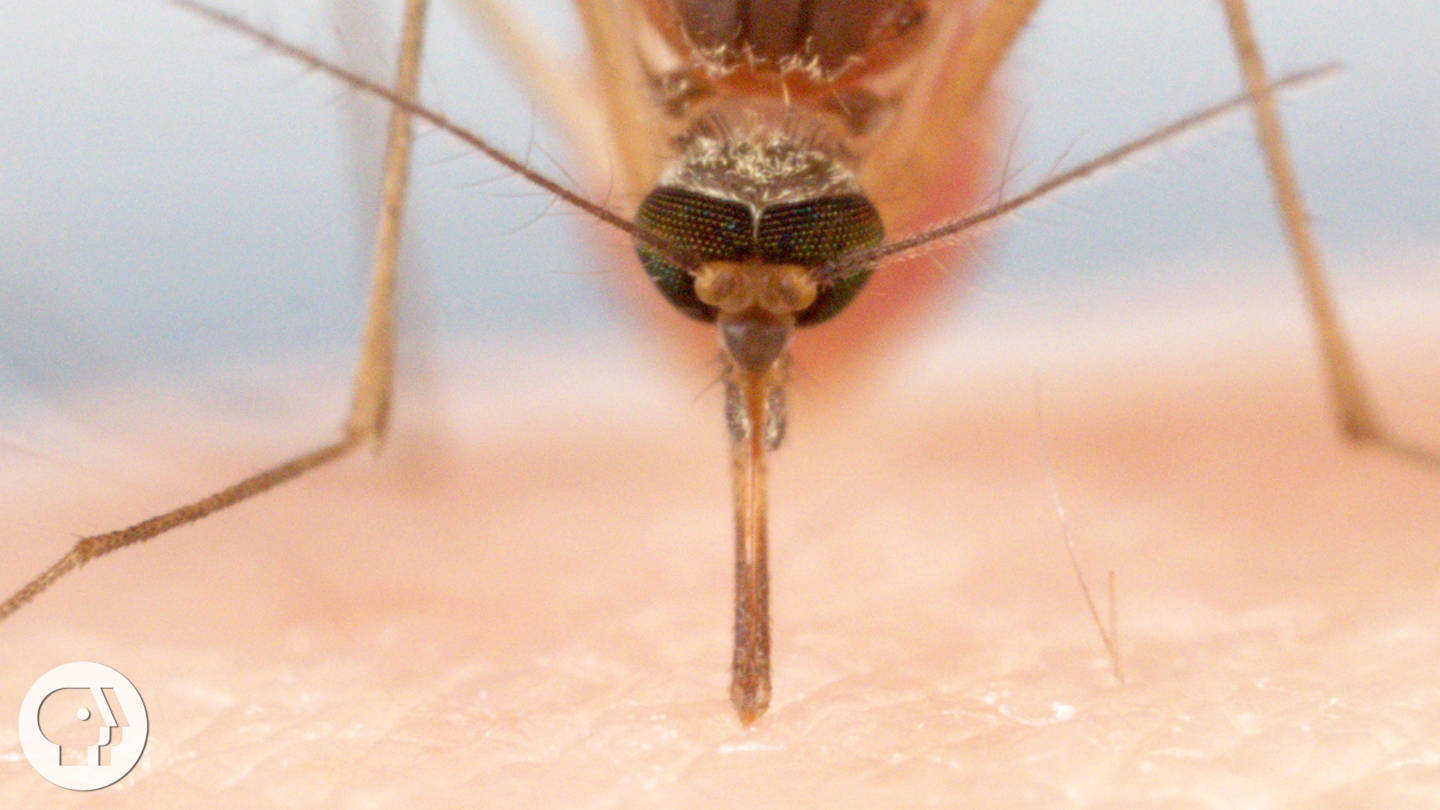
"caption": "A common house mosquito bites into a human arm. ",
"description": null,
"title": "DL_310MosquitoBite_Featured_Image_fr_web_page",
"credit": "Josh Cassidy/KQED",
"status": "inherit",
"isLoading": false,
"fetchFailed": false
},
"science_690251": {
"type": "attachments",
"id": "science_690251",
"meta": {
"index": "attachments_1716263798",
"site": "science",
"id": "690251",
"found": true
},
"parent": 681185,
"imgSizes": {
"twentyfourteen-full-width": {
"file": "https://ww2.kqed.org/app/uploads/sites/35/2016/05/DL309-Lizards-MARQUEE-1038x576.jpg",
"width": 1038,
"mimeType": "image/jpeg",
"height": 576
},
"thumbnail": {
"file": "https://ww2.kqed.org/app/uploads/sites/35/2016/05/DL309-Lizards-MARQUEE-400x225.jpg",
"width": 400,
"mimeType": "image/jpeg",
"height": 225
},
"fd-sm": {
"file": "https://ww2.kqed.org/app/uploads/sites/35/2016/05/DL309-Lizards-MARQUEE-960x540.jpg",
"width": 960,
"mimeType": "image/jpeg",
"height": 540
},
"post-thumbnail": {
"file": "https://ww2.kqed.org/app/uploads/sites/35/2016/05/DL309-Lizards-MARQUEE-672x372.jpg",
"width": 672,
"mimeType": "image/jpeg",
"height": 372
},
"kqedFullSize": {
"file": "https://ww2.kqed.org/app/uploads/sites/35/2016/05/DL309-Lizards-MARQUEE.jpg",
"width": 1920,
"height": 1080
},
"large": {
"file": "https://ww2.kqed.org/app/uploads/sites/35/2016/05/DL309-Lizards-MARQUEE-1440x810.jpg",
"width": 1440,
"mimeType": "image/jpeg",
"height": 810
},
"guest-author-96": {
"file": "https://ww2.kqed.org/app/uploads/sites/35/2016/05/DL309-Lizards-MARQUEE-96x96.jpg",
"width": 96,
"mimeType": "image/jpeg",
"height": 96
},
"medium": {
"file": "https://ww2.kqed.org/app/uploads/sites/35/2016/05/DL309-Lizards-MARQUEE-800x450.jpg",
"width": 800,
"mimeType": "image/jpeg",
"height": 450
},
"guest-author-64": {
"file": "https://ww2.kqed.org/app/uploads/sites/35/2016/05/DL309-Lizards-MARQUEE-64x64.jpg",
"width": 64,
"mimeType": "image/jpeg",
"height": 64
},
"guest-author-32": {
"file": "https://ww2.kqed.org/app/uploads/sites/35/2016/05/DL309-Lizards-MARQUEE-32x32.jpg",
"width": 32,
"mimeType": "image/jpeg",
"height": 32
},
"fd-lrg": {
"file": "https://ww2.kqed.org/app/uploads/sites/35/2016/05/DL309-Lizards-MARQUEE-1920x1080.jpg",
"width": 1920,
"mimeType": "image/jpeg",
"height": 1080
},
"fd-med": {
"file": "https://ww2.kqed.org/app/uploads/sites/35/2016/05/DL309-Lizards-MARQUEE-1180x664.jpg",
"width": 1180,
"mimeType": "image/jpeg",
"height": 664
},
"detail": {
"file": "https://ww2.kqed.org/app/uploads/sites/35/2016/05/DL309-Lizards-MARQUEE-150x150.jpg",
"width": 150,
"mimeType": "image/jpeg",
"height": 150
},
"medium_large": {
"file": "https://ww2.kqed.org/app/uploads/sites/35/2016/05/DL309-Lizards-MARQUEE-768x432.jpg",
"width": 768,
"mimeType": "image/jpeg",
"height": 432
},
"guest-author-128": {
"file": "https://ww2.kqed.org/app/uploads/sites/35/2016/05/DL309-Lizards-MARQUEE-128x128.jpg",
"width": 128,
"mimeType": "image/jpeg",
"height": 128
}
},
"publishDate": 1462922946,
"modified": 1462922983,
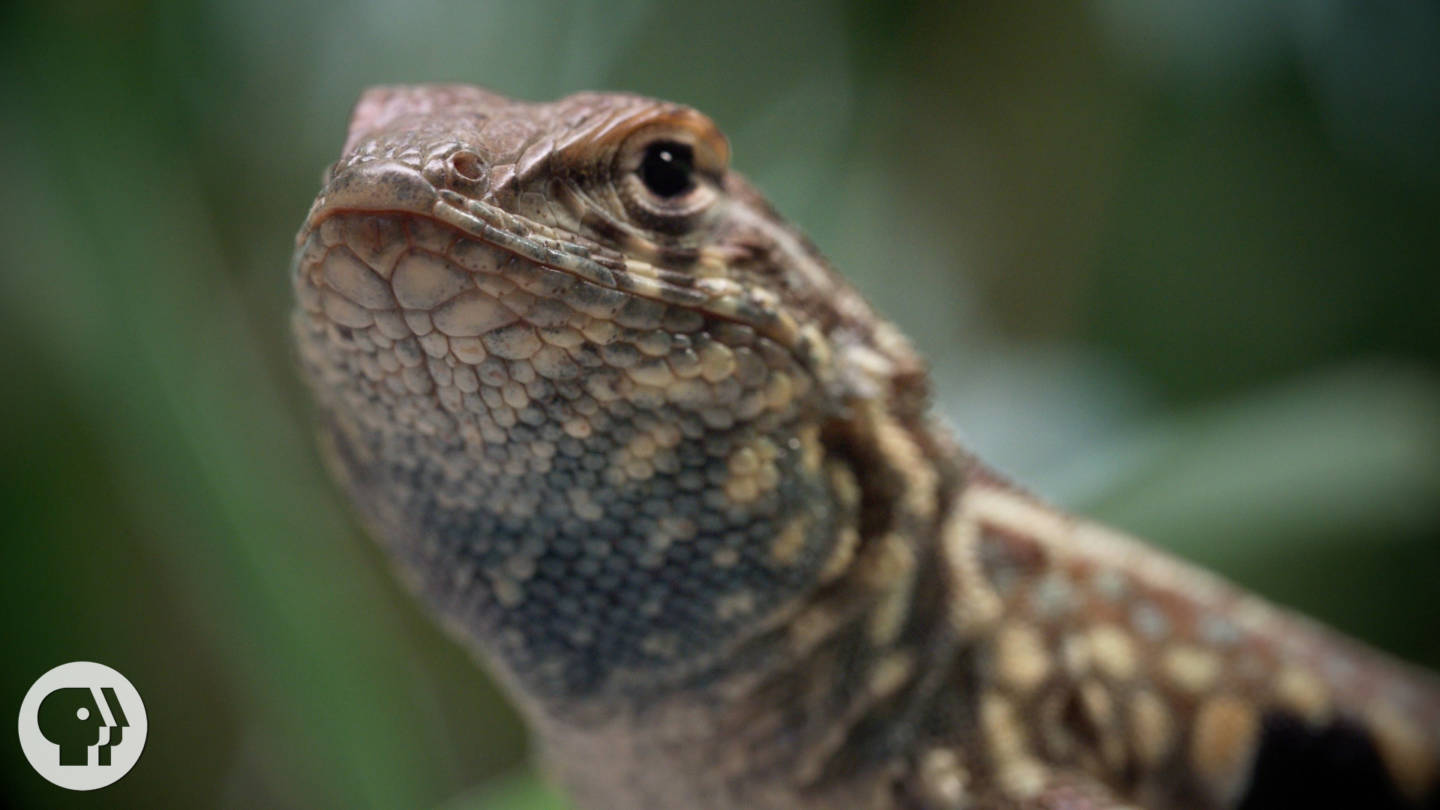
"caption": "Side-blotched lizard showing the blue color on its throat",
"description": null,
"title": "DL309 Lizards MARQUEE",
"credit": "Josh Cassidy/KQED",
"status": "inherit",
"isLoading": false,
"fetchFailed": false
},
"science_633579": {
"type": "attachments",
"id": "science_633579",
"meta": {
"index": "attachments_1716263798",
"site": "science",
"id": "633579",
"found": true
},
"parent": 633487,
"imgSizes": {
"twentyfourteen-full-width": {
"file": "https://ww2.kqed.org/app/uploads/sites/35/2016/04/DL308-phead-1038x576.jpg",
"width": 1038,
"mimeType": "image/jpeg",
"height": 576
},
"thumbnail": {
"file": "https://ww2.kqed.org/app/uploads/sites/35/2016/04/DL308-phead-400x225.jpg",
"width": 400,
"mimeType": "image/jpeg",
"height": 225
},
"fd-sm": {
"file": "https://ww2.kqed.org/app/uploads/sites/35/2016/04/DL308-phead-960x540.jpg",
"width": 960,
"mimeType": "image/jpeg",
"height": 540
},
"post-thumbnail": {
"file": "https://ww2.kqed.org/app/uploads/sites/35/2016/04/DL308-phead-672x372.jpg",
"width": 672,
"mimeType": "image/jpeg",
"height": 372
},
"kqedFullSize": {
"file": "https://ww2.kqed.org/app/uploads/sites/35/2016/04/DL308-phead.jpg",
"width": 1920,
"height": 1080
},
"large": {
"file": "https://ww2.kqed.org/app/uploads/sites/35/2016/04/DL308-phead-1440x810.jpg",
"width": 1440,
"mimeType": "image/jpeg",
"height": 810
},
"guest-author-96": {
"file": "https://ww2.kqed.org/app/uploads/sites/35/2016/04/DL308-phead-96x96.jpg",
"width": 96,
"mimeType": "image/jpeg",
"height": 96
},
"medium": {
"file": "https://ww2.kqed.org/app/uploads/sites/35/2016/04/DL308-phead-800x450.jpg",
"width": 800,
"mimeType": "image/jpeg",
"height": 450
},
"guest-author-64": {
"file": "https://ww2.kqed.org/app/uploads/sites/35/2016/04/DL308-phead-64x64.jpg",
"width": 64,
"mimeType": "image/jpeg",
"height": 64
},
"guest-author-32": {
"file": "https://ww2.kqed.org/app/uploads/sites/35/2016/04/DL308-phead-32x32.jpg",
"width": 32,
"mimeType": "image/jpeg",
"height": 32
},
"fd-lrg": {
"file": "https://ww2.kqed.org/app/uploads/sites/35/2016/04/DL308-phead-1920x1080.jpg",
"width": 1920,
"mimeType": "image/jpeg",
"height": 1080
},
"fd-med": {
"file": "https://ww2.kqed.org/app/uploads/sites/35/2016/04/DL308-phead-1180x664.jpg",
"width": 1180,
"mimeType": "image/jpeg",
"height": 664
},
"detail": {
"file": "https://ww2.kqed.org/app/uploads/sites/35/2016/04/DL308-phead-75x75.jpg",
"width": 75,
"mimeType": "image/jpeg",
"height": 75
},
"medium_large": {
"file": "https://ww2.kqed.org/app/uploads/sites/35/2016/04/DL308-phead-768x432.jpg",
"width": 768,
"mimeType": "image/jpeg",
"height": 432
},
"guest-author-128": {
"file": "https://ww2.kqed.org/app/uploads/sites/35/2016/04/DL308-phead-128x128.jpg",
"width": 128,
"mimeType": "image/jpeg",
"height": 128
}
},
"publishDate": 1460423858,
"modified": 1460423858,
"caption": null,
"description": null,
"title": "DL308-phead",
"credit": null,
"status": "inherit",
"isLoading": false,
"fetchFailed": false
},
"science_635322": {
"type": "attachments",
"id": "science_635322",
"meta": {
"index": "attachments_1716263798",
"site": "science",
"id": "635322",
"found": true
},
"parent": 635319,
"imgSizes": {
"twentyfourteen-full-width": {
"file": "https://ww2.kqed.org/app/uploads/sites/35/2016/04/DL309-Slime-Mold-w-phead-marquee-1038x576.jpg",
"width": 1038,
"mimeType": "image/jpeg",
"height": 576
},
"thumbnail": {
"file": "https://ww2.kqed.org/app/uploads/sites/35/2016/04/DL309-Slime-Mold-w-phead-marquee-400x225.jpg",
"width": 400,
"mimeType": "image/jpeg",
"height": 225
},
"fd-sm": {
"file": "https://ww2.kqed.org/app/uploads/sites/35/2016/04/DL309-Slime-Mold-w-phead-marquee-960x540.jpg",
"width": 960,
"mimeType": "image/jpeg",
"height": 540
},
"post-thumbnail": {
"file": "https://ww2.kqed.org/app/uploads/sites/35/2016/04/DL309-Slime-Mold-w-phead-marquee-672x372.jpg",
"width": 672,
"mimeType": "image/jpeg",
"height": 372
},
"kqedFullSize": {
"file": "https://ww2.kqed.org/app/uploads/sites/35/2016/04/DL309-Slime-Mold-w-phead-marquee.jpg",
"width": 1920,
"height": 1080
},
"large": {
"file": "https://ww2.kqed.org/app/uploads/sites/35/2016/04/DL309-Slime-Mold-w-phead-marquee-1440x810.jpg",
"width": 1440,
"mimeType": "image/jpeg",
"height": 810
},
"guest-author-96": {
"file": "https://ww2.kqed.org/app/uploads/sites/35/2016/04/DL309-Slime-Mold-w-phead-marquee-96x96.jpg",
"width": 96,
"mimeType": "image/jpeg",
"height": 96
},
"medium": {
"file": "https://ww2.kqed.org/app/uploads/sites/35/2016/04/DL309-Slime-Mold-w-phead-marquee-800x450.jpg",
"width": 800,
"mimeType": "image/jpeg",
"height": 450
},
"guest-author-64": {
"file": "https://ww2.kqed.org/app/uploads/sites/35/2016/04/DL309-Slime-Mold-w-phead-marquee-64x64.jpg",
"width": 64,
"mimeType": "image/jpeg",
"height": 64
},
"guest-author-32": {
"file": "https://ww2.kqed.org/app/uploads/sites/35/2016/04/DL309-Slime-Mold-w-phead-marquee-32x32.jpg",
"width": 32,
"mimeType": "image/jpeg",
"height": 32
},
"fd-lrg": {
"file": "https://ww2.kqed.org/app/uploads/sites/35/2016/04/DL309-Slime-Mold-w-phead-marquee-1920x1080.jpg",
"width": 1920,
"mimeType": "image/jpeg",
"height": 1080
},
"fd-med": {
"file": "https://ww2.kqed.org/app/uploads/sites/35/2016/04/DL309-Slime-Mold-w-phead-marquee-1180x664.jpg",
"width": 1180,
"mimeType": "image/jpeg",
"height": 664
},
"detail": {
"file": "https://ww2.kqed.org/app/uploads/sites/35/2016/04/DL309-Slime-Mold-w-phead-marquee-75x75.jpg",
"width": 75,
"mimeType": "image/jpeg",
"height": 75
},
"medium_large": {
"file": "https://ww2.kqed.org/app/uploads/sites/35/2016/04/DL309-Slime-Mold-w-phead-marquee-768x432.jpg",
"width": 768,
"mimeType": "image/jpeg",
"height": 432
},
"guest-author-128": {
"file": "https://ww2.kqed.org/app/uploads/sites/35/2016/04/DL309-Slime-Mold-w-phead-marquee-128x128.jpg",
"width": 128,
"mimeType": "image/jpeg",
"height": 128
}
},
"publishDate": 1460493222,
"modified": 1460493265,
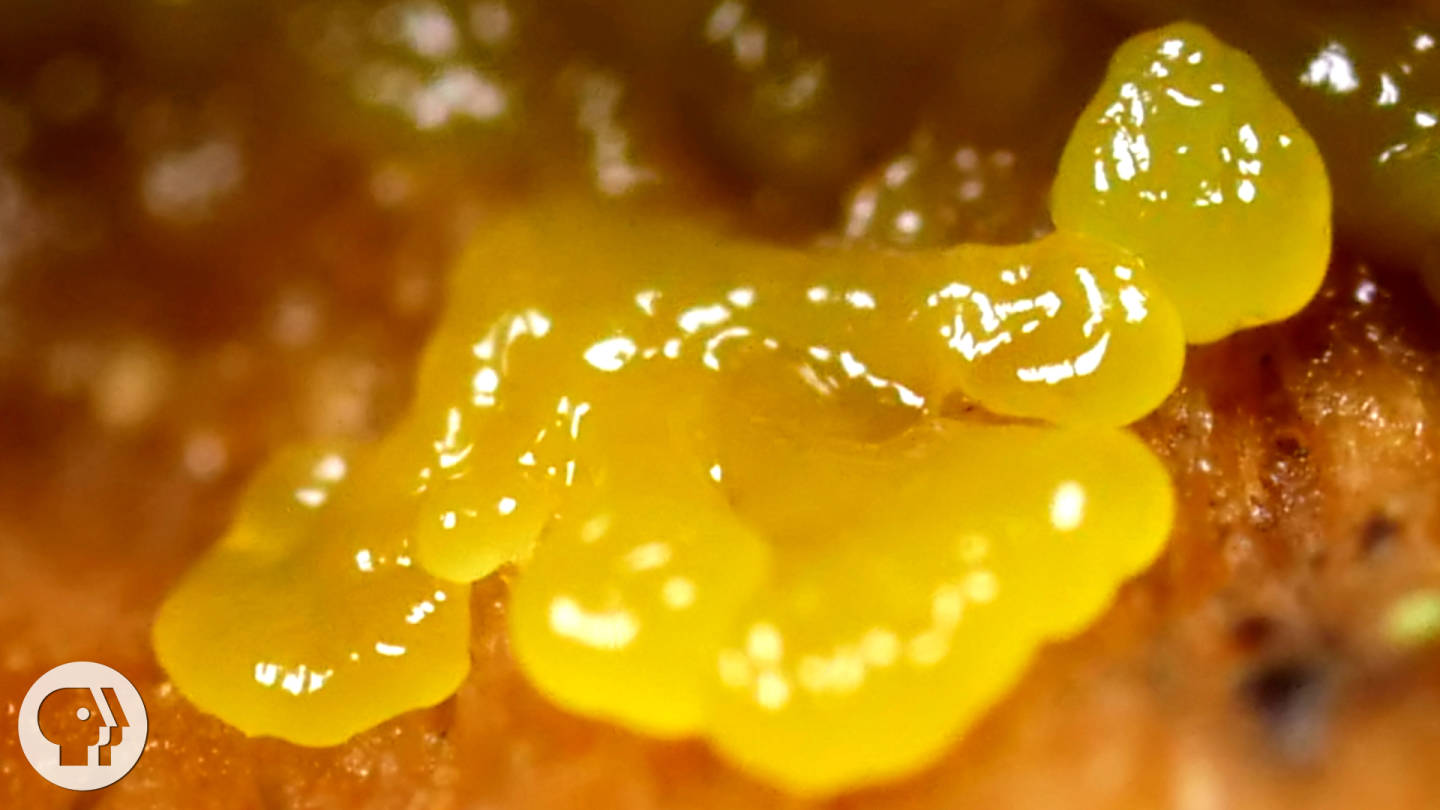
"caption": "A slime mold grows on a log. ",
"description": null,
"title": "DL309-Slime-Mold-w-phead-marquee",
"credit": "Josh Cassidy/KQED",
"status": "inherit",
"isLoading": false,
"fetchFailed": false
},
"science_609675": {
"type": "attachments",
"id": "science_609675",
"meta": {
"index": "attachments_1716263798",
"site": "science",
"id": "609675",
"found": true
},
"parent": 607105,
"imgSizes": {
"twentyfourteen-full-width": {
"file": "https://ww2.kqed.org/app/uploads/sites/35/2016/04/dust-mites-YTmarquee1920-1038x576.jpg",
"width": 1038,
"mimeType": "image/jpeg",
"height": 576
},
"thumbnail": {
"file": "https://ww2.kqed.org/app/uploads/sites/35/2016/04/dust-mites-YTmarquee1920-400x225.jpg",
"width": 400,
"mimeType": "image/jpeg",
"height": 225
},
"fd-sm": {
"file": "https://ww2.kqed.org/app/uploads/sites/35/2016/04/dust-mites-YTmarquee1920-960x540.jpg",
"width": 960,
"mimeType": "image/jpeg",
"height": 540
},
"post-thumbnail": {
"file": "https://ww2.kqed.org/app/uploads/sites/35/2016/04/dust-mites-YTmarquee1920-672x372.jpg",
"width": 672,
"mimeType": "image/jpeg",
"height": 372
},
"kqedFullSize": {
"file": "https://ww2.kqed.org/app/uploads/sites/35/2016/04/dust-mites-YTmarquee1920.jpg",
"width": 1920,
"height": 1080
},
"large": {
"file": "https://ww2.kqed.org/app/uploads/sites/35/2016/04/dust-mites-YTmarquee1920-1440x810.jpg",
"width": 1440,
"mimeType": "image/jpeg",
"height": 810
},
"guest-author-96": {
"file": "https://ww2.kqed.org/app/uploads/sites/35/2016/04/dust-mites-YTmarquee1920-96x96.jpg",
"width": 96,
"mimeType": "image/jpeg",
"height": 96
},
"medium": {
"file": "https://ww2.kqed.org/app/uploads/sites/35/2016/04/dust-mites-YTmarquee1920-800x450.jpg",
"width": 800,
"mimeType": "image/jpeg",
"height": 450
},
"guest-author-64": {
"file": "https://ww2.kqed.org/app/uploads/sites/35/2016/04/dust-mites-YTmarquee1920-64x64.jpg",
"width": 64,
"mimeType": "image/jpeg",
"height": 64
},
"guest-author-32": {
"file": "https://ww2.kqed.org/app/uploads/sites/35/2016/04/dust-mites-YTmarquee1920-32x32.jpg",
"width": 32,
"mimeType": "image/jpeg",
"height": 32
},
"fd-lrg": {
"file": "https://ww2.kqed.org/app/uploads/sites/35/2016/04/dust-mites-YTmarquee1920-1920x1080.jpg",
"width": 1920,
"mimeType": "image/jpeg",
"height": 1080
},
"fd-med": {
"file": "https://ww2.kqed.org/app/uploads/sites/35/2016/04/dust-mites-YTmarquee1920-1180x664.jpg",
"width": 1180,
"mimeType": "image/jpeg",
"height": 664
},
"detail": {
"file": "https://ww2.kqed.org/app/uploads/sites/35/2016/04/dust-mites-YTmarquee1920-75x75.jpg",
"width": 75,
"mimeType": "image/jpeg",
"height": 75
},
"medium_large": {
"file": "https://ww2.kqed.org/app/uploads/sites/35/2016/04/dust-mites-YTmarquee1920-768x432.jpg",
"width": 768,
"mimeType": "image/jpeg",
"height": 432
},
"guest-author-128": {
"file": "https://ww2.kqed.org/app/uploads/sites/35/2016/04/dust-mites-YTmarquee1920-128x128.jpg",
"width": 128,
"mimeType": "image/jpeg",
"height": 128
}
},
"publishDate": 1459474582,
"modified": 1459474582,
"caption": null,
"description": null,
"title": "dust-mites-YTmarquee1920",
"credit": null,
"status": "inherit",
"isLoading": false,
"fetchFailed": false
},
"science_603307": {
"type": "attachments",
"id": "science_603307",
"meta": {
"index": "attachments_1716263798",
"site": "science",
"id": "603307",
"found": true
},
"parent": 595716,
"imgSizes": {
"twentyfourteen-full-width": {
"file": "https://ww2.kqed.org/app/uploads/sites/35/2016/03/DL-YT-thumbnail-phead-Bombardier-1038x576.jpg",
"width": 1038,
"mimeType": "image/jpeg",
"height": 576
},
"thumbnail": {
"file": "https://ww2.kqed.org/app/uploads/sites/35/2016/03/DL-YT-thumbnail-phead-Bombardier-400x225.jpg",
"width": 400,
"mimeType": "image/jpeg",
"height": 225
},
"fd-sm": {
"file": "https://ww2.kqed.org/app/uploads/sites/35/2016/03/DL-YT-thumbnail-phead-Bombardier-960x540.jpg",
"width": 960,
"mimeType": "image/jpeg",
"height": 540
},
"post-thumbnail": {
"file": "https://ww2.kqed.org/app/uploads/sites/35/2016/03/DL-YT-thumbnail-phead-Bombardier-672x372.jpg",
"width": 672,
"mimeType": "image/jpeg",
"height": 372
},
"kqedFullSize": {
"file": "https://ww2.kqed.org/app/uploads/sites/35/2016/03/DL-YT-thumbnail-phead-Bombardier.jpg",
"width": 1920,
"height": 1080
},
"large": {
"file": "https://ww2.kqed.org/app/uploads/sites/35/2016/03/DL-YT-thumbnail-phead-Bombardier-1440x810.jpg",
"width": 1440,
"mimeType": "image/jpeg",
"height": 810
},
"guest-author-96": {
"file": "https://ww2.kqed.org/app/uploads/sites/35/2016/03/DL-YT-thumbnail-phead-Bombardier-96x96.jpg",
"width": 96,
"mimeType": "image/jpeg",
"height": 96
},
"medium": {
"file": "https://ww2.kqed.org/app/uploads/sites/35/2016/03/DL-YT-thumbnail-phead-Bombardier-800x450.jpg",
"width": 800,
"mimeType": "image/jpeg",
"height": 450
},
"guest-author-64": {
"file": "https://ww2.kqed.org/app/uploads/sites/35/2016/03/DL-YT-thumbnail-phead-Bombardier-64x64.jpg",
"width": 64,
"mimeType": "image/jpeg",
"height": 64
},
"guest-author-32": {
"file": "https://ww2.kqed.org/app/uploads/sites/35/2016/03/DL-YT-thumbnail-phead-Bombardier-32x32.jpg",
"width": 32,
"mimeType": "image/jpeg",
"height": 32
},
"fd-lrg": {
"file": "https://ww2.kqed.org/app/uploads/sites/35/2016/03/DL-YT-thumbnail-phead-Bombardier-1920x1080.jpg",
"width": 1920,
"mimeType": "image/jpeg",
"height": 1080
},
"fd-med": {
"file": "https://ww2.kqed.org/app/uploads/sites/35/2016/03/DL-YT-thumbnail-phead-Bombardier-1180x664.jpg",
"width": 1180,
"mimeType": "image/jpeg",
"height": 664
},
"detail": {
"file": "https://ww2.kqed.org/app/uploads/sites/35/2016/03/DL-YT-thumbnail-phead-Bombardier-75x75.jpg",
"width": 75,
"mimeType": "image/jpeg",
"height": 75
},
"medium_large": {
"file": "https://ww2.kqed.org/app/uploads/sites/35/2016/03/DL-YT-thumbnail-phead-Bombardier-768x432.jpg",
"width": 768,
"mimeType": "image/jpeg",
"height": 432
},
"guest-author-128": {
"file": "https://ww2.kqed.org/app/uploads/sites/35/2016/03/DL-YT-thumbnail-phead-Bombardier-128x128.jpg",
"width": 128,
"mimeType": "image/jpeg",
"height": 128
}
},
"publishDate": 1459194120,
"modified": 1459194120,
"caption": null,
"description": null,
"title": "DL-YT-thumbnail-phead-Bombardier",
"credit": null,
"status": "inherit",
"isLoading": false,
"fetchFailed": false
},
"science_550867": {
"type": "attachments",
"id": "science_550867",
"meta": {
"index": "attachments_1716263798",
"site": "science",
"id": "550867",
"found": true
},
"parent": 518349,
"imgSizes": {
"twentyfourteen-full-width": {
"file": "https://ww2.kqed.org/app/uploads/sites/35/2016/03/DL305-scorpion-YT-thumbnail-phead1920-1038x576.jpeg",
"width": 1038,
"mimeType": "image/jpeg",
"height": 576
},
"thumbnail": {
"file": "https://ww2.kqed.org/app/uploads/sites/35/2016/03/DL305-scorpion-YT-thumbnail-phead1920-400x225.jpeg",
"width": 400,
"mimeType": "image/jpeg",
"height": 225
},
"fd-sm": {
"file": "https://ww2.kqed.org/app/uploads/sites/35/2016/03/DL305-scorpion-YT-thumbnail-phead1920-960x540.jpeg",
"width": 960,
"mimeType": "image/jpeg",
"height": 540
},
"post-thumbnail": {
"file": "https://ww2.kqed.org/app/uploads/sites/35/2016/03/DL305-scorpion-YT-thumbnail-phead1920-672x372.jpeg",
"width": 672,
"mimeType": "image/jpeg",
"height": 372
},
"kqedFullSize": {
"file": "https://ww2.kqed.org/app/uploads/sites/35/2016/03/DL305-scorpion-YT-thumbnail-phead1920.jpeg",
"width": 1920,
"height": 1080
},
"large": {
"file": "https://ww2.kqed.org/app/uploads/sites/35/2016/03/DL305-scorpion-YT-thumbnail-phead1920-1440x810.jpeg",
"width": 1440,
"mimeType": "image/jpeg",
"height": 810
},
"guest-author-96": {
"file": "https://ww2.kqed.org/app/uploads/sites/35/2016/03/DL305-scorpion-YT-thumbnail-phead1920-96x96.jpeg",
"width": 96,
"mimeType": "image/jpeg",
"height": 96
},
"medium": {
"file": "https://ww2.kqed.org/app/uploads/sites/35/2016/03/DL305-scorpion-YT-thumbnail-phead1920-800x450.jpeg",
"width": 800,
"mimeType": "image/jpeg",
"height": 450
},
"guest-author-64": {
"file": "https://ww2.kqed.org/app/uploads/sites/35/2016/03/DL305-scorpion-YT-thumbnail-phead1920-64x64.jpeg",
"width": 64,
"mimeType": "image/jpeg",
"height": 64
},
"guest-author-32": {
"file": "https://ww2.kqed.org/app/uploads/sites/35/2016/03/DL305-scorpion-YT-thumbnail-phead1920-32x32.jpeg",
"width": 32,
"mimeType": "image/jpeg",
"height": 32
},
"fd-lrg": {
"file": "https://ww2.kqed.org/app/uploads/sites/35/2016/03/DL305-scorpion-YT-thumbnail-phead1920-1920x1080.jpeg",
"width": 1920,
"mimeType": "image/jpeg",
"height": 1080
},
"fd-med": {
"file": "https://ww2.kqed.org/app/uploads/sites/35/2016/03/DL305-scorpion-YT-thumbnail-phead1920-1180x664.jpeg",
"width": 1180,
"mimeType": "image/jpeg",
"height": 664
},
"detail": {
"file": "https://ww2.kqed.org/app/uploads/sites/35/2016/03/DL305-scorpion-YT-thumbnail-phead1920-75x75.jpeg",
"width": 75,
"mimeType": "image/jpeg",
"height": 75
},
"medium_large": {
"file": "https://ww2.kqed.org/app/uploads/sites/35/2016/03/DL305-scorpion-YT-thumbnail-phead1920-768x432.jpeg",
"width": 768,
"mimeType": "image/jpeg",
"height": 432
},
"guest-author-128": {
"file": "https://ww2.kqed.org/app/uploads/sites/35/2016/03/DL305-scorpion-YT-thumbnail-phead1920-128x128.jpeg",
"width": 128,
"mimeType": "image/jpeg",
"height": 128
}
},
"publishDate": 1456531287,
"modified": 1456531287,
"caption": null,
"description": null,
"title": "DL305-scorpion-YT-thumbnail-phead1920",
"credit": null,
"status": "inherit",
"isLoading": false,
"fetchFailed": false
},
"science_524293": {
"type": "attachments",
"id": "science_524293",
"meta": {
"index": "attachments_1716263798",
"site": "science",
"id": "524293",
"found": true
},
"parent": 523936,
"imgSizes": {
"twentyfourteen-full-width": {
"file": "https://ww2.kqed.org/app/uploads/sites/35/2016/02/DL304-poisonmushroom-YT-thumbnail2-phead1920-1038x576.jpg",
"width": 1038,
"mimeType": "image/jpeg",
"height": 576
},
"thumbnail": {
"file": "https://ww2.kqed.org/app/uploads/sites/35/2016/02/DL304-poisonmushroom-YT-thumbnail2-phead1920-400x225.jpg",
"width": 400,
"mimeType": "image/jpeg",
"height": 225
},
"fd-sm": {
"file": "https://ww2.kqed.org/app/uploads/sites/35/2016/02/DL304-poisonmushroom-YT-thumbnail2-phead1920-960x540.jpg",
"width": 960,
"mimeType": "image/jpeg",
"height": 540
},
"post-thumbnail": {
"file": "https://ww2.kqed.org/app/uploads/sites/35/2016/02/DL304-poisonmushroom-YT-thumbnail2-phead1920-672x372.jpg",
"width": 672,
"mimeType": "image/jpeg",
"height": 372
},
"kqedFullSize": {
"file": "https://ww2.kqed.org/app/uploads/sites/35/2016/02/DL304-poisonmushroom-YT-thumbnail2-phead1920.jpg",
"width": 1920,
"height": 1080
},
"large": {
"file": "https://ww2.kqed.org/app/uploads/sites/35/2016/02/DL304-poisonmushroom-YT-thumbnail2-phead1920-1440x810.jpg",
"width": 1440,
"mimeType": "image/jpeg",
"height": 810
},
"guest-author-96": {
"file": "https://ww2.kqed.org/app/uploads/sites/35/2016/02/DL304-poisonmushroom-YT-thumbnail2-phead1920-96x96.jpg",
"width": 96,
"mimeType": "image/jpeg",
"height": 96
},
"medium": {
"file": "https://ww2.kqed.org/app/uploads/sites/35/2016/02/DL304-poisonmushroom-YT-thumbnail2-phead1920-800x450.jpg",
"width": 800,
"mimeType": "image/jpeg",
"height": 450
},
"guest-author-64": {
"file": "https://ww2.kqed.org/app/uploads/sites/35/2016/02/DL304-poisonmushroom-YT-thumbnail2-phead1920-64x64.jpg",
"width": 64,
"mimeType": "image/jpeg",
"height": 64
},
"guest-author-32": {
"file": "https://ww2.kqed.org/app/uploads/sites/35/2016/02/DL304-poisonmushroom-YT-thumbnail2-phead1920-32x32.jpg",
"width": 32,
"mimeType": "image/jpeg",
"height": 32
},
"fd-lrg": {
"file": "https://ww2.kqed.org/app/uploads/sites/35/2016/02/DL304-poisonmushroom-YT-thumbnail2-phead1920-1920x1080.jpg",
"width": 1920,
"mimeType": "image/jpeg",
"height": 1080
},
"fd-med": {
"file": "https://ww2.kqed.org/app/uploads/sites/35/2016/02/DL304-poisonmushroom-YT-thumbnail2-phead1920-1180x664.jpg",
"width": 1180,
"mimeType": "image/jpeg",
"height": 664
},
"detail": {
"file": "https://ww2.kqed.org/app/uploads/sites/35/2016/02/DL304-poisonmushroom-YT-thumbnail2-phead1920-75x75.jpg",
"width": 75,
"mimeType": "image/jpeg",
"height": 75
},
"medium_large": {
"file": "https://ww2.kqed.org/app/uploads/sites/35/2016/02/DL304-poisonmushroom-YT-thumbnail2-phead1920-768x432.jpg",
"width": 768,
"mimeType": "image/jpeg",
"height": 432
},
"guest-author-128": {
"file": "https://ww2.kqed.org/app/uploads/sites/35/2016/02/DL304-poisonmushroom-YT-thumbnail2-phead1920-128x128.jpg",
"width": 128,
"mimeType": "image/jpeg",
"height": 128
}
},
"publishDate": 1455231561,
"modified": 1455231603,
"caption": null,
"description": null,
"title": "Death cap mushroom",
"credit": "Josh Cassidy/KQED",
"status": "inherit",
"isLoading": false,
"fetchFailed": false
},
"science_498895": {
"type": "attachments",
"id": "science_498895",
"meta": {
"index": "attachments_1716263798",
"site": "science",
"id": "498895",
"found": true
},
"parent": 468582,
"imgSizes": {
"twentyfourteen-full-width": {
"file": "https://ww2.kqed.org/app/uploads/sites/35/2016/01/ladybygs-marquee-1038x576.jpg",
"width": 1038,
"mimeType": "image/jpeg",
"height": 576
},
"thumbnail": {
"file": "https://ww2.kqed.org/app/uploads/sites/35/2016/01/ladybygs-marquee-400x225.jpg",
"width": 400,
"mimeType": "image/jpeg",
"height": 225
},
"fd-sm": {
"file": "https://ww2.kqed.org/app/uploads/sites/35/2016/01/ladybygs-marquee-960x540.jpg",
"width": 960,
"mimeType": "image/jpeg",
"height": 540
},
"post-thumbnail": {
"file": "https://ww2.kqed.org/app/uploads/sites/35/2016/01/ladybygs-marquee-672x372.jpg",
"width": 672,
"mimeType": "image/jpeg",
"height": 372
},
"kqedFullSize": {
"file": "https://ww2.kqed.org/app/uploads/sites/35/2016/01/ladybygs-marquee.jpg",
"width": 1920,
"height": 1080
},
"large": {
"file": "https://ww2.kqed.org/app/uploads/sites/35/2016/01/ladybygs-marquee-1440x810.jpg",
"width": 1440,
"mimeType": "image/jpeg",
"height": 810
},
"guest-author-96": {
"file": "https://ww2.kqed.org/app/uploads/sites/35/2016/01/ladybygs-marquee-96x96.jpg",
"width": 96,
"mimeType": "image/jpeg",
"height": 96
},
"medium": {
"file": "https://ww2.kqed.org/app/uploads/sites/35/2016/01/ladybygs-marquee-800x450.jpg",
"width": 800,
"mimeType": "image/jpeg",
"height": 450
},
"guest-author-64": {
"file": "https://ww2.kqed.org/app/uploads/sites/35/2016/01/ladybygs-marquee-64x64.jpg",
"width": 64,
"mimeType": "image/jpeg",
"height": 64
},
"guest-author-32": {
"file": "https://ww2.kqed.org/app/uploads/sites/35/2016/01/ladybygs-marquee-32x32.jpg",
"width": 32,
"mimeType": "image/jpeg",
"height": 32
},
"fd-lrg": {
"file": "https://ww2.kqed.org/app/uploads/sites/35/2016/01/ladybygs-marquee-1920x1080.jpg",
"width": 1920,
"mimeType": "image/jpeg",
"height": 1080
},
"fd-med": {
"file": "https://ww2.kqed.org/app/uploads/sites/35/2016/01/ladybygs-marquee-1180x664.jpg",
"width": 1180,
"mimeType": "image/jpeg",
"height": 664
},
"detail": {
"file": "https://ww2.kqed.org/app/uploads/sites/35/2016/01/ladybygs-marquee-75x75.jpg",
"width": 75,
"mimeType": "image/jpeg",
"height": 75
},
"medium_large": {
"file": "https://ww2.kqed.org/app/uploads/sites/35/2016/01/ladybygs-marquee-768x432.jpg",
"width": 768,
"mimeType": "image/jpeg",
"height": 432
},
"guest-author-128": {
"file": "https://ww2.kqed.org/app/uploads/sites/35/2016/01/ladybygs-marquee-128x128.jpg",
"width": 128,
"mimeType": "image/jpeg",
"height": 128
}
},
"publishDate": 1454101992,
"modified": 1454101992,
"caption": null,
"description": null,
"title": "ladybygs marquee",
"credit": null,
"status": "inherit",
"isLoading": false,
"fetchFailed": false
},
"science_491632": {
"type": "attachments",
"id": "science_491632",
"meta": {
"index": "attachments_1716263798",
"site": "science",
"id": "491632",
"found": true
},
"parent": 491627,
"imgSizes": {
"kqedFullSize": {
"file": "https://ww2.kqed.org/app/uploads/sites/35/2016/01/1010458-1-e1453751146656.jpg",
"width": 1920,
"height": 1078
}
},
"publishDate": 1453751042,
"modified": 1453854970,
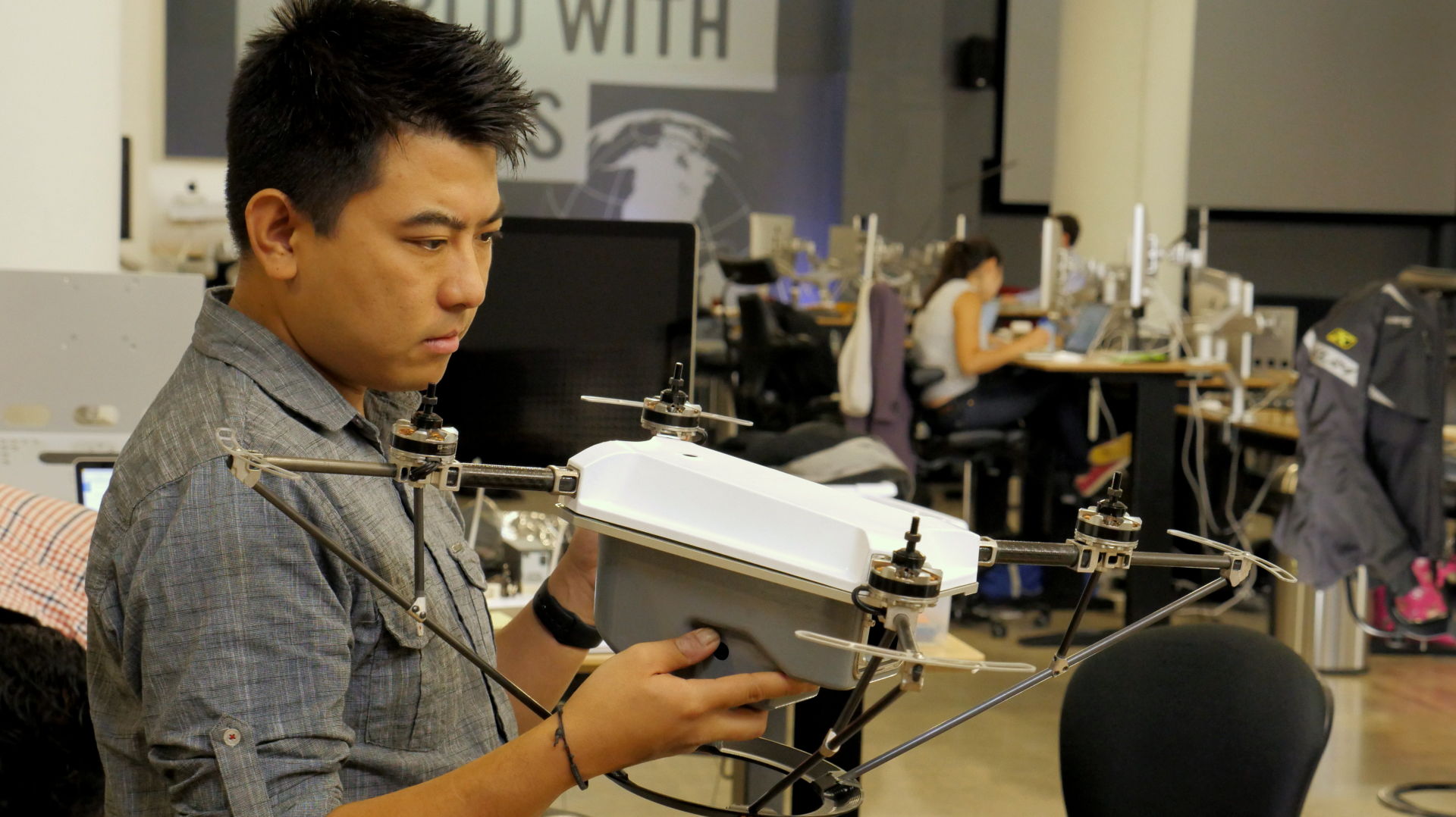
"caption": "David Chen, Director of Engineering at Skycatch, inspects a drone.",
"description": null,
"title": "_1010458",
"credit": "Sheraz Sadiq/KQED Science",
"status": "inherit",
"isLoading": false,
"fetchFailed": false
},
"science_491859": {
"type": "attachments",
"id": "science_491859",
"meta": {
"index": "attachments_1716263798",
"site": "science",
"id": "491859",
"found": true
},
"parent": 474213,
"imgSizes": {
"twentyfourteen-full-width": {
"file": "https://ww2.kqed.org/app/uploads/sites/35/2016/01/DL301-turtles-YT-thumbnail-phead1920-1038x576.jpg",
"width": 1038,
"mimeType": "image/jpeg",
"height": 576
},
"thumbnail": {
"file": "https://ww2.kqed.org/app/uploads/sites/35/2016/01/DL301-turtles-YT-thumbnail-phead1920-400x225.jpg",
"width": 400,
"mimeType": "image/jpeg",
"height": 225
},
"fd-sm": {
"file": "https://ww2.kqed.org/app/uploads/sites/35/2016/01/DL301-turtles-YT-thumbnail-phead1920-960x540.jpg",
"width": 960,
"mimeType": "image/jpeg",
"height": 540
},
"post-thumbnail": {
"file": "https://ww2.kqed.org/app/uploads/sites/35/2016/01/DL301-turtles-YT-thumbnail-phead1920-672x372.jpg",
"width": 672,
"mimeType": "image/jpeg",
"height": 372
},
"kqedFullSize": {
"file": "https://ww2.kqed.org/app/uploads/sites/35/2016/01/DL301-turtles-YT-thumbnail-phead1920.jpg",
"width": 1920,
"height": 1080
},
"large": {
"file": "https://ww2.kqed.org/app/uploads/sites/35/2016/01/DL301-turtles-YT-thumbnail-phead1920-1440x810.jpg",
"width": 1440,
"mimeType": "image/jpeg",
"height": 810
},
"guest-author-96": {
"file": "https://ww2.kqed.org/app/uploads/sites/35/2016/01/DL301-turtles-YT-thumbnail-phead1920-96x96.jpg",
"width": 96,
"mimeType": "image/jpeg",
"height": 96
},
"medium": {
"file": "https://ww2.kqed.org/app/uploads/sites/35/2016/01/DL301-turtles-YT-thumbnail-phead1920-800x450.jpg",
"width": 800,
"mimeType": "image/jpeg",
"height": 450
},
"guest-author-64": {
"file": "https://ww2.kqed.org/app/uploads/sites/35/2016/01/DL301-turtles-YT-thumbnail-phead1920-64x64.jpg",
"width": 64,
"mimeType": "image/jpeg",
"height": 64
},
"guest-author-32": {
"file": "https://ww2.kqed.org/app/uploads/sites/35/2016/01/DL301-turtles-YT-thumbnail-phead1920-32x32.jpg",
"width": 32,
"mimeType": "image/jpeg",
"height": 32
},
"fd-lrg": {
"file": "https://ww2.kqed.org/app/uploads/sites/35/2016/01/DL301-turtles-YT-thumbnail-phead1920-1920x1080.jpg",
"width": 1920,
"mimeType": "image/jpeg",
"height": 1080
},
"fd-med": {
"file": "https://ww2.kqed.org/app/uploads/sites/35/2016/01/DL301-turtles-YT-thumbnail-phead1920-1180x664.jpg",
"width": 1180,
"mimeType": "image/jpeg",
"height": 664
},
"detail": {
"file": "https://ww2.kqed.org/app/uploads/sites/35/2016/01/DL301-turtles-YT-thumbnail-phead1920-75x75.jpg",
"width": 75,
"mimeType": "image/jpeg",
"height": 75
},
"medium_large": {
"file": "https://ww2.kqed.org/app/uploads/sites/35/2016/01/DL301-turtles-YT-thumbnail-phead1920-768x432.jpg",
"width": 768,
"mimeType": "image/jpeg",
"height": 432
},
"guest-author-128": {
"file": "https://ww2.kqed.org/app/uploads/sites/35/2016/01/DL301-turtles-YT-thumbnail-phead1920-128x128.jpg",
"width": 128,
"mimeType": "image/jpeg",
"height": 128
}
},
"publishDate": 1453760098,
"modified": 1453760179,
"caption": "A baby western pond turtle swims at the San Francisco Zoo.",
"description": null,
"title": "Baby_Turtles_featured_image_logo",
"credit": "Josh Cassidy/KQED",
"status": "inherit",
"isLoading": false,
"fetchFailed": false
},
"science_404434": {
"type": "attachments",
"id": "science_404434",
"meta": {
"index": "attachments_1716263798",
"site": "science",
"id": "404434",
"found": true
},
"parent": 404432,
"imgSizes": {
"twentyfourteen-full-width": {
"file": "https://ww2.kqed.org/app/uploads/sites/35/2015/12/Drew_FinalRace_1000178_2-1038x576.jpg",
"width": 1038,
"mimeType": "image/jpeg",
"height": 576
},
"thumbnail": {
"file": "https://ww2.kqed.org/app/uploads/sites/35/2015/12/Drew_FinalRace_1000178_2-400x225.jpg",
"width": 400,
"mimeType": "image/jpeg",
"height": 225
},
"fd-sm": {
"file": "https://ww2.kqed.org/app/uploads/sites/35/2015/12/Drew_FinalRace_1000178_2-960x539.jpg",
"width": 960,
"mimeType": "image/jpeg",
"height": 539
},
"post-thumbnail": {
"file": "https://ww2.kqed.org/app/uploads/sites/35/2015/12/Drew_FinalRace_1000178_2-672x372.jpg",
"width": 672,
"mimeType": "image/jpeg",
"height": 372
},
"kqedFullSize": {
"file": "https://ww2.kqed.org/app/uploads/sites/35/2015/12/Drew_FinalRace_1000178_2-e1449712137289.jpg",
"width": 1920,
"height": 1078
},
"large": {
"file": "https://ww2.kqed.org/app/uploads/sites/35/2015/12/Drew_FinalRace_1000178_2-1440x808.jpg",
"width": 1440,
"mimeType": "image/jpeg",
"height": 808
},
"guest-author-96": {
"file": "https://ww2.kqed.org/app/uploads/sites/35/2015/12/Drew_FinalRace_1000178_2-96x96.jpg",
"width": 96,
"mimeType": "image/jpeg",
"height": 96
},
"medium": {
"file": "https://ww2.kqed.org/app/uploads/sites/35/2015/12/Drew_FinalRace_1000178_2-800x449.jpg",
"width": 800,
"mimeType": "image/jpeg",
"height": 449
},
"guest-author-64": {
"file": "https://ww2.kqed.org/app/uploads/sites/35/2015/12/Drew_FinalRace_1000178_2-64x64.jpg",
"width": 64,
"mimeType": "image/jpeg",
"height": 64
},
"guest-author-32": {
"file": "https://ww2.kqed.org/app/uploads/sites/35/2015/12/Drew_FinalRace_1000178_2-32x32.jpg",
"width": 32,
"mimeType": "image/jpeg",
"height": 32
},
"fd-lrg": {
"file": "https://ww2.kqed.org/app/uploads/sites/35/2015/12/Drew_FinalRace_1000178_2-1920x1078.jpg",
"width": 1920,
"mimeType": "image/jpeg",
"height": 1078
},
"fd-med": {
"file": "https://ww2.kqed.org/app/uploads/sites/35/2015/12/Drew_FinalRace_1000178_2-1180x662.jpg",
"width": 1180,
"mimeType": "image/jpeg",
"height": 662
},
"detail": {
"file": "https://ww2.kqed.org/app/uploads/sites/35/2015/12/Drew_FinalRace_1000178_2-75x75.jpg",
"width": 75,
"mimeType": "image/jpeg",
"height": 75
},
"guest-author-128": {
"file": "https://ww2.kqed.org/app/uploads/sites/35/2015/12/Drew_FinalRace_1000178_2-128x128.jpg",
"width": 128,
"mimeType": "image/jpeg",
"height": 128
}
},
"publishDate": 1449712095,
"modified": 1449712261,
"caption": "Spectators look on as drone pilots race their drones around a course at Baylands Park in Sunnyvale.",
"description": null,
"title": "Drew_FinalRace_1000178_2",
"credit": "Sheraz Sadiq / KQED Science",
"status": "inherit",
"isLoading": false,
"fetchFailed": false
}
},
"audioPlayerReducer": {
"postId": "stream_live",
"isPaused": true,
"isPlaying": false,
"pfsActive": false,
"pledgeModalIsOpen": true,
"playerDrawerIsOpen": false,
"liveAudioPlayStartedAt": 0,
"liveAudioPlayContext": ""
},
"authorsReducer": {
"sheraz-sadiq": {
"type": "authors",
"id": "6176",
"meta": {
"index": "authors_1716337520",
"id": "6176",
"found": true
},
"name": "Sheraz Sadiq",
"firstName": "Sheraz",
"lastName": "Sadiq",
"slug": "sheraz-sadiq",
"email": "ssadiq@kqed.org",
"display_author_email": false,
"staff_mastheads": [],
"title": "KQED Contributor",
"bio": "Sheraz Sadiq is an Emmy Award-winning producer at San Francisco PBS affiliate KQED. In 2012, he received the AAAS Kavli Science Journalism award for a story he produced about the seismic retrofit of the Hetch Hetchy water delivery system which serves the San Francisco Bay Area. In addition to producing television content for KQED Science, he has also created online features and written news articles on scientific subjects ranging from astronomy to synthetic biology.",
"avatar": "https://secure.gravatar.com/avatar/d88c61c214e477c4c6f0ebaed4f581bf7c9b1dafd94cd4361285d427107adb8d?s=600&d=blank&r=g",
"twitter": null,
"bluesky": null,
"facebook": null,
"instagram": null,
"linkedin": null,
"sites": [
{
"site": "arts",
"roles": [
"subscriber"
]
},
{
"site": "news",
"roles": [
"subscriber"
]
},
{
"site": "futureofyou",
"roles": [
"subscriber"
]
},
{
"site": "science",
"roles": [
"subscriber"
]
},
{
"site": "quest",
"roles": [
"leadcoordinator",
"subscriber"
]
}
],
"headData": {
"title": "Sheraz Sadiq | KQED",
"description": "KQED Contributor",
"ogImgSrc": "https://secure.gravatar.com/avatar/d88c61c214e477c4c6f0ebaed4f581bf7c9b1dafd94cd4361285d427107adb8d?s=600&d=blank&r=g",
"twImgSrc": "https://secure.gravatar.com/avatar/d88c61c214e477c4c6f0ebaed4f581bf7c9b1dafd94cd4361285d427107adb8d?s=600&d=blank&r=g"
},
"isLoading": false,
"link": "/author/sheraz-sadiq"
},
"gabriela-quiros": {
"type": "authors",
"id": "6186",
"meta": {
"index": "authors_1716337520",
"id": "6186",
"found": true
},
"name": "Gabriela Quirós",
"firstName": "Gabriela",
"lastName": "Quirós",
"slug": "gabriela-quiros",
"email": "gquiros@kqed.org",
"display_author_email": false,
"staff_mastheads": [],
"title": "Supervising Producer",
"bio": "Gabriela Quirós is the \u003cstrong>supervising producer for KQED's web science video series \u003ca href=\"https://www.kqed.org/deeplook\">Deep Look\u003c/a>\u003c/strong>. She joined KQED as a TV producer when its science series QUEST started in 2006 and has covered everything from Alzheimer’s to bee die-offs to dark energy.\r\n\r\nShe won a 2022 AAAS Kavli Science Journalism Award with a team of her Deep Look colleagues. She has won six regional Emmys as a video producer and has shared eight more as the coordinating producer of Deep Look. The episode she produced about \u003ca href=\"https://www.kqed.org/science/728086/how-mosquitoes-use-six-needles-to-suck-your-blood\">How Mosquitoes Use Six Needles to Suck Your Blood\u003c/a> won a Webby \"People's Voice\" award. She has also earned awards from the Jackson Hole Wildlife Film Festival, the Society of Professional Journalists and the Society of Environmental Journalists.\r\n\r\nHer videos for KQED have also aired on NOVA scienceNOW and the PBS NewsHour, and appeared on NPR.org.\r\n\r\nAs an independent filmmaker, she produced and directed the hour-long documentary \u003ca href=\"http://lpbp.org/beautiful-sin-qa-with-producer-gabriela-quiros/\">\u003cem>Beautiful Sin\u003c/em>\u003c/a>, about the surprising story of how Costa Rica became the only country in the world to outlaw in vitro fertilization. The film aired in 2015 on public television stations throughout the U.S., and in Costa Rica.\r\n\r\nShe started her journalism career as a newspaper reporter in Costa Rica, where she grew up. She won the National Science Journalism Award there for a series of articles about organic agriculture, and developed a life-long interest in health reporting. She moved to the Bay Area in 1996 to study documentary filmmaking at the University of California, Berkeley, where she received master’s degrees in journalism and Latin American studies.",
"avatar": "https://secure.gravatar.com/avatar/6d82c20152affd1b434c31a904c40809?s=600&d=blank&r=g",
"twitter": "gabrielaquirosr",
"facebook": null,
"instagram": null,
"linkedin": null,
"sites": [
{
"site": "science",
"roles": []
},
{
"site": "quest",
"roles": [
"ef_view_calendar",
"ef_view_story_budget"
]
}
],
"headData": {
"title": "Gabriela Quirós | KQED",
"description": "Supervising Producer",
"ogImgSrc": "https://secure.gravatar.com/avatar/6d82c20152affd1b434c31a904c40809?s=600&d=blank&r=g",
"twImgSrc": "https://secure.gravatar.com/avatar/6d82c20152affd1b434c31a904c40809?s=600&d=blank&r=g"
},
"isLoading": false,
"link": "/author/gabriela-quiros"
},
"joshua-cassidy": {
"type": "authors",
"id": "6219",
"meta": {
"index": "authors_1716337520",
"id": "6219",
"found": true
},
"name": "Josh Cassidy",
"firstName": "Josh",
"lastName": "Cassidy",
"slug": "joshua-cassidy",
"email": "jcassidy@kqed.org",
"display_author_email": false,
"staff_mastheads": [
"science"
],
"title": "Digital Video Producer",
"bio": "Josh is a Senior Video Producer for KQED Science, and the Lead Producer and Cinematographer for Deep Look. After receiving his BS in Wildlife Biology from Ohio University, he went on to participate in marine mammal research for NOAA, USGS and the Intersea Foundation. He also served as the president of The Pacific Cetacean Group, a nonprofit organization dedicated to teaching students K-6 about whales. Josh studied science and natural history filmmaking at San Francisco State University and Montana State University.",
"avatar": "https://secure.gravatar.com/avatar/f2582a0801a35af53b734d56bcac2bbe?s=600&d=blank&r=g",
"twitter": null,
"facebook": null,
"instagram": null,
"linkedin": null,
"sites": [
{
"site": "science",
"roles": [
"editor"
]
},
{
"site": "quest",
"roles": [
"author",
"edit_others_posts"
]
}
],
"headData": {
"title": "Josh Cassidy | KQED",
"description": "Digital Video Producer",
"ogImgSrc": "https://secure.gravatar.com/avatar/f2582a0801a35af53b734d56bcac2bbe?s=600&d=blank&r=g",
"twImgSrc": "https://secure.gravatar.com/avatar/f2582a0801a35af53b734d56bcac2bbe?s=600&d=blank&r=g"
},
"isLoading": false,
"link": "/author/joshua-cassidy"
},
"ekennerson": {
"type": "authors",
"id": "11090",
"meta": {
"index": "authors_1716337520",
"id": "11090",
"found": true
},
"name": "Elliott Kennerson",
"firstName": "Elliott",
"lastName": "Kennerson",
"slug": "ekennerson",
"email": "ekennerson@kqed.org",
"display_author_email": false,
"staff_mastheads": [],
"title": null,
"bio": "Elliott Kennerson joined KQED Science as a Digital Media Producer in 2015. Before joining KQED, he produced the Kickstarter-funded series “Animal R&R” for KPBS in San Diego. Elliott received his M.F.A. training in wildlife documentary at Montana State in Bozeman and holds a B.A. from Yale in archaeology. In his former life as an actor, he was an associate artist with LightBox Theater Company in New York. Elliott is the recipient of a 2017 Regional Emmy for his work as a producer on “Deep Look.\"",
"avatar": "https://secure.gravatar.com/avatar/90ebfa58055409e54c8f8a4c120ecf91?s=600&d=blank&r=g",
"twitter": "edorank",
"facebook": null,
"instagram": null,
"linkedin": null,
"sites": [
{
"site": "science",
"roles": [
"editor"
]
}
],
"headData": {
"title": "Elliott Kennerson | KQED",
"description": null,
"ogImgSrc": "https://secure.gravatar.com/avatar/90ebfa58055409e54c8f8a4c120ecf91?s=600&d=blank&r=g",
"twImgSrc": "https://secure.gravatar.com/avatar/90ebfa58055409e54c8f8a4c120ecf91?s=600&d=blank&r=g"
},
"isLoading": false,
"link": "/author/ekennerson"
}
},
"pagesReducer": {
"science_category_video": {
"type": "terms",
"id": "science_86",
"meta": {
"index": "terms_1716263798",
"site": "science",
"id": "86",
"score": 12.138481
},
"featImg": null,
"name": "Video",
"description": null,
"taxonomy": "category",
"headData": {
"twImgId": null,
"twTitle": null,
"ogTitle": null,
"ogImgId": null,
"twDescription": null,
"description": null,
"title": "Video Archives | KQED Science",
"ogDescription": null
},
"ttid": 89,
"slug": "video",
"isLoading": false,
"title": "Video",
"pageMeta": {
"site": "science",
"WpPageTemplate": "page-topic-editorial",
"currentPage": 18
},
"blocks": [
{
"blockName": "kqed/post-list",
"attrs": {
"layout": "cardArticle2",
"query": "posts/science?category=video",
"seeMore": false,
"paginated": true,
"page": 18
}
},
{
"blockName": "kqed/ad"
}
]
}
},
"pfsSessionReducer": {},
"postsReducer": {
"stream_live": {
"type": "live",
"id": "stream_live",
"audioUrl": "https://streams.kqed.org/kqedradio",
"title": "Live Stream",
"excerpt": "Live Stream information currently unavailable.",
"link": "/radio",
"featImg": "",
"label": {
"name": "KQED Live",
"link": "/"
}
},
"stream_kqedNewscast": {
"type": "posts",
"id": "stream_kqedNewscast",
"audioUrl": "https://www.kqed.org/.stream/anon/radio/RDnews/newscast.mp3?_=1",
"title": "KQED Newscast",
"featImg": "",
"label": {
"name": "88.5 FM",
"link": "/"
}
},
"science_728086": {
"type": "posts",
"id": "science_728086",
"meta": {
"index": "posts_1716263798",
"site": "science",
"id": "728086",
"score": null,
"sort": [
1465304423000
]
},
"guestAuthors": [],
"slug": "how-mosquitoes-use-six-needles-to-suck-your-blood",
"title": "How Mosquitoes Use Six Needles to Suck Your Blood",
"publishDate": 1465304423,
"format": "video",
"headTitle": "How Mosquitoes Use Six Needles to Suck Your Blood | KQED",
"labelTerm": {
"term": 1935,
"site": "science"
},
"content": "\u003cp>[dl_subscribe]As summer approaches, we can look forward to picnics, hiking, camping and the mosquito bites that come with spending time outdoors.\u003c/p>\n\u003cp>It’s a good thing you can’t really see what that mosquito is doing when it bites — you probably wouldn’t want to watch as it buries six needles into you. But scientists have been figuring out all the bloody details. And it’s not just for idle curiosity: mosquito bites are more dangerous to humans than any other animal bite. While female mosquitoes — only females bite us — are drinking our blood to grow their eggs, they can leave behind viruses and parasites that cause diseases like West Nile, Zika, malaria and dengue.\u003c/p>\n\u003cp>\u003ca href=\"http://ww2.kqed.org/science/wp-content/uploads/sites/35/2016/06/DL_310MosquitoBite_ANOPHELESSAWS_500.gif\">\u003cimg decoding=\"async\" class=\"size-full wp-image-728196\" src=\"http://ww2.kqed.org/science/wp-content/uploads/sites/35/2016/06/DL_310MosquitoBite_ANOPHELESSAWS_500.gif\" alt=\"An Anopheles mosquito bites into a human arm.\" width=\"100%\">\u003c/a> An \u003cem>Anopheles\u003c/em> mosquito bites into a human arm.\u003c/p>\n\u003cp>Part of what makes mosquitoes so good at getting humans sick, researchers say, is the effectiveness of their bite. Scientists have discovered that the mosquito’s mouth, called a proboscis (pronounced pro-BOSS-iss), isn’t just one tiny spear. It’s a sophisticated system of thin needles, each of which pierces the skin, finds blood vessels and makes it easy for mosquitoes to suck blood out of them.\u003c/p>\n\u003cp>Mosquitoes also have more than 150 receptors — proteins on their antennae and proboscis that help them find victims or figure out if the water is nutritious enough to lay eggs in. When malaria-causing \u003cem>Anopheles \u003c/em>mosquitoes come out at night to look for blood, they track the carbon dioxide we exhale as we sleep. As they get closer to us, they detect body heat and substances called volatile fatty acids that waft up from our skin, said University of California, Davis, parasitologist and entomologist Shirley Luckhart.\u003c/p>\n\u003cp>[ad fullwidth]\u003c/p>\n\u003cp>“Why are some people more likely to get bitten than others?” asked Luckhart. “The volatile fatty acids given off by our skin are quite different. They reflect differences between men and women, even what we’ve eaten. Those cues are different from person to person. There’s probably not one or two. It’s the blend that’s more or less attractive.”\u003c/p>\n\u003cp>Researchers still haven’t figured out what about their volatile fatty acids makes some people more attractive to mosquitoes than others. What scientists have recently discovered is that once a mosquito’s proboscis pierces the skin, one of its six needles, called the labrum, uses receptors on its tip to find a blood vessel.\u003c/p>\n\u003cp>“Those receptors responded to the chemicals in the blood,” said UC Davis biochemist Walter Leal, whose lab made the finding. “Mosquitoes don’t find the blood vessel randomly.”\u003c/p>\n\u003cp>Instead, chemicals in our blood waft up like a “bouquet of smells” that guides the way — unwittingly, but surely — to our blood vessel. The labrum then pierces the vessel and serves as a straw.\u003c/p>\n\u003cp>UC Davis post-doctoral researcher Young-Moo Choo, in Leal’s lab, \u003ca href=\"http://www.ncbi.nlm.nih.gov/pmc/articles/PMC4625056/\">discovered a receptor\u003c/a> by dissecting mosquitoes’ mouthparts and genetically testing them. Choo hopes his finding of this receptor, called 4EP, and the discovery of other receptors on the labrum, will help drug companies develop new mosquito repellents.\u003c/p>\n\u003cp>“First they’d need to find a repellent against the receptors,” said Choo. “Then they’d treat people’s skin with it. When the mosquito tried to penetrate the skin, it would taste or smell something repulsive and fly away.”\u003c/p>\n\u003cp>Scientists have been trying to figure out the anatomy of the mosquito bite for decades. It’s a job made difficult by the challenge of dissecting mosquitoes’ delicate mouthparts, which tend to fall apart in the hands of beginners. Choo attributed his dissecting abilities to his experience using chopsticks in his native South Korea. Video, powerful microscopes and genetic analyses have helped researchers figure out how the feeding system works.\u003c/p>\n\u003cfigure id=\"attachment_742332\" class=\"wp-caption aligncenter\" style=\"max-width: 640px\">\u003ca href=\"http://ww2.kqed.org/science/wp-content/uploads/sites/35/2016/06/DL_310MosquitoBite_LABIUM.jpg\">\u003cimg loading=\"lazy\" decoding=\"async\" class=\"size-large wp-image-742332\" src=\"http://ww2.kqed.org/science/wp-content/uploads/sites/35/2016/06/DL_310MosquitoBite_LABIUM-1440x810.jpg\" alt=\"A protective sheath called the labium bends back as a mosquito pushes needle-like mouthparts into human skin.\" width=\"640\" height=\"360\" srcset=\"https://cdn.kqed.org/wp-content/uploads/sites/35/2016/06/DL_310MosquitoBite_LABIUM-1440x810.jpg 1440w, https://cdn.kqed.org/wp-content/uploads/sites/35/2016/06/DL_310MosquitoBite_LABIUM-400x225.jpg 400w, https://cdn.kqed.org/wp-content/uploads/sites/35/2016/06/DL_310MosquitoBite_LABIUM-800x450.jpg 800w, https://cdn.kqed.org/wp-content/uploads/sites/35/2016/06/DL_310MosquitoBite_LABIUM-768x432.jpg 768w, https://cdn.kqed.org/wp-content/uploads/sites/35/2016/06/DL_310MosquitoBite_LABIUM.jpg 1920w, https://cdn.kqed.org/wp-content/uploads/sites/35/2016/06/DL_310MosquitoBite_LABIUM-1180x664.jpg 1180w, https://cdn.kqed.org/wp-content/uploads/sites/35/2016/06/DL_310MosquitoBite_LABIUM-960x540.jpg 960w\" sizes=\"auto, (max-width: 640px) 100vw, 640px\">\u003c/a>\u003cfigcaption class=\"wp-caption-text\">A protective sheath called the labium bends back as a mosquito pushes needle-like mouthparts into human skin. \u003ccite>(Josh Cassidy/KQED)\u003c/cite>\u003c/figcaption>\u003c/figure>\n\u003cp>When a mosquito pierces the skin, a flexible lip-like sheath called the labium scrolls up and stays outside as she pushes in six needle-like parts that scientists refer to as stylets.\u003c/p>\n\u003cp>Two of these needles, called maxillae, have tiny teeth. The mosquito uses them to saw through the skin. They’re so sharp you can barely feel the mosquito biting you.\u003c/p>\n\u003cp>“They’re like drill bits,” said Leal.\u003c/p>\n\u003cp>Another set of needles, the mandibles, hold tissues apart while the mosquito works.\u003c/p>\n\u003cfigure id=\"attachment_745410\" class=\"wp-caption aligncenter\" style=\"max-width: 640px\">\u003ca href=\"http://ww2.kqed.org/science/wp-content/uploads/sites/35/2016/06/DL_310MosquitoBite_ColorNeedles.jpg\">\u003cimg loading=\"lazy\" decoding=\"async\" class=\"size-large wp-image-745410\" src=\"http://ww2.kqed.org/science/wp-content/uploads/sites/35/2016/06/DL_310MosquitoBite_ColorNeedles-1440x810.jpg\" alt=\"This illustration shows the six needle-like mouthparts that female mosquitoes use to bite us. They use two maxillae (blue) to saw into the skin and two mandibles (yellow) to hold the tissues apart as they saw. They drool saliva into us with the hypopharynx (green) and suck up blood with the labrum (red). \" width=\"640\" height=\"360\" srcset=\"https://cdn.kqed.org/wp-content/uploads/sites/35/2016/06/DL_310MosquitoBite_ColorNeedles-1440x810.jpg 1440w, https://cdn.kqed.org/wp-content/uploads/sites/35/2016/06/DL_310MosquitoBite_ColorNeedles-400x225.jpg 400w, https://cdn.kqed.org/wp-content/uploads/sites/35/2016/06/DL_310MosquitoBite_ColorNeedles-800x450.jpg 800w, https://cdn.kqed.org/wp-content/uploads/sites/35/2016/06/DL_310MosquitoBite_ColorNeedles-768x432.jpg 768w, https://cdn.kqed.org/wp-content/uploads/sites/35/2016/06/DL_310MosquitoBite_ColorNeedles.jpg 1920w, https://cdn.kqed.org/wp-content/uploads/sites/35/2016/06/DL_310MosquitoBite_ColorNeedles-1180x664.jpg 1180w, https://cdn.kqed.org/wp-content/uploads/sites/35/2016/06/DL_310MosquitoBite_ColorNeedles-960x540.jpg 960w\" sizes=\"auto, (max-width: 640px) 100vw, 640px\">\u003c/a>\u003cfigcaption class=\"wp-caption-text\">This illustration shows the six needle-like mouthparts that female mosquitoes use to bite us. They use two maxillae (blue) to saw into the skin and two mandibles (yellow) to hold the tissues apart as they saw. They drool saliva into us with the hypopharynx (green) and suck up blood with the labrum (red). \u003ccite>(Teodros Hailye/KQED, based on research by Young-Moo Choo and colleagues)\u003c/cite>\u003c/figcaption>\u003c/figure>\n\u003cp>In 2012, scientists at the Pasteur Institute in France filmed what happened once a mosquito proboscis had penetrated through mouse skin. The \u003ca href=\"http://journals.plos.org/plosone/article?id=10.1371/journal.pone.0050464\">video \u003c/a>shows the sharp-tipped labrum needle probing under the mouse’s skin, then piercing a vessel and sucking blood from it.\u003c/p>\n\u003cp>The labrum is shaped like a gutter. In order to become a straw it actually needs another mouthpart to lay over it. That mouthpart, called the hypopharynx, serves a dual purpose, as it also allows the mosquito to drool saliva into us.\u003c/p>\n\u003cp>\u003ca href=\"http://ww2.kqed.org/science/wp-content/uploads/sites/35/2016/06/DL_310MosquitoBite_DROPOFWATER_500.gif\">\u003cimg decoding=\"async\" src=\"http://ww2.kqed.org/science/wp-content/uploads/sites/35/2016/06/DL_310MosquitoBite_DROPOFWATER_500.gif\" alt=\"When a female mosquito feeds, she separates the water from the red blood cells and squeezes it out through her rear end to make room for more blood.\" width=\"100%\">\u003c/a> When a female mosquito feeds, she separates the water from the red blood cells and squeezes it out through her rear end to make room for more blood.\u003c/p>\n\u003cp>As a mosquito’s gut fills up with blood, she separates the water in the blood from the red blood cells and squeezes it out through her rear end.\u003c/p>\n\u003cp>“She does that to concentrate the red blood cells,” said Luckhart. “The red blood cells provide a large protein component.”\u003c/p>\n\u003cp>By squeezing water out, she can fit five to ten times more blood inside her.\u003c/p>\n\u003cp>The sixth needle — called the hypopharynx — drips saliva into us which contains chemicals that keep our blood flowing.\u003c/p>\n\u003cp>“Your blood tends to coagulate immediately upon contact with the air,” said Leal. “They spit some chemicals so the blood doesn’t coagulate.”\u003c/p>\n\u003cfigure id=\"attachment_728197\" class=\"wp-caption aligncenter\" style=\"max-width: 640px\">\u003ca href=\"http://ww2.kqed.org/science/wp-content/uploads/sites/35/2016/06/DL_310MosquitoBite_CULEXPIPIENSLOOKSFORSPOT.jpg\">\u003cimg loading=\"lazy\" decoding=\"async\" class=\"size-large wp-image-728197\" src=\"http://ww2.kqed.org/science/wp-content/uploads/sites/35/2016/06/DL_310MosquitoBite_CULEXPIPIENSLOOKSFORSPOT-1440x810.jpg\" alt=\"The common house mosquito in California (Culex pipiens) can transmit West Nile virus by biting infected birds, then biting humans. \" width=\"640\" height=\"360\" srcset=\"https://cdn.kqed.org/wp-content/uploads/sites/35/2016/06/DL_310MosquitoBite_CULEXPIPIENSLOOKSFORSPOT-1440x810.jpg 1440w, https://cdn.kqed.org/wp-content/uploads/sites/35/2016/06/DL_310MosquitoBite_CULEXPIPIENSLOOKSFORSPOT-400x225.jpg 400w, https://cdn.kqed.org/wp-content/uploads/sites/35/2016/06/DL_310MosquitoBite_CULEXPIPIENSLOOKSFORSPOT-800x450.jpg 800w, https://cdn.kqed.org/wp-content/uploads/sites/35/2016/06/DL_310MosquitoBite_CULEXPIPIENSLOOKSFORSPOT-768x432.jpg 768w, https://cdn.kqed.org/wp-content/uploads/sites/35/2016/06/DL_310MosquitoBite_CULEXPIPIENSLOOKSFORSPOT.jpg 1920w, https://cdn.kqed.org/wp-content/uploads/sites/35/2016/06/DL_310MosquitoBite_CULEXPIPIENSLOOKSFORSPOT-1180x664.jpg 1180w, https://cdn.kqed.org/wp-content/uploads/sites/35/2016/06/DL_310MosquitoBite_CULEXPIPIENSLOOKSFORSPOT-960x540.jpg 960w\" sizes=\"auto, (max-width: 640px) 100vw, 640px\">\u003c/a>\u003cfigcaption class=\"wp-caption-text\">The common house mosquito in California (Culex pipiens) can transmit West Nile virus by biting infected birds, then biting humans. \u003ccite>(Josh Cassidy/KQED)\u003c/cite>\u003c/figcaption>\u003c/figure>\n\u003cp>Mosquito saliva also makes our blood vessels dilate, blocks our immune response and lubricates the proboscis. And it causes us to develop itchy welts, and serves as a conduit for dangerous viruses and parasites.\u003c/p>\n\u003cp>“Infected mosquitoes spit highly variable doses, anywhere from one infectious virion to 10,000,” said UC Davis virologist Lark Coffey, referring to virus particles. “The number of virions needed to productively infect mice can be as low as one. In theory, \u003cem>one \u003c/em>might be enough to cause diseases like dengue or West Nile.”\u003c/p>\n\u003cp>It only takes eight to 20 early-stage malaria organisms to cause the disease.\u003c/p>\n\u003cp>“Within 20 minutes they make it to the human liver,” said Luckhart. “It’s a very fast process.”\u003c/p>\n\u003cp>The results of that speedy delivery are deadly. Malaria sickened more than 300 million people in 2015, and killed roughly 635,000, mostly children under the age of five and pregnant women in sub-Saharan Africa.\u003c/p>\n\u003cp>“It’s probably an underestimate,” said UC Davis medical entomologist Gregory Lanzaro, “because reporting is terrible.”\u003c/p>\n\u003cp>Dengue fever, a disease transmitted by striped black and white mosquitoes called \u003cem>Aedes aegypti\u003c/em>, is estimated to make almost 400 million people sick with jabbing joint pain each year, including a recent outbreak in Hawaii that sickened 260.\u003c/p>\n\u003cfigure id=\"attachment_742335\" class=\"wp-caption aligncenter\" style=\"max-width: 640px\">\u003ca href=\"http://ww2.kqed.org/science/wp-content/uploads/sites/35/2016/06/DL_310MosquitoBite_AEDESAEGYPTI2.jpg\">\u003cimg loading=\"lazy\" decoding=\"async\" class=\"size-large wp-image-742335\" src=\"http://ww2.kqed.org/science/wp-content/uploads/sites/35/2016/06/DL_310MosquitoBite_AEDESAEGYPTI2-1440x810.jpg\" alt=\"Aedes aegypti mosquitoes transmit the viruses that cause Zika and dengue. They bite during the day and can lay their eggs in as little as a bottle-cap-full of water.\" width=\"640\" height=\"360\" srcset=\"https://cdn.kqed.org/wp-content/uploads/sites/35/2016/06/DL_310MosquitoBite_AEDESAEGYPTI2-1440x810.jpg 1440w, https://cdn.kqed.org/wp-content/uploads/sites/35/2016/06/DL_310MosquitoBite_AEDESAEGYPTI2-400x225.jpg 400w, https://cdn.kqed.org/wp-content/uploads/sites/35/2016/06/DL_310MosquitoBite_AEDESAEGYPTI2-800x450.jpg 800w, https://cdn.kqed.org/wp-content/uploads/sites/35/2016/06/DL_310MosquitoBite_AEDESAEGYPTI2-768x432.jpg 768w, https://cdn.kqed.org/wp-content/uploads/sites/35/2016/06/DL_310MosquitoBite_AEDESAEGYPTI2.jpg 1920w, https://cdn.kqed.org/wp-content/uploads/sites/35/2016/06/DL_310MosquitoBite_AEDESAEGYPTI2-1180x664.jpg 1180w, https://cdn.kqed.org/wp-content/uploads/sites/35/2016/06/DL_310MosquitoBite_AEDESAEGYPTI2-960x540.jpg 960w\" sizes=\"auto, (max-width: 640px) 100vw, 640px\">\u003c/a>\u003cfigcaption class=\"wp-caption-text\">Aedes aegypti mosquitoes transmit the viruses that cause Zika and dengue. They bite during the day and can lay their eggs in as little as a bottle cap full of water. \u003ccite>(Josh Cassidy/KQED)\u003c/cite>\u003c/figcaption>\u003c/figure>\n\u003cp>Scientists also believe that \u003cem>Aedes aegypti\u003c/em> mosquitoes are the main culprit for more than 350 confirmed cases of congenital malformations associated with the Zika virus in the northeastern Brazilian state of Pernambuco. Since last October, an unusually high number of babies have been born there with small heads and a host of health problems like convulsions and persistent crying suspected of being caused by a Zika virus infection early in their mother’s pregnancy.\u003c/p>\n\u003cp>“We don’t yet know these babies’ life expectancy,” said Dr. Regina Ramos, who cares for these babies at the University of Pernambuco’s Oswaldo Cruz Hospital and participated via Skype in a symposium on Zika at UC Davis on May 26.\u003c/p>\n\u003cp>\u003cem>Aedes aegypti\u003c/em> mosquitoes arrived in California in 2013, to the town of Clovis, near Fresno, and they’ve since been \u003ca href=\"http://www.cdph.ca.gov/HealthInfo/discond/Pages/Zika.aspx\">found in pockets throughout California\u003c/a>, including Hayward and San Mateo. No locally transmitted cases of Zika have occurred in the continental U.S., though three babies with malformations associated to the virus have been born to mothers who contracted the disease elsewhere.\u003c/p>\n\u003cp>Mosquitoes don’t get anything out of making us sick ― they just incidentally pass germs onto us. In fact, researchers have found that some viruses started out as mosquito-only viruses. This isn’t hard to believe, as mosquitoes developed 200 million years before humans.\u003c/p>\n\u003cp>“As mosquitoes evolved the habit of drinking blood, some viruses have tracked that evolutionary path and become human-vectored viruses,” said microbiologist Shannon Bennett, chief of science at the California Academy of Sciences.\u003c/p>\n\u003cfigure id=\"attachment_728202\" class=\"wp-caption aligncenter\" style=\"max-width: 640px\">\u003ca href=\"http://ww2.kqed.org/science/wp-content/uploads/sites/35/2016/06/DL310MosquitoBite_CAL_ACADEMY_SHANNON_BENNETT_BITTEN_BY_UNINFECTED_MOSQUITO.jpg\">\u003cimg loading=\"lazy\" decoding=\"async\" class=\"size-large wp-image-728202\" src=\"http://ww2.kqed.org/science/wp-content/uploads/sites/35/2016/06/DL310MosquitoBite_CAL_ACADEMY_SHANNON_BENNETT_BITTEN_BY_UNINFECTED_MOSQUITO-1440x810.jpg\" alt=\"Shannon Bennett, chief of science at the California Academy of Sciences, lets herself be bitten by an uninfected common house mosquito during the production of a KQED Deep Look video.\" width=\"640\" height=\"360\" srcset=\"https://cdn.kqed.org/wp-content/uploads/sites/35/2016/06/DL310MosquitoBite_CAL_ACADEMY_SHANNON_BENNETT_BITTEN_BY_UNINFECTED_MOSQUITO-1440x810.jpg 1440w, https://cdn.kqed.org/wp-content/uploads/sites/35/2016/06/DL310MosquitoBite_CAL_ACADEMY_SHANNON_BENNETT_BITTEN_BY_UNINFECTED_MOSQUITO-400x225.jpg 400w, https://cdn.kqed.org/wp-content/uploads/sites/35/2016/06/DL310MosquitoBite_CAL_ACADEMY_SHANNON_BENNETT_BITTEN_BY_UNINFECTED_MOSQUITO-800x450.jpg 800w, https://cdn.kqed.org/wp-content/uploads/sites/35/2016/06/DL310MosquitoBite_CAL_ACADEMY_SHANNON_BENNETT_BITTEN_BY_UNINFECTED_MOSQUITO-768x432.jpg 768w, https://cdn.kqed.org/wp-content/uploads/sites/35/2016/06/DL310MosquitoBite_CAL_ACADEMY_SHANNON_BENNETT_BITTEN_BY_UNINFECTED_MOSQUITO.jpg 1920w, https://cdn.kqed.org/wp-content/uploads/sites/35/2016/06/DL310MosquitoBite_CAL_ACADEMY_SHANNON_BENNETT_BITTEN_BY_UNINFECTED_MOSQUITO-1180x664.jpg 1180w, https://cdn.kqed.org/wp-content/uploads/sites/35/2016/06/DL310MosquitoBite_CAL_ACADEMY_SHANNON_BENNETT_BITTEN_BY_UNINFECTED_MOSQUITO-960x540.jpg 960w\" sizes=\"auto, (max-width: 640px) 100vw, 640px\">\u003c/a>\u003cfigcaption class=\"wp-caption-text\">Shannon Bennett, chief of science at the California Academy of Sciences, lets herself be bitten by an uninfected common house mosquito during the production of a KQED Deep Look video. \u003ccite>(Gabriela Quirós/KQED)\u003c/cite>\u003c/figcaption>\u003c/figure>\n\u003cfigure id=\"attachment_728200\" class=\"wp-caption aligncenter\" style=\"max-width: 640px\">\u003ca href=\"http://ww2.kqed.org/science/wp-content/uploads/sites/35/2016/06/DL_310MosquitoBite_MOSQUITOLARVA.jpg\">\u003cimg loading=\"lazy\" decoding=\"async\" class=\"size-large wp-image-728200\" src=\"http://ww2.kqed.org/science/wp-content/uploads/sites/35/2016/06/DL_310MosquitoBite_MOSQUITOLARVA-1440x810.jpg\" alt=\"In California, larvae of the common house mosquito grow in water that pools in discarded containers, pet dishes and rain gutters. \" width=\"640\" height=\"360\" srcset=\"https://cdn.kqed.org/wp-content/uploads/sites/35/2016/06/DL_310MosquitoBite_MOSQUITOLARVA-1440x810.jpg 1440w, https://cdn.kqed.org/wp-content/uploads/sites/35/2016/06/DL_310MosquitoBite_MOSQUITOLARVA-400x225.jpg 400w, https://cdn.kqed.org/wp-content/uploads/sites/35/2016/06/DL_310MosquitoBite_MOSQUITOLARVA-800x450.jpg 800w, https://cdn.kqed.org/wp-content/uploads/sites/35/2016/06/DL_310MosquitoBite_MOSQUITOLARVA-768x432.jpg 768w, https://cdn.kqed.org/wp-content/uploads/sites/35/2016/06/DL_310MosquitoBite_MOSQUITOLARVA.jpg 1920w, https://cdn.kqed.org/wp-content/uploads/sites/35/2016/06/DL_310MosquitoBite_MOSQUITOLARVA-1180x664.jpg 1180w, https://cdn.kqed.org/wp-content/uploads/sites/35/2016/06/DL_310MosquitoBite_MOSQUITOLARVA-960x540.jpg 960w\" sizes=\"auto, (max-width: 640px) 100vw, 640px\">\u003c/a>\u003cfigcaption class=\"wp-caption-text\">In California, larvae of the common house mosquito grow in water that pools in discarded containers, pet dishes and rain gutters. \u003ccite>(Josh Cassidy/KQED)\u003c/cite>\u003c/figcaption>\u003c/figure>\n\u003cp>To reduce the chances of contracting a mosquito-borne disease, public health experts recommend \u003ca href=\"http://wwwnc.cdc.gov/travel/yellowbook/2016/the-pre-travel-consultation/protection-against-mosquitoes-ticks-other-arthropods\">wearing mosquito repellent\u003c/a>, checking the screens on doors and windows and \u003ca href=\"http://msmvcd.s3.amazonaws.com/brochures/AYRM-2011_0.pdf\">eliminating standing water inside and around our homes (.pdf)\u003c/a>. Mosquitoes lay their eggs in the water that pools in gutters and bits of trash, as well as in decorative ponds, potted plants, pet dishes and uncovered rain barrels.\u003c/p>\n\u003cp>[ad floatright]\u003c/p>\n\u003cp>“We’ve created the ecological niche that they’re well-adapted to,” said Bennett.\u003c/p>\n\n",
"blocks": [],
"excerpt": "With six needle-like mouthparts, mosquitoes saw into you, drink your blood and sometimes make you sick.",
"status": "publish",
"parent": 0,
"modified": 1738716232,
"stats": {
"hasAudio": false,
"hasVideo": false,
"hasChartOrMap": false,
"iframeSrcs": [],
"hasGoogleForm": false,
"hasGallery": false,
"hasHearkenModule": false,
"hasPolis": false,
"paragraphCount": 40,
"wordCount": 1762
},
"headData": {
"title": "How Mosquitoes Use Six Needles to Suck Your Blood | KQED",
"description": "With six needle-like mouthparts, mosquitoes saw into you, drink your blood and sometimes make you sick.",
"ogTitle": "",
"ogDescription": "",
"ogImgId": "",
"twTitle": "",
"twDescription": "",
"twImgId": "",
"schema": {
"@context": "https://schema.org",
"@type": "Article",
"headline": "How Mosquitoes Use Six Needles to Suck Your Blood",
"datePublished": "2016-06-07T06:00:23-07:00",
"dateModified": "2025-02-04T16:43:52-08:00",
"image": "https://cdn.kqed.org/wp-content/uploads/2020/02/KQED-OG-Image@1x.png"
}
},
"videoEmbed": "https://youtu.be/rD8SmacBUcU",
"pbsMediaId": "2365797432",
"sticky": false,
"excludeFromSiteSearch": "Include",
"articleAge": "0",
"path": "/science/728086/how-mosquitoes-use-six-needles-to-suck-your-blood",
"audioTrackLength": null,
"parsedContent": [
{
"type": "contentString",
"content": "\u003cdiv class=\"post-body\">\u003cp>\u003cp>\u003c/p>\u003c/div>",
"attributes": {
"named": {},
"numeric": []
}
},
{
"type": "component",
"content": "",
"name": "dl_subscribe",
"attributes": {
"named": {
"label": ""
},
"numeric": []
}
},
{
"type": "contentString",
"content": "\u003cdiv class=\"post-body\">\u003cp>As summer approaches, we can look forward to picnics, hiking, camping and the mosquito bites that come with spending time outdoors.\u003c/p>\n\u003cp>It’s a good thing you can’t really see what that mosquito is doing when it bites — you probably wouldn’t want to watch as it buries six needles into you. But scientists have been figuring out all the bloody details. And it’s not just for idle curiosity: mosquito bites are more dangerous to humans than any other animal bite. While female mosquitoes — only females bite us — are drinking our blood to grow their eggs, they can leave behind viruses and parasites that cause diseases like West Nile, Zika, malaria and dengue.\u003c/p>\n\u003cp>\u003ca href=\"http://ww2.kqed.org/science/wp-content/uploads/sites/35/2016/06/DL_310MosquitoBite_ANOPHELESSAWS_500.gif\">\u003cimg decoding=\"async\" class=\"size-full wp-image-728196\" src=\"http://ww2.kqed.org/science/wp-content/uploads/sites/35/2016/06/DL_310MosquitoBite_ANOPHELESSAWS_500.gif\" alt=\"An Anopheles mosquito bites into a human arm.\" width=\"100%\">\u003c/a> An \u003cem>Anopheles\u003c/em> mosquito bites into a human arm.\u003c/p>\n\u003cp>Part of what makes mosquitoes so good at getting humans sick, researchers say, is the effectiveness of their bite. Scientists have discovered that the mosquito’s mouth, called a proboscis (pronounced pro-BOSS-iss), isn’t just one tiny spear. It’s a sophisticated system of thin needles, each of which pierces the skin, finds blood vessels and makes it easy for mosquitoes to suck blood out of them.\u003c/p>\n\u003cp>Mosquitoes also have more than 150 receptors — proteins on their antennae and proboscis that help them find victims or figure out if the water is nutritious enough to lay eggs in. When malaria-causing \u003cem>Anopheles \u003c/em>mosquitoes come out at night to look for blood, they track the carbon dioxide we exhale as we sleep. As they get closer to us, they detect body heat and substances called volatile fatty acids that waft up from our skin, said University of California, Davis, parasitologist and entomologist Shirley Luckhart.\u003c/p>\n\u003cp>\u003c/p>\u003c/div>",
"attributes": {
"named": {},
"numeric": []
}
},
{
"type": "component",
"content": "",
"name": "ad",
"attributes": {
"named": {
"label": "fullwidth"
},
"numeric": [
"fullwidth"
]
}
},
{
"type": "contentString",
"content": "\u003cdiv class=\"post-body\">\u003cp>\u003c/p>\n\u003cp>“Why are some people more likely to get bitten than others?” asked Luckhart. “The volatile fatty acids given off by our skin are quite different. They reflect differences between men and women, even what we’ve eaten. Those cues are different from person to person. There’s probably not one or two. It’s the blend that’s more or less attractive.”\u003c/p>\n\u003cp>Researchers still haven’t figured out what about their volatile fatty acids makes some people more attractive to mosquitoes than others. What scientists have recently discovered is that once a mosquito’s proboscis pierces the skin, one of its six needles, called the labrum, uses receptors on its tip to find a blood vessel.\u003c/p>\n\u003cp>“Those receptors responded to the chemicals in the blood,” said UC Davis biochemist Walter Leal, whose lab made the finding. “Mosquitoes don’t find the blood vessel randomly.”\u003c/p>\n\u003cp>Instead, chemicals in our blood waft up like a “bouquet of smells” that guides the way — unwittingly, but surely — to our blood vessel. The labrum then pierces the vessel and serves as a straw.\u003c/p>\n\u003cp>UC Davis post-doctoral researcher Young-Moo Choo, in Leal’s lab, \u003ca href=\"http://www.ncbi.nlm.nih.gov/pmc/articles/PMC4625056/\">discovered a receptor\u003c/a> by dissecting mosquitoes’ mouthparts and genetically testing them. Choo hopes his finding of this receptor, called 4EP, and the discovery of other receptors on the labrum, will help drug companies develop new mosquito repellents.\u003c/p>\n\u003cp>“First they’d need to find a repellent against the receptors,” said Choo. “Then they’d treat people’s skin with it. When the mosquito tried to penetrate the skin, it would taste or smell something repulsive and fly away.”\u003c/p>\n\u003cp>Scientists have been trying to figure out the anatomy of the mosquito bite for decades. It’s a job made difficult by the challenge of dissecting mosquitoes’ delicate mouthparts, which tend to fall apart in the hands of beginners. Choo attributed his dissecting abilities to his experience using chopsticks in his native South Korea. Video, powerful microscopes and genetic analyses have helped researchers figure out how the feeding system works.\u003c/p>\n\u003cfigure id=\"attachment_742332\" class=\"wp-caption aligncenter\" style=\"max-width: 640px\">\u003ca href=\"http://ww2.kqed.org/science/wp-content/uploads/sites/35/2016/06/DL_310MosquitoBite_LABIUM.jpg\">\u003cimg loading=\"lazy\" decoding=\"async\" class=\"size-large wp-image-742332\" src=\"http://ww2.kqed.org/science/wp-content/uploads/sites/35/2016/06/DL_310MosquitoBite_LABIUM-1440x810.jpg\" alt=\"A protective sheath called the labium bends back as a mosquito pushes needle-like mouthparts into human skin.\" width=\"640\" height=\"360\" srcset=\"https://cdn.kqed.org/wp-content/uploads/sites/35/2016/06/DL_310MosquitoBite_LABIUM-1440x810.jpg 1440w, https://cdn.kqed.org/wp-content/uploads/sites/35/2016/06/DL_310MosquitoBite_LABIUM-400x225.jpg 400w, https://cdn.kqed.org/wp-content/uploads/sites/35/2016/06/DL_310MosquitoBite_LABIUM-800x450.jpg 800w, https://cdn.kqed.org/wp-content/uploads/sites/35/2016/06/DL_310MosquitoBite_LABIUM-768x432.jpg 768w, https://cdn.kqed.org/wp-content/uploads/sites/35/2016/06/DL_310MosquitoBite_LABIUM.jpg 1920w, https://cdn.kqed.org/wp-content/uploads/sites/35/2016/06/DL_310MosquitoBite_LABIUM-1180x664.jpg 1180w, https://cdn.kqed.org/wp-content/uploads/sites/35/2016/06/DL_310MosquitoBite_LABIUM-960x540.jpg 960w\" sizes=\"auto, (max-width: 640px) 100vw, 640px\">\u003c/a>\u003cfigcaption class=\"wp-caption-text\">A protective sheath called the labium bends back as a mosquito pushes needle-like mouthparts into human skin. \u003ccite>(Josh Cassidy/KQED)\u003c/cite>\u003c/figcaption>\u003c/figure>\n\u003cp>When a mosquito pierces the skin, a flexible lip-like sheath called the labium scrolls up and stays outside as she pushes in six needle-like parts that scientists refer to as stylets.\u003c/p>\n\u003cp>Two of these needles, called maxillae, have tiny teeth. The mosquito uses them to saw through the skin. They’re so sharp you can barely feel the mosquito biting you.\u003c/p>\n\u003cp>“They’re like drill bits,” said Leal.\u003c/p>\n\u003cp>Another set of needles, the mandibles, hold tissues apart while the mosquito works.\u003c/p>\n\u003cfigure id=\"attachment_745410\" class=\"wp-caption aligncenter\" style=\"max-width: 640px\">\u003ca href=\"http://ww2.kqed.org/science/wp-content/uploads/sites/35/2016/06/DL_310MosquitoBite_ColorNeedles.jpg\">\u003cimg loading=\"lazy\" decoding=\"async\" class=\"size-large wp-image-745410\" src=\"http://ww2.kqed.org/science/wp-content/uploads/sites/35/2016/06/DL_310MosquitoBite_ColorNeedles-1440x810.jpg\" alt=\"This illustration shows the six needle-like mouthparts that female mosquitoes use to bite us. They use two maxillae (blue) to saw into the skin and two mandibles (yellow) to hold the tissues apart as they saw. They drool saliva into us with the hypopharynx (green) and suck up blood with the labrum (red). \" width=\"640\" height=\"360\" srcset=\"https://cdn.kqed.org/wp-content/uploads/sites/35/2016/06/DL_310MosquitoBite_ColorNeedles-1440x810.jpg 1440w, https://cdn.kqed.org/wp-content/uploads/sites/35/2016/06/DL_310MosquitoBite_ColorNeedles-400x225.jpg 400w, https://cdn.kqed.org/wp-content/uploads/sites/35/2016/06/DL_310MosquitoBite_ColorNeedles-800x450.jpg 800w, https://cdn.kqed.org/wp-content/uploads/sites/35/2016/06/DL_310MosquitoBite_ColorNeedles-768x432.jpg 768w, https://cdn.kqed.org/wp-content/uploads/sites/35/2016/06/DL_310MosquitoBite_ColorNeedles.jpg 1920w, https://cdn.kqed.org/wp-content/uploads/sites/35/2016/06/DL_310MosquitoBite_ColorNeedles-1180x664.jpg 1180w, https://cdn.kqed.org/wp-content/uploads/sites/35/2016/06/DL_310MosquitoBite_ColorNeedles-960x540.jpg 960w\" sizes=\"auto, (max-width: 640px) 100vw, 640px\">\u003c/a>\u003cfigcaption class=\"wp-caption-text\">This illustration shows the six needle-like mouthparts that female mosquitoes use to bite us. They use two maxillae (blue) to saw into the skin and two mandibles (yellow) to hold the tissues apart as they saw. They drool saliva into us with the hypopharynx (green) and suck up blood with the labrum (red). \u003ccite>(Teodros Hailye/KQED, based on research by Young-Moo Choo and colleagues)\u003c/cite>\u003c/figcaption>\u003c/figure>\n\u003cp>In 2012, scientists at the Pasteur Institute in France filmed what happened once a mosquito proboscis had penetrated through mouse skin. The \u003ca href=\"http://journals.plos.org/plosone/article?id=10.1371/journal.pone.0050464\">video \u003c/a>shows the sharp-tipped labrum needle probing under the mouse’s skin, then piercing a vessel and sucking blood from it.\u003c/p>\n\u003cp>The labrum is shaped like a gutter. In order to become a straw it actually needs another mouthpart to lay over it. That mouthpart, called the hypopharynx, serves a dual purpose, as it also allows the mosquito to drool saliva into us.\u003c/p>\n\u003cp>\u003ca href=\"http://ww2.kqed.org/science/wp-content/uploads/sites/35/2016/06/DL_310MosquitoBite_DROPOFWATER_500.gif\">\u003cimg decoding=\"async\" src=\"http://ww2.kqed.org/science/wp-content/uploads/sites/35/2016/06/DL_310MosquitoBite_DROPOFWATER_500.gif\" alt=\"When a female mosquito feeds, she separates the water from the red blood cells and squeezes it out through her rear end to make room for more blood.\" width=\"100%\">\u003c/a> When a female mosquito feeds, she separates the water from the red blood cells and squeezes it out through her rear end to make room for more blood.\u003c/p>\n\u003cp>As a mosquito’s gut fills up with blood, she separates the water in the blood from the red blood cells and squeezes it out through her rear end.\u003c/p>\n\u003cp>“She does that to concentrate the red blood cells,” said Luckhart. “The red blood cells provide a large protein component.”\u003c/p>\n\u003cp>By squeezing water out, she can fit five to ten times more blood inside her.\u003c/p>\n\u003cp>The sixth needle — called the hypopharynx — drips saliva into us which contains chemicals that keep our blood flowing.\u003c/p>\n\u003cp>“Your blood tends to coagulate immediately upon contact with the air,” said Leal. “They spit some chemicals so the blood doesn’t coagulate.”\u003c/p>\n\u003cfigure id=\"attachment_728197\" class=\"wp-caption aligncenter\" style=\"max-width: 640px\">\u003ca href=\"http://ww2.kqed.org/science/wp-content/uploads/sites/35/2016/06/DL_310MosquitoBite_CULEXPIPIENSLOOKSFORSPOT.jpg\">\u003cimg loading=\"lazy\" decoding=\"async\" class=\"size-large wp-image-728197\" src=\"http://ww2.kqed.org/science/wp-content/uploads/sites/35/2016/06/DL_310MosquitoBite_CULEXPIPIENSLOOKSFORSPOT-1440x810.jpg\" alt=\"The common house mosquito in California (Culex pipiens) can transmit West Nile virus by biting infected birds, then biting humans. \" width=\"640\" height=\"360\" srcset=\"https://cdn.kqed.org/wp-content/uploads/sites/35/2016/06/DL_310MosquitoBite_CULEXPIPIENSLOOKSFORSPOT-1440x810.jpg 1440w, https://cdn.kqed.org/wp-content/uploads/sites/35/2016/06/DL_310MosquitoBite_CULEXPIPIENSLOOKSFORSPOT-400x225.jpg 400w, https://cdn.kqed.org/wp-content/uploads/sites/35/2016/06/DL_310MosquitoBite_CULEXPIPIENSLOOKSFORSPOT-800x450.jpg 800w, https://cdn.kqed.org/wp-content/uploads/sites/35/2016/06/DL_310MosquitoBite_CULEXPIPIENSLOOKSFORSPOT-768x432.jpg 768w, https://cdn.kqed.org/wp-content/uploads/sites/35/2016/06/DL_310MosquitoBite_CULEXPIPIENSLOOKSFORSPOT.jpg 1920w, https://cdn.kqed.org/wp-content/uploads/sites/35/2016/06/DL_310MosquitoBite_CULEXPIPIENSLOOKSFORSPOT-1180x664.jpg 1180w, https://cdn.kqed.org/wp-content/uploads/sites/35/2016/06/DL_310MosquitoBite_CULEXPIPIENSLOOKSFORSPOT-960x540.jpg 960w\" sizes=\"auto, (max-width: 640px) 100vw, 640px\">\u003c/a>\u003cfigcaption class=\"wp-caption-text\">The common house mosquito in California (Culex pipiens) can transmit West Nile virus by biting infected birds, then biting humans. \u003ccite>(Josh Cassidy/KQED)\u003c/cite>\u003c/figcaption>\u003c/figure>\n\u003cp>Mosquito saliva also makes our blood vessels dilate, blocks our immune response and lubricates the proboscis. And it causes us to develop itchy welts, and serves as a conduit for dangerous viruses and parasites.\u003c/p>\n\u003cp>“Infected mosquitoes spit highly variable doses, anywhere from one infectious virion to 10,000,” said UC Davis virologist Lark Coffey, referring to virus particles. “The number of virions needed to productively infect mice can be as low as one. In theory, \u003cem>one \u003c/em>might be enough to cause diseases like dengue or West Nile.”\u003c/p>\n\u003cp>It only takes eight to 20 early-stage malaria organisms to cause the disease.\u003c/p>\n\u003cp>“Within 20 minutes they make it to the human liver,” said Luckhart. “It’s a very fast process.”\u003c/p>\n\u003cp>The results of that speedy delivery are deadly. Malaria sickened more than 300 million people in 2015, and killed roughly 635,000, mostly children under the age of five and pregnant women in sub-Saharan Africa.\u003c/p>\n\u003cp>“It’s probably an underestimate,” said UC Davis medical entomologist Gregory Lanzaro, “because reporting is terrible.”\u003c/p>\n\u003cp>Dengue fever, a disease transmitted by striped black and white mosquitoes called \u003cem>Aedes aegypti\u003c/em>, is estimated to make almost 400 million people sick with jabbing joint pain each year, including a recent outbreak in Hawaii that sickened 260.\u003c/p>\n\u003cfigure id=\"attachment_742335\" class=\"wp-caption aligncenter\" style=\"max-width: 640px\">\u003ca href=\"http://ww2.kqed.org/science/wp-content/uploads/sites/35/2016/06/DL_310MosquitoBite_AEDESAEGYPTI2.jpg\">\u003cimg loading=\"lazy\" decoding=\"async\" class=\"size-large wp-image-742335\" src=\"http://ww2.kqed.org/science/wp-content/uploads/sites/35/2016/06/DL_310MosquitoBite_AEDESAEGYPTI2-1440x810.jpg\" alt=\"Aedes aegypti mosquitoes transmit the viruses that cause Zika and dengue. They bite during the day and can lay their eggs in as little as a bottle-cap-full of water.\" width=\"640\" height=\"360\" srcset=\"https://cdn.kqed.org/wp-content/uploads/sites/35/2016/06/DL_310MosquitoBite_AEDESAEGYPTI2-1440x810.jpg 1440w, https://cdn.kqed.org/wp-content/uploads/sites/35/2016/06/DL_310MosquitoBite_AEDESAEGYPTI2-400x225.jpg 400w, https://cdn.kqed.org/wp-content/uploads/sites/35/2016/06/DL_310MosquitoBite_AEDESAEGYPTI2-800x450.jpg 800w, https://cdn.kqed.org/wp-content/uploads/sites/35/2016/06/DL_310MosquitoBite_AEDESAEGYPTI2-768x432.jpg 768w, https://cdn.kqed.org/wp-content/uploads/sites/35/2016/06/DL_310MosquitoBite_AEDESAEGYPTI2.jpg 1920w, https://cdn.kqed.org/wp-content/uploads/sites/35/2016/06/DL_310MosquitoBite_AEDESAEGYPTI2-1180x664.jpg 1180w, https://cdn.kqed.org/wp-content/uploads/sites/35/2016/06/DL_310MosquitoBite_AEDESAEGYPTI2-960x540.jpg 960w\" sizes=\"auto, (max-width: 640px) 100vw, 640px\">\u003c/a>\u003cfigcaption class=\"wp-caption-text\">Aedes aegypti mosquitoes transmit the viruses that cause Zika and dengue. They bite during the day and can lay their eggs in as little as a bottle cap full of water. \u003ccite>(Josh Cassidy/KQED)\u003c/cite>\u003c/figcaption>\u003c/figure>\n\u003cp>Scientists also believe that \u003cem>Aedes aegypti\u003c/em> mosquitoes are the main culprit for more than 350 confirmed cases of congenital malformations associated with the Zika virus in the northeastern Brazilian state of Pernambuco. Since last October, an unusually high number of babies have been born there with small heads and a host of health problems like convulsions and persistent crying suspected of being caused by a Zika virus infection early in their mother’s pregnancy.\u003c/p>\n\u003cp>“We don’t yet know these babies’ life expectancy,” said Dr. Regina Ramos, who cares for these babies at the University of Pernambuco’s Oswaldo Cruz Hospital and participated via Skype in a symposium on Zika at UC Davis on May 26.\u003c/p>\n\u003cp>\u003cem>Aedes aegypti\u003c/em> mosquitoes arrived in California in 2013, to the town of Clovis, near Fresno, and they’ve since been \u003ca href=\"http://www.cdph.ca.gov/HealthInfo/discond/Pages/Zika.aspx\">found in pockets throughout California\u003c/a>, including Hayward and San Mateo. No locally transmitted cases of Zika have occurred in the continental U.S., though three babies with malformations associated to the virus have been born to mothers who contracted the disease elsewhere.\u003c/p>\n\u003cp>Mosquitoes don’t get anything out of making us sick ― they just incidentally pass germs onto us. In fact, researchers have found that some viruses started out as mosquito-only viruses. This isn’t hard to believe, as mosquitoes developed 200 million years before humans.\u003c/p>\n\u003cp>“As mosquitoes evolved the habit of drinking blood, some viruses have tracked that evolutionary path and become human-vectored viruses,” said microbiologist Shannon Bennett, chief of science at the California Academy of Sciences.\u003c/p>\n\u003cfigure id=\"attachment_728202\" class=\"wp-caption aligncenter\" style=\"max-width: 640px\">\u003ca href=\"http://ww2.kqed.org/science/wp-content/uploads/sites/35/2016/06/DL310MosquitoBite_CAL_ACADEMY_SHANNON_BENNETT_BITTEN_BY_UNINFECTED_MOSQUITO.jpg\">\u003cimg loading=\"lazy\" decoding=\"async\" class=\"size-large wp-image-728202\" src=\"http://ww2.kqed.org/science/wp-content/uploads/sites/35/2016/06/DL310MosquitoBite_CAL_ACADEMY_SHANNON_BENNETT_BITTEN_BY_UNINFECTED_MOSQUITO-1440x810.jpg\" alt=\"Shannon Bennett, chief of science at the California Academy of Sciences, lets herself be bitten by an uninfected common house mosquito during the production of a KQED Deep Look video.\" width=\"640\" height=\"360\" srcset=\"https://cdn.kqed.org/wp-content/uploads/sites/35/2016/06/DL310MosquitoBite_CAL_ACADEMY_SHANNON_BENNETT_BITTEN_BY_UNINFECTED_MOSQUITO-1440x810.jpg 1440w, https://cdn.kqed.org/wp-content/uploads/sites/35/2016/06/DL310MosquitoBite_CAL_ACADEMY_SHANNON_BENNETT_BITTEN_BY_UNINFECTED_MOSQUITO-400x225.jpg 400w, https://cdn.kqed.org/wp-content/uploads/sites/35/2016/06/DL310MosquitoBite_CAL_ACADEMY_SHANNON_BENNETT_BITTEN_BY_UNINFECTED_MOSQUITO-800x450.jpg 800w, https://cdn.kqed.org/wp-content/uploads/sites/35/2016/06/DL310MosquitoBite_CAL_ACADEMY_SHANNON_BENNETT_BITTEN_BY_UNINFECTED_MOSQUITO-768x432.jpg 768w, https://cdn.kqed.org/wp-content/uploads/sites/35/2016/06/DL310MosquitoBite_CAL_ACADEMY_SHANNON_BENNETT_BITTEN_BY_UNINFECTED_MOSQUITO.jpg 1920w, https://cdn.kqed.org/wp-content/uploads/sites/35/2016/06/DL310MosquitoBite_CAL_ACADEMY_SHANNON_BENNETT_BITTEN_BY_UNINFECTED_MOSQUITO-1180x664.jpg 1180w, https://cdn.kqed.org/wp-content/uploads/sites/35/2016/06/DL310MosquitoBite_CAL_ACADEMY_SHANNON_BENNETT_BITTEN_BY_UNINFECTED_MOSQUITO-960x540.jpg 960w\" sizes=\"auto, (max-width: 640px) 100vw, 640px\">\u003c/a>\u003cfigcaption class=\"wp-caption-text\">Shannon Bennett, chief of science at the California Academy of Sciences, lets herself be bitten by an uninfected common house mosquito during the production of a KQED Deep Look video. \u003ccite>(Gabriela Quirós/KQED)\u003c/cite>\u003c/figcaption>\u003c/figure>\n\u003cfigure id=\"attachment_728200\" class=\"wp-caption aligncenter\" style=\"max-width: 640px\">\u003ca href=\"http://ww2.kqed.org/science/wp-content/uploads/sites/35/2016/06/DL_310MosquitoBite_MOSQUITOLARVA.jpg\">\u003cimg loading=\"lazy\" decoding=\"async\" class=\"size-large wp-image-728200\" src=\"http://ww2.kqed.org/science/wp-content/uploads/sites/35/2016/06/DL_310MosquitoBite_MOSQUITOLARVA-1440x810.jpg\" alt=\"In California, larvae of the common house mosquito grow in water that pools in discarded containers, pet dishes and rain gutters. \" width=\"640\" height=\"360\" srcset=\"https://cdn.kqed.org/wp-content/uploads/sites/35/2016/06/DL_310MosquitoBite_MOSQUITOLARVA-1440x810.jpg 1440w, https://cdn.kqed.org/wp-content/uploads/sites/35/2016/06/DL_310MosquitoBite_MOSQUITOLARVA-400x225.jpg 400w, https://cdn.kqed.org/wp-content/uploads/sites/35/2016/06/DL_310MosquitoBite_MOSQUITOLARVA-800x450.jpg 800w, https://cdn.kqed.org/wp-content/uploads/sites/35/2016/06/DL_310MosquitoBite_MOSQUITOLARVA-768x432.jpg 768w, https://cdn.kqed.org/wp-content/uploads/sites/35/2016/06/DL_310MosquitoBite_MOSQUITOLARVA.jpg 1920w, https://cdn.kqed.org/wp-content/uploads/sites/35/2016/06/DL_310MosquitoBite_MOSQUITOLARVA-1180x664.jpg 1180w, https://cdn.kqed.org/wp-content/uploads/sites/35/2016/06/DL_310MosquitoBite_MOSQUITOLARVA-960x540.jpg 960w\" sizes=\"auto, (max-width: 640px) 100vw, 640px\">\u003c/a>\u003cfigcaption class=\"wp-caption-text\">In California, larvae of the common house mosquito grow in water that pools in discarded containers, pet dishes and rain gutters. \u003ccite>(Josh Cassidy/KQED)\u003c/cite>\u003c/figcaption>\u003c/figure>\n\u003cp>To reduce the chances of contracting a mosquito-borne disease, public health experts recommend \u003ca href=\"http://wwwnc.cdc.gov/travel/yellowbook/2016/the-pre-travel-consultation/protection-against-mosquitoes-ticks-other-arthropods\">wearing mosquito repellent\u003c/a>, checking the screens on doors and windows and \u003ca href=\"http://msmvcd.s3.amazonaws.com/brochures/AYRM-2011_0.pdf\">eliminating standing water inside and around our homes (.pdf)\u003c/a>. Mosquitoes lay their eggs in the water that pools in gutters and bits of trash, as well as in decorative ponds, potted plants, pet dishes and uncovered rain barrels.\u003c/p>\n\u003cp>\u003c/p>\u003c/div>",
"attributes": {
"named": {},
"numeric": []
}
},
{
"type": "component",
"content": "",
"name": "ad",
"attributes": {
"named": {
"label": "floatright"
},
"numeric": [
"floatright"
]
}
},
{
"type": "contentString",
"content": "\u003cdiv class=\"post-body\">\u003cp>\u003c/p>\n\u003cp>“We’ve created the ecological niche that they’re well-adapted to,” said Bennett.\u003c/p>\n\n\u003c/div>\u003c/p>",
"attributes": {
"named": {},
"numeric": []
}
}
],
"link": "/science/728086/how-mosquitoes-use-six-needles-to-suck-your-blood",
"authors": [
"6186"
],
"series": [
"science_1935"
],
"categories": [
"science_2874",
"science_39",
"science_40",
"science_86"
],
"tags": [
"science_1759"
],
"featImg": "science_728199",
"label": "science_1935"
},
"science_681185": {
"type": "posts",
"id": "science_681185",
"meta": {
"index": "posts_1716263798",
"site": "science",
"id": "681185",
"score": null,
"sort": [
1463490029000
]
},
"guestAuthors": [],
"slug": "these-lizards-have-been-playing-rock-paper-scissors-for-15-million-years",
"title": "These Lizards Have Been Playing Rock-Paper-Scissors for 15 Million Years",
"publishDate": 1463490029,
"format": "video",
"headTitle": "These Lizards Have Been Playing Rock-Paper-Scissors for 15 Million Years | KQED",
"labelTerm": {
"term": 1935,
"site": "science"
},
"content": "\u003cp>[dl_subscribe]Every spring, keen-eyed biologists carrying fishing poles search the rolling hills near Los Banos, about two hours southeast of San Francisco. But they’re not looking for fish.\u003c/p>\n\u003cp>They’re catching lizards.\u003c/p>\n\u003cp>The research team collects Western side-blotched lizards, which come in different shades of blue, orange and yellow. They’re studying the intricate mating strategies that earned the diminutive reptiles the nickname “rock-paper-scissors lizards.”\u003c/p>\n\u003cp>The dramas that play out between the lizards of these three colors offer the researchers a window into how how species evolve and diversify.\u003c/p>\n\u003cfigure id=\"attachment_690248\" class=\"wp-caption aligncenter\" style=\"max-width: 640px\">\u003ca href=\"http://ww2.kqed.org/science/wp-content/uploads/sites/35/2016/05/DL309-Lizards-three-colors-in-hand.jpg\">\u003cimg loading=\"lazy\" decoding=\"async\" class=\"size-large wp-image-690248\" src=\"http://ww2.kqed.org/science/wp-content/uploads/sites/35/2016/05/DL309-Lizards-three-colors-in-hand-1440x810.jpg\" alt=\"From left: blue, orange and yellow side-blotched lizards. The males of each color have different strategies to get mates\" width=\"640\" height=\"360\" srcset=\"https://cdn.kqed.org/wp-content/uploads/sites/35/2016/05/DL309-Lizards-three-colors-in-hand-1440x810.jpg 1440w, https://cdn.kqed.org/wp-content/uploads/sites/35/2016/05/DL309-Lizards-three-colors-in-hand-400x225.jpg 400w, https://cdn.kqed.org/wp-content/uploads/sites/35/2016/05/DL309-Lizards-three-colors-in-hand-800x450.jpg 800w, https://cdn.kqed.org/wp-content/uploads/sites/35/2016/05/DL309-Lizards-three-colors-in-hand-768x432.jpg 768w, https://cdn.kqed.org/wp-content/uploads/sites/35/2016/05/DL309-Lizards-three-colors-in-hand.jpg 1920w, https://cdn.kqed.org/wp-content/uploads/sites/35/2016/05/DL309-Lizards-three-colors-in-hand-1180x664.jpg 1180w, https://cdn.kqed.org/wp-content/uploads/sites/35/2016/05/DL309-Lizards-three-colors-in-hand-960x540.jpg 960w\" sizes=\"auto, (max-width: 640px) 100vw, 640px\">\u003c/a>\u003cfigcaption class=\"wp-caption-text\">From left: blue, orange and yellow side-blotched lizards. The males of each color have different strategies to get mates \u003ccite>(Josh Cassidy/KQED)\u003c/cite>\u003c/figcaption>\u003c/figure>\n\u003cp>The males of each color are able to outcompete one of the others’ colors for mates but is susceptible to the other color. It reminded the researchers of the rock-paper-scissors game where rock beats scissors, scissors beats paper and paper beats rock.\u003c/p>\n\u003cfigure id=\"attachment_690253\" class=\"wp-caption aligncenter\" style=\"max-width: 500px\">\u003ca href=\"http://ww2.kqed.org/science/wp-content/uploads/sites/35/2016/05/DL312_Lizards_RockPaperScissors_500.gif\">\u003cimg loading=\"lazy\" decoding=\"async\" class=\"size-full wp-image-690253\" src=\"http://ww2.kqed.org/science/wp-content/uploads/sites/35/2016/05/DL312_Lizards_RockPaperScissors_500.gif\" alt=\"Each of the three colors of male side-blotched lizard uses a strategy that allows it to outcompete one of the others but leaves it vulnerable to the other.\" width=\"500\" height=\"275\">\u003c/a>\u003cfigcaption class=\"wp-caption-text\">Each of the three colors of male side-blotched lizard uses a strategy that allows it to outcompete one of the others but leaves it vulnerable to the other. \u003ccite>(Josh Cassidy/KQED)\u003c/cite>\u003c/figcaption>\u003c/figure>\n\u003cp>The lizards look like tiny dinosaurs, but are actually more closely related to iguanas. At about two inches long, they may not appear ferocious, but that won’t stop them from issuing threat displays — which looks like a series of pushups — to lizard and human intruders alike. It’s one of the territorial behaviors that first caught the eye of \u003ca href=\"http://bio.research.ucsc.edu/~barrylab/lizardland/game.html\">Barry Sinervo\u003c/a>, a professor of ecology and evolutionary biology at UC Santa Cruz. Sinervo leads the team as they unlock an incredibly intricate and ancient game of strategy that steers the love lives of these colorful creatures.\u003c/p>\n\u003cfigure id=\"attachment_690257\" class=\"wp-caption aligncenter\" style=\"max-width: 500px\">\u003ca href=\"http://ww2.kqed.org/science/wp-content/uploads/sites/35/2016/05/DL312_Lizards_Pushups_500.gif\">\u003cimg loading=\"lazy\" decoding=\"async\" class=\"size-full wp-image-690257\" src=\"http://ww2.kqed.org/science/wp-content/uploads/sites/35/2016/05/DL312_Lizards_Pushups_500.gif\" alt=\"A male side-blotched lizard performing pushups as threat display\" width=\"500\" height=\"275\">\u003c/a>\u003cfigcaption class=\"wp-caption-text\">A male side-blotched lizard performing pushups as threat display \u003ccite>(Josh Cassidy/KQED)\u003c/cite>\u003c/figcaption>\u003c/figure>\n\u003cp>It’s all about territories. Orange males tend to be the biggest and most aggressive. They hold large territories with several females each and are able to oust the somewhat smaller and less aggressive blues. Blue males typically hold smaller territories and are more monogamous, each focusing his interest on a single female. Yellow males tend not to even form exclusive territories. Instead they use stealth to find unaccompanied females with whom to mate.\u003c/p>\n\u003cfigure id=\"attachment_690258\" class=\"wp-caption aligncenter\" style=\"max-width: 400px\">\u003ca href=\"http://ww2.kqed.org/science/wp-content/uploads/sites/35/2016/05/1024px-Uta_stansburiana_distribution.png\">\u003cimg loading=\"lazy\" decoding=\"async\" class=\"size-thumbnail wp-image-690258\" src=\"http://ww2.kqed.org/science/wp-content/uploads/sites/35/2016/05/1024px-Uta_stansburiana_distribution-400x300.png\" alt=\"Side-blotched lizards range over much of the western United States and into Mexico.\" width=\"400\" height=\"300\" srcset=\"https://cdn.kqed.org/wp-content/uploads/sites/35/2016/05/1024px-Uta_stansburiana_distribution-400x300.png 400w, https://cdn.kqed.org/wp-content/uploads/sites/35/2016/05/1024px-Uta_stansburiana_distribution-800x600.png 800w, https://cdn.kqed.org/wp-content/uploads/sites/35/2016/05/1024px-Uta_stansburiana_distribution-768x576.png 768w, https://cdn.kqed.org/wp-content/uploads/sites/35/2016/05/1024px-Uta_stansburiana_distribution-960x720.png 960w, https://cdn.kqed.org/wp-content/uploads/sites/35/2016/05/1024px-Uta_stansburiana_distribution.png 1024w\" sizes=\"auto, (max-width: 400px) 100vw, 400px\">\u003c/a>\u003cfigcaption class=\"wp-caption-text\">Side-blotched lizards range over much of the western United States and into Mexico. \u003ccite>(IUCN Red List of Threatened Species)\u003c/cite>\u003c/figcaption>\u003c/figure>\n\u003cp>The yellow males are particularly successful with females that live in territories held by their more aggressive orange competitors. Because the orange males spread their attention among several females, they aren’t able to guard each individual female against intruding yellow males. But the more monogamous blues males are more vigilant and chase sneaky yellow males away.\u003c/p>\n\u003cfigure id=\"attachment_690260\" class=\"wp-caption aligncenter\" style=\"max-width: 500px\">\u003ca href=\"http://ww2.kqed.org/science/wp-content/uploads/sites/35/2016/05/DL312_Lizards_Fight_500.gif\">\u003cimg loading=\"lazy\" decoding=\"async\" class=\"size-full wp-image-690260\" src=\"http://ww2.kqed.org/science/wp-content/uploads/sites/35/2016/05/DL312_Lizards_Fight_500.gif\" alt=\"A male side-blotched lizard chases an invading male out of its territory.\" width=\"500\" height=\"278\">\u003c/a>\u003cfigcaption class=\"wp-caption-text\">A male side-blotched lizard chases an invading male out of its territory. \u003ccite>(Josh Cassidy/KQED)\u003c/cite>\u003c/figcaption>\u003c/figure>\n\u003cp>Their different strategies keep each other in check making the system stable. Sinervo believes this game has likely been in play for at least 15 million years.\u003c/p>\n\u003cp>[ad fullwidth]\u003c/p>\n\u003cp>But the males are only partially responsible for that long run. Female side-blotched lizards have their own strategies when it comes to choosing a mate. They tend to prefer males of their own color, but also give preference to whichever color of male is less abundant that season. So if there are fewer blues this season, the females give preference to the blue males. That keeps any one color from being outcompeted by one of the others.\u003c/p>\n\u003cp>The whole system is incredibly complicated to study. According to Sinervo, “the males have three strategies and females have two strategies when it comes to selecting a mate.”\u003c/p>\n\u003cfigure id=\"attachment_690261\" class=\"wp-caption aligncenter\" style=\"max-width: 1920px\">\u003ca href=\"http://ww2.kqed.org/science/wp-content/uploads/sites/35/2016/05/DL309-Lizards-blue-lizards-with-researcher-eye.jpg\">\u003cimg loading=\"lazy\" decoding=\"async\" class=\"size-full wp-image-690261\" src=\"http://ww2.kqed.org/science/wp-content/uploads/sites/35/2016/05/DL309-Lizards-blue-lizards-with-researcher-eye.jpg\" alt=\"Rafa Lara, a member of the UC Santa Cruz research team, looks at the variation in throat color while collecting side-blotched lizards \" width=\"1920\" height=\"1080\" srcset=\"https://cdn.kqed.org/wp-content/uploads/sites/35/2016/05/DL309-Lizards-blue-lizards-with-researcher-eye.jpg 1920w, https://cdn.kqed.org/wp-content/uploads/sites/35/2016/05/DL309-Lizards-blue-lizards-with-researcher-eye-400x225.jpg 400w, https://cdn.kqed.org/wp-content/uploads/sites/35/2016/05/DL309-Lizards-blue-lizards-with-researcher-eye-800x450.jpg 800w, https://cdn.kqed.org/wp-content/uploads/sites/35/2016/05/DL309-Lizards-blue-lizards-with-researcher-eye-768x432.jpg 768w, https://cdn.kqed.org/wp-content/uploads/sites/35/2016/05/DL309-Lizards-blue-lizards-with-researcher-eye-1440x810.jpg 1440w, https://cdn.kqed.org/wp-content/uploads/sites/35/2016/05/DL309-Lizards-blue-lizards-with-researcher-eye-1180x664.jpg 1180w, https://cdn.kqed.org/wp-content/uploads/sites/35/2016/05/DL309-Lizards-blue-lizards-with-researcher-eye-960x540.jpg 960w\" sizes=\"auto, (max-width: 1920px) 100vw, 1920px\">\u003c/a>\u003cfigcaption class=\"wp-caption-text\">Rafa Lara, a member of the UC Santa Cruz research team, looks at the variation in throat color while collecting side-blotched lizards \u003ccite>(Josh Cassidy/KQED)\u003c/cite>\u003c/figcaption>\u003c/figure>\n\u003cp>Even after the mating is done, the pregnant females have a whole extra level of strategy when it comes to the number of eggs to lay and the size of the eggs. By adjusting the level of hormones in the eggs, females can even adjust the the color and aggressiveness of their offspring.\u003c/p>\n\u003cp>Samples taken by the field team this summer are part of a next step in the study to determine the genetics behind this complex behavior.\u003c/p>\n\u003cp>\u003c/p>\n\u003cp>“It turns out to be beautiful mathematics,” says Sinervo, “and it turns out to be central to game theory so it’s interesting to people in economics and evolution both. So it just becomes this endless source of fascination for humans as it has all of these beautiful mathematical properties.”\u003c/p>\n\n",
"blocks": [],
"excerpt": "Male side-blotched lizards have more than one way to get the girl. Orange males are bullies. Yellows are sneaks. Blues team up with a buddy to protect their territories. Who wins? It depends — on a genetic game of roshambo. ",
"status": "publish",
"parent": 0,
"modified": 1738716164,
"stats": {
"hasAudio": false,
"hasVideo": false,
"hasChartOrMap": false,
"iframeSrcs": [],
"hasGoogleForm": false,
"hasGallery": false,
"hasHearkenModule": false,
"hasPolis": false,
"paragraphCount": 16,
"wordCount": 778
},
"headData": {
"title": "These Lizards Have Been Playing Rock-Paper-Scissors for 15 Million Years | KQED",
"description": "Male side-blotched lizards have more than one way to get the girl. Orange males are bullies. Yellows are sneaks. Blues team up with a buddy to protect their territories. Who wins? It depends — on a genetic game of roshambo. ",
"ogTitle": "",
"ogDescription": "",
"ogImgId": "",
"twTitle": "",
"twDescription": "",
"twImgId": "",
"schema": {
"@context": "https://schema.org",
"@type": "Article",
"headline": "These Lizards Have Been Playing Rock-Paper-Scissors for 15 Million Years",
"datePublished": "2016-05-17T06:00:29-07:00",
"dateModified": "2025-02-04T16:42:44-08:00",
"image": "https://cdn.kqed.org/wp-content/uploads/2020/02/KQED-OG-Image@1x.png"
}
},
"videoEmbed": "https://www.youtube.com/watch?v=rafdHxBwIbQ",
"pbsMediaId": "2365819768",
"sticky": false,
"excludeFromSiteSearch": "Include",
"articleAge": "0",
"path": "/science/681185/these-lizards-have-been-playing-rock-paper-scissors-for-15-million-years",
"audioTrackLength": null,
"parsedContent": [
{
"type": "contentString",
"content": "\u003cdiv class=\"post-body\">\u003cp>\u003cp>\u003c/p>\u003c/div>",
"attributes": {
"named": {},
"numeric": []
}
},
{
"type": "component",
"content": "",
"name": "dl_subscribe",
"attributes": {
"named": {
"label": ""
},
"numeric": []
}
},
{
"type": "contentString",
"content": "\u003cdiv class=\"post-body\">\u003cp>Every spring, keen-eyed biologists carrying fishing poles search the rolling hills near Los Banos, about two hours southeast of San Francisco. But they’re not looking for fish.\u003c/p>\n\u003cp>They’re catching lizards.\u003c/p>\n\u003cp>The research team collects Western side-blotched lizards, which come in different shades of blue, orange and yellow. They’re studying the intricate mating strategies that earned the diminutive reptiles the nickname “rock-paper-scissors lizards.”\u003c/p>\n\u003cp>The dramas that play out between the lizards of these three colors offer the researchers a window into how how species evolve and diversify.\u003c/p>\n\u003cfigure id=\"attachment_690248\" class=\"wp-caption aligncenter\" style=\"max-width: 640px\">\u003ca href=\"http://ww2.kqed.org/science/wp-content/uploads/sites/35/2016/05/DL309-Lizards-three-colors-in-hand.jpg\">\u003cimg loading=\"lazy\" decoding=\"async\" class=\"size-large wp-image-690248\" src=\"http://ww2.kqed.org/science/wp-content/uploads/sites/35/2016/05/DL309-Lizards-three-colors-in-hand-1440x810.jpg\" alt=\"From left: blue, orange and yellow side-blotched lizards. The males of each color have different strategies to get mates\" width=\"640\" height=\"360\" srcset=\"https://cdn.kqed.org/wp-content/uploads/sites/35/2016/05/DL309-Lizards-three-colors-in-hand-1440x810.jpg 1440w, https://cdn.kqed.org/wp-content/uploads/sites/35/2016/05/DL309-Lizards-three-colors-in-hand-400x225.jpg 400w, https://cdn.kqed.org/wp-content/uploads/sites/35/2016/05/DL309-Lizards-three-colors-in-hand-800x450.jpg 800w, https://cdn.kqed.org/wp-content/uploads/sites/35/2016/05/DL309-Lizards-three-colors-in-hand-768x432.jpg 768w, https://cdn.kqed.org/wp-content/uploads/sites/35/2016/05/DL309-Lizards-three-colors-in-hand.jpg 1920w, https://cdn.kqed.org/wp-content/uploads/sites/35/2016/05/DL309-Lizards-three-colors-in-hand-1180x664.jpg 1180w, https://cdn.kqed.org/wp-content/uploads/sites/35/2016/05/DL309-Lizards-three-colors-in-hand-960x540.jpg 960w\" sizes=\"auto, (max-width: 640px) 100vw, 640px\">\u003c/a>\u003cfigcaption class=\"wp-caption-text\">From left: blue, orange and yellow side-blotched lizards. The males of each color have different strategies to get mates \u003ccite>(Josh Cassidy/KQED)\u003c/cite>\u003c/figcaption>\u003c/figure>\n\u003cp>The males of each color are able to outcompete one of the others’ colors for mates but is susceptible to the other color. It reminded the researchers of the rock-paper-scissors game where rock beats scissors, scissors beats paper and paper beats rock.\u003c/p>\n\u003cfigure id=\"attachment_690253\" class=\"wp-caption aligncenter\" style=\"max-width: 500px\">\u003ca href=\"http://ww2.kqed.org/science/wp-content/uploads/sites/35/2016/05/DL312_Lizards_RockPaperScissors_500.gif\">\u003cimg loading=\"lazy\" decoding=\"async\" class=\"size-full wp-image-690253\" src=\"http://ww2.kqed.org/science/wp-content/uploads/sites/35/2016/05/DL312_Lizards_RockPaperScissors_500.gif\" alt=\"Each of the three colors of male side-blotched lizard uses a strategy that allows it to outcompete one of the others but leaves it vulnerable to the other.\" width=\"500\" height=\"275\">\u003c/a>\u003cfigcaption class=\"wp-caption-text\">Each of the three colors of male side-blotched lizard uses a strategy that allows it to outcompete one of the others but leaves it vulnerable to the other. \u003ccite>(Josh Cassidy/KQED)\u003c/cite>\u003c/figcaption>\u003c/figure>\n\u003cp>The lizards look like tiny dinosaurs, but are actually more closely related to iguanas. At about two inches long, they may not appear ferocious, but that won’t stop them from issuing threat displays — which looks like a series of pushups — to lizard and human intruders alike. It’s one of the territorial behaviors that first caught the eye of \u003ca href=\"http://bio.research.ucsc.edu/~barrylab/lizardland/game.html\">Barry Sinervo\u003c/a>, a professor of ecology and evolutionary biology at UC Santa Cruz. Sinervo leads the team as they unlock an incredibly intricate and ancient game of strategy that steers the love lives of these colorful creatures.\u003c/p>\n\u003cfigure id=\"attachment_690257\" class=\"wp-caption aligncenter\" style=\"max-width: 500px\">\u003ca href=\"http://ww2.kqed.org/science/wp-content/uploads/sites/35/2016/05/DL312_Lizards_Pushups_500.gif\">\u003cimg loading=\"lazy\" decoding=\"async\" class=\"size-full wp-image-690257\" src=\"http://ww2.kqed.org/science/wp-content/uploads/sites/35/2016/05/DL312_Lizards_Pushups_500.gif\" alt=\"A male side-blotched lizard performing pushups as threat display\" width=\"500\" height=\"275\">\u003c/a>\u003cfigcaption class=\"wp-caption-text\">A male side-blotched lizard performing pushups as threat display \u003ccite>(Josh Cassidy/KQED)\u003c/cite>\u003c/figcaption>\u003c/figure>\n\u003cp>It’s all about territories. Orange males tend to be the biggest and most aggressive. They hold large territories with several females each and are able to oust the somewhat smaller and less aggressive blues. Blue males typically hold smaller territories and are more monogamous, each focusing his interest on a single female. Yellow males tend not to even form exclusive territories. Instead they use stealth to find unaccompanied females with whom to mate.\u003c/p>\n\u003cfigure id=\"attachment_690258\" class=\"wp-caption aligncenter\" style=\"max-width: 400px\">\u003ca href=\"http://ww2.kqed.org/science/wp-content/uploads/sites/35/2016/05/1024px-Uta_stansburiana_distribution.png\">\u003cimg loading=\"lazy\" decoding=\"async\" class=\"size-thumbnail wp-image-690258\" src=\"http://ww2.kqed.org/science/wp-content/uploads/sites/35/2016/05/1024px-Uta_stansburiana_distribution-400x300.png\" alt=\"Side-blotched lizards range over much of the western United States and into Mexico.\" width=\"400\" height=\"300\" srcset=\"https://cdn.kqed.org/wp-content/uploads/sites/35/2016/05/1024px-Uta_stansburiana_distribution-400x300.png 400w, https://cdn.kqed.org/wp-content/uploads/sites/35/2016/05/1024px-Uta_stansburiana_distribution-800x600.png 800w, https://cdn.kqed.org/wp-content/uploads/sites/35/2016/05/1024px-Uta_stansburiana_distribution-768x576.png 768w, https://cdn.kqed.org/wp-content/uploads/sites/35/2016/05/1024px-Uta_stansburiana_distribution-960x720.png 960w, https://cdn.kqed.org/wp-content/uploads/sites/35/2016/05/1024px-Uta_stansburiana_distribution.png 1024w\" sizes=\"auto, (max-width: 400px) 100vw, 400px\">\u003c/a>\u003cfigcaption class=\"wp-caption-text\">Side-blotched lizards range over much of the western United States and into Mexico. \u003ccite>(IUCN Red List of Threatened Species)\u003c/cite>\u003c/figcaption>\u003c/figure>\n\u003cp>The yellow males are particularly successful with females that live in territories held by their more aggressive orange competitors. Because the orange males spread their attention among several females, they aren’t able to guard each individual female against intruding yellow males. But the more monogamous blues males are more vigilant and chase sneaky yellow males away.\u003c/p>\n\u003cfigure id=\"attachment_690260\" class=\"wp-caption aligncenter\" style=\"max-width: 500px\">\u003ca href=\"http://ww2.kqed.org/science/wp-content/uploads/sites/35/2016/05/DL312_Lizards_Fight_500.gif\">\u003cimg loading=\"lazy\" decoding=\"async\" class=\"size-full wp-image-690260\" src=\"http://ww2.kqed.org/science/wp-content/uploads/sites/35/2016/05/DL312_Lizards_Fight_500.gif\" alt=\"A male side-blotched lizard chases an invading male out of its territory.\" width=\"500\" height=\"278\">\u003c/a>\u003cfigcaption class=\"wp-caption-text\">A male side-blotched lizard chases an invading male out of its territory. \u003ccite>(Josh Cassidy/KQED)\u003c/cite>\u003c/figcaption>\u003c/figure>\n\u003cp>Their different strategies keep each other in check making the system stable. Sinervo believes this game has likely been in play for at least 15 million years.\u003c/p>\n\u003cp>\u003c/p>\u003c/div>",
"attributes": {
"named": {},
"numeric": []
}
},
{
"type": "component",
"content": "",
"name": "ad",
"attributes": {
"named": {
"label": "fullwidth"
},
"numeric": [
"fullwidth"
]
}
},
{
"type": "contentString",
"content": "\u003cdiv class=\"post-body\">\u003cp>\u003c/p>\n\u003cp>But the males are only partially responsible for that long run. Female side-blotched lizards have their own strategies when it comes to choosing a mate. They tend to prefer males of their own color, but also give preference to whichever color of male is less abundant that season. So if there are fewer blues this season, the females give preference to the blue males. That keeps any one color from being outcompeted by one of the others.\u003c/p>\n\u003cp>The whole system is incredibly complicated to study. According to Sinervo, “the males have three strategies and females have two strategies when it comes to selecting a mate.”\u003c/p>\n\u003cfigure id=\"attachment_690261\" class=\"wp-caption aligncenter\" style=\"max-width: 1920px\">\u003ca href=\"http://ww2.kqed.org/science/wp-content/uploads/sites/35/2016/05/DL309-Lizards-blue-lizards-with-researcher-eye.jpg\">\u003cimg loading=\"lazy\" decoding=\"async\" class=\"size-full wp-image-690261\" src=\"http://ww2.kqed.org/science/wp-content/uploads/sites/35/2016/05/DL309-Lizards-blue-lizards-with-researcher-eye.jpg\" alt=\"Rafa Lara, a member of the UC Santa Cruz research team, looks at the variation in throat color while collecting side-blotched lizards \" width=\"1920\" height=\"1080\" srcset=\"https://cdn.kqed.org/wp-content/uploads/sites/35/2016/05/DL309-Lizards-blue-lizards-with-researcher-eye.jpg 1920w, https://cdn.kqed.org/wp-content/uploads/sites/35/2016/05/DL309-Lizards-blue-lizards-with-researcher-eye-400x225.jpg 400w, https://cdn.kqed.org/wp-content/uploads/sites/35/2016/05/DL309-Lizards-blue-lizards-with-researcher-eye-800x450.jpg 800w, https://cdn.kqed.org/wp-content/uploads/sites/35/2016/05/DL309-Lizards-blue-lizards-with-researcher-eye-768x432.jpg 768w, https://cdn.kqed.org/wp-content/uploads/sites/35/2016/05/DL309-Lizards-blue-lizards-with-researcher-eye-1440x810.jpg 1440w, https://cdn.kqed.org/wp-content/uploads/sites/35/2016/05/DL309-Lizards-blue-lizards-with-researcher-eye-1180x664.jpg 1180w, https://cdn.kqed.org/wp-content/uploads/sites/35/2016/05/DL309-Lizards-blue-lizards-with-researcher-eye-960x540.jpg 960w\" sizes=\"auto, (max-width: 1920px) 100vw, 1920px\">\u003c/a>\u003cfigcaption class=\"wp-caption-text\">Rafa Lara, a member of the UC Santa Cruz research team, looks at the variation in throat color while collecting side-blotched lizards \u003ccite>(Josh Cassidy/KQED)\u003c/cite>\u003c/figcaption>\u003c/figure>\n\u003cp>Even after the mating is done, the pregnant females have a whole extra level of strategy when it comes to the number of eggs to lay and the size of the eggs. By adjusting the level of hormones in the eggs, females can even adjust the the color and aggressiveness of their offspring.\u003c/p>\n\u003cp>Samples taken by the field team this summer are part of a next step in the study to determine the genetics behind this complex behavior.\u003c/p>\n\u003cp>\u003c/p>\n\u003cp>“It turns out to be beautiful mathematics,” says Sinervo, “and it turns out to be central to game theory so it’s interesting to people in economics and evolution both. So it just becomes this endless source of fascination for humans as it has all of these beautiful mathematical properties.”\u003c/p>\n\n\u003c/div>\u003c/p>",
"attributes": {
"named": {},
"numeric": []
}
}
],
"link": "/science/681185/these-lizards-have-been-playing-rock-paper-scissors-for-15-million-years",
"authors": [
"6219"
],
"series": [
"science_1935"
],
"categories": [
"science_2874",
"science_30",
"science_86"
],
"tags": [
"science_116",
"science_327"
],
"featImg": "science_690251",
"label": "science_1935"
},
"science_633487": {
"type": "posts",
"id": "science_633487",
"meta": {
"index": "posts_1716263798",
"site": "science",
"id": "633487",
"score": null,
"sort": [
1462280404000
]
},
"guestAuthors": [],
"slug": "winter-is-coming-for-the-argentine-ant-invaders",
"title": "Winter Is Coming for These Argentine Ant Invaders",
"publishDate": 1462280404,
"format": "video",
"headTitle": "Winter Is Coming for These Argentine Ant Invaders | KQED",
"labelTerm": {
"term": 1935,
"site": "science"
},
"content": "\u003cp>[dl_subscribe]Those garden-variety ants in your kitchen are anything but ordinary.\u003c/p>\n\u003cp>Most likely, they’re Argentine ants, recognizable by their telltale straight lines and proficiency at capturing food, like that errant drop of honey on your counter, with stunning speed.\u003c/p>\n\u003cfigure id=\"attachment_635418\" class=\"wp-caption alignnone\" style=\"max-width: 722px\">\u003ca href=\"http://ww2.kqed.org/science/wp-content/uploads/sites/35/2016/04/DL308_argentine-ant-with-label_720.gif\" rel=\"attachment wp-att-635418\">\u003cimg loading=\"lazy\" decoding=\"async\" class=\"size-full wp-image-635418\" src=\"http://ww2.kqed.org/science/wp-content/uploads/sites/35/2016/04/DL308_argentine-ant-with-label_720.gif\" alt=\"The common Argentine ant is an invasive species common in temperate zones.\" width=\"722\" height=\"405\">\u003c/a>\u003cfigcaption class=\"wp-caption-text\">The common Argentine ant is an invasive species common in temperate zones. \u003ccite>(Josh Cassidy/KQED)\u003c/cite>\u003c/figcaption>\u003c/figure>\n\u003cp>For about 200 years, the Argentine ant expansion story has been the slow-moving train wreck of myrmecology, the study of ants. From remote origins in the Paraná River valley in Paraguay and Argentina, this virulent invasive species has moved out to claim much of the world’s most desirable territory, whether you’re an ant or a human.\u003c/p>\n\u003cp>Wherever they go, Argentine ants eliminate the competition — mostly other ants, but sometimes bees, termites and ladybugs — with a take-no-prisoners approach. Invade, dismember, consume. Repeat. Resistance is futile. The basic wisdom among ant scientists is that if you see Argentines, it’s already too late.\u003c/p>\n\u003cp>The invasion got personal for \u003ca href=\"http://web.stanford.edu/~dmgordon/\" target=\"_blank\" rel=\"noopener\">Deborah Gordon\u003c/a>, a professor of biology who studies ants at Stanford University, 12 years ago when Argentine ants broke into her lab overnight. The invaders destroyed a harvester ant colony she was studying, killing the queen. Harvester queens live deep underground, and acquiring one for study is a back-breaking process. “They’re very precious,” she recalled, “I don’t think I’ll ever recover.”\u003c/p>\n\u003cfigure id=\"attachment_635419\" class=\"wp-caption alignnone\" style=\"max-width: 721px\">\u003ca href=\"http://ww2.kqed.org/science/wp-content/uploads/sites/35/2016/04/DL308_harvester-down_720.gif\" rel=\"attachment wp-att-635419\">\u003cimg loading=\"lazy\" decoding=\"async\" class=\"size-full wp-image-635419\" src=\"http://ww2.kqed.org/science/wp-content/uploads/sites/35/2016/04/DL308_harvester-down_720.gif\" alt=\"Argentine ants can defeat much larger foes, like this harvester ant.\" width=\"721\" height=\"405\">\u003c/a>\u003cfigcaption class=\"wp-caption-text\">Argentine ants can defeat much larger foes, like this harvester ant. \u003ccite>(Josh Cassidy/KQED)\u003c/cite>\u003c/figcaption>\u003c/figure>\n\u003cp>So you can imagine Gordon’s surprise when researchers in her lab found one common native California ant species thriving behind enemy lines, in Argentine ant territory near Palo Alto. This stubborn survivor is called the winter ant, and its persistence, through a novel defensive strategy, seems to offer hope that invasions on the scale of the Argentine ant can be halted, and even reversed.\u003c/p>\n\u003cp>[ad fullwidth]\u003c/p>\n\u003cp>Argentine ants first came to the U.S. through New Orleans onboard coffee ships from Brazil in the 1890s. They have since made landfall in California, Japan and the Mediterranean coast, following the many sea and land routes of human commerce. “What we’ve learned is they don’t become established at a certain distance from people,” said Gordon, “They need us.”\u003c/p>\n\u003cp>As early as the 1970s, scientists began to notice a peculiar fact about the Argentine ant and its unusual success.\u003c/p>\n\u003cp>In the ant world, colony-mates all carry the same smell, embedded in the waxy stuff that makes their exoskeletons shiny. A single tap of antennae is enough to tell friend from foe.\u003c/p>\n\u003cfigure id=\"attachment_635421\" class=\"wp-caption alignnone\" style=\"max-width: 721px\">\u003ca href=\"http://ww2.kqed.org/science/wp-content/uploads/sites/35/2016/04/DL308_argentine-ant-touch-antenna_720.gif\" rel=\"attachment wp-att-635421\">\u003cimg loading=\"lazy\" decoding=\"async\" class=\"size-full wp-image-635421\" src=\"http://ww2.kqed.org/science/wp-content/uploads/sites/35/2016/04/DL308_argentine-ant-touch-antenna_720.gif\" alt=\"Ants can tell friend from foe with a tap of the antennae.\" width=\"721\" height=\"405\">\u003c/a>\u003cfigcaption class=\"wp-caption-text\">Ants can tell friend from foe with a tap of the antennae. \u003ccite>(Josh Cassidy/KQED)\u003c/cite>\u003c/figcaption>\u003c/figure>\n\u003cp>Usually, when ants from different colonies are put together, even from the same species, they fight. Warfare among colonies is a major factor keeping ant populations in balance. But Argentine worker ants can be combined from colonies in Spain, Japan and California, and they will recognize each other — they won’t fight.\u003c/p>\n\u003cp>Without this natural check, researchers say, a single colony of ants from Argentina has spread across continents and oceans. “They escaped the war zone,” said \u003ca href=\"https://ourenvironment.berkeley.edu/people/brian-whyte\" target=\"_blank\" rel=\"noopener\">Brian Whyte\u003c/a>, a Ph.D. student in evolutionary biology at UC Berkeley, “and the colony doesn’t seem to have a limit.”\u003c/p>\n\u003cp>A 2010 paper called the so-called super-colony “the most populous known animal society.”\u003c/p>\n\u003cp>Its trillions upon trillions of inhabitants dwarf the human population by a long shot.\u003c/p>\n\u003cp>Not all Argentine ants get along so well. Scientists, including \u003ca href=\"http://biology.ucsd.edu/research/faculty/dholway\" target=\"_blank\" rel=\"noopener\">David Holway\u003c/a> from UC San Diego and \u003ca href=\"https://ourenvironment.berkeley.edu/people/neil-tsutsui\" target=\"_blank\" rel=\"noopener\">Neil Tsutsui\u003c/a> from UC Berkeley, have mapped out a handful of super-colonies worldwide. “They have very clean, demarcated boundaries,” said Holway.\u003c/p>\n\u003cfigure id=\"attachment_635423\" class=\"wp-caption alignnone\" style=\"max-width: 721px\">\u003ca href=\"http://ww2.kqed.org/science/wp-content/uploads/sites/35/2016/04/DL308_argentine-king-of-the-mountain_720.gif\" rel=\"attachment wp-att-635423\">\u003cimg loading=\"lazy\" decoding=\"async\" class=\"size-full wp-image-635423\" src=\"http://ww2.kqed.org/science/wp-content/uploads/sites/35/2016/04/DL308_argentine-king-of-the-mountain_720.gif\" alt=\"Argentine ant super-colonies have spread to every continent except Antarctica.\" width=\"721\" height=\"405\">\u003c/a>\u003cfigcaption class=\"wp-caption-text\">Argentine ant super-colonies have spread to every continent except Antarctica. \u003ccite>(Josh Cassidy/KQED)\u003c/cite>\u003c/figcaption>\u003c/figure>\n\u003cp>The picture that seemed to emerge amounted to a battle of empires dividing up the world, yet still fighting bitterly wherever their territories met.\u003c/p>\n\u003cp>But \u003ca href=\"https://jrbp.stanford.edu/\" target=\"_blank\" rel=\"noopener\">Jasper Ridge,\u003c/a> a 1,200-acre Stanford preserve in the hills west of Palo Alto, is different. In 1993, Gordon’s laboratory began tracking ant populations there. At the time, Jasper Ridge was unconquered territory for the Argentines, but they already had been spotted.\u003c/p>\n\u003cp>“It’s unusual to be able to monitor an invasion,” Gordon said. She predicted that within one to five years, it would all be over. “I thought they would just move quickly through.”\u003c/p>\n\u003cp>A series of Ph.D. students conducting the field research, including Katherine Fitzgerald and Nicole Heller, who tracked ants at Jasper for six years, began to notice a different trend. One species of native ant was holding its own inside the boundary of the Argentine advance. “They were coping, increasing their distribution over time,” said Heller, who’s now the director of conservation science at the \u003ca href=\"https://openspacetrust.org/\" target=\"_blank\" rel=\"noopener\">Peninsula Open Space Trust,\u003c/a> an environmental organization in Palo Alto.\u003c/p>\n\u003cfigure id=\"attachment_635422\" class=\"wp-caption alignnone\" style=\"max-width: 720px\">\u003ca href=\"http://ww2.kqed.org/science/wp-content/uploads/sites/35/2016/04/DL308_winter-ant-waving_720.gif\" rel=\"attachment wp-att-635422\">\u003cimg loading=\"lazy\" decoding=\"async\" class=\"size-full wp-image-635422\" src=\"http://ww2.kqed.org/science/wp-content/uploads/sites/35/2016/04/DL308_winter-ant-waving_720.gif\" alt=\"Winter ants have been able to survive the Argentine ant invasion.\" width=\"720\" height=\"405\">\u003c/a>\u003cfigcaption class=\"wp-caption-text\">Winter ants have been able to survive the Argentine ant invasion. \u003ccite>(Josh Cassidy/KQED)\u003c/cite>\u003c/figcaption>\u003c/figure>\n\u003cp>The winter ant has several advantages over the Argentine: deeper nests, a different cycle of seasonal activity. But other ant species with similar advantages have fallen before the Argentine onslaught. What, the Stanford researchers wondered, was different here?\u003c/p>\n\u003cp>In 2008, Gordon was using the ant counts at Jasper Ridge to teach undergraduates about invasion ecology. In their final project, where Argentine and winter ants were observed side-by-side in controlled conditions, one group of students claimed to have made a novel discovery. Winter ants, the students found, showed a distinct behavior when they were put on the defensive.\u003c/p>\n\u003cp>The students watched the winter ants wave their abdomens at their enemies, known as “gaster-flagging” in ant circles, before a cloudy liquid blob appeared at the tip. Approaching the secretion sent the Argentines reeling away. Touching it could kill them.\u003c/p>\n\u003cfigure id=\"attachment_637187\" class=\"wp-caption alignnone\" style=\"max-width: 720px\">\u003ca href=\"http://ww2.kqed.org/science/wp-content/uploads/sites/35/2016/04/DL308_winter-ant-turns-on-argentine_720.gif\" rel=\"attachment wp-att-637187\">\u003cimg loading=\"lazy\" decoding=\"async\" class=\"size-full wp-image-637187\" src=\"http://ww2.kqed.org/science/wp-content/uploads/sites/35/2016/04/DL308_winter-ant-turns-on-argentine_720.gif\" alt='The winter ants waves its toxic secretion at an attacker. The behavior is known as \"gaster-flagging.\"' width=\"720\" height=\"405\">\u003c/a>\u003cfigcaption class=\"wp-caption-text\">The winter ants waves its toxic secretion at an attacker. The behavior is known as “gaster-flagging.” \u003ccite>(Josh Cassidy/KQED)\u003c/cite>\u003c/figcaption>\u003c/figure>\n\u003cp>Gordon admitted she was skeptical.\u003c/p>\n\u003cp>“I didn’t completely believe it,” she said, “but by the end of the class I was persuaded there was enough there to explore.”\u003c/p>\n\u003cp>Over the next two years, the students repeated and studied the winter ant’s apparently novel defensive behavior. They also analyzed the the secretion. (Turns out it comes from the same gland used by the ants’ ancestors, wasps, to sting.)\u003c/p>\n\u003cp>By the time the students’ data was published, asserting that the winter ant’s defensive secretion “may account for its ability to persist” in Argentine-invaded territory, the ant counts at Jasper Ridge had long surpassed Gordon’s initial expectation of one to five years. The ant population data, now at 20 years and counting, bears out the students’ findings.\u003c/p>\n\u003cp>In fact, the preserve’s winter ants are not only surviving, they’re now pushing back, opening up space for other native ant populations to rebound.\u003c/p>\n\u003cp>Whether scientists (and the pest control industry) can take a lesson from the winter ant or will remain on the sidelines of this epic ant battle is still unclear.\u003c/p>\n\u003cp>“Some invasive species may be successful in the beginning, but in the long term may not do as well,” Gordon said. “It’s about how it plays out over time.”\u003c/p>\n\u003cfigure id=\"attachment_635425\" class=\"wp-caption alignnone\" style=\"max-width: 722px\">\u003ca href=\"http://ww2.kqed.org/science/wp-content/uploads/sites/35/2016/04/DL308_argentine-ants-attack-harvester_720.gif\" rel=\"attachment wp-att-635425\">\u003cimg loading=\"lazy\" decoding=\"async\" class=\"size-full wp-image-635425\" src=\"http://ww2.kqed.org/science/wp-content/uploads/sites/35/2016/04/DL308_argentine-ants-attack-harvester_720.gif\" alt=\"The Argentine ant strategy is to exhaust and dismember their enemies.\" width=\"722\" height=\"405\">\u003c/a>\u003cfigcaption class=\"wp-caption-text\">The Argentine ant strategy is to exhaust and dismember its enemies. \u003ccite>(Josh Cassidy/KQED)\u003c/cite>\u003c/figcaption>\u003c/figure>\n\u003cp>[ad floatright]\u003c/p>\n\u003cp>The public can participate in the semi-annual ant survey at Jasper Ridge by \u003ca href=\"https://jrbp.stanford.edu/research/jrbp-ant-survey\" target=\"_blank\" rel=\"noopener\">contacting the preserve directly.\u003c/a>\u003c/p>\n\n",
"blocks": [],
"excerpt": "The Argentine ant may have met its match in the winter ant, a California native with a secret weapon.",
"status": "publish",
"parent": 0,
"modified": 1738716117,
"stats": {
"hasAudio": false,
"hasVideo": false,
"hasChartOrMap": false,
"iframeSrcs": [],
"hasGoogleForm": false,
"hasGallery": false,
"hasHearkenModule": false,
"hasPolis": false,
"paragraphCount": 31,
"wordCount": 1289
},
"headData": {
"title": "Winter Is Coming for These Argentine Ant Invaders | KQED",
"description": "The Argentine ant may have met its match in the winter ant, a California native with a secret weapon.",
"ogTitle": "",
"ogDescription": "",
"ogImgId": "",
"twTitle": "",
"twDescription": "",
"twImgId": "",
"schema": {
"@context": "https://schema.org",
"@type": "Article",
"headline": "Winter Is Coming for These Argentine Ant Invaders",
"datePublished": "2016-05-03T06:00:04-07:00",
"dateModified": "2025-02-04T16:41:57-08:00",
"image": "https://cdn.kqed.org/wp-content/uploads/2020/02/KQED-OG-Image@1x.png"
}
},
"videoEmbed": "https://www.youtube.com/watch?v=boyzWeHdtiI",
"pbsMediaId": "2365819749",
"sticky": false,
"excludeFromSiteSearch": "Include",
"articleAge": "0",
"path": "/science/633487/winter-is-coming-for-the-argentine-ant-invaders",
"audioTrackLength": null,
"parsedContent": [
{
"type": "contentString",
"content": "\u003cdiv class=\"post-body\">\u003cp>\u003cp>\u003c/p>\u003c/div>",
"attributes": {
"named": {},
"numeric": []
}
},
{
"type": "component",
"content": "",
"name": "dl_subscribe",
"attributes": {
"named": {
"label": ""
},
"numeric": []
}
},
{
"type": "contentString",
"content": "\u003cdiv class=\"post-body\">\u003cp>Those garden-variety ants in your kitchen are anything but ordinary.\u003c/p>\n\u003cp>Most likely, they’re Argentine ants, recognizable by their telltale straight lines and proficiency at capturing food, like that errant drop of honey on your counter, with stunning speed.\u003c/p>\n\u003cfigure id=\"attachment_635418\" class=\"wp-caption alignnone\" style=\"max-width: 722px\">\u003ca href=\"http://ww2.kqed.org/science/wp-content/uploads/sites/35/2016/04/DL308_argentine-ant-with-label_720.gif\" rel=\"attachment wp-att-635418\">\u003cimg loading=\"lazy\" decoding=\"async\" class=\"size-full wp-image-635418\" src=\"http://ww2.kqed.org/science/wp-content/uploads/sites/35/2016/04/DL308_argentine-ant-with-label_720.gif\" alt=\"The common Argentine ant is an invasive species common in temperate zones.\" width=\"722\" height=\"405\">\u003c/a>\u003cfigcaption class=\"wp-caption-text\">The common Argentine ant is an invasive species common in temperate zones. \u003ccite>(Josh Cassidy/KQED)\u003c/cite>\u003c/figcaption>\u003c/figure>\n\u003cp>For about 200 years, the Argentine ant expansion story has been the slow-moving train wreck of myrmecology, the study of ants. From remote origins in the Paraná River valley in Paraguay and Argentina, this virulent invasive species has moved out to claim much of the world’s most desirable territory, whether you’re an ant or a human.\u003c/p>\n\u003cp>Wherever they go, Argentine ants eliminate the competition — mostly other ants, but sometimes bees, termites and ladybugs — with a take-no-prisoners approach. Invade, dismember, consume. Repeat. Resistance is futile. The basic wisdom among ant scientists is that if you see Argentines, it’s already too late.\u003c/p>\n\u003cp>The invasion got personal for \u003ca href=\"http://web.stanford.edu/~dmgordon/\" target=\"_blank\" rel=\"noopener\">Deborah Gordon\u003c/a>, a professor of biology who studies ants at Stanford University, 12 years ago when Argentine ants broke into her lab overnight. The invaders destroyed a harvester ant colony she was studying, killing the queen. Harvester queens live deep underground, and acquiring one for study is a back-breaking process. “They’re very precious,” she recalled, “I don’t think I’ll ever recover.”\u003c/p>\n\u003cfigure id=\"attachment_635419\" class=\"wp-caption alignnone\" style=\"max-width: 721px\">\u003ca href=\"http://ww2.kqed.org/science/wp-content/uploads/sites/35/2016/04/DL308_harvester-down_720.gif\" rel=\"attachment wp-att-635419\">\u003cimg loading=\"lazy\" decoding=\"async\" class=\"size-full wp-image-635419\" src=\"http://ww2.kqed.org/science/wp-content/uploads/sites/35/2016/04/DL308_harvester-down_720.gif\" alt=\"Argentine ants can defeat much larger foes, like this harvester ant.\" width=\"721\" height=\"405\">\u003c/a>\u003cfigcaption class=\"wp-caption-text\">Argentine ants can defeat much larger foes, like this harvester ant. \u003ccite>(Josh Cassidy/KQED)\u003c/cite>\u003c/figcaption>\u003c/figure>\n\u003cp>So you can imagine Gordon’s surprise when researchers in her lab found one common native California ant species thriving behind enemy lines, in Argentine ant territory near Palo Alto. This stubborn survivor is called the winter ant, and its persistence, through a novel defensive strategy, seems to offer hope that invasions on the scale of the Argentine ant can be halted, and even reversed.\u003c/p>\n\u003cp>\u003c/p>\u003c/div>",
"attributes": {
"named": {},
"numeric": []
}
},
{
"type": "component",
"content": "",
"name": "ad",
"attributes": {
"named": {
"label": "fullwidth"
},
"numeric": [
"fullwidth"
]
}
},
{
"type": "contentString",
"content": "\u003cdiv class=\"post-body\">\u003cp>\u003c/p>\n\u003cp>Argentine ants first came to the U.S. through New Orleans onboard coffee ships from Brazil in the 1890s. They have since made landfall in California, Japan and the Mediterranean coast, following the many sea and land routes of human commerce. “What we’ve learned is they don’t become established at a certain distance from people,” said Gordon, “They need us.”\u003c/p>\n\u003cp>As early as the 1970s, scientists began to notice a peculiar fact about the Argentine ant and its unusual success.\u003c/p>\n\u003cp>In the ant world, colony-mates all carry the same smell, embedded in the waxy stuff that makes their exoskeletons shiny. A single tap of antennae is enough to tell friend from foe.\u003c/p>\n\u003cfigure id=\"attachment_635421\" class=\"wp-caption alignnone\" style=\"max-width: 721px\">\u003ca href=\"http://ww2.kqed.org/science/wp-content/uploads/sites/35/2016/04/DL308_argentine-ant-touch-antenna_720.gif\" rel=\"attachment wp-att-635421\">\u003cimg loading=\"lazy\" decoding=\"async\" class=\"size-full wp-image-635421\" src=\"http://ww2.kqed.org/science/wp-content/uploads/sites/35/2016/04/DL308_argentine-ant-touch-antenna_720.gif\" alt=\"Ants can tell friend from foe with a tap of the antennae.\" width=\"721\" height=\"405\">\u003c/a>\u003cfigcaption class=\"wp-caption-text\">Ants can tell friend from foe with a tap of the antennae. \u003ccite>(Josh Cassidy/KQED)\u003c/cite>\u003c/figcaption>\u003c/figure>\n\u003cp>Usually, when ants from different colonies are put together, even from the same species, they fight. Warfare among colonies is a major factor keeping ant populations in balance. But Argentine worker ants can be combined from colonies in Spain, Japan and California, and they will recognize each other — they won’t fight.\u003c/p>\n\u003cp>Without this natural check, researchers say, a single colony of ants from Argentina has spread across continents and oceans. “They escaped the war zone,” said \u003ca href=\"https://ourenvironment.berkeley.edu/people/brian-whyte\" target=\"_blank\" rel=\"noopener\">Brian Whyte\u003c/a>, a Ph.D. student in evolutionary biology at UC Berkeley, “and the colony doesn’t seem to have a limit.”\u003c/p>\n\u003cp>A 2010 paper called the so-called super-colony “the most populous known animal society.”\u003c/p>\n\u003cp>Its trillions upon trillions of inhabitants dwarf the human population by a long shot.\u003c/p>\n\u003cp>Not all Argentine ants get along so well. Scientists, including \u003ca href=\"http://biology.ucsd.edu/research/faculty/dholway\" target=\"_blank\" rel=\"noopener\">David Holway\u003c/a> from UC San Diego and \u003ca href=\"https://ourenvironment.berkeley.edu/people/neil-tsutsui\" target=\"_blank\" rel=\"noopener\">Neil Tsutsui\u003c/a> from UC Berkeley, have mapped out a handful of super-colonies worldwide. “They have very clean, demarcated boundaries,” said Holway.\u003c/p>\n\u003cfigure id=\"attachment_635423\" class=\"wp-caption alignnone\" style=\"max-width: 721px\">\u003ca href=\"http://ww2.kqed.org/science/wp-content/uploads/sites/35/2016/04/DL308_argentine-king-of-the-mountain_720.gif\" rel=\"attachment wp-att-635423\">\u003cimg loading=\"lazy\" decoding=\"async\" class=\"size-full wp-image-635423\" src=\"http://ww2.kqed.org/science/wp-content/uploads/sites/35/2016/04/DL308_argentine-king-of-the-mountain_720.gif\" alt=\"Argentine ant super-colonies have spread to every continent except Antarctica.\" width=\"721\" height=\"405\">\u003c/a>\u003cfigcaption class=\"wp-caption-text\">Argentine ant super-colonies have spread to every continent except Antarctica. \u003ccite>(Josh Cassidy/KQED)\u003c/cite>\u003c/figcaption>\u003c/figure>\n\u003cp>The picture that seemed to emerge amounted to a battle of empires dividing up the world, yet still fighting bitterly wherever their territories met.\u003c/p>\n\u003cp>But \u003ca href=\"https://jrbp.stanford.edu/\" target=\"_blank\" rel=\"noopener\">Jasper Ridge,\u003c/a> a 1,200-acre Stanford preserve in the hills west of Palo Alto, is different. In 1993, Gordon’s laboratory began tracking ant populations there. At the time, Jasper Ridge was unconquered territory for the Argentines, but they already had been spotted.\u003c/p>\n\u003cp>“It’s unusual to be able to monitor an invasion,” Gordon said. She predicted that within one to five years, it would all be over. “I thought they would just move quickly through.”\u003c/p>\n\u003cp>A series of Ph.D. students conducting the field research, including Katherine Fitzgerald and Nicole Heller, who tracked ants at Jasper for six years, began to notice a different trend. One species of native ant was holding its own inside the boundary of the Argentine advance. “They were coping, increasing their distribution over time,” said Heller, who’s now the director of conservation science at the \u003ca href=\"https://openspacetrust.org/\" target=\"_blank\" rel=\"noopener\">Peninsula Open Space Trust,\u003c/a> an environmental organization in Palo Alto.\u003c/p>\n\u003cfigure id=\"attachment_635422\" class=\"wp-caption alignnone\" style=\"max-width: 720px\">\u003ca href=\"http://ww2.kqed.org/science/wp-content/uploads/sites/35/2016/04/DL308_winter-ant-waving_720.gif\" rel=\"attachment wp-att-635422\">\u003cimg loading=\"lazy\" decoding=\"async\" class=\"size-full wp-image-635422\" src=\"http://ww2.kqed.org/science/wp-content/uploads/sites/35/2016/04/DL308_winter-ant-waving_720.gif\" alt=\"Winter ants have been able to survive the Argentine ant invasion.\" width=\"720\" height=\"405\">\u003c/a>\u003cfigcaption class=\"wp-caption-text\">Winter ants have been able to survive the Argentine ant invasion. \u003ccite>(Josh Cassidy/KQED)\u003c/cite>\u003c/figcaption>\u003c/figure>\n\u003cp>The winter ant has several advantages over the Argentine: deeper nests, a different cycle of seasonal activity. But other ant species with similar advantages have fallen before the Argentine onslaught. What, the Stanford researchers wondered, was different here?\u003c/p>\n\u003cp>In 2008, Gordon was using the ant counts at Jasper Ridge to teach undergraduates about invasion ecology. In their final project, where Argentine and winter ants were observed side-by-side in controlled conditions, one group of students claimed to have made a novel discovery. Winter ants, the students found, showed a distinct behavior when they were put on the defensive.\u003c/p>\n\u003cp>The students watched the winter ants wave their abdomens at their enemies, known as “gaster-flagging” in ant circles, before a cloudy liquid blob appeared at the tip. Approaching the secretion sent the Argentines reeling away. Touching it could kill them.\u003c/p>\n\u003cfigure id=\"attachment_637187\" class=\"wp-caption alignnone\" style=\"max-width: 720px\">\u003ca href=\"http://ww2.kqed.org/science/wp-content/uploads/sites/35/2016/04/DL308_winter-ant-turns-on-argentine_720.gif\" rel=\"attachment wp-att-637187\">\u003cimg loading=\"lazy\" decoding=\"async\" class=\"size-full wp-image-637187\" src=\"http://ww2.kqed.org/science/wp-content/uploads/sites/35/2016/04/DL308_winter-ant-turns-on-argentine_720.gif\" alt='The winter ants waves its toxic secretion at an attacker. The behavior is known as \"gaster-flagging.\"' width=\"720\" height=\"405\">\u003c/a>\u003cfigcaption class=\"wp-caption-text\">The winter ants waves its toxic secretion at an attacker. The behavior is known as “gaster-flagging.” \u003ccite>(Josh Cassidy/KQED)\u003c/cite>\u003c/figcaption>\u003c/figure>\n\u003cp>Gordon admitted she was skeptical.\u003c/p>\n\u003cp>“I didn’t completely believe it,” she said, “but by the end of the class I was persuaded there was enough there to explore.”\u003c/p>\n\u003cp>Over the next two years, the students repeated and studied the winter ant’s apparently novel defensive behavior. They also analyzed the the secretion. (Turns out it comes from the same gland used by the ants’ ancestors, wasps, to sting.)\u003c/p>\n\u003cp>By the time the students’ data was published, asserting that the winter ant’s defensive secretion “may account for its ability to persist” in Argentine-invaded territory, the ant counts at Jasper Ridge had long surpassed Gordon’s initial expectation of one to five years. The ant population data, now at 20 years and counting, bears out the students’ findings.\u003c/p>\n\u003cp>In fact, the preserve’s winter ants are not only surviving, they’re now pushing back, opening up space for other native ant populations to rebound.\u003c/p>\n\u003cp>Whether scientists (and the pest control industry) can take a lesson from the winter ant or will remain on the sidelines of this epic ant battle is still unclear.\u003c/p>\n\u003cp>“Some invasive species may be successful in the beginning, but in the long term may not do as well,” Gordon said. “It’s about how it plays out over time.”\u003c/p>\n\u003cfigure id=\"attachment_635425\" class=\"wp-caption alignnone\" style=\"max-width: 722px\">\u003ca href=\"http://ww2.kqed.org/science/wp-content/uploads/sites/35/2016/04/DL308_argentine-ants-attack-harvester_720.gif\" rel=\"attachment wp-att-635425\">\u003cimg loading=\"lazy\" decoding=\"async\" class=\"size-full wp-image-635425\" src=\"http://ww2.kqed.org/science/wp-content/uploads/sites/35/2016/04/DL308_argentine-ants-attack-harvester_720.gif\" alt=\"The Argentine ant strategy is to exhaust and dismember their enemies.\" width=\"722\" height=\"405\">\u003c/a>\u003cfigcaption class=\"wp-caption-text\">The Argentine ant strategy is to exhaust and dismember its enemies. \u003ccite>(Josh Cassidy/KQED)\u003c/cite>\u003c/figcaption>\u003c/figure>\n\u003cp>\u003c/p>\u003c/div>",
"attributes": {
"named": {},
"numeric": []
}
},
{
"type": "component",
"content": "",
"name": "ad",
"attributes": {
"named": {
"label": "floatright"
},
"numeric": [
"floatright"
]
}
},
{
"type": "contentString",
"content": "\u003cdiv class=\"post-body\">\u003cp>\u003c/p>\n\u003cp>The public can participate in the semi-annual ant survey at Jasper Ridge by \u003ca href=\"https://jrbp.stanford.edu/research/jrbp-ant-survey\" target=\"_blank\" rel=\"noopener\">contacting the preserve directly.\u003c/a>\u003c/p>\n\n\u003c/div>\u003c/p>",
"attributes": {
"named": {},
"numeric": []
}
}
],
"link": "/science/633487/winter-is-coming-for-the-argentine-ant-invaders",
"authors": [
"11090"
],
"series": [
"science_1935"
],
"categories": [
"science_2874",
"science_30",
"science_86"
],
"tags": [
"science_1665"
],
"featImg": "science_633579",
"label": "science_1935"
},
"science_635319": {
"type": "posts",
"id": "science_635319",
"meta": {
"index": "posts_1716263798",
"site": "science",
"id": "635319",
"score": null,
"sort": [
1461070803000
]
},
"guestAuthors": [],
"slug": "this-pulsating-slime-mold-comes-in-peace",
"title": "This Pulsating Slime Mold Comes in Peace",
"publishDate": 1461070803,
"format": "video",
"headTitle": "This Pulsating Slime Mold Comes in Peace | KQED",
"labelTerm": {
"term": 1935,
"site": "science"
},
"content": "\u003cp>[dl_subscribe]Flip over a rotting log and chances are you’ll see a goopy streak stuck to the wood. If you were to film this goop and play the video back in high speed, you’d see something that might remind you of the 1950s sci-fi classic \u003ca href=\"https://www.youtube.com/watch?v=TdUsyXQ8Wrs\">“The Blob”\u003c/a>—a jelly-like creature pulsating in a strange way, a little bit forward, a little bit back, spreading and searching for something to devour.\u003c/p>\n\u003cfigure id=\"attachment_635530\" class=\"wp-caption aligncenter\" style=\"max-width: 500px\">\u003ca href=\"http://ww2.kqed.org/science/wp-content/uploads/sites/35/2016/04/DL_307SlimeMolds_SLIME_MOLD_SPREADS_4_500.gif\" rel=\"attachment wp-att-635530\">\u003cimg loading=\"lazy\" decoding=\"async\" class=\"size-full wp-image-635530\" src=\"http://ww2.kqed.org/science/wp-content/uploads/sites/35/2016/04/DL_307SlimeMolds_SLIME_MOLD_SPREADS_4_500.gif\" alt=\"A slime mold pulsates across a log. \" width=\"500\" height=\"280\">\u003c/a>\u003cfigcaption class=\"wp-caption-text\">A slime mold pulsates across a log. \u003ccite>(Josh Cassidy/KQED)\u003c/cite>\u003c/figcaption>\u003c/figure>\n\u003cp>But this creature isn’t intent on world domination. It’s a slime mold, a very simple organism that is neither plant, nor animal, nor fungus. Unlike the cells of other living beings, which have only one nucleus that carries their genetic information, slime molds can organize into something like a cell with thousands of nuclei. Slime molds may move slowly, but they excite scientists by their ability to get a lot done with very little.\u003c/p>\n\u003cfigure id=\"attachment_635517\" class=\"wp-caption aligncenter\" style=\"max-width: 640px\">\u003ca href=\"http://ww2.kqed.org/science/wp-content/uploads/sites/35/2016/04/DL_307SlimeMolds_HONEYCOMB_CORAL_SLIME_MOLD2.jpg\" rel=\"attachment wp-att-635517\">\u003cimg loading=\"lazy\" decoding=\"async\" class=\"size-large wp-image-635517\" src=\"http://ww2.kqed.org/science/wp-content/uploads/sites/35/2016/04/DL_307SlimeMolds_HONEYCOMB_CORAL_SLIME_MOLD2-1440x810.jpg\" alt=\"Even though they’re not fungi or plants, slime molds can act like them. This honeycomb coral slime mold on a redwood log in Oakland has produced fruiting bodies that will eventually open up and spread spores. \" width=\"640\" height=\"360\" srcset=\"https://cdn.kqed.org/wp-content/uploads/sites/35/2016/04/DL_307SlimeMolds_HONEYCOMB_CORAL_SLIME_MOLD2-1440x810.jpg 1440w, https://cdn.kqed.org/wp-content/uploads/sites/35/2016/04/DL_307SlimeMolds_HONEYCOMB_CORAL_SLIME_MOLD2-400x225.jpg 400w, https://cdn.kqed.org/wp-content/uploads/sites/35/2016/04/DL_307SlimeMolds_HONEYCOMB_CORAL_SLIME_MOLD2-800x450.jpg 800w, https://cdn.kqed.org/wp-content/uploads/sites/35/2016/04/DL_307SlimeMolds_HONEYCOMB_CORAL_SLIME_MOLD2-768x432.jpg 768w, https://cdn.kqed.org/wp-content/uploads/sites/35/2016/04/DL_307SlimeMolds_HONEYCOMB_CORAL_SLIME_MOLD2.jpg 1920w, https://cdn.kqed.org/wp-content/uploads/sites/35/2016/04/DL_307SlimeMolds_HONEYCOMB_CORAL_SLIME_MOLD2-1180x664.jpg 1180w, https://cdn.kqed.org/wp-content/uploads/sites/35/2016/04/DL_307SlimeMolds_HONEYCOMB_CORAL_SLIME_MOLD2-960x540.jpg 960w\" sizes=\"auto, (max-width: 640px) 100vw, 640px\">\u003c/a>\u003cfigcaption class=\"wp-caption-text\">Even though they’re not fungi or plants, slime molds can act like them. This honeycomb coral slime mold on a redwood log in Oakland has produced fruiting bodies that will eventually open up and spread spores. \u003ccite>(Josh Cassidy/KQED)\u003c/cite>\u003c/figcaption>\u003c/figure>\n\u003cp>Researchers at UC San Diego and UC Davis have been focusing their attention on how slime molds get around, in the hope of inspiring a new generation of soft-bodied robots with medical applications.\u003c/p>\n\u003cp>Slime molds don’t have legs or any appendages. They eat bacteria and tiny fungi. And they move just by changing their shape.\u003c/p>\n\u003cp>“It’s intriguing to understand how they can move when they’re softer than the environment,” said UC San Diego aerospace engineer \u003ca href=\"http://jacobsschool.ucsd.edu/faculty/faculty_bios/index.sfe?fmp_recid=289\">Juan Carlos del Álamo\u003c/a>. “The absence of limbs makes it a difficult problem.”\u003c/p>\n\u003cp>[ad fullwidth]\u003c/p>\n\u003cp>Slime mold’s locomotion is triggered by a chemical reaction.\u003c/p>\n\u003cfigure id=\"attachment_635532\" class=\"wp-caption aligncenter\" style=\"max-width: 500px\">\u003ca href=\"http://ww2.kqed.org/science/wp-content/uploads/sites/35/2016/04/DL_307SlimeMolds_SLIME_MOLD_PIECE_MOVES_500.gif\" rel=\"attachment wp-att-635532\">\u003cimg loading=\"lazy\" decoding=\"async\" class=\"wp-image-635532 size-full\" src=\"http://ww2.kqed.org/science/wp-content/uploads/sites/35/2016/04/DL_307SlimeMolds_SLIME_MOLD_PIECE_MOVES_500.gif\" alt=\"Researchers at the University of California, San Diego, put a piece of slime mold under a microscope to study its movement. The walls of the slime mold contract around the middle as the result of a chemical reaction. Some of the circles visible inside the slime mold are its nuclei.\" width=\"500\" height=\"280\">\u003c/a>\u003cfigcaption class=\"wp-caption-text\">Researchers at the UC San Diego, put a piece of slime mold under a microscope to study its movement. The walls of the slime mold contract around the middle as the result of a chemical reaction. Some of the circles visible inside the slime mold are its nuclei. \u003ccite>(Josh Cassidy/KQED)\u003c/cite>\u003c/figcaption>\u003c/figure>\n\u003cp>In the lab, del Álamo and his colleagues cut off small pieces of a bright yellow slime mold called \u003cem>Physarum polycephalum\u003c/em> and put them under a microscope. They watched each piece squeeze itself. This contraction is triggered by tiny calcium ions flowing inside it. The slime mold contracts its wall, then sloshes to move the calcium ions back so that they can trigger another contraction—at least that’s the researchers’ hypothesis. Under the microscope, the piece of slime mold looks like a pulsating water balloon. It contracts every minute or so and can glide over different surfaces.\u003c/p>\n\u003cp>“It’s similar to what happens in our muscles when they contract,” said del Álamo.\u003c/p>\n\u003cp>Believe it or not, slime molds and humans are both made up of similar proteins.\u003c/p>\n\u003cp>Del Álamo doesn’t build robots, but his hope is that his team’s work on slime mold locomotion will inspire the creation of a kind of robotic goo that could squeeze into the narrowest parts of our body and help us stay healthy by say, unclogging our arteries or performing eye surgery.\u003c/p>\n\u003cfigure id=\"attachment_635533\" class=\"wp-caption aligncenter\" style=\"max-width: 500px\">\u003ca href=\"http://ww2.kqed.org/science/wp-content/uploads/sites/35/2016/04/DL_307SlimeMolds_SLIME_MOLD_SPREADS_3_500.gif\" rel=\"attachment wp-att-635533\">\u003cimg loading=\"lazy\" decoding=\"async\" class=\"size-full wp-image-635533\" src=\"http://ww2.kqed.org/science/wp-content/uploads/sites/35/2016/04/DL_307SlimeMolds_SLIME_MOLD_SPREADS_3_500.gif\" alt=\"A slime mold pulsates on a log. \" width=\"500\" height=\"280\">\u003c/a>\u003cfigcaption class=\"wp-caption-text\">A slime mold pulsates on a log. \u003ccite>(Josh Cassidy/KQED)\u003c/cite>\u003c/figcaption>\u003c/figure>\n\u003cp>Nothing like this exists yet, said del Álamo. But his research is part of a broad interest in “active soft matter”—the search of how to harness materials at the boundary of solid and fluid that can generate their own movement.\u003c/p>\n\u003cp>“This isn’t going to happen next year,” laughed del Álamo.\u003c/p>\n\u003cp>\u003c/p>\n\u003cp>For the time being, he’s having fun imagining a sci-fi blob that might one day replace today’s catheter in your heart or laser surgery on your eyes.\u003c/p>\n\n",
"blocks": [],
"excerpt": "Slime molds are jelly-like blobs that pulsate through the forest. Could they inspire a gooey robot?",
"status": "publish",
"parent": 0,
"modified": 1738716071,
"stats": {
"hasAudio": false,
"hasVideo": false,
"hasChartOrMap": false,
"iframeSrcs": [],
"hasGoogleForm": false,
"hasGallery": false,
"hasHearkenModule": false,
"hasPolis": false,
"paragraphCount": 15,
"wordCount": 666
},
"headData": {
"title": "This Pulsating Slime Mold Comes in Peace | KQED",
"description": "Slime molds are jelly-like blobs that pulsate through the forest. Could they inspire a gooey robot?",
"ogTitle": "",
"ogDescription": "",
"ogImgId": "",
"twTitle": "",
"twDescription": "",
"twImgId": "",
"schema": {
"@context": "https://schema.org",
"@type": "Article",
"headline": "This Pulsating Slime Mold Comes in Peace",
"datePublished": "2016-04-19T06:00:03-07:00",
"dateModified": "2025-02-04T16:41:11-08:00",
"image": "https://cdn.kqed.org/wp-content/uploads/2020/02/KQED-OG-Image@1x.png"
}
},
"videoEmbed": "https://youtu.be/Nx3Uu1hfl6Q",
"pbsMediaId": "2365819736",
"sticky": false,
"excludeFromSiteSearch": "Include",
"articleAge": "0",
"path": "/science/635319/this-pulsating-slime-mold-comes-in-peace",
"audioTrackLength": null,
"parsedContent": [
{
"type": "contentString",
"content": "\u003cdiv class=\"post-body\">\u003cp>\u003cp>\u003c/p>\u003c/div>",
"attributes": {
"named": {},
"numeric": []
}
},
{
"type": "component",
"content": "",
"name": "dl_subscribe",
"attributes": {
"named": {
"label": ""
},
"numeric": []
}
},
{
"type": "contentString",
"content": "\u003cdiv class=\"post-body\">\u003cp>Flip over a rotting log and chances are you’ll see a goopy streak stuck to the wood. If you were to film this goop and play the video back in high speed, you’d see something that might remind you of the 1950s sci-fi classic \u003ca href=\"https://www.youtube.com/watch?v=TdUsyXQ8Wrs\">“The Blob”\u003c/a>—a jelly-like creature pulsating in a strange way, a little bit forward, a little bit back, spreading and searching for something to devour.\u003c/p>\n\u003cfigure id=\"attachment_635530\" class=\"wp-caption aligncenter\" style=\"max-width: 500px\">\u003ca href=\"http://ww2.kqed.org/science/wp-content/uploads/sites/35/2016/04/DL_307SlimeMolds_SLIME_MOLD_SPREADS_4_500.gif\" rel=\"attachment wp-att-635530\">\u003cimg loading=\"lazy\" decoding=\"async\" class=\"size-full wp-image-635530\" src=\"http://ww2.kqed.org/science/wp-content/uploads/sites/35/2016/04/DL_307SlimeMolds_SLIME_MOLD_SPREADS_4_500.gif\" alt=\"A slime mold pulsates across a log. \" width=\"500\" height=\"280\">\u003c/a>\u003cfigcaption class=\"wp-caption-text\">A slime mold pulsates across a log. \u003ccite>(Josh Cassidy/KQED)\u003c/cite>\u003c/figcaption>\u003c/figure>\n\u003cp>But this creature isn’t intent on world domination. It’s a slime mold, a very simple organism that is neither plant, nor animal, nor fungus. Unlike the cells of other living beings, which have only one nucleus that carries their genetic information, slime molds can organize into something like a cell with thousands of nuclei. Slime molds may move slowly, but they excite scientists by their ability to get a lot done with very little.\u003c/p>\n\u003cfigure id=\"attachment_635517\" class=\"wp-caption aligncenter\" style=\"max-width: 640px\">\u003ca href=\"http://ww2.kqed.org/science/wp-content/uploads/sites/35/2016/04/DL_307SlimeMolds_HONEYCOMB_CORAL_SLIME_MOLD2.jpg\" rel=\"attachment wp-att-635517\">\u003cimg loading=\"lazy\" decoding=\"async\" class=\"size-large wp-image-635517\" src=\"http://ww2.kqed.org/science/wp-content/uploads/sites/35/2016/04/DL_307SlimeMolds_HONEYCOMB_CORAL_SLIME_MOLD2-1440x810.jpg\" alt=\"Even though they’re not fungi or plants, slime molds can act like them. This honeycomb coral slime mold on a redwood log in Oakland has produced fruiting bodies that will eventually open up and spread spores. \" width=\"640\" height=\"360\" srcset=\"https://cdn.kqed.org/wp-content/uploads/sites/35/2016/04/DL_307SlimeMolds_HONEYCOMB_CORAL_SLIME_MOLD2-1440x810.jpg 1440w, https://cdn.kqed.org/wp-content/uploads/sites/35/2016/04/DL_307SlimeMolds_HONEYCOMB_CORAL_SLIME_MOLD2-400x225.jpg 400w, https://cdn.kqed.org/wp-content/uploads/sites/35/2016/04/DL_307SlimeMolds_HONEYCOMB_CORAL_SLIME_MOLD2-800x450.jpg 800w, https://cdn.kqed.org/wp-content/uploads/sites/35/2016/04/DL_307SlimeMolds_HONEYCOMB_CORAL_SLIME_MOLD2-768x432.jpg 768w, https://cdn.kqed.org/wp-content/uploads/sites/35/2016/04/DL_307SlimeMolds_HONEYCOMB_CORAL_SLIME_MOLD2.jpg 1920w, https://cdn.kqed.org/wp-content/uploads/sites/35/2016/04/DL_307SlimeMolds_HONEYCOMB_CORAL_SLIME_MOLD2-1180x664.jpg 1180w, https://cdn.kqed.org/wp-content/uploads/sites/35/2016/04/DL_307SlimeMolds_HONEYCOMB_CORAL_SLIME_MOLD2-960x540.jpg 960w\" sizes=\"auto, (max-width: 640px) 100vw, 640px\">\u003c/a>\u003cfigcaption class=\"wp-caption-text\">Even though they’re not fungi or plants, slime molds can act like them. This honeycomb coral slime mold on a redwood log in Oakland has produced fruiting bodies that will eventually open up and spread spores. \u003ccite>(Josh Cassidy/KQED)\u003c/cite>\u003c/figcaption>\u003c/figure>\n\u003cp>Researchers at UC San Diego and UC Davis have been focusing their attention on how slime molds get around, in the hope of inspiring a new generation of soft-bodied robots with medical applications.\u003c/p>\n\u003cp>Slime molds don’t have legs or any appendages. They eat bacteria and tiny fungi. And they move just by changing their shape.\u003c/p>\n\u003cp>“It’s intriguing to understand how they can move when they’re softer than the environment,” said UC San Diego aerospace engineer \u003ca href=\"http://jacobsschool.ucsd.edu/faculty/faculty_bios/index.sfe?fmp_recid=289\">Juan Carlos del Álamo\u003c/a>. “The absence of limbs makes it a difficult problem.”\u003c/p>\n\u003cp>\u003c/p>\u003c/div>",
"attributes": {
"named": {},
"numeric": []
}
},
{
"type": "component",
"content": "",
"name": "ad",
"attributes": {
"named": {
"label": "fullwidth"
},
"numeric": [
"fullwidth"
]
}
},
{
"type": "contentString",
"content": "\u003cdiv class=\"post-body\">\u003cp>\u003c/p>\n\u003cp>Slime mold’s locomotion is triggered by a chemical reaction.\u003c/p>\n\u003cfigure id=\"attachment_635532\" class=\"wp-caption aligncenter\" style=\"max-width: 500px\">\u003ca href=\"http://ww2.kqed.org/science/wp-content/uploads/sites/35/2016/04/DL_307SlimeMolds_SLIME_MOLD_PIECE_MOVES_500.gif\" rel=\"attachment wp-att-635532\">\u003cimg loading=\"lazy\" decoding=\"async\" class=\"wp-image-635532 size-full\" src=\"http://ww2.kqed.org/science/wp-content/uploads/sites/35/2016/04/DL_307SlimeMolds_SLIME_MOLD_PIECE_MOVES_500.gif\" alt=\"Researchers at the University of California, San Diego, put a piece of slime mold under a microscope to study its movement. The walls of the slime mold contract around the middle as the result of a chemical reaction. Some of the circles visible inside the slime mold are its nuclei.\" width=\"500\" height=\"280\">\u003c/a>\u003cfigcaption class=\"wp-caption-text\">Researchers at the UC San Diego, put a piece of slime mold under a microscope to study its movement. The walls of the slime mold contract around the middle as the result of a chemical reaction. Some of the circles visible inside the slime mold are its nuclei. \u003ccite>(Josh Cassidy/KQED)\u003c/cite>\u003c/figcaption>\u003c/figure>\n\u003cp>In the lab, del Álamo and his colleagues cut off small pieces of a bright yellow slime mold called \u003cem>Physarum polycephalum\u003c/em> and put them under a microscope. They watched each piece squeeze itself. This contraction is triggered by tiny calcium ions flowing inside it. The slime mold contracts its wall, then sloshes to move the calcium ions back so that they can trigger another contraction—at least that’s the researchers’ hypothesis. Under the microscope, the piece of slime mold looks like a pulsating water balloon. It contracts every minute or so and can glide over different surfaces.\u003c/p>\n\u003cp>“It’s similar to what happens in our muscles when they contract,” said del Álamo.\u003c/p>\n\u003cp>Believe it or not, slime molds and humans are both made up of similar proteins.\u003c/p>\n\u003cp>Del Álamo doesn’t build robots, but his hope is that his team’s work on slime mold locomotion will inspire the creation of a kind of robotic goo that could squeeze into the narrowest parts of our body and help us stay healthy by say, unclogging our arteries or performing eye surgery.\u003c/p>\n\u003cfigure id=\"attachment_635533\" class=\"wp-caption aligncenter\" style=\"max-width: 500px\">\u003ca href=\"http://ww2.kqed.org/science/wp-content/uploads/sites/35/2016/04/DL_307SlimeMolds_SLIME_MOLD_SPREADS_3_500.gif\" rel=\"attachment wp-att-635533\">\u003cimg loading=\"lazy\" decoding=\"async\" class=\"size-full wp-image-635533\" src=\"http://ww2.kqed.org/science/wp-content/uploads/sites/35/2016/04/DL_307SlimeMolds_SLIME_MOLD_SPREADS_3_500.gif\" alt=\"A slime mold pulsates on a log. \" width=\"500\" height=\"280\">\u003c/a>\u003cfigcaption class=\"wp-caption-text\">A slime mold pulsates on a log. \u003ccite>(Josh Cassidy/KQED)\u003c/cite>\u003c/figcaption>\u003c/figure>\n\u003cp>Nothing like this exists yet, said del Álamo. But his research is part of a broad interest in “active soft matter”—the search of how to harness materials at the boundary of solid and fluid that can generate their own movement.\u003c/p>\n\u003cp>“This isn’t going to happen next year,” laughed del Álamo.\u003c/p>\n\u003cp>\u003c/p>\n\u003cp>For the time being, he’s having fun imagining a sci-fi blob that might one day replace today’s catheter in your heart or laser surgery on your eyes.\u003c/p>\n\n\u003c/div>\u003c/p>",
"attributes": {
"named": {},
"numeric": []
}
}
],
"link": "/science/635319/this-pulsating-slime-mold-comes-in-peace",
"authors": [
"6186"
],
"series": [
"science_1935"
],
"categories": [
"science_30",
"science_89",
"science_86"
],
"tags": [
"science_388"
],
"featImg": "science_635322",
"label": "science_1935"
},
"science_607105": {
"type": "posts",
"id": "science_607105",
"meta": {
"index": "posts_1716263798",
"site": "science",
"id": "607105",
"score": null,
"sort": [
1459861227000
]
},
"guestAuthors": [],
"slug": "meet-the-dust-mites-tiny-roommates-that-feast-on-your-skin",
"title": "Meet the Dust Mites, Tiny Roommates That Feast on Your Skin",
"publishDate": 1459861227,
"format": "video",
"headTitle": "Meet the Dust Mites, Tiny Roommates That Feast on Your Skin | KQED",
"labelTerm": {
"term": 1935,
"site": "science"
},
"content": "\u003cp>[dl_subscribe]With the warming weather it’s the season for spring cleaning. But before you reach for the broom and mop, take a moment to look at who else is sharing your home with you. The number of uninvited guests you find in your dustpan may surprise you.\u003c/p>\n\u003cp>A recent study published in the journal \u003ca href=\"https://peerj.com/articles/1582/\">PeerJ\u003c/a> took up the challenge of cataloging the large numbers of tiny animals that live in human dwellings. The researchers found that the average home contains roughly 100 different species of arthropods, including familiar types like flies, spiders and ants, but also some kinds that are less well known like gall wasps and book lice. And no matter how much human residents may clean, there will always be a considerable number of mini-roommates.\u003c/p>\n\u003cfigure id=\"attachment_607106\" class=\"wp-caption aligncenter\" style=\"max-width: 640px\">\u003ca href=\"http://ww2.kqed.org/science/wp-content/uploads/sites/35/2016/03/DL306-Predatory-Mite.jpg\" rel=\"attachment wp-att-607106\">\u003cimg loading=\"lazy\" decoding=\"async\" class=\"size-large wp-image-607106\" src=\"http://ww2.kqed.org/science/wp-content/uploads/sites/35/2016/03/DL306-Predatory-Mite-1440x810.jpg\" alt=\"A Cheyletid mite searches for prey in the weave of a carpet\" width=\"640\" height=\"360\" srcset=\"https://cdn.kqed.org/wp-content/uploads/sites/35/2016/03/DL306-Predatory-Mite-1440x810.jpg 1440w, https://cdn.kqed.org/wp-content/uploads/sites/35/2016/03/DL306-Predatory-Mite-400x225.jpg 400w, https://cdn.kqed.org/wp-content/uploads/sites/35/2016/03/DL306-Predatory-Mite-800x450.jpg 800w, https://cdn.kqed.org/wp-content/uploads/sites/35/2016/03/DL306-Predatory-Mite-768x432.jpg 768w, https://cdn.kqed.org/wp-content/uploads/sites/35/2016/03/DL306-Predatory-Mite.jpg 1920w, https://cdn.kqed.org/wp-content/uploads/sites/35/2016/03/DL306-Predatory-Mite-1180x664.jpg 1180w, https://cdn.kqed.org/wp-content/uploads/sites/35/2016/03/DL306-Predatory-Mite-960x540.jpg 960w\" sizes=\"auto, (max-width: 640px) 100vw, 640px\">\u003c/a>\u003cfigcaption class=\"wp-caption-text\">A Cheyletid mite searches for prey in the weave of a carpet \u003ccite>(Josh Cassidy/ KQED)\u003c/cite>\u003c/figcaption>\u003c/figure>\n\u003cp>“Even as entomologists we were really surprised. We live in our houses all the time, so we thought we’d be more familiar with the kind of things we’d come across. There was a surprising level of biodiversity,” said Michelle Trautwein, assistant curator of entomology at the California Academy of Sciences in San Francisco.\u003c/p>\n\u003cfigure id=\"attachment_607110\" class=\"wp-caption aligncenter\" style=\"max-width: 640px\">\u003ca href=\"http://ww2.kqed.org/science/wp-content/uploads/sites/35/2016/03/DL306-dead-fly.jpg\" rel=\"attachment wp-att-607110\">\u003cimg loading=\"lazy\" decoding=\"async\" class=\"size-large wp-image-607110\" src=\"http://ww2.kqed.org/science/wp-content/uploads/sites/35/2016/03/DL306-dead-fly-1440x810.jpg\" alt=\"Flies (Diptera) made up about 25% of the types of arthropods found in the homes sampled\" width=\"640\" height=\"360\" srcset=\"https://cdn.kqed.org/wp-content/uploads/sites/35/2016/03/DL306-dead-fly-1440x810.jpg 1440w, https://cdn.kqed.org/wp-content/uploads/sites/35/2016/03/DL306-dead-fly-400x225.jpg 400w, https://cdn.kqed.org/wp-content/uploads/sites/35/2016/03/DL306-dead-fly-800x450.jpg 800w, https://cdn.kqed.org/wp-content/uploads/sites/35/2016/03/DL306-dead-fly-768x432.jpg 768w, https://cdn.kqed.org/wp-content/uploads/sites/35/2016/03/DL306-dead-fly.jpg 1920w, https://cdn.kqed.org/wp-content/uploads/sites/35/2016/03/DL306-dead-fly-1180x664.jpg 1180w, https://cdn.kqed.org/wp-content/uploads/sites/35/2016/03/DL306-dead-fly-960x540.jpg 960w\" sizes=\"auto, (max-width: 640px) 100vw, 640px\">\u003c/a>\u003cfigcaption class=\"wp-caption-text\">Flies (Diptera) made up about 25% of the types of arthropods found in the homes sampled \u003ccite>(Josh Cassidy/KQED)\u003c/cite>\u003c/figcaption>\u003c/figure>\n\u003cp>Trautwein lead the research team that donned headlamps and knee pads and unsheathed forceps before scouring residences in North Carolina for arthropods — creatures that have exoskeletons, multiple appendages and segmented bodies. The researchers collected dust from corners, flies from windowsills and spiders from under sinks. They also sampled the dust in people’s carpets and rugs using a handheld vacuum cleaner.\u003c/p>\n\u003cfigure id=\"attachment_607111\" class=\"wp-caption aligncenter\" style=\"max-width: 640px\">\u003ca href=\"http://ww2.kqed.org/science/wp-content/uploads/sites/35/2016/03/DL306-Michelle-Trautwein.jpg\" rel=\"attachment wp-att-607111\">\u003cimg loading=\"lazy\" decoding=\"async\" class=\"size-large wp-image-607111\" src=\"http://ww2.kqed.org/science/wp-content/uploads/sites/35/2016/03/DL306-Michelle-Trautwein-1440x810.jpg\" alt=\"Michelle Trautwein searches a kitchen windowsill, a common location to find arthropods that filtered in from the surrounding environment.\" width=\"640\" height=\"360\" srcset=\"https://cdn.kqed.org/wp-content/uploads/sites/35/2016/03/DL306-Michelle-Trautwein-1440x810.jpg 1440w, https://cdn.kqed.org/wp-content/uploads/sites/35/2016/03/DL306-Michelle-Trautwein-400x225.jpg 400w, https://cdn.kqed.org/wp-content/uploads/sites/35/2016/03/DL306-Michelle-Trautwein-800x450.jpg 800w, https://cdn.kqed.org/wp-content/uploads/sites/35/2016/03/DL306-Michelle-Trautwein-768x432.jpg 768w, https://cdn.kqed.org/wp-content/uploads/sites/35/2016/03/DL306-Michelle-Trautwein.jpg 1920w, https://cdn.kqed.org/wp-content/uploads/sites/35/2016/03/DL306-Michelle-Trautwein-1180x664.jpg 1180w, https://cdn.kqed.org/wp-content/uploads/sites/35/2016/03/DL306-Michelle-Trautwein-960x540.jpg 960w\" sizes=\"auto, (max-width: 640px) 100vw, 640px\">\u003c/a>\u003cfigcaption class=\"wp-caption-text\">Michelle Trautwein searches a kitchen windowsill, a common location to find arthropods that filtered in from the surrounding environment. \u003ccite>(Josh Cassidy/KQED)\u003c/cite>\u003c/figcaption>\u003c/figure>\n\u003cp>The samples were painstaking analyzed by a team of entomologists using both genetic analysis and traditional visual microscope identification.\u003c/p>\n\u003cp>[ad fullwidth]\u003c/p>\n\u003cp>The study found that homes with kids and pets had a greater number of different types of these diminutive lodgers. They also found that there are more species on lower floors of a building than higher floors. Common rooms, carpeted rooms and rooms with more windows and doors to the outside also had a greater diversity of guests.\u003c/p>\n\u003cp>Many of the animals found were not pests but simply creatures that filtered in from outside.\u003c/p>\n\u003cp>“The vast majority of things we found don’t bite or sting or feed on our food. Most of them have no effect on our daily lives,” said Trautwein.\u003c/p>\n\u003cfigure id=\"attachment_607114\" class=\"wp-caption aligncenter\" style=\"max-width: 640px\">\u003ca href=\"http://ww2.kqed.org/science/wp-content/uploads/sites/35/2016/03/DL306-book-louse-on-rice.jpg\" rel=\"attachment wp-att-607114\">\u003cimg loading=\"lazy\" decoding=\"async\" class=\"size-large wp-image-607114\" src=\"http://ww2.kqed.org/science/wp-content/uploads/sites/35/2016/03/DL306-book-louse-on-rice-1440x810.jpg\" alt=\"A book louse crawls among grains of uncooked rice. Book lice are nearly ubiquitous in human homes where they largely go unnoticed.\" width=\"640\" height=\"360\" srcset=\"https://cdn.kqed.org/wp-content/uploads/sites/35/2016/03/DL306-book-louse-on-rice-1440x810.jpg 1440w, https://cdn.kqed.org/wp-content/uploads/sites/35/2016/03/DL306-book-louse-on-rice-400x225.jpg 400w, https://cdn.kqed.org/wp-content/uploads/sites/35/2016/03/DL306-book-louse-on-rice-800x450.jpg 800w, https://cdn.kqed.org/wp-content/uploads/sites/35/2016/03/DL306-book-louse-on-rice-768x432.jpg 768w, https://cdn.kqed.org/wp-content/uploads/sites/35/2016/03/DL306-book-louse-on-rice.jpg 1920w, https://cdn.kqed.org/wp-content/uploads/sites/35/2016/03/DL306-book-louse-on-rice-1180x664.jpg 1180w, https://cdn.kqed.org/wp-content/uploads/sites/35/2016/03/DL306-book-louse-on-rice-960x540.jpg 960w\" sizes=\"auto, (max-width: 640px) 100vw, 640px\">\u003c/a>\u003cfigcaption class=\"wp-caption-text\">A book louse crawls among grains of uncooked rice. Book lice are nearly ubiquitous in human homes where they largely go unnoticed. \u003ccite>(Josh Cassidy/KQED)\u003c/cite>\u003c/figcaption>\u003c/figure>\n\u003cp>It was the advent of agriculture that resulted in humans creating permanent housing which presented a new ecosystem for other animals as well. Many of those roommates live in house dust, a collection of dirt, lint, pollen, hair and pet fur. A large amount of house dust is actually comprised of dead skin that constantly rains down as it’s shed by humans and pets. That skin is a constant source of food for one of the most common tiny bugs found in our homes — house dust mites.\u003c/p>\n\u003cfigure id=\"attachment_607194\" class=\"wp-caption aligncenter\" style=\"max-width: 640px\">\u003ca href=\"http://ww2.kqed.org/science/wp-content/uploads/sites/35/2016/03/DL306-dust-mite-in-sand.jpg\" rel=\"attachment wp-att-607194\">\u003cimg loading=\"lazy\" decoding=\"async\" class=\"size-large wp-image-607194\" src=\"http://ww2.kqed.org/science/wp-content/uploads/sites/35/2016/03/DL306-dust-mite-in-sand-1440x810.jpg\" alt=\"Smaller than a grain of sand, this house dust mite (Pyroglyphidae) is barely visible without the use of magnification.\" width=\"640\" height=\"360\" srcset=\"https://cdn.kqed.org/wp-content/uploads/sites/35/2016/03/DL306-dust-mite-in-sand-1440x810.jpg 1440w, https://cdn.kqed.org/wp-content/uploads/sites/35/2016/03/DL306-dust-mite-in-sand-400x225.jpg 400w, https://cdn.kqed.org/wp-content/uploads/sites/35/2016/03/DL306-dust-mite-in-sand-800x450.jpg 800w, https://cdn.kqed.org/wp-content/uploads/sites/35/2016/03/DL306-dust-mite-in-sand-768x432.jpg 768w, https://cdn.kqed.org/wp-content/uploads/sites/35/2016/03/DL306-dust-mite-in-sand.jpg 1920w, https://cdn.kqed.org/wp-content/uploads/sites/35/2016/03/DL306-dust-mite-in-sand-1180x664.jpg 1180w, https://cdn.kqed.org/wp-content/uploads/sites/35/2016/03/DL306-dust-mite-in-sand-960x540.jpg 960w\" sizes=\"auto, (max-width: 640px) 100vw, 640px\">\u003c/a>\u003cfigcaption class=\"wp-caption-text\">Smaller than a grain of sand, this house dust mite (Pyroglyphidae) is barely visible without the use of magnification. \u003ccite>(Josh Cassidy/KQED)\u003c/cite>\u003c/figcaption>\u003c/figure>\n\u003cp>Dust mites are arachnids, relatives of spiders. They’re tiny. Five can fit in 1 millimeter on a ruler. They are barely visible by the naked eye. They look like little translucent jelly beans with legs that they use to crawl around among the dust. They don’t hunt, instead munching on the dead skin flakes that we unknowingly feed them every day.\u003c/p>\n\u003cp>Dead skin is mainly composed of keratin, a tough structural protein that also gives shape to nails and hair. It’s not a particularly nutritious food, but it is abundant. Dust mites use powerful enzymes to break it down and digest it. After that dust mites produce waste pellets at a prodigious rate. In addition to feces, dust mites shed their exoskeletons as they grow. These two appealing materials contribute to the overall bulk of dust in our homes.\u003c/p>\n\u003cfigure id=\"attachment_607195\" class=\"wp-caption aligncenter\" style=\"max-width: 640px\">\u003ca href=\"http://ww2.kqed.org/science/wp-content/uploads/sites/35/2016/03/DL306-skin-flake.jpg\" rel=\"attachment wp-att-607195\">\u003cimg loading=\"lazy\" decoding=\"async\" class=\"size-large wp-image-607195\" src=\"http://ww2.kqed.org/science/wp-content/uploads/sites/35/2016/03/DL306-skin-flake-1440x810.jpg\" alt=\"Humans constantly shed skin flakes like this which feeds a hidden indoor ecosystem. \" width=\"640\" height=\"360\" srcset=\"https://cdn.kqed.org/wp-content/uploads/sites/35/2016/03/DL306-skin-flake-1440x810.jpg 1440w, https://cdn.kqed.org/wp-content/uploads/sites/35/2016/03/DL306-skin-flake-400x225.jpg 400w, https://cdn.kqed.org/wp-content/uploads/sites/35/2016/03/DL306-skin-flake-800x450.jpg 800w, https://cdn.kqed.org/wp-content/uploads/sites/35/2016/03/DL306-skin-flake-768x432.jpg 768w, https://cdn.kqed.org/wp-content/uploads/sites/35/2016/03/DL306-skin-flake.jpg 1920w, https://cdn.kqed.org/wp-content/uploads/sites/35/2016/03/DL306-skin-flake-1180x664.jpg 1180w, https://cdn.kqed.org/wp-content/uploads/sites/35/2016/03/DL306-skin-flake-960x540.jpg 960w\" sizes=\"auto, (max-width: 640px) 100vw, 640px\">\u003c/a>\u003cfigcaption class=\"wp-caption-text\">Humans constantly shed skin flakes like this which feeds a hidden indoor ecosystem. \u003ccite>(Josh Cassidy/KQED)\u003c/cite>\u003c/figcaption>\u003c/figure>\n\u003cp>Some of this has effects on people. When dust gets kicked up, people breath in the droppings and the enzymes within them can cause an allergic reaction in the lungs. Those enzymes that are left over in the dust mite’s droppings have been found to be a major causes of allergic reactions and are associated with \u003ca href=\"http://www.ncbi.nlm.nih.gov/pubmed/8542107\">childhood asthma\u003c/a>.\u003c/p>\n\u003cp>But dust mites didn’t always live in our homes. Researchers at the \u003ca href=\"http://www.ns.umich.edu/new/releases/21279-genetic-study-of-house-dust-mites-demonstrates-reversible-evolution\">University of Michigan\u003c/a> found evidence that the ancestors one type of dust mite that can be found in human homes once made its living as a parasite that lived on birds. At some point, the mite spread to also live in bird’s nests and found the conditions there quite acceptable. Nests are kept warm and humid by birds and dander and feathers from molting nestlings provide nourishment. They’re an unusual animal because dust mites were able to go from free roaming to parasitic before returning to the free living lifestyle they have today, an example of reversible evolution.\u003c/p>\n\u003cp>For those who are less welcoming of these unexpected guests, you can ditch the wall-to-wall carpets, vacuum and mop often and reduce humidity, because dust mites are not usually found in dry climates. Regardless, it’s practically impossible to rid a home of all of arthropod visitors.\u003c/p>\n\u003cp>\u003c/p>\n\u003cp>“We are very much a part of the natural world and even our homes that may seem more sterile are not exempt from that, ” said Trautwein. “When we think about wild areas, it’s exciting to think that even our homes are still these unexplored areas waiting for more discoveries to be made.”\u003c/p>\n\n",
"blocks": [],
"excerpt": "You may think that you've got the house to yourself, but chances are you have about 100 different types of animals living with you.",
"status": "publish",
"parent": 0,
"modified": 1738716035,
"stats": {
"hasAudio": false,
"hasVideo": false,
"hasChartOrMap": false,
"iframeSrcs": [],
"hasGoogleForm": false,
"hasGallery": false,
"hasHearkenModule": false,
"hasPolis": false,
"paragraphCount": 17,
"wordCount": 1017
},
"headData": {
"title": "Meet the Dust Mites, Tiny Roommates That Feast on Your Skin | KQED",
"description": "You may think that you've got the house to yourself, but chances are you have about 100 different types of animals living with you.",
"ogTitle": "",
"ogDescription": "",
"ogImgId": "",
"twTitle": "",
"twDescription": "",
"twImgId": "",
"schema": {
"@context": "https://schema.org",
"@type": "Article",
"headline": "Meet the Dust Mites, Tiny Roommates That Feast on Your Skin",
"datePublished": "2016-04-05T06:00:27-07:00",
"dateModified": "2025-02-04T16:40:35-08:00",
"image": "https://cdn.kqed.org/wp-content/uploads/2020/02/KQED-OG-Image@1x.png"
}
},
"videoEmbed": "https://youtu.be/ACrLMtPyRM0",
"pbsMediaId": "2365819421",
"sticky": false,
"excludeFromSiteSearch": "Include",
"articleAge": "0",
"path": "/science/607105/meet-the-dust-mites-tiny-roommates-that-feast-on-your-skin",
"audioTrackLength": null,
"parsedContent": [
{
"type": "contentString",
"content": "\u003cdiv class=\"post-body\">\u003cp>\u003cp>\u003c/p>\u003c/div>",
"attributes": {
"named": {},
"numeric": []
}
},
{
"type": "component",
"content": "",
"name": "dl_subscribe",
"attributes": {
"named": {
"label": ""
},
"numeric": []
}
},
{
"type": "contentString",
"content": "\u003cdiv class=\"post-body\">\u003cp>With the warming weather it’s the season for spring cleaning. But before you reach for the broom and mop, take a moment to look at who else is sharing your home with you. The number of uninvited guests you find in your dustpan may surprise you.\u003c/p>\n\u003cp>A recent study published in the journal \u003ca href=\"https://peerj.com/articles/1582/\">PeerJ\u003c/a> took up the challenge of cataloging the large numbers of tiny animals that live in human dwellings. The researchers found that the average home contains roughly 100 different species of arthropods, including familiar types like flies, spiders and ants, but also some kinds that are less well known like gall wasps and book lice. And no matter how much human residents may clean, there will always be a considerable number of mini-roommates.\u003c/p>\n\u003cfigure id=\"attachment_607106\" class=\"wp-caption aligncenter\" style=\"max-width: 640px\">\u003ca href=\"http://ww2.kqed.org/science/wp-content/uploads/sites/35/2016/03/DL306-Predatory-Mite.jpg\" rel=\"attachment wp-att-607106\">\u003cimg loading=\"lazy\" decoding=\"async\" class=\"size-large wp-image-607106\" src=\"http://ww2.kqed.org/science/wp-content/uploads/sites/35/2016/03/DL306-Predatory-Mite-1440x810.jpg\" alt=\"A Cheyletid mite searches for prey in the weave of a carpet\" width=\"640\" height=\"360\" srcset=\"https://cdn.kqed.org/wp-content/uploads/sites/35/2016/03/DL306-Predatory-Mite-1440x810.jpg 1440w, https://cdn.kqed.org/wp-content/uploads/sites/35/2016/03/DL306-Predatory-Mite-400x225.jpg 400w, https://cdn.kqed.org/wp-content/uploads/sites/35/2016/03/DL306-Predatory-Mite-800x450.jpg 800w, https://cdn.kqed.org/wp-content/uploads/sites/35/2016/03/DL306-Predatory-Mite-768x432.jpg 768w, https://cdn.kqed.org/wp-content/uploads/sites/35/2016/03/DL306-Predatory-Mite.jpg 1920w, https://cdn.kqed.org/wp-content/uploads/sites/35/2016/03/DL306-Predatory-Mite-1180x664.jpg 1180w, https://cdn.kqed.org/wp-content/uploads/sites/35/2016/03/DL306-Predatory-Mite-960x540.jpg 960w\" sizes=\"auto, (max-width: 640px) 100vw, 640px\">\u003c/a>\u003cfigcaption class=\"wp-caption-text\">A Cheyletid mite searches for prey in the weave of a carpet \u003ccite>(Josh Cassidy/ KQED)\u003c/cite>\u003c/figcaption>\u003c/figure>\n\u003cp>“Even as entomologists we were really surprised. We live in our houses all the time, so we thought we’d be more familiar with the kind of things we’d come across. There was a surprising level of biodiversity,” said Michelle Trautwein, assistant curator of entomology at the California Academy of Sciences in San Francisco.\u003c/p>\n\u003cfigure id=\"attachment_607110\" class=\"wp-caption aligncenter\" style=\"max-width: 640px\">\u003ca href=\"http://ww2.kqed.org/science/wp-content/uploads/sites/35/2016/03/DL306-dead-fly.jpg\" rel=\"attachment wp-att-607110\">\u003cimg loading=\"lazy\" decoding=\"async\" class=\"size-large wp-image-607110\" src=\"http://ww2.kqed.org/science/wp-content/uploads/sites/35/2016/03/DL306-dead-fly-1440x810.jpg\" alt=\"Flies (Diptera) made up about 25% of the types of arthropods found in the homes sampled\" width=\"640\" height=\"360\" srcset=\"https://cdn.kqed.org/wp-content/uploads/sites/35/2016/03/DL306-dead-fly-1440x810.jpg 1440w, https://cdn.kqed.org/wp-content/uploads/sites/35/2016/03/DL306-dead-fly-400x225.jpg 400w, https://cdn.kqed.org/wp-content/uploads/sites/35/2016/03/DL306-dead-fly-800x450.jpg 800w, https://cdn.kqed.org/wp-content/uploads/sites/35/2016/03/DL306-dead-fly-768x432.jpg 768w, https://cdn.kqed.org/wp-content/uploads/sites/35/2016/03/DL306-dead-fly.jpg 1920w, https://cdn.kqed.org/wp-content/uploads/sites/35/2016/03/DL306-dead-fly-1180x664.jpg 1180w, https://cdn.kqed.org/wp-content/uploads/sites/35/2016/03/DL306-dead-fly-960x540.jpg 960w\" sizes=\"auto, (max-width: 640px) 100vw, 640px\">\u003c/a>\u003cfigcaption class=\"wp-caption-text\">Flies (Diptera) made up about 25% of the types of arthropods found in the homes sampled \u003ccite>(Josh Cassidy/KQED)\u003c/cite>\u003c/figcaption>\u003c/figure>\n\u003cp>Trautwein lead the research team that donned headlamps and knee pads and unsheathed forceps before scouring residences in North Carolina for arthropods — creatures that have exoskeletons, multiple appendages and segmented bodies. The researchers collected dust from corners, flies from windowsills and spiders from under sinks. They also sampled the dust in people’s carpets and rugs using a handheld vacuum cleaner.\u003c/p>\n\u003cfigure id=\"attachment_607111\" class=\"wp-caption aligncenter\" style=\"max-width: 640px\">\u003ca href=\"http://ww2.kqed.org/science/wp-content/uploads/sites/35/2016/03/DL306-Michelle-Trautwein.jpg\" rel=\"attachment wp-att-607111\">\u003cimg loading=\"lazy\" decoding=\"async\" class=\"size-large wp-image-607111\" src=\"http://ww2.kqed.org/science/wp-content/uploads/sites/35/2016/03/DL306-Michelle-Trautwein-1440x810.jpg\" alt=\"Michelle Trautwein searches a kitchen windowsill, a common location to find arthropods that filtered in from the surrounding environment.\" width=\"640\" height=\"360\" srcset=\"https://cdn.kqed.org/wp-content/uploads/sites/35/2016/03/DL306-Michelle-Trautwein-1440x810.jpg 1440w, https://cdn.kqed.org/wp-content/uploads/sites/35/2016/03/DL306-Michelle-Trautwein-400x225.jpg 400w, https://cdn.kqed.org/wp-content/uploads/sites/35/2016/03/DL306-Michelle-Trautwein-800x450.jpg 800w, https://cdn.kqed.org/wp-content/uploads/sites/35/2016/03/DL306-Michelle-Trautwein-768x432.jpg 768w, https://cdn.kqed.org/wp-content/uploads/sites/35/2016/03/DL306-Michelle-Trautwein.jpg 1920w, https://cdn.kqed.org/wp-content/uploads/sites/35/2016/03/DL306-Michelle-Trautwein-1180x664.jpg 1180w, https://cdn.kqed.org/wp-content/uploads/sites/35/2016/03/DL306-Michelle-Trautwein-960x540.jpg 960w\" sizes=\"auto, (max-width: 640px) 100vw, 640px\">\u003c/a>\u003cfigcaption class=\"wp-caption-text\">Michelle Trautwein searches a kitchen windowsill, a common location to find arthropods that filtered in from the surrounding environment. \u003ccite>(Josh Cassidy/KQED)\u003c/cite>\u003c/figcaption>\u003c/figure>\n\u003cp>The samples were painstaking analyzed by a team of entomologists using both genetic analysis and traditional visual microscope identification.\u003c/p>\n\u003cp>\u003c/p>\u003c/div>",
"attributes": {
"named": {},
"numeric": []
}
},
{
"type": "component",
"content": "",
"name": "ad",
"attributes": {
"named": {
"label": "fullwidth"
},
"numeric": [
"fullwidth"
]
}
},
{
"type": "contentString",
"content": "\u003cdiv class=\"post-body\">\u003cp>\u003c/p>\n\u003cp>The study found that homes with kids and pets had a greater number of different types of these diminutive lodgers. They also found that there are more species on lower floors of a building than higher floors. Common rooms, carpeted rooms and rooms with more windows and doors to the outside also had a greater diversity of guests.\u003c/p>\n\u003cp>Many of the animals found were not pests but simply creatures that filtered in from outside.\u003c/p>\n\u003cp>“The vast majority of things we found don’t bite or sting or feed on our food. Most of them have no effect on our daily lives,” said Trautwein.\u003c/p>\n\u003cfigure id=\"attachment_607114\" class=\"wp-caption aligncenter\" style=\"max-width: 640px\">\u003ca href=\"http://ww2.kqed.org/science/wp-content/uploads/sites/35/2016/03/DL306-book-louse-on-rice.jpg\" rel=\"attachment wp-att-607114\">\u003cimg loading=\"lazy\" decoding=\"async\" class=\"size-large wp-image-607114\" src=\"http://ww2.kqed.org/science/wp-content/uploads/sites/35/2016/03/DL306-book-louse-on-rice-1440x810.jpg\" alt=\"A book louse crawls among grains of uncooked rice. Book lice are nearly ubiquitous in human homes where they largely go unnoticed.\" width=\"640\" height=\"360\" srcset=\"https://cdn.kqed.org/wp-content/uploads/sites/35/2016/03/DL306-book-louse-on-rice-1440x810.jpg 1440w, https://cdn.kqed.org/wp-content/uploads/sites/35/2016/03/DL306-book-louse-on-rice-400x225.jpg 400w, https://cdn.kqed.org/wp-content/uploads/sites/35/2016/03/DL306-book-louse-on-rice-800x450.jpg 800w, https://cdn.kqed.org/wp-content/uploads/sites/35/2016/03/DL306-book-louse-on-rice-768x432.jpg 768w, https://cdn.kqed.org/wp-content/uploads/sites/35/2016/03/DL306-book-louse-on-rice.jpg 1920w, https://cdn.kqed.org/wp-content/uploads/sites/35/2016/03/DL306-book-louse-on-rice-1180x664.jpg 1180w, https://cdn.kqed.org/wp-content/uploads/sites/35/2016/03/DL306-book-louse-on-rice-960x540.jpg 960w\" sizes=\"auto, (max-width: 640px) 100vw, 640px\">\u003c/a>\u003cfigcaption class=\"wp-caption-text\">A book louse crawls among grains of uncooked rice. Book lice are nearly ubiquitous in human homes where they largely go unnoticed. \u003ccite>(Josh Cassidy/KQED)\u003c/cite>\u003c/figcaption>\u003c/figure>\n\u003cp>It was the advent of agriculture that resulted in humans creating permanent housing which presented a new ecosystem for other animals as well. Many of those roommates live in house dust, a collection of dirt, lint, pollen, hair and pet fur. A large amount of house dust is actually comprised of dead skin that constantly rains down as it’s shed by humans and pets. That skin is a constant source of food for one of the most common tiny bugs found in our homes — house dust mites.\u003c/p>\n\u003cfigure id=\"attachment_607194\" class=\"wp-caption aligncenter\" style=\"max-width: 640px\">\u003ca href=\"http://ww2.kqed.org/science/wp-content/uploads/sites/35/2016/03/DL306-dust-mite-in-sand.jpg\" rel=\"attachment wp-att-607194\">\u003cimg loading=\"lazy\" decoding=\"async\" class=\"size-large wp-image-607194\" src=\"http://ww2.kqed.org/science/wp-content/uploads/sites/35/2016/03/DL306-dust-mite-in-sand-1440x810.jpg\" alt=\"Smaller than a grain of sand, this house dust mite (Pyroglyphidae) is barely visible without the use of magnification.\" width=\"640\" height=\"360\" srcset=\"https://cdn.kqed.org/wp-content/uploads/sites/35/2016/03/DL306-dust-mite-in-sand-1440x810.jpg 1440w, https://cdn.kqed.org/wp-content/uploads/sites/35/2016/03/DL306-dust-mite-in-sand-400x225.jpg 400w, https://cdn.kqed.org/wp-content/uploads/sites/35/2016/03/DL306-dust-mite-in-sand-800x450.jpg 800w, https://cdn.kqed.org/wp-content/uploads/sites/35/2016/03/DL306-dust-mite-in-sand-768x432.jpg 768w, https://cdn.kqed.org/wp-content/uploads/sites/35/2016/03/DL306-dust-mite-in-sand.jpg 1920w, https://cdn.kqed.org/wp-content/uploads/sites/35/2016/03/DL306-dust-mite-in-sand-1180x664.jpg 1180w, https://cdn.kqed.org/wp-content/uploads/sites/35/2016/03/DL306-dust-mite-in-sand-960x540.jpg 960w\" sizes=\"auto, (max-width: 640px) 100vw, 640px\">\u003c/a>\u003cfigcaption class=\"wp-caption-text\">Smaller than a grain of sand, this house dust mite (Pyroglyphidae) is barely visible without the use of magnification. \u003ccite>(Josh Cassidy/KQED)\u003c/cite>\u003c/figcaption>\u003c/figure>\n\u003cp>Dust mites are arachnids, relatives of spiders. They’re tiny. Five can fit in 1 millimeter on a ruler. They are barely visible by the naked eye. They look like little translucent jelly beans with legs that they use to crawl around among the dust. They don’t hunt, instead munching on the dead skin flakes that we unknowingly feed them every day.\u003c/p>\n\u003cp>Dead skin is mainly composed of keratin, a tough structural protein that also gives shape to nails and hair. It’s not a particularly nutritious food, but it is abundant. Dust mites use powerful enzymes to break it down and digest it. After that dust mites produce waste pellets at a prodigious rate. In addition to feces, dust mites shed their exoskeletons as they grow. These two appealing materials contribute to the overall bulk of dust in our homes.\u003c/p>\n\u003cfigure id=\"attachment_607195\" class=\"wp-caption aligncenter\" style=\"max-width: 640px\">\u003ca href=\"http://ww2.kqed.org/science/wp-content/uploads/sites/35/2016/03/DL306-skin-flake.jpg\" rel=\"attachment wp-att-607195\">\u003cimg loading=\"lazy\" decoding=\"async\" class=\"size-large wp-image-607195\" src=\"http://ww2.kqed.org/science/wp-content/uploads/sites/35/2016/03/DL306-skin-flake-1440x810.jpg\" alt=\"Humans constantly shed skin flakes like this which feeds a hidden indoor ecosystem. \" width=\"640\" height=\"360\" srcset=\"https://cdn.kqed.org/wp-content/uploads/sites/35/2016/03/DL306-skin-flake-1440x810.jpg 1440w, https://cdn.kqed.org/wp-content/uploads/sites/35/2016/03/DL306-skin-flake-400x225.jpg 400w, https://cdn.kqed.org/wp-content/uploads/sites/35/2016/03/DL306-skin-flake-800x450.jpg 800w, https://cdn.kqed.org/wp-content/uploads/sites/35/2016/03/DL306-skin-flake-768x432.jpg 768w, https://cdn.kqed.org/wp-content/uploads/sites/35/2016/03/DL306-skin-flake.jpg 1920w, https://cdn.kqed.org/wp-content/uploads/sites/35/2016/03/DL306-skin-flake-1180x664.jpg 1180w, https://cdn.kqed.org/wp-content/uploads/sites/35/2016/03/DL306-skin-flake-960x540.jpg 960w\" sizes=\"auto, (max-width: 640px) 100vw, 640px\">\u003c/a>\u003cfigcaption class=\"wp-caption-text\">Humans constantly shed skin flakes like this which feeds a hidden indoor ecosystem. \u003ccite>(Josh Cassidy/KQED)\u003c/cite>\u003c/figcaption>\u003c/figure>\n\u003cp>Some of this has effects on people. When dust gets kicked up, people breath in the droppings and the enzymes within them can cause an allergic reaction in the lungs. Those enzymes that are left over in the dust mite’s droppings have been found to be a major causes of allergic reactions and are associated with \u003ca href=\"http://www.ncbi.nlm.nih.gov/pubmed/8542107\">childhood asthma\u003c/a>.\u003c/p>\n\u003cp>But dust mites didn’t always live in our homes. Researchers at the \u003ca href=\"http://www.ns.umich.edu/new/releases/21279-genetic-study-of-house-dust-mites-demonstrates-reversible-evolution\">University of Michigan\u003c/a> found evidence that the ancestors one type of dust mite that can be found in human homes once made its living as a parasite that lived on birds. At some point, the mite spread to also live in bird’s nests and found the conditions there quite acceptable. Nests are kept warm and humid by birds and dander and feathers from molting nestlings provide nourishment. They’re an unusual animal because dust mites were able to go from free roaming to parasitic before returning to the free living lifestyle they have today, an example of reversible evolution.\u003c/p>\n\u003cp>For those who are less welcoming of these unexpected guests, you can ditch the wall-to-wall carpets, vacuum and mop often and reduce humidity, because dust mites are not usually found in dry climates. Regardless, it’s practically impossible to rid a home of all of arthropod visitors.\u003c/p>\n\u003cp>\u003c/p>\n\u003cp>“We are very much a part of the natural world and even our homes that may seem more sterile are not exempt from that, ” said Trautwein. “When we think about wild areas, it’s exciting to think that even our homes are still these unexplored areas waiting for more discoveries to be made.”\u003c/p>\n\n\u003c/div>\u003c/p>",
"attributes": {
"named": {},
"numeric": []
}
}
],
"link": "/science/607105/meet-the-dust-mites-tiny-roommates-that-feast-on-your-skin",
"authors": [
"6219"
],
"series": [
"science_1935"
],
"categories": [
"science_2874",
"science_30",
"science_39",
"science_86"
],
"tags": [
"science_986",
"science_1970",
"science_116"
],
"featImg": "science_609675",
"label": "science_1935"
},
"science_536762": {
"type": "posts",
"id": "science_536762",
"meta": {
"index": "posts_1716263798",
"site": "science",
"id": "536762",
"score": null,
"sort": [
1458651655000
]
},
"guestAuthors": [],
"slug": "the-bombardier-beetle-and-its-crazy-chemical-cannon",
"title": "The Bombardier Beetle And Its Crazy Chemical Cannon",
"publishDate": 1458651655,
"format": "video",
"headTitle": "The Bombardier Beetle And Its Crazy Chemical Cannon | KQED",
"labelTerm": {
"term": 1935,
"site": "science"
},
"content": "\u003cp>[dl_subscribe]The bombardier beetle, named for soldiers who once operated artillery cannons, has a surprising secret weapon to use on potential predators.\u003c/p>\n\u003cp>When attacked, the beetle mixes a cocktail of compounds inside its body that produces a rapid chemical reaction. The reaction heats the mix to the boiling point, then propels it through a narrow abdominal opening with explosive force. By turning the end of its abdomen on an assailant, the beetle can even aim the spray.\u003c/p>\n\u003cfigure id=\"attachment_536763\" class=\"wp-caption alignnone\" style=\"max-width: 721px\">\u003ca href=\"http://ww2.kqed.org/science/wp-content/uploads/sites/35/2016/02/DL305_bombardier_bigpop_720.gif\" rel=\"attachment wp-att-536763\">\u003cimg loading=\"lazy\" decoding=\"async\" class=\"size-full wp-image-536763\" src=\"http://ww2.kqed.org/science/wp-content/uploads/sites/35/2016/02/DL305_bombardier_bigpop_720.gif\" alt=\"The bombardier beetle has an explosive defense mechanism.\" width=\"721\" height=\"405\">\u003c/a>\u003cfigcaption class=\"wp-caption-text\">The bombardier beetle has an explosive defense mechanism. \u003ccite>(Josh Cassidy/KQED)\u003c/cite>\u003c/figcaption>\u003c/figure>\n\u003cp>The formidable liquid, composed of three main ingredients, both burns and stings the attacker. It can kill a small adversary, such as an ant, and send larger foes, like spiders, frogs, and birds, fleeing in confusion.\u003c/p>\n\u003cp>\u003cspan style=\"font-weight: 400\">“If the beetle’s explosion chamber were the size of the inside of a car,” said Eric Arndt, a doctoral student who has studied bombardiers at the Massachusetts Institute of Technology, “the blast would release about the same energy as about two pounds of TNT.”\u003c/span>\u003c/p>\n\u003cfigure id=\"attachment_536765\" class=\"wp-caption alignnone\" style=\"max-width: 720px\">\u003ca href=\"http://ww2.kqed.org/science/wp-content/uploads/sites/35/2016/02/DL305_bombardier_3rdpop_720.gif\" rel=\"attachment wp-att-536765\">\u003cimg loading=\"lazy\" decoding=\"async\" class=\"size-full wp-image-536765\" src=\"http://ww2.kqed.org/science/wp-content/uploads/sites/35/2016/02/DL305_bombardier_3rdpop_720.gif\" alt=\"The bombardier beetle packs quite a punch.\" width=\"720\" height=\"405\">\u003c/a>\u003cfigcaption class=\"wp-caption-text\">The bombardier beetle packs quite a punch. \u003ccite>(Josh Cassidy/KQED)\u003c/cite>\u003c/figcaption>\u003c/figure>\n\u003cp>\u003cspan style=\"font-weight: 400\">There are more than 500 species of bombardier beetles. They live on every continent except Antarctica. In Northern California, they are commonly found near streams, rivers and lakes. \u003c/span>Their exceptional chemical defense has given the bombardier beetle not only its name but a central role in decades of dispute between creationists and scientists about the origins of life.\u003c/p>\n\u003cp>[ad fullwidth]\u003c/p>\n\u003cp>\u003cspan style=\"font-weight: 400\">While the scientific consensus on evolution is unanimous, creationists have made the bombardier a poster-child of what they call “irreducible complexity,” the notion that some structures in nature seem to defy explanation by Darwinian theory.\u003c/span>\u003c/p>\n\u003cfigure id=\"attachment_536766\" class=\"wp-caption alignnone\" style=\"max-width: 720px\">\u003ca href=\"http://ww2.kqed.org/science/wp-content/uploads/sites/35/2016/02/DL305_bombardier_bettleoverhead_720.gif\" rel=\"attachment wp-att-536766\">\u003cimg loading=\"lazy\" decoding=\"async\" class=\"size-full wp-image-536766\" src=\"http://ww2.kqed.org/science/wp-content/uploads/sites/35/2016/02/DL305_bombardier_bettleoverhead_720.gif\" alt='For creationists, the bombardier beetle is a poster child of so-called \"intelligent design.\"' width=\"720\" height=\"405\">\u003c/a>\u003cfigcaption class=\"wp-caption-text\">For creationists, the bombardier beetle is a poster child of so-called “intelligent design.” \u003ccite>(Josh Cassidy/KQED)\u003c/cite>\u003c/figcaption>\u003c/figure>\n\u003cp>\u003cspan style=\"font-weight: 400\">If the liquid components of the beetle’s defense are so dangerous in combination, they ask, wouldn’t earlier beetles have blown themselves up, and the species gone extinct long ago? \u003c/span>\u003c/p>\n\u003cp>\u003cspan style=\"font-weight: 400\">Instead, the argument goes, the extreme delicacy of the mechanism suggests the work of an intelligent creator. \u003c/span>\u003c/p>\n\u003cp>\u003cspan style=\"font-weight: 400\">Fascination with the bombardier beetle goes back to Charles Darwin himself, the author of evolutionary theory and an avid beetle collector. Darwin once wrote to a friend about how he tried to hold a bombardier between his teeth while reaching for another specimen in the field. To his chagrin, the beetle promptly fired its “acid” in his mouth.\u003c/span>\u003c/p>\n\u003cfigure id=\"attachment_536771\" class=\"wp-caption alignnone\" style=\"max-width: 720px\">\u003ca href=\"http://ww2.kqed.org/science/wp-content/uploads/sites/35/2016/02/DL305_bombardier_archival_720.gif\" rel=\"attachment wp-att-536771\">\u003cimg loading=\"lazy\" decoding=\"async\" class=\"size-full wp-image-536771\" src=\"http://ww2.kqed.org/science/wp-content/uploads/sites/35/2016/02/DL305_bombardier_archival_720.gif\" alt=\"Generations of scientists have been fascinated by the beetle's unique biochemistry.\" width=\"720\" height=\"405\">\u003c/a>\u003cfigcaption class=\"wp-caption-text\">Generations of scientists have been fascinated by the beetle’s unique biochemistry. \u003ccite>(MIT Museum)\u003c/cite>\u003c/figcaption>\u003c/figure>\n\u003cp>\u003cspan style=\"font-weight: 400\">Scientists have pointed out that the beetle’s evolution is entirely plausible if you look at the chemical level. \u003c/span>\u003c/p>\n\u003cp>\u003cspan style=\"font-weight: 400\">The two main ingredients of its toxic spray — hydroquinone and hydrogen peroxide — do not explode when combined on their own. The reaction needs a third ingredient, an enzyme, to go off.\u003c/span>\u003c/p>\n\u003cp>\u003cspan style=\"font-weight: 400\">Enzymes, which are derived from our DNA, have long been known to evolve, becoming increasingly specialized over time. In theory, scientists assert, an early relative of today’s bombardier beetle might have possessed a less potent version of the enzyme, all part of the gradual emergence of the system.\u003c/span>\u003c/p>\n\u003cfigure id=\"attachment_536768\" class=\"wp-caption alignnone\" style=\"max-width: 720px\">\u003ca href=\"http://ww2.kqed.org/science/wp-content/uploads/sites/35/2016/02/DL305_bombardier_animation_720.gif\" rel=\"attachment wp-att-536768\">\u003cimg loading=\"lazy\" decoding=\"async\" class=\"size-full wp-image-536768\" src=\"http://ww2.kqed.org/science/wp-content/uploads/sites/35/2016/02/DL305_bombardier_animation_720.gif\" alt=\"In the bombardier's defensive chemistry, the enzyme (red) is the critical spark.\" width=\"720\" height=\"405\">\u003c/a>\u003cfigcaption class=\"wp-caption-text\">In the bombardier’s defensive chemistry, the enzyme (red) is the critical spark. \u003ccite>(Teodros Hailye/KQED)\u003c/cite>\u003c/figcaption>\u003c/figure>\n\u003cp>\u003cspan style=\"font-weight: 400\">This fall, the National Science Foundation awarded $1.4 million in funding to a team of researchers from the \u003ca href=\"https://ourenvironment.berkeley.edu/people/kipling-kip-will\" target=\"_blank\" rel=\"noopener\">University of California-Berkeley\u003c/a>, \u003ca href=\"http://www.tanyarenner.org\" target=\"_blank\" rel=\"noopener\">San Diego State University\u003c/a>, the \u003ca href=\"http://www.moorearthropods.com\" target=\"_blank\" rel=\"noopener\">University of Arizona in Tucson\u003c/a>, and the \u003ca href=\"http://web.stevens.edu/research/faculty_profile.php?faculty_id=390\" target=\"_blank\" rel=\"noopener\">Stevens Institute of Technology\u003c/a>, who will dig even deeper into the beetle’s biochemistry. Their three-year study will examine the beetles’ family tree at the molecular level to determine how the production of its chemical brew might have arisen.\u003c/span>\u003c/p>\n\u003cp>\u003ci>\u003cspan style=\"font-weight: 400\">“\u003c/span>\u003c/i>\u003cspan style=\"font-weight: 400\">The use of these chemicals isn’t that unusual in the beetle family tree,” said Kipling Will, the director of UC Berkeley’s Essig Museum of Entomology, and one of the grant researchers. “There are at least four major sub-families of beetles that produce the same kinds of compounds. The bombardier isn’t some weird, unique thing.”\u003c/span>\u003c/p>\n\u003cfigure id=\"attachment_536770\" class=\"wp-caption alignnone\" style=\"max-width: 720px\">\u003ca href=\"http://ww2.kqed.org/science/wp-content/uploads/sites/35/2016/02/DL305_bombardier_waxmounted_720.gif\" rel=\"attachment wp-att-536770\">\u003cimg loading=\"lazy\" decoding=\"async\" class=\"size-full wp-image-536770\" src=\"http://ww2.kqed.org/science/wp-content/uploads/sites/35/2016/02/DL305_bombardier_waxmounted_720.gif\" alt=\"Researchers will soon test the theory that the bombardier's defense is related to how it makes its shell, or carapace.\" width=\"720\" height=\"405\">\u003c/a>\u003cfigcaption class=\"wp-caption-text\">Researchers will soon test the theory that the bombardier’s defense is related to how it makes its shell, or carapace. \u003ccite>(Josh Cassidy/KQED)\u003c/cite>\u003c/figcaption>\u003c/figure>\n\u003cp>\u003cspan style=\"font-weight: 400\">One theory the study will test is how the production of the bombardier’s defensive arsenal relates to the way it makes its shell, or carapace. The carapaces of all beetle species are already known to contain hydroquinones. The beetle may have pivoted shell production into a defensive mechanism.\u003c/span>\u003c/p>\n\u003cp>\u003cspan style=\"font-weight: 400\">In evolutionary biology, the term “exaptation” describes how animals sometimes repurpose raw materials.\u003c/span>\u003c/p>\n\u003cp>\u003cspan style=\"font-weight: 400\">Whether or not the carapace theory proves correct, the study will help scientists better understand its evolutionary origins.\u003c/span>\u003c/p>\n\u003cp>\u003cspan style=\"font-weight: 400\">“We want to see where the evolution is happening, the interplay between the genes and the chemicals,” said Will. “This is all part of the story of how they produce and deploy their defense.”\u003c/span>\u003c/p>\n\u003cfigure id=\"attachment_536764\" class=\"wp-caption alignnone\" style=\"max-width: 720px\">\u003ca href=\"http://ww2.kqed.org/science/wp-content/uploads/sites/35/2016/02/DL305_bombardier_spider_720.gif\" rel=\"attachment wp-att-536764\">\u003cimg loading=\"lazy\" decoding=\"async\" class=\"size-full wp-image-536764\" src=\"http://ww2.kqed.org/science/wp-content/uploads/sites/35/2016/02/DL305_bombardier_spider_720.gif\" alt=\"The beetle's boiling hot, caustic spray can repel a much larger predator.\" width=\"720\" height=\"405\">\u003c/a>\u003cfigcaption class=\"wp-caption-text\">The beetle’s boiling hot, caustic spray can repel a much larger predator. \u003ccite>(Josh Cassidy/KQED)\u003c/cite>\u003c/figcaption>\u003c/figure>\n\u003cp>\u003cspan style=\"font-weight: 400\">Of the 500 known species in the bombardier beetle family worldwide, nine live in California. They are easy to spot under leaves in moist conditions. \u003c/span>\u003c/p>\n\u003cp>\u003c/p>\n\u003cp>\u003cspan style=\"font-weight: 400\">But take the hint from Darwin: Don’t put one in your mouth. \u003c/span>\u003c/p>\n\n",
"blocks": [],
"excerpt": "The bombardier beetle has a surprise in store for potential predators—a fiery cocktail of defensive compounds. ",
"status": "publish",
"parent": 0,
"modified": 1738715981,
"stats": {
"hasAudio": false,
"hasVideo": false,
"hasChartOrMap": false,
"iframeSrcs": [],
"hasGoogleForm": false,
"hasGallery": false,
"hasHearkenModule": false,
"hasPolis": false,
"paragraphCount": 22,
"wordCount": 893
},
"headData": {
"title": "The Bombardier Beetle And Its Crazy Chemical Cannon | KQED",
"description": "The bombardier beetle has a surprise in store for potential predators—a fiery cocktail of defensive compounds. ",
"ogTitle": "",
"ogDescription": "",
"ogImgId": "",
"twTitle": "",
"twDescription": "",
"twImgId": "",
"schema": {
"@context": "https://schema.org",
"@type": "Article",
"headline": "The Bombardier Beetle And Its Crazy Chemical Cannon",
"datePublished": "2016-03-22T06:00:55-07:00",
"dateModified": "2025-02-04T16:39:41-08:00",
"image": "https://cdn.kqed.org/wp-content/uploads/2020/02/KQED-OG-Image@1x.png"
}
},
"videoEmbed": "https://youtu.be/BWwgLS5tK80",
"pbsMediaId": "2365759283",
"sticky": false,
"WpOldSlug": "kaboom-this-beetle-makes-bombs-in-its-body",
"excludeFromSiteSearch": "Include",
"articleAge": "0",
"path": "/science/536762/the-bombardier-beetle-and-its-crazy-chemical-cannon",
"audioTrackLength": null,
"parsedContent": [
{
"type": "contentString",
"content": "\u003cdiv class=\"post-body\">\u003cp>\u003cp>\u003c/p>\u003c/div>",
"attributes": {
"named": {},
"numeric": []
}
},
{
"type": "component",
"content": "",
"name": "dl_subscribe",
"attributes": {
"named": {
"label": ""
},
"numeric": []
}
},
{
"type": "contentString",
"content": "\u003cdiv class=\"post-body\">\u003cp>The bombardier beetle, named for soldiers who once operated artillery cannons, has a surprising secret weapon to use on potential predators.\u003c/p>\n\u003cp>When attacked, the beetle mixes a cocktail of compounds inside its body that produces a rapid chemical reaction. The reaction heats the mix to the boiling point, then propels it through a narrow abdominal opening with explosive force. By turning the end of its abdomen on an assailant, the beetle can even aim the spray.\u003c/p>\n\u003cfigure id=\"attachment_536763\" class=\"wp-caption alignnone\" style=\"max-width: 721px\">\u003ca href=\"http://ww2.kqed.org/science/wp-content/uploads/sites/35/2016/02/DL305_bombardier_bigpop_720.gif\" rel=\"attachment wp-att-536763\">\u003cimg loading=\"lazy\" decoding=\"async\" class=\"size-full wp-image-536763\" src=\"http://ww2.kqed.org/science/wp-content/uploads/sites/35/2016/02/DL305_bombardier_bigpop_720.gif\" alt=\"The bombardier beetle has an explosive defense mechanism.\" width=\"721\" height=\"405\">\u003c/a>\u003cfigcaption class=\"wp-caption-text\">The bombardier beetle has an explosive defense mechanism. \u003ccite>(Josh Cassidy/KQED)\u003c/cite>\u003c/figcaption>\u003c/figure>\n\u003cp>The formidable liquid, composed of three main ingredients, both burns and stings the attacker. It can kill a small adversary, such as an ant, and send larger foes, like spiders, frogs, and birds, fleeing in confusion.\u003c/p>\n\u003cp>\u003cspan style=\"font-weight: 400\">“If the beetle’s explosion chamber were the size of the inside of a car,” said Eric Arndt, a doctoral student who has studied bombardiers at the Massachusetts Institute of Technology, “the blast would release about the same energy as about two pounds of TNT.”\u003c/span>\u003c/p>\n\u003cfigure id=\"attachment_536765\" class=\"wp-caption alignnone\" style=\"max-width: 720px\">\u003ca href=\"http://ww2.kqed.org/science/wp-content/uploads/sites/35/2016/02/DL305_bombardier_3rdpop_720.gif\" rel=\"attachment wp-att-536765\">\u003cimg loading=\"lazy\" decoding=\"async\" class=\"size-full wp-image-536765\" src=\"http://ww2.kqed.org/science/wp-content/uploads/sites/35/2016/02/DL305_bombardier_3rdpop_720.gif\" alt=\"The bombardier beetle packs quite a punch.\" width=\"720\" height=\"405\">\u003c/a>\u003cfigcaption class=\"wp-caption-text\">The bombardier beetle packs quite a punch. \u003ccite>(Josh Cassidy/KQED)\u003c/cite>\u003c/figcaption>\u003c/figure>\n\u003cp>\u003cspan style=\"font-weight: 400\">There are more than 500 species of bombardier beetles. They live on every continent except Antarctica. In Northern California, they are commonly found near streams, rivers and lakes. \u003c/span>Their exceptional chemical defense has given the bombardier beetle not only its name but a central role in decades of dispute between creationists and scientists about the origins of life.\u003c/p>\n\u003cp>\u003c/p>\u003c/div>",
"attributes": {
"named": {},
"numeric": []
}
},
{
"type": "component",
"content": "",
"name": "ad",
"attributes": {
"named": {
"label": "fullwidth"
},
"numeric": [
"fullwidth"
]
}
},
{
"type": "contentString",
"content": "\u003cdiv class=\"post-body\">\u003cp>\u003c/p>\n\u003cp>\u003cspan style=\"font-weight: 400\">While the scientific consensus on evolution is unanimous, creationists have made the bombardier a poster-child of what they call “irreducible complexity,” the notion that some structures in nature seem to defy explanation by Darwinian theory.\u003c/span>\u003c/p>\n\u003cfigure id=\"attachment_536766\" class=\"wp-caption alignnone\" style=\"max-width: 720px\">\u003ca href=\"http://ww2.kqed.org/science/wp-content/uploads/sites/35/2016/02/DL305_bombardier_bettleoverhead_720.gif\" rel=\"attachment wp-att-536766\">\u003cimg loading=\"lazy\" decoding=\"async\" class=\"size-full wp-image-536766\" src=\"http://ww2.kqed.org/science/wp-content/uploads/sites/35/2016/02/DL305_bombardier_bettleoverhead_720.gif\" alt='For creationists, the bombardier beetle is a poster child of so-called \"intelligent design.\"' width=\"720\" height=\"405\">\u003c/a>\u003cfigcaption class=\"wp-caption-text\">For creationists, the bombardier beetle is a poster child of so-called “intelligent design.” \u003ccite>(Josh Cassidy/KQED)\u003c/cite>\u003c/figcaption>\u003c/figure>\n\u003cp>\u003cspan style=\"font-weight: 400\">If the liquid components of the beetle’s defense are so dangerous in combination, they ask, wouldn’t earlier beetles have blown themselves up, and the species gone extinct long ago? \u003c/span>\u003c/p>\n\u003cp>\u003cspan style=\"font-weight: 400\">Instead, the argument goes, the extreme delicacy of the mechanism suggests the work of an intelligent creator. \u003c/span>\u003c/p>\n\u003cp>\u003cspan style=\"font-weight: 400\">Fascination with the bombardier beetle goes back to Charles Darwin himself, the author of evolutionary theory and an avid beetle collector. Darwin once wrote to a friend about how he tried to hold a bombardier between his teeth while reaching for another specimen in the field. To his chagrin, the beetle promptly fired its “acid” in his mouth.\u003c/span>\u003c/p>\n\u003cfigure id=\"attachment_536771\" class=\"wp-caption alignnone\" style=\"max-width: 720px\">\u003ca href=\"http://ww2.kqed.org/science/wp-content/uploads/sites/35/2016/02/DL305_bombardier_archival_720.gif\" rel=\"attachment wp-att-536771\">\u003cimg loading=\"lazy\" decoding=\"async\" class=\"size-full wp-image-536771\" src=\"http://ww2.kqed.org/science/wp-content/uploads/sites/35/2016/02/DL305_bombardier_archival_720.gif\" alt=\"Generations of scientists have been fascinated by the beetle's unique biochemistry.\" width=\"720\" height=\"405\">\u003c/a>\u003cfigcaption class=\"wp-caption-text\">Generations of scientists have been fascinated by the beetle’s unique biochemistry. \u003ccite>(MIT Museum)\u003c/cite>\u003c/figcaption>\u003c/figure>\n\u003cp>\u003cspan style=\"font-weight: 400\">Scientists have pointed out that the beetle’s evolution is entirely plausible if you look at the chemical level. \u003c/span>\u003c/p>\n\u003cp>\u003cspan style=\"font-weight: 400\">The two main ingredients of its toxic spray — hydroquinone and hydrogen peroxide — do not explode when combined on their own. The reaction needs a third ingredient, an enzyme, to go off.\u003c/span>\u003c/p>\n\u003cp>\u003cspan style=\"font-weight: 400\">Enzymes, which are derived from our DNA, have long been known to evolve, becoming increasingly specialized over time. In theory, scientists assert, an early relative of today’s bombardier beetle might have possessed a less potent version of the enzyme, all part of the gradual emergence of the system.\u003c/span>\u003c/p>\n\u003cfigure id=\"attachment_536768\" class=\"wp-caption alignnone\" style=\"max-width: 720px\">\u003ca href=\"http://ww2.kqed.org/science/wp-content/uploads/sites/35/2016/02/DL305_bombardier_animation_720.gif\" rel=\"attachment wp-att-536768\">\u003cimg loading=\"lazy\" decoding=\"async\" class=\"size-full wp-image-536768\" src=\"http://ww2.kqed.org/science/wp-content/uploads/sites/35/2016/02/DL305_bombardier_animation_720.gif\" alt=\"In the bombardier's defensive chemistry, the enzyme (red) is the critical spark.\" width=\"720\" height=\"405\">\u003c/a>\u003cfigcaption class=\"wp-caption-text\">In the bombardier’s defensive chemistry, the enzyme (red) is the critical spark. \u003ccite>(Teodros Hailye/KQED)\u003c/cite>\u003c/figcaption>\u003c/figure>\n\u003cp>\u003cspan style=\"font-weight: 400\">This fall, the National Science Foundation awarded $1.4 million in funding to a team of researchers from the \u003ca href=\"https://ourenvironment.berkeley.edu/people/kipling-kip-will\" target=\"_blank\" rel=\"noopener\">University of California-Berkeley\u003c/a>, \u003ca href=\"http://www.tanyarenner.org\" target=\"_blank\" rel=\"noopener\">San Diego State University\u003c/a>, the \u003ca href=\"http://www.moorearthropods.com\" target=\"_blank\" rel=\"noopener\">University of Arizona in Tucson\u003c/a>, and the \u003ca href=\"http://web.stevens.edu/research/faculty_profile.php?faculty_id=390\" target=\"_blank\" rel=\"noopener\">Stevens Institute of Technology\u003c/a>, who will dig even deeper into the beetle’s biochemistry. Their three-year study will examine the beetles’ family tree at the molecular level to determine how the production of its chemical brew might have arisen.\u003c/span>\u003c/p>\n\u003cp>\u003ci>\u003cspan style=\"font-weight: 400\">“\u003c/span>\u003c/i>\u003cspan style=\"font-weight: 400\">The use of these chemicals isn’t that unusual in the beetle family tree,” said Kipling Will, the director of UC Berkeley’s Essig Museum of Entomology, and one of the grant researchers. “There are at least four major sub-families of beetles that produce the same kinds of compounds. The bombardier isn’t some weird, unique thing.”\u003c/span>\u003c/p>\n\u003cfigure id=\"attachment_536770\" class=\"wp-caption alignnone\" style=\"max-width: 720px\">\u003ca href=\"http://ww2.kqed.org/science/wp-content/uploads/sites/35/2016/02/DL305_bombardier_waxmounted_720.gif\" rel=\"attachment wp-att-536770\">\u003cimg loading=\"lazy\" decoding=\"async\" class=\"size-full wp-image-536770\" src=\"http://ww2.kqed.org/science/wp-content/uploads/sites/35/2016/02/DL305_bombardier_waxmounted_720.gif\" alt=\"Researchers will soon test the theory that the bombardier's defense is related to how it makes its shell, or carapace.\" width=\"720\" height=\"405\">\u003c/a>\u003cfigcaption class=\"wp-caption-text\">Researchers will soon test the theory that the bombardier’s defense is related to how it makes its shell, or carapace. \u003ccite>(Josh Cassidy/KQED)\u003c/cite>\u003c/figcaption>\u003c/figure>\n\u003cp>\u003cspan style=\"font-weight: 400\">One theory the study will test is how the production of the bombardier’s defensive arsenal relates to the way it makes its shell, or carapace. The carapaces of all beetle species are already known to contain hydroquinones. The beetle may have pivoted shell production into a defensive mechanism.\u003c/span>\u003c/p>\n\u003cp>\u003cspan style=\"font-weight: 400\">In evolutionary biology, the term “exaptation” describes how animals sometimes repurpose raw materials.\u003c/span>\u003c/p>\n\u003cp>\u003cspan style=\"font-weight: 400\">Whether or not the carapace theory proves correct, the study will help scientists better understand its evolutionary origins.\u003c/span>\u003c/p>\n\u003cp>\u003cspan style=\"font-weight: 400\">“We want to see where the evolution is happening, the interplay between the genes and the chemicals,” said Will. “This is all part of the story of how they produce and deploy their defense.”\u003c/span>\u003c/p>\n\u003cfigure id=\"attachment_536764\" class=\"wp-caption alignnone\" style=\"max-width: 720px\">\u003ca href=\"http://ww2.kqed.org/science/wp-content/uploads/sites/35/2016/02/DL305_bombardier_spider_720.gif\" rel=\"attachment wp-att-536764\">\u003cimg loading=\"lazy\" decoding=\"async\" class=\"size-full wp-image-536764\" src=\"http://ww2.kqed.org/science/wp-content/uploads/sites/35/2016/02/DL305_bombardier_spider_720.gif\" alt=\"The beetle's boiling hot, caustic spray can repel a much larger predator.\" width=\"720\" height=\"405\">\u003c/a>\u003cfigcaption class=\"wp-caption-text\">The beetle’s boiling hot, caustic spray can repel a much larger predator. \u003ccite>(Josh Cassidy/KQED)\u003c/cite>\u003c/figcaption>\u003c/figure>\n\u003cp>\u003cspan style=\"font-weight: 400\">Of the 500 known species in the bombardier beetle family worldwide, nine live in California. They are easy to spot under leaves in moist conditions. \u003c/span>\u003c/p>\n\u003cp>\u003c/p>\n\u003cp>\u003cspan style=\"font-weight: 400\">But take the hint from Darwin: Don’t put one in your mouth. \u003c/span>\u003c/p>\n\n\u003c/div>\u003c/p>",
"attributes": {
"named": {},
"numeric": []
}
}
],
"link": "/science/536762/the-bombardier-beetle-and-its-crazy-chemical-cannon",
"authors": [
"11090"
],
"series": [
"science_1935"
],
"categories": [
"science_2874",
"science_30",
"science_29",
"science_86"
],
"tags": [
"science_116",
"science_157",
"science_813",
"science_190"
],
"featImg": "science_603307",
"label": "science_1935"
},
"science_518349": {
"type": "posts",
"id": "science_518349",
"meta": {
"index": "posts_1716263798",
"site": "science",
"id": "518349",
"score": null,
"sort": [
1457445633000
]
},
"guestAuthors": [],
"slug": "stinging-scorpion-vs-pain-defying-mouse",
"title": "Stinging Scorpion vs. Pain-Defying Mouse",
"publishDate": 1457445633,
"format": "video",
"headTitle": "Stinging Scorpion vs. Pain-Defying Mouse | KQED",
"labelTerm": {
"term": 1935,
"site": "science"
},
"content": "\u003cp>[dl_subscribe]There’s a chemical arms race underway in the desert along the U.S.-Mexico border. But rather than pitting two armies, it’s a showdown between a highly venomous scorpion and a particularly ferocious mouse. Research into how the scorpion’s sting became so powerful, and how the mouse tolerates it, may one day change the way that doctors treat pain in people.\u003c/p>\n\u003cfigure id=\"attachment_518351\" class=\"wp-caption aligncenter\" style=\"max-width: 640px\">\u003ca href=\"http://ww2.kqed.org/science/wp-content/uploads/sites/35/2016/02/2-AZ-bark-scorpion-on-log-face-down_JCassidy-e1454976494604.jpg\" rel=\"attachment wp-att-518351\">\u003cimg loading=\"lazy\" decoding=\"async\" class=\"size-large wp-image-518351\" src=\"http://ww2.kqed.org/science/wp-content/uploads/sites/35/2016/02/2-AZ-bark-scorpion-on-log-face-down_JCassidy-1440x810.jpg\" alt=\"The Arizona bark scorpion’s preference for hanging to the underside of objects makes dangerous encounters with humans more likely.\" width=\"640\" height=\"360\">\u003c/a>\u003cfigcaption class=\"wp-caption-text\">The Arizona bark scorpion’s preference for hanging to the underside of objects makes dangerous encounters with humans more likely. \u003ccite>(Josh Cassidy/KQED)\u003c/cite>\u003c/figcaption>\u003c/figure>\n\u003cp>Commonly found in the Sonoran Desert, the Arizona bark scorpion (\u003cem>Centruroides sculpturatus\u003c/em>) is the most dangerous scorpion in the continental United States. According to Keith Boesen, Director of the Arizona Poison & Drug Information Center, about 15,000 Americans report being stung by scorpions every year in the U.S. The worst stings, about 200 annually, are attributed to this one species. Its sting can cause sharp pain along with tingling, swelling, numbness, dizziness, shortness of breath, muscular convulsions, involuntary eye movements, coughing and vomiting. Children under two years old are especially vulnerable. Since 2000, three human deaths have been attributed to the Arizona bark scorpion in the United States, all within Arizona.\u003c/p>\n\u003cfigure id=\"attachment_518355\" class=\"wp-caption aligncenter\" style=\"max-width: 640px\">\u003ca href=\"http://ww2.kqed.org/science/wp-content/uploads/sites/35/2016/02/milking-az-bark-scorpion_JCassidy-e1454976624716.jpg\" rel=\"attachment wp-att-518355\">\u003cimg loading=\"lazy\" decoding=\"async\" class=\"size-large wp-image-518355\" src=\"http://ww2.kqed.org/science/wp-content/uploads/sites/35/2016/02/milking-az-bark-scorpion_JCassidy-1440x810.jpg\" alt=\"A piece of wax paper is used to coax an Arizona bark scorpion into stinging\" width=\"640\" height=\"360\">\u003c/a>\u003cfigcaption class=\"wp-caption-text\">A piece of wax paper is used to coax an Arizona bark scorpion into stinging \u003ccite>(Josh Cassidy/KQED)\u003c/cite>\u003c/figcaption>\u003c/figure>\n\u003cp>\u003ca href=\"https://www.calacademy.org/press/releases/academy-welcomes-newest-curator-appoints-new-schlinger-chair-of-arachnology\">Lauren Esposito\u003c/a>, assistant curator and chair of arachnology at the California Academy of Sciences in San Francisco, is studying the genes responsible for the scorpion’s powerful sting. Scorpions are predators, using their pincers to grasp their prey—typically insects and other invertebrates—while the stinger incapacitates them. The sting does double duty as a painful deterrent to other predators that would like to eat the scorpion. To deal with a variety of targets, the scorpion produces a cocktail of toxins made to harm a wide range of animals.\u003c/p>\n\u003cfigure id=\"attachment_518357\" class=\"wp-caption aligncenter\" style=\"max-width: 640px\">\u003ca href=\"http://ww2.kqed.org/science/wp-content/uploads/sites/35/2016/02/az-bark-scorpion-stinger-in-forceps_JCassidy-e1454976873394.jpg\" rel=\"attachment wp-att-518357\">\u003cimg loading=\"lazy\" decoding=\"async\" class=\"size-large wp-image-518357\" src=\"http://ww2.kqed.org/science/wp-content/uploads/sites/35/2016/02/az-bark-scorpion-stinger-in-forceps_JCassidy-1440x810.jpg\" alt=\"Cells in the Arizona bark scorpion’s stinger activate after stinging to produce fresh venom.\" width=\"640\" height=\"360\">\u003c/a>\u003cfigcaption class=\"wp-caption-text\">Cells in the Arizona bark scorpion’s stinger activate after stinging to produce fresh venom. \u003ccite>(Josh Cassidy/KQED)\u003c/cite>\u003c/figcaption>\u003c/figure>\n\u003cp>Esposito’s first step to studying how the the scorpion produces such potent venom is to “milk” the scorpions by carefully coaxing them to sting a piece of wax paper in the lab. Every time the scorpion stings a target, genes in the stinger activate to induce the production of more venom.\u003c/p>\n\u003cp>“We know a single scorpion can carry the genes for more than 200 unique venoms in its DNA,” said Esposito. “Studying how this venom diversity evolved helps us understand how one creature can evolve the ability to strike hundreds of specific targets.”\u003c/p>\n\u003cp>[ad fullwidth]\u003c/p>\n\u003cp>But there is one unlikely creature that appears unimpressed. While it may not look the part, the Southern grasshopper mouse (\u003cem>Onychomys torridus\u003c/em>) is an extremely capable hunter. It fearlessly stalks and devours any beetles or grasshoppers that have the misfortune to cross its path. But this mouse has a particular taste for scorpions.\u003c/p>\n\u003cp>At Michigan State University, Ashlee Rowe studies this evolutionary \u003ca href=\"http://venomevolution.zoology.msu.edu/\">predator-prey relationship\u003c/a>, particularly the way the mice can come away unharmed.\u003c/p>\n\u003cp>“They are resistant to the toxins,” said Rowe, an assistant professor of neuroscience and biology. “That’s how they’ve evolved to make their living in the desert.”\u003c/p>\n\u003cfigure id=\"attachment_518441\" class=\"wp-caption aligncenter\" style=\"max-width: 640px\">\u003ca href=\"http://ww2.kqed.org/science/wp-content/uploads/sites/35/2016/02/southern-grasshopper-mouse-stalks-scorpion_LayneCameronMSU-e1454976985664.jpg\" rel=\"attachment wp-att-518441\">\u003cimg loading=\"lazy\" decoding=\"async\" class=\"size-large wp-image-518441\" src=\"http://ww2.kqed.org/science/wp-content/uploads/sites/35/2016/02/southern-grasshopper-mouse-stalks-scorpion_LayneCameronMSU-1440x810.jpg\" alt=\"A Southern grasshopper stalks its prey.\" width=\"640\" height=\"360\">\u003c/a>\u003cfigcaption class=\"wp-caption-text\">A Southern grasshopper stalks its prey. \u003ccite>(Layne Cameron/Michigan State University)\u003c/cite>\u003c/figcaption>\u003c/figure>\n\u003cp>Rowe’s lab studies the mouse’s hunting technique and the way the scorpion venom acts within the mouse. Rowe and her team filmed grasshopper mice hunting the scorpions in a controlled setting.\u003c/p>\n\u003cp>“If you see them attack, they are incredibly aggressive, especially if they’re hungry,” she said.\u003c/p>\n\u003cp>The scorpion venom contains neurotoxins that target sodium and potassium ion channels, proteins embedded within the surface of the nerve and muscle cells that play an important role in regulating the sensation of pain. Activating these channels sends signals down the nerves to the brain. That’s what causes the excruciating pain that human victims have described as the feeling like getting jabbed with a hot needle. Others compare the pain to an electric shock. But the grasshopper mouse has an entirely different reaction when stung.\u003c/p>\n\u003cp>Within the mouse, a special protein in one of the sodium ion channels binds to the scorpion’s neurotoxin. Once bound, the neurotoxin is unable to activate the sodium ion channel and send the pain signal. Instead it has the entirely opposite effect. It shuts down the channel, keeping it from sending any signals, which has a numbing effect for the mouse.\u003c/p>\n\u003cp>“If you block those electrical signals you block pain,” Rowe said. “The mouse actually feels less pain after it’s stung. As far as we know this is unique to grasshopper mice”\u003c/p>\n\u003cfigure id=\"attachment_518442\" class=\"wp-caption aligncenter\" style=\"max-width: 640px\">\u003ca href=\"http://ww2.kqed.org/science/wp-content/uploads/sites/35/2016/02/mouse-fights-scorpion-2-Layne-CameronMSU.jpg\" rel=\"attachment wp-att-518442\">\u003cimg loading=\"lazy\" decoding=\"async\" class=\"wp-image-518442 size-large\" src=\"http://ww2.kqed.org/science/wp-content/uploads/sites/35/2016/02/mouse-fights-scorpion-2-Layne-CameronMSU-1440x810.jpg\" alt=\"he Southern grasshopper mouse, seen here with eyes closed for protection, is able to withstand repeated scorpion stings while subduing its prey\" width=\"640\" height=\"360\" srcset=\"https://cdn.kqed.org/wp-content/uploads/sites/35/2016/02/mouse-fights-scorpion-2-Layne-CameronMSU-1440x810.jpg 1440w, https://cdn.kqed.org/wp-content/uploads/sites/35/2016/02/mouse-fights-scorpion-2-Layne-CameronMSU-400x225.jpg 400w, https://cdn.kqed.org/wp-content/uploads/sites/35/2016/02/mouse-fights-scorpion-2-Layne-CameronMSU-800x450.jpg 800w, https://cdn.kqed.org/wp-content/uploads/sites/35/2016/02/mouse-fights-scorpion-2-Layne-CameronMSU-768x432.jpg 768w, https://cdn.kqed.org/wp-content/uploads/sites/35/2016/02/mouse-fights-scorpion-2-Layne-CameronMSU-1920x1080.jpg 1920w, https://cdn.kqed.org/wp-content/uploads/sites/35/2016/02/mouse-fights-scorpion-2-Layne-CameronMSU-1180x664.jpg 1180w, https://cdn.kqed.org/wp-content/uploads/sites/35/2016/02/mouse-fights-scorpion-2-Layne-CameronMSU-960x540.jpg 960w\" sizes=\"auto, (max-width: 640px) 100vw, 640px\">\u003c/a>\u003cfigcaption class=\"wp-caption-text\">The Southern grasshopper mouse, seen here with eyes closed for protection, is able to withstand repeated scorpion stings while subduing its prey. \u003ccite>(Layne Cameron/Michigan State University)\u003c/cite>\u003c/figcaption>\u003c/figure>\n\u003cp>And that is what makes the grasshopper mouse such an interesting research subject, she said. The hope is that unlocking the grasshopper mouse’s mechanisms of tolerating the scorpion’s venom might one day help scientists learn to make more precise forms of painkillers for humans.\u003c/p>\n\u003cp>\u003c/p>\n\u003cp>“Medicines could be developed to interact with a single sodium channel in humans,” said Rowe. “Analgesics could be developed to alleviate pain without side effects.”\u003c/p>\n\n",
"blocks": [],
"excerpt": "The Southern Grasshopper mouse's ability to tolerate scorpion venom may lead to new ways to treat pain.",
"status": "publish",
"parent": 0,
"modified": 1738715928,
"stats": {
"hasAudio": false,
"hasVideo": false,
"hasChartOrMap": false,
"iframeSrcs": [],
"hasGoogleForm": false,
"hasGallery": false,
"hasHearkenModule": false,
"hasPolis": false,
"paragraphCount": 17,
"wordCount": 901
},
"headData": {
"title": "Stinging Scorpion vs. Pain-Defying Mouse | KQED",
"description": "The Southern Grasshopper mouse's ability to tolerate scorpion venom may lead to new ways to treat pain.",
"ogTitle": "",
"ogDescription": "",
"ogImgId": "",
"twTitle": "",
"twDescription": "",
"twImgId": "",
"schema": {
"@context": "https://schema.org",
"@type": "Article",
"headline": "Stinging Scorpion vs. Pain-Defying Mouse",
"datePublished": "2016-03-08T06:00:33-08:00",
"dateModified": "2025-02-04T16:38:48-08:00",
"image": "https://cdn.kqed.org/wp-content/uploads/2020/02/KQED-OG-Image@1x.png"
}
},
"videoEmbed": "https://youtu.be/w-K_YtWqMro",
"pbsMediaId": "2365759272",
"sticky": false,
"excludeFromSiteSearch": "Include",
"articleAge": "0",
"path": "/science/518349/stinging-scorpion-vs-pain-defying-mouse",
"audioTrackLength": null,
"parsedContent": [
{
"type": "contentString",
"content": "\u003cdiv class=\"post-body\">\u003cp>\u003cp>\u003c/p>\u003c/div>",
"attributes": {
"named": {},
"numeric": []
}
},
{
"type": "component",
"content": "",
"name": "dl_subscribe",
"attributes": {
"named": {
"label": ""
},
"numeric": []
}
},
{
"type": "contentString",
"content": "\u003cdiv class=\"post-body\">\u003cp>There’s a chemical arms race underway in the desert along the U.S.-Mexico border. But rather than pitting two armies, it’s a showdown between a highly venomous scorpion and a particularly ferocious mouse. Research into how the scorpion’s sting became so powerful, and how the mouse tolerates it, may one day change the way that doctors treat pain in people.\u003c/p>\n\u003cfigure id=\"attachment_518351\" class=\"wp-caption aligncenter\" style=\"max-width: 640px\">\u003ca href=\"http://ww2.kqed.org/science/wp-content/uploads/sites/35/2016/02/2-AZ-bark-scorpion-on-log-face-down_JCassidy-e1454976494604.jpg\" rel=\"attachment wp-att-518351\">\u003cimg loading=\"lazy\" decoding=\"async\" class=\"size-large wp-image-518351\" src=\"http://ww2.kqed.org/science/wp-content/uploads/sites/35/2016/02/2-AZ-bark-scorpion-on-log-face-down_JCassidy-1440x810.jpg\" alt=\"The Arizona bark scorpion’s preference for hanging to the underside of objects makes dangerous encounters with humans more likely.\" width=\"640\" height=\"360\">\u003c/a>\u003cfigcaption class=\"wp-caption-text\">The Arizona bark scorpion’s preference for hanging to the underside of objects makes dangerous encounters with humans more likely. \u003ccite>(Josh Cassidy/KQED)\u003c/cite>\u003c/figcaption>\u003c/figure>\n\u003cp>Commonly found in the Sonoran Desert, the Arizona bark scorpion (\u003cem>Centruroides sculpturatus\u003c/em>) is the most dangerous scorpion in the continental United States. According to Keith Boesen, Director of the Arizona Poison & Drug Information Center, about 15,000 Americans report being stung by scorpions every year in the U.S. The worst stings, about 200 annually, are attributed to this one species. Its sting can cause sharp pain along with tingling, swelling, numbness, dizziness, shortness of breath, muscular convulsions, involuntary eye movements, coughing and vomiting. Children under two years old are especially vulnerable. Since 2000, three human deaths have been attributed to the Arizona bark scorpion in the United States, all within Arizona.\u003c/p>\n\u003cfigure id=\"attachment_518355\" class=\"wp-caption aligncenter\" style=\"max-width: 640px\">\u003ca href=\"http://ww2.kqed.org/science/wp-content/uploads/sites/35/2016/02/milking-az-bark-scorpion_JCassidy-e1454976624716.jpg\" rel=\"attachment wp-att-518355\">\u003cimg loading=\"lazy\" decoding=\"async\" class=\"size-large wp-image-518355\" src=\"http://ww2.kqed.org/science/wp-content/uploads/sites/35/2016/02/milking-az-bark-scorpion_JCassidy-1440x810.jpg\" alt=\"A piece of wax paper is used to coax an Arizona bark scorpion into stinging\" width=\"640\" height=\"360\">\u003c/a>\u003cfigcaption class=\"wp-caption-text\">A piece of wax paper is used to coax an Arizona bark scorpion into stinging \u003ccite>(Josh Cassidy/KQED)\u003c/cite>\u003c/figcaption>\u003c/figure>\n\u003cp>\u003ca href=\"https://www.calacademy.org/press/releases/academy-welcomes-newest-curator-appoints-new-schlinger-chair-of-arachnology\">Lauren Esposito\u003c/a>, assistant curator and chair of arachnology at the California Academy of Sciences in San Francisco, is studying the genes responsible for the scorpion’s powerful sting. Scorpions are predators, using their pincers to grasp their prey—typically insects and other invertebrates—while the stinger incapacitates them. The sting does double duty as a painful deterrent to other predators that would like to eat the scorpion. To deal with a variety of targets, the scorpion produces a cocktail of toxins made to harm a wide range of animals.\u003c/p>\n\u003cfigure id=\"attachment_518357\" class=\"wp-caption aligncenter\" style=\"max-width: 640px\">\u003ca href=\"http://ww2.kqed.org/science/wp-content/uploads/sites/35/2016/02/az-bark-scorpion-stinger-in-forceps_JCassidy-e1454976873394.jpg\" rel=\"attachment wp-att-518357\">\u003cimg loading=\"lazy\" decoding=\"async\" class=\"size-large wp-image-518357\" src=\"http://ww2.kqed.org/science/wp-content/uploads/sites/35/2016/02/az-bark-scorpion-stinger-in-forceps_JCassidy-1440x810.jpg\" alt=\"Cells in the Arizona bark scorpion’s stinger activate after stinging to produce fresh venom.\" width=\"640\" height=\"360\">\u003c/a>\u003cfigcaption class=\"wp-caption-text\">Cells in the Arizona bark scorpion’s stinger activate after stinging to produce fresh venom. \u003ccite>(Josh Cassidy/KQED)\u003c/cite>\u003c/figcaption>\u003c/figure>\n\u003cp>Esposito’s first step to studying how the the scorpion produces such potent venom is to “milk” the scorpions by carefully coaxing them to sting a piece of wax paper in the lab. Every time the scorpion stings a target, genes in the stinger activate to induce the production of more venom.\u003c/p>\n\u003cp>“We know a single scorpion can carry the genes for more than 200 unique venoms in its DNA,” said Esposito. “Studying how this venom diversity evolved helps us understand how one creature can evolve the ability to strike hundreds of specific targets.”\u003c/p>\n\u003cp>\u003c/p>\u003c/div>",
"attributes": {
"named": {},
"numeric": []
}
},
{
"type": "component",
"content": "",
"name": "ad",
"attributes": {
"named": {
"label": "fullwidth"
},
"numeric": [
"fullwidth"
]
}
},
{
"type": "contentString",
"content": "\u003cdiv class=\"post-body\">\u003cp>\u003c/p>\n\u003cp>But there is one unlikely creature that appears unimpressed. While it may not look the part, the Southern grasshopper mouse (\u003cem>Onychomys torridus\u003c/em>) is an extremely capable hunter. It fearlessly stalks and devours any beetles or grasshoppers that have the misfortune to cross its path. But this mouse has a particular taste for scorpions.\u003c/p>\n\u003cp>At Michigan State University, Ashlee Rowe studies this evolutionary \u003ca href=\"http://venomevolution.zoology.msu.edu/\">predator-prey relationship\u003c/a>, particularly the way the mice can come away unharmed.\u003c/p>\n\u003cp>“They are resistant to the toxins,” said Rowe, an assistant professor of neuroscience and biology. “That’s how they’ve evolved to make their living in the desert.”\u003c/p>\n\u003cfigure id=\"attachment_518441\" class=\"wp-caption aligncenter\" style=\"max-width: 640px\">\u003ca href=\"http://ww2.kqed.org/science/wp-content/uploads/sites/35/2016/02/southern-grasshopper-mouse-stalks-scorpion_LayneCameronMSU-e1454976985664.jpg\" rel=\"attachment wp-att-518441\">\u003cimg loading=\"lazy\" decoding=\"async\" class=\"size-large wp-image-518441\" src=\"http://ww2.kqed.org/science/wp-content/uploads/sites/35/2016/02/southern-grasshopper-mouse-stalks-scorpion_LayneCameronMSU-1440x810.jpg\" alt=\"A Southern grasshopper stalks its prey.\" width=\"640\" height=\"360\">\u003c/a>\u003cfigcaption class=\"wp-caption-text\">A Southern grasshopper stalks its prey. \u003ccite>(Layne Cameron/Michigan State University)\u003c/cite>\u003c/figcaption>\u003c/figure>\n\u003cp>Rowe’s lab studies the mouse’s hunting technique and the way the scorpion venom acts within the mouse. Rowe and her team filmed grasshopper mice hunting the scorpions in a controlled setting.\u003c/p>\n\u003cp>“If you see them attack, they are incredibly aggressive, especially if they’re hungry,” she said.\u003c/p>\n\u003cp>The scorpion venom contains neurotoxins that target sodium and potassium ion channels, proteins embedded within the surface of the nerve and muscle cells that play an important role in regulating the sensation of pain. Activating these channels sends signals down the nerves to the brain. That’s what causes the excruciating pain that human victims have described as the feeling like getting jabbed with a hot needle. Others compare the pain to an electric shock. But the grasshopper mouse has an entirely different reaction when stung.\u003c/p>\n\u003cp>Within the mouse, a special protein in one of the sodium ion channels binds to the scorpion’s neurotoxin. Once bound, the neurotoxin is unable to activate the sodium ion channel and send the pain signal. Instead it has the entirely opposite effect. It shuts down the channel, keeping it from sending any signals, which has a numbing effect for the mouse.\u003c/p>\n\u003cp>“If you block those electrical signals you block pain,” Rowe said. “The mouse actually feels less pain after it’s stung. As far as we know this is unique to grasshopper mice”\u003c/p>\n\u003cfigure id=\"attachment_518442\" class=\"wp-caption aligncenter\" style=\"max-width: 640px\">\u003ca href=\"http://ww2.kqed.org/science/wp-content/uploads/sites/35/2016/02/mouse-fights-scorpion-2-Layne-CameronMSU.jpg\" rel=\"attachment wp-att-518442\">\u003cimg loading=\"lazy\" decoding=\"async\" class=\"wp-image-518442 size-large\" src=\"http://ww2.kqed.org/science/wp-content/uploads/sites/35/2016/02/mouse-fights-scorpion-2-Layne-CameronMSU-1440x810.jpg\" alt=\"he Southern grasshopper mouse, seen here with eyes closed for protection, is able to withstand repeated scorpion stings while subduing its prey\" width=\"640\" height=\"360\" srcset=\"https://cdn.kqed.org/wp-content/uploads/sites/35/2016/02/mouse-fights-scorpion-2-Layne-CameronMSU-1440x810.jpg 1440w, https://cdn.kqed.org/wp-content/uploads/sites/35/2016/02/mouse-fights-scorpion-2-Layne-CameronMSU-400x225.jpg 400w, https://cdn.kqed.org/wp-content/uploads/sites/35/2016/02/mouse-fights-scorpion-2-Layne-CameronMSU-800x450.jpg 800w, https://cdn.kqed.org/wp-content/uploads/sites/35/2016/02/mouse-fights-scorpion-2-Layne-CameronMSU-768x432.jpg 768w, https://cdn.kqed.org/wp-content/uploads/sites/35/2016/02/mouse-fights-scorpion-2-Layne-CameronMSU-1920x1080.jpg 1920w, https://cdn.kqed.org/wp-content/uploads/sites/35/2016/02/mouse-fights-scorpion-2-Layne-CameronMSU-1180x664.jpg 1180w, https://cdn.kqed.org/wp-content/uploads/sites/35/2016/02/mouse-fights-scorpion-2-Layne-CameronMSU-960x540.jpg 960w\" sizes=\"auto, (max-width: 640px) 100vw, 640px\">\u003c/a>\u003cfigcaption class=\"wp-caption-text\">The Southern grasshopper mouse, seen here with eyes closed for protection, is able to withstand repeated scorpion stings while subduing its prey. \u003ccite>(Layne Cameron/Michigan State University)\u003c/cite>\u003c/figcaption>\u003c/figure>\n\u003cp>And that is what makes the grasshopper mouse such an interesting research subject, she said. The hope is that unlocking the grasshopper mouse’s mechanisms of tolerating the scorpion’s venom might one day help scientists learn to make more precise forms of painkillers for humans.\u003c/p>\n\u003cp>\u003c/p>\n\u003cp>“Medicines could be developed to interact with a single sodium channel in humans,” said Rowe. “Analgesics could be developed to alleviate pain without side effects.”\u003c/p>\n\n\u003c/div>\u003c/p>",
"attributes": {
"named": {},
"numeric": []
}
}
],
"link": "/science/518349/stinging-scorpion-vs-pain-defying-mouse",
"authors": [
"6219"
],
"series": [
"science_1935"
],
"categories": [
"science_2874",
"science_30",
"science_29",
"science_39",
"science_86"
],
"tags": [
"science_986",
"science_1970"
],
"featImg": "science_550867",
"label": "science_1935"
},
"science_523936": {
"type": "posts",
"id": "science_523936",
"meta": {
"index": "posts_1716263798",
"site": "science",
"id": "523936",
"score": null,
"sort": [
1456236044000
]
},
"guestAuthors": [],
"slug": "this-mushroom-starts-killing-you-before-you-even-realize-it",
"title": "This Mushroom Starts Killing You Before You Even Realize It",
"publishDate": 1456236044,
"format": "video",
"headTitle": "This Mushroom Starts Killing You Before You Even Realize It | KQED",
"labelTerm": {
"term": 1935,
"site": "science"
},
"content": "\u003cp>[dl_subscribe]Donna Davis thought she had hit the jackpot with the two bags of mushrooms she collected in the woods of Sonoma County’s \u003ca href=\"http://www.parks.ca.gov/?page_id=453\" target=\"_blank\" rel=\"noopener\">Salt Point State Park\u003c/a>. Instead, she ended up in the hospital, facing the possibility of a liver transplant, after mistakenly eating a poisonous mushroom known as the death cap.\u003c/p>\n\u003cp>Between 2010 and 2015, five people died in California and 57 became sick after eating the unassuming greenish mushrooms, according to the \u003ca href=\"http://www.calpoison.org/\">California Poison Control System\u003c/a>. One mushroom cap is enough to kill a human being, and they’re also poisonous to dogs.\u003c/p>\n\u003cp>“Dogs die in droves,” said Debbie Viess, of the \u003ca href=\"http://bayareamushrooms.org/mushroommonth/amanita_phalloides.html\">Bay Area Mycological Society\u003c/a>.\u003c/p>\n\u003cp>With this year’s mushroom foraging season well underway, health workers and experts are warning aficionados to be careful of death caps, which are abundant in California and can easily be confused for other edible mushrooms, growing mainly under coast live oaks. And it’s not just amateurs who mistake death caps for edible mushrooms like \u003ca href=\"http://www.bayareamushrooms.org/mushroommonth/coccora.html\">coccora\u003c/a> or \u003ca href=\"http://nrcmushroom.org/mushroomprofile/Paddy_Straw_Mushroom/paddy_straw_mushroom.html\" target=\"_blank\" rel=\"noopener\">paddy straws\u003c/a>.\u003c/p>\n\u003cfigure id=\"attachment_524117\" class=\"wp-caption aligncenter\" style=\"max-width: 800px\">\u003ca href=\"http://ww2.kqed.org/science/wp-content/uploads/sites/35/2016/02/Death_cap_mushrooms_mature.jpg\" rel=\"attachment wp-att-524117\">\u003cimg loading=\"lazy\" decoding=\"async\" class=\"size-medium wp-image-524117\" src=\"http://ww2.kqed.org/science/wp-content/uploads/sites/35/2016/02/Death_cap_mushrooms_mature-800x450.jpg\" alt=\"Mature death caps in West Marin’s Point Reyes National Seashore in December.\" width=\"800\" height=\"450\" srcset=\"https://cdn.kqed.org/wp-content/uploads/sites/35/2016/02/Death_cap_mushrooms_mature-800x450.jpg 800w, https://cdn.kqed.org/wp-content/uploads/sites/35/2016/02/Death_cap_mushrooms_mature-400x225.jpg 400w, https://cdn.kqed.org/wp-content/uploads/sites/35/2016/02/Death_cap_mushrooms_mature-768x432.jpg 768w, https://cdn.kqed.org/wp-content/uploads/sites/35/2016/02/Death_cap_mushrooms_mature-1440x810.jpg 1440w, https://cdn.kqed.org/wp-content/uploads/sites/35/2016/02/Death_cap_mushrooms_mature.jpg 1920w, https://cdn.kqed.org/wp-content/uploads/sites/35/2016/02/Death_cap_mushrooms_mature-1180x664.jpg 1180w, https://cdn.kqed.org/wp-content/uploads/sites/35/2016/02/Death_cap_mushrooms_mature-960x540.jpg 960w\" sizes=\"auto, (max-width: 800px) 100vw, 800px\">\u003c/a>\u003cfigcaption class=\"wp-caption-text\">Mature death caps in West Marin’s Point Reyes National Seashore in December. \u003ccite>(Gabriela Quirós/KQED)\u003c/cite>\u003c/figcaption>\u003c/figure>\n\u003cp>“I’ve seen expert mycologists arguing good-naturedly about whether a mushroom they were looking at was the deadly one,” said Dr. Kent Olson, co-medical director of the San Francisco Division of the California Poison Control System. “At certain stages of development the mushrooms can be confused.”\u003c/p>\n\u003cp>[ad fullwidth]\u003c/p>\n\u003cp>That’s what happened to Donna Davis, a 55-year-old life coach from San Francisco. On a misty December day in 2014, she and her boyfriend, Kent Anderson, headed into Salt Point State Park to collect mushrooms they could cook and eat.\u003c/p>\n\u003cp>“The forest was just damp and perfect,” said Davis. “You could smell the dirt, you could smell the mushrooms.”\u003c/p>\n\u003cfigure id=\"attachment_524114\" class=\"wp-caption aligncenter\" style=\"max-width: 800px\">\u003ca href=\"http://ww2.kqed.org/science/wp-content/uploads/sites/35/2016/02/Donna_Davis.jpg\" rel=\"attachment wp-att-524114\">\u003cimg loading=\"lazy\" decoding=\"async\" class=\"size-medium wp-image-524114\" src=\"http://ww2.kqed.org/science/wp-content/uploads/sites/35/2016/02/Donna_Davis-800x450.jpg\" alt=\"Donna Davis, of San Francisco, was poisoned in 2014 after eating a death cap mushroom by mistake.\" width=\"800\" height=\"450\" srcset=\"https://cdn.kqed.org/wp-content/uploads/sites/35/2016/02/Donna_Davis-800x450.jpg 800w, https://cdn.kqed.org/wp-content/uploads/sites/35/2016/02/Donna_Davis-400x225.jpg 400w, https://cdn.kqed.org/wp-content/uploads/sites/35/2016/02/Donna_Davis-768x432.jpg 768w, https://cdn.kqed.org/wp-content/uploads/sites/35/2016/02/Donna_Davis-1440x810.jpg 1440w, https://cdn.kqed.org/wp-content/uploads/sites/35/2016/02/Donna_Davis.jpg 1920w, https://cdn.kqed.org/wp-content/uploads/sites/35/2016/02/Donna_Davis-1180x664.jpg 1180w, https://cdn.kqed.org/wp-content/uploads/sites/35/2016/02/Donna_Davis-960x540.jpg 960w\" sizes=\"auto, (max-width: 800px) 100vw, 800px\">\u003c/a>\u003cfigcaption class=\"wp-caption-text\">Donna Davis, of San Francisco, was poisoned in 2014 after eating a death cap mushroom by mistake. \u003ccite>(Gabriela Quirós/KQED)\u003c/cite>\u003c/figcaption>\u003c/figure>\n\u003cp>Davis filled two cloth bags with chanterelles, matsutakes and hedgehog mushrooms, all sought-after edible species. Later, she and Anderson, a more experienced mushroom forager than Davis, spread the mushrooms out on newspaper.\u003c/p>\n\u003cp>“We went through all of the mushrooms. And Kent found a couple of pieces that didn’t look right and he threw them out,” said Davis. “But I felt confident that the rest were all fine.”\u003c/p>\n\u003cp>In hindsight, Davis thinks that she picked some young death cap mushrooms, which have a rounded yellowish-green cap, instead of picking hedgehog mushrooms, which are yellow and rounded.\u003c/p>\n\u003cp>“I really believe that my mistake was picking the mushroom before it was fully formed,” said Davis. “It’s much more difficult to identify it.”\u003c/p>\n\u003cfigure id=\"attachment_524111\" class=\"wp-caption aligncenter\" style=\"max-width: 800px\">\u003ca href=\"http://ww2.kqed.org/science/wp-content/uploads/sites/35/2016/02/DL304Deadly_Mushroom_DEATH_CAPS_YOUNG.jpg\" rel=\"attachment wp-att-524111\">\u003cimg loading=\"lazy\" decoding=\"async\" class=\"size-medium wp-image-524111\" src=\"http://ww2.kqed.org/science/wp-content/uploads/sites/35/2016/02/DL304Deadly_Mushroom_DEATH_CAPS_YOUNG-800x450.jpg\" alt=\"Young death cap mushrooms at Point Reyes National Seashore, in West Marin, California. \" width=\"800\" height=\"450\" srcset=\"https://cdn.kqed.org/wp-content/uploads/sites/35/2016/02/DL304Deadly_Mushroom_DEATH_CAPS_YOUNG-800x450.jpg 800w, https://cdn.kqed.org/wp-content/uploads/sites/35/2016/02/DL304Deadly_Mushroom_DEATH_CAPS_YOUNG-400x225.jpg 400w, https://cdn.kqed.org/wp-content/uploads/sites/35/2016/02/DL304Deadly_Mushroom_DEATH_CAPS_YOUNG-768x432.jpg 768w, https://cdn.kqed.org/wp-content/uploads/sites/35/2016/02/DL304Deadly_Mushroom_DEATH_CAPS_YOUNG-1440x810.jpg 1440w, https://cdn.kqed.org/wp-content/uploads/sites/35/2016/02/DL304Deadly_Mushroom_DEATH_CAPS_YOUNG.jpg 1920w, https://cdn.kqed.org/wp-content/uploads/sites/35/2016/02/DL304Deadly_Mushroom_DEATH_CAPS_YOUNG-1180x664.jpg 1180w, https://cdn.kqed.org/wp-content/uploads/sites/35/2016/02/DL304Deadly_Mushroom_DEATH_CAPS_YOUNG-960x540.jpg 960w\" sizes=\"auto, (max-width: 800px) 100vw, 800px\">\u003c/a>\u003cfigcaption class=\"wp-caption-text\">Young death cap mushrooms at Point Reyes National Seashore, in West Marin, California. \u003ccite>(Josh Cassidy/KQED)\u003c/cite>\u003c/figcaption>\u003c/figure>\n\u003cp>Hedgehog and death cap mushrooms are fairly different-looking. While hedgehogs don’t have any gills—ribs under the mushroom cap—death caps do have gills.\u003c/p>\n\u003cp>“It is easy for folks to make ID mistakes,” said Viess, “which is why I encourage strong caution for beginners.”\u003c/p>\n\u003cp>Mature \u003ca href=\"http://www.amanitaceae.org/?Amanita%20phalloides\">death cap mushrooms\u003c/a> are “big, smooth and an olive green color,” said Cat Adams, a PhD student at the University of California, Berkeley who studies the mushrooms.\u003c/p>\n\u003cp>If you pull the adult mushroom out of the ground, it has “a cute little cup that holds it up,” said Adams. “And it definitely smells like food.”\u003c/p>\n\u003cfigure id=\"attachment_524110\" class=\"wp-caption aligncenter\" style=\"max-width: 800px\">\u003ca href=\"http://ww2.kqed.org/science/wp-content/uploads/sites/35/2016/02/DL304Deadly_Mushroom_DEATH_CAP_VOLVA.jpg\" rel=\"attachment wp-att-524110\">\u003cimg loading=\"lazy\" decoding=\"async\" class=\"size-medium wp-image-524110\" src=\"http://ww2.kqed.org/science/wp-content/uploads/sites/35/2016/02/DL304Deadly_Mushroom_DEATH_CAP_VOLVA-800x450.jpg\" alt=\"Death caps and mushrooms related to them have a piece of cup-shaped tissue at the bottom called a volva. This sac only becomes visible after the mushroom is completely pulled out of the soil. The volva can be wrapped tightly around the bottom of the mushroom, as in this photo, or hang more loosely.\" width=\"800\" height=\"450\" srcset=\"https://cdn.kqed.org/wp-content/uploads/sites/35/2016/02/DL304Deadly_Mushroom_DEATH_CAP_VOLVA-800x450.jpg 800w, https://cdn.kqed.org/wp-content/uploads/sites/35/2016/02/DL304Deadly_Mushroom_DEATH_CAP_VOLVA-400x225.jpg 400w, https://cdn.kqed.org/wp-content/uploads/sites/35/2016/02/DL304Deadly_Mushroom_DEATH_CAP_VOLVA-768x432.jpg 768w, https://cdn.kqed.org/wp-content/uploads/sites/35/2016/02/DL304Deadly_Mushroom_DEATH_CAP_VOLVA-1440x810.jpg 1440w, https://cdn.kqed.org/wp-content/uploads/sites/35/2016/02/DL304Deadly_Mushroom_DEATH_CAP_VOLVA.jpg 1920w, https://cdn.kqed.org/wp-content/uploads/sites/35/2016/02/DL304Deadly_Mushroom_DEATH_CAP_VOLVA-1180x664.jpg 1180w, https://cdn.kqed.org/wp-content/uploads/sites/35/2016/02/DL304Deadly_Mushroom_DEATH_CAP_VOLVA-960x540.jpg 960w\" sizes=\"auto, (max-width: 800px) 100vw, 800px\">\u003c/a>\u003cfigcaption class=\"wp-caption-text\">Death caps and mushrooms related to them have a piece of cup-shaped tissue at the bottom called a volva. This sac only becomes visible after the mushroom is completely pulled out of the soil. The volva can be wrapped tightly around the bottom of the mushroom, as in this photo, or hang more loosely. \u003ccite>(Josh Cassidy/KQED)\u003c/cite>\u003c/figcaption>\u003c/figure>\n\u003cfigure id=\"attachment_524109\" class=\"wp-caption aligncenter\" style=\"max-width: 800px\">\u003ca href=\"http://ww2.kqed.org/science/wp-content/uploads/sites/35/2016/02/DL304Deadly_Mushroom_DEATH_CAP_ANNULUS.jpg\" rel=\"attachment wp-att-524109\">\u003cimg loading=\"lazy\" decoding=\"async\" class=\"size-medium wp-image-524109\" src=\"http://ww2.kqed.org/science/wp-content/uploads/sites/35/2016/02/DL304Deadly_Mushroom_DEATH_CAP_ANNULUS-800x450.jpg\" alt=\"A piece of tissue called the annulus helps identify the death cap mushroom. The annulus can be shaped like a little skirt, or like a ring, as in this photo.\" width=\"800\" height=\"450\" srcset=\"https://cdn.kqed.org/wp-content/uploads/sites/35/2016/02/DL304Deadly_Mushroom_DEATH_CAP_ANNULUS-800x450.jpg 800w, https://cdn.kqed.org/wp-content/uploads/sites/35/2016/02/DL304Deadly_Mushroom_DEATH_CAP_ANNULUS-400x225.jpg 400w, https://cdn.kqed.org/wp-content/uploads/sites/35/2016/02/DL304Deadly_Mushroom_DEATH_CAP_ANNULUS-768x432.jpg 768w, https://cdn.kqed.org/wp-content/uploads/sites/35/2016/02/DL304Deadly_Mushroom_DEATH_CAP_ANNULUS-1440x810.jpg 1440w, https://cdn.kqed.org/wp-content/uploads/sites/35/2016/02/DL304Deadly_Mushroom_DEATH_CAP_ANNULUS.jpg 1920w, https://cdn.kqed.org/wp-content/uploads/sites/35/2016/02/DL304Deadly_Mushroom_DEATH_CAP_ANNULUS-1180x664.jpg 1180w, https://cdn.kqed.org/wp-content/uploads/sites/35/2016/02/DL304Deadly_Mushroom_DEATH_CAP_ANNULUS-960x540.jpg 960w\" sizes=\"auto, (max-width: 800px) 100vw, 800px\">\u003c/a>\u003cfigcaption class=\"wp-caption-text\">A piece of tissue called the annulus helps identify the death cap mushroom. The annulus can be shaped like a little skirt, or like a ring, as in this photo. \u003ccite>(Josh Cassidy/KQED)\u003c/cite>\u003c/figcaption>\u003c/figure>\n\u003cfigure id=\"attachment_524116\" class=\"wp-caption aligncenter\" style=\"max-width: 800px\">\u003ca href=\"http://ww2.kqed.org/science/wp-content/uploads/sites/35/2016/02/Death_cap_gills.jpg\" rel=\"attachment wp-att-524116\">\u003cimg loading=\"lazy\" decoding=\"async\" class=\"size-medium wp-image-524116\" src=\"http://ww2.kqed.org/science/wp-content/uploads/sites/35/2016/02/Death_cap_gills-800x450.jpg\" alt=\"Death cap mushrooms have gills from which they launch spores in order to reproduce.\" width=\"800\" height=\"450\" srcset=\"https://cdn.kqed.org/wp-content/uploads/sites/35/2016/02/Death_cap_gills-800x450.jpg 800w, https://cdn.kqed.org/wp-content/uploads/sites/35/2016/02/Death_cap_gills-400x225.jpg 400w, https://cdn.kqed.org/wp-content/uploads/sites/35/2016/02/Death_cap_gills-768x432.jpg 768w, https://cdn.kqed.org/wp-content/uploads/sites/35/2016/02/Death_cap_gills-1440x810.jpg 1440w, https://cdn.kqed.org/wp-content/uploads/sites/35/2016/02/Death_cap_gills.jpg 1920w, https://cdn.kqed.org/wp-content/uploads/sites/35/2016/02/Death_cap_gills-1180x664.jpg 1180w, https://cdn.kqed.org/wp-content/uploads/sites/35/2016/02/Death_cap_gills-960x540.jpg 960w\" sizes=\"auto, (max-width: 800px) 100vw, 800px\">\u003c/a>\u003cfigcaption class=\"wp-caption-text\">Death cap mushrooms have gills from which they launch spores in order to reproduce. \u003ccite>(Josh Cassidy/KQED)\u003c/cite>\u003c/figcaption>\u003c/figure>\n\u003cp>After her foraging trip in Sonoma, Davis made two pots of mushroom soup for herself, her boyfriend and a group of their friends.\u003c/p>\n\u003cp>“It was amazingly delicious,” Davis said. So good, in fact, that she had two bowls.\u003c/p>\n\u003cp>Olson, of California Poison Control, said that for the first six to 12 hours after they eat the mushroom, victims of the death cap feel fine. During that time, a toxin in the mushroom is quietly injuring their liver cells. Patients then develop severe abdominal pain, diarrhea and vomiting.\u003c/p>\n\u003cp>“They can become very rapidly dehydrated from the fluid losses,” said Olson. Dehydration can cause kidney failure, which compounds the damage to the liver.\u003c/p>\n\u003cp>The afternoon after she ate the mushroom soup contaminated with death caps, Davis felt exhausted and started throwing up.\u003c/p>\n\u003cp>“I slept for three days,” said Davis. “I was kind of in and out of it, just drinking water and not being able to really hold anything down.”\u003c/p>\n\u003cp>Then she dragged herself to a mirror and saw she had turned yellow. That’s when she decided she should go to the hospital right away. Doctors put her on intravenous fluids. They also pumped her stomach full of activated charcoal to help absorb the poison out of her body, although some doctors question the usefulness of this treatment when many hours have elapsed since the poisoning occurred.\u003c/p>\n\u003cp>For the most severe cases, the only way to save the patient is a liver transplant, said Olson. Davis didn’t end up needing one and went home before Christmas. But two people died from death cap poisoning in California in 2014. Last year, nine poisonings were reported to the California Poison Control System and all the victims survived.\u003c/p>\n\u003cp>Dr. Todd Mitchell, at Dominican Hospital, in Santa Cruz, is \u003ca href=\"https://www.clinicaltrials.gov/ct2/show/study/NCT00915681\">conducting tests of the drug silibinin\u003c/a> to treat death cap poisoning. The drug, which is made out of common milk thistle and delivered intravenously, can protect a patient’s liver and make a transplant unnecessary.\u003c/p>\n\u003cp>Mitchell said he has treated 78 patients since 2007 and hopes to receive approval for silibinin from the \u003ca href=\"http://www.fda.gov/\">Food and Drug Administration\u003c/a> by 2017.\u003c/p>\n\u003cp>After temporarily losing her taste for mushrooms, Davis is looking forward to foraging again. But she said she’ll be much more cautious.\u003c/p>\n\u003cp>“I don’t need to collect all that I see,” she said. “I’m good with just, you know, a handful.”\u003c/p>\n\u003cfigure id=\"attachment_524115\" class=\"wp-caption aligncenter\" style=\"max-width: 800px\">\u003ca href=\"http://ww2.kqed.org/science/wp-content/uploads/sites/35/2016/02/Anne_Pringle_02.jpg\" rel=\"attachment wp-att-524115\">\u003cimg loading=\"lazy\" decoding=\"async\" class=\"size-medium wp-image-524115\" src=\"http://ww2.kqed.org/science/wp-content/uploads/sites/35/2016/02/Anne_Pringle_02-800x450.jpg\" alt=\"University of Wisconsin, Madison, biologist Anne Pringle took samples of death cap mushrooms at Point Reyes National Seashore, in Marin County, California, in December. \" width=\"800\" height=\"450\" srcset=\"https://cdn.kqed.org/wp-content/uploads/sites/35/2016/02/Anne_Pringle_02-800x450.jpg 800w, https://cdn.kqed.org/wp-content/uploads/sites/35/2016/02/Anne_Pringle_02-400x225.jpg 400w, https://cdn.kqed.org/wp-content/uploads/sites/35/2016/02/Anne_Pringle_02-768x432.jpg 768w, https://cdn.kqed.org/wp-content/uploads/sites/35/2016/02/Anne_Pringle_02-1440x810.jpg 1440w, https://cdn.kqed.org/wp-content/uploads/sites/35/2016/02/Anne_Pringle_02.jpg 1920w, https://cdn.kqed.org/wp-content/uploads/sites/35/2016/02/Anne_Pringle_02-1180x664.jpg 1180w, https://cdn.kqed.org/wp-content/uploads/sites/35/2016/02/Anne_Pringle_02-960x540.jpg 960w\" sizes=\"auto, (max-width: 800px) 100vw, 800px\">\u003c/a>\u003cfigcaption class=\"wp-caption-text\">University of Wisconsin, Madison, biologist Anne Pringle took samples of death cap mushrooms at Point Reyes National Seashore, in Marin County, California, in December. \u003ccite>(Josh Cassidy/KQED)\u003c/cite>\u003c/figcaption>\u003c/figure>\n\u003cfigure id=\"attachment_524108\" class=\"wp-caption aligncenter\" style=\"max-width: 800px\">\u003ca href=\"http://ww2.kqed.org/science/wp-content/uploads/sites/35/2016/02/Death_caps_in_test_tube.jpg\" rel=\"attachment wp-att-524108\">\u003cimg loading=\"lazy\" decoding=\"async\" class=\"size-medium wp-image-524108\" src=\"http://ww2.kqed.org/science/wp-content/uploads/sites/35/2016/02/Death_caps_in_test_tube-800x450.jpg\" alt=\"Biologist Anne Pringle, of the University of Wisconsin, Madison, put slices of death cap mushrooms into a test tube at Point Reyes National Seashore, in Marin County, California.\" width=\"800\" height=\"450\" srcset=\"https://cdn.kqed.org/wp-content/uploads/sites/35/2016/02/Death_caps_in_test_tube-800x450.jpg 800w, https://cdn.kqed.org/wp-content/uploads/sites/35/2016/02/Death_caps_in_test_tube-400x225.jpg 400w, https://cdn.kqed.org/wp-content/uploads/sites/35/2016/02/Death_caps_in_test_tube-768x432.jpg 768w, https://cdn.kqed.org/wp-content/uploads/sites/35/2016/02/Death_caps_in_test_tube-1440x810.jpg 1440w, https://cdn.kqed.org/wp-content/uploads/sites/35/2016/02/Death_caps_in_test_tube.jpg 1920w, https://cdn.kqed.org/wp-content/uploads/sites/35/2016/02/Death_caps_in_test_tube-1180x664.jpg 1180w, https://cdn.kqed.org/wp-content/uploads/sites/35/2016/02/Death_caps_in_test_tube-960x540.jpg 960w\" sizes=\"auto, (max-width: 800px) 100vw, 800px\">\u003c/a>\u003cfigcaption class=\"wp-caption-text\">Biologist Anne Pringle, of the University of Wisconsin, Madison, put slices of death cap mushrooms into a test tube at Point Reyes National Seashore, in Marin County, California. \u003ccite>(Gabriela Quirós/KQED)\u003c/cite>\u003c/figcaption>\u003c/figure>\n\u003cp>Experts advise that even experienced mushroom foragers proceed with caution. Death caps are spreading in California, but not on the East Coast, said biologist \u003ca href=\"http://www.botany.wisc.edu/pringlelab/\">Anne Pringle\u003c/a>, of the University of Wisconsin, Madison. This could spell trouble for visitors to California who aren’t familiar with the deadly mushrooms.\u003c/p>\n\u003cp>“Assume nothing, and learn for several seasons before you eat any wild mushrooms,” said Viess, of the Bay Area Mycological Society. “Use good, regional books, find a mentor, and have your initial IDs checked by more knowledgeable and trusted identifiers.”\u003c/p>\n\u003cp>In September 2015, German authorities reported \u003ca href=\"http://www.theguardian.com/world/2015/sep/29/germany-attributes-mushroom-poisonings-foraging-refugees\">the death of a 16-year-old refugee\u003c/a>, one of 40 to become sick after eating death cap mushrooms they had foraged in Germany.\u003c/p>\n\u003cp>In California, scientists have found that the death cap has been spreading throughout the state.\u003c/p>\n\u003cp>Pringle discovered that the mushroom arrived in California from Europe by genetically testing death cap samples collected in the 1930s and 40s.\u003c/p>\n\u003cp>“The first Californian collections that we confirmed as \u003cem>Amanita phalloides\u003c/em>,” said Pringle, using the mushroom’s scientific name, “were made from the Del Monte Hotel—now the Naval Postgraduate School—in Monterey, and on the campus of the University of California, Berkeley, in 1938 and in 1945.”\u003c/p>\n\u003cp>Pringle said that death caps likely snuck into California from Europe attached to the roots of imported plants.\u003c/p>\n\u003cfigure id=\"attachment_524113\" class=\"wp-caption aligncenter\" style=\"max-width: 800px\">\u003ca href=\"http://ww2.kqed.org/science/wp-content/uploads/sites/35/2016/02/DL304Deadly_Mushroom_WHITE_FUNGUS_ENVELOPS_PINK_ROOT_TIPS.jpg\" rel=\"attachment wp-att-524113\">\u003cimg loading=\"lazy\" decoding=\"async\" class=\"size-medium wp-image-524113\" src=\"http://ww2.kqed.org/science/wp-content/uploads/sites/35/2016/02/DL304Deadly_Mushroom_WHITE_FUNGUS_ENVELOPS_PINK_ROOT_TIPS-800x450.jpg\" alt=\"Under the microscope, white filaments of death cap fungus are seen wrapped around a tree’s thin, pink root tips. In California, death cap fungi feed on the sugars of coast live oaks and pines and give them nutrients in exchange.\" width=\"800\" height=\"450\" srcset=\"https://cdn.kqed.org/wp-content/uploads/sites/35/2016/02/DL304Deadly_Mushroom_WHITE_FUNGUS_ENVELOPS_PINK_ROOT_TIPS-800x450.jpg 800w, https://cdn.kqed.org/wp-content/uploads/sites/35/2016/02/DL304Deadly_Mushroom_WHITE_FUNGUS_ENVELOPS_PINK_ROOT_TIPS-400x225.jpg 400w, https://cdn.kqed.org/wp-content/uploads/sites/35/2016/02/DL304Deadly_Mushroom_WHITE_FUNGUS_ENVELOPS_PINK_ROOT_TIPS-768x432.jpg 768w, https://cdn.kqed.org/wp-content/uploads/sites/35/2016/02/DL304Deadly_Mushroom_WHITE_FUNGUS_ENVELOPS_PINK_ROOT_TIPS-1440x810.jpg 1440w, https://cdn.kqed.org/wp-content/uploads/sites/35/2016/02/DL304Deadly_Mushroom_WHITE_FUNGUS_ENVELOPS_PINK_ROOT_TIPS.jpg 1920w, https://cdn.kqed.org/wp-content/uploads/sites/35/2016/02/DL304Deadly_Mushroom_WHITE_FUNGUS_ENVELOPS_PINK_ROOT_TIPS-1180x664.jpg 1180w, https://cdn.kqed.org/wp-content/uploads/sites/35/2016/02/DL304Deadly_Mushroom_WHITE_FUNGUS_ENVELOPS_PINK_ROOT_TIPS-960x540.jpg 960w\" sizes=\"auto, (max-width: 800px) 100vw, 800px\">\u003c/a>\u003cfigcaption class=\"wp-caption-text\">Under the microscope, white filaments of death cap fungus are seen wrapped around a tree’s thin, pink root tips. In California, death cap fungi feed on the sugars of coast live oaks and pines and give them nutrients in exchange. \u003ccite>(Josh Cassidy/KQED)\u003c/cite>\u003c/figcaption>\u003c/figure>\n\u003cp>As many fungi do, death caps live off of trees, in what’s called a mycorrhizal relationship. They send filaments deep down to the trees’ roots, where they attach to the very thin root tips. The fungi absorb sugars from the trees and give them nutrients in exchange.\u003c/p>\n\u003cp>“They’re mutually dependent,” said Viess.\u003c/p>\n\u003cp>In California, death caps have established a very successful relationship with coast live oaks, said Pringle. Death caps have also been found under pines, and in Yosemite Valley under black oaks.\u003c/p>\n\u003cp>Through genetic testing, Pringle is trying to determine how long death caps live. If she finds that they’re short-lived, then it might be enough to pluck the mushrooms to prevent them from spreading their spores through the air and reproducing. This would eventually kill off the fungus filaments underground as well.\u003c/p>\n\u003cp>“You’d have to do it intensively and do it when they’re young,” said Pringle. “It could be easy for someone’s backyard or a daycare center.” In fact, death caps can be found year-round in gardens that are regularly irrigated.\u003c/p>\n\u003cfigure id=\"attachment_524112\" class=\"wp-caption aligncenter\" style=\"max-width: 800px\">\u003ca href=\"http://ww2.kqed.org/science/wp-content/uploads/sites/35/2016/02/DL304Deadly_Mushroom_TWO_DEATH_CAPS.jpg\" rel=\"attachment wp-att-524112\">\u003cimg loading=\"lazy\" decoding=\"async\" class=\"size-medium wp-image-524112\" src=\"http://ww2.kqed.org/science/wp-content/uploads/sites/35/2016/02/DL304Deadly_Mushroom_TWO_DEATH_CAPS-800x450.jpg\" alt=\"Death caps under a tree at the University of California Botanical Garden, in Berkeley, California. Death caps are popping up in California year-round in irrigated areas like gardens. \" width=\"800\" height=\"450\" srcset=\"https://cdn.kqed.org/wp-content/uploads/sites/35/2016/02/DL304Deadly_Mushroom_TWO_DEATH_CAPS-800x450.jpg 800w, https://cdn.kqed.org/wp-content/uploads/sites/35/2016/02/DL304Deadly_Mushroom_TWO_DEATH_CAPS-400x225.jpg 400w, https://cdn.kqed.org/wp-content/uploads/sites/35/2016/02/DL304Deadly_Mushroom_TWO_DEATH_CAPS-768x432.jpg 768w, https://cdn.kqed.org/wp-content/uploads/sites/35/2016/02/DL304Deadly_Mushroom_TWO_DEATH_CAPS-1440x810.jpg 1440w, https://cdn.kqed.org/wp-content/uploads/sites/35/2016/02/DL304Deadly_Mushroom_TWO_DEATH_CAPS.jpg 1920w, https://cdn.kqed.org/wp-content/uploads/sites/35/2016/02/DL304Deadly_Mushroom_TWO_DEATH_CAPS-1180x664.jpg 1180w, https://cdn.kqed.org/wp-content/uploads/sites/35/2016/02/DL304Deadly_Mushroom_TWO_DEATH_CAPS-960x540.jpg 960w\" sizes=\"auto, (max-width: 800px) 100vw, 800px\">\u003c/a>\u003cfigcaption class=\"wp-caption-text\">Death caps under a tree at the University of California Botanical Garden, in Berkeley, California. Death caps are popping up in California year-round in irrigated areas like gardens. \u003ccite>(Josh Cassidy/KQED)\u003c/cite>\u003c/figcaption>\u003c/figure>\n\u003cp>One thing scientists don’t know much about is why death caps have evolved to be so poisonous.\u003c/p>\n\u003cp>“What are they trying to poison?” asked biologist Tom Bruns, from the University of California, Berkeley. “We don’t know.”\u003c/p>\n\u003cp>Cat Adams, who is studying for her PhD in Bruns’ lab, is testing out a hypothesis. She thinks that the death cap’s toxins might help it stay free of tiny deadly fungi that would destroy its cap before it had a chance to release spores and reproduce.\u003c/p>\n\u003cp>[ad floatright]\u003c/p>\n\u003cp>“Fungi protecting itself from other fungi,” said Adams.\u003c/p>\n\n",
"blocks": [],
"excerpt": "A deadly mushroom is spreading in California. Can scientists find a way to stop it?",
"status": "publish",
"parent": 0,
"modified": 1738715866,
"stats": {
"hasAudio": false,
"hasVideo": false,
"hasChartOrMap": false,
"iframeSrcs": [],
"hasGoogleForm": false,
"hasGallery": false,
"hasHearkenModule": false,
"hasPolis": false,
"paragraphCount": 45,
"wordCount": 1795
},
"headData": {
"title": "This Mushroom Starts Killing You Before You Even Realize It | KQED",
"description": "A deadly mushroom is spreading in California. Can scientists find a way to stop it?",
"ogTitle": "",
"ogDescription": "",
"ogImgId": "",
"twTitle": "",
"twDescription": "",
"twImgId": "",
"schema": {
"@context": "https://schema.org",
"@type": "Article",
"headline": "This Mushroom Starts Killing You Before You Even Realize It",
"datePublished": "2016-02-23T06:00:44-08:00",
"dateModified": "2025-02-04T16:37:46-08:00",
"image": "https://cdn.kqed.org/wp-content/uploads/2020/02/KQED-OG-Image@1x.png"
}
},
"videoEmbed": "https://youtu.be/bl9aCH2QaQY",
"pbsMediaId": "2365759387",
"sticky": false,
"excludeFromSiteSearch": "Include",
"articleAge": "0",
"path": "/science/523936/this-mushroom-starts-killing-you-before-you-even-realize-it",
"audioTrackLength": null,
"parsedContent": [
{
"type": "contentString",
"content": "\u003cdiv class=\"post-body\">\u003cp>\u003cp>\u003c/p>\u003c/div>",
"attributes": {
"named": {},
"numeric": []
}
},
{
"type": "component",
"content": "",
"name": "dl_subscribe",
"attributes": {
"named": {
"label": ""
},
"numeric": []
}
},
{
"type": "contentString",
"content": "\u003cdiv class=\"post-body\">\u003cp>Donna Davis thought she had hit the jackpot with the two bags of mushrooms she collected in the woods of Sonoma County’s \u003ca href=\"http://www.parks.ca.gov/?page_id=453\" target=\"_blank\" rel=\"noopener\">Salt Point State Park\u003c/a>. Instead, she ended up in the hospital, facing the possibility of a liver transplant, after mistakenly eating a poisonous mushroom known as the death cap.\u003c/p>\n\u003cp>Between 2010 and 2015, five people died in California and 57 became sick after eating the unassuming greenish mushrooms, according to the \u003ca href=\"http://www.calpoison.org/\">California Poison Control System\u003c/a>. One mushroom cap is enough to kill a human being, and they’re also poisonous to dogs.\u003c/p>\n\u003cp>“Dogs die in droves,” said Debbie Viess, of the \u003ca href=\"http://bayareamushrooms.org/mushroommonth/amanita_phalloides.html\">Bay Area Mycological Society\u003c/a>.\u003c/p>\n\u003cp>With this year’s mushroom foraging season well underway, health workers and experts are warning aficionados to be careful of death caps, which are abundant in California and can easily be confused for other edible mushrooms, growing mainly under coast live oaks. And it’s not just amateurs who mistake death caps for edible mushrooms like \u003ca href=\"http://www.bayareamushrooms.org/mushroommonth/coccora.html\">coccora\u003c/a> or \u003ca href=\"http://nrcmushroom.org/mushroomprofile/Paddy_Straw_Mushroom/paddy_straw_mushroom.html\" target=\"_blank\" rel=\"noopener\">paddy straws\u003c/a>.\u003c/p>\n\u003cfigure id=\"attachment_524117\" class=\"wp-caption aligncenter\" style=\"max-width: 800px\">\u003ca href=\"http://ww2.kqed.org/science/wp-content/uploads/sites/35/2016/02/Death_cap_mushrooms_mature.jpg\" rel=\"attachment wp-att-524117\">\u003cimg loading=\"lazy\" decoding=\"async\" class=\"size-medium wp-image-524117\" src=\"http://ww2.kqed.org/science/wp-content/uploads/sites/35/2016/02/Death_cap_mushrooms_mature-800x450.jpg\" alt=\"Mature death caps in West Marin’s Point Reyes National Seashore in December.\" width=\"800\" height=\"450\" srcset=\"https://cdn.kqed.org/wp-content/uploads/sites/35/2016/02/Death_cap_mushrooms_mature-800x450.jpg 800w, https://cdn.kqed.org/wp-content/uploads/sites/35/2016/02/Death_cap_mushrooms_mature-400x225.jpg 400w, https://cdn.kqed.org/wp-content/uploads/sites/35/2016/02/Death_cap_mushrooms_mature-768x432.jpg 768w, https://cdn.kqed.org/wp-content/uploads/sites/35/2016/02/Death_cap_mushrooms_mature-1440x810.jpg 1440w, https://cdn.kqed.org/wp-content/uploads/sites/35/2016/02/Death_cap_mushrooms_mature.jpg 1920w, https://cdn.kqed.org/wp-content/uploads/sites/35/2016/02/Death_cap_mushrooms_mature-1180x664.jpg 1180w, https://cdn.kqed.org/wp-content/uploads/sites/35/2016/02/Death_cap_mushrooms_mature-960x540.jpg 960w\" sizes=\"auto, (max-width: 800px) 100vw, 800px\">\u003c/a>\u003cfigcaption class=\"wp-caption-text\">Mature death caps in West Marin’s Point Reyes National Seashore in December. \u003ccite>(Gabriela Quirós/KQED)\u003c/cite>\u003c/figcaption>\u003c/figure>\n\u003cp>“I’ve seen expert mycologists arguing good-naturedly about whether a mushroom they were looking at was the deadly one,” said Dr. Kent Olson, co-medical director of the San Francisco Division of the California Poison Control System. “At certain stages of development the mushrooms can be confused.”\u003c/p>\n\u003cp>\u003c/p>\u003c/div>",
"attributes": {
"named": {},
"numeric": []
}
},
{
"type": "component",
"content": "",
"name": "ad",
"attributes": {
"named": {
"label": "fullwidth"
},
"numeric": [
"fullwidth"
]
}
},
{
"type": "contentString",
"content": "\u003cdiv class=\"post-body\">\u003cp>\u003c/p>\n\u003cp>That’s what happened to Donna Davis, a 55-year-old life coach from San Francisco. On a misty December day in 2014, she and her boyfriend, Kent Anderson, headed into Salt Point State Park to collect mushrooms they could cook and eat.\u003c/p>\n\u003cp>“The forest was just damp and perfect,” said Davis. “You could smell the dirt, you could smell the mushrooms.”\u003c/p>\n\u003cfigure id=\"attachment_524114\" class=\"wp-caption aligncenter\" style=\"max-width: 800px\">\u003ca href=\"http://ww2.kqed.org/science/wp-content/uploads/sites/35/2016/02/Donna_Davis.jpg\" rel=\"attachment wp-att-524114\">\u003cimg loading=\"lazy\" decoding=\"async\" class=\"size-medium wp-image-524114\" src=\"http://ww2.kqed.org/science/wp-content/uploads/sites/35/2016/02/Donna_Davis-800x450.jpg\" alt=\"Donna Davis, of San Francisco, was poisoned in 2014 after eating a death cap mushroom by mistake.\" width=\"800\" height=\"450\" srcset=\"https://cdn.kqed.org/wp-content/uploads/sites/35/2016/02/Donna_Davis-800x450.jpg 800w, https://cdn.kqed.org/wp-content/uploads/sites/35/2016/02/Donna_Davis-400x225.jpg 400w, https://cdn.kqed.org/wp-content/uploads/sites/35/2016/02/Donna_Davis-768x432.jpg 768w, https://cdn.kqed.org/wp-content/uploads/sites/35/2016/02/Donna_Davis-1440x810.jpg 1440w, https://cdn.kqed.org/wp-content/uploads/sites/35/2016/02/Donna_Davis.jpg 1920w, https://cdn.kqed.org/wp-content/uploads/sites/35/2016/02/Donna_Davis-1180x664.jpg 1180w, https://cdn.kqed.org/wp-content/uploads/sites/35/2016/02/Donna_Davis-960x540.jpg 960w\" sizes=\"auto, (max-width: 800px) 100vw, 800px\">\u003c/a>\u003cfigcaption class=\"wp-caption-text\">Donna Davis, of San Francisco, was poisoned in 2014 after eating a death cap mushroom by mistake. \u003ccite>(Gabriela Quirós/KQED)\u003c/cite>\u003c/figcaption>\u003c/figure>\n\u003cp>Davis filled two cloth bags with chanterelles, matsutakes and hedgehog mushrooms, all sought-after edible species. Later, she and Anderson, a more experienced mushroom forager than Davis, spread the mushrooms out on newspaper.\u003c/p>\n\u003cp>“We went through all of the mushrooms. And Kent found a couple of pieces that didn’t look right and he threw them out,” said Davis. “But I felt confident that the rest were all fine.”\u003c/p>\n\u003cp>In hindsight, Davis thinks that she picked some young death cap mushrooms, which have a rounded yellowish-green cap, instead of picking hedgehog mushrooms, which are yellow and rounded.\u003c/p>\n\u003cp>“I really believe that my mistake was picking the mushroom before it was fully formed,” said Davis. “It’s much more difficult to identify it.”\u003c/p>\n\u003cfigure id=\"attachment_524111\" class=\"wp-caption aligncenter\" style=\"max-width: 800px\">\u003ca href=\"http://ww2.kqed.org/science/wp-content/uploads/sites/35/2016/02/DL304Deadly_Mushroom_DEATH_CAPS_YOUNG.jpg\" rel=\"attachment wp-att-524111\">\u003cimg loading=\"lazy\" decoding=\"async\" class=\"size-medium wp-image-524111\" src=\"http://ww2.kqed.org/science/wp-content/uploads/sites/35/2016/02/DL304Deadly_Mushroom_DEATH_CAPS_YOUNG-800x450.jpg\" alt=\"Young death cap mushrooms at Point Reyes National Seashore, in West Marin, California. \" width=\"800\" height=\"450\" srcset=\"https://cdn.kqed.org/wp-content/uploads/sites/35/2016/02/DL304Deadly_Mushroom_DEATH_CAPS_YOUNG-800x450.jpg 800w, https://cdn.kqed.org/wp-content/uploads/sites/35/2016/02/DL304Deadly_Mushroom_DEATH_CAPS_YOUNG-400x225.jpg 400w, https://cdn.kqed.org/wp-content/uploads/sites/35/2016/02/DL304Deadly_Mushroom_DEATH_CAPS_YOUNG-768x432.jpg 768w, https://cdn.kqed.org/wp-content/uploads/sites/35/2016/02/DL304Deadly_Mushroom_DEATH_CAPS_YOUNG-1440x810.jpg 1440w, https://cdn.kqed.org/wp-content/uploads/sites/35/2016/02/DL304Deadly_Mushroom_DEATH_CAPS_YOUNG.jpg 1920w, https://cdn.kqed.org/wp-content/uploads/sites/35/2016/02/DL304Deadly_Mushroom_DEATH_CAPS_YOUNG-1180x664.jpg 1180w, https://cdn.kqed.org/wp-content/uploads/sites/35/2016/02/DL304Deadly_Mushroom_DEATH_CAPS_YOUNG-960x540.jpg 960w\" sizes=\"auto, (max-width: 800px) 100vw, 800px\">\u003c/a>\u003cfigcaption class=\"wp-caption-text\">Young death cap mushrooms at Point Reyes National Seashore, in West Marin, California. \u003ccite>(Josh Cassidy/KQED)\u003c/cite>\u003c/figcaption>\u003c/figure>\n\u003cp>Hedgehog and death cap mushrooms are fairly different-looking. While hedgehogs don’t have any gills—ribs under the mushroom cap—death caps do have gills.\u003c/p>\n\u003cp>“It is easy for folks to make ID mistakes,” said Viess, “which is why I encourage strong caution for beginners.”\u003c/p>\n\u003cp>Mature \u003ca href=\"http://www.amanitaceae.org/?Amanita%20phalloides\">death cap mushrooms\u003c/a> are “big, smooth and an olive green color,” said Cat Adams, a PhD student at the University of California, Berkeley who studies the mushrooms.\u003c/p>\n\u003cp>If you pull the adult mushroom out of the ground, it has “a cute little cup that holds it up,” said Adams. “And it definitely smells like food.”\u003c/p>\n\u003cfigure id=\"attachment_524110\" class=\"wp-caption aligncenter\" style=\"max-width: 800px\">\u003ca href=\"http://ww2.kqed.org/science/wp-content/uploads/sites/35/2016/02/DL304Deadly_Mushroom_DEATH_CAP_VOLVA.jpg\" rel=\"attachment wp-att-524110\">\u003cimg loading=\"lazy\" decoding=\"async\" class=\"size-medium wp-image-524110\" src=\"http://ww2.kqed.org/science/wp-content/uploads/sites/35/2016/02/DL304Deadly_Mushroom_DEATH_CAP_VOLVA-800x450.jpg\" alt=\"Death caps and mushrooms related to them have a piece of cup-shaped tissue at the bottom called a volva. This sac only becomes visible after the mushroom is completely pulled out of the soil. The volva can be wrapped tightly around the bottom of the mushroom, as in this photo, or hang more loosely.\" width=\"800\" height=\"450\" srcset=\"https://cdn.kqed.org/wp-content/uploads/sites/35/2016/02/DL304Deadly_Mushroom_DEATH_CAP_VOLVA-800x450.jpg 800w, https://cdn.kqed.org/wp-content/uploads/sites/35/2016/02/DL304Deadly_Mushroom_DEATH_CAP_VOLVA-400x225.jpg 400w, https://cdn.kqed.org/wp-content/uploads/sites/35/2016/02/DL304Deadly_Mushroom_DEATH_CAP_VOLVA-768x432.jpg 768w, https://cdn.kqed.org/wp-content/uploads/sites/35/2016/02/DL304Deadly_Mushroom_DEATH_CAP_VOLVA-1440x810.jpg 1440w, https://cdn.kqed.org/wp-content/uploads/sites/35/2016/02/DL304Deadly_Mushroom_DEATH_CAP_VOLVA.jpg 1920w, https://cdn.kqed.org/wp-content/uploads/sites/35/2016/02/DL304Deadly_Mushroom_DEATH_CAP_VOLVA-1180x664.jpg 1180w, https://cdn.kqed.org/wp-content/uploads/sites/35/2016/02/DL304Deadly_Mushroom_DEATH_CAP_VOLVA-960x540.jpg 960w\" sizes=\"auto, (max-width: 800px) 100vw, 800px\">\u003c/a>\u003cfigcaption class=\"wp-caption-text\">Death caps and mushrooms related to them have a piece of cup-shaped tissue at the bottom called a volva. This sac only becomes visible after the mushroom is completely pulled out of the soil. The volva can be wrapped tightly around the bottom of the mushroom, as in this photo, or hang more loosely. \u003ccite>(Josh Cassidy/KQED)\u003c/cite>\u003c/figcaption>\u003c/figure>\n\u003cfigure id=\"attachment_524109\" class=\"wp-caption aligncenter\" style=\"max-width: 800px\">\u003ca href=\"http://ww2.kqed.org/science/wp-content/uploads/sites/35/2016/02/DL304Deadly_Mushroom_DEATH_CAP_ANNULUS.jpg\" rel=\"attachment wp-att-524109\">\u003cimg loading=\"lazy\" decoding=\"async\" class=\"size-medium wp-image-524109\" src=\"http://ww2.kqed.org/science/wp-content/uploads/sites/35/2016/02/DL304Deadly_Mushroom_DEATH_CAP_ANNULUS-800x450.jpg\" alt=\"A piece of tissue called the annulus helps identify the death cap mushroom. The annulus can be shaped like a little skirt, or like a ring, as in this photo.\" width=\"800\" height=\"450\" srcset=\"https://cdn.kqed.org/wp-content/uploads/sites/35/2016/02/DL304Deadly_Mushroom_DEATH_CAP_ANNULUS-800x450.jpg 800w, https://cdn.kqed.org/wp-content/uploads/sites/35/2016/02/DL304Deadly_Mushroom_DEATH_CAP_ANNULUS-400x225.jpg 400w, https://cdn.kqed.org/wp-content/uploads/sites/35/2016/02/DL304Deadly_Mushroom_DEATH_CAP_ANNULUS-768x432.jpg 768w, https://cdn.kqed.org/wp-content/uploads/sites/35/2016/02/DL304Deadly_Mushroom_DEATH_CAP_ANNULUS-1440x810.jpg 1440w, https://cdn.kqed.org/wp-content/uploads/sites/35/2016/02/DL304Deadly_Mushroom_DEATH_CAP_ANNULUS.jpg 1920w, https://cdn.kqed.org/wp-content/uploads/sites/35/2016/02/DL304Deadly_Mushroom_DEATH_CAP_ANNULUS-1180x664.jpg 1180w, https://cdn.kqed.org/wp-content/uploads/sites/35/2016/02/DL304Deadly_Mushroom_DEATH_CAP_ANNULUS-960x540.jpg 960w\" sizes=\"auto, (max-width: 800px) 100vw, 800px\">\u003c/a>\u003cfigcaption class=\"wp-caption-text\">A piece of tissue called the annulus helps identify the death cap mushroom. The annulus can be shaped like a little skirt, or like a ring, as in this photo. \u003ccite>(Josh Cassidy/KQED)\u003c/cite>\u003c/figcaption>\u003c/figure>\n\u003cfigure id=\"attachment_524116\" class=\"wp-caption aligncenter\" style=\"max-width: 800px\">\u003ca href=\"http://ww2.kqed.org/science/wp-content/uploads/sites/35/2016/02/Death_cap_gills.jpg\" rel=\"attachment wp-att-524116\">\u003cimg loading=\"lazy\" decoding=\"async\" class=\"size-medium wp-image-524116\" src=\"http://ww2.kqed.org/science/wp-content/uploads/sites/35/2016/02/Death_cap_gills-800x450.jpg\" alt=\"Death cap mushrooms have gills from which they launch spores in order to reproduce.\" width=\"800\" height=\"450\" srcset=\"https://cdn.kqed.org/wp-content/uploads/sites/35/2016/02/Death_cap_gills-800x450.jpg 800w, https://cdn.kqed.org/wp-content/uploads/sites/35/2016/02/Death_cap_gills-400x225.jpg 400w, https://cdn.kqed.org/wp-content/uploads/sites/35/2016/02/Death_cap_gills-768x432.jpg 768w, https://cdn.kqed.org/wp-content/uploads/sites/35/2016/02/Death_cap_gills-1440x810.jpg 1440w, https://cdn.kqed.org/wp-content/uploads/sites/35/2016/02/Death_cap_gills.jpg 1920w, https://cdn.kqed.org/wp-content/uploads/sites/35/2016/02/Death_cap_gills-1180x664.jpg 1180w, https://cdn.kqed.org/wp-content/uploads/sites/35/2016/02/Death_cap_gills-960x540.jpg 960w\" sizes=\"auto, (max-width: 800px) 100vw, 800px\">\u003c/a>\u003cfigcaption class=\"wp-caption-text\">Death cap mushrooms have gills from which they launch spores in order to reproduce. \u003ccite>(Josh Cassidy/KQED)\u003c/cite>\u003c/figcaption>\u003c/figure>\n\u003cp>After her foraging trip in Sonoma, Davis made two pots of mushroom soup for herself, her boyfriend and a group of their friends.\u003c/p>\n\u003cp>“It was amazingly delicious,” Davis said. So good, in fact, that she had two bowls.\u003c/p>\n\u003cp>Olson, of California Poison Control, said that for the first six to 12 hours after they eat the mushroom, victims of the death cap feel fine. During that time, a toxin in the mushroom is quietly injuring their liver cells. Patients then develop severe abdominal pain, diarrhea and vomiting.\u003c/p>\n\u003cp>“They can become very rapidly dehydrated from the fluid losses,” said Olson. Dehydration can cause kidney failure, which compounds the damage to the liver.\u003c/p>\n\u003cp>The afternoon after she ate the mushroom soup contaminated with death caps, Davis felt exhausted and started throwing up.\u003c/p>\n\u003cp>“I slept for three days,” said Davis. “I was kind of in and out of it, just drinking water and not being able to really hold anything down.”\u003c/p>\n\u003cp>Then she dragged herself to a mirror and saw she had turned yellow. That’s when she decided she should go to the hospital right away. Doctors put her on intravenous fluids. They also pumped her stomach full of activated charcoal to help absorb the poison out of her body, although some doctors question the usefulness of this treatment when many hours have elapsed since the poisoning occurred.\u003c/p>\n\u003cp>For the most severe cases, the only way to save the patient is a liver transplant, said Olson. Davis didn’t end up needing one and went home before Christmas. But two people died from death cap poisoning in California in 2014. Last year, nine poisonings were reported to the California Poison Control System and all the victims survived.\u003c/p>\n\u003cp>Dr. Todd Mitchell, at Dominican Hospital, in Santa Cruz, is \u003ca href=\"https://www.clinicaltrials.gov/ct2/show/study/NCT00915681\">conducting tests of the drug silibinin\u003c/a> to treat death cap poisoning. The drug, which is made out of common milk thistle and delivered intravenously, can protect a patient’s liver and make a transplant unnecessary.\u003c/p>\n\u003cp>Mitchell said he has treated 78 patients since 2007 and hopes to receive approval for silibinin from the \u003ca href=\"http://www.fda.gov/\">Food and Drug Administration\u003c/a> by 2017.\u003c/p>\n\u003cp>After temporarily losing her taste for mushrooms, Davis is looking forward to foraging again. But she said she’ll be much more cautious.\u003c/p>\n\u003cp>“I don’t need to collect all that I see,” she said. “I’m good with just, you know, a handful.”\u003c/p>\n\u003cfigure id=\"attachment_524115\" class=\"wp-caption aligncenter\" style=\"max-width: 800px\">\u003ca href=\"http://ww2.kqed.org/science/wp-content/uploads/sites/35/2016/02/Anne_Pringle_02.jpg\" rel=\"attachment wp-att-524115\">\u003cimg loading=\"lazy\" decoding=\"async\" class=\"size-medium wp-image-524115\" src=\"http://ww2.kqed.org/science/wp-content/uploads/sites/35/2016/02/Anne_Pringle_02-800x450.jpg\" alt=\"University of Wisconsin, Madison, biologist Anne Pringle took samples of death cap mushrooms at Point Reyes National Seashore, in Marin County, California, in December. \" width=\"800\" height=\"450\" srcset=\"https://cdn.kqed.org/wp-content/uploads/sites/35/2016/02/Anne_Pringle_02-800x450.jpg 800w, https://cdn.kqed.org/wp-content/uploads/sites/35/2016/02/Anne_Pringle_02-400x225.jpg 400w, https://cdn.kqed.org/wp-content/uploads/sites/35/2016/02/Anne_Pringle_02-768x432.jpg 768w, https://cdn.kqed.org/wp-content/uploads/sites/35/2016/02/Anne_Pringle_02-1440x810.jpg 1440w, https://cdn.kqed.org/wp-content/uploads/sites/35/2016/02/Anne_Pringle_02.jpg 1920w, https://cdn.kqed.org/wp-content/uploads/sites/35/2016/02/Anne_Pringle_02-1180x664.jpg 1180w, https://cdn.kqed.org/wp-content/uploads/sites/35/2016/02/Anne_Pringle_02-960x540.jpg 960w\" sizes=\"auto, (max-width: 800px) 100vw, 800px\">\u003c/a>\u003cfigcaption class=\"wp-caption-text\">University of Wisconsin, Madison, biologist Anne Pringle took samples of death cap mushrooms at Point Reyes National Seashore, in Marin County, California, in December. \u003ccite>(Josh Cassidy/KQED)\u003c/cite>\u003c/figcaption>\u003c/figure>\n\u003cfigure id=\"attachment_524108\" class=\"wp-caption aligncenter\" style=\"max-width: 800px\">\u003ca href=\"http://ww2.kqed.org/science/wp-content/uploads/sites/35/2016/02/Death_caps_in_test_tube.jpg\" rel=\"attachment wp-att-524108\">\u003cimg loading=\"lazy\" decoding=\"async\" class=\"size-medium wp-image-524108\" src=\"http://ww2.kqed.org/science/wp-content/uploads/sites/35/2016/02/Death_caps_in_test_tube-800x450.jpg\" alt=\"Biologist Anne Pringle, of the University of Wisconsin, Madison, put slices of death cap mushrooms into a test tube at Point Reyes National Seashore, in Marin County, California.\" width=\"800\" height=\"450\" srcset=\"https://cdn.kqed.org/wp-content/uploads/sites/35/2016/02/Death_caps_in_test_tube-800x450.jpg 800w, https://cdn.kqed.org/wp-content/uploads/sites/35/2016/02/Death_caps_in_test_tube-400x225.jpg 400w, https://cdn.kqed.org/wp-content/uploads/sites/35/2016/02/Death_caps_in_test_tube-768x432.jpg 768w, https://cdn.kqed.org/wp-content/uploads/sites/35/2016/02/Death_caps_in_test_tube-1440x810.jpg 1440w, https://cdn.kqed.org/wp-content/uploads/sites/35/2016/02/Death_caps_in_test_tube.jpg 1920w, https://cdn.kqed.org/wp-content/uploads/sites/35/2016/02/Death_caps_in_test_tube-1180x664.jpg 1180w, https://cdn.kqed.org/wp-content/uploads/sites/35/2016/02/Death_caps_in_test_tube-960x540.jpg 960w\" sizes=\"auto, (max-width: 800px) 100vw, 800px\">\u003c/a>\u003cfigcaption class=\"wp-caption-text\">Biologist Anne Pringle, of the University of Wisconsin, Madison, put slices of death cap mushrooms into a test tube at Point Reyes National Seashore, in Marin County, California. \u003ccite>(Gabriela Quirós/KQED)\u003c/cite>\u003c/figcaption>\u003c/figure>\n\u003cp>Experts advise that even experienced mushroom foragers proceed with caution. Death caps are spreading in California, but not on the East Coast, said biologist \u003ca href=\"http://www.botany.wisc.edu/pringlelab/\">Anne Pringle\u003c/a>, of the University of Wisconsin, Madison. This could spell trouble for visitors to California who aren’t familiar with the deadly mushrooms.\u003c/p>\n\u003cp>“Assume nothing, and learn for several seasons before you eat any wild mushrooms,” said Viess, of the Bay Area Mycological Society. “Use good, regional books, find a mentor, and have your initial IDs checked by more knowledgeable and trusted identifiers.”\u003c/p>\n\u003cp>In September 2015, German authorities reported \u003ca href=\"http://www.theguardian.com/world/2015/sep/29/germany-attributes-mushroom-poisonings-foraging-refugees\">the death of a 16-year-old refugee\u003c/a>, one of 40 to become sick after eating death cap mushrooms they had foraged in Germany.\u003c/p>\n\u003cp>In California, scientists have found that the death cap has been spreading throughout the state.\u003c/p>\n\u003cp>Pringle discovered that the mushroom arrived in California from Europe by genetically testing death cap samples collected in the 1930s and 40s.\u003c/p>\n\u003cp>“The first Californian collections that we confirmed as \u003cem>Amanita phalloides\u003c/em>,” said Pringle, using the mushroom’s scientific name, “were made from the Del Monte Hotel—now the Naval Postgraduate School—in Monterey, and on the campus of the University of California, Berkeley, in 1938 and in 1945.”\u003c/p>\n\u003cp>Pringle said that death caps likely snuck into California from Europe attached to the roots of imported plants.\u003c/p>\n\u003cfigure id=\"attachment_524113\" class=\"wp-caption aligncenter\" style=\"max-width: 800px\">\u003ca href=\"http://ww2.kqed.org/science/wp-content/uploads/sites/35/2016/02/DL304Deadly_Mushroom_WHITE_FUNGUS_ENVELOPS_PINK_ROOT_TIPS.jpg\" rel=\"attachment wp-att-524113\">\u003cimg loading=\"lazy\" decoding=\"async\" class=\"size-medium wp-image-524113\" src=\"http://ww2.kqed.org/science/wp-content/uploads/sites/35/2016/02/DL304Deadly_Mushroom_WHITE_FUNGUS_ENVELOPS_PINK_ROOT_TIPS-800x450.jpg\" alt=\"Under the microscope, white filaments of death cap fungus are seen wrapped around a tree’s thin, pink root tips. In California, death cap fungi feed on the sugars of coast live oaks and pines and give them nutrients in exchange.\" width=\"800\" height=\"450\" srcset=\"https://cdn.kqed.org/wp-content/uploads/sites/35/2016/02/DL304Deadly_Mushroom_WHITE_FUNGUS_ENVELOPS_PINK_ROOT_TIPS-800x450.jpg 800w, https://cdn.kqed.org/wp-content/uploads/sites/35/2016/02/DL304Deadly_Mushroom_WHITE_FUNGUS_ENVELOPS_PINK_ROOT_TIPS-400x225.jpg 400w, https://cdn.kqed.org/wp-content/uploads/sites/35/2016/02/DL304Deadly_Mushroom_WHITE_FUNGUS_ENVELOPS_PINK_ROOT_TIPS-768x432.jpg 768w, https://cdn.kqed.org/wp-content/uploads/sites/35/2016/02/DL304Deadly_Mushroom_WHITE_FUNGUS_ENVELOPS_PINK_ROOT_TIPS-1440x810.jpg 1440w, https://cdn.kqed.org/wp-content/uploads/sites/35/2016/02/DL304Deadly_Mushroom_WHITE_FUNGUS_ENVELOPS_PINK_ROOT_TIPS.jpg 1920w, https://cdn.kqed.org/wp-content/uploads/sites/35/2016/02/DL304Deadly_Mushroom_WHITE_FUNGUS_ENVELOPS_PINK_ROOT_TIPS-1180x664.jpg 1180w, https://cdn.kqed.org/wp-content/uploads/sites/35/2016/02/DL304Deadly_Mushroom_WHITE_FUNGUS_ENVELOPS_PINK_ROOT_TIPS-960x540.jpg 960w\" sizes=\"auto, (max-width: 800px) 100vw, 800px\">\u003c/a>\u003cfigcaption class=\"wp-caption-text\">Under the microscope, white filaments of death cap fungus are seen wrapped around a tree’s thin, pink root tips. In California, death cap fungi feed on the sugars of coast live oaks and pines and give them nutrients in exchange. \u003ccite>(Josh Cassidy/KQED)\u003c/cite>\u003c/figcaption>\u003c/figure>\n\u003cp>As many fungi do, death caps live off of trees, in what’s called a mycorrhizal relationship. They send filaments deep down to the trees’ roots, where they attach to the very thin root tips. The fungi absorb sugars from the trees and give them nutrients in exchange.\u003c/p>\n\u003cp>“They’re mutually dependent,” said Viess.\u003c/p>\n\u003cp>In California, death caps have established a very successful relationship with coast live oaks, said Pringle. Death caps have also been found under pines, and in Yosemite Valley under black oaks.\u003c/p>\n\u003cp>Through genetic testing, Pringle is trying to determine how long death caps live. If she finds that they’re short-lived, then it might be enough to pluck the mushrooms to prevent them from spreading their spores through the air and reproducing. This would eventually kill off the fungus filaments underground as well.\u003c/p>\n\u003cp>“You’d have to do it intensively and do it when they’re young,” said Pringle. “It could be easy for someone’s backyard or a daycare center.” In fact, death caps can be found year-round in gardens that are regularly irrigated.\u003c/p>\n\u003cfigure id=\"attachment_524112\" class=\"wp-caption aligncenter\" style=\"max-width: 800px\">\u003ca href=\"http://ww2.kqed.org/science/wp-content/uploads/sites/35/2016/02/DL304Deadly_Mushroom_TWO_DEATH_CAPS.jpg\" rel=\"attachment wp-att-524112\">\u003cimg loading=\"lazy\" decoding=\"async\" class=\"size-medium wp-image-524112\" src=\"http://ww2.kqed.org/science/wp-content/uploads/sites/35/2016/02/DL304Deadly_Mushroom_TWO_DEATH_CAPS-800x450.jpg\" alt=\"Death caps under a tree at the University of California Botanical Garden, in Berkeley, California. Death caps are popping up in California year-round in irrigated areas like gardens. \" width=\"800\" height=\"450\" srcset=\"https://cdn.kqed.org/wp-content/uploads/sites/35/2016/02/DL304Deadly_Mushroom_TWO_DEATH_CAPS-800x450.jpg 800w, https://cdn.kqed.org/wp-content/uploads/sites/35/2016/02/DL304Deadly_Mushroom_TWO_DEATH_CAPS-400x225.jpg 400w, https://cdn.kqed.org/wp-content/uploads/sites/35/2016/02/DL304Deadly_Mushroom_TWO_DEATH_CAPS-768x432.jpg 768w, https://cdn.kqed.org/wp-content/uploads/sites/35/2016/02/DL304Deadly_Mushroom_TWO_DEATH_CAPS-1440x810.jpg 1440w, https://cdn.kqed.org/wp-content/uploads/sites/35/2016/02/DL304Deadly_Mushroom_TWO_DEATH_CAPS.jpg 1920w, https://cdn.kqed.org/wp-content/uploads/sites/35/2016/02/DL304Deadly_Mushroom_TWO_DEATH_CAPS-1180x664.jpg 1180w, https://cdn.kqed.org/wp-content/uploads/sites/35/2016/02/DL304Deadly_Mushroom_TWO_DEATH_CAPS-960x540.jpg 960w\" sizes=\"auto, (max-width: 800px) 100vw, 800px\">\u003c/a>\u003cfigcaption class=\"wp-caption-text\">Death caps under a tree at the University of California Botanical Garden, in Berkeley, California. Death caps are popping up in California year-round in irrigated areas like gardens. \u003ccite>(Josh Cassidy/KQED)\u003c/cite>\u003c/figcaption>\u003c/figure>\n\u003cp>One thing scientists don’t know much about is why death caps have evolved to be so poisonous.\u003c/p>\n\u003cp>“What are they trying to poison?” asked biologist Tom Bruns, from the University of California, Berkeley. “We don’t know.”\u003c/p>\n\u003cp>Cat Adams, who is studying for her PhD in Bruns’ lab, is testing out a hypothesis. She thinks that the death cap’s toxins might help it stay free of tiny deadly fungi that would destroy its cap before it had a chance to release spores and reproduce.\u003c/p>\n\u003cp>\u003c/p>\u003c/div>",
"attributes": {
"named": {},
"numeric": []
}
},
{
"type": "component",
"content": "",
"name": "ad",
"attributes": {
"named": {
"label": "floatright"
},
"numeric": [
"floatright"
]
}
},
{
"type": "contentString",
"content": "\u003cdiv class=\"post-body\">\u003cp>\u003c/p>\n\u003cp>“Fungi protecting itself from other fungi,” said Adams.\u003c/p>\n\n\u003c/div>\u003c/p>",
"attributes": {
"named": {},
"numeric": []
}
}
],
"link": "/science/523936/this-mushroom-starts-killing-you-before-you-even-realize-it",
"authors": [
"6186"
],
"series": [
"science_1935"
],
"categories": [
"science_30",
"science_39",
"science_86"
],
"tags": [
"science_2544"
],
"featImg": "science_524293",
"label": "science_1935"
},
"science_468582": {
"type": "posts",
"id": "science_468582",
"meta": {
"index": "posts_1716263798",
"site": "science",
"id": "468582",
"score": null,
"sort": [
1455026457000
]
},
"guestAuthors": [],
"slug": "the-once-in-a-lifetime-ladybug-love-in",
"title": "The Ladybug Love-In: A Valentine's Special",
"publishDate": 1455026457,
"format": "video",
"headTitle": "The Ladybug Love-In: A Valentine’s Special | KQED",
"labelTerm": {
"term": 1935,
"site": "science"
},
"content": "\u003cp>\u003cspan style=\"font-weight: 400\">With their charming spots and bright red bodies, ladybugs are pretty hard to miss. We’re used to seeing them alone, picking off sap-sucking aphids in the garden. But at certain times of year, ladybugs head for the hills to assemble in huge groups, called aggregations, clumping together in layers several bodies thick.\u003c/span>\u003c/p>\n\u003cfigure id=\"attachment_468682\" class=\"wp-caption alignnone\" style=\"max-width: 800px\">\u003ca href=\"http://ww2.kqed.org/science/wp-content/uploads/sites/35/2016/01/DL-ladybugs-clump-on-branch-LB10-CC.jpg\" rel=\"attachment wp-att-468682\">\u003cimg loading=\"lazy\" decoding=\"async\" class=\"size-medium wp-image-468682\" src=\"http://ww2.kqed.org/science/wp-content/uploads/sites/35/2016/01/DL-ladybugs-clump-on-branch-LB10-CC-800x450.jpg\" alt=\"Ladybugs find safety in numbers, broadcasting their warning red color to predators.\" width=\"800\" height=\"450\" srcset=\"https://cdn.kqed.org/wp-content/uploads/sites/35/2016/01/DL-ladybugs-clump-on-branch-LB10-CC-800x450.jpg 800w, https://cdn.kqed.org/wp-content/uploads/sites/35/2016/01/DL-ladybugs-clump-on-branch-LB10-CC-400x225.jpg 400w, https://cdn.kqed.org/wp-content/uploads/sites/35/2016/01/DL-ladybugs-clump-on-branch-LB10-CC-768x432.jpg 768w, https://cdn.kqed.org/wp-content/uploads/sites/35/2016/01/DL-ladybugs-clump-on-branch-LB10-CC-1440x810.jpg 1440w, https://cdn.kqed.org/wp-content/uploads/sites/35/2016/01/DL-ladybugs-clump-on-branch-LB10-CC-1920x1080.jpg 1920w, https://cdn.kqed.org/wp-content/uploads/sites/35/2016/01/DL-ladybugs-clump-on-branch-LB10-CC-1180x664.jpg 1180w, https://cdn.kqed.org/wp-content/uploads/sites/35/2016/01/DL-ladybugs-clump-on-branch-LB10-CC-960x540.jpg 960w\" sizes=\"auto, (max-width: 800px) 100vw, 800px\">\u003c/a>\u003cfigcaption class=\"wp-caption-text\">Ladybugs find safety in numbers, broadcasting their warning red color to predators. \u003ccite>(Elliott Kennerson/KQED)\u003c/cite>\u003c/figcaption>\u003c/figure>\n\u003cp>\u003cspan style=\"font-weight: 400\">This arresting, almost uncanny sight—roiling masses of tiny red bodies jostling for position on rocks, logs, and branches—is typical of the “convergent” ladybug whose range covers a great deal of North America.\u003c/span>\u003c/p>\n\u003cp>\u003cspan style=\"font-weight: 400\">In the Bay Area, one of the best places to view ladybug aggregations is \u003ca href=\"http://www.ebparks.org/parks/redwood\">Redwood Regional Park in Oakland\u003c/a>. Between November and February, numerous points along the park’s main artery, the Stream Trail, are swarming with the insects.\u003c/span>\u003c/p>\n\u003cfigure id=\"attachment_468680\" class=\"wp-caption alignnone\" style=\"max-width: 720px\">\u003cimg loading=\"lazy\" decoding=\"async\" class=\"wp-image-468680 size-full\" src=\"http://ww2.kqed.org/science/wp-content/uploads/sites/35/2016/01/DL_ladybugs_pileup_720.gif\" alt=\"DL_ladybugs_pileup_720\" width=\"720\" height=\"405\">\u003cfigcaption class=\"wp-caption-text\">Movement is chaotic in a ladybug aggregation. \u003ccite>(Josh Cassidy/KQED)\u003c/cite>\u003c/figcaption>\u003c/figure>\n\u003cp>\u003cspan style=\"font-weight: 400\">“People love ladybugs, ” said \u003ca href=\"http://www.ebparks.org/activities/naturalists/contact/crabcove#mcharnofsky\">Michael Charnofsky\u003c/a>, a naturalist with \u003ca href=\"http://www.ebparks.org/\">East Bay Regional Park District \u003c/a>who leads ladybug walking tours. “And to see so many in one location is fascinating to people. Hundreds, thousands, tens of thousands…it’s outside the realm of their experience.”\u003c/span>\u003c/p>\n\u003cp>\u003cspan style=\"font-weight: 400\">Scientists believe the behavior evolved as a way for a solitary species to reproduce and to cope with a limited winter food supply. After fattening themselves up, and before bedding down for winter, these ladybugs are getting together to take care of some final business—namely, mating.\u003c/span>\u003c/p>\n\u003cfigure id=\"attachment_468585\" class=\"wp-caption alignnone\" style=\"max-width: 800px\">\u003ca href=\"http://ww2.kqed.org/science/wp-content/uploads/sites/35/2016/01/DL-ladybugs-solitary-on-leaf-LB14-CC.jpg\" rel=\"attachment wp-att-468585\">\u003cimg loading=\"lazy\" decoding=\"async\" class=\"size-medium wp-image-468585\" src=\"http://ww2.kqed.org/science/wp-content/uploads/sites/35/2016/01/DL-ladybugs-solitary-on-leaf-LB14-CC-800x450.jpg\" alt=\"Ladybugs normally live solitary lives.\" width=\"800\" height=\"450\" srcset=\"https://cdn.kqed.org/wp-content/uploads/sites/35/2016/01/DL-ladybugs-solitary-on-leaf-LB14-CC-800x450.jpg 800w, https://cdn.kqed.org/wp-content/uploads/sites/35/2016/01/DL-ladybugs-solitary-on-leaf-LB14-CC-400x225.jpg 400w, https://cdn.kqed.org/wp-content/uploads/sites/35/2016/01/DL-ladybugs-solitary-on-leaf-LB14-CC-768x432.jpg 768w, https://cdn.kqed.org/wp-content/uploads/sites/35/2016/01/DL-ladybugs-solitary-on-leaf-LB14-CC-1440x810.jpg 1440w, https://cdn.kqed.org/wp-content/uploads/sites/35/2016/01/DL-ladybugs-solitary-on-leaf-LB14-CC-1920x1080.jpg 1920w, https://cdn.kqed.org/wp-content/uploads/sites/35/2016/01/DL-ladybugs-solitary-on-leaf-LB14-CC-1180x664.jpg 1180w, https://cdn.kqed.org/wp-content/uploads/sites/35/2016/01/DL-ladybugs-solitary-on-leaf-LB14-CC-960x540.jpg 960w\" sizes=\"auto, (max-width: 800px) 100vw, 800px\">\u003c/a>\u003cfigcaption class=\"wp-caption-text\">Ladybugs normally live solitary lives. \u003ccite>(Josh Cassidy/KQED )\u003c/cite>\u003c/figcaption>\u003c/figure>\n\u003cp>\u003cspan style=\"font-weight: 400\">Ironically, convergent ladybugs, which are actually beetles, are not named for this behavior. The word “convergent” in their name refers to the characteristic white lines behind their heads.\u003c/span>\u003c/p>\n\u003cp>[ad fullwidth]\u003c/p>\n\u003cp>\u003cspan style=\"font-weight: 400\">In California, ladybugs spend most of the year on crops in the Central Valley, or on domestic garden plants, feeding on aphids. When the weather starts to turn chilly, however, the aphids die off in the cold.\u003c/span>\u003c/p>\n\u003cfigure id=\"attachment_468673\" class=\"wp-caption alignnone\" style=\"max-width: 720px\">\u003cimg loading=\"lazy\" decoding=\"async\" class=\"size-full wp-image-468673\" src=\"http://ww2.kqed.org/science/wp-content/uploads/sites/35/2016/01/DL_ladybugs_aphid-munch_720.gif\" alt=\"Ladybugs eat aphids for most of the year.\" width=\"720\" height=\"405\">\u003cfigcaption class=\"wp-caption-text\">Ladybugs eat aphids for most of the year. \u003ccite>(Josh Cassidy/KQED)\u003c/cite>\u003c/figcaption>\u003c/figure>\n\u003cp>\u003cspan style=\"font-weight: 400\">With food becoming scarce, the ladybugs take off, flying straight up. The wind picks them up and carries them on their way, toward hills in the Bay Area and coastal mountain ranges.\u003c/span>\u003c/p>\n\u003cp>\u003cspan style=\"font-weight: 400\">“They are literally blown into the mountains,” said Christopher Wheeler, who studied ladybug behavior for his Ph.D. at UC Riverside. “At first, they’re spread out. They use a combination of visual cues and smell to start to find each other.”\u003c/span>\u003c/p>\n\u003cfigure id=\"attachment_468684\" class=\"wp-caption alignnone\" style=\"max-width: 720px\">\u003cimg loading=\"lazy\" decoding=\"async\" class=\"size-full wp-image-468684\" src=\"http://ww2.kqed.org/science/wp-content/uploads/sites/35/2016/01/DL_ladybugs_takeoff_720.gif\" alt=\"Departing ladybugs fly straight up in the air.\" width=\"720\" height=\"405\">\u003cfigcaption class=\"wp-caption-text\">Departing ladybugs fly straight up in the air. \u003ccite>(Josh Cassidy/KQED)\u003c/cite>\u003c/figcaption>\u003c/figure>\n\u003cp>\u003cspan style=\"font-weight: 400\">Pheromones left behind in the mountains from previous aggregations lead these newcomers right to the best wintering spots. One type of chemical even comes from the ladybugs’ feet.\u003c/span>\u003c/p>\n\u003cp>\u003cspan style=\"font-weight: 400\">“Wherever they walk, they leave behind a chemical trace. These sites are covered in it,” said Wheeler.\u003c/span>\u003c/p>\n\u003cfigure id=\"attachment_468675\" class=\"wp-caption alignnone\" style=\"max-width: 720px\">\u003cimg loading=\"lazy\" decoding=\"async\" class=\"size-full wp-image-468675\" src=\"http://ww2.kqed.org/science/wp-content/uploads/sites/35/2016/01/DL_ladybugs_two-on-grass_720.gif\" alt=\"Ladybugs leave pheromones behind in their footsteps. \" width=\"720\" height=\"405\">\u003cfigcaption class=\"wp-caption-text\">Ladybugs leave pheromones behind in their footsteps. \u003ccite>(Josh Cassidy/KQED)\u003c/cite>\u003c/figcaption>\u003c/figure>\n\u003cp>\u003cspan style=\"font-weight: 400\">As the ladybugs trickle in one by one, the aggregation grows.\u003c/span>\u003c/p>\n\u003cp>\u003cspan style=\"font-weight: 400\">While these gatherings might seem to make the ladybugs more visible, and therefore more vulnerable to predators, the opposite is probably true, scientists say. Their higher numbers serve to magnify the warning broadcast by their red color.\u003c/span>\u003c/p>\n\u003cp>\u003cspan style=\"font-weight: 400\">“Predators have evolved to avoid that kind of visual signal,” Wheeler said. \u003c/span>\u003c/p>\n\u003cp>\u003cspan style=\"font-weight: 400\">And that red color is no red herring. \u003c/span>\u003cspan style=\"font-weight: 400\">“They truly do taste bad. In high enough concentrations, they can be toxic,” he said. \u003c/span>\u003c/p>\n\u003cp>\u003cspan style=\"font-weight: 400\">Within the ladybug clumps, the movement is scrambling and unpredictable, not hierarchical like in a beehive or ant hill. Scientists think that the females—about half of the population, all of them previously unmated—may be selecting mates amid the chaos.\u003c/span>\u003c/p>\n\u003cfigure id=\"attachment_468588\" class=\"wp-caption alignnone\" style=\"max-width: 720px\">\u003cimg loading=\"lazy\" decoding=\"async\" class=\"size-full wp-image-468588\" src=\"http://ww2.kqed.org/science/wp-content/uploads/sites/35/2016/01/DL_ladybugs_closeup-pileup_720.gif\" alt=\"Aggregating ladybugs seem to jostle for position. \" width=\"720\" height=\"405\">\u003cfigcaption class=\"wp-caption-text\">Aggregating ladybugs seem to jostle for position. \u003ccite>(Elliott Kennerson/KQED)\u003c/cite>\u003c/figcaption>\u003c/figure>\n\u003cp>\u003cspan style=\"font-weight: 400\">Finally, the beetles hunker down underground, entering “diapause” or deep hibernation. Chemical changes in the ladybugs’ bodies prevent them from freezing or drying out. They can stay underground safely, even covered in snow, for up to three months.\u003c/span>\u003c/p>\n\u003cp>\u003cspan style=\"font-weight: 400\">The reemergence is gradual.\u003c/span>\u003c/p>\n\u003cfigure id=\"attachment_468679\" class=\"wp-caption alignnone\" style=\"max-width: 800px\">\u003ca href=\"http://ww2.kqed.org/science/wp-content/uploads/sites/35/2016/01/DL-ladybugs-mating-LB12-CC.jpg\" rel=\"attachment wp-att-468679\">\u003cimg loading=\"lazy\" decoding=\"async\" class=\"size-medium wp-image-468679\" src=\"http://ww2.kqed.org/science/wp-content/uploads/sites/35/2016/01/DL-ladybugs-mating-LB12-CC-800x450.jpg\" alt=\"Finding mates is one reason ladybugs aggregate.\" width=\"800\" height=\"450\" srcset=\"https://cdn.kqed.org/wp-content/uploads/sites/35/2016/01/DL-ladybugs-mating-LB12-CC-800x450.jpg 800w, https://cdn.kqed.org/wp-content/uploads/sites/35/2016/01/DL-ladybugs-mating-LB12-CC-400x225.jpg 400w, https://cdn.kqed.org/wp-content/uploads/sites/35/2016/01/DL-ladybugs-mating-LB12-CC-768x432.jpg 768w, https://cdn.kqed.org/wp-content/uploads/sites/35/2016/01/DL-ladybugs-mating-LB12-CC-1440x810.jpg 1440w, https://cdn.kqed.org/wp-content/uploads/sites/35/2016/01/DL-ladybugs-mating-LB12-CC-1920x1080.jpg 1920w, https://cdn.kqed.org/wp-content/uploads/sites/35/2016/01/DL-ladybugs-mating-LB12-CC-1180x664.jpg 1180w, https://cdn.kqed.org/wp-content/uploads/sites/35/2016/01/DL-ladybugs-mating-LB12-CC-960x540.jpg 960w\" sizes=\"auto, (max-width: 800px) 100vw, 800px\">\u003c/a>\u003cfigcaption class=\"wp-caption-text\">Finding mates is one reason ladybugs aggregate. \u003ccite>(Josh Cassidy/KQED)\u003c/cite>\u003c/figcaption>\u003c/figure>\n\u003cp>\u003cspan style=\"font-weight: 400\">“In snowier areas, it’s more of a deep hibernation,” said Charnofksy. “It really depends on temperature more than anything. When it warms up, you start to see them becoming more active again.”\u003c/span>\u003c/p>\n\u003cp>\u003c/p>\n\u003cp>\u003cspan style=\"font-weight: 400\">When spring arrives, warmer daytime temperatures urge the dormant aggregators to venture forth and return home, where a diet of aphids awaits.\u003c/span>\u003c/p>\n\u003cfigure id=\"attachment_468671\" class=\"wp-caption alignnone\" style=\"max-width: 720px\">\u003cimg loading=\"lazy\" decoding=\"async\" class=\"size-full wp-image-468671\" src=\"http://ww2.kqed.org/science/wp-content/uploads/sites/35/2016/01/DL_ladybugs_aphid-munch-MORE_720.gif\" alt=\"Black bean aphids are a ladybug favorite.\" width=\"720\" height=\"405\">\u003cfigcaption class=\"wp-caption-text\">Black bean aphids are a ladybug favorite. \u003ccite>(Josh Cassidy/KQED)\u003c/cite>\u003c/figcaption>\u003c/figure>\n\n",
"blocks": [],
"excerpt": "Every winter ladybugs assemble in big groups to bed down for the year. But they'll do more than hibernate—it's their best chance to find a mate.",
"status": "publish",
"parent": 0,
"modified": 1738715817,
"stats": {
"hasAudio": false,
"hasVideo": false,
"hasChartOrMap": false,
"iframeSrcs": [],
"hasGoogleForm": false,
"hasGallery": false,
"hasHearkenModule": false,
"hasPolis": false,
"paragraphCount": 22,
"wordCount": 759
},
"headData": {
"title": "The Ladybug Love-In: A Valentine's Special | KQED",
"description": "Every winter ladybugs assemble in big groups to bed down for the year. But they'll do more than hibernate—it's their best chance to find a mate.",
"ogTitle": "",
"ogDescription": "",
"ogImgId": "",
"twTitle": "",
"twDescription": "",
"twImgId": "",
"schema": {
"@context": "https://schema.org",
"@type": "Article",
"headline": "The Ladybug Love-In: A Valentine's Special",
"datePublished": "2016-02-09T06:00:57-08:00",
"dateModified": "2025-02-04T16:36:57-08:00",
"image": "https://cdn.kqed.org/wp-content/uploads/2020/02/KQED-OG-Image@1x.png"
}
},
"videoEmbed": "https://www.youtube.com/watch?v=c-Z6xRexbIU",
"pbsMediaId": "2365686827",
"sticky": false,
"excludeFromSiteSearch": "Include",
"articleAge": "0",
"path": "/science/468582/the-once-in-a-lifetime-ladybug-love-in",
"audioTrackLength": null,
"parsedContent": [
{
"type": "contentString",
"content": "\u003cdiv class=\"post-body\">\u003cp>\u003cp>\u003cspan style=\"font-weight: 400\">With their charming spots and bright red bodies, ladybugs are pretty hard to miss. We’re used to seeing them alone, picking off sap-sucking aphids in the garden. But at certain times of year, ladybugs head for the hills to assemble in huge groups, called aggregations, clumping together in layers several bodies thick.\u003c/span>\u003c/p>\n\u003cfigure id=\"attachment_468682\" class=\"wp-caption alignnone\" style=\"max-width: 800px\">\u003ca href=\"http://ww2.kqed.org/science/wp-content/uploads/sites/35/2016/01/DL-ladybugs-clump-on-branch-LB10-CC.jpg\" rel=\"attachment wp-att-468682\">\u003cimg loading=\"lazy\" decoding=\"async\" class=\"size-medium wp-image-468682\" src=\"http://ww2.kqed.org/science/wp-content/uploads/sites/35/2016/01/DL-ladybugs-clump-on-branch-LB10-CC-800x450.jpg\" alt=\"Ladybugs find safety in numbers, broadcasting their warning red color to predators.\" width=\"800\" height=\"450\" srcset=\"https://cdn.kqed.org/wp-content/uploads/sites/35/2016/01/DL-ladybugs-clump-on-branch-LB10-CC-800x450.jpg 800w, https://cdn.kqed.org/wp-content/uploads/sites/35/2016/01/DL-ladybugs-clump-on-branch-LB10-CC-400x225.jpg 400w, https://cdn.kqed.org/wp-content/uploads/sites/35/2016/01/DL-ladybugs-clump-on-branch-LB10-CC-768x432.jpg 768w, https://cdn.kqed.org/wp-content/uploads/sites/35/2016/01/DL-ladybugs-clump-on-branch-LB10-CC-1440x810.jpg 1440w, https://cdn.kqed.org/wp-content/uploads/sites/35/2016/01/DL-ladybugs-clump-on-branch-LB10-CC-1920x1080.jpg 1920w, https://cdn.kqed.org/wp-content/uploads/sites/35/2016/01/DL-ladybugs-clump-on-branch-LB10-CC-1180x664.jpg 1180w, https://cdn.kqed.org/wp-content/uploads/sites/35/2016/01/DL-ladybugs-clump-on-branch-LB10-CC-960x540.jpg 960w\" sizes=\"auto, (max-width: 800px) 100vw, 800px\">\u003c/a>\u003cfigcaption class=\"wp-caption-text\">Ladybugs find safety in numbers, broadcasting their warning red color to predators. \u003ccite>(Elliott Kennerson/KQED)\u003c/cite>\u003c/figcaption>\u003c/figure>\n\u003cp>\u003cspan style=\"font-weight: 400\">This arresting, almost uncanny sight—roiling masses of tiny red bodies jostling for position on rocks, logs, and branches—is typical of the “convergent” ladybug whose range covers a great deal of North America.\u003c/span>\u003c/p>\n\u003cp>\u003cspan style=\"font-weight: 400\">In the Bay Area, one of the best places to view ladybug aggregations is \u003ca href=\"http://www.ebparks.org/parks/redwood\">Redwood Regional Park in Oakland\u003c/a>. Between November and February, numerous points along the park’s main artery, the Stream Trail, are swarming with the insects.\u003c/span>\u003c/p>\n\u003cfigure id=\"attachment_468680\" class=\"wp-caption alignnone\" style=\"max-width: 720px\">\u003cimg loading=\"lazy\" decoding=\"async\" class=\"wp-image-468680 size-full\" src=\"http://ww2.kqed.org/science/wp-content/uploads/sites/35/2016/01/DL_ladybugs_pileup_720.gif\" alt=\"DL_ladybugs_pileup_720\" width=\"720\" height=\"405\">\u003cfigcaption class=\"wp-caption-text\">Movement is chaotic in a ladybug aggregation. \u003ccite>(Josh Cassidy/KQED)\u003c/cite>\u003c/figcaption>\u003c/figure>\n\u003cp>\u003cspan style=\"font-weight: 400\">“People love ladybugs, ” said \u003ca href=\"http://www.ebparks.org/activities/naturalists/contact/crabcove#mcharnofsky\">Michael Charnofsky\u003c/a>, a naturalist with \u003ca href=\"http://www.ebparks.org/\">East Bay Regional Park District \u003c/a>who leads ladybug walking tours. “And to see so many in one location is fascinating to people. Hundreds, thousands, tens of thousands…it’s outside the realm of their experience.”\u003c/span>\u003c/p>\n\u003cp>\u003cspan style=\"font-weight: 400\">Scientists believe the behavior evolved as a way for a solitary species to reproduce and to cope with a limited winter food supply. After fattening themselves up, and before bedding down for winter, these ladybugs are getting together to take care of some final business—namely, mating.\u003c/span>\u003c/p>\n\u003cfigure id=\"attachment_468585\" class=\"wp-caption alignnone\" style=\"max-width: 800px\">\u003ca href=\"http://ww2.kqed.org/science/wp-content/uploads/sites/35/2016/01/DL-ladybugs-solitary-on-leaf-LB14-CC.jpg\" rel=\"attachment wp-att-468585\">\u003cimg loading=\"lazy\" decoding=\"async\" class=\"size-medium wp-image-468585\" src=\"http://ww2.kqed.org/science/wp-content/uploads/sites/35/2016/01/DL-ladybugs-solitary-on-leaf-LB14-CC-800x450.jpg\" alt=\"Ladybugs normally live solitary lives.\" width=\"800\" height=\"450\" srcset=\"https://cdn.kqed.org/wp-content/uploads/sites/35/2016/01/DL-ladybugs-solitary-on-leaf-LB14-CC-800x450.jpg 800w, https://cdn.kqed.org/wp-content/uploads/sites/35/2016/01/DL-ladybugs-solitary-on-leaf-LB14-CC-400x225.jpg 400w, https://cdn.kqed.org/wp-content/uploads/sites/35/2016/01/DL-ladybugs-solitary-on-leaf-LB14-CC-768x432.jpg 768w, https://cdn.kqed.org/wp-content/uploads/sites/35/2016/01/DL-ladybugs-solitary-on-leaf-LB14-CC-1440x810.jpg 1440w, https://cdn.kqed.org/wp-content/uploads/sites/35/2016/01/DL-ladybugs-solitary-on-leaf-LB14-CC-1920x1080.jpg 1920w, https://cdn.kqed.org/wp-content/uploads/sites/35/2016/01/DL-ladybugs-solitary-on-leaf-LB14-CC-1180x664.jpg 1180w, https://cdn.kqed.org/wp-content/uploads/sites/35/2016/01/DL-ladybugs-solitary-on-leaf-LB14-CC-960x540.jpg 960w\" sizes=\"auto, (max-width: 800px) 100vw, 800px\">\u003c/a>\u003cfigcaption class=\"wp-caption-text\">Ladybugs normally live solitary lives. \u003ccite>(Josh Cassidy/KQED )\u003c/cite>\u003c/figcaption>\u003c/figure>\n\u003cp>\u003cspan style=\"font-weight: 400\">Ironically, convergent ladybugs, which are actually beetles, are not named for this behavior. The word “convergent” in their name refers to the characteristic white lines behind their heads.\u003c/span>\u003c/p>\n\u003cp>\u003c/p>\u003c/div>",
"attributes": {
"named": {},
"numeric": []
}
},
{
"type": "component",
"content": "",
"name": "ad",
"attributes": {
"named": {
"label": "fullwidth"
},
"numeric": [
"fullwidth"
]
}
},
{
"type": "contentString",
"content": "\u003cdiv class=\"post-body\">\u003cp>\u003c/p>\n\u003cp>\u003cspan style=\"font-weight: 400\">In California, ladybugs spend most of the year on crops in the Central Valley, or on domestic garden plants, feeding on aphids. When the weather starts to turn chilly, however, the aphids die off in the cold.\u003c/span>\u003c/p>\n\u003cfigure id=\"attachment_468673\" class=\"wp-caption alignnone\" style=\"max-width: 720px\">\u003cimg loading=\"lazy\" decoding=\"async\" class=\"size-full wp-image-468673\" src=\"http://ww2.kqed.org/science/wp-content/uploads/sites/35/2016/01/DL_ladybugs_aphid-munch_720.gif\" alt=\"Ladybugs eat aphids for most of the year.\" width=\"720\" height=\"405\">\u003cfigcaption class=\"wp-caption-text\">Ladybugs eat aphids for most of the year. \u003ccite>(Josh Cassidy/KQED)\u003c/cite>\u003c/figcaption>\u003c/figure>\n\u003cp>\u003cspan style=\"font-weight: 400\">With food becoming scarce, the ladybugs take off, flying straight up. The wind picks them up and carries them on their way, toward hills in the Bay Area and coastal mountain ranges.\u003c/span>\u003c/p>\n\u003cp>\u003cspan style=\"font-weight: 400\">“They are literally blown into the mountains,” said Christopher Wheeler, who studied ladybug behavior for his Ph.D. at UC Riverside. “At first, they’re spread out. They use a combination of visual cues and smell to start to find each other.”\u003c/span>\u003c/p>\n\u003cfigure id=\"attachment_468684\" class=\"wp-caption alignnone\" style=\"max-width: 720px\">\u003cimg loading=\"lazy\" decoding=\"async\" class=\"size-full wp-image-468684\" src=\"http://ww2.kqed.org/science/wp-content/uploads/sites/35/2016/01/DL_ladybugs_takeoff_720.gif\" alt=\"Departing ladybugs fly straight up in the air.\" width=\"720\" height=\"405\">\u003cfigcaption class=\"wp-caption-text\">Departing ladybugs fly straight up in the air. \u003ccite>(Josh Cassidy/KQED)\u003c/cite>\u003c/figcaption>\u003c/figure>\n\u003cp>\u003cspan style=\"font-weight: 400\">Pheromones left behind in the mountains from previous aggregations lead these newcomers right to the best wintering spots. One type of chemical even comes from the ladybugs’ feet.\u003c/span>\u003c/p>\n\u003cp>\u003cspan style=\"font-weight: 400\">“Wherever they walk, they leave behind a chemical trace. These sites are covered in it,” said Wheeler.\u003c/span>\u003c/p>\n\u003cfigure id=\"attachment_468675\" class=\"wp-caption alignnone\" style=\"max-width: 720px\">\u003cimg loading=\"lazy\" decoding=\"async\" class=\"size-full wp-image-468675\" src=\"http://ww2.kqed.org/science/wp-content/uploads/sites/35/2016/01/DL_ladybugs_two-on-grass_720.gif\" alt=\"Ladybugs leave pheromones behind in their footsteps. \" width=\"720\" height=\"405\">\u003cfigcaption class=\"wp-caption-text\">Ladybugs leave pheromones behind in their footsteps. \u003ccite>(Josh Cassidy/KQED)\u003c/cite>\u003c/figcaption>\u003c/figure>\n\u003cp>\u003cspan style=\"font-weight: 400\">As the ladybugs trickle in one by one, the aggregation grows.\u003c/span>\u003c/p>\n\u003cp>\u003cspan style=\"font-weight: 400\">While these gatherings might seem to make the ladybugs more visible, and therefore more vulnerable to predators, the opposite is probably true, scientists say. Their higher numbers serve to magnify the warning broadcast by their red color.\u003c/span>\u003c/p>\n\u003cp>\u003cspan style=\"font-weight: 400\">“Predators have evolved to avoid that kind of visual signal,” Wheeler said. \u003c/span>\u003c/p>\n\u003cp>\u003cspan style=\"font-weight: 400\">And that red color is no red herring. \u003c/span>\u003cspan style=\"font-weight: 400\">“They truly do taste bad. In high enough concentrations, they can be toxic,” he said. \u003c/span>\u003c/p>\n\u003cp>\u003cspan style=\"font-weight: 400\">Within the ladybug clumps, the movement is scrambling and unpredictable, not hierarchical like in a beehive or ant hill. Scientists think that the females—about half of the population, all of them previously unmated—may be selecting mates amid the chaos.\u003c/span>\u003c/p>\n\u003cfigure id=\"attachment_468588\" class=\"wp-caption alignnone\" style=\"max-width: 720px\">\u003cimg loading=\"lazy\" decoding=\"async\" class=\"size-full wp-image-468588\" src=\"http://ww2.kqed.org/science/wp-content/uploads/sites/35/2016/01/DL_ladybugs_closeup-pileup_720.gif\" alt=\"Aggregating ladybugs seem to jostle for position. \" width=\"720\" height=\"405\">\u003cfigcaption class=\"wp-caption-text\">Aggregating ladybugs seem to jostle for position. \u003ccite>(Elliott Kennerson/KQED)\u003c/cite>\u003c/figcaption>\u003c/figure>\n\u003cp>\u003cspan style=\"font-weight: 400\">Finally, the beetles hunker down underground, entering “diapause” or deep hibernation. Chemical changes in the ladybugs’ bodies prevent them from freezing or drying out. They can stay underground safely, even covered in snow, for up to three months.\u003c/span>\u003c/p>\n\u003cp>\u003cspan style=\"font-weight: 400\">The reemergence is gradual.\u003c/span>\u003c/p>\n\u003cfigure id=\"attachment_468679\" class=\"wp-caption alignnone\" style=\"max-width: 800px\">\u003ca href=\"http://ww2.kqed.org/science/wp-content/uploads/sites/35/2016/01/DL-ladybugs-mating-LB12-CC.jpg\" rel=\"attachment wp-att-468679\">\u003cimg loading=\"lazy\" decoding=\"async\" class=\"size-medium wp-image-468679\" src=\"http://ww2.kqed.org/science/wp-content/uploads/sites/35/2016/01/DL-ladybugs-mating-LB12-CC-800x450.jpg\" alt=\"Finding mates is one reason ladybugs aggregate.\" width=\"800\" height=\"450\" srcset=\"https://cdn.kqed.org/wp-content/uploads/sites/35/2016/01/DL-ladybugs-mating-LB12-CC-800x450.jpg 800w, https://cdn.kqed.org/wp-content/uploads/sites/35/2016/01/DL-ladybugs-mating-LB12-CC-400x225.jpg 400w, https://cdn.kqed.org/wp-content/uploads/sites/35/2016/01/DL-ladybugs-mating-LB12-CC-768x432.jpg 768w, https://cdn.kqed.org/wp-content/uploads/sites/35/2016/01/DL-ladybugs-mating-LB12-CC-1440x810.jpg 1440w, https://cdn.kqed.org/wp-content/uploads/sites/35/2016/01/DL-ladybugs-mating-LB12-CC-1920x1080.jpg 1920w, https://cdn.kqed.org/wp-content/uploads/sites/35/2016/01/DL-ladybugs-mating-LB12-CC-1180x664.jpg 1180w, https://cdn.kqed.org/wp-content/uploads/sites/35/2016/01/DL-ladybugs-mating-LB12-CC-960x540.jpg 960w\" sizes=\"auto, (max-width: 800px) 100vw, 800px\">\u003c/a>\u003cfigcaption class=\"wp-caption-text\">Finding mates is one reason ladybugs aggregate. \u003ccite>(Josh Cassidy/KQED)\u003c/cite>\u003c/figcaption>\u003c/figure>\n\u003cp>\u003cspan style=\"font-weight: 400\">“In snowier areas, it’s more of a deep hibernation,” said Charnofksy. “It really depends on temperature more than anything. When it warms up, you start to see them becoming more active again.”\u003c/span>\u003c/p>\n\u003cp>\u003c/p>\n\u003cp>\u003cspan style=\"font-weight: 400\">When spring arrives, warmer daytime temperatures urge the dormant aggregators to venture forth and return home, where a diet of aphids awaits.\u003c/span>\u003c/p>\n\u003cfigure id=\"attachment_468671\" class=\"wp-caption alignnone\" style=\"max-width: 720px\">\u003cimg loading=\"lazy\" decoding=\"async\" class=\"size-full wp-image-468671\" src=\"http://ww2.kqed.org/science/wp-content/uploads/sites/35/2016/01/DL_ladybugs_aphid-munch-MORE_720.gif\" alt=\"Black bean aphids are a ladybug favorite.\" width=\"720\" height=\"405\">\u003cfigcaption class=\"wp-caption-text\">Black bean aphids are a ladybug favorite. \u003ccite>(Josh Cassidy/KQED)\u003c/cite>\u003c/figcaption>\u003c/figure>\n\n\u003c/div>\u003c/p>",
"attributes": {
"named": {},
"numeric": []
}
}
],
"link": "/science/468582/the-once-in-a-lifetime-ladybug-love-in",
"authors": [
"11090"
],
"series": [
"science_1935"
],
"categories": [
"science_30",
"science_40",
"science_86"
],
"tags": [
"science_83",
"science_325",
"science_309"
],
"featImg": "science_498895",
"label": "science_1935"
},
"science_491627": {
"type": "posts",
"id": "science_491627",
"meta": {
"index": "posts_1716263798",
"site": "science",
"id": "491627",
"score": null,
"sort": [
1454004658000
]
},
"guestAuthors": [],
"slug": "hello-drones-welcome-to-the-work-force",
"title": "Hello Drones! Welcome to the Work Force",
"publishDate": 1454004658,
"format": "video",
"headTitle": "Hello Drones! Welcome to the Work Force | KQED",
"labelTerm": {
"site": "science"
},
"content": "\u003cp>The term “drone” evokes wildly disparate images. Some people envision menacing weapons of war. To others they’re remote-controlled flying machines that consumers buy for fun, to shoot video or snap aerial selfies.\u003c/p>\n\u003cp>But there’s a rapidly emerging middle ground: drones can also be put to work, offering a new high-tech tool for data capture, monitoring, or even transportation. One day there may be a drone doing your job.\u003c/p>\n\u003cp>“Drones today are doing commercial work, creating 3D models, doing inspections, finding spots needed to be repaired on pipelines,” said Christian Sanz, the CEO of \u003ca href=\"https://www.skycatch.com/\">Skycatch\u003c/a>, a San Francisco startup that makes and deploys drones at construction and mining sites.\u003c/p>\n\u003cfigure id=\"attachment_492003\" class=\"wp-caption alignnone\" style=\"max-width: 800px\">\u003cimg loading=\"lazy\" decoding=\"async\" class=\"wp-image-492003 size-medium\" src=\"http://ww2.kqed.org/science/wp-content/uploads/sites/35/2016/01/1010561-800x449.jpg\" alt=\"A drone built and operated by Skycatch is about to take off on an aerial survey of a rock quarry in San Rafael. \" width=\"800\" height=\"449\">\u003cfigcaption class=\"wp-caption-text\">A drone built and operated by Skycatch has made aerial surveys of a rock quarry in San Rafael. \u003ccite>(Sheraz Sadiq / KQED Science)\u003c/cite>\u003c/figcaption>\u003c/figure>\n\u003cp>A five-pound drone made by Skycatch can, for example, be programmed to fly over a rock quarry and generate hundreds of aerial photos during a surveying mission. Computer software then processes those images to turn them into a 3D model of the quarry which can be used to measure volumes of rock inventory or track the movement of bulldozers and other equipment on the job site.\u003c/p>\n\u003cp>Sanz said it would take a human “at least a week” to survey stockpiles of rock at a quarry but the same job can be done by a drone in about an hour.\u003c/p>\n\u003cp>[ad fullwidth]\u003c/p>\n\u003cp>Even though most drones used in the U.S. are bought for recreational use, interest in the commercial application of drones is growing. More than $300 million was invested in drone startups in the first nine months of 2015, according to \u003ca href=\"https://www.cbinsights.com/\">CB Insights\u003c/a>.\u003c/p>\n\u003cp>“I don’t think we understand even maybe 10 percent of the potential for drone applications in the United States or around the world,” said Jesse Kallman, Director of Business Development and Regulatory Affairs at \u003ca href=\"https://www.airware.com/\">Airware\u003c/a>, a San Francisco startup that makes technology to automate drones for aerial data collection.\u003c/p>\n\u003cp>Proponents of drone technology claim that drones are ideally suited to do jobs that are monotonous or dangerous, such as inspecting the roof of a house that was damaged during a hailstorm.\u003c/p>\n\u003cp>“The claims adjuster is still going to go out to that home,” Kallman said. “But instead of pulling a ladder out and climbing on the roof, they’re going to take the drone…and collect that information.”\u003c/p>\n\u003cp>Privacy and security concerns around the recreational use of drones have prompted federal and state legislation as well as local ordinances to \u003ca href=\"http://www.slate.com/blogs/future_tense/2015/09/02/california_to_ban_flying_a_drone_over_someone_s_property_without_permission.html\">limit or ban their use in certain areas\u003c/a> such as airports, near schools, and in national parks.\u003c/p>\n\u003cp>The \u003ca href=\"https://www.faa.gov/\">Federal Aviation Administration \u003c/a>regards drones as aircraft and an operator must first get permission from the agency before using a drone for commercial purposes. Even if permission is granted, the rules are strict, and they typically limit the drone to daytime use, below 500 feet, and always within view of the operator.\u003c/p>\n\u003cp>The FAA is expected to release a \u003ca href=\"http://bits.blogs.nytimes.com/2016/01/24/drone-lobbying-turns-to-captiol-hill/\">broad set of rules\u003c/a> for the commercial operation of drones by mid-2016.\u003c/p>\n\u003cp>As the regulatory landscape evolves in the US, some drone entrepreneurs are taking to the skies elsewhere.\u003c/p>\n\u003cp>\u003ca href=\"https://mttr.net/\">Matternet\u003c/a>, a startup in Mountain View, has used drones to deliver payloads weighing up to two pounds, such as medicine and diagnostic samples, to clinics and hospitals in the Dominican Republic, Haiti and other places in the developing world where one in seven people lack access to reliable roads.\u003c/p>\n\u003cp>“We saw in drones the fundamental invention that will allow us to create a new mode of transportation,” said Matternet CEO Andreas Raptopoulos.\u003c/p>\n\u003cfigure id=\"attachment_492005\" class=\"wp-caption alignnone\" style=\"max-width: 800px\">\u003cimg loading=\"lazy\" decoding=\"async\" class=\"wp-image-492005 size-medium\" src=\"http://ww2.kqed.org/science/wp-content/uploads/sites/35/2016/01/JDriscoll_Matternet_drone_Swiss_flying_mm15-drohne-bild6-4699-3248-800x450.jpg\" alt=\"A drone built by Matternet on a test flight in Switzerland. Photo courtesy of Matternet.\" width=\"800\" height=\"450\">\u003cfigcaption class=\"wp-caption-text\">A drone built by Matternet on a test flight in Switzerland. \u003ccite>(Matternet)\u003c/cite>\u003c/figcaption>\u003c/figure>\n\u003cp>In July 2015, Matternet began testing its drones for delivery missions in Switzerland after receiving approval from Swiss aviation officials to use its drones for beyond line-of-sight operations. Mapping software pilots the craft to its destination. A parachute on board the drone can deploy in the event of an emergency to bring the vehicle down safely.\u003c/p>\n\u003cp>Raptopoulos would like to operate his drones in the United States, if federal regulations change to allow these robotic aircraft to be flown beyond the sight of the operator on the ground.\u003c/p>\n\u003cp>\u003c/p>\n\u003cp>But first, the public’s perception of drones will need to evolve, from flying toys to essential tools for getting difficult or even life-saving jobs done.\u003c/p>\n\n",
"blocks": [],
"excerpt": "From construction to agriculture to delivering goods, drones are taking off for all kinds of commercial uses.",
"status": "publish",
"parent": 0,
"modified": 1720819097,
"stats": {
"hasAudio": false,
"hasVideo": false,
"hasChartOrMap": false,
"iframeSrcs": [],
"hasGoogleForm": false,
"hasGallery": false,
"hasHearkenModule": false,
"hasPolis": false,
"paragraphCount": 20,
"wordCount": 769
},
"headData": {
"title": "Hello Drones! Welcome to the Work Force | KQED",
"description": "From construction to agriculture to delivering goods, drones are taking off for all kinds of commercial uses.",
"ogTitle": "",
"ogDescription": "",
"ogImgId": "",
"twTitle": "",
"twDescription": "",
"twImgId": "",
"schema": {
"@context": "https://schema.org",
"@type": "Article",
"headline": "Hello Drones! Welcome to the Work Force",
"datePublished": "2016-01-28T10:10:58-08:00",
"dateModified": "2024-07-12T14:18:17-07:00",
"image": "https://cdn.kqed.org/wp-content/uploads/2020/02/KQED-OG-Image@1x.png"
}
},
"videoEmbed": "https://youtu.be/Xr-zqSOUaUE",
"sticky": false,
"path": "/science/491627/hello-drones-welcome-to-the-work-force",
"audioTrackLength": null,
"parsedContent": [
{
"type": "contentString",
"content": "\u003cdiv class=\"post-body\">\u003cp>\u003cp>The term “drone” evokes wildly disparate images. Some people envision menacing weapons of war. To others they’re remote-controlled flying machines that consumers buy for fun, to shoot video or snap aerial selfies.\u003c/p>\n\u003cp>But there’s a rapidly emerging middle ground: drones can also be put to work, offering a new high-tech tool for data capture, monitoring, or even transportation. One day there may be a drone doing your job.\u003c/p>\n\u003cp>“Drones today are doing commercial work, creating 3D models, doing inspections, finding spots needed to be repaired on pipelines,” said Christian Sanz, the CEO of \u003ca href=\"https://www.skycatch.com/\">Skycatch\u003c/a>, a San Francisco startup that makes and deploys drones at construction and mining sites.\u003c/p>\n\u003cfigure id=\"attachment_492003\" class=\"wp-caption alignnone\" style=\"max-width: 800px\">\u003cimg loading=\"lazy\" decoding=\"async\" class=\"wp-image-492003 size-medium\" src=\"http://ww2.kqed.org/science/wp-content/uploads/sites/35/2016/01/1010561-800x449.jpg\" alt=\"A drone built and operated by Skycatch is about to take off on an aerial survey of a rock quarry in San Rafael. \" width=\"800\" height=\"449\">\u003cfigcaption class=\"wp-caption-text\">A drone built and operated by Skycatch has made aerial surveys of a rock quarry in San Rafael. \u003ccite>(Sheraz Sadiq / KQED Science)\u003c/cite>\u003c/figcaption>\u003c/figure>\n\u003cp>A five-pound drone made by Skycatch can, for example, be programmed to fly over a rock quarry and generate hundreds of aerial photos during a surveying mission. Computer software then processes those images to turn them into a 3D model of the quarry which can be used to measure volumes of rock inventory or track the movement of bulldozers and other equipment on the job site.\u003c/p>\n\u003cp>Sanz said it would take a human “at least a week” to survey stockpiles of rock at a quarry but the same job can be done by a drone in about an hour.\u003c/p>\n\u003cp>\u003c/p>\u003c/div>",
"attributes": {
"named": {},
"numeric": []
}
},
{
"type": "component",
"content": "",
"name": "ad",
"attributes": {
"named": {
"label": "fullwidth"
},
"numeric": [
"fullwidth"
]
}
},
{
"type": "contentString",
"content": "\u003cdiv class=\"post-body\">\u003cp>\u003c/p>\n\u003cp>Even though most drones used in the U.S. are bought for recreational use, interest in the commercial application of drones is growing. More than $300 million was invested in drone startups in the first nine months of 2015, according to \u003ca href=\"https://www.cbinsights.com/\">CB Insights\u003c/a>.\u003c/p>\n\u003cp>“I don’t think we understand even maybe 10 percent of the potential for drone applications in the United States or around the world,” said Jesse Kallman, Director of Business Development and Regulatory Affairs at \u003ca href=\"https://www.airware.com/\">Airware\u003c/a>, a San Francisco startup that makes technology to automate drones for aerial data collection.\u003c/p>\n\u003cp>Proponents of drone technology claim that drones are ideally suited to do jobs that are monotonous or dangerous, such as inspecting the roof of a house that was damaged during a hailstorm.\u003c/p>\n\u003cp>“The claims adjuster is still going to go out to that home,” Kallman said. “But instead of pulling a ladder out and climbing on the roof, they’re going to take the drone…and collect that information.”\u003c/p>\n\u003cp>Privacy and security concerns around the recreational use of drones have prompted federal and state legislation as well as local ordinances to \u003ca href=\"http://www.slate.com/blogs/future_tense/2015/09/02/california_to_ban_flying_a_drone_over_someone_s_property_without_permission.html\">limit or ban their use in certain areas\u003c/a> such as airports, near schools, and in national parks.\u003c/p>\n\u003cp>The \u003ca href=\"https://www.faa.gov/\">Federal Aviation Administration \u003c/a>regards drones as aircraft and an operator must first get permission from the agency before using a drone for commercial purposes. Even if permission is granted, the rules are strict, and they typically limit the drone to daytime use, below 500 feet, and always within view of the operator.\u003c/p>\n\u003cp>The FAA is expected to release a \u003ca href=\"http://bits.blogs.nytimes.com/2016/01/24/drone-lobbying-turns-to-captiol-hill/\">broad set of rules\u003c/a> for the commercial operation of drones by mid-2016.\u003c/p>\n\u003cp>As the regulatory landscape evolves in the US, some drone entrepreneurs are taking to the skies elsewhere.\u003c/p>\n\u003cp>\u003ca href=\"https://mttr.net/\">Matternet\u003c/a>, a startup in Mountain View, has used drones to deliver payloads weighing up to two pounds, such as medicine and diagnostic samples, to clinics and hospitals in the Dominican Republic, Haiti and other places in the developing world where one in seven people lack access to reliable roads.\u003c/p>\n\u003cp>“We saw in drones the fundamental invention that will allow us to create a new mode of transportation,” said Matternet CEO Andreas Raptopoulos.\u003c/p>\n\u003cfigure id=\"attachment_492005\" class=\"wp-caption alignnone\" style=\"max-width: 800px\">\u003cimg loading=\"lazy\" decoding=\"async\" class=\"wp-image-492005 size-medium\" src=\"http://ww2.kqed.org/science/wp-content/uploads/sites/35/2016/01/JDriscoll_Matternet_drone_Swiss_flying_mm15-drohne-bild6-4699-3248-800x450.jpg\" alt=\"A drone built by Matternet on a test flight in Switzerland. Photo courtesy of Matternet.\" width=\"800\" height=\"450\">\u003cfigcaption class=\"wp-caption-text\">A drone built by Matternet on a test flight in Switzerland. \u003ccite>(Matternet)\u003c/cite>\u003c/figcaption>\u003c/figure>\n\u003cp>In July 2015, Matternet began testing its drones for delivery missions in Switzerland after receiving approval from Swiss aviation officials to use its drones for beyond line-of-sight operations. Mapping software pilots the craft to its destination. A parachute on board the drone can deploy in the event of an emergency to bring the vehicle down safely.\u003c/p>\n\u003cp>Raptopoulos would like to operate his drones in the United States, if federal regulations change to allow these robotic aircraft to be flown beyond the sight of the operator on the ground.\u003c/p>\n\u003cp>\u003c/p>\n\u003cp>But first, the public’s perception of drones will need to evolve, from flying toys to essential tools for getting difficult or even life-saving jobs done.\u003c/p>\n\n\u003c/div>\u003c/p>",
"attributes": {
"named": {},
"numeric": []
}
}
],
"link": "/science/491627/hello-drones-welcome-to-the-work-force",
"authors": [
"6176"
],
"categories": [
"science_89",
"science_40",
"science_86"
],
"tags": [
"science_386"
],
"featImg": "science_491632",
"label": "science"
},
"science_474213": {
"type": "posts",
"id": "science_474213",
"meta": {
"index": "posts_1716263798",
"site": "science",
"id": "474213",
"score": null,
"sort": [
1453836929000
]
},
"guestAuthors": [],
"slug": "these-crazy-cute-baby-turtles-want-their-lake-back",
"title": "These Crazy Cute Baby Turtles Want Their Lake Back",
"publishDate": 1453836929,
"format": "video",
"headTitle": "These Crazy Cute Baby Turtles Want Their Lake Back | KQED",
"labelTerm": {
"term": 1935,
"site": "science"
},
"content": "\u003cp>[dl_subscribe]Boxed in by a freeway, a golf course and a neighborhood, it’s a miracle that San Francisco’s Mountain Lake even exists. But not only is the tiny lake—located on the south end of the city’s Presidio park—still there, it now provides one of the few places in San Francisco where visitors can watch California’s only native aquatic turtle bask in the sun.\u003c/p>\n\u003cp>More than 50 young western pond turtles that were raised in captivity and released into Mountain Lake last summer are growing at a steady, rapid pace, said Jonathan Young, wildlife ecologist with the \u003ca href=\"http://www.presidio.gov/\">Presidio Trust\u003c/a>, which is overseeing Mountain Lake’s restoration.\u003c/p>\n\u003cp>“This animal is on the edge of extinction,” said Young. “It’s priceless.”\u003c/p>\n\u003cp>The turtle release was part of the restoration of Mountain Lake, one of only three remaining natural lakes in San Francisco. Restoration began in 2000 and has so far cost $2.5 million, said Dana Polk, a spokeswoman for the Presidio Trust.\u003c/p>\n\u003cfigure id=\"attachment_474470\" class=\"wp-caption alignnone\" style=\"max-width: 720px\">\u003cimg loading=\"lazy\" decoding=\"async\" class=\"size-full wp-image-474470\" src=\"http://ww2.kqed.org/science/wp-content/uploads/sites/35/2016/01/DL_BabyTurtles_Falls_720x405.gif\" alt=\"A young western pond turtle takes a dip in San Francisco's Mountain Lake.\" width=\"720\" height=\"405\">\u003cfigcaption class=\"wp-caption-text\">A young western pond turtle takes a dip in San Francisco’s Mountain Lake. \u003ccite>(Josh Cassidy/KQED)\u003c/cite>\u003c/figcaption>\u003c/figure>\n\u003cp>The project required dredging out lead that had flowed in from Highway 1 decades ago before lead was banned in gasoline. Young also removed 62 non-native turtles that were living in the lake and sent them to a rescue center in Sonoma. Non-native turtles like red-eared sliders are often abandoned in city lakes by their owners once they reach adulthood and become too big and smelly to live in small quarters, Young said. These non-native turtles are more assertive than the shy western pond turtles and can take over the best logs in a pond or lake – logs that turtles sun themselves on to activate their digestion.\u003c/p>\n\u003cp>[ad fullwidth]\u003c/p>\n\u003cp>With no red-eared sliders in sight, as soon as the day warms up, Mountain Lake’s 55 western pond turtles climb onto logs and nets that Young has set out for them. The turtles—which are the equivalent age of teenagers—are marble-colored, medium-sized and easy to see because they’re carrying an antenna and a small box on their shells. The radio transmitters allow scientists to keep track of the turtles’ location, said \u003ca href=\"https://www.sonoma.edu/biology/faculty/nicholas_geist.html\">Nicholas Geist\u003c/a>, a professor of biology at Sonoma State University who was involved in the turtles’ release.\u003c/p>\n\u003cfigure id=\"attachment_474300\" class=\"wp-caption aligncenter\" style=\"max-width: 1920px\">\u003cimg loading=\"lazy\" decoding=\"async\" class=\"size-full wp-image-474300\" src=\"http://ww2.kqed.org/science/wp-content/uploads/sites/35/2016/01/Baby_turtle_SF_Zoo.jpg\" alt=\"Morgan Bartoo, conservation intern at the San Francisco Zoo, holds up a two-month-old western pond turtle. The baby turtle is one of nine the zoo is raising until it is big enough not to be eaten by birds or frogs when it’s returned to Boggs Lake, in Lake County.\" width=\"1920\" height=\"1080\" srcset=\"https://cdn.kqed.org/wp-content/uploads/sites/35/2016/01/Baby_turtle_SF_Zoo.jpg 1920w, https://cdn.kqed.org/wp-content/uploads/sites/35/2016/01/Baby_turtle_SF_Zoo-400x225.jpg 400w, https://cdn.kqed.org/wp-content/uploads/sites/35/2016/01/Baby_turtle_SF_Zoo-800x450.jpg 800w, https://cdn.kqed.org/wp-content/uploads/sites/35/2016/01/Baby_turtle_SF_Zoo-768x432.jpg 768w, https://cdn.kqed.org/wp-content/uploads/sites/35/2016/01/Baby_turtle_SF_Zoo-1440x810.jpg 1440w, https://cdn.kqed.org/wp-content/uploads/sites/35/2016/01/Baby_turtle_SF_Zoo-1180x664.jpg 1180w, https://cdn.kqed.org/wp-content/uploads/sites/35/2016/01/Baby_turtle_SF_Zoo-960x540.jpg 960w\" sizes=\"auto, (max-width: 1920px) 100vw, 1920px\">\u003cfigcaption class=\"wp-caption-text\">Morgan Bartoo, conservation intern at the San Francisco Zoo, holds up a two-month-old western pond turtle. The baby turtle is one of nine the zoo is raising until it is big enough not to be eaten by birds or frogs when it’s returned to Boggs Lake, in Lake County. \u003ccite>(Josh Cassidy/KQED)\u003c/cite>\u003c/figcaption>\u003c/figure>\n\u003cp>The turtles haven’t been doing well in their native habitat in the western United States. In California, they’re a species of “special concern,” Geist said. This makes it illegal for people to capture them, keep them as pets or otherwise handle them.\u003c/p>\n\u003cp>“They’ve been pretty beat up by human intervention,” he said. “In the early 1900s they were very popular in the restaurant trade, for soup – San Francisco was the main hub of that. In the past 50 to 60 years, as the pace of development has picked up, urban development and agriculture have been the worse. We’ve drained bodies of water.”\u003c/p>\n\u003cp>Western pond turtles live most of their lives in the water, where the meat-eaters feed on crustaceans like crayfish, dragonfly nymphs and fish.\u003c/p>\n\u003cp>They’re not the only \u003ca href=\"http://www.turtlesurvival.org/\">turtles that are in trouble\u003c/a>.\u003c/p>\n\u003cp>“Turtles are facing a global crisis,” said Geist. “There are only 300 species, and most of them are doing quite poorly.”\u003c/p>\n\u003cp>This makes the story of how these turtles made it back to a lake in the middle of San Francisco all the more meaningful.\u003c/p>\n\u003cp>“In an urban area it functions as an ambassador species,” said Young. “It’s very charismatic.”\u003c/p>\n\u003cp>For the past eight years, Geist has been studying western pond turtles in Boggs Lake, located 100 miles north of San Francisco in a nature reserve in Lake County. In an effort to help the population’s survival, every summer he collects a number of turtle eggs from nests around the lake and takes them back to his lab at Sonoma State University, where they hatch after a few weeks in an incubator. Geist then delivers the hatchlings to the Oakland and San Francisco zoos, where keepers “head-start” the baby turtles, fattening them up for about 10 months until they’re too big to be eaten by frogs or birds. When they’re big enough, they’re returned to Boggs Lake.\u003c/p>\n\u003cfigure id=\"attachment_474301\" class=\"wp-caption aligncenter\" style=\"max-width: 1920px\">\u003cimg loading=\"lazy\" decoding=\"async\" class=\"size-full wp-image-474301\" src=\"http://ww2.kqed.org/science/wp-content/uploads/sites/35/2016/01/Baby_turtle_swims.jpg\" alt=\"A two-month-old western pond turtle swims at the San Francisco Zoo. \" width=\"1920\" height=\"1080\" srcset=\"https://cdn.kqed.org/wp-content/uploads/sites/35/2016/01/Baby_turtle_swims.jpg 1920w, https://cdn.kqed.org/wp-content/uploads/sites/35/2016/01/Baby_turtle_swims-400x225.jpg 400w, https://cdn.kqed.org/wp-content/uploads/sites/35/2016/01/Baby_turtle_swims-800x450.jpg 800w, https://cdn.kqed.org/wp-content/uploads/sites/35/2016/01/Baby_turtle_swims-768x432.jpg 768w, https://cdn.kqed.org/wp-content/uploads/sites/35/2016/01/Baby_turtle_swims-1440x810.jpg 1440w, https://cdn.kqed.org/wp-content/uploads/sites/35/2016/01/Baby_turtle_swims-1180x664.jpg 1180w, https://cdn.kqed.org/wp-content/uploads/sites/35/2016/01/Baby_turtle_swims-960x540.jpg 960w\" sizes=\"auto, (max-width: 1920px) 100vw, 1920px\">\u003cfigcaption class=\"wp-caption-text\">A two-month-old western pond turtle swims at the San Francisco Zoo. \u003ccite>(Josh Cassidy/KQED)\u003c/cite>\u003c/figcaption>\u003c/figure>\n\u003cp>This allows more of the young turtles to survive in the wild, said Frank Slavens, who began head-starting western pond turtles in 1990 at the Woodland Park Zoo in Seattle. The species has been listed as endangered in Washington state.\u003c/p>\n\u003cp>Most turtle species grow up without parents, which makes them easy to raise in zoos. Once a female western pond turtle lays her eggs near a lake or pond, she never returns to the nest. Because they lack parental care, turtles don’t imprint on zoo keepers. While a condor, for example, can become used to being fed by its keepers, turtles don’t, said Jessie Bushell, director of conservation at the \u003ca href=\"http://www.sfzoo.org/\">San Francisco Zoo and Gardens\u003c/a>.\u003c/p>\n\u003cp>“Birds are raised by their parents, so they look to their parents for behavior guides. They’re very much visually imprinted,” said Bushell. “Turtles are on their own and they’re hard-wired for the behaviors.”\u003c/p>\n\u003cp>That said, keepers make sure to spend as little time as possible around the babies, said Bushell.\u003c/p>\n\u003cp>“We don’t hand-feed them,” she said. “They have to forage. We do things as quickly as we can and give them lots of places to hide.”\u003c/p>\n\u003cfigure id=\"attachment_474302\" class=\"wp-caption aligncenter\" style=\"max-width: 1920px\">\u003cimg loading=\"lazy\" decoding=\"async\" class=\"size-full wp-image-474302\" src=\"http://ww2.kqed.org/science/wp-content/uploads/sites/35/2016/01/Turtle_behind_cricket.jpg\" alt=\"A baby western pond turtle gets ready to pounce on a cricket at the San Francisco Zoo. \" width=\"1920\" height=\"1080\" srcset=\"https://cdn.kqed.org/wp-content/uploads/sites/35/2016/01/Turtle_behind_cricket.jpg 1920w, https://cdn.kqed.org/wp-content/uploads/sites/35/2016/01/Turtle_behind_cricket-400x225.jpg 400w, https://cdn.kqed.org/wp-content/uploads/sites/35/2016/01/Turtle_behind_cricket-800x450.jpg 800w, https://cdn.kqed.org/wp-content/uploads/sites/35/2016/01/Turtle_behind_cricket-768x432.jpg 768w, https://cdn.kqed.org/wp-content/uploads/sites/35/2016/01/Turtle_behind_cricket-1440x810.jpg 1440w, https://cdn.kqed.org/wp-content/uploads/sites/35/2016/01/Turtle_behind_cricket-1180x664.jpg 1180w, https://cdn.kqed.org/wp-content/uploads/sites/35/2016/01/Turtle_behind_cricket-960x540.jpg 960w\" sizes=\"auto, (max-width: 1920px) 100vw, 1920px\">\u003cfigcaption class=\"wp-caption-text\">A baby western pond turtle gets ready to pounce on a cricket at the San Francisco Zoo. \u003ccite>(Josh Cassidy/KQED)\u003c/cite>\u003c/figcaption>\u003c/figure>\n\u003cp>The San Francisco Zoo is currently head-starting nine western pond turtle hatchlings and the \u003ca href=\"http://oaklandzoo.org/\">Oakland Zoo\u003c/a>, 16. The baby turtles at the San Francisco Zoo are on display in the Children’s Zoo, while the Oakland Zoo is raising theirs in a back room where six small tubs create the impression of a maternity ward. Their diets are varied: at the Oakland Zoo, it’s crickets on Wednesday and mealworms on Thursday.\u003c/p>\n\u003cp>“We’re raising them under optimal conditions,” said Margaret Rousser, the Oakland Zoo’s zoological manager. “They can grow in one year the amount it would take them to grow in three to four years. That’s what head-starting is.”\u003c/p>\n\u003cp>As the Presidio Trust embarked on restoring Mountain Lake, Young started looking for native species to repopulate the lake and found museum records showing that western pond turtles had once lived there. He then got in contact with the zoos and with Geist, at Sonoma State University, to figure out how to get some of the turtles into the lake.\u003c/p>\n\u003cp>Geist and Young hope that the turtles will eventually lay eggs around Mountain Lake. If a population does take hold there, San Franciscans will have western pond turtles for a while: in the wild the reptiles can live to be more than 50 years old.\u003c/p>\n\u003cp>[ad floatright]\u003c/p>\n\u003cp>“Can these turtles have a stable, reproducing population long-term?” Geist asked. “It’s a great experiment and if it works, it’s wonderful.”\u003c/p>\n\n",
"blocks": [],
"excerpt": "Bay Area zoos are raising threatened baby turtles until they’re big enough to survive in the wild. ",
"status": "publish",
"parent": 0,
"modified": 1738715766,
"stats": {
"hasAudio": false,
"hasVideo": false,
"hasChartOrMap": false,
"iframeSrcs": [],
"hasGoogleForm": false,
"hasGallery": false,
"hasHearkenModule": false,
"hasPolis": false,
"paragraphCount": 26,
"wordCount": 1324
},
"headData": {
"title": "These Crazy Cute Baby Turtles Want Their Lake Back | KQED",
"description": "Bay Area zoos are raising threatened baby turtles until they’re big enough to survive in the wild. ",
"ogTitle": "",
"ogDescription": "",
"ogImgId": "",
"twTitle": "",
"twDescription": "",
"twImgId": "",
"schema": {
"@context": "https://schema.org",
"@type": "Article",
"headline": "These Crazy Cute Baby Turtles Want Their Lake Back",
"datePublished": "2016-01-26T11:35:29-08:00",
"dateModified": "2025-02-04T16:36:06-08:00",
"image": "https://cdn.kqed.org/wp-content/uploads/2020/02/KQED-OG-Image@1x.png"
}
},
"videoEmbed": "https://www.youtube.com/watch?v=YTYFdpNpkMY",
"pbsMediaId": "2365687904",
"sticky": false,
"excludeFromSiteSearch": "Include",
"articleAge": "0",
"path": "/science/474213/these-crazy-cute-baby-turtles-want-their-lake-back",
"audioTrackLength": null,
"parsedContent": [
{
"type": "contentString",
"content": "\u003cdiv class=\"post-body\">\u003cp>\u003cp>\u003c/p>\u003c/div>",
"attributes": {
"named": {},
"numeric": []
}
},
{
"type": "component",
"content": "",
"name": "dl_subscribe",
"attributes": {
"named": {
"label": ""
},
"numeric": []
}
},
{
"type": "contentString",
"content": "\u003cdiv class=\"post-body\">\u003cp>Boxed in by a freeway, a golf course and a neighborhood, it’s a miracle that San Francisco’s Mountain Lake even exists. But not only is the tiny lake—located on the south end of the city’s Presidio park—still there, it now provides one of the few places in San Francisco where visitors can watch California’s only native aquatic turtle bask in the sun.\u003c/p>\n\u003cp>More than 50 young western pond turtles that were raised in captivity and released into Mountain Lake last summer are growing at a steady, rapid pace, said Jonathan Young, wildlife ecologist with the \u003ca href=\"http://www.presidio.gov/\">Presidio Trust\u003c/a>, which is overseeing Mountain Lake’s restoration.\u003c/p>\n\u003cp>“This animal is on the edge of extinction,” said Young. “It’s priceless.”\u003c/p>\n\u003cp>The turtle release was part of the restoration of Mountain Lake, one of only three remaining natural lakes in San Francisco. Restoration began in 2000 and has so far cost $2.5 million, said Dana Polk, a spokeswoman for the Presidio Trust.\u003c/p>\n\u003cfigure id=\"attachment_474470\" class=\"wp-caption alignnone\" style=\"max-width: 720px\">\u003cimg loading=\"lazy\" decoding=\"async\" class=\"size-full wp-image-474470\" src=\"http://ww2.kqed.org/science/wp-content/uploads/sites/35/2016/01/DL_BabyTurtles_Falls_720x405.gif\" alt=\"A young western pond turtle takes a dip in San Francisco's Mountain Lake.\" width=\"720\" height=\"405\">\u003cfigcaption class=\"wp-caption-text\">A young western pond turtle takes a dip in San Francisco’s Mountain Lake. \u003ccite>(Josh Cassidy/KQED)\u003c/cite>\u003c/figcaption>\u003c/figure>\n\u003cp>The project required dredging out lead that had flowed in from Highway 1 decades ago before lead was banned in gasoline. Young also removed 62 non-native turtles that were living in the lake and sent them to a rescue center in Sonoma. Non-native turtles like red-eared sliders are often abandoned in city lakes by their owners once they reach adulthood and become too big and smelly to live in small quarters, Young said. These non-native turtles are more assertive than the shy western pond turtles and can take over the best logs in a pond or lake – logs that turtles sun themselves on to activate their digestion.\u003c/p>\n\u003cp>\u003c/p>\u003c/div>",
"attributes": {
"named": {},
"numeric": []
}
},
{
"type": "component",
"content": "",
"name": "ad",
"attributes": {
"named": {
"label": "fullwidth"
},
"numeric": [
"fullwidth"
]
}
},
{
"type": "contentString",
"content": "\u003cdiv class=\"post-body\">\u003cp>\u003c/p>\n\u003cp>With no red-eared sliders in sight, as soon as the day warms up, Mountain Lake’s 55 western pond turtles climb onto logs and nets that Young has set out for them. The turtles—which are the equivalent age of teenagers—are marble-colored, medium-sized and easy to see because they’re carrying an antenna and a small box on their shells. The radio transmitters allow scientists to keep track of the turtles’ location, said \u003ca href=\"https://www.sonoma.edu/biology/faculty/nicholas_geist.html\">Nicholas Geist\u003c/a>, a professor of biology at Sonoma State University who was involved in the turtles’ release.\u003c/p>\n\u003cfigure id=\"attachment_474300\" class=\"wp-caption aligncenter\" style=\"max-width: 1920px\">\u003cimg loading=\"lazy\" decoding=\"async\" class=\"size-full wp-image-474300\" src=\"http://ww2.kqed.org/science/wp-content/uploads/sites/35/2016/01/Baby_turtle_SF_Zoo.jpg\" alt=\"Morgan Bartoo, conservation intern at the San Francisco Zoo, holds up a two-month-old western pond turtle. The baby turtle is one of nine the zoo is raising until it is big enough not to be eaten by birds or frogs when it’s returned to Boggs Lake, in Lake County.\" width=\"1920\" height=\"1080\" srcset=\"https://cdn.kqed.org/wp-content/uploads/sites/35/2016/01/Baby_turtle_SF_Zoo.jpg 1920w, https://cdn.kqed.org/wp-content/uploads/sites/35/2016/01/Baby_turtle_SF_Zoo-400x225.jpg 400w, https://cdn.kqed.org/wp-content/uploads/sites/35/2016/01/Baby_turtle_SF_Zoo-800x450.jpg 800w, https://cdn.kqed.org/wp-content/uploads/sites/35/2016/01/Baby_turtle_SF_Zoo-768x432.jpg 768w, https://cdn.kqed.org/wp-content/uploads/sites/35/2016/01/Baby_turtle_SF_Zoo-1440x810.jpg 1440w, https://cdn.kqed.org/wp-content/uploads/sites/35/2016/01/Baby_turtle_SF_Zoo-1180x664.jpg 1180w, https://cdn.kqed.org/wp-content/uploads/sites/35/2016/01/Baby_turtle_SF_Zoo-960x540.jpg 960w\" sizes=\"auto, (max-width: 1920px) 100vw, 1920px\">\u003cfigcaption class=\"wp-caption-text\">Morgan Bartoo, conservation intern at the San Francisco Zoo, holds up a two-month-old western pond turtle. The baby turtle is one of nine the zoo is raising until it is big enough not to be eaten by birds or frogs when it’s returned to Boggs Lake, in Lake County. \u003ccite>(Josh Cassidy/KQED)\u003c/cite>\u003c/figcaption>\u003c/figure>\n\u003cp>The turtles haven’t been doing well in their native habitat in the western United States. In California, they’re a species of “special concern,” Geist said. This makes it illegal for people to capture them, keep them as pets or otherwise handle them.\u003c/p>\n\u003cp>“They’ve been pretty beat up by human intervention,” he said. “In the early 1900s they were very popular in the restaurant trade, for soup – San Francisco was the main hub of that. In the past 50 to 60 years, as the pace of development has picked up, urban development and agriculture have been the worse. We’ve drained bodies of water.”\u003c/p>\n\u003cp>Western pond turtles live most of their lives in the water, where the meat-eaters feed on crustaceans like crayfish, dragonfly nymphs and fish.\u003c/p>\n\u003cp>They’re not the only \u003ca href=\"http://www.turtlesurvival.org/\">turtles that are in trouble\u003c/a>.\u003c/p>\n\u003cp>“Turtles are facing a global crisis,” said Geist. “There are only 300 species, and most of them are doing quite poorly.”\u003c/p>\n\u003cp>This makes the story of how these turtles made it back to a lake in the middle of San Francisco all the more meaningful.\u003c/p>\n\u003cp>“In an urban area it functions as an ambassador species,” said Young. “It’s very charismatic.”\u003c/p>\n\u003cp>For the past eight years, Geist has been studying western pond turtles in Boggs Lake, located 100 miles north of San Francisco in a nature reserve in Lake County. In an effort to help the population’s survival, every summer he collects a number of turtle eggs from nests around the lake and takes them back to his lab at Sonoma State University, where they hatch after a few weeks in an incubator. Geist then delivers the hatchlings to the Oakland and San Francisco zoos, where keepers “head-start” the baby turtles, fattening them up for about 10 months until they’re too big to be eaten by frogs or birds. When they’re big enough, they’re returned to Boggs Lake.\u003c/p>\n\u003cfigure id=\"attachment_474301\" class=\"wp-caption aligncenter\" style=\"max-width: 1920px\">\u003cimg loading=\"lazy\" decoding=\"async\" class=\"size-full wp-image-474301\" src=\"http://ww2.kqed.org/science/wp-content/uploads/sites/35/2016/01/Baby_turtle_swims.jpg\" alt=\"A two-month-old western pond turtle swims at the San Francisco Zoo. \" width=\"1920\" height=\"1080\" srcset=\"https://cdn.kqed.org/wp-content/uploads/sites/35/2016/01/Baby_turtle_swims.jpg 1920w, https://cdn.kqed.org/wp-content/uploads/sites/35/2016/01/Baby_turtle_swims-400x225.jpg 400w, https://cdn.kqed.org/wp-content/uploads/sites/35/2016/01/Baby_turtle_swims-800x450.jpg 800w, https://cdn.kqed.org/wp-content/uploads/sites/35/2016/01/Baby_turtle_swims-768x432.jpg 768w, https://cdn.kqed.org/wp-content/uploads/sites/35/2016/01/Baby_turtle_swims-1440x810.jpg 1440w, https://cdn.kqed.org/wp-content/uploads/sites/35/2016/01/Baby_turtle_swims-1180x664.jpg 1180w, https://cdn.kqed.org/wp-content/uploads/sites/35/2016/01/Baby_turtle_swims-960x540.jpg 960w\" sizes=\"auto, (max-width: 1920px) 100vw, 1920px\">\u003cfigcaption class=\"wp-caption-text\">A two-month-old western pond turtle swims at the San Francisco Zoo. \u003ccite>(Josh Cassidy/KQED)\u003c/cite>\u003c/figcaption>\u003c/figure>\n\u003cp>This allows more of the young turtles to survive in the wild, said Frank Slavens, who began head-starting western pond turtles in 1990 at the Woodland Park Zoo in Seattle. The species has been listed as endangered in Washington state.\u003c/p>\n\u003cp>Most turtle species grow up without parents, which makes them easy to raise in zoos. Once a female western pond turtle lays her eggs near a lake or pond, she never returns to the nest. Because they lack parental care, turtles don’t imprint on zoo keepers. While a condor, for example, can become used to being fed by its keepers, turtles don’t, said Jessie Bushell, director of conservation at the \u003ca href=\"http://www.sfzoo.org/\">San Francisco Zoo and Gardens\u003c/a>.\u003c/p>\n\u003cp>“Birds are raised by their parents, so they look to their parents for behavior guides. They’re very much visually imprinted,” said Bushell. “Turtles are on their own and they’re hard-wired for the behaviors.”\u003c/p>\n\u003cp>That said, keepers make sure to spend as little time as possible around the babies, said Bushell.\u003c/p>\n\u003cp>“We don’t hand-feed them,” she said. “They have to forage. We do things as quickly as we can and give them lots of places to hide.”\u003c/p>\n\u003cfigure id=\"attachment_474302\" class=\"wp-caption aligncenter\" style=\"max-width: 1920px\">\u003cimg loading=\"lazy\" decoding=\"async\" class=\"size-full wp-image-474302\" src=\"http://ww2.kqed.org/science/wp-content/uploads/sites/35/2016/01/Turtle_behind_cricket.jpg\" alt=\"A baby western pond turtle gets ready to pounce on a cricket at the San Francisco Zoo. \" width=\"1920\" height=\"1080\" srcset=\"https://cdn.kqed.org/wp-content/uploads/sites/35/2016/01/Turtle_behind_cricket.jpg 1920w, https://cdn.kqed.org/wp-content/uploads/sites/35/2016/01/Turtle_behind_cricket-400x225.jpg 400w, https://cdn.kqed.org/wp-content/uploads/sites/35/2016/01/Turtle_behind_cricket-800x450.jpg 800w, https://cdn.kqed.org/wp-content/uploads/sites/35/2016/01/Turtle_behind_cricket-768x432.jpg 768w, https://cdn.kqed.org/wp-content/uploads/sites/35/2016/01/Turtle_behind_cricket-1440x810.jpg 1440w, https://cdn.kqed.org/wp-content/uploads/sites/35/2016/01/Turtle_behind_cricket-1180x664.jpg 1180w, https://cdn.kqed.org/wp-content/uploads/sites/35/2016/01/Turtle_behind_cricket-960x540.jpg 960w\" sizes=\"auto, (max-width: 1920px) 100vw, 1920px\">\u003cfigcaption class=\"wp-caption-text\">A baby western pond turtle gets ready to pounce on a cricket at the San Francisco Zoo. \u003ccite>(Josh Cassidy/KQED)\u003c/cite>\u003c/figcaption>\u003c/figure>\n\u003cp>The San Francisco Zoo is currently head-starting nine western pond turtle hatchlings and the \u003ca href=\"http://oaklandzoo.org/\">Oakland Zoo\u003c/a>, 16. The baby turtles at the San Francisco Zoo are on display in the Children’s Zoo, while the Oakland Zoo is raising theirs in a back room where six small tubs create the impression of a maternity ward. Their diets are varied: at the Oakland Zoo, it’s crickets on Wednesday and mealworms on Thursday.\u003c/p>\n\u003cp>“We’re raising them under optimal conditions,” said Margaret Rousser, the Oakland Zoo’s zoological manager. “They can grow in one year the amount it would take them to grow in three to four years. That’s what head-starting is.”\u003c/p>\n\u003cp>As the Presidio Trust embarked on restoring Mountain Lake, Young started looking for native species to repopulate the lake and found museum records showing that western pond turtles had once lived there. He then got in contact with the zoos and with Geist, at Sonoma State University, to figure out how to get some of the turtles into the lake.\u003c/p>\n\u003cp>Geist and Young hope that the turtles will eventually lay eggs around Mountain Lake. If a population does take hold there, San Franciscans will have western pond turtles for a while: in the wild the reptiles can live to be more than 50 years old.\u003c/p>\n\u003cp>\u003c/p>\u003c/div>",
"attributes": {
"named": {},
"numeric": []
}
},
{
"type": "component",
"content": "",
"name": "ad",
"attributes": {
"named": {
"label": "floatright"
},
"numeric": [
"floatright"
]
}
},
{
"type": "contentString",
"content": "\u003cdiv class=\"post-body\">\u003cp>\u003c/p>\n\u003cp>“Can these turtles have a stable, reproducing population long-term?” Geist asked. “It’s a great experiment and if it works, it’s wonderful.”\u003c/p>\n\n\u003c/div>\u003c/p>",
"attributes": {
"named": {},
"numeric": []
}
}
],
"link": "/science/474213/these-crazy-cute-baby-turtles-want-their-lake-back",
"authors": [
"6186"
],
"series": [
"science_1935"
],
"categories": [
"science_30",
"science_35",
"science_86"
],
"tags": [
"science_5192"
],
"featImg": "science_491859",
"label": "science_1935"
},
"science_404432": {
"type": "posts",
"id": "science_404432",
"meta": {
"index": "posts_1716263798",
"site": "science",
"id": "404432",
"score": null,
"sort": [
1450195230000
]
},
"guestAuthors": [],
"slug": "go-drone-racer-go",
"title": "Racing Drones Built for Speed, Not Selfies, Take Off With Techies",
"publishDate": 1450195230,
"format": "video",
"headTitle": "Racing Drones Built for Speed, Not Selfies, Take Off With Techies | KQED",
"labelTerm": {
"site": "science"
},
"content": "\u003cp>Nearly 50 drone racing pilots flocked to a sports field in the heart of Silicon Valley last month to compete in a day of races and drone to drone combat.\u003c/p>\n\u003cp>The day was organized by \u003ca href=\"http://flyingbearfpv.com\">Ken Loo\u003c/a>, an avid drone racer and the president of the South Bay chapter of the \u003ca href=\"http://www.aerialsports.tv\">Aerial Sports League\u003c/a>. “The Aerial Sports League is a group of hackers, makers and do-it-yourselfers that got together and wanted to promote the sport of drone racing, freestyle and drone combat,” said Loo, who by day works as a product design engineer for a tech company in Silicon Valley.\u003c/p>\n\u003cp>Loo showed up at Baylands Park in Sunnyvale just before dawn to set up the racing course. Throughout the day, he juggled organizing duties while also finding time to compete in the freestyle event and the qualifying race heats which culminated in the championship race between the top five drone pilots.\u003c/p>\n\u003cfigure id=\"attachment_404434\" class=\"wp-caption alignnone\" style=\"max-width: 800px\">\u003ca href=\"http://ww2.kqed.org/science/wp-content/uploads/sites/35/2015/12/Drew_FinalRace_1000178_2-e1449712137289.jpg\">\u003cimg loading=\"lazy\" decoding=\"async\" class=\"size-medium wp-image-404434\" src=\"http://ww2.kqed.org/science/wp-content/uploads/sites/35/2015/12/Drew_FinalRace_1000178_2-800x449.jpg\" alt=\"Spectators look on as drone pilots race their drones around a course at Baylands Park in Sunnyvale.\" width=\"800\" height=\"449\">\u003c/a>\u003cfigcaption class=\"wp-caption-text\">Spectators look on as drone pilots race their drones around a course at Baylands Park in Sunnyvale. \u003ccite>(Sheraz Sadiq / KQED Science)\u003c/cite>\u003c/figcaption>\u003c/figure>\n\u003cp>But the drones used for racing are not the ones you’ll find for sale at Best Buy, Fry’s Electronics or Amazon. Racing drones are typically under a pound in weight, including the battery, and are built by hand for speed – not selfies – using parts such as carbon fiber frames, tiny motors, propellers, flight controllers and other components that are purchased online or at hobby shops. In 2014, Loo started racing drones that he built by hand, a process which now takes him three to four hours to make a drone that can rocket through the air at 80 miles per hour.\u003c/p>\n\u003cfigure id=\"attachment_404440\" class=\"wp-caption alignnone\" style=\"max-width: 800px\">\u003ca href=\"http://ww2.kqed.org/science/wp-content/uploads/sites/35/2015/12/Drone_CU_1000181-e1449712717429.jpg\">\u003cimg loading=\"lazy\" decoding=\"async\" class=\"size-medium wp-image-404440\" src=\"http://ww2.kqed.org/science/wp-content/uploads/sites/35/2015/12/Drone_CU_1000181-800x449.jpg\" alt=\"The drones used for racing are small, typically under a pound, and built using parts such as motors, a small camera and a flight controller. \" width=\"800\" height=\"449\">\u003c/a>\u003cfigcaption class=\"wp-caption-text\">The drones used for racing are small, typically under a pound, and built using parts such as motors, a small camera and a flight controller. \u003ccite>(Sheraz Sadiq / KQED Science)\u003c/cite>\u003c/figcaption>\u003c/figure>\n\u003cp>“What I really love about flying drones is the feeling of flying,” Loo said. “I feel like I’m in the cockpit of an aircraft.”\u003c/p>\n\u003cp>[ad fullwidth]\u003c/p>\n\u003cp>Drone racing pilots wear First Person View goggles equipped with an antenna that picks up an analog video feed from a camera mounted on the drone to deliver the real-time sensation of flying furiously past objects, somersaulting in the sky or taking a plunge from 100 feet in the air onto a grassy field below.\u003c/p>\n\u003cfigure id=\"attachment_404525\" class=\"wp-caption alignnone\" style=\"max-width: 800px\">\u003ca href=\"http://ww2.kqed.org/science/wp-content/uploads/sites/35/2015/12/Ken_goggles_1000196-e1449715024980.jpg\">\u003cimg loading=\"lazy\" decoding=\"async\" class=\"size-medium wp-image-404525\" src=\"http://ww2.kqed.org/science/wp-content/uploads/sites/35/2015/12/Ken_goggles_1000196-800x449.jpg\" alt=\"Ken Loo, a drone racing pilot, wears First Person View goggles which allow the pilot to see an analog video feed from the drone in flight.\" width=\"800\" height=\"449\">\u003c/a>\u003cfigcaption class=\"wp-caption-text\">Ken Loo, a drone racing pilot, wears First Person View goggles which allow the pilot to see an analog video feed from the drone in flight. \u003ccite>(Sheraz Sadiq / KQED Science)\u003c/cite>\u003c/figcaption>\u003c/figure>\n\u003cp>Loo considers drone racing to be a sport, not just a hobby, and he practices several days a week during his lunch hour with five or six friends who set up flags, tunnels, gates and other obstacles they steer their drones around, including the occasional soccer player who runs onto their race track to collect a stray ball.\u003c/p>\n\u003cp>The engineer turned drone advocate concedes that the geeky nature of the sport attracts mostly young males with tech or engineering backgrounds.\u003c/p>\n\u003cfigure id=\"attachment_404532\" class=\"wp-caption alignnone\" style=\"max-width: 800px\">\u003ca href=\"http://ww2.kqed.org/science/wp-content/uploads/sites/35/2015/12/Ken_Drone_1000205_2-e1449718415613.jpg\">\u003cimg loading=\"lazy\" decoding=\"async\" class=\"size-medium wp-image-404532\" src=\"http://ww2.kqed.org/science/wp-content/uploads/sites/35/2015/12/Ken_Drone_1000205_2-800x450.jpg\" alt=\"Ken Loo shows off his drone at a drone racing competition he organized and competed in at a park in Sunnyvale. \" width=\"800\" height=\"450\">\u003c/a>\u003cfigcaption class=\"wp-caption-text\">Ken Loo shows off his drone at a drone racing competition he organized and competed in at a park in Sunnyvale. \u003ccite>(Sheraz Sadiq / KQED Science)\u003c/cite>\u003c/figcaption>\u003c/figure>\n\u003cp>“A lot of the people that are doing this and building their own drones and tinkering are (from) the engineering community, which is also heavily male-dominated,” Loo said.\u003c/p>\n\u003cp>\u003ca href=\"http://hexinair.com\">Zoe Stumbaugh\u003c/a>, a Santa Cruz resident, is one of the few female drone racing pilots who competes nationally. Using a drone with inverted thrusts that allowed her to fly upside down while doing tricks in the air, she was one of the pilots who competed in the freestyle portion of the Aerial Sports League tournament in November.\u003c/p>\n\u003cp>“Drone racing is definitely a male-dominated sport,” she said. “I’m hoping that by being in the forefront and kind of leading the way, others will follow and we can have a lot more fun and more females in the sport.”\u003c/p>\n\u003cfigure id=\"attachment_408229\" class=\"wp-caption alignnone\" style=\"max-width: 800px\">\u003cimg loading=\"lazy\" decoding=\"async\" class=\"size-medium wp-image-408229\" src=\"http://ww2.kqed.org/science/wp-content/uploads/sites/35/2015/12/Drone_Pilot_2_1000172-800x449.jpg\" alt=\"A drone racing pilot adjusts his drone before the start of a race. \" width=\"800\" height=\"449\">\u003cfigcaption class=\"wp-caption-text\">A drone racing pilot adjusts his drone before the start of a race. \u003ccite>(Sheraz Sadiq / KQED Science)\u003c/cite>\u003c/figcaption>\u003c/figure>\n\u003cp>On the other side of the course, the drone combat cage whirred with activity, as Marque Cornblatt, the CEO and Co-Founder of the Aerial Sports League, locked propellers with opponents until one or both of the drones fell to the ground.\u003c/p>\n\u003cp>Cornblatt is confident that drone racing will continue to attract new fans and more diverse participants, and he thinks that today’s drone pilots could be tomorrow’s newest million-dollar sports stars.\u003c/p>\n\u003cp>\u003c/p>\n\u003cp>“This whole thing has only existed for about a year and a half in the public consciousness, and there’s already so much enthusiasm for it,” Cornblatt said. “Five or ten years from now, there’s no reason not to assume that we’ll be as big as the NFL, as big as NASCAR.”\u003c/p>\n\n",
"blocks": [],
"excerpt": "Fifty drone racing pilots gathered last month at a park in Sunnyvale to compete in a day of races.",
"status": "publish",
"parent": 0,
"modified": 1720819193,
"stats": {
"hasAudio": false,
"hasVideo": false,
"hasChartOrMap": false,
"iframeSrcs": [],
"hasGoogleForm": false,
"hasGallery": false,
"hasHearkenModule": false,
"hasPolis": false,
"paragraphCount": 16,
"wordCount": 826
},
"headData": {
"title": "Racing Drones Built for Speed, Not Selfies, Take Off With Techies | KQED",
"description": "Fifty drone racing pilots gathered last month at a park in Sunnyvale to compete in a day of races.",
"ogTitle": "",
"ogDescription": "",
"ogImgId": "",
"twTitle": "",
"twDescription": "",
"twImgId": "",
"schema": {
"@context": "https://schema.org",
"@type": "Article",
"headline": "Racing Drones Built for Speed, Not Selfies, Take Off With Techies",
"datePublished": "2015-12-15T08:00:30-08:00",
"dateModified": "2024-07-12T14:19:53-07:00",
"image": "https://cdn.kqed.org/wp-content/uploads/2020/02/KQED-OG-Image@1x.png"
}
},
"videoEmbed": "https://youtu.be/4DOFgryDibo",
"sticky": false,
"path": "/science/404432/go-drone-racer-go",
"audioTrackLength": null,
"parsedContent": [
{
"type": "contentString",
"content": "\u003cdiv class=\"post-body\">\u003cp>\u003cp>Nearly 50 drone racing pilots flocked to a sports field in the heart of Silicon Valley last month to compete in a day of races and drone to drone combat.\u003c/p>\n\u003cp>The day was organized by \u003ca href=\"http://flyingbearfpv.com\">Ken Loo\u003c/a>, an avid drone racer and the president of the South Bay chapter of the \u003ca href=\"http://www.aerialsports.tv\">Aerial Sports League\u003c/a>. “The Aerial Sports League is a group of hackers, makers and do-it-yourselfers that got together and wanted to promote the sport of drone racing, freestyle and drone combat,” said Loo, who by day works as a product design engineer for a tech company in Silicon Valley.\u003c/p>\n\u003cp>Loo showed up at Baylands Park in Sunnyvale just before dawn to set up the racing course. Throughout the day, he juggled organizing duties while also finding time to compete in the freestyle event and the qualifying race heats which culminated in the championship race between the top five drone pilots.\u003c/p>\n\u003cfigure id=\"attachment_404434\" class=\"wp-caption alignnone\" style=\"max-width: 800px\">\u003ca href=\"http://ww2.kqed.org/science/wp-content/uploads/sites/35/2015/12/Drew_FinalRace_1000178_2-e1449712137289.jpg\">\u003cimg loading=\"lazy\" decoding=\"async\" class=\"size-medium wp-image-404434\" src=\"http://ww2.kqed.org/science/wp-content/uploads/sites/35/2015/12/Drew_FinalRace_1000178_2-800x449.jpg\" alt=\"Spectators look on as drone pilots race their drones around a course at Baylands Park in Sunnyvale.\" width=\"800\" height=\"449\">\u003c/a>\u003cfigcaption class=\"wp-caption-text\">Spectators look on as drone pilots race their drones around a course at Baylands Park in Sunnyvale. \u003ccite>(Sheraz Sadiq / KQED Science)\u003c/cite>\u003c/figcaption>\u003c/figure>\n\u003cp>But the drones used for racing are not the ones you’ll find for sale at Best Buy, Fry’s Electronics or Amazon. Racing drones are typically under a pound in weight, including the battery, and are built by hand for speed – not selfies – using parts such as carbon fiber frames, tiny motors, propellers, flight controllers and other components that are purchased online or at hobby shops. In 2014, Loo started racing drones that he built by hand, a process which now takes him three to four hours to make a drone that can rocket through the air at 80 miles per hour.\u003c/p>\n\u003cfigure id=\"attachment_404440\" class=\"wp-caption alignnone\" style=\"max-width: 800px\">\u003ca href=\"http://ww2.kqed.org/science/wp-content/uploads/sites/35/2015/12/Drone_CU_1000181-e1449712717429.jpg\">\u003cimg loading=\"lazy\" decoding=\"async\" class=\"size-medium wp-image-404440\" src=\"http://ww2.kqed.org/science/wp-content/uploads/sites/35/2015/12/Drone_CU_1000181-800x449.jpg\" alt=\"The drones used for racing are small, typically under a pound, and built using parts such as motors, a small camera and a flight controller. \" width=\"800\" height=\"449\">\u003c/a>\u003cfigcaption class=\"wp-caption-text\">The drones used for racing are small, typically under a pound, and built using parts such as motors, a small camera and a flight controller. \u003ccite>(Sheraz Sadiq / KQED Science)\u003c/cite>\u003c/figcaption>\u003c/figure>\n\u003cp>“What I really love about flying drones is the feeling of flying,” Loo said. “I feel like I’m in the cockpit of an aircraft.”\u003c/p>\n\u003cp>\u003c/p>\u003c/div>",
"attributes": {
"named": {},
"numeric": []
}
},
{
"type": "component",
"content": "",
"name": "ad",
"attributes": {
"named": {
"label": "fullwidth"
},
"numeric": [
"fullwidth"
]
}
},
{
"type": "contentString",
"content": "\u003cdiv class=\"post-body\">\u003cp>\u003c/p>\n\u003cp>Drone racing pilots wear First Person View goggles equipped with an antenna that picks up an analog video feed from a camera mounted on the drone to deliver the real-time sensation of flying furiously past objects, somersaulting in the sky or taking a plunge from 100 feet in the air onto a grassy field below.\u003c/p>\n\u003cfigure id=\"attachment_404525\" class=\"wp-caption alignnone\" style=\"max-width: 800px\">\u003ca href=\"http://ww2.kqed.org/science/wp-content/uploads/sites/35/2015/12/Ken_goggles_1000196-e1449715024980.jpg\">\u003cimg loading=\"lazy\" decoding=\"async\" class=\"size-medium wp-image-404525\" src=\"http://ww2.kqed.org/science/wp-content/uploads/sites/35/2015/12/Ken_goggles_1000196-800x449.jpg\" alt=\"Ken Loo, a drone racing pilot, wears First Person View goggles which allow the pilot to see an analog video feed from the drone in flight.\" width=\"800\" height=\"449\">\u003c/a>\u003cfigcaption class=\"wp-caption-text\">Ken Loo, a drone racing pilot, wears First Person View goggles which allow the pilot to see an analog video feed from the drone in flight. \u003ccite>(Sheraz Sadiq / KQED Science)\u003c/cite>\u003c/figcaption>\u003c/figure>\n\u003cp>Loo considers drone racing to be a sport, not just a hobby, and he practices several days a week during his lunch hour with five or six friends who set up flags, tunnels, gates and other obstacles they steer their drones around, including the occasional soccer player who runs onto their race track to collect a stray ball.\u003c/p>\n\u003cp>The engineer turned drone advocate concedes that the geeky nature of the sport attracts mostly young males with tech or engineering backgrounds.\u003c/p>\n\u003cfigure id=\"attachment_404532\" class=\"wp-caption alignnone\" style=\"max-width: 800px\">\u003ca href=\"http://ww2.kqed.org/science/wp-content/uploads/sites/35/2015/12/Ken_Drone_1000205_2-e1449718415613.jpg\">\u003cimg loading=\"lazy\" decoding=\"async\" class=\"size-medium wp-image-404532\" src=\"http://ww2.kqed.org/science/wp-content/uploads/sites/35/2015/12/Ken_Drone_1000205_2-800x450.jpg\" alt=\"Ken Loo shows off his drone at a drone racing competition he organized and competed in at a park in Sunnyvale. \" width=\"800\" height=\"450\">\u003c/a>\u003cfigcaption class=\"wp-caption-text\">Ken Loo shows off his drone at a drone racing competition he organized and competed in at a park in Sunnyvale. \u003ccite>(Sheraz Sadiq / KQED Science)\u003c/cite>\u003c/figcaption>\u003c/figure>\n\u003cp>“A lot of the people that are doing this and building their own drones and tinkering are (from) the engineering community, which is also heavily male-dominated,” Loo said.\u003c/p>\n\u003cp>\u003ca href=\"http://hexinair.com\">Zoe Stumbaugh\u003c/a>, a Santa Cruz resident, is one of the few female drone racing pilots who competes nationally. Using a drone with inverted thrusts that allowed her to fly upside down while doing tricks in the air, she was one of the pilots who competed in the freestyle portion of the Aerial Sports League tournament in November.\u003c/p>\n\u003cp>“Drone racing is definitely a male-dominated sport,” she said. “I’m hoping that by being in the forefront and kind of leading the way, others will follow and we can have a lot more fun and more females in the sport.”\u003c/p>\n\u003cfigure id=\"attachment_408229\" class=\"wp-caption alignnone\" style=\"max-width: 800px\">\u003cimg loading=\"lazy\" decoding=\"async\" class=\"size-medium wp-image-408229\" src=\"http://ww2.kqed.org/science/wp-content/uploads/sites/35/2015/12/Drone_Pilot_2_1000172-800x449.jpg\" alt=\"A drone racing pilot adjusts his drone before the start of a race. \" width=\"800\" height=\"449\">\u003cfigcaption class=\"wp-caption-text\">A drone racing pilot adjusts his drone before the start of a race. \u003ccite>(Sheraz Sadiq / KQED Science)\u003c/cite>\u003c/figcaption>\u003c/figure>\n\u003cp>On the other side of the course, the drone combat cage whirred with activity, as Marque Cornblatt, the CEO and Co-Founder of the Aerial Sports League, locked propellers with opponents until one or both of the drones fell to the ground.\u003c/p>\n\u003cp>Cornblatt is confident that drone racing will continue to attract new fans and more diverse participants, and he thinks that today’s drone pilots could be tomorrow’s newest million-dollar sports stars.\u003c/p>\n\u003cp>\u003c/p>\n\u003cp>“This whole thing has only existed for about a year and a half in the public consciousness, and there’s already so much enthusiasm for it,” Cornblatt said. “Five or ten years from now, there’s no reason not to assume that we’ll be as big as the NFL, as big as NASCAR.”\u003c/p>\n\n\u003c/div>\u003c/p>",
"attributes": {
"named": {},
"numeric": []
}
}
],
"link": "/science/404432/go-drone-racer-go",
"authors": [
"6176"
],
"categories": [
"science_89",
"science_40",
"science_44",
"science_86"
],
"featImg": "science_404434",
"label": "science"
}
},
"podcastsReducer": {
"isFetching": false,
"fetchFailed": false,
"hasFetched": false,
"podcasts": {}
},
"radioProgramsReducer": {
"isFetching": false,
"fetchFailed": false,
"hasFetched": false,
"radioPrograms": {}
},
"radioSearchSegmentsReducer": {},
"programsReducer": {
"all-things-considered": {
"id": "all-things-considered",
"title": "All Things Considered",
"info": "Every weekday, \u003cem>All Things Considered\u003c/em> hosts Robert Siegel, Audie Cornish, Ari Shapiro, and Kelly McEvers present the program's trademark mix of news, interviews, commentaries, reviews, and offbeat features. Michel Martin hosts on the weekends.",
"airtime": "MON-FRI 1pm-2pm, 4:30pm-6:30pm\u003cbr />SAT-SUN 5pm-6pm",
"imageSrc": "https://cdn.kqed.org/wp-content/uploads/2024/04/All-Things-Considered-Podcast-Tile-360x360-1.jpg",
"officialWebsiteLink": "https://www.npr.org/programs/all-things-considered/",
"meta": {
"site": "news",
"source": "npr"
},
"link": "/radio/program/all-things-considered"
},
"american-suburb-podcast": {
"id": "american-suburb-podcast",
"title": "American Suburb: The Podcast",
"tagline": "The flip side of gentrification, told through one town",
"info": "Gentrification is changing cities across America, forcing people from neighborhoods they have long called home. Call them the displaced. Now those priced out of the Bay Area are looking for a better life in an unlikely place. American Suburb follows this migration to one California town along the Delta, 45 miles from San Francisco. But is this once sleepy suburb ready for them?",
"imageSrc": "https://cdn.kqed.org/wp-content/uploads/2024/04/American-Suburb-Podcast-Tile-703x703-1.jpg",
"officialWebsiteLink": "/news/series/american-suburb-podcast",
"meta": {
"site": "news",
"source": "kqed",
"order": 19
},
"link": "/news/series/american-suburb-podcast/",
"subscribe": {
"npr": "https://rpb3r.app.goo.gl/RBrW",
"apple": "https://itunes.apple.com/WebObjects/MZStore.woa/wa/viewPodcast?mt=2&id=1287748328",
"tuneIn": "https://tunein.com/radio/American-Suburb-p1086805/",
"rss": "https://ww2.kqed.org/news/series/american-suburb-podcast/feed/podcast",
"google": "https://podcasts.google.com/feed/aHR0cHM6Ly9mZWVkcy5tZWdhcGhvbmUuZm0vS1FJTkMzMDExODgxNjA5"
}
},
"baycurious": {
"id": "baycurious",
"title": "Bay Curious",
"tagline": "Exploring the Bay Area, one question at a time",
"info": "KQED’s new podcast, Bay Curious, gets to the bottom of the mysteries — both profound and peculiar — that give the Bay Area its unique identity. And we’ll do it with your help! You ask the questions. You decide what Bay Curious investigates. And you join us on the journey to find the answers.",
"imageSrc": "https://cdn.kqed.org/wp-content/uploads/2024/04/Bay-Curious-Podcast-Tile-703x703-1.jpg",
"imageAlt": "KQED Bay Curious",
"officialWebsiteLink": "/news/series/baycurious",
"meta": {
"site": "news",
"source": "kqed",
"order": 3
},
"link": "/podcasts/baycurious",
"subscribe": {
"apple": "https://podcasts.apple.com/us/podcast/bay-curious/id1172473406",
"npr": "https://www.npr.org/podcasts/500557090/bay-curious",
"rss": "https://ww2.kqed.org/news/category/bay-curious-podcast/feed/podcast",
"amazon": "https://music.amazon.com/podcasts/9a90d476-aa04-455d-9a4c-0871ed6216d4/bay-curious",
"stitcher": "https://www.stitcher.com/podcast/kqed/bay-curious",
"spotify": "https://open.spotify.com/show/6O76IdmhixfijmhTZLIJ8k"
}
},
"bbc-world-service": {
"id": "bbc-world-service",
"title": "BBC World Service",
"info": "The day's top stories from BBC News compiled twice daily in the week, once at weekends.",
"airtime": "MON-FRI 9pm-10pm, TUE-FRI 1am-2am",
"imageSrc": "https://cdn.kqed.org/wp-content/uploads/2024/04/BBC-World-Service-Podcast-Tile-360x360-1.jpg",
"officialWebsiteLink": "https://www.bbc.co.uk/sounds/play/live:bbc_world_service",
"meta": {
"site": "news",
"source": "BBC World Service"
},
"link": "/radio/program/bbc-world-service",
"subscribe": {
"apple": "https://itunes.apple.com/us/podcast/global-news-podcast/id135067274?mt=2",
"tuneIn": "https://tunein.com/radio/BBC-World-Service-p455581/",
"rss": "https://podcasts.files.bbci.co.uk/p02nq0gn.rss"
}
},
"californiareport": {
"id": "californiareport",
"title": "The California Report",
"tagline": "California, day by day",
"info": "KQED’s statewide radio news program providing daily coverage of issues, trends and public policy decisions.",
"imageSrc": "https://cdn.kqed.org/wp-content/uploads/2024/04/The-California-Report-Podcast-Tile-703x703-1.jpg",
"imageAlt": "KQED The California Report",
"officialWebsiteLink": "/californiareport",
"meta": {
"site": "news",
"source": "kqed",
"order": 8
},
"link": "/californiareport",
"subscribe": {
"apple": "https://podcasts.apple.com/us/podcast/kqeds-the-california-report/id79681292",
"amazon": "https://music.amazon.com/podcasts/26099305-72af-4542-9dde-ac1807fe36d5/kqed-s-the-california-report",
"npr": "https://www.npr.org/podcasts/432285393/the-california-report",
"stitcher": "https://www.stitcher.com/podcast/kqedfm-kqeds-the-california-report-podcast-8838",
"rss": "https://ww2.kqed.org/news/tag/tcram/feed/podcast"
}
},
"californiareportmagazine": {
"id": "californiareportmagazine",
"title": "The California Report Magazine",
"tagline": "Your state, your stories",
"info": "Every week, The California Report Magazine takes you on a road trip for the ears: to visit the places and meet the people who make California unique. The in-depth storytelling podcast from the California Report.",
"airtime": "FRI 4:30pm-5pm, 6:30pm-7pm, 11pm-11:30pm",
"imageSrc": "https://cdn.kqed.org/wp-content/uploads/2024/04/The-California-Report-Magazine-Podcast-Tile-703x703-1.jpg",
"imageAlt": "KQED The California Report Magazine",
"officialWebsiteLink": "/californiareportmagazine",
"meta": {
"site": "news",
"source": "kqed",
"order": 10
},
"link": "/californiareportmagazine",
"subscribe": {
"apple": "https://podcasts.apple.com/us/podcast/the-california-report-magazine/id1314750545",
"google": "https://podcasts.google.com/feed/aHR0cHM6Ly9mZWVkcy5tZWdhcGhvbmUuZm0vS1FJTkM3NjkwNjk1OTAz",
"npr": "https://www.npr.org/podcasts/564733126/the-california-report-magazine",
"stitcher": "https://www.stitcher.com/podcast/kqed/the-california-report-magazine",
"rss": "https://ww2.kqed.org/news/tag/tcrmag/feed/podcast"
}
},
"city-arts": {
"id": "city-arts",
"title": "City Arts & Lectures",
"info": "A one-hour radio program to hear celebrated writers, artists and thinkers address contemporary ideas and values, often discussing the creative process. Please note: tapes or transcripts are not available",
"imageSrc": "https://ww2.kqed.org/radio/wp-content/uploads/sites/50/2018/05/cityartsandlecture-300x300.jpg",
"officialWebsiteLink": "https://www.cityarts.net/",
"airtime": "SUN 1pm-2pm, TUE 10pm, WED 1am",
"meta": {
"site": "news",
"source": "City Arts & Lectures"
},
"link": "https://www.cityarts.net",
"subscribe": {
"tuneIn": "https://tunein.com/radio/City-Arts-and-Lectures-p692/",
"rss": "https://www.cityarts.net/feed/"
}
},
"closealltabs": {
"id": "closealltabs",
"title": "Close All Tabs",
"tagline": "Your irreverent guide to the trends redefining our world",
"info": "Close All Tabs breaks down how digital culture shapes our world through thoughtful insights and irreverent humor.",
"imageSrc": "https://cdn.kqed.org/wp-content/uploads/2025/02/CAT_2_Tile-scaled.jpg",
"imageAlt": "KQED Close All Tabs",
"officialWebsiteLink": "/podcasts/closealltabs",
"meta": {
"site": "news",
"source": "kqed",
"order": 1
},
"link": "/podcasts/closealltabs",
"subscribe": {
"apple": "https://podcasts.apple.com/us/podcast/close-all-tabs/id214663465",
"rss": "https://feeds.megaphone.fm/KQINC6993880386",
"amazon": "https://music.amazon.com/podcasts/92d9d4ac-67a3-4eed-b10a-fb45d45b1ef2/close-all-tabs",
"spotify": "https://open.spotify.com/show/6LAJFHnGK1pYXYzv6SIol6?si=deb0cae19813417c"
}
},
"code-switch-life-kit": {
"id": "code-switch-life-kit",
"title": "Code Switch / Life Kit",
"info": "\u003cem>Code Switch\u003c/em>, which listeners will hear in the first part of the hour, has fearless and much-needed conversations about race. Hosted by journalists of color, the show tackles the subject of race head-on, exploring how it impacts every part of society — from politics and pop culture to history, sports and more.\u003cbr />\u003cbr />\u003cem>Life Kit\u003c/em>, which will be in the second part of the hour, guides you through spaces and feelings no one prepares you for — from finances to mental health, from workplace microaggressions to imposter syndrome, from relationships to parenting. The show features experts with real world experience and shares their knowledge. Because everyone needs a little help being human.\u003cbr />\u003cbr />\u003ca href=\"https://www.npr.org/podcasts/510312/codeswitch\">\u003cem>Code Switch\u003c/em> offical site and podcast\u003c/a>\u003cbr />\u003ca href=\"https://www.npr.org/lifekit\">\u003cem>Life Kit\u003c/em> offical site and podcast\u003c/a>\u003cbr />",
"airtime": "SUN 9pm-10pm",
"imageSrc": "https://cdn.kqed.org/wp-content/uploads/2024/04/Code-Switch-Life-Kit-Podcast-Tile-360x360-1.jpg",
"meta": {
"site": "radio",
"source": "npr"
},
"link": "/radio/program/code-switch-life-kit",
"subscribe": {
"apple": "https://podcasts.apple.com/podcast/1112190608?mt=2&at=11l79Y&ct=nprdirectory",
"google": "https://podcasts.google.com/feed/aHR0cHM6Ly93d3cubnByLm9yZy9yc3MvcG9kY2FzdC5waHA_aWQ9NTEwMzEy",
"spotify": "https://open.spotify.com/show/3bExJ9JQpkwNhoHvaIIuyV",
"rss": "https://feeds.npr.org/510312/podcast.xml"
}
},
"commonwealth-club": {
"id": "commonwealth-club",
"title": "Commonwealth Club of California Podcast",
"info": "The Commonwealth Club of California is the nation's oldest and largest public affairs forum. As a non-partisan forum, The Club brings to the public airwaves diverse viewpoints on important topics. The Club's weekly radio broadcast - the oldest in the U.S., dating back to 1924 - is carried across the nation on public radio stations and is now podcasting. Our website archive features audio of our recent programs, as well as selected speeches from our long and distinguished history. This podcast feed is usually updated twice a week and is always un-edited.",
"airtime": "THU 10pm, FRI 1am",
"imageSrc": "https://cdn.kqed.org/wp-content/uploads/2024/04/Commonwealth-Club-Podcast-Tile-360x360-1.jpg",
"officialWebsiteLink": "https://www.commonwealthclub.org/podcasts",
"meta": {
"site": "news",
"source": "Commonwealth Club of California"
},
"link": "/radio/program/commonwealth-club",
"subscribe": {
"apple": "https://itunes.apple.com/us/podcast/commonwealth-club-of-california-podcast/id976334034?mt=2",
"google": "https://podcasts.google.com/feed/aHR0cDovL3d3dy5jb21tb253ZWFsdGhjbHViLm9yZy9hdWRpby9wb2RjYXN0L3dlZWtseS54bWw",
"tuneIn": "https://tunein.com/radio/Commonwealth-Club-of-California-p1060/"
}
},
"forum": {
"id": "forum",
"title": "Forum",
"tagline": "The conversation starts here",
"info": "KQED’s live call-in program discussing local, state, national and international issues, as well as in-depth interviews.",
"airtime": "MON-FRI 9am-11am, 10pm-11pm",
"imageSrc": "https://cdn.kqed.org/wp-content/uploads/2024/04/Forum-Podcast-Tile-703x703-1.jpg",
"imageAlt": "KQED Forum with Mina Kim and Alexis Madrigal",
"officialWebsiteLink": "/forum",
"meta": {
"site": "news",
"source": "kqed",
"order": 9
},
"link": "/forum",
"subscribe": {
"apple": "https://podcasts.apple.com/us/podcast/kqeds-forum/id73329719",
"google": "https://podcasts.google.com/feed/aHR0cHM6Ly9mZWVkcy5tZWdhcGhvbmUuZm0vS1FJTkM5NTU3MzgxNjMz",
"npr": "https://www.npr.org/podcasts/432307980/forum",
"stitcher": "https://www.stitcher.com/podcast/kqedfm-kqeds-forum-podcast",
"rss": "https://feeds.megaphone.fm/KQINC9557381633"
}
},
"freakonomics-radio": {
"id": "freakonomics-radio",
"title": "Freakonomics Radio",
"info": "Freakonomics Radio is a one-hour award-winning podcast and public-radio project hosted by Stephen Dubner, with co-author Steve Levitt as a regular guest. It is produced in partnership with WNYC.",
"imageSrc": "https://ww2.kqed.org/news/wp-content/uploads/sites/10/2018/05/freakonomicsRadio.png",
"officialWebsiteLink": "http://freakonomics.com/",
"airtime": "SUN 1am-2am, SAT 3pm-4pm",
"meta": {
"site": "radio",
"source": "WNYC"
},
"link": "/radio/program/freakonomics-radio",
"subscribe": {
"npr": "https://rpb3r.app.goo.gl/4s8b",
"apple": "https://itunes.apple.com/us/podcast/freakonomics-radio/id354668519",
"tuneIn": "https://tunein.com/podcasts/WNYC-Podcasts/Freakonomics-Radio-p272293/",
"rss": "https://feeds.feedburner.com/freakonomicsradio"
}
},
"fresh-air": {
"id": "fresh-air",
"title": "Fresh Air",
"info": "Hosted by Terry Gross, \u003cem>Fresh Air from WHYY\u003c/em> is the Peabody Award-winning weekday magazine of contemporary arts and issues. One of public radio's most popular programs, Fresh Air features intimate conversations with today's biggest luminaries.",
"airtime": "MON-FRI 7pm-8pm",
"imageSrc": "https://cdn.kqed.org/wp-content/uploads/2024/04/Fresh-Air-Podcast-Tile-360x360-1.jpg",
"officialWebsiteLink": "https://www.npr.org/programs/fresh-air/",
"meta": {
"site": "radio",
"source": "npr"
},
"link": "/radio/program/fresh-air",
"subscribe": {
"npr": "https://rpb3r.app.goo.gl/4s8b",
"apple": "https://itunes.apple.com/WebObjects/MZStore.woa/wa/viewPodcast?s=143441&mt=2&id=214089682&at=11l79Y&ct=nprdirectory",
"tuneIn": "https://tunein.com/radio/Fresh-Air-p17/",
"rss": "https://feeds.npr.org/381444908/podcast.xml"
}
},
"here-and-now": {
"id": "here-and-now",
"title": "Here & Now",
"info": "A live production of NPR and WBUR Boston, in collaboration with stations across the country, Here & Now reflects the fluid world of news as it's happening in the middle of the day, with timely, in-depth news, interviews and conversation. Hosted by Robin Young, Jeremy Hobson and Tonya Mosley.",
"airtime": "MON-THU 11am-12pm",
"imageSrc": "https://cdn.kqed.org/wp-content/uploads/2024/04/Here-And-Now-Podcast-Tile-360x360-1.jpg",
"officialWebsiteLink": "http://www.wbur.org/hereandnow",
"meta": {
"site": "news",
"source": "npr"
},
"link": "/radio/program/here-and-now",
"subsdcribe": {
"apple": "https://itunes.apple.com/WebObjects/MZStore.woa/wa/viewPodcast?mt=2&id=426698661",
"tuneIn": "https://tunein.com/radio/Here--Now-p211/",
"rss": "https://feeds.npr.org/510051/podcast.xml"
}
},
"hidden-brain": {
"id": "hidden-brain",
"title": "Hidden Brain",
"info": "Shankar Vedantam uses science and storytelling to reveal the unconscious patterns that drive human behavior, shape our choices and direct our relationships.",
"imageSrc": "https://ww2.kqed.org/radio/wp-content/uploads/sites/50/2018/05/hiddenbrain.jpg",
"officialWebsiteLink": "https://www.npr.org/series/423302056/hidden-brain",
"airtime": "SUN 7pm-8pm",
"meta": {
"site": "news",
"source": "NPR"
},
"link": "/radio/program/hidden-brain",
"subscribe": {
"apple": "https://itunes.apple.com/us/podcast/hidden-brain/id1028908750?mt=2",
"tuneIn": "https://tunein.com/podcasts/Science-Podcasts/Hidden-Brain-p787503/",
"rss": "https://feeds.npr.org/510308/podcast.xml"
}
},
"how-i-built-this": {
"id": "how-i-built-this",
"title": "How I Built This with Guy Raz",
"info": "Guy Raz dives into the stories behind some of the world's best known companies. How I Built This weaves a narrative journey about innovators, entrepreneurs and idealists—and the movements they built.",
"imageSrc": "https://ww2.kqed.org/news/wp-content/uploads/sites/10/2018/05/howIBuiltThis.png",
"officialWebsiteLink": "https://www.npr.org/podcasts/510313/how-i-built-this",
"airtime": "SUN 7:30pm-8pm",
"meta": {
"site": "news",
"source": "npr"
},
"link": "/radio/program/how-i-built-this",
"subscribe": {
"npr": "https://rpb3r.app.goo.gl/3zxy",
"apple": "https://itunes.apple.com/us/podcast/how-i-built-this-with-guy-raz/id1150510297?mt=2",
"tuneIn": "https://tunein.com/podcasts/Arts--Culture-Podcasts/How-I-Built-This-p910896/",
"rss": "https://feeds.npr.org/510313/podcast.xml"
}
},
"hyphenacion": {
"id": "hyphenacion",
"title": "Hyphenación",
"tagline": "Where conversation and cultura meet",
"info": "What kind of no sabo word is Hyphenación? For us, it’s about living within a hyphenation. Like being a third-gen Mexican-American from the Texas border now living that Bay Area Chicano life. Like Xorje! Each week we bring together a couple of hyphenated Latinos to talk all about personal life choices: family, careers, relationships, belonging … everything is on the table. ",
"imageSrc": "https://cdn.kqed.org/wp-content/uploads/2025/03/Hyphenacion_FinalAssets_PodcastTile.png",
"imageAlt": "KQED Hyphenación",
"officialWebsiteLink": "/podcasts/hyphenacion",
"meta": {
"site": "news",
"source": "kqed",
"order": 15
},
"link": "/podcasts/hyphenacion",
"subscribe": {
"apple": "https://podcasts.apple.com/us/podcast/hyphenaci%C3%B3n/id1191591838",
"spotify": "https://open.spotify.com/show/2p3Fifq96nw9BPcmFdIq0o?si=39209f7b25774f38",
"youtube": "https://www.youtube.com/c/kqedarts",
"amazon": "https://music.amazon.com/podcasts/6c3dd23c-93fb-4aab-97ba-1725fa6315f1/hyphenaci%C3%B3n",
"rss": "https://feeds.megaphone.fm/KQINC2275451163"
}
},
"jerrybrown": {
"id": "jerrybrown",
"title": "The Political Mind of Jerry Brown",
"tagline": "Lessons from a lifetime in politics",
"info": "The Political Mind of Jerry Brown brings listeners the wisdom of the former Governor, Mayor, and presidential candidate. Scott Shafer interviewed Brown for more than 40 hours, covering the former governor's life and half-century in the political game – and Brown has some lessons he'd like to share. ",
"imageSrc": "https://cdn.kqed.org/wp-content/uploads/2024/04/The-Political-Mind-of-Jerry-Brown-Podcast-Tile-703x703-1.jpg",
"imageAlt": "KQED The Political Mind of Jerry Brown",
"officialWebsiteLink": "/podcasts/jerrybrown",
"meta": {
"site": "news",
"source": "kqed",
"order": 18
},
"link": "/podcasts/jerrybrown",
"subscribe": {
"npr": "https://www.npr.org/podcasts/790253322/the-political-mind-of-jerry-brown",
"apple": "https://itunes.apple.com/us/podcast/id1492194549",
"rss": "https://ww2.kqed.org/news/series/jerrybrown/feed/podcast/",
"tuneIn": "http://tun.in/pjGcK",
"stitcher": "https://www.stitcher.com/podcast/kqed/the-political-mind-of-jerry-brown",
"spotify": "https://open.spotify.com/show/54C1dmuyFyKMFttY6X2j6r?si=K8SgRCoISNK6ZbjpXrX5-w",
"amazon": "https://music.amazon.com/podcasts/44420f75-3b0e-4301-ab3b-16da6b09e543/the-political-mind-of-jerry-brown"
}
},
"latino-usa": {
"id": "latino-usa",
"title": "Latino USA",
"airtime": "MON 1am-2am, SUN 6pm-7pm",
"info": "Latino USA, the radio journal of news and culture, is the only national, English-language radio program produced from a Latino perspective.",
"imageSrc": "https://ww2.kqed.org/radio/wp-content/uploads/sites/50/2018/04/latinoUsa.jpg",
"officialWebsiteLink": "http://latinousa.org/",
"meta": {
"site": "news",
"source": "npr"
},
"link": "/radio/program/latino-usa",
"subscribe": {
"npr": "https://rpb3r.app.goo.gl/xtTd",
"apple": "https://itunes.apple.com/WebObjects/MZStore.woa/wa/viewPodcast?s=143441&mt=2&id=79681317&at=11l79Y&ct=nprdirectory",
"tuneIn": "https://tunein.com/radio/Latino-USA-p621/",
"rss": "https://feeds.npr.org/510016/podcast.xml"
}
},
"marketplace": {
"id": "marketplace",
"title": "Marketplace",
"info": "Our flagship program, helmed by Kai Ryssdal, examines what the day in money delivered, through stories, conversations, newsworthy numbers and more. Updated Monday through Friday at about 3:30 p.m. PT.",
"airtime": "MON-FRI 4pm-4:30pm, MON-WED 6:30pm-7pm",
"imageSrc": "https://cdn.kqed.org/wp-content/uploads/2024/04/Marketplace-Podcast-Tile-360x360-1.jpg",
"officialWebsiteLink": "https://www.marketplace.org/",
"meta": {
"site": "news",
"source": "American Public Media"
},
"link": "/radio/program/marketplace",
"subscribe": {
"apple": "https://itunes.apple.com/WebObjects/MZStore.woa/wa/viewPodcast?s=143441&mt=2&id=201853034&at=11l79Y&ct=nprdirectory",
"tuneIn": "https://tunein.com/radio/APM-Marketplace-p88/",
"rss": "https://feeds.publicradio.org/public_feeds/marketplace-pm/rss/rss"
}
},
"masters-of-scale": {
"id": "masters-of-scale",
"title": "Masters of Scale",
"info": "Masters of Scale is an original podcast in which LinkedIn co-founder and Greylock Partner Reid Hoffman sets out to describe and prove theories that explain how great entrepreneurs take their companies from zero to a gazillion in ingenious fashion.",
"airtime": "Every other Wednesday June 12 through October 16 at 8pm (repeats Thursdays at 2am)",
"imageSrc": "https://cdn.kqed.org/wp-content/uploads/2024/04/Masters-of-Scale-Podcast-Tile-360x360-1.jpg",
"officialWebsiteLink": "https://mastersofscale.com/",
"meta": {
"site": "radio",
"source": "WaitWhat"
},
"link": "/radio/program/masters-of-scale",
"subscribe": {
"apple": "http://mastersofscale.app.link/",
"rss": "https://rss.art19.com/masters-of-scale"
}
},
"mindshift": {
"id": "mindshift",
"title": "MindShift",
"tagline": "A podcast about the future of learning and how we raise our kids",
"info": "The MindShift podcast explores the innovations in education that are shaping how kids learn. Hosts Ki Sung and Katrina Schwartz introduce listeners to educators, researchers, parents and students who are developing effective ways to improve how kids learn. We cover topics like how fed-up administrators are developing surprising tactics to deal with classroom disruptions; how listening to podcasts are helping kids develop reading skills; the consequences of overparenting; and why interdisciplinary learning can engage students on all ends of the traditional achievement spectrum. This podcast is part of the MindShift education site, a division of KQED News. KQED is an NPR/PBS member station based in San Francisco. You can also visit the MindShift website for episodes and supplemental blog posts or tweet us \u003ca href=\"https://twitter.com/MindShiftKQED\">@MindShiftKQED\u003c/a> or visit us at \u003ca href=\"/mindshift\">MindShift.KQED.org\u003c/a>",
"imageSrc": "https://cdn.kqed.org/wp-content/uploads/2024/04/Mindshift-Podcast-Tile-703x703-1.jpg",
"imageAlt": "KQED MindShift: How We Will Learn",
"officialWebsiteLink": "/mindshift/",
"meta": {
"site": "news",
"source": "kqed",
"order": 12
},
"link": "/podcasts/mindshift",
"subscribe": {
"apple": "https://podcasts.apple.com/us/podcast/mindshift-podcast/id1078765985",
"google": "https://podcasts.google.com/feed/aHR0cHM6Ly9mZWVkcy5tZWdhcGhvbmUuZm0vS1FJTkM1NzY0NjAwNDI5",
"npr": "https://www.npr.org/podcasts/464615685/mind-shift-podcast",
"stitcher": "https://www.stitcher.com/podcast/kqed/stories-teachers-share",
"spotify": "https://open.spotify.com/show/0MxSpNYZKNprFLCl7eEtyx"
}
},
"morning-edition": {
"id": "morning-edition",
"title": "Morning Edition",
"info": "\u003cem>Morning Edition\u003c/em> takes listeners around the country and the world with multi-faceted stories and commentaries every weekday. Hosts Steve Inskeep, David Greene and Rachel Martin bring you the latest breaking news and features to prepare you for the day.",
"airtime": "MON-FRI 3am-9am",
"imageSrc": "https://cdn.kqed.org/wp-content/uploads/2024/04/Morning-Edition-Podcast-Tile-360x360-1.jpg",
"officialWebsiteLink": "https://www.npr.org/programs/morning-edition/",
"meta": {
"site": "news",
"source": "npr"
},
"link": "/radio/program/morning-edition"
},
"onourwatch": {
"id": "onourwatch",
"title": "On Our Watch",
"tagline": "Deeply-reported investigative journalism",
"info": "For decades, the process for how police police themselves has been inconsistent – if not opaque. In some states, like California, these proceedings were completely hidden. After a new police transparency law unsealed scores of internal affairs files, our reporters set out to examine these cases and the shadow world of police discipline. On Our Watch brings listeners into the rooms where officers are questioned and witnesses are interrogated to find out who this system is really protecting. Is it the officers, or the public they've sworn to serve?",
"imageSrc": "https://cdn.kqed.org/wp-content/uploads/2024/04/On-Our-Watch-Podcast-Tile-703x703-1.jpg",
"imageAlt": "On Our Watch from NPR and KQED",
"officialWebsiteLink": "/podcasts/onourwatch",
"meta": {
"site": "news",
"source": "kqed",
"order": 11
},
"link": "/podcasts/onourwatch",
"subscribe": {
"apple": "https://podcasts.apple.com/podcast/id1567098962",
"google": "https://podcasts.google.com/feed/aHR0cHM6Ly9mZWVkcy5ucHIub3JnLzUxMDM2MC9wb2RjYXN0LnhtbD9zYz1nb29nbGVwb2RjYXN0cw",
"npr": "https://rpb3r.app.goo.gl/onourwatch",
"spotify": "https://open.spotify.com/show/0OLWoyizopu6tY1XiuX70x",
"tuneIn": "https://tunein.com/radio/On-Our-Watch-p1436229/",
"stitcher": "https://www.stitcher.com/show/on-our-watch",
"rss": "https://feeds.npr.org/510360/podcast.xml"
}
},
"on-the-media": {
"id": "on-the-media",
"title": "On The Media",
"info": "Our weekly podcast explores how the media 'sausage' is made, casts an incisive eye on fluctuations in the marketplace of ideas, and examines threats to the freedom of information and expression in America and abroad. For one hour a week, the show tries to lift the veil from the process of \"making media,\" especially news media, because it's through that lens that we see the world and the world sees us",
"airtime": "SUN 2pm-3pm, MON 12am-1am",
"imageSrc": "https://ww2.kqed.org/radio/wp-content/uploads/sites/50/2018/04/onTheMedia.png",
"officialWebsiteLink": "https://www.wnycstudios.org/shows/otm",
"meta": {
"site": "news",
"source": "wnyc"
},
"link": "/radio/program/on-the-media",
"subscribe": {
"apple": "https://itunes.apple.com/us/podcast/on-the-media/id73330715?mt=2",
"tuneIn": "https://tunein.com/radio/On-the-Media-p69/",
"rss": "http://feeds.wnyc.org/onthemedia"
}
},
"pbs-newshour": {
"id": "pbs-newshour",
"title": "PBS NewsHour",
"info": "Analysis, background reports and updates from the PBS NewsHour putting today's news in context.",
"airtime": "MON-FRI 3pm-4pm",
"imageSrc": "https://cdn.kqed.org/wp-content/uploads/2024/04/PBS-News-Hour-Podcast-Tile-360x360-1.jpg",
"officialWebsiteLink": "https://www.pbs.org/newshour/",
"meta": {
"site": "news",
"source": "pbs"
},
"link": "/radio/program/pbs-newshour",
"subscribe": {
"apple": "https://itunes.apple.com/us/podcast/pbs-newshour-full-show/id394432287?mt=2",
"tuneIn": "https://tunein.com/radio/PBS-NewsHour---Full-Show-p425698/",
"rss": "https://www.pbs.org/newshour/feeds/rss/podcasts/show"
}
},
"perspectives": {
"id": "perspectives",
"title": "Perspectives",
"tagline": "KQED's series of daily listener commentaries since 1991",
"info": "KQED's series of daily listener commentaries since 1991.",
"imageSrc": "https://cdn.kqed.org/wp-content/uploads/2025/01/Perspectives_Tile_Final.jpg",
"imageAlt": "KQED Perspectives",
"officialWebsiteLink": "/perspectives/",
"meta": {
"site": "radio",
"source": "kqed",
"order": 14
},
"link": "/perspectives",
"subscribe": {
"apple": "https://podcasts.apple.com/us/podcast/id73801135",
"npr": "https://www.npr.org/podcasts/432309616/perspectives",
"rss": "https://ww2.kqed.org/perspectives/category/perspectives/feed/",
"google": "https://podcasts.google.com/feed/aHR0cHM6Ly93dzIua3FlZC5vcmcvcGVyc3BlY3RpdmVzL2NhdGVnb3J5L3BlcnNwZWN0aXZlcy9mZWVkLw"
}
},
"planet-money": {
"id": "planet-money",
"title": "Planet Money",
"info": "The economy explained. Imagine you could call up a friend and say, Meet me at the bar and tell me what's going on with the economy. Now imagine that's actually a fun evening.",
"airtime": "SUN 3pm-4pm",
"imageSrc": "https://ww2.kqed.org/radio/wp-content/uploads/sites/50/2018/04/planetmoney.jpg",
"officialWebsiteLink": "https://www.npr.org/sections/money/",
"meta": {
"site": "news",
"source": "npr"
},
"link": "/radio/program/planet-money",
"subscribe": {
"npr": "https://rpb3r.app.goo.gl/M4f5",
"apple": "https://itunes.apple.com/us/podcast/planet-money/id290783428?mt=2",
"tuneIn": "https://tunein.com/podcasts/Business--Economics-Podcasts/Planet-Money-p164680/",
"rss": "https://feeds.npr.org/510289/podcast.xml"
}
},
"politicalbreakdown": {
"id": "politicalbreakdown",
"title": "Political Breakdown",
"tagline": "Politics from a personal perspective",
"info": "Political Breakdown is a new series that explores the political intersection of California and the nation. Each week hosts Scott Shafer and Marisa Lagos are joined with a new special guest to unpack politics -- with personality — and offer an insider’s glimpse at how politics happens.",
"airtime": "THU 6:30pm-7pm",
"imageSrc": "https://cdn.kqed.org/wp-content/uploads/2024/04/Political-Breakdown-2024-Podcast-Tile-703x703-1.jpg",
"imageAlt": "KQED Political Breakdown",
"officialWebsiteLink": "/podcasts/politicalbreakdown",
"meta": {
"site": "radio",
"source": "kqed",
"order": 5
},
"link": "/podcasts/politicalbreakdown",
"subscribe": {
"apple": "https://podcasts.apple.com/us/podcast/political-breakdown/id1327641087",
"amazon": "https://music.amazon.com/podcasts/e0c2d153-ad36-4c8d-901d-f1da6a724824/political-breakdown",
"npr": "https://www.npr.org/podcasts/572155894/political-breakdown",
"stitcher": "https://www.stitcher.com/podcast/kqed/political-breakdown",
"spotify": "https://open.spotify.com/show/07RVyIjIdk2WDuVehvBMoN",
"rss": "https://ww2.kqed.org/news/tag/political-breakdown/feed/podcast"
}
},
"possible": {
"id": "possible",
"title": "Possible",
"info": "Possible is hosted by entrepreneur Reid Hoffman and writer Aria Finger. Together in Possible, Hoffman and Finger lead enlightening discussions about building a brighter collective future. The show features interviews with visionary guests like Trevor Noah, Sam Altman and Janette Sadik-Khan. Possible paints an optimistic portrait of the world we can create through science, policy, business, art and our shared humanity. It asks: What if everything goes right for once? How can we get there? Each episode also includes a short fiction story generated by advanced AI GPT-4, serving as a thought-provoking springboard to speculate how humanity could leverage technology for good.",
"airtime": "SUN 2pm",
"imageSrc": "https://cdn.kqed.org/wp-content/uploads/2024/04/Possible-Podcast-Tile-360x360-1.jpg",
"officialWebsiteLink": "https://www.possible.fm/",
"meta": {
"site": "news",
"source": "Possible"
},
"link": "/radio/program/possible",
"subscribe": {
"apple": "https://podcasts.apple.com/us/podcast/possible/id1677184070",
"spotify": "https://open.spotify.com/show/730YpdUSNlMyPQwNnyjp4k"
}
},
"pri-the-world": {
"id": "pri-the-world",
"title": "PRI's The World: Latest Edition",
"info": "Each weekday, host Marco Werman and his team of producers bring you the world's most interesting stories in an hour of radio that reminds us just how small our planet really is.",
"airtime": "MON-FRI 2pm-3pm",
"imageSrc": "https://cdn.kqed.org/wp-content/uploads/2024/04/The-World-Podcast-Tile-360x360-1.jpg",
"officialWebsiteLink": "https://www.pri.org/programs/the-world",
"meta": {
"site": "news",
"source": "PRI"
},
"link": "/radio/program/pri-the-world",
"subscribe": {
"apple": "https://itunes.apple.com/us/podcast/pris-the-world-latest-edition/id278196007?mt=2",
"tuneIn": "https://tunein.com/podcasts/News--Politics-Podcasts/PRIs-The-World-p24/",
"rss": "http://feeds.feedburner.com/pri/theworld"
}
},
"radiolab": {
"id": "radiolab",
"title": "Radiolab",
"info": "A two-time Peabody Award-winner, Radiolab is an investigation told through sounds and stories, and centered around one big idea. In the Radiolab world, information sounds like music and science and culture collide. Hosted by Jad Abumrad and Robert Krulwich, the show is designed for listeners who demand skepticism, but appreciate wonder. WNYC Studios is the producer of other leading podcasts including Freakonomics Radio, Death, Sex & Money, On the Media and many more.",
"airtime": "SUN 12am-1am, SAT 2pm-3pm",
"imageSrc": "https://ww2.kqed.org/radio/wp-content/uploads/sites/50/2018/04/radiolab1400.png",
"officialWebsiteLink": "https://www.wnycstudios.org/shows/radiolab/",
"meta": {
"site": "science",
"source": "WNYC"
},
"link": "/radio/program/radiolab",
"subscribe": {
"apple": "https://itunes.apple.com/us/podcast/radiolab/id152249110?mt=2",
"tuneIn": "https://tunein.com/radio/RadioLab-p68032/",
"rss": "https://feeds.wnyc.org/radiolab"
}
},
"reveal": {
"id": "reveal",
"title": "Reveal",
"info": "Created by The Center for Investigative Reporting and PRX, Reveal is public radios first one-hour weekly radio show and podcast dedicated to investigative reporting. Credible, fact based and without a partisan agenda, Reveal combines the power and artistry of driveway moment storytelling with data-rich reporting on critically important issues. The result is stories that inform and inspire, arming our listeners with information to right injustices, hold the powerful accountable and improve lives.Reveal is hosted by Al Letson and showcases the award-winning work of CIR and newsrooms large and small across the nation. In a radio and podcast market crowded with choices, Reveal focuses on important and often surprising stories that illuminate the world for our listeners.",
"airtime": "SAT 4pm-5pm",
"imageSrc": "https://ww2.kqed.org/radio/wp-content/uploads/sites/50/2018/04/reveal300px.png",
"officialWebsiteLink": "https://www.revealnews.org/episodes/",
"meta": {
"site": "news",
"source": "npr"
},
"link": "/radio/program/reveal",
"subscribe": {
"apple": "https://itunes.apple.com/us/podcast/reveal/id886009669",
"tuneIn": "https://tunein.com/radio/Reveal-p679597/",
"rss": "http://feeds.revealradio.org/revealpodcast"
}
},
"rightnowish": {
"id": "rightnowish",
"title": "Rightnowish",
"tagline": "Art is where you find it",
"info": "Rightnowish digs into life in the Bay Area right now… ish. Journalist Pendarvis Harshaw takes us to galleries painted on the sides of liquor stores in West Oakland. We'll dance in warehouses in the Bayview, make smoothies with kids in South Berkeley, and listen to classical music in a 1984 Cutlass Supreme in Richmond. Every week, Pen talks to movers and shakers about how the Bay Area shapes what they create, and how they shape the place we call home.",
"imageSrc": "https://cdn.kqed.org/wp-content/uploads/2024/04/Rightnowish-Podcast-Tile-500x500-1.jpg",
"imageAlt": "KQED Rightnowish with Pendarvis Harshaw",
"officialWebsiteLink": "/podcasts/rightnowish",
"meta": {
"site": "arts",
"source": "kqed",
"order": 16
},
"link": "/podcasts/rightnowish",
"subscribe": {
"npr": "https://www.npr.org/podcasts/721590300/rightnowish",
"rss": "https://ww2.kqed.org/arts/programs/rightnowish/feed/podcast",
"apple": "https://podcasts.apple.com/us/podcast/rightnowish/id1482187648",
"stitcher": "https://www.stitcher.com/podcast/kqed/rightnowish",
"google": "https://podcasts.google.com/feed/aHR0cHM6Ly9mZWVkcy5tZWdhcGhvbmUuZm0vS1FJTkMxMjU5MTY3NDc4",
"spotify": "https://open.spotify.com/show/7kEJuafTzTVan7B78ttz1I"
}
},
"science-friday": {
"id": "science-friday",
"title": "Science Friday",
"info": "Science Friday is a weekly science talk show, broadcast live over public radio stations nationwide. Each week, the show focuses on science topics that are in the news and tries to bring an educated, balanced discussion to bear on the scientific issues at hand. Panels of expert guests join host Ira Flatow, a veteran science journalist, to discuss science and to take questions from listeners during the call-in portion of the program.",
"airtime": "FRI 11am-1pm",
"imageSrc": "https://cdn.kqed.org/wp-content/uploads/2024/04/Science-Friday-Podcast-Tile-360x360-1.jpg",
"officialWebsiteLink": "https://www.wnycstudios.org/shows/science-friday",
"meta": {
"site": "news",
"source": "npr"
},
"link": "/radio/program/science-friday",
"subscribe": {
"apple": "https://itunes.apple.com/WebObjects/MZStore.woa/wa/viewPodcast?s=143441&mt=2&id=73329284&at=11l79Y&ct=nprdirectory",
"tuneIn": "https://tunein.com/radio/Science-Friday-p394/",
"rss": "http://feeds.wnyc.org/science-friday"
}
},
"snap-judgment": {
"id": "snap-judgment",
"title": "Snap Judgment",
"tagline": "Real stories with killer beats",
"info": "The Snap Judgment radio show and podcast mixes real stories with killer beats to produce cinematic, dramatic radio. Snap's musical brand of storytelling dares listeners to see the world through the eyes of another. This is storytelling... with a BEAT!! Snap first aired on public radio stations nationwide in July 2010. Today, Snap Judgment airs on over 450 public radio stations and is brought to the airwaves by KQED & PRX.",
"airtime": "SAT 1pm-2pm, 9pm-10pm",
"imageSrc": "https://cdn.kqed.org/wp-content/uploads/2024/05/Snap-Judgment-Podcast-Tile-703x703-1.jpg",
"imageAlt": "KQED Snap Judgment",
"officialWebsiteLink": "https://snapjudgment.org",
"meta": {
"site": "arts",
"source": "kqed",
"order": 4
},
"link": "https://snapjudgment.org",
"subscribe": {
"apple": "https://podcasts.apple.com/us/podcast/snap-judgment/id283657561",
"npr": "https://www.npr.org/podcasts/449018144/snap-judgment",
"stitcher": "https://www.pandora.com/podcast/snap-judgment/PC:241?source=stitcher-sunset",
"spotify": "https://open.spotify.com/show/3Cct7ZWmxHNAtLgBTqjC5v",
"rss": "https://snap.feed.snapjudgment.org/"
}
},
"soldout": {
"id": "soldout",
"title": "SOLD OUT: Rethinking Housing in America",
"tagline": "A new future for housing",
"info": "Sold Out: Rethinking Housing in America",
"imageSrc": "https://cdn.kqed.org/wp-content/uploads/2024/04/Sold-Out-Podcast-Tile-703x703-1.jpg",
"imageAlt": "KQED Sold Out: Rethinking Housing in America",
"officialWebsiteLink": "/podcasts/soldout",
"meta": {
"site": "news",
"source": "kqed",
"order": 13
},
"link": "/podcasts/soldout",
"subscribe": {
"npr": "https://www.npr.org/podcasts/911586047/s-o-l-d-o-u-t-a-new-future-for-housing",
"apple": "https://podcasts.apple.com/us/podcast/introducing-sold-out-rethinking-housing-in-america/id1531354937",
"rss": "https://feeds.megaphone.fm/soldout",
"spotify": "https://open.spotify.com/show/38dTBSk2ISFoPiyYNoKn1X",
"stitcher": "https://www.stitcher.com/podcast/kqed/sold-out-rethinking-housing-in-america",
"tunein": "https://tunein.com/radio/SOLD-OUT-Rethinking-Housing-in-America-p1365871/"
}
},
"spooked": {
"id": "spooked",
"title": "Spooked",
"tagline": "True-life supernatural stories",
"info": "",
"imageSrc": "https://cdn.kqed.org/wp-content/uploads/2024/10/Spooked-Podcast-Tile-703x703-1.jpg",
"imageAlt": "KQED Spooked",
"officialWebsiteLink": "https://spookedpodcast.org/",
"meta": {
"site": "news",
"source": "kqed",
"order": 7
},
"link": "https://spookedpodcast.org/",
"subscribe": {
"apple": "https://podcasts.apple.com/us/podcast/spooked/id1279361017",
"npr": "https://www.npr.org/podcasts/549547848/snap-judgment-presents-spooked",
"spotify": "https://open.spotify.com/show/76571Rfl3m7PLJQZKQIGCT",
"rss": "https://feeds.simplecast.com/TBotaapn"
}
},
"tech-nation": {
"id": "tech-nation",
"title": "Tech Nation Radio Podcast",
"info": "Tech Nation is a weekly public radio program, hosted by Dr. Moira Gunn. Founded in 1993, it has grown from a simple interview show to a multi-faceted production, featuring conversations with noted technology and science leaders, and a weekly science and technology-related commentary.",
"airtime": "FRI 10pm",
"imageSrc": "https://cdn.kqed.org/wp-content/uploads/2024/04/Tech-Nation-Radio-Podcast-Tile-360x360-1.jpg",
"officialWebsiteLink": "http://technation.podomatic.com/",
"meta": {
"site": "science",
"source": "Tech Nation Media"
},
"link": "/radio/program/tech-nation",
"subscribe": {
"rss": "https://technation.podomatic.com/rss2.xml"
}
},
"ted-radio-hour": {
"id": "ted-radio-hour",
"title": "TED Radio Hour",
"info": "The TED Radio Hour is a journey through fascinating ideas, astonishing inventions, fresh approaches to old problems, and new ways to think and create.",
"airtime": "SUN 3pm-4pm, SAT 10pm-11pm",
"imageSrc": "https://ww2.kqed.org/radio/wp-content/uploads/sites/50/2018/04/tedRadioHour.jpg",
"officialWebsiteLink": "https://www.npr.org/programs/ted-radio-hour/?showDate=2018-06-22",
"meta": {
"site": "news",
"source": "npr"
},
"link": "/radio/program/ted-radio-hour",
"subscribe": {
"npr": "https://rpb3r.app.goo.gl/8vsS",
"apple": "https://itunes.apple.com/WebObjects/MZStore.woa/wa/viewPodcast?s=143441&mt=2&id=523121474&at=11l79Y&ct=nprdirectory",
"tuneIn": "https://tunein.com/radio/TED-Radio-Hour-p418021/",
"rss": "https://feeds.npr.org/510298/podcast.xml"
}
},
"thebay": {
"id": "thebay",
"title": "The Bay",
"tagline": "Local news to keep you rooted",
"info": "Host Devin Katayama walks you through the biggest story of the day with reporters and newsmakers.",
"imageSrc": "https://cdn.kqed.org/wp-content/uploads/2024/04/The-Bay-Podcast-Tile-703x703-1.jpg",
"imageAlt": "KQED The Bay",
"officialWebsiteLink": "/podcasts/thebay",
"meta": {
"site": "radio",
"source": "kqed",
"order": 2
},
"link": "/podcasts/thebay",
"subscribe": {
"apple": "https://podcasts.apple.com/us/podcast/the-bay/id1350043452",
"amazon": "https://music.amazon.com/podcasts/d800ea4c-7a2c-42f2-b861-edaf78a5db0b/the-bay",
"npr": "https://www.npr.org/podcasts/586725995/the-bay",
"stitcher": "https://www.stitcher.com/podcast/kqed/the-bay",
"spotify": "https://open.spotify.com/show/4BIKBKIujizLHlIlBNaAqQ",
"rss": "https://feeds.megaphone.fm/KQINC8259786327"
}
},
"thelatest": {
"id": "thelatest",
"title": "The Latest",
"tagline": "Trusted local news in real time",
"info": "",
"imageSrc": "https://cdn.kqed.org/wp-content/uploads/2025/05/The-Latest-2025-Podcast-Tile-703x703-1.jpg",
"imageAlt": "KQED The Latest",
"officialWebsiteLink": "/thelatest",
"meta": {
"site": "news",
"source": "kqed",
"order": 6
},
"link": "/thelatest",
"subscribe": {
"apple": "https://podcasts.apple.com/us/podcast/the-latest-from-kqed/id1197721799",
"npr": "https://www.npr.org/podcasts/1257949365/the-latest-from-k-q-e-d",
"spotify": "https://open.spotify.com/show/5KIIXMgM9GTi5AepwOYvIZ?si=bd3053fec7244dba",
"rss": "https://feeds.megaphone.fm/KQINC9137121918"
}
},
"theleap": {
"id": "theleap",
"title": "The Leap",
"tagline": "What if you closed your eyes, and jumped?",
"info": "Stories about people making dramatic, risky changes, told by award-winning public radio reporter Judy Campbell.",
"imageSrc": "https://cdn.kqed.org/wp-content/uploads/2024/04/The-Leap-Podcast-Tile-703x703-1.jpg",
"imageAlt": "KQED The Leap",
"officialWebsiteLink": "/podcasts/theleap",
"meta": {
"site": "news",
"source": "kqed",
"order": 17
},
"link": "/podcasts/theleap",
"subscribe": {
"apple": "https://podcasts.apple.com/us/podcast/the-leap/id1046668171",
"npr": "https://www.npr.org/podcasts/447248267/the-leap",
"stitcher": "https://www.stitcher.com/podcast/kqed/the-leap",
"spotify": "https://open.spotify.com/show/3sSlVHHzU0ytLwuGs1SD1U",
"rss": "https://ww2.kqed.org/news/programs/the-leap/feed/podcast"
}
},
"the-moth-radio-hour": {
"id": "the-moth-radio-hour",
"title": "The Moth Radio Hour",
"info": "Since its launch in 1997, The Moth has presented thousands of true stories, told live and without notes, to standing-room-only crowds worldwide. Moth storytellers stand alone, under a spotlight, with only a microphone and a roomful of strangers. The storyteller and the audience embark on a high-wire act of shared experience which is both terrifying and exhilarating. Since 2008, The Moth podcast has featured many of our favorite stories told live on Moth stages around the country. For information on all of our programs and live events, visit themoth.org.",
"airtime": "SAT 8pm-9pm and SUN 11am-12pm",
"imageSrc": "https://ww2.kqed.org/radio/wp-content/uploads/sites/50/2018/04/theMoth.jpg",
"officialWebsiteLink": "https://themoth.org/",
"meta": {
"site": "arts",
"source": "prx"
},
"link": "/radio/program/the-moth-radio-hour",
"subscribe": {
"apple": "https://itunes.apple.com/us/podcast/the-moth-podcast/id275699983?mt=2",
"tuneIn": "https://tunein.com/radio/The-Moth-p273888/",
"rss": "http://feeds.themoth.org/themothpodcast"
}
},
"the-new-yorker-radio-hour": {
"id": "the-new-yorker-radio-hour",
"title": "The New Yorker Radio Hour",
"info": "The New Yorker Radio Hour is a weekly program presented by the magazine's editor, David Remnick, and produced by WNYC Studios and The New Yorker. Each episode features a diverse mix of interviews, profiles, storytelling, and an occasional burst of humor inspired by the magazine, and shaped by its writers, artists, and editors. This isn't a radio version of a magazine, but something all its own, reflecting the rich possibilities of audio storytelling and conversation. Theme music for the show was composed and performed by Merrill Garbus of tUnE-YArDs.",
"airtime": "SAT 10am-11am",
"imageSrc": "https://cdn.kqed.org/wp-content/uploads/2024/04/The-New-Yorker-Podcast-Tile-360x360-1.jpg",
"officialWebsiteLink": "https://www.wnycstudios.org/shows/tnyradiohour",
"meta": {
"site": "arts",
"source": "WNYC"
},
"link": "/radio/program/the-new-yorker-radio-hour",
"subscribe": {
"apple": "https://itunes.apple.com/us/podcast/id1050430296",
"tuneIn": "https://tunein.com/podcasts/WNYC-Podcasts/New-Yorker-Radio-Hour-p803804/",
"rss": "https://feeds.feedburner.com/newyorkerradiohour"
}
},
"the-sam-sanders-show": {
"id": "the-sam-sanders-show",
"title": "The Sam Sanders Show",
"info": "One of public radio's most dynamic voices, Sam Sanders helped launch The NPR Politics Podcast and hosted NPR's hit show It's Been A Minute. Now, the award-winning host returns with something brand new, The Sam Sanders Show. Every week, Sam Sanders and friends dig into the culture that shapes our lives: what's driving the biggest trends, how artists really think, and even the memes you can't stop scrolling past. Sam is beloved for his way of unpacking the world and bringing you up close to fresh currents and engaging conversations. The Sam Sanders Show is smart, funny and always a good time.",
"airtime": "FRI 12-1pm AND SAT 11am-12pm",
"imageSrc": "https://cdn.kqed.org/wp-content/uploads/2025/11/The-Sam-Sanders-Show-Podcast-Tile-400x400-1.jpg",
"officialWebsiteLink": "https://www.kcrw.com/shows/the-sam-sanders-show/latest",
"meta": {
"site": "arts",
"source": "KCRW"
},
"link": "https://www.kcrw.com/shows/the-sam-sanders-show/latest",
"subscribe": {
"rss": "https://feed.cdnstream1.com/zjb/feed/download/ac/28/59/ac28594c-e1d0-4231-8728-61865cdc80e8.xml"
}
},
"the-splendid-table": {
"id": "the-splendid-table",
"title": "The Splendid Table",
"info": "\u003cem>The Splendid Table\u003c/em> hosts our nation's conversations about cooking, sustainability and food culture.",
"imageSrc": "https://cdn.kqed.org/wp-content/uploads/2024/04/The-Splendid-Table-Podcast-Tile-360x360-1.jpg",
"officialWebsiteLink": "https://www.splendidtable.org/",
"airtime": "SUN 10-11 pm",
"meta": {
"site": "radio",
"source": "npr"
},
"link": "/radio/program/the-splendid-table"
},
"this-american-life": {
"id": "this-american-life",
"title": "This American Life",
"info": "This American Life is a weekly public radio show, heard by 2.2 million people on more than 500 stations. Another 2.5 million people download the weekly podcast. It is hosted by Ira Glass, produced in collaboration with Chicago Public Media, delivered to stations by PRX The Public Radio Exchange, and has won all of the major broadcasting awards.",
"airtime": "SAT 12pm-1pm, 7pm-8pm",
"imageSrc": "https://ww2.kqed.org/radio/wp-content/uploads/sites/50/2018/04/thisAmericanLife.png",
"officialWebsiteLink": "https://www.thisamericanlife.org/",
"meta": {
"site": "news",
"source": "wbez"
},
"link": "/radio/program/this-american-life",
"subscribe": {
"apple": "https://itunes.apple.com/WebObjects/MZStore.woa/wa/viewPodcast?s=143441&mt=2&id=201671138&at=11l79Y&ct=nprdirectory",
"rss": "https://www.thisamericanlife.org/podcast/rss.xml"
}
},
"tinydeskradio": {
"id": "tinydeskradio",
"title": "Tiny Desk Radio",
"info": "We're bringing the best of Tiny Desk to the airwaves, only on public radio.",
"airtime": "SUN 8pm and SAT 9pm",
"imageSrc": "https://cdn.kqed.org/wp-content/uploads/2025/04/300x300-For-Member-Station-Logo-Tiny-Desk-Radio-@2x.png",
"officialWebsiteLink": "https://www.npr.org/series/g-s1-52030/tiny-desk-radio",
"meta": {
"site": "news",
"source": "npr"
},
"link": "/radio/program/tinydeskradio",
"subscribe": {
"rss": "https://feeds.npr.org/g-s1-52030/rss.xml"
}
},
"wait-wait-dont-tell-me": {
"id": "wait-wait-dont-tell-me",
"title": "Wait Wait... Don't Tell Me!",
"info": "Peter Sagal and Bill Kurtis host the weekly NPR News quiz show alongside some of the best and brightest news and entertainment personalities.",
"airtime": "SUN 10am-11am, SAT 11am-12pm, SAT 6pm-7pm",
"imageSrc": "https://cdn.kqed.org/wp-content/uploads/2024/04/Wait-Wait-Podcast-Tile-300x300-1.jpg",
"officialWebsiteLink": "https://www.npr.org/programs/wait-wait-dont-tell-me/",
"meta": {
"site": "news",
"source": "npr"
},
"link": "/radio/program/wait-wait-dont-tell-me",
"subscribe": {
"npr": "https://rpb3r.app.goo.gl/Xogv",
"apple": "https://itunes.apple.com/WebObjects/MZStore.woa/wa/viewPodcast?s=143441&mt=2&id=121493804&at=11l79Y&ct=nprdirectory",
"tuneIn": "https://tunein.com/radio/Wait-Wait-Dont-Tell-Me-p46/",
"rss": "https://feeds.npr.org/344098539/podcast.xml"
}
},
"weekend-edition-saturday": {
"id": "weekend-edition-saturday",
"title": "Weekend Edition Saturday",
"info": "Weekend Edition Saturday wraps up the week's news and offers a mix of analysis and features on a wide range of topics, including arts, sports, entertainment, and human interest stories. The two-hour program is hosted by NPR's Peabody Award-winning Scott Simon.",
"airtime": "SAT 5am-10am",
"imageSrc": "https://cdn.kqed.org/wp-content/uploads/2024/04/Weekend-Edition-Podcast-Tile-360x360-1.jpg",
"officialWebsiteLink": "https://www.npr.org/programs/weekend-edition-saturday/",
"meta": {
"site": "news",
"source": "npr"
},
"link": "/radio/program/weekend-edition-saturday"
},
"weekend-edition-sunday": {
"id": "weekend-edition-sunday",
"title": "Weekend Edition Sunday",
"info": "Weekend Edition Sunday features interviews with newsmakers, artists, scientists, politicians, musicians, writers, theologians and historians. The program has covered news events from Nelson Mandela's 1990 release from a South African prison to the capture of Saddam Hussein.",
"airtime": "SUN 5am-10am",
"imageSrc": "https://cdn.kqed.org/wp-content/uploads/2024/04/Weekend-Edition-Podcast-Tile-360x360-1.jpg",
"officialWebsiteLink": "https://www.npr.org/programs/weekend-edition-sunday/",
"meta": {
"site": "news",
"source": "npr"
},
"link": "/radio/program/weekend-edition-sunday"
}
},
"racesReducer": {},
"racesGenElectionReducer": {},
"racesGenElection2026Reducer": {},
"racesGenElection2026PresidentialReducer": {},
"radioSchedulesReducer": {},
"listsReducer": {
"posts/science?category=video": {
"isFetching": false,
"latestQuery": {
"from": 204,
"size": 12
},
"vitalsOnly": false,
"totalRequested": 12,
"isLoading": false,
"isLoadingMore": true,
"total": {
"value": 293,
"relation": "eq"
},
"items": [
"science_728086",
"science_681185",
"science_633487",
"science_635319",
"science_607105",
"science_536762",
"science_518349",
"science_523936",
"science_468582",
"science_491627",
"science_474213",
"science_404432"
],
"complete": true
}
},
"recallGuideReducer": {
"intros": {},
"policy": {},
"candidates": {}
},
"savedArticleReducer": {
"articles": [],
"status": {}
},
"newslettersReducer": {
"isFetching": false,
"fetchFailed": false,
"hasFetched": false,
"newsletters": {},
"isSubscribing": false,
"isUnsubscribing": false,
"subscribedNewsletters": {}
},
"termsReducer": {
"about": {
"name": "About",
"type": "terms",
"id": "about",
"slug": "about",
"link": "/about",
"taxonomy": "site"
},
"arts": {
"name": "Arts & Culture",
"grouping": [
"arts",
"pop",
"trulyca"
],
"description": "KQED Arts provides daily in-depth coverage of the Bay Area's music, art, film, performing arts, literature and arts news, as well as cultural commentary and criticism.",
"type": "terms",
"id": "arts",
"slug": "arts",
"link": "/arts",
"taxonomy": "site"
},
"artschool": {
"name": "Art School",
"parent": "arts",
"type": "terms",
"id": "artschool",
"slug": "artschool",
"link": "/artschool",
"taxonomy": "site"
},
"bayareabites": {
"name": "KQED food",
"grouping": [
"food",
"bayareabites",
"checkplease"
],
"parent": "food",
"type": "terms",
"id": "bayareabites",
"slug": "bayareabites",
"link": "/food",
"taxonomy": "site"
},
"bayareahiphop": {
"name": "Bay Area Hiphop",
"type": "terms",
"id": "bayareahiphop",
"slug": "bayareahiphop",
"link": "/bayareahiphop",
"taxonomy": "site"
},
"campaign21": {
"name": "Campaign 21",
"type": "terms",
"id": "campaign21",
"slug": "campaign21",
"link": "/campaign21",
"taxonomy": "site"
},
"careers": {
"name": "Careers",
"type": "terms",
"id": "careers",
"slug": "careers",
"link": "/careers",
"taxonomy": "site"
},
"checkplease": {
"name": "KQED food",
"grouping": [
"food",
"bayareabites",
"checkplease"
],
"parent": "food",
"type": "terms",
"id": "checkplease",
"slug": "checkplease",
"link": "/food",
"taxonomy": "site"
},
"education": {
"name": "Education",
"grouping": [
"education"
],
"type": "terms",
"id": "education",
"slug": "education",
"link": "/education",
"taxonomy": "site"
},
"elections": {
"name": "Elections",
"type": "terms",
"id": "elections",
"slug": "elections",
"link": "/elections",
"taxonomy": "site"
},
"events": {
"name": "Events",
"type": "terms",
"id": "events",
"slug": "events",
"link": "/events",
"taxonomy": "site"
},
"event": {
"name": "Event",
"alias": "events",
"type": "terms",
"id": "event",
"slug": "event",
"link": "/event",
"taxonomy": "site"
},
"filmschoolshorts": {
"name": "Film School Shorts",
"type": "terms",
"id": "filmschoolshorts",
"slug": "filmschoolshorts",
"link": "/filmschoolshorts",
"taxonomy": "site"
},
"food": {
"name": "KQED food",
"grouping": [
"food",
"bayareabites",
"checkplease"
],
"type": "terms",
"id": "food",
"slug": "food",
"link": "/food",
"taxonomy": "site"
},
"forum": {
"name": "Forum",
"relatedContentQuery": "posts/forum?",
"parent": "news",
"type": "terms",
"id": "forum",
"slug": "forum",
"link": "/forum",
"taxonomy": "site"
},
"futureofyou": {
"name": "Future of You",
"grouping": [
"science",
"futureofyou"
],
"parent": "science",
"type": "terms",
"id": "futureofyou",
"slug": "futureofyou",
"link": "/futureofyou",
"taxonomy": "site"
},
"jpepinheart": {
"name": "KQED food",
"relatedContentQuery": "posts/food,bayareabites,checkplease",
"parent": "food",
"type": "terms",
"id": "jpepinheart",
"slug": "jpepinheart",
"link": "/food",
"taxonomy": "site"
},
"liveblog": {
"name": "Live Blog",
"type": "terms",
"id": "liveblog",
"slug": "liveblog",
"link": "/liveblog",
"taxonomy": "site"
},
"livetv": {
"name": "Live TV",
"parent": "tv",
"type": "terms",
"id": "livetv",
"slug": "livetv",
"link": "/livetv",
"taxonomy": "site"
},
"lowdown": {
"name": "The Lowdown",
"relatedContentQuery": "posts/lowdown?",
"parent": "news",
"type": "terms",
"id": "lowdown",
"slug": "lowdown",
"link": "/lowdown",
"taxonomy": "site"
},
"mindshift": {
"name": "Mindshift",
"parent": "news",
"description": "MindShift explores the future of education by highlighting the innovative – and sometimes counterintuitive – ways educators and parents are helping all children succeed.",
"type": "terms",
"id": "mindshift",
"slug": "mindshift",
"link": "/mindshift",
"taxonomy": "site"
},
"news": {
"name": "News",
"grouping": [
"news",
"forum"
],
"type": "terms",
"id": "news",
"slug": "news",
"link": "/news",
"taxonomy": "site"
},
"newsletters": {
"name": "newsletters",
"type": "terms",
"id": "newsletters",
"slug": "newsletters",
"link": "/newsletters",
"taxonomy": "site"
},
"perspectives": {
"name": "Perspectives",
"parent": "radio",
"type": "terms",
"id": "perspectives",
"slug": "perspectives",
"link": "/perspectives",
"taxonomy": "site"
},
"podcasts": {
"name": "Podcasts",
"type": "terms",
"id": "podcasts",
"slug": "podcasts",
"link": "/podcasts",
"taxonomy": "site"
},
"pop": {
"name": "Pop",
"parent": "arts",
"type": "terms",
"id": "pop",
"slug": "pop",
"link": "/pop",
"taxonomy": "site"
},
"pressroom": {
"name": "Pressroom",
"type": "terms",
"id": "pressroom",
"slug": "pressroom",
"link": "/pressroom",
"taxonomy": "site"
},
"quest": {
"name": "Quest",
"parent": "science",
"type": "terms",
"id": "quest",
"slug": "quest",
"link": "/quest",
"taxonomy": "site"
},
"radio": {
"name": "Radio",
"grouping": [
"forum",
"perspectives"
],
"description": "Listen to KQED Public Radio – home of Forum and The California Report – on 88.5 FM in San Francisco, 89.3 FM in Sacramento, 88.3 FM in Santa Rosa and 88.1 FM in Martinez.",
"type": "terms",
"id": "radio",
"slug": "radio",
"link": "/radio",
"taxonomy": "site"
},
"root": {
"name": "KQED",
"image": "https://ww2.kqed.org/app/uploads/2020/02/KQED-OG-Image@1x.png",
"imageWidth": 1200,
"imageHeight": 630,
"headData": {
"title": "KQED | News, Radio, Podcasts, TV | Public Media for Northern California",
"description": "KQED provides public radio, television, and independent reporting on issues that matter to the Bay Area. We’re the NPR and PBS member station for Northern California."
},
"type": "terms",
"id": "root",
"slug": "root",
"link": "/root",
"taxonomy": "site"
},
"science": {
"name": "Science",
"grouping": [
"science",
"futureofyou"
],
"description": "KQED Science brings you award-winning science and environment coverage from the Bay Area and beyond.",
"type": "terms",
"id": "science",
"slug": "science",
"link": "/science",
"taxonomy": "site"
},
"stateofhealth": {
"name": "State of Health",
"parent": "science",
"type": "terms",
"id": "stateofhealth",
"slug": "stateofhealth",
"link": "/stateofhealth",
"taxonomy": "site"
},
"support": {
"name": "Support",
"type": "terms",
"id": "support",
"slug": "support",
"link": "/support",
"taxonomy": "site"
},
"thedolist": {
"name": "The Do List",
"parent": "arts",
"type": "terms",
"id": "thedolist",
"slug": "thedolist",
"link": "/thedolist",
"taxonomy": "site"
},
"trulyca": {
"name": "Truly CA",
"grouping": [
"arts",
"pop",
"trulyca"
],
"parent": "arts",
"type": "terms",
"id": "trulyca",
"slug": "trulyca",
"link": "/trulyca",
"taxonomy": "site"
},
"tv": {
"name": "TV",
"type": "terms",
"id": "tv",
"slug": "tv",
"link": "/tv",
"taxonomy": "site"
},
"voterguide": {
"name": "Voter Guide",
"parent": "elections",
"alias": "elections",
"type": "terms",
"id": "voterguide",
"slug": "voterguide",
"link": "/voterguide",
"taxonomy": "site"
},
"guiaelectoral": {
"name": "Guia Electoral",
"parent": "elections",
"alias": "elections",
"type": "terms",
"id": "guiaelectoral",
"slug": "guiaelectoral",
"link": "/guiaelectoral",
"taxonomy": "site"
},
"science_category_video": {
"isLoading": true
},
"science_86": {
"type": "terms",
"id": "science_86",
"meta": {
"index": "terms_1716263798",
"site": "science",
"id": "86",
"found": true
},
"relationships": {},
"featImg": null,
"name": "Video",
"description": null,
"taxonomy": "category",
"headData": {
"twImgId": null,
"twTitle": null,
"ogTitle": null,
"ogImgId": null,
"twDescription": null,
"description": null,
"title": "Video Archives | KQED Science",
"ogDescription": null
},
"ttid": 89,
"slug": "video",
"isLoading": false,
"link": "/science/category/video"
},
"science_1935": {
"type": "terms",
"id": "science_1935",
"meta": {
"index": "terms_1716263798",
"site": "science",
"id": "1935",
"found": true
},
"relationships": {},
"featImg": null,
"name": "Deep Look",
"description": "[youtube https://www.youtube.com/watch?v=mpAc7SyETD4?rel=0&w=640&h=360]\r\n\r\n\u003cbr/>\r\n\r\n\u003ch2>About Deep Look\u003c/h2>\r\n\r\n[dl_subscribe]\r\n\r\n\u003cp>See the unseen at the very edge of our visible world. Get a new perspective on our place in the universe and meet extraordinary new friends. Explore big scientific mysteries by going incredibly small with Deep Look, a new ultra-HD (4K) short video series created by KQED San Francisco and presented by PBS Digital Studios.\u003c/p>\r\n\r\n\u003cp>Don't miss an episode! \u003ca href=\"http://goo.gl/8NwXqt\">SUBSCRIBE to Deep Look on YouTube.\u003c/a>\u003c/p>\r\n",
"taxonomy": "series",
"headData": {
"twImgId": null,
"twTitle": null,
"ogTitle": null,
"ogImgId": null,
"twDescription": null,
"description": "[youtube https://www.youtube.com/watch?v=mpAc7SyETD4?rel=0&w=640&h=360] About Deep Look [dl_subscribe] See the unseen at the very edge of our visible world. Get a new perspective on our place in the universe and meet extraordinary new friends. Explore big scientific mysteries by going incredibly small with Deep Look, a new ultra-HD (4K) short video series created by KQED San Francisco and presented by PBS Digital Studios. Don't miss an episode! SUBSCRIBE to Deep Look on YouTube.",
"title": "Deep Look Archives | KQED Science",
"ogDescription": null
},
"ttid": 1946,
"slug": "deep-look",
"isLoading": false,
"link": "/science/series/deep-look"
},
"science_2874": {
"type": "terms",
"id": "science_2874",
"meta": {
"index": "terms_1716263798",
"site": "science",
"id": "2874",
"found": true
},
"relationships": {},
"featImg": null,
"name": "Animals",
"description": null,
"taxonomy": "category",
"headData": {
"twImgId": null,
"twTitle": null,
"ogTitle": null,
"ogImgId": null,
"twDescription": null,
"description": null,
"title": "Animals Archives | KQED Science",
"ogDescription": null
},
"ttid": 2874,
"slug": "animals",
"isLoading": false,
"link": "/science/category/animals"
},
"science_39": {
"type": "terms",
"id": "science_39",
"meta": {
"index": "terms_1716263798",
"site": "science",
"id": "39",
"found": true
},
"relationships": {},
"featImg": null,
"name": "Health",
"description": null,
"taxonomy": "category",
"headData": {
"twImgId": null,
"twTitle": null,
"ogTitle": null,
"ogImgId": null,
"twDescription": null,
"description": null,
"title": "Health Archives | KQED Science",
"ogDescription": null
},
"ttid": 41,
"slug": "health",
"isLoading": false,
"link": "/science/category/health"
},
"science_40": {
"type": "terms",
"id": "science_40",
"meta": {
"index": "terms_1716263798",
"site": "science",
"id": "40",
"found": true
},
"relationships": {},
"featImg": null,
"name": "News",
"description": null,
"taxonomy": "category",
"headData": {
"twImgId": null,
"twTitle": null,
"ogTitle": null,
"ogImgId": null,
"twDescription": null,
"description": null,
"title": "News Archives | KQED Science",
"ogDescription": null
},
"ttid": 42,
"slug": "news",
"isLoading": false,
"link": "/science/category/news"
},
"science_1759": {
"type": "terms",
"id": "science_1759",
"meta": {
"index": "terms_1716263798",
"site": "science",
"id": "1759",
"found": true
},
"relationships": {},
"featImg": null,
"name": "mosquito",
"description": null,
"taxonomy": "tag",
"headData": {
"twImgId": null,
"twTitle": null,
"ogTitle": null,
"ogImgId": null,
"twDescription": null,
"description": null,
"title": "mosquito Archives | KQED Science",
"ogDescription": null
},
"ttid": 1769,
"slug": "mosquito",
"isLoading": false,
"link": "/science/tag/mosquito"
},
"science_30": {
"type": "terms",
"id": "science_30",
"meta": {
"index": "terms_1716263798",
"site": "science",
"id": "30",
"found": true
},
"relationships": {},
"featImg": null,
"name": "Biology",
"description": null,
"taxonomy": "category",
"headData": {
"twImgId": null,
"twTitle": null,
"ogTitle": null,
"ogImgId": null,
"twDescription": null,
"description": null,
"title": "Biology Archives | KQED Science",
"ogDescription": null
},
"ttid": 32,
"slug": "biology",
"isLoading": false,
"link": "/science/category/biology"
},
"science_116": {
"type": "terms",
"id": "science_116",
"meta": {
"index": "terms_1716263798",
"site": "science",
"id": "116",
"found": true
},
"relationships": {},
"featImg": null,
"name": "evolution",
"description": null,
"taxonomy": "tag",
"headData": {
"twImgId": null,
"twTitle": null,
"ogTitle": null,
"ogImgId": null,
"twDescription": null,
"description": null,
"title": "evolution Archives | KQED Science",
"ogDescription": null
},
"ttid": 120,
"slug": "evolution",
"isLoading": false,
"link": "/science/tag/evolution"
},
"science_327": {
"type": "terms",
"id": "science_327",
"meta": {
"index": "terms_1716263798",
"site": "science",
"id": "327",
"found": true
},
"relationships": {},
"featImg": null,
"name": "genetics",
"description": null,
"taxonomy": "tag",
"headData": {
"twImgId": null,
"twTitle": null,
"ogTitle": null,
"ogImgId": null,
"twDescription": null,
"description": null,
"title": "genetics Archives | KQED Science",
"ogDescription": null
},
"ttid": 333,
"slug": "genetics",
"isLoading": false,
"link": "/science/tag/genetics"
},
"science_1665": {
"type": "terms",
"id": "science_1665",
"meta": {
"index": "terms_1716263798",
"site": "science",
"id": "1665",
"found": true
},
"relationships": {},
"featImg": null,
"name": "Berkeley",
"description": null,
"taxonomy": "tag",
"headData": {
"twImgId": null,
"twTitle": null,
"ogTitle": null,
"ogImgId": null,
"twDescription": null,
"description": null,
"title": "Berkeley Archives | KQED Science",
"ogDescription": null
},
"ttid": 1674,
"slug": "berkeley",
"isLoading": false,
"link": "/science/tag/berkeley"
},
"science_89": {
"type": "terms",
"id": "science_89",
"meta": {
"index": "terms_1716263798",
"site": "science",
"id": "89",
"found": true
},
"relationships": {},
"featImg": null,
"name": "Engineering",
"description": null,
"taxonomy": "category",
"headData": {
"twImgId": null,
"twTitle": null,
"ogTitle": null,
"ogImgId": null,
"twDescription": null,
"description": null,
"title": "Engineering Archives | KQED Science",
"ogDescription": null
},
"ttid": 92,
"slug": "engineering",
"isLoading": false,
"link": "/science/category/engineering"
},
"science_388": {
"type": "terms",
"id": "science_388",
"meta": {
"index": "terms_1716263798",
"site": "science",
"id": "388",
"found": true
},
"relationships": {},
"featImg": null,
"name": "robots",
"description": null,
"taxonomy": "tag",
"headData": {
"twImgId": null,
"twTitle": null,
"ogTitle": null,
"ogImgId": null,
"twDescription": null,
"description": null,
"title": "robots Archives | KQED Science",
"ogDescription": null
},
"ttid": 394,
"slug": "robots",
"isLoading": false,
"link": "/science/tag/robots"
},
"science_986": {
"type": "terms",
"id": "science_986",
"meta": {
"index": "terms_1716263798",
"site": "science",
"id": "986",
"found": true
},
"relationships": {},
"featImg": null,
"name": "california academy of sciences",
"description": null,
"taxonomy": "tag",
"headData": {
"twImgId": null,
"twTitle": null,
"ogTitle": null,
"ogImgId": null,
"twDescription": null,
"description": null,
"title": "california academy of sciences Archives | KQED Science",
"ogDescription": null
},
"ttid": 993,
"slug": "california-academy-of-sciences",
"isLoading": false,
"link": "/science/tag/california-academy-of-sciences"
},
"science_1970": {
"type": "terms",
"id": "science_1970",
"meta": {
"index": "terms_1716263798",
"site": "science",
"id": "1970",
"found": true
},
"relationships": {},
"featImg": null,
"name": "deep look",
"description": null,
"taxonomy": "tag",
"headData": {
"twImgId": null,
"twTitle": null,
"ogTitle": null,
"ogImgId": null,
"twDescription": null,
"description": null,
"title": "deep look Archives | KQED Science",
"ogDescription": null
},
"ttid": 1981,
"slug": "deep-look-2",
"isLoading": false,
"link": "/science/tag/deep-look-2"
},
"science_29": {
"type": "terms",
"id": "science_29",
"meta": {
"index": "terms_1716263798",
"site": "science",
"id": "29",
"found": true
},
"relationships": {},
"featImg": null,
"name": "Chemistry",
"description": null,
"taxonomy": "category",
"headData": {
"twImgId": null,
"twTitle": null,
"ogTitle": null,
"ogImgId": null,
"twDescription": null,
"description": null,
"title": "Chemistry Archives | KQED Science",
"ogDescription": null
},
"ttid": 31,
"slug": "chemistry",
"isLoading": false,
"link": "/science/category/chemistry"
},
"science_157": {
"type": "terms",
"id": "science_157",
"meta": {
"index": "terms_1716263798",
"site": "science",
"id": "157",
"found": true
},
"relationships": {},
"featImg": null,
"name": "insects",
"description": null,
"taxonomy": "tag",
"headData": {
"twImgId": null,
"twTitle": null,
"ogTitle": null,
"ogImgId": null,
"twDescription": null,
"description": null,
"title": "insects Archives | KQED Science",
"ogDescription": null
},
"ttid": 161,
"slug": "insects",
"isLoading": false,
"link": "/science/tag/insects"
},
"science_813": {
"type": "terms",
"id": "science_813",
"meta": {
"index": "terms_1716263798",
"site": "science",
"id": "813",
"found": true
},
"relationships": {},
"featImg": null,
"name": "news",
"description": null,
"taxonomy": "tag",
"headData": {
"twImgId": null,
"twTitle": null,
"ogTitle": null,
"ogImgId": null,
"twDescription": null,
"description": null,
"title": "news Archives | KQED Science",
"ogDescription": null
},
"ttid": 820,
"slug": "news-2",
"isLoading": false,
"link": "/science/tag/news-2"
},
"science_190": {
"type": "terms",
"id": "science_190",
"meta": {
"index": "terms_1716263798",
"site": "science",
"id": "190",
"found": true
},
"relationships": {},
"featImg": null,
"name": "UC Berkeley",
"description": null,
"taxonomy": "tag",
"headData": {
"twImgId": null,
"twTitle": null,
"ogTitle": null,
"ogImgId": null,
"twDescription": null,
"description": null,
"title": "UC Berkeley Archives | KQED Science",
"ogDescription": null
},
"ttid": 194,
"slug": "uc-berkeley",
"isLoading": false,
"link": "/science/tag/uc-berkeley"
},
"science_2544": {
"type": "terms",
"id": "science_2544",
"meta": {
"index": "terms_1716263798",
"site": "science",
"id": "2544",
"found": true
},
"relationships": {},
"featImg": null,
"name": "fungus",
"description": null,
"taxonomy": "tag",
"headData": {
"twImgId": null,
"twTitle": null,
"ogTitle": null,
"ogImgId": null,
"twDescription": null,
"description": null,
"title": "fungus Archives | KQED Science",
"ogDescription": null
},
"ttid": 2556,
"slug": "fungus",
"isLoading": false,
"link": "/science/tag/fungus"
},
"science_83": {
"type": "terms",
"id": "science_83",
"meta": {
"index": "terms_1716263798",
"site": "science",
"id": "83",
"found": true
},
"relationships": {},
"featImg": null,
"name": "insect",
"description": null,
"taxonomy": "tag",
"headData": {
"twImgId": null,
"twTitle": null,
"ogTitle": null,
"ogImgId": null,
"twDescription": null,
"description": null,
"title": "insect Archives | KQED Science",
"ogDescription": null
},
"ttid": 86,
"slug": "insect",
"isLoading": false,
"link": "/science/tag/insect"
},
"science_325": {
"type": "terms",
"id": "science_325",
"meta": {
"index": "terms_1716263798",
"site": "science",
"id": "325",
"found": true
},
"relationships": {},
"featImg": null,
"name": "pbs",
"description": null,
"taxonomy": "tag",
"headData": {
"twImgId": null,
"twTitle": null,
"ogTitle": null,
"ogImgId": null,
"twDescription": null,
"description": null,
"title": "pbs Archives | KQED Science",
"ogDescription": null
},
"ttid": 331,
"slug": "pbs",
"isLoading": false,
"link": "/science/tag/pbs"
},
"science_309": {
"type": "terms",
"id": "science_309",
"meta": {
"index": "terms_1716263798",
"site": "science",
"id": "309",
"found": true
},
"relationships": {},
"featImg": null,
"name": "science",
"description": null,
"taxonomy": "tag",
"headData": {
"twImgId": null,
"twTitle": null,
"ogTitle": null,
"ogImgId": null,
"twDescription": null,
"description": null,
"title": "science Archives | KQED Science",
"ogDescription": null
},
"ttid": 314,
"slug": "science",
"isLoading": false,
"link": "/science/tag/science"
},
"science_386": {
"type": "terms",
"id": "science_386",
"meta": {
"index": "terms_1716263798",
"site": "science",
"id": "386",
"found": true
},
"relationships": {},
"featImg": null,
"name": "drones",
"description": null,
"taxonomy": "tag",
"headData": {
"twImgId": null,
"twTitle": null,
"ogTitle": null,
"ogImgId": null,
"twDescription": null,
"description": null,
"title": "drones Archives | KQED Science",
"ogDescription": null
},
"ttid": 392,
"slug": "drones",
"isLoading": false,
"link": "/science/tag/drones"
},
"science_35": {
"type": "terms",
"id": "science_35",
"meta": {
"index": "terms_1716263798",
"site": "science",
"id": "35",
"found": true
},
"relationships": {},
"featImg": null,
"name": "Environment",
"description": null,
"taxonomy": "category",
"headData": {
"twImgId": null,
"twTitle": null,
"ogTitle": null,
"ogImgId": null,
"twDescription": null,
"description": null,
"title": "Environment Archives | KQED Science",
"ogDescription": null
},
"ttid": 37,
"slug": "environment",
"isLoading": false,
"link": "/science/category/environment"
},
"science_5192": {
"type": "terms",
"id": "science_5192",
"meta": {
"index": "terms_1716263798",
"site": "science",
"id": "5192",
"found": true
},
"relationships": {},
"featImg": null,
"name": "Oakland Zoo",
"description": null,
"taxonomy": "tag",
"headData": {
"twImgId": null,
"twTitle": null,
"ogTitle": null,
"ogImgId": null,
"twDescription": null,
"description": null,
"title": "Oakland Zoo Archives | KQED Science",
"ogDescription": null
},
"ttid": 5192,
"slug": "oakland-zoo",
"isLoading": false,
"link": "/science/tag/oakland-zoo"
},
"science_44": {
"type": "terms",
"id": "science_44",
"meta": {
"index": "terms_1716263798",
"site": "science",
"id": "44",
"found": true
},
"relationships": {},
"featImg": null,
"name": "Television",
"description": null,
"taxonomy": "category",
"headData": {
"twImgId": null,
"twTitle": null,
"ogTitle": null,
"ogImgId": null,
"twDescription": null,
"description": null,
"title": "Television Archives | KQED Science",
"ogDescription": null
},
"ttid": 46,
"slug": "television",
"isLoading": false,
"link": "/science/category/television"
}
},
"userPermissionsReducer": {
"wpLoggedIn": false
},
"eventsReducer": {},
"fssReducer": {},
"tvDailyScheduleReducer": {},
"tvWeeklyScheduleReducer": {},
"tvPrimetimeScheduleReducer": {},
"tvMonthlyScheduleReducer": {},
"userAccountReducer": {
"user": {
"email": null,
"emailStatus": "EMAIL_UNVALIDATED",
"loggedStatus": "LOGGED_OUT",
"loggingChecked": false,
"articles": [],
"firstName": null,
"lastName": null,
"phoneNumber": null,
"fetchingMembership": false,
"membershipError": false,
"memberships": [
{
"id": null,
"startDate": null,
"firstName": null,
"lastName": null,
"familyNumber": null,
"memberNumber": null,
"memberSince": null,
"expirationDate": null,
"pfsEligible": false,
"isSustaining": false,
"membershipLevel": "Prospect",
"membershipStatus": "Non Member",
"lastGiftDate": null,
"renewalDate": null,
"lastDonationAmount": null
}
]
},
"authModal": {
"isOpen": false,
"view": "LANDING_VIEW"
},
"error": null
},
"youthMediaReducer": {},
"checkPleaseReducer": {
"filterData": {
"region": {
"key": "Restaurant Region",
"filters": [
"Any Region"
]
},
"cuisine": {
"key": "Restaurant Cuisine",
"filters": [
"Any Cuisine"
]
}
},
"restaurantDataById": {},
"restaurantIdsSorted": [],
"error": null
},
"userAgentReducer": {
"userAgent": "Mozilla/5.0 AppleWebKit/537.36 (KHTML, like Gecko; compatible; ClaudeBot/1.0; +claudebot@anthropic.com)",
"isBot": true
},
"requestOutcomesReducer": {
"notFound": []
}
}