window.__IS_SSR__=true
window.__INITIAL_STATE__={
"attachmentsReducer": {
"audio_0": {
"type": "attachments",
"id": "audio_0",
"imgSizes": {
"kqedFullSize": {
"file": "https://ww2.kqed.org/news/wp-content/themes/KQED-unified/img/audio_bgs/background0.jpg"
}
}
},
"audio_1": {
"type": "attachments",
"id": "audio_1",
"imgSizes": {
"kqedFullSize": {
"file": "https://ww2.kqed.org/news/wp-content/themes/KQED-unified/img/audio_bgs/background1.jpg"
}
}
},
"audio_2": {
"type": "attachments",
"id": "audio_2",
"imgSizes": {
"kqedFullSize": {
"file": "https://ww2.kqed.org/news/wp-content/themes/KQED-unified/img/audio_bgs/background2.jpg"
}
}
},
"audio_3": {
"type": "attachments",
"id": "audio_3",
"imgSizes": {
"kqedFullSize": {
"file": "https://ww2.kqed.org/news/wp-content/themes/KQED-unified/img/audio_bgs/background3.jpg"
}
}
},
"audio_4": {
"type": "attachments",
"id": "audio_4",
"imgSizes": {
"kqedFullSize": {
"file": "https://ww2.kqed.org/news/wp-content/themes/KQED-unified/img/audio_bgs/background4.jpg"
}
}
},
"placeholder": {
"type": "attachments",
"id": "placeholder",
"imgSizes": {
"thumbnail": {
"file": "https://cdn.kqed.org/wp-content/uploads/2024/12/KQED-Default-Image-816638274-2000x1333-1-160x107.jpg",
"width": 160,
"height": 107,
"mimeType": "image/jpeg"
},
"medium": {
"file": "https://cdn.kqed.org/wp-content/uploads/2024/12/KQED-Default-Image-816638274-2000x1333-1-800x533.jpg",
"width": 800,
"height": 533,
"mimeType": "image/jpeg"
},
"medium_large": {
"file": "https://cdn.kqed.org/wp-content/uploads/2024/12/KQED-Default-Image-816638274-2000x1333-1-768x512.jpg",
"width": 768,
"height": 512,
"mimeType": "image/jpeg"
},
"large": {
"file": "https://cdn.kqed.org/wp-content/uploads/2024/12/KQED-Default-Image-816638274-2000x1333-1-1020x680.jpg",
"width": 1020,
"height": 680,
"mimeType": "image/jpeg"
},
"1536x1536": {
"file": "https://cdn.kqed.org/wp-content/uploads/2024/12/KQED-Default-Image-816638274-2000x1333-1-1536x1024.jpg",
"width": 1536,
"height": 1024,
"mimeType": "image/jpeg"
},
"fd-lrg": {
"file": "https://cdn.kqed.org/wp-content/uploads/2024/12/KQED-Default-Image-816638274-2000x1333-1-1536x1024.jpg",
"width": 1536,
"height": 1024,
"mimeType": "image/jpeg"
},
"fd-med": {
"file": "https://cdn.kqed.org/wp-content/uploads/2024/12/KQED-Default-Image-816638274-2000x1333-1-1020x680.jpg",
"width": 1020,
"height": 680,
"mimeType": "image/jpeg"
},
"fd-sm": {
"file": "https://cdn.kqed.org/wp-content/uploads/2024/12/KQED-Default-Image-816638274-2000x1333-1-800x533.jpg",
"width": 800,
"height": 533,
"mimeType": "image/jpeg"
},
"post-thumbnail": {
"file": "https://cdn.kqed.org/wp-content/uploads/2024/12/KQED-Default-Image-816638274-2000x1333-1-672x372.jpg",
"width": 672,
"height": 372,
"mimeType": "image/jpeg"
},
"twentyfourteen-full-width": {
"file": "https://cdn.kqed.org/wp-content/uploads/2024/12/KQED-Default-Image-816638274-2000x1333-1-1038x576.jpg",
"width": 1038,
"height": 576,
"mimeType": "image/jpeg"
},
"xxsmall": {
"file": "https://cdn.kqed.org/wp-content/uploads/2024/12/KQED-Default-Image-816638274-2000x1333-1-160x107.jpg",
"width": 160,
"height": 107,
"mimeType": "image/jpeg"
},
"xsmall": {
"file": "https://cdn.kqed.org/wp-content/uploads/2024/12/KQED-Default-Image-816638274-2000x1333-1-672x372.jpg",
"width": 672,
"height": 372,
"mimeType": "image/jpeg"
},
"small": {
"file": "https://cdn.kqed.org/wp-content/uploads/2024/12/KQED-Default-Image-816638274-2000x1333-1-672x372.jpg",
"width": 672,
"height": 372,
"mimeType": "image/jpeg"
},
"xlarge": {
"file": "https://cdn.kqed.org/wp-content/uploads/2024/12/KQED-Default-Image-816638274-2000x1333-1-1020x680.jpg",
"width": 1020,
"height": 680,
"mimeType": "image/jpeg"
},
"full-width": {
"file": "https://cdn.kqed.org/wp-content/uploads/2024/12/KQED-Default-Image-816638274-2000x1333-1-1920x1280.jpg",
"width": 1920,
"height": 1280,
"mimeType": "image/jpeg"
},
"guest-author-32": {
"file": "https://cdn.kqed.org/wp-content/uploads/2025/01/KQED-Default-Image-816638274-1333x1333-1-160x160.jpg",
"width": 32,
"height": 32,
"mimeType": "image/jpeg"
},
"guest-author-50": {
"file": "https://cdn.kqed.org/wp-content/uploads/2025/01/KQED-Default-Image-816638274-1333x1333-1-160x160.jpg",
"width": 50,
"height": 50,
"mimeType": "image/jpeg"
},
"guest-author-64": {
"file": "https://cdn.kqed.org/wp-content/uploads/2025/01/KQED-Default-Image-816638274-1333x1333-1-160x160.jpg",
"width": 64,
"height": 64,
"mimeType": "image/jpeg"
},
"guest-author-96": {
"file": "https://cdn.kqed.org/wp-content/uploads/2025/01/KQED-Default-Image-816638274-1333x1333-1-160x160.jpg",
"width": 96,
"height": 96,
"mimeType": "image/jpeg"
},
"guest-author-128": {
"file": "https://cdn.kqed.org/wp-content/uploads/2025/01/KQED-Default-Image-816638274-1333x1333-1-160x160.jpg",
"width": 128,
"height": 128,
"mimeType": "image/jpeg"
},
"detail": {
"file": "https://cdn.kqed.org/wp-content/uploads/2025/01/KQED-Default-Image-816638274-1333x1333-1-160x160.jpg",
"width": 160,
"height": 160,
"mimeType": "image/jpeg"
},
"kqedFullSize": {
"file": "https://cdn.kqed.org/wp-content/uploads/2024/12/KQED-Default-Image-816638274-2000x1333-1.jpg",
"width": 2000,
"height": 1333
}
}
},
"science_1126299": {
"type": "attachments",
"id": "science_1126299",
"meta": {
"index": "attachments_1716263798",
"site": "science",
"id": "1126299",
"found": true
},
"parent": 1109305,
"imgSizes": {
"small": {
"file": "https://ww2.kqed.org/app/uploads/sites/35/2016/11/DL320-mantis-phead-left-520x293.jpg",
"width": 520,
"mimeType": "image/jpeg",
"height": 293
},
"twentyfourteen-full-width": {
"file": "https://ww2.kqed.org/app/uploads/sites/35/2016/11/DL320-mantis-phead-left-1038x576.jpg",
"width": 1038,
"mimeType": "image/jpeg",
"height": 576
},
"thumbnail": {
"file": "https://ww2.kqed.org/app/uploads/sites/35/2016/11/DL320-mantis-phead-left-160x90.jpg",
"width": 160,
"mimeType": "image/jpeg",
"height": 90
},
"fd-sm": {
"file": "https://ww2.kqed.org/app/uploads/sites/35/2016/11/DL320-mantis-phead-left-960x540.jpg",
"width": 960,
"mimeType": "image/jpeg",
"height": 540
},
"post-thumbnail": {
"file": "https://ww2.kqed.org/app/uploads/sites/35/2016/11/DL320-mantis-phead-left-672x372.jpg",
"width": 672,
"mimeType": "image/jpeg",
"height": 372
},
"xsmall": {
"file": "https://ww2.kqed.org/app/uploads/sites/35/2016/11/DL320-mantis-phead-left-375x211.jpg",
"width": 375,
"mimeType": "image/jpeg",
"height": 211
},
"kqedFullSize": {
"file": "https://ww2.kqed.org/app/uploads/sites/35/2016/11/DL320-mantis-phead-left.jpg",
"width": 1920,
"height": 1080
},
"large": {
"file": "https://ww2.kqed.org/app/uploads/sites/35/2016/11/DL320-mantis-phead-left-1020x574.jpg",
"width": 1020,
"mimeType": "image/jpeg",
"height": 574
},
"xlarge": {
"file": "https://ww2.kqed.org/app/uploads/sites/35/2016/11/DL320-mantis-phead-left-1180x664.jpg",
"width": 1180,
"mimeType": "image/jpeg",
"height": 664
},
"guest-author-50": {
"file": "https://ww2.kqed.org/app/uploads/sites/35/2016/11/DL320-mantis-phead-left-50x50.jpg",
"width": 50,
"mimeType": "image/jpeg",
"height": 50
},
"guest-author-96": {
"file": "https://ww2.kqed.org/app/uploads/sites/35/2016/11/DL320-mantis-phead-left-96x96.jpg",
"width": 96,
"mimeType": "image/jpeg",
"height": 96
},
"medium": {
"file": "https://ww2.kqed.org/app/uploads/sites/35/2016/11/DL320-mantis-phead-left-800x450.jpg",
"width": 800,
"mimeType": "image/jpeg",
"height": 450
},
"guest-author-64": {
"file": "https://ww2.kqed.org/app/uploads/sites/35/2016/11/DL320-mantis-phead-left-64x64.jpg",
"width": 64,
"mimeType": "image/jpeg",
"height": 64
},
"guest-author-32": {
"file": "https://ww2.kqed.org/app/uploads/sites/35/2016/11/DL320-mantis-phead-left-32x32.jpg",
"width": 32,
"mimeType": "image/jpeg",
"height": 32
},
"fd-lrg": {
"file": "https://ww2.kqed.org/app/uploads/sites/35/2016/11/DL320-mantis-phead-left-1920x1080.jpg",
"width": 1920,
"mimeType": "image/jpeg",
"height": 1080
},
"fd-med": {
"file": "https://ww2.kqed.org/app/uploads/sites/35/2016/11/DL320-mantis-phead-left-1180x664.jpg",
"width": 1180,
"mimeType": "image/jpeg",
"height": 664
},
"full-width": {
"file": "https://ww2.kqed.org/app/uploads/sites/35/2016/11/DL320-mantis-phead-left-1920x1080.jpg",
"width": 1920,
"mimeType": "image/jpeg",
"height": 1080
},
"detail": {
"file": "https://ww2.kqed.org/app/uploads/sites/35/2016/11/DL320-mantis-phead-left-150x150.jpg",
"width": 150,
"mimeType": "image/jpeg",
"height": 150
},
"medium_large": {
"file": "https://ww2.kqed.org/app/uploads/sites/35/2016/11/DL320-mantis-phead-left-768x432.jpg",
"width": 768,
"mimeType": "image/jpeg",
"height": 432
},
"guest-author-128": {
"file": "https://ww2.kqed.org/app/uploads/sites/35/2016/11/DL320-mantis-phead-left-128x128.jpg",
"width": 128,
"mimeType": "image/jpeg",
"height": 128
},
"xxsmall": {
"file": "https://ww2.kqed.org/app/uploads/sites/35/2016/11/DL320-mantis-phead-left-240x135.jpg",
"width": 240,
"mimeType": "image/jpeg",
"height": 135
}
},
"publishDate": 1478039769,
"modified": 1478039769,
"caption": null,
"description": null,
"title": "dl320-mantis-phead-left",
"credit": null,
"status": "inherit",
"isLoading": false,
"fetchFailed": false
},
"science_1125282": {
"type": "attachments",
"id": "science_1125282",
"meta": {
"index": "attachments_1716263798",
"site": "science",
"id": "1125282",
"found": true
},
"parent": 1089990,
"imgSizes": {
"small": {
"file": "https://ww2.kqed.org/app/uploads/sites/35/2016/11/DL319-AntSymbiosis-MARQUEE-pHead-520x293.jpg",
"width": 520,
"mimeType": "image/jpeg",
"height": 293
},
"twentyfourteen-full-width": {
"file": "https://ww2.kqed.org/app/uploads/sites/35/2016/11/DL319-AntSymbiosis-MARQUEE-pHead-1038x576.jpg",
"width": 1038,
"mimeType": "image/jpeg",
"height": 576
},
"thumbnail": {
"file": "https://ww2.kqed.org/app/uploads/sites/35/2016/11/DL319-AntSymbiosis-MARQUEE-pHead-160x90.jpg",
"width": 160,
"mimeType": "image/jpeg",
"height": 90
},
"fd-sm": {
"file": "https://ww2.kqed.org/app/uploads/sites/35/2016/11/DL319-AntSymbiosis-MARQUEE-pHead-960x540.jpg",
"width": 960,
"mimeType": "image/jpeg",
"height": 540
},
"post-thumbnail": {
"file": "https://ww2.kqed.org/app/uploads/sites/35/2016/11/DL319-AntSymbiosis-MARQUEE-pHead-672x372.jpg",
"width": 672,
"mimeType": "image/jpeg",
"height": 372
},
"xsmall": {
"file": "https://ww2.kqed.org/app/uploads/sites/35/2016/11/DL319-AntSymbiosis-MARQUEE-pHead-375x211.jpg",
"width": 375,
"mimeType": "image/jpeg",
"height": 211
},
"kqedFullSize": {
"file": "https://ww2.kqed.org/app/uploads/sites/35/2016/11/DL319-AntSymbiosis-MARQUEE-pHead.jpg",
"width": 1920,
"height": 1080
},
"large": {
"file": "https://ww2.kqed.org/app/uploads/sites/35/2016/11/DL319-AntSymbiosis-MARQUEE-pHead-1020x574.jpg",
"width": 1020,
"mimeType": "image/jpeg",
"height": 574
},
"xlarge": {
"file": "https://ww2.kqed.org/app/uploads/sites/35/2016/11/DL319-AntSymbiosis-MARQUEE-pHead-1180x664.jpg",
"width": 1180,
"mimeType": "image/jpeg",
"height": 664
},
"guest-author-50": {
"file": "https://ww2.kqed.org/app/uploads/sites/35/2016/11/DL319-AntSymbiosis-MARQUEE-pHead-50x50.jpg",
"width": 50,
"mimeType": "image/jpeg",
"height": 50
},
"guest-author-96": {
"file": "https://ww2.kqed.org/app/uploads/sites/35/2016/11/DL319-AntSymbiosis-MARQUEE-pHead-96x96.jpg",
"width": 96,
"mimeType": "image/jpeg",
"height": 96
},
"medium": {
"file": "https://ww2.kqed.org/app/uploads/sites/35/2016/11/DL319-AntSymbiosis-MARQUEE-pHead-800x450.jpg",
"width": 800,
"mimeType": "image/jpeg",
"height": 450
},
"guest-author-64": {
"file": "https://ww2.kqed.org/app/uploads/sites/35/2016/11/DL319-AntSymbiosis-MARQUEE-pHead-64x64.jpg",
"width": 64,
"mimeType": "image/jpeg",
"height": 64
},
"guest-author-32": {
"file": "https://ww2.kqed.org/app/uploads/sites/35/2016/11/DL319-AntSymbiosis-MARQUEE-pHead-32x32.jpg",
"width": 32,
"mimeType": "image/jpeg",
"height": 32
},
"fd-lrg": {
"file": "https://ww2.kqed.org/app/uploads/sites/35/2016/11/DL319-AntSymbiosis-MARQUEE-pHead-1920x1080.jpg",
"width": 1920,
"mimeType": "image/jpeg",
"height": 1080
},
"fd-med": {
"file": "https://ww2.kqed.org/app/uploads/sites/35/2016/11/DL319-AntSymbiosis-MARQUEE-pHead-1180x664.jpg",
"width": 1180,
"mimeType": "image/jpeg",
"height": 664
},
"full-width": {
"file": "https://ww2.kqed.org/app/uploads/sites/35/2016/11/DL319-AntSymbiosis-MARQUEE-pHead-1920x1080.jpg",
"width": 1920,
"mimeType": "image/jpeg",
"height": 1080
},
"detail": {
"file": "https://ww2.kqed.org/app/uploads/sites/35/2016/11/DL319-AntSymbiosis-MARQUEE-pHead-150x150.jpg",
"width": 150,
"mimeType": "image/jpeg",
"height": 150
},
"medium_large": {
"file": "https://ww2.kqed.org/app/uploads/sites/35/2016/11/DL319-AntSymbiosis-MARQUEE-pHead-768x432.jpg",
"width": 768,
"mimeType": "image/jpeg",
"height": 432
},
"guest-author-128": {
"file": "https://ww2.kqed.org/app/uploads/sites/35/2016/11/DL319-AntSymbiosis-MARQUEE-pHead-128x128.jpg",
"width": 128,
"mimeType": "image/jpeg",
"height": 128
},
"xxsmall": {
"file": "https://ww2.kqed.org/app/uploads/sites/35/2016/11/DL319-AntSymbiosis-MARQUEE-pHead-240x135.jpg",
"width": 240,
"mimeType": "image/jpeg",
"height": 135
}
},
"publishDate": 1478006503,
"modified": 1478006503,
"caption": null,
"description": null,
"title": "dl319-antsymbiosis-marquee-phead",
"credit": null,
"status": "inherit",
"isLoading": false,
"fetchFailed": false
},
"science_1110147": {
"type": "attachments",
"id": "science_1110147",
"meta": {
"index": "attachments_1716263798",
"site": "science",
"id": "1110147",
"found": true
},
"parent": 1109784,
"imgSizes": {
"small": {
"file": "https://ww2.kqed.org/app/uploads/sites/35/2016/10/Dyson-Sphere-520x293.jpg",
"width": 520,
"mimeType": "image/jpeg",
"height": 293
},
"twentyfourteen-full-width": {
"file": "https://ww2.kqed.org/app/uploads/sites/35/2016/10/Dyson-Sphere-1038x576.jpg",
"width": 1038,
"mimeType": "image/jpeg",
"height": 576
},
"thumbnail": {
"file": "https://ww2.kqed.org/app/uploads/sites/35/2016/10/Dyson-Sphere-160x90.jpg",
"width": 160,
"mimeType": "image/jpeg",
"height": 90
},
"fd-sm": {
"file": "https://ww2.kqed.org/app/uploads/sites/35/2016/10/Dyson-Sphere-960x540.jpg",
"width": 960,
"mimeType": "image/jpeg",
"height": 540
},
"post-thumbnail": {
"file": "https://ww2.kqed.org/app/uploads/sites/35/2016/10/Dyson-Sphere-672x372.jpg",
"width": 672,
"mimeType": "image/jpeg",
"height": 372
},
"xsmall": {
"file": "https://ww2.kqed.org/app/uploads/sites/35/2016/10/Dyson-Sphere-375x211.jpg",
"width": 375,
"mimeType": "image/jpeg",
"height": 211
},
"kqedFullSize": {
"file": "https://ww2.kqed.org/app/uploads/sites/35/2016/10/Dyson-Sphere.jpg",
"width": 1920,
"height": 1080
},
"large": {
"file": "https://ww2.kqed.org/app/uploads/sites/35/2016/10/Dyson-Sphere-1020x574.jpg",
"width": 1020,
"mimeType": "image/jpeg",
"height": 574
},
"xlarge": {
"file": "https://ww2.kqed.org/app/uploads/sites/35/2016/10/Dyson-Sphere-1180x664.jpg",
"width": 1180,
"mimeType": "image/jpeg",
"height": 664
},
"guest-author-50": {
"file": "https://ww2.kqed.org/app/uploads/sites/35/2016/10/Dyson-Sphere-50x50.jpg",
"width": 50,
"mimeType": "image/jpeg",
"height": 50
},
"guest-author-96": {
"file": "https://ww2.kqed.org/app/uploads/sites/35/2016/10/Dyson-Sphere-96x96.jpg",
"width": 96,
"mimeType": "image/jpeg",
"height": 96
},
"medium": {
"file": "https://ww2.kqed.org/app/uploads/sites/35/2016/10/Dyson-Sphere-800x450.jpg",
"width": 800,
"mimeType": "image/jpeg",
"height": 450
},
"guest-author-64": {
"file": "https://ww2.kqed.org/app/uploads/sites/35/2016/10/Dyson-Sphere-64x64.jpg",
"width": 64,
"mimeType": "image/jpeg",
"height": 64
},
"guest-author-32": {
"file": "https://ww2.kqed.org/app/uploads/sites/35/2016/10/Dyson-Sphere-32x32.jpg",
"width": 32,
"mimeType": "image/jpeg",
"height": 32
},
"fd-lrg": {
"file": "https://ww2.kqed.org/app/uploads/sites/35/2016/10/Dyson-Sphere-1920x1080.jpg",
"width": 1920,
"mimeType": "image/jpeg",
"height": 1080
},
"fd-med": {
"file": "https://ww2.kqed.org/app/uploads/sites/35/2016/10/Dyson-Sphere-1180x664.jpg",
"width": 1180,
"mimeType": "image/jpeg",
"height": 664
},
"full-width": {
"file": "https://ww2.kqed.org/app/uploads/sites/35/2016/10/Dyson-Sphere-1920x1080.jpg",
"width": 1920,
"mimeType": "image/jpeg",
"height": 1080
},
"detail": {
"file": "https://ww2.kqed.org/app/uploads/sites/35/2016/10/Dyson-Sphere-150x150.jpg",
"width": 150,
"mimeType": "image/jpeg",
"height": 150
},
"medium_large": {
"file": "https://ww2.kqed.org/app/uploads/sites/35/2016/10/Dyson-Sphere-768x432.jpg",
"width": 768,
"mimeType": "image/jpeg",
"height": 432
},
"guest-author-128": {
"file": "https://ww2.kqed.org/app/uploads/sites/35/2016/10/Dyson-Sphere-128x128.jpg",
"width": 128,
"mimeType": "image/jpeg",
"height": 128
},
"xxsmall": {
"file": "https://ww2.kqed.org/app/uploads/sites/35/2016/10/Dyson-Sphere-240x135.jpg",
"width": 240,
"mimeType": "image/jpeg",
"height": 135
}
},
"publishDate": 1477526863,
"modified": 1477527148,
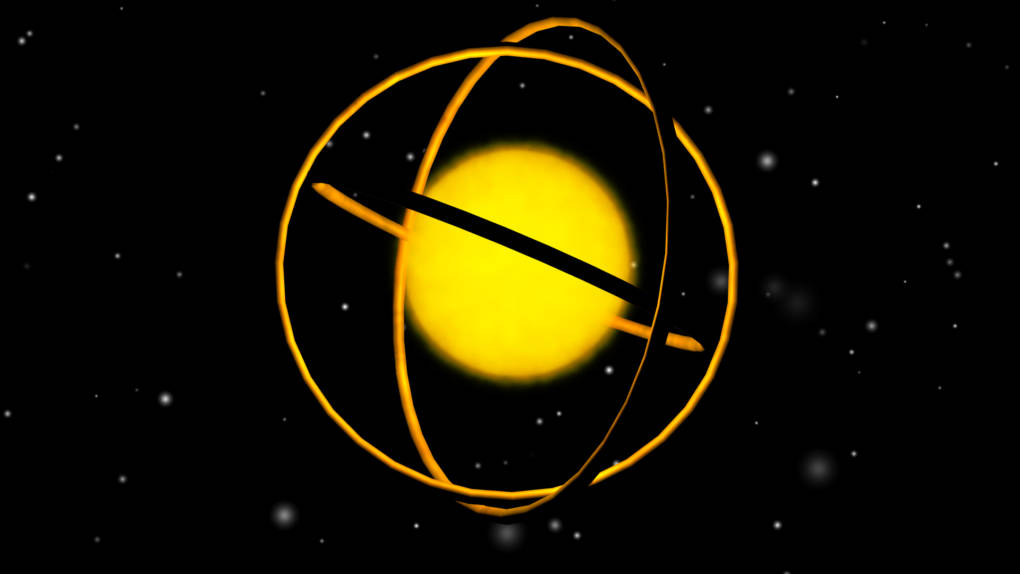
"caption": "Some scientists speculate that a Dyson sphere, a megastructure intended to capture energy, surrounds Tabby's Star.",
"description": null,
"title": "Dyson Sphere",
"credit": "Stephen McNally/UC Berkeley",
"status": "inherit",
"isLoading": false,
"fetchFailed": false
},
"science_1075952": {
"type": "attachments",
"id": "science_1075952",
"meta": {
"index": "attachments_1716263798",
"site": "science",
"id": "1075952",
"found": true
},
"parent": 1065215,
"imgSizes": {
"twentyfourteen-full-width": {
"file": "https://ww2.kqed.org/app/uploads/sites/35/2016/10/DL318-Termites-marquee-1038x576.jpg",
"width": 1038,
"mimeType": "image/jpeg",
"height": 576
},
"thumbnail": {
"file": "https://ww2.kqed.org/app/uploads/sites/35/2016/10/DL318-Termites-marquee-400x225.jpg",
"width": 400,
"mimeType": "image/jpeg",
"height": 225
},
"fd-sm": {
"file": "https://ww2.kqed.org/app/uploads/sites/35/2016/10/DL318-Termites-marquee-960x540.jpg",
"width": 960,
"mimeType": "image/jpeg",
"height": 540
},
"post-thumbnail": {
"file": "https://ww2.kqed.org/app/uploads/sites/35/2016/10/DL318-Termites-marquee-672x372.jpg",
"width": 672,
"mimeType": "image/jpeg",
"height": 372
},
"kqedFullSize": {
"file": "https://ww2.kqed.org/app/uploads/sites/35/2016/10/DL318-Termites-marquee.jpg",
"width": 1920,
"height": 1080
},
"large": {
"file": "https://ww2.kqed.org/app/uploads/sites/35/2016/10/DL318-Termites-marquee-1440x810.jpg",
"width": 1440,
"mimeType": "image/jpeg",
"height": 810
},
"guest-author-50": {
"file": "https://ww2.kqed.org/app/uploads/sites/35/2016/10/DL318-Termites-marquee-50x50.jpg",
"width": 50,
"mimeType": "image/jpeg",
"height": 50
},
"guest-author-96": {
"file": "https://ww2.kqed.org/app/uploads/sites/35/2016/10/DL318-Termites-marquee-96x96.jpg",
"width": 96,
"mimeType": "image/jpeg",
"height": 96
},
"medium": {
"file": "https://ww2.kqed.org/app/uploads/sites/35/2016/10/DL318-Termites-marquee-800x450.jpg",
"width": 800,
"mimeType": "image/jpeg",
"height": 450
},
"guest-author-64": {
"file": "https://ww2.kqed.org/app/uploads/sites/35/2016/10/DL318-Termites-marquee-64x64.jpg",
"width": 64,
"mimeType": "image/jpeg",
"height": 64
},
"guest-author-32": {
"file": "https://ww2.kqed.org/app/uploads/sites/35/2016/10/DL318-Termites-marquee-32x32.jpg",
"width": 32,
"mimeType": "image/jpeg",
"height": 32
},
"fd-lrg": {
"file": "https://ww2.kqed.org/app/uploads/sites/35/2016/10/DL318-Termites-marquee-1920x1080.jpg",
"width": 1920,
"mimeType": "image/jpeg",
"height": 1080
},
"fd-med": {
"file": "https://ww2.kqed.org/app/uploads/sites/35/2016/10/DL318-Termites-marquee-1180x664.jpg",
"width": 1180,
"mimeType": "image/jpeg",
"height": 664
},
"detail": {
"file": "https://ww2.kqed.org/app/uploads/sites/35/2016/10/DL318-Termites-marquee-150x150.jpg",
"width": 150,
"mimeType": "image/jpeg",
"height": 150
},
"medium_large": {
"file": "https://ww2.kqed.org/app/uploads/sites/35/2016/10/DL318-Termites-marquee-768x432.jpg",
"width": 768,
"mimeType": "image/jpeg",
"height": 432
},
"guest-author-128": {
"file": "https://ww2.kqed.org/app/uploads/sites/35/2016/10/DL318-Termites-marquee-128x128.jpg",
"width": 128,
"mimeType": "image/jpeg",
"height": 128
}
},
"publishDate": 1476469392,
"modified": 1476469521,
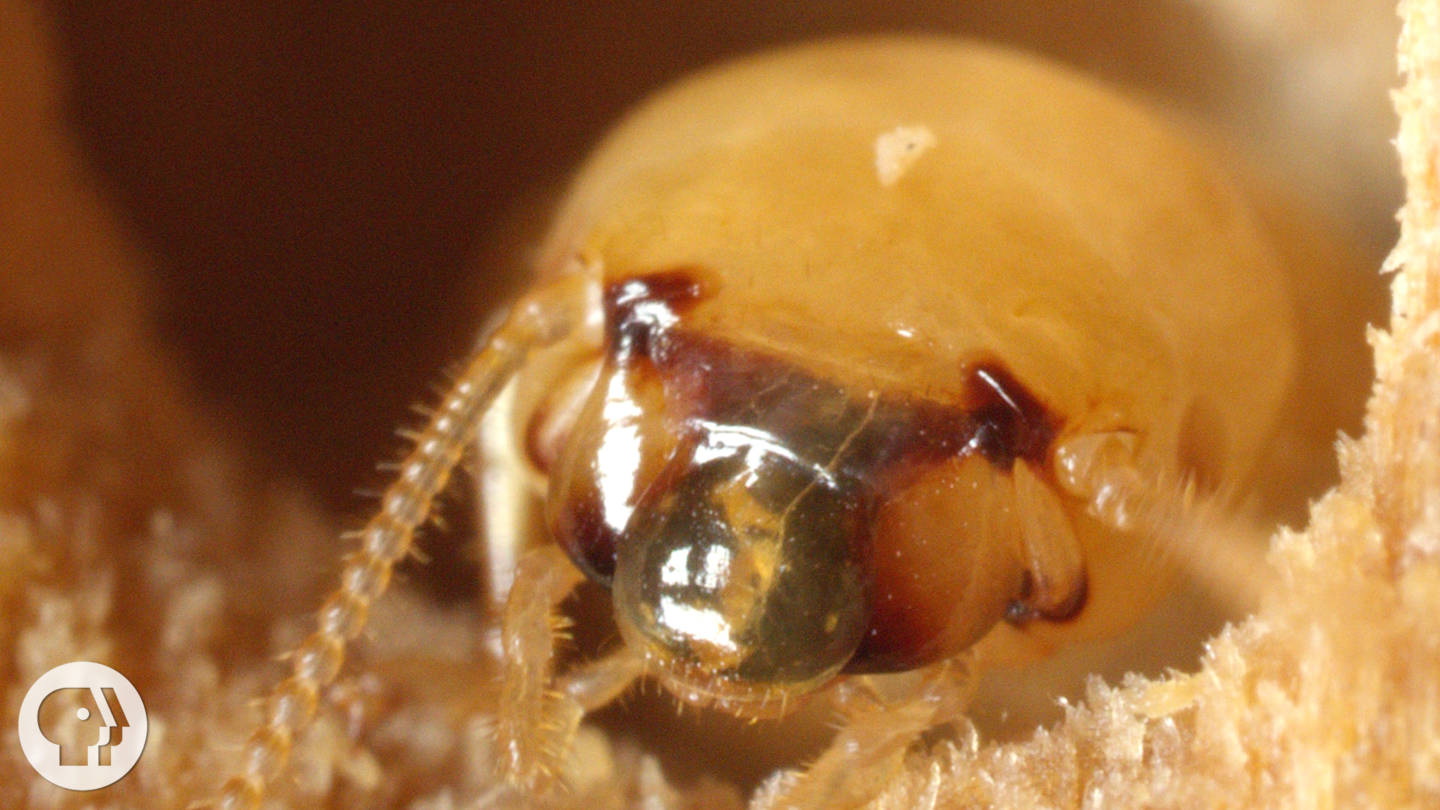
"caption": "A dampwood termite peeks through a hole in the wood at the Exploratorium, in San Francisco. ",
"description": null,
"title": "DL318-Termites-marquee",
"credit": "Josh Cassidy/KQED",
"status": "inherit",
"isLoading": false,
"fetchFailed": false
},
"science_1027375": {
"type": "attachments",
"id": "science_1027375",
"meta": {
"index": "attachments_1716263798",
"site": "science",
"id": "1027375",
"found": true
},
"parent": 1027372,
"imgSizes": {
"twentyfourteen-full-width": {
"file": "https://ww2.kqed.org/app/uploads/sites/35/2016/09/DL317-phead-1038x576.jpg",
"width": 1038,
"mimeType": "image/jpeg",
"height": 576
},
"thumbnail": {
"file": "https://ww2.kqed.org/app/uploads/sites/35/2016/09/DL317-phead-400x225.jpg",
"width": 400,
"mimeType": "image/jpeg",
"height": 225
},
"fd-sm": {
"file": "https://ww2.kqed.org/app/uploads/sites/35/2016/09/DL317-phead-960x540.jpg",
"width": 960,
"mimeType": "image/jpeg",
"height": 540
},
"post-thumbnail": {
"file": "https://ww2.kqed.org/app/uploads/sites/35/2016/09/DL317-phead-672x372.jpg",
"width": 672,
"mimeType": "image/jpeg",
"height": 372
},
"kqedFullSize": {
"file": "https://ww2.kqed.org/app/uploads/sites/35/2016/09/DL317-phead.jpg",
"width": 1920,
"height": 1080
},
"large": {
"file": "https://ww2.kqed.org/app/uploads/sites/35/2016/09/DL317-phead-1440x810.jpg",
"width": 1440,
"mimeType": "image/jpeg",
"height": 810
},
"guest-author-50": {
"file": "https://ww2.kqed.org/app/uploads/sites/35/2016/09/DL317-phead-50x50.jpg",
"width": 50,
"mimeType": "image/jpeg",
"height": 50
},
"guest-author-96": {
"file": "https://ww2.kqed.org/app/uploads/sites/35/2016/09/DL317-phead-96x96.jpg",
"width": 96,
"mimeType": "image/jpeg",
"height": 96
},
"medium": {
"file": "https://ww2.kqed.org/app/uploads/sites/35/2016/09/DL317-phead-800x450.jpg",
"width": 800,
"mimeType": "image/jpeg",
"height": 450
},
"guest-author-64": {
"file": "https://ww2.kqed.org/app/uploads/sites/35/2016/09/DL317-phead-64x64.jpg",
"width": 64,
"mimeType": "image/jpeg",
"height": 64
},
"guest-author-32": {
"file": "https://ww2.kqed.org/app/uploads/sites/35/2016/09/DL317-phead-32x32.jpg",
"width": 32,
"mimeType": "image/jpeg",
"height": 32
},
"fd-lrg": {
"file": "https://ww2.kqed.org/app/uploads/sites/35/2016/09/DL317-phead-1920x1080.jpg",
"width": 1920,
"mimeType": "image/jpeg",
"height": 1080
},
"fd-med": {
"file": "https://ww2.kqed.org/app/uploads/sites/35/2016/09/DL317-phead-1180x664.jpg",
"width": 1180,
"mimeType": "image/jpeg",
"height": 664
},
"detail": {
"file": "https://ww2.kqed.org/app/uploads/sites/35/2016/09/DL317-phead-150x150.jpg",
"width": 150,
"mimeType": "image/jpeg",
"height": 150
},
"medium_large": {
"file": "https://ww2.kqed.org/app/uploads/sites/35/2016/09/DL317-phead-768x432.jpg",
"width": 768,
"mimeType": "image/jpeg",
"height": 432
},
"guest-author-128": {
"file": "https://ww2.kqed.org/app/uploads/sites/35/2016/09/DL317-phead-128x128.jpg",
"width": 128,
"mimeType": "image/jpeg",
"height": 128
}
},
"publishDate": 1474935231,
"modified": 1474935406,
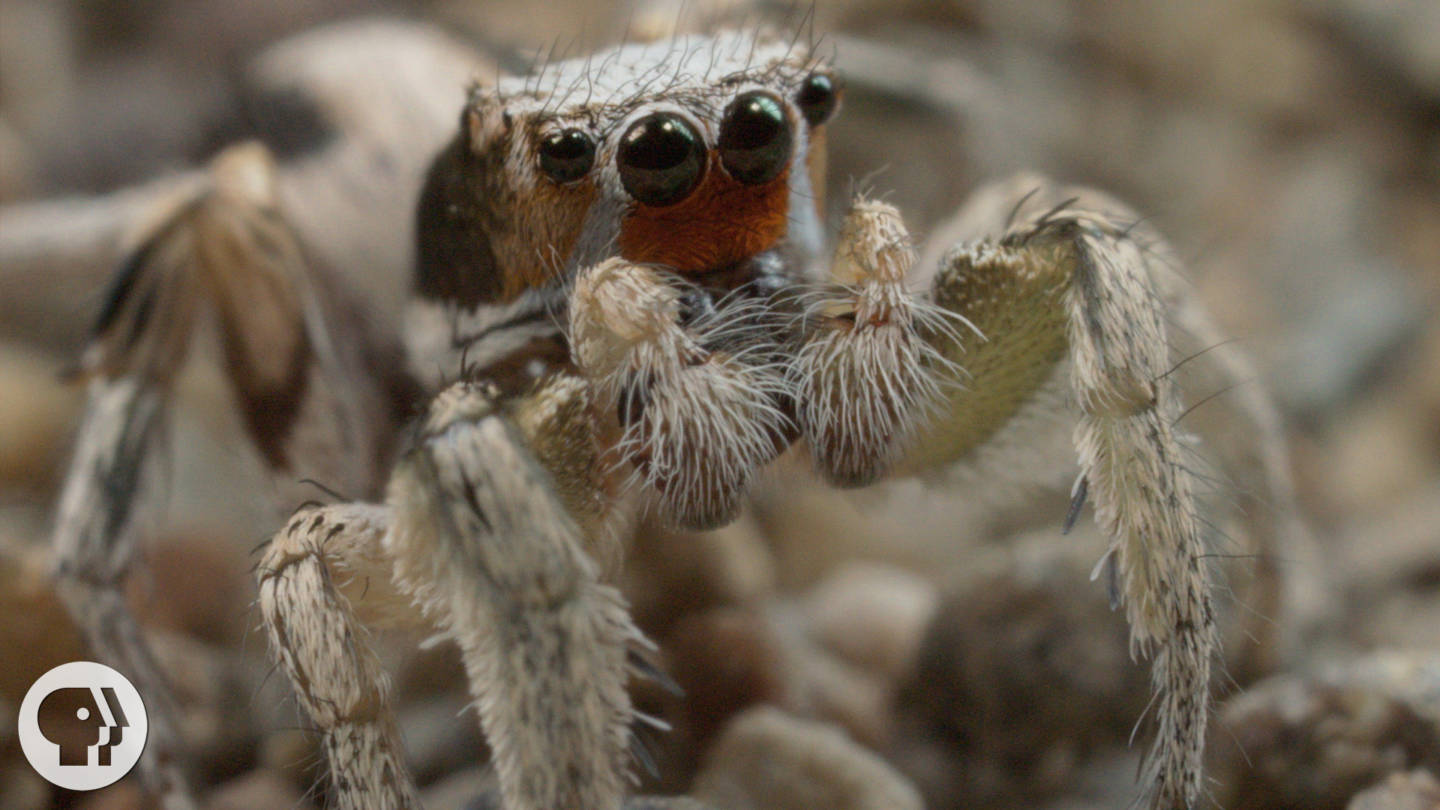
"caption": "A jumping spider of the species Habronattus virgulatus prepares to court a female.",
"description": null,
"title": "DL317-phead",
"credit": "Josh Cassidy/KQED",
"status": "inherit",
"isLoading": false,
"fetchFailed": false
},
"science_993146": {
"type": "attachments",
"id": "science_993146",
"meta": {
"index": "attachments_1716263798",
"site": "science",
"id": "993146",
"found": true
},
"parent": 993143,
"imgSizes": {
"twentyfourteen-full-width": {
"file": "https://ww2.kqed.org/app/uploads/sites/35/2016/09/DL_314FrustratedSquirrels_marquee-phead-1038x576.jpg",
"width": 1038,
"mimeType": "image/jpeg",
"height": 576
},
"thumbnail": {
"file": "https://ww2.kqed.org/app/uploads/sites/35/2016/09/DL_314FrustratedSquirrels_marquee-phead-400x225.jpg",
"width": 400,
"mimeType": "image/jpeg",
"height": 225
},
"fd-sm": {
"file": "https://ww2.kqed.org/app/uploads/sites/35/2016/09/DL_314FrustratedSquirrels_marquee-phead-960x540.jpg",
"width": 960,
"mimeType": "image/jpeg",
"height": 540
},
"post-thumbnail": {
"file": "https://ww2.kqed.org/app/uploads/sites/35/2016/09/DL_314FrustratedSquirrels_marquee-phead-672x372.jpg",
"width": 672,
"mimeType": "image/jpeg",
"height": 372
},
"kqedFullSize": {
"file": "https://ww2.kqed.org/app/uploads/sites/35/2016/09/DL_314FrustratedSquirrels_marquee-phead.jpg",
"width": 1920,
"height": 1080
},
"large": {
"file": "https://ww2.kqed.org/app/uploads/sites/35/2016/09/DL_314FrustratedSquirrels_marquee-phead-1440x810.jpg",
"width": 1440,
"mimeType": "image/jpeg",
"height": 810
},
"guest-author-50": {
"file": "https://ww2.kqed.org/app/uploads/sites/35/2016/09/DL_314FrustratedSquirrels_marquee-phead-50x50.jpg",
"width": 50,
"mimeType": "image/jpeg",
"height": 50
},
"guest-author-96": {
"file": "https://ww2.kqed.org/app/uploads/sites/35/2016/09/DL_314FrustratedSquirrels_marquee-phead-96x96.jpg",
"width": 96,
"mimeType": "image/jpeg",
"height": 96
},
"medium": {
"file": "https://ww2.kqed.org/app/uploads/sites/35/2016/09/DL_314FrustratedSquirrels_marquee-phead-800x450.jpg",
"width": 800,
"mimeType": "image/jpeg",
"height": 450
},
"guest-author-64": {
"file": "https://ww2.kqed.org/app/uploads/sites/35/2016/09/DL_314FrustratedSquirrels_marquee-phead-64x64.jpg",
"width": 64,
"mimeType": "image/jpeg",
"height": 64
},
"guest-author-32": {
"file": "https://ww2.kqed.org/app/uploads/sites/35/2016/09/DL_314FrustratedSquirrels_marquee-phead-32x32.jpg",
"width": 32,
"mimeType": "image/jpeg",
"height": 32
},
"fd-lrg": {
"file": "https://ww2.kqed.org/app/uploads/sites/35/2016/09/DL_314FrustratedSquirrels_marquee-phead-1920x1080.jpg",
"width": 1920,
"mimeType": "image/jpeg",
"height": 1080
},
"fd-med": {
"file": "https://ww2.kqed.org/app/uploads/sites/35/2016/09/DL_314FrustratedSquirrels_marquee-phead-1180x664.jpg",
"width": 1180,
"mimeType": "image/jpeg",
"height": 664
},
"detail": {
"file": "https://ww2.kqed.org/app/uploads/sites/35/2016/09/DL_314FrustratedSquirrels_marquee-phead-150x150.jpg",
"width": 150,
"mimeType": "image/jpeg",
"height": 150
},
"medium_large": {
"file": "https://ww2.kqed.org/app/uploads/sites/35/2016/09/DL_314FrustratedSquirrels_marquee-phead-768x432.jpg",
"width": 768,
"mimeType": "image/jpeg",
"height": 432
},
"guest-author-128": {
"file": "https://ww2.kqed.org/app/uploads/sites/35/2016/09/DL_314FrustratedSquirrels_marquee-phead-128x128.jpg",
"width": 128,
"mimeType": "image/jpeg",
"height": 128
}
},
"publishDate": 1473811092,
"modified": 1473811172,
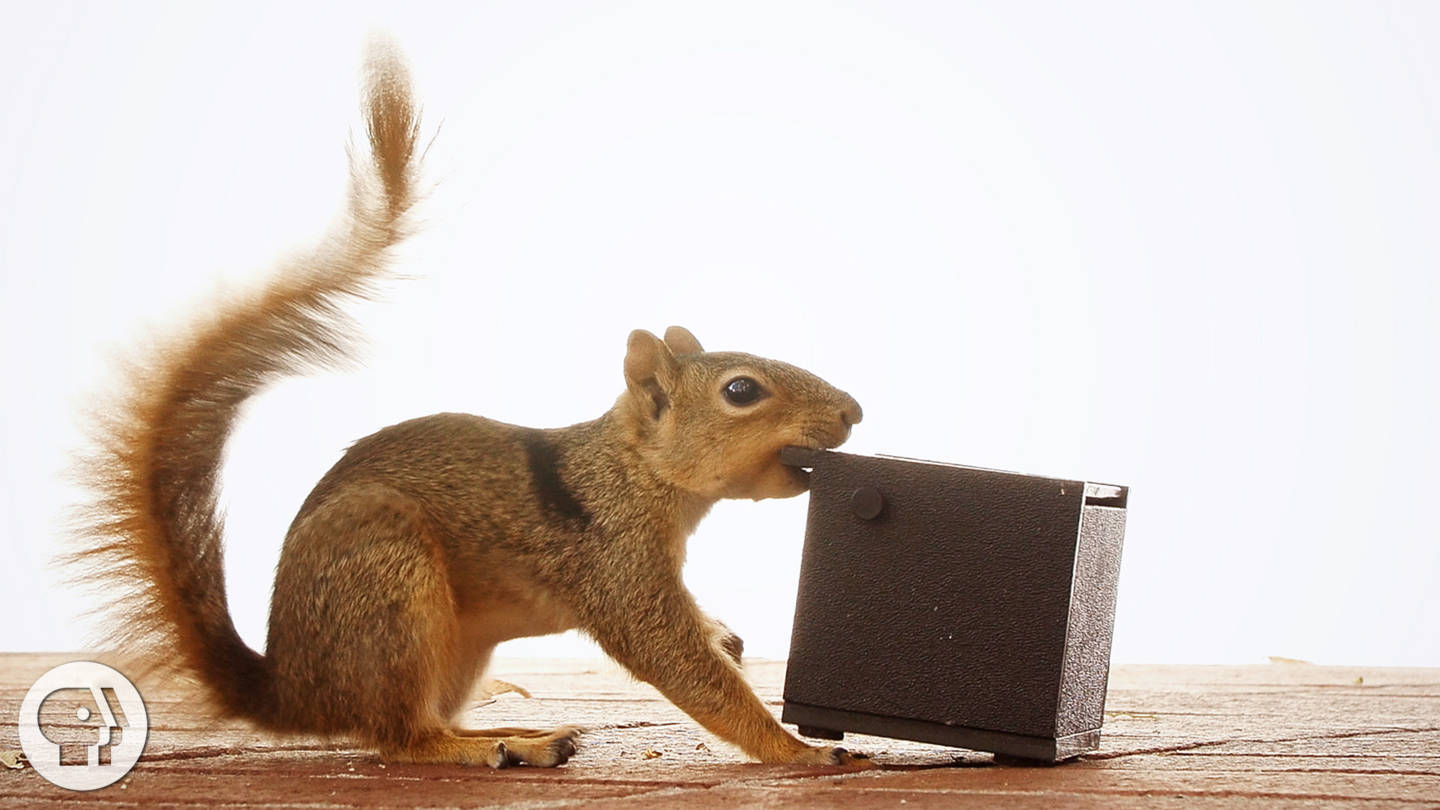
"caption": "A fox squirrel participates in an experiment on frustration at the University of California, Berkeley.",
"description": null,
"title": "DL_314FrustratedSquirrels_marquee-phead",
"credit": "Josh Cassidy/KQED",
"status": "inherit",
"isLoading": false,
"fetchFailed": false
},
"science_959958": {
"type": "attachments",
"id": "science_959958",
"meta": {
"index": "attachments_1716263798",
"site": "science",
"id": "959958",
"found": true
},
"parent": 959844,
"imgSizes": {
"twentyfourteen-full-width": {
"file": "https://ww2.kqed.org/app/uploads/sites/35/2016/08/frogs5-web-1038x576.jpg",
"width": 1038,
"mimeType": "image/jpeg",
"height": 576
},
"thumbnail": {
"file": "https://ww2.kqed.org/app/uploads/sites/35/2016/08/frogs5-web-400x211.jpg",
"width": 400,
"mimeType": "image/jpeg",
"height": 211
},
"fd-sm": {
"file": "https://ww2.kqed.org/app/uploads/sites/35/2016/08/frogs5-web-960x506.jpg",
"width": 960,
"mimeType": "image/jpeg",
"height": 506
},
"post-thumbnail": {
"file": "https://ww2.kqed.org/app/uploads/sites/35/2016/08/frogs5-web-672x372.jpg",
"width": 672,
"mimeType": "image/jpeg",
"height": 372
},
"kqedFullSize": {
"file": "https://ww2.kqed.org/app/uploads/sites/35/2016/08/frogs5-web.jpg",
"width": 1920,
"height": 1011
},
"large": {
"file": "https://ww2.kqed.org/app/uploads/sites/35/2016/08/frogs5-web-1440x758.jpg",
"width": 1440,
"mimeType": "image/jpeg",
"height": 758
},
"guest-author-50": {
"file": "https://ww2.kqed.org/app/uploads/sites/35/2016/08/frogs5-web-50x50.jpg",
"width": 50,
"mimeType": "image/jpeg",
"height": 50
},
"guest-author-96": {
"file": "https://ww2.kqed.org/app/uploads/sites/35/2016/08/frogs5-web-96x96.jpg",
"width": 96,
"mimeType": "image/jpeg",
"height": 96
},
"medium": {
"file": "https://ww2.kqed.org/app/uploads/sites/35/2016/08/frogs5-web-800x421.jpg",
"width": 800,
"mimeType": "image/jpeg",
"height": 421
},
"guest-author-64": {
"file": "https://ww2.kqed.org/app/uploads/sites/35/2016/08/frogs5-web-64x64.jpg",
"width": 64,
"mimeType": "image/jpeg",
"height": 64
},
"guest-author-32": {
"file": "https://ww2.kqed.org/app/uploads/sites/35/2016/08/frogs5-web-32x32.jpg",
"width": 32,
"mimeType": "image/jpeg",
"height": 32
},
"fd-lrg": {
"file": "https://ww2.kqed.org/app/uploads/sites/35/2016/08/frogs5-web-1920x1011.jpg",
"width": 1920,
"mimeType": "image/jpeg",
"height": 1011
},
"fd-med": {
"file": "https://ww2.kqed.org/app/uploads/sites/35/2016/08/frogs5-web-1180x621.jpg",
"width": 1180,
"mimeType": "image/jpeg",
"height": 621
},
"detail": {
"file": "https://ww2.kqed.org/app/uploads/sites/35/2016/08/frogs5-web-150x150.jpg",
"width": 150,
"mimeType": "image/jpeg",
"height": 150
},
"medium_large": {
"file": "https://ww2.kqed.org/app/uploads/sites/35/2016/08/frogs5-web-768x404.jpg",
"width": 768,
"mimeType": "image/jpeg",
"height": 404
},
"guest-author-128": {
"file": "https://ww2.kqed.org/app/uploads/sites/35/2016/08/frogs5-web-128x128.jpg",
"width": 128,
"mimeType": "image/jpeg",
"height": 128
}
},
"publishDate": 1472688972,
"modified": 1472689027,
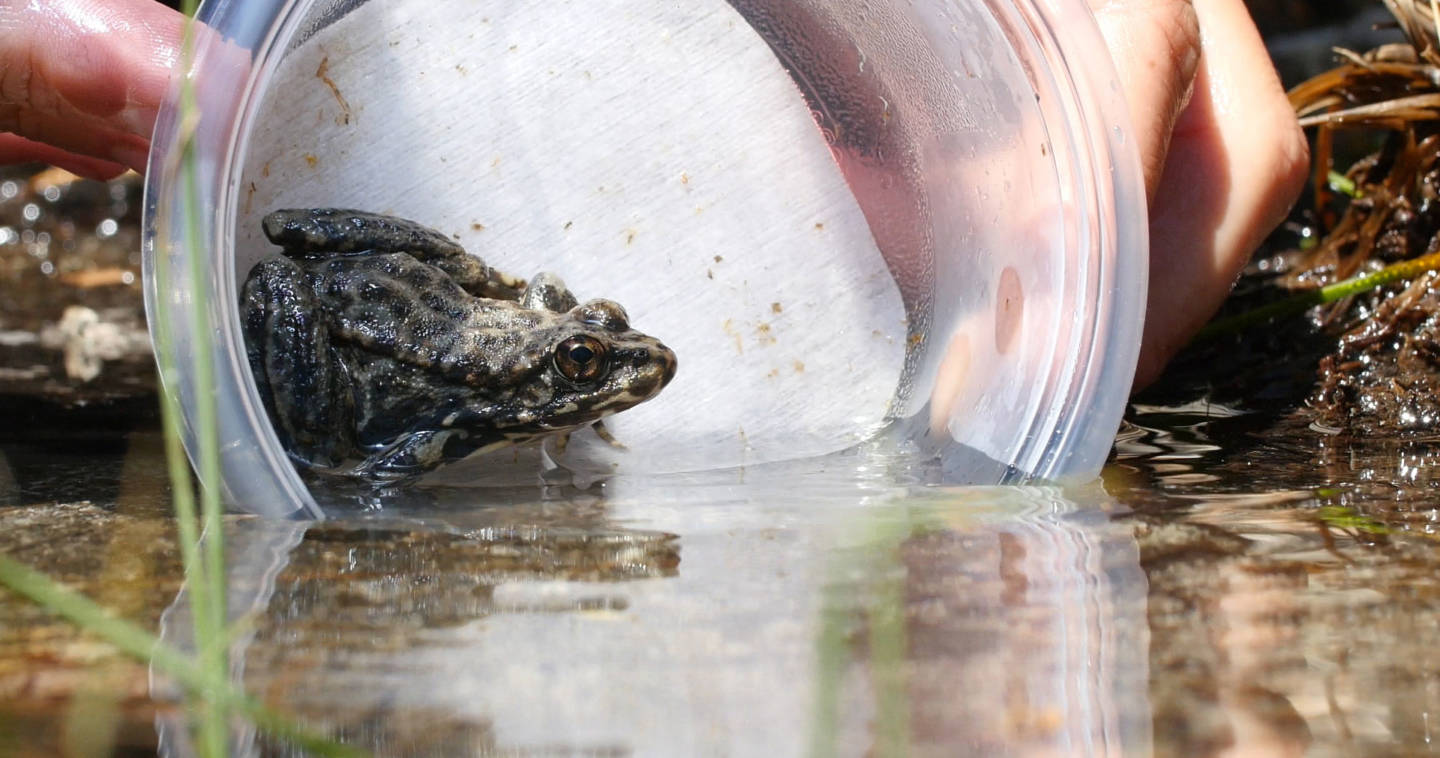
"caption": "A yellow-legged frog returns to the wild in the Desolation Wilderness, south of Lake Tahoe.",
"description": null,
"title": "frogs5-web",
"credit": "Josh Cassidy/KQED",
"status": "inherit",
"isLoading": false,
"fetchFailed": false
},
"science_929377": {
"type": "attachments",
"id": "science_929377",
"meta": {
"index": "attachments_1716263798",
"site": "science",
"id": "929377",
"found": true
},
"parent": 922896,
"imgSizes": {
"twentyfourteen-full-width": {
"file": "https://ww2.kqed.org/app/uploads/sites/35/2016/08/DL316-Sea-Urchins-pHead-1038x576.jpg",
"width": 1038,
"mimeType": "image/jpeg",
"height": 576
},
"thumbnail": {
"file": "https://ww2.kqed.org/app/uploads/sites/35/2016/08/DL316-Sea-Urchins-pHead-400x225.jpg",
"width": 400,
"mimeType": "image/jpeg",
"height": 225
},
"fd-sm": {
"file": "https://ww2.kqed.org/app/uploads/sites/35/2016/08/DL316-Sea-Urchins-pHead-960x540.jpg",
"width": 960,
"mimeType": "image/jpeg",
"height": 540
},
"post-thumbnail": {
"file": "https://ww2.kqed.org/app/uploads/sites/35/2016/08/DL316-Sea-Urchins-pHead-672x372.jpg",
"width": 672,
"mimeType": "image/jpeg",
"height": 372
},
"kqedFullSize": {
"file": "https://ww2.kqed.org/app/uploads/sites/35/2016/08/DL316-Sea-Urchins-pHead.jpg",
"width": 1920,
"height": 1080
},
"large": {
"file": "https://ww2.kqed.org/app/uploads/sites/35/2016/08/DL316-Sea-Urchins-pHead-1440x810.jpg",
"width": 1440,
"mimeType": "image/jpeg",
"height": 810
},
"guest-author-50": {
"file": "https://ww2.kqed.org/app/uploads/sites/35/2016/08/DL316-Sea-Urchins-pHead-50x50.jpg",
"width": 50,
"mimeType": "image/jpeg",
"height": 50
},
"guest-author-96": {
"file": "https://ww2.kqed.org/app/uploads/sites/35/2016/08/DL316-Sea-Urchins-pHead-96x96.jpg",
"width": 96,
"mimeType": "image/jpeg",
"height": 96
},
"medium": {
"file": "https://ww2.kqed.org/app/uploads/sites/35/2016/08/DL316-Sea-Urchins-pHead-800x450.jpg",
"width": 800,
"mimeType": "image/jpeg",
"height": 450
},
"guest-author-64": {
"file": "https://ww2.kqed.org/app/uploads/sites/35/2016/08/DL316-Sea-Urchins-pHead-64x64.jpg",
"width": 64,
"mimeType": "image/jpeg",
"height": 64
},
"guest-author-32": {
"file": "https://ww2.kqed.org/app/uploads/sites/35/2016/08/DL316-Sea-Urchins-pHead-32x32.jpg",
"width": 32,
"mimeType": "image/jpeg",
"height": 32
},
"fd-lrg": {
"file": "https://ww2.kqed.org/app/uploads/sites/35/2016/08/DL316-Sea-Urchins-pHead-1920x1080.jpg",
"width": 1920,
"mimeType": "image/jpeg",
"height": 1080
},
"fd-med": {
"file": "https://ww2.kqed.org/app/uploads/sites/35/2016/08/DL316-Sea-Urchins-pHead-1180x664.jpg",
"width": 1180,
"mimeType": "image/jpeg",
"height": 664
},
"detail": {
"file": "https://ww2.kqed.org/app/uploads/sites/35/2016/08/DL316-Sea-Urchins-pHead-150x150.jpg",
"width": 150,
"mimeType": "image/jpeg",
"height": 150
},
"medium_large": {
"file": "https://ww2.kqed.org/app/uploads/sites/35/2016/08/DL316-Sea-Urchins-pHead-768x432.jpg",
"width": 768,
"mimeType": "image/jpeg",
"height": 432
},
"guest-author-128": {
"file": "https://ww2.kqed.org/app/uploads/sites/35/2016/08/DL316-Sea-Urchins-pHead-128x128.jpg",
"width": 128,
"mimeType": "image/jpeg",
"height": 128
}
},
"publishDate": 1471549583,
"modified": 1471549621,
"caption": "Purple sea urchins eating kelp",
"description": null,
"title": "DL316 Sea Urchins pHead",
"credit": "Josh Cassidy/KQED",
"status": "inherit",
"isLoading": false,
"fetchFailed": false
},
"science_925015": {
"type": "attachments",
"id": "science_925015",
"meta": {
"index": "attachments_1716263798",
"site": "science",
"id": "925015",
"found": true
},
"parent": 924929,
"imgSizes": {
"twentyfourteen-full-width": {
"file": "https://ww2.kqed.org/app/uploads/sites/35/2016/08/IMG_5974._marquee-1038x576.jpg",
"width": 1038,
"mimeType": "image/jpeg",
"height": 576
},
"thumbnail": {
"file": "https://ww2.kqed.org/app/uploads/sites/35/2016/08/IMG_5974._marquee-400x300.jpg",
"width": 400,
"mimeType": "image/jpeg",
"height": 300
},
"fd-sm": {
"file": "https://ww2.kqed.org/app/uploads/sites/35/2016/08/IMG_5974._marquee-960x720.jpg",
"width": 960,
"mimeType": "image/jpeg",
"height": 720
},
"post-thumbnail": {
"file": "https://ww2.kqed.org/app/uploads/sites/35/2016/08/IMG_5974._marquee-672x372.jpg",
"width": 672,
"mimeType": "image/jpeg",
"height": 372
},
"kqedFullSize": {
"file": "https://ww2.kqed.org/app/uploads/sites/35/2016/08/IMG_5974._marquee.jpg",
"width": 3264,
"height": 2448
},
"large": {
"file": "https://ww2.kqed.org/app/uploads/sites/35/2016/08/IMG_5974._marquee-1440x1080.jpg",
"width": 1440,
"mimeType": "image/jpeg",
"height": 1080
},
"guest-author-50": {
"file": "https://ww2.kqed.org/app/uploads/sites/35/2016/08/IMG_5974._marquee-50x50.jpg",
"width": 50,
"mimeType": "image/jpeg",
"height": 50
},
"guest-author-96": {
"file": "https://ww2.kqed.org/app/uploads/sites/35/2016/08/IMG_5974._marquee-96x96.jpg",
"width": 96,
"mimeType": "image/jpeg",
"height": 96
},
"medium": {
"file": "https://ww2.kqed.org/app/uploads/sites/35/2016/08/IMG_5974._marquee-800x600.jpg",
"width": 800,
"mimeType": "image/jpeg",
"height": 600
},
"guest-author-64": {
"file": "https://ww2.kqed.org/app/uploads/sites/35/2016/08/IMG_5974._marquee-64x64.jpg",
"width": 64,
"mimeType": "image/jpeg",
"height": 64
},
"guest-author-32": {
"file": "https://ww2.kqed.org/app/uploads/sites/35/2016/08/IMG_5974._marquee-32x32.jpg",
"width": 32,
"mimeType": "image/jpeg",
"height": 32
},
"fd-lrg": {
"file": "https://ww2.kqed.org/app/uploads/sites/35/2016/08/IMG_5974._marquee-1920x1440.jpg",
"width": 1920,
"mimeType": "image/jpeg",
"height": 1440
},
"fd-med": {
"file": "https://ww2.kqed.org/app/uploads/sites/35/2016/08/IMG_5974._marquee-1180x885.jpg",
"width": 1180,
"mimeType": "image/jpeg",
"height": 885
},
"detail": {
"file": "https://ww2.kqed.org/app/uploads/sites/35/2016/08/IMG_5974._marquee-150x150.jpg",
"width": 150,
"mimeType": "image/jpeg",
"height": 150
},
"medium_large": {
"file": "https://ww2.kqed.org/app/uploads/sites/35/2016/08/IMG_5974._marquee-768x576.jpg",
"width": 768,
"mimeType": "image/jpeg",
"height": 576
},
"guest-author-128": {
"file": "https://ww2.kqed.org/app/uploads/sites/35/2016/08/IMG_5974._marquee-128x128.jpg",
"width": 128,
"mimeType": "image/jpeg",
"height": 128
}
},
"publishDate": 1471371476,
"modified": 1471374991,
"caption": "Joshua Cassidy filming the caddisfly aquarium. ",
"description": null,
"title": "IMG_5974._marquee",
"credit": "Sevda Eris/KQED",
"status": "inherit",
"isLoading": false,
"fetchFailed": false
},
"science_891333": {
"type": "attachments",
"id": "science_891333",
"meta": {
"index": "attachments_1716263798",
"site": "science",
"id": "891333",
"found": true
},
"parent": 891330,
"imgSizes": {
"twentyfourteen-full-width": {
"file": "https://ww2.kqed.org/app/uploads/sites/35/2016/08/DL313-caddis-PHEAD-1038x576.jpg",
"width": 1038,
"mimeType": "image/jpeg",
"height": 576
},
"thumbnail": {
"file": "https://ww2.kqed.org/app/uploads/sites/35/2016/08/DL313-caddis-PHEAD-400x225.jpg",
"width": 400,
"mimeType": "image/jpeg",
"height": 225
},
"fd-sm": {
"file": "https://ww2.kqed.org/app/uploads/sites/35/2016/08/DL313-caddis-PHEAD-960x540.jpg",
"width": 960,
"mimeType": "image/jpeg",
"height": 540
},
"post-thumbnail": {
"file": "https://ww2.kqed.org/app/uploads/sites/35/2016/08/DL313-caddis-PHEAD-672x372.jpg",
"width": 672,
"mimeType": "image/jpeg",
"height": 372
},
"kqedFullSize": {
"file": "https://ww2.kqed.org/app/uploads/sites/35/2016/08/DL313-caddis-PHEAD.jpg",
"width": 1920,
"height": 1080
},
"large": {
"file": "https://ww2.kqed.org/app/uploads/sites/35/2016/08/DL313-caddis-PHEAD-1440x810.jpg",
"width": 1440,
"mimeType": "image/jpeg",
"height": 810
},
"guest-author-50": {
"file": "https://ww2.kqed.org/app/uploads/sites/35/2016/08/DL313-caddis-PHEAD-50x50.jpg",
"width": 50,
"mimeType": "image/jpeg",
"height": 50
},
"guest-author-96": {
"file": "https://ww2.kqed.org/app/uploads/sites/35/2016/08/DL313-caddis-PHEAD-96x96.jpg",
"width": 96,
"mimeType": "image/jpeg",
"height": 96
},
"medium": {
"file": "https://ww2.kqed.org/app/uploads/sites/35/2016/08/DL313-caddis-PHEAD-800x450.jpg",
"width": 800,
"mimeType": "image/jpeg",
"height": 450
},
"guest-author-64": {
"file": "https://ww2.kqed.org/app/uploads/sites/35/2016/08/DL313-caddis-PHEAD-64x64.jpg",
"width": 64,
"mimeType": "image/jpeg",
"height": 64
},
"guest-author-32": {
"file": "https://ww2.kqed.org/app/uploads/sites/35/2016/08/DL313-caddis-PHEAD-32x32.jpg",
"width": 32,
"mimeType": "image/jpeg",
"height": 32
},
"fd-lrg": {
"file": "https://ww2.kqed.org/app/uploads/sites/35/2016/08/DL313-caddis-PHEAD-1920x1080.jpg",
"width": 1920,
"mimeType": "image/jpeg",
"height": 1080
},
"fd-med": {
"file": "https://ww2.kqed.org/app/uploads/sites/35/2016/08/DL313-caddis-PHEAD-1180x664.jpg",
"width": 1180,
"mimeType": "image/jpeg",
"height": 664
},
"detail": {
"file": "https://ww2.kqed.org/app/uploads/sites/35/2016/08/DL313-caddis-PHEAD-150x150.jpg",
"width": 150,
"mimeType": "image/jpeg",
"height": 150
},
"medium_large": {
"file": "https://ww2.kqed.org/app/uploads/sites/35/2016/08/DL313-caddis-PHEAD-768x432.jpg",
"width": 768,
"mimeType": "image/jpeg",
"height": 432
},
"guest-author-128": {
"file": "https://ww2.kqed.org/app/uploads/sites/35/2016/08/DL313-caddis-PHEAD-128x128.jpg",
"width": 128,
"mimeType": "image/jpeg",
"height": 128
}
},
"publishDate": 1470096815,
"modified": 1470096815,
"caption": null,
"description": null,
"title": "DL313 caddis PHEAD",
"credit": null,
"status": "inherit",
"isLoading": false,
"fetchFailed": false
},
"science_858744": {
"type": "attachments",
"id": "science_858744",
"meta": {
"index": "attachments_1716263798",
"site": "science",
"id": "858744",
"found": true
},
"parent": 781757,
"imgSizes": {
"twentyfourteen-full-width": {
"file": "https://ww2.kqed.org/app/uploads/sites/35/2016/07/Dl-buzz-pollinators-1038x576.jpg",
"width": 1038,
"mimeType": "image/jpeg",
"height": 576
},
"thumbnail": {
"file": "https://ww2.kqed.org/app/uploads/sites/35/2016/07/Dl-buzz-pollinators-400x225.jpg",
"width": 400,
"mimeType": "image/jpeg",
"height": 225
},
"fd-sm": {
"file": "https://ww2.kqed.org/app/uploads/sites/35/2016/07/Dl-buzz-pollinators-960x540.jpg",
"width": 960,
"mimeType": "image/jpeg",
"height": 540
},
"post-thumbnail": {
"file": "https://ww2.kqed.org/app/uploads/sites/35/2016/07/Dl-buzz-pollinators-672x372.jpg",
"width": 672,
"mimeType": "image/jpeg",
"height": 372
},
"kqedFullSize": {
"file": "https://ww2.kqed.org/app/uploads/sites/35/2016/07/Dl-buzz-pollinators.jpg",
"width": 1920,
"height": 1080
},
"large": {
"file": "https://ww2.kqed.org/app/uploads/sites/35/2016/07/Dl-buzz-pollinators-1440x810.jpg",
"width": 1440,
"mimeType": "image/jpeg",
"height": 810
},
"guest-author-50": {
"file": "https://ww2.kqed.org/app/uploads/sites/35/2016/07/Dl-buzz-pollinators-50x50.jpg",
"width": 50,
"mimeType": "image/jpeg",
"height": 50
},
"guest-author-96": {
"file": "https://ww2.kqed.org/app/uploads/sites/35/2016/07/Dl-buzz-pollinators-96x96.jpg",
"width": 96,
"mimeType": "image/jpeg",
"height": 96
},
"medium": {
"file": "https://ww2.kqed.org/app/uploads/sites/35/2016/07/Dl-buzz-pollinators-800x450.jpg",
"width": 800,
"mimeType": "image/jpeg",
"height": 450
},
"guest-author-64": {
"file": "https://ww2.kqed.org/app/uploads/sites/35/2016/07/Dl-buzz-pollinators-64x64.jpg",
"width": 64,
"mimeType": "image/jpeg",
"height": 64
},
"guest-author-32": {
"file": "https://ww2.kqed.org/app/uploads/sites/35/2016/07/Dl-buzz-pollinators-32x32.jpg",
"width": 32,
"mimeType": "image/jpeg",
"height": 32
},
"fd-lrg": {
"file": "https://ww2.kqed.org/app/uploads/sites/35/2016/07/Dl-buzz-pollinators-1920x1080.jpg",
"width": 1920,
"mimeType": "image/jpeg",
"height": 1080
},
"fd-med": {
"file": "https://ww2.kqed.org/app/uploads/sites/35/2016/07/Dl-buzz-pollinators-1180x664.jpg",
"width": 1180,
"mimeType": "image/jpeg",
"height": 664
},
"detail": {
"file": "https://ww2.kqed.org/app/uploads/sites/35/2016/07/Dl-buzz-pollinators-150x150.jpg",
"width": 150,
"mimeType": "image/jpeg",
"height": 150
},
"medium_large": {
"file": "https://ww2.kqed.org/app/uploads/sites/35/2016/07/Dl-buzz-pollinators-768x432.jpg",
"width": 768,
"mimeType": "image/jpeg",
"height": 432
},
"guest-author-128": {
"file": "https://ww2.kqed.org/app/uploads/sites/35/2016/07/Dl-buzz-pollinators-128x128.jpg",
"width": 128,
"mimeType": "image/jpeg",
"height": 128
}
},
"publishDate": 1468886729,
"modified": 1468886729,
"caption": null,
"description": null,
"title": "Dl-buzz-pollinators",
"credit": null,
"status": "inherit",
"isLoading": false,
"fetchFailed": false
},
"science_747315": {
"type": "attachments",
"id": "science_747315",
"meta": {
"index": "attachments_1716263798",
"site": "science",
"id": "747315",
"found": true
},
"parent": 728719,
"imgSizes": {
"twentyfourteen-full-width": {
"file": "https://ww2.kqed.org/app/uploads/sites/35/2016/07/DL311-glow-worms-phead.2-1038x576.jpg",
"width": 1038,
"mimeType": "image/jpeg",
"height": 576
},
"thumbnail": {
"file": "https://ww2.kqed.org/app/uploads/sites/35/2016/07/DL311-glow-worms-phead.2-400x225.jpg",
"width": 400,
"mimeType": "image/jpeg",
"height": 225
},
"fd-sm": {
"file": "https://ww2.kqed.org/app/uploads/sites/35/2016/07/DL311-glow-worms-phead.2-960x540.jpg",
"width": 960,
"mimeType": "image/jpeg",
"height": 540
},
"post-thumbnail": {
"file": "https://ww2.kqed.org/app/uploads/sites/35/2016/07/DL311-glow-worms-phead.2-672x372.jpg",
"width": 672,
"mimeType": "image/jpeg",
"height": 372
},
"kqedFullSize": {
"file": "https://ww2.kqed.org/app/uploads/sites/35/2016/07/DL311-glow-worms-phead.2.jpg",
"width": 1920,
"height": 1080
},
"large": {
"file": "https://ww2.kqed.org/app/uploads/sites/35/2016/07/DL311-glow-worms-phead.2-1440x810.jpg",
"width": 1440,
"mimeType": "image/jpeg",
"height": 810
},
"guest-author-50": {
"file": "https://ww2.kqed.org/app/uploads/sites/35/2016/07/DL311-glow-worms-phead.2-50x50.jpg",
"width": 50,
"mimeType": "image/jpeg",
"height": 50
},
"guest-author-96": {
"file": "https://ww2.kqed.org/app/uploads/sites/35/2016/07/DL311-glow-worms-phead.2-96x96.jpg",
"width": 96,
"mimeType": "image/jpeg",
"height": 96
},
"medium": {
"file": "https://ww2.kqed.org/app/uploads/sites/35/2016/07/DL311-glow-worms-phead.2-800x450.jpg",
"width": 800,
"mimeType": "image/jpeg",
"height": 450
},
"guest-author-64": {
"file": "https://ww2.kqed.org/app/uploads/sites/35/2016/07/DL311-glow-worms-phead.2-64x64.jpg",
"width": 64,
"mimeType": "image/jpeg",
"height": 64
},
"guest-author-32": {
"file": "https://ww2.kqed.org/app/uploads/sites/35/2016/07/DL311-glow-worms-phead.2-32x32.jpg",
"width": 32,
"mimeType": "image/jpeg",
"height": 32
},
"fd-lrg": {
"file": "https://ww2.kqed.org/app/uploads/sites/35/2016/07/DL311-glow-worms-phead.2-1920x1080.jpg",
"width": 1920,
"mimeType": "image/jpeg",
"height": 1080
},
"fd-med": {
"file": "https://ww2.kqed.org/app/uploads/sites/35/2016/07/DL311-glow-worms-phead.2-1180x664.jpg",
"width": 1180,
"mimeType": "image/jpeg",
"height": 664
},
"detail": {
"file": "https://ww2.kqed.org/app/uploads/sites/35/2016/07/DL311-glow-worms-phead.2-150x150.jpg",
"width": 150,
"mimeType": "image/jpeg",
"height": 150
},
"medium_large": {
"file": "https://ww2.kqed.org/app/uploads/sites/35/2016/07/DL311-glow-worms-phead.2-768x432.jpg",
"width": 768,
"mimeType": "image/jpeg",
"height": 432
},
"guest-author-128": {
"file": "https://ww2.kqed.org/app/uploads/sites/35/2016/07/DL311-glow-worms-phead.2-128x128.jpg",
"width": 128,
"mimeType": "image/jpeg",
"height": 128
}
},
"publishDate": 1464975414,
"modified": 1464975414,
"caption": null,
"description": null,
"title": "DL311 glow worms phead.2",
"credit": null,
"status": "inherit",
"isLoading": false,
"fetchFailed": false
}
},
"audioPlayerReducer": {
"postId": "stream_live",
"isPaused": true,
"isPlaying": false,
"pfsActive": false,
"pledgeModalIsOpen": true,
"playerDrawerIsOpen": false,
"liveAudioPlayStartedAt": 0,
"liveAudioPlayContext": ""
},
"authorsReducer": {
"laurensommer": {
"type": "authors",
"id": "239",
"meta": {
"index": "authors_1716337520",
"id": "239",
"found": true
},
"name": "Lauren Sommer",
"firstName": "Lauren",
"lastName": "Sommer",
"slug": "laurensommer",
"email": "lsommer@kqed.org",
"display_author_email": false,
"staff_mastheads": [],
"title": "KQED Contributor",
"bio": "Lauren is a radio reporter formerly covering environment, water, and energy for KQED Science. As part of her day job, she has scaled Sierra Nevada peaks, run from charging elephant seals, and desperately tried to get her sea legs - all in pursuit of good radio. Her work has appeared on Marketplace, Living on Earth, Science Friday and NPR's Morning Edition and All Things Considered. You can find her on Twitter at \u003ca href=\"https://twitter.com/lesommer\">@lesommer\u003c/a>.",
"avatar": "https://secure.gravatar.com/avatar/33aa3772bb86c6ad45b8aca6a238bbdf?s=600&d=blank&r=g",
"twitter": null,
"facebook": null,
"instagram": null,
"linkedin": null,
"sites": [
{
"site": "news",
"roles": [
"author"
]
},
{
"site": "science",
"roles": [
"editor",
"manage_content_types",
"manage_taxonomies"
]
},
{
"site": "quest",
"roles": [
"editor"
]
}
],
"headData": {
"title": "Lauren Sommer | KQED",
"description": "KQED Contributor",
"ogImgSrc": "https://secure.gravatar.com/avatar/33aa3772bb86c6ad45b8aca6a238bbdf?s=600&d=blank&r=g",
"twImgSrc": "https://secure.gravatar.com/avatar/33aa3772bb86c6ad45b8aca6a238bbdf?s=600&d=blank&r=g"
},
"isLoading": false,
"link": "/author/laurensommer"
},
"gabriela-quiros": {
"type": "authors",
"id": "6186",
"meta": {
"index": "authors_1716337520",
"id": "6186",
"found": true
},
"name": "Gabriela Quirós",
"firstName": "Gabriela",
"lastName": "Quirós",
"slug": "gabriela-quiros",
"email": "gquiros@kqed.org",
"display_author_email": false,
"staff_mastheads": [],
"title": "Supervising Producer",
"bio": "Gabriela Quirós is the \u003cstrong>supervising producer for KQED's web science video series \u003ca href=\"https://www.kqed.org/deeplook\">Deep Look\u003c/a>\u003c/strong>. She joined KQED as a TV producer when its science series QUEST started in 2006 and has covered everything from Alzheimer’s to bee die-offs to dark energy.\r\n\r\nShe won a 2022 AAAS Kavli Science Journalism Award with a team of her Deep Look colleagues. She has won six regional Emmys as a video producer and has shared eight more as the coordinating producer of Deep Look. The episode she produced about \u003ca href=\"https://www.kqed.org/science/728086/how-mosquitoes-use-six-needles-to-suck-your-blood\">How Mosquitoes Use Six Needles to Suck Your Blood\u003c/a> won a Webby \"People's Voice\" award. She has also earned awards from the Jackson Hole Wildlife Film Festival, the Society of Professional Journalists and the Society of Environmental Journalists.\r\n\r\nHer videos for KQED have also aired on NOVA scienceNOW and the PBS NewsHour, and appeared on NPR.org.\r\n\r\nAs an independent filmmaker, she produced and directed the hour-long documentary \u003ca href=\"http://lpbp.org/beautiful-sin-qa-with-producer-gabriela-quiros/\">\u003cem>Beautiful Sin\u003c/em>\u003c/a>, about the surprising story of how Costa Rica became the only country in the world to outlaw in vitro fertilization. The film aired in 2015 on public television stations throughout the U.S., and in Costa Rica.\r\n\r\nShe started her journalism career as a newspaper reporter in Costa Rica, where she grew up. She won the National Science Journalism Award there for a series of articles about organic agriculture, and developed a life-long interest in health reporting. She moved to the Bay Area in 1996 to study documentary filmmaking at the University of California, Berkeley, where she received master’s degrees in journalism and Latin American studies.",
"avatar": "https://secure.gravatar.com/avatar/6d82c20152affd1b434c31a904c40809?s=600&d=blank&r=g",
"twitter": "gabrielaquirosr",
"facebook": null,
"instagram": null,
"linkedin": null,
"sites": [
{
"site": "science",
"roles": []
},
{
"site": "quest",
"roles": [
"ef_view_calendar",
"ef_view_story_budget"
]
}
],
"headData": {
"title": "Gabriela Quirós | KQED",
"description": "Supervising Producer",
"ogImgSrc": "https://secure.gravatar.com/avatar/6d82c20152affd1b434c31a904c40809?s=600&d=blank&r=g",
"twImgSrc": "https://secure.gravatar.com/avatar/6d82c20152affd1b434c31a904c40809?s=600&d=blank&r=g"
},
"isLoading": false,
"link": "/author/gabriela-quiros"
},
"joshua-cassidy": {
"type": "authors",
"id": "6219",
"meta": {
"index": "authors_1716337520",
"id": "6219",
"found": true
},
"name": "Josh Cassidy",
"firstName": "Josh",
"lastName": "Cassidy",
"slug": "joshua-cassidy",
"email": "jcassidy@kqed.org",
"display_author_email": false,
"staff_mastheads": [
"science"
],
"title": "Digital Video Producer",
"bio": "Josh is a Senior Video Producer for KQED Science, and the Lead Producer and Cinematographer for Deep Look. After receiving his BS in Wildlife Biology from Ohio University, he went on to participate in marine mammal research for NOAA, USGS and the Intersea Foundation. He also served as the president of The Pacific Cetacean Group, a nonprofit organization dedicated to teaching students K-6 about whales. Josh studied science and natural history filmmaking at San Francisco State University and Montana State University.",
"avatar": "https://secure.gravatar.com/avatar/f2582a0801a35af53b734d56bcac2bbe?s=600&d=blank&r=g",
"twitter": null,
"facebook": null,
"instagram": null,
"linkedin": null,
"sites": [
{
"site": "science",
"roles": [
"editor"
]
},
{
"site": "quest",
"roles": [
"author",
"edit_others_posts"
]
}
],
"headData": {
"title": "Josh Cassidy | KQED",
"description": "Digital Video Producer",
"ogImgSrc": "https://secure.gravatar.com/avatar/f2582a0801a35af53b734d56bcac2bbe?s=600&d=blank&r=g",
"twImgSrc": "https://secure.gravatar.com/avatar/f2582a0801a35af53b734d56bcac2bbe?s=600&d=blank&r=g"
},
"isLoading": false,
"link": "/author/joshua-cassidy"
},
"sevdaeris": {
"type": "authors",
"id": "6364",
"meta": {
"index": "authors_1716337520",
"id": "6364",
"found": true
},
"name": "Sevda Eris",
"firstName": "Sevda",
"lastName": "Eris",
"slug": "sevdaeris",
"email": "seris@kqed.org",
"display_author_email": false,
"staff_mastheads": [],
"title": "Director of Audience Engagement",
"bio": null,
"avatar": "https://secure.gravatar.com/avatar/c99311b4355095e2f7f01ea8bf8e6fba?s=600&d=mm&r=g",
"twitter": null,
"facebook": null,
"instagram": null,
"linkedin": null,
"sites": [
{
"site": "about",
"roles": []
},
{
"site": "science",
"roles": []
},
{
"site": "pressroom",
"roles": []
}
],
"headData": {
"title": "Sevda Eris | KQED",
"description": "Director of Audience Engagement",
"ogImgSrc": "https://secure.gravatar.com/avatar/c99311b4355095e2f7f01ea8bf8e6fba?s=600&d=mm&r=g",
"twImgSrc": "https://secure.gravatar.com/avatar/c99311b4355095e2f7f01ea8bf8e6fba?s=600&d=mm&r=g"
},
"isLoading": false,
"link": "/author/sevdaeris"
},
"ekennerson": {
"type": "authors",
"id": "11090",
"meta": {
"index": "authors_1716337520",
"id": "11090",
"found": true
},
"name": "Elliott Kennerson",
"firstName": "Elliott",
"lastName": "Kennerson",
"slug": "ekennerson",
"email": "ekennerson@kqed.org",
"display_author_email": false,
"staff_mastheads": [],
"title": null,
"bio": "Elliott Kennerson joined KQED Science as a Digital Media Producer in 2015. Before joining KQED, he produced the Kickstarter-funded series “Animal R&R” for KPBS in San Diego. Elliott received his M.F.A. training in wildlife documentary at Montana State in Bozeman and holds a B.A. from Yale in archaeology. In his former life as an actor, he was an associate artist with LightBox Theater Company in New York. Elliott is the recipient of a 2017 Regional Emmy for his work as a producer on “Deep Look.\"",
"avatar": "https://secure.gravatar.com/avatar/90ebfa58055409e54c8f8a4c120ecf91?s=600&d=blank&r=g",
"twitter": "edorank",
"facebook": null,
"instagram": null,
"linkedin": null,
"sites": [
{
"site": "science",
"roles": [
"editor"
]
}
],
"headData": {
"title": "Elliott Kennerson | KQED",
"description": null,
"ogImgSrc": "https://secure.gravatar.com/avatar/90ebfa58055409e54c8f8a4c120ecf91?s=600&d=blank&r=g",
"twImgSrc": "https://secure.gravatar.com/avatar/90ebfa58055409e54c8f8a4c120ecf91?s=600&d=blank&r=g"
},
"isLoading": false,
"link": "/author/ekennerson"
},
"lisapotter": {
"type": "authors",
"id": "11210",
"meta": {
"index": "authors_1716337520",
"id": "11210",
"found": true
},
"name": "Lisa Marie Potter",
"firstName": "Lisa Marie",
"lastName": "Potter",
"slug": "lisapotter",
"email": "lpotter@kqed.org",
"display_author_email": false,
"staff_mastheads": [],
"title": null,
"bio": null,
"avatar": "https://secure.gravatar.com/avatar/5c784e5994b32cdf18d3ffc9990f44a8?s=600&d=blank&r=g",
"twitter": null,
"facebook": null,
"instagram": null,
"linkedin": null,
"sites": [
{
"site": "science",
"roles": [
"author"
]
}
],
"headData": {
"title": "Lisa Marie Potter | KQED",
"description": null,
"ogImgSrc": "https://secure.gravatar.com/avatar/5c784e5994b32cdf18d3ffc9990f44a8?s=600&d=blank&r=g",
"twImgSrc": "https://secure.gravatar.com/avatar/5c784e5994b32cdf18d3ffc9990f44a8?s=600&d=blank&r=g"
},
"isLoading": false,
"link": "/author/lisapotter"
},
"lesleymcclurg": {
"type": "authors",
"id": "11229",
"meta": {
"index": "authors_1716337520",
"id": "11229",
"found": true
},
"name": "Lesley McClurg",
"firstName": "Lesley",
"lastName": "McClurg",
"slug": "lesleymcclurg",
"email": "lmcclurg@KQED.org",
"display_author_email": false,
"staff_mastheads": [
"news",
"science"
],
"title": "KQED Health Correspondent",
"bio": "Lesley McClurg is a health correspondent and fill-in host whose work is regularly rebroadcast on NPR and PBS programs. She’s earned multiple regional Emmy awards, a national and a regional Edward R. Murrow award, and was named Best Beat Reporter by the Association of Health Care Journalists. The Society of Professional Journalists has recognized her work several times, and the Society of Environmental Journalists spotlighted her coverage of California’s historic drought.\r\n\r\nBefore joining KQED in 2016, Lesley covered food and sustainability for Capital Public Radio, environmental issues for Colorado Public Radio, and reported for KUOW and KCTS 9 in Seattle. Away from the newsroom, she loves skiing with her daughter, mountain biking with her partner, and playing with Ollie, the family’s goldendoodle. On deadline, she runs almost entirely on chocolate chips.\r\n\r\n ",
"avatar": "https://secure.gravatar.com/avatar/bab49e972ea10c774fe0f5e29dba1722b158f7c0d58a360923d1389d380b2978?s=600&d=blank&r=g",
"twitter": "lesleywmcclurg",
"bluesky": null,
"facebook": null,
"instagram": null,
"linkedin": null,
"sites": [
{
"site": "arts",
"roles": [
"author"
]
},
{
"site": "news",
"roles": [
"editor"
]
},
{
"site": "futureofyou",
"roles": [
"editor"
]
},
{
"site": "stateofhealth",
"roles": [
"author"
]
},
{
"site": "science",
"roles": [
"editor"
]
},
{
"site": "quest",
"roles": [
"subscriber"
]
},
{
"site": "forum",
"roles": [
"administrator"
]
},
{
"site": "liveblog",
"roles": [
"author"
]
}
],
"headData": {
"title": "Lesley McClurg | KQED",
"description": "KQED Health Correspondent",
"ogImgSrc": "https://secure.gravatar.com/avatar/bab49e972ea10c774fe0f5e29dba1722b158f7c0d58a360923d1389d380b2978?s=600&d=blank&r=g",
"twImgSrc": "https://secure.gravatar.com/avatar/bab49e972ea10c774fe0f5e29dba1722b158f7c0d58a360923d1389d380b2978?s=600&d=blank&r=g"
},
"isLoading": false,
"link": "/author/lesleymcclurg"
},
"cboyle": {
"type": "authors",
"id": "11254",
"meta": {
"index": "authors_1716337520",
"id": "11254",
"found": true
},
"name": "Carrie Boyle",
"firstName": "Carrie",
"lastName": "Boyle",
"slug": "cboyle",
"email": "cboyle@kqed.org",
"display_author_email": false,
"staff_mastheads": [],
"title": "KQED Contributor",
"bio": "Carrie is a KQED Science intern, joining the team as the 2016 recipient of the Dr. and Mrs. Allen Fuhs CSU Monterey Bay-KQED Scholarship. After receiving a B.S. in Environmental Biology at UC Berkeley, she worked as a science educator in San Diego and at the California Academy of Sciences. She loves just about anything that involves the ocean, and is currently working towards her M.S. in Applied Marine and Watershed Science at CSU Monterey Bay.",
"avatar": "https://secure.gravatar.com/avatar/9fed749c83a121dd06b72d2c0b436841?s=600&d=blank&r=g",
"twitter": null,
"facebook": null,
"instagram": null,
"linkedin": null,
"sites": [
{
"site": "science",
"roles": []
}
],
"headData": {
"title": "Carrie Boyle | KQED",
"description": "KQED Contributor",
"ogImgSrc": "https://secure.gravatar.com/avatar/9fed749c83a121dd06b72d2c0b436841?s=600&d=blank&r=g",
"twImgSrc": "https://secure.gravatar.com/avatar/9fed749c83a121dd06b72d2c0b436841?s=600&d=blank&r=g"
},
"isLoading": false,
"link": "/author/cboyle"
}
},
"pagesReducer": {
"science_category_video": {
"type": "terms",
"id": "science_86",
"meta": {
"index": "terms_1716263798",
"site": "science",
"id": "86",
"score": 12.138481
},
"featImg": null,
"name": "Video",
"description": null,
"taxonomy": "category",
"headData": {
"twImgId": null,
"twTitle": null,
"ogTitle": null,
"ogImgId": null,
"twDescription": null,
"description": null,
"title": "Video Archives | KQED Science",
"ogDescription": null
},
"ttid": 89,
"slug": "video",
"isLoading": false,
"title": "Video",
"pageMeta": {
"site": "science",
"WpPageTemplate": "page-topic-editorial",
"currentPage": 17
},
"blocks": [
{
"blockName": "kqed/post-list",
"attrs": {
"layout": "cardArticle2",
"query": "posts/science?category=video",
"seeMore": false,
"paginated": true,
"page": 17
}
},
{
"blockName": "kqed/ad"
}
]
}
},
"pfsSessionReducer": {},
"postsReducer": {
"stream_live": {
"type": "live",
"id": "stream_live",
"audioUrl": "https://streams.kqed.org/kqedradio",
"title": "Live Stream",
"excerpt": "Live Stream information currently unavailable.",
"link": "/radio",
"featImg": "",
"label": {
"name": "KQED Live",
"link": "/"
}
},
"stream_kqedNewscast": {
"type": "posts",
"id": "stream_kqedNewscast",
"audioUrl": "https://www.kqed.org/.stream/anon/radio/RDnews/newscast.mp3?_=1",
"title": "KQED Newscast",
"featImg": "",
"label": {
"name": "88.5 FM",
"link": "/"
}
},
"science_1109305": {
"type": "posts",
"id": "science_1109305",
"meta": {
"index": "posts_1716263798",
"site": "science",
"id": "1109305",
"score": null,
"sort": [
1479218411000
]
},
"guestAuthors": [],
"slug": "the-snail-smashing-fish-spearing-eye-popping-mantis-shrimp",
"title": "The Snail-Smashing, Fish-Spearing, Eye-Popping Mantis Shrimp",
"publishDate": 1479218411,
"format": "video",
"headTitle": "The Snail-Smashing, Fish-Spearing, Eye-Popping Mantis Shrimp | KQED",
"labelTerm": {
"term": 1935,
"site": "science"
},
"content": "\u003cp>[dl_subscribe]Mantis shrimp, a group of aggressive, reef-dwelling crustaceans, take more than one first-place ribbon in the animal kingdom. Outwardly, they resemble their lobster cousins, but their colorful shells contain an impressive set of superpowers.\u003c/p>\n\u003cp>Now, scientists are finding that one of those abilities — incredible eyesight — has potential life-saving implications for people with cancer.\u003c/p>\n\u003cp>“They have these ridiculous eyes that sense so many things at once,” said Sam Powell, a doctoral student in computer science and engineering at Washington University in St. Louis. “It’s been very interesting figuring out what we can do with that that helps out humans.”\u003c/p>\n\u003cfigure id=\"attachment_1109421\" class=\"wp-caption aligncenter\" style=\"max-width: 800px\">\u003ca href=\"http://ww2.kqed.org/science/wp-content/uploads/sites/35/2016/10/DL320-peacock-mantis-eye-closeup-CRX.jpg\">\u003cimg loading=\"lazy\" decoding=\"async\" class=\"wp-image-1109421 size-medium\" src=\"http://ww2.kqed.org/science/wp-content/uploads/sites/35/2016/10/DL320-peacock-mantis-eye-closeup-CRX-800x450.jpg\" alt=\"The eyes of the mantis shrimp are some of the most powerful in the animal kingdom.\" width=\"800\" height=\"450\" srcset=\"https://cdn.kqed.org/wp-content/uploads/sites/35/2016/10/DL320-peacock-mantis-eye-closeup-CRX-800x450.jpg 800w, https://cdn.kqed.org/wp-content/uploads/sites/35/2016/10/DL320-peacock-mantis-eye-closeup-CRX-160x90.jpg 160w, https://cdn.kqed.org/wp-content/uploads/sites/35/2016/10/DL320-peacock-mantis-eye-closeup-CRX-768x432.jpg 768w, https://cdn.kqed.org/wp-content/uploads/sites/35/2016/10/DL320-peacock-mantis-eye-closeup-CRX-1020x574.jpg 1020w, https://cdn.kqed.org/wp-content/uploads/sites/35/2016/10/DL320-peacock-mantis-eye-closeup-CRX-1920x1080.jpg 1920w, https://cdn.kqed.org/wp-content/uploads/sites/35/2016/10/DL320-peacock-mantis-eye-closeup-CRX-1180x664.jpg 1180w, https://cdn.kqed.org/wp-content/uploads/sites/35/2016/10/DL320-peacock-mantis-eye-closeup-CRX-960x540.jpg 960w, https://cdn.kqed.org/wp-content/uploads/sites/35/2016/10/DL320-peacock-mantis-eye-closeup-CRX-240x135.jpg 240w, https://cdn.kqed.org/wp-content/uploads/sites/35/2016/10/DL320-peacock-mantis-eye-closeup-CRX-375x211.jpg 375w, https://cdn.kqed.org/wp-content/uploads/sites/35/2016/10/DL320-peacock-mantis-eye-closeup-CRX-520x293.jpg 520w\" sizes=\"auto, (max-width: 800px) 100vw, 800px\">\u003c/a>\u003cfigcaption class=\"wp-caption-text\">The eyes of the mantis shrimp are some of the most powerful in the animal kingdom. \u003ccite>(Josh Cassidy/KQED)\u003c/cite>\u003c/figcaption>\u003c/figure>\n\u003cp>Powell is part of a \u003ca href=\"http://biosensors.web.engr.illinois.edu/\">collaboration of engineers and wildlife biologists, \u003c/a>co-led by Viktor Gruev at the University of Illinois at Urbana-Champaign, working on a set of mantis shrimp-inspired imaging technologies that could, among other applications, improve how doctors detect and treat certain cancers.\u003c/p>\n\u003cp>Mantis shrimp come in two varieties. There are the “smashers” and the “spearers,” named for their attack modes when hunting prey. With their spring-loaded, weaponized legs, these predators can crack a snail shell or harpoon a passing fish in a single punch.\u003c/p>\n\u003cp>[ad fullwidth]\u003c/p>\n\u003cp>The speed of these attacks has earned the mantis shrimp a world record: fastest strike in the animal kingdom. At 30 times faster than the blink of an eye, the attack is so swift that it can vaporize nearby water molecules, producing bubbles where no bubbles should be.\u003c/p>\n\u003cfigure id=\"attachment_1109422\" class=\"wp-caption aligncenter\" style=\"max-width: 720px\">\u003ca href=\"http://ww2.kqed.org/science/wp-content/uploads/sites/35/2016/10/DL320_mantis_whackingsnail2_720.gif\">\u003cimg loading=\"lazy\" decoding=\"async\" class=\"wp-image-1109422 size-full\" src=\"http://ww2.kqed.org/science/wp-content/uploads/sites/35/2016/10/DL320_mantis_whackingsnail2_720.gif\" alt=\"The mantis shrimp attacks its prey, in this case a snail, with blinding speed.\" width=\"720\" height=\"405\">\u003c/a>\u003cfigcaption class=\"wp-caption-text\">The mantis shrimp attacks its prey, in this case a snail, with blinding speed. \u003ccite>(Josh Cassidy/KQED)\u003c/cite>\u003c/figcaption>\u003c/figure>\n\u003cp>The mantis shrimp’s powerful punch seems to go hand in hand with its world-class eyesight. Like most crustaceans and insects, the mantis shrimp’s eyes are made up of thousands of light-trapping facets — picture a fly’s eye — known as ommatidia. In many species, ommatidial eyes are marked by black spots, called pseudopupils, that permit depth perception, much the way human pupils do.\u003c/p>\n\u003cp>What’s unique to the mantis shrimp is the way the ommatidia of each eye are divided into three sections, each moving independently. That means mantis shrimp vision is able to triangulate distance using up to six images in the brain.\u003c/p>\n\u003cp>“That’s important for an animal that makes its living smashing and spearing things,” said \u003ca href=\"http://ib.berkeley.edu/labs/caldwell/\">Roy Caldwell, a mantis shrimp expert at UC Berkeley.\u003c/a>\u003c/p>\n\u003cfigure id=\"attachment_1109424\" class=\"wp-caption aligncenter\" style=\"max-width: 800px\">\u003ca href=\"http://ww2.kqed.org/science/wp-content/uploads/sites/35/2016/10/DL320-zebra-mantis-buried-eyeball-CRX.jpg\">\u003cimg loading=\"lazy\" decoding=\"async\" class=\"wp-image-1109424 size-medium\" src=\"http://ww2.kqed.org/science/wp-content/uploads/sites/35/2016/10/DL320-zebra-mantis-buried-eyeball-CRX-800x450.jpg\" alt=\"Submerged in sand, a spearing mantis shrimp waits for a meal to pass.\" width=\"800\" height=\"450\" srcset=\"https://cdn.kqed.org/wp-content/uploads/sites/35/2016/10/DL320-zebra-mantis-buried-eyeball-CRX-800x450.jpg 800w, https://cdn.kqed.org/wp-content/uploads/sites/35/2016/10/DL320-zebra-mantis-buried-eyeball-CRX-160x90.jpg 160w, https://cdn.kqed.org/wp-content/uploads/sites/35/2016/10/DL320-zebra-mantis-buried-eyeball-CRX-768x432.jpg 768w, https://cdn.kqed.org/wp-content/uploads/sites/35/2016/10/DL320-zebra-mantis-buried-eyeball-CRX-1020x574.jpg 1020w, https://cdn.kqed.org/wp-content/uploads/sites/35/2016/10/DL320-zebra-mantis-buried-eyeball-CRX-1920x1080.jpg 1920w, https://cdn.kqed.org/wp-content/uploads/sites/35/2016/10/DL320-zebra-mantis-buried-eyeball-CRX-1180x664.jpg 1180w, https://cdn.kqed.org/wp-content/uploads/sites/35/2016/10/DL320-zebra-mantis-buried-eyeball-CRX-960x540.jpg 960w, https://cdn.kqed.org/wp-content/uploads/sites/35/2016/10/DL320-zebra-mantis-buried-eyeball-CRX-240x135.jpg 240w, https://cdn.kqed.org/wp-content/uploads/sites/35/2016/10/DL320-zebra-mantis-buried-eyeball-CRX-375x211.jpg 375w, https://cdn.kqed.org/wp-content/uploads/sites/35/2016/10/DL320-zebra-mantis-buried-eyeball-CRX-520x293.jpg 520w\" sizes=\"auto, (max-width: 800px) 100vw, 800px\">\u003c/a>\u003cfigcaption class=\"wp-caption-text\">Submerged in sand, a spearing mantis shrimp waits for a meal to pass. \u003ccite>(Josh Cassidy/KQED)\u003c/cite>\u003c/figcaption>\u003c/figure>\n\u003cp>But the power of the mantis shrimp eye doesn’t end there. Mantis shrimp can perceive the most elusive attribute of light from the human standpoint: polarization.\u003c/p>\n\u003cp>Polarization refers to the angle that light travels through space. When light from the sun enters the earth’s atmosphere, it comes in waves moving in all directions. Sometimes, it bounces off a surface that restricts, or polarizes, the shape of its movement.\u003c/p>\n\u003cp>Polarized light sometimes appears as glare, such as when light reflects off the ocean or a wet highway. Polarized eyeglasses can filter out these blinding reflections by blocking light from entering the eye at certain angles.\u003c/p>\n\u003cfigure id=\"attachment_1109426\" class=\"wp-caption aligncenter\" style=\"max-width: 800px\">\u003ca href=\"http://ww2.kqed.org/science/wp-content/uploads/sites/35/2016/10/DL320-polarized-light-explainer-1.jpg\">\u003cimg loading=\"lazy\" decoding=\"async\" class=\"size-medium wp-image-1109426\" src=\"http://ww2.kqed.org/science/wp-content/uploads/sites/35/2016/10/DL320-polarized-light-explainer-1-800x450.jpg\" alt=\"When light strikes certain surfaces in the environment, it becomes polarized and begins to move in a single plane.\" width=\"800\" height=\"450\" srcset=\"https://cdn.kqed.org/wp-content/uploads/sites/35/2016/10/DL320-polarized-light-explainer-1-800x450.jpg 800w, https://cdn.kqed.org/wp-content/uploads/sites/35/2016/10/DL320-polarized-light-explainer-1-160x90.jpg 160w, https://cdn.kqed.org/wp-content/uploads/sites/35/2016/10/DL320-polarized-light-explainer-1-768x432.jpg 768w, https://cdn.kqed.org/wp-content/uploads/sites/35/2016/10/DL320-polarized-light-explainer-1-1020x574.jpg 1020w, https://cdn.kqed.org/wp-content/uploads/sites/35/2016/10/DL320-polarized-light-explainer-1-1920x1080.jpg 1920w, https://cdn.kqed.org/wp-content/uploads/sites/35/2016/10/DL320-polarized-light-explainer-1-1180x664.jpg 1180w, https://cdn.kqed.org/wp-content/uploads/sites/35/2016/10/DL320-polarized-light-explainer-1-960x540.jpg 960w, https://cdn.kqed.org/wp-content/uploads/sites/35/2016/10/DL320-polarized-light-explainer-1-240x135.jpg 240w, https://cdn.kqed.org/wp-content/uploads/sites/35/2016/10/DL320-polarized-light-explainer-1-375x211.jpg 375w, https://cdn.kqed.org/wp-content/uploads/sites/35/2016/10/DL320-polarized-light-explainer-1-520x293.jpg 520w\" sizes=\"auto, (max-width: 800px) 100vw, 800px\">\u003c/a>\u003cfigcaption class=\"wp-caption-text\">When light strikes certain surfaces in the environment, it becomes polarized and begins to move in a single plane. \u003ccite>(Teodros Hailye/KQED)\u003c/cite>\u003c/figcaption>\u003c/figure>\n\u003cp>The mantis shrimp eye, however, contains extra sensors that can analyze the angle that the light wave is traveling. In other words, it \u003cem>knows\u003c/em> when light is polarized.\u003c/p>\n\u003cp>Other underwater predators, including cuttlefish and octopuses, have the same ability, and they use the polarizing surfaces of fish, crabs, and other potential prey to make them pop against the less polarized backdrop of water.\u003c/p>\n\u003cp>“It’s very common in animals,” said\u003ca href=\"http://biology.umbc.edu/directory/faculty/cronin/\"> Thomas Cronin, a professor of Biological Sciences at the University of Maryland, Baltimore County.\u003c/a> “In fact, we’re are among the few that don’t use polarized light very much, if at all. “\u003c/p>\n\u003cp>What’s unique to some mantis shrimp is their ability to perceive another, much more rare, variety of polarized light. This “circular” polarized light moves not in a flat plane, but in a twisted one, like a helix.\u003c/p>\n\u003cp>Circular polarized light is used in some 3-D glasses and DVD technology. Mantis shrimp not only see this kind of polarization, they broadcast it. Parts of the males’ bodies function as circular-polarizing surfaces, flashing a secret code only visible within the species.\u003c/p>\n\u003cp>“It gives them an incredibly private channel of communication that no other animal can see,” said Caldwell.\u003c/p>\n\u003cfigure id=\"attachment_1109427\" class=\"wp-caption aligncenter\" style=\"max-width: 800px\">\u003ca href=\"http://ww2.kqed.org/science/wp-content/uploads/sites/35/2016/10/DL320-splitscreen-p-mantis-and-polarizer-camera.jpg\">\u003cimg loading=\"lazy\" decoding=\"async\" class=\"size-medium wp-image-1109427\" src=\"http://ww2.kqed.org/science/wp-content/uploads/sites/35/2016/10/DL320-splitscreen-p-mantis-and-polarizer-camera-800x450.jpg\" alt=\"A false color image (right) approximates how fish pop underwater to animals that perceive light polarization, including the mantis shrimp (left).\" width=\"800\" height=\"450\" srcset=\"https://cdn.kqed.org/wp-content/uploads/sites/35/2016/10/DL320-splitscreen-p-mantis-and-polarizer-camera-800x450.jpg 800w, https://cdn.kqed.org/wp-content/uploads/sites/35/2016/10/DL320-splitscreen-p-mantis-and-polarizer-camera-160x90.jpg 160w, https://cdn.kqed.org/wp-content/uploads/sites/35/2016/10/DL320-splitscreen-p-mantis-and-polarizer-camera-768x432.jpg 768w, https://cdn.kqed.org/wp-content/uploads/sites/35/2016/10/DL320-splitscreen-p-mantis-and-polarizer-camera-1020x574.jpg 1020w, https://cdn.kqed.org/wp-content/uploads/sites/35/2016/10/DL320-splitscreen-p-mantis-and-polarizer-camera-1920x1080.jpg 1920w, https://cdn.kqed.org/wp-content/uploads/sites/35/2016/10/DL320-splitscreen-p-mantis-and-polarizer-camera-1180x664.jpg 1180w, https://cdn.kqed.org/wp-content/uploads/sites/35/2016/10/DL320-splitscreen-p-mantis-and-polarizer-camera-960x540.jpg 960w, https://cdn.kqed.org/wp-content/uploads/sites/35/2016/10/DL320-splitscreen-p-mantis-and-polarizer-camera-240x135.jpg 240w, https://cdn.kqed.org/wp-content/uploads/sites/35/2016/10/DL320-splitscreen-p-mantis-and-polarizer-camera-375x211.jpg 375w, https://cdn.kqed.org/wp-content/uploads/sites/35/2016/10/DL320-splitscreen-p-mantis-and-polarizer-camera-520x293.jpg 520w\" sizes=\"auto, (max-width: 800px) 100vw, 800px\">\u003c/a>\u003cfigcaption class=\"wp-caption-text\">A false color image (right) approximates how fish pop underwater to animals that perceive light polarization, including the mantis shrimp (left). \u003ccite>(Josh Cassidy/KQED; Courtesy Viktor Gruev)\u003c/cite>\u003c/figcaption>\u003c/figure>\n\u003cp>Males display these body parts during courtship to attract females. Other research has shown that adult males flash their polarized parts to alert other males to their presence inside a burrow, a warning that the homeowner is armed and dangerous.\u003c/p>\n\u003cp>Inspired by the mantis shrimp’s superlative eyesight, the group of researchers is collaborating to build polarization cameras that would constitute a giant leap for early cancer detection.\u003c/p>\n\u003cp>“Looking at nature can help us design better and more sensitive imaging techniques,” Gruev said.\u003c/p>\n\u003cp>The cameras, which are small enough for endoscopic use, can see polarization patterns on the surfaces of human and animal tissue. At the cellular level, fast-growing cancer cells are disorganized compared to healthy cells like skin and muscle. Because of the structural differences, healthy and diseased tissues react differently to polarized light.\u003c/p>\n\u003cp>These signs show up early with cancer, before cues that typically alert doctors. Current colonoscopy techniques, for example, employ black and white images to look for abnormal shapes, such as polyps. But sometimes, cancerous tissue in the colon is flat, blending in with healthy tissue.\u003c/p>\n\u003cfigure id=\"attachment_1109429\" class=\"wp-caption aligncenter\" style=\"max-width: 720px\">\u003ca href=\"http://ww2.kqed.org/science/wp-content/uploads/sites/35/2016/10/DL320_mantis_tendon_720.gif\">\u003cimg loading=\"lazy\" decoding=\"async\" class=\"size-full wp-image-1109429\" src=\"http://ww2.kqed.org/science/wp-content/uploads/sites/35/2016/10/DL320_mantis_tendon_720.gif\" alt=\"In this false color image, a mouse tendon shows a different polarization profile, in red, when stressed.\" width=\"720\" height=\"405\">\u003c/a>\u003cfigcaption class=\"wp-caption-text\">In this false color image, a mouse tendon shows a different polarization profile, in red, when stressed. \u003ccite>(Courtesy Viktor Gruev)\u003c/cite>\u003c/figcaption>\u003c/figure>\n\u003cp>In one study, Gruev and his team tested polarization cameras for colon cancer diagnosis in mice. The camera successfully converted polarization data into color images in real-time, revealing where the healthy tissues ended and the diseased ones began.\u003c/p>\n\u003cp>Different types of cancer cells have different polarization signatures, while healthy tissues have a consistent profile. “The polarization structure makes the cancer apparent,” Gruev said.\u003c/p>\n\u003cp>Clinical trials with human breast cancer patients are currently underway. One day, according to Gruev, polarization imaging will be part of every cancer surgeon’s toolkit, where it will help spot the extent of cancer spread, known as its positive margin, during live surgery. Currently, doctors have no way to confirm whether a tumor has been fully removed until after surgery, when they can send extracted tissues to the lab.\u003c/p>\n\u003cp>[ad floatright]\u003c/p>\n\u003cp>“It’s kind of the cancer moonshot,” Gruev said, “Right now, we are still detecting cancer way too late in the game.”\u003c/p>\n\u003cfigure id=\"attachment_1109430\" class=\"wp-caption aligncenter\" style=\"max-width: 800px\">\u003ca href=\"http://ww2.kqed.org/science/wp-content/uploads/sites/35/2016/10/DL320-credit-Roy-Caldwell-CRX.jpg\">\u003cimg loading=\"lazy\" decoding=\"async\" class=\"size-medium wp-image-1109430\" src=\"http://ww2.kqed.org/science/wp-content/uploads/sites/35/2016/10/DL320-credit-Roy-Caldwell-CRX-800x450.jpg\" alt=\"A damsel in distress: A spearing mantis shrimp captures its next meal, a damselfish.\" width=\"800\" height=\"450\" srcset=\"https://cdn.kqed.org/wp-content/uploads/sites/35/2016/10/DL320-credit-Roy-Caldwell-CRX-800x450.jpg 800w, https://cdn.kqed.org/wp-content/uploads/sites/35/2016/10/DL320-credit-Roy-Caldwell-CRX-160x90.jpg 160w, https://cdn.kqed.org/wp-content/uploads/sites/35/2016/10/DL320-credit-Roy-Caldwell-CRX-768x432.jpg 768w, https://cdn.kqed.org/wp-content/uploads/sites/35/2016/10/DL320-credit-Roy-Caldwell-CRX-1020x574.jpg 1020w, https://cdn.kqed.org/wp-content/uploads/sites/35/2016/10/DL320-credit-Roy-Caldwell-CRX-1920x1080.jpg 1920w, https://cdn.kqed.org/wp-content/uploads/sites/35/2016/10/DL320-credit-Roy-Caldwell-CRX-1180x664.jpg 1180w, https://cdn.kqed.org/wp-content/uploads/sites/35/2016/10/DL320-credit-Roy-Caldwell-CRX-960x540.jpg 960w, https://cdn.kqed.org/wp-content/uploads/sites/35/2016/10/DL320-credit-Roy-Caldwell-CRX-240x135.jpg 240w, https://cdn.kqed.org/wp-content/uploads/sites/35/2016/10/DL320-credit-Roy-Caldwell-CRX-375x211.jpg 375w, https://cdn.kqed.org/wp-content/uploads/sites/35/2016/10/DL320-credit-Roy-Caldwell-CRX-520x293.jpg 520w\" sizes=\"auto, (max-width: 800px) 100vw, 800px\">\u003c/a>\u003cfigcaption class=\"wp-caption-text\">A damsel in distress: A spearing mantis shrimp captures its next meal, a damselfish. \u003ccite>(Roy Caldwell)\u003c/cite>\u003c/figcaption>\u003c/figure>\n\n",
"blocks": [],
"excerpt": "The mantis shrimp's world-class punch goes hand in hand with its extraordinary eyesight.",
"status": "publish",
"parent": 0,
"modified": 1738723907,
"stats": {
"hasAudio": false,
"hasVideo": false,
"hasChartOrMap": false,
"iframeSrcs": [],
"hasGoogleForm": false,
"hasGallery": false,
"hasHearkenModule": false,
"hasPolis": false,
"paragraphCount": 29,
"wordCount": 1204
},
"headData": {
"title": "The Snail-Smashing, Fish-Spearing, Eye-Popping Mantis Shrimp | KQED",
"description": "The mantis shrimp's world-class punch goes hand in hand with its extraordinary eyesight.",
"ogTitle": "",
"ogDescription": "",
"ogImgId": "",
"twTitle": "",
"twDescription": "",
"twImgId": "",
"schema": {
"@context": "https://schema.org",
"@type": "Article",
"headline": "The Snail-Smashing, Fish-Spearing, Eye-Popping Mantis Shrimp",
"datePublished": "2016-11-15T06:00:11-08:00",
"dateModified": "2025-02-04T18:51:47-08:00",
"image": "https://cdn.kqed.org/wp-content/uploads/2020/02/KQED-OG-Image@1x.png"
}
},
"videoEmbed": "https://youtu.be/Lm1ChtK9QDU",
"pbsMediaId": "2365917607",
"sticky": false,
"excludeFromSiteSearch": "Include",
"articleAge": "0",
"path": "/science/1109305/the-snail-smashing-fish-spearing-eye-popping-mantis-shrimp",
"audioTrackLength": null,
"parsedContent": [
{
"type": "contentString",
"content": "\u003cdiv class=\"post-body\">\u003cp>\u003cp>\u003c/p>\u003c/div>",
"attributes": {
"named": {},
"numeric": []
}
},
{
"type": "component",
"content": "",
"name": "dl_subscribe",
"attributes": {
"named": {
"label": ""
},
"numeric": []
}
},
{
"type": "contentString",
"content": "\u003cdiv class=\"post-body\">\u003cp>Mantis shrimp, a group of aggressive, reef-dwelling crustaceans, take more than one first-place ribbon in the animal kingdom. Outwardly, they resemble their lobster cousins, but their colorful shells contain an impressive set of superpowers.\u003c/p>\n\u003cp>Now, scientists are finding that one of those abilities — incredible eyesight — has potential life-saving implications for people with cancer.\u003c/p>\n\u003cp>“They have these ridiculous eyes that sense so many things at once,” said Sam Powell, a doctoral student in computer science and engineering at Washington University in St. Louis. “It’s been very interesting figuring out what we can do with that that helps out humans.”\u003c/p>\n\u003cfigure id=\"attachment_1109421\" class=\"wp-caption aligncenter\" style=\"max-width: 800px\">\u003ca href=\"http://ww2.kqed.org/science/wp-content/uploads/sites/35/2016/10/DL320-peacock-mantis-eye-closeup-CRX.jpg\">\u003cimg loading=\"lazy\" decoding=\"async\" class=\"wp-image-1109421 size-medium\" src=\"http://ww2.kqed.org/science/wp-content/uploads/sites/35/2016/10/DL320-peacock-mantis-eye-closeup-CRX-800x450.jpg\" alt=\"The eyes of the mantis shrimp are some of the most powerful in the animal kingdom.\" width=\"800\" height=\"450\" srcset=\"https://cdn.kqed.org/wp-content/uploads/sites/35/2016/10/DL320-peacock-mantis-eye-closeup-CRX-800x450.jpg 800w, https://cdn.kqed.org/wp-content/uploads/sites/35/2016/10/DL320-peacock-mantis-eye-closeup-CRX-160x90.jpg 160w, https://cdn.kqed.org/wp-content/uploads/sites/35/2016/10/DL320-peacock-mantis-eye-closeup-CRX-768x432.jpg 768w, https://cdn.kqed.org/wp-content/uploads/sites/35/2016/10/DL320-peacock-mantis-eye-closeup-CRX-1020x574.jpg 1020w, https://cdn.kqed.org/wp-content/uploads/sites/35/2016/10/DL320-peacock-mantis-eye-closeup-CRX-1920x1080.jpg 1920w, https://cdn.kqed.org/wp-content/uploads/sites/35/2016/10/DL320-peacock-mantis-eye-closeup-CRX-1180x664.jpg 1180w, https://cdn.kqed.org/wp-content/uploads/sites/35/2016/10/DL320-peacock-mantis-eye-closeup-CRX-960x540.jpg 960w, https://cdn.kqed.org/wp-content/uploads/sites/35/2016/10/DL320-peacock-mantis-eye-closeup-CRX-240x135.jpg 240w, https://cdn.kqed.org/wp-content/uploads/sites/35/2016/10/DL320-peacock-mantis-eye-closeup-CRX-375x211.jpg 375w, https://cdn.kqed.org/wp-content/uploads/sites/35/2016/10/DL320-peacock-mantis-eye-closeup-CRX-520x293.jpg 520w\" sizes=\"auto, (max-width: 800px) 100vw, 800px\">\u003c/a>\u003cfigcaption class=\"wp-caption-text\">The eyes of the mantis shrimp are some of the most powerful in the animal kingdom. \u003ccite>(Josh Cassidy/KQED)\u003c/cite>\u003c/figcaption>\u003c/figure>\n\u003cp>Powell is part of a \u003ca href=\"http://biosensors.web.engr.illinois.edu/\">collaboration of engineers and wildlife biologists, \u003c/a>co-led by Viktor Gruev at the University of Illinois at Urbana-Champaign, working on a set of mantis shrimp-inspired imaging technologies that could, among other applications, improve how doctors detect and treat certain cancers.\u003c/p>\n\u003cp>Mantis shrimp come in two varieties. There are the “smashers” and the “spearers,” named for their attack modes when hunting prey. With their spring-loaded, weaponized legs, these predators can crack a snail shell or harpoon a passing fish in a single punch.\u003c/p>\n\u003cp>\u003c/p>\u003c/div>",
"attributes": {
"named": {},
"numeric": []
}
},
{
"type": "component",
"content": "",
"name": "ad",
"attributes": {
"named": {
"label": "fullwidth"
},
"numeric": [
"fullwidth"
]
}
},
{
"type": "contentString",
"content": "\u003cdiv class=\"post-body\">\u003cp>\u003c/p>\n\u003cp>The speed of these attacks has earned the mantis shrimp a world record: fastest strike in the animal kingdom. At 30 times faster than the blink of an eye, the attack is so swift that it can vaporize nearby water molecules, producing bubbles where no bubbles should be.\u003c/p>\n\u003cfigure id=\"attachment_1109422\" class=\"wp-caption aligncenter\" style=\"max-width: 720px\">\u003ca href=\"http://ww2.kqed.org/science/wp-content/uploads/sites/35/2016/10/DL320_mantis_whackingsnail2_720.gif\">\u003cimg loading=\"lazy\" decoding=\"async\" class=\"wp-image-1109422 size-full\" src=\"http://ww2.kqed.org/science/wp-content/uploads/sites/35/2016/10/DL320_mantis_whackingsnail2_720.gif\" alt=\"The mantis shrimp attacks its prey, in this case a snail, with blinding speed.\" width=\"720\" height=\"405\">\u003c/a>\u003cfigcaption class=\"wp-caption-text\">The mantis shrimp attacks its prey, in this case a snail, with blinding speed. \u003ccite>(Josh Cassidy/KQED)\u003c/cite>\u003c/figcaption>\u003c/figure>\n\u003cp>The mantis shrimp’s powerful punch seems to go hand in hand with its world-class eyesight. Like most crustaceans and insects, the mantis shrimp’s eyes are made up of thousands of light-trapping facets — picture a fly’s eye — known as ommatidia. In many species, ommatidial eyes are marked by black spots, called pseudopupils, that permit depth perception, much the way human pupils do.\u003c/p>\n\u003cp>What’s unique to the mantis shrimp is the way the ommatidia of each eye are divided into three sections, each moving independently. That means mantis shrimp vision is able to triangulate distance using up to six images in the brain.\u003c/p>\n\u003cp>“That’s important for an animal that makes its living smashing and spearing things,” said \u003ca href=\"http://ib.berkeley.edu/labs/caldwell/\">Roy Caldwell, a mantis shrimp expert at UC Berkeley.\u003c/a>\u003c/p>\n\u003cfigure id=\"attachment_1109424\" class=\"wp-caption aligncenter\" style=\"max-width: 800px\">\u003ca href=\"http://ww2.kqed.org/science/wp-content/uploads/sites/35/2016/10/DL320-zebra-mantis-buried-eyeball-CRX.jpg\">\u003cimg loading=\"lazy\" decoding=\"async\" class=\"wp-image-1109424 size-medium\" src=\"http://ww2.kqed.org/science/wp-content/uploads/sites/35/2016/10/DL320-zebra-mantis-buried-eyeball-CRX-800x450.jpg\" alt=\"Submerged in sand, a spearing mantis shrimp waits for a meal to pass.\" width=\"800\" height=\"450\" srcset=\"https://cdn.kqed.org/wp-content/uploads/sites/35/2016/10/DL320-zebra-mantis-buried-eyeball-CRX-800x450.jpg 800w, https://cdn.kqed.org/wp-content/uploads/sites/35/2016/10/DL320-zebra-mantis-buried-eyeball-CRX-160x90.jpg 160w, https://cdn.kqed.org/wp-content/uploads/sites/35/2016/10/DL320-zebra-mantis-buried-eyeball-CRX-768x432.jpg 768w, https://cdn.kqed.org/wp-content/uploads/sites/35/2016/10/DL320-zebra-mantis-buried-eyeball-CRX-1020x574.jpg 1020w, https://cdn.kqed.org/wp-content/uploads/sites/35/2016/10/DL320-zebra-mantis-buried-eyeball-CRX-1920x1080.jpg 1920w, https://cdn.kqed.org/wp-content/uploads/sites/35/2016/10/DL320-zebra-mantis-buried-eyeball-CRX-1180x664.jpg 1180w, https://cdn.kqed.org/wp-content/uploads/sites/35/2016/10/DL320-zebra-mantis-buried-eyeball-CRX-960x540.jpg 960w, https://cdn.kqed.org/wp-content/uploads/sites/35/2016/10/DL320-zebra-mantis-buried-eyeball-CRX-240x135.jpg 240w, https://cdn.kqed.org/wp-content/uploads/sites/35/2016/10/DL320-zebra-mantis-buried-eyeball-CRX-375x211.jpg 375w, https://cdn.kqed.org/wp-content/uploads/sites/35/2016/10/DL320-zebra-mantis-buried-eyeball-CRX-520x293.jpg 520w\" sizes=\"auto, (max-width: 800px) 100vw, 800px\">\u003c/a>\u003cfigcaption class=\"wp-caption-text\">Submerged in sand, a spearing mantis shrimp waits for a meal to pass. \u003ccite>(Josh Cassidy/KQED)\u003c/cite>\u003c/figcaption>\u003c/figure>\n\u003cp>But the power of the mantis shrimp eye doesn’t end there. Mantis shrimp can perceive the most elusive attribute of light from the human standpoint: polarization.\u003c/p>\n\u003cp>Polarization refers to the angle that light travels through space. When light from the sun enters the earth’s atmosphere, it comes in waves moving in all directions. Sometimes, it bounces off a surface that restricts, or polarizes, the shape of its movement.\u003c/p>\n\u003cp>Polarized light sometimes appears as glare, such as when light reflects off the ocean or a wet highway. Polarized eyeglasses can filter out these blinding reflections by blocking light from entering the eye at certain angles.\u003c/p>\n\u003cfigure id=\"attachment_1109426\" class=\"wp-caption aligncenter\" style=\"max-width: 800px\">\u003ca href=\"http://ww2.kqed.org/science/wp-content/uploads/sites/35/2016/10/DL320-polarized-light-explainer-1.jpg\">\u003cimg loading=\"lazy\" decoding=\"async\" class=\"size-medium wp-image-1109426\" src=\"http://ww2.kqed.org/science/wp-content/uploads/sites/35/2016/10/DL320-polarized-light-explainer-1-800x450.jpg\" alt=\"When light strikes certain surfaces in the environment, it becomes polarized and begins to move in a single plane.\" width=\"800\" height=\"450\" srcset=\"https://cdn.kqed.org/wp-content/uploads/sites/35/2016/10/DL320-polarized-light-explainer-1-800x450.jpg 800w, https://cdn.kqed.org/wp-content/uploads/sites/35/2016/10/DL320-polarized-light-explainer-1-160x90.jpg 160w, https://cdn.kqed.org/wp-content/uploads/sites/35/2016/10/DL320-polarized-light-explainer-1-768x432.jpg 768w, https://cdn.kqed.org/wp-content/uploads/sites/35/2016/10/DL320-polarized-light-explainer-1-1020x574.jpg 1020w, https://cdn.kqed.org/wp-content/uploads/sites/35/2016/10/DL320-polarized-light-explainer-1-1920x1080.jpg 1920w, https://cdn.kqed.org/wp-content/uploads/sites/35/2016/10/DL320-polarized-light-explainer-1-1180x664.jpg 1180w, https://cdn.kqed.org/wp-content/uploads/sites/35/2016/10/DL320-polarized-light-explainer-1-960x540.jpg 960w, https://cdn.kqed.org/wp-content/uploads/sites/35/2016/10/DL320-polarized-light-explainer-1-240x135.jpg 240w, https://cdn.kqed.org/wp-content/uploads/sites/35/2016/10/DL320-polarized-light-explainer-1-375x211.jpg 375w, https://cdn.kqed.org/wp-content/uploads/sites/35/2016/10/DL320-polarized-light-explainer-1-520x293.jpg 520w\" sizes=\"auto, (max-width: 800px) 100vw, 800px\">\u003c/a>\u003cfigcaption class=\"wp-caption-text\">When light strikes certain surfaces in the environment, it becomes polarized and begins to move in a single plane. \u003ccite>(Teodros Hailye/KQED)\u003c/cite>\u003c/figcaption>\u003c/figure>\n\u003cp>The mantis shrimp eye, however, contains extra sensors that can analyze the angle that the light wave is traveling. In other words, it \u003cem>knows\u003c/em> when light is polarized.\u003c/p>\n\u003cp>Other underwater predators, including cuttlefish and octopuses, have the same ability, and they use the polarizing surfaces of fish, crabs, and other potential prey to make them pop against the less polarized backdrop of water.\u003c/p>\n\u003cp>“It’s very common in animals,” said\u003ca href=\"http://biology.umbc.edu/directory/faculty/cronin/\"> Thomas Cronin, a professor of Biological Sciences at the University of Maryland, Baltimore County.\u003c/a> “In fact, we’re are among the few that don’t use polarized light very much, if at all. “\u003c/p>\n\u003cp>What’s unique to some mantis shrimp is their ability to perceive another, much more rare, variety of polarized light. This “circular” polarized light moves not in a flat plane, but in a twisted one, like a helix.\u003c/p>\n\u003cp>Circular polarized light is used in some 3-D glasses and DVD technology. Mantis shrimp not only see this kind of polarization, they broadcast it. Parts of the males’ bodies function as circular-polarizing surfaces, flashing a secret code only visible within the species.\u003c/p>\n\u003cp>“It gives them an incredibly private channel of communication that no other animal can see,” said Caldwell.\u003c/p>\n\u003cfigure id=\"attachment_1109427\" class=\"wp-caption aligncenter\" style=\"max-width: 800px\">\u003ca href=\"http://ww2.kqed.org/science/wp-content/uploads/sites/35/2016/10/DL320-splitscreen-p-mantis-and-polarizer-camera.jpg\">\u003cimg loading=\"lazy\" decoding=\"async\" class=\"size-medium wp-image-1109427\" src=\"http://ww2.kqed.org/science/wp-content/uploads/sites/35/2016/10/DL320-splitscreen-p-mantis-and-polarizer-camera-800x450.jpg\" alt=\"A false color image (right) approximates how fish pop underwater to animals that perceive light polarization, including the mantis shrimp (left).\" width=\"800\" height=\"450\" srcset=\"https://cdn.kqed.org/wp-content/uploads/sites/35/2016/10/DL320-splitscreen-p-mantis-and-polarizer-camera-800x450.jpg 800w, https://cdn.kqed.org/wp-content/uploads/sites/35/2016/10/DL320-splitscreen-p-mantis-and-polarizer-camera-160x90.jpg 160w, https://cdn.kqed.org/wp-content/uploads/sites/35/2016/10/DL320-splitscreen-p-mantis-and-polarizer-camera-768x432.jpg 768w, https://cdn.kqed.org/wp-content/uploads/sites/35/2016/10/DL320-splitscreen-p-mantis-and-polarizer-camera-1020x574.jpg 1020w, https://cdn.kqed.org/wp-content/uploads/sites/35/2016/10/DL320-splitscreen-p-mantis-and-polarizer-camera-1920x1080.jpg 1920w, https://cdn.kqed.org/wp-content/uploads/sites/35/2016/10/DL320-splitscreen-p-mantis-and-polarizer-camera-1180x664.jpg 1180w, https://cdn.kqed.org/wp-content/uploads/sites/35/2016/10/DL320-splitscreen-p-mantis-and-polarizer-camera-960x540.jpg 960w, https://cdn.kqed.org/wp-content/uploads/sites/35/2016/10/DL320-splitscreen-p-mantis-and-polarizer-camera-240x135.jpg 240w, https://cdn.kqed.org/wp-content/uploads/sites/35/2016/10/DL320-splitscreen-p-mantis-and-polarizer-camera-375x211.jpg 375w, https://cdn.kqed.org/wp-content/uploads/sites/35/2016/10/DL320-splitscreen-p-mantis-and-polarizer-camera-520x293.jpg 520w\" sizes=\"auto, (max-width: 800px) 100vw, 800px\">\u003c/a>\u003cfigcaption class=\"wp-caption-text\">A false color image (right) approximates how fish pop underwater to animals that perceive light polarization, including the mantis shrimp (left). \u003ccite>(Josh Cassidy/KQED; Courtesy Viktor Gruev)\u003c/cite>\u003c/figcaption>\u003c/figure>\n\u003cp>Males display these body parts during courtship to attract females. Other research has shown that adult males flash their polarized parts to alert other males to their presence inside a burrow, a warning that the homeowner is armed and dangerous.\u003c/p>\n\u003cp>Inspired by the mantis shrimp’s superlative eyesight, the group of researchers is collaborating to build polarization cameras that would constitute a giant leap for early cancer detection.\u003c/p>\n\u003cp>“Looking at nature can help us design better and more sensitive imaging techniques,” Gruev said.\u003c/p>\n\u003cp>The cameras, which are small enough for endoscopic use, can see polarization patterns on the surfaces of human and animal tissue. At the cellular level, fast-growing cancer cells are disorganized compared to healthy cells like skin and muscle. Because of the structural differences, healthy and diseased tissues react differently to polarized light.\u003c/p>\n\u003cp>These signs show up early with cancer, before cues that typically alert doctors. Current colonoscopy techniques, for example, employ black and white images to look for abnormal shapes, such as polyps. But sometimes, cancerous tissue in the colon is flat, blending in with healthy tissue.\u003c/p>\n\u003cfigure id=\"attachment_1109429\" class=\"wp-caption aligncenter\" style=\"max-width: 720px\">\u003ca href=\"http://ww2.kqed.org/science/wp-content/uploads/sites/35/2016/10/DL320_mantis_tendon_720.gif\">\u003cimg loading=\"lazy\" decoding=\"async\" class=\"size-full wp-image-1109429\" src=\"http://ww2.kqed.org/science/wp-content/uploads/sites/35/2016/10/DL320_mantis_tendon_720.gif\" alt=\"In this false color image, a mouse tendon shows a different polarization profile, in red, when stressed.\" width=\"720\" height=\"405\">\u003c/a>\u003cfigcaption class=\"wp-caption-text\">In this false color image, a mouse tendon shows a different polarization profile, in red, when stressed. \u003ccite>(Courtesy Viktor Gruev)\u003c/cite>\u003c/figcaption>\u003c/figure>\n\u003cp>In one study, Gruev and his team tested polarization cameras for colon cancer diagnosis in mice. The camera successfully converted polarization data into color images in real-time, revealing where the healthy tissues ended and the diseased ones began.\u003c/p>\n\u003cp>Different types of cancer cells have different polarization signatures, while healthy tissues have a consistent profile. “The polarization structure makes the cancer apparent,” Gruev said.\u003c/p>\n\u003cp>Clinical trials with human breast cancer patients are currently underway. One day, according to Gruev, polarization imaging will be part of every cancer surgeon’s toolkit, where it will help spot the extent of cancer spread, known as its positive margin, during live surgery. Currently, doctors have no way to confirm whether a tumor has been fully removed until after surgery, when they can send extracted tissues to the lab.\u003c/p>\n\u003cp>\u003c/p>\u003c/div>",
"attributes": {
"named": {},
"numeric": []
}
},
{
"type": "component",
"content": "",
"name": "ad",
"attributes": {
"named": {
"label": "floatright"
},
"numeric": [
"floatright"
]
}
},
{
"type": "contentString",
"content": "\u003cdiv class=\"post-body\">\u003cp>\u003c/p>\n\u003cp>“It’s kind of the cancer moonshot,” Gruev said, “Right now, we are still detecting cancer way too late in the game.”\u003c/p>\n\u003cfigure id=\"attachment_1109430\" class=\"wp-caption aligncenter\" style=\"max-width: 800px\">\u003ca href=\"http://ww2.kqed.org/science/wp-content/uploads/sites/35/2016/10/DL320-credit-Roy-Caldwell-CRX.jpg\">\u003cimg loading=\"lazy\" decoding=\"async\" class=\"size-medium wp-image-1109430\" src=\"http://ww2.kqed.org/science/wp-content/uploads/sites/35/2016/10/DL320-credit-Roy-Caldwell-CRX-800x450.jpg\" alt=\"A damsel in distress: A spearing mantis shrimp captures its next meal, a damselfish.\" width=\"800\" height=\"450\" srcset=\"https://cdn.kqed.org/wp-content/uploads/sites/35/2016/10/DL320-credit-Roy-Caldwell-CRX-800x450.jpg 800w, https://cdn.kqed.org/wp-content/uploads/sites/35/2016/10/DL320-credit-Roy-Caldwell-CRX-160x90.jpg 160w, https://cdn.kqed.org/wp-content/uploads/sites/35/2016/10/DL320-credit-Roy-Caldwell-CRX-768x432.jpg 768w, https://cdn.kqed.org/wp-content/uploads/sites/35/2016/10/DL320-credit-Roy-Caldwell-CRX-1020x574.jpg 1020w, https://cdn.kqed.org/wp-content/uploads/sites/35/2016/10/DL320-credit-Roy-Caldwell-CRX-1920x1080.jpg 1920w, https://cdn.kqed.org/wp-content/uploads/sites/35/2016/10/DL320-credit-Roy-Caldwell-CRX-1180x664.jpg 1180w, https://cdn.kqed.org/wp-content/uploads/sites/35/2016/10/DL320-credit-Roy-Caldwell-CRX-960x540.jpg 960w, https://cdn.kqed.org/wp-content/uploads/sites/35/2016/10/DL320-credit-Roy-Caldwell-CRX-240x135.jpg 240w, https://cdn.kqed.org/wp-content/uploads/sites/35/2016/10/DL320-credit-Roy-Caldwell-CRX-375x211.jpg 375w, https://cdn.kqed.org/wp-content/uploads/sites/35/2016/10/DL320-credit-Roy-Caldwell-CRX-520x293.jpg 520w\" sizes=\"auto, (max-width: 800px) 100vw, 800px\">\u003c/a>\u003cfigcaption class=\"wp-caption-text\">A damsel in distress: A spearing mantis shrimp captures its next meal, a damselfish. \u003ccite>(Roy Caldwell)\u003c/cite>\u003c/figcaption>\u003c/figure>\n\n\u003c/div>\u003c/p>",
"attributes": {
"named": {},
"numeric": []
}
}
],
"link": "/science/1109305/the-snail-smashing-fish-spearing-eye-popping-mantis-shrimp",
"authors": [
"11090",
"11254"
],
"series": [
"science_1935"
],
"categories": [
"science_2874",
"science_30",
"science_39",
"science_86"
],
"tags": [
"science_1120",
"science_374",
"science_804"
],
"featImg": "science_1126299",
"label": "science_1935"
},
"science_1089990": {
"type": "posts",
"id": "science_1089990",
"meta": {
"index": "posts_1716263798",
"site": "science",
"id": "1089990",
"score": null,
"sort": [
1478005240000
]
},
"guestAuthors": [],
"slug": "the-double-crossing-ants-to-whom-friendship-means-nothing",
"title": "The Double-Crossing Ants to Whom Friendship Means Nothing",
"publishDate": 1478005240,
"format": "video",
"headTitle": "The Double-Crossing Ants to Whom Friendship Means Nothing | KQED",
"labelTerm": {
"term": 1935,
"site": "science"
},
"content": "\u003cp>[dl_subscribe]As the summer heat gives way to fall showers, Bay Area ants are on the move.\u003c/p>\n\u003cp>According to \u003ca href=\"http://web.stanford.edu/~dmgordon/index.html\">Deborah Gordon\u003c/a>, a professor of biology at Stanford University, there are two seasonal peaks in how often ants intrude into people’s homes: when it’s either very hot and dry or very cold and wet.\u003c/p>\n\u003cp>“They’re not looking for food,” says Gordon. “If you leave uneaten pizza around it’s just an added bonus, but that’s not what they’re looking for.“\u003c/p>\n\u003cp>During the dry summer and fall seasons, ants come into homes searching for water. They often make their way by crawling along pipes buried underground that lead inside.\u003c/p>\n\u003cp>Ants start to move back outside with the onset of the first fall rains, unless there’s a drought.\u003c/p>\n\u003cp>[ad fullwidth]\u003c/p>\n\u003cp>If we receive substantial rainfall, the soil eventually becomes saturated, flooding the ants’ nests. This creates another larger peak of ant infestations as they venture into human dwellings to dry off. But again, it’s only temporary. “When things get better outside,” she said, “they move back outside.”\u003c/p>\n\u003cp>But for some, ants are welcome guests. In the Amazon rainforest of Peru, a type of tree called the Inga actively encourages ants to stick around.\u003c/p>\n\u003cfigure id=\"attachment_1093204\" class=\"wp-caption aligncenter\" style=\"max-width: 640px\">\u003ca href=\"http://ww2.kqed.org/science/wp-content/uploads/sites/35/2016/10/DL319_AntSymbiosis_Inga-Tree-with-label.jpg\">\u003cimg loading=\"lazy\" decoding=\"async\" class=\"size-large wp-image-1093204\" src=\"http://ww2.kqed.org/science/wp-content/uploads/sites/35/2016/10/DL319_AntSymbiosis_Inga-Tree-with-label-1020x574.jpg\" alt=\"A young tree of the genus Inga showing damage to its leaves caused by herbivores\" width=\"640\" height=\"360\" srcset=\"https://cdn.kqed.org/wp-content/uploads/sites/35/2016/10/DL319_AntSymbiosis_Inga-Tree-with-label-1020x574.jpg 1020w, https://cdn.kqed.org/wp-content/uploads/sites/35/2016/10/DL319_AntSymbiosis_Inga-Tree-with-label-160x90.jpg 160w, https://cdn.kqed.org/wp-content/uploads/sites/35/2016/10/DL319_AntSymbiosis_Inga-Tree-with-label-800x450.jpg 800w, https://cdn.kqed.org/wp-content/uploads/sites/35/2016/10/DL319_AntSymbiosis_Inga-Tree-with-label-768x432.jpg 768w, https://cdn.kqed.org/wp-content/uploads/sites/35/2016/10/DL319_AntSymbiosis_Inga-Tree-with-label.jpg 1920w, https://cdn.kqed.org/wp-content/uploads/sites/35/2016/10/DL319_AntSymbiosis_Inga-Tree-with-label-1180x664.jpg 1180w, https://cdn.kqed.org/wp-content/uploads/sites/35/2016/10/DL319_AntSymbiosis_Inga-Tree-with-label-960x540.jpg 960w, https://cdn.kqed.org/wp-content/uploads/sites/35/2016/10/DL319_AntSymbiosis_Inga-Tree-with-label-240x135.jpg 240w, https://cdn.kqed.org/wp-content/uploads/sites/35/2016/10/DL319_AntSymbiosis_Inga-Tree-with-label-375x211.jpg 375w, https://cdn.kqed.org/wp-content/uploads/sites/35/2016/10/DL319_AntSymbiosis_Inga-Tree-with-label-520x293.jpg 520w\" sizes=\"auto, (max-width: 640px) 100vw, 640px\">\u003c/a>\u003cfigcaption class=\"wp-caption-text\">A young tree of the genus Inga showing damage to its leaves caused by herbivores \u003ccite>(Josh Cassidy/KQED)\u003c/cite>\u003c/figcaption>\u003c/figure>\n\u003cp>The tree, which is related to plants that produce beans and other legumes, grows tiny structures near the base of its leaves, called nectaries, that secrete a sugary fluid to feed to the ants. In turn, the ants serve as bodyguards, protecting the Inga and its nectaries from invading herbivores.\u003c/p>\n\u003cp>“Plants have all kinds of defenses, but because Inga leaves are not as toxic as many other plants,” says \u003ca href=\"http://faculty.fiu.edu/~kopturs/\">Suzanne Koptur\u003c/a>, a professor of biology at Florida International University, “they’re good food for herbivores of all sizes and shapes, from big mammals like sloths and monkeys to little invertebrates like caterpillars.“\u003c/p>\n\u003cfigure id=\"attachment_1093210\" class=\"wp-caption aligncenter\" style=\"max-width: 500px\">\u003ca href=\"http://ww2.kqed.org/science/wp-content/uploads/sites/35/2016/11/DL319_AntSymbiosis_AntNectaryCU_500.gif\">\u003cimg loading=\"lazy\" decoding=\"async\" class=\"size-full wp-image-1093210\" src=\"http://ww2.kqed.org/science/wp-content/uploads/sites/35/2016/11/DL319_AntSymbiosis_AntNectaryCU_500.gif\" alt=\"A big-headed ant (Pheidole sp.) feeds from a nectary on a species of tree belonging to the genus Inga\" width=\"500\" height=\"279\">\u003c/a>\u003cfigcaption class=\"wp-caption-text\">A big-headed ant (Pheidole sp.) feeds from a nectary on a species of tree belonging to the genus Inga \u003ccite>(Josh Cassidy/KQED)\u003c/cite>\u003c/figcaption>\u003c/figure>\n\u003cp>The rainforest is especially dangerous for young trees. The branches and leaves of mature trees merge together high in the air forming a canopy. Young trees on the forest floor struggle to get enough light. Young trees also have fewer leaves, and losing even a few to herbivores can threaten their survival.\u003c/p>\n\u003cfigure id=\"attachment_1093212\" class=\"wp-caption aligncenter\" style=\"max-width: 640px\">\u003ca href=\"http://ww2.kqed.org/science/wp-content/uploads/sites/35/2016/11/DL319_AntSymbiosis_feeding-at-nectaries-wide.jpg\">\u003cimg loading=\"lazy\" decoding=\"async\" class=\"size-large wp-image-1093212\" src=\"http://ww2.kqed.org/science/wp-content/uploads/sites/35/2016/11/DL319_AntSymbiosis_feeding-at-nectaries-wide-1020x574.jpg\" alt=\"The Inga’s nectaries are located near the base of young leaves\" width=\"640\" height=\"360\" srcset=\"https://cdn.kqed.org/wp-content/uploads/sites/35/2016/11/DL319_AntSymbiosis_feeding-at-nectaries-wide-1020x574.jpg 1020w, https://cdn.kqed.org/wp-content/uploads/sites/35/2016/11/DL319_AntSymbiosis_feeding-at-nectaries-wide-160x90.jpg 160w, https://cdn.kqed.org/wp-content/uploads/sites/35/2016/11/DL319_AntSymbiosis_feeding-at-nectaries-wide-800x450.jpg 800w, https://cdn.kqed.org/wp-content/uploads/sites/35/2016/11/DL319_AntSymbiosis_feeding-at-nectaries-wide-768x432.jpg 768w, https://cdn.kqed.org/wp-content/uploads/sites/35/2016/11/DL319_AntSymbiosis_feeding-at-nectaries-wide.jpg 1920w, https://cdn.kqed.org/wp-content/uploads/sites/35/2016/11/DL319_AntSymbiosis_feeding-at-nectaries-wide-1180x664.jpg 1180w, https://cdn.kqed.org/wp-content/uploads/sites/35/2016/11/DL319_AntSymbiosis_feeding-at-nectaries-wide-960x540.jpg 960w, https://cdn.kqed.org/wp-content/uploads/sites/35/2016/11/DL319_AntSymbiosis_feeding-at-nectaries-wide-240x135.jpg 240w, https://cdn.kqed.org/wp-content/uploads/sites/35/2016/11/DL319_AntSymbiosis_feeding-at-nectaries-wide-375x211.jpg 375w, https://cdn.kqed.org/wp-content/uploads/sites/35/2016/11/DL319_AntSymbiosis_feeding-at-nectaries-wide-520x293.jpg 520w\" sizes=\"auto, (max-width: 640px) 100vw, 640px\">\u003c/a>\u003cfigcaption class=\"wp-caption-text\">The Inga’s nectaries are located near the base of young leaves \u003ccite>(Josh Cassidy/KQED)\u003c/cite>\u003c/figcaption>\u003c/figure>\n\u003cp>They may be small, but few species want to tangle with the aggressive and territorial big-headed ants.\u003c/p>\n\u003cp>“Ants have powers in numbers, especially if they bite and sting,” says Koptur.\u003c/p>\n\u003cp>The ants keep most herbivores, especially hungry caterpillars, away from the young trees. Simply put, the trees provide nectar to the ants in exchange for protection.\u003c/p>\n\u003cp>“They have a mutually beneficial arrangement,” she said. But that only works if both parties hold up their end of the deal.\u003c/p>\n\u003cfigure id=\"attachment_1093213\" class=\"wp-caption aligncenter\" style=\"max-width: 640px\">\u003ca href=\"http://ww2.kqed.org/science/wp-content/uploads/sites/35/2016/11/DL319_AntSymbiosis_ant-and-caterpillar-wide.jpg\">\u003cimg loading=\"lazy\" decoding=\"async\" class=\"size-large wp-image-1093213\" src=\"http://ww2.kqed.org/science/wp-content/uploads/sites/35/2016/11/DL319_AntSymbiosis_ant-and-caterpillar-wide-1020x574.jpg\" alt=\"A big-headed ant discovers an invading Riodinid caterpillar on a leaf of an Inga tree.\" width=\"640\" height=\"360\" srcset=\"https://cdn.kqed.org/wp-content/uploads/sites/35/2016/11/DL319_AntSymbiosis_ant-and-caterpillar-wide-1020x574.jpg 1020w, https://cdn.kqed.org/wp-content/uploads/sites/35/2016/11/DL319_AntSymbiosis_ant-and-caterpillar-wide-160x90.jpg 160w, https://cdn.kqed.org/wp-content/uploads/sites/35/2016/11/DL319_AntSymbiosis_ant-and-caterpillar-wide-800x450.jpg 800w, https://cdn.kqed.org/wp-content/uploads/sites/35/2016/11/DL319_AntSymbiosis_ant-and-caterpillar-wide-768x432.jpg 768w, https://cdn.kqed.org/wp-content/uploads/sites/35/2016/11/DL319_AntSymbiosis_ant-and-caterpillar-wide.jpg 1920w, https://cdn.kqed.org/wp-content/uploads/sites/35/2016/11/DL319_AntSymbiosis_ant-and-caterpillar-wide-1180x664.jpg 1180w, https://cdn.kqed.org/wp-content/uploads/sites/35/2016/11/DL319_AntSymbiosis_ant-and-caterpillar-wide-960x540.jpg 960w, https://cdn.kqed.org/wp-content/uploads/sites/35/2016/11/DL319_AntSymbiosis_ant-and-caterpillar-wide-240x135.jpg 240w, https://cdn.kqed.org/wp-content/uploads/sites/35/2016/11/DL319_AntSymbiosis_ant-and-caterpillar-wide-375x211.jpg 375w, https://cdn.kqed.org/wp-content/uploads/sites/35/2016/11/DL319_AntSymbiosis_ant-and-caterpillar-wide-520x293.jpg 520w\" sizes=\"auto, (max-width: 640px) 100vw, 640px\">\u003c/a>\u003cfigcaption class=\"wp-caption-text\">A big-headed ant discovers an invading Riodinid caterpillar on a leaf of an Inga tree. \u003ccite>(Josh Cassidy/KQED)\u003c/cite>\u003c/figcaption>\u003c/figure>\n\u003cp>Sometimes the ants double-cross the trees.\u003c/p>\n\u003cp>Unlike most caterpillars, Riodinid caterpillars are able to bribe the big-headed ants. The caterpillars (the larvae of butterflies) secrete droplets of another type of sugary nectar, called honeydew, from specialized organs on their backs. In return, the ants grant the Riodinid caterpillars access to the Inga tree. The caterpillars are voracious and can make quick work of the tree’s leaves, drastically reducing the Inga tree’s chances of survival.\u003c/p>\n\u003cp>“The ants are just after a sugary snack,” says Aaron Pomerantz, a Ph.D. student at University of California, Berkeley who has worked in Peru’s rainforests. “They’ll protect the Inga plant as long as it’s producing nectar. But the caterpillars seem to have snuck into this relationship and are taking advantage.\u003c/p>\n\u003cfigure id=\"attachment_1093214\" class=\"wp-caption aligncenter\" style=\"max-width: 640px\">\u003ca href=\"http://ww2.kqed.org/science/wp-content/uploads/sites/35/2016/11/DL319_AntSymbiosis_caterpillars-and-ants-wide.jpg\">\u003cimg loading=\"lazy\" decoding=\"async\" class=\"size-large wp-image-1093214\" src=\"http://ww2.kqed.org/science/wp-content/uploads/sites/35/2016/11/DL319_AntSymbiosis_caterpillars-and-ants-wide-1020x574.jpg\" alt=\"Big-headed ants tending Riodinid caterpillars. The ant’s feed on honeydew secreted by the caterpillars.\" width=\"640\" height=\"360\" srcset=\"https://cdn.kqed.org/wp-content/uploads/sites/35/2016/11/DL319_AntSymbiosis_caterpillars-and-ants-wide-1020x574.jpg 1020w, https://cdn.kqed.org/wp-content/uploads/sites/35/2016/11/DL319_AntSymbiosis_caterpillars-and-ants-wide-160x90.jpg 160w, https://cdn.kqed.org/wp-content/uploads/sites/35/2016/11/DL319_AntSymbiosis_caterpillars-and-ants-wide-800x450.jpg 800w, https://cdn.kqed.org/wp-content/uploads/sites/35/2016/11/DL319_AntSymbiosis_caterpillars-and-ants-wide-768x432.jpg 768w, https://cdn.kqed.org/wp-content/uploads/sites/35/2016/11/DL319_AntSymbiosis_caterpillars-and-ants-wide.jpg 1920w, https://cdn.kqed.org/wp-content/uploads/sites/35/2016/11/DL319_AntSymbiosis_caterpillars-and-ants-wide-1180x664.jpg 1180w, https://cdn.kqed.org/wp-content/uploads/sites/35/2016/11/DL319_AntSymbiosis_caterpillars-and-ants-wide-960x540.jpg 960w, https://cdn.kqed.org/wp-content/uploads/sites/35/2016/11/DL319_AntSymbiosis_caterpillars-and-ants-wide-240x135.jpg 240w, https://cdn.kqed.org/wp-content/uploads/sites/35/2016/11/DL319_AntSymbiosis_caterpillars-and-ants-wide-375x211.jpg 375w, https://cdn.kqed.org/wp-content/uploads/sites/35/2016/11/DL319_AntSymbiosis_caterpillars-and-ants-wide-520x293.jpg 520w\" sizes=\"auto, (max-width: 640px) 100vw, 640px\">\u003c/a>\u003cfigcaption class=\"wp-caption-text\">Big-headed ants tending Riodinid caterpillars. The ant’s feed on honeydew secreted by the caterpillars. \u003ccite>(Josh Cassidy/KQED)\u003c/cite>\u003c/figcaption>\u003c/figure>\n\u003cp>\u003c/p>\n\u003cp>“Plants and animals are in a constant battle to survive and obtain resources in the Amazon rainforest,” says Pomerantz. “It’s a complex web of relationships, he says, and good reminder to choose your friends wisely.”\u003c/p>\n\n",
"blocks": [],
"excerpt": null,
"status": "publish",
"parent": 0,
"modified": 1738723847,
"stats": {
"hasAudio": false,
"hasVideo": false,
"hasChartOrMap": false,
"iframeSrcs": [],
"hasGoogleForm": false,
"hasGallery": false,
"hasHearkenModule": false,
"hasPolis": false,
"paragraphCount": 20,
"wordCount": 743
},
"headData": {
"title": "The Double-Crossing Ants to Whom Friendship Means Nothing | KQED",
"description": "As the summer heat gives way to fall showers, Bay Area ants are on the move. According to Deborah Gordon, a professor of biology at Stanford University, there are two seasonal peaks in how often ants intrude into people’s homes: when it’s either very hot and dry or very cold and wet. “They’re not looking for food,” says Gordon. “If you leave uneaten pizza around it’s just an added bonus, but that’s not what they’re looking for.“ During the dry summer and fall seasons, ants come into homes searching for water. They often make their way by crawling along pipes",
"ogTitle": "",
"ogDescription": "",
"ogImgId": "",
"twTitle": "",
"twDescription": "",
"twImgId": "",
"schema": {
"@context": "https://schema.org",
"@type": "Article",
"headline": "The Double-Crossing Ants to Whom Friendship Means Nothing",
"datePublished": "2016-11-01T06:00:40-07:00",
"dateModified": "2025-02-04T18:50:47-08:00",
"image": "https://cdn.kqed.org/wp-content/uploads/2020/02/KQED-OG-Image@1x.png"
}
},
"videoEmbed": "https://www.youtube.com/watch?v=fguo3HvWjb0",
"pbsMediaId": "2365917738",
"sticky": false,
"excludeFromSiteSearch": "Include",
"articleAge": "0",
"path": "/science/1089990/the-double-crossing-ants-to-whom-friendship-means-nothing",
"audioTrackLength": null,
"parsedContent": [
{
"type": "contentString",
"content": "\u003cdiv class=\"post-body\">\u003cp>\u003cp>\u003c/p>\u003c/div>",
"attributes": {
"named": {},
"numeric": []
}
},
{
"type": "component",
"content": "",
"name": "dl_subscribe",
"attributes": {
"named": {
"label": ""
},
"numeric": []
}
},
{
"type": "contentString",
"content": "\u003cdiv class=\"post-body\">\u003cp>As the summer heat gives way to fall showers, Bay Area ants are on the move.\u003c/p>\n\u003cp>According to \u003ca href=\"http://web.stanford.edu/~dmgordon/index.html\">Deborah Gordon\u003c/a>, a professor of biology at Stanford University, there are two seasonal peaks in how often ants intrude into people’s homes: when it’s either very hot and dry or very cold and wet.\u003c/p>\n\u003cp>“They’re not looking for food,” says Gordon. “If you leave uneaten pizza around it’s just an added bonus, but that’s not what they’re looking for.“\u003c/p>\n\u003cp>During the dry summer and fall seasons, ants come into homes searching for water. They often make their way by crawling along pipes buried underground that lead inside.\u003c/p>\n\u003cp>Ants start to move back outside with the onset of the first fall rains, unless there’s a drought.\u003c/p>\n\u003cp>\u003c/p>\u003c/div>",
"attributes": {
"named": {},
"numeric": []
}
},
{
"type": "component",
"content": "",
"name": "ad",
"attributes": {
"named": {
"label": "fullwidth"
},
"numeric": [
"fullwidth"
]
}
},
{
"type": "contentString",
"content": "\u003cdiv class=\"post-body\">\u003cp>\u003c/p>\n\u003cp>If we receive substantial rainfall, the soil eventually becomes saturated, flooding the ants’ nests. This creates another larger peak of ant infestations as they venture into human dwellings to dry off. But again, it’s only temporary. “When things get better outside,” she said, “they move back outside.”\u003c/p>\n\u003cp>But for some, ants are welcome guests. In the Amazon rainforest of Peru, a type of tree called the Inga actively encourages ants to stick around.\u003c/p>\n\u003cfigure id=\"attachment_1093204\" class=\"wp-caption aligncenter\" style=\"max-width: 640px\">\u003ca href=\"http://ww2.kqed.org/science/wp-content/uploads/sites/35/2016/10/DL319_AntSymbiosis_Inga-Tree-with-label.jpg\">\u003cimg loading=\"lazy\" decoding=\"async\" class=\"size-large wp-image-1093204\" src=\"http://ww2.kqed.org/science/wp-content/uploads/sites/35/2016/10/DL319_AntSymbiosis_Inga-Tree-with-label-1020x574.jpg\" alt=\"A young tree of the genus Inga showing damage to its leaves caused by herbivores\" width=\"640\" height=\"360\" srcset=\"https://cdn.kqed.org/wp-content/uploads/sites/35/2016/10/DL319_AntSymbiosis_Inga-Tree-with-label-1020x574.jpg 1020w, https://cdn.kqed.org/wp-content/uploads/sites/35/2016/10/DL319_AntSymbiosis_Inga-Tree-with-label-160x90.jpg 160w, https://cdn.kqed.org/wp-content/uploads/sites/35/2016/10/DL319_AntSymbiosis_Inga-Tree-with-label-800x450.jpg 800w, https://cdn.kqed.org/wp-content/uploads/sites/35/2016/10/DL319_AntSymbiosis_Inga-Tree-with-label-768x432.jpg 768w, https://cdn.kqed.org/wp-content/uploads/sites/35/2016/10/DL319_AntSymbiosis_Inga-Tree-with-label.jpg 1920w, https://cdn.kqed.org/wp-content/uploads/sites/35/2016/10/DL319_AntSymbiosis_Inga-Tree-with-label-1180x664.jpg 1180w, https://cdn.kqed.org/wp-content/uploads/sites/35/2016/10/DL319_AntSymbiosis_Inga-Tree-with-label-960x540.jpg 960w, https://cdn.kqed.org/wp-content/uploads/sites/35/2016/10/DL319_AntSymbiosis_Inga-Tree-with-label-240x135.jpg 240w, https://cdn.kqed.org/wp-content/uploads/sites/35/2016/10/DL319_AntSymbiosis_Inga-Tree-with-label-375x211.jpg 375w, https://cdn.kqed.org/wp-content/uploads/sites/35/2016/10/DL319_AntSymbiosis_Inga-Tree-with-label-520x293.jpg 520w\" sizes=\"auto, (max-width: 640px) 100vw, 640px\">\u003c/a>\u003cfigcaption class=\"wp-caption-text\">A young tree of the genus Inga showing damage to its leaves caused by herbivores \u003ccite>(Josh Cassidy/KQED)\u003c/cite>\u003c/figcaption>\u003c/figure>\n\u003cp>The tree, which is related to plants that produce beans and other legumes, grows tiny structures near the base of its leaves, called nectaries, that secrete a sugary fluid to feed to the ants. In turn, the ants serve as bodyguards, protecting the Inga and its nectaries from invading herbivores.\u003c/p>\n\u003cp>“Plants have all kinds of defenses, but because Inga leaves are not as toxic as many other plants,” says \u003ca href=\"http://faculty.fiu.edu/~kopturs/\">Suzanne Koptur\u003c/a>, a professor of biology at Florida International University, “they’re good food for herbivores of all sizes and shapes, from big mammals like sloths and monkeys to little invertebrates like caterpillars.“\u003c/p>\n\u003cfigure id=\"attachment_1093210\" class=\"wp-caption aligncenter\" style=\"max-width: 500px\">\u003ca href=\"http://ww2.kqed.org/science/wp-content/uploads/sites/35/2016/11/DL319_AntSymbiosis_AntNectaryCU_500.gif\">\u003cimg loading=\"lazy\" decoding=\"async\" class=\"size-full wp-image-1093210\" src=\"http://ww2.kqed.org/science/wp-content/uploads/sites/35/2016/11/DL319_AntSymbiosis_AntNectaryCU_500.gif\" alt=\"A big-headed ant (Pheidole sp.) feeds from a nectary on a species of tree belonging to the genus Inga\" width=\"500\" height=\"279\">\u003c/a>\u003cfigcaption class=\"wp-caption-text\">A big-headed ant (Pheidole sp.) feeds from a nectary on a species of tree belonging to the genus Inga \u003ccite>(Josh Cassidy/KQED)\u003c/cite>\u003c/figcaption>\u003c/figure>\n\u003cp>The rainforest is especially dangerous for young trees. The branches and leaves of mature trees merge together high in the air forming a canopy. Young trees on the forest floor struggle to get enough light. Young trees also have fewer leaves, and losing even a few to herbivores can threaten their survival.\u003c/p>\n\u003cfigure id=\"attachment_1093212\" class=\"wp-caption aligncenter\" style=\"max-width: 640px\">\u003ca href=\"http://ww2.kqed.org/science/wp-content/uploads/sites/35/2016/11/DL319_AntSymbiosis_feeding-at-nectaries-wide.jpg\">\u003cimg loading=\"lazy\" decoding=\"async\" class=\"size-large wp-image-1093212\" src=\"http://ww2.kqed.org/science/wp-content/uploads/sites/35/2016/11/DL319_AntSymbiosis_feeding-at-nectaries-wide-1020x574.jpg\" alt=\"The Inga’s nectaries are located near the base of young leaves\" width=\"640\" height=\"360\" srcset=\"https://cdn.kqed.org/wp-content/uploads/sites/35/2016/11/DL319_AntSymbiosis_feeding-at-nectaries-wide-1020x574.jpg 1020w, https://cdn.kqed.org/wp-content/uploads/sites/35/2016/11/DL319_AntSymbiosis_feeding-at-nectaries-wide-160x90.jpg 160w, https://cdn.kqed.org/wp-content/uploads/sites/35/2016/11/DL319_AntSymbiosis_feeding-at-nectaries-wide-800x450.jpg 800w, https://cdn.kqed.org/wp-content/uploads/sites/35/2016/11/DL319_AntSymbiosis_feeding-at-nectaries-wide-768x432.jpg 768w, https://cdn.kqed.org/wp-content/uploads/sites/35/2016/11/DL319_AntSymbiosis_feeding-at-nectaries-wide.jpg 1920w, https://cdn.kqed.org/wp-content/uploads/sites/35/2016/11/DL319_AntSymbiosis_feeding-at-nectaries-wide-1180x664.jpg 1180w, https://cdn.kqed.org/wp-content/uploads/sites/35/2016/11/DL319_AntSymbiosis_feeding-at-nectaries-wide-960x540.jpg 960w, https://cdn.kqed.org/wp-content/uploads/sites/35/2016/11/DL319_AntSymbiosis_feeding-at-nectaries-wide-240x135.jpg 240w, https://cdn.kqed.org/wp-content/uploads/sites/35/2016/11/DL319_AntSymbiosis_feeding-at-nectaries-wide-375x211.jpg 375w, https://cdn.kqed.org/wp-content/uploads/sites/35/2016/11/DL319_AntSymbiosis_feeding-at-nectaries-wide-520x293.jpg 520w\" sizes=\"auto, (max-width: 640px) 100vw, 640px\">\u003c/a>\u003cfigcaption class=\"wp-caption-text\">The Inga’s nectaries are located near the base of young leaves \u003ccite>(Josh Cassidy/KQED)\u003c/cite>\u003c/figcaption>\u003c/figure>\n\u003cp>They may be small, but few species want to tangle with the aggressive and territorial big-headed ants.\u003c/p>\n\u003cp>“Ants have powers in numbers, especially if they bite and sting,” says Koptur.\u003c/p>\n\u003cp>The ants keep most herbivores, especially hungry caterpillars, away from the young trees. Simply put, the trees provide nectar to the ants in exchange for protection.\u003c/p>\n\u003cp>“They have a mutually beneficial arrangement,” she said. But that only works if both parties hold up their end of the deal.\u003c/p>\n\u003cfigure id=\"attachment_1093213\" class=\"wp-caption aligncenter\" style=\"max-width: 640px\">\u003ca href=\"http://ww2.kqed.org/science/wp-content/uploads/sites/35/2016/11/DL319_AntSymbiosis_ant-and-caterpillar-wide.jpg\">\u003cimg loading=\"lazy\" decoding=\"async\" class=\"size-large wp-image-1093213\" src=\"http://ww2.kqed.org/science/wp-content/uploads/sites/35/2016/11/DL319_AntSymbiosis_ant-and-caterpillar-wide-1020x574.jpg\" alt=\"A big-headed ant discovers an invading Riodinid caterpillar on a leaf of an Inga tree.\" width=\"640\" height=\"360\" srcset=\"https://cdn.kqed.org/wp-content/uploads/sites/35/2016/11/DL319_AntSymbiosis_ant-and-caterpillar-wide-1020x574.jpg 1020w, https://cdn.kqed.org/wp-content/uploads/sites/35/2016/11/DL319_AntSymbiosis_ant-and-caterpillar-wide-160x90.jpg 160w, https://cdn.kqed.org/wp-content/uploads/sites/35/2016/11/DL319_AntSymbiosis_ant-and-caterpillar-wide-800x450.jpg 800w, https://cdn.kqed.org/wp-content/uploads/sites/35/2016/11/DL319_AntSymbiosis_ant-and-caterpillar-wide-768x432.jpg 768w, https://cdn.kqed.org/wp-content/uploads/sites/35/2016/11/DL319_AntSymbiosis_ant-and-caterpillar-wide.jpg 1920w, https://cdn.kqed.org/wp-content/uploads/sites/35/2016/11/DL319_AntSymbiosis_ant-and-caterpillar-wide-1180x664.jpg 1180w, https://cdn.kqed.org/wp-content/uploads/sites/35/2016/11/DL319_AntSymbiosis_ant-and-caterpillar-wide-960x540.jpg 960w, https://cdn.kqed.org/wp-content/uploads/sites/35/2016/11/DL319_AntSymbiosis_ant-and-caterpillar-wide-240x135.jpg 240w, https://cdn.kqed.org/wp-content/uploads/sites/35/2016/11/DL319_AntSymbiosis_ant-and-caterpillar-wide-375x211.jpg 375w, https://cdn.kqed.org/wp-content/uploads/sites/35/2016/11/DL319_AntSymbiosis_ant-and-caterpillar-wide-520x293.jpg 520w\" sizes=\"auto, (max-width: 640px) 100vw, 640px\">\u003c/a>\u003cfigcaption class=\"wp-caption-text\">A big-headed ant discovers an invading Riodinid caterpillar on a leaf of an Inga tree. \u003ccite>(Josh Cassidy/KQED)\u003c/cite>\u003c/figcaption>\u003c/figure>\n\u003cp>Sometimes the ants double-cross the trees.\u003c/p>\n\u003cp>Unlike most caterpillars, Riodinid caterpillars are able to bribe the big-headed ants. The caterpillars (the larvae of butterflies) secrete droplets of another type of sugary nectar, called honeydew, from specialized organs on their backs. In return, the ants grant the Riodinid caterpillars access to the Inga tree. The caterpillars are voracious and can make quick work of the tree’s leaves, drastically reducing the Inga tree’s chances of survival.\u003c/p>\n\u003cp>“The ants are just after a sugary snack,” says Aaron Pomerantz, a Ph.D. student at University of California, Berkeley who has worked in Peru’s rainforests. “They’ll protect the Inga plant as long as it’s producing nectar. But the caterpillars seem to have snuck into this relationship and are taking advantage.\u003c/p>\n\u003cfigure id=\"attachment_1093214\" class=\"wp-caption aligncenter\" style=\"max-width: 640px\">\u003ca href=\"http://ww2.kqed.org/science/wp-content/uploads/sites/35/2016/11/DL319_AntSymbiosis_caterpillars-and-ants-wide.jpg\">\u003cimg loading=\"lazy\" decoding=\"async\" class=\"size-large wp-image-1093214\" src=\"http://ww2.kqed.org/science/wp-content/uploads/sites/35/2016/11/DL319_AntSymbiosis_caterpillars-and-ants-wide-1020x574.jpg\" alt=\"Big-headed ants tending Riodinid caterpillars. The ant’s feed on honeydew secreted by the caterpillars.\" width=\"640\" height=\"360\" srcset=\"https://cdn.kqed.org/wp-content/uploads/sites/35/2016/11/DL319_AntSymbiosis_caterpillars-and-ants-wide-1020x574.jpg 1020w, https://cdn.kqed.org/wp-content/uploads/sites/35/2016/11/DL319_AntSymbiosis_caterpillars-and-ants-wide-160x90.jpg 160w, https://cdn.kqed.org/wp-content/uploads/sites/35/2016/11/DL319_AntSymbiosis_caterpillars-and-ants-wide-800x450.jpg 800w, https://cdn.kqed.org/wp-content/uploads/sites/35/2016/11/DL319_AntSymbiosis_caterpillars-and-ants-wide-768x432.jpg 768w, https://cdn.kqed.org/wp-content/uploads/sites/35/2016/11/DL319_AntSymbiosis_caterpillars-and-ants-wide.jpg 1920w, https://cdn.kqed.org/wp-content/uploads/sites/35/2016/11/DL319_AntSymbiosis_caterpillars-and-ants-wide-1180x664.jpg 1180w, https://cdn.kqed.org/wp-content/uploads/sites/35/2016/11/DL319_AntSymbiosis_caterpillars-and-ants-wide-960x540.jpg 960w, https://cdn.kqed.org/wp-content/uploads/sites/35/2016/11/DL319_AntSymbiosis_caterpillars-and-ants-wide-240x135.jpg 240w, https://cdn.kqed.org/wp-content/uploads/sites/35/2016/11/DL319_AntSymbiosis_caterpillars-and-ants-wide-375x211.jpg 375w, https://cdn.kqed.org/wp-content/uploads/sites/35/2016/11/DL319_AntSymbiosis_caterpillars-and-ants-wide-520x293.jpg 520w\" sizes=\"auto, (max-width: 640px) 100vw, 640px\">\u003c/a>\u003cfigcaption class=\"wp-caption-text\">Big-headed ants tending Riodinid caterpillars. The ant’s feed on honeydew secreted by the caterpillars. \u003ccite>(Josh Cassidy/KQED)\u003c/cite>\u003c/figcaption>\u003c/figure>\n\u003cp>\u003c/p>\n\u003cp>“Plants and animals are in a constant battle to survive and obtain resources in the Amazon rainforest,” says Pomerantz. “It’s a complex web of relationships, he says, and good reminder to choose your friends wisely.”\u003c/p>\n\n\u003c/div>\u003c/p>",
"attributes": {
"named": {},
"numeric": []
}
}
],
"link": "/science/1089990/the-double-crossing-ants-to-whom-friendship-means-nothing",
"authors": [
"6219"
],
"series": [
"science_1935"
],
"categories": [
"science_2874",
"science_30",
"science_86"
],
"featImg": "science_1125282",
"label": "science_1935"
},
"science_1109784": {
"type": "posts",
"id": "science_1109784",
"meta": {
"index": "posts_1716263798",
"site": "science",
"id": "1109784",
"score": null,
"sort": [
1477524251000
]
},
"parent": 0,
"labelTerm": {
"site": "science"
},
"blocks": [],
"publishDate": 1477524251,
"format": "video",
"title": "Aliens? Why UC Scientists Aren’t Giving Up On Strange Star",
"headTitle": "Aliens? Why UC Scientists Aren’t Giving Up On Strange Star | KQED",
"content": "\u003cp>For the past year many of the world’s most advanced telescopes have been pointed at \u003ca href=\"http://www.space.com/34303-alien-megastructure-star-strange-dimming-mystery.html\">Tabby’s Star\u003c/a> in hopes of finding extraterrestrial life.\u003c/p>\n\u003cp>“It’s been looked at with Hubble, it’s been looked at with Keck, it’s been looked at in the infrared and radio and high energy, and every possible thing you can imagine, including a whole range of SETI (Search for Extraterrestrial Intelligence) experiments,” says Andrew Siemion, director of the Berkeley SETI Research Center. “Nothing has been found.”\u003c/p>\n\u003cp>But a team of scientists aren’t giving up. Siemion is headed to \u003ca href=\"http://greenbankobservatory.org/\">Green Bank Observatory\u003c/a> in rural West Virginia, along with Jason Wright, a UC Berkeley visiting astronomer, and \u003ca href=\"https://en.wikipedia.org/wiki/Tabetha_S._Boyajian\">Tabetha Boyajian\u003c/a>, the assistant professor of physics and astronomy at Louisiana State University for whom the star is named. There they will aim yet another powerful instrument at the star for eight hours tonight.\u003c/p>\n\u003cp>“The Green Bank Telescope is the largest fully steerable radio telescope on the planet, and it’s the largest, most sensitive telescope that’s capable of looking at Tabby’s Star given its position in the sky,” says Siemion. “The implications of detecting an advanced technology on another world is — in my opinion — the most amazing discovery that could be made in all of human inquiry.”\u003c/p>\n\u003cp>\u003ciframe loading=\"lazy\" title=\"How does a radio telescope work?\" width=\"500\" height=\"281\" src=\"https://www.youtube.com/embed/3i3pMn4NnKE?feature=oembed\" frameborder=\"0\" allow=\"accelerometer; autoplay; clipboard-write; encrypted-media; gyroscope; picture-in-picture; web-share\" allowfullscreen>\u003c/iframe>\u003c/p>\n\u003cp>[ad fullwidth]\u003c/p>\n\u003cp>\u003cstrong>Intriguing, Aliens or Not\u003cbr>\n\u003c/strong>\u003c/p>\n\u003cp>Although the team says detecting alien life is a long shot, they can’t resist the urge to study the star’s unique behavior.\u003c/p>\n\u003cp>Usually when a planet passes in front of a star it blocks only 1 or 2 percent of a star’s light. Tabby’s Star dims irregularly for days at a time, by as much as 22 percent. Some speculate that a Dyson structure, a massive orbiting array of solar collectors, could be blocking the light. The physicist Freeman Dyson once proposed that an alien civilization would naturally erect such a structure to power itself.\u003c/p>\n\u003cp>\u003cstrong>What Are the Chances?\u003c/strong>\u003c/p>\n\u003cp>“I don’t think it’s very likely – a one-in-a-billion chance or something like that – but nevertheless, we’re going to check it out,” says Dan Werthimer, chief scientist at Berkeley SETI. “But I think that ET, if it’s ever discovered, it might be something like that. It’ll be some bizarre thing that somebody finds by accident — that nobody expected — and then we look more carefully and we say, ‘Hey, that’s a civilization.'”\u003c/p>\n\u003cp>The researchers will observe Tabby for a total of three nights over the next two months. The goal is to collect one petabyte of data through hundreds of millions of radio channels. The team plans to release the observations to the public after they analyze the data for patterns in the radio emissions.\u003c/p>\n\u003cp>\u003c/p>\n\u003cp>\u003cem>Video by Roxanne Makasdjian and Stephen McNally, UC Berkeley.\u003cbr>\n\u003c/em>\u003c/p>\n\n",
"stats": {
"hasVideo": true,
"hasChartOrMap": false,
"hasAudio": false,
"hasPolis": false,
"wordCount": 504,
"hasGoogleForm": false,
"hasGallery": false,
"hasHearkenModule": false,
"iframeSrcs": [],
"paragraphCount": 14
},
"modified": 1704929482,
"excerpt": "A video explains why UC scientists believe it's plausible that aliens erected a massive structure around a star.",
"headData": {
"twImgId": "",
"twTitle": "",
"ogTitle": "",
"ogImgId": "",
"twDescription": "",
"description": "A video explains why UC scientists believe it's plausible that aliens erected a massive structure around a star.",
"title": "Aliens? Why UC Scientists Aren’t Giving Up On Strange Star | KQED",
"ogDescription": "",
"schema": {
"@context": "https://schema.org",
"@type": "Article",
"headline": "Aliens? Why UC Scientists Aren’t Giving Up On Strange Star",
"datePublished": "2016-10-26T16:24:11-07:00",
"dateModified": "2024-01-10T15:31:22-08:00",
"image": "https://cdn.kqed.org/wp-content/uploads/2020/02/KQED-OG-Image@1x.png"
}
},
"guestAuthors": [],
"slug": "aliens-why-uc-scientists-arent-giving-up-on-strange-star",
"status": "publish",
"videoEmbed": "https://youtu.be/f5e6WniARE8",
"sticky": false,
"path": "/science/1109784/aliens-why-uc-scientists-arent-giving-up-on-strange-star",
"audioTrackLength": null,
"parsedContent": [
{
"type": "contentString",
"content": "\u003cdiv class=\"post-body\">\u003cp>\u003cp>For the past year many of the world’s most advanced telescopes have been pointed at \u003ca href=\"http://www.space.com/34303-alien-megastructure-star-strange-dimming-mystery.html\">Tabby’s Star\u003c/a> in hopes of finding extraterrestrial life.\u003c/p>\n\u003cp>“It’s been looked at with Hubble, it’s been looked at with Keck, it’s been looked at in the infrared and radio and high energy, and every possible thing you can imagine, including a whole range of SETI (Search for Extraterrestrial Intelligence) experiments,” says Andrew Siemion, director of the Berkeley SETI Research Center. “Nothing has been found.”\u003c/p>\n\u003cp>But a team of scientists aren’t giving up. Siemion is headed to \u003ca href=\"http://greenbankobservatory.org/\">Green Bank Observatory\u003c/a> in rural West Virginia, along with Jason Wright, a UC Berkeley visiting astronomer, and \u003ca href=\"https://en.wikipedia.org/wiki/Tabetha_S._Boyajian\">Tabetha Boyajian\u003c/a>, the assistant professor of physics and astronomy at Louisiana State University for whom the star is named. There they will aim yet another powerful instrument at the star for eight hours tonight.\u003c/p>\n\u003cp>“The Green Bank Telescope is the largest fully steerable radio telescope on the planet, and it’s the largest, most sensitive telescope that’s capable of looking at Tabby’s Star given its position in the sky,” says Siemion. “The implications of detecting an advanced technology on another world is — in my opinion — the most amazing discovery that could be made in all of human inquiry.”\u003c/p>\n\u003cp>\u003ciframe loading=\"lazy\" title=\"How does a radio telescope work?\" width=\"500\" height=\"281\" src=\"https://www.youtube.com/embed/3i3pMn4NnKE?feature=oembed\" frameborder=\"0\" allow=\"accelerometer; autoplay; clipboard-write; encrypted-media; gyroscope; picture-in-picture; web-share\" allowfullscreen>\u003c/iframe>\u003c/p>\n\u003cp>\u003c/p>\u003c/div>",
"attributes": {
"named": {},
"numeric": []
}
},
{
"type": "component",
"content": "",
"name": "ad",
"attributes": {
"named": {
"label": "fullwidth"
},
"numeric": [
"fullwidth"
]
}
},
{
"type": "contentString",
"content": "\u003cdiv class=\"post-body\">\u003cp>\u003c/p>\n\u003cp>\u003cstrong>Intriguing, Aliens or Not\u003cbr>\n\u003c/strong>\u003c/p>\n\u003cp>Although the team says detecting alien life is a long shot, they can’t resist the urge to study the star’s unique behavior.\u003c/p>\n\u003cp>Usually when a planet passes in front of a star it blocks only 1 or 2 percent of a star’s light. Tabby’s Star dims irregularly for days at a time, by as much as 22 percent. Some speculate that a Dyson structure, a massive orbiting array of solar collectors, could be blocking the light. The physicist Freeman Dyson once proposed that an alien civilization would naturally erect such a structure to power itself.\u003c/p>\n\u003cp>\u003cstrong>What Are the Chances?\u003c/strong>\u003c/p>\n\u003cp>“I don’t think it’s very likely – a one-in-a-billion chance or something like that – but nevertheless, we’re going to check it out,” says Dan Werthimer, chief scientist at Berkeley SETI. “But I think that ET, if it’s ever discovered, it might be something like that. It’ll be some bizarre thing that somebody finds by accident — that nobody expected — and then we look more carefully and we say, ‘Hey, that’s a civilization.'”\u003c/p>\n\u003cp>The researchers will observe Tabby for a total of three nights over the next two months. The goal is to collect one petabyte of data through hundreds of millions of radio channels. The team plans to release the observations to the public after they analyze the data for patterns in the radio emissions.\u003c/p>\n\u003cp>\u003c/p>\n\u003cp>\u003cem>Video by Roxanne Makasdjian and Stephen McNally, UC Berkeley.\u003cbr>\n\u003c/em>\u003c/p>\n\n\u003c/div>\u003c/p>",
"attributes": {
"named": {},
"numeric": []
}
}
],
"link": "/science/1109784/aliens-why-uc-scientists-arent-giving-up-on-strange-star",
"authors": [
"11229"
],
"categories": [
"science_28",
"science_40",
"science_86"
],
"tags": [
"science_1073",
"science_190"
],
"featImg": "science_1110147",
"label": "science"
},
"science_1065215": {
"type": "posts",
"id": "science_1065215",
"meta": {
"index": "posts_1716263798",
"site": "science",
"id": "1065215",
"score": null,
"sort": [
1476795601000
]
},
"guestAuthors": [],
"slug": "these-termites-turn-your-house-into-a-palace-of-poop",
"title": "These Termites Turn Your House Into a Palace of Poop",
"publishDate": 1476795601,
"format": "video",
"headTitle": "These Termites Turn Your House Into a Palace of Poop | KQED",
"labelTerm": {
"term": 1935,
"site": "science"
},
"content": "\u003cp>[dl_subscribe]Termites cause billions of dollars in damage in the United States every year. Most pest-control companies douse infested houses and surrounding soil with chemical insecticides. But researchers are now trying to take advantage of termites’ peculiar habits to control them with biological strategies instead, by disrupting their amazing digestive systems.\u003c/p>\n\u003cp>Termites can crawl up into a house from the soil through \u003ca href=\"http://ipm.ucanr.edu/PMG/PESTNOTES/pn7415.html\">tubes \u003c/a>they make out of dirt and saliva, or winged adults can fly in, or both, depending on the species and type of termite involved. Once they’re established inside a house, they crawl through tight spaces — like the cockroaches they’re closely related to — gnawing and scraping the wood, causing damage to anything from structural wood and paneling to furniture.\u003c/p>\n\u003cfigure id=\"attachment_1075830\" class=\"wp-caption aligncenter\" style=\"max-width: 720px\">\u003ca href=\"http://ww2.kqed.org/science/wp-content/uploads/sites/35/2016/10/DL_318TermiteGut_DAMPWOOD_TERMITE_EATS_720.gif\">\u003cimg loading=\"lazy\" decoding=\"async\" class=\"size-full wp-image-1075830\" src=\"http://ww2.kqed.org/science/wp-content/uploads/sites/35/2016/10/DL_318TermiteGut_DAMPWOOD_TERMITE_EATS_720.gif\" alt=\"A dampwood termite eats wood by gnawing and scraping it. \" width=\"720\" height=\"405\">\u003c/a>\u003cfigcaption class=\"wp-caption-text\">A dampwood termite eats wood by gnawing and scraping it. \u003ccite>(Josh Cassidy/KQED)\u003c/cite>\u003c/figcaption>\u003c/figure>\n\u003cp>Some types, such as dampwood termites that are attracted by water-damaged wood, use their cardboard-like poop pellets to build up their nests, turning a human house into a termite toilet.\u003c/p>\n\u003cp>“They build their own houses out of their own feces,” said entomologist Michael Scharf, of Purdue University, in Indiana.\u003c/p>\n\u003cp>Termite poop isn’t smelly, like a carnivore’s fecal matter.\u003c/p>\n\u003cp>[ad fullwidth]\u003c/p>\n\u003cp>“It smells smoky,” he said.\u003c/p>\n\u003cfigure id=\"attachment_1075833\" class=\"wp-caption aligncenter\" style=\"max-width: 720px\">\u003ca href=\"http://ww2.kqed.org/science/wp-content/uploads/sites/35/2016/10/DL_318TermiteGut_TERMITE_POOPS_720.gif\">\u003cimg loading=\"lazy\" decoding=\"async\" class=\"size-full wp-image-1075833\" src=\"http://ww2.kqed.org/science/wp-content/uploads/sites/35/2016/10/DL_318TermiteGut_TERMITE_POOPS_720.gif\" alt=\"A dampwood termite poops on a piece of wood. These termites use their own feces as mortar and building blocks for their nests. \" width=\"720\" height=\"405\">\u003c/a>\u003cfigcaption class=\"wp-caption-text\">A dampwood termite poops on a piece of wood. These termites use their own feces as mortar and building blocks for their nests. \u003ccite>(Josh Cassidy/KQED)\u003c/cite>\u003c/figcaption>\u003c/figure>\n\u003cp>And while they’re using their poop as a building material, termites are also feeding on the wood. They’re one of the few animals that can digest wood and extract nutrients from it, a feat humans are incapable of.\u003c/p>\n\u003cp>“We can degrade proteins and fats and sugars and starches,” said microbiologist Jared Leadbetter, of the California Institute of Technology, in Pasadena. “But we don’t have enzymes in our saliva that break down cellulose.”\u003c/p>\n\u003cp>It turns out that even termites need help breaking down the cellulose in wood. Hundreds, and sometimes thousands, of species of microbes that live packed inside their guts help them do this.\u003c/p>\n\u003cp>Most of these microbes are bacteria. Leadbetter and his colleagues have found that one of these bacteria, called Treponema azotonutricium, combines nitrogen from the air and calories from the wood to make protein for the termites. This almost-magical ability would be akin to a human turning a calorie-rich food like a potato into a protein-rich food like a steak.\u003c/p>\n\u003cp>Besides the hundreds of bacteria, a termite’s gut is also host to a couple dozen species of protists, organisms that are neither animals, nor plants, nor fungi. Some of these protists swim around with the help of tail-like appendages called flagella. And scientists have found that several of them help termites break down wood by fermenting it, much the same way a brewer turns grain into beer.\u003c/p>\n\u003cfigure id=\"attachment_1075832\" class=\"wp-caption aligncenter\" style=\"max-width: 720px\">\u003ca href=\"http://ww2.kqed.org/science/wp-content/uploads/sites/35/2016/10/DL_318TermiteGut_PROTIST_SWIMS_720.gif\">\u003cimg loading=\"lazy\" decoding=\"async\" class=\"size-full wp-image-1075832\" src=\"http://ww2.kqed.org/science/wp-content/uploads/sites/35/2016/10/DL_318TermiteGut_PROTIST_SWIMS_720.gif\" alt=\"Protists live inside termites' guts and help them break down wood by fermenting the cellulose. \" width=\"720\" height=\"405\">\u003c/a>\u003cfigcaption class=\"wp-caption-text\">Protists live inside termites’ guts and help them break down wood by fermenting the cellulose. \u003ccite>(Jared Leadbetter, Caltech, and Jessica Polka and Ethan Garner/Harvard University)\u003c/cite>\u003c/figcaption>\u003c/figure>\n\u003cp>“The termites need the protists,” said Scharf. “The termite secretes its own enzymes at the front of the gut, near their mouth, and starts to break down the wood.”\u003c/p>\n\u003cp>But this isn’t enough to derive calories from the wood. The partially digested wood first has to travel to the back of the termite’s gut — the hindgut — which serves as a fermentation chamber where protists and bacteria turn the wood into a substance called acetate, which gives the termite energy.\u003c/p>\n\u003cp>Researchers have found that certain types of protists are essential for termites’ survival. When these protists are eliminated from the termite’s gut, the insect can’t get any nutrition out of the wood. This is a weakness that biologists hope to exploit as a way to get rid of termites using biology rather than chemicals.\u003c/p>\n\u003cp>Louisiana State University entomologist \u003ca href=\"https://www.researchgate.net/profile/Chinmay_Tikhe\">Chinmay Tikhe\u003c/a> is working to genetically engineer a bacterium found in the Formosan subterranean termite’s gut so that the bacterium will destroy the gut protists. The idea would be to sneak these killer bacteria into the termite colony on some sort of bait the termites would eat and carry back with them.\u003c/p>\n\u003cp>“It’s like a Trojan Horse,” said Tikhe, referring to the strategy used by the Greeks to sneak their troops into the city of Troy using a wooden horse that was the city’s emblem. “The bacterium is from the gut, so the termite doesn’t realize that it’s a pathogen.”\u003c/p>\n\u003cp>The bacteria would then kill the protists that help the termite derive nutrition from wood. The termites would eventually starve.\u003c/p>\n\u003cp>The engineered bacterium would be specific enough to the Formosan termite that it wouldn’t spread to other species of termites that are beneficial to the environment, said Tikhe. Termites in the rainforest, for example, break down wood into things that other creatures can eat and they improve the soil by crawling through it, just like worms do.\u003c/p>\n\u003cfigure id=\"attachment_1075831\" class=\"wp-caption aligncenter\" style=\"max-width: 720px\">\u003ca href=\"http://ww2.kqed.org/science/wp-content/uploads/sites/35/2016/10/DL_318TermiteGut_NASUTE_TERMITES_720.gif\">\u003cimg loading=\"lazy\" decoding=\"async\" class=\"size-full wp-image-1075831\" src=\"http://ww2.kqed.org/science/wp-content/uploads/sites/35/2016/10/DL_318TermiteGut_NASUTE_TERMITES_720.gif\" alt=\"Termites in the rainforest, such as these nasute termites in Peru, are useful to the environment. They break down wood into nutrients for other animals and plants.\" width=\"720\" height=\"405\">\u003c/a>\u003cfigcaption class=\"wp-caption-text\">Termites in the rainforest, such as these nasute termites in Peru, are useful to the environment. They break down wood into nutrients for other animals and plants. \u003ccite>(Josh Cassidy/KQED)\u003c/cite>\u003c/figcaption>\u003c/figure>\n\u003cp>Researchers have tested biological controls such as fungi as treatments against termites. But termites’ immune systems fight them back, and termites usually protect their colony by leaving it when they’re sick, said Tikhe.\u003c/p>\n\u003cp>\u003c/p>\n\u003cp>By tricking the termite into believing it’s eating a friendly microbe, researchers hope to turn its friends against their host.\u003c/p>\n\n",
"blocks": [],
"excerpt": "Termites’ amazing digestive systems allow them to feed on wood and build nests from their own poop. ",
"status": "publish",
"parent": 0,
"modified": 1738723796,
"stats": {
"hasAudio": false,
"hasVideo": false,
"hasChartOrMap": false,
"iframeSrcs": [],
"hasGoogleForm": false,
"hasGallery": false,
"hasHearkenModule": false,
"hasPolis": false,
"paragraphCount": 22,
"wordCount": 951
},
"headData": {
"title": "These Termites Turn Your House Into a Palace of Poop | KQED",
"description": "Termites’ amazing digestive systems allow them to feed on wood and build nests from their own poop. ",
"ogTitle": "",
"ogDescription": "",
"ogImgId": "",
"twTitle": "",
"twDescription": "",
"twImgId": "",
"schema": {
"@context": "https://schema.org",
"@type": "Article",
"headline": "These Termites Turn Your House Into a Palace of Poop",
"datePublished": "2016-10-18T06:00:01-07:00",
"dateModified": "2025-02-04T18:49:56-08:00",
"image": "https://cdn.kqed.org/wp-content/uploads/2020/02/KQED-OG-Image@1x.png"
}
},
"videoEmbed": "https://youtu.be/DYPQ1Tjp0ew",
"pbsMediaId": "2365917696",
"sticky": false,
"excludeFromSiteSearch": "Include",
"articleAge": "0",
"path": "/science/1065215/these-termites-turn-your-house-into-a-palace-of-poop",
"audioTrackLength": null,
"parsedContent": [
{
"type": "contentString",
"content": "\u003cdiv class=\"post-body\">\u003cp>\u003cp>\u003c/p>\u003c/div>",
"attributes": {
"named": {},
"numeric": []
}
},
{
"type": "component",
"content": "",
"name": "dl_subscribe",
"attributes": {
"named": {
"label": ""
},
"numeric": []
}
},
{
"type": "contentString",
"content": "\u003cdiv class=\"post-body\">\u003cp>Termites cause billions of dollars in damage in the United States every year. Most pest-control companies douse infested houses and surrounding soil with chemical insecticides. But researchers are now trying to take advantage of termites’ peculiar habits to control them with biological strategies instead, by disrupting their amazing digestive systems.\u003c/p>\n\u003cp>Termites can crawl up into a house from the soil through \u003ca href=\"http://ipm.ucanr.edu/PMG/PESTNOTES/pn7415.html\">tubes \u003c/a>they make out of dirt and saliva, or winged adults can fly in, or both, depending on the species and type of termite involved. Once they’re established inside a house, they crawl through tight spaces — like the cockroaches they’re closely related to — gnawing and scraping the wood, causing damage to anything from structural wood and paneling to furniture.\u003c/p>\n\u003cfigure id=\"attachment_1075830\" class=\"wp-caption aligncenter\" style=\"max-width: 720px\">\u003ca href=\"http://ww2.kqed.org/science/wp-content/uploads/sites/35/2016/10/DL_318TermiteGut_DAMPWOOD_TERMITE_EATS_720.gif\">\u003cimg loading=\"lazy\" decoding=\"async\" class=\"size-full wp-image-1075830\" src=\"http://ww2.kqed.org/science/wp-content/uploads/sites/35/2016/10/DL_318TermiteGut_DAMPWOOD_TERMITE_EATS_720.gif\" alt=\"A dampwood termite eats wood by gnawing and scraping it. \" width=\"720\" height=\"405\">\u003c/a>\u003cfigcaption class=\"wp-caption-text\">A dampwood termite eats wood by gnawing and scraping it. \u003ccite>(Josh Cassidy/KQED)\u003c/cite>\u003c/figcaption>\u003c/figure>\n\u003cp>Some types, such as dampwood termites that are attracted by water-damaged wood, use their cardboard-like poop pellets to build up their nests, turning a human house into a termite toilet.\u003c/p>\n\u003cp>“They build their own houses out of their own feces,” said entomologist Michael Scharf, of Purdue University, in Indiana.\u003c/p>\n\u003cp>Termite poop isn’t smelly, like a carnivore’s fecal matter.\u003c/p>\n\u003cp>\u003c/p>\u003c/div>",
"attributes": {
"named": {},
"numeric": []
}
},
{
"type": "component",
"content": "",
"name": "ad",
"attributes": {
"named": {
"label": "fullwidth"
},
"numeric": [
"fullwidth"
]
}
},
{
"type": "contentString",
"content": "\u003cdiv class=\"post-body\">\u003cp>\u003c/p>\n\u003cp>“It smells smoky,” he said.\u003c/p>\n\u003cfigure id=\"attachment_1075833\" class=\"wp-caption aligncenter\" style=\"max-width: 720px\">\u003ca href=\"http://ww2.kqed.org/science/wp-content/uploads/sites/35/2016/10/DL_318TermiteGut_TERMITE_POOPS_720.gif\">\u003cimg loading=\"lazy\" decoding=\"async\" class=\"size-full wp-image-1075833\" src=\"http://ww2.kqed.org/science/wp-content/uploads/sites/35/2016/10/DL_318TermiteGut_TERMITE_POOPS_720.gif\" alt=\"A dampwood termite poops on a piece of wood. These termites use their own feces as mortar and building blocks for their nests. \" width=\"720\" height=\"405\">\u003c/a>\u003cfigcaption class=\"wp-caption-text\">A dampwood termite poops on a piece of wood. These termites use their own feces as mortar and building blocks for their nests. \u003ccite>(Josh Cassidy/KQED)\u003c/cite>\u003c/figcaption>\u003c/figure>\n\u003cp>And while they’re using their poop as a building material, termites are also feeding on the wood. They’re one of the few animals that can digest wood and extract nutrients from it, a feat humans are incapable of.\u003c/p>\n\u003cp>“We can degrade proteins and fats and sugars and starches,” said microbiologist Jared Leadbetter, of the California Institute of Technology, in Pasadena. “But we don’t have enzymes in our saliva that break down cellulose.”\u003c/p>\n\u003cp>It turns out that even termites need help breaking down the cellulose in wood. Hundreds, and sometimes thousands, of species of microbes that live packed inside their guts help them do this.\u003c/p>\n\u003cp>Most of these microbes are bacteria. Leadbetter and his colleagues have found that one of these bacteria, called Treponema azotonutricium, combines nitrogen from the air and calories from the wood to make protein for the termites. This almost-magical ability would be akin to a human turning a calorie-rich food like a potato into a protein-rich food like a steak.\u003c/p>\n\u003cp>Besides the hundreds of bacteria, a termite’s gut is also host to a couple dozen species of protists, organisms that are neither animals, nor plants, nor fungi. Some of these protists swim around with the help of tail-like appendages called flagella. And scientists have found that several of them help termites break down wood by fermenting it, much the same way a brewer turns grain into beer.\u003c/p>\n\u003cfigure id=\"attachment_1075832\" class=\"wp-caption aligncenter\" style=\"max-width: 720px\">\u003ca href=\"http://ww2.kqed.org/science/wp-content/uploads/sites/35/2016/10/DL_318TermiteGut_PROTIST_SWIMS_720.gif\">\u003cimg loading=\"lazy\" decoding=\"async\" class=\"size-full wp-image-1075832\" src=\"http://ww2.kqed.org/science/wp-content/uploads/sites/35/2016/10/DL_318TermiteGut_PROTIST_SWIMS_720.gif\" alt=\"Protists live inside termites' guts and help them break down wood by fermenting the cellulose. \" width=\"720\" height=\"405\">\u003c/a>\u003cfigcaption class=\"wp-caption-text\">Protists live inside termites’ guts and help them break down wood by fermenting the cellulose. \u003ccite>(Jared Leadbetter, Caltech, and Jessica Polka and Ethan Garner/Harvard University)\u003c/cite>\u003c/figcaption>\u003c/figure>\n\u003cp>“The termites need the protists,” said Scharf. “The termite secretes its own enzymes at the front of the gut, near their mouth, and starts to break down the wood.”\u003c/p>\n\u003cp>But this isn’t enough to derive calories from the wood. The partially digested wood first has to travel to the back of the termite’s gut — the hindgut — which serves as a fermentation chamber where protists and bacteria turn the wood into a substance called acetate, which gives the termite energy.\u003c/p>\n\u003cp>Researchers have found that certain types of protists are essential for termites’ survival. When these protists are eliminated from the termite’s gut, the insect can’t get any nutrition out of the wood. This is a weakness that biologists hope to exploit as a way to get rid of termites using biology rather than chemicals.\u003c/p>\n\u003cp>Louisiana State University entomologist \u003ca href=\"https://www.researchgate.net/profile/Chinmay_Tikhe\">Chinmay Tikhe\u003c/a> is working to genetically engineer a bacterium found in the Formosan subterranean termite’s gut so that the bacterium will destroy the gut protists. The idea would be to sneak these killer bacteria into the termite colony on some sort of bait the termites would eat and carry back with them.\u003c/p>\n\u003cp>“It’s like a Trojan Horse,” said Tikhe, referring to the strategy used by the Greeks to sneak their troops into the city of Troy using a wooden horse that was the city’s emblem. “The bacterium is from the gut, so the termite doesn’t realize that it’s a pathogen.”\u003c/p>\n\u003cp>The bacteria would then kill the protists that help the termite derive nutrition from wood. The termites would eventually starve.\u003c/p>\n\u003cp>The engineered bacterium would be specific enough to the Formosan termite that it wouldn’t spread to other species of termites that are beneficial to the environment, said Tikhe. Termites in the rainforest, for example, break down wood into things that other creatures can eat and they improve the soil by crawling through it, just like worms do.\u003c/p>\n\u003cfigure id=\"attachment_1075831\" class=\"wp-caption aligncenter\" style=\"max-width: 720px\">\u003ca href=\"http://ww2.kqed.org/science/wp-content/uploads/sites/35/2016/10/DL_318TermiteGut_NASUTE_TERMITES_720.gif\">\u003cimg loading=\"lazy\" decoding=\"async\" class=\"size-full wp-image-1075831\" src=\"http://ww2.kqed.org/science/wp-content/uploads/sites/35/2016/10/DL_318TermiteGut_NASUTE_TERMITES_720.gif\" alt=\"Termites in the rainforest, such as these nasute termites in Peru, are useful to the environment. They break down wood into nutrients for other animals and plants.\" width=\"720\" height=\"405\">\u003c/a>\u003cfigcaption class=\"wp-caption-text\">Termites in the rainforest, such as these nasute termites in Peru, are useful to the environment. They break down wood into nutrients for other animals and plants. \u003ccite>(Josh Cassidy/KQED)\u003c/cite>\u003c/figcaption>\u003c/figure>\n\u003cp>Researchers have tested biological controls such as fungi as treatments against termites. But termites’ immune systems fight them back, and termites usually protect their colony by leaving it when they’re sick, said Tikhe.\u003c/p>\n\u003cp>\u003c/p>\n\u003cp>By tricking the termite into believing it’s eating a friendly microbe, researchers hope to turn its friends against their host.\u003c/p>\n\n\u003c/div>\u003c/p>",
"attributes": {
"named": {},
"numeric": []
}
}
],
"link": "/science/1065215/these-termites-turn-your-house-into-a-palace-of-poop",
"authors": [
"6186"
],
"series": [
"science_1935"
],
"categories": [
"science_30",
"science_40",
"science_86"
],
"tags": [
"science_2824"
],
"featImg": "science_1075952",
"label": "science_1935"
},
"science_1027372": {
"type": "posts",
"id": "science_1027372",
"meta": {
"index": "posts_1716263798",
"site": "science",
"id": "1027372",
"score": null,
"sort": [
1475586030000
]
},
"guestAuthors": [],
"slug": "for-these-tiny-spiders-its-sing-or-get-served",
"title": "For These Tiny Spiders, It's Sing or Get Served",
"publishDate": 1475586030,
"format": "video",
"headTitle": "For These Tiny Spiders, It’s Sing or Get Served | KQED",
"labelTerm": {
"term": 1935,
"site": "science"
},
"content": "\u003cp>[dl_subscribe]For the better part of the summer, \u003ca href=\"https://nature.berkeley.edu/eliaslab/index.html\">Erin Brandt,\u003c/a> a graduate student in environmental science at UC Berkeley, has been holding speed-dating sessions in the lab — for spiders.\u003c/p>\n\u003cp>Two by two, Brandt studies the mating habits of jumping spiders, a family of furry, often colorful arachnids that could fit on the tip of your pinky. Their elaborate courtship displays, which researchers say could help answer questions about the evolution of mating practices in general, have long interested scientists and even earned the spiders a \u003ca href=\"https://www.facebook.com/groups/salticidae/\">fan base online\u003c/a>.\u003c/p>\n\u003cfigure id=\"attachment_1029328\" class=\"wp-caption alignnone\" style=\"max-width: 800px\">\u003ca href=\"http://ww2.kqed.org/science/wp-content/uploads/sites/35/2016/09/DL317-clypeatus-female-submissive-CC.jpg\">\u003cimg loading=\"lazy\" decoding=\"async\" class=\"size-medium wp-image-1029328\" src=\"http://ww2.kqed.org/science/wp-content/uploads/sites/35/2016/09/DL317-clypeatus-female-submissive-CC-800x450.jpg\" alt=\"A male jumping spider performs his song and dance routine for a female.\" width=\"800\" height=\"450\" srcset=\"https://cdn.kqed.org/wp-content/uploads/sites/35/2016/09/DL317-clypeatus-female-submissive-CC-800x450.jpg 800w, https://cdn.kqed.org/wp-content/uploads/sites/35/2016/09/DL317-clypeatus-female-submissive-CC-400x225.jpg 400w, https://cdn.kqed.org/wp-content/uploads/sites/35/2016/09/DL317-clypeatus-female-submissive-CC-768x432.jpg 768w, https://cdn.kqed.org/wp-content/uploads/sites/35/2016/09/DL317-clypeatus-female-submissive-CC-1440x810.jpg 1440w, https://cdn.kqed.org/wp-content/uploads/sites/35/2016/09/DL317-clypeatus-female-submissive-CC-1920x1080.jpg 1920w, https://cdn.kqed.org/wp-content/uploads/sites/35/2016/09/DL317-clypeatus-female-submissive-CC-1180x664.jpg 1180w, https://cdn.kqed.org/wp-content/uploads/sites/35/2016/09/DL317-clypeatus-female-submissive-CC-960x540.jpg 960w\" sizes=\"auto, (max-width: 800px) 100vw, 800px\">\u003c/a>\u003cfigcaption class=\"wp-caption-text\">A male jumping spider performs his song and dance routine for a female. \u003ccite>(Josh Cassidy/KQED)\u003c/cite>\u003c/figcaption>\u003c/figure>\n\u003cp>“I’m kind of known as the spider lady in my family now,” Brandt said. “I’m interested in how behaviors evolve, and jumping spiders are a great way to look at that. And they’re just so cute.”\u003c/p>\n\u003cp>During the courtship, the male jumping spider performs an exuberant dance to get the female’s attention. Like a pint-sized Magic Mike working for twenties, he shimmies from side to side, waves his legs, and flaps his front appendages (called pedipalps) in her direction.\u003c/p>\n\u003cp>If she likes what she sees, the female may allow him to mate. But things can also go terribly wrong for these eight-legged suitors. She might decide to attack him, or even eat him for lunch.\u003c/p>\n\u003cp>[ad fullwidth]\u003c/p>\n\u003cp>“There’s no way to tell what she’s going to do,” said Brandt.\u003c/p>\n\u003cp>Cannibalism is the result about seven percent of the time.\u003c/p>\n\u003cfigure id=\"attachment_1029333\" class=\"wp-caption alignnone\" style=\"max-width: 720px\">\u003ca href=\"http://ww2.kqed.org/science/wp-content/uploads/sites/35/2016/09/DL317_jumpingspider_pedipalps_720.gif\">\u003cimg loading=\"lazy\" decoding=\"async\" class=\"size-full wp-image-1029333\" src=\"http://ww2.kqed.org/science/wp-content/uploads/sites/35/2016/09/DL317_jumpingspider_pedipalps_720.gif\" alt=\"A jumping spider waves his arms and shakes his pedipalps during courtship.\" width=\"720\" height=\"405\">\u003c/a>\u003cfigcaption class=\"wp-caption-text\">A jumping spider waves his arms and shakes his pedipalps during courtship. \u003ccite>(Josh Cassidy/KQED)\u003c/cite>\u003c/figcaption>\u003c/figure>\n\u003cp>These mating rituals were first described more than 100 years ago. Their study took on a new dimension, however, when scientists discovered that the males also sing when they attempt to woo their lady loves.\u003c/p>\n\u003cp>By rubbing together their two body segments, the males create vibrations that travel through the ground. The female spiders can “hear” the male songs through ear-like slits in their legs, called sensilla.\u003c/p>\n\u003cfigure id=\"attachment_1029457\" class=\"wp-caption alignnone\" style=\"max-width: 720px\">\u003ca href=\"http://ww2.kqed.org/science/wp-content/uploads/sites/35/2016/09/DL317_jumpingspider_abdomen_720.gif\">\u003cimg loading=\"lazy\" decoding=\"async\" class=\"size-full wp-image-1029457\" src=\"http://ww2.kqed.org/science/wp-content/uploads/sites/35/2016/09/DL317_jumpingspider_abdomen_720.gif\" alt='The male jumping spider \"sings\" by rubbing together the two main parts of his body.' width=\"720\" height=\"405\">\u003c/a>\u003cfigcaption class=\"wp-caption-text\">The male jumping spider “sings” by rubbing together the two main parts of his body. \u003ccite>(Josh Cassidy/KQED)\u003c/cite>\u003c/figcaption>\u003c/figure>\n\u003cp>\u003ca href=\"https://nature.berkeley.edu/eliaslab/\">Damian Elias,\u003c/a> a professor who works with Brandt, first listened to these songs using\u003cstrong> \u003c/strong>a modified phonograph needle that registered the vibrations. Today, using a more sophisticated vibrometer that tracks minute movements with a laser, researchers in his lab can turn these inaudible songs into something people can hear.\u003c/p>\n\u003cp>Far from being random noise, each spider song is composed of a specific series of thumps, scrapes and buzzes, called motifs, all synched to the spider’s movement.\u003c/p>\n\u003cp>Each spider makes the song his own. Though the motif sequence is the same within a species, individuals can add personal touches, such as an extra thump, or a longer, louder buzz.\u003c/p>\n\u003cfigure class=\"wp-caption alignnone\" style=\"max-width: 800px\">\u003ca href=\"http://ww2.kqed.org/science/wp-content/uploads/sites/35/2016/09/DL317-vibrometer-action-CC.jpg\">\u003cimg loading=\"lazy\" decoding=\"async\" class=\"size-medium wp-image-1029454\" src=\"http://ww2.kqed.org/science/wp-content/uploads/sites/35/2016/09/DL317-vibrometer-action-CC-800x450.jpg\" alt=\"Using a laser-equipped vibrometer, in red, scientists can now make jumping spider songs audible to people.\" width=\"800\" height=\"450\" srcset=\"https://cdn.kqed.org/wp-content/uploads/sites/35/2016/09/DL317-vibrometer-action-CC-800x450.jpg 800w, https://cdn.kqed.org/wp-content/uploads/sites/35/2016/09/DL317-vibrometer-action-CC-400x225.jpg 400w, https://cdn.kqed.org/wp-content/uploads/sites/35/2016/09/DL317-vibrometer-action-CC-768x432.jpg 768w, https://cdn.kqed.org/wp-content/uploads/sites/35/2016/09/DL317-vibrometer-action-CC-1440x810.jpg 1440w, https://cdn.kqed.org/wp-content/uploads/sites/35/2016/09/DL317-vibrometer-action-CC-1920x1080.jpg 1920w, https://cdn.kqed.org/wp-content/uploads/sites/35/2016/09/DL317-vibrometer-action-CC-1180x664.jpg 1180w, https://cdn.kqed.org/wp-content/uploads/sites/35/2016/09/DL317-vibrometer-action-CC-960x540.jpg 960w\" sizes=\"auto, (max-width: 800px) 100vw, 800px\">\u003c/a>\u003cfigcaption class=\"wp-caption-text\">In Dr. Damian Elias’s lab, a vibrometer shines a red laser beam on a spider, allowing scientists to make its song audible to people.\u003c/figcaption>\u003c/figure>\n\u003cp>A male spider’s coordination of the dance and the song seems to affect his reproductive success — in other words, his ability to stay alive during this risky courtship trial. But what exactly the signals mean remains mysterious to scientists.\u003c/p>\n\u003cp>“The only thing that’s known unambiguously is that vibration is important,” said Brandt.\u003c/p>\n\u003cp>\u003ca href=\"http://www.sciencedirect.com/science/article/pii/S0003347204004804\">In a 2005 experiment,\u003c/a> Elias proved that importance by sticking the two parts of the male spiders’ bodies together with wax, effectively preventing them from singing.\u003c/p>\n\u003cp>For these “muted” spiders, who could still dance, the success rate plummeted by two-thirds. Cannibalism by the females more than quadrupled.\u003c/p>\n\u003cfigure id=\"attachment_1029337\" class=\"wp-caption alignnone\" style=\"max-width: 720px\">\u003ca href=\"http://ww2.kqed.org/science/wp-content/uploads/sites/35/2016/09/DL317_jumpingspider_female-eats-male_720.gif\">\u003cimg loading=\"lazy\" decoding=\"async\" class=\"size-full wp-image-1029337\" src=\"http://ww2.kqed.org/science/wp-content/uploads/sites/35/2016/09/DL317_jumpingspider_female-eats-male_720.gif\" alt=\"Cannibalism of the male by the female is one potential result of courtship among jumping spiders.\" width=\"720\" height=\"405\">\u003c/a>\u003cfigcaption class=\"wp-caption-text\">Cannibalism of the male by the female is one potential result of courtship among jumping spiders. \u003ccite>(Josh Cassidy/KQED)\u003c/cite>\u003c/figcaption>\u003c/figure>\n\u003cp>Studies like these may one day shed light on courtship rituals throughout the animal world. That’s because jumping spider courtship is a classic example of what Charles Darwin called sexual selection, a footnote to evolution that attempts to explain an apparent contradiction.\u003c/p>\n\u003cp>More than 150 years ago, Darwin was troubled by the way some animals go to so much trouble to find mates. How, he wondered, could it be advantageous to the species in general?\u003c/p>\n\u003cp>The answer, according the sexual selection theory, is that the idea of “survival of the fittest” works not just \u003cem>between\u003c/em> species competing for resources, but \u003cem>within\u003c/em> the species as well. Courtships weed out individuals who would produce weak offspring.\u003c/p>\n\u003cp>One sex has the burden of proof, the other has choice.\u003c/p>\n\u003cfigure id=\"attachment_1029453\" class=\"wp-caption alignnone\" style=\"max-width: 800px\">\u003ca href=\"http://ww2.kqed.org/science/wp-content/uploads/sites/35/2016/09/DL317-clypeatus-female-side-xclose.2-CC.jpg\">\u003cimg loading=\"lazy\" decoding=\"async\" class=\"size-medium wp-image-1029453\" src=\"http://ww2.kqed.org/science/wp-content/uploads/sites/35/2016/09/DL317-clypeatus-female-side-xclose.2-CC-800x450.jpg\" alt=\"A jumping spider female looks on as a male attempts to court her.\" width=\"800\" height=\"450\" srcset=\"https://cdn.kqed.org/wp-content/uploads/sites/35/2016/09/DL317-clypeatus-female-side-xclose.2-CC-800x450.jpg 800w, https://cdn.kqed.org/wp-content/uploads/sites/35/2016/09/DL317-clypeatus-female-side-xclose.2-CC-400x225.jpg 400w, https://cdn.kqed.org/wp-content/uploads/sites/35/2016/09/DL317-clypeatus-female-side-xclose.2-CC-768x432.jpg 768w, https://cdn.kqed.org/wp-content/uploads/sites/35/2016/09/DL317-clypeatus-female-side-xclose.2-CC-1440x810.jpg 1440w, https://cdn.kqed.org/wp-content/uploads/sites/35/2016/09/DL317-clypeatus-female-side-xclose.2-CC-1920x1080.jpg 1920w, https://cdn.kqed.org/wp-content/uploads/sites/35/2016/09/DL317-clypeatus-female-side-xclose.2-CC-1180x664.jpg 1180w, https://cdn.kqed.org/wp-content/uploads/sites/35/2016/09/DL317-clypeatus-female-side-xclose.2-CC-960x540.jpg 960w\" sizes=\"auto, (max-width: 800px) 100vw, 800px\">\u003c/a>\u003cfigcaption class=\"wp-caption-text\">A jumping spider female looks on as a male attempts to court her. \u003ccite>(Josh Cassidy/KQED)\u003c/cite>\u003c/figcaption>\u003c/figure>\n\u003cp>The common assumption is that successful courtship behavior demonstrates health and vigor to a potential mate. But when it comes to jumping spiders, that assumption doesn’t tell the whole story. Sometimes, as Brandt has repeatedly observed, smaller males, or even those with a visible defect such as a missing limb, do just as well as healthy individuals\u003cstrong>.\u003c/strong>\u003c/p>\n\u003cp>“What do females care about?” Brandt said. “We really don’t know.”\u003c/p>\n\u003cp>Scientific focus has shifted from describing male behaviors during these jumping spider courtships to figuring out what they mean, through the eyes and ears of the female.\u003c/p>\n\u003cp>While Elias’s lab in Berkeley concentrates on the songs, another group of researchers is looking more deeply into the spiders’ dance routines. \u003ca href=\"http://ejakob.popslice.com/\">Elizabeth Jakob,\u003c/a> a professor at the University of Massachusetts, Amherst, has developed an eye-movement tracker — like the ones used on people for psychology experiments — small enough to follow the gaze of female spiders. Two biologists at the University of Pittsburgh, \u003ca href=\"http://www.biology.pitt.edu/person/nathan-morehouse\">Nathan Morehouse\u003c/a> and and \u003ca href=\"http://www.danielzurek.com/\">Daniel Zurek,\u003c/a> are using Jakob’s tracker to follow the females’ visual interest while they watch videos of males performing.\u003c/p>\n\u003cp>“Gaze is where vision meets cognition,” said Morehouse. “It tells you something about the priorities of the animal, in terms of what’s most interesting to them.”\u003c/p>\n\u003cp>Environmental factors could even play a role. Brandt’s research is looking into what effects temperature, and by extension global warming, might have on female choice.\u003c/p>\n\u003cp>With all these experiments, the scientists ultimately hope to understand how a female decides whether she’s looking at a stud — or a dud.\u003c/p>\n\u003cp>[ad floatright]\u003c/p>\n\u003cp>“You can endlessly look at the male,” Brandt said, “but the females have all the power. They’re driving the evolution of the system.”\u003c/p>\n\n",
"blocks": [],
"excerpt": "Jumping spider courtship is quite a song and dance routine. But if they bomb, they can wind up dinner. ",
"status": "publish",
"parent": 0,
"modified": 1738723722,
"stats": {
"hasAudio": false,
"hasVideo": false,
"hasChartOrMap": false,
"iframeSrcs": [],
"hasGoogleForm": false,
"hasGallery": false,
"hasHearkenModule": false,
"hasPolis": false,
"paragraphCount": 30,
"wordCount": 1100
},
"headData": {
"title": "For These Tiny Spiders, It's Sing or Get Served | KQED",
"description": "Jumping spider courtship is quite a song and dance routine. But if they bomb, they can wind up dinner. ",
"ogTitle": "",
"ogDescription": "",
"ogImgId": "",
"twTitle": "",
"twDescription": "",
"twImgId": "",
"schema": {
"@context": "https://schema.org",
"@type": "Article",
"headline": "For These Tiny Spiders, It's Sing or Get Served",
"datePublished": "2016-10-04T06:00:30-07:00",
"dateModified": "2025-02-04T18:48:42-08:00",
"image": "https://cdn.kqed.org/wp-content/uploads/2020/02/KQED-OG-Image@1x.png"
}
},
"videoEmbed": "https://youtu.be/y7qMqAgCqME",
"pbsMediaId": "2365917587",
"sticky": false,
"excludeFromSiteSearch": "Include",
"articleAge": "0",
"path": "/science/1027372/for-these-tiny-spiders-its-sing-or-get-served",
"audioTrackLength": null,
"parsedContent": [
{
"type": "contentString",
"content": "\u003cdiv class=\"post-body\">\u003cp>\u003cp>\u003c/p>\u003c/div>",
"attributes": {
"named": {},
"numeric": []
}
},
{
"type": "component",
"content": "",
"name": "dl_subscribe",
"attributes": {
"named": {
"label": ""
},
"numeric": []
}
},
{
"type": "contentString",
"content": "\u003cdiv class=\"post-body\">\u003cp>For the better part of the summer, \u003ca href=\"https://nature.berkeley.edu/eliaslab/index.html\">Erin Brandt,\u003c/a> a graduate student in environmental science at UC Berkeley, has been holding speed-dating sessions in the lab — for spiders.\u003c/p>\n\u003cp>Two by two, Brandt studies the mating habits of jumping spiders, a family of furry, often colorful arachnids that could fit on the tip of your pinky. Their elaborate courtship displays, which researchers say could help answer questions about the evolution of mating practices in general, have long interested scientists and even earned the spiders a \u003ca href=\"https://www.facebook.com/groups/salticidae/\">fan base online\u003c/a>.\u003c/p>\n\u003cfigure id=\"attachment_1029328\" class=\"wp-caption alignnone\" style=\"max-width: 800px\">\u003ca href=\"http://ww2.kqed.org/science/wp-content/uploads/sites/35/2016/09/DL317-clypeatus-female-submissive-CC.jpg\">\u003cimg loading=\"lazy\" decoding=\"async\" class=\"size-medium wp-image-1029328\" src=\"http://ww2.kqed.org/science/wp-content/uploads/sites/35/2016/09/DL317-clypeatus-female-submissive-CC-800x450.jpg\" alt=\"A male jumping spider performs his song and dance routine for a female.\" width=\"800\" height=\"450\" srcset=\"https://cdn.kqed.org/wp-content/uploads/sites/35/2016/09/DL317-clypeatus-female-submissive-CC-800x450.jpg 800w, https://cdn.kqed.org/wp-content/uploads/sites/35/2016/09/DL317-clypeatus-female-submissive-CC-400x225.jpg 400w, https://cdn.kqed.org/wp-content/uploads/sites/35/2016/09/DL317-clypeatus-female-submissive-CC-768x432.jpg 768w, https://cdn.kqed.org/wp-content/uploads/sites/35/2016/09/DL317-clypeatus-female-submissive-CC-1440x810.jpg 1440w, https://cdn.kqed.org/wp-content/uploads/sites/35/2016/09/DL317-clypeatus-female-submissive-CC-1920x1080.jpg 1920w, https://cdn.kqed.org/wp-content/uploads/sites/35/2016/09/DL317-clypeatus-female-submissive-CC-1180x664.jpg 1180w, https://cdn.kqed.org/wp-content/uploads/sites/35/2016/09/DL317-clypeatus-female-submissive-CC-960x540.jpg 960w\" sizes=\"auto, (max-width: 800px) 100vw, 800px\">\u003c/a>\u003cfigcaption class=\"wp-caption-text\">A male jumping spider performs his song and dance routine for a female. \u003ccite>(Josh Cassidy/KQED)\u003c/cite>\u003c/figcaption>\u003c/figure>\n\u003cp>“I’m kind of known as the spider lady in my family now,” Brandt said. “I’m interested in how behaviors evolve, and jumping spiders are a great way to look at that. And they’re just so cute.”\u003c/p>\n\u003cp>During the courtship, the male jumping spider performs an exuberant dance to get the female’s attention. Like a pint-sized Magic Mike working for twenties, he shimmies from side to side, waves his legs, and flaps his front appendages (called pedipalps) in her direction.\u003c/p>\n\u003cp>If she likes what she sees, the female may allow him to mate. But things can also go terribly wrong for these eight-legged suitors. She might decide to attack him, or even eat him for lunch.\u003c/p>\n\u003cp>\u003c/p>\u003c/div>",
"attributes": {
"named": {},
"numeric": []
}
},
{
"type": "component",
"content": "",
"name": "ad",
"attributes": {
"named": {
"label": "fullwidth"
},
"numeric": [
"fullwidth"
]
}
},
{
"type": "contentString",
"content": "\u003cdiv class=\"post-body\">\u003cp>\u003c/p>\n\u003cp>“There’s no way to tell what she’s going to do,” said Brandt.\u003c/p>\n\u003cp>Cannibalism is the result about seven percent of the time.\u003c/p>\n\u003cfigure id=\"attachment_1029333\" class=\"wp-caption alignnone\" style=\"max-width: 720px\">\u003ca href=\"http://ww2.kqed.org/science/wp-content/uploads/sites/35/2016/09/DL317_jumpingspider_pedipalps_720.gif\">\u003cimg loading=\"lazy\" decoding=\"async\" class=\"size-full wp-image-1029333\" src=\"http://ww2.kqed.org/science/wp-content/uploads/sites/35/2016/09/DL317_jumpingspider_pedipalps_720.gif\" alt=\"A jumping spider waves his arms and shakes his pedipalps during courtship.\" width=\"720\" height=\"405\">\u003c/a>\u003cfigcaption class=\"wp-caption-text\">A jumping spider waves his arms and shakes his pedipalps during courtship. \u003ccite>(Josh Cassidy/KQED)\u003c/cite>\u003c/figcaption>\u003c/figure>\n\u003cp>These mating rituals were first described more than 100 years ago. Their study took on a new dimension, however, when scientists discovered that the males also sing when they attempt to woo their lady loves.\u003c/p>\n\u003cp>By rubbing together their two body segments, the males create vibrations that travel through the ground. The female spiders can “hear” the male songs through ear-like slits in their legs, called sensilla.\u003c/p>\n\u003cfigure id=\"attachment_1029457\" class=\"wp-caption alignnone\" style=\"max-width: 720px\">\u003ca href=\"http://ww2.kqed.org/science/wp-content/uploads/sites/35/2016/09/DL317_jumpingspider_abdomen_720.gif\">\u003cimg loading=\"lazy\" decoding=\"async\" class=\"size-full wp-image-1029457\" src=\"http://ww2.kqed.org/science/wp-content/uploads/sites/35/2016/09/DL317_jumpingspider_abdomen_720.gif\" alt='The male jumping spider \"sings\" by rubbing together the two main parts of his body.' width=\"720\" height=\"405\">\u003c/a>\u003cfigcaption class=\"wp-caption-text\">The male jumping spider “sings” by rubbing together the two main parts of his body. \u003ccite>(Josh Cassidy/KQED)\u003c/cite>\u003c/figcaption>\u003c/figure>\n\u003cp>\u003ca href=\"https://nature.berkeley.edu/eliaslab/\">Damian Elias,\u003c/a> a professor who works with Brandt, first listened to these songs using\u003cstrong> \u003c/strong>a modified phonograph needle that registered the vibrations. Today, using a more sophisticated vibrometer that tracks minute movements with a laser, researchers in his lab can turn these inaudible songs into something people can hear.\u003c/p>\n\u003cp>Far from being random noise, each spider song is composed of a specific series of thumps, scrapes and buzzes, called motifs, all synched to the spider’s movement.\u003c/p>\n\u003cp>Each spider makes the song his own. Though the motif sequence is the same within a species, individuals can add personal touches, such as an extra thump, or a longer, louder buzz.\u003c/p>\n\u003cfigure class=\"wp-caption alignnone\" style=\"max-width: 800px\">\u003ca href=\"http://ww2.kqed.org/science/wp-content/uploads/sites/35/2016/09/DL317-vibrometer-action-CC.jpg\">\u003cimg loading=\"lazy\" decoding=\"async\" class=\"size-medium wp-image-1029454\" src=\"http://ww2.kqed.org/science/wp-content/uploads/sites/35/2016/09/DL317-vibrometer-action-CC-800x450.jpg\" alt=\"Using a laser-equipped vibrometer, in red, scientists can now make jumping spider songs audible to people.\" width=\"800\" height=\"450\" srcset=\"https://cdn.kqed.org/wp-content/uploads/sites/35/2016/09/DL317-vibrometer-action-CC-800x450.jpg 800w, https://cdn.kqed.org/wp-content/uploads/sites/35/2016/09/DL317-vibrometer-action-CC-400x225.jpg 400w, https://cdn.kqed.org/wp-content/uploads/sites/35/2016/09/DL317-vibrometer-action-CC-768x432.jpg 768w, https://cdn.kqed.org/wp-content/uploads/sites/35/2016/09/DL317-vibrometer-action-CC-1440x810.jpg 1440w, https://cdn.kqed.org/wp-content/uploads/sites/35/2016/09/DL317-vibrometer-action-CC-1920x1080.jpg 1920w, https://cdn.kqed.org/wp-content/uploads/sites/35/2016/09/DL317-vibrometer-action-CC-1180x664.jpg 1180w, https://cdn.kqed.org/wp-content/uploads/sites/35/2016/09/DL317-vibrometer-action-CC-960x540.jpg 960w\" sizes=\"auto, (max-width: 800px) 100vw, 800px\">\u003c/a>\u003cfigcaption class=\"wp-caption-text\">In Dr. Damian Elias’s lab, a vibrometer shines a red laser beam on a spider, allowing scientists to make its song audible to people.\u003c/figcaption>\u003c/figure>\n\u003cp>A male spider’s coordination of the dance and the song seems to affect his reproductive success — in other words, his ability to stay alive during this risky courtship trial. But what exactly the signals mean remains mysterious to scientists.\u003c/p>\n\u003cp>“The only thing that’s known unambiguously is that vibration is important,” said Brandt.\u003c/p>\n\u003cp>\u003ca href=\"http://www.sciencedirect.com/science/article/pii/S0003347204004804\">In a 2005 experiment,\u003c/a> Elias proved that importance by sticking the two parts of the male spiders’ bodies together with wax, effectively preventing them from singing.\u003c/p>\n\u003cp>For these “muted” spiders, who could still dance, the success rate plummeted by two-thirds. Cannibalism by the females more than quadrupled.\u003c/p>\n\u003cfigure id=\"attachment_1029337\" class=\"wp-caption alignnone\" style=\"max-width: 720px\">\u003ca href=\"http://ww2.kqed.org/science/wp-content/uploads/sites/35/2016/09/DL317_jumpingspider_female-eats-male_720.gif\">\u003cimg loading=\"lazy\" decoding=\"async\" class=\"size-full wp-image-1029337\" src=\"http://ww2.kqed.org/science/wp-content/uploads/sites/35/2016/09/DL317_jumpingspider_female-eats-male_720.gif\" alt=\"Cannibalism of the male by the female is one potential result of courtship among jumping spiders.\" width=\"720\" height=\"405\">\u003c/a>\u003cfigcaption class=\"wp-caption-text\">Cannibalism of the male by the female is one potential result of courtship among jumping spiders. \u003ccite>(Josh Cassidy/KQED)\u003c/cite>\u003c/figcaption>\u003c/figure>\n\u003cp>Studies like these may one day shed light on courtship rituals throughout the animal world. That’s because jumping spider courtship is a classic example of what Charles Darwin called sexual selection, a footnote to evolution that attempts to explain an apparent contradiction.\u003c/p>\n\u003cp>More than 150 years ago, Darwin was troubled by the way some animals go to so much trouble to find mates. How, he wondered, could it be advantageous to the species in general?\u003c/p>\n\u003cp>The answer, according the sexual selection theory, is that the idea of “survival of the fittest” works not just \u003cem>between\u003c/em> species competing for resources, but \u003cem>within\u003c/em> the species as well. Courtships weed out individuals who would produce weak offspring.\u003c/p>\n\u003cp>One sex has the burden of proof, the other has choice.\u003c/p>\n\u003cfigure id=\"attachment_1029453\" class=\"wp-caption alignnone\" style=\"max-width: 800px\">\u003ca href=\"http://ww2.kqed.org/science/wp-content/uploads/sites/35/2016/09/DL317-clypeatus-female-side-xclose.2-CC.jpg\">\u003cimg loading=\"lazy\" decoding=\"async\" class=\"size-medium wp-image-1029453\" src=\"http://ww2.kqed.org/science/wp-content/uploads/sites/35/2016/09/DL317-clypeatus-female-side-xclose.2-CC-800x450.jpg\" alt=\"A jumping spider female looks on as a male attempts to court her.\" width=\"800\" height=\"450\" srcset=\"https://cdn.kqed.org/wp-content/uploads/sites/35/2016/09/DL317-clypeatus-female-side-xclose.2-CC-800x450.jpg 800w, https://cdn.kqed.org/wp-content/uploads/sites/35/2016/09/DL317-clypeatus-female-side-xclose.2-CC-400x225.jpg 400w, https://cdn.kqed.org/wp-content/uploads/sites/35/2016/09/DL317-clypeatus-female-side-xclose.2-CC-768x432.jpg 768w, https://cdn.kqed.org/wp-content/uploads/sites/35/2016/09/DL317-clypeatus-female-side-xclose.2-CC-1440x810.jpg 1440w, https://cdn.kqed.org/wp-content/uploads/sites/35/2016/09/DL317-clypeatus-female-side-xclose.2-CC-1920x1080.jpg 1920w, https://cdn.kqed.org/wp-content/uploads/sites/35/2016/09/DL317-clypeatus-female-side-xclose.2-CC-1180x664.jpg 1180w, https://cdn.kqed.org/wp-content/uploads/sites/35/2016/09/DL317-clypeatus-female-side-xclose.2-CC-960x540.jpg 960w\" sizes=\"auto, (max-width: 800px) 100vw, 800px\">\u003c/a>\u003cfigcaption class=\"wp-caption-text\">A jumping spider female looks on as a male attempts to court her. \u003ccite>(Josh Cassidy/KQED)\u003c/cite>\u003c/figcaption>\u003c/figure>\n\u003cp>The common assumption is that successful courtship behavior demonstrates health and vigor to a potential mate. But when it comes to jumping spiders, that assumption doesn’t tell the whole story. Sometimes, as Brandt has repeatedly observed, smaller males, or even those with a visible defect such as a missing limb, do just as well as healthy individuals\u003cstrong>.\u003c/strong>\u003c/p>\n\u003cp>“What do females care about?” Brandt said. “We really don’t know.”\u003c/p>\n\u003cp>Scientific focus has shifted from describing male behaviors during these jumping spider courtships to figuring out what they mean, through the eyes and ears of the female.\u003c/p>\n\u003cp>While Elias’s lab in Berkeley concentrates on the songs, another group of researchers is looking more deeply into the spiders’ dance routines. \u003ca href=\"http://ejakob.popslice.com/\">Elizabeth Jakob,\u003c/a> a professor at the University of Massachusetts, Amherst, has developed an eye-movement tracker — like the ones used on people for psychology experiments — small enough to follow the gaze of female spiders. Two biologists at the University of Pittsburgh, \u003ca href=\"http://www.biology.pitt.edu/person/nathan-morehouse\">Nathan Morehouse\u003c/a> and and \u003ca href=\"http://www.danielzurek.com/\">Daniel Zurek,\u003c/a> are using Jakob’s tracker to follow the females’ visual interest while they watch videos of males performing.\u003c/p>\n\u003cp>“Gaze is where vision meets cognition,” said Morehouse. “It tells you something about the priorities of the animal, in terms of what’s most interesting to them.”\u003c/p>\n\u003cp>Environmental factors could even play a role. Brandt’s research is looking into what effects temperature, and by extension global warming, might have on female choice.\u003c/p>\n\u003cp>With all these experiments, the scientists ultimately hope to understand how a female decides whether she’s looking at a stud — or a dud.\u003c/p>\n\u003cp>\u003c/p>\u003c/div>",
"attributes": {
"named": {},
"numeric": []
}
},
{
"type": "component",
"content": "",
"name": "ad",
"attributes": {
"named": {
"label": "floatright"
},
"numeric": [
"floatright"
]
}
},
{
"type": "contentString",
"content": "\u003cdiv class=\"post-body\">\u003cp>\u003c/p>\n\u003cp>“You can endlessly look at the male,” Brandt said, “but the females have all the power. They’re driving the evolution of the system.”\u003c/p>\n\n\u003c/div>\u003c/p>",
"attributes": {
"named": {},
"numeric": []
}
}
],
"link": "/science/1027372/for-these-tiny-spiders-its-sing-or-get-served",
"authors": [
"11090"
],
"series": [
"science_1935"
],
"categories": [
"science_2874",
"science_30",
"science_40",
"science_86"
],
"tags": [
"science_5197",
"science_1665",
"science_309"
],
"featImg": "science_1027375",
"label": "science_1935"
},
"science_993143": {
"type": "posts",
"id": "science_993143",
"meta": {
"index": "posts_1716263798",
"site": "science",
"id": "993143",
"score": null,
"sort": [
1474376458000
]
},
"guestAuthors": [],
"slug": "watch-these-frustrated-squirrels-go-nuts",
"title": "Watch These Frustrated Squirrels Go Nuts",
"publishDate": 1474376458,
"format": "video",
"headTitle": "Watch These Frustrated Squirrels Go Nuts | KQED",
"labelTerm": {
"term": 1935,
"site": "science"
},
"content": "\u003cp>[dl_subscribe]YouTube viewers are well-acquainted with the squirrel genre: Thousands of videos that show squirrels \u003ca href=\"https://www.youtube.com/watch?v=FgDa_cpgHWs\">going to great lengths to extract seeds from bird feeders\u003c/a>, or \u003ca href=\"https://www.youtube.com/watch?v=O9-rE5RBZvU\">humans trying to thwart their efforts\u003c/a>, or the old favorite, \u003ca href=\"https://www.youtube.com/watch?v=_15UrPHkVQo\">squirrels stuffing their cheeks with nuts\u003c/a>.\u003c/p>\n\u003cp>Squirrels are some of the wild animals we’re in closest proximity to, and we love either watching their antics or shooing them away. But maybe the popularity of squirrel videos also owes to the fact that we see some of ourselves in them.\u003c/p>\n\u003cp>This is part of what fueled \u003ca href=\"http://jacobs.berkeley.edu/people/\">Mikel Delgado\u003c/a>’s interest in the fox squirrels she saw on the University of California, Berkeley, campus. Delgado, an animal behaviorist and doctoral student there, likes to quote from Charles Darwin’s book “The Descent of Man, and Selection in Relation to Sex,” in which the English naturalist proposed that the differences between humans and other animals aren’t as clear-cut as we might want to think.\u003c/p>\n\u003cp>“Nevertheless the difference in mind between man and the higher animals, great as it is,” wrote Darwin, “certainly is one of degree and not of kind.”\u003c/p>\n\u003cp>At the time the book was published, in 1870, Darwin’s idea didn’t catch on, said Delgado.\u003c/p>\n\u003cp>[ad fullwidth]\u003c/p>\n\u003cp>“It was controversial because people thought animals were machines and didn’t feel pain,” she said.\u003c/p>\n\u003cfigure id=\"attachment_998371\" class=\"wp-caption aligncenter\" style=\"max-width: 640px\">\u003ca href=\"http://ww2.kqed.org/science/wp-content/uploads/sites/35/2016/09/Mikel-and-assistants.jpg\">\u003cimg loading=\"lazy\" decoding=\"async\" class=\"size-large wp-image-998371\" src=\"http://ww2.kqed.org/science/wp-content/uploads/sites/35/2016/09/Mikel-and-assistants-1440x810.jpg\" alt=\"Mikel Delgado, Amanda Robin and Breana Martinez take a break from studying fox squirrels on the University of California, Berkeley, campus. \" width=\"640\" height=\"360\" srcset=\"https://cdn.kqed.org/wp-content/uploads/sites/35/2016/09/Mikel-and-assistants-1440x810.jpg 1440w, https://cdn.kqed.org/wp-content/uploads/sites/35/2016/09/Mikel-and-assistants-400x225.jpg 400w, https://cdn.kqed.org/wp-content/uploads/sites/35/2016/09/Mikel-and-assistants-800x450.jpg 800w, https://cdn.kqed.org/wp-content/uploads/sites/35/2016/09/Mikel-and-assistants-768x432.jpg 768w, https://cdn.kqed.org/wp-content/uploads/sites/35/2016/09/Mikel-and-assistants.jpg 1920w, https://cdn.kqed.org/wp-content/uploads/sites/35/2016/09/Mikel-and-assistants-1180x664.jpg 1180w, https://cdn.kqed.org/wp-content/uploads/sites/35/2016/09/Mikel-and-assistants-960x540.jpg 960w\" sizes=\"auto, (max-width: 640px) 100vw, 640px\">\u003c/a>\u003cfigcaption class=\"wp-caption-text\">Mikel Delgado, Amanda Robin and Breana Martinez take a break from studying fox squirrels on the University of California, Berkeley, campus. \u003ccite>(Josh Cassidy/KQED)\u003c/cite>\u003c/figcaption>\u003c/figure>\n\u003cp>Inspired by Darwin, Delgado was intrigued by squirrels’ emotional worlds. Though fox squirrels chatter their teeth, they don’t really make any facial expressions like we do to signal our sadness, anger or surprise. The way to tell what they’re feeling, researchers have found, is to watch their tails.\u003c/p>\n\u003cp>When a predator like a dog is around, a fox squirrel runs up a tree. When it’s safely at the top, it whips its tail back and forth to look big and fearsome. Researchers call this s-shaped movement “flagging” and it means the squirrel feels really threatened.\u003c/p>\n\u003cfigure id=\"attachment_998366\" class=\"wp-caption aligncenter\" style=\"max-width: 720px\">\u003ca href=\"http://ww2.kqed.org/science/wp-content/uploads/sites/35/2016/09/DL_314FrustratedSquirresl_SQUIRRELFLAGSTAIL_720.gif\">\u003cimg loading=\"lazy\" decoding=\"async\" class=\"size-full wp-image-998366\" src=\"http://ww2.kqed.org/science/wp-content/uploads/sites/35/2016/09/DL_314FrustratedSquirresl_SQUIRRELFLAGSTAIL_720.gif\" alt=\"When they’re threatened by a predator, fox squirrels whip their tails in an s-shaped pattern to look big and fearsome. \" width=\"720\" height=\"405\">\u003c/a>\u003cfigcaption class=\"wp-caption-text\">When they’re threatened by a predator, fox squirrels whip their tails in an s-shaped pattern to look big and fearsome. \u003ccite>(Josh Cassidy/KQED)\u003c/cite>\u003c/figcaption>\u003c/figure>\n\u003cp>Delgado wondered what else she could learn from watching squirrels flag their tails. For instance, do they get frustrated, the way that people do?\u003c/p>\n\u003cp>Scientists have studied frustration in farm animals like pigs in France, hens in Scotland and trout in Norway, to see if it leads them to become aggressive, and to what degree. These studies were motivated by farmers’ desire to avoid situations in which their animals would attack each other and bring down productivity.\u003c/p>\n\u003cp>Delgado was inspired by Darwin’s more philosophical question.\u003c/p>\n\u003cp>“He was pioneering this idea that we weren’t that different from other animals,” said Delgado. “He saw that when animals were in pain or aggressive towards other animals, their bodies were showing signals that appeared to be related to emotion.”\u003c/p>\n\u003cp>But Darwin’s writings were based on his observations, not on experiments.\u003c/p>\n\u003cp>“He didn’t have the evidence that we’d seek out today,” said Delgado. So she devised an experiment.\u003c/p>\n\u003cp>Fox squirrels love walnuts. So she lured some of the fox squirrels on campus down from the trees and taught them how to lift the lid of a black plastic box to find a piece of walnut inside. She coaxed the squirrels over to the box with peanuts, which are cheaper than walnuts, and encouraged them to open it.\u003c/p>\n\u003cp>When a squirrel lifted the lid with its snout, took the walnut out and ate it, she dropped another one into the box. By repeatedly putting walnuts in the box, Delgado trained the squirrels to expect one each time they looked inside. This training was important because frustration is usually defined as not getting what you expect.\u003c/p>\n\u003cfigure id=\"attachment_998372\" class=\"wp-caption aligncenter\" style=\"max-width: 640px\">\u003ca href=\"http://ww2.kqed.org/science/wp-content/uploads/sites/35/2016/09/DL_314FrustratedSquirrels_HANDDELIVERSNUT.jpg\">\u003cimg loading=\"lazy\" decoding=\"async\" class=\"size-large wp-image-998372\" src=\"http://ww2.kqed.org/science/wp-content/uploads/sites/35/2016/09/DL_314FrustratedSquirrels_HANDDELIVERSNUT-1440x810.jpg\" alt=\"University of California, Berkeley, animal behaviorist Mikel Delgado trained fox squirrels to expect a walnut each time they opened a box. \" width=\"640\" height=\"360\" srcset=\"https://cdn.kqed.org/wp-content/uploads/sites/35/2016/09/DL_314FrustratedSquirrels_HANDDELIVERSNUT-1440x810.jpg 1440w, https://cdn.kqed.org/wp-content/uploads/sites/35/2016/09/DL_314FrustratedSquirrels_HANDDELIVERSNUT-400x225.jpg 400w, https://cdn.kqed.org/wp-content/uploads/sites/35/2016/09/DL_314FrustratedSquirrels_HANDDELIVERSNUT-800x450.jpg 800w, https://cdn.kqed.org/wp-content/uploads/sites/35/2016/09/DL_314FrustratedSquirrels_HANDDELIVERSNUT-768x432.jpg 768w, https://cdn.kqed.org/wp-content/uploads/sites/35/2016/09/DL_314FrustratedSquirrels_HANDDELIVERSNUT.jpg 1920w, https://cdn.kqed.org/wp-content/uploads/sites/35/2016/09/DL_314FrustratedSquirrels_HANDDELIVERSNUT-1180x664.jpg 1180w, https://cdn.kqed.org/wp-content/uploads/sites/35/2016/09/DL_314FrustratedSquirrels_HANDDELIVERSNUT-960x540.jpg 960w\" sizes=\"auto, (max-width: 640px) 100vw, 640px\">\u003c/a>\u003cfigcaption class=\"wp-caption-text\">University of California, Berkeley, animal behaviorist Mikel Delgado trained fox squirrels to expect a walnut each time they opened a box. \u003ccite>(Josh Cassidy/KQED)\u003c/cite>\u003c/figcaption>\u003c/figure>\n\u003cp>Once she trained the squirrels to expect a walnut when they opened the box, Delgado changed things up. For a group of randomly selected squirrels, she replaced the walnut with corn, which squirrels don’t like as much. The squirrels flagged their tails. For another group of squirrels, Delgado left the box completely empty. These squirrels weren’t happy. They flagged their tails even more than the ones she had offered corn.\u003c/p>\n\u003cp>For the third group, she locked the box. Of the three groups, these flagged their tails the most. They got aggressive, a hallmark of frustration. And they tried different ways to open the box. They bit it; they toppled it; they dragged it around.\u003c/p>\n\u003cfigure id=\"attachment_998368\" class=\"wp-caption aligncenter\" style=\"max-width: 720px\">\u003ca href=\"http://ww2.kqed.org/science/wp-content/uploads/sites/35/2016/09/DL_314FrustratedSquirrels_FRUSTRATEDSQUIRREL_720-1.gif\">\u003cimg loading=\"lazy\" decoding=\"async\" class=\"size-full wp-image-998368\" src=\"http://ww2.kqed.org/science/wp-content/uploads/sites/35/2016/09/DL_314FrustratedSquirrels_FRUSTRATEDSQUIRREL_720-1.gif\" alt=\"A fox squirrel trained to expect a walnut at the bottom of a box finds a locked box instead and tries to pry it open.\" width=\"720\" height=\"405\">\u003c/a>\u003cfigcaption class=\"wp-caption-text\">A fox squirrel trained to expect a walnut at the bottom of a box finds a locked box instead and tries to pry it open. \u003ccite>(Josh Cassidy/KQED)\u003c/cite>\u003c/figcaption>\u003c/figure>\n\u003cp>“What we saw is that when the box was locked, they spent more time interacting with the box,” said Delgado.\u003c/p>\n\u003cp>That made her believe that perhaps frustration isn’t just a way of blowing off steam, but instead a way to gather up the energy to “brute-force” a new solution, kind of like kicking the vending machine when it eats your dollar. She thinks frustration might have an evolutionary purpose.\u003c/p>\n\u003cp>And this brings us back to squirrels and bird feeders.\u003c/p>\n\u003cp>“If you’re a squirrel and you’re trying to break into my bird feeder you could try to rip it open with your paws, you might start to chew,” said Delgado. “With all that energy, maybe by chance you accidentally knock the feeder. The idea is that between all these different attempts and the increased energy from being agitated, maybe that’s one way of solving the problem.”\u003c/p>\n\u003cp>[ad floatright]\u003c/p>\n\u003cp>Delgado warns that this hypothesis goes beyond the results of her experiment, which were \u003ca href=\"http://jacobs.berkeley.edu/publications/\">recently published in the Journal of Comparative Psychology\u003c/a>. But it might well be that temper tantrums are useful after all, and that pitching a fit is helpful to squirrels – and maybe to people as well.\u003c/p>\n\n",
"blocks": [],
"excerpt": "Could there be an evolutionary benefit to losing your cool? Squirrels might help answer the question.",
"status": "publish",
"parent": 0,
"modified": 1738723637,
"stats": {
"hasAudio": false,
"hasVideo": false,
"hasChartOrMap": false,
"iframeSrcs": [],
"hasGoogleForm": false,
"hasGallery": false,
"hasHearkenModule": false,
"hasPolis": false,
"paragraphCount": 25,
"wordCount": 1063
},
"headData": {
"title": "Watch These Frustrated Squirrels Go Nuts | KQED",
"description": "Could there be an evolutionary benefit to losing your cool? Squirrels might help answer the question.",
"ogTitle": "",
"ogDescription": "",
"ogImgId": "",
"twTitle": "",
"twDescription": "",
"twImgId": "",
"schema": {
"@context": "https://schema.org",
"@type": "Article",
"headline": "Watch These Frustrated Squirrels Go Nuts",
"datePublished": "2016-09-20T06:00:58-07:00",
"dateModified": "2025-02-04T18:47:17-08:00",
"image": "https://cdn.kqed.org/wp-content/uploads/2020/02/KQED-OG-Image@1x.png"
}
},
"videoEmbed": "https://www.youtube.com/watch?v=ZUjQtJGaSpk",
"pbsMediaId": "2365917735",
"sticky": false,
"excludeFromSiteSearch": "Include",
"articleAge": "0",
"path": "/science/993143/watch-these-frustrated-squirrels-go-nuts",
"audioTrackLength": null,
"parsedContent": [
{
"type": "contentString",
"content": "\u003cdiv class=\"post-body\">\u003cp>\u003cp>\u003c/p>\u003c/div>",
"attributes": {
"named": {},
"numeric": []
}
},
{
"type": "component",
"content": "",
"name": "dl_subscribe",
"attributes": {
"named": {
"label": ""
},
"numeric": []
}
},
{
"type": "contentString",
"content": "\u003cdiv class=\"post-body\">\u003cp>YouTube viewers are well-acquainted with the squirrel genre: Thousands of videos that show squirrels \u003ca href=\"https://www.youtube.com/watch?v=FgDa_cpgHWs\">going to great lengths to extract seeds from bird feeders\u003c/a>, or \u003ca href=\"https://www.youtube.com/watch?v=O9-rE5RBZvU\">humans trying to thwart their efforts\u003c/a>, or the old favorite, \u003ca href=\"https://www.youtube.com/watch?v=_15UrPHkVQo\">squirrels stuffing their cheeks with nuts\u003c/a>.\u003c/p>\n\u003cp>Squirrels are some of the wild animals we’re in closest proximity to, and we love either watching their antics or shooing them away. But maybe the popularity of squirrel videos also owes to the fact that we see some of ourselves in them.\u003c/p>\n\u003cp>This is part of what fueled \u003ca href=\"http://jacobs.berkeley.edu/people/\">Mikel Delgado\u003c/a>’s interest in the fox squirrels she saw on the University of California, Berkeley, campus. Delgado, an animal behaviorist and doctoral student there, likes to quote from Charles Darwin’s book “The Descent of Man, and Selection in Relation to Sex,” in which the English naturalist proposed that the differences between humans and other animals aren’t as clear-cut as we might want to think.\u003c/p>\n\u003cp>“Nevertheless the difference in mind between man and the higher animals, great as it is,” wrote Darwin, “certainly is one of degree and not of kind.”\u003c/p>\n\u003cp>At the time the book was published, in 1870, Darwin’s idea didn’t catch on, said Delgado.\u003c/p>\n\u003cp>\u003c/p>\u003c/div>",
"attributes": {
"named": {},
"numeric": []
}
},
{
"type": "component",
"content": "",
"name": "ad",
"attributes": {
"named": {
"label": "fullwidth"
},
"numeric": [
"fullwidth"
]
}
},
{
"type": "contentString",
"content": "\u003cdiv class=\"post-body\">\u003cp>\u003c/p>\n\u003cp>“It was controversial because people thought animals were machines and didn’t feel pain,” she said.\u003c/p>\n\u003cfigure id=\"attachment_998371\" class=\"wp-caption aligncenter\" style=\"max-width: 640px\">\u003ca href=\"http://ww2.kqed.org/science/wp-content/uploads/sites/35/2016/09/Mikel-and-assistants.jpg\">\u003cimg loading=\"lazy\" decoding=\"async\" class=\"size-large wp-image-998371\" src=\"http://ww2.kqed.org/science/wp-content/uploads/sites/35/2016/09/Mikel-and-assistants-1440x810.jpg\" alt=\"Mikel Delgado, Amanda Robin and Breana Martinez take a break from studying fox squirrels on the University of California, Berkeley, campus. \" width=\"640\" height=\"360\" srcset=\"https://cdn.kqed.org/wp-content/uploads/sites/35/2016/09/Mikel-and-assistants-1440x810.jpg 1440w, https://cdn.kqed.org/wp-content/uploads/sites/35/2016/09/Mikel-and-assistants-400x225.jpg 400w, https://cdn.kqed.org/wp-content/uploads/sites/35/2016/09/Mikel-and-assistants-800x450.jpg 800w, https://cdn.kqed.org/wp-content/uploads/sites/35/2016/09/Mikel-and-assistants-768x432.jpg 768w, https://cdn.kqed.org/wp-content/uploads/sites/35/2016/09/Mikel-and-assistants.jpg 1920w, https://cdn.kqed.org/wp-content/uploads/sites/35/2016/09/Mikel-and-assistants-1180x664.jpg 1180w, https://cdn.kqed.org/wp-content/uploads/sites/35/2016/09/Mikel-and-assistants-960x540.jpg 960w\" sizes=\"auto, (max-width: 640px) 100vw, 640px\">\u003c/a>\u003cfigcaption class=\"wp-caption-text\">Mikel Delgado, Amanda Robin and Breana Martinez take a break from studying fox squirrels on the University of California, Berkeley, campus. \u003ccite>(Josh Cassidy/KQED)\u003c/cite>\u003c/figcaption>\u003c/figure>\n\u003cp>Inspired by Darwin, Delgado was intrigued by squirrels’ emotional worlds. Though fox squirrels chatter their teeth, they don’t really make any facial expressions like we do to signal our sadness, anger or surprise. The way to tell what they’re feeling, researchers have found, is to watch their tails.\u003c/p>\n\u003cp>When a predator like a dog is around, a fox squirrel runs up a tree. When it’s safely at the top, it whips its tail back and forth to look big and fearsome. Researchers call this s-shaped movement “flagging” and it means the squirrel feels really threatened.\u003c/p>\n\u003cfigure id=\"attachment_998366\" class=\"wp-caption aligncenter\" style=\"max-width: 720px\">\u003ca href=\"http://ww2.kqed.org/science/wp-content/uploads/sites/35/2016/09/DL_314FrustratedSquirresl_SQUIRRELFLAGSTAIL_720.gif\">\u003cimg loading=\"lazy\" decoding=\"async\" class=\"size-full wp-image-998366\" src=\"http://ww2.kqed.org/science/wp-content/uploads/sites/35/2016/09/DL_314FrustratedSquirresl_SQUIRRELFLAGSTAIL_720.gif\" alt=\"When they’re threatened by a predator, fox squirrels whip their tails in an s-shaped pattern to look big and fearsome. \" width=\"720\" height=\"405\">\u003c/a>\u003cfigcaption class=\"wp-caption-text\">When they’re threatened by a predator, fox squirrels whip their tails in an s-shaped pattern to look big and fearsome. \u003ccite>(Josh Cassidy/KQED)\u003c/cite>\u003c/figcaption>\u003c/figure>\n\u003cp>Delgado wondered what else she could learn from watching squirrels flag their tails. For instance, do they get frustrated, the way that people do?\u003c/p>\n\u003cp>Scientists have studied frustration in farm animals like pigs in France, hens in Scotland and trout in Norway, to see if it leads them to become aggressive, and to what degree. These studies were motivated by farmers’ desire to avoid situations in which their animals would attack each other and bring down productivity.\u003c/p>\n\u003cp>Delgado was inspired by Darwin’s more philosophical question.\u003c/p>\n\u003cp>“He was pioneering this idea that we weren’t that different from other animals,” said Delgado. “He saw that when animals were in pain or aggressive towards other animals, their bodies were showing signals that appeared to be related to emotion.”\u003c/p>\n\u003cp>But Darwin’s writings were based on his observations, not on experiments.\u003c/p>\n\u003cp>“He didn’t have the evidence that we’d seek out today,” said Delgado. So she devised an experiment.\u003c/p>\n\u003cp>Fox squirrels love walnuts. So she lured some of the fox squirrels on campus down from the trees and taught them how to lift the lid of a black plastic box to find a piece of walnut inside. She coaxed the squirrels over to the box with peanuts, which are cheaper than walnuts, and encouraged them to open it.\u003c/p>\n\u003cp>When a squirrel lifted the lid with its snout, took the walnut out and ate it, she dropped another one into the box. By repeatedly putting walnuts in the box, Delgado trained the squirrels to expect one each time they looked inside. This training was important because frustration is usually defined as not getting what you expect.\u003c/p>\n\u003cfigure id=\"attachment_998372\" class=\"wp-caption aligncenter\" style=\"max-width: 640px\">\u003ca href=\"http://ww2.kqed.org/science/wp-content/uploads/sites/35/2016/09/DL_314FrustratedSquirrels_HANDDELIVERSNUT.jpg\">\u003cimg loading=\"lazy\" decoding=\"async\" class=\"size-large wp-image-998372\" src=\"http://ww2.kqed.org/science/wp-content/uploads/sites/35/2016/09/DL_314FrustratedSquirrels_HANDDELIVERSNUT-1440x810.jpg\" alt=\"University of California, Berkeley, animal behaviorist Mikel Delgado trained fox squirrels to expect a walnut each time they opened a box. \" width=\"640\" height=\"360\" srcset=\"https://cdn.kqed.org/wp-content/uploads/sites/35/2016/09/DL_314FrustratedSquirrels_HANDDELIVERSNUT-1440x810.jpg 1440w, https://cdn.kqed.org/wp-content/uploads/sites/35/2016/09/DL_314FrustratedSquirrels_HANDDELIVERSNUT-400x225.jpg 400w, https://cdn.kqed.org/wp-content/uploads/sites/35/2016/09/DL_314FrustratedSquirrels_HANDDELIVERSNUT-800x450.jpg 800w, https://cdn.kqed.org/wp-content/uploads/sites/35/2016/09/DL_314FrustratedSquirrels_HANDDELIVERSNUT-768x432.jpg 768w, https://cdn.kqed.org/wp-content/uploads/sites/35/2016/09/DL_314FrustratedSquirrels_HANDDELIVERSNUT.jpg 1920w, https://cdn.kqed.org/wp-content/uploads/sites/35/2016/09/DL_314FrustratedSquirrels_HANDDELIVERSNUT-1180x664.jpg 1180w, https://cdn.kqed.org/wp-content/uploads/sites/35/2016/09/DL_314FrustratedSquirrels_HANDDELIVERSNUT-960x540.jpg 960w\" sizes=\"auto, (max-width: 640px) 100vw, 640px\">\u003c/a>\u003cfigcaption class=\"wp-caption-text\">University of California, Berkeley, animal behaviorist Mikel Delgado trained fox squirrels to expect a walnut each time they opened a box. \u003ccite>(Josh Cassidy/KQED)\u003c/cite>\u003c/figcaption>\u003c/figure>\n\u003cp>Once she trained the squirrels to expect a walnut when they opened the box, Delgado changed things up. For a group of randomly selected squirrels, she replaced the walnut with corn, which squirrels don’t like as much. The squirrels flagged their tails. For another group of squirrels, Delgado left the box completely empty. These squirrels weren’t happy. They flagged their tails even more than the ones she had offered corn.\u003c/p>\n\u003cp>For the third group, she locked the box. Of the three groups, these flagged their tails the most. They got aggressive, a hallmark of frustration. And they tried different ways to open the box. They bit it; they toppled it; they dragged it around.\u003c/p>\n\u003cfigure id=\"attachment_998368\" class=\"wp-caption aligncenter\" style=\"max-width: 720px\">\u003ca href=\"http://ww2.kqed.org/science/wp-content/uploads/sites/35/2016/09/DL_314FrustratedSquirrels_FRUSTRATEDSQUIRREL_720-1.gif\">\u003cimg loading=\"lazy\" decoding=\"async\" class=\"size-full wp-image-998368\" src=\"http://ww2.kqed.org/science/wp-content/uploads/sites/35/2016/09/DL_314FrustratedSquirrels_FRUSTRATEDSQUIRREL_720-1.gif\" alt=\"A fox squirrel trained to expect a walnut at the bottom of a box finds a locked box instead and tries to pry it open.\" width=\"720\" height=\"405\">\u003c/a>\u003cfigcaption class=\"wp-caption-text\">A fox squirrel trained to expect a walnut at the bottom of a box finds a locked box instead and tries to pry it open. \u003ccite>(Josh Cassidy/KQED)\u003c/cite>\u003c/figcaption>\u003c/figure>\n\u003cp>“What we saw is that when the box was locked, they spent more time interacting with the box,” said Delgado.\u003c/p>\n\u003cp>That made her believe that perhaps frustration isn’t just a way of blowing off steam, but instead a way to gather up the energy to “brute-force” a new solution, kind of like kicking the vending machine when it eats your dollar. She thinks frustration might have an evolutionary purpose.\u003c/p>\n\u003cp>And this brings us back to squirrels and bird feeders.\u003c/p>\n\u003cp>“If you’re a squirrel and you’re trying to break into my bird feeder you could try to rip it open with your paws, you might start to chew,” said Delgado. “With all that energy, maybe by chance you accidentally knock the feeder. The idea is that between all these different attempts and the increased energy from being agitated, maybe that’s one way of solving the problem.”\u003c/p>\n\u003cp>\u003c/p>\u003c/div>",
"attributes": {
"named": {},
"numeric": []
}
},
{
"type": "component",
"content": "",
"name": "ad",
"attributes": {
"named": {
"label": "floatright"
},
"numeric": [
"floatright"
]
}
},
{
"type": "contentString",
"content": "\u003cdiv class=\"post-body\">\u003cp>\u003c/p>\n\u003cp>Delgado warns that this hypothesis goes beyond the results of her experiment, which were \u003ca href=\"http://jacobs.berkeley.edu/publications/\">recently published in the Journal of Comparative Psychology\u003c/a>. But it might well be that temper tantrums are useful after all, and that pitching a fit is helpful to squirrels – and maybe to people as well.\u003c/p>\n\n\u003c/div>\u003c/p>",
"attributes": {
"named": {},
"numeric": []
}
}
],
"link": "/science/993143/watch-these-frustrated-squirrels-go-nuts",
"authors": [
"6186"
],
"series": [
"science_1935"
],
"categories": [
"science_2874",
"science_30",
"science_35",
"science_86"
],
"tags": [
"science_1665",
"science_5178"
],
"featImg": "science_993146",
"label": "science_1935"
},
"science_959844": {
"type": "posts",
"id": "science_959844",
"meta": {
"index": "posts_1716263798",
"site": "science",
"id": "959844",
"score": null,
"sort": [
1473166857000
]
},
"guestAuthors": [],
"slug": "can-a-new-vaccine-stem-the-frog-apocalypse",
"title": "Can the Frog Apocalypse be Stopped by a New \"Vaccine\" ?",
"publishDate": 1473166857,
"format": "image",
"headTitle": "Can the Frog Apocalypse be Stopped by a New “Vaccine” ? | KQED",
"labelTerm": {
"term": 1935,
"site": "science"
},
"content": "\u003cp>[dl_subscribe]A deadly fungus that’s been devastating frog populations is still spreading across the globe. In California, the chytrid fungus has moved inexorably across the Sierra Nevada from west to east, leaving thousands of frogs dead.\u003c/p>\n\u003cp>But Bay Area scientists are trying to turn the tide against the fungus with an experimental treatment, one that could matter to frogs worldwide.\u003c/p>\n\u003cp>They’re making a last-ditch effort to save the endangered mountain yellow-legged frog by immunizing it against chytrid.\u003c/p>\n\u003cp>Mountain yellow-legged frogs, found only in California’s alpine lakes, have been in steep decline due to the fungus as well as predation by non-native trout. More than 90 percent of the population has disappeared.\u003c/p>\n\u003cp>\u003c!-- iframe plugin v.4.3 wordpress.org/plugins/iframe/ -->\u003cbr>\n\u003ciframe loading=\"lazy\" width=\"689\" height=\"389\" src=\"https://www.youtube.com/embed/-IXVcyCZVBg\" frameborder=\"1\" scrolling=\"yes\" class=\"iframe-class\">\u003c/iframe>\u003c/p>\n\u003cp>[ad fullwidth]\u003c/p>\n\u003cp style=\"text-align: right\">\u003cem>Video produced by Gabriela Quirós.\u003c/em>\u003c/p>\n\u003cp>“When it hits, it’s within weeks that they’re just gone, just literally gone,” says Jessie Bushell, director of conservation at the San Francisco Zoo.\u003c/p>\n\u003cp>Bushell is part of an emergency search-and-rescue operation for the frogs. Like last summer, when she got up before dawn and drove five hours to meet a helicopter flying out of the Sierra Nevada.\u003c/p>\n\u003caside class=\"pullquote alignright\">‘We’re staring at what could be the extinction of a significant fraction of the world’s amphibians.’\u003cbr>\n\u003ccite>Roland Knapp, UC Santa Barbara\u003c/cite>\u003c/aside>\n\u003cp>“This bright yellow helicopter comes landing down,” she says. “The doors fly open. The firefighters start unloading these large white coolers.”\u003c/p>\n\u003cp>The coolers were holding hundreds of wiggling, green tadpoles, the sole survivors of a deadly outbreak at their remote alpine lake. Federal biologists had found dozens of frogs dying from chytrid fungus and\u003cstrong>, \u003c/strong>hoping to save the species, had collected their remaining young.\u003c/p>\n\u003cp>\u003cstrong>Priming Immunity\u003c/strong>\u003c/p>\n\u003cp>Bushell brought them to the San Francisco Zoo. Scientists there and at the Oakland Zoo are doing an experimental treatment on the frogs in the hope that they’ll survive when they return to the wild. The treatment was pioneered at UC Santa Barbara, where results have been encouraging.\u003c/p>\n\u003cp>“So what we do is we expose them to small amounts of this fungus,” Bushell says, pointing to more than 200 of the frogs, no longer tadpoles, in quarantined tanks.\u003c/p>\n\u003cp>Bushell is making the frogs sick in the hope of building their immunity to chytrid fungus, which attacks the frog’s skin.\u003c/p>\n\u003cfigure id=\"attachment_959847\" class=\"wp-caption aligncenter\" style=\"max-width: 1482px\">\u003cimg loading=\"lazy\" decoding=\"async\" class=\"size-full wp-image-959847\" src=\"http://ww2.kqed.org/science/wp-content/uploads/sites/35/2016/08/frogs4-web.jpg\" alt=\"Mountain yellow-legged frogs get an experimental vaccination at the San Francisco Zoo.\" width=\"1482\" height=\"770\" srcset=\"https://cdn.kqed.org/wp-content/uploads/sites/35/2016/08/frogs4-web.jpg 1482w, https://cdn.kqed.org/wp-content/uploads/sites/35/2016/08/frogs4-web-400x208.jpg 400w, https://cdn.kqed.org/wp-content/uploads/sites/35/2016/08/frogs4-web-800x416.jpg 800w, https://cdn.kqed.org/wp-content/uploads/sites/35/2016/08/frogs4-web-768x399.jpg 768w, https://cdn.kqed.org/wp-content/uploads/sites/35/2016/08/frogs4-web-1440x748.jpg 1440w, https://cdn.kqed.org/wp-content/uploads/sites/35/2016/08/frogs4-web-1180x613.jpg 1180w, https://cdn.kqed.org/wp-content/uploads/sites/35/2016/08/frogs4-web-960x499.jpg 960w\" sizes=\"auto, (max-width: 1482px) 100vw, 1482px\">\u003cfigcaption class=\"wp-caption-text\">Mountain yellow-legged frogs get an experimental vaccination at the San Francisco Zoo. \u003ccite>(Josh Cassidy/KQED)\u003c/cite>\u003c/figcaption>\u003c/figure>\n\u003cp>“The skin is a really important part of the frog,” she says. “They breathe through their skin underwater.”\u003c/p>\n\u003cp>Frogs also absorb key nutrients such as electrolytes through their skin. But when the fungus attacks it, the skin stops functioning normally. The frogs die before their immune systems can fight the fungus off.\u003c/p>\n\u003cp>Bushell is hoping a mild fungal infection will teach the frogs’ immune systems how to fight chytrid. She lets her frogs get sick, but before they get too close to dying, she gives them an anti-fungal treatment to clear up the infection.\u003c/p>\n\u003cp>When the frogs get chytrid again out in the wild, the idea is their immune systems will be trained.\u003c/p>\n\u003cfigure id=\"attachment_959963\" class=\"wp-caption aligncenter\" style=\"max-width: 1920px\">\u003cimg loading=\"lazy\" decoding=\"async\" class=\"size-full wp-image-959963\" src=\"http://ww2.kqed.org/science/wp-content/uploads/sites/35/2016/08/frogs1-web.jpg\" alt=\"Roland Knapp releases a yellow-legged frog in a high alpine lake, south of Lake Tahoe.\" width=\"1920\" height=\"1080\" srcset=\"https://cdn.kqed.org/wp-content/uploads/sites/35/2016/08/frogs1-web.jpg 1920w, https://cdn.kqed.org/wp-content/uploads/sites/35/2016/08/frogs1-web-400x225.jpg 400w, https://cdn.kqed.org/wp-content/uploads/sites/35/2016/08/frogs1-web-800x450.jpg 800w, https://cdn.kqed.org/wp-content/uploads/sites/35/2016/08/frogs1-web-768x432.jpg 768w, https://cdn.kqed.org/wp-content/uploads/sites/35/2016/08/frogs1-web-1440x810.jpg 1440w, https://cdn.kqed.org/wp-content/uploads/sites/35/2016/08/frogs1-web-1180x664.jpg 1180w, https://cdn.kqed.org/wp-content/uploads/sites/35/2016/08/frogs1-web-960x540.jpg 960w\" sizes=\"auto, (max-width: 1920px) 100vw, 1920px\">\u003cfigcaption class=\"wp-caption-text\">Roland Knapp releases a yellow-legged frog in a high alpine lake south of Lake Tahoe. \u003ccite>(Lauren Sommer/KQED)\u003c/cite>\u003c/figcaption>\u003c/figure>\n\u003cp>“Their bodies identify it and can already be primed to fight off that infection, at least to keep it under control because they’ve seen it before,” she says.\u003c/p>\n\u003cp>\u003cstrong>Back to the Wild\u003c/strong>\u003c/p>\n\u003cp>For some of the yellow-legged frogs, the big test has arrived. Bushell and a field crew hike up a rocky trail in the Desolation Wilderness, south of Lake Tahoe.\u003c/p>\n\u003cp>Their big backpacks are loaded with frogs, each in its own tiny Tupperware container.\u003c/p>\n\u003cp>“It’s a new frog home,” says Bushell, looking at a sapphire-blue lake, surrounded by pine trees and granite cliffs. “An oasis for frogs.”\u003c/p>\n\u003cp>\u003cstrong>Listen to the Story:\u003c/strong>\u003cbr>\nhttp://www.kqed.org/.stream/anon/radio/science/2016/09/WEBYellowLeggedFrogsSommer.mp3\u003c/p>\n\u003cp>But chytrid fungus is there, so their immunity will be tested. One-by-one, the team releases each frog on the water’s edge.\u003c/p>\n\u003cp>“It’s like letting your kids go,” says Bushell. “Go! Be wild!”\u003c/p>\n\u003cp>“It’s the best chance that we know how to give them,” says Roland Knapp, a biologist with UC Santa Barbara who has tracked frog die-offs across the Sierra as the chytrid wave has moved through.\u003c/p>\n\u003cp>“I saw the biggest one I’ve ever seen last summer,” he says. “Thousands of dying frogs. Carcasses of frogs all over the place. It was pretty rough to see.”\u003c/p>\n\u003cp>That threat is why biologists are going to such lengths to save yellow-legged frogs.\u003c/p>\n\u003cfigure id=\"attachment_959979\" class=\"wp-caption aligncenter\" style=\"max-width: 1920px\">\u003cimg loading=\"lazy\" decoding=\"async\" class=\"size-full wp-image-959979\" src=\"http://ww2.kqed.org/science/wp-content/uploads/sites/35/2016/08/frog3-web.jpg\" alt=\"Mountain yellow-legged frog populations have declined by more than 90 percent.\" width=\"1920\" height=\"1032\" srcset=\"https://cdn.kqed.org/wp-content/uploads/sites/35/2016/08/frog3-web.jpg 1920w, https://cdn.kqed.org/wp-content/uploads/sites/35/2016/08/frog3-web-400x215.jpg 400w, https://cdn.kqed.org/wp-content/uploads/sites/35/2016/08/frog3-web-800x430.jpg 800w, https://cdn.kqed.org/wp-content/uploads/sites/35/2016/08/frog3-web-768x413.jpg 768w, https://cdn.kqed.org/wp-content/uploads/sites/35/2016/08/frog3-web-1440x774.jpg 1440w, https://cdn.kqed.org/wp-content/uploads/sites/35/2016/08/frog3-web-1180x634.jpg 1180w, https://cdn.kqed.org/wp-content/uploads/sites/35/2016/08/frog3-web-960x516.jpg 960w\" sizes=\"auto, (max-width: 1920px) 100vw, 1920px\">\u003cfigcaption class=\"wp-caption-text\">Mountain yellow-legged frog populations have declined by more than 90 percent. \u003ccite>(Lauren Sommer/KQED)\u003c/cite>\u003c/figcaption>\u003c/figure>\n\u003cp>“It sometimes seems a little crazy,” Knapp says. “It’s a huge amount of work.”\u003c/p>\n\u003cp>But he says the early results are promising. This is the third summer the team has released vaccinated frogs.\u003c/p>\n\u003cp>“They seem to be surviving pretty well,” he says.\u003c/p>\n\u003cp>If the immunized frogs survive the worst of the fungus outbreak, the mountain yellow-legged frogs may eventually be able to become resistant to it on their own, generation-after-generation, without human help.\u003c/p>\n\u003cp>“That means we have to figure out ways to keep these frogs on the landscape with the chytrid long enough that evolution can actually happen,” Knapp says.\u003c/p>\n\u003cfigure id=\"attachment_959981\" class=\"wp-caption aligncenter\" style=\"max-width: 1920px\">\u003cimg loading=\"lazy\" decoding=\"async\" class=\"size-full wp-image-959981\" src=\"http://ww2.kqed.org/science/wp-content/uploads/sites/35/2016/08/frog2-web.jpg\" alt=\"Jessie Bushell with a treated frog at the San Francisco Zoo.\" width=\"1920\" height=\"1162\" srcset=\"https://cdn.kqed.org/wp-content/uploads/sites/35/2016/08/frog2-web.jpg 1920w, https://cdn.kqed.org/wp-content/uploads/sites/35/2016/08/frog2-web-400x242.jpg 400w, https://cdn.kqed.org/wp-content/uploads/sites/35/2016/08/frog2-web-800x484.jpg 800w, https://cdn.kqed.org/wp-content/uploads/sites/35/2016/08/frog2-web-768x465.jpg 768w, https://cdn.kqed.org/wp-content/uploads/sites/35/2016/08/frog2-web-1440x872.jpg 1440w, https://cdn.kqed.org/wp-content/uploads/sites/35/2016/08/frog2-web-1180x714.jpg 1180w, https://cdn.kqed.org/wp-content/uploads/sites/35/2016/08/frog2-web-960x581.jpg 960w\" sizes=\"auto, (max-width: 1920px) 100vw, 1920px\">\u003cfigcaption class=\"wp-caption-text\">Jessie Bushell with a treated frog at the San Francisco Zoo. \u003ccite>(Lauren Sommer/KQED)\u003c/cite>\u003c/figcaption>\u003c/figure>\n\u003cp>The biggest hope, and the biggest question mark, is whether this research could lead to a treatment for other frog species. Some frogs don’t seem to be able to build immunity to chytrid like the yellow-legged frogs can.\u003c/p>\n\u003cp>Scientists have watched chytrid fungus spread across the globe at an alarming rate, driving 200 frog species to extinction. In Central America, scientists have brought some frog species into captivity to spare them.\u003c/p>\n\u003cp>Today, that’s the only place they exist. And they don’t have much hope of going back to the wild unless some kind of chytrid treatment succeeds.\u003c/p>\n\u003cp>“We’re staring at what could be the extinction of a significant fraction of the world’s amphibians,” Knapp says. “So if we can do something to reverse that, even for a few species here and there, we should try to do that.”\u003c/p>\n\u003cp>[ad floatright]\u003c/p>\n\u003cp>It’s not hopeless, scientists say, but it could depend in large part on the survival of one California frog.\u003c/p>\n\n",
"blocks": [],
"excerpt": "A deadly fungus is devastating frogs, but California scientists are trying out an experimental treatment against it.",
"status": "publish",
"parent": 0,
"modified": 1738723411,
"stats": {
"hasAudio": true,
"hasVideo": true,
"hasChartOrMap": false,
"iframeSrcs": [],
"hasGoogleForm": false,
"hasGallery": false,
"hasHearkenModule": false,
"hasPolis": false,
"paragraphCount": 40,
"wordCount": 1141
},
"headData": {
"title": "Can the Frog Apocalypse be Stopped by a New \"Vaccine\" ? | KQED",
"description": "A deadly fungus is devastating frogs, but California scientists are trying out an experimental treatment against it.",
"ogTitle": "",
"ogDescription": "",
"ogImgId": "",
"twTitle": "",
"twDescription": "",
"twImgId": "",
"schema": {
"@context": "https://schema.org",
"@type": "Article",
"headline": "Can the Frog Apocalypse be Stopped by a New \"Vaccine\" ?",
"datePublished": "2016-09-06T06:00:57-07:00",
"dateModified": "2025-02-04T18:43:31-08:00",
"image": "https://cdn.kqed.org/wp-content/uploads/2020/02/KQED-OG-Image@1x.png"
}
},
"sticky": false,
"excludeFromSiteSearch": "Include",
"articleAge": "0",
"path": "/science/959844/can-a-new-vaccine-stem-the-frog-apocalypse",
"audioTrackLength": null,
"parsedContent": [
{
"type": "contentString",
"content": "\u003cdiv class=\"post-body\">\u003cp>\u003cp>\u003c/p>\u003c/div>",
"attributes": {
"named": {},
"numeric": []
}
},
{
"type": "component",
"content": "",
"name": "dl_subscribe",
"attributes": {
"named": {
"label": ""
},
"numeric": []
}
},
{
"type": "contentString",
"content": "\u003cdiv class=\"post-body\">\u003cp>A deadly fungus that’s been devastating frog populations is still spreading across the globe. In California, the chytrid fungus has moved inexorably across the Sierra Nevada from west to east, leaving thousands of frogs dead.\u003c/p>\n\u003cp>But Bay Area scientists are trying to turn the tide against the fungus with an experimental treatment, one that could matter to frogs worldwide.\u003c/p>\n\u003cp>They’re making a last-ditch effort to save the endangered mountain yellow-legged frog by immunizing it against chytrid.\u003c/p>\n\u003cp>Mountain yellow-legged frogs, found only in California’s alpine lakes, have been in steep decline due to the fungus as well as predation by non-native trout. More than 90 percent of the population has disappeared.\u003c/p>\n\u003cp>\u003c!-- iframe plugin v.4.3 wordpress.org/plugins/iframe/ -->\u003cbr>\n\u003ciframe loading=\"lazy\" width=\"689\" height=\"389\" src=\"https://www.youtube.com/embed/-IXVcyCZVBg\" frameborder=\"1\" scrolling=\"yes\" class=\"iframe-class\">\u003c/iframe>\u003c/p>\n\u003cp>\u003c/p>\u003c/div>",
"attributes": {
"named": {},
"numeric": []
}
},
{
"type": "component",
"content": "",
"name": "ad",
"attributes": {
"named": {
"label": "fullwidth"
},
"numeric": [
"fullwidth"
]
}
},
{
"type": "contentString",
"content": "\u003cdiv class=\"post-body\">\u003cp>\u003c/p>\n\u003cp style=\"text-align: right\">\u003cem>Video produced by Gabriela Quirós.\u003c/em>\u003c/p>\n\u003cp>“When it hits, it’s within weeks that they’re just gone, just literally gone,” says Jessie Bushell, director of conservation at the San Francisco Zoo.\u003c/p>\n\u003cp>Bushell is part of an emergency search-and-rescue operation for the frogs. Like last summer, when she got up before dawn and drove five hours to meet a helicopter flying out of the Sierra Nevada.\u003c/p>\n\u003caside class=\"pullquote alignright\">‘We’re staring at what could be the extinction of a significant fraction of the world’s amphibians.’\u003cbr>\n\u003ccite>Roland Knapp, UC Santa Barbara\u003c/cite>\u003c/aside>\n\u003cp>“This bright yellow helicopter comes landing down,” she says. “The doors fly open. The firefighters start unloading these large white coolers.”\u003c/p>\n\u003cp>The coolers were holding hundreds of wiggling, green tadpoles, the sole survivors of a deadly outbreak at their remote alpine lake. Federal biologists had found dozens of frogs dying from chytrid fungus and\u003cstrong>, \u003c/strong>hoping to save the species, had collected their remaining young.\u003c/p>\n\u003cp>\u003cstrong>Priming Immunity\u003c/strong>\u003c/p>\n\u003cp>Bushell brought them to the San Francisco Zoo. Scientists there and at the Oakland Zoo are doing an experimental treatment on the frogs in the hope that they’ll survive when they return to the wild. The treatment was pioneered at UC Santa Barbara, where results have been encouraging.\u003c/p>\n\u003cp>“So what we do is we expose them to small amounts of this fungus,” Bushell says, pointing to more than 200 of the frogs, no longer tadpoles, in quarantined tanks.\u003c/p>\n\u003cp>Bushell is making the frogs sick in the hope of building their immunity to chytrid fungus, which attacks the frog’s skin.\u003c/p>\n\u003cfigure id=\"attachment_959847\" class=\"wp-caption aligncenter\" style=\"max-width: 1482px\">\u003cimg loading=\"lazy\" decoding=\"async\" class=\"size-full wp-image-959847\" src=\"http://ww2.kqed.org/science/wp-content/uploads/sites/35/2016/08/frogs4-web.jpg\" alt=\"Mountain yellow-legged frogs get an experimental vaccination at the San Francisco Zoo.\" width=\"1482\" height=\"770\" srcset=\"https://cdn.kqed.org/wp-content/uploads/sites/35/2016/08/frogs4-web.jpg 1482w, https://cdn.kqed.org/wp-content/uploads/sites/35/2016/08/frogs4-web-400x208.jpg 400w, https://cdn.kqed.org/wp-content/uploads/sites/35/2016/08/frogs4-web-800x416.jpg 800w, https://cdn.kqed.org/wp-content/uploads/sites/35/2016/08/frogs4-web-768x399.jpg 768w, https://cdn.kqed.org/wp-content/uploads/sites/35/2016/08/frogs4-web-1440x748.jpg 1440w, https://cdn.kqed.org/wp-content/uploads/sites/35/2016/08/frogs4-web-1180x613.jpg 1180w, https://cdn.kqed.org/wp-content/uploads/sites/35/2016/08/frogs4-web-960x499.jpg 960w\" sizes=\"auto, (max-width: 1482px) 100vw, 1482px\">\u003cfigcaption class=\"wp-caption-text\">Mountain yellow-legged frogs get an experimental vaccination at the San Francisco Zoo. \u003ccite>(Josh Cassidy/KQED)\u003c/cite>\u003c/figcaption>\u003c/figure>\n\u003cp>“The skin is a really important part of the frog,” she says. “They breathe through their skin underwater.”\u003c/p>\n\u003cp>Frogs also absorb key nutrients such as electrolytes through their skin. But when the fungus attacks it, the skin stops functioning normally. The frogs die before their immune systems can fight the fungus off.\u003c/p>\n\u003cp>Bushell is hoping a mild fungal infection will teach the frogs’ immune systems how to fight chytrid. She lets her frogs get sick, but before they get too close to dying, she gives them an anti-fungal treatment to clear up the infection.\u003c/p>\n\u003cp>When the frogs get chytrid again out in the wild, the idea is their immune systems will be trained.\u003c/p>\n\u003cfigure id=\"attachment_959963\" class=\"wp-caption aligncenter\" style=\"max-width: 1920px\">\u003cimg loading=\"lazy\" decoding=\"async\" class=\"size-full wp-image-959963\" src=\"http://ww2.kqed.org/science/wp-content/uploads/sites/35/2016/08/frogs1-web.jpg\" alt=\"Roland Knapp releases a yellow-legged frog in a high alpine lake, south of Lake Tahoe.\" width=\"1920\" height=\"1080\" srcset=\"https://cdn.kqed.org/wp-content/uploads/sites/35/2016/08/frogs1-web.jpg 1920w, https://cdn.kqed.org/wp-content/uploads/sites/35/2016/08/frogs1-web-400x225.jpg 400w, https://cdn.kqed.org/wp-content/uploads/sites/35/2016/08/frogs1-web-800x450.jpg 800w, https://cdn.kqed.org/wp-content/uploads/sites/35/2016/08/frogs1-web-768x432.jpg 768w, https://cdn.kqed.org/wp-content/uploads/sites/35/2016/08/frogs1-web-1440x810.jpg 1440w, https://cdn.kqed.org/wp-content/uploads/sites/35/2016/08/frogs1-web-1180x664.jpg 1180w, https://cdn.kqed.org/wp-content/uploads/sites/35/2016/08/frogs1-web-960x540.jpg 960w\" sizes=\"auto, (max-width: 1920px) 100vw, 1920px\">\u003cfigcaption class=\"wp-caption-text\">Roland Knapp releases a yellow-legged frog in a high alpine lake south of Lake Tahoe. \u003ccite>(Lauren Sommer/KQED)\u003c/cite>\u003c/figcaption>\u003c/figure>\n\u003cp>“Their bodies identify it and can already be primed to fight off that infection, at least to keep it under control because they’ve seen it before,” she says.\u003c/p>\n\u003cp>\u003cstrong>Back to the Wild\u003c/strong>\u003c/p>\n\u003cp>For some of the yellow-legged frogs, the big test has arrived. Bushell and a field crew hike up a rocky trail in the Desolation Wilderness, south of Lake Tahoe.\u003c/p>\n\u003cp>Their big backpacks are loaded with frogs, each in its own tiny Tupperware container.\u003c/p>\n\u003cp>“It’s a new frog home,” says Bushell, looking at a sapphire-blue lake, surrounded by pine trees and granite cliffs. “An oasis for frogs.”\u003c/p>\n\u003cp>\u003cstrong>Listen to the Story:\u003c/strong>\u003cbr>\u003c/p>\u003c/div>",
"attributes": {
"named": {},
"numeric": []
}
},
{
"type": "component",
"content": "",
"name": "audioLink",
"attributes": {
"named": {
"src": "http://www.kqed.org/.stream/anon/radio/science/2016/09/WEBYellowLeggedFrogsSommer.mp3"
},
"numeric": []
}
},
{
"type": "contentString",
"content": "\u003cdiv class=\"post-body\">\u003cp>\u003cp>But chytrid fungus is there, so their immunity will be tested. One-by-one, the team releases each frog on the water’s edge.\u003c/p>\n\u003cp>“It’s like letting your kids go,” says Bushell. “Go! Be wild!”\u003c/p>\n\u003cp>“It’s the best chance that we know how to give them,” says Roland Knapp, a biologist with UC Santa Barbara who has tracked frog die-offs across the Sierra as the chytrid wave has moved through.\u003c/p>\n\u003cp>“I saw the biggest one I’ve ever seen last summer,” he says. “Thousands of dying frogs. Carcasses of frogs all over the place. It was pretty rough to see.”\u003c/p>\n\u003cp>That threat is why biologists are going to such lengths to save yellow-legged frogs.\u003c/p>\n\u003cfigure id=\"attachment_959979\" class=\"wp-caption aligncenter\" style=\"max-width: 1920px\">\u003cimg loading=\"lazy\" decoding=\"async\" class=\"size-full wp-image-959979\" src=\"http://ww2.kqed.org/science/wp-content/uploads/sites/35/2016/08/frog3-web.jpg\" alt=\"Mountain yellow-legged frog populations have declined by more than 90 percent.\" width=\"1920\" height=\"1032\" srcset=\"https://cdn.kqed.org/wp-content/uploads/sites/35/2016/08/frog3-web.jpg 1920w, https://cdn.kqed.org/wp-content/uploads/sites/35/2016/08/frog3-web-400x215.jpg 400w, https://cdn.kqed.org/wp-content/uploads/sites/35/2016/08/frog3-web-800x430.jpg 800w, https://cdn.kqed.org/wp-content/uploads/sites/35/2016/08/frog3-web-768x413.jpg 768w, https://cdn.kqed.org/wp-content/uploads/sites/35/2016/08/frog3-web-1440x774.jpg 1440w, https://cdn.kqed.org/wp-content/uploads/sites/35/2016/08/frog3-web-1180x634.jpg 1180w, https://cdn.kqed.org/wp-content/uploads/sites/35/2016/08/frog3-web-960x516.jpg 960w\" sizes=\"auto, (max-width: 1920px) 100vw, 1920px\">\u003cfigcaption class=\"wp-caption-text\">Mountain yellow-legged frog populations have declined by more than 90 percent. \u003ccite>(Lauren Sommer/KQED)\u003c/cite>\u003c/figcaption>\u003c/figure>\n\u003cp>“It sometimes seems a little crazy,” Knapp says. “It’s a huge amount of work.”\u003c/p>\n\u003cp>But he says the early results are promising. This is the third summer the team has released vaccinated frogs.\u003c/p>\n\u003cp>“They seem to be surviving pretty well,” he says.\u003c/p>\n\u003cp>If the immunized frogs survive the worst of the fungus outbreak, the mountain yellow-legged frogs may eventually be able to become resistant to it on their own, generation-after-generation, without human help.\u003c/p>\n\u003cp>“That means we have to figure out ways to keep these frogs on the landscape with the chytrid long enough that evolution can actually happen,” Knapp says.\u003c/p>\n\u003cfigure id=\"attachment_959981\" class=\"wp-caption aligncenter\" style=\"max-width: 1920px\">\u003cimg loading=\"lazy\" decoding=\"async\" class=\"size-full wp-image-959981\" src=\"http://ww2.kqed.org/science/wp-content/uploads/sites/35/2016/08/frog2-web.jpg\" alt=\"Jessie Bushell with a treated frog at the San Francisco Zoo.\" width=\"1920\" height=\"1162\" srcset=\"https://cdn.kqed.org/wp-content/uploads/sites/35/2016/08/frog2-web.jpg 1920w, https://cdn.kqed.org/wp-content/uploads/sites/35/2016/08/frog2-web-400x242.jpg 400w, https://cdn.kqed.org/wp-content/uploads/sites/35/2016/08/frog2-web-800x484.jpg 800w, https://cdn.kqed.org/wp-content/uploads/sites/35/2016/08/frog2-web-768x465.jpg 768w, https://cdn.kqed.org/wp-content/uploads/sites/35/2016/08/frog2-web-1440x872.jpg 1440w, https://cdn.kqed.org/wp-content/uploads/sites/35/2016/08/frog2-web-1180x714.jpg 1180w, https://cdn.kqed.org/wp-content/uploads/sites/35/2016/08/frog2-web-960x581.jpg 960w\" sizes=\"auto, (max-width: 1920px) 100vw, 1920px\">\u003cfigcaption class=\"wp-caption-text\">Jessie Bushell with a treated frog at the San Francisco Zoo. \u003ccite>(Lauren Sommer/KQED)\u003c/cite>\u003c/figcaption>\u003c/figure>\n\u003cp>The biggest hope, and the biggest question mark, is whether this research could lead to a treatment for other frog species. Some frogs don’t seem to be able to build immunity to chytrid like the yellow-legged frogs can.\u003c/p>\n\u003cp>Scientists have watched chytrid fungus spread across the globe at an alarming rate, driving 200 frog species to extinction. In Central America, scientists have brought some frog species into captivity to spare them.\u003c/p>\n\u003cp>Today, that’s the only place they exist. And they don’t have much hope of going back to the wild unless some kind of chytrid treatment succeeds.\u003c/p>\n\u003cp>“We’re staring at what could be the extinction of a significant fraction of the world’s amphibians,” Knapp says. “So if we can do something to reverse that, even for a few species here and there, we should try to do that.”\u003c/p>\n\u003cp>\u003c/p>\u003c/div>",
"attributes": {
"named": {},
"numeric": []
}
},
{
"type": "component",
"content": "",
"name": "ad",
"attributes": {
"named": {
"label": "floatright"
},
"numeric": [
"floatright"
]
}
},
{
"type": "contentString",
"content": "\u003cdiv class=\"post-body\">\u003cp>\u003c/p>\n\u003cp>It’s not hopeless, scientists say, but it could depend in large part on the survival of one California frog.\u003c/p>\n\n\u003c/div>\u003c/p>",
"attributes": {
"named": {},
"numeric": []
}
}
],
"link": "/science/959844/can-a-new-vaccine-stem-the-frog-apocalypse",
"authors": [
"239"
],
"series": [
"science_1935"
],
"categories": [
"science_2874",
"science_35",
"science_40",
"science_43",
"science_86"
],
"tags": [
"science_205"
],
"featImg": "science_959958",
"label": "science_1935"
},
"science_922896": {
"type": "posts",
"id": "science_922896",
"meta": {
"index": "posts_1716263798",
"site": "science",
"id": "922896",
"score": null,
"sort": [
1471957228000
]
},
"guestAuthors": [],
"slug": "sea-urchins-pull-themselves-inside-out-to-be-reborn",
"title": "Sea Urchins Pull Themselves Inside Out to be Reborn",
"publishDate": 1471957228,
"format": "video",
"headTitle": "Sea Urchins Pull Themselves Inside Out to be Reborn | KQED",
"labelTerm": {
"term": 1935,
"site": "science"
},
"content": "\u003cp>[dl_subscribe]Every summer, millions of people head to the coast to soak up the sun and play in the waves. But they aren’t alone. Just beyond the crashing surf, hundreds of millions of tiny sea urchin larvae are also floating around, preparing for one of the most dramatic transformations in the animal kingdom.\u003c/p>\n\u003cp>Scientists along the Pacific coast are investigating how these microscopic ocean drifters, which look like tiny spaceships, find their way back home to the shoreline, where they attach themselves, grow into spiny creatures and live out a slow-moving life that often exceeds 100 years.\u003c/p>\n\u003cfigure id=\"attachment_922991\" class=\"wp-caption alignnone\" style=\"max-width: 720px\">\u003cimg loading=\"lazy\" decoding=\"async\" class=\"size-full wp-image-922991\" src=\"http://ww2.kqed.org/science/wp-content/uploads/sites/35/2016/08/DL316_seaurchins_floatingpluteus_720.gif\" alt=\"The urchin pluteus drifts in the ocean currents for around a month before it lands on the rocky ocean floor.\" width=\"720\" height=\"405\">\u003cfigcaption class=\"wp-caption-text\">The urchin pluteus drifts in the ocean currents for around a month before it lands on the rocky ocean floor. \u003ccite>(Josh Cassidy/KQED)\u003c/cite>\u003c/figcaption>\u003c/figure>\n\u003cp>“These sorts of studies are absolutely crucial if we want to not only maintain healthy fisheries but indeed a healthy ocean,” says\u003ca href=\"http://staff.washington.edu/hodin/\" target=\"_blank\" rel=\"noopener\"> Jason Hodin\u003c/a>, a research scientist at the University of Washington’s\u003ca href=\"http://depts.washington.edu/fhl/\" target=\"_blank\" rel=\"noopener\"> Friday Harbor Laboratories\u003c/a>.\u003c/p>\n\u003cp>Sea urchins reproduce by sending clouds of eggs and sperm into the water. Millions of larvae are formed, but only a handful make it back to the shoreline to grow into adults.\u003c/p>\n\u003cfigure id=\"attachment_922901\" class=\"wp-caption alignnone\" style=\"max-width: 800px\">\u003cimg loading=\"lazy\" decoding=\"async\" class=\"size-medium wp-image-922901\" src=\"http://ww2.kqed.org/science/wp-content/uploads/sites/35/2016/08/DL316-10-egg-release-800x450.jpg\" alt=\"A female purple urchin releases eggs into the water, in a reproductive strategy known as broadcast spawning. Males release sperm around the same time, and the eggs are fertilized in the open ocean.\" width=\"800\" height=\"450\" srcset=\"https://cdn.kqed.org/wp-content/uploads/sites/35/2016/08/DL316-10-egg-release-800x450.jpg 800w, https://cdn.kqed.org/wp-content/uploads/sites/35/2016/08/DL316-10-egg-release-400x225.jpg 400w, https://cdn.kqed.org/wp-content/uploads/sites/35/2016/08/DL316-10-egg-release-768x432.jpg 768w, https://cdn.kqed.org/wp-content/uploads/sites/35/2016/08/DL316-10-egg-release-1440x810.jpg 1440w, https://cdn.kqed.org/wp-content/uploads/sites/35/2016/08/DL316-10-egg-release-1920x1080.jpg 1920w, https://cdn.kqed.org/wp-content/uploads/sites/35/2016/08/DL316-10-egg-release-1180x664.jpg 1180w, https://cdn.kqed.org/wp-content/uploads/sites/35/2016/08/DL316-10-egg-release-960x540.jpg 960w\" sizes=\"auto, (max-width: 800px) 100vw, 800px\">\u003cfigcaption class=\"wp-caption-text\">A female purple urchin releases eggs into the water, in a reproductive strategy known as broadcast spawning. Males release sperm around the same time, and the eggs are fertilized in the open ocean. \u003ccite>(Josh Cassidy/KQED)\u003c/cite>\u003c/figcaption>\u003c/figure>\n\u003cp>It may sound like a risky life strategy. But in the ocean, it works. Nearly every animal that lives along the shore — from mussels to sea stars to some species of fish — sends its young on an open ocean journey before they return home to grow into adults along the shoreline.\u003c/p>\n\u003cp>[ad fullwidth]\u003c/p>\n\u003cp>“One of the big challenges in understanding marine life cycles is understanding how larvae do this,” says Hodin, who is working with a research team that is trying to learn how purple sea urchins find their way home.\u003c/p>\n\u003cp>“How do they go from this vast open ocean and make their way back to very specific shoreline habitat?”\u003c/p>\n\u003cfigure id=\"attachment_922902\" class=\"wp-caption alignnone\" style=\"max-width: 800px\">\u003cimg loading=\"lazy\" decoding=\"async\" class=\"wp-image-922902 size-medium\" src=\"http://ww2.kqed.org/science/wp-content/uploads/sites/35/2016/08/DL316-12-embryos-800x450.jpg\" alt=\"Millions of urchin embryos are formed in the water, where they develop as they drift in the plankton for around one month. Millions of urchin embryos are formed when clouds of sperm and eggs are mixed in the ocean. They will develop for around one month as they drift among the plankton.\" width=\"800\" height=\"450\" srcset=\"https://cdn.kqed.org/wp-content/uploads/sites/35/2016/08/DL316-12-embryos-800x450.jpg 800w, https://cdn.kqed.org/wp-content/uploads/sites/35/2016/08/DL316-12-embryos-400x225.jpg 400w, https://cdn.kqed.org/wp-content/uploads/sites/35/2016/08/DL316-12-embryos-768x432.jpg 768w, https://cdn.kqed.org/wp-content/uploads/sites/35/2016/08/DL316-12-embryos-1440x810.jpg 1440w, https://cdn.kqed.org/wp-content/uploads/sites/35/2016/08/DL316-12-embryos-1920x1080.jpg 1920w, https://cdn.kqed.org/wp-content/uploads/sites/35/2016/08/DL316-12-embryos-1180x664.jpg 1180w, https://cdn.kqed.org/wp-content/uploads/sites/35/2016/08/DL316-12-embryos-960x540.jpg 960w\" sizes=\"auto, (max-width: 800px) 100vw, 800px\">\u003cfigcaption class=\"wp-caption-text\">Millions of urchin embryos are formed when clouds of sperm and eggs are mixed in the ocean. They will develop for around one month as they drift among the plankton. \u003ccite>(Josh Cassidy/KQED)\u003c/cite>\u003c/figcaption>\u003c/figure>\n\u003cp>Hodin said it is similar to a housing search. When you are looking for a place to live, the first step is to decide on a neighborhood. Hodin, along with\u003ca href=\"http://bml.ucdavis.edu/research/faculty/brian-gaylord/\" target=\"_blank\" rel=\"noopener\"> Brian Gaylord\u003c/a> of the UC Davis\u003ca href=\"http://bml.ucdavis.edu\" target=\"_blank\" rel=\"noopener\"> Bodega Marine Laboratory\u003c/a> in Bodega Bay and\u003ca href=\"http://rtc.sfsu.edu/research/in_ferner.html\" target=\"_blank\" rel=\"noopener\"> Matthew Ferner\u003c/a> of the San Francisco State University\u003ca href=\"http://rtc.sfsu.edu/index.html\" target=\"_blank\" rel=\"noopener\"> Romberg Tiburon Center for Environmental Studies\u003c/a> in Tiburon, recently found that that waves — specifically the strong, thrashing turbulence found in the urchin’s intertidal habitat — play a role in the larval urchin’s journey home.\u003c/p>\n\u003cp>“We think that turbulence is basically an indicator that they’re in a good neighborhood,” he says.\u003c/p>\n\u003cfigure id=\"attachment_922990\" class=\"wp-caption alignnone\" style=\"max-width: 720px\">\u003cimg loading=\"lazy\" decoding=\"async\" class=\"size-full wp-image-922990\" src=\"http://ww2.kqed.org/science/wp-content/uploads/sites/35/2016/08/DL316_seaurchins_tidepoolwave_720.gif\" alt=\"The waves in the intertidal zone are among the most extreme forces found in the ocean. But to a larval urchin, the waves represent home.\" width=\"720\" height=\"405\">\u003cfigcaption class=\"wp-caption-text\">The waves in the intertidal zone are among the most extreme forces found in the ocean. But to a larval urchin, the waves represent home. \u003ccite>(Josh Cassidy/KQED)\u003c/cite>\u003c/figcaption>\u003c/figure>\n\u003cp>In fact, the team discovered that the crashing waves actually make the larval urchin — called a pluteus — \u003ca href=\"http://www.pnas.org/content/110/17/6901.full\" target=\"_blank\" rel=\"noopener\">develop faster\u003c/a>.\u003c/p>\n\u003cp>\u003cb>“\u003c/b>The turbulence acts as a primer,” Gaylord says. “It sort of pushes them into this settlement process earlier than we knew they would do this.”\u003c/p>\n\u003cp>Once the pluteus has found a neighborhood to settle in, it finds a home by using more local cues, like the presence of other adults or certain types of algae. It will then undergo a complete transformation.\u003c/p>\n\u003cp>“If you take a look at these marine larvae, they look literally nothing like the adults,” says Hodin. “In a sea urchin or a sea star, they even have a totally different body symmetry.”\u003c/p>\n\u003cfigure id=\"attachment_922989\" class=\"wp-caption alignnone\" style=\"max-width: 800px\">\u003cimg loading=\"lazy\" decoding=\"async\" class=\"size-medium wp-image-922989\" src=\"http://ww2.kqed.org/science/wp-content/uploads/sites/35/2016/08/DL316-05-pluteus4-800x450.jpg\" alt=\"Sea urchins completely abandon their body type when they transform from larva to adult. This pluteus has two equal halves just like humans, but as an adult urchin it will have fivefold radial symmetry — five equal slices.\" width=\"800\" height=\"450\" srcset=\"https://cdn.kqed.org/wp-content/uploads/sites/35/2016/08/DL316-05-pluteus4-800x450.jpg 800w, https://cdn.kqed.org/wp-content/uploads/sites/35/2016/08/DL316-05-pluteus4-400x225.jpg 400w, https://cdn.kqed.org/wp-content/uploads/sites/35/2016/08/DL316-05-pluteus4-768x432.jpg 768w, https://cdn.kqed.org/wp-content/uploads/sites/35/2016/08/DL316-05-pluteus4-1440x810.jpg 1440w, https://cdn.kqed.org/wp-content/uploads/sites/35/2016/08/DL316-05-pluteus4-1920x1080.jpg 1920w, https://cdn.kqed.org/wp-content/uploads/sites/35/2016/08/DL316-05-pluteus4-1180x664.jpg 1180w, https://cdn.kqed.org/wp-content/uploads/sites/35/2016/08/DL316-05-pluteus4-960x540.jpg 960w\" sizes=\"auto, (max-width: 800px) 100vw, 800px\">\u003cfigcaption class=\"wp-caption-text\">Sea urchins completely abandon their body type when they transform from larva to adult. This pluteus has two equal halves just like humans, but as an adult urchin it will have fivefold radial symmetry — five equal slices. \u003ccite>(Josh Cassidy/KQED)\u003c/cite>\u003c/figcaption>\u003c/figure>\n\u003cp>The larval urchin drifts in the ocean currents as a member of the \u003ca href=\"https://ww2.kqed.org/science/2015/03/03/from-drifter-to-dynamo-the-story-of-plankton/\" target=\"_blank\" rel=\"noopener\">plankton\u003c/a> for a month or longer. How does it change from a tiny drifter the size of a grain of sand to a bottom-dwelling ball of spines?\u003c/p>\n\u003cp>Halfway through its voyage out to sea, “something very interesting happens,” Hodin says. “They do a little trick to try to make that transformation from being a larva to being a juvenile happen faster.” They begin to grow the juvenile urchin form — a miniature adult — inside of the larva’s body.\u003c/p>\n\u003cp>When it reaches the rocky shore, the juvenile urchin bursts out.\u003c/p>\n\u003cp>“It sticks its little tube feet out of the side of the little pluteus larva swimming around, and it grabs hold of the rocks or the bottom of the seafloor,” says\u003ca href=\"http://lowe.stanford.edu/nat-clarke-graduate-student/\" target=\"_blank\" rel=\"noopener\"> Nat Clarke\u003c/a>, a graduate student in Chris Lowe’s \u003ca href=\"http://lowe.stanford.edu\" target=\"_blank\" rel=\"noopener\">Laboratory\u003c/a> at Stanford’s\u003ca href=\"http://hopkinsmarinestation.stanford.edu/\" target=\"_blank\" rel=\"noopener\"> Hopkins Marine Station\u003c/a> in Pacific Grove.\u003c/p>\n\u003cfigure id=\"attachment_922903\" class=\"wp-caption alignnone\" style=\"max-width: 800px\">\u003cimg loading=\"lazy\" decoding=\"async\" class=\"size-medium wp-image-922903\" src=\"http://ww2.kqed.org/science/wp-content/uploads/sites/35/2016/08/DL316-07-tube-feet-800x450.jpg\" alt=\"Tube feet enable adult urchins to grab food and hold on to the rocky seafloor. Juvenile urchins begin their lives on the bottom with just five tube feet.\" width=\"800\" height=\"450\" srcset=\"https://cdn.kqed.org/wp-content/uploads/sites/35/2016/08/DL316-07-tube-feet-800x450.jpg 800w, https://cdn.kqed.org/wp-content/uploads/sites/35/2016/08/DL316-07-tube-feet-400x225.jpg 400w, https://cdn.kqed.org/wp-content/uploads/sites/35/2016/08/DL316-07-tube-feet-768x432.jpg 768w, https://cdn.kqed.org/wp-content/uploads/sites/35/2016/08/DL316-07-tube-feet-1440x810.jpg 1440w, https://cdn.kqed.org/wp-content/uploads/sites/35/2016/08/DL316-07-tube-feet-1920x1080.jpg 1920w, https://cdn.kqed.org/wp-content/uploads/sites/35/2016/08/DL316-07-tube-feet-1180x664.jpg 1180w, https://cdn.kqed.org/wp-content/uploads/sites/35/2016/08/DL316-07-tube-feet-960x540.jpg 960w\" sizes=\"auto, (max-width: 800px) 100vw, 800px\">\u003cfigcaption class=\"wp-caption-text\">Tube feet enable adult urchins to grab food and hold on to the rocky seafloor. Juvenile urchins begin their lives on the bottom with just five tube feet. \u003ccite>(Josh Cassidy/KQED)\u003c/cite>\u003c/figcaption>\u003c/figure>\n\u003cp>Within hours, it begins to resemble the purple, spiky sea urchin that beachgoers regularly see in tidepools and along the ocean bottom.\u003c/p>\n\u003cp>Urchins commonly live for decades. Some can live for more than a century. Scientists know this because nuclear testing in the 1950s left trace amounts of radioactive material in red sea urchins’ shells, enabling researchers to\u003ca href=\"http://fishbull.noaa.gov/1014/19ebertf.pdf\" target=\"_blank\" rel=\"noopener\"> calculate the sea urchins’ age\u003c/a>.\u003c/p>\n\u003cfigure id=\"attachment_923262\" class=\"wp-caption alignnone\" style=\"max-width: 800px\">\u003cimg loading=\"lazy\" decoding=\"async\" class=\"size-medium wp-image-923262\" src=\"http://ww2.kqed.org/science/wp-content/uploads/sites/35/2016/08/DL316-16-AdultsInRocks-800x450.jpg\" alt=\"These purple urchins can live for 50 years or more. \" width=\"800\" height=\"450\" srcset=\"https://cdn.kqed.org/wp-content/uploads/sites/35/2016/08/DL316-16-AdultsInRocks-800x450.jpg 800w, https://cdn.kqed.org/wp-content/uploads/sites/35/2016/08/DL316-16-AdultsInRocks-400x225.jpg 400w, https://cdn.kqed.org/wp-content/uploads/sites/35/2016/08/DL316-16-AdultsInRocks-768x432.jpg 768w, https://cdn.kqed.org/wp-content/uploads/sites/35/2016/08/DL316-16-AdultsInRocks-1440x810.jpg 1440w, https://cdn.kqed.org/wp-content/uploads/sites/35/2016/08/DL316-16-AdultsInRocks-1920x1080.jpg 1920w, https://cdn.kqed.org/wp-content/uploads/sites/35/2016/08/DL316-16-AdultsInRocks-1180x664.jpg 1180w, https://cdn.kqed.org/wp-content/uploads/sites/35/2016/08/DL316-16-AdultsInRocks-960x540.jpg 960w\" sizes=\"auto, (max-width: 800px) 100vw, 800px\">\u003cfigcaption class=\"wp-caption-text\">These purple urchins can live for 50 years or more. \u003ccite>(Josh Cassidy/KQED)\u003c/cite>\u003c/figcaption>\u003c/figure>\n\u003cp>Adult urchins spawn throughout their lives, sending their young out to sea just as their own parents did. Somewhat like salmon, urchins may come back to the place they were born, although scientists aren’t sure yet how or why.\u003c/p>\n\u003cp>[ad floatright]\u003c/p>\n\u003cp>“Research lately has been very, very strongly suggesting that most larvae come back to somewhere near the same shoreline that their parents came from,” Hodin says. “It’s something that people didn’t realize 15 to 20 years ago. There’s a lot more connectivity between the shoreline and the waters offshore where the babies are.”\u003c/p>\n\n",
"blocks": [],
"excerpt": "Conceived in the open sea, tiny spaceship-shaped sea urchin larvae search the vast ocean to find a home. After this incredible odyssey, they undergo one of the most remarkable transformations in nature. ",
"status": "publish",
"parent": 0,
"modified": 1738716469,
"stats": {
"hasAudio": false,
"hasVideo": false,
"hasChartOrMap": false,
"iframeSrcs": [],
"hasGoogleForm": false,
"hasGallery": false,
"hasHearkenModule": false,
"hasPolis": false,
"paragraphCount": 23,
"wordCount": 1064
},
"headData": {
"title": "Sea Urchins Pull Themselves Inside Out to be Reborn | KQED",
"description": "Conceived in the open sea, tiny spaceship-shaped sea urchin larvae search the vast ocean to find a home. After this incredible odyssey, they undergo one of the most remarkable transformations in nature. ",
"ogTitle": "",
"ogDescription": "",
"ogImgId": "",
"twTitle": "",
"twDescription": "",
"twImgId": "",
"schema": {
"@context": "https://schema.org",
"@type": "Article",
"headline": "Sea Urchins Pull Themselves Inside Out to be Reborn",
"datePublished": "2016-08-23T06:00:28-07:00",
"dateModified": "2025-02-04T16:47:49-08:00",
"image": "https://cdn.kqed.org/wp-content/uploads/2020/02/KQED-OG-Image@1x.png"
}
},
"videoEmbed": "https://www.youtube.com/watch?v=ak2xqH5h0YY",
"pbsMediaId": "2365862198",
"sticky": false,
"excludeFromSiteSearch": "Include",
"articleAge": "0",
"path": "/science/922896/sea-urchins-pull-themselves-inside-out-to-be-reborn",
"audioTrackLength": null,
"parsedContent": [
{
"type": "contentString",
"content": "\u003cdiv class=\"post-body\">\u003cp>\u003cp>\u003c/p>\u003c/div>",
"attributes": {
"named": {},
"numeric": []
}
},
{
"type": "component",
"content": "",
"name": "dl_subscribe",
"attributes": {
"named": {
"label": ""
},
"numeric": []
}
},
{
"type": "contentString",
"content": "\u003cdiv class=\"post-body\">\u003cp>Every summer, millions of people head to the coast to soak up the sun and play in the waves. But they aren’t alone. Just beyond the crashing surf, hundreds of millions of tiny sea urchin larvae are also floating around, preparing for one of the most dramatic transformations in the animal kingdom.\u003c/p>\n\u003cp>Scientists along the Pacific coast are investigating how these microscopic ocean drifters, which look like tiny spaceships, find their way back home to the shoreline, where they attach themselves, grow into spiny creatures and live out a slow-moving life that often exceeds 100 years.\u003c/p>\n\u003cfigure id=\"attachment_922991\" class=\"wp-caption alignnone\" style=\"max-width: 720px\">\u003cimg loading=\"lazy\" decoding=\"async\" class=\"size-full wp-image-922991\" src=\"http://ww2.kqed.org/science/wp-content/uploads/sites/35/2016/08/DL316_seaurchins_floatingpluteus_720.gif\" alt=\"The urchin pluteus drifts in the ocean currents for around a month before it lands on the rocky ocean floor.\" width=\"720\" height=\"405\">\u003cfigcaption class=\"wp-caption-text\">The urchin pluteus drifts in the ocean currents for around a month before it lands on the rocky ocean floor. \u003ccite>(Josh Cassidy/KQED)\u003c/cite>\u003c/figcaption>\u003c/figure>\n\u003cp>“These sorts of studies are absolutely crucial if we want to not only maintain healthy fisheries but indeed a healthy ocean,” says\u003ca href=\"http://staff.washington.edu/hodin/\" target=\"_blank\" rel=\"noopener\"> Jason Hodin\u003c/a>, a research scientist at the University of Washington’s\u003ca href=\"http://depts.washington.edu/fhl/\" target=\"_blank\" rel=\"noopener\"> Friday Harbor Laboratories\u003c/a>.\u003c/p>\n\u003cp>Sea urchins reproduce by sending clouds of eggs and sperm into the water. Millions of larvae are formed, but only a handful make it back to the shoreline to grow into adults.\u003c/p>\n\u003cfigure id=\"attachment_922901\" class=\"wp-caption alignnone\" style=\"max-width: 800px\">\u003cimg loading=\"lazy\" decoding=\"async\" class=\"size-medium wp-image-922901\" src=\"http://ww2.kqed.org/science/wp-content/uploads/sites/35/2016/08/DL316-10-egg-release-800x450.jpg\" alt=\"A female purple urchin releases eggs into the water, in a reproductive strategy known as broadcast spawning. Males release sperm around the same time, and the eggs are fertilized in the open ocean.\" width=\"800\" height=\"450\" srcset=\"https://cdn.kqed.org/wp-content/uploads/sites/35/2016/08/DL316-10-egg-release-800x450.jpg 800w, https://cdn.kqed.org/wp-content/uploads/sites/35/2016/08/DL316-10-egg-release-400x225.jpg 400w, https://cdn.kqed.org/wp-content/uploads/sites/35/2016/08/DL316-10-egg-release-768x432.jpg 768w, https://cdn.kqed.org/wp-content/uploads/sites/35/2016/08/DL316-10-egg-release-1440x810.jpg 1440w, https://cdn.kqed.org/wp-content/uploads/sites/35/2016/08/DL316-10-egg-release-1920x1080.jpg 1920w, https://cdn.kqed.org/wp-content/uploads/sites/35/2016/08/DL316-10-egg-release-1180x664.jpg 1180w, https://cdn.kqed.org/wp-content/uploads/sites/35/2016/08/DL316-10-egg-release-960x540.jpg 960w\" sizes=\"auto, (max-width: 800px) 100vw, 800px\">\u003cfigcaption class=\"wp-caption-text\">A female purple urchin releases eggs into the water, in a reproductive strategy known as broadcast spawning. Males release sperm around the same time, and the eggs are fertilized in the open ocean. \u003ccite>(Josh Cassidy/KQED)\u003c/cite>\u003c/figcaption>\u003c/figure>\n\u003cp>It may sound like a risky life strategy. But in the ocean, it works. Nearly every animal that lives along the shore — from mussels to sea stars to some species of fish — sends its young on an open ocean journey before they return home to grow into adults along the shoreline.\u003c/p>\n\u003cp>\u003c/p>\u003c/div>",
"attributes": {
"named": {},
"numeric": []
}
},
{
"type": "component",
"content": "",
"name": "ad",
"attributes": {
"named": {
"label": "fullwidth"
},
"numeric": [
"fullwidth"
]
}
},
{
"type": "contentString",
"content": "\u003cdiv class=\"post-body\">\u003cp>\u003c/p>\n\u003cp>“One of the big challenges in understanding marine life cycles is understanding how larvae do this,” says Hodin, who is working with a research team that is trying to learn how purple sea urchins find their way home.\u003c/p>\n\u003cp>“How do they go from this vast open ocean and make their way back to very specific shoreline habitat?”\u003c/p>\n\u003cfigure id=\"attachment_922902\" class=\"wp-caption alignnone\" style=\"max-width: 800px\">\u003cimg loading=\"lazy\" decoding=\"async\" class=\"wp-image-922902 size-medium\" src=\"http://ww2.kqed.org/science/wp-content/uploads/sites/35/2016/08/DL316-12-embryos-800x450.jpg\" alt=\"Millions of urchin embryos are formed in the water, where they develop as they drift in the plankton for around one month. Millions of urchin embryos are formed when clouds of sperm and eggs are mixed in the ocean. They will develop for around one month as they drift among the plankton.\" width=\"800\" height=\"450\" srcset=\"https://cdn.kqed.org/wp-content/uploads/sites/35/2016/08/DL316-12-embryos-800x450.jpg 800w, https://cdn.kqed.org/wp-content/uploads/sites/35/2016/08/DL316-12-embryos-400x225.jpg 400w, https://cdn.kqed.org/wp-content/uploads/sites/35/2016/08/DL316-12-embryos-768x432.jpg 768w, https://cdn.kqed.org/wp-content/uploads/sites/35/2016/08/DL316-12-embryos-1440x810.jpg 1440w, https://cdn.kqed.org/wp-content/uploads/sites/35/2016/08/DL316-12-embryos-1920x1080.jpg 1920w, https://cdn.kqed.org/wp-content/uploads/sites/35/2016/08/DL316-12-embryos-1180x664.jpg 1180w, https://cdn.kqed.org/wp-content/uploads/sites/35/2016/08/DL316-12-embryos-960x540.jpg 960w\" sizes=\"auto, (max-width: 800px) 100vw, 800px\">\u003cfigcaption class=\"wp-caption-text\">Millions of urchin embryos are formed when clouds of sperm and eggs are mixed in the ocean. They will develop for around one month as they drift among the plankton. \u003ccite>(Josh Cassidy/KQED)\u003c/cite>\u003c/figcaption>\u003c/figure>\n\u003cp>Hodin said it is similar to a housing search. When you are looking for a place to live, the first step is to decide on a neighborhood. Hodin, along with\u003ca href=\"http://bml.ucdavis.edu/research/faculty/brian-gaylord/\" target=\"_blank\" rel=\"noopener\"> Brian Gaylord\u003c/a> of the UC Davis\u003ca href=\"http://bml.ucdavis.edu\" target=\"_blank\" rel=\"noopener\"> Bodega Marine Laboratory\u003c/a> in Bodega Bay and\u003ca href=\"http://rtc.sfsu.edu/research/in_ferner.html\" target=\"_blank\" rel=\"noopener\"> Matthew Ferner\u003c/a> of the San Francisco State University\u003ca href=\"http://rtc.sfsu.edu/index.html\" target=\"_blank\" rel=\"noopener\"> Romberg Tiburon Center for Environmental Studies\u003c/a> in Tiburon, recently found that that waves — specifically the strong, thrashing turbulence found in the urchin’s intertidal habitat — play a role in the larval urchin’s journey home.\u003c/p>\n\u003cp>“We think that turbulence is basically an indicator that they’re in a good neighborhood,” he says.\u003c/p>\n\u003cfigure id=\"attachment_922990\" class=\"wp-caption alignnone\" style=\"max-width: 720px\">\u003cimg loading=\"lazy\" decoding=\"async\" class=\"size-full wp-image-922990\" src=\"http://ww2.kqed.org/science/wp-content/uploads/sites/35/2016/08/DL316_seaurchins_tidepoolwave_720.gif\" alt=\"The waves in the intertidal zone are among the most extreme forces found in the ocean. But to a larval urchin, the waves represent home.\" width=\"720\" height=\"405\">\u003cfigcaption class=\"wp-caption-text\">The waves in the intertidal zone are among the most extreme forces found in the ocean. But to a larval urchin, the waves represent home. \u003ccite>(Josh Cassidy/KQED)\u003c/cite>\u003c/figcaption>\u003c/figure>\n\u003cp>In fact, the team discovered that the crashing waves actually make the larval urchin — called a pluteus — \u003ca href=\"http://www.pnas.org/content/110/17/6901.full\" target=\"_blank\" rel=\"noopener\">develop faster\u003c/a>.\u003c/p>\n\u003cp>\u003cb>“\u003c/b>The turbulence acts as a primer,” Gaylord says. “It sort of pushes them into this settlement process earlier than we knew they would do this.”\u003c/p>\n\u003cp>Once the pluteus has found a neighborhood to settle in, it finds a home by using more local cues, like the presence of other adults or certain types of algae. It will then undergo a complete transformation.\u003c/p>\n\u003cp>“If you take a look at these marine larvae, they look literally nothing like the adults,” says Hodin. “In a sea urchin or a sea star, they even have a totally different body symmetry.”\u003c/p>\n\u003cfigure id=\"attachment_922989\" class=\"wp-caption alignnone\" style=\"max-width: 800px\">\u003cimg loading=\"lazy\" decoding=\"async\" class=\"size-medium wp-image-922989\" src=\"http://ww2.kqed.org/science/wp-content/uploads/sites/35/2016/08/DL316-05-pluteus4-800x450.jpg\" alt=\"Sea urchins completely abandon their body type when they transform from larva to adult. This pluteus has two equal halves just like humans, but as an adult urchin it will have fivefold radial symmetry — five equal slices.\" width=\"800\" height=\"450\" srcset=\"https://cdn.kqed.org/wp-content/uploads/sites/35/2016/08/DL316-05-pluteus4-800x450.jpg 800w, https://cdn.kqed.org/wp-content/uploads/sites/35/2016/08/DL316-05-pluteus4-400x225.jpg 400w, https://cdn.kqed.org/wp-content/uploads/sites/35/2016/08/DL316-05-pluteus4-768x432.jpg 768w, https://cdn.kqed.org/wp-content/uploads/sites/35/2016/08/DL316-05-pluteus4-1440x810.jpg 1440w, https://cdn.kqed.org/wp-content/uploads/sites/35/2016/08/DL316-05-pluteus4-1920x1080.jpg 1920w, https://cdn.kqed.org/wp-content/uploads/sites/35/2016/08/DL316-05-pluteus4-1180x664.jpg 1180w, https://cdn.kqed.org/wp-content/uploads/sites/35/2016/08/DL316-05-pluteus4-960x540.jpg 960w\" sizes=\"auto, (max-width: 800px) 100vw, 800px\">\u003cfigcaption class=\"wp-caption-text\">Sea urchins completely abandon their body type when they transform from larva to adult. This pluteus has two equal halves just like humans, but as an adult urchin it will have fivefold radial symmetry — five equal slices. \u003ccite>(Josh Cassidy/KQED)\u003c/cite>\u003c/figcaption>\u003c/figure>\n\u003cp>The larval urchin drifts in the ocean currents as a member of the \u003ca href=\"https://ww2.kqed.org/science/2015/03/03/from-drifter-to-dynamo-the-story-of-plankton/\" target=\"_blank\" rel=\"noopener\">plankton\u003c/a> for a month or longer. How does it change from a tiny drifter the size of a grain of sand to a bottom-dwelling ball of spines?\u003c/p>\n\u003cp>Halfway through its voyage out to sea, “something very interesting happens,” Hodin says. “They do a little trick to try to make that transformation from being a larva to being a juvenile happen faster.” They begin to grow the juvenile urchin form — a miniature adult — inside of the larva’s body.\u003c/p>\n\u003cp>When it reaches the rocky shore, the juvenile urchin bursts out.\u003c/p>\n\u003cp>“It sticks its little tube feet out of the side of the little pluteus larva swimming around, and it grabs hold of the rocks or the bottom of the seafloor,” says\u003ca href=\"http://lowe.stanford.edu/nat-clarke-graduate-student/\" target=\"_blank\" rel=\"noopener\"> Nat Clarke\u003c/a>, a graduate student in Chris Lowe’s \u003ca href=\"http://lowe.stanford.edu\" target=\"_blank\" rel=\"noopener\">Laboratory\u003c/a> at Stanford’s\u003ca href=\"http://hopkinsmarinestation.stanford.edu/\" target=\"_blank\" rel=\"noopener\"> Hopkins Marine Station\u003c/a> in Pacific Grove.\u003c/p>\n\u003cfigure id=\"attachment_922903\" class=\"wp-caption alignnone\" style=\"max-width: 800px\">\u003cimg loading=\"lazy\" decoding=\"async\" class=\"size-medium wp-image-922903\" src=\"http://ww2.kqed.org/science/wp-content/uploads/sites/35/2016/08/DL316-07-tube-feet-800x450.jpg\" alt=\"Tube feet enable adult urchins to grab food and hold on to the rocky seafloor. Juvenile urchins begin their lives on the bottom with just five tube feet.\" width=\"800\" height=\"450\" srcset=\"https://cdn.kqed.org/wp-content/uploads/sites/35/2016/08/DL316-07-tube-feet-800x450.jpg 800w, https://cdn.kqed.org/wp-content/uploads/sites/35/2016/08/DL316-07-tube-feet-400x225.jpg 400w, https://cdn.kqed.org/wp-content/uploads/sites/35/2016/08/DL316-07-tube-feet-768x432.jpg 768w, https://cdn.kqed.org/wp-content/uploads/sites/35/2016/08/DL316-07-tube-feet-1440x810.jpg 1440w, https://cdn.kqed.org/wp-content/uploads/sites/35/2016/08/DL316-07-tube-feet-1920x1080.jpg 1920w, https://cdn.kqed.org/wp-content/uploads/sites/35/2016/08/DL316-07-tube-feet-1180x664.jpg 1180w, https://cdn.kqed.org/wp-content/uploads/sites/35/2016/08/DL316-07-tube-feet-960x540.jpg 960w\" sizes=\"auto, (max-width: 800px) 100vw, 800px\">\u003cfigcaption class=\"wp-caption-text\">Tube feet enable adult urchins to grab food and hold on to the rocky seafloor. Juvenile urchins begin their lives on the bottom with just five tube feet. \u003ccite>(Josh Cassidy/KQED)\u003c/cite>\u003c/figcaption>\u003c/figure>\n\u003cp>Within hours, it begins to resemble the purple, spiky sea urchin that beachgoers regularly see in tidepools and along the ocean bottom.\u003c/p>\n\u003cp>Urchins commonly live for decades. Some can live for more than a century. Scientists know this because nuclear testing in the 1950s left trace amounts of radioactive material in red sea urchins’ shells, enabling researchers to\u003ca href=\"http://fishbull.noaa.gov/1014/19ebertf.pdf\" target=\"_blank\" rel=\"noopener\"> calculate the sea urchins’ age\u003c/a>.\u003c/p>\n\u003cfigure id=\"attachment_923262\" class=\"wp-caption alignnone\" style=\"max-width: 800px\">\u003cimg loading=\"lazy\" decoding=\"async\" class=\"size-medium wp-image-923262\" src=\"http://ww2.kqed.org/science/wp-content/uploads/sites/35/2016/08/DL316-16-AdultsInRocks-800x450.jpg\" alt=\"These purple urchins can live for 50 years or more. \" width=\"800\" height=\"450\" srcset=\"https://cdn.kqed.org/wp-content/uploads/sites/35/2016/08/DL316-16-AdultsInRocks-800x450.jpg 800w, https://cdn.kqed.org/wp-content/uploads/sites/35/2016/08/DL316-16-AdultsInRocks-400x225.jpg 400w, https://cdn.kqed.org/wp-content/uploads/sites/35/2016/08/DL316-16-AdultsInRocks-768x432.jpg 768w, https://cdn.kqed.org/wp-content/uploads/sites/35/2016/08/DL316-16-AdultsInRocks-1440x810.jpg 1440w, https://cdn.kqed.org/wp-content/uploads/sites/35/2016/08/DL316-16-AdultsInRocks-1920x1080.jpg 1920w, https://cdn.kqed.org/wp-content/uploads/sites/35/2016/08/DL316-16-AdultsInRocks-1180x664.jpg 1180w, https://cdn.kqed.org/wp-content/uploads/sites/35/2016/08/DL316-16-AdultsInRocks-960x540.jpg 960w\" sizes=\"auto, (max-width: 800px) 100vw, 800px\">\u003cfigcaption class=\"wp-caption-text\">These purple urchins can live for 50 years or more. \u003ccite>(Josh Cassidy/KQED)\u003c/cite>\u003c/figcaption>\u003c/figure>\n\u003cp>Adult urchins spawn throughout their lives, sending their young out to sea just as their own parents did. Somewhat like salmon, urchins may come back to the place they were born, although scientists aren’t sure yet how or why.\u003c/p>\n\u003cp>\u003c/p>\u003c/div>",
"attributes": {
"named": {},
"numeric": []
}
},
{
"type": "component",
"content": "",
"name": "ad",
"attributes": {
"named": {
"label": "floatright"
},
"numeric": [
"floatright"
]
}
},
{
"type": "contentString",
"content": "\u003cdiv class=\"post-body\">\u003cp>\u003c/p>\n\u003cp>“Research lately has been very, very strongly suggesting that most larvae come back to somewhere near the same shoreline that their parents came from,” Hodin says. “It’s something that people didn’t realize 15 to 20 years ago. There’s a lot more connectivity between the shoreline and the waters offshore where the babies are.”\u003c/p>\n\n\u003c/div>\u003c/p>",
"attributes": {
"named": {},
"numeric": []
}
}
],
"link": "/science/922896/sea-urchins-pull-themselves-inside-out-to-be-reborn",
"authors": [
"6219",
"11254"
],
"series": [
"science_1935"
],
"categories": [
"science_2874",
"science_30",
"science_35",
"science_2873",
"science_86"
],
"tags": [
"science_843"
],
"featImg": "science_929377",
"label": "science_1935"
},
"science_924929": {
"type": "posts",
"id": "science_924929",
"meta": {
"index": "posts_1716263798",
"site": "science",
"id": "924929",
"score": null,
"sort": [
1471376072000
]
},
"parent": 0,
"labelTerm": {
"site": "science",
"term": 1935
},
"blocks": [],
"publishDate": 1471376072,
"format": "video",
"title": "Behind the Scenes with Deep Look: Caddisflies",
"headTitle": "Behind the Scenes with Deep Look: Caddisflies | KQED",
"content": "\u003cp>[dl_subscribe]From the amazing camouflage of pygmy seahorses to the unseen six needles a mosquito uses to suck your blood, to the sticky underwater tape of the caddisfly, \u003ca href=\"http://youtube.com/user/KQEDDeepLook\">\u003cem>Deep Look\u003c/em>, KQED’s YouTube science series\u003c/a>, brings you science up close in just three minutes. How do they do it? \u003c/p>\n\u003cp>“We look for a story from nature that dramatizes a big science idea, something that’s relatable to people, but at the same time, alien,” says \u003ca href=\"https://ww2.kqed.org/science/author/ekennerson/\">Elliott Kennerson\u003c/a>, one of \u003cem>Deep Look’s\u003c/em> producers. “Oh, and it has to be small.” \u003c/p>\n\u003cfigure id=\"attachment_925022\" class=\"wp-caption alignnone\" style=\"max-width: 800px\">\u003cimg loading=\"lazy\" decoding=\"async\" src=\"http://ww2.kqed.org/science/wp-content/uploads/sites/35/2016/08/3-of-them-800x450.jpg\" alt=\"3 people near a stream filming caddisfly\" width=\"800\" height=\"450\" class=\"size-medium wp-image-925022\" srcset=\"https://cdn.kqed.org/wp-content/uploads/sites/35/2016/08/3-of-them-800x450.jpg 800w, https://cdn.kqed.org/wp-content/uploads/sites/35/2016/08/3-of-them-400x225.jpg 400w, https://cdn.kqed.org/wp-content/uploads/sites/35/2016/08/3-of-them-768x432.jpg 768w, https://cdn.kqed.org/wp-content/uploads/sites/35/2016/08/3-of-them-1440x810.jpg 1440w, https://cdn.kqed.org/wp-content/uploads/sites/35/2016/08/3-of-them.jpg 1920w, https://cdn.kqed.org/wp-content/uploads/sites/35/2016/08/3-of-them-1180x664.jpg 1180w, https://cdn.kqed.org/wp-content/uploads/sites/35/2016/08/3-of-them-960x540.jpg 960w\" sizes=\"(max-width: 800px) 100vw, 800px\">\u003cfigcaption class=\"wp-caption-text\">Left: Patina Mendez from UC Berkeley, Elliott Kennerson and Joshua Cassidy from KQED getting ready to film caddisflies in a stream near Stinson Beach, California. \u003ccite>(Lauren Farrar/KQED)\u003c/cite>\u003c/figcaption>\u003c/figure>\n\u003cp>\u003cem>Deep Look\u003c/em> films in various locations from redwood forests and streams, to deserts and oceans. “Shooting in nature is always a challenge,” says \u003ca href=\"https://ww2.kqed.org/science/author/joshua-cassidy/\">Joshua Cassidy\u003c/a>, \u003cem>Deep Look\u003c/em>’s cinematographer and lead producer. “From a technical point of view, you’re taking expensive electronic and optical equipment out into inhospitable environments. Filming wildlife is always unpredictable. Some days the banana slugs or hummingbirds can’t be found. It’s all about flexibility and persistence.” To film the caddisflies in their natural habitat, the \u003cem>Deep Look\u003c/em> crew brought along a caddisfly expert, \u003ca href=\"https://nature.berkeley.edu/patinamendez/cv_mendez.shtml\">Patina Mendez from UC Berkeley,\u003c/a> to help identify the correct species.\u003c/p>\n\u003cp>Sometimes the producers have to take matters into their own hands and bring the wild inside. For \u003ca href=\"https://ww2.kqed.org/science/2016/03/08/stinging-scorpion-vs-pain-defying-mouse/\">\u003cem>Deep Look\u003c/em>’s episode about scorpions in the Sonoran desert\u003c/a>, they filmed inside a terrarium at the California Academy of Sciences in San Francisco. For the caddisfly episode, they set up an aquarium in an empty office at KQED. They also had to bring water, stones and gravel from the stream where the caddisflies live and wait 24 hours for the water to clear up before they could film. This was all done with permission from the California Department of Fish and Wildlife.\u003c/p>\n\u003cfigure id=\"attachment_925023\" class=\"wp-caption alignnone\" style=\"max-width: 800px\">\u003cimg loading=\"lazy\" decoding=\"async\" src=\"http://ww2.kqed.org/science/wp-content/uploads/sites/35/2016/08/IMG_5983-800x600.jpg\" alt=\"Camera filming aquarium\" width=\"800\" height=\"600\" class=\"size-medium wp-image-925023\" srcset=\"https://cdn.kqed.org/wp-content/uploads/sites/35/2016/08/IMG_5983-800x600.jpg 800w, https://cdn.kqed.org/wp-content/uploads/sites/35/2016/08/IMG_5983-400x300.jpg 400w, https://cdn.kqed.org/wp-content/uploads/sites/35/2016/08/IMG_5983-768x576.jpg 768w, https://cdn.kqed.org/wp-content/uploads/sites/35/2016/08/IMG_5983-1440x1080.jpg 1440w, https://cdn.kqed.org/wp-content/uploads/sites/35/2016/08/IMG_5983-1920x1440.jpg 1920w, https://cdn.kqed.org/wp-content/uploads/sites/35/2016/08/IMG_5983-1180x885.jpg 1180w, https://cdn.kqed.org/wp-content/uploads/sites/35/2016/08/IMG_5983-960x720.jpg 960w\" sizes=\"(max-width: 800px) 100vw, 800px\">\u003cfigcaption class=\"wp-caption-text\">Up-close with Cassidy’s camera filming the caddisfly aquarium at KQED. \u003ccite>(Sevda Eris/KQED)\u003c/cite>\u003c/figcaption>\u003c/figure>\n\u003cp>“\u003cem>Deep Look\u003c/em> is shot in Ultra High Definition (4K) but what really gives the show its look are the lenses,” says Cassidy. “My favorite by far is the Canon 100mm f/2.8 macro lens. By attaching to different researchers’ microscopes, we’re able to delve way beyond what’s visible to the naked eye, like \u003ca href=\"https://ww2.kqed.org/science/2016/06/07/how-mosquitoes-use-six-needles-to-suck-your-blood/\">watching in detail as a mosquito dug its proboscis into a researcher’s forearm\u003c/a>, drank her blood and pooped out crystal clear droplets of water to make room for more blood.”\u003c/p>\n\u003cfigure id=\"attachment_925024\" class=\"wp-caption alignnone\" style=\"max-width: 800px\">\u003cimg loading=\"lazy\" decoding=\"async\" src=\"http://ww2.kqed.org/science/wp-content/uploads/sites/35/2016/08/Josh_in_stream-800x450.jpg\" alt=\"Man filming stream\" width=\"800\" height=\"450\" class=\"size-medium wp-image-925024\" srcset=\"https://cdn.kqed.org/wp-content/uploads/sites/35/2016/08/Josh_in_stream-800x450.jpg 800w, https://cdn.kqed.org/wp-content/uploads/sites/35/2016/08/Josh_in_stream-400x225.jpg 400w, https://cdn.kqed.org/wp-content/uploads/sites/35/2016/08/Josh_in_stream-768x432.jpg 768w, https://cdn.kqed.org/wp-content/uploads/sites/35/2016/08/Josh_in_stream-1440x810.jpg 1440w, https://cdn.kqed.org/wp-content/uploads/sites/35/2016/08/Josh_in_stream.jpg 1920w, https://cdn.kqed.org/wp-content/uploads/sites/35/2016/08/Josh_in_stream-1180x664.jpg 1180w, https://cdn.kqed.org/wp-content/uploads/sites/35/2016/08/Josh_in_stream-960x540.jpg 960w\" sizes=\"(max-width: 800px) 100vw, 800px\">\u003cfigcaption class=\"wp-caption-text\">Cassidy filming caddisflies through the water. \u003ccite>(Lauren Farrar/KQED)\u003c/cite>\u003c/figcaption>\u003c/figure>\n\u003cp>“Each episode offers new challenges and chances to get creative when it comes to filming,” says Cassidy. “The hard thing to do in the caddisfly episode was to film them through the water. The little ripples in the water cause distortion, so I used a plastic tube to put in front of the camera lens to get rid of that distortion.”\u003c/p>\n\u003cp>[ad fullwidth]\u003c/p>\n\u003cp>Shooting macro video in the studio especially requires a lot of light. “Sometimes, the head of an insect will be in focus, while the rest isn’t!” says Kennerson. “So you have to shine bright spots on what you’re shooting, which people do with microscopes, of course, but those specimens are dead. Live animals of any size don’t like bright light, and they don’t like too much heat.”\u003c/p>\n\u003cp>“We don’t want to fry our guests, so we film with cool LED lights.” says Cassidy.\u003c/p>\n\u003cp> “The ultimate goal is for them to just act normal!” says Kennerson.\u003c/p>\n\u003cfigure id=\"attachment_925019\" class=\"wp-caption alignnone\" style=\"max-width: 800px\">\u003cimg loading=\"lazy\" decoding=\"async\" src=\"http://ww2.kqed.org/science/wp-content/uploads/sites/35/2016/08/IMG_6051-800x600.jpg\" alt=\"Three people looking at a camera filming aquarium. \" width=\"800\" height=\"600\" class=\"size-medium wp-image-925019\" srcset=\"https://cdn.kqed.org/wp-content/uploads/sites/35/2016/08/IMG_6051-800x600.jpg 800w, https://cdn.kqed.org/wp-content/uploads/sites/35/2016/08/IMG_6051-400x300.jpg 400w, https://cdn.kqed.org/wp-content/uploads/sites/35/2016/08/IMG_6051-768x576.jpg 768w, https://cdn.kqed.org/wp-content/uploads/sites/35/2016/08/IMG_6051-1440x1080.jpg 1440w, https://cdn.kqed.org/wp-content/uploads/sites/35/2016/08/IMG_6051-1920x1440.jpg 1920w, https://cdn.kqed.org/wp-content/uploads/sites/35/2016/08/IMG_6051-1180x885.jpg 1180w, https://cdn.kqed.org/wp-content/uploads/sites/35/2016/08/IMG_6051-960x720.jpg 960w\" sizes=\"(max-width: 800px) 100vw, 800px\">\u003cfigcaption class=\"wp-caption-text\">Left: Mendez, Kennerson, and Cassidy filming the caddisflies at the KQED studio. \u003ccite>(Sevda Eris/KQED)\u003c/cite>\u003c/figcaption>\u003c/figure>\n\u003cp>\u003cem>Deep Look\u003c/em> episodes take about six weeks to produce from start to finish, and usually 2-3 hours of footage is filmed for a three-minute episode. “That’s a high ‘shooting ratio,’ says Kennerson, “A lot of that is because we run the camera in hopes of catching some critical animal behavior once conditions are right.”\u003c/p>\n\u003cp>Ultimately \u003cem>Deep Look\u003c/em> is all about lenses, light and a bit of luck. “It’s really awesome when it all comes together and you know you have a show and you’re going to be able to give the viewers something they just can’t see any other way.” says Kennerson.\u003c/p>\n\u003cfigure id=\"attachment_925026\" class=\"wp-caption alignnone\" style=\"max-width: 800px\">\u003cimg loading=\"lazy\" decoding=\"async\" src=\"http://ww2.kqed.org/science/wp-content/uploads/sites/35/2016/08/IMG_6036-800x600.jpg\" alt=\"Four people watching a camera film an aquarium. \" width=\"800\" height=\"600\" class=\"size-medium wp-image-925026\" srcset=\"https://cdn.kqed.org/wp-content/uploads/sites/35/2016/08/IMG_6036-800x600.jpg 800w, https://cdn.kqed.org/wp-content/uploads/sites/35/2016/08/IMG_6036-400x300.jpg 400w, https://cdn.kqed.org/wp-content/uploads/sites/35/2016/08/IMG_6036-768x576.jpg 768w, https://cdn.kqed.org/wp-content/uploads/sites/35/2016/08/IMG_6036-1440x1080.jpg 1440w, https://cdn.kqed.org/wp-content/uploads/sites/35/2016/08/IMG_6036-1920x1440.jpg 1920w, https://cdn.kqed.org/wp-content/uploads/sites/35/2016/08/IMG_6036-1180x885.jpg 1180w, https://cdn.kqed.org/wp-content/uploads/sites/35/2016/08/IMG_6036-960x720.jpg 960w\" sizes=\"(max-width: 800px) 100vw, 800px\">\u003cfigcaption class=\"wp-caption-text\">Left: Aurora MacRae-Crerar, AAAS Fellow; Patina Mendez, Elliott Kennerson, and Joshua Cassidy watching caddisflies build their cases underwater. \u003ccite>(Sevda Eris/KQED)\u003c/cite>\u003c/figcaption>\u003c/figure>\n\u003cp>Check out the \u003cem>Deep Look\u003c/em> caddisfly video, \u003ca href=\"https://ww2.kqed.org/science/2016/08/09/sticky-stretchy-waterproof-the-amazing-underwater-tape-of-the-caddisfly/\">“Sticky. Stretchy. Waterproof. The Amazing Underwater Tape of the Caddisfly.”\u003c/a> \u003c/p>\n\u003cp>\u003c/p>\n\u003cp>\u003ca href=\"http://goo.gl/8NwXqt\">Subscribe to \u003cem>Deep Look\u003c/em>\u003c/a> on YouTube and watch new videos twice a month. \u003c/p>\n\n",
"stats": {
"hasVideo": false,
"hasChartOrMap": false,
"hasAudio": false,
"hasPolis": false,
"wordCount": 823,
"hasGoogleForm": false,
"hasGallery": false,
"hasHearkenModule": false,
"iframeSrcs": [],
"paragraphCount": 15
},
"modified": 1704929762,
"excerpt": "Caddisfly larva build a shelter out of pebbles and some homespun waterproof tape, a specialized silk.",
"headData": {
"twImgId": "",
"twTitle": "",
"ogTitle": "",
"ogImgId": "",
"twDescription": "",
"description": "Caddisfly larva build a shelter out of pebbles and some homespun waterproof tape, a specialized silk.",
"title": "Behind the Scenes with Deep Look: Caddisflies | KQED",
"ogDescription": "",
"schema": {
"@context": "https://schema.org",
"@type": "Article",
"headline": "Behind the Scenes with Deep Look: Caddisflies",
"datePublished": "2016-08-16T12:34:32-07:00",
"dateModified": "2024-01-10T15:36:02-08:00",
"image": "https://cdn.kqed.org/wp-content/uploads/2020/02/KQED-OG-Image@1x.png"
}
},
"guestAuthors": [],
"slug": "behind-the-scenes-with-deep-look-caddisflies",
"status": "publish",
"videoEmbed": "https://www.youtube.com/watch?v=svpP4HdsNI8",
"sticky": false,
"path": "/science/924929/behind-the-scenes-with-deep-look-caddisflies",
"audioTrackLength": null,
"parsedContent": [
{
"type": "contentString",
"content": "\u003cdiv class=\"post-body\">\u003cp>\u003cp>\u003c/p>\u003c/div>",
"attributes": {
"named": {},
"numeric": []
}
},
{
"type": "component",
"content": "",
"name": "dl_subscribe",
"attributes": {
"named": {
"label": ""
},
"numeric": []
}
},
{
"type": "contentString",
"content": "\u003cdiv class=\"post-body\">\u003cp>From the amazing camouflage of pygmy seahorses to the unseen six needles a mosquito uses to suck your blood, to the sticky underwater tape of the caddisfly, \u003ca href=\"http://youtube.com/user/KQEDDeepLook\">\u003cem>Deep Look\u003c/em>, KQED’s YouTube science series\u003c/a>, brings you science up close in just three minutes. How do they do it? \u003c/p>\n\u003cp>“We look for a story from nature that dramatizes a big science idea, something that’s relatable to people, but at the same time, alien,” says \u003ca href=\"https://ww2.kqed.org/science/author/ekennerson/\">Elliott Kennerson\u003c/a>, one of \u003cem>Deep Look’s\u003c/em> producers. “Oh, and it has to be small.” \u003c/p>\n\u003cfigure id=\"attachment_925022\" class=\"wp-caption alignnone\" style=\"max-width: 800px\">\u003cimg loading=\"lazy\" decoding=\"async\" src=\"http://ww2.kqed.org/science/wp-content/uploads/sites/35/2016/08/3-of-them-800x450.jpg\" alt=\"3 people near a stream filming caddisfly\" width=\"800\" height=\"450\" class=\"size-medium wp-image-925022\" srcset=\"https://cdn.kqed.org/wp-content/uploads/sites/35/2016/08/3-of-them-800x450.jpg 800w, https://cdn.kqed.org/wp-content/uploads/sites/35/2016/08/3-of-them-400x225.jpg 400w, https://cdn.kqed.org/wp-content/uploads/sites/35/2016/08/3-of-them-768x432.jpg 768w, https://cdn.kqed.org/wp-content/uploads/sites/35/2016/08/3-of-them-1440x810.jpg 1440w, https://cdn.kqed.org/wp-content/uploads/sites/35/2016/08/3-of-them.jpg 1920w, https://cdn.kqed.org/wp-content/uploads/sites/35/2016/08/3-of-them-1180x664.jpg 1180w, https://cdn.kqed.org/wp-content/uploads/sites/35/2016/08/3-of-them-960x540.jpg 960w\" sizes=\"(max-width: 800px) 100vw, 800px\">\u003cfigcaption class=\"wp-caption-text\">Left: Patina Mendez from UC Berkeley, Elliott Kennerson and Joshua Cassidy from KQED getting ready to film caddisflies in a stream near Stinson Beach, California. \u003ccite>(Lauren Farrar/KQED)\u003c/cite>\u003c/figcaption>\u003c/figure>\n\u003cp>\u003cem>Deep Look\u003c/em> films in various locations from redwood forests and streams, to deserts and oceans. “Shooting in nature is always a challenge,” says \u003ca href=\"https://ww2.kqed.org/science/author/joshua-cassidy/\">Joshua Cassidy\u003c/a>, \u003cem>Deep Look\u003c/em>’s cinematographer and lead producer. “From a technical point of view, you’re taking expensive electronic and optical equipment out into inhospitable environments. Filming wildlife is always unpredictable. Some days the banana slugs or hummingbirds can’t be found. It’s all about flexibility and persistence.” To film the caddisflies in their natural habitat, the \u003cem>Deep Look\u003c/em> crew brought along a caddisfly expert, \u003ca href=\"https://nature.berkeley.edu/patinamendez/cv_mendez.shtml\">Patina Mendez from UC Berkeley,\u003c/a> to help identify the correct species.\u003c/p>\n\u003cp>Sometimes the producers have to take matters into their own hands and bring the wild inside. For \u003ca href=\"https://ww2.kqed.org/science/2016/03/08/stinging-scorpion-vs-pain-defying-mouse/\">\u003cem>Deep Look\u003c/em>’s episode about scorpions in the Sonoran desert\u003c/a>, they filmed inside a terrarium at the California Academy of Sciences in San Francisco. For the caddisfly episode, they set up an aquarium in an empty office at KQED. They also had to bring water, stones and gravel from the stream where the caddisflies live and wait 24 hours for the water to clear up before they could film. This was all done with permission from the California Department of Fish and Wildlife.\u003c/p>\n\u003cfigure id=\"attachment_925023\" class=\"wp-caption alignnone\" style=\"max-width: 800px\">\u003cimg loading=\"lazy\" decoding=\"async\" src=\"http://ww2.kqed.org/science/wp-content/uploads/sites/35/2016/08/IMG_5983-800x600.jpg\" alt=\"Camera filming aquarium\" width=\"800\" height=\"600\" class=\"size-medium wp-image-925023\" srcset=\"https://cdn.kqed.org/wp-content/uploads/sites/35/2016/08/IMG_5983-800x600.jpg 800w, https://cdn.kqed.org/wp-content/uploads/sites/35/2016/08/IMG_5983-400x300.jpg 400w, https://cdn.kqed.org/wp-content/uploads/sites/35/2016/08/IMG_5983-768x576.jpg 768w, https://cdn.kqed.org/wp-content/uploads/sites/35/2016/08/IMG_5983-1440x1080.jpg 1440w, https://cdn.kqed.org/wp-content/uploads/sites/35/2016/08/IMG_5983-1920x1440.jpg 1920w, https://cdn.kqed.org/wp-content/uploads/sites/35/2016/08/IMG_5983-1180x885.jpg 1180w, https://cdn.kqed.org/wp-content/uploads/sites/35/2016/08/IMG_5983-960x720.jpg 960w\" sizes=\"(max-width: 800px) 100vw, 800px\">\u003cfigcaption class=\"wp-caption-text\">Up-close with Cassidy’s camera filming the caddisfly aquarium at KQED. \u003ccite>(Sevda Eris/KQED)\u003c/cite>\u003c/figcaption>\u003c/figure>\n\u003cp>“\u003cem>Deep Look\u003c/em> is shot in Ultra High Definition (4K) but what really gives the show its look are the lenses,” says Cassidy. “My favorite by far is the Canon 100mm f/2.8 macro lens. By attaching to different researchers’ microscopes, we’re able to delve way beyond what’s visible to the naked eye, like \u003ca href=\"https://ww2.kqed.org/science/2016/06/07/how-mosquitoes-use-six-needles-to-suck-your-blood/\">watching in detail as a mosquito dug its proboscis into a researcher’s forearm\u003c/a>, drank her blood and pooped out crystal clear droplets of water to make room for more blood.”\u003c/p>\n\u003cfigure id=\"attachment_925024\" class=\"wp-caption alignnone\" style=\"max-width: 800px\">\u003cimg loading=\"lazy\" decoding=\"async\" src=\"http://ww2.kqed.org/science/wp-content/uploads/sites/35/2016/08/Josh_in_stream-800x450.jpg\" alt=\"Man filming stream\" width=\"800\" height=\"450\" class=\"size-medium wp-image-925024\" srcset=\"https://cdn.kqed.org/wp-content/uploads/sites/35/2016/08/Josh_in_stream-800x450.jpg 800w, https://cdn.kqed.org/wp-content/uploads/sites/35/2016/08/Josh_in_stream-400x225.jpg 400w, https://cdn.kqed.org/wp-content/uploads/sites/35/2016/08/Josh_in_stream-768x432.jpg 768w, https://cdn.kqed.org/wp-content/uploads/sites/35/2016/08/Josh_in_stream-1440x810.jpg 1440w, https://cdn.kqed.org/wp-content/uploads/sites/35/2016/08/Josh_in_stream.jpg 1920w, https://cdn.kqed.org/wp-content/uploads/sites/35/2016/08/Josh_in_stream-1180x664.jpg 1180w, https://cdn.kqed.org/wp-content/uploads/sites/35/2016/08/Josh_in_stream-960x540.jpg 960w\" sizes=\"(max-width: 800px) 100vw, 800px\">\u003cfigcaption class=\"wp-caption-text\">Cassidy filming caddisflies through the water. \u003ccite>(Lauren Farrar/KQED)\u003c/cite>\u003c/figcaption>\u003c/figure>\n\u003cp>“Each episode offers new challenges and chances to get creative when it comes to filming,” says Cassidy. “The hard thing to do in the caddisfly episode was to film them through the water. The little ripples in the water cause distortion, so I used a plastic tube to put in front of the camera lens to get rid of that distortion.”\u003c/p>\n\u003cp>\u003c/p>\u003c/div>",
"attributes": {
"named": {},
"numeric": []
}
},
{
"type": "component",
"content": "",
"name": "ad",
"attributes": {
"named": {
"label": "fullwidth"
},
"numeric": [
"fullwidth"
]
}
},
{
"type": "contentString",
"content": "\u003cdiv class=\"post-body\">\u003cp>\u003c/p>\n\u003cp>Shooting macro video in the studio especially requires a lot of light. “Sometimes, the head of an insect will be in focus, while the rest isn’t!” says Kennerson. “So you have to shine bright spots on what you’re shooting, which people do with microscopes, of course, but those specimens are dead. Live animals of any size don’t like bright light, and they don’t like too much heat.”\u003c/p>\n\u003cp>“We don’t want to fry our guests, so we film with cool LED lights.” says Cassidy.\u003c/p>\n\u003cp> “The ultimate goal is for them to just act normal!” says Kennerson.\u003c/p>\n\u003cfigure id=\"attachment_925019\" class=\"wp-caption alignnone\" style=\"max-width: 800px\">\u003cimg loading=\"lazy\" decoding=\"async\" src=\"http://ww2.kqed.org/science/wp-content/uploads/sites/35/2016/08/IMG_6051-800x600.jpg\" alt=\"Three people looking at a camera filming aquarium. \" width=\"800\" height=\"600\" class=\"size-medium wp-image-925019\" srcset=\"https://cdn.kqed.org/wp-content/uploads/sites/35/2016/08/IMG_6051-800x600.jpg 800w, https://cdn.kqed.org/wp-content/uploads/sites/35/2016/08/IMG_6051-400x300.jpg 400w, https://cdn.kqed.org/wp-content/uploads/sites/35/2016/08/IMG_6051-768x576.jpg 768w, https://cdn.kqed.org/wp-content/uploads/sites/35/2016/08/IMG_6051-1440x1080.jpg 1440w, https://cdn.kqed.org/wp-content/uploads/sites/35/2016/08/IMG_6051-1920x1440.jpg 1920w, https://cdn.kqed.org/wp-content/uploads/sites/35/2016/08/IMG_6051-1180x885.jpg 1180w, https://cdn.kqed.org/wp-content/uploads/sites/35/2016/08/IMG_6051-960x720.jpg 960w\" sizes=\"(max-width: 800px) 100vw, 800px\">\u003cfigcaption class=\"wp-caption-text\">Left: Mendez, Kennerson, and Cassidy filming the caddisflies at the KQED studio. \u003ccite>(Sevda Eris/KQED)\u003c/cite>\u003c/figcaption>\u003c/figure>\n\u003cp>\u003cem>Deep Look\u003c/em> episodes take about six weeks to produce from start to finish, and usually 2-3 hours of footage is filmed for a three-minute episode. “That’s a high ‘shooting ratio,’ says Kennerson, “A lot of that is because we run the camera in hopes of catching some critical animal behavior once conditions are right.”\u003c/p>\n\u003cp>Ultimately \u003cem>Deep Look\u003c/em> is all about lenses, light and a bit of luck. “It’s really awesome when it all comes together and you know you have a show and you’re going to be able to give the viewers something they just can’t see any other way.” says Kennerson.\u003c/p>\n\u003cfigure id=\"attachment_925026\" class=\"wp-caption alignnone\" style=\"max-width: 800px\">\u003cimg loading=\"lazy\" decoding=\"async\" src=\"http://ww2.kqed.org/science/wp-content/uploads/sites/35/2016/08/IMG_6036-800x600.jpg\" alt=\"Four people watching a camera film an aquarium. \" width=\"800\" height=\"600\" class=\"size-medium wp-image-925026\" srcset=\"https://cdn.kqed.org/wp-content/uploads/sites/35/2016/08/IMG_6036-800x600.jpg 800w, https://cdn.kqed.org/wp-content/uploads/sites/35/2016/08/IMG_6036-400x300.jpg 400w, https://cdn.kqed.org/wp-content/uploads/sites/35/2016/08/IMG_6036-768x576.jpg 768w, https://cdn.kqed.org/wp-content/uploads/sites/35/2016/08/IMG_6036-1440x1080.jpg 1440w, https://cdn.kqed.org/wp-content/uploads/sites/35/2016/08/IMG_6036-1920x1440.jpg 1920w, https://cdn.kqed.org/wp-content/uploads/sites/35/2016/08/IMG_6036-1180x885.jpg 1180w, https://cdn.kqed.org/wp-content/uploads/sites/35/2016/08/IMG_6036-960x720.jpg 960w\" sizes=\"(max-width: 800px) 100vw, 800px\">\u003cfigcaption class=\"wp-caption-text\">Left: Aurora MacRae-Crerar, AAAS Fellow; Patina Mendez, Elliott Kennerson, and Joshua Cassidy watching caddisflies build their cases underwater. \u003ccite>(Sevda Eris/KQED)\u003c/cite>\u003c/figcaption>\u003c/figure>\n\u003cp>Check out the \u003cem>Deep Look\u003c/em> caddisfly video, \u003ca href=\"https://ww2.kqed.org/science/2016/08/09/sticky-stretchy-waterproof-the-amazing-underwater-tape-of-the-caddisfly/\">“Sticky. Stretchy. Waterproof. The Amazing Underwater Tape of the Caddisfly.”\u003c/a> \u003c/p>\n\u003cp>\u003c/p>\n\u003cp>\u003ca href=\"http://goo.gl/8NwXqt\">Subscribe to \u003cem>Deep Look\u003c/em>\u003c/a> on YouTube and watch new videos twice a month. \u003c/p>\n\n\u003c/div>\u003c/p>",
"attributes": {
"named": {},
"numeric": []
}
}
],
"link": "/science/924929/behind-the-scenes-with-deep-look-caddisflies",
"authors": [
"6364"
],
"series": [
"science_1935"
],
"categories": [
"science_2874",
"science_30",
"science_89",
"science_86"
],
"tags": [
"science_5196",
"science_1970",
"science_179"
],
"featImg": "science_925015",
"label": "science_1935"
},
"science_891330": {
"type": "posts",
"id": "science_891330",
"meta": {
"index": "posts_1716263798",
"site": "science",
"id": "891330",
"score": null,
"sort": [
1470747648000
]
},
"guestAuthors": [],
"slug": "sticky-stretchy-waterproof-the-amazing-underwater-tape-of-the-caddisfly",
"title": "Sticky. Stretchy. Waterproof. The Amazing Underwater Tape of the Caddisfly",
"publishDate": 1470747648,
"format": "video",
"headTitle": "Sticky. Stretchy. Waterproof. The Amazing Underwater Tape of the Caddisfly | KQED",
"labelTerm": {
"term": 1935,
"site": "science"
},
"content": "\u003cp>[dl_subscribe]We already mimic them to make fly-fishing lures. But now scientists working on some advanced medical technology believe copycatting one tiny insect could hold promise for repairing human tissues and setting bones.\u003c/p>\n\u003cp>Instead of stitches and screws, doctors may soon call on the next generation of medical adhesives — glues and tape — to patch us up.\u003c/p>\n\u003cp>The inspiration? Caddisflies, a type of stream-dwelling, fish-baiting insects that live in creeks all across the United States.\u003c/p>\n\u003cfigure id=\"attachment_891533\" class=\"wp-caption alignnone\" style=\"max-width: 800px\">\u003ca href=\"http://ww2.kqed.org/science/wp-content/uploads/sites/35/2016/08/DL313-16-caddis-on-finger.jpg\">\u003cimg loading=\"lazy\" decoding=\"async\" class=\"size-medium wp-image-891533\" src=\"http://ww2.kqed.org/science/wp-content/uploads/sites/35/2016/08/DL313-16-caddis-on-finger-800x450.jpg\" alt=\"The larva of the caddisfly, which produces an amazing underwater tape, fits on a fingernail.\" width=\"800\" height=\"450\" srcset=\"https://cdn.kqed.org/wp-content/uploads/sites/35/2016/08/DL313-16-caddis-on-finger-800x450.jpg 800w, https://cdn.kqed.org/wp-content/uploads/sites/35/2016/08/DL313-16-caddis-on-finger-400x225.jpg 400w, https://cdn.kqed.org/wp-content/uploads/sites/35/2016/08/DL313-16-caddis-on-finger-768x432.jpg 768w, https://cdn.kqed.org/wp-content/uploads/sites/35/2016/08/DL313-16-caddis-on-finger-1440x810.jpg 1440w, https://cdn.kqed.org/wp-content/uploads/sites/35/2016/08/DL313-16-caddis-on-finger-1920x1080.jpg 1920w, https://cdn.kqed.org/wp-content/uploads/sites/35/2016/08/DL313-16-caddis-on-finger-1180x664.jpg 1180w, https://cdn.kqed.org/wp-content/uploads/sites/35/2016/08/DL313-16-caddis-on-finger-960x540.jpg 960w\" sizes=\"auto, (max-width: 800px) 100vw, 800px\">\u003c/a>\u003cfigcaption class=\"wp-caption-text\">The larva of the caddisfly, which produces an amazing underwater tape, fits on a fingernail. \u003ccite>(Josh Cassidy/KQED)\u003c/cite>\u003c/figcaption>\u003c/figure>\n\u003cp>The medical adhesives we use today work pretty well outside the body. Attach a waterproof bandage to dry skin, and it will stay put, for a time. Brands such as Super Glue and Krazy Glue, which employ compounds called \u003cspan style=\"font-weight: 400\">cyanoacrylates, also resist degradation in water.\u003c/span>\u003c/p>\n\u003cp>The challenge for mechanical engineers, however, is making compounds that will stick to things when they’re \u003ci>already\u003c/i> submerged.\u003c/p>\n\u003cp>[ad fullwidth]\u003c/p>\n\u003cp>“Typically we can make an adhesive bond that is stable underwater,” said \u003ca href=\"http://www.bioen.utah.edu/studentpresentations.php?op=details&id=386\">Nicholas Ashton,\u003c/a> a bioengineering researcher at the University of Utah. “But we can’t form the bond underwater.”\u003c/p>\n\u003cp>The inside of the human body is a watery environment. People are 60 percent water. Our insides are as fluid as fish tanks, and hostile to chemical adhesives, so doctors use mechanical means to mend bones and sew up internal tissues.\u003c/p>\n\u003cp>“The second you go inside the body, it changes the ball game entirely,” said Ashton.\u003c/p>\n\u003cfigure id=\"attachment_891534\" class=\"wp-caption alignnone\" style=\"max-width: 800px\">\u003ca href=\"http://ww2.kqed.org/science/wp-content/uploads/sites/35/2016/08/DL313-12-caddis-side-view-MARQ-CRX.jpg\">\u003cimg loading=\"lazy\" decoding=\"async\" class=\"size-medium wp-image-891534\" src=\"http://ww2.kqed.org/science/wp-content/uploads/sites/35/2016/08/DL313-12-caddis-side-view-MARQ-CRX-800x450.jpg\" alt=\"The caddisfly builds a case out of pebbles to live in during its larval stage.\" width=\"800\" height=\"450\" srcset=\"https://cdn.kqed.org/wp-content/uploads/sites/35/2016/08/DL313-12-caddis-side-view-MARQ-CRX-800x450.jpg 800w, https://cdn.kqed.org/wp-content/uploads/sites/35/2016/08/DL313-12-caddis-side-view-MARQ-CRX-400x225.jpg 400w, https://cdn.kqed.org/wp-content/uploads/sites/35/2016/08/DL313-12-caddis-side-view-MARQ-CRX-768x432.jpg 768w, https://cdn.kqed.org/wp-content/uploads/sites/35/2016/08/DL313-12-caddis-side-view-MARQ-CRX-1440x810.jpg 1440w, https://cdn.kqed.org/wp-content/uploads/sites/35/2016/08/DL313-12-caddis-side-view-MARQ-CRX-1920x1080.jpg 1920w, https://cdn.kqed.org/wp-content/uploads/sites/35/2016/08/DL313-12-caddis-side-view-MARQ-CRX-1180x664.jpg 1180w, https://cdn.kqed.org/wp-content/uploads/sites/35/2016/08/DL313-12-caddis-side-view-MARQ-CRX-960x540.jpg 960w\" sizes=\"auto, (max-width: 800px) 100vw, 800px\">\u003c/a>\u003cfigcaption class=\"wp-caption-text\">The caddisfly builds a case out of pebbles to live in during its larval stage. \u003ccite>(Josh Cassidy/KQED)\u003c/cite>\u003c/figcaption>\u003c/figure>\n\u003cp>Enter the caddisfly, a stream-dwelling insect equipped with a homespun waterproof tape dispenser. In its larval stage, this industrious builder constructs a tiny tube-like house for itself, called a case, entirely underwater using pebbles and its tape as the mortar. The tape, really a specialized silk, comes from a pair of glands under its chin.\u003c/p>\n\u003cp>Thanks to the qualities of that silk, the case not only holds up underwater, it is strong enough to \u003cspan style=\"font-weight: 400\">protect the caddisfly’s soft lower body amid forces many times its body weight.\u003c/span>\u003c/p>\n\u003cp>“It’s an extremely fancy tape,” said \u003ca href=\"https://faculty.utah.edu/u0030696-RUSSELL_J_STEWART/bibliography/index.hml\">Russell Stewart,\u003c/a> an expert on caddisfly silk also at the University of Utah.\u003c/p>\n\u003cfigure id=\"attachment_891537\" class=\"wp-caption alignnone\" style=\"max-width: 720px\">\u003ca href=\"http://ww2.kqed.org/science/wp-content/uploads/sites/35/2016/08/DL313-01-caddis-tape-zoom_720.gif\">\u003cimg loading=\"lazy\" decoding=\"async\" class=\"size-full wp-image-891537\" src=\"http://ww2.kqed.org/science/wp-content/uploads/sites/35/2016/08/DL313-01-caddis-tape-zoom_720.gif\" alt=\"Josh Cad\" width=\"720\" height=\"405\">\u003c/a>\u003cfigcaption class=\"wp-caption-text\">The natural tape of the caddisfly holds together its case, even underwater. \u003ccite>(Josh Cassidy/KQED, University of Utah)\u003c/cite>\u003c/figcaption>\u003c/figure>\n\u003cp>The case-building behavior begins as soon as the caddisflies hatch.\u003c/p>\n\u003cp>“They come out immediately and start,” said \u003ca href=\"https://nature.berkeley.edu/patinamendez/cv_mendez.shtml\">Patina Mendez,\u003c/a> a researcher who studies caddisflies at UC Berkeley. “And when they get to building, they are very selective.”\u003c/p>\n\u003cp>After carefully choosing a starter pebble for its case, the caddisfly meticulously tapes more and more stones together, and the case begins to take shape.\u003c/p>\n\u003cp>California is home to approximately 400 species of caddisflies, and there are some 15,000 worldwide, all of whom use some version of the silk.\u003c/p>\n\u003cfigure id=\"attachment_891538\" class=\"wp-caption alignnone\" style=\"max-width: 800px\">\u003ca href=\"http://ww2.kqed.org/science/wp-content/uploads/sites/35/2016/08/DL313-02-caddis-in-case-CRX.jpg\">\u003cimg loading=\"lazy\" decoding=\"async\" class=\"size-medium wp-image-891538\" src=\"http://ww2.kqed.org/science/wp-content/uploads/sites/35/2016/08/DL313-02-caddis-in-case-CRX-800x450.jpg\" alt=\"Inside its case, the caddisfly is safe from the powerful forces of its streambed habitat, as well as from predators.\" width=\"800\" height=\"450\" srcset=\"https://cdn.kqed.org/wp-content/uploads/sites/35/2016/08/DL313-02-caddis-in-case-CRX-800x450.jpg 800w, https://cdn.kqed.org/wp-content/uploads/sites/35/2016/08/DL313-02-caddis-in-case-CRX-400x225.jpg 400w, https://cdn.kqed.org/wp-content/uploads/sites/35/2016/08/DL313-02-caddis-in-case-CRX-768x432.jpg 768w, https://cdn.kqed.org/wp-content/uploads/sites/35/2016/08/DL313-02-caddis-in-case-CRX-1440x810.jpg 1440w, https://cdn.kqed.org/wp-content/uploads/sites/35/2016/08/DL313-02-caddis-in-case-CRX-1920x1080.jpg 1920w, https://cdn.kqed.org/wp-content/uploads/sites/35/2016/08/DL313-02-caddis-in-case-CRX-1180x664.jpg 1180w, https://cdn.kqed.org/wp-content/uploads/sites/35/2016/08/DL313-02-caddis-in-case-CRX-960x540.jpg 960w\" sizes=\"auto, (max-width: 800px) 100vw, 800px\">\u003c/a>\u003cfigcaption class=\"wp-caption-text\">Inside its case, the caddisfly is safe from the powerful forces of its streambed habitat, as well as from predators. \u003ccite>(Josh Cassidy/KQED)\u003c/cite>\u003c/figcaption>\u003c/figure>\n\u003cp>Any tape, including this one, has two basic components: the flat ribbon, or backing, and the layer of sticky stuff, or the glue. From the materials science standpoint, caddisfly tape is extraordinary in both departments.\u003c/p>\n\u003cp>Though its mechanism isn’t fully understood, the glue part of caddisfly tape forms highly complex bonds, both chemical and physical, with whatever it’s sticking to. As these bonds form, they displace the water where the tape meets the stone, allowing the two substances to stick together.\u003c/p>\n\u003cp>Interestingly, unlike our glues, which generally work better on clean, dry surfaces (like skin), caddisfly glue bonds more readily to bio-fouled surfaces, those already coated with decaying matter and bacteria from the stream.\u003c/p>\n\u003cp>This adhesive system is distinct from that of other well-studied underwater glue-makers, such as mussels and sea cucumbers, and may offer a unique path forward for researchers trying to engineer an underwater fixative.\u003c/p>\n\u003cp>As for the ribbon component of caddisfly silk, it’s resilient, somewhat like a rubber band. The fiber can stretch to twice its original length and still recover. But unlike a rubber band, caddisfly silk returns to its shape slowly. The tape fibers can absorb the forces that would cause another material to snap back violently.\u003c/p>\n\u003cfigure id=\"attachment_891539\" class=\"wp-caption alignnone\" style=\"max-width: 720px\">\u003ca href=\"http://ww2.kqed.org/science/wp-content/uploads/sites/35/2016/08/DL313-01-caddis-zoom-to-case_720.gif\">\u003cimg loading=\"lazy\" decoding=\"async\" class=\"size-full wp-image-891539\" src=\"http://ww2.kqed.org/science/wp-content/uploads/sites/35/2016/08/DL313-01-caddis-zoom-to-case_720.gif\" alt=\"An electron microscope reveals how the caddisfly uses its tape to make a home. \" width=\"720\" height=\"405\">\u003c/a>\u003cfigcaption class=\"wp-caption-text\">An electron microscope reveals how the caddisfly uses its tape to make a home. \u003ccite>(Josh Cassidy/KQED, University of Utah)\u003c/cite>\u003c/figcaption>\u003c/figure>\n\u003cp>Given the caddisfly’s challenging environment, that type of mortar makes its pebble case much safer to live in. Stewart uses an earthquake analogy: “If you think about a house made out of brick or stone, it’s brittle,” he explained. “You don’t want to live in a stone house in California! If you have a earthquake, it would break and fall down. But if the mortar were flexible, it wouldn’t.”\u003c/p>\n\u003cp>Compare that resilence to spider silk, which though mechanically stronger, isn’t built to last. If an insect damages a spider’s web, the spider has to make all new threads. (Spider silk also \u003cspan style=\"font-weight: 400\">loses its remarkable elasticity altogether underwater.)\u003c/span>\u003c/p>\n\u003cp>Caddisfly silk biomimicry is only in its infancy. With the help of chemical models, Stewart and his colleagues have been able to reverse-engineer a primitive version of the silk’s glue component that went on wet in a watery setting, then solidified without losing integrity. One day, a similar compound might be used inside the body to mend soft tissues, like organs and tendons, and even repair hard ones, like teeth and bone.\u003c/p>\n\u003cp>Eventually, the caddisfly larva makes its case into a cocoon by sealing it up at the top with what’s called a “hat stone,” and reinforcing the inside with extra tape. That’s when they’re most recognizable in the wild, according to Mendez, because of their habit of gathering together.\u003c/p>\n\u003cp>“They line themselves up like little sleeping bags,” Mendez said.\u003c/p>\n\u003cfigure id=\"attachment_891540\" class=\"wp-caption alignnone\" style=\"max-width: 800px\">\u003ca href=\"http://ww2.kqed.org/science/wp-content/uploads/sites/35/2016/08/DL313-06-caddis-on-rock-case-CRX.jpg\">\u003cimg loading=\"lazy\" decoding=\"async\" class=\"size-medium wp-image-891540\" src=\"http://ww2.kqed.org/science/wp-content/uploads/sites/35/2016/08/DL313-06-caddis-on-rock-case-CRX-800x450.jpg\" alt=\"With its case on its back, the caddisfly clings to rock surfaces, where it grazes on algae. \" width=\"800\" height=\"450\" srcset=\"https://cdn.kqed.org/wp-content/uploads/sites/35/2016/08/DL313-06-caddis-on-rock-case-CRX-800x450.jpg 800w, https://cdn.kqed.org/wp-content/uploads/sites/35/2016/08/DL313-06-caddis-on-rock-case-CRX-400x225.jpg 400w, https://cdn.kqed.org/wp-content/uploads/sites/35/2016/08/DL313-06-caddis-on-rock-case-CRX-768x432.jpg 768w, https://cdn.kqed.org/wp-content/uploads/sites/35/2016/08/DL313-06-caddis-on-rock-case-CRX-1440x810.jpg 1440w, https://cdn.kqed.org/wp-content/uploads/sites/35/2016/08/DL313-06-caddis-on-rock-case-CRX-1920x1080.jpg 1920w, https://cdn.kqed.org/wp-content/uploads/sites/35/2016/08/DL313-06-caddis-on-rock-case-CRX-1180x664.jpg 1180w, https://cdn.kqed.org/wp-content/uploads/sites/35/2016/08/DL313-06-caddis-on-rock-case-CRX-960x540.jpg 960w\" sizes=\"auto, (max-width: 800px) 100vw, 800px\">\u003c/a>\u003cfigcaption class=\"wp-caption-text\">With its case on its back, the caddisfly clings to rock surfaces, where it grazes on algae. \u003ccite>(Josh Cassidy/KQED)\u003c/cite>\u003c/figcaption>\u003c/figure>\n\u003cp>Like its land-based cousins, the butterflies and moths, from whom it diverged 250 millions years ago, the caddisfly larva then undergoes a metamorphosis and emerges as a winged adult.\u003c/p>\n\u003cp>For now, that’s the only point where most of our lives intersect with the caddisfly’s.\u003c/p>\n\u003cp>“When I go give a lecture I always ask, is there some fly fisherman in the room?,” Stewart said, “And there usually is.”\u003c/p>\n\u003cp>[ad floatright]\u003c/p>\n\u003cp>\u003cem>Lisa Potter contributed reporting for this article.\u003c/em>\u003c/p>\n\n",
"blocks": [],
"excerpt": "Caddisfly larva build a shelter out of pebbles and some homespun waterproof tape, a specialized silk.",
"status": "publish",
"parent": 0,
"modified": 1738716403,
"stats": {
"hasAudio": false,
"hasVideo": false,
"hasChartOrMap": false,
"iframeSrcs": [],
"hasGoogleForm": false,
"hasGallery": false,
"hasHearkenModule": false,
"hasPolis": false,
"paragraphCount": 31,
"wordCount": 1128
},
"headData": {
"title": "Sticky. Stretchy. Waterproof. The Amazing Underwater Tape of the Caddisfly | KQED",
"description": "Caddisfly larva build a shelter out of pebbles and some homespun waterproof tape, a specialized silk.",
"ogTitle": "",
"ogDescription": "",
"ogImgId": "",
"twTitle": "",
"twDescription": "",
"twImgId": "",
"schema": {
"@context": "https://schema.org",
"@type": "Article",
"headline": "Sticky. Stretchy. Waterproof. The Amazing Underwater Tape of the Caddisfly",
"datePublished": "2016-08-09T06:00:48-07:00",
"dateModified": "2025-02-04T16:46:43-08:00",
"image": "https://cdn.kqed.org/wp-content/uploads/2020/02/KQED-OG-Image@1x.png"
}
},
"videoEmbed": "https://www.youtube.com/watch?v=Z3BHrzDHoYo",
"pbsMediaId": "2365862536",
"sticky": false,
"excludeFromSiteSearch": "Include",
"articleAge": "0",
"path": "/science/891330/sticky-stretchy-waterproof-the-amazing-underwater-tape-of-the-caddisfly",
"audioTrackLength": null,
"parsedContent": [
{
"type": "contentString",
"content": "\u003cdiv class=\"post-body\">\u003cp>\u003cp>\u003c/p>\u003c/div>",
"attributes": {
"named": {},
"numeric": []
}
},
{
"type": "component",
"content": "",
"name": "dl_subscribe",
"attributes": {
"named": {
"label": ""
},
"numeric": []
}
},
{
"type": "contentString",
"content": "\u003cdiv class=\"post-body\">\u003cp>We already mimic them to make fly-fishing lures. But now scientists working on some advanced medical technology believe copycatting one tiny insect could hold promise for repairing human tissues and setting bones.\u003c/p>\n\u003cp>Instead of stitches and screws, doctors may soon call on the next generation of medical adhesives — glues and tape — to patch us up.\u003c/p>\n\u003cp>The inspiration? Caddisflies, a type of stream-dwelling, fish-baiting insects that live in creeks all across the United States.\u003c/p>\n\u003cfigure id=\"attachment_891533\" class=\"wp-caption alignnone\" style=\"max-width: 800px\">\u003ca href=\"http://ww2.kqed.org/science/wp-content/uploads/sites/35/2016/08/DL313-16-caddis-on-finger.jpg\">\u003cimg loading=\"lazy\" decoding=\"async\" class=\"size-medium wp-image-891533\" src=\"http://ww2.kqed.org/science/wp-content/uploads/sites/35/2016/08/DL313-16-caddis-on-finger-800x450.jpg\" alt=\"The larva of the caddisfly, which produces an amazing underwater tape, fits on a fingernail.\" width=\"800\" height=\"450\" srcset=\"https://cdn.kqed.org/wp-content/uploads/sites/35/2016/08/DL313-16-caddis-on-finger-800x450.jpg 800w, https://cdn.kqed.org/wp-content/uploads/sites/35/2016/08/DL313-16-caddis-on-finger-400x225.jpg 400w, https://cdn.kqed.org/wp-content/uploads/sites/35/2016/08/DL313-16-caddis-on-finger-768x432.jpg 768w, https://cdn.kqed.org/wp-content/uploads/sites/35/2016/08/DL313-16-caddis-on-finger-1440x810.jpg 1440w, https://cdn.kqed.org/wp-content/uploads/sites/35/2016/08/DL313-16-caddis-on-finger-1920x1080.jpg 1920w, https://cdn.kqed.org/wp-content/uploads/sites/35/2016/08/DL313-16-caddis-on-finger-1180x664.jpg 1180w, https://cdn.kqed.org/wp-content/uploads/sites/35/2016/08/DL313-16-caddis-on-finger-960x540.jpg 960w\" sizes=\"auto, (max-width: 800px) 100vw, 800px\">\u003c/a>\u003cfigcaption class=\"wp-caption-text\">The larva of the caddisfly, which produces an amazing underwater tape, fits on a fingernail. \u003ccite>(Josh Cassidy/KQED)\u003c/cite>\u003c/figcaption>\u003c/figure>\n\u003cp>The medical adhesives we use today work pretty well outside the body. Attach a waterproof bandage to dry skin, and it will stay put, for a time. Brands such as Super Glue and Krazy Glue, which employ compounds called \u003cspan style=\"font-weight: 400\">cyanoacrylates, also resist degradation in water.\u003c/span>\u003c/p>\n\u003cp>The challenge for mechanical engineers, however, is making compounds that will stick to things when they’re \u003ci>already\u003c/i> submerged.\u003c/p>\n\u003cp>\u003c/p>\u003c/div>",
"attributes": {
"named": {},
"numeric": []
}
},
{
"type": "component",
"content": "",
"name": "ad",
"attributes": {
"named": {
"label": "fullwidth"
},
"numeric": [
"fullwidth"
]
}
},
{
"type": "contentString",
"content": "\u003cdiv class=\"post-body\">\u003cp>\u003c/p>\n\u003cp>“Typically we can make an adhesive bond that is stable underwater,” said \u003ca href=\"http://www.bioen.utah.edu/studentpresentations.php?op=details&id=386\">Nicholas Ashton,\u003c/a> a bioengineering researcher at the University of Utah. “But we can’t form the bond underwater.”\u003c/p>\n\u003cp>The inside of the human body is a watery environment. People are 60 percent water. Our insides are as fluid as fish tanks, and hostile to chemical adhesives, so doctors use mechanical means to mend bones and sew up internal tissues.\u003c/p>\n\u003cp>“The second you go inside the body, it changes the ball game entirely,” said Ashton.\u003c/p>\n\u003cfigure id=\"attachment_891534\" class=\"wp-caption alignnone\" style=\"max-width: 800px\">\u003ca href=\"http://ww2.kqed.org/science/wp-content/uploads/sites/35/2016/08/DL313-12-caddis-side-view-MARQ-CRX.jpg\">\u003cimg loading=\"lazy\" decoding=\"async\" class=\"size-medium wp-image-891534\" src=\"http://ww2.kqed.org/science/wp-content/uploads/sites/35/2016/08/DL313-12-caddis-side-view-MARQ-CRX-800x450.jpg\" alt=\"The caddisfly builds a case out of pebbles to live in during its larval stage.\" width=\"800\" height=\"450\" srcset=\"https://cdn.kqed.org/wp-content/uploads/sites/35/2016/08/DL313-12-caddis-side-view-MARQ-CRX-800x450.jpg 800w, https://cdn.kqed.org/wp-content/uploads/sites/35/2016/08/DL313-12-caddis-side-view-MARQ-CRX-400x225.jpg 400w, https://cdn.kqed.org/wp-content/uploads/sites/35/2016/08/DL313-12-caddis-side-view-MARQ-CRX-768x432.jpg 768w, https://cdn.kqed.org/wp-content/uploads/sites/35/2016/08/DL313-12-caddis-side-view-MARQ-CRX-1440x810.jpg 1440w, https://cdn.kqed.org/wp-content/uploads/sites/35/2016/08/DL313-12-caddis-side-view-MARQ-CRX-1920x1080.jpg 1920w, https://cdn.kqed.org/wp-content/uploads/sites/35/2016/08/DL313-12-caddis-side-view-MARQ-CRX-1180x664.jpg 1180w, https://cdn.kqed.org/wp-content/uploads/sites/35/2016/08/DL313-12-caddis-side-view-MARQ-CRX-960x540.jpg 960w\" sizes=\"auto, (max-width: 800px) 100vw, 800px\">\u003c/a>\u003cfigcaption class=\"wp-caption-text\">The caddisfly builds a case out of pebbles to live in during its larval stage. \u003ccite>(Josh Cassidy/KQED)\u003c/cite>\u003c/figcaption>\u003c/figure>\n\u003cp>Enter the caddisfly, a stream-dwelling insect equipped with a homespun waterproof tape dispenser. In its larval stage, this industrious builder constructs a tiny tube-like house for itself, called a case, entirely underwater using pebbles and its tape as the mortar. The tape, really a specialized silk, comes from a pair of glands under its chin.\u003c/p>\n\u003cp>Thanks to the qualities of that silk, the case not only holds up underwater, it is strong enough to \u003cspan style=\"font-weight: 400\">protect the caddisfly’s soft lower body amid forces many times its body weight.\u003c/span>\u003c/p>\n\u003cp>“It’s an extremely fancy tape,” said \u003ca href=\"https://faculty.utah.edu/u0030696-RUSSELL_J_STEWART/bibliography/index.hml\">Russell Stewart,\u003c/a> an expert on caddisfly silk also at the University of Utah.\u003c/p>\n\u003cfigure id=\"attachment_891537\" class=\"wp-caption alignnone\" style=\"max-width: 720px\">\u003ca href=\"http://ww2.kqed.org/science/wp-content/uploads/sites/35/2016/08/DL313-01-caddis-tape-zoom_720.gif\">\u003cimg loading=\"lazy\" decoding=\"async\" class=\"size-full wp-image-891537\" src=\"http://ww2.kqed.org/science/wp-content/uploads/sites/35/2016/08/DL313-01-caddis-tape-zoom_720.gif\" alt=\"Josh Cad\" width=\"720\" height=\"405\">\u003c/a>\u003cfigcaption class=\"wp-caption-text\">The natural tape of the caddisfly holds together its case, even underwater. \u003ccite>(Josh Cassidy/KQED, University of Utah)\u003c/cite>\u003c/figcaption>\u003c/figure>\n\u003cp>The case-building behavior begins as soon as the caddisflies hatch.\u003c/p>\n\u003cp>“They come out immediately and start,” said \u003ca href=\"https://nature.berkeley.edu/patinamendez/cv_mendez.shtml\">Patina Mendez,\u003c/a> a researcher who studies caddisflies at UC Berkeley. “And when they get to building, they are very selective.”\u003c/p>\n\u003cp>After carefully choosing a starter pebble for its case, the caddisfly meticulously tapes more and more stones together, and the case begins to take shape.\u003c/p>\n\u003cp>California is home to approximately 400 species of caddisflies, and there are some 15,000 worldwide, all of whom use some version of the silk.\u003c/p>\n\u003cfigure id=\"attachment_891538\" class=\"wp-caption alignnone\" style=\"max-width: 800px\">\u003ca href=\"http://ww2.kqed.org/science/wp-content/uploads/sites/35/2016/08/DL313-02-caddis-in-case-CRX.jpg\">\u003cimg loading=\"lazy\" decoding=\"async\" class=\"size-medium wp-image-891538\" src=\"http://ww2.kqed.org/science/wp-content/uploads/sites/35/2016/08/DL313-02-caddis-in-case-CRX-800x450.jpg\" alt=\"Inside its case, the caddisfly is safe from the powerful forces of its streambed habitat, as well as from predators.\" width=\"800\" height=\"450\" srcset=\"https://cdn.kqed.org/wp-content/uploads/sites/35/2016/08/DL313-02-caddis-in-case-CRX-800x450.jpg 800w, https://cdn.kqed.org/wp-content/uploads/sites/35/2016/08/DL313-02-caddis-in-case-CRX-400x225.jpg 400w, https://cdn.kqed.org/wp-content/uploads/sites/35/2016/08/DL313-02-caddis-in-case-CRX-768x432.jpg 768w, https://cdn.kqed.org/wp-content/uploads/sites/35/2016/08/DL313-02-caddis-in-case-CRX-1440x810.jpg 1440w, https://cdn.kqed.org/wp-content/uploads/sites/35/2016/08/DL313-02-caddis-in-case-CRX-1920x1080.jpg 1920w, https://cdn.kqed.org/wp-content/uploads/sites/35/2016/08/DL313-02-caddis-in-case-CRX-1180x664.jpg 1180w, https://cdn.kqed.org/wp-content/uploads/sites/35/2016/08/DL313-02-caddis-in-case-CRX-960x540.jpg 960w\" sizes=\"auto, (max-width: 800px) 100vw, 800px\">\u003c/a>\u003cfigcaption class=\"wp-caption-text\">Inside its case, the caddisfly is safe from the powerful forces of its streambed habitat, as well as from predators. \u003ccite>(Josh Cassidy/KQED)\u003c/cite>\u003c/figcaption>\u003c/figure>\n\u003cp>Any tape, including this one, has two basic components: the flat ribbon, or backing, and the layer of sticky stuff, or the glue. From the materials science standpoint, caddisfly tape is extraordinary in both departments.\u003c/p>\n\u003cp>Though its mechanism isn’t fully understood, the glue part of caddisfly tape forms highly complex bonds, both chemical and physical, with whatever it’s sticking to. As these bonds form, they displace the water where the tape meets the stone, allowing the two substances to stick together.\u003c/p>\n\u003cp>Interestingly, unlike our glues, which generally work better on clean, dry surfaces (like skin), caddisfly glue bonds more readily to bio-fouled surfaces, those already coated with decaying matter and bacteria from the stream.\u003c/p>\n\u003cp>This adhesive system is distinct from that of other well-studied underwater glue-makers, such as mussels and sea cucumbers, and may offer a unique path forward for researchers trying to engineer an underwater fixative.\u003c/p>\n\u003cp>As for the ribbon component of caddisfly silk, it’s resilient, somewhat like a rubber band. The fiber can stretch to twice its original length and still recover. But unlike a rubber band, caddisfly silk returns to its shape slowly. The tape fibers can absorb the forces that would cause another material to snap back violently.\u003c/p>\n\u003cfigure id=\"attachment_891539\" class=\"wp-caption alignnone\" style=\"max-width: 720px\">\u003ca href=\"http://ww2.kqed.org/science/wp-content/uploads/sites/35/2016/08/DL313-01-caddis-zoom-to-case_720.gif\">\u003cimg loading=\"lazy\" decoding=\"async\" class=\"size-full wp-image-891539\" src=\"http://ww2.kqed.org/science/wp-content/uploads/sites/35/2016/08/DL313-01-caddis-zoom-to-case_720.gif\" alt=\"An electron microscope reveals how the caddisfly uses its tape to make a home. \" width=\"720\" height=\"405\">\u003c/a>\u003cfigcaption class=\"wp-caption-text\">An electron microscope reveals how the caddisfly uses its tape to make a home. \u003ccite>(Josh Cassidy/KQED, University of Utah)\u003c/cite>\u003c/figcaption>\u003c/figure>\n\u003cp>Given the caddisfly’s challenging environment, that type of mortar makes its pebble case much safer to live in. Stewart uses an earthquake analogy: “If you think about a house made out of brick or stone, it’s brittle,” he explained. “You don’t want to live in a stone house in California! If you have a earthquake, it would break and fall down. But if the mortar were flexible, it wouldn’t.”\u003c/p>\n\u003cp>Compare that resilence to spider silk, which though mechanically stronger, isn’t built to last. If an insect damages a spider’s web, the spider has to make all new threads. (Spider silk also \u003cspan style=\"font-weight: 400\">loses its remarkable elasticity altogether underwater.)\u003c/span>\u003c/p>\n\u003cp>Caddisfly silk biomimicry is only in its infancy. With the help of chemical models, Stewart and his colleagues have been able to reverse-engineer a primitive version of the silk’s glue component that went on wet in a watery setting, then solidified without losing integrity. One day, a similar compound might be used inside the body to mend soft tissues, like organs and tendons, and even repair hard ones, like teeth and bone.\u003c/p>\n\u003cp>Eventually, the caddisfly larva makes its case into a cocoon by sealing it up at the top with what’s called a “hat stone,” and reinforcing the inside with extra tape. That’s when they’re most recognizable in the wild, according to Mendez, because of their habit of gathering together.\u003c/p>\n\u003cp>“They line themselves up like little sleeping bags,” Mendez said.\u003c/p>\n\u003cfigure id=\"attachment_891540\" class=\"wp-caption alignnone\" style=\"max-width: 800px\">\u003ca href=\"http://ww2.kqed.org/science/wp-content/uploads/sites/35/2016/08/DL313-06-caddis-on-rock-case-CRX.jpg\">\u003cimg loading=\"lazy\" decoding=\"async\" class=\"size-medium wp-image-891540\" src=\"http://ww2.kqed.org/science/wp-content/uploads/sites/35/2016/08/DL313-06-caddis-on-rock-case-CRX-800x450.jpg\" alt=\"With its case on its back, the caddisfly clings to rock surfaces, where it grazes on algae. \" width=\"800\" height=\"450\" srcset=\"https://cdn.kqed.org/wp-content/uploads/sites/35/2016/08/DL313-06-caddis-on-rock-case-CRX-800x450.jpg 800w, https://cdn.kqed.org/wp-content/uploads/sites/35/2016/08/DL313-06-caddis-on-rock-case-CRX-400x225.jpg 400w, https://cdn.kqed.org/wp-content/uploads/sites/35/2016/08/DL313-06-caddis-on-rock-case-CRX-768x432.jpg 768w, https://cdn.kqed.org/wp-content/uploads/sites/35/2016/08/DL313-06-caddis-on-rock-case-CRX-1440x810.jpg 1440w, https://cdn.kqed.org/wp-content/uploads/sites/35/2016/08/DL313-06-caddis-on-rock-case-CRX-1920x1080.jpg 1920w, https://cdn.kqed.org/wp-content/uploads/sites/35/2016/08/DL313-06-caddis-on-rock-case-CRX-1180x664.jpg 1180w, https://cdn.kqed.org/wp-content/uploads/sites/35/2016/08/DL313-06-caddis-on-rock-case-CRX-960x540.jpg 960w\" sizes=\"auto, (max-width: 800px) 100vw, 800px\">\u003c/a>\u003cfigcaption class=\"wp-caption-text\">With its case on its back, the caddisfly clings to rock surfaces, where it grazes on algae. \u003ccite>(Josh Cassidy/KQED)\u003c/cite>\u003c/figcaption>\u003c/figure>\n\u003cp>Like its land-based cousins, the butterflies and moths, from whom it diverged 250 millions years ago, the caddisfly larva then undergoes a metamorphosis and emerges as a winged adult.\u003c/p>\n\u003cp>For now, that’s the only point where most of our lives intersect with the caddisfly’s.\u003c/p>\n\u003cp>“When I go give a lecture I always ask, is there some fly fisherman in the room?,” Stewart said, “And there usually is.”\u003c/p>\n\u003cp>\u003c/p>\u003c/div>",
"attributes": {
"named": {},
"numeric": []
}
},
{
"type": "component",
"content": "",
"name": "ad",
"attributes": {
"named": {
"label": "floatright"
},
"numeric": [
"floatright"
]
}
},
{
"type": "contentString",
"content": "\u003cdiv class=\"post-body\">\u003cp>\u003c/p>\n\u003cp>\u003cem>Lisa Potter contributed reporting for this article.\u003c/em>\u003c/p>\n\n\u003c/div>\u003c/p>",
"attributes": {
"named": {},
"numeric": []
}
}
],
"link": "/science/891330/sticky-stretchy-waterproof-the-amazing-underwater-tape-of-the-caddisfly",
"authors": [
"11090"
],
"series": [
"science_1935"
],
"categories": [
"science_2874",
"science_30",
"science_89",
"science_86"
],
"tags": [
"science_5196"
],
"featImg": "science_891333",
"label": "science_1935"
},
"science_781757": {
"type": "posts",
"id": "science_781757",
"meta": {
"index": "posts_1716263798",
"site": "science",
"id": "781757",
"score": null,
"sort": [
1468933215000
]
},
"guestAuthors": [],
"slug": "this-vibrating-bumblebee-unlocks-a-flowers-hidden-treasure",
"title": "This Vibrating Bumblebee Unlocks a Flower's Hidden Treasure",
"publishDate": 1468933215,
"format": "video",
"headTitle": "This Vibrating Bumblebee Unlocks a Flower’s Hidden Treasure | KQED",
"labelTerm": {
"term": 1935,
"site": "science"
},
"content": "\u003cp>\u003cem>Video Produced by Joshua Cassidy\u003c/em>\u003c/p>\n\u003cp>[dl_subscribe]In the summertime, the air is thick with the low humming of bees delivering pollen from one flower to the next. If you listen closely, a louder buzz may catch your ear.\u003c/p>\n\u003cp>This sound is the key to a secret stash of pollen that some flowers hide deep within their anthers, the male parts of the plant. Only pollinators that buzz in just the right way can vibrate tiny grains out of minuscule holes at the top of the anthers for a protein-rich snack.\u003c/p>\n\u003cfigure id=\"attachment_781762\" class=\"wp-caption aligncenter\" style=\"max-width: 800px\">\u003cimg loading=\"lazy\" decoding=\"async\" class=\"size-medium wp-image-781762\" src=\"http://ww2.kqed.org/science/wp-content/uploads/sites/35/2016/06/DL312-Buzz-anthers-tips-800x450.jpg\" alt=\"Buzz-pollinated flowers hide pollen grains deep inside their anthers, the long skinny male parts of the plant. Buzz-pollinators bite down at the base of anther and vibrate until pollen grains shoot out the top. \" width=\"800\" height=\"450\" srcset=\"https://cdn.kqed.org/wp-content/uploads/sites/35/2016/06/DL312-Buzz-anthers-tips-800x450.jpg 800w, https://cdn.kqed.org/wp-content/uploads/sites/35/2016/06/DL312-Buzz-anthers-tips-400x225.jpg 400w, https://cdn.kqed.org/wp-content/uploads/sites/35/2016/06/DL312-Buzz-anthers-tips-768x432.jpg 768w, https://cdn.kqed.org/wp-content/uploads/sites/35/2016/06/DL312-Buzz-anthers-tips-1440x810.jpg 1440w, https://cdn.kqed.org/wp-content/uploads/sites/35/2016/06/DL312-Buzz-anthers-tips.jpg 1920w, https://cdn.kqed.org/wp-content/uploads/sites/35/2016/06/DL312-Buzz-anthers-tips-1180x664.jpg 1180w, https://cdn.kqed.org/wp-content/uploads/sites/35/2016/06/DL312-Buzz-anthers-tips-960x540.jpg 960w\" sizes=\"auto, (max-width: 800px) 100vw, 800px\">\u003cfigcaption class=\"wp-caption-text\">Buzz-pollinated flowers hide pollen grains deep inside their anthers, the long skinny male parts of the plant. Buzz-pollinators bite down at the base of anther and vibrate until pollen grains shoot out the top. \u003ccite>(Josh Cassidy/KQED)\u003c/cite>\u003c/figcaption>\u003c/figure>\n\u003ch2>A Risky Game\u003c/h2>\n\u003cp>The strategy, called buzz-pollination, is risky. But it’s also critical to human agriculture. Tomatoes, potatoes and eggplants need wild populations of buzz pollinators, such as bumblebees, to produce fruit. Honeybees can’t do it.\u003c/p>\n\u003cp>Plants need a way to get the pollen — basically sperm — to the female parts of another flower. Most plants lure animal pollinators to spread these male gametes by producing sugary nectar. The bee laps up the sweet reward, is dusted with pollen and passively delivers it to the next bloom.\u003c/p>\n\u003cp>[ad fullwidth]\u003c/p>\n\u003cp>In contrast, buzz-pollinated flowers encourage bees to eat the pollen directly and hope some grains will make it to another flower. The evolutionary strategy is baffling to scientists.\u003c/p>\n\u003cp>“The flower is almost like playing hard to get,” says \u003ca href=\"http://www.anneleonard.com/\">Anne Leonard\u003c/a>, a biologist at the University of Nevada, Reno who studies \u003ca href=\"http://www.anneleonard.com/buzz-pollination/\">buzz pollination\u003c/a>. “It’s intriguing because these buzz-pollinated plants ask for a huge energy investment from the bees, but don’t give much back.”\u003c/p>\n\u003cfigure id=\"attachment_781761\" class=\"wp-caption aligncenter\" style=\"max-width: 800px\">\u003cimg loading=\"lazy\" decoding=\"async\" class=\"size-medium wp-image-781761\" src=\"http://ww2.kqed.org/science/wp-content/uploads/sites/35/2016/06/DL312-Buzz-proboscis-800x450.jpg\" alt=\"A bumblebee grooms her fur--and her tongue--to get at the pollen grains she vibrated free from the anthers.\" width=\"800\" height=\"450\" srcset=\"https://cdn.kqed.org/wp-content/uploads/sites/35/2016/06/DL312-Buzz-proboscis-800x450.jpg 800w, https://cdn.kqed.org/wp-content/uploads/sites/35/2016/06/DL312-Buzz-proboscis-400x225.jpg 400w, https://cdn.kqed.org/wp-content/uploads/sites/35/2016/06/DL312-Buzz-proboscis-768x432.jpg 768w, https://cdn.kqed.org/wp-content/uploads/sites/35/2016/06/DL312-Buzz-proboscis-1440x810.jpg 1440w, https://cdn.kqed.org/wp-content/uploads/sites/35/2016/06/DL312-Buzz-proboscis.jpg 1920w, https://cdn.kqed.org/wp-content/uploads/sites/35/2016/06/DL312-Buzz-proboscis-1180x664.jpg 1180w, https://cdn.kqed.org/wp-content/uploads/sites/35/2016/06/DL312-Buzz-proboscis-960x540.jpg 960w\" sizes=\"auto, (max-width: 800px) 100vw, 800px\">\u003cfigcaption class=\"wp-caption-text\">A bumblebee grooms her fur — and her tongue — to get at the pollen grains she vibrated free from the anthers. \u003ccite>(Josh Cassidy/KQED)\u003c/cite>\u003c/figcaption>\u003c/figure>\n\u003ch2>Buzz Breakdown\u003c/h2>\n\u003cp>Bumblebees forage for two food sources: nectar for a quick sugar rush to power their flights and pollen for protein. Most buzz-pollinated flowers are specialists that only offer pollen and they hide the grains at the bottom of tall, skinny anthers.\u003c/p>\n\u003cp>The bee bites down at the base of the anther, leaving little marks called bee kisses. She “unhooks” her flying muscles from her wings so she can contract them without taking flight. Then she begins to vibrate violently, a behavior scientists call sonication.\u003c/p>\n\u003cp>The vibrations travel through her soft body to the flower and shake up the pollen grains trapped inside anthers. When she buzzes hard enough, the pollen shoots out of the top and covers the bee. The bumblebee grooms herself, combing the pollen down and mixing it with saliva. She stores the pollen in sacs stuck to her legs as she makes her rounds.\u003c/p>\n\u003cfigure id=\"attachment_781763\" class=\"wp-caption aligncenter\" style=\"max-width: 800px\">\u003cimg loading=\"lazy\" decoding=\"async\" class=\"size-medium wp-image-781763\" src=\"http://ww2.kqed.org/science/wp-content/uploads/sites/35/2016/06/DL312-Buzz-pollen-basket-on-leg-800x450.jpg\" alt=\"The bumblebee stores the pollen grains in neat sacs on her legs.\" width=\"800\" height=\"450\" srcset=\"https://cdn.kqed.org/wp-content/uploads/sites/35/2016/06/DL312-Buzz-pollen-basket-on-leg-800x450.jpg 800w, https://cdn.kqed.org/wp-content/uploads/sites/35/2016/06/DL312-Buzz-pollen-basket-on-leg-400x225.jpg 400w, https://cdn.kqed.org/wp-content/uploads/sites/35/2016/06/DL312-Buzz-pollen-basket-on-leg-768x432.jpg 768w, https://cdn.kqed.org/wp-content/uploads/sites/35/2016/06/DL312-Buzz-pollen-basket-on-leg-1440x810.jpg 1440w, https://cdn.kqed.org/wp-content/uploads/sites/35/2016/06/DL312-Buzz-pollen-basket-on-leg.jpg 1920w, https://cdn.kqed.org/wp-content/uploads/sites/35/2016/06/DL312-Buzz-pollen-basket-on-leg-1180x664.jpg 1180w, https://cdn.kqed.org/wp-content/uploads/sites/35/2016/06/DL312-Buzz-pollen-basket-on-leg-960x540.jpg 960w\" sizes=\"auto, (max-width: 800px) 100vw, 800px\">\u003cfigcaption class=\"wp-caption-text\">The bumblebee stores the pollen grains in neat sacs on her legs. \u003ccite>(Josh Cassidy/KQED)\u003c/cite>\u003c/figcaption>\u003c/figure>\n\u003ch2>What’s the Buzz?\u003c/h2>\n\u003cp>Buzz pollination is an unlikely evolutionary strategy because the plants are banking on bees working extra hard for a modest reward. Despite the risk of being ignored, buzz pollination has popped up in 20,000 flowering plants across a smattering of unrelated species. Leonard and her team are investigating what the strategy is all about. What are the evolutionary pressures that led so many buzz-pollinated plants to lose their nectar and to specialize in pollen? How do pollinators forage for pollen?\u003c/p>\n\u003cp>Leonard and her graduate student \u003ca href=\"https://jacobsfrancis.wordpress.com/\">Jacob Francis\u003c/a> search for answers from the bee’s point of view. They dosed fake flowers with different amounts of sugar water to see if the bee works harder to get pollen and nectar. To measure the bee’s effort, Francis rigged a mini-accelerometer to the base of the flowers with some structural wax, the kind you put on braces as a lip protectant.\u003c/p>\n\u003cp>\u003ca href=\"https://youtu.be/sFpO75EM1yw\">https://youtu.be/sFpO75EM1yw\u003c/a>\u003c/p>\n\u003cp>“If the plant also offers nectar, for example, are the bees on a sugar high and buzz more vigorously?” asks Francis. Does this extra “buzz-thusiasm,” as he calls it, remove too much pollen and actually harm the plant?\u003c/p>\n\u003cp>Previous research shows that the harder the bee buzzes, the more pollen it gets. The flower could be selecting for the bigger stronger buzzers that can fly longer distances and spread the flower’s genes farther. The bee may be willing to put in the extra work because the buzz technique reduces competition — even honeybees are barred from access.\u003c/p>\n\u003ch2>Reaping the Rewards\u003c/h2>\n\u003cp>You may never have heard of buzz pollination, but chances are you’ve enjoyed blueberries, cranberries and peppers — just a few of the many crops that require a healthy population of wild bumblebees and other buzz-pollinators to produce fruit. Not only do these bees help buzz-pollinated plants, \u003ca href=\"http://www.sciencedirect.com/science/article/pii/S0167880914003946\">research\u003c/a> shows that the presence of wild bumblebees improves the success of honeybee-managed crops.\u003c/p>\n\u003cp>Despite their importance to human agriculture, we are just beginning to understand what makes buzz-pollinators tick. Wild bumblebee populations are in wide decline partially because humans are messing with their pollen sources by replacing habitats with gardens or agricultural fields, Leonard says. She hopes her research will help reveal what will keep bee populations healthy.\u003c/p>\n\u003cp>\u003c/p>\n\u003cp>“They pollinate lots of crops that can’t be pollinated by honeybees,” says Leonard. “People will be shocked about how little we know about the bee’s most important resource.”\u003c/p>\n\n",
"blocks": [],
"excerpt": "Bumblebees use a special buzz like a key to unlock stashes of pollen hidden within some flower species.",
"status": "publish",
"parent": 0,
"modified": 1738716333,
"stats": {
"hasAudio": false,
"hasVideo": false,
"hasChartOrMap": false,
"iframeSrcs": [],
"hasGoogleForm": false,
"hasGallery": false,
"hasHearkenModule": false,
"hasPolis": false,
"paragraphCount": 19,
"wordCount": 930
},
"headData": {
"title": "This Vibrating Bumblebee Unlocks a Flower's Hidden Treasure | KQED",
"description": "Bumblebees use a special buzz like a key to unlock stashes of pollen hidden within some flower species.",
"ogTitle": "",
"ogDescription": "",
"ogImgId": "",
"twTitle": "",
"twDescription": "",
"twImgId": "",
"schema": {
"@context": "https://schema.org",
"@type": "Article",
"headline": "This Vibrating Bumblebee Unlocks a Flower's Hidden Treasure",
"datePublished": "2016-07-19T06:00:15-07:00",
"dateModified": "2025-02-04T16:45:33-08:00",
"image": "https://cdn.kqed.org/wp-content/uploads/2020/02/KQED-OG-Image@1x.png"
}
},
"videoEmbed": "https://www.youtube.com/watch?v=SZrTndD1H10",
"pbsMediaId": "2365862133",
"sticky": false,
"excludeFromSiteSearch": "Include",
"articleAge": "0",
"path": "/science/781757/this-vibrating-bumblebee-unlocks-a-flowers-hidden-treasure",
"audioTrackLength": null,
"parsedContent": [
{
"type": "contentString",
"content": "\u003cdiv class=\"post-body\">\u003cp>\u003cp>\u003cem>Video Produced by Joshua Cassidy\u003c/em>\u003c/p>\n\u003cp>\u003c/p>\u003c/div>",
"attributes": {
"named": {},
"numeric": []
}
},
{
"type": "component",
"content": "",
"name": "dl_subscribe",
"attributes": {
"named": {
"label": ""
},
"numeric": []
}
},
{
"type": "contentString",
"content": "\u003cdiv class=\"post-body\">\u003cp>In the summertime, the air is thick with the low humming of bees delivering pollen from one flower to the next. If you listen closely, a louder buzz may catch your ear.\u003c/p>\n\u003cp>This sound is the key to a secret stash of pollen that some flowers hide deep within their anthers, the male parts of the plant. Only pollinators that buzz in just the right way can vibrate tiny grains out of minuscule holes at the top of the anthers for a protein-rich snack.\u003c/p>\n\u003cfigure id=\"attachment_781762\" class=\"wp-caption aligncenter\" style=\"max-width: 800px\">\u003cimg loading=\"lazy\" decoding=\"async\" class=\"size-medium wp-image-781762\" src=\"http://ww2.kqed.org/science/wp-content/uploads/sites/35/2016/06/DL312-Buzz-anthers-tips-800x450.jpg\" alt=\"Buzz-pollinated flowers hide pollen grains deep inside their anthers, the long skinny male parts of the plant. Buzz-pollinators bite down at the base of anther and vibrate until pollen grains shoot out the top. \" width=\"800\" height=\"450\" srcset=\"https://cdn.kqed.org/wp-content/uploads/sites/35/2016/06/DL312-Buzz-anthers-tips-800x450.jpg 800w, https://cdn.kqed.org/wp-content/uploads/sites/35/2016/06/DL312-Buzz-anthers-tips-400x225.jpg 400w, https://cdn.kqed.org/wp-content/uploads/sites/35/2016/06/DL312-Buzz-anthers-tips-768x432.jpg 768w, https://cdn.kqed.org/wp-content/uploads/sites/35/2016/06/DL312-Buzz-anthers-tips-1440x810.jpg 1440w, https://cdn.kqed.org/wp-content/uploads/sites/35/2016/06/DL312-Buzz-anthers-tips.jpg 1920w, https://cdn.kqed.org/wp-content/uploads/sites/35/2016/06/DL312-Buzz-anthers-tips-1180x664.jpg 1180w, https://cdn.kqed.org/wp-content/uploads/sites/35/2016/06/DL312-Buzz-anthers-tips-960x540.jpg 960w\" sizes=\"auto, (max-width: 800px) 100vw, 800px\">\u003cfigcaption class=\"wp-caption-text\">Buzz-pollinated flowers hide pollen grains deep inside their anthers, the long skinny male parts of the plant. Buzz-pollinators bite down at the base of anther and vibrate until pollen grains shoot out the top. \u003ccite>(Josh Cassidy/KQED)\u003c/cite>\u003c/figcaption>\u003c/figure>\n\u003ch2>A Risky Game\u003c/h2>\n\u003cp>The strategy, called buzz-pollination, is risky. But it’s also critical to human agriculture. Tomatoes, potatoes and eggplants need wild populations of buzz pollinators, such as bumblebees, to produce fruit. Honeybees can’t do it.\u003c/p>\n\u003cp>Plants need a way to get the pollen — basically sperm — to the female parts of another flower. Most plants lure animal pollinators to spread these male gametes by producing sugary nectar. The bee laps up the sweet reward, is dusted with pollen and passively delivers it to the next bloom.\u003c/p>\n\u003cp>\u003c/p>\u003c/div>",
"attributes": {
"named": {},
"numeric": []
}
},
{
"type": "component",
"content": "",
"name": "ad",
"attributes": {
"named": {
"label": "fullwidth"
},
"numeric": [
"fullwidth"
]
}
},
{
"type": "contentString",
"content": "\u003cdiv class=\"post-body\">\u003cp>\u003c/p>\n\u003cp>In contrast, buzz-pollinated flowers encourage bees to eat the pollen directly and hope some grains will make it to another flower. The evolutionary strategy is baffling to scientists.\u003c/p>\n\u003cp>“The flower is almost like playing hard to get,” says \u003ca href=\"http://www.anneleonard.com/\">Anne Leonard\u003c/a>, a biologist at the University of Nevada, Reno who studies \u003ca href=\"http://www.anneleonard.com/buzz-pollination/\">buzz pollination\u003c/a>. “It’s intriguing because these buzz-pollinated plants ask for a huge energy investment from the bees, but don’t give much back.”\u003c/p>\n\u003cfigure id=\"attachment_781761\" class=\"wp-caption aligncenter\" style=\"max-width: 800px\">\u003cimg loading=\"lazy\" decoding=\"async\" class=\"size-medium wp-image-781761\" src=\"http://ww2.kqed.org/science/wp-content/uploads/sites/35/2016/06/DL312-Buzz-proboscis-800x450.jpg\" alt=\"A bumblebee grooms her fur--and her tongue--to get at the pollen grains she vibrated free from the anthers.\" width=\"800\" height=\"450\" srcset=\"https://cdn.kqed.org/wp-content/uploads/sites/35/2016/06/DL312-Buzz-proboscis-800x450.jpg 800w, https://cdn.kqed.org/wp-content/uploads/sites/35/2016/06/DL312-Buzz-proboscis-400x225.jpg 400w, https://cdn.kqed.org/wp-content/uploads/sites/35/2016/06/DL312-Buzz-proboscis-768x432.jpg 768w, https://cdn.kqed.org/wp-content/uploads/sites/35/2016/06/DL312-Buzz-proboscis-1440x810.jpg 1440w, https://cdn.kqed.org/wp-content/uploads/sites/35/2016/06/DL312-Buzz-proboscis.jpg 1920w, https://cdn.kqed.org/wp-content/uploads/sites/35/2016/06/DL312-Buzz-proboscis-1180x664.jpg 1180w, https://cdn.kqed.org/wp-content/uploads/sites/35/2016/06/DL312-Buzz-proboscis-960x540.jpg 960w\" sizes=\"auto, (max-width: 800px) 100vw, 800px\">\u003cfigcaption class=\"wp-caption-text\">A bumblebee grooms her fur — and her tongue — to get at the pollen grains she vibrated free from the anthers. \u003ccite>(Josh Cassidy/KQED)\u003c/cite>\u003c/figcaption>\u003c/figure>\n\u003ch2>Buzz Breakdown\u003c/h2>\n\u003cp>Bumblebees forage for two food sources: nectar for a quick sugar rush to power their flights and pollen for protein. Most buzz-pollinated flowers are specialists that only offer pollen and they hide the grains at the bottom of tall, skinny anthers.\u003c/p>\n\u003cp>The bee bites down at the base of the anther, leaving little marks called bee kisses. She “unhooks” her flying muscles from her wings so she can contract them without taking flight. Then she begins to vibrate violently, a behavior scientists call sonication.\u003c/p>\n\u003cp>The vibrations travel through her soft body to the flower and shake up the pollen grains trapped inside anthers. When she buzzes hard enough, the pollen shoots out of the top and covers the bee. The bumblebee grooms herself, combing the pollen down and mixing it with saliva. She stores the pollen in sacs stuck to her legs as she makes her rounds.\u003c/p>\n\u003cfigure id=\"attachment_781763\" class=\"wp-caption aligncenter\" style=\"max-width: 800px\">\u003cimg loading=\"lazy\" decoding=\"async\" class=\"size-medium wp-image-781763\" src=\"http://ww2.kqed.org/science/wp-content/uploads/sites/35/2016/06/DL312-Buzz-pollen-basket-on-leg-800x450.jpg\" alt=\"The bumblebee stores the pollen grains in neat sacs on her legs.\" width=\"800\" height=\"450\" srcset=\"https://cdn.kqed.org/wp-content/uploads/sites/35/2016/06/DL312-Buzz-pollen-basket-on-leg-800x450.jpg 800w, https://cdn.kqed.org/wp-content/uploads/sites/35/2016/06/DL312-Buzz-pollen-basket-on-leg-400x225.jpg 400w, https://cdn.kqed.org/wp-content/uploads/sites/35/2016/06/DL312-Buzz-pollen-basket-on-leg-768x432.jpg 768w, https://cdn.kqed.org/wp-content/uploads/sites/35/2016/06/DL312-Buzz-pollen-basket-on-leg-1440x810.jpg 1440w, https://cdn.kqed.org/wp-content/uploads/sites/35/2016/06/DL312-Buzz-pollen-basket-on-leg.jpg 1920w, https://cdn.kqed.org/wp-content/uploads/sites/35/2016/06/DL312-Buzz-pollen-basket-on-leg-1180x664.jpg 1180w, https://cdn.kqed.org/wp-content/uploads/sites/35/2016/06/DL312-Buzz-pollen-basket-on-leg-960x540.jpg 960w\" sizes=\"auto, (max-width: 800px) 100vw, 800px\">\u003cfigcaption class=\"wp-caption-text\">The bumblebee stores the pollen grains in neat sacs on her legs. \u003ccite>(Josh Cassidy/KQED)\u003c/cite>\u003c/figcaption>\u003c/figure>\n\u003ch2>What’s the Buzz?\u003c/h2>\n\u003cp>Buzz pollination is an unlikely evolutionary strategy because the plants are banking on bees working extra hard for a modest reward. Despite the risk of being ignored, buzz pollination has popped up in 20,000 flowering plants across a smattering of unrelated species. Leonard and her team are investigating what the strategy is all about. What are the evolutionary pressures that led so many buzz-pollinated plants to lose their nectar and to specialize in pollen? How do pollinators forage for pollen?\u003c/p>\n\u003cp>Leonard and her graduate student \u003ca href=\"https://jacobsfrancis.wordpress.com/\">Jacob Francis\u003c/a> search for answers from the bee’s point of view. They dosed fake flowers with different amounts of sugar water to see if the bee works harder to get pollen and nectar. To measure the bee’s effort, Francis rigged a mini-accelerometer to the base of the flowers with some structural wax, the kind you put on braces as a lip protectant.\u003c/p>\n\u003cp>\u003ca href=\"https://youtu.be/sFpO75EM1yw\">https://youtu.be/sFpO75EM1yw\u003c/a>\u003c/p>\n\u003cp>“If the plant also offers nectar, for example, are the bees on a sugar high and buzz more vigorously?” asks Francis. Does this extra “buzz-thusiasm,” as he calls it, remove too much pollen and actually harm the plant?\u003c/p>\n\u003cp>Previous research shows that the harder the bee buzzes, the more pollen it gets. The flower could be selecting for the bigger stronger buzzers that can fly longer distances and spread the flower’s genes farther. The bee may be willing to put in the extra work because the buzz technique reduces competition — even honeybees are barred from access.\u003c/p>\n\u003ch2>Reaping the Rewards\u003c/h2>\n\u003cp>You may never have heard of buzz pollination, but chances are you’ve enjoyed blueberries, cranberries and peppers — just a few of the many crops that require a healthy population of wild bumblebees and other buzz-pollinators to produce fruit. Not only do these bees help buzz-pollinated plants, \u003ca href=\"http://www.sciencedirect.com/science/article/pii/S0167880914003946\">research\u003c/a> shows that the presence of wild bumblebees improves the success of honeybee-managed crops.\u003c/p>\n\u003cp>Despite their importance to human agriculture, we are just beginning to understand what makes buzz-pollinators tick. Wild bumblebee populations are in wide decline partially because humans are messing with their pollen sources by replacing habitats with gardens or agricultural fields, Leonard says. She hopes her research will help reveal what will keep bee populations healthy.\u003c/p>\n\u003cp>\u003c/p>\n\u003cp>“They pollinate lots of crops that can’t be pollinated by honeybees,” says Leonard. “People will be shocked about how little we know about the bee’s most important resource.”\u003c/p>\n\n\u003c/div>\u003c/p>",
"attributes": {
"named": {},
"numeric": []
}
}
],
"link": "/science/781757/this-vibrating-bumblebee-unlocks-a-flowers-hidden-treasure",
"authors": [
"11210",
"6219"
],
"series": [
"science_1935"
],
"categories": [
"science_2874",
"science_86"
],
"featImg": "science_858744",
"label": "science_1935"
},
"science_728719": {
"type": "posts",
"id": "science_728719",
"meta": {
"index": "posts_1716263798",
"site": "science",
"id": "728719",
"score": null,
"sort": [
1467119107000
]
},
"guestAuthors": [],
"slug": "these-carnivorous-worms-catch-bugs-by-mimicking-the-night-sky",
"title": "These Carnivorous Worms Catch Bugs by Mimicking the Night Sky",
"publishDate": 1467119107,
"format": "video",
"headTitle": "These Carnivorous Worms Catch Bugs by Mimicking the Night Sky | KQED",
"labelTerm": {
"term": 1935,
"site": "science"
},
"content": "\u003cp>[dl_subscribe]In 1887, a Maori chief and an English surveyor on New Zealand’s North Island rode a handmade raft through a cave entrance where a local stream disappeared into the darkness. Locals called the place \u003ca href=\"http://www.waitomo.com/\">Waitomo\u003c/a>, or “where the water flows into the ground.” At the time, what lay beyond was unknown.\u003c/p>\n\u003cp>Once in the Waitomo cave, Fred Mace and Tane Tinorau looked up from their candles and were dazzled by the thousands of tiny blue lights coating the rock surfaces, giving the ceiling the appearance of a natural planetarium.\u003c/p>\n\u003cfigure id=\"attachment_728724\" class=\"wp-caption alignnone\" style=\"max-width: 800px\">\u003ca href=\"http://ww2.kqed.org/science/wp-content/uploads/sites/35/2016/05/DL311-07-cave-interior-ilumination.1.jpg\">\u003cimg loading=\"lazy\" decoding=\"async\" class=\"size-medium wp-image-728724\" src=\"http://ww2.kqed.org/science/wp-content/uploads/sites/35/2016/05/DL311-07-cave-interior-ilumination.1-800x450.jpg\" alt=\"Glow worms illuminate the ceiling at Waitomo Cave.\" width=\"800\" height=\"450\" srcset=\"https://cdn.kqed.org/wp-content/uploads/sites/35/2016/05/DL311-07-cave-interior-ilumination.1-800x450.jpg 800w, https://cdn.kqed.org/wp-content/uploads/sites/35/2016/05/DL311-07-cave-interior-ilumination.1-400x225.jpg 400w, https://cdn.kqed.org/wp-content/uploads/sites/35/2016/05/DL311-07-cave-interior-ilumination.1-768x432.jpg 768w, https://cdn.kqed.org/wp-content/uploads/sites/35/2016/05/DL311-07-cave-interior-ilumination.1-1440x810.jpg 1440w, https://cdn.kqed.org/wp-content/uploads/sites/35/2016/05/DL311-07-cave-interior-ilumination.1-1920x1080.jpg 1920w, https://cdn.kqed.org/wp-content/uploads/sites/35/2016/05/DL311-07-cave-interior-ilumination.1-1180x664.jpg 1180w, https://cdn.kqed.org/wp-content/uploads/sites/35/2016/05/DL311-07-cave-interior-ilumination.1-960x540.jpg 960w\" sizes=\"auto, (max-width: 800px) 100vw, 800px\">\u003c/a>\u003cfigcaption class=\"wp-caption-text\">Glow worms illuminate the ceiling at Waitomo Cave. \u003ccite>(Jason Roehrig)\u003c/cite>\u003c/figcaption>\u003c/figure>\n\u003cp>But what looked like galaxies overhead to these first explorers at Waitomo were colonies of glow worms, the larval stage of a flying gnat species that has earned the name \u003cem>Arachnocampa luminosa\u003c/em> (“glowing spider-worm”) for its combination of awe-inspiring bioluminescence and clever — if grisly — predatory habits.\u003c/p>\n\u003cfigure id=\"attachment_728734\" class=\"wp-caption alignnone\" style=\"max-width: 800px\">\u003ca href=\"http://ww2.kqed.org/science/wp-content/uploads/sites/35/2016/05/DL311-05-glow-worm-larva-and-adult-lablels-CC.jpg\">\u003cimg loading=\"lazy\" decoding=\"async\" class=\"size-medium wp-image-728734\" src=\"http://ww2.kqed.org/science/wp-content/uploads/sites/35/2016/05/DL311-05-glow-worm-larva-and-adult-lablels-CC-800x450.jpg\" alt=\"The glow worm is the larval stage of a flying gnat species, Arachnocampa luminosa.\" width=\"800\" height=\"450\" srcset=\"https://cdn.kqed.org/wp-content/uploads/sites/35/2016/05/DL311-05-glow-worm-larva-and-adult-lablels-CC-800x450.jpg 800w, https://cdn.kqed.org/wp-content/uploads/sites/35/2016/05/DL311-05-glow-worm-larva-and-adult-lablels-CC-400x225.jpg 400w, https://cdn.kqed.org/wp-content/uploads/sites/35/2016/05/DL311-05-glow-worm-larva-and-adult-lablels-CC-768x432.jpg 768w, https://cdn.kqed.org/wp-content/uploads/sites/35/2016/05/DL311-05-glow-worm-larva-and-adult-lablels-CC-1440x810.jpg 1440w, https://cdn.kqed.org/wp-content/uploads/sites/35/2016/05/DL311-05-glow-worm-larva-and-adult-lablels-CC-1920x1080.jpg 1920w, https://cdn.kqed.org/wp-content/uploads/sites/35/2016/05/DL311-05-glow-worm-larva-and-adult-lablels-CC-1180x664.jpg 1180w, https://cdn.kqed.org/wp-content/uploads/sites/35/2016/05/DL311-05-glow-worm-larva-and-adult-lablels-CC-960x540.jpg 960w\" sizes=\"auto, (max-width: 800px) 100vw, 800px\">\u003c/a>\u003cfigcaption class=\"wp-caption-text\">The glow worm is the larval stage of a flying gnat species, \u003cem>Arachnocampa luminosa\u003c/em>. \u003ccite>(Erik Rochner/Taranaki Educational Resource)\u003c/cite>\u003c/figcaption>\u003c/figure>\n\u003cp>Like fireflies, Waitomo’s worms glow by breaking down a light-emitting protein. But unlike the characteristic yellow flashes from fireflies, which attract mates, the glow worm’s steady blue light has a more insidious purpose: it’s bait.\u003c/p>\n\u003cp>The glow worms’ victims are flying insects that inhabit the caves, sometimes hatching from eggs at the stream’s surface and sometimes drifting in from the outside world by air or water.\u003c/p>\n\u003cfigure id=\"attachment_728728\" class=\"wp-caption alignnone\" style=\"max-width: 720px\">\u003ca href=\"http://ww2.kqed.org/science/wp-content/uploads/sites/35/2016/05/DL313_glowworms_ceilingzoom_720.gif\">\u003cimg loading=\"lazy\" decoding=\"async\" class=\"size-full wp-image-728728\" src=\"http://ww2.kqed.org/science/wp-content/uploads/sites/35/2016/05/DL313_glowworms_ceilingzoom_720.gif\" alt=\"The constellations on these cave ceilings are made of glow worms, not stars.\" width=\"720\" height=\"405\">\u003c/a>\u003cfigcaption class=\"wp-caption-text\">The constellations on these cave ceilings are made of glow worms, not stars. \u003ccite>(Erik Rochner)\u003c/cite>\u003c/figcaption>\u003c/figure>\n\u003cp>The strategy is simple. Many of these insects, including moths, navigate by starlight. They keep the celestial bodies at a constant angle to fly in a straight line. “That works fine when the moon and stars are real,” said \u003ca href=\"http://researchers.uq.edu.au/researcher/29\">Dave Merritt, a biologist at the University of Queensland in Brisbane, Australia,\u003c/a> “but when the source is close they end up spiraling into it.”\u003c/p>\n\u003cp>[ad fullwidth]\u003c/p>\n\u003cp>\u003ca href=\"http://oceanexplorer.noaa.gov/explorations/09bioluminescence/background/bioluminescence/bioluminescence.html\">Bioluminescence\u003c/a> serves many purposes in nature, but using light to attract prey is relatively rare, especially on land. The Waitomo glow worm species is endemic to New Zealand, occurring in a number of limestone cave systems throughout the country. Related species occupy similar habitats in Tasmania and on Australia’s east coast.\u003c/p>\n\u003cfigure id=\"attachment_728735\" class=\"wp-caption alignnone\" style=\"max-width: 720px\">\u003ca href=\"http://ww2.kqed.org/science/wp-content/uploads/sites/35/2016/05/DL313_glowworms_dropping-threads_720.gif\">\u003cimg loading=\"lazy\" decoding=\"async\" class=\"size-full wp-image-728735\" src=\"http://ww2.kqed.org/science/wp-content/uploads/sites/35/2016/05/DL313_glowworms_dropping-threads_720.gif\" alt=\"A glowing spider worm drops its snare.\" width=\"720\" height=\"405\">\u003c/a>\u003cfigcaption class=\"wp-caption-text\">A glowing spider worm drops its snare. \u003ccite>(Erik Rochner)\u003c/cite>\u003c/figcaption>\u003c/figure>\n\u003cp>With their glowing lures in place, the worms drop threadlike snares, thin filaments of silk secreted from their mouths and dotted with balls of mucous, to trap confused flyers. Besides being extra-sticky, those mucous balls lend the strands the appearance of mardi gras beads, which magnify the worms’ spectral light like chandeliers.\u003c/p>\n\u003cp>Wind can tangle the sticky strings, so the deeper you go into the cave, the longer the threads.\u003c/p>\n\u003cfigure id=\"attachment_728743\" class=\"wp-caption alignnone\" style=\"max-width: 800px\">\u003ca href=\"http://ww2.kqed.org/science/wp-content/uploads/sites/35/2016/05/DL311-09-glow-worm-threads.1.jpg\">\u003cimg loading=\"lazy\" decoding=\"async\" class=\"size-medium wp-image-728743\" src=\"http://ww2.kqed.org/science/wp-content/uploads/sites/35/2016/05/DL311-09-glow-worm-threads.1-800x450.jpg\" alt=\"The glow worms drop threadlike snares that entangle flying prey.\" width=\"800\" height=\"450\" srcset=\"https://cdn.kqed.org/wp-content/uploads/sites/35/2016/05/DL311-09-glow-worm-threads.1-800x450.jpg 800w, https://cdn.kqed.org/wp-content/uploads/sites/35/2016/05/DL311-09-glow-worm-threads.1-400x225.jpg 400w, https://cdn.kqed.org/wp-content/uploads/sites/35/2016/05/DL311-09-glow-worm-threads.1-768x432.jpg 768w, https://cdn.kqed.org/wp-content/uploads/sites/35/2016/05/DL311-09-glow-worm-threads.1-1440x810.jpg 1440w, https://cdn.kqed.org/wp-content/uploads/sites/35/2016/05/DL311-09-glow-worm-threads.1-1920x1080.jpg 1920w, https://cdn.kqed.org/wp-content/uploads/sites/35/2016/05/DL311-09-glow-worm-threads.1-1180x664.jpg 1180w, https://cdn.kqed.org/wp-content/uploads/sites/35/2016/05/DL311-09-glow-worm-threads.1-960x540.jpg 960w\" sizes=\"auto, (max-width: 800px) 100vw, 800px\">\u003c/a>\u003cfigcaption class=\"wp-caption-text\">The glow worms drop threadlike snares that entangle flying prey. \u003ccite>(Jason Roehrig)\u003c/cite>\u003c/figcaption>\u003c/figure>\n\u003cp>When potential prey touches a snare, the worm hangs back while its next meal struggles, becoming entangled in the gooey threads. Scientists who’ve analyzed the mucous haven’t found any toxins in it, but suspect it may clog the breathing holes of insects fighting to get free.\u003c/p>\n\u003cp>Once the victim grows still, it’s time to reel in the catch. The worm hangs out of its hammock and pulls up the thread the same way it went down: through its mouth. Those mucous balls also absorb water from the damp air in the cave. The worm is hydrating with every glob it swallows.\u003c/p>\n\u003cfigure id=\"attachment_728738\" class=\"wp-caption alignnone\" style=\"max-width: 720px\">\u003ca href=\"http://ww2.kqed.org/science/wp-content/uploads/sites/35/2016/05/DL313_glowworms_reeling-in_720.gif\">\u003cimg loading=\"lazy\" decoding=\"async\" class=\"size-full wp-image-728738\" src=\"http://ww2.kqed.org/science/wp-content/uploads/sites/35/2016/05/DL313_glowworms_reeling-in_720.gif\" alt=\"The glow worm reels in its prey by re-absorbing the thread.\" width=\"720\" height=\"405\">\u003c/a>\u003cfigcaption class=\"wp-caption-text\">The glow worm reels in its prey by re-absorbing the thread. \u003ccite>(Erik Rochner)\u003c/cite>\u003c/figcaption>\u003c/figure>\n\u003cp>The prey is typically still alive when it arrives at the glow worm’s mouth, which has teeth sharp enough to bore through insect exoskeletons. A single catch may serve up several meals before it’s cut loose from the threads.\u003c/p>\n\u003cp>Glow worms can live a year in this glowing larval stage — a long time compared to the adults, which perish within a week of emerging. The adults retain some bioluminescence, but seem to exist for just one purpose: to mate. Based on their anatomy — they lack mouths — it’s doubtful they even eat in their short lifespan.\u003c/p>\n\u003cfigure id=\"attachment_728739\" class=\"wp-caption alignnone\" style=\"max-width: 720px\">\u003ca href=\"http://ww2.kqed.org/science/wp-content/uploads/sites/35/2016/05/DL313_glowworms_mayfly-eating-alive_720.gif\">\u003cimg loading=\"lazy\" decoding=\"async\" class=\"size-full wp-image-728739\" src=\"http://ww2.kqed.org/science/wp-content/uploads/sites/35/2016/05/DL313_glowworms_mayfly-eating-alive_720.gif\" alt=\"The worm's powerful jaws allow it to eat its prey alive.\" width=\"720\" height=\"405\">\u003c/a>\u003cfigcaption class=\"wp-caption-text\">The worm’s powerful jaws allow it to eat its prey alive. \u003ccite>(Erik Rochner)\u003c/cite>\u003c/figcaption>\u003c/figure>\n\u003cp>The big question for scientists now is what makes the worms’ lights turn on and off.\u003c/p>\n\u003cp>There can be several colonies of glow worms in a cave, though usually a dominant one occupies the best hunting spot. Some researchers have noticed that the glow worms seem to sync their lights to the other glow worms in their colony, brightening and dimming on a 24-hour cycle. Larger worms remain brighter for more of the cycle than do smaller ones.\u003c/p>\n\u003cp>Studies also have shown that different colonies are on different cycles. The colonies seem to be taking turns at peak illumination, when they’re most attractive to prey, possibly as a result of their position in the cave relative to those food sources.\u003c/p>\n\u003cp>“They’re reacting to local conditions,” said Merritt, “The cave structure is complex.”\u003c/p>\n\u003cfigure id=\"attachment_728740\" class=\"wp-caption alignnone\" style=\"max-width: 800px\">\u003ca href=\"http://ww2.kqed.org/science/wp-content/uploads/sites/35/2016/05/DL311-08-cave-interior-illumination.2.jpg\">\u003cimg loading=\"lazy\" decoding=\"async\" class=\"size-medium wp-image-728740\" src=\"http://ww2.kqed.org/science/wp-content/uploads/sites/35/2016/05/DL311-08-cave-interior-illumination.2-800x450.jpg\" alt=\"The glow worms in a colony sync their light to each other.\" width=\"800\" height=\"450\" srcset=\"https://cdn.kqed.org/wp-content/uploads/sites/35/2016/05/DL311-08-cave-interior-illumination.2-800x450.jpg 800w, https://cdn.kqed.org/wp-content/uploads/sites/35/2016/05/DL311-08-cave-interior-illumination.2-400x225.jpg 400w, https://cdn.kqed.org/wp-content/uploads/sites/35/2016/05/DL311-08-cave-interior-illumination.2-768x432.jpg 768w, https://cdn.kqed.org/wp-content/uploads/sites/35/2016/05/DL311-08-cave-interior-illumination.2-1440x810.jpg 1440w, https://cdn.kqed.org/wp-content/uploads/sites/35/2016/05/DL311-08-cave-interior-illumination.2-1920x1080.jpg 1920w, https://cdn.kqed.org/wp-content/uploads/sites/35/2016/05/DL311-08-cave-interior-illumination.2-1180x664.jpg 1180w, https://cdn.kqed.org/wp-content/uploads/sites/35/2016/05/DL311-08-cave-interior-illumination.2-960x540.jpg 960w\" sizes=\"auto, (max-width: 800px) 100vw, 800px\">\u003c/a>\u003cfigcaption class=\"wp-caption-text\">The glow worms in a colony sync their light to each other. \u003ccite>(Erik Rochner)\u003c/cite>\u003c/figcaption>\u003c/figure>\n\u003cp>If conditions are good, a colony near the cave mouth can expand into the vegetation beyond, but even as flying adults most of the glow worms will never see the outside world, including that night sky they so closely resemble.\u003c/p>\n\u003cp>“They can’t move far from where they were deposited as eggs,” said Merritt, “so larva that hatches deep in the cave would never see the light of day.”\u003c/p>\n\u003cp>\u003c/p>\n\u003cp>Not surprisingly, the worms glow brighter when they’re hungry.\u003c/p>\n\n",
"blocks": [],
"excerpt": "The glow worms’ victims are flying insects that get caught in the worms' threadlike snares, thin filaments of silk dotted with balls of mucous.",
"status": "publish",
"parent": 0,
"modified": 1738716283,
"stats": {
"hasAudio": false,
"hasVideo": false,
"hasChartOrMap": false,
"iframeSrcs": [],
"hasGoogleForm": false,
"hasGallery": false,
"hasHearkenModule": false,
"hasPolis": false,
"paragraphCount": 22,
"wordCount": 962
},
"headData": {
"title": "These Carnivorous Worms Catch Bugs by Mimicking the Night Sky | KQED",
"description": "The glow worms’ victims are flying insects that get caught in the worms' threadlike snares, thin filaments of silk dotted with balls of mucous.",
"ogTitle": "",
"ogDescription": "",
"ogImgId": "",
"twTitle": "",
"twDescription": "",
"twImgId": "",
"schema": {
"@context": "https://schema.org",
"@type": "Article",
"headline": "These Carnivorous Worms Catch Bugs by Mimicking the Night Sky",
"datePublished": "2016-06-28T06:05:07-07:00",
"dateModified": "2025-02-04T16:44:43-08:00",
"image": "https://cdn.kqed.org/wp-content/uploads/2020/02/KQED-OG-Image@1x.png"
}
},
"videoEmbed": "https://youtu.be/vLb0iuTVzW0",
"pbsMediaId": "2365862530",
"sticky": false,
"excludeFromSiteSearch": "Include",
"articleAge": "0",
"path": "/science/728719/these-carnivorous-worms-catch-bugs-by-mimicking-the-night-sky",
"audioTrackLength": null,
"parsedContent": [
{
"type": "contentString",
"content": "\u003cdiv class=\"post-body\">\u003cp>\u003cp>\u003c/p>\u003c/div>",
"attributes": {
"named": {},
"numeric": []
}
},
{
"type": "component",
"content": "",
"name": "dl_subscribe",
"attributes": {
"named": {
"label": ""
},
"numeric": []
}
},
{
"type": "contentString",
"content": "\u003cdiv class=\"post-body\">\u003cp>In 1887, a Maori chief and an English surveyor on New Zealand’s North Island rode a handmade raft through a cave entrance where a local stream disappeared into the darkness. Locals called the place \u003ca href=\"http://www.waitomo.com/\">Waitomo\u003c/a>, or “where the water flows into the ground.” At the time, what lay beyond was unknown.\u003c/p>\n\u003cp>Once in the Waitomo cave, Fred Mace and Tane Tinorau looked up from their candles and were dazzled by the thousands of tiny blue lights coating the rock surfaces, giving the ceiling the appearance of a natural planetarium.\u003c/p>\n\u003cfigure id=\"attachment_728724\" class=\"wp-caption alignnone\" style=\"max-width: 800px\">\u003ca href=\"http://ww2.kqed.org/science/wp-content/uploads/sites/35/2016/05/DL311-07-cave-interior-ilumination.1.jpg\">\u003cimg loading=\"lazy\" decoding=\"async\" class=\"size-medium wp-image-728724\" src=\"http://ww2.kqed.org/science/wp-content/uploads/sites/35/2016/05/DL311-07-cave-interior-ilumination.1-800x450.jpg\" alt=\"Glow worms illuminate the ceiling at Waitomo Cave.\" width=\"800\" height=\"450\" srcset=\"https://cdn.kqed.org/wp-content/uploads/sites/35/2016/05/DL311-07-cave-interior-ilumination.1-800x450.jpg 800w, https://cdn.kqed.org/wp-content/uploads/sites/35/2016/05/DL311-07-cave-interior-ilumination.1-400x225.jpg 400w, https://cdn.kqed.org/wp-content/uploads/sites/35/2016/05/DL311-07-cave-interior-ilumination.1-768x432.jpg 768w, https://cdn.kqed.org/wp-content/uploads/sites/35/2016/05/DL311-07-cave-interior-ilumination.1-1440x810.jpg 1440w, https://cdn.kqed.org/wp-content/uploads/sites/35/2016/05/DL311-07-cave-interior-ilumination.1-1920x1080.jpg 1920w, https://cdn.kqed.org/wp-content/uploads/sites/35/2016/05/DL311-07-cave-interior-ilumination.1-1180x664.jpg 1180w, https://cdn.kqed.org/wp-content/uploads/sites/35/2016/05/DL311-07-cave-interior-ilumination.1-960x540.jpg 960w\" sizes=\"auto, (max-width: 800px) 100vw, 800px\">\u003c/a>\u003cfigcaption class=\"wp-caption-text\">Glow worms illuminate the ceiling at Waitomo Cave. \u003ccite>(Jason Roehrig)\u003c/cite>\u003c/figcaption>\u003c/figure>\n\u003cp>But what looked like galaxies overhead to these first explorers at Waitomo were colonies of glow worms, the larval stage of a flying gnat species that has earned the name \u003cem>Arachnocampa luminosa\u003c/em> (“glowing spider-worm”) for its combination of awe-inspiring bioluminescence and clever — if grisly — predatory habits.\u003c/p>\n\u003cfigure id=\"attachment_728734\" class=\"wp-caption alignnone\" style=\"max-width: 800px\">\u003ca href=\"http://ww2.kqed.org/science/wp-content/uploads/sites/35/2016/05/DL311-05-glow-worm-larva-and-adult-lablels-CC.jpg\">\u003cimg loading=\"lazy\" decoding=\"async\" class=\"size-medium wp-image-728734\" src=\"http://ww2.kqed.org/science/wp-content/uploads/sites/35/2016/05/DL311-05-glow-worm-larva-and-adult-lablels-CC-800x450.jpg\" alt=\"The glow worm is the larval stage of a flying gnat species, Arachnocampa luminosa.\" width=\"800\" height=\"450\" srcset=\"https://cdn.kqed.org/wp-content/uploads/sites/35/2016/05/DL311-05-glow-worm-larva-and-adult-lablels-CC-800x450.jpg 800w, https://cdn.kqed.org/wp-content/uploads/sites/35/2016/05/DL311-05-glow-worm-larva-and-adult-lablels-CC-400x225.jpg 400w, https://cdn.kqed.org/wp-content/uploads/sites/35/2016/05/DL311-05-glow-worm-larva-and-adult-lablels-CC-768x432.jpg 768w, https://cdn.kqed.org/wp-content/uploads/sites/35/2016/05/DL311-05-glow-worm-larva-and-adult-lablels-CC-1440x810.jpg 1440w, https://cdn.kqed.org/wp-content/uploads/sites/35/2016/05/DL311-05-glow-worm-larva-and-adult-lablels-CC-1920x1080.jpg 1920w, https://cdn.kqed.org/wp-content/uploads/sites/35/2016/05/DL311-05-glow-worm-larva-and-adult-lablels-CC-1180x664.jpg 1180w, https://cdn.kqed.org/wp-content/uploads/sites/35/2016/05/DL311-05-glow-worm-larva-and-adult-lablels-CC-960x540.jpg 960w\" sizes=\"auto, (max-width: 800px) 100vw, 800px\">\u003c/a>\u003cfigcaption class=\"wp-caption-text\">The glow worm is the larval stage of a flying gnat species, \u003cem>Arachnocampa luminosa\u003c/em>. \u003ccite>(Erik Rochner/Taranaki Educational Resource)\u003c/cite>\u003c/figcaption>\u003c/figure>\n\u003cp>Like fireflies, Waitomo’s worms glow by breaking down a light-emitting protein. But unlike the characteristic yellow flashes from fireflies, which attract mates, the glow worm’s steady blue light has a more insidious purpose: it’s bait.\u003c/p>\n\u003cp>The glow worms’ victims are flying insects that inhabit the caves, sometimes hatching from eggs at the stream’s surface and sometimes drifting in from the outside world by air or water.\u003c/p>\n\u003cfigure id=\"attachment_728728\" class=\"wp-caption alignnone\" style=\"max-width: 720px\">\u003ca href=\"http://ww2.kqed.org/science/wp-content/uploads/sites/35/2016/05/DL313_glowworms_ceilingzoom_720.gif\">\u003cimg loading=\"lazy\" decoding=\"async\" class=\"size-full wp-image-728728\" src=\"http://ww2.kqed.org/science/wp-content/uploads/sites/35/2016/05/DL313_glowworms_ceilingzoom_720.gif\" alt=\"The constellations on these cave ceilings are made of glow worms, not stars.\" width=\"720\" height=\"405\">\u003c/a>\u003cfigcaption class=\"wp-caption-text\">The constellations on these cave ceilings are made of glow worms, not stars. \u003ccite>(Erik Rochner)\u003c/cite>\u003c/figcaption>\u003c/figure>\n\u003cp>The strategy is simple. Many of these insects, including moths, navigate by starlight. They keep the celestial bodies at a constant angle to fly in a straight line. “That works fine when the moon and stars are real,” said \u003ca href=\"http://researchers.uq.edu.au/researcher/29\">Dave Merritt, a biologist at the University of Queensland in Brisbane, Australia,\u003c/a> “but when the source is close they end up spiraling into it.”\u003c/p>\n\u003cp>\u003c/p>\u003c/div>",
"attributes": {
"named": {},
"numeric": []
}
},
{
"type": "component",
"content": "",
"name": "ad",
"attributes": {
"named": {
"label": "fullwidth"
},
"numeric": [
"fullwidth"
]
}
},
{
"type": "contentString",
"content": "\u003cdiv class=\"post-body\">\u003cp>\u003c/p>\n\u003cp>\u003ca href=\"http://oceanexplorer.noaa.gov/explorations/09bioluminescence/background/bioluminescence/bioluminescence.html\">Bioluminescence\u003c/a> serves many purposes in nature, but using light to attract prey is relatively rare, especially on land. The Waitomo glow worm species is endemic to New Zealand, occurring in a number of limestone cave systems throughout the country. Related species occupy similar habitats in Tasmania and on Australia’s east coast.\u003c/p>\n\u003cfigure id=\"attachment_728735\" class=\"wp-caption alignnone\" style=\"max-width: 720px\">\u003ca href=\"http://ww2.kqed.org/science/wp-content/uploads/sites/35/2016/05/DL313_glowworms_dropping-threads_720.gif\">\u003cimg loading=\"lazy\" decoding=\"async\" class=\"size-full wp-image-728735\" src=\"http://ww2.kqed.org/science/wp-content/uploads/sites/35/2016/05/DL313_glowworms_dropping-threads_720.gif\" alt=\"A glowing spider worm drops its snare.\" width=\"720\" height=\"405\">\u003c/a>\u003cfigcaption class=\"wp-caption-text\">A glowing spider worm drops its snare. \u003ccite>(Erik Rochner)\u003c/cite>\u003c/figcaption>\u003c/figure>\n\u003cp>With their glowing lures in place, the worms drop threadlike snares, thin filaments of silk secreted from their mouths and dotted with balls of mucous, to trap confused flyers. Besides being extra-sticky, those mucous balls lend the strands the appearance of mardi gras beads, which magnify the worms’ spectral light like chandeliers.\u003c/p>\n\u003cp>Wind can tangle the sticky strings, so the deeper you go into the cave, the longer the threads.\u003c/p>\n\u003cfigure id=\"attachment_728743\" class=\"wp-caption alignnone\" style=\"max-width: 800px\">\u003ca href=\"http://ww2.kqed.org/science/wp-content/uploads/sites/35/2016/05/DL311-09-glow-worm-threads.1.jpg\">\u003cimg loading=\"lazy\" decoding=\"async\" class=\"size-medium wp-image-728743\" src=\"http://ww2.kqed.org/science/wp-content/uploads/sites/35/2016/05/DL311-09-glow-worm-threads.1-800x450.jpg\" alt=\"The glow worms drop threadlike snares that entangle flying prey.\" width=\"800\" height=\"450\" srcset=\"https://cdn.kqed.org/wp-content/uploads/sites/35/2016/05/DL311-09-glow-worm-threads.1-800x450.jpg 800w, https://cdn.kqed.org/wp-content/uploads/sites/35/2016/05/DL311-09-glow-worm-threads.1-400x225.jpg 400w, https://cdn.kqed.org/wp-content/uploads/sites/35/2016/05/DL311-09-glow-worm-threads.1-768x432.jpg 768w, https://cdn.kqed.org/wp-content/uploads/sites/35/2016/05/DL311-09-glow-worm-threads.1-1440x810.jpg 1440w, https://cdn.kqed.org/wp-content/uploads/sites/35/2016/05/DL311-09-glow-worm-threads.1-1920x1080.jpg 1920w, https://cdn.kqed.org/wp-content/uploads/sites/35/2016/05/DL311-09-glow-worm-threads.1-1180x664.jpg 1180w, https://cdn.kqed.org/wp-content/uploads/sites/35/2016/05/DL311-09-glow-worm-threads.1-960x540.jpg 960w\" sizes=\"auto, (max-width: 800px) 100vw, 800px\">\u003c/a>\u003cfigcaption class=\"wp-caption-text\">The glow worms drop threadlike snares that entangle flying prey. \u003ccite>(Jason Roehrig)\u003c/cite>\u003c/figcaption>\u003c/figure>\n\u003cp>When potential prey touches a snare, the worm hangs back while its next meal struggles, becoming entangled in the gooey threads. Scientists who’ve analyzed the mucous haven’t found any toxins in it, but suspect it may clog the breathing holes of insects fighting to get free.\u003c/p>\n\u003cp>Once the victim grows still, it’s time to reel in the catch. The worm hangs out of its hammock and pulls up the thread the same way it went down: through its mouth. Those mucous balls also absorb water from the damp air in the cave. The worm is hydrating with every glob it swallows.\u003c/p>\n\u003cfigure id=\"attachment_728738\" class=\"wp-caption alignnone\" style=\"max-width: 720px\">\u003ca href=\"http://ww2.kqed.org/science/wp-content/uploads/sites/35/2016/05/DL313_glowworms_reeling-in_720.gif\">\u003cimg loading=\"lazy\" decoding=\"async\" class=\"size-full wp-image-728738\" src=\"http://ww2.kqed.org/science/wp-content/uploads/sites/35/2016/05/DL313_glowworms_reeling-in_720.gif\" alt=\"The glow worm reels in its prey by re-absorbing the thread.\" width=\"720\" height=\"405\">\u003c/a>\u003cfigcaption class=\"wp-caption-text\">The glow worm reels in its prey by re-absorbing the thread. \u003ccite>(Erik Rochner)\u003c/cite>\u003c/figcaption>\u003c/figure>\n\u003cp>The prey is typically still alive when it arrives at the glow worm’s mouth, which has teeth sharp enough to bore through insect exoskeletons. A single catch may serve up several meals before it’s cut loose from the threads.\u003c/p>\n\u003cp>Glow worms can live a year in this glowing larval stage — a long time compared to the adults, which perish within a week of emerging. The adults retain some bioluminescence, but seem to exist for just one purpose: to mate. Based on their anatomy — they lack mouths — it’s doubtful they even eat in their short lifespan.\u003c/p>\n\u003cfigure id=\"attachment_728739\" class=\"wp-caption alignnone\" style=\"max-width: 720px\">\u003ca href=\"http://ww2.kqed.org/science/wp-content/uploads/sites/35/2016/05/DL313_glowworms_mayfly-eating-alive_720.gif\">\u003cimg loading=\"lazy\" decoding=\"async\" class=\"size-full wp-image-728739\" src=\"http://ww2.kqed.org/science/wp-content/uploads/sites/35/2016/05/DL313_glowworms_mayfly-eating-alive_720.gif\" alt=\"The worm's powerful jaws allow it to eat its prey alive.\" width=\"720\" height=\"405\">\u003c/a>\u003cfigcaption class=\"wp-caption-text\">The worm’s powerful jaws allow it to eat its prey alive. \u003ccite>(Erik Rochner)\u003c/cite>\u003c/figcaption>\u003c/figure>\n\u003cp>The big question for scientists now is what makes the worms’ lights turn on and off.\u003c/p>\n\u003cp>There can be several colonies of glow worms in a cave, though usually a dominant one occupies the best hunting spot. Some researchers have noticed that the glow worms seem to sync their lights to the other glow worms in their colony, brightening and dimming on a 24-hour cycle. Larger worms remain brighter for more of the cycle than do smaller ones.\u003c/p>\n\u003cp>Studies also have shown that different colonies are on different cycles. The colonies seem to be taking turns at peak illumination, when they’re most attractive to prey, possibly as a result of their position in the cave relative to those food sources.\u003c/p>\n\u003cp>“They’re reacting to local conditions,” said Merritt, “The cave structure is complex.”\u003c/p>\n\u003cfigure id=\"attachment_728740\" class=\"wp-caption alignnone\" style=\"max-width: 800px\">\u003ca href=\"http://ww2.kqed.org/science/wp-content/uploads/sites/35/2016/05/DL311-08-cave-interior-illumination.2.jpg\">\u003cimg loading=\"lazy\" decoding=\"async\" class=\"size-medium wp-image-728740\" src=\"http://ww2.kqed.org/science/wp-content/uploads/sites/35/2016/05/DL311-08-cave-interior-illumination.2-800x450.jpg\" alt=\"The glow worms in a colony sync their light to each other.\" width=\"800\" height=\"450\" srcset=\"https://cdn.kqed.org/wp-content/uploads/sites/35/2016/05/DL311-08-cave-interior-illumination.2-800x450.jpg 800w, https://cdn.kqed.org/wp-content/uploads/sites/35/2016/05/DL311-08-cave-interior-illumination.2-400x225.jpg 400w, https://cdn.kqed.org/wp-content/uploads/sites/35/2016/05/DL311-08-cave-interior-illumination.2-768x432.jpg 768w, https://cdn.kqed.org/wp-content/uploads/sites/35/2016/05/DL311-08-cave-interior-illumination.2-1440x810.jpg 1440w, https://cdn.kqed.org/wp-content/uploads/sites/35/2016/05/DL311-08-cave-interior-illumination.2-1920x1080.jpg 1920w, https://cdn.kqed.org/wp-content/uploads/sites/35/2016/05/DL311-08-cave-interior-illumination.2-1180x664.jpg 1180w, https://cdn.kqed.org/wp-content/uploads/sites/35/2016/05/DL311-08-cave-interior-illumination.2-960x540.jpg 960w\" sizes=\"auto, (max-width: 800px) 100vw, 800px\">\u003c/a>\u003cfigcaption class=\"wp-caption-text\">The glow worms in a colony sync their light to each other. \u003ccite>(Erik Rochner)\u003c/cite>\u003c/figcaption>\u003c/figure>\n\u003cp>If conditions are good, a colony near the cave mouth can expand into the vegetation beyond, but even as flying adults most of the glow worms will never see the outside world, including that night sky they so closely resemble.\u003c/p>\n\u003cp>“They can’t move far from where they were deposited as eggs,” said Merritt, “so larva that hatches deep in the cave would never see the light of day.”\u003c/p>\n\u003cp>\u003c/p>\n\u003cp>Not surprisingly, the worms glow brighter when they’re hungry.\u003c/p>\n\n\u003c/div>\u003c/p>",
"attributes": {
"named": {},
"numeric": []
}
}
],
"link": "/science/728719/these-carnivorous-worms-catch-bugs-by-mimicking-the-night-sky",
"authors": [
"11090"
],
"series": [
"science_1935"
],
"categories": [
"science_2874",
"science_30",
"science_86"
],
"tags": [
"science_179"
],
"featImg": "science_747315",
"label": "science_1935"
}
},
"podcastsReducer": {
"isFetching": false,
"fetchFailed": false,
"hasFetched": false,
"podcasts": {}
},
"radioProgramsReducer": {
"isFetching": false,
"fetchFailed": false,
"hasFetched": false,
"radioPrograms": {}
},
"radioSearchSegmentsReducer": {},
"programsReducer": {
"all-things-considered": {
"id": "all-things-considered",
"title": "All Things Considered",
"info": "Every weekday, \u003cem>All Things Considered\u003c/em> hosts Robert Siegel, Audie Cornish, Ari Shapiro, and Kelly McEvers present the program's trademark mix of news, interviews, commentaries, reviews, and offbeat features. Michel Martin hosts on the weekends.",
"airtime": "MON-FRI 1pm-2pm, 4:30pm-6:30pm\u003cbr />SAT-SUN 5pm-6pm",
"imageSrc": "https://cdn.kqed.org/wp-content/uploads/2024/04/All-Things-Considered-Podcast-Tile-360x360-1.jpg",
"officialWebsiteLink": "https://www.npr.org/programs/all-things-considered/",
"meta": {
"site": "news",
"source": "npr"
},
"link": "/radio/program/all-things-considered"
},
"american-suburb-podcast": {
"id": "american-suburb-podcast",
"title": "American Suburb: The Podcast",
"tagline": "The flip side of gentrification, told through one town",
"info": "Gentrification is changing cities across America, forcing people from neighborhoods they have long called home. Call them the displaced. Now those priced out of the Bay Area are looking for a better life in an unlikely place. American Suburb follows this migration to one California town along the Delta, 45 miles from San Francisco. But is this once sleepy suburb ready for them?",
"imageSrc": "https://cdn.kqed.org/wp-content/uploads/2024/04/American-Suburb-Podcast-Tile-703x703-1.jpg",
"officialWebsiteLink": "/news/series/american-suburb-podcast",
"meta": {
"site": "news",
"source": "kqed",
"order": 19
},
"link": "/news/series/american-suburb-podcast/",
"subscribe": {
"npr": "https://rpb3r.app.goo.gl/RBrW",
"apple": "https://itunes.apple.com/WebObjects/MZStore.woa/wa/viewPodcast?mt=2&id=1287748328",
"tuneIn": "https://tunein.com/radio/American-Suburb-p1086805/",
"rss": "https://ww2.kqed.org/news/series/american-suburb-podcast/feed/podcast",
"google": "https://podcasts.google.com/feed/aHR0cHM6Ly9mZWVkcy5tZWdhcGhvbmUuZm0vS1FJTkMzMDExODgxNjA5"
}
},
"baycurious": {
"id": "baycurious",
"title": "Bay Curious",
"tagline": "Exploring the Bay Area, one question at a time",
"info": "KQED’s new podcast, Bay Curious, gets to the bottom of the mysteries — both profound and peculiar — that give the Bay Area its unique identity. And we’ll do it with your help! You ask the questions. You decide what Bay Curious investigates. And you join us on the journey to find the answers.",
"imageSrc": "https://cdn.kqed.org/wp-content/uploads/2024/04/Bay-Curious-Podcast-Tile-703x703-1.jpg",
"imageAlt": "KQED Bay Curious",
"officialWebsiteLink": "/news/series/baycurious",
"meta": {
"site": "news",
"source": "kqed",
"order": 3
},
"link": "/podcasts/baycurious",
"subscribe": {
"apple": "https://podcasts.apple.com/us/podcast/bay-curious/id1172473406",
"npr": "https://www.npr.org/podcasts/500557090/bay-curious",
"rss": "https://ww2.kqed.org/news/category/bay-curious-podcast/feed/podcast",
"amazon": "https://music.amazon.com/podcasts/9a90d476-aa04-455d-9a4c-0871ed6216d4/bay-curious",
"stitcher": "https://www.stitcher.com/podcast/kqed/bay-curious",
"spotify": "https://open.spotify.com/show/6O76IdmhixfijmhTZLIJ8k"
}
},
"bbc-world-service": {
"id": "bbc-world-service",
"title": "BBC World Service",
"info": "The day's top stories from BBC News compiled twice daily in the week, once at weekends.",
"airtime": "MON-FRI 9pm-10pm, TUE-FRI 1am-2am",
"imageSrc": "https://cdn.kqed.org/wp-content/uploads/2024/04/BBC-World-Service-Podcast-Tile-360x360-1.jpg",
"officialWebsiteLink": "https://www.bbc.co.uk/sounds/play/live:bbc_world_service",
"meta": {
"site": "news",
"source": "BBC World Service"
},
"link": "/radio/program/bbc-world-service",
"subscribe": {
"apple": "https://itunes.apple.com/us/podcast/global-news-podcast/id135067274?mt=2",
"tuneIn": "https://tunein.com/radio/BBC-World-Service-p455581/",
"rss": "https://podcasts.files.bbci.co.uk/p02nq0gn.rss"
}
},
"californiareport": {
"id": "californiareport",
"title": "The California Report",
"tagline": "California, day by day",
"info": "KQED’s statewide radio news program providing daily coverage of issues, trends and public policy decisions.",
"imageSrc": "https://cdn.kqed.org/wp-content/uploads/2024/04/The-California-Report-Podcast-Tile-703x703-1.jpg",
"imageAlt": "KQED The California Report",
"officialWebsiteLink": "/californiareport",
"meta": {
"site": "news",
"source": "kqed",
"order": 8
},
"link": "/californiareport",
"subscribe": {
"apple": "https://podcasts.apple.com/us/podcast/kqeds-the-california-report/id79681292",
"amazon": "https://music.amazon.com/podcasts/26099305-72af-4542-9dde-ac1807fe36d5/kqed-s-the-california-report",
"npr": "https://www.npr.org/podcasts/432285393/the-california-report",
"stitcher": "https://www.stitcher.com/podcast/kqedfm-kqeds-the-california-report-podcast-8838",
"rss": "https://ww2.kqed.org/news/tag/tcram/feed/podcast"
}
},
"californiareportmagazine": {
"id": "californiareportmagazine",
"title": "The California Report Magazine",
"tagline": "Your state, your stories",
"info": "Every week, The California Report Magazine takes you on a road trip for the ears: to visit the places and meet the people who make California unique. The in-depth storytelling podcast from the California Report.",
"airtime": "FRI 4:30pm-5pm, 6:30pm-7pm, 11pm-11:30pm",
"imageSrc": "https://cdn.kqed.org/wp-content/uploads/2024/04/The-California-Report-Magazine-Podcast-Tile-703x703-1.jpg",
"imageAlt": "KQED The California Report Magazine",
"officialWebsiteLink": "/californiareportmagazine",
"meta": {
"site": "news",
"source": "kqed",
"order": 10
},
"link": "/californiareportmagazine",
"subscribe": {
"apple": "https://podcasts.apple.com/us/podcast/the-california-report-magazine/id1314750545",
"google": "https://podcasts.google.com/feed/aHR0cHM6Ly9mZWVkcy5tZWdhcGhvbmUuZm0vS1FJTkM3NjkwNjk1OTAz",
"npr": "https://www.npr.org/podcasts/564733126/the-california-report-magazine",
"stitcher": "https://www.stitcher.com/podcast/kqed/the-california-report-magazine",
"rss": "https://ww2.kqed.org/news/tag/tcrmag/feed/podcast"
}
},
"city-arts": {
"id": "city-arts",
"title": "City Arts & Lectures",
"info": "A one-hour radio program to hear celebrated writers, artists and thinkers address contemporary ideas and values, often discussing the creative process. Please note: tapes or transcripts are not available",
"imageSrc": "https://ww2.kqed.org/radio/wp-content/uploads/sites/50/2018/05/cityartsandlecture-300x300.jpg",
"officialWebsiteLink": "https://www.cityarts.net/",
"airtime": "SUN 1pm-2pm, TUE 10pm, WED 1am",
"meta": {
"site": "news",
"source": "City Arts & Lectures"
},
"link": "https://www.cityarts.net",
"subscribe": {
"tuneIn": "https://tunein.com/radio/City-Arts-and-Lectures-p692/",
"rss": "https://www.cityarts.net/feed/"
}
},
"closealltabs": {
"id": "closealltabs",
"title": "Close All Tabs",
"tagline": "Your irreverent guide to the trends redefining our world",
"info": "Close All Tabs breaks down how digital culture shapes our world through thoughtful insights and irreverent humor.",
"imageSrc": "https://cdn.kqed.org/wp-content/uploads/2025/02/CAT_2_Tile-scaled.jpg",
"imageAlt": "KQED Close All Tabs",
"officialWebsiteLink": "/podcasts/closealltabs",
"meta": {
"site": "news",
"source": "kqed",
"order": 1
},
"link": "/podcasts/closealltabs",
"subscribe": {
"apple": "https://podcasts.apple.com/us/podcast/close-all-tabs/id214663465",
"rss": "https://feeds.megaphone.fm/KQINC6993880386",
"amazon": "https://music.amazon.com/podcasts/92d9d4ac-67a3-4eed-b10a-fb45d45b1ef2/close-all-tabs",
"spotify": "https://open.spotify.com/show/6LAJFHnGK1pYXYzv6SIol6?si=deb0cae19813417c"
}
},
"code-switch-life-kit": {
"id": "code-switch-life-kit",
"title": "Code Switch / Life Kit",
"info": "\u003cem>Code Switch\u003c/em>, which listeners will hear in the first part of the hour, has fearless and much-needed conversations about race. Hosted by journalists of color, the show tackles the subject of race head-on, exploring how it impacts every part of society — from politics and pop culture to history, sports and more.\u003cbr />\u003cbr />\u003cem>Life Kit\u003c/em>, which will be in the second part of the hour, guides you through spaces and feelings no one prepares you for — from finances to mental health, from workplace microaggressions to imposter syndrome, from relationships to parenting. The show features experts with real world experience and shares their knowledge. Because everyone needs a little help being human.\u003cbr />\u003cbr />\u003ca href=\"https://www.npr.org/podcasts/510312/codeswitch\">\u003cem>Code Switch\u003c/em> offical site and podcast\u003c/a>\u003cbr />\u003ca href=\"https://www.npr.org/lifekit\">\u003cem>Life Kit\u003c/em> offical site and podcast\u003c/a>\u003cbr />",
"airtime": "SUN 9pm-10pm",
"imageSrc": "https://cdn.kqed.org/wp-content/uploads/2024/04/Code-Switch-Life-Kit-Podcast-Tile-360x360-1.jpg",
"meta": {
"site": "radio",
"source": "npr"
},
"link": "/radio/program/code-switch-life-kit",
"subscribe": {
"apple": "https://podcasts.apple.com/podcast/1112190608?mt=2&at=11l79Y&ct=nprdirectory",
"google": "https://podcasts.google.com/feed/aHR0cHM6Ly93d3cubnByLm9yZy9yc3MvcG9kY2FzdC5waHA_aWQ9NTEwMzEy",
"spotify": "https://open.spotify.com/show/3bExJ9JQpkwNhoHvaIIuyV",
"rss": "https://feeds.npr.org/510312/podcast.xml"
}
},
"commonwealth-club": {
"id": "commonwealth-club",
"title": "Commonwealth Club of California Podcast",
"info": "The Commonwealth Club of California is the nation's oldest and largest public affairs forum. As a non-partisan forum, The Club brings to the public airwaves diverse viewpoints on important topics. The Club's weekly radio broadcast - the oldest in the U.S., dating back to 1924 - is carried across the nation on public radio stations and is now podcasting. Our website archive features audio of our recent programs, as well as selected speeches from our long and distinguished history. This podcast feed is usually updated twice a week and is always un-edited.",
"airtime": "THU 10pm, FRI 1am",
"imageSrc": "https://cdn.kqed.org/wp-content/uploads/2024/04/Commonwealth-Club-Podcast-Tile-360x360-1.jpg",
"officialWebsiteLink": "https://www.commonwealthclub.org/podcasts",
"meta": {
"site": "news",
"source": "Commonwealth Club of California"
},
"link": "/radio/program/commonwealth-club",
"subscribe": {
"apple": "https://itunes.apple.com/us/podcast/commonwealth-club-of-california-podcast/id976334034?mt=2",
"google": "https://podcasts.google.com/feed/aHR0cDovL3d3dy5jb21tb253ZWFsdGhjbHViLm9yZy9hdWRpby9wb2RjYXN0L3dlZWtseS54bWw",
"tuneIn": "https://tunein.com/radio/Commonwealth-Club-of-California-p1060/"
}
},
"forum": {
"id": "forum",
"title": "Forum",
"tagline": "The conversation starts here",
"info": "KQED’s live call-in program discussing local, state, national and international issues, as well as in-depth interviews.",
"airtime": "MON-FRI 9am-11am, 10pm-11pm",
"imageSrc": "https://cdn.kqed.org/wp-content/uploads/2024/04/Forum-Podcast-Tile-703x703-1.jpg",
"imageAlt": "KQED Forum with Mina Kim and Alexis Madrigal",
"officialWebsiteLink": "/forum",
"meta": {
"site": "news",
"source": "kqed",
"order": 9
},
"link": "/forum",
"subscribe": {
"apple": "https://podcasts.apple.com/us/podcast/kqeds-forum/id73329719",
"google": "https://podcasts.google.com/feed/aHR0cHM6Ly9mZWVkcy5tZWdhcGhvbmUuZm0vS1FJTkM5NTU3MzgxNjMz",
"npr": "https://www.npr.org/podcasts/432307980/forum",
"stitcher": "https://www.stitcher.com/podcast/kqedfm-kqeds-forum-podcast",
"rss": "https://feeds.megaphone.fm/KQINC9557381633"
}
},
"freakonomics-radio": {
"id": "freakonomics-radio",
"title": "Freakonomics Radio",
"info": "Freakonomics Radio is a one-hour award-winning podcast and public-radio project hosted by Stephen Dubner, with co-author Steve Levitt as a regular guest. It is produced in partnership with WNYC.",
"imageSrc": "https://ww2.kqed.org/news/wp-content/uploads/sites/10/2018/05/freakonomicsRadio.png",
"officialWebsiteLink": "http://freakonomics.com/",
"airtime": "SUN 1am-2am, SAT 3pm-4pm",
"meta": {
"site": "radio",
"source": "WNYC"
},
"link": "/radio/program/freakonomics-radio",
"subscribe": {
"npr": "https://rpb3r.app.goo.gl/4s8b",
"apple": "https://itunes.apple.com/us/podcast/freakonomics-radio/id354668519",
"tuneIn": "https://tunein.com/podcasts/WNYC-Podcasts/Freakonomics-Radio-p272293/",
"rss": "https://feeds.feedburner.com/freakonomicsradio"
}
},
"fresh-air": {
"id": "fresh-air",
"title": "Fresh Air",
"info": "Hosted by Terry Gross, \u003cem>Fresh Air from WHYY\u003c/em> is the Peabody Award-winning weekday magazine of contemporary arts and issues. One of public radio's most popular programs, Fresh Air features intimate conversations with today's biggest luminaries.",
"airtime": "MON-FRI 7pm-8pm",
"imageSrc": "https://cdn.kqed.org/wp-content/uploads/2024/04/Fresh-Air-Podcast-Tile-360x360-1.jpg",
"officialWebsiteLink": "https://www.npr.org/programs/fresh-air/",
"meta": {
"site": "radio",
"source": "npr"
},
"link": "/radio/program/fresh-air",
"subscribe": {
"npr": "https://rpb3r.app.goo.gl/4s8b",
"apple": "https://itunes.apple.com/WebObjects/MZStore.woa/wa/viewPodcast?s=143441&mt=2&id=214089682&at=11l79Y&ct=nprdirectory",
"tuneIn": "https://tunein.com/radio/Fresh-Air-p17/",
"rss": "https://feeds.npr.org/381444908/podcast.xml"
}
},
"here-and-now": {
"id": "here-and-now",
"title": "Here & Now",
"info": "A live production of NPR and WBUR Boston, in collaboration with stations across the country, Here & Now reflects the fluid world of news as it's happening in the middle of the day, with timely, in-depth news, interviews and conversation. Hosted by Robin Young, Jeremy Hobson and Tonya Mosley.",
"airtime": "MON-THU 11am-12pm",
"imageSrc": "https://cdn.kqed.org/wp-content/uploads/2024/04/Here-And-Now-Podcast-Tile-360x360-1.jpg",
"officialWebsiteLink": "http://www.wbur.org/hereandnow",
"meta": {
"site": "news",
"source": "npr"
},
"link": "/radio/program/here-and-now",
"subsdcribe": {
"apple": "https://itunes.apple.com/WebObjects/MZStore.woa/wa/viewPodcast?mt=2&id=426698661",
"tuneIn": "https://tunein.com/radio/Here--Now-p211/",
"rss": "https://feeds.npr.org/510051/podcast.xml"
}
},
"hidden-brain": {
"id": "hidden-brain",
"title": "Hidden Brain",
"info": "Shankar Vedantam uses science and storytelling to reveal the unconscious patterns that drive human behavior, shape our choices and direct our relationships.",
"imageSrc": "https://ww2.kqed.org/radio/wp-content/uploads/sites/50/2018/05/hiddenbrain.jpg",
"officialWebsiteLink": "https://www.npr.org/series/423302056/hidden-brain",
"airtime": "SUN 7pm-8pm",
"meta": {
"site": "news",
"source": "NPR"
},
"link": "/radio/program/hidden-brain",
"subscribe": {
"apple": "https://itunes.apple.com/us/podcast/hidden-brain/id1028908750?mt=2",
"tuneIn": "https://tunein.com/podcasts/Science-Podcasts/Hidden-Brain-p787503/",
"rss": "https://feeds.npr.org/510308/podcast.xml"
}
},
"how-i-built-this": {
"id": "how-i-built-this",
"title": "How I Built This with Guy Raz",
"info": "Guy Raz dives into the stories behind some of the world's best known companies. How I Built This weaves a narrative journey about innovators, entrepreneurs and idealists—and the movements they built.",
"imageSrc": "https://ww2.kqed.org/news/wp-content/uploads/sites/10/2018/05/howIBuiltThis.png",
"officialWebsiteLink": "https://www.npr.org/podcasts/510313/how-i-built-this",
"airtime": "SUN 7:30pm-8pm",
"meta": {
"site": "news",
"source": "npr"
},
"link": "/radio/program/how-i-built-this",
"subscribe": {
"npr": "https://rpb3r.app.goo.gl/3zxy",
"apple": "https://itunes.apple.com/us/podcast/how-i-built-this-with-guy-raz/id1150510297?mt=2",
"tuneIn": "https://tunein.com/podcasts/Arts--Culture-Podcasts/How-I-Built-This-p910896/",
"rss": "https://feeds.npr.org/510313/podcast.xml"
}
},
"hyphenacion": {
"id": "hyphenacion",
"title": "Hyphenación",
"tagline": "Where conversation and cultura meet",
"info": "What kind of no sabo word is Hyphenación? For us, it’s about living within a hyphenation. Like being a third-gen Mexican-American from the Texas border now living that Bay Area Chicano life. Like Xorje! Each week we bring together a couple of hyphenated Latinos to talk all about personal life choices: family, careers, relationships, belonging … everything is on the table. ",
"imageSrc": "https://cdn.kqed.org/wp-content/uploads/2025/03/Hyphenacion_FinalAssets_PodcastTile.png",
"imageAlt": "KQED Hyphenación",
"officialWebsiteLink": "/podcasts/hyphenacion",
"meta": {
"site": "news",
"source": "kqed",
"order": 15
},
"link": "/podcasts/hyphenacion",
"subscribe": {
"apple": "https://podcasts.apple.com/us/podcast/hyphenaci%C3%B3n/id1191591838",
"spotify": "https://open.spotify.com/show/2p3Fifq96nw9BPcmFdIq0o?si=39209f7b25774f38",
"youtube": "https://www.youtube.com/c/kqedarts",
"amazon": "https://music.amazon.com/podcasts/6c3dd23c-93fb-4aab-97ba-1725fa6315f1/hyphenaci%C3%B3n",
"rss": "https://feeds.megaphone.fm/KQINC2275451163"
}
},
"jerrybrown": {
"id": "jerrybrown",
"title": "The Political Mind of Jerry Brown",
"tagline": "Lessons from a lifetime in politics",
"info": "The Political Mind of Jerry Brown brings listeners the wisdom of the former Governor, Mayor, and presidential candidate. Scott Shafer interviewed Brown for more than 40 hours, covering the former governor's life and half-century in the political game – and Brown has some lessons he'd like to share. ",
"imageSrc": "https://cdn.kqed.org/wp-content/uploads/2024/04/The-Political-Mind-of-Jerry-Brown-Podcast-Tile-703x703-1.jpg",
"imageAlt": "KQED The Political Mind of Jerry Brown",
"officialWebsiteLink": "/podcasts/jerrybrown",
"meta": {
"site": "news",
"source": "kqed",
"order": 18
},
"link": "/podcasts/jerrybrown",
"subscribe": {
"npr": "https://www.npr.org/podcasts/790253322/the-political-mind-of-jerry-brown",
"apple": "https://itunes.apple.com/us/podcast/id1492194549",
"rss": "https://ww2.kqed.org/news/series/jerrybrown/feed/podcast/",
"tuneIn": "http://tun.in/pjGcK",
"stitcher": "https://www.stitcher.com/podcast/kqed/the-political-mind-of-jerry-brown",
"spotify": "https://open.spotify.com/show/54C1dmuyFyKMFttY6X2j6r?si=K8SgRCoISNK6ZbjpXrX5-w",
"amazon": "https://music.amazon.com/podcasts/44420f75-3b0e-4301-ab3b-16da6b09e543/the-political-mind-of-jerry-brown"
}
},
"latino-usa": {
"id": "latino-usa",
"title": "Latino USA",
"airtime": "MON 1am-2am, SUN 6pm-7pm",
"info": "Latino USA, the radio journal of news and culture, is the only national, English-language radio program produced from a Latino perspective.",
"imageSrc": "https://ww2.kqed.org/radio/wp-content/uploads/sites/50/2018/04/latinoUsa.jpg",
"officialWebsiteLink": "http://latinousa.org/",
"meta": {
"site": "news",
"source": "npr"
},
"link": "/radio/program/latino-usa",
"subscribe": {
"npr": "https://rpb3r.app.goo.gl/xtTd",
"apple": "https://itunes.apple.com/WebObjects/MZStore.woa/wa/viewPodcast?s=143441&mt=2&id=79681317&at=11l79Y&ct=nprdirectory",
"tuneIn": "https://tunein.com/radio/Latino-USA-p621/",
"rss": "https://feeds.npr.org/510016/podcast.xml"
}
},
"marketplace": {
"id": "marketplace",
"title": "Marketplace",
"info": "Our flagship program, helmed by Kai Ryssdal, examines what the day in money delivered, through stories, conversations, newsworthy numbers and more. Updated Monday through Friday at about 3:30 p.m. PT.",
"airtime": "MON-FRI 4pm-4:30pm, MON-WED 6:30pm-7pm",
"imageSrc": "https://cdn.kqed.org/wp-content/uploads/2024/04/Marketplace-Podcast-Tile-360x360-1.jpg",
"officialWebsiteLink": "https://www.marketplace.org/",
"meta": {
"site": "news",
"source": "American Public Media"
},
"link": "/radio/program/marketplace",
"subscribe": {
"apple": "https://itunes.apple.com/WebObjects/MZStore.woa/wa/viewPodcast?s=143441&mt=2&id=201853034&at=11l79Y&ct=nprdirectory",
"tuneIn": "https://tunein.com/radio/APM-Marketplace-p88/",
"rss": "https://feeds.publicradio.org/public_feeds/marketplace-pm/rss/rss"
}
},
"masters-of-scale": {
"id": "masters-of-scale",
"title": "Masters of Scale",
"info": "Masters of Scale is an original podcast in which LinkedIn co-founder and Greylock Partner Reid Hoffman sets out to describe and prove theories that explain how great entrepreneurs take their companies from zero to a gazillion in ingenious fashion.",
"airtime": "Every other Wednesday June 12 through October 16 at 8pm (repeats Thursdays at 2am)",
"imageSrc": "https://cdn.kqed.org/wp-content/uploads/2024/04/Masters-of-Scale-Podcast-Tile-360x360-1.jpg",
"officialWebsiteLink": "https://mastersofscale.com/",
"meta": {
"site": "radio",
"source": "WaitWhat"
},
"link": "/radio/program/masters-of-scale",
"subscribe": {
"apple": "http://mastersofscale.app.link/",
"rss": "https://rss.art19.com/masters-of-scale"
}
},
"mindshift": {
"id": "mindshift",
"title": "MindShift",
"tagline": "A podcast about the future of learning and how we raise our kids",
"info": "The MindShift podcast explores the innovations in education that are shaping how kids learn. Hosts Ki Sung and Katrina Schwartz introduce listeners to educators, researchers, parents and students who are developing effective ways to improve how kids learn. We cover topics like how fed-up administrators are developing surprising tactics to deal with classroom disruptions; how listening to podcasts are helping kids develop reading skills; the consequences of overparenting; and why interdisciplinary learning can engage students on all ends of the traditional achievement spectrum. This podcast is part of the MindShift education site, a division of KQED News. KQED is an NPR/PBS member station based in San Francisco. You can also visit the MindShift website for episodes and supplemental blog posts or tweet us \u003ca href=\"https://twitter.com/MindShiftKQED\">@MindShiftKQED\u003c/a> or visit us at \u003ca href=\"/mindshift\">MindShift.KQED.org\u003c/a>",
"imageSrc": "https://cdn.kqed.org/wp-content/uploads/2024/04/Mindshift-Podcast-Tile-703x703-1.jpg",
"imageAlt": "KQED MindShift: How We Will Learn",
"officialWebsiteLink": "/mindshift/",
"meta": {
"site": "news",
"source": "kqed",
"order": 12
},
"link": "/podcasts/mindshift",
"subscribe": {
"apple": "https://podcasts.apple.com/us/podcast/mindshift-podcast/id1078765985",
"google": "https://podcasts.google.com/feed/aHR0cHM6Ly9mZWVkcy5tZWdhcGhvbmUuZm0vS1FJTkM1NzY0NjAwNDI5",
"npr": "https://www.npr.org/podcasts/464615685/mind-shift-podcast",
"stitcher": "https://www.stitcher.com/podcast/kqed/stories-teachers-share",
"spotify": "https://open.spotify.com/show/0MxSpNYZKNprFLCl7eEtyx"
}
},
"morning-edition": {
"id": "morning-edition",
"title": "Morning Edition",
"info": "\u003cem>Morning Edition\u003c/em> takes listeners around the country and the world with multi-faceted stories and commentaries every weekday. Hosts Steve Inskeep, David Greene and Rachel Martin bring you the latest breaking news and features to prepare you for the day.",
"airtime": "MON-FRI 3am-9am",
"imageSrc": "https://cdn.kqed.org/wp-content/uploads/2024/04/Morning-Edition-Podcast-Tile-360x360-1.jpg",
"officialWebsiteLink": "https://www.npr.org/programs/morning-edition/",
"meta": {
"site": "news",
"source": "npr"
},
"link": "/radio/program/morning-edition"
},
"onourwatch": {
"id": "onourwatch",
"title": "On Our Watch",
"tagline": "Deeply-reported investigative journalism",
"info": "For decades, the process for how police police themselves has been inconsistent – if not opaque. In some states, like California, these proceedings were completely hidden. After a new police transparency law unsealed scores of internal affairs files, our reporters set out to examine these cases and the shadow world of police discipline. On Our Watch brings listeners into the rooms where officers are questioned and witnesses are interrogated to find out who this system is really protecting. Is it the officers, or the public they've sworn to serve?",
"imageSrc": "https://cdn.kqed.org/wp-content/uploads/2024/04/On-Our-Watch-Podcast-Tile-703x703-1.jpg",
"imageAlt": "On Our Watch from NPR and KQED",
"officialWebsiteLink": "/podcasts/onourwatch",
"meta": {
"site": "news",
"source": "kqed",
"order": 11
},
"link": "/podcasts/onourwatch",
"subscribe": {
"apple": "https://podcasts.apple.com/podcast/id1567098962",
"google": "https://podcasts.google.com/feed/aHR0cHM6Ly9mZWVkcy5ucHIub3JnLzUxMDM2MC9wb2RjYXN0LnhtbD9zYz1nb29nbGVwb2RjYXN0cw",
"npr": "https://rpb3r.app.goo.gl/onourwatch",
"spotify": "https://open.spotify.com/show/0OLWoyizopu6tY1XiuX70x",
"tuneIn": "https://tunein.com/radio/On-Our-Watch-p1436229/",
"stitcher": "https://www.stitcher.com/show/on-our-watch",
"rss": "https://feeds.npr.org/510360/podcast.xml"
}
},
"on-the-media": {
"id": "on-the-media",
"title": "On The Media",
"info": "Our weekly podcast explores how the media 'sausage' is made, casts an incisive eye on fluctuations in the marketplace of ideas, and examines threats to the freedom of information and expression in America and abroad. For one hour a week, the show tries to lift the veil from the process of \"making media,\" especially news media, because it's through that lens that we see the world and the world sees us",
"airtime": "SUN 2pm-3pm, MON 12am-1am",
"imageSrc": "https://ww2.kqed.org/radio/wp-content/uploads/sites/50/2018/04/onTheMedia.png",
"officialWebsiteLink": "https://www.wnycstudios.org/shows/otm",
"meta": {
"site": "news",
"source": "wnyc"
},
"link": "/radio/program/on-the-media",
"subscribe": {
"apple": "https://itunes.apple.com/us/podcast/on-the-media/id73330715?mt=2",
"tuneIn": "https://tunein.com/radio/On-the-Media-p69/",
"rss": "http://feeds.wnyc.org/onthemedia"
}
},
"pbs-newshour": {
"id": "pbs-newshour",
"title": "PBS NewsHour",
"info": "Analysis, background reports and updates from the PBS NewsHour putting today's news in context.",
"airtime": "MON-FRI 3pm-4pm",
"imageSrc": "https://cdn.kqed.org/wp-content/uploads/2024/04/PBS-News-Hour-Podcast-Tile-360x360-1.jpg",
"officialWebsiteLink": "https://www.pbs.org/newshour/",
"meta": {
"site": "news",
"source": "pbs"
},
"link": "/radio/program/pbs-newshour",
"subscribe": {
"apple": "https://itunes.apple.com/us/podcast/pbs-newshour-full-show/id394432287?mt=2",
"tuneIn": "https://tunein.com/radio/PBS-NewsHour---Full-Show-p425698/",
"rss": "https://www.pbs.org/newshour/feeds/rss/podcasts/show"
}
},
"perspectives": {
"id": "perspectives",
"title": "Perspectives",
"tagline": "KQED's series of daily listener commentaries since 1991",
"info": "KQED's series of daily listener commentaries since 1991.",
"imageSrc": "https://cdn.kqed.org/wp-content/uploads/2025/01/Perspectives_Tile_Final.jpg",
"imageAlt": "KQED Perspectives",
"officialWebsiteLink": "/perspectives/",
"meta": {
"site": "radio",
"source": "kqed",
"order": 14
},
"link": "/perspectives",
"subscribe": {
"apple": "https://podcasts.apple.com/us/podcast/id73801135",
"npr": "https://www.npr.org/podcasts/432309616/perspectives",
"rss": "https://ww2.kqed.org/perspectives/category/perspectives/feed/",
"google": "https://podcasts.google.com/feed/aHR0cHM6Ly93dzIua3FlZC5vcmcvcGVyc3BlY3RpdmVzL2NhdGVnb3J5L3BlcnNwZWN0aXZlcy9mZWVkLw"
}
},
"planet-money": {
"id": "planet-money",
"title": "Planet Money",
"info": "The economy explained. Imagine you could call up a friend and say, Meet me at the bar and tell me what's going on with the economy. Now imagine that's actually a fun evening.",
"airtime": "SUN 3pm-4pm",
"imageSrc": "https://ww2.kqed.org/radio/wp-content/uploads/sites/50/2018/04/planetmoney.jpg",
"officialWebsiteLink": "https://www.npr.org/sections/money/",
"meta": {
"site": "news",
"source": "npr"
},
"link": "/radio/program/planet-money",
"subscribe": {
"npr": "https://rpb3r.app.goo.gl/M4f5",
"apple": "https://itunes.apple.com/us/podcast/planet-money/id290783428?mt=2",
"tuneIn": "https://tunein.com/podcasts/Business--Economics-Podcasts/Planet-Money-p164680/",
"rss": "https://feeds.npr.org/510289/podcast.xml"
}
},
"politicalbreakdown": {
"id": "politicalbreakdown",
"title": "Political Breakdown",
"tagline": "Politics from a personal perspective",
"info": "Political Breakdown is a new series that explores the political intersection of California and the nation. Each week hosts Scott Shafer and Marisa Lagos are joined with a new special guest to unpack politics -- with personality — and offer an insider’s glimpse at how politics happens.",
"airtime": "THU 6:30pm-7pm",
"imageSrc": "https://cdn.kqed.org/wp-content/uploads/2024/04/Political-Breakdown-2024-Podcast-Tile-703x703-1.jpg",
"imageAlt": "KQED Political Breakdown",
"officialWebsiteLink": "/podcasts/politicalbreakdown",
"meta": {
"site": "radio",
"source": "kqed",
"order": 5
},
"link": "/podcasts/politicalbreakdown",
"subscribe": {
"apple": "https://podcasts.apple.com/us/podcast/political-breakdown/id1327641087",
"amazon": "https://music.amazon.com/podcasts/e0c2d153-ad36-4c8d-901d-f1da6a724824/political-breakdown",
"npr": "https://www.npr.org/podcasts/572155894/political-breakdown",
"stitcher": "https://www.stitcher.com/podcast/kqed/political-breakdown",
"spotify": "https://open.spotify.com/show/07RVyIjIdk2WDuVehvBMoN",
"rss": "https://ww2.kqed.org/news/tag/political-breakdown/feed/podcast"
}
},
"possible": {
"id": "possible",
"title": "Possible",
"info": "Possible is hosted by entrepreneur Reid Hoffman and writer Aria Finger. Together in Possible, Hoffman and Finger lead enlightening discussions about building a brighter collective future. The show features interviews with visionary guests like Trevor Noah, Sam Altman and Janette Sadik-Khan. Possible paints an optimistic portrait of the world we can create through science, policy, business, art and our shared humanity. It asks: What if everything goes right for once? How can we get there? Each episode also includes a short fiction story generated by advanced AI GPT-4, serving as a thought-provoking springboard to speculate how humanity could leverage technology for good.",
"airtime": "SUN 2pm",
"imageSrc": "https://cdn.kqed.org/wp-content/uploads/2024/04/Possible-Podcast-Tile-360x360-1.jpg",
"officialWebsiteLink": "https://www.possible.fm/",
"meta": {
"site": "news",
"source": "Possible"
},
"link": "/radio/program/possible",
"subscribe": {
"apple": "https://podcasts.apple.com/us/podcast/possible/id1677184070",
"spotify": "https://open.spotify.com/show/730YpdUSNlMyPQwNnyjp4k"
}
},
"pri-the-world": {
"id": "pri-the-world",
"title": "PRI's The World: Latest Edition",
"info": "Each weekday, host Marco Werman and his team of producers bring you the world's most interesting stories in an hour of radio that reminds us just how small our planet really is.",
"airtime": "MON-FRI 2pm-3pm",
"imageSrc": "https://cdn.kqed.org/wp-content/uploads/2024/04/The-World-Podcast-Tile-360x360-1.jpg",
"officialWebsiteLink": "https://www.pri.org/programs/the-world",
"meta": {
"site": "news",
"source": "PRI"
},
"link": "/radio/program/pri-the-world",
"subscribe": {
"apple": "https://itunes.apple.com/us/podcast/pris-the-world-latest-edition/id278196007?mt=2",
"tuneIn": "https://tunein.com/podcasts/News--Politics-Podcasts/PRIs-The-World-p24/",
"rss": "http://feeds.feedburner.com/pri/theworld"
}
},
"radiolab": {
"id": "radiolab",
"title": "Radiolab",
"info": "A two-time Peabody Award-winner, Radiolab is an investigation told through sounds and stories, and centered around one big idea. In the Radiolab world, information sounds like music and science and culture collide. Hosted by Jad Abumrad and Robert Krulwich, the show is designed for listeners who demand skepticism, but appreciate wonder. WNYC Studios is the producer of other leading podcasts including Freakonomics Radio, Death, Sex & Money, On the Media and many more.",
"airtime": "SUN 12am-1am, SAT 2pm-3pm",
"imageSrc": "https://ww2.kqed.org/radio/wp-content/uploads/sites/50/2018/04/radiolab1400.png",
"officialWebsiteLink": "https://www.wnycstudios.org/shows/radiolab/",
"meta": {
"site": "science",
"source": "WNYC"
},
"link": "/radio/program/radiolab",
"subscribe": {
"apple": "https://itunes.apple.com/us/podcast/radiolab/id152249110?mt=2",
"tuneIn": "https://tunein.com/radio/RadioLab-p68032/",
"rss": "https://feeds.wnyc.org/radiolab"
}
},
"reveal": {
"id": "reveal",
"title": "Reveal",
"info": "Created by The Center for Investigative Reporting and PRX, Reveal is public radios first one-hour weekly radio show and podcast dedicated to investigative reporting. Credible, fact based and without a partisan agenda, Reveal combines the power and artistry of driveway moment storytelling with data-rich reporting on critically important issues. The result is stories that inform and inspire, arming our listeners with information to right injustices, hold the powerful accountable and improve lives.Reveal is hosted by Al Letson and showcases the award-winning work of CIR and newsrooms large and small across the nation. In a radio and podcast market crowded with choices, Reveal focuses on important and often surprising stories that illuminate the world for our listeners.",
"airtime": "SAT 4pm-5pm",
"imageSrc": "https://ww2.kqed.org/radio/wp-content/uploads/sites/50/2018/04/reveal300px.png",
"officialWebsiteLink": "https://www.revealnews.org/episodes/",
"meta": {
"site": "news",
"source": "npr"
},
"link": "/radio/program/reveal",
"subscribe": {
"apple": "https://itunes.apple.com/us/podcast/reveal/id886009669",
"tuneIn": "https://tunein.com/radio/Reveal-p679597/",
"rss": "http://feeds.revealradio.org/revealpodcast"
}
},
"rightnowish": {
"id": "rightnowish",
"title": "Rightnowish",
"tagline": "Art is where you find it",
"info": "Rightnowish digs into life in the Bay Area right now… ish. Journalist Pendarvis Harshaw takes us to galleries painted on the sides of liquor stores in West Oakland. We'll dance in warehouses in the Bayview, make smoothies with kids in South Berkeley, and listen to classical music in a 1984 Cutlass Supreme in Richmond. Every week, Pen talks to movers and shakers about how the Bay Area shapes what they create, and how they shape the place we call home.",
"imageSrc": "https://cdn.kqed.org/wp-content/uploads/2024/04/Rightnowish-Podcast-Tile-500x500-1.jpg",
"imageAlt": "KQED Rightnowish with Pendarvis Harshaw",
"officialWebsiteLink": "/podcasts/rightnowish",
"meta": {
"site": "arts",
"source": "kqed",
"order": 16
},
"link": "/podcasts/rightnowish",
"subscribe": {
"npr": "https://www.npr.org/podcasts/721590300/rightnowish",
"rss": "https://ww2.kqed.org/arts/programs/rightnowish/feed/podcast",
"apple": "https://podcasts.apple.com/us/podcast/rightnowish/id1482187648",
"stitcher": "https://www.stitcher.com/podcast/kqed/rightnowish",
"google": "https://podcasts.google.com/feed/aHR0cHM6Ly9mZWVkcy5tZWdhcGhvbmUuZm0vS1FJTkMxMjU5MTY3NDc4",
"spotify": "https://open.spotify.com/show/7kEJuafTzTVan7B78ttz1I"
}
},
"science-friday": {
"id": "science-friday",
"title": "Science Friday",
"info": "Science Friday is a weekly science talk show, broadcast live over public radio stations nationwide. Each week, the show focuses on science topics that are in the news and tries to bring an educated, balanced discussion to bear on the scientific issues at hand. Panels of expert guests join host Ira Flatow, a veteran science journalist, to discuss science and to take questions from listeners during the call-in portion of the program.",
"airtime": "FRI 11am-1pm",
"imageSrc": "https://cdn.kqed.org/wp-content/uploads/2024/04/Science-Friday-Podcast-Tile-360x360-1.jpg",
"officialWebsiteLink": "https://www.wnycstudios.org/shows/science-friday",
"meta": {
"site": "news",
"source": "npr"
},
"link": "/radio/program/science-friday",
"subscribe": {
"apple": "https://itunes.apple.com/WebObjects/MZStore.woa/wa/viewPodcast?s=143441&mt=2&id=73329284&at=11l79Y&ct=nprdirectory",
"tuneIn": "https://tunein.com/radio/Science-Friday-p394/",
"rss": "http://feeds.wnyc.org/science-friday"
}
},
"snap-judgment": {
"id": "snap-judgment",
"title": "Snap Judgment",
"tagline": "Real stories with killer beats",
"info": "The Snap Judgment radio show and podcast mixes real stories with killer beats to produce cinematic, dramatic radio. Snap's musical brand of storytelling dares listeners to see the world through the eyes of another. This is storytelling... with a BEAT!! Snap first aired on public radio stations nationwide in July 2010. Today, Snap Judgment airs on over 450 public radio stations and is brought to the airwaves by KQED & PRX.",
"airtime": "SAT 1pm-2pm, 9pm-10pm",
"imageSrc": "https://cdn.kqed.org/wp-content/uploads/2024/05/Snap-Judgment-Podcast-Tile-703x703-1.jpg",
"imageAlt": "KQED Snap Judgment",
"officialWebsiteLink": "https://snapjudgment.org",
"meta": {
"site": "arts",
"source": "kqed",
"order": 4
},
"link": "https://snapjudgment.org",
"subscribe": {
"apple": "https://podcasts.apple.com/us/podcast/snap-judgment/id283657561",
"npr": "https://www.npr.org/podcasts/449018144/snap-judgment",
"stitcher": "https://www.pandora.com/podcast/snap-judgment/PC:241?source=stitcher-sunset",
"spotify": "https://open.spotify.com/show/3Cct7ZWmxHNAtLgBTqjC5v",
"rss": "https://snap.feed.snapjudgment.org/"
}
},
"soldout": {
"id": "soldout",
"title": "SOLD OUT: Rethinking Housing in America",
"tagline": "A new future for housing",
"info": "Sold Out: Rethinking Housing in America",
"imageSrc": "https://cdn.kqed.org/wp-content/uploads/2024/04/Sold-Out-Podcast-Tile-703x703-1.jpg",
"imageAlt": "KQED Sold Out: Rethinking Housing in America",
"officialWebsiteLink": "/podcasts/soldout",
"meta": {
"site": "news",
"source": "kqed",
"order": 13
},
"link": "/podcasts/soldout",
"subscribe": {
"npr": "https://www.npr.org/podcasts/911586047/s-o-l-d-o-u-t-a-new-future-for-housing",
"apple": "https://podcasts.apple.com/us/podcast/introducing-sold-out-rethinking-housing-in-america/id1531354937",
"rss": "https://feeds.megaphone.fm/soldout",
"spotify": "https://open.spotify.com/show/38dTBSk2ISFoPiyYNoKn1X",
"stitcher": "https://www.stitcher.com/podcast/kqed/sold-out-rethinking-housing-in-america",
"tunein": "https://tunein.com/radio/SOLD-OUT-Rethinking-Housing-in-America-p1365871/"
}
},
"spooked": {
"id": "spooked",
"title": "Spooked",
"tagline": "True-life supernatural stories",
"info": "",
"imageSrc": "https://cdn.kqed.org/wp-content/uploads/2024/10/Spooked-Podcast-Tile-703x703-1.jpg",
"imageAlt": "KQED Spooked",
"officialWebsiteLink": "https://spookedpodcast.org/",
"meta": {
"site": "news",
"source": "kqed",
"order": 7
},
"link": "https://spookedpodcast.org/",
"subscribe": {
"apple": "https://podcasts.apple.com/us/podcast/spooked/id1279361017",
"npr": "https://www.npr.org/podcasts/549547848/snap-judgment-presents-spooked",
"spotify": "https://open.spotify.com/show/76571Rfl3m7PLJQZKQIGCT",
"rss": "https://feeds.simplecast.com/TBotaapn"
}
},
"tech-nation": {
"id": "tech-nation",
"title": "Tech Nation Radio Podcast",
"info": "Tech Nation is a weekly public radio program, hosted by Dr. Moira Gunn. Founded in 1993, it has grown from a simple interview show to a multi-faceted production, featuring conversations with noted technology and science leaders, and a weekly science and technology-related commentary.",
"airtime": "FRI 10pm",
"imageSrc": "https://cdn.kqed.org/wp-content/uploads/2024/04/Tech-Nation-Radio-Podcast-Tile-360x360-1.jpg",
"officialWebsiteLink": "http://technation.podomatic.com/",
"meta": {
"site": "science",
"source": "Tech Nation Media"
},
"link": "/radio/program/tech-nation",
"subscribe": {
"rss": "https://technation.podomatic.com/rss2.xml"
}
},
"ted-radio-hour": {
"id": "ted-radio-hour",
"title": "TED Radio Hour",
"info": "The TED Radio Hour is a journey through fascinating ideas, astonishing inventions, fresh approaches to old problems, and new ways to think and create.",
"airtime": "SUN 3pm-4pm, SAT 10pm-11pm",
"imageSrc": "https://ww2.kqed.org/radio/wp-content/uploads/sites/50/2018/04/tedRadioHour.jpg",
"officialWebsiteLink": "https://www.npr.org/programs/ted-radio-hour/?showDate=2018-06-22",
"meta": {
"site": "news",
"source": "npr"
},
"link": "/radio/program/ted-radio-hour",
"subscribe": {
"npr": "https://rpb3r.app.goo.gl/8vsS",
"apple": "https://itunes.apple.com/WebObjects/MZStore.woa/wa/viewPodcast?s=143441&mt=2&id=523121474&at=11l79Y&ct=nprdirectory",
"tuneIn": "https://tunein.com/radio/TED-Radio-Hour-p418021/",
"rss": "https://feeds.npr.org/510298/podcast.xml"
}
},
"thebay": {
"id": "thebay",
"title": "The Bay",
"tagline": "Local news to keep you rooted",
"info": "Host Devin Katayama walks you through the biggest story of the day with reporters and newsmakers.",
"imageSrc": "https://cdn.kqed.org/wp-content/uploads/2024/04/The-Bay-Podcast-Tile-703x703-1.jpg",
"imageAlt": "KQED The Bay",
"officialWebsiteLink": "/podcasts/thebay",
"meta": {
"site": "radio",
"source": "kqed",
"order": 2
},
"link": "/podcasts/thebay",
"subscribe": {
"apple": "https://podcasts.apple.com/us/podcast/the-bay/id1350043452",
"amazon": "https://music.amazon.com/podcasts/d800ea4c-7a2c-42f2-b861-edaf78a5db0b/the-bay",
"npr": "https://www.npr.org/podcasts/586725995/the-bay",
"stitcher": "https://www.stitcher.com/podcast/kqed/the-bay",
"spotify": "https://open.spotify.com/show/4BIKBKIujizLHlIlBNaAqQ",
"rss": "https://feeds.megaphone.fm/KQINC8259786327"
}
},
"thelatest": {
"id": "thelatest",
"title": "The Latest",
"tagline": "Trusted local news in real time",
"info": "",
"imageSrc": "https://cdn.kqed.org/wp-content/uploads/2025/05/The-Latest-2025-Podcast-Tile-703x703-1.jpg",
"imageAlt": "KQED The Latest",
"officialWebsiteLink": "/thelatest",
"meta": {
"site": "news",
"source": "kqed",
"order": 6
},
"link": "/thelatest",
"subscribe": {
"apple": "https://podcasts.apple.com/us/podcast/the-latest-from-kqed/id1197721799",
"npr": "https://www.npr.org/podcasts/1257949365/the-latest-from-k-q-e-d",
"spotify": "https://open.spotify.com/show/5KIIXMgM9GTi5AepwOYvIZ?si=bd3053fec7244dba",
"rss": "https://feeds.megaphone.fm/KQINC9137121918"
}
},
"theleap": {
"id": "theleap",
"title": "The Leap",
"tagline": "What if you closed your eyes, and jumped?",
"info": "Stories about people making dramatic, risky changes, told by award-winning public radio reporter Judy Campbell.",
"imageSrc": "https://cdn.kqed.org/wp-content/uploads/2024/04/The-Leap-Podcast-Tile-703x703-1.jpg",
"imageAlt": "KQED The Leap",
"officialWebsiteLink": "/podcasts/theleap",
"meta": {
"site": "news",
"source": "kqed",
"order": 17
},
"link": "/podcasts/theleap",
"subscribe": {
"apple": "https://podcasts.apple.com/us/podcast/the-leap/id1046668171",
"npr": "https://www.npr.org/podcasts/447248267/the-leap",
"stitcher": "https://www.stitcher.com/podcast/kqed/the-leap",
"spotify": "https://open.spotify.com/show/3sSlVHHzU0ytLwuGs1SD1U",
"rss": "https://ww2.kqed.org/news/programs/the-leap/feed/podcast"
}
},
"the-moth-radio-hour": {
"id": "the-moth-radio-hour",
"title": "The Moth Radio Hour",
"info": "Since its launch in 1997, The Moth has presented thousands of true stories, told live and without notes, to standing-room-only crowds worldwide. Moth storytellers stand alone, under a spotlight, with only a microphone and a roomful of strangers. The storyteller and the audience embark on a high-wire act of shared experience which is both terrifying and exhilarating. Since 2008, The Moth podcast has featured many of our favorite stories told live on Moth stages around the country. For information on all of our programs and live events, visit themoth.org.",
"airtime": "SAT 8pm-9pm and SUN 11am-12pm",
"imageSrc": "https://ww2.kqed.org/radio/wp-content/uploads/sites/50/2018/04/theMoth.jpg",
"officialWebsiteLink": "https://themoth.org/",
"meta": {
"site": "arts",
"source": "prx"
},
"link": "/radio/program/the-moth-radio-hour",
"subscribe": {
"apple": "https://itunes.apple.com/us/podcast/the-moth-podcast/id275699983?mt=2",
"tuneIn": "https://tunein.com/radio/The-Moth-p273888/",
"rss": "http://feeds.themoth.org/themothpodcast"
}
},
"the-new-yorker-radio-hour": {
"id": "the-new-yorker-radio-hour",
"title": "The New Yorker Radio Hour",
"info": "The New Yorker Radio Hour is a weekly program presented by the magazine's editor, David Remnick, and produced by WNYC Studios and The New Yorker. Each episode features a diverse mix of interviews, profiles, storytelling, and an occasional burst of humor inspired by the magazine, and shaped by its writers, artists, and editors. This isn't a radio version of a magazine, but something all its own, reflecting the rich possibilities of audio storytelling and conversation. Theme music for the show was composed and performed by Merrill Garbus of tUnE-YArDs.",
"airtime": "SAT 10am-11am",
"imageSrc": "https://cdn.kqed.org/wp-content/uploads/2024/04/The-New-Yorker-Podcast-Tile-360x360-1.jpg",
"officialWebsiteLink": "https://www.wnycstudios.org/shows/tnyradiohour",
"meta": {
"site": "arts",
"source": "WNYC"
},
"link": "/radio/program/the-new-yorker-radio-hour",
"subscribe": {
"apple": "https://itunes.apple.com/us/podcast/id1050430296",
"tuneIn": "https://tunein.com/podcasts/WNYC-Podcasts/New-Yorker-Radio-Hour-p803804/",
"rss": "https://feeds.feedburner.com/newyorkerradiohour"
}
},
"the-sam-sanders-show": {
"id": "the-sam-sanders-show",
"title": "The Sam Sanders Show",
"info": "One of public radio's most dynamic voices, Sam Sanders helped launch The NPR Politics Podcast and hosted NPR's hit show It's Been A Minute. Now, the award-winning host returns with something brand new, The Sam Sanders Show. Every week, Sam Sanders and friends dig into the culture that shapes our lives: what's driving the biggest trends, how artists really think, and even the memes you can't stop scrolling past. Sam is beloved for his way of unpacking the world and bringing you up close to fresh currents and engaging conversations. The Sam Sanders Show is smart, funny and always a good time.",
"airtime": "FRI 12-1pm AND SAT 11am-12pm",
"imageSrc": "https://cdn.kqed.org/wp-content/uploads/2025/11/The-Sam-Sanders-Show-Podcast-Tile-400x400-1.jpg",
"officialWebsiteLink": "https://www.kcrw.com/shows/the-sam-sanders-show/latest",
"meta": {
"site": "arts",
"source": "KCRW"
},
"link": "https://www.kcrw.com/shows/the-sam-sanders-show/latest",
"subscribe": {
"rss": "https://feed.cdnstream1.com/zjb/feed/download/ac/28/59/ac28594c-e1d0-4231-8728-61865cdc80e8.xml"
}
},
"the-splendid-table": {
"id": "the-splendid-table",
"title": "The Splendid Table",
"info": "\u003cem>The Splendid Table\u003c/em> hosts our nation's conversations about cooking, sustainability and food culture.",
"imageSrc": "https://cdn.kqed.org/wp-content/uploads/2024/04/The-Splendid-Table-Podcast-Tile-360x360-1.jpg",
"officialWebsiteLink": "https://www.splendidtable.org/",
"airtime": "SUN 10-11 pm",
"meta": {
"site": "radio",
"source": "npr"
},
"link": "/radio/program/the-splendid-table"
},
"this-american-life": {
"id": "this-american-life",
"title": "This American Life",
"info": "This American Life is a weekly public radio show, heard by 2.2 million people on more than 500 stations. Another 2.5 million people download the weekly podcast. It is hosted by Ira Glass, produced in collaboration with Chicago Public Media, delivered to stations by PRX The Public Radio Exchange, and has won all of the major broadcasting awards.",
"airtime": "SAT 12pm-1pm, 7pm-8pm",
"imageSrc": "https://ww2.kqed.org/radio/wp-content/uploads/sites/50/2018/04/thisAmericanLife.png",
"officialWebsiteLink": "https://www.thisamericanlife.org/",
"meta": {
"site": "news",
"source": "wbez"
},
"link": "/radio/program/this-american-life",
"subscribe": {
"apple": "https://itunes.apple.com/WebObjects/MZStore.woa/wa/viewPodcast?s=143441&mt=2&id=201671138&at=11l79Y&ct=nprdirectory",
"rss": "https://www.thisamericanlife.org/podcast/rss.xml"
}
},
"tinydeskradio": {
"id": "tinydeskradio",
"title": "Tiny Desk Radio",
"info": "We're bringing the best of Tiny Desk to the airwaves, only on public radio.",
"airtime": "SUN 8pm and SAT 9pm",
"imageSrc": "https://cdn.kqed.org/wp-content/uploads/2025/04/300x300-For-Member-Station-Logo-Tiny-Desk-Radio-@2x.png",
"officialWebsiteLink": "https://www.npr.org/series/g-s1-52030/tiny-desk-radio",
"meta": {
"site": "news",
"source": "npr"
},
"link": "/radio/program/tinydeskradio",
"subscribe": {
"rss": "https://feeds.npr.org/g-s1-52030/rss.xml"
}
},
"wait-wait-dont-tell-me": {
"id": "wait-wait-dont-tell-me",
"title": "Wait Wait... Don't Tell Me!",
"info": "Peter Sagal and Bill Kurtis host the weekly NPR News quiz show alongside some of the best and brightest news and entertainment personalities.",
"airtime": "SUN 10am-11am, SAT 11am-12pm, SAT 6pm-7pm",
"imageSrc": "https://cdn.kqed.org/wp-content/uploads/2024/04/Wait-Wait-Podcast-Tile-300x300-1.jpg",
"officialWebsiteLink": "https://www.npr.org/programs/wait-wait-dont-tell-me/",
"meta": {
"site": "news",
"source": "npr"
},
"link": "/radio/program/wait-wait-dont-tell-me",
"subscribe": {
"npr": "https://rpb3r.app.goo.gl/Xogv",
"apple": "https://itunes.apple.com/WebObjects/MZStore.woa/wa/viewPodcast?s=143441&mt=2&id=121493804&at=11l79Y&ct=nprdirectory",
"tuneIn": "https://tunein.com/radio/Wait-Wait-Dont-Tell-Me-p46/",
"rss": "https://feeds.npr.org/344098539/podcast.xml"
}
},
"weekend-edition-saturday": {
"id": "weekend-edition-saturday",
"title": "Weekend Edition Saturday",
"info": "Weekend Edition Saturday wraps up the week's news and offers a mix of analysis and features on a wide range of topics, including arts, sports, entertainment, and human interest stories. The two-hour program is hosted by NPR's Peabody Award-winning Scott Simon.",
"airtime": "SAT 5am-10am",
"imageSrc": "https://cdn.kqed.org/wp-content/uploads/2024/04/Weekend-Edition-Podcast-Tile-360x360-1.jpg",
"officialWebsiteLink": "https://www.npr.org/programs/weekend-edition-saturday/",
"meta": {
"site": "news",
"source": "npr"
},
"link": "/radio/program/weekend-edition-saturday"
},
"weekend-edition-sunday": {
"id": "weekend-edition-sunday",
"title": "Weekend Edition Sunday",
"info": "Weekend Edition Sunday features interviews with newsmakers, artists, scientists, politicians, musicians, writers, theologians and historians. The program has covered news events from Nelson Mandela's 1990 release from a South African prison to the capture of Saddam Hussein.",
"airtime": "SUN 5am-10am",
"imageSrc": "https://cdn.kqed.org/wp-content/uploads/2024/04/Weekend-Edition-Podcast-Tile-360x360-1.jpg",
"officialWebsiteLink": "https://www.npr.org/programs/weekend-edition-sunday/",
"meta": {
"site": "news",
"source": "npr"
},
"link": "/radio/program/weekend-edition-sunday"
}
},
"racesReducer": {},
"racesGenElectionReducer": {},
"racesGenElection2026Reducer": {},
"racesGenElection2026PresidentialReducer": {},
"radioSchedulesReducer": {},
"listsReducer": {
"posts/science?category=video": {
"isFetching": false,
"latestQuery": {
"from": 192,
"size": 12
},
"vitalsOnly": false,
"totalRequested": 12,
"isLoading": false,
"isLoadingMore": true,
"total": {
"value": 293,
"relation": "eq"
},
"items": [
"science_1109305",
"science_1089990",
"science_1109784",
"science_1065215",
"science_1027372",
"science_993143",
"science_959844",
"science_922896",
"science_924929",
"science_891330",
"science_781757",
"science_728719"
],
"complete": true
}
},
"recallGuideReducer": {
"intros": {},
"policy": {},
"candidates": {}
},
"savedArticleReducer": {
"articles": [],
"status": {}
},
"newslettersReducer": {
"isFetching": false,
"fetchFailed": false,
"hasFetched": false,
"newsletters": {},
"isSubscribing": false,
"isUnsubscribing": false,
"subscribedNewsletters": {}
},
"termsReducer": {
"about": {
"name": "About",
"type": "terms",
"id": "about",
"slug": "about",
"link": "/about",
"taxonomy": "site"
},
"arts": {
"name": "Arts & Culture",
"grouping": [
"arts",
"pop",
"trulyca"
],
"description": "KQED Arts provides daily in-depth coverage of the Bay Area's music, art, film, performing arts, literature and arts news, as well as cultural commentary and criticism.",
"type": "terms",
"id": "arts",
"slug": "arts",
"link": "/arts",
"taxonomy": "site"
},
"artschool": {
"name": "Art School",
"parent": "arts",
"type": "terms",
"id": "artschool",
"slug": "artschool",
"link": "/artschool",
"taxonomy": "site"
},
"bayareabites": {
"name": "KQED food",
"grouping": [
"food",
"bayareabites",
"checkplease"
],
"parent": "food",
"type": "terms",
"id": "bayareabites",
"slug": "bayareabites",
"link": "/food",
"taxonomy": "site"
},
"bayareahiphop": {
"name": "Bay Area Hiphop",
"type": "terms",
"id": "bayareahiphop",
"slug": "bayareahiphop",
"link": "/bayareahiphop",
"taxonomy": "site"
},
"campaign21": {
"name": "Campaign 21",
"type": "terms",
"id": "campaign21",
"slug": "campaign21",
"link": "/campaign21",
"taxonomy": "site"
},
"careers": {
"name": "Careers",
"type": "terms",
"id": "careers",
"slug": "careers",
"link": "/careers",
"taxonomy": "site"
},
"checkplease": {
"name": "KQED food",
"grouping": [
"food",
"bayareabites",
"checkplease"
],
"parent": "food",
"type": "terms",
"id": "checkplease",
"slug": "checkplease",
"link": "/food",
"taxonomy": "site"
},
"education": {
"name": "Education",
"grouping": [
"education"
],
"type": "terms",
"id": "education",
"slug": "education",
"link": "/education",
"taxonomy": "site"
},
"elections": {
"name": "Elections",
"type": "terms",
"id": "elections",
"slug": "elections",
"link": "/elections",
"taxonomy": "site"
},
"events": {
"name": "Events",
"type": "terms",
"id": "events",
"slug": "events",
"link": "/events",
"taxonomy": "site"
},
"event": {
"name": "Event",
"alias": "events",
"type": "terms",
"id": "event",
"slug": "event",
"link": "/event",
"taxonomy": "site"
},
"filmschoolshorts": {
"name": "Film School Shorts",
"type": "terms",
"id": "filmschoolshorts",
"slug": "filmschoolshorts",
"link": "/filmschoolshorts",
"taxonomy": "site"
},
"food": {
"name": "KQED food",
"grouping": [
"food",
"bayareabites",
"checkplease"
],
"type": "terms",
"id": "food",
"slug": "food",
"link": "/food",
"taxonomy": "site"
},
"forum": {
"name": "Forum",
"relatedContentQuery": "posts/forum?",
"parent": "news",
"type": "terms",
"id": "forum",
"slug": "forum",
"link": "/forum",
"taxonomy": "site"
},
"futureofyou": {
"name": "Future of You",
"grouping": [
"science",
"futureofyou"
],
"parent": "science",
"type": "terms",
"id": "futureofyou",
"slug": "futureofyou",
"link": "/futureofyou",
"taxonomy": "site"
},
"jpepinheart": {
"name": "KQED food",
"relatedContentQuery": "posts/food,bayareabites,checkplease",
"parent": "food",
"type": "terms",
"id": "jpepinheart",
"slug": "jpepinheart",
"link": "/food",
"taxonomy": "site"
},
"liveblog": {
"name": "Live Blog",
"type": "terms",
"id": "liveblog",
"slug": "liveblog",
"link": "/liveblog",
"taxonomy": "site"
},
"livetv": {
"name": "Live TV",
"parent": "tv",
"type": "terms",
"id": "livetv",
"slug": "livetv",
"link": "/livetv",
"taxonomy": "site"
},
"lowdown": {
"name": "The Lowdown",
"relatedContentQuery": "posts/lowdown?",
"parent": "news",
"type": "terms",
"id": "lowdown",
"slug": "lowdown",
"link": "/lowdown",
"taxonomy": "site"
},
"mindshift": {
"name": "Mindshift",
"parent": "news",
"description": "MindShift explores the future of education by highlighting the innovative – and sometimes counterintuitive – ways educators and parents are helping all children succeed.",
"type": "terms",
"id": "mindshift",
"slug": "mindshift",
"link": "/mindshift",
"taxonomy": "site"
},
"news": {
"name": "News",
"grouping": [
"news",
"forum"
],
"type": "terms",
"id": "news",
"slug": "news",
"link": "/news",
"taxonomy": "site"
},
"newsletters": {
"name": "newsletters",
"type": "terms",
"id": "newsletters",
"slug": "newsletters",
"link": "/newsletters",
"taxonomy": "site"
},
"perspectives": {
"name": "Perspectives",
"parent": "radio",
"type": "terms",
"id": "perspectives",
"slug": "perspectives",
"link": "/perspectives",
"taxonomy": "site"
},
"podcasts": {
"name": "Podcasts",
"type": "terms",
"id": "podcasts",
"slug": "podcasts",
"link": "/podcasts",
"taxonomy": "site"
},
"pop": {
"name": "Pop",
"parent": "arts",
"type": "terms",
"id": "pop",
"slug": "pop",
"link": "/pop",
"taxonomy": "site"
},
"pressroom": {
"name": "Pressroom",
"type": "terms",
"id": "pressroom",
"slug": "pressroom",
"link": "/pressroom",
"taxonomy": "site"
},
"quest": {
"name": "Quest",
"parent": "science",
"type": "terms",
"id": "quest",
"slug": "quest",
"link": "/quest",
"taxonomy": "site"
},
"radio": {
"name": "Radio",
"grouping": [
"forum",
"perspectives"
],
"description": "Listen to KQED Public Radio – home of Forum and The California Report – on 88.5 FM in San Francisco, 89.3 FM in Sacramento, 88.3 FM in Santa Rosa and 88.1 FM in Martinez.",
"type": "terms",
"id": "radio",
"slug": "radio",
"link": "/radio",
"taxonomy": "site"
},
"root": {
"name": "KQED",
"image": "https://ww2.kqed.org/app/uploads/2020/02/KQED-OG-Image@1x.png",
"imageWidth": 1200,
"imageHeight": 630,
"headData": {
"title": "KQED | News, Radio, Podcasts, TV | Public Media for Northern California",
"description": "KQED provides public radio, television, and independent reporting on issues that matter to the Bay Area. We’re the NPR and PBS member station for Northern California."
},
"type": "terms",
"id": "root",
"slug": "root",
"link": "/root",
"taxonomy": "site"
},
"science": {
"name": "Science",
"grouping": [
"science",
"futureofyou"
],
"description": "KQED Science brings you award-winning science and environment coverage from the Bay Area and beyond.",
"type": "terms",
"id": "science",
"slug": "science",
"link": "/science",
"taxonomy": "site"
},
"stateofhealth": {
"name": "State of Health",
"parent": "science",
"type": "terms",
"id": "stateofhealth",
"slug": "stateofhealth",
"link": "/stateofhealth",
"taxonomy": "site"
},
"support": {
"name": "Support",
"type": "terms",
"id": "support",
"slug": "support",
"link": "/support",
"taxonomy": "site"
},
"thedolist": {
"name": "The Do List",
"parent": "arts",
"type": "terms",
"id": "thedolist",
"slug": "thedolist",
"link": "/thedolist",
"taxonomy": "site"
},
"trulyca": {
"name": "Truly CA",
"grouping": [
"arts",
"pop",
"trulyca"
],
"parent": "arts",
"type": "terms",
"id": "trulyca",
"slug": "trulyca",
"link": "/trulyca",
"taxonomy": "site"
},
"tv": {
"name": "TV",
"type": "terms",
"id": "tv",
"slug": "tv",
"link": "/tv",
"taxonomy": "site"
},
"voterguide": {
"name": "Voter Guide",
"parent": "elections",
"alias": "elections",
"type": "terms",
"id": "voterguide",
"slug": "voterguide",
"link": "/voterguide",
"taxonomy": "site"
},
"guiaelectoral": {
"name": "Guia Electoral",
"parent": "elections",
"alias": "elections",
"type": "terms",
"id": "guiaelectoral",
"slug": "guiaelectoral",
"link": "/guiaelectoral",
"taxonomy": "site"
},
"science_category_video": {
"isLoading": true
},
"science_86": {
"type": "terms",
"id": "science_86",
"meta": {
"index": "terms_1716263798",
"site": "science",
"id": "86",
"found": true
},
"relationships": {},
"featImg": null,
"name": "Video",
"description": null,
"taxonomy": "category",
"headData": {
"twImgId": null,
"twTitle": null,
"ogTitle": null,
"ogImgId": null,
"twDescription": null,
"description": null,
"title": "Video Archives | KQED Science",
"ogDescription": null
},
"ttid": 89,
"slug": "video",
"isLoading": false,
"link": "/science/category/video"
},
"science_1935": {
"type": "terms",
"id": "science_1935",
"meta": {
"index": "terms_1716263798",
"site": "science",
"id": "1935",
"found": true
},
"relationships": {},
"featImg": null,
"name": "Deep Look",
"description": "[youtube https://www.youtube.com/watch?v=mpAc7SyETD4?rel=0&w=640&h=360]\r\n\r\n\u003cbr/>\r\n\r\n\u003ch2>About Deep Look\u003c/h2>\r\n\r\n[dl_subscribe]\r\n\r\n\u003cp>See the unseen at the very edge of our visible world. Get a new perspective on our place in the universe and meet extraordinary new friends. Explore big scientific mysteries by going incredibly small with Deep Look, a new ultra-HD (4K) short video series created by KQED San Francisco and presented by PBS Digital Studios.\u003c/p>\r\n\r\n\u003cp>Don't miss an episode! \u003ca href=\"http://goo.gl/8NwXqt\">SUBSCRIBE to Deep Look on YouTube.\u003c/a>\u003c/p>\r\n",
"taxonomy": "series",
"headData": {
"twImgId": null,
"twTitle": null,
"ogTitle": null,
"ogImgId": null,
"twDescription": null,
"description": "[youtube https://www.youtube.com/watch?v=mpAc7SyETD4?rel=0&w=640&h=360] About Deep Look [dl_subscribe] See the unseen at the very edge of our visible world. Get a new perspective on our place in the universe and meet extraordinary new friends. Explore big scientific mysteries by going incredibly small with Deep Look, a new ultra-HD (4K) short video series created by KQED San Francisco and presented by PBS Digital Studios. Don't miss an episode! SUBSCRIBE to Deep Look on YouTube.",
"title": "Deep Look Archives | KQED Science",
"ogDescription": null
},
"ttid": 1946,
"slug": "deep-look",
"isLoading": false,
"link": "/science/series/deep-look"
},
"science_2874": {
"type": "terms",
"id": "science_2874",
"meta": {
"index": "terms_1716263798",
"site": "science",
"id": "2874",
"found": true
},
"relationships": {},
"featImg": null,
"name": "Animals",
"description": null,
"taxonomy": "category",
"headData": {
"twImgId": null,
"twTitle": null,
"ogTitle": null,
"ogImgId": null,
"twDescription": null,
"description": null,
"title": "Animals Archives | KQED Science",
"ogDescription": null
},
"ttid": 2874,
"slug": "animals",
"isLoading": false,
"link": "/science/category/animals"
},
"science_30": {
"type": "terms",
"id": "science_30",
"meta": {
"index": "terms_1716263798",
"site": "science",
"id": "30",
"found": true
},
"relationships": {},
"featImg": null,
"name": "Biology",
"description": null,
"taxonomy": "category",
"headData": {
"twImgId": null,
"twTitle": null,
"ogTitle": null,
"ogImgId": null,
"twDescription": null,
"description": null,
"title": "Biology Archives | KQED Science",
"ogDescription": null
},
"ttid": 32,
"slug": "biology",
"isLoading": false,
"link": "/science/category/biology"
},
"science_39": {
"type": "terms",
"id": "science_39",
"meta": {
"index": "terms_1716263798",
"site": "science",
"id": "39",
"found": true
},
"relationships": {},
"featImg": null,
"name": "Health",
"description": null,
"taxonomy": "category",
"headData": {
"twImgId": null,
"twTitle": null,
"ogTitle": null,
"ogImgId": null,
"twDescription": null,
"description": null,
"title": "Health Archives | KQED Science",
"ogDescription": null
},
"ttid": 41,
"slug": "health",
"isLoading": false,
"link": "/science/category/health"
},
"science_1120": {
"type": "terms",
"id": "science_1120",
"meta": {
"index": "terms_1716263798",
"site": "science",
"id": "1120",
"found": true
},
"relationships": {},
"featImg": null,
"name": "animals",
"description": null,
"taxonomy": "tag",
"headData": {
"twImgId": null,
"twTitle": null,
"ogTitle": null,
"ogImgId": null,
"twDescription": null,
"description": null,
"title": "animals Archives | KQED Science",
"ogDescription": null
},
"ttid": 1128,
"slug": "animals",
"isLoading": false,
"link": "/science/tag/animals"
},
"science_374": {
"type": "terms",
"id": "science_374",
"meta": {
"index": "terms_1716263798",
"site": "science",
"id": "374",
"found": true
},
"relationships": {},
"featImg": null,
"name": "cancer",
"description": null,
"taxonomy": "tag",
"headData": {
"twImgId": null,
"twTitle": null,
"ogTitle": null,
"ogImgId": null,
"twDescription": null,
"description": null,
"title": "cancer Archives | KQED Science",
"ogDescription": null
},
"ttid": 380,
"slug": "cancer",
"isLoading": false,
"link": "/science/tag/cancer"
},
"science_804": {
"type": "terms",
"id": "science_804",
"meta": {
"index": "terms_1716263798",
"site": "science",
"id": "804",
"found": true
},
"relationships": {},
"featImg": null,
"name": "wildlife",
"description": null,
"taxonomy": "tag",
"headData": {
"twImgId": null,
"twTitle": null,
"ogTitle": null,
"ogImgId": null,
"twDescription": null,
"description": null,
"title": "wildlife Archives | KQED Science",
"ogDescription": null
},
"ttid": 811,
"slug": "wildlife",
"isLoading": false,
"link": "/science/tag/wildlife"
},
"science_28": {
"type": "terms",
"id": "science_28",
"meta": {
"index": "terms_1716263798",
"site": "science",
"id": "28",
"found": true
},
"relationships": {},
"featImg": null,
"name": "Astronomy",
"description": "Explore the universe with KQED Science! Dive into the latest astronomy news, discover celestial events, and unravel the mysteries of outer space.",
"taxonomy": "category",
"headData": {
"twImgId": null,
"twTitle": null,
"ogTitle": null,
"ogImgId": null,
"twDescription": null,
"description": "Explore the universe with KQED Science! Dive into the latest astronomy news, discover celestial events, and unravel the mysteries of outer space.",
"title": "Astronomy Articles | KQED Science",
"ogDescription": null
},
"ttid": 30,
"slug": "astronomy",
"isLoading": false,
"link": "/science/category/astronomy"
},
"science_40": {
"type": "terms",
"id": "science_40",
"meta": {
"index": "terms_1716263798",
"site": "science",
"id": "40",
"found": true
},
"relationships": {},
"featImg": null,
"name": "News",
"description": null,
"taxonomy": "category",
"headData": {
"twImgId": null,
"twTitle": null,
"ogTitle": null,
"ogImgId": null,
"twDescription": null,
"description": null,
"title": "News Archives | KQED Science",
"ogDescription": null
},
"ttid": 42,
"slug": "news",
"isLoading": false,
"link": "/science/category/news"
},
"science_1073": {
"type": "terms",
"id": "science_1073",
"meta": {
"index": "terms_1716263798",
"site": "science",
"id": "1073",
"found": true
},
"relationships": {},
"featImg": null,
"name": "astronomy",
"description": null,
"taxonomy": "tag",
"headData": {
"twImgId": null,
"twTitle": null,
"ogTitle": null,
"ogImgId": null,
"twDescription": null,
"description": null,
"title": "astronomy Archives | KQED Science",
"ogDescription": null
},
"ttid": 1081,
"slug": "astronomy-2",
"isLoading": false,
"link": "/science/tag/astronomy-2"
},
"science_190": {
"type": "terms",
"id": "science_190",
"meta": {
"index": "terms_1716263798",
"site": "science",
"id": "190",
"found": true
},
"relationships": {},
"featImg": null,
"name": "UC Berkeley",
"description": null,
"taxonomy": "tag",
"headData": {
"twImgId": null,
"twTitle": null,
"ogTitle": null,
"ogImgId": null,
"twDescription": null,
"description": null,
"title": "UC Berkeley Archives | KQED Science",
"ogDescription": null
},
"ttid": 194,
"slug": "uc-berkeley",
"isLoading": false,
"link": "/science/tag/uc-berkeley"
},
"science_2824": {
"type": "terms",
"id": "science_2824",
"meta": {
"index": "terms_1716263798",
"site": "science",
"id": "2824",
"found": true
},
"relationships": {},
"featImg": null,
"name": "pesticide",
"description": null,
"taxonomy": "tag",
"headData": {
"twImgId": null,
"twTitle": null,
"ogTitle": null,
"ogImgId": null,
"twDescription": null,
"description": null,
"title": "pesticide Archives | KQED Science",
"ogDescription": null
},
"ttid": 2824,
"slug": "pesticide",
"isLoading": false,
"link": "/science/tag/pesticide"
},
"science_5197": {
"type": "terms",
"id": "science_5197",
"meta": {
"index": "terms_1716263798",
"site": "science",
"id": "5197",
"found": true
},
"relationships": {},
"featImg": null,
"name": "arts",
"description": null,
"taxonomy": "tag",
"headData": {
"twImgId": null,
"twTitle": null,
"ogTitle": null,
"ogImgId": null,
"twDescription": null,
"description": null,
"title": "arts Archives | KQED Science",
"ogDescription": null
},
"ttid": 5197,
"slug": "arts",
"isLoading": false,
"link": "/science/tag/arts"
},
"science_1665": {
"type": "terms",
"id": "science_1665",
"meta": {
"index": "terms_1716263798",
"site": "science",
"id": "1665",
"found": true
},
"relationships": {},
"featImg": null,
"name": "Berkeley",
"description": null,
"taxonomy": "tag",
"headData": {
"twImgId": null,
"twTitle": null,
"ogTitle": null,
"ogImgId": null,
"twDescription": null,
"description": null,
"title": "Berkeley Archives | KQED Science",
"ogDescription": null
},
"ttid": 1674,
"slug": "berkeley",
"isLoading": false,
"link": "/science/tag/berkeley"
},
"science_309": {
"type": "terms",
"id": "science_309",
"meta": {
"index": "terms_1716263798",
"site": "science",
"id": "309",
"found": true
},
"relationships": {},
"featImg": null,
"name": "science",
"description": null,
"taxonomy": "tag",
"headData": {
"twImgId": null,
"twTitle": null,
"ogTitle": null,
"ogImgId": null,
"twDescription": null,
"description": null,
"title": "science Archives | KQED Science",
"ogDescription": null
},
"ttid": 314,
"slug": "science",
"isLoading": false,
"link": "/science/tag/science"
},
"science_35": {
"type": "terms",
"id": "science_35",
"meta": {
"index": "terms_1716263798",
"site": "science",
"id": "35",
"found": true
},
"relationships": {},
"featImg": null,
"name": "Environment",
"description": null,
"taxonomy": "category",
"headData": {
"twImgId": null,
"twTitle": null,
"ogTitle": null,
"ogImgId": null,
"twDescription": null,
"description": null,
"title": "Environment Archives | KQED Science",
"ogDescription": null
},
"ttid": 37,
"slug": "environment",
"isLoading": false,
"link": "/science/category/environment"
},
"science_5178": {
"type": "terms",
"id": "science_5178",
"meta": {
"index": "terms_1716263798",
"site": "science",
"id": "5178",
"found": true
},
"relationships": {},
"featImg": null,
"name": "California",
"description": null,
"taxonomy": "tag",
"headData": {
"twImgId": null,
"twTitle": null,
"ogTitle": null,
"ogImgId": null,
"twDescription": null,
"description": null,
"title": "California Archives | KQED Science",
"ogDescription": null
},
"ttid": 5178,
"slug": "california",
"isLoading": false,
"link": "/science/tag/california"
},
"science_43": {
"type": "terms",
"id": "science_43",
"meta": {
"index": "terms_1716263798",
"site": "science",
"id": "43",
"found": true
},
"relationships": {},
"featImg": null,
"name": "Radio",
"description": null,
"taxonomy": "category",
"headData": {
"twImgId": null,
"twTitle": null,
"ogTitle": null,
"ogImgId": null,
"twDescription": null,
"description": null,
"title": "Radio Archives | KQED Science",
"ogDescription": null
},
"ttid": 45,
"slug": "radio",
"isLoading": false,
"link": "/science/category/radio"
},
"science_205": {
"type": "terms",
"id": "science_205",
"meta": {
"index": "terms_1716263798",
"site": "science",
"id": "205",
"found": true
},
"relationships": {},
"featImg": null,
"name": "conservation",
"description": null,
"taxonomy": "tag",
"headData": {
"twImgId": null,
"twTitle": null,
"ogTitle": null,
"ogImgId": null,
"twDescription": null,
"description": null,
"title": "conservation Archives | KQED Science",
"ogDescription": null
},
"ttid": 209,
"slug": "conservation",
"isLoading": false,
"link": "/science/tag/conservation"
},
"science_2873": {
"type": "terms",
"id": "science_2873",
"meta": {
"index": "terms_1716263798",
"site": "science",
"id": "2873",
"found": true
},
"relationships": {},
"featImg": null,
"name": "Oceans",
"description": null,
"taxonomy": "category",
"headData": {
"twImgId": null,
"twTitle": null,
"ogTitle": null,
"ogImgId": null,
"twDescription": null,
"description": null,
"title": "Oceans Archives | KQED Science",
"ogDescription": null
},
"ttid": 2873,
"slug": "oceans",
"isLoading": false,
"link": "/science/category/oceans"
},
"science_843": {
"type": "terms",
"id": "science_843",
"meta": {
"index": "terms_1716263798",
"site": "science",
"id": "843",
"found": true
},
"relationships": {},
"featImg": null,
"name": "ocean",
"description": null,
"taxonomy": "tag",
"headData": {
"twImgId": null,
"twTitle": null,
"ogTitle": null,
"ogImgId": null,
"twDescription": null,
"description": null,
"title": "ocean Archives | KQED Science",
"ogDescription": null
},
"ttid": 849,
"slug": "ocean",
"isLoading": false,
"link": "/science/tag/ocean"
},
"science_89": {
"type": "terms",
"id": "science_89",
"meta": {
"index": "terms_1716263798",
"site": "science",
"id": "89",
"found": true
},
"relationships": {},
"featImg": null,
"name": "Engineering",
"description": null,
"taxonomy": "category",
"headData": {
"twImgId": null,
"twTitle": null,
"ogTitle": null,
"ogImgId": null,
"twDescription": null,
"description": null,
"title": "Engineering Archives | KQED Science",
"ogDescription": null
},
"ttid": 92,
"slug": "engineering",
"isLoading": false,
"link": "/science/category/engineering"
},
"science_5196": {
"type": "terms",
"id": "science_5196",
"meta": {
"index": "terms_1716263798",
"site": "science",
"id": "5196",
"found": true
},
"relationships": {},
"featImg": null,
"name": "biology",
"description": null,
"taxonomy": "tag",
"headData": {
"twImgId": null,
"twTitle": null,
"ogTitle": null,
"ogImgId": null,
"twDescription": null,
"description": null,
"title": "biology Archives | KQED Science",
"ogDescription": null
},
"ttid": 5196,
"slug": "biology",
"isLoading": false,
"link": "/science/tag/biology"
},
"science_1970": {
"type": "terms",
"id": "science_1970",
"meta": {
"index": "terms_1716263798",
"site": "science",
"id": "1970",
"found": true
},
"relationships": {},
"featImg": null,
"name": "deep look",
"description": null,
"taxonomy": "tag",
"headData": {
"twImgId": null,
"twTitle": null,
"ogTitle": null,
"ogImgId": null,
"twDescription": null,
"description": null,
"title": "deep look Archives | KQED Science",
"ogDescription": null
},
"ttid": 1981,
"slug": "deep-look-2",
"isLoading": false,
"link": "/science/tag/deep-look-2"
},
"science_179": {
"type": "terms",
"id": "science_179",
"meta": {
"index": "terms_1716263798",
"site": "science",
"id": "179",
"found": true
},
"relationships": {},
"featImg": null,
"name": "nature",
"description": null,
"taxonomy": "tag",
"headData": {
"twImgId": null,
"twTitle": null,
"ogTitle": null,
"ogImgId": null,
"twDescription": null,
"description": null,
"title": "nature Archives | KQED Science",
"ogDescription": null
},
"ttid": 183,
"slug": "nature",
"isLoading": false,
"link": "/science/tag/nature"
}
},
"userPermissionsReducer": {
"wpLoggedIn": false
},
"eventsReducer": {},
"fssReducer": {},
"tvDailyScheduleReducer": {},
"tvWeeklyScheduleReducer": {},
"tvPrimetimeScheduleReducer": {},
"tvMonthlyScheduleReducer": {},
"userAccountReducer": {
"user": {
"email": null,
"emailStatus": "EMAIL_UNVALIDATED",
"loggedStatus": "LOGGED_OUT",
"loggingChecked": false,
"articles": [],
"firstName": null,
"lastName": null,
"phoneNumber": null,
"fetchingMembership": false,
"membershipError": false,
"memberships": [
{
"id": null,
"startDate": null,
"firstName": null,
"lastName": null,
"familyNumber": null,
"memberNumber": null,
"memberSince": null,
"expirationDate": null,
"pfsEligible": false,
"isSustaining": false,
"membershipLevel": "Prospect",
"membershipStatus": "Non Member",
"lastGiftDate": null,
"renewalDate": null,
"lastDonationAmount": null
}
]
},
"authModal": {
"isOpen": false,
"view": "LANDING_VIEW"
},
"error": null
},
"youthMediaReducer": {},
"checkPleaseReducer": {
"filterData": {
"region": {
"key": "Restaurant Region",
"filters": [
"Any Region"
]
},
"cuisine": {
"key": "Restaurant Cuisine",
"filters": [
"Any Cuisine"
]
}
},
"restaurantDataById": {},
"restaurantIdsSorted": [],
"error": null
},
"userAgentReducer": {
"userAgent": "Mozilla/5.0 AppleWebKit/537.36 (KHTML, like Gecko; compatible; ClaudeBot/1.0; +claudebot@anthropic.com)",
"isBot": true
},
"requestOutcomesReducer": {
"notFound": []
}
}