window.__IS_SSR__=true
window.__INITIAL_STATE__={
"attachmentsReducer": {
"audio_0": {
"type": "attachments",
"id": "audio_0",
"imgSizes": {
"kqedFullSize": {
"file": "https://ww2.kqed.org/news/wp-content/themes/KQED-unified/img/audio_bgs/background0.jpg"
}
}
},
"audio_1": {
"type": "attachments",
"id": "audio_1",
"imgSizes": {
"kqedFullSize": {
"file": "https://ww2.kqed.org/news/wp-content/themes/KQED-unified/img/audio_bgs/background1.jpg"
}
}
},
"audio_2": {
"type": "attachments",
"id": "audio_2",
"imgSizes": {
"kqedFullSize": {
"file": "https://ww2.kqed.org/news/wp-content/themes/KQED-unified/img/audio_bgs/background2.jpg"
}
}
},
"audio_3": {
"type": "attachments",
"id": "audio_3",
"imgSizes": {
"kqedFullSize": {
"file": "https://ww2.kqed.org/news/wp-content/themes/KQED-unified/img/audio_bgs/background3.jpg"
}
}
},
"audio_4": {
"type": "attachments",
"id": "audio_4",
"imgSizes": {
"kqedFullSize": {
"file": "https://ww2.kqed.org/news/wp-content/themes/KQED-unified/img/audio_bgs/background4.jpg"
}
}
},
"placeholder": {
"type": "attachments",
"id": "placeholder",
"imgSizes": {
"thumbnail": {
"file": "https://cdn.kqed.org/wp-content/uploads/2024/12/KQED-Default-Image-816638274-2000x1333-1-160x107.jpg",
"width": 160,
"height": 107,
"mimeType": "image/jpeg"
},
"medium": {
"file": "https://cdn.kqed.org/wp-content/uploads/2024/12/KQED-Default-Image-816638274-2000x1333-1-800x533.jpg",
"width": 800,
"height": 533,
"mimeType": "image/jpeg"
},
"medium_large": {
"file": "https://cdn.kqed.org/wp-content/uploads/2024/12/KQED-Default-Image-816638274-2000x1333-1-768x512.jpg",
"width": 768,
"height": 512,
"mimeType": "image/jpeg"
},
"large": {
"file": "https://cdn.kqed.org/wp-content/uploads/2024/12/KQED-Default-Image-816638274-2000x1333-1-1020x680.jpg",
"width": 1020,
"height": 680,
"mimeType": "image/jpeg"
},
"1536x1536": {
"file": "https://cdn.kqed.org/wp-content/uploads/2024/12/KQED-Default-Image-816638274-2000x1333-1-1536x1024.jpg",
"width": 1536,
"height": 1024,
"mimeType": "image/jpeg"
},
"fd-lrg": {
"file": "https://cdn.kqed.org/wp-content/uploads/2024/12/KQED-Default-Image-816638274-2000x1333-1-1536x1024.jpg",
"width": 1536,
"height": 1024,
"mimeType": "image/jpeg"
},
"fd-med": {
"file": "https://cdn.kqed.org/wp-content/uploads/2024/12/KQED-Default-Image-816638274-2000x1333-1-1020x680.jpg",
"width": 1020,
"height": 680,
"mimeType": "image/jpeg"
},
"fd-sm": {
"file": "https://cdn.kqed.org/wp-content/uploads/2024/12/KQED-Default-Image-816638274-2000x1333-1-800x533.jpg",
"width": 800,
"height": 533,
"mimeType": "image/jpeg"
},
"post-thumbnail": {
"file": "https://cdn.kqed.org/wp-content/uploads/2024/12/KQED-Default-Image-816638274-2000x1333-1-672x372.jpg",
"width": 672,
"height": 372,
"mimeType": "image/jpeg"
},
"twentyfourteen-full-width": {
"file": "https://cdn.kqed.org/wp-content/uploads/2024/12/KQED-Default-Image-816638274-2000x1333-1-1038x576.jpg",
"width": 1038,
"height": 576,
"mimeType": "image/jpeg"
},
"xxsmall": {
"file": "https://cdn.kqed.org/wp-content/uploads/2024/12/KQED-Default-Image-816638274-2000x1333-1-160x107.jpg",
"width": 160,
"height": 107,
"mimeType": "image/jpeg"
},
"xsmall": {
"file": "https://cdn.kqed.org/wp-content/uploads/2024/12/KQED-Default-Image-816638274-2000x1333-1-672x372.jpg",
"width": 672,
"height": 372,
"mimeType": "image/jpeg"
},
"small": {
"file": "https://cdn.kqed.org/wp-content/uploads/2024/12/KQED-Default-Image-816638274-2000x1333-1-672x372.jpg",
"width": 672,
"height": 372,
"mimeType": "image/jpeg"
},
"xlarge": {
"file": "https://cdn.kqed.org/wp-content/uploads/2024/12/KQED-Default-Image-816638274-2000x1333-1-1020x680.jpg",
"width": 1020,
"height": 680,
"mimeType": "image/jpeg"
},
"full-width": {
"file": "https://cdn.kqed.org/wp-content/uploads/2024/12/KQED-Default-Image-816638274-2000x1333-1-1920x1280.jpg",
"width": 1920,
"height": 1280,
"mimeType": "image/jpeg"
},
"guest-author-32": {
"file": "https://cdn.kqed.org/wp-content/uploads/2025/01/KQED-Default-Image-816638274-1333x1333-1-160x160.jpg",
"width": 32,
"height": 32,
"mimeType": "image/jpeg"
},
"guest-author-50": {
"file": "https://cdn.kqed.org/wp-content/uploads/2025/01/KQED-Default-Image-816638274-1333x1333-1-160x160.jpg",
"width": 50,
"height": 50,
"mimeType": "image/jpeg"
},
"guest-author-64": {
"file": "https://cdn.kqed.org/wp-content/uploads/2025/01/KQED-Default-Image-816638274-1333x1333-1-160x160.jpg",
"width": 64,
"height": 64,
"mimeType": "image/jpeg"
},
"guest-author-96": {
"file": "https://cdn.kqed.org/wp-content/uploads/2025/01/KQED-Default-Image-816638274-1333x1333-1-160x160.jpg",
"width": 96,
"height": 96,
"mimeType": "image/jpeg"
},
"guest-author-128": {
"file": "https://cdn.kqed.org/wp-content/uploads/2025/01/KQED-Default-Image-816638274-1333x1333-1-160x160.jpg",
"width": 128,
"height": 128,
"mimeType": "image/jpeg"
},
"detail": {
"file": "https://cdn.kqed.org/wp-content/uploads/2025/01/KQED-Default-Image-816638274-1333x1333-1-160x160.jpg",
"width": 160,
"height": 160,
"mimeType": "image/jpeg"
},
"kqedFullSize": {
"file": "https://cdn.kqed.org/wp-content/uploads/2024/12/KQED-Default-Image-816638274-2000x1333-1.jpg",
"width": 2000,
"height": 1333
}
}
},
"science_11280": {
"type": "attachments",
"id": "science_11280",
"meta": {
"index": "attachments_1716263798",
"site": "science",
"id": "11280",
"found": true
},
"parent": 11257,
"imgSizes": {
"kqedFullSize": {
"file": "https://ww2.kqed.org/app/uploads/sites/35/2013/11/IMG_4397_web.jpg",
"width": 640,
"height": 360
}
},
"publishDate": 1384997741,
"modified": 1384997741,
"caption": "Richmond Pacific Railroad's clean-diesel switch engine, the first of its kind in the U.S.",
"description": null,
"title": "IMG_4397_web",
"credit": null,
"status": "inherit",
"isLoading": false,
"fetchFailed": false
},
"science_11358": {
"type": "attachments",
"id": "science_11358",
"meta": {
"index": "attachments_1716263798",
"site": "science",
"id": "11358",
"found": true
},
"parent": 11322,
"imgSizes": {
"kqedFullSize": {
"file": "https://ww2.kqed.org/app/uploads/sites/35/2013/11/shastalevels.jpg",
"width": 640,
"height": 360
}
},
"publishDate": 1385079080,
"modified": 1385079080,
"caption": "Shasta Lake, California's largest reservoir, is at about 62 percent of average for this time of year. (Molly Samuel/KQED)",
"description": "Shasta Lake, California's largest reservoir, is at about 62 percent of average for this time of year. (Molly Samuel/KQED)",
"title": "shastalevels",
"credit": null,
"status": "inherit",
"isLoading": false,
"fetchFailed": false
},
"science_11324": {
"type": "attachments",
"id": "science_11324",
"meta": {
"index": "attachments_1716263798",
"site": "science",
"id": "11324",
"found": true
},
"parent": 11318,
"imgSizes": {
"kqedFullSize": {
"file": "https://ww2.kqed.org/app/uploads/sites/35/2013/11/sofa.jpg",
"width": 640,
"height": 360
}
},
"publishDate": 1385071380,
"modified": 1385071380,
"caption": "Starting next year, shoppers will be able to buy sofas that don't contain flame retardant chemicals. ",
"description": null,
"title": "sofa",
"credit": null,
"status": "inherit",
"isLoading": false,
"fetchFailed": false
},
"science_11228": {
"type": "attachments",
"id": "science_11228",
"meta": {
"index": "attachments_1716263798",
"site": "science",
"id": "11228",
"found": true
},
"parent": 11198,
"imgSizes": {
"kqedFullSize": {
"file": "https://ww2.kqed.org/app/uploads/sites/35/2013/11/tesla-e1384975330755.jpg",
"width": 485,
"height": 357
}
},
"publishDate": 1384912987,
"modified": 1384912987,
"caption": "(Al Abut/Flickr) ",
"description": "(Al Abut/Flickr) http://www.flickr.com/photos/alabut/4276455007/",
"title": "tesla",
"credit": null,
"status": "inherit",
"isLoading": false,
"fetchFailed": false
},
"science_11150": {
"type": "attachments",
"id": "science_11150",
"meta": {
"index": "attachments_1716263798",
"site": "science",
"id": "11150",
"found": true
},
"parent": 11145,
"imgSizes": {
"kqedFullSize": {
"file": "https://ww2.kqed.org/app/uploads/sites/35/2013/11/MAVEN_scale.jpg",
"width": 935,
"height": 526
}
},
"publishDate": 1384802575,
"modified": 1384802575,
"caption": "A full moon rises behind MAVEN on the eve of its launch for Mars. (NASA) ",
"description": null,
"title": "MAVEN_scale",
"credit": null,
"status": "inherit",
"isLoading": false,
"fetchFailed": false
},
"science_11066": {
"type": "attachments",
"id": "science_11066",
"meta": {
"index": "attachments_1716263798",
"site": "science",
"id": "11066",
"found": true
},
"parent": 10944,
"imgSizes": {
"kqedFullSize": {
"file": "https://ww2.kqed.org/app/uploads/sites/35/2013/11/nightburn-small.jpg",
"width": 640,
"height": 360
}
},
"publishDate": 1384554995,
"modified": 1384554995,
"caption": "A nighttime prescribed burn in the Stanislaus National Forest in California's Sierra Nevada. (Eric Knapp/U.S. Forest Service)",
"description": "A nighttime prescribed burn in the Stanislaus National Forest in California's Sierra Nevada. (Eric Knapp/U.S. Forest Service)",
"title": "prescribed burn at night",
"credit": null,
"status": "inherit",
"isLoading": false,
"fetchFailed": false
},
"science_11062": {
"type": "attachments",
"id": "science_11062",
"meta": {
"index": "attachments_1716263798",
"site": "science",
"id": "11062",
"found": true
},
"parent": 11045,
"imgSizes": {
"kqedFullSize": {
"file": "https://ww2.kqed.org/app/uploads/sites/35/2013/11/RS3844_OilPumps_20120711b-scr.jpg",
"width": 640,
"height": 360
}
},
"publishDate": 1384553992,
"modified": 1555541481,
"caption": "Oil wells in Kern County, where much of California's fracking has taken place. ",
"description": null,
"title": "RS3844_OilPumps_20120711b-scr",
"credit": "Craig Miller/KQED",
"status": "inherit",
"isLoading": false,
"fetchFailed": false
},
"science_10976": {
"type": "attachments",
"id": "science_10976",
"meta": {
"index": "attachments_1716263798",
"site": "science",
"id": "10976",
"found": true
},
"parent": 10953,
"imgSizes": {
"kqedFullSize": {
"file": "https://ww2.kqed.org/app/uploads/sites/35/2013/11/photo-1-e1384480289590.jpg",
"width": 640,
"height": 360
}
},
"publishDate": 1384480168,
"modified": 1384480168,
"caption": "Dennis Barfuss, a specialist in dry ice-blasting, demonstrates removing graffiti at Agua Vista Park in San Francisco. (Photos by Lindsey Hoshaw/KQED)",
"description": null,
"title": "photo (1)",
"credit": null,
"status": "inherit",
"isLoading": false,
"fetchFailed": false
},
"science_10914": {
"type": "attachments",
"id": "science_10914",
"meta": {
"index": "attachments_1716263798",
"site": "science",
"id": "10914",
"found": true
},
"parent": 10912,
"imgSizes": {
"kqedFullSize": {
"file": "https://ww2.kqed.org/app/uploads/sites/35/2013/11/crabboat3.jpg",
"width": 640,
"height": 360
}
},
"publishDate": 1384391871,
"modified": 1384391871,
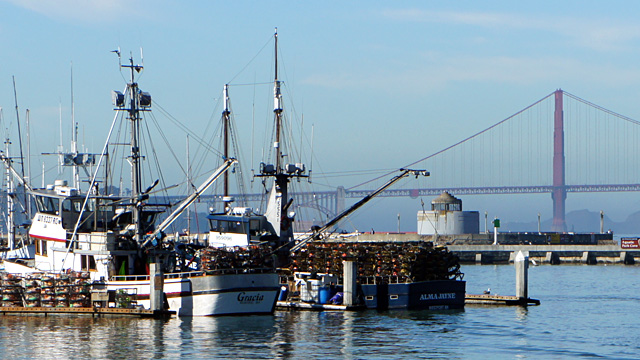
"caption": "Crab fishermen wait at Pier 45 for the November 15 season opener (Lauren Sommer/KQED)",
"description": null,
"title": "crabboat3",
"credit": null,
"status": "inherit",
"isLoading": false,
"fetchFailed": false
},
"science_10853": {
"type": "attachments",
"id": "science_10853",
"meta": {
"index": "attachments_1716263798",
"site": "science",
"id": "10853",
"found": true
},
"parent": 10845,
"imgSizes": {
"kqedFullSize": {
"file": "https://ww2.kqed.org/app/uploads/sites/35/2013/11/latest_4096_0171_featured-e1384284782301.jpg",
"width": 640,
"height": 360
}
},
"publishDate": 1384280372,
"modified": 1384280372,
"caption": "NASA's Solar Dynamics Observatory captured this recent image of magnetic field lines and flares emerging from the Sun's surface. ",
"description": null,
"title": "latest_4096_0171_featured",
"credit": null,
"status": "inherit",
"isLoading": false,
"fetchFailed": false
},
"science_10824": {
"type": "attachments",
"id": "science_10824",
"meta": {
"index": "attachments_1716263798",
"site": "science",
"id": "10824",
"found": true
},
"parent": 10784,
"imgSizes": {
"kqedFullSize": {
"file": "https://ww2.kqed.org/app/uploads/sites/35/2013/11/military.jpg",
"width": 640,
"height": 360
}
},
"publishDate": 1383955031,
"modified": 1383955031,
"caption": "U.S. Army soldiers walk off the plane as they arrive at their home base after leaving Iraq. (Joe Raedle/Getty Images)",
"description": "U.S. Army soldiers walk off the plane as they arrive at their home base after leaving Iraq. (Joe Raedle/Getty Images)",
"title": "military",
"credit": null,
"status": "inherit",
"isLoading": false,
"fetchFailed": false
},
"science_10755": {
"type": "attachments",
"id": "science_10755",
"meta": {
"index": "attachments_1716263798",
"site": "science",
"id": "10755",
"found": true
},
"parent": 10745,
"imgSizes": {
"kqedFullSize": {
"file": "https://ww2.kqed.org/app/uploads/sites/35/2013/11/chelyabinskmeteor.jpg",
"width": 640,
"height": 360
}
},
"publishDate": 1383777266,
"modified": 1383777266,
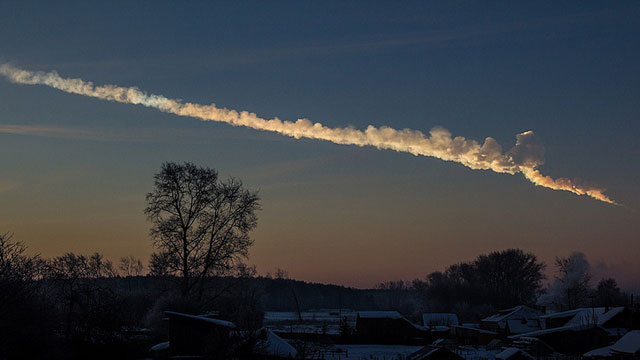
"caption": "The Chelyabinsk meteor streaked across the sky in Russia in early-2012. (cyberborean/Flickr)",
"description": "The Chelyabinsk meteor streaked across the sky in Russia in early-2012. (cyberborean/Flickr) ",
"title": "chelyabinskmeteor",
"credit": null,
"status": "inherit",
"isLoading": false,
"fetchFailed": false
}
},
"audioPlayerReducer": {
"postId": "stream_live",
"isPaused": true,
"isPlaying": false,
"pfsActive": false,
"pledgeModalIsOpen": true,
"playerDrawerIsOpen": false,
"liveAudioPlayStartedAt": 0,
"liveAudioPlayContext": ""
},
"authorsReducer": {
"mollysamuel": {
"type": "authors",
"id": "200",
"meta": {
"index": "authors_1716337520",
"id": "200",
"found": true
},
"name": "Molly Samuel",
"firstName": "Molly",
"lastName": "Samuel",
"slug": "mollysamuel",
"email": "msamuel@kqed.org",
"display_author_email": false,
"staff_mastheads": [],
"title": null,
"bio": "Molly Samuel joined KQED as an intern in 2007, and since then has worked here as a reporter, producer, director and blogger. Before becoming KQED Science’s Multimedia Producer, she was a producer for Climate Watch. Molly has also reported for NPR, KALW and High Country News, and has produced audio stories for The Encyclopedia of Life and the Oakland Museum of California. She was a fellow with the Middlebury Fellowships in Environmental Journalism and a journalist-in-residence at the National Evolutionary Synthesis Center. Molly has a degree in Ancient Greek from Oberlin College and is a co-founder of the record label True Panther Sounds.",
"avatar": "https://secure.gravatar.com/avatar/a6abd3b949a89fe5109fa9917631d0b6?s=600&d=blank&r=g",
"twitter": null,
"facebook": null,
"instagram": null,
"linkedin": null,
"sites": [
{
"site": "news",
"roles": [
"subscriber"
]
},
{
"site": "stateofhealth",
"roles": [
"subscriber"
]
},
{
"site": "science",
"roles": [
"subscriber"
]
},
{
"site": "quest",
"roles": [
"edit_users",
"subscriber"
]
}
],
"headData": {
"title": "Molly Samuel | KQED",
"description": null,
"ogImgSrc": "https://secure.gravatar.com/avatar/a6abd3b949a89fe5109fa9917631d0b6?s=600&d=blank&r=g",
"twImgSrc": "https://secure.gravatar.com/avatar/a6abd3b949a89fe5109fa9917631d0b6?s=600&d=blank&r=g"
},
"isLoading": false,
"link": "/author/mollysamuel"
},
"amystanden": {
"type": "authors",
"id": "210",
"meta": {
"index": "authors_1716337520",
"id": "210",
"found": true
},
"name": "Amy Standen",
"firstName": "Amy",
"lastName": "Standen",
"slug": "amystanden",
"email": "astanden@kqed.org",
"display_author_email": false,
"staff_mastheads": [],
"title": "KQED Contributor",
"bio": "Amy Standen (@amystanden) is co-host of #\u003ca href=\"https://ww2.kqed.org/news/programs/the-leap\">TheLeapPodcast\u003c/a> (subscribe on iTunes or Stitcher!) and host of KQED and PBSDigital Studios' science video series, \u003ca href=\"https://www.youtube.com/user/KQEDDeepLook\">Deep Look\u003c/a>. Her science radio stories appear on KQED and NPR.\r\n\r\nEmail her at astanden@kqed.org",
"avatar": "https://secure.gravatar.com/avatar/3d021b72de685a788b0487b059d0a6a1?s=600&d=blank&r=g",
"twitter": null,
"facebook": null,
"instagram": null,
"linkedin": null,
"sites": [
{
"site": "news",
"roles": [
"subscriber"
]
},
{
"site": "futureofyou",
"roles": [
"subscriber"
]
},
{
"site": "stateofhealth",
"roles": [
"subscriber"
]
},
{
"site": "science",
"roles": []
},
{
"site": "quest",
"roles": [
"subscriber"
]
}
],
"headData": {
"title": "Amy Standen | KQED",
"description": "KQED Contributor",
"ogImgSrc": "https://secure.gravatar.com/avatar/3d021b72de685a788b0487b059d0a6a1?s=600&d=blank&r=g",
"twImgSrc": "https://secure.gravatar.com/avatar/3d021b72de685a788b0487b059d0a6a1?s=600&d=blank&r=g"
},
"isLoading": false,
"link": "/author/amystanden"
},
"cmiller": {
"type": "authors",
"id": "221",
"meta": {
"index": "authors_1716337520",
"id": "221",
"found": true
},
"name": "Craig Miller",
"firstName": "Craig",
"lastName": "Miller",
"slug": "cmiller",
"email": "craig@voxterra.net",
"display_author_email": false,
"staff_mastheads": [
"science"
],
"title": "Editor Emeritus, Science",
"bio": "Craig is a former KQED Science editor, specializing in weather, climate, water & energy issues, with a little seismology thrown in just to shake things up. Prior to that, he launched and led the station's award-winning multimedia project, Climate Watch. Craig is also an accomplished writer/producer of television documentaries, with a focus on natural resource issues.",
"avatar": "https://secure.gravatar.com/avatar/b91661df645e001a9cafe0861fa685f9?s=600&d=blank&r=g",
"twitter": "voxterra",
"facebook": null,
"instagram": null,
"linkedin": null,
"sites": [
{
"site": "news",
"roles": [
"author"
]
},
{
"site": "futureofyou",
"roles": [
"editor"
]
},
{
"site": "stateofhealth",
"roles": [
"author"
]
},
{
"site": "science",
"roles": [
"editor"
]
},
{
"site": "quest",
"roles": [
"editor"
]
}
],
"headData": {
"title": "Craig Miller | KQED",
"description": "Editor Emeritus, Science",
"ogImgSrc": "https://secure.gravatar.com/avatar/b91661df645e001a9cafe0861fa685f9?s=600&d=blank&r=g",
"twImgSrc": "https://secure.gravatar.com/avatar/b91661df645e001a9cafe0861fa685f9?s=600&d=blank&r=g"
},
"isLoading": false,
"link": "/author/cmiller"
},
"laurensommer": {
"type": "authors",
"id": "239",
"meta": {
"index": "authors_1716337520",
"id": "239",
"found": true
},
"name": "Lauren Sommer",
"firstName": "Lauren",
"lastName": "Sommer",
"slug": "laurensommer",
"email": "lsommer@kqed.org",
"display_author_email": false,
"staff_mastheads": [],
"title": "KQED Contributor",
"bio": "Lauren is a radio reporter formerly covering environment, water, and energy for KQED Science. As part of her day job, she has scaled Sierra Nevada peaks, run from charging elephant seals, and desperately tried to get her sea legs - all in pursuit of good radio. Her work has appeared on Marketplace, Living on Earth, Science Friday and NPR's Morning Edition and All Things Considered. You can find her on Twitter at \u003ca href=\"https://twitter.com/lesommer\">@lesommer\u003c/a>.",
"avatar": "https://secure.gravatar.com/avatar/33aa3772bb86c6ad45b8aca6a238bbdf?s=600&d=blank&r=g",
"twitter": null,
"facebook": null,
"instagram": null,
"linkedin": null,
"sites": [
{
"site": "news",
"roles": [
"author"
]
},
{
"site": "science",
"roles": [
"editor",
"manage_content_types",
"manage_taxonomies"
]
},
{
"site": "quest",
"roles": [
"editor"
]
}
],
"headData": {
"title": "Lauren Sommer | KQED",
"description": "KQED Contributor",
"ogImgSrc": "https://secure.gravatar.com/avatar/33aa3772bb86c6ad45b8aca6a238bbdf?s=600&d=blank&r=g",
"twImgSrc": "https://secure.gravatar.com/avatar/33aa3772bb86c6ad45b8aca6a238bbdf?s=600&d=blank&r=g"
},
"isLoading": false,
"link": "/author/laurensommer"
},
"lindseyhoshaw": {
"type": "authors",
"id": "5432",
"meta": {
"index": "authors_1716337520",
"id": "5432",
"found": true
},
"name": "Lindsey Hoshaw",
"firstName": "Lindsey",
"lastName": "Hoshaw",
"slug": "lindseyhoshaw",
"email": "lhoshaw@kqed.org",
"display_author_email": false,
"staff_mastheads": [],
"title": "KQED Contributor",
"bio": "Lindsey Hoshaw is a former interactive producer for KQED Science. Before joining KQED, Lindsey was a science correspondent for The New York Times, The Boston Globe, Forbes and Scientific American. On Twitter @lindseyhoshaw",
"avatar": "https://secure.gravatar.com/avatar/274b07694c998eaa8f26cfabaa941186?s=600&d=mm&r=g",
"twitter": "lindseyhoshaw",
"facebook": "lindsey.hoshaw.9",
"instagram": null,
"linkedin": null,
"sites": [
{
"site": "arts",
"roles": [
"author"
]
},
{
"site": "news",
"roles": [
"subscriber"
]
},
{
"site": "futureofyou",
"roles": [
"editor"
]
},
{
"site": "bayareabites",
"roles": [
"contributor"
]
},
{
"site": "stateofhealth",
"roles": [
"author"
]
},
{
"site": "science",
"roles": [
"edit_theme_options",
"subscriber"
]
},
{
"site": "quest",
"roles": [
"edit_post_subscriptions",
"edit_usergroups",
"unfiltered_html",
"unfiltered_upload",
"leadcoordinator",
"editor"
]
},
{
"site": "food",
"roles": []
}
],
"headData": {
"title": "Lindsey Hoshaw | KQED",
"description": "KQED Contributor",
"ogImgSrc": "https://secure.gravatar.com/avatar/274b07694c998eaa8f26cfabaa941186?s=600&d=mm&r=g",
"twImgSrc": "https://secure.gravatar.com/avatar/274b07694c998eaa8f26cfabaa941186?s=600&d=mm&r=g"
},
"isLoading": false,
"link": "/author/lindseyhoshaw"
}
},
"pagesReducer": {
"science_category_news": {
"type": "terms",
"id": "science_40",
"meta": {
"index": "terms_1716263798",
"site": "science",
"id": "40",
"score": 10.81519
},
"featImg": null,
"name": "News",
"description": null,
"taxonomy": "category",
"headData": {
"twImgId": null,
"twTitle": null,
"ogTitle": null,
"ogImgId": null,
"twDescription": null,
"description": null,
"title": "News Archives | KQED Science",
"ogDescription": null
},
"ttid": 42,
"slug": "news",
"isLoading": false,
"title": "News",
"pageMeta": {
"site": "science",
"WpPageTemplate": "page-topic-editorial",
"currentPage": 274
},
"blocks": [
{
"blockName": "kqed/post-list",
"attrs": {
"layout": "cardArticle2",
"query": "posts/science?category=news",
"seeMore": false,
"paginated": true,
"page": 274
}
},
{
"blockName": "kqed/ad"
}
]
}
},
"pfsSessionReducer": {},
"postsReducer": {
"stream_live": {
"type": "live",
"id": "stream_live",
"audioUrl": "https://streams.kqed.org/kqedradio",
"title": "Live Stream",
"excerpt": "Live Stream information currently unavailable.",
"link": "/radio",
"featImg": "",
"label": {
"name": "KQED Live",
"link": "/"
}
},
"stream_kqedNewscast": {
"type": "posts",
"id": "stream_kqedNewscast",
"audioUrl": "https://www.kqed.org/.stream/anon/radio/RDnews/newscast.mp3?_=1",
"title": "KQED Newscast",
"featImg": "",
"label": {
"name": "88.5 FM",
"link": "/"
}
},
"science_11257": {
"type": "posts",
"id": "science_11257",
"meta": {
"index": "posts_1716263798",
"site": "science",
"id": "11257",
"score": null,
"sort": [
1385152779000
]
},
"parent": 0,
"labelTerm": {
"site": "science"
},
"blocks": [],
"publishDate": 1385152779,
"format": "aside",
"title": "Rolling Out a 'Clean Diesel' Locomotive",
"headTitle": "Rolling Out a ‘Clean Diesel’ Locomotive | KQED",
"content": "\u003cfigure id=\"attachment_11280\" class=\"wp-caption aligncenter\" style=\"max-width: 640px\">\u003ca href=\"http://ww2.kqed.org/science/wp-content/uploads/sites/35/2013/11/IMG_4397_web.jpg\" rel=\"attachment wp-att-11280\">\u003cimg loading=\"lazy\" decoding=\"async\" class=\"size-full wp-image-11280\" src=\"http://ww2.kqed.org/science/wp-content/uploads/sites/35/2013/11/IMG_4397_web.jpg\" alt=\"Richmond Pacific Railroad's clean-diesel switch engine, the first of its kind in the U.S.\" width=\"640\" height=\"360\">\u003c/a>\u003cfigcaption class=\"wp-caption-text\">Richmond Pacific Railroad’s clean-diesel switch engine, the first of its kind in the U.S.\u003c/figcaption>\u003c/figure>\n\u003cp>You gotta start somewhere. In this case, it’s the BNSF switchyard in Richmond, where the \u003ca title=\"RPR - main\" href=\"http://www.levinterminal.com/facilities-and-services/rail-services/\">Richmond Pacific Railroad\u003c/a> is testing the nation’s first “Tier 4” switch engine for certification. Tier 4 is a standard set by the federal Environmental Protection Agency for ultra-low emissions.\u003c/p>\n\u003cp>The location couldn’t be more appropriate, since Richmond is an industrial town with a major rail hub, a huge oil refinery and with housing right up against it all, a hotspot for air-quality-related health complaints such as asthma.\u003c/p>\n\u003cp>“Even one locomotive can make a big impact in terms of health,” says Damian Breen, who directs “strategic incentives” for the Bay Area Air Quality Management District. The District provided the railroad with a half-million-dollar grant to roll out and test the new switch engine, a smaller locomotive used to shuffle rail cars around in the yard or move them short distances. Breen says the new switcher will eliminate 6,000 tons of emissions per year.\u003c/p>\n\u003cp>Of course, “clean” is a relative term in the railroad biz. Most locomotives are belching volcanoes of black soot, partly because they’re typically powered by a single, huge diesel engine and spend a lot of their time idling. Instead, the new switcher has a series of smaller engines and generators, optimized by computer controls to call up only as much power as the moment demands.\u003c/p>\n\u003cp>“It’s really a new design concept,” says Steve Sonni, California rep for the locomotive builder, \u003ca title=\"NRE - main\" href=\"http://www.nationalrailway.com/\">NRE\u003c/a>. He says the combination reduces noise, fuel consumption and stack emissions. “You’re talking 30 to 40 percent for sure,” he says, and adds that it could be 90 percent cleaner than many “legacy” locomotives that have been on the rails for 40 years or more. “I can assure you that there’s hundreds and hundreds, if not thousands of old locomotives that were designed and built in the ’50s and ’60s operating all over the United States,” says Sonni, many without any restrictions on emissions.\u003c/p>\n\u003cfigure id=\"attachment_11281\" class=\"wp-caption alignright\" style=\"max-width: 400px\">\u003ca href=\"http://ww2.kqed.org/science/wp-content/uploads/sites/35/2013/11/IMG_4400_web.jpg\" rel=\"attachment wp-att-11281\">\u003cimg loading=\"lazy\" decoding=\"async\" class=\"size-full wp-image-11281\" src=\"http://ww2.kqed.org/science/wp-content/uploads/sites/35/2013/11/IMG_4400_web.jpg\" alt=\"Jeff...\" width=\"400\" height=\"300\">\u003c/a>\u003cfigcaption class=\"wp-caption-text\">Jeff Schwab starts up the new ultra-quiet, low-emissions switch locomotive.\u003c/figcaption>\u003c/figure>\n\u003cp>Nobody seems more enthused about the new switcher than the guy in the cab. For one thing, “It’s really quiet,” says Jeff Schwab, the railroad’s chief mechanic.\u003c/p>\n\u003cp>[ad fullwidth]\u003c/p>\n\u003cp>“You have a computer monitoring everything, helping the engineer make decisions,” he notes, such as a kind of traction control, where the computer will redistribute power to wheels to avoid wheels slipping, a common occurrence when switchers are hooked up to heavy loads. “It’s just incredible.”\u003c/p>\n\u003cp>Breen says he also expects to see climate benefits from the new engine, as a major component of diesel exhaust is black carbon, which Breen calls “a major forcer of climate.” Based on recent science, state regulators are recommending a stronger focus on black carbon as a greenhouse gas. Breen expects the switcher to save two metric tons of soot each year, reduce carbon dioxide emissions, and use less fuel overall. But with an estimated 550 switch engines operating in California, there would seem to be a long road ahead.\u003c/p>\n\u003cp>“We are looking to see more of these locomotives deployed by the major railroads,” says Breen, though he concedes that it’s up to them to decide whether to adopt the cleaner engines. The new locomotives will become more widely available in 2015. “We have talked to them quite a bit about reducing risk in these communities,” he added. “We know they are willing to work with us.” At a cost upwards of $1 million for a single locomotive, that can be a tough sell.\u003c/p>\n\u003cp>\u003c/p>\n\u003cp> \u003c/p>\n\n",
"stats": {
"hasVideo": false,
"hasChartOrMap": false,
"hasAudio": false,
"hasPolis": false,
"wordCount": 662,
"hasGoogleForm": false,
"hasGallery": false,
"hasHearkenModule": false,
"iframeSrcs": [],
"paragraphCount": 11
},
"modified": 1704934648,
"excerpt": "\"Clean diesel\" cars are now common on the highways. A new locomotive now takes that concept to the rails--with a few other bells and whistles.",
"headData": {
"twImgId": "",
"twTitle": "",
"ogTitle": "",
"ogImgId": "",
"twDescription": "",
"description": ""Clean diesel" cars are now common on the highways. A new locomotive now takes that concept to the rails--with a few other bells and whistles.",
"title": "Rolling Out a 'Clean Diesel' Locomotive | KQED",
"ogDescription": "",
"schema": {
"@context": "https://schema.org",
"@type": "Article",
"headline": "Rolling Out a 'Clean Diesel' Locomotive",
"datePublished": "2013-11-22T12:39:39-08:00",
"dateModified": "2024-01-10T16:57:28-08:00",
"image": "https://cdn.kqed.org/wp-content/uploads/2020/02/KQED-OG-Image@1x.png"
}
},
"guestAuthors": [],
"slug": "rolling-out-a-clean-diesel-locomotive",
"status": "publish",
"sticky": false,
"path": "/science/11257/rolling-out-a-clean-diesel-locomotive",
"audioTrackLength": null,
"parsedContent": [
{
"type": "contentString",
"content": "\u003cdiv class=\"post-body\">\u003cp>\u003cfigure id=\"attachment_11280\" class=\"wp-caption aligncenter\" style=\"max-width: 640px\">\u003ca href=\"http://ww2.kqed.org/science/wp-content/uploads/sites/35/2013/11/IMG_4397_web.jpg\" rel=\"attachment wp-att-11280\">\u003cimg loading=\"lazy\" decoding=\"async\" class=\"size-full wp-image-11280\" src=\"http://ww2.kqed.org/science/wp-content/uploads/sites/35/2013/11/IMG_4397_web.jpg\" alt=\"Richmond Pacific Railroad's clean-diesel switch engine, the first of its kind in the U.S.\" width=\"640\" height=\"360\">\u003c/a>\u003cfigcaption class=\"wp-caption-text\">Richmond Pacific Railroad’s clean-diesel switch engine, the first of its kind in the U.S.\u003c/figcaption>\u003c/figure>\n\u003cp>You gotta start somewhere. In this case, it’s the BNSF switchyard in Richmond, where the \u003ca title=\"RPR - main\" href=\"http://www.levinterminal.com/facilities-and-services/rail-services/\">Richmond Pacific Railroad\u003c/a> is testing the nation’s first “Tier 4” switch engine for certification. Tier 4 is a standard set by the federal Environmental Protection Agency for ultra-low emissions.\u003c/p>\n\u003cp>The location couldn’t be more appropriate, since Richmond is an industrial town with a major rail hub, a huge oil refinery and with housing right up against it all, a hotspot for air-quality-related health complaints such as asthma.\u003c/p>\n\u003cp>“Even one locomotive can make a big impact in terms of health,” says Damian Breen, who directs “strategic incentives” for the Bay Area Air Quality Management District. The District provided the railroad with a half-million-dollar grant to roll out and test the new switch engine, a smaller locomotive used to shuffle rail cars around in the yard or move them short distances. Breen says the new switcher will eliminate 6,000 tons of emissions per year.\u003c/p>\n\u003cp>Of course, “clean” is a relative term in the railroad biz. Most locomotives are belching volcanoes of black soot, partly because they’re typically powered by a single, huge diesel engine and spend a lot of their time idling. Instead, the new switcher has a series of smaller engines and generators, optimized by computer controls to call up only as much power as the moment demands.\u003c/p>\n\u003cp>“It’s really a new design concept,” says Steve Sonni, California rep for the locomotive builder, \u003ca title=\"NRE - main\" href=\"http://www.nationalrailway.com/\">NRE\u003c/a>. He says the combination reduces noise, fuel consumption and stack emissions. “You’re talking 30 to 40 percent for sure,” he says, and adds that it could be 90 percent cleaner than many “legacy” locomotives that have been on the rails for 40 years or more. “I can assure you that there’s hundreds and hundreds, if not thousands of old locomotives that were designed and built in the ’50s and ’60s operating all over the United States,” says Sonni, many without any restrictions on emissions.\u003c/p>\n\u003cfigure id=\"attachment_11281\" class=\"wp-caption alignright\" style=\"max-width: 400px\">\u003ca href=\"http://ww2.kqed.org/science/wp-content/uploads/sites/35/2013/11/IMG_4400_web.jpg\" rel=\"attachment wp-att-11281\">\u003cimg loading=\"lazy\" decoding=\"async\" class=\"size-full wp-image-11281\" src=\"http://ww2.kqed.org/science/wp-content/uploads/sites/35/2013/11/IMG_4400_web.jpg\" alt=\"Jeff...\" width=\"400\" height=\"300\">\u003c/a>\u003cfigcaption class=\"wp-caption-text\">Jeff Schwab starts up the new ultra-quiet, low-emissions switch locomotive.\u003c/figcaption>\u003c/figure>\n\u003cp>Nobody seems more enthused about the new switcher than the guy in the cab. For one thing, “It’s really quiet,” says Jeff Schwab, the railroad’s chief mechanic.\u003c/p>\n\u003cp>\u003c/p>\u003c/div>",
"attributes": {
"named": {},
"numeric": []
}
},
{
"type": "component",
"content": "",
"name": "ad",
"attributes": {
"named": {
"label": "fullwidth"
},
"numeric": [
"fullwidth"
]
}
},
{
"type": "contentString",
"content": "\u003cdiv class=\"post-body\">\u003cp>\u003c/p>\n\u003cp>“You have a computer monitoring everything, helping the engineer make decisions,” he notes, such as a kind of traction control, where the computer will redistribute power to wheels to avoid wheels slipping, a common occurrence when switchers are hooked up to heavy loads. “It’s just incredible.”\u003c/p>\n\u003cp>Breen says he also expects to see climate benefits from the new engine, as a major component of diesel exhaust is black carbon, which Breen calls “a major forcer of climate.” Based on recent science, state regulators are recommending a stronger focus on black carbon as a greenhouse gas. Breen expects the switcher to save two metric tons of soot each year, reduce carbon dioxide emissions, and use less fuel overall. But with an estimated 550 switch engines operating in California, there would seem to be a long road ahead.\u003c/p>\n\u003cp>“We are looking to see more of these locomotives deployed by the major railroads,” says Breen, though he concedes that it’s up to them to decide whether to adopt the cleaner engines. The new locomotives will become more widely available in 2015. “We have talked to them quite a bit about reducing risk in these communities,” he added. “We know they are willing to work with us.” At a cost upwards of $1 million for a single locomotive, that can be a tough sell.\u003c/p>\n\u003cp>\u003c/p>\n\u003cp> \u003c/p>\n\n\u003c/div>\u003c/p>",
"attributes": {
"named": {},
"numeric": []
}
}
],
"link": "/science/11257/rolling-out-a-clean-diesel-locomotive",
"authors": [
"221"
],
"categories": [
"science_31",
"science_33",
"science_89",
"science_35",
"science_39",
"science_40"
],
"tags": [
"science_524",
"science_354",
"science_450"
],
"featImg": "science_11280",
"label": "science"
},
"science_11322": {
"type": "posts",
"id": "science_11322",
"meta": {
"index": "posts_1716263798",
"site": "science",
"id": "11322",
"score": null,
"sort": [
1385079417000
]
},
"parent": 0,
"labelTerm": {
"site": "science",
"term": 1151
},
"blocks": [],
"publishDate": 1385079417,
"format": "aside",
"title": "Short Version: Yes, We Need More Rain",
"headTitle": "Short Version: Yes, We Need More Rain | KQED",
"content": "\u003cfigure id=\"attachment_11358\" class=\"wp-caption aligncenter\" style=\"max-width: 640px\">\u003ca href=\"http://ww2.kqed.org/science/wp-content/uploads/sites/35/2013/11/shastalevels.jpg\">\u003cimg loading=\"lazy\" decoding=\"async\" class=\"size-full wp-image-11358\" src=\"http://ww2.kqed.org/science/wp-content/uploads/sites/35/2013/11/shastalevels.jpg\" alt=\"shasta lake reservoir water supply\" width=\"640\" height=\"360\">\u003c/a>\u003cfigcaption class=\"wp-caption-text\">Shasta Lake, California’s largest reservoir, is at about 62 percent of average for this time of year. (Molly Samuel/KQED)\u003c/figcaption>\u003c/figure>\n\u003cp>The system that just passed through Northern California \u003ca title=\"NOAA - precip\" href=\"http://www.cnrfc.noaa.gov/awipsProducts/RNORR4RSA.php\">brought a decent “wetting,”\u003c/a> a glimmer of hope and put a damper on the wildfire season. But you’re familiar with the term: “a drop in the bucket?”\u003c/p>\n\u003cp>For a rough gauge of how the state is doing, water managers keep a close eye on a network of eight recording stations in the northern Sierra, between Shasta and Tahoe. Right now those stations are reporting about 2 and a half inches of precipitation for October and November, or just about a third of what’s considered “normal” for this date.[contextly_sidebar id=”129024539bde565bf58088ac3351ce07″]\u003c/p>\n\u003cp>“It’s gonna be hard to make that up,” says Maury Roos, chief hydrologist for the state Department of Water Resources. If we don’t, Roos says he’ll be ready to invoke the dreaded “D-word.” Roos says a second straight dry winter “would put us into what I would consider drought–a real hydrologic drought. I don’t think we’ve reached that threshold yet.”\u003c/p>\n\u003cp>There is time to catch up. Typically the state gets about half its annual precipitation during the coming two months, December and January. Last year we had a soggy December and then the tap simply shut off, leaving us with an epic dry spell from January through March and overall, a “wet season” that failed to fully recharge key reservoirs. That means that another winter on the dry side would leave us without the “carry-over” storage that helped Californians through this past summer.\u003c/p>\n\u003cp>Sadly, the chances of that seem pretty good. The winter outlook just released by NOAA’s \u003ca title=\"NCPC - outlook\" href=\"http://www.cpc.ncep.noaa.gov/\">National Climate Prediction Center\u003c/a> shows the odds in favor of “persistent or intensified drought” for nearly all of California, through February.\u003c/p>\n\u003cfigure id=\"attachment_11350\" class=\"wp-caption aligncenter\" style=\"max-width: 551px\">\u003ca href=\"http://ww2.kqed.org/science/wp-content/uploads/sites/35/2013/11/CPC_OutlookMap.jpg\" rel=\"attachment wp-att-11350\">\u003cimg loading=\"lazy\" decoding=\"async\" class=\"size-full wp-image-11350 \" src=\"http://ww2.kqed.org/science/wp-content/uploads/sites/35/2013/11/CPC_OutlookMap.jpg\" alt=\"Current models seem to favor another dry winter for California. (NOAA)\" width=\"551\" height=\"419\">\u003c/a>\u003cfigcaption class=\"wp-caption-text\">Current models seem to favor another dry winter for California. (NOAA)\u003c/figcaption>\u003c/figure>\n\u003cp>There’s been a lot of talk already this fall about whether California is in a “record-dry” year. Peter Gleick of the Oakland-based Pacific Institute \u003ca title=\"HuffPo - Gleick\" href=\"http://www.huffingtonpost.com/peter-h-gleick/extreme-weather-is-this-c_b_4310418.html\">breaks down that discussion\u003c/a> in his latest post. As usual, the answer is: it depends on what you’re counting. But Gleick isn’t waiting around for any official declarations to roll out the D-word:\u003c/p>\n\u003cblockquote>\u003cp>California is in the midst of another severe drought, measured as the weighted average of precipitation around the state. Indeed, the past two years have both been very dry.\u003c/p>\u003c/blockquote>\n\u003cp>More troubling, writes Gleick, is the long-term trend, which shows flagging precipitation despite California’s wild annual fluctuations.\u003c/p>\n\u003cp>[ad fullwidth]\u003c/p>\u003cp>\u003c/p>\n",
"stats": {
"hasVideo": false,
"hasChartOrMap": false,
"hasAudio": false,
"hasPolis": false,
"wordCount": 470,
"hasGoogleForm": false,
"hasGallery": false,
"hasHearkenModule": false,
"iframeSrcs": [],
"paragraphCount": 10
},
"modified": 1704934652,
"excerpt": "The \"wet season\" is off to a slow start in California, but the most critical two months are still ahead.",
"headData": {
"twImgId": "",
"twTitle": "",
"ogTitle": "",
"ogImgId": "",
"twDescription": "",
"description": "The "wet season" is off to a slow start in California, but the most critical two months are still ahead.",
"title": "Short Version: Yes, We Need More Rain | KQED",
"ogDescription": "",
"schema": {
"@context": "https://schema.org",
"@type": "Article",
"headline": "Short Version: Yes, We Need More Rain",
"datePublished": "2013-11-21T16:16:57-08:00",
"dateModified": "2024-01-10T16:57:32-08:00",
"image": "https://cdn.kqed.org/wp-content/uploads/2020/02/KQED-OG-Image@1x.png"
}
},
"guestAuthors": [],
"slug": "short-version-yes-we-need-more-rain",
"status": "publish",
"sticky": false,
"path": "/science/11322/short-version-yes-we-need-more-rain",
"audioTrackLength": null,
"parsedContent": [
{
"type": "contentString",
"content": "\u003cdiv class=\"post-body\">\u003cp>\u003cfigure id=\"attachment_11358\" class=\"wp-caption aligncenter\" style=\"max-width: 640px\">\u003ca href=\"http://ww2.kqed.org/science/wp-content/uploads/sites/35/2013/11/shastalevels.jpg\">\u003cimg loading=\"lazy\" decoding=\"async\" class=\"size-full wp-image-11358\" src=\"http://ww2.kqed.org/science/wp-content/uploads/sites/35/2013/11/shastalevels.jpg\" alt=\"shasta lake reservoir water supply\" width=\"640\" height=\"360\">\u003c/a>\u003cfigcaption class=\"wp-caption-text\">Shasta Lake, California’s largest reservoir, is at about 62 percent of average for this time of year. (Molly Samuel/KQED)\u003c/figcaption>\u003c/figure>\n\u003cp>The system that just passed through Northern California \u003ca title=\"NOAA - precip\" href=\"http://www.cnrfc.noaa.gov/awipsProducts/RNORR4RSA.php\">brought a decent “wetting,”\u003c/a> a glimmer of hope and put a damper on the wildfire season. But you’re familiar with the term: “a drop in the bucket?”\u003c/p>\n\u003cp>For a rough gauge of how the state is doing, water managers keep a close eye on a network of eight recording stations in the northern Sierra, between Shasta and Tahoe. Right now those stations are reporting about 2 and a half inches of precipitation for October and November, or just about a third of what’s considered “normal” for this date.\u003c/p>\u003cp>\u003c/p>\u003cp>\u003c/p>\n\u003cp>“It’s gonna be hard to make that up,” says Maury Roos, chief hydrologist for the state Department of Water Resources. If we don’t, Roos says he’ll be ready to invoke the dreaded “D-word.” Roos says a second straight dry winter “would put us into what I would consider drought–a real hydrologic drought. I don’t think we’ve reached that threshold yet.”\u003c/p>\n\u003cp>There is time to catch up. Typically the state gets about half its annual precipitation during the coming two months, December and January. Last year we had a soggy December and then the tap simply shut off, leaving us with an epic dry spell from January through March and overall, a “wet season” that failed to fully recharge key reservoirs. That means that another winter on the dry side would leave us without the “carry-over” storage that helped Californians through this past summer.\u003c/p>\n\u003cp>Sadly, the chances of that seem pretty good. The winter outlook just released by NOAA’s \u003ca title=\"NCPC - outlook\" href=\"http://www.cpc.ncep.noaa.gov/\">National Climate Prediction Center\u003c/a> shows the odds in favor of “persistent or intensified drought” for nearly all of California, through February.\u003c/p>\n\u003cfigure id=\"attachment_11350\" class=\"wp-caption aligncenter\" style=\"max-width: 551px\">\u003ca href=\"http://ww2.kqed.org/science/wp-content/uploads/sites/35/2013/11/CPC_OutlookMap.jpg\" rel=\"attachment wp-att-11350\">\u003cimg loading=\"lazy\" decoding=\"async\" class=\"size-full wp-image-11350 \" src=\"http://ww2.kqed.org/science/wp-content/uploads/sites/35/2013/11/CPC_OutlookMap.jpg\" alt=\"Current models seem to favor another dry winter for California. (NOAA)\" width=\"551\" height=\"419\">\u003c/a>\u003cfigcaption class=\"wp-caption-text\">Current models seem to favor another dry winter for California. (NOAA)\u003c/figcaption>\u003c/figure>\n\u003cp>There’s been a lot of talk already this fall about whether California is in a “record-dry” year. Peter Gleick of the Oakland-based Pacific Institute \u003ca title=\"HuffPo - Gleick\" href=\"http://www.huffingtonpost.com/peter-h-gleick/extreme-weather-is-this-c_b_4310418.html\">breaks down that discussion\u003c/a> in his latest post. As usual, the answer is: it depends on what you’re counting. But Gleick isn’t waiting around for any official declarations to roll out the D-word:\u003c/p>\n\u003cblockquote>\u003cp>California is in the midst of another severe drought, measured as the weighted average of precipitation around the state. Indeed, the past two years have both been very dry.\u003c/p>\u003c/blockquote>\n\u003cp>More troubling, writes Gleick, is the long-term trend, which shows flagging precipitation despite California’s wild annual fluctuations.\u003c/p>\n\u003cp>\u003c/p>\u003c/div>",
"attributes": {
"named": {},
"numeric": []
}
},
{
"type": "component",
"content": "",
"name": "ad",
"attributes": {
"named": {
"label": "fullwidth"
},
"numeric": [
"fullwidth"
]
}
},
{
"type": "contentString",
"content": "\u003cdiv class=\"post-body\">\u003cp>\u003c/p>\u003cp>\u003c/p>\n\u003c/div>\u003c/p>",
"attributes": {
"named": {},
"numeric": []
}
}
],
"link": "/science/11322/short-version-yes-we-need-more-rain",
"authors": [
"221"
],
"series": [
"science_1151"
],
"categories": [
"science_31",
"science_40",
"science_98"
],
"tags": [
"science_572",
"science_1004",
"science_110",
"science_365"
],
"featImg": "science_11358",
"label": "science_1151"
},
"science_11318": {
"type": "posts",
"id": "science_11318",
"meta": {
"index": "posts_1716263798",
"site": "science",
"id": "11318",
"score": null,
"sort": [
1385073455000
]
},
"parent": 0,
"labelTerm": {
"site": "science"
},
"blocks": [],
"publishDate": 1385073455,
"format": "aside",
"title": "It's Official: Toxic Flame Retardants No Longer Required in Furniture",
"headTitle": "It’s Official: Toxic Flame Retardants No Longer Required in Furniture | KQED",
"content": "\u003cfigure id=\"attachment_11324\" class=\"wp-caption alignleft\" style=\"max-width: 640px\">\u003ca href=\"http://ww2.kqed.org/science/wp-content/uploads/sites/35/2013/11/sofa.jpg\">\u003cimg loading=\"lazy\" decoding=\"async\" class=\"size-full wp-image-11324\" src=\"http://ww2.kqed.org/science/wp-content/uploads/sites/35/2013/11/sofa.jpg\" alt=\"Starting next year, shoppers will be able to buy sofas that don't contain flame retardant chemicals. \" width=\"640\" height=\"360\">\u003c/a>\u003cfigcaption class=\"wp-caption-text\">Starting next year, shoppers will be able to buy sofas that don’t contain flame retardant chemicals.\u003c/figcaption>\u003c/figure>\n\u003cp>Governor Jerry Brown has revised a controversial law he signed into existence during his first stint as governor, back in 1975.\u003c/p>\n\u003cp>The obscure-sounding “Technical Bulletin 117”, or TB 117, effectively required furniture manufacturers to inject flame-retardant chemicals into all upholstered furniture sold in the state.\u003c/p>\n\u003cp>With California’s law a \u003cem>de facto\u003c/em> national standard, a typical sofa now hits the market with two to three pounds of chemicals that can cause cancer and reproductive problems.\u003c/p>\n\u003cp>Starting in January, 2014, a new flame retardant standard will take effect, eliminating the need for furniture makers to inject the chemicals into upholstered chairs, sofas, and other items. \u003c/p>\n\u003cp>Flame-retardants may also disappear from baby gear, such as booster seats and changing pads, which will no longer be subject to flammability standards. \u003c/p>\n\u003cp>[ad fullwidth]\u003c/p>\n\u003cp>“It’s wonderful, after years of work, to see this become a reality” said Arlene Blum, a visiting scholar in chemistry at the University of California Berkeley and director of the Green Science Policy Institute.\u003c/p>\n\u003caside class=\"pullquote alignleft\">\n\u003cp>Starting in January, toxics-wary consumers can look for furniture with the “TB 117-2013” tag, and ask whether the item has been treated with flame-retardant chemicals. \u003c/p>\u003c/aside>\n\u003cp>“I was practically screaming with happiness,” said Blum, who’s been working on the flame retardant issue since the 1970s.\u003c/p>\n\u003cp>The \u003ca href=\"http://www.bhfti.ca.gov/about/laws/propregs.shtml\">new law\u003c/a>, called “TB 117-2013” doesn’t forbid furniture manufacturers to use the chemicals. Instead, it sets a new flammability test — known as a “smolder test — that furniture makers can meet without using the flame-retardant chemicals.\u003c/p>\n\u003cp>Instead of injecting chemicals into upholstery foam, manufacturers can line furniture with a fire shield, or use flame-retardant fabrics, which do not emit toxic gases.\u003c/p>\n\u003cp>In its \u003ca href=\"http://www.bhfti.ca.gov/about/laws/isr.pdf\">justification \u003c/a>for the new rules, state officials cited studies suggesting that furniture foam treated with flame-retardant chemicals can actually be more hazardous in a fire.\u003c/p>\n\u003cp>“Flame retardant foam can actually increase smolder propensity,” wrote officials with the state’s \u003ca href=\"http://www.bhfti.ca.gov/home.shtml\">Bureau of Home Furnishings\u003c/a>, which sets furniture standards.[contextly_sidebar id=”9502d57caf924e7e18aa203d0589273d”]\u003c/p>\n\u003cp>Starting in January, furniture makers will be able to sell furniture with the new “TB 117-2013” tag.\u003c/p>\n\u003cp>Blum says chemical-wary shoppers should look for the new tag, and then ask furniture sellers whether the sofa or chair has been treated with flame-retardant chemicals.\u003c/p>\n\u003cp>\u003ca href=\"http://www.bhfti.ca.gov/about/laws/tb_order.pdf\">The revised law\u003c/a> could also effectively remove flame-retardant chemicals from a number of children’s products — including changing pads, nursing pillows, infant swings, strollers — all of which are exempt from flammability standards as of January.\u003c/p>\n\u003cp>“We’re in touch with most of the furniture manufacturing associations and the juvenile products manufacturers associations, and they have told us that their manufacturers are planning to remove the flame retardant chemicals, once it’s legally possible,” says Blum.\u003c/p>\n\u003cp>\u003c/p>\n\u003cp> \u003c/p>\n\n",
"stats": {
"hasVideo": false,
"hasChartOrMap": false,
"hasAudio": false,
"hasPolis": false,
"wordCount": 505,
"hasGoogleForm": false,
"hasGallery": false,
"hasHearkenModule": false,
"iframeSrcs": [],
"paragraphCount": 18
},
"modified": 1704934655,
"excerpt": "California overturns a nearly 40-year-old law that made your sofa potentially menacing.",
"headData": {
"twImgId": "",
"twTitle": "",
"ogTitle": "",
"ogImgId": "",
"twDescription": "",
"description": "California overturns a nearly 40-year-old law that made your sofa potentially menacing.",
"title": "It's Official: Toxic Flame Retardants No Longer Required in Furniture | KQED",
"ogDescription": "",
"schema": {
"@context": "https://schema.org",
"@type": "Article",
"headline": "It's Official: Toxic Flame Retardants No Longer Required in Furniture",
"datePublished": "2013-11-21T14:37:35-08:00",
"dateModified": "2024-01-10T16:57:35-08:00",
"image": "https://cdn.kqed.org/wp-content/uploads/2020/02/KQED-OG-Image@1x.png"
}
},
"guestAuthors": [],
"slug": "its-official-toxic-flame-retardants-no-longer-required-in-furniture",
"status": "publish",
"sticky": false,
"path": "/science/11318/its-official-toxic-flame-retardants-no-longer-required-in-furniture",
"audioTrackLength": null,
"parsedContent": [
{
"type": "contentString",
"content": "\u003cdiv class=\"post-body\">\u003cp>\u003cfigure id=\"attachment_11324\" class=\"wp-caption alignleft\" style=\"max-width: 640px\">\u003ca href=\"http://ww2.kqed.org/science/wp-content/uploads/sites/35/2013/11/sofa.jpg\">\u003cimg loading=\"lazy\" decoding=\"async\" class=\"size-full wp-image-11324\" src=\"http://ww2.kqed.org/science/wp-content/uploads/sites/35/2013/11/sofa.jpg\" alt=\"Starting next year, shoppers will be able to buy sofas that don't contain flame retardant chemicals. \" width=\"640\" height=\"360\">\u003c/a>\u003cfigcaption class=\"wp-caption-text\">Starting next year, shoppers will be able to buy sofas that don’t contain flame retardant chemicals.\u003c/figcaption>\u003c/figure>\n\u003cp>Governor Jerry Brown has revised a controversial law he signed into existence during his first stint as governor, back in 1975.\u003c/p>\n\u003cp>The obscure-sounding “Technical Bulletin 117”, or TB 117, effectively required furniture manufacturers to inject flame-retardant chemicals into all upholstered furniture sold in the state.\u003c/p>\n\u003cp>With California’s law a \u003cem>de facto\u003c/em> national standard, a typical sofa now hits the market with two to three pounds of chemicals that can cause cancer and reproductive problems.\u003c/p>\n\u003cp>Starting in January, 2014, a new flame retardant standard will take effect, eliminating the need for furniture makers to inject the chemicals into upholstered chairs, sofas, and other items. \u003c/p>\n\u003cp>Flame-retardants may also disappear from baby gear, such as booster seats and changing pads, which will no longer be subject to flammability standards. \u003c/p>\n\u003cp>\u003c/p>\u003c/div>",
"attributes": {
"named": {},
"numeric": []
}
},
{
"type": "component",
"content": "",
"name": "ad",
"attributes": {
"named": {
"label": "fullwidth"
},
"numeric": [
"fullwidth"
]
}
},
{
"type": "contentString",
"content": "\u003cdiv class=\"post-body\">\u003cp>\u003c/p>\n\u003cp>“It’s wonderful, after years of work, to see this become a reality” said Arlene Blum, a visiting scholar in chemistry at the University of California Berkeley and director of the Green Science Policy Institute.\u003c/p>\n\u003caside class=\"pullquote alignleft\">\n\u003cp>Starting in January, toxics-wary consumers can look for furniture with the “TB 117-2013” tag, and ask whether the item has been treated with flame-retardant chemicals. \u003c/p>\u003c/aside>\n\u003cp>“I was practically screaming with happiness,” said Blum, who’s been working on the flame retardant issue since the 1970s.\u003c/p>\n\u003cp>The \u003ca href=\"http://www.bhfti.ca.gov/about/laws/propregs.shtml\">new law\u003c/a>, called “TB 117-2013” doesn’t forbid furniture manufacturers to use the chemicals. Instead, it sets a new flammability test — known as a “smolder test — that furniture makers can meet without using the flame-retardant chemicals.\u003c/p>\n\u003cp>Instead of injecting chemicals into upholstery foam, manufacturers can line furniture with a fire shield, or use flame-retardant fabrics, which do not emit toxic gases.\u003c/p>\n\u003cp>In its \u003ca href=\"http://www.bhfti.ca.gov/about/laws/isr.pdf\">justification \u003c/a>for the new rules, state officials cited studies suggesting that furniture foam treated with flame-retardant chemicals can actually be more hazardous in a fire.\u003c/p>\n\u003cp>“Flame retardant foam can actually increase smolder propensity,” wrote officials with the state’s \u003ca href=\"http://www.bhfti.ca.gov/home.shtml\">Bureau of Home Furnishings\u003c/a>, which sets furniture standards.\u003c/p>\u003cp>\u003c/p>\u003cp>\u003c/p>\n\u003cp>Starting in January, furniture makers will be able to sell furniture with the new “TB 117-2013” tag.\u003c/p>\n\u003cp>Blum says chemical-wary shoppers should look for the new tag, and then ask furniture sellers whether the sofa or chair has been treated with flame-retardant chemicals.\u003c/p>\n\u003cp>\u003ca href=\"http://www.bhfti.ca.gov/about/laws/tb_order.pdf\">The revised law\u003c/a> could also effectively remove flame-retardant chemicals from a number of children’s products — including changing pads, nursing pillows, infant swings, strollers — all of which are exempt from flammability standards as of January.\u003c/p>\n\u003cp>“We’re in touch with most of the furniture manufacturing associations and the juvenile products manufacturers associations, and they have told us that their manufacturers are planning to remove the flame retardant chemicals, once it’s legally possible,” says Blum.\u003c/p>\n\u003cp>\u003c/p>\n\u003cp> \u003c/p>\n\n\u003c/div>\u003c/p>",
"attributes": {
"named": {},
"numeric": []
}
}
],
"link": "/science/11318/its-official-toxic-flame-retardants-no-longer-required-in-furniture",
"authors": [
"210"
],
"categories": [
"science_29",
"science_39",
"science_40"
],
"tags": [
"science_64"
],
"featImg": "science_11324",
"label": "science"
},
"science_11198": {
"type": "posts",
"id": "science_11198",
"meta": {
"index": "posts_1716263798",
"site": "science",
"id": "11198",
"score": null,
"sort": [
1384913149000
]
},
"parent": 0,
"labelTerm": {
"site": "science"
},
"blocks": [],
"publishDate": 1384913149,
"format": "aside",
"title": "What Does a Federal Safety Investigation Mean for Tesla?",
"headTitle": "What Does a Federal Safety Investigation Mean for Tesla? | KQED",
"content": "\u003cp>Tuesday morning, the National Highway Traffic Safety Administration announced it would\u003ca href=\"http://www-odi.nhtsa.dot.gov/acms/cs/jaxrs/download/doc/UCM446471/INOA-PE13037-1867.PDF\"> investigate two incidents\u003c/a> (PDF) in which Tesla Model S sedans caught fire. Both times the cars hit debris on a highway and the undercarriage and batteries were damaged. (There was a \u003ca href=\"http://green.autoblog.com/2013/10/28/second-tesla-model-s-fire-caught-on-video-after-mexico-crash/\">third accident in Mexico\u003c/a>, but being in a different country, it’s not in the NHTSA’s jurisdiction.)\u003c/p>\n\u003cp>The AP gets into details of the investigation:\u003c/p>\n\u003cdiv>\n\u003cdiv class=\"embedly\">\n\u003cp>\u003cimg decoding=\"async\" class=\"thumb embedly-thumbnail-small\" src=\"http://ww3.hdnux.com/photos/24/56/03/5431490/3/200x200.jpg\" alt=\"\">\u003ca class=\"embedly-title\" href=\"http://www.sfgate.com/news/science/article/US-safety-agency-opens-probe-into-Tesla-fires-4992789.php\" target=\"_blank\" rel=\"noopener\">US safety agency opens probe into Tesla fires\u003c/a>The probe affects more than 13,000 cars from the 2013 model year that were sold in the U.S. Tesla has sold about 19,000 of the cars worldwide. They start at $70,000 but often run more than $100,000.\u003c/p>\n\u003cdiv class=\"embedly-clear\">\u003c/div>\n\u003cp>\u003cspan class=\"embedly-powered\" style=\"float: right\">\u003ca title=\"Powered by Embedly\" href=\"http://embed.ly/code?url=http%3A%2F%2Fwww.sfgate.com%2Fnews%2Fscience%2Farticle%2FUS-safety-agency-opens-probe-into-Tesla-fires-4992789.php\" target=\"_blank\" rel=\"noopener\">\u003cimg decoding=\"async\" src=\"http://static.embed.ly/images/logos/embedly-powered-small-light.png\" alt=\"Embedly Powered\">\u003c/a>\u003c/span>\u003c/p>\n\u003cdiv class=\"media-attribution\">via \u003ca class=\"media-attribution-link\" href=\"http://www.sfgate.com\" target=\"_blank\" rel=\"noopener\">Sfgate\u003c/a>\u003c/div>\n\u003cdiv class=\"embedly-clear\">\u003c/div>\n\u003c/div>\n\u003c/div>\n\u003cp>So what does it mean for the Palo Also-based carmaker? Bradley Berman, editor of \u003ca href=\"http://www.plugincars.com/\">PluginCars.com\u003c/a> (and a \u003ca href=\"http://science.kqed.org/quest/author/bradleyberman/\">one-time KQED contributor\u003c/a>), said he’s not surprised by all the scrutiny Tesla’s been subjected to.\u003c/p>\n\u003cp>“It’s a rockstar company with a rockstar CEO,” he said. “And a beautiful, award-winning, expensive, fast vehicle. So that’s a magnet for attention.”\u003c/p>\n\u003cp>Berman said that while many more gas cars catch on fire each year, the investigation is justified. “The Tesla Model S has sold a few thousand vehicles, versus some electric cars out there that have sold in the tens of thousands that have not had this problem.”\u003c/p>\n\u003cp>[ad fullwidth]\u003c/p>\n\u003cp>Berman said some of the questions that come up for him are, how close is the battery to the front of the vehicle? Does the power of the car mean that people tend to drive it too fast? Is the material of the undercarriage providing enough protection, and should it be modified?\u003c/p>\n\u003cp>Bill Visnick, a senior editor at Edmunds.com said if he owned a Tesla, he wouldn’t be concerned. “It’s one of those wait and see situations,” he said. “But it is troubling because it is the same type of incident, and it is something that does seem to point to a need for some kind of action.\u003c/p>\n\u003cp>But, Visnick said, it’s too early to worry about Tesla’s reputation. “Tesla’s built up a tremendous amount of goodwill with the buying public, with the auto industry itself and really as a tech company.” he said. “Unless we see this expanded into something more endemic about the design of the car that would cause a full-blown recall, for instance. But there are recalls every day and consumers have become fairly sanguine about it all.”\u003c/p>\n\u003cp>\u003c/p>\n\u003cp>Tesla’s CEO Elon Musk wrote a \u003ca href=\"http://www.teslamotors.com/blog/mission-tesla\">blog post\u003c/a> that highlights the Model S’s \u003ca href=\"http://www.teslamotors.com/about/press/releases/tesla-model-s-achieves-best-safety-rating-any-car-ever-tested\">safety record\u003c/a>. And he outlined three actions Tesla will take now: a software update that will make the cars stay higher off the ground when traveling at highway speeds, a request for the NHTSA investigation (though the NHTSA \u003ca href=\"http://www.latimes.com/business/autos/la-fi-hy-nhtsa-tesla-fire-probe-20131118,0,7392997.story?page=2#axzz2l7R1SXV0\">disputes that Tesla made that request\u003c/a>) and an expansion of the warranty, to cover all car fires.\u003c/p>\n\n",
"stats": {
"hasVideo": false,
"hasChartOrMap": false,
"hasAudio": false,
"hasPolis": false,
"wordCount": 516,
"hasGoogleForm": false,
"hasGallery": false,
"hasHearkenModule": false,
"iframeSrcs": [],
"paragraphCount": 13
},
"modified": 1704934669,
"excerpt": "Tuesday morning, the National Highway Traffic Safety Administration announced it would investigate two incidents in which Tesla Model S sedans caught fire. Both times the cars hit debris on a highway and the undercarriage and batteries were damaged.",
"headData": {
"twImgId": "",
"twTitle": "",
"ogTitle": "",
"ogImgId": "",
"twDescription": "",
"description": "Tuesday morning, the National Highway Traffic Safety Administration announced it would investigate two incidents in which Tesla Model S sedans caught fire. Both times the cars hit debris on a highway and the undercarriage and batteries were damaged.",
"title": "What Does a Federal Safety Investigation Mean for Tesla? | KQED",
"ogDescription": "",
"schema": {
"@context": "https://schema.org",
"@type": "Article",
"headline": "What Does a Federal Safety Investigation Mean for Tesla?",
"datePublished": "2013-11-19T18:05:49-08:00",
"dateModified": "2024-01-10T16:57:49-08:00",
"image": "https://cdn.kqed.org/wp-content/uploads/2020/02/KQED-OG-Image@1x.png"
}
},
"guestAuthors": [],
"slug": "what-does-a-federal-safety-investigation-mean-for-tesla",
"status": "publish",
"sticky": false,
"path": "/science/11198/what-does-a-federal-safety-investigation-mean-for-tesla",
"audioTrackLength": null,
"parsedContent": [
{
"type": "contentString",
"content": "\u003cdiv class=\"post-body\">\u003cp>\u003cp>Tuesday morning, the National Highway Traffic Safety Administration announced it would\u003ca href=\"http://www-odi.nhtsa.dot.gov/acms/cs/jaxrs/download/doc/UCM446471/INOA-PE13037-1867.PDF\"> investigate two incidents\u003c/a> (PDF) in which Tesla Model S sedans caught fire. Both times the cars hit debris on a highway and the undercarriage and batteries were damaged. (There was a \u003ca href=\"http://green.autoblog.com/2013/10/28/second-tesla-model-s-fire-caught-on-video-after-mexico-crash/\">third accident in Mexico\u003c/a>, but being in a different country, it’s not in the NHTSA’s jurisdiction.)\u003c/p>\n\u003cp>The AP gets into details of the investigation:\u003c/p>\n\u003cdiv>\n\u003cdiv class=\"embedly\">\n\u003cp>\u003cimg decoding=\"async\" class=\"thumb embedly-thumbnail-small\" src=\"http://ww3.hdnux.com/photos/24/56/03/5431490/3/200x200.jpg\" alt=\"\">\u003ca class=\"embedly-title\" href=\"http://www.sfgate.com/news/science/article/US-safety-agency-opens-probe-into-Tesla-fires-4992789.php\" target=\"_blank\" rel=\"noopener\">US safety agency opens probe into Tesla fires\u003c/a>The probe affects more than 13,000 cars from the 2013 model year that were sold in the U.S. Tesla has sold about 19,000 of the cars worldwide. They start at $70,000 but often run more than $100,000.\u003c/p>\n\u003cdiv class=\"embedly-clear\">\u003c/div>\n\u003cp>\u003cspan class=\"embedly-powered\" style=\"float: right\">\u003ca title=\"Powered by Embedly\" href=\"http://embed.ly/code?url=http%3A%2F%2Fwww.sfgate.com%2Fnews%2Fscience%2Farticle%2FUS-safety-agency-opens-probe-into-Tesla-fires-4992789.php\" target=\"_blank\" rel=\"noopener\">\u003cimg decoding=\"async\" src=\"http://static.embed.ly/images/logos/embedly-powered-small-light.png\" alt=\"Embedly Powered\">\u003c/a>\u003c/span>\u003c/p>\n\u003cdiv class=\"media-attribution\">via \u003ca class=\"media-attribution-link\" href=\"http://www.sfgate.com\" target=\"_blank\" rel=\"noopener\">Sfgate\u003c/a>\u003c/div>\n\u003cdiv class=\"embedly-clear\">\u003c/div>\n\u003c/div>\n\u003c/div>\n\u003cp>So what does it mean for the Palo Also-based carmaker? Bradley Berman, editor of \u003ca href=\"http://www.plugincars.com/\">PluginCars.com\u003c/a> (and a \u003ca href=\"http://science.kqed.org/quest/author/bradleyberman/\">one-time KQED contributor\u003c/a>), said he’s not surprised by all the scrutiny Tesla’s been subjected to.\u003c/p>\n\u003cp>“It’s a rockstar company with a rockstar CEO,” he said. “And a beautiful, award-winning, expensive, fast vehicle. So that’s a magnet for attention.”\u003c/p>\n\u003cp>Berman said that while many more gas cars catch on fire each year, the investigation is justified. “The Tesla Model S has sold a few thousand vehicles, versus some electric cars out there that have sold in the tens of thousands that have not had this problem.”\u003c/p>\n\u003cp>\u003c/p>\u003c/div>",
"attributes": {
"named": {},
"numeric": []
}
},
{
"type": "component",
"content": "",
"name": "ad",
"attributes": {
"named": {
"label": "fullwidth"
},
"numeric": [
"fullwidth"
]
}
},
{
"type": "contentString",
"content": "\u003cdiv class=\"post-body\">\u003cp>\u003c/p>\n\u003cp>Berman said some of the questions that come up for him are, how close is the battery to the front of the vehicle? Does the power of the car mean that people tend to drive it too fast? Is the material of the undercarriage providing enough protection, and should it be modified?\u003c/p>\n\u003cp>Bill Visnick, a senior editor at Edmunds.com said if he owned a Tesla, he wouldn’t be concerned. “It’s one of those wait and see situations,” he said. “But it is troubling because it is the same type of incident, and it is something that does seem to point to a need for some kind of action.\u003c/p>\n\u003cp>But, Visnick said, it’s too early to worry about Tesla’s reputation. “Tesla’s built up a tremendous amount of goodwill with the buying public, with the auto industry itself and really as a tech company.” he said. “Unless we see this expanded into something more endemic about the design of the car that would cause a full-blown recall, for instance. But there are recalls every day and consumers have become fairly sanguine about it all.”\u003c/p>\n\u003cp>\u003c/p>\n\u003cp>Tesla’s CEO Elon Musk wrote a \u003ca href=\"http://www.teslamotors.com/blog/mission-tesla\">blog post\u003c/a> that highlights the Model S’s \u003ca href=\"http://www.teslamotors.com/about/press/releases/tesla-model-s-achieves-best-safety-rating-any-car-ever-tested\">safety record\u003c/a>. And he outlined three actions Tesla will take now: a software update that will make the cars stay higher off the ground when traveling at highway speeds, a request for the NHTSA investigation (though the NHTSA \u003ca href=\"http://www.latimes.com/business/autos/la-fi-hy-nhtsa-tesla-fire-probe-20131118,0,7392997.story?page=2#axzz2l7R1SXV0\">disputes that Tesla made that request\u003c/a>) and an expansion of the warranty, to cover all car fires.\u003c/p>\n\n\u003c/div>\u003c/p>",
"attributes": {
"named": {},
"numeric": []
}
}
],
"link": "/science/11198/what-does-a-federal-safety-investigation-mean-for-tesla",
"authors": [
"200"
],
"categories": [
"science_89",
"science_40"
],
"tags": [
"science_845",
"science_5189"
],
"featImg": "science_11228",
"label": "science"
},
"science_11145": {
"type": "posts",
"id": "science_11145",
"meta": {
"index": "posts_1716263798",
"site": "science",
"id": "11145",
"score": null,
"sort": [
1384803902000
]
},
"parent": 0,
"labelTerm": {
"site": "science"
},
"blocks": [],
"publishDate": 1384803902,
"format": "aside",
"title": "NASA Launches its New Mars Mission",
"headTitle": "NASA Launches its New Mars Mission | KQED",
"content": "\u003cp>NASA’s newest Mars probe, \u003ca href=\"http://www.nasa.gov/mission_pages/maven/main/#.UoppjcSshcY\">MAVEN\u003c/a> is now shooting through the solar system. A mere 440 million miles stand between the robotic explorer and its final destination: the Martian atmosphere. MAVEN launched this morning from Cape Canaveral, Florida. NASA engineers described the launch as “flawless.”\u003c/p>\n\u003cp>http://www.youtube.com/watch?v=rh_nyFIwPy0\u003c/p>\n\u003cp>Scientists from \u003ca href=\"http://www.ssl.berkeley.edu/\">University of California, Berkeley\u003c/a> helped design MAVEN, or Mars Atmosphere and Volatile EvolutioN, which seeks to clues to the question: What makes Mars appear to be a barren wasteland, while Earth is verdant and full of life?\u003c/p>\n\u003cp>The answer may lie in Mars’ atmosphere, which is too thin to protect the planet from the Sun’s harsh glare.\u003c/p>\n\u003cp>Mars rovers, including \u003ca href=\"http://science.kqed.org/quest/video/searching-for-life-on-mars/\">Curiosity\u003c/a>, have found telltale signs that water once flowed over the Martian surface. This suggests that Mars must once have had a thicker atmosphere, as Earth does, protecting the planet from the Sun and fostering a climate that could sustain water and maybe even life.\u003c/p>\n\u003cp>[ad fullwidth]\u003c/p>\n\u003cp> \u003c/p>\n\u003cp>“The evidence for a much warmer climate in the distant past is very compelling,” says UC Berkeley space scientist David L. Mitchell. “So then the question is: Where did the atmosphere go?”\u003c/p>\n\u003cp>Mitchell’s team designed an instrument on MAVEN called the \u003ca href=\"http://www.nasa.gov/content/goddard/maven-solar-wind-electron-analyzer-seeks-answers-at-microscopic-levels/#.Uoqhg-IhGGk\">Solar Wind Electron Analyzer\u003c/a> (or SEWA), which will analyze tiny particles of the Martian atmosphere, sending data about its chemical composition back to Earth.\u003c/p>\n\u003cp>This NASA video shows what a younger Mars may have looked like, billions of years ago when it had a thicker atmosphere and oceans of water.\u003c/p>\n\u003cp>\u003c/p>\n\u003cp>http://www.youtube.com/watch?v=sKPrwY0Ycno\u003c/p>\n\n",
"stats": {
"hasVideo": false,
"hasChartOrMap": false,
"hasAudio": false,
"hasPolis": false,
"wordCount": 272,
"hasGoogleForm": false,
"hasGallery": false,
"hasHearkenModule": false,
"iframeSrcs": [],
"paragraphCount": 9
},
"modified": 1704934680,
"excerpt": "NASA's newest Mars probe, MAVEN is now shooting through the solar system. A mere 440 million miles stand between the robotic explorer and its final destination: the Martian atmosphere.",
"headData": {
"twImgId": "",
"twTitle": "",
"ogTitle": "",
"ogImgId": "",
"twDescription": "",
"description": "NASA's newest Mars probe, MAVEN is now shooting through the solar system. A mere 440 million miles stand between the robotic explorer and its final destination: the Martian atmosphere.",
"title": "NASA Launches its New Mars Mission | KQED",
"ogDescription": "",
"schema": {
"@context": "https://schema.org",
"@type": "Article",
"headline": "NASA Launches its New Mars Mission",
"datePublished": "2013-11-18T11:45:02-08:00",
"dateModified": "2024-01-10T16:58:00-08:00",
"image": "https://cdn.kqed.org/wp-content/uploads/2020/02/KQED-OG-Image@1x.png"
}
},
"guestAuthors": [],
"slug": "nasa-launches-its-new-mars-mission",
"status": "publish",
"sticky": false,
"path": "/science/11145/nasa-launches-its-new-mars-mission",
"audioTrackLength": null,
"parsedContent": [
{
"type": "contentString",
"content": "\u003cdiv class=\"post-body\">\u003cp>\u003cp>NASA’s newest Mars probe, \u003ca href=\"http://www.nasa.gov/mission_pages/maven/main/#.UoppjcSshcY\">MAVEN\u003c/a> is now shooting through the solar system. A mere 440 million miles stand between the robotic explorer and its final destination: the Martian atmosphere. MAVEN launched this morning from Cape Canaveral, Florida. NASA engineers described the launch as “flawless.”\u003c/p>\u003c/p>\u003cp>\u003cspan class='utils-parseShortcode-shortcodes-__youtubeShortcode__embedYoutube'>\n \u003cspan class='utils-parseShortcode-shortcodes-__youtubeShortcode__embedYoutubeInside'>\n \u003ciframe\n loading='lazy'\n class='utils-parseShortcode-shortcodes-__youtubeShortcode__youtubePlayer'\n type='text/html'\n src='//www.youtube.com/embed/rh_nyFIwPy0'\n title='//www.youtube.com/embed/rh_nyFIwPy0'\n allowfullscreen='true'\n style='border:0;'>\u003c/iframe>\n \u003c/span>\n \u003c/span>\u003c/p>\u003cp>\u003cp>Scientists from \u003ca href=\"http://www.ssl.berkeley.edu/\">University of California, Berkeley\u003c/a> helped design MAVEN, or Mars Atmosphere and Volatile EvolutioN, which seeks to clues to the question: What makes Mars appear to be a barren wasteland, while Earth is verdant and full of life?\u003c/p>\n\u003cp>The answer may lie in Mars’ atmosphere, which is too thin to protect the planet from the Sun’s harsh glare.\u003c/p>\n\u003cp>Mars rovers, including \u003ca href=\"http://science.kqed.org/quest/video/searching-for-life-on-mars/\">Curiosity\u003c/a>, have found telltale signs that water once flowed over the Martian surface. This suggests that Mars must once have had a thicker atmosphere, as Earth does, protecting the planet from the Sun and fostering a climate that could sustain water and maybe even life.\u003c/p>\n\u003cp>\u003c/p>\u003c/div>",
"attributes": {
"named": {},
"numeric": []
}
},
{
"type": "component",
"content": "",
"name": "ad",
"attributes": {
"named": {
"label": "fullwidth"
},
"numeric": [
"fullwidth"
]
}
},
{
"type": "contentString",
"content": "\u003cdiv class=\"post-body\">\u003cp>\u003c/p>\n\u003cp> \u003c/p>\n\u003cp>“The evidence for a much warmer climate in the distant past is very compelling,” says UC Berkeley space scientist David L. Mitchell. “So then the question is: Where did the atmosphere go?”\u003c/p>\n\u003cp>Mitchell’s team designed an instrument on MAVEN called the \u003ca href=\"http://www.nasa.gov/content/goddard/maven-solar-wind-electron-analyzer-seeks-answers-at-microscopic-levels/#.Uoqhg-IhGGk\">Solar Wind Electron Analyzer\u003c/a> (or SEWA), which will analyze tiny particles of the Martian atmosphere, sending data about its chemical composition back to Earth.\u003c/p>\n\u003cp>This NASA video shows what a younger Mars may have looked like, billions of years ago when it had a thicker atmosphere and oceans of water.\u003c/p>\n\u003cp>\u003c/p>\u003c/p>\u003cp>\u003cspan class='utils-parseShortcode-shortcodes-__youtubeShortcode__embedYoutube'>\n \u003cspan class='utils-parseShortcode-shortcodes-__youtubeShortcode__embedYoutubeInside'>\n \u003ciframe\n loading='lazy'\n class='utils-parseShortcode-shortcodes-__youtubeShortcode__youtubePlayer'\n type='text/html'\n src='//www.youtube.com/embed/sKPrwY0Ycno'\n title='//www.youtube.com/embed/sKPrwY0Ycno'\n allowfullscreen='true'\n style='border:0;'>\u003c/iframe>\n \u003c/span>\n \u003c/span>\u003c/p>\u003cp>\n\u003c/div>\u003c/p>",
"attributes": {
"named": {},
"numeric": []
}
}
],
"link": "/science/11145/nasa-launches-its-new-mars-mission",
"authors": [
"210"
],
"categories": [
"science_28",
"science_40"
],
"tags": [
"science_64",
"science_5179",
"science_5175"
],
"featImg": "science_11150",
"label": "science"
},
"science_10944": {
"type": "posts",
"id": "science_10944",
"meta": {
"index": "posts_1716263798",
"site": "science",
"id": "10944",
"score": null,
"sort": [
1384571245000
]
},
"parent": 0,
"labelTerm": {
"site": "science"
},
"blocks": [],
"publishDate": 1384571245,
"format": "aside",
"title": "Can California Burn its Way Out of its Wildfire Problem?",
"headTitle": "Can California Burn its Way Out of its Wildfire Problem? | KQED",
"content": "\u003cdiv class=\"audio-wrap\">\n\u003ch2>Listen:\u003c/h2>\n\u003cp>http://www.kqed.org/.stream/anon/radio/science/2013/11/20131118science.mp3\u003c/p>\n\u003c/div>\n\u003cfigure id=\"attachment_11068\" class=\"wp-caption aligncenter\" style=\"max-width: 1280px\">\u003ca href=\"http://ww2.kqed.org/science/wp-content/uploads/sites/35/2013/11/nightburn-large.jpg\">\u003cimg loading=\"lazy\" decoding=\"async\" class=\"size-full wp-image-11068\" src=\"http://ww2.kqed.org/science/wp-content/uploads/sites/35/2013/11/nightburn-large.jpg\" alt=\"A nighttime prescribed burn in the Stanislaus National Forest in California's Sierra Nevada. (Eric Knapp/U.S. Forest Service)\" width=\"1280\" height=\"720\">\u003c/a>\u003cfigcaption class=\"wp-caption-text\">A nighttime prescribed burn in the Stanislaus National Forest in California’s Sierra Nevada. (Eric Knapp/U.S. Forest Service)\u003c/figcaption>\u003c/figure>\n\u003cp>The Rim Fire, which consumed more than 250,000 acres in and around Yosemite National Park this summer, is a prime example of America’s dangerous legacy of putting out too many wildfires. After a century of suppressing the flames, firefighting agencies have let the brush and small trees get so thick, that when a fire does get going, it can turn into a monster.\u003c/p>\n\u003cp>People who fight and study fire generally agree that one of the best tools for preventing massive wildfires is prescribed burning: intentionally setting smaller fires before the big ones hit. But there are major challenges to fighting fire with fire.\u003c/p>\n\u003cp>\u003cstrong>Setting the Forest on Fire\u003c/strong>\u003c/p>\n\u003cp>On a sunny day earlier this fall, about 50 Forest Service firefighters, mostly men, all wearing the Forest Service uniform of fire-resistant bright yellow shirts and fire-resistant dark green pants, are working a prescribed burn in the Shasta National Forest, near Redding, California.\u003c/p>\n\u003cp>\u003c!-- iframe plugin v.4.3 wordpress.org/plugins/iframe/ -->\u003cbr>\n\u003ciframe loading=\"lazy\" src=\"http://www.kqed.org/assets/slideshow/fightfirewithfire/_files/iframe.html?noscale=640x400\" frameborder=\"0\" scrolling=\"no\" width=\"640\" height=\"360\" class=\"iframe-class\">\u003c/iframe>\u003c/p>\n\u003cp>[ad fullwidth]\u003c/p>\n\u003cp>Setting fire to a forest actually requires many of the same tactics as putting one out. The crews are planning today to burn a slope near Shasta Lake, bordered on three sides by fire lines, and on the fourth by the lake itself.\u003c/p>\n\u003cp>They had earlier cleared fire lines, strips without brush and leaves, that will contain the flames. As they begin their work this morning, they burn what they call “the black,” an area ahead of and along the edges of the area to be burned that creates a safety zone for them and helps keep the fire from spreading. Then, beginning at the top of the ridge and working their way down (fire travels uphill, so this helps keep it in check), the crews set flame to dead leaves, and let the fire do its work.\u003c/p>\n\u003cfigure id=\"attachment_11079\" class=\"wp-caption aligncenter\" style=\"max-width: 1280px\">\u003ca href=\"http://ww2.kqed.org/science/wp-content/uploads/sites/35/2013/11/settingfire.jpg\">\u003cimg loading=\"lazy\" decoding=\"async\" class=\"size-full wp-image-11079\" src=\"http://ww2.kqed.org/science/wp-content/uploads/sites/35/2013/11/settingfire.jpg\" alt=\"A firefighter works a prescribed burn at the Shasta National Forest.(Molly Samuel/KQED)\" width=\"1280\" height=\"720\">\u003c/a>\u003cfigcaption class=\"wp-caption-text\">A firefighter works a prescribed burn at the Shasta National Forest.(Molly Samuel/KQED)\u003c/figcaption>\u003c/figure>\n\u003cp>This is not a scene from \u003cem>“Bambi,”\u003c/em> with flames raging and animals fleeing. For the most part, the fire barely reaches a foot high. It kills bushes and smaller trees and clears out leaves and brush. But most of the bigger, older trees survive. Fires like this have, on occasion, gotten out of control and turned into wildfires in their own right. But this one is well under control. It’s the end of the wildfire season, and the firefighters — many of whom are on the elite hotshot teams that fight the biggest fires — are relaxed while monitoring the flames, talking about their kids and their dogs. \u003c/p>\n\u003cp>“I always like seeing fire on the ground,” says Eric Knapp, an ecologist with the Forest Service. He says prescribed burns are good for the environment, for animals, for preventing massive wildfires and for keeping firefighters and the public safe.\u003c/p>\n\u003cp>But getting them done is tricky.\u003c/p>\n\u003cfigure id=\"attachment_11081\" class=\"wp-caption aligncenter\" style=\"max-width: 1280px\">\u003ca href=\"http://ww2.kqed.org/science/wp-content/uploads/sites/35/2013/11/fireline.jpg\">\u003cimg loading=\"lazy\" decoding=\"async\" class=\"size-full wp-image-11081 \" src=\"http://ww2.kqed.org/science/wp-content/uploads/sites/35/2013/11/fireline.jpg\" alt=\"A fire line marks the left-hand side of the burn. (It looks like a hiking trail.) The area to the left of the line burned previously. (Molly Samuel/KQED)\" width=\"1280\" height=\"720\">\u003c/a>\u003cfigcaption class=\"wp-caption-text\">A fire line marks the left-hand side of the burn. (It looks like a hiking trail.) The area to the left of the line burned previously. (Molly Samuel/KQED)\u003c/figcaption>\u003c/figure>\n\u003cp>\u003cstrong>It’s Not Easy to Fight Fire with Fire\u003c/strong>\u003c/p>\n\u003cp>The window for conducting prescribed burns is narrow: when it’s dry enough that a fire will start, but not so dry that it will rage. “We have a limited opportunity to burn, maybe a week or two every year,” says Knapp. “And (we have) a limited number of resources to get a lot of acres done.”\u003c/p>\n\u003cp>Often the people conducting the burns are seasonal firefighters, who are only budgeted for six months. “A lot of their seasons are spent dealing with wildfire during the hotter, drier times,” says Knapp. In fact, at the Shasta burn, some of the firefighters are on the second-to-last day of their contracts.\u003c/p>\n\u003cp>Then there’s the smoke. “It’s a carcinogen,” Knapp acknowledges. “And there are people who are legitimately strongly affected.” Because of that, regional air quality districts tightly regulate prescribed burns. Another burn, scheduled to take place near Redding on the same day we went to Shasta, was cancelled because of smoke.\u003c/p>\n\u003cfigure id=\"attachment_11083\" class=\"wp-caption aligncenter\" style=\"max-width: 1280px\">\u003ca href=\"http://ww2.kqed.org/science/wp-content/uploads/sites/35/2013/11/smoke.jpg\">\u003cimg loading=\"lazy\" decoding=\"async\" class=\"size-full wp-image-11083\" src=\"http://ww2.kqed.org/science/wp-content/uploads/sites/35/2013/11/smoke.jpg\" alt=\"Smoke rises from the prescribed burn at the Shasta National Forest. (Molly Samuel/KQED)\" width=\"1280\" height=\"720\">\u003c/a>\u003cfigcaption class=\"wp-caption-text\">Smoke rises from the prescribed burn at the Shasta National Forest. (Molly Samuel/KQED)\u003c/figcaption>\u003c/figure>\n\u003cp>And sometimes it just comes down to a public relations issue. Not everyone sees the benefit of starting fires. “There’s a consensus among the scientists and the land managers,” Knapp says. “I don’t believe there’s a consensus in the public.”\u003c/p>\n\u003caside class=\"pullquote alignleft\">It’s like we’re losing the race, we’re just not losing it quite as fast.\u003c/aside>\n\u003cp>It all adds up to mean that not enough acres burn. “Every year we fall further behind and the fuel continues to build up,” says Knapp. “If it weren’t for prescribed burning, we’d fall behind even more. But it’s like we’re losing the race, we’re just not losing it quite as fast.”\u003c/p>\n\u003cp>\u003cstrong>The Backlog\u003c/strong>\u003c/p>\n\u003cp>In California alone, about 15 million acres of forest are in need of some kind of treatment.\u003c/p>\n\u003cp>“We’re in a huge deficit,” says Scott Stephens, a fire scientist at University of California, Berkeley. Before the year 1800, he says, 4.5 million acres burned in California every year. Fires started either by Native Americans or by lightning were generally smaller and less intense, but much more frequent. Many areas burned every ten years or so.\u003c/p>\n\u003cfigure id=\"attachment_11089\" class=\"wp-caption aligncenter\" style=\"max-width: 1280px\">\u003ca href=\"http://ww2.kqed.org/science/wp-content/uploads/sites/35/2013/11/firefighters.jpg\">\u003cimg loading=\"lazy\" decoding=\"async\" class=\"size-full wp-image-11089\" src=\"http://ww2.kqed.org/science/wp-content/uploads/sites/35/2013/11/firefighters.jpg\" alt=\"Firefighters monitor the flames and keep the burn on the right side of the fire line. (Molly Samuel/KQED)\" width=\"1280\" height=\"720\">\u003c/a>\u003cfigcaption class=\"wp-caption-text\">Firefighters monitor the flames and keep the burn on the right side of the fire line. (Molly Samuel/KQED)\u003c/figcaption>\u003c/figure>\n\u003cp>But because of aggressive fire suppression policies that managers followed for decades, many places haven’t burned in a century or more. Some forests are so overgrown, they have ten times the number of trees as they had historically. That’s the difference between running through the trees, arms outstretched, maybe with a couple of friends by your side, and not being able to crawl through. Forests like these are more susceptible to giant wildfires, because there’s more fuel to burn and it burns hotter.\u003c/p>\n\u003caside class=\"pullquote alignleft\">We’re carrying these forests that are incredibly vulnerable forward into climate change. It’s a disaster really.\u003c/aside>\n\u003cp>“We’re carrying these forests that are incredibly vulnerable forward into climate change,” says Stephens. “It’s a disaster really.” Because, he explains, California’s changing climate will make the fire season longer, and the prescribed-burn season shorter.\u003c/p>\n\u003cp>Caught in the middle are the firefighting agencies, each with different approaches and priorities. The National Park Service and the Forest Service both have prescribed burn programs, but while the parks are concerned with conservation, the Forest Service must also take into account logging, and other land uses.\u003c/p>\n\u003cp>The state agency, CalFire, has its own constraints, fighting many wildfires close to development in the “wildland-urban interface.” This mingling of forest and residential areas makes prescribed burns still more difficult.\u003c/p>\n\u003cfigure id=\"attachment_11092\" class=\"wp-caption aligncenter\" style=\"max-width: 1280px\">\u003ca href=\"http://ww2.kqed.org/science/wp-content/uploads/sites/35/2013/11/burning.jpg\">\u003cimg loading=\"lazy\" decoding=\"async\" class=\"size-full wp-image-11092\" src=\"http://ww2.kqed.org/science/wp-content/uploads/sites/35/2013/11/burning.jpg\" alt=\"The firefighters set the fire in spots then let it spread uphill. (Molly Samuel/KQED)\" width=\"1280\" height=\"720\">\u003c/a>\u003cfigcaption class=\"wp-caption-text\">The firefighters set the fire in spots then let it spread uphill. (Molly Samuel/KQED)\u003c/figcaption>\u003c/figure>\n\u003cp>\u003cstrong>A Success and a Nightmare Scenario\u003c/strong>\u003c/p>\n\u003cp>If this summer’s Rim Fire — the largest known fire in the Sierra Nevada and the third-largest in California history — is a lesson in the dangers of fire suppression, it also offers glimmers of hope about the benefits of prescribed burns.\u003c/p>\n\u003cp>“Where I started my division assignment on the Rim Fire, was in areas where the Forest Service had recently completed some prescribed burns,” says Tom Garcia, the fire manager at Whiskeytown National Recreation Area. “And we were able to stall that fire out in that particular area and buy some decision space and some time.” With that extra time, Garcia says, they were able to get ahead of the fire, and save some nearby homes.\u003c/p>\n\u003cfigure id=\"attachment_11098\" class=\"wp-caption alignleft\" style=\"max-width: 308px\">\u003ca href=\"http://ww2.kqed.org/science/wp-content/uploads/sites/35/2013/11/ericknapp.jpg\">\u003cimg loading=\"lazy\" decoding=\"async\" class=\" wp-image-11098 \" src=\"http://ww2.kqed.org/science/wp-content/uploads/sites/35/2013/11/ericknapp.jpg\" alt=\"Eric Knapp, an ecologist with the Forest Service, says we're going to have to accept more frequent fires. (Molly Samuel/KQED)\" width=\"308\" height=\"431\">\u003c/a>\u003cfigcaption class=\"wp-caption-text\">Eric Knapp, an ecologist with the Forest Service, says we’re going to have to accept more frequent fires. (Molly Samuel/KQED)\u003c/figcaption>\u003c/figure>\n\u003cp>“My real nightmare scenario is current conditions going forward,” says Stephens. He says he hopes the Rim Fire will serve as a turning point: a glimpse of the path we’re on, and an opportunity to choose a different path that includes more thinning, more prescribed burns and more ability to manage and take advantage of fires that start naturally. A few of the National Forests in California are currently reviewing their management plans, and Stephens says he sees that as an opportunity to bring in more fire, too. \u003c/p>\n\u003cp>“If we don’t do it now we’re going to set people up in the future for less decision space. They’re going to have less options. It’s going to be warmer. It’s going to have longer drier periods,” he says. “50 years from now, 80 years from now, they will just wish that we would have moved.”\u003c/p>\n\u003cp>Knapp, the Forest Service ecologist, says he’s optimistic about the future. But major wildfires will be a part of it.\u003c/p>\n\u003cp>“We’re going to have to accept the fact that we live in an environment with occasional fire and that fire is more intense,” he says.\u003c/p>\n\u003cp>[ad floatright]\u003c/p>\n\u003cp>Because after a century of admonishments from Smokey Bear, even with the best efforts of firefighters, even with prescribed burns and logging and managed wildland fire, the era of catastrophic fires is upon us.\u003c/p>\n\n",
"stats": {
"hasVideo": false,
"hasChartOrMap": true,
"hasAudio": true,
"hasPolis": false,
"wordCount": 1636,
"hasGoogleForm": false,
"hasGallery": false,
"hasHearkenModule": false,
"iframeSrcs": [
"http://www.kqed.org/assets/slideshow/fightfirewithfire/_files/iframe.html"
],
"paragraphCount": 33
},
"modified": 1704934684,
"excerpt": "People who fight and study fire generally agree that one of the best tools for preventing massive wildfires is prescribed burning: intentionally setting smaller fires before the big ones hit. But there are major challenges to fighting fire with fire.",
"headData": {
"twImgId": "",
"twTitle": "",
"ogTitle": "",
"ogImgId": "",
"twDescription": "",
"description": "People who fight and study fire generally agree that one of the best tools for preventing massive wildfires is prescribed burning: intentionally setting smaller fires before the big ones hit. But there are major challenges to fighting fire with fire.",
"title": "Can California Burn its Way Out of its Wildfire Problem? | KQED",
"ogDescription": "",
"schema": {
"@context": "https://schema.org",
"@type": "Article",
"headline": "Can California Burn its Way Out of its Wildfire Problem?",
"datePublished": "2013-11-15T19:07:25-08:00",
"dateModified": "2024-01-10T16:58:04-08:00",
"image": "https://cdn.kqed.org/wp-content/uploads/2020/02/KQED-OG-Image@1x.png"
}
},
"guestAuthors": [],
"slug": "can-california-burn-its-way-out-of-its-wildfire-problem",
"status": "publish",
"audioUrl": "http://www.kqed.org/.stream/anon/radio/science/2013/11/20131118science.mp3",
"sticky": false,
"path": "/science/10944/can-california-burn-its-way-out-of-its-wildfire-problem",
"audioTrackLength": null,
"parsedContent": [
{
"type": "contentString",
"content": "\u003cdiv class=\"post-body\">\u003cp>\u003cdiv class=\"audio-wrap\">\n\u003ch2>Listen:\u003c/h2>\u003c/p>\u003c/div>",
"attributes": {
"named": {},
"numeric": []
}
},
{
"type": "component",
"content": "",
"name": "audioLink",
"attributes": {
"named": {
"src": "http://www.kqed.org/.stream/anon/radio/science/2013/11/20131118science.mp3"
},
"numeric": []
}
},
{
"type": "contentString",
"content": "\u003cdiv class=\"post-body\">\u003cp>\u003c/div>\n\u003cfigure id=\"attachment_11068\" class=\"wp-caption aligncenter\" style=\"max-width: 1280px\">\u003ca href=\"http://ww2.kqed.org/science/wp-content/uploads/sites/35/2013/11/nightburn-large.jpg\">\u003cimg loading=\"lazy\" decoding=\"async\" class=\"size-full wp-image-11068\" src=\"http://ww2.kqed.org/science/wp-content/uploads/sites/35/2013/11/nightburn-large.jpg\" alt=\"A nighttime prescribed burn in the Stanislaus National Forest in California's Sierra Nevada. (Eric Knapp/U.S. Forest Service)\" width=\"1280\" height=\"720\">\u003c/a>\u003cfigcaption class=\"wp-caption-text\">A nighttime prescribed burn in the Stanislaus National Forest in California’s Sierra Nevada. (Eric Knapp/U.S. Forest Service)\u003c/figcaption>\u003c/figure>\n\u003cp>The Rim Fire, which consumed more than 250,000 acres in and around Yosemite National Park this summer, is a prime example of America’s dangerous legacy of putting out too many wildfires. After a century of suppressing the flames, firefighting agencies have let the brush and small trees get so thick, that when a fire does get going, it can turn into a monster.\u003c/p>\n\u003cp>People who fight and study fire generally agree that one of the best tools for preventing massive wildfires is prescribed burning: intentionally setting smaller fires before the big ones hit. But there are major challenges to fighting fire with fire.\u003c/p>\n\u003cp>\u003cstrong>Setting the Forest on Fire\u003c/strong>\u003c/p>\n\u003cp>On a sunny day earlier this fall, about 50 Forest Service firefighters, mostly men, all wearing the Forest Service uniform of fire-resistant bright yellow shirts and fire-resistant dark green pants, are working a prescribed burn in the Shasta National Forest, near Redding, California.\u003c/p>\n\u003cp>\u003c!-- iframe plugin v.4.3 wordpress.org/plugins/iframe/ -->\u003cbr>\n\u003ciframe loading=\"lazy\" src=\"http://www.kqed.org/assets/slideshow/fightfirewithfire/_files/iframe.html?noscale=640x400\" frameborder=\"0\" scrolling=\"no\" width=\"640\" height=\"360\" class=\"iframe-class\">\u003c/iframe>\u003c/p>\n\u003cp>\u003c/p>\u003c/div>",
"attributes": {
"named": {},
"numeric": []
}
},
{
"type": "component",
"content": "",
"name": "ad",
"attributes": {
"named": {
"label": "fullwidth"
},
"numeric": [
"fullwidth"
]
}
},
{
"type": "contentString",
"content": "\u003cdiv class=\"post-body\">\u003cp>\u003c/p>\n\u003cp>Setting fire to a forest actually requires many of the same tactics as putting one out. The crews are planning today to burn a slope near Shasta Lake, bordered on three sides by fire lines, and on the fourth by the lake itself.\u003c/p>\n\u003cp>They had earlier cleared fire lines, strips without brush and leaves, that will contain the flames. As they begin their work this morning, they burn what they call “the black,” an area ahead of and along the edges of the area to be burned that creates a safety zone for them and helps keep the fire from spreading. Then, beginning at the top of the ridge and working their way down (fire travels uphill, so this helps keep it in check), the crews set flame to dead leaves, and let the fire do its work.\u003c/p>\n\u003cfigure id=\"attachment_11079\" class=\"wp-caption aligncenter\" style=\"max-width: 1280px\">\u003ca href=\"http://ww2.kqed.org/science/wp-content/uploads/sites/35/2013/11/settingfire.jpg\">\u003cimg loading=\"lazy\" decoding=\"async\" class=\"size-full wp-image-11079\" src=\"http://ww2.kqed.org/science/wp-content/uploads/sites/35/2013/11/settingfire.jpg\" alt=\"A firefighter works a prescribed burn at the Shasta National Forest.(Molly Samuel/KQED)\" width=\"1280\" height=\"720\">\u003c/a>\u003cfigcaption class=\"wp-caption-text\">A firefighter works a prescribed burn at the Shasta National Forest.(Molly Samuel/KQED)\u003c/figcaption>\u003c/figure>\n\u003cp>This is not a scene from \u003cem>“Bambi,”\u003c/em> with flames raging and animals fleeing. For the most part, the fire barely reaches a foot high. It kills bushes and smaller trees and clears out leaves and brush. But most of the bigger, older trees survive. Fires like this have, on occasion, gotten out of control and turned into wildfires in their own right. But this one is well under control. It’s the end of the wildfire season, and the firefighters — many of whom are on the elite hotshot teams that fight the biggest fires — are relaxed while monitoring the flames, talking about their kids and their dogs. \u003c/p>\n\u003cp>“I always like seeing fire on the ground,” says Eric Knapp, an ecologist with the Forest Service. He says prescribed burns are good for the environment, for animals, for preventing massive wildfires and for keeping firefighters and the public safe.\u003c/p>\n\u003cp>But getting them done is tricky.\u003c/p>\n\u003cfigure id=\"attachment_11081\" class=\"wp-caption aligncenter\" style=\"max-width: 1280px\">\u003ca href=\"http://ww2.kqed.org/science/wp-content/uploads/sites/35/2013/11/fireline.jpg\">\u003cimg loading=\"lazy\" decoding=\"async\" class=\"size-full wp-image-11081 \" src=\"http://ww2.kqed.org/science/wp-content/uploads/sites/35/2013/11/fireline.jpg\" alt=\"A fire line marks the left-hand side of the burn. (It looks like a hiking trail.) The area to the left of the line burned previously. (Molly Samuel/KQED)\" width=\"1280\" height=\"720\">\u003c/a>\u003cfigcaption class=\"wp-caption-text\">A fire line marks the left-hand side of the burn. (It looks like a hiking trail.) The area to the left of the line burned previously. (Molly Samuel/KQED)\u003c/figcaption>\u003c/figure>\n\u003cp>\u003cstrong>It’s Not Easy to Fight Fire with Fire\u003c/strong>\u003c/p>\n\u003cp>The window for conducting prescribed burns is narrow: when it’s dry enough that a fire will start, but not so dry that it will rage. “We have a limited opportunity to burn, maybe a week or two every year,” says Knapp. “And (we have) a limited number of resources to get a lot of acres done.”\u003c/p>\n\u003cp>Often the people conducting the burns are seasonal firefighters, who are only budgeted for six months. “A lot of their seasons are spent dealing with wildfire during the hotter, drier times,” says Knapp. In fact, at the Shasta burn, some of the firefighters are on the second-to-last day of their contracts.\u003c/p>\n\u003cp>Then there’s the smoke. “It’s a carcinogen,” Knapp acknowledges. “And there are people who are legitimately strongly affected.” Because of that, regional air quality districts tightly regulate prescribed burns. Another burn, scheduled to take place near Redding on the same day we went to Shasta, was cancelled because of smoke.\u003c/p>\n\u003cfigure id=\"attachment_11083\" class=\"wp-caption aligncenter\" style=\"max-width: 1280px\">\u003ca href=\"http://ww2.kqed.org/science/wp-content/uploads/sites/35/2013/11/smoke.jpg\">\u003cimg loading=\"lazy\" decoding=\"async\" class=\"size-full wp-image-11083\" src=\"http://ww2.kqed.org/science/wp-content/uploads/sites/35/2013/11/smoke.jpg\" alt=\"Smoke rises from the prescribed burn at the Shasta National Forest. (Molly Samuel/KQED)\" width=\"1280\" height=\"720\">\u003c/a>\u003cfigcaption class=\"wp-caption-text\">Smoke rises from the prescribed burn at the Shasta National Forest. (Molly Samuel/KQED)\u003c/figcaption>\u003c/figure>\n\u003cp>And sometimes it just comes down to a public relations issue. Not everyone sees the benefit of starting fires. “There’s a consensus among the scientists and the land managers,” Knapp says. “I don’t believe there’s a consensus in the public.”\u003c/p>\n\u003caside class=\"pullquote alignleft\">It’s like we’re losing the race, we’re just not losing it quite as fast.\u003c/aside>\n\u003cp>It all adds up to mean that not enough acres burn. “Every year we fall further behind and the fuel continues to build up,” says Knapp. “If it weren’t for prescribed burning, we’d fall behind even more. But it’s like we’re losing the race, we’re just not losing it quite as fast.”\u003c/p>\n\u003cp>\u003cstrong>The Backlog\u003c/strong>\u003c/p>\n\u003cp>In California alone, about 15 million acres of forest are in need of some kind of treatment.\u003c/p>\n\u003cp>“We’re in a huge deficit,” says Scott Stephens, a fire scientist at University of California, Berkeley. Before the year 1800, he says, 4.5 million acres burned in California every year. Fires started either by Native Americans or by lightning were generally smaller and less intense, but much more frequent. Many areas burned every ten years or so.\u003c/p>\n\u003cfigure id=\"attachment_11089\" class=\"wp-caption aligncenter\" style=\"max-width: 1280px\">\u003ca href=\"http://ww2.kqed.org/science/wp-content/uploads/sites/35/2013/11/firefighters.jpg\">\u003cimg loading=\"lazy\" decoding=\"async\" class=\"size-full wp-image-11089\" src=\"http://ww2.kqed.org/science/wp-content/uploads/sites/35/2013/11/firefighters.jpg\" alt=\"Firefighters monitor the flames and keep the burn on the right side of the fire line. (Molly Samuel/KQED)\" width=\"1280\" height=\"720\">\u003c/a>\u003cfigcaption class=\"wp-caption-text\">Firefighters monitor the flames and keep the burn on the right side of the fire line. (Molly Samuel/KQED)\u003c/figcaption>\u003c/figure>\n\u003cp>But because of aggressive fire suppression policies that managers followed for decades, many places haven’t burned in a century or more. Some forests are so overgrown, they have ten times the number of trees as they had historically. That’s the difference between running through the trees, arms outstretched, maybe with a couple of friends by your side, and not being able to crawl through. Forests like these are more susceptible to giant wildfires, because there’s more fuel to burn and it burns hotter.\u003c/p>\n\u003caside class=\"pullquote alignleft\">We’re carrying these forests that are incredibly vulnerable forward into climate change. It’s a disaster really.\u003c/aside>\n\u003cp>“We’re carrying these forests that are incredibly vulnerable forward into climate change,” says Stephens. “It’s a disaster really.” Because, he explains, California’s changing climate will make the fire season longer, and the prescribed-burn season shorter.\u003c/p>\n\u003cp>Caught in the middle are the firefighting agencies, each with different approaches and priorities. The National Park Service and the Forest Service both have prescribed burn programs, but while the parks are concerned with conservation, the Forest Service must also take into account logging, and other land uses.\u003c/p>\n\u003cp>The state agency, CalFire, has its own constraints, fighting many wildfires close to development in the “wildland-urban interface.” This mingling of forest and residential areas makes prescribed burns still more difficult.\u003c/p>\n\u003cfigure id=\"attachment_11092\" class=\"wp-caption aligncenter\" style=\"max-width: 1280px\">\u003ca href=\"http://ww2.kqed.org/science/wp-content/uploads/sites/35/2013/11/burning.jpg\">\u003cimg loading=\"lazy\" decoding=\"async\" class=\"size-full wp-image-11092\" src=\"http://ww2.kqed.org/science/wp-content/uploads/sites/35/2013/11/burning.jpg\" alt=\"The firefighters set the fire in spots then let it spread uphill. (Molly Samuel/KQED)\" width=\"1280\" height=\"720\">\u003c/a>\u003cfigcaption class=\"wp-caption-text\">The firefighters set the fire in spots then let it spread uphill. (Molly Samuel/KQED)\u003c/figcaption>\u003c/figure>\n\u003cp>\u003cstrong>A Success and a Nightmare Scenario\u003c/strong>\u003c/p>\n\u003cp>If this summer’s Rim Fire — the largest known fire in the Sierra Nevada and the third-largest in California history — is a lesson in the dangers of fire suppression, it also offers glimmers of hope about the benefits of prescribed burns.\u003c/p>\n\u003cp>“Where I started my division assignment on the Rim Fire, was in areas where the Forest Service had recently completed some prescribed burns,” says Tom Garcia, the fire manager at Whiskeytown National Recreation Area. “And we were able to stall that fire out in that particular area and buy some decision space and some time.” With that extra time, Garcia says, they were able to get ahead of the fire, and save some nearby homes.\u003c/p>\n\u003cfigure id=\"attachment_11098\" class=\"wp-caption alignleft\" style=\"max-width: 308px\">\u003ca href=\"http://ww2.kqed.org/science/wp-content/uploads/sites/35/2013/11/ericknapp.jpg\">\u003cimg loading=\"lazy\" decoding=\"async\" class=\" wp-image-11098 \" src=\"http://ww2.kqed.org/science/wp-content/uploads/sites/35/2013/11/ericknapp.jpg\" alt=\"Eric Knapp, an ecologist with the Forest Service, says we're going to have to accept more frequent fires. (Molly Samuel/KQED)\" width=\"308\" height=\"431\">\u003c/a>\u003cfigcaption class=\"wp-caption-text\">Eric Knapp, an ecologist with the Forest Service, says we’re going to have to accept more frequent fires. (Molly Samuel/KQED)\u003c/figcaption>\u003c/figure>\n\u003cp>“My real nightmare scenario is current conditions going forward,” says Stephens. He says he hopes the Rim Fire will serve as a turning point: a glimpse of the path we’re on, and an opportunity to choose a different path that includes more thinning, more prescribed burns and more ability to manage and take advantage of fires that start naturally. A few of the National Forests in California are currently reviewing their management plans, and Stephens says he sees that as an opportunity to bring in more fire, too. \u003c/p>\n\u003cp>“If we don’t do it now we’re going to set people up in the future for less decision space. They’re going to have less options. It’s going to be warmer. It’s going to have longer drier periods,” he says. “50 years from now, 80 years from now, they will just wish that we would have moved.”\u003c/p>\n\u003cp>Knapp, the Forest Service ecologist, says he’s optimistic about the future. But major wildfires will be a part of it.\u003c/p>\n\u003cp>“We’re going to have to accept the fact that we live in an environment with occasional fire and that fire is more intense,” he says.\u003c/p>\n\u003cp>\u003c/p>\u003c/div>",
"attributes": {
"named": {},
"numeric": []
}
},
{
"type": "component",
"content": "",
"name": "ad",
"attributes": {
"named": {
"label": "floatright"
},
"numeric": [
"floatright"
]
}
},
{
"type": "contentString",
"content": "\u003cdiv class=\"post-body\">\u003cp>\u003c/p>\n\u003cp>Because after a century of admonishments from Smokey Bear, even with the best efforts of firefighters, even with prescribed burns and logging and managed wildland fire, the era of catastrophic fires is upon us.\u003c/p>\n\n\u003c/div>\u003c/p>",
"attributes": {
"named": {},
"numeric": []
}
}
],
"link": "/science/10944/can-california-burn-its-way-out-of-its-wildfire-problem",
"authors": [
"200"
],
"categories": [
"science_46",
"science_30",
"science_31",
"science_35",
"science_40",
"science_43"
],
"tags": [
"science_5178",
"science_112",
"science_763",
"science_956",
"science_448",
"science_959",
"science_607",
"science_113"
],
"featImg": "science_11066",
"label": "science"
},
"science_11045": {
"type": "posts",
"id": "science_11045",
"meta": {
"index": "posts_1716263798",
"site": "science",
"id": "11045",
"score": null,
"sort": [
1384556247000
]
},
"parent": 0,
"labelTerm": {
"site": "science",
"term": 1022
},
"blocks": [],
"publishDate": 1384556247,
"format": "aside",
"title": "What California's New Fracking Rules Would Do (And Not Do)",
"headTitle": "What California’s New Fracking Rules Would Do (And Not Do) | KQED",
"content": "\u003cfigure id=\"attachment_11062\" class=\"wp-caption alignleft\" style=\"max-width: 640px\">\u003ca href=\"http://ww2.kqed.org/science/wp-content/uploads/sites/35/2013/11/RS3844_OilPumps_20120711b-scr.jpg\">\u003cimg loading=\"lazy\" decoding=\"async\" class=\"size-full wp-image-11062\" src=\"http://ww2.kqed.org/science/wp-content/uploads/sites/35/2013/11/RS3844_OilPumps_20120711b-scr.jpg\" alt=\"Oil wells in Kern County, where much of California's fracking has taken place. (Craig Miller/KQED)\" width=\"640\" height=\"360\">\u003c/a>\u003cfigcaption class=\"wp-caption-text\">Oil wells in Kern County, where much of California’s fracking has taken place. (Craig Miller/KQED) \u003ccite>(Craig Miller/KQED)\u003c/cite>\u003c/figcaption>\u003c/figure>\n\u003cp>The debate over hydraulic fracturing is heating up in California, as the state \u003ca href=\"http://www.conservation.ca.gov/index/Documents/Text%20of%20Proposed%20Regulations%20-%20SB%204%20Well%20Stimulation%20Treatment%20Regulations.pdf\">released draft regulations\u003c/a> on Friday for the controversial oil extraction technique. This follows a \u003ca href=\"http://leginfo.legislature.ca.gov/faces/billNavClient.xhtml?bill_id=201320140SB4\">bill\u003c/a> signed by Governor Jerry Brown earlier this year that adds new requirements for oil companies to protect groundwater and disclose more public information.\u003c/p>\n\u003cp>“These regulations are the strongest and most comprehensive environmental public health protections of any oil and gas producing state,” said Mark Nechodom, director of the California Department of Conservation, which oversees the state’s oil and gas division.\u003c/p>\n\u003cp>“At the same time,” he said, “these regulations are designed to ensure that the oil and gas industry in California, which is a key element of the California economy, will remain productive and competitive.”\u003c/p>\n\u003cp>The technique by which water, sand and chemicals are injected underground at high pressure to release more oil has been used for decades in California. The long-awaited draft regulations represent the state’s first effort to address fracking, beyond the standards for oil well construction.\u003c/p>\n\u003cp>\u003cstrong>New requirements in proposed fracking rules:\u003c/strong>\u003c/p>\n\u003cul>\n\u003cli>Oil companies must apply for a permit before fracking and disclose where it will take place, how much water will be used, the source of that water and how it will be disposed of.\u003c/li>\n\u003c/ul>\n\u003cul>\n\u003cli> They must disclose what chemicals are used in fracking, but not the concentrations in cases where they claim a trade secret exemption.\u003c/li>\n\u003c/ul>\n\u003cul>\n\u003cli>Oil well operators must provide at least 30 days advance written notice before fracking, to landowners and neighbors within 1,500 feet of the well.\u003c/li>\n\u003c/ul>\n\u003cul>\n\u003cli>Property owners may request water quality testing of their own wells before and after fracking.\u003c/li>\n\u003c/ul>\n\u003cul>\n\u003cli>Well operators must review earthquake faults in the area to ensure that the fluids used fracking don’t migrate along faults.\u003c/li>\n\u003c/ul>\n\u003cul>\n\u003cli>An independent science panel will study the potential risks from hydraulic fracturing and other extraction techniques like acid well stimulation and report by January 1, 2015.\u003c/li>\n\u003c/ul>\n\u003cul>\n\u003cli>State oil and gas regulators will do an environmental impact review of the potential environmental risks of fracking in the state and report by July 1, 2015.\u003c/li>\n\u003c/ul>\n\u003cul>\n\u003cli> The state will also set up a website by January 2016 for public information about fracking.\u003c/li>\n\u003c/ul>\n\u003cul>\n\u003cli>The State Water Resources Control Board will create a program to monitor groundwater basins specifically to protect drinking water sources from fracking.\u003c/li>\n\u003c/ul>\n\u003cp>\u003cstrong>Call for a Moratorium\u003c/strong>\u003c/p>\n\u003cp>[ad fullwidth]\u003c/p>\n\u003cp>“I’m feeling mixed about the regulations,” says David Pettit, attorney with the Natural Resources Defense Council.\u003c/p>\n\u003cp>“I think that the best approach would be a straight up moratorium until fracking is proved safe,” he said. “But the regulations, particularly the scientific study and the statewide environmental impact report do give us a possibility of having a good analysis of the safety and public health issues that I hope the state can act on in a sensible way.”\u003c/p>\n\u003cp>[contextly_sidebar id=”586a7ee57327ff9ff49152618277d546”]\u003c/p>\n\u003cp>“We’ve been doing it for 60 years and there hasn’t been an incident anywhere in the state,” says Catherine Reheis-Boyd of the \u003ca href=\"https://www.wspa.org/\">Western States Petroleum Association\u003c/a>, an industry group. “To have a moratorium would make it even more difficult for California to supply the crude oil it needs.”\u003c/p>\n\u003cp>“We understand we have to do this right and if we don’t, we won’t be doing it the state of California,” she said.\u003c/p>\n\u003cp>\u003cstrong>Potential Oil Boom\u003c/strong>\u003c/p>\n\u003cp>California has a century-old oil industry, located mainly in Kern County. With much of the easily-accessed oil recovered, focus has shifted to the Monterey Shale, which holds an estimated 15 billion barrels of oil. Oil companies say recovering that oil is a challenge, given California’s complex underground geology.\u003c/p>\n\u003cp>“If it is developed to the extent we hope, it really will provide jobs and a valuable to resource to California,” said Reheis-Boyd.\u003c/p>\n\u003cp>Environmental groups say extracting and using that oil runs counter to the state’s aggressive climate change goals.\u003c/p>\n\u003cp>“We have to shift to renewables,” said Kathryn Phillips of \u003ca href=\"http://california2.sierraclub.org/\">Sierra Club California\u003c/a>. “California is doing a good job at that, but we need to accelerate. To get investment, you need to stop putting investment in false hope. Extracting more oil is false hope.”\u003c/p>\n\u003caside class=\"pullquote alignleft\">We want to make sure people have an opportunity to know what’s happening in their region.\u003c/aside>\n\u003cp>State regulators are required to look at the potential greenhouse gas emissions associated with fracking as part of the statewide environmental impact report.\u003c/p>\n\u003cp>\u003cstrong>What the Regulations Don’t Say\u003c/strong>\u003c/p>\n\u003cp>Questions remain about the environmental review of each oil and gas well, under \u003ca href=\"http://ceres.ca.gov/ceqa/\">California’s Environmental Quality Act\u003c/a> (CEQA). Under the new rules, oil well operators must get a permit for fracking. The permit triggers a review of the potential impacts on the local water, air and community. Officials haven’t yet specified how they’ll do this review. A comprehensive review could be done on a case-by-case basis for each individual well site, or regulators could rely on the statewide environmental review when granting fracking permits.\u003c/p>\n\u003cp>“We want to make sure people have an opportunity to know what’s happening in their region,” said Kathryn Phillips. “We think you can only have that if you have a well-by-well review.”\u003c/p>\n\u003cp>Questions also remain about whether several wells could be grouped together and approved with a single permit. In a signing statement, Governor Brown directed regulators “to develop an efficient permitting program for well-stimulation activities that groups permits together based on factors such as known geologic conditions and environmental impacts.” Oil and gas regulators say the conditions for grouping wells together will be developed in a separate rule-making process this spring.\u003c/p>\n\u003cp>The fracking regulations take effect on or before January 1, 2015. The division of oil and gas is developing a set of “emergency regulations” that will cover fracking until that time and the agency plans to release those in mid-December.\u003c/p>\n\u003cp>[ad floatright]\u003c/p>\n\u003cp>State regulators are expecting a deluge of public comments over the next 60 days. \u003cspan style=\"font-size: 13px;line-height: 19px\">\u003ca href=\"http://www.conservation.ca.gov/dog/Pages/Index.aspx\">Five public hearings\u003c/a> will also be held. Another public comment period will follow in the spring after the agency makes revisions to this draft of the regulations. \u003c/span>\u003c/p>\n\n",
"stats": {
"hasVideo": false,
"hasChartOrMap": false,
"hasAudio": false,
"hasPolis": false,
"wordCount": 1094,
"hasGoogleForm": false,
"hasGallery": false,
"hasHearkenModule": false,
"iframeSrcs": [],
"paragraphCount": 25
},
"modified": 1704934686,
"excerpt": "The debate over hydraulic fracturing in California is heating up as oil and gas regulators release draft rules for the controversial oil extraction technique.",
"headData": {
"twImgId": "",
"twTitle": "",
"ogTitle": "",
"ogImgId": "",
"twDescription": "",
"description": "The debate over hydraulic fracturing in California is heating up as oil and gas regulators release draft rules for the controversial oil extraction technique.",
"title": "What California's New Fracking Rules Would Do (And Not Do) | KQED",
"ogDescription": "",
"schema": {
"@context": "https://schema.org",
"@type": "Article",
"headline": "What California's New Fracking Rules Would Do (And Not Do)",
"datePublished": "2013-11-15T14:57:27-08:00",
"dateModified": "2024-01-10T16:58:06-08:00",
"image": "https://cdn.kqed.org/wp-content/uploads/2020/02/KQED-OG-Image@1x.png"
}
},
"guestAuthors": [],
"slug": "what-californias-new-fracking-rules-would-do-and-not-do",
"status": "publish",
"sticky": false,
"path": "/science/11045/what-californias-new-fracking-rules-would-do-and-not-do",
"audioTrackLength": null,
"parsedContent": [
{
"type": "contentString",
"content": "\u003cdiv class=\"post-body\">\u003cp>\u003cfigure id=\"attachment_11062\" class=\"wp-caption alignleft\" style=\"max-width: 640px\">\u003ca href=\"http://ww2.kqed.org/science/wp-content/uploads/sites/35/2013/11/RS3844_OilPumps_20120711b-scr.jpg\">\u003cimg loading=\"lazy\" decoding=\"async\" class=\"size-full wp-image-11062\" src=\"http://ww2.kqed.org/science/wp-content/uploads/sites/35/2013/11/RS3844_OilPumps_20120711b-scr.jpg\" alt=\"Oil wells in Kern County, where much of California's fracking has taken place. (Craig Miller/KQED)\" width=\"640\" height=\"360\">\u003c/a>\u003cfigcaption class=\"wp-caption-text\">Oil wells in Kern County, where much of California’s fracking has taken place. (Craig Miller/KQED) \u003ccite>(Craig Miller/KQED)\u003c/cite>\u003c/figcaption>\u003c/figure>\n\u003cp>The debate over hydraulic fracturing is heating up in California, as the state \u003ca href=\"http://www.conservation.ca.gov/index/Documents/Text%20of%20Proposed%20Regulations%20-%20SB%204%20Well%20Stimulation%20Treatment%20Regulations.pdf\">released draft regulations\u003c/a> on Friday for the controversial oil extraction technique. This follows a \u003ca href=\"http://leginfo.legislature.ca.gov/faces/billNavClient.xhtml?bill_id=201320140SB4\">bill\u003c/a> signed by Governor Jerry Brown earlier this year that adds new requirements for oil companies to protect groundwater and disclose more public information.\u003c/p>\n\u003cp>“These regulations are the strongest and most comprehensive environmental public health protections of any oil and gas producing state,” said Mark Nechodom, director of the California Department of Conservation, which oversees the state’s oil and gas division.\u003c/p>\n\u003cp>“At the same time,” he said, “these regulations are designed to ensure that the oil and gas industry in California, which is a key element of the California economy, will remain productive and competitive.”\u003c/p>\n\u003cp>The technique by which water, sand and chemicals are injected underground at high pressure to release more oil has been used for decades in California. The long-awaited draft regulations represent the state’s first effort to address fracking, beyond the standards for oil well construction.\u003c/p>\n\u003cp>\u003cstrong>New requirements in proposed fracking rules:\u003c/strong>\u003c/p>\n\u003cul>\n\u003cli>Oil companies must apply for a permit before fracking and disclose where it will take place, how much water will be used, the source of that water and how it will be disposed of.\u003c/li>\n\u003c/ul>\n\u003cul>\n\u003cli> They must disclose what chemicals are used in fracking, but not the concentrations in cases where they claim a trade secret exemption.\u003c/li>\n\u003c/ul>\n\u003cul>\n\u003cli>Oil well operators must provide at least 30 days advance written notice before fracking, to landowners and neighbors within 1,500 feet of the well.\u003c/li>\n\u003c/ul>\n\u003cul>\n\u003cli>Property owners may request water quality testing of their own wells before and after fracking.\u003c/li>\n\u003c/ul>\n\u003cul>\n\u003cli>Well operators must review earthquake faults in the area to ensure that the fluids used fracking don’t migrate along faults.\u003c/li>\n\u003c/ul>\n\u003cul>\n\u003cli>An independent science panel will study the potential risks from hydraulic fracturing and other extraction techniques like acid well stimulation and report by January 1, 2015.\u003c/li>\n\u003c/ul>\n\u003cul>\n\u003cli>State oil and gas regulators will do an environmental impact review of the potential environmental risks of fracking in the state and report by July 1, 2015.\u003c/li>\n\u003c/ul>\n\u003cul>\n\u003cli> The state will also set up a website by January 2016 for public information about fracking.\u003c/li>\n\u003c/ul>\n\u003cul>\n\u003cli>The State Water Resources Control Board will create a program to monitor groundwater basins specifically to protect drinking water sources from fracking.\u003c/li>\n\u003c/ul>\n\u003cp>\u003cstrong>Call for a Moratorium\u003c/strong>\u003c/p>\n\u003cp>\u003c/p>\u003c/div>",
"attributes": {
"named": {},
"numeric": []
}
},
{
"type": "component",
"content": "",
"name": "ad",
"attributes": {
"named": {
"label": "fullwidth"
},
"numeric": [
"fullwidth"
]
}
},
{
"type": "contentString",
"content": "\u003cdiv class=\"post-body\">\u003cp>\u003c/p>\n\u003cp>“I’m feeling mixed about the regulations,” says David Pettit, attorney with the Natural Resources Defense Council.\u003c/p>\n\u003cp>“I think that the best approach would be a straight up moratorium until fracking is proved safe,” he said. “But the regulations, particularly the scientific study and the statewide environmental impact report do give us a possibility of having a good analysis of the safety and public health issues that I hope the state can act on in a sensible way.”\u003c/p>\n\u003cp>\u003c/p>\u003cp>\u003c/p>\u003cp>\u003c/p>\n\u003cp>“We’ve been doing it for 60 years and there hasn’t been an incident anywhere in the state,” says Catherine Reheis-Boyd of the \u003ca href=\"https://www.wspa.org/\">Western States Petroleum Association\u003c/a>, an industry group. “To have a moratorium would make it even more difficult for California to supply the crude oil it needs.”\u003c/p>\n\u003cp>“We understand we have to do this right and if we don’t, we won’t be doing it the state of California,” she said.\u003c/p>\n\u003cp>\u003cstrong>Potential Oil Boom\u003c/strong>\u003c/p>\n\u003cp>California has a century-old oil industry, located mainly in Kern County. With much of the easily-accessed oil recovered, focus has shifted to the Monterey Shale, which holds an estimated 15 billion barrels of oil. Oil companies say recovering that oil is a challenge, given California’s complex underground geology.\u003c/p>\n\u003cp>“If it is developed to the extent we hope, it really will provide jobs and a valuable to resource to California,” said Reheis-Boyd.\u003c/p>\n\u003cp>Environmental groups say extracting and using that oil runs counter to the state’s aggressive climate change goals.\u003c/p>\n\u003cp>“We have to shift to renewables,” said Kathryn Phillips of \u003ca href=\"http://california2.sierraclub.org/\">Sierra Club California\u003c/a>. “California is doing a good job at that, but we need to accelerate. To get investment, you need to stop putting investment in false hope. Extracting more oil is false hope.”\u003c/p>\n\u003caside class=\"pullquote alignleft\">We want to make sure people have an opportunity to know what’s happening in their region.\u003c/aside>\n\u003cp>State regulators are required to look at the potential greenhouse gas emissions associated with fracking as part of the statewide environmental impact report.\u003c/p>\n\u003cp>\u003cstrong>What the Regulations Don’t Say\u003c/strong>\u003c/p>\n\u003cp>Questions remain about the environmental review of each oil and gas well, under \u003ca href=\"http://ceres.ca.gov/ceqa/\">California’s Environmental Quality Act\u003c/a> (CEQA). Under the new rules, oil well operators must get a permit for fracking. The permit triggers a review of the potential impacts on the local water, air and community. Officials haven’t yet specified how they’ll do this review. A comprehensive review could be done on a case-by-case basis for each individual well site, or regulators could rely on the statewide environmental review when granting fracking permits.\u003c/p>\n\u003cp>“We want to make sure people have an opportunity to know what’s happening in their region,” said Kathryn Phillips. “We think you can only have that if you have a well-by-well review.”\u003c/p>\n\u003cp>Questions also remain about whether several wells could be grouped together and approved with a single permit. In a signing statement, Governor Brown directed regulators “to develop an efficient permitting program for well-stimulation activities that groups permits together based on factors such as known geologic conditions and environmental impacts.” Oil and gas regulators say the conditions for grouping wells together will be developed in a separate rule-making process this spring.\u003c/p>\n\u003cp>The fracking regulations take effect on or before January 1, 2015. The division of oil and gas is developing a set of “emergency regulations” that will cover fracking until that time and the agency plans to release those in mid-December.\u003c/p>\n\u003cp>\u003c/p>\u003c/div>",
"attributes": {
"named": {},
"numeric": []
}
},
{
"type": "component",
"content": "",
"name": "ad",
"attributes": {
"named": {
"label": "floatright"
},
"numeric": [
"floatright"
]
}
},
{
"type": "contentString",
"content": "\u003cdiv class=\"post-body\">\u003cp>\u003c/p>\n\u003cp>State regulators are expecting a deluge of public comments over the next 60 days. \u003cspan style=\"font-size: 13px;line-height: 19px\">\u003ca href=\"http://www.conservation.ca.gov/dog/Pages/Index.aspx\">Five public hearings\u003c/a> will also be held. Another public comment period will follow in the spring after the agency makes revisions to this draft of the regulations. \u003c/span>\u003c/p>\n\n\u003c/div>\u003c/p>",
"attributes": {
"named": {},
"numeric": []
}
}
],
"link": "/science/11045/what-californias-new-fracking-rules-would-do-and-not-do",
"authors": [
"239"
],
"series": [
"science_1022"
],
"categories": [
"science_33",
"science_35",
"science_40"
],
"tags": [
"science_182",
"science_134",
"science_429",
"science_64",
"science_953",
"science_955",
"science_952",
"science_778",
"science_201"
],
"featImg": "science_11062",
"label": "science_1022"
},
"science_10953": {
"type": "posts",
"id": "science_10953",
"meta": {
"index": "posts_1716263798",
"site": "science",
"id": "10953",
"score": null,
"sort": [
1384486439000
]
},
"parent": 0,
"labelTerm": {
"site": "science"
},
"blocks": [],
"publishDate": 1384486439,
"format": "aside",
"title": "Soy and Dry Ice Among San Francisco’s New Tricks to Banish City Graffiti",
"headTitle": "Soy and Dry Ice Among San Francisco’s New Tricks to Banish City Graffiti | KQED",
"content": "\u003cfigure id=\"attachment_10976\" class=\"wp-caption aligncenter\" style=\"max-width: 640px\">\u003ca href=\"http://ww2.kqed.org/science/wp-content/uploads/sites/35/2013/11/photo-1-e1384480289590.jpg\" rel=\"attachment wp-att-10976\">\u003cimg loading=\"lazy\" decoding=\"async\" class=\"size-full wp-image-10976\" src=\"http://ww2.kqed.org/science/wp-content/uploads/sites/35/2013/11/photo-1-e1384480289590.jpg\" alt=\"Dennis Barfuss, a specialist in dry ice-blasting, demonstrates graffiti removal at Agua Vista Park in San Francisco. (Photos by Lindsey Hoshaw/KQED)\" width=\"640\" height=\"360\">\u003c/a>\u003cfigcaption class=\"wp-caption-text\">Dennis Barfuss, a specialist in dry ice-blasting, demonstrates graffiti removal at Agua Vista Park in San Francisco. (Photos by Lindsey Hoshaw/KQED)\u003c/figcaption>\u003c/figure>\n\u003cp>Rummage through the pantry or freezer and you’re likely to find some of the ingredients the \u003ca href=\"http://www.epa.gov/%E2%80%8E\">Environmental Protection Agency\u003c/a> is now deploying to clean up graffiti.\u003c/p>\n\u003cp>Glass, dry ice and a form of soy oil are among the items the EPA has paid the \u003ca href=\"http://www.irta.us/\">Institute for Research and Technical Assistance\u003c/a> to test as non-toxic solvents that are safe for humans and the environment. The Institute, based in Los Angeles, is a non-profit that researches alternatives for hazardous chemicals, in particular solvents.\u003c/p>\n\u003cp>“Graffiti is everywhere and in order to clean it up, we traditionally use incredibly toxic chemicals and those chemicals go into the environment,” said Jared Blumenfeld, EPA’s regional administrator for the Pacific Southwest. “They also harm workers so the exciting thing about this is the country is spending billions on cleaning up graffiti now we have a green solution.”\u003c/p>\n\u003cp>Each year the \u003ca href=\"http://www.sfdpw.org/\">San Francisco Department of Public Works\u003c/a> receives some 30,000 phone calls about graffiti vandalism, according to director Mohammed Nuru. The city spends $20 million annually on graffiti removal, much of it done by volunteers who must be protected from the toxic fumes in traditional solvents.\u003c/p>\n\u003cfigure id=\"attachment_10967\" class=\"wp-caption alignright\" style=\"max-width: 226px\">\u003ca href=\"http://ww2.kqed.org/science/wp-content/uploads/sites/35/2013/11/Graffiti-Ben-Shepard.jpg\" rel=\"attachment wp-att-10967\">\u003cimg loading=\"lazy\" decoding=\"async\" class=\"size-full wp-image-10967\" src=\"http://ww2.kqed.org/science/wp-content/uploads/sites/35/2013/11/Graffiti-Ben-Shepard.jpg\" alt=\"Ben Shepard points to a pole where graffiti was removed by high-pressure sand. Shephard is with Cold Jet, a company that manufactures high pressure blaster for use with sand and dry ice.\" width=\"226\" height=\"303\">\u003c/a>\u003cfigcaption class=\"wp-caption-text\">Ben Shepard points to a pole where graffiti was removed by high-pressure sand. Shephard is with Cold Jet, a company that manufactures high pressure blasters for use with sand and dry ice.\u003c/figcaption>\u003c/figure>\n\u003cp>“In some cases you have to wear a mask and suit up,” Nuru said. “We’re looking for solvents that have fewer chemicals.”\u003c/p>\n\u003cp>[ad fullwidth]\u003c/p>\n\u003cp>Chemicals like N-methyl pyrrolidone and toluene are renowned for their ability to dissolve paint. But the properties that make them effective solvents also make them harmful to people and the environment.\u003c/p>\n\u003cp>NMP and toluene are listed under \u003ca href=\"http://oehha.ca.gov/prop65/prop65_list/files/P65single110813.pdf\">California’s Proposition 65\u003c/a> as chemicals known to cause developmental harm. Toluene is also listed as a hazardous air pollutant under the federal Clean Air Act.\u003c/p>\n\u003cp>The Department has spent the past three years trying new solutions with everything from baking soda to dry ice, and Nuru said they’re focused on eliminating as many types of harmful chemical solvents as possible.\u003c/p>\n\u003cp>Dry ice is the solid form of carbon dioxide. Small pellets of ice are pressure-blasted onto surfaces where they freeze the graffiti, causing it to expand and explode off the surface of a bus or building.\u003c/p>\n\u003cp>After hitting a structure the dry ice turns into a gas and returns into the atmosphere as carbon dioxide, leaving no residue behind. The amount of CO2 is negligible, according to Ben Shepard of \u003ca href=\"http://www.coldjet.com/en/index.php\">Cold Jet\u003c/a>, which manufactures a high pressure blaster for dry ice.\u003c/p>\n\u003cfigure id=\"attachment_10989\" class=\"wp-caption alignleft\" style=\"max-width: 226px\">\u003ca href=\"http://ww2.kqed.org/science/wp-content/uploads/sites/35/2013/11/Dry-ice-e1384484643801.jpg\" rel=\"attachment wp-att-10989\">\u003cimg loading=\"lazy\" decoding=\"async\" class=\"size-full wp-image-10989\" src=\"http://ww2.kqed.org/science/wp-content/uploads/sites/35/2013/11/Dry-ice-e1384484643801.jpg\" alt=\"Dry ice pellets are blasted onto surfaces, freezing graffiti that then expands and explodes off city buildings.\" width=\"226\" height=\"303\">\u003c/a>\u003cfigcaption class=\"wp-caption-text\">Dry ice pellets are blasted onto surfaces, freezing graffiti that then expands and explodes off city buildings.\u003c/figcaption>\u003c/figure>\n\u003cp>San Francisco will also be testing sand and a soy-oil product.\u003c/p>\n\u003cp>The soy contains methyl ester, a compound in vegetable oils that can remove certain types of paint. It’s mixed with rubbing alcohol and can be wiped onto surfaces without a heavy duty sand blaster.\u003c/p>\n\u003cp>The sand is made from old beer bottles and other recycled glass that is ground into a fine powder that is pressure-blasted onto graffiti to scrape it away.\u003c/p>\n\u003cp>Peanut oil was an early contender since it removes spray paint from stop signs the way peanut butter removes gum from hair. But the prevalence of nut allergies among many people squashed that solution.\u003c/p>\n\u003cp>“They all kind of sound like home remedies, I mean who would have thought peanut butter?” Blumenfeld said. “But cities across the nation are feeling a budget squeeze, so many of these things like soy or the recycled glass are actually cheaper than the toxic alternative.”\u003c/p>\n\u003cp>For all their novelty, the natural materials can’t dissolve the graffiti itself. The tiny bits of paint that are blasted or wiped off may still contain harmful chemicals.\u003c/p>\n\u003cp>\u003c/p>\n\u003cp>“We are not a magic wand,” Shepard said. “If we were, you would just point the nozzle and what you cleaned would disappear, sadly, we’re not there just yet.”\u003c/p>\n\n",
"stats": {
"hasVideo": false,
"hasChartOrMap": false,
"hasAudio": false,
"hasPolis": false,
"wordCount": 712,
"hasGoogleForm": false,
"hasGallery": false,
"hasHearkenModule": false,
"iframeSrcs": [],
"paragraphCount": 19
},
"modified": 1704934697,
"excerpt": "San Francisco cleans up a lot of graffiti every year. In the past, the city has used standard industrial solvents for this task, but now, workers will be cleaning up with non-toxic materials, in an effort to protect people and reduce toxic runoff.",
"headData": {
"twImgId": "",
"twTitle": "",
"ogTitle": "",
"ogImgId": "",
"twDescription": "",
"description": "San Francisco cleans up a lot of graffiti every year. In the past, the city has used standard industrial solvents for this task, but now, workers will be cleaning up with non-toxic materials, in an effort to protect people and reduce toxic runoff.",
"title": "Soy and Dry Ice Among San Francisco’s New Tricks to Banish City Graffiti | KQED",
"ogDescription": "",
"schema": {
"@context": "https://schema.org",
"@type": "Article",
"headline": "Soy and Dry Ice Among San Francisco’s New Tricks to Banish City Graffiti",
"datePublished": "2013-11-14T19:33:59-08:00",
"dateModified": "2024-01-10T16:58:17-08:00",
"image": "https://cdn.kqed.org/wp-content/uploads/2020/02/KQED-OG-Image@1x.png"
}
},
"guestAuthors": [],
"slug": "soy-and-dry-ice-among-san-franciscos-new-tricks-to-banish-city-graffiti",
"status": "publish",
"sticky": false,
"path": "/science/10953/soy-and-dry-ice-among-san-franciscos-new-tricks-to-banish-city-graffiti",
"audioTrackLength": null,
"parsedContent": [
{
"type": "contentString",
"content": "\u003cdiv class=\"post-body\">\u003cp>\u003cfigure id=\"attachment_10976\" class=\"wp-caption aligncenter\" style=\"max-width: 640px\">\u003ca href=\"http://ww2.kqed.org/science/wp-content/uploads/sites/35/2013/11/photo-1-e1384480289590.jpg\" rel=\"attachment wp-att-10976\">\u003cimg loading=\"lazy\" decoding=\"async\" class=\"size-full wp-image-10976\" src=\"http://ww2.kqed.org/science/wp-content/uploads/sites/35/2013/11/photo-1-e1384480289590.jpg\" alt=\"Dennis Barfuss, a specialist in dry ice-blasting, demonstrates graffiti removal at Agua Vista Park in San Francisco. (Photos by Lindsey Hoshaw/KQED)\" width=\"640\" height=\"360\">\u003c/a>\u003cfigcaption class=\"wp-caption-text\">Dennis Barfuss, a specialist in dry ice-blasting, demonstrates graffiti removal at Agua Vista Park in San Francisco. (Photos by Lindsey Hoshaw/KQED)\u003c/figcaption>\u003c/figure>\n\u003cp>Rummage through the pantry or freezer and you’re likely to find some of the ingredients the \u003ca href=\"http://www.epa.gov/%E2%80%8E\">Environmental Protection Agency\u003c/a> is now deploying to clean up graffiti.\u003c/p>\n\u003cp>Glass, dry ice and a form of soy oil are among the items the EPA has paid the \u003ca href=\"http://www.irta.us/\">Institute for Research and Technical Assistance\u003c/a> to test as non-toxic solvents that are safe for humans and the environment. The Institute, based in Los Angeles, is a non-profit that researches alternatives for hazardous chemicals, in particular solvents.\u003c/p>\n\u003cp>“Graffiti is everywhere and in order to clean it up, we traditionally use incredibly toxic chemicals and those chemicals go into the environment,” said Jared Blumenfeld, EPA’s regional administrator for the Pacific Southwest. “They also harm workers so the exciting thing about this is the country is spending billions on cleaning up graffiti now we have a green solution.”\u003c/p>\n\u003cp>Each year the \u003ca href=\"http://www.sfdpw.org/\">San Francisco Department of Public Works\u003c/a> receives some 30,000 phone calls about graffiti vandalism, according to director Mohammed Nuru. The city spends $20 million annually on graffiti removal, much of it done by volunteers who must be protected from the toxic fumes in traditional solvents.\u003c/p>\n\u003cfigure id=\"attachment_10967\" class=\"wp-caption alignright\" style=\"max-width: 226px\">\u003ca href=\"http://ww2.kqed.org/science/wp-content/uploads/sites/35/2013/11/Graffiti-Ben-Shepard.jpg\" rel=\"attachment wp-att-10967\">\u003cimg loading=\"lazy\" decoding=\"async\" class=\"size-full wp-image-10967\" src=\"http://ww2.kqed.org/science/wp-content/uploads/sites/35/2013/11/Graffiti-Ben-Shepard.jpg\" alt=\"Ben Shepard points to a pole where graffiti was removed by high-pressure sand. Shephard is with Cold Jet, a company that manufactures high pressure blaster for use with sand and dry ice.\" width=\"226\" height=\"303\">\u003c/a>\u003cfigcaption class=\"wp-caption-text\">Ben Shepard points to a pole where graffiti was removed by high-pressure sand. Shephard is with Cold Jet, a company that manufactures high pressure blasters for use with sand and dry ice.\u003c/figcaption>\u003c/figure>\n\u003cp>“In some cases you have to wear a mask and suit up,” Nuru said. “We’re looking for solvents that have fewer chemicals.”\u003c/p>\n\u003cp>\u003c/p>\u003c/div>",
"attributes": {
"named": {},
"numeric": []
}
},
{
"type": "component",
"content": "",
"name": "ad",
"attributes": {
"named": {
"label": "fullwidth"
},
"numeric": [
"fullwidth"
]
}
},
{
"type": "contentString",
"content": "\u003cdiv class=\"post-body\">\u003cp>\u003c/p>\n\u003cp>Chemicals like N-methyl pyrrolidone and toluene are renowned for their ability to dissolve paint. But the properties that make them effective solvents also make them harmful to people and the environment.\u003c/p>\n\u003cp>NMP and toluene are listed under \u003ca href=\"http://oehha.ca.gov/prop65/prop65_list/files/P65single110813.pdf\">California’s Proposition 65\u003c/a> as chemicals known to cause developmental harm. Toluene is also listed as a hazardous air pollutant under the federal Clean Air Act.\u003c/p>\n\u003cp>The Department has spent the past three years trying new solutions with everything from baking soda to dry ice, and Nuru said they’re focused on eliminating as many types of harmful chemical solvents as possible.\u003c/p>\n\u003cp>Dry ice is the solid form of carbon dioxide. Small pellets of ice are pressure-blasted onto surfaces where they freeze the graffiti, causing it to expand and explode off the surface of a bus or building.\u003c/p>\n\u003cp>After hitting a structure the dry ice turns into a gas and returns into the atmosphere as carbon dioxide, leaving no residue behind. The amount of CO2 is negligible, according to Ben Shepard of \u003ca href=\"http://www.coldjet.com/en/index.php\">Cold Jet\u003c/a>, which manufactures a high pressure blaster for dry ice.\u003c/p>\n\u003cfigure id=\"attachment_10989\" class=\"wp-caption alignleft\" style=\"max-width: 226px\">\u003ca href=\"http://ww2.kqed.org/science/wp-content/uploads/sites/35/2013/11/Dry-ice-e1384484643801.jpg\" rel=\"attachment wp-att-10989\">\u003cimg loading=\"lazy\" decoding=\"async\" class=\"size-full wp-image-10989\" src=\"http://ww2.kqed.org/science/wp-content/uploads/sites/35/2013/11/Dry-ice-e1384484643801.jpg\" alt=\"Dry ice pellets are blasted onto surfaces, freezing graffiti that then expands and explodes off city buildings.\" width=\"226\" height=\"303\">\u003c/a>\u003cfigcaption class=\"wp-caption-text\">Dry ice pellets are blasted onto surfaces, freezing graffiti that then expands and explodes off city buildings.\u003c/figcaption>\u003c/figure>\n\u003cp>San Francisco will also be testing sand and a soy-oil product.\u003c/p>\n\u003cp>The soy contains methyl ester, a compound in vegetable oils that can remove certain types of paint. It’s mixed with rubbing alcohol and can be wiped onto surfaces without a heavy duty sand blaster.\u003c/p>\n\u003cp>The sand is made from old beer bottles and other recycled glass that is ground into a fine powder that is pressure-blasted onto graffiti to scrape it away.\u003c/p>\n\u003cp>Peanut oil was an early contender since it removes spray paint from stop signs the way peanut butter removes gum from hair. But the prevalence of nut allergies among many people squashed that solution.\u003c/p>\n\u003cp>“They all kind of sound like home remedies, I mean who would have thought peanut butter?” Blumenfeld said. “But cities across the nation are feeling a budget squeeze, so many of these things like soy or the recycled glass are actually cheaper than the toxic alternative.”\u003c/p>\n\u003cp>For all their novelty, the natural materials can’t dissolve the graffiti itself. The tiny bits of paint that are blasted or wiped off may still contain harmful chemicals.\u003c/p>\n\u003cp>\u003c/p>\n\u003cp>“We are not a magic wand,” Shepard said. “If we were, you would just point the nozzle and what you cleaned would disappear, sadly, we’re not there just yet.”\u003c/p>\n\n\u003c/div>\u003c/p>",
"attributes": {
"named": {},
"numeric": []
}
}
],
"link": "/science/10953/soy-and-dry-ice-among-san-franciscos-new-tricks-to-banish-city-graffiti",
"authors": [
"5432"
],
"categories": [
"science_29",
"science_35",
"science_40"
],
"tags": [
"science_5183"
],
"featImg": "science_10976",
"label": "science"
},
"science_10912": {
"type": "posts",
"id": "science_10912",
"meta": {
"index": "posts_1716263798",
"site": "science",
"id": "10912",
"score": null,
"sort": [
1384395020000
]
},
"parent": 0,
"labelTerm": {},
"blocks": [],
"publishDate": 1384395020,
"format": "aside",
"title": "Crab Season Kicks Off With New Limits for Fishermen",
"headTitle": "Crab Season Kicks Off With New Limits for Fishermen | KQED",
"content": "\u003cfigure id=\"attachment_10914\" class=\"wp-caption alignleft\" style=\"max-width: 640px\">\u003ca href=\"http://ww2.kqed.org/science/wp-content/uploads/sites/35/2013/11/crabboat3.jpg\">\u003cimg loading=\"lazy\" decoding=\"async\" class=\"size-full wp-image-10914\" src=\"http://ww2.kqed.org/science/wp-content/uploads/sites/35/2013/11/crabboat3.jpg\" alt=\"Crab fishermen wait at Pier 45 for the November 15 season opener (Lauren Sommer/KQED)\" width=\"640\" height=\"360\">\u003c/a>\u003cfigcaption class=\"wp-caption-text\">Crab fishermen wait at Pier 45 for the November 15th season opener (Lauren Sommer/KQED)\u003c/figcaption>\u003c/figure>\n\u003cp>Every November, fishing boats pack together at San Francisco’s Pier 45, where crews stack the decks with row after row of mesh crab traps. This year, a new fishery policy means those stacks are a little smaller.\u003c/p>\n\u003cp>“Nobody has more than 500 traps now,” says Larry Collins, president of the San Francisco Crab Boat Owners Association. “Some of these guys used to come with 2,000.”\u003c/p>\n\u003cp>Central California’s crab season is typically fast and furious, in which 80 percent of the haul comes in the first four to six weeks. Previously, boats could carry an unlimited number of crab traps and local fishermen are typically joined by boats from Northern California and Oregon, because crab season opens two weeks later north of Mendocino.\u003c/p>\n\u003cp>“All those boats up there can kind of double dip,” says Pete Kalvass of the California Department of Fish and Wildlife. “They can go down and fish those two weeks off San Francisco and then head home and catch their own opening date.”\u003c/p>\n\u003cp>Under the new fishery limits, each boat is allocated 500 crab traps or less, based on its historic catch.\u003c/p>\n\u003cp>[ad fullwidth]\u003c/p>\n\u003cp>“It ended the arms race,” says Collins. “We had to do something. There was more and more and more gear in the ocean every year.”\u003c/p>\n\u003cfigure id=\"attachment_10915\" class=\"wp-caption alignright\" style=\"max-width: 380px\">\u003ca href=\"http://ww2.kqed.org/science/wp-content/uploads/sites/35/2013/11/crabboat2.jpg\">\u003cimg loading=\"lazy\" decoding=\"async\" class=\"size-full wp-image-10915\" src=\"http://ww2.kqed.org/science/wp-content/uploads/sites/35/2013/11/crabboat2.jpg\" alt=\"California crab boats are now limited to 500 crab traps or less. (Lauren Sommer/KQED)\" width=\"380\" height=\"260\">\u003c/a>\u003cfigcaption class=\"wp-caption-text\">California crab boats are now limited to 500 crab traps or less. (Lauren Sommer/KQED)\u003c/figcaption>\u003c/figure>\n\u003cp>Oregon and Washington have similar limitations in place. Kalvass says West Coast crab fishermen will now be on a level playing field.\u003c/p>\n\u003cp>Since the cap is on the number of traps, not the volume of crabs landed, the trap limits could conceivably extend the crab season, meaning consumers would see fresh crab in markets longer.\u003c/p>\n\u003cp>“Typically, as the season wears on, the price that the fishermen get increases, so it was thought this would be a benefit to the fishermen,” says Kalvass.\u003c/p>\n\u003cp>“It’s taken us 12 years to get crab trap limits in California and three pieces of legislation,” Collins says. “But we’re finally here.”\u003c/p>\n\u003cp>\u003c/p>\n\u003cp>Fishermen are hoping to match last year’s record-breaking catch, when 31 million pounds were landed in California. Fresh crab should begin arriving dockside late Friday.\u003c/p>\n\n",
"stats": {
"hasVideo": false,
"hasChartOrMap": false,
"hasAudio": false,
"hasPolis": false,
"wordCount": 401,
"hasGoogleForm": false,
"hasGallery": false,
"hasHearkenModule": false,
"iframeSrcs": [],
"paragraphCount": 13
},
"modified": 1704934707,
"excerpt": "A new cap on the number of crab traps could help Bay Area fishermen--and maybe keep fresh crab in your local market a bit longer.",
"headData": {
"twImgId": "",
"twTitle": "",
"ogTitle": "",
"ogImgId": "",
"twDescription": "",
"description": "A new cap on the number of crab traps could help Bay Area fishermen--and maybe keep fresh crab in your local market a bit longer.",
"title": "Crab Season Kicks Off With New Limits for Fishermen | KQED",
"ogDescription": "",
"schema": {
"@context": "https://schema.org",
"@type": "Article",
"headline": "Crab Season Kicks Off With New Limits for Fishermen",
"datePublished": "2013-11-13T18:10:20-08:00",
"dateModified": "2024-01-10T16:58:27-08:00",
"image": "https://cdn.kqed.org/wp-content/uploads/2020/02/KQED-OG-Image@1x.png"
}
},
"guestAuthors": [],
"slug": "crab-season-kicks-off-with-new-limits-for-fishermen",
"status": "publish",
"sourceUrl": "https://ww2.kqed.org/science/",
"sticky": false,
"source": "KQED Science",
"path": "/science/10912/crab-season-kicks-off-with-new-limits-for-fishermen",
"audioTrackLength": null,
"parsedContent": [
{
"type": "contentString",
"content": "\u003cdiv class=\"post-body\">\u003cp>\u003cfigure id=\"attachment_10914\" class=\"wp-caption alignleft\" style=\"max-width: 640px\">\u003ca href=\"http://ww2.kqed.org/science/wp-content/uploads/sites/35/2013/11/crabboat3.jpg\">\u003cimg loading=\"lazy\" decoding=\"async\" class=\"size-full wp-image-10914\" src=\"http://ww2.kqed.org/science/wp-content/uploads/sites/35/2013/11/crabboat3.jpg\" alt=\"Crab fishermen wait at Pier 45 for the November 15 season opener (Lauren Sommer/KQED)\" width=\"640\" height=\"360\">\u003c/a>\u003cfigcaption class=\"wp-caption-text\">Crab fishermen wait at Pier 45 for the November 15th season opener (Lauren Sommer/KQED)\u003c/figcaption>\u003c/figure>\n\u003cp>Every November, fishing boats pack together at San Francisco’s Pier 45, where crews stack the decks with row after row of mesh crab traps. This year, a new fishery policy means those stacks are a little smaller.\u003c/p>\n\u003cp>“Nobody has more than 500 traps now,” says Larry Collins, president of the San Francisco Crab Boat Owners Association. “Some of these guys used to come with 2,000.”\u003c/p>\n\u003cp>Central California’s crab season is typically fast and furious, in which 80 percent of the haul comes in the first four to six weeks. Previously, boats could carry an unlimited number of crab traps and local fishermen are typically joined by boats from Northern California and Oregon, because crab season opens two weeks later north of Mendocino.\u003c/p>\n\u003cp>“All those boats up there can kind of double dip,” says Pete Kalvass of the California Department of Fish and Wildlife. “They can go down and fish those two weeks off San Francisco and then head home and catch their own opening date.”\u003c/p>\n\u003cp>Under the new fishery limits, each boat is allocated 500 crab traps or less, based on its historic catch.\u003c/p>\n\u003cp>\u003c/p>\u003c/div>",
"attributes": {
"named": {},
"numeric": []
}
},
{
"type": "component",
"content": "",
"name": "ad",
"attributes": {
"named": {
"label": "fullwidth"
},
"numeric": [
"fullwidth"
]
}
},
{
"type": "contentString",
"content": "\u003cdiv class=\"post-body\">\u003cp>\u003c/p>\n\u003cp>“It ended the arms race,” says Collins. “We had to do something. There was more and more and more gear in the ocean every year.”\u003c/p>\n\u003cfigure id=\"attachment_10915\" class=\"wp-caption alignright\" style=\"max-width: 380px\">\u003ca href=\"http://ww2.kqed.org/science/wp-content/uploads/sites/35/2013/11/crabboat2.jpg\">\u003cimg loading=\"lazy\" decoding=\"async\" class=\"size-full wp-image-10915\" src=\"http://ww2.kqed.org/science/wp-content/uploads/sites/35/2013/11/crabboat2.jpg\" alt=\"California crab boats are now limited to 500 crab traps or less. (Lauren Sommer/KQED)\" width=\"380\" height=\"260\">\u003c/a>\u003cfigcaption class=\"wp-caption-text\">California crab boats are now limited to 500 crab traps or less. (Lauren Sommer/KQED)\u003c/figcaption>\u003c/figure>\n\u003cp>Oregon and Washington have similar limitations in place. Kalvass says West Coast crab fishermen will now be on a level playing field.\u003c/p>\n\u003cp>Since the cap is on the number of traps, not the volume of crabs landed, the trap limits could conceivably extend the crab season, meaning consumers would see fresh crab in markets longer.\u003c/p>\n\u003cp>“Typically, as the season wears on, the price that the fishermen get increases, so it was thought this would be a benefit to the fishermen,” says Kalvass.\u003c/p>\n\u003cp>“It’s taken us 12 years to get crab trap limits in California and three pieces of legislation,” Collins says. “But we’re finally here.”\u003c/p>\n\u003cp>\u003c/p>\n\u003cp>Fishermen are hoping to match last year’s record-breaking catch, when 31 million pounds were landed in California. Fresh crab should begin arriving dockside late Friday.\u003c/p>\n\n\u003c/div>\u003c/p>",
"attributes": {
"named": {},
"numeric": []
}
}
],
"link": "/science/10912/crab-season-kicks-off-with-new-limits-for-fishermen",
"authors": [
"239"
],
"series": [
"science_2625"
],
"categories": [
"science_30",
"science_36",
"science_40"
],
"tags": [
"science_941",
"science_64",
"science_843"
],
"featImg": "science_10914",
"label": "source_science_10912"
},
"science_10845": {
"type": "posts",
"id": "science_10845",
"meta": {
"index": "posts_1716263798",
"site": "science",
"id": "10845",
"score": null,
"sort": [
1384283946000
]
},
"parent": 0,
"labelTerm": {
"site": "science"
},
"blocks": [],
"publishDate": 1384283946,
"format": "aside",
"title": "Why Astronauts and Telecommunications Companies Fear the 'Solar Maximum'",
"headTitle": "Why Astronauts and Telecommunications Companies Fear the ‘Solar Maximum’ | KQED",
"content": "\u003cfigure id=\"attachment_10857\" class=\"wp-caption aligncenter\" style=\"max-width: 1024px\">\u003ca href=\"http://ww2.kqed.org/science/wp-content/uploads/sites/35/2013/11/20131110-hmi_smaller-1024x1024.jpg\" rel=\"attachment wp-att-10857\">\u003cimg loading=\"lazy\" decoding=\"async\" src=\"http://ww2.kqed.org/science/wp-content/uploads/sites/35/2013/11/20131110-hmi_smaller-1024x1024.jpg\" alt=\"This region of sun spots is about the size of the planet Jupiter. It emerged on Nov. 2, 2013 and has been producing powerful solar flares. (NASA/SDO)\" width=\"1024\" height=\"1024\" class=\"size-large wp-image-10857\">\u003c/a>\u003cfigcaption class=\"wp-caption-text\">This region of sun spots is about the size of the planet Jupiter. It emerged on Nov. 2, 2013 and has been producing powerful solar flares. (NASA/SDO)\u003c/figcaption>\u003c/figure>\n\u003cp>There sun is about to flip.\u003c/p>\n\u003cp>In an event that takes place every 11 years, the magnetic field of the sun will change its polarity (in fact, this is already happening) sending a ripple of changing current way past Pluto, to the outer reaches of the heliosphere.\u003c/p>\n\u003cp>At the peak of this cycle – what’s called a “solar maximum” — there can be more dramatic \u003ca href=\"http://www.nasa.gov/topics/solarsystem/features/halloween_storms.html\">aurora displays\u003c/a> in the northern latitudes, \u003ca href=\"http://en.wikipedia.org/wiki/March_1989_geomagnetic_storm\">power outages,\u003c/a> and \u003ca href=\"http://science1.nasa.gov/science-news/science-at-nasa/2009/03jun_fakeastronaut/\">scared astronauts\u003c/a>.\u003c/p>\n\u003cp>And, at Stanford’s \u003ca href=\"http://wso.stanford.edu/\">Wilcox Solar Observatory\u003c/a>, scientists will be paying close attention. Todd Hoeksema directs the observatory, which has been monitoring the Sun’s magnetic field since 1975.\u003c/p>\n\u003cp>(The Wilcox is not, by the way, the source of all the pretty pictures on this page – those come from NASA’s \u003ca href=\"http://sdo.gsfc.nasa.gov/\">Solar Dynamics Observatory\u003c/a>, which is profiled in this \u003ca href=\"http://science.kqed.org/quest/video/journey-into-the-sun/\">KQED Science video\u003c/a> back in 2010.)\u003c/p>\n\u003cp>[ad fullwidth]\u003c/p>\n\u003cp>Hoeksema, reached in his office, told KQED Science that this year’s reversal – “Cycle 24” – is a lot less dramatic than previous cycles, but still exciting enough to have him and others glued to their screens, watching sun spots come and go on the surface of our star.\u003c/p>\n\u003cp>\u003cstrong>So when, exactly, is this flip going to happen?\u003c/strong>\u003c/p>\n\u003cp>\u003cstrong>\u003c/strong>It happening right now. It’s a gradual process, not something that happens over the course of a few hours or even a day.\u003c/p>\n\u003cp>It’s kind of like a tide coming in and out. When does it reach high tide? You can specify a moment after the fact, but as you’re experiencing it, you can’t tell so well.\u003c/p>\n\u003cp>In six months, I’ll be able to tell you pretty closely at which point the sun reversed its polarity, but I can’t do it now.\u003c/p>\n\u003cp>\u003cstrong>What does that mean to say that the polarity reverses?\u003c/strong>\u003c/p>\n\u003cp>\u003cstrong>\u003c/strong>Magnetic fields point one direction or the other. And at the surface of the sun, they point into the surface, or out of the surface. And right now, the polar field in the south is changing from pointing out of the sun, to pointing into the sun. We call that going from positive to negative.\u003c/p>\n\u003cp>It’s\u003cstrong> \u003c/strong>is a big deal because the sun’s magnetic field is what determines how solar wind is organized, and solar wind goes all the way past the planets to the edge of the heliosphere.\u003c/p>\n\u003cp>\u003cstrong>Which is the part of space that’s influenced by the Sun. Didn’t the Voyager 1 spacecraft just \u003ca href=\"http://www.nasa.gov/mission_pages/voyager/voyager20130912.html#.UoGAEeJxXY8\">reach the edge\u003c/a> of the heliosphere?\u003c/strong>\u003c/p>\n\u003cp>There are two Voyager spacecrafts. And people are pretty sure that one of them has recently passed outside the heliosphere for the first time, past Pluto.\u003c/p>\n\u003cp>The problem is that we don’t know what it’s going to look like outside the bounds of the heliosphere. So it’s a little bit hard to say for sure that you’ve done it.\u003c/p>\n\u003cp>http://www.youtube.com/watch?v=K8XwfyNm5XQ\u003c/p>\n\u003cp>\u003cstrong>So the reversal, when it hits, will affect this entire heliosphere. Will we feel it here on Earth?\u003c/strong>\u003c/p>\n\u003cp>Well the Earth has a really good shield, so changes in the solar wind and interplanetary magnetic field don’t affect us on the surface much. What you \u003cem>do\u003c/em> see are changes in the Earth’s geomagnetic field.\u003c/p>\n\u003cp>And that can affect our technological system.\u003c/p>\n\u003cp>At solar maximum you see more solar flares and coronal mass ejections. Those can cause things like power outages. It can interfere with reception of data from satellites. Or even airplanes sometimes have trouble communicating at high latitudes.\u003c/p>\n\u003cp>One of the most spectacular things you can see are auroras, so the northern lights will be more common at northern latitudes. People see those when there’s a lot of activity on the sun.\u003c/p>\n\u003cp>\u003cstrong>And when the solar maximum is happening, we also see a lot more sun spots. \u003c/strong>\u003c/p>\n\u003cp>Yes. A sun spot is a large area on the surface of the Sun where the magnetic field is strong. They’re about the size of the Earth. And they’re dark because they’re a little bit cooler than the rest of the surface.\u003c/p>\n\u003cp>And that’s where the activity happens. When the magnetic field is complicated, you can get these big explosions [solar flares]. The interesting thing is when there are a few sun spots next to each other, that’s when you get the big explosions.\u003c/p>\n\u003cp>\u003cstrong>But it sounds like this particular solar maximum has been a bit of a letdown, right?\u003c/strong>\u003c/p>\n\u003cp>Based on past experience, we’ve probably reached, or are very close to the maximum this cycle, and it hasn’t been a very impressive one. There have been a few large storms – a lot of activity over the last couple weeks, for example — but not many.\u003c/p>\n\u003cp>So there may still be a big storm coming, but we seem to be at the peak, or just passing the peak of this cycle.\u003c/p>\n\u003cfigure id=\"attachment_10860\" class=\"wp-caption alignright\" style=\"max-width: 162px\">\u003ca href=\"http://ww2.kqed.org/science/wp-content/uploads/sites/35/2013/11/20131110_051548_2048_0131_0-162x162.jpg\" rel=\"attachment wp-att-10860\">\u003cimg loading=\"lazy\" decoding=\"async\" src=\"http://ww2.kqed.org/science/wp-content/uploads/sites/35/2013/11/20131110_051548_2048_0131_0-162x162.jpg\" alt=\"NASA's Solar Dynamics Observatory captured this image of a solar flare on Nov. 10, 2013. (NASA/SDO) \" width=\"162\" height=\"162\" class=\"size-medium wp-image-10860\">\u003c/a>\u003cfigcaption class=\"wp-caption-text\">NASA’s Solar Dynamics Observatory captured this image of a solar flare on Nov. 10, 2013.\u003cbr>(NASA/SDO)\u003cbr>\u003c/figcaption>\u003c/figure>\n\u003cp>This weak cycle is great for satellites, not so great for funding of space weather research. You know, in a bad year everyone sort of loses interest by the next time it comes around.\u003c/p>\n\u003cp>\u003cembed src=\"http://science.kqed.org/quest/files/jw-player-plugin-for-wordpress/player/player.swf\" height=\"359\" width=\"639\" allowscriptaccess=\"always\" allowfullscreen=\"true\" flashvars=\"&bandwidth=2841&controlbar=over&dock=false&file=407a_sun.flv&image=http%3A%2F%2Fscience.kqed.org%2Fquest%2Fwp-content%2Fuploads%2Fposter_frames%2F407a_sun640.jpg&gapro.accountid=UA-1538528-1&gapro.height=359&gapro.pluginmode=FLASH&gapro.trackpercentage=true&gapro.trackstarts=true&gapro.tracktime=true&gapro.visible=true&gapro.width=639&gapro.x=0&gapro.y=0&plugins=gapro-1&skin=http%3A%2F%2Fscience.kqed.org%2Fquest%2Fwp-content%2Fplugins%2Fjw-player-plugin-for-wordpress%2Fskins%2Fglow.zip&streamer=rtmp%3A%2F%2Fkqed-flash02.streamguys.us%2Fquest%2F&viral.allowmenu=true&viral.bgcolor=0x333333&viral.fgcolor=0xffffff&viral.functions=embed&viral.matchplayercolors=true&viral.oncomplete=false&viral.pluginmode=FLASH\">\u003c/embed>\u003c/p>\n\u003cp>\u003c/p>\n\u003cp> \u003c/p>\n\n",
"stats": {
"hasVideo": false,
"hasChartOrMap": false,
"hasAudio": false,
"hasPolis": false,
"wordCount": 933,
"hasGoogleForm": false,
"hasGallery": false,
"hasHearkenModule": false,
"iframeSrcs": [],
"paragraphCount": 31
},
"modified": 1704934716,
"excerpt": "Every 11 years, the magnetic field of the sun changes its polarity (in fact, this may already be happening) sending a ripple of changing current out way past Pluto, to the outer reaches of the heliosphere. This solar \"flip\" is happening now. ",
"headData": {
"twImgId": "",
"twTitle": "",
"ogTitle": "",
"ogImgId": "",
"twDescription": "",
"description": "Every 11 years, the magnetic field of the sun changes its polarity (in fact, this may already be happening) sending a ripple of changing current out way past Pluto, to the outer reaches of the heliosphere. This solar "flip" is happening now. ",
"title": "Why Astronauts and Telecommunications Companies Fear the 'Solar Maximum' | KQED",
"ogDescription": "",
"schema": {
"@context": "https://schema.org",
"@type": "Article",
"headline": "Why Astronauts and Telecommunications Companies Fear the 'Solar Maximum'",
"datePublished": "2013-11-12T11:19:06-08:00",
"dateModified": "2024-01-10T16:58:36-08:00",
"image": "https://cdn.kqed.org/wp-content/uploads/2020/02/KQED-OG-Image@1x.png"
}
},
"guestAuthors": [],
"slug": "why-astronauts-and-telecommunications-companies-fear-the-solar-maximum",
"status": "publish",
"sticky": false,
"path": "/science/10845/why-astronauts-and-telecommunications-companies-fear-the-solar-maximum",
"audioTrackLength": null,
"parsedContent": [
{
"type": "contentString",
"content": "\u003cdiv class=\"post-body\">\u003cp>\u003cfigure id=\"attachment_10857\" class=\"wp-caption aligncenter\" style=\"max-width: 1024px\">\u003ca href=\"http://ww2.kqed.org/science/wp-content/uploads/sites/35/2013/11/20131110-hmi_smaller-1024x1024.jpg\" rel=\"attachment wp-att-10857\">\u003cimg loading=\"lazy\" decoding=\"async\" src=\"http://ww2.kqed.org/science/wp-content/uploads/sites/35/2013/11/20131110-hmi_smaller-1024x1024.jpg\" alt=\"This region of sun spots is about the size of the planet Jupiter. It emerged on Nov. 2, 2013 and has been producing powerful solar flares. (NASA/SDO)\" width=\"1024\" height=\"1024\" class=\"size-large wp-image-10857\">\u003c/a>\u003cfigcaption class=\"wp-caption-text\">This region of sun spots is about the size of the planet Jupiter. It emerged on Nov. 2, 2013 and has been producing powerful solar flares. (NASA/SDO)\u003c/figcaption>\u003c/figure>\n\u003cp>There sun is about to flip.\u003c/p>\n\u003cp>In an event that takes place every 11 years, the magnetic field of the sun will change its polarity (in fact, this is already happening) sending a ripple of changing current way past Pluto, to the outer reaches of the heliosphere.\u003c/p>\n\u003cp>At the peak of this cycle – what’s called a “solar maximum” — there can be more dramatic \u003ca href=\"http://www.nasa.gov/topics/solarsystem/features/halloween_storms.html\">aurora displays\u003c/a> in the northern latitudes, \u003ca href=\"http://en.wikipedia.org/wiki/March_1989_geomagnetic_storm\">power outages,\u003c/a> and \u003ca href=\"http://science1.nasa.gov/science-news/science-at-nasa/2009/03jun_fakeastronaut/\">scared astronauts\u003c/a>.\u003c/p>\n\u003cp>And, at Stanford’s \u003ca href=\"http://wso.stanford.edu/\">Wilcox Solar Observatory\u003c/a>, scientists will be paying close attention. Todd Hoeksema directs the observatory, which has been monitoring the Sun’s magnetic field since 1975.\u003c/p>\n\u003cp>(The Wilcox is not, by the way, the source of all the pretty pictures on this page – those come from NASA’s \u003ca href=\"http://sdo.gsfc.nasa.gov/\">Solar Dynamics Observatory\u003c/a>, which is profiled in this \u003ca href=\"http://science.kqed.org/quest/video/journey-into-the-sun/\">KQED Science video\u003c/a> back in 2010.)\u003c/p>\n\u003cp>\u003c/p>\u003c/div>",
"attributes": {
"named": {},
"numeric": []
}
},
{
"type": "component",
"content": "",
"name": "ad",
"attributes": {
"named": {
"label": "fullwidth"
},
"numeric": [
"fullwidth"
]
}
},
{
"type": "contentString",
"content": "\u003cdiv class=\"post-body\">\u003cp>\u003c/p>\n\u003cp>Hoeksema, reached in his office, told KQED Science that this year’s reversal – “Cycle 24” – is a lot less dramatic than previous cycles, but still exciting enough to have him and others glued to their screens, watching sun spots come and go on the surface of our star.\u003c/p>\n\u003cp>\u003cstrong>So when, exactly, is this flip going to happen?\u003c/strong>\u003c/p>\n\u003cp>\u003cstrong>\u003c/strong>It happening right now. It’s a gradual process, not something that happens over the course of a few hours or even a day.\u003c/p>\n\u003cp>It’s kind of like a tide coming in and out. When does it reach high tide? You can specify a moment after the fact, but as you’re experiencing it, you can’t tell so well.\u003c/p>\n\u003cp>In six months, I’ll be able to tell you pretty closely at which point the sun reversed its polarity, but I can’t do it now.\u003c/p>\n\u003cp>\u003cstrong>What does that mean to say that the polarity reverses?\u003c/strong>\u003c/p>\n\u003cp>\u003cstrong>\u003c/strong>Magnetic fields point one direction or the other. And at the surface of the sun, they point into the surface, or out of the surface. And right now, the polar field in the south is changing from pointing out of the sun, to pointing into the sun. We call that going from positive to negative.\u003c/p>\n\u003cp>It’s\u003cstrong> \u003c/strong>is a big deal because the sun’s magnetic field is what determines how solar wind is organized, and solar wind goes all the way past the planets to the edge of the heliosphere.\u003c/p>\n\u003cp>\u003cstrong>Which is the part of space that’s influenced by the Sun. Didn’t the Voyager 1 spacecraft just \u003ca href=\"http://www.nasa.gov/mission_pages/voyager/voyager20130912.html#.UoGAEeJxXY8\">reach the edge\u003c/a> of the heliosphere?\u003c/strong>\u003c/p>\n\u003cp>There are two Voyager spacecrafts. And people are pretty sure that one of them has recently passed outside the heliosphere for the first time, past Pluto.\u003c/p>\n\u003cp>The problem is that we don’t know what it’s going to look like outside the bounds of the heliosphere. So it’s a little bit hard to say for sure that you’ve done it.\u003c/p>\u003c/p>\u003cp>\u003cspan class='utils-parseShortcode-shortcodes-__youtubeShortcode__embedYoutube'>\n \u003cspan class='utils-parseShortcode-shortcodes-__youtubeShortcode__embedYoutubeInside'>\n \u003ciframe\n loading='lazy'\n class='utils-parseShortcode-shortcodes-__youtubeShortcode__youtubePlayer'\n type='text/html'\n src='//www.youtube.com/embed/K8XwfyNm5XQ'\n title='//www.youtube.com/embed/K8XwfyNm5XQ'\n allowfullscreen='true'\n style='border:0;'>\u003c/iframe>\n \u003c/span>\n \u003c/span>\u003c/p>\u003cp>\u003cp>\u003cstrong>So the reversal, when it hits, will affect this entire heliosphere. Will we feel it here on Earth?\u003c/strong>\u003c/p>\n\u003cp>Well the Earth has a really good shield, so changes in the solar wind and interplanetary magnetic field don’t affect us on the surface much. What you \u003cem>do\u003c/em> see are changes in the Earth’s geomagnetic field.\u003c/p>\n\u003cp>And that can affect our technological system.\u003c/p>\n\u003cp>At solar maximum you see more solar flares and coronal mass ejections. Those can cause things like power outages. It can interfere with reception of data from satellites. Or even airplanes sometimes have trouble communicating at high latitudes.\u003c/p>\n\u003cp>One of the most spectacular things you can see are auroras, so the northern lights will be more common at northern latitudes. People see those when there’s a lot of activity on the sun.\u003c/p>\n\u003cp>\u003cstrong>And when the solar maximum is happening, we also see a lot more sun spots. \u003c/strong>\u003c/p>\n\u003cp>Yes. A sun spot is a large area on the surface of the Sun where the magnetic field is strong. They’re about the size of the Earth. And they’re dark because they’re a little bit cooler than the rest of the surface.\u003c/p>\n\u003cp>And that’s where the activity happens. When the magnetic field is complicated, you can get these big explosions [solar flares]. The interesting thing is when there are a few sun spots next to each other, that’s when you get the big explosions.\u003c/p>\n\u003cp>\u003cstrong>But it sounds like this particular solar maximum has been a bit of a letdown, right?\u003c/strong>\u003c/p>\n\u003cp>Based on past experience, we’ve probably reached, or are very close to the maximum this cycle, and it hasn’t been a very impressive one. There have been a few large storms – a lot of activity over the last couple weeks, for example — but not many.\u003c/p>\n\u003cp>So there may still be a big storm coming, but we seem to be at the peak, or just passing the peak of this cycle.\u003c/p>\n\u003cfigure id=\"attachment_10860\" class=\"wp-caption alignright\" style=\"max-width: 162px\">\u003ca href=\"http://ww2.kqed.org/science/wp-content/uploads/sites/35/2013/11/20131110_051548_2048_0131_0-162x162.jpg\" rel=\"attachment wp-att-10860\">\u003cimg loading=\"lazy\" decoding=\"async\" src=\"http://ww2.kqed.org/science/wp-content/uploads/sites/35/2013/11/20131110_051548_2048_0131_0-162x162.jpg\" alt=\"NASA's Solar Dynamics Observatory captured this image of a solar flare on Nov. 10, 2013. (NASA/SDO) \" width=\"162\" height=\"162\" class=\"size-medium wp-image-10860\">\u003c/a>\u003cfigcaption class=\"wp-caption-text\">NASA’s Solar Dynamics Observatory captured this image of a solar flare on Nov. 10, 2013.\u003cbr>(NASA/SDO)\u003cbr>\u003c/figcaption>\u003c/figure>\n\u003cp>This weak cycle is great for satellites, not so great for funding of space weather research. You know, in a bad year everyone sort of loses interest by the next time it comes around.\u003c/p>\n\u003cp>\u003cembed src=\"http://science.kqed.org/quest/files/jw-player-plugin-for-wordpress/player/player.swf\" height=\"359\" width=\"639\" allowscriptaccess=\"always\" allowfullscreen=\"true\" flashvars=\"&bandwidth=2841&controlbar=over&dock=false&file=407a_sun.flv&image=http%3A%2F%2Fscience.kqed.org%2Fquest%2Fwp-content%2Fuploads%2Fposter_frames%2F407a_sun640.jpg&gapro.accountid=UA-1538528-1&gapro.height=359&gapro.pluginmode=FLASH&gapro.trackpercentage=true&gapro.trackstarts=true&gapro.tracktime=true&gapro.visible=true&gapro.width=639&gapro.x=0&gapro.y=0&plugins=gapro-1&skin=http%3A%2F%2Fscience.kqed.org%2Fquest%2Fwp-content%2Fplugins%2Fjw-player-plugin-for-wordpress%2Fskins%2Fglow.zip&streamer=rtmp%3A%2F%2Fkqed-flash02.streamguys.us%2Fquest%2F&viral.allowmenu=true&viral.bgcolor=0x333333&viral.fgcolor=0xffffff&viral.functions=embed&viral.matchplayercolors=true&viral.oncomplete=false&viral.pluginmode=FLASH\">\u003c/embed>\u003c/p>\n\u003cp>\u003c/p>\n\u003cp> \u003c/p>\n\n\u003c/div>\u003c/p>",
"attributes": {
"named": {},
"numeric": []
}
}
],
"link": "/science/10845/why-astronauts-and-telecommunications-companies-fear-the-solar-maximum",
"authors": [
"210"
],
"categories": [
"science_28",
"science_40"
],
"tags": [
"science_64",
"science_813",
"science_934"
],
"featImg": "science_10853",
"label": "science"
},
"science_10784": {
"type": "posts",
"id": "science_10784",
"meta": {
"index": "posts_1716263798",
"site": "science",
"id": "10784",
"score": null,
"sort": [
1383955933000
]
},
"parent": 0,
"labelTerm": {
"site": "science"
},
"blocks": [],
"publishDate": 1383955933,
"format": "aside",
"title": "Meditation May Ease PTSD in Combat Vets",
"headTitle": "Meditation May Ease PTSD in Combat Vets | KQED",
"content": "\u003cdiv class=\"audio-wrap\">\n\u003ch2>Listen:\u003c/h2>\n\u003cp>http://www.kqed.org/.stream/anon/radio/science/2013/11/20131111science.mp3\u003c/p>\n\u003c/div>\n\u003cp>\u003cem>This is a revised version of a story originally broadcast in October, 2012. \u003c/em>\u003c/p>\n\u003cfigure id=\"attachment_10824\" class=\"wp-caption alignleft\" style=\"max-width: 640px\">\u003ca href=\"http://ww2.kqed.org/science/wp-content/uploads/sites/35/2013/11/military.jpg\">\u003cimg loading=\"lazy\" decoding=\"async\" src=\"http://ww2.kqed.org/science/wp-content/uploads/sites/35/2013/11/military.jpg\" alt=\"U.S. Army soldiers walk off the plane as they arrive at their home base after leaving Iraq. (Joe Raedle/Getty Images)\" width=\"640\" height=\"360\" class=\"size-full wp-image-10824\">\u003c/a>\u003cfigcaption class=\"wp-caption-text\">U.S. Army soldiers walk off the plane as they arrive at their home base after leaving Iraq. (Joe Raedle/Getty Images)\u003c/figcaption>\u003c/figure>\n\u003cp>Every Veterans Day, we talk about the challenges veterans face back home from war. And in recent years, we’ve heard a lot about one challenge in particular: post-traumatic stress disorder.\u003c/p>\n\u003cp>It’s estimated that 15 percent of soldiers who have returned from conflicts in Iraq and Afghanistan suffer from PTSD. That amounts to—and it’s a conservative estimate—some 250,000 people in the United States who experience PTSD-related symptoms.\u003c/p>\n\u003cp>Of course, there’s nothing new about PTSD, and what that number leaves out are the veterans of previous wars whose lives have been derailed by the disease to some extent, even decades after they returned from war.\u003c/p>\n\u003cp>Despite all the attention on PTSD, the disease remains stubbornly hard to treat. That has forced the Department of Veterans Affairs to explore treatments that would have been considered decidedly from-the-fringes a generation ago. Some of that work is taking place at the Menlo Park division of the VA Palo Alto Health Care System.\u003cbr>\n\u003cstrong>\u003cbr>\n“My little safe zone”\u003c/strong>\u003c/p>\n\u003caside class=\"pullquote alignleft\">Our society teaches us to go to school, live with our families and stuff, not to blow somebody else up.\u003c/aside>\n\u003cp>John Montgomery is a Vietnam vet with a bushy gray mustache and a tattoo of a scorpion on each forearm.\u003c/p>\n\u003cp>[ad fullwidth]\u003c/p>\n\u003cp>I met him at the Menlo Park VA hospital, where he was being treated for the PTSD that had haunted him ever since he came back from the war.\u003c/p>\n\u003cp>During his time in the clinic, Montgomery had been thinking a lot about his life before the war. What relaxed him, he said, was to think about his childhood on the family farm.\u003c/p>\n\u003cp>“We were dirt farmer kids,” he tells me. “It was the summer of 1957. We were irrigating 80 acres of cotton. I was laying back on a haystack at home. My brother was yelling, off in the distance, and I was just laying back.”\u003c/p>\n\u003cp>Montgomery trails off for a moment, lost in the memory. “Yeah, that’s my little safe zone,” he says.\u003c/p>\n\u003cp>But when he talks about Vietnam and what he saw there, something in his voice changes. Montgomery speaks louder and more quickly.\u003c/p>\n\u003cp>“Our society teaches us to go to school, live with our families and stuff, not to blow somebody else up,” he says. The image he can’t shake—even now, nearly four decades after his return—is of Vietnamese children trying to kill him. “They were after you, you know?”\u003c/p>\n\u003cp>Montgomery hadn’t even heard of PTSD until a few years ago. He sought help after decades of what he calls failed relationships and self-abuse. Part of his treatment is a twice-weekly guided meditation session.\u003c/p>\n\u003cp>On a bright fall afternoon, four men slouch in armchairs arranged in a circle. One younger vet in board shorts and flip flops lies on the floor. A couple of therapy dogs—golden retrievers named Eldridge and Elaine—settle at their owners’ feet.\u003c/p>\n\u003cp>Two of the vets served in Vietnam; three younger men served in Iraq.\u003c/p>\n\u003cp>Leah Weiss, a meditation trainer from \u003ca href=\"http://ccare.stanford.edu/\" target=\"_blank\" rel=\"noopener\">Stanford’s Center for Compassion and Altruism Research and Education\u003c/a>, begins the session.\u003c/p>\n\u003cp>“Let’s start with three deep, cleansing breaths,” she says.\u003cbr>\n\u003cstrong>\u003cbr>\nAn old approach, revisited.\u003c/strong>\u003c/p>\n\u003cp>The VA first began exploring meditation as a complementary treatment for PTSD back in the 1970s, says Stephen Xenakis, a retired brigadier general who formerly oversaw the Southeast Army Regional Medical Command.\u003c/p>\n\u003cp>In the 1970s, Xenakis worked as a psychiatrist with Vietnam vets at the former Letterman Army Medical Center, in San Francisco’s Presidio. He says meditation was one of several Eastern-inspired treatments that he and others were experimenting with.\u003c/p>\n\u003caside class=\"pullquote alignleft\">These other options that we had learned were helpful, back in the ‘70s, kind of fell off to the wayside.\u003c/aside>\n\u003cp>Even back then, he says, it was clear that \u003ca href=\"http://www.ncbi.nlm.nih.gov/pubmed/22669968\" target=\"_blank\" rel=\"noopener\">meditation could help\u003c/a> calm the nervous systems not just of veterans, but also prisoners and other people suffering from trauma.\u003c/p>\n\u003cp>But getting the VA to integrate meditation into its standard treatment was tough, especially after the late 1980s when drugs like Prozac came on the scene. The drugs were easy to study and prescribe, cheap to administer. For a lot of patients, they were very effective.\u003c/p>\n\u003cp>“I think in many ways,” he says, “these other options that we had learned were helpful, back in the ‘70s, kind of fell off to the wayside.”\u003c/p>\n\u003cp>In recent years, it’s become clear that drugs are no panacea. Side effects are common. And for about half of PTSD patients, the drugs don’t work at all. A \u003ca href=\"http://www.iom.edu/Reports/2012/Treatment-for-Posttraumatic-Stress-Disorder-in-Military-and-Veteran-Populations-Initial-Assessment.aspx\" target=\"_blank\" rel=\"noopener\">recent report\u003c/a> from the Institute of Medicine concluded that “the evidence is inadequate” to demonstrate that SSRIs like Prozac are generally effective in treating PTSD.\u003c/p>\n\u003cp>Those limitations have spurred renewed interest in other approaches, such as meditation.\u003c/p>\n\u003cp>\u003cstrong>What meditation may do for the brain\u003c/strong>\u003c/p>\n\u003cp>Back in the TV room at the Menlo Park VA, Weiss’s voice is calm, almost hypnotic. She tells the men to “bring to mind a stranger, maybe someone you pass by when you’re commuting.”\u003c/p>\n\u003cp>“Consider,” she instructs them, “that just like me, this person has had ups and downs in his or her life. Just like me, this person has had goals and dreams. Just like me, this person knows what it’s like to be disappointed, or to feel afraid.”\u003c/p>\n\u003cp>This particular practice, called “\u003ca href=\"http://www.ncbi.nlm.nih.gov/pubmed/21840289\" target=\"_blank\" rel=\"noopener\">compassion meditation\u003c/a>,” aims at a specific and widely held hypothesis about what is happening in the brain of someone like Vietnam vet John Montgomery.\u003c/p>\n\u003cp>The idea is that in combat, a switch—a fight-or-flight survival mode located in a part of the brain called the amygdala—has been turned on, and essentially become stuck. Meanwhile, another part, the frontal cortex, takes the backseat. And that’s critical. Because this part of the brain helps us relate to other people.\u003c/p>\n\u003cp>“The frontal cortex,” says Stephen Xenakis, “is what allows us to have relationships and families, what gives us a sense that there are rules of society and morality. It’s part of what is different about our brains from even other primates, and clearly other mammals.”\u003c/p>\n\u003cp>Whether or not this kind of meditation is effective in treating PTSD is, from a scientific standpoint, still unknown. According to a \u003ca href=\"http://www.ncbi.nlm.nih.gov/pubmed/22669968\" target=\"_blank\" rel=\"noopener\">2012 meta-analysis\u003c/a> on the efficacy of different kinds of meditation in treating PTSD, studies have shown that repeated sessions can increase “positive affect” and “social connectedness,” both of which are deficient in PTSD patients.\u003c/p>\n\u003cp>Meditation in general, wrote the authors, “holds some promise” as a treatment for PTSD.\u003c/p>\n\u003cp>\u003cstrong>Advice from an older veteran\u003c/strong>\u003c/p>\n\u003cp>After about 20 minutes, Weiss asks the men to open their eyes and to reflect on what the meditation made them feel.\u003c/p>\n\u003cp>Most of the men have been taking part in these sessions for a couple months now. They’ve been listening to CDs with Weiss’s voice back in their rooms. They say they feel calmer, and more compassionate toward other people.\u003c/p>\n\u003cp>But one of them, Esteban Brojas, is newer to this. Brojas served during the Iraq invasion in 2003. In some ways, he says, it’s like he’s still there.\u003c/p>\n\u003cp>[soundcloud url=”https://api.soundcloud.com/tracks/119088392″ width=”100%” height=”166″ iframe=”true” /]\u003c/p>\n\u003cp>Coming back to civilian life has been “a culture shock,” he says. “You’re still with that adrenaline; you’re still hyper-vigilant.”\u003c/p>\n\u003cp>Brojas’s wife gave birth to their daughter while he was in Iraq. When he came back, he didn’t know how to hold her. “After taking someone’s life? It’s hard,” he says.\u003c/p>\n\u003cp>As he speaks, Brojas’s voice starts to tremble and speed up. He rubs his hands together quickly as he rocks back and forth in his armchair.\u003c/p>\n\u003cp>“After the fact that you’re going into a building and there’s a grenade being popped in there and there’s a woman and a child in there? And you’re part of that? That’s hard. And to come home and hold your daughter in your hands?”\u003c/p>\n\u003cp>Doreen, the therapist steps in. “I would say…” she begins, tentatively.\u003c/p>\n\u003cp>John Montgomery steps in.\u003c/p>\n\u003cp>“You’re not there right now, you’re right here,” he tells Brojas, firmly. “You’re in this environment, here. I mean, it’ll take time, it’s like a wave coming. It’ll subside.”\u003c/p>\n\u003cp>Montgomery’s doing something he thought he had forgotten how to do: feel compassion.\u003c/p>\n\u003cp>[ad floatright]\u003c/p>\n\u003cp>VA officials are now expanding the program and bringing it to women veterans, among others. The hope is to reach more vets sooner than it took John Montgomery to find the help he needs.\u003c/p>\n\n",
"stats": {
"hasVideo": false,
"hasChartOrMap": false,
"hasAudio": true,
"hasPolis": false,
"wordCount": 1609,
"hasGoogleForm": false,
"hasGallery": false,
"hasHearkenModule": false,
"iframeSrcs": [],
"paragraphCount": 48
},
"modified": 1704934730,
"excerpt": "The crisis of post-traumatic stress disorder -- both for newly returned vets and Vietnam vets who have lived with PTSD for decades -- is forcing the US military to explore some unorthodox treatments, including \"compassion meditation.\"",
"headData": {
"twImgId": "",
"twTitle": "",
"ogTitle": "",
"ogImgId": "",
"twDescription": "",
"description": "The crisis of post-traumatic stress disorder -- both for newly returned vets and Vietnam vets who have lived with PTSD for decades -- is forcing the US military to explore some unorthodox treatments, including "compassion meditation."",
"title": "Meditation May Ease PTSD in Combat Vets | KQED",
"ogDescription": "",
"schema": {
"@context": "https://schema.org",
"@type": "Article",
"headline": "Meditation May Ease PTSD in Combat Vets",
"datePublished": "2013-11-08T16:12:13-08:00",
"dateModified": "2024-01-10T16:58:50-08:00",
"image": "https://cdn.kqed.org/wp-content/uploads/2020/02/KQED-OG-Image@1x.png"
}
},
"guestAuthors": [],
"slug": "meditation-may-ease-ptsd-in-combat-vets",
"status": "publish",
"audioUrl": "http://www.kqed.org/.stream/anon/radio/science/2013/11/20131111science.mp3",
"sticky": false,
"path": "/science/10784/meditation-may-ease-ptsd-in-combat-vets",
"audioTrackLength": null,
"parsedContent": [
{
"type": "contentString",
"content": "\u003cdiv class=\"post-body\">\u003cp>\u003cdiv class=\"audio-wrap\">\n\u003ch2>Listen:\u003c/h2>\u003c/p>\u003c/div>",
"attributes": {
"named": {},
"numeric": []
}
},
{
"type": "component",
"content": "",
"name": "audioLink",
"attributes": {
"named": {
"src": "http://www.kqed.org/.stream/anon/radio/science/2013/11/20131111science.mp3"
},
"numeric": []
}
},
{
"type": "contentString",
"content": "\u003cdiv class=\"post-body\">\u003cp>\u003c/div>\n\u003cp>\u003cem>This is a revised version of a story originally broadcast in October, 2012. \u003c/em>\u003c/p>\n\u003cfigure id=\"attachment_10824\" class=\"wp-caption alignleft\" style=\"max-width: 640px\">\u003ca href=\"http://ww2.kqed.org/science/wp-content/uploads/sites/35/2013/11/military.jpg\">\u003cimg loading=\"lazy\" decoding=\"async\" src=\"http://ww2.kqed.org/science/wp-content/uploads/sites/35/2013/11/military.jpg\" alt=\"U.S. Army soldiers walk off the plane as they arrive at their home base after leaving Iraq. (Joe Raedle/Getty Images)\" width=\"640\" height=\"360\" class=\"size-full wp-image-10824\">\u003c/a>\u003cfigcaption class=\"wp-caption-text\">U.S. Army soldiers walk off the plane as they arrive at their home base after leaving Iraq. (Joe Raedle/Getty Images)\u003c/figcaption>\u003c/figure>\n\u003cp>Every Veterans Day, we talk about the challenges veterans face back home from war. And in recent years, we’ve heard a lot about one challenge in particular: post-traumatic stress disorder.\u003c/p>\n\u003cp>It’s estimated that 15 percent of soldiers who have returned from conflicts in Iraq and Afghanistan suffer from PTSD. That amounts to—and it’s a conservative estimate—some 250,000 people in the United States who experience PTSD-related symptoms.\u003c/p>\n\u003cp>Of course, there’s nothing new about PTSD, and what that number leaves out are the veterans of previous wars whose lives have been derailed by the disease to some extent, even decades after they returned from war.\u003c/p>\n\u003cp>Despite all the attention on PTSD, the disease remains stubbornly hard to treat. That has forced the Department of Veterans Affairs to explore treatments that would have been considered decidedly from-the-fringes a generation ago. Some of that work is taking place at the Menlo Park division of the VA Palo Alto Health Care System.\u003cbr>\n\u003cstrong>\u003cbr>\n“My little safe zone”\u003c/strong>\u003c/p>\n\u003caside class=\"pullquote alignleft\">Our society teaches us to go to school, live with our families and stuff, not to blow somebody else up.\u003c/aside>\n\u003cp>John Montgomery is a Vietnam vet with a bushy gray mustache and a tattoo of a scorpion on each forearm.\u003c/p>\n\u003cp>\u003c/p>\u003c/div>",
"attributes": {
"named": {},
"numeric": []
}
},
{
"type": "component",
"content": "",
"name": "ad",
"attributes": {
"named": {
"label": "fullwidth"
},
"numeric": [
"fullwidth"
]
}
},
{
"type": "contentString",
"content": "\u003cdiv class=\"post-body\">\u003cp>\u003c/p>\n\u003cp>I met him at the Menlo Park VA hospital, where he was being treated for the PTSD that had haunted him ever since he came back from the war.\u003c/p>\n\u003cp>During his time in the clinic, Montgomery had been thinking a lot about his life before the war. What relaxed him, he said, was to think about his childhood on the family farm.\u003c/p>\n\u003cp>“We were dirt farmer kids,” he tells me. “It was the summer of 1957. We were irrigating 80 acres of cotton. I was laying back on a haystack at home. My brother was yelling, off in the distance, and I was just laying back.”\u003c/p>\n\u003cp>Montgomery trails off for a moment, lost in the memory. “Yeah, that’s my little safe zone,” he says.\u003c/p>\n\u003cp>But when he talks about Vietnam and what he saw there, something in his voice changes. Montgomery speaks louder and more quickly.\u003c/p>\n\u003cp>“Our society teaches us to go to school, live with our families and stuff, not to blow somebody else up,” he says. The image he can’t shake—even now, nearly four decades after his return—is of Vietnamese children trying to kill him. “They were after you, you know?”\u003c/p>\n\u003cp>Montgomery hadn’t even heard of PTSD until a few years ago. He sought help after decades of what he calls failed relationships and self-abuse. Part of his treatment is a twice-weekly guided meditation session.\u003c/p>\n\u003cp>On a bright fall afternoon, four men slouch in armchairs arranged in a circle. One younger vet in board shorts and flip flops lies on the floor. A couple of therapy dogs—golden retrievers named Eldridge and Elaine—settle at their owners’ feet.\u003c/p>\n\u003cp>Two of the vets served in Vietnam; three younger men served in Iraq.\u003c/p>\n\u003cp>Leah Weiss, a meditation trainer from \u003ca href=\"http://ccare.stanford.edu/\" target=\"_blank\" rel=\"noopener\">Stanford’s Center for Compassion and Altruism Research and Education\u003c/a>, begins the session.\u003c/p>\n\u003cp>“Let’s start with three deep, cleansing breaths,” she says.\u003cbr>\n\u003cstrong>\u003cbr>\nAn old approach, revisited.\u003c/strong>\u003c/p>\n\u003cp>The VA first began exploring meditation as a complementary treatment for PTSD back in the 1970s, says Stephen Xenakis, a retired brigadier general who formerly oversaw the Southeast Army Regional Medical Command.\u003c/p>\n\u003cp>In the 1970s, Xenakis worked as a psychiatrist with Vietnam vets at the former Letterman Army Medical Center, in San Francisco’s Presidio. He says meditation was one of several Eastern-inspired treatments that he and others were experimenting with.\u003c/p>\n\u003caside class=\"pullquote alignleft\">These other options that we had learned were helpful, back in the ‘70s, kind of fell off to the wayside.\u003c/aside>\n\u003cp>Even back then, he says, it was clear that \u003ca href=\"http://www.ncbi.nlm.nih.gov/pubmed/22669968\" target=\"_blank\" rel=\"noopener\">meditation could help\u003c/a> calm the nervous systems not just of veterans, but also prisoners and other people suffering from trauma.\u003c/p>\n\u003cp>But getting the VA to integrate meditation into its standard treatment was tough, especially after the late 1980s when drugs like Prozac came on the scene. The drugs were easy to study and prescribe, cheap to administer. For a lot of patients, they were very effective.\u003c/p>\n\u003cp>“I think in many ways,” he says, “these other options that we had learned were helpful, back in the ‘70s, kind of fell off to the wayside.”\u003c/p>\n\u003cp>In recent years, it’s become clear that drugs are no panacea. Side effects are common. And for about half of PTSD patients, the drugs don’t work at all. A \u003ca href=\"http://www.iom.edu/Reports/2012/Treatment-for-Posttraumatic-Stress-Disorder-in-Military-and-Veteran-Populations-Initial-Assessment.aspx\" target=\"_blank\" rel=\"noopener\">recent report\u003c/a> from the Institute of Medicine concluded that “the evidence is inadequate” to demonstrate that SSRIs like Prozac are generally effective in treating PTSD.\u003c/p>\n\u003cp>Those limitations have spurred renewed interest in other approaches, such as meditation.\u003c/p>\n\u003cp>\u003cstrong>What meditation may do for the brain\u003c/strong>\u003c/p>\n\u003cp>Back in the TV room at the Menlo Park VA, Weiss’s voice is calm, almost hypnotic. She tells the men to “bring to mind a stranger, maybe someone you pass by when you’re commuting.”\u003c/p>\n\u003cp>“Consider,” she instructs them, “that just like me, this person has had ups and downs in his or her life. Just like me, this person has had goals and dreams. Just like me, this person knows what it’s like to be disappointed, or to feel afraid.”\u003c/p>\n\u003cp>This particular practice, called “\u003ca href=\"http://www.ncbi.nlm.nih.gov/pubmed/21840289\" target=\"_blank\" rel=\"noopener\">compassion meditation\u003c/a>,” aims at a specific and widely held hypothesis about what is happening in the brain of someone like Vietnam vet John Montgomery.\u003c/p>\n\u003cp>The idea is that in combat, a switch—a fight-or-flight survival mode located in a part of the brain called the amygdala—has been turned on, and essentially become stuck. Meanwhile, another part, the frontal cortex, takes the backseat. And that’s critical. Because this part of the brain helps us relate to other people.\u003c/p>\n\u003cp>“The frontal cortex,” says Stephen Xenakis, “is what allows us to have relationships and families, what gives us a sense that there are rules of society and morality. It’s part of what is different about our brains from even other primates, and clearly other mammals.”\u003c/p>\n\u003cp>Whether or not this kind of meditation is effective in treating PTSD is, from a scientific standpoint, still unknown. According to a \u003ca href=\"http://www.ncbi.nlm.nih.gov/pubmed/22669968\" target=\"_blank\" rel=\"noopener\">2012 meta-analysis\u003c/a> on the efficacy of different kinds of meditation in treating PTSD, studies have shown that repeated sessions can increase “positive affect” and “social connectedness,” both of which are deficient in PTSD patients.\u003c/p>\n\u003cp>Meditation in general, wrote the authors, “holds some promise” as a treatment for PTSD.\u003c/p>\n\u003cp>\u003cstrong>Advice from an older veteran\u003c/strong>\u003c/p>\n\u003cp>After about 20 minutes, Weiss asks the men to open their eyes and to reflect on what the meditation made them feel.\u003c/p>\n\u003cp>Most of the men have been taking part in these sessions for a couple months now. They’ve been listening to CDs with Weiss’s voice back in their rooms. They say they feel calmer, and more compassionate toward other people.\u003c/p>\n\u003cp>But one of them, Esteban Brojas, is newer to this. Brojas served during the Iraq invasion in 2003. In some ways, he says, it’s like he’s still there.\u003c/p>\n\u003cp>\u003c/p>\u003cp>\u003cdiv class='utils-parseShortcode-shortcodes-__shortcodes__shortcodeWrapper'>\n \u003ciframe width='”100%”' height='”166″'\n scrolling='no' frameborder='no'\n src='https://w.soundcloud.com/player/?url=”https://api.soundcloud.com/tracks/119088392″&visual=true&undefined'\n title='”https://api.soundcloud.com/tracks/119088392″'>\n \u003c/iframe>\n \u003c/div>\u003c/p>\u003cp>\u003c/p>\n\u003cp>Coming back to civilian life has been “a culture shock,” he says. “You’re still with that adrenaline; you’re still hyper-vigilant.”\u003c/p>\n\u003cp>Brojas’s wife gave birth to their daughter while he was in Iraq. When he came back, he didn’t know how to hold her. “After taking someone’s life? It’s hard,” he says.\u003c/p>\n\u003cp>As he speaks, Brojas’s voice starts to tremble and speed up. He rubs his hands together quickly as he rocks back and forth in his armchair.\u003c/p>\n\u003cp>“After the fact that you’re going into a building and there’s a grenade being popped in there and there’s a woman and a child in there? And you’re part of that? That’s hard. And to come home and hold your daughter in your hands?”\u003c/p>\n\u003cp>Doreen, the therapist steps in. “I would say…” she begins, tentatively.\u003c/p>\n\u003cp>John Montgomery steps in.\u003c/p>\n\u003cp>“You’re not there right now, you’re right here,” he tells Brojas, firmly. “You’re in this environment, here. I mean, it’ll take time, it’s like a wave coming. It’ll subside.”\u003c/p>\n\u003cp>Montgomery’s doing something he thought he had forgotten how to do: feel compassion.\u003c/p>\n\u003cp>\u003c/p>\u003c/div>",
"attributes": {
"named": {},
"numeric": []
}
},
{
"type": "component",
"content": "",
"name": "ad",
"attributes": {
"named": {
"label": "floatright"
},
"numeric": [
"floatright"
]
}
},
{
"type": "contentString",
"content": "\u003cdiv class=\"post-body\">\u003cp>\u003c/p>\n\u003cp>VA officials are now expanding the program and bringing it to women veterans, among others. The hope is to reach more vets sooner than it took John Montgomery to find the help he needs.\u003c/p>\n\n\u003c/div>\u003c/p>",
"attributes": {
"named": {},
"numeric": []
}
}
],
"link": "/science/10784/meditation-may-ease-ptsd-in-combat-vets",
"authors": [
"210"
],
"categories": [
"science_46",
"science_30",
"science_39",
"science_40",
"science_43"
],
"tags": [
"science_64",
"science_5181"
],
"featImg": "science_10824",
"label": "science"
},
"science_10745": {
"type": "posts",
"id": "science_10745",
"meta": {
"index": "posts_1716263798",
"site": "science",
"id": "10745",
"score": null,
"sort": [
1383777853000
]
},
"parent": 0,
"labelTerm": {
"site": "science"
},
"blocks": [],
"publishDate": 1383777853,
"format": "aside",
"title": "Meteor Crashed with the Force of 600,000 Tons of TNT, Say Scientists (And It'll Happen Again)",
"headTitle": "Meteor Crashed with the Force of 600,000 Tons of TNT, Say Scientists (And It’ll Happen Again) | KQED",
"content": "\u003cp>Last February 15, at 9:20 in the morning, residents of Chelyabinsk, Russia, looked out their windows and saw a giant ball of fire fly through the sky.\u003c/p>\n\u003cp>http://www.youtube.com/watch?v=svzB0QYNIWI\u003c/p>\n\u003cp>The Chelyabinsk meteor was a 65-foot hunk of space rock that entered the Earth’s atmosphere at about 12 miles per second before exploding with a force equal to 600,000 tons of TNT, enough to level buildings and send 1,200 people to local hospitals.\u003c/p>\n\u003cp>The scary thing is: No one saw it coming, says the author of a paper, out today in the journal Science by researchers who studied the Chelyabinsk event.\u003c/p>\n\u003cp>“Chelyabinsk was not detected in space at all,” said Peter Jenniskens, an astronomer with NASA Ames and the SETI Insitute. “It couldn’t be detected because it was coming from the direction of the sun.”\u003c/p>\n\u003cp>[ad fullwidth]\u003c/p>\n\u003cp>Over at Slate, the Bad Astronomer explains what the \u003ca href=\"http://www.sciencemag.org/content/early/2013/11/06/science.1242642.abstract\">Science \u003c/a>paper, as well as another Chelyabinsk paper published in \u003ca href=\"http://www.nature.com/nature/journal/vaop/ncurrent/full/nature12671.html\">Nature\u003c/a>, say about the meteor’s trajectory and what it was made of.\u003c/p>\n\u003cdiv>\n\u003cdiv class=\"embedly\">\n\u003cp>\u003cimg decoding=\"async\" class=\"thumb embedly-thumbnail-small\" src=\"http://www.slate.com/content/dam/slate/blogs/bad_astronomy/2013/02/17/watchforfallingrocks.jpg/_jcr_content/renditions/cq5dam.web.1280.1280.jpeg\" alt=\"\">\u003ca class=\"embedly-title\" href=\"http://www.slate.com/blogs/bad_astronomy/2013/11/06/chelyabinsk_asteroid_impact_small_rocks_may_hit_us_more_often_than_thought.html\" target=\"_blank\" rel=\"noopener\">Chelyabinsk-sized Asteroid Impacts May Happen More Often Than Previously Thought\u003c/a>They found that if you were 100 km (62 miles) from the Chelyabinsk impact, at peak brightness — and this stuns me — the asteroid was 30 times brighter than the Sun! I haven’t heard any anecdotes about this specifically, but the thermal pulse, the flash of heat, must have been palpable, even from that distance. Incredible.\u003c/p>\n\u003cdiv class=\"embedly-clear\">\u003c/div>\n\u003cp>\u003cspan class=\"embedly-powered\" style=\"float: right\">\u003ca title=\"Powered by Embedly\" href=\"http://embed.ly/code?url=http%3A%2F%2Fwww.slate.com%2Fblogs%2Fbad_astronomy%2F2013%2F11%2F06%2Fchelyabinsk_asteroid_impact_small_rocks_may_hit_us_more_often_than_thought.html\" target=\"_blank\" rel=\"noopener\">\u003cimg decoding=\"async\" src=\"http://static.embed.ly/images/logos/embedly-powered-small-light.png\" alt=\"Embedly Powered\">\u003c/a>\u003c/span>\u003c/p>\n\u003cdiv class=\"media-attribution\">via \u003ca class=\"media-attribution-link\" href=\"http://www.slate.com\" target=\"_blank\" rel=\"noopener\">Slate\u003c/a>\u003c/div>\n\u003cdiv class=\"embedly-clear\">\u003c/div>\n\u003c/div>\n\u003c/div>\n\u003cp> \u003c/p>\n\u003cp>Who’s keeping an eye on these “near-Earth objects” as they’re called, and devising plans to keep us from going the way of the dinosaurs? KQED Science’s video team looked into it.\u003cbr>\n\u003cembed src=\"http://science.kqed.org/quest/files/jw-player-plugin-for-wordpress/player/player.swf\" height=\"359\" width=\"639\" flashvars=\"&bandwidth=2841&controlbar=over&dock=false&file=303a_asteroids.flv&image=http%3A%2F%2Fscience.kqed.org%2Fquest%2Fwp-content%2Fuploads%2Fposter_frames%2F303a_asteroids_640.jpg&gapro.accountid=UA-1538528-1&gapro.height=359&gapro.pluginmode=FLASH&gapro.trackpercentage=true&gapro.trackstarts=true&gapro.tracktime=true&gapro.visible=true&gapro.width=639&gapro.x=0&gapro.y=0&plugins=gapro-1&skin=http%3A%2F%2Fscience.kqed.org%2Fquest%2Fwp-content%2Fplugins%2Fjw-player-plugin-for-wordpress%2Fskins%2Fglow.zip&streamer=rtmp%3A%2F%2Fkqed-flash02.streamguys.us%2Fquest%2F&viral.allowmenu=true&viral.bgcolor=0x333333&viral.fgcolor=0xffffff&viral.functions=embed&viral.matchplayercolors=true&viral.oncomplete=false&viral.pluginmode=FLASH\">\u003c/embed>\u003c/p>\n\u003cp>\u003c/p>\n\u003cp>Meanwhile, the United Nations General Assembly is mulling a plan for the world’s space agencies to defend the Earth against asteroids, reports NPR.\u003c/p>\n\u003cdiv>\n\u003cdiv class=\"embedly\">\u003cimg decoding=\"async\" class=\"thumb embedly-thumbnail-small\" src=\"http://a.s.kqed.net/img/nav/og-news.png\" alt=\"\">\u003ca class=\"embedly-title\" href=\"http://www.kqed.org/news/story/2013/11/03/128233/space_agencies_of_the_world_unite_the_uns_asteroid_defense_plan?source=npr&category=science\" target=\"_blank\" rel=\"noopener\">Space Agencies Of The World, Unite: The U.N.’s Asteroid Defense Plan\u003c/a>Science The United Nations General Assembly may approve a plan soon for the world’s space agencies to defend the Earth against asteroids. The plan, introduced last week, is expected to be adopted by the General Assembly in December.\n\u003cdiv class=\"embedly-clear\">\u003c/div>\n\u003cp>\u003cspan class=\"embedly-powered\" style=\"float: right\">\u003ca title=\"Powered by Embedly\" href=\"http://embed.ly/code?url=http%3A%2F%2Fwww.kqed.org%2Fnews%2Fstory%2F2013%2F11%2F03%2F128233%2Fspace_agencies_of_the_world_unite_the_uns_asteroid_defense_plan%3Fsource%3Dnpr%26category%3Dscience\" target=\"_blank\" rel=\"noopener\">\u003cimg decoding=\"async\" src=\"http://static.embed.ly/images/logos/embedly-powered-small-light.png\" alt=\"Embedly Powered\">\u003c/a>\u003c/span>\u003c/p>\n\u003cdiv class=\"media-attribution\">via \u003ca class=\"media-attribution-link\" href=\"http://www.kqed.org\" target=\"_blank\" rel=\"noopener\">Kqed\u003c/a>\u003c/div>\n\u003cdiv class=\"embedly-clear\">\u003c/div>\n\u003c/div>\n\u003c/div>\n\n",
"stats": {
"hasVideo": false,
"hasChartOrMap": false,
"hasAudio": false,
"hasPolis": false,
"wordCount": 378,
"hasGoogleForm": false,
"hasGallery": false,
"hasHearkenModule": false,
"iframeSrcs": [],
"paragraphCount": 12
},
"modified": 1704934739,
"excerpt": "The Chelyabinsk meteor was a 65-foot hunk of space rock that entered the Earth's atmosphere at about 12 miles per second before exploding with a force equal to 600,000 tons of TNT, enough to level buildings and send 1,200 people to local hospitals.",
"headData": {
"twImgId": "",
"twTitle": "",
"ogTitle": "",
"ogImgId": "",
"twDescription": "",
"description": "The Chelyabinsk meteor was a 65-foot hunk of space rock that entered the Earth's atmosphere at about 12 miles per second before exploding with a force equal to 600,000 tons of TNT, enough to level buildings and send 1,200 people to local hospitals.",
"title": "Meteor Crashed with the Force of 600,000 Tons of TNT, Say Scientists (And It'll Happen Again) | KQED",
"ogDescription": "",
"schema": {
"@context": "https://schema.org",
"@type": "Article",
"headline": "Meteor Crashed with the Force of 600,000 Tons of TNT, Say Scientists (And It'll Happen Again)",
"datePublished": "2013-11-06T14:44:13-08:00",
"dateModified": "2024-01-10T16:58:59-08:00",
"image": "https://cdn.kqed.org/wp-content/uploads/2020/02/KQED-OG-Image@1x.png"
}
},
"guestAuthors": [],
"slug": "new-scientific-findings-on-the-chelyabinsk-meteor",
"status": "publish",
"sticky": false,
"path": "/science/10745/new-scientific-findings-on-the-chelyabinsk-meteor",
"audioTrackLength": null,
"parsedContent": [
{
"type": "contentString",
"content": "\u003cdiv class=\"post-body\">\u003cp>\u003cp>Last February 15, at 9:20 in the morning, residents of Chelyabinsk, Russia, looked out their windows and saw a giant ball of fire fly through the sky.\u003c/p>\u003c/p>\u003cp>\u003cspan class='utils-parseShortcode-shortcodes-__youtubeShortcode__embedYoutube'>\n \u003cspan class='utils-parseShortcode-shortcodes-__youtubeShortcode__embedYoutubeInside'>\n \u003ciframe\n loading='lazy'\n class='utils-parseShortcode-shortcodes-__youtubeShortcode__youtubePlayer'\n type='text/html'\n src='//www.youtube.com/embed/svzB0QYNIWI'\n title='//www.youtube.com/embed/svzB0QYNIWI'\n allowfullscreen='true'\n style='border:0;'>\u003c/iframe>\n \u003c/span>\n \u003c/span>\u003c/p>\u003cp>\u003cp>The Chelyabinsk meteor was a 65-foot hunk of space rock that entered the Earth’s atmosphere at about 12 miles per second before exploding with a force equal to 600,000 tons of TNT, enough to level buildings and send 1,200 people to local hospitals.\u003c/p>\n\u003cp>The scary thing is: No one saw it coming, says the author of a paper, out today in the journal Science by researchers who studied the Chelyabinsk event.\u003c/p>\n\u003cp>“Chelyabinsk was not detected in space at all,” said Peter Jenniskens, an astronomer with NASA Ames and the SETI Insitute. “It couldn’t be detected because it was coming from the direction of the sun.”\u003c/p>\n\u003cp>\u003c/p>\u003c/div>",
"attributes": {
"named": {},
"numeric": []
}
},
{
"type": "component",
"content": "",
"name": "ad",
"attributes": {
"named": {
"label": "fullwidth"
},
"numeric": [
"fullwidth"
]
}
},
{
"type": "contentString",
"content": "\u003cdiv class=\"post-body\">\u003cp>\u003c/p>\n\u003cp>Over at Slate, the Bad Astronomer explains what the \u003ca href=\"http://www.sciencemag.org/content/early/2013/11/06/science.1242642.abstract\">Science \u003c/a>paper, as well as another Chelyabinsk paper published in \u003ca href=\"http://www.nature.com/nature/journal/vaop/ncurrent/full/nature12671.html\">Nature\u003c/a>, say about the meteor’s trajectory and what it was made of.\u003c/p>\n\u003cdiv>\n\u003cdiv class=\"embedly\">\n\u003cp>\u003cimg decoding=\"async\" class=\"thumb embedly-thumbnail-small\" src=\"http://www.slate.com/content/dam/slate/blogs/bad_astronomy/2013/02/17/watchforfallingrocks.jpg/_jcr_content/renditions/cq5dam.web.1280.1280.jpeg\" alt=\"\">\u003ca class=\"embedly-title\" href=\"http://www.slate.com/blogs/bad_astronomy/2013/11/06/chelyabinsk_asteroid_impact_small_rocks_may_hit_us_more_often_than_thought.html\" target=\"_blank\" rel=\"noopener\">Chelyabinsk-sized Asteroid Impacts May Happen More Often Than Previously Thought\u003c/a>They found that if you were 100 km (62 miles) from the Chelyabinsk impact, at peak brightness — and this stuns me — the asteroid was 30 times brighter than the Sun! I haven’t heard any anecdotes about this specifically, but the thermal pulse, the flash of heat, must have been palpable, even from that distance. Incredible.\u003c/p>\n\u003cdiv class=\"embedly-clear\">\u003c/div>\n\u003cp>\u003cspan class=\"embedly-powered\" style=\"float: right\">\u003ca title=\"Powered by Embedly\" href=\"http://embed.ly/code?url=http%3A%2F%2Fwww.slate.com%2Fblogs%2Fbad_astronomy%2F2013%2F11%2F06%2Fchelyabinsk_asteroid_impact_small_rocks_may_hit_us_more_often_than_thought.html\" target=\"_blank\" rel=\"noopener\">\u003cimg decoding=\"async\" src=\"http://static.embed.ly/images/logos/embedly-powered-small-light.png\" alt=\"Embedly Powered\">\u003c/a>\u003c/span>\u003c/p>\n\u003cdiv class=\"media-attribution\">via \u003ca class=\"media-attribution-link\" href=\"http://www.slate.com\" target=\"_blank\" rel=\"noopener\">Slate\u003c/a>\u003c/div>\n\u003cdiv class=\"embedly-clear\">\u003c/div>\n\u003c/div>\n\u003c/div>\n\u003cp> \u003c/p>\n\u003cp>Who’s keeping an eye on these “near-Earth objects” as they’re called, and devising plans to keep us from going the way of the dinosaurs? KQED Science’s video team looked into it.\u003cbr>\n\u003cembed src=\"http://science.kqed.org/quest/files/jw-player-plugin-for-wordpress/player/player.swf\" height=\"359\" width=\"639\" flashvars=\"&bandwidth=2841&controlbar=over&dock=false&file=303a_asteroids.flv&image=http%3A%2F%2Fscience.kqed.org%2Fquest%2Fwp-content%2Fuploads%2Fposter_frames%2F303a_asteroids_640.jpg&gapro.accountid=UA-1538528-1&gapro.height=359&gapro.pluginmode=FLASH&gapro.trackpercentage=true&gapro.trackstarts=true&gapro.tracktime=true&gapro.visible=true&gapro.width=639&gapro.x=0&gapro.y=0&plugins=gapro-1&skin=http%3A%2F%2Fscience.kqed.org%2Fquest%2Fwp-content%2Fplugins%2Fjw-player-plugin-for-wordpress%2Fskins%2Fglow.zip&streamer=rtmp%3A%2F%2Fkqed-flash02.streamguys.us%2Fquest%2F&viral.allowmenu=true&viral.bgcolor=0x333333&viral.fgcolor=0xffffff&viral.functions=embed&viral.matchplayercolors=true&viral.oncomplete=false&viral.pluginmode=FLASH\">\u003c/embed>\u003c/p>\n\u003cp>\u003c/p>\n\u003cp>Meanwhile, the United Nations General Assembly is mulling a plan for the world’s space agencies to defend the Earth against asteroids, reports NPR.\u003c/p>\n\u003cdiv>\n\u003cdiv class=\"embedly\">\u003cimg decoding=\"async\" class=\"thumb embedly-thumbnail-small\" src=\"http://a.s.kqed.net/img/nav/og-news.png\" alt=\"\">\u003ca class=\"embedly-title\" href=\"http://www.kqed.org/news/story/2013/11/03/128233/space_agencies_of_the_world_unite_the_uns_asteroid_defense_plan?source=npr&category=science\" target=\"_blank\" rel=\"noopener\">Space Agencies Of The World, Unite: The U.N.’s Asteroid Defense Plan\u003c/a>Science The United Nations General Assembly may approve a plan soon for the world’s space agencies to defend the Earth against asteroids. The plan, introduced last week, is expected to be adopted by the General Assembly in December.\n\u003cdiv class=\"embedly-clear\">\u003c/div>\n\u003cp>\u003cspan class=\"embedly-powered\" style=\"float: right\">\u003ca title=\"Powered by Embedly\" href=\"http://embed.ly/code?url=http%3A%2F%2Fwww.kqed.org%2Fnews%2Fstory%2F2013%2F11%2F03%2F128233%2Fspace_agencies_of_the_world_unite_the_uns_asteroid_defense_plan%3Fsource%3Dnpr%26category%3Dscience\" target=\"_blank\" rel=\"noopener\">\u003cimg decoding=\"async\" src=\"http://static.embed.ly/images/logos/embedly-powered-small-light.png\" alt=\"Embedly Powered\">\u003c/a>\u003c/span>\u003c/p>\n\u003cdiv class=\"media-attribution\">via \u003ca class=\"media-attribution-link\" href=\"http://www.kqed.org\" target=\"_blank\" rel=\"noopener\">Kqed\u003c/a>\u003c/div>\n\u003cdiv class=\"embedly-clear\">\u003c/div>\n\u003c/div>\n\u003c/div>\n\n\u003c/div>\u003c/p>",
"attributes": {
"named": {},
"numeric": []
}
}
],
"link": "/science/10745/new-scientific-findings-on-the-chelyabinsk-meteor",
"authors": [
"210"
],
"categories": [
"science_28",
"science_40"
],
"tags": [
"science_541",
"science_5175",
"science_922"
],
"featImg": "science_10755",
"label": "science"
}
},
"podcastsReducer": {
"isFetching": false,
"fetchFailed": false,
"hasFetched": false,
"podcasts": {}
},
"radioProgramsReducer": {
"isFetching": false,
"fetchFailed": false,
"hasFetched": false,
"radioPrograms": {}
},
"radioSearchSegmentsReducer": {},
"programsReducer": {
"all-things-considered": {
"id": "all-things-considered",
"title": "All Things Considered",
"info": "Every weekday, \u003cem>All Things Considered\u003c/em> hosts Robert Siegel, Audie Cornish, Ari Shapiro, and Kelly McEvers present the program's trademark mix of news, interviews, commentaries, reviews, and offbeat features. Michel Martin hosts on the weekends.",
"airtime": "MON-FRI 1pm-2pm, 4:30pm-6:30pm\u003cbr />SAT-SUN 5pm-6pm",
"imageSrc": "https://cdn.kqed.org/wp-content/uploads/2024/04/All-Things-Considered-Podcast-Tile-360x360-1.jpg",
"officialWebsiteLink": "https://www.npr.org/programs/all-things-considered/",
"meta": {
"site": "news",
"source": "npr"
},
"link": "/radio/program/all-things-considered"
},
"american-suburb-podcast": {
"id": "american-suburb-podcast",
"title": "American Suburb: The Podcast",
"tagline": "The flip side of gentrification, told through one town",
"info": "Gentrification is changing cities across America, forcing people from neighborhoods they have long called home. Call them the displaced. Now those priced out of the Bay Area are looking for a better life in an unlikely place. American Suburb follows this migration to one California town along the Delta, 45 miles from San Francisco. But is this once sleepy suburb ready for them?",
"imageSrc": "https://cdn.kqed.org/wp-content/uploads/2024/04/American-Suburb-Podcast-Tile-703x703-1.jpg",
"officialWebsiteLink": "/news/series/american-suburb-podcast",
"meta": {
"site": "news",
"source": "kqed",
"order": 19
},
"link": "/news/series/american-suburb-podcast/",
"subscribe": {
"npr": "https://rpb3r.app.goo.gl/RBrW",
"apple": "https://itunes.apple.com/WebObjects/MZStore.woa/wa/viewPodcast?mt=2&id=1287748328",
"tuneIn": "https://tunein.com/radio/American-Suburb-p1086805/",
"rss": "https://ww2.kqed.org/news/series/american-suburb-podcast/feed/podcast",
"google": "https://podcasts.google.com/feed/aHR0cHM6Ly9mZWVkcy5tZWdhcGhvbmUuZm0vS1FJTkMzMDExODgxNjA5"
}
},
"baycurious": {
"id": "baycurious",
"title": "Bay Curious",
"tagline": "Exploring the Bay Area, one question at a time",
"info": "KQED’s new podcast, Bay Curious, gets to the bottom of the mysteries — both profound and peculiar — that give the Bay Area its unique identity. And we’ll do it with your help! You ask the questions. You decide what Bay Curious investigates. And you join us on the journey to find the answers.",
"imageSrc": "https://cdn.kqed.org/wp-content/uploads/2024/04/Bay-Curious-Podcast-Tile-703x703-1.jpg",
"imageAlt": "KQED Bay Curious",
"officialWebsiteLink": "/news/series/baycurious",
"meta": {
"site": "news",
"source": "kqed",
"order": 3
},
"link": "/podcasts/baycurious",
"subscribe": {
"apple": "https://podcasts.apple.com/us/podcast/bay-curious/id1172473406",
"npr": "https://www.npr.org/podcasts/500557090/bay-curious",
"rss": "https://ww2.kqed.org/news/category/bay-curious-podcast/feed/podcast",
"amazon": "https://music.amazon.com/podcasts/9a90d476-aa04-455d-9a4c-0871ed6216d4/bay-curious",
"stitcher": "https://www.stitcher.com/podcast/kqed/bay-curious",
"spotify": "https://open.spotify.com/show/6O76IdmhixfijmhTZLIJ8k"
}
},
"bbc-world-service": {
"id": "bbc-world-service",
"title": "BBC World Service",
"info": "The day's top stories from BBC News compiled twice daily in the week, once at weekends.",
"airtime": "MON-FRI 9pm-10pm, TUE-FRI 1am-2am",
"imageSrc": "https://cdn.kqed.org/wp-content/uploads/2024/04/BBC-World-Service-Podcast-Tile-360x360-1.jpg",
"officialWebsiteLink": "https://www.bbc.co.uk/sounds/play/live:bbc_world_service",
"meta": {
"site": "news",
"source": "BBC World Service"
},
"link": "/radio/program/bbc-world-service",
"subscribe": {
"apple": "https://itunes.apple.com/us/podcast/global-news-podcast/id135067274?mt=2",
"tuneIn": "https://tunein.com/radio/BBC-World-Service-p455581/",
"rss": "https://podcasts.files.bbci.co.uk/p02nq0gn.rss"
}
},
"californiareport": {
"id": "californiareport",
"title": "The California Report",
"tagline": "California, day by day",
"info": "KQED’s statewide radio news program providing daily coverage of issues, trends and public policy decisions.",
"imageSrc": "https://cdn.kqed.org/wp-content/uploads/2024/04/The-California-Report-Podcast-Tile-703x703-1.jpg",
"imageAlt": "KQED The California Report",
"officialWebsiteLink": "/californiareport",
"meta": {
"site": "news",
"source": "kqed",
"order": 8
},
"link": "/californiareport",
"subscribe": {
"apple": "https://podcasts.apple.com/us/podcast/kqeds-the-california-report/id79681292",
"amazon": "https://music.amazon.com/podcasts/26099305-72af-4542-9dde-ac1807fe36d5/kqed-s-the-california-report",
"npr": "https://www.npr.org/podcasts/432285393/the-california-report",
"stitcher": "https://www.stitcher.com/podcast/kqedfm-kqeds-the-california-report-podcast-8838",
"rss": "https://ww2.kqed.org/news/tag/tcram/feed/podcast"
}
},
"californiareportmagazine": {
"id": "californiareportmagazine",
"title": "The California Report Magazine",
"tagline": "Your state, your stories",
"info": "Every week, The California Report Magazine takes you on a road trip for the ears: to visit the places and meet the people who make California unique. The in-depth storytelling podcast from the California Report.",
"airtime": "FRI 4:30pm-5pm, 6:30pm-7pm, 11pm-11:30pm",
"imageSrc": "https://cdn.kqed.org/wp-content/uploads/2024/04/The-California-Report-Magazine-Podcast-Tile-703x703-1.jpg",
"imageAlt": "KQED The California Report Magazine",
"officialWebsiteLink": "/californiareportmagazine",
"meta": {
"site": "news",
"source": "kqed",
"order": 10
},
"link": "/californiareportmagazine",
"subscribe": {
"apple": "https://podcasts.apple.com/us/podcast/the-california-report-magazine/id1314750545",
"google": "https://podcasts.google.com/feed/aHR0cHM6Ly9mZWVkcy5tZWdhcGhvbmUuZm0vS1FJTkM3NjkwNjk1OTAz",
"npr": "https://www.npr.org/podcasts/564733126/the-california-report-magazine",
"stitcher": "https://www.stitcher.com/podcast/kqed/the-california-report-magazine",
"rss": "https://ww2.kqed.org/news/tag/tcrmag/feed/podcast"
}
},
"city-arts": {
"id": "city-arts",
"title": "City Arts & Lectures",
"info": "A one-hour radio program to hear celebrated writers, artists and thinkers address contemporary ideas and values, often discussing the creative process. Please note: tapes or transcripts are not available",
"imageSrc": "https://ww2.kqed.org/radio/wp-content/uploads/sites/50/2018/05/cityartsandlecture-300x300.jpg",
"officialWebsiteLink": "https://www.cityarts.net/",
"airtime": "SUN 1pm-2pm, TUE 10pm, WED 1am",
"meta": {
"site": "news",
"source": "City Arts & Lectures"
},
"link": "https://www.cityarts.net",
"subscribe": {
"tuneIn": "https://tunein.com/radio/City-Arts-and-Lectures-p692/",
"rss": "https://www.cityarts.net/feed/"
}
},
"closealltabs": {
"id": "closealltabs",
"title": "Close All Tabs",
"tagline": "Your irreverent guide to the trends redefining our world",
"info": "Close All Tabs breaks down how digital culture shapes our world through thoughtful insights and irreverent humor.",
"imageSrc": "https://cdn.kqed.org/wp-content/uploads/2025/02/CAT_2_Tile-scaled.jpg",
"imageAlt": "KQED Close All Tabs",
"officialWebsiteLink": "/podcasts/closealltabs",
"meta": {
"site": "news",
"source": "kqed",
"order": 1
},
"link": "/podcasts/closealltabs",
"subscribe": {
"apple": "https://podcasts.apple.com/us/podcast/close-all-tabs/id214663465",
"rss": "https://feeds.megaphone.fm/KQINC6993880386",
"amazon": "https://music.amazon.com/podcasts/92d9d4ac-67a3-4eed-b10a-fb45d45b1ef2/close-all-tabs",
"spotify": "https://open.spotify.com/show/6LAJFHnGK1pYXYzv6SIol6?si=deb0cae19813417c"
}
},
"code-switch-life-kit": {
"id": "code-switch-life-kit",
"title": "Code Switch / Life Kit",
"info": "\u003cem>Code Switch\u003c/em>, which listeners will hear in the first part of the hour, has fearless and much-needed conversations about race. Hosted by journalists of color, the show tackles the subject of race head-on, exploring how it impacts every part of society — from politics and pop culture to history, sports and more.\u003cbr />\u003cbr />\u003cem>Life Kit\u003c/em>, which will be in the second part of the hour, guides you through spaces and feelings no one prepares you for — from finances to mental health, from workplace microaggressions to imposter syndrome, from relationships to parenting. The show features experts with real world experience and shares their knowledge. Because everyone needs a little help being human.\u003cbr />\u003cbr />\u003ca href=\"https://www.npr.org/podcasts/510312/codeswitch\">\u003cem>Code Switch\u003c/em> offical site and podcast\u003c/a>\u003cbr />\u003ca href=\"https://www.npr.org/lifekit\">\u003cem>Life Kit\u003c/em> offical site and podcast\u003c/a>\u003cbr />",
"airtime": "SUN 9pm-10pm",
"imageSrc": "https://cdn.kqed.org/wp-content/uploads/2024/04/Code-Switch-Life-Kit-Podcast-Tile-360x360-1.jpg",
"meta": {
"site": "radio",
"source": "npr"
},
"link": "/radio/program/code-switch-life-kit",
"subscribe": {
"apple": "https://podcasts.apple.com/podcast/1112190608?mt=2&at=11l79Y&ct=nprdirectory",
"google": "https://podcasts.google.com/feed/aHR0cHM6Ly93d3cubnByLm9yZy9yc3MvcG9kY2FzdC5waHA_aWQ9NTEwMzEy",
"spotify": "https://open.spotify.com/show/3bExJ9JQpkwNhoHvaIIuyV",
"rss": "https://feeds.npr.org/510312/podcast.xml"
}
},
"commonwealth-club": {
"id": "commonwealth-club",
"title": "Commonwealth Club of California Podcast",
"info": "The Commonwealth Club of California is the nation's oldest and largest public affairs forum. As a non-partisan forum, The Club brings to the public airwaves diverse viewpoints on important topics. The Club's weekly radio broadcast - the oldest in the U.S., dating back to 1924 - is carried across the nation on public radio stations and is now podcasting. Our website archive features audio of our recent programs, as well as selected speeches from our long and distinguished history. This podcast feed is usually updated twice a week and is always un-edited.",
"airtime": "THU 10pm, FRI 1am",
"imageSrc": "https://cdn.kqed.org/wp-content/uploads/2024/04/Commonwealth-Club-Podcast-Tile-360x360-1.jpg",
"officialWebsiteLink": "https://www.commonwealthclub.org/podcasts",
"meta": {
"site": "news",
"source": "Commonwealth Club of California"
},
"link": "/radio/program/commonwealth-club",
"subscribe": {
"apple": "https://itunes.apple.com/us/podcast/commonwealth-club-of-california-podcast/id976334034?mt=2",
"google": "https://podcasts.google.com/feed/aHR0cDovL3d3dy5jb21tb253ZWFsdGhjbHViLm9yZy9hdWRpby9wb2RjYXN0L3dlZWtseS54bWw",
"tuneIn": "https://tunein.com/radio/Commonwealth-Club-of-California-p1060/"
}
},
"forum": {
"id": "forum",
"title": "Forum",
"tagline": "The conversation starts here",
"info": "KQED’s live call-in program discussing local, state, national and international issues, as well as in-depth interviews.",
"airtime": "MON-FRI 9am-11am, 10pm-11pm",
"imageSrc": "https://cdn.kqed.org/wp-content/uploads/2024/04/Forum-Podcast-Tile-703x703-1.jpg",
"imageAlt": "KQED Forum with Mina Kim and Alexis Madrigal",
"officialWebsiteLink": "/forum",
"meta": {
"site": "news",
"source": "kqed",
"order": 9
},
"link": "/forum",
"subscribe": {
"apple": "https://podcasts.apple.com/us/podcast/kqeds-forum/id73329719",
"google": "https://podcasts.google.com/feed/aHR0cHM6Ly9mZWVkcy5tZWdhcGhvbmUuZm0vS1FJTkM5NTU3MzgxNjMz",
"npr": "https://www.npr.org/podcasts/432307980/forum",
"stitcher": "https://www.stitcher.com/podcast/kqedfm-kqeds-forum-podcast",
"rss": "https://feeds.megaphone.fm/KQINC9557381633"
}
},
"freakonomics-radio": {
"id": "freakonomics-radio",
"title": "Freakonomics Radio",
"info": "Freakonomics Radio is a one-hour award-winning podcast and public-radio project hosted by Stephen Dubner, with co-author Steve Levitt as a regular guest. It is produced in partnership with WNYC.",
"imageSrc": "https://ww2.kqed.org/news/wp-content/uploads/sites/10/2018/05/freakonomicsRadio.png",
"officialWebsiteLink": "http://freakonomics.com/",
"airtime": "SUN 1am-2am, SAT 3pm-4pm",
"meta": {
"site": "radio",
"source": "WNYC"
},
"link": "/radio/program/freakonomics-radio",
"subscribe": {
"npr": "https://rpb3r.app.goo.gl/4s8b",
"apple": "https://itunes.apple.com/us/podcast/freakonomics-radio/id354668519",
"tuneIn": "https://tunein.com/podcasts/WNYC-Podcasts/Freakonomics-Radio-p272293/",
"rss": "https://feeds.feedburner.com/freakonomicsradio"
}
},
"fresh-air": {
"id": "fresh-air",
"title": "Fresh Air",
"info": "Hosted by Terry Gross, \u003cem>Fresh Air from WHYY\u003c/em> is the Peabody Award-winning weekday magazine of contemporary arts and issues. One of public radio's most popular programs, Fresh Air features intimate conversations with today's biggest luminaries.",
"airtime": "MON-FRI 7pm-8pm",
"imageSrc": "https://cdn.kqed.org/wp-content/uploads/2024/04/Fresh-Air-Podcast-Tile-360x360-1.jpg",
"officialWebsiteLink": "https://www.npr.org/programs/fresh-air/",
"meta": {
"site": "radio",
"source": "npr"
},
"link": "/radio/program/fresh-air",
"subscribe": {
"npr": "https://rpb3r.app.goo.gl/4s8b",
"apple": "https://itunes.apple.com/WebObjects/MZStore.woa/wa/viewPodcast?s=143441&mt=2&id=214089682&at=11l79Y&ct=nprdirectory",
"tuneIn": "https://tunein.com/radio/Fresh-Air-p17/",
"rss": "https://feeds.npr.org/381444908/podcast.xml"
}
},
"here-and-now": {
"id": "here-and-now",
"title": "Here & Now",
"info": "A live production of NPR and WBUR Boston, in collaboration with stations across the country, Here & Now reflects the fluid world of news as it's happening in the middle of the day, with timely, in-depth news, interviews and conversation. Hosted by Robin Young, Jeremy Hobson and Tonya Mosley.",
"airtime": "MON-THU 11am-12pm",
"imageSrc": "https://cdn.kqed.org/wp-content/uploads/2024/04/Here-And-Now-Podcast-Tile-360x360-1.jpg",
"officialWebsiteLink": "http://www.wbur.org/hereandnow",
"meta": {
"site": "news",
"source": "npr"
},
"link": "/radio/program/here-and-now",
"subsdcribe": {
"apple": "https://itunes.apple.com/WebObjects/MZStore.woa/wa/viewPodcast?mt=2&id=426698661",
"tuneIn": "https://tunein.com/radio/Here--Now-p211/",
"rss": "https://feeds.npr.org/510051/podcast.xml"
}
},
"hidden-brain": {
"id": "hidden-brain",
"title": "Hidden Brain",
"info": "Shankar Vedantam uses science and storytelling to reveal the unconscious patterns that drive human behavior, shape our choices and direct our relationships.",
"imageSrc": "https://ww2.kqed.org/radio/wp-content/uploads/sites/50/2018/05/hiddenbrain.jpg",
"officialWebsiteLink": "https://www.npr.org/series/423302056/hidden-brain",
"airtime": "SUN 7pm-8pm",
"meta": {
"site": "news",
"source": "NPR"
},
"link": "/radio/program/hidden-brain",
"subscribe": {
"apple": "https://itunes.apple.com/us/podcast/hidden-brain/id1028908750?mt=2",
"tuneIn": "https://tunein.com/podcasts/Science-Podcasts/Hidden-Brain-p787503/",
"rss": "https://feeds.npr.org/510308/podcast.xml"
}
},
"how-i-built-this": {
"id": "how-i-built-this",
"title": "How I Built This with Guy Raz",
"info": "Guy Raz dives into the stories behind some of the world's best known companies. How I Built This weaves a narrative journey about innovators, entrepreneurs and idealists—and the movements they built.",
"imageSrc": "https://ww2.kqed.org/news/wp-content/uploads/sites/10/2018/05/howIBuiltThis.png",
"officialWebsiteLink": "https://www.npr.org/podcasts/510313/how-i-built-this",
"airtime": "SUN 7:30pm-8pm",
"meta": {
"site": "news",
"source": "npr"
},
"link": "/radio/program/how-i-built-this",
"subscribe": {
"npr": "https://rpb3r.app.goo.gl/3zxy",
"apple": "https://itunes.apple.com/us/podcast/how-i-built-this-with-guy-raz/id1150510297?mt=2",
"tuneIn": "https://tunein.com/podcasts/Arts--Culture-Podcasts/How-I-Built-This-p910896/",
"rss": "https://feeds.npr.org/510313/podcast.xml"
}
},
"hyphenacion": {
"id": "hyphenacion",
"title": "Hyphenación",
"tagline": "Where conversation and cultura meet",
"info": "What kind of no sabo word is Hyphenación? For us, it’s about living within a hyphenation. Like being a third-gen Mexican-American from the Texas border now living that Bay Area Chicano life. Like Xorje! Each week we bring together a couple of hyphenated Latinos to talk all about personal life choices: family, careers, relationships, belonging … everything is on the table. ",
"imageSrc": "https://cdn.kqed.org/wp-content/uploads/2025/03/Hyphenacion_FinalAssets_PodcastTile.png",
"imageAlt": "KQED Hyphenación",
"officialWebsiteLink": "/podcasts/hyphenacion",
"meta": {
"site": "news",
"source": "kqed",
"order": 15
},
"link": "/podcasts/hyphenacion",
"subscribe": {
"apple": "https://podcasts.apple.com/us/podcast/hyphenaci%C3%B3n/id1191591838",
"spotify": "https://open.spotify.com/show/2p3Fifq96nw9BPcmFdIq0o?si=39209f7b25774f38",
"youtube": "https://www.youtube.com/c/kqedarts",
"amazon": "https://music.amazon.com/podcasts/6c3dd23c-93fb-4aab-97ba-1725fa6315f1/hyphenaci%C3%B3n",
"rss": "https://feeds.megaphone.fm/KQINC2275451163"
}
},
"jerrybrown": {
"id": "jerrybrown",
"title": "The Political Mind of Jerry Brown",
"tagline": "Lessons from a lifetime in politics",
"info": "The Political Mind of Jerry Brown brings listeners the wisdom of the former Governor, Mayor, and presidential candidate. Scott Shafer interviewed Brown for more than 40 hours, covering the former governor's life and half-century in the political game – and Brown has some lessons he'd like to share. ",
"imageSrc": "https://cdn.kqed.org/wp-content/uploads/2024/04/The-Political-Mind-of-Jerry-Brown-Podcast-Tile-703x703-1.jpg",
"imageAlt": "KQED The Political Mind of Jerry Brown",
"officialWebsiteLink": "/podcasts/jerrybrown",
"meta": {
"site": "news",
"source": "kqed",
"order": 18
},
"link": "/podcasts/jerrybrown",
"subscribe": {
"npr": "https://www.npr.org/podcasts/790253322/the-political-mind-of-jerry-brown",
"apple": "https://itunes.apple.com/us/podcast/id1492194549",
"rss": "https://ww2.kqed.org/news/series/jerrybrown/feed/podcast/",
"tuneIn": "http://tun.in/pjGcK",
"stitcher": "https://www.stitcher.com/podcast/kqed/the-political-mind-of-jerry-brown",
"spotify": "https://open.spotify.com/show/54C1dmuyFyKMFttY6X2j6r?si=K8SgRCoISNK6ZbjpXrX5-w",
"amazon": "https://music.amazon.com/podcasts/44420f75-3b0e-4301-ab3b-16da6b09e543/the-political-mind-of-jerry-brown"
}
},
"latino-usa": {
"id": "latino-usa",
"title": "Latino USA",
"airtime": "MON 1am-2am, SUN 6pm-7pm",
"info": "Latino USA, the radio journal of news and culture, is the only national, English-language radio program produced from a Latino perspective.",
"imageSrc": "https://ww2.kqed.org/radio/wp-content/uploads/sites/50/2018/04/latinoUsa.jpg",
"officialWebsiteLink": "http://latinousa.org/",
"meta": {
"site": "news",
"source": "npr"
},
"link": "/radio/program/latino-usa",
"subscribe": {
"npr": "https://rpb3r.app.goo.gl/xtTd",
"apple": "https://itunes.apple.com/WebObjects/MZStore.woa/wa/viewPodcast?s=143441&mt=2&id=79681317&at=11l79Y&ct=nprdirectory",
"tuneIn": "https://tunein.com/radio/Latino-USA-p621/",
"rss": "https://feeds.npr.org/510016/podcast.xml"
}
},
"marketplace": {
"id": "marketplace",
"title": "Marketplace",
"info": "Our flagship program, helmed by Kai Ryssdal, examines what the day in money delivered, through stories, conversations, newsworthy numbers and more. Updated Monday through Friday at about 3:30 p.m. PT.",
"airtime": "MON-FRI 4pm-4:30pm, MON-WED 6:30pm-7pm",
"imageSrc": "https://cdn.kqed.org/wp-content/uploads/2024/04/Marketplace-Podcast-Tile-360x360-1.jpg",
"officialWebsiteLink": "https://www.marketplace.org/",
"meta": {
"site": "news",
"source": "American Public Media"
},
"link": "/radio/program/marketplace",
"subscribe": {
"apple": "https://itunes.apple.com/WebObjects/MZStore.woa/wa/viewPodcast?s=143441&mt=2&id=201853034&at=11l79Y&ct=nprdirectory",
"tuneIn": "https://tunein.com/radio/APM-Marketplace-p88/",
"rss": "https://feeds.publicradio.org/public_feeds/marketplace-pm/rss/rss"
}
},
"masters-of-scale": {
"id": "masters-of-scale",
"title": "Masters of Scale",
"info": "Masters of Scale is an original podcast in which LinkedIn co-founder and Greylock Partner Reid Hoffman sets out to describe and prove theories that explain how great entrepreneurs take their companies from zero to a gazillion in ingenious fashion.",
"airtime": "Every other Wednesday June 12 through October 16 at 8pm (repeats Thursdays at 2am)",
"imageSrc": "https://cdn.kqed.org/wp-content/uploads/2024/04/Masters-of-Scale-Podcast-Tile-360x360-1.jpg",
"officialWebsiteLink": "https://mastersofscale.com/",
"meta": {
"site": "radio",
"source": "WaitWhat"
},
"link": "/radio/program/masters-of-scale",
"subscribe": {
"apple": "http://mastersofscale.app.link/",
"rss": "https://rss.art19.com/masters-of-scale"
}
},
"mindshift": {
"id": "mindshift",
"title": "MindShift",
"tagline": "A podcast about the future of learning and how we raise our kids",
"info": "The MindShift podcast explores the innovations in education that are shaping how kids learn. Hosts Ki Sung and Katrina Schwartz introduce listeners to educators, researchers, parents and students who are developing effective ways to improve how kids learn. We cover topics like how fed-up administrators are developing surprising tactics to deal with classroom disruptions; how listening to podcasts are helping kids develop reading skills; the consequences of overparenting; and why interdisciplinary learning can engage students on all ends of the traditional achievement spectrum. This podcast is part of the MindShift education site, a division of KQED News. KQED is an NPR/PBS member station based in San Francisco. You can also visit the MindShift website for episodes and supplemental blog posts or tweet us \u003ca href=\"https://twitter.com/MindShiftKQED\">@MindShiftKQED\u003c/a> or visit us at \u003ca href=\"/mindshift\">MindShift.KQED.org\u003c/a>",
"imageSrc": "https://cdn.kqed.org/wp-content/uploads/2024/04/Mindshift-Podcast-Tile-703x703-1.jpg",
"imageAlt": "KQED MindShift: How We Will Learn",
"officialWebsiteLink": "/mindshift/",
"meta": {
"site": "news",
"source": "kqed",
"order": 12
},
"link": "/podcasts/mindshift",
"subscribe": {
"apple": "https://podcasts.apple.com/us/podcast/mindshift-podcast/id1078765985",
"google": "https://podcasts.google.com/feed/aHR0cHM6Ly9mZWVkcy5tZWdhcGhvbmUuZm0vS1FJTkM1NzY0NjAwNDI5",
"npr": "https://www.npr.org/podcasts/464615685/mind-shift-podcast",
"stitcher": "https://www.stitcher.com/podcast/kqed/stories-teachers-share",
"spotify": "https://open.spotify.com/show/0MxSpNYZKNprFLCl7eEtyx"
}
},
"morning-edition": {
"id": "morning-edition",
"title": "Morning Edition",
"info": "\u003cem>Morning Edition\u003c/em> takes listeners around the country and the world with multi-faceted stories and commentaries every weekday. Hosts Steve Inskeep, David Greene and Rachel Martin bring you the latest breaking news and features to prepare you for the day.",
"airtime": "MON-FRI 3am-9am",
"imageSrc": "https://cdn.kqed.org/wp-content/uploads/2024/04/Morning-Edition-Podcast-Tile-360x360-1.jpg",
"officialWebsiteLink": "https://www.npr.org/programs/morning-edition/",
"meta": {
"site": "news",
"source": "npr"
},
"link": "/radio/program/morning-edition"
},
"onourwatch": {
"id": "onourwatch",
"title": "On Our Watch",
"tagline": "Deeply-reported investigative journalism",
"info": "For decades, the process for how police police themselves has been inconsistent – if not opaque. In some states, like California, these proceedings were completely hidden. After a new police transparency law unsealed scores of internal affairs files, our reporters set out to examine these cases and the shadow world of police discipline. On Our Watch brings listeners into the rooms where officers are questioned and witnesses are interrogated to find out who this system is really protecting. Is it the officers, or the public they've sworn to serve?",
"imageSrc": "https://cdn.kqed.org/wp-content/uploads/2024/04/On-Our-Watch-Podcast-Tile-703x703-1.jpg",
"imageAlt": "On Our Watch from NPR and KQED",
"officialWebsiteLink": "/podcasts/onourwatch",
"meta": {
"site": "news",
"source": "kqed",
"order": 11
},
"link": "/podcasts/onourwatch",
"subscribe": {
"apple": "https://podcasts.apple.com/podcast/id1567098962",
"google": "https://podcasts.google.com/feed/aHR0cHM6Ly9mZWVkcy5ucHIub3JnLzUxMDM2MC9wb2RjYXN0LnhtbD9zYz1nb29nbGVwb2RjYXN0cw",
"npr": "https://rpb3r.app.goo.gl/onourwatch",
"spotify": "https://open.spotify.com/show/0OLWoyizopu6tY1XiuX70x",
"tuneIn": "https://tunein.com/radio/On-Our-Watch-p1436229/",
"stitcher": "https://www.stitcher.com/show/on-our-watch",
"rss": "https://feeds.npr.org/510360/podcast.xml"
}
},
"on-the-media": {
"id": "on-the-media",
"title": "On The Media",
"info": "Our weekly podcast explores how the media 'sausage' is made, casts an incisive eye on fluctuations in the marketplace of ideas, and examines threats to the freedom of information and expression in America and abroad. For one hour a week, the show tries to lift the veil from the process of \"making media,\" especially news media, because it's through that lens that we see the world and the world sees us",
"airtime": "SUN 2pm-3pm, MON 12am-1am",
"imageSrc": "https://ww2.kqed.org/radio/wp-content/uploads/sites/50/2018/04/onTheMedia.png",
"officialWebsiteLink": "https://www.wnycstudios.org/shows/otm",
"meta": {
"site": "news",
"source": "wnyc"
},
"link": "/radio/program/on-the-media",
"subscribe": {
"apple": "https://itunes.apple.com/us/podcast/on-the-media/id73330715?mt=2",
"tuneIn": "https://tunein.com/radio/On-the-Media-p69/",
"rss": "http://feeds.wnyc.org/onthemedia"
}
},
"pbs-newshour": {
"id": "pbs-newshour",
"title": "PBS NewsHour",
"info": "Analysis, background reports and updates from the PBS NewsHour putting today's news in context.",
"airtime": "MON-FRI 3pm-4pm",
"imageSrc": "https://cdn.kqed.org/wp-content/uploads/2024/04/PBS-News-Hour-Podcast-Tile-360x360-1.jpg",
"officialWebsiteLink": "https://www.pbs.org/newshour/",
"meta": {
"site": "news",
"source": "pbs"
},
"link": "/radio/program/pbs-newshour",
"subscribe": {
"apple": "https://itunes.apple.com/us/podcast/pbs-newshour-full-show/id394432287?mt=2",
"tuneIn": "https://tunein.com/radio/PBS-NewsHour---Full-Show-p425698/",
"rss": "https://www.pbs.org/newshour/feeds/rss/podcasts/show"
}
},
"perspectives": {
"id": "perspectives",
"title": "Perspectives",
"tagline": "KQED's series of daily listener commentaries since 1991",
"info": "KQED's series of daily listener commentaries since 1991.",
"imageSrc": "https://cdn.kqed.org/wp-content/uploads/2025/01/Perspectives_Tile_Final.jpg",
"imageAlt": "KQED Perspectives",
"officialWebsiteLink": "/perspectives/",
"meta": {
"site": "radio",
"source": "kqed",
"order": 14
},
"link": "/perspectives",
"subscribe": {
"apple": "https://podcasts.apple.com/us/podcast/id73801135",
"npr": "https://www.npr.org/podcasts/432309616/perspectives",
"rss": "https://ww2.kqed.org/perspectives/category/perspectives/feed/",
"google": "https://podcasts.google.com/feed/aHR0cHM6Ly93dzIua3FlZC5vcmcvcGVyc3BlY3RpdmVzL2NhdGVnb3J5L3BlcnNwZWN0aXZlcy9mZWVkLw"
}
},
"planet-money": {
"id": "planet-money",
"title": "Planet Money",
"info": "The economy explained. Imagine you could call up a friend and say, Meet me at the bar and tell me what's going on with the economy. Now imagine that's actually a fun evening.",
"airtime": "SUN 3pm-4pm",
"imageSrc": "https://ww2.kqed.org/radio/wp-content/uploads/sites/50/2018/04/planetmoney.jpg",
"officialWebsiteLink": "https://www.npr.org/sections/money/",
"meta": {
"site": "news",
"source": "npr"
},
"link": "/radio/program/planet-money",
"subscribe": {
"npr": "https://rpb3r.app.goo.gl/M4f5",
"apple": "https://itunes.apple.com/us/podcast/planet-money/id290783428?mt=2",
"tuneIn": "https://tunein.com/podcasts/Business--Economics-Podcasts/Planet-Money-p164680/",
"rss": "https://feeds.npr.org/510289/podcast.xml"
}
},
"politicalbreakdown": {
"id": "politicalbreakdown",
"title": "Political Breakdown",
"tagline": "Politics from a personal perspective",
"info": "Political Breakdown is a new series that explores the political intersection of California and the nation. Each week hosts Scott Shafer and Marisa Lagos are joined with a new special guest to unpack politics -- with personality — and offer an insider’s glimpse at how politics happens.",
"airtime": "THU 6:30pm-7pm",
"imageSrc": "https://cdn.kqed.org/wp-content/uploads/2024/04/Political-Breakdown-2024-Podcast-Tile-703x703-1.jpg",
"imageAlt": "KQED Political Breakdown",
"officialWebsiteLink": "/podcasts/politicalbreakdown",
"meta": {
"site": "radio",
"source": "kqed",
"order": 5
},
"link": "/podcasts/politicalbreakdown",
"subscribe": {
"apple": "https://podcasts.apple.com/us/podcast/political-breakdown/id1327641087",
"amazon": "https://music.amazon.com/podcasts/e0c2d153-ad36-4c8d-901d-f1da6a724824/political-breakdown",
"npr": "https://www.npr.org/podcasts/572155894/political-breakdown",
"stitcher": "https://www.stitcher.com/podcast/kqed/political-breakdown",
"spotify": "https://open.spotify.com/show/07RVyIjIdk2WDuVehvBMoN",
"rss": "https://ww2.kqed.org/news/tag/political-breakdown/feed/podcast"
}
},
"possible": {
"id": "possible",
"title": "Possible",
"info": "Possible is hosted by entrepreneur Reid Hoffman and writer Aria Finger. Together in Possible, Hoffman and Finger lead enlightening discussions about building a brighter collective future. The show features interviews with visionary guests like Trevor Noah, Sam Altman and Janette Sadik-Khan. Possible paints an optimistic portrait of the world we can create through science, policy, business, art and our shared humanity. It asks: What if everything goes right for once? How can we get there? Each episode also includes a short fiction story generated by advanced AI GPT-4, serving as a thought-provoking springboard to speculate how humanity could leverage technology for good.",
"airtime": "SUN 2pm",
"imageSrc": "https://cdn.kqed.org/wp-content/uploads/2024/04/Possible-Podcast-Tile-360x360-1.jpg",
"officialWebsiteLink": "https://www.possible.fm/",
"meta": {
"site": "news",
"source": "Possible"
},
"link": "/radio/program/possible",
"subscribe": {
"apple": "https://podcasts.apple.com/us/podcast/possible/id1677184070",
"spotify": "https://open.spotify.com/show/730YpdUSNlMyPQwNnyjp4k"
}
},
"pri-the-world": {
"id": "pri-the-world",
"title": "PRI's The World: Latest Edition",
"info": "Each weekday, host Marco Werman and his team of producers bring you the world's most interesting stories in an hour of radio that reminds us just how small our planet really is.",
"airtime": "MON-FRI 2pm-3pm",
"imageSrc": "https://cdn.kqed.org/wp-content/uploads/2024/04/The-World-Podcast-Tile-360x360-1.jpg",
"officialWebsiteLink": "https://www.pri.org/programs/the-world",
"meta": {
"site": "news",
"source": "PRI"
},
"link": "/radio/program/pri-the-world",
"subscribe": {
"apple": "https://itunes.apple.com/us/podcast/pris-the-world-latest-edition/id278196007?mt=2",
"tuneIn": "https://tunein.com/podcasts/News--Politics-Podcasts/PRIs-The-World-p24/",
"rss": "http://feeds.feedburner.com/pri/theworld"
}
},
"radiolab": {
"id": "radiolab",
"title": "Radiolab",
"info": "A two-time Peabody Award-winner, Radiolab is an investigation told through sounds and stories, and centered around one big idea. In the Radiolab world, information sounds like music and science and culture collide. Hosted by Jad Abumrad and Robert Krulwich, the show is designed for listeners who demand skepticism, but appreciate wonder. WNYC Studios is the producer of other leading podcasts including Freakonomics Radio, Death, Sex & Money, On the Media and many more.",
"airtime": "SUN 12am-1am, SAT 2pm-3pm",
"imageSrc": "https://ww2.kqed.org/radio/wp-content/uploads/sites/50/2018/04/radiolab1400.png",
"officialWebsiteLink": "https://www.wnycstudios.org/shows/radiolab/",
"meta": {
"site": "science",
"source": "WNYC"
},
"link": "/radio/program/radiolab",
"subscribe": {
"apple": "https://itunes.apple.com/us/podcast/radiolab/id152249110?mt=2",
"tuneIn": "https://tunein.com/radio/RadioLab-p68032/",
"rss": "https://feeds.wnyc.org/radiolab"
}
},
"reveal": {
"id": "reveal",
"title": "Reveal",
"info": "Created by The Center for Investigative Reporting and PRX, Reveal is public radios first one-hour weekly radio show and podcast dedicated to investigative reporting. Credible, fact based and without a partisan agenda, Reveal combines the power and artistry of driveway moment storytelling with data-rich reporting on critically important issues. The result is stories that inform and inspire, arming our listeners with information to right injustices, hold the powerful accountable and improve lives.Reveal is hosted by Al Letson and showcases the award-winning work of CIR and newsrooms large and small across the nation. In a radio and podcast market crowded with choices, Reveal focuses on important and often surprising stories that illuminate the world for our listeners.",
"airtime": "SAT 4pm-5pm",
"imageSrc": "https://ww2.kqed.org/radio/wp-content/uploads/sites/50/2018/04/reveal300px.png",
"officialWebsiteLink": "https://www.revealnews.org/episodes/",
"meta": {
"site": "news",
"source": "npr"
},
"link": "/radio/program/reveal",
"subscribe": {
"apple": "https://itunes.apple.com/us/podcast/reveal/id886009669",
"tuneIn": "https://tunein.com/radio/Reveal-p679597/",
"rss": "http://feeds.revealradio.org/revealpodcast"
}
},
"rightnowish": {
"id": "rightnowish",
"title": "Rightnowish",
"tagline": "Art is where you find it",
"info": "Rightnowish digs into life in the Bay Area right now… ish. Journalist Pendarvis Harshaw takes us to galleries painted on the sides of liquor stores in West Oakland. We'll dance in warehouses in the Bayview, make smoothies with kids in South Berkeley, and listen to classical music in a 1984 Cutlass Supreme in Richmond. Every week, Pen talks to movers and shakers about how the Bay Area shapes what they create, and how they shape the place we call home.",
"imageSrc": "https://cdn.kqed.org/wp-content/uploads/2024/04/Rightnowish-Podcast-Tile-500x500-1.jpg",
"imageAlt": "KQED Rightnowish with Pendarvis Harshaw",
"officialWebsiteLink": "/podcasts/rightnowish",
"meta": {
"site": "arts",
"source": "kqed",
"order": 16
},
"link": "/podcasts/rightnowish",
"subscribe": {
"npr": "https://www.npr.org/podcasts/721590300/rightnowish",
"rss": "https://ww2.kqed.org/arts/programs/rightnowish/feed/podcast",
"apple": "https://podcasts.apple.com/us/podcast/rightnowish/id1482187648",
"stitcher": "https://www.stitcher.com/podcast/kqed/rightnowish",
"google": "https://podcasts.google.com/feed/aHR0cHM6Ly9mZWVkcy5tZWdhcGhvbmUuZm0vS1FJTkMxMjU5MTY3NDc4",
"spotify": "https://open.spotify.com/show/7kEJuafTzTVan7B78ttz1I"
}
},
"science-friday": {
"id": "science-friday",
"title": "Science Friday",
"info": "Science Friday is a weekly science talk show, broadcast live over public radio stations nationwide. Each week, the show focuses on science topics that are in the news and tries to bring an educated, balanced discussion to bear on the scientific issues at hand. Panels of expert guests join host Ira Flatow, a veteran science journalist, to discuss science and to take questions from listeners during the call-in portion of the program.",
"airtime": "FRI 11am-1pm",
"imageSrc": "https://cdn.kqed.org/wp-content/uploads/2024/04/Science-Friday-Podcast-Tile-360x360-1.jpg",
"officialWebsiteLink": "https://www.wnycstudios.org/shows/science-friday",
"meta": {
"site": "news",
"source": "npr"
},
"link": "/radio/program/science-friday",
"subscribe": {
"apple": "https://itunes.apple.com/WebObjects/MZStore.woa/wa/viewPodcast?s=143441&mt=2&id=73329284&at=11l79Y&ct=nprdirectory",
"tuneIn": "https://tunein.com/radio/Science-Friday-p394/",
"rss": "http://feeds.wnyc.org/science-friday"
}
},
"snap-judgment": {
"id": "snap-judgment",
"title": "Snap Judgment",
"tagline": "Real stories with killer beats",
"info": "The Snap Judgment radio show and podcast mixes real stories with killer beats to produce cinematic, dramatic radio. Snap's musical brand of storytelling dares listeners to see the world through the eyes of another. This is storytelling... with a BEAT!! Snap first aired on public radio stations nationwide in July 2010. Today, Snap Judgment airs on over 450 public radio stations and is brought to the airwaves by KQED & PRX.",
"airtime": "SAT 1pm-2pm, 9pm-10pm",
"imageSrc": "https://cdn.kqed.org/wp-content/uploads/2024/05/Snap-Judgment-Podcast-Tile-703x703-1.jpg",
"imageAlt": "KQED Snap Judgment",
"officialWebsiteLink": "https://snapjudgment.org",
"meta": {
"site": "arts",
"source": "kqed",
"order": 4
},
"link": "https://snapjudgment.org",
"subscribe": {
"apple": "https://podcasts.apple.com/us/podcast/snap-judgment/id283657561",
"npr": "https://www.npr.org/podcasts/449018144/snap-judgment",
"stitcher": "https://www.pandora.com/podcast/snap-judgment/PC:241?source=stitcher-sunset",
"spotify": "https://open.spotify.com/show/3Cct7ZWmxHNAtLgBTqjC5v",
"rss": "https://snap.feed.snapjudgment.org/"
}
},
"soldout": {
"id": "soldout",
"title": "SOLD OUT: Rethinking Housing in America",
"tagline": "A new future for housing",
"info": "Sold Out: Rethinking Housing in America",
"imageSrc": "https://cdn.kqed.org/wp-content/uploads/2024/04/Sold-Out-Podcast-Tile-703x703-1.jpg",
"imageAlt": "KQED Sold Out: Rethinking Housing in America",
"officialWebsiteLink": "/podcasts/soldout",
"meta": {
"site": "news",
"source": "kqed",
"order": 13
},
"link": "/podcasts/soldout",
"subscribe": {
"npr": "https://www.npr.org/podcasts/911586047/s-o-l-d-o-u-t-a-new-future-for-housing",
"apple": "https://podcasts.apple.com/us/podcast/introducing-sold-out-rethinking-housing-in-america/id1531354937",
"rss": "https://feeds.megaphone.fm/soldout",
"spotify": "https://open.spotify.com/show/38dTBSk2ISFoPiyYNoKn1X",
"stitcher": "https://www.stitcher.com/podcast/kqed/sold-out-rethinking-housing-in-america",
"tunein": "https://tunein.com/radio/SOLD-OUT-Rethinking-Housing-in-America-p1365871/"
}
},
"spooked": {
"id": "spooked",
"title": "Spooked",
"tagline": "True-life supernatural stories",
"info": "",
"imageSrc": "https://cdn.kqed.org/wp-content/uploads/2024/10/Spooked-Podcast-Tile-703x703-1.jpg",
"imageAlt": "KQED Spooked",
"officialWebsiteLink": "https://spookedpodcast.org/",
"meta": {
"site": "news",
"source": "kqed",
"order": 7
},
"link": "https://spookedpodcast.org/",
"subscribe": {
"apple": "https://podcasts.apple.com/us/podcast/spooked/id1279361017",
"npr": "https://www.npr.org/podcasts/549547848/snap-judgment-presents-spooked",
"spotify": "https://open.spotify.com/show/76571Rfl3m7PLJQZKQIGCT",
"rss": "https://feeds.simplecast.com/TBotaapn"
}
},
"tech-nation": {
"id": "tech-nation",
"title": "Tech Nation Radio Podcast",
"info": "Tech Nation is a weekly public radio program, hosted by Dr. Moira Gunn. Founded in 1993, it has grown from a simple interview show to a multi-faceted production, featuring conversations with noted technology and science leaders, and a weekly science and technology-related commentary.",
"airtime": "FRI 10pm",
"imageSrc": "https://cdn.kqed.org/wp-content/uploads/2024/04/Tech-Nation-Radio-Podcast-Tile-360x360-1.jpg",
"officialWebsiteLink": "http://technation.podomatic.com/",
"meta": {
"site": "science",
"source": "Tech Nation Media"
},
"link": "/radio/program/tech-nation",
"subscribe": {
"rss": "https://technation.podomatic.com/rss2.xml"
}
},
"ted-radio-hour": {
"id": "ted-radio-hour",
"title": "TED Radio Hour",
"info": "The TED Radio Hour is a journey through fascinating ideas, astonishing inventions, fresh approaches to old problems, and new ways to think and create.",
"airtime": "SUN 3pm-4pm, SAT 10pm-11pm",
"imageSrc": "https://ww2.kqed.org/radio/wp-content/uploads/sites/50/2018/04/tedRadioHour.jpg",
"officialWebsiteLink": "https://www.npr.org/programs/ted-radio-hour/?showDate=2018-06-22",
"meta": {
"site": "news",
"source": "npr"
},
"link": "/radio/program/ted-radio-hour",
"subscribe": {
"npr": "https://rpb3r.app.goo.gl/8vsS",
"apple": "https://itunes.apple.com/WebObjects/MZStore.woa/wa/viewPodcast?s=143441&mt=2&id=523121474&at=11l79Y&ct=nprdirectory",
"tuneIn": "https://tunein.com/radio/TED-Radio-Hour-p418021/",
"rss": "https://feeds.npr.org/510298/podcast.xml"
}
},
"thebay": {
"id": "thebay",
"title": "The Bay",
"tagline": "Local news to keep you rooted",
"info": "Host Devin Katayama walks you through the biggest story of the day with reporters and newsmakers.",
"imageSrc": "https://cdn.kqed.org/wp-content/uploads/2024/04/The-Bay-Podcast-Tile-703x703-1.jpg",
"imageAlt": "KQED The Bay",
"officialWebsiteLink": "/podcasts/thebay",
"meta": {
"site": "radio",
"source": "kqed",
"order": 2
},
"link": "/podcasts/thebay",
"subscribe": {
"apple": "https://podcasts.apple.com/us/podcast/the-bay/id1350043452",
"amazon": "https://music.amazon.com/podcasts/d800ea4c-7a2c-42f2-b861-edaf78a5db0b/the-bay",
"npr": "https://www.npr.org/podcasts/586725995/the-bay",
"stitcher": "https://www.stitcher.com/podcast/kqed/the-bay",
"spotify": "https://open.spotify.com/show/4BIKBKIujizLHlIlBNaAqQ",
"rss": "https://feeds.megaphone.fm/KQINC8259786327"
}
},
"thelatest": {
"id": "thelatest",
"title": "The Latest",
"tagline": "Trusted local news in real time",
"info": "",
"imageSrc": "https://cdn.kqed.org/wp-content/uploads/2025/05/The-Latest-2025-Podcast-Tile-703x703-1.jpg",
"imageAlt": "KQED The Latest",
"officialWebsiteLink": "/thelatest",
"meta": {
"site": "news",
"source": "kqed",
"order": 6
},
"link": "/thelatest",
"subscribe": {
"apple": "https://podcasts.apple.com/us/podcast/the-latest-from-kqed/id1197721799",
"npr": "https://www.npr.org/podcasts/1257949365/the-latest-from-k-q-e-d",
"spotify": "https://open.spotify.com/show/5KIIXMgM9GTi5AepwOYvIZ?si=bd3053fec7244dba",
"rss": "https://feeds.megaphone.fm/KQINC9137121918"
}
},
"theleap": {
"id": "theleap",
"title": "The Leap",
"tagline": "What if you closed your eyes, and jumped?",
"info": "Stories about people making dramatic, risky changes, told by award-winning public radio reporter Judy Campbell.",
"imageSrc": "https://cdn.kqed.org/wp-content/uploads/2024/04/The-Leap-Podcast-Tile-703x703-1.jpg",
"imageAlt": "KQED The Leap",
"officialWebsiteLink": "/podcasts/theleap",
"meta": {
"site": "news",
"source": "kqed",
"order": 17
},
"link": "/podcasts/theleap",
"subscribe": {
"apple": "https://podcasts.apple.com/us/podcast/the-leap/id1046668171",
"npr": "https://www.npr.org/podcasts/447248267/the-leap",
"stitcher": "https://www.stitcher.com/podcast/kqed/the-leap",
"spotify": "https://open.spotify.com/show/3sSlVHHzU0ytLwuGs1SD1U",
"rss": "https://ww2.kqed.org/news/programs/the-leap/feed/podcast"
}
},
"the-moth-radio-hour": {
"id": "the-moth-radio-hour",
"title": "The Moth Radio Hour",
"info": "Since its launch in 1997, The Moth has presented thousands of true stories, told live and without notes, to standing-room-only crowds worldwide. Moth storytellers stand alone, under a spotlight, with only a microphone and a roomful of strangers. The storyteller and the audience embark on a high-wire act of shared experience which is both terrifying and exhilarating. Since 2008, The Moth podcast has featured many of our favorite stories told live on Moth stages around the country. For information on all of our programs and live events, visit themoth.org.",
"airtime": "SAT 8pm-9pm and SUN 11am-12pm",
"imageSrc": "https://ww2.kqed.org/radio/wp-content/uploads/sites/50/2018/04/theMoth.jpg",
"officialWebsiteLink": "https://themoth.org/",
"meta": {
"site": "arts",
"source": "prx"
},
"link": "/radio/program/the-moth-radio-hour",
"subscribe": {
"apple": "https://itunes.apple.com/us/podcast/the-moth-podcast/id275699983?mt=2",
"tuneIn": "https://tunein.com/radio/The-Moth-p273888/",
"rss": "http://feeds.themoth.org/themothpodcast"
}
},
"the-new-yorker-radio-hour": {
"id": "the-new-yorker-radio-hour",
"title": "The New Yorker Radio Hour",
"info": "The New Yorker Radio Hour is a weekly program presented by the magazine's editor, David Remnick, and produced by WNYC Studios and The New Yorker. Each episode features a diverse mix of interviews, profiles, storytelling, and an occasional burst of humor inspired by the magazine, and shaped by its writers, artists, and editors. This isn't a radio version of a magazine, but something all its own, reflecting the rich possibilities of audio storytelling and conversation. Theme music for the show was composed and performed by Merrill Garbus of tUnE-YArDs.",
"airtime": "SAT 10am-11am",
"imageSrc": "https://cdn.kqed.org/wp-content/uploads/2024/04/The-New-Yorker-Podcast-Tile-360x360-1.jpg",
"officialWebsiteLink": "https://www.wnycstudios.org/shows/tnyradiohour",
"meta": {
"site": "arts",
"source": "WNYC"
},
"link": "/radio/program/the-new-yorker-radio-hour",
"subscribe": {
"apple": "https://itunes.apple.com/us/podcast/id1050430296",
"tuneIn": "https://tunein.com/podcasts/WNYC-Podcasts/New-Yorker-Radio-Hour-p803804/",
"rss": "https://feeds.feedburner.com/newyorkerradiohour"
}
},
"the-sam-sanders-show": {
"id": "the-sam-sanders-show",
"title": "The Sam Sanders Show",
"info": "One of public radio's most dynamic voices, Sam Sanders helped launch The NPR Politics Podcast and hosted NPR's hit show It's Been A Minute. Now, the award-winning host returns with something brand new, The Sam Sanders Show. Every week, Sam Sanders and friends dig into the culture that shapes our lives: what's driving the biggest trends, how artists really think, and even the memes you can't stop scrolling past. Sam is beloved for his way of unpacking the world and bringing you up close to fresh currents and engaging conversations. The Sam Sanders Show is smart, funny and always a good time.",
"airtime": "FRI 12-1pm AND SAT 11am-12pm",
"imageSrc": "https://cdn.kqed.org/wp-content/uploads/2025/11/The-Sam-Sanders-Show-Podcast-Tile-400x400-1.jpg",
"officialWebsiteLink": "https://www.kcrw.com/shows/the-sam-sanders-show/latest",
"meta": {
"site": "arts",
"source": "KCRW"
},
"link": "https://www.kcrw.com/shows/the-sam-sanders-show/latest",
"subscribe": {
"rss": "https://feed.cdnstream1.com/zjb/feed/download/ac/28/59/ac28594c-e1d0-4231-8728-61865cdc80e8.xml"
}
},
"the-splendid-table": {
"id": "the-splendid-table",
"title": "The Splendid Table",
"info": "\u003cem>The Splendid Table\u003c/em> hosts our nation's conversations about cooking, sustainability and food culture.",
"imageSrc": "https://cdn.kqed.org/wp-content/uploads/2024/04/The-Splendid-Table-Podcast-Tile-360x360-1.jpg",
"officialWebsiteLink": "https://www.splendidtable.org/",
"airtime": "SUN 10-11 pm",
"meta": {
"site": "radio",
"source": "npr"
},
"link": "/radio/program/the-splendid-table"
},
"this-american-life": {
"id": "this-american-life",
"title": "This American Life",
"info": "This American Life is a weekly public radio show, heard by 2.2 million people on more than 500 stations. Another 2.5 million people download the weekly podcast. It is hosted by Ira Glass, produced in collaboration with Chicago Public Media, delivered to stations by PRX The Public Radio Exchange, and has won all of the major broadcasting awards.",
"airtime": "SAT 12pm-1pm, 7pm-8pm",
"imageSrc": "https://ww2.kqed.org/radio/wp-content/uploads/sites/50/2018/04/thisAmericanLife.png",
"officialWebsiteLink": "https://www.thisamericanlife.org/",
"meta": {
"site": "news",
"source": "wbez"
},
"link": "/radio/program/this-american-life",
"subscribe": {
"apple": "https://itunes.apple.com/WebObjects/MZStore.woa/wa/viewPodcast?s=143441&mt=2&id=201671138&at=11l79Y&ct=nprdirectory",
"rss": "https://www.thisamericanlife.org/podcast/rss.xml"
}
},
"tinydeskradio": {
"id": "tinydeskradio",
"title": "Tiny Desk Radio",
"info": "We're bringing the best of Tiny Desk to the airwaves, only on public radio.",
"airtime": "SUN 8pm and SAT 9pm",
"imageSrc": "https://cdn.kqed.org/wp-content/uploads/2025/04/300x300-For-Member-Station-Logo-Tiny-Desk-Radio-@2x.png",
"officialWebsiteLink": "https://www.npr.org/series/g-s1-52030/tiny-desk-radio",
"meta": {
"site": "news",
"source": "npr"
},
"link": "/radio/program/tinydeskradio",
"subscribe": {
"rss": "https://feeds.npr.org/g-s1-52030/rss.xml"
}
},
"wait-wait-dont-tell-me": {
"id": "wait-wait-dont-tell-me",
"title": "Wait Wait... Don't Tell Me!",
"info": "Peter Sagal and Bill Kurtis host the weekly NPR News quiz show alongside some of the best and brightest news and entertainment personalities.",
"airtime": "SUN 10am-11am, SAT 11am-12pm, SAT 6pm-7pm",
"imageSrc": "https://cdn.kqed.org/wp-content/uploads/2024/04/Wait-Wait-Podcast-Tile-300x300-1.jpg",
"officialWebsiteLink": "https://www.npr.org/programs/wait-wait-dont-tell-me/",
"meta": {
"site": "news",
"source": "npr"
},
"link": "/radio/program/wait-wait-dont-tell-me",
"subscribe": {
"npr": "https://rpb3r.app.goo.gl/Xogv",
"apple": "https://itunes.apple.com/WebObjects/MZStore.woa/wa/viewPodcast?s=143441&mt=2&id=121493804&at=11l79Y&ct=nprdirectory",
"tuneIn": "https://tunein.com/radio/Wait-Wait-Dont-Tell-Me-p46/",
"rss": "https://feeds.npr.org/344098539/podcast.xml"
}
},
"weekend-edition-saturday": {
"id": "weekend-edition-saturday",
"title": "Weekend Edition Saturday",
"info": "Weekend Edition Saturday wraps up the week's news and offers a mix of analysis and features on a wide range of topics, including arts, sports, entertainment, and human interest stories. The two-hour program is hosted by NPR's Peabody Award-winning Scott Simon.",
"airtime": "SAT 5am-10am",
"imageSrc": "https://cdn.kqed.org/wp-content/uploads/2024/04/Weekend-Edition-Podcast-Tile-360x360-1.jpg",
"officialWebsiteLink": "https://www.npr.org/programs/weekend-edition-saturday/",
"meta": {
"site": "news",
"source": "npr"
},
"link": "/radio/program/weekend-edition-saturday"
},
"weekend-edition-sunday": {
"id": "weekend-edition-sunday",
"title": "Weekend Edition Sunday",
"info": "Weekend Edition Sunday features interviews with newsmakers, artists, scientists, politicians, musicians, writers, theologians and historians. The program has covered news events from Nelson Mandela's 1990 release from a South African prison to the capture of Saddam Hussein.",
"airtime": "SUN 5am-10am",
"imageSrc": "https://cdn.kqed.org/wp-content/uploads/2024/04/Weekend-Edition-Podcast-Tile-360x360-1.jpg",
"officialWebsiteLink": "https://www.npr.org/programs/weekend-edition-sunday/",
"meta": {
"site": "news",
"source": "npr"
},
"link": "/radio/program/weekend-edition-sunday"
}
},
"racesReducer": {},
"racesGenElectionReducer": {},
"racesGenElection2026Reducer": {},
"racesGenElection2026PresidentialReducer": {},
"radioSchedulesReducer": {},
"listsReducer": {
"posts/science?category=news": {
"isFetching": false,
"latestQuery": {
"from": 3276,
"size": 12
},
"vitalsOnly": false,
"totalRequested": 12,
"isLoading": false,
"isLoadingMore": true,
"total": {
"value": 3383,
"relation": "eq"
},
"items": [
"science_11257",
"science_11322",
"science_11318",
"science_11198",
"science_11145",
"science_10944",
"science_11045",
"science_10953",
"science_10912",
"science_10845",
"science_10784",
"science_10745"
],
"complete": true
}
},
"recallGuideReducer": {
"intros": {},
"policy": {},
"candidates": {}
},
"savedArticleReducer": {
"articles": [],
"status": {}
},
"newslettersReducer": {
"isFetching": false,
"fetchFailed": false,
"hasFetched": false,
"newsletters": {},
"isSubscribing": false,
"isUnsubscribing": false,
"subscribedNewsletters": {}
},
"termsReducer": {
"about": {
"name": "About",
"type": "terms",
"id": "about",
"slug": "about",
"link": "/about",
"taxonomy": "site"
},
"arts": {
"name": "Arts & Culture",
"grouping": [
"arts",
"pop",
"trulyca"
],
"description": "KQED Arts provides daily in-depth coverage of the Bay Area's music, art, film, performing arts, literature and arts news, as well as cultural commentary and criticism.",
"type": "terms",
"id": "arts",
"slug": "arts",
"link": "/arts",
"taxonomy": "site"
},
"artschool": {
"name": "Art School",
"parent": "arts",
"type": "terms",
"id": "artschool",
"slug": "artschool",
"link": "/artschool",
"taxonomy": "site"
},
"bayareabites": {
"name": "KQED food",
"grouping": [
"food",
"bayareabites",
"checkplease"
],
"parent": "food",
"type": "terms",
"id": "bayareabites",
"slug": "bayareabites",
"link": "/food",
"taxonomy": "site"
},
"bayareahiphop": {
"name": "Bay Area Hiphop",
"type": "terms",
"id": "bayareahiphop",
"slug": "bayareahiphop",
"link": "/bayareahiphop",
"taxonomy": "site"
},
"campaign21": {
"name": "Campaign 21",
"type": "terms",
"id": "campaign21",
"slug": "campaign21",
"link": "/campaign21",
"taxonomy": "site"
},
"careers": {
"name": "Careers",
"type": "terms",
"id": "careers",
"slug": "careers",
"link": "/careers",
"taxonomy": "site"
},
"checkplease": {
"name": "KQED food",
"grouping": [
"food",
"bayareabites",
"checkplease"
],
"parent": "food",
"type": "terms",
"id": "checkplease",
"slug": "checkplease",
"link": "/food",
"taxonomy": "site"
},
"education": {
"name": "Education",
"grouping": [
"education"
],
"type": "terms",
"id": "education",
"slug": "education",
"link": "/education",
"taxonomy": "site"
},
"elections": {
"name": "Elections",
"type": "terms",
"id": "elections",
"slug": "elections",
"link": "/elections",
"taxonomy": "site"
},
"events": {
"name": "Events",
"type": "terms",
"id": "events",
"slug": "events",
"link": "/events",
"taxonomy": "site"
},
"event": {
"name": "Event",
"alias": "events",
"type": "terms",
"id": "event",
"slug": "event",
"link": "/event",
"taxonomy": "site"
},
"filmschoolshorts": {
"name": "Film School Shorts",
"type": "terms",
"id": "filmschoolshorts",
"slug": "filmschoolshorts",
"link": "/filmschoolshorts",
"taxonomy": "site"
},
"food": {
"name": "KQED food",
"grouping": [
"food",
"bayareabites",
"checkplease"
],
"type": "terms",
"id": "food",
"slug": "food",
"link": "/food",
"taxonomy": "site"
},
"forum": {
"name": "Forum",
"relatedContentQuery": "posts/forum?",
"parent": "news",
"type": "terms",
"id": "forum",
"slug": "forum",
"link": "/forum",
"taxonomy": "site"
},
"futureofyou": {
"name": "Future of You",
"grouping": [
"science",
"futureofyou"
],
"parent": "science",
"type": "terms",
"id": "futureofyou",
"slug": "futureofyou",
"link": "/futureofyou",
"taxonomy": "site"
},
"jpepinheart": {
"name": "KQED food",
"relatedContentQuery": "posts/food,bayareabites,checkplease",
"parent": "food",
"type": "terms",
"id": "jpepinheart",
"slug": "jpepinheart",
"link": "/food",
"taxonomy": "site"
},
"liveblog": {
"name": "Live Blog",
"type": "terms",
"id": "liveblog",
"slug": "liveblog",
"link": "/liveblog",
"taxonomy": "site"
},
"livetv": {
"name": "Live TV",
"parent": "tv",
"type": "terms",
"id": "livetv",
"slug": "livetv",
"link": "/livetv",
"taxonomy": "site"
},
"lowdown": {
"name": "The Lowdown",
"relatedContentQuery": "posts/lowdown?",
"parent": "news",
"type": "terms",
"id": "lowdown",
"slug": "lowdown",
"link": "/lowdown",
"taxonomy": "site"
},
"mindshift": {
"name": "Mindshift",
"parent": "news",
"description": "MindShift explores the future of education by highlighting the innovative – and sometimes counterintuitive – ways educators and parents are helping all children succeed.",
"type": "terms",
"id": "mindshift",
"slug": "mindshift",
"link": "/mindshift",
"taxonomy": "site"
},
"news": {
"name": "News",
"grouping": [
"news",
"forum"
],
"type": "terms",
"id": "news",
"slug": "news",
"link": "/news",
"taxonomy": "site"
},
"newsletters": {
"name": "newsletters",
"type": "terms",
"id": "newsletters",
"slug": "newsletters",
"link": "/newsletters",
"taxonomy": "site"
},
"perspectives": {
"name": "Perspectives",
"parent": "radio",
"type": "terms",
"id": "perspectives",
"slug": "perspectives",
"link": "/perspectives",
"taxonomy": "site"
},
"podcasts": {
"name": "Podcasts",
"type": "terms",
"id": "podcasts",
"slug": "podcasts",
"link": "/podcasts",
"taxonomy": "site"
},
"pop": {
"name": "Pop",
"parent": "arts",
"type": "terms",
"id": "pop",
"slug": "pop",
"link": "/pop",
"taxonomy": "site"
},
"pressroom": {
"name": "Pressroom",
"type": "terms",
"id": "pressroom",
"slug": "pressroom",
"link": "/pressroom",
"taxonomy": "site"
},
"quest": {
"name": "Quest",
"parent": "science",
"type": "terms",
"id": "quest",
"slug": "quest",
"link": "/quest",
"taxonomy": "site"
},
"radio": {
"name": "Radio",
"grouping": [
"forum",
"perspectives"
],
"description": "Listen to KQED Public Radio – home of Forum and The California Report – on 88.5 FM in San Francisco, 89.3 FM in Sacramento, 88.3 FM in Santa Rosa and 88.1 FM in Martinez.",
"type": "terms",
"id": "radio",
"slug": "radio",
"link": "/radio",
"taxonomy": "site"
},
"root": {
"name": "KQED",
"image": "https://ww2.kqed.org/app/uploads/2020/02/KQED-OG-Image@1x.png",
"imageWidth": 1200,
"imageHeight": 630,
"headData": {
"title": "KQED | News, Radio, Podcasts, TV | Public Media for Northern California",
"description": "KQED provides public radio, television, and independent reporting on issues that matter to the Bay Area. We’re the NPR and PBS member station for Northern California."
},
"type": "terms",
"id": "root",
"slug": "root",
"link": "/root",
"taxonomy": "site"
},
"science": {
"name": "Science",
"grouping": [
"science",
"futureofyou"
],
"description": "KQED Science brings you award-winning science and environment coverage from the Bay Area and beyond.",
"type": "terms",
"id": "science",
"slug": "science",
"link": "/science",
"taxonomy": "site"
},
"stateofhealth": {
"name": "State of Health",
"parent": "science",
"type": "terms",
"id": "stateofhealth",
"slug": "stateofhealth",
"link": "/stateofhealth",
"taxonomy": "site"
},
"support": {
"name": "Support",
"type": "terms",
"id": "support",
"slug": "support",
"link": "/support",
"taxonomy": "site"
},
"thedolist": {
"name": "The Do List",
"parent": "arts",
"type": "terms",
"id": "thedolist",
"slug": "thedolist",
"link": "/thedolist",
"taxonomy": "site"
},
"trulyca": {
"name": "Truly CA",
"grouping": [
"arts",
"pop",
"trulyca"
],
"parent": "arts",
"type": "terms",
"id": "trulyca",
"slug": "trulyca",
"link": "/trulyca",
"taxonomy": "site"
},
"tv": {
"name": "TV",
"type": "terms",
"id": "tv",
"slug": "tv",
"link": "/tv",
"taxonomy": "site"
},
"voterguide": {
"name": "Voter Guide",
"parent": "elections",
"alias": "elections",
"type": "terms",
"id": "voterguide",
"slug": "voterguide",
"link": "/voterguide",
"taxonomy": "site"
},
"guiaelectoral": {
"name": "Guia Electoral",
"parent": "elections",
"alias": "elections",
"type": "terms",
"id": "guiaelectoral",
"slug": "guiaelectoral",
"link": "/guiaelectoral",
"taxonomy": "site"
},
"science_category_news": {
"isLoading": true
},
"science_40": {
"type": "terms",
"id": "science_40",
"meta": {
"index": "terms_1716263798",
"site": "science",
"id": "40",
"found": true
},
"relationships": {},
"featImg": null,
"name": "News",
"description": null,
"taxonomy": "category",
"headData": {
"twImgId": null,
"twTitle": null,
"ogTitle": null,
"ogImgId": null,
"twDescription": null,
"description": null,
"title": "News Archives | KQED Science",
"ogDescription": null
},
"ttid": 42,
"slug": "news",
"isLoading": false,
"link": "/science/category/news"
},
"source_science_10912": {
"type": "terms",
"id": "source_science_10912",
"meta": {
"override": true
},
"name": "KQED Science",
"link": "https://ww2.kqed.org/science/",
"isLoading": false
},
"science_31": {
"type": "terms",
"id": "science_31",
"meta": {
"index": "terms_1716263798",
"site": "science",
"id": "31",
"found": true
},
"relationships": {},
"featImg": null,
"name": "Climate",
"description": null,
"taxonomy": "category",
"headData": {
"twImgId": null,
"twTitle": null,
"ogTitle": null,
"ogImgId": null,
"twDescription": null,
"description": null,
"title": "Climate Archives | KQED Science",
"ogDescription": null
},
"ttid": 33,
"slug": "climate",
"isLoading": false,
"link": "/science/category/climate"
},
"science_33": {
"type": "terms",
"id": "science_33",
"meta": {
"index": "terms_1716263798",
"site": "science",
"id": "33",
"found": true
},
"relationships": {},
"featImg": null,
"name": "Energy",
"description": null,
"taxonomy": "category",
"headData": {
"twImgId": null,
"twTitle": null,
"ogTitle": null,
"ogImgId": null,
"twDescription": null,
"description": null,
"title": "Energy Archives | KQED Science",
"ogDescription": null
},
"ttid": 35,
"slug": "energy",
"isLoading": false,
"link": "/science/category/energy"
},
"science_89": {
"type": "terms",
"id": "science_89",
"meta": {
"index": "terms_1716263798",
"site": "science",
"id": "89",
"found": true
},
"relationships": {},
"featImg": null,
"name": "Engineering",
"description": null,
"taxonomy": "category",
"headData": {
"twImgId": null,
"twTitle": null,
"ogTitle": null,
"ogImgId": null,
"twDescription": null,
"description": null,
"title": "Engineering Archives | KQED Science",
"ogDescription": null
},
"ttid": 92,
"slug": "engineering",
"isLoading": false,
"link": "/science/category/engineering"
},
"science_35": {
"type": "terms",
"id": "science_35",
"meta": {
"index": "terms_1716263798",
"site": "science",
"id": "35",
"found": true
},
"relationships": {},
"featImg": null,
"name": "Environment",
"description": null,
"taxonomy": "category",
"headData": {
"twImgId": null,
"twTitle": null,
"ogTitle": null,
"ogImgId": null,
"twDescription": null,
"description": null,
"title": "Environment Archives | KQED Science",
"ogDescription": null
},
"ttid": 37,
"slug": "environment",
"isLoading": false,
"link": "/science/category/environment"
},
"science_39": {
"type": "terms",
"id": "science_39",
"meta": {
"index": "terms_1716263798",
"site": "science",
"id": "39",
"found": true
},
"relationships": {},
"featImg": null,
"name": "Health",
"description": null,
"taxonomy": "category",
"headData": {
"twImgId": null,
"twTitle": null,
"ogTitle": null,
"ogImgId": null,
"twDescription": null,
"description": null,
"title": "Health Archives | KQED Science",
"ogDescription": null
},
"ttid": 41,
"slug": "health",
"isLoading": false,
"link": "/science/category/health"
},
"science_524": {
"type": "terms",
"id": "science_524",
"meta": {
"index": "terms_1716263798",
"site": "science",
"id": "524",
"found": true
},
"relationships": {},
"featImg": null,
"name": "air quality",
"description": null,
"taxonomy": "tag",
"headData": {
"twImgId": null,
"twTitle": null,
"ogTitle": null,
"ogImgId": null,
"twDescription": null,
"description": null,
"title": "air quality Archives | KQED Science",
"ogDescription": null
},
"ttid": 530,
"slug": "air-quality",
"isLoading": false,
"link": "/science/tag/air-quality"
},
"science_354": {
"type": "terms",
"id": "science_354",
"meta": {
"index": "terms_1716263798",
"site": "science",
"id": "354",
"found": true
},
"relationships": {},
"featImg": null,
"name": "emissions",
"description": null,
"taxonomy": "tag",
"headData": {
"twImgId": null,
"twTitle": null,
"ogTitle": null,
"ogImgId": null,
"twDescription": null,
"description": null,
"title": "emissions Archives | KQED Science",
"ogDescription": null
},
"ttid": 360,
"slug": "emissions",
"isLoading": false,
"link": "/science/tag/emissions"
},
"science_450": {
"type": "terms",
"id": "science_450",
"meta": {
"index": "terms_1716263798",
"site": "science",
"id": "450",
"found": true
},
"relationships": {},
"featImg": null,
"name": "transportation",
"description": null,
"taxonomy": "tag",
"headData": {
"twImgId": null,
"twTitle": null,
"ogTitle": null,
"ogImgId": null,
"twDescription": null,
"description": null,
"title": "transportation Archives | KQED Science",
"ogDescription": null
},
"ttid": 456,
"slug": "transportation",
"isLoading": false,
"link": "/science/tag/transportation"
},
"science_1151": {
"type": "terms",
"id": "science_1151",
"meta": {
"index": "terms_1716263798",
"site": "science",
"id": "1151",
"found": true
},
"relationships": {},
"featImg": null,
"name": "Drought Watch",
"description": "\u003cem>What California's reservoirs look like right now (From KQED's \u003ca href=\"http://ww2.kqed.org/lowdown/\">The Lowdown\u003c/a>)\u003c/em>\r\n\r\n[iframe src=\"http://kroodsma.com/KQED/water-supply-master/public/map.html\" width=\"640\" height=\"720\" frameborder=\"0\" scrolling=\"no\"]\r\n\r\n\u003cem>We’re collecting all of our California drought coverage here, starting with the current state of the drought, then providing the \u003ca href=\"#background\">background\u003c/a> and rounding up \u003ca href=\"#river\">all the stories\u003c/a> we’ve produced.\u003c/em>\r\n\r\n\u003cstrong>Relief at Last\r\n\u003c/strong>\r\n\r\nIn early April, after more than five years of the most withering drought on record, California Governor Jerry Brown finally lifted the emergency drought order he issued in January of 2014. By that time, the record-setting winter of 2016-17 had removed all doubt that the drought was over, though concerns over depleted groundwater levels still remain. According to the \u003ca href=\"http://droughtmonitor.unl.edu/\" target=\"_blank\">U.S. Drought Monitor\u003c/a>, less than 10 percent of California remains in “moderate drought” — compared to nearly 100 percent of the state a year ago.\r\n\r\n[http_redir]",
"taxonomy": "series",
"headData": {
"twImgId": null,
"twTitle": null,
"ogTitle": null,
"ogImgId": null,
"twDescription": null,
"description": "What California's reservoirs look like right now (From KQED's The Lowdown) [iframe src=\"http://kroodsma.com/KQED/water-supply-master/public/map.html\" width=\"640\" height=\"720\" frameborder=\"0\" scrolling=\"no\"] We’re collecting all of our California drought coverage here, starting with the current state of the drought, then providing the background and rounding up all the stories we’ve produced. Relief at Last In early April, after more than five years of the most withering drought on record, California Governor Jerry Brown finally lifted the emergency drought order he issued in January of 2014. By that time, the record-setting winter of 2016-17 had removed all doubt that the drought was over, though concerns over depleted groundwater levels still remain. According to the U.S. Drought Monitor, less than 10 percent of California remains in “moderate drought” — compared to nearly 100 percent of the state a year ago. [http_redir]",
"title": "Drought Watch Archives | KQED Science",
"ogDescription": null
},
"ttid": 1160,
"slug": "california-drought-watch",
"isLoading": false,
"link": "/science/series/california-drought-watch"
},
"science_98": {
"type": "terms",
"id": "science_98",
"meta": {
"index": "terms_1716263798",
"site": "science",
"id": "98",
"found": true
},
"relationships": {},
"featImg": null,
"name": "Water",
"description": null,
"taxonomy": "category",
"headData": {
"twImgId": null,
"twTitle": null,
"ogTitle": null,
"ogImgId": null,
"twDescription": null,
"description": null,
"title": "Water Archives | KQED Science",
"ogDescription": null
},
"ttid": 102,
"slug": "water",
"isLoading": false,
"link": "/science/category/water"
},
"science_572": {
"type": "terms",
"id": "science_572",
"meta": {
"index": "terms_1716263798",
"site": "science",
"id": "572",
"found": true
},
"relationships": {},
"featImg": null,
"name": "drought",
"description": null,
"taxonomy": "tag",
"headData": {
"twImgId": null,
"twTitle": null,
"ogTitle": null,
"ogImgId": null,
"twDescription": null,
"description": null,
"title": "drought Archives | KQED Science",
"ogDescription": null
},
"ttid": 578,
"slug": "drought",
"isLoading": false,
"link": "/science/tag/drought"
},
"science_1004": {
"type": "terms",
"id": "science_1004",
"meta": {
"index": "terms_1716263798",
"site": "science",
"id": "1004",
"found": true
},
"relationships": {},
"featImg": null,
"name": "precipitation",
"description": null,
"taxonomy": "tag",
"headData": {
"twImgId": null,
"twTitle": null,
"ogTitle": null,
"ogImgId": null,
"twDescription": null,
"description": null,
"title": "precipitation Archives | KQED Science",
"ogDescription": null
},
"ttid": 1012,
"slug": "precipitation",
"isLoading": false,
"link": "/science/tag/precipitation"
},
"science_110": {
"type": "terms",
"id": "science_110",
"meta": {
"index": "terms_1716263798",
"site": "science",
"id": "110",
"found": true
},
"relationships": {},
"featImg": null,
"name": "water supply",
"description": null,
"taxonomy": "tag",
"headData": {
"twImgId": null,
"twTitle": null,
"ogTitle": null,
"ogImgId": null,
"twDescription": null,
"description": null,
"title": "water supply Archives | KQED Science",
"ogDescription": null
},
"ttid": 114,
"slug": "water-supply",
"isLoading": false,
"link": "/science/tag/water-supply"
},
"science_365": {
"type": "terms",
"id": "science_365",
"meta": {
"index": "terms_1716263798",
"site": "science",
"id": "365",
"found": true
},
"relationships": {},
"featImg": null,
"name": "weather",
"description": null,
"taxonomy": "tag",
"headData": {
"twImgId": null,
"twTitle": null,
"ogTitle": null,
"ogImgId": null,
"twDescription": null,
"description": null,
"title": "weather Archives | KQED Science",
"ogDescription": null
},
"ttid": 371,
"slug": "weather",
"isLoading": false,
"link": "/science/tag/weather"
},
"science_29": {
"type": "terms",
"id": "science_29",
"meta": {
"index": "terms_1716263798",
"site": "science",
"id": "29",
"found": true
},
"relationships": {},
"featImg": null,
"name": "Chemistry",
"description": null,
"taxonomy": "category",
"headData": {
"twImgId": null,
"twTitle": null,
"ogTitle": null,
"ogImgId": null,
"twDescription": null,
"description": null,
"title": "Chemistry Archives | KQED Science",
"ogDescription": null
},
"ttid": 31,
"slug": "chemistry",
"isLoading": false,
"link": "/science/category/chemistry"
},
"science_64": {
"type": "terms",
"id": "science_64",
"meta": {
"index": "terms_1716263798",
"site": "science",
"id": "64",
"found": true
},
"relationships": {},
"featImg": null,
"name": "full-image",
"description": null,
"taxonomy": "tag",
"headData": {
"twImgId": null,
"twTitle": null,
"ogTitle": null,
"ogImgId": null,
"twDescription": null,
"description": null,
"title": "full-image Archives | KQED Science",
"ogDescription": null
},
"ttid": 67,
"slug": "full-image",
"isLoading": false,
"link": "/science/tag/full-image"
},
"science_845": {
"type": "terms",
"id": "science_845",
"meta": {
"index": "terms_1716263798",
"site": "science",
"id": "845",
"found": true
},
"relationships": {},
"featImg": null,
"name": "electric cars",
"description": null,
"taxonomy": "tag",
"headData": {
"twImgId": null,
"twTitle": null,
"ogTitle": null,
"ogImgId": null,
"twDescription": null,
"description": null,
"title": "electric cars Archives | KQED Science",
"ogDescription": null
},
"ttid": 851,
"slug": "electric-cars",
"isLoading": false,
"link": "/science/tag/electric-cars"
},
"science_5189": {
"type": "terms",
"id": "science_5189",
"meta": {
"index": "terms_1716263798",
"site": "science",
"id": "5189",
"found": true
},
"relationships": {},
"featImg": null,
"name": "Elon Musk",
"description": null,
"taxonomy": "tag",
"headData": {
"twImgId": null,
"twTitle": null,
"ogTitle": null,
"ogImgId": null,
"twDescription": null,
"description": null,
"title": "Elon Musk Archives | KQED Science",
"ogDescription": null
},
"ttid": 5189,
"slug": "elon-musk",
"isLoading": false,
"link": "/science/tag/elon-musk"
},
"science_28": {
"type": "terms",
"id": "science_28",
"meta": {
"index": "terms_1716263798",
"site": "science",
"id": "28",
"found": true
},
"relationships": {},
"featImg": null,
"name": "Astronomy",
"description": "Explore the universe with KQED Science! Dive into the latest astronomy news, discover celestial events, and unravel the mysteries of outer space.",
"taxonomy": "category",
"headData": {
"twImgId": null,
"twTitle": null,
"ogTitle": null,
"ogImgId": null,
"twDescription": null,
"description": "Explore the universe with KQED Science! Dive into the latest astronomy news, discover celestial events, and unravel the mysteries of outer space.",
"title": "Astronomy Articles | KQED Science",
"ogDescription": null
},
"ttid": 30,
"slug": "astronomy",
"isLoading": false,
"link": "/science/category/astronomy"
},
"science_5179": {
"type": "terms",
"id": "science_5179",
"meta": {
"index": "terms_1716263798",
"site": "science",
"id": "5179",
"found": true
},
"relationships": {},
"featImg": null,
"name": "Mars",
"description": null,
"taxonomy": "tag",
"headData": {
"twImgId": null,
"twTitle": null,
"ogTitle": null,
"ogImgId": null,
"twDescription": null,
"description": null,
"title": "Mars Archives | KQED Science",
"ogDescription": null
},
"ttid": 5179,
"slug": "mars",
"isLoading": false,
"link": "/science/tag/mars"
},
"science_5175": {
"type": "terms",
"id": "science_5175",
"meta": {
"index": "terms_1716263798",
"site": "science",
"id": "5175",
"found": true
},
"relationships": {},
"featImg": null,
"name": "NASA",
"description": null,
"taxonomy": "tag",
"headData": {
"twImgId": null,
"twTitle": null,
"ogTitle": null,
"ogImgId": null,
"twDescription": null,
"description": null,
"title": "NASA Archives | KQED Science",
"ogDescription": null
},
"ttid": 5175,
"slug": "nasa",
"isLoading": false,
"link": "/science/tag/nasa"
},
"science_46": {
"type": "terms",
"id": "science_46",
"meta": {
"index": "terms_1716263798",
"site": "science",
"id": "46",
"found": true
},
"relationships": {},
"featImg": null,
"name": "Audio",
"description": null,
"taxonomy": "category",
"headData": {
"twImgId": null,
"twTitle": null,
"ogTitle": null,
"ogImgId": null,
"twDescription": null,
"description": null,
"title": "Audio Archives | KQED Science",
"ogDescription": null
},
"ttid": 48,
"slug": "audio",
"isLoading": false,
"link": "/science/category/audio"
},
"science_30": {
"type": "terms",
"id": "science_30",
"meta": {
"index": "terms_1716263798",
"site": "science",
"id": "30",
"found": true
},
"relationships": {},
"featImg": null,
"name": "Biology",
"description": null,
"taxonomy": "category",
"headData": {
"twImgId": null,
"twTitle": null,
"ogTitle": null,
"ogImgId": null,
"twDescription": null,
"description": null,
"title": "Biology Archives | KQED Science",
"ogDescription": null
},
"ttid": 32,
"slug": "biology",
"isLoading": false,
"link": "/science/category/biology"
},
"science_43": {
"type": "terms",
"id": "science_43",
"meta": {
"index": "terms_1716263798",
"site": "science",
"id": "43",
"found": true
},
"relationships": {},
"featImg": null,
"name": "Radio",
"description": null,
"taxonomy": "category",
"headData": {
"twImgId": null,
"twTitle": null,
"ogTitle": null,
"ogImgId": null,
"twDescription": null,
"description": null,
"title": "Radio Archives | KQED Science",
"ogDescription": null
},
"ttid": 45,
"slug": "radio",
"isLoading": false,
"link": "/science/category/radio"
},
"science_5178": {
"type": "terms",
"id": "science_5178",
"meta": {
"index": "terms_1716263798",
"site": "science",
"id": "5178",
"found": true
},
"relationships": {},
"featImg": null,
"name": "California",
"description": null,
"taxonomy": "tag",
"headData": {
"twImgId": null,
"twTitle": null,
"ogTitle": null,
"ogImgId": null,
"twDescription": null,
"description": null,
"title": "California Archives | KQED Science",
"ogDescription": null
},
"ttid": 5178,
"slug": "california",
"isLoading": false,
"link": "/science/tag/california"
},
"science_112": {
"type": "terms",
"id": "science_112",
"meta": {
"index": "terms_1716263798",
"site": "science",
"id": "112",
"found": true
},
"relationships": {},
"featImg": null,
"name": "fire",
"description": null,
"taxonomy": "tag",
"headData": {
"twImgId": null,
"twTitle": null,
"ogTitle": null,
"ogImgId": null,
"twDescription": null,
"description": null,
"title": "fire Archives | KQED Science",
"ogDescription": null
},
"ttid": 116,
"slug": "fire",
"isLoading": false,
"link": "/science/tag/fire"
},
"science_763": {
"type": "terms",
"id": "science_763",
"meta": {
"index": "terms_1716263798",
"site": "science",
"id": "763",
"found": true
},
"relationships": {},
"featImg": null,
"name": "forest service",
"description": null,
"taxonomy": "tag",
"headData": {
"twImgId": null,
"twTitle": null,
"ogTitle": null,
"ogImgId": null,
"twDescription": null,
"description": null,
"title": "forest service Archives | KQED Science",
"ogDescription": null
},
"ttid": 770,
"slug": "forest-service",
"isLoading": false,
"link": "/science/tag/forest-service"
},
"science_956": {
"type": "terms",
"id": "science_956",
"meta": {
"index": "terms_1716263798",
"site": "science",
"id": "956",
"found": true
},
"relationships": {},
"featImg": null,
"name": "national park service",
"description": null,
"taxonomy": "tag",
"headData": {
"twImgId": null,
"twTitle": null,
"ogTitle": null,
"ogImgId": null,
"twDescription": null,
"description": null,
"title": "national park service Archives | KQED Science",
"ogDescription": null
},
"ttid": 963,
"slug": "national-park-service",
"isLoading": false,
"link": "/science/tag/national-park-service"
},
"science_448": {
"type": "terms",
"id": "science_448",
"meta": {
"index": "terms_1716263798",
"site": "science",
"id": "448",
"found": true
},
"relationships": {},
"featImg": null,
"name": "parks",
"description": null,
"taxonomy": "tag",
"headData": {
"twImgId": null,
"twTitle": null,
"ogTitle": null,
"ogImgId": null,
"twDescription": null,
"description": null,
"title": "parks Archives | KQED Science",
"ogDescription": null
},
"ttid": 454,
"slug": "parks",
"isLoading": false,
"link": "/science/tag/parks"
},
"science_959": {
"type": "terms",
"id": "science_959",
"meta": {
"index": "terms_1716263798",
"site": "science",
"id": "959",
"found": true
},
"relationships": {},
"featImg": null,
"name": "prescribed burning",
"description": null,
"taxonomy": "tag",
"headData": {
"twImgId": null,
"twTitle": null,
"ogTitle": null,
"ogImgId": null,
"twDescription": null,
"description": null,
"title": "prescribed burning Archives | KQED Science",
"ogDescription": null
},
"ttid": 966,
"slug": "prescribed-burning",
"isLoading": false,
"link": "/science/tag/prescribed-burning"
},
"science_607": {
"type": "terms",
"id": "science_607",
"meta": {
"index": "terms_1716263798",
"site": "science",
"id": "607",
"found": true
},
"relationships": {},
"featImg": null,
"name": "Rim Fire",
"description": null,
"taxonomy": "tag",
"headData": {
"twImgId": null,
"twTitle": null,
"ogTitle": null,
"ogImgId": null,
"twDescription": null,
"description": null,
"title": "Rim Fire Archives | KQED Science",
"ogDescription": null
},
"ttid": 613,
"slug": "rim-fire",
"isLoading": false,
"link": "/science/tag/rim-fire"
},
"science_113": {
"type": "terms",
"id": "science_113",
"meta": {
"index": "terms_1716263798",
"site": "science",
"id": "113",
"found": true
},
"relationships": {},
"featImg": null,
"name": "wildfire",
"description": null,
"taxonomy": "tag",
"headData": {
"twImgId": null,
"twTitle": null,
"ogTitle": null,
"ogImgId": null,
"twDescription": null,
"description": null,
"title": "wildfire Archives | KQED Science",
"ogDescription": null
},
"ttid": 117,
"slug": "wildfire",
"isLoading": false,
"link": "/science/tag/wildfire"
},
"science_1022": {
"type": "terms",
"id": "science_1022",
"meta": {
"index": "terms_1716263798",
"site": "science",
"id": "1022",
"found": true
},
"relationships": {},
"featImg": null,
"name": "Fracking in California",
"description": "[caption id=\"attachment_13657\" align=\"alignright\" width=\"351\"]\u003ca href=\"http://blogs.kqed.org/science/files/2014/01/Fracking-main.jpg\">\u003cimg class=\"size-full wp-image-13657\" src=\"https://ww2.kqed.org/science/files/2014/01/Fracking-main.jpg\" alt=\"Just over 2,000 wells have been fracked in California, according to industry data. (Craig Miller/KQED)\" width=\"351\" height=\"263\" />\u003c/a> Just over 2,000 wells have been fracked in California, according to industry data. (Craig Miller/KQED)[/caption]\r\n\r\nHydraulic fracturing, or fracking, has been used for more than 30 years in California, but it’s attracting attention and scrutiny because of renewed interest in the state’s large oil reserve, known as the \u003ca href=\"https://ww2.kqed.org/science/2014/05/21/californias-monterey-shale-bonanza-or-bust-nobody-really-knows/\">Monterey Shale\u003c/a>.\r\n\r\nIn California, fracking is done mainly for oil, while in other states with recent fracking booms, like Pennsylvania and Texas, it’s used largely for natural gas.\r\n\r\n\u003cstrong>What is it?\u003c/strong>\r\n\r\nFracking is just one phase of the process used to bring an oil or gas well into production. The technique is used to release oil from rocks deep underground. Water, mixed with sand and chemicals, is injected down the well bore at high pressure to create tiny fractures in the rock. \u003ca href=\"http://fracfocus.org/\">According to the oil industry\u003c/a>, more than 2,000 wells have been fracked in the state.\r\n\r\n\u003cstrong>Concerns\u003c/strong>\r\n\r\nEnvironmental groups have called for a moratorium on fracking until the state does a comprehensive review of potential impacts on both water and air quality. A chief concern is the chemicals used, some of which are carcinogens, and potential contamination of groundwater. Fracking also \u003ca href=\"http://blogs.kqed.org/science/audio/with-drought-new-scrutiny-over-frackings-water-use/\">uses large volumes of freshwater\u003c/a>. Industry sources say it uses less freshwater in California than is used in other states and no cases of groundwater contamination have been found.\r\n\r\n\u003cstrong>Where it Stands\r\n\u003c/strong>\r\n\r\nIn November 2013, state regulators \u003ca href=\"http://blogs.kqed.org/science/2013/11/15/what-californias-new-fracking-rules-would-do-and-not-do/\">released draft rules for fracking\u003c/a> that are now \u003ca href=\"http://blogs.kqed.org/science/2014/07/11/californias-new-fracking-regulations-delayed-half-a-year/\">expected to go into effect in July 2015\u003c/a>. They followed passage of \u003ca href=\"http://ww2.kqed.org/news/2013/09/11/110875/fracking-bill-caifornia-senate-vote\">SB 4\u003c/a>, a bill signed by Governor Jerry Brown, that spelled out what the regulations should cover.\r\n\r\nUnder the rules, oil and gas operators would be required to apply for a permit prior to fracking a well, and to provide written notice to nearby landowners. Operators would have to disclose what chemicals they use, but not the specific concentrations if they consider those a trade secret. State water regulators are also developing a groundwater monitoring program. The regulations are expected to be finalized by the end of 2014.",
"taxonomy": "series",
"headData": {
"twImgId": null,
"twTitle": null,
"ogTitle": null,
"ogImgId": null,
"twDescription": null,
"description": "[caption id=\"attachment_13657\" align=\"alignright\" width=\"351\"] Just over 2,000 wells have been fracked in California, according to industry data. (Craig Miller/KQED)[/caption] Hydraulic fracturing, or fracking, has been used for more than 30 years in California, but it’s attracting attention and scrutiny because of renewed interest in the state’s large oil reserve, known as the Monterey Shale. In California, fracking is done mainly for oil, while in other states with recent fracking booms, like Pennsylvania and Texas, it’s used largely for natural gas. What is it? Fracking is just one phase of the process used to bring an oil or gas well into production. The technique is used to release oil from rocks deep underground. Water, mixed with sand and chemicals, is injected down the well bore at high pressure to create tiny fractures in the rock. According to the oil industry, more than 2,000 wells have been fracked in the state. Concerns Environmental groups have called for a moratorium on fracking until the state does a comprehensive review of potential impacts on both water and air quality. A chief concern is the chemicals used, some of which are carcinogens, and potential contamination of groundwater. Fracking also uses large volumes of freshwater. Industry sources say it uses less freshwater in California than is used in other states and no cases of groundwater contamination have been found. Where it Stands In November 2013, state regulators released draft rules for fracking that are now expected to go into effect in July 2015. They followed passage of SB 4, a bill signed by Governor Jerry Brown, that spelled out what the regulations should cover. Under the rules, oil and gas operators would be required to apply for a permit prior to fracking a well, and to provide written notice to nearby landowners. Operators would have to disclose what chemicals they use, but not the specific concentrations if they consider those a trade secret. State water regulators are also developing a groundwater monitoring program. The regulations are expected to be finalized by the end of 2014.",
"title": "Fracking in California Archives | KQED Science",
"ogDescription": null
},
"ttid": 1030,
"slug": "fracking-california",
"isLoading": false,
"link": "/science/series/fracking-california"
},
"science_182": {
"type": "terms",
"id": "science_182",
"meta": {
"index": "terms_1716263798",
"site": "science",
"id": "182",
"found": true
},
"relationships": {},
"featImg": null,
"name": "climate",
"description": null,
"taxonomy": "tag",
"headData": {
"twImgId": null,
"twTitle": null,
"ogTitle": null,
"ogImgId": null,
"twDescription": null,
"description": null,
"title": "climate Archives | KQED Science",
"ogDescription": null
},
"ttid": 186,
"slug": "climate-2",
"isLoading": false,
"link": "/science/tag/climate-2"
},
"science_134": {
"type": "terms",
"id": "science_134",
"meta": {
"index": "terms_1716263798",
"site": "science",
"id": "134",
"found": true
},
"relationships": {},
"featImg": null,
"name": "energy",
"description": null,
"taxonomy": "tag",
"headData": {
"twImgId": null,
"twTitle": null,
"ogTitle": null,
"ogImgId": null,
"twDescription": null,
"description": null,
"title": "energy Archives | KQED Science",
"ogDescription": null
},
"ttid": 138,
"slug": "energy-2",
"isLoading": false,
"link": "/science/tag/energy-2"
},
"science_429": {
"type": "terms",
"id": "science_429",
"meta": {
"index": "terms_1716263798",
"site": "science",
"id": "429",
"found": true
},
"relationships": {},
"featImg": null,
"name": "fracking",
"description": null,
"taxonomy": "tag",
"headData": {
"twImgId": null,
"twTitle": null,
"ogTitle": null,
"ogImgId": null,
"twDescription": null,
"description": null,
"title": "fracking Archives | KQED Science",
"ogDescription": null
},
"ttid": 435,
"slug": "fracking",
"isLoading": false,
"link": "/science/tag/fracking"
},
"science_953": {
"type": "terms",
"id": "science_953",
"meta": {
"index": "terms_1716263798",
"site": "science",
"id": "953",
"found": true
},
"relationships": {},
"featImg": null,
"name": "gas",
"description": null,
"taxonomy": "tag",
"headData": {
"twImgId": null,
"twTitle": null,
"ogTitle": null,
"ogImgId": null,
"twDescription": null,
"description": null,
"title": "gas Archives | KQED Science",
"ogDescription": null
},
"ttid": 960,
"slug": "gas",
"isLoading": false,
"link": "/science/tag/gas"
},
"science_955": {
"type": "terms",
"id": "science_955",
"meta": {
"index": "terms_1716263798",
"site": "science",
"id": "955",
"found": true
},
"relationships": {},
"featImg": null,
"name": "hydraulic fracturing",
"description": null,
"taxonomy": "tag",
"headData": {
"twImgId": null,
"twTitle": null,
"ogTitle": null,
"ogImgId": null,
"twDescription": null,
"description": null,
"title": "hydraulic fracturing Archives | KQED Science",
"ogDescription": null
},
"ttid": 962,
"slug": "hydraulic-fracturing",
"isLoading": false,
"link": "/science/tag/hydraulic-fracturing"
},
"science_952": {
"type": "terms",
"id": "science_952",
"meta": {
"index": "terms_1716263798",
"site": "science",
"id": "952",
"found": true
},
"relationships": {},
"featImg": null,
"name": "oil",
"description": null,
"taxonomy": "tag",
"headData": {
"twImgId": null,
"twTitle": null,
"ogTitle": null,
"ogImgId": null,
"twDescription": null,
"description": null,
"title": "oil Archives | KQED Science",
"ogDescription": null
},
"ttid": 959,
"slug": "oil",
"isLoading": false,
"link": "/science/tag/oil"
},
"science_778": {
"type": "terms",
"id": "science_778",
"meta": {
"index": "terms_1716263798",
"site": "science",
"id": "778",
"found": true
},
"relationships": {},
"featImg": null,
"name": "regulations",
"description": null,
"taxonomy": "tag",
"headData": {
"twImgId": null,
"twTitle": null,
"ogTitle": null,
"ogImgId": null,
"twDescription": null,
"description": null,
"title": "regulations Archives | KQED Science",
"ogDescription": null
},
"ttid": 785,
"slug": "regulations",
"isLoading": false,
"link": "/science/tag/regulations"
},
"science_201": {
"type": "terms",
"id": "science_201",
"meta": {
"index": "terms_1716263798",
"site": "science",
"id": "201",
"found": true
},
"relationships": {},
"featImg": null,
"name": "water",
"description": null,
"taxonomy": "tag",
"headData": {
"twImgId": null,
"twTitle": null,
"ogTitle": null,
"ogImgId": null,
"twDescription": null,
"description": null,
"title": "water Archives | KQED Science",
"ogDescription": null
},
"ttid": 205,
"slug": "water-2",
"isLoading": false,
"link": "/science/tag/water-2"
},
"science_5183": {
"type": "terms",
"id": "science_5183",
"meta": {
"index": "terms_1716263798",
"site": "science",
"id": "5183",
"found": true
},
"relationships": {},
"featImg": null,
"name": "San Francisco",
"description": null,
"taxonomy": "tag",
"headData": {
"twImgId": null,
"twTitle": null,
"ogTitle": null,
"ogImgId": null,
"twDescription": null,
"description": null,
"title": "San Francisco Archives | KQED Science",
"ogDescription": null
},
"ttid": 5183,
"slug": "san-francisco",
"isLoading": false,
"link": "/science/tag/san-francisco"
},
"science_2625": {
"type": "terms",
"id": "science_2625",
"meta": {
"index": "terms_1716263798",
"site": "science",
"id": "2625",
"found": true
},
"relationships": {},
"featImg": null,
"name": "PBS and the BBC present 'Big Blue Live'",
"description": "[caption id=\"attachment_149123\" align=\"aligncenter\" width=\"800\"] (Craig Miller/KQED)[/caption]\r\n\r\nFrom breaching humpback whales to fuzzy sea otters, great white sharks, kelp forests and an underwater canyon deeper than the Grand Canyon, Monterey Bay is one of the world's most amazing ocean destinations. In an unprecedented collaboration, PBS and the BBC presented \"\u003ca href=\"http://www.pbs.org/big-blue-live/home/\">Big Blue Live\u003c/a>,\" a three-night live broadcast that aired on KQED 9 at 8 pm Aug. 31 to Sept. 2, 2015 and featured the majestic marine life of Monterey Bay. \r\n\r\nAnchored from open-air studios at the Monterey Bay Aquarium and aboard research ships on the bay, scientists, filmmakers and other experts came together to document the extraordinary rejuvenation of the once-endangered and now thriving ecosystem of the Monterey Bay National Marine Sanctuary for viewers in the United States and Europe. Over the past decade, KQED has told many of the stories of this remarkable area on television, radio and the web.\r\n\r\nAlthough the Big Blue Live event is now over, you can \u003ca href=\"http://video.kqed.org/program/big-blue-live/\">watch all 3 episodes online through the entire month of September\u003c/a>:\r\n\r\nFeatured Stories",
"taxonomy": "series",
"headData": {
"twImgId": null,
"twTitle": null,
"ogTitle": null,
"ogImgId": null,
"twDescription": null,
"description": "[caption id=\"attachment_149123\" align=\"aligncenter\" width=\"800\"] (Craig Miller/KQED)[/caption] From breaching humpback whales to fuzzy sea otters, great white sharks, kelp forests and an underwater canyon deeper than the Grand Canyon, Monterey Bay is one of the world's most amazing ocean destinations. In an unprecedented collaboration, PBS and the BBC presented \"Big Blue Live,\" a three-night live broadcast that aired on KQED 9 at 8 pm Aug. 31 to Sept. 2, 2015 and featured the majestic marine life of Monterey Bay. Anchored from open-air studios at the Monterey Bay Aquarium and aboard research ships on the bay, scientists, filmmakers and other experts came together to document the extraordinary rejuvenation of the once-endangered and now thriving ecosystem of the Monterey Bay National Marine Sanctuary for viewers in the United States and Europe. Over the past decade, KQED has told many of the stories of this remarkable area on television, radio and the web. Although the Big Blue Live event is now over, you can watch all 3 episodes online through the entire month of September: Featured Stories",
"title": "PBS and the BBC present 'Big Blue Live' Archives | KQED Science",
"ogDescription": null
},
"ttid": 2637,
"slug": "big-blue-live",
"isLoading": false,
"link": "/science/series/big-blue-live"
},
"science_36": {
"type": "terms",
"id": "science_36",
"meta": {
"index": "terms_1716263798",
"site": "science",
"id": "36",
"found": true
},
"relationships": {},
"featImg": null,
"name": "Food",
"description": null,
"taxonomy": "category",
"headData": {
"twImgId": null,
"twTitle": null,
"ogTitle": null,
"ogImgId": null,
"twDescription": null,
"description": null,
"title": "Food Archives | KQED Science",
"ogDescription": null
},
"ttid": 38,
"slug": "food",
"isLoading": false,
"link": "/science/category/food"
},
"science_941": {
"type": "terms",
"id": "science_941",
"meta": {
"index": "terms_1716263798",
"site": "science",
"id": "941",
"found": true
},
"relationships": {},
"featImg": null,
"name": "fisheries",
"description": null,
"taxonomy": "tag",
"headData": {
"twImgId": null,
"twTitle": null,
"ogTitle": null,
"ogImgId": null,
"twDescription": null,
"description": null,
"title": "fisheries Archives | KQED Science",
"ogDescription": null
},
"ttid": 948,
"slug": "fisheries",
"isLoading": false,
"link": "/science/tag/fisheries"
},
"science_843": {
"type": "terms",
"id": "science_843",
"meta": {
"index": "terms_1716263798",
"site": "science",
"id": "843",
"found": true
},
"relationships": {},
"featImg": null,
"name": "ocean",
"description": null,
"taxonomy": "tag",
"headData": {
"twImgId": null,
"twTitle": null,
"ogTitle": null,
"ogImgId": null,
"twDescription": null,
"description": null,
"title": "ocean Archives | KQED Science",
"ogDescription": null
},
"ttid": 849,
"slug": "ocean",
"isLoading": false,
"link": "/science/tag/ocean"
},
"science_813": {
"type": "terms",
"id": "science_813",
"meta": {
"index": "terms_1716263798",
"site": "science",
"id": "813",
"found": true
},
"relationships": {},
"featImg": null,
"name": "news",
"description": null,
"taxonomy": "tag",
"headData": {
"twImgId": null,
"twTitle": null,
"ogTitle": null,
"ogImgId": null,
"twDescription": null,
"description": null,
"title": "news Archives | KQED Science",
"ogDescription": null
},
"ttid": 820,
"slug": "news-2",
"isLoading": false,
"link": "/science/tag/news-2"
},
"science_934": {
"type": "terms",
"id": "science_934",
"meta": {
"index": "terms_1716263798",
"site": "science",
"id": "934",
"found": true
},
"relationships": {},
"featImg": null,
"name": "sun",
"description": null,
"taxonomy": "tag",
"headData": {
"twImgId": null,
"twTitle": null,
"ogTitle": null,
"ogImgId": null,
"twDescription": null,
"description": null,
"title": "sun Archives | KQED Science",
"ogDescription": null
},
"ttid": 941,
"slug": "sun",
"isLoading": false,
"link": "/science/tag/sun"
},
"science_5181": {
"type": "terms",
"id": "science_5181",
"meta": {
"index": "terms_1716263798",
"site": "science",
"id": "5181",
"found": true
},
"relationships": {},
"featImg": null,
"name": "health",
"description": null,
"taxonomy": "tag",
"headData": {
"twImgId": null,
"twTitle": null,
"ogTitle": null,
"ogImgId": null,
"twDescription": null,
"description": null,
"title": "health Archives | KQED Science",
"ogDescription": null
},
"ttid": 5181,
"slug": "health",
"isLoading": false,
"link": "/science/tag/health"
},
"science_541": {
"type": "terms",
"id": "science_541",
"meta": {
"index": "terms_1716263798",
"site": "science",
"id": "541",
"found": true
},
"relationships": {},
"featImg": null,
"name": "meteor",
"description": null,
"taxonomy": "tag",
"headData": {
"twImgId": null,
"twTitle": null,
"ogTitle": null,
"ogImgId": null,
"twDescription": null,
"description": null,
"title": "meteor Archives | KQED Science",
"ogDescription": null
},
"ttid": 547,
"slug": "meteor",
"isLoading": false,
"link": "/science/tag/meteor"
},
"science_922": {
"type": "terms",
"id": "science_922",
"meta": {
"index": "terms_1716263798",
"site": "science",
"id": "922",
"found": true
},
"relationships": {},
"featImg": null,
"name": "SETI",
"description": null,
"taxonomy": "tag",
"headData": {
"twImgId": null,
"twTitle": null,
"ogTitle": null,
"ogImgId": null,
"twDescription": null,
"description": null,
"title": "SETI Archives | KQED Science",
"ogDescription": null
},
"ttid": 929,
"slug": "seti",
"isLoading": false,
"link": "/science/tag/seti"
}
},
"userPermissionsReducer": {
"wpLoggedIn": false
},
"eventsReducer": {},
"fssReducer": {},
"tvDailyScheduleReducer": {},
"tvWeeklyScheduleReducer": {},
"tvPrimetimeScheduleReducer": {},
"tvMonthlyScheduleReducer": {},
"userAccountReducer": {
"user": {
"email": null,
"emailStatus": "EMAIL_UNVALIDATED",
"loggedStatus": "LOGGED_OUT",
"loggingChecked": false,
"articles": [],
"firstName": null,
"lastName": null,
"phoneNumber": null,
"fetchingMembership": false,
"membershipError": false,
"memberships": [
{
"id": null,
"startDate": null,
"firstName": null,
"lastName": null,
"familyNumber": null,
"memberNumber": null,
"memberSince": null,
"expirationDate": null,
"pfsEligible": false,
"isSustaining": false,
"membershipLevel": "Prospect",
"membershipStatus": "Non Member",
"lastGiftDate": null,
"renewalDate": null,
"lastDonationAmount": null
}
]
},
"authModal": {
"isOpen": false,
"view": "LANDING_VIEW"
},
"error": null
},
"youthMediaReducer": {},
"checkPleaseReducer": {
"filterData": {
"region": {
"key": "Restaurant Region",
"filters": [
"Any Region"
]
},
"cuisine": {
"key": "Restaurant Cuisine",
"filters": [
"Any Cuisine"
]
}
},
"restaurantDataById": {},
"restaurantIdsSorted": [],
"error": null
},
"userAgentReducer": {
"userAgent": "Mozilla/5.0 AppleWebKit/537.36 (KHTML, like Gecko; compatible; ClaudeBot/1.0; +claudebot@anthropic.com)",
"isBot": true
},
"requestOutcomesReducer": {
"notFound": []
}
}