window.__IS_SSR__=true
window.__INITIAL_STATE__={
"attachmentsReducer": {
"audio_0": {
"type": "attachments",
"id": "audio_0",
"imgSizes": {
"kqedFullSize": {
"file": "https://ww2.kqed.org/news/wp-content/themes/KQED-unified/img/audio_bgs/background0.jpg"
}
}
},
"audio_1": {
"type": "attachments",
"id": "audio_1",
"imgSizes": {
"kqedFullSize": {
"file": "https://ww2.kqed.org/news/wp-content/themes/KQED-unified/img/audio_bgs/background1.jpg"
}
}
},
"audio_2": {
"type": "attachments",
"id": "audio_2",
"imgSizes": {
"kqedFullSize": {
"file": "https://ww2.kqed.org/news/wp-content/themes/KQED-unified/img/audio_bgs/background2.jpg"
}
}
},
"audio_3": {
"type": "attachments",
"id": "audio_3",
"imgSizes": {
"kqedFullSize": {
"file": "https://ww2.kqed.org/news/wp-content/themes/KQED-unified/img/audio_bgs/background3.jpg"
}
}
},
"audio_4": {
"type": "attachments",
"id": "audio_4",
"imgSizes": {
"kqedFullSize": {
"file": "https://ww2.kqed.org/news/wp-content/themes/KQED-unified/img/audio_bgs/background4.jpg"
}
}
},
"placeholder": {
"type": "attachments",
"id": "placeholder",
"imgSizes": {
"thumbnail": {
"file": "https://cdn.kqed.org/wp-content/uploads/2024/12/KQED-Default-Image-816638274-2000x1333-1-160x107.jpg",
"width": 160,
"height": 107,
"mimeType": "image/jpeg"
},
"medium": {
"file": "https://cdn.kqed.org/wp-content/uploads/2024/12/KQED-Default-Image-816638274-2000x1333-1-800x533.jpg",
"width": 800,
"height": 533,
"mimeType": "image/jpeg"
},
"medium_large": {
"file": "https://cdn.kqed.org/wp-content/uploads/2024/12/KQED-Default-Image-816638274-2000x1333-1-768x512.jpg",
"width": 768,
"height": 512,
"mimeType": "image/jpeg"
},
"large": {
"file": "https://cdn.kqed.org/wp-content/uploads/2024/12/KQED-Default-Image-816638274-2000x1333-1-1020x680.jpg",
"width": 1020,
"height": 680,
"mimeType": "image/jpeg"
},
"1536x1536": {
"file": "https://cdn.kqed.org/wp-content/uploads/2024/12/KQED-Default-Image-816638274-2000x1333-1-1536x1024.jpg",
"width": 1536,
"height": 1024,
"mimeType": "image/jpeg"
},
"fd-lrg": {
"file": "https://cdn.kqed.org/wp-content/uploads/2024/12/KQED-Default-Image-816638274-2000x1333-1-1536x1024.jpg",
"width": 1536,
"height": 1024,
"mimeType": "image/jpeg"
},
"fd-med": {
"file": "https://cdn.kqed.org/wp-content/uploads/2024/12/KQED-Default-Image-816638274-2000x1333-1-1020x680.jpg",
"width": 1020,
"height": 680,
"mimeType": "image/jpeg"
},
"fd-sm": {
"file": "https://cdn.kqed.org/wp-content/uploads/2024/12/KQED-Default-Image-816638274-2000x1333-1-800x533.jpg",
"width": 800,
"height": 533,
"mimeType": "image/jpeg"
},
"post-thumbnail": {
"file": "https://cdn.kqed.org/wp-content/uploads/2024/12/KQED-Default-Image-816638274-2000x1333-1-672x372.jpg",
"width": 672,
"height": 372,
"mimeType": "image/jpeg"
},
"twentyfourteen-full-width": {
"file": "https://cdn.kqed.org/wp-content/uploads/2024/12/KQED-Default-Image-816638274-2000x1333-1-1038x576.jpg",
"width": 1038,
"height": 576,
"mimeType": "image/jpeg"
},
"xxsmall": {
"file": "https://cdn.kqed.org/wp-content/uploads/2024/12/KQED-Default-Image-816638274-2000x1333-1-160x107.jpg",
"width": 160,
"height": 107,
"mimeType": "image/jpeg"
},
"xsmall": {
"file": "https://cdn.kqed.org/wp-content/uploads/2024/12/KQED-Default-Image-816638274-2000x1333-1-672x372.jpg",
"width": 672,
"height": 372,
"mimeType": "image/jpeg"
},
"small": {
"file": "https://cdn.kqed.org/wp-content/uploads/2024/12/KQED-Default-Image-816638274-2000x1333-1-672x372.jpg",
"width": 672,
"height": 372,
"mimeType": "image/jpeg"
},
"xlarge": {
"file": "https://cdn.kqed.org/wp-content/uploads/2024/12/KQED-Default-Image-816638274-2000x1333-1-1020x680.jpg",
"width": 1020,
"height": 680,
"mimeType": "image/jpeg"
},
"full-width": {
"file": "https://cdn.kqed.org/wp-content/uploads/2024/12/KQED-Default-Image-816638274-2000x1333-1-1920x1280.jpg",
"width": 1920,
"height": 1280,
"mimeType": "image/jpeg"
},
"guest-author-32": {
"file": "https://cdn.kqed.org/wp-content/uploads/2025/01/KQED-Default-Image-816638274-1333x1333-1-160x160.jpg",
"width": 32,
"height": 32,
"mimeType": "image/jpeg"
},
"guest-author-50": {
"file": "https://cdn.kqed.org/wp-content/uploads/2025/01/KQED-Default-Image-816638274-1333x1333-1-160x160.jpg",
"width": 50,
"height": 50,
"mimeType": "image/jpeg"
},
"guest-author-64": {
"file": "https://cdn.kqed.org/wp-content/uploads/2025/01/KQED-Default-Image-816638274-1333x1333-1-160x160.jpg",
"width": 64,
"height": 64,
"mimeType": "image/jpeg"
},
"guest-author-96": {
"file": "https://cdn.kqed.org/wp-content/uploads/2025/01/KQED-Default-Image-816638274-1333x1333-1-160x160.jpg",
"width": 96,
"height": 96,
"mimeType": "image/jpeg"
},
"guest-author-128": {
"file": "https://cdn.kqed.org/wp-content/uploads/2025/01/KQED-Default-Image-816638274-1333x1333-1-160x160.jpg",
"width": 128,
"height": 128,
"mimeType": "image/jpeg"
},
"detail": {
"file": "https://cdn.kqed.org/wp-content/uploads/2025/01/KQED-Default-Image-816638274-1333x1333-1-160x160.jpg",
"width": 160,
"height": 160,
"mimeType": "image/jpeg"
},
"kqedFullSize": {
"file": "https://cdn.kqed.org/wp-content/uploads/2024/12/KQED-Default-Image-816638274-2000x1333-1.jpg",
"width": 2000,
"height": 1333
}
}
},
"science_12254": {
"type": "attachments",
"id": "science_12254",
"meta": {
"index": "attachments_1716263798",
"site": "science",
"id": "12254",
"found": true
},
"parent": 12238,
"imgSizes": {
"kqedFullSize": {
"file": "https://ww2.kqed.org/app/uploads/sites/35/2013/12/stadiumview-featured.jpg",
"width": 640,
"height": 360
}
},
"publishDate": 1387566971,
"modified": 1387566971,
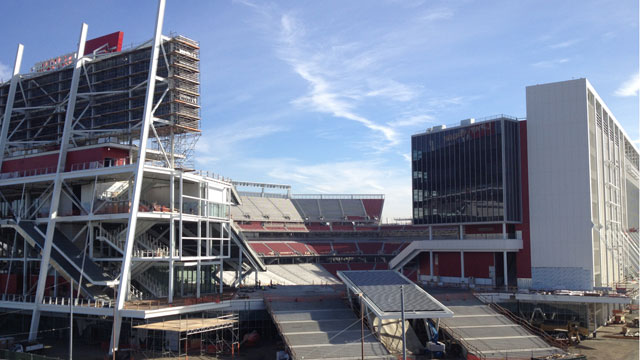
"caption": "Levi's Stadium, the 49ers' new home in Santa Clara, is replacing Candlestick, one of the oldest parks in the NFL. (Molly Samuel/KQED) ",
"description": "Levi's Stadium, the 49ers' new home in Santa Clara, is replacing Candlestick, one of the oldest parks in the NFL. (Molly Samuel/KQED) ",
"title": "stadiumview-featured",
"credit": null,
"status": "inherit",
"isLoading": false,
"fetchFailed": false
},
"science_12139": {
"type": "attachments",
"id": "science_12139",
"meta": {
"index": "attachments_1716263798",
"site": "science",
"id": "12139",
"found": true
},
"parent": 12126,
"imgSizes": {
"kqedFullSize": {
"file": "https://ww2.kqed.org/app/uploads/sites/35/2013/12/Lick_Pranjal-Mahna_SCALE.jpg",
"width": 1012,
"height": 569
}
},
"publishDate": 1387328476,
"modified": 1387328476,
"caption": "(flickr/Pranjal Mahnal)",
"description": null,
"title": "Lick_Pranjal-Mahna_SCALE",
"credit": null,
"status": "inherit",
"isLoading": false,
"fetchFailed": false
},
"science_12082": {
"type": "attachments",
"id": "science_12082",
"meta": {
"index": "attachments_1716263798",
"site": "science",
"id": "12082",
"found": true
},
"parent": 12063,
"imgSizes": {
"kqedFullSize": {
"file": "https://ww2.kqed.org/app/uploads/sites/35/2013/12/NoTunnels.jpg",
"width": 640,
"height": 360
}
},
"publishDate": 1386984058,
"modified": 1556829894,
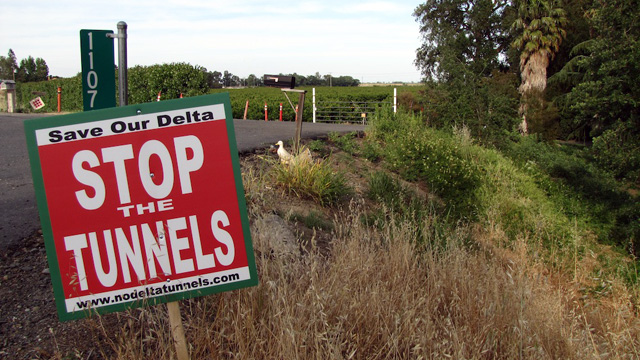
"caption": "A sign protesting Gov. Jerry Brown's Delta Tunnels project in 2013. ",
"description": null,
"title": "NoTunnels",
"credit": "Craig Miller/KQED",
"status": "inherit",
"isLoading": false,
"fetchFailed": false
},
"science_11987": {
"type": "attachments",
"id": "science_11987",
"meta": {
"index": "attachments_1716263798",
"site": "science",
"id": "11987",
"found": true
},
"parent": 11980,
"imgSizes": {
"kqedFullSize": {
"file": "https://ww2.kqed.org/app/uploads/sites/35/2013/12/stryk_ee14_708_SCALE2.jpg",
"width": 707,
"height": 398
}
},
"publishDate": 1386871633,
"modified": 1386871633,
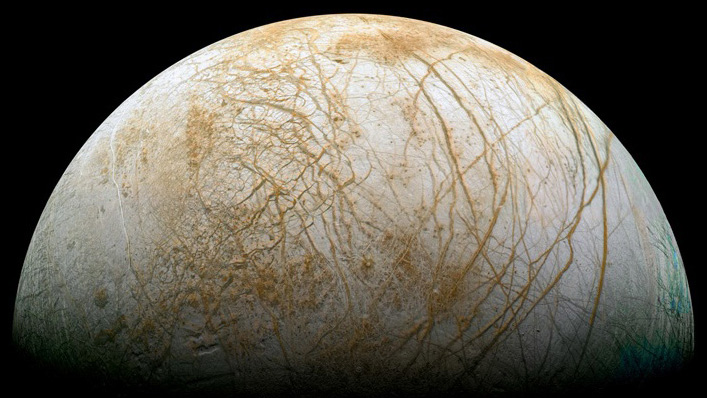
"caption": "Jupiter's moon Europa has an icy surface covering vast oceans. (NASA/JPL/Ted Stryk)",
"description": null,
"title": "stryk_ee14_708_SCALE2",
"credit": null,
"status": "inherit",
"isLoading": false,
"fetchFailed": false
},
"science_11936": {
"type": "attachments",
"id": "science_11936",
"meta": {
"index": "attachments_1716263798",
"site": "science",
"id": "11936",
"found": true
},
"parent": 11931,
"imgSizes": {
"kqedFullSize": {
"file": "https://ww2.kqed.org/app/uploads/sites/35/2013/12/329218main_juno200904_SCALE-e1386778547820.jpg",
"width": 640,
"height": 360
}
},
"publishDate": 1386725725,
"modified": 1386725725,
"caption": "NASA's Juno spacecraft is expected to reach Jupiter, our solar system's largest planet, in July 2016. (NASA)",
"description": null,
"title": "329218main_juno200904_SCALE",
"credit": null,
"status": "inherit",
"isLoading": false,
"fetchFailed": false
},
"science_11885": {
"type": "attachments",
"id": "science_11885",
"meta": {
"index": "attachments_1716263798",
"site": "science",
"id": "11885",
"found": true
},
"parent": 11880,
"imgSizes": {
"kqedFullSize": {
"file": "https://ww2.kqed.org/app/uploads/sites/35/2013/12/farm-canal.jpg",
"width": 640,
"height": 360
}
},
"publishDate": 1386637123,
"modified": 1386637123,
"caption": "Proposed water tunnels would supply three million acres of farmland and 25 million Californians. (Craig Miller/KQED)",
"description": "Proposed water tunnels would supply three million acres of farmland and 25 million Californians. (Craig Miller/KQED)",
"title": "farm-canal",
"credit": null,
"status": "inherit",
"isLoading": false,
"fetchFailed": false
},
"science_11841": {
"type": "attachments",
"id": "science_11841",
"meta": {
"index": "attachments_1716263798",
"site": "science",
"id": "11841",
"found": true
},
"parent": 11752,
"imgSizes": {
"kqedFullSize": {
"file": "https://ww2.kqed.org/app/uploads/sites/35/2013/12/kingtide.jpg",
"width": 640,
"height": 360
}
},
"publishDate": 1386366836,
"modified": 1386366836,
"caption": "A cyclist pedals on a flooded path in Marin County during a king tide in December, 2012. (\u003ca href=\"http://www.flickr.com/photos/85951661@N08/8365001059/\">Sarah Craig/Flickr\u003c/a>)",
"description": "A cyclist pedals on a flooded path in Marin County during a king tide in December, 2012. (Sarah Craig/Flickr)",
"title": "kingtide",
"credit": null,
"status": "inherit",
"isLoading": false,
"fetchFailed": false
},
"science_11582": {
"type": "attachments",
"id": "science_11582",
"meta": {
"index": "attachments_1716263798",
"site": "science",
"id": "11582",
"found": true
},
"parent": 11578,
"imgSizes": {
"kqedFullSize": {
"file": "https://ww2.kqed.org/app/uploads/sites/35/2013/11/Michael-JAcger-2012s120121112fullllast_2_1384283350_SCALE.jpg",
"width": 1618,
"height": 910
}
},
"publishDate": 1385508018,
"modified": 1385508018,
"caption": "Comet ISON on November 12. (Spaceweather.com/Michael Jäger)",
"description": null,
"title": "Michael-JAcger-2012s120121112fullllast_2_1384283350_SCALE",
"credit": null,
"status": "inherit",
"isLoading": false,
"fetchFailed": false
},
"science_11476": {
"type": "attachments",
"id": "science_11476",
"meta": {
"index": "attachments_1716263798",
"site": "science",
"id": "11476",
"found": true
},
"parent": 11472,
"imgSizes": {
"kqedFullSize": {
"file": "https://ww2.kqed.org/app/uploads/sites/35/2013/11/Sylmar-1971-house-e1385170660874.jpg",
"width": 640,
"height": 360
}
},
"publishDate": 1385167961,
"modified": 1385167961,
"caption": "Surface ruptures, known as surface faulting, from the Sylmar earthquake in 1971 damaged this home in San Fernando. (Photo: U.S. Geological Survey)",
"description": null,
"title": "Sylmar 1971 house",
"credit": null,
"status": "inherit",
"isLoading": false,
"fetchFailed": false
}
},
"audioPlayerReducer": {
"postId": "stream_live",
"isPaused": true,
"isPlaying": false,
"pfsActive": false,
"pledgeModalIsOpen": true,
"playerDrawerIsOpen": false,
"liveAudioPlayStartedAt": 0,
"liveAudioPlayContext": ""
},
"authorsReducer": {
"mollysamuel": {
"type": "authors",
"id": "200",
"meta": {
"index": "authors_1716337520",
"id": "200",
"found": true
},
"name": "Molly Samuel",
"firstName": "Molly",
"lastName": "Samuel",
"slug": "mollysamuel",
"email": "msamuel@kqed.org",
"display_author_email": false,
"staff_mastheads": [],
"title": null,
"bio": "Molly Samuel joined KQED as an intern in 2007, and since then has worked here as a reporter, producer, director and blogger. Before becoming KQED Science’s Multimedia Producer, she was a producer for Climate Watch. Molly has also reported for NPR, KALW and High Country News, and has produced audio stories for The Encyclopedia of Life and the Oakland Museum of California. She was a fellow with the Middlebury Fellowships in Environmental Journalism and a journalist-in-residence at the National Evolutionary Synthesis Center. Molly has a degree in Ancient Greek from Oberlin College and is a co-founder of the record label True Panther Sounds.",
"avatar": "https://secure.gravatar.com/avatar/a6abd3b949a89fe5109fa9917631d0b6?s=600&d=blank&r=g",
"twitter": null,
"facebook": null,
"instagram": null,
"linkedin": null,
"sites": [
{
"site": "news",
"roles": [
"subscriber"
]
},
{
"site": "stateofhealth",
"roles": [
"subscriber"
]
},
{
"site": "science",
"roles": [
"subscriber"
]
},
{
"site": "quest",
"roles": [
"edit_users",
"subscriber"
]
}
],
"headData": {
"title": "Molly Samuel | KQED",
"description": null,
"ogImgSrc": "https://secure.gravatar.com/avatar/a6abd3b949a89fe5109fa9917631d0b6?s=600&d=blank&r=g",
"twImgSrc": "https://secure.gravatar.com/avatar/a6abd3b949a89fe5109fa9917631d0b6?s=600&d=blank&r=g"
},
"isLoading": false,
"link": "/author/mollysamuel"
},
"amystanden": {
"type": "authors",
"id": "210",
"meta": {
"index": "authors_1716337520",
"id": "210",
"found": true
},
"name": "Amy Standen",
"firstName": "Amy",
"lastName": "Standen",
"slug": "amystanden",
"email": "astanden@kqed.org",
"display_author_email": false,
"staff_mastheads": [],
"title": "KQED Contributor",
"bio": "Amy Standen (@amystanden) is co-host of #\u003ca href=\"https://ww2.kqed.org/news/programs/the-leap\">TheLeapPodcast\u003c/a> (subscribe on iTunes or Stitcher!) and host of KQED and PBSDigital Studios' science video series, \u003ca href=\"https://www.youtube.com/user/KQEDDeepLook\">Deep Look\u003c/a>. Her science radio stories appear on KQED and NPR.\r\n\r\nEmail her at astanden@kqed.org",
"avatar": "https://secure.gravatar.com/avatar/3d021b72de685a788b0487b059d0a6a1?s=600&d=blank&r=g",
"twitter": null,
"facebook": null,
"instagram": null,
"linkedin": null,
"sites": [
{
"site": "news",
"roles": [
"subscriber"
]
},
{
"site": "futureofyou",
"roles": [
"subscriber"
]
},
{
"site": "stateofhealth",
"roles": [
"subscriber"
]
},
{
"site": "science",
"roles": []
},
{
"site": "quest",
"roles": [
"subscriber"
]
}
],
"headData": {
"title": "Amy Standen | KQED",
"description": "KQED Contributor",
"ogImgSrc": "https://secure.gravatar.com/avatar/3d021b72de685a788b0487b059d0a6a1?s=600&d=blank&r=g",
"twImgSrc": "https://secure.gravatar.com/avatar/3d021b72de685a788b0487b059d0a6a1?s=600&d=blank&r=g"
},
"isLoading": false,
"link": "/author/amystanden"
},
"cmiller": {
"type": "authors",
"id": "221",
"meta": {
"index": "authors_1716337520",
"id": "221",
"found": true
},
"name": "Craig Miller",
"firstName": "Craig",
"lastName": "Miller",
"slug": "cmiller",
"email": "craig@voxterra.net",
"display_author_email": false,
"staff_mastheads": [
"science"
],
"title": "Editor Emeritus, Science",
"bio": "Craig is a former KQED Science editor, specializing in weather, climate, water & energy issues, with a little seismology thrown in just to shake things up. Prior to that, he launched and led the station's award-winning multimedia project, Climate Watch. Craig is also an accomplished writer/producer of television documentaries, with a focus on natural resource issues.",
"avatar": "https://secure.gravatar.com/avatar/b91661df645e001a9cafe0861fa685f9?s=600&d=blank&r=g",
"twitter": "voxterra",
"facebook": null,
"instagram": null,
"linkedin": null,
"sites": [
{
"site": "news",
"roles": [
"author"
]
},
{
"site": "futureofyou",
"roles": [
"editor"
]
},
{
"site": "stateofhealth",
"roles": [
"author"
]
},
{
"site": "science",
"roles": [
"editor"
]
},
{
"site": "quest",
"roles": [
"editor"
]
}
],
"headData": {
"title": "Craig Miller | KQED",
"description": "Editor Emeritus, Science",
"ogImgSrc": "https://secure.gravatar.com/avatar/b91661df645e001a9cafe0861fa685f9?s=600&d=blank&r=g",
"twImgSrc": "https://secure.gravatar.com/avatar/b91661df645e001a9cafe0861fa685f9?s=600&d=blank&r=g"
},
"isLoading": false,
"link": "/author/cmiller"
},
"laurensommer": {
"type": "authors",
"id": "239",
"meta": {
"index": "authors_1716337520",
"id": "239",
"found": true
},
"name": "Lauren Sommer",
"firstName": "Lauren",
"lastName": "Sommer",
"slug": "laurensommer",
"email": "lsommer@kqed.org",
"display_author_email": false,
"staff_mastheads": [],
"title": "KQED Contributor",
"bio": "Lauren is a radio reporter formerly covering environment, water, and energy for KQED Science. As part of her day job, she has scaled Sierra Nevada peaks, run from charging elephant seals, and desperately tried to get her sea legs - all in pursuit of good radio. Her work has appeared on Marketplace, Living on Earth, Science Friday and NPR's Morning Edition and All Things Considered. You can find her on Twitter at \u003ca href=\"https://twitter.com/lesommer\">@lesommer\u003c/a>.",
"avatar": "https://secure.gravatar.com/avatar/33aa3772bb86c6ad45b8aca6a238bbdf?s=600&d=blank&r=g",
"twitter": null,
"facebook": null,
"instagram": null,
"linkedin": null,
"sites": [
{
"site": "news",
"roles": [
"author"
]
},
{
"site": "science",
"roles": [
"editor",
"manage_content_types",
"manage_taxonomies"
]
},
{
"site": "quest",
"roles": [
"editor"
]
}
],
"headData": {
"title": "Lauren Sommer | KQED",
"description": "KQED Contributor",
"ogImgSrc": "https://secure.gravatar.com/avatar/33aa3772bb86c6ad45b8aca6a238bbdf?s=600&d=blank&r=g",
"twImgSrc": "https://secure.gravatar.com/avatar/33aa3772bb86c6ad45b8aca6a238bbdf?s=600&d=blank&r=g"
},
"isLoading": false,
"link": "/author/laurensommer"
},
"sasha-khokha": {
"type": "authors",
"id": "254",
"meta": {
"index": "authors_1716337520",
"id": "254",
"found": true
},
"name": "Sasha Khokha",
"firstName": "Sasha",
"lastName": "Khokha",
"slug": "sasha-khokha",
"email": "skhokha@kqed.org",
"display_author_email": true,
"staff_mastheads": [
"news"
],
"title": "Host, The California Report Magazine",
"bio": "Sasha Khokha is the host of \u003cem>The California Report's \u003c/em> weekly magazine program, which takes listeners on sound-rich excursions to meet the people that make the Golden State unique -- through audio documentaries and long-form stories. As \u003cem>The California Report's\u003c/em> Central Valley Bureau Chief based in Fresno for nearly a dozen years, Sasha brought the lives and concerns of rural Californians to listeners around the state. Her reporting helped expose the hidden price immigrant women janitors and farmworkers may pay to keep their jobs: sexual assault at work. It inspired two new California laws to protect them from sexual harassment. She was a key member of the reporting team for the Frontline film \u003cem>Rape on the Night Shift, \u003c/em>which was nominated for two national Emmys. Sasha has also won a national Edward R. Murrow and a national PRNDI award for investigative reporting, as well as multiple prizes from the Society for Professional Journalists. Sasha is a proud alum of the UC Berkeley Graduate School of Journalism and Brown University and a member of the South Asian Journalists Association.",
"avatar": "https://secure.gravatar.com/avatar/e4b5e1541aaeea2aa356aa1fb2a68950?s=600&d=blank&r=g",
"twitter": "KQEDSashaKhokha",
"facebook": null,
"instagram": null,
"linkedin": null,
"sites": [
{
"site": "news",
"roles": [
"editor"
]
},
{
"site": "stateofhealth",
"roles": [
"author"
]
},
{
"site": "science",
"roles": [
"author"
]
},
{
"site": "quest",
"roles": [
"subscriber"
]
}
],
"headData": {
"title": "Sasha Khokha | KQED",
"description": "Host, The California Report Magazine",
"ogImgSrc": "https://secure.gravatar.com/avatar/e4b5e1541aaeea2aa356aa1fb2a68950?s=600&d=blank&r=g",
"twImgSrc": "https://secure.gravatar.com/avatar/e4b5e1541aaeea2aa356aa1fb2a68950?s=600&d=blank&r=g"
},
"isLoading": false,
"link": "/author/sasha-khokha"
},
"stotten": {
"type": "authors",
"id": "6524",
"meta": {
"index": "authors_1716337520",
"id": "6524",
"found": true
},
"name": "Sanden Totten",
"firstName": "Sanden",
"lastName": "Totten",
"slug": "stotten",
"email": "stotten@kpcc.org",
"display_author_email": false,
"staff_mastheads": [],
"title": null,
"bio": "Sanden Totten is KPCC's Science Reporter. He covers everything from advances in medical technology to dinosaur fossils and space exploration. Before joining Southern California Public Radio, Sanden worked at Minnesota Public Radio, where he was co-creator of In \"The Loop,\" a program that made the audience part of the show. He was also part of the team behind the Public Insight Network, a crowd-sourcing project designed to bring unique perspectives to news.\r\n\r\nSanden is the winner of several honors, including the Radio and TV News Association’s Golden Mike for “best writing.” He was a 2011 Knight Science Journalism Fellow at MIT. He has a BA in Psychology and English from Oberlin College in Ohio, and also attended school in Japan and Sweden, and speaks both languages. He is a fan of fast music, comics and movies about time travel.",
"avatar": "https://secure.gravatar.com/avatar/2c96c1ba8edb98a44216993f3cb20029?s=600&d=blank&r=g",
"twitter": null,
"facebook": null,
"instagram": null,
"linkedin": null,
"sites": [
{
"site": "science",
"roles": [
"author"
]
}
],
"headData": {
"title": "Sanden Totten | KQED",
"description": null,
"ogImgSrc": "https://secure.gravatar.com/avatar/2c96c1ba8edb98a44216993f3cb20029?s=600&d=blank&r=g",
"twImgSrc": "https://secure.gravatar.com/avatar/2c96c1ba8edb98a44216993f3cb20029?s=600&d=blank&r=g"
},
"isLoading": false,
"link": "/author/stotten"
}
},
"pagesReducer": {
"science_category_news": {
"type": "terms",
"id": "science_40",
"meta": {
"index": "terms_1716263798",
"site": "science",
"id": "40",
"score": 10.815231
},
"featImg": null,
"name": "News",
"description": null,
"taxonomy": "category",
"headData": {
"twImgId": null,
"twTitle": null,
"ogTitle": null,
"ogImgId": null,
"twDescription": null,
"description": null,
"title": "News Archives | KQED Science",
"ogDescription": null
},
"ttid": 42,
"slug": "news",
"isLoading": false,
"title": "News",
"pageMeta": {
"site": "science",
"WpPageTemplate": "page-topic-editorial",
"currentPage": 273
},
"blocks": [
{
"blockName": "kqed/post-list",
"attrs": {
"layout": "cardArticle2",
"query": "posts/science?category=news",
"seeMore": false,
"paginated": true,
"page": 273
}
},
{
"blockName": "kqed/ad"
}
]
}
},
"pfsSessionReducer": {},
"postsReducer": {
"stream_live": {
"type": "live",
"id": "stream_live",
"audioUrl": "https://streams.kqed.org/kqedradio",
"title": "Live Stream",
"excerpt": "Live Stream information currently unavailable.",
"link": "/radio",
"featImg": "",
"label": {
"name": "KQED Live",
"link": "/"
}
},
"stream_kqedNewscast": {
"type": "posts",
"id": "stream_kqedNewscast",
"audioUrl": "https://www.kqed.org/.stream/anon/radio/RDnews/newscast.mp3?_=1",
"title": "KQED Newscast",
"featImg": "",
"label": {
"name": "88.5 FM",
"link": "/"
}
},
"science_12380": {
"type": "posts",
"id": "science_12380",
"meta": {
"index": "posts_1716263798",
"site": "science",
"id": "12380",
"score": null,
"sort": [
1387910239000
]
},
"parent": 0,
"labelTerm": {
"site": "science"
},
"blocks": [],
"publishDate": 1387910239,
"format": "aside",
"title": "Little Cheer for Some Big Sur Fire Evacuees",
"headTitle": "Little Cheer for Some Big Sur Fire Evacuees | KQED",
"content": "\u003cp>Residents are returning to their homes — or what remains of them — as crews continue “mopping up” the Big Sur wildfire that destroyed at least 34 homes, reportedly including that of the local fire chief. That’s a dozen more than officials had originally estimated.\u003c/p>\n\u003cp>“It’s a little challenging,” said Pfeiffer Ridge resident Tara Evans, who says she plans to spend Christmas Eve helping her sister, who lost her home in the blaze. During the evacuation, “We could look back down and see it burning,” she said. Evans put the best face on the tragedy. “We’re going to dig in and help them out,” she said. “It’s certainly going to be a joyous Christmas, to be back at home. We got out with our lives.”\u003c/p>\n\u003cp>Designated as the \u003ca title=\"Inciweb - Pfeiffer\" href=\"http://inciweb.nwcg.gov/incident/3761/\">Pfeiffer Fire\u003c/a>, the blaze began around midnight of December 17th and led to evacuations along Pfeiffer Ridge Road and burned more than 900 acres in the Los Padres National Forest west of Highway 1. Authorities declared the fire \u003ca title=\"Monterey Herald - post\" href=\"http://www.montereyherald.com/news/ci_24762072/big-sur-fire-running-out-steam\">fully contained\u003c/a> on Saturday. Incident Commander Kevin Poyner says that at its peak, as close to 1,000 firefighters and support personnel joined the effort.\u003c/p>\n\u003cfigure id=\"attachment_12402\" class=\"wp-caption aligncenter\" style=\"max-width: 489px\">\u003ca href=\"http://ww2.kqed.org/science/wp-content/uploads/sites/35/2013/12/PfeifferFire_grab.jpg\" rel=\"attachment wp-att-12402\">\u003cimg loading=\"lazy\" decoding=\"async\" class=\"size-full wp-image-12402 \" src=\"http://ww2.kqed.org/science/wp-content/uploads/sites/35/2013/12/PfeifferFire_grab.jpg\" alt=\"The Pfeiffer Fire consumed more than 900 acres. (USFS/Inciweb)\" width=\"489\" height=\"283\">\u003c/a>\u003cfigcaption class=\"wp-caption-text\">The Pfeiffer Fire consumed more than 900 acres. (USFS/Inciweb)\u003c/figcaption>\u003c/figure>\n\u003cp>Authorities said that damage assessment teams had completed “preliminary” surveys over the weekend and found little remaining of some homes. About 100 residents were displaced, at least temporarily. Evans, who says she was “born and raised in Big Sur,” and been through several fires and road closures in the region, says, “Each time the community seems to come together stronger. The love and support we get from our neighbors literally blows me away.”\u003c/p>\n\u003cp>Evans, whose own home was spared, says neighbors were able to save some homes by pumping water out of a 30,000-gallon swimming pool. She nonetheless describes this fire as “incredibly hot” and “one of the more devastating” that she can recall. The fire was somewhat \u003ca title=\"NF - post\" href=\"http://ww2.kqed.org/news/2013/12/18/121124/\">unusual for this time of year\u003c/a>, when forests would normally be sodden by now with winter rains. But Evans says the particular spot where her home is located hadn’t burned in about 100 years, so a large amount of fuel had accumulated.\u003c/p>\n\u003cp>[ad fullwidth]\u003c/p>\n\u003cp>Published reports on Monday said that Forest Service officials were \u003ca title=\"Monterey Herald - post\" href=\"http://www.montereyherald.com/news/ci_24784100/forest-service-big-sur-fire-cause-be-revealed\">close to determining\u003c/a> what caused the fire but on Tuesday, Poyner told KQED that the fire is “still under investigation” and there is “no timeline” for an announcement of the cause.\u003c/p>\n\u003cp> \u003c/p>\n\u003cp>\u003c/p>\n\u003cp> \u003c/p>\n\n",
"stats": {
"hasVideo": false,
"hasChartOrMap": false,
"hasAudio": false,
"hasPolis": false,
"wordCount": 442,
"hasGoogleForm": false,
"hasGallery": false,
"hasHearkenModule": false,
"iframeSrcs": [],
"paragraphCount": 8
},
"modified": 1704934498,
"excerpt": "Evacuees return home after the Big Sur fire that damaged or destroyed 34 residences.",
"headData": {
"twImgId": "",
"twTitle": "",
"ogTitle": "",
"ogImgId": "",
"twDescription": "",
"description": "Evacuees return home after the Big Sur fire that damaged or destroyed 34 residences.",
"title": "Little Cheer for Some Big Sur Fire Evacuees | KQED",
"ogDescription": "",
"schema": {
"@context": "https://schema.org",
"@type": "Article",
"headline": "Little Cheer for Some Big Sur Fire Evacuees",
"datePublished": "2013-12-24T10:37:19-08:00",
"dateModified": "2024-01-10T16:54:58-08:00",
"image": "https://cdn.kqed.org/wp-content/uploads/2020/02/KQED-OG-Image@1x.png"
}
},
"guestAuthors": [],
"slug": "little-cheer-for-some-big-sur-fire-evacuees",
"status": "publish",
"sticky": false,
"path": "/science/12380/little-cheer-for-some-big-sur-fire-evacuees",
"audioTrackLength": null,
"parsedContent": [
{
"type": "contentString",
"content": "\u003cdiv class=\"post-body\">\u003cp>\u003cp>Residents are returning to their homes — or what remains of them — as crews continue “mopping up” the Big Sur wildfire that destroyed at least 34 homes, reportedly including that of the local fire chief. That’s a dozen more than officials had originally estimated.\u003c/p>\n\u003cp>“It’s a little challenging,” said Pfeiffer Ridge resident Tara Evans, who says she plans to spend Christmas Eve helping her sister, who lost her home in the blaze. During the evacuation, “We could look back down and see it burning,” she said. Evans put the best face on the tragedy. “We’re going to dig in and help them out,” she said. “It’s certainly going to be a joyous Christmas, to be back at home. We got out with our lives.”\u003c/p>\n\u003cp>Designated as the \u003ca title=\"Inciweb - Pfeiffer\" href=\"http://inciweb.nwcg.gov/incident/3761/\">Pfeiffer Fire\u003c/a>, the blaze began around midnight of December 17th and led to evacuations along Pfeiffer Ridge Road and burned more than 900 acres in the Los Padres National Forest west of Highway 1. Authorities declared the fire \u003ca title=\"Monterey Herald - post\" href=\"http://www.montereyherald.com/news/ci_24762072/big-sur-fire-running-out-steam\">fully contained\u003c/a> on Saturday. Incident Commander Kevin Poyner says that at its peak, as close to 1,000 firefighters and support personnel joined the effort.\u003c/p>\n\u003cfigure id=\"attachment_12402\" class=\"wp-caption aligncenter\" style=\"max-width: 489px\">\u003ca href=\"http://ww2.kqed.org/science/wp-content/uploads/sites/35/2013/12/PfeifferFire_grab.jpg\" rel=\"attachment wp-att-12402\">\u003cimg loading=\"lazy\" decoding=\"async\" class=\"size-full wp-image-12402 \" src=\"http://ww2.kqed.org/science/wp-content/uploads/sites/35/2013/12/PfeifferFire_grab.jpg\" alt=\"The Pfeiffer Fire consumed more than 900 acres. (USFS/Inciweb)\" width=\"489\" height=\"283\">\u003c/a>\u003cfigcaption class=\"wp-caption-text\">The Pfeiffer Fire consumed more than 900 acres. (USFS/Inciweb)\u003c/figcaption>\u003c/figure>\n\u003cp>Authorities said that damage assessment teams had completed “preliminary” surveys over the weekend and found little remaining of some homes. About 100 residents were displaced, at least temporarily. Evans, who says she was “born and raised in Big Sur,” and been through several fires and road closures in the region, says, “Each time the community seems to come together stronger. The love and support we get from our neighbors literally blows me away.”\u003c/p>\n\u003cp>Evans, whose own home was spared, says neighbors were able to save some homes by pumping water out of a 30,000-gallon swimming pool. She nonetheless describes this fire as “incredibly hot” and “one of the more devastating” that she can recall. The fire was somewhat \u003ca title=\"NF - post\" href=\"http://ww2.kqed.org/news/2013/12/18/121124/\">unusual for this time of year\u003c/a>, when forests would normally be sodden by now with winter rains. But Evans says the particular spot where her home is located hadn’t burned in about 100 years, so a large amount of fuel had accumulated.\u003c/p>\n\u003cp>\u003c/p>\u003c/div>",
"attributes": {
"named": {},
"numeric": []
}
},
{
"type": "component",
"content": "",
"name": "ad",
"attributes": {
"named": {
"label": "fullwidth"
},
"numeric": [
"fullwidth"
]
}
},
{
"type": "contentString",
"content": "\u003cdiv class=\"post-body\">\u003cp>\u003c/p>\n\u003cp>Published reports on Monday said that Forest Service officials were \u003ca title=\"Monterey Herald - post\" href=\"http://www.montereyherald.com/news/ci_24784100/forest-service-big-sur-fire-cause-be-revealed\">close to determining\u003c/a> what caused the fire but on Tuesday, Poyner told KQED that the fire is “still under investigation” and there is “no timeline” for an announcement of the cause.\u003c/p>\n\u003cp> \u003c/p>\n\u003cp>\u003c/p>\n\u003cp> \u003c/p>\n\n\u003c/div>\u003c/p>",
"attributes": {
"named": {},
"numeric": []
}
}
],
"link": "/science/12380/little-cheer-for-some-big-sur-fire-evacuees",
"authors": [
"221"
],
"categories": [
"science_40"
],
"tags": [
"science_572",
"science_113"
],
"label": "science"
},
"science_12238": {
"type": "posts",
"id": "science_12238",
"meta": {
"index": "posts_1716263798",
"site": "science",
"id": "12238",
"score": null,
"sort": [
1387809045000
]
},
"parent": 0,
"labelTerm": {
"site": "science"
},
"blocks": [],
"publishDate": 1387809045,
"format": "aside",
"title": "49ers Tackle Sustainability With New Green Stadium",
"headTitle": "49ers Tackle Sustainability With New Green Stadium | KQED",
"content": "\u003cdiv class=\"audio-wrap\">\n\u003ch2>Listen:\u003c/h2>\n\u003cp>http://www.kqed.org/.stream/anon/radio/science/2013/12/20131223science.mp3\u003c/p>\n\u003c/div>\n\u003cp>On Monday the 49ers take the field for their last regular season game in Candlestick Park. Though they look good for the playoffs, this is likely their last game at Candlestick, period, ending a 43-year run in the stadium.\u003c/p>\n\u003cp>Niners fans may miss the cold weather at Candlestick (OK, maybe not all of them will), but, in addition to Santa Clara’s balmier weather, fans can look forward to solar panels, bicycle parking and a native plant garden. Levi’s Stadium — the 49ers’ new home in Santa Clara — is being touted as the greenest stadium in the NFL.\u003c/p>\n\u003cfigure id=\"attachment_12251\" class=\"wp-caption alignleft\" style=\"max-width: 1280px\">\u003ca href=\"http://ww2.kqed.org/science/wp-content/uploads/sites/35/2013/12/stadiumview.jpg\">\u003cimg loading=\"lazy\" decoding=\"async\" class=\"size-full wp-image-12251 \" src=\"http://ww2.kqed.org/science/wp-content/uploads/sites/35/2013/12/stadiumview.jpg\" alt=\"Levi's Stadium, the 49ers' new home in Santa Clara, is replacing Candlestick, one of the oldest parks in the NFL. (Molly Samuel/KQED) \" width=\"1280\" height=\"720\">\u003c/a>\u003cfigcaption class=\"wp-caption-text\">Levi’s Stadium, the 49ers’ new home in Santa Clara, is replacing Candlestick, one of the oldest parks in the NFL. (Molly Samuel/KQED)\u003c/figcaption>\u003c/figure>\n\u003cp>The $1.3 billion project is almost complete. The day I visited, construction workers were installing interiors in the suites (those are inside the large glassy rectangle in the photo above) and putting seats in the stands. A big “Levi’s Stadium” sign was already up over one of the giant video boards.\u003c/p>\n\u003cp>Levi’s Stadium project executive Jack Hill showed me around the stadium, starting at the top. From the roof above the stadium’s suites (what Hill calls the suite tower) we had a view of San Francisco Bay on one side and the coastal hills on the other.\u003c/p>\n\u003cp>“We love coming up here. It’s kind of fun to see the progress on the stadium,” he said. “I tell everybody I’ve got the coolest job in the world.”\u003c/p>\n\u003cfigure id=\"attachment_12291\" class=\"wp-caption alignleft\" style=\"max-width: 380px\">\u003ca href=\"http://ww2.kqed.org/science/wp-content/uploads/sites/35/2013/12/IMG_5134.jpg\">\u003cimg loading=\"lazy\" decoding=\"async\" class=\"wp-image-12291 \" src=\"http://ww2.kqed.org/science/wp-content/uploads/sites/35/2013/12/IMG_5134.jpg\" alt=\"As project executive, Jack Hill oversees the construction of Levi's Stadium. (Molly Samuel/KQED)\" width=\"380\" height=\"214\">\u003c/a>\u003cfigcaption class=\"wp-caption-text\">As project executive, Jack Hill oversees the construction of Levi’s Stadium. (Molly Samuel/KQED)\u003c/figcaption>\u003c/figure>\n\u003cp>Solar photovoltaic panels are installed here on the roof and on pedestrian bridges connecting the parking lot to the park. In total, there will be about 20,000 square feet of panels, enough to stretch from the end zone to the 50-yard line.\u003c/p>\n\u003cp>[ad fullwidth]\u003c/p>\n\u003cp>They won’t provide all the electricity to run the stadium — actually only a small percentage of it — but by generating power all year, they’ll offset what’s used for up to 10 game days, according to team officials. Hill says, on average, a football game uses 3.5 to four megawatts, about as much power as 3,000 homes.\u003c/p>\n\u003cp>There are other football stadiums with more solar panels, in Philadelphia and Washington D.C., for instance. But there’s one thing on the roof Hill is fairly sure no other team has yet.\u003c/p>\n\u003cp>“The area that you see with all the black tarps over it, with the dirt underneath it, that’s our green roof,” he said. It will be a native plant garden.\u003c/p>\n\u003cp>Hill, who oversaw construction of the Dallas Cowboys’ new stadium, says he’s used to dealing with landscaping. (The point of all this, let’s not forget, is the football field.) But a rooftop garden takes some different thinking.\u003c/p>\n\u003cp>“We want something that’s full, something that’s fairly low,” he said. “Something that’s easy to maintain. Something that doesn’t require a lot of water. And something that’s pretty.” Also, nothing with the colors of a rival team, like the Cowboys. “We avoid blue and silver, and I guess we’re gonna have to start avoiding green and blue, from the Seahawks.”\u003c/p>\n\u003cfigure id=\"attachment_12292\" class=\"wp-caption alignright\" style=\"max-width: 1280px\">\u003ca href=\"http://ww2.kqed.org/science/wp-content/uploads/sites/35/2013/12/stadiumroof.jpg\">\u003cimg loading=\"lazy\" decoding=\"async\" class=\"wp-image-12292 \" src=\"http://ww2.kqed.org/science/wp-content/uploads/sites/35/2013/12/stadiumroof.jpg\" alt=\"There will be a garden on the roof over the suites in Levi's Stadium. Solar panels are mounted on the structure on left side. (Molly Samuel/KQED)\" width=\"1280\" height=\"720\">\u003c/a>\u003cfigcaption class=\"wp-caption-text\">There will be a garden on the roof over the suites in Levi’s Stadium. Solar panels are mounted on the structure on left side. (Molly Samuel/KQED)\u003c/figcaption>\u003c/figure>\n\u003cp>The garden and the field will be watered with recycled water, supplied by a nearby wastewater treatment plant. Hill took me down to field level to show me the pipes.\u003c/p>\n\u003cp>“This is like a little city down here. You have to maintain the field, you have to maintain all the electrical, plumbing,” he said. “You see the purple pipe? That’s all recycled water.”\u003c/p>\n\u003cp>The toilets in this stadium are low-flow, and they’ll use the recycled water, too. Other environmental measures include recycling most of the construction debris and using highly efficient LEDs for about 40 percent of the lights.\u003c/p>\n\u003caside class=\"pullquote alignleft\">‘The traditional arrangement is a stadium with a sea of asphalt around it.’\u003c/aside>\n\u003cp>Levi’s Stadium is on track to earn a gold certification from the \u003ca href=\"http://www.usgbc.org/leed\">U.S. Green Building Council\u003c/a>, the second-highest rating possible. It would be the first new pro-football stadium to earn LEED gold.\u003c/p>\n\u003cp>It’s not just what’s inside the stadium that makes it green. The team is encouraging more environmentally-friendly transportation to and from the games, as well.\u003c/p>\n\u003cp>“Most of the traditional arrangement is a stadium with a sea of asphalt around it and everybody parks right around the stadium,” said Kevin Riley, the director of planning and inspection for the city of Santa Clara.\u003c/p>\n\u003cfigure id=\"attachment_12312\" class=\"wp-caption alignright\" style=\"max-width: 1280px\">\u003ca href=\"http://ww2.kqed.org/science/wp-content/uploads/sites/35/2013/12/suiteview.jpg\">\u003cimg loading=\"lazy\" decoding=\"async\" class=\"size-full wp-image-12312\" src=\"http://ww2.kqed.org/science/wp-content/uploads/sites/35/2013/12/suiteview.jpg\" alt=\"The view from one of the suites in Levi's Stadium. (Molly Samuel/KQED)\" width=\"1280\" height=\"720\">\u003c/a>\u003cfigcaption class=\"wp-caption-text\">The view from one of the suites in Levi’s Stadium. (Molly Samuel/KQED)\u003c/figcaption>\u003c/figure>\n\u003cp>We were standing across the street from the stadium, which still has a fair amount of asphalt around it, though fewer dedicated parking spaces than most stadiums have. There are train tracks, too; the VTA, which connects to CalTrain, stops here and there’s an Amtrak stop nearby. There’s also bike parking, which opens up the possibility of bicycle tailgating.\u003c/p>\n\u003cp>As for cars, Riley explained, to keep the stadium’s footprint smaller, it’s the team’s job to rent parking from nearby technology companies.\u003c/p>\n\u003cp>“The goal always was, go out there and beat the bushes, find the guys who are willing to make some money off of selling parking spaces,” he told me.\u003c/p>\n\u003cp>But that hasn’t been totally successful: the 49ers haven’t found enough parking for Monday or Thursday night games, when fans would be pulling in before businesses close. So next season, home games will \u003ca href=\"http://www.mercurynews.com/southbayfootball/ci_24571696/49ers-wont-play-monday-night-football-at-santa\">be only on Sundays\u003c/a>. Opponents of the stadium \u003ca href=\"http://www.mercurynews.com/science/ci_24543355/new-49ers-stadium-is-it-really-environmentally-friendly?IADID=Search-www.mercurynews.com-www.mercurynews.com\">have expressed concerns\u003c/a> about traffic and parking.\u003c/p>\n\u003cp>A green NFL stadium sets a good example, said David Lehrer of the \u003ca href=\"http://www.cbe.berkeley.edu/\">Center for the Built Environment\u003c/a> at the University of California, Berkeley’s. But he pointed out that being environmentally-friendly doesn’t just mean building green.\u003c/p>\n\u003caside class=\"pullquote alignleft\">‘The important thing is that people are building buildings and structures and spaces that are going to be used for a long time.’\u003c/aside>\n\u003cp>“You go to one of these events, when you walk out it’s littered with all kinds of garbage,” he said.\u003c/p>\n\u003cp>Santa Clara will have recycling at the stadium, and Riley said they’re looking into composting.\u003c/p>\n\u003cp>Bu there’s the larger issue, Lehrer pointed out, of whether the stadium will be used enough to make up for all the energy that’s going into building it.\u003c/p>\n\u003cp>“I think the important thing is that people are building buildings and structures and spaces that are going to be used for a long time,” he said.\u003c/p>\n\u003cp>Candlestick, which opened in 1960, is one of the oldest parks in the NFL. Stadiums like nearly-90-year-old Soldier Field in Chicago are a rarity, because \u003ca href=\"http://www.forbes.com/sites/kurtbadenhausen/2013/08/14/nfl-stadiums-by-the-numbers/\">teams make money on new stadiums\u003c/a> by selling fancy seats, ad space and naming rights.\u003c/p>\n\u003cp>So the best scenario for the 49ers’ green legacy could be for the team to play well and for the fans to keep coming, making it worth it for the Niners to stick around.\u003c/p>\n\u003cfigure id=\"attachment_12314\" class=\"wp-caption alignright\" style=\"max-width: 1280px\">\u003ca href=\"http://ww2.kqed.org/science/wp-content/uploads/sites/35/2013/12/fieldview.jpg\">\u003cimg loading=\"lazy\" decoding=\"async\" class=\"size-full wp-image-12314\" src=\"http://ww2.kqed.org/science/wp-content/uploads/sites/35/2013/12/fieldview.jpg\" alt=\"The view from the field. (Molly Samuel/KQED)\" width=\"1280\" height=\"720\">\u003c/a>\u003cfigcaption class=\"wp-caption-text\">The view from the field. (Molly Samuel/KQED)\u003c/figcaption>\u003c/figure>\n\u003cp>“You know, at the end of the day, there’s going to be between 65– and 70,00 people that are going to sit in a seat, order a hotdog, go to the restroom, and enjoy the entertainment on the field,” Hill said.\u003c/p>\n\u003cp>[ad floatright]\u003c/p>\n\u003cp>Levi’s Stadium’s first event will be in August 2014, when San Jose’s pro-soccer team the Earthquakes break in the field. The Niners pick it up that fall. And Santa Clara will host the Super Bowl in 2016.\u003c/p>\n\n",
"stats": {
"hasVideo": false,
"hasChartOrMap": false,
"hasAudio": true,
"hasPolis": false,
"wordCount": 1397,
"hasGoogleForm": false,
"hasGallery": false,
"hasHearkenModule": false,
"iframeSrcs": [],
"paragraphCount": 32
},
"modified": 1704934507,
"excerpt": "49ers fans may miss the cold weather at Candlestick Park, but can look forward to solar panels, bicycle parking and grass watered with recycled water. Levi’s Stadium in Santa Clara is being touted as the greenest stadium in the NFL. ",
"headData": {
"twImgId": "",
"twTitle": "",
"ogTitle": "",
"ogImgId": "",
"twDescription": "",
"description": "49ers fans may miss the cold weather at Candlestick Park, but can look forward to solar panels, bicycle parking and grass watered with recycled water. Levi’s Stadium in Santa Clara is being touted as the greenest stadium in the NFL. ",
"title": "49ers Tackle Sustainability With New Green Stadium | KQED",
"ogDescription": "",
"schema": {
"@context": "https://schema.org",
"@type": "Article",
"headline": "49ers Tackle Sustainability With New Green Stadium",
"datePublished": "2013-12-23T06:30:45-08:00",
"dateModified": "2024-01-10T16:55:07-08:00",
"image": "https://cdn.kqed.org/wp-content/uploads/2020/02/KQED-OG-Image@1x.png"
}
},
"guestAuthors": [],
"slug": "49ers-tackle-sustainability-with-new-green-stadium",
"status": "publish",
"audioUrl": "http://www.kqed.org/.stream/anon/radio/science/2013/12/20131223science.mp3",
"sticky": false,
"path": "/science/12238/49ers-tackle-sustainability-with-new-green-stadium",
"audioTrackLength": null,
"parsedContent": [
{
"type": "contentString",
"content": "\u003cdiv class=\"post-body\">\u003cp>\u003cdiv class=\"audio-wrap\">\n\u003ch2>Listen:\u003c/h2>\u003c/p>\u003c/div>",
"attributes": {
"named": {},
"numeric": []
}
},
{
"type": "component",
"content": "",
"name": "audioLink",
"attributes": {
"named": {
"src": "http://www.kqed.org/.stream/anon/radio/science/2013/12/20131223science.mp3"
},
"numeric": []
}
},
{
"type": "contentString",
"content": "\u003cdiv class=\"post-body\">\u003cp>\u003c/div>\n\u003cp>On Monday the 49ers take the field for their last regular season game in Candlestick Park. Though they look good for the playoffs, this is likely their last game at Candlestick, period, ending a 43-year run in the stadium.\u003c/p>\n\u003cp>Niners fans may miss the cold weather at Candlestick (OK, maybe not all of them will), but, in addition to Santa Clara’s balmier weather, fans can look forward to solar panels, bicycle parking and a native plant garden. Levi’s Stadium — the 49ers’ new home in Santa Clara — is being touted as the greenest stadium in the NFL.\u003c/p>\n\u003cfigure id=\"attachment_12251\" class=\"wp-caption alignleft\" style=\"max-width: 1280px\">\u003ca href=\"http://ww2.kqed.org/science/wp-content/uploads/sites/35/2013/12/stadiumview.jpg\">\u003cimg loading=\"lazy\" decoding=\"async\" class=\"size-full wp-image-12251 \" src=\"http://ww2.kqed.org/science/wp-content/uploads/sites/35/2013/12/stadiumview.jpg\" alt=\"Levi's Stadium, the 49ers' new home in Santa Clara, is replacing Candlestick, one of the oldest parks in the NFL. (Molly Samuel/KQED) \" width=\"1280\" height=\"720\">\u003c/a>\u003cfigcaption class=\"wp-caption-text\">Levi’s Stadium, the 49ers’ new home in Santa Clara, is replacing Candlestick, one of the oldest parks in the NFL. (Molly Samuel/KQED)\u003c/figcaption>\u003c/figure>\n\u003cp>The $1.3 billion project is almost complete. The day I visited, construction workers were installing interiors in the suites (those are inside the large glassy rectangle in the photo above) and putting seats in the stands. A big “Levi’s Stadium” sign was already up over one of the giant video boards.\u003c/p>\n\u003cp>Levi’s Stadium project executive Jack Hill showed me around the stadium, starting at the top. From the roof above the stadium’s suites (what Hill calls the suite tower) we had a view of San Francisco Bay on one side and the coastal hills on the other.\u003c/p>\n\u003cp>“We love coming up here. It’s kind of fun to see the progress on the stadium,” he said. “I tell everybody I’ve got the coolest job in the world.”\u003c/p>\n\u003cfigure id=\"attachment_12291\" class=\"wp-caption alignleft\" style=\"max-width: 380px\">\u003ca href=\"http://ww2.kqed.org/science/wp-content/uploads/sites/35/2013/12/IMG_5134.jpg\">\u003cimg loading=\"lazy\" decoding=\"async\" class=\"wp-image-12291 \" src=\"http://ww2.kqed.org/science/wp-content/uploads/sites/35/2013/12/IMG_5134.jpg\" alt=\"As project executive, Jack Hill oversees the construction of Levi's Stadium. (Molly Samuel/KQED)\" width=\"380\" height=\"214\">\u003c/a>\u003cfigcaption class=\"wp-caption-text\">As project executive, Jack Hill oversees the construction of Levi’s Stadium. (Molly Samuel/KQED)\u003c/figcaption>\u003c/figure>\n\u003cp>Solar photovoltaic panels are installed here on the roof and on pedestrian bridges connecting the parking lot to the park. In total, there will be about 20,000 square feet of panels, enough to stretch from the end zone to the 50-yard line.\u003c/p>\n\u003cp>\u003c/p>\u003c/div>",
"attributes": {
"named": {},
"numeric": []
}
},
{
"type": "component",
"content": "",
"name": "ad",
"attributes": {
"named": {
"label": "fullwidth"
},
"numeric": [
"fullwidth"
]
}
},
{
"type": "contentString",
"content": "\u003cdiv class=\"post-body\">\u003cp>\u003c/p>\n\u003cp>They won’t provide all the electricity to run the stadium — actually only a small percentage of it — but by generating power all year, they’ll offset what’s used for up to 10 game days, according to team officials. Hill says, on average, a football game uses 3.5 to four megawatts, about as much power as 3,000 homes.\u003c/p>\n\u003cp>There are other football stadiums with more solar panels, in Philadelphia and Washington D.C., for instance. But there’s one thing on the roof Hill is fairly sure no other team has yet.\u003c/p>\n\u003cp>“The area that you see with all the black tarps over it, with the dirt underneath it, that’s our green roof,” he said. It will be a native plant garden.\u003c/p>\n\u003cp>Hill, who oversaw construction of the Dallas Cowboys’ new stadium, says he’s used to dealing with landscaping. (The point of all this, let’s not forget, is the football field.) But a rooftop garden takes some different thinking.\u003c/p>\n\u003cp>“We want something that’s full, something that’s fairly low,” he said. “Something that’s easy to maintain. Something that doesn’t require a lot of water. And something that’s pretty.” Also, nothing with the colors of a rival team, like the Cowboys. “We avoid blue and silver, and I guess we’re gonna have to start avoiding green and blue, from the Seahawks.”\u003c/p>\n\u003cfigure id=\"attachment_12292\" class=\"wp-caption alignright\" style=\"max-width: 1280px\">\u003ca href=\"http://ww2.kqed.org/science/wp-content/uploads/sites/35/2013/12/stadiumroof.jpg\">\u003cimg loading=\"lazy\" decoding=\"async\" class=\"wp-image-12292 \" src=\"http://ww2.kqed.org/science/wp-content/uploads/sites/35/2013/12/stadiumroof.jpg\" alt=\"There will be a garden on the roof over the suites in Levi's Stadium. Solar panels are mounted on the structure on left side. (Molly Samuel/KQED)\" width=\"1280\" height=\"720\">\u003c/a>\u003cfigcaption class=\"wp-caption-text\">There will be a garden on the roof over the suites in Levi’s Stadium. Solar panels are mounted on the structure on left side. (Molly Samuel/KQED)\u003c/figcaption>\u003c/figure>\n\u003cp>The garden and the field will be watered with recycled water, supplied by a nearby wastewater treatment plant. Hill took me down to field level to show me the pipes.\u003c/p>\n\u003cp>“This is like a little city down here. You have to maintain the field, you have to maintain all the electrical, plumbing,” he said. “You see the purple pipe? That’s all recycled water.”\u003c/p>\n\u003cp>The toilets in this stadium are low-flow, and they’ll use the recycled water, too. Other environmental measures include recycling most of the construction debris and using highly efficient LEDs for about 40 percent of the lights.\u003c/p>\n\u003caside class=\"pullquote alignleft\">‘The traditional arrangement is a stadium with a sea of asphalt around it.’\u003c/aside>\n\u003cp>Levi’s Stadium is on track to earn a gold certification from the \u003ca href=\"http://www.usgbc.org/leed\">U.S. Green Building Council\u003c/a>, the second-highest rating possible. It would be the first new pro-football stadium to earn LEED gold.\u003c/p>\n\u003cp>It’s not just what’s inside the stadium that makes it green. The team is encouraging more environmentally-friendly transportation to and from the games, as well.\u003c/p>\n\u003cp>“Most of the traditional arrangement is a stadium with a sea of asphalt around it and everybody parks right around the stadium,” said Kevin Riley, the director of planning and inspection for the city of Santa Clara.\u003c/p>\n\u003cfigure id=\"attachment_12312\" class=\"wp-caption alignright\" style=\"max-width: 1280px\">\u003ca href=\"http://ww2.kqed.org/science/wp-content/uploads/sites/35/2013/12/suiteview.jpg\">\u003cimg loading=\"lazy\" decoding=\"async\" class=\"size-full wp-image-12312\" src=\"http://ww2.kqed.org/science/wp-content/uploads/sites/35/2013/12/suiteview.jpg\" alt=\"The view from one of the suites in Levi's Stadium. (Molly Samuel/KQED)\" width=\"1280\" height=\"720\">\u003c/a>\u003cfigcaption class=\"wp-caption-text\">The view from one of the suites in Levi’s Stadium. (Molly Samuel/KQED)\u003c/figcaption>\u003c/figure>\n\u003cp>We were standing across the street from the stadium, which still has a fair amount of asphalt around it, though fewer dedicated parking spaces than most stadiums have. There are train tracks, too; the VTA, which connects to CalTrain, stops here and there’s an Amtrak stop nearby. There’s also bike parking, which opens up the possibility of bicycle tailgating.\u003c/p>\n\u003cp>As for cars, Riley explained, to keep the stadium’s footprint smaller, it’s the team’s job to rent parking from nearby technology companies.\u003c/p>\n\u003cp>“The goal always was, go out there and beat the bushes, find the guys who are willing to make some money off of selling parking spaces,” he told me.\u003c/p>\n\u003cp>But that hasn’t been totally successful: the 49ers haven’t found enough parking for Monday or Thursday night games, when fans would be pulling in before businesses close. So next season, home games will \u003ca href=\"http://www.mercurynews.com/southbayfootball/ci_24571696/49ers-wont-play-monday-night-football-at-santa\">be only on Sundays\u003c/a>. Opponents of the stadium \u003ca href=\"http://www.mercurynews.com/science/ci_24543355/new-49ers-stadium-is-it-really-environmentally-friendly?IADID=Search-www.mercurynews.com-www.mercurynews.com\">have expressed concerns\u003c/a> about traffic and parking.\u003c/p>\n\u003cp>A green NFL stadium sets a good example, said David Lehrer of the \u003ca href=\"http://www.cbe.berkeley.edu/\">Center for the Built Environment\u003c/a> at the University of California, Berkeley’s. But he pointed out that being environmentally-friendly doesn’t just mean building green.\u003c/p>\n\u003caside class=\"pullquote alignleft\">‘The important thing is that people are building buildings and structures and spaces that are going to be used for a long time.’\u003c/aside>\n\u003cp>“You go to one of these events, when you walk out it’s littered with all kinds of garbage,” he said.\u003c/p>\n\u003cp>Santa Clara will have recycling at the stadium, and Riley said they’re looking into composting.\u003c/p>\n\u003cp>Bu there’s the larger issue, Lehrer pointed out, of whether the stadium will be used enough to make up for all the energy that’s going into building it.\u003c/p>\n\u003cp>“I think the important thing is that people are building buildings and structures and spaces that are going to be used for a long time,” he said.\u003c/p>\n\u003cp>Candlestick, which opened in 1960, is one of the oldest parks in the NFL. Stadiums like nearly-90-year-old Soldier Field in Chicago are a rarity, because \u003ca href=\"http://www.forbes.com/sites/kurtbadenhausen/2013/08/14/nfl-stadiums-by-the-numbers/\">teams make money on new stadiums\u003c/a> by selling fancy seats, ad space and naming rights.\u003c/p>\n\u003cp>So the best scenario for the 49ers’ green legacy could be for the team to play well and for the fans to keep coming, making it worth it for the Niners to stick around.\u003c/p>\n\u003cfigure id=\"attachment_12314\" class=\"wp-caption alignright\" style=\"max-width: 1280px\">\u003ca href=\"http://ww2.kqed.org/science/wp-content/uploads/sites/35/2013/12/fieldview.jpg\">\u003cimg loading=\"lazy\" decoding=\"async\" class=\"size-full wp-image-12314\" src=\"http://ww2.kqed.org/science/wp-content/uploads/sites/35/2013/12/fieldview.jpg\" alt=\"The view from the field. (Molly Samuel/KQED)\" width=\"1280\" height=\"720\">\u003c/a>\u003cfigcaption class=\"wp-caption-text\">The view from the field. (Molly Samuel/KQED)\u003c/figcaption>\u003c/figure>\n\u003cp>“You know, at the end of the day, there’s going to be between 65– and 70,00 people that are going to sit in a seat, order a hotdog, go to the restroom, and enjoy the entertainment on the field,” Hill said.\u003c/p>\n\u003cp>\u003c/p>\u003c/div>",
"attributes": {
"named": {},
"numeric": []
}
},
{
"type": "component",
"content": "",
"name": "ad",
"attributes": {
"named": {
"label": "floatright"
},
"numeric": [
"floatright"
]
}
},
{
"type": "contentString",
"content": "\u003cdiv class=\"post-body\">\u003cp>\u003c/p>\n\u003cp>Levi’s Stadium’s first event will be in August 2014, when San Jose’s pro-soccer team the Earthquakes break in the field. The Niners pick it up that fall. And Santa Clara will host the Super Bowl in 2016.\u003c/p>\n\n\u003c/div>\u003c/p>",
"attributes": {
"named": {},
"numeric": []
}
}
],
"link": "/science/12238/49ers-tackle-sustainability-with-new-green-stadium",
"authors": [
"200"
],
"categories": [
"science_46",
"science_33",
"science_89",
"science_40",
"science_43"
],
"tags": [
"science_652"
],
"featImg": "science_12254",
"label": "science"
},
"science_12126": {
"type": "posts",
"id": "science_12126",
"meta": {
"index": "posts_1716263798",
"site": "science",
"id": "12126",
"score": null,
"sort": [
1387330600000
]
},
"parent": 0,
"labelTerm": {
"site": "science"
},
"blocks": [],
"publishDate": 1387330600,
"format": "aside",
"title": "Historic San Jose Observatory Faces Closure",
"headTitle": "Historic San Jose Observatory Faces Closure | KQED",
"content": "\u003cfigure id=\"attachment_12134\" class=\"wp-caption aligncenter\" style=\"max-width: 717px\">\u003ca href=\"http://ww2.kqed.org/science/wp-content/uploads/sites/35/2013/12/lick_vpanicker.jpg\" rel=\"attachment wp-att-12134\">\u003cimg loading=\"lazy\" decoding=\"async\" class=\" wp-image-12134 \" src=\"http://ww2.kqed.org/science/wp-content/uploads/sites/35/2013/12/lick_vpanicker.jpg\" alt=\"Mt. Hamilton's Lick Observatory houses the most powerful telescope in Northern California. (flickr/vpanicker)\" width=\"717\" height=\"538\">\u003c/a>\u003cfigcaption class=\"wp-caption-text\">Mt. Hamilton’s Lick Observatory houses the most powerful telescope in Northern California. (flickr/vpanicker)\u003c/figcaption>\u003c/figure>\n\u003cp>An historic observatory near San Jose is in danger of being mothballed, if University of California officials can’t come up with new sources of revenue.\u003c/p>\n\u003cp>When James Lick built his observatory on top of Mount Hamilton in 1888, it offered the most powerful telescope in the world. He even had himself buried under it.\u003c/p>\n\u003cp>But UC officials say in lean times, funds should go instead to the more modern Keck observatory in Hawaii, as well as an international collaboration, the Thirty-Meter Telescope, or TMT, also in Hawaii.\u003c/p>\n\u003cdiv class=\"embedly\">\n\u003cp>\u003cimg decoding=\"async\" class=\"thumb embedly-thumbnail-small\" src=\"http://extras.mnginteractive.com/live/media/site568/2013/1216/20131216__lick~1.JPG\" alt=\"\">\u003ca class=\"embedly-title\" href=\"http://www.mercurynews.com/science/ci_24734951/lick-observatorys-astronomy-research-could-end\" target=\"_blank\" rel=\"noopener\">Lick Observatory’s astronomy research could end\u003c/a>The future of astronomical research at the iconic Lick Observatory is in peril, as the University of California threatens to cut funding and perhaps even convert most of its once-cutting-edge Mount Hamilton telescopes into museum relics.\u003c/p>\u003c/div>\n\u003cdiv class=\"embedly-clear\">\u003c/div>\n\u003cp>\u003cspan class=\"embedly-powered\" style=\"float: right\">\u003ca title=\"Powered by Embedly\" href=\"http://embed.ly/code?url=http%3A%2F%2Fwww.mercurynews.com%2Fscience%2Fci_24734951%2Flick-observatorys-astronomy-research-could-end\" target=\"_blank\" rel=\"noopener\">\u003cimg decoding=\"async\" src=\"http://static.embed.ly/images/logos/embedly-powered-small-light.png\" alt=\"Embedly Powered\">\u003c/a>\u003c/span>\u003c/p>\n\u003cdiv class=\"media-attribution\">via \u003ca class=\"media-attribution-link\" href=\"http://www.mercurynews.com\" target=\"_blank\" rel=\"noopener\">Mercurynews\u003c/a>\u003c/div>\n\u003cp>\u003cbr>\nFor younger researchers working on smaller projects, as well as long-term projects like the search for supernovae and exoplanets, Lick has been a workhorse, says UC Santa Cruz Astronomy Professor Garth Illingworth.\u003c/p>\n\u003cp>[ad fullwidth]\u003c/p>\n\u003cp>“These are things that could be done better with a big telescope,” says Illingworth. “But you don’t get very much time on a big telescope.”\u003c/p>\n\u003cp>\u003c/p>\n\u003cp>A UC Panel is recommending that the University of California stop funding the Lick Observatory in 2018.\u003c/p>\n\n",
"stats": {
"hasVideo": false,
"hasChartOrMap": false,
"hasAudio": false,
"hasPolis": false,
"wordCount": 236,
"hasGoogleForm": false,
"hasGallery": false,
"hasHearkenModule": false,
"iframeSrcs": [],
"paragraphCount": 10
},
"modified": 1704934528,
"excerpt": "Lick Observatory, on top of Mount Hamilton, is in danger of being mothballed if University of California officials can't come up with new sources of revenue. ",
"headData": {
"twImgId": "",
"twTitle": "",
"ogTitle": "",
"ogImgId": "",
"twDescription": "",
"description": "Lick Observatory, on top of Mount Hamilton, is in danger of being mothballed if University of California officials can't come up with new sources of revenue. ",
"title": "Historic San Jose Observatory Faces Closure | KQED",
"ogDescription": "",
"schema": {
"@context": "https://schema.org",
"@type": "Article",
"headline": "Historic San Jose Observatory Faces Closure",
"datePublished": "2013-12-17T17:36:40-08:00",
"dateModified": "2024-01-10T16:55:28-08:00",
"image": "https://cdn.kqed.org/wp-content/uploads/2020/02/KQED-OG-Image@1x.png"
}
},
"guestAuthors": [],
"slug": "historic-san-jose-observatory-faces-closure",
"status": "publish",
"sticky": false,
"path": "/science/12126/historic-san-jose-observatory-faces-closure",
"audioTrackLength": null,
"parsedContent": [
{
"type": "contentString",
"content": "\u003cdiv class=\"post-body\">\u003cp>\u003cfigure id=\"attachment_12134\" class=\"wp-caption aligncenter\" style=\"max-width: 717px\">\u003ca href=\"http://ww2.kqed.org/science/wp-content/uploads/sites/35/2013/12/lick_vpanicker.jpg\" rel=\"attachment wp-att-12134\">\u003cimg loading=\"lazy\" decoding=\"async\" class=\" wp-image-12134 \" src=\"http://ww2.kqed.org/science/wp-content/uploads/sites/35/2013/12/lick_vpanicker.jpg\" alt=\"Mt. Hamilton's Lick Observatory houses the most powerful telescope in Northern California. (flickr/vpanicker)\" width=\"717\" height=\"538\">\u003c/a>\u003cfigcaption class=\"wp-caption-text\">Mt. Hamilton’s Lick Observatory houses the most powerful telescope in Northern California. (flickr/vpanicker)\u003c/figcaption>\u003c/figure>\n\u003cp>An historic observatory near San Jose is in danger of being mothballed, if University of California officials can’t come up with new sources of revenue.\u003c/p>\n\u003cp>When James Lick built his observatory on top of Mount Hamilton in 1888, it offered the most powerful telescope in the world. He even had himself buried under it.\u003c/p>\n\u003cp>But UC officials say in lean times, funds should go instead to the more modern Keck observatory in Hawaii, as well as an international collaboration, the Thirty-Meter Telescope, or TMT, also in Hawaii.\u003c/p>\n\u003cdiv class=\"embedly\">\n\u003cp>\u003cimg decoding=\"async\" class=\"thumb embedly-thumbnail-small\" src=\"http://extras.mnginteractive.com/live/media/site568/2013/1216/20131216__lick~1.JPG\" alt=\"\">\u003ca class=\"embedly-title\" href=\"http://www.mercurynews.com/science/ci_24734951/lick-observatorys-astronomy-research-could-end\" target=\"_blank\" rel=\"noopener\">Lick Observatory’s astronomy research could end\u003c/a>The future of astronomical research at the iconic Lick Observatory is in peril, as the University of California threatens to cut funding and perhaps even convert most of its once-cutting-edge Mount Hamilton telescopes into museum relics.\u003c/p>\u003c/div>\n\u003cdiv class=\"embedly-clear\">\u003c/div>\n\u003cp>\u003cspan class=\"embedly-powered\" style=\"float: right\">\u003ca title=\"Powered by Embedly\" href=\"http://embed.ly/code?url=http%3A%2F%2Fwww.mercurynews.com%2Fscience%2Fci_24734951%2Flick-observatorys-astronomy-research-could-end\" target=\"_blank\" rel=\"noopener\">\u003cimg decoding=\"async\" src=\"http://static.embed.ly/images/logos/embedly-powered-small-light.png\" alt=\"Embedly Powered\">\u003c/a>\u003c/span>\u003c/p>\n\u003cdiv class=\"media-attribution\">via \u003ca class=\"media-attribution-link\" href=\"http://www.mercurynews.com\" target=\"_blank\" rel=\"noopener\">Mercurynews\u003c/a>\u003c/div>\n\u003cp>\u003cbr>\nFor younger researchers working on smaller projects, as well as long-term projects like the search for supernovae and exoplanets, Lick has been a workhorse, says UC Santa Cruz Astronomy Professor Garth Illingworth.\u003c/p>\n\u003cp>\u003c/p>\u003c/div>",
"attributes": {
"named": {},
"numeric": []
}
},
{
"type": "component",
"content": "",
"name": "ad",
"attributes": {
"named": {
"label": "fullwidth"
},
"numeric": [
"fullwidth"
]
}
},
{
"type": "contentString",
"content": "\u003cdiv class=\"post-body\">\u003cp>\u003c/p>\n\u003cp>“These are things that could be done better with a big telescope,” says Illingworth. “But you don’t get very much time on a big telescope.”\u003c/p>\n\u003cp>\u003c/p>\n\u003cp>A UC Panel is recommending that the University of California stop funding the Lick Observatory in 2018.\u003c/p>\n\n\u003c/div>\u003c/p>",
"attributes": {
"named": {},
"numeric": []
}
}
],
"link": "/science/12126/historic-san-jose-observatory-faces-closure",
"authors": [
"210"
],
"categories": [
"science_28",
"science_40"
],
"tags": [
"science_1073",
"science_5178",
"science_64",
"science_25"
],
"featImg": "science_12139",
"label": "science"
},
"science_12063": {
"type": "posts",
"id": "science_12063",
"meta": {
"index": "posts_1716263798",
"site": "science",
"id": "12063",
"score": null,
"sort": [
1386985944000
]
},
"parent": 0,
"labelTerm": {
"site": "science",
"term": 87
},
"blocks": [],
"publishDate": 1386985944,
"format": "aside",
"title": "Money, Environmental Concerns Could Sink Governor's Delta Water Plan",
"headTitle": "Money, Environmental Concerns Could Sink Governor’s Delta Water Plan | KQED",
"content": "\u003cdiv class=\"audio-wrap\">\n\u003ch2>Listen:\u003c/h2>\n\u003cp>http://www.kqed.org/.stream/anon/radio/science/2013/12/20131216science.mp3\u003c/p>\n\u003c/div>\n\u003cfigure id=\"attachment_12082\" class=\"wp-caption alignleft\" style=\"max-width: 640px\">\u003ca href=\"http://ww2.kqed.org/science/wp-content/uploads/sites/35/2013/12/NoTunnels.jpg\">\u003cimg loading=\"lazy\" decoding=\"async\" class=\"size-full wp-image-12082\" src=\"http://ww2.kqed.org/science/wp-content/uploads/sites/35/2013/12/NoTunnels.jpg\" alt=\"Major hurdles remain for a $25 billion plan for the state's water supply, centered at Sacramento-San Joaquin Delta. (Craig Miller/KQED)\" width=\"640\" height=\"360\">\u003c/a>\u003cfigcaption class=\"wp-caption-text\">Major hurdles remain for a $25 billion plan for the state’s water supply, centered at the Sacramento-San Joaquin Delta. (Craig Miller/KQED) \u003ccite>(Craig Miller/KQED)\u003c/cite>\u003c/figcaption>\u003c/figure>\n\u003cp>The floodgates are open for public feedback on California’s plans for the Sacramento-San Joaquin Delta. Starting Friday, the Brown administration is \u003ca href=\"http://baydeltaconservationplan.com/PublicReview/HowtoComment.aspx\">accepting comments\u003c/a> on the \u003ca href=\"http://baydeltaconservationplan.com/Home.aspx\">Bay Delta Conservation Plan\u003c/a> – its effort to stem the decades-long battle over the hub of the state’s water supply.\u003c/p>\n\u003cp>State officials say the water supply for 25 million Californians from the Bay Area to San Diego is at stake, as is the health of the largest estuary on the West Coast.\u003c/p>\n\u003cp>“From my perspective, this is really our last shot for decades to come,” says Mark Cowin, director of the California Department of Water Resources. “And from what we know about the risks that the Delta faces, perhaps our last shot to save the Delta.”\u003c/p>\n\u003cp>The $25 billion plan calls for constructing two water tunnels, 35 miles each, that would run underneath the Delta. The tunnels would send water to the existing infrastructure that runs to the Bay Area, Central Valley and Southern California. Today, outdated pumping plants move water out of the Delta, which scientists say harm endangered fish species. The plan also includes more than 100,000 acres of habitat restoration.\u003c/p>\n\u003cp>The state is sure to get an earful from the public over the next four months. Objections have already been raised by Delta residents concerned over the impact of the construction project. Environmental groups say the plan may not do enough for threatened fish species.\u003c/p>\n\u003cp>[ad fullwidth]\u003c/p>\n\u003cp>What would need to happen for the plan to move ahead? Here are a few outstanding questions:\u003c/p>\n\u003cp>\u003cstrong>1. Does the plan do enough to help endangered fish?\u003c/strong>\u003c/p>\n\u003cp>The Delta’s fish species, including Chinook salmon and Delta smelt, have taken a nose dive over the last decade. According to biologists, that’s happening for many reasons, but there are three main ones:\u003c/p>\n\u003cul>\n\u003cli>Huge water pumping plants harm fish populations by pulling masses of fish toward the pumps, attracting predators and changing the natural flow of the San Joaquin River.\u003c/li>\n\u003cli>More than 95 percent of the Delta’s historic wetland habitat has been lost.\u003c/li>\n\u003cli>In some years, more than half of the Delta’s freshwater is pumped out, harming species like Delta smelt and longfin smelt.\u003c/li>\n\u003c/ul>\n\u003cp>[contextly_sidebar id=”d4fa5a7bb7be52eb4a60b5ddcf96233d”]\u003c/p>\n\u003cp>The state’s proposed plan would address the first two problems, at least in some form. The existing pumping plants would still be used about half the time, even with the tunnels in place. Habitat restoration, including 65,000 acres of tidal wetlands, could aid juvenile salmon migrating out of the Delta, though the benefits are less clear for other species like Delta smelt and longfin smelt.\u003c/p>\n\u003cp>But major questions remain on freshwater flows. The state is considering two scenarios for how much water the new project would deliver to water districts – one providing about 10 percent more than is currently pumped and one providing about 10 percent less.\u003c/p>\n\u003cp>The project will need a permit from federal wildlife agencies (like the \u003ca href=\"http://www.fws.gov/sfbaydelta/index.cfm\">Fish and Wildlife Service\u003c/a> and\u003ca href=\"http://www.nmfs.noaa.gov/\"> National Marine Fisheries Service\u003c/a>) that will review the impact of scenarios on Delta smelt and Chinook salmon. The agencies have indicated that more freshwater flows are needed for fish, especially in the spring and fall, and are likely to choose the scenario with lower water exports.\u003c/p>\n\u003cp>“The fish agencies have acknowledged that they will likely make a finding at the time of permit regarding the need for those spring and fall outflows,” says Cowin. “They’ve also said they’ll revisit that decision before we begin project operations.”\u003c/p>\n\u003cp>\u003cstrong>2. If the project delivers less water to water districts, will they still pay for the tunnels?\u003c/strong>\u003c/p>\n\u003cp>The cost of constructing the tunnels, around $17 billion, would be covered by the water districts that would benefit, including Santa Clara Valley Water District, Westlands Water District and the Metropolitan Water District of Southern California. The cost would then be passed on to their customers through water prices.\u003c/p>\n\u003cfigure id=\"attachment_11892\" class=\"wp-caption alignright\" style=\"max-width: 411px\">\u003ca href=\"http://ww2.kqed.org/science/wp-content/uploads/sites/35/2013/12/tunnelmap-826x1024.jpg\">\u003cimg loading=\"lazy\" decoding=\"async\" class=\"size-large wp-image-11892\" src=\"http://ww2.kqed.org/science/wp-content/uploads/sites/35/2013/12/tunnelmap-826x1024.jpg\" alt=\"Click image to enlarge.\" width=\"411\" height=\"508\">\u003c/a>\u003cfigcaption class=\"wp-caption-text\">Click image to enlarge.\u003c/figcaption>\u003c/figure>\n\u003cp>Several water districts have said it will be challenging to support a project that provides less water than they’re getting today.\u003c/p>\n\u003cp>“If we don’t come out of this planning process with a preferred alternative that provides more water than we’re getting today, I can’t imagine people making decisions to invest,” says Jason Peltier of \u003ca href=\"http://www.westlandswater.org/\">Westlands Water District\u003c/a>.\u003c/p>\n\u003cp>“The people who are being asked to pay for this project are looking at how much water will they get for their money,” says Jim Beck, general manager of \u003ca href=\"http://www.kcwa.com/\">Kern County Water Agency\u003c/a>.\u003c/p>\n\u003cp>Mark Cowin of the Department of Water Resources says climate change makes a future without the tunnels even more uncertain.\u003c/p>\n\u003cp>“It’s a hard sell for those that would pay for the project,” says Cowin. “The case to be made is that if they don’t make this investment, they will see their water supply reliability plummet to drastic lower levels.”\u003c/p>\n\u003cp>Cowin expects the remaining $8 billion for the plan to come from Congress and future state water bonds. That money would restore wetlands and other habitat to help endangered species.\u003c/p>\n\u003cp>“It’s a long term 50-year program so we don’t need all the money in vault right now in order to carry it out, but we do need a commitment from the state of California that this is a worthy investment,” says Cowin.\u003c/p>\n\u003cp>\u003c/p>\n\u003cp>State lawmakers are now writing a water bond for next November’s ballot. The question is whether California voters will see it as priority.\u003c/p>\n\n",
"stats": {
"hasVideo": false,
"hasChartOrMap": false,
"hasAudio": true,
"hasPolis": false,
"wordCount": 986,
"hasGoogleForm": false,
"hasGallery": false,
"hasHearkenModule": false,
"iframeSrcs": [],
"paragraphCount": 25
},
"modified": 1704934543,
"excerpt": "Governor Jerry Brown's Bay Delta Conservation Plan is now open for public comment. State officials say the water supply for 25 million Californians from the Bay Area to San Diego is at stake, as is the health of the largest estuary on the West Coast. But before it can move forward, the project needs money and buy-in from wary water district managers and skeptical federal regulators. ",
"headData": {
"twImgId": "",
"twTitle": "",
"ogTitle": "",
"ogImgId": "",
"twDescription": "",
"description": "Governor Jerry Brown's Bay Delta Conservation Plan is now open for public comment. State officials say the water supply for 25 million Californians from the Bay Area to San Diego is at stake, as is the health of the largest estuary on the West Coast. But before it can move forward, the project needs money and buy-in from wary water district managers and skeptical federal regulators. ",
"title": "Money, Environmental Concerns Could Sink Governor's Delta Water Plan | KQED",
"ogDescription": "",
"schema": {
"@context": "https://schema.org",
"@type": "Article",
"headline": "Money, Environmental Concerns Could Sink Governor's Delta Water Plan",
"datePublished": "2013-12-13T17:52:24-08:00",
"dateModified": "2024-01-10T16:55:43-08:00",
"image": "https://cdn.kqed.org/wp-content/uploads/2020/02/KQED-OG-Image@1x.png"
}
},
"guestAuthors": [],
"slug": "money-environmental-concerns-could-sink-governors-delta-water-plan",
"status": "publish",
"audioUrl": "http://www.kqed.org/.stream/anon/radio/science/2013/12/20131216science.mp3",
"sticky": false,
"path": "/science/12063/money-environmental-concerns-could-sink-governors-delta-water-plan",
"audioTrackLength": null,
"parsedContent": [
{
"type": "contentString",
"content": "\u003cdiv class=\"post-body\">\u003cp>\u003cdiv class=\"audio-wrap\">\n\u003ch2>Listen:\u003c/h2>\u003c/p>\u003c/div>",
"attributes": {
"named": {},
"numeric": []
}
},
{
"type": "component",
"content": "",
"name": "audioLink",
"attributes": {
"named": {
"src": "http://www.kqed.org/.stream/anon/radio/science/2013/12/20131216science.mp3"
},
"numeric": []
}
},
{
"type": "contentString",
"content": "\u003cdiv class=\"post-body\">\u003cp>\u003c/div>\n\u003cfigure id=\"attachment_12082\" class=\"wp-caption alignleft\" style=\"max-width: 640px\">\u003ca href=\"http://ww2.kqed.org/science/wp-content/uploads/sites/35/2013/12/NoTunnels.jpg\">\u003cimg loading=\"lazy\" decoding=\"async\" class=\"size-full wp-image-12082\" src=\"http://ww2.kqed.org/science/wp-content/uploads/sites/35/2013/12/NoTunnels.jpg\" alt=\"Major hurdles remain for a $25 billion plan for the state's water supply, centered at Sacramento-San Joaquin Delta. (Craig Miller/KQED)\" width=\"640\" height=\"360\">\u003c/a>\u003cfigcaption class=\"wp-caption-text\">Major hurdles remain for a $25 billion plan for the state’s water supply, centered at the Sacramento-San Joaquin Delta. (Craig Miller/KQED) \u003ccite>(Craig Miller/KQED)\u003c/cite>\u003c/figcaption>\u003c/figure>\n\u003cp>The floodgates are open for public feedback on California’s plans for the Sacramento-San Joaquin Delta. Starting Friday, the Brown administration is \u003ca href=\"http://baydeltaconservationplan.com/PublicReview/HowtoComment.aspx\">accepting comments\u003c/a> on the \u003ca href=\"http://baydeltaconservationplan.com/Home.aspx\">Bay Delta Conservation Plan\u003c/a> – its effort to stem the decades-long battle over the hub of the state’s water supply.\u003c/p>\n\u003cp>State officials say the water supply for 25 million Californians from the Bay Area to San Diego is at stake, as is the health of the largest estuary on the West Coast.\u003c/p>\n\u003cp>“From my perspective, this is really our last shot for decades to come,” says Mark Cowin, director of the California Department of Water Resources. “And from what we know about the risks that the Delta faces, perhaps our last shot to save the Delta.”\u003c/p>\n\u003cp>The $25 billion plan calls for constructing two water tunnels, 35 miles each, that would run underneath the Delta. The tunnels would send water to the existing infrastructure that runs to the Bay Area, Central Valley and Southern California. Today, outdated pumping plants move water out of the Delta, which scientists say harm endangered fish species. The plan also includes more than 100,000 acres of habitat restoration.\u003c/p>\n\u003cp>The state is sure to get an earful from the public over the next four months. Objections have already been raised by Delta residents concerned over the impact of the construction project. Environmental groups say the plan may not do enough for threatened fish species.\u003c/p>\n\u003cp>\u003c/p>\u003c/div>",
"attributes": {
"named": {},
"numeric": []
}
},
{
"type": "component",
"content": "",
"name": "ad",
"attributes": {
"named": {
"label": "fullwidth"
},
"numeric": [
"fullwidth"
]
}
},
{
"type": "contentString",
"content": "\u003cdiv class=\"post-body\">\u003cp>\u003c/p>\n\u003cp>What would need to happen for the plan to move ahead? Here are a few outstanding questions:\u003c/p>\n\u003cp>\u003cstrong>1. Does the plan do enough to help endangered fish?\u003c/strong>\u003c/p>\n\u003cp>The Delta’s fish species, including Chinook salmon and Delta smelt, have taken a nose dive over the last decade. According to biologists, that’s happening for many reasons, but there are three main ones:\u003c/p>\n\u003cul>\n\u003cli>Huge water pumping plants harm fish populations by pulling masses of fish toward the pumps, attracting predators and changing the natural flow of the San Joaquin River.\u003c/li>\n\u003cli>More than 95 percent of the Delta’s historic wetland habitat has been lost.\u003c/li>\n\u003cli>In some years, more than half of the Delta’s freshwater is pumped out, harming species like Delta smelt and longfin smelt.\u003c/li>\n\u003c/ul>\n\u003cp>\u003c/p>\u003cp>\u003c/p>\u003cp>\u003c/p>\n\u003cp>The state’s proposed plan would address the first two problems, at least in some form. The existing pumping plants would still be used about half the time, even with the tunnels in place. Habitat restoration, including 65,000 acres of tidal wetlands, could aid juvenile salmon migrating out of the Delta, though the benefits are less clear for other species like Delta smelt and longfin smelt.\u003c/p>\n\u003cp>But major questions remain on freshwater flows. The state is considering two scenarios for how much water the new project would deliver to water districts – one providing about 10 percent more than is currently pumped and one providing about 10 percent less.\u003c/p>\n\u003cp>The project will need a permit from federal wildlife agencies (like the \u003ca href=\"http://www.fws.gov/sfbaydelta/index.cfm\">Fish and Wildlife Service\u003c/a> and\u003ca href=\"http://www.nmfs.noaa.gov/\"> National Marine Fisheries Service\u003c/a>) that will review the impact of scenarios on Delta smelt and Chinook salmon. The agencies have indicated that more freshwater flows are needed for fish, especially in the spring and fall, and are likely to choose the scenario with lower water exports.\u003c/p>\n\u003cp>“The fish agencies have acknowledged that they will likely make a finding at the time of permit regarding the need for those spring and fall outflows,” says Cowin. “They’ve also said they’ll revisit that decision before we begin project operations.”\u003c/p>\n\u003cp>\u003cstrong>2. If the project delivers less water to water districts, will they still pay for the tunnels?\u003c/strong>\u003c/p>\n\u003cp>The cost of constructing the tunnels, around $17 billion, would be covered by the water districts that would benefit, including Santa Clara Valley Water District, Westlands Water District and the Metropolitan Water District of Southern California. The cost would then be passed on to their customers through water prices.\u003c/p>\n\u003cfigure id=\"attachment_11892\" class=\"wp-caption alignright\" style=\"max-width: 411px\">\u003ca href=\"http://ww2.kqed.org/science/wp-content/uploads/sites/35/2013/12/tunnelmap-826x1024.jpg\">\u003cimg loading=\"lazy\" decoding=\"async\" class=\"size-large wp-image-11892\" src=\"http://ww2.kqed.org/science/wp-content/uploads/sites/35/2013/12/tunnelmap-826x1024.jpg\" alt=\"Click image to enlarge.\" width=\"411\" height=\"508\">\u003c/a>\u003cfigcaption class=\"wp-caption-text\">Click image to enlarge.\u003c/figcaption>\u003c/figure>\n\u003cp>Several water districts have said it will be challenging to support a project that provides less water than they’re getting today.\u003c/p>\n\u003cp>“If we don’t come out of this planning process with a preferred alternative that provides more water than we’re getting today, I can’t imagine people making decisions to invest,” says Jason Peltier of \u003ca href=\"http://www.westlandswater.org/\">Westlands Water District\u003c/a>.\u003c/p>\n\u003cp>“The people who are being asked to pay for this project are looking at how much water will they get for their money,” says Jim Beck, general manager of \u003ca href=\"http://www.kcwa.com/\">Kern County Water Agency\u003c/a>.\u003c/p>\n\u003cp>Mark Cowin of the Department of Water Resources says climate change makes a future without the tunnels even more uncertain.\u003c/p>\n\u003cp>“It’s a hard sell for those that would pay for the project,” says Cowin. “The case to be made is that if they don’t make this investment, they will see their water supply reliability plummet to drastic lower levels.”\u003c/p>\n\u003cp>Cowin expects the remaining $8 billion for the plan to come from Congress and future state water bonds. That money would restore wetlands and other habitat to help endangered species.\u003c/p>\n\u003cp>“It’s a long term 50-year program so we don’t need all the money in vault right now in order to carry it out, but we do need a commitment from the state of California that this is a worthy investment,” says Cowin.\u003c/p>\n\u003cp>\u003c/p>\n\u003cp>State lawmakers are now writing a water bond for next November’s ballot. The question is whether California voters will see it as priority.\u003c/p>\n\n\u003c/div>\u003c/p>",
"attributes": {
"named": {},
"numeric": []
}
}
],
"link": "/science/12063/money-environmental-concerns-could-sink-governors-delta-water-plan",
"authors": [
"239"
],
"series": [
"science_87"
],
"categories": [
"science_46",
"science_89",
"science_35",
"science_40",
"science_43"
],
"tags": [
"science_202",
"science_248",
"science_64",
"science_100",
"science_201"
],
"featImg": "science_12082",
"label": "science_87"
},
"science_11980": {
"type": "posts",
"id": "science_11980",
"meta": {
"index": "posts_1716263798",
"site": "science",
"id": "11980",
"score": null,
"sort": [
1386895034000
]
},
"parent": 0,
"labelTerm": {
"site": "science"
},
"blocks": [],
"publishDate": 1386895034,
"format": "aside",
"title": "Jupiter's Moon Has Vast Geysers, Says NASA",
"headTitle": "Jupiter’s Moon Has Vast Geysers, Says NASA | KQED",
"content": "\u003cfigure id=\"attachment_11981\" class=\"wp-caption aligncenter\" style=\"max-width: 404px\">\u003ca href=\"http://ww2.kqed.org/science/wp-content/uploads/sites/35/2013/12/artistsconcept_13-371.jpg\" rel=\"attachment wp-att-11981\">\u003cimg loading=\"lazy\" decoding=\"async\" class=\" wp-image-11981 \" title=\"Vapor plumes on Europa\" src=\"http://ww2.kqed.org/science/wp-content/uploads/sites/35/2013/12/artistsconcept_13-371.jpg\" alt=\"\" width=\"404\" height=\"523\">\u003c/a>\u003cfigcaption class=\"wp-caption-text\">Artist’s concept of a giant geyser erupting from the icy surface of Europa, about 500 million miles from the sun. (NASA/ESA/K)\u003c/figcaption>\u003c/figure>\n\u003cp> \u003c/p>\n\u003cp>Today in San Francisco, NASA scientists \u003ca href=\"http://www.nasa.gov/press/2013/december/hubble-space-telescope-sees-evidence-of-water-vapor-venting-off-jovian-moon/#.Uqnyz439qmE\">announced\u003c/a> that Europa — one of dozens of moons belonging to the largest planet in our solar system, Jupiter – appears to have giant geysers erupting from its southern pole.\u003c/p>\n\u003cp>The existence of geysers bolsters the current belief that Europa’s icy crust covers a vast saltwater ocean, possibly with underwater volcanoes.\u003c/p>\n\u003cp>If there’s life swimming around down there, the geysers are most certainly spewing it onto Europa’s surface and into the atmosphere — at a rate of approximately seven tons of material per second — where future NASA missions might be able to grab and study it.\u003c/p>\n\u003cp>“If the vapor comes from the oceans below, then we have a new way to explore its composition,” said NASA’s Kurt Retherford, also of Southwest Research Institute, speaking at the annual meeting of the American Geophysical Union.\u003c/p>\n\u003caside class=\"pullquote alignleft\">“Who would have thought that a moon around a giant planet could have the conditions necessary for life to begin?” – James Green, NASA\u003c/aside>\n\u003cp>The observations come from the Hubble Space Telescope’s spectrograph, which captures ultraviolet images. They wouldn’t have been possible without astronauts who, in 2009, completed one of the longest \u003ca href=\"http://www.space.com/6712-astronauts-repair-key-hubble-device-tough-spacewalk.html\">space walks\u003c/a> in history — over eight hours — to fix the instrument.\u003c/p>\n\u003cp>[ad fullwidth]\u003c/p>\n\u003cp>Scientists have long suspected that Europa could harbor life. But without a way to puncture the moon’s thick icy crust, further understanding seemed elusive. The vapor plumes could change that.\u003c/p>\n\u003cp>So far, scientists have only spotted the plumes at Europa’s south pole, but north pole plumes may exist as well, said scientists at the press conference. “We want to explore those too,” said James Green, NASA’s Chief of Planetary Science.\u003c/p>\n\u003cp>The plumes appear to come and go as the moon is influenced by Jupiter’s powerful magnetic field.\u003c/p>\n\u003cp>“When Europa gets close to Jupiter,” said Francis Nimmo, a professor in the Department of Earth and Planetary Sciences at UC Santa Cruz, the moon “gets stretched and the poles get squished. And so when the poles are getting squished, all the cracks close up. And then as it moves further away, it becomes unsquished, the poles move outwards. And that’s when the cracks open.”\u003c/p>\n\u003cfigure id=\"attachment_11985\" class=\"wp-caption alignleft\" style=\"max-width: 278px\">\u003ca href=\"http://ww2.kqed.org/science/wp-content/uploads/sites/35/2013/12/pia17657-full.jpg\" rel=\"attachment wp-att-11985\">\u003cimg loading=\"lazy\" decoding=\"async\" class=\" wp-image-11985 \" src=\"http://ww2.kqed.org/science/wp-content/uploads/sites/35/2013/12/pia17657-full.jpg\" alt=\"Artist's concept of an explosion on Europa's surface resulting from an impact from a space rock. (NASA/JPL-Caltech)\" width=\"278\" height=\"289\">\u003c/a>\u003cfigcaption class=\"wp-caption-text\">Artist’s concept of an explosion on Europa’s surface resulting from an impact from a space rock. (NASA/JPL-Caltech)\u003c/figcaption>\u003c/figure>\n\u003cp>With its liquid water and internal heat source, Europa is starting to look like one of, if not the best, candidate for finding extra-terrestrial life in our solar system.\u003c/p>\n\u003cp>This comes as a surprise to astronomers who long believed the solar system’s “habitable zone” — where heat from the sun would allow for the presence of liquid water — ended at Mars.\u003c/p>\n\u003cp>“When we saw Europa and realized that it had the energy, the organics, and certainly the water,” said Green, “it changed our ideas to where habitable zones can exist. We now believe habitable zones can exist around these large planets.”\u003c/p>\n\u003caside class=\"pullquote alignleft\">A spectacular collision with an asteroid or comet could have delivered the building blocks of life.\u003c/aside>\n\u003cp>This week scientists also announced new findings based on 15-year old data collected by NASA’s Galileo Mission, showing that clay-type minerals on Europa’s surface appear to have been delivered by a spectacular collision with an asteroid or comet about the size of \u003ca href=\"http://ww2.kqed.org/science/audio/meet-comet-ison-our-icyfiery-visitor-from-the-oort-cloud/\">Comet ISON\u003c/a>.\u003c/p>\n\u003cp>That object may have delivered organic materials that could, over time, give rise to life in Europa’s ocean.\u003c/p>\n\u003cp>Jim Shirley, a research scientist at NASA’s Jet Propulsion Laboratory in Pasadena, says if life exists on Europa, it might be comparable to life found near deep-sea vents here on Earth.\u003c/p>\n\u003cp>“We know on Earth that life can evolve in the absence of light, with the right chemistry,” said Shirley. “And so one of the questions about this is how would we get carbon, the building blocks of life, into the ocean? And we have evidence now that impacts can bring the carbon.”\u003c/p>\n\u003cp>“With the energy, the water, and now organics,” said Green, “that really means life could exist on Europa.\u003c/p>\n\u003cp>One mission, called \u003ca href=\"http://www.jpl.nasa.gov/missions/europa-clipper/\">Clipper\u003c/a>, currently in the concept stage, could send a spacecraft into Europa’s plumes to sample and analyze the vapor and any traces of life. But with an estimated price tag of several billion dollars – similar to the cost of the Curiosity Mars Rover – that mission could be a decade off, or more, said Green.\u003c/p>\n\u003cp>\u003c/p>\n\u003cp> \u003c/p>\n\n",
"stats": {
"hasVideo": false,
"hasChartOrMap": false,
"hasAudio": false,
"hasPolis": false,
"wordCount": 815,
"hasGoogleForm": false,
"hasGallery": false,
"hasHearkenModule": false,
"iframeSrcs": [],
"paragraphCount": 20
},
"modified": 1704934554,
"excerpt": "If there’s life swimming around in Europa's ice-covered oceans, the geysers are most certainly spewing it into the atmosphere, where future NASA missions might be able to grab and study it.",
"headData": {
"twImgId": "",
"twTitle": "",
"ogTitle": "",
"ogImgId": "",
"twDescription": "",
"description": "If there’s life swimming around in Europa's ice-covered oceans, the geysers are most certainly spewing it into the atmosphere, where future NASA missions might be able to grab and study it.",
"title": "Jupiter's Moon Has Vast Geysers, Says NASA | KQED",
"ogDescription": "",
"schema": {
"@context": "https://schema.org",
"@type": "Article",
"headline": "Jupiter's Moon Has Vast Geysers, Says NASA",
"datePublished": "2013-12-12T16:37:14-08:00",
"dateModified": "2024-01-10T16:55:54-08:00",
"image": "https://cdn.kqed.org/wp-content/uploads/2020/02/KQED-OG-Image@1x.png"
}
},
"guestAuthors": [],
"slug": "jupiters-moon-has-vast-geysers-says-nasa",
"status": "publish",
"sticky": false,
"path": "/science/11980/jupiters-moon-has-vast-geysers-says-nasa",
"audioTrackLength": null,
"parsedContent": [
{
"type": "contentString",
"content": "\u003cdiv class=\"post-body\">\u003cp>\u003cfigure id=\"attachment_11981\" class=\"wp-caption aligncenter\" style=\"max-width: 404px\">\u003ca href=\"http://ww2.kqed.org/science/wp-content/uploads/sites/35/2013/12/artistsconcept_13-371.jpg\" rel=\"attachment wp-att-11981\">\u003cimg loading=\"lazy\" decoding=\"async\" class=\" wp-image-11981 \" title=\"Vapor plumes on Europa\" src=\"http://ww2.kqed.org/science/wp-content/uploads/sites/35/2013/12/artistsconcept_13-371.jpg\" alt=\"\" width=\"404\" height=\"523\">\u003c/a>\u003cfigcaption class=\"wp-caption-text\">Artist’s concept of a giant geyser erupting from the icy surface of Europa, about 500 million miles from the sun. (NASA/ESA/K)\u003c/figcaption>\u003c/figure>\n\u003cp> \u003c/p>\n\u003cp>Today in San Francisco, NASA scientists \u003ca href=\"http://www.nasa.gov/press/2013/december/hubble-space-telescope-sees-evidence-of-water-vapor-venting-off-jovian-moon/#.Uqnyz439qmE\">announced\u003c/a> that Europa — one of dozens of moons belonging to the largest planet in our solar system, Jupiter – appears to have giant geysers erupting from its southern pole.\u003c/p>\n\u003cp>The existence of geysers bolsters the current belief that Europa’s icy crust covers a vast saltwater ocean, possibly with underwater volcanoes.\u003c/p>\n\u003cp>If there’s life swimming around down there, the geysers are most certainly spewing it onto Europa’s surface and into the atmosphere — at a rate of approximately seven tons of material per second — where future NASA missions might be able to grab and study it.\u003c/p>\n\u003cp>“If the vapor comes from the oceans below, then we have a new way to explore its composition,” said NASA’s Kurt Retherford, also of Southwest Research Institute, speaking at the annual meeting of the American Geophysical Union.\u003c/p>\n\u003caside class=\"pullquote alignleft\">“Who would have thought that a moon around a giant planet could have the conditions necessary for life to begin?” – James Green, NASA\u003c/aside>\n\u003cp>The observations come from the Hubble Space Telescope’s spectrograph, which captures ultraviolet images. They wouldn’t have been possible without astronauts who, in 2009, completed one of the longest \u003ca href=\"http://www.space.com/6712-astronauts-repair-key-hubble-device-tough-spacewalk.html\">space walks\u003c/a> in history — over eight hours — to fix the instrument.\u003c/p>\n\u003cp>\u003c/p>\u003c/div>",
"attributes": {
"named": {},
"numeric": []
}
},
{
"type": "component",
"content": "",
"name": "ad",
"attributes": {
"named": {
"label": "fullwidth"
},
"numeric": [
"fullwidth"
]
}
},
{
"type": "contentString",
"content": "\u003cdiv class=\"post-body\">\u003cp>\u003c/p>\n\u003cp>Scientists have long suspected that Europa could harbor life. But without a way to puncture the moon’s thick icy crust, further understanding seemed elusive. The vapor plumes could change that.\u003c/p>\n\u003cp>So far, scientists have only spotted the plumes at Europa’s south pole, but north pole plumes may exist as well, said scientists at the press conference. “We want to explore those too,” said James Green, NASA’s Chief of Planetary Science.\u003c/p>\n\u003cp>The plumes appear to come and go as the moon is influenced by Jupiter’s powerful magnetic field.\u003c/p>\n\u003cp>“When Europa gets close to Jupiter,” said Francis Nimmo, a professor in the Department of Earth and Planetary Sciences at UC Santa Cruz, the moon “gets stretched and the poles get squished. And so when the poles are getting squished, all the cracks close up. And then as it moves further away, it becomes unsquished, the poles move outwards. And that’s when the cracks open.”\u003c/p>\n\u003cfigure id=\"attachment_11985\" class=\"wp-caption alignleft\" style=\"max-width: 278px\">\u003ca href=\"http://ww2.kqed.org/science/wp-content/uploads/sites/35/2013/12/pia17657-full.jpg\" rel=\"attachment wp-att-11985\">\u003cimg loading=\"lazy\" decoding=\"async\" class=\" wp-image-11985 \" src=\"http://ww2.kqed.org/science/wp-content/uploads/sites/35/2013/12/pia17657-full.jpg\" alt=\"Artist's concept of an explosion on Europa's surface resulting from an impact from a space rock. (NASA/JPL-Caltech)\" width=\"278\" height=\"289\">\u003c/a>\u003cfigcaption class=\"wp-caption-text\">Artist’s concept of an explosion on Europa’s surface resulting from an impact from a space rock. (NASA/JPL-Caltech)\u003c/figcaption>\u003c/figure>\n\u003cp>With its liquid water and internal heat source, Europa is starting to look like one of, if not the best, candidate for finding extra-terrestrial life in our solar system.\u003c/p>\n\u003cp>This comes as a surprise to astronomers who long believed the solar system’s “habitable zone” — where heat from the sun would allow for the presence of liquid water — ended at Mars.\u003c/p>\n\u003cp>“When we saw Europa and realized that it had the energy, the organics, and certainly the water,” said Green, “it changed our ideas to where habitable zones can exist. We now believe habitable zones can exist around these large planets.”\u003c/p>\n\u003caside class=\"pullquote alignleft\">A spectacular collision with an asteroid or comet could have delivered the building blocks of life.\u003c/aside>\n\u003cp>This week scientists also announced new findings based on 15-year old data collected by NASA’s Galileo Mission, showing that clay-type minerals on Europa’s surface appear to have been delivered by a spectacular collision with an asteroid or comet about the size of \u003ca href=\"http://ww2.kqed.org/science/audio/meet-comet-ison-our-icyfiery-visitor-from-the-oort-cloud/\">Comet ISON\u003c/a>.\u003c/p>\n\u003cp>That object may have delivered organic materials that could, over time, give rise to life in Europa’s ocean.\u003c/p>\n\u003cp>Jim Shirley, a research scientist at NASA’s Jet Propulsion Laboratory in Pasadena, says if life exists on Europa, it might be comparable to life found near deep-sea vents here on Earth.\u003c/p>\n\u003cp>“We know on Earth that life can evolve in the absence of light, with the right chemistry,” said Shirley. “And so one of the questions about this is how would we get carbon, the building blocks of life, into the ocean? And we have evidence now that impacts can bring the carbon.”\u003c/p>\n\u003cp>“With the energy, the water, and now organics,” said Green, “that really means life could exist on Europa.\u003c/p>\n\u003cp>One mission, called \u003ca href=\"http://www.jpl.nasa.gov/missions/europa-clipper/\">Clipper\u003c/a>, currently in the concept stage, could send a spacecraft into Europa’s plumes to sample and analyze the vapor and any traces of life. But with an estimated price tag of several billion dollars – similar to the cost of the Curiosity Mars Rover – that mission could be a decade off, or more, said Green.\u003c/p>\n\u003cp>\u003c/p>\n\u003cp> \u003c/p>\n\n\u003c/div>\u003c/p>",
"attributes": {
"named": {},
"numeric": []
}
}
],
"link": "/science/11980/jupiters-moon-has-vast-geysers-says-nasa",
"authors": [
"210"
],
"categories": [
"science_28",
"science_40"
],
"tags": [
"science_1064",
"science_351",
"science_5175",
"science_922"
],
"featImg": "science_11987",
"label": "science"
},
"science_11931": {
"type": "posts",
"id": "science_11931",
"meta": {
"index": "posts_1716263798",
"site": "science",
"id": "11931",
"score": null,
"sort": [
1386778741000
]
},
"parent": 0,
"labelTerm": {
"site": "science"
},
"blocks": [],
"publishDate": 1386778741,
"format": "aside",
"title": "En Route to Jupiter, Juno Sends First-Ever Video of Earth and Moon",
"headTitle": "En Route to Jupiter, Juno Sends First-Ever Video of Earth and Moon | KQED",
"content": "\u003cfigure id=\"attachment_11936\" class=\"wp-caption alignleft\" style=\"max-width: 1024px\">\u003cimg loading=\"lazy\" decoding=\"async\" class=\"size-large wp-image-11936\" src=\"http://ww2.kqed.org/science/wp-content/uploads/sites/35/2013/12/329218main_juno200904_SCALE-1024x576.jpg\" alt=\"NASA's Juno spacecraft is expected to reach Jupiter, our solar system's largest planet, in July 2016. (NASA)\" width=\"1024\" height=\"576\">\u003cfigcaption class=\"wp-caption-text\">NASA’s Juno spacecraft is expected to reach Jupiter, our solar system’s largest planet, in July 2016. (NASA)\u003c/figcaption>\u003c/figure>\n\u003cp>Twenty-four years ago, NASA’s Voyager One space probe sent back the mesmerizing image of what Carl Sagan called “\u003ca href=\"http://en.wikipedia.org/wiki/Pale_Blue_Dot\">a pale blue dot\u003c/a>,” Earth captured from a distance of 3.7 billion miles. The image seemed to condense all our earthly concerns into one tiny fleck of light, as Sagan put it, “a very small stage in a vast cosmic arena.”\u003c/p>\n\u003caside class=\"pullquote alignleft\">“This is what Earth would look like to an alien, looking at us with a telescope like Galileo had.”\u003c/aside>\n\u003cp>Now NASA’s \u003ca href=\"http://www.nasa.gov/mission_pages/juno/main/index.html#.Uqi6bfRDt8E\">Juno spacecraft\u003c/a>, currently on its five-year journey to Jupiter, has brought back another perspective: the first-ever video of the moon as it orbits Earth, presented on Tuesday at the meeting of the American Geophysical Union in San Francisco\u003c/p>\n\u003cp>“This is what Earth would look like to an alien, looking at us with a telescope like Galileo had,” said Juno’s principal investigator, Scott Bolton. \u003c/p>\n\u003cp>“In the movie, you ride aboard Juno as it approaches Earth and then soars off into the blackness of space. No previous view of our world has ever captured the heavenly waltz of Earth and moon.”\u003c/p>\n\u003cp>http://youtu.be/_CzBlSXgzqI\u003c/p>\n\u003cp>[ad fullwidth]\u003c/p>\n\u003cp>Juno is looking for clues into the formation of the solar system’s largest planet. Launched in 2011, the spacecraft completed a speed-gathering \u003ca href=\"http://www.nasa.gov/mission_pages/juno/earthflyby.html#.Uqiy1PRDt8E\">slingshot orbit\u003c/a> around the Earth, necessary to propel the spacecraft 400 million miles to Jupiter.\u003c/p>\n\u003caside class=\"pullquote alignleft\">\nPlus: 1400 ham radio operators say “hi” to Juno. \u003c/aside>\n\u003cp>That fly-by gave Juno scientists a rare opportunity to film what Bolton called the “cosmic dance” between the Earth and its moon.\u003c/p>\n\u003cp>The fly-by also provided a chance to try out some citizen science. During the four hours that Juno dipped closest to the Earth, at least 1400 amateur radio operators from around the world transmitted a greeting in Morse code, hoping the collective signal would be strong enough to be picked up by Juno. It worked.\u003c/p>\n\u003cp>[soundcloud url=https://soundcloud.com/amystanden-1/1400-ham-radio-ops-say-hi-to]\u003c/p>\n\u003cp>Those six beeps — four, then two — say, in Morse code, “Hi!”\u003c/p>\n\u003cp>It’s the first time a NASA spacecraft has picked up radio signals sent intentionally from citizen scientists on Earth, says NASA’s Scott Bolton.\u003c/p>\n\u003cp>“At first we weren’t sure whether it would work,” says Bolton, “but if you had enough ham radio operators working together, there would be enough power, enough energy in their signal for us to see it.”\u003c/p>\n\u003cp>\u003c/p>\n\u003cp>If all goes according to plan, Juno will fall into orbit around Jupiter on July 4, 2016.\u003c/p>\n\n",
"stats": {
"hasVideo": false,
"hasChartOrMap": false,
"hasAudio": false,
"hasPolis": false,
"wordCount": 473,
"hasGoogleForm": false,
"hasGallery": false,
"hasHearkenModule": false,
"iframeSrcs": [],
"paragraphCount": 14
},
"modified": 1704934563,
"excerpt": "In San Francisco this week, NASA scientists presented rare video footage of the Earth and moon, plus a first for citizen space science. ",
"headData": {
"twImgId": "",
"twTitle": "",
"ogTitle": "",
"ogImgId": "",
"twDescription": "",
"description": "In San Francisco this week, NASA scientists presented rare video footage of the Earth and moon, plus a first for citizen space science. ",
"title": "En Route to Jupiter, Juno Sends First-Ever Video of Earth and Moon | KQED",
"ogDescription": "",
"schema": {
"@context": "https://schema.org",
"@type": "Article",
"headline": "En Route to Jupiter, Juno Sends First-Ever Video of Earth and Moon",
"datePublished": "2013-12-11T08:19:01-08:00",
"dateModified": "2024-01-10T16:56:03-08:00",
"image": "https://cdn.kqed.org/wp-content/uploads/2020/02/KQED-OG-Image@1x.png"
}
},
"guestAuthors": [],
"slug": "en-route-to-jupiter-juno-sends-first-ever-video-of-earth-and-moon",
"status": "publish",
"sticky": false,
"path": "/science/11931/en-route-to-jupiter-juno-sends-first-ever-video-of-earth-and-moon",
"audioTrackLength": null,
"parsedContent": [
{
"type": "contentString",
"content": "\u003cdiv class=\"post-body\">\u003cp>\u003cfigure id=\"attachment_11936\" class=\"wp-caption alignleft\" style=\"max-width: 1024px\">\u003cimg loading=\"lazy\" decoding=\"async\" class=\"size-large wp-image-11936\" src=\"http://ww2.kqed.org/science/wp-content/uploads/sites/35/2013/12/329218main_juno200904_SCALE-1024x576.jpg\" alt=\"NASA's Juno spacecraft is expected to reach Jupiter, our solar system's largest planet, in July 2016. (NASA)\" width=\"1024\" height=\"576\">\u003cfigcaption class=\"wp-caption-text\">NASA’s Juno spacecraft is expected to reach Jupiter, our solar system’s largest planet, in July 2016. (NASA)\u003c/figcaption>\u003c/figure>\n\u003cp>Twenty-four years ago, NASA’s Voyager One space probe sent back the mesmerizing image of what Carl Sagan called “\u003ca href=\"http://en.wikipedia.org/wiki/Pale_Blue_Dot\">a pale blue dot\u003c/a>,” Earth captured from a distance of 3.7 billion miles. The image seemed to condense all our earthly concerns into one tiny fleck of light, as Sagan put it, “a very small stage in a vast cosmic arena.”\u003c/p>\n\u003caside class=\"pullquote alignleft\">“This is what Earth would look like to an alien, looking at us with a telescope like Galileo had.”\u003c/aside>\n\u003cp>Now NASA’s \u003ca href=\"http://www.nasa.gov/mission_pages/juno/main/index.html#.Uqi6bfRDt8E\">Juno spacecraft\u003c/a>, currently on its five-year journey to Jupiter, has brought back another perspective: the first-ever video of the moon as it orbits Earth, presented on Tuesday at the meeting of the American Geophysical Union in San Francisco\u003c/p>\n\u003cp>“This is what Earth would look like to an alien, looking at us with a telescope like Galileo had,” said Juno’s principal investigator, Scott Bolton. \u003c/p>\n\u003cp>“In the movie, you ride aboard Juno as it approaches Earth and then soars off into the blackness of space. No previous view of our world has ever captured the heavenly waltz of Earth and moon.”\u003c/p>\u003c/p>\u003cp>\u003cspan class='utils-parseShortcode-shortcodes-__youtubeShortcode__embedYoutube'>\n \u003cspan class='utils-parseShortcode-shortcodes-__youtubeShortcode__embedYoutubeInside'>\n \u003ciframe\n loading='lazy'\n class='utils-parseShortcode-shortcodes-__youtubeShortcode__youtubePlayer'\n type='text/html'\n src='//www.youtube.com/embed/_CzBlSXgzqI'\n title='//www.youtube.com/embed/_CzBlSXgzqI'\n allowfullscreen='true'\n style='border:0;'>\u003c/iframe>\n \u003c/span>\n \u003c/span>\u003c/p>\u003cp>\u003cp>\u003c/p>\u003c/div>",
"attributes": {
"named": {},
"numeric": []
}
},
{
"type": "component",
"content": "",
"name": "ad",
"attributes": {
"named": {
"label": "fullwidth"
},
"numeric": [
"fullwidth"
]
}
},
{
"type": "contentString",
"content": "\u003cdiv class=\"post-body\">\u003cp>\u003c/p>\n\u003cp>Juno is looking for clues into the formation of the solar system’s largest planet. Launched in 2011, the spacecraft completed a speed-gathering \u003ca href=\"http://www.nasa.gov/mission_pages/juno/earthflyby.html#.Uqiy1PRDt8E\">slingshot orbit\u003c/a> around the Earth, necessary to propel the spacecraft 400 million miles to Jupiter.\u003c/p>\n\u003caside class=\"pullquote alignleft\">\nPlus: 1400 ham radio operators say “hi” to Juno. \u003c/aside>\n\u003cp>That fly-by gave Juno scientists a rare opportunity to film what Bolton called the “cosmic dance” between the Earth and its moon.\u003c/p>\n\u003cp>The fly-by also provided a chance to try out some citizen science. During the four hours that Juno dipped closest to the Earth, at least 1400 amateur radio operators from around the world transmitted a greeting in Morse code, hoping the collective signal would be strong enough to be picked up by Juno. It worked.\u003c/p>\n\u003cp>\u003c/p>\u003cp>\u003cdiv class='utils-parseShortcode-shortcodes-__shortcodes__shortcodeWrapper'>\n \u003ciframe width='undefined' height='undefined'\n scrolling='no' frameborder='no'\n src='https://w.soundcloud.com/player/?url=https://soundcloud.com/amystanden-1/1400-ham-radio-ops-say-hi-to&visual=true&undefined'\n title='https://soundcloud.com/amystanden-1/1400-ham-radio-ops-say-hi-to'>\n \u003c/iframe>\n \u003c/div>\u003c/p>\u003cp>\u003c/p>\n\u003cp>Those six beeps — four, then two — say, in Morse code, “Hi!”\u003c/p>\n\u003cp>It’s the first time a NASA spacecraft has picked up radio signals sent intentionally from citizen scientists on Earth, says NASA’s Scott Bolton.\u003c/p>\n\u003cp>“At first we weren’t sure whether it would work,” says Bolton, “but if you had enough ham radio operators working together, there would be enough power, enough energy in their signal for us to see it.”\u003c/p>\n\u003cp>\u003c/p>\n\u003cp>If all goes according to plan, Juno will fall into orbit around Jupiter on July 4, 2016.\u003c/p>\n\n\u003c/div>\u003c/p>",
"attributes": {
"named": {},
"numeric": []
}
}
],
"link": "/science/11931/en-route-to-jupiter-juno-sends-first-ever-video-of-earth-and-moon",
"authors": [
"210"
],
"categories": [
"science_28",
"science_40"
],
"tags": [
"science_64",
"science_1056",
"science_5180",
"science_5175"
],
"featImg": "science_11936",
"label": "science"
},
"science_11880": {
"type": "posts",
"id": "science_11880",
"meta": {
"index": "posts_1716263798",
"site": "science",
"id": "11880",
"score": null,
"sort": [
1386638924000
]
},
"parent": 0,
"labelTerm": {
"site": "science",
"term": 87
},
"blocks": [],
"publishDate": 1386638924,
"format": "aside",
"title": "With California's Water Future at Stake, Delta Plan Inches Ahead",
"headTitle": "With California’s Water Future at Stake, Delta Plan Inches Ahead | KQED",
"content": "\u003cfigure id=\"attachment_11885\" class=\"wp-caption alignleft\" style=\"max-width: 288px\">\u003ca href=\"http://ww2.kqed.org/science/wp-content/uploads/sites/35/2013/12/farm-canal-288x162.jpg\">\u003cimg loading=\"lazy\" decoding=\"async\" class=\"size-medium wp-image-11885\" src=\"http://ww2.kqed.org/science/wp-content/uploads/sites/35/2013/12/farm-canal-288x162.jpg\" alt=\"Proposed water tunnels would supply three million acres of farmland and 25 million Californians.\" width=\"288\" height=\"162\">\u003c/a>\u003cfigcaption class=\"wp-caption-text\">A bend in the California Aqueduct, with orchards behind. Proposed water tunnels would supply three million acres of farmland and 25 million Californians. (Craig Miller/KQED)\u003c/figcaption>\u003c/figure>\n\u003cp>Seven years in the making, state officials on Monday unveiled the latest version of their ambitious plan for revitalizing the heart of California’s embattled water system and securing supplies for decades to come.\u003c/p>\n\u003cp>The \u003ca title=\"BDCP \" href=\"http://baydeltaconservationplan.com/News/KeyAnnouncements.aspx\">Bay Delta Conservation Plan\u003c/a> and its environmental review weigh in at 34,000 pages — that’s before public comments start pouring in next week for a 120-day feedback period.\u003c/p>\n\u003cp>At the core of the plan is Governor Brown’s proposal to build 35-mile twin tunnels underneath the sensitive Sacramento-San Joaquin River Delta, often referred to as the “switching yard” for California’s elaborate freshwater plumbing system.\u003c/p>\n\u003cp>Officials say the plan will achieve two “co-equal goals” – ensuring a reliable water supply for the state and restoring the Delta’s ecosystem, including populations of threatened Chinook salmon and Delta smelt.\u003c/p>\n\u003cp>But as more details of the plan emerge, meeting both of those goals looks increasingly challenging.\u003c/p>\n\u003cp>[ad fullwidth]\u003c/p>\n\u003cp>\u003cstrong>The Unavoidable Question: Freshwater Flows\u003c/strong>\u003c/p>\n\u003cp>The proposed tunnels are designed to address a chronic trouble spot in the Delta: the pumping facilities at the southern edge, which funnel water to Silicon Valley, Central Valley farms and Southern California cities. Biologists say the powerful pumps alter the natural water flows, harming juvenile salmon and Delta smelt.\u003c/p>\n\u003cp>To protect fish, federal wildlife agencies put rules in place that slow the pumps during sensitive times of year. Those restrictions, as well as occasional droughts, have cut water deliveries to districts south of the Delta.\u003c/p>\n\u003cp>The proposed tunnels would use state-of-the-art fish screens, though the south Delta pumps would still be in use about half the time.\u003c/p>\n\u003cp>\u003ca href=\"http://ww2.kqed.org/science/wp-content/uploads/sites/35/2013/12/tunnelmap.jpg\">\u003cimg loading=\"lazy\" decoding=\"async\" class=\"alignleft wp-image-11892\" src=\"http://ww2.kqed.org/science/wp-content/uploads/sites/35/2013/12/tunnelmap-826x1024.jpg\" alt=\"tunnelmap\" width=\"347\" height=\"430\">\u003c/a>While several environmental groups say that would be an improvement for endangered fish, the unresolved question is one that’s dogged the state for years: how much freshwater should be pumped out of the Delta and how much should be left in the ecosystem?\u003c/p>\n\u003cp>“If you’re a fish, you can’t get away from flow,” says Jon Rosenfield of \u003ca href=\"http://www.bay.org/\">The Bay Institute\u003c/a>. “We know that increasing flow into, through and out of the Delta will benefit all the fish species.”\u003c/p>\n\u003cp>Federal wildlife agencies stress that species like Delta smelt and longfin smelt rely on freshwater flowing out of the Delta and into San Francisco Bay, especially in the spring and fall. In some years, as much as half of that water is diverted by pumping operations.\u003c/p>\n\u003cp>Environmental groups say the tunnels may not leave enough freshwater in the ecosystem, something they say is crucial for Delta smelt and longfin smelt.\u003c/p>\n\u003cp>\u003cstrong>Two Freshwater Scenarios\u003c/strong>\u003c/p>\n\u003cp>Over the last 20 years, an average of 5.2 million acre-feet of water have been pumped out of the Delta each year (one acre-foot is about enough water for an average family for a year). Under the new plan, one scenario would allow 4.7 million acre-feet to be exported each year, leaving more water in the ecosystem. The other would allow 5.6 million acre-feet a year in exports.\u003c/p>\n\u003cp>The difference is likely to be crucial for state and federal wildlife agencies, which must evaluate the impact of the plan on endangered fish. Tunnel construction can’t move forward without permits from those agencies.\u003c/p>\n\u003caside class=\"pullquote alignleft\">The people who are being asked to pay for this project are looking at how much water will they get for their money\u003c/aside>\n\u003cp>“This is really about creating a reliable supply,” says Mark Cowin of the Department of Water Resources, the state agency crafting the plan. “It’s not about exporting more water to Southern California. It’s about improving the way that we move the existing amount of water that we move, in a way that’s beneficial for fish.”\u003c/p>\n\u003cp>\u003cstrong>Supply vs. Cost\u003c/strong>\u003c/p>\n\u003cp>Leaving more water in the ecosystem is a major sticking point for water districts that would be paying the tunnel construction costs, around $17 billion. Many say it will be challenging to get people to pay for a project that doesn’t guarantee their water supply.\u003c/p>\n\u003cp>“If we don’t come out of this planning process with a preferred alternative that provides more water than we’re getting today, I can’t imagine people making decisions to invest,” says Jason Peltier of the Fresno-based Westlands Water District, which relies on Delta water.\u003c/p>\n\u003cp>“The people who are being asked to pay for this project are looking at how much water will they get for their money,” says Jim Beck, general manager of Kern County Water Agency. \u003c/p>\n\u003cp>“When you see scenarios that reduce the yield of the project, that means the cost per unit goes up and that may push the project toward the range of being unaffordable from a business perspective,” he says.\u003c/p>\n\u003cp>“It’s a hard sell for those that would pay for the project,” acknowledges Mark Cowin of the Department of Water Resources. \u003c/p>\n\u003cp>“The case to be made is that if they don’t make this investment, they will see their water supply reliability plummet to drastic lower levels,” he says. The state estimates that without the plan, water exports would drop to 3.4 to 3.9 million acre-feet a year.\u003c/p>\n\u003cp>\u003cstrong>Habitat Restoration\u003c/strong>\u003c/p>\n\u003cp>[contextly_sidebar id=”866a899c7fb1c20da6755e965cb9dfdb”]\u003c/p>\n\u003cp>To help bring back endangered fish and offset the impact of the tunnels themselves, the state is proposing to restore more than 100,000 acres of habitat restoration, including 30,000 acres of aquatic habitat in the next 15 years as tunnel construction is underway.\u003c/p>\n\u003cp>The Delta was once a rich web of wetlands and tidal channels, but as California grew, land was converted into farms. About \u003ca href=\"http://science.kqed.org/quest/delta-map/\">97 percent of the Delta’s historic habitat is gone\u003c/a>.\u003c/p>\n\u003cp>If fish show a strong recovery, the plan allows more water to be diverted from the Delta. But according to biologists, the benefits of habitat restoration are highly uncertain.\u003c/p>\n\u003cp>“Restoring wetland habitat will do great things for migratory birds and may do great things for certain species,” says the Bay Institute’s Rosenfield. “But it’s very clear that it won’t have much of benefit for some of the endangered species, like longfin smelt or steelhead.”\u003c/p>\n\u003cp>The plan also faces opposition from Delta residents concerned about the impact of construction.\u003cbr>\n“We’re being asked to sacrifice family farms that have been in existence for 150 years,” says Barbara Barrigan-Parrilla of Restore the Delta. “We are absolutely determined to fight this every which way to stop the project for the benefit of California and to save the Delta.”\u003c/p>\n\u003cp>After reviewing public feedback, state officials hope to have a final draft of the plan by the end of 2014.\u003c/p>\n\u003cp>[ad floatright]\u003c/p>\n\u003cp>\u003c!-- iframe plugin v.4.3 wordpress.org/plugins/iframe/ -->\u003cbr>\n\u003ciframe loading=\"lazy\" src=\"https://w.soundcloud.com/player/?url=https%3A//api.soundcloud.com/tracks/124082049&color=ff6600&auto_play=false&show_artwork=true\" frameborder=\"no\" scrolling=\"no\" width=\"100%\" height=\"166\" class=\"iframe-class\">\u003c/iframe>\u003c/p>\n\n",
"stats": {
"hasVideo": false,
"hasChartOrMap": false,
"hasAudio": true,
"hasPolis": false,
"wordCount": 1180,
"hasGoogleForm": false,
"hasGallery": false,
"hasHearkenModule": false,
"iframeSrcs": [],
"paragraphCount": 35
},
"modified": 1704934573,
"excerpt": "California's $25 billion fix for the Sacramento-San Joaquin Delta depends on making wildlife groups and water users happy. With the latest release of the state's plan, it's looking harder to do both.",
"headData": {
"twImgId": "",
"twTitle": "",
"ogTitle": "",
"ogImgId": "",
"twDescription": "",
"description": "California's $25 billion fix for the Sacramento-San Joaquin Delta depends on making wildlife groups and water users happy. With the latest release of the state's plan, it's looking harder to do both.",
"title": "With California's Water Future at Stake, Delta Plan Inches Ahead | KQED",
"ogDescription": "",
"schema": {
"@context": "https://schema.org",
"@type": "Article",
"headline": "With California's Water Future at Stake, Delta Plan Inches Ahead",
"datePublished": "2013-12-09T17:28:44-08:00",
"dateModified": "2024-01-10T16:56:13-08:00",
"image": "https://cdn.kqed.org/wp-content/uploads/2020/02/KQED-OG-Image@1x.png"
}
},
"guestAuthors": [],
"slug": "delta-plan-environmental-review-debuts-californias-water-future-at-stake",
"status": "publish",
"sticky": false,
"path": "/science/11880/delta-plan-environmental-review-debuts-californias-water-future-at-stake",
"audioTrackLength": null,
"parsedContent": [
{
"type": "contentString",
"content": "\u003cdiv class=\"post-body\">\u003cp>\u003cfigure id=\"attachment_11885\" class=\"wp-caption alignleft\" style=\"max-width: 288px\">\u003ca href=\"http://ww2.kqed.org/science/wp-content/uploads/sites/35/2013/12/farm-canal-288x162.jpg\">\u003cimg loading=\"lazy\" decoding=\"async\" class=\"size-medium wp-image-11885\" src=\"http://ww2.kqed.org/science/wp-content/uploads/sites/35/2013/12/farm-canal-288x162.jpg\" alt=\"Proposed water tunnels would supply three million acres of farmland and 25 million Californians.\" width=\"288\" height=\"162\">\u003c/a>\u003cfigcaption class=\"wp-caption-text\">A bend in the California Aqueduct, with orchards behind. Proposed water tunnels would supply three million acres of farmland and 25 million Californians. (Craig Miller/KQED)\u003c/figcaption>\u003c/figure>\n\u003cp>Seven years in the making, state officials on Monday unveiled the latest version of their ambitious plan for revitalizing the heart of California’s embattled water system and securing supplies for decades to come.\u003c/p>\n\u003cp>The \u003ca title=\"BDCP \" href=\"http://baydeltaconservationplan.com/News/KeyAnnouncements.aspx\">Bay Delta Conservation Plan\u003c/a> and its environmental review weigh in at 34,000 pages — that’s before public comments start pouring in next week for a 120-day feedback period.\u003c/p>\n\u003cp>At the core of the plan is Governor Brown’s proposal to build 35-mile twin tunnels underneath the sensitive Sacramento-San Joaquin River Delta, often referred to as the “switching yard” for California’s elaborate freshwater plumbing system.\u003c/p>\n\u003cp>Officials say the plan will achieve two “co-equal goals” – ensuring a reliable water supply for the state and restoring the Delta’s ecosystem, including populations of threatened Chinook salmon and Delta smelt.\u003c/p>\n\u003cp>But as more details of the plan emerge, meeting both of those goals looks increasingly challenging.\u003c/p>\n\u003cp>\u003c/p>\u003c/div>",
"attributes": {
"named": {},
"numeric": []
}
},
{
"type": "component",
"content": "",
"name": "ad",
"attributes": {
"named": {
"label": "fullwidth"
},
"numeric": [
"fullwidth"
]
}
},
{
"type": "contentString",
"content": "\u003cdiv class=\"post-body\">\u003cp>\u003c/p>\n\u003cp>\u003cstrong>The Unavoidable Question: Freshwater Flows\u003c/strong>\u003c/p>\n\u003cp>The proposed tunnels are designed to address a chronic trouble spot in the Delta: the pumping facilities at the southern edge, which funnel water to Silicon Valley, Central Valley farms and Southern California cities. Biologists say the powerful pumps alter the natural water flows, harming juvenile salmon and Delta smelt.\u003c/p>\n\u003cp>To protect fish, federal wildlife agencies put rules in place that slow the pumps during sensitive times of year. Those restrictions, as well as occasional droughts, have cut water deliveries to districts south of the Delta.\u003c/p>\n\u003cp>The proposed tunnels would use state-of-the-art fish screens, though the south Delta pumps would still be in use about half the time.\u003c/p>\n\u003cp>\u003ca href=\"http://ww2.kqed.org/science/wp-content/uploads/sites/35/2013/12/tunnelmap.jpg\">\u003cimg loading=\"lazy\" decoding=\"async\" class=\"alignleft wp-image-11892\" src=\"http://ww2.kqed.org/science/wp-content/uploads/sites/35/2013/12/tunnelmap-826x1024.jpg\" alt=\"tunnelmap\" width=\"347\" height=\"430\">\u003c/a>While several environmental groups say that would be an improvement for endangered fish, the unresolved question is one that’s dogged the state for years: how much freshwater should be pumped out of the Delta and how much should be left in the ecosystem?\u003c/p>\n\u003cp>“If you’re a fish, you can’t get away from flow,” says Jon Rosenfield of \u003ca href=\"http://www.bay.org/\">The Bay Institute\u003c/a>. “We know that increasing flow into, through and out of the Delta will benefit all the fish species.”\u003c/p>\n\u003cp>Federal wildlife agencies stress that species like Delta smelt and longfin smelt rely on freshwater flowing out of the Delta and into San Francisco Bay, especially in the spring and fall. In some years, as much as half of that water is diverted by pumping operations.\u003c/p>\n\u003cp>Environmental groups say the tunnels may not leave enough freshwater in the ecosystem, something they say is crucial for Delta smelt and longfin smelt.\u003c/p>\n\u003cp>\u003cstrong>Two Freshwater Scenarios\u003c/strong>\u003c/p>\n\u003cp>Over the last 20 years, an average of 5.2 million acre-feet of water have been pumped out of the Delta each year (one acre-foot is about enough water for an average family for a year). Under the new plan, one scenario would allow 4.7 million acre-feet to be exported each year, leaving more water in the ecosystem. The other would allow 5.6 million acre-feet a year in exports.\u003c/p>\n\u003cp>The difference is likely to be crucial for state and federal wildlife agencies, which must evaluate the impact of the plan on endangered fish. Tunnel construction can’t move forward without permits from those agencies.\u003c/p>\n\u003caside class=\"pullquote alignleft\">The people who are being asked to pay for this project are looking at how much water will they get for their money\u003c/aside>\n\u003cp>“This is really about creating a reliable supply,” says Mark Cowin of the Department of Water Resources, the state agency crafting the plan. “It’s not about exporting more water to Southern California. It’s about improving the way that we move the existing amount of water that we move, in a way that’s beneficial for fish.”\u003c/p>\n\u003cp>\u003cstrong>Supply vs. Cost\u003c/strong>\u003c/p>\n\u003cp>Leaving more water in the ecosystem is a major sticking point for water districts that would be paying the tunnel construction costs, around $17 billion. Many say it will be challenging to get people to pay for a project that doesn’t guarantee their water supply.\u003c/p>\n\u003cp>“If we don’t come out of this planning process with a preferred alternative that provides more water than we’re getting today, I can’t imagine people making decisions to invest,” says Jason Peltier of the Fresno-based Westlands Water District, which relies on Delta water.\u003c/p>\n\u003cp>“The people who are being asked to pay for this project are looking at how much water will they get for their money,” says Jim Beck, general manager of Kern County Water Agency. \u003c/p>\n\u003cp>“When you see scenarios that reduce the yield of the project, that means the cost per unit goes up and that may push the project toward the range of being unaffordable from a business perspective,” he says.\u003c/p>\n\u003cp>“It’s a hard sell for those that would pay for the project,” acknowledges Mark Cowin of the Department of Water Resources. \u003c/p>\n\u003cp>“The case to be made is that if they don’t make this investment, they will see their water supply reliability plummet to drastic lower levels,” he says. The state estimates that without the plan, water exports would drop to 3.4 to 3.9 million acre-feet a year.\u003c/p>\n\u003cp>\u003cstrong>Habitat Restoration\u003c/strong>\u003c/p>\n\u003cp>\u003c/p>\u003cp>\u003c/p>\u003cp>\u003c/p>\n\u003cp>To help bring back endangered fish and offset the impact of the tunnels themselves, the state is proposing to restore more than 100,000 acres of habitat restoration, including 30,000 acres of aquatic habitat in the next 15 years as tunnel construction is underway.\u003c/p>\n\u003cp>The Delta was once a rich web of wetlands and tidal channels, but as California grew, land was converted into farms. About \u003ca href=\"http://science.kqed.org/quest/delta-map/\">97 percent of the Delta’s historic habitat is gone\u003c/a>.\u003c/p>\n\u003cp>If fish show a strong recovery, the plan allows more water to be diverted from the Delta. But according to biologists, the benefits of habitat restoration are highly uncertain.\u003c/p>\n\u003cp>“Restoring wetland habitat will do great things for migratory birds and may do great things for certain species,” says the Bay Institute’s Rosenfield. “But it’s very clear that it won’t have much of benefit for some of the endangered species, like longfin smelt or steelhead.”\u003c/p>\n\u003cp>The plan also faces opposition from Delta residents concerned about the impact of construction.\u003cbr>\n“We’re being asked to sacrifice family farms that have been in existence for 150 years,” says Barbara Barrigan-Parrilla of Restore the Delta. “We are absolutely determined to fight this every which way to stop the project for the benefit of California and to save the Delta.”\u003c/p>\n\u003cp>After reviewing public feedback, state officials hope to have a final draft of the plan by the end of 2014.\u003c/p>\n\u003cp>\u003c/p>\u003c/div>",
"attributes": {
"named": {},
"numeric": []
}
},
{
"type": "component",
"content": "",
"name": "ad",
"attributes": {
"named": {
"label": "floatright"
},
"numeric": [
"floatright"
]
}
},
{
"type": "contentString",
"content": "\u003cdiv class=\"post-body\">\u003cp>\u003c/p>\n\u003cp>\u003c!-- iframe plugin v.4.3 wordpress.org/plugins/iframe/ -->\u003cbr>\n\u003ciframe loading=\"lazy\" src=\"https://w.soundcloud.com/player/?url=https%3A//api.soundcloud.com/tracks/124082049&color=ff6600&auto_play=false&show_artwork=true\" frameborder=\"no\" scrolling=\"no\" width=\"100%\" height=\"166\" class=\"iframe-class\">\u003c/iframe>\u003c/p>\n\n\u003c/div>\u003c/p>",
"attributes": {
"named": {},
"numeric": []
}
}
],
"link": "/science/11880/delta-plan-environmental-review-debuts-californias-water-future-at-stake",
"authors": [
"239"
],
"series": [
"science_87"
],
"categories": [
"science_89",
"science_35",
"science_38",
"science_40",
"science_98"
],
"tags": [
"science_100",
"science_110"
],
"featImg": "science_11885",
"label": "science_87"
},
"science_11752": {
"type": "posts",
"id": "science_11752",
"meta": {
"index": "posts_1716263798",
"site": "science",
"id": "11752",
"score": null,
"sort": [
1386377844000
]
},
"parent": 0,
"labelTerm": {
"site": "science"
},
"blocks": [],
"publishDate": 1386377844,
"format": "aside",
"title": "Memo to Bay Area Sea Rise Planners: Situation Serious But Not Hopeless",
"headTitle": "Memo to Bay Area Sea Rise Planners: Situation Serious But Not Hopeless | KQED",
"content": "\u003cfigure id=\"attachment_11841\" class=\"wp-caption aligncenter\" style=\"max-width: 640px\">\u003ca href=\"http://ww2.kqed.org/science/wp-content/uploads/sites/35/2013/12/kingtide.jpg\">\u003cimg loading=\"lazy\" decoding=\"async\" class=\"size-full wp-image-11841\" src=\"http://ww2.kqed.org/science/wp-content/uploads/sites/35/2013/12/kingtide.jpg\" alt=\"A cyclist pedals on a flooded path in Marin County during a king tide in December, 2012. (Sarah Craig/Flickr) http://www.flickr.com/photos/85951661@N08/8365001059/\" width=\"640\" height=\"360\">\u003c/a>\u003cfigcaption class=\"wp-caption-text\">A cyclist pedals on a flooded path in Marin County during a high tide in December, 2012. (\u003ca href=\"http://www.flickr.com/photos/85951661@N08/8365001059/\">Sarah Craig/Flickr\u003c/a>)\u003c/figcaption>\u003c/figure>\n\u003cp>The showdown with encroaching seas will be the topic when planners and others gather in San Mateo County Monday to talk about a battle plan for the coming decades.\u003c/p>\n\u003cp>San Mateo could be “ground zero” for Bay Area impacts. Congresswoman Jackie Speier, whose district includes most of San Mateo County and who is co-sponsoring the conference with county supervisor Dave Pine, lists it among the nation’s “top ten hotspots” for sea rise impacts. “We have got to get serious about anticipating that and doing our level best to prevent catastrophe,” she said in a phone interview.\u003c/p>\n\u003cp>According to a \u003ca title=\"Pac Inst - climate\" href=\"http://www.pacinst.org/issues/climate-change-vulnerability-and-resilience/\">Pacific Institute study\u003c/a>, among California counties, San Mateo is tied with Orange County for having the biggest population at risk from rising seas. And unlike Orange County, San Mateo will get hit from both sides, with coastal erosion on the Pacific coast and more frequent flooding on the Bay side. “By the end of the century, SFO (San Francisco International Airport) will be underwater if we don’t take steps to address this,” Speier says. The question remains: what steps? \u003ca title=\"Q-Sci - post\" href=\"http://ww2.kqed.org/science/2013/12/05/four-bay-area-cities-selected-as-future-models-of-resilience/\">Options abound\u003c/a>, from “hard” measures like sea walls and levees, to “soft” buffers such as expanded wetlands, to what planners euphemistically call “\u003ca title=\"NF - post\" href=\"http://ww2.kqed.org/news/2013/02/04/ocean-beach-san-francisco-master-plan/\">managed retreat\u003c/a>,” which is to say pulling things back from the shoreline.\u003c/p>\n\u003cp>In sorting that out, local officials will get some tips from \u003ca title=\"John Englander - main\" href=\"http://www.johnenglander.net/\">John Englander\u003c/a>, whose eerily-timed book, \u003ca title=\"HTOMS - main\" href=\"http://hightideonmainstreet.com/hurricane-sandy\">\u003cem>High Tide on Main Street\u003c/em>\u003c/a>, pretty much laid out the whole scenario for Hurricane Sandy–a week before the “superstorm” hit the East Coast last year.\u003c/p>\n\u003cp>Englander calls sea level rise the “most profound change” to the planet this century. In an interview, he offered some thoughts for planners confronting the problem.\u003c/p>\n\u003cp>[ad fullwidth]\u003c/p>\n\u003cp>\u003cstrong>Don’t let the uncertainties slow you down:\u003c/strong>\u003c/p>\n\u003cp>The fact that there is such a range to the projections, that official estimates say we could have 1-to-3 feet and some say 2-to-6 feet. That adds to the confusion. But the estimates, it turns out, are actually pretty cautious and I say, timid, because they don’t count some uncertainties–the tipping points, the wildcards, which is the catastrophic melting of the West Antarctic Ice Sheet, which is showing signs. And methane, which is a huge accelerant to warming, and is not in the equations because we don’t know how soon it will happen. Yet methane’s escaping from the Arctic now, from the permafrost, from the sea bed.\u003c/p>\n\u003cfigure id=\"attachment_11803\" class=\"wp-caption alignright\" style=\"max-width: 371px\">\u003ca href=\"http://ww2.kqed.org/science/wp-content/uploads/sites/35/2013/12/BaySLR_grab.jpeg\">\u003cimg loading=\"lazy\" decoding=\"async\" class=\"size-full wp-image-11803 \" src=\"http://ww2.kqed.org/science/wp-content/uploads/sites/35/2013/12/BaySLR_grab.jpeg\" alt=\"Map showing areas along the Bay that could be inundated by sea level rise\" width=\"371\" height=\"348\">\u003c/a>\u003cfigcaption class=\"wp-caption-text\">Map showing areas along the Bay that could be inundated by sea level rise. (Click to see a larger version from the San Francisco Bay Conservation and Development Commission)\u003c/figcaption>\u003c/figure>\n\u003cp>\u003cstrong>“How much rise by 2100 (or 2050)” is the wrong question:\u003c/strong>\u003c/p>\n\u003cp>Because we don’t know how quickly things will warm…maybe we should turn the question around and say, “We know we’re gonna get three feet of sea level rise. We just don’t know for certain whether it’s gonna be by 2050 or 2150. And if we plan for three feet now and it doesn’t happen ’til 2100, we’ll be better prepared for storm surge and other events. So we just say, “How will we deal with three feet of sea level rise? Not knowing exactly when it will happen, we challenge ourselves architecturally and engineering-wise and planning-wise, to think bigger.\u003c/p>\n\u003cp>\u003cstrong>It’s time to “think different” about real estate:\u003c/strong>\u003c/p>\n\u003cp>This is unprecedented. It’s never happened before in the history of human civilization. Buildings and infrastructure we amortize, typically over 30 or 40 years. Now that we know that sea level is rising…and can measure the warming and we know that [it] will rise for centuries, we need to think of coastal property almost like it’s leasehold. We just don’t know whether the lease is 50 years or 150 years.\u003c/p>\n\u003cp>\u003cstrong>It’ll be costly no matter what:\u003c/strong>\u003c/p>\n\u003cp>It is gonna be hugely expensive and I think we need to start talking about that because when people say it’s gonna be very expensive to get off of coal and fossil fuels, we have to put into the equation the cost of relocating off the coast as the sea rises and the shoreline moves inland. We need to think in economic terms and I believe we should expose people to the choices and the cost because that will help us make intelligent and rational decisions.\u003c/p>\n\u003cp>\u003cstrong>The Bay Area has options:\u003c/strong>\u003c/p>\n\u003cp>It’ll be very different out here in the Bay Area from, say, Florida. For example, Miami 200 yrs from now probably won’t be there, because it’s only six feet above sea level and it’s porous limestone. Sea walls don’t work there, as I explain in my book. Here in the Bay Area–where you have a steep relief, the cliffs and so on, even though there’s one low-lying reclaimed land–the Bay Area will be here 200 years from now, even if sea level is 10 ft higher, because you will have adapted to it.\u003c/p>\n\u003cp>\u003cstrong>Englander’s “most important” message:\u003c/strong>\u003c/p>\n\u003cp>If we can see where things are headed–like any situation, even if we don’t know the year–we’ll do better planning, because we can plan incrementally if we can see the end, or where things will be 50 years from now. And if we look with a little bit of vision, instead of hiding or delaying or denying something, we can probably come up with some really creative structures that will last and get a better return on investment, and secure the Bay Area’s position as very progressive and forward-thinking and not shying from technical challenge, and charting a brave new path. I think geologically and physically, as well as socially and psychologically, it’s more doable here than anyplace that I’ve visited.\u003c/p>\n\u003cp>\u003cstrong>Learn more:\u003c/strong>\u003c/p>\n\u003cp>[ad floatright]\u003c/p>\n\u003cp>NOAA has an \u003ca href=\"http://csc.noaa.gov/digitalcoast/tools/slrviewer\">interactive mapping tool\u003c/a> where you can see the extent of coastal inundation at various levels of sea rise. And there are photos of encroaching seas in the Bay Area during ultra-high tide events at the \u003ca title=\"CA King Tides - main\" href=\"http://www.californiakingtides.org/\">California King Tides Photo Initiative\u003c/a> website.\u003c/p>\n\n",
"stats": {
"hasVideo": false,
"hasChartOrMap": false,
"hasAudio": false,
"hasPolis": false,
"wordCount": 1112,
"hasGoogleForm": false,
"hasGallery": false,
"hasHearkenModule": false,
"iframeSrcs": [],
"paragraphCount": 21
},
"modified": 1704934578,
"excerpt": "San Mateo County faces up to its high-water future--and gets some tips from one of climate adaptation's go-to guys.",
"headData": {
"twImgId": "",
"twTitle": "",
"ogTitle": "",
"ogImgId": "",
"twDescription": "",
"description": "San Mateo County faces up to its high-water future--and gets some tips from one of climate adaptation's go-to guys.",
"title": "Memo to Bay Area Sea Rise Planners: Situation Serious But Not Hopeless | KQED",
"ogDescription": "",
"schema": {
"@context": "https://schema.org",
"@type": "Article",
"headline": "Memo to Bay Area Sea Rise Planners: Situation Serious But Not Hopeless",
"datePublished": "2013-12-06T16:57:24-08:00",
"dateModified": "2024-01-10T16:56:18-08:00",
"image": "https://cdn.kqed.org/wp-content/uploads/2020/02/KQED-OG-Image@1x.png"
}
},
"guestAuthors": [],
"slug": "memo-to-bay-area-sea-rise-planners-situation-serious-but-not-hopeless",
"status": "publish",
"audioUrl": "http://www.kqed.org/.stream/anon/radio/science/2013/12/20131209science.mp3",
"sticky": false,
"path": "/science/11752/memo-to-bay-area-sea-rise-planners-situation-serious-but-not-hopeless",
"audioTrackLength": null,
"parsedContent": [
{
"type": "contentString",
"content": "\u003cdiv class=\"post-body\">\u003cp>\u003cfigure id=\"attachment_11841\" class=\"wp-caption aligncenter\" style=\"max-width: 640px\">\u003ca href=\"http://ww2.kqed.org/science/wp-content/uploads/sites/35/2013/12/kingtide.jpg\">\u003cimg loading=\"lazy\" decoding=\"async\" class=\"size-full wp-image-11841\" src=\"http://ww2.kqed.org/science/wp-content/uploads/sites/35/2013/12/kingtide.jpg\" alt=\"A cyclist pedals on a flooded path in Marin County during a king tide in December, 2012. (Sarah Craig/Flickr) http://www.flickr.com/photos/85951661@N08/8365001059/\" width=\"640\" height=\"360\">\u003c/a>\u003cfigcaption class=\"wp-caption-text\">A cyclist pedals on a flooded path in Marin County during a high tide in December, 2012. (\u003ca href=\"http://www.flickr.com/photos/85951661@N08/8365001059/\">Sarah Craig/Flickr\u003c/a>)\u003c/figcaption>\u003c/figure>\n\u003cp>The showdown with encroaching seas will be the topic when planners and others gather in San Mateo County Monday to talk about a battle plan for the coming decades.\u003c/p>\n\u003cp>San Mateo could be “ground zero” for Bay Area impacts. Congresswoman Jackie Speier, whose district includes most of San Mateo County and who is co-sponsoring the conference with county supervisor Dave Pine, lists it among the nation’s “top ten hotspots” for sea rise impacts. “We have got to get serious about anticipating that and doing our level best to prevent catastrophe,” she said in a phone interview.\u003c/p>\n\u003cp>According to a \u003ca title=\"Pac Inst - climate\" href=\"http://www.pacinst.org/issues/climate-change-vulnerability-and-resilience/\">Pacific Institute study\u003c/a>, among California counties, San Mateo is tied with Orange County for having the biggest population at risk from rising seas. And unlike Orange County, San Mateo will get hit from both sides, with coastal erosion on the Pacific coast and more frequent flooding on the Bay side. “By the end of the century, SFO (San Francisco International Airport) will be underwater if we don’t take steps to address this,” Speier says. The question remains: what steps? \u003ca title=\"Q-Sci - post\" href=\"http://ww2.kqed.org/science/2013/12/05/four-bay-area-cities-selected-as-future-models-of-resilience/\">Options abound\u003c/a>, from “hard” measures like sea walls and levees, to “soft” buffers such as expanded wetlands, to what planners euphemistically call “\u003ca title=\"NF - post\" href=\"http://ww2.kqed.org/news/2013/02/04/ocean-beach-san-francisco-master-plan/\">managed retreat\u003c/a>,” which is to say pulling things back from the shoreline.\u003c/p>\n\u003cp>In sorting that out, local officials will get some tips from \u003ca title=\"John Englander - main\" href=\"http://www.johnenglander.net/\">John Englander\u003c/a>, whose eerily-timed book, \u003ca title=\"HTOMS - main\" href=\"http://hightideonmainstreet.com/hurricane-sandy\">\u003cem>High Tide on Main Street\u003c/em>\u003c/a>, pretty much laid out the whole scenario for Hurricane Sandy–a week before the “superstorm” hit the East Coast last year.\u003c/p>\n\u003cp>Englander calls sea level rise the “most profound change” to the planet this century. In an interview, he offered some thoughts for planners confronting the problem.\u003c/p>\n\u003cp>\u003c/p>\u003c/div>",
"attributes": {
"named": {},
"numeric": []
}
},
{
"type": "component",
"content": "",
"name": "ad",
"attributes": {
"named": {
"label": "fullwidth"
},
"numeric": [
"fullwidth"
]
}
},
{
"type": "contentString",
"content": "\u003cdiv class=\"post-body\">\u003cp>\u003c/p>\n\u003cp>\u003cstrong>Don’t let the uncertainties slow you down:\u003c/strong>\u003c/p>\n\u003cp>The fact that there is such a range to the projections, that official estimates say we could have 1-to-3 feet and some say 2-to-6 feet. That adds to the confusion. But the estimates, it turns out, are actually pretty cautious and I say, timid, because they don’t count some uncertainties–the tipping points, the wildcards, which is the catastrophic melting of the West Antarctic Ice Sheet, which is showing signs. And methane, which is a huge accelerant to warming, and is not in the equations because we don’t know how soon it will happen. Yet methane’s escaping from the Arctic now, from the permafrost, from the sea bed.\u003c/p>\n\u003cfigure id=\"attachment_11803\" class=\"wp-caption alignright\" style=\"max-width: 371px\">\u003ca href=\"http://ww2.kqed.org/science/wp-content/uploads/sites/35/2013/12/BaySLR_grab.jpeg\">\u003cimg loading=\"lazy\" decoding=\"async\" class=\"size-full wp-image-11803 \" src=\"http://ww2.kqed.org/science/wp-content/uploads/sites/35/2013/12/BaySLR_grab.jpeg\" alt=\"Map showing areas along the Bay that could be inundated by sea level rise\" width=\"371\" height=\"348\">\u003c/a>\u003cfigcaption class=\"wp-caption-text\">Map showing areas along the Bay that could be inundated by sea level rise. (Click to see a larger version from the San Francisco Bay Conservation and Development Commission)\u003c/figcaption>\u003c/figure>\n\u003cp>\u003cstrong>“How much rise by 2100 (or 2050)” is the wrong question:\u003c/strong>\u003c/p>\n\u003cp>Because we don’t know how quickly things will warm…maybe we should turn the question around and say, “We know we’re gonna get three feet of sea level rise. We just don’t know for certain whether it’s gonna be by 2050 or 2150. And if we plan for three feet now and it doesn’t happen ’til 2100, we’ll be better prepared for storm surge and other events. So we just say, “How will we deal with three feet of sea level rise? Not knowing exactly when it will happen, we challenge ourselves architecturally and engineering-wise and planning-wise, to think bigger.\u003c/p>\n\u003cp>\u003cstrong>It’s time to “think different” about real estate:\u003c/strong>\u003c/p>\n\u003cp>This is unprecedented. It’s never happened before in the history of human civilization. Buildings and infrastructure we amortize, typically over 30 or 40 years. Now that we know that sea level is rising…and can measure the warming and we know that [it] will rise for centuries, we need to think of coastal property almost like it’s leasehold. We just don’t know whether the lease is 50 years or 150 years.\u003c/p>\n\u003cp>\u003cstrong>It’ll be costly no matter what:\u003c/strong>\u003c/p>\n\u003cp>It is gonna be hugely expensive and I think we need to start talking about that because when people say it’s gonna be very expensive to get off of coal and fossil fuels, we have to put into the equation the cost of relocating off the coast as the sea rises and the shoreline moves inland. We need to think in economic terms and I believe we should expose people to the choices and the cost because that will help us make intelligent and rational decisions.\u003c/p>\n\u003cp>\u003cstrong>The Bay Area has options:\u003c/strong>\u003c/p>\n\u003cp>It’ll be very different out here in the Bay Area from, say, Florida. For example, Miami 200 yrs from now probably won’t be there, because it’s only six feet above sea level and it’s porous limestone. Sea walls don’t work there, as I explain in my book. Here in the Bay Area–where you have a steep relief, the cliffs and so on, even though there’s one low-lying reclaimed land–the Bay Area will be here 200 years from now, even if sea level is 10 ft higher, because you will have adapted to it.\u003c/p>\n\u003cp>\u003cstrong>Englander’s “most important” message:\u003c/strong>\u003c/p>\n\u003cp>If we can see where things are headed–like any situation, even if we don’t know the year–we’ll do better planning, because we can plan incrementally if we can see the end, or where things will be 50 years from now. And if we look with a little bit of vision, instead of hiding or delaying or denying something, we can probably come up with some really creative structures that will last and get a better return on investment, and secure the Bay Area’s position as very progressive and forward-thinking and not shying from technical challenge, and charting a brave new path. I think geologically and physically, as well as socially and psychologically, it’s more doable here than anyplace that I’ve visited.\u003c/p>\n\u003cp>\u003cstrong>Learn more:\u003c/strong>\u003c/p>\n\u003cp>\u003c/p>\u003c/div>",
"attributes": {
"named": {},
"numeric": []
}
},
{
"type": "component",
"content": "",
"name": "ad",
"attributes": {
"named": {
"label": "floatright"
},
"numeric": [
"floatright"
]
}
},
{
"type": "contentString",
"content": "\u003cdiv class=\"post-body\">\u003cp>\u003c/p>\n\u003cp>NOAA has an \u003ca href=\"http://csc.noaa.gov/digitalcoast/tools/slrviewer\">interactive mapping tool\u003c/a> where you can see the extent of coastal inundation at various levels of sea rise. And there are photos of encroaching seas in the Bay Area during ultra-high tide events at the \u003ca title=\"CA King Tides - main\" href=\"http://www.californiakingtides.org/\">California King Tides Photo Initiative\u003c/a> website.\u003c/p>\n\n\u003c/div>\u003c/p>",
"attributes": {
"named": {},
"numeric": []
}
}
],
"link": "/science/11752/memo-to-bay-area-sea-rise-planners-situation-serious-but-not-hopeless",
"authors": [
"221"
],
"categories": [
"science_46",
"science_31",
"science_89",
"science_40",
"science_43"
],
"tags": [
"science_194",
"science_556",
"science_324",
"science_208",
"science_206"
],
"featImg": "science_11841",
"label": "science"
},
"science_11740": {
"type": "posts",
"id": "science_11740",
"meta": {
"index": "posts_1716263798",
"site": "science",
"id": "11740",
"score": null,
"sort": [
1386207890000
]
},
"parent": 0,
"labelTerm": {
"site": "science",
"term": 1753
},
"blocks": [],
"publishDate": 1386207890,
"format": "aside",
"title": "Activists Take Aim at Bay Area Crude Oil Projects",
"headTitle": "Activists Take Aim at Bay Area Crude Oil Projects | KQED",
"content": "\u003cfigure id=\"attachment_11741\" class=\"wp-caption aligncenter\" style=\"max-width: 640px\">\u003ca href=\"http://ww2.kqed.org/science/wp-content/uploads/sites/35/2013/12/airdistrictprotest.jpg\">\u003cimg loading=\"lazy\" decoding=\"async\" class=\"size-full wp-image-11741\" src=\"http://ww2.kqed.org/science/wp-content/uploads/sites/35/2013/12/airdistrictprotest.jpg\" alt=\"Pennie Opal Plant from the environmental group Idle No More at a rally at the Air District in San Francisco says she's concerned about crude oil from the Tar Sands. (Molly Samuel/KQED)\" width=\"640\" height=\"360\">\u003c/a>\u003cfigcaption class=\"wp-caption-text\">Pennie Opal Plant from the environmental group Idle No More at a rally in San Francisco. She says she’s concerned about local refineries bringing in crude oil from Canadian tar sands. (Molly Samuel/KQED)\u003c/figcaption>\u003c/figure>\n\u003cp>Local community and environmental activists are sounding an alarm over four proposed energy projects in the Bay Area. Demonstrators rallied Wednesday morning outside a \u003ca href=\"http://www.baaqmd.gov/\">Bay Area Air Quality Management District\u003c/a> board meeting, calling on the Air District to put the developments on hold.\u003c/p>\n\u003cp>Two of the proposals are for crude-by-rail projects. One would be an addition to the Valero refinery in Benicia; the other would be an oil terminal in Pittsburg that would receive crude by pipeline, rail and ship. Activists are concerned about crude-by-rail because, they say, trains would provide a means to bring in what they call “dirty” oil from the Canadian tar sands.[contextly_sidebar id=”e215254f951b640c3ec1b5e5143e9370″]\u003c/p>\n\u003cp>The other two projects, at Chevron’s Richmond refinery and the Phillips 66 refinery in Rodeo, concern equipment upgrades, which, activists say, will position refiners to process heavier grades of crude.\u003c/p>\n\u003cp>“What’s really at stake here is the public’s health,” said Andres Soto, an organizer with the East Bay group \u003ca href=\"http://www.cbecal.org/\">Communities for a Better Environment\u003c/a>. “We’re asking the District to not issue any more permits until this issue about the quality of the crude is publicly disclosed, publicly discussed, and either mitigation or a moratorium on its processing here in the Bay Area is established.”\u003c/p>\n\u003cp>The oil companies have not disclosed where exactly the oil involved in these projects would be coming from. But, as Valero spokesman Bill Day told me for a \u003ca href=\"http://ww2.kqed.org/science/audio/valero-rail-project-fuels-tar-sands-speculation-in-bay-area/\">previous story\u003c/a>, they’re all looking for ways to get oil out of the middle of the continent and to the refineries on the coasts:\u003c/p>\n\u003cblockquote>\u003cp>“Whether it’s in Texas, up in Canada, in the Northeast, in the Marcellus Shale, up in the Dakotas in the Bakken Shale, that’s where the new crude oil is coming from, and there are huge amounts of it,” says Bill Day, a spokesman for the San Antonio-based Valero. “There’s no such thing as dirty oil or clean oil, I want to be very clear about that.”\u003c/p>\u003c/blockquote>\n\u003cp>Air district engineer Jim Karas, who briefed the Board on the projects at Wednesday’s meeting, told me none of the projects can go ahead without its approval, and the Air District won’t allow the refineries to go over the pollution limits already in place. “That is what we do. That’s our business,” he said.\u003c/p>\n\u003cp>[ad fullwidth]\u003c/p>\n\u003cp>But he also pointed out, that with or without oil from the tar sands, the refineries are processing what the environmentalists might call “dirty” crude.\u003c/p>\n\u003cp>“The reality is that the refiners already process very heavy crude,” he said. “That’s California crude. That’s what they were built to handle.”\u003c/p>\n\u003cp>The Board heard updates but did not make any decisions on the projects at the meeting.\u003c/p>\n\u003cp>Track the projects:\u003c/p>\n\u003cul>\n\u003cli>\u003ca href=\"http://www.ci.benicia.ca.us/index.asp?SEC=%7BC45EA667-8D39-4B30-87EB-9110A2F9CE13%7D\">Valero crude-by-rail in Benicia\u003c/a>\u003c/li>\n\u003cli>\u003ca href=\"http://www.ci.pittsburg.ca.us/index.aspx?page=700\">WesPac oil terminal in Pittsburg\u003c/a>\u003c/li>\n\u003cli>\u003ca href=\"http://www.chevronrevisedrenewalproject.com/\">Chevron hydrogen plant and sulfur removal in Richmond\u003c/a>\u003c/li>\n\u003cli>\u003ca href=\"http://ca-contracostacounty.civicplus.com/DocumentCenter/Index/2713\">Phillips 66 propane recovery in Rodeo\u003c/a>\u003c/li>\n\u003c/ul>\n\u003cp>\u003c/p>\n\u003cp> \u003c/p>\n\n",
"stats": {
"hasVideo": false,
"hasChartOrMap": false,
"hasAudio": false,
"hasPolis": false,
"wordCount": 558,
"hasGoogleForm": false,
"hasGallery": false,
"hasHearkenModule": false,
"iframeSrcs": [],
"paragraphCount": 13
},
"modified": 1704934588,
"excerpt": "Local activists are sounding an alarm over four proposed crude oil projects in the Bay Area. They say they're concerned about the health and environmental implications of the developments.",
"headData": {
"twImgId": "",
"twTitle": "",
"ogTitle": "",
"ogImgId": "",
"twDescription": "",
"description": "Local activists are sounding an alarm over four proposed crude oil projects in the Bay Area. They say they're concerned about the health and environmental implications of the developments.",
"title": "Activists Take Aim at Bay Area Crude Oil Projects | KQED",
"ogDescription": "",
"schema": {
"@context": "https://schema.org",
"@type": "Article",
"headline": "Activists Take Aim at Bay Area Crude Oil Projects",
"datePublished": "2013-12-04T17:44:50-08:00",
"dateModified": "2024-01-10T16:56:28-08:00",
"image": "https://cdn.kqed.org/wp-content/uploads/2020/02/KQED-OG-Image@1x.png"
}
},
"guestAuthors": [],
"slug": "tank-battle-activists-take-aim-at-bay-area-crude-projects",
"status": "publish",
"sticky": false,
"path": "/science/11740/tank-battle-activists-take-aim-at-bay-area-crude-projects",
"audioTrackLength": null,
"parsedContent": [
{
"type": "contentString",
"content": "\u003cdiv class=\"post-body\">\u003cp>\u003cfigure id=\"attachment_11741\" class=\"wp-caption aligncenter\" style=\"max-width: 640px\">\u003ca href=\"http://ww2.kqed.org/science/wp-content/uploads/sites/35/2013/12/airdistrictprotest.jpg\">\u003cimg loading=\"lazy\" decoding=\"async\" class=\"size-full wp-image-11741\" src=\"http://ww2.kqed.org/science/wp-content/uploads/sites/35/2013/12/airdistrictprotest.jpg\" alt=\"Pennie Opal Plant from the environmental group Idle No More at a rally at the Air District in San Francisco says she's concerned about crude oil from the Tar Sands. (Molly Samuel/KQED)\" width=\"640\" height=\"360\">\u003c/a>\u003cfigcaption class=\"wp-caption-text\">Pennie Opal Plant from the environmental group Idle No More at a rally in San Francisco. She says she’s concerned about local refineries bringing in crude oil from Canadian tar sands. (Molly Samuel/KQED)\u003c/figcaption>\u003c/figure>\n\u003cp>Local community and environmental activists are sounding an alarm over four proposed energy projects in the Bay Area. Demonstrators rallied Wednesday morning outside a \u003ca href=\"http://www.baaqmd.gov/\">Bay Area Air Quality Management District\u003c/a> board meeting, calling on the Air District to put the developments on hold.\u003c/p>\n\u003cp>Two of the proposals are for crude-by-rail projects. One would be an addition to the Valero refinery in Benicia; the other would be an oil terminal in Pittsburg that would receive crude by pipeline, rail and ship. Activists are concerned about crude-by-rail because, they say, trains would provide a means to bring in what they call “dirty” oil from the Canadian tar sands.\u003c/p>\u003cp>\u003c/p>\u003cp>\u003c/p>\n\u003cp>The other two projects, at Chevron’s Richmond refinery and the Phillips 66 refinery in Rodeo, concern equipment upgrades, which, activists say, will position refiners to process heavier grades of crude.\u003c/p>\n\u003cp>“What’s really at stake here is the public’s health,” said Andres Soto, an organizer with the East Bay group \u003ca href=\"http://www.cbecal.org/\">Communities for a Better Environment\u003c/a>. “We’re asking the District to not issue any more permits until this issue about the quality of the crude is publicly disclosed, publicly discussed, and either mitigation or a moratorium on its processing here in the Bay Area is established.”\u003c/p>\n\u003cp>The oil companies have not disclosed where exactly the oil involved in these projects would be coming from. But, as Valero spokesman Bill Day told me for a \u003ca href=\"http://ww2.kqed.org/science/audio/valero-rail-project-fuels-tar-sands-speculation-in-bay-area/\">previous story\u003c/a>, they’re all looking for ways to get oil out of the middle of the continent and to the refineries on the coasts:\u003c/p>\n\u003cblockquote>\u003cp>“Whether it’s in Texas, up in Canada, in the Northeast, in the Marcellus Shale, up in the Dakotas in the Bakken Shale, that’s where the new crude oil is coming from, and there are huge amounts of it,” says Bill Day, a spokesman for the San Antonio-based Valero. “There’s no such thing as dirty oil or clean oil, I want to be very clear about that.”\u003c/p>\u003c/blockquote>\n\u003cp>Air district engineer Jim Karas, who briefed the Board on the projects at Wednesday’s meeting, told me none of the projects can go ahead without its approval, and the Air District won’t allow the refineries to go over the pollution limits already in place. “That is what we do. That’s our business,” he said.\u003c/p>\n\u003cp>\u003c/p>\u003c/div>",
"attributes": {
"named": {},
"numeric": []
}
},
{
"type": "component",
"content": "",
"name": "ad",
"attributes": {
"named": {
"label": "fullwidth"
},
"numeric": [
"fullwidth"
]
}
},
{
"type": "contentString",
"content": "\u003cdiv class=\"post-body\">\u003cp>\u003c/p>\n\u003cp>But he also pointed out, that with or without oil from the tar sands, the refineries are processing what the environmentalists might call “dirty” crude.\u003c/p>\n\u003cp>“The reality is that the refiners already process very heavy crude,” he said. “That’s California crude. That’s what they were built to handle.”\u003c/p>\n\u003cp>The Board heard updates but did not make any decisions on the projects at the meeting.\u003c/p>\n\u003cp>Track the projects:\u003c/p>\n\u003cul>\n\u003cli>\u003ca href=\"http://www.ci.benicia.ca.us/index.asp?SEC=%7BC45EA667-8D39-4B30-87EB-9110A2F9CE13%7D\">Valero crude-by-rail in Benicia\u003c/a>\u003c/li>\n\u003cli>\u003ca href=\"http://www.ci.pittsburg.ca.us/index.aspx?page=700\">WesPac oil terminal in Pittsburg\u003c/a>\u003c/li>\n\u003cli>\u003ca href=\"http://www.chevronrevisedrenewalproject.com/\">Chevron hydrogen plant and sulfur removal in Richmond\u003c/a>\u003c/li>\n\u003cli>\u003ca href=\"http://ca-contracostacounty.civicplus.com/DocumentCenter/Index/2713\">Phillips 66 propane recovery in Rodeo\u003c/a>\u003c/li>\n\u003c/ul>\n\u003cp>\u003c/p>\n\u003cp> \u003c/p>\n\n\u003c/div>\u003c/p>",
"attributes": {
"named": {},
"numeric": []
}
}
],
"link": "/science/11740/tank-battle-activists-take-aim-at-bay-area-crude-projects",
"authors": [
"200"
],
"series": [
"science_1753"
],
"categories": [
"science_31",
"science_33",
"science_89",
"science_35",
"science_40"
],
"tags": [
"science_1043",
"science_64",
"science_952",
"science_553"
],
"label": "science_1753"
},
"science_11715": {
"type": "posts",
"id": "science_11715",
"meta": {
"index": "posts_1716263798",
"site": "science",
"id": "11715",
"score": null,
"sort": [
1386117571000
]
},
"parent": 0,
"labelTerm": {
"site": "science",
"term": 1022
},
"blocks": [],
"publishDate": 1386117571,
"format": "aside",
"title": "Mad About Mud: Debate Heats up Over Waste From Oil & Gas Wells",
"headTitle": "Mad About Mud: Debate Heats up Over Waste From Oil & Gas Wells | KQED",
"content": "\u003cfigure id=\"attachment_11722\" class=\"wp-caption aligncenter\" style=\"max-width: 640px\">\u003ca href=\"http://ww2.kqed.org/science/wp-content/uploads/sites/35/2013/12/drilling.jpg\">\u003cimg loading=\"lazy\" decoding=\"async\" class=\"size-full wp-image-11722\" src=\"http://ww2.kqed.org/science/wp-content/uploads/sites/35/2013/12/drilling.jpg\" alt=\"Gas well being drilled outside Sacramento. (Lauren Sommer/KQED)\" width=\"640\" height=\"360\">\u003c/a>\u003cfigcaption class=\"wp-caption-text\">Gas well being drilled outside Sacramento. (Lauren Sommer/KQED)\u003c/figcaption>\u003c/figure>\n\u003cp>The debate over hydraulic fracturing, or fracking, to extract oil and gas has largely focused on the chemicals injected underground and their potential impact on public health. Now environmental groups are turning their attention to the waste produced by simply drilling a well in the first place. Water regulators in the Central Valley, home to most of the state’s oil production, will consider the issue at a \u003ca href=\"http://www.waterboards.ca.gov/centralvalley/board_decisions/tentative_orders/1312/10_low_threat_gen_waiv/1_general_waiver_buff.pdf\">meeting Thursday\u003c/a>.\u003c/p>\n\u003cp>Drilling mud is the slick concoction used to cool and lubricate a drill bit, and it’s used for all kinds of wells, not just oil and gas. After a well is drilled, the mud and other wastes from drilling the well are often stored aside in unlined pits near the drilling site.\u003c/p>\n\u003cp>Five years ago, the Central Valley Regional Water Board included drilling muds in a broad waiver that exempted drillers from having to report and monitor those muds, saying they posed little threat to water quality. \u003ca href=\"http://www.waterboards.ca.gov/centralvalley/board_decisions/tentative_orders/1312/10_low_threat_gen_waiv/2a_general_waiver_stfrpt_strike.pdf\">Other exemptions\u003c/a> included swimming pool discharge and water from air conditioners.[contextly_sidebar id=”9f3d8e70ddfe05096a04256919fbf9ad”]\u003c/p>\n\u003cp>That waiver is now up for renewal, and environmentalists say when it comes to drilling muds, oil and gas companies should not get a free pass. Especially since the last time the Regional Water Quality Control Board looked at the health effects of drilling muds was back in 1981, before the fracking boom.\u003c/p>\n\u003cp>“The most obvious step is to take a time out and really update our understanding of drilling muds and the risk they pose, especially with the spread of new techniques like fracking,” said Hollin Kretzman, a staff attorney with the \u003ca href=\"http://www.biologicaldiversity.org/\">Center for Biological Diversity\u003c/a>. Kretzman says the waste generated from oil wells could contain harmful chemicals and contaminate groundwater.\u003c/p>\n\u003cp>[ad fullwidth]\u003c/p>\n\u003cp>No one’s opposing a study, said Tupper Hull, of the \u003ca href=\"https://www.wspa.org/\">Western States Petroleum Association\u003c/a>. “We have no problem with that,” he said. “But imposing additional regulations that make drilling more costly, more time consuming, energy production more costly for consumers, without evidence of harm, just doesn’t make sense.”\u003c/p>\n\u003cp>But after reviewing\u003ca href=\"http://www.waterboards.ca.gov/centralvalley/board_decisions/tentative_orders/1312/10_low_threat_gen_waiv/5_general_waiver_all_com.pdf\"> comments from several environmental groups\u003c/a>, the Water Board’s staff is recommending that regulators revoke the waiver for drilling wastes while they study potential health effects.\u003c/p>\n\u003cp>\u003c/p>\n\u003cp>Meanwhile, proposed fracking regulations would require the State Water Quality Control Board to put together a regional groundwater monitoring program for areas where well stimulation, like fracking, takes place. But those rules are largely concerned with chemicals injected into the ground, not drilling muds or the waste from simply digging a well.\u003c/p>\n\n",
"stats": {
"hasVideo": false,
"hasChartOrMap": false,
"hasAudio": false,
"hasPolis": false,
"wordCount": 439,
"hasGoogleForm": false,
"hasGallery": false,
"hasHearkenModule": false,
"iframeSrcs": [],
"paragraphCount": 10
},
"modified": 1704934594,
"excerpt": "Drilling mud is the slick concoction used to cool and lubricate a drill bit, and it’s used for all kinds of wells, including oil and gas. Environmental groups are turning their attention to drilling mud, which is currently exempted from water monitoring. ",
"headData": {
"twImgId": "",
"twTitle": "",
"ogTitle": "",
"ogImgId": "",
"twDescription": "",
"description": "Drilling mud is the slick concoction used to cool and lubricate a drill bit, and it’s used for all kinds of wells, including oil and gas. Environmental groups are turning their attention to drilling mud, which is currently exempted from water monitoring. ",
"title": "Mad About Mud: Debate Heats up Over Waste From Oil & Gas Wells | KQED",
"ogDescription": "",
"schema": {
"@context": "https://schema.org",
"@type": "Article",
"headline": "Mad About Mud: Debate Heats up Over Waste From Oil & Gas Wells",
"datePublished": "2013-12-03T16:39:31-08:00",
"dateModified": "2024-01-10T16:56:34-08:00",
"image": "https://cdn.kqed.org/wp-content/uploads/2020/02/KQED-OG-Image@1x.png"
}
},
"guestAuthors": [],
"slug": "mad-about-mud-debate-heats-up-over-waste-from-oil-gas-wells",
"status": "publish",
"sticky": false,
"path": "/science/11715/mad-about-mud-debate-heats-up-over-waste-from-oil-gas-wells",
"audioTrackLength": null,
"parsedContent": [
{
"type": "contentString",
"content": "\u003cdiv class=\"post-body\">\u003cp>\u003cfigure id=\"attachment_11722\" class=\"wp-caption aligncenter\" style=\"max-width: 640px\">\u003ca href=\"http://ww2.kqed.org/science/wp-content/uploads/sites/35/2013/12/drilling.jpg\">\u003cimg loading=\"lazy\" decoding=\"async\" class=\"size-full wp-image-11722\" src=\"http://ww2.kqed.org/science/wp-content/uploads/sites/35/2013/12/drilling.jpg\" alt=\"Gas well being drilled outside Sacramento. (Lauren Sommer/KQED)\" width=\"640\" height=\"360\">\u003c/a>\u003cfigcaption class=\"wp-caption-text\">Gas well being drilled outside Sacramento. (Lauren Sommer/KQED)\u003c/figcaption>\u003c/figure>\n\u003cp>The debate over hydraulic fracturing, or fracking, to extract oil and gas has largely focused on the chemicals injected underground and their potential impact on public health. Now environmental groups are turning their attention to the waste produced by simply drilling a well in the first place. Water regulators in the Central Valley, home to most of the state’s oil production, will consider the issue at a \u003ca href=\"http://www.waterboards.ca.gov/centralvalley/board_decisions/tentative_orders/1312/10_low_threat_gen_waiv/1_general_waiver_buff.pdf\">meeting Thursday\u003c/a>.\u003c/p>\n\u003cp>Drilling mud is the slick concoction used to cool and lubricate a drill bit, and it’s used for all kinds of wells, not just oil and gas. After a well is drilled, the mud and other wastes from drilling the well are often stored aside in unlined pits near the drilling site.\u003c/p>\n\u003cp>Five years ago, the Central Valley Regional Water Board included drilling muds in a broad waiver that exempted drillers from having to report and monitor those muds, saying they posed little threat to water quality. \u003ca href=\"http://www.waterboards.ca.gov/centralvalley/board_decisions/tentative_orders/1312/10_low_threat_gen_waiv/2a_general_waiver_stfrpt_strike.pdf\">Other exemptions\u003c/a> included swimming pool discharge and water from air conditioners.\u003c/p>\u003cp>\u003c/p>\u003cp>\u003c/p>\n\u003cp>That waiver is now up for renewal, and environmentalists say when it comes to drilling muds, oil and gas companies should not get a free pass. Especially since the last time the Regional Water Quality Control Board looked at the health effects of drilling muds was back in 1981, before the fracking boom.\u003c/p>\n\u003cp>“The most obvious step is to take a time out and really update our understanding of drilling muds and the risk they pose, especially with the spread of new techniques like fracking,” said Hollin Kretzman, a staff attorney with the \u003ca href=\"http://www.biologicaldiversity.org/\">Center for Biological Diversity\u003c/a>. Kretzman says the waste generated from oil wells could contain harmful chemicals and contaminate groundwater.\u003c/p>\n\u003cp>\u003c/p>\u003c/div>",
"attributes": {
"named": {},
"numeric": []
}
},
{
"type": "component",
"content": "",
"name": "ad",
"attributes": {
"named": {
"label": "fullwidth"
},
"numeric": [
"fullwidth"
]
}
},
{
"type": "contentString",
"content": "\u003cdiv class=\"post-body\">\u003cp>\u003c/p>\n\u003cp>No one’s opposing a study, said Tupper Hull, of the \u003ca href=\"https://www.wspa.org/\">Western States Petroleum Association\u003c/a>. “We have no problem with that,” he said. “But imposing additional regulations that make drilling more costly, more time consuming, energy production more costly for consumers, without evidence of harm, just doesn’t make sense.”\u003c/p>\n\u003cp>But after reviewing\u003ca href=\"http://www.waterboards.ca.gov/centralvalley/board_decisions/tentative_orders/1312/10_low_threat_gen_waiv/5_general_waiver_all_com.pdf\"> comments from several environmental groups\u003c/a>, the Water Board’s staff is recommending that regulators revoke the waiver for drilling wastes while they study potential health effects.\u003c/p>\n\u003cp>\u003c/p>\n\u003cp>Meanwhile, proposed fracking regulations would require the State Water Quality Control Board to put together a regional groundwater monitoring program for areas where well stimulation, like fracking, takes place. But those rules are largely concerned with chemicals injected into the ground, not drilling muds or the waste from simply digging a well.\u003c/p>\n\n\u003c/div>\u003c/p>",
"attributes": {
"named": {},
"numeric": []
}
}
],
"link": "/science/11715/mad-about-mud-debate-heats-up-over-waste-from-oil-gas-wells",
"authors": [
"254"
],
"series": [
"science_1022"
],
"categories": [
"science_33",
"science_89",
"science_35",
"science_38",
"science_40",
"science_98"
],
"tags": [
"science_686",
"science_490",
"science_1041",
"science_952",
"science_997"
],
"label": "science_1022"
},
"science_11578": {
"type": "posts",
"id": "science_11578",
"meta": {
"index": "posts_1716263798",
"site": "science",
"id": "11578",
"score": null,
"sort": [
1385713070000
]
},
"parent": 0,
"labelTerm": {
"site": "science"
},
"blocks": [],
"publishDate": 1385713070,
"format": "aside",
"title": "Meet ISON, the \"Comet of the Century\" That, Sadly, Wasn't",
"headTitle": "Meet ISON, the “Comet of the Century” That, Sadly, Wasn’t | KQED",
"content": "\u003cdiv class=\"audio-wrap\">\n\u003ch2>Listen:\u003c/h2>\n\u003cp>http://www.kqed.org/.stream/anon/radio/science/2013/11/20131202science.mp3\u003c/p>\n\u003c/div>\n\u003cfigure id=\"attachment_11589\" class=\"wp-caption aligncenter\" style=\"max-width: 1024px\">\u003ca href=\"http://ww2.kqed.org/science/wp-content/uploads/sites/35/2013/11/Peach-c2012_s1_2013_11_15dp_SCALE-1024x576.jpg\" rel=\"attachment wp-att-11589\">\u003cimg loading=\"lazy\" decoding=\"async\" class=\"size-large wp-image-11589\" src=\"http://ww2.kqed.org/science/wp-content/uploads/sites/35/2013/11/Peach-c2012_s1_2013_11_15dp_SCALE-1024x576.jpg\" alt=\"Comet ISON (Damian Peach)\" width=\"1024\" height=\"576\">\u003c/a>\u003cfigcaption class=\"wp-caption-text\">Comet ISON (\u003ca href=\"http://www.damianpeach.com\">Damian Peach\u003c/a>)\u003c/figcaption>\u003c/figure>\n\u003cp>\u003cem>\u003c/em>\u003c/p>\n\u003cp>Updated 12/1/13\u003c/p>\n\u003cp>Well, it was exciting while it lasted. \u003c/p>\n\u003cp>When we interviewed Foothill College Astronomy Professor Andrew Fraknoi just before Thanksgiving, hopes were high that Comet ISON, a Mt. Diablo-sized hunk of ice and rock that had been hurtling through our inner solar system, might put on a dazzling show for us in early December. \u003c/p>\n\u003cp>What made ISON so thrilling to astronomers was its “sun-grazing” trajectory. After being mysteriously dislodged from its home in the Oort Belt, ISON was flung into our inner solar system, culminating in a boomerang-like swing around the sun. \u003c/p>\n\u003cp>[ad fullwidth]\u003c/p>\n\u003cp>ISON passed Earth in early November on its way toward the sun, and was due for another fly-by in late December, with astronomers hoping for a particularly good view in the first days of the month. \u003c/p>\n\u003cp>Now, that’s looking less likely. \u003c/p>\n\u003cp>While it’s too soon to say exactly what ISON’s fate will be, the comet seems to have been mostly destroyed by the heat and gravitational pull of the sun. \u003ca href=\"http://www.youtube.com/watch?v=cCSX4yumoY4\">Striking videos\u003c/a> from NASA’s SOHO Spacecraft show the comet dimming, then flaring, then dimming again as it shoots away from the Sun. \u003c/p>\n\u003cp>“ISON really is not looking at all healthy now… fading fast, no nucleus…” \u003ca href=\"https://twitter.com/sungrazercomets\">tweeted\u003c/a> Karl Battams, a comet scientist for the Naval Research Laboratory, on Saturday, November 30th.\u003c/p>\n\u003cp>Still, says Andrew Fraknoi, ISON has given astronomers plenty to be excited about, and provided some spectacular imagery from telescopes on land and in space. \u003c/p>\n\u003cp>\u003cstrong>What makes a really great comet?\u003c/strong>\u003c/p>\n\u003cp>What people look for in a comet is both that the evaporated material from this chunk of dirty ice should make a beautiful cloud, and that there should be a long tail. A really magnificent comet will have a tail that goes across a considerable part of the sky, and is just a beautiful display in the night sky.\u003c/p>\n\u003cp>\u003cstrong>When is the last time we had a comet like that? \u003c/strong>\u003c/p>\n\u003cp>The best northern hemisphere comet was Comet Hale Bopp, which happened in the late 1990s. We are now some time away from the last good Northern hemisphere comet, although the southern hemisphere has been graced by a comet or two since then.\u003c/p>\n\u003caside class=\"pullquote alignleft\">In a way, we’re getting a glimpse into the material that formed the solar system five billion years ago.\u003c/aside>\n\u003cp>\u003cstrong>Let’s talk about what comet ISON is doing. Where is it coming from? Where is it going?\u003c/strong>\u003c/p>\n\u003cp>What we think is that it’s coming from the deep freeze of something called the Oort Cloud, a vast reservoir of comets way, way beyond the orbit of the outermost planet or dwarf planet.\u003c/p>\n\u003cp>It’s falling in toward the sun and then will speed around the sun and back out to the depths of space.\u003c/p>\n\u003cfigure id=\"attachment_11585\" class=\"wp-caption alignleft\" style=\"max-width: 121px\">\u003ca href=\"http://ww2.kqed.org/science/wp-content/uploads/sites/35/2013/11/ISON-Nov-13-14-2013-8btjpsm-121x162.jpg\" rel=\"attachment wp-att-11585\">\u003cimg loading=\"lazy\" decoding=\"async\" class=\"size-medium wp-image-11585\" src=\"http://ww2.kqed.org/science/wp-content/uploads/sites/35/2013/11/ISON-Nov-13-14-2013-8btjpsm-121x162.jpg\" alt=\"These two images show how much brighter the comet became after flaring up in an outburst in mid-November. (Chabot Space & Science Center/ Conrad Jung)\" width=\"121\" height=\"162\">\u003c/a>\u003cfigcaption class=\"wp-caption-text\">These two images show how much brighter the comet became after flaring up in an outburst in mid-November. (Chabot Space & Science Center/ Conrad Jung)\u003c/figcaption>\u003c/figure>\n\u003cp>\u003cstrong>Sort of like a boomerang?\u003c/strong>\u003c/p>\n\u003cp>Yes, like a boomerang, except a boomerang will go back to where it started; this comet will go back to the depths beyond the planets.\u003c/p>\n\u003cp>\u003cstrong>Tell me more abut the Oort Cloud. What’s it like out there? \u003c/strong>\u003c/p>\n\u003cp>The \u003ca href=\"http://solarsystem.nasa.gov/planets/profile.cfm?Object=KBOs&Display=OverviewLong\">Oort Cloud\u003c/a> is roughly 50,000 times further from the sun than the Earth is. And it is a reservoir of icy leftover chunks, a couple of miles across, typically, which mostly stay out there minding their own business.\u003c/p>\n\u003cp>But occasionally a couple collide or something comes by and launches one of them toward the inner solar system.\u003c/p>\n\u003cp>And that’s what we think happened with Comet ISON, that it came from this great reservoir of icy leftover chunks, then something knocked it inward toward the sun and toward our vantage point.\u003c/p>\n\u003cp>\u003cem>This animation from NASA Goddard shows ISON’s trajectory as it enters the inner solar system and boomerangs around the Sun:\u003c/em>\u003cbr>\nhttp://svs.gsfc.nasa.gov/vis/a000000/a004000/a004017/CometISON2.slate.HD720.mp4\u003c/p>\n\u003cp>\u003cstrong>When was comet ISON discovered and by whom?\u003c/strong>\u003c/p>\n\u003cp>Comet ISON was discovered in September of 2012 by two young Russian observers, who are part of a network of people who are looking not so much for comets, but for asteroids that are coming near the earth and might represent a danger by crashing into the Earth. Their cameras revealed this new comet for the first time. And in honor of their network, the initials “ISON” became part of the name of the comet.\u003c/p>\n\u003cp>\u003cstrong>This is probably a good time to point out that ISON is not going to hit us. But it’s still very interesting to astronomers.\u003c/strong>\u003c/p>\n\u003cp>We are going to study the heck out of it. We have not just telescopes on Earth, but we have \u003ca href=\"http://www.nasa.gov/content/goddard/nasas-hubble-sees-comet-ison-intact/#.UpZXR8RDt8E\">telescopes in space\u003c/a>. There are telescopes \u003ca href=\"http://cometison.gsfc.nasa.gov/%20The%20Solar%20Dynamics%20Observatory,%20a%20TKTK,%20will%20be%20taking%20pictures%20of%20ISON%20as%20it%20whizzes%20past.%20Here's%20where%20to%20find%20those\">near the Sun\u003c/a>; we have a telescope orbiting\u003ca href=\"http://www.nasa.gov/mission_pages/messenger/main/#.UpZXCcRDt8E\"> the planet Mercury\u003c/a>. So, we are going to study the heck out of this little comet.\u003c/p>\n\u003cp>And that’s important because it is fresh stuff. It’s never been processed by the Sun, by interactions with material in the inner solar system. So in a way, we’re getting a glimpse into the material that formed the solar system five billion years ago. The virgin stuff out of which everything in the solar system originally was made, and learning something about what the gases are, what the dust is, the composition is of the material.\u003c/p>\n\u003caside class=\"pullquote alignleft\">“About half the water we have was delivered by comets that crashed to Earth in the early history of the solar system.”\u003c/aside>\n\u003cp>That’s a clue to our own origins five billion years ago.\u003c/p>\n\u003cp>\u003cstrong>Is it pure science fiction, this idea that a comet may have crashed into Earth carrying the seeds of some primordial life form that gave rise to us?\u003c/strong>\u003c/p>\n\u003cp>It sounds like science fiction, but it’s actually a very serious part of astronomy these days.\u003c/p>\n\u003cp>We know for a fact that when the early Earth formed, all that intense heat of forming the Earth probably drove away a lot of the water that was originally part of the material of our planet. So we believe comets that later crashed into Earth were a water delivery system.\u003c/p>\n\u003cp>About half the water we have was delivered by comets that crashed to Earth in the early history of the solar system. That’s well understood. Whether or not some of the actual building blocks of life, which we do see in other places in the universe, might have hitched a ride on a comet, and arrived on Earth after the Earth cooled, and helped life on Earth to form? That’s more speculative.\u003c/p>\n\u003cp>But it’s certainly something that gives us an extra interest in comets: The idea that comets could be the frozen delivery system of, not life itself, but some of the chemical building blocks of life.\u003c/p>\n\u003cfigure id=\"attachment_11584\" class=\"wp-caption aligncenter\" style=\"max-width: 1024px\">\u003ca href=\"http://ww2.kqed.org/science/wp-content/uploads/sites/35/2013/11/cISON-Nov14-2013-11x50sec-iso3200-8bt-CombineFilesAdpHDRAddv2Bv1jpsmcrop-1024x710.jpg\" rel=\"attachment wp-att-11584\">\u003cimg loading=\"lazy\" decoding=\"async\" class=\"size-large wp-image-11584\" src=\"http://ww2.kqed.org/science/wp-content/uploads/sites/35/2013/11/cISON-Nov14-2013-11x50sec-iso3200-8bt-CombineFilesAdpHDRAddv2Bv1jpsmcrop-1024x710.jpg\" alt=\"Comet ISON on November 14 (Chabot Space & Science Center/Conrad Jung)\" width=\"1024\" height=\"710\">\u003c/a>\u003cfigcaption class=\"wp-caption-text\">Comet ISON on November 14 (Chabot Space & Science Center/Conrad Jung)\u003c/figcaption>\u003c/figure>\n\u003cp>[ad floatright]\u003c/p>\n\u003cp> \u003c/p>\n\n",
"stats": {
"hasVideo": false,
"hasChartOrMap": false,
"hasAudio": true,
"hasPolis": false,
"wordCount": 1199,
"hasGoogleForm": false,
"hasGallery": false,
"hasHearkenModule": false,
"iframeSrcs": [],
"paragraphCount": 37
},
"modified": 1704934614,
"excerpt": "Comet ISON may not have survived its close brush with the Sun, but astronomers are still going to \"study the heck out of it,\" says Foothill College astronomy professor Andrew Fraknoi.",
"headData": {
"twImgId": "",
"twTitle": "",
"ogTitle": "",
"ogImgId": "",
"twDescription": "",
"description": "Comet ISON may not have survived its close brush with the Sun, but astronomers are still going to "study the heck out of it," says Foothill College astronomy professor Andrew Fraknoi.",
"title": "Meet ISON, the \"Comet of the Century\" That, Sadly, Wasn't | KQED",
"ogDescription": "",
"schema": {
"@context": "https://schema.org",
"@type": "Article",
"headline": "Meet ISON, the \"Comet of the Century\" That, Sadly, Wasn't",
"datePublished": "2013-11-29T00:17:50-08:00",
"dateModified": "2024-01-10T16:56:54-08:00",
"image": "https://cdn.kqed.org/wp-content/uploads/2020/02/KQED-OG-Image@1x.png"
}
},
"guestAuthors": [],
"slug": "meet-comet-ison-our-icyfiery-visitor-from-the-oort-cloud",
"status": "publish",
"audioUrl": "http://www.kqed.org/.stream/anon/radio/science/2013/11/20131202science.mp3",
"sticky": false,
"path": "/science/11578/meet-comet-ison-our-icyfiery-visitor-from-the-oort-cloud",
"audioTrackLength": null,
"parsedContent": [
{
"type": "contentString",
"content": "\u003cdiv class=\"post-body\">\u003cp>\u003cdiv class=\"audio-wrap\">\n\u003ch2>Listen:\u003c/h2>\u003c/p>\u003c/div>",
"attributes": {
"named": {},
"numeric": []
}
},
{
"type": "component",
"content": "",
"name": "audioLink",
"attributes": {
"named": {
"src": "http://www.kqed.org/.stream/anon/radio/science/2013/11/20131202science.mp3"
},
"numeric": []
}
},
{
"type": "contentString",
"content": "\u003cdiv class=\"post-body\">\u003cp>\u003c/div>\n\u003cfigure id=\"attachment_11589\" class=\"wp-caption aligncenter\" style=\"max-width: 1024px\">\u003ca href=\"http://ww2.kqed.org/science/wp-content/uploads/sites/35/2013/11/Peach-c2012_s1_2013_11_15dp_SCALE-1024x576.jpg\" rel=\"attachment wp-att-11589\">\u003cimg loading=\"lazy\" decoding=\"async\" class=\"size-large wp-image-11589\" src=\"http://ww2.kqed.org/science/wp-content/uploads/sites/35/2013/11/Peach-c2012_s1_2013_11_15dp_SCALE-1024x576.jpg\" alt=\"Comet ISON (Damian Peach)\" width=\"1024\" height=\"576\">\u003c/a>\u003cfigcaption class=\"wp-caption-text\">Comet ISON (\u003ca href=\"http://www.damianpeach.com\">Damian Peach\u003c/a>)\u003c/figcaption>\u003c/figure>\n\u003cp>\u003cem>\u003c/em>\u003c/p>\n\u003cp>Updated 12/1/13\u003c/p>\n\u003cp>Well, it was exciting while it lasted. \u003c/p>\n\u003cp>When we interviewed Foothill College Astronomy Professor Andrew Fraknoi just before Thanksgiving, hopes were high that Comet ISON, a Mt. Diablo-sized hunk of ice and rock that had been hurtling through our inner solar system, might put on a dazzling show for us in early December. \u003c/p>\n\u003cp>What made ISON so thrilling to astronomers was its “sun-grazing” trajectory. After being mysteriously dislodged from its home in the Oort Belt, ISON was flung into our inner solar system, culminating in a boomerang-like swing around the sun. \u003c/p>\n\u003cp>\u003c/p>\u003c/div>",
"attributes": {
"named": {},
"numeric": []
}
},
{
"type": "component",
"content": "",
"name": "ad",
"attributes": {
"named": {
"label": "fullwidth"
},
"numeric": [
"fullwidth"
]
}
},
{
"type": "contentString",
"content": "\u003cdiv class=\"post-body\">\u003cp>\u003c/p>\n\u003cp>ISON passed Earth in early November on its way toward the sun, and was due for another fly-by in late December, with astronomers hoping for a particularly good view in the first days of the month. \u003c/p>\n\u003cp>Now, that’s looking less likely. \u003c/p>\n\u003cp>While it’s too soon to say exactly what ISON’s fate will be, the comet seems to have been mostly destroyed by the heat and gravitational pull of the sun. \u003ca href=\"http://www.youtube.com/watch?v=cCSX4yumoY4\">Striking videos\u003c/a> from NASA’s SOHO Spacecraft show the comet dimming, then flaring, then dimming again as it shoots away from the Sun. \u003c/p>\n\u003cp>“ISON really is not looking at all healthy now… fading fast, no nucleus…” \u003ca href=\"https://twitter.com/sungrazercomets\">tweeted\u003c/a> Karl Battams, a comet scientist for the Naval Research Laboratory, on Saturday, November 30th.\u003c/p>\n\u003cp>Still, says Andrew Fraknoi, ISON has given astronomers plenty to be excited about, and provided some spectacular imagery from telescopes on land and in space. \u003c/p>\n\u003cp>\u003cstrong>What makes a really great comet?\u003c/strong>\u003c/p>\n\u003cp>What people look for in a comet is both that the evaporated material from this chunk of dirty ice should make a beautiful cloud, and that there should be a long tail. A really magnificent comet will have a tail that goes across a considerable part of the sky, and is just a beautiful display in the night sky.\u003c/p>\n\u003cp>\u003cstrong>When is the last time we had a comet like that? \u003c/strong>\u003c/p>\n\u003cp>The best northern hemisphere comet was Comet Hale Bopp, which happened in the late 1990s. We are now some time away from the last good Northern hemisphere comet, although the southern hemisphere has been graced by a comet or two since then.\u003c/p>\n\u003caside class=\"pullquote alignleft\">In a way, we’re getting a glimpse into the material that formed the solar system five billion years ago.\u003c/aside>\n\u003cp>\u003cstrong>Let’s talk about what comet ISON is doing. Where is it coming from? Where is it going?\u003c/strong>\u003c/p>\n\u003cp>What we think is that it’s coming from the deep freeze of something called the Oort Cloud, a vast reservoir of comets way, way beyond the orbit of the outermost planet or dwarf planet.\u003c/p>\n\u003cp>It’s falling in toward the sun and then will speed around the sun and back out to the depths of space.\u003c/p>\n\u003cfigure id=\"attachment_11585\" class=\"wp-caption alignleft\" style=\"max-width: 121px\">\u003ca href=\"http://ww2.kqed.org/science/wp-content/uploads/sites/35/2013/11/ISON-Nov-13-14-2013-8btjpsm-121x162.jpg\" rel=\"attachment wp-att-11585\">\u003cimg loading=\"lazy\" decoding=\"async\" class=\"size-medium wp-image-11585\" src=\"http://ww2.kqed.org/science/wp-content/uploads/sites/35/2013/11/ISON-Nov-13-14-2013-8btjpsm-121x162.jpg\" alt=\"These two images show how much brighter the comet became after flaring up in an outburst in mid-November. (Chabot Space & Science Center/ Conrad Jung)\" width=\"121\" height=\"162\">\u003c/a>\u003cfigcaption class=\"wp-caption-text\">These two images show how much brighter the comet became after flaring up in an outburst in mid-November. (Chabot Space & Science Center/ Conrad Jung)\u003c/figcaption>\u003c/figure>\n\u003cp>\u003cstrong>Sort of like a boomerang?\u003c/strong>\u003c/p>\n\u003cp>Yes, like a boomerang, except a boomerang will go back to where it started; this comet will go back to the depths beyond the planets.\u003c/p>\n\u003cp>\u003cstrong>Tell me more abut the Oort Cloud. What’s it like out there? \u003c/strong>\u003c/p>\n\u003cp>The \u003ca href=\"http://solarsystem.nasa.gov/planets/profile.cfm?Object=KBOs&Display=OverviewLong\">Oort Cloud\u003c/a> is roughly 50,000 times further from the sun than the Earth is. And it is a reservoir of icy leftover chunks, a couple of miles across, typically, which mostly stay out there minding their own business.\u003c/p>\n\u003cp>But occasionally a couple collide or something comes by and launches one of them toward the inner solar system.\u003c/p>\n\u003cp>And that’s what we think happened with Comet ISON, that it came from this great reservoir of icy leftover chunks, then something knocked it inward toward the sun and toward our vantage point.\u003c/p>\n\u003cp>\u003cem>This animation from NASA Goddard shows ISON’s trajectory as it enters the inner solar system and boomerangs around the Sun:\u003c/em>\u003cbr>\nhttp://svs.gsfc.nasa.gov/vis/a000000/a004000/a004017/CometISON2.slate.HD720.mp4\u003c/p>\n\u003cp>\u003cstrong>When was comet ISON discovered and by whom?\u003c/strong>\u003c/p>\n\u003cp>Comet ISON was discovered in September of 2012 by two young Russian observers, who are part of a network of people who are looking not so much for comets, but for asteroids that are coming near the earth and might represent a danger by crashing into the Earth. Their cameras revealed this new comet for the first time. And in honor of their network, the initials “ISON” became part of the name of the comet.\u003c/p>\n\u003cp>\u003cstrong>This is probably a good time to point out that ISON is not going to hit us. But it’s still very interesting to astronomers.\u003c/strong>\u003c/p>\n\u003cp>We are going to study the heck out of it. We have not just telescopes on Earth, but we have \u003ca href=\"http://www.nasa.gov/content/goddard/nasas-hubble-sees-comet-ison-intact/#.UpZXR8RDt8E\">telescopes in space\u003c/a>. There are telescopes \u003ca href=\"http://cometison.gsfc.nasa.gov/%20The%20Solar%20Dynamics%20Observatory,%20a%20TKTK,%20will%20be%20taking%20pictures%20of%20ISON%20as%20it%20whizzes%20past.%20Here's%20where%20to%20find%20those\">near the Sun\u003c/a>; we have a telescope orbiting\u003ca href=\"http://www.nasa.gov/mission_pages/messenger/main/#.UpZXCcRDt8E\"> the planet Mercury\u003c/a>. So, we are going to study the heck out of this little comet.\u003c/p>\n\u003cp>And that’s important because it is fresh stuff. It’s never been processed by the Sun, by interactions with material in the inner solar system. So in a way, we’re getting a glimpse into the material that formed the solar system five billion years ago. The virgin stuff out of which everything in the solar system originally was made, and learning something about what the gases are, what the dust is, the composition is of the material.\u003c/p>\n\u003caside class=\"pullquote alignleft\">“About half the water we have was delivered by comets that crashed to Earth in the early history of the solar system.”\u003c/aside>\n\u003cp>That’s a clue to our own origins five billion years ago.\u003c/p>\n\u003cp>\u003cstrong>Is it pure science fiction, this idea that a comet may have crashed into Earth carrying the seeds of some primordial life form that gave rise to us?\u003c/strong>\u003c/p>\n\u003cp>It sounds like science fiction, but it’s actually a very serious part of astronomy these days.\u003c/p>\n\u003cp>We know for a fact that when the early Earth formed, all that intense heat of forming the Earth probably drove away a lot of the water that was originally part of the material of our planet. So we believe comets that later crashed into Earth were a water delivery system.\u003c/p>\n\u003cp>About half the water we have was delivered by comets that crashed to Earth in the early history of the solar system. That’s well understood. Whether or not some of the actual building blocks of life, which we do see in other places in the universe, might have hitched a ride on a comet, and arrived on Earth after the Earth cooled, and helped life on Earth to form? That’s more speculative.\u003c/p>\n\u003cp>But it’s certainly something that gives us an extra interest in comets: The idea that comets could be the frozen delivery system of, not life itself, but some of the chemical building blocks of life.\u003c/p>\n\u003cfigure id=\"attachment_11584\" class=\"wp-caption aligncenter\" style=\"max-width: 1024px\">\u003ca href=\"http://ww2.kqed.org/science/wp-content/uploads/sites/35/2013/11/cISON-Nov14-2013-11x50sec-iso3200-8bt-CombineFilesAdpHDRAddv2Bv1jpsmcrop-1024x710.jpg\" rel=\"attachment wp-att-11584\">\u003cimg loading=\"lazy\" decoding=\"async\" class=\"size-large wp-image-11584\" src=\"http://ww2.kqed.org/science/wp-content/uploads/sites/35/2013/11/cISON-Nov14-2013-11x50sec-iso3200-8bt-CombineFilesAdpHDRAddv2Bv1jpsmcrop-1024x710.jpg\" alt=\"Comet ISON on November 14 (Chabot Space & Science Center/Conrad Jung)\" width=\"1024\" height=\"710\">\u003c/a>\u003cfigcaption class=\"wp-caption-text\">Comet ISON on November 14 (Chabot Space & Science Center/Conrad Jung)\u003c/figcaption>\u003c/figure>\n\u003cp>\u003c/p>\u003c/div>",
"attributes": {
"named": {},
"numeric": []
}
},
{
"type": "component",
"content": "",
"name": "ad",
"attributes": {
"named": {
"label": "floatright"
},
"numeric": [
"floatright"
]
}
},
{
"type": "contentString",
"content": "\u003cdiv class=\"post-body\">\u003cp>\u003c/p>\n\u003cp> \u003c/p>\n\n\u003c/div>\u003c/p>",
"attributes": {
"named": {},
"numeric": []
}
}
],
"link": "/science/11578/meet-comet-ison-our-icyfiery-visitor-from-the-oort-cloud",
"authors": [
"210"
],
"categories": [
"science_28",
"science_40",
"science_43"
],
"tags": [
"science_64"
],
"featImg": "science_11582",
"label": "science"
},
"science_11472": {
"type": "posts",
"id": "science_11472",
"meta": {
"index": "posts_1716263798",
"site": "science",
"id": "11472",
"score": null,
"sort": [
1385172980000
]
},
"parent": 0,
"labelTerm": {
"site": "science"
},
"blocks": [],
"publishDate": 1385172980,
"format": "aside",
"title": "California Slow to Map Dangerous Earthquake Faults",
"headTitle": "California Slow to Map Dangerous Earthquake Faults | KQED",
"content": "\u003cfigure id=\"attachment_11476\" class=\"wp-caption aligncenter\" style=\"max-width: 640px\">\u003cimg loading=\"lazy\" decoding=\"async\" class=\"size-full wp-image-11476\" src=\"http://ww2.kqed.org/science/wp-content/uploads/sites/35/2013/11/Sylmar-1971-house-e1385170660874.jpg\" alt=\"Surface ruptures, known as surface faulting, from the Sylmar earthquake in 1971 damaged this home in San Fernando. (Photo: U.S. Geological Survey)\" width=\"640\" height=\"360\">\u003cfigcaption class=\"wp-caption-text\">Surface ruptures, known as surface faulting, from the Sylmar earthquake in 1971 damaged this home in San Fernando. (Photo: U.S. Geological Survey)\u003c/figcaption>\u003c/figure>\n\u003cp>\u003cstrong>By Sanden Totten, KPCC Science Reporter\u003c/strong>\u003c/p>\n\u003cp>How do you map something you can’t see? That’s the question state geologists face as they work to locate dangerous earthquake faults throughout California. During a quake, these deep fractures can cause what’s known as surface faulting, when a fault splits the ground above it, creating a visible crack in the earth or shoving one shelf of land under another. This happened in 1971 during the 6.6 magnitude \u003ca href=\"http://earthquake.usgs.gov/earthquakes/states/events/1971_02_09.php\" target=\"_blank\" rel=\"noopener\">Sylmar quake\u003c/a>in Southern California. Many buildings and roads sitting directly on the fault lines were torn in two.\u003c/p>\n\u003cfigure id=\"attachment_11479\" class=\"wp-caption alignright\" style=\"max-width: 368px\">\u003ca href=\"http://ww2.kqed.org/science/wp-content/uploads/sites/35/2013/11/scarping-at-hospital-1024x1005.jpg\" rel=\"attachment wp-att-11479\">\u003cimg loading=\"lazy\" decoding=\"async\" class=\" wp-image-11479 \" src=\"http://ww2.kqed.org/science/wp-content/uploads/sites/35/2013/11/scarping-at-hospital-1024x1005.jpg\" alt=\"Three massive stairwells at Olive View Hospital in San Fernando fell to the ground in the Sylmar quake. Ground under the hospital buckled with surface faulting. (U.S. Geological Survey)\" width=\"368\" height=\"362\">\u003c/a>\u003cfigcaption class=\"wp-caption-text\">Three massive stairwells at Olive View Hospital in San Fernando fell to the ground in the Sylmar quake. Ground under the hospital buckled with surface faulting. (U.S. Geological Survey)\u003c/figcaption>\u003c/figure>\n\u003cp>The year after Sylmar, state legislators in Sacramento passed the \u003ca href=\"http://www.consrv.ca.gov/cgs/codes/prc/Pages/chap-7-5.aspx#2621_6\" target=\"_blank\" rel=\"noopener\">Alquist-Priolo Act.\u003c/a> It requires the California Geological Survey to compile detailed maps of active faults and it bans developers from building directly on top of them. John Parrish is the head of the California Geological Survey, the state agency tasked with creating these \u003ca href=\"http://www.quake.ca.gov/gmaps/WH/regulatorymaps.htm\" target=\"_blank\" rel=\"noopener\">Alquist-Priolo Maps\u003c/a>. He says California has around 15,000 faults snaking across the state. “But if we said you can’t build near or on any fault that simply would stop California’s economy,” Parrish explained. For that reason, the Alquist-Priolo Act focuses only on what are called active faults: faults that shook sometime in the last 11,000 years. Once state geologists identify an active fault, the law requires them to create a rough map of where it’s located and put a 500-foot buffer zone around it. Any developer looking to build inside that zone must first dig a trench or bore holes in the ground to pin-point the exact location of the fracture, Parrish says. If they find evidence of the fault they must set their building back at least 50 feet from it.\u003c/p>\n\u003cp>\u003cstrong>Mapping a Fault\u003c/strong>\u003c/p>\n\u003cp>The California Geological Survey is currently mapping an active fault running under the bustling streets of Hollywood. USC Earth Sciences professor James Dolan knows that fault well; he mapped it for an academic research project in the 1990s. “The first step is to just look in great detail at the contours of the landscape,” Dolan said. Dolan says faults that rupture the surface often thrust one side of the land over the other, creating hills known as scarps. One is still visible from the last time the Hollywood Fault ruptured 7,000 years ago. It shows up as a sudden and steep hill just north of the iconic intersection at Hollywood Boulevard at Vine Street. When mapping faults like this and others, state geologists may begin with academic maps like one James Dolan created. But since their findings will carry legal weight, they do additional research as well, including hunting down old aerial photographs, construction records and borehole samples from academic and government archives.\u003c/p>\n\u003cfigure id=\"attachment_11475\" class=\"wp-caption alignleft\" style=\"max-width: 288px\">\u003ca href=\"http://ww2.kqed.org/science/wp-content/uploads/sites/35/2013/11/photo-11.jpg\" rel=\"attachment wp-att-11475\">\u003cimg loading=\"lazy\" decoding=\"async\" class=\" wp-image-11475 \" src=\"http://ww2.kqed.org/science/wp-content/uploads/sites/35/2013/11/photo-11.jpg\" alt=\"The map of California's 15,000 active fault lines covers a table in State Geologist John Parrish's office. (Sanden Totten/KPCC)\" width=\"288\" height=\"384\">\u003c/a>\u003cfigcaption class=\"wp-caption-text\">The map of California’s 15,000 active fault lines covers a table in State Geologist John Parrish’s office. (Sanden Totten/KPCC)\u003c/figcaption>\u003c/figure>\n\u003cp>So far, State Geologist John Parrish says his department has created 554 Alquist-Priolo zone maps. But since 2003, he says that work has nearly ground to a halt under budget constraints. Over the past decade, while the state had billions of dollars of budget deficits to close, legislators slashed the California Geological Survey’s budget. Parrish says during that period, the pot of money used for projects like mapping Alquist-Priolo zones was cut nearly in half. “In the last 10 years we probably produced a map or two per year,” Parrish said. “We’ve got about 300 to go. At this rate it will take us 300 years to do that.” Less money is no excuse, for Democratic Assemblyman Mike Gatto. “Every department of government could make that statement,” said Gatto, who represents the Burbank-Glendale area. He says the state’s Geological Survey should use the funds it has to make Alquist-Priolo maps a priority. “Do these government agencies have a duty to still perform what they are mandated to do with the resources that are available?” Gatto asked. “The answer is ‘yes.’” Both legislators and geologists agree that after the next major quake, funding for projects like this will no doubt spike. The problem is that by then the damage may already be done.\u003c/p>\n\u003cp>[ad fullwidth]\u003c/p>\u003cp>\u003c/p>\n",
"stats": {
"hasVideo": false,
"hasChartOrMap": false,
"hasAudio": false,
"hasPolis": false,
"wordCount": 790,
"hasGoogleForm": false,
"hasGallery": false,
"hasHearkenModule": false,
"iframeSrcs": [],
"paragraphCount": 8
},
"modified": 1704934646,
"excerpt": "After the massive destruction of the 1971 Sylmar earthquake, state lawmakers passed a law to prevent new buildings from being developed on top of active earthquake faults. But that requires knowing where they are. Mapping earthquake faults is both time-consuming and costly, and the state has a long way to go.",
"headData": {
"twImgId": "",
"twTitle": "",
"ogTitle": "",
"ogImgId": "",
"twDescription": "",
"description": "After the massive destruction of the 1971 Sylmar earthquake, state lawmakers passed a law to prevent new buildings from being developed on top of active earthquake faults. But that requires knowing where they are. Mapping earthquake faults is both time-consuming and costly, and the state has a long way to go.",
"title": "California Slow to Map Dangerous Earthquake Faults | KQED",
"ogDescription": "",
"schema": {
"@context": "https://schema.org",
"@type": "Article",
"headline": "California Slow to Map Dangerous Earthquake Faults",
"datePublished": "2013-11-22T18:16:20-08:00",
"dateModified": "2024-01-10T16:57:26-08:00",
"image": "https://cdn.kqed.org/wp-content/uploads/2020/02/KQED-OG-Image@1x.png"
}
},
"guestAuthors": [],
"slug": "california-slow-to-map-dangerous-earthquake-faults",
"status": "publish",
"audioUrl": "http://www.kqed.org/.stream/anon/radio/science/2013/11/20131125science.mp3",
"sticky": false,
"path": "/science/11472/california-slow-to-map-dangerous-earthquake-faults",
"audioTrackLength": null,
"parsedContent": [
{
"type": "contentString",
"content": "\u003cdiv class=\"post-body\">\u003cp>\u003cfigure id=\"attachment_11476\" class=\"wp-caption aligncenter\" style=\"max-width: 640px\">\u003cimg loading=\"lazy\" decoding=\"async\" class=\"size-full wp-image-11476\" src=\"http://ww2.kqed.org/science/wp-content/uploads/sites/35/2013/11/Sylmar-1971-house-e1385170660874.jpg\" alt=\"Surface ruptures, known as surface faulting, from the Sylmar earthquake in 1971 damaged this home in San Fernando. (Photo: U.S. Geological Survey)\" width=\"640\" height=\"360\">\u003cfigcaption class=\"wp-caption-text\">Surface ruptures, known as surface faulting, from the Sylmar earthquake in 1971 damaged this home in San Fernando. (Photo: U.S. Geological Survey)\u003c/figcaption>\u003c/figure>\n\u003cp>\u003cstrong>By Sanden Totten, KPCC Science Reporter\u003c/strong>\u003c/p>\n\u003cp>How do you map something you can’t see? That’s the question state geologists face as they work to locate dangerous earthquake faults throughout California. During a quake, these deep fractures can cause what’s known as surface faulting, when a fault splits the ground above it, creating a visible crack in the earth or shoving one shelf of land under another. This happened in 1971 during the 6.6 magnitude \u003ca href=\"http://earthquake.usgs.gov/earthquakes/states/events/1971_02_09.php\" target=\"_blank\" rel=\"noopener\">Sylmar quake\u003c/a>in Southern California. Many buildings and roads sitting directly on the fault lines were torn in two.\u003c/p>\n\u003cfigure id=\"attachment_11479\" class=\"wp-caption alignright\" style=\"max-width: 368px\">\u003ca href=\"http://ww2.kqed.org/science/wp-content/uploads/sites/35/2013/11/scarping-at-hospital-1024x1005.jpg\" rel=\"attachment wp-att-11479\">\u003cimg loading=\"lazy\" decoding=\"async\" class=\" wp-image-11479 \" src=\"http://ww2.kqed.org/science/wp-content/uploads/sites/35/2013/11/scarping-at-hospital-1024x1005.jpg\" alt=\"Three massive stairwells at Olive View Hospital in San Fernando fell to the ground in the Sylmar quake. Ground under the hospital buckled with surface faulting. (U.S. Geological Survey)\" width=\"368\" height=\"362\">\u003c/a>\u003cfigcaption class=\"wp-caption-text\">Three massive stairwells at Olive View Hospital in San Fernando fell to the ground in the Sylmar quake. Ground under the hospital buckled with surface faulting. (U.S. Geological Survey)\u003c/figcaption>\u003c/figure>\n\u003cp>The year after Sylmar, state legislators in Sacramento passed the \u003ca href=\"http://www.consrv.ca.gov/cgs/codes/prc/Pages/chap-7-5.aspx#2621_6\" target=\"_blank\" rel=\"noopener\">Alquist-Priolo Act.\u003c/a> It requires the California Geological Survey to compile detailed maps of active faults and it bans developers from building directly on top of them. John Parrish is the head of the California Geological Survey, the state agency tasked with creating these \u003ca href=\"http://www.quake.ca.gov/gmaps/WH/regulatorymaps.htm\" target=\"_blank\" rel=\"noopener\">Alquist-Priolo Maps\u003c/a>. He says California has around 15,000 faults snaking across the state. “But if we said you can’t build near or on any fault that simply would stop California’s economy,” Parrish explained. For that reason, the Alquist-Priolo Act focuses only on what are called active faults: faults that shook sometime in the last 11,000 years. Once state geologists identify an active fault, the law requires them to create a rough map of where it’s located and put a 500-foot buffer zone around it. Any developer looking to build inside that zone must first dig a trench or bore holes in the ground to pin-point the exact location of the fracture, Parrish says. If they find evidence of the fault they must set their building back at least 50 feet from it.\u003c/p>\n\u003cp>\u003cstrong>Mapping a Fault\u003c/strong>\u003c/p>\n\u003cp>The California Geological Survey is currently mapping an active fault running under the bustling streets of Hollywood. USC Earth Sciences professor James Dolan knows that fault well; he mapped it for an academic research project in the 1990s. “The first step is to just look in great detail at the contours of the landscape,” Dolan said. Dolan says faults that rupture the surface often thrust one side of the land over the other, creating hills known as scarps. One is still visible from the last time the Hollywood Fault ruptured 7,000 years ago. It shows up as a sudden and steep hill just north of the iconic intersection at Hollywood Boulevard at Vine Street. When mapping faults like this and others, state geologists may begin with academic maps like one James Dolan created. But since their findings will carry legal weight, they do additional research as well, including hunting down old aerial photographs, construction records and borehole samples from academic and government archives.\u003c/p>\n\u003cfigure id=\"attachment_11475\" class=\"wp-caption alignleft\" style=\"max-width: 288px\">\u003ca href=\"http://ww2.kqed.org/science/wp-content/uploads/sites/35/2013/11/photo-11.jpg\" rel=\"attachment wp-att-11475\">\u003cimg loading=\"lazy\" decoding=\"async\" class=\" wp-image-11475 \" src=\"http://ww2.kqed.org/science/wp-content/uploads/sites/35/2013/11/photo-11.jpg\" alt=\"The map of California's 15,000 active fault lines covers a table in State Geologist John Parrish's office. (Sanden Totten/KPCC)\" width=\"288\" height=\"384\">\u003c/a>\u003cfigcaption class=\"wp-caption-text\">The map of California’s 15,000 active fault lines covers a table in State Geologist John Parrish’s office. (Sanden Totten/KPCC)\u003c/figcaption>\u003c/figure>\n\u003cp>So far, State Geologist John Parrish says his department has created 554 Alquist-Priolo zone maps. But since 2003, he says that work has nearly ground to a halt under budget constraints. Over the past decade, while the state had billions of dollars of budget deficits to close, legislators slashed the California Geological Survey’s budget. Parrish says during that period, the pot of money used for projects like mapping Alquist-Priolo zones was cut nearly in half. “In the last 10 years we probably produced a map or two per year,” Parrish said. “We’ve got about 300 to go. At this rate it will take us 300 years to do that.” Less money is no excuse, for Democratic Assemblyman Mike Gatto. “Every department of government could make that statement,” said Gatto, who represents the Burbank-Glendale area. He says the state’s Geological Survey should use the funds it has to make Alquist-Priolo maps a priority. “Do these government agencies have a duty to still perform what they are mandated to do with the resources that are available?” Gatto asked. “The answer is ‘yes.’” Both legislators and geologists agree that after the next major quake, funding for projects like this will no doubt spike. The problem is that by then the damage may already be done.\u003c/p>\n\u003cp>\u003c/p>\u003c/div>",
"attributes": {
"named": {},
"numeric": []
}
},
{
"type": "component",
"content": "",
"name": "ad",
"attributes": {
"named": {
"label": "fullwidth"
},
"numeric": [
"fullwidth"
]
}
},
{
"type": "contentString",
"content": "\u003cdiv class=\"post-body\">\u003cp>\u003c/p>\u003cp>\u003c/p>\n\u003c/div>\u003c/p>",
"attributes": {
"named": {},
"numeric": []
}
}
],
"link": "/science/11472/california-slow-to-map-dangerous-earthquake-faults",
"authors": [
"6524"
],
"categories": [
"science_46",
"science_38",
"science_40",
"science_43"
],
"tags": [
"science_257"
],
"featImg": "science_11476",
"label": "science"
}
},
"podcastsReducer": {
"isFetching": false,
"fetchFailed": false,
"hasFetched": false,
"podcasts": {}
},
"radioProgramsReducer": {
"isFetching": false,
"fetchFailed": false,
"hasFetched": false,
"radioPrograms": {}
},
"radioSearchSegmentsReducer": {},
"programsReducer": {
"all-things-considered": {
"id": "all-things-considered",
"title": "All Things Considered",
"info": "Every weekday, \u003cem>All Things Considered\u003c/em> hosts Robert Siegel, Audie Cornish, Ari Shapiro, and Kelly McEvers present the program's trademark mix of news, interviews, commentaries, reviews, and offbeat features. Michel Martin hosts on the weekends.",
"airtime": "MON-FRI 1pm-2pm, 4:30pm-6:30pm\u003cbr />SAT-SUN 5pm-6pm",
"imageSrc": "https://cdn.kqed.org/wp-content/uploads/2024/04/All-Things-Considered-Podcast-Tile-360x360-1.jpg",
"officialWebsiteLink": "https://www.npr.org/programs/all-things-considered/",
"meta": {
"site": "news",
"source": "npr"
},
"link": "/radio/program/all-things-considered"
},
"american-suburb-podcast": {
"id": "american-suburb-podcast",
"title": "American Suburb: The Podcast",
"tagline": "The flip side of gentrification, told through one town",
"info": "Gentrification is changing cities across America, forcing people from neighborhoods they have long called home. Call them the displaced. Now those priced out of the Bay Area are looking for a better life in an unlikely place. American Suburb follows this migration to one California town along the Delta, 45 miles from San Francisco. But is this once sleepy suburb ready for them?",
"imageSrc": "https://cdn.kqed.org/wp-content/uploads/2024/04/American-Suburb-Podcast-Tile-703x703-1.jpg",
"officialWebsiteLink": "/news/series/american-suburb-podcast",
"meta": {
"site": "news",
"source": "kqed",
"order": 19
},
"link": "/news/series/american-suburb-podcast/",
"subscribe": {
"npr": "https://rpb3r.app.goo.gl/RBrW",
"apple": "https://itunes.apple.com/WebObjects/MZStore.woa/wa/viewPodcast?mt=2&id=1287748328",
"tuneIn": "https://tunein.com/radio/American-Suburb-p1086805/",
"rss": "https://ww2.kqed.org/news/series/american-suburb-podcast/feed/podcast",
"google": "https://podcasts.google.com/feed/aHR0cHM6Ly9mZWVkcy5tZWdhcGhvbmUuZm0vS1FJTkMzMDExODgxNjA5"
}
},
"baycurious": {
"id": "baycurious",
"title": "Bay Curious",
"tagline": "Exploring the Bay Area, one question at a time",
"info": "KQED’s new podcast, Bay Curious, gets to the bottom of the mysteries — both profound and peculiar — that give the Bay Area its unique identity. And we’ll do it with your help! You ask the questions. You decide what Bay Curious investigates. And you join us on the journey to find the answers.",
"imageSrc": "https://cdn.kqed.org/wp-content/uploads/2024/04/Bay-Curious-Podcast-Tile-703x703-1.jpg",
"imageAlt": "KQED Bay Curious",
"officialWebsiteLink": "/news/series/baycurious",
"meta": {
"site": "news",
"source": "kqed",
"order": 3
},
"link": "/podcasts/baycurious",
"subscribe": {
"apple": "https://podcasts.apple.com/us/podcast/bay-curious/id1172473406",
"npr": "https://www.npr.org/podcasts/500557090/bay-curious",
"rss": "https://ww2.kqed.org/news/category/bay-curious-podcast/feed/podcast",
"amazon": "https://music.amazon.com/podcasts/9a90d476-aa04-455d-9a4c-0871ed6216d4/bay-curious",
"stitcher": "https://www.stitcher.com/podcast/kqed/bay-curious",
"spotify": "https://open.spotify.com/show/6O76IdmhixfijmhTZLIJ8k"
}
},
"bbc-world-service": {
"id": "bbc-world-service",
"title": "BBC World Service",
"info": "The day's top stories from BBC News compiled twice daily in the week, once at weekends.",
"airtime": "MON-FRI 9pm-10pm, TUE-FRI 1am-2am",
"imageSrc": "https://cdn.kqed.org/wp-content/uploads/2024/04/BBC-World-Service-Podcast-Tile-360x360-1.jpg",
"officialWebsiteLink": "https://www.bbc.co.uk/sounds/play/live:bbc_world_service",
"meta": {
"site": "news",
"source": "BBC World Service"
},
"link": "/radio/program/bbc-world-service",
"subscribe": {
"apple": "https://itunes.apple.com/us/podcast/global-news-podcast/id135067274?mt=2",
"tuneIn": "https://tunein.com/radio/BBC-World-Service-p455581/",
"rss": "https://podcasts.files.bbci.co.uk/p02nq0gn.rss"
}
},
"californiareport": {
"id": "californiareport",
"title": "The California Report",
"tagline": "California, day by day",
"info": "KQED’s statewide radio news program providing daily coverage of issues, trends and public policy decisions.",
"imageSrc": "https://cdn.kqed.org/wp-content/uploads/2024/04/The-California-Report-Podcast-Tile-703x703-1.jpg",
"imageAlt": "KQED The California Report",
"officialWebsiteLink": "/californiareport",
"meta": {
"site": "news",
"source": "kqed",
"order": 8
},
"link": "/californiareport",
"subscribe": {
"apple": "https://podcasts.apple.com/us/podcast/kqeds-the-california-report/id79681292",
"amazon": "https://music.amazon.com/podcasts/26099305-72af-4542-9dde-ac1807fe36d5/kqed-s-the-california-report",
"npr": "https://www.npr.org/podcasts/432285393/the-california-report",
"stitcher": "https://www.stitcher.com/podcast/kqedfm-kqeds-the-california-report-podcast-8838",
"rss": "https://ww2.kqed.org/news/tag/tcram/feed/podcast"
}
},
"californiareportmagazine": {
"id": "californiareportmagazine",
"title": "The California Report Magazine",
"tagline": "Your state, your stories",
"info": "Every week, The California Report Magazine takes you on a road trip for the ears: to visit the places and meet the people who make California unique. The in-depth storytelling podcast from the California Report.",
"airtime": "FRI 4:30pm-5pm, 6:30pm-7pm, 11pm-11:30pm",
"imageSrc": "https://cdn.kqed.org/wp-content/uploads/2024/04/The-California-Report-Magazine-Podcast-Tile-703x703-1.jpg",
"imageAlt": "KQED The California Report Magazine",
"officialWebsiteLink": "/californiareportmagazine",
"meta": {
"site": "news",
"source": "kqed",
"order": 10
},
"link": "/californiareportmagazine",
"subscribe": {
"apple": "https://podcasts.apple.com/us/podcast/the-california-report-magazine/id1314750545",
"google": "https://podcasts.google.com/feed/aHR0cHM6Ly9mZWVkcy5tZWdhcGhvbmUuZm0vS1FJTkM3NjkwNjk1OTAz",
"npr": "https://www.npr.org/podcasts/564733126/the-california-report-magazine",
"stitcher": "https://www.stitcher.com/podcast/kqed/the-california-report-magazine",
"rss": "https://ww2.kqed.org/news/tag/tcrmag/feed/podcast"
}
},
"city-arts": {
"id": "city-arts",
"title": "City Arts & Lectures",
"info": "A one-hour radio program to hear celebrated writers, artists and thinkers address contemporary ideas and values, often discussing the creative process. Please note: tapes or transcripts are not available",
"imageSrc": "https://ww2.kqed.org/radio/wp-content/uploads/sites/50/2018/05/cityartsandlecture-300x300.jpg",
"officialWebsiteLink": "https://www.cityarts.net/",
"airtime": "SUN 1pm-2pm, TUE 10pm, WED 1am",
"meta": {
"site": "news",
"source": "City Arts & Lectures"
},
"link": "https://www.cityarts.net",
"subscribe": {
"tuneIn": "https://tunein.com/radio/City-Arts-and-Lectures-p692/",
"rss": "https://www.cityarts.net/feed/"
}
},
"closealltabs": {
"id": "closealltabs",
"title": "Close All Tabs",
"tagline": "Your irreverent guide to the trends redefining our world",
"info": "Close All Tabs breaks down how digital culture shapes our world through thoughtful insights and irreverent humor.",
"imageSrc": "https://cdn.kqed.org/wp-content/uploads/2025/02/CAT_2_Tile-scaled.jpg",
"imageAlt": "KQED Close All Tabs",
"officialWebsiteLink": "/podcasts/closealltabs",
"meta": {
"site": "news",
"source": "kqed",
"order": 1
},
"link": "/podcasts/closealltabs",
"subscribe": {
"apple": "https://podcasts.apple.com/us/podcast/close-all-tabs/id214663465",
"rss": "https://feeds.megaphone.fm/KQINC6993880386",
"amazon": "https://music.amazon.com/podcasts/92d9d4ac-67a3-4eed-b10a-fb45d45b1ef2/close-all-tabs",
"spotify": "https://open.spotify.com/show/6LAJFHnGK1pYXYzv6SIol6?si=deb0cae19813417c"
}
},
"code-switch-life-kit": {
"id": "code-switch-life-kit",
"title": "Code Switch / Life Kit",
"info": "\u003cem>Code Switch\u003c/em>, which listeners will hear in the first part of the hour, has fearless and much-needed conversations about race. Hosted by journalists of color, the show tackles the subject of race head-on, exploring how it impacts every part of society — from politics and pop culture to history, sports and more.\u003cbr />\u003cbr />\u003cem>Life Kit\u003c/em>, which will be in the second part of the hour, guides you through spaces and feelings no one prepares you for — from finances to mental health, from workplace microaggressions to imposter syndrome, from relationships to parenting. The show features experts with real world experience and shares their knowledge. Because everyone needs a little help being human.\u003cbr />\u003cbr />\u003ca href=\"https://www.npr.org/podcasts/510312/codeswitch\">\u003cem>Code Switch\u003c/em> offical site and podcast\u003c/a>\u003cbr />\u003ca href=\"https://www.npr.org/lifekit\">\u003cem>Life Kit\u003c/em> offical site and podcast\u003c/a>\u003cbr />",
"airtime": "SUN 9pm-10pm",
"imageSrc": "https://cdn.kqed.org/wp-content/uploads/2024/04/Code-Switch-Life-Kit-Podcast-Tile-360x360-1.jpg",
"meta": {
"site": "radio",
"source": "npr"
},
"link": "/radio/program/code-switch-life-kit",
"subscribe": {
"apple": "https://podcasts.apple.com/podcast/1112190608?mt=2&at=11l79Y&ct=nprdirectory",
"google": "https://podcasts.google.com/feed/aHR0cHM6Ly93d3cubnByLm9yZy9yc3MvcG9kY2FzdC5waHA_aWQ9NTEwMzEy",
"spotify": "https://open.spotify.com/show/3bExJ9JQpkwNhoHvaIIuyV",
"rss": "https://feeds.npr.org/510312/podcast.xml"
}
},
"commonwealth-club": {
"id": "commonwealth-club",
"title": "Commonwealth Club of California Podcast",
"info": "The Commonwealth Club of California is the nation's oldest and largest public affairs forum. As a non-partisan forum, The Club brings to the public airwaves diverse viewpoints on important topics. The Club's weekly radio broadcast - the oldest in the U.S., dating back to 1924 - is carried across the nation on public radio stations and is now podcasting. Our website archive features audio of our recent programs, as well as selected speeches from our long and distinguished history. This podcast feed is usually updated twice a week and is always un-edited.",
"airtime": "THU 10pm, FRI 1am",
"imageSrc": "https://cdn.kqed.org/wp-content/uploads/2024/04/Commonwealth-Club-Podcast-Tile-360x360-1.jpg",
"officialWebsiteLink": "https://www.commonwealthclub.org/podcasts",
"meta": {
"site": "news",
"source": "Commonwealth Club of California"
},
"link": "/radio/program/commonwealth-club",
"subscribe": {
"apple": "https://itunes.apple.com/us/podcast/commonwealth-club-of-california-podcast/id976334034?mt=2",
"google": "https://podcasts.google.com/feed/aHR0cDovL3d3dy5jb21tb253ZWFsdGhjbHViLm9yZy9hdWRpby9wb2RjYXN0L3dlZWtseS54bWw",
"tuneIn": "https://tunein.com/radio/Commonwealth-Club-of-California-p1060/"
}
},
"forum": {
"id": "forum",
"title": "Forum",
"tagline": "The conversation starts here",
"info": "KQED’s live call-in program discussing local, state, national and international issues, as well as in-depth interviews.",
"airtime": "MON-FRI 9am-11am, 10pm-11pm",
"imageSrc": "https://cdn.kqed.org/wp-content/uploads/2024/04/Forum-Podcast-Tile-703x703-1.jpg",
"imageAlt": "KQED Forum with Mina Kim and Alexis Madrigal",
"officialWebsiteLink": "/forum",
"meta": {
"site": "news",
"source": "kqed",
"order": 9
},
"link": "/forum",
"subscribe": {
"apple": "https://podcasts.apple.com/us/podcast/kqeds-forum/id73329719",
"google": "https://podcasts.google.com/feed/aHR0cHM6Ly9mZWVkcy5tZWdhcGhvbmUuZm0vS1FJTkM5NTU3MzgxNjMz",
"npr": "https://www.npr.org/podcasts/432307980/forum",
"stitcher": "https://www.stitcher.com/podcast/kqedfm-kqeds-forum-podcast",
"rss": "https://feeds.megaphone.fm/KQINC9557381633"
}
},
"freakonomics-radio": {
"id": "freakonomics-radio",
"title": "Freakonomics Radio",
"info": "Freakonomics Radio is a one-hour award-winning podcast and public-radio project hosted by Stephen Dubner, with co-author Steve Levitt as a regular guest. It is produced in partnership with WNYC.",
"imageSrc": "https://ww2.kqed.org/news/wp-content/uploads/sites/10/2018/05/freakonomicsRadio.png",
"officialWebsiteLink": "http://freakonomics.com/",
"airtime": "SUN 1am-2am, SAT 3pm-4pm",
"meta": {
"site": "radio",
"source": "WNYC"
},
"link": "/radio/program/freakonomics-radio",
"subscribe": {
"npr": "https://rpb3r.app.goo.gl/4s8b",
"apple": "https://itunes.apple.com/us/podcast/freakonomics-radio/id354668519",
"tuneIn": "https://tunein.com/podcasts/WNYC-Podcasts/Freakonomics-Radio-p272293/",
"rss": "https://feeds.feedburner.com/freakonomicsradio"
}
},
"fresh-air": {
"id": "fresh-air",
"title": "Fresh Air",
"info": "Hosted by Terry Gross, \u003cem>Fresh Air from WHYY\u003c/em> is the Peabody Award-winning weekday magazine of contemporary arts and issues. One of public radio's most popular programs, Fresh Air features intimate conversations with today's biggest luminaries.",
"airtime": "MON-FRI 7pm-8pm",
"imageSrc": "https://cdn.kqed.org/wp-content/uploads/2024/04/Fresh-Air-Podcast-Tile-360x360-1.jpg",
"officialWebsiteLink": "https://www.npr.org/programs/fresh-air/",
"meta": {
"site": "radio",
"source": "npr"
},
"link": "/radio/program/fresh-air",
"subscribe": {
"npr": "https://rpb3r.app.goo.gl/4s8b",
"apple": "https://itunes.apple.com/WebObjects/MZStore.woa/wa/viewPodcast?s=143441&mt=2&id=214089682&at=11l79Y&ct=nprdirectory",
"tuneIn": "https://tunein.com/radio/Fresh-Air-p17/",
"rss": "https://feeds.npr.org/381444908/podcast.xml"
}
},
"here-and-now": {
"id": "here-and-now",
"title": "Here & Now",
"info": "A live production of NPR and WBUR Boston, in collaboration with stations across the country, Here & Now reflects the fluid world of news as it's happening in the middle of the day, with timely, in-depth news, interviews and conversation. Hosted by Robin Young, Jeremy Hobson and Tonya Mosley.",
"airtime": "MON-THU 11am-12pm",
"imageSrc": "https://cdn.kqed.org/wp-content/uploads/2024/04/Here-And-Now-Podcast-Tile-360x360-1.jpg",
"officialWebsiteLink": "http://www.wbur.org/hereandnow",
"meta": {
"site": "news",
"source": "npr"
},
"link": "/radio/program/here-and-now",
"subsdcribe": {
"apple": "https://itunes.apple.com/WebObjects/MZStore.woa/wa/viewPodcast?mt=2&id=426698661",
"tuneIn": "https://tunein.com/radio/Here--Now-p211/",
"rss": "https://feeds.npr.org/510051/podcast.xml"
}
},
"hidden-brain": {
"id": "hidden-brain",
"title": "Hidden Brain",
"info": "Shankar Vedantam uses science and storytelling to reveal the unconscious patterns that drive human behavior, shape our choices and direct our relationships.",
"imageSrc": "https://ww2.kqed.org/radio/wp-content/uploads/sites/50/2018/05/hiddenbrain.jpg",
"officialWebsiteLink": "https://www.npr.org/series/423302056/hidden-brain",
"airtime": "SUN 7pm-8pm",
"meta": {
"site": "news",
"source": "NPR"
},
"link": "/radio/program/hidden-brain",
"subscribe": {
"apple": "https://itunes.apple.com/us/podcast/hidden-brain/id1028908750?mt=2",
"tuneIn": "https://tunein.com/podcasts/Science-Podcasts/Hidden-Brain-p787503/",
"rss": "https://feeds.npr.org/510308/podcast.xml"
}
},
"how-i-built-this": {
"id": "how-i-built-this",
"title": "How I Built This with Guy Raz",
"info": "Guy Raz dives into the stories behind some of the world's best known companies. How I Built This weaves a narrative journey about innovators, entrepreneurs and idealists—and the movements they built.",
"imageSrc": "https://ww2.kqed.org/news/wp-content/uploads/sites/10/2018/05/howIBuiltThis.png",
"officialWebsiteLink": "https://www.npr.org/podcasts/510313/how-i-built-this",
"airtime": "SUN 7:30pm-8pm",
"meta": {
"site": "news",
"source": "npr"
},
"link": "/radio/program/how-i-built-this",
"subscribe": {
"npr": "https://rpb3r.app.goo.gl/3zxy",
"apple": "https://itunes.apple.com/us/podcast/how-i-built-this-with-guy-raz/id1150510297?mt=2",
"tuneIn": "https://tunein.com/podcasts/Arts--Culture-Podcasts/How-I-Built-This-p910896/",
"rss": "https://feeds.npr.org/510313/podcast.xml"
}
},
"hyphenacion": {
"id": "hyphenacion",
"title": "Hyphenación",
"tagline": "Where conversation and cultura meet",
"info": "What kind of no sabo word is Hyphenación? For us, it’s about living within a hyphenation. Like being a third-gen Mexican-American from the Texas border now living that Bay Area Chicano life. Like Xorje! Each week we bring together a couple of hyphenated Latinos to talk all about personal life choices: family, careers, relationships, belonging … everything is on the table. ",
"imageSrc": "https://cdn.kqed.org/wp-content/uploads/2025/03/Hyphenacion_FinalAssets_PodcastTile.png",
"imageAlt": "KQED Hyphenación",
"officialWebsiteLink": "/podcasts/hyphenacion",
"meta": {
"site": "news",
"source": "kqed",
"order": 15
},
"link": "/podcasts/hyphenacion",
"subscribe": {
"apple": "https://podcasts.apple.com/us/podcast/hyphenaci%C3%B3n/id1191591838",
"spotify": "https://open.spotify.com/show/2p3Fifq96nw9BPcmFdIq0o?si=39209f7b25774f38",
"youtube": "https://www.youtube.com/c/kqedarts",
"amazon": "https://music.amazon.com/podcasts/6c3dd23c-93fb-4aab-97ba-1725fa6315f1/hyphenaci%C3%B3n",
"rss": "https://feeds.megaphone.fm/KQINC2275451163"
}
},
"jerrybrown": {
"id": "jerrybrown",
"title": "The Political Mind of Jerry Brown",
"tagline": "Lessons from a lifetime in politics",
"info": "The Political Mind of Jerry Brown brings listeners the wisdom of the former Governor, Mayor, and presidential candidate. Scott Shafer interviewed Brown for more than 40 hours, covering the former governor's life and half-century in the political game – and Brown has some lessons he'd like to share. ",
"imageSrc": "https://cdn.kqed.org/wp-content/uploads/2024/04/The-Political-Mind-of-Jerry-Brown-Podcast-Tile-703x703-1.jpg",
"imageAlt": "KQED The Political Mind of Jerry Brown",
"officialWebsiteLink": "/podcasts/jerrybrown",
"meta": {
"site": "news",
"source": "kqed",
"order": 18
},
"link": "/podcasts/jerrybrown",
"subscribe": {
"npr": "https://www.npr.org/podcasts/790253322/the-political-mind-of-jerry-brown",
"apple": "https://itunes.apple.com/us/podcast/id1492194549",
"rss": "https://ww2.kqed.org/news/series/jerrybrown/feed/podcast/",
"tuneIn": "http://tun.in/pjGcK",
"stitcher": "https://www.stitcher.com/podcast/kqed/the-political-mind-of-jerry-brown",
"spotify": "https://open.spotify.com/show/54C1dmuyFyKMFttY6X2j6r?si=K8SgRCoISNK6ZbjpXrX5-w",
"amazon": "https://music.amazon.com/podcasts/44420f75-3b0e-4301-ab3b-16da6b09e543/the-political-mind-of-jerry-brown"
}
},
"latino-usa": {
"id": "latino-usa",
"title": "Latino USA",
"airtime": "MON 1am-2am, SUN 6pm-7pm",
"info": "Latino USA, the radio journal of news and culture, is the only national, English-language radio program produced from a Latino perspective.",
"imageSrc": "https://ww2.kqed.org/radio/wp-content/uploads/sites/50/2018/04/latinoUsa.jpg",
"officialWebsiteLink": "http://latinousa.org/",
"meta": {
"site": "news",
"source": "npr"
},
"link": "/radio/program/latino-usa",
"subscribe": {
"npr": "https://rpb3r.app.goo.gl/xtTd",
"apple": "https://itunes.apple.com/WebObjects/MZStore.woa/wa/viewPodcast?s=143441&mt=2&id=79681317&at=11l79Y&ct=nprdirectory",
"tuneIn": "https://tunein.com/radio/Latino-USA-p621/",
"rss": "https://feeds.npr.org/510016/podcast.xml"
}
},
"marketplace": {
"id": "marketplace",
"title": "Marketplace",
"info": "Our flagship program, helmed by Kai Ryssdal, examines what the day in money delivered, through stories, conversations, newsworthy numbers and more. Updated Monday through Friday at about 3:30 p.m. PT.",
"airtime": "MON-FRI 4pm-4:30pm, MON-WED 6:30pm-7pm",
"imageSrc": "https://cdn.kqed.org/wp-content/uploads/2024/04/Marketplace-Podcast-Tile-360x360-1.jpg",
"officialWebsiteLink": "https://www.marketplace.org/",
"meta": {
"site": "news",
"source": "American Public Media"
},
"link": "/radio/program/marketplace",
"subscribe": {
"apple": "https://itunes.apple.com/WebObjects/MZStore.woa/wa/viewPodcast?s=143441&mt=2&id=201853034&at=11l79Y&ct=nprdirectory",
"tuneIn": "https://tunein.com/radio/APM-Marketplace-p88/",
"rss": "https://feeds.publicradio.org/public_feeds/marketplace-pm/rss/rss"
}
},
"masters-of-scale": {
"id": "masters-of-scale",
"title": "Masters of Scale",
"info": "Masters of Scale is an original podcast in which LinkedIn co-founder and Greylock Partner Reid Hoffman sets out to describe and prove theories that explain how great entrepreneurs take their companies from zero to a gazillion in ingenious fashion.",
"airtime": "Every other Wednesday June 12 through October 16 at 8pm (repeats Thursdays at 2am)",
"imageSrc": "https://cdn.kqed.org/wp-content/uploads/2024/04/Masters-of-Scale-Podcast-Tile-360x360-1.jpg",
"officialWebsiteLink": "https://mastersofscale.com/",
"meta": {
"site": "radio",
"source": "WaitWhat"
},
"link": "/radio/program/masters-of-scale",
"subscribe": {
"apple": "http://mastersofscale.app.link/",
"rss": "https://rss.art19.com/masters-of-scale"
}
},
"mindshift": {
"id": "mindshift",
"title": "MindShift",
"tagline": "A podcast about the future of learning and how we raise our kids",
"info": "The MindShift podcast explores the innovations in education that are shaping how kids learn. Hosts Ki Sung and Katrina Schwartz introduce listeners to educators, researchers, parents and students who are developing effective ways to improve how kids learn. We cover topics like how fed-up administrators are developing surprising tactics to deal with classroom disruptions; how listening to podcasts are helping kids develop reading skills; the consequences of overparenting; and why interdisciplinary learning can engage students on all ends of the traditional achievement spectrum. This podcast is part of the MindShift education site, a division of KQED News. KQED is an NPR/PBS member station based in San Francisco. You can also visit the MindShift website for episodes and supplemental blog posts or tweet us \u003ca href=\"https://twitter.com/MindShiftKQED\">@MindShiftKQED\u003c/a> or visit us at \u003ca href=\"/mindshift\">MindShift.KQED.org\u003c/a>",
"imageSrc": "https://cdn.kqed.org/wp-content/uploads/2024/04/Mindshift-Podcast-Tile-703x703-1.jpg",
"imageAlt": "KQED MindShift: How We Will Learn",
"officialWebsiteLink": "/mindshift/",
"meta": {
"site": "news",
"source": "kqed",
"order": 12
},
"link": "/podcasts/mindshift",
"subscribe": {
"apple": "https://podcasts.apple.com/us/podcast/mindshift-podcast/id1078765985",
"google": "https://podcasts.google.com/feed/aHR0cHM6Ly9mZWVkcy5tZWdhcGhvbmUuZm0vS1FJTkM1NzY0NjAwNDI5",
"npr": "https://www.npr.org/podcasts/464615685/mind-shift-podcast",
"stitcher": "https://www.stitcher.com/podcast/kqed/stories-teachers-share",
"spotify": "https://open.spotify.com/show/0MxSpNYZKNprFLCl7eEtyx"
}
},
"morning-edition": {
"id": "morning-edition",
"title": "Morning Edition",
"info": "\u003cem>Morning Edition\u003c/em> takes listeners around the country and the world with multi-faceted stories and commentaries every weekday. Hosts Steve Inskeep, David Greene and Rachel Martin bring you the latest breaking news and features to prepare you for the day.",
"airtime": "MON-FRI 3am-9am",
"imageSrc": "https://cdn.kqed.org/wp-content/uploads/2024/04/Morning-Edition-Podcast-Tile-360x360-1.jpg",
"officialWebsiteLink": "https://www.npr.org/programs/morning-edition/",
"meta": {
"site": "news",
"source": "npr"
},
"link": "/radio/program/morning-edition"
},
"onourwatch": {
"id": "onourwatch",
"title": "On Our Watch",
"tagline": "Deeply-reported investigative journalism",
"info": "For decades, the process for how police police themselves has been inconsistent – if not opaque. In some states, like California, these proceedings were completely hidden. After a new police transparency law unsealed scores of internal affairs files, our reporters set out to examine these cases and the shadow world of police discipline. On Our Watch brings listeners into the rooms where officers are questioned and witnesses are interrogated to find out who this system is really protecting. Is it the officers, or the public they've sworn to serve?",
"imageSrc": "https://cdn.kqed.org/wp-content/uploads/2024/04/On-Our-Watch-Podcast-Tile-703x703-1.jpg",
"imageAlt": "On Our Watch from NPR and KQED",
"officialWebsiteLink": "/podcasts/onourwatch",
"meta": {
"site": "news",
"source": "kqed",
"order": 11
},
"link": "/podcasts/onourwatch",
"subscribe": {
"apple": "https://podcasts.apple.com/podcast/id1567098962",
"google": "https://podcasts.google.com/feed/aHR0cHM6Ly9mZWVkcy5ucHIub3JnLzUxMDM2MC9wb2RjYXN0LnhtbD9zYz1nb29nbGVwb2RjYXN0cw",
"npr": "https://rpb3r.app.goo.gl/onourwatch",
"spotify": "https://open.spotify.com/show/0OLWoyizopu6tY1XiuX70x",
"tuneIn": "https://tunein.com/radio/On-Our-Watch-p1436229/",
"stitcher": "https://www.stitcher.com/show/on-our-watch",
"rss": "https://feeds.npr.org/510360/podcast.xml"
}
},
"on-the-media": {
"id": "on-the-media",
"title": "On The Media",
"info": "Our weekly podcast explores how the media 'sausage' is made, casts an incisive eye on fluctuations in the marketplace of ideas, and examines threats to the freedom of information and expression in America and abroad. For one hour a week, the show tries to lift the veil from the process of \"making media,\" especially news media, because it's through that lens that we see the world and the world sees us",
"airtime": "SUN 2pm-3pm, MON 12am-1am",
"imageSrc": "https://ww2.kqed.org/radio/wp-content/uploads/sites/50/2018/04/onTheMedia.png",
"officialWebsiteLink": "https://www.wnycstudios.org/shows/otm",
"meta": {
"site": "news",
"source": "wnyc"
},
"link": "/radio/program/on-the-media",
"subscribe": {
"apple": "https://itunes.apple.com/us/podcast/on-the-media/id73330715?mt=2",
"tuneIn": "https://tunein.com/radio/On-the-Media-p69/",
"rss": "http://feeds.wnyc.org/onthemedia"
}
},
"pbs-newshour": {
"id": "pbs-newshour",
"title": "PBS NewsHour",
"info": "Analysis, background reports and updates from the PBS NewsHour putting today's news in context.",
"airtime": "MON-FRI 3pm-4pm",
"imageSrc": "https://cdn.kqed.org/wp-content/uploads/2024/04/PBS-News-Hour-Podcast-Tile-360x360-1.jpg",
"officialWebsiteLink": "https://www.pbs.org/newshour/",
"meta": {
"site": "news",
"source": "pbs"
},
"link": "/radio/program/pbs-newshour",
"subscribe": {
"apple": "https://itunes.apple.com/us/podcast/pbs-newshour-full-show/id394432287?mt=2",
"tuneIn": "https://tunein.com/radio/PBS-NewsHour---Full-Show-p425698/",
"rss": "https://www.pbs.org/newshour/feeds/rss/podcasts/show"
}
},
"perspectives": {
"id": "perspectives",
"title": "Perspectives",
"tagline": "KQED's series of daily listener commentaries since 1991",
"info": "KQED's series of daily listener commentaries since 1991.",
"imageSrc": "https://cdn.kqed.org/wp-content/uploads/2025/01/Perspectives_Tile_Final.jpg",
"imageAlt": "KQED Perspectives",
"officialWebsiteLink": "/perspectives/",
"meta": {
"site": "radio",
"source": "kqed",
"order": 14
},
"link": "/perspectives",
"subscribe": {
"apple": "https://podcasts.apple.com/us/podcast/id73801135",
"npr": "https://www.npr.org/podcasts/432309616/perspectives",
"rss": "https://ww2.kqed.org/perspectives/category/perspectives/feed/",
"google": "https://podcasts.google.com/feed/aHR0cHM6Ly93dzIua3FlZC5vcmcvcGVyc3BlY3RpdmVzL2NhdGVnb3J5L3BlcnNwZWN0aXZlcy9mZWVkLw"
}
},
"planet-money": {
"id": "planet-money",
"title": "Planet Money",
"info": "The economy explained. Imagine you could call up a friend and say, Meet me at the bar and tell me what's going on with the economy. Now imagine that's actually a fun evening.",
"airtime": "SUN 3pm-4pm",
"imageSrc": "https://ww2.kqed.org/radio/wp-content/uploads/sites/50/2018/04/planetmoney.jpg",
"officialWebsiteLink": "https://www.npr.org/sections/money/",
"meta": {
"site": "news",
"source": "npr"
},
"link": "/radio/program/planet-money",
"subscribe": {
"npr": "https://rpb3r.app.goo.gl/M4f5",
"apple": "https://itunes.apple.com/us/podcast/planet-money/id290783428?mt=2",
"tuneIn": "https://tunein.com/podcasts/Business--Economics-Podcasts/Planet-Money-p164680/",
"rss": "https://feeds.npr.org/510289/podcast.xml"
}
},
"politicalbreakdown": {
"id": "politicalbreakdown",
"title": "Political Breakdown",
"tagline": "Politics from a personal perspective",
"info": "Political Breakdown is a new series that explores the political intersection of California and the nation. Each week hosts Scott Shafer and Marisa Lagos are joined with a new special guest to unpack politics -- with personality — and offer an insider’s glimpse at how politics happens.",
"airtime": "THU 6:30pm-7pm",
"imageSrc": "https://cdn.kqed.org/wp-content/uploads/2024/04/Political-Breakdown-2024-Podcast-Tile-703x703-1.jpg",
"imageAlt": "KQED Political Breakdown",
"officialWebsiteLink": "/podcasts/politicalbreakdown",
"meta": {
"site": "radio",
"source": "kqed",
"order": 5
},
"link": "/podcasts/politicalbreakdown",
"subscribe": {
"apple": "https://podcasts.apple.com/us/podcast/political-breakdown/id1327641087",
"amazon": "https://music.amazon.com/podcasts/e0c2d153-ad36-4c8d-901d-f1da6a724824/political-breakdown",
"npr": "https://www.npr.org/podcasts/572155894/political-breakdown",
"stitcher": "https://www.stitcher.com/podcast/kqed/political-breakdown",
"spotify": "https://open.spotify.com/show/07RVyIjIdk2WDuVehvBMoN",
"rss": "https://ww2.kqed.org/news/tag/political-breakdown/feed/podcast"
}
},
"possible": {
"id": "possible",
"title": "Possible",
"info": "Possible is hosted by entrepreneur Reid Hoffman and writer Aria Finger. Together in Possible, Hoffman and Finger lead enlightening discussions about building a brighter collective future. The show features interviews with visionary guests like Trevor Noah, Sam Altman and Janette Sadik-Khan. Possible paints an optimistic portrait of the world we can create through science, policy, business, art and our shared humanity. It asks: What if everything goes right for once? How can we get there? Each episode also includes a short fiction story generated by advanced AI GPT-4, serving as a thought-provoking springboard to speculate how humanity could leverage technology for good.",
"airtime": "SUN 2pm",
"imageSrc": "https://cdn.kqed.org/wp-content/uploads/2024/04/Possible-Podcast-Tile-360x360-1.jpg",
"officialWebsiteLink": "https://www.possible.fm/",
"meta": {
"site": "news",
"source": "Possible"
},
"link": "/radio/program/possible",
"subscribe": {
"apple": "https://podcasts.apple.com/us/podcast/possible/id1677184070",
"spotify": "https://open.spotify.com/show/730YpdUSNlMyPQwNnyjp4k"
}
},
"pri-the-world": {
"id": "pri-the-world",
"title": "PRI's The World: Latest Edition",
"info": "Each weekday, host Marco Werman and his team of producers bring you the world's most interesting stories in an hour of radio that reminds us just how small our planet really is.",
"airtime": "MON-FRI 2pm-3pm",
"imageSrc": "https://cdn.kqed.org/wp-content/uploads/2024/04/The-World-Podcast-Tile-360x360-1.jpg",
"officialWebsiteLink": "https://www.pri.org/programs/the-world",
"meta": {
"site": "news",
"source": "PRI"
},
"link": "/radio/program/pri-the-world",
"subscribe": {
"apple": "https://itunes.apple.com/us/podcast/pris-the-world-latest-edition/id278196007?mt=2",
"tuneIn": "https://tunein.com/podcasts/News--Politics-Podcasts/PRIs-The-World-p24/",
"rss": "http://feeds.feedburner.com/pri/theworld"
}
},
"radiolab": {
"id": "radiolab",
"title": "Radiolab",
"info": "A two-time Peabody Award-winner, Radiolab is an investigation told through sounds and stories, and centered around one big idea. In the Radiolab world, information sounds like music and science and culture collide. Hosted by Jad Abumrad and Robert Krulwich, the show is designed for listeners who demand skepticism, but appreciate wonder. WNYC Studios is the producer of other leading podcasts including Freakonomics Radio, Death, Sex & Money, On the Media and many more.",
"airtime": "SUN 12am-1am, SAT 2pm-3pm",
"imageSrc": "https://ww2.kqed.org/radio/wp-content/uploads/sites/50/2018/04/radiolab1400.png",
"officialWebsiteLink": "https://www.wnycstudios.org/shows/radiolab/",
"meta": {
"site": "science",
"source": "WNYC"
},
"link": "/radio/program/radiolab",
"subscribe": {
"apple": "https://itunes.apple.com/us/podcast/radiolab/id152249110?mt=2",
"tuneIn": "https://tunein.com/radio/RadioLab-p68032/",
"rss": "https://feeds.wnyc.org/radiolab"
}
},
"reveal": {
"id": "reveal",
"title": "Reveal",
"info": "Created by The Center for Investigative Reporting and PRX, Reveal is public radios first one-hour weekly radio show and podcast dedicated to investigative reporting. Credible, fact based and without a partisan agenda, Reveal combines the power and artistry of driveway moment storytelling with data-rich reporting on critically important issues. The result is stories that inform and inspire, arming our listeners with information to right injustices, hold the powerful accountable and improve lives.Reveal is hosted by Al Letson and showcases the award-winning work of CIR and newsrooms large and small across the nation. In a radio and podcast market crowded with choices, Reveal focuses on important and often surprising stories that illuminate the world for our listeners.",
"airtime": "SAT 4pm-5pm",
"imageSrc": "https://ww2.kqed.org/radio/wp-content/uploads/sites/50/2018/04/reveal300px.png",
"officialWebsiteLink": "https://www.revealnews.org/episodes/",
"meta": {
"site": "news",
"source": "npr"
},
"link": "/radio/program/reveal",
"subscribe": {
"apple": "https://itunes.apple.com/us/podcast/reveal/id886009669",
"tuneIn": "https://tunein.com/radio/Reveal-p679597/",
"rss": "http://feeds.revealradio.org/revealpodcast"
}
},
"rightnowish": {
"id": "rightnowish",
"title": "Rightnowish",
"tagline": "Art is where you find it",
"info": "Rightnowish digs into life in the Bay Area right now… ish. Journalist Pendarvis Harshaw takes us to galleries painted on the sides of liquor stores in West Oakland. We'll dance in warehouses in the Bayview, make smoothies with kids in South Berkeley, and listen to classical music in a 1984 Cutlass Supreme in Richmond. Every week, Pen talks to movers and shakers about how the Bay Area shapes what they create, and how they shape the place we call home.",
"imageSrc": "https://cdn.kqed.org/wp-content/uploads/2024/04/Rightnowish-Podcast-Tile-500x500-1.jpg",
"imageAlt": "KQED Rightnowish with Pendarvis Harshaw",
"officialWebsiteLink": "/podcasts/rightnowish",
"meta": {
"site": "arts",
"source": "kqed",
"order": 16
},
"link": "/podcasts/rightnowish",
"subscribe": {
"npr": "https://www.npr.org/podcasts/721590300/rightnowish",
"rss": "https://ww2.kqed.org/arts/programs/rightnowish/feed/podcast",
"apple": "https://podcasts.apple.com/us/podcast/rightnowish/id1482187648",
"stitcher": "https://www.stitcher.com/podcast/kqed/rightnowish",
"google": "https://podcasts.google.com/feed/aHR0cHM6Ly9mZWVkcy5tZWdhcGhvbmUuZm0vS1FJTkMxMjU5MTY3NDc4",
"spotify": "https://open.spotify.com/show/7kEJuafTzTVan7B78ttz1I"
}
},
"science-friday": {
"id": "science-friday",
"title": "Science Friday",
"info": "Science Friday is a weekly science talk show, broadcast live over public radio stations nationwide. Each week, the show focuses on science topics that are in the news and tries to bring an educated, balanced discussion to bear on the scientific issues at hand. Panels of expert guests join host Ira Flatow, a veteran science journalist, to discuss science and to take questions from listeners during the call-in portion of the program.",
"airtime": "FRI 11am-1pm",
"imageSrc": "https://cdn.kqed.org/wp-content/uploads/2024/04/Science-Friday-Podcast-Tile-360x360-1.jpg",
"officialWebsiteLink": "https://www.wnycstudios.org/shows/science-friday",
"meta": {
"site": "news",
"source": "npr"
},
"link": "/radio/program/science-friday",
"subscribe": {
"apple": "https://itunes.apple.com/WebObjects/MZStore.woa/wa/viewPodcast?s=143441&mt=2&id=73329284&at=11l79Y&ct=nprdirectory",
"tuneIn": "https://tunein.com/radio/Science-Friday-p394/",
"rss": "http://feeds.wnyc.org/science-friday"
}
},
"snap-judgment": {
"id": "snap-judgment",
"title": "Snap Judgment",
"tagline": "Real stories with killer beats",
"info": "The Snap Judgment radio show and podcast mixes real stories with killer beats to produce cinematic, dramatic radio. Snap's musical brand of storytelling dares listeners to see the world through the eyes of another. This is storytelling... with a BEAT!! Snap first aired on public radio stations nationwide in July 2010. Today, Snap Judgment airs on over 450 public radio stations and is brought to the airwaves by KQED & PRX.",
"airtime": "SAT 1pm-2pm, 9pm-10pm",
"imageSrc": "https://cdn.kqed.org/wp-content/uploads/2024/05/Snap-Judgment-Podcast-Tile-703x703-1.jpg",
"imageAlt": "KQED Snap Judgment",
"officialWebsiteLink": "https://snapjudgment.org",
"meta": {
"site": "arts",
"source": "kqed",
"order": 4
},
"link": "https://snapjudgment.org",
"subscribe": {
"apple": "https://podcasts.apple.com/us/podcast/snap-judgment/id283657561",
"npr": "https://www.npr.org/podcasts/449018144/snap-judgment",
"stitcher": "https://www.pandora.com/podcast/snap-judgment/PC:241?source=stitcher-sunset",
"spotify": "https://open.spotify.com/show/3Cct7ZWmxHNAtLgBTqjC5v",
"rss": "https://snap.feed.snapjudgment.org/"
}
},
"soldout": {
"id": "soldout",
"title": "SOLD OUT: Rethinking Housing in America",
"tagline": "A new future for housing",
"info": "Sold Out: Rethinking Housing in America",
"imageSrc": "https://cdn.kqed.org/wp-content/uploads/2024/04/Sold-Out-Podcast-Tile-703x703-1.jpg",
"imageAlt": "KQED Sold Out: Rethinking Housing in America",
"officialWebsiteLink": "/podcasts/soldout",
"meta": {
"site": "news",
"source": "kqed",
"order": 13
},
"link": "/podcasts/soldout",
"subscribe": {
"npr": "https://www.npr.org/podcasts/911586047/s-o-l-d-o-u-t-a-new-future-for-housing",
"apple": "https://podcasts.apple.com/us/podcast/introducing-sold-out-rethinking-housing-in-america/id1531354937",
"rss": "https://feeds.megaphone.fm/soldout",
"spotify": "https://open.spotify.com/show/38dTBSk2ISFoPiyYNoKn1X",
"stitcher": "https://www.stitcher.com/podcast/kqed/sold-out-rethinking-housing-in-america",
"tunein": "https://tunein.com/radio/SOLD-OUT-Rethinking-Housing-in-America-p1365871/"
}
},
"spooked": {
"id": "spooked",
"title": "Spooked",
"tagline": "True-life supernatural stories",
"info": "",
"imageSrc": "https://cdn.kqed.org/wp-content/uploads/2024/10/Spooked-Podcast-Tile-703x703-1.jpg",
"imageAlt": "KQED Spooked",
"officialWebsiteLink": "https://spookedpodcast.org/",
"meta": {
"site": "news",
"source": "kqed",
"order": 7
},
"link": "https://spookedpodcast.org/",
"subscribe": {
"apple": "https://podcasts.apple.com/us/podcast/spooked/id1279361017",
"npr": "https://www.npr.org/podcasts/549547848/snap-judgment-presents-spooked",
"spotify": "https://open.spotify.com/show/76571Rfl3m7PLJQZKQIGCT",
"rss": "https://feeds.simplecast.com/TBotaapn"
}
},
"tech-nation": {
"id": "tech-nation",
"title": "Tech Nation Radio Podcast",
"info": "Tech Nation is a weekly public radio program, hosted by Dr. Moira Gunn. Founded in 1993, it has grown from a simple interview show to a multi-faceted production, featuring conversations with noted technology and science leaders, and a weekly science and technology-related commentary.",
"airtime": "FRI 10pm",
"imageSrc": "https://cdn.kqed.org/wp-content/uploads/2024/04/Tech-Nation-Radio-Podcast-Tile-360x360-1.jpg",
"officialWebsiteLink": "http://technation.podomatic.com/",
"meta": {
"site": "science",
"source": "Tech Nation Media"
},
"link": "/radio/program/tech-nation",
"subscribe": {
"rss": "https://technation.podomatic.com/rss2.xml"
}
},
"ted-radio-hour": {
"id": "ted-radio-hour",
"title": "TED Radio Hour",
"info": "The TED Radio Hour is a journey through fascinating ideas, astonishing inventions, fresh approaches to old problems, and new ways to think and create.",
"airtime": "SUN 3pm-4pm, SAT 10pm-11pm",
"imageSrc": "https://ww2.kqed.org/radio/wp-content/uploads/sites/50/2018/04/tedRadioHour.jpg",
"officialWebsiteLink": "https://www.npr.org/programs/ted-radio-hour/?showDate=2018-06-22",
"meta": {
"site": "news",
"source": "npr"
},
"link": "/radio/program/ted-radio-hour",
"subscribe": {
"npr": "https://rpb3r.app.goo.gl/8vsS",
"apple": "https://itunes.apple.com/WebObjects/MZStore.woa/wa/viewPodcast?s=143441&mt=2&id=523121474&at=11l79Y&ct=nprdirectory",
"tuneIn": "https://tunein.com/radio/TED-Radio-Hour-p418021/",
"rss": "https://feeds.npr.org/510298/podcast.xml"
}
},
"thebay": {
"id": "thebay",
"title": "The Bay",
"tagline": "Local news to keep you rooted",
"info": "Host Devin Katayama walks you through the biggest story of the day with reporters and newsmakers.",
"imageSrc": "https://cdn.kqed.org/wp-content/uploads/2024/04/The-Bay-Podcast-Tile-703x703-1.jpg",
"imageAlt": "KQED The Bay",
"officialWebsiteLink": "/podcasts/thebay",
"meta": {
"site": "radio",
"source": "kqed",
"order": 2
},
"link": "/podcasts/thebay",
"subscribe": {
"apple": "https://podcasts.apple.com/us/podcast/the-bay/id1350043452",
"amazon": "https://music.amazon.com/podcasts/d800ea4c-7a2c-42f2-b861-edaf78a5db0b/the-bay",
"npr": "https://www.npr.org/podcasts/586725995/the-bay",
"stitcher": "https://www.stitcher.com/podcast/kqed/the-bay",
"spotify": "https://open.spotify.com/show/4BIKBKIujizLHlIlBNaAqQ",
"rss": "https://feeds.megaphone.fm/KQINC8259786327"
}
},
"thelatest": {
"id": "thelatest",
"title": "The Latest",
"tagline": "Trusted local news in real time",
"info": "",
"imageSrc": "https://cdn.kqed.org/wp-content/uploads/2025/05/The-Latest-2025-Podcast-Tile-703x703-1.jpg",
"imageAlt": "KQED The Latest",
"officialWebsiteLink": "/thelatest",
"meta": {
"site": "news",
"source": "kqed",
"order": 6
},
"link": "/thelatest",
"subscribe": {
"apple": "https://podcasts.apple.com/us/podcast/the-latest-from-kqed/id1197721799",
"npr": "https://www.npr.org/podcasts/1257949365/the-latest-from-k-q-e-d",
"spotify": "https://open.spotify.com/show/5KIIXMgM9GTi5AepwOYvIZ?si=bd3053fec7244dba",
"rss": "https://feeds.megaphone.fm/KQINC9137121918"
}
},
"theleap": {
"id": "theleap",
"title": "The Leap",
"tagline": "What if you closed your eyes, and jumped?",
"info": "Stories about people making dramatic, risky changes, told by award-winning public radio reporter Judy Campbell.",
"imageSrc": "https://cdn.kqed.org/wp-content/uploads/2024/04/The-Leap-Podcast-Tile-703x703-1.jpg",
"imageAlt": "KQED The Leap",
"officialWebsiteLink": "/podcasts/theleap",
"meta": {
"site": "news",
"source": "kqed",
"order": 17
},
"link": "/podcasts/theleap",
"subscribe": {
"apple": "https://podcasts.apple.com/us/podcast/the-leap/id1046668171",
"npr": "https://www.npr.org/podcasts/447248267/the-leap",
"stitcher": "https://www.stitcher.com/podcast/kqed/the-leap",
"spotify": "https://open.spotify.com/show/3sSlVHHzU0ytLwuGs1SD1U",
"rss": "https://ww2.kqed.org/news/programs/the-leap/feed/podcast"
}
},
"the-moth-radio-hour": {
"id": "the-moth-radio-hour",
"title": "The Moth Radio Hour",
"info": "Since its launch in 1997, The Moth has presented thousands of true stories, told live and without notes, to standing-room-only crowds worldwide. Moth storytellers stand alone, under a spotlight, with only a microphone and a roomful of strangers. The storyteller and the audience embark on a high-wire act of shared experience which is both terrifying and exhilarating. Since 2008, The Moth podcast has featured many of our favorite stories told live on Moth stages around the country. For information on all of our programs and live events, visit themoth.org.",
"airtime": "SAT 8pm-9pm and SUN 11am-12pm",
"imageSrc": "https://ww2.kqed.org/radio/wp-content/uploads/sites/50/2018/04/theMoth.jpg",
"officialWebsiteLink": "https://themoth.org/",
"meta": {
"site": "arts",
"source": "prx"
},
"link": "/radio/program/the-moth-radio-hour",
"subscribe": {
"apple": "https://itunes.apple.com/us/podcast/the-moth-podcast/id275699983?mt=2",
"tuneIn": "https://tunein.com/radio/The-Moth-p273888/",
"rss": "http://feeds.themoth.org/themothpodcast"
}
},
"the-new-yorker-radio-hour": {
"id": "the-new-yorker-radio-hour",
"title": "The New Yorker Radio Hour",
"info": "The New Yorker Radio Hour is a weekly program presented by the magazine's editor, David Remnick, and produced by WNYC Studios and The New Yorker. Each episode features a diverse mix of interviews, profiles, storytelling, and an occasional burst of humor inspired by the magazine, and shaped by its writers, artists, and editors. This isn't a radio version of a magazine, but something all its own, reflecting the rich possibilities of audio storytelling and conversation. Theme music for the show was composed and performed by Merrill Garbus of tUnE-YArDs.",
"airtime": "SAT 10am-11am",
"imageSrc": "https://cdn.kqed.org/wp-content/uploads/2024/04/The-New-Yorker-Podcast-Tile-360x360-1.jpg",
"officialWebsiteLink": "https://www.wnycstudios.org/shows/tnyradiohour",
"meta": {
"site": "arts",
"source": "WNYC"
},
"link": "/radio/program/the-new-yorker-radio-hour",
"subscribe": {
"apple": "https://itunes.apple.com/us/podcast/id1050430296",
"tuneIn": "https://tunein.com/podcasts/WNYC-Podcasts/New-Yorker-Radio-Hour-p803804/",
"rss": "https://feeds.feedburner.com/newyorkerradiohour"
}
},
"the-sam-sanders-show": {
"id": "the-sam-sanders-show",
"title": "The Sam Sanders Show",
"info": "One of public radio's most dynamic voices, Sam Sanders helped launch The NPR Politics Podcast and hosted NPR's hit show It's Been A Minute. Now, the award-winning host returns with something brand new, The Sam Sanders Show. Every week, Sam Sanders and friends dig into the culture that shapes our lives: what's driving the biggest trends, how artists really think, and even the memes you can't stop scrolling past. Sam is beloved for his way of unpacking the world and bringing you up close to fresh currents and engaging conversations. The Sam Sanders Show is smart, funny and always a good time.",
"airtime": "FRI 12-1pm AND SAT 11am-12pm",
"imageSrc": "https://cdn.kqed.org/wp-content/uploads/2025/11/The-Sam-Sanders-Show-Podcast-Tile-400x400-1.jpg",
"officialWebsiteLink": "https://www.kcrw.com/shows/the-sam-sanders-show/latest",
"meta": {
"site": "arts",
"source": "KCRW"
},
"link": "https://www.kcrw.com/shows/the-sam-sanders-show/latest",
"subscribe": {
"rss": "https://feed.cdnstream1.com/zjb/feed/download/ac/28/59/ac28594c-e1d0-4231-8728-61865cdc80e8.xml"
}
},
"the-splendid-table": {
"id": "the-splendid-table",
"title": "The Splendid Table",
"info": "\u003cem>The Splendid Table\u003c/em> hosts our nation's conversations about cooking, sustainability and food culture.",
"imageSrc": "https://cdn.kqed.org/wp-content/uploads/2024/04/The-Splendid-Table-Podcast-Tile-360x360-1.jpg",
"officialWebsiteLink": "https://www.splendidtable.org/",
"airtime": "SUN 10-11 pm",
"meta": {
"site": "radio",
"source": "npr"
},
"link": "/radio/program/the-splendid-table"
},
"this-american-life": {
"id": "this-american-life",
"title": "This American Life",
"info": "This American Life is a weekly public radio show, heard by 2.2 million people on more than 500 stations. Another 2.5 million people download the weekly podcast. It is hosted by Ira Glass, produced in collaboration with Chicago Public Media, delivered to stations by PRX The Public Radio Exchange, and has won all of the major broadcasting awards.",
"airtime": "SAT 12pm-1pm, 7pm-8pm",
"imageSrc": "https://ww2.kqed.org/radio/wp-content/uploads/sites/50/2018/04/thisAmericanLife.png",
"officialWebsiteLink": "https://www.thisamericanlife.org/",
"meta": {
"site": "news",
"source": "wbez"
},
"link": "/radio/program/this-american-life",
"subscribe": {
"apple": "https://itunes.apple.com/WebObjects/MZStore.woa/wa/viewPodcast?s=143441&mt=2&id=201671138&at=11l79Y&ct=nprdirectory",
"rss": "https://www.thisamericanlife.org/podcast/rss.xml"
}
},
"tinydeskradio": {
"id": "tinydeskradio",
"title": "Tiny Desk Radio",
"info": "We're bringing the best of Tiny Desk to the airwaves, only on public radio.",
"airtime": "SUN 8pm and SAT 9pm",
"imageSrc": "https://cdn.kqed.org/wp-content/uploads/2025/04/300x300-For-Member-Station-Logo-Tiny-Desk-Radio-@2x.png",
"officialWebsiteLink": "https://www.npr.org/series/g-s1-52030/tiny-desk-radio",
"meta": {
"site": "news",
"source": "npr"
},
"link": "/radio/program/tinydeskradio",
"subscribe": {
"rss": "https://feeds.npr.org/g-s1-52030/rss.xml"
}
},
"wait-wait-dont-tell-me": {
"id": "wait-wait-dont-tell-me",
"title": "Wait Wait... Don't Tell Me!",
"info": "Peter Sagal and Bill Kurtis host the weekly NPR News quiz show alongside some of the best and brightest news and entertainment personalities.",
"airtime": "SUN 10am-11am, SAT 11am-12pm, SAT 6pm-7pm",
"imageSrc": "https://cdn.kqed.org/wp-content/uploads/2024/04/Wait-Wait-Podcast-Tile-300x300-1.jpg",
"officialWebsiteLink": "https://www.npr.org/programs/wait-wait-dont-tell-me/",
"meta": {
"site": "news",
"source": "npr"
},
"link": "/radio/program/wait-wait-dont-tell-me",
"subscribe": {
"npr": "https://rpb3r.app.goo.gl/Xogv",
"apple": "https://itunes.apple.com/WebObjects/MZStore.woa/wa/viewPodcast?s=143441&mt=2&id=121493804&at=11l79Y&ct=nprdirectory",
"tuneIn": "https://tunein.com/radio/Wait-Wait-Dont-Tell-Me-p46/",
"rss": "https://feeds.npr.org/344098539/podcast.xml"
}
},
"weekend-edition-saturday": {
"id": "weekend-edition-saturday",
"title": "Weekend Edition Saturday",
"info": "Weekend Edition Saturday wraps up the week's news and offers a mix of analysis and features on a wide range of topics, including arts, sports, entertainment, and human interest stories. The two-hour program is hosted by NPR's Peabody Award-winning Scott Simon.",
"airtime": "SAT 5am-10am",
"imageSrc": "https://cdn.kqed.org/wp-content/uploads/2024/04/Weekend-Edition-Podcast-Tile-360x360-1.jpg",
"officialWebsiteLink": "https://www.npr.org/programs/weekend-edition-saturday/",
"meta": {
"site": "news",
"source": "npr"
},
"link": "/radio/program/weekend-edition-saturday"
},
"weekend-edition-sunday": {
"id": "weekend-edition-sunday",
"title": "Weekend Edition Sunday",
"info": "Weekend Edition Sunday features interviews with newsmakers, artists, scientists, politicians, musicians, writers, theologians and historians. The program has covered news events from Nelson Mandela's 1990 release from a South African prison to the capture of Saddam Hussein.",
"airtime": "SUN 5am-10am",
"imageSrc": "https://cdn.kqed.org/wp-content/uploads/2024/04/Weekend-Edition-Podcast-Tile-360x360-1.jpg",
"officialWebsiteLink": "https://www.npr.org/programs/weekend-edition-sunday/",
"meta": {
"site": "news",
"source": "npr"
},
"link": "/radio/program/weekend-edition-sunday"
}
},
"racesReducer": {},
"racesGenElectionReducer": {},
"racesGenElection2026Reducer": {},
"racesGenElection2026PresidentialReducer": {},
"radioSchedulesReducer": {},
"listsReducer": {
"posts/science?category=news": {
"isFetching": false,
"latestQuery": {
"from": 3264,
"size": 12
},
"vitalsOnly": false,
"totalRequested": 12,
"isLoading": false,
"isLoadingMore": true,
"total": {
"value": 3383,
"relation": "eq"
},
"items": [
"science_12380",
"science_12238",
"science_12126",
"science_12063",
"science_11980",
"science_11931",
"science_11880",
"science_11752",
"science_11740",
"science_11715",
"science_11578",
"science_11472"
],
"complete": true
}
},
"recallGuideReducer": {
"intros": {},
"policy": {},
"candidates": {}
},
"savedArticleReducer": {
"articles": [],
"status": {}
},
"newslettersReducer": {
"isFetching": false,
"fetchFailed": false,
"hasFetched": false,
"newsletters": {},
"isSubscribing": false,
"isUnsubscribing": false,
"subscribedNewsletters": {}
},
"termsReducer": {
"about": {
"name": "About",
"type": "terms",
"id": "about",
"slug": "about",
"link": "/about",
"taxonomy": "site"
},
"arts": {
"name": "Arts & Culture",
"grouping": [
"arts",
"pop",
"trulyca"
],
"description": "KQED Arts provides daily in-depth coverage of the Bay Area's music, art, film, performing arts, literature and arts news, as well as cultural commentary and criticism.",
"type": "terms",
"id": "arts",
"slug": "arts",
"link": "/arts",
"taxonomy": "site"
},
"artschool": {
"name": "Art School",
"parent": "arts",
"type": "terms",
"id": "artschool",
"slug": "artschool",
"link": "/artschool",
"taxonomy": "site"
},
"bayareabites": {
"name": "KQED food",
"grouping": [
"food",
"bayareabites",
"checkplease"
],
"parent": "food",
"type": "terms",
"id": "bayareabites",
"slug": "bayareabites",
"link": "/food",
"taxonomy": "site"
},
"bayareahiphop": {
"name": "Bay Area Hiphop",
"type": "terms",
"id": "bayareahiphop",
"slug": "bayareahiphop",
"link": "/bayareahiphop",
"taxonomy": "site"
},
"campaign21": {
"name": "Campaign 21",
"type": "terms",
"id": "campaign21",
"slug": "campaign21",
"link": "/campaign21",
"taxonomy": "site"
},
"careers": {
"name": "Careers",
"type": "terms",
"id": "careers",
"slug": "careers",
"link": "/careers",
"taxonomy": "site"
},
"checkplease": {
"name": "KQED food",
"grouping": [
"food",
"bayareabites",
"checkplease"
],
"parent": "food",
"type": "terms",
"id": "checkplease",
"slug": "checkplease",
"link": "/food",
"taxonomy": "site"
},
"education": {
"name": "Education",
"grouping": [
"education"
],
"type": "terms",
"id": "education",
"slug": "education",
"link": "/education",
"taxonomy": "site"
},
"elections": {
"name": "Elections",
"type": "terms",
"id": "elections",
"slug": "elections",
"link": "/elections",
"taxonomy": "site"
},
"events": {
"name": "Events",
"type": "terms",
"id": "events",
"slug": "events",
"link": "/events",
"taxonomy": "site"
},
"event": {
"name": "Event",
"alias": "events",
"type": "terms",
"id": "event",
"slug": "event",
"link": "/event",
"taxonomy": "site"
},
"filmschoolshorts": {
"name": "Film School Shorts",
"type": "terms",
"id": "filmschoolshorts",
"slug": "filmschoolshorts",
"link": "/filmschoolshorts",
"taxonomy": "site"
},
"food": {
"name": "KQED food",
"grouping": [
"food",
"bayareabites",
"checkplease"
],
"type": "terms",
"id": "food",
"slug": "food",
"link": "/food",
"taxonomy": "site"
},
"forum": {
"name": "Forum",
"relatedContentQuery": "posts/forum?",
"parent": "news",
"type": "terms",
"id": "forum",
"slug": "forum",
"link": "/forum",
"taxonomy": "site"
},
"futureofyou": {
"name": "Future of You",
"grouping": [
"science",
"futureofyou"
],
"parent": "science",
"type": "terms",
"id": "futureofyou",
"slug": "futureofyou",
"link": "/futureofyou",
"taxonomy": "site"
},
"jpepinheart": {
"name": "KQED food",
"relatedContentQuery": "posts/food,bayareabites,checkplease",
"parent": "food",
"type": "terms",
"id": "jpepinheart",
"slug": "jpepinheart",
"link": "/food",
"taxonomy": "site"
},
"liveblog": {
"name": "Live Blog",
"type": "terms",
"id": "liveblog",
"slug": "liveblog",
"link": "/liveblog",
"taxonomy": "site"
},
"livetv": {
"name": "Live TV",
"parent": "tv",
"type": "terms",
"id": "livetv",
"slug": "livetv",
"link": "/livetv",
"taxonomy": "site"
},
"lowdown": {
"name": "The Lowdown",
"relatedContentQuery": "posts/lowdown?",
"parent": "news",
"type": "terms",
"id": "lowdown",
"slug": "lowdown",
"link": "/lowdown",
"taxonomy": "site"
},
"mindshift": {
"name": "Mindshift",
"parent": "news",
"description": "MindShift explores the future of education by highlighting the innovative – and sometimes counterintuitive – ways educators and parents are helping all children succeed.",
"type": "terms",
"id": "mindshift",
"slug": "mindshift",
"link": "/mindshift",
"taxonomy": "site"
},
"news": {
"name": "News",
"grouping": [
"news",
"forum"
],
"type": "terms",
"id": "news",
"slug": "news",
"link": "/news",
"taxonomy": "site"
},
"newsletters": {
"name": "newsletters",
"type": "terms",
"id": "newsletters",
"slug": "newsletters",
"link": "/newsletters",
"taxonomy": "site"
},
"perspectives": {
"name": "Perspectives",
"parent": "radio",
"type": "terms",
"id": "perspectives",
"slug": "perspectives",
"link": "/perspectives",
"taxonomy": "site"
},
"podcasts": {
"name": "Podcasts",
"type": "terms",
"id": "podcasts",
"slug": "podcasts",
"link": "/podcasts",
"taxonomy": "site"
},
"pop": {
"name": "Pop",
"parent": "arts",
"type": "terms",
"id": "pop",
"slug": "pop",
"link": "/pop",
"taxonomy": "site"
},
"pressroom": {
"name": "Pressroom",
"type": "terms",
"id": "pressroom",
"slug": "pressroom",
"link": "/pressroom",
"taxonomy": "site"
},
"quest": {
"name": "Quest",
"parent": "science",
"type": "terms",
"id": "quest",
"slug": "quest",
"link": "/quest",
"taxonomy": "site"
},
"radio": {
"name": "Radio",
"grouping": [
"forum",
"perspectives"
],
"description": "Listen to KQED Public Radio – home of Forum and The California Report – on 88.5 FM in San Francisco, 89.3 FM in Sacramento, 88.3 FM in Santa Rosa and 88.1 FM in Martinez.",
"type": "terms",
"id": "radio",
"slug": "radio",
"link": "/radio",
"taxonomy": "site"
},
"root": {
"name": "KQED",
"image": "https://ww2.kqed.org/app/uploads/2020/02/KQED-OG-Image@1x.png",
"imageWidth": 1200,
"imageHeight": 630,
"headData": {
"title": "KQED | News, Radio, Podcasts, TV | Public Media for Northern California",
"description": "KQED provides public radio, television, and independent reporting on issues that matter to the Bay Area. We’re the NPR and PBS member station for Northern California."
},
"type": "terms",
"id": "root",
"slug": "root",
"link": "/root",
"taxonomy": "site"
},
"science": {
"name": "Science",
"grouping": [
"science",
"futureofyou"
],
"description": "KQED Science brings you award-winning science and environment coverage from the Bay Area and beyond.",
"type": "terms",
"id": "science",
"slug": "science",
"link": "/science",
"taxonomy": "site"
},
"stateofhealth": {
"name": "State of Health",
"parent": "science",
"type": "terms",
"id": "stateofhealth",
"slug": "stateofhealth",
"link": "/stateofhealth",
"taxonomy": "site"
},
"support": {
"name": "Support",
"type": "terms",
"id": "support",
"slug": "support",
"link": "/support",
"taxonomy": "site"
},
"thedolist": {
"name": "The Do List",
"parent": "arts",
"type": "terms",
"id": "thedolist",
"slug": "thedolist",
"link": "/thedolist",
"taxonomy": "site"
},
"trulyca": {
"name": "Truly CA",
"grouping": [
"arts",
"pop",
"trulyca"
],
"parent": "arts",
"type": "terms",
"id": "trulyca",
"slug": "trulyca",
"link": "/trulyca",
"taxonomy": "site"
},
"tv": {
"name": "TV",
"type": "terms",
"id": "tv",
"slug": "tv",
"link": "/tv",
"taxonomy": "site"
},
"voterguide": {
"name": "Voter Guide",
"parent": "elections",
"alias": "elections",
"type": "terms",
"id": "voterguide",
"slug": "voterguide",
"link": "/voterguide",
"taxonomy": "site"
},
"guiaelectoral": {
"name": "Guia Electoral",
"parent": "elections",
"alias": "elections",
"type": "terms",
"id": "guiaelectoral",
"slug": "guiaelectoral",
"link": "/guiaelectoral",
"taxonomy": "site"
},
"science_category_news": {
"isLoading": true
},
"science_40": {
"type": "terms",
"id": "science_40",
"meta": {
"index": "terms_1716263798",
"site": "science",
"id": "40",
"found": true
},
"relationships": {},
"featImg": null,
"name": "News",
"description": null,
"taxonomy": "category",
"headData": {
"twImgId": null,
"twTitle": null,
"ogTitle": null,
"ogImgId": null,
"twDescription": null,
"description": null,
"title": "News Archives | KQED Science",
"ogDescription": null
},
"ttid": 42,
"slug": "news",
"isLoading": false,
"link": "/science/category/news"
},
"science_572": {
"type": "terms",
"id": "science_572",
"meta": {
"index": "terms_1716263798",
"site": "science",
"id": "572",
"found": true
},
"relationships": {},
"featImg": null,
"name": "drought",
"description": null,
"taxonomy": "tag",
"headData": {
"twImgId": null,
"twTitle": null,
"ogTitle": null,
"ogImgId": null,
"twDescription": null,
"description": null,
"title": "drought Archives | KQED Science",
"ogDescription": null
},
"ttid": 578,
"slug": "drought",
"isLoading": false,
"link": "/science/tag/drought"
},
"science_113": {
"type": "terms",
"id": "science_113",
"meta": {
"index": "terms_1716263798",
"site": "science",
"id": "113",
"found": true
},
"relationships": {},
"featImg": null,
"name": "wildfire",
"description": null,
"taxonomy": "tag",
"headData": {
"twImgId": null,
"twTitle": null,
"ogTitle": null,
"ogImgId": null,
"twDescription": null,
"description": null,
"title": "wildfire Archives | KQED Science",
"ogDescription": null
},
"ttid": 117,
"slug": "wildfire",
"isLoading": false,
"link": "/science/tag/wildfire"
},
"science_46": {
"type": "terms",
"id": "science_46",
"meta": {
"index": "terms_1716263798",
"site": "science",
"id": "46",
"found": true
},
"relationships": {},
"featImg": null,
"name": "Audio",
"description": null,
"taxonomy": "category",
"headData": {
"twImgId": null,
"twTitle": null,
"ogTitle": null,
"ogImgId": null,
"twDescription": null,
"description": null,
"title": "Audio Archives | KQED Science",
"ogDescription": null
},
"ttid": 48,
"slug": "audio",
"isLoading": false,
"link": "/science/category/audio"
},
"science_33": {
"type": "terms",
"id": "science_33",
"meta": {
"index": "terms_1716263798",
"site": "science",
"id": "33",
"found": true
},
"relationships": {},
"featImg": null,
"name": "Energy",
"description": null,
"taxonomy": "category",
"headData": {
"twImgId": null,
"twTitle": null,
"ogTitle": null,
"ogImgId": null,
"twDescription": null,
"description": null,
"title": "Energy Archives | KQED Science",
"ogDescription": null
},
"ttid": 35,
"slug": "energy",
"isLoading": false,
"link": "/science/category/energy"
},
"science_89": {
"type": "terms",
"id": "science_89",
"meta": {
"index": "terms_1716263798",
"site": "science",
"id": "89",
"found": true
},
"relationships": {},
"featImg": null,
"name": "Engineering",
"description": null,
"taxonomy": "category",
"headData": {
"twImgId": null,
"twTitle": null,
"ogTitle": null,
"ogImgId": null,
"twDescription": null,
"description": null,
"title": "Engineering Archives | KQED Science",
"ogDescription": null
},
"ttid": 92,
"slug": "engineering",
"isLoading": false,
"link": "/science/category/engineering"
},
"science_43": {
"type": "terms",
"id": "science_43",
"meta": {
"index": "terms_1716263798",
"site": "science",
"id": "43",
"found": true
},
"relationships": {},
"featImg": null,
"name": "Radio",
"description": null,
"taxonomy": "category",
"headData": {
"twImgId": null,
"twTitle": null,
"ogTitle": null,
"ogImgId": null,
"twDescription": null,
"description": null,
"title": "Radio Archives | KQED Science",
"ogDescription": null
},
"ttid": 45,
"slug": "radio",
"isLoading": false,
"link": "/science/category/radio"
},
"science_652": {
"type": "terms",
"id": "science_652",
"meta": {
"index": "terms_1716263798",
"site": "science",
"id": "652",
"found": true
},
"relationships": {},
"featImg": null,
"name": "green building",
"description": null,
"taxonomy": "tag",
"headData": {
"twImgId": null,
"twTitle": null,
"ogTitle": null,
"ogImgId": null,
"twDescription": null,
"description": null,
"title": "green building Archives | KQED Science",
"ogDescription": null
},
"ttid": 658,
"slug": "green-building",
"isLoading": false,
"link": "/science/tag/green-building"
},
"science_28": {
"type": "terms",
"id": "science_28",
"meta": {
"index": "terms_1716263798",
"site": "science",
"id": "28",
"found": true
},
"relationships": {},
"featImg": null,
"name": "Astronomy",
"description": "Explore the universe with KQED Science! Dive into the latest astronomy news, discover celestial events, and unravel the mysteries of outer space.",
"taxonomy": "category",
"headData": {
"twImgId": null,
"twTitle": null,
"ogTitle": null,
"ogImgId": null,
"twDescription": null,
"description": "Explore the universe with KQED Science! Dive into the latest astronomy news, discover celestial events, and unravel the mysteries of outer space.",
"title": "Astronomy Articles | KQED Science",
"ogDescription": null
},
"ttid": 30,
"slug": "astronomy",
"isLoading": false,
"link": "/science/category/astronomy"
},
"science_1073": {
"type": "terms",
"id": "science_1073",
"meta": {
"index": "terms_1716263798",
"site": "science",
"id": "1073",
"found": true
},
"relationships": {},
"featImg": null,
"name": "astronomy",
"description": null,
"taxonomy": "tag",
"headData": {
"twImgId": null,
"twTitle": null,
"ogTitle": null,
"ogImgId": null,
"twDescription": null,
"description": null,
"title": "astronomy Archives | KQED Science",
"ogDescription": null
},
"ttid": 1081,
"slug": "astronomy-2",
"isLoading": false,
"link": "/science/tag/astronomy-2"
},
"science_5178": {
"type": "terms",
"id": "science_5178",
"meta": {
"index": "terms_1716263798",
"site": "science",
"id": "5178",
"found": true
},
"relationships": {},
"featImg": null,
"name": "California",
"description": null,
"taxonomy": "tag",
"headData": {
"twImgId": null,
"twTitle": null,
"ogTitle": null,
"ogImgId": null,
"twDescription": null,
"description": null,
"title": "California Archives | KQED Science",
"ogDescription": null
},
"ttid": 5178,
"slug": "california",
"isLoading": false,
"link": "/science/tag/california"
},
"science_64": {
"type": "terms",
"id": "science_64",
"meta": {
"index": "terms_1716263798",
"site": "science",
"id": "64",
"found": true
},
"relationships": {},
"featImg": null,
"name": "full-image",
"description": null,
"taxonomy": "tag",
"headData": {
"twImgId": null,
"twTitle": null,
"ogTitle": null,
"ogImgId": null,
"twDescription": null,
"description": null,
"title": "full-image Archives | KQED Science",
"ogDescription": null
},
"ttid": 67,
"slug": "full-image",
"isLoading": false,
"link": "/science/tag/full-image"
},
"science_25": {
"type": "terms",
"id": "science_25",
"meta": {
"index": "terms_1716263798",
"site": "science",
"id": "25",
"found": true
},
"relationships": {},
"featImg": null,
"name": "planet",
"description": null,
"taxonomy": "tag",
"headData": {
"twImgId": null,
"twTitle": null,
"ogTitle": null,
"ogImgId": null,
"twDescription": null,
"description": null,
"title": "planet Archives | KQED Science",
"ogDescription": null
},
"ttid": 26,
"slug": "planet",
"isLoading": false,
"link": "/science/tag/planet"
},
"science_87": {
"type": "terms",
"id": "science_87",
"meta": {
"index": "terms_1716263798",
"site": "science",
"id": "87",
"found": true
},
"relationships": {},
"featImg": null,
"name": "California's Sacramento-San Joaquin Delta",
"description": "\u003cp>[caption id=\"attachment_11894\" width=\"1180px\"]\u003cimg src=\"https://ww2.kqed.org/science/wp-content/uploads/sites/35/2013/12/deltadiablo.jpg\" alt=\"The Delta at sunset.\" align=\"none\" width=\"1180px\"/> The Delta at sunset. (\u003ca href=\"http://www.flickr.com/photos/artolog/315963076/\">Art Siegel/Flickr\u003c/a>)[/caption]\u003c/p>\r\n\r\n\r\n\u003cp>If you live in California, chances are that the Sacramento-San Joaquin Delta matters to you. It’s the hub for California’s water supply. Two-thirds of Californians get their water from the vast inland Delta, which lies east of San Francisco Bay, at the confluence of California's two largest rivers, the Sacramento and San Joaquin. The water reaches cities from Silicon Valley to San Diego, and supplies millions of acres of Central Valley farmland through sprawling infrastructure projects built over the past century.But the Delta’s natural ecosystem has declined and it's become ground zero for the state’s most contentious battles over water and endangered species.\u003c/p>\u003cstrong>The Problem\u003c/strong>\u003cp>The Delta is home to a number of threatened or endangered species, including Delta smelt and Chinook salmon. Biologists point to a number of reasons for their decline. After the gold rush, farms replaced what was once a rich network of tidal wetlands. About \u003ca href=\"http://science.kqed.org/quest/delta-map/\">95 percent of the Delta’s historic habitat\u003c/a> has been lost. Upstream dams have altered the rivers’ flow, and fish die when they’re drawn toward the large pumps that divert water to the Bay Area and Southern California.\u003c/p>\u003cstrong>The Latest\u003c/strong>\u003cp>To protect fish species, limits were placed on how much water could be pumped out of the Delta. Now, Governor Jerry Brown is proposing a $24.5 billion fix, known as the Bay Delta Conservation Plan. Two 35-mile water tunnels would cross the Delta, bypassing the ecosystem from below. More than 100,000 acres of habitat would be restored. The majority of the costs would be covered by the water users.Concerns remain about whether the plan would help the Delta’s ecosystem recover. Farmers and other residents in the Delta region fear permanent changes to their way of life. And water consumers south of the Delta are reluctant to pay for the project if it doesn’t include assurances that adequate volumes of water are delivered.\u003c/p> \r\n",
"taxonomy": "series",
"headData": {
"twImgId": null,
"twTitle": null,
"ogTitle": null,
"ogImgId": null,
"twDescription": null,
"description": "[caption id=\"attachment_11894\" width=\"1180px\"] The Delta at sunset. (Art Siegel/Flickr)[/caption] If you live in California, chances are that the Sacramento-San Joaquin Delta matters to you. It’s the hub for California’s water supply. Two-thirds of Californians get their water from the vast inland Delta, which lies east of San Francisco Bay, at the confluence of California's two largest rivers, the Sacramento and San Joaquin. The water reaches cities from Silicon Valley to San Diego, and supplies millions of acres of Central Valley farmland through sprawling infrastructure projects built over the past century.But the Delta’s natural ecosystem has declined and it's become ground zero for the state’s most contentious battles over water and endangered species.The ProblemThe Delta is home to a number of threatened or endangered species, including Delta smelt and Chinook salmon. Biologists point to a number of reasons for their decline. After the gold rush, farms replaced what was once a rich network of tidal wetlands. About 95 percent of the Delta’s historic habitat has been lost. Upstream dams have altered the rivers’ flow, and fish die when they’re drawn toward the large pumps that divert water to the Bay Area and Southern California.The LatestTo protect fish species, limits were placed on how much water could be pumped out of the Delta. Now, Governor Jerry Brown is proposing a $24.5 billion fix, known as the Bay Delta Conservation Plan. Two 35-mile water tunnels would cross the Delta, bypassing the ecosystem from below. More than 100,000 acres of habitat would be restored. The majority of the costs would be covered by the water users.Concerns remain about whether the plan would help the Delta’s ecosystem recover. Farmers and other residents in the Delta region fear permanent changes to their way of life. And water consumers south of the Delta are reluctant to pay for the project if it doesn’t include assurances that adequate volumes of water are delivered.",
"title": "California's Sacramento-San Joaquin Delta Archives | KQED Science",
"ogDescription": null
},
"ttid": 90,
"slug": "ca-delta",
"isLoading": false,
"link": "/science/series/ca-delta"
},
"science_35": {
"type": "terms",
"id": "science_35",
"meta": {
"index": "terms_1716263798",
"site": "science",
"id": "35",
"found": true
},
"relationships": {},
"featImg": null,
"name": "Environment",
"description": null,
"taxonomy": "category",
"headData": {
"twImgId": null,
"twTitle": null,
"ogTitle": null,
"ogImgId": null,
"twDescription": null,
"description": null,
"title": "Environment Archives | KQED Science",
"ogDescription": null
},
"ttid": 37,
"slug": "environment",
"isLoading": false,
"link": "/science/category/environment"
},
"science_202": {
"type": "terms",
"id": "science_202",
"meta": {
"index": "terms_1716263798",
"site": "science",
"id": "202",
"found": true
},
"relationships": {},
"featImg": null,
"name": "delta",
"description": null,
"taxonomy": "tag",
"headData": {
"twImgId": null,
"twTitle": null,
"ogTitle": null,
"ogImgId": null,
"twDescription": null,
"description": null,
"title": "delta Archives | KQED Science",
"ogDescription": null
},
"ttid": 206,
"slug": "delta",
"isLoading": false,
"link": "/science/tag/delta"
},
"science_248": {
"type": "terms",
"id": "science_248",
"meta": {
"index": "terms_1716263798",
"site": "science",
"id": "248",
"found": true
},
"relationships": {},
"featImg": null,
"name": "fish",
"description": null,
"taxonomy": "tag",
"headData": {
"twImgId": null,
"twTitle": null,
"ogTitle": null,
"ogImgId": null,
"twDescription": null,
"description": null,
"title": "fish Archives | KQED Science",
"ogDescription": null
},
"ttid": 252,
"slug": "fish",
"isLoading": false,
"link": "/science/tag/fish"
},
"science_100": {
"type": "terms",
"id": "science_100",
"meta": {
"index": "terms_1716263798",
"site": "science",
"id": "100",
"found": true
},
"relationships": {},
"featImg": null,
"name": "Sacramento-San Joaquin Delta",
"description": null,
"taxonomy": "tag",
"headData": {
"twImgId": null,
"twTitle": null,
"ogTitle": null,
"ogImgId": null,
"twDescription": null,
"description": null,
"title": "Sacramento-San Joaquin Delta Archives | KQED Science",
"ogDescription": null
},
"ttid": 104,
"slug": "sacramento-san-joaquin-delta",
"isLoading": false,
"link": "/science/tag/sacramento-san-joaquin-delta"
},
"science_201": {
"type": "terms",
"id": "science_201",
"meta": {
"index": "terms_1716263798",
"site": "science",
"id": "201",
"found": true
},
"relationships": {},
"featImg": null,
"name": "water",
"description": null,
"taxonomy": "tag",
"headData": {
"twImgId": null,
"twTitle": null,
"ogTitle": null,
"ogImgId": null,
"twDescription": null,
"description": null,
"title": "water Archives | KQED Science",
"ogDescription": null
},
"ttid": 205,
"slug": "water-2",
"isLoading": false,
"link": "/science/tag/water-2"
},
"science_1064": {
"type": "terms",
"id": "science_1064",
"meta": {
"index": "terms_1716263798",
"site": "science",
"id": "1064",
"found": true
},
"relationships": {},
"featImg": null,
"name": "Europa",
"description": null,
"taxonomy": "tag",
"headData": {
"twImgId": null,
"twTitle": null,
"ogTitle": null,
"ogImgId": null,
"twDescription": null,
"description": null,
"title": "Europa Archives | KQED Science",
"ogDescription": null
},
"ttid": 1072,
"slug": "europa",
"isLoading": false,
"link": "/science/tag/europa"
},
"science_351": {
"type": "terms",
"id": "science_351",
"meta": {
"index": "terms_1716263798",
"site": "science",
"id": "351",
"found": true
},
"relationships": {},
"featImg": null,
"name": "moon",
"description": null,
"taxonomy": "tag",
"headData": {
"twImgId": null,
"twTitle": null,
"ogTitle": null,
"ogImgId": null,
"twDescription": null,
"description": null,
"title": "moon Archives | KQED Science",
"ogDescription": null
},
"ttid": 357,
"slug": "moon",
"isLoading": false,
"link": "/science/tag/moon"
},
"science_5175": {
"type": "terms",
"id": "science_5175",
"meta": {
"index": "terms_1716263798",
"site": "science",
"id": "5175",
"found": true
},
"relationships": {},
"featImg": null,
"name": "NASA",
"description": null,
"taxonomy": "tag",
"headData": {
"twImgId": null,
"twTitle": null,
"ogTitle": null,
"ogImgId": null,
"twDescription": null,
"description": null,
"title": "NASA Archives | KQED Science",
"ogDescription": null
},
"ttid": 5175,
"slug": "nasa",
"isLoading": false,
"link": "/science/tag/nasa"
},
"science_922": {
"type": "terms",
"id": "science_922",
"meta": {
"index": "terms_1716263798",
"site": "science",
"id": "922",
"found": true
},
"relationships": {},
"featImg": null,
"name": "SETI",
"description": null,
"taxonomy": "tag",
"headData": {
"twImgId": null,
"twTitle": null,
"ogTitle": null,
"ogImgId": null,
"twDescription": null,
"description": null,
"title": "SETI Archives | KQED Science",
"ogDescription": null
},
"ttid": 929,
"slug": "seti",
"isLoading": false,
"link": "/science/tag/seti"
},
"science_1056": {
"type": "terms",
"id": "science_1056",
"meta": {
"index": "terms_1716263798",
"site": "science",
"id": "1056",
"found": true
},
"relationships": {},
"featImg": null,
"name": "juno",
"description": null,
"taxonomy": "tag",
"headData": {
"twImgId": null,
"twTitle": null,
"ogTitle": null,
"ogImgId": null,
"twDescription": null,
"description": null,
"title": "juno Archives | KQED Science",
"ogDescription": null
},
"ttid": 1064,
"slug": "juno",
"isLoading": false,
"link": "/science/tag/juno"
},
"science_5180": {
"type": "terms",
"id": "science_5180",
"meta": {
"index": "terms_1716263798",
"site": "science",
"id": "5180",
"found": true
},
"relationships": {},
"featImg": null,
"name": "Jupiter",
"description": null,
"taxonomy": "tag",
"headData": {
"twImgId": null,
"twTitle": null,
"ogTitle": null,
"ogImgId": null,
"twDescription": null,
"description": null,
"title": "Jupiter Archives | KQED Science",
"ogDescription": null
},
"ttid": 5180,
"slug": "jupiter",
"isLoading": false,
"link": "/science/tag/jupiter"
},
"science_38": {
"type": "terms",
"id": "science_38",
"meta": {
"index": "terms_1716263798",
"site": "science",
"id": "38",
"found": true
},
"relationships": {},
"featImg": null,
"name": "Geology",
"description": null,
"taxonomy": "category",
"headData": {
"twImgId": null,
"twTitle": null,
"ogTitle": null,
"ogImgId": null,
"twDescription": null,
"description": null,
"title": "Geology Archives | KQED Science",
"ogDescription": null
},
"ttid": 40,
"slug": "geology",
"isLoading": false,
"link": "/science/category/geology"
},
"science_98": {
"type": "terms",
"id": "science_98",
"meta": {
"index": "terms_1716263798",
"site": "science",
"id": "98",
"found": true
},
"relationships": {},
"featImg": null,
"name": "Water",
"description": null,
"taxonomy": "category",
"headData": {
"twImgId": null,
"twTitle": null,
"ogTitle": null,
"ogImgId": null,
"twDescription": null,
"description": null,
"title": "Water Archives | KQED Science",
"ogDescription": null
},
"ttid": 102,
"slug": "water",
"isLoading": false,
"link": "/science/category/water"
},
"science_110": {
"type": "terms",
"id": "science_110",
"meta": {
"index": "terms_1716263798",
"site": "science",
"id": "110",
"found": true
},
"relationships": {},
"featImg": null,
"name": "water supply",
"description": null,
"taxonomy": "tag",
"headData": {
"twImgId": null,
"twTitle": null,
"ogTitle": null,
"ogImgId": null,
"twDescription": null,
"description": null,
"title": "water supply Archives | KQED Science",
"ogDescription": null
},
"ttid": 114,
"slug": "water-supply",
"isLoading": false,
"link": "/science/tag/water-supply"
},
"science_31": {
"type": "terms",
"id": "science_31",
"meta": {
"index": "terms_1716263798",
"site": "science",
"id": "31",
"found": true
},
"relationships": {},
"featImg": null,
"name": "Climate",
"description": null,
"taxonomy": "category",
"headData": {
"twImgId": null,
"twTitle": null,
"ogTitle": null,
"ogImgId": null,
"twDescription": null,
"description": null,
"title": "Climate Archives | KQED Science",
"ogDescription": null
},
"ttid": 33,
"slug": "climate",
"isLoading": false,
"link": "/science/category/climate"
},
"science_194": {
"type": "terms",
"id": "science_194",
"meta": {
"index": "terms_1716263798",
"site": "science",
"id": "194",
"found": true
},
"relationships": {},
"featImg": null,
"name": "climate change",
"description": null,
"taxonomy": "tag",
"headData": {
"twImgId": null,
"twTitle": null,
"ogTitle": null,
"ogImgId": null,
"twDescription": null,
"description": null,
"title": "climate change Archives | KQED Science",
"ogDescription": null
},
"ttid": 198,
"slug": "climate-change",
"isLoading": false,
"link": "/science/tag/climate-change"
},
"science_556": {
"type": "terms",
"id": "science_556",
"meta": {
"index": "terms_1716263798",
"site": "science",
"id": "556",
"found": true
},
"relationships": {},
"featImg": null,
"name": "global warming",
"description": null,
"taxonomy": "tag",
"headData": {
"twImgId": null,
"twTitle": null,
"ogTitle": null,
"ogImgId": null,
"twDescription": null,
"description": null,
"title": "global warming Archives | KQED Science",
"ogDescription": null
},
"ttid": 562,
"slug": "global-warming",
"isLoading": false,
"link": "/science/tag/global-warming"
},
"science_324": {
"type": "terms",
"id": "science_324",
"meta": {
"index": "terms_1716263798",
"site": "science",
"id": "324",
"found": true
},
"relationships": {},
"featImg": null,
"name": "oceans",
"description": null,
"taxonomy": "tag",
"headData": {
"twImgId": null,
"twTitle": null,
"ogTitle": null,
"ogImgId": null,
"twDescription": null,
"description": null,
"title": "oceans Archives | KQED Science",
"ogDescription": null
},
"ttid": 330,
"slug": "oceans",
"isLoading": false,
"link": "/science/tag/oceans"
},
"science_208": {
"type": "terms",
"id": "science_208",
"meta": {
"index": "terms_1716263798",
"site": "science",
"id": "208",
"found": true
},
"relationships": {},
"featImg": null,
"name": "San Francisco Bay",
"description": null,
"taxonomy": "tag",
"headData": {
"twImgId": null,
"twTitle": null,
"ogTitle": null,
"ogImgId": null,
"twDescription": null,
"description": null,
"title": "San Francisco Bay Archives | KQED Science",
"ogDescription": null
},
"ttid": 212,
"slug": "san-francisco-bay",
"isLoading": false,
"link": "/science/tag/san-francisco-bay"
},
"science_206": {
"type": "terms",
"id": "science_206",
"meta": {
"index": "terms_1716263798",
"site": "science",
"id": "206",
"found": true
},
"relationships": {},
"featImg": null,
"name": "sea level rise",
"description": null,
"taxonomy": "tag",
"headData": {
"twImgId": null,
"twTitle": null,
"ogTitle": null,
"ogImgId": null,
"twDescription": null,
"description": null,
"title": "sea level rise Archives | KQED Science",
"ogDescription": null
},
"ttid": 210,
"slug": "sea-level-rise",
"isLoading": false,
"link": "/science/tag/sea-level-rise"
},
"science_1753": {
"type": "terms",
"id": "science_1753",
"meta": {
"index": "terms_1716263798",
"site": "science",
"id": "1753",
"found": true
},
"relationships": {},
"featImg": null,
"name": "Crude by Rail in California",
"description": null,
"taxonomy": "series",
"headData": {
"twImgId": null,
"twTitle": null,
"ogTitle": null,
"ogImgId": null,
"twDescription": null,
"description": null,
"title": "Crude by Rail in California Archives | KQED Science",
"ogDescription": null
},
"ttid": 1763,
"slug": "crude-by-rail-california",
"isLoading": false,
"link": "/science/series/crude-by-rail-california"
},
"science_1043": {
"type": "terms",
"id": "science_1043",
"meta": {
"index": "terms_1716263798",
"site": "science",
"id": "1043",
"found": true
},
"relationships": {},
"featImg": null,
"name": "crude-by-rail",
"description": null,
"taxonomy": "tag",
"headData": {
"twImgId": null,
"twTitle": null,
"ogTitle": null,
"ogImgId": null,
"twDescription": null,
"description": null,
"title": "crude-by-rail Archives | KQED Science",
"ogDescription": null
},
"ttid": 1051,
"slug": "crude-by-rail",
"isLoading": false,
"link": "/science/tag/crude-by-rail"
},
"science_952": {
"type": "terms",
"id": "science_952",
"meta": {
"index": "terms_1716263798",
"site": "science",
"id": "952",
"found": true
},
"relationships": {},
"featImg": null,
"name": "oil",
"description": null,
"taxonomy": "tag",
"headData": {
"twImgId": null,
"twTitle": null,
"ogTitle": null,
"ogImgId": null,
"twDescription": null,
"description": null,
"title": "oil Archives | KQED Science",
"ogDescription": null
},
"ttid": 959,
"slug": "oil",
"isLoading": false,
"link": "/science/tag/oil"
},
"science_553": {
"type": "terms",
"id": "science_553",
"meta": {
"index": "terms_1716263798",
"site": "science",
"id": "553",
"found": true
},
"relationships": {},
"featImg": null,
"name": "refinery",
"description": null,
"taxonomy": "tag",
"headData": {
"twImgId": null,
"twTitle": null,
"ogTitle": null,
"ogImgId": null,
"twDescription": null,
"description": null,
"title": "refinery Archives | KQED Science",
"ogDescription": null
},
"ttid": 559,
"slug": "refinery",
"isLoading": false,
"link": "/science/tag/refinery"
},
"science_1022": {
"type": "terms",
"id": "science_1022",
"meta": {
"index": "terms_1716263798",
"site": "science",
"id": "1022",
"found": true
},
"relationships": {},
"featImg": null,
"name": "Fracking in California",
"description": "[caption id=\"attachment_13657\" align=\"alignright\" width=\"351\"]\u003ca href=\"http://blogs.kqed.org/science/files/2014/01/Fracking-main.jpg\">\u003cimg class=\"size-full wp-image-13657\" src=\"https://ww2.kqed.org/science/files/2014/01/Fracking-main.jpg\" alt=\"Just over 2,000 wells have been fracked in California, according to industry data. (Craig Miller/KQED)\" width=\"351\" height=\"263\" />\u003c/a> Just over 2,000 wells have been fracked in California, according to industry data. (Craig Miller/KQED)[/caption]\r\n\r\nHydraulic fracturing, or fracking, has been used for more than 30 years in California, but it’s attracting attention and scrutiny because of renewed interest in the state’s large oil reserve, known as the \u003ca href=\"https://ww2.kqed.org/science/2014/05/21/californias-monterey-shale-bonanza-or-bust-nobody-really-knows/\">Monterey Shale\u003c/a>.\r\n\r\nIn California, fracking is done mainly for oil, while in other states with recent fracking booms, like Pennsylvania and Texas, it’s used largely for natural gas.\r\n\r\n\u003cstrong>What is it?\u003c/strong>\r\n\r\nFracking is just one phase of the process used to bring an oil or gas well into production. The technique is used to release oil from rocks deep underground. Water, mixed with sand and chemicals, is injected down the well bore at high pressure to create tiny fractures in the rock. \u003ca href=\"http://fracfocus.org/\">According to the oil industry\u003c/a>, more than 2,000 wells have been fracked in the state.\r\n\r\n\u003cstrong>Concerns\u003c/strong>\r\n\r\nEnvironmental groups have called for a moratorium on fracking until the state does a comprehensive review of potential impacts on both water and air quality. A chief concern is the chemicals used, some of which are carcinogens, and potential contamination of groundwater. Fracking also \u003ca href=\"http://blogs.kqed.org/science/audio/with-drought-new-scrutiny-over-frackings-water-use/\">uses large volumes of freshwater\u003c/a>. Industry sources say it uses less freshwater in California than is used in other states and no cases of groundwater contamination have been found.\r\n\r\n\u003cstrong>Where it Stands\r\n\u003c/strong>\r\n\r\nIn November 2013, state regulators \u003ca href=\"http://blogs.kqed.org/science/2013/11/15/what-californias-new-fracking-rules-would-do-and-not-do/\">released draft rules for fracking\u003c/a> that are now \u003ca href=\"http://blogs.kqed.org/science/2014/07/11/californias-new-fracking-regulations-delayed-half-a-year/\">expected to go into effect in July 2015\u003c/a>. They followed passage of \u003ca href=\"http://ww2.kqed.org/news/2013/09/11/110875/fracking-bill-caifornia-senate-vote\">SB 4\u003c/a>, a bill signed by Governor Jerry Brown, that spelled out what the regulations should cover.\r\n\r\nUnder the rules, oil and gas operators would be required to apply for a permit prior to fracking a well, and to provide written notice to nearby landowners. Operators would have to disclose what chemicals they use, but not the specific concentrations if they consider those a trade secret. State water regulators are also developing a groundwater monitoring program. The regulations are expected to be finalized by the end of 2014.",
"taxonomy": "series",
"headData": {
"twImgId": null,
"twTitle": null,
"ogTitle": null,
"ogImgId": null,
"twDescription": null,
"description": "[caption id=\"attachment_13657\" align=\"alignright\" width=\"351\"] Just over 2,000 wells have been fracked in California, according to industry data. (Craig Miller/KQED)[/caption] Hydraulic fracturing, or fracking, has been used for more than 30 years in California, but it’s attracting attention and scrutiny because of renewed interest in the state’s large oil reserve, known as the Monterey Shale. In California, fracking is done mainly for oil, while in other states with recent fracking booms, like Pennsylvania and Texas, it’s used largely for natural gas. What is it? Fracking is just one phase of the process used to bring an oil or gas well into production. The technique is used to release oil from rocks deep underground. Water, mixed with sand and chemicals, is injected down the well bore at high pressure to create tiny fractures in the rock. According to the oil industry, more than 2,000 wells have been fracked in the state. Concerns Environmental groups have called for a moratorium on fracking until the state does a comprehensive review of potential impacts on both water and air quality. A chief concern is the chemicals used, some of which are carcinogens, and potential contamination of groundwater. Fracking also uses large volumes of freshwater. Industry sources say it uses less freshwater in California than is used in other states and no cases of groundwater contamination have been found. Where it Stands In November 2013, state regulators released draft rules for fracking that are now expected to go into effect in July 2015. They followed passage of SB 4, a bill signed by Governor Jerry Brown, that spelled out what the regulations should cover. Under the rules, oil and gas operators would be required to apply for a permit prior to fracking a well, and to provide written notice to nearby landowners. Operators would have to disclose what chemicals they use, but not the specific concentrations if they consider those a trade secret. State water regulators are also developing a groundwater monitoring program. The regulations are expected to be finalized by the end of 2014.",
"title": "Fracking in California Archives | KQED Science",
"ogDescription": null
},
"ttid": 1030,
"slug": "fracking-california",
"isLoading": false,
"link": "/science/series/fracking-california"
},
"science_686": {
"type": "terms",
"id": "science_686",
"meta": {
"index": "terms_1716263798",
"site": "science",
"id": "686",
"found": true
},
"relationships": {},
"featImg": null,
"name": "central valley",
"description": null,
"taxonomy": "tag",
"headData": {
"twImgId": null,
"twTitle": null,
"ogTitle": null,
"ogImgId": null,
"twDescription": null,
"description": null,
"title": "central valley Archives | KQED Science",
"ogDescription": null
},
"ttid": 693,
"slug": "central-valley",
"isLoading": false,
"link": "/science/tag/central-valley"
},
"science_490": {
"type": "terms",
"id": "science_490",
"meta": {
"index": "terms_1716263798",
"site": "science",
"id": "490",
"found": true
},
"relationships": {},
"featImg": null,
"name": "groundwater",
"description": null,
"taxonomy": "tag",
"headData": {
"twImgId": null,
"twTitle": null,
"ogTitle": null,
"ogImgId": null,
"twDescription": null,
"description": null,
"title": "groundwater Archives | KQED Science",
"ogDescription": null
},
"ttid": 496,
"slug": "groundwater",
"isLoading": false,
"link": "/science/tag/groundwater"
},
"science_1041": {
"type": "terms",
"id": "science_1041",
"meta": {
"index": "terms_1716263798",
"site": "science",
"id": "1041",
"found": true
},
"relationships": {},
"featImg": null,
"name": "natural gas",
"description": null,
"taxonomy": "tag",
"headData": {
"twImgId": null,
"twTitle": null,
"ogTitle": null,
"ogImgId": null,
"twDescription": null,
"description": null,
"title": "natural gas Archives | KQED Science",
"ogDescription": null
},
"ttid": 1049,
"slug": "natural-gas",
"isLoading": false,
"link": "/science/tag/natural-gas"
},
"science_997": {
"type": "terms",
"id": "science_997",
"meta": {
"index": "terms_1716263798",
"site": "science",
"id": "997",
"found": true
},
"relationships": {},
"featImg": null,
"name": "water quality",
"description": null,
"taxonomy": "tag",
"headData": {
"twImgId": null,
"twTitle": null,
"ogTitle": null,
"ogImgId": null,
"twDescription": null,
"description": null,
"title": "water quality Archives | KQED Science",
"ogDescription": null
},
"ttid": 1005,
"slug": "water-quality",
"isLoading": false,
"link": "/science/tag/water-quality"
},
"science_257": {
"type": "terms",
"id": "science_257",
"meta": {
"index": "terms_1716263798",
"site": "science",
"id": "257",
"found": true
},
"relationships": {},
"featImg": null,
"name": "earthquake",
"description": null,
"taxonomy": "tag",
"headData": {
"twImgId": null,
"twTitle": null,
"ogTitle": null,
"ogImgId": null,
"twDescription": null,
"description": null,
"title": "earthquake Archives | KQED Science",
"ogDescription": null
},
"ttid": 261,
"slug": "earthquake",
"isLoading": false,
"link": "/science/tag/earthquake"
}
},
"userPermissionsReducer": {
"wpLoggedIn": false
},
"eventsReducer": {},
"fssReducer": {},
"tvDailyScheduleReducer": {},
"tvWeeklyScheduleReducer": {},
"tvPrimetimeScheduleReducer": {},
"tvMonthlyScheduleReducer": {},
"userAccountReducer": {
"user": {
"email": null,
"emailStatus": "EMAIL_UNVALIDATED",
"loggedStatus": "LOGGED_OUT",
"loggingChecked": false,
"articles": [],
"firstName": null,
"lastName": null,
"phoneNumber": null,
"fetchingMembership": false,
"membershipError": false,
"memberships": [
{
"id": null,
"startDate": null,
"firstName": null,
"lastName": null,
"familyNumber": null,
"memberNumber": null,
"memberSince": null,
"expirationDate": null,
"pfsEligible": false,
"isSustaining": false,
"membershipLevel": "Prospect",
"membershipStatus": "Non Member",
"lastGiftDate": null,
"renewalDate": null,
"lastDonationAmount": null
}
]
},
"authModal": {
"isOpen": false,
"view": "LANDING_VIEW"
},
"error": null
},
"youthMediaReducer": {},
"checkPleaseReducer": {
"filterData": {
"region": {
"key": "Restaurant Region",
"filters": [
"Any Region"
]
},
"cuisine": {
"key": "Restaurant Cuisine",
"filters": [
"Any Cuisine"
]
}
},
"restaurantDataById": {},
"restaurantIdsSorted": [],
"error": null
},
"userAgentReducer": {
"userAgent": "Mozilla/5.0 AppleWebKit/537.36 (KHTML, like Gecko; compatible; ClaudeBot/1.0; +claudebot@anthropic.com)",
"isBot": true
},
"requestOutcomesReducer": {
"notFound": []
}
}