window.__IS_SSR__=true
window.__INITIAL_STATE__={
"attachmentsReducer": {
"audio_0": {
"type": "attachments",
"id": "audio_0",
"imgSizes": {
"kqedFullSize": {
"file": "https://ww2.kqed.org/news/wp-content/themes/KQED-unified/img/audio_bgs/background0.jpg"
}
}
},
"audio_1": {
"type": "attachments",
"id": "audio_1",
"imgSizes": {
"kqedFullSize": {
"file": "https://ww2.kqed.org/news/wp-content/themes/KQED-unified/img/audio_bgs/background1.jpg"
}
}
},
"audio_2": {
"type": "attachments",
"id": "audio_2",
"imgSizes": {
"kqedFullSize": {
"file": "https://ww2.kqed.org/news/wp-content/themes/KQED-unified/img/audio_bgs/background2.jpg"
}
}
},
"audio_3": {
"type": "attachments",
"id": "audio_3",
"imgSizes": {
"kqedFullSize": {
"file": "https://ww2.kqed.org/news/wp-content/themes/KQED-unified/img/audio_bgs/background3.jpg"
}
}
},
"audio_4": {
"type": "attachments",
"id": "audio_4",
"imgSizes": {
"kqedFullSize": {
"file": "https://ww2.kqed.org/news/wp-content/themes/KQED-unified/img/audio_bgs/background4.jpg"
}
}
},
"placeholder": {
"type": "attachments",
"id": "placeholder",
"imgSizes": {
"thumbnail": {
"file": "https://cdn.kqed.org/wp-content/uploads/2024/12/KQED-Default-Image-816638274-2000x1333-1-160x107.jpg",
"width": 160,
"height": 107,
"mimeType": "image/jpeg"
},
"medium": {
"file": "https://cdn.kqed.org/wp-content/uploads/2024/12/KQED-Default-Image-816638274-2000x1333-1-800x533.jpg",
"width": 800,
"height": 533,
"mimeType": "image/jpeg"
},
"medium_large": {
"file": "https://cdn.kqed.org/wp-content/uploads/2024/12/KQED-Default-Image-816638274-2000x1333-1-768x512.jpg",
"width": 768,
"height": 512,
"mimeType": "image/jpeg"
},
"large": {
"file": "https://cdn.kqed.org/wp-content/uploads/2024/12/KQED-Default-Image-816638274-2000x1333-1-1020x680.jpg",
"width": 1020,
"height": 680,
"mimeType": "image/jpeg"
},
"1536x1536": {
"file": "https://cdn.kqed.org/wp-content/uploads/2024/12/KQED-Default-Image-816638274-2000x1333-1-1536x1024.jpg",
"width": 1536,
"height": 1024,
"mimeType": "image/jpeg"
},
"fd-lrg": {
"file": "https://cdn.kqed.org/wp-content/uploads/2024/12/KQED-Default-Image-816638274-2000x1333-1-1536x1024.jpg",
"width": 1536,
"height": 1024,
"mimeType": "image/jpeg"
},
"fd-med": {
"file": "https://cdn.kqed.org/wp-content/uploads/2024/12/KQED-Default-Image-816638274-2000x1333-1-1020x680.jpg",
"width": 1020,
"height": 680,
"mimeType": "image/jpeg"
},
"fd-sm": {
"file": "https://cdn.kqed.org/wp-content/uploads/2024/12/KQED-Default-Image-816638274-2000x1333-1-800x533.jpg",
"width": 800,
"height": 533,
"mimeType": "image/jpeg"
},
"post-thumbnail": {
"file": "https://cdn.kqed.org/wp-content/uploads/2024/12/KQED-Default-Image-816638274-2000x1333-1-672x372.jpg",
"width": 672,
"height": 372,
"mimeType": "image/jpeg"
},
"twentyfourteen-full-width": {
"file": "https://cdn.kqed.org/wp-content/uploads/2024/12/KQED-Default-Image-816638274-2000x1333-1-1038x576.jpg",
"width": 1038,
"height": 576,
"mimeType": "image/jpeg"
},
"xxsmall": {
"file": "https://cdn.kqed.org/wp-content/uploads/2024/12/KQED-Default-Image-816638274-2000x1333-1-160x107.jpg",
"width": 160,
"height": 107,
"mimeType": "image/jpeg"
},
"xsmall": {
"file": "https://cdn.kqed.org/wp-content/uploads/2024/12/KQED-Default-Image-816638274-2000x1333-1-672x372.jpg",
"width": 672,
"height": 372,
"mimeType": "image/jpeg"
},
"small": {
"file": "https://cdn.kqed.org/wp-content/uploads/2024/12/KQED-Default-Image-816638274-2000x1333-1-672x372.jpg",
"width": 672,
"height": 372,
"mimeType": "image/jpeg"
},
"xlarge": {
"file": "https://cdn.kqed.org/wp-content/uploads/2024/12/KQED-Default-Image-816638274-2000x1333-1-1020x680.jpg",
"width": 1020,
"height": 680,
"mimeType": "image/jpeg"
},
"full-width": {
"file": "https://cdn.kqed.org/wp-content/uploads/2024/12/KQED-Default-Image-816638274-2000x1333-1-1920x1280.jpg",
"width": 1920,
"height": 1280,
"mimeType": "image/jpeg"
},
"guest-author-32": {
"file": "https://cdn.kqed.org/wp-content/uploads/2025/01/KQED-Default-Image-816638274-1333x1333-1-160x160.jpg",
"width": 32,
"height": 32,
"mimeType": "image/jpeg"
},
"guest-author-50": {
"file": "https://cdn.kqed.org/wp-content/uploads/2025/01/KQED-Default-Image-816638274-1333x1333-1-160x160.jpg",
"width": 50,
"height": 50,
"mimeType": "image/jpeg"
},
"guest-author-64": {
"file": "https://cdn.kqed.org/wp-content/uploads/2025/01/KQED-Default-Image-816638274-1333x1333-1-160x160.jpg",
"width": 64,
"height": 64,
"mimeType": "image/jpeg"
},
"guest-author-96": {
"file": "https://cdn.kqed.org/wp-content/uploads/2025/01/KQED-Default-Image-816638274-1333x1333-1-160x160.jpg",
"width": 96,
"height": 96,
"mimeType": "image/jpeg"
},
"guest-author-128": {
"file": "https://cdn.kqed.org/wp-content/uploads/2025/01/KQED-Default-Image-816638274-1333x1333-1-160x160.jpg",
"width": 128,
"height": 128,
"mimeType": "image/jpeg"
},
"detail": {
"file": "https://cdn.kqed.org/wp-content/uploads/2025/01/KQED-Default-Image-816638274-1333x1333-1-160x160.jpg",
"width": 160,
"height": 160,
"mimeType": "image/jpeg"
},
"kqedFullSize": {
"file": "https://cdn.kqed.org/wp-content/uploads/2024/12/KQED-Default-Image-816638274-2000x1333-1.jpg",
"width": 2000,
"height": 1333
}
}
},
"science_14970": {
"type": "attachments",
"id": "science_14970",
"meta": {
"index": "attachments_1716263798",
"site": "science",
"id": "14970",
"found": true
},
"parent": 14921,
"imgSizes": {
"kqedFullSize": {
"file": "https://ww2.kqed.org/app/uploads/sites/35/2014/03/New-Neuroscape-4788JC_CROP2-e1394071413997.jpg",
"width": 640,
"height": 360
}
},
"publishDate": 1394070777,
"modified": 1394070777,
"caption": "Gaming, EEG and MRI brain scanning, and -- eventually -- a closed-loop system will help scientists explore the theraputic uses of video games. (Josh Cassidy/KQED)",
"description": "Gaming, EEG and MRI brain scanning, and -- eventually -- a closed-loop system will help scientists explore the theraputic uses of video games. (Josh Cassidy/KQED)",
"title": "New Neuroscape-4788JC_CROP2",
"credit": null,
"status": "inherit",
"isLoading": false,
"fetchFailed": false
},
"science_14920": {
"type": "attachments",
"id": "science_14920",
"meta": {
"index": "attachments_1716263798",
"site": "science",
"id": "14920",
"found": true
},
"parent": 14914,
"imgSizes": {
"kqedFullSize": {
"file": "https://ww2.kqed.org/app/uploads/sites/35/2014/03/177267473.jpg",
"width": 640,
"height": 360
}
},
"publishDate": 1394062553,
"modified": 1394062553,
"caption": "Some plastics leach chemicals that are dangerous to developing fetuses and children. ",
"description": "Some plastics leach chemicals that are dangerous to developing fetuses and children. ",
"title": "plastic",
"credit": null,
"status": "inherit",
"isLoading": false,
"fetchFailed": false
},
"science_14887": {
"type": "attachments",
"id": "science_14887",
"meta": {
"index": "attachments_1716263798",
"site": "science",
"id": "14887",
"found": true
},
"parent": 14879,
"imgSizes": {
"kqedFullSize": {
"file": "https://ww2.kqed.org/app/uploads/sites/35/2014/03/yosemite.jpg",
"width": 640,
"height": 360
}
},
"publishDate": 1393899362,
"modified": 1393899362,
"caption": "Yosemite is one of the most-visited national parks in California. (Craig Miller/KQED)",
"description": "Yosemite is one of the most-visited national parks in California. (Craig Miller/KQED)",
"title": "yosemite",
"credit": null,
"status": "inherit",
"isLoading": false,
"fetchFailed": false
},
"science_14769": {
"type": "attachments",
"id": "science_14769",
"meta": {
"index": "attachments_1716263798",
"site": "science",
"id": "14769",
"found": true
},
"parent": 14719,
"imgSizes": {
"kqedFullSize": {
"file": "https://ww2.kqed.org/app/uploads/sites/35/2014/02/red-foc.us-male-london-2-thumb_Scale.jpg",
"width": 620,
"height": 340
}
},
"publishDate": 1393559853,
"modified": 1393559853,
"caption": "The Foc.us brain stimulating headset costs $250 and promises to \"overclock\" your brain. (Foc.us)",
"description": null,
"title": "red-foc.us-male-london-2-thumb_Scale",
"credit": null,
"status": "inherit",
"isLoading": false,
"fetchFailed": false
},
"science_14679": {
"type": "attachments",
"id": "science_14679",
"meta": {
"index": "attachments_1716263798",
"site": "science",
"id": "14679",
"found": true
},
"parent": 14623,
"imgSizes": {
"kqedFullSize": {
"file": "https://ww2.kqed.org/app/uploads/sites/35/2014/02/water-map.jpg",
"width": 640,
"height": 360
}
},
"publishDate": 1393459514,
"modified": 1393459514,
"caption": null,
"description": null,
"title": "water-map",
"credit": null,
"status": "inherit",
"isLoading": false,
"fetchFailed": false
},
"science_14693": {
"type": "attachments",
"id": "science_14693",
"meta": {
"index": "attachments_1716263798",
"site": "science",
"id": "14693",
"found": true
},
"parent": 14683,
"imgSizes": {
"kqedFullSize": {
"file": "https://ww2.kqed.org/app/uploads/sites/35/2014/02/multi_transits_many_full_0.jpg",
"width": 640,
"height": 360
}
},
"publishDate": 1393464189,
"modified": 1393464189,
"caption": "NASA has discovered hundreds of planets that orbit stars in solar systems similar to ours. (NASA)",
"description": "NASA has discovered hundreds of planets that orbit stars in solar systems similar to ours. (NASA)",
"title": "multi_transits_many_full_0",
"credit": null,
"status": "inherit",
"isLoading": false,
"fetchFailed": false
},
"science_14590": {
"type": "attachments",
"id": "science_14590",
"meta": {
"index": "attachments_1716263798",
"site": "science",
"id": "14590",
"found": true
},
"parent": 14583,
"imgSizes": {
"kqedFullSize": {
"file": "https://ww2.kqed.org/app/uploads/sites/35/2014/02/beach-e1393293321141.jpg",
"width": 640,
"height": 360
}
},
"publishDate": 1393293309,
"modified": 1393293309,
"caption": "The California coast is -- so far -- free of Cesium-134, the radioactive isotope traveling across the ocean from the Fukushima nuclear power plant. ",
"description": "The California coast is -- so far -- free of Cesium-134, the radioactive isotope traveling across the ocean from the Fukushima nuclear power plant. ",
"title": "beach",
"credit": null,
"status": "inherit",
"isLoading": false,
"fetchFailed": false
},
"science_14564": {
"type": "attachments",
"id": "science_14564",
"meta": {
"index": "attachments_1716263798",
"site": "science",
"id": "14564",
"found": true
},
"parent": 14542,
"imgSizes": {
"kqedFullSize": {
"file": "https://ww2.kqed.org/app/uploads/sites/35/2014/02/salmon-e1393031638347.jpg",
"width": 640,
"height": 360
}
},
"publishDate": 1393031625,
"modified": 1393031625,
"caption": null,
"description": null,
"title": "salmon",
"credit": null,
"status": "inherit",
"isLoading": false,
"fetchFailed": false
},
"science_14482": {
"type": "attachments",
"id": "science_14482",
"meta": {
"index": "attachments_1716263798",
"site": "science",
"id": "14482",
"found": true
},
"parent": 14466,
"imgSizes": {
"kqedFullSize": {
"file": "https://ww2.kqed.org/app/uploads/sites/35/2014/02/coralreef.jpg",
"width": 640,
"height": 360
}
},
"publishDate": 1392941249,
"modified": 1392941249,
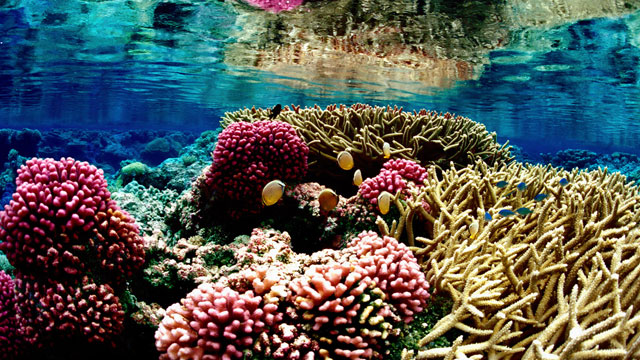
"caption": "Coral reefs are the first major ecosystems that could be wiped out by human impacts. (Jim Maragos/U.S. Fish and Wildlife Service)",
"description": "Coral Reef at Palmyra Atoll National Wildlife Refuge (Jim Maragos/U.S. Fish and Wildlife Service)",
"title": "coralreef",
"credit": null,
"status": "inherit",
"isLoading": false,
"fetchFailed": false
},
"science_14505": {
"type": "attachments",
"id": "science_14505",
"meta": {
"index": "attachments_1716263798",
"site": "science",
"id": "14505",
"found": true
},
"parent": 14496,
"imgSizes": {
"kqedFullSize": {
"file": "https://ww2.kqed.org/app/uploads/sites/35/2014/02/caremissions.jpg",
"width": 640,
"height": 360
}
},
"publishDate": 1392948317,
"modified": 1392948317,
"caption": "Under California climate law, gas prices are likely to rise in 2015. (Craig Miller/KQED)",
"description": "Under California climate law, gas prices are likely to rise in 2015. (Craig Miller/KQED)",
"title": "caremissions",
"credit": null,
"status": "inherit",
"isLoading": false,
"fetchFailed": false
},
"science_14435": {
"type": "attachments",
"id": "science_14435",
"meta": {
"index": "attachments_1716263798",
"site": "science",
"id": "14435",
"found": true
},
"parent": 14434,
"imgSizes": {
"kqedFullSize": {
"file": "https://ww2.kqed.org/app/uploads/sites/35/2014/02/ticks_news.jpg",
"width": 640,
"height": 361
}
},
"publishDate": 1392772484,
"modified": 1392772484,
"caption": "Western black-legged ticks can carry the bacteria that cause Lyme disease and other pathogens. (Ervic Aquino/Stanford)",
"description": "Western black-legged ticks can carry the bacteria that cause Lyme disease and other pathogens. (Ervic Aquino/Stanford)",
"title": "ticks_news",
"credit": null,
"status": "inherit",
"isLoading": false,
"fetchFailed": false
},
"science_13016": {
"type": "attachments",
"id": "science_13016",
"meta": {
"index": "attachments_1716263798",
"site": "science",
"id": "13016",
"found": true
},
"parent": 13009,
"imgSizes": {
"kqedFullSize": {
"file": "https://ww2.kqed.org/app/uploads/sites/35/2014/01/pittsburgoilprotest.jpg",
"width": 640,
"height": 360
}
},
"publishDate": 1389491600,
"modified": 1389491600,
"caption": "About 150 people marched to Pittsburg city hall on January 11, protesting a proposed oil terminal. (Molly Samuel/KQED)",
"description": "About 150 people marched to Pittsburg city hall on January 11, protesting a proposed oil terminal. (Molly Samuel/KQED)",
"title": "pittsburgoilprotest",
"credit": null,
"status": "inherit",
"isLoading": false,
"fetchFailed": false
}
},
"audioPlayerReducer": {
"postId": "stream_live",
"isPaused": true,
"isPlaying": false,
"pfsActive": false,
"pledgeModalIsOpen": true,
"playerDrawerIsOpen": false,
"liveAudioPlayStartedAt": 0,
"liveAudioPlayContext": ""
},
"authorsReducer": {
"astupi": {
"type": "authors",
"id": "70",
"meta": {
"index": "authors_1716337520",
"id": "70",
"found": true
},
"name": "Amanda Stupi",
"firstName": "Amanda",
"lastName": "Stupi",
"slug": "astupi",
"email": "astupi@kqed.org",
"display_author_email": false,
"staff_mastheads": [],
"title": "Senior Engagement Producer",
"bio": "Amanda joined KQED Science’s engagement team as a Senior Audience Engagement Strategist in the spring of 2019. She has helped craft messaging around wildfires, the coronavirus pandemic, climate change and many other stories. She has also brought KQED Science to new platforms such as Reddit’s Ask Me Anything series. Prior to joining KQED Science, Amanda spent seven years as an engagement producer with Forum, KQED’s daily live call-in show. She got her start in radio at KALW's weekly call in show, City Visions, before going on to an internship and stint at NPR's Talk of the Nation.\r\n\r\nPrior to journalism, Amanda taught English at Lowell High School. She's a native of Petaluma and currently lives under the \"South San Francisco the Industrial City\" sign in South City. She believes that engagement is vital to news’s future and that good journalism listens as much as it asks questions.",
"avatar": "https://secure.gravatar.com/avatar/e981c503e5c162da701dcaccfbf87e35?s=600&d=blank&r=g",
"twitter": null,
"facebook": null,
"instagram": null,
"linkedin": null,
"sites": [
{
"site": "arts",
"roles": [
"Contributor"
]
},
{
"site": "news",
"roles": [
"editor"
]
},
{
"site": "pop",
"roles": [
"contributor"
]
},
{
"site": "stateofhealth",
"roles": [
"editor"
]
},
{
"site": "science",
"roles": []
},
{
"site": "perspectives",
"roles": [
"editor"
]
}
],
"headData": {
"title": "Amanda Stupi | KQED",
"description": "Senior Engagement Producer",
"ogImgSrc": "https://secure.gravatar.com/avatar/e981c503e5c162da701dcaccfbf87e35?s=600&d=blank&r=g",
"twImgSrc": "https://secure.gravatar.com/avatar/e981c503e5c162da701dcaccfbf87e35?s=600&d=blank&r=g"
},
"isLoading": false,
"link": "/author/astupi"
},
"mollysamuel": {
"type": "authors",
"id": "200",
"meta": {
"index": "authors_1716337520",
"id": "200",
"found": true
},
"name": "Molly Samuel",
"firstName": "Molly",
"lastName": "Samuel",
"slug": "mollysamuel",
"email": "msamuel@kqed.org",
"display_author_email": false,
"staff_mastheads": [],
"title": null,
"bio": "Molly Samuel joined KQED as an intern in 2007, and since then has worked here as a reporter, producer, director and blogger. Before becoming KQED Science’s Multimedia Producer, she was a producer for Climate Watch. Molly has also reported for NPR, KALW and High Country News, and has produced audio stories for The Encyclopedia of Life and the Oakland Museum of California. She was a fellow with the Middlebury Fellowships in Environmental Journalism and a journalist-in-residence at the National Evolutionary Synthesis Center. Molly has a degree in Ancient Greek from Oberlin College and is a co-founder of the record label True Panther Sounds.",
"avatar": "https://secure.gravatar.com/avatar/a6abd3b949a89fe5109fa9917631d0b6?s=600&d=blank&r=g",
"twitter": null,
"facebook": null,
"instagram": null,
"linkedin": null,
"sites": [
{
"site": "news",
"roles": [
"subscriber"
]
},
{
"site": "stateofhealth",
"roles": [
"subscriber"
]
},
{
"site": "science",
"roles": [
"subscriber"
]
},
{
"site": "quest",
"roles": [
"edit_users",
"subscriber"
]
}
],
"headData": {
"title": "Molly Samuel | KQED",
"description": null,
"ogImgSrc": "https://secure.gravatar.com/avatar/a6abd3b949a89fe5109fa9917631d0b6?s=600&d=blank&r=g",
"twImgSrc": "https://secure.gravatar.com/avatar/a6abd3b949a89fe5109fa9917631d0b6?s=600&d=blank&r=g"
},
"isLoading": false,
"link": "/author/mollysamuel"
},
"amystanden": {
"type": "authors",
"id": "210",
"meta": {
"index": "authors_1716337520",
"id": "210",
"found": true
},
"name": "Amy Standen",
"firstName": "Amy",
"lastName": "Standen",
"slug": "amystanden",
"email": "astanden@kqed.org",
"display_author_email": false,
"staff_mastheads": [],
"title": "KQED Contributor",
"bio": "Amy Standen (@amystanden) is co-host of #\u003ca href=\"https://ww2.kqed.org/news/programs/the-leap\">TheLeapPodcast\u003c/a> (subscribe on iTunes or Stitcher!) and host of KQED and PBSDigital Studios' science video series, \u003ca href=\"https://www.youtube.com/user/KQEDDeepLook\">Deep Look\u003c/a>. Her science radio stories appear on KQED and NPR.\r\n\r\nEmail her at astanden@kqed.org",
"avatar": "https://secure.gravatar.com/avatar/3d021b72de685a788b0487b059d0a6a1?s=600&d=blank&r=g",
"twitter": null,
"facebook": null,
"instagram": null,
"linkedin": null,
"sites": [
{
"site": "news",
"roles": [
"subscriber"
]
},
{
"site": "futureofyou",
"roles": [
"subscriber"
]
},
{
"site": "stateofhealth",
"roles": [
"subscriber"
]
},
{
"site": "science",
"roles": []
},
{
"site": "quest",
"roles": [
"subscriber"
]
}
],
"headData": {
"title": "Amy Standen | KQED",
"description": "KQED Contributor",
"ogImgSrc": "https://secure.gravatar.com/avatar/3d021b72de685a788b0487b059d0a6a1?s=600&d=blank&r=g",
"twImgSrc": "https://secure.gravatar.com/avatar/3d021b72de685a788b0487b059d0a6a1?s=600&d=blank&r=g"
},
"isLoading": false,
"link": "/author/amystanden"
},
"katsnow": {
"type": "authors",
"id": "235",
"meta": {
"index": "authors_1716337520",
"id": "235",
"found": true
},
"name": "Katrin Snow",
"firstName": "Katrin",
"lastName": "Snow",
"slug": "katsnow",
"email": "ksnow@kqed.org",
"display_author_email": true,
"staff_mastheads": [
"science"
],
"title": "Senior Editor",
"bio": "Kat started in radio in 1985 at KMUN in Astoria, Oregon, where the Columbia River meets the sea. She worked several years protecting monarch butterfly habitat in California with the Xerces Society, an invertebrate conservation organization, before a love for radio news drew her back into journalism. Kat came to KQED in 2002, and before that was a reporter and news director at KUER in Salt Lake City, covering the state legislature, the environment and health. Kat coaches reporters and others in embodied narration and public speaking. She is a certified teacher of Soul Motion®, a conscious dance practice, and can sometimes be found in the Mojave desert or the Eastern Sierra.",
"avatar": "https://secure.gravatar.com/avatar/fa6bf8a74a2692973a5484e64ebd2b52?s=600&d=blank&r=g",
"twitter": "cosmologicalkat",
"facebook": null,
"instagram": null,
"linkedin": null,
"sites": [
{
"site": "arts",
"roles": [
"contributor"
]
},
{
"site": "news",
"roles": [
"editor"
]
},
{
"site": "futureofyou",
"roles": [
"editor"
]
},
{
"site": "science",
"roles": [
"editor"
]
}
],
"headData": {
"title": "Katrin Snow | KQED",
"description": "Senior Editor",
"ogImgSrc": "https://secure.gravatar.com/avatar/fa6bf8a74a2692973a5484e64ebd2b52?s=600&d=blank&r=g",
"twImgSrc": "https://secure.gravatar.com/avatar/fa6bf8a74a2692973a5484e64ebd2b52?s=600&d=blank&r=g"
},
"isLoading": false,
"link": "/author/katsnow"
},
"laurensommer": {
"type": "authors",
"id": "239",
"meta": {
"index": "authors_1716337520",
"id": "239",
"found": true
},
"name": "Lauren Sommer",
"firstName": "Lauren",
"lastName": "Sommer",
"slug": "laurensommer",
"email": "lsommer@kqed.org",
"display_author_email": false,
"staff_mastheads": [],
"title": "KQED Contributor",
"bio": "Lauren is a radio reporter formerly covering environment, water, and energy for KQED Science. As part of her day job, she has scaled Sierra Nevada peaks, run from charging elephant seals, and desperately tried to get her sea legs - all in pursuit of good radio. Her work has appeared on Marketplace, Living on Earth, Science Friday and NPR's Morning Edition and All Things Considered. You can find her on Twitter at \u003ca href=\"https://twitter.com/lesommer\">@lesommer\u003c/a>.",
"avatar": "https://secure.gravatar.com/avatar/33aa3772bb86c6ad45b8aca6a238bbdf?s=600&d=blank&r=g",
"twitter": null,
"facebook": null,
"instagram": null,
"linkedin": null,
"sites": [
{
"site": "news",
"roles": [
"author"
]
},
{
"site": "science",
"roles": [
"editor",
"manage_content_types",
"manage_taxonomies"
]
},
{
"site": "quest",
"roles": [
"editor"
]
}
],
"headData": {
"title": "Lauren Sommer | KQED",
"description": "KQED Contributor",
"ogImgSrc": "https://secure.gravatar.com/avatar/33aa3772bb86c6ad45b8aca6a238bbdf?s=600&d=blank&r=g",
"twImgSrc": "https://secure.gravatar.com/avatar/33aa3772bb86c6ad45b8aca6a238bbdf?s=600&d=blank&r=g"
},
"isLoading": false,
"link": "/author/laurensommer"
},
"adetsch": {
"type": "authors",
"id": "1545",
"meta": {
"index": "authors_1716337520",
"id": "1545",
"found": true
},
"name": "Jack Detsch",
"firstName": "Jack",
"lastName": "Detsch",
"slug": "adetsch",
"email": "adetsch@gwmail.gwu.edu",
"display_author_email": false,
"staff_mastheads": [],
"title": null,
"bio": null,
"avatar": "https://secure.gravatar.com/avatar/f278b745206699c02184f4af4f8ff9a8?s=600&d=blank&r=g",
"twitter": null,
"facebook": null,
"instagram": null,
"linkedin": null,
"sites": [
{
"site": "news",
"roles": [
"subscriber"
]
},
{
"site": "science",
"roles": [
"author"
]
}
],
"headData": {
"title": "Jack Detsch | KQED",
"description": null,
"ogImgSrc": "https://secure.gravatar.com/avatar/f278b745206699c02184f4af4f8ff9a8?s=600&d=blank&r=g",
"twImgSrc": "https://secure.gravatar.com/avatar/f278b745206699c02184f4af4f8ff9a8?s=600&d=blank&r=g"
},
"isLoading": false,
"link": "/author/adetsch"
},
"kqedscience": {
"type": "authors",
"id": "6387",
"meta": {
"index": "authors_1716337520",
"id": "6387",
"found": true
},
"name": "KQED Science",
"firstName": "KQED",
"lastName": "Science",
"slug": "kqedscience",
"email": "kqedscience@gmail.com",
"display_author_email": false,
"staff_mastheads": [],
"title": null,
"bio": "KQED Science brings you award-winning science and environment coverage from the Bay Area and beyond by the flagship Northern California PBS and NPR affiliate.",
"avatar": "https://secure.gravatar.com/avatar/5a295ff49cf82a8c0f30937d3f788b2f?s=600&d=blank&r=g",
"twitter": null,
"facebook": null,
"instagram": null,
"linkedin": null,
"sites": [
{
"site": "science",
"roles": [
"contributor"
]
},
{
"site": "quest",
"roles": [
"editor"
]
},
{
"site": "food",
"roles": [
"contributor"
]
}
],
"headData": {
"title": "KQED Science | KQED",
"description": null,
"ogImgSrc": "https://secure.gravatar.com/avatar/5a295ff49cf82a8c0f30937d3f788b2f?s=600&d=blank&r=g",
"twImgSrc": "https://secure.gravatar.com/avatar/5a295ff49cf82a8c0f30937d3f788b2f?s=600&d=blank&r=g"
},
"isLoading": false,
"link": "/author/kqedscience"
}
},
"pagesReducer": {
"science_category_news": {
"type": "terms",
"id": "science_40",
"meta": {
"index": "terms_1716263798",
"site": "science",
"id": "40",
"score": 10.814895
},
"featImg": null,
"name": "News",
"description": null,
"taxonomy": "category",
"headData": {
"twImgId": null,
"twTitle": null,
"ogTitle": null,
"ogImgId": null,
"twDescription": null,
"description": null,
"title": "News Archives | KQED Science",
"ogDescription": null
},
"ttid": 42,
"slug": "news",
"isLoading": false,
"title": "News",
"pageMeta": {
"site": "science",
"WpPageTemplate": "page-topic-editorial",
"currentPage": 269
},
"blocks": [
{
"blockName": "kqed/post-list",
"attrs": {
"layout": "cardArticle2",
"query": "posts/science?category=news",
"seeMore": false,
"paginated": true,
"page": 269
}
},
{
"blockName": "kqed/ad"
}
]
}
},
"pfsSessionReducer": {},
"postsReducer": {
"stream_live": {
"type": "live",
"id": "stream_live",
"audioUrl": "https://streams.kqed.org/kqedradio",
"title": "Live Stream",
"excerpt": "Live Stream information currently unavailable.",
"link": "/radio",
"featImg": "",
"label": {
"name": "KQED Live",
"link": "/"
}
},
"stream_kqedNewscast": {
"type": "posts",
"id": "stream_kqedNewscast",
"audioUrl": "https://www.kqed.org/.stream/anon/radio/RDnews/newscast.mp3?_=1",
"title": "KQED Newscast",
"featImg": "",
"label": {
"name": "88.5 FM",
"link": "/"
}
},
"science_14921": {
"type": "posts",
"id": "science_14921",
"meta": {
"index": "posts_1716263798",
"site": "science",
"id": "14921",
"score": null,
"sort": [
1394121654000
]
},
"parent": 0,
"labelTerm": {
"site": "science"
},
"blocks": [],
"publishDate": 1394121654,
"format": "aside",
"title": "New UCSF Lab Studies How Video Games Affect Our Brains",
"headTitle": "New UCSF Lab Studies How Video Games Affect Our Brains | KQED",
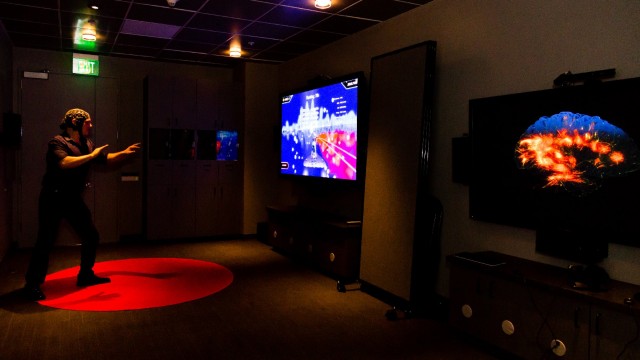
"content": "\u003cfigure id=\"attachment_14970\" class=\"wp-caption aligncenter\" style=\"max-width: 1024px\">\u003cimg loading=\"lazy\" decoding=\"async\" class=\"size-large wp-image-14970\" src=\"http://ww2.kqed.org/science/wp-content/uploads/sites/35/2014/03/New-Neuroscape-4788JC_CROP2-1024x575.jpg\" alt=\"Gaming, EEG and MRI brain scanning, and -- eventually -- a closed-loop system will help scientists explore the theraputic uses of video games. (Josh Cassidy/KQED)\" width=\"1024\" height=\"575\">\u003cfigcaption class=\"wp-caption-text\">Gaming, EEG and MRI brain scanning, and — eventually — a closed-loop system will help scientists explore the theraputic uses of video games. (Josh Cassidy/KQED)\u003c/figcaption>\u003c/figure>\n\u003cp>\u003cstrong>\u003c/strong>This week the University of California, San Francisco debuts a new laboratory devoted to asking whether video games can do more than turn us into couch potatoes.\u003c/p>\n\u003cp>There are no test tubes at the \u003ca href=\"http://neuroscapelab.com/\">Neuroscape Lab\u003c/a>. Instead, it looks like some billionaire’s personal video game parlor: dimly lit in a palate of dark grays, punctuated by a red gaming chair and a red circle on the floor where gamers stand (and jump, squat and lunge) during motion-capture games.\u003cbr>\n\u003cstrong>\u003cbr>\nExploring the “Glass Brain”\u003c/strong>\u003c/p>\n\u003cp>The room is dominated by two large screens. One displays the game itself. On the day I visited, it was a futuristic movement-and-concentration game where an avatar on the screen mirrors the player’s body movements as he or she scores by smacking down floating golden orbs.\u003c/p>\n\u003cp>The second screen displays what Adam Gazzaley, a neuroscientist at UCSF, calls “the glass brain,” a mesmerizing, slowly rotating image of a brain pulsing with flashes of light.\u003c/p>\n\u003cfigure id=\"attachment_14930\" class=\"wp-caption aligncenter\" style=\"max-width: 1024px\">\u003cimg loading=\"lazy\" decoding=\"async\" class=\"size-large wp-image-14930\" src=\"http://ww2.kqed.org/science/wp-content/uploads/sites/35/2014/03/Neuroscape-JoshC-4795_Scale-1024x575.jpg\" alt=\"The "glass brain" projects EEG data onto an MRI scan of the player's brain. (Josh Cassidy/KQED)\" width=\"1024\" height=\"575\">\u003cfigcaption class=\"wp-caption-text\">The “glass brain” projects EEG data onto an MRI scan of the player’s brain. (Josh Cassidy/KQED)\u003c/figcaption>\u003c/figure>\n\u003cp>The glass brain is a mash-up of two brain scanning techniques. One is static, an MRI image of the player’s brain, captured in a scanner before the game begins.\u003c/p>\n\u003cp>[ad fullwidth]\u003c/p>\n\u003cp>Superimposed on the MRI are signals collected by another brain-scanning technique used by neuroscientists: electroencephalography, or \u003ca href=\"http://ww2.kqed.org/science/audio/how-to-fly-a-model-helicopter-with-your-brain-and-other-adventures-in-eeg-gaming/\">EEG\u003c/a>. Normally, EEG read-outs look like the horizontal zig-zags of a seismograph. On the glass brain, they’re translated into flashes of red, green and yellow streaks, corresponding to the electric firing between billions of synapses inside in the brain.\u003c/p>\n\u003cp>Right now, there’s a slight delay between the player’s action and when the corresponding brain activity shows up on screen. But technicians are working to close that gap, says Gazzaley, “so that we can see an event in the brain right at the moment it’s happening in the world.”\u003c/p>\n\u003caside class=\"pullquote alignleft\">In search of “the world’s first FDA-approved prescribed video game.”\u003c/aside>\n\u003cp>The next step is to build the game so that it responds to the player’s brain activity, sensing where a particular task activates the brain, and then adjusting to challenge that particular network.\u003c/p>\n\u003cp>\u003cstrong>\u003cbr>\nA Feedback Loop Between Brain and Game\u003c/strong>\u003c/p>\n\u003cp>“The game will essentially understand where the weaknesses are, and then change the mechanics to put pressure on those processes to lead to improvements,” Gazalley says.\u003c/p>\n\u003cp>He is one of several researchers trying to understand whether video games could be used as a therapy for people struggling with memory problems, for example, or ADHD. Gazzaley believes games he’s developing could become “the world’s first FDA-approved prescribed video game.”\u003c/p>\n\u003cfigure id=\"attachment_14933\" class=\"wp-caption aligncenter\" style=\"max-width: 1024px\">\u003cimg loading=\"lazy\" decoding=\"async\" class=\"size-large wp-image-14933\" src=\"http://ww2.kqed.org/science/wp-content/uploads/sites/35/2014/03/Neuroscape-JoshC-4717-1024x682.jpg\" alt=\"UCSF neuroscientist Adam Gazzaley runs the Neuroscape lab. (Josh Cassidy/KQED)\" width=\"1024\" height=\"682\">\u003cfigcaption class=\"wp-caption-text\">UCSF neuroscientist Adam Gazzaley runs the Neuroscape lab. (Josh Cassidy/KQED)\u003c/figcaption>\u003c/figure>\n\u003cp>Success will hinge on something called “transference,” says C. Shawn Green, a scientist at the University of Wisconsin, Madison, who studies the effects of games on the brain.\u003c/p>\n\u003cp>“The big crux in the field at the moment is how do we produce really broad effects?” says Green.\u003cbr>\n\u003cstrong>\u003cbr>\nDoes Video Game Success Transfer to the Real World?\u003c/strong>\u003c/p>\n\u003cp>In other words, it’s clear that video games do one thing very well: train people to become better gamers. But whether those results “transfer” outside the game into the real world is a source of lively debate among neuroscientists.\u003c/p>\n\u003cp>In a paper published in \u003ca href=\"http://www.ncbi.nlm.nih.gov/pubmed/24005416\">Nature\u003c/a> last September, UCSF’s Gazzaley and his co-authors showed that older adults were better able to multitask in the real world after training on a game called NeuroRacer.\u003c/p>\n\u003cfigure id=\"attachment_14937\" class=\"wp-caption alignleft\" style=\"max-width: 288px\">\u003cimg loading=\"lazy\" decoding=\"async\" class=\"size-medium wp-image-14937 \" src=\"http://ww2.kqed.org/science/wp-content/uploads/sites/35/2014/03/Neuroscape-JoshC-4831_Scale-288x162.jpg\" alt=\"UCSF's Neuroscape Lab was produced in partnership with several high tech companies. (Josh Cassidy/KQED)\" width=\"288\" height=\"162\">\u003cfigcaption class=\"wp-caption-text\">UCSF’s Neuroscape Lab was produced in partnership with several gaming and virtual-realty tech companies. (Josh Cassidy/KQED)\u003c/figcaption>\u003c/figure>\n\u003cp>In other words, the training “generalized,” says Robert Knight, a professor of psychology and neuroscience at UC Berkeley and one of Gazzaley’s former advisors. “They didn’t only get better at the task [in the video game]; the performance generalized to other tasks.”\u003c/p>\n\u003cp>\u003c/p>\n\u003cp>Whether those results will hold in future studies, and whether similar benefits show up in people with, for example, autism, ADHD or stroke, are questions scientists at Neuroscape and elsewhere will continue to explore.\u003c/p>\n\n",
"stats": {
"hasVideo": false,
"hasChartOrMap": false,
"hasAudio": false,
"hasPolis": false,
"wordCount": 754,
"hasGoogleForm": false,
"hasGallery": false,
"hasHearkenModule": false,
"iframeSrcs": [],
"paragraphCount": 19
},
"modified": 1704934062,
"excerpt": "Video games do one thing very well: train people to become better gamers. But whether those results transfer outside the game into the real world is a source of lively debate among neuroscientists.",
"headData": {
"twImgId": "",
"twTitle": "",
"ogTitle": "",
"ogImgId": "",
"twDescription": "",
"description": "Video games do one thing very well: train people to become better gamers. But whether those results transfer outside the game into the real world is a source of lively debate among neuroscientists.",
"title": "New UCSF Lab Studies How Video Games Affect Our Brains | KQED",
"ogDescription": "",
"schema": {
"@context": "https://schema.org",
"@type": "Article",
"headline": "New UCSF Lab Studies How Video Games Affect Our Brains",
"datePublished": "2014-03-06T08:00:54-08:00",
"dateModified": "2024-01-10T16:47:42-08:00",
"image": "https://cdn.kqed.org/wp-content/uploads/2020/02/KQED-OG-Image@1x.png"
}
},
"guestAuthors": [],
"slug": "new-ucsf-lab-studies-how-video-games-affect-our-brains",
"status": "publish",
"sticky": false,
"path": "/science/14921/new-ucsf-lab-studies-how-video-games-affect-our-brains",
"audioTrackLength": null,
"parsedContent": [
{
"type": "contentString",
"content": "\u003cdiv class=\"post-body\">\u003cp>\u003cfigure id=\"attachment_14970\" class=\"wp-caption aligncenter\" style=\"max-width: 1024px\">\u003cimg loading=\"lazy\" decoding=\"async\" class=\"size-large wp-image-14970\" src=\"http://ww2.kqed.org/science/wp-content/uploads/sites/35/2014/03/New-Neuroscape-4788JC_CROP2-1024x575.jpg\" alt=\"Gaming, EEG and MRI brain scanning, and -- eventually -- a closed-loop system will help scientists explore the theraputic uses of video games. (Josh Cassidy/KQED)\" width=\"1024\" height=\"575\">\u003cfigcaption class=\"wp-caption-text\">Gaming, EEG and MRI brain scanning, and — eventually — a closed-loop system will help scientists explore the theraputic uses of video games. (Josh Cassidy/KQED)\u003c/figcaption>\u003c/figure>\n\u003cp>\u003cstrong>\u003c/strong>This week the University of California, San Francisco debuts a new laboratory devoted to asking whether video games can do more than turn us into couch potatoes.\u003c/p>\n\u003cp>There are no test tubes at the \u003ca href=\"http://neuroscapelab.com/\">Neuroscape Lab\u003c/a>. Instead, it looks like some billionaire’s personal video game parlor: dimly lit in a palate of dark grays, punctuated by a red gaming chair and a red circle on the floor where gamers stand (and jump, squat and lunge) during motion-capture games.\u003cbr>\n\u003cstrong>\u003cbr>\nExploring the “Glass Brain”\u003c/strong>\u003c/p>\n\u003cp>The room is dominated by two large screens. One displays the game itself. On the day I visited, it was a futuristic movement-and-concentration game where an avatar on the screen mirrors the player’s body movements as he or she scores by smacking down floating golden orbs.\u003c/p>\n\u003cp>The second screen displays what Adam Gazzaley, a neuroscientist at UCSF, calls “the glass brain,” a mesmerizing, slowly rotating image of a brain pulsing with flashes of light.\u003c/p>\n\u003cfigure id=\"attachment_14930\" class=\"wp-caption aligncenter\" style=\"max-width: 1024px\">\u003cimg loading=\"lazy\" decoding=\"async\" class=\"size-large wp-image-14930\" src=\"http://ww2.kqed.org/science/wp-content/uploads/sites/35/2014/03/Neuroscape-JoshC-4795_Scale-1024x575.jpg\" alt=\"The "glass brain" projects EEG data onto an MRI scan of the player's brain. (Josh Cassidy/KQED)\" width=\"1024\" height=\"575\">\u003cfigcaption class=\"wp-caption-text\">The “glass brain” projects EEG data onto an MRI scan of the player’s brain. (Josh Cassidy/KQED)\u003c/figcaption>\u003c/figure>\n\u003cp>The glass brain is a mash-up of two brain scanning techniques. One is static, an MRI image of the player’s brain, captured in a scanner before the game begins.\u003c/p>\n\u003cp>\u003c/p>\u003c/div>",
"attributes": {
"named": {},
"numeric": []
}
},
{
"type": "component",
"content": "",
"name": "ad",
"attributes": {
"named": {
"label": "fullwidth"
},
"numeric": [
"fullwidth"
]
}
},
{
"type": "contentString",
"content": "\u003cdiv class=\"post-body\">\u003cp>\u003c/p>\n\u003cp>Superimposed on the MRI are signals collected by another brain-scanning technique used by neuroscientists: electroencephalography, or \u003ca href=\"http://ww2.kqed.org/science/audio/how-to-fly-a-model-helicopter-with-your-brain-and-other-adventures-in-eeg-gaming/\">EEG\u003c/a>. Normally, EEG read-outs look like the horizontal zig-zags of a seismograph. On the glass brain, they’re translated into flashes of red, green and yellow streaks, corresponding to the electric firing between billions of synapses inside in the brain.\u003c/p>\n\u003cp>Right now, there’s a slight delay between the player’s action and when the corresponding brain activity shows up on screen. But technicians are working to close that gap, says Gazzaley, “so that we can see an event in the brain right at the moment it’s happening in the world.”\u003c/p>\n\u003caside class=\"pullquote alignleft\">In search of “the world’s first FDA-approved prescribed video game.”\u003c/aside>\n\u003cp>The next step is to build the game so that it responds to the player’s brain activity, sensing where a particular task activates the brain, and then adjusting to challenge that particular network.\u003c/p>\n\u003cp>\u003cstrong>\u003cbr>\nA Feedback Loop Between Brain and Game\u003c/strong>\u003c/p>\n\u003cp>“The game will essentially understand where the weaknesses are, and then change the mechanics to put pressure on those processes to lead to improvements,” Gazalley says.\u003c/p>\n\u003cp>He is one of several researchers trying to understand whether video games could be used as a therapy for people struggling with memory problems, for example, or ADHD. Gazzaley believes games he’s developing could become “the world’s first FDA-approved prescribed video game.”\u003c/p>\n\u003cfigure id=\"attachment_14933\" class=\"wp-caption aligncenter\" style=\"max-width: 1024px\">\u003cimg loading=\"lazy\" decoding=\"async\" class=\"size-large wp-image-14933\" src=\"http://ww2.kqed.org/science/wp-content/uploads/sites/35/2014/03/Neuroscape-JoshC-4717-1024x682.jpg\" alt=\"UCSF neuroscientist Adam Gazzaley runs the Neuroscape lab. (Josh Cassidy/KQED)\" width=\"1024\" height=\"682\">\u003cfigcaption class=\"wp-caption-text\">UCSF neuroscientist Adam Gazzaley runs the Neuroscape lab. (Josh Cassidy/KQED)\u003c/figcaption>\u003c/figure>\n\u003cp>Success will hinge on something called “transference,” says C. Shawn Green, a scientist at the University of Wisconsin, Madison, who studies the effects of games on the brain.\u003c/p>\n\u003cp>“The big crux in the field at the moment is how do we produce really broad effects?” says Green.\u003cbr>\n\u003cstrong>\u003cbr>\nDoes Video Game Success Transfer to the Real World?\u003c/strong>\u003c/p>\n\u003cp>In other words, it’s clear that video games do one thing very well: train people to become better gamers. But whether those results “transfer” outside the game into the real world is a source of lively debate among neuroscientists.\u003c/p>\n\u003cp>In a paper published in \u003ca href=\"http://www.ncbi.nlm.nih.gov/pubmed/24005416\">Nature\u003c/a> last September, UCSF’s Gazzaley and his co-authors showed that older adults were better able to multitask in the real world after training on a game called NeuroRacer.\u003c/p>\n\u003cfigure id=\"attachment_14937\" class=\"wp-caption alignleft\" style=\"max-width: 288px\">\u003cimg loading=\"lazy\" decoding=\"async\" class=\"size-medium wp-image-14937 \" src=\"http://ww2.kqed.org/science/wp-content/uploads/sites/35/2014/03/Neuroscape-JoshC-4831_Scale-288x162.jpg\" alt=\"UCSF's Neuroscape Lab was produced in partnership with several high tech companies. (Josh Cassidy/KQED)\" width=\"288\" height=\"162\">\u003cfigcaption class=\"wp-caption-text\">UCSF’s Neuroscape Lab was produced in partnership with several gaming and virtual-realty tech companies. (Josh Cassidy/KQED)\u003c/figcaption>\u003c/figure>\n\u003cp>In other words, the training “generalized,” says Robert Knight, a professor of psychology and neuroscience at UC Berkeley and one of Gazzaley’s former advisors. “They didn’t only get better at the task [in the video game]; the performance generalized to other tasks.”\u003c/p>\n\u003cp>\u003c/p>\n\u003cp>Whether those results will hold in future studies, and whether similar benefits show up in people with, for example, autism, ADHD or stroke, are questions scientists at Neuroscape and elsewhere will continue to explore.\u003c/p>\n\n\u003c/div>\u003c/p>",
"attributes": {
"named": {},
"numeric": []
}
}
],
"link": "/science/14921/new-ucsf-lab-studies-how-video-games-affect-our-brains",
"authors": [
"210"
],
"categories": [
"science_30",
"science_39",
"science_40"
],
"tags": [
"science_64"
],
"featImg": "science_14970",
"label": "science"
},
"science_14914": {
"type": "posts",
"id": "science_14914",
"meta": {
"index": "posts_1716263798",
"site": "science",
"id": "14914",
"score": null,
"sort": [
1394070206000
]
},
"parent": 0,
"labelTerm": {
"site": "science"
},
"blocks": [],
"publishDate": 1394070206,
"format": "aside",
"title": "Are BPA-Free Plastics Any Safer?",
"headTitle": "Are BPA-Free Plastics Any Safer? | KQED",
"content": "\u003cp>\u003cstrong>By Mina Kim and Molly Samuel\u003c/strong>\u003c/p>\n\u003cfigure id=\"attachment_14920\" class=\"wp-caption aligncenter\" style=\"max-width: 640px\">\u003cimg loading=\"lazy\" decoding=\"async\" class=\"size-full wp-image-14920\" src=\"http://ww2.kqed.org/science/wp-content/uploads/sites/35/2014/03/177267473.jpg\" alt=\"Some plastics leach chemicals that are dangerous to developing fetuses and children. \" width=\"640\" height=\"360\">\u003cfigcaption class=\"wp-caption-text\">Some plastics leach chemicals that are dangerous to developing fetuses and children.\u003c/figcaption>\u003c/figure>\n\u003cp>Maybe you’ve noticed the words “BPA-free” on the packaging of plastic products like sippy cups and Tupperware. Studies have linked the chemical BPA, or Bisphenol A, to a host of health problems, particularly in pregnant women and their infants. But \u003ca href=\"http://www.ceh.org/wp-content/uploads/2014/03/PlastiPure-Report-on-CEH-Sippy-Cups-Sept-7-2012.pdf\">lab tests\u003c/a> by the Oakland-based advocacy group \u003ca href=\"http://www.ceh.org/\">Center for Environmental Health\u003c/a>, have found that the chemicals used to replace BPA may be just as harmful.\u003c/p>\n\u003cp>KQED’s Mina Kim spoke with Mariah Blake, who wrote about the findings on plastics and synthetic estrogens in \u003ca href=\"http://www.motherjones.com/environment/2014/03/tritan-certichem-eastman-bpa-free-plastic-safe\">Mother Jones\u003c/a>:\u003c/p>\n\u003cblockquote>\u003cp>Estrogenic chemicals found in many common products have been linked to a litany of problems in humans and animals. According to one study, the pesticide atrazine can turn male frogs female. DES, which was once prescribed to prevent miscarriages, caused obesity, rare vaginal tumors, infertility, and testicular growths among those exposed in utero. Scientists have tied BPA to ailments including asthma, cancer, infertility, low sperm count, genital deformity, heart disease, liver problems, and ADHD. “Pick a disease, literally pick a disease,” says Frederick vom Saal, a biology professor at the University of Missouri-Columbia who studies BPA.\u003c/p>\u003c/blockquote>\n\u003cp>In 2008, Blake explained, there was a “BPA panic.”\u003c/p>\n\u003cp>“The public suddenly became very aware of the fact that BPA was potentially harmful,” Blake said. “Around that time, many manufacturers began moving away from BPA products.”\u003c/p>\n\u003cp>[ad fullwidth]\u003c/p>\n\u003cp>U.S. law doesn’t require a chemical be proven safe before it goes on the market; a chemical is presumed safe until proven otherwise. Nonetheless, given the public furor, manufacturers began replacing BPA with other kinds of plastics, including one called Tritan, manufactured by Eastman Chemical.\u003c/p>\n\u003cp>“This was the plastic to use if you wanted a truly safe product,” Blake said.\u003c/p>\n\u003cp>[contextly_sidebar id=”14a2704dbe6d1c95030f95c4050f81be”]\u003c/p>\n\u003cp>But recent tests by the Center for Environmental Health show Tritan is not so safe, after all. The Center sent 18 sippy cups to CertiChem Inc., in Austin, Texas, for testing. The lab found detectable estrogenic activity in chemicals leaching from five of the products, including products containing Tritan.\u003c/p>\n\u003cp>Scientists with CertiChem, Georgetown University and the University of Texas, had already published a National Institutes of Health-funded study in 2011, testing estrogen exposure from a wide range of plastics, including baby bottles and other products advertised as BPA-free. “In some cases,” \u003ca href=\"http://ehp.niehs.nih.gov/1003220/\">the researchers reported\u003c/a>, “BPA-free products released chemicals having more EA [estrogenic activity] than did BPA-containing products.”\u003c/p>\n\u003cp>Eastman sued CertiChem Inc., to prevent it from publicizing the findings.\u003c/p>\n\u003cp>On its \u003ca href=\"http://www.eastman.com/Markets/Tritan_Safe/Media_Room/Pages/Fact_Sheet.aspx\">website\u003c/a>, Eastman stands by the safety of Tritan. And the American Chemical Council, a plastics industry group, questions if there is even any danger in BPA.\u003c/p>\n\u003cp>“Many government bodies around the world have evaluated the scientific evidence on BPA and have declared it safe as used in food contact materials,” the American Chemical Council said in a statement released Tuesday. And it called attention to a \u003ca href=\"http://blogs.kqed.org/bayareabites/2014/02/27/maybe-that-bpa-in-your-canned-food-isnt-so-bad-after-all/\">recent FDA study\u003c/a> that found rats weren’t harmed by BPA.\u003c/p>\n\u003cp>Blake isn’t so sure about that. “I’m actually working on a story about that study now,” she said. “There are a couple of issues that raise questions about its findings.”\u003c/p>\n\u003cp>She said the FDA used a breed of rat that’s not sensitive to estrogen and that there appeared to have been contamination in the lab that conducted the study. (A \u003ca href=\"http://www.motherjones.com/environment/2014/03/tritan-certichem-eastman-bpa-free-plastic-safe\">note at the top of the Mother Jones article\u003c/a> addresses the study.)\u003c/p>\n\u003cp>[contextly_sidebar id=”7178bca5daad45372b4bc4991aae8121″]\u003c/p>\n\u003cp>When it comes to BPA and possibly other endocrine-disrupting chemicals, Blake said, there is no known safe dose. “Unlike other kinds of chemicals, it’s not like they’re only harmful when you reach a certain threshold,” she said. “The scientists I’ve spoken to who study this chemical say there is no safe level of exposure. Any level of exposure is potentially harmful, especially for young children and developing fetuses.”\u003c/p>\n\u003cp>But she acknowledged, it’s hard to go plastic-free in our plastic world. “It’s a difficult situation because plastic is so ubiquitous and the available evidence suggests that there is no surefire way to avoid exposure as long as you’re using plastics,” she said.\u003c/p>\n\u003cp>\u003c/p>\n\u003cp>[soundcloud url=”https://api.soundcloud.com/tracks/137968638″ params=”color=ff5500&auto_play=false&hide_related=false&show_artwork=true” width=”100%” height=”166″ iframe=”true” /]\u003c/p>\n\n",
"stats": {
"hasVideo": false,
"hasChartOrMap": false,
"hasAudio": false,
"hasPolis": false,
"wordCount": 786,
"hasGoogleForm": false,
"hasGallery": false,
"hasHearkenModule": false,
"iframeSrcs": [],
"paragraphCount": 22
},
"modified": 1704934072,
"excerpt": "Studies have linked the chemical BPA, found in some plastics, to a host of health problems. Now lab tests have found that the chemicals used to replace BPA may be just as harmful.",
"headData": {
"twImgId": "",
"twTitle": "",
"ogTitle": "",
"ogImgId": "",
"twDescription": "",
"description": "Studies have linked the chemical BPA, found in some plastics, to a host of health problems. Now lab tests have found that the chemicals used to replace BPA may be just as harmful.",
"title": "Are BPA-Free Plastics Any Safer? | KQED",
"ogDescription": "",
"schema": {
"@context": "https://schema.org",
"@type": "Article",
"headline": "Are BPA-Free Plastics Any Safer?",
"datePublished": "2014-03-05T17:43:26-08:00",
"dateModified": "2024-01-10T16:47:52-08:00",
"image": "https://cdn.kqed.org/wp-content/uploads/2020/02/KQED-OG-Image@1x.png"
}
},
"guestAuthors": [],
"slug": "are-bpa-free-plastics-any-safer",
"status": "publish",
"sticky": false,
"path": "/science/14914/are-bpa-free-plastics-any-safer",
"audioTrackLength": null,
"parsedContent": [
{
"type": "contentString",
"content": "\u003cdiv class=\"post-body\">\u003cp>\u003cp>\u003cstrong>By Mina Kim and Molly Samuel\u003c/strong>\u003c/p>\n\u003cfigure id=\"attachment_14920\" class=\"wp-caption aligncenter\" style=\"max-width: 640px\">\u003cimg loading=\"lazy\" decoding=\"async\" class=\"size-full wp-image-14920\" src=\"http://ww2.kqed.org/science/wp-content/uploads/sites/35/2014/03/177267473.jpg\" alt=\"Some plastics leach chemicals that are dangerous to developing fetuses and children. \" width=\"640\" height=\"360\">\u003cfigcaption class=\"wp-caption-text\">Some plastics leach chemicals that are dangerous to developing fetuses and children.\u003c/figcaption>\u003c/figure>\n\u003cp>Maybe you’ve noticed the words “BPA-free” on the packaging of plastic products like sippy cups and Tupperware. Studies have linked the chemical BPA, or Bisphenol A, to a host of health problems, particularly in pregnant women and their infants. But \u003ca href=\"http://www.ceh.org/wp-content/uploads/2014/03/PlastiPure-Report-on-CEH-Sippy-Cups-Sept-7-2012.pdf\">lab tests\u003c/a> by the Oakland-based advocacy group \u003ca href=\"http://www.ceh.org/\">Center for Environmental Health\u003c/a>, have found that the chemicals used to replace BPA may be just as harmful.\u003c/p>\n\u003cp>KQED’s Mina Kim spoke with Mariah Blake, who wrote about the findings on plastics and synthetic estrogens in \u003ca href=\"http://www.motherjones.com/environment/2014/03/tritan-certichem-eastman-bpa-free-plastic-safe\">Mother Jones\u003c/a>:\u003c/p>\n\u003cblockquote>\u003cp>Estrogenic chemicals found in many common products have been linked to a litany of problems in humans and animals. According to one study, the pesticide atrazine can turn male frogs female. DES, which was once prescribed to prevent miscarriages, caused obesity, rare vaginal tumors, infertility, and testicular growths among those exposed in utero. Scientists have tied BPA to ailments including asthma, cancer, infertility, low sperm count, genital deformity, heart disease, liver problems, and ADHD. “Pick a disease, literally pick a disease,” says Frederick vom Saal, a biology professor at the University of Missouri-Columbia who studies BPA.\u003c/p>\u003c/blockquote>\n\u003cp>In 2008, Blake explained, there was a “BPA panic.”\u003c/p>\n\u003cp>“The public suddenly became very aware of the fact that BPA was potentially harmful,” Blake said. “Around that time, many manufacturers began moving away from BPA products.”\u003c/p>\n\u003cp>\u003c/p>\u003c/div>",
"attributes": {
"named": {},
"numeric": []
}
},
{
"type": "component",
"content": "",
"name": "ad",
"attributes": {
"named": {
"label": "fullwidth"
},
"numeric": [
"fullwidth"
]
}
},
{
"type": "contentString",
"content": "\u003cdiv class=\"post-body\">\u003cp>\u003c/p>\n\u003cp>U.S. law doesn’t require a chemical be proven safe before it goes on the market; a chemical is presumed safe until proven otherwise. Nonetheless, given the public furor, manufacturers began replacing BPA with other kinds of plastics, including one called Tritan, manufactured by Eastman Chemical.\u003c/p>\n\u003cp>“This was the plastic to use if you wanted a truly safe product,” Blake said.\u003c/p>\n\u003cp>\u003c/p>\u003cp>\u003c/p>\u003cp>\u003c/p>\n\u003cp>But recent tests by the Center for Environmental Health show Tritan is not so safe, after all. The Center sent 18 sippy cups to CertiChem Inc., in Austin, Texas, for testing. The lab found detectable estrogenic activity in chemicals leaching from five of the products, including products containing Tritan.\u003c/p>\n\u003cp>Scientists with CertiChem, Georgetown University and the University of Texas, had already published a National Institutes of Health-funded study in 2011, testing estrogen exposure from a wide range of plastics, including baby bottles and other products advertised as BPA-free. “In some cases,” \u003ca href=\"http://ehp.niehs.nih.gov/1003220/\">the researchers reported\u003c/a>, “BPA-free products released chemicals having more EA [estrogenic activity] than did BPA-containing products.”\u003c/p>\n\u003cp>Eastman sued CertiChem Inc., to prevent it from publicizing the findings.\u003c/p>\n\u003cp>On its \u003ca href=\"http://www.eastman.com/Markets/Tritan_Safe/Media_Room/Pages/Fact_Sheet.aspx\">website\u003c/a>, Eastman stands by the safety of Tritan. And the American Chemical Council, a plastics industry group, questions if there is even any danger in BPA.\u003c/p>\n\u003cp>“Many government bodies around the world have evaluated the scientific evidence on BPA and have declared it safe as used in food contact materials,” the American Chemical Council said in a statement released Tuesday. And it called attention to a \u003ca href=\"http://blogs.kqed.org/bayareabites/2014/02/27/maybe-that-bpa-in-your-canned-food-isnt-so-bad-after-all/\">recent FDA study\u003c/a> that found rats weren’t harmed by BPA.\u003c/p>\n\u003cp>Blake isn’t so sure about that. “I’m actually working on a story about that study now,” she said. “There are a couple of issues that raise questions about its findings.”\u003c/p>\n\u003cp>She said the FDA used a breed of rat that’s not sensitive to estrogen and that there appeared to have been contamination in the lab that conducted the study. (A \u003ca href=\"http://www.motherjones.com/environment/2014/03/tritan-certichem-eastman-bpa-free-plastic-safe\">note at the top of the Mother Jones article\u003c/a> addresses the study.)\u003c/p>\n\u003cp>\u003c/p>\u003cp>\u003c/p>\u003cp>\u003c/p>\n\u003cp>When it comes to BPA and possibly other endocrine-disrupting chemicals, Blake said, there is no known safe dose. “Unlike other kinds of chemicals, it’s not like they’re only harmful when you reach a certain threshold,” she said. “The scientists I’ve spoken to who study this chemical say there is no safe level of exposure. Any level of exposure is potentially harmful, especially for young children and developing fetuses.”\u003c/p>\n\u003cp>But she acknowledged, it’s hard to go plastic-free in our plastic world. “It’s a difficult situation because plastic is so ubiquitous and the available evidence suggests that there is no surefire way to avoid exposure as long as you’re using plastics,” she said.\u003c/p>\n\u003cp>\u003c/p>\n\u003cp>\u003c/p>\u003cp>\u003cdiv class='utils-parseShortcode-shortcodes-__shortcodes__shortcodeWrapper'>\n \u003ciframe width='”100%”' height='”166″'\n scrolling='no' frameborder='no'\n src='https://w.soundcloud.com/player/?url=”https://api.soundcloud.com/tracks/137968638″&visual=true&”color=ff5500&auto_play=false&hide_related=false&show_artwork=true”'\n title='”https://api.soundcloud.com/tracks/137968638″'>\n \u003c/iframe>\n \u003c/div>\u003c/p>\u003cp>\u003c/p>\n\n\u003c/div>\u003c/p>",
"attributes": {
"named": {},
"numeric": []
}
}
],
"link": "/science/14914/are-bpa-free-plastics-any-safer",
"authors": [
"6387"
],
"categories": [
"science_46",
"science_29",
"science_39",
"science_40"
],
"tags": [
"science_1189",
"science_381"
],
"featImg": "science_14920",
"label": "science"
},
"science_14879": {
"type": "posts",
"id": "science_14879",
"meta": {
"index": "posts_1716263798",
"site": "science",
"id": "14879",
"score": null,
"sort": [
1393966779000
]
},
"parent": 0,
"labelTerm": {
"site": "science"
},
"blocks": [],
"publishDate": 1393966779,
"format": "aside",
"title": "Price Tag for October Shutdown of California National Parks: More Than $22 Million",
"headTitle": "Price Tag for October Shutdown of California National Parks: More Than $22 Million | KQED",
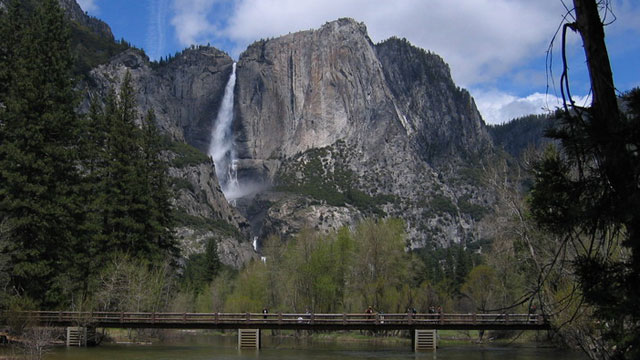
"content": "\u003cfigure id=\"attachment_14887\" class=\"wp-caption aligncenter\" style=\"max-width: 640px\">\u003cimg loading=\"lazy\" decoding=\"async\" class=\"size-full wp-image-14887\" src=\"http://ww2.kqed.org/science/wp-content/uploads/sites/35/2014/03/yosemite.jpg\" alt=\"Yosemite is one of the most-visited national parks in California. (Craig Miller/KQED)\" width=\"640\" height=\"360\">\u003cfigcaption class=\"wp-caption-text\">Yosemite is one of the most-visited national parks in California. (Craig Miller/KQED)\u003c/figcaption>\u003c/figure>\n\u003cp>The 16-day government shutdown last October was a significant economic blow to the Bay Area and communities near other California national parks. A \u003ca href=\"http://www.nature.nps.gov/socialscience/docs%5CEconomic2013ShutdownReport_Final_nrss_VSE.pdf\">study released Monday\u003c/a> by the National Park Service says the shutdown was responsible for a loss of $22.6 million in visitor spending at six of the state’s most popular national parks:\u003c/p>\n\u003cul>\n\u003cli>\u003cstrong>Yosemite National Park:\u003c/strong> $6.7 million\u003c/li>\n\u003cli>\u003cstrong>Golden Gate National Recreation Area\u003c/strong>: $6.1 million\u003c/li>\n\u003cli>\u003cstrong>Sequoia National Park:\u003c/strong> $2.9 million\u003c/li>\n\u003cli>\u003cstrong>Joshua Tree National Park:\u003c/strong> $2.4 millon\u003c/li>\n\u003cli>\u003cstrong>Point Reyes National Seashore: \u003c/strong>$2.3 million\u003c/li>\n\u003cli>\u003cstrong>Muir Woods National Monument:\u003c/strong> $2.2 million\u003c/li>\n\u003c/ul>\n\u003cp>The shutdown forced closure of most facilities in most national parks for 16 days last October. That meant about 260,000 fewer visitors at the Golden Gate National Recreation Area compared to prior Octobers. That was the second highest visitor reduction nationwide after the 330,000 loss at Great Smoky Mountains National Park, a popular autumn destination on the North Carolina-Tennessee border. \u003c/p>\n\u003cp>“We have 17 million visitors a year,” said GGNRA spokeswoman Alexandra Picavet. “And to have that long of a period that we were unavailable to visitors, it just was an aberration.”\u003c/p>\n\u003cp>Nationally, there were 7.8 million fewer national park visitors in October 2013 than the average for the previous three Octobers. The report estimates lost visitor spending nationwide at $414 million.\u003c/p>\n\u003cp>But the shutdown’s impact didn’t fall equally on all parks. \u003c/p>\n\u003cp>[ad fullwidth]\u003c/p>\n\u003cp>The nation’s \u003ca href=\"http://science.kqed.org/quest/2013/02/11/welcoming-pinnacles-to-the-elite-club-of-national-parks/\">newest national park\u003c/a>, Pinnacles, located about 110 miles southeast of San Francisco, largely avoided the ill effects of the government shutdown. That’s thanks, in part, to the shutdown coming at an opportune time for the park: October falls in the middle of the off-season, before the park brings back non-essential staff for the busy season in December, explained Pinnacles spokeswoman Nichole Andler.\u003c/p>\n\u003cp>And Pinnacles has had another advantage, she said. “Just becoming a new national park, our visibility has been really highly raised, both with local residents and people coming from greater distances.”\u003c/p>\n\u003cp>In 2012, the park created 147 jobs and generated $12.7 million for neighboring communities, according to a \u003ca href=\"http://www.nature.nps.gov/socialscience/docs%5CNPSVSE2012_final_nrss.pdf\">second report\u003c/a> released by the National Park Service on Monday. That’s when it was still a national monument. Pinnacles became a national park in January 2013. (The numbers on 2013 economic contributions aren’t out yet.)\u003c/p>\n\u003cp>Officials in towns near the park have hoped that with the elevated designation, more tourists and money would come to the area. Soledad, situated at the western entrance of the park, has attempted an ambitious re-branding campaign to become “the gateway” to Pinnacles.\u003c/p>\n\u003cp>“We’ve never really had a lot of tourists,” Soledad Mayor Fred Ledesma said, “but we noticed right away when the designation changed, numbers were up 30 to 40 percent.” Ledesma said he hopes a new visitors’ center will help point tourists to other local attractions including wineries. “I think we’re just barely starting to see people realize the residual effects of the Pinnacles,” he said.\u003c/p>\n\u003cp>The economic impact in San Benito County, on the eastern side of the park has been less noticeable, said Debbie Taylor, president and CEO of San Benito County Chamber of Commerce. The park’s eastern entrance is about 30 miles south of the county seat of Hollister along relatively little-visited Highway 25. \u003c/p>\n\u003cp>\u003c/p>\n\u003cp>“We definitely have seen more traffic, more visitors,” Taylor said. But commercial activity is arriving in a trickle, she said, and not entirely because of the park. “Businesses that are opening are still within the city limits, and they’re not necessarily opening because of the park.”\u003c/p>\n\n",
"stats": {
"hasVideo": false,
"hasChartOrMap": false,
"hasAudio": false,
"hasPolis": false,
"wordCount": 650,
"hasGoogleForm": false,
"hasGallery": false,
"hasHearkenModule": false,
"iframeSrcs": [],
"paragraphCount": 14
},
"modified": 1704934080,
"excerpt": "National Park Services says loss of visitor spending hit some communities hard. But Pinnacles, the nation's newest national park, ducked the worst of the problems. ",
"headData": {
"twImgId": "",
"twTitle": "",
"ogTitle": "",
"ogImgId": "",
"twDescription": "",
"description": "National Park Services says loss of visitor spending hit some communities hard. But Pinnacles, the nation's newest national park, ducked the worst of the problems. ",
"title": "Price Tag for October Shutdown of California National Parks: More Than $22 Million | KQED",
"ogDescription": "",
"schema": {
"@context": "https://schema.org",
"@type": "Article",
"headline": "Price Tag for October Shutdown of California National Parks: More Than $22 Million",
"datePublished": "2014-03-04T12:59:39-08:00",
"dateModified": "2024-01-10T16:48:00-08:00",
"image": "https://cdn.kqed.org/wp-content/uploads/2020/02/KQED-OG-Image@1x.png"
}
},
"guestAuthors": [],
"slug": "government-shutdown-cost-california-national-parks-millions-in-lost-revenue",
"status": "publish",
"sticky": false,
"path": "/science/14879/government-shutdown-cost-california-national-parks-millions-in-lost-revenue",
"audioTrackLength": null,
"parsedContent": [
{
"type": "contentString",
"content": "\u003cdiv class=\"post-body\">\u003cp>\u003cfigure id=\"attachment_14887\" class=\"wp-caption aligncenter\" style=\"max-width: 640px\">\u003cimg loading=\"lazy\" decoding=\"async\" class=\"size-full wp-image-14887\" src=\"http://ww2.kqed.org/science/wp-content/uploads/sites/35/2014/03/yosemite.jpg\" alt=\"Yosemite is one of the most-visited national parks in California. (Craig Miller/KQED)\" width=\"640\" height=\"360\">\u003cfigcaption class=\"wp-caption-text\">Yosemite is one of the most-visited national parks in California. (Craig Miller/KQED)\u003c/figcaption>\u003c/figure>\n\u003cp>The 16-day government shutdown last October was a significant economic blow to the Bay Area and communities near other California national parks. A \u003ca href=\"http://www.nature.nps.gov/socialscience/docs%5CEconomic2013ShutdownReport_Final_nrss_VSE.pdf\">study released Monday\u003c/a> by the National Park Service says the shutdown was responsible for a loss of $22.6 million in visitor spending at six of the state’s most popular national parks:\u003c/p>\n\u003cul>\n\u003cli>\u003cstrong>Yosemite National Park:\u003c/strong> $6.7 million\u003c/li>\n\u003cli>\u003cstrong>Golden Gate National Recreation Area\u003c/strong>: $6.1 million\u003c/li>\n\u003cli>\u003cstrong>Sequoia National Park:\u003c/strong> $2.9 million\u003c/li>\n\u003cli>\u003cstrong>Joshua Tree National Park:\u003c/strong> $2.4 millon\u003c/li>\n\u003cli>\u003cstrong>Point Reyes National Seashore: \u003c/strong>$2.3 million\u003c/li>\n\u003cli>\u003cstrong>Muir Woods National Monument:\u003c/strong> $2.2 million\u003c/li>\n\u003c/ul>\n\u003cp>The shutdown forced closure of most facilities in most national parks for 16 days last October. That meant about 260,000 fewer visitors at the Golden Gate National Recreation Area compared to prior Octobers. That was the second highest visitor reduction nationwide after the 330,000 loss at Great Smoky Mountains National Park, a popular autumn destination on the North Carolina-Tennessee border. \u003c/p>\n\u003cp>“We have 17 million visitors a year,” said GGNRA spokeswoman Alexandra Picavet. “And to have that long of a period that we were unavailable to visitors, it just was an aberration.”\u003c/p>\n\u003cp>Nationally, there were 7.8 million fewer national park visitors in October 2013 than the average for the previous three Octobers. The report estimates lost visitor spending nationwide at $414 million.\u003c/p>\n\u003cp>But the shutdown’s impact didn’t fall equally on all parks. \u003c/p>\n\u003cp>\u003c/p>\u003c/div>",
"attributes": {
"named": {},
"numeric": []
}
},
{
"type": "component",
"content": "",
"name": "ad",
"attributes": {
"named": {
"label": "fullwidth"
},
"numeric": [
"fullwidth"
]
}
},
{
"type": "contentString",
"content": "\u003cdiv class=\"post-body\">\u003cp>\u003c/p>\n\u003cp>The nation’s \u003ca href=\"http://science.kqed.org/quest/2013/02/11/welcoming-pinnacles-to-the-elite-club-of-national-parks/\">newest national park\u003c/a>, Pinnacles, located about 110 miles southeast of San Francisco, largely avoided the ill effects of the government shutdown. That’s thanks, in part, to the shutdown coming at an opportune time for the park: October falls in the middle of the off-season, before the park brings back non-essential staff for the busy season in December, explained Pinnacles spokeswoman Nichole Andler.\u003c/p>\n\u003cp>And Pinnacles has had another advantage, she said. “Just becoming a new national park, our visibility has been really highly raised, both with local residents and people coming from greater distances.”\u003c/p>\n\u003cp>In 2012, the park created 147 jobs and generated $12.7 million for neighboring communities, according to a \u003ca href=\"http://www.nature.nps.gov/socialscience/docs%5CNPSVSE2012_final_nrss.pdf\">second report\u003c/a> released by the National Park Service on Monday. That’s when it was still a national monument. Pinnacles became a national park in January 2013. (The numbers on 2013 economic contributions aren’t out yet.)\u003c/p>\n\u003cp>Officials in towns near the park have hoped that with the elevated designation, more tourists and money would come to the area. Soledad, situated at the western entrance of the park, has attempted an ambitious re-branding campaign to become “the gateway” to Pinnacles.\u003c/p>\n\u003cp>“We’ve never really had a lot of tourists,” Soledad Mayor Fred Ledesma said, “but we noticed right away when the designation changed, numbers were up 30 to 40 percent.” Ledesma said he hopes a new visitors’ center will help point tourists to other local attractions including wineries. “I think we’re just barely starting to see people realize the residual effects of the Pinnacles,” he said.\u003c/p>\n\u003cp>The economic impact in San Benito County, on the eastern side of the park has been less noticeable, said Debbie Taylor, president and CEO of San Benito County Chamber of Commerce. The park’s eastern entrance is about 30 miles south of the county seat of Hollister along relatively little-visited Highway 25. \u003c/p>\n\u003cp>\u003c/p>\n\u003cp>“We definitely have seen more traffic, more visitors,” Taylor said. But commercial activity is arriving in a trickle, she said, and not entirely because of the park. “Businesses that are opening are still within the city limits, and they’re not necessarily opening because of the park.”\u003c/p>\n\n\u003c/div>\u003c/p>",
"attributes": {
"named": {},
"numeric": []
}
}
],
"link": "/science/14879/government-shutdown-cost-california-national-parks-millions-in-lost-revenue",
"authors": [
"1545"
],
"categories": [
"science_35",
"science_40"
],
"tags": [
"science_1349",
"science_159"
],
"featImg": "science_14887",
"label": "science"
},
"science_14719": {
"type": "posts",
"id": "science_14719",
"meta": {
"index": "posts_1716263798",
"site": "science",
"id": "14719",
"score": null,
"sort": [
1393857044000
]
},
"parent": 0,
"labelTerm": {
"site": "science"
},
"blocks": [],
"publishDate": 1393857044,
"format": "aside",
"title": "Is Brain Stimulation a Medicine of the Future?",
"headTitle": "Is Brain Stimulation a Medicine of the Future? | KQED",
"content": "\u003cdiv class=\"audio-wrap\">\n\u003ch2>Listen:\u003c/h2>\n\u003cp>http://www.kqed.org/.stream/anon/radio/science/2014/02/20140303science.mp3\u003c/p>\n\u003c/div>\n\u003cp>Why seek out entirely new approaches to treating brain disease? Because the ones we have aren’t good enough, says Stanford University law professor Hank Greely.\u003c/p>\n\u003cp>“Mental illness and neurological disease extract an enormous toll in human suffering as well as in dollars,” says \u003ca href=\"http://www.law.stanford.edu/profile/hank-greely\">Greely\u003c/a>. “It’s frustrating that we haven’t made more progress.”\u003c/p>\n\u003cp>That’s the context for a growing interest in the field of “electroceuticals,” in which small jolts of electricity (about 1/200\u003csup>th \u003c/sup>of what’s used in \u003ca href=\"http://www.nimh.nih.gov/health/topics/brain-stimulation-therapies/brain-stimulation-therapies.shtml\">ECT therapy\u003c/a>, in case you’re wondering) are directed toward the brain to change the way neurons fire.\u003c/p>\n\u003cp>\u003cstrong>The Rise of “Electroceuticals”\u003c/strong>\u003c/p>\n\u003cp>In hundreds of studies over the last decade, scientists have looked at whether electroceuticals might, among other applications, help people with chronic pain or depression, or help them stop smoking.\u003c/p>\n\u003caside class=\"pullquote alignleft\">‘Mental illness and neurological disease extract an enormous toll in human suffering and in dollars.’\u003c/aside>\n\u003cp>At a recent meeting of the \u003ca href=\"http://www.iom.edu/\">Institute of Medicine\u003c/a>’s Neuroscience Forum, of which Greely is a member, members decided that the field of electroceuticals, while still at an early stage, is “worth paying some attention to,” says Greely, and will be the topic of an upcoming white paper.\u003c/p>\n\u003cp>[ad fullwidth]\u003c/p>\n\u003cp>Broadly speaking, brain stimulation techniques fall into two categories.\u003c/p>\n\u003cp>The first is invasive brain stimulation, in which electrodes are surgically implanted inside the brain, as a treatment, for example, for Parkinson’s disease. Non-invasive brain stimulation can be done without surgery—either with electrodes, ultrasound, or a powerful \u003ca href=\"http://science.kqed.org/quest/2009/07/17/reporters-notes-depression-advancements/\">electromagnetic coil\u003c/a>, and it includes a technique known as \u003ca href=\"http://www.hopkinsmedicine.org/psychiatry/specialty_areas/brain_stimulation/tdcs.html\">transcranial direct current stimulation\u003c/a>, or tDCS.\u003c/p>\n\u003cp>What’s interesting about tDCS is that anyone can do it, including for reasons that have nothing to do with disease.\u003c/p>\n\u003cp>\u003cstrong>Brain Stimulation for the Masses\u003c/strong>\u003c/p>\n\u003cp>Take, for example, the Foc.us headset, which costs about $250, is unregulated by the FDA and, according to its website, allows users to “overclock” their brains to focus better and score higher. (Foc.us didn’t respond to KQED’s requests for an interview.)\u003c/p>\n\u003cfigure id=\"attachment_14774\" class=\"wp-caption alignleft\" style=\"max-width: 226px\">\u003cimg loading=\"lazy\" decoding=\"async\" class=\" wp-image-14774 \" src=\"http://ww2.kqed.org/science/wp-content/uploads/sites/35/2014/02/photo-768x1024.jpg\" alt=\"Jared Seehafer built a tDCS machine for about $100.\" width=\"226\" height=\"301\">\u003cfigcaption class=\"wp-caption-text\">Jared Seehafer built a tDCS machine for about $100.\u003c/figcaption>\u003c/figure>\n\u003cp>For as little as a tenth of that price you can make your own tDCS kit, using instructions easily found on \u003ca href=\"http://www.youtube.com/watch?v=xjpJPCTytP8\">YouTube\u003c/a>.\u003c/p>\n\u003cp>That’s what Jared Seehafer did. The 28-year-old medical device consultant lives in San Francisco and heads the \u003ca href=\"http://www.meetup.com/Bay-Area-Brain-Hackers/\">Bay Area Brain Hackers\u003c/a> group, and made his own tDCS machine using an \u003ca href=\"http://www.arduino.cc/\">Arduino \u003c/a>kit, an LCD screen and a “couple of rudimentary buttons” hooked up to two electrodes.\u003c/p>\n\u003cp>It’s powered by one nine-volt battery, producing about 1-2 milliamps, approximately what it takes to light one small LED bulb, or about one percent of what comes out of a wall socket. It’s the same amount of electricity researchers have used in lab studies on tDCS.\u003c/p>\n\u003cp>One such lab study inspired Seehafer to start experimenting with tDCS as a hobbyist: an experiment conducted byVince Clark, Director of the \u003ca href=\"http://hospitals.unm.edu/outpt/brain/neuro_lomas.shtml\">University of New Mexico’s Psychology Clinical Neuroscience Center\u003c/a>.\u003c/p>\n\u003cp>“We were interested in how can we take an average healthy person and improve their ability to learn something new?” explains Clark.\u003c/p>\n\u003cp>With funding from the Department of Defense, Clark set up an experiment in which subjects studied a series of complicated pictures. Hidden in each was a “threatening” object, such as a suspicious package or someone with a weapon. The goal was to see how fast the subject could spot the objects, with a tDCS treatment and without it.\u003c/p>\n\u003cp>“What we found,” says Clark, “is that the people that received a full dose of tDCS learned twice as much in the same hour of training as people that received a very low dose of tDCS, or no tDCS at all.”\u003c/p>\n\u003cp>\u003cstrong>Reasons for Caution\u003c/strong>\u003c/p>\n\u003cp>Clark is a big believer in tDCS. He thinks it could become a new kind of medicine with fewer side effects than drugs.\u003c/p>\n\u003cp>What concerns some researchers, even those who believe tDCS may be therapeutic, is that the commercial and DIY tDCS experiments aren’t being properly controlled.\u003c/p>\n\u003cp>\u003ca href=\"http://bme.ccny.cuny.edu/people/faculty/mbikson\">Marom Bikson\u003c/a>, an associate professor of biomedical engineering at City College of New York, studies the effects of electricity on the human body. He strongly objects to the idea of tDCS devices as “playthings” that could be used constructively and safely outside of a laboratory’s strict controls.\u003c/p>\n\u003cp>“There are deliberate ways that people might apply electricity unsafely to themselves,” Bikson says. “There are also accidental ways. You may make a device at home, but you may not design it correctly. You may design it correctly and then you may drop it on the ground and now its performance changed. You may buy a device from a company that does not follow medical device standards,and now the performance of that device may be very random. It may—who knows what?—it may interact with your cell phone in an unpredictable way and start producing an unpredictable output. ”\u003c/p>\n\u003cp>\u003cspan style=\"font-size: 13px\">“There are just so many questions that are raised when things start to leave the rigorous environment of an academic or clinical center.”\u003c/span>\u003c/p>\n\u003cp>I tried it anyway.\u003c/p>\n\u003cp>\u003cstrong>Curiosity Gets the Upper Hand\u003c/strong>\u003c/p>\n\u003cfigure id=\"attachment_14773\" class=\"wp-caption alignright\" style=\"max-width: 277px\">\u003cimg loading=\"lazy\" decoding=\"async\" class=\" wp-image-14773 \" src=\"http://ww2.kqed.org/science/wp-content/uploads/sites/35/2014/02/AmytDCS-768x1024.jpeg\" alt=\"One radio reporter + two electrodes = a telephone that looks Photoshopped. (Jared Seehafer)\" width=\"277\" height=\"368\">\u003cfigcaption class=\"wp-caption-text\">One radio reporter + two electrodes = a telephone that looks Photoshopped. (Jared Seehafer)\u003c/figcaption>\u003c/figure>\n\u003cp>After work one evening, Jared Seehafer came into KQED to show me his homemade tDCS device. Seehafer told me to put on a terrycloth headband, the kind favored by 1970s tennis players. Then he slid two padded electrodes, each attached to a white wire and moistened with saline solution, above my eyebrows.\u003c/p>\n\u003cp>At first, there was nothing. But then I started to feel a slight burning sensation, just beneath the electrodes. It wasn’t painful, but it stung a bit.\u003c/p>\n\u003cp>After a few minutes, something subtler set in: a kind of visual crispness. I stared at a phone on the desk in front of me. It looked like it had been sharpened in Photoshop.\u003c/p>\n\u003cp>“Is it possible I feel more energetic?” I asked Seehafer, “a little more awake?”\u003c/p>\n\u003cp>It was very subtle. I may have been imagining it. But when Seehafer ran a placebo test on me, discreetly turning the machine off, I noticed the change.\u003c/p>\n\u003cp>Later, I described my experience to a couple of experts, to see whether they thought I could have been imagining it. They weren’t surprised I felt something. It’s well established that a small amount of electricity can pass through the skull and into the brain.\u003c/p>\n\u003cp>[ad floatright]\u003c/p>\n\u003cp>But it’s going to take many more years of strict clinical studies to see whether tDCS is a therapy that can be useful, or whether it’s just a footnote in the long history of medicine.\u003c/p>\n\n",
"stats": {
"hasVideo": false,
"hasChartOrMap": false,
"hasAudio": true,
"hasPolis": false,
"wordCount": 1181,
"hasGoogleForm": false,
"hasGallery": false,
"hasHearkenModule": false,
"iframeSrcs": [],
"paragraphCount": 35
},
"modified": 1704934090,
"excerpt": "While scientists study whether \"electroceuticals\" might treat depression or chronic pain, among other ailments, DIY \"brain hackers\" (including this reporter) are trying it out on themselves. ",
"headData": {
"twImgId": "",
"twTitle": "",
"ogTitle": "",
"ogImgId": "",
"twDescription": "",
"description": "While scientists study whether "electroceuticals" might treat depression or chronic pain, among other ailments, DIY "brain hackers" (including this reporter) are trying it out on themselves. ",
"title": "Is Brain Stimulation a Medicine of the Future? | KQED",
"ogDescription": "",
"schema": {
"@context": "https://schema.org",
"@type": "Article",
"headline": "Is Brain Stimulation a Medicine of the Future?",
"datePublished": "2014-03-03T06:30:44-08:00",
"dateModified": "2024-01-10T16:48:10-08:00",
"image": "https://cdn.kqed.org/wp-content/uploads/2020/02/KQED-OG-Image@1x.png"
}
},
"guestAuthors": [],
"slug": "is-brain-stimulation-a-medicine-of-the-future",
"status": "publish",
"audioUrl": "http://www.kqed.org/.stream/anon/radio/science/2014/02/20140303science.mp3",
"sticky": false,
"path": "/science/14719/is-brain-stimulation-a-medicine-of-the-future",
"audioTrackLength": null,
"parsedContent": [
{
"type": "contentString",
"content": "\u003cdiv class=\"post-body\">\u003cp>\u003cdiv class=\"audio-wrap\">\n\u003ch2>Listen:\u003c/h2>\u003c/p>\u003c/div>",
"attributes": {
"named": {},
"numeric": []
}
},
{
"type": "component",
"content": "",
"name": "audioLink",
"attributes": {
"named": {
"src": "http://www.kqed.org/.stream/anon/radio/science/2014/02/20140303science.mp3"
},
"numeric": []
}
},
{
"type": "contentString",
"content": "\u003cdiv class=\"post-body\">\u003cp>\u003c/div>\n\u003cp>Why seek out entirely new approaches to treating brain disease? Because the ones we have aren’t good enough, says Stanford University law professor Hank Greely.\u003c/p>\n\u003cp>“Mental illness and neurological disease extract an enormous toll in human suffering as well as in dollars,” says \u003ca href=\"http://www.law.stanford.edu/profile/hank-greely\">Greely\u003c/a>. “It’s frustrating that we haven’t made more progress.”\u003c/p>\n\u003cp>That’s the context for a growing interest in the field of “electroceuticals,” in which small jolts of electricity (about 1/200\u003csup>th \u003c/sup>of what’s used in \u003ca href=\"http://www.nimh.nih.gov/health/topics/brain-stimulation-therapies/brain-stimulation-therapies.shtml\">ECT therapy\u003c/a>, in case you’re wondering) are directed toward the brain to change the way neurons fire.\u003c/p>\n\u003cp>\u003cstrong>The Rise of “Electroceuticals”\u003c/strong>\u003c/p>\n\u003cp>In hundreds of studies over the last decade, scientists have looked at whether electroceuticals might, among other applications, help people with chronic pain or depression, or help them stop smoking.\u003c/p>\n\u003caside class=\"pullquote alignleft\">‘Mental illness and neurological disease extract an enormous toll in human suffering and in dollars.’\u003c/aside>\n\u003cp>At a recent meeting of the \u003ca href=\"http://www.iom.edu/\">Institute of Medicine\u003c/a>’s Neuroscience Forum, of which Greely is a member, members decided that the field of electroceuticals, while still at an early stage, is “worth paying some attention to,” says Greely, and will be the topic of an upcoming white paper.\u003c/p>\n\u003cp>\u003c/p>\u003c/div>",
"attributes": {
"named": {},
"numeric": []
}
},
{
"type": "component",
"content": "",
"name": "ad",
"attributes": {
"named": {
"label": "fullwidth"
},
"numeric": [
"fullwidth"
]
}
},
{
"type": "contentString",
"content": "\u003cdiv class=\"post-body\">\u003cp>\u003c/p>\n\u003cp>Broadly speaking, brain stimulation techniques fall into two categories.\u003c/p>\n\u003cp>The first is invasive brain stimulation, in which electrodes are surgically implanted inside the brain, as a treatment, for example, for Parkinson’s disease. Non-invasive brain stimulation can be done without surgery—either with electrodes, ultrasound, or a powerful \u003ca href=\"http://science.kqed.org/quest/2009/07/17/reporters-notes-depression-advancements/\">electromagnetic coil\u003c/a>, and it includes a technique known as \u003ca href=\"http://www.hopkinsmedicine.org/psychiatry/specialty_areas/brain_stimulation/tdcs.html\">transcranial direct current stimulation\u003c/a>, or tDCS.\u003c/p>\n\u003cp>What’s interesting about tDCS is that anyone can do it, including for reasons that have nothing to do with disease.\u003c/p>\n\u003cp>\u003cstrong>Brain Stimulation for the Masses\u003c/strong>\u003c/p>\n\u003cp>Take, for example, the Foc.us headset, which costs about $250, is unregulated by the FDA and, according to its website, allows users to “overclock” their brains to focus better and score higher. (Foc.us didn’t respond to KQED’s requests for an interview.)\u003c/p>\n\u003cfigure id=\"attachment_14774\" class=\"wp-caption alignleft\" style=\"max-width: 226px\">\u003cimg loading=\"lazy\" decoding=\"async\" class=\" wp-image-14774 \" src=\"http://ww2.kqed.org/science/wp-content/uploads/sites/35/2014/02/photo-768x1024.jpg\" alt=\"Jared Seehafer built a tDCS machine for about $100.\" width=\"226\" height=\"301\">\u003cfigcaption class=\"wp-caption-text\">Jared Seehafer built a tDCS machine for about $100.\u003c/figcaption>\u003c/figure>\n\u003cp>For as little as a tenth of that price you can make your own tDCS kit, using instructions easily found on \u003ca href=\"http://www.youtube.com/watch?v=xjpJPCTytP8\">YouTube\u003c/a>.\u003c/p>\n\u003cp>That’s what Jared Seehafer did. The 28-year-old medical device consultant lives in San Francisco and heads the \u003ca href=\"http://www.meetup.com/Bay-Area-Brain-Hackers/\">Bay Area Brain Hackers\u003c/a> group, and made his own tDCS machine using an \u003ca href=\"http://www.arduino.cc/\">Arduino \u003c/a>kit, an LCD screen and a “couple of rudimentary buttons” hooked up to two electrodes.\u003c/p>\n\u003cp>It’s powered by one nine-volt battery, producing about 1-2 milliamps, approximately what it takes to light one small LED bulb, or about one percent of what comes out of a wall socket. It’s the same amount of electricity researchers have used in lab studies on tDCS.\u003c/p>\n\u003cp>One such lab study inspired Seehafer to start experimenting with tDCS as a hobbyist: an experiment conducted byVince Clark, Director of the \u003ca href=\"http://hospitals.unm.edu/outpt/brain/neuro_lomas.shtml\">University of New Mexico’s Psychology Clinical Neuroscience Center\u003c/a>.\u003c/p>\n\u003cp>“We were interested in how can we take an average healthy person and improve their ability to learn something new?” explains Clark.\u003c/p>\n\u003cp>With funding from the Department of Defense, Clark set up an experiment in which subjects studied a series of complicated pictures. Hidden in each was a “threatening” object, such as a suspicious package or someone with a weapon. The goal was to see how fast the subject could spot the objects, with a tDCS treatment and without it.\u003c/p>\n\u003cp>“What we found,” says Clark, “is that the people that received a full dose of tDCS learned twice as much in the same hour of training as people that received a very low dose of tDCS, or no tDCS at all.”\u003c/p>\n\u003cp>\u003cstrong>Reasons for Caution\u003c/strong>\u003c/p>\n\u003cp>Clark is a big believer in tDCS. He thinks it could become a new kind of medicine with fewer side effects than drugs.\u003c/p>\n\u003cp>What concerns some researchers, even those who believe tDCS may be therapeutic, is that the commercial and DIY tDCS experiments aren’t being properly controlled.\u003c/p>\n\u003cp>\u003ca href=\"http://bme.ccny.cuny.edu/people/faculty/mbikson\">Marom Bikson\u003c/a>, an associate professor of biomedical engineering at City College of New York, studies the effects of electricity on the human body. He strongly objects to the idea of tDCS devices as “playthings” that could be used constructively and safely outside of a laboratory’s strict controls.\u003c/p>\n\u003cp>“There are deliberate ways that people might apply electricity unsafely to themselves,” Bikson says. “There are also accidental ways. You may make a device at home, but you may not design it correctly. You may design it correctly and then you may drop it on the ground and now its performance changed. You may buy a device from a company that does not follow medical device standards,and now the performance of that device may be very random. It may—who knows what?—it may interact with your cell phone in an unpredictable way and start producing an unpredictable output. ”\u003c/p>\n\u003cp>\u003cspan style=\"font-size: 13px\">“There are just so many questions that are raised when things start to leave the rigorous environment of an academic or clinical center.”\u003c/span>\u003c/p>\n\u003cp>I tried it anyway.\u003c/p>\n\u003cp>\u003cstrong>Curiosity Gets the Upper Hand\u003c/strong>\u003c/p>\n\u003cfigure id=\"attachment_14773\" class=\"wp-caption alignright\" style=\"max-width: 277px\">\u003cimg loading=\"lazy\" decoding=\"async\" class=\" wp-image-14773 \" src=\"http://ww2.kqed.org/science/wp-content/uploads/sites/35/2014/02/AmytDCS-768x1024.jpeg\" alt=\"One radio reporter + two electrodes = a telephone that looks Photoshopped. (Jared Seehafer)\" width=\"277\" height=\"368\">\u003cfigcaption class=\"wp-caption-text\">One radio reporter + two electrodes = a telephone that looks Photoshopped. (Jared Seehafer)\u003c/figcaption>\u003c/figure>\n\u003cp>After work one evening, Jared Seehafer came into KQED to show me his homemade tDCS device. Seehafer told me to put on a terrycloth headband, the kind favored by 1970s tennis players. Then he slid two padded electrodes, each attached to a white wire and moistened with saline solution, above my eyebrows.\u003c/p>\n\u003cp>At first, there was nothing. But then I started to feel a slight burning sensation, just beneath the electrodes. It wasn’t painful, but it stung a bit.\u003c/p>\n\u003cp>After a few minutes, something subtler set in: a kind of visual crispness. I stared at a phone on the desk in front of me. It looked like it had been sharpened in Photoshop.\u003c/p>\n\u003cp>“Is it possible I feel more energetic?” I asked Seehafer, “a little more awake?”\u003c/p>\n\u003cp>It was very subtle. I may have been imagining it. But when Seehafer ran a placebo test on me, discreetly turning the machine off, I noticed the change.\u003c/p>\n\u003cp>Later, I described my experience to a couple of experts, to see whether they thought I could have been imagining it. They weren’t surprised I felt something. It’s well established that a small amount of electricity can pass through the skull and into the brain.\u003c/p>\n\u003cp>\u003c/p>\u003c/div>",
"attributes": {
"named": {},
"numeric": []
}
},
{
"type": "component",
"content": "",
"name": "ad",
"attributes": {
"named": {
"label": "floatright"
},
"numeric": [
"floatright"
]
}
},
{
"type": "contentString",
"content": "\u003cdiv class=\"post-body\">\u003cp>\u003c/p>\n\u003cp>But it’s going to take many more years of strict clinical studies to see whether tDCS is a therapy that can be useful, or whether it’s just a footnote in the long history of medicine.\u003c/p>\n\n\u003c/div>\u003c/p>",
"attributes": {
"named": {},
"numeric": []
}
}
],
"link": "/science/14719/is-brain-stimulation-a-medicine-of-the-future",
"authors": [
"210"
],
"categories": [
"science_46",
"science_30",
"science_39",
"science_40",
"science_43"
],
"featImg": "science_14769",
"label": "science"
},
"science_14623": {
"type": "posts",
"id": "science_14623",
"meta": {
"index": "posts_1716263798",
"site": "science",
"id": "14623",
"score": null,
"sort": [
1393602325000
]
},
"parent": 0,
"labelTerm": {
"site": "science",
"term": 3259
},
"blocks": [],
"publishDate": 1393602325,
"format": "aside",
"title": "Bay Area: Do You Know Where Your Water Comes From?",
"headTitle": "Bay Area: Do You Know Where Your Water Comes From? | KQED",
"content": "\u003cp>The Bay Area water system is a byzantine patchwork of agencies — more than 50 in all — that provides water to customers. Some are the ones you see on your water bill. Others are middlemen that provide water to local agencies at the the wholesale level.\u003c/p>\n\u003cp>And some of that water makes a long journey. Southern California has the reputation for tapping far-flung sources for its water needs, but the Bay Area is in the same boat.\u003c/p>\n\u003cp>More than two-thirds of the Bay Area’s water supply comes from outside the region, which means in extreme drought years like this one, local water districts are competing with many others around the state for limited supplies.\u003cbr>\n\u003cstrong>\u003cbr>\nBay Area Water Districts by Major Source of Supply\u003c/strong>\u003c/p>\n\u003cp>\u003c!-- iframe plugin v.4.3 wordpress.org/plugins/iframe/ -->\u003cbr>\n\u003ciframe loading=\"lazy\" src=\"https://www.google.com/fusiontables/embedviz?q=select+col3+from+1NIm7PuuPiHOm1RAm-VjyIsNslYCnTSSCWzLDS3c&viz=MAP&h=false&lat=37.72079799420169&lng=-122.23845001696753&t=1&z=8&l=col3&y=2&tmplt=2&hml=KML\" frameborder=\"no\" scrolling=\"no\" width=\"640\" height=\"500\" class=\"iframe-class\">\u003c/iframe>\u003cbr>\n\u003ca href=\"http://ww2.kqed.org/science/wp-content/uploads/sites/35/2014/02/key6.jpg\">\u003cimg loading=\"lazy\" decoding=\"async\" class=\"alignleft size-full wp-image-14726\" src=\"http://ww2.kqed.org/science/wp-content/uploads/sites/35/2014/02/key6.jpg\" alt=\"key6\" width=\"640\" height=\"153\">\u003c/a>\u003c/p>\n\u003cp>\u003cstrong>Hetch Hetchy Water System\u003c/strong>\u003cbr>\nThe system originates more than 100 miles from its primary customers, in Yosemite National Park. O’Shaughnessy Dam was built on the Tuolumne River in 1923 to create Hetch Hetchy Reservoir. The water travels through a series of pipelines before it reaches the Bay Area and blends with five local reservoirs. The Tuolumne River joins the San Joaquin River and flows into the Delta.\u003c/p>\n\u003cp>[ad fullwidth]\u003c/p>\n\u003cp>In 2012, advocates of restoring Hetch Hetchy Valley \u003ca href=\"http://science.kqed.org/quest/audio/century-old-battle-over-yosemites-second-valley-heats-up/\">put a measure on the San Francisco ballot\u003c/a> that would have required the San Francisco Public Utilities Commission to study draining the reservoir and shifting the water to other storage facilities. The measure was defeated.\u003c/p>\n\u003cfigure id=\"attachment_14633\" class=\"wp-caption aligncenter\" style=\"max-width: 1024px\">\u003ca href=\"http://ww2.kqed.org/science/wp-content/uploads/sites/35/2014/02/HetchHetchy-1024x368.jpg\">\u003cimg loading=\"lazy\" decoding=\"async\" class=\"size-large wp-image-14633\" src=\"http://ww2.kqed.org/science/wp-content/uploads/sites/35/2014/02/HetchHetchy-1024x368.jpg\" alt=\"Click to enlarge map. (Credit: By Shannon1 [GFDL or CC-BY-SA-3.0-2.5-2.0-1.0], via Wikimedia Commons)\" width=\"1024\" height=\"368\">\u003c/a>\u003cfigcaption class=\"wp-caption-text\">Click to enlarge map. (Credit: By Shannon1 \u003ca href=\"http://commons.wikimedia.org/wiki/File%3AHetchhetchyprojmap.jpg\">via Wikimedia Commons\u003c/a>)\u003c/figcaption>\u003c/figure>\n\u003cfigure id=\"attachment_14635\" class=\"wp-caption alignleft\" style=\"max-width: 218px\">\u003ca href=\"http://ww2.kqed.org/science/wp-content/uploads/sites/35/2014/02/DWR_USGS_bay_deltamap-826x1024.jpg\">\u003cimg loading=\"lazy\" decoding=\"async\" class=\"size-large wp-image-14635\" src=\"http://ww2.kqed.org/science/wp-content/uploads/sites/35/2014/02/DWR_USGS_bay_deltamap-826x1024.jpg\" alt=\"(Source: CA DWR and USGS)\" width=\"218\" height=\"269\">\u003c/a>\u003cfigcaption class=\"wp-caption-text\">Click to enlarge map. (Source: CA DWR and USGS)\u003c/figcaption>\u003c/figure>\n\u003cp>\u003cstrong>The Sacramento-San Joaquin Delta\u003c/strong>\u003cbr>\nCalifornia’s two major rivers, the Sacramento and San Joaquin, fed by half a dozen others, \u003ca href=\"http://ww2.kqed.org/science/series/ca-delta/\">come together in this inland delta\u003c/a> just east of San Francisco Bay. The Delta’s watershed makes up about 45 percent of the state in all. Two-thirds of Californians use Delta water, delivered mainly through two major canal systems, the State Water Project and the Central Valley Project.\u003c/p>\n\u003cp>With the prolonged drought, water officials have warned that there \u003ca href=\"http://ww2.kqed.org/news/2014/01/31/state-water-project-deliveries-canceled-because-of-drought\">could be no water deliveries\u003c/a> from either project this year, except for some drinking water supplies. The Sacramento-San Joaquin Delta has seen \u003ca href=\"http://ww2.kqed.org/science/series/ca-delta/\">dramatic ecological decline\u003c/a> due to habitat loss, invasive species and highly altered water flow.\u003c/p>\n\u003cp>\u003cstrong>Russian River Water System\u003c/strong>\u003cbr>\nThe 110-mile Russian River begins north of the Bay Area in Mendocino County and flows south until it reaches the Pacific Ocean west of Santa Rosa. There are three major reservoirs that are part of the water system.\u003c/p>\n\u003cp>\u003cstrong>Mokelumne River Water System\u003c/strong>\u003cbr>\nThis river originates in the Central Sierra Nevada and flows west until it reaches the Sacramento-San Joaquin Delta and San Francisco Bay. The East Bay Municipal Utility District built Pardee Dam on the river near Stockton in 1929. Water is delivered to the Bay Area through the 85-mile Mokelumne Aqueduct, which diverts the river’s water before it reaches the Delta.\u003c/p>\n\u003cfigure id=\"attachment_14640\" class=\"wp-caption alignleft\" style=\"max-width: 900px\">\u003ca href=\"http://ww2.kqed.org/science/wp-content/uploads/sites/35/2014/02/EBMUD.jpg\">\u003cimg loading=\"lazy\" decoding=\"async\" class=\"size-full wp-image-14640\" src=\"http://ww2.kqed.org/science/wp-content/uploads/sites/35/2014/02/EBMUD.jpg\" alt=\"Click to enlarge map. (Source: EBMUD)\" width=\"900\" height=\"390\">\u003c/a>\u003cfigcaption class=\"wp-caption-text\">Click to enlarge map. (Source: EBMUD)\u003c/figcaption>\u003c/figure>\n\u003cp>\u003cstrong>Lake Berryessa\u003c/strong>\u003cbr>\nThe 23 mile-long reservoir was created in Napa County in the 1950s, when the U.S. Bureau of Reclamation built Monticello Dam on Putah Creek.\u003c/p>\n\u003cp>\u003cstrong>Local Water Supplies\u003c/strong>\u003cbr>\nMany water districts use water from the surrounding watershed. It comes from local streams and rivers, fed by rainfall or is pumped from underground aquifers. Some districts also recycle water, which is primarily used for landscape irrigation.\u003c/p>\n\u003cp>http://www.kqed.org/assets/graph/drought-2005ws-0214.jsp\u003c/p>\n\u003cp>\u003c/p>\n\u003cp>\u003cem>Additional research by Shara Tonn.\u003c/em>\u003c/p>\n\n",
"stats": {
"hasVideo": false,
"hasChartOrMap": true,
"hasAudio": false,
"hasPolis": false,
"wordCount": 580,
"hasGoogleForm": false,
"hasGallery": false,
"hasHearkenModule": false,
"iframeSrcs": [
"https://www.google.com/fusiontables/embedviz"
],
"paragraphCount": 15
},
"modified": 1704934098,
"excerpt": "No matter where you live in the Bay Area, the answer might surprise you.",
"headData": {
"twImgId": "",
"twTitle": "",
"ogTitle": "",
"ogImgId": "",
"twDescription": "",
"description": "No matter where you live in the Bay Area, the answer might surprise you.",
"title": "Bay Area: Do You Know Where Your Water Comes From? | KQED",
"ogDescription": "",
"schema": {
"@context": "https://schema.org",
"@type": "Article",
"headline": "Bay Area: Do You Know Where Your Water Comes From?",
"datePublished": "2014-02-28T07:45:25-08:00",
"dateModified": "2024-01-10T16:48:18-08:00",
"image": "https://cdn.kqed.org/wp-content/uploads/2020/02/KQED-OG-Image@1x.png"
}
},
"guestAuthors": [],
"slug": "bay-area-do-you-know-where-your-water-comes-from",
"status": "publish",
"sticky": false,
"path": "/science/14623/bay-area-do-you-know-where-your-water-comes-from",
"audioTrackLength": null,
"parsedContent": [
{
"type": "contentString",
"content": "\u003cdiv class=\"post-body\">\u003cp>\u003cp>The Bay Area water system is a byzantine patchwork of agencies — more than 50 in all — that provides water to customers. Some are the ones you see on your water bill. Others are middlemen that provide water to local agencies at the the wholesale level.\u003c/p>\n\u003cp>And some of that water makes a long journey. Southern California has the reputation for tapping far-flung sources for its water needs, but the Bay Area is in the same boat.\u003c/p>\n\u003cp>More than two-thirds of the Bay Area’s water supply comes from outside the region, which means in extreme drought years like this one, local water districts are competing with many others around the state for limited supplies.\u003cbr>\n\u003cstrong>\u003cbr>\nBay Area Water Districts by Major Source of Supply\u003c/strong>\u003c/p>\n\u003cp>\u003c!-- iframe plugin v.4.3 wordpress.org/plugins/iframe/ -->\u003cbr>\n\u003ciframe loading=\"lazy\" src=\"https://www.google.com/fusiontables/embedviz?q=select+col3+from+1NIm7PuuPiHOm1RAm-VjyIsNslYCnTSSCWzLDS3c&viz=MAP&h=false&lat=37.72079799420169&lng=-122.23845001696753&t=1&z=8&l=col3&y=2&tmplt=2&hml=KML\" frameborder=\"no\" scrolling=\"no\" width=\"640\" height=\"500\" class=\"iframe-class\">\u003c/iframe>\u003cbr>\n\u003ca href=\"http://ww2.kqed.org/science/wp-content/uploads/sites/35/2014/02/key6.jpg\">\u003cimg loading=\"lazy\" decoding=\"async\" class=\"alignleft size-full wp-image-14726\" src=\"http://ww2.kqed.org/science/wp-content/uploads/sites/35/2014/02/key6.jpg\" alt=\"key6\" width=\"640\" height=\"153\">\u003c/a>\u003c/p>\n\u003cp>\u003cstrong>Hetch Hetchy Water System\u003c/strong>\u003cbr>\nThe system originates more than 100 miles from its primary customers, in Yosemite National Park. O’Shaughnessy Dam was built on the Tuolumne River in 1923 to create Hetch Hetchy Reservoir. The water travels through a series of pipelines before it reaches the Bay Area and blends with five local reservoirs. The Tuolumne River joins the San Joaquin River and flows into the Delta.\u003c/p>\n\u003cp>\u003c/p>\u003c/div>",
"attributes": {
"named": {},
"numeric": []
}
},
{
"type": "component",
"content": "",
"name": "ad",
"attributes": {
"named": {
"label": "fullwidth"
},
"numeric": [
"fullwidth"
]
}
},
{
"type": "contentString",
"content": "\u003cdiv class=\"post-body\">\u003cp>\u003c/p>\n\u003cp>In 2012, advocates of restoring Hetch Hetchy Valley \u003ca href=\"http://science.kqed.org/quest/audio/century-old-battle-over-yosemites-second-valley-heats-up/\">put a measure on the San Francisco ballot\u003c/a> that would have required the San Francisco Public Utilities Commission to study draining the reservoir and shifting the water to other storage facilities. The measure was defeated.\u003c/p>\n\u003cfigure id=\"attachment_14633\" class=\"wp-caption aligncenter\" style=\"max-width: 1024px\">\u003ca href=\"http://ww2.kqed.org/science/wp-content/uploads/sites/35/2014/02/HetchHetchy-1024x368.jpg\">\u003cimg loading=\"lazy\" decoding=\"async\" class=\"size-large wp-image-14633\" src=\"http://ww2.kqed.org/science/wp-content/uploads/sites/35/2014/02/HetchHetchy-1024x368.jpg\" alt=\"Click to enlarge map. (Credit: By Shannon1 [GFDL or CC-BY-SA-3.0-2.5-2.0-1.0], via Wikimedia Commons)\" width=\"1024\" height=\"368\">\u003c/a>\u003cfigcaption class=\"wp-caption-text\">Click to enlarge map. (Credit: By Shannon1 \u003ca href=\"http://commons.wikimedia.org/wiki/File%3AHetchhetchyprojmap.jpg\">via Wikimedia Commons\u003c/a>)\u003c/figcaption>\u003c/figure>\n\u003cfigure id=\"attachment_14635\" class=\"wp-caption alignleft\" style=\"max-width: 218px\">\u003ca href=\"http://ww2.kqed.org/science/wp-content/uploads/sites/35/2014/02/DWR_USGS_bay_deltamap-826x1024.jpg\">\u003cimg loading=\"lazy\" decoding=\"async\" class=\"size-large wp-image-14635\" src=\"http://ww2.kqed.org/science/wp-content/uploads/sites/35/2014/02/DWR_USGS_bay_deltamap-826x1024.jpg\" alt=\"(Source: CA DWR and USGS)\" width=\"218\" height=\"269\">\u003c/a>\u003cfigcaption class=\"wp-caption-text\">Click to enlarge map. (Source: CA DWR and USGS)\u003c/figcaption>\u003c/figure>\n\u003cp>\u003cstrong>The Sacramento-San Joaquin Delta\u003c/strong>\u003cbr>\nCalifornia’s two major rivers, the Sacramento and San Joaquin, fed by half a dozen others, \u003ca href=\"http://ww2.kqed.org/science/series/ca-delta/\">come together in this inland delta\u003c/a> just east of San Francisco Bay. The Delta’s watershed makes up about 45 percent of the state in all. Two-thirds of Californians use Delta water, delivered mainly through two major canal systems, the State Water Project and the Central Valley Project.\u003c/p>\n\u003cp>With the prolonged drought, water officials have warned that there \u003ca href=\"http://ww2.kqed.org/news/2014/01/31/state-water-project-deliveries-canceled-because-of-drought\">could be no water deliveries\u003c/a> from either project this year, except for some drinking water supplies. The Sacramento-San Joaquin Delta has seen \u003ca href=\"http://ww2.kqed.org/science/series/ca-delta/\">dramatic ecological decline\u003c/a> due to habitat loss, invasive species and highly altered water flow.\u003c/p>\n\u003cp>\u003cstrong>Russian River Water System\u003c/strong>\u003cbr>\nThe 110-mile Russian River begins north of the Bay Area in Mendocino County and flows south until it reaches the Pacific Ocean west of Santa Rosa. There are three major reservoirs that are part of the water system.\u003c/p>\n\u003cp>\u003cstrong>Mokelumne River Water System\u003c/strong>\u003cbr>\nThis river originates in the Central Sierra Nevada and flows west until it reaches the Sacramento-San Joaquin Delta and San Francisco Bay. The East Bay Municipal Utility District built Pardee Dam on the river near Stockton in 1929. Water is delivered to the Bay Area through the 85-mile Mokelumne Aqueduct, which diverts the river’s water before it reaches the Delta.\u003c/p>\n\u003cfigure id=\"attachment_14640\" class=\"wp-caption alignleft\" style=\"max-width: 900px\">\u003ca href=\"http://ww2.kqed.org/science/wp-content/uploads/sites/35/2014/02/EBMUD.jpg\">\u003cimg loading=\"lazy\" decoding=\"async\" class=\"size-full wp-image-14640\" src=\"http://ww2.kqed.org/science/wp-content/uploads/sites/35/2014/02/EBMUD.jpg\" alt=\"Click to enlarge map. (Source: EBMUD)\" width=\"900\" height=\"390\">\u003c/a>\u003cfigcaption class=\"wp-caption-text\">Click to enlarge map. (Source: EBMUD)\u003c/figcaption>\u003c/figure>\n\u003cp>\u003cstrong>Lake Berryessa\u003c/strong>\u003cbr>\nThe 23 mile-long reservoir was created in Napa County in the 1950s, when the U.S. Bureau of Reclamation built Monticello Dam on Putah Creek.\u003c/p>\n\u003cp>\u003cstrong>Local Water Supplies\u003c/strong>\u003cbr>\nMany water districts use water from the surrounding watershed. It comes from local streams and rivers, fed by rainfall or is pumped from underground aquifers. Some districts also recycle water, which is primarily used for landscape irrigation.\u003c/p>\n\u003cp>http://www.kqed.org/assets/graph/drought-2005ws-0214.jsp\u003c/p>\n\u003cp>\u003c/p>\n\u003cp>\u003cem>Additional research by Shara Tonn.\u003c/em>\u003c/p>\n\n\u003c/div>\u003c/p>",
"attributes": {
"named": {},
"numeric": []
}
}
],
"link": "/science/14623/bay-area-do-you-know-where-your-water-comes-from",
"authors": [
"239"
],
"series": [
"science_1151",
"science_3259"
],
"categories": [
"science_35",
"science_40",
"science_98"
],
"tags": [
"science_856",
"science_572",
"science_64",
"science_100",
"science_201",
"science_110"
],
"featImg": "science_14679",
"label": "science_3259"
},
"science_14683": {
"type": "posts",
"id": "science_14683",
"meta": {
"index": "posts_1716263798",
"site": "science",
"id": "14683",
"score": null,
"sort": [
1393465021000
]
},
"parent": 0,
"labelTerm": {
"site": "science"
},
"blocks": [],
"publishDate": 1393465021,
"format": "aside",
"title": "One Galaxy, Many Worlds: Scientists Announce 'Planet Bonanza'",
"headTitle": "One Galaxy, Many Worlds: Scientists Announce ‘Planet Bonanza’ | KQED",
"content": "\u003cfigure id=\"attachment_14693\" class=\"wp-caption aligncenter\" style=\"max-width: 640px\">\u003cimg loading=\"lazy\" decoding=\"async\" class=\"size-full wp-image-14693\" src=\"http://ww2.kqed.org/science/wp-content/uploads/sites/35/2014/02/multi_transits_many_full_0.jpg\" alt=\"NASA has discovered hundreds of planets that orbit stars in solar systems similar to ours. (NASA)\" width=\"640\" height=\"360\">\u003cfigcaption class=\"wp-caption-text\">NASA has discovered hundreds of planets that orbit stars in solar systems similar to ours. (NASA)\u003c/figcaption>\u003c/figure>\n\u003cp>Earth is a little less lonely in the galaxy today. A NASA research team announced the discovery of 715 new planets, all orbiting with other planets around a star, much like our own solar system.\u003c/p>\n\u003cp>A critical piece of the research — the tool, in fact, that unleashed such a huge number of planets, so suddenly — comes from the Bay Area’s own NASA outpost, \u003ca href=\"http://www.nasa.gov/centers/ames/home/#.Uw6R-IWtwYs\">Ames Research Center\u003c/a> in Mountain View.\u003c/p>\n\u003cp>“Today we announce a major step forward toward the ultimate goal,” said Doug Hudgins,\u003ca href=\"http://exep.jpl.nasa.gov/\"> NASA’s exoplanet exploration program\u003c/a> scientist, “finding Earth 2.0. Finding another planet capable of fostering life.”\u003c/p>\n\u003caside class=\"pullquote alignleft\">‘We’ve been able to open the bottleneck to access the motherlode.’\u003c/aside>\n\u003cp>The\u003ca href=\"http://www.nasa.gov/ames/kepler/nasas-kepler-mission-announces-a-planet-bonanza/#.Uw6STYWtwYs\"> discovery\u003c/a> is the result of analysis from two years of the Kepler mission, the space observatory that launched in 2009 and is aimed at discovering other planets in the Milky Way galaxy.\u003c/p>\n\u003cp>The research team announced two other significant findings: 1) the majority of planets in our galaxy are small, between the size of Earth and the size of Neptune, and 2) planetary systems, in which multiple planets orbit around one star, are common in our galaxy.\u003c/p>\n\u003cp>[ad fullwidth]\u003c/p>\n\u003cp>Researchers said they are able to announce such a large number of planets at once because of a new technique for verifying planetary systems.\u003c/p>\n\u003cp>While the Kepler mission has found what Ames planetary scientist Jack Lissauer called a “motherlode” of astral bodies that could be planets, the process of verifying whether they are planets or stars has been lengthy, mostly involving hours and hours of time looking through telescopes.\u003c/p>\n\u003cfigure id=\"attachment_14695\" class=\"wp-caption alignright\" style=\"max-width: 344px\">\u003ca href=\"http://ww2.kqed.org/science/wp-content/uploads/sites/35/2014/02/nasakeplerbottleneck-1024x760.png\">\u003cimg loading=\"lazy\" decoding=\"async\" class=\" wp-image-14695 \" src=\"http://ww2.kqed.org/science/wp-content/uploads/sites/35/2014/02/nasakeplerbottleneck-1024x760.png\" alt=\"Scientists as NASA's Ames Research Center are able to identify planetary systems more quickly than they could before. (NASA)\" width=\"344\" height=\"255\">\u003c/a>\u003cfigcaption class=\"wp-caption-text\">Scientists as NASA’s Ames Research Center are able to identify planetary systems more quickly than they could before. (NASA)\u003c/figcaption>\u003c/figure>\n\u003cp>“It’s been a real bottleneck,” Lissauer said.\u003c/p>\n\u003cp>But no longer. The research team announced today they have a new technique — developed at Ames — for verifying planetary systems that allows them to identify planets by the dozens, rather than one by one.\u003c/p>\n\u003cp>“We’ve been able to open the bottleneck to access the motherlode,” Lissauer said, “and deliver to you more than 20 times as many planets as have ever been found and announced at once, previously.”\u003c/p>\n\u003cp>The new technique involves probability theory and applied math, which is Lissauer’s bailiwick. In essence, it goes like this: About one percent of stars show the slight dimming that suggests something is orbiting around them. Statistically, only one percent \u003cem>of that one percent\u003c/em> of stars should reasonably have more than one planet orbiting around them. But Kepler was spotting a few hundred stars with more than one body orbiting them, which is vastly, hugely, more potential planetary systems than should, statistically, exist.\u003c/p>\n\u003cp>So there must be a reason, Lissauer said.\u003c/p>\n\u003cp>Now, the other kind of body that could orbit a star is another star. But here’s the clue: Star systems are notoriously unstable. A bunch of stars orbiting another star would look like the animation on the right of this video, which resembles the daily life of the average mom, but doesn’t at all resemble the stable planetary system of the animation on the left.\u003c/p>\n\u003cdiv style=\"width: 640px;\" class=\"wp-video\">\u003c!--[if lt IE 9]>\u003cscript>document.createElement('video');\u003c/script>\u003c![endif]-->\u003cbr>\n\u003cvideo class=\"wp-video-shortcode\" id=\"video-0-1\" width=\"640\" height=\"360\" preload=\"metadata\" controls=\"controls\">\u003csource type=\"video/mp4\" src=\"http://www.nasa.gov/sites/default/files/files/mov-nbody-V6.mp4?_=1\">\u003c/source>\u003ca href=\"http://www.nasa.gov/sites/default/files/files/mov-nbody-V6.mp4\">http://www.nasa.gov/sites/default/files/files/mov-nbody-V6.mp4\u003c/a>\u003c/video>\u003c/div>\n\u003cp>The research team put all this knowledge together with some advanced mathematics and data crunching on the Kepler observations, and out popped—a probability. A number indicating the statistical probability that Kepler was seeing a lot of star systems. It was a very, very low probability. Extremely low. Lower than the threshold required for certainty. It’s the kind of probability I mean when I say I’ll probably write my Christmas thank you notes this weekend: It’s so thoroughly improbable you can go to press with it.\u003c/p>\n\u003cp>Kepler was not seeing star systems; it was seeing planetary systems. These 715 newly identified planets, NASA researchers can now say, are orbiting around 305 stars, and four of those planets are in the habitable zone.\u003c/p>\n\u003cp>Here’s \u003ca href=\"http://www.npr.org/blogs/thetwo-way/2014/02/26/283050461/-planet-bonanza-indeed-nasa-unveils-715-new-worlds\">NPR’s story\u003c/a> on the new planets:\u003c/p>\n\u003cblockquote>\u003cp>“Four of the planets are about twice the size of Earth and orbit in their star’s so-called habitable zone,” NPR’s Nell Greenfieldboyce reports for our Newscast unit, “where temperatures might be suitable for liquid water.”\u003c/p>\u003c/blockquote>\n\u003cp>\u003c/p>\n\u003cp>Researchers will now turn to the next two years of Kepler data, and expect to be able to announce hundreds more planets in future years.\u003c/p>\n\n",
"stats": {
"hasVideo": false,
"hasChartOrMap": false,
"hasAudio": false,
"hasPolis": false,
"wordCount": 782,
"hasGoogleForm": false,
"hasGallery": false,
"hasHearkenModule": false,
"iframeSrcs": [],
"paragraphCount": 20
},
"modified": 1704934107,
"excerpt": "NASA researchers announce they've verified 715 new planets orbiting around 305 stars.",
"headData": {
"twImgId": "",
"twTitle": "",
"ogTitle": "",
"ogImgId": "",
"twDescription": "",
"description": "NASA researchers announce they've verified 715 new planets orbiting around 305 stars.",
"title": "One Galaxy, Many Worlds: Scientists Announce 'Planet Bonanza' | KQED",
"ogDescription": "",
"schema": {
"@context": "https://schema.org",
"@type": "Article",
"headline": "One Galaxy, Many Worlds: Scientists Announce 'Planet Bonanza'",
"datePublished": "2014-02-26T17:37:01-08:00",
"dateModified": "2024-01-10T16:48:27-08:00",
"image": "https://cdn.kqed.org/wp-content/uploads/2020/02/KQED-OG-Image@1x.png"
}
},
"guestAuthors": [],
"slug": "kepler-discovers-planets-scientists-announce-bonanza",
"status": "publish",
"sticky": false,
"path": "/science/14683/kepler-discovers-planets-scientists-announce-bonanza",
"audioUrl": "http://www.nasa.gov/sites/default/files/files/mov-nbody-V6.mp4",
"audioDuration": null,
"audioTrackLength": null,
"parsedContent": [
{
"type": "contentString",
"content": "\u003cdiv class=\"post-body\">\u003cp>\u003cfigure id=\"attachment_14693\" class=\"wp-caption aligncenter\" style=\"max-width: 640px\">\u003cimg loading=\"lazy\" decoding=\"async\" class=\"size-full wp-image-14693\" src=\"http://ww2.kqed.org/science/wp-content/uploads/sites/35/2014/02/multi_transits_many_full_0.jpg\" alt=\"NASA has discovered hundreds of planets that orbit stars in solar systems similar to ours. (NASA)\" width=\"640\" height=\"360\">\u003cfigcaption class=\"wp-caption-text\">NASA has discovered hundreds of planets that orbit stars in solar systems similar to ours. (NASA)\u003c/figcaption>\u003c/figure>\n\u003cp>Earth is a little less lonely in the galaxy today. A NASA research team announced the discovery of 715 new planets, all orbiting with other planets around a star, much like our own solar system.\u003c/p>\n\u003cp>A critical piece of the research — the tool, in fact, that unleashed such a huge number of planets, so suddenly — comes from the Bay Area’s own NASA outpost, \u003ca href=\"http://www.nasa.gov/centers/ames/home/#.Uw6R-IWtwYs\">Ames Research Center\u003c/a> in Mountain View.\u003c/p>\n\u003cp>“Today we announce a major step forward toward the ultimate goal,” said Doug Hudgins,\u003ca href=\"http://exep.jpl.nasa.gov/\"> NASA’s exoplanet exploration program\u003c/a> scientist, “finding Earth 2.0. Finding another planet capable of fostering life.”\u003c/p>\n\u003caside class=\"pullquote alignleft\">‘We’ve been able to open the bottleneck to access the motherlode.’\u003c/aside>\n\u003cp>The\u003ca href=\"http://www.nasa.gov/ames/kepler/nasas-kepler-mission-announces-a-planet-bonanza/#.Uw6STYWtwYs\"> discovery\u003c/a> is the result of analysis from two years of the Kepler mission, the space observatory that launched in 2009 and is aimed at discovering other planets in the Milky Way galaxy.\u003c/p>\n\u003cp>The research team announced two other significant findings: 1) the majority of planets in our galaxy are small, between the size of Earth and the size of Neptune, and 2) planetary systems, in which multiple planets orbit around one star, are common in our galaxy.\u003c/p>\n\u003cp>\u003c/p>\u003c/div>",
"attributes": {
"named": {},
"numeric": []
}
},
{
"type": "component",
"content": "",
"name": "ad",
"attributes": {
"named": {
"label": "fullwidth"
},
"numeric": [
"fullwidth"
]
}
},
{
"type": "contentString",
"content": "\u003cdiv class=\"post-body\">\u003cp>\u003c/p>\n\u003cp>Researchers said they are able to announce such a large number of planets at once because of a new technique for verifying planetary systems.\u003c/p>\n\u003cp>While the Kepler mission has found what Ames planetary scientist Jack Lissauer called a “motherlode” of astral bodies that could be planets, the process of verifying whether they are planets or stars has been lengthy, mostly involving hours and hours of time looking through telescopes.\u003c/p>\n\u003cfigure id=\"attachment_14695\" class=\"wp-caption alignright\" style=\"max-width: 344px\">\u003ca href=\"http://ww2.kqed.org/science/wp-content/uploads/sites/35/2014/02/nasakeplerbottleneck-1024x760.png\">\u003cimg loading=\"lazy\" decoding=\"async\" class=\" wp-image-14695 \" src=\"http://ww2.kqed.org/science/wp-content/uploads/sites/35/2014/02/nasakeplerbottleneck-1024x760.png\" alt=\"Scientists as NASA's Ames Research Center are able to identify planetary systems more quickly than they could before. (NASA)\" width=\"344\" height=\"255\">\u003c/a>\u003cfigcaption class=\"wp-caption-text\">Scientists as NASA’s Ames Research Center are able to identify planetary systems more quickly than they could before. (NASA)\u003c/figcaption>\u003c/figure>\n\u003cp>“It’s been a real bottleneck,” Lissauer said.\u003c/p>\n\u003cp>But no longer. The research team announced today they have a new technique — developed at Ames — for verifying planetary systems that allows them to identify planets by the dozens, rather than one by one.\u003c/p>\n\u003cp>“We’ve been able to open the bottleneck to access the motherlode,” Lissauer said, “and deliver to you more than 20 times as many planets as have ever been found and announced at once, previously.”\u003c/p>\n\u003cp>The new technique involves probability theory and applied math, which is Lissauer’s bailiwick. In essence, it goes like this: About one percent of stars show the slight dimming that suggests something is orbiting around them. Statistically, only one percent \u003cem>of that one percent\u003c/em> of stars should reasonably have more than one planet orbiting around them. But Kepler was spotting a few hundred stars with more than one body orbiting them, which is vastly, hugely, more potential planetary systems than should, statistically, exist.\u003c/p>\n\u003cp>So there must be a reason, Lissauer said.\u003c/p>\n\u003cp>Now, the other kind of body that could orbit a star is another star. But here’s the clue: Star systems are notoriously unstable. A bunch of stars orbiting another star would look like the animation on the right of this video, which resembles the daily life of the average mom, but doesn’t at all resemble the stable planetary system of the animation on the left.\u003c/p>\n\u003cdiv style=\"width: 640px;\" class=\"wp-video\">\u003c!--[if lt IE 9]>\u003cscript>document.createElement('video');\u003c/script>\u003c![endif]-->\u003cbr>\n\u003cvideo class=\"wp-video-shortcode\" id=\"video-0-1\" width=\"640\" height=\"360\" preload=\"metadata\" controls=\"controls\">\u003csource type=\"video/mp4\" src=\"http://www.nasa.gov/sites/default/files/files/mov-nbody-V6.mp4?_=1\">\u003c/source>\u003ca href=\"http://www.nasa.gov/sites/default/files/files/mov-nbody-V6.mp4\">http://www.nasa.gov/sites/default/files/files/mov-nbody-V6.mp4\u003c/a>\u003c/video>\u003c/div>\n\u003cp>The research team put all this knowledge together with some advanced mathematics and data crunching on the Kepler observations, and out popped—a probability. A number indicating the statistical probability that Kepler was seeing a lot of star systems. It was a very, very low probability. Extremely low. Lower than the threshold required for certainty. It’s the kind of probability I mean when I say I’ll probably write my Christmas thank you notes this weekend: It’s so thoroughly improbable you can go to press with it.\u003c/p>\n\u003cp>Kepler was not seeing star systems; it was seeing planetary systems. These 715 newly identified planets, NASA researchers can now say, are orbiting around 305 stars, and four of those planets are in the habitable zone.\u003c/p>\n\u003cp>Here’s \u003ca href=\"http://www.npr.org/blogs/thetwo-way/2014/02/26/283050461/-planet-bonanza-indeed-nasa-unveils-715-new-worlds\">NPR’s story\u003c/a> on the new planets:\u003c/p>\n\u003cblockquote>\u003cp>“Four of the planets are about twice the size of Earth and orbit in their star’s so-called habitable zone,” NPR’s Nell Greenfieldboyce reports for our Newscast unit, “where temperatures might be suitable for liquid water.”\u003c/p>\u003c/blockquote>\n\u003cp>\u003c/p>\n\u003cp>Researchers will now turn to the next two years of Kepler data, and expect to be able to announce hundreds more planets in future years.\u003c/p>\n\n\u003c/div>\u003c/p>",
"attributes": {
"named": {},
"numeric": []
}
}
],
"link": "/science/14683/kepler-discovers-planets-scientists-announce-bonanza",
"authors": [
"235"
],
"categories": [
"science_28",
"science_40"
],
"tags": [
"science_19",
"science_64",
"science_23",
"science_5175",
"science_25"
],
"featImg": "science_14693",
"label": "science"
},
"science_14583": {
"type": "posts",
"id": "science_14583",
"meta": {
"index": "posts_1716263798",
"site": "science",
"id": "14583",
"score": null,
"sort": [
1393294355000
]
},
"parent": 0,
"labelTerm": {
"site": "science"
},
"blocks": [],
"publishDate": 1393294355,
"format": "aside",
"title": "Fukushima Radiation on its Way to California, Scientists Say it Poses No Threat",
"headTitle": "Fukushima Radiation on its Way to California, Scientists Say it Poses No Threat | KQED",
"content": "\u003cfigure id=\"attachment_14590\" class=\"wp-caption aligncenter\" style=\"max-width: 640px\">\u003cimg loading=\"lazy\" decoding=\"async\" class=\"size-full wp-image-14590 \" src=\"http://ww2.kqed.org/science/wp-content/uploads/sites/35/2014/02/beach-e1393293321141.jpg\" alt=\"The California coast is -- so far -- free of Cesium-134, the radioactive isotope traveling across the ocean from the Fukushima nuclear power plant. (Damian Gadal/Flickr) http://www.flickr.com/photos/23024164@N06/11975479114/\" width=\"640\" height=\"360\">\u003cfigcaption class=\"wp-caption-text\">The California coast is — so far — free of Cesium-134, the radioactive isotope traveling across the Pacific from the Fukushima nuclear power plant. (\u003ca href=\"http://www.flickr.com/photos/23024164@N06/11975479114/\">Damian Gadal/Flickr\u003c/a>)\u003c/figcaption>\u003c/figure>\n\u003cp>Radiation in the ocean from the Fukushima nuclear power plant accident in 2011 in Japan has yet to reach the California coast, scientists said Monday.\u003c/p>\n\u003cp>Researchers have detected miniscule amounts of the radioactive isotope \u003ca href=\"http://www.epa.gov/radiation/radionuclides/cesium.html\">cesium-134\u003c/a> in the ocean off Vancouver, Canada, as John Norton Smith, a senior research scientist at Canada’s Bedford Institute of Oceanography, said at a meeting of the American Geophysical Union in Hawaii. It’s at levels lower than naturally occurring radiation, like \u003ca href=\"http://www.iaea.org/Publications/Factsheets/English/polonium210.html\">polonium-210\u003c/a>, which is already in the ocean, he said.\u003cdel datetime=\"2014-02-24T17:33\">\u003c/del>\u003c/p>\n\u003cp>Scientists are testing samples and using models to try to zero in on when it will reach the California coast — they say they expect it this spring — and how much there will be when it does, said Ken Buesseler, a scientist at the Woods Hole Oceanographic Institution in Massachusetts.\u003c/p>\n\u003cp>Researchers have also detected radioactive cesium-137 in the ocean. This is not a surprise, said Buesseler. It’s been around since the nuclear weapons tests in the 1950s and 1960s. With a half-life of 30 years, it’s going away, but still around in trace amounts.\u003c/p>\n\u003caside class=\"pullquote alignleft\">‘It’s clearly not an environmental or human health radiological threat.’\u003c/aside>\n\u003cp>One of the outstanding questions now is, how much cesium-134 — the stuff from Fukushima — will eventually make it to our coast?\u003c/p>\n\u003cp>[ad fullwidth]\u003c/p>\n\u003cp>The data collected by scientists at the Bedford Institute fits into two different models — one predicting that it could reach levels comparable to the levels of cesium-137 when weapons testing was still going on, the other that it would be closer to cesium-137 levels in the 1990s.\u003c/p>\n\u003cp>“It’s really a little hard to predict at this moment which model is correct, said Smith. Either outcome, he emphasizes, is not dangerous to humans because the levels are so low.\u003cins cite=\"mailto:LENOVO%20USER\" datetime=\"2014-02-24T17:18\">\u003c/ins>\u003c/p>\n\u003cp>“It’s clearly not an environmental or human health radiological threat,” he said Monday.\u003c/p>\n\u003cp>[contextly_sidebar id=”06629c71697c48c363c830394a2736cc”]\u003c/p>\n\u003cp>Once it does start arriving researchers will know, said Buesseler. He’s organizing a \u003ca href=\"http://ourradioactiveocean.org/\">citizen science project\u003c/a>, in which volunteers all over the West Coast collect ocean water samples to test for radioactivity. Collection points in California include Point Reyes, Pacifica and Santa Cruz.\u003c/p>\n\u003cp>“It’s not here yet,” Buesseler said. “When we’re talking about the arrival of the plume — and, you know, I’m the first person to say radioactivity can be quite dangerous, we should be concerned — but maybe not at the levels we’re going to expect coming across from Japan.”\u003c/p>\n\u003cp>\u003c/p>\n\u003cp>Another radiation-detecting project underway in California is Kelp Watch 2014, a \u003ca href=\"http://ww2.kqed.org/science/2014/01/15/new-fukushima-radiation-study-will-focus-on-west-coast-kelp-forests/\">program to monitor kelp forests\u003c/a> on the coast for cesium-134.\u003cins cite=\"mailto:LENOVO%20USER\" datetime=\"2014-02-24T17:19\">\u003c/ins>\u003c/p>\n\n",
"stats": {
"hasVideo": false,
"hasChartOrMap": false,
"hasAudio": false,
"hasPolis": false,
"wordCount": 495,
"hasGoogleForm": false,
"hasGallery": false,
"hasHearkenModule": false,
"iframeSrcs": [],
"paragraphCount": 14
},
"modified": 1704934122,
"excerpt": "Scientists are testing samples and using models to try to zero in on when it will reach the California coast and how much there will be when it does.",
"headData": {
"twImgId": "",
"twTitle": "",
"ogTitle": "",
"ogImgId": "",
"twDescription": "",
"description": "Scientists are testing samples and using models to try to zero in on when it will reach the California coast and how much there will be when it does.",
"title": "Fukushima Radiation on its Way to California, Scientists Say it Poses No Threat | KQED",
"ogDescription": "",
"schema": {
"@context": "https://schema.org",
"@type": "Article",
"headline": "Fukushima Radiation on its Way to California, Scientists Say it Poses No Threat",
"datePublished": "2014-02-24T18:12:35-08:00",
"dateModified": "2024-01-10T16:48:42-08:00",
"image": "https://cdn.kqed.org/wp-content/uploads/2020/02/KQED-OG-Image@1x.png"
}
},
"guestAuthors": [],
"slug": "fukushima-radiation-in-the-ocean-hasnt-drifted-to-california-yet",
"status": "publish",
"sticky": false,
"path": "/science/14583/fukushima-radiation-in-the-ocean-hasnt-drifted-to-california-yet",
"audioTrackLength": null,
"parsedContent": [
{
"type": "contentString",
"content": "\u003cdiv class=\"post-body\">\u003cp>\u003cfigure id=\"attachment_14590\" class=\"wp-caption aligncenter\" style=\"max-width: 640px\">\u003cimg loading=\"lazy\" decoding=\"async\" class=\"size-full wp-image-14590 \" src=\"http://ww2.kqed.org/science/wp-content/uploads/sites/35/2014/02/beach-e1393293321141.jpg\" alt=\"The California coast is -- so far -- free of Cesium-134, the radioactive isotope traveling across the ocean from the Fukushima nuclear power plant. (Damian Gadal/Flickr) http://www.flickr.com/photos/23024164@N06/11975479114/\" width=\"640\" height=\"360\">\u003cfigcaption class=\"wp-caption-text\">The California coast is — so far — free of Cesium-134, the radioactive isotope traveling across the Pacific from the Fukushima nuclear power plant. (\u003ca href=\"http://www.flickr.com/photos/23024164@N06/11975479114/\">Damian Gadal/Flickr\u003c/a>)\u003c/figcaption>\u003c/figure>\n\u003cp>Radiation in the ocean from the Fukushima nuclear power plant accident in 2011 in Japan has yet to reach the California coast, scientists said Monday.\u003c/p>\n\u003cp>Researchers have detected miniscule amounts of the radioactive isotope \u003ca href=\"http://www.epa.gov/radiation/radionuclides/cesium.html\">cesium-134\u003c/a> in the ocean off Vancouver, Canada, as John Norton Smith, a senior research scientist at Canada’s Bedford Institute of Oceanography, said at a meeting of the American Geophysical Union in Hawaii. It’s at levels lower than naturally occurring radiation, like \u003ca href=\"http://www.iaea.org/Publications/Factsheets/English/polonium210.html\">polonium-210\u003c/a>, which is already in the ocean, he said.\u003cdel datetime=\"2014-02-24T17:33\">\u003c/del>\u003c/p>\n\u003cp>Scientists are testing samples and using models to try to zero in on when it will reach the California coast — they say they expect it this spring — and how much there will be when it does, said Ken Buesseler, a scientist at the Woods Hole Oceanographic Institution in Massachusetts.\u003c/p>\n\u003cp>Researchers have also detected radioactive cesium-137 in the ocean. This is not a surprise, said Buesseler. It’s been around since the nuclear weapons tests in the 1950s and 1960s. With a half-life of 30 years, it’s going away, but still around in trace amounts.\u003c/p>\n\u003caside class=\"pullquote alignleft\">‘It’s clearly not an environmental or human health radiological threat.’\u003c/aside>\n\u003cp>One of the outstanding questions now is, how much cesium-134 — the stuff from Fukushima — will eventually make it to our coast?\u003c/p>\n\u003cp>\u003c/p>\u003c/div>",
"attributes": {
"named": {},
"numeric": []
}
},
{
"type": "component",
"content": "",
"name": "ad",
"attributes": {
"named": {
"label": "fullwidth"
},
"numeric": [
"fullwidth"
]
}
},
{
"type": "contentString",
"content": "\u003cdiv class=\"post-body\">\u003cp>\u003c/p>\n\u003cp>The data collected by scientists at the Bedford Institute fits into two different models — one predicting that it could reach levels comparable to the levels of cesium-137 when weapons testing was still going on, the other that it would be closer to cesium-137 levels in the 1990s.\u003c/p>\n\u003cp>“It’s really a little hard to predict at this moment which model is correct, said Smith. Either outcome, he emphasizes, is not dangerous to humans because the levels are so low.\u003cins cite=\"mailto:LENOVO%20USER\" datetime=\"2014-02-24T17:18\">\u003c/ins>\u003c/p>\n\u003cp>“It’s clearly not an environmental or human health radiological threat,” he said Monday.\u003c/p>\n\u003cp>\u003c/p>\u003cp>\u003c/p>\u003cp>\u003c/p>\n\u003cp>Once it does start arriving researchers will know, said Buesseler. He’s organizing a \u003ca href=\"http://ourradioactiveocean.org/\">citizen science project\u003c/a>, in which volunteers all over the West Coast collect ocean water samples to test for radioactivity. Collection points in California include Point Reyes, Pacifica and Santa Cruz.\u003c/p>\n\u003cp>“It’s not here yet,” Buesseler said. “When we’re talking about the arrival of the plume — and, you know, I’m the first person to say radioactivity can be quite dangerous, we should be concerned — but maybe not at the levels we’re going to expect coming across from Japan.”\u003c/p>\n\u003cp>\u003c/p>\n\u003cp>Another radiation-detecting project underway in California is Kelp Watch 2014, a \u003ca href=\"http://ww2.kqed.org/science/2014/01/15/new-fukushima-radiation-study-will-focus-on-west-coast-kelp-forests/\">program to monitor kelp forests\u003c/a> on the coast for cesium-134.\u003cins cite=\"mailto:LENOVO%20USER\" datetime=\"2014-02-24T17:19\">\u003c/ins>\u003c/p>\n\n\u003c/div>\u003c/p>",
"attributes": {
"named": {},
"numeric": []
}
}
],
"link": "/science/14583/fukushima-radiation-in-the-ocean-hasnt-drifted-to-california-yet",
"authors": [
"200"
],
"categories": [
"science_29",
"science_35",
"science_40"
],
"featImg": "science_14590",
"label": "science"
},
"science_14542": {
"type": "posts",
"id": "science_14542",
"meta": {
"index": "posts_1716263798",
"site": "science",
"id": "14542",
"score": null,
"sort": [
1393252235000
]
},
"parent": 0,
"labelTerm": {
"site": "science",
"term": 1151
},
"blocks": [],
"publishDate": 1393252235,
"format": "aside",
"title": "California Drought One More Setback for River That Runs Dry",
"headTitle": "California Drought One More Setback for River That Runs Dry | KQED",
"content": "\u003cdiv class=\"audio-wrap\">\n\u003ch2>Listen:\u003c/h2>\n\u003cp>http://www.kqed.org/.stream/anon/radio/science/2014/02/20140224science.mp3\u003c/p>\n\u003c/div>\n\u003cfigure id=\"attachment_14545\" class=\"wp-caption alignleft\" style=\"max-width: 640px\">\u003ca href=\"http://ww2.kqed.org/science/wp-content/uploads/sites/35/2014/02/DSC01081-1024x576.jpg\">\u003cimg loading=\"lazy\" decoding=\"async\" class=\"size-large wp-image-14545\" src=\"http://ww2.kqed.org/science/wp-content/uploads/sites/35/2014/02/DSC01081-1024x576.jpg\" alt=\"Charles Hueth holds up a tagged Chinook salmon for a photograph before it's released into the San Joaquin River. (Lauren Sommer/KQED)\" width=\"640\" height=\"360\">\u003c/a>\u003cfigcaption class=\"wp-caption-text\">Charles Hueth holds up a tagged Chinook salmon for a photo before releasing it into the San Joaquin River. (Lauren Sommer/KQED)\u003c/figcaption>\u003c/figure>\n\u003cp>California’s historic drought means tight water supplies for everyone this year. It’s putting environmental restoration projects in the spotlight, especially the effort to bring salmon back to the state’s second longest river, the San Joaquin River.\u003c/p>\n\u003cp>Republican House Speaker John Boehner singled out the project when he visited California last month. The House \u003ca href=\"http://ww2.kqed.org/news/2014/02/03/brown-blasts-gop-drought-bill-as-divisive\">recently passed a bill\u003c/a> that would end the restoration.\u003c/p>\n\u003cp>“How you can favor fish over people is something people in my part of the world would never understand,” Boehner said.\u003c/p>\n\u003cp>\u003cstrong>River That Runs Dry\u003c/strong>\u003c/p>\n\u003cp>“What you’re looking at is the main channel of the river and there’s no water in it,” said Monty Schmitt of the Natural Resources Defense Council, looking at a dusty riverbed outside of Los Banos in the Central Valley. The drought is one reason this stretch isn’t full of water, but it’s not the only reason.\u003c/p>\n\u003cp>[ad fullwidth]\u003c/p>\n\u003cp>“This is a highly altered river,” said Schmitt. “The federal government built Friant Dam and for 60 years, dried up the river.”\u003c/p>\n\u003cp>The San Joaquin River runs from the west slope of the Sierra Nevada down to San Francisco Bay. In the 1940s, a new dam near Fresno corralled the river to irrigate a million acres of Central Valley farmland.\u003c/p>\n\u003cfigure id=\"attachment_14543\" class=\"wp-caption alignright\" style=\"max-width: 640px\">\u003ca href=\"http://ww2.kqed.org/science/wp-content/uploads/sites/35/2014/02/Drought_JoshC-4290-1024x576.jpg\">\u003cimg loading=\"lazy\" decoding=\"async\" class=\"size-large wp-image-14543\" src=\"http://ww2.kqed.org/science/wp-content/uploads/sites/35/2014/02/Drought_JoshC-4290-1024x576.jpg\" alt=\"In many years, this channel connecting the San Joaquin River outside of Los Banos runs dry. (Josh Cassidy/KQED)\" width=\"640\" height=\"360\">\u003c/a>\u003cfigcaption class=\"wp-caption-text\">In many years, this channel connecting the San Joaquin River outside of Los Banos runs dry. (Josh Cassidy/KQED)\u003c/figcaption>\u003c/figure>\n\u003cp>“Just that change alone had a huge impact on the river,” Schmitt said. “Obviously all the salmon were wiped out.”\u003c/p>\n\u003cp>Friant Dam diverted so much water that large sections of the river – up to 60 miles – went completely dry in most years. It was the end of the state’s second-largest salmon run, at least until recently. NRDC sued the federal government and in 2006, signed a settlement agreement with farmers and the federal government that launched the return of Chinook salmon to the river.\u003c/p>\n\u003cp>\u003cstrong>Salmon Return to the River\u003c/strong>\u003c/p>\n\u003cp>In December, a state and federal restoration team pulled a Chinook salmon out of a net they had stretched across the lower San Joaquin, where downstream tributaries get the river flowing again.\u003c/p>\n\u003cp>“We take measurements on the length of the fish and we check them to see the ripeness for the males and females,” said Matt Bigelow of California’s Department of Fish and Wildlife, examining a large female Chinook with a smattering of black spots.\u003c/p>\n\u003cp>Ripeness – meaning eggs and sperm. These salmon were trying to get upstream to reproduce and were getting some help from a kind of salmon shuttle service. Bigelow and his team loaded them in a tanker truck that would haul them upstream, past the dry part of the river, and release them near Friant Dam.\u003c/p>\n\u003cfigure id=\"attachment_14546\" class=\"wp-caption alignright\" style=\"max-width: 640px\">\u003ca href=\"http://ww2.kqed.org/science/wp-content/uploads/sites/35/2014/02/DSC01101-1024x576.jpg\">\u003cimg loading=\"lazy\" decoding=\"async\" class=\"size-large wp-image-14546\" src=\"http://ww2.kqed.org/science/wp-content/uploads/sites/35/2014/02/DSC01101-1024x576.jpg\" alt=\"A restoration team brings in a Chinook salmon caught in the lower reaches of the river. (Lauren Sommer/KQED)\" width=\"640\" height=\"360\">\u003c/a>\u003cfigcaption class=\"wp-caption-text\">A restoration team brings in a Chinook salmon caught in the lower reaches of the river. (Lauren Sommer/KQED)\u003c/figcaption>\u003c/figure>\n\u003cp>“Obviously what we’re doing right here, this is quite a bit of intervention to get fish up into suitable spawning habitat,” said Gerald Hatler, the restoration program manager with California’s Department of Fish and Wildlife.\u003c/p>\n\u003cp>Returning salmon to the San Joaquin River means moving them fish-by-fish right now, because the river isn’t quite ready for water to start flowing.\u003c/p>\n\u003cp>“There’s still a lot of things that need to happen,” said Hatler. “There’s still substantial physical barriers to the fish moving upstream.”\u003c/p>\n\u003cp>[contextly_sidebar id=”3493ef1327062e0a6024ff7b5915e9b3″]\u003c/p>\n\u003cp>Crews need to screen off water pipes and intakes and put in drains to prevent farmland from flooding. Under the restoration plan, the river won’t start flowing again until more of those projects are done, and they’re behind schedule.\u003c/p>\n\u003cp>More than 300 adult salmon were moved upstream during the winter and their young recently hatched. Without river flows, the young won’t be able to reach the ocean on their own, at least not without a miracle.\u003c/p>\n\u003cp>“If Mother Nature gives us a lot of water in the spring of 2014, we may see a large number of those juveniles make their way out,” Hatler said in December.\u003c/p>\n\u003cp>The chances of that happening are slim to none at this point, so the restoration team is \u003ca href=\"http://www.usbr.gov/mp/nepa/nepa_projdetails.cfm?Project_ID=16361\">planning to move the young salmon\u003c/a> downstream in trucks, just like their parents.\u003c/p>\n\u003cfigure id=\"attachment_14547\" class=\"wp-caption alignright\" style=\"max-width: 640px\">\u003ca href=\"http://ww2.kqed.org/science/wp-content/uploads/sites/35/2014/02/Drought_JoshC-4217-1024x576.jpg\">\u003cimg loading=\"lazy\" decoding=\"async\" class=\"size-large wp-image-14547\" src=\"http://ww2.kqed.org/science/wp-content/uploads/sites/35/2014/02/Drought_JoshC-4217-1024x576.jpg\" alt=\"An old stretch of the San Joaqun river runs through some of Cannon Michael's 10,000 acres. (Josh Cassidy/KQED)\" width=\"640\" height=\"360\">\u003c/a>\u003cfigcaption class=\"wp-caption-text\">An old stretch of the San Joaquin river runs through some of Cannon Michael’s 10,000 acres. (Josh Cassidy/KQED)\u003c/figcaption>\u003c/figure>\n\u003cp>\u003cstrong>Political Heat\u003c/strong>\u003c/p>\n\u003cp>“The reality is it’s not going according to plan,” said Cannon Michael of Bowles Farming Company. He farms 10,000 acres just outside Los Banos and an old fork of the San Joaquin runs right through it. It’s choked with dry vegetation, but it’s on the list for restoration.\u003c/p>\n\u003cp>“With the progress they’re making in terms of physical projects, this is way down the road,” he said.\u003c/p>\n\u003cp>Michael says there’s been a lot of frustration. Farmers agreed to give up about 18 percent of their water under the restoration, in exchange for new water supply projects and barriers to keep the river from encroaching onto their land.\u003c/p>\n\u003cp>“Don’t just put back fish and spend a lot of money trucking them around the river,” Michael said. “Don’t you want to get the river fixed to the point where you can have them go up the river instead of trucking them?”\u003c/p>\n\u003cp>The first phase of the project is expected to cost $500 million, with the bulk of it coming from Congress. But with the economic downturn, appropriations have been slow. Still, after eight years of work, Michael doesn’t want to see the project in the political cross hairs.\u003c/p>\n\u003cfigure id=\"attachment_14544\" class=\"wp-caption alignright\" style=\"max-width: 640px\">\u003ca href=\"http://ww2.kqed.org/science/wp-content/uploads/sites/35/2014/02/Drought_JoshC-4362-1024x576.jpg\">\u003cimg loading=\"lazy\" decoding=\"async\" class=\"size-large wp-image-14544\" src=\"http://ww2.kqed.org/science/wp-content/uploads/sites/35/2014/02/Drought_JoshC-4362-1024x576.jpg\" alt=\"Monty Schmitt of the Natural Resources Defense Council stands near a stretch of river that's been cut off for decades. (Josh Cassidy/KQED)\" width=\"640\" height=\"360\">\u003c/a>\u003cfigcaption class=\"wp-caption-text\">Monty Schmitt of the Natural Resources Defense Council stands near a stretch of river that’s been cut off for decades. (Josh Cassidy/KQED)\u003c/figcaption>\u003c/figure>\n\u003cp>“Let’s find a way to get people back on board with it instead of it being a divisive thing where the GOP maybe is using it as a tool,” Michael said.\u003c/p>\n\u003cp>Monty Schmitt of the Natural Resources Defense Council agrees.\u003c/p>\n\u003cp>“The old model is to sit in court, fighting each other,” Schmitt said. “Instead we all sat down and we worked something out that we all could live with and support.”\u003c/p>\n\u003cp>[ad floatright]\u003c/p>\n\u003cp>Schmitt said he’s looking at a \u003ca href=\"https://soundcloud.com/kqed/sen-dianne-feinstein-on\">drought bill from Senator Dianne Feinstein\u003c/a> that could help some of the restoration projects get rolling. Even if that happens, the river wouldn’t start flowing this year. Federal officials have said the flows will be cut because of the extreme drought.\u003c/p>\n\n",
"stats": {
"hasVideo": false,
"hasChartOrMap": false,
"hasAudio": true,
"hasPolis": false,
"wordCount": 1182,
"hasGoogleForm": false,
"hasGallery": false,
"hasHearkenModule": false,
"iframeSrcs": [],
"paragraphCount": 33
},
"modified": 1704934128,
"excerpt": "Just as salmon are being returned to the San Joaquin River, the extreme drought is bringing political heat to one of the most ambitious environmental restoration efforts in the state.",
"headData": {
"twImgId": "",
"twTitle": "",
"ogTitle": "",
"ogImgId": "",
"twDescription": "",
"description": "Just as salmon are being returned to the San Joaquin River, the extreme drought is bringing political heat to one of the most ambitious environmental restoration efforts in the state.",
"title": "California Drought One More Setback for River That Runs Dry | KQED",
"ogDescription": "",
"schema": {
"@context": "https://schema.org",
"@type": "Article",
"headline": "California Drought One More Setback for River That Runs Dry",
"datePublished": "2014-02-24T06:30:35-08:00",
"dateModified": "2024-01-10T16:48:48-08:00",
"image": "https://cdn.kqed.org/wp-content/uploads/2020/02/KQED-OG-Image@1x.png"
}
},
"guestAuthors": [],
"slug": "california-drought-one-more-setback-for-river-that-runs-dry",
"status": "publish",
"audioUrl": "http://www.kqed.org/.stream/anon/radio/science/2014/02/20140224science.mp3",
"sticky": false,
"path": "/science/14542/california-drought-one-more-setback-for-river-that-runs-dry",
"audioTrackLength": null,
"parsedContent": [
{
"type": "contentString",
"content": "\u003cdiv class=\"post-body\">\u003cp>\u003cdiv class=\"audio-wrap\">\n\u003ch2>Listen:\u003c/h2>\u003c/p>\u003c/div>",
"attributes": {
"named": {},
"numeric": []
}
},
{
"type": "component",
"content": "",
"name": "audioLink",
"attributes": {
"named": {
"src": "http://www.kqed.org/.stream/anon/radio/science/2014/02/20140224science.mp3"
},
"numeric": []
}
},
{
"type": "contentString",
"content": "\u003cdiv class=\"post-body\">\u003cp>\u003c/div>\n\u003cfigure id=\"attachment_14545\" class=\"wp-caption alignleft\" style=\"max-width: 640px\">\u003ca href=\"http://ww2.kqed.org/science/wp-content/uploads/sites/35/2014/02/DSC01081-1024x576.jpg\">\u003cimg loading=\"lazy\" decoding=\"async\" class=\"size-large wp-image-14545\" src=\"http://ww2.kqed.org/science/wp-content/uploads/sites/35/2014/02/DSC01081-1024x576.jpg\" alt=\"Charles Hueth holds up a tagged Chinook salmon for a photograph before it's released into the San Joaquin River. (Lauren Sommer/KQED)\" width=\"640\" height=\"360\">\u003c/a>\u003cfigcaption class=\"wp-caption-text\">Charles Hueth holds up a tagged Chinook salmon for a photo before releasing it into the San Joaquin River. (Lauren Sommer/KQED)\u003c/figcaption>\u003c/figure>\n\u003cp>California’s historic drought means tight water supplies for everyone this year. It’s putting environmental restoration projects in the spotlight, especially the effort to bring salmon back to the state’s second longest river, the San Joaquin River.\u003c/p>\n\u003cp>Republican House Speaker John Boehner singled out the project when he visited California last month. The House \u003ca href=\"http://ww2.kqed.org/news/2014/02/03/brown-blasts-gop-drought-bill-as-divisive\">recently passed a bill\u003c/a> that would end the restoration.\u003c/p>\n\u003cp>“How you can favor fish over people is something people in my part of the world would never understand,” Boehner said.\u003c/p>\n\u003cp>\u003cstrong>River That Runs Dry\u003c/strong>\u003c/p>\n\u003cp>“What you’re looking at is the main channel of the river and there’s no water in it,” said Monty Schmitt of the Natural Resources Defense Council, looking at a dusty riverbed outside of Los Banos in the Central Valley. The drought is one reason this stretch isn’t full of water, but it’s not the only reason.\u003c/p>\n\u003cp>\u003c/p>\u003c/div>",
"attributes": {
"named": {},
"numeric": []
}
},
{
"type": "component",
"content": "",
"name": "ad",
"attributes": {
"named": {
"label": "fullwidth"
},
"numeric": [
"fullwidth"
]
}
},
{
"type": "contentString",
"content": "\u003cdiv class=\"post-body\">\u003cp>\u003c/p>\n\u003cp>“This is a highly altered river,” said Schmitt. “The federal government built Friant Dam and for 60 years, dried up the river.”\u003c/p>\n\u003cp>The San Joaquin River runs from the west slope of the Sierra Nevada down to San Francisco Bay. In the 1940s, a new dam near Fresno corralled the river to irrigate a million acres of Central Valley farmland.\u003c/p>\n\u003cfigure id=\"attachment_14543\" class=\"wp-caption alignright\" style=\"max-width: 640px\">\u003ca href=\"http://ww2.kqed.org/science/wp-content/uploads/sites/35/2014/02/Drought_JoshC-4290-1024x576.jpg\">\u003cimg loading=\"lazy\" decoding=\"async\" class=\"size-large wp-image-14543\" src=\"http://ww2.kqed.org/science/wp-content/uploads/sites/35/2014/02/Drought_JoshC-4290-1024x576.jpg\" alt=\"In many years, this channel connecting the San Joaquin River outside of Los Banos runs dry. (Josh Cassidy/KQED)\" width=\"640\" height=\"360\">\u003c/a>\u003cfigcaption class=\"wp-caption-text\">In many years, this channel connecting the San Joaquin River outside of Los Banos runs dry. (Josh Cassidy/KQED)\u003c/figcaption>\u003c/figure>\n\u003cp>“Just that change alone had a huge impact on the river,” Schmitt said. “Obviously all the salmon were wiped out.”\u003c/p>\n\u003cp>Friant Dam diverted so much water that large sections of the river – up to 60 miles – went completely dry in most years. It was the end of the state’s second-largest salmon run, at least until recently. NRDC sued the federal government and in 2006, signed a settlement agreement with farmers and the federal government that launched the return of Chinook salmon to the river.\u003c/p>\n\u003cp>\u003cstrong>Salmon Return to the River\u003c/strong>\u003c/p>\n\u003cp>In December, a state and federal restoration team pulled a Chinook salmon out of a net they had stretched across the lower San Joaquin, where downstream tributaries get the river flowing again.\u003c/p>\n\u003cp>“We take measurements on the length of the fish and we check them to see the ripeness for the males and females,” said Matt Bigelow of California’s Department of Fish and Wildlife, examining a large female Chinook with a smattering of black spots.\u003c/p>\n\u003cp>Ripeness – meaning eggs and sperm. These salmon were trying to get upstream to reproduce and were getting some help from a kind of salmon shuttle service. Bigelow and his team loaded them in a tanker truck that would haul them upstream, past the dry part of the river, and release them near Friant Dam.\u003c/p>\n\u003cfigure id=\"attachment_14546\" class=\"wp-caption alignright\" style=\"max-width: 640px\">\u003ca href=\"http://ww2.kqed.org/science/wp-content/uploads/sites/35/2014/02/DSC01101-1024x576.jpg\">\u003cimg loading=\"lazy\" decoding=\"async\" class=\"size-large wp-image-14546\" src=\"http://ww2.kqed.org/science/wp-content/uploads/sites/35/2014/02/DSC01101-1024x576.jpg\" alt=\"A restoration team brings in a Chinook salmon caught in the lower reaches of the river. (Lauren Sommer/KQED)\" width=\"640\" height=\"360\">\u003c/a>\u003cfigcaption class=\"wp-caption-text\">A restoration team brings in a Chinook salmon caught in the lower reaches of the river. (Lauren Sommer/KQED)\u003c/figcaption>\u003c/figure>\n\u003cp>“Obviously what we’re doing right here, this is quite a bit of intervention to get fish up into suitable spawning habitat,” said Gerald Hatler, the restoration program manager with California’s Department of Fish and Wildlife.\u003c/p>\n\u003cp>Returning salmon to the San Joaquin River means moving them fish-by-fish right now, because the river isn’t quite ready for water to start flowing.\u003c/p>\n\u003cp>“There’s still a lot of things that need to happen,” said Hatler. “There’s still substantial physical barriers to the fish moving upstream.”\u003c/p>\n\u003cp>\u003c/p>\u003cp>\u003c/p>\u003cp>\u003c/p>\n\u003cp>Crews need to screen off water pipes and intakes and put in drains to prevent farmland from flooding. Under the restoration plan, the river won’t start flowing again until more of those projects are done, and they’re behind schedule.\u003c/p>\n\u003cp>More than 300 adult salmon were moved upstream during the winter and their young recently hatched. Without river flows, the young won’t be able to reach the ocean on their own, at least not without a miracle.\u003c/p>\n\u003cp>“If Mother Nature gives us a lot of water in the spring of 2014, we may see a large number of those juveniles make their way out,” Hatler said in December.\u003c/p>\n\u003cp>The chances of that happening are slim to none at this point, so the restoration team is \u003ca href=\"http://www.usbr.gov/mp/nepa/nepa_projdetails.cfm?Project_ID=16361\">planning to move the young salmon\u003c/a> downstream in trucks, just like their parents.\u003c/p>\n\u003cfigure id=\"attachment_14547\" class=\"wp-caption alignright\" style=\"max-width: 640px\">\u003ca href=\"http://ww2.kqed.org/science/wp-content/uploads/sites/35/2014/02/Drought_JoshC-4217-1024x576.jpg\">\u003cimg loading=\"lazy\" decoding=\"async\" class=\"size-large wp-image-14547\" src=\"http://ww2.kqed.org/science/wp-content/uploads/sites/35/2014/02/Drought_JoshC-4217-1024x576.jpg\" alt=\"An old stretch of the San Joaqun river runs through some of Cannon Michael's 10,000 acres. (Josh Cassidy/KQED)\" width=\"640\" height=\"360\">\u003c/a>\u003cfigcaption class=\"wp-caption-text\">An old stretch of the San Joaquin river runs through some of Cannon Michael’s 10,000 acres. (Josh Cassidy/KQED)\u003c/figcaption>\u003c/figure>\n\u003cp>\u003cstrong>Political Heat\u003c/strong>\u003c/p>\n\u003cp>“The reality is it’s not going according to plan,” said Cannon Michael of Bowles Farming Company. He farms 10,000 acres just outside Los Banos and an old fork of the San Joaquin runs right through it. It’s choked with dry vegetation, but it’s on the list for restoration.\u003c/p>\n\u003cp>“With the progress they’re making in terms of physical projects, this is way down the road,” he said.\u003c/p>\n\u003cp>Michael says there’s been a lot of frustration. Farmers agreed to give up about 18 percent of their water under the restoration, in exchange for new water supply projects and barriers to keep the river from encroaching onto their land.\u003c/p>\n\u003cp>“Don’t just put back fish and spend a lot of money trucking them around the river,” Michael said. “Don’t you want to get the river fixed to the point where you can have them go up the river instead of trucking them?”\u003c/p>\n\u003cp>The first phase of the project is expected to cost $500 million, with the bulk of it coming from Congress. But with the economic downturn, appropriations have been slow. Still, after eight years of work, Michael doesn’t want to see the project in the political cross hairs.\u003c/p>\n\u003cfigure id=\"attachment_14544\" class=\"wp-caption alignright\" style=\"max-width: 640px\">\u003ca href=\"http://ww2.kqed.org/science/wp-content/uploads/sites/35/2014/02/Drought_JoshC-4362-1024x576.jpg\">\u003cimg loading=\"lazy\" decoding=\"async\" class=\"size-large wp-image-14544\" src=\"http://ww2.kqed.org/science/wp-content/uploads/sites/35/2014/02/Drought_JoshC-4362-1024x576.jpg\" alt=\"Monty Schmitt of the Natural Resources Defense Council stands near a stretch of river that's been cut off for decades. (Josh Cassidy/KQED)\" width=\"640\" height=\"360\">\u003c/a>\u003cfigcaption class=\"wp-caption-text\">Monty Schmitt of the Natural Resources Defense Council stands near a stretch of river that’s been cut off for decades. (Josh Cassidy/KQED)\u003c/figcaption>\u003c/figure>\n\u003cp>“Let’s find a way to get people back on board with it instead of it being a divisive thing where the GOP maybe is using it as a tool,” Michael said.\u003c/p>\n\u003cp>Monty Schmitt of the Natural Resources Defense Council agrees.\u003c/p>\n\u003cp>“The old model is to sit in court, fighting each other,” Schmitt said. “Instead we all sat down and we worked something out that we all could live with and support.”\u003c/p>\n\u003cp>\u003c/p>\u003c/div>",
"attributes": {
"named": {},
"numeric": []
}
},
{
"type": "component",
"content": "",
"name": "ad",
"attributes": {
"named": {
"label": "floatright"
},
"numeric": [
"floatright"
]
}
},
{
"type": "contentString",
"content": "\u003cdiv class=\"post-body\">\u003cp>\u003c/p>\n\u003cp>Schmitt said he’s looking at a \u003ca href=\"https://soundcloud.com/kqed/sen-dianne-feinstein-on\">drought bill from Senator Dianne Feinstein\u003c/a> that could help some of the restoration projects get rolling. Even if that happens, the river wouldn’t start flowing this year. Federal officials have said the flows will be cut because of the extreme drought.\u003c/p>\n\n\u003c/div>\u003c/p>",
"attributes": {
"named": {},
"numeric": []
}
}
],
"link": "/science/14542/california-drought-one-more-setback-for-river-that-runs-dry",
"authors": [
"239"
],
"series": [
"science_1151"
],
"categories": [
"science_46",
"science_89",
"science_35",
"science_40",
"science_43",
"science_98"
],
"tags": [
"science_1195",
"science_572",
"science_64",
"science_670",
"science_247",
"science_201",
"science_804"
],
"featImg": "science_14564",
"label": "science_1151"
},
"science_14466": {
"type": "posts",
"id": "science_14466",
"meta": {
"index": "posts_1716263798",
"site": "science",
"id": "14466",
"score": null,
"sort": [
1392998418000
]
},
"parent": 0,
"labelTerm": {
"site": "science"
},
"blocks": [],
"publishDate": 1392998418,
"format": "aside",
"title": "Seven Things to Know About the Sixth Mass Extinction",
"headTitle": "Seven Things to Know About the Sixth Mass Extinction | KQED",
"content": "\u003cfigure id=\"attachment_14482\" class=\"wp-caption aligncenter\" style=\"max-width: 640px\">\u003ca href=\"http://ww2.kqed.org/science/wp-content/uploads/sites/35/2014/02/coralreef.jpg\">\u003cimg loading=\"lazy\" decoding=\"async\" class=\"size-full wp-image-14482\" src=\"http://ww2.kqed.org/science/wp-content/uploads/sites/35/2014/02/coralreef.jpg\" alt=\"Coral Reef at Palmyra Atoll National Wildlife Refuge (Jim Maragos/U.S. Fish and Wildlife Service) http://www.flickr.com/photos/usfwspacific/5565696408/\" width=\"640\" height=\"360\">\u003c/a>\u003cfigcaption class=\"wp-caption-text\">Coral reefs are the first major ecosystems that could be wiped out by human impacts. (\u003ca href=\"http://www.flickr.com/photos/usfwspacific/5565696408/\">Jim Maragos/U.S. Fish and Wildlife Service\u003c/a>)\u003c/figcaption>\u003c/figure>\n\u003cp>You gotta love an author who manages to turn complex scientific theories and millions of years of history into an easy-to-understand thesis — even if that thesis is that humans are causing mass extinction. Elizabeth Kolbert’s book \u003ca href=\"http://www.indiebound.org/book/9780805092998\">“The Sixth Extinction: An Unnatural History”\u003c/a> centers around two ideas: that humans are witnessing a very high rate of species extinction and that we’re causing much of it.\u003c/p>\n\u003cp>Kolbert joined \u003ca href=\"http://www.kqed.org/a/forum/R201402191000\">KQED’s Forum\u003c/a> to discuss her book and the disappearance of everything from the snails of the Hawaiian islands to bats in upstate New York. The topic isn’t a cheery one, but as Kolbert writes in the introduction, “If extinction is a morbid topic, mass extinction is, well, massively so. It’s also a fascinating one.”\u003c/p>\n\u003cp>Here are highlights from the Forum interview, edited for clarity:\u003c/p>\n\u003cp>\u003cstrong>1. We Don’t Know Yet How Bad This Extinction Will Be\u003cbr>\n\u003c/strong>\u003c/p>\n\u003cp>“We are clearly at a time of very high extinction rates. Whether we rise to the level of the major – the five major – mass extinctions of the last half billion years certainly remains to be determined. There have also been, somewhat oxymoronically, “minor” mass extinctions in the record. Where this extinction event is going to fit into that is obviously impossible to know when you’re in the midst of it. But increasingly you hear scientists comparing us to the asteroid that killed off the dinosaurs and many other groups.”\u003c/p>\n\u003cfigure id=\"attachment_14487\" class=\"wp-caption aligncenter\" style=\"max-width: 640px\">\u003ca href=\"http://ww2.kqed.org/science/wp-content/uploads/sites/35/2014/02/trilobites.jpg\">\u003cimg loading=\"lazy\" decoding=\"async\" class=\"size-full wp-image-14487\" src=\"http://ww2.kqed.org/science/wp-content/uploads/sites/35/2014/02/trilobites.jpg\" alt=\"Trilobites went extinct in the mass extinction at the end of the Permian. (Kevin Walsh/Flickr)\" width=\"640\" height=\"427\">\u003c/a>\u003cfigcaption class=\"wp-caption-text\">Trilobites went extinct in the mass extinction at the end of the Permian. (\u003ca href=\"http://www.flickr.com/photos/86624586@N00/513424023/\">Kevin Walsh/Flickr\u003c/a>)\u003c/figcaption>\u003c/figure>\n\u003cp>\u003cstrong>2. Based on Carbon Emissions, We May Be On Track For the Worst Mass Extinction, Ever\u003cbr>\n\u003c/strong>\u003c/p>\n\u003cp>[ad fullwidth]\u003c/p>\n\u003cp>“The worst mass extinction in the history of the planet happened about 250 million years ago at the end of what’s known as the Permian period. And it’s believed that it was caused by this major burst of volcanic activity that emitted a lot of CO2 into the air and warmed the planet very radically and changed the chemistry of the oceans very radically.\u003c/p>\n\u003cp>And very soberingly, scientists have recently tried to figure out at what rate was CO2 being emitted at that point. And the best estimate that they can come up with – this is a pretty recent paper – suggests that we are pouring CO2 into the air faster than was poured into the air in the events leading up to the end of the Permian extinction. So you increasingly hear ‘We cannot rule out that kind of an outcome: the Permian,’ which was the worst mass extinction in history. I find that – even I, who wrote this book, and feel like I couldn’t be surprised by much anymore – find that, just extremely sobering and terrifying.”\u003c/p>\n\u003cp>\u003cstrong>3. Invasive Species Have Created a “New Pangea”\u003c/strong>\u003c/p>\n\u003cp>“Invasive species actually are implicated in, some people would say, the majority of extinctions we know about. Invasive species turn out to be really important.\u003c/p>\n\u003cp>Effectively about 250 million years ago all of the continents of the world were smushed together in this supercontinent that has been called Pangea. And then they drifted apart due to plate tectonics and we eventually got the world as we know it, with seven continents.\u003c/p>\n\u003cp>What we’re doing by bringing together all of the flora and fauna of the world just by transporting things around the world, in a biological sense, is erasing those boundaries between the continents and smushing them back together. So a term has been coined: the ‘New Pangea.’ We are creating the New Pangea. We’re bringing everything back together.\u003c/p>\n\u003cp>And that can have, it turns out, very devastating consequences. Often it has no consequences — you move something around the world, it can’t make it in a new place so it just disappears, or it establishes itself and it doesn’t do any damage, it just sort of coexists with what was there before. But a certain percentage of the time, and even if it’s a very small percentage – [because] you are doing it over and over again, it obviously adds up – a certain percentage of the time you bring together these evolutionary lineages that have been separated for tens of millions of years and very devastating things happen.”\u003c/p>\n\u003cfigure id=\"attachment_14485\" class=\"wp-caption aligncenter\" style=\"max-width: 640px\">\u003ca href=\"http://ww2.kqed.org/science/wp-content/uploads/sites/35/2014/02/wns28-e1392943860258.jpg\">\u003cimg loading=\"lazy\" decoding=\"async\" class=\"size-full wp-image-14485\" src=\"http://ww2.kqed.org/science/wp-content/uploads/sites/35/2014/02/wns28-e1392943860258.jpg\" alt=\"Bats hibernating in a cave in New York with fungal growth on their faces. (Nancy Heaslip/NY Department of Environmental Conservation)\" width=\"640\" height=\"360\">\u003c/a>\u003cfigcaption class=\"wp-caption-text\">Bats hibernating in a cave in New York with fungal growth on their faces. (Nancy Heaslip/NY Department of Environmental Conservation)\u003c/figcaption>\u003c/figure>\n\u003cp>\u003cstrong>4. White-Nose Syndrome, a European Fungus, Is Decimating North American Bats\u003cbr>\n\u003c/strong>\u003c/p>\n\u003cp>“[The fungus] has been traced back to Europe – it came over quite possibly on someone’s shoe, or in their suitcase. It almost certainly landed somewhere in upstate New York, because that is where we first started to see these huge die-offs. It’s very devastating to bats, it gets on their skin, it irritates their skin. You can \u003ca href=\"http://www.nwhc.usgs.gov/disease_information/white-nose_syndrome/\">see it\u003c/a>. It looks like the bats have been dunked in talcum powder or cocaine, some people have said.\u003c/p>\n\u003cp>What happens is that bats in the North Eastern U.S. hibernate during the winter. So they hang by their toes, their body temperature drops, their immune system shuts down and they really, really need to conserve energy. They are very small little creatures, they need that energy to get through the winter – there’s nothing to eat. And this fungus irritates them, they wake up, they fly around, there’s nothing to eat, they drop dead.”\u003c/p>\n\u003cp>\u003cstrong>5. Coral Reefs Could Be the First Major Ecosystems to Disappear Because of Humans\u003cbr>\n\u003c/strong>\u003c/p>\n\u003cp>“Many marine scientists believe that coral reefs will be the first major ecosystem to be done in by human impacts. So there will still be corals, but they will no longer be able to form these fantastic reefs that support a tremendous variety of species anywhere between half a million and something like nine million species spend part of their lives on coral reefs.\u003c/p>\n\u003cp>Changing water temperatures are really dramatically affecting reefs. Reefs have this interesting symbiosis going on. They have algae inside them, that feed them, that provide carbohydrates for them and that they get a lot of their energy from. And when water temperatures get too high this relationship breaks down, they expel [the algae] and they basically starve to death.\u003c/p>\n\u003cp>\u003ca href=\"http://oceanservice.noaa.gov/facts/coral_bleach.html\">Coral bleaching events\u003c/a>, which are happening more and more frequently because water temperatures are going up, those are already really reducing coral cover in a lot of parts of the world. So for example, in the Great Barrier Reef, which is the world’s largest reef, coral cover has declined by something like 50 percent just in the last few decades.”\u003c/p>\n\u003cp>\u003cstrong>6. The Chemistry of the Oceans Is Changing Radically\u003cbr>\n\u003c/strong>\u003c/p>\n\u003cp>“If you talk to scientists – certainly if you talk to marine scientists – one thing that really, really worries them that has not gotten the press it deserves is this issue of ocean acidification. That’s the phenomenon where, when you pour CO2 into the air as we are — there’s just no debate about that, we’re pouring about ten billion tons of carbon into the atmosphere every year just by burning fossil fuels — a lot of it is going to end up in the oceans.\u003c/p>\n\u003cp>When CO2 dissolves in water it forms a weak acid. It forms carbonic acid … And it’s changing the chemistry of the oceans very radically.”\u003c/p>\n\u003cp>\u003cstrong>7. There’s No Saying What Will Survive This Extinction Event\u003cbr>\n\u003c/strong>\u003c/p>\n\u003cp>“People are actively interested in this question precisely because we seem to be in another mass extinction event. What comes through? What tends to come through these extinction events? And they’ve found very very few rules. It’s very hard to say that there’s a rule. The dinosaurs were the dominate group on Earth for tens of millions of years and they all – every species of non-avian dinosaur dies out. Why is that? No one really knows.”\u003c/p>\n\u003cp>You can listen to the complete interview below:\u003c/p>\n\u003cp>[ad floatright]\u003c/p>\n\u003cp>\u003c!-- iframe plugin v.4.3 wordpress.org/plugins/iframe/ -->\u003cbr>\n\u003ciframe loading=\"lazy\" width=\"100%\" height=\"166\" scrolling=\"no\" frameborder=\"no\" src=\"https://w.soundcloud.com/player/?url=https%3A//api.soundcloud.com/tracks/135726672&color=ff5500&auto_play=false&hide_related=false&show_artwork=true\" class=\"iframe-class\">\u003c/iframe>\u003c/p>\n\n",
"stats": {
"hasVideo": false,
"hasChartOrMap": false,
"hasAudio": true,
"hasPolis": false,
"wordCount": 1408,
"hasGoogleForm": false,
"hasGallery": false,
"hasHearkenModule": false,
"iframeSrcs": [],
"paragraphCount": 29
},
"modified": 1704934143,
"excerpt": "Elizabeth Kolbert’s book “The Sixth Extinction: An Unnatural History” centers around two premises: that humans are witnessing a very high rate of species extinction and that humans are causing much of it.",
"headData": {
"twImgId": "",
"twTitle": "",
"ogTitle": "",
"ogImgId": "",
"twDescription": "",
"description": "Elizabeth Kolbert’s book “The Sixth Extinction: An Unnatural History” centers around two premises: that humans are witnessing a very high rate of species extinction and that humans are causing much of it.",
"title": "Seven Things to Know About the Sixth Mass Extinction | KQED",
"ogDescription": "",
"schema": {
"@context": "https://schema.org",
"@type": "Article",
"headline": "Seven Things to Know About the Sixth Mass Extinction",
"datePublished": "2014-02-21T08:00:18-08:00",
"dateModified": "2024-01-10T16:49:03-08:00",
"image": "https://cdn.kqed.org/wp-content/uploads/2020/02/KQED-OG-Image@1x.png"
}
},
"guestAuthors": [],
"slug": "seven-things-to-know-about-the-sixth-mass-extinction",
"status": "publish",
"sticky": false,
"path": "/science/14466/seven-things-to-know-about-the-sixth-mass-extinction",
"audioTrackLength": null,
"parsedContent": [
{
"type": "contentString",
"content": "\u003cdiv class=\"post-body\">\u003cp>\u003cfigure id=\"attachment_14482\" class=\"wp-caption aligncenter\" style=\"max-width: 640px\">\u003ca href=\"http://ww2.kqed.org/science/wp-content/uploads/sites/35/2014/02/coralreef.jpg\">\u003cimg loading=\"lazy\" decoding=\"async\" class=\"size-full wp-image-14482\" src=\"http://ww2.kqed.org/science/wp-content/uploads/sites/35/2014/02/coralreef.jpg\" alt=\"Coral Reef at Palmyra Atoll National Wildlife Refuge (Jim Maragos/U.S. Fish and Wildlife Service) http://www.flickr.com/photos/usfwspacific/5565696408/\" width=\"640\" height=\"360\">\u003c/a>\u003cfigcaption class=\"wp-caption-text\">Coral reefs are the first major ecosystems that could be wiped out by human impacts. (\u003ca href=\"http://www.flickr.com/photos/usfwspacific/5565696408/\">Jim Maragos/U.S. Fish and Wildlife Service\u003c/a>)\u003c/figcaption>\u003c/figure>\n\u003cp>You gotta love an author who manages to turn complex scientific theories and millions of years of history into an easy-to-understand thesis — even if that thesis is that humans are causing mass extinction. Elizabeth Kolbert’s book \u003ca href=\"http://www.indiebound.org/book/9780805092998\">“The Sixth Extinction: An Unnatural History”\u003c/a> centers around two ideas: that humans are witnessing a very high rate of species extinction and that we’re causing much of it.\u003c/p>\n\u003cp>Kolbert joined \u003ca href=\"http://www.kqed.org/a/forum/R201402191000\">KQED’s Forum\u003c/a> to discuss her book and the disappearance of everything from the snails of the Hawaiian islands to bats in upstate New York. The topic isn’t a cheery one, but as Kolbert writes in the introduction, “If extinction is a morbid topic, mass extinction is, well, massively so. It’s also a fascinating one.”\u003c/p>\n\u003cp>Here are highlights from the Forum interview, edited for clarity:\u003c/p>\n\u003cp>\u003cstrong>1. We Don’t Know Yet How Bad This Extinction Will Be\u003cbr>\n\u003c/strong>\u003c/p>\n\u003cp>“We are clearly at a time of very high extinction rates. Whether we rise to the level of the major – the five major – mass extinctions of the last half billion years certainly remains to be determined. There have also been, somewhat oxymoronically, “minor” mass extinctions in the record. Where this extinction event is going to fit into that is obviously impossible to know when you’re in the midst of it. But increasingly you hear scientists comparing us to the asteroid that killed off the dinosaurs and many other groups.”\u003c/p>\n\u003cfigure id=\"attachment_14487\" class=\"wp-caption aligncenter\" style=\"max-width: 640px\">\u003ca href=\"http://ww2.kqed.org/science/wp-content/uploads/sites/35/2014/02/trilobites.jpg\">\u003cimg loading=\"lazy\" decoding=\"async\" class=\"size-full wp-image-14487\" src=\"http://ww2.kqed.org/science/wp-content/uploads/sites/35/2014/02/trilobites.jpg\" alt=\"Trilobites went extinct in the mass extinction at the end of the Permian. (Kevin Walsh/Flickr)\" width=\"640\" height=\"427\">\u003c/a>\u003cfigcaption class=\"wp-caption-text\">Trilobites went extinct in the mass extinction at the end of the Permian. (\u003ca href=\"http://www.flickr.com/photos/86624586@N00/513424023/\">Kevin Walsh/Flickr\u003c/a>)\u003c/figcaption>\u003c/figure>\n\u003cp>\u003cstrong>2. Based on Carbon Emissions, We May Be On Track For the Worst Mass Extinction, Ever\u003cbr>\n\u003c/strong>\u003c/p>\n\u003cp>\u003c/p>\u003c/div>",
"attributes": {
"named": {},
"numeric": []
}
},
{
"type": "component",
"content": "",
"name": "ad",
"attributes": {
"named": {
"label": "fullwidth"
},
"numeric": [
"fullwidth"
]
}
},
{
"type": "contentString",
"content": "\u003cdiv class=\"post-body\">\u003cp>\u003c/p>\n\u003cp>“The worst mass extinction in the history of the planet happened about 250 million years ago at the end of what’s known as the Permian period. And it’s believed that it was caused by this major burst of volcanic activity that emitted a lot of CO2 into the air and warmed the planet very radically and changed the chemistry of the oceans very radically.\u003c/p>\n\u003cp>And very soberingly, scientists have recently tried to figure out at what rate was CO2 being emitted at that point. And the best estimate that they can come up with – this is a pretty recent paper – suggests that we are pouring CO2 into the air faster than was poured into the air in the events leading up to the end of the Permian extinction. So you increasingly hear ‘We cannot rule out that kind of an outcome: the Permian,’ which was the worst mass extinction in history. I find that – even I, who wrote this book, and feel like I couldn’t be surprised by much anymore – find that, just extremely sobering and terrifying.”\u003c/p>\n\u003cp>\u003cstrong>3. Invasive Species Have Created a “New Pangea”\u003c/strong>\u003c/p>\n\u003cp>“Invasive species actually are implicated in, some people would say, the majority of extinctions we know about. Invasive species turn out to be really important.\u003c/p>\n\u003cp>Effectively about 250 million years ago all of the continents of the world were smushed together in this supercontinent that has been called Pangea. And then they drifted apart due to plate tectonics and we eventually got the world as we know it, with seven continents.\u003c/p>\n\u003cp>What we’re doing by bringing together all of the flora and fauna of the world just by transporting things around the world, in a biological sense, is erasing those boundaries between the continents and smushing them back together. So a term has been coined: the ‘New Pangea.’ We are creating the New Pangea. We’re bringing everything back together.\u003c/p>\n\u003cp>And that can have, it turns out, very devastating consequences. Often it has no consequences — you move something around the world, it can’t make it in a new place so it just disappears, or it establishes itself and it doesn’t do any damage, it just sort of coexists with what was there before. But a certain percentage of the time, and even if it’s a very small percentage – [because] you are doing it over and over again, it obviously adds up – a certain percentage of the time you bring together these evolutionary lineages that have been separated for tens of millions of years and very devastating things happen.”\u003c/p>\n\u003cfigure id=\"attachment_14485\" class=\"wp-caption aligncenter\" style=\"max-width: 640px\">\u003ca href=\"http://ww2.kqed.org/science/wp-content/uploads/sites/35/2014/02/wns28-e1392943860258.jpg\">\u003cimg loading=\"lazy\" decoding=\"async\" class=\"size-full wp-image-14485\" src=\"http://ww2.kqed.org/science/wp-content/uploads/sites/35/2014/02/wns28-e1392943860258.jpg\" alt=\"Bats hibernating in a cave in New York with fungal growth on their faces. (Nancy Heaslip/NY Department of Environmental Conservation)\" width=\"640\" height=\"360\">\u003c/a>\u003cfigcaption class=\"wp-caption-text\">Bats hibernating in a cave in New York with fungal growth on their faces. (Nancy Heaslip/NY Department of Environmental Conservation)\u003c/figcaption>\u003c/figure>\n\u003cp>\u003cstrong>4. White-Nose Syndrome, a European Fungus, Is Decimating North American Bats\u003cbr>\n\u003c/strong>\u003c/p>\n\u003cp>“[The fungus] has been traced back to Europe – it came over quite possibly on someone’s shoe, or in their suitcase. It almost certainly landed somewhere in upstate New York, because that is where we first started to see these huge die-offs. It’s very devastating to bats, it gets on their skin, it irritates their skin. You can \u003ca href=\"http://www.nwhc.usgs.gov/disease_information/white-nose_syndrome/\">see it\u003c/a>. It looks like the bats have been dunked in talcum powder or cocaine, some people have said.\u003c/p>\n\u003cp>What happens is that bats in the North Eastern U.S. hibernate during the winter. So they hang by their toes, their body temperature drops, their immune system shuts down and they really, really need to conserve energy. They are very small little creatures, they need that energy to get through the winter – there’s nothing to eat. And this fungus irritates them, they wake up, they fly around, there’s nothing to eat, they drop dead.”\u003c/p>\n\u003cp>\u003cstrong>5. Coral Reefs Could Be the First Major Ecosystems to Disappear Because of Humans\u003cbr>\n\u003c/strong>\u003c/p>\n\u003cp>“Many marine scientists believe that coral reefs will be the first major ecosystem to be done in by human impacts. So there will still be corals, but they will no longer be able to form these fantastic reefs that support a tremendous variety of species anywhere between half a million and something like nine million species spend part of their lives on coral reefs.\u003c/p>\n\u003cp>Changing water temperatures are really dramatically affecting reefs. Reefs have this interesting symbiosis going on. They have algae inside them, that feed them, that provide carbohydrates for them and that they get a lot of their energy from. And when water temperatures get too high this relationship breaks down, they expel [the algae] and they basically starve to death.\u003c/p>\n\u003cp>\u003ca href=\"http://oceanservice.noaa.gov/facts/coral_bleach.html\">Coral bleaching events\u003c/a>, which are happening more and more frequently because water temperatures are going up, those are already really reducing coral cover in a lot of parts of the world. So for example, in the Great Barrier Reef, which is the world’s largest reef, coral cover has declined by something like 50 percent just in the last few decades.”\u003c/p>\n\u003cp>\u003cstrong>6. The Chemistry of the Oceans Is Changing Radically\u003cbr>\n\u003c/strong>\u003c/p>\n\u003cp>“If you talk to scientists – certainly if you talk to marine scientists – one thing that really, really worries them that has not gotten the press it deserves is this issue of ocean acidification. That’s the phenomenon where, when you pour CO2 into the air as we are — there’s just no debate about that, we’re pouring about ten billion tons of carbon into the atmosphere every year just by burning fossil fuels — a lot of it is going to end up in the oceans.\u003c/p>\n\u003cp>When CO2 dissolves in water it forms a weak acid. It forms carbonic acid … And it’s changing the chemistry of the oceans very radically.”\u003c/p>\n\u003cp>\u003cstrong>7. There’s No Saying What Will Survive This Extinction Event\u003cbr>\n\u003c/strong>\u003c/p>\n\u003cp>“People are actively interested in this question precisely because we seem to be in another mass extinction event. What comes through? What tends to come through these extinction events? And they’ve found very very few rules. It’s very hard to say that there’s a rule. The dinosaurs were the dominate group on Earth for tens of millions of years and they all – every species of non-avian dinosaur dies out. Why is that? No one really knows.”\u003c/p>\n\u003cp>You can listen to the complete interview below:\u003c/p>\n\u003cp>\u003c/p>\u003c/div>",
"attributes": {
"named": {},
"numeric": []
}
},
{
"type": "component",
"content": "",
"name": "ad",
"attributes": {
"named": {
"label": "floatright"
},
"numeric": [
"floatright"
]
}
},
{
"type": "contentString",
"content": "\u003cdiv class=\"post-body\">\u003cp>\u003c/p>\n\u003cp>\u003c!-- iframe plugin v.4.3 wordpress.org/plugins/iframe/ -->\u003cbr>\n\u003ciframe loading=\"lazy\" width=\"100%\" height=\"166\" scrolling=\"no\" frameborder=\"no\" src=\"https://w.soundcloud.com/player/?url=https%3A//api.soundcloud.com/tracks/135726672&color=ff5500&auto_play=false&hide_related=false&show_artwork=true\" class=\"iframe-class\">\u003c/iframe>\u003c/p>\n\n\u003c/div>\u003c/p>",
"attributes": {
"named": {},
"numeric": []
}
}
],
"link": "/science/14466/seven-things-to-know-about-the-sixth-mass-extinction",
"authors": [
"70"
],
"categories": [
"science_30",
"science_29",
"science_31",
"science_35",
"science_38",
"science_40"
],
"tags": [
"science_1320",
"science_1321"
],
"featImg": "science_14482",
"label": "science"
},
"science_14496": {
"type": "posts",
"id": "science_14496",
"meta": {
"index": "posts_1716263798",
"site": "science",
"id": "14496",
"score": null,
"sort": [
1392950857000
]
},
"parent": 0,
"labelTerm": {
"site": "science"
},
"blocks": [],
"publishDate": 1392950857,
"format": "aside",
"title": "Gas Tax Proposed for California Would Change Existing Climate Law",
"headTitle": "Gas Tax Proposed for California Would Change Existing Climate Law | KQED",
"content": "\u003cfigure id=\"attachment_14505\" class=\"wp-caption aligncenter\" style=\"max-width: 640px\">\u003ca href=\"http://ww2.kqed.org/science/wp-content/uploads/sites/35/2014/02/caremissions.jpg\">\u003cimg loading=\"lazy\" decoding=\"async\" class=\"size-full wp-image-14505\" src=\"http://ww2.kqed.org/science/wp-content/uploads/sites/35/2014/02/caremissions.jpg\" alt=\"Under California climate law, gas prices are likely to rise in 2015. (Craig Miller/KQED)\" width=\"640\" height=\"360\">\u003c/a>\u003cfigcaption class=\"wp-caption-text\">Under California climate law, gas prices are likely to rise next year. (Craig Miller/KQED)\u003c/figcaption>\u003c/figure>\n\u003cp>State Senator Darrell Steinberg is proposing a carbon tax on gasoline that would put a price on the pollution that causes climate change. The plan would also preempt a key piece of California’s existing climate law, due to kick in next year.\u003c/p>\n\u003cp>The state’s cap-and-trade program, created by the \u003ca href=\"http://www.arb.ca.gov/cc/ab32/ab32.htm\">Global Warming Solutions Act\u003c/a> of 2006, puts a limit on how much companies in California can pollute by pumping out greenhouse gases. Right now, it only applies to factories, refineries and other industrial polluters.\u003c/p>\n\u003cp>Next year for the first time, transportation fuels will come under the program: oil companies will have to account for the emissions from Californians’ cars and trucks. The cost of buying additional pollution permits is one that companies are almost certain to pass along to consumers.\u003c/p>\n\u003caside class=\"pullquote alignleft\">‘For climate policy to work, it has to sting. I am concerned about who we sting.’\u003c/aside>\n\u003cp>Steinberg’s \u003ca href=\"http://sd06.senate.ca.gov/news/2014-02-20-steinberg-announces-major-proposal-strengthen-ca-climate-policy\">plan\u003c/a> would make it more direct, as a tax that we pay at the pump. His reasoning is that while drivers will pay more for gas either way, with a tax the increase is more predictable and transparent.\u003c/p>\n\u003cp>“Under my proposal, the price of carbon fuel is projected to rise gradually and predictably,” Steinberg explained \u003ca href=\"http://sd06.senate.ca.gov/sites/sd06.senate.ca.gov/files/MASTER-Press-Club-2014-Speech.pdf\">in a speech\u003c/a> at the Sacramento Press Club on Thursday.\u003c/p>\n\u003cp>[ad fullwidth]\u003c/p>\n\u003cp>The Sacramento Democrat says his plan would also ensure that low-income Californians aren’t inordinately burdened by higher taxes, by building in an earned income tax credit.\u003c/p>\n\u003cp>“Putting a price on carbon fuels is essential to salvaging our environment. For climate policy to work, it has to sting,” he said. “I am concerned about who we sting.”\u003c/p>\n\u003cp>“What people in California also need is pollution cuts,” said Tim O’Connor, director of the \u003ca href=\"http://www.edf.org/climate/california-climate-launch-pad\">Environmental Defense Fund’s California Climate Initiative\u003c/a>. He said that while he supports some of the ideas behind Steinberg’s proposal, he’s concerned it could undermine California’s efforts to charge for the right to pollute, and to reduce greenhouse emissions overall.\u003c/p>\n\u003cp>[contextly_sidebar id=”95fe02a5676e91eab10616cbeecd4297″]\u003c/p>\n\u003cp>Cap-and-trade does both, by introducing a cap on emissions and then methodically lowering it, and by allowing companies to buy and trade pollution permits. The program launched in 2012.\u003c/p>\n\u003cp>Opting for a tax instead of the market-based program might have been a good idea, said Severin Borenstein, an energy economist at University of California, Berkeley, but at this point, California is too invested in cap-and-trade. “The program is already running,” he said. “The fuels coming in in 2015 is already something that has been very much accounted for and vetted, and it would take a huge change in the program to now take fuels back out of the cap.”\u003c/p>\n\u003cp>The \u003ca href=\"https://www.wspa.org/\">Western States Petroleum Association\u003c/a>, an industry group, welcomed Steinberg’s proposal in a statement. “By acknowledging that the state’s cap-and-trade regulations for fuels are about to have a significant impact on the cost of fuel for consumers, Sen. Steinberg has proposed a transparent carbon tax as an alternative.”\u003c/p>\n\u003cp>\u003c/p>\n\u003cp>Steinberg’s bill would need a two-thirds majority to pass.\u003c/p>\n\n",
"stats": {
"hasVideo": false,
"hasChartOrMap": false,
"hasAudio": false,
"hasPolis": false,
"wordCount": 561,
"hasGoogleForm": false,
"hasGallery": false,
"hasHearkenModule": false,
"iframeSrcs": [],
"paragraphCount": 15
},
"modified": 1704934146,
"excerpt": "State Senator Darrell Steinberg is proposing a carbon tax on gasoline that would put a price on the pollution that causes climate change. The plan would also dismantle a key piece of California's existing climate law.",
"headData": {
"twImgId": "",
"twTitle": "",
"ogTitle": "",
"ogImgId": "",
"twDescription": "",
"description": "State Senator Darrell Steinberg is proposing a carbon tax on gasoline that would put a price on the pollution that causes climate change. The plan would also dismantle a key piece of California's existing climate law.",
"title": "Gas Tax Proposed for California Would Change Existing Climate Law | KQED",
"ogDescription": "",
"schema": {
"@context": "https://schema.org",
"@type": "Article",
"headline": "Gas Tax Proposed for California Would Change Existing Climate Law",
"datePublished": "2014-02-20T18:47:37-08:00",
"dateModified": "2024-01-10T16:49:06-08:00",
"image": "https://cdn.kqed.org/wp-content/uploads/2020/02/KQED-OG-Image@1x.png"
}
},
"guestAuthors": [],
"slug": "gas-tax-proposed-for-california-would-undermine-existing-climate-law",
"status": "publish",
"sticky": false,
"path": "/science/14496/gas-tax-proposed-for-california-would-undermine-existing-climate-law",
"audioTrackLength": null,
"parsedContent": [
{
"type": "contentString",
"content": "\u003cdiv class=\"post-body\">\u003cp>\u003cfigure id=\"attachment_14505\" class=\"wp-caption aligncenter\" style=\"max-width: 640px\">\u003ca href=\"http://ww2.kqed.org/science/wp-content/uploads/sites/35/2014/02/caremissions.jpg\">\u003cimg loading=\"lazy\" decoding=\"async\" class=\"size-full wp-image-14505\" src=\"http://ww2.kqed.org/science/wp-content/uploads/sites/35/2014/02/caremissions.jpg\" alt=\"Under California climate law, gas prices are likely to rise in 2015. (Craig Miller/KQED)\" width=\"640\" height=\"360\">\u003c/a>\u003cfigcaption class=\"wp-caption-text\">Under California climate law, gas prices are likely to rise next year. (Craig Miller/KQED)\u003c/figcaption>\u003c/figure>\n\u003cp>State Senator Darrell Steinberg is proposing a carbon tax on gasoline that would put a price on the pollution that causes climate change. The plan would also preempt a key piece of California’s existing climate law, due to kick in next year.\u003c/p>\n\u003cp>The state’s cap-and-trade program, created by the \u003ca href=\"http://www.arb.ca.gov/cc/ab32/ab32.htm\">Global Warming Solutions Act\u003c/a> of 2006, puts a limit on how much companies in California can pollute by pumping out greenhouse gases. Right now, it only applies to factories, refineries and other industrial polluters.\u003c/p>\n\u003cp>Next year for the first time, transportation fuels will come under the program: oil companies will have to account for the emissions from Californians’ cars and trucks. The cost of buying additional pollution permits is one that companies are almost certain to pass along to consumers.\u003c/p>\n\u003caside class=\"pullquote alignleft\">‘For climate policy to work, it has to sting. I am concerned about who we sting.’\u003c/aside>\n\u003cp>Steinberg’s \u003ca href=\"http://sd06.senate.ca.gov/news/2014-02-20-steinberg-announces-major-proposal-strengthen-ca-climate-policy\">plan\u003c/a> would make it more direct, as a tax that we pay at the pump. His reasoning is that while drivers will pay more for gas either way, with a tax the increase is more predictable and transparent.\u003c/p>\n\u003cp>“Under my proposal, the price of carbon fuel is projected to rise gradually and predictably,” Steinberg explained \u003ca href=\"http://sd06.senate.ca.gov/sites/sd06.senate.ca.gov/files/MASTER-Press-Club-2014-Speech.pdf\">in a speech\u003c/a> at the Sacramento Press Club on Thursday.\u003c/p>\n\u003cp>\u003c/p>\u003c/div>",
"attributes": {
"named": {},
"numeric": []
}
},
{
"type": "component",
"content": "",
"name": "ad",
"attributes": {
"named": {
"label": "fullwidth"
},
"numeric": [
"fullwidth"
]
}
},
{
"type": "contentString",
"content": "\u003cdiv class=\"post-body\">\u003cp>\u003c/p>\n\u003cp>The Sacramento Democrat says his plan would also ensure that low-income Californians aren’t inordinately burdened by higher taxes, by building in an earned income tax credit.\u003c/p>\n\u003cp>“Putting a price on carbon fuels is essential to salvaging our environment. For climate policy to work, it has to sting,” he said. “I am concerned about who we sting.”\u003c/p>\n\u003cp>“What people in California also need is pollution cuts,” said Tim O’Connor, director of the \u003ca href=\"http://www.edf.org/climate/california-climate-launch-pad\">Environmental Defense Fund’s California Climate Initiative\u003c/a>. He said that while he supports some of the ideas behind Steinberg’s proposal, he’s concerned it could undermine California’s efforts to charge for the right to pollute, and to reduce greenhouse emissions overall.\u003c/p>\n\u003cp>\u003c/p>\u003cp>\u003c/p>\u003cp>\u003c/p>\n\u003cp>Cap-and-trade does both, by introducing a cap on emissions and then methodically lowering it, and by allowing companies to buy and trade pollution permits. The program launched in 2012.\u003c/p>\n\u003cp>Opting for a tax instead of the market-based program might have been a good idea, said Severin Borenstein, an energy economist at University of California, Berkeley, but at this point, California is too invested in cap-and-trade. “The program is already running,” he said. “The fuels coming in in 2015 is already something that has been very much accounted for and vetted, and it would take a huge change in the program to now take fuels back out of the cap.”\u003c/p>\n\u003cp>The \u003ca href=\"https://www.wspa.org/\">Western States Petroleum Association\u003c/a>, an industry group, welcomed Steinberg’s proposal in a statement. “By acknowledging that the state’s cap-and-trade regulations for fuels are about to have a significant impact on the cost of fuel for consumers, Sen. Steinberg has proposed a transparent carbon tax as an alternative.”\u003c/p>\n\u003cp>\u003c/p>\n\u003cp>Steinberg’s bill would need a two-thirds majority to pass.\u003c/p>\n\n\u003c/div>\u003c/p>",
"attributes": {
"named": {},
"numeric": []
}
}
],
"link": "/science/14496/gas-tax-proposed-for-california-would-undermine-existing-climate-law",
"authors": [
"200"
],
"categories": [
"science_31",
"science_33",
"science_40"
],
"tags": [
"science_122",
"science_121",
"science_354",
"science_64"
],
"featImg": "science_14505",
"label": "science"
},
"science_14434": {
"type": "posts",
"id": "science_14434",
"meta": {
"index": "posts_1716263798",
"site": "science",
"id": "14434",
"score": null,
"sort": [
1392774638000
]
},
"parent": 0,
"labelTerm": {
"site": "science"
},
"blocks": [],
"publishDate": 1392774638,
"format": "aside",
"title": "Ticks in the Bay Area Can Carry Lyme Disease - and That's Not All",
"headTitle": "Ticks in the Bay Area Can Carry Lyme Disease – and That’s Not All | KQED",
"content": "\u003cfigure id=\"attachment_14435\" class=\"wp-caption aligncenter\" style=\"max-width: 640px\">\u003cimg loading=\"lazy\" decoding=\"async\" class=\"size-full wp-image-14435\" src=\"http://ww2.kqed.org/science/wp-content/uploads/sites/35/2014/02/ticks_news.jpg\" alt=\"Western black-legged ticks can carry the bacteria that cause Lyme disease and other pathogens. (Ervic Aquino/Stanford)\" width=\"640\" height=\"361\">\u003cfigcaption class=\"wp-caption-text\">Western black-legged ticks can carry pathogens including the bacteria that cause Lyme Disease. (Ervic Aquino/Stanford)\u003c/figcaption>\u003c/figure>\n\u003cp>Contrary to a common misconception, ticks in the Bay Area \u003cem>can\u003c/em> carry the bacteria that causes Lyme Disease. And it turns out local ticks carry another disease that can make you sick, too.\u003c/p>\n\u003cp>A bacteria called Borrelia burgdorferi causes Lyme disease. It’s more common in the Midwest and the Northeast where, in some places, more than 30 percent of ticks carry it. In the Bay Area, it’s closer to two percent, according to a new study. And the \u003ca href=\"http://wwwnc.cdc.gov/eid/article/20/3/13-0668_article.htm\">study\u003c/a>, published in the journal Emerging Infectious Disease by Stanford researcher Dan Salkeld, turned up another bacteria just as often: \u003ca href=\"http://www.cdc.gov/ticks/miyamotoi.html\">Borrelia miyamotoi\u003c/a>, which causes similar symptoms.\u003c/p>\n\u003cp>“That was the big surprise for us,” said Salkeld. “I think there were a couple studies that found miyamotoi in California before — one in Tilden Park and one up in Mendocino County — but we were quite surprised by how frequently you could find it.”\u003c/p>\n\u003cp>Salkeld collected and tested ticks from \u003ca href=\"http://wwwnc.cdc.gov/eid/article/20/3/13-0668-t1.htm\">18 parks\u003c/a> around the Bay Area. The collection was decidedly low-tech: Salkeld, with help from Stanford students and local volunteers, dragged blankets around and let the ticks hop on board.\u003c/p>\n\u003cp>There are no known cases of the disease caused by miyamotoi in California, according to Salkeld, but, he said, that may be because doctors haven’t known to look for it.\u003c/p>\n\u003cp>[ad fullwidth]\u003c/p>\n\u003cp>\u003c/p>\n\u003cp>“(It’s) a big cause for humility that we don’t always know what’s in the backyard,” he said. Miyamotoi was just diagnosed as a human pathogen in the U.S. \u003ca href=\"http://www.huffingtonpost.com/2013/01/18/new-deer-tick-disease-borrelia-miyamotoi_n_2499581.html\">last year\u003c/a>. “Although ticks are disgusting in almost every way, it is quite amazing to realize that we’re just looking at the tip of an iceberg in terms of what we know about pathogens in wildlife.”\u003c/p>\n\n",
"stats": {
"hasVideo": false,
"hasChartOrMap": false,
"hasAudio": false,
"hasPolis": false,
"wordCount": 324,
"hasGoogleForm": false,
"hasGallery": false,
"hasHearkenModule": false,
"iframeSrcs": [],
"paragraphCount": 8
},
"modified": 1704934160,
"excerpt": "Contrary to a common misconception, ticks in the Bay Area can carry the bacteria that causes Lyme Disease. And it turns out local ticks carry another pathogen that can make you sick, too. ",
"headData": {
"twImgId": "",
"twTitle": "",
"ogTitle": "",
"ogImgId": "",
"twDescription": "",
"description": "Contrary to a common misconception, ticks in the Bay Area can carry the bacteria that causes Lyme Disease. And it turns out local ticks carry another pathogen that can make you sick, too. ",
"title": "Ticks in the Bay Area Can Carry Lyme Disease - and That's Not All | KQED",
"ogDescription": "",
"schema": {
"@context": "https://schema.org",
"@type": "Article",
"headline": "Ticks in the Bay Area Can Carry Lyme Disease - and That's Not All",
"datePublished": "2014-02-18T17:50:38-08:00",
"dateModified": "2024-01-10T16:49:20-08:00",
"image": "https://cdn.kqed.org/wp-content/uploads/2020/02/KQED-OG-Image@1x.png"
}
},
"guestAuthors": [],
"slug": "ticks-in-the-bay-area-can-carry-lyme-disease-and-thats-not-all",
"status": "publish",
"sticky": false,
"path": "/science/14434/ticks-in-the-bay-area-can-carry-lyme-disease-and-thats-not-all",
"audioTrackLength": null,
"parsedContent": [
{
"type": "contentString",
"content": "\u003cdiv class=\"post-body\">\u003cp>\u003cfigure id=\"attachment_14435\" class=\"wp-caption aligncenter\" style=\"max-width: 640px\">\u003cimg loading=\"lazy\" decoding=\"async\" class=\"size-full wp-image-14435\" src=\"http://ww2.kqed.org/science/wp-content/uploads/sites/35/2014/02/ticks_news.jpg\" alt=\"Western black-legged ticks can carry the bacteria that cause Lyme disease and other pathogens. (Ervic Aquino/Stanford)\" width=\"640\" height=\"361\">\u003cfigcaption class=\"wp-caption-text\">Western black-legged ticks can carry pathogens including the bacteria that cause Lyme Disease. (Ervic Aquino/Stanford)\u003c/figcaption>\u003c/figure>\n\u003cp>Contrary to a common misconception, ticks in the Bay Area \u003cem>can\u003c/em> carry the bacteria that causes Lyme Disease. And it turns out local ticks carry another disease that can make you sick, too.\u003c/p>\n\u003cp>A bacteria called Borrelia burgdorferi causes Lyme disease. It’s more common in the Midwest and the Northeast where, in some places, more than 30 percent of ticks carry it. In the Bay Area, it’s closer to two percent, according to a new study. And the \u003ca href=\"http://wwwnc.cdc.gov/eid/article/20/3/13-0668_article.htm\">study\u003c/a>, published in the journal Emerging Infectious Disease by Stanford researcher Dan Salkeld, turned up another bacteria just as often: \u003ca href=\"http://www.cdc.gov/ticks/miyamotoi.html\">Borrelia miyamotoi\u003c/a>, which causes similar symptoms.\u003c/p>\n\u003cp>“That was the big surprise for us,” said Salkeld. “I think there were a couple studies that found miyamotoi in California before — one in Tilden Park and one up in Mendocino County — but we were quite surprised by how frequently you could find it.”\u003c/p>\n\u003cp>Salkeld collected and tested ticks from \u003ca href=\"http://wwwnc.cdc.gov/eid/article/20/3/13-0668-t1.htm\">18 parks\u003c/a> around the Bay Area. The collection was decidedly low-tech: Salkeld, with help from Stanford students and local volunteers, dragged blankets around and let the ticks hop on board.\u003c/p>\n\u003cp>There are no known cases of the disease caused by miyamotoi in California, according to Salkeld, but, he said, that may be because doctors haven’t known to look for it.\u003c/p>\n\u003cp>\u003c/p>\u003c/div>",
"attributes": {
"named": {},
"numeric": []
}
},
{
"type": "component",
"content": "",
"name": "ad",
"attributes": {
"named": {
"label": "fullwidth"
},
"numeric": [
"fullwidth"
]
}
},
{
"type": "contentString",
"content": "\u003cdiv class=\"post-body\">\u003cp>\u003c/p>\n\u003cp>\u003c/p>\n\u003cp>“(It’s) a big cause for humility that we don’t always know what’s in the backyard,” he said. Miyamotoi was just diagnosed as a human pathogen in the U.S. \u003ca href=\"http://www.huffingtonpost.com/2013/01/18/new-deer-tick-disease-borrelia-miyamotoi_n_2499581.html\">last year\u003c/a>. “Although ticks are disgusting in almost every way, it is quite amazing to realize that we’re just looking at the tip of an iceberg in terms of what we know about pathogens in wildlife.”\u003c/p>\n\n\u003c/div>\u003c/p>",
"attributes": {
"named": {},
"numeric": []
}
}
],
"link": "/science/14434/ticks-in-the-bay-area-can-carry-lyme-disease-and-thats-not-all",
"authors": [
"200"
],
"categories": [
"science_39",
"science_40"
],
"tags": [
"science_64"
],
"featImg": "science_14435",
"label": "science"
},
"science_14356": {
"type": "posts",
"id": "science_14356",
"meta": {
"index": "posts_1716263798",
"site": "science",
"id": "14356",
"score": null,
"sort": [
1392647440000
]
},
"parent": 0,
"labelTerm": {
"site": "science",
"term": 1753
},
"blocks": [],
"publishDate": 1392647440,
"format": "aside",
"title": "Bay Area Residents Resist Crude-by-Rail as Accidents Rise",
"headTitle": "Bay Area Residents Resist Crude-by-Rail as Accidents Rise | KQED",
"content": "\u003cdiv class=\"audio-wrap\">\n\u003ch2>Listen:\u003c/h2>\n\u003cp>http://www.kqed.org/.stream/anon/radio/science/2014/02/20140217science.mp3\u003c/p>\n\u003c/div>\n\u003cp>\u003cstrong>Update: \u003c/strong>On Tuesday, February 18, Pittsburg sent a \u003ca href=\"http://ww2.kqed.org/science/wp-content/uploads/sites/35/2014/02/WesPac-DEIR-Letter.pdf\">letter to WesPac\u003c/a>, reopening the comment period on the environmental review process for the project. The comment period had initially closed in September, 2013. This step will prolong the approval process for the project.\u003c/p>\n\u003cp>And on Friday, February 21, the \u003ca href=\"http://www.ktiv.com/story/24787278/apnewsbreak-railroads-confront-crude-safety\">AP reported\u003c/a> that railroads that haul crude oil had reached an agreement with transportation officials to adopt increased safety measures.\u003c/p>\n\u003cp>\u003cstrong>Original story:\u003c/strong> The city of Pittsburg, 20 miles east of Oakland, is considering approving a new oil terminal to supply crude to Bay Area refineries. The oil would come via ship, pipeline and railroad. But there have been a number of recent accidents around the United States involving rail shipments of crude oil, and some locals are concerned about the safety of the project.\u003c/p>\n\u003cp>\u003cstrong>‘A Dynamite Factory in Our Backyard’\u003c/strong>\u003c/p>\n\u003cp>On a Saturday morning in January, about 150 people gathered at a playground in Pittsburg. Greg Osorio, a local pastor stepped up to a microphone and got the rally started.\u003c/p>\n\u003cp>[ad fullwidth]\u003c/p>\n\u003cp>“They want to put a dynamite factory in our backyard with crude oil bombs,” he said. “Right next to housing. Turn around and look at that.”\u003c/p>\n\u003cp>A cluster of faded yellow metal oil tanks sit just behind the park. Each one is the size of a house. Right now they’re empty, and have been for 15 years. But they soon could be filled with crude oil.\u003c/p>\n\u003cp>\u003cstrong>Riding the Crude-by-Rail Boom\u003c/strong>\u003c/p>\n\u003cfigure id=\"attachment_14385\" class=\"wp-caption aligncenter\" style=\"max-width: 640px\">\u003ca href=\"http://ww2.kqed.org/science/wp-content/uploads/sites/35/2014/02/train.jpg\">\u003cimg loading=\"lazy\" decoding=\"async\" class=\"size-full wp-image-14385 \" src=\"http://ww2.kqed.org/science/wp-content/uploads/sites/35/2014/02/train.jpg\" alt=\"Tank cars on the tracks in Pittsburg. (Molly Samuel/KQED)\" width=\"640\" height=\"360\">\u003c/a>\u003cfigcaption class=\"wp-caption-text\">Tank cars on the tracks in Pittsburg. (Molly Samuel/KQED)\u003c/figcaption>\u003c/figure>\n\u003cp>\u003ca href=\"http://www.pittsburgterminalproject.com/index.htm\">WesPac\u003c/a>, an Irvine-based company, is proposing to re-open and upgrade the tanks. The property, which includes a power plant that’s still in use, once belonged to PG&E and is now owned by an energy company called NRG. WesPac wants to take over the tanks to bring in oil, store it and redistribute it to Bay Area refineries to make into gasoline, diesel, jet fuel and other products. The $200 million project would be able to store up to 375,000 barrels of oil in 17 tanks.\u003c/p>\n\u003cp>“It’s consistent with the types of operations that are going on in that area already,” said \u003cstrong>\u003c/strong>Art Diefenbach, the project manager for WesPac. This is an existing facility in a traditionally industrial town, he says, so the project makes sense here. After the tanks were decommissioned, neighborhoods grew up around them, but Diefenbach says that won’t present a problem.\u003c/p>\n\u003cp>“We’ll be installing additional safety equipment and noise reduction equipment and air pollution control equipment so that it’s actually going to be better than it is today,” he said.\u003c/p>\n\u003cp>\u003cstrong>\u003c/strong>Better, he means, than sitting empty. Plus, the project would create up to 40 permanent jobs, though those wouldn’t be guaranteed to Pittsburg residents.\u003c/p>\n\u003cp>But community members aren’t just concerned about the oil in the tanks; they’re also concerned about the trains that would deliver it.\u003c/p>\n\u003cfigure id=\"attachment_14372\" class=\"wp-caption aligncenter\" style=\"max-width: 600px\">\u003cimg loading=\"lazy\" decoding=\"async\" class=\"size-full wp-image-14372\" src=\"http://ww2.kqed.org/science/wp-content/uploads/sites/35/2014/02/crudebyrailincalifornia.png\" alt=\"Barrels of oil coming into California by train, 2009-2013. Data from the California Energy Commission.\" width=\"600\" height=\"371\">\u003cfigcaption class=\"wp-caption-text\">Barrels of oil coming into California by train, 2009-2013. Data from the \u003ca href=\"http://energyalmanac.ca.gov/petroleum/statistics/2013_crude_by_rail.html\">California Energy Commission\u003c/a>.\u003c/figcaption>\u003c/figure>\n\u003cp>In 2008, there was no oil coming into California by rail. Last year in December alone, trains carried more than a million barrels into the state.\u003c/p>\n\u003cp>That’s because there’s an oil boom in North Dakota and Canada, explained Tupper Hull, the spokesman for the \u003ca href=\"https://www.wspa.org/\">Western States Petroleum Association\u003c/a>.\u003c/p>\n\u003cp>“The problem that we have is, there’s not a terribly good infrastructure to get oil to the coasts where most of the refining and frankly most of the customers are, for that energy, located,” he said.\u003cstrong>\u003cbr>\n\u003c/strong>\u003c/p>\n\u003cp>Without pipelines, oil companies are turning to trains. While crude delivered by rail accounts for a little less than two percent of all the oil California uses now, that may be changing. WesPac is one of six crude-by-rail projects being considered in the state. If they all get approved, rail could provide a quarter or more of California’s oil, according to the California Energy Commission.\u003c/p>\n\u003cp>\u003cstrong>More Trains, More Accidents\u003c/strong>\u003c/p>\n\u003cp>But more crude-by-rail has led to more crude-by-rail accidents. Last summer in Quebec, 47 people died when an oil train exploded. In the past four months, there have been derailments in Pennsylvania, North Dakota, Alabama and New Brunswick, Canada.\u003c/p>\n\u003cp>[contextly_sidebar id=”d273e0a75a34e70e6e84cc38b95cf978″]\u003c/p>\n\u003cp>“People here are concerned about that happening,” said Andres Soto, an organizer with \u003ca href=\"http://www.cbecal.org/\">Communities for a Better Environment\u003c/a>. “They’d rather prevent it than respond to it.”\u003c/p>\n\u003cp>Pittsburg is a city that’s weathered industrial catastrophes before. In 1944, 320 people were killed when two Navy munitions ships in nearby Port Chicago exploded.\u003c/p>\n\u003cp>Andres Soto says he thinks oil companies aren’t being transparent about safety concerns.\u003c/p>\n\u003cp>“They don’t want to admit the risk,” he said. “Because if they did, the community would say, ‘Not in my backyard.’ And the people have a right to say that.”\u003c/p>\n\u003cp>There have been some responses: The National Transportation Safety Board is \u003ca href=\"http://www.nytimes.com/2014/01/24/business/us-and-canada-urge-new-safety-rules-for-crude-oil-rail-shipments.html\">making recommendations\u003c/a> to improve crude-by-rail safety; Governor Jerry Brown’s budget proposal boosts funding for the agency that cleans up oil spills; Attorney General Kamala Harris wrote a letter to the Pittsburg planning department, expressing her concerns about the WesPac project, particularly the impacts on air quality and the risk of accidents.\u003c/p>\n\u003cp>Tupper Hull says the companies he works with are aware of the safety concerns, and he expects there will be more regulations.\u003c/p>\n\u003cfigure id=\"attachment_14383\" class=\"wp-caption alignleft\" style=\"max-width: 307px\">\u003ca href=\"http://ww2.kqed.org/science/wp-content/uploads/sites/35/2014/02/monterreys.jpg\">\u003cimg loading=\"lazy\" decoding=\"async\" class=\" wp-image-14383 \" src=\"http://ww2.kqed.org/science/wp-content/uploads/sites/35/2014/02/monterreys.jpg\" alt=\"Pittsburg residents George and Lyana Monterrey are among those leading protests against the oil terminal. (Molly Samuel/KQED)\" width=\"307\" height=\"173\">\u003c/a>\u003cfigcaption class=\"wp-caption-text\">Pittsburg residents George and Lyana Monterrey are among those leading protests against the oil terminal. (Molly Samuel/KQED)\u003c/figcaption>\u003c/figure>\n\u003cp>“We’re in one of these eras where the market has brought us good news, and now we’re catching up on the regulatory and the infrastructure side.” Good news, he said, because this is domestic oil—rather than from overseas—and it’s cheap.\u003c/p>\n\u003cp>Lyana Monterrey, a Pittsburg resident and one of the people leading the charge against the project, isn’t buying it.\u003c/p>\n\u003cp>“Not here,” she said. “Not next to a community. You don’t sacrifice people, community for your profits. That’s wrong. That’s an injustice.”\u003c/p>\n\u003cp>The city of Pittsburg is\u003ca href=\"http://www.ci.pittsburg.ca.us/index.aspx?page=700\"> currently considering\u003c/a> the project. The city council is expected to decide on its fate soon.\u003c/p>\n\u003cp>[googlemaps https://maps.google.com/maps?f=q&source=s_q&hl=en&geocode=&q=696+west+10th+street+pittsburg+ca&aq=&sll=37.975598,-122.187538&sspn=0.220294,0.302467&t=h&gl=us&ie=UTF8&hq=&hnear=696+W+10th+St,+Pittsburg,+California+94565&ll=38.035383,-121.894855&spn=0.016901,0.027423&z=15&output=embed&w=640&h=500]\u003c/p>\n\u003cp>[ad floatright]\u003c/p>\n\u003cp>\u003cem>The oil tanks are the round shapes on the map.\u003c/em>\u003c/p>\n\n",
"stats": {
"hasVideo": false,
"hasChartOrMap": true,
"hasAudio": true,
"hasPolis": false,
"wordCount": 1182,
"hasGoogleForm": false,
"hasGallery": false,
"hasHearkenModule": false,
"iframeSrcs": [
"https://maps.google.com/maps"
],
"paragraphCount": 34
},
"modified": 1704934163,
"excerpt": "The East Bay city of Pittsburg is considering a new oil terminal to supply crude to Bay Area refineries, but some locals are concerned about the safety of the project.",
"headData": {
"twImgId": "",
"twTitle": "",
"ogTitle": "",
"ogImgId": "",
"twDescription": "",
"description": "The East Bay city of Pittsburg is considering a new oil terminal to supply crude to Bay Area refineries, but some locals are concerned about the safety of the project.",
"title": "Bay Area Residents Resist Crude-by-Rail as Accidents Rise | KQED",
"ogDescription": "",
"schema": {
"@context": "https://schema.org",
"@type": "Article",
"headline": "Bay Area Residents Resist Crude-by-Rail as Accidents Rise",
"datePublished": "2014-02-17T06:30:40-08:00",
"dateModified": "2024-01-10T16:49:23-08:00",
"image": "https://cdn.kqed.org/wp-content/uploads/2020/02/KQED-OG-Image@1x.png"
}
},
"guestAuthors": [],
"slug": "bay-area-residents-resist-crude-by-rail-as-accidents-rise",
"status": "publish",
"audioUrl": "http://www.kqed.org/.stream/anon/radio/science/2014/02/20140217science.mp3",
"sticky": false,
"path": "/science/14356/bay-area-residents-resist-crude-by-rail-as-accidents-rise",
"audioTrackLength": null,
"parsedContent": [
{
"type": "contentString",
"content": "\u003cdiv class=\"post-body\">\u003cp>\u003cdiv class=\"audio-wrap\">\n\u003ch2>Listen:\u003c/h2>\u003c/p>\u003c/div>",
"attributes": {
"named": {},
"numeric": []
}
},
{
"type": "component",
"content": "",
"name": "audioLink",
"attributes": {
"named": {
"src": "http://www.kqed.org/.stream/anon/radio/science/2014/02/20140217science.mp3"
},
"numeric": []
}
},
{
"type": "contentString",
"content": "\u003cdiv class=\"post-body\">\u003cp>\u003c/div>\n\u003cp>\u003cstrong>Update: \u003c/strong>On Tuesday, February 18, Pittsburg sent a \u003ca href=\"http://ww2.kqed.org/science/wp-content/uploads/sites/35/2014/02/WesPac-DEIR-Letter.pdf\">letter to WesPac\u003c/a>, reopening the comment period on the environmental review process for the project. The comment period had initially closed in September, 2013. This step will prolong the approval process for the project.\u003c/p>\n\u003cp>And on Friday, February 21, the \u003ca href=\"http://www.ktiv.com/story/24787278/apnewsbreak-railroads-confront-crude-safety\">AP reported\u003c/a> that railroads that haul crude oil had reached an agreement with transportation officials to adopt increased safety measures.\u003c/p>\n\u003cp>\u003cstrong>Original story:\u003c/strong> The city of Pittsburg, 20 miles east of Oakland, is considering approving a new oil terminal to supply crude to Bay Area refineries. The oil would come via ship, pipeline and railroad. But there have been a number of recent accidents around the United States involving rail shipments of crude oil, and some locals are concerned about the safety of the project.\u003c/p>\n\u003cp>\u003cstrong>‘A Dynamite Factory in Our Backyard’\u003c/strong>\u003c/p>\n\u003cp>On a Saturday morning in January, about 150 people gathered at a playground in Pittsburg. Greg Osorio, a local pastor stepped up to a microphone and got the rally started.\u003c/p>\n\u003cp>\u003c/p>\u003c/div>",
"attributes": {
"named": {},
"numeric": []
}
},
{
"type": "component",
"content": "",
"name": "ad",
"attributes": {
"named": {
"label": "fullwidth"
},
"numeric": [
"fullwidth"
]
}
},
{
"type": "contentString",
"content": "\u003cdiv class=\"post-body\">\u003cp>\u003c/p>\n\u003cp>“They want to put a dynamite factory in our backyard with crude oil bombs,” he said. “Right next to housing. Turn around and look at that.”\u003c/p>\n\u003cp>A cluster of faded yellow metal oil tanks sit just behind the park. Each one is the size of a house. Right now they’re empty, and have been for 15 years. But they soon could be filled with crude oil.\u003c/p>\n\u003cp>\u003cstrong>Riding the Crude-by-Rail Boom\u003c/strong>\u003c/p>\n\u003cfigure id=\"attachment_14385\" class=\"wp-caption aligncenter\" style=\"max-width: 640px\">\u003ca href=\"http://ww2.kqed.org/science/wp-content/uploads/sites/35/2014/02/train.jpg\">\u003cimg loading=\"lazy\" decoding=\"async\" class=\"size-full wp-image-14385 \" src=\"http://ww2.kqed.org/science/wp-content/uploads/sites/35/2014/02/train.jpg\" alt=\"Tank cars on the tracks in Pittsburg. (Molly Samuel/KQED)\" width=\"640\" height=\"360\">\u003c/a>\u003cfigcaption class=\"wp-caption-text\">Tank cars on the tracks in Pittsburg. (Molly Samuel/KQED)\u003c/figcaption>\u003c/figure>\n\u003cp>\u003ca href=\"http://www.pittsburgterminalproject.com/index.htm\">WesPac\u003c/a>, an Irvine-based company, is proposing to re-open and upgrade the tanks. The property, which includes a power plant that’s still in use, once belonged to PG&E and is now owned by an energy company called NRG. WesPac wants to take over the tanks to bring in oil, store it and redistribute it to Bay Area refineries to make into gasoline, diesel, jet fuel and other products. The $200 million project would be able to store up to 375,000 barrels of oil in 17 tanks.\u003c/p>\n\u003cp>“It’s consistent with the types of operations that are going on in that area already,” said \u003cstrong>\u003c/strong>Art Diefenbach, the project manager for WesPac. This is an existing facility in a traditionally industrial town, he says, so the project makes sense here. After the tanks were decommissioned, neighborhoods grew up around them, but Diefenbach says that won’t present a problem.\u003c/p>\n\u003cp>“We’ll be installing additional safety equipment and noise reduction equipment and air pollution control equipment so that it’s actually going to be better than it is today,” he said.\u003c/p>\n\u003cp>\u003cstrong>\u003c/strong>Better, he means, than sitting empty. Plus, the project would create up to 40 permanent jobs, though those wouldn’t be guaranteed to Pittsburg residents.\u003c/p>\n\u003cp>But community members aren’t just concerned about the oil in the tanks; they’re also concerned about the trains that would deliver it.\u003c/p>\n\u003cfigure id=\"attachment_14372\" class=\"wp-caption aligncenter\" style=\"max-width: 600px\">\u003cimg loading=\"lazy\" decoding=\"async\" class=\"size-full wp-image-14372\" src=\"http://ww2.kqed.org/science/wp-content/uploads/sites/35/2014/02/crudebyrailincalifornia.png\" alt=\"Barrels of oil coming into California by train, 2009-2013. Data from the California Energy Commission.\" width=\"600\" height=\"371\">\u003cfigcaption class=\"wp-caption-text\">Barrels of oil coming into California by train, 2009-2013. Data from the \u003ca href=\"http://energyalmanac.ca.gov/petroleum/statistics/2013_crude_by_rail.html\">California Energy Commission\u003c/a>.\u003c/figcaption>\u003c/figure>\n\u003cp>In 2008, there was no oil coming into California by rail. Last year in December alone, trains carried more than a million barrels into the state.\u003c/p>\n\u003cp>That’s because there’s an oil boom in North Dakota and Canada, explained Tupper Hull, the spokesman for the \u003ca href=\"https://www.wspa.org/\">Western States Petroleum Association\u003c/a>.\u003c/p>\n\u003cp>“The problem that we have is, there’s not a terribly good infrastructure to get oil to the coasts where most of the refining and frankly most of the customers are, for that energy, located,” he said.\u003cstrong>\u003cbr>\n\u003c/strong>\u003c/p>\n\u003cp>Without pipelines, oil companies are turning to trains. While crude delivered by rail accounts for a little less than two percent of all the oil California uses now, that may be changing. WesPac is one of six crude-by-rail projects being considered in the state. If they all get approved, rail could provide a quarter or more of California’s oil, according to the California Energy Commission.\u003c/p>\n\u003cp>\u003cstrong>More Trains, More Accidents\u003c/strong>\u003c/p>\n\u003cp>But more crude-by-rail has led to more crude-by-rail accidents. Last summer in Quebec, 47 people died when an oil train exploded. In the past four months, there have been derailments in Pennsylvania, North Dakota, Alabama and New Brunswick, Canada.\u003c/p>\n\u003cp>\u003c/p>\u003cp>\u003c/p>\u003cp>\u003c/p>\n\u003cp>“People here are concerned about that happening,” said Andres Soto, an organizer with \u003ca href=\"http://www.cbecal.org/\">Communities for a Better Environment\u003c/a>. “They’d rather prevent it than respond to it.”\u003c/p>\n\u003cp>Pittsburg is a city that’s weathered industrial catastrophes before. In 1944, 320 people were killed when two Navy munitions ships in nearby Port Chicago exploded.\u003c/p>\n\u003cp>Andres Soto says he thinks oil companies aren’t being transparent about safety concerns.\u003c/p>\n\u003cp>“They don’t want to admit the risk,” he said. “Because if they did, the community would say, ‘Not in my backyard.’ And the people have a right to say that.”\u003c/p>\n\u003cp>There have been some responses: The National Transportation Safety Board is \u003ca href=\"http://www.nytimes.com/2014/01/24/business/us-and-canada-urge-new-safety-rules-for-crude-oil-rail-shipments.html\">making recommendations\u003c/a> to improve crude-by-rail safety; Governor Jerry Brown’s budget proposal boosts funding for the agency that cleans up oil spills; Attorney General Kamala Harris wrote a letter to the Pittsburg planning department, expressing her concerns about the WesPac project, particularly the impacts on air quality and the risk of accidents.\u003c/p>\n\u003cp>Tupper Hull says the companies he works with are aware of the safety concerns, and he expects there will be more regulations.\u003c/p>\n\u003cfigure id=\"attachment_14383\" class=\"wp-caption alignleft\" style=\"max-width: 307px\">\u003ca href=\"http://ww2.kqed.org/science/wp-content/uploads/sites/35/2014/02/monterreys.jpg\">\u003cimg loading=\"lazy\" decoding=\"async\" class=\" wp-image-14383 \" src=\"http://ww2.kqed.org/science/wp-content/uploads/sites/35/2014/02/monterreys.jpg\" alt=\"Pittsburg residents George and Lyana Monterrey are among those leading protests against the oil terminal. (Molly Samuel/KQED)\" width=\"307\" height=\"173\">\u003c/a>\u003cfigcaption class=\"wp-caption-text\">Pittsburg residents George and Lyana Monterrey are among those leading protests against the oil terminal. (Molly Samuel/KQED)\u003c/figcaption>\u003c/figure>\n\u003cp>“We’re in one of these eras where the market has brought us good news, and now we’re catching up on the regulatory and the infrastructure side.” Good news, he said, because this is domestic oil—rather than from overseas—and it’s cheap.\u003c/p>\n\u003cp>Lyana Monterrey, a Pittsburg resident and one of the people leading the charge against the project, isn’t buying it.\u003c/p>\n\u003cp>“Not here,” she said. “Not next to a community. You don’t sacrifice people, community for your profits. That’s wrong. That’s an injustice.”\u003c/p>\n\u003cp>The city of Pittsburg is\u003ca href=\"http://www.ci.pittsburg.ca.us/index.aspx?page=700\"> currently considering\u003c/a> the project. The city council is expected to decide on its fate soon.\u003c/p>\n\u003cp>\u003c/p>\u003cp>\u003ciframe\n src='https://maps.google.com/maps?f=q&source=s_q&hl=en&geocode=&q=696+west+10th+street+pittsburg+ca&aq=&sll=37.975598,-122.187538&sspn=0.220294,0.302467&t=h&gl=us&ie=UTF8&hq=&hnear=696+W+10th+St,+Pittsburg,+California+94565&ll=38.035383,-121.894855&spn=0.016901,0.027423&z=15&output=embed&w=640&h=500'\n title='https://maps.google.com/maps?f=q&source=s_q&hl=en&geocode=&q=696+west+10th+street+pittsburg+ca&aq=&sll=37.975598,-122.187538&sspn=0.220294,0.302467&t=h&gl=us&ie=UTF8&hq=&hnear=696+W+10th+St,+Pittsburg,+California+94565&ll=38.035383,-121.894855&spn=0.016901,0.027423&z=15&output=embed&w=640&h=500'\n width='640'\n height='500'\n scrolling='no'\n frameborder='no'>\u003c/iframe>\u003c/p>\u003cp>\u003c/p>\n\u003cp>\u003c/p>\u003c/div>",
"attributes": {
"named": {},
"numeric": []
}
},
{
"type": "component",
"content": "",
"name": "ad",
"attributes": {
"named": {
"label": "floatright"
},
"numeric": [
"floatright"
]
}
},
{
"type": "contentString",
"content": "\u003cdiv class=\"post-body\">\u003cp>\u003c/p>\n\u003cp>\u003cem>The oil tanks are the round shapes on the map.\u003c/em>\u003c/p>\n\n\u003c/div>\u003c/p>",
"attributes": {
"named": {},
"numeric": []
}
}
],
"link": "/science/14356/bay-area-residents-resist-crude-by-rail-as-accidents-rise",
"authors": [
"200"
],
"series": [
"science_1753"
],
"categories": [
"science_46",
"science_33",
"science_40",
"science_43"
],
"tags": [
"science_1043",
"science_952"
],
"featImg": "science_13016",
"label": "science_1753"
}
},
"podcastsReducer": {
"isFetching": false,
"fetchFailed": false,
"hasFetched": false,
"podcasts": {}
},
"radioProgramsReducer": {
"isFetching": false,
"fetchFailed": false,
"hasFetched": false,
"radioPrograms": {}
},
"radioSearchSegmentsReducer": {},
"programsReducer": {
"all-things-considered": {
"id": "all-things-considered",
"title": "All Things Considered",
"info": "Every weekday, \u003cem>All Things Considered\u003c/em> hosts Robert Siegel, Audie Cornish, Ari Shapiro, and Kelly McEvers present the program's trademark mix of news, interviews, commentaries, reviews, and offbeat features. Michel Martin hosts on the weekends.",
"airtime": "MON-FRI 1pm-2pm, 4:30pm-6:30pm\u003cbr />SAT-SUN 5pm-6pm",
"imageSrc": "https://cdn.kqed.org/wp-content/uploads/2024/04/All-Things-Considered-Podcast-Tile-360x360-1.jpg",
"officialWebsiteLink": "https://www.npr.org/programs/all-things-considered/",
"meta": {
"site": "news",
"source": "npr"
},
"link": "/radio/program/all-things-considered"
},
"american-suburb-podcast": {
"id": "american-suburb-podcast",
"title": "American Suburb: The Podcast",
"tagline": "The flip side of gentrification, told through one town",
"info": "Gentrification is changing cities across America, forcing people from neighborhoods they have long called home. Call them the displaced. Now those priced out of the Bay Area are looking for a better life in an unlikely place. American Suburb follows this migration to one California town along the Delta, 45 miles from San Francisco. But is this once sleepy suburb ready for them?",
"imageSrc": "https://cdn.kqed.org/wp-content/uploads/2024/04/American-Suburb-Podcast-Tile-703x703-1.jpg",
"officialWebsiteLink": "/news/series/american-suburb-podcast",
"meta": {
"site": "news",
"source": "kqed",
"order": 19
},
"link": "/news/series/american-suburb-podcast/",
"subscribe": {
"npr": "https://rpb3r.app.goo.gl/RBrW",
"apple": "https://itunes.apple.com/WebObjects/MZStore.woa/wa/viewPodcast?mt=2&id=1287748328",
"tuneIn": "https://tunein.com/radio/American-Suburb-p1086805/",
"rss": "https://ww2.kqed.org/news/series/american-suburb-podcast/feed/podcast",
"google": "https://podcasts.google.com/feed/aHR0cHM6Ly9mZWVkcy5tZWdhcGhvbmUuZm0vS1FJTkMzMDExODgxNjA5"
}
},
"baycurious": {
"id": "baycurious",
"title": "Bay Curious",
"tagline": "Exploring the Bay Area, one question at a time",
"info": "KQED’s new podcast, Bay Curious, gets to the bottom of the mysteries — both profound and peculiar — that give the Bay Area its unique identity. And we’ll do it with your help! You ask the questions. You decide what Bay Curious investigates. And you join us on the journey to find the answers.",
"imageSrc": "https://cdn.kqed.org/wp-content/uploads/2024/04/Bay-Curious-Podcast-Tile-703x703-1.jpg",
"imageAlt": "KQED Bay Curious",
"officialWebsiteLink": "/news/series/baycurious",
"meta": {
"site": "news",
"source": "kqed",
"order": 3
},
"link": "/podcasts/baycurious",
"subscribe": {
"apple": "https://podcasts.apple.com/us/podcast/bay-curious/id1172473406",
"npr": "https://www.npr.org/podcasts/500557090/bay-curious",
"rss": "https://ww2.kqed.org/news/category/bay-curious-podcast/feed/podcast",
"amazon": "https://music.amazon.com/podcasts/9a90d476-aa04-455d-9a4c-0871ed6216d4/bay-curious",
"stitcher": "https://www.stitcher.com/podcast/kqed/bay-curious",
"spotify": "https://open.spotify.com/show/6O76IdmhixfijmhTZLIJ8k"
}
},
"bbc-world-service": {
"id": "bbc-world-service",
"title": "BBC World Service",
"info": "The day's top stories from BBC News compiled twice daily in the week, once at weekends.",
"airtime": "MON-FRI 9pm-10pm, TUE-FRI 1am-2am",
"imageSrc": "https://cdn.kqed.org/wp-content/uploads/2024/04/BBC-World-Service-Podcast-Tile-360x360-1.jpg",
"officialWebsiteLink": "https://www.bbc.co.uk/sounds/play/live:bbc_world_service",
"meta": {
"site": "news",
"source": "BBC World Service"
},
"link": "/radio/program/bbc-world-service",
"subscribe": {
"apple": "https://itunes.apple.com/us/podcast/global-news-podcast/id135067274?mt=2",
"tuneIn": "https://tunein.com/radio/BBC-World-Service-p455581/",
"rss": "https://podcasts.files.bbci.co.uk/p02nq0gn.rss"
}
},
"californiareport": {
"id": "californiareport",
"title": "The California Report",
"tagline": "California, day by day",
"info": "KQED’s statewide radio news program providing daily coverage of issues, trends and public policy decisions.",
"imageSrc": "https://cdn.kqed.org/wp-content/uploads/2024/04/The-California-Report-Podcast-Tile-703x703-1.jpg",
"imageAlt": "KQED The California Report",
"officialWebsiteLink": "/californiareport",
"meta": {
"site": "news",
"source": "kqed",
"order": 8
},
"link": "/californiareport",
"subscribe": {
"apple": "https://podcasts.apple.com/us/podcast/kqeds-the-california-report/id79681292",
"amazon": "https://music.amazon.com/podcasts/26099305-72af-4542-9dde-ac1807fe36d5/kqed-s-the-california-report",
"npr": "https://www.npr.org/podcasts/432285393/the-california-report",
"stitcher": "https://www.stitcher.com/podcast/kqedfm-kqeds-the-california-report-podcast-8838",
"rss": "https://ww2.kqed.org/news/tag/tcram/feed/podcast"
}
},
"californiareportmagazine": {
"id": "californiareportmagazine",
"title": "The California Report Magazine",
"tagline": "Your state, your stories",
"info": "Every week, The California Report Magazine takes you on a road trip for the ears: to visit the places and meet the people who make California unique. The in-depth storytelling podcast from the California Report.",
"airtime": "FRI 4:30pm-5pm, 6:30pm-7pm, 11pm-11:30pm",
"imageSrc": "https://cdn.kqed.org/wp-content/uploads/2024/04/The-California-Report-Magazine-Podcast-Tile-703x703-1.jpg",
"imageAlt": "KQED The California Report Magazine",
"officialWebsiteLink": "/californiareportmagazine",
"meta": {
"site": "news",
"source": "kqed",
"order": 10
},
"link": "/californiareportmagazine",
"subscribe": {
"apple": "https://podcasts.apple.com/us/podcast/the-california-report-magazine/id1314750545",
"google": "https://podcasts.google.com/feed/aHR0cHM6Ly9mZWVkcy5tZWdhcGhvbmUuZm0vS1FJTkM3NjkwNjk1OTAz",
"npr": "https://www.npr.org/podcasts/564733126/the-california-report-magazine",
"stitcher": "https://www.stitcher.com/podcast/kqed/the-california-report-magazine",
"rss": "https://ww2.kqed.org/news/tag/tcrmag/feed/podcast"
}
},
"city-arts": {
"id": "city-arts",
"title": "City Arts & Lectures",
"info": "A one-hour radio program to hear celebrated writers, artists and thinkers address contemporary ideas and values, often discussing the creative process. Please note: tapes or transcripts are not available",
"imageSrc": "https://ww2.kqed.org/radio/wp-content/uploads/sites/50/2018/05/cityartsandlecture-300x300.jpg",
"officialWebsiteLink": "https://www.cityarts.net/",
"airtime": "SUN 1pm-2pm, TUE 10pm, WED 1am",
"meta": {
"site": "news",
"source": "City Arts & Lectures"
},
"link": "https://www.cityarts.net",
"subscribe": {
"tuneIn": "https://tunein.com/radio/City-Arts-and-Lectures-p692/",
"rss": "https://www.cityarts.net/feed/"
}
},
"closealltabs": {
"id": "closealltabs",
"title": "Close All Tabs",
"tagline": "Your irreverent guide to the trends redefining our world",
"info": "Close All Tabs breaks down how digital culture shapes our world through thoughtful insights and irreverent humor.",
"imageSrc": "https://cdn.kqed.org/wp-content/uploads/2025/02/CAT_2_Tile-scaled.jpg",
"imageAlt": "KQED Close All Tabs",
"officialWebsiteLink": "/podcasts/closealltabs",
"meta": {
"site": "news",
"source": "kqed",
"order": 1
},
"link": "/podcasts/closealltabs",
"subscribe": {
"apple": "https://podcasts.apple.com/us/podcast/close-all-tabs/id214663465",
"rss": "https://feeds.megaphone.fm/KQINC6993880386",
"amazon": "https://music.amazon.com/podcasts/92d9d4ac-67a3-4eed-b10a-fb45d45b1ef2/close-all-tabs",
"spotify": "https://open.spotify.com/show/6LAJFHnGK1pYXYzv6SIol6?si=deb0cae19813417c"
}
},
"code-switch-life-kit": {
"id": "code-switch-life-kit",
"title": "Code Switch / Life Kit",
"info": "\u003cem>Code Switch\u003c/em>, which listeners will hear in the first part of the hour, has fearless and much-needed conversations about race. Hosted by journalists of color, the show tackles the subject of race head-on, exploring how it impacts every part of society — from politics and pop culture to history, sports and more.\u003cbr />\u003cbr />\u003cem>Life Kit\u003c/em>, which will be in the second part of the hour, guides you through spaces and feelings no one prepares you for — from finances to mental health, from workplace microaggressions to imposter syndrome, from relationships to parenting. The show features experts with real world experience and shares their knowledge. Because everyone needs a little help being human.\u003cbr />\u003cbr />\u003ca href=\"https://www.npr.org/podcasts/510312/codeswitch\">\u003cem>Code Switch\u003c/em> offical site and podcast\u003c/a>\u003cbr />\u003ca href=\"https://www.npr.org/lifekit\">\u003cem>Life Kit\u003c/em> offical site and podcast\u003c/a>\u003cbr />",
"airtime": "SUN 9pm-10pm",
"imageSrc": "https://cdn.kqed.org/wp-content/uploads/2024/04/Code-Switch-Life-Kit-Podcast-Tile-360x360-1.jpg",
"meta": {
"site": "radio",
"source": "npr"
},
"link": "/radio/program/code-switch-life-kit",
"subscribe": {
"apple": "https://podcasts.apple.com/podcast/1112190608?mt=2&at=11l79Y&ct=nprdirectory",
"google": "https://podcasts.google.com/feed/aHR0cHM6Ly93d3cubnByLm9yZy9yc3MvcG9kY2FzdC5waHA_aWQ9NTEwMzEy",
"spotify": "https://open.spotify.com/show/3bExJ9JQpkwNhoHvaIIuyV",
"rss": "https://feeds.npr.org/510312/podcast.xml"
}
},
"commonwealth-club": {
"id": "commonwealth-club",
"title": "Commonwealth Club of California Podcast",
"info": "The Commonwealth Club of California is the nation's oldest and largest public affairs forum. As a non-partisan forum, The Club brings to the public airwaves diverse viewpoints on important topics. The Club's weekly radio broadcast - the oldest in the U.S., dating back to 1924 - is carried across the nation on public radio stations and is now podcasting. Our website archive features audio of our recent programs, as well as selected speeches from our long and distinguished history. This podcast feed is usually updated twice a week and is always un-edited.",
"airtime": "THU 10pm, FRI 1am",
"imageSrc": "https://cdn.kqed.org/wp-content/uploads/2024/04/Commonwealth-Club-Podcast-Tile-360x360-1.jpg",
"officialWebsiteLink": "https://www.commonwealthclub.org/podcasts",
"meta": {
"site": "news",
"source": "Commonwealth Club of California"
},
"link": "/radio/program/commonwealth-club",
"subscribe": {
"apple": "https://itunes.apple.com/us/podcast/commonwealth-club-of-california-podcast/id976334034?mt=2",
"google": "https://podcasts.google.com/feed/aHR0cDovL3d3dy5jb21tb253ZWFsdGhjbHViLm9yZy9hdWRpby9wb2RjYXN0L3dlZWtseS54bWw",
"tuneIn": "https://tunein.com/radio/Commonwealth-Club-of-California-p1060/"
}
},
"forum": {
"id": "forum",
"title": "Forum",
"tagline": "The conversation starts here",
"info": "KQED’s live call-in program discussing local, state, national and international issues, as well as in-depth interviews.",
"airtime": "MON-FRI 9am-11am, 10pm-11pm",
"imageSrc": "https://cdn.kqed.org/wp-content/uploads/2024/04/Forum-Podcast-Tile-703x703-1.jpg",
"imageAlt": "KQED Forum with Mina Kim and Alexis Madrigal",
"officialWebsiteLink": "/forum",
"meta": {
"site": "news",
"source": "kqed",
"order": 9
},
"link": "/forum",
"subscribe": {
"apple": "https://podcasts.apple.com/us/podcast/kqeds-forum/id73329719",
"google": "https://podcasts.google.com/feed/aHR0cHM6Ly9mZWVkcy5tZWdhcGhvbmUuZm0vS1FJTkM5NTU3MzgxNjMz",
"npr": "https://www.npr.org/podcasts/432307980/forum",
"stitcher": "https://www.stitcher.com/podcast/kqedfm-kqeds-forum-podcast",
"rss": "https://feeds.megaphone.fm/KQINC9557381633"
}
},
"freakonomics-radio": {
"id": "freakonomics-radio",
"title": "Freakonomics Radio",
"info": "Freakonomics Radio is a one-hour award-winning podcast and public-radio project hosted by Stephen Dubner, with co-author Steve Levitt as a regular guest. It is produced in partnership with WNYC.",
"imageSrc": "https://ww2.kqed.org/news/wp-content/uploads/sites/10/2018/05/freakonomicsRadio.png",
"officialWebsiteLink": "http://freakonomics.com/",
"airtime": "SUN 1am-2am, SAT 3pm-4pm",
"meta": {
"site": "radio",
"source": "WNYC"
},
"link": "/radio/program/freakonomics-radio",
"subscribe": {
"npr": "https://rpb3r.app.goo.gl/4s8b",
"apple": "https://itunes.apple.com/us/podcast/freakonomics-radio/id354668519",
"tuneIn": "https://tunein.com/podcasts/WNYC-Podcasts/Freakonomics-Radio-p272293/",
"rss": "https://feeds.feedburner.com/freakonomicsradio"
}
},
"fresh-air": {
"id": "fresh-air",
"title": "Fresh Air",
"info": "Hosted by Terry Gross, \u003cem>Fresh Air from WHYY\u003c/em> is the Peabody Award-winning weekday magazine of contemporary arts and issues. One of public radio's most popular programs, Fresh Air features intimate conversations with today's biggest luminaries.",
"airtime": "MON-FRI 7pm-8pm",
"imageSrc": "https://cdn.kqed.org/wp-content/uploads/2024/04/Fresh-Air-Podcast-Tile-360x360-1.jpg",
"officialWebsiteLink": "https://www.npr.org/programs/fresh-air/",
"meta": {
"site": "radio",
"source": "npr"
},
"link": "/radio/program/fresh-air",
"subscribe": {
"npr": "https://rpb3r.app.goo.gl/4s8b",
"apple": "https://itunes.apple.com/WebObjects/MZStore.woa/wa/viewPodcast?s=143441&mt=2&id=214089682&at=11l79Y&ct=nprdirectory",
"tuneIn": "https://tunein.com/radio/Fresh-Air-p17/",
"rss": "https://feeds.npr.org/381444908/podcast.xml"
}
},
"here-and-now": {
"id": "here-and-now",
"title": "Here & Now",
"info": "A live production of NPR and WBUR Boston, in collaboration with stations across the country, Here & Now reflects the fluid world of news as it's happening in the middle of the day, with timely, in-depth news, interviews and conversation. Hosted by Robin Young, Jeremy Hobson and Tonya Mosley.",
"airtime": "MON-THU 11am-12pm",
"imageSrc": "https://cdn.kqed.org/wp-content/uploads/2024/04/Here-And-Now-Podcast-Tile-360x360-1.jpg",
"officialWebsiteLink": "http://www.wbur.org/hereandnow",
"meta": {
"site": "news",
"source": "npr"
},
"link": "/radio/program/here-and-now",
"subsdcribe": {
"apple": "https://itunes.apple.com/WebObjects/MZStore.woa/wa/viewPodcast?mt=2&id=426698661",
"tuneIn": "https://tunein.com/radio/Here--Now-p211/",
"rss": "https://feeds.npr.org/510051/podcast.xml"
}
},
"hidden-brain": {
"id": "hidden-brain",
"title": "Hidden Brain",
"info": "Shankar Vedantam uses science and storytelling to reveal the unconscious patterns that drive human behavior, shape our choices and direct our relationships.",
"imageSrc": "https://ww2.kqed.org/radio/wp-content/uploads/sites/50/2018/05/hiddenbrain.jpg",
"officialWebsiteLink": "https://www.npr.org/series/423302056/hidden-brain",
"airtime": "SUN 7pm-8pm",
"meta": {
"site": "news",
"source": "NPR"
},
"link": "/radio/program/hidden-brain",
"subscribe": {
"apple": "https://itunes.apple.com/us/podcast/hidden-brain/id1028908750?mt=2",
"tuneIn": "https://tunein.com/podcasts/Science-Podcasts/Hidden-Brain-p787503/",
"rss": "https://feeds.npr.org/510308/podcast.xml"
}
},
"how-i-built-this": {
"id": "how-i-built-this",
"title": "How I Built This with Guy Raz",
"info": "Guy Raz dives into the stories behind some of the world's best known companies. How I Built This weaves a narrative journey about innovators, entrepreneurs and idealists—and the movements they built.",
"imageSrc": "https://ww2.kqed.org/news/wp-content/uploads/sites/10/2018/05/howIBuiltThis.png",
"officialWebsiteLink": "https://www.npr.org/podcasts/510313/how-i-built-this",
"airtime": "SUN 7:30pm-8pm",
"meta": {
"site": "news",
"source": "npr"
},
"link": "/radio/program/how-i-built-this",
"subscribe": {
"npr": "https://rpb3r.app.goo.gl/3zxy",
"apple": "https://itunes.apple.com/us/podcast/how-i-built-this-with-guy-raz/id1150510297?mt=2",
"tuneIn": "https://tunein.com/podcasts/Arts--Culture-Podcasts/How-I-Built-This-p910896/",
"rss": "https://feeds.npr.org/510313/podcast.xml"
}
},
"hyphenacion": {
"id": "hyphenacion",
"title": "Hyphenación",
"tagline": "Where conversation and cultura meet",
"info": "What kind of no sabo word is Hyphenación? For us, it’s about living within a hyphenation. Like being a third-gen Mexican-American from the Texas border now living that Bay Area Chicano life. Like Xorje! Each week we bring together a couple of hyphenated Latinos to talk all about personal life choices: family, careers, relationships, belonging … everything is on the table. ",
"imageSrc": "https://cdn.kqed.org/wp-content/uploads/2025/03/Hyphenacion_FinalAssets_PodcastTile.png",
"imageAlt": "KQED Hyphenación",
"officialWebsiteLink": "/podcasts/hyphenacion",
"meta": {
"site": "news",
"source": "kqed",
"order": 15
},
"link": "/podcasts/hyphenacion",
"subscribe": {
"apple": "https://podcasts.apple.com/us/podcast/hyphenaci%C3%B3n/id1191591838",
"spotify": "https://open.spotify.com/show/2p3Fifq96nw9BPcmFdIq0o?si=39209f7b25774f38",
"youtube": "https://www.youtube.com/c/kqedarts",
"amazon": "https://music.amazon.com/podcasts/6c3dd23c-93fb-4aab-97ba-1725fa6315f1/hyphenaci%C3%B3n",
"rss": "https://feeds.megaphone.fm/KQINC2275451163"
}
},
"jerrybrown": {
"id": "jerrybrown",
"title": "The Political Mind of Jerry Brown",
"tagline": "Lessons from a lifetime in politics",
"info": "The Political Mind of Jerry Brown brings listeners the wisdom of the former Governor, Mayor, and presidential candidate. Scott Shafer interviewed Brown for more than 40 hours, covering the former governor's life and half-century in the political game – and Brown has some lessons he'd like to share. ",
"imageSrc": "https://cdn.kqed.org/wp-content/uploads/2024/04/The-Political-Mind-of-Jerry-Brown-Podcast-Tile-703x703-1.jpg",
"imageAlt": "KQED The Political Mind of Jerry Brown",
"officialWebsiteLink": "/podcasts/jerrybrown",
"meta": {
"site": "news",
"source": "kqed",
"order": 18
},
"link": "/podcasts/jerrybrown",
"subscribe": {
"npr": "https://www.npr.org/podcasts/790253322/the-political-mind-of-jerry-brown",
"apple": "https://itunes.apple.com/us/podcast/id1492194549",
"rss": "https://ww2.kqed.org/news/series/jerrybrown/feed/podcast/",
"tuneIn": "http://tun.in/pjGcK",
"stitcher": "https://www.stitcher.com/podcast/kqed/the-political-mind-of-jerry-brown",
"spotify": "https://open.spotify.com/show/54C1dmuyFyKMFttY6X2j6r?si=K8SgRCoISNK6ZbjpXrX5-w",
"amazon": "https://music.amazon.com/podcasts/44420f75-3b0e-4301-ab3b-16da6b09e543/the-political-mind-of-jerry-brown"
}
},
"latino-usa": {
"id": "latino-usa",
"title": "Latino USA",
"airtime": "MON 1am-2am, SUN 6pm-7pm",
"info": "Latino USA, the radio journal of news and culture, is the only national, English-language radio program produced from a Latino perspective.",
"imageSrc": "https://ww2.kqed.org/radio/wp-content/uploads/sites/50/2018/04/latinoUsa.jpg",
"officialWebsiteLink": "http://latinousa.org/",
"meta": {
"site": "news",
"source": "npr"
},
"link": "/radio/program/latino-usa",
"subscribe": {
"npr": "https://rpb3r.app.goo.gl/xtTd",
"apple": "https://itunes.apple.com/WebObjects/MZStore.woa/wa/viewPodcast?s=143441&mt=2&id=79681317&at=11l79Y&ct=nprdirectory",
"tuneIn": "https://tunein.com/radio/Latino-USA-p621/",
"rss": "https://feeds.npr.org/510016/podcast.xml"
}
},
"marketplace": {
"id": "marketplace",
"title": "Marketplace",
"info": "Our flagship program, helmed by Kai Ryssdal, examines what the day in money delivered, through stories, conversations, newsworthy numbers and more. Updated Monday through Friday at about 3:30 p.m. PT.",
"airtime": "MON-FRI 4pm-4:30pm, MON-WED 6:30pm-7pm",
"imageSrc": "https://cdn.kqed.org/wp-content/uploads/2024/04/Marketplace-Podcast-Tile-360x360-1.jpg",
"officialWebsiteLink": "https://www.marketplace.org/",
"meta": {
"site": "news",
"source": "American Public Media"
},
"link": "/radio/program/marketplace",
"subscribe": {
"apple": "https://itunes.apple.com/WebObjects/MZStore.woa/wa/viewPodcast?s=143441&mt=2&id=201853034&at=11l79Y&ct=nprdirectory",
"tuneIn": "https://tunein.com/radio/APM-Marketplace-p88/",
"rss": "https://feeds.publicradio.org/public_feeds/marketplace-pm/rss/rss"
}
},
"masters-of-scale": {
"id": "masters-of-scale",
"title": "Masters of Scale",
"info": "Masters of Scale is an original podcast in which LinkedIn co-founder and Greylock Partner Reid Hoffman sets out to describe and prove theories that explain how great entrepreneurs take their companies from zero to a gazillion in ingenious fashion.",
"airtime": "Every other Wednesday June 12 through October 16 at 8pm (repeats Thursdays at 2am)",
"imageSrc": "https://cdn.kqed.org/wp-content/uploads/2024/04/Masters-of-Scale-Podcast-Tile-360x360-1.jpg",
"officialWebsiteLink": "https://mastersofscale.com/",
"meta": {
"site": "radio",
"source": "WaitWhat"
},
"link": "/radio/program/masters-of-scale",
"subscribe": {
"apple": "http://mastersofscale.app.link/",
"rss": "https://rss.art19.com/masters-of-scale"
}
},
"mindshift": {
"id": "mindshift",
"title": "MindShift",
"tagline": "A podcast about the future of learning and how we raise our kids",
"info": "The MindShift podcast explores the innovations in education that are shaping how kids learn. Hosts Ki Sung and Katrina Schwartz introduce listeners to educators, researchers, parents and students who are developing effective ways to improve how kids learn. We cover topics like how fed-up administrators are developing surprising tactics to deal with classroom disruptions; how listening to podcasts are helping kids develop reading skills; the consequences of overparenting; and why interdisciplinary learning can engage students on all ends of the traditional achievement spectrum. This podcast is part of the MindShift education site, a division of KQED News. KQED is an NPR/PBS member station based in San Francisco. You can also visit the MindShift website for episodes and supplemental blog posts or tweet us \u003ca href=\"https://twitter.com/MindShiftKQED\">@MindShiftKQED\u003c/a> or visit us at \u003ca href=\"/mindshift\">MindShift.KQED.org\u003c/a>",
"imageSrc": "https://cdn.kqed.org/wp-content/uploads/2024/04/Mindshift-Podcast-Tile-703x703-1.jpg",
"imageAlt": "KQED MindShift: How We Will Learn",
"officialWebsiteLink": "/mindshift/",
"meta": {
"site": "news",
"source": "kqed",
"order": 12
},
"link": "/podcasts/mindshift",
"subscribe": {
"apple": "https://podcasts.apple.com/us/podcast/mindshift-podcast/id1078765985",
"google": "https://podcasts.google.com/feed/aHR0cHM6Ly9mZWVkcy5tZWdhcGhvbmUuZm0vS1FJTkM1NzY0NjAwNDI5",
"npr": "https://www.npr.org/podcasts/464615685/mind-shift-podcast",
"stitcher": "https://www.stitcher.com/podcast/kqed/stories-teachers-share",
"spotify": "https://open.spotify.com/show/0MxSpNYZKNprFLCl7eEtyx"
}
},
"morning-edition": {
"id": "morning-edition",
"title": "Morning Edition",
"info": "\u003cem>Morning Edition\u003c/em> takes listeners around the country and the world with multi-faceted stories and commentaries every weekday. Hosts Steve Inskeep, David Greene and Rachel Martin bring you the latest breaking news and features to prepare you for the day.",
"airtime": "MON-FRI 3am-9am",
"imageSrc": "https://cdn.kqed.org/wp-content/uploads/2024/04/Morning-Edition-Podcast-Tile-360x360-1.jpg",
"officialWebsiteLink": "https://www.npr.org/programs/morning-edition/",
"meta": {
"site": "news",
"source": "npr"
},
"link": "/radio/program/morning-edition"
},
"onourwatch": {
"id": "onourwatch",
"title": "On Our Watch",
"tagline": "Deeply-reported investigative journalism",
"info": "For decades, the process for how police police themselves has been inconsistent – if not opaque. In some states, like California, these proceedings were completely hidden. After a new police transparency law unsealed scores of internal affairs files, our reporters set out to examine these cases and the shadow world of police discipline. On Our Watch brings listeners into the rooms where officers are questioned and witnesses are interrogated to find out who this system is really protecting. Is it the officers, or the public they've sworn to serve?",
"imageSrc": "https://cdn.kqed.org/wp-content/uploads/2024/04/On-Our-Watch-Podcast-Tile-703x703-1.jpg",
"imageAlt": "On Our Watch from NPR and KQED",
"officialWebsiteLink": "/podcasts/onourwatch",
"meta": {
"site": "news",
"source": "kqed",
"order": 11
},
"link": "/podcasts/onourwatch",
"subscribe": {
"apple": "https://podcasts.apple.com/podcast/id1567098962",
"google": "https://podcasts.google.com/feed/aHR0cHM6Ly9mZWVkcy5ucHIub3JnLzUxMDM2MC9wb2RjYXN0LnhtbD9zYz1nb29nbGVwb2RjYXN0cw",
"npr": "https://rpb3r.app.goo.gl/onourwatch",
"spotify": "https://open.spotify.com/show/0OLWoyizopu6tY1XiuX70x",
"tuneIn": "https://tunein.com/radio/On-Our-Watch-p1436229/",
"stitcher": "https://www.stitcher.com/show/on-our-watch",
"rss": "https://feeds.npr.org/510360/podcast.xml"
}
},
"on-the-media": {
"id": "on-the-media",
"title": "On The Media",
"info": "Our weekly podcast explores how the media 'sausage' is made, casts an incisive eye on fluctuations in the marketplace of ideas, and examines threats to the freedom of information and expression in America and abroad. For one hour a week, the show tries to lift the veil from the process of \"making media,\" especially news media, because it's through that lens that we see the world and the world sees us",
"airtime": "SUN 2pm-3pm, MON 12am-1am",
"imageSrc": "https://ww2.kqed.org/radio/wp-content/uploads/sites/50/2018/04/onTheMedia.png",
"officialWebsiteLink": "https://www.wnycstudios.org/shows/otm",
"meta": {
"site": "news",
"source": "wnyc"
},
"link": "/radio/program/on-the-media",
"subscribe": {
"apple": "https://itunes.apple.com/us/podcast/on-the-media/id73330715?mt=2",
"tuneIn": "https://tunein.com/radio/On-the-Media-p69/",
"rss": "http://feeds.wnyc.org/onthemedia"
}
},
"pbs-newshour": {
"id": "pbs-newshour",
"title": "PBS NewsHour",
"info": "Analysis, background reports and updates from the PBS NewsHour putting today's news in context.",
"airtime": "MON-FRI 3pm-4pm",
"imageSrc": "https://cdn.kqed.org/wp-content/uploads/2024/04/PBS-News-Hour-Podcast-Tile-360x360-1.jpg",
"officialWebsiteLink": "https://www.pbs.org/newshour/",
"meta": {
"site": "news",
"source": "pbs"
},
"link": "/radio/program/pbs-newshour",
"subscribe": {
"apple": "https://itunes.apple.com/us/podcast/pbs-newshour-full-show/id394432287?mt=2",
"tuneIn": "https://tunein.com/radio/PBS-NewsHour---Full-Show-p425698/",
"rss": "https://www.pbs.org/newshour/feeds/rss/podcasts/show"
}
},
"perspectives": {
"id": "perspectives",
"title": "Perspectives",
"tagline": "KQED's series of daily listener commentaries since 1991",
"info": "KQED's series of daily listener commentaries since 1991.",
"imageSrc": "https://cdn.kqed.org/wp-content/uploads/2025/01/Perspectives_Tile_Final.jpg",
"imageAlt": "KQED Perspectives",
"officialWebsiteLink": "/perspectives/",
"meta": {
"site": "radio",
"source": "kqed",
"order": 14
},
"link": "/perspectives",
"subscribe": {
"apple": "https://podcasts.apple.com/us/podcast/id73801135",
"npr": "https://www.npr.org/podcasts/432309616/perspectives",
"rss": "https://ww2.kqed.org/perspectives/category/perspectives/feed/",
"google": "https://podcasts.google.com/feed/aHR0cHM6Ly93dzIua3FlZC5vcmcvcGVyc3BlY3RpdmVzL2NhdGVnb3J5L3BlcnNwZWN0aXZlcy9mZWVkLw"
}
},
"planet-money": {
"id": "planet-money",
"title": "Planet Money",
"info": "The economy explained. Imagine you could call up a friend and say, Meet me at the bar and tell me what's going on with the economy. Now imagine that's actually a fun evening.",
"airtime": "SUN 3pm-4pm",
"imageSrc": "https://ww2.kqed.org/radio/wp-content/uploads/sites/50/2018/04/planetmoney.jpg",
"officialWebsiteLink": "https://www.npr.org/sections/money/",
"meta": {
"site": "news",
"source": "npr"
},
"link": "/radio/program/planet-money",
"subscribe": {
"npr": "https://rpb3r.app.goo.gl/M4f5",
"apple": "https://itunes.apple.com/us/podcast/planet-money/id290783428?mt=2",
"tuneIn": "https://tunein.com/podcasts/Business--Economics-Podcasts/Planet-Money-p164680/",
"rss": "https://feeds.npr.org/510289/podcast.xml"
}
},
"politicalbreakdown": {
"id": "politicalbreakdown",
"title": "Political Breakdown",
"tagline": "Politics from a personal perspective",
"info": "Political Breakdown is a new series that explores the political intersection of California and the nation. Each week hosts Scott Shafer and Marisa Lagos are joined with a new special guest to unpack politics -- with personality — and offer an insider’s glimpse at how politics happens.",
"airtime": "THU 6:30pm-7pm",
"imageSrc": "https://cdn.kqed.org/wp-content/uploads/2024/04/Political-Breakdown-2024-Podcast-Tile-703x703-1.jpg",
"imageAlt": "KQED Political Breakdown",
"officialWebsiteLink": "/podcasts/politicalbreakdown",
"meta": {
"site": "radio",
"source": "kqed",
"order": 5
},
"link": "/podcasts/politicalbreakdown",
"subscribe": {
"apple": "https://podcasts.apple.com/us/podcast/political-breakdown/id1327641087",
"amazon": "https://music.amazon.com/podcasts/e0c2d153-ad36-4c8d-901d-f1da6a724824/political-breakdown",
"npr": "https://www.npr.org/podcasts/572155894/political-breakdown",
"stitcher": "https://www.stitcher.com/podcast/kqed/political-breakdown",
"spotify": "https://open.spotify.com/show/07RVyIjIdk2WDuVehvBMoN",
"rss": "https://ww2.kqed.org/news/tag/political-breakdown/feed/podcast"
}
},
"possible": {
"id": "possible",
"title": "Possible",
"info": "Possible is hosted by entrepreneur Reid Hoffman and writer Aria Finger. Together in Possible, Hoffman and Finger lead enlightening discussions about building a brighter collective future. The show features interviews with visionary guests like Trevor Noah, Sam Altman and Janette Sadik-Khan. Possible paints an optimistic portrait of the world we can create through science, policy, business, art and our shared humanity. It asks: What if everything goes right for once? How can we get there? Each episode also includes a short fiction story generated by advanced AI GPT-4, serving as a thought-provoking springboard to speculate how humanity could leverage technology for good.",
"airtime": "SUN 2pm",
"imageSrc": "https://cdn.kqed.org/wp-content/uploads/2024/04/Possible-Podcast-Tile-360x360-1.jpg",
"officialWebsiteLink": "https://www.possible.fm/",
"meta": {
"site": "news",
"source": "Possible"
},
"link": "/radio/program/possible",
"subscribe": {
"apple": "https://podcasts.apple.com/us/podcast/possible/id1677184070",
"spotify": "https://open.spotify.com/show/730YpdUSNlMyPQwNnyjp4k"
}
},
"pri-the-world": {
"id": "pri-the-world",
"title": "PRI's The World: Latest Edition",
"info": "Each weekday, host Marco Werman and his team of producers bring you the world's most interesting stories in an hour of radio that reminds us just how small our planet really is.",
"airtime": "MON-FRI 2pm-3pm",
"imageSrc": "https://cdn.kqed.org/wp-content/uploads/2024/04/The-World-Podcast-Tile-360x360-1.jpg",
"officialWebsiteLink": "https://www.pri.org/programs/the-world",
"meta": {
"site": "news",
"source": "PRI"
},
"link": "/radio/program/pri-the-world",
"subscribe": {
"apple": "https://itunes.apple.com/us/podcast/pris-the-world-latest-edition/id278196007?mt=2",
"tuneIn": "https://tunein.com/podcasts/News--Politics-Podcasts/PRIs-The-World-p24/",
"rss": "http://feeds.feedburner.com/pri/theworld"
}
},
"radiolab": {
"id": "radiolab",
"title": "Radiolab",
"info": "A two-time Peabody Award-winner, Radiolab is an investigation told through sounds and stories, and centered around one big idea. In the Radiolab world, information sounds like music and science and culture collide. Hosted by Jad Abumrad and Robert Krulwich, the show is designed for listeners who demand skepticism, but appreciate wonder. WNYC Studios is the producer of other leading podcasts including Freakonomics Radio, Death, Sex & Money, On the Media and many more.",
"airtime": "SUN 12am-1am, SAT 2pm-3pm",
"imageSrc": "https://ww2.kqed.org/radio/wp-content/uploads/sites/50/2018/04/radiolab1400.png",
"officialWebsiteLink": "https://www.wnycstudios.org/shows/radiolab/",
"meta": {
"site": "science",
"source": "WNYC"
},
"link": "/radio/program/radiolab",
"subscribe": {
"apple": "https://itunes.apple.com/us/podcast/radiolab/id152249110?mt=2",
"tuneIn": "https://tunein.com/radio/RadioLab-p68032/",
"rss": "https://feeds.wnyc.org/radiolab"
}
},
"reveal": {
"id": "reveal",
"title": "Reveal",
"info": "Created by The Center for Investigative Reporting and PRX, Reveal is public radios first one-hour weekly radio show and podcast dedicated to investigative reporting. Credible, fact based and without a partisan agenda, Reveal combines the power and artistry of driveway moment storytelling with data-rich reporting on critically important issues. The result is stories that inform and inspire, arming our listeners with information to right injustices, hold the powerful accountable and improve lives.Reveal is hosted by Al Letson and showcases the award-winning work of CIR and newsrooms large and small across the nation. In a radio and podcast market crowded with choices, Reveal focuses on important and often surprising stories that illuminate the world for our listeners.",
"airtime": "SAT 4pm-5pm",
"imageSrc": "https://ww2.kqed.org/radio/wp-content/uploads/sites/50/2018/04/reveal300px.png",
"officialWebsiteLink": "https://www.revealnews.org/episodes/",
"meta": {
"site": "news",
"source": "npr"
},
"link": "/radio/program/reveal",
"subscribe": {
"apple": "https://itunes.apple.com/us/podcast/reveal/id886009669",
"tuneIn": "https://tunein.com/radio/Reveal-p679597/",
"rss": "http://feeds.revealradio.org/revealpodcast"
}
},
"rightnowish": {
"id": "rightnowish",
"title": "Rightnowish",
"tagline": "Art is where you find it",
"info": "Rightnowish digs into life in the Bay Area right now… ish. Journalist Pendarvis Harshaw takes us to galleries painted on the sides of liquor stores in West Oakland. We'll dance in warehouses in the Bayview, make smoothies with kids in South Berkeley, and listen to classical music in a 1984 Cutlass Supreme in Richmond. Every week, Pen talks to movers and shakers about how the Bay Area shapes what they create, and how they shape the place we call home.",
"imageSrc": "https://cdn.kqed.org/wp-content/uploads/2024/04/Rightnowish-Podcast-Tile-500x500-1.jpg",
"imageAlt": "KQED Rightnowish with Pendarvis Harshaw",
"officialWebsiteLink": "/podcasts/rightnowish",
"meta": {
"site": "arts",
"source": "kqed",
"order": 16
},
"link": "/podcasts/rightnowish",
"subscribe": {
"npr": "https://www.npr.org/podcasts/721590300/rightnowish",
"rss": "https://ww2.kqed.org/arts/programs/rightnowish/feed/podcast",
"apple": "https://podcasts.apple.com/us/podcast/rightnowish/id1482187648",
"stitcher": "https://www.stitcher.com/podcast/kqed/rightnowish",
"google": "https://podcasts.google.com/feed/aHR0cHM6Ly9mZWVkcy5tZWdhcGhvbmUuZm0vS1FJTkMxMjU5MTY3NDc4",
"spotify": "https://open.spotify.com/show/7kEJuafTzTVan7B78ttz1I"
}
},
"science-friday": {
"id": "science-friday",
"title": "Science Friday",
"info": "Science Friday is a weekly science talk show, broadcast live over public radio stations nationwide. Each week, the show focuses on science topics that are in the news and tries to bring an educated, balanced discussion to bear on the scientific issues at hand. Panels of expert guests join host Ira Flatow, a veteran science journalist, to discuss science and to take questions from listeners during the call-in portion of the program.",
"airtime": "FRI 11am-1pm",
"imageSrc": "https://cdn.kqed.org/wp-content/uploads/2024/04/Science-Friday-Podcast-Tile-360x360-1.jpg",
"officialWebsiteLink": "https://www.wnycstudios.org/shows/science-friday",
"meta": {
"site": "news",
"source": "npr"
},
"link": "/radio/program/science-friday",
"subscribe": {
"apple": "https://itunes.apple.com/WebObjects/MZStore.woa/wa/viewPodcast?s=143441&mt=2&id=73329284&at=11l79Y&ct=nprdirectory",
"tuneIn": "https://tunein.com/radio/Science-Friday-p394/",
"rss": "http://feeds.wnyc.org/science-friday"
}
},
"snap-judgment": {
"id": "snap-judgment",
"title": "Snap Judgment",
"tagline": "Real stories with killer beats",
"info": "The Snap Judgment radio show and podcast mixes real stories with killer beats to produce cinematic, dramatic radio. Snap's musical brand of storytelling dares listeners to see the world through the eyes of another. This is storytelling... with a BEAT!! Snap first aired on public radio stations nationwide in July 2010. Today, Snap Judgment airs on over 450 public radio stations and is brought to the airwaves by KQED & PRX.",
"airtime": "SAT 1pm-2pm, 9pm-10pm",
"imageSrc": "https://cdn.kqed.org/wp-content/uploads/2024/05/Snap-Judgment-Podcast-Tile-703x703-1.jpg",
"imageAlt": "KQED Snap Judgment",
"officialWebsiteLink": "https://snapjudgment.org",
"meta": {
"site": "arts",
"source": "kqed",
"order": 4
},
"link": "https://snapjudgment.org",
"subscribe": {
"apple": "https://podcasts.apple.com/us/podcast/snap-judgment/id283657561",
"npr": "https://www.npr.org/podcasts/449018144/snap-judgment",
"stitcher": "https://www.pandora.com/podcast/snap-judgment/PC:241?source=stitcher-sunset",
"spotify": "https://open.spotify.com/show/3Cct7ZWmxHNAtLgBTqjC5v",
"rss": "https://snap.feed.snapjudgment.org/"
}
},
"soldout": {
"id": "soldout",
"title": "SOLD OUT: Rethinking Housing in America",
"tagline": "A new future for housing",
"info": "Sold Out: Rethinking Housing in America",
"imageSrc": "https://cdn.kqed.org/wp-content/uploads/2024/04/Sold-Out-Podcast-Tile-703x703-1.jpg",
"imageAlt": "KQED Sold Out: Rethinking Housing in America",
"officialWebsiteLink": "/podcasts/soldout",
"meta": {
"site": "news",
"source": "kqed",
"order": 13
},
"link": "/podcasts/soldout",
"subscribe": {
"npr": "https://www.npr.org/podcasts/911586047/s-o-l-d-o-u-t-a-new-future-for-housing",
"apple": "https://podcasts.apple.com/us/podcast/introducing-sold-out-rethinking-housing-in-america/id1531354937",
"rss": "https://feeds.megaphone.fm/soldout",
"spotify": "https://open.spotify.com/show/38dTBSk2ISFoPiyYNoKn1X",
"stitcher": "https://www.stitcher.com/podcast/kqed/sold-out-rethinking-housing-in-america",
"tunein": "https://tunein.com/radio/SOLD-OUT-Rethinking-Housing-in-America-p1365871/"
}
},
"spooked": {
"id": "spooked",
"title": "Spooked",
"tagline": "True-life supernatural stories",
"info": "",
"imageSrc": "https://cdn.kqed.org/wp-content/uploads/2024/10/Spooked-Podcast-Tile-703x703-1.jpg",
"imageAlt": "KQED Spooked",
"officialWebsiteLink": "https://spookedpodcast.org/",
"meta": {
"site": "news",
"source": "kqed",
"order": 7
},
"link": "https://spookedpodcast.org/",
"subscribe": {
"apple": "https://podcasts.apple.com/us/podcast/spooked/id1279361017",
"npr": "https://www.npr.org/podcasts/549547848/snap-judgment-presents-spooked",
"spotify": "https://open.spotify.com/show/76571Rfl3m7PLJQZKQIGCT",
"rss": "https://feeds.simplecast.com/TBotaapn"
}
},
"tech-nation": {
"id": "tech-nation",
"title": "Tech Nation Radio Podcast",
"info": "Tech Nation is a weekly public radio program, hosted by Dr. Moira Gunn. Founded in 1993, it has grown from a simple interview show to a multi-faceted production, featuring conversations with noted technology and science leaders, and a weekly science and technology-related commentary.",
"airtime": "FRI 10pm",
"imageSrc": "https://cdn.kqed.org/wp-content/uploads/2024/04/Tech-Nation-Radio-Podcast-Tile-360x360-1.jpg",
"officialWebsiteLink": "http://technation.podomatic.com/",
"meta": {
"site": "science",
"source": "Tech Nation Media"
},
"link": "/radio/program/tech-nation",
"subscribe": {
"rss": "https://technation.podomatic.com/rss2.xml"
}
},
"ted-radio-hour": {
"id": "ted-radio-hour",
"title": "TED Radio Hour",
"info": "The TED Radio Hour is a journey through fascinating ideas, astonishing inventions, fresh approaches to old problems, and new ways to think and create.",
"airtime": "SUN 3pm-4pm, SAT 10pm-11pm",
"imageSrc": "https://ww2.kqed.org/radio/wp-content/uploads/sites/50/2018/04/tedRadioHour.jpg",
"officialWebsiteLink": "https://www.npr.org/programs/ted-radio-hour/?showDate=2018-06-22",
"meta": {
"site": "news",
"source": "npr"
},
"link": "/radio/program/ted-radio-hour",
"subscribe": {
"npr": "https://rpb3r.app.goo.gl/8vsS",
"apple": "https://itunes.apple.com/WebObjects/MZStore.woa/wa/viewPodcast?s=143441&mt=2&id=523121474&at=11l79Y&ct=nprdirectory",
"tuneIn": "https://tunein.com/radio/TED-Radio-Hour-p418021/",
"rss": "https://feeds.npr.org/510298/podcast.xml"
}
},
"thebay": {
"id": "thebay",
"title": "The Bay",
"tagline": "Local news to keep you rooted",
"info": "Host Devin Katayama walks you through the biggest story of the day with reporters and newsmakers.",
"imageSrc": "https://cdn.kqed.org/wp-content/uploads/2024/04/The-Bay-Podcast-Tile-703x703-1.jpg",
"imageAlt": "KQED The Bay",
"officialWebsiteLink": "/podcasts/thebay",
"meta": {
"site": "radio",
"source": "kqed",
"order": 2
},
"link": "/podcasts/thebay",
"subscribe": {
"apple": "https://podcasts.apple.com/us/podcast/the-bay/id1350043452",
"amazon": "https://music.amazon.com/podcasts/d800ea4c-7a2c-42f2-b861-edaf78a5db0b/the-bay",
"npr": "https://www.npr.org/podcasts/586725995/the-bay",
"stitcher": "https://www.stitcher.com/podcast/kqed/the-bay",
"spotify": "https://open.spotify.com/show/4BIKBKIujizLHlIlBNaAqQ",
"rss": "https://feeds.megaphone.fm/KQINC8259786327"
}
},
"thelatest": {
"id": "thelatest",
"title": "The Latest",
"tagline": "Trusted local news in real time",
"info": "",
"imageSrc": "https://cdn.kqed.org/wp-content/uploads/2025/05/The-Latest-2025-Podcast-Tile-703x703-1.jpg",
"imageAlt": "KQED The Latest",
"officialWebsiteLink": "/thelatest",
"meta": {
"site": "news",
"source": "kqed",
"order": 6
},
"link": "/thelatest",
"subscribe": {
"apple": "https://podcasts.apple.com/us/podcast/the-latest-from-kqed/id1197721799",
"npr": "https://www.npr.org/podcasts/1257949365/the-latest-from-k-q-e-d",
"spotify": "https://open.spotify.com/show/5KIIXMgM9GTi5AepwOYvIZ?si=bd3053fec7244dba",
"rss": "https://feeds.megaphone.fm/KQINC9137121918"
}
},
"theleap": {
"id": "theleap",
"title": "The Leap",
"tagline": "What if you closed your eyes, and jumped?",
"info": "Stories about people making dramatic, risky changes, told by award-winning public radio reporter Judy Campbell.",
"imageSrc": "https://cdn.kqed.org/wp-content/uploads/2024/04/The-Leap-Podcast-Tile-703x703-1.jpg",
"imageAlt": "KQED The Leap",
"officialWebsiteLink": "/podcasts/theleap",
"meta": {
"site": "news",
"source": "kqed",
"order": 17
},
"link": "/podcasts/theleap",
"subscribe": {
"apple": "https://podcasts.apple.com/us/podcast/the-leap/id1046668171",
"npr": "https://www.npr.org/podcasts/447248267/the-leap",
"stitcher": "https://www.stitcher.com/podcast/kqed/the-leap",
"spotify": "https://open.spotify.com/show/3sSlVHHzU0ytLwuGs1SD1U",
"rss": "https://ww2.kqed.org/news/programs/the-leap/feed/podcast"
}
},
"the-moth-radio-hour": {
"id": "the-moth-radio-hour",
"title": "The Moth Radio Hour",
"info": "Since its launch in 1997, The Moth has presented thousands of true stories, told live and without notes, to standing-room-only crowds worldwide. Moth storytellers stand alone, under a spotlight, with only a microphone and a roomful of strangers. The storyteller and the audience embark on a high-wire act of shared experience which is both terrifying and exhilarating. Since 2008, The Moth podcast has featured many of our favorite stories told live on Moth stages around the country. For information on all of our programs and live events, visit themoth.org.",
"airtime": "SAT 8pm-9pm and SUN 11am-12pm",
"imageSrc": "https://ww2.kqed.org/radio/wp-content/uploads/sites/50/2018/04/theMoth.jpg",
"officialWebsiteLink": "https://themoth.org/",
"meta": {
"site": "arts",
"source": "prx"
},
"link": "/radio/program/the-moth-radio-hour",
"subscribe": {
"apple": "https://itunes.apple.com/us/podcast/the-moth-podcast/id275699983?mt=2",
"tuneIn": "https://tunein.com/radio/The-Moth-p273888/",
"rss": "http://feeds.themoth.org/themothpodcast"
}
},
"the-new-yorker-radio-hour": {
"id": "the-new-yorker-radio-hour",
"title": "The New Yorker Radio Hour",
"info": "The New Yorker Radio Hour is a weekly program presented by the magazine's editor, David Remnick, and produced by WNYC Studios and The New Yorker. Each episode features a diverse mix of interviews, profiles, storytelling, and an occasional burst of humor inspired by the magazine, and shaped by its writers, artists, and editors. This isn't a radio version of a magazine, but something all its own, reflecting the rich possibilities of audio storytelling and conversation. Theme music for the show was composed and performed by Merrill Garbus of tUnE-YArDs.",
"airtime": "SAT 10am-11am",
"imageSrc": "https://cdn.kqed.org/wp-content/uploads/2024/04/The-New-Yorker-Podcast-Tile-360x360-1.jpg",
"officialWebsiteLink": "https://www.wnycstudios.org/shows/tnyradiohour",
"meta": {
"site": "arts",
"source": "WNYC"
},
"link": "/radio/program/the-new-yorker-radio-hour",
"subscribe": {
"apple": "https://itunes.apple.com/us/podcast/id1050430296",
"tuneIn": "https://tunein.com/podcasts/WNYC-Podcasts/New-Yorker-Radio-Hour-p803804/",
"rss": "https://feeds.feedburner.com/newyorkerradiohour"
}
},
"the-sam-sanders-show": {
"id": "the-sam-sanders-show",
"title": "The Sam Sanders Show",
"info": "One of public radio's most dynamic voices, Sam Sanders helped launch The NPR Politics Podcast and hosted NPR's hit show It's Been A Minute. Now, the award-winning host returns with something brand new, The Sam Sanders Show. Every week, Sam Sanders and friends dig into the culture that shapes our lives: what's driving the biggest trends, how artists really think, and even the memes you can't stop scrolling past. Sam is beloved for his way of unpacking the world and bringing you up close to fresh currents and engaging conversations. The Sam Sanders Show is smart, funny and always a good time.",
"airtime": "FRI 12-1pm AND SAT 11am-12pm",
"imageSrc": "https://cdn.kqed.org/wp-content/uploads/2025/11/The-Sam-Sanders-Show-Podcast-Tile-400x400-1.jpg",
"officialWebsiteLink": "https://www.kcrw.com/shows/the-sam-sanders-show/latest",
"meta": {
"site": "arts",
"source": "KCRW"
},
"link": "https://www.kcrw.com/shows/the-sam-sanders-show/latest",
"subscribe": {
"rss": "https://feed.cdnstream1.com/zjb/feed/download/ac/28/59/ac28594c-e1d0-4231-8728-61865cdc80e8.xml"
}
},
"the-splendid-table": {
"id": "the-splendid-table",
"title": "The Splendid Table",
"info": "\u003cem>The Splendid Table\u003c/em> hosts our nation's conversations about cooking, sustainability and food culture.",
"imageSrc": "https://cdn.kqed.org/wp-content/uploads/2024/04/The-Splendid-Table-Podcast-Tile-360x360-1.jpg",
"officialWebsiteLink": "https://www.splendidtable.org/",
"airtime": "SUN 10-11 pm",
"meta": {
"site": "radio",
"source": "npr"
},
"link": "/radio/program/the-splendid-table"
},
"this-american-life": {
"id": "this-american-life",
"title": "This American Life",
"info": "This American Life is a weekly public radio show, heard by 2.2 million people on more than 500 stations. Another 2.5 million people download the weekly podcast. It is hosted by Ira Glass, produced in collaboration with Chicago Public Media, delivered to stations by PRX The Public Radio Exchange, and has won all of the major broadcasting awards.",
"airtime": "SAT 12pm-1pm, 7pm-8pm",
"imageSrc": "https://ww2.kqed.org/radio/wp-content/uploads/sites/50/2018/04/thisAmericanLife.png",
"officialWebsiteLink": "https://www.thisamericanlife.org/",
"meta": {
"site": "news",
"source": "wbez"
},
"link": "/radio/program/this-american-life",
"subscribe": {
"apple": "https://itunes.apple.com/WebObjects/MZStore.woa/wa/viewPodcast?s=143441&mt=2&id=201671138&at=11l79Y&ct=nprdirectory",
"rss": "https://www.thisamericanlife.org/podcast/rss.xml"
}
},
"tinydeskradio": {
"id": "tinydeskradio",
"title": "Tiny Desk Radio",
"info": "We're bringing the best of Tiny Desk to the airwaves, only on public radio.",
"airtime": "SUN 8pm and SAT 9pm",
"imageSrc": "https://cdn.kqed.org/wp-content/uploads/2025/04/300x300-For-Member-Station-Logo-Tiny-Desk-Radio-@2x.png",
"officialWebsiteLink": "https://www.npr.org/series/g-s1-52030/tiny-desk-radio",
"meta": {
"site": "news",
"source": "npr"
},
"link": "/radio/program/tinydeskradio",
"subscribe": {
"rss": "https://feeds.npr.org/g-s1-52030/rss.xml"
}
},
"wait-wait-dont-tell-me": {
"id": "wait-wait-dont-tell-me",
"title": "Wait Wait... Don't Tell Me!",
"info": "Peter Sagal and Bill Kurtis host the weekly NPR News quiz show alongside some of the best and brightest news and entertainment personalities.",
"airtime": "SUN 10am-11am, SAT 11am-12pm, SAT 6pm-7pm",
"imageSrc": "https://cdn.kqed.org/wp-content/uploads/2024/04/Wait-Wait-Podcast-Tile-300x300-1.jpg",
"officialWebsiteLink": "https://www.npr.org/programs/wait-wait-dont-tell-me/",
"meta": {
"site": "news",
"source": "npr"
},
"link": "/radio/program/wait-wait-dont-tell-me",
"subscribe": {
"npr": "https://rpb3r.app.goo.gl/Xogv",
"apple": "https://itunes.apple.com/WebObjects/MZStore.woa/wa/viewPodcast?s=143441&mt=2&id=121493804&at=11l79Y&ct=nprdirectory",
"tuneIn": "https://tunein.com/radio/Wait-Wait-Dont-Tell-Me-p46/",
"rss": "https://feeds.npr.org/344098539/podcast.xml"
}
},
"weekend-edition-saturday": {
"id": "weekend-edition-saturday",
"title": "Weekend Edition Saturday",
"info": "Weekend Edition Saturday wraps up the week's news and offers a mix of analysis and features on a wide range of topics, including arts, sports, entertainment, and human interest stories. The two-hour program is hosted by NPR's Peabody Award-winning Scott Simon.",
"airtime": "SAT 5am-10am",
"imageSrc": "https://cdn.kqed.org/wp-content/uploads/2024/04/Weekend-Edition-Podcast-Tile-360x360-1.jpg",
"officialWebsiteLink": "https://www.npr.org/programs/weekend-edition-saturday/",
"meta": {
"site": "news",
"source": "npr"
},
"link": "/radio/program/weekend-edition-saturday"
},
"weekend-edition-sunday": {
"id": "weekend-edition-sunday",
"title": "Weekend Edition Sunday",
"info": "Weekend Edition Sunday features interviews with newsmakers, artists, scientists, politicians, musicians, writers, theologians and historians. The program has covered news events from Nelson Mandela's 1990 release from a South African prison to the capture of Saddam Hussein.",
"airtime": "SUN 5am-10am",
"imageSrc": "https://cdn.kqed.org/wp-content/uploads/2024/04/Weekend-Edition-Podcast-Tile-360x360-1.jpg",
"officialWebsiteLink": "https://www.npr.org/programs/weekend-edition-sunday/",
"meta": {
"site": "news",
"source": "npr"
},
"link": "/radio/program/weekend-edition-sunday"
}
},
"racesReducer": {},
"racesGenElectionReducer": {},
"racesGenElection2026Reducer": {},
"racesGenElection2026PresidentialReducer": {},
"radioSchedulesReducer": {},
"listsReducer": {
"posts/science?category=news": {
"isFetching": false,
"latestQuery": {
"from": 3216,
"size": 12
},
"vitalsOnly": false,
"totalRequested": 12,
"isLoading": false,
"isLoadingMore": true,
"total": {
"value": 3383,
"relation": "eq"
},
"items": [
"science_14921",
"science_14914",
"science_14879",
"science_14719",
"science_14623",
"science_14683",
"science_14583",
"science_14542",
"science_14466",
"science_14496",
"science_14434",
"science_14356"
],
"complete": true
}
},
"recallGuideReducer": {
"intros": {},
"policy": {},
"candidates": {}
},
"savedArticleReducer": {
"articles": [],
"status": {}
},
"newslettersReducer": {
"isFetching": false,
"fetchFailed": false,
"hasFetched": false,
"newsletters": {},
"isSubscribing": false,
"isUnsubscribing": false,
"subscribedNewsletters": {}
},
"termsReducer": {
"about": {
"name": "About",
"type": "terms",
"id": "about",
"slug": "about",
"link": "/about",
"taxonomy": "site"
},
"arts": {
"name": "Arts & Culture",
"grouping": [
"arts",
"pop",
"trulyca"
],
"description": "KQED Arts provides daily in-depth coverage of the Bay Area's music, art, film, performing arts, literature and arts news, as well as cultural commentary and criticism.",
"type": "terms",
"id": "arts",
"slug": "arts",
"link": "/arts",
"taxonomy": "site"
},
"artschool": {
"name": "Art School",
"parent": "arts",
"type": "terms",
"id": "artschool",
"slug": "artschool",
"link": "/artschool",
"taxonomy": "site"
},
"bayareabites": {
"name": "KQED food",
"grouping": [
"food",
"bayareabites",
"checkplease"
],
"parent": "food",
"type": "terms",
"id": "bayareabites",
"slug": "bayareabites",
"link": "/food",
"taxonomy": "site"
},
"bayareahiphop": {
"name": "Bay Area Hiphop",
"type": "terms",
"id": "bayareahiphop",
"slug": "bayareahiphop",
"link": "/bayareahiphop",
"taxonomy": "site"
},
"campaign21": {
"name": "Campaign 21",
"type": "terms",
"id": "campaign21",
"slug": "campaign21",
"link": "/campaign21",
"taxonomy": "site"
},
"careers": {
"name": "Careers",
"type": "terms",
"id": "careers",
"slug": "careers",
"link": "/careers",
"taxonomy": "site"
},
"checkplease": {
"name": "KQED food",
"grouping": [
"food",
"bayareabites",
"checkplease"
],
"parent": "food",
"type": "terms",
"id": "checkplease",
"slug": "checkplease",
"link": "/food",
"taxonomy": "site"
},
"education": {
"name": "Education",
"grouping": [
"education"
],
"type": "terms",
"id": "education",
"slug": "education",
"link": "/education",
"taxonomy": "site"
},
"elections": {
"name": "Elections",
"type": "terms",
"id": "elections",
"slug": "elections",
"link": "/elections",
"taxonomy": "site"
},
"events": {
"name": "Events",
"type": "terms",
"id": "events",
"slug": "events",
"link": "/events",
"taxonomy": "site"
},
"event": {
"name": "Event",
"alias": "events",
"type": "terms",
"id": "event",
"slug": "event",
"link": "/event",
"taxonomy": "site"
},
"filmschoolshorts": {
"name": "Film School Shorts",
"type": "terms",
"id": "filmschoolshorts",
"slug": "filmschoolshorts",
"link": "/filmschoolshorts",
"taxonomy": "site"
},
"food": {
"name": "KQED food",
"grouping": [
"food",
"bayareabites",
"checkplease"
],
"type": "terms",
"id": "food",
"slug": "food",
"link": "/food",
"taxonomy": "site"
},
"forum": {
"name": "Forum",
"relatedContentQuery": "posts/forum?",
"parent": "news",
"type": "terms",
"id": "forum",
"slug": "forum",
"link": "/forum",
"taxonomy": "site"
},
"futureofyou": {
"name": "Future of You",
"grouping": [
"science",
"futureofyou"
],
"parent": "science",
"type": "terms",
"id": "futureofyou",
"slug": "futureofyou",
"link": "/futureofyou",
"taxonomy": "site"
},
"jpepinheart": {
"name": "KQED food",
"relatedContentQuery": "posts/food,bayareabites,checkplease",
"parent": "food",
"type": "terms",
"id": "jpepinheart",
"slug": "jpepinheart",
"link": "/food",
"taxonomy": "site"
},
"liveblog": {
"name": "Live Blog",
"type": "terms",
"id": "liveblog",
"slug": "liveblog",
"link": "/liveblog",
"taxonomy": "site"
},
"livetv": {
"name": "Live TV",
"parent": "tv",
"type": "terms",
"id": "livetv",
"slug": "livetv",
"link": "/livetv",
"taxonomy": "site"
},
"lowdown": {
"name": "The Lowdown",
"relatedContentQuery": "posts/lowdown?",
"parent": "news",
"type": "terms",
"id": "lowdown",
"slug": "lowdown",
"link": "/lowdown",
"taxonomy": "site"
},
"mindshift": {
"name": "Mindshift",
"parent": "news",
"description": "MindShift explores the future of education by highlighting the innovative – and sometimes counterintuitive – ways educators and parents are helping all children succeed.",
"type": "terms",
"id": "mindshift",
"slug": "mindshift",
"link": "/mindshift",
"taxonomy": "site"
},
"news": {
"name": "News",
"grouping": [
"news",
"forum"
],
"type": "terms",
"id": "news",
"slug": "news",
"link": "/news",
"taxonomy": "site"
},
"newsletters": {
"name": "newsletters",
"type": "terms",
"id": "newsletters",
"slug": "newsletters",
"link": "/newsletters",
"taxonomy": "site"
},
"perspectives": {
"name": "Perspectives",
"parent": "radio",
"type": "terms",
"id": "perspectives",
"slug": "perspectives",
"link": "/perspectives",
"taxonomy": "site"
},
"podcasts": {
"name": "Podcasts",
"type": "terms",
"id": "podcasts",
"slug": "podcasts",
"link": "/podcasts",
"taxonomy": "site"
},
"pop": {
"name": "Pop",
"parent": "arts",
"type": "terms",
"id": "pop",
"slug": "pop",
"link": "/pop",
"taxonomy": "site"
},
"pressroom": {
"name": "Pressroom",
"type": "terms",
"id": "pressroom",
"slug": "pressroom",
"link": "/pressroom",
"taxonomy": "site"
},
"quest": {
"name": "Quest",
"parent": "science",
"type": "terms",
"id": "quest",
"slug": "quest",
"link": "/quest",
"taxonomy": "site"
},
"radio": {
"name": "Radio",
"grouping": [
"forum",
"perspectives"
],
"description": "Listen to KQED Public Radio – home of Forum and The California Report – on 88.5 FM in San Francisco, 89.3 FM in Sacramento, 88.3 FM in Santa Rosa and 88.1 FM in Martinez.",
"type": "terms",
"id": "radio",
"slug": "radio",
"link": "/radio",
"taxonomy": "site"
},
"root": {
"name": "KQED",
"image": "https://ww2.kqed.org/app/uploads/2020/02/KQED-OG-Image@1x.png",
"imageWidth": 1200,
"imageHeight": 630,
"headData": {
"title": "KQED | News, Radio, Podcasts, TV | Public Media for Northern California",
"description": "KQED provides public radio, television, and independent reporting on issues that matter to the Bay Area. We’re the NPR and PBS member station for Northern California."
},
"type": "terms",
"id": "root",
"slug": "root",
"link": "/root",
"taxonomy": "site"
},
"science": {
"name": "Science",
"grouping": [
"science",
"futureofyou"
],
"description": "KQED Science brings you award-winning science and environment coverage from the Bay Area and beyond.",
"type": "terms",
"id": "science",
"slug": "science",
"link": "/science",
"taxonomy": "site"
},
"stateofhealth": {
"name": "State of Health",
"parent": "science",
"type": "terms",
"id": "stateofhealth",
"slug": "stateofhealth",
"link": "/stateofhealth",
"taxonomy": "site"
},
"support": {
"name": "Support",
"type": "terms",
"id": "support",
"slug": "support",
"link": "/support",
"taxonomy": "site"
},
"thedolist": {
"name": "The Do List",
"parent": "arts",
"type": "terms",
"id": "thedolist",
"slug": "thedolist",
"link": "/thedolist",
"taxonomy": "site"
},
"trulyca": {
"name": "Truly CA",
"grouping": [
"arts",
"pop",
"trulyca"
],
"parent": "arts",
"type": "terms",
"id": "trulyca",
"slug": "trulyca",
"link": "/trulyca",
"taxonomy": "site"
},
"tv": {
"name": "TV",
"type": "terms",
"id": "tv",
"slug": "tv",
"link": "/tv",
"taxonomy": "site"
},
"voterguide": {
"name": "Voter Guide",
"parent": "elections",
"alias": "elections",
"type": "terms",
"id": "voterguide",
"slug": "voterguide",
"link": "/voterguide",
"taxonomy": "site"
},
"guiaelectoral": {
"name": "Guia Electoral",
"parent": "elections",
"alias": "elections",
"type": "terms",
"id": "guiaelectoral",
"slug": "guiaelectoral",
"link": "/guiaelectoral",
"taxonomy": "site"
},
"science_category_news": {
"isLoading": true
},
"science_40": {
"type": "terms",
"id": "science_40",
"meta": {
"index": "terms_1716263798",
"site": "science",
"id": "40",
"found": true
},
"relationships": {},
"featImg": null,
"name": "News",
"description": null,
"taxonomy": "category",
"headData": {
"twImgId": null,
"twTitle": null,
"ogTitle": null,
"ogImgId": null,
"twDescription": null,
"description": null,
"title": "News Archives | KQED Science",
"ogDescription": null
},
"ttid": 42,
"slug": "news",
"isLoading": false,
"link": "/science/category/news"
},
"science_30": {
"type": "terms",
"id": "science_30",
"meta": {
"index": "terms_1716263798",
"site": "science",
"id": "30",
"found": true
},
"relationships": {},
"featImg": null,
"name": "Biology",
"description": null,
"taxonomy": "category",
"headData": {
"twImgId": null,
"twTitle": null,
"ogTitle": null,
"ogImgId": null,
"twDescription": null,
"description": null,
"title": "Biology Archives | KQED Science",
"ogDescription": null
},
"ttid": 32,
"slug": "biology",
"isLoading": false,
"link": "/science/category/biology"
},
"science_39": {
"type": "terms",
"id": "science_39",
"meta": {
"index": "terms_1716263798",
"site": "science",
"id": "39",
"found": true
},
"relationships": {},
"featImg": null,
"name": "Health",
"description": null,
"taxonomy": "category",
"headData": {
"twImgId": null,
"twTitle": null,
"ogTitle": null,
"ogImgId": null,
"twDescription": null,
"description": null,
"title": "Health Archives | KQED Science",
"ogDescription": null
},
"ttid": 41,
"slug": "health",
"isLoading": false,
"link": "/science/category/health"
},
"science_64": {
"type": "terms",
"id": "science_64",
"meta": {
"index": "terms_1716263798",
"site": "science",
"id": "64",
"found": true
},
"relationships": {},
"featImg": null,
"name": "full-image",
"description": null,
"taxonomy": "tag",
"headData": {
"twImgId": null,
"twTitle": null,
"ogTitle": null,
"ogImgId": null,
"twDescription": null,
"description": null,
"title": "full-image Archives | KQED Science",
"ogDescription": null
},
"ttid": 67,
"slug": "full-image",
"isLoading": false,
"link": "/science/tag/full-image"
},
"science_46": {
"type": "terms",
"id": "science_46",
"meta": {
"index": "terms_1716263798",
"site": "science",
"id": "46",
"found": true
},
"relationships": {},
"featImg": null,
"name": "Audio",
"description": null,
"taxonomy": "category",
"headData": {
"twImgId": null,
"twTitle": null,
"ogTitle": null,
"ogImgId": null,
"twDescription": null,
"description": null,
"title": "Audio Archives | KQED Science",
"ogDescription": null
},
"ttid": 48,
"slug": "audio",
"isLoading": false,
"link": "/science/category/audio"
},
"science_29": {
"type": "terms",
"id": "science_29",
"meta": {
"index": "terms_1716263798",
"site": "science",
"id": "29",
"found": true
},
"relationships": {},
"featImg": null,
"name": "Chemistry",
"description": null,
"taxonomy": "category",
"headData": {
"twImgId": null,
"twTitle": null,
"ogTitle": null,
"ogImgId": null,
"twDescription": null,
"description": null,
"title": "Chemistry Archives | KQED Science",
"ogDescription": null
},
"ttid": 31,
"slug": "chemistry",
"isLoading": false,
"link": "/science/category/chemistry"
},
"science_1189": {
"type": "terms",
"id": "science_1189",
"meta": {
"index": "terms_1716263798",
"site": "science",
"id": "1189",
"found": true
},
"relationships": {},
"featImg": null,
"name": "plastic",
"description": null,
"taxonomy": "tag",
"headData": {
"twImgId": null,
"twTitle": null,
"ogTitle": null,
"ogImgId": null,
"twDescription": null,
"description": null,
"title": "plastic Archives | KQED Science",
"ogDescription": null
},
"ttid": 1198,
"slug": "plastic",
"isLoading": false,
"link": "/science/tag/plastic"
},
"science_381": {
"type": "terms",
"id": "science_381",
"meta": {
"index": "terms_1716263798",
"site": "science",
"id": "381",
"found": true
},
"relationships": {},
"featImg": null,
"name": "toxics",
"description": null,
"taxonomy": "tag",
"headData": {
"twImgId": null,
"twTitle": null,
"ogTitle": null,
"ogImgId": null,
"twDescription": null,
"description": null,
"title": "toxics Archives | KQED Science",
"ogDescription": null
},
"ttid": 387,
"slug": "toxics",
"isLoading": false,
"link": "/science/tag/toxics"
},
"science_35": {
"type": "terms",
"id": "science_35",
"meta": {
"index": "terms_1716263798",
"site": "science",
"id": "35",
"found": true
},
"relationships": {},
"featImg": null,
"name": "Environment",
"description": null,
"taxonomy": "category",
"headData": {
"twImgId": null,
"twTitle": null,
"ogTitle": null,
"ogImgId": null,
"twDescription": null,
"description": null,
"title": "Environment Archives | KQED Science",
"ogDescription": null
},
"ttid": 37,
"slug": "environment",
"isLoading": false,
"link": "/science/category/environment"
},
"science_1349": {
"type": "terms",
"id": "science_1349",
"meta": {
"index": "terms_1716263798",
"site": "science",
"id": "1349",
"found": true
},
"relationships": {},
"featImg": null,
"name": "national parks",
"description": null,
"taxonomy": "tag",
"headData": {
"twImgId": null,
"twTitle": null,
"ogTitle": null,
"ogImgId": null,
"twDescription": null,
"description": null,
"title": "national parks Archives | KQED Science",
"ogDescription": null
},
"ttid": 1358,
"slug": "national-parks",
"isLoading": false,
"link": "/science/tag/national-parks"
},
"science_159": {
"type": "terms",
"id": "science_159",
"meta": {
"index": "terms_1716263798",
"site": "science",
"id": "159",
"found": true
},
"relationships": {},
"featImg": null,
"name": "Yosemite",
"description": null,
"taxonomy": "tag",
"headData": {
"twImgId": null,
"twTitle": null,
"ogTitle": null,
"ogImgId": null,
"twDescription": null,
"description": null,
"title": "Yosemite Archives | KQED Science",
"ogDescription": null
},
"ttid": 163,
"slug": "yosemite",
"isLoading": false,
"link": "/science/tag/yosemite"
},
"science_43": {
"type": "terms",
"id": "science_43",
"meta": {
"index": "terms_1716263798",
"site": "science",
"id": "43",
"found": true
},
"relationships": {},
"featImg": null,
"name": "Radio",
"description": null,
"taxonomy": "category",
"headData": {
"twImgId": null,
"twTitle": null,
"ogTitle": null,
"ogImgId": null,
"twDescription": null,
"description": null,
"title": "Radio Archives | KQED Science",
"ogDescription": null
},
"ttid": 45,
"slug": "radio",
"isLoading": false,
"link": "/science/category/radio"
},
"science_1151": {
"type": "terms",
"id": "science_1151",
"meta": {
"index": "terms_1716263798",
"site": "science",
"id": "1151",
"found": true
},
"relationships": {},
"featImg": null,
"name": "Drought Watch",
"description": "\u003cem>What California's reservoirs look like right now (From KQED's \u003ca href=\"http://ww2.kqed.org/lowdown/\">The Lowdown\u003c/a>)\u003c/em>\r\n\r\n[iframe src=\"http://kroodsma.com/KQED/water-supply-master/public/map.html\" width=\"640\" height=\"720\" frameborder=\"0\" scrolling=\"no\"]\r\n\r\n\u003cem>We’re collecting all of our California drought coverage here, starting with the current state of the drought, then providing the \u003ca href=\"#background\">background\u003c/a> and rounding up \u003ca href=\"#river\">all the stories\u003c/a> we’ve produced.\u003c/em>\r\n\r\n\u003cstrong>Relief at Last\r\n\u003c/strong>\r\n\r\nIn early April, after more than five years of the most withering drought on record, California Governor Jerry Brown finally lifted the emergency drought order he issued in January of 2014. By that time, the record-setting winter of 2016-17 had removed all doubt that the drought was over, though concerns over depleted groundwater levels still remain. According to the \u003ca href=\"http://droughtmonitor.unl.edu/\" target=\"_blank\">U.S. Drought Monitor\u003c/a>, less than 10 percent of California remains in “moderate drought” — compared to nearly 100 percent of the state a year ago.\r\n\r\n[http_redir]",
"taxonomy": "series",
"headData": {
"twImgId": null,
"twTitle": null,
"ogTitle": null,
"ogImgId": null,
"twDescription": null,
"description": "What California's reservoirs look like right now (From KQED's The Lowdown) [iframe src=\"http://kroodsma.com/KQED/water-supply-master/public/map.html\" width=\"640\" height=\"720\" frameborder=\"0\" scrolling=\"no\"] We’re collecting all of our California drought coverage here, starting with the current state of the drought, then providing the background and rounding up all the stories we’ve produced. Relief at Last In early April, after more than five years of the most withering drought on record, California Governor Jerry Brown finally lifted the emergency drought order he issued in January of 2014. By that time, the record-setting winter of 2016-17 had removed all doubt that the drought was over, though concerns over depleted groundwater levels still remain. According to the U.S. Drought Monitor, less than 10 percent of California remains in “moderate drought” — compared to nearly 100 percent of the state a year ago. [http_redir]",
"title": "Drought Watch Archives | KQED Science",
"ogDescription": null
},
"ttid": 1160,
"slug": "california-drought-watch",
"isLoading": false,
"link": "/science/series/california-drought-watch"
},
"science_3259": {
"type": "terms",
"id": "science_3259",
"meta": {
"index": "terms_1716263798",
"site": "science",
"id": "3259",
"found": true
},
"relationships": {},
"featImg": null,
"name": "PBS Nature Presents Yosemite",
"description": "\u003ciframe width=\"640\" height=\"470\" src=\"https://player.pbs.org/viralplayer/2365985049/?chapter=1\" frameborder=\"0\" marginwidth=\"0\" marginheight=\"0\" scrolling=\"no\" seamless allowfullscreen>\u003c/iframe>\r\n\r\nYosemite Valley is a land forged in wildfire and sculpted by water, the delicate balance of these two elements are essential to the creatures and trees that call this land their home. But with climates changing and temperatures rising, the Sierras are under siege. Water is scarcer and the threat of fire is more common. Join scientists, experts, and adventurers as they trudge through mountains of snow, climb trees as tall as buildings, and soar high in the air to spy just how these global changes are affecting one of America’s greatest wildernesses.\r\n\r\nPBS NATURE'S \u003cem>\u003cstrong>YOSEMITE\u003c/strong>\u003c/em> airs Wednesday, March 29 at 8PM on KQED 9.\r\n\r\n[youtube https://www.youtube.com/watch?v=HwMPQjTZFLg]\r\n\r\n\u003cstrong>Featured Stories\u003c/strong>",
"taxonomy": "series",
"headData": {
"twImgId": null,
"twTitle": null,
"ogTitle": null,
"ogImgId": null,
"twDescription": null,
"description": "Yosemite Valley is a land forged in wildfire and sculpted by water, the delicate balance of these two elements are essential to the creatures and trees that call this land their home. But with climates changing and temperatures rising, the Sierras are under siege. Water is scarcer and the threat of fire is more common. Join scientists, experts, and adventurers as they trudge through mountains of snow, climb trees as tall as buildings, and soar high in the air to spy just how these global changes are affecting one of America’s greatest wildernesses. PBS NATURE'S YOSEMITE airs Wednesday, March 29 at 8PM on KQED 9. [youtube https://www.youtube.com/watch?v=HwMPQjTZFLg] Featured Stories",
"title": "PBS Nature Presents Yosemite Archives | KQED Science",
"ogDescription": null
},
"ttid": 3259,
"slug": "yosemite",
"isLoading": false,
"link": "/science/series/yosemite"
},
"science_98": {
"type": "terms",
"id": "science_98",
"meta": {
"index": "terms_1716263798",
"site": "science",
"id": "98",
"found": true
},
"relationships": {},
"featImg": null,
"name": "Water",
"description": null,
"taxonomy": "category",
"headData": {
"twImgId": null,
"twTitle": null,
"ogTitle": null,
"ogImgId": null,
"twDescription": null,
"description": null,
"title": "Water Archives | KQED Science",
"ogDescription": null
},
"ttid": 102,
"slug": "water",
"isLoading": false,
"link": "/science/category/water"
},
"science_856": {
"type": "terms",
"id": "science_856",
"meta": {
"index": "terms_1716263798",
"site": "science",
"id": "856",
"found": true
},
"relationships": {},
"featImg": null,
"name": "bay area",
"description": null,
"taxonomy": "tag",
"headData": {
"twImgId": null,
"twTitle": null,
"ogTitle": null,
"ogImgId": null,
"twDescription": null,
"description": null,
"title": "bay area Archives | KQED Science",
"ogDescription": null
},
"ttid": 862,
"slug": "bay-area",
"isLoading": false,
"link": "/science/tag/bay-area"
},
"science_572": {
"type": "terms",
"id": "science_572",
"meta": {
"index": "terms_1716263798",
"site": "science",
"id": "572",
"found": true
},
"relationships": {},
"featImg": null,
"name": "drought",
"description": null,
"taxonomy": "tag",
"headData": {
"twImgId": null,
"twTitle": null,
"ogTitle": null,
"ogImgId": null,
"twDescription": null,
"description": null,
"title": "drought Archives | KQED Science",
"ogDescription": null
},
"ttid": 578,
"slug": "drought",
"isLoading": false,
"link": "/science/tag/drought"
},
"science_100": {
"type": "terms",
"id": "science_100",
"meta": {
"index": "terms_1716263798",
"site": "science",
"id": "100",
"found": true
},
"relationships": {},
"featImg": null,
"name": "Sacramento-San Joaquin Delta",
"description": null,
"taxonomy": "tag",
"headData": {
"twImgId": null,
"twTitle": null,
"ogTitle": null,
"ogImgId": null,
"twDescription": null,
"description": null,
"title": "Sacramento-San Joaquin Delta Archives | KQED Science",
"ogDescription": null
},
"ttid": 104,
"slug": "sacramento-san-joaquin-delta",
"isLoading": false,
"link": "/science/tag/sacramento-san-joaquin-delta"
},
"science_201": {
"type": "terms",
"id": "science_201",
"meta": {
"index": "terms_1716263798",
"site": "science",
"id": "201",
"found": true
},
"relationships": {},
"featImg": null,
"name": "water",
"description": null,
"taxonomy": "tag",
"headData": {
"twImgId": null,
"twTitle": null,
"ogTitle": null,
"ogImgId": null,
"twDescription": null,
"description": null,
"title": "water Archives | KQED Science",
"ogDescription": null
},
"ttid": 205,
"slug": "water-2",
"isLoading": false,
"link": "/science/tag/water-2"
},
"science_110": {
"type": "terms",
"id": "science_110",
"meta": {
"index": "terms_1716263798",
"site": "science",
"id": "110",
"found": true
},
"relationships": {},
"featImg": null,
"name": "water supply",
"description": null,
"taxonomy": "tag",
"headData": {
"twImgId": null,
"twTitle": null,
"ogTitle": null,
"ogImgId": null,
"twDescription": null,
"description": null,
"title": "water supply Archives | KQED Science",
"ogDescription": null
},
"ttid": 114,
"slug": "water-supply",
"isLoading": false,
"link": "/science/tag/water-supply"
},
"science_28": {
"type": "terms",
"id": "science_28",
"meta": {
"index": "terms_1716263798",
"site": "science",
"id": "28",
"found": true
},
"relationships": {},
"featImg": null,
"name": "Astronomy",
"description": "Explore the universe with KQED Science! Dive into the latest astronomy news, discover celestial events, and unravel the mysteries of outer space.",
"taxonomy": "category",
"headData": {
"twImgId": null,
"twTitle": null,
"ogTitle": null,
"ogImgId": null,
"twDescription": null,
"description": "Explore the universe with KQED Science! Dive into the latest astronomy news, discover celestial events, and unravel the mysteries of outer space.",
"title": "Astronomy Articles | KQED Science",
"ogDescription": null
},
"ttid": 30,
"slug": "astronomy",
"isLoading": false,
"link": "/science/category/astronomy"
},
"science_19": {
"type": "terms",
"id": "science_19",
"meta": {
"index": "terms_1716263798",
"site": "science",
"id": "19",
"found": true
},
"relationships": {},
"featImg": null,
"name": "exoplanet",
"description": null,
"taxonomy": "tag",
"headData": {
"twImgId": null,
"twTitle": null,
"ogTitle": null,
"ogImgId": null,
"twDescription": null,
"description": null,
"title": "exoplanet Archives | KQED Science",
"ogDescription": null
},
"ttid": 20,
"slug": "exoplanet",
"isLoading": false,
"link": "/science/tag/exoplanet"
},
"science_23": {
"type": "terms",
"id": "science_23",
"meta": {
"index": "terms_1716263798",
"site": "science",
"id": "23",
"found": true
},
"relationships": {},
"featImg": null,
"name": "kepler",
"description": null,
"taxonomy": "tag",
"headData": {
"twImgId": null,
"twTitle": null,
"ogTitle": null,
"ogImgId": null,
"twDescription": null,
"description": null,
"title": "kepler Archives | KQED Science",
"ogDescription": null
},
"ttid": 24,
"slug": "kepler",
"isLoading": false,
"link": "/science/tag/kepler"
},
"science_5175": {
"type": "terms",
"id": "science_5175",
"meta": {
"index": "terms_1716263798",
"site": "science",
"id": "5175",
"found": true
},
"relationships": {},
"featImg": null,
"name": "NASA",
"description": null,
"taxonomy": "tag",
"headData": {
"twImgId": null,
"twTitle": null,
"ogTitle": null,
"ogImgId": null,
"twDescription": null,
"description": null,
"title": "NASA Archives | KQED Science",
"ogDescription": null
},
"ttid": 5175,
"slug": "nasa",
"isLoading": false,
"link": "/science/tag/nasa"
},
"science_25": {
"type": "terms",
"id": "science_25",
"meta": {
"index": "terms_1716263798",
"site": "science",
"id": "25",
"found": true
},
"relationships": {},
"featImg": null,
"name": "planet",
"description": null,
"taxonomy": "tag",
"headData": {
"twImgId": null,
"twTitle": null,
"ogTitle": null,
"ogImgId": null,
"twDescription": null,
"description": null,
"title": "planet Archives | KQED Science",
"ogDescription": null
},
"ttid": 26,
"slug": "planet",
"isLoading": false,
"link": "/science/tag/planet"
},
"science_89": {
"type": "terms",
"id": "science_89",
"meta": {
"index": "terms_1716263798",
"site": "science",
"id": "89",
"found": true
},
"relationships": {},
"featImg": null,
"name": "Engineering",
"description": null,
"taxonomy": "category",
"headData": {
"twImgId": null,
"twTitle": null,
"ogTitle": null,
"ogImgId": null,
"twDescription": null,
"description": null,
"title": "Engineering Archives | KQED Science",
"ogDescription": null
},
"ttid": 92,
"slug": "engineering",
"isLoading": false,
"link": "/science/category/engineering"
},
"science_1195": {
"type": "terms",
"id": "science_1195",
"meta": {
"index": "terms_1716263798",
"site": "science",
"id": "1195",
"found": true
},
"relationships": {},
"featImg": null,
"name": "dams",
"description": null,
"taxonomy": "tag",
"headData": {
"twImgId": null,
"twTitle": null,
"ogTitle": null,
"ogImgId": null,
"twDescription": null,
"description": null,
"title": "dams Archives | KQED Science",
"ogDescription": null
},
"ttid": 1204,
"slug": "dams",
"isLoading": false,
"link": "/science/tag/dams"
},
"science_670": {
"type": "terms",
"id": "science_670",
"meta": {
"index": "terms_1716263798",
"site": "science",
"id": "670",
"found": true
},
"relationships": {},
"featImg": null,
"name": "restoration",
"description": null,
"taxonomy": "tag",
"headData": {
"twImgId": null,
"twTitle": null,
"ogTitle": null,
"ogImgId": null,
"twDescription": null,
"description": null,
"title": "restoration Archives | KQED Science",
"ogDescription": null
},
"ttid": 676,
"slug": "restoration",
"isLoading": false,
"link": "/science/tag/restoration"
},
"science_247": {
"type": "terms",
"id": "science_247",
"meta": {
"index": "terms_1716263798",
"site": "science",
"id": "247",
"found": true
},
"relationships": {},
"featImg": null,
"name": "salmon",
"description": null,
"taxonomy": "tag",
"headData": {
"twImgId": null,
"twTitle": null,
"ogTitle": null,
"ogImgId": null,
"twDescription": null,
"description": null,
"title": "salmon Archives | KQED Science",
"ogDescription": null
},
"ttid": 251,
"slug": "salmon",
"isLoading": false,
"link": "/science/tag/salmon"
},
"science_804": {
"type": "terms",
"id": "science_804",
"meta": {
"index": "terms_1716263798",
"site": "science",
"id": "804",
"found": true
},
"relationships": {},
"featImg": null,
"name": "wildlife",
"description": null,
"taxonomy": "tag",
"headData": {
"twImgId": null,
"twTitle": null,
"ogTitle": null,
"ogImgId": null,
"twDescription": null,
"description": null,
"title": "wildlife Archives | KQED Science",
"ogDescription": null
},
"ttid": 811,
"slug": "wildlife",
"isLoading": false,
"link": "/science/tag/wildlife"
},
"science_31": {
"type": "terms",
"id": "science_31",
"meta": {
"index": "terms_1716263798",
"site": "science",
"id": "31",
"found": true
},
"relationships": {},
"featImg": null,
"name": "Climate",
"description": null,
"taxonomy": "category",
"headData": {
"twImgId": null,
"twTitle": null,
"ogTitle": null,
"ogImgId": null,
"twDescription": null,
"description": null,
"title": "Climate Archives | KQED Science",
"ogDescription": null
},
"ttid": 33,
"slug": "climate",
"isLoading": false,
"link": "/science/category/climate"
},
"science_38": {
"type": "terms",
"id": "science_38",
"meta": {
"index": "terms_1716263798",
"site": "science",
"id": "38",
"found": true
},
"relationships": {},
"featImg": null,
"name": "Geology",
"description": null,
"taxonomy": "category",
"headData": {
"twImgId": null,
"twTitle": null,
"ogTitle": null,
"ogImgId": null,
"twDescription": null,
"description": null,
"title": "Geology Archives | KQED Science",
"ogDescription": null
},
"ttid": 40,
"slug": "geology",
"isLoading": false,
"link": "/science/category/geology"
},
"science_1320": {
"type": "terms",
"id": "science_1320",
"meta": {
"index": "terms_1716263798",
"site": "science",
"id": "1320",
"found": true
},
"relationships": {},
"featImg": null,
"name": "invasive species",
"description": null,
"taxonomy": "tag",
"headData": {
"twImgId": null,
"twTitle": null,
"ogTitle": null,
"ogImgId": null,
"twDescription": null,
"description": null,
"title": "invasive species Archives | KQED Science",
"ogDescription": null
},
"ttid": 1329,
"slug": "invasive-species",
"isLoading": false,
"link": "/science/tag/invasive-species"
},
"science_1321": {
"type": "terms",
"id": "science_1321",
"meta": {
"index": "terms_1716263798",
"site": "science",
"id": "1321",
"found": true
},
"relationships": {},
"featImg": null,
"name": "ocean acidification",
"description": null,
"taxonomy": "tag",
"headData": {
"twImgId": null,
"twTitle": null,
"ogTitle": null,
"ogImgId": null,
"twDescription": null,
"description": null,
"title": "ocean acidification Archives | KQED Science",
"ogDescription": null
},
"ttid": 1330,
"slug": "ocean-acidification",
"isLoading": false,
"link": "/science/tag/ocean-acidification"
},
"science_33": {
"type": "terms",
"id": "science_33",
"meta": {
"index": "terms_1716263798",
"site": "science",
"id": "33",
"found": true
},
"relationships": {},
"featImg": null,
"name": "Energy",
"description": null,
"taxonomy": "category",
"headData": {
"twImgId": null,
"twTitle": null,
"ogTitle": null,
"ogImgId": null,
"twDescription": null,
"description": null,
"title": "Energy Archives | KQED Science",
"ogDescription": null
},
"ttid": 35,
"slug": "energy",
"isLoading": false,
"link": "/science/category/energy"
},
"science_122": {
"type": "terms",
"id": "science_122",
"meta": {
"index": "terms_1716263798",
"site": "science",
"id": "122",
"found": true
},
"relationships": {},
"featImg": null,
"name": "ab 32",
"description": null,
"taxonomy": "tag",
"headData": {
"twImgId": null,
"twTitle": null,
"ogTitle": null,
"ogImgId": null,
"twDescription": null,
"description": null,
"title": "ab 32 Archives | KQED Science",
"ogDescription": null
},
"ttid": 126,
"slug": "ab-32",
"isLoading": false,
"link": "/science/tag/ab-32"
},
"science_121": {
"type": "terms",
"id": "science_121",
"meta": {
"index": "terms_1716263798",
"site": "science",
"id": "121",
"found": true
},
"relationships": {},
"featImg": null,
"name": "cap and trade",
"description": null,
"taxonomy": "tag",
"headData": {
"twImgId": null,
"twTitle": null,
"ogTitle": null,
"ogImgId": null,
"twDescription": null,
"description": null,
"title": "cap and trade Archives | KQED Science",
"ogDescription": null
},
"ttid": 125,
"slug": "cap-and-trade",
"isLoading": false,
"link": "/science/tag/cap-and-trade"
},
"science_354": {
"type": "terms",
"id": "science_354",
"meta": {
"index": "terms_1716263798",
"site": "science",
"id": "354",
"found": true
},
"relationships": {},
"featImg": null,
"name": "emissions",
"description": null,
"taxonomy": "tag",
"headData": {
"twImgId": null,
"twTitle": null,
"ogTitle": null,
"ogImgId": null,
"twDescription": null,
"description": null,
"title": "emissions Archives | KQED Science",
"ogDescription": null
},
"ttid": 360,
"slug": "emissions",
"isLoading": false,
"link": "/science/tag/emissions"
},
"science_1753": {
"type": "terms",
"id": "science_1753",
"meta": {
"index": "terms_1716263798",
"site": "science",
"id": "1753",
"found": true
},
"relationships": {},
"featImg": null,
"name": "Crude by Rail in California",
"description": null,
"taxonomy": "series",
"headData": {
"twImgId": null,
"twTitle": null,
"ogTitle": null,
"ogImgId": null,
"twDescription": null,
"description": null,
"title": "Crude by Rail in California Archives | KQED Science",
"ogDescription": null
},
"ttid": 1763,
"slug": "crude-by-rail-california",
"isLoading": false,
"link": "/science/series/crude-by-rail-california"
},
"science_1043": {
"type": "terms",
"id": "science_1043",
"meta": {
"index": "terms_1716263798",
"site": "science",
"id": "1043",
"found": true
},
"relationships": {},
"featImg": null,
"name": "crude-by-rail",
"description": null,
"taxonomy": "tag",
"headData": {
"twImgId": null,
"twTitle": null,
"ogTitle": null,
"ogImgId": null,
"twDescription": null,
"description": null,
"title": "crude-by-rail Archives | KQED Science",
"ogDescription": null
},
"ttid": 1051,
"slug": "crude-by-rail",
"isLoading": false,
"link": "/science/tag/crude-by-rail"
},
"science_952": {
"type": "terms",
"id": "science_952",
"meta": {
"index": "terms_1716263798",
"site": "science",
"id": "952",
"found": true
},
"relationships": {},
"featImg": null,
"name": "oil",
"description": null,
"taxonomy": "tag",
"headData": {
"twImgId": null,
"twTitle": null,
"ogTitle": null,
"ogImgId": null,
"twDescription": null,
"description": null,
"title": "oil Archives | KQED Science",
"ogDescription": null
},
"ttid": 959,
"slug": "oil",
"isLoading": false,
"link": "/science/tag/oil"
}
},
"userPermissionsReducer": {
"wpLoggedIn": false
},
"eventsReducer": {},
"fssReducer": {},
"tvDailyScheduleReducer": {},
"tvWeeklyScheduleReducer": {},
"tvPrimetimeScheduleReducer": {},
"tvMonthlyScheduleReducer": {},
"userAccountReducer": {
"user": {
"email": null,
"emailStatus": "EMAIL_UNVALIDATED",
"loggedStatus": "LOGGED_OUT",
"loggingChecked": false,
"articles": [],
"firstName": null,
"lastName": null,
"phoneNumber": null,
"fetchingMembership": false,
"membershipError": false,
"memberships": [
{
"id": null,
"startDate": null,
"firstName": null,
"lastName": null,
"familyNumber": null,
"memberNumber": null,
"memberSince": null,
"expirationDate": null,
"pfsEligible": false,
"isSustaining": false,
"membershipLevel": "Prospect",
"membershipStatus": "Non Member",
"lastGiftDate": null,
"renewalDate": null,
"lastDonationAmount": null
}
]
},
"authModal": {
"isOpen": false,
"view": "LANDING_VIEW"
},
"error": null
},
"youthMediaReducer": {},
"checkPleaseReducer": {
"filterData": {
"region": {
"key": "Restaurant Region",
"filters": [
"Any Region"
]
},
"cuisine": {
"key": "Restaurant Cuisine",
"filters": [
"Any Cuisine"
]
}
},
"restaurantDataById": {},
"restaurantIdsSorted": [],
"error": null
},
"userAgentReducer": {
"userAgent": "Mozilla/5.0 AppleWebKit/537.36 (KHTML, like Gecko; compatible; ClaudeBot/1.0; +claudebot@anthropic.com)",
"isBot": true
},
"requestOutcomesReducer": {
"notFound": []
}
}