window.__IS_SSR__=true
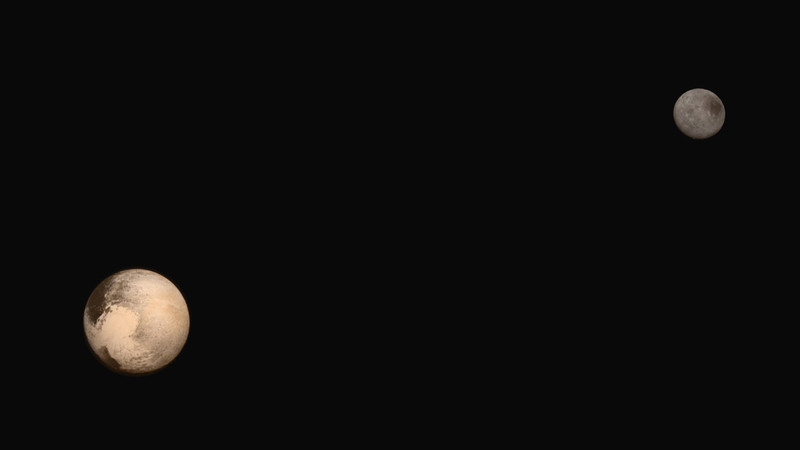
window.__INITIAL_STATE__={
"attachmentsReducer": {
"audio_0": {
"type": "attachments",
"id": "audio_0",
"imgSizes": {
"kqedFullSize": {
"file": "https://ww2.kqed.org/news/wp-content/themes/KQED-unified/img/audio_bgs/background0.jpg"
}
}
},
"audio_1": {
"type": "attachments",
"id": "audio_1",
"imgSizes": {
"kqedFullSize": {
"file": "https://ww2.kqed.org/news/wp-content/themes/KQED-unified/img/audio_bgs/background1.jpg"
}
}
},
"audio_2": {
"type": "attachments",
"id": "audio_2",
"imgSizes": {
"kqedFullSize": {
"file": "https://ww2.kqed.org/news/wp-content/themes/KQED-unified/img/audio_bgs/background2.jpg"
}
}
},
"audio_3": {
"type": "attachments",
"id": "audio_3",
"imgSizes": {
"kqedFullSize": {
"file": "https://ww2.kqed.org/news/wp-content/themes/KQED-unified/img/audio_bgs/background3.jpg"
}
}
},
"audio_4": {
"type": "attachments",
"id": "audio_4",
"imgSizes": {
"kqedFullSize": {
"file": "https://ww2.kqed.org/news/wp-content/themes/KQED-unified/img/audio_bgs/background4.jpg"
}
}
},
"placeholder": {
"type": "attachments",
"id": "placeholder",
"imgSizes": {
"thumbnail": {
"file": "https://cdn.kqed.org/wp-content/uploads/2024/12/KQED-Default-Image-816638274-2000x1333-1-160x107.jpg",
"width": 160,
"height": 107,
"mimeType": "image/jpeg"
},
"medium": {
"file": "https://cdn.kqed.org/wp-content/uploads/2024/12/KQED-Default-Image-816638274-2000x1333-1-800x533.jpg",
"width": 800,
"height": 533,
"mimeType": "image/jpeg"
},
"medium_large": {
"file": "https://cdn.kqed.org/wp-content/uploads/2024/12/KQED-Default-Image-816638274-2000x1333-1-768x512.jpg",
"width": 768,
"height": 512,
"mimeType": "image/jpeg"
},
"large": {
"file": "https://cdn.kqed.org/wp-content/uploads/2024/12/KQED-Default-Image-816638274-2000x1333-1-1020x680.jpg",
"width": 1020,
"height": 680,
"mimeType": "image/jpeg"
},
"1536x1536": {
"file": "https://cdn.kqed.org/wp-content/uploads/2024/12/KQED-Default-Image-816638274-2000x1333-1-1536x1024.jpg",
"width": 1536,
"height": 1024,
"mimeType": "image/jpeg"
},
"fd-lrg": {
"file": "https://cdn.kqed.org/wp-content/uploads/2024/12/KQED-Default-Image-816638274-2000x1333-1-1536x1024.jpg",
"width": 1536,
"height": 1024,
"mimeType": "image/jpeg"
},
"fd-med": {
"file": "https://cdn.kqed.org/wp-content/uploads/2024/12/KQED-Default-Image-816638274-2000x1333-1-1020x680.jpg",
"width": 1020,
"height": 680,
"mimeType": "image/jpeg"
},
"fd-sm": {
"file": "https://cdn.kqed.org/wp-content/uploads/2024/12/KQED-Default-Image-816638274-2000x1333-1-800x533.jpg",
"width": 800,
"height": 533,
"mimeType": "image/jpeg"
},
"post-thumbnail": {
"file": "https://cdn.kqed.org/wp-content/uploads/2024/12/KQED-Default-Image-816638274-2000x1333-1-672x372.jpg",
"width": 672,
"height": 372,
"mimeType": "image/jpeg"
},
"twentyfourteen-full-width": {
"file": "https://cdn.kqed.org/wp-content/uploads/2024/12/KQED-Default-Image-816638274-2000x1333-1-1038x576.jpg",
"width": 1038,
"height": 576,
"mimeType": "image/jpeg"
},
"xxsmall": {
"file": "https://cdn.kqed.org/wp-content/uploads/2024/12/KQED-Default-Image-816638274-2000x1333-1-160x107.jpg",
"width": 160,
"height": 107,
"mimeType": "image/jpeg"
},
"xsmall": {
"file": "https://cdn.kqed.org/wp-content/uploads/2024/12/KQED-Default-Image-816638274-2000x1333-1-672x372.jpg",
"width": 672,
"height": 372,
"mimeType": "image/jpeg"
},
"small": {
"file": "https://cdn.kqed.org/wp-content/uploads/2024/12/KQED-Default-Image-816638274-2000x1333-1-672x372.jpg",
"width": 672,
"height": 372,
"mimeType": "image/jpeg"
},
"xlarge": {
"file": "https://cdn.kqed.org/wp-content/uploads/2024/12/KQED-Default-Image-816638274-2000x1333-1-1020x680.jpg",
"width": 1020,
"height": 680,
"mimeType": "image/jpeg"
},
"full-width": {
"file": "https://cdn.kqed.org/wp-content/uploads/2024/12/KQED-Default-Image-816638274-2000x1333-1-1920x1280.jpg",
"width": 1920,
"height": 1280,
"mimeType": "image/jpeg"
},
"guest-author-32": {
"file": "https://cdn.kqed.org/wp-content/uploads/2025/01/KQED-Default-Image-816638274-1333x1333-1-160x160.jpg",
"width": 32,
"height": 32,
"mimeType": "image/jpeg"
},
"guest-author-50": {
"file": "https://cdn.kqed.org/wp-content/uploads/2025/01/KQED-Default-Image-816638274-1333x1333-1-160x160.jpg",
"width": 50,
"height": 50,
"mimeType": "image/jpeg"
},
"guest-author-64": {
"file": "https://cdn.kqed.org/wp-content/uploads/2025/01/KQED-Default-Image-816638274-1333x1333-1-160x160.jpg",
"width": 64,
"height": 64,
"mimeType": "image/jpeg"
},
"guest-author-96": {
"file": "https://cdn.kqed.org/wp-content/uploads/2025/01/KQED-Default-Image-816638274-1333x1333-1-160x160.jpg",
"width": 96,
"height": 96,
"mimeType": "image/jpeg"
},
"guest-author-128": {
"file": "https://cdn.kqed.org/wp-content/uploads/2025/01/KQED-Default-Image-816638274-1333x1333-1-160x160.jpg",
"width": 128,
"height": 128,
"mimeType": "image/jpeg"
},
"detail": {
"file": "https://cdn.kqed.org/wp-content/uploads/2025/01/KQED-Default-Image-816638274-1333x1333-1-160x160.jpg",
"width": 160,
"height": 160,
"mimeType": "image/jpeg"
},
"kqedFullSize": {
"file": "https://cdn.kqed.org/wp-content/uploads/2024/12/KQED-Default-Image-816638274-2000x1333-1.jpg",
"width": 2000,
"height": 1333
}
}
},
"science_132985": {
"type": "attachments",
"id": "science_132985",
"meta": {
"index": "attachments_1716263798",
"site": "science",
"id": "132985",
"found": true
},
"parent": 0,
"imgSizes": {
"thumbnail": {
"file": "https://ww2.kqed.org/app/uploads/sites/35/2015/07/pluto-charon-portrait-400x225.jpg",
"width": 400,
"mimeType": "image/jpeg",
"height": 225
},
"post-thumbnail": {
"file": "https://ww2.kqed.org/app/uploads/sites/35/2015/07/pluto-charon-portrait-672x372.jpg",
"width": 672,
"mimeType": "image/jpeg",
"height": 372
},
"kqedFullSize": {
"file": "https://ww2.kqed.org/app/uploads/sites/35/2015/07/pluto-charon-portrait.jpg",
"width": 800,
"height": 450
},
"guest-author-96": {
"file": "https://ww2.kqed.org/app/uploads/sites/35/2015/07/pluto-charon-portrait-96x96.jpg",
"width": 96,
"mimeType": "image/jpeg",
"height": 96
},
"medium": {
"file": "https://ww2.kqed.org/app/uploads/sites/35/2015/07/pluto-charon-portrait-800x450.jpg",
"width": 800,
"mimeType": "image/jpeg",
"height": 450
},
"guest-author-64": {
"file": "https://ww2.kqed.org/app/uploads/sites/35/2015/07/pluto-charon-portrait-64x64.jpg",
"width": 64,
"mimeType": "image/jpeg",
"height": 64
},
"detail": {
"file": "https://ww2.kqed.org/app/uploads/sites/35/2015/07/pluto-charon-portrait-75x75.jpg",
"width": 75,
"mimeType": "image/jpeg",
"height": 75
},
"guest-author-32": {
"file": "https://ww2.kqed.org/app/uploads/sites/35/2015/07/pluto-charon-portrait-32x32.jpg",
"width": 32,
"mimeType": "image/jpeg",
"height": 32
},
"guest-author-128": {
"file": "https://ww2.kqed.org/app/uploads/sites/35/2015/07/pluto-charon-portrait-128x128.jpg",
"width": 128,
"mimeType": "image/jpeg",
"height": 128
}
},
"publishDate": 1437505738,
"modified": 1437505885,
"caption": "Portrait of Pluto and its large moon Charon. ",
"description": "Portrait of Pluto and its large moon Charon. (New Horizons/NASA)",
"title": "pluto-charon-portrait",
"credit": "New Horizons/NASA",
"status": "inherit",
"isLoading": false,
"fetchFailed": false
},
"science_137545": {
"type": "attachments",
"id": "science_137545",
"meta": {
"index": "attachments_1716263798",
"site": "science",
"id": "137545",
"found": true
},
"parent": 137544,
"imgSizes": {
"twentyfourteen-full-width": {
"file": "https://ww2.kqed.org/app/uploads/sites/35/2015/07/452b_artistconcept_comparisonwithearth_wide-4813fcf5e254015c204da2bcb454a7322919c146-1038x576.jpg",
"width": 1038,
"mimeType": "image/jpeg",
"height": 576
},
"thumbnail": {
"file": "https://ww2.kqed.org/app/uploads/sites/35/2015/07/452b_artistconcept_comparisonwithearth_wide-4813fcf5e254015c204da2bcb454a7322919c146-400x225.jpg",
"width": 400,
"mimeType": "image/jpeg",
"height": 225
},
"fd-sm": {
"file": "https://ww2.kqed.org/app/uploads/sites/35/2015/07/452b_artistconcept_comparisonwithearth_wide-4813fcf5e254015c204da2bcb454a7322919c146-960x540.jpg",
"width": 960,
"mimeType": "image/jpeg",
"height": 540
},
"post-thumbnail": {
"file": "https://ww2.kqed.org/app/uploads/sites/35/2015/07/452b_artistconcept_comparisonwithearth_wide-4813fcf5e254015c204da2bcb454a7322919c146-672x372.jpg",
"width": 672,
"mimeType": "image/jpeg",
"height": 372
},
"kqedFullSize": {
"file": "https://ww2.kqed.org/app/uploads/sites/35/2015/07/452b_artistconcept_comparisonwithearth_wide-4813fcf5e254015c204da2bcb454a7322919c146.jpg",
"width": 4527,
"height": 2546
},
"large": {
"file": "https://ww2.kqed.org/app/uploads/sites/35/2015/07/452b_artistconcept_comparisonwithearth_wide-4813fcf5e254015c204da2bcb454a7322919c146-1440x810.jpg",
"width": 1440,
"mimeType": "image/jpeg",
"height": 810
},
"guest-author-96": {
"file": "https://ww2.kqed.org/app/uploads/sites/35/2015/07/452b_artistconcept_comparisonwithearth_wide-4813fcf5e254015c204da2bcb454a7322919c146-96x96.jpg",
"width": 96,
"mimeType": "image/jpeg",
"height": 96
},
"medium": {
"file": "https://ww2.kqed.org/app/uploads/sites/35/2015/07/452b_artistconcept_comparisonwithearth_wide-4813fcf5e254015c204da2bcb454a7322919c146-800x450.jpg",
"width": 800,
"mimeType": "image/jpeg",
"height": 450
},
"guest-author-64": {
"file": "https://ww2.kqed.org/app/uploads/sites/35/2015/07/452b_artistconcept_comparisonwithearth_wide-4813fcf5e254015c204da2bcb454a7322919c146-64x64.jpg",
"width": 64,
"mimeType": "image/jpeg",
"height": 64
},
"guest-author-32": {
"file": "https://ww2.kqed.org/app/uploads/sites/35/2015/07/452b_artistconcept_comparisonwithearth_wide-4813fcf5e254015c204da2bcb454a7322919c146-32x32.jpg",
"width": 32,
"mimeType": "image/jpeg",
"height": 32
},
"fd-lrg": {
"file": "https://ww2.kqed.org/app/uploads/sites/35/2015/07/452b_artistconcept_comparisonwithearth_wide-4813fcf5e254015c204da2bcb454a7322919c146-1400x787.jpg",
"width": 1400,
"mimeType": "image/jpeg",
"height": 787
},
"fd-med": {
"file": "https://ww2.kqed.org/app/uploads/sites/35/2015/07/452b_artistconcept_comparisonwithearth_wide-4813fcf5e254015c204da2bcb454a7322919c146-1180x664.jpg",
"width": 1180,
"mimeType": "image/jpeg",
"height": 664
},
"detail": {
"file": "https://ww2.kqed.org/app/uploads/sites/35/2015/07/452b_artistconcept_comparisonwithearth_wide-4813fcf5e254015c204da2bcb454a7322919c146-75x75.jpg",
"width": 75,
"mimeType": "image/jpeg",
"height": 75
},
"guest-author-128": {
"file": "https://ww2.kqed.org/app/uploads/sites/35/2015/07/452b_artistconcept_comparisonwithearth_wide-4813fcf5e254015c204da2bcb454a7322919c146-128x128.jpg",
"width": 128,
"mimeType": "image/jpeg",
"height": 128
}
},
"publishDate": 1437675412,
"modified": 1437675412,
"caption": null,
"description": "Artist's concept compares Earth (left) to the new planet, called Kepler-452b, which is about 60 percent larger in diameter.",
"title": "Artist's concept compares Earth (left) to the new planet, called Kepler-452b, which is about 60 percent larger in diameter.",
"credit": null,
"status": "inherit",
"isLoading": false,
"fetchFailed": false
},
"science_30065": {
"type": "attachments",
"id": "science_30065",
"meta": {
"index": "attachments_1716263798",
"site": "science",
"id": "30065",
"found": true
},
"parent": 30055,
"imgSizes": {
"kqedFullSize": {
"file": "https://ww2.kqed.org/app/uploads/sites/35/2015/05/IMG_2956-e1437601885625.jpg",
"width": 1440,
"height": 1080
}
},
"publishDate": 1430960382,
"modified": 1437597038,
"caption": "\"Brown is the new green\" is the rallying cry for fighting the current drought. But does it have to mean letting your trees go, too? ",
"description": "\"Brown is the new green\" is the rallying cry for fighting the current drought. But will Californians take up the cause? (Craig Miller/KQED)",
"title": "IMG_2956",
"credit": "Craig Miller/KQED",
"status": "inherit",
"isLoading": false,
"fetchFailed": false
},
"science_124441": {
"type": "attachments",
"id": "science_124441",
"meta": {
"index": "attachments_1716263798",
"site": "science",
"id": "124441",
"found": true
},
"parent": 123833,
"imgSizes": {
"twentyfourteen-full-width": {
"file": "https://ww2.kqed.org/app/uploads/sites/35/2015/07/t-rex-1038x576.jpg",
"width": 1038,
"mimeType": "image/jpeg",
"height": 576
},
"thumbnail": {
"file": "https://ww2.kqed.org/app/uploads/sites/35/2015/07/t-rex-400x300.jpg",
"width": 400,
"mimeType": "image/jpeg",
"height": 300
},
"fd-sm": {
"file": "https://ww2.kqed.org/app/uploads/sites/35/2015/07/t-rex-960x720.jpg",
"width": 960,
"mimeType": "image/jpeg",
"height": 720
},
"post-thumbnail": {
"file": "https://ww2.kqed.org/app/uploads/sites/35/2015/07/t-rex-672x372.jpg",
"width": 672,
"mimeType": "image/jpeg",
"height": 372
},
"kqedFullSize": {
"file": "https://ww2.kqed.org/app/uploads/sites/35/2015/07/t-rex-e1441839603995.jpg",
"width": 1920,
"height": 1440
},
"large": {
"file": "https://ww2.kqed.org/app/uploads/sites/35/2015/07/t-rex-1440x1080.jpg",
"width": 1440,
"mimeType": "image/jpeg",
"height": 1080
},
"guest-author-96": {
"file": "https://ww2.kqed.org/app/uploads/sites/35/2015/07/t-rex-96x96.jpg",
"width": 96,
"mimeType": "image/jpeg",
"height": 96
},
"medium": {
"file": "https://ww2.kqed.org/app/uploads/sites/35/2015/07/t-rex-800x600.jpg",
"width": 800,
"mimeType": "image/jpeg",
"height": 600
},
"guest-author-64": {
"file": "https://ww2.kqed.org/app/uploads/sites/35/2015/07/t-rex-64x64.jpg",
"width": 64,
"mimeType": "image/jpeg",
"height": 64
},
"guest-author-32": {
"file": "https://ww2.kqed.org/app/uploads/sites/35/2015/07/t-rex-32x32.jpg",
"width": 32,
"mimeType": "image/jpeg",
"height": 32
},
"fd-lrg": {
"file": "https://ww2.kqed.org/app/uploads/sites/35/2015/07/t-rex-1400x1050.jpg",
"width": 1400,
"mimeType": "image/jpeg",
"height": 1050
},
"fd-med": {
"file": "https://ww2.kqed.org/app/uploads/sites/35/2015/07/t-rex-1180x885.jpg",
"width": 1180,
"mimeType": "image/jpeg",
"height": 885
},
"detail": {
"file": "https://ww2.kqed.org/app/uploads/sites/35/2015/07/t-rex-75x75.jpg",
"width": 75,
"mimeType": "image/jpeg",
"height": 75
},
"guest-author-128": {
"file": "https://ww2.kqed.org/app/uploads/sites/35/2015/07/t-rex-128x128.jpg",
"width": 128,
"mimeType": "image/jpeg",
"height": 128
}
},
"publishDate": 1437173719,
"modified": 1437175178,
"caption": "A Tyrannosaurus rex looms large at the Royal Tyrrell Museum in Alberta, Canada.",
"description": null,
"title": "t-rex",
"credit": "Travis S./flickr",
"status": "inherit",
"isLoading": false,
"fetchFailed": false
},
"science_119667": {
"type": "attachments",
"id": "science_119667",
"meta": {
"index": "attachments_1716263798",
"site": "science",
"id": "119667",
"found": true
},
"parent": 119211,
"imgSizes": {
"twentyfourteen-full-width": {
"file": "https://ww2.kqed.org/app/uploads/sites/35/2015/07/nh-plutosurface-1038x576.png",
"width": 1038,
"mimeType": "image/png",
"height": 576
},
"thumbnail": {
"file": "https://ww2.kqed.org/app/uploads/sites/35/2015/07/nh-plutosurface-400x285.png",
"width": 400,
"mimeType": "image/png",
"height": 285
},
"fd-sm": {
"file": "https://ww2.kqed.org/app/uploads/sites/35/2015/07/nh-plutosurface-960x684.png",
"width": 960,
"mimeType": "image/png",
"height": 684
},
"post-thumbnail": {
"file": "https://ww2.kqed.org/app/uploads/sites/35/2015/07/nh-plutosurface-672x372.png",
"width": 672,
"mimeType": "image/png",
"height": 372
},
"kqedFullSize": {
"file": "https://ww2.kqed.org/app/uploads/sites/35/2015/07/nh-plutosurface.png",
"width": 1041,
"height": 742
},
"guest-author-96": {
"file": "https://ww2.kqed.org/app/uploads/sites/35/2015/07/nh-plutosurface-96x96.png",
"width": 96,
"mimeType": "image/png",
"height": 96
},
"medium": {
"file": "https://ww2.kqed.org/app/uploads/sites/35/2015/07/nh-plutosurface-800x570.png",
"width": 800,
"mimeType": "image/png",
"height": 570
},
"guest-author-64": {
"file": "https://ww2.kqed.org/app/uploads/sites/35/2015/07/nh-plutosurface-64x64.png",
"width": 64,
"mimeType": "image/png",
"height": 64
},
"detail": {
"file": "https://ww2.kqed.org/app/uploads/sites/35/2015/07/nh-plutosurface-75x75.png",
"width": 75,
"mimeType": "image/png",
"height": 75
},
"guest-author-32": {
"file": "https://ww2.kqed.org/app/uploads/sites/35/2015/07/nh-plutosurface-32x32.png",
"width": 32,
"mimeType": "image/png",
"height": 32
},
"guest-author-128": {
"file": "https://ww2.kqed.org/app/uploads/sites/35/2015/07/nh-plutosurface-128x128.png",
"width": 128,
"mimeType": "image/png",
"height": 128
}
},
"publishDate": 1436988339,
"modified": 1436988390,
"caption": "New close-up images of a region near Pluto’s equator reveal a giant surprise: a range of youthful mountains rising as high as 11,000 feet above the surface of the icy body.",
"description": null,
"title": "nh-plutosurface",
"credit": "NASA",
"status": "inherit",
"isLoading": false,
"fetchFailed": false
},
"science_119121": {
"type": "attachments",
"id": "science_119121",
"meta": {
"index": "attachments_1716263798",
"site": "science",
"id": "119121",
"found": true
},
"parent": 117340,
"imgSizes": {
"twentyfourteen-full-width": {
"file": "https://ww2.kqed.org/app/uploads/sites/35/2015/07/19519152189_94678e499a_k-1038x576.jpg",
"width": 1038,
"mimeType": "image/jpeg",
"height": 576
},
"thumbnail": {
"file": "https://ww2.kqed.org/app/uploads/sites/35/2015/07/19519152189_94678e499a_k-400x213.jpg",
"width": 400,
"mimeType": "image/jpeg",
"height": 213
},
"fd-sm": {
"file": "https://ww2.kqed.org/app/uploads/sites/35/2015/07/19519152189_94678e499a_k-960x512.jpg",
"width": 960,
"mimeType": "image/jpeg",
"height": 512
},
"post-thumbnail": {
"file": "https://ww2.kqed.org/app/uploads/sites/35/2015/07/19519152189_94678e499a_k-672x372.jpg",
"width": 672,
"mimeType": "image/jpeg",
"height": 372
},
"kqedFullSize": {
"file": "https://ww2.kqed.org/app/uploads/sites/35/2015/07/19519152189_94678e499a_k.jpg",
"width": 2048,
"height": 1093
},
"large": {
"file": "https://ww2.kqed.org/app/uploads/sites/35/2015/07/19519152189_94678e499a_k-1440x769.jpg",
"width": 1440,
"mimeType": "image/jpeg",
"height": 769
},
"guest-author-96": {
"file": "https://ww2.kqed.org/app/uploads/sites/35/2015/07/19519152189_94678e499a_k-96x96.jpg",
"width": 96,
"mimeType": "image/jpeg",
"height": 96
},
"medium": {
"file": "https://ww2.kqed.org/app/uploads/sites/35/2015/07/19519152189_94678e499a_k-800x427.jpg",
"width": 800,
"mimeType": "image/jpeg",
"height": 427
},
"guest-author-64": {
"file": "https://ww2.kqed.org/app/uploads/sites/35/2015/07/19519152189_94678e499a_k-64x64.jpg",
"width": 64,
"mimeType": "image/jpeg",
"height": 64
},
"guest-author-32": {
"file": "https://ww2.kqed.org/app/uploads/sites/35/2015/07/19519152189_94678e499a_k-32x32.jpg",
"width": 32,
"mimeType": "image/jpeg",
"height": 32
},
"fd-med": {
"file": "https://ww2.kqed.org/app/uploads/sites/35/2015/07/19519152189_94678e499a_k-1180x630.jpg",
"width": 1180,
"mimeType": "image/jpeg",
"height": 630
},
"detail": {
"file": "https://ww2.kqed.org/app/uploads/sites/35/2015/07/19519152189_94678e499a_k-75x75.jpg",
"width": 75,
"mimeType": "image/jpeg",
"height": 75
},
"guest-author-128": {
"file": "https://ww2.kqed.org/app/uploads/sites/35/2015/07/19519152189_94678e499a_k-128x128.jpg",
"width": 128,
"mimeType": "image/jpeg",
"height": 128
}
},
"publishDate": 1436967318,
"modified": 1436967372,
"caption": "New Horizons Flight Controllers celebrate in the Mission Operations Center on Tuesday evening, after they received confirmation from the spacecraft that it had successfully completed the flyby of Pluto.",
"description": null,
"title": "19519152189_94678e499a_k",
"credit": "NASA/Bill Ingalls",
"status": "inherit",
"isLoading": false,
"fetchFailed": false
},
"science_117072": {
"type": "attachments",
"id": "science_117072",
"meta": {
"index": "attachments_1716263798",
"site": "science",
"id": "117072",
"found": true
},
"parent": 107073,
"imgSizes": {
"twentyfourteen-full-width": {
"file": "https://ww2.kqed.org/app/uploads/sites/35/2015/07/Pluto-e1436887133763-1024x576.png",
"width": 1024,
"mimeType": "image/png",
"height": 576
},
"thumbnail": {
"file": "https://ww2.kqed.org/app/uploads/sites/35/2015/07/Pluto-e1436887133763-400x225.png",
"width": 400,
"mimeType": "image/png",
"height": 225
},
"fd-sm": {
"file": "https://ww2.kqed.org/app/uploads/sites/35/2015/07/Pluto-e1436887133763-960x540.png",
"width": 960,
"mimeType": "image/png",
"height": 540
},
"post-thumbnail": {
"file": "https://ww2.kqed.org/app/uploads/sites/35/2015/07/Pluto-e1436887133763-672x372.png",
"width": 672,
"mimeType": "image/png",
"height": 372
},
"kqedFullSize": {
"file": "https://ww2.kqed.org/app/uploads/sites/35/2015/07/Pluto-e1436887133763.png",
"width": 1024,
"height": 576
},
"guest-author-96": {
"file": "https://ww2.kqed.org/app/uploads/sites/35/2015/07/Pluto-e1436887133763-96x96.png",
"width": 96,
"mimeType": "image/png",
"height": 96
},
"medium": {
"file": "https://ww2.kqed.org/app/uploads/sites/35/2015/07/Pluto-e1436887133763-800x450.png",
"width": 800,
"mimeType": "image/png",
"height": 450
},
"guest-author-64": {
"file": "https://ww2.kqed.org/app/uploads/sites/35/2015/07/Pluto-e1436887133763-64x64.png",
"width": 64,
"mimeType": "image/png",
"height": 64
},
"detail": {
"file": "https://ww2.kqed.org/app/uploads/sites/35/2015/07/Pluto-e1436887133763-75x75.png",
"width": 75,
"mimeType": "image/png",
"height": 75
},
"guest-author-32": {
"file": "https://ww2.kqed.org/app/uploads/sites/35/2015/07/Pluto-e1436887133763-32x32.png",
"width": 32,
"mimeType": "image/png",
"height": 32
},
"guest-author-128": {
"file": "https://ww2.kqed.org/app/uploads/sites/35/2015/07/Pluto-e1436887133763-128x128.png",
"width": 128,
"mimeType": "image/png",
"height": 128
}
},
"publishDate": 1436886662,
"modified": 1436887209,
"caption": "One of the final images taken before the NASA spacecraft New Horizons made its closest approach to Pluto, on 14 July 2015.",
"description": null,
"title": "Pluto",
"credit": "NASA/Johns Hopkins University Applied Physics Laboratory/Southwest Research Institute",
"status": "inherit",
"isLoading": false,
"fetchFailed": false
},
"science_102463": {
"type": "attachments",
"id": "science_102463",
"meta": {
"index": "attachments_1716263798",
"site": "science",
"id": "102463",
"found": true
},
"parent": 102462,
"imgSizes": {
"thumbnail": {
"file": "https://ww2.kqed.org/app/uploads/sites/35/2015/07/titanlakes-400x225.jpg",
"width": 400,
"mimeType": "image/jpeg",
"height": 225
},
"post-thumbnail": {
"file": "https://ww2.kqed.org/app/uploads/sites/35/2015/07/titanlakes-672x372.jpg",
"width": 672,
"mimeType": "image/jpeg",
"height": 372
},
"kqedFullSize": {
"file": "https://ww2.kqed.org/app/uploads/sites/35/2015/07/titanlakes.jpg",
"width": 800,
"height": 450
},
"guest-author-96": {
"file": "https://ww2.kqed.org/app/uploads/sites/35/2015/07/titanlakes-96x96.jpg",
"width": 96,
"mimeType": "image/jpeg",
"height": 96
},
"medium": {
"file": "https://ww2.kqed.org/app/uploads/sites/35/2015/07/titanlakes-800x450.jpg",
"width": 800,
"mimeType": "image/jpeg",
"height": 450
},
"guest-author-64": {
"file": "https://ww2.kqed.org/app/uploads/sites/35/2015/07/titanlakes-64x64.jpg",
"width": 64,
"mimeType": "image/jpeg",
"height": 64
},
"detail": {
"file": "https://ww2.kqed.org/app/uploads/sites/35/2015/07/titanlakes-75x75.jpg",
"width": 75,
"mimeType": "image/jpeg",
"height": 75
},
"guest-author-32": {
"file": "https://ww2.kqed.org/app/uploads/sites/35/2015/07/titanlakes-32x32.jpg",
"width": 32,
"mimeType": "image/jpeg",
"height": 32
},
"guest-author-128": {
"file": "https://ww2.kqed.org/app/uploads/sites/35/2015/07/titanlakes-128x128.jpg",
"width": 128,
"mimeType": "image/jpeg",
"height": 128
}
},
"publishDate": 1436306861,
"modified": 1436307147,
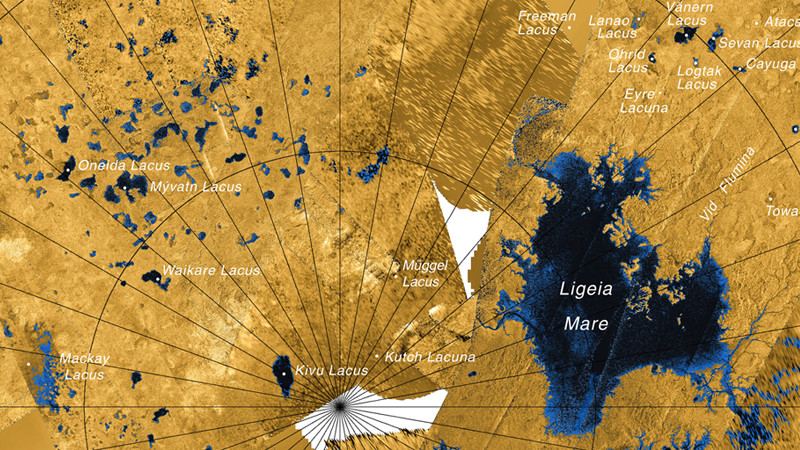
"caption": "Radar map of the polar region of Saturn's moon Titan. A river-system-fed sea is seen on the right, and the complex of alleged \"sinkhole\" lakes to the left. (Cassini/NASA)",
"description": "Radar map of the polar region of Saturn's moon Titan. A river-system-fed sea is seen on the right, and the complex of alleged \"sinkhole\" lakes to the left. (Cassini/NASA)",
"title": "titanlakes",
"credit": null,
"status": "inherit",
"isLoading": false,
"fetchFailed": false
},
"science_107276": {
"type": "attachments",
"id": "science_107276",
"meta": {
"index": "attachments_1716263798",
"site": "science",
"id": "107276",
"found": true
},
"parent": 107169,
"imgSizes": {
"twentyfourteen-full-width": {
"file": "https://ww2.kqed.org/app/uploads/sites/35/2015/07/RS693_putahcreek2-1038x576.jpg",
"width": 1038,
"mimeType": "image/jpeg",
"height": 576
},
"thumbnail": {
"file": "https://ww2.kqed.org/app/uploads/sites/35/2015/07/RS693_putahcreek2-400x300.jpg",
"width": 400,
"mimeType": "image/jpeg",
"height": 300
},
"fd-sm": {
"file": "https://ww2.kqed.org/app/uploads/sites/35/2015/07/RS693_putahcreek2-960x720.jpg",
"width": 960,
"mimeType": "image/jpeg",
"height": 720
},
"post-thumbnail": {
"file": "https://ww2.kqed.org/app/uploads/sites/35/2015/07/RS693_putahcreek2-672x372.jpg",
"width": 672,
"mimeType": "image/jpeg",
"height": 372
},
"kqedFullSize": {
"file": "https://ww2.kqed.org/app/uploads/sites/35/2015/07/RS693_putahcreek2-e1436998451384.jpg",
"width": 1920,
"height": 1440
},
"large": {
"file": "https://ww2.kqed.org/app/uploads/sites/35/2015/07/RS693_putahcreek2-1440x1080.jpg",
"width": 1440,
"mimeType": "image/jpeg",
"height": 1080
},
"guest-author-96": {
"file": "https://ww2.kqed.org/app/uploads/sites/35/2015/07/RS693_putahcreek2-96x96.jpg",
"width": 96,
"mimeType": "image/jpeg",
"height": 96
},
"medium": {
"file": "https://ww2.kqed.org/app/uploads/sites/35/2015/07/RS693_putahcreek2-800x600.jpg",
"width": 800,
"mimeType": "image/jpeg",
"height": 600
},
"guest-author-64": {
"file": "https://ww2.kqed.org/app/uploads/sites/35/2015/07/RS693_putahcreek2-64x64.jpg",
"width": 64,
"mimeType": "image/jpeg",
"height": 64
},
"guest-author-32": {
"file": "https://ww2.kqed.org/app/uploads/sites/35/2015/07/RS693_putahcreek2-32x32.jpg",
"width": 32,
"mimeType": "image/jpeg",
"height": 32
},
"fd-med": {
"file": "https://ww2.kqed.org/app/uploads/sites/35/2015/07/RS693_putahcreek2-1180x885.jpg",
"width": 1180,
"mimeType": "image/jpeg",
"height": 885
},
"detail": {
"file": "https://ww2.kqed.org/app/uploads/sites/35/2015/07/RS693_putahcreek2-75x75.jpg",
"width": 75,
"mimeType": "image/jpeg",
"height": 75
},
"guest-author-128": {
"file": "https://ww2.kqed.org/app/uploads/sites/35/2015/07/RS693_putahcreek2-128x128.jpg",
"width": 128,
"mimeType": "image/jpeg",
"height": 128
}
},
"publishDate": 1436490084,
"modified": 1436490172,
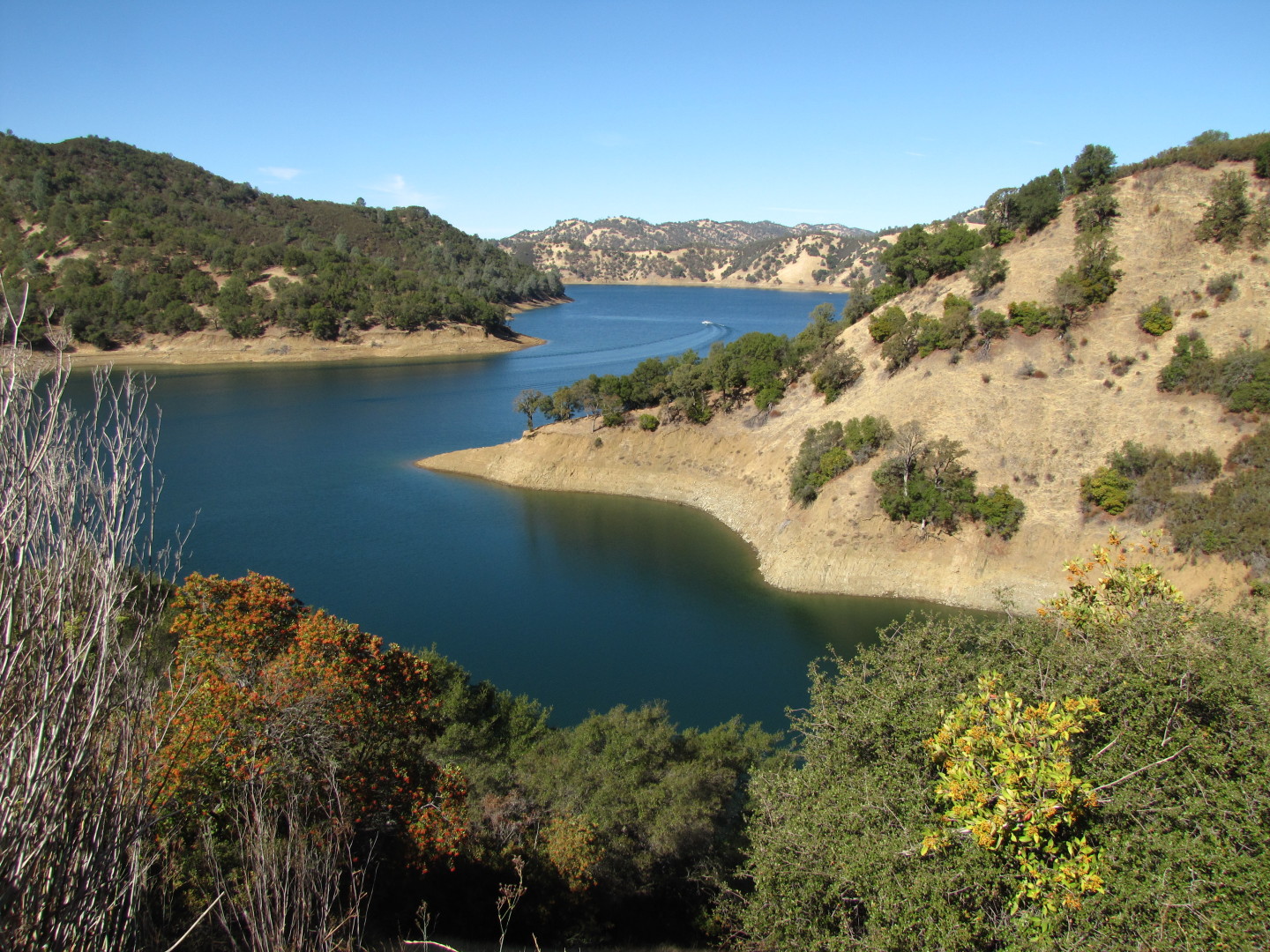
"caption": "Sprawling Lake Berryessa marks the southern end of the new Berryessa-Snow Mountain National Monument, though the lake itself is not included.",
"description": "Sprawling Lake Berryessa marks the southern end of the new Berryessa-Snow Mountain National Monument, though the lake itself is not included.",
"title": "RS693_putahcreek2",
"credit": "Craig Miller/KQED",
"status": "inherit",
"isLoading": false,
"fetchFailed": false
},
"science_104382": {
"type": "attachments",
"id": "science_104382",
"meta": {
"index": "attachments_1716263798",
"site": "science",
"id": "104382",
"found": true
},
"parent": 104381,
"imgSizes": {
"thumbnail": {
"file": "https://ww2.kqed.org/app/uploads/sites/35/2015/07/ceratops-400x225.png",
"width": 400,
"mimeType": "image/png",
"height": 225
},
"fd-sm": {
"file": "https://ww2.kqed.org/app/uploads/sites/35/2015/07/ceratops-960x540.png",
"width": 960,
"mimeType": "image/png",
"height": 540
},
"post-thumbnail": {
"file": "https://ww2.kqed.org/app/uploads/sites/35/2015/07/ceratops-672x372.png",
"width": 672,
"mimeType": "image/png",
"height": 372
},
"kqedFullSize": {
"file": "https://ww2.kqed.org/app/uploads/sites/35/2015/07/ceratops.png",
"width": 1022,
"height": 575
},
"guest-author-96": {
"file": "https://ww2.kqed.org/app/uploads/sites/35/2015/07/ceratops-96x96.png",
"width": 96,
"mimeType": "image/png",
"height": 96
},
"medium": {
"file": "https://ww2.kqed.org/app/uploads/sites/35/2015/07/ceratops-800x450.png",
"width": 800,
"mimeType": "image/png",
"height": 450
},
"guest-author-64": {
"file": "https://ww2.kqed.org/app/uploads/sites/35/2015/07/ceratops-64x64.png",
"width": 64,
"mimeType": "image/png",
"height": 64
},
"detail": {
"file": "https://ww2.kqed.org/app/uploads/sites/35/2015/07/ceratops-75x75.png",
"width": 75,
"mimeType": "image/png",
"height": 75
},
"guest-author-32": {
"file": "https://ww2.kqed.org/app/uploads/sites/35/2015/07/ceratops-32x32.png",
"width": 32,
"mimeType": "image/png",
"height": 32
},
"guest-author-128": {
"file": "https://ww2.kqed.org/app/uploads/sites/35/2015/07/ceratops-128x128.png",
"width": 128,
"mimeType": "image/png",
"height": 128
}
},
"publishDate": 1436377720,
"modified": 1436377755,
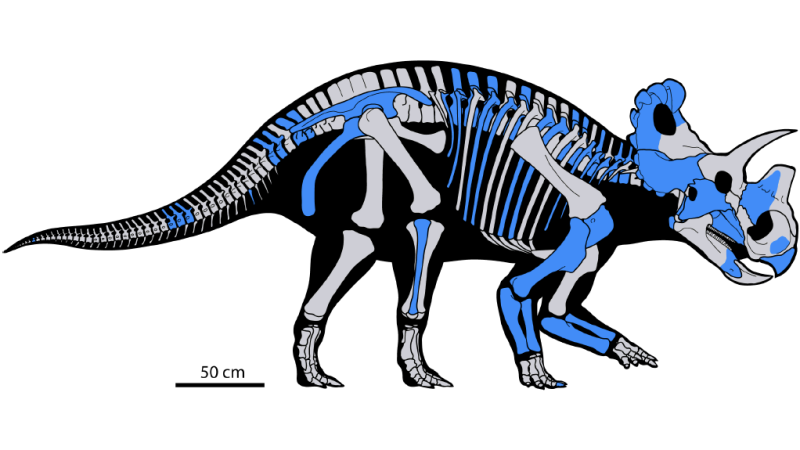
"caption": "Reconstructed skeleton of \u003ci>Wendiceratops\u003c/i>, with bones represented by fossils shown in blue. Ceratopsid dinosaurs share the distinctive frill behind the skull and the facial horns. (Evans/PLOS)",
"description": null,
"title": "ceratops",
"credit": null,
"status": "inherit",
"isLoading": false,
"fetchFailed": false
},
"science_111258": {
"type": "attachments",
"id": "science_111258",
"meta": {
"index": "attachments_1716263798",
"site": "science",
"id": "111258",
"found": true
},
"parent": 104952,
"imgSizes": {
"twentyfourteen-full-width": {
"file": "https://ww2.kqed.org/app/uploads/sites/35/2015/07/elnino-beach-cmiller-1920-1038x576.jpeg",
"width": 1038,
"mimeType": "image/jpeg",
"height": 576
},
"thumbnail": {
"file": "https://ww2.kqed.org/app/uploads/sites/35/2015/07/elnino-beach-cmiller-1920-400x300.jpeg",
"width": 400,
"mimeType": "image/jpeg",
"height": 300
},
"fd-sm": {
"file": "https://ww2.kqed.org/app/uploads/sites/35/2015/07/elnino-beach-cmiller-1920-960x720.jpeg",
"width": 960,
"mimeType": "image/jpeg",
"height": 720
},
"post-thumbnail": {
"file": "https://ww2.kqed.org/app/uploads/sites/35/2015/07/elnino-beach-cmiller-1920-672x372.jpeg",
"width": 672,
"mimeType": "image/jpeg",
"height": 372
},
"kqedFullSize": {
"file": "https://ww2.kqed.org/app/uploads/sites/35/2015/07/elnino-beach-cmiller-1920.jpeg",
"width": 1920,
"height": 1440
},
"large": {
"file": "https://ww2.kqed.org/app/uploads/sites/35/2015/07/elnino-beach-cmiller-1920-1440x1080.jpeg",
"width": 1440,
"mimeType": "image/jpeg",
"height": 1080
},
"guest-author-96": {
"file": "https://ww2.kqed.org/app/uploads/sites/35/2015/07/elnino-beach-cmiller-1920-96x96.jpeg",
"width": 96,
"mimeType": "image/jpeg",
"height": 96
},
"medium": {
"file": "https://ww2.kqed.org/app/uploads/sites/35/2015/07/elnino-beach-cmiller-1920-800x600.jpeg",
"width": 800,
"mimeType": "image/jpeg",
"height": 600
},
"guest-author-64": {
"file": "https://ww2.kqed.org/app/uploads/sites/35/2015/07/elnino-beach-cmiller-1920-64x64.jpeg",
"width": 64,
"mimeType": "image/jpeg",
"height": 64
},
"guest-author-32": {
"file": "https://ww2.kqed.org/app/uploads/sites/35/2015/07/elnino-beach-cmiller-1920-32x32.jpeg",
"width": 32,
"mimeType": "image/jpeg",
"height": 32
},
"fd-med": {
"file": "https://ww2.kqed.org/app/uploads/sites/35/2015/07/elnino-beach-cmiller-1920-1180x885.jpeg",
"width": 1180,
"mimeType": "image/jpeg",
"height": 885
},
"detail": {
"file": "https://ww2.kqed.org/app/uploads/sites/35/2015/07/elnino-beach-cmiller-1920-75x75.jpeg",
"width": 75,
"mimeType": "image/jpeg",
"height": 75
},
"guest-author-128": {
"file": "https://ww2.kqed.org/app/uploads/sites/35/2015/07/elnino-beach-cmiller-1920-128x128.jpeg",
"width": 128,
"mimeType": "image/jpeg",
"height": 128
}
},
"publishDate": 1436648457,
"modified": 1436648492,
"caption": "Surface waters in the tropical Pacific are warming to levels not seen in nearly two decades.",
"description": "Surface waters in the tropical Pacific are warming to levels not seen in nearly two decades.",
"title": "elnino-beach-cmiller-1920",
"credit": "Craig Miller",
"status": "inherit",
"isLoading": false,
"fetchFailed": false
},
"science_104856": {
"type": "attachments",
"id": "science_104856",
"meta": {
"index": "attachments_1716263798",
"site": "science",
"id": "104856",
"found": true
},
"parent": 104853,
"imgSizes": {
"twentyfourteen-full-width": {
"file": "https://ww2.kqed.org/app/uploads/sites/35/2015/07/0120699-1038x576.jpg",
"width": 1038,
"mimeType": "image/jpeg",
"height": 576
},
"thumbnail": {
"file": "https://ww2.kqed.org/app/uploads/sites/35/2015/07/0120699-400x267.jpg",
"width": 400,
"mimeType": "image/jpeg",
"height": 267
},
"fd-sm": {
"file": "https://ww2.kqed.org/app/uploads/sites/35/2015/07/0120699-960x640.jpg",
"width": 960,
"mimeType": "image/jpeg",
"height": 640
},
"post-thumbnail": {
"file": "https://ww2.kqed.org/app/uploads/sites/35/2015/07/0120699-672x372.jpg",
"width": 672,
"mimeType": "image/jpeg",
"height": 372
},
"kqedFullSize": {
"file": "https://ww2.kqed.org/app/uploads/sites/35/2015/07/0120699.jpg",
"width": 5400,
"height": 3600
},
"large": {
"file": "https://ww2.kqed.org/app/uploads/sites/35/2015/07/0120699-1440x960.jpg",
"width": 1440,
"mimeType": "image/jpeg",
"height": 960
},
"guest-author-96": {
"file": "https://ww2.kqed.org/app/uploads/sites/35/2015/07/0120699-96x96.jpg",
"width": 96,
"mimeType": "image/jpeg",
"height": 96
},
"medium": {
"file": "https://ww2.kqed.org/app/uploads/sites/35/2015/07/0120699-800x533.jpg",
"width": 800,
"mimeType": "image/jpeg",
"height": 533
},
"guest-author-64": {
"file": "https://ww2.kqed.org/app/uploads/sites/35/2015/07/0120699-64x64.jpg",
"width": 64,
"mimeType": "image/jpeg",
"height": 64
},
"guest-author-32": {
"file": "https://ww2.kqed.org/app/uploads/sites/35/2015/07/0120699-32x32.jpg",
"width": 32,
"mimeType": "image/jpeg",
"height": 32
},
"fd-med": {
"file": "https://ww2.kqed.org/app/uploads/sites/35/2015/07/0120699-1180x787.jpg",
"width": 1180,
"mimeType": "image/jpeg",
"height": 787
},
"detail": {
"file": "https://ww2.kqed.org/app/uploads/sites/35/2015/07/0120699-75x75.jpg",
"width": 75,
"mimeType": "image/jpeg",
"height": 75
},
"guest-author-128": {
"file": "https://ww2.kqed.org/app/uploads/sites/35/2015/07/0120699-128x128.jpg",
"width": 128,
"mimeType": "image/jpeg",
"height": 128
}
},
"publishDate": 1436396966,
"modified": 1436397269,
"caption": "The risk of being attacked by a great white shark has fallen in California, according to a new study.",
"description": "great white shark, Carcharodon carcharias, and schooling bigeye trevally, Caranx sexfasciatus (dc)",
"title": "Great White Shark and Schooling Bigeye Trevally",
"credit": "David B. Fleetham/SeaPics.com",
"status": "inherit",
"isLoading": false,
"fetchFailed": false
}
},
"audioPlayerReducer": {
"postId": "stream_live",
"isPaused": true,
"isPlaying": false,
"pfsActive": false,
"pledgeModalIsOpen": true,
"playerDrawerIsOpen": false,
"liveAudioPlayStartedAt": 0,
"liveAudioPlayContext": ""
},
"authorsReducer": {
"byline_science_137544": {
"type": "authors",
"id": "byline_science_137544",
"meta": {
"override": true
},
"slug": "byline_science_137544",
"name": "Scott Neuman",
"isLoading": false
},
"amystanden": {
"type": "authors",
"id": "210",
"meta": {
"index": "authors_1716337520",
"id": "210",
"found": true
},
"name": "Amy Standen",
"firstName": "Amy",
"lastName": "Standen",
"slug": "amystanden",
"email": "astanden@kqed.org",
"display_author_email": false,
"staff_mastheads": [],
"title": "KQED Contributor",
"bio": "Amy Standen (@amystanden) is co-host of #\u003ca href=\"https://ww2.kqed.org/news/programs/the-leap\">TheLeapPodcast\u003c/a> (subscribe on iTunes or Stitcher!) and host of KQED and PBSDigital Studios' science video series, \u003ca href=\"https://www.youtube.com/user/KQEDDeepLook\">Deep Look\u003c/a>. Her science radio stories appear on KQED and NPR.\r\n\r\nEmail her at astanden@kqed.org",
"avatar": "https://secure.gravatar.com/avatar/3d021b72de685a788b0487b059d0a6a1?s=600&d=blank&r=g",
"twitter": null,
"facebook": null,
"instagram": null,
"linkedin": null,
"sites": [
{
"site": "news",
"roles": [
"subscriber"
]
},
{
"site": "futureofyou",
"roles": [
"subscriber"
]
},
{
"site": "stateofhealth",
"roles": [
"subscriber"
]
},
{
"site": "science",
"roles": []
},
{
"site": "quest",
"roles": [
"subscriber"
]
}
],
"headData": {
"title": "Amy Standen | KQED",
"description": "KQED Contributor",
"ogImgSrc": "https://secure.gravatar.com/avatar/3d021b72de685a788b0487b059d0a6a1?s=600&d=blank&r=g",
"twImgSrc": "https://secure.gravatar.com/avatar/3d021b72de685a788b0487b059d0a6a1?s=600&d=blank&r=g"
},
"isLoading": false,
"link": "/author/amystanden"
},
"cmiller": {
"type": "authors",
"id": "221",
"meta": {
"index": "authors_1716337520",
"id": "221",
"found": true
},
"name": "Craig Miller",
"firstName": "Craig",
"lastName": "Miller",
"slug": "cmiller",
"email": "craig@voxterra.net",
"display_author_email": false,
"staff_mastheads": [
"science"
],
"title": "Editor Emeritus, Science",
"bio": "Craig is a former KQED Science editor, specializing in weather, climate, water & energy issues, with a little seismology thrown in just to shake things up. Prior to that, he launched and led the station's award-winning multimedia project, Climate Watch. Craig is also an accomplished writer/producer of television documentaries, with a focus on natural resource issues.",
"avatar": "https://secure.gravatar.com/avatar/b91661df645e001a9cafe0861fa685f9?s=600&d=blank&r=g",
"twitter": "voxterra",
"facebook": null,
"instagram": null,
"linkedin": null,
"sites": [
{
"site": "news",
"roles": [
"author"
]
},
{
"site": "futureofyou",
"roles": [
"editor"
]
},
{
"site": "stateofhealth",
"roles": [
"author"
]
},
{
"site": "science",
"roles": [
"editor"
]
},
{
"site": "quest",
"roles": [
"editor"
]
}
],
"headData": {
"title": "Craig Miller | KQED",
"description": "Editor Emeritus, Science",
"ogImgSrc": "https://secure.gravatar.com/avatar/b91661df645e001a9cafe0861fa685f9?s=600&d=blank&r=g",
"twImgSrc": "https://secure.gravatar.com/avatar/b91661df645e001a9cafe0861fa685f9?s=600&d=blank&r=g"
},
"isLoading": false,
"link": "/author/cmiller"
},
"ben-burress": {
"type": "authors",
"id": "6180",
"meta": {
"index": "authors_1716337520",
"id": "6180",
"found": true
},
"name": "Ben Burress",
"firstName": "Ben",
"lastName": "Burress",
"slug": "ben-burress",
"email": "bburress@chabotspace.org",
"display_author_email": false,
"staff_mastheads": [],
"title": null,
"bio": "\u003cstrong>Benjamin Burress\u003c/strong> has been a staff astronomer at Chabot Space & Science Center since July 1999. He graduated from Sonoma State University in 1985 with a bachelor’s degree in physics (and minor in astronomy), after which he signed on for a two-year stint in the Peace Corps, where he taught physics and mathematics in the African nation of Cameroon. From 1989-96 he served on the crew of NASA’s Kuiper Airborne Observatory at Ames Research Center in Mountain View, CA. From 1996-99, he was Head Observer at the Naval Prototype Optical Interferometer program at Lowell Observatory in Flagstaff, AZ.\r\n\r\nRead his \u003ca href=\"http://science.kqed.org/quest/author/ben-burress/\">previous contributions\u003c/a> to \u003ca href=\"http://science.kqed.org/quest/\">QUEST\u003c/a>, a project dedicated to exploring the Science of Sustainability.",
"avatar": "https://secure.gravatar.com/avatar/8263bffa345b7e4923a0b8b9f0f6a161?s=600&d=blank&r=g",
"twitter": null,
"facebook": null,
"instagram": null,
"linkedin": null,
"sites": [
{
"site": "science",
"roles": [
"editor"
]
},
{
"site": "quest",
"roles": [
"subscriber"
]
}
],
"headData": {
"title": "Ben Burress | KQED",
"description": null,
"ogImgSrc": "https://secure.gravatar.com/avatar/8263bffa345b7e4923a0b8b9f0f6a161?s=600&d=blank&r=g",
"twImgSrc": "https://secure.gravatar.com/avatar/8263bffa345b7e4923a0b8b9f0f6a161?s=600&d=blank&r=g"
},
"isLoading": false,
"link": "/author/ben-burress"
},
"andrew-alden": {
"type": "authors",
"id": "6228",
"meta": {
"index": "authors_1716337520",
"id": "6228",
"found": true
},
"name": "Andrew Alden",
"firstName": "Andrew",
"lastName": "Alden",
"slug": "andrew-alden",
"email": "alden@andrew-alden.com",
"display_author_email": false,
"staff_mastheads": [],
"title": null,
"bio": "Andrew Alden earned his geology degree at the University of New Hampshire and moved back to the Bay Area to work at the U.S. Geological Survey for six years. He has \u003ca href=\"http://geology.about.com/\">written on geology for About.com\u003c/a> since its founding in 1997. In 2007, he started the Oakland Geology blog, which won recognition as \"Best of the East Bay\" from the \u003ci>East Bay Express\u003c/i> in 2010. In writing about geology in the Bay Area and surroundings, he hopes to share some of the useful and pleasurable insights that geologists give us—not just facts about the deep past, but an attitude that might be called the \u003ci>deep present\u003c/i>.\r\n\r\nRead his \u003ca href=\"http://science.kqed.org/quest/author/andrew-alden/\">previous contributions\u003c/a> to \u003ca href=\"http://http://science.kqed.org/quest/\">QUEST\u003c/a>, a project dedicated to exploring the Science of Sustainability.",
"avatar": "https://secure.gravatar.com/avatar/9eaa0afc32f98c5fc7ce634437334a64?s=600&d=blank&r=g",
"twitter": null,
"facebook": null,
"instagram": null,
"linkedin": null,
"sites": [
{
"site": "science",
"roles": [
"author"
]
},
{
"site": "quest",
"roles": [
"subscriber"
]
}
],
"headData": {
"title": "Andrew Alden | KQED",
"description": null,
"ogImgSrc": "https://secure.gravatar.com/avatar/9eaa0afc32f98c5fc7ce634437334a64?s=600&d=blank&r=g",
"twImgSrc": "https://secure.gravatar.com/avatar/9eaa0afc32f98c5fc7ce634437334a64?s=600&d=blank&r=g"
},
"isLoading": false,
"link": "/author/andrew-alden"
},
"kqedscience": {
"type": "authors",
"id": "6387",
"meta": {
"index": "authors_1716337520",
"id": "6387",
"found": true
},
"name": "KQED Science",
"firstName": "KQED",
"lastName": "Science",
"slug": "kqedscience",
"email": "kqedscience@gmail.com",
"display_author_email": false,
"staff_mastheads": [],
"title": null,
"bio": "KQED Science brings you award-winning science and environment coverage from the Bay Area and beyond by the flagship Northern California PBS and NPR affiliate.",
"avatar": "https://secure.gravatar.com/avatar/5a295ff49cf82a8c0f30937d3f788b2f?s=600&d=blank&r=g",
"twitter": null,
"facebook": null,
"instagram": null,
"linkedin": null,
"sites": [
{
"site": "science",
"roles": [
"contributor"
]
},
{
"site": "quest",
"roles": [
"editor"
]
},
{
"site": "food",
"roles": [
"contributor"
]
}
],
"headData": {
"title": "KQED Science | KQED",
"description": null,
"ogImgSrc": "https://secure.gravatar.com/avatar/5a295ff49cf82a8c0f30937d3f788b2f?s=600&d=blank&r=g",
"twImgSrc": "https://secure.gravatar.com/avatar/5a295ff49cf82a8c0f30937d3f788b2f?s=600&d=blank&r=g"
},
"isLoading": false,
"link": "/author/kqedscience"
},
"dpotter": {
"type": "authors",
"id": "6609",
"meta": {
"index": "authors_1716337520",
"id": "6609",
"found": true
},
"name": "Daniel Potter",
"firstName": "Daniel",
"lastName": "Potter",
"slug": "dpotter",
"email": "dpotter@kqed.org",
"display_author_email": false,
"staff_mastheads": [],
"title": "KQED Contributor",
"bio": "Daniel Potter is a reporter for KQED Science. Before that, he worked at Nashville Public Radio for six years. He’s gathered tape for The New York Times, contributed to a growing list of podcasts, and done national features for NPR on everything from bats to meningitis. He tweets at @hellodanpo.",
"avatar": "https://secure.gravatar.com/avatar/59396b9ad9c672dd4cd1d3e453425f12?s=600&d=blank&r=g",
"twitter": "hellodanpo",
"facebook": null,
"instagram": null,
"linkedin": null,
"sites": [
{
"site": "futureofyou",
"roles": [
"author"
]
},
{
"site": "science",
"roles": []
}
],
"headData": {
"title": "Daniel Potter | KQED",
"description": "KQED Contributor",
"ogImgSrc": "https://secure.gravatar.com/avatar/59396b9ad9c672dd4cd1d3e453425f12?s=600&d=blank&r=g",
"twImgSrc": "https://secure.gravatar.com/avatar/59396b9ad9c672dd4cd1d3e453425f12?s=600&d=blank&r=g"
},
"isLoading": false,
"link": "/author/dpotter"
},
"jvarner": {
"type": "authors",
"id": "8639",
"meta": {
"index": "authors_1716337520",
"id": "8639",
"found": true
},
"name": "Johanna Varner",
"firstName": "Johanna",
"lastName": "Varner",
"slug": "jvarner",
"email": "jvarner@kqed.org",
"display_author_email": false,
"staff_mastheads": [],
"title": null,
"bio": "Johanna Varner is excited to join KQED Science as a 2015 AAAS Mass Media Fellow. She recently finished her PhD in Biology from University of Utah, where she studied how small mammals are responding to climate change. She also has past lives as an engineer, a blueberry farmer, and a baker. Outside of the lab, Johanna has been active in designing authentic field research experiences for K-12 students and giving interactive public presentations about local mammals. You can find her on twitter at @johannavarner",
"avatar": "https://secure.gravatar.com/avatar/35ae0c7a361af670964ce707e56c052c?s=600&d=blank&r=g",
"twitter": null,
"facebook": null,
"instagram": null,
"linkedin": null,
"sites": [
{
"site": "news",
"roles": [
"author"
]
},
{
"site": "science",
"roles": [
"editor"
]
}
],
"headData": {
"title": "Johanna Varner | KQED",
"description": null,
"ogImgSrc": "https://secure.gravatar.com/avatar/35ae0c7a361af670964ce707e56c052c?s=600&d=blank&r=g",
"twImgSrc": "https://secure.gravatar.com/avatar/35ae0c7a361af670964ce707e56c052c?s=600&d=blank&r=g"
},
"isLoading": false,
"link": "/author/jvarner"
}
},
"pagesReducer": {
"science_category_news": {
"type": "terms",
"id": "science_40",
"meta": {
"index": "terms_1716263798",
"site": "science",
"id": "40",
"score": 10.814472
},
"featImg": null,
"name": "News",
"description": null,
"taxonomy": "category",
"headData": {
"twImgId": null,
"twTitle": null,
"ogTitle": null,
"ogImgId": null,
"twDescription": null,
"description": null,
"title": "News Archives | KQED Science",
"ogDescription": null
},
"ttid": 42,
"slug": "news",
"isLoading": false,
"title": "News",
"pageMeta": {
"site": "science",
"WpPageTemplate": "page-topic-editorial",
"currentPage": 244
},
"blocks": [
{
"blockName": "kqed/post-list",
"attrs": {
"layout": "cardArticle2",
"query": "posts/science?category=news",
"seeMore": false,
"paginated": true,
"page": 244
}
},
{
"blockName": "kqed/ad"
}
]
}
},
"pfsSessionReducer": {},
"postsReducer": {
"stream_live": {
"type": "live",
"id": "stream_live",
"audioUrl": "https://streams.kqed.org/kqedradio",
"title": "Live Stream",
"excerpt": "Live Stream information currently unavailable.",
"link": "/radio",
"featImg": "",
"label": {
"name": "KQED Live",
"link": "/"
}
},
"stream_kqedNewscast": {
"type": "posts",
"id": "stream_kqedNewscast",
"audioUrl": "https://www.kqed.org/.stream/anon/radio/RDnews/newscast.mp3?_=1",
"title": "KQED Newscast",
"featImg": "",
"label": {
"name": "88.5 FM",
"link": "/"
}
},
"science_132980": {
"type": "posts",
"id": "science_132980",
"meta": {
"index": "posts_1716263798",
"site": "science",
"id": "132980",
"score": null,
"sort": [
1437746446000
]
},
"parent": 0,
"labelTerm": {
"site": "science"
},
"blocks": [],
"publishDate": 1437746446,
"format": "standard",
"title": "Pluto or Bust: Possible Extended Mission for NASA's New Horizons",
"headTitle": "Pluto or Bust: Possible Extended Mission for NASA’s New Horizons | KQED",
"content": "\u003cp>July 14th was a fantastic ride. \u003ca href=\"http://pluto.jhuapl.edu/\" target=\"_blank\" rel=\"noopener\">NASA’s New Horizons\u003c/a> mission took us through the Pluto system on the adventure of a lifetime, an adventure that will continue to unfold for many months as the large batch of data captured by the tiny spacecraft is sent back to Earth in radio trickles.\u003c/p>\n\u003cp>[contextly_sidebar id=”gvz7vKV6Akp3r4AvzxGqsryhO7EbRAR2″]The encounter with Pluto and its large moon Charon dealt us far more surprises than expected. Far from being the icy, crater-scarred orbs that conventional thinking might have prepared us for, both appear to have relatively young, nearly crater-free surfaces–which means that some form of activity has taken place in their recent history—sometime in the past 100 million years or so.\u003c/p>\n\u003cp>Tectonic activity? \u003ca href=\"http://astrogeology.usgs.gov/geology/titan-cryovolcanism\" target=\"_blank\" rel=\"noopener\">Cryo-volcanism\u003c/a>? A \u003ca href=\"http://www.universetoday.com/120921/nasa-gives-go-for-mission-to-alien-ocean-world-at-jupiter-moon-europa/\" target=\"_blank\" rel=\"noopener\">sub-surface ocean\u003c/a>? Atmospheric meteorological phenomena? We don’t know, yet—but that’s part of the ongoing journey of discovery that we can enjoy for years.\u003c/p>\n\u003cp>But even as Pluto data continues to flow in with fresh food for thought on these questions, mission scientists have their eyes on a further adventure, beyond Pluto. Though no definite decisions have been carved in ice yet, the opportunity to expand on the exploration of Pluto’s realm, the Kuiper Belt, is open wide before New Horizons’ flight trajectory.\u003c/p>\n\u003cp>New Horizons is in good condition, having survived its decade-long trek to Pluto, mostly in a preserving state of robotic hibernation. Powered by plutonium, the spacecraft’s energy source can last for, well, thousands of years.\u003c/p>\n\u003cp>[ad fullwidth]\u003c/p>\n\u003cp>The \u003ca href=\"http://solarsystem.nasa.gov/planets/profile.cfm?Object=KBOs&Display=OverviewLong\" target=\"_blank\" rel=\"noopener\">Kuiper Belt\u003c/a> is a wide band ringing the Sun, extending from just beyond the orbit of Neptune to about 50 astronomical units (AU–1 AU being the Earth-Sun distance of about 93 million miles). It is populated by an unknown number of icy objects—dwarf planets like Pluto, Eris, Haumea, and Makemake; smaller Kuiper Belt Objects (KBOs); and comets—and is estimated to contain between 20 and 200 times the material of the main Asteroid Belt.\u003c/p>\n\u003cp>A lot of territory to explore—and very interesting territory, if New Horizons’ revelations of the Pluto system are an indication.\u003c/p>\n\u003cp>One of the reasons for exploring Pluto and the Kuiper Belt—maybe the most important reason, scientifically—is that these objects possess clues about the \u003ca href=\"http://www.windows2universe.org/our_solar_system/formation.html\" target=\"_blank\" rel=\"noopener\">formation of the solar system\u003c/a>. They are basically “left overs” from the solar system’s earliest times, chunks of primordial material that didn’t get swept up in the formation of the planets, or were ejected from regions closer to the sun by their gravitational influence.\u003c/p>\n\u003cp>While New Horizons is still officially engaged in its Pluto flyby mission, continuing observations of the dwarf planet system as it flies away, it is also poised on the point of a decision: where to go next.\u003c/p>\n\u003cp>Mission scientists would like to send New Horizons to another encounter, and have a pair of candidates in mind: two Kuiper Belt Objects, called 2014 MU69 and 2014 PN70. We can only visit one of these, and to achieve either destination the spacecraft must expend some fuel to adjust its course—and by no later than the Fall of 2015. The actual encounter would occur in 2019.\u003c/p>\n\u003cp>Both of these objects are quite different from Pluto. They are smaller, estimated to be a few tens of miles across—compared to Pluto’s newly refined diameter of 1,473 miles. And they are much farther from the sun—about a billion miles farther than Pluto, deep within the Kuiper Belt. A flyby sampling of either would likely tell us things about that region of the solar system that Pluto can only hint at.\u003c/p>\n\u003cp>However, this further encounter can only take place if NASA approves funding for an extended mission, for which proposals are due in 2016, with funding granted in 2017.\u003c/p>\n\u003cp>Worst-case scenario: New Horizons is sent to one of these objects, but flies by without collecting or sending data back to Earth.\u003c/p>\n\u003cp>\u003c/p>\n\u003cp>Best case: we have another close encounter with a far-flung, exotic, and mysterious world to look forward to.\u003c/p>\n\n",
"stats": {
"hasVideo": false,
"hasChartOrMap": false,
"hasAudio": false,
"hasPolis": false,
"wordCount": 697,
"hasGoogleForm": false,
"hasGallery": false,
"hasHearkenModule": false,
"iframeSrcs": [],
"paragraphCount": 16
},
"modified": 1704931525,
"excerpt": "NASA's New Horizons recently took us on the adventure of a lifetime, but is there life after Pluto for the intrepid spacecraft?",
"headData": {
"twImgId": "",
"twTitle": "",
"ogTitle": "",
"ogImgId": "",
"twDescription": "",
"description": "NASA's New Horizons recently took us on the adventure of a lifetime, but is there life after Pluto for the intrepid spacecraft?",
"title": "Pluto or Bust: Possible Extended Mission for NASA's New Horizons | KQED",
"ogDescription": "",
"schema": {
"@context": "https://schema.org",
"@type": "Article",
"headline": "Pluto or Bust: Possible Extended Mission for NASA's New Horizons",
"datePublished": "2015-07-24T07:00:46-07:00",
"dateModified": "2024-01-10T16:05:25-08:00",
"image": "https://cdn.kqed.org/wp-content/uploads/2020/02/KQED-OG-Image@1x.png"
}
},
"guestAuthors": [],
"slug": "pluto-or-bust-possible-extended-mission-for-nasas-new-horizons",
"status": "publish",
"sticky": false,
"path": "/science/132980/pluto-or-bust-possible-extended-mission-for-nasas-new-horizons",
"audioTrackLength": null,
"parsedContent": [
{
"type": "contentString",
"content": "\u003cdiv class=\"post-body\">\u003cp>\u003cp>July 14th was a fantastic ride. \u003ca href=\"http://pluto.jhuapl.edu/\" target=\"_blank\" rel=\"noopener\">NASA’s New Horizons\u003c/a> mission took us through the Pluto system on the adventure of a lifetime, an adventure that will continue to unfold for many months as the large batch of data captured by the tiny spacecraft is sent back to Earth in radio trickles.\u003c/p>\n\u003cp>\u003c/p>\u003cp>\u003c/p>\u003cp>The encounter with Pluto and its large moon Charon dealt us far more surprises than expected. Far from being the icy, crater-scarred orbs that conventional thinking might have prepared us for, both appear to have relatively young, nearly crater-free surfaces–which means that some form of activity has taken place in their recent history—sometime in the past 100 million years or so.\u003c/p>\n\u003cp>Tectonic activity? \u003ca href=\"http://astrogeology.usgs.gov/geology/titan-cryovolcanism\" target=\"_blank\" rel=\"noopener\">Cryo-volcanism\u003c/a>? A \u003ca href=\"http://www.universetoday.com/120921/nasa-gives-go-for-mission-to-alien-ocean-world-at-jupiter-moon-europa/\" target=\"_blank\" rel=\"noopener\">sub-surface ocean\u003c/a>? Atmospheric meteorological phenomena? We don’t know, yet—but that’s part of the ongoing journey of discovery that we can enjoy for years.\u003c/p>\n\u003cp>But even as Pluto data continues to flow in with fresh food for thought on these questions, mission scientists have their eyes on a further adventure, beyond Pluto. Though no definite decisions have been carved in ice yet, the opportunity to expand on the exploration of Pluto’s realm, the Kuiper Belt, is open wide before New Horizons’ flight trajectory.\u003c/p>\n\u003cp>New Horizons is in good condition, having survived its decade-long trek to Pluto, mostly in a preserving state of robotic hibernation. Powered by plutonium, the spacecraft’s energy source can last for, well, thousands of years.\u003c/p>\n\u003cp>\u003c/p>\u003c/div>",
"attributes": {
"named": {},
"numeric": []
}
},
{
"type": "component",
"content": "",
"name": "ad",
"attributes": {
"named": {
"label": "fullwidth"
},
"numeric": [
"fullwidth"
]
}
},
{
"type": "contentString",
"content": "\u003cdiv class=\"post-body\">\u003cp>\u003c/p>\n\u003cp>The \u003ca href=\"http://solarsystem.nasa.gov/planets/profile.cfm?Object=KBOs&Display=OverviewLong\" target=\"_blank\" rel=\"noopener\">Kuiper Belt\u003c/a> is a wide band ringing the Sun, extending from just beyond the orbit of Neptune to about 50 astronomical units (AU–1 AU being the Earth-Sun distance of about 93 million miles). It is populated by an unknown number of icy objects—dwarf planets like Pluto, Eris, Haumea, and Makemake; smaller Kuiper Belt Objects (KBOs); and comets—and is estimated to contain between 20 and 200 times the material of the main Asteroid Belt.\u003c/p>\n\u003cp>A lot of territory to explore—and very interesting territory, if New Horizons’ revelations of the Pluto system are an indication.\u003c/p>\n\u003cp>One of the reasons for exploring Pluto and the Kuiper Belt—maybe the most important reason, scientifically—is that these objects possess clues about the \u003ca href=\"http://www.windows2universe.org/our_solar_system/formation.html\" target=\"_blank\" rel=\"noopener\">formation of the solar system\u003c/a>. They are basically “left overs” from the solar system’s earliest times, chunks of primordial material that didn’t get swept up in the formation of the planets, or were ejected from regions closer to the sun by their gravitational influence.\u003c/p>\n\u003cp>While New Horizons is still officially engaged in its Pluto flyby mission, continuing observations of the dwarf planet system as it flies away, it is also poised on the point of a decision: where to go next.\u003c/p>\n\u003cp>Mission scientists would like to send New Horizons to another encounter, and have a pair of candidates in mind: two Kuiper Belt Objects, called 2014 MU69 and 2014 PN70. We can only visit one of these, and to achieve either destination the spacecraft must expend some fuel to adjust its course—and by no later than the Fall of 2015. The actual encounter would occur in 2019.\u003c/p>\n\u003cp>Both of these objects are quite different from Pluto. They are smaller, estimated to be a few tens of miles across—compared to Pluto’s newly refined diameter of 1,473 miles. And they are much farther from the sun—about a billion miles farther than Pluto, deep within the Kuiper Belt. A flyby sampling of either would likely tell us things about that region of the solar system that Pluto can only hint at.\u003c/p>\n\u003cp>However, this further encounter can only take place if NASA approves funding for an extended mission, for which proposals are due in 2016, with funding granted in 2017.\u003c/p>\n\u003cp>Worst-case scenario: New Horizons is sent to one of these objects, but flies by without collecting or sending data back to Earth.\u003c/p>\n\u003cp>\u003c/p>\n\u003cp>Best case: we have another close encounter with a far-flung, exotic, and mysterious world to look forward to.\u003c/p>\n\n\u003c/div>\u003c/p>",
"attributes": {
"named": {},
"numeric": []
}
}
],
"link": "/science/132980/pluto-or-bust-possible-extended-mission-for-nasas-new-horizons",
"authors": [
"6180"
],
"categories": [
"science_28",
"science_40"
],
"tags": [
"science_2173",
"science_5175",
"science_2172",
"science_5191"
],
"featImg": "science_132985",
"label": "science"
},
"science_137544": {
"type": "posts",
"id": "science_137544",
"meta": {
"index": "posts_1716263798",
"site": "science",
"id": "137544",
"score": null,
"sort": [
1437675652000
]
},
"parent": 0,
"labelTerm": {
"site": "science"
},
"blocks": [],
"publishDate": 1437675652,
"format": "standard",
"title": "Kepler Telescope Introduces Earth to a Very Distant Cousin",
"headTitle": "Kepler Telescope Introduces Earth to a Very Distant Cousin | KQED",
"content": "\u003cp>NASA’s planet-hunting Kepler Telescope has spotted the first roughly Earth-sized world orbiting in the “Goldilocks zone” of another star – offering perhaps the best bet so far for life elsewhere in the universe.\u003c/p>\n\u003cp>A year on Kepler 452b, which is about 1,400 light years from us in the constellation Cygnus, is 385 days, meaning its orbit is just a bit farther away from its star than the Earth is from the sun. That places it squarely within what planetary scientists call the habitable zone, or “Goldilocks” zone — not too cold and not too hot.\u003c/p>\n\u003cp>“In my mind, this is the closest planet indeed to Earth,” Jon Jenkins, Kepler data analysis lead at NASA’s Ames Research Center in Moffett Field, Calif, said at a media briefing. “The star is a little bit older and a little bit bigger and brighter, so it’s good that it’s a bit farther from its star.”\u003c/p>\n\u003cp>[contextly_sidebar id=”YE9wLbqvu1LZlcR2Sfc2A1sM2raFh2oi”]And that star is what astronomers label a class-G, “main sequence” star, the same as our sun. It is of average size and luminosity. While astronomers have not ruled out life around either smaller, dimmer or larger and brighter stars, Jenkins notes that we know for sure that life can exist around a G-class star.\u003c/p>\n\u003cp>Although Kepler 452b is also a 60 percent larger — and possibly five times as massive as Earth, with gravity about twice as great, there’s a “better than even chance” that it is rocky, like Earth, Jenkins says.\u003c/p>\n\u003cp>[ad fullwidth]\u003c/p>\n\u003cp>“It is the closest thing we have to a place that someone else might call home,” he said.\u003c/p>\n\u003cp>Kepler 452b is also in roughly the same period of planetary evolution as Earth. It’s thought to be about 6 billion years old, compared to Earth’s 4.5 billion years. But the estimate for Kepler 452b is based on models of stellar evolution, which could be off by as much as 2 billion years, which means on the lower end, it could be a contemporary of Earth, while on the upper end of the margin of error, it could be nearly twice as old, Jenkins says.\u003c/p>\n\u003cp>“It’s awe-inspiring to consider that this planet has spent 6 billion years in the habitable zone of its star; longer than Earth,” he said in a \u003ca href=\"http://www.nasa.gov/press-release/nasa-kepler-mission-discovers-bigger-older-cousin-to-earth\">statement from NASA.\u003c/a> “That’s substantial opportunity for life to arise, should all the necessary ingredients and conditions for life exist on this planet.”\u003c/p>\n\u003cp>The Kepler Telescope looks at a periodic, subtle dimming of distant stars that represents a slight blocking of sunlight as an orbiting planet passes between us and its parent star. But because the plane of the orbit must be parallel to Earth’s line-of-sight to be detected, Jenkins says that each discovery of an Earth-like planet by Kepler leaves possibly another 50 undetected.\u003c/p>\n\u003cp>Today, a total of 1,030 “extra-solar” planets have been identified, most — known as “hot Jupiters” — that are much larger and orbiting their stars much more closely than Earth.\u003c/p>\n\u003cp>\u003c/p>\n\u003cp>“Exoplanets, especially small Earth-size worlds, belonged within the realm of science fiction just 21 years ago,” the NASA statement says. “Today, and thousands of discoveries later, astronomers are on the cusp of finding something people have dreamed about for thousands of years — another Earth.” \u003c/p>\n\u003cdiv class=\"fullattribution\">Copyright 2015 NPR. To see more, visit http://www.npr.org/.\u003cimg decoding=\"async\" src=\"http://www.google-analytics.com/__utm.gif?utmac=UA-5828686-4&utmdt=Kepler+Telescope+Introduces+Earth+To+A+Very+Distant+Cousin&utme=8(APIKey)9(MDAxOTAwOTE4MDEyMTkxMDAzNjczZDljZA004)\">\u003c/div>\n\n",
"stats": {
"hasVideo": false,
"hasChartOrMap": false,
"hasAudio": false,
"hasPolis": false,
"wordCount": 610,
"hasGoogleForm": false,
"hasGallery": false,
"hasHearkenModule": false,
"iframeSrcs": [],
"paragraphCount": 13
},
"modified": 1704931527,
"excerpt": "The spacecraft has detected the nearest thing to Earth yet discovered — a planet that's a bit bigger and squarely inside the \"habitable zone\" for life.",
"headData": {
"twImgId": "",
"twTitle": "",
"ogTitle": "",
"ogImgId": "",
"twDescription": "",
"description": "The spacecraft has detected the nearest thing to Earth yet discovered — a planet that's a bit bigger and squarely inside the "habitable zone" for life.",
"title": "Kepler Telescope Introduces Earth to a Very Distant Cousin | KQED",
"ogDescription": "",
"schema": {
"@context": "https://schema.org",
"@type": "Article",
"headline": "Kepler Telescope Introduces Earth to a Very Distant Cousin",
"datePublished": "2015-07-23T11:20:52-07:00",
"dateModified": "2024-01-10T16:05:27-08:00",
"image": "https://cdn.kqed.org/wp-content/uploads/2020/02/KQED-OG-Image@1x.png"
}
},
"guestAuthors": [],
"slug": "kepler-telescope-introduces-earth-to-a-very-distant-cousin",
"status": "publish",
"nprApiLink": "http://api.npr.org/query?id=425631594&apiKey=MDAxOTAwOTE4MDEyMTkxMDAzNjczZDljZA004",
"nprByline": "Scott Neuman",
"nprStoryDate": "Thu, 23 Jul 2015 13:35:50 -0400",
"nprLastModifiedDate": "Thu, 23 Jul 2015 13:35:50 -0400",
"sticky": false,
"nprHtmlLink": "http://www.npr.org/sections/thetwo-way/2015/07/23/425631594/kepler-telescope-introduces-earth-to-a-very-distant-cousin?ft=nprml&f=425631594",
"nprStoryId": "425631594",
"nprRetrievedStory": "1",
"nprPubDate": "Thu, 23 Jul 2015 13:35:00 -0400",
"path": "/science/137544/kepler-telescope-introduces-earth-to-a-very-distant-cousin",
"audioTrackLength": null,
"parsedContent": [
{
"type": "contentString",
"content": "\u003cdiv class=\"post-body\">\u003cp>\u003cp>NASA’s planet-hunting Kepler Telescope has spotted the first roughly Earth-sized world orbiting in the “Goldilocks zone” of another star – offering perhaps the best bet so far for life elsewhere in the universe.\u003c/p>\n\u003cp>A year on Kepler 452b, which is about 1,400 light years from us in the constellation Cygnus, is 385 days, meaning its orbit is just a bit farther away from its star than the Earth is from the sun. That places it squarely within what planetary scientists call the habitable zone, or “Goldilocks” zone — not too cold and not too hot.\u003c/p>\n\u003cp>“In my mind, this is the closest planet indeed to Earth,” Jon Jenkins, Kepler data analysis lead at NASA’s Ames Research Center in Moffett Field, Calif, said at a media briefing. “The star is a little bit older and a little bit bigger and brighter, so it’s good that it’s a bit farther from its star.”\u003c/p>\n\u003cp>\u003c/p>\u003cp>\u003c/p>\u003cp>And that star is what astronomers label a class-G, “main sequence” star, the same as our sun. It is of average size and luminosity. While astronomers have not ruled out life around either smaller, dimmer or larger and brighter stars, Jenkins notes that we know for sure that life can exist around a G-class star.\u003c/p>\n\u003cp>Although Kepler 452b is also a 60 percent larger — and possibly five times as massive as Earth, with gravity about twice as great, there’s a “better than even chance” that it is rocky, like Earth, Jenkins says.\u003c/p>\n\u003cp>\u003c/p>\u003c/div>",
"attributes": {
"named": {},
"numeric": []
}
},
{
"type": "component",
"content": "",
"name": "ad",
"attributes": {
"named": {
"label": "fullwidth"
},
"numeric": [
"fullwidth"
]
}
},
{
"type": "contentString",
"content": "\u003cdiv class=\"post-body\">\u003cp>\u003c/p>\n\u003cp>“It is the closest thing we have to a place that someone else might call home,” he said.\u003c/p>\n\u003cp>Kepler 452b is also in roughly the same period of planetary evolution as Earth. It’s thought to be about 6 billion years old, compared to Earth’s 4.5 billion years. But the estimate for Kepler 452b is based on models of stellar evolution, which could be off by as much as 2 billion years, which means on the lower end, it could be a contemporary of Earth, while on the upper end of the margin of error, it could be nearly twice as old, Jenkins says.\u003c/p>\n\u003cp>“It’s awe-inspiring to consider that this planet has spent 6 billion years in the habitable zone of its star; longer than Earth,” he said in a \u003ca href=\"http://www.nasa.gov/press-release/nasa-kepler-mission-discovers-bigger-older-cousin-to-earth\">statement from NASA.\u003c/a> “That’s substantial opportunity for life to arise, should all the necessary ingredients and conditions for life exist on this planet.”\u003c/p>\n\u003cp>The Kepler Telescope looks at a periodic, subtle dimming of distant stars that represents a slight blocking of sunlight as an orbiting planet passes between us and its parent star. But because the plane of the orbit must be parallel to Earth’s line-of-sight to be detected, Jenkins says that each discovery of an Earth-like planet by Kepler leaves possibly another 50 undetected.\u003c/p>\n\u003cp>Today, a total of 1,030 “extra-solar” planets have been identified, most — known as “hot Jupiters” — that are much larger and orbiting their stars much more closely than Earth.\u003c/p>\n\u003cp>\u003c/p>\n\u003cp>“Exoplanets, especially small Earth-size worlds, belonged within the realm of science fiction just 21 years ago,” the NASA statement says. “Today, and thousands of discoveries later, astronomers are on the cusp of finding something people have dreamed about for thousands of years — another Earth.” \u003c/p>\n\u003cdiv class=\"fullattribution\">Copyright 2015 NPR. To see more, visit http://www.npr.org/.\u003cimg decoding=\"async\" src=\"http://www.google-analytics.com/__utm.gif?utmac=UA-5828686-4&utmdt=Kepler+Telescope+Introduces+Earth+To+A+Very+Distant+Cousin&utme=8(APIKey)9(MDAxOTAwOTE4MDEyMTkxMDAzNjczZDljZA004)\">\u003c/div>\n\n\u003c/div>\u003c/p>",
"attributes": {
"named": {},
"numeric": []
}
}
],
"link": "/science/137544/kepler-telescope-introduces-earth-to-a-very-distant-cousin",
"authors": [
"byline_science_137544"
],
"categories": [
"science_28",
"science_40"
],
"featImg": "science_137545",
"label": "science"
},
"science_133575": {
"type": "posts",
"id": "science_133575",
"meta": {
"index": "posts_1716263798",
"site": "science",
"id": "133575",
"score": null,
"sort": [
1437598046000
]
},
"parent": 0,
"labelTerm": {
"site": "science"
},
"blocks": [],
"publishDate": 1437598046,
"format": "standard",
"title": "California Drought Toll: First Your Lawn, Now Your Trees",
"headTitle": "California Drought Toll: First Your Lawn, Now Your Trees | KQED",
"content": "\u003cp>By now, most Californians have gotten the message: let the lawn go. There’s a drought on. Many have turned off their sprinkler systems all together.\u003c/p>\n\u003cp>That has meant some collateral damage, however; along with the grass, trees are dying, too, and those are valuable in lots of ways lawns are not.\u003c/p>\n\u003cp>KQED’s Rachael Myrow talks with Igor Laćan, an urban forestry advisor with UC’s Cooperative Extension, about the implications of losing our trees, and how to prevent it.\u003c/p>\n\u003cp>Trees that are obviously dead and dying are a safety hazard, a fire hazard, and potentially a lawsuit waiting to happen. Laćan raises some compelling reasons to rescue struggling trees, though, like the boost they give to property values. Healthy trees also provide shade, filter the air, and generally make cities more “livable.”\u003c/p>\n\u003cp>Other questions Laćan takes on:\u003c/p>\n\u003cul>\n\u003cli>Does it matter if the tree on your lawn is native?\u003c/li>\n\u003cli>If you’re letting your lawn die, how do you keep your trees alive without attracting the attention of neighborhood drought-shamers?\u003c/li>\n\u003cli>There’s a big, brewing El Nino out in the Pacific that could portend a punishing storm season this winter. What’s that’s likely to do to drought-weakened trees?\u003c/li>\n\u003cli>What are Bay Area cities and counties doing to avoid becoming bleak, sun-baked deserts?\u003c/li>\n\u003c/ul>\n\u003cp>[soundcloud url=”https://api.soundcloud.com/tracks/215772659″]\u003c/p>\n\u003cp>[ad fullwidth]\u003c/p>\u003cp>\u003c/p>\n",
"stats": {
"hasVideo": false,
"hasChartOrMap": false,
"hasAudio": false,
"hasPolis": false,
"wordCount": 245,
"hasGoogleForm": false,
"hasGallery": false,
"hasHearkenModule": false,
"iframeSrcs": [],
"paragraphCount": 8
},
"modified": 1704931530,
"excerpt": "The prolonged drought is starting to take its toll on urban trees. We talk to an expert on what that means -- and what to do about it.",
"headData": {
"twImgId": "",
"twTitle": "",
"ogTitle": "",
"ogImgId": "",
"twDescription": "",
"description": "The prolonged drought is starting to take its toll on urban trees. We talk to an expert on what that means -- and what to do about it.",
"title": "California Drought Toll: First Your Lawn, Now Your Trees | KQED",
"ogDescription": "",
"schema": {
"@context": "https://schema.org",
"@type": "Article",
"headline": "California Drought Toll: First Your Lawn, Now Your Trees",
"datePublished": "2015-07-22T13:47:26-07:00",
"dateModified": "2024-01-10T16:05:30-08:00",
"image": "https://cdn.kqed.org/wp-content/uploads/2020/02/KQED-OG-Image@1x.png"
}
},
"guestAuthors": [],
"slug": "california-drought-toll-first-your-lawn-now-your-trees",
"status": "publish",
"sticky": false,
"path": "/science/133575/california-drought-toll-first-your-lawn-now-your-trees",
"audioTrackLength": null,
"parsedContent": [
{
"type": "contentString",
"content": "\u003cdiv class=\"post-body\">\u003cp>\u003cp>By now, most Californians have gotten the message: let the lawn go. There’s a drought on. Many have turned off their sprinkler systems all together.\u003c/p>\n\u003cp>That has meant some collateral damage, however; along with the grass, trees are dying, too, and those are valuable in lots of ways lawns are not.\u003c/p>\n\u003cp>KQED’s Rachael Myrow talks with Igor Laćan, an urban forestry advisor with UC’s Cooperative Extension, about the implications of losing our trees, and how to prevent it.\u003c/p>\n\u003cp>Trees that are obviously dead and dying are a safety hazard, a fire hazard, and potentially a lawsuit waiting to happen. Laćan raises some compelling reasons to rescue struggling trees, though, like the boost they give to property values. Healthy trees also provide shade, filter the air, and generally make cities more “livable.”\u003c/p>\n\u003cp>Other questions Laćan takes on:\u003c/p>\n\u003cul>\n\u003cli>Does it matter if the tree on your lawn is native?\u003c/li>\n\u003cli>If you’re letting your lawn die, how do you keep your trees alive without attracting the attention of neighborhood drought-shamers?\u003c/li>\n\u003cli>There’s a big, brewing El Nino out in the Pacific that could portend a punishing storm season this winter. What’s that’s likely to do to drought-weakened trees?\u003c/li>\n\u003cli>What are Bay Area cities and counties doing to avoid becoming bleak, sun-baked deserts?\u003c/li>\n\u003c/ul>\n\u003cp>\u003c/p>\u003cp>\u003cdiv class='utils-parseShortcode-shortcodes-__shortcodes__shortcodeWrapper'>\n \u003ciframe width='undefined' height='undefined'\n scrolling='no' frameborder='no'\n src='https://w.soundcloud.com/player/?url=”https://api.soundcloud.com/tracks/215772659″&visual=true&undefined'\n title='”https://api.soundcloud.com/tracks/215772659″'>\n \u003c/iframe>\n \u003c/div>\u003c/p>\u003cp>\u003c/p>\n\u003cp>\u003c/p>\u003c/div>",
"attributes": {
"named": {},
"numeric": []
}
},
{
"type": "component",
"content": "",
"name": "ad",
"attributes": {
"named": {
"label": "fullwidth"
},
"numeric": [
"fullwidth"
]
}
},
{
"type": "contentString",
"content": "\u003cdiv class=\"post-body\">\u003cp>\u003c/p>\u003cp>\u003c/p>\n\u003c/div>\u003c/p>",
"attributes": {
"named": {},
"numeric": []
}
}
],
"link": "/science/133575/california-drought-toll-first-your-lawn-now-your-trees",
"authors": [
"6387"
],
"categories": [
"science_30",
"science_31",
"science_35",
"science_40",
"science_43"
],
"featImg": "science_30065",
"label": "science"
},
"science_123833": {
"type": "posts",
"id": "science_123833",
"meta": {
"index": "posts_1716263798",
"site": "science",
"id": "123833",
"score": null,
"sort": [
1437397209000
]
},
"parent": 0,
"labelTerm": {
"site": "science"
},
"blocks": [],
"publishDate": 1437397209,
"format": "standard",
"title": "If You Think You Understand the Death of the Dinosaurs, You’re Wrong",
"headTitle": "If You Think You Understand the Death of the Dinosaurs, You’re Wrong | KQED",
"content": "\u003cp>http://www.kqed.org/.stream/anon/radio/science/2015/07/20150720ScienceDinosaurrocks.mp3\u003c/p>\n\u003cp>A “Jurassic Park” sequel is once again dominating the box office this summer, underscoring the star power of dinosaurs. But, captivated as we are with bringing them back, scientists still argue over what caused their extinction 66 million years ago.\u003c/p>\n\u003cp>It’s not as settled as you might think.\u003c/p>\n\u003cp>I put the question to Charles Marshall, director of the University of California \u003ca href=\"http://www.ucmp.berkeley.edu/\">Museum of Paleontology\u003c/a> in Berkeley: “Do we know what killed the dinosaurs?”\u003c/p>\n\u003cp>“No.” He repeated it emphatically, “No.” (Pause) “I guess the answer is no.”\u003c/p>\n\u003caside class=\"pullquote alignleft\">‘There were dozens of hypotheses, and basically no one took any of them seriously.’\u003ccite>Charles Marshall,UC Museum of Paleontology Director\u003c/cite>\u003c/aside>\n\u003cp>We were sitting in Marshall’s fifth-floor office, not far from the skull of a triceratops relative and some fossilized feet the size of tree stumps. He told me as recently as the 1970s, there wasn’t even a good guess as to what killed the dinosaurs.\u003c/p>\n\u003cp>[ad fullwidth]\u003c/p>\n\u003cp>“There were dozens of hypotheses, and basically no one took any of them seriously.”\u003c/p>\n\u003cp>That is, until Berkeley scientists — led by Luis Alvarez (a Nobel laureate in physics) and his geologist son Walter Alvarez — brought forward the idea that Earth was slammed by a meteorite or comet roughly the size of San Francisco.\u003c/p>\n\u003cp>The theory and its backers got a major boost a few years later with the discovery of a 110-mile-wide crater on present-day Mexico’s Yucatan Peninsula.\u003c/p>\n\u003cp>“With the finding of the smoking gun, then the fact that there was a large meteorite started to become broadly accepted,” Marshall said. “So it sort’ve started to evolve into meteorite versus volcanism as the two hypotheses.”\u003c/p>\n\u003cfigure id=\"attachment_124231\" class=\"wp-caption alignright\" style=\"max-width: 800px\">\u003ca href=\"http://ww2.kqed.org/science/wp-content/uploads/sites/35/2015/07/IMG_8518.jpg\">\u003cimg loading=\"lazy\" decoding=\"async\" class=\"size-medium wp-image-124231\" src=\"http://ww2.kqed.org/science/wp-content/uploads/sites/35/2015/07/IMG_8518-800x600.jpg\" alt=\"Charles Marshall looks at a cast of a bird related to puffins and the Great Auk, found in southern California’s Monterey Formation.\" width=\"800\" height=\"600\" srcset=\"https://cdn.kqed.org/wp-content/uploads/sites/35/2015/07/IMG_8518-800x600.jpg 800w, https://cdn.kqed.org/wp-content/uploads/sites/35/2015/07/IMG_8518-400x300.jpg 400w, https://cdn.kqed.org/wp-content/uploads/sites/35/2015/07/IMG_8518-1440x1080.jpg 1440w, https://cdn.kqed.org/wp-content/uploads/sites/35/2015/07/IMG_8518-1400x1050.jpg 1400w, https://cdn.kqed.org/wp-content/uploads/sites/35/2015/07/IMG_8518-1180x885.jpg 1180w, https://cdn.kqed.org/wp-content/uploads/sites/35/2015/07/IMG_8518-960x720.jpg 960w\" sizes=\"(max-width: 800px) 100vw, 800px\">\u003c/a>\u003cfigcaption class=\"wp-caption-text\">Charles Marshall looks at a cast of a bird related to puffins and the Great Auk, found in southern California’s Monterey Formation. \u003ccite>(Daniel Potter/KQED)\u003c/cite>\u003c/figcaption>\u003c/figure>\n\u003cp>Indeed, volcanoes have been hard to keep off the list of known suspects. Going back hundreds of millions of years, every other big extinction (barring the present day’s) is connected to volcanism.\u003c/p>\n\u003cp>Plus, around the same time as the meteorite impact and the disappearance of dinosaurs from the fossil record (along with many species, down to tiny ocean creatures), there was also a massive wave of volcanic activity in India – in a place known as the Deccan Traps.\u003c/p>\n\u003cp>So for years scientists have argued back and forth: Impact! Volcanoes! Impact! …\u003c/p>\n\u003cp>Until recently, when Berkeley geophysicist Mark Richards \u003ca href=\"http://gsabulletin.gsapubs.org/content/early/2015/04/30/B31167.1.abstract\">offered this idea\u003c/a>: “I realized that the size of the impact is likely large enough to have triggered volcanic systems around the planet.”\u003c/p>\n\u003cp>\u003cstrong>Bigger Than Big\u003c/strong>\u003c/p>\n\u003cp>Richards calculates that the energy of a rock the size of Mount Everest slamming down from space was enough to unleash a magnitude 11 quake. That is not a typo. When I told Richards I thought the scale only went to 10, he told me that’s actually not true.\u003c/p>\n\u003cp>In earthquake terms, higher than 10 is a nightmare. Such a quake would be hundreds of times worse than the “big one” that hit San Francisco in 1906. Richards says it would’ve rattled the globe – even the volcanoes on the other side of the world in India.\u003c/p>\n\u003cfigure id=\"attachment_124232\" class=\"wp-caption alignleft\" style=\"max-width: 414px\">\u003ca href=\"http://ww2.kqed.org/science/wp-content/uploads/sites/35/2015/07/IMG_8537-e1437167252247.jpg\">\u003cimg loading=\"lazy\" decoding=\"async\" class=\" wp-image-124232\" src=\"http://ww2.kqed.org/science/wp-content/uploads/sites/35/2015/07/IMG_8537-e1437167252247-800x738.jpg\" alt=\"A relative to the present day Komodo dragon, the owner of this skull (left) sported flippers and could grow more than 20 feet long. To the right in Charles Marshall's lab sits an Allosaurus foot.\" width=\"414\" height=\"382\" srcset=\"https://cdn.kqed.org/wp-content/uploads/sites/35/2015/07/IMG_8537-e1437167252247-800x738.jpg 800w, https://cdn.kqed.org/wp-content/uploads/sites/35/2015/07/IMG_8537-e1437167252247-400x369.jpg 400w, https://cdn.kqed.org/wp-content/uploads/sites/35/2015/07/IMG_8537-e1437167252247-1440x1329.jpg 1440w, https://cdn.kqed.org/wp-content/uploads/sites/35/2015/07/IMG_8537-e1437167252247-1400x1292.jpg 1400w, https://cdn.kqed.org/wp-content/uploads/sites/35/2015/07/IMG_8537-e1437167252247-1180x1089.jpg 1180w, https://cdn.kqed.org/wp-content/uploads/sites/35/2015/07/IMG_8537-e1437167252247-960x886.jpg 960w, https://cdn.kqed.org/wp-content/uploads/sites/35/2015/07/IMG_8537-e1437167252247.jpg 2007w\" sizes=\"(max-width: 414px) 100vw, 414px\">\u003c/a>\u003cfigcaption class=\"wp-caption-text\">A relative to the present day Komodo dragon, the owner of this skull (left) sported flippers and could grow more than 20 feet long. To the right in Charles Marshall’s lab sits an Allosaurus foot. \u003ccite>(Daniel Potter/KQED)\u003c/cite>\u003c/figcaption>\u003c/figure>\n\u003cp>“So the idea is that system may have been kicked into high gear by the impact.”\u003c/p>\n\u003cp>Richards is careful to say that if he’s right, and the two events are connected, we still don’t know precisely what killed the dinosaurs. Rather, the proposal points the way toward a new investigation, says Paul Renne, director of the \u003ca href=\"http://www.bgc.org/\">Berkeley Geochronology Center\u003c/a> and coauthor of Richards’ paper.\u003c/p>\n\u003cp>“We just have to abandon the idea that it’s one or the other,” Renne said.\u003c/p>\n\u003cp>Both the impact itself and a wave of volcanism would have the potential to unleash massive outpourings of noxious gases, resulting in wild swings in temperature.\u003c/p>\n\u003cp>One factor might’ve been a release of CO2, say from so much vaporized limestone, resulting, along with other greenhouse gases, in a long-term warming effect.\u003c/p>\n\u003cfigure id=\"attachment_124230\" class=\"wp-caption alignright\" style=\"max-width: 530px\">\u003ca href=\"http://ww2.kqed.org/science/wp-content/uploads/sites/35/2015/07/4DPotter1.jpg\">\u003cimg loading=\"lazy\" decoding=\"async\" class=\" wp-image-124230\" src=\"http://ww2.kqed.org/science/wp-content/uploads/sites/35/2015/07/4DPotter1-800x600.jpg\" alt=\"India’s Deccan Traps, described by geologists as a “large igneous province,” were formed over thousands of years as layer upon layer of lava flowed out and cooled, right around the same time the dinosaurs died.\" width=\"530\" height=\"397\" srcset=\"https://cdn.kqed.org/wp-content/uploads/sites/35/2015/07/4DPotter1-800x600.jpg 800w, https://cdn.kqed.org/wp-content/uploads/sites/35/2015/07/4DPotter1-400x300.jpg 400w, https://cdn.kqed.org/wp-content/uploads/sites/35/2015/07/4DPotter1-1440x1080.jpg 1440w, https://cdn.kqed.org/wp-content/uploads/sites/35/2015/07/4DPotter1-1400x1050.jpg 1400w, https://cdn.kqed.org/wp-content/uploads/sites/35/2015/07/4DPotter1-1180x885.jpg 1180w, https://cdn.kqed.org/wp-content/uploads/sites/35/2015/07/4DPotter1-960x720.jpg 960w\" sizes=\"(max-width: 530px) 100vw, 530px\">\u003c/a>\u003cfigcaption class=\"wp-caption-text\">India’s Deccan Traps, described by geologists as a “large igneous province,” were formed over hundreds of thousands of years as layer upon layer of lava flowed out and cooled, right around the same time the dinosaurs died. \u003ccite>(Paul Renne/BGC)\u003c/cite>\u003c/figcaption>\u003c/figure>\n\u003cp>Renne says there could’ve also been an abundance of sulfate aerosols, “which, if they get up into the atmosphere, can actually reflect enough sunlight it results in cooling.”\u003c/p>\n\u003cp>In fact, one could argue for a double event – sudden cooling first, followed by a long, hot period from the greenhouse effect. Whether the dinosaurs died in a single bad weekend, or the lifetime of an animal as the food web collapsed, or several millenia, remains unclear.\u003c/p>\n\u003cp>“The potential effects of either an impact or massive volcanism in many respects can be the same. The symptoms would be indistinguishable,” Renne says.\u003c/p>\n\u003cp>\u003cstrong>Increasing Precision\u003c/strong>\u003c/p>\n\u003cp>To better understand the impact and its possible connection to the eruptions in India, the next step will be establishing a narrower range of dates. For Renne, this entails using a basement room full of mass spectrometers to test rocks from the Deccan Traps. Canvas sacks full of such rocks are heaped in the hallway outside his office.\u003c/p>\n\u003cp>“I’m a rock aficionado, and I have lots of beautiful rocks and big crystals. These are some of the ugliest rocks you’ll ever see,” Renne said, producing a sample that to my untrained eye might as well have been gravel from a nearby quarry.\u003c/p>\n\u003cfigure id=\"attachment_124234\" class=\"wp-caption alignleft\" style=\"max-width: 355px\">\u003ca href=\"http://ww2.kqed.org/science/wp-content/uploads/sites/35/2015/07/Skeletons.jpg\">\u003cimg loading=\"lazy\" decoding=\"async\" class=\" wp-image-124234\" src=\"http://ww2.kqed.org/science/wp-content/uploads/sites/35/2015/07/Skeletons-800x1067.jpg\" alt=\"A fossilized Pteranodon swoops above Tyrannosaurus rex at the University of California Museum of Paleontology in Berkeley.\" width=\"355\" height=\"474\" srcset=\"https://cdn.kqed.org/wp-content/uploads/sites/35/2015/07/Skeletons-800x1067.jpg 800w, https://cdn.kqed.org/wp-content/uploads/sites/35/2015/07/Skeletons-400x533.jpg 400w, https://cdn.kqed.org/wp-content/uploads/sites/35/2015/07/Skeletons-1440x1920.jpg 1440w, https://cdn.kqed.org/wp-content/uploads/sites/35/2015/07/Skeletons-1400x1867.jpg 1400w, https://cdn.kqed.org/wp-content/uploads/sites/35/2015/07/Skeletons-1180x1573.jpg 1180w, https://cdn.kqed.org/wp-content/uploads/sites/35/2015/07/Skeletons-960x1280.jpg 960w\" sizes=\"(max-width: 355px) 100vw, 355px\">\u003c/a>\u003cfigcaption class=\"wp-caption-text\">A fossilized Pteranodon swoops above Tyrannosaurus rex at the University of California Museum of Paleontology in Berkeley. \u003ccite>(Daniel Potter/KQED)\u003c/cite>\u003c/figcaption>\u003c/figure>\n\u003cp>Dating these rocks is a slow process, involving shipping a few dozen milligrams out of state to be irradiated and then sent back for testing. It can take months.\u003c/p>\n\u003cp>Nearby is a wood-paneled room that houses a magnetometer — another tool for dating prehistoric rocks. This is Courtney Sprain’s speciality; she’s a Ph.D. student who also coauthored Richards’ paper.\u003c/p>\n\u003cp>Sprain spends part of each summer in Montana gathering samples from coal beds, and told me by the end of each day she tends to resemble a chimneysweep.\u003c/p>\n\u003cp>When the Earth’s magnetic core shifts (we’re not sure why this happens), it leaves a record in the rocks. Sprain teases out these clues to refine the timescale.\u003c/p>\n\u003cp>“We’re getting precision of 20-thousand years,” she says, “whereas before it was 500-thousand, a million.”\u003c/p>\n\u003cp>Really, what would be ideal, if unrealistic, is precision down to what day of the week the impact occurred. But getting it under 10,000 years would be helpful.\u003c/p>\n\u003cp>Geologist Eldridge Moores, a distinguished professor emeritus at U.C. Davis, known for his role in the John McPhee book “Assembling California,” says it’s like a detective trying to figure out someone’s exact time of death.\u003c/p>\n\u003cp>“You have to know that – it’s essential information before you can answer the next question, which is why. The same is true with the dinosaurs.”\u003c/p>\n\u003cp>Moores was sitting with me at his house in Davis, a copy of Mark Richards’ paper on the dining room table before him, when I asked him the question: Do we know what killed the dinosaurs?\u003c/p>\n\u003cp>[ad floatright]\u003c/p>\n\u003cp>He told me no — but he thinks we’re getting closer.\u003c/p>\n\n",
"stats": {
"hasVideo": false,
"hasChartOrMap": false,
"hasAudio": true,
"hasPolis": false,
"wordCount": 1342,
"hasGoogleForm": false,
"hasGallery": false,
"hasHearkenModule": false,
"iframeSrcs": [],
"paragraphCount": 39
},
"modified": 1704931542,
"excerpt": "A meteorite killed the dinosaurs. Or was it volcanism? U.C. Berkeley scientists say the two were connected.",
"headData": {
"twImgId": "",
"twTitle": "",
"ogTitle": "",
"ogImgId": "",
"twDescription": "",
"description": "A meteorite killed the dinosaurs. Or was it volcanism? U.C. Berkeley scientists say the two were connected.",
"title": "If You Think You Understand the Death of the Dinosaurs, You’re Wrong | KQED",
"ogDescription": "",
"schema": {
"@context": "https://schema.org",
"@type": "Article",
"headline": "If You Think You Understand the Death of the Dinosaurs, You’re Wrong",
"datePublished": "2015-07-20T06:00:09-07:00",
"dateModified": "2024-01-10T16:05:42-08:00",
"image": "https://cdn.kqed.org/wp-content/uploads/2020/02/KQED-OG-Image@1x.png"
}
},
"guestAuthors": [],
"slug": "if-you-think-you-understand-the-death-of-the-dinosaurs-youre-wrong",
"status": "publish",
"sticky": false,
"path": "/science/123833/if-you-think-you-understand-the-death-of-the-dinosaurs-youre-wrong",
"audioUrl": "http://www.kqed.org/.stream/anon/radio/science/2015/07/20150720ScienceDinosaurrocks.mp3",
"audioDuration": null,
"audioTrackLength": null,
"parsedContent": [
{
"type": "contentString",
"content": "\u003cdiv class=\"post-body\">\u003cp>\u003c/p>\u003c/div>",
"attributes": {
"named": {},
"numeric": []
}
},
{
"type": "component",
"content": "",
"name": "audioLink",
"attributes": {
"named": {
"src": "http://www.kqed.org/.stream/anon/radio/science/2015/07/20150720ScienceDinosaurrocks.mp3"
},
"numeric": []
}
},
{
"type": "contentString",
"content": "\u003cdiv class=\"post-body\">\u003cp>\u003cp>A “Jurassic Park” sequel is once again dominating the box office this summer, underscoring the star power of dinosaurs. But, captivated as we are with bringing them back, scientists still argue over what caused their extinction 66 million years ago.\u003c/p>\n\u003cp>It’s not as settled as you might think.\u003c/p>\n\u003cp>I put the question to Charles Marshall, director of the University of California \u003ca href=\"http://www.ucmp.berkeley.edu/\">Museum of Paleontology\u003c/a> in Berkeley: “Do we know what killed the dinosaurs?”\u003c/p>\n\u003cp>“No.” He repeated it emphatically, “No.” (Pause) “I guess the answer is no.”\u003c/p>\n\u003caside class=\"pullquote alignleft\">‘There were dozens of hypotheses, and basically no one took any of them seriously.’\u003ccite>Charles Marshall,UC Museum of Paleontology Director\u003c/cite>\u003c/aside>\n\u003cp>We were sitting in Marshall’s fifth-floor office, not far from the skull of a triceratops relative and some fossilized feet the size of tree stumps. He told me as recently as the 1970s, there wasn’t even a good guess as to what killed the dinosaurs.\u003c/p>\n\u003cp>\u003c/p>\u003c/div>",
"attributes": {
"named": {},
"numeric": []
}
},
{
"type": "component",
"content": "",
"name": "ad",
"attributes": {
"named": {
"label": "fullwidth"
},
"numeric": [
"fullwidth"
]
}
},
{
"type": "contentString",
"content": "\u003cdiv class=\"post-body\">\u003cp>\u003c/p>\n\u003cp>“There were dozens of hypotheses, and basically no one took any of them seriously.”\u003c/p>\n\u003cp>That is, until Berkeley scientists — led by Luis Alvarez (a Nobel laureate in physics) and his geologist son Walter Alvarez — brought forward the idea that Earth was slammed by a meteorite or comet roughly the size of San Francisco.\u003c/p>\n\u003cp>The theory and its backers got a major boost a few years later with the discovery of a 110-mile-wide crater on present-day Mexico’s Yucatan Peninsula.\u003c/p>\n\u003cp>“With the finding of the smoking gun, then the fact that there was a large meteorite started to become broadly accepted,” Marshall said. “So it sort’ve started to evolve into meteorite versus volcanism as the two hypotheses.”\u003c/p>\n\u003cfigure id=\"attachment_124231\" class=\"wp-caption alignright\" style=\"max-width: 800px\">\u003ca href=\"http://ww2.kqed.org/science/wp-content/uploads/sites/35/2015/07/IMG_8518.jpg\">\u003cimg loading=\"lazy\" decoding=\"async\" class=\"size-medium wp-image-124231\" src=\"http://ww2.kqed.org/science/wp-content/uploads/sites/35/2015/07/IMG_8518-800x600.jpg\" alt=\"Charles Marshall looks at a cast of a bird related to puffins and the Great Auk, found in southern California’s Monterey Formation.\" width=\"800\" height=\"600\" srcset=\"https://cdn.kqed.org/wp-content/uploads/sites/35/2015/07/IMG_8518-800x600.jpg 800w, https://cdn.kqed.org/wp-content/uploads/sites/35/2015/07/IMG_8518-400x300.jpg 400w, https://cdn.kqed.org/wp-content/uploads/sites/35/2015/07/IMG_8518-1440x1080.jpg 1440w, https://cdn.kqed.org/wp-content/uploads/sites/35/2015/07/IMG_8518-1400x1050.jpg 1400w, https://cdn.kqed.org/wp-content/uploads/sites/35/2015/07/IMG_8518-1180x885.jpg 1180w, https://cdn.kqed.org/wp-content/uploads/sites/35/2015/07/IMG_8518-960x720.jpg 960w\" sizes=\"(max-width: 800px) 100vw, 800px\">\u003c/a>\u003cfigcaption class=\"wp-caption-text\">Charles Marshall looks at a cast of a bird related to puffins and the Great Auk, found in southern California’s Monterey Formation. \u003ccite>(Daniel Potter/KQED)\u003c/cite>\u003c/figcaption>\u003c/figure>\n\u003cp>Indeed, volcanoes have been hard to keep off the list of known suspects. Going back hundreds of millions of years, every other big extinction (barring the present day’s) is connected to volcanism.\u003c/p>\n\u003cp>Plus, around the same time as the meteorite impact and the disappearance of dinosaurs from the fossil record (along with many species, down to tiny ocean creatures), there was also a massive wave of volcanic activity in India – in a place known as the Deccan Traps.\u003c/p>\n\u003cp>So for years scientists have argued back and forth: Impact! Volcanoes! Impact! …\u003c/p>\n\u003cp>Until recently, when Berkeley geophysicist Mark Richards \u003ca href=\"http://gsabulletin.gsapubs.org/content/early/2015/04/30/B31167.1.abstract\">offered this idea\u003c/a>: “I realized that the size of the impact is likely large enough to have triggered volcanic systems around the planet.”\u003c/p>\n\u003cp>\u003cstrong>Bigger Than Big\u003c/strong>\u003c/p>\n\u003cp>Richards calculates that the energy of a rock the size of Mount Everest slamming down from space was enough to unleash a magnitude 11 quake. That is not a typo. When I told Richards I thought the scale only went to 10, he told me that’s actually not true.\u003c/p>\n\u003cp>In earthquake terms, higher than 10 is a nightmare. Such a quake would be hundreds of times worse than the “big one” that hit San Francisco in 1906. Richards says it would’ve rattled the globe – even the volcanoes on the other side of the world in India.\u003c/p>\n\u003cfigure id=\"attachment_124232\" class=\"wp-caption alignleft\" style=\"max-width: 414px\">\u003ca href=\"http://ww2.kqed.org/science/wp-content/uploads/sites/35/2015/07/IMG_8537-e1437167252247.jpg\">\u003cimg loading=\"lazy\" decoding=\"async\" class=\" wp-image-124232\" src=\"http://ww2.kqed.org/science/wp-content/uploads/sites/35/2015/07/IMG_8537-e1437167252247-800x738.jpg\" alt=\"A relative to the present day Komodo dragon, the owner of this skull (left) sported flippers and could grow more than 20 feet long. To the right in Charles Marshall's lab sits an Allosaurus foot.\" width=\"414\" height=\"382\" srcset=\"https://cdn.kqed.org/wp-content/uploads/sites/35/2015/07/IMG_8537-e1437167252247-800x738.jpg 800w, https://cdn.kqed.org/wp-content/uploads/sites/35/2015/07/IMG_8537-e1437167252247-400x369.jpg 400w, https://cdn.kqed.org/wp-content/uploads/sites/35/2015/07/IMG_8537-e1437167252247-1440x1329.jpg 1440w, https://cdn.kqed.org/wp-content/uploads/sites/35/2015/07/IMG_8537-e1437167252247-1400x1292.jpg 1400w, https://cdn.kqed.org/wp-content/uploads/sites/35/2015/07/IMG_8537-e1437167252247-1180x1089.jpg 1180w, https://cdn.kqed.org/wp-content/uploads/sites/35/2015/07/IMG_8537-e1437167252247-960x886.jpg 960w, https://cdn.kqed.org/wp-content/uploads/sites/35/2015/07/IMG_8537-e1437167252247.jpg 2007w\" sizes=\"(max-width: 414px) 100vw, 414px\">\u003c/a>\u003cfigcaption class=\"wp-caption-text\">A relative to the present day Komodo dragon, the owner of this skull (left) sported flippers and could grow more than 20 feet long. To the right in Charles Marshall’s lab sits an Allosaurus foot. \u003ccite>(Daniel Potter/KQED)\u003c/cite>\u003c/figcaption>\u003c/figure>\n\u003cp>“So the idea is that system may have been kicked into high gear by the impact.”\u003c/p>\n\u003cp>Richards is careful to say that if he’s right, and the two events are connected, we still don’t know precisely what killed the dinosaurs. Rather, the proposal points the way toward a new investigation, says Paul Renne, director of the \u003ca href=\"http://www.bgc.org/\">Berkeley Geochronology Center\u003c/a> and coauthor of Richards’ paper.\u003c/p>\n\u003cp>“We just have to abandon the idea that it’s one or the other,” Renne said.\u003c/p>\n\u003cp>Both the impact itself and a wave of volcanism would have the potential to unleash massive outpourings of noxious gases, resulting in wild swings in temperature.\u003c/p>\n\u003cp>One factor might’ve been a release of CO2, say from so much vaporized limestone, resulting, along with other greenhouse gases, in a long-term warming effect.\u003c/p>\n\u003cfigure id=\"attachment_124230\" class=\"wp-caption alignright\" style=\"max-width: 530px\">\u003ca href=\"http://ww2.kqed.org/science/wp-content/uploads/sites/35/2015/07/4DPotter1.jpg\">\u003cimg loading=\"lazy\" decoding=\"async\" class=\" wp-image-124230\" src=\"http://ww2.kqed.org/science/wp-content/uploads/sites/35/2015/07/4DPotter1-800x600.jpg\" alt=\"India’s Deccan Traps, described by geologists as a “large igneous province,” were formed over thousands of years as layer upon layer of lava flowed out and cooled, right around the same time the dinosaurs died.\" width=\"530\" height=\"397\" srcset=\"https://cdn.kqed.org/wp-content/uploads/sites/35/2015/07/4DPotter1-800x600.jpg 800w, https://cdn.kqed.org/wp-content/uploads/sites/35/2015/07/4DPotter1-400x300.jpg 400w, https://cdn.kqed.org/wp-content/uploads/sites/35/2015/07/4DPotter1-1440x1080.jpg 1440w, https://cdn.kqed.org/wp-content/uploads/sites/35/2015/07/4DPotter1-1400x1050.jpg 1400w, https://cdn.kqed.org/wp-content/uploads/sites/35/2015/07/4DPotter1-1180x885.jpg 1180w, https://cdn.kqed.org/wp-content/uploads/sites/35/2015/07/4DPotter1-960x720.jpg 960w\" sizes=\"(max-width: 530px) 100vw, 530px\">\u003c/a>\u003cfigcaption class=\"wp-caption-text\">India’s Deccan Traps, described by geologists as a “large igneous province,” were formed over hundreds of thousands of years as layer upon layer of lava flowed out and cooled, right around the same time the dinosaurs died. \u003ccite>(Paul Renne/BGC)\u003c/cite>\u003c/figcaption>\u003c/figure>\n\u003cp>Renne says there could’ve also been an abundance of sulfate aerosols, “which, if they get up into the atmosphere, can actually reflect enough sunlight it results in cooling.”\u003c/p>\n\u003cp>In fact, one could argue for a double event – sudden cooling first, followed by a long, hot period from the greenhouse effect. Whether the dinosaurs died in a single bad weekend, or the lifetime of an animal as the food web collapsed, or several millenia, remains unclear.\u003c/p>\n\u003cp>“The potential effects of either an impact or massive volcanism in many respects can be the same. The symptoms would be indistinguishable,” Renne says.\u003c/p>\n\u003cp>\u003cstrong>Increasing Precision\u003c/strong>\u003c/p>\n\u003cp>To better understand the impact and its possible connection to the eruptions in India, the next step will be establishing a narrower range of dates. For Renne, this entails using a basement room full of mass spectrometers to test rocks from the Deccan Traps. Canvas sacks full of such rocks are heaped in the hallway outside his office.\u003c/p>\n\u003cp>“I’m a rock aficionado, and I have lots of beautiful rocks and big crystals. These are some of the ugliest rocks you’ll ever see,” Renne said, producing a sample that to my untrained eye might as well have been gravel from a nearby quarry.\u003c/p>\n\u003cfigure id=\"attachment_124234\" class=\"wp-caption alignleft\" style=\"max-width: 355px\">\u003ca href=\"http://ww2.kqed.org/science/wp-content/uploads/sites/35/2015/07/Skeletons.jpg\">\u003cimg loading=\"lazy\" decoding=\"async\" class=\" wp-image-124234\" src=\"http://ww2.kqed.org/science/wp-content/uploads/sites/35/2015/07/Skeletons-800x1067.jpg\" alt=\"A fossilized Pteranodon swoops above Tyrannosaurus rex at the University of California Museum of Paleontology in Berkeley.\" width=\"355\" height=\"474\" srcset=\"https://cdn.kqed.org/wp-content/uploads/sites/35/2015/07/Skeletons-800x1067.jpg 800w, https://cdn.kqed.org/wp-content/uploads/sites/35/2015/07/Skeletons-400x533.jpg 400w, https://cdn.kqed.org/wp-content/uploads/sites/35/2015/07/Skeletons-1440x1920.jpg 1440w, https://cdn.kqed.org/wp-content/uploads/sites/35/2015/07/Skeletons-1400x1867.jpg 1400w, https://cdn.kqed.org/wp-content/uploads/sites/35/2015/07/Skeletons-1180x1573.jpg 1180w, https://cdn.kqed.org/wp-content/uploads/sites/35/2015/07/Skeletons-960x1280.jpg 960w\" sizes=\"(max-width: 355px) 100vw, 355px\">\u003c/a>\u003cfigcaption class=\"wp-caption-text\">A fossilized Pteranodon swoops above Tyrannosaurus rex at the University of California Museum of Paleontology in Berkeley. \u003ccite>(Daniel Potter/KQED)\u003c/cite>\u003c/figcaption>\u003c/figure>\n\u003cp>Dating these rocks is a slow process, involving shipping a few dozen milligrams out of state to be irradiated and then sent back for testing. It can take months.\u003c/p>\n\u003cp>Nearby is a wood-paneled room that houses a magnetometer — another tool for dating prehistoric rocks. This is Courtney Sprain’s speciality; she’s a Ph.D. student who also coauthored Richards’ paper.\u003c/p>\n\u003cp>Sprain spends part of each summer in Montana gathering samples from coal beds, and told me by the end of each day she tends to resemble a chimneysweep.\u003c/p>\n\u003cp>When the Earth’s magnetic core shifts (we’re not sure why this happens), it leaves a record in the rocks. Sprain teases out these clues to refine the timescale.\u003c/p>\n\u003cp>“We’re getting precision of 20-thousand years,” she says, “whereas before it was 500-thousand, a million.”\u003c/p>\n\u003cp>Really, what would be ideal, if unrealistic, is precision down to what day of the week the impact occurred. But getting it under 10,000 years would be helpful.\u003c/p>\n\u003cp>Geologist Eldridge Moores, a distinguished professor emeritus at U.C. Davis, known for his role in the John McPhee book “Assembling California,” says it’s like a detective trying to figure out someone’s exact time of death.\u003c/p>\n\u003cp>“You have to know that – it’s essential information before you can answer the next question, which is why. The same is true with the dinosaurs.”\u003c/p>\n\u003cp>Moores was sitting with me at his house in Davis, a copy of Mark Richards’ paper on the dining room table before him, when I asked him the question: Do we know what killed the dinosaurs?\u003c/p>\n\u003cp>\u003c/p>\u003c/div>",
"attributes": {
"named": {},
"numeric": []
}
},
{
"type": "component",
"content": "",
"name": "ad",
"attributes": {
"named": {
"label": "floatright"
},
"numeric": [
"floatright"
]
}
},
{
"type": "contentString",
"content": "\u003cdiv class=\"post-body\">\u003cp>\u003c/p>\n\u003cp>He told me no — but he thinks we’re getting closer.\u003c/p>\n\n\u003c/div>\u003c/p>",
"attributes": {
"named": {},
"numeric": []
}
}
],
"link": "/science/123833/if-you-think-you-understand-the-death-of-the-dinosaurs-youre-wrong",
"authors": [
"6609"
],
"categories": [
"science_30",
"science_31",
"science_38",
"science_40",
"science_43"
],
"tags": [
"science_2145",
"science_260",
"science_575",
"science_944"
],
"featImg": "science_124441",
"label": "science"
},
"science_119211": {
"type": "posts",
"id": "science_119211",
"meta": {
"index": "posts_1716263798",
"site": "science",
"id": "119211",
"score": null,
"sort": [
1436989461000
]
},
"parent": 0,
"labelTerm": {},
"blocks": [],
"publishDate": 1436989461,
"format": "standard",
"title": "Pluto and Charon's First Portraits Do Not Disappoint",
"headTitle": "Pluto and Charon’s First Portraits Do Not Disappoint | KQED",
"content": "\u003cp>\u003cem>\u003cstrong>Update\u003c/strong>: 10:55 a.m., July 17, 2015\u003c/em>\u003c/p>\n\u003cp>NASA has so far downloaded just one of 50 GB of data from the New Horizons closest approach to Pluto this week, but they are again releasing new photos of the dwarf planet and its moons.\u003c/p>\n\u003cfigure id=\"attachment_123932\" class=\"wp-caption aligncenter\" style=\"max-width: 1920px\">\u003cimg loading=\"lazy\" decoding=\"async\" class=\"wp-image-123932 size-full\" src=\"http://ww2.kqed.org/science/wp-content/uploads/sites/35/2015/07/frozen_carbon_monoxide_pluto.jpg\" alt=\"Scientists have found evidence of frozen carbon monoxide in Pluto’s 'Heart' region, now known as Tombaugh Regio. The concentration of carbon monoxide increases towards the center of the “bull’s eye” in this image. \" width=\"1920\" height=\"1080\" srcset=\"https://cdn.kqed.org/wp-content/uploads/sites/35/2015/07/frozen_carbon_monoxide_pluto.jpg 1920w, https://cdn.kqed.org/wp-content/uploads/sites/35/2015/07/frozen_carbon_monoxide_pluto-400x225.jpg 400w, https://cdn.kqed.org/wp-content/uploads/sites/35/2015/07/frozen_carbon_monoxide_pluto-800x450.jpg 800w, https://cdn.kqed.org/wp-content/uploads/sites/35/2015/07/frozen_carbon_monoxide_pluto-1440x810.jpg 1440w, https://cdn.kqed.org/wp-content/uploads/sites/35/2015/07/frozen_carbon_monoxide_pluto-1400x788.jpg 1400w, https://cdn.kqed.org/wp-content/uploads/sites/35/2015/07/frozen_carbon_monoxide_pluto-1180x664.jpg 1180w, https://cdn.kqed.org/wp-content/uploads/sites/35/2015/07/frozen_carbon_monoxide_pluto-960x540.jpg 960w\" sizes=\"(max-width: 1920px) 100vw, 1920px\">\u003cfigcaption class=\"wp-caption-text\">Scientists have found evidence of frozen carbon monoxide in Pluto’s ‘Heart’ region, now known as Tombaugh Regio. The concentration of carbon monoxide increases towards the center of the “bull’s eye” in this image. \u003ccite>(NASA)\u003c/cite>\u003c/figcaption>\u003c/figure>\n\u003cp> \u003c/p>\n\u003cfigure id=\"attachment_123933\" class=\"wp-caption aligncenter\" style=\"max-width: 1280px\">\u003cimg loading=\"lazy\" decoding=\"async\" class=\"wp-image-123933 size-full\" src=\"http://ww2.kqed.org/science/wp-content/uploads/sites/35/2015/07/pluto-and-charon-01.jpg\" alt=\"These full-frame images of Pluto and Charon were collected separately by New Horizons during approach this week, but their relative colors, size and separation are approximated in this composite image.\" width=\"1280\" height=\"720\" srcset=\"https://cdn.kqed.org/wp-content/uploads/sites/35/2015/07/pluto-and-charon-01.jpg 1280w, https://cdn.kqed.org/wp-content/uploads/sites/35/2015/07/pluto-and-charon-01-400x225.jpg 400w, https://cdn.kqed.org/wp-content/uploads/sites/35/2015/07/pluto-and-charon-01-800x450.jpg 800w, https://cdn.kqed.org/wp-content/uploads/sites/35/2015/07/pluto-and-charon-01-1180x664.jpg 1180w, https://cdn.kqed.org/wp-content/uploads/sites/35/2015/07/pluto-and-charon-01-960x540.jpg 960w\" sizes=\"(max-width: 1280px) 100vw, 1280px\">\u003cfigcaption class=\"wp-caption-text\">These full-frame images of Pluto and Charon were collected separately by New Horizons during approach this week, but their relative colors, size and separation are approximated in this composite image. \u003ccite>(NASA)\u003c/cite>\u003c/figcaption>\u003c/figure>\n\u003cp> \u003c/p>\n\u003cp>Finally, NASA also released a simulated flyover of Pluto’s Norgay Mountains and Sputnik Plain, created from New Horizons closest-approach images.\u003c/p>\n\u003cp>[ad fullwidth]\u003c/p>\n\u003cp>[youtube https://www.youtube.com/watch?v=ydU-YrG_INk]\u003c/p>\n\u003cp>\u003cem>Original Post:\u003c/em>\u003c/p>\n\u003cp>NASA has just released the first high resolution images from the New Horizons’ close encounter with Pluto, along with a few of the exciting discoveries made in the 24 hours since the probe first phoned home.\u003c/p>\n\u003cfigure id=\"attachment_119874\" class=\"wp-caption aligncenter\" style=\"max-width: 400px\">\u003cimg loading=\"lazy\" decoding=\"async\" class=\"size-thumbnail wp-image-119874\" src=\"http://www.nasa.gov/sites/default/files/styles/full_width_feature/public/thumbnails/image/pluto-observations-through-the-years.gif\" alt=\"Animation showing how our views and understanding of Pluto has changed over the past few decades, in large part due to the New Horizons mission\" width=\"400\" height=\"210\">\u003cfigcaption class=\"wp-caption-text\">Animation showing how our views and understanding of Pluto has changed over the past few decades, in large part due to the New Horizons mission \u003ccite>(NASA)\u003c/cite>\u003c/figcaption>\u003c/figure>\n\u003cp>A few of the discoveries include: a canyon on Charon that is 4 to 6 miles deep (3.5-5 times deeper than our own Grand Canyon), an 11,000-foot mountain range near Pluto’s equator and a region of Pluto’s surface so young that it does not yet have any impact craters. Now scientists need to figure out what could generate Pluto’s mountains, since the dwarf planet isn’t heated by gravitational interactions with a larger body.\u003c/p>\n\u003cp>“This may cause us to rethink what powers geological activity on many other icy worlds,” says New Horizons’ Geology, Geophysics and Imaging deputy team leader John Spencer, of the Southwest Research Institute in Boulder, Colo.\u003c/p>\n\u003cfigure id=\"attachment_119669\" class=\"wp-caption alignright\" style=\"max-width: 400px\">\u003cimg loading=\"lazy\" decoding=\"async\" class=\"size-thumbnail wp-image-119669\" src=\"http://ww2.kqed.org/science/wp-content/uploads/sites/35/2015/07/nh-charon-400x302.jpg\" alt=\"The first high-resolution photo of Pluto's moon Charon, showing deep canyons and cliffs. The dark area near the north pole, known to the scientists as 'Mordor', may just be a thin veneer of surface materials.\" width=\"400\" height=\"302\" srcset=\"https://cdn.kqed.org/wp-content/uploads/sites/35/2015/07/nh-charon-400x302.jpg 400w, https://cdn.kqed.org/wp-content/uploads/sites/35/2015/07/nh-charon-800x605.jpg 800w, https://cdn.kqed.org/wp-content/uploads/sites/35/2015/07/nh-charon-960x726.jpg 960w, https://cdn.kqed.org/wp-content/uploads/sites/35/2015/07/nh-charon.jpg 1050w\" sizes=\"(max-width: 400px) 100vw, 400px\">\u003cfigcaption class=\"wp-caption-text\">The first high-resolution photo of Pluto’s moon Charon, showing deep canyons and cliffs. The dark area near the north pole, which scientists are calling Mordor, may be just a thin veneer of surface materials. \u003ccite>(NASA)\u003c/cite>\u003c/figcaption>\u003c/figure>\n\u003cp>Mark Showalter has been studying our solar system for over 30 years, but he says that this week’s Pluto flyby is the single most exciting thing he’s ever been involved in.\u003c/p>\n\u003cp>“Pluto has not disappointed us one bit. It is an utterly fascinating world, and everybody will appreciate it for that very, very soon.”\u003c/p>\n\u003cp>\u003ca href=\"http://ww2.kqed.org/science/2015/07/13/at-last-nasa-spacecraft-captures-a-close-up-of-pluto/\">Earlier this week\u003c/a>, we spoke with Showalter, an astronomer at the SETI Institute in Mountain View, about how his hazard analyses helped keep the New Horizons spacecraft out of harm’s way.\u003c/p>\n\u003cp>Now the\u003ca href=\"http://www.nytimes.com/interactive/2015/07/14/science/space/pluto-flyby.html?hp&action=click&pgtype=Homepage&modref=HPInteractiveRefer&module=second-column-region®ion=top-news&WT.nav=top-news&_r=0\"> flyby\u003c/a> is over and the \u003ca href=\"http://www.nasa.gov/mission_pages/newhorizons/images/index.html\" target=\"_blank\" rel=\"noopener\">first photos are in. \u003c/a>We reached Showalter at the Johns Hopkins University Applied Physics Laboratory in Laurel, Maryland.\u003c/p>\n\u003cp>\u003cstrong>So, are you drinking champagne yet?\u003c/strong>\u003c/p>\n\u003cp class=\"size-thumbnail wp-image-119120\">\u003cstrong>Mark Showalter:\u003c/strong> [\u003cem>laughs\u003c/em>] There was some celebration last night, that’s for sure. But now most of us are back to work. Certainly, the best data that we’ve seen so far has just come down overnight.\u003c/p>\n\u003cp>\u003cstrong>When did you get confirmation that it all worked?\u003c/strong>\u003c/p>\n\u003cp>We were watching as the operation center first got a signal lock at 8:54 pm roughly last night. Signal lock, for me as somebody who works on hazard, is the best piece of news whatsoever. It just means that there is a signal coming down from the spacecraft. Then, over the next minute or two, we had confirmation that the temperature was right and that the solid-state recorder, which is basically the storage disk that saves all the data, had the right amount of data on it. So essentially, we went step by step down the list of things that might have gone wrong, and everything was reported to be nominal, which in mission-speak means good. So we had a successful flyby and when we knew that, there was a huge celebration.\u003c/p>\n\u003cfigure id=\"attachment_119670\" class=\"wp-caption alignleft\" style=\"max-width: 303px\">\u003cimg loading=\"lazy\" decoding=\"async\" class=\"size-full wp-image-119670\" src=\"http://ww2.kqed.org/science/wp-content/uploads/sites/35/2015/07/methane2.jpg\" alt=\"The latest spectra from New Horizons Ralph instrument reveal an abundance of methane ice, but with striking differences from place to place across the frozen surface of Pluto.\" width=\"303\" height=\"400\">\u003cfigcaption class=\"wp-caption-text\">The latest spectra from New Horizons Ralph instrument reveal an abundance of methane ice, but with striking differences from place to place across the frozen surface of Pluto. \u003ccite>(NASA)\u003c/cite>\u003c/figcaption>\u003c/figure>\n\u003cp>\u003cstrong>How did it all go? Were there any surprises that had you at the edge of your seat? \u003c/strong>\u003c/p>\n\u003cp>Actually, what was delightful was that there were no surprises whatsoever. That’s the point in time when you absolutely do not want any surprises at all! Since I’ve been particularly focused on the hazard analysis, it was a huge relief for me to know that the spacecraft was safe. And I gotta say that even though we thought the chance of damage was something like 1 in 10,000, we all know that things can go wrong. Anything that’s built by human hands sometimes fails us, and this was a space craft that was making its most important observations ever for essentially a 9-hour period without any contact whatsoever from Earth. So just knowing, finally at the end of all of that, that it had completed its set of observations successfully and was still healthy… You can’t imagine how relieved we all felt!\u003c/p>\n\u003cp>\u003cstrong>How long will we have to wait to see the rest of the data?\u003c/strong>\u003c/p>\n\u003cp>\u003c/p>\n\u003cp class=\"size-thumbnail wp-image-117341\">Actually, it will be 16 months to get the last Pluto data down off the spacecraft. The reason is that the antenna is not that big, and the whole spacecraft only has about 200 watts of power, not all of which can be used to power the transmitter. So, we’re essentially getting data down at something on the order of kilobits per second. That’s a very slow rate: slower than any dialup modem you might ever remember using. So it’s just going to take a while, and we’re going to take down every bit of data that we obtained during the Pluto flyby.\u003c/p>\n\n",
"stats": {
"hasVideo": true,
"hasChartOrMap": false,
"hasAudio": false,
"hasPolis": false,
"wordCount": 1012,
"hasGoogleForm": false,
"hasGallery": false,
"hasHearkenModule": false,
"iframeSrcs": [],
"paragraphCount": 20
},
"modified": 1704931556,
"excerpt": "Bay Area scientist on the New Horizons team shares his reaction to yesterday's successful Pluto flyby.",
"headData": {
"twImgId": "",
"twTitle": "",
"ogTitle": "",
"ogImgId": "",
"twDescription": "",
"description": "Bay Area scientist on the New Horizons team shares his reaction to yesterday's successful Pluto flyby.",
"title": "Pluto and Charon's First Portraits Do Not Disappoint | KQED",
"ogDescription": "",
"schema": {
"@context": "https://schema.org",
"@type": "Article",
"headline": "Pluto and Charon's First Portraits Do Not Disappoint",
"datePublished": "2015-07-15T12:44:21-07:00",
"dateModified": "2024-01-10T16:05:56-08:00",
"image": "https://cdn.kqed.org/wp-content/uploads/2020/02/KQED-OG-Image@1x.png"
}
},
"guestAuthors": [],
"slug": "pluto-and-charons-first-portraits-do-not-disappoint",
"status": "publish",
"sourceUrl": "https://ww2.kqed.org/science/2015/07/15/pluto-and-charons-first-portraits-do-not-disappoint/",
"sticky": false,
"source": "Planetary Science",
"path": "/science/119211/pluto-and-charons-first-portraits-do-not-disappoint",
"audioTrackLength": null,
"parsedContent": [
{
"type": "contentString",
"content": "\u003cdiv class=\"post-body\">\u003cp>\u003cp>\u003cem>\u003cstrong>Update\u003c/strong>: 10:55 a.m., July 17, 2015\u003c/em>\u003c/p>\n\u003cp>NASA has so far downloaded just one of 50 GB of data from the New Horizons closest approach to Pluto this week, but they are again releasing new photos of the dwarf planet and its moons.\u003c/p>\n\u003cfigure id=\"attachment_123932\" class=\"wp-caption aligncenter\" style=\"max-width: 1920px\">\u003cimg loading=\"lazy\" decoding=\"async\" class=\"wp-image-123932 size-full\" src=\"http://ww2.kqed.org/science/wp-content/uploads/sites/35/2015/07/frozen_carbon_monoxide_pluto.jpg\" alt=\"Scientists have found evidence of frozen carbon monoxide in Pluto’s 'Heart' region, now known as Tombaugh Regio. The concentration of carbon monoxide increases towards the center of the “bull’s eye” in this image. \" width=\"1920\" height=\"1080\" srcset=\"https://cdn.kqed.org/wp-content/uploads/sites/35/2015/07/frozen_carbon_monoxide_pluto.jpg 1920w, https://cdn.kqed.org/wp-content/uploads/sites/35/2015/07/frozen_carbon_monoxide_pluto-400x225.jpg 400w, https://cdn.kqed.org/wp-content/uploads/sites/35/2015/07/frozen_carbon_monoxide_pluto-800x450.jpg 800w, https://cdn.kqed.org/wp-content/uploads/sites/35/2015/07/frozen_carbon_monoxide_pluto-1440x810.jpg 1440w, https://cdn.kqed.org/wp-content/uploads/sites/35/2015/07/frozen_carbon_monoxide_pluto-1400x788.jpg 1400w, https://cdn.kqed.org/wp-content/uploads/sites/35/2015/07/frozen_carbon_monoxide_pluto-1180x664.jpg 1180w, https://cdn.kqed.org/wp-content/uploads/sites/35/2015/07/frozen_carbon_monoxide_pluto-960x540.jpg 960w\" sizes=\"(max-width: 1920px) 100vw, 1920px\">\u003cfigcaption class=\"wp-caption-text\">Scientists have found evidence of frozen carbon monoxide in Pluto’s ‘Heart’ region, now known as Tombaugh Regio. The concentration of carbon monoxide increases towards the center of the “bull’s eye” in this image. \u003ccite>(NASA)\u003c/cite>\u003c/figcaption>\u003c/figure>\n\u003cp> \u003c/p>\n\u003cfigure id=\"attachment_123933\" class=\"wp-caption aligncenter\" style=\"max-width: 1280px\">\u003cimg loading=\"lazy\" decoding=\"async\" class=\"wp-image-123933 size-full\" src=\"http://ww2.kqed.org/science/wp-content/uploads/sites/35/2015/07/pluto-and-charon-01.jpg\" alt=\"These full-frame images of Pluto and Charon were collected separately by New Horizons during approach this week, but their relative colors, size and separation are approximated in this composite image.\" width=\"1280\" height=\"720\" srcset=\"https://cdn.kqed.org/wp-content/uploads/sites/35/2015/07/pluto-and-charon-01.jpg 1280w, https://cdn.kqed.org/wp-content/uploads/sites/35/2015/07/pluto-and-charon-01-400x225.jpg 400w, https://cdn.kqed.org/wp-content/uploads/sites/35/2015/07/pluto-and-charon-01-800x450.jpg 800w, https://cdn.kqed.org/wp-content/uploads/sites/35/2015/07/pluto-and-charon-01-1180x664.jpg 1180w, https://cdn.kqed.org/wp-content/uploads/sites/35/2015/07/pluto-and-charon-01-960x540.jpg 960w\" sizes=\"(max-width: 1280px) 100vw, 1280px\">\u003cfigcaption class=\"wp-caption-text\">These full-frame images of Pluto and Charon were collected separately by New Horizons during approach this week, but their relative colors, size and separation are approximated in this composite image. \u003ccite>(NASA)\u003c/cite>\u003c/figcaption>\u003c/figure>\n\u003cp> \u003c/p>\n\u003cp>Finally, NASA also released a simulated flyover of Pluto’s Norgay Mountains and Sputnik Plain, created from New Horizons closest-approach images.\u003c/p>\n\u003cp>\u003c/p>\u003c/div>",
"attributes": {
"named": {},
"numeric": []
}
},
{
"type": "component",
"content": "",
"name": "ad",
"attributes": {
"named": {
"label": "fullwidth"
},
"numeric": [
"fullwidth"
]
}
},
{
"type": "contentString",
"content": "\u003cdiv class=\"post-body\">\u003cp>\u003c/p>\n\u003cp>\u003c/p>\u003cp>\u003cspan class='utils-parseShortcode-shortcodes-__youtubeShortcode__embedYoutube'>\n \u003cspan class='utils-parseShortcode-shortcodes-__youtubeShortcode__embedYoutubeInside'>\n \u003ciframe\n loading='lazy'\n class='utils-parseShortcode-shortcodes-__youtubeShortcode__youtubePlayer'\n type='text/html'\n src='//www.youtube.com/embed/ydU-YrG_INk'\n title='//www.youtube.com/embed/ydU-YrG_INk'\n allowfullscreen='true'\n style='border:0;'>\u003c/iframe>\n \u003c/span>\n \u003c/span>\u003c/p>\u003cp>\u003c/p>\n\u003cp>\u003cem>Original Post:\u003c/em>\u003c/p>\n\u003cp>NASA has just released the first high resolution images from the New Horizons’ close encounter with Pluto, along with a few of the exciting discoveries made in the 24 hours since the probe first phoned home.\u003c/p>\n\u003cfigure id=\"attachment_119874\" class=\"wp-caption aligncenter\" style=\"max-width: 400px\">\u003cimg loading=\"lazy\" decoding=\"async\" class=\"size-thumbnail wp-image-119874\" src=\"http://www.nasa.gov/sites/default/files/styles/full_width_feature/public/thumbnails/image/pluto-observations-through-the-years.gif\" alt=\"Animation showing how our views and understanding of Pluto has changed over the past few decades, in large part due to the New Horizons mission\" width=\"400\" height=\"210\">\u003cfigcaption class=\"wp-caption-text\">Animation showing how our views and understanding of Pluto has changed over the past few decades, in large part due to the New Horizons mission \u003ccite>(NASA)\u003c/cite>\u003c/figcaption>\u003c/figure>\n\u003cp>A few of the discoveries include: a canyon on Charon that is 4 to 6 miles deep (3.5-5 times deeper than our own Grand Canyon), an 11,000-foot mountain range near Pluto’s equator and a region of Pluto’s surface so young that it does not yet have any impact craters. Now scientists need to figure out what could generate Pluto’s mountains, since the dwarf planet isn’t heated by gravitational interactions with a larger body.\u003c/p>\n\u003cp>“This may cause us to rethink what powers geological activity on many other icy worlds,” says New Horizons’ Geology, Geophysics and Imaging deputy team leader John Spencer, of the Southwest Research Institute in Boulder, Colo.\u003c/p>\n\u003cfigure id=\"attachment_119669\" class=\"wp-caption alignright\" style=\"max-width: 400px\">\u003cimg loading=\"lazy\" decoding=\"async\" class=\"size-thumbnail wp-image-119669\" src=\"http://ww2.kqed.org/science/wp-content/uploads/sites/35/2015/07/nh-charon-400x302.jpg\" alt=\"The first high-resolution photo of Pluto's moon Charon, showing deep canyons and cliffs. The dark area near the north pole, known to the scientists as 'Mordor', may just be a thin veneer of surface materials.\" width=\"400\" height=\"302\" srcset=\"https://cdn.kqed.org/wp-content/uploads/sites/35/2015/07/nh-charon-400x302.jpg 400w, https://cdn.kqed.org/wp-content/uploads/sites/35/2015/07/nh-charon-800x605.jpg 800w, https://cdn.kqed.org/wp-content/uploads/sites/35/2015/07/nh-charon-960x726.jpg 960w, https://cdn.kqed.org/wp-content/uploads/sites/35/2015/07/nh-charon.jpg 1050w\" sizes=\"(max-width: 400px) 100vw, 400px\">\u003cfigcaption class=\"wp-caption-text\">The first high-resolution photo of Pluto’s moon Charon, showing deep canyons and cliffs. The dark area near the north pole, which scientists are calling Mordor, may be just a thin veneer of surface materials. \u003ccite>(NASA)\u003c/cite>\u003c/figcaption>\u003c/figure>\n\u003cp>Mark Showalter has been studying our solar system for over 30 years, but he says that this week’s Pluto flyby is the single most exciting thing he’s ever been involved in.\u003c/p>\n\u003cp>“Pluto has not disappointed us one bit. It is an utterly fascinating world, and everybody will appreciate it for that very, very soon.”\u003c/p>\n\u003cp>\u003ca href=\"http://ww2.kqed.org/science/2015/07/13/at-last-nasa-spacecraft-captures-a-close-up-of-pluto/\">Earlier this week\u003c/a>, we spoke with Showalter, an astronomer at the SETI Institute in Mountain View, about how his hazard analyses helped keep the New Horizons spacecraft out of harm’s way.\u003c/p>\n\u003cp>Now the\u003ca href=\"http://www.nytimes.com/interactive/2015/07/14/science/space/pluto-flyby.html?hp&action=click&pgtype=Homepage&modref=HPInteractiveRefer&module=second-column-region®ion=top-news&WT.nav=top-news&_r=0\"> flyby\u003c/a> is over and the \u003ca href=\"http://www.nasa.gov/mission_pages/newhorizons/images/index.html\" target=\"_blank\" rel=\"noopener\">first photos are in. \u003c/a>We reached Showalter at the Johns Hopkins University Applied Physics Laboratory in Laurel, Maryland.\u003c/p>\n\u003cp>\u003cstrong>So, are you drinking champagne yet?\u003c/strong>\u003c/p>\n\u003cp class=\"size-thumbnail wp-image-119120\">\u003cstrong>Mark Showalter:\u003c/strong> [\u003cem>laughs\u003c/em>] There was some celebration last night, that’s for sure. But now most of us are back to work. Certainly, the best data that we’ve seen so far has just come down overnight.\u003c/p>\n\u003cp>\u003cstrong>When did you get confirmation that it all worked?\u003c/strong>\u003c/p>\n\u003cp>We were watching as the operation center first got a signal lock at 8:54 pm roughly last night. Signal lock, for me as somebody who works on hazard, is the best piece of news whatsoever. It just means that there is a signal coming down from the spacecraft. Then, over the next minute or two, we had confirmation that the temperature was right and that the solid-state recorder, which is basically the storage disk that saves all the data, had the right amount of data on it. So essentially, we went step by step down the list of things that might have gone wrong, and everything was reported to be nominal, which in mission-speak means good. So we had a successful flyby and when we knew that, there was a huge celebration.\u003c/p>\n\u003cfigure id=\"attachment_119670\" class=\"wp-caption alignleft\" style=\"max-width: 303px\">\u003cimg loading=\"lazy\" decoding=\"async\" class=\"size-full wp-image-119670\" src=\"http://ww2.kqed.org/science/wp-content/uploads/sites/35/2015/07/methane2.jpg\" alt=\"The latest spectra from New Horizons Ralph instrument reveal an abundance of methane ice, but with striking differences from place to place across the frozen surface of Pluto.\" width=\"303\" height=\"400\">\u003cfigcaption class=\"wp-caption-text\">The latest spectra from New Horizons Ralph instrument reveal an abundance of methane ice, but with striking differences from place to place across the frozen surface of Pluto. \u003ccite>(NASA)\u003c/cite>\u003c/figcaption>\u003c/figure>\n\u003cp>\u003cstrong>How did it all go? Were there any surprises that had you at the edge of your seat? \u003c/strong>\u003c/p>\n\u003cp>Actually, what was delightful was that there were no surprises whatsoever. That’s the point in time when you absolutely do not want any surprises at all! Since I’ve been particularly focused on the hazard analysis, it was a huge relief for me to know that the spacecraft was safe. And I gotta say that even though we thought the chance of damage was something like 1 in 10,000, we all know that things can go wrong. Anything that’s built by human hands sometimes fails us, and this was a space craft that was making its most important observations ever for essentially a 9-hour period without any contact whatsoever from Earth. So just knowing, finally at the end of all of that, that it had completed its set of observations successfully and was still healthy… You can’t imagine how relieved we all felt!\u003c/p>\n\u003cp>\u003cstrong>How long will we have to wait to see the rest of the data?\u003c/strong>\u003c/p>\n\u003cp>\u003c/p>\n\u003cp class=\"size-thumbnail wp-image-117341\">Actually, it will be 16 months to get the last Pluto data down off the spacecraft. The reason is that the antenna is not that big, and the whole spacecraft only has about 200 watts of power, not all of which can be used to power the transmitter. So, we’re essentially getting data down at something on the order of kilobits per second. That’s a very slow rate: slower than any dialup modem you might ever remember using. So it’s just going to take a while, and we’re going to take down every bit of data that we obtained during the Pluto flyby.\u003c/p>\n\n\u003c/div>\u003c/p>",
"attributes": {
"named": {},
"numeric": []
}
}
],
"link": "/science/119211/pluto-and-charons-first-portraits-do-not-disappoint",
"authors": [
"8639"
],
"categories": [
"science_28",
"science_40"
],
"tags": [
"science_5175",
"science_2172",
"science_5191"
],
"featImg": "science_119667",
"label": "source_science_119211"
},
"science_117340": {
"type": "posts",
"id": "science_117340",
"meta": {
"index": "posts_1716263798",
"site": "science",
"id": "117340",
"score": null,
"sort": [
1436974013000
]
},
"parent": 0,
"labelTerm": {
"site": "science"
},
"blocks": [],
"publishDate": 1436974013,
"format": "standard",
"title": "Scientists Celebrate Successful Pluto Fly-By, Promise First Photos at 3 p.m. ET",
"headTitle": "Scientists Celebrate Successful Pluto Fly-By, Promise First Photos at 3 p.m. ET | KQED",
"content": "\u003cp>NASA’s New Horizons spacecraft has survived its encounter with Pluto and carried out its scientific observations as planned, according to a message received from the spacecraft. \u003c/p>\n\u003cp>\u003ca href=\"http://ww2.kqed.org/science/2015/07/13/at-last-nasa-spacecraft-captures-a-close-up-of-pluto/\">New Horizons\u003c/a> is now zooming away from the dwarf planet at 31,000 miles an hour. \u003c/p>\n\u003cp>On Tuesday night, the team gathered at the Johns Hopkins University Applied Physics Laboratory in Laurel, Maryland to celebrate.\u003c/p>\n\u003cp>The first images from the probe’s closest approach to the dwarf planet and its moons are expected to be released around 3 pm ET at a NASA press conference. \u003c/p>\n\u003cp>The highest-resolution images will take months to transmit over the 3.5 billion miles that separate New Horizons from Earth. NASA expects to release them at a series of press conferences near the end of the year. \u003c/p>\n\u003cp>[ad fullwidth]\u003c/p>\n\u003cp>We’ll bring you those first photos as soon as they’re available, along with reactions from Bay Area scientists involved with the mission.\u003c/p>\n\u003cp>\u003c/p>\n\u003cp> \u003c/p>\n\n",
"stats": {
"hasVideo": false,
"hasChartOrMap": false,
"hasAudio": false,
"hasPolis": false,
"wordCount": 161,
"hasGoogleForm": false,
"hasGallery": false,
"hasHearkenModule": false,
"iframeSrcs": [],
"paragraphCount": 8
},
"modified": 1704931557,
"excerpt": "The New Horizons team gathered in Laurel, MD to count down the final moments to the Pluto encounter. The first images of the dwarf planet are expected later today. ",
"headData": {
"twImgId": "",
"twTitle": "",
"ogTitle": "",
"ogImgId": "",
"twDescription": "",
"description": "The New Horizons team gathered in Laurel, MD to count down the final moments to the Pluto encounter. The first images of the dwarf planet are expected later today. ",
"title": "Scientists Celebrate Successful Pluto Fly-By, Promise First Photos at 3 p.m. ET | KQED",
"ogDescription": "",
"schema": {
"@context": "https://schema.org",
"@type": "Article",
"headline": "Scientists Celebrate Successful Pluto Fly-By, Promise First Photos at 3 p.m. ET",
"datePublished": "2015-07-15T08:26:53-07:00",
"dateModified": "2024-01-10T16:05:57-08:00",
"image": "https://cdn.kqed.org/wp-content/uploads/2020/02/KQED-OG-Image@1x.png"
}
},
"guestAuthors": [],
"slug": "scientists-celebrate-successful-pluto-fly-by-promise-first-photos-at-3-et",
"status": "publish",
"sticky": false,
"path": "/science/117340/scientists-celebrate-successful-pluto-fly-by-promise-first-photos-at-3-et",
"audioTrackLength": null,
"parsedContent": [
{
"type": "contentString",
"content": "\u003cdiv class=\"post-body\">\u003cp>\u003cp>NASA’s New Horizons spacecraft has survived its encounter with Pluto and carried out its scientific observations as planned, according to a message received from the spacecraft. \u003c/p>\n\u003cp>\u003ca href=\"http://ww2.kqed.org/science/2015/07/13/at-last-nasa-spacecraft-captures-a-close-up-of-pluto/\">New Horizons\u003c/a> is now zooming away from the dwarf planet at 31,000 miles an hour. \u003c/p>\n\u003cp>On Tuesday night, the team gathered at the Johns Hopkins University Applied Physics Laboratory in Laurel, Maryland to celebrate.\u003c/p>\n\u003cp>The first images from the probe’s closest approach to the dwarf planet and its moons are expected to be released around 3 pm ET at a NASA press conference. \u003c/p>\n\u003cp>The highest-resolution images will take months to transmit over the 3.5 billion miles that separate New Horizons from Earth. NASA expects to release them at a series of press conferences near the end of the year. \u003c/p>\n\u003cp>\u003c/p>\u003c/div>",
"attributes": {
"named": {},
"numeric": []
}
},
{
"type": "component",
"content": "",
"name": "ad",
"attributes": {
"named": {
"label": "fullwidth"
},
"numeric": [
"fullwidth"
]
}
},
{
"type": "contentString",
"content": "\u003cdiv class=\"post-body\">\u003cp>\u003c/p>\n\u003cp>We’ll bring you those first photos as soon as they’re available, along with reactions from Bay Area scientists involved with the mission.\u003c/p>\n\u003cp>\u003c/p>\n\u003cp> \u003c/p>\n\n\u003c/div>\u003c/p>",
"attributes": {
"named": {},
"numeric": []
}
}
],
"link": "/science/117340/scientists-celebrate-successful-pluto-fly-by-promise-first-photos-at-3-et",
"authors": [
"8639"
],
"categories": [
"science_28",
"science_40"
],
"tags": [
"science_1073",
"science_5175",
"science_2172",
"science_5191"
],
"featImg": "science_119121",
"label": "science"
},
"science_107073": {
"type": "posts",
"id": "science_107073",
"meta": {
"index": "posts_1716263798",
"site": "science",
"id": "107073",
"score": null,
"sort": [
1436792452000
]
},
"parent": 0,
"labelTerm": {
"site": "science"
},
"blocks": [],
"publishDate": 1436792452,
"format": "image",
"title": "At Last! NASA Spacecraft to Capture a Close-Up of Pluto",
"headTitle": "At Last! NASA Spacecraft to Capture a Close-Up of Pluto | KQED",
"content": "\u003cp>\u003cem>\u003cstrong>Update:\u003c/strong> 3:42 p.m., July 13, 2015\u003cbr>\n\u003c/em>\u003c/p>\n\u003cp>NASA’s New Horizons spacecraft has already resolved one of the key debates about Pluto: how big is it? The dwarf planet is 1,473 miles (2,370 kilometers) in diameter, slightly larger than scientists thought. Pluto is now confirmed to be the largest known object beyond the orbit of Neptune, in our solar system. \u003c/p>\n\u003cp>\u003cem>Original Post:\u003cbr>\n\u003c/em>\u003cbr>\nTomorrow morning, if all goes according to plan, an unmanned NASA spacecraft called \u003ca href=\"http://pluto.jhuapl.edu/\">New Horizons\u003c/a> will finally reach Pluto, snapping the first close-up photos ever taken of our solar system’s most famous dwarf planet.\u003c/p>\n\u003cfigure id=\"attachment_114022\" class=\"wp-caption alignright\" style=\"max-width: 800px\">\u003ca href=\"http://ww2.kqed.org/science/wp-content/uploads/sites/35/2015/07/071215_Pluto_Alone.png\">\u003cimg loading=\"lazy\" decoding=\"async\" src=\"http://ww2.kqed.org/science/wp-content/uploads/sites/35/2015/07/071215_Pluto_Alone-800x721.png\" alt=\"On July 11, NASA's New Horizons captured this image of Pluto, revealing cliffs and what might be an impact crater. \" width=\"800\" height=\"721\" class=\"size-medium wp-image-114022\" srcset=\"https://cdn.kqed.org/wp-content/uploads/sites/35/2015/07/071215_Pluto_Alone-800x721.png 800w, https://cdn.kqed.org/wp-content/uploads/sites/35/2015/07/071215_Pluto_Alone-400x361.png 400w, https://cdn.kqed.org/wp-content/uploads/sites/35/2015/07/071215_Pluto_Alone.png 914w\" sizes=\"(max-width: 800px) 100vw, 800px\">\u003c/a>\u003cfigcaption class=\"wp-caption-text\">On July 11, NASA’s New Horizons captured this image of Pluto, revealing cliffs and what might be an impact crater. On Tuesday, the spacecraft will make its closest approach of the dwarf planet. \u003ccite>(NASA)\u003c/cite>\u003c/figcaption>\u003c/figure>\n\u003cp>New Horizons launched in 2006; eight hours later it passed the moon. It took nine-and-a-half years to get to Pluto.\u003c/p>\n\u003cp>“In some sense, this is the bookend to the first, great, 50 years of space exploration,” says Jeff Moore, a research scientist at \u003ca href=\"http://www.nasa.gov/centers/ames/home/index.html\">NASA Ames Research Center\u003c/a> in Mountain View. Moore leads New Horizon’s Geology and Geophysics Investigation Team.\u003c/p>\n\u003cp>[ad fullwidth]\u003c/p>\n\u003cp>It was almost exactly 50 years ago that we saw our first crisp images of a planet other than Earth.\u003c/p>\n\u003cp>[soundcloud url=”https://api.soundcloud.com/tracks/214184992″ params=”color=ff5500&auto_play=false&hide_related=false&show_comments=true&show_user=true&show_reposts=false” width=”100%” height=”166″ iframe=”true” /]\u003c/p>\n\u003cp>In 1965, Mariner 4, a NASA spacecraft the size of a Winnebago, whizzed past Mars, taking pictures along the way.\u003c/p>\n\u003cp>TV networks brought \u003ca href=\"https://www.youtube.com/watch?v=FIj7kRSBywM\">the news \u003c/a>to American living rooms, disappointing some who’d hoped to catch a glimpse of alien life.\u003c/p>\n\u003cp>“The pictures and data recorded by Mariner 4 reveal Mars to be a cold, barren planet,” read the broadcaster from NASA’s Jet Propulsion Laboratory.\u003c/p>\n\u003cp>In 1974 Venus and Mercury got their close ups, thanks to NASA’s Mariner 10 spacecraft.\u003c/p>\n\u003cp>In the late 1970s and 80s, \u003ca href=\"http://www.kqed.org/news/story/2012/09/05/107172/after_35_years_voyager_nears_edge_of_solar_system\">Voyager 1\u003c/a> and \u003ca href=\"https://solarsystem.nasa.gov/missions/profile.cfm?MCode=Voyager_2\">Voyager 2\u003c/a> beamed back images of Jupiter, Saturn, Uranus, and Neptune.\u003c/p>\n\u003cfigure id=\"attachment_107641\" class=\"wp-caption alignleft\" style=\"max-width: 404px\">\u003ca href=\"http://ww2.kqed.org/science/wp-content/uploads/sites/35/2015/07/Mariner-crater.jpg\">\u003cimg loading=\"lazy\" decoding=\"async\" class=\" wp-image-107641\" src=\"http://ww2.kqed.org/science/wp-content/uploads/sites/35/2015/07/Mariner-crater-800x770.jpg\" alt=\"Mariner crater, snapped by the Mariner 4 spacecraft on July 15, 1965, from a distance of 7,800 miles. (NASA\" width=\"404\" height=\"389\" srcset=\"https://cdn.kqed.org/wp-content/uploads/sites/35/2015/07/Mariner-crater-800x770.jpg 800w, https://cdn.kqed.org/wp-content/uploads/sites/35/2015/07/Mariner-crater-400x385.jpg 400w, https://cdn.kqed.org/wp-content/uploads/sites/35/2015/07/Mariner-crater-1440x1385.jpg 1440w, https://cdn.kqed.org/wp-content/uploads/sites/35/2015/07/Mariner-crater-1180x1135.jpg 1180w, https://cdn.kqed.org/wp-content/uploads/sites/35/2015/07/Mariner-crater-960x924.jpg 960w, https://cdn.kqed.org/wp-content/uploads/sites/35/2015/07/Mariner-crater-32x32.jpg 32w\" sizes=\"(max-width: 404px) 100vw, 404px\">\u003c/a>\u003cfigcaption class=\"wp-caption-text\">Mariner crater on Mars, snapped by the Mariner 4 spacecraft on July 15, 1965, from a distance of 7,800 miles. \u003ccite>(NASA)\u003c/cite>\u003c/figcaption>\u003c/figure>\n\u003cp>One by one, the planets in our solar system snapped into focus, thanks to cameras and transmitters launched into space.\u003c/p>\n\u003cp>Only Pluto, discovered in 1930 by the American astronomer Clyde Tombaugh, remained largely unseen — and for good reason. Mars is about 50 million miles away. Pluto is four billion.\u003c/p>\n\u003cp>“Nobody knows what it looks like. That’s the whole point,” Moore says.\u003c/p>\n\u003cp>On Tuesday, the New Horizons spacecraft will pass within 8,000 miles of Pluto — the distance from San Francisco to Cairo. Once the highest-resolution images come in, we’ll be able to see objects the size of an office building.\u003c/p>\n\u003cp>For Moore, it could be a revelation. Until now, the only images he’s seen of Pluto are distant and fuzzy. The dwarf planet looks like a moldy orange, with strange contrasting patches.\u003c/p>\n\u003cp>“Some of the patches on Pluto are as bright as new-fallen snow, some of the other patches are as dark as charcoal,” Moore says.\u003c/p>\n\u003cfigure id=\"attachment_107677\" class=\"wp-caption alignright\" style=\"max-width: 397px\">\u003ca href=\"http://ww2.kqed.org/science/wp-content/uploads/sites/35/2015/07/Hubble.-Pluto.png\">\u003cimg loading=\"lazy\" decoding=\"async\" class=\" wp-image-107677\" src=\"http://ww2.kqed.org/science/wp-content/uploads/sites/35/2015/07/Hubble.-Pluto-800x800.png\" alt=\"An image of Pluto assembled from photographs taken by the Hubble Space Telescope in 2002 and 2003.\" width=\"397\" height=\"397\" srcset=\"https://cdn.kqed.org/wp-content/uploads/sites/35/2015/07/Hubble.-Pluto-800x800.png 800w, https://cdn.kqed.org/wp-content/uploads/sites/35/2015/07/Hubble.-Pluto-400x400.png 400w, https://cdn.kqed.org/wp-content/uploads/sites/35/2015/07/Hubble.-Pluto-1180x1180.png 1180w, https://cdn.kqed.org/wp-content/uploads/sites/35/2015/07/Hubble.-Pluto-960x960.png 960w, https://cdn.kqed.org/wp-content/uploads/sites/35/2015/07/Hubble.-Pluto-32x32.png 32w, https://cdn.kqed.org/wp-content/uploads/sites/35/2015/07/Hubble.-Pluto-64x64.png 64w, https://cdn.kqed.org/wp-content/uploads/sites/35/2015/07/Hubble.-Pluto-96x96.png 96w, https://cdn.kqed.org/wp-content/uploads/sites/35/2015/07/Hubble.-Pluto-128x128.png 128w, https://cdn.kqed.org/wp-content/uploads/sites/35/2015/07/Hubble.-Pluto-75x75.png 75w, https://cdn.kqed.org/wp-content/uploads/sites/35/2015/07/Hubble.-Pluto.png 1200w\" sizes=\"(max-width: 397px) 100vw, 397px\">\u003c/a>\u003cfigcaption class=\"wp-caption-text\">An image of Pluto assembled from photographs taken by the Hubble Space Telescope in 2002 and 2003. \u003ccite>(NASA)\u003c/cite>\u003c/figcaption>\u003c/figure>\n\u003cp>Scientists think those dark patches are methane, frozen into rock by Pluto’s minus-300-degree-Fahrenheit chill.\u003c/p>\n\u003cp>Moore will also be looking for signs of volcanoes on Pluto: “cryovolcanoes” that spew methane rocks and ice, rather than lava.\u003c/p>\n\u003cp>Moore wonders whether we might even glimpse riverbeds.\u003c/p>\n\u003cp>Not water rivers, like on Earth — Pluto’s much too cold for that — but rivers made out of an element with a much lower freezing point.\u003c/p>\n\u003cp>“Maybe neon,” Moore says. “So if we see riverbeds on Pluto they’d have to be carved by liquid neon.”\u003c/p>\n\u003cp>Riverbeds of neon. That’s the kind of planetary weirdness that will have Moore glued to his computer screen tomorrow morning.\u003c/p>\n\u003cp>Meanwhile, Mark Showalter, another Bay Area scientist on the New Horizons team, will be breathing a sigh of relief.\u003c/p>\n\u003cp>In 2011 and 12, Showalter, an astronomer at the SETI Institute in Mountain View, discovered or helped discover two of Pluto’s five moons: Kerberos and Styx.\u003c/p>\n\u003cfigure id=\"attachment_107077\" class=\"wp-caption aligncenter\" style=\"max-width: 800px\">\u003ca href=\"http://ww2.kqed.org/science/wp-content/uploads/sites/35/2015/07/pluto3_150705_noannot.jpeg\">\u003cimg loading=\"lazy\" decoding=\"async\" class=\"size-medium wp-image-107077\" src=\"http://ww2.kqed.org/science/wp-content/uploads/sites/35/2015/07/pluto3_150705_noannot-800x326.jpeg\" alt=\"Three views of Pluto, captured by New Horizons as it approaches Pluto between July 1 and July 3. The right panel shows four mysterious dark spots.\" width=\"800\" height=\"326\" srcset=\"https://cdn.kqed.org/wp-content/uploads/sites/35/2015/07/pluto3_150705_noannot-800x326.jpeg 800w, https://cdn.kqed.org/wp-content/uploads/sites/35/2015/07/pluto3_150705_noannot-400x163.jpeg 400w, https://cdn.kqed.org/wp-content/uploads/sites/35/2015/07/pluto3_150705_noannot-1440x586.jpeg 1440w, https://cdn.kqed.org/wp-content/uploads/sites/35/2015/07/pluto3_150705_noannot-1180x480.jpeg 1180w, https://cdn.kqed.org/wp-content/uploads/sites/35/2015/07/pluto3_150705_noannot-960x391.jpeg 960w\" sizes=\"(max-width: 800px) 100vw, 800px\">\u003c/a>\u003cfigcaption class=\"wp-caption-text\">Three views of Pluto, captured by New Horizons as it approaches Pluto between July 1 and July 3. The right panel shows four mysterious dark spots. \u003ccite>(NASA)\u003c/cite>\u003c/figcaption>\u003c/figure>\n\u003cp>Today, he’s a member of the New Horizons’ Hazard Analysis Team.\u003c/p>\n\u003cp>“My job in hazard analysis has been to analyze the data,” Showalter says, “just looking for anything that might be in the way. Any rocky shoals, if you will.”\u003c/p>\n\u003cp>Pluto is located at the inner edge of the Kuiper belt, a massive band of icy asteroids. From Showalter’s standpoint, it’s like a mine field.\u003c/p>\n\u003cp>After all, New Horizons is traveling at nine miles per second. That’s about 32,000 miles per hour.\u003c/p>\n\u003cp>“Way faster than a bullet,” Showalter says.\u003c/p>\n\u003cp>At that speed, collision with an asteroid as small as a BB pellet or a grain of sand could be disastrous.\u003c/p>\n\u003cfigure id=\"attachment_107177\" class=\"wp-caption alignleft\" style=\"max-width: 356px\">\u003ca href=\"http://ww2.kqed.org/science/wp-content/uploads/sites/35/2015/07/image-20141218-31040-u44bpe.jpg\">\u003cimg loading=\"lazy\" decoding=\"async\" class=\" wp-image-107177\" src=\"http://ww2.kqed.org/science/wp-content/uploads/sites/35/2015/07/image-20141218-31040-u44bpe-800x597.jpg\" alt=\"The trajectory of the New Horizons probe since its launch in January 2006. After its flyby of Pluto and Charon this week, the probe will fly through the Edgeworth-Kuiper belt and then on to the stars.\" width=\"356\" height=\"266\" srcset=\"https://cdn.kqed.org/wp-content/uploads/sites/35/2015/07/image-20141218-31040-u44bpe-800x597.jpg 800w, https://cdn.kqed.org/wp-content/uploads/sites/35/2015/07/image-20141218-31040-u44bpe-400x298.jpg 400w, https://cdn.kqed.org/wp-content/uploads/sites/35/2015/07/image-20141218-31040-u44bpe-1180x880.jpg 1180w, https://cdn.kqed.org/wp-content/uploads/sites/35/2015/07/image-20141218-31040-u44bpe-960x716.jpg 960w, https://cdn.kqed.org/wp-content/uploads/sites/35/2015/07/image-20141218-31040-u44bpe.jpg 1370w\" sizes=\"(max-width: 356px) 100vw, 356px\">\u003c/a>\u003cfigcaption class=\"wp-caption-text\">The trajectory of the New Horizons probe since its launch in January 2006. After its flyby of Pluto and Charon this week, the probe will fly through the Edgeworth-Kuiper belt and then out to the stars beyond. \u003ccite>(NASA)\u003c/cite>\u003c/figcaption>\u003c/figure>\n\u003cp>“If we’re just unlucky,” Showalter says, “and that BB or grain of sand happens to sever a critical cable between two components, we could conceivably just lose all contact with the spacecraft.”\u003c/p>\n\u003cp>After a decade of waiting, a $700 million NASA mission would be lost.\u003c/p>\n\u003cp>“These are the kinds of things we fear most,” he says.\u003c/p>\n\u003cp>If Showalter and his colleagues spot an asteroid up ahead, they can steer New Horizons around it, a bit like an exceptionally long-distance video game. At this point, New Horizons is so far away that it takes hours for instructions to reach it, or for data to come back showing where, precisely, the spacecraft is.\u003c/p>\n\u003cp>Basically, Showalter says, “we’re playing dodge ball with a six-hour delay.”\u003c/p>\n\u003cp>That delay means the first photos of Pluto won’t start trickling in until Wednesday morning. The highest-resolution photos will arrive in the fall.\u003c/p>\n\u003cp>[ad floatright]\u003c/p>\n\u003cp>After its Pluto encounter, New Horizons will keep traveling, maybe for a decade, powered by plutonium pellets and, hopefully, sending back more photos from the icy edge of our solar system.\u003c/p>\n\n",
"stats": {
"hasVideo": false,
"hasChartOrMap": false,
"hasAudio": false,
"hasPolis": false,
"wordCount": 1154,
"hasGoogleForm": false,
"hasGallery": false,
"hasHearkenModule": false,
"iframeSrcs": [],
"paragraphCount": 41
},
"modified": 1704931568,
"excerpt": "Will NASA’s New Horizons spacecraft find icy volcanoes or rivers of neon? Here’s a last image from New Horizons before it makes its closest contact, early Tuesday morning.",
"headData": {
"twImgId": "",
"twTitle": "",
"ogTitle": "",
"ogImgId": "",
"twDescription": "",
"description": "Will NASA’s New Horizons spacecraft find icy volcanoes or rivers of neon? Here’s a last image from New Horizons before it makes its closest contact, early Tuesday morning.",
"title": "At Last! NASA Spacecraft to Capture a Close-Up of Pluto | KQED",
"ogDescription": "",
"schema": {
"@context": "https://schema.org",
"@type": "Article",
"headline": "At Last! NASA Spacecraft to Capture a Close-Up of Pluto",
"datePublished": "2015-07-13T06:00:52-07:00",
"dateModified": "2024-01-10T16:06:08-08:00",
"image": "https://cdn.kqed.org/wp-content/uploads/2020/02/KQED-OG-Image@1x.png"
}
},
"guestAuthors": [],
"slug": "at-last-nasa-spacecraft-captures-a-close-up-of-pluto",
"status": "publish",
"sticky": false,
"path": "/science/107073/at-last-nasa-spacecraft-captures-a-close-up-of-pluto",
"audioTrackLength": null,
"parsedContent": [
{
"type": "contentString",
"content": "\u003cdiv class=\"post-body\">\u003cp>\u003cp>\u003cem>\u003cstrong>Update:\u003c/strong> 3:42 p.m., July 13, 2015\u003cbr>\n\u003c/em>\u003c/p>\n\u003cp>NASA’s New Horizons spacecraft has already resolved one of the key debates about Pluto: how big is it? The dwarf planet is 1,473 miles (2,370 kilometers) in diameter, slightly larger than scientists thought. Pluto is now confirmed to be the largest known object beyond the orbit of Neptune, in our solar system. \u003c/p>\n\u003cp>\u003cem>Original Post:\u003cbr>\n\u003c/em>\u003cbr>\nTomorrow morning, if all goes according to plan, an unmanned NASA spacecraft called \u003ca href=\"http://pluto.jhuapl.edu/\">New Horizons\u003c/a> will finally reach Pluto, snapping the first close-up photos ever taken of our solar system’s most famous dwarf planet.\u003c/p>\n\u003cfigure id=\"attachment_114022\" class=\"wp-caption alignright\" style=\"max-width: 800px\">\u003ca href=\"http://ww2.kqed.org/science/wp-content/uploads/sites/35/2015/07/071215_Pluto_Alone.png\">\u003cimg loading=\"lazy\" decoding=\"async\" src=\"http://ww2.kqed.org/science/wp-content/uploads/sites/35/2015/07/071215_Pluto_Alone-800x721.png\" alt=\"On July 11, NASA's New Horizons captured this image of Pluto, revealing cliffs and what might be an impact crater. \" width=\"800\" height=\"721\" class=\"size-medium wp-image-114022\" srcset=\"https://cdn.kqed.org/wp-content/uploads/sites/35/2015/07/071215_Pluto_Alone-800x721.png 800w, https://cdn.kqed.org/wp-content/uploads/sites/35/2015/07/071215_Pluto_Alone-400x361.png 400w, https://cdn.kqed.org/wp-content/uploads/sites/35/2015/07/071215_Pluto_Alone.png 914w\" sizes=\"(max-width: 800px) 100vw, 800px\">\u003c/a>\u003cfigcaption class=\"wp-caption-text\">On July 11, NASA’s New Horizons captured this image of Pluto, revealing cliffs and what might be an impact crater. On Tuesday, the spacecraft will make its closest approach of the dwarf planet. \u003ccite>(NASA)\u003c/cite>\u003c/figcaption>\u003c/figure>\n\u003cp>New Horizons launched in 2006; eight hours later it passed the moon. It took nine-and-a-half years to get to Pluto.\u003c/p>\n\u003cp>“In some sense, this is the bookend to the first, great, 50 years of space exploration,” says Jeff Moore, a research scientist at \u003ca href=\"http://www.nasa.gov/centers/ames/home/index.html\">NASA Ames Research Center\u003c/a> in Mountain View. Moore leads New Horizon’s Geology and Geophysics Investigation Team.\u003c/p>\n\u003cp>\u003c/p>\u003c/div>",
"attributes": {
"named": {},
"numeric": []
}
},
{
"type": "component",
"content": "",
"name": "ad",
"attributes": {
"named": {
"label": "fullwidth"
},
"numeric": [
"fullwidth"
]
}
},
{
"type": "contentString",
"content": "\u003cdiv class=\"post-body\">\u003cp>\u003c/p>\n\u003cp>It was almost exactly 50 years ago that we saw our first crisp images of a planet other than Earth.\u003c/p>\n\u003cp>\u003c/p>\u003cp>\u003cdiv class='utils-parseShortcode-shortcodes-__shortcodes__shortcodeWrapper'>\n \u003ciframe width='”100%”' height='”166″'\n scrolling='no' frameborder='no'\n src='https://w.soundcloud.com/player/?url=”https://api.soundcloud.com/tracks/214184992″&visual=true&”color=ff5500&auto_play=false&hide_related=false&show_comments=true&show_user=true&show_reposts=false”'\n title='”https://api.soundcloud.com/tracks/214184992″'>\n \u003c/iframe>\n \u003c/div>\u003c/p>\u003cp>\u003c/p>\n\u003cp>In 1965, Mariner 4, a NASA spacecraft the size of a Winnebago, whizzed past Mars, taking pictures along the way.\u003c/p>\n\u003cp>TV networks brought \u003ca href=\"https://www.youtube.com/watch?v=FIj7kRSBywM\">the news \u003c/a>to American living rooms, disappointing some who’d hoped to catch a glimpse of alien life.\u003c/p>\n\u003cp>“The pictures and data recorded by Mariner 4 reveal Mars to be a cold, barren planet,” read the broadcaster from NASA’s Jet Propulsion Laboratory.\u003c/p>\n\u003cp>In 1974 Venus and Mercury got their close ups, thanks to NASA’s Mariner 10 spacecraft.\u003c/p>\n\u003cp>In the late 1970s and 80s, \u003ca href=\"http://www.kqed.org/news/story/2012/09/05/107172/after_35_years_voyager_nears_edge_of_solar_system\">Voyager 1\u003c/a> and \u003ca href=\"https://solarsystem.nasa.gov/missions/profile.cfm?MCode=Voyager_2\">Voyager 2\u003c/a> beamed back images of Jupiter, Saturn, Uranus, and Neptune.\u003c/p>\n\u003cfigure id=\"attachment_107641\" class=\"wp-caption alignleft\" style=\"max-width: 404px\">\u003ca href=\"http://ww2.kqed.org/science/wp-content/uploads/sites/35/2015/07/Mariner-crater.jpg\">\u003cimg loading=\"lazy\" decoding=\"async\" class=\" wp-image-107641\" src=\"http://ww2.kqed.org/science/wp-content/uploads/sites/35/2015/07/Mariner-crater-800x770.jpg\" alt=\"Mariner crater, snapped by the Mariner 4 spacecraft on July 15, 1965, from a distance of 7,800 miles. (NASA\" width=\"404\" height=\"389\" srcset=\"https://cdn.kqed.org/wp-content/uploads/sites/35/2015/07/Mariner-crater-800x770.jpg 800w, https://cdn.kqed.org/wp-content/uploads/sites/35/2015/07/Mariner-crater-400x385.jpg 400w, https://cdn.kqed.org/wp-content/uploads/sites/35/2015/07/Mariner-crater-1440x1385.jpg 1440w, https://cdn.kqed.org/wp-content/uploads/sites/35/2015/07/Mariner-crater-1180x1135.jpg 1180w, https://cdn.kqed.org/wp-content/uploads/sites/35/2015/07/Mariner-crater-960x924.jpg 960w, https://cdn.kqed.org/wp-content/uploads/sites/35/2015/07/Mariner-crater-32x32.jpg 32w\" sizes=\"(max-width: 404px) 100vw, 404px\">\u003c/a>\u003cfigcaption class=\"wp-caption-text\">Mariner crater on Mars, snapped by the Mariner 4 spacecraft on July 15, 1965, from a distance of 7,800 miles. \u003ccite>(NASA)\u003c/cite>\u003c/figcaption>\u003c/figure>\n\u003cp>One by one, the planets in our solar system snapped into focus, thanks to cameras and transmitters launched into space.\u003c/p>\n\u003cp>Only Pluto, discovered in 1930 by the American astronomer Clyde Tombaugh, remained largely unseen — and for good reason. Mars is about 50 million miles away. Pluto is four billion.\u003c/p>\n\u003cp>“Nobody knows what it looks like. That’s the whole point,” Moore says.\u003c/p>\n\u003cp>On Tuesday, the New Horizons spacecraft will pass within 8,000 miles of Pluto — the distance from San Francisco to Cairo. Once the highest-resolution images come in, we’ll be able to see objects the size of an office building.\u003c/p>\n\u003cp>For Moore, it could be a revelation. Until now, the only images he’s seen of Pluto are distant and fuzzy. The dwarf planet looks like a moldy orange, with strange contrasting patches.\u003c/p>\n\u003cp>“Some of the patches on Pluto are as bright as new-fallen snow, some of the other patches are as dark as charcoal,” Moore says.\u003c/p>\n\u003cfigure id=\"attachment_107677\" class=\"wp-caption alignright\" style=\"max-width: 397px\">\u003ca href=\"http://ww2.kqed.org/science/wp-content/uploads/sites/35/2015/07/Hubble.-Pluto.png\">\u003cimg loading=\"lazy\" decoding=\"async\" class=\" wp-image-107677\" src=\"http://ww2.kqed.org/science/wp-content/uploads/sites/35/2015/07/Hubble.-Pluto-800x800.png\" alt=\"An image of Pluto assembled from photographs taken by the Hubble Space Telescope in 2002 and 2003.\" width=\"397\" height=\"397\" srcset=\"https://cdn.kqed.org/wp-content/uploads/sites/35/2015/07/Hubble.-Pluto-800x800.png 800w, https://cdn.kqed.org/wp-content/uploads/sites/35/2015/07/Hubble.-Pluto-400x400.png 400w, https://cdn.kqed.org/wp-content/uploads/sites/35/2015/07/Hubble.-Pluto-1180x1180.png 1180w, https://cdn.kqed.org/wp-content/uploads/sites/35/2015/07/Hubble.-Pluto-960x960.png 960w, https://cdn.kqed.org/wp-content/uploads/sites/35/2015/07/Hubble.-Pluto-32x32.png 32w, https://cdn.kqed.org/wp-content/uploads/sites/35/2015/07/Hubble.-Pluto-64x64.png 64w, https://cdn.kqed.org/wp-content/uploads/sites/35/2015/07/Hubble.-Pluto-96x96.png 96w, https://cdn.kqed.org/wp-content/uploads/sites/35/2015/07/Hubble.-Pluto-128x128.png 128w, https://cdn.kqed.org/wp-content/uploads/sites/35/2015/07/Hubble.-Pluto-75x75.png 75w, https://cdn.kqed.org/wp-content/uploads/sites/35/2015/07/Hubble.-Pluto.png 1200w\" sizes=\"(max-width: 397px) 100vw, 397px\">\u003c/a>\u003cfigcaption class=\"wp-caption-text\">An image of Pluto assembled from photographs taken by the Hubble Space Telescope in 2002 and 2003. \u003ccite>(NASA)\u003c/cite>\u003c/figcaption>\u003c/figure>\n\u003cp>Scientists think those dark patches are methane, frozen into rock by Pluto’s minus-300-degree-Fahrenheit chill.\u003c/p>\n\u003cp>Moore will also be looking for signs of volcanoes on Pluto: “cryovolcanoes” that spew methane rocks and ice, rather than lava.\u003c/p>\n\u003cp>Moore wonders whether we might even glimpse riverbeds.\u003c/p>\n\u003cp>Not water rivers, like on Earth — Pluto’s much too cold for that — but rivers made out of an element with a much lower freezing point.\u003c/p>\n\u003cp>“Maybe neon,” Moore says. “So if we see riverbeds on Pluto they’d have to be carved by liquid neon.”\u003c/p>\n\u003cp>Riverbeds of neon. That’s the kind of planetary weirdness that will have Moore glued to his computer screen tomorrow morning.\u003c/p>\n\u003cp>Meanwhile, Mark Showalter, another Bay Area scientist on the New Horizons team, will be breathing a sigh of relief.\u003c/p>\n\u003cp>In 2011 and 12, Showalter, an astronomer at the SETI Institute in Mountain View, discovered or helped discover two of Pluto’s five moons: Kerberos and Styx.\u003c/p>\n\u003cfigure id=\"attachment_107077\" class=\"wp-caption aligncenter\" style=\"max-width: 800px\">\u003ca href=\"http://ww2.kqed.org/science/wp-content/uploads/sites/35/2015/07/pluto3_150705_noannot.jpeg\">\u003cimg loading=\"lazy\" decoding=\"async\" class=\"size-medium wp-image-107077\" src=\"http://ww2.kqed.org/science/wp-content/uploads/sites/35/2015/07/pluto3_150705_noannot-800x326.jpeg\" alt=\"Three views of Pluto, captured by New Horizons as it approaches Pluto between July 1 and July 3. The right panel shows four mysterious dark spots.\" width=\"800\" height=\"326\" srcset=\"https://cdn.kqed.org/wp-content/uploads/sites/35/2015/07/pluto3_150705_noannot-800x326.jpeg 800w, https://cdn.kqed.org/wp-content/uploads/sites/35/2015/07/pluto3_150705_noannot-400x163.jpeg 400w, https://cdn.kqed.org/wp-content/uploads/sites/35/2015/07/pluto3_150705_noannot-1440x586.jpeg 1440w, https://cdn.kqed.org/wp-content/uploads/sites/35/2015/07/pluto3_150705_noannot-1180x480.jpeg 1180w, https://cdn.kqed.org/wp-content/uploads/sites/35/2015/07/pluto3_150705_noannot-960x391.jpeg 960w\" sizes=\"(max-width: 800px) 100vw, 800px\">\u003c/a>\u003cfigcaption class=\"wp-caption-text\">Three views of Pluto, captured by New Horizons as it approaches Pluto between July 1 and July 3. The right panel shows four mysterious dark spots. \u003ccite>(NASA)\u003c/cite>\u003c/figcaption>\u003c/figure>\n\u003cp>Today, he’s a member of the New Horizons’ Hazard Analysis Team.\u003c/p>\n\u003cp>“My job in hazard analysis has been to analyze the data,” Showalter says, “just looking for anything that might be in the way. Any rocky shoals, if you will.”\u003c/p>\n\u003cp>Pluto is located at the inner edge of the Kuiper belt, a massive band of icy asteroids. From Showalter’s standpoint, it’s like a mine field.\u003c/p>\n\u003cp>After all, New Horizons is traveling at nine miles per second. That’s about 32,000 miles per hour.\u003c/p>\n\u003cp>“Way faster than a bullet,” Showalter says.\u003c/p>\n\u003cp>At that speed, collision with an asteroid as small as a BB pellet or a grain of sand could be disastrous.\u003c/p>\n\u003cfigure id=\"attachment_107177\" class=\"wp-caption alignleft\" style=\"max-width: 356px\">\u003ca href=\"http://ww2.kqed.org/science/wp-content/uploads/sites/35/2015/07/image-20141218-31040-u44bpe.jpg\">\u003cimg loading=\"lazy\" decoding=\"async\" class=\" wp-image-107177\" src=\"http://ww2.kqed.org/science/wp-content/uploads/sites/35/2015/07/image-20141218-31040-u44bpe-800x597.jpg\" alt=\"The trajectory of the New Horizons probe since its launch in January 2006. After its flyby of Pluto and Charon this week, the probe will fly through the Edgeworth-Kuiper belt and then on to the stars.\" width=\"356\" height=\"266\" srcset=\"https://cdn.kqed.org/wp-content/uploads/sites/35/2015/07/image-20141218-31040-u44bpe-800x597.jpg 800w, https://cdn.kqed.org/wp-content/uploads/sites/35/2015/07/image-20141218-31040-u44bpe-400x298.jpg 400w, https://cdn.kqed.org/wp-content/uploads/sites/35/2015/07/image-20141218-31040-u44bpe-1180x880.jpg 1180w, https://cdn.kqed.org/wp-content/uploads/sites/35/2015/07/image-20141218-31040-u44bpe-960x716.jpg 960w, https://cdn.kqed.org/wp-content/uploads/sites/35/2015/07/image-20141218-31040-u44bpe.jpg 1370w\" sizes=\"(max-width: 356px) 100vw, 356px\">\u003c/a>\u003cfigcaption class=\"wp-caption-text\">The trajectory of the New Horizons probe since its launch in January 2006. After its flyby of Pluto and Charon this week, the probe will fly through the Edgeworth-Kuiper belt and then out to the stars beyond. \u003ccite>(NASA)\u003c/cite>\u003c/figcaption>\u003c/figure>\n\u003cp>“If we’re just unlucky,” Showalter says, “and that BB or grain of sand happens to sever a critical cable between two components, we could conceivably just lose all contact with the spacecraft.”\u003c/p>\n\u003cp>After a decade of waiting, a $700 million NASA mission would be lost.\u003c/p>\n\u003cp>“These are the kinds of things we fear most,” he says.\u003c/p>\n\u003cp>If Showalter and his colleagues spot an asteroid up ahead, they can steer New Horizons around it, a bit like an exceptionally long-distance video game. At this point, New Horizons is so far away that it takes hours for instructions to reach it, or for data to come back showing where, precisely, the spacecraft is.\u003c/p>\n\u003cp>Basically, Showalter says, “we’re playing dodge ball with a six-hour delay.”\u003c/p>\n\u003cp>That delay means the first photos of Pluto won’t start trickling in until Wednesday morning. The highest-resolution photos will arrive in the fall.\u003c/p>\n\u003cp>\u003c/p>\u003c/div>",
"attributes": {
"named": {},
"numeric": []
}
},
{
"type": "component",
"content": "",
"name": "ad",
"attributes": {
"named": {
"label": "floatright"
},
"numeric": [
"floatright"
]
}
},
{
"type": "contentString",
"content": "\u003cdiv class=\"post-body\">\u003cp>\u003c/p>\n\u003cp>After its Pluto encounter, New Horizons will keep traveling, maybe for a decade, powered by plutonium pellets and, hopefully, sending back more photos from the icy edge of our solar system.\u003c/p>\n\n\u003c/div>\u003c/p>",
"attributes": {
"named": {},
"numeric": []
}
}
],
"link": "/science/107073/at-last-nasa-spacecraft-captures-a-close-up-of-pluto",
"authors": [
"210"
],
"categories": [
"science_28",
"science_40"
],
"tags": [
"science_5175",
"science_2172",
"science_5191"
],
"featImg": "science_117072",
"label": "science"
},
"science_102462": {
"type": "posts",
"id": "science_102462",
"meta": {
"index": "posts_1716263798",
"site": "science",
"id": "102462",
"score": null,
"sort": [
1436536823000
]
},
"parent": 0,
"labelTerm": {
"site": "science"
},
"blocks": [],
"publishDate": 1436536823,
"format": "standard",
"title": "NASA's Cassini Spacecraft Reveals Mystery Lakes on Saturn's Moon Titan",
"headTitle": "NASA’s Cassini Spacecraft Reveals Mystery Lakes on Saturn’s Moon Titan | KQED",
"content": "\u003cp>New observations of Saturn’s largest satellite, Titan, by \u003ca href=\"http://saturn.jpl.nasa.gov/\" target=\"_blank\" rel=\"noopener\">NASA’s Cassini \u003c/a>spacecraft, paint a fresh picture of the striking similarities between the cold, distant moon and the Earth.\u003c/p>\n\u003cp>Mysterious, round-edged lakes filling depressions with no apparent sources of liquid have been found in the wide, flat plains in Titan’s polar region.\u003c/p>\n\u003cp>Titan is one of the most fascinating and enigmatic natural satellites in the solar system.\u003c/p>\n\u003cp>Its cold, dense nitrogen atmosphere is stocked with thick layers of hydrocarbon clouds, and an apparent liquid cycle of methane and ethane that parallels the precipitation, runoff, and formation of lakes and seas in Earth’s water cycle.\u003c/p>\n\u003cfigure id=\"attachment_102573\" class=\"wp-caption alignright\" style=\"max-width: 328px\">\u003ca href=\"http://ww2.kqed.org/science/wp-content/uploads/sites/35/2015/07/sinkholelakes1.jpg\">\u003cimg loading=\"lazy\" decoding=\"async\" class=\"size-full wp-image-102573\" src=\"http://ww2.kqed.org/science/wp-content/uploads/sites/35/2015/07/sinkholelakes1.jpg\" alt=\"Alleged "sinkhole" lakes in the flat plains of Titan's polar region. (Cassini/NASA)\" width=\"328\" height=\"282\">\u003c/a>\u003cfigcaption class=\"wp-caption-text\">Alleged “sinkhole” lakes in the flat plains of Titan’s polar region. (Cassini/NASA)\u003c/figcaption>\u003c/figure>\n\u003cp>The vast lakes and small seas that Cassini introduced us to years ago, which are hundreds of miles across and possibly hundreds of feet deep, are supplied by an obvious source: extensive river networks collecting the runoff from precipitation falling on higher ground.\u003c/p>\n\u003cp>[ad fullwidth]\u003c/p>\n\u003cp>But the \u003ca href=\"http://saturn.jpl.nasa.gov/news/cassinifeatures/feature20150619/\" target=\"_blank\" rel=\"noopener\">newly discovered\u003c/a> family of small, rounded lakes set in the wide, flat polar plains and mostly unconnected to runoff channels has prompted scientists to refine our understanding of some of the processes that shape Titan’s surface.\u003c/p>\n\u003cp>How these lakes are filled is only part of the mystery. It is believed that, in the absence of runoff channels feeding them, these depressions likely collect liquid directly from precipitation, and possibly from underground sources.\u003c/p>\n\u003cp>On Earth, Crater Lake in Oregon is an example of a lake filled solely by rain and snowfall.\u003c/p>\n\u003cfigure id=\"attachment_102565\" class=\"wp-caption alignleft\" style=\"max-width: 400px\">\u003ca href=\"http://ww2.kqed.org/science/wp-content/uploads/sites/35/2015/07/lakeejagham.jpg\">\u003cimg loading=\"lazy\" decoding=\"async\" class=\"size-thumbnail wp-image-102565\" src=\"http://ww2.kqed.org/science/wp-content/uploads/sites/35/2015/07/lakeejagham-400x339.jpg\" alt=\"Meteorite impact crater Lake Ejagham in Cameroon. (Google Earth)\" width=\"400\" height=\"339\" srcset=\"https://cdn.kqed.org/wp-content/uploads/sites/35/2015/07/lakeejagham-400x339.jpg 400w, https://cdn.kqed.org/wp-content/uploads/sites/35/2015/07/lakeejagham.jpg 686w\" sizes=\"(max-width: 400px) 100vw, 400px\">\u003c/a>\u003cfigcaption class=\"wp-caption-text\">Lake Ejagham in Cameroon was caused by a meteorite impact. (Google Earth)\u003c/figcaption>\u003c/figure>\n\u003cp>The other part of the puzzle is what made the depressions in the first place. Were they gouged out of the flat Titanian plains by meteorite impacts? Such crater lakes can be found on Earth, like Lake Ejagham in the Southwest Province of Cameroon, a circular, half-mile wide water-filled depression in a flat forest basin.\u003c/p>\n\u003cp>However, the structure and appearance of the strange lakes on Titan appear to be more similar to limestone cave and sinkhole formations on Earth, which are created when soft limestone and gypsum rock is dissolved by the action of water.\u003c/p>\n\u003cp>On Earth, such formations are most prevalent in humid and rainy climates. Numerous large sinkholes, or “cenotes,” are found in the jungles of the Yucatan peninsula in Mexico.\u003c/p>\n\u003cfigure id=\"attachment_102566\" class=\"wp-caption alignright\" style=\"max-width: 400px\">\u003ca href=\"http://ww2.kqed.org/science/wp-content/uploads/sites/35/2015/07/cenote.jpg\">\u003cimg loading=\"lazy\" decoding=\"async\" class=\"size-thumbnail wp-image-102566\" src=\"http://ww2.kqed.org/science/wp-content/uploads/sites/35/2015/07/cenote-400x225.jpg\" alt='A \"cenote,\" or sinkhole, in the Yucatan Peninsula in Mexico. (Google Earth)' width=\"400\" height=\"225\" srcset=\"https://cdn.kqed.org/wp-content/uploads/sites/35/2015/07/cenote-400x225.jpg 400w, https://cdn.kqed.org/wp-content/uploads/sites/35/2015/07/cenote-800x450.jpg 800w, https://cdn.kqed.org/wp-content/uploads/sites/35/2015/07/cenote.jpg 914w\" sizes=\"(max-width: 400px) 100vw, 400px\">\u003c/a>\u003cfigcaption class=\"wp-caption-text\">This sinkhole or “cenote” in Mexico’s Yucatan Peninsula was caused by the dissolving of soft rock by the action of water percolating through the earth. (Google Earth)\u003c/figcaption>\u003c/figure>\n\u003cp>On Titan, these lake depressions are located in the relatively rainy polar plains, and are not to be found in the equatorial regions where there is considerably less rainfall.\u003c/p>\n\u003cp>A team of scientists calculated how long it would take for the alleged polar sinkhole depressions to form, taking into account the differences in conditions between Earth and Titan, including the nature of the frigid liquid hydrocarbons and Titan’s much longer seasons.\u003c/p>\n\u003cp>Titan’s seasonal cycle, which drives the rainy and dry periods that alternately fill and dry up the polar lakes, is tied in with the orbital period of Saturn and its moons around the sun, which is almost 30 years in length.\u003c/p>\n\u003cp>The science team estimated that a 300-foot-deep depression–created from the dissolving of surface rock by liquid hydrocarbon action–would take about 50 million years to form.\u003c/p>\n\u003cp>This may sound like a long time, but in terms of geologic change is not all that long. Titan’s surface in general is regarded as relatively “young” in the geologic timescale: about a billion years.\u003c/p>\n\u003cp>\u003c/p>\n\u003cp>Though Titan’s surface is extremely cold—a couple hundred degrees below zero, cold enough that the burner on a gas stove would spew out liquid methane instead of gas—the parallels to conditions on Earth and landscapes that we might find familiar make this world great food for the imagination, and fuel for scientific curiosity.\u003c/p>\n\n",
"stats": {
"hasVideo": false,
"hasChartOrMap": false,
"hasAudio": false,
"hasPolis": false,
"wordCount": 682,
"hasGoogleForm": false,
"hasGallery": false,
"hasHearkenModule": false,
"iframeSrcs": [],
"paragraphCount": 19
},
"modified": 1704931576,
"excerpt": "New observations of Saturn's largest satellite, Titan, by NASA's Cassini spacecraft, paint a fresh picture of the striking similarities between the cold, distant moon and the Earth. ",
"headData": {
"twImgId": "",
"twTitle": "",
"ogTitle": "",
"ogImgId": "",
"twDescription": "",
"description": "New observations of Saturn's largest satellite, Titan, by NASA's Cassini spacecraft, paint a fresh picture of the striking similarities between the cold, distant moon and the Earth. ",
"title": "NASA's Cassini Spacecraft Reveals Mystery Lakes on Saturn's Moon Titan | KQED",
"ogDescription": "",
"schema": {
"@context": "https://schema.org",
"@type": "Article",
"headline": "NASA's Cassini Spacecraft Reveals Mystery Lakes on Saturn's Moon Titan",
"datePublished": "2015-07-10T07:00:23-07:00",
"dateModified": "2024-01-10T16:06:16-08:00",
"image": "https://cdn.kqed.org/wp-content/uploads/2020/02/KQED-OG-Image@1x.png"
}
},
"guestAuthors": [],
"slug": "nasas-cassini-spacecraft-reveals-mystery-lakes-on-saturns-moon-titan",
"status": "publish",
"sticky": false,
"path": "/science/102462/nasas-cassini-spacecraft-reveals-mystery-lakes-on-saturns-moon-titan",
"audioTrackLength": null,
"parsedContent": [
{
"type": "contentString",
"content": "\u003cdiv class=\"post-body\">\u003cp>\u003cp>New observations of Saturn’s largest satellite, Titan, by \u003ca href=\"http://saturn.jpl.nasa.gov/\" target=\"_blank\" rel=\"noopener\">NASA’s Cassini \u003c/a>spacecraft, paint a fresh picture of the striking similarities between the cold, distant moon and the Earth.\u003c/p>\n\u003cp>Mysterious, round-edged lakes filling depressions with no apparent sources of liquid have been found in the wide, flat plains in Titan’s polar region.\u003c/p>\n\u003cp>Titan is one of the most fascinating and enigmatic natural satellites in the solar system.\u003c/p>\n\u003cp>Its cold, dense nitrogen atmosphere is stocked with thick layers of hydrocarbon clouds, and an apparent liquid cycle of methane and ethane that parallels the precipitation, runoff, and formation of lakes and seas in Earth’s water cycle.\u003c/p>\n\u003cfigure id=\"attachment_102573\" class=\"wp-caption alignright\" style=\"max-width: 328px\">\u003ca href=\"http://ww2.kqed.org/science/wp-content/uploads/sites/35/2015/07/sinkholelakes1.jpg\">\u003cimg loading=\"lazy\" decoding=\"async\" class=\"size-full wp-image-102573\" src=\"http://ww2.kqed.org/science/wp-content/uploads/sites/35/2015/07/sinkholelakes1.jpg\" alt=\"Alleged "sinkhole" lakes in the flat plains of Titan's polar region. (Cassini/NASA)\" width=\"328\" height=\"282\">\u003c/a>\u003cfigcaption class=\"wp-caption-text\">Alleged “sinkhole” lakes in the flat plains of Titan’s polar region. (Cassini/NASA)\u003c/figcaption>\u003c/figure>\n\u003cp>The vast lakes and small seas that Cassini introduced us to years ago, which are hundreds of miles across and possibly hundreds of feet deep, are supplied by an obvious source: extensive river networks collecting the runoff from precipitation falling on higher ground.\u003c/p>\n\u003cp>\u003c/p>\u003c/div>",
"attributes": {
"named": {},
"numeric": []
}
},
{
"type": "component",
"content": "",
"name": "ad",
"attributes": {
"named": {
"label": "fullwidth"
},
"numeric": [
"fullwidth"
]
}
},
{
"type": "contentString",
"content": "\u003cdiv class=\"post-body\">\u003cp>\u003c/p>\n\u003cp>But the \u003ca href=\"http://saturn.jpl.nasa.gov/news/cassinifeatures/feature20150619/\" target=\"_blank\" rel=\"noopener\">newly discovered\u003c/a> family of small, rounded lakes set in the wide, flat polar plains and mostly unconnected to runoff channels has prompted scientists to refine our understanding of some of the processes that shape Titan’s surface.\u003c/p>\n\u003cp>How these lakes are filled is only part of the mystery. It is believed that, in the absence of runoff channels feeding them, these depressions likely collect liquid directly from precipitation, and possibly from underground sources.\u003c/p>\n\u003cp>On Earth, Crater Lake in Oregon is an example of a lake filled solely by rain and snowfall.\u003c/p>\n\u003cfigure id=\"attachment_102565\" class=\"wp-caption alignleft\" style=\"max-width: 400px\">\u003ca href=\"http://ww2.kqed.org/science/wp-content/uploads/sites/35/2015/07/lakeejagham.jpg\">\u003cimg loading=\"lazy\" decoding=\"async\" class=\"size-thumbnail wp-image-102565\" src=\"http://ww2.kqed.org/science/wp-content/uploads/sites/35/2015/07/lakeejagham-400x339.jpg\" alt=\"Meteorite impact crater Lake Ejagham in Cameroon. (Google Earth)\" width=\"400\" height=\"339\" srcset=\"https://cdn.kqed.org/wp-content/uploads/sites/35/2015/07/lakeejagham-400x339.jpg 400w, https://cdn.kqed.org/wp-content/uploads/sites/35/2015/07/lakeejagham.jpg 686w\" sizes=\"(max-width: 400px) 100vw, 400px\">\u003c/a>\u003cfigcaption class=\"wp-caption-text\">Lake Ejagham in Cameroon was caused by a meteorite impact. (Google Earth)\u003c/figcaption>\u003c/figure>\n\u003cp>The other part of the puzzle is what made the depressions in the first place. Were they gouged out of the flat Titanian plains by meteorite impacts? Such crater lakes can be found on Earth, like Lake Ejagham in the Southwest Province of Cameroon, a circular, half-mile wide water-filled depression in a flat forest basin.\u003c/p>\n\u003cp>However, the structure and appearance of the strange lakes on Titan appear to be more similar to limestone cave and sinkhole formations on Earth, which are created when soft limestone and gypsum rock is dissolved by the action of water.\u003c/p>\n\u003cp>On Earth, such formations are most prevalent in humid and rainy climates. Numerous large sinkholes, or “cenotes,” are found in the jungles of the Yucatan peninsula in Mexico.\u003c/p>\n\u003cfigure id=\"attachment_102566\" class=\"wp-caption alignright\" style=\"max-width: 400px\">\u003ca href=\"http://ww2.kqed.org/science/wp-content/uploads/sites/35/2015/07/cenote.jpg\">\u003cimg loading=\"lazy\" decoding=\"async\" class=\"size-thumbnail wp-image-102566\" src=\"http://ww2.kqed.org/science/wp-content/uploads/sites/35/2015/07/cenote-400x225.jpg\" alt='A \"cenote,\" or sinkhole, in the Yucatan Peninsula in Mexico. (Google Earth)' width=\"400\" height=\"225\" srcset=\"https://cdn.kqed.org/wp-content/uploads/sites/35/2015/07/cenote-400x225.jpg 400w, https://cdn.kqed.org/wp-content/uploads/sites/35/2015/07/cenote-800x450.jpg 800w, https://cdn.kqed.org/wp-content/uploads/sites/35/2015/07/cenote.jpg 914w\" sizes=\"(max-width: 400px) 100vw, 400px\">\u003c/a>\u003cfigcaption class=\"wp-caption-text\">This sinkhole or “cenote” in Mexico’s Yucatan Peninsula was caused by the dissolving of soft rock by the action of water percolating through the earth. (Google Earth)\u003c/figcaption>\u003c/figure>\n\u003cp>On Titan, these lake depressions are located in the relatively rainy polar plains, and are not to be found in the equatorial regions where there is considerably less rainfall.\u003c/p>\n\u003cp>A team of scientists calculated how long it would take for the alleged polar sinkhole depressions to form, taking into account the differences in conditions between Earth and Titan, including the nature of the frigid liquid hydrocarbons and Titan’s much longer seasons.\u003c/p>\n\u003cp>Titan’s seasonal cycle, which drives the rainy and dry periods that alternately fill and dry up the polar lakes, is tied in with the orbital period of Saturn and its moons around the sun, which is almost 30 years in length.\u003c/p>\n\u003cp>The science team estimated that a 300-foot-deep depression–created from the dissolving of surface rock by liquid hydrocarbon action–would take about 50 million years to form.\u003c/p>\n\u003cp>This may sound like a long time, but in terms of geologic change is not all that long. Titan’s surface in general is regarded as relatively “young” in the geologic timescale: about a billion years.\u003c/p>\n\u003cp>\u003c/p>\n\u003cp>Though Titan’s surface is extremely cold—a couple hundred degrees below zero, cold enough that the burner on a gas stove would spew out liquid methane instead of gas—the parallels to conditions on Earth and landscapes that we might find familiar make this world great food for the imagination, and fuel for scientific curiosity.\u003c/p>\n\n\u003c/div>\u003c/p>",
"attributes": {
"named": {},
"numeric": []
}
}
],
"link": "/science/102462/nasas-cassini-spacecraft-reveals-mystery-lakes-on-saturns-moon-titan",
"authors": [
"6180"
],
"categories": [
"science_28",
"science_40"
],
"tags": [
"science_498",
"science_5175",
"science_502"
],
"featImg": "science_102463",
"label": "science"
},
"science_107169": {
"type": "posts",
"id": "science_107169",
"meta": {
"index": "posts_1716263798",
"site": "science",
"id": "107169",
"score": null,
"sort": [
1436500874000
]
},
"parent": 0,
"labelTerm": {
"site": "science"
},
"blocks": [],
"publishDate": 1436500874,
"format": "standard",
"title": "Berryessa-Snow Mountain Becomes California's Newest National Monument",
"headTitle": "Berryessa-Snow Mountain Becomes California’s Newest National Monument | KQED",
"content": "\u003cp>\u003cem>UPDATED to reflect conflicting size estimates.\u003c/em>\u003c/p>\n\u003cp>President Obama used his own authority on Friday to make it official: A vast and varied expanse stretching from just northeast of Napa, into Mendocino County, will become the \u003ca href=\"http://berryessasnowmountain.org/\">Berryessa-Snow Mountain National Monument\u003c/a>.\u003c/p>\n\u003cp>The designation, under the 1906 Antiquities Act, could create California’s biggest national monument–slightly edging out the recently-designated \u003ca href=\"http://www.fs.fed.us/visit/san-gabriel-mountains-national-monument\">San Gabriel Mountains National Monument\u003c/a> in Southern California. Initial announcements carried conflicting versions of the monument’s size, from just under 331,000 acres to nearly 360,000.\u003c/p>\n\u003cp>The action caps nearly a decade of work by supporters who had pursued both congressional and presidential action to get monument status for lands.\u003c/p>\n\u003cp>“I’m ecstatic,” said Bob Schneider, policy director at Tuleyome, the Woodland-based group that has been leading the charge. At least two bills by Representative Mike Thompson (D-St. Helena) had stalled in congress. He sounded almost more relieved than ecstatic in a statement.\u003c/p>\n\u003cp>[ad fullwidth]\u003c/p>\n\u003cp>“After years of tireless work by countless numbers of people, the Berryessa snow mountain region is finally getting the permanent protection it deserves,” said Thompson.\u003c/p>\n\u003cp>\u003ca href=\"http://ww2.kqed.org/science/wp-content/uploads/sites/35/2015/06/Berryessa_map.jpeg\">\u003cimg loading=\"lazy\" decoding=\"async\" class=\"alignnone size-full wp-image-56839\" src=\"http://ww2.kqed.org/science/wp-content/uploads/sites/35/2015/06/Berryessa_map.jpeg\" alt=\"Berryessa_map\" width=\"693\" height=\"1024\" srcset=\"https://cdn.kqed.org/wp-content/uploads/sites/35/2015/06/Berryessa_map.jpeg 693w, https://cdn.kqed.org/wp-content/uploads/sites/35/2015/06/Berryessa_map-400x591.jpeg 400w\" sizes=\"(max-width: 693px) 100vw, 693px\">\u003c/a>Proponents call the region a “largely undiscovered national treasure.” Michael Brune, the national head of the Sierra Club, agrees.\u003c/p>\n\u003cp>“It goes up about a hundred miles to the north to Snow Mountain and in between you’ve got got beautiful wintering habitat for bald eagles,” Brune told me at a spot along Highway 128, overlooking Putah Creek, in a 2013 interview.\u003c/p>\n\u003cp>The apparent confusion over the size is not entirely surprising. Far from being a neatly outlined tract, the new monument is a loose patchwork of various federal lands managed by different agencies. If the Interior figure of 330,780 acres stands, San Gabriel would remain California’s largest national monument.\u003c/p>\n\u003cp>Brune threw his weight behind the move to set aside the Berryessa expanse. “Tule elk are here,” he added, “You’ve got beautiful rolling hills on the western part of the valley. It’s a place that is close to Sacramento, close to the Bay Area, but very wild,” said Brune.\u003c/p>\n\u003cp>The \u003ca title=\"USFS - Snow Mtn\" href=\"http://www.fs.usda.gov/recarea/mendocino/recreation/recarea/?recid=25214\">Snow Mountain Wilderness Area\u003c/a> lies near the north end. At the south end is Lake Berryessa, a 16,000-acre reservoir and recreational magnet that had originally been proposed as part of the monument, but \u003ca href=\"http://ww2.kqed.org/science/2015/06/20/lake-in-limbo-suspense-surrounds-proposed-berryessa-national-monument/\">was excluded\u003c/a> in Thompson’s most recent bill, the presumptive template for Obama’s action.\u003c/p>\n\u003cp>Berryessa’s not a natural lake. It was created in 1957 when the Bureau of Reclamation penned up Putah Creek with the 300-foot-high Monticello Dam. Some area residents wary of special protections for the region cited the “man-made” lake in their \u003ca href=\"http://science.kqed.org/quest/audio/another-try-for-californias-second-national-conservation-area/?utm_source=rss&utm_medium=rss&utm_campaign=another-try-for-californias-second-national-conservation-area\">arguments against a monument\u003c/a> designation. The Antiquities Act reserves special status for “objects of historic or scientific interest.” Interior Secretary Sally Jewell conceded that could be an obstacle to inclusion of the lake.\u003c/p>\n\u003cp>\u003c/p>\n\u003cp>National Monument designation has often been a precursor to areas becoming national parks, as was the case with the recently upgraded \u003ca href=\"http://www.nps.gov/pinn/index.htm\">Pinnacles National Park\u003c/a>, south of the Bay Area. As a monument, Berryessa-Snow Mountain will be managed jointly by the federal Bureau of Land Management and U.S. Forest Service.\u003c/p>\n\n",
"stats": {
"hasVideo": false,
"hasChartOrMap": false,
"hasAudio": false,
"hasPolis": false,
"wordCount": 552,
"hasGoogleForm": false,
"hasGallery": false,
"hasHearkenModule": false,
"iframeSrcs": [],
"paragraphCount": 15
},
"modified": 1704931581,
"excerpt": "Environmentalists call the vast expanse of lands a \"hotspot for biodiversity\" and an \"undiscovered national treasure.\" It's about to be discovered.",
"headData": {
"twImgId": "",
"twTitle": "",
"ogTitle": "",
"ogImgId": "",
"twDescription": "",
"description": "Environmentalists call the vast expanse of lands a "hotspot for biodiversity" and an "undiscovered national treasure." It's about to be discovered.",
"title": "Berryessa-Snow Mountain Becomes California's Newest National Monument | KQED",
"ogDescription": "",
"schema": {
"@context": "https://schema.org",
"@type": "Article",
"headline": "Berryessa-Snow Mountain Becomes California's Newest National Monument",
"datePublished": "2015-07-09T21:01:14-07:00",
"dateModified": "2024-01-10T16:06:21-08:00",
"image": "https://cdn.kqed.org/wp-content/uploads/2020/02/KQED-OG-Image@1x.png"
}
},
"guestAuthors": [],
"slug": "berryessa-snow-mountain-becomes-californias-newest-national-monument",
"status": "publish",
"sticky": false,
"path": "/science/107169/berryessa-snow-mountain-becomes-californias-newest-national-monument",
"audioTrackLength": null,
"parsedContent": [
{
"type": "contentString",
"content": "\u003cdiv class=\"post-body\">\u003cp>\u003cp>\u003cem>UPDATED to reflect conflicting size estimates.\u003c/em>\u003c/p>\n\u003cp>President Obama used his own authority on Friday to make it official: A vast and varied expanse stretching from just northeast of Napa, into Mendocino County, will become the \u003ca href=\"http://berryessasnowmountain.org/\">Berryessa-Snow Mountain National Monument\u003c/a>.\u003c/p>\n\u003cp>The designation, under the 1906 Antiquities Act, could create California’s biggest national monument–slightly edging out the recently-designated \u003ca href=\"http://www.fs.fed.us/visit/san-gabriel-mountains-national-monument\">San Gabriel Mountains National Monument\u003c/a> in Southern California. Initial announcements carried conflicting versions of the monument’s size, from just under 331,000 acres to nearly 360,000.\u003c/p>\n\u003cp>The action caps nearly a decade of work by supporters who had pursued both congressional and presidential action to get monument status for lands.\u003c/p>\n\u003cp>“I’m ecstatic,” said Bob Schneider, policy director at Tuleyome, the Woodland-based group that has been leading the charge. At least two bills by Representative Mike Thompson (D-St. Helena) had stalled in congress. He sounded almost more relieved than ecstatic in a statement.\u003c/p>\n\u003cp>\u003c/p>\u003c/div>",
"attributes": {
"named": {},
"numeric": []
}
},
{
"type": "component",
"content": "",
"name": "ad",
"attributes": {
"named": {
"label": "fullwidth"
},
"numeric": [
"fullwidth"
]
}
},
{
"type": "contentString",
"content": "\u003cdiv class=\"post-body\">\u003cp>\u003c/p>\n\u003cp>“After years of tireless work by countless numbers of people, the Berryessa snow mountain region is finally getting the permanent protection it deserves,” said Thompson.\u003c/p>\n\u003cp>\u003ca href=\"http://ww2.kqed.org/science/wp-content/uploads/sites/35/2015/06/Berryessa_map.jpeg\">\u003cimg loading=\"lazy\" decoding=\"async\" class=\"alignnone size-full wp-image-56839\" src=\"http://ww2.kqed.org/science/wp-content/uploads/sites/35/2015/06/Berryessa_map.jpeg\" alt=\"Berryessa_map\" width=\"693\" height=\"1024\" srcset=\"https://cdn.kqed.org/wp-content/uploads/sites/35/2015/06/Berryessa_map.jpeg 693w, https://cdn.kqed.org/wp-content/uploads/sites/35/2015/06/Berryessa_map-400x591.jpeg 400w\" sizes=\"(max-width: 693px) 100vw, 693px\">\u003c/a>Proponents call the region a “largely undiscovered national treasure.” Michael Brune, the national head of the Sierra Club, agrees.\u003c/p>\n\u003cp>“It goes up about a hundred miles to the north to Snow Mountain and in between you’ve got got beautiful wintering habitat for bald eagles,” Brune told me at a spot along Highway 128, overlooking Putah Creek, in a 2013 interview.\u003c/p>\n\u003cp>The apparent confusion over the size is not entirely surprising. Far from being a neatly outlined tract, the new monument is a loose patchwork of various federal lands managed by different agencies. If the Interior figure of 330,780 acres stands, San Gabriel would remain California’s largest national monument.\u003c/p>\n\u003cp>Brune threw his weight behind the move to set aside the Berryessa expanse. “Tule elk are here,” he added, “You’ve got beautiful rolling hills on the western part of the valley. It’s a place that is close to Sacramento, close to the Bay Area, but very wild,” said Brune.\u003c/p>\n\u003cp>The \u003ca title=\"USFS - Snow Mtn\" href=\"http://www.fs.usda.gov/recarea/mendocino/recreation/recarea/?recid=25214\">Snow Mountain Wilderness Area\u003c/a> lies near the north end. At the south end is Lake Berryessa, a 16,000-acre reservoir and recreational magnet that had originally been proposed as part of the monument, but \u003ca href=\"http://ww2.kqed.org/science/2015/06/20/lake-in-limbo-suspense-surrounds-proposed-berryessa-national-monument/\">was excluded\u003c/a> in Thompson’s most recent bill, the presumptive template for Obama’s action.\u003c/p>\n\u003cp>Berryessa’s not a natural lake. It was created in 1957 when the Bureau of Reclamation penned up Putah Creek with the 300-foot-high Monticello Dam. Some area residents wary of special protections for the region cited the “man-made” lake in their \u003ca href=\"http://science.kqed.org/quest/audio/another-try-for-californias-second-national-conservation-area/?utm_source=rss&utm_medium=rss&utm_campaign=another-try-for-californias-second-national-conservation-area\">arguments against a monument\u003c/a> designation. The Antiquities Act reserves special status for “objects of historic or scientific interest.” Interior Secretary Sally Jewell conceded that could be an obstacle to inclusion of the lake.\u003c/p>\n\u003cp>\u003c/p>\n\u003cp>National Monument designation has often been a precursor to areas becoming national parks, as was the case with the recently upgraded \u003ca href=\"http://www.nps.gov/pinn/index.htm\">Pinnacles National Park\u003c/a>, south of the Bay Area. As a monument, Berryessa-Snow Mountain will be managed jointly by the federal Bureau of Land Management and U.S. Forest Service.\u003c/p>\n\n\u003c/div>\u003c/p>",
"attributes": {
"named": {},
"numeric": []
}
}
],
"link": "/science/107169/berryessa-snow-mountain-becomes-californias-newest-national-monument",
"authors": [
"221"
],
"categories": [
"science_35",
"science_38",
"science_40"
],
"tags": [
"science_2166",
"science_2170"
],
"featImg": "science_107276",
"label": "science"
},
"science_104381": {
"type": "posts",
"id": "science_104381",
"meta": {
"index": "posts_1716263798",
"site": "science",
"id": "104381",
"score": null,
"sort": [
1436467331000
]
},
"parent": 0,
"labelTerm": {
"site": "science"
},
"blocks": [],
"publishDate": 1436467331,
"format": "standard",
"title": "Wendy's Ceratops, a New Face in the Dinosaur Line",
"headTitle": "Wendy’s Ceratops, a New Face in the Dinosaur Line | KQED",
"content": "\u003cp>Fossils of an early relative of \u003ci>Triceratops\u003c/i>, part of the horn-headed ceratopsid group of dinosaurs, have been recovered from the rocks of southern Canada. The find helps fill a gap in the evolution of these iconic, long-extinct creatures.\u003c/p>\n\u003cp>\u003ci>Triceratops\u003c/i> and its relatives were four-legged animals that had distinctive horns on their faces (\u003ci>ceratops\u003c/i> is scientific Greek for “horn-face”) and large bony frills behind their heads. They appear to have eaten brushy plants and lived in herds, making them the elephants, rhinos and zebras of their day.\u003c/p>\n\u003cp>The newest member of the ceratopsid group was given the name \u003ci>Wendiceratops pinhornensis\u003c/i> by its discoverers, \u003ca href=\"https://evanslab.wordpress.com/people/\">David Evans\u003c/a> of the Royal Ontario Museum and \u003ca href=\"http://www.phaetongroup.com/ryan.php\">Michael Ryan\u003c/a> of the Cleveland Museum of Natural History. “Wendiceratops” honors fossil-hunter Wendy Sloboda and “pinhornensis” refers to the Pinhorn Provincial Grazing Reserve in southern Alberta, where more than 200 its bones were dug up. Evans and Ryan painstakingly describe the bison-sized dinosaur in a \u003ca href=\"http://dx.plos.org/10.1371/journal.pone.0130007\">paper\u003c/a> in the open-access journal \u003ca href=\"https://www.plos.org/\">PLOS ONE\u003c/a>.\u003c/p>\n\u003cp>The newly described species had an unusually flamboyant head for its time. It’s significant because at 79 million years of age it represents the beginning of an explosion in diversity among the ceratopsids.\u003c/p>\n\u003cfigure id=\"attachment_104383\" class=\"wp-caption alignnone\" style=\"max-width: 800px\">\u003ca href=\"http://ww2.kqed.org/science/wp-content/uploads/sites/35/2015/07/Wendiceratops_live.jpg\">\u003cimg loading=\"lazy\" decoding=\"async\" class=\"size-medium wp-image-104383\" src=\"http://ww2.kqed.org/science/wp-content/uploads/sites/35/2015/07/Wendiceratops_live-800x656.jpg\" alt=\"Head of Wendiceratops\" width=\"800\" height=\"656\" srcset=\"https://cdn.kqed.org/wp-content/uploads/sites/35/2015/07/Wendiceratops_live-800x656.jpg 800w, https://cdn.kqed.org/wp-content/uploads/sites/35/2015/07/Wendiceratops_live-400x328.jpg 400w, https://cdn.kqed.org/wp-content/uploads/sites/35/2015/07/Wendiceratops_live-960x787.jpg 960w, https://cdn.kqed.org/wp-content/uploads/sites/35/2015/07/Wendiceratops_live.jpg 1000w\" sizes=\"(max-width: 800px) 100vw, 800px\">\u003c/a>\u003cfigcaption class=\"wp-caption-text\">\u003ci>Wendiceratops pinhornensis\u003c/i>, as reconstructed by scientific illustrator \u003ca href=\"http://www.ddufault.com/paleo.html\">Danielle Dufault\u003c/a> for the Royal Ontario Museum (Dufault/PLOS) \u003ccite>(Danielle Dufault/PLOS)\u003c/cite>\u003c/figcaption>\u003c/figure>\n\u003cp>Ceratopsids are part of a much larger group of dinosaurs called the ceratopsians, which originated about 160 million years ago. The oldest ceratopsids have been found only in China in rocks about 90 million years old. After a gap of 10 million years, ceratopsids appeared in North America, where they thrived for the rest of the Cretaceous Period, from about 80 to 66 million years ago. They finally went extinct in the \u003ca href=\"http://ww2.kqed.org/science/2014/12/18/dinosaur-extinction-new-research-favors-volcanism-as-cause/\">catastrophic events that ended the Cretaceous\u003c/a>.\u003c/p>\n\u003cp>[ad fullwidth]\u003c/p>\n\u003cp>The \u003ci>Wendiceratops\u003c/i> fossils came from a “bonebed” that contained remains of at least four individuals. More than 200 fossils were retrieved from a space the size of a living room, excavated between 2011 and 2014. This is an unusually good record for an early American ceratopsid species, most of which are known from just a few fossil fragments. The collection has examples of most of the important bones.\u003c/p>\n\u003cfigure id=\"attachment_104384\" class=\"wp-caption alignnone\" style=\"max-width: 800px\">\u003ca href=\"http://ww2.kqed.org/science/wp-content/uploads/sites/35/2015/07/Wendiceratops_quarry.jpg\">\u003cimg loading=\"lazy\" decoding=\"async\" class=\"size-medium wp-image-104384\" src=\"http://ww2.kqed.org/science/wp-content/uploads/sites/35/2015/07/Wendiceratops_quarry-800x584.jpg\" alt=\"Wendiceratops quarry\" width=\"800\" height=\"584\" srcset=\"https://cdn.kqed.org/wp-content/uploads/sites/35/2015/07/Wendiceratops_quarry.jpg 800w, https://cdn.kqed.org/wp-content/uploads/sites/35/2015/07/Wendiceratops_quarry-400x292.jpg 400w\" sizes=\"(max-width: 800px) 100vw, 800px\">\u003c/a>\u003cfigcaption class=\"wp-caption-text\">The \u003ci>Wendiceratops\u003c/i> quarry in southern Alberta. The diggers are standing at the level of the bonebed. Rock exposures like these have yielded thousands of dinosaur fossils in the U.S. and Canada. The Bay Area at this time was \u003ca href=\"https://oaklandgeology.wordpress.com/2015/06/29/shepherd-canyon-type-localities-of-oakland-rocks/\">deep underwater\u003c/a>. (Evans)\u003c/figcaption>\u003c/figure>\n\u003cp>The most distinctive part of \u003ci>Wendiceratops\u003c/i> is its frill. The flaring top of the frill, or parietal bone, has several gently pointed spikes that flop forward like bangs. And the knobs along the sides and base of the frill lie in a line as even and consistent as a movie star’s teeth.\u003c/p>\n\u003cfigure id=\"attachment_104385\" class=\"wp-caption alignnone\" style=\"max-width: 800px\">\u003ca href=\"http://ww2.kqed.org/science/wp-content/uploads/sites/35/2015/07/wendi-frill.png\">\u003cimg loading=\"lazy\" decoding=\"async\" class=\"size-medium wp-image-104385\" src=\"http://ww2.kqed.org/science/wp-content/uploads/sites/35/2015/07/wendi-frill-800x527.png\" alt=\"Frill bones of ceratopsids\" width=\"800\" height=\"527\" srcset=\"https://cdn.kqed.org/wp-content/uploads/sites/35/2015/07/wendi-frill-800x527.png 800w, https://cdn.kqed.org/wp-content/uploads/sites/35/2015/07/wendi-frill-400x263.png 400w, https://cdn.kqed.org/wp-content/uploads/sites/35/2015/07/wendi-frill-960x632.png 960w, https://cdn.kqed.org/wp-content/uploads/sites/35/2015/07/wendi-frill.png 1008w\" sizes=\"(max-width: 800px) 100vw, 800px\">\u003c/a>\u003cfigcaption class=\"wp-caption-text\">The frill bones of \u003ci>Wendiceratops\u003c/i>, at center, consist of the central parietal bone and the two squamous bones below. Surrounding it are parietals of other ceratopsids: (left to right) \u003ci>Xenoceratops\u003c/i>, \u003ci>Centrosaurus\u003c/i>, \u003ci>Styracosaurus\u003c/i>, \u003ci>Achelosaurus\u003c/i>, \u003ci>Albertaceratops\u003c/i>, \u003ci>Pachyrhinosaurus\u003c/i>, \u003ci>Einiosaurus\u003c/i> and \u003ci>Diabloceratops\u003c/i>. (Evans/PLOS)\u003c/figcaption>\u003c/figure>\n\u003cp>Another feature of professional interest to Evans and Ryan is the nose horn, represented in the fossils by its bony core. (Until more fossils are found, we can only guess at the horn’s actual shape.) Their analysis shows that nose horns probably evolved at least two separate times in this line of dinosaurs. As in other cases of convergent evolution, the horns originated in different ways, but ended up looking the same.\u003c/p>\n\u003cp>\u003c/p>\n\u003cp>Evans and Ryan note that \u003ci>Wendiceratops\u003c/i> shared the Cretaceous plains with several other ceratopsid species, such as \u003ca href=\"https://en.wikipedia.org/wiki/Albertaceratops\">\u003ci>Albertaceratops\u003c/i>\u003c/a>. This fits with the idea that the famous ornamented frills of the ceratopsids served to tell apart the different species, although they also may have helped the animals regulate their body temperature.\u003c/p>\n\n",
"stats": {
"hasVideo": false,
"hasChartOrMap": false,
"hasAudio": false,
"hasPolis": false,
"wordCount": 639,
"hasGoogleForm": false,
"hasGallery": false,
"hasHearkenModule": false,
"iframeSrcs": [],
"paragraphCount": 11
},
"modified": 1704931583,
"excerpt": "An intriguing, attractive early member of the Triceratops tribe is newly described from Canadian rocks.",
"headData": {
"twImgId": "",
"twTitle": "",
"ogTitle": "",
"ogImgId": "",
"twDescription": "",
"description": "An intriguing, attractive early member of the Triceratops tribe is newly described from Canadian rocks.",
"title": "Wendy's Ceratops, a New Face in the Dinosaur Line | KQED",
"ogDescription": "",
"schema": {
"@context": "https://schema.org",
"@type": "Article",
"headline": "Wendy's Ceratops, a New Face in the Dinosaur Line",
"datePublished": "2015-07-09T11:42:11-07:00",
"dateModified": "2024-01-10T16:06:23-08:00",
"image": "https://cdn.kqed.org/wp-content/uploads/2020/02/KQED-OG-Image@1x.png"
}
},
"guestAuthors": [],
"slug": "wendys-ceratops-a-new-face-in-the-dinosaur-line",
"status": "publish",
"sticky": false,
"path": "/science/104381/wendys-ceratops-a-new-face-in-the-dinosaur-line",
"audioTrackLength": null,
"parsedContent": [
{
"type": "contentString",
"content": "\u003cdiv class=\"post-body\">\u003cp>\u003cp>Fossils of an early relative of \u003ci>Triceratops\u003c/i>, part of the horn-headed ceratopsid group of dinosaurs, have been recovered from the rocks of southern Canada. The find helps fill a gap in the evolution of these iconic, long-extinct creatures.\u003c/p>\n\u003cp>\u003ci>Triceratops\u003c/i> and its relatives were four-legged animals that had distinctive horns on their faces (\u003ci>ceratops\u003c/i> is scientific Greek for “horn-face”) and large bony frills behind their heads. They appear to have eaten brushy plants and lived in herds, making them the elephants, rhinos and zebras of their day.\u003c/p>\n\u003cp>The newest member of the ceratopsid group was given the name \u003ci>Wendiceratops pinhornensis\u003c/i> by its discoverers, \u003ca href=\"https://evanslab.wordpress.com/people/\">David Evans\u003c/a> of the Royal Ontario Museum and \u003ca href=\"http://www.phaetongroup.com/ryan.php\">Michael Ryan\u003c/a> of the Cleveland Museum of Natural History. “Wendiceratops” honors fossil-hunter Wendy Sloboda and “pinhornensis” refers to the Pinhorn Provincial Grazing Reserve in southern Alberta, where more than 200 its bones were dug up. Evans and Ryan painstakingly describe the bison-sized dinosaur in a \u003ca href=\"http://dx.plos.org/10.1371/journal.pone.0130007\">paper\u003c/a> in the open-access journal \u003ca href=\"https://www.plos.org/\">PLOS ONE\u003c/a>.\u003c/p>\n\u003cp>The newly described species had an unusually flamboyant head for its time. It’s significant because at 79 million years of age it represents the beginning of an explosion in diversity among the ceratopsids.\u003c/p>\n\u003cfigure id=\"attachment_104383\" class=\"wp-caption alignnone\" style=\"max-width: 800px\">\u003ca href=\"http://ww2.kqed.org/science/wp-content/uploads/sites/35/2015/07/Wendiceratops_live.jpg\">\u003cimg loading=\"lazy\" decoding=\"async\" class=\"size-medium wp-image-104383\" src=\"http://ww2.kqed.org/science/wp-content/uploads/sites/35/2015/07/Wendiceratops_live-800x656.jpg\" alt=\"Head of Wendiceratops\" width=\"800\" height=\"656\" srcset=\"https://cdn.kqed.org/wp-content/uploads/sites/35/2015/07/Wendiceratops_live-800x656.jpg 800w, https://cdn.kqed.org/wp-content/uploads/sites/35/2015/07/Wendiceratops_live-400x328.jpg 400w, https://cdn.kqed.org/wp-content/uploads/sites/35/2015/07/Wendiceratops_live-960x787.jpg 960w, https://cdn.kqed.org/wp-content/uploads/sites/35/2015/07/Wendiceratops_live.jpg 1000w\" sizes=\"(max-width: 800px) 100vw, 800px\">\u003c/a>\u003cfigcaption class=\"wp-caption-text\">\u003ci>Wendiceratops pinhornensis\u003c/i>, as reconstructed by scientific illustrator \u003ca href=\"http://www.ddufault.com/paleo.html\">Danielle Dufault\u003c/a> for the Royal Ontario Museum (Dufault/PLOS) \u003ccite>(Danielle Dufault/PLOS)\u003c/cite>\u003c/figcaption>\u003c/figure>\n\u003cp>Ceratopsids are part of a much larger group of dinosaurs called the ceratopsians, which originated about 160 million years ago. The oldest ceratopsids have been found only in China in rocks about 90 million years old. After a gap of 10 million years, ceratopsids appeared in North America, where they thrived for the rest of the Cretaceous Period, from about 80 to 66 million years ago. They finally went extinct in the \u003ca href=\"http://ww2.kqed.org/science/2014/12/18/dinosaur-extinction-new-research-favors-volcanism-as-cause/\">catastrophic events that ended the Cretaceous\u003c/a>.\u003c/p>\n\u003cp>\u003c/p>\u003c/div>",
"attributes": {
"named": {},
"numeric": []
}
},
{
"type": "component",
"content": "",
"name": "ad",
"attributes": {
"named": {
"label": "fullwidth"
},
"numeric": [
"fullwidth"
]
}
},
{
"type": "contentString",
"content": "\u003cdiv class=\"post-body\">\u003cp>\u003c/p>\n\u003cp>The \u003ci>Wendiceratops\u003c/i> fossils came from a “bonebed” that contained remains of at least four individuals. More than 200 fossils were retrieved from a space the size of a living room, excavated between 2011 and 2014. This is an unusually good record for an early American ceratopsid species, most of which are known from just a few fossil fragments. The collection has examples of most of the important bones.\u003c/p>\n\u003cfigure id=\"attachment_104384\" class=\"wp-caption alignnone\" style=\"max-width: 800px\">\u003ca href=\"http://ww2.kqed.org/science/wp-content/uploads/sites/35/2015/07/Wendiceratops_quarry.jpg\">\u003cimg loading=\"lazy\" decoding=\"async\" class=\"size-medium wp-image-104384\" src=\"http://ww2.kqed.org/science/wp-content/uploads/sites/35/2015/07/Wendiceratops_quarry-800x584.jpg\" alt=\"Wendiceratops quarry\" width=\"800\" height=\"584\" srcset=\"https://cdn.kqed.org/wp-content/uploads/sites/35/2015/07/Wendiceratops_quarry.jpg 800w, https://cdn.kqed.org/wp-content/uploads/sites/35/2015/07/Wendiceratops_quarry-400x292.jpg 400w\" sizes=\"(max-width: 800px) 100vw, 800px\">\u003c/a>\u003cfigcaption class=\"wp-caption-text\">The \u003ci>Wendiceratops\u003c/i> quarry in southern Alberta. The diggers are standing at the level of the bonebed. Rock exposures like these have yielded thousands of dinosaur fossils in the U.S. and Canada. The Bay Area at this time was \u003ca href=\"https://oaklandgeology.wordpress.com/2015/06/29/shepherd-canyon-type-localities-of-oakland-rocks/\">deep underwater\u003c/a>. (Evans)\u003c/figcaption>\u003c/figure>\n\u003cp>The most distinctive part of \u003ci>Wendiceratops\u003c/i> is its frill. The flaring top of the frill, or parietal bone, has several gently pointed spikes that flop forward like bangs. And the knobs along the sides and base of the frill lie in a line as even and consistent as a movie star’s teeth.\u003c/p>\n\u003cfigure id=\"attachment_104385\" class=\"wp-caption alignnone\" style=\"max-width: 800px\">\u003ca href=\"http://ww2.kqed.org/science/wp-content/uploads/sites/35/2015/07/wendi-frill.png\">\u003cimg loading=\"lazy\" decoding=\"async\" class=\"size-medium wp-image-104385\" src=\"http://ww2.kqed.org/science/wp-content/uploads/sites/35/2015/07/wendi-frill-800x527.png\" alt=\"Frill bones of ceratopsids\" width=\"800\" height=\"527\" srcset=\"https://cdn.kqed.org/wp-content/uploads/sites/35/2015/07/wendi-frill-800x527.png 800w, https://cdn.kqed.org/wp-content/uploads/sites/35/2015/07/wendi-frill-400x263.png 400w, https://cdn.kqed.org/wp-content/uploads/sites/35/2015/07/wendi-frill-960x632.png 960w, https://cdn.kqed.org/wp-content/uploads/sites/35/2015/07/wendi-frill.png 1008w\" sizes=\"(max-width: 800px) 100vw, 800px\">\u003c/a>\u003cfigcaption class=\"wp-caption-text\">The frill bones of \u003ci>Wendiceratops\u003c/i>, at center, consist of the central parietal bone and the two squamous bones below. Surrounding it are parietals of other ceratopsids: (left to right) \u003ci>Xenoceratops\u003c/i>, \u003ci>Centrosaurus\u003c/i>, \u003ci>Styracosaurus\u003c/i>, \u003ci>Achelosaurus\u003c/i>, \u003ci>Albertaceratops\u003c/i>, \u003ci>Pachyrhinosaurus\u003c/i>, \u003ci>Einiosaurus\u003c/i> and \u003ci>Diabloceratops\u003c/i>. (Evans/PLOS)\u003c/figcaption>\u003c/figure>\n\u003cp>Another feature of professional interest to Evans and Ryan is the nose horn, represented in the fossils by its bony core. (Until more fossils are found, we can only guess at the horn’s actual shape.) Their analysis shows that nose horns probably evolved at least two separate times in this line of dinosaurs. As in other cases of convergent evolution, the horns originated in different ways, but ended up looking the same.\u003c/p>\n\u003cp>\u003c/p>\n\u003cp>Evans and Ryan note that \u003ci>Wendiceratops\u003c/i> shared the Cretaceous plains with several other ceratopsid species, such as \u003ca href=\"https://en.wikipedia.org/wiki/Albertaceratops\">\u003ci>Albertaceratops\u003c/i>\u003c/a>. This fits with the idea that the famous ornamented frills of the ceratopsids served to tell apart the different species, although they also may have helped the animals regulate their body temperature.\u003c/p>\n\n\u003c/div>\u003c/p>",
"attributes": {
"named": {},
"numeric": []
}
}
],
"link": "/science/104381/wendys-ceratops-a-new-face-in-the-dinosaur-line",
"authors": [
"6228"
],
"categories": [
"science_30",
"science_38",
"science_40"
],
"tags": [
"science_2145",
"science_116",
"science_349"
],
"featImg": "science_104382",
"label": "science"
},
"science_104952": {
"type": "posts",
"id": "science_104952",
"meta": {
"index": "posts_1716263798",
"site": "science",
"id": "104952",
"score": null,
"sort": [
1436446812000
]
},
"parent": 0,
"labelTerm": {},
"blocks": [],
"publishDate": 1436446812,
"format": "standard",
"title": "El Niño Update: California's 'Great Wet Hope' Continues to Build",
"headTitle": "El Niño Update: California’s ‘Great Wet Hope’ Continues to Build | KQED",
"content": "\u003cp>Prospects for a wet winter are brightening, if predictions for the state’s “great wet hope” pan out. The \u003ca href=\"http://oceanservice.noaa.gov/facts/ninonina.html\">ocean conditions\u003c/a> known as El Niño appear to be strengthening — but a parched California is still months away from relief — if it comes at all.\u003c/p>\n\u003cp>Federal forecasters now say that \u003ca href=\"http://www.cpc.ncep.noaa.gov/products/analysis_monitoring/enso_advisory/\">chances are 90 percent\u003c/a> of an El Niño persisting through the coming winter — and the odds are nearly as good — 80 percent — that the tropical Pacific will stay warmer than normal into the spring.\u003c/p>\n\u003cp>But what matters just as much is how warm those waters are; only \u003ca href=\"http://ww2.kqed.org/science/2014/09/01/drought-myth-busting-why-el-nino-wont-save-california/\">the so-called “strong” events\u003c/a> are reliable rainmakers for California.\u003c/p>\n\u003cp>“Going forward right now we do favor a strong event,” says Mike Halpert, deputy director of NOAA’s Climate Prediction Center.\u003c/p>\n\u003cp>“Certainly at this point we don’t see this thing weakening and fading away.”\u003c/p>\n\u003cfigure id=\"attachment_105237\" class=\"wp-caption alignnone\" style=\"max-width: 649px\">\u003ca href=\"http://ww2.kqed.org/science/wp-content/uploads/sites/35/2015/07/ElNino_NOAA_150701.png\">\u003cimg loading=\"lazy\" decoding=\"async\" class=\"size-full wp-image-105237\" src=\"http://ww2.kqed.org/science/wp-content/uploads/sites/35/2015/07/ElNino_NOAA_150701.png\" alt=\"An El Nino forms when the usual easterly trade winds subside, allowing surface waters to warm along the equator.\" width=\"649\" height=\"413\" srcset=\"https://cdn.kqed.org/wp-content/uploads/sites/35/2015/07/ElNino_NOAA_150701.png 649w, https://cdn.kqed.org/wp-content/uploads/sites/35/2015/07/ElNino_NOAA_150701-400x255.png 400w\" sizes=\"(max-width: 649px) 100vw, 649px\">\u003c/a>\u003cfigcaption class=\"wp-caption-text\">An El Nino forms when the usual easterly trade winds subside, allowing surface waters to warm along the equator. \u003ccite>(NOAA)\u003c/cite>\u003c/figcaption>\u003c/figure>\n\u003cp>Others are also bullish on a big event.\u003c/p>\n\u003cp>[ad fullwidth]\u003c/p>\n\u003cp>“Not a puny El Niño but a Godzilla El Niño,” adds Bill Patzert, a climatologist at NASA’s Jet Propulsion Lab in Pasadena.\u003c/p>\n\u003cp>“This is much stronger than we’ve seen — this is the biggest signal since 1997.”\u003c/p>\n\u003cp>That was that last one that Patzert would assign “Godzilla” status. That winter San Francisco got double its usual rainfall and the state was pounded with rain and snow, causing major flooding and landslides. While that could happen this time, it would also top up badly depleted reservoirs.\u003c/p>\n\u003cp>“Every week this drought gets more and more punishing and by the time we hit the fall, you know everybody is definitely going to be on El Niño alert.”\u003c/p>\n\u003cp>This year, the alert might be tempered a bit by memories of last year’s “El Wimpo,” the moniker that landed on an El Niño that didn’t amount to much — and certainly produced no big rains for California.\u003c/p>\n\u003cp>“I won’t say it’s night and day compared to last year,” says NOAA’s Halpert, “but certainly last year we never involved the atmosphere as the ocean temperature warmed and the ocean never really got as warm as we currently are, so there’s a big difference.”\u003c/p>\n\u003cp>Patzert says not quite all the pieces are in place; he’s still looking for a key ingredient in the El Niño recipe.\u003c/p>\n\u003cp>“We’re not quite there yet,” he cautions. “The temperatures in the eastern and central Pacific are definitely building. It’s very warm out there — but what we have not seen is a large-scale collapse of the trade winds systems, which is really the critical piece.” (El Niño is not to be confused with the current “blob” of warm ocean water lingering along the California coast — they are completely separate, driven by different mechanisms.)\u003c/p>\n\u003cp>Patzert says it would be a mistake to relax water conservation efforts throughout California. State water managers have echoed that. They too well remember last year, when early hype over El Niño may have given Californians false hope, undermining calls for water conservation.\u003c/p>\n\u003cp>“There’s still time for this El Niño to disappoint us,” Patzert cautions. “Don’t cash in your 401-k and invest in umbrellas…yet.”\u003c/p>\n\u003cp>\u003c/p>\n\u003cp> \u003c/p>\n\n",
"stats": {
"hasVideo": false,
"hasChartOrMap": false,
"hasAudio": false,
"hasPolis": false,
"wordCount": 621,
"hasGoogleForm": false,
"hasGallery": false,
"hasHearkenModule": false,
"iframeSrcs": [],
"paragraphCount": 18
},
"modified": 1704931587,
"excerpt": "Scientists say they're seeing the strongest El Nino signal since the \"Godzilla\" event of 1997-98, when San Francisco got double its usual rainfall.",
"headData": {
"twImgId": "",
"twTitle": "",
"ogTitle": "",
"ogImgId": "",
"twDescription": "",
"description": "Scientists say they're seeing the strongest El Nino signal since the "Godzilla" event of 1997-98, when San Francisco got double its usual rainfall.",
"title": "El Niño Update: California's 'Great Wet Hope' Continues to Build | KQED",
"ogDescription": "",
"schema": {
"@context": "https://schema.org",
"@type": "Article",
"headline": "El Niño Update: California's 'Great Wet Hope' Continues to Build",
"datePublished": "2015-07-09T06:00:12-07:00",
"dateModified": "2024-01-10T16:06:27-08:00",
"image": "https://cdn.kqed.org/wp-content/uploads/2020/02/KQED-OG-Image@1x.png"
}
},
"guestAuthors": [],
"slug": "el-nino-update-californias-great-wet-hope-continues-to-build",
"status": "publish",
"sourceUrl": "https://ww2.kqed.org/science/",
"sticky": false,
"source": "KQED Science",
"path": "/science/104952/el-nino-update-californias-great-wet-hope-continues-to-build",
"audioTrackLength": null,
"parsedContent": [
{
"type": "contentString",
"content": "\u003cdiv class=\"post-body\">\u003cp>\u003cp>Prospects for a wet winter are brightening, if predictions for the state’s “great wet hope” pan out. The \u003ca href=\"http://oceanservice.noaa.gov/facts/ninonina.html\">ocean conditions\u003c/a> known as El Niño appear to be strengthening — but a parched California is still months away from relief — if it comes at all.\u003c/p>\n\u003cp>Federal forecasters now say that \u003ca href=\"http://www.cpc.ncep.noaa.gov/products/analysis_monitoring/enso_advisory/\">chances are 90 percent\u003c/a> of an El Niño persisting through the coming winter — and the odds are nearly as good — 80 percent — that the tropical Pacific will stay warmer than normal into the spring.\u003c/p>\n\u003cp>But what matters just as much is how warm those waters are; only \u003ca href=\"http://ww2.kqed.org/science/2014/09/01/drought-myth-busting-why-el-nino-wont-save-california/\">the so-called “strong” events\u003c/a> are reliable rainmakers for California.\u003c/p>\n\u003cp>“Going forward right now we do favor a strong event,” says Mike Halpert, deputy director of NOAA’s Climate Prediction Center.\u003c/p>\n\u003cp>“Certainly at this point we don’t see this thing weakening and fading away.”\u003c/p>\n\u003cfigure id=\"attachment_105237\" class=\"wp-caption alignnone\" style=\"max-width: 649px\">\u003ca href=\"http://ww2.kqed.org/science/wp-content/uploads/sites/35/2015/07/ElNino_NOAA_150701.png\">\u003cimg loading=\"lazy\" decoding=\"async\" class=\"size-full wp-image-105237\" src=\"http://ww2.kqed.org/science/wp-content/uploads/sites/35/2015/07/ElNino_NOAA_150701.png\" alt=\"An El Nino forms when the usual easterly trade winds subside, allowing surface waters to warm along the equator.\" width=\"649\" height=\"413\" srcset=\"https://cdn.kqed.org/wp-content/uploads/sites/35/2015/07/ElNino_NOAA_150701.png 649w, https://cdn.kqed.org/wp-content/uploads/sites/35/2015/07/ElNino_NOAA_150701-400x255.png 400w\" sizes=\"(max-width: 649px) 100vw, 649px\">\u003c/a>\u003cfigcaption class=\"wp-caption-text\">An El Nino forms when the usual easterly trade winds subside, allowing surface waters to warm along the equator. \u003ccite>(NOAA)\u003c/cite>\u003c/figcaption>\u003c/figure>\n\u003cp>Others are also bullish on a big event.\u003c/p>\n\u003cp>\u003c/p>\u003c/div>",
"attributes": {
"named": {},
"numeric": []
}
},
{
"type": "component",
"content": "",
"name": "ad",
"attributes": {
"named": {
"label": "fullwidth"
},
"numeric": [
"fullwidth"
]
}
},
{
"type": "contentString",
"content": "\u003cdiv class=\"post-body\">\u003cp>\u003c/p>\n\u003cp>“Not a puny El Niño but a Godzilla El Niño,” adds Bill Patzert, a climatologist at NASA’s Jet Propulsion Lab in Pasadena.\u003c/p>\n\u003cp>“This is much stronger than we’ve seen — this is the biggest signal since 1997.”\u003c/p>\n\u003cp>That was that last one that Patzert would assign “Godzilla” status. That winter San Francisco got double its usual rainfall and the state was pounded with rain and snow, causing major flooding and landslides. While that could happen this time, it would also top up badly depleted reservoirs.\u003c/p>\n\u003cp>“Every week this drought gets more and more punishing and by the time we hit the fall, you know everybody is definitely going to be on El Niño alert.”\u003c/p>\n\u003cp>This year, the alert might be tempered a bit by memories of last year’s “El Wimpo,” the moniker that landed on an El Niño that didn’t amount to much — and certainly produced no big rains for California.\u003c/p>\n\u003cp>“I won’t say it’s night and day compared to last year,” says NOAA’s Halpert, “but certainly last year we never involved the atmosphere as the ocean temperature warmed and the ocean never really got as warm as we currently are, so there’s a big difference.”\u003c/p>\n\u003cp>Patzert says not quite all the pieces are in place; he’s still looking for a key ingredient in the El Niño recipe.\u003c/p>\n\u003cp>“We’re not quite there yet,” he cautions. “The temperatures in the eastern and central Pacific are definitely building. It’s very warm out there — but what we have not seen is a large-scale collapse of the trade winds systems, which is really the critical piece.” (El Niño is not to be confused with the current “blob” of warm ocean water lingering along the California coast — they are completely separate, driven by different mechanisms.)\u003c/p>\n\u003cp>Patzert says it would be a mistake to relax water conservation efforts throughout California. State water managers have echoed that. They too well remember last year, when early hype over El Niño may have given Californians false hope, undermining calls for water conservation.\u003c/p>\n\u003cp>“There’s still time for this El Niño to disappoint us,” Patzert cautions. “Don’t cash in your 401-k and invest in umbrellas…yet.”\u003c/p>\n\u003cp>\u003c/p>\n\u003cp> \u003c/p>\n\n\u003c/div>\u003c/p>",
"attributes": {
"named": {},
"numeric": []
}
}
],
"link": "/science/104952/el-nino-update-californias-great-wet-hope-continues-to-build",
"authors": [
"221"
],
"series": [
"science_1151",
"science_2807"
],
"categories": [
"science_31",
"science_40",
"science_98"
],
"tags": [
"science_1622",
"science_371"
],
"featImg": "science_111258",
"label": "source_science_104952"
},
"science_104853": {
"type": "posts",
"id": "science_104853",
"meta": {
"index": "posts_1716263798",
"site": "science",
"id": "104853",
"score": null,
"sort": [
1436414494000
]
},
"parent": 0,
"labelTerm": {
"site": "science"
},
"blocks": [],
"publishDate": 1436414494,
"format": "standard",
"title": "Shark Attack: Despite the Hype, Risk Along California Coast at All-Time Low",
"headTitle": "Shark Attack: Despite the Hype, Risk Along California Coast at All-Time Low | KQED",
"content": "\u003cp>Ever since \u003ca href=\"https://www.youtube.com/watch?v=ucMLFO6TsFM\">trailers for the 1975 blockbuster\u003c/a>, Jaws advised filmgoers to “See it before you go swimming,” shark attacks have lurked among America’s shared national nightmares. And this being Shark Week on cable TV, it’s easy to get caught up in a fear frenzy.\u003c/p>\n\u003cp>But a new study shows that the risk of a shark bite for surfers, swimmers and divers in California has dropped by 91 percent over the past five decades.\u003c/p>\n\u003cp>“California ocean-goers are safer today than at any other time since the 1950s,” says Francesco Ferretti, a postdoctoral researcher at Stanford’s Hopkins Marine Station and lead author of the study to be published later this month in \u003ca href=\"http://www.frontiersinecology.org\">Frontiers in Ecology and the Environment\u003c/a>.\u003c/p>\n\u003cp>Shark population sizes are one risk factor for an attack — but not the only one. That risk also depends on the number of humans in the water and how often people and sharks are in the same place at the same time. To see how this risk has changed, the scientists analyzed patterns of great white shark attacks in California since 1950.\u003c/p>\n\u003cp>Great white sharks are thought to have thrived in California’s waters over the last 60 years due to increased state and federal protections. But the human population on the coast has increased much faster.\u003c/p>\n\u003cp>[ad fullwidth]\u003c/p>\n\u003cp>So has the number of surfers, divers and swimmers in the water. According to Ferretti’s estimates, about 112 million more people visited California’s beaches in 2013, compared to 1950.\u003c/p>\n\u003cp>“Even though the absolute numbers of shark attacks have increased since 1950, when you consider the number of people that are engaged in ocean activity, you see that actually the expected number of attacks for the same amount of people [in the ocean] has declined,” explains Ferretti.\u003c/p>\n\u003cfigure id=\"attachment_104857\" class=\"wp-caption aligncenter\" style=\"max-width: 400px\">\u003ca href=\"http://ww2.kqed.org/science/wp-content/uploads/sites/35/2015/07/0175802-CMF.jpg\">\u003cimg loading=\"lazy\" decoding=\"async\" class=\"size-thumbnail wp-image-104857\" src=\"http://ww2.kqed.org/science/wp-content/uploads/sites/35/2015/07/0175802-CMF-400x267.jpg\" alt=\"A great white shark approaches a kayaker. Although the total number of shark bites has increased since 1950, the individual risk has fallen by 91 percent.\" width=\"400\" height=\"267\" srcset=\"https://cdn.kqed.org/wp-content/uploads/sites/35/2015/07/0175802-CMF-400x267.jpg 400w, https://cdn.kqed.org/wp-content/uploads/sites/35/2015/07/0175802-CMF-800x533.jpg 800w, https://cdn.kqed.org/wp-content/uploads/sites/35/2015/07/0175802-CMF-1440x960.jpg 1440w, https://cdn.kqed.org/wp-content/uploads/sites/35/2015/07/0175802-CMF-1180x787.jpg 1180w, https://cdn.kqed.org/wp-content/uploads/sites/35/2015/07/0175802-CMF-960x640.jpg 960w\" sizes=\"(max-width: 400px) 100vw, 400px\">\u003c/a>\u003cfigcaption class=\"wp-caption-text\">A great white shark approaches a kayaker. Although the total number of shark bites has increased since 1950, the individual risk has fallen by 91 percent. \u003ccite>(C & M Fallows/SeaPics.com)\u003c/cite>\u003c/figcaption>\u003c/figure>\n\u003cp>By his math, the odds of a shark biting a surfer in California is one in 17 million, and the chances of an attack on a swimmer is one in 738 million.\u003c/p>\n\u003cp>That means a Californian is 1,800 times more likely to die from drowning at the beach than from a shark attack, according to statistics from the \u003ca href=\"http://www.cdc.gov\">Centers for Disease Control and Prevention\u003c/a>.\u003c/p>\n\u003cp>Ferretti says that sharks may be spending more time near colonies of their favorite prey: elephant seals and California sea lions. They could also be learning to avoid heavily populated areas.\u003c/p>\n\u003cp>\u003cb>In the Spotlight\u003cbr>\n\u003c/b>\u003c/p>\n\u003cp>Big predators are important parts of any ecosystem. Like the famous wolves in Yellowstone, great white sharks are considered key species in the ocean. They help keep prey populations under control and help maintain a diverse community of plants and animals along the coast.\u003c/p>\n\u003cp>They also rarely attack humans. But attacks always make the news. For example, North Carolina has already seen a record \u003ca href=\"http://abc11.com/news/marine-injured-in-8th-shark-attack-along-nc-coast/831239/\">eight shark bites\u003c/a> this summer.\u003c/p>\n\u003cp>The breathless Shark Week coverage, which often seems contrived to \u003ca href=\"http://www.npr.org/2015/07/06/420326546/after-sketchy-science-shark-week-promises-to-turn-over-a-new-fin\" target=\"_blank\" rel=\"noopener\">advance viewer ratings more than science\u003c/a>, contributes to the hype and fear around shark attacks. But sharks are actually wimps on the list of world’s deadliest animals. That list is dominated by mosquitos and the diseases they vector. Bill Gates has famously suggested that cable TV consider switching publicity to “\u003ca href=\"http://www.gatesnotes.com/Health/Most-Lethal-Animal-Mosquito-Week\" target=\"_blank\" rel=\"noopener\">Mosquito Week\u003c/a>.”\u003c/p>\n\u003cfigure id=\"attachment_106682\" class=\"wp-caption aligncenter\" style=\"max-width: 400px\">\u003ca href=\"http://www.gatesnotes.com/Health/Most-Lethal-Animal-Mosquito-Week\">\u003cimg loading=\"lazy\" decoding=\"async\" class=\"size-thumbnail wp-image-106682\" src=\"http://ww2.kqed.org/science/wp-content/uploads/sites/35/2015/07/1G9DBSe-400x431.jpg\" alt=\"Together, mosquito-borne diseases and humans kill over 100,000-times more people per year than sharks. \" width=\"400\" height=\"431\" srcset=\"https://cdn.kqed.org/wp-content/uploads/sites/35/2015/07/1G9DBSe-400x431.jpg 400w, https://cdn.kqed.org/wp-content/uploads/sites/35/2015/07/1G9DBSe.jpg 627w\" sizes=\"(max-width: 400px) 100vw, 400px\">\u003c/a>\u003cfigcaption class=\"wp-caption-text\">Together, mosquito-borne diseases and humans kill over 100,000-times more people per year than sharks. \u003ccite>(gatesnotes)\u003c/cite>\u003c/figcaption>\u003c/figure>\n\u003cp>Attacks in the news might spur efforts to eliminate sharks, but in most cases research has shown that these strategies don’t actually reduce the risk of shark bites.\u003c/p>\n\u003cp>Instead, Ferretti says that people can minimize their risk of a shark bite by becoming more informed of when and where sharks are most likely to be near shore.\u003c/p>\n\u003cp>“Your risk to be bitten is much higher if you go surfing in the fall than if you go and surf in the spring,” he explains. “This is really important, to empower people with the information they can use when they make their decisions.”\u003c/p>\n\u003cp>\u003cstrong>Murky Waters\u003c/strong>\u003c/p>\n\u003cp>“Conceptually, this is an interesting paper looking at a species that is potentially dangerous to humans,” says Douglas Long, a research associate at the California Academy of Sciences and Professor of biology at St. Mary’s College, who studies white shark ecology and conservation.\u003c/p>\n\u003cp>But Long cautions that we don’t yet have reliable estimates of California’s great white shark population sizes. He also says that obtaining more precise estimates of ocean use by people would give a clearer picture of the risk of shark attack.\u003c/p>\n\u003cp>\u003c/p>\n\u003cp>“Either way, shark attacks are really rare,” he adds. “You have a greater chance of being killed in a traffic accident on the way to the beach, or even of being attacked by someone’s dog at the beach.”\u003c/p>\n\n",
"stats": {
"hasVideo": false,
"hasChartOrMap": false,
"hasAudio": false,
"hasPolis": false,
"wordCount": 840,
"hasGoogleForm": false,
"hasGallery": false,
"hasHearkenModule": false,
"iframeSrcs": [],
"paragraphCount": 23
},
"modified": 1704931590,
"excerpt": "New study suggests that with more people in the ocean, shark bites are less likely than ever before",
"headData": {
"twImgId": "",
"twTitle": "",
"ogTitle": "",
"ogImgId": "",
"twDescription": "",
"description": "New study suggests that with more people in the ocean, shark bites are less likely than ever before",
"title": "Shark Attack: Despite the Hype, Risk Along California Coast at All-Time Low | KQED",
"ogDescription": "",
"schema": {
"@context": "https://schema.org",
"@type": "Article",
"headline": "Shark Attack: Despite the Hype, Risk Along California Coast at All-Time Low",
"datePublished": "2015-07-08T21:01:34-07:00",
"dateModified": "2024-01-10T16:06:30-08:00",
"image": "https://cdn.kqed.org/wp-content/uploads/2020/02/KQED-OG-Image@1x.png"
}
},
"guestAuthors": [],
"slug": "shark-attack-despite-the-hype-risk-along-california-coast-at-all-time-low",
"status": "publish",
"sticky": false,
"path": "/science/104853/shark-attack-despite-the-hype-risk-along-california-coast-at-all-time-low",
"audioTrackLength": null,
"parsedContent": [
{
"type": "contentString",
"content": "\u003cdiv class=\"post-body\">\u003cp>\u003cp>Ever since \u003ca href=\"https://www.youtube.com/watch?v=ucMLFO6TsFM\">trailers for the 1975 blockbuster\u003c/a>, Jaws advised filmgoers to “See it before you go swimming,” shark attacks have lurked among America’s shared national nightmares. And this being Shark Week on cable TV, it’s easy to get caught up in a fear frenzy.\u003c/p>\n\u003cp>But a new study shows that the risk of a shark bite for surfers, swimmers and divers in California has dropped by 91 percent over the past five decades.\u003c/p>\n\u003cp>“California ocean-goers are safer today than at any other time since the 1950s,” says Francesco Ferretti, a postdoctoral researcher at Stanford’s Hopkins Marine Station and lead author of the study to be published later this month in \u003ca href=\"http://www.frontiersinecology.org\">Frontiers in Ecology and the Environment\u003c/a>.\u003c/p>\n\u003cp>Shark population sizes are one risk factor for an attack — but not the only one. That risk also depends on the number of humans in the water and how often people and sharks are in the same place at the same time. To see how this risk has changed, the scientists analyzed patterns of great white shark attacks in California since 1950.\u003c/p>\n\u003cp>Great white sharks are thought to have thrived in California’s waters over the last 60 years due to increased state and federal protections. But the human population on the coast has increased much faster.\u003c/p>\n\u003cp>\u003c/p>\u003c/div>",
"attributes": {
"named": {},
"numeric": []
}
},
{
"type": "component",
"content": "",
"name": "ad",
"attributes": {
"named": {
"label": "fullwidth"
},
"numeric": [
"fullwidth"
]
}
},
{
"type": "contentString",
"content": "\u003cdiv class=\"post-body\">\u003cp>\u003c/p>\n\u003cp>So has the number of surfers, divers and swimmers in the water. According to Ferretti’s estimates, about 112 million more people visited California’s beaches in 2013, compared to 1950.\u003c/p>\n\u003cp>“Even though the absolute numbers of shark attacks have increased since 1950, when you consider the number of people that are engaged in ocean activity, you see that actually the expected number of attacks for the same amount of people [in the ocean] has declined,” explains Ferretti.\u003c/p>\n\u003cfigure id=\"attachment_104857\" class=\"wp-caption aligncenter\" style=\"max-width: 400px\">\u003ca href=\"http://ww2.kqed.org/science/wp-content/uploads/sites/35/2015/07/0175802-CMF.jpg\">\u003cimg loading=\"lazy\" decoding=\"async\" class=\"size-thumbnail wp-image-104857\" src=\"http://ww2.kqed.org/science/wp-content/uploads/sites/35/2015/07/0175802-CMF-400x267.jpg\" alt=\"A great white shark approaches a kayaker. Although the total number of shark bites has increased since 1950, the individual risk has fallen by 91 percent.\" width=\"400\" height=\"267\" srcset=\"https://cdn.kqed.org/wp-content/uploads/sites/35/2015/07/0175802-CMF-400x267.jpg 400w, https://cdn.kqed.org/wp-content/uploads/sites/35/2015/07/0175802-CMF-800x533.jpg 800w, https://cdn.kqed.org/wp-content/uploads/sites/35/2015/07/0175802-CMF-1440x960.jpg 1440w, https://cdn.kqed.org/wp-content/uploads/sites/35/2015/07/0175802-CMF-1180x787.jpg 1180w, https://cdn.kqed.org/wp-content/uploads/sites/35/2015/07/0175802-CMF-960x640.jpg 960w\" sizes=\"(max-width: 400px) 100vw, 400px\">\u003c/a>\u003cfigcaption class=\"wp-caption-text\">A great white shark approaches a kayaker. Although the total number of shark bites has increased since 1950, the individual risk has fallen by 91 percent. \u003ccite>(C & M Fallows/SeaPics.com)\u003c/cite>\u003c/figcaption>\u003c/figure>\n\u003cp>By his math, the odds of a shark biting a surfer in California is one in 17 million, and the chances of an attack on a swimmer is one in 738 million.\u003c/p>\n\u003cp>That means a Californian is 1,800 times more likely to die from drowning at the beach than from a shark attack, according to statistics from the \u003ca href=\"http://www.cdc.gov\">Centers for Disease Control and Prevention\u003c/a>.\u003c/p>\n\u003cp>Ferretti says that sharks may be spending more time near colonies of their favorite prey: elephant seals and California sea lions. They could also be learning to avoid heavily populated areas.\u003c/p>\n\u003cp>\u003cb>In the Spotlight\u003cbr>\n\u003c/b>\u003c/p>\n\u003cp>Big predators are important parts of any ecosystem. Like the famous wolves in Yellowstone, great white sharks are considered key species in the ocean. They help keep prey populations under control and help maintain a diverse community of plants and animals along the coast.\u003c/p>\n\u003cp>They also rarely attack humans. But attacks always make the news. For example, North Carolina has already seen a record \u003ca href=\"http://abc11.com/news/marine-injured-in-8th-shark-attack-along-nc-coast/831239/\">eight shark bites\u003c/a> this summer.\u003c/p>\n\u003cp>The breathless Shark Week coverage, which often seems contrived to \u003ca href=\"http://www.npr.org/2015/07/06/420326546/after-sketchy-science-shark-week-promises-to-turn-over-a-new-fin\" target=\"_blank\" rel=\"noopener\">advance viewer ratings more than science\u003c/a>, contributes to the hype and fear around shark attacks. But sharks are actually wimps on the list of world’s deadliest animals. That list is dominated by mosquitos and the diseases they vector. Bill Gates has famously suggested that cable TV consider switching publicity to “\u003ca href=\"http://www.gatesnotes.com/Health/Most-Lethal-Animal-Mosquito-Week\" target=\"_blank\" rel=\"noopener\">Mosquito Week\u003c/a>.”\u003c/p>\n\u003cfigure id=\"attachment_106682\" class=\"wp-caption aligncenter\" style=\"max-width: 400px\">\u003ca href=\"http://www.gatesnotes.com/Health/Most-Lethal-Animal-Mosquito-Week\">\u003cimg loading=\"lazy\" decoding=\"async\" class=\"size-thumbnail wp-image-106682\" src=\"http://ww2.kqed.org/science/wp-content/uploads/sites/35/2015/07/1G9DBSe-400x431.jpg\" alt=\"Together, mosquito-borne diseases and humans kill over 100,000-times more people per year than sharks. \" width=\"400\" height=\"431\" srcset=\"https://cdn.kqed.org/wp-content/uploads/sites/35/2015/07/1G9DBSe-400x431.jpg 400w, https://cdn.kqed.org/wp-content/uploads/sites/35/2015/07/1G9DBSe.jpg 627w\" sizes=\"(max-width: 400px) 100vw, 400px\">\u003c/a>\u003cfigcaption class=\"wp-caption-text\">Together, mosquito-borne diseases and humans kill over 100,000-times more people per year than sharks. \u003ccite>(gatesnotes)\u003c/cite>\u003c/figcaption>\u003c/figure>\n\u003cp>Attacks in the news might spur efforts to eliminate sharks, but in most cases research has shown that these strategies don’t actually reduce the risk of shark bites.\u003c/p>\n\u003cp>Instead, Ferretti says that people can minimize their risk of a shark bite by becoming more informed of when and where sharks are most likely to be near shore.\u003c/p>\n\u003cp>“Your risk to be bitten is much higher if you go surfing in the fall than if you go and surf in the spring,” he explains. “This is really important, to empower people with the information they can use when they make their decisions.”\u003c/p>\n\u003cp>\u003cstrong>Murky Waters\u003c/strong>\u003c/p>\n\u003cp>“Conceptually, this is an interesting paper looking at a species that is potentially dangerous to humans,” says Douglas Long, a research associate at the California Academy of Sciences and Professor of biology at St. Mary’s College, who studies white shark ecology and conservation.\u003c/p>\n\u003cp>But Long cautions that we don’t yet have reliable estimates of California’s great white shark population sizes. He also says that obtaining more precise estimates of ocean use by people would give a clearer picture of the risk of shark attack.\u003c/p>\n\u003cp>\u003c/p>\n\u003cp>“Either way, shark attacks are really rare,” he adds. “You have a greater chance of being killed in a traffic accident on the way to the beach, or even of being attacked by someone’s dog at the beach.”\u003c/p>\n\n\u003c/div>\u003c/p>",
"attributes": {
"named": {},
"numeric": []
}
}
],
"link": "/science/104853/shark-attack-despite-the-hype-risk-along-california-coast-at-all-time-low",
"authors": [
"8639"
],
"categories": [
"science_30",
"science_40"
],
"tags": [
"science_2606"
],
"featImg": "science_104856",
"label": "science"
}
},
"podcastsReducer": {
"isFetching": false,
"fetchFailed": false,
"hasFetched": false,
"podcasts": {}
},
"radioProgramsReducer": {
"isFetching": false,
"fetchFailed": false,
"hasFetched": false,
"radioPrograms": {}
},
"radioSearchSegmentsReducer": {},
"programsReducer": {
"all-things-considered": {
"id": "all-things-considered",
"title": "All Things Considered",
"info": "Every weekday, \u003cem>All Things Considered\u003c/em> hosts Robert Siegel, Audie Cornish, Ari Shapiro, and Kelly McEvers present the program's trademark mix of news, interviews, commentaries, reviews, and offbeat features. Michel Martin hosts on the weekends.",
"airtime": "MON-FRI 1pm-2pm, 4:30pm-6:30pm\u003cbr />SAT-SUN 5pm-6pm",
"imageSrc": "https://cdn.kqed.org/wp-content/uploads/2024/04/All-Things-Considered-Podcast-Tile-360x360-1.jpg",
"officialWebsiteLink": "https://www.npr.org/programs/all-things-considered/",
"meta": {
"site": "news",
"source": "npr"
},
"link": "/radio/program/all-things-considered"
},
"american-suburb-podcast": {
"id": "american-suburb-podcast",
"title": "American Suburb: The Podcast",
"tagline": "The flip side of gentrification, told through one town",
"info": "Gentrification is changing cities across America, forcing people from neighborhoods they have long called home. Call them the displaced. Now those priced out of the Bay Area are looking for a better life in an unlikely place. American Suburb follows this migration to one California town along the Delta, 45 miles from San Francisco. But is this once sleepy suburb ready for them?",
"imageSrc": "https://cdn.kqed.org/wp-content/uploads/2024/04/American-Suburb-Podcast-Tile-703x703-1.jpg",
"officialWebsiteLink": "/news/series/american-suburb-podcast",
"meta": {
"site": "news",
"source": "kqed",
"order": 19
},
"link": "/news/series/american-suburb-podcast/",
"subscribe": {
"npr": "https://rpb3r.app.goo.gl/RBrW",
"apple": "https://itunes.apple.com/WebObjects/MZStore.woa/wa/viewPodcast?mt=2&id=1287748328",
"tuneIn": "https://tunein.com/radio/American-Suburb-p1086805/",
"rss": "https://ww2.kqed.org/news/series/american-suburb-podcast/feed/podcast",
"google": "https://podcasts.google.com/feed/aHR0cHM6Ly9mZWVkcy5tZWdhcGhvbmUuZm0vS1FJTkMzMDExODgxNjA5"
}
},
"baycurious": {
"id": "baycurious",
"title": "Bay Curious",
"tagline": "Exploring the Bay Area, one question at a time",
"info": "KQED’s new podcast, Bay Curious, gets to the bottom of the mysteries — both profound and peculiar — that give the Bay Area its unique identity. And we’ll do it with your help! You ask the questions. You decide what Bay Curious investigates. And you join us on the journey to find the answers.",
"imageSrc": "https://cdn.kqed.org/wp-content/uploads/2024/04/Bay-Curious-Podcast-Tile-703x703-1.jpg",
"imageAlt": "KQED Bay Curious",
"officialWebsiteLink": "/news/series/baycurious",
"meta": {
"site": "news",
"source": "kqed",
"order": 3
},
"link": "/podcasts/baycurious",
"subscribe": {
"apple": "https://podcasts.apple.com/us/podcast/bay-curious/id1172473406",
"npr": "https://www.npr.org/podcasts/500557090/bay-curious",
"rss": "https://ww2.kqed.org/news/category/bay-curious-podcast/feed/podcast",
"amazon": "https://music.amazon.com/podcasts/9a90d476-aa04-455d-9a4c-0871ed6216d4/bay-curious",
"stitcher": "https://www.stitcher.com/podcast/kqed/bay-curious",
"spotify": "https://open.spotify.com/show/6O76IdmhixfijmhTZLIJ8k"
}
},
"bbc-world-service": {
"id": "bbc-world-service",
"title": "BBC World Service",
"info": "The day's top stories from BBC News compiled twice daily in the week, once at weekends.",
"airtime": "MON-FRI 9pm-10pm, TUE-FRI 1am-2am",
"imageSrc": "https://cdn.kqed.org/wp-content/uploads/2024/04/BBC-World-Service-Podcast-Tile-360x360-1.jpg",
"officialWebsiteLink": "https://www.bbc.co.uk/sounds/play/live:bbc_world_service",
"meta": {
"site": "news",
"source": "BBC World Service"
},
"link": "/radio/program/bbc-world-service",
"subscribe": {
"apple": "https://itunes.apple.com/us/podcast/global-news-podcast/id135067274?mt=2",
"tuneIn": "https://tunein.com/radio/BBC-World-Service-p455581/",
"rss": "https://podcasts.files.bbci.co.uk/p02nq0gn.rss"
}
},
"californiareport": {
"id": "californiareport",
"title": "The California Report",
"tagline": "California, day by day",
"info": "KQED’s statewide radio news program providing daily coverage of issues, trends and public policy decisions.",
"imageSrc": "https://cdn.kqed.org/wp-content/uploads/2024/04/The-California-Report-Podcast-Tile-703x703-1.jpg",
"imageAlt": "KQED The California Report",
"officialWebsiteLink": "/californiareport",
"meta": {
"site": "news",
"source": "kqed",
"order": 8
},
"link": "/californiareport",
"subscribe": {
"apple": "https://podcasts.apple.com/us/podcast/kqeds-the-california-report/id79681292",
"amazon": "https://music.amazon.com/podcasts/26099305-72af-4542-9dde-ac1807fe36d5/kqed-s-the-california-report",
"npr": "https://www.npr.org/podcasts/432285393/the-california-report",
"stitcher": "https://www.stitcher.com/podcast/kqedfm-kqeds-the-california-report-podcast-8838",
"rss": "https://ww2.kqed.org/news/tag/tcram/feed/podcast"
}
},
"californiareportmagazine": {
"id": "californiareportmagazine",
"title": "The California Report Magazine",
"tagline": "Your state, your stories",
"info": "Every week, The California Report Magazine takes you on a road trip for the ears: to visit the places and meet the people who make California unique. The in-depth storytelling podcast from the California Report.",
"airtime": "FRI 4:30pm-5pm, 6:30pm-7pm, 11pm-11:30pm",
"imageSrc": "https://cdn.kqed.org/wp-content/uploads/2024/04/The-California-Report-Magazine-Podcast-Tile-703x703-1.jpg",
"imageAlt": "KQED The California Report Magazine",
"officialWebsiteLink": "/californiareportmagazine",
"meta": {
"site": "news",
"source": "kqed",
"order": 10
},
"link": "/californiareportmagazine",
"subscribe": {
"apple": "https://podcasts.apple.com/us/podcast/the-california-report-magazine/id1314750545",
"google": "https://podcasts.google.com/feed/aHR0cHM6Ly9mZWVkcy5tZWdhcGhvbmUuZm0vS1FJTkM3NjkwNjk1OTAz",
"npr": "https://www.npr.org/podcasts/564733126/the-california-report-magazine",
"stitcher": "https://www.stitcher.com/podcast/kqed/the-california-report-magazine",
"rss": "https://ww2.kqed.org/news/tag/tcrmag/feed/podcast"
}
},
"city-arts": {
"id": "city-arts",
"title": "City Arts & Lectures",
"info": "A one-hour radio program to hear celebrated writers, artists and thinkers address contemporary ideas and values, often discussing the creative process. Please note: tapes or transcripts are not available",
"imageSrc": "https://ww2.kqed.org/radio/wp-content/uploads/sites/50/2018/05/cityartsandlecture-300x300.jpg",
"officialWebsiteLink": "https://www.cityarts.net/",
"airtime": "SUN 1pm-2pm, TUE 10pm, WED 1am",
"meta": {
"site": "news",
"source": "City Arts & Lectures"
},
"link": "https://www.cityarts.net",
"subscribe": {
"tuneIn": "https://tunein.com/radio/City-Arts-and-Lectures-p692/",
"rss": "https://www.cityarts.net/feed/"
}
},
"closealltabs": {
"id": "closealltabs",
"title": "Close All Tabs",
"tagline": "Your irreverent guide to the trends redefining our world",
"info": "Close All Tabs breaks down how digital culture shapes our world through thoughtful insights and irreverent humor.",
"imageSrc": "https://cdn.kqed.org/wp-content/uploads/2025/02/CAT_2_Tile-scaled.jpg",
"imageAlt": "KQED Close All Tabs",
"officialWebsiteLink": "/podcasts/closealltabs",
"meta": {
"site": "news",
"source": "kqed",
"order": 1
},
"link": "/podcasts/closealltabs",
"subscribe": {
"apple": "https://podcasts.apple.com/us/podcast/close-all-tabs/id214663465",
"rss": "https://feeds.megaphone.fm/KQINC6993880386",
"amazon": "https://music.amazon.com/podcasts/92d9d4ac-67a3-4eed-b10a-fb45d45b1ef2/close-all-tabs",
"spotify": "https://open.spotify.com/show/6LAJFHnGK1pYXYzv6SIol6?si=deb0cae19813417c"
}
},
"code-switch-life-kit": {
"id": "code-switch-life-kit",
"title": "Code Switch / Life Kit",
"info": "\u003cem>Code Switch\u003c/em>, which listeners will hear in the first part of the hour, has fearless and much-needed conversations about race. Hosted by journalists of color, the show tackles the subject of race head-on, exploring how it impacts every part of society — from politics and pop culture to history, sports and more.\u003cbr />\u003cbr />\u003cem>Life Kit\u003c/em>, which will be in the second part of the hour, guides you through spaces and feelings no one prepares you for — from finances to mental health, from workplace microaggressions to imposter syndrome, from relationships to parenting. The show features experts with real world experience and shares their knowledge. Because everyone needs a little help being human.\u003cbr />\u003cbr />\u003ca href=\"https://www.npr.org/podcasts/510312/codeswitch\">\u003cem>Code Switch\u003c/em> offical site and podcast\u003c/a>\u003cbr />\u003ca href=\"https://www.npr.org/lifekit\">\u003cem>Life Kit\u003c/em> offical site and podcast\u003c/a>\u003cbr />",
"airtime": "SUN 9pm-10pm",
"imageSrc": "https://cdn.kqed.org/wp-content/uploads/2024/04/Code-Switch-Life-Kit-Podcast-Tile-360x360-1.jpg",
"meta": {
"site": "radio",
"source": "npr"
},
"link": "/radio/program/code-switch-life-kit",
"subscribe": {
"apple": "https://podcasts.apple.com/podcast/1112190608?mt=2&at=11l79Y&ct=nprdirectory",
"google": "https://podcasts.google.com/feed/aHR0cHM6Ly93d3cubnByLm9yZy9yc3MvcG9kY2FzdC5waHA_aWQ9NTEwMzEy",
"spotify": "https://open.spotify.com/show/3bExJ9JQpkwNhoHvaIIuyV",
"rss": "https://feeds.npr.org/510312/podcast.xml"
}
},
"commonwealth-club": {
"id": "commonwealth-club",
"title": "Commonwealth Club of California Podcast",
"info": "The Commonwealth Club of California is the nation's oldest and largest public affairs forum. As a non-partisan forum, The Club brings to the public airwaves diverse viewpoints on important topics. The Club's weekly radio broadcast - the oldest in the U.S., dating back to 1924 - is carried across the nation on public radio stations and is now podcasting. Our website archive features audio of our recent programs, as well as selected speeches from our long and distinguished history. This podcast feed is usually updated twice a week and is always un-edited.",
"airtime": "THU 10pm, FRI 1am",
"imageSrc": "https://cdn.kqed.org/wp-content/uploads/2024/04/Commonwealth-Club-Podcast-Tile-360x360-1.jpg",
"officialWebsiteLink": "https://www.commonwealthclub.org/podcasts",
"meta": {
"site": "news",
"source": "Commonwealth Club of California"
},
"link": "/radio/program/commonwealth-club",
"subscribe": {
"apple": "https://itunes.apple.com/us/podcast/commonwealth-club-of-california-podcast/id976334034?mt=2",
"google": "https://podcasts.google.com/feed/aHR0cDovL3d3dy5jb21tb253ZWFsdGhjbHViLm9yZy9hdWRpby9wb2RjYXN0L3dlZWtseS54bWw",
"tuneIn": "https://tunein.com/radio/Commonwealth-Club-of-California-p1060/"
}
},
"forum": {
"id": "forum",
"title": "Forum",
"tagline": "The conversation starts here",
"info": "KQED’s live call-in program discussing local, state, national and international issues, as well as in-depth interviews.",
"airtime": "MON-FRI 9am-11am, 10pm-11pm",
"imageSrc": "https://cdn.kqed.org/wp-content/uploads/2024/04/Forum-Podcast-Tile-703x703-1.jpg",
"imageAlt": "KQED Forum with Mina Kim and Alexis Madrigal",
"officialWebsiteLink": "/forum",
"meta": {
"site": "news",
"source": "kqed",
"order": 9
},
"link": "/forum",
"subscribe": {
"apple": "https://podcasts.apple.com/us/podcast/kqeds-forum/id73329719",
"google": "https://podcasts.google.com/feed/aHR0cHM6Ly9mZWVkcy5tZWdhcGhvbmUuZm0vS1FJTkM5NTU3MzgxNjMz",
"npr": "https://www.npr.org/podcasts/432307980/forum",
"stitcher": "https://www.stitcher.com/podcast/kqedfm-kqeds-forum-podcast",
"rss": "https://feeds.megaphone.fm/KQINC9557381633"
}
},
"freakonomics-radio": {
"id": "freakonomics-radio",
"title": "Freakonomics Radio",
"info": "Freakonomics Radio is a one-hour award-winning podcast and public-radio project hosted by Stephen Dubner, with co-author Steve Levitt as a regular guest. It is produced in partnership with WNYC.",
"imageSrc": "https://ww2.kqed.org/news/wp-content/uploads/sites/10/2018/05/freakonomicsRadio.png",
"officialWebsiteLink": "http://freakonomics.com/",
"airtime": "SUN 1am-2am, SAT 3pm-4pm",
"meta": {
"site": "radio",
"source": "WNYC"
},
"link": "/radio/program/freakonomics-radio",
"subscribe": {
"npr": "https://rpb3r.app.goo.gl/4s8b",
"apple": "https://itunes.apple.com/us/podcast/freakonomics-radio/id354668519",
"tuneIn": "https://tunein.com/podcasts/WNYC-Podcasts/Freakonomics-Radio-p272293/",
"rss": "https://feeds.feedburner.com/freakonomicsradio"
}
},
"fresh-air": {
"id": "fresh-air",
"title": "Fresh Air",
"info": "Hosted by Terry Gross, \u003cem>Fresh Air from WHYY\u003c/em> is the Peabody Award-winning weekday magazine of contemporary arts and issues. One of public radio's most popular programs, Fresh Air features intimate conversations with today's biggest luminaries.",
"airtime": "MON-FRI 7pm-8pm",
"imageSrc": "https://cdn.kqed.org/wp-content/uploads/2024/04/Fresh-Air-Podcast-Tile-360x360-1.jpg",
"officialWebsiteLink": "https://www.npr.org/programs/fresh-air/",
"meta": {
"site": "radio",
"source": "npr"
},
"link": "/radio/program/fresh-air",
"subscribe": {
"npr": "https://rpb3r.app.goo.gl/4s8b",
"apple": "https://itunes.apple.com/WebObjects/MZStore.woa/wa/viewPodcast?s=143441&mt=2&id=214089682&at=11l79Y&ct=nprdirectory",
"tuneIn": "https://tunein.com/radio/Fresh-Air-p17/",
"rss": "https://feeds.npr.org/381444908/podcast.xml"
}
},
"here-and-now": {
"id": "here-and-now",
"title": "Here & Now",
"info": "A live production of NPR and WBUR Boston, in collaboration with stations across the country, Here & Now reflects the fluid world of news as it's happening in the middle of the day, with timely, in-depth news, interviews and conversation. Hosted by Robin Young, Jeremy Hobson and Tonya Mosley.",
"airtime": "MON-THU 11am-12pm",
"imageSrc": "https://cdn.kqed.org/wp-content/uploads/2024/04/Here-And-Now-Podcast-Tile-360x360-1.jpg",
"officialWebsiteLink": "http://www.wbur.org/hereandnow",
"meta": {
"site": "news",
"source": "npr"
},
"link": "/radio/program/here-and-now",
"subsdcribe": {
"apple": "https://itunes.apple.com/WebObjects/MZStore.woa/wa/viewPodcast?mt=2&id=426698661",
"tuneIn": "https://tunein.com/radio/Here--Now-p211/",
"rss": "https://feeds.npr.org/510051/podcast.xml"
}
},
"hidden-brain": {
"id": "hidden-brain",
"title": "Hidden Brain",
"info": "Shankar Vedantam uses science and storytelling to reveal the unconscious patterns that drive human behavior, shape our choices and direct our relationships.",
"imageSrc": "https://ww2.kqed.org/radio/wp-content/uploads/sites/50/2018/05/hiddenbrain.jpg",
"officialWebsiteLink": "https://www.npr.org/series/423302056/hidden-brain",
"airtime": "SUN 7pm-8pm",
"meta": {
"site": "news",
"source": "NPR"
},
"link": "/radio/program/hidden-brain",
"subscribe": {
"apple": "https://itunes.apple.com/us/podcast/hidden-brain/id1028908750?mt=2",
"tuneIn": "https://tunein.com/podcasts/Science-Podcasts/Hidden-Brain-p787503/",
"rss": "https://feeds.npr.org/510308/podcast.xml"
}
},
"how-i-built-this": {
"id": "how-i-built-this",
"title": "How I Built This with Guy Raz",
"info": "Guy Raz dives into the stories behind some of the world's best known companies. How I Built This weaves a narrative journey about innovators, entrepreneurs and idealists—and the movements they built.",
"imageSrc": "https://ww2.kqed.org/news/wp-content/uploads/sites/10/2018/05/howIBuiltThis.png",
"officialWebsiteLink": "https://www.npr.org/podcasts/510313/how-i-built-this",
"airtime": "SUN 7:30pm-8pm",
"meta": {
"site": "news",
"source": "npr"
},
"link": "/radio/program/how-i-built-this",
"subscribe": {
"npr": "https://rpb3r.app.goo.gl/3zxy",
"apple": "https://itunes.apple.com/us/podcast/how-i-built-this-with-guy-raz/id1150510297?mt=2",
"tuneIn": "https://tunein.com/podcasts/Arts--Culture-Podcasts/How-I-Built-This-p910896/",
"rss": "https://feeds.npr.org/510313/podcast.xml"
}
},
"hyphenacion": {
"id": "hyphenacion",
"title": "Hyphenación",
"tagline": "Where conversation and cultura meet",
"info": "What kind of no sabo word is Hyphenación? For us, it’s about living within a hyphenation. Like being a third-gen Mexican-American from the Texas border now living that Bay Area Chicano life. Like Xorje! Each week we bring together a couple of hyphenated Latinos to talk all about personal life choices: family, careers, relationships, belonging … everything is on the table. ",
"imageSrc": "https://cdn.kqed.org/wp-content/uploads/2025/03/Hyphenacion_FinalAssets_PodcastTile.png",
"imageAlt": "KQED Hyphenación",
"officialWebsiteLink": "/podcasts/hyphenacion",
"meta": {
"site": "news",
"source": "kqed",
"order": 15
},
"link": "/podcasts/hyphenacion",
"subscribe": {
"apple": "https://podcasts.apple.com/us/podcast/hyphenaci%C3%B3n/id1191591838",
"spotify": "https://open.spotify.com/show/2p3Fifq96nw9BPcmFdIq0o?si=39209f7b25774f38",
"youtube": "https://www.youtube.com/c/kqedarts",
"amazon": "https://music.amazon.com/podcasts/6c3dd23c-93fb-4aab-97ba-1725fa6315f1/hyphenaci%C3%B3n",
"rss": "https://feeds.megaphone.fm/KQINC2275451163"
}
},
"jerrybrown": {
"id": "jerrybrown",
"title": "The Political Mind of Jerry Brown",
"tagline": "Lessons from a lifetime in politics",
"info": "The Political Mind of Jerry Brown brings listeners the wisdom of the former Governor, Mayor, and presidential candidate. Scott Shafer interviewed Brown for more than 40 hours, covering the former governor's life and half-century in the political game – and Brown has some lessons he'd like to share. ",
"imageSrc": "https://cdn.kqed.org/wp-content/uploads/2024/04/The-Political-Mind-of-Jerry-Brown-Podcast-Tile-703x703-1.jpg",
"imageAlt": "KQED The Political Mind of Jerry Brown",
"officialWebsiteLink": "/podcasts/jerrybrown",
"meta": {
"site": "news",
"source": "kqed",
"order": 18
},
"link": "/podcasts/jerrybrown",
"subscribe": {
"npr": "https://www.npr.org/podcasts/790253322/the-political-mind-of-jerry-brown",
"apple": "https://itunes.apple.com/us/podcast/id1492194549",
"rss": "https://ww2.kqed.org/news/series/jerrybrown/feed/podcast/",
"tuneIn": "http://tun.in/pjGcK",
"stitcher": "https://www.stitcher.com/podcast/kqed/the-political-mind-of-jerry-brown",
"spotify": "https://open.spotify.com/show/54C1dmuyFyKMFttY6X2j6r?si=K8SgRCoISNK6ZbjpXrX5-w",
"amazon": "https://music.amazon.com/podcasts/44420f75-3b0e-4301-ab3b-16da6b09e543/the-political-mind-of-jerry-brown"
}
},
"latino-usa": {
"id": "latino-usa",
"title": "Latino USA",
"airtime": "MON 1am-2am, SUN 6pm-7pm",
"info": "Latino USA, the radio journal of news and culture, is the only national, English-language radio program produced from a Latino perspective.",
"imageSrc": "https://ww2.kqed.org/radio/wp-content/uploads/sites/50/2018/04/latinoUsa.jpg",
"officialWebsiteLink": "http://latinousa.org/",
"meta": {
"site": "news",
"source": "npr"
},
"link": "/radio/program/latino-usa",
"subscribe": {
"npr": "https://rpb3r.app.goo.gl/xtTd",
"apple": "https://itunes.apple.com/WebObjects/MZStore.woa/wa/viewPodcast?s=143441&mt=2&id=79681317&at=11l79Y&ct=nprdirectory",
"tuneIn": "https://tunein.com/radio/Latino-USA-p621/",
"rss": "https://feeds.npr.org/510016/podcast.xml"
}
},
"marketplace": {
"id": "marketplace",
"title": "Marketplace",
"info": "Our flagship program, helmed by Kai Ryssdal, examines what the day in money delivered, through stories, conversations, newsworthy numbers and more. Updated Monday through Friday at about 3:30 p.m. PT.",
"airtime": "MON-FRI 4pm-4:30pm, MON-WED 6:30pm-7pm",
"imageSrc": "https://cdn.kqed.org/wp-content/uploads/2024/04/Marketplace-Podcast-Tile-360x360-1.jpg",
"officialWebsiteLink": "https://www.marketplace.org/",
"meta": {
"site": "news",
"source": "American Public Media"
},
"link": "/radio/program/marketplace",
"subscribe": {
"apple": "https://itunes.apple.com/WebObjects/MZStore.woa/wa/viewPodcast?s=143441&mt=2&id=201853034&at=11l79Y&ct=nprdirectory",
"tuneIn": "https://tunein.com/radio/APM-Marketplace-p88/",
"rss": "https://feeds.publicradio.org/public_feeds/marketplace-pm/rss/rss"
}
},
"masters-of-scale": {
"id": "masters-of-scale",
"title": "Masters of Scale",
"info": "Masters of Scale is an original podcast in which LinkedIn co-founder and Greylock Partner Reid Hoffman sets out to describe and prove theories that explain how great entrepreneurs take their companies from zero to a gazillion in ingenious fashion.",
"airtime": "Every other Wednesday June 12 through October 16 at 8pm (repeats Thursdays at 2am)",
"imageSrc": "https://cdn.kqed.org/wp-content/uploads/2024/04/Masters-of-Scale-Podcast-Tile-360x360-1.jpg",
"officialWebsiteLink": "https://mastersofscale.com/",
"meta": {
"site": "radio",
"source": "WaitWhat"
},
"link": "/radio/program/masters-of-scale",
"subscribe": {
"apple": "http://mastersofscale.app.link/",
"rss": "https://rss.art19.com/masters-of-scale"
}
},
"mindshift": {
"id": "mindshift",
"title": "MindShift",
"tagline": "A podcast about the future of learning and how we raise our kids",
"info": "The MindShift podcast explores the innovations in education that are shaping how kids learn. Hosts Ki Sung and Katrina Schwartz introduce listeners to educators, researchers, parents and students who are developing effective ways to improve how kids learn. We cover topics like how fed-up administrators are developing surprising tactics to deal with classroom disruptions; how listening to podcasts are helping kids develop reading skills; the consequences of overparenting; and why interdisciplinary learning can engage students on all ends of the traditional achievement spectrum. This podcast is part of the MindShift education site, a division of KQED News. KQED is an NPR/PBS member station based in San Francisco. You can also visit the MindShift website for episodes and supplemental blog posts or tweet us \u003ca href=\"https://twitter.com/MindShiftKQED\">@MindShiftKQED\u003c/a> or visit us at \u003ca href=\"/mindshift\">MindShift.KQED.org\u003c/a>",
"imageSrc": "https://cdn.kqed.org/wp-content/uploads/2024/04/Mindshift-Podcast-Tile-703x703-1.jpg",
"imageAlt": "KQED MindShift: How We Will Learn",
"officialWebsiteLink": "/mindshift/",
"meta": {
"site": "news",
"source": "kqed",
"order": 12
},
"link": "/podcasts/mindshift",
"subscribe": {
"apple": "https://podcasts.apple.com/us/podcast/mindshift-podcast/id1078765985",
"google": "https://podcasts.google.com/feed/aHR0cHM6Ly9mZWVkcy5tZWdhcGhvbmUuZm0vS1FJTkM1NzY0NjAwNDI5",
"npr": "https://www.npr.org/podcasts/464615685/mind-shift-podcast",
"stitcher": "https://www.stitcher.com/podcast/kqed/stories-teachers-share",
"spotify": "https://open.spotify.com/show/0MxSpNYZKNprFLCl7eEtyx"
}
},
"morning-edition": {
"id": "morning-edition",
"title": "Morning Edition",
"info": "\u003cem>Morning Edition\u003c/em> takes listeners around the country and the world with multi-faceted stories and commentaries every weekday. Hosts Steve Inskeep, David Greene and Rachel Martin bring you the latest breaking news and features to prepare you for the day.",
"airtime": "MON-FRI 3am-9am",
"imageSrc": "https://cdn.kqed.org/wp-content/uploads/2024/04/Morning-Edition-Podcast-Tile-360x360-1.jpg",
"officialWebsiteLink": "https://www.npr.org/programs/morning-edition/",
"meta": {
"site": "news",
"source": "npr"
},
"link": "/radio/program/morning-edition"
},
"onourwatch": {
"id": "onourwatch",
"title": "On Our Watch",
"tagline": "Deeply-reported investigative journalism",
"info": "For decades, the process for how police police themselves has been inconsistent – if not opaque. In some states, like California, these proceedings were completely hidden. After a new police transparency law unsealed scores of internal affairs files, our reporters set out to examine these cases and the shadow world of police discipline. On Our Watch brings listeners into the rooms where officers are questioned and witnesses are interrogated to find out who this system is really protecting. Is it the officers, or the public they've sworn to serve?",
"imageSrc": "https://cdn.kqed.org/wp-content/uploads/2024/04/On-Our-Watch-Podcast-Tile-703x703-1.jpg",
"imageAlt": "On Our Watch from NPR and KQED",
"officialWebsiteLink": "/podcasts/onourwatch",
"meta": {
"site": "news",
"source": "kqed",
"order": 11
},
"link": "/podcasts/onourwatch",
"subscribe": {
"apple": "https://podcasts.apple.com/podcast/id1567098962",
"google": "https://podcasts.google.com/feed/aHR0cHM6Ly9mZWVkcy5ucHIub3JnLzUxMDM2MC9wb2RjYXN0LnhtbD9zYz1nb29nbGVwb2RjYXN0cw",
"npr": "https://rpb3r.app.goo.gl/onourwatch",
"spotify": "https://open.spotify.com/show/0OLWoyizopu6tY1XiuX70x",
"tuneIn": "https://tunein.com/radio/On-Our-Watch-p1436229/",
"stitcher": "https://www.stitcher.com/show/on-our-watch",
"rss": "https://feeds.npr.org/510360/podcast.xml"
}
},
"on-the-media": {
"id": "on-the-media",
"title": "On The Media",
"info": "Our weekly podcast explores how the media 'sausage' is made, casts an incisive eye on fluctuations in the marketplace of ideas, and examines threats to the freedom of information and expression in America and abroad. For one hour a week, the show tries to lift the veil from the process of \"making media,\" especially news media, because it's through that lens that we see the world and the world sees us",
"airtime": "SUN 2pm-3pm, MON 12am-1am",
"imageSrc": "https://ww2.kqed.org/radio/wp-content/uploads/sites/50/2018/04/onTheMedia.png",
"officialWebsiteLink": "https://www.wnycstudios.org/shows/otm",
"meta": {
"site": "news",
"source": "wnyc"
},
"link": "/radio/program/on-the-media",
"subscribe": {
"apple": "https://itunes.apple.com/us/podcast/on-the-media/id73330715?mt=2",
"tuneIn": "https://tunein.com/radio/On-the-Media-p69/",
"rss": "http://feeds.wnyc.org/onthemedia"
}
},
"pbs-newshour": {
"id": "pbs-newshour",
"title": "PBS NewsHour",
"info": "Analysis, background reports and updates from the PBS NewsHour putting today's news in context.",
"airtime": "MON-FRI 3pm-4pm",
"imageSrc": "https://cdn.kqed.org/wp-content/uploads/2024/04/PBS-News-Hour-Podcast-Tile-360x360-1.jpg",
"officialWebsiteLink": "https://www.pbs.org/newshour/",
"meta": {
"site": "news",
"source": "pbs"
},
"link": "/radio/program/pbs-newshour",
"subscribe": {
"apple": "https://itunes.apple.com/us/podcast/pbs-newshour-full-show/id394432287?mt=2",
"tuneIn": "https://tunein.com/radio/PBS-NewsHour---Full-Show-p425698/",
"rss": "https://www.pbs.org/newshour/feeds/rss/podcasts/show"
}
},
"perspectives": {
"id": "perspectives",
"title": "Perspectives",
"tagline": "KQED's series of daily listener commentaries since 1991",
"info": "KQED's series of daily listener commentaries since 1991.",
"imageSrc": "https://cdn.kqed.org/wp-content/uploads/2025/01/Perspectives_Tile_Final.jpg",
"imageAlt": "KQED Perspectives",
"officialWebsiteLink": "/perspectives/",
"meta": {
"site": "radio",
"source": "kqed",
"order": 14
},
"link": "/perspectives",
"subscribe": {
"apple": "https://podcasts.apple.com/us/podcast/id73801135",
"npr": "https://www.npr.org/podcasts/432309616/perspectives",
"rss": "https://ww2.kqed.org/perspectives/category/perspectives/feed/",
"google": "https://podcasts.google.com/feed/aHR0cHM6Ly93dzIua3FlZC5vcmcvcGVyc3BlY3RpdmVzL2NhdGVnb3J5L3BlcnNwZWN0aXZlcy9mZWVkLw"
}
},
"planet-money": {
"id": "planet-money",
"title": "Planet Money",
"info": "The economy explained. Imagine you could call up a friend and say, Meet me at the bar and tell me what's going on with the economy. Now imagine that's actually a fun evening.",
"airtime": "SUN 3pm-4pm",
"imageSrc": "https://ww2.kqed.org/radio/wp-content/uploads/sites/50/2018/04/planetmoney.jpg",
"officialWebsiteLink": "https://www.npr.org/sections/money/",
"meta": {
"site": "news",
"source": "npr"
},
"link": "/radio/program/planet-money",
"subscribe": {
"npr": "https://rpb3r.app.goo.gl/M4f5",
"apple": "https://itunes.apple.com/us/podcast/planet-money/id290783428?mt=2",
"tuneIn": "https://tunein.com/podcasts/Business--Economics-Podcasts/Planet-Money-p164680/",
"rss": "https://feeds.npr.org/510289/podcast.xml"
}
},
"politicalbreakdown": {
"id": "politicalbreakdown",
"title": "Political Breakdown",
"tagline": "Politics from a personal perspective",
"info": "Political Breakdown is a new series that explores the political intersection of California and the nation. Each week hosts Scott Shafer and Marisa Lagos are joined with a new special guest to unpack politics -- with personality — and offer an insider’s glimpse at how politics happens.",
"airtime": "THU 6:30pm-7pm",
"imageSrc": "https://cdn.kqed.org/wp-content/uploads/2024/04/Political-Breakdown-2024-Podcast-Tile-703x703-1.jpg",
"imageAlt": "KQED Political Breakdown",
"officialWebsiteLink": "/podcasts/politicalbreakdown",
"meta": {
"site": "radio",
"source": "kqed",
"order": 5
},
"link": "/podcasts/politicalbreakdown",
"subscribe": {
"apple": "https://podcasts.apple.com/us/podcast/political-breakdown/id1327641087",
"amazon": "https://music.amazon.com/podcasts/e0c2d153-ad36-4c8d-901d-f1da6a724824/political-breakdown",
"npr": "https://www.npr.org/podcasts/572155894/political-breakdown",
"stitcher": "https://www.stitcher.com/podcast/kqed/political-breakdown",
"spotify": "https://open.spotify.com/show/07RVyIjIdk2WDuVehvBMoN",
"rss": "https://ww2.kqed.org/news/tag/political-breakdown/feed/podcast"
}
},
"possible": {
"id": "possible",
"title": "Possible",
"info": "Possible is hosted by entrepreneur Reid Hoffman and writer Aria Finger. Together in Possible, Hoffman and Finger lead enlightening discussions about building a brighter collective future. The show features interviews with visionary guests like Trevor Noah, Sam Altman and Janette Sadik-Khan. Possible paints an optimistic portrait of the world we can create through science, policy, business, art and our shared humanity. It asks: What if everything goes right for once? How can we get there? Each episode also includes a short fiction story generated by advanced AI GPT-4, serving as a thought-provoking springboard to speculate how humanity could leverage technology for good.",
"airtime": "SUN 2pm",
"imageSrc": "https://cdn.kqed.org/wp-content/uploads/2024/04/Possible-Podcast-Tile-360x360-1.jpg",
"officialWebsiteLink": "https://www.possible.fm/",
"meta": {
"site": "news",
"source": "Possible"
},
"link": "/radio/program/possible",
"subscribe": {
"apple": "https://podcasts.apple.com/us/podcast/possible/id1677184070",
"spotify": "https://open.spotify.com/show/730YpdUSNlMyPQwNnyjp4k"
}
},
"pri-the-world": {
"id": "pri-the-world",
"title": "PRI's The World: Latest Edition",
"info": "Each weekday, host Marco Werman and his team of producers bring you the world's most interesting stories in an hour of radio that reminds us just how small our planet really is.",
"airtime": "MON-FRI 2pm-3pm",
"imageSrc": "https://cdn.kqed.org/wp-content/uploads/2024/04/The-World-Podcast-Tile-360x360-1.jpg",
"officialWebsiteLink": "https://www.pri.org/programs/the-world",
"meta": {
"site": "news",
"source": "PRI"
},
"link": "/radio/program/pri-the-world",
"subscribe": {
"apple": "https://itunes.apple.com/us/podcast/pris-the-world-latest-edition/id278196007?mt=2",
"tuneIn": "https://tunein.com/podcasts/News--Politics-Podcasts/PRIs-The-World-p24/",
"rss": "http://feeds.feedburner.com/pri/theworld"
}
},
"radiolab": {
"id": "radiolab",
"title": "Radiolab",
"info": "A two-time Peabody Award-winner, Radiolab is an investigation told through sounds and stories, and centered around one big idea. In the Radiolab world, information sounds like music and science and culture collide. Hosted by Jad Abumrad and Robert Krulwich, the show is designed for listeners who demand skepticism, but appreciate wonder. WNYC Studios is the producer of other leading podcasts including Freakonomics Radio, Death, Sex & Money, On the Media and many more.",
"airtime": "SUN 12am-1am, SAT 2pm-3pm",
"imageSrc": "https://ww2.kqed.org/radio/wp-content/uploads/sites/50/2018/04/radiolab1400.png",
"officialWebsiteLink": "https://www.wnycstudios.org/shows/radiolab/",
"meta": {
"site": "science",
"source": "WNYC"
},
"link": "/radio/program/radiolab",
"subscribe": {
"apple": "https://itunes.apple.com/us/podcast/radiolab/id152249110?mt=2",
"tuneIn": "https://tunein.com/radio/RadioLab-p68032/",
"rss": "https://feeds.wnyc.org/radiolab"
}
},
"reveal": {
"id": "reveal",
"title": "Reveal",
"info": "Created by The Center for Investigative Reporting and PRX, Reveal is public radios first one-hour weekly radio show and podcast dedicated to investigative reporting. Credible, fact based and without a partisan agenda, Reveal combines the power and artistry of driveway moment storytelling with data-rich reporting on critically important issues. The result is stories that inform and inspire, arming our listeners with information to right injustices, hold the powerful accountable and improve lives.Reveal is hosted by Al Letson and showcases the award-winning work of CIR and newsrooms large and small across the nation. In a radio and podcast market crowded with choices, Reveal focuses on important and often surprising stories that illuminate the world for our listeners.",
"airtime": "SAT 4pm-5pm",
"imageSrc": "https://ww2.kqed.org/radio/wp-content/uploads/sites/50/2018/04/reveal300px.png",
"officialWebsiteLink": "https://www.revealnews.org/episodes/",
"meta": {
"site": "news",
"source": "npr"
},
"link": "/radio/program/reveal",
"subscribe": {
"apple": "https://itunes.apple.com/us/podcast/reveal/id886009669",
"tuneIn": "https://tunein.com/radio/Reveal-p679597/",
"rss": "http://feeds.revealradio.org/revealpodcast"
}
},
"rightnowish": {
"id": "rightnowish",
"title": "Rightnowish",
"tagline": "Art is where you find it",
"info": "Rightnowish digs into life in the Bay Area right now… ish. Journalist Pendarvis Harshaw takes us to galleries painted on the sides of liquor stores in West Oakland. We'll dance in warehouses in the Bayview, make smoothies with kids in South Berkeley, and listen to classical music in a 1984 Cutlass Supreme in Richmond. Every week, Pen talks to movers and shakers about how the Bay Area shapes what they create, and how they shape the place we call home.",
"imageSrc": "https://cdn.kqed.org/wp-content/uploads/2024/04/Rightnowish-Podcast-Tile-500x500-1.jpg",
"imageAlt": "KQED Rightnowish with Pendarvis Harshaw",
"officialWebsiteLink": "/podcasts/rightnowish",
"meta": {
"site": "arts",
"source": "kqed",
"order": 16
},
"link": "/podcasts/rightnowish",
"subscribe": {
"npr": "https://www.npr.org/podcasts/721590300/rightnowish",
"rss": "https://ww2.kqed.org/arts/programs/rightnowish/feed/podcast",
"apple": "https://podcasts.apple.com/us/podcast/rightnowish/id1482187648",
"stitcher": "https://www.stitcher.com/podcast/kqed/rightnowish",
"google": "https://podcasts.google.com/feed/aHR0cHM6Ly9mZWVkcy5tZWdhcGhvbmUuZm0vS1FJTkMxMjU5MTY3NDc4",
"spotify": "https://open.spotify.com/show/7kEJuafTzTVan7B78ttz1I"
}
},
"science-friday": {
"id": "science-friday",
"title": "Science Friday",
"info": "Science Friday is a weekly science talk show, broadcast live over public radio stations nationwide. Each week, the show focuses on science topics that are in the news and tries to bring an educated, balanced discussion to bear on the scientific issues at hand. Panels of expert guests join host Ira Flatow, a veteran science journalist, to discuss science and to take questions from listeners during the call-in portion of the program.",
"airtime": "FRI 11am-1pm",
"imageSrc": "https://cdn.kqed.org/wp-content/uploads/2024/04/Science-Friday-Podcast-Tile-360x360-1.jpg",
"officialWebsiteLink": "https://www.wnycstudios.org/shows/science-friday",
"meta": {
"site": "news",
"source": "npr"
},
"link": "/radio/program/science-friday",
"subscribe": {
"apple": "https://itunes.apple.com/WebObjects/MZStore.woa/wa/viewPodcast?s=143441&mt=2&id=73329284&at=11l79Y&ct=nprdirectory",
"tuneIn": "https://tunein.com/radio/Science-Friday-p394/",
"rss": "http://feeds.wnyc.org/science-friday"
}
},
"snap-judgment": {
"id": "snap-judgment",
"title": "Snap Judgment",
"tagline": "Real stories with killer beats",
"info": "The Snap Judgment radio show and podcast mixes real stories with killer beats to produce cinematic, dramatic radio. Snap's musical brand of storytelling dares listeners to see the world through the eyes of another. This is storytelling... with a BEAT!! Snap first aired on public radio stations nationwide in July 2010. Today, Snap Judgment airs on over 450 public radio stations and is brought to the airwaves by KQED & PRX.",
"airtime": "SAT 1pm-2pm, 9pm-10pm",
"imageSrc": "https://cdn.kqed.org/wp-content/uploads/2024/05/Snap-Judgment-Podcast-Tile-703x703-1.jpg",
"imageAlt": "KQED Snap Judgment",
"officialWebsiteLink": "https://snapjudgment.org",
"meta": {
"site": "arts",
"source": "kqed",
"order": 4
},
"link": "https://snapjudgment.org",
"subscribe": {
"apple": "https://podcasts.apple.com/us/podcast/snap-judgment/id283657561",
"npr": "https://www.npr.org/podcasts/449018144/snap-judgment",
"stitcher": "https://www.pandora.com/podcast/snap-judgment/PC:241?source=stitcher-sunset",
"spotify": "https://open.spotify.com/show/3Cct7ZWmxHNAtLgBTqjC5v",
"rss": "https://snap.feed.snapjudgment.org/"
}
},
"soldout": {
"id": "soldout",
"title": "SOLD OUT: Rethinking Housing in America",
"tagline": "A new future for housing",
"info": "Sold Out: Rethinking Housing in America",
"imageSrc": "https://cdn.kqed.org/wp-content/uploads/2024/04/Sold-Out-Podcast-Tile-703x703-1.jpg",
"imageAlt": "KQED Sold Out: Rethinking Housing in America",
"officialWebsiteLink": "/podcasts/soldout",
"meta": {
"site": "news",
"source": "kqed",
"order": 13
},
"link": "/podcasts/soldout",
"subscribe": {
"npr": "https://www.npr.org/podcasts/911586047/s-o-l-d-o-u-t-a-new-future-for-housing",
"apple": "https://podcasts.apple.com/us/podcast/introducing-sold-out-rethinking-housing-in-america/id1531354937",
"rss": "https://feeds.megaphone.fm/soldout",
"spotify": "https://open.spotify.com/show/38dTBSk2ISFoPiyYNoKn1X",
"stitcher": "https://www.stitcher.com/podcast/kqed/sold-out-rethinking-housing-in-america",
"tunein": "https://tunein.com/radio/SOLD-OUT-Rethinking-Housing-in-America-p1365871/"
}
},
"spooked": {
"id": "spooked",
"title": "Spooked",
"tagline": "True-life supernatural stories",
"info": "",
"imageSrc": "https://cdn.kqed.org/wp-content/uploads/2024/10/Spooked-Podcast-Tile-703x703-1.jpg",
"imageAlt": "KQED Spooked",
"officialWebsiteLink": "https://spookedpodcast.org/",
"meta": {
"site": "news",
"source": "kqed",
"order": 7
},
"link": "https://spookedpodcast.org/",
"subscribe": {
"apple": "https://podcasts.apple.com/us/podcast/spooked/id1279361017",
"npr": "https://www.npr.org/podcasts/549547848/snap-judgment-presents-spooked",
"spotify": "https://open.spotify.com/show/76571Rfl3m7PLJQZKQIGCT",
"rss": "https://feeds.simplecast.com/TBotaapn"
}
},
"tech-nation": {
"id": "tech-nation",
"title": "Tech Nation Radio Podcast",
"info": "Tech Nation is a weekly public radio program, hosted by Dr. Moira Gunn. Founded in 1993, it has grown from a simple interview show to a multi-faceted production, featuring conversations with noted technology and science leaders, and a weekly science and technology-related commentary.",
"airtime": "FRI 10pm",
"imageSrc": "https://cdn.kqed.org/wp-content/uploads/2024/04/Tech-Nation-Radio-Podcast-Tile-360x360-1.jpg",
"officialWebsiteLink": "http://technation.podomatic.com/",
"meta": {
"site": "science",
"source": "Tech Nation Media"
},
"link": "/radio/program/tech-nation",
"subscribe": {
"rss": "https://technation.podomatic.com/rss2.xml"
}
},
"ted-radio-hour": {
"id": "ted-radio-hour",
"title": "TED Radio Hour",
"info": "The TED Radio Hour is a journey through fascinating ideas, astonishing inventions, fresh approaches to old problems, and new ways to think and create.",
"airtime": "SUN 3pm-4pm, SAT 10pm-11pm",
"imageSrc": "https://ww2.kqed.org/radio/wp-content/uploads/sites/50/2018/04/tedRadioHour.jpg",
"officialWebsiteLink": "https://www.npr.org/programs/ted-radio-hour/?showDate=2018-06-22",
"meta": {
"site": "news",
"source": "npr"
},
"link": "/radio/program/ted-radio-hour",
"subscribe": {
"npr": "https://rpb3r.app.goo.gl/8vsS",
"apple": "https://itunes.apple.com/WebObjects/MZStore.woa/wa/viewPodcast?s=143441&mt=2&id=523121474&at=11l79Y&ct=nprdirectory",
"tuneIn": "https://tunein.com/radio/TED-Radio-Hour-p418021/",
"rss": "https://feeds.npr.org/510298/podcast.xml"
}
},
"thebay": {
"id": "thebay",
"title": "The Bay",
"tagline": "Local news to keep you rooted",
"info": "Host Devin Katayama walks you through the biggest story of the day with reporters and newsmakers.",
"imageSrc": "https://cdn.kqed.org/wp-content/uploads/2024/04/The-Bay-Podcast-Tile-703x703-1.jpg",
"imageAlt": "KQED The Bay",
"officialWebsiteLink": "/podcasts/thebay",
"meta": {
"site": "radio",
"source": "kqed",
"order": 2
},
"link": "/podcasts/thebay",
"subscribe": {
"apple": "https://podcasts.apple.com/us/podcast/the-bay/id1350043452",
"amazon": "https://music.amazon.com/podcasts/d800ea4c-7a2c-42f2-b861-edaf78a5db0b/the-bay",
"npr": "https://www.npr.org/podcasts/586725995/the-bay",
"stitcher": "https://www.stitcher.com/podcast/kqed/the-bay",
"spotify": "https://open.spotify.com/show/4BIKBKIujizLHlIlBNaAqQ",
"rss": "https://feeds.megaphone.fm/KQINC8259786327"
}
},
"thelatest": {
"id": "thelatest",
"title": "The Latest",
"tagline": "Trusted local news in real time",
"info": "",
"imageSrc": "https://cdn.kqed.org/wp-content/uploads/2025/05/The-Latest-2025-Podcast-Tile-703x703-1.jpg",
"imageAlt": "KQED The Latest",
"officialWebsiteLink": "/thelatest",
"meta": {
"site": "news",
"source": "kqed",
"order": 6
},
"link": "/thelatest",
"subscribe": {
"apple": "https://podcasts.apple.com/us/podcast/the-latest-from-kqed/id1197721799",
"npr": "https://www.npr.org/podcasts/1257949365/the-latest-from-k-q-e-d",
"spotify": "https://open.spotify.com/show/5KIIXMgM9GTi5AepwOYvIZ?si=bd3053fec7244dba",
"rss": "https://feeds.megaphone.fm/KQINC9137121918"
}
},
"theleap": {
"id": "theleap",
"title": "The Leap",
"tagline": "What if you closed your eyes, and jumped?",
"info": "Stories about people making dramatic, risky changes, told by award-winning public radio reporter Judy Campbell.",
"imageSrc": "https://cdn.kqed.org/wp-content/uploads/2024/04/The-Leap-Podcast-Tile-703x703-1.jpg",
"imageAlt": "KQED The Leap",
"officialWebsiteLink": "/podcasts/theleap",
"meta": {
"site": "news",
"source": "kqed",
"order": 17
},
"link": "/podcasts/theleap",
"subscribe": {
"apple": "https://podcasts.apple.com/us/podcast/the-leap/id1046668171",
"npr": "https://www.npr.org/podcasts/447248267/the-leap",
"stitcher": "https://www.stitcher.com/podcast/kqed/the-leap",
"spotify": "https://open.spotify.com/show/3sSlVHHzU0ytLwuGs1SD1U",
"rss": "https://ww2.kqed.org/news/programs/the-leap/feed/podcast"
}
},
"the-moth-radio-hour": {
"id": "the-moth-radio-hour",
"title": "The Moth Radio Hour",
"info": "Since its launch in 1997, The Moth has presented thousands of true stories, told live and without notes, to standing-room-only crowds worldwide. Moth storytellers stand alone, under a spotlight, with only a microphone and a roomful of strangers. The storyteller and the audience embark on a high-wire act of shared experience which is both terrifying and exhilarating. Since 2008, The Moth podcast has featured many of our favorite stories told live on Moth stages around the country. For information on all of our programs and live events, visit themoth.org.",
"airtime": "SAT 8pm-9pm and SUN 11am-12pm",
"imageSrc": "https://ww2.kqed.org/radio/wp-content/uploads/sites/50/2018/04/theMoth.jpg",
"officialWebsiteLink": "https://themoth.org/",
"meta": {
"site": "arts",
"source": "prx"
},
"link": "/radio/program/the-moth-radio-hour",
"subscribe": {
"apple": "https://itunes.apple.com/us/podcast/the-moth-podcast/id275699983?mt=2",
"tuneIn": "https://tunein.com/radio/The-Moth-p273888/",
"rss": "http://feeds.themoth.org/themothpodcast"
}
},
"the-new-yorker-radio-hour": {
"id": "the-new-yorker-radio-hour",
"title": "The New Yorker Radio Hour",
"info": "The New Yorker Radio Hour is a weekly program presented by the magazine's editor, David Remnick, and produced by WNYC Studios and The New Yorker. Each episode features a diverse mix of interviews, profiles, storytelling, and an occasional burst of humor inspired by the magazine, and shaped by its writers, artists, and editors. This isn't a radio version of a magazine, but something all its own, reflecting the rich possibilities of audio storytelling and conversation. Theme music for the show was composed and performed by Merrill Garbus of tUnE-YArDs.",
"airtime": "SAT 10am-11am",
"imageSrc": "https://cdn.kqed.org/wp-content/uploads/2024/04/The-New-Yorker-Podcast-Tile-360x360-1.jpg",
"officialWebsiteLink": "https://www.wnycstudios.org/shows/tnyradiohour",
"meta": {
"site": "arts",
"source": "WNYC"
},
"link": "/radio/program/the-new-yorker-radio-hour",
"subscribe": {
"apple": "https://itunes.apple.com/us/podcast/id1050430296",
"tuneIn": "https://tunein.com/podcasts/WNYC-Podcasts/New-Yorker-Radio-Hour-p803804/",
"rss": "https://feeds.feedburner.com/newyorkerradiohour"
}
},
"the-sam-sanders-show": {
"id": "the-sam-sanders-show",
"title": "The Sam Sanders Show",
"info": "One of public radio's most dynamic voices, Sam Sanders helped launch The NPR Politics Podcast and hosted NPR's hit show It's Been A Minute. Now, the award-winning host returns with something brand new, The Sam Sanders Show. Every week, Sam Sanders and friends dig into the culture that shapes our lives: what's driving the biggest trends, how artists really think, and even the memes you can't stop scrolling past. Sam is beloved for his way of unpacking the world and bringing you up close to fresh currents and engaging conversations. The Sam Sanders Show is smart, funny and always a good time.",
"airtime": "FRI 12-1pm AND SAT 11am-12pm",
"imageSrc": "https://cdn.kqed.org/wp-content/uploads/2025/11/The-Sam-Sanders-Show-Podcast-Tile-400x400-1.jpg",
"officialWebsiteLink": "https://www.kcrw.com/shows/the-sam-sanders-show/latest",
"meta": {
"site": "arts",
"source": "KCRW"
},
"link": "https://www.kcrw.com/shows/the-sam-sanders-show/latest",
"subscribe": {
"rss": "https://feed.cdnstream1.com/zjb/feed/download/ac/28/59/ac28594c-e1d0-4231-8728-61865cdc80e8.xml"
}
},
"the-splendid-table": {
"id": "the-splendid-table",
"title": "The Splendid Table",
"info": "\u003cem>The Splendid Table\u003c/em> hosts our nation's conversations about cooking, sustainability and food culture.",
"imageSrc": "https://cdn.kqed.org/wp-content/uploads/2024/04/The-Splendid-Table-Podcast-Tile-360x360-1.jpg",
"officialWebsiteLink": "https://www.splendidtable.org/",
"airtime": "SUN 10-11 pm",
"meta": {
"site": "radio",
"source": "npr"
},
"link": "/radio/program/the-splendid-table"
},
"this-american-life": {
"id": "this-american-life",
"title": "This American Life",
"info": "This American Life is a weekly public radio show, heard by 2.2 million people on more than 500 stations. Another 2.5 million people download the weekly podcast. It is hosted by Ira Glass, produced in collaboration with Chicago Public Media, delivered to stations by PRX The Public Radio Exchange, and has won all of the major broadcasting awards.",
"airtime": "SAT 12pm-1pm, 7pm-8pm",
"imageSrc": "https://ww2.kqed.org/radio/wp-content/uploads/sites/50/2018/04/thisAmericanLife.png",
"officialWebsiteLink": "https://www.thisamericanlife.org/",
"meta": {
"site": "news",
"source": "wbez"
},
"link": "/radio/program/this-american-life",
"subscribe": {
"apple": "https://itunes.apple.com/WebObjects/MZStore.woa/wa/viewPodcast?s=143441&mt=2&id=201671138&at=11l79Y&ct=nprdirectory",
"rss": "https://www.thisamericanlife.org/podcast/rss.xml"
}
},
"tinydeskradio": {
"id": "tinydeskradio",
"title": "Tiny Desk Radio",
"info": "We're bringing the best of Tiny Desk to the airwaves, only on public radio.",
"airtime": "SUN 8pm and SAT 9pm",
"imageSrc": "https://cdn.kqed.org/wp-content/uploads/2025/04/300x300-For-Member-Station-Logo-Tiny-Desk-Radio-@2x.png",
"officialWebsiteLink": "https://www.npr.org/series/g-s1-52030/tiny-desk-radio",
"meta": {
"site": "news",
"source": "npr"
},
"link": "/radio/program/tinydeskradio",
"subscribe": {
"rss": "https://feeds.npr.org/g-s1-52030/rss.xml"
}
},
"wait-wait-dont-tell-me": {
"id": "wait-wait-dont-tell-me",
"title": "Wait Wait... Don't Tell Me!",
"info": "Peter Sagal and Bill Kurtis host the weekly NPR News quiz show alongside some of the best and brightest news and entertainment personalities.",
"airtime": "SUN 10am-11am, SAT 11am-12pm, SAT 6pm-7pm",
"imageSrc": "https://cdn.kqed.org/wp-content/uploads/2024/04/Wait-Wait-Podcast-Tile-300x300-1.jpg",
"officialWebsiteLink": "https://www.npr.org/programs/wait-wait-dont-tell-me/",
"meta": {
"site": "news",
"source": "npr"
},
"link": "/radio/program/wait-wait-dont-tell-me",
"subscribe": {
"npr": "https://rpb3r.app.goo.gl/Xogv",
"apple": "https://itunes.apple.com/WebObjects/MZStore.woa/wa/viewPodcast?s=143441&mt=2&id=121493804&at=11l79Y&ct=nprdirectory",
"tuneIn": "https://tunein.com/radio/Wait-Wait-Dont-Tell-Me-p46/",
"rss": "https://feeds.npr.org/344098539/podcast.xml"
}
},
"weekend-edition-saturday": {
"id": "weekend-edition-saturday",
"title": "Weekend Edition Saturday",
"info": "Weekend Edition Saturday wraps up the week's news and offers a mix of analysis and features on a wide range of topics, including arts, sports, entertainment, and human interest stories. The two-hour program is hosted by NPR's Peabody Award-winning Scott Simon.",
"airtime": "SAT 5am-10am",
"imageSrc": "https://cdn.kqed.org/wp-content/uploads/2024/04/Weekend-Edition-Podcast-Tile-360x360-1.jpg",
"officialWebsiteLink": "https://www.npr.org/programs/weekend-edition-saturday/",
"meta": {
"site": "news",
"source": "npr"
},
"link": "/radio/program/weekend-edition-saturday"
},
"weekend-edition-sunday": {
"id": "weekend-edition-sunday",
"title": "Weekend Edition Sunday",
"info": "Weekend Edition Sunday features interviews with newsmakers, artists, scientists, politicians, musicians, writers, theologians and historians. The program has covered news events from Nelson Mandela's 1990 release from a South African prison to the capture of Saddam Hussein.",
"airtime": "SUN 5am-10am",
"imageSrc": "https://cdn.kqed.org/wp-content/uploads/2024/04/Weekend-Edition-Podcast-Tile-360x360-1.jpg",
"officialWebsiteLink": "https://www.npr.org/programs/weekend-edition-sunday/",
"meta": {
"site": "news",
"source": "npr"
},
"link": "/radio/program/weekend-edition-sunday"
}
},
"racesReducer": {},
"racesGenElectionReducer": {},
"racesGenElection2026Reducer": {},
"racesGenElection2026PresidentialReducer": {},
"radioSchedulesReducer": {},
"listsReducer": {
"posts/science?category=news": {
"isFetching": false,
"latestQuery": {
"from": 2916,
"size": 12
},
"vitalsOnly": false,
"totalRequested": 12,
"isLoading": false,
"isLoadingMore": true,
"total": {
"value": 3383,
"relation": "eq"
},
"items": [
"science_132980",
"science_137544",
"science_133575",
"science_123833",
"science_119211",
"science_117340",
"science_107073",
"science_102462",
"science_107169",
"science_104381",
"science_104952",
"science_104853"
],
"complete": true
}
},
"recallGuideReducer": {
"intros": {},
"policy": {},
"candidates": {}
},
"savedArticleReducer": {
"articles": [],
"status": {}
},
"newslettersReducer": {
"isFetching": false,
"fetchFailed": false,
"hasFetched": false,
"newsletters": {},
"isSubscribing": false,
"isUnsubscribing": false,
"subscribedNewsletters": {}
},
"termsReducer": {
"about": {
"name": "About",
"type": "terms",
"id": "about",
"slug": "about",
"link": "/about",
"taxonomy": "site"
},
"arts": {
"name": "Arts & Culture",
"grouping": [
"arts",
"pop",
"trulyca"
],
"description": "KQED Arts provides daily in-depth coverage of the Bay Area's music, art, film, performing arts, literature and arts news, as well as cultural commentary and criticism.",
"type": "terms",
"id": "arts",
"slug": "arts",
"link": "/arts",
"taxonomy": "site"
},
"artschool": {
"name": "Art School",
"parent": "arts",
"type": "terms",
"id": "artschool",
"slug": "artschool",
"link": "/artschool",
"taxonomy": "site"
},
"bayareabites": {
"name": "KQED food",
"grouping": [
"food",
"bayareabites",
"checkplease"
],
"parent": "food",
"type": "terms",
"id": "bayareabites",
"slug": "bayareabites",
"link": "/food",
"taxonomy": "site"
},
"bayareahiphop": {
"name": "Bay Area Hiphop",
"type": "terms",
"id": "bayareahiphop",
"slug": "bayareahiphop",
"link": "/bayareahiphop",
"taxonomy": "site"
},
"campaign21": {
"name": "Campaign 21",
"type": "terms",
"id": "campaign21",
"slug": "campaign21",
"link": "/campaign21",
"taxonomy": "site"
},
"careers": {
"name": "Careers",
"type": "terms",
"id": "careers",
"slug": "careers",
"link": "/careers",
"taxonomy": "site"
},
"checkplease": {
"name": "KQED food",
"grouping": [
"food",
"bayareabites",
"checkplease"
],
"parent": "food",
"type": "terms",
"id": "checkplease",
"slug": "checkplease",
"link": "/food",
"taxonomy": "site"
},
"education": {
"name": "Education",
"grouping": [
"education"
],
"type": "terms",
"id": "education",
"slug": "education",
"link": "/education",
"taxonomy": "site"
},
"elections": {
"name": "Elections",
"type": "terms",
"id": "elections",
"slug": "elections",
"link": "/elections",
"taxonomy": "site"
},
"events": {
"name": "Events",
"type": "terms",
"id": "events",
"slug": "events",
"link": "/events",
"taxonomy": "site"
},
"event": {
"name": "Event",
"alias": "events",
"type": "terms",
"id": "event",
"slug": "event",
"link": "/event",
"taxonomy": "site"
},
"filmschoolshorts": {
"name": "Film School Shorts",
"type": "terms",
"id": "filmschoolshorts",
"slug": "filmschoolshorts",
"link": "/filmschoolshorts",
"taxonomy": "site"
},
"food": {
"name": "KQED food",
"grouping": [
"food",
"bayareabites",
"checkplease"
],
"type": "terms",
"id": "food",
"slug": "food",
"link": "/food",
"taxonomy": "site"
},
"forum": {
"name": "Forum",
"relatedContentQuery": "posts/forum?",
"parent": "news",
"type": "terms",
"id": "forum",
"slug": "forum",
"link": "/forum",
"taxonomy": "site"
},
"futureofyou": {
"name": "Future of You",
"grouping": [
"science",
"futureofyou"
],
"parent": "science",
"type": "terms",
"id": "futureofyou",
"slug": "futureofyou",
"link": "/futureofyou",
"taxonomy": "site"
},
"jpepinheart": {
"name": "KQED food",
"relatedContentQuery": "posts/food,bayareabites,checkplease",
"parent": "food",
"type": "terms",
"id": "jpepinheart",
"slug": "jpepinheart",
"link": "/food",
"taxonomy": "site"
},
"liveblog": {
"name": "Live Blog",
"type": "terms",
"id": "liveblog",
"slug": "liveblog",
"link": "/liveblog",
"taxonomy": "site"
},
"livetv": {
"name": "Live TV",
"parent": "tv",
"type": "terms",
"id": "livetv",
"slug": "livetv",
"link": "/livetv",
"taxonomy": "site"
},
"lowdown": {
"name": "The Lowdown",
"relatedContentQuery": "posts/lowdown?",
"parent": "news",
"type": "terms",
"id": "lowdown",
"slug": "lowdown",
"link": "/lowdown",
"taxonomy": "site"
},
"mindshift": {
"name": "Mindshift",
"parent": "news",
"description": "MindShift explores the future of education by highlighting the innovative – and sometimes counterintuitive – ways educators and parents are helping all children succeed.",
"type": "terms",
"id": "mindshift",
"slug": "mindshift",
"link": "/mindshift",
"taxonomy": "site"
},
"news": {
"name": "News",
"grouping": [
"news",
"forum"
],
"type": "terms",
"id": "news",
"slug": "news",
"link": "/news",
"taxonomy": "site"
},
"newsletters": {
"name": "newsletters",
"type": "terms",
"id": "newsletters",
"slug": "newsletters",
"link": "/newsletters",
"taxonomy": "site"
},
"perspectives": {
"name": "Perspectives",
"parent": "radio",
"type": "terms",
"id": "perspectives",
"slug": "perspectives",
"link": "/perspectives",
"taxonomy": "site"
},
"podcasts": {
"name": "Podcasts",
"type": "terms",
"id": "podcasts",
"slug": "podcasts",
"link": "/podcasts",
"taxonomy": "site"
},
"pop": {
"name": "Pop",
"parent": "arts",
"type": "terms",
"id": "pop",
"slug": "pop",
"link": "/pop",
"taxonomy": "site"
},
"pressroom": {
"name": "Pressroom",
"type": "terms",
"id": "pressroom",
"slug": "pressroom",
"link": "/pressroom",
"taxonomy": "site"
},
"quest": {
"name": "Quest",
"parent": "science",
"type": "terms",
"id": "quest",
"slug": "quest",
"link": "/quest",
"taxonomy": "site"
},
"radio": {
"name": "Radio",
"grouping": [
"forum",
"perspectives"
],
"description": "Listen to KQED Public Radio – home of Forum and The California Report – on 88.5 FM in San Francisco, 89.3 FM in Sacramento, 88.3 FM in Santa Rosa and 88.1 FM in Martinez.",
"type": "terms",
"id": "radio",
"slug": "radio",
"link": "/radio",
"taxonomy": "site"
},
"root": {
"name": "KQED",
"image": "https://ww2.kqed.org/app/uploads/2020/02/KQED-OG-Image@1x.png",
"imageWidth": 1200,
"imageHeight": 630,
"headData": {
"title": "KQED | News, Radio, Podcasts, TV | Public Media for Northern California",
"description": "KQED provides public radio, television, and independent reporting on issues that matter to the Bay Area. We’re the NPR and PBS member station for Northern California."
},
"type": "terms",
"id": "root",
"slug": "root",
"link": "/root",
"taxonomy": "site"
},
"science": {
"name": "Science",
"grouping": [
"science",
"futureofyou"
],
"description": "KQED Science brings you award-winning science and environment coverage from the Bay Area and beyond.",
"type": "terms",
"id": "science",
"slug": "science",
"link": "/science",
"taxonomy": "site"
},
"stateofhealth": {
"name": "State of Health",
"parent": "science",
"type": "terms",
"id": "stateofhealth",
"slug": "stateofhealth",
"link": "/stateofhealth",
"taxonomy": "site"
},
"support": {
"name": "Support",
"type": "terms",
"id": "support",
"slug": "support",
"link": "/support",
"taxonomy": "site"
},
"thedolist": {
"name": "The Do List",
"parent": "arts",
"type": "terms",
"id": "thedolist",
"slug": "thedolist",
"link": "/thedolist",
"taxonomy": "site"
},
"trulyca": {
"name": "Truly CA",
"grouping": [
"arts",
"pop",
"trulyca"
],
"parent": "arts",
"type": "terms",
"id": "trulyca",
"slug": "trulyca",
"link": "/trulyca",
"taxonomy": "site"
},
"tv": {
"name": "TV",
"type": "terms",
"id": "tv",
"slug": "tv",
"link": "/tv",
"taxonomy": "site"
},
"voterguide": {
"name": "Voter Guide",
"parent": "elections",
"alias": "elections",
"type": "terms",
"id": "voterguide",
"slug": "voterguide",
"link": "/voterguide",
"taxonomy": "site"
},
"guiaelectoral": {
"name": "Guia Electoral",
"parent": "elections",
"alias": "elections",
"type": "terms",
"id": "guiaelectoral",
"slug": "guiaelectoral",
"link": "/guiaelectoral",
"taxonomy": "site"
},
"science_category_news": {
"isLoading": true
},
"science_40": {
"type": "terms",
"id": "science_40",
"meta": {
"index": "terms_1716263798",
"site": "science",
"id": "40",
"found": true
},
"relationships": {},
"featImg": null,
"name": "News",
"description": null,
"taxonomy": "category",
"headData": {
"twImgId": null,
"twTitle": null,
"ogTitle": null,
"ogImgId": null,
"twDescription": null,
"description": null,
"title": "News Archives | KQED Science",
"ogDescription": null
},
"ttid": 42,
"slug": "news",
"isLoading": false,
"link": "/science/category/news"
},
"source_science_119211": {
"type": "terms",
"id": "source_science_119211",
"meta": {
"override": true
},
"name": "Planetary Science",
"link": "https://ww2.kqed.org/science/2015/07/15/pluto-and-charons-first-portraits-do-not-disappoint/",
"isLoading": false
},
"source_science_104952": {
"type": "terms",
"id": "source_science_104952",
"meta": {
"override": true
},
"name": "KQED Science",
"link": "https://ww2.kqed.org/science/",
"isLoading": false
},
"science_28": {
"type": "terms",
"id": "science_28",
"meta": {
"index": "terms_1716263798",
"site": "science",
"id": "28",
"found": true
},
"relationships": {},
"featImg": null,
"name": "Astronomy",
"description": "Explore the universe with KQED Science! Dive into the latest astronomy news, discover celestial events, and unravel the mysteries of outer space.",
"taxonomy": "category",
"headData": {
"twImgId": null,
"twTitle": null,
"ogTitle": null,
"ogImgId": null,
"twDescription": null,
"description": "Explore the universe with KQED Science! Dive into the latest astronomy news, discover celestial events, and unravel the mysteries of outer space.",
"title": "Astronomy Articles | KQED Science",
"ogDescription": null
},
"ttid": 30,
"slug": "astronomy",
"isLoading": false,
"link": "/science/category/astronomy"
},
"science_2173": {
"type": "terms",
"id": "science_2173",
"meta": {
"index": "terms_1716263798",
"site": "science",
"id": "2173",
"found": true
},
"relationships": {},
"featImg": null,
"name": "kuiper belt",
"description": null,
"taxonomy": "tag",
"headData": {
"twImgId": null,
"twTitle": null,
"ogTitle": null,
"ogImgId": null,
"twDescription": null,
"description": null,
"title": "kuiper belt Archives | KQED Science",
"ogDescription": null
},
"ttid": 2184,
"slug": "kuiper-belt",
"isLoading": false,
"link": "/science/tag/kuiper-belt"
},
"science_5175": {
"type": "terms",
"id": "science_5175",
"meta": {
"index": "terms_1716263798",
"site": "science",
"id": "5175",
"found": true
},
"relationships": {},
"featImg": null,
"name": "NASA",
"description": null,
"taxonomy": "tag",
"headData": {
"twImgId": null,
"twTitle": null,
"ogTitle": null,
"ogImgId": null,
"twDescription": null,
"description": null,
"title": "NASA Archives | KQED Science",
"ogDescription": null
},
"ttid": 5175,
"slug": "nasa",
"isLoading": false,
"link": "/science/tag/nasa"
},
"science_2172": {
"type": "terms",
"id": "science_2172",
"meta": {
"index": "terms_1716263798",
"site": "science",
"id": "2172",
"found": true
},
"relationships": {},
"featImg": null,
"name": "new horizons",
"description": null,
"taxonomy": "tag",
"headData": {
"twImgId": null,
"twTitle": null,
"ogTitle": null,
"ogImgId": null,
"twDescription": null,
"description": null,
"title": "new horizons Archives | KQED Science",
"ogDescription": null
},
"ttid": 2183,
"slug": "new-horizons",
"isLoading": false,
"link": "/science/tag/new-horizons"
},
"science_5191": {
"type": "terms",
"id": "science_5191",
"meta": {
"index": "terms_1716263798",
"site": "science",
"id": "5191",
"found": true
},
"relationships": {},
"featImg": null,
"name": "Pluto",
"description": null,
"taxonomy": "tag",
"headData": {
"twImgId": null,
"twTitle": null,
"ogTitle": null,
"ogImgId": null,
"twDescription": null,
"description": null,
"title": "Pluto Archives | KQED Science",
"ogDescription": null
},
"ttid": 5191,
"slug": "pluto",
"isLoading": false,
"link": "/science/tag/pluto"
},
"science_30": {
"type": "terms",
"id": "science_30",
"meta": {
"index": "terms_1716263798",
"site": "science",
"id": "30",
"found": true
},
"relationships": {},
"featImg": null,
"name": "Biology",
"description": null,
"taxonomy": "category",
"headData": {
"twImgId": null,
"twTitle": null,
"ogTitle": null,
"ogImgId": null,
"twDescription": null,
"description": null,
"title": "Biology Archives | KQED Science",
"ogDescription": null
},
"ttid": 32,
"slug": "biology",
"isLoading": false,
"link": "/science/category/biology"
},
"science_31": {
"type": "terms",
"id": "science_31",
"meta": {
"index": "terms_1716263798",
"site": "science",
"id": "31",
"found": true
},
"relationships": {},
"featImg": null,
"name": "Climate",
"description": null,
"taxonomy": "category",
"headData": {
"twImgId": null,
"twTitle": null,
"ogTitle": null,
"ogImgId": null,
"twDescription": null,
"description": null,
"title": "Climate Archives | KQED Science",
"ogDescription": null
},
"ttid": 33,
"slug": "climate",
"isLoading": false,
"link": "/science/category/climate"
},
"science_35": {
"type": "terms",
"id": "science_35",
"meta": {
"index": "terms_1716263798",
"site": "science",
"id": "35",
"found": true
},
"relationships": {},
"featImg": null,
"name": "Environment",
"description": null,
"taxonomy": "category",
"headData": {
"twImgId": null,
"twTitle": null,
"ogTitle": null,
"ogImgId": null,
"twDescription": null,
"description": null,
"title": "Environment Archives | KQED Science",
"ogDescription": null
},
"ttid": 37,
"slug": "environment",
"isLoading": false,
"link": "/science/category/environment"
},
"science_43": {
"type": "terms",
"id": "science_43",
"meta": {
"index": "terms_1716263798",
"site": "science",
"id": "43",
"found": true
},
"relationships": {},
"featImg": null,
"name": "Radio",
"description": null,
"taxonomy": "category",
"headData": {
"twImgId": null,
"twTitle": null,
"ogTitle": null,
"ogImgId": null,
"twDescription": null,
"description": null,
"title": "Radio Archives | KQED Science",
"ogDescription": null
},
"ttid": 45,
"slug": "radio",
"isLoading": false,
"link": "/science/category/radio"
},
"science_38": {
"type": "terms",
"id": "science_38",
"meta": {
"index": "terms_1716263798",
"site": "science",
"id": "38",
"found": true
},
"relationships": {},
"featImg": null,
"name": "Geology",
"description": null,
"taxonomy": "category",
"headData": {
"twImgId": null,
"twTitle": null,
"ogTitle": null,
"ogImgId": null,
"twDescription": null,
"description": null,
"title": "Geology Archives | KQED Science",
"ogDescription": null
},
"ttid": 40,
"slug": "geology",
"isLoading": false,
"link": "/science/category/geology"
},
"science_2145": {
"type": "terms",
"id": "science_2145",
"meta": {
"index": "terms_1716263798",
"site": "science",
"id": "2145",
"found": true
},
"relationships": {},
"featImg": null,
"name": "dinosaurs",
"description": null,
"taxonomy": "tag",
"headData": {
"twImgId": null,
"twTitle": null,
"ogTitle": null,
"ogImgId": null,
"twDescription": null,
"description": null,
"title": "dinosaurs Archives | KQED Science",
"ogDescription": null
},
"ttid": 2156,
"slug": "dinosaurs",
"isLoading": false,
"link": "/science/tag/dinosaurs"
},
"science_260": {
"type": "terms",
"id": "science_260",
"meta": {
"index": "terms_1716263798",
"site": "science",
"id": "260",
"found": true
},
"relationships": {},
"featImg": null,
"name": "extinction",
"description": null,
"taxonomy": "tag",
"headData": {
"twImgId": null,
"twTitle": null,
"ogTitle": null,
"ogImgId": null,
"twDescription": null,
"description": null,
"title": "extinction Archives | KQED Science",
"ogDescription": null
},
"ttid": 264,
"slug": "extinction",
"isLoading": false,
"link": "/science/tag/extinction"
},
"science_575": {
"type": "terms",
"id": "science_575",
"meta": {
"index": "terms_1716263798",
"site": "science",
"id": "575",
"found": true
},
"relationships": {},
"featImg": null,
"name": "meteorite",
"description": null,
"taxonomy": "tag",
"headData": {
"twImgId": null,
"twTitle": null,
"ogTitle": null,
"ogImgId": null,
"twDescription": null,
"description": null,
"title": "meteorite Archives | KQED Science",
"ogDescription": null
},
"ttid": 581,
"slug": "meteorite",
"isLoading": false,
"link": "/science/tag/meteorite"
},
"science_944": {
"type": "terms",
"id": "science_944",
"meta": {
"index": "terms_1716263798",
"site": "science",
"id": "944",
"found": true
},
"relationships": {},
"featImg": null,
"name": "volcanoes",
"description": null,
"taxonomy": "tag",
"headData": {
"twImgId": null,
"twTitle": null,
"ogTitle": null,
"ogImgId": null,
"twDescription": null,
"description": null,
"title": "volcanoes Archives | KQED Science",
"ogDescription": null
},
"ttid": 951,
"slug": "volcanoes",
"isLoading": false,
"link": "/science/tag/volcanoes"
},
"science_1073": {
"type": "terms",
"id": "science_1073",
"meta": {
"index": "terms_1716263798",
"site": "science",
"id": "1073",
"found": true
},
"relationships": {},
"featImg": null,
"name": "astronomy",
"description": null,
"taxonomy": "tag",
"headData": {
"twImgId": null,
"twTitle": null,
"ogTitle": null,
"ogImgId": null,
"twDescription": null,
"description": null,
"title": "astronomy Archives | KQED Science",
"ogDescription": null
},
"ttid": 1081,
"slug": "astronomy-2",
"isLoading": false,
"link": "/science/tag/astronomy-2"
},
"science_498": {
"type": "terms",
"id": "science_498",
"meta": {
"index": "terms_1716263798",
"site": "science",
"id": "498",
"found": true
},
"relationships": {},
"featImg": null,
"name": "cassini",
"description": null,
"taxonomy": "tag",
"headData": {
"twImgId": null,
"twTitle": null,
"ogTitle": null,
"ogImgId": null,
"twDescription": null,
"description": null,
"title": "cassini Archives | KQED Science",
"ogDescription": null
},
"ttid": 504,
"slug": "cassini",
"isLoading": false,
"link": "/science/tag/cassini"
},
"science_502": {
"type": "terms",
"id": "science_502",
"meta": {
"index": "terms_1716263798",
"site": "science",
"id": "502",
"found": true
},
"relationships": {},
"featImg": null,
"name": "titan",
"description": null,
"taxonomy": "tag",
"headData": {
"twImgId": null,
"twTitle": null,
"ogTitle": null,
"ogImgId": null,
"twDescription": null,
"description": null,
"title": "titan Archives | KQED Science",
"ogDescription": null
},
"ttid": 508,
"slug": "titan",
"isLoading": false,
"link": "/science/tag/titan"
},
"science_2166": {
"type": "terms",
"id": "science_2166",
"meta": {
"index": "terms_1716263798",
"site": "science",
"id": "2166",
"found": true
},
"relationships": {},
"featImg": null,
"name": "Lake Berryessa",
"description": null,
"taxonomy": "tag",
"headData": {
"twImgId": null,
"twTitle": null,
"ogTitle": null,
"ogImgId": null,
"twDescription": null,
"description": null,
"title": "Lake Berryessa Archives | KQED Science",
"ogDescription": null
},
"ttid": 2177,
"slug": "lake-berryessa",
"isLoading": false,
"link": "/science/tag/lake-berryessa"
},
"science_2170": {
"type": "terms",
"id": "science_2170",
"meta": {
"index": "terms_1716263798",
"site": "science",
"id": "2170",
"found": true
},
"relationships": {},
"featImg": null,
"name": "national monument",
"description": null,
"taxonomy": "tag",
"headData": {
"twImgId": null,
"twTitle": null,
"ogTitle": null,
"ogImgId": null,
"twDescription": null,
"description": null,
"title": "national monument Archives | KQED Science",
"ogDescription": null
},
"ttid": 2181,
"slug": "national-monument",
"isLoading": false,
"link": "/science/tag/national-monument"
},
"science_116": {
"type": "terms",
"id": "science_116",
"meta": {
"index": "terms_1716263798",
"site": "science",
"id": "116",
"found": true
},
"relationships": {},
"featImg": null,
"name": "evolution",
"description": null,
"taxonomy": "tag",
"headData": {
"twImgId": null,
"twTitle": null,
"ogTitle": null,
"ogImgId": null,
"twDescription": null,
"description": null,
"title": "evolution Archives | KQED Science",
"ogDescription": null
},
"ttid": 120,
"slug": "evolution",
"isLoading": false,
"link": "/science/tag/evolution"
},
"science_349": {
"type": "terms",
"id": "science_349",
"meta": {
"index": "terms_1716263798",
"site": "science",
"id": "349",
"found": true
},
"relationships": {},
"featImg": null,
"name": "fossils",
"description": null,
"taxonomy": "tag",
"headData": {
"twImgId": null,
"twTitle": null,
"ogTitle": null,
"ogImgId": null,
"twDescription": null,
"description": null,
"title": "fossils Archives | KQED Science",
"ogDescription": null
},
"ttid": 355,
"slug": "fossils",
"isLoading": false,
"link": "/science/tag/fossils"
},
"science_1151": {
"type": "terms",
"id": "science_1151",
"meta": {
"index": "terms_1716263798",
"site": "science",
"id": "1151",
"found": true
},
"relationships": {},
"featImg": null,
"name": "Drought Watch",
"description": "\u003cem>What California's reservoirs look like right now (From KQED's \u003ca href=\"http://ww2.kqed.org/lowdown/\">The Lowdown\u003c/a>)\u003c/em>\r\n\r\n[iframe src=\"http://kroodsma.com/KQED/water-supply-master/public/map.html\" width=\"640\" height=\"720\" frameborder=\"0\" scrolling=\"no\"]\r\n\r\n\u003cem>We’re collecting all of our California drought coverage here, starting with the current state of the drought, then providing the \u003ca href=\"#background\">background\u003c/a> and rounding up \u003ca href=\"#river\">all the stories\u003c/a> we’ve produced.\u003c/em>\r\n\r\n\u003cstrong>Relief at Last\r\n\u003c/strong>\r\n\r\nIn early April, after more than five years of the most withering drought on record, California Governor Jerry Brown finally lifted the emergency drought order he issued in January of 2014. By that time, the record-setting winter of 2016-17 had removed all doubt that the drought was over, though concerns over depleted groundwater levels still remain. According to the \u003ca href=\"http://droughtmonitor.unl.edu/\" target=\"_blank\">U.S. Drought Monitor\u003c/a>, less than 10 percent of California remains in “moderate drought” — compared to nearly 100 percent of the state a year ago.\r\n\r\n[http_redir]",
"taxonomy": "series",
"headData": {
"twImgId": null,
"twTitle": null,
"ogTitle": null,
"ogImgId": null,
"twDescription": null,
"description": "What California's reservoirs look like right now (From KQED's The Lowdown) [iframe src=\"http://kroodsma.com/KQED/water-supply-master/public/map.html\" width=\"640\" height=\"720\" frameborder=\"0\" scrolling=\"no\"] We’re collecting all of our California drought coverage here, starting with the current state of the drought, then providing the background and rounding up all the stories we’ve produced. Relief at Last In early April, after more than five years of the most withering drought on record, California Governor Jerry Brown finally lifted the emergency drought order he issued in January of 2014. By that time, the record-setting winter of 2016-17 had removed all doubt that the drought was over, though concerns over depleted groundwater levels still remain. According to the U.S. Drought Monitor, less than 10 percent of California remains in “moderate drought” — compared to nearly 100 percent of the state a year ago. [http_redir]",
"title": "Drought Watch Archives | KQED Science",
"ogDescription": null
},
"ttid": 1160,
"slug": "california-drought-watch",
"isLoading": false,
"link": "/science/series/california-drought-watch"
},
"science_2807": {
"type": "terms",
"id": "science_2807",
"meta": {
"index": "terms_1716263798",
"site": "science",
"id": "2807",
"found": true
},
"relationships": {},
"featImg": null,
"name": "Our Top 10 Stories of 2015",
"description": "[caption id=\"attachment_417388\" align=\"alignleft\" width=\"800\"]\u003cimg class=\"size-medium wp-image-417388\" src=\"https://ww2.kqed.org/science/wp-content/uploads/sites/35/2015/12/Chino-hills-storm-800x532.jpg\" alt=\"A storm approaching Chino Hills, California. \" width=\"800\" height=\"532\" /> A storm approaching Chino Hills, California.[/caption]\r\n\r\nA \u003ca href=\"https://ww2.kqed.org/science/2015/07/21/berkeley-corpse-flower-blooming-soon-in-all-its-disgusting-glory/\">stinking corpse flower\u003c/a>, \u003ca href=\"https://ww2.kqed.org/science/2015/11/27/ice-volcanoes-on-pluto-whats-next/\">ice volcanoes\u003c/a> and \u003ca href=\"https://ww2.kqed.org/science/2015/10/13/watch-flesh-eating-beetles-strip-bodies-to-the-bone/\">flesh-eating beetles\u003c/a> are a few of the natural phenomena we profiled this year. But El Niño, by far, topped our list of most popular coverage.\r\n\r\nFrom KQED Science's 200+ stories in 2015, we selected the 10 most viewed. Bookmark this page so you can return to them!",
"taxonomy": "series",
"headData": {
"twImgId": null,
"twTitle": null,
"ogTitle": null,
"ogImgId": null,
"twDescription": null,
"description": "[caption id=\"attachment_417388\" align=\"alignleft\" width=\"800\"] A storm approaching Chino Hills, California.[/caption] A stinking corpse flower, ice volcanoes and flesh-eating beetles are a few of the natural phenomena we profiled this year. But El Niño, by far, topped our list of most popular coverage. From KQED Science's 200+ stories in 2015, we selected the 10 most viewed. Bookmark this page so you can return to them!",
"title": "Our Top 10 Stories of 2015 Archives | KQED Science",
"ogDescription": null
},
"ttid": 2807,
"slug": "top-10",
"isLoading": false,
"link": "/science/series/top-10"
},
"science_98": {
"type": "terms",
"id": "science_98",
"meta": {
"index": "terms_1716263798",
"site": "science",
"id": "98",
"found": true
},
"relationships": {},
"featImg": null,
"name": "Water",
"description": null,
"taxonomy": "category",
"headData": {
"twImgId": null,
"twTitle": null,
"ogTitle": null,
"ogImgId": null,
"twDescription": null,
"description": null,
"title": "Water Archives | KQED Science",
"ogDescription": null
},
"ttid": 102,
"slug": "water",
"isLoading": false,
"link": "/science/category/water"
},
"science_1622": {
"type": "terms",
"id": "science_1622",
"meta": {
"index": "terms_1716263798",
"site": "science",
"id": "1622",
"found": true
},
"relationships": {},
"featImg": null,
"name": "California drought",
"description": null,
"taxonomy": "tag",
"headData": {
"twImgId": null,
"twTitle": null,
"ogTitle": null,
"ogImgId": null,
"twDescription": null,
"description": null,
"title": "California drought Archives | KQED Science",
"ogDescription": null
},
"ttid": 1631,
"slug": "california-drought",
"isLoading": false,
"link": "/science/tag/california-drought"
},
"science_371": {
"type": "terms",
"id": "science_371",
"meta": {
"index": "terms_1716263798",
"site": "science",
"id": "371",
"found": true
},
"relationships": {},
"featImg": null,
"name": "el nino",
"description": null,
"taxonomy": "tag",
"headData": {
"twImgId": null,
"twTitle": null,
"ogTitle": null,
"ogImgId": null,
"twDescription": null,
"description": null,
"title": "el nino Archives | KQED Science",
"ogDescription": null
},
"ttid": 377,
"slug": "el-nino",
"isLoading": false,
"link": "/science/tag/el-nino"
},
"science_2606": {
"type": "terms",
"id": "science_2606",
"meta": {
"index": "terms_1716263798",
"site": "science",
"id": "2606",
"found": true
},
"relationships": {},
"featImg": null,
"name": "sharks",
"description": null,
"taxonomy": "tag",
"headData": {
"twImgId": null,
"twTitle": null,
"ogTitle": null,
"ogImgId": null,
"twDescription": null,
"description": null,
"title": "sharks Archives | KQED Science",
"ogDescription": null
},
"ttid": 2618,
"slug": "sharks",
"isLoading": false,
"link": "/science/tag/sharks"
}
},
"userPermissionsReducer": {
"wpLoggedIn": false
},
"eventsReducer": {},
"fssReducer": {},
"tvDailyScheduleReducer": {},
"tvWeeklyScheduleReducer": {},
"tvPrimetimeScheduleReducer": {},
"tvMonthlyScheduleReducer": {},
"userAccountReducer": {
"user": {
"email": null,
"emailStatus": "EMAIL_UNVALIDATED",
"loggedStatus": "LOGGED_OUT",
"loggingChecked": false,
"articles": [],
"firstName": null,
"lastName": null,
"phoneNumber": null,
"fetchingMembership": false,
"membershipError": false,
"memberships": [
{
"id": null,
"startDate": null,
"firstName": null,
"lastName": null,
"familyNumber": null,
"memberNumber": null,
"memberSince": null,
"expirationDate": null,
"pfsEligible": false,
"isSustaining": false,
"membershipLevel": "Prospect",
"membershipStatus": "Non Member",
"lastGiftDate": null,
"renewalDate": null,
"lastDonationAmount": null
}
]
},
"authModal": {
"isOpen": false,
"view": "LANDING_VIEW"
},
"error": null
},
"youthMediaReducer": {},
"checkPleaseReducer": {
"filterData": {
"region": {
"key": "Restaurant Region",
"filters": [
"Any Region"
]
},
"cuisine": {
"key": "Restaurant Cuisine",
"filters": [
"Any Cuisine"
]
}
},
"restaurantDataById": {},
"restaurantIdsSorted": [],
"error": null
},
"userAgentReducer": {
"userAgent": "Mozilla/5.0 AppleWebKit/537.36 (KHTML, like Gecko; compatible; ClaudeBot/1.0; +claudebot@anthropic.com)",
"isBot": true
},
"requestOutcomesReducer": {
"notFound": []
}
}