window.__IS_SSR__=true
window.__INITIAL_STATE__={
"attachmentsReducer": {
"audio_0": {
"type": "attachments",
"id": "audio_0",
"imgSizes": {
"kqedFullSize": {
"file": "https://ww2.kqed.org/news/wp-content/themes/KQED-unified/img/audio_bgs/background0.jpg"
}
}
},
"audio_1": {
"type": "attachments",
"id": "audio_1",
"imgSizes": {
"kqedFullSize": {
"file": "https://ww2.kqed.org/news/wp-content/themes/KQED-unified/img/audio_bgs/background1.jpg"
}
}
},
"audio_2": {
"type": "attachments",
"id": "audio_2",
"imgSizes": {
"kqedFullSize": {
"file": "https://ww2.kqed.org/news/wp-content/themes/KQED-unified/img/audio_bgs/background2.jpg"
}
}
},
"audio_3": {
"type": "attachments",
"id": "audio_3",
"imgSizes": {
"kqedFullSize": {
"file": "https://ww2.kqed.org/news/wp-content/themes/KQED-unified/img/audio_bgs/background3.jpg"
}
}
},
"audio_4": {
"type": "attachments",
"id": "audio_4",
"imgSizes": {
"kqedFullSize": {
"file": "https://ww2.kqed.org/news/wp-content/themes/KQED-unified/img/audio_bgs/background4.jpg"
}
}
},
"placeholder": {
"type": "attachments",
"id": "placeholder",
"imgSizes": {
"thumbnail": {
"file": "https://cdn.kqed.org/wp-content/uploads/2024/12/KQED-Default-Image-816638274-2000x1333-1-160x107.jpg",
"width": 160,
"height": 107,
"mimeType": "image/jpeg"
},
"medium": {
"file": "https://cdn.kqed.org/wp-content/uploads/2024/12/KQED-Default-Image-816638274-2000x1333-1-800x533.jpg",
"width": 800,
"height": 533,
"mimeType": "image/jpeg"
},
"medium_large": {
"file": "https://cdn.kqed.org/wp-content/uploads/2024/12/KQED-Default-Image-816638274-2000x1333-1-768x512.jpg",
"width": 768,
"height": 512,
"mimeType": "image/jpeg"
},
"large": {
"file": "https://cdn.kqed.org/wp-content/uploads/2024/12/KQED-Default-Image-816638274-2000x1333-1-1020x680.jpg",
"width": 1020,
"height": 680,
"mimeType": "image/jpeg"
},
"1536x1536": {
"file": "https://cdn.kqed.org/wp-content/uploads/2024/12/KQED-Default-Image-816638274-2000x1333-1-1536x1024.jpg",
"width": 1536,
"height": 1024,
"mimeType": "image/jpeg"
},
"fd-lrg": {
"file": "https://cdn.kqed.org/wp-content/uploads/2024/12/KQED-Default-Image-816638274-2000x1333-1-1536x1024.jpg",
"width": 1536,
"height": 1024,
"mimeType": "image/jpeg"
},
"fd-med": {
"file": "https://cdn.kqed.org/wp-content/uploads/2024/12/KQED-Default-Image-816638274-2000x1333-1-1020x680.jpg",
"width": 1020,
"height": 680,
"mimeType": "image/jpeg"
},
"fd-sm": {
"file": "https://cdn.kqed.org/wp-content/uploads/2024/12/KQED-Default-Image-816638274-2000x1333-1-800x533.jpg",
"width": 800,
"height": 533,
"mimeType": "image/jpeg"
},
"post-thumbnail": {
"file": "https://cdn.kqed.org/wp-content/uploads/2024/12/KQED-Default-Image-816638274-2000x1333-1-672x372.jpg",
"width": 672,
"height": 372,
"mimeType": "image/jpeg"
},
"twentyfourteen-full-width": {
"file": "https://cdn.kqed.org/wp-content/uploads/2024/12/KQED-Default-Image-816638274-2000x1333-1-1038x576.jpg",
"width": 1038,
"height": 576,
"mimeType": "image/jpeg"
},
"xxsmall": {
"file": "https://cdn.kqed.org/wp-content/uploads/2024/12/KQED-Default-Image-816638274-2000x1333-1-160x107.jpg",
"width": 160,
"height": 107,
"mimeType": "image/jpeg"
},
"xsmall": {
"file": "https://cdn.kqed.org/wp-content/uploads/2024/12/KQED-Default-Image-816638274-2000x1333-1-672x372.jpg",
"width": 672,
"height": 372,
"mimeType": "image/jpeg"
},
"small": {
"file": "https://cdn.kqed.org/wp-content/uploads/2024/12/KQED-Default-Image-816638274-2000x1333-1-672x372.jpg",
"width": 672,
"height": 372,
"mimeType": "image/jpeg"
},
"xlarge": {
"file": "https://cdn.kqed.org/wp-content/uploads/2024/12/KQED-Default-Image-816638274-2000x1333-1-1020x680.jpg",
"width": 1020,
"height": 680,
"mimeType": "image/jpeg"
},
"full-width": {
"file": "https://cdn.kqed.org/wp-content/uploads/2024/12/KQED-Default-Image-816638274-2000x1333-1-1920x1280.jpg",
"width": 1920,
"height": 1280,
"mimeType": "image/jpeg"
},
"guest-author-32": {
"file": "https://cdn.kqed.org/wp-content/uploads/2025/01/KQED-Default-Image-816638274-1333x1333-1-160x160.jpg",
"width": 32,
"height": 32,
"mimeType": "image/jpeg"
},
"guest-author-50": {
"file": "https://cdn.kqed.org/wp-content/uploads/2025/01/KQED-Default-Image-816638274-1333x1333-1-160x160.jpg",
"width": 50,
"height": 50,
"mimeType": "image/jpeg"
},
"guest-author-64": {
"file": "https://cdn.kqed.org/wp-content/uploads/2025/01/KQED-Default-Image-816638274-1333x1333-1-160x160.jpg",
"width": 64,
"height": 64,
"mimeType": "image/jpeg"
},
"guest-author-96": {
"file": "https://cdn.kqed.org/wp-content/uploads/2025/01/KQED-Default-Image-816638274-1333x1333-1-160x160.jpg",
"width": 96,
"height": 96,
"mimeType": "image/jpeg"
},
"guest-author-128": {
"file": "https://cdn.kqed.org/wp-content/uploads/2025/01/KQED-Default-Image-816638274-1333x1333-1-160x160.jpg",
"width": 128,
"height": 128,
"mimeType": "image/jpeg"
},
"detail": {
"file": "https://cdn.kqed.org/wp-content/uploads/2025/01/KQED-Default-Image-816638274-1333x1333-1-160x160.jpg",
"width": 160,
"height": 160,
"mimeType": "image/jpeg"
},
"kqedFullSize": {
"file": "https://cdn.kqed.org/wp-content/uploads/2024/12/KQED-Default-Image-816638274-2000x1333-1.jpg",
"width": 2000,
"height": 1333
}
}
},
"science_1092837": {
"type": "attachments",
"id": "science_1092837",
"meta": {
"index": "attachments_1716263798",
"site": "science",
"id": "1092837",
"found": true
},
"title": "plastic bags",
"publishDate": 1476989993,
"status": "inherit",
"parent": 1092832,
"modified": 1742579333,
"caption": "Plastics can contain or absorb endocrine-disrupting chemicals that interfere with hormones, potentially leading to reproductive and developmental issues, according to the National Library of Medicine.",
"credit": "Thinkstock",
"altTag": null,
"description": null,
"imgSizes": {
"thumbnail": {
"file": "https://cdn.kqed.org/wp-content/uploads/sites/35/2016/10/PlasticBags1—Bags-160x107.jpg",
"width": 160,
"height": 107,
"mimeType": "image/jpeg"
},
"medium": {
"file": "https://cdn.kqed.org/wp-content/uploads/sites/35/2016/10/PlasticBags1—Bags-800x533.jpg",
"width": 800,
"height": 533,
"mimeType": "image/jpeg"
},
"medium_large": {
"file": "https://cdn.kqed.org/wp-content/uploads/sites/35/2016/10/PlasticBags1—Bags-768x512.jpg",
"width": 768,
"height": 512,
"mimeType": "image/jpeg"
},
"large": {
"file": "https://cdn.kqed.org/wp-content/uploads/sites/35/2016/10/PlasticBags1—Bags-1020x680.jpg",
"width": 1020,
"height": 680,
"mimeType": "image/jpeg"
},
"fd-lrg": {
"file": "https://cdn.kqed.org/wp-content/uploads/sites/35/2016/10/PlasticBags1—Bags-1920x1280.jpg",
"width": 1920,
"height": 1280,
"mimeType": "image/jpeg"
},
"fd-med": {
"file": "https://cdn.kqed.org/wp-content/uploads/sites/35/2016/10/PlasticBags1—Bags-1180x787.jpg",
"width": 1180,
"height": 787,
"mimeType": "image/jpeg"
},
"fd-sm": {
"file": "https://cdn.kqed.org/wp-content/uploads/sites/35/2016/10/PlasticBags1—Bags-960x640.jpg",
"width": 960,
"height": 640,
"mimeType": "image/jpeg"
},
"post-thumbnail": {
"file": "https://cdn.kqed.org/wp-content/uploads/sites/35/2016/10/PlasticBags1—Bags-672x372.jpg",
"width": 672,
"height": 372,
"mimeType": "image/jpeg"
},
"twentyfourteen-full-width": {
"file": "https://cdn.kqed.org/wp-content/uploads/sites/35/2016/10/PlasticBags1—Bags-1038x576.jpg",
"width": 1038,
"height": 576,
"mimeType": "image/jpeg"
},
"xxsmall": {
"file": "https://cdn.kqed.org/wp-content/uploads/sites/35/2016/10/PlasticBags1—Bags-240x160.jpg",
"width": 240,
"height": 160,
"mimeType": "image/jpeg"
},
"xsmall": {
"file": "https://cdn.kqed.org/wp-content/uploads/sites/35/2016/10/PlasticBags1—Bags-375x250.jpg",
"width": 375,
"height": 250,
"mimeType": "image/jpeg"
},
"small": {
"file": "https://cdn.kqed.org/wp-content/uploads/sites/35/2016/10/PlasticBags1—Bags-520x347.jpg",
"width": 520,
"height": 347,
"mimeType": "image/jpeg"
},
"xlarge": {
"file": "https://cdn.kqed.org/wp-content/uploads/sites/35/2016/10/PlasticBags1—Bags-1180x787.jpg",
"width": 1180,
"height": 787,
"mimeType": "image/jpeg"
},
"full-width": {
"file": "https://cdn.kqed.org/wp-content/uploads/sites/35/2016/10/PlasticBags1—Bags-1920x1280.jpg",
"width": 1920,
"height": 1280,
"mimeType": "image/jpeg"
},
"guest-author-32": {
"file": "https://cdn.kqed.org/wp-content/uploads/sites/35/2016/10/PlasticBags1—Bags-32x32.jpg",
"width": 32,
"height": 32,
"mimeType": "image/jpeg"
},
"guest-author-50": {
"file": "https://cdn.kqed.org/wp-content/uploads/sites/35/2016/10/PlasticBags1—Bags-50x50.jpg",
"width": 50,
"height": 50,
"mimeType": "image/jpeg"
},
"guest-author-64": {
"file": "https://cdn.kqed.org/wp-content/uploads/sites/35/2016/10/PlasticBags1—Bags-64x64.jpg",
"width": 64,
"height": 64,
"mimeType": "image/jpeg"
},
"guest-author-96": {
"file": "https://cdn.kqed.org/wp-content/uploads/sites/35/2016/10/PlasticBags1—Bags-96x96.jpg",
"width": 96,
"height": 96,
"mimeType": "image/jpeg"
},
"guest-author-128": {
"file": "https://cdn.kqed.org/wp-content/uploads/sites/35/2016/10/PlasticBags1—Bags-128x128.jpg",
"width": 128,
"height": 128,
"mimeType": "image/jpeg"
},
"detail": {
"file": "https://cdn.kqed.org/wp-content/uploads/sites/35/2016/10/PlasticBags1—Bags-150x150.jpg",
"width": 150,
"height": 150,
"mimeType": "image/jpeg"
},
"kqedFullSize": {
"file": "https://cdn.kqed.org/wp-content/uploads/sites/35/2016/10/PlasticBags1—Bags-e1742579030377.jpg",
"width": 2000,
"height": 1333
}
},
"isLoading": false,
"fetchFailed": false
},
"science_1092475": {
"type": "attachments",
"id": "science_1092475",
"meta": {
"index": "attachments_1716263798",
"site": "science",
"id": "1092475",
"found": true
},
"parent": 1092472,
"imgSizes": {
"small": {
"file": "https://ww2.kqed.org/app/uploads/sites/35/2016/10/Brown_is_new-green_edited-520x390.jpg",
"width": 520,
"mimeType": "image/jpeg",
"height": 390
},
"twentyfourteen-full-width": {
"file": "https://ww2.kqed.org/app/uploads/sites/35/2016/10/Brown_is_new-green_edited-1038x576.jpg",
"width": 1038,
"mimeType": "image/jpeg",
"height": 576
},
"thumbnail": {
"file": "https://ww2.kqed.org/app/uploads/sites/35/2016/10/Brown_is_new-green_edited-160x120.jpg",
"width": 160,
"mimeType": "image/jpeg",
"height": 120
},
"fd-sm": {
"file": "https://ww2.kqed.org/app/uploads/sites/35/2016/10/Brown_is_new-green_edited-960x720.jpg",
"width": 960,
"mimeType": "image/jpeg",
"height": 720
},
"post-thumbnail": {
"file": "https://ww2.kqed.org/app/uploads/sites/35/2016/10/Brown_is_new-green_edited-672x372.jpg",
"width": 672,
"mimeType": "image/jpeg",
"height": 372
},
"xsmall": {
"file": "https://ww2.kqed.org/app/uploads/sites/35/2016/10/Brown_is_new-green_edited-375x281.jpg",
"width": 375,
"mimeType": "image/jpeg",
"height": 281
},
"kqedFullSize": {
"file": "https://ww2.kqed.org/app/uploads/sites/35/2016/10/Brown_is_new-green_edited.jpg",
"width": 1632,
"height": 1224
},
"large": {
"file": "https://ww2.kqed.org/app/uploads/sites/35/2016/10/Brown_is_new-green_edited-1020x765.jpg",
"width": 1020,
"mimeType": "image/jpeg",
"height": 765
},
"xlarge": {
"file": "https://ww2.kqed.org/app/uploads/sites/35/2016/10/Brown_is_new-green_edited-1180x885.jpg",
"width": 1180,
"mimeType": "image/jpeg",
"height": 885
},
"guest-author-50": {
"file": "https://ww2.kqed.org/app/uploads/sites/35/2016/10/Brown_is_new-green_edited-50x50.jpg",
"width": 50,
"mimeType": "image/jpeg",
"height": 50
},
"guest-author-96": {
"file": "https://ww2.kqed.org/app/uploads/sites/35/2016/10/Brown_is_new-green_edited-96x96.jpg",
"width": 96,
"mimeType": "image/jpeg",
"height": 96
},
"medium": {
"file": "https://ww2.kqed.org/app/uploads/sites/35/2016/10/Brown_is_new-green_edited-800x600.jpg",
"width": 800,
"mimeType": "image/jpeg",
"height": 600
},
"guest-author-64": {
"file": "https://ww2.kqed.org/app/uploads/sites/35/2016/10/Brown_is_new-green_edited-64x64.jpg",
"width": 64,
"mimeType": "image/jpeg",
"height": 64
},
"guest-author-32": {
"file": "https://ww2.kqed.org/app/uploads/sites/35/2016/10/Brown_is_new-green_edited-32x32.jpg",
"width": 32,
"mimeType": "image/jpeg",
"height": 32
},
"fd-med": {
"file": "https://ww2.kqed.org/app/uploads/sites/35/2016/10/Brown_is_new-green_edited-1180x885.jpg",
"width": 1180,
"mimeType": "image/jpeg",
"height": 885
},
"detail": {
"file": "https://ww2.kqed.org/app/uploads/sites/35/2016/10/Brown_is_new-green_edited-150x150.jpg",
"width": 150,
"mimeType": "image/jpeg",
"height": 150
},
"medium_large": {
"file": "https://ww2.kqed.org/app/uploads/sites/35/2016/10/Brown_is_new-green_edited-768x576.jpg",
"width": 768,
"mimeType": "image/jpeg",
"height": 576
},
"guest-author-128": {
"file": "https://ww2.kqed.org/app/uploads/sites/35/2016/10/Brown_is_new-green_edited-128x128.jpg",
"width": 128,
"mimeType": "image/jpeg",
"height": 128
},
"xxsmall": {
"file": "https://ww2.kqed.org/app/uploads/sites/35/2016/10/Brown_is_new-green_edited-240x180.jpg",
"width": 240,
"mimeType": "image/jpeg",
"height": 180
}
},
"publishDate": 1476979853,
"modified": 1476979901,
"caption": "A water conservation sign on the Marina Green.",
"description": null,
"title": "Brown_is_new green_edited",
"credit": "Lindsey Hoshaw/KQED",
"status": "inherit",
"isLoading": false,
"fetchFailed": false
},
"science_1089736": {
"type": "attachments",
"id": "science_1089736",
"meta": {
"index": "attachments_1716263798",
"site": "science",
"id": "1089736",
"found": true
},
"parent": 1089617,
"imgSizes": {
"twentyfourteen-full-width": {
"file": "https://ww2.kqed.org/app/uploads/sites/35/2016/10/drop-cover-1023x576.jpg",
"width": 1023,
"mimeType": "image/jpeg",
"height": 576
},
"thumbnail": {
"file": "https://ww2.kqed.org/app/uploads/sites/35/2016/10/drop-cover-400x266.jpg",
"width": 400,
"mimeType": "image/jpeg",
"height": 266
},
"fd-sm": {
"file": "https://ww2.kqed.org/app/uploads/sites/35/2016/10/drop-cover-960x639.jpg",
"width": 960,
"mimeType": "image/jpeg",
"height": 639
},
"post-thumbnail": {
"file": "https://ww2.kqed.org/app/uploads/sites/35/2016/10/drop-cover-672x372.jpg",
"width": 672,
"mimeType": "image/jpeg",
"height": 372
},
"kqedFullSize": {
"file": "https://ww2.kqed.org/app/uploads/sites/35/2016/10/drop-cover.jpg",
"width": 1023,
"height": 681
},
"guest-author-50": {
"file": "https://ww2.kqed.org/app/uploads/sites/35/2016/10/drop-cover-50x50.jpg",
"width": 50,
"mimeType": "image/jpeg",
"height": 50
},
"guest-author-96": {
"file": "https://ww2.kqed.org/app/uploads/sites/35/2016/10/drop-cover-96x96.jpg",
"width": 96,
"mimeType": "image/jpeg",
"height": 96
},
"medium": {
"file": "https://ww2.kqed.org/app/uploads/sites/35/2016/10/drop-cover-800x533.jpg",
"width": 800,
"mimeType": "image/jpeg",
"height": 533
},
"guest-author-64": {
"file": "https://ww2.kqed.org/app/uploads/sites/35/2016/10/drop-cover-64x64.jpg",
"width": 64,
"mimeType": "image/jpeg",
"height": 64
},
"guest-author-32": {
"file": "https://ww2.kqed.org/app/uploads/sites/35/2016/10/drop-cover-32x32.jpg",
"width": 32,
"mimeType": "image/jpeg",
"height": 32
},
"detail": {
"file": "https://ww2.kqed.org/app/uploads/sites/35/2016/10/drop-cover-150x150.jpg",
"width": 150,
"mimeType": "image/jpeg",
"height": 150
},
"medium_large": {
"file": "https://ww2.kqed.org/app/uploads/sites/35/2016/10/drop-cover-768x511.jpg",
"width": 768,
"mimeType": "image/jpeg",
"height": 511
},
"guest-author-128": {
"file": "https://ww2.kqed.org/app/uploads/sites/35/2016/10/drop-cover-128x128.jpg",
"width": 128,
"mimeType": "image/jpeg",
"height": 128
}
},
"publishDate": 1476894158,
"modified": 1476894320,
"caption": "During the U.S.'s 2013 PrepareAthon in Washington, D.C., The Great ShakeOut conducted an earthquake drill encouraging participants to Drop, Cover and Hold On during an earthquake. The federal government's PrepareAthon is designed to prepare Americans before a natural disaster.",
"description": null,
"title": "drop, cover",
"credit": "Brittany Trotter/FEMA",
"status": "inherit",
"isLoading": false,
"fetchFailed": false
},
"science_1093335": {
"type": "attachments",
"id": "science_1093335",
"meta": {
"index": "attachments_1716263798",
"site": "science",
"id": "1093335",
"found": true
},
"parent": 1051517,
"imgSizes": {
"thumbnail": {
"file": "https://ww2.kqed.org/app/uploads/sites/35/2016/10/TamBest-160x90.gif",
"width": 160,
"mimeType": "image/gif",
"height": 90
},
"xsmall": {
"file": "https://ww2.kqed.org/app/uploads/sites/35/2016/10/TamBest-375x211.gif",
"width": 375,
"mimeType": "image/gif",
"height": 211
},
"kqedFullSize": {
"file": "https://ww2.kqed.org/app/uploads/sites/35/2016/10/TamBest.gif",
"width": 480,
"height": 270
},
"guest-author-50": {
"file": "https://ww2.kqed.org/app/uploads/sites/35/2016/10/TamBest-50x50.gif",
"width": 50,
"mimeType": "image/gif",
"height": 50
},
"guest-author-96": {
"file": "https://ww2.kqed.org/app/uploads/sites/35/2016/10/TamBest-96x96.gif",
"width": 96,
"mimeType": "image/gif",
"height": 96
},
"guest-author-64": {
"file": "https://ww2.kqed.org/app/uploads/sites/35/2016/10/TamBest-64x64.gif",
"width": 64,
"mimeType": "image/gif",
"height": 64
},
"detail": {
"file": "https://ww2.kqed.org/app/uploads/sites/35/2016/10/TamBest-150x150.gif",
"width": 150,
"mimeType": "image/gif",
"height": 150
},
"guest-author-32": {
"file": "https://ww2.kqed.org/app/uploads/sites/35/2016/10/TamBest-32x32.gif",
"width": 32,
"mimeType": "image/gif",
"height": 32
},
"guest-author-128": {
"file": "https://ww2.kqed.org/app/uploads/sites/35/2016/10/TamBest-128x128.gif",
"width": 128,
"mimeType": "image/gif",
"height": 128
},
"xxsmall": {
"file": "https://ww2.kqed.org/app/uploads/sites/35/2016/10/TamBest-240x135.gif",
"width": 240,
"mimeType": "image/gif",
"height": 135
}
},
"publishDate": 1477003720,
"modified": 1477415132,
"caption": "Cloud cover around Mt. Tam from Gary Yost's film The Invisible Peak. ",
"description": null,
"title": "TamBest",
"credit": "Gary Yost",
"status": "inherit",
"isLoading": false,
"fetchFailed": false
},
"science_1087342": {
"type": "attachments",
"id": "science_1087342",
"meta": {
"index": "attachments_1716263798",
"site": "science",
"id": "1087342",
"found": true
},
"parent": 1087341,
"imgSizes": {
"twentyfourteen-full-width": {
"file": "https://ww2.kqed.org/app/uploads/sites/35/2016/10/screen-shot-2016-10-18-at-1.57.43-pm-a92a39cf234d6960ebcf02c9ac862724e2ceea2f-1038x576.png",
"width": 1038,
"mimeType": "image/png",
"height": 576
},
"thumbnail": {
"file": "https://ww2.kqed.org/app/uploads/sites/35/2016/10/screen-shot-2016-10-18-at-1.57.43-pm-a92a39cf234d6960ebcf02c9ac862724e2ceea2f-400x300.png",
"width": 400,
"mimeType": "image/png",
"height": 300
},
"fd-sm": {
"file": "https://ww2.kqed.org/app/uploads/sites/35/2016/10/screen-shot-2016-10-18-at-1.57.43-pm-a92a39cf234d6960ebcf02c9ac862724e2ceea2f-960x720.png",
"width": 960,
"mimeType": "image/png",
"height": 720
},
"post-thumbnail": {
"file": "https://ww2.kqed.org/app/uploads/sites/35/2016/10/screen-shot-2016-10-18-at-1.57.43-pm-a92a39cf234d6960ebcf02c9ac862724e2ceea2f-672x372.png",
"width": 672,
"mimeType": "image/png",
"height": 372
},
"kqedFullSize": {
"file": "https://ww2.kqed.org/app/uploads/sites/35/2016/10/screen-shot-2016-10-18-at-1.57.43-pm-a92a39cf234d6960ebcf02c9ac862724e2ceea2f.png",
"width": 1283,
"height": 962
},
"guest-author-50": {
"file": "https://ww2.kqed.org/app/uploads/sites/35/2016/10/screen-shot-2016-10-18-at-1.57.43-pm-a92a39cf234d6960ebcf02c9ac862724e2ceea2f-50x50.png",
"width": 50,
"mimeType": "image/png",
"height": 50
},
"guest-author-96": {
"file": "https://ww2.kqed.org/app/uploads/sites/35/2016/10/screen-shot-2016-10-18-at-1.57.43-pm-a92a39cf234d6960ebcf02c9ac862724e2ceea2f-96x96.png",
"width": 96,
"mimeType": "image/png",
"height": 96
},
"medium": {
"file": "https://ww2.kqed.org/app/uploads/sites/35/2016/10/screen-shot-2016-10-18-at-1.57.43-pm-a92a39cf234d6960ebcf02c9ac862724e2ceea2f-800x600.png",
"width": 800,
"mimeType": "image/png",
"height": 600
},
"guest-author-64": {
"file": "https://ww2.kqed.org/app/uploads/sites/35/2016/10/screen-shot-2016-10-18-at-1.57.43-pm-a92a39cf234d6960ebcf02c9ac862724e2ceea2f-64x64.png",
"width": 64,
"mimeType": "image/png",
"height": 64
},
"guest-author-32": {
"file": "https://ww2.kqed.org/app/uploads/sites/35/2016/10/screen-shot-2016-10-18-at-1.57.43-pm-a92a39cf234d6960ebcf02c9ac862724e2ceea2f-32x32.png",
"width": 32,
"mimeType": "image/png",
"height": 32
},
"fd-med": {
"file": "https://ww2.kqed.org/app/uploads/sites/35/2016/10/screen-shot-2016-10-18-at-1.57.43-pm-a92a39cf234d6960ebcf02c9ac862724e2ceea2f-1180x885.png",
"width": 1180,
"mimeType": "image/png",
"height": 885
},
"detail": {
"file": "https://ww2.kqed.org/app/uploads/sites/35/2016/10/screen-shot-2016-10-18-at-1.57.43-pm-a92a39cf234d6960ebcf02c9ac862724e2ceea2f-150x150.png",
"width": 150,
"mimeType": "image/png",
"height": 150
},
"medium_large": {
"file": "https://ww2.kqed.org/app/uploads/sites/35/2016/10/screen-shot-2016-10-18-at-1.57.43-pm-a92a39cf234d6960ebcf02c9ac862724e2ceea2f-768x576.png",
"width": 768,
"mimeType": "image/png",
"height": 576
},
"guest-author-128": {
"file": "https://ww2.kqed.org/app/uploads/sites/35/2016/10/screen-shot-2016-10-18-at-1.57.43-pm-a92a39cf234d6960ebcf02c9ac862724e2ceea2f-128x128.png",
"width": 128,
"mimeType": "image/png",
"height": 128
}
},
"publishDate": 1476823750,
"modified": 1476823750,
"caption": null,
"description": null,
"title": "A video showing Pedals walking this June received more than 1 million views",
"credit": null,
"status": "inherit",
"isLoading": false,
"fetchFailed": false
},
"science_1075952": {
"type": "attachments",
"id": "science_1075952",
"meta": {
"index": "attachments_1716263798",
"site": "science",
"id": "1075952",
"found": true
},
"parent": 1065215,
"imgSizes": {
"twentyfourteen-full-width": {
"file": "https://ww2.kqed.org/app/uploads/sites/35/2016/10/DL318-Termites-marquee-1038x576.jpg",
"width": 1038,
"mimeType": "image/jpeg",
"height": 576
},
"thumbnail": {
"file": "https://ww2.kqed.org/app/uploads/sites/35/2016/10/DL318-Termites-marquee-400x225.jpg",
"width": 400,
"mimeType": "image/jpeg",
"height": 225
},
"fd-sm": {
"file": "https://ww2.kqed.org/app/uploads/sites/35/2016/10/DL318-Termites-marquee-960x540.jpg",
"width": 960,
"mimeType": "image/jpeg",
"height": 540
},
"post-thumbnail": {
"file": "https://ww2.kqed.org/app/uploads/sites/35/2016/10/DL318-Termites-marquee-672x372.jpg",
"width": 672,
"mimeType": "image/jpeg",
"height": 372
},
"kqedFullSize": {
"file": "https://ww2.kqed.org/app/uploads/sites/35/2016/10/DL318-Termites-marquee.jpg",
"width": 1920,
"height": 1080
},
"large": {
"file": "https://ww2.kqed.org/app/uploads/sites/35/2016/10/DL318-Termites-marquee-1440x810.jpg",
"width": 1440,
"mimeType": "image/jpeg",
"height": 810
},
"guest-author-50": {
"file": "https://ww2.kqed.org/app/uploads/sites/35/2016/10/DL318-Termites-marquee-50x50.jpg",
"width": 50,
"mimeType": "image/jpeg",
"height": 50
},
"guest-author-96": {
"file": "https://ww2.kqed.org/app/uploads/sites/35/2016/10/DL318-Termites-marquee-96x96.jpg",
"width": 96,
"mimeType": "image/jpeg",
"height": 96
},
"medium": {
"file": "https://ww2.kqed.org/app/uploads/sites/35/2016/10/DL318-Termites-marquee-800x450.jpg",
"width": 800,
"mimeType": "image/jpeg",
"height": 450
},
"guest-author-64": {
"file": "https://ww2.kqed.org/app/uploads/sites/35/2016/10/DL318-Termites-marquee-64x64.jpg",
"width": 64,
"mimeType": "image/jpeg",
"height": 64
},
"guest-author-32": {
"file": "https://ww2.kqed.org/app/uploads/sites/35/2016/10/DL318-Termites-marquee-32x32.jpg",
"width": 32,
"mimeType": "image/jpeg",
"height": 32
},
"fd-lrg": {
"file": "https://ww2.kqed.org/app/uploads/sites/35/2016/10/DL318-Termites-marquee-1920x1080.jpg",
"width": 1920,
"mimeType": "image/jpeg",
"height": 1080
},
"fd-med": {
"file": "https://ww2.kqed.org/app/uploads/sites/35/2016/10/DL318-Termites-marquee-1180x664.jpg",
"width": 1180,
"mimeType": "image/jpeg",
"height": 664
},
"detail": {
"file": "https://ww2.kqed.org/app/uploads/sites/35/2016/10/DL318-Termites-marquee-150x150.jpg",
"width": 150,
"mimeType": "image/jpeg",
"height": 150
},
"medium_large": {
"file": "https://ww2.kqed.org/app/uploads/sites/35/2016/10/DL318-Termites-marquee-768x432.jpg",
"width": 768,
"mimeType": "image/jpeg",
"height": 432
},
"guest-author-128": {
"file": "https://ww2.kqed.org/app/uploads/sites/35/2016/10/DL318-Termites-marquee-128x128.jpg",
"width": 128,
"mimeType": "image/jpeg",
"height": 128
}
},
"publishDate": 1476469392,
"modified": 1476469521,
"caption": "A dampwood termite peeks through a hole in the wood at the Exploratorium, in San Francisco. ",
"description": null,
"title": "DL318-Termites-marquee",
"credit": "Josh Cassidy/KQED",
"status": "inherit",
"isLoading": false,
"fetchFailed": false
},
"science_1084031": {
"type": "attachments",
"id": "science_1084031",
"meta": {
"index": "attachments_1716263798",
"site": "science",
"id": "1084031",
"found": true
},
"parent": 1084020,
"imgSizes": {
"thumbnail": {
"file": "https://ww2.kqed.org/app/uploads/sites/35/2016/10/ESA-Probe_approaches-Mars_for_web-400x265.jpg",
"width": 400,
"mimeType": "image/jpeg",
"height": 265
},
"post-thumbnail": {
"file": "https://ww2.kqed.org/app/uploads/sites/35/2016/10/ESA-Probe_approaches-Mars_for_web-672x372.jpg",
"width": 672,
"mimeType": "image/jpeg",
"height": 372
},
"kqedFullSize": {
"file": "https://ww2.kqed.org/app/uploads/sites/35/2016/10/ESA-Probe_approaches-Mars_for_web.jpg",
"width": 800,
"height": 530
},
"guest-author-50": {
"file": "https://ww2.kqed.org/app/uploads/sites/35/2016/10/ESA-Probe_approaches-Mars_for_web-50x50.jpg",
"width": 50,
"mimeType": "image/jpeg",
"height": 50
},
"guest-author-96": {
"file": "https://ww2.kqed.org/app/uploads/sites/35/2016/10/ESA-Probe_approaches-Mars_for_web-96x96.jpg",
"width": 96,
"mimeType": "image/jpeg",
"height": 96
},
"medium": {
"file": "https://ww2.kqed.org/app/uploads/sites/35/2016/10/ESA-Probe_approaches-Mars_for_web-800x530.jpg",
"width": 800,
"mimeType": "image/jpeg",
"height": 530
},
"guest-author-64": {
"file": "https://ww2.kqed.org/app/uploads/sites/35/2016/10/ESA-Probe_approaches-Mars_for_web-64x64.jpg",
"width": 64,
"mimeType": "image/jpeg",
"height": 64
},
"detail": {
"file": "https://ww2.kqed.org/app/uploads/sites/35/2016/10/ESA-Probe_approaches-Mars_for_web-150x150.jpg",
"width": 150,
"mimeType": "image/jpeg",
"height": 150
},
"guest-author-32": {
"file": "https://ww2.kqed.org/app/uploads/sites/35/2016/10/ESA-Probe_approaches-Mars_for_web-32x32.jpg",
"width": 32,
"mimeType": "image/jpeg",
"height": 32
},
"medium_large": {
"file": "https://ww2.kqed.org/app/uploads/sites/35/2016/10/ESA-Probe_approaches-Mars_for_web-768x509.jpg",
"width": 768,
"mimeType": "image/jpeg",
"height": 509
},
"guest-author-128": {
"file": "https://ww2.kqed.org/app/uploads/sites/35/2016/10/ESA-Probe_approaches-Mars_for_web-128x128.jpg",
"width": 128,
"mimeType": "image/jpeg",
"height": 128
}
},
"publishDate": 1476723997,
"modified": 1476724022,
"caption": "A full-size model of the ExoMars entry, descent and landing module Schiaparelli, with its parachute deployed, was on display in the Netherlands in April. The actual lander is en route to the surface of Mars and set to arrive on Wednesday.\n",
"description": null,
"title": "ESA Probe_approaches Mars_for_web",
"credit": "ESA",
"status": "inherit",
"isLoading": false,
"fetchFailed": false
},
"science_1069762": {
"type": "attachments",
"id": "science_1069762",
"meta": {
"index": "attachments_1716263798",
"site": "science",
"id": "1069762",
"found": true
},
"parent": 1069638,
"imgSizes": {
"twentyfourteen-full-width": {
"file": "https://ww2.kqed.org/app/uploads/sites/35/2016/10/impossible-foods-2485-1038x576.jpg",
"width": 1038,
"mimeType": "image/jpeg",
"height": 576
},
"thumbnail": {
"file": "https://ww2.kqed.org/app/uploads/sites/35/2016/10/impossible-foods-2485-400x267.jpg",
"width": 400,
"mimeType": "image/jpeg",
"height": 267
},
"fd-sm": {
"file": "https://ww2.kqed.org/app/uploads/sites/35/2016/10/impossible-foods-2485-960x640.jpg",
"width": 960,
"mimeType": "image/jpeg",
"height": 640
},
"post-thumbnail": {
"file": "https://ww2.kqed.org/app/uploads/sites/35/2016/10/impossible-foods-2485-672x372.jpg",
"width": 672,
"mimeType": "image/jpeg",
"height": 372
},
"kqedFullSize": {
"file": "https://ww2.kqed.org/app/uploads/sites/35/2016/10/impossible-foods-2485.jpg",
"width": 6000,
"height": 4000
},
"large": {
"file": "https://ww2.kqed.org/app/uploads/sites/35/2016/10/impossible-foods-2485-1440x960.jpg",
"width": 1440,
"mimeType": "image/jpeg",
"height": 960
},
"guest-author-50": {
"file": "https://ww2.kqed.org/app/uploads/sites/35/2016/10/impossible-foods-2485-50x50.jpg",
"width": 50,
"mimeType": "image/jpeg",
"height": 50
},
"guest-author-96": {
"file": "https://ww2.kqed.org/app/uploads/sites/35/2016/10/impossible-foods-2485-96x96.jpg",
"width": 96,
"mimeType": "image/jpeg",
"height": 96
},
"medium": {
"file": "https://ww2.kqed.org/app/uploads/sites/35/2016/10/impossible-foods-2485-800x533.jpg",
"width": 800,
"mimeType": "image/jpeg",
"height": 533
},
"guest-author-64": {
"file": "https://ww2.kqed.org/app/uploads/sites/35/2016/10/impossible-foods-2485-64x64.jpg",
"width": 64,
"mimeType": "image/jpeg",
"height": 64
},
"guest-author-32": {
"file": "https://ww2.kqed.org/app/uploads/sites/35/2016/10/impossible-foods-2485-32x32.jpg",
"width": 32,
"mimeType": "image/jpeg",
"height": 32
},
"fd-lrg": {
"file": "https://ww2.kqed.org/app/uploads/sites/35/2016/10/impossible-foods-2485-1920x1280.jpg",
"width": 1920,
"mimeType": "image/jpeg",
"height": 1280
},
"fd-med": {
"file": "https://ww2.kqed.org/app/uploads/sites/35/2016/10/impossible-foods-2485-1180x787.jpg",
"width": 1180,
"mimeType": "image/jpeg",
"height": 787
},
"detail": {
"file": "https://ww2.kqed.org/app/uploads/sites/35/2016/10/impossible-foods-2485-150x150.jpg",
"width": 150,
"mimeType": "image/jpeg",
"height": 150
},
"medium_large": {
"file": "https://ww2.kqed.org/app/uploads/sites/35/2016/10/impossible-foods-2485-768x512.jpg",
"width": 768,
"mimeType": "image/jpeg",
"height": 512
},
"guest-author-128": {
"file": "https://ww2.kqed.org/app/uploads/sites/35/2016/10/impossible-foods-2485-128x128.jpg",
"width": 128,
"mimeType": "image/jpeg",
"height": 128
}
},
"publishDate": 1476281404,
"modified": 1476281460,
"caption": "A mini version of the Impossible burger cooked at its Redwood City headquarters in May.",
"description": null,
"title": "impossible-foods-2485",
"credit": "Maggie Carson Jurow",
"status": "inherit",
"isLoading": false,
"fetchFailed": false
},
"science_1065459": {
"type": "attachments",
"id": "science_1065459",
"meta": {
"index": "attachments_1716263798",
"site": "science",
"id": "1065459",
"found": true
},
"parent": 1065453,
"imgSizes": {
"thumbnail": {
"file": "https://ww2.kqed.org/app/uploads/sites/35/2016/10/upton_erskine_fire_climate_central-400x225.jpg",
"width": 400,
"mimeType": "image/jpeg",
"height": 225
},
"post-thumbnail": {
"file": "https://ww2.kqed.org/app/uploads/sites/35/2016/10/upton_erskine_fire_climate_central-672x372.jpg",
"width": 672,
"mimeType": "image/jpeg",
"height": 372
},
"kqedFullSize": {
"file": "https://ww2.kqed.org/app/uploads/sites/35/2016/10/upton_erskine_fire_climate_central.jpg",
"width": 720,
"height": 405
},
"guest-author-50": {
"file": "https://ww2.kqed.org/app/uploads/sites/35/2016/10/upton_erskine_fire_climate_central-50x50.jpg",
"width": 50,
"mimeType": "image/jpeg",
"height": 50
},
"guest-author-96": {
"file": "https://ww2.kqed.org/app/uploads/sites/35/2016/10/upton_erskine_fire_climate_central-96x96.jpg",
"width": 96,
"mimeType": "image/jpeg",
"height": 96
},
"guest-author-64": {
"file": "https://ww2.kqed.org/app/uploads/sites/35/2016/10/upton_erskine_fire_climate_central-64x64.jpg",
"width": 64,
"mimeType": "image/jpeg",
"height": 64
},
"detail": {
"file": "https://ww2.kqed.org/app/uploads/sites/35/2016/10/upton_erskine_fire_climate_central-150x150.jpg",
"width": 150,
"mimeType": "image/jpeg",
"height": 150
},
"guest-author-32": {
"file": "https://ww2.kqed.org/app/uploads/sites/35/2016/10/upton_erskine_fire_climate_central-32x32.jpg",
"width": 32,
"mimeType": "image/jpeg",
"height": 32
},
"guest-author-128": {
"file": "https://ww2.kqed.org/app/uploads/sites/35/2016/10/upton_erskine_fire_climate_central-128x128.jpg",
"width": 128,
"mimeType": "image/jpeg",
"height": 128
}
},
"publishDate": 1476142422,
"modified": 1476144532,
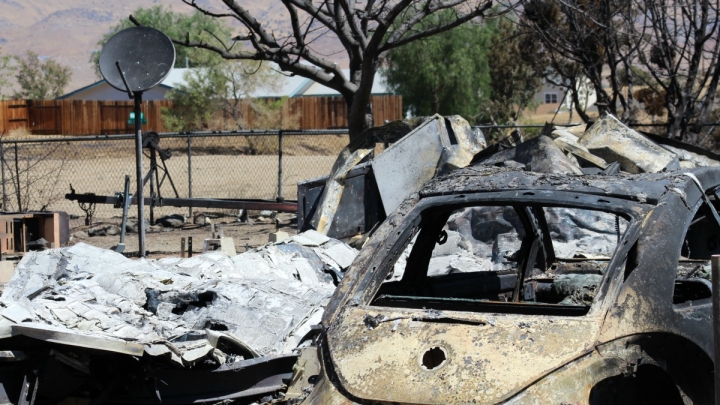
"caption": "The Erskine Fire spread so quickly in southern California earlier this year that some residents died before they could flee.",
"description": null,
"title": "upton_erskine_fire_climate_central",
"credit": "John Upton/Climate Central",
"status": "inherit",
"isLoading": false,
"fetchFailed": false
},
"science_1054237": {
"type": "attachments",
"id": "science_1054237",
"meta": {
"index": "attachments_1716263798",
"site": "science",
"id": "1054237",
"found": true
},
"parent": 1054235,
"imgSizes": {
"twentyfourteen-full-width": {
"file": "https://ww2.kqed.org/app/uploads/sites/35/2016/10/Brian-Feeney-with-his-electric-car—photo-by-Iris-Schneider-1038x576.jpg",
"width": 1038,
"mimeType": "image/jpeg",
"height": 576
},
"thumbnail": {
"file": "https://ww2.kqed.org/app/uploads/sites/35/2016/10/Brian-Feeney-with-his-electric-car—photo-by-Iris-Schneider-400x237.jpg",
"width": 400,
"mimeType": "image/jpeg",
"height": 237
},
"fd-sm": {
"file": "https://ww2.kqed.org/app/uploads/sites/35/2016/10/Brian-Feeney-with-his-electric-car—photo-by-Iris-Schneider-960x568.jpg",
"width": 960,
"mimeType": "image/jpeg",
"height": 568
},
"post-thumbnail": {
"file": "https://ww2.kqed.org/app/uploads/sites/35/2016/10/Brian-Feeney-with-his-electric-car—photo-by-Iris-Schneider-672x372.jpg",
"width": 672,
"mimeType": "image/jpeg",
"height": 372
},
"kqedFullSize": {
"file": "https://ww2.kqed.org/app/uploads/sites/35/2016/10/Brian-Feeney-with-his-electric-car—photo-by-Iris-Schneider.jpg",
"width": 1568,
"height": 928
},
"large": {
"file": "https://ww2.kqed.org/app/uploads/sites/35/2016/10/Brian-Feeney-with-his-electric-car—photo-by-Iris-Schneider-1440x852.jpg",
"width": 1440,
"mimeType": "image/jpeg",
"height": 852
},
"guest-author-50": {
"file": "https://ww2.kqed.org/app/uploads/sites/35/2016/10/Brian-Feeney-with-his-electric-car—photo-by-Iris-Schneider-50x50.jpg",
"width": 50,
"mimeType": "image/jpeg",
"height": 50
},
"guest-author-96": {
"file": "https://ww2.kqed.org/app/uploads/sites/35/2016/10/Brian-Feeney-with-his-electric-car—photo-by-Iris-Schneider-96x96.jpg",
"width": 96,
"mimeType": "image/jpeg",
"height": 96
},
"medium": {
"file": "https://ww2.kqed.org/app/uploads/sites/35/2016/10/Brian-Feeney-with-his-electric-car—photo-by-Iris-Schneider-800x473.jpg",
"width": 800,
"mimeType": "image/jpeg",
"height": 473
},
"guest-author-64": {
"file": "https://ww2.kqed.org/app/uploads/sites/35/2016/10/Brian-Feeney-with-his-electric-car—photo-by-Iris-Schneider-64x64.jpg",
"width": 64,
"mimeType": "image/jpeg",
"height": 64
},
"guest-author-32": {
"file": "https://ww2.kqed.org/app/uploads/sites/35/2016/10/Brian-Feeney-with-his-electric-car—photo-by-Iris-Schneider-32x32.jpg",
"width": 32,
"mimeType": "image/jpeg",
"height": 32
},
"fd-med": {
"file": "https://ww2.kqed.org/app/uploads/sites/35/2016/10/Brian-Feeney-with-his-electric-car—photo-by-Iris-Schneider-1180x698.jpg",
"width": 1180,
"mimeType": "image/jpeg",
"height": 698
},
"detail": {
"file": "https://ww2.kqed.org/app/uploads/sites/35/2016/10/Brian-Feeney-with-his-electric-car—photo-by-Iris-Schneider-150x150.jpg",
"width": 150,
"mimeType": "image/jpeg",
"height": 150
},
"medium_large": {
"file": "https://ww2.kqed.org/app/uploads/sites/35/2016/10/Brian-Feeney-with-his-electric-car—photo-by-Iris-Schneider-768x455.jpg",
"width": 768,
"mimeType": "image/jpeg",
"height": 455
},
"guest-author-128": {
"file": "https://ww2.kqed.org/app/uploads/sites/35/2016/10/Brian-Feeney-with-his-electric-car—photo-by-Iris-Schneider-128x128.jpg",
"width": 128,
"mimeType": "image/jpeg",
"height": 128
}
},
"publishDate": 1475788353,
"modified": 1475862580,
"caption": "Brian Feeney with his new Nissan Leaf, an electric car.",
"description": "Brian Feeney with his new Nissan Leaf, an electric car.",
"title": "Brian Feeney with his electric car—photo by Iris Schneider",
"credit": "Iris Schneider/CALmatters",
"status": "inherit",
"isLoading": false,
"fetchFailed": false
},
"science_1053998": {
"type": "attachments",
"id": "science_1053998",
"meta": {
"index": "attachments_1716263798",
"site": "science",
"id": "1053998",
"found": true
},
"parent": 1053884,
"imgSizes": {
"twentyfourteen-full-width": {
"file": "https://ww2.kqed.org/app/uploads/sites/35/2016/10/Purified-water-1038x576.jpg",
"width": 1038,
"mimeType": "image/jpeg",
"height": 576
},
"thumbnail": {
"file": "https://ww2.kqed.org/app/uploads/sites/35/2016/10/Purified-water-400x267.jpg",
"width": 400,
"mimeType": "image/jpeg",
"height": 267
},
"fd-sm": {
"file": "https://ww2.kqed.org/app/uploads/sites/35/2016/10/Purified-water-960x641.jpg",
"width": 960,
"mimeType": "image/jpeg",
"height": 641
},
"post-thumbnail": {
"file": "https://ww2.kqed.org/app/uploads/sites/35/2016/10/Purified-water-672x372.jpg",
"width": 672,
"mimeType": "image/jpeg",
"height": 372
},
"kqedFullSize": {
"file": "https://ww2.kqed.org/app/uploads/sites/35/2016/10/Purified-water.jpg",
"width": 1800,
"height": 1202
},
"large": {
"file": "https://ww2.kqed.org/app/uploads/sites/35/2016/10/Purified-water-1440x962.jpg",
"width": 1440,
"mimeType": "image/jpeg",
"height": 962
},
"guest-author-50": {
"file": "https://ww2.kqed.org/app/uploads/sites/35/2016/10/Purified-water-50x50.jpg",
"width": 50,
"mimeType": "image/jpeg",
"height": 50
},
"guest-author-96": {
"file": "https://ww2.kqed.org/app/uploads/sites/35/2016/10/Purified-water-96x96.jpg",
"width": 96,
"mimeType": "image/jpeg",
"height": 96
},
"medium": {
"file": "https://ww2.kqed.org/app/uploads/sites/35/2016/10/Purified-water-800x534.jpg",
"width": 800,
"mimeType": "image/jpeg",
"height": 534
},
"guest-author-64": {
"file": "https://ww2.kqed.org/app/uploads/sites/35/2016/10/Purified-water-64x64.jpg",
"width": 64,
"mimeType": "image/jpeg",
"height": 64
},
"guest-author-32": {
"file": "https://ww2.kqed.org/app/uploads/sites/35/2016/10/Purified-water-32x32.jpg",
"width": 32,
"mimeType": "image/jpeg",
"height": 32
},
"fd-med": {
"file": "https://ww2.kqed.org/app/uploads/sites/35/2016/10/Purified-water-1180x788.jpg",
"width": 1180,
"mimeType": "image/jpeg",
"height": 788
},
"detail": {
"file": "https://ww2.kqed.org/app/uploads/sites/35/2016/10/Purified-water-150x150.jpg",
"width": 150,
"mimeType": "image/jpeg",
"height": 150
},
"medium_large": {
"file": "https://ww2.kqed.org/app/uploads/sites/35/2016/10/Purified-water-768x513.jpg",
"width": 768,
"mimeType": "image/jpeg",
"height": 513
},
"guest-author-128": {
"file": "https://ww2.kqed.org/app/uploads/sites/35/2016/10/Purified-water-128x128.jpg",
"width": 128,
"mimeType": "image/jpeg",
"height": 128
}
},
"publishDate": 1475778099,
"modified": 1475778129,
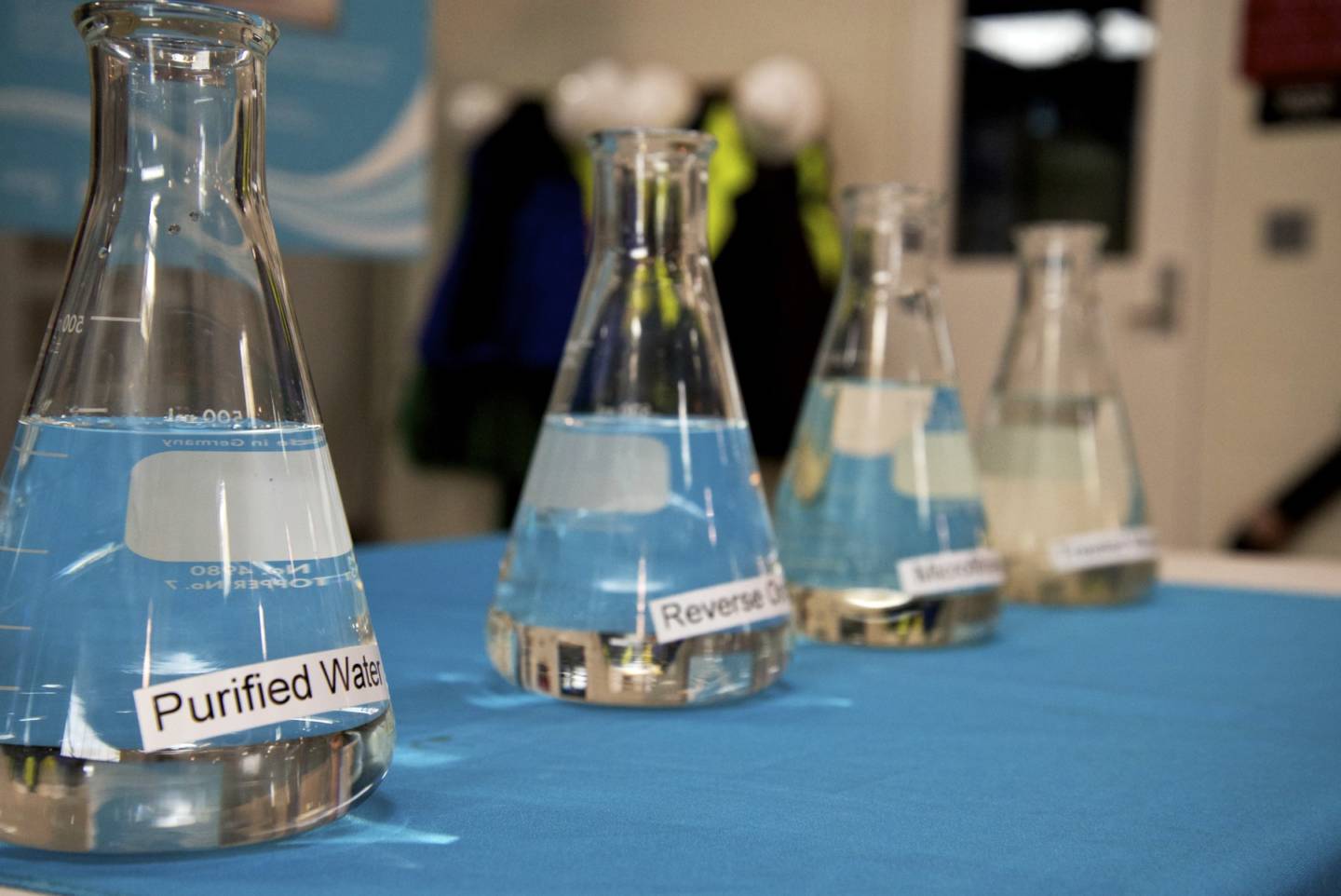
"caption": "Samples of the water purification process at the Silicon Valley Advanced Water Purification Center in San Jose, Calif.",
"description": "Samples of the water purification process at the Silicon Valley Advanced Water Purification Center in San Jose, Calif",
"title": "Purified water",
"credit": "Tara Lohan / Water Deeply",
"status": "inherit",
"isLoading": false,
"fetchFailed": false
},
"science_1027375": {
"type": "attachments",
"id": "science_1027375",
"meta": {
"index": "attachments_1716263798",
"site": "science",
"id": "1027375",
"found": true
},
"parent": 1027372,
"imgSizes": {
"twentyfourteen-full-width": {
"file": "https://ww2.kqed.org/app/uploads/sites/35/2016/09/DL317-phead-1038x576.jpg",
"width": 1038,
"mimeType": "image/jpeg",
"height": 576
},
"thumbnail": {
"file": "https://ww2.kqed.org/app/uploads/sites/35/2016/09/DL317-phead-400x225.jpg",
"width": 400,
"mimeType": "image/jpeg",
"height": 225
},
"fd-sm": {
"file": "https://ww2.kqed.org/app/uploads/sites/35/2016/09/DL317-phead-960x540.jpg",
"width": 960,
"mimeType": "image/jpeg",
"height": 540
},
"post-thumbnail": {
"file": "https://ww2.kqed.org/app/uploads/sites/35/2016/09/DL317-phead-672x372.jpg",
"width": 672,
"mimeType": "image/jpeg",
"height": 372
},
"kqedFullSize": {
"file": "https://ww2.kqed.org/app/uploads/sites/35/2016/09/DL317-phead.jpg",
"width": 1920,
"height": 1080
},
"large": {
"file": "https://ww2.kqed.org/app/uploads/sites/35/2016/09/DL317-phead-1440x810.jpg",
"width": 1440,
"mimeType": "image/jpeg",
"height": 810
},
"guest-author-50": {
"file": "https://ww2.kqed.org/app/uploads/sites/35/2016/09/DL317-phead-50x50.jpg",
"width": 50,
"mimeType": "image/jpeg",
"height": 50
},
"guest-author-96": {
"file": "https://ww2.kqed.org/app/uploads/sites/35/2016/09/DL317-phead-96x96.jpg",
"width": 96,
"mimeType": "image/jpeg",
"height": 96
},
"medium": {
"file": "https://ww2.kqed.org/app/uploads/sites/35/2016/09/DL317-phead-800x450.jpg",
"width": 800,
"mimeType": "image/jpeg",
"height": 450
},
"guest-author-64": {
"file": "https://ww2.kqed.org/app/uploads/sites/35/2016/09/DL317-phead-64x64.jpg",
"width": 64,
"mimeType": "image/jpeg",
"height": 64
},
"guest-author-32": {
"file": "https://ww2.kqed.org/app/uploads/sites/35/2016/09/DL317-phead-32x32.jpg",
"width": 32,
"mimeType": "image/jpeg",
"height": 32
},
"fd-lrg": {
"file": "https://ww2.kqed.org/app/uploads/sites/35/2016/09/DL317-phead-1920x1080.jpg",
"width": 1920,
"mimeType": "image/jpeg",
"height": 1080
},
"fd-med": {
"file": "https://ww2.kqed.org/app/uploads/sites/35/2016/09/DL317-phead-1180x664.jpg",
"width": 1180,
"mimeType": "image/jpeg",
"height": 664
},
"detail": {
"file": "https://ww2.kqed.org/app/uploads/sites/35/2016/09/DL317-phead-150x150.jpg",
"width": 150,
"mimeType": "image/jpeg",
"height": 150
},
"medium_large": {
"file": "https://ww2.kqed.org/app/uploads/sites/35/2016/09/DL317-phead-768x432.jpg",
"width": 768,
"mimeType": "image/jpeg",
"height": 432
},
"guest-author-128": {
"file": "https://ww2.kqed.org/app/uploads/sites/35/2016/09/DL317-phead-128x128.jpg",
"width": 128,
"mimeType": "image/jpeg",
"height": 128
}
},
"publishDate": 1474935231,
"modified": 1474935406,
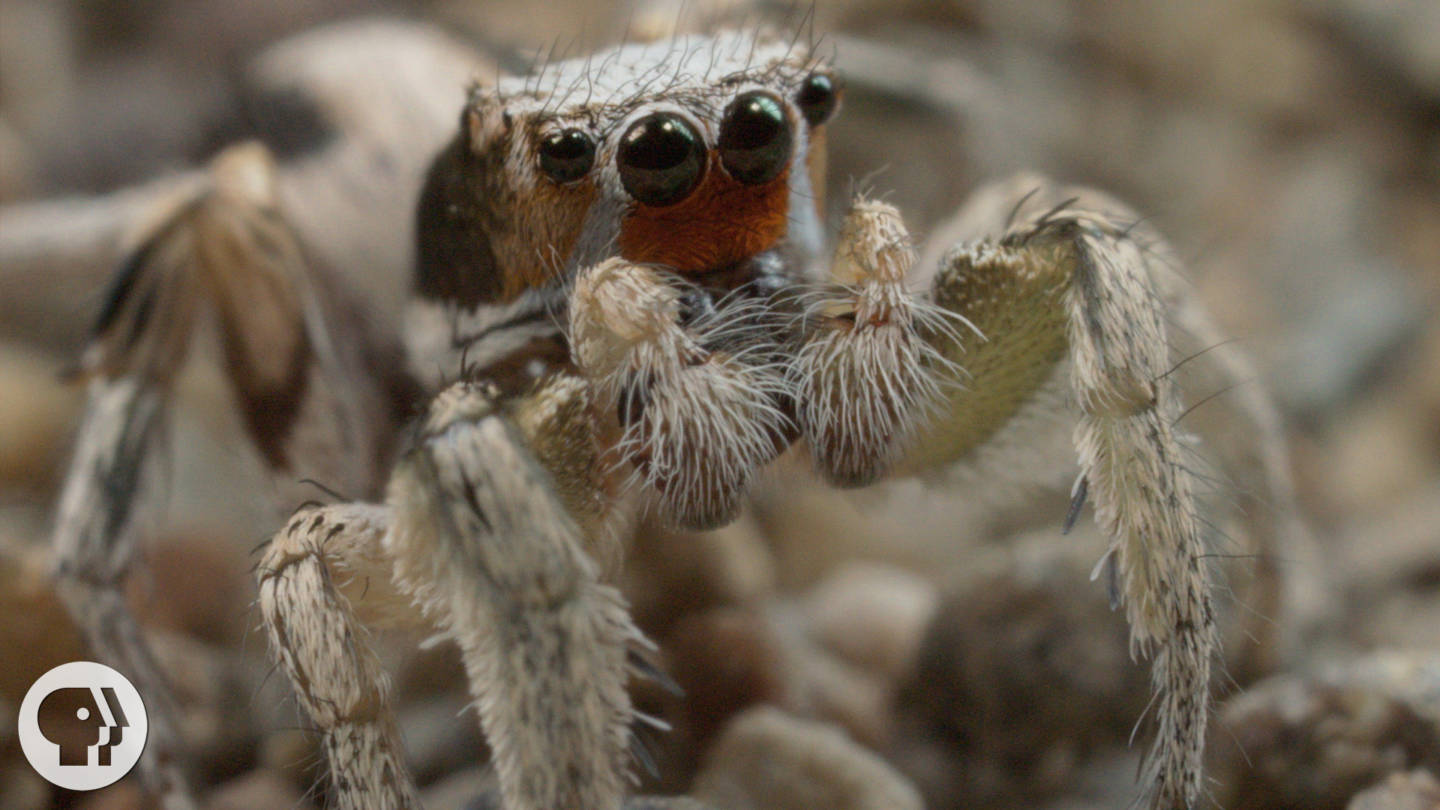
"caption": "A jumping spider of the species Habronattus virgulatus prepares to court a female.",
"description": null,
"title": "DL317-phead",
"credit": "Josh Cassidy/KQED",
"status": "inherit",
"isLoading": false,
"fetchFailed": false
}
},
"audioPlayerReducer": {
"postId": "stream_live",
"isPaused": true,
"isPlaying": false,
"pfsActive": false,
"pledgeModalIsOpen": true,
"playerDrawerIsOpen": false,
"liveAudioPlayStartedAt": 0,
"liveAudioPlayContext": ""
},
"authorsReducer": {
"byline_science_1092832": {
"type": "authors",
"id": "byline_science_1092832",
"meta": {
"override": true
},
"slug": "byline_science_1092832",
"name": "Julie Cart\u003c/br>CALmatters",
"isLoading": false
},
"byline_science_1092472": {
"type": "authors",
"id": "byline_science_1092472",
"meta": {
"override": true
},
"slug": "byline_science_1092472",
"name": "Nathan Rott\u003c/br>NPR",
"isLoading": false
},
"byline_science_1087341": {
"type": "authors",
"id": "byline_science_1087341",
"meta": {
"override": true
},
"slug": "byline_science_1087341",
"name": "Camila Domonoske\u003c/br>NPR",
"isLoading": false
},
"byline_science_1084020": {
"type": "authors",
"id": "byline_science_1084020",
"meta": {
"override": true
},
"slug": "byline_science_1084020",
"name": "Camila Domonoske\u003c/br>NPR",
"isLoading": false
},
"byline_science_1065453": {
"type": "authors",
"id": "byline_science_1065453",
"meta": {
"override": true
},
"slug": "byline_science_1065453",
"name": "John Upton\u003c/br>Climate Central",
"isLoading": false
},
"byline_science_1054235": {
"type": "authors",
"id": "byline_science_1054235",
"meta": {
"override": true
},
"slug": "byline_science_1054235",
"name": "Julie Cart\u003c/br>CALmatters",
"isLoading": false
},
"byline_science_1053884": {
"type": "authors",
"id": "byline_science_1053884",
"meta": {
"override": true
},
"slug": "byline_science_1053884",
"name": "Tara Lohan \u003c/br> Water Deeply",
"isLoading": false
},
"lindseyhoshaw": {
"type": "authors",
"id": "5432",
"meta": {
"index": "authors_1716337520",
"id": "5432",
"found": true
},
"name": "Lindsey Hoshaw",
"firstName": "Lindsey",
"lastName": "Hoshaw",
"slug": "lindseyhoshaw",
"email": "lhoshaw@kqed.org",
"display_author_email": false,
"staff_mastheads": [],
"title": "KQED Contributor",
"bio": "Lindsey Hoshaw is a former interactive producer for KQED Science. Before joining KQED, Lindsey was a science correspondent for The New York Times, The Boston Globe, Forbes and Scientific American. On Twitter @lindseyhoshaw",
"avatar": "https://secure.gravatar.com/avatar/274b07694c998eaa8f26cfabaa941186?s=600&d=mm&r=g",
"twitter": "lindseyhoshaw",
"facebook": "lindsey.hoshaw.9",
"instagram": null,
"linkedin": null,
"sites": [
{
"site": "arts",
"roles": [
"author"
]
},
{
"site": "news",
"roles": [
"subscriber"
]
},
{
"site": "futureofyou",
"roles": [
"editor"
]
},
{
"site": "bayareabites",
"roles": [
"contributor"
]
},
{
"site": "stateofhealth",
"roles": [
"author"
]
},
{
"site": "science",
"roles": [
"edit_theme_options",
"subscriber"
]
},
{
"site": "quest",
"roles": [
"edit_post_subscriptions",
"edit_usergroups",
"unfiltered_html",
"unfiltered_upload",
"leadcoordinator",
"editor"
]
},
{
"site": "food",
"roles": []
}
],
"headData": {
"title": "Lindsey Hoshaw | KQED",
"description": "KQED Contributor",
"ogImgSrc": "https://secure.gravatar.com/avatar/274b07694c998eaa8f26cfabaa941186?s=600&d=mm&r=g",
"twImgSrc": "https://secure.gravatar.com/avatar/274b07694c998eaa8f26cfabaa941186?s=600&d=mm&r=g"
},
"isLoading": false,
"link": "/author/lindseyhoshaw"
},
"gabriela-quiros": {
"type": "authors",
"id": "6186",
"meta": {
"index": "authors_1716337520",
"id": "6186",
"found": true
},
"name": "Gabriela Quirós",
"firstName": "Gabriela",
"lastName": "Quirós",
"slug": "gabriela-quiros",
"email": "gquiros@kqed.org",
"display_author_email": false,
"staff_mastheads": [],
"title": "Supervising Producer",
"bio": "Gabriela Quirós is the \u003cstrong>supervising producer for KQED's web science video series \u003ca href=\"https://www.kqed.org/deeplook\">Deep Look\u003c/a>\u003c/strong>. She joined KQED as a TV producer when its science series QUEST started in 2006 and has covered everything from Alzheimer’s to bee die-offs to dark energy.\r\n\r\nShe won a 2022 AAAS Kavli Science Journalism Award with a team of her Deep Look colleagues. She has won six regional Emmys as a video producer and has shared eight more as the coordinating producer of Deep Look. The episode she produced about \u003ca href=\"https://www.kqed.org/science/728086/how-mosquitoes-use-six-needles-to-suck-your-blood\">How Mosquitoes Use Six Needles to Suck Your Blood\u003c/a> won a Webby \"People's Voice\" award. She has also earned awards from the Jackson Hole Wildlife Film Festival, the Society of Professional Journalists and the Society of Environmental Journalists.\r\n\r\nHer videos for KQED have also aired on NOVA scienceNOW and the PBS NewsHour, and appeared on NPR.org.\r\n\r\nAs an independent filmmaker, she produced and directed the hour-long documentary \u003ca href=\"http://lpbp.org/beautiful-sin-qa-with-producer-gabriela-quiros/\">\u003cem>Beautiful Sin\u003c/em>\u003c/a>, about the surprising story of how Costa Rica became the only country in the world to outlaw in vitro fertilization. The film aired in 2015 on public television stations throughout the U.S., and in Costa Rica.\r\n\r\nShe started her journalism career as a newspaper reporter in Costa Rica, where she grew up. She won the National Science Journalism Award there for a series of articles about organic agriculture, and developed a life-long interest in health reporting. She moved to the Bay Area in 1996 to study documentary filmmaking at the University of California, Berkeley, where she received master’s degrees in journalism and Latin American studies.",
"avatar": "https://secure.gravatar.com/avatar/6d82c20152affd1b434c31a904c40809?s=600&d=blank&r=g",
"twitter": "gabrielaquirosr",
"facebook": null,
"instagram": null,
"linkedin": null,
"sites": [
{
"site": "science",
"roles": []
},
{
"site": "quest",
"roles": [
"ef_view_calendar",
"ef_view_story_budget"
]
}
],
"headData": {
"title": "Gabriela Quirós | KQED",
"description": "Supervising Producer",
"ogImgSrc": "https://secure.gravatar.com/avatar/6d82c20152affd1b434c31a904c40809?s=600&d=blank&r=g",
"twImgSrc": "https://secure.gravatar.com/avatar/6d82c20152affd1b434c31a904c40809?s=600&d=blank&r=g"
},
"isLoading": false,
"link": "/author/gabriela-quiros"
},
"ekennerson": {
"type": "authors",
"id": "11090",
"meta": {
"index": "authors_1716337520",
"id": "11090",
"found": true
},
"name": "Elliott Kennerson",
"firstName": "Elliott",
"lastName": "Kennerson",
"slug": "ekennerson",
"email": "ekennerson@kqed.org",
"display_author_email": false,
"staff_mastheads": [],
"title": null,
"bio": "Elliott Kennerson joined KQED Science as a Digital Media Producer in 2015. Before joining KQED, he produced the Kickstarter-funded series “Animal R&R” for KPBS in San Diego. Elliott received his M.F.A. training in wildlife documentary at Montana State in Bozeman and holds a B.A. from Yale in archaeology. In his former life as an actor, he was an associate artist with LightBox Theater Company in New York. Elliott is the recipient of a 2017 Regional Emmy for his work as a producer on “Deep Look.\"",
"avatar": "https://secure.gravatar.com/avatar/90ebfa58055409e54c8f8a4c120ecf91?s=600&d=blank&r=g",
"twitter": "edorank",
"facebook": null,
"instagram": null,
"linkedin": null,
"sites": [
{
"site": "science",
"roles": [
"editor"
]
}
],
"headData": {
"title": "Elliott Kennerson | KQED",
"description": null,
"ogImgSrc": "https://secure.gravatar.com/avatar/90ebfa58055409e54c8f8a4c120ecf91?s=600&d=blank&r=g",
"twImgSrc": "https://secure.gravatar.com/avatar/90ebfa58055409e54c8f8a4c120ecf91?s=600&d=blank&r=g"
},
"isLoading": false,
"link": "/author/ekennerson"
}
},
"pagesReducer": {
"science_category_news": {
"type": "terms",
"id": "science_40",
"meta": {
"index": "terms_1716263798",
"site": "science",
"id": "40",
"score": 10.814472
},
"featImg": null,
"name": "News",
"description": null,
"taxonomy": "category",
"headData": {
"twImgId": null,
"twTitle": null,
"ogTitle": null,
"ogImgId": null,
"twDescription": null,
"description": null,
"title": "News Archives | KQED Science",
"ogDescription": null
},
"ttid": 42,
"slug": "news",
"isLoading": false,
"title": "News",
"pageMeta": {
"site": "science",
"WpPageTemplate": "page-topic-editorial",
"currentPage": 213
},
"blocks": [
{
"blockName": "kqed/post-list",
"attrs": {
"layout": "cardArticle2",
"query": "posts/science?category=news",
"seeMore": false,
"paginated": true,
"page": 213
}
},
{
"blockName": "kqed/ad"
}
]
}
},
"pfsSessionReducer": {},
"postsReducer": {
"stream_live": {
"type": "live",
"id": "stream_live",
"audioUrl": "https://streams.kqed.org/kqedradio",
"title": "Live Stream",
"excerpt": "Live Stream information currently unavailable.",
"link": "/radio",
"featImg": "",
"label": {
"name": "KQED Live",
"link": "/"
}
},
"stream_kqedNewscast": {
"type": "posts",
"id": "stream_kqedNewscast",
"audioUrl": "https://www.kqed.org/.stream/anon/radio/RDnews/newscast.mp3?_=1",
"title": "KQED Newscast",
"featImg": "",
"label": {
"name": "88.5 FM",
"link": "/"
}
},
"science_1092832": {
"type": "posts",
"id": "science_1092832",
"meta": {
"index": "posts_1716263798",
"site": "science",
"id": "1092832",
"score": null,
"sort": [
1476991526000
]
},
"guestAuthors": [],
"slug": "pity-the-plastic-bag-will-californians-seal-its-fate-with-a-ban",
"title": "Pity the Plastic Bag: Will Californians Seal Its Fate With a Ban?",
"publishDate": 1476991526,
"format": "image",
"headTitle": "Pity the Plastic Bag: Will Californians Seal Its Fate With a Ban? | KQED",
"labelTerm": {},
"content": "\u003cp>Oh, to be a plastic bag. Helpful, ubiquitous and ever useful. Carefree, wafting on the wind, and alive for a thousand years.\u003c/p>\n\u003cp>On the other hand, you are cheap and trashy. Discarded, your presence mars beautiful landscapes. You and your trillions of clones clog sewers, accumulate in the worlds’ oceans, and entangle and choke wildlife and sea creatures.\u003c/p>\n\u003cp>California banned your flimsy presence in the Golden State, consigning you to an environmentally-sensitive death by recycling.\u003c/p>\n\u003cp>But, as shoppers know all too well, getting rid of plastic bags isn’t that easy.\u003c/p>\n\u003cp>The “paper-or-plastic?” checkout query was supposed to be a relic of our unenlightened past. After reviewing the scientific evidence of persistent environmental harm, California legislators in 2014 banned thin plastic carryout bags, authorizing stores to charge customers 10 cents for heavier-duty plastic sacks or paper bags.\u003c/p>\n\u003cp>[ad fullwidth]\u003c/p>\n\u003cp>But the ban inflamed the nation’s bag makers, who intervened before the law could take effect. They wielded two ballot measures to poke a stick in the eye of the Legislature and the grocery industry, whom they haven’t forgiven for switching sides to support the ban after the Legislature allowed the grocers to keep the 10 cent fee.\u003c/p>\n\u003cp>So, in the confounding manner of direct democracy, California voters in November will ponder two opposing initiatives, each sponsored by the plastic bag industry—which has spent more than $6 million to put them on the ballot.\u003c/p>\n\u003cp>One, \u003ca href=\"https://calmatters.org/proposition/propositions-65-and-67-plastic-bags/\">Prop. 67\u003c/a>, is a referendum—an attempt to block the bag ban by asking voters whether they agree with the new law. The plastic bag industry is hoping to convince enough Californians to vote no, thereby preempting the ban.\u003c/p>\n\u003cp>Another, \u003ca href=\"https://calmatters.org/proposition/propositions-65-and-67-plastic-bags/\">Prop. 65\u003c/a>, would redirect the 10 cent bag fee consumers pay, so that rather than stores reaping the benefit, it would instead go to an environmental fund administered by the state Wildlife Conservation Board. The plastics industry is backing this one, a smack-down to the grocery industry.\u003c/p>\n\u003cfigure id=\"attachment_1092839\" class=\"wp-caption alignleft\" style=\"max-width: 640px\">\u003cimg loading=\"lazy\" decoding=\"async\" class=\"size-full wp-image-1092839\" src=\"http://ww2.kqed.org/science/wp-content/uploads/sites/35/2016/10/PlasticBag2Checkout.jpg\" alt=\"Plastic bags at checkout.\" width=\"640\" height=\"480\" srcset=\"https://cdn.kqed.org/wp-content/uploads/sites/35/2016/10/PlasticBag2Checkout.jpg 640w, https://cdn.kqed.org/wp-content/uploads/sites/35/2016/10/PlasticBag2Checkout-160x120.jpg 160w, https://cdn.kqed.org/wp-content/uploads/sites/35/2016/10/PlasticBag2Checkout-240x180.jpg 240w, https://cdn.kqed.org/wp-content/uploads/sites/35/2016/10/PlasticBag2Checkout-375x281.jpg 375w, https://cdn.kqed.org/wp-content/uploads/sites/35/2016/10/PlasticBag2Checkout-520x390.jpg 520w\" sizes=\"(max-width: 640px) 100vw, 640px\">\u003cfigcaption class=\"wp-caption-text\">Plastic bags at checkout. \u003ccite>(Day Donaldson/flickr)\u003c/cite>\u003c/figcaption>\u003c/figure>\n\u003cp>If the bag ban survives at the polls, Californians would say goodbye to one of the world’s most utilitarian products. Thus would the plastic bag, a humble object engineered to be of long and useful service, become undone by its very design.\u003c/p>\n\u003cp>It already has been exiled from \u003ca href=\"http://www.lao.ca.gov/BallotAnalysis/Proposition?number=67&year=2016\">150 cities and counties\u003c/a>, primarily along the Pacific coast.\u003c/p>\n\u003cp>“We believe the environmental facts have been misconstrued,” said Phil Rozenski, policy chair of the American Progressive Bag Alliance, and a senior director at Novolex. Its subsidiary, Hilex Poly Co., has contributed to the ballot propositions. “This is all about politics and emotional debate. Science left the building years ago.”\u003c/p>\n\u003cp>Because of plastic’s durability, even when exposed to constant wave action and degraded by a relentless sun, it doesn’t disappear, but breaks down into tiny particles called microplastics.\u003c/p>\n\u003cp>Two years ago, a survey of existing research estimated that as many as 51 trillion particles of microplastics are floating around the planet’s oceans, weighing as much as 236,000 metric tons. Closer to home, a \u003ca href=\"http://www.sfei.org/documents/microplastic-contamination-san-francisco-bay\">2015 study\u003c/a> found that eight wastewater treatment plants discharge nearly half a million microplastic particles into the San Francisco Bay each day.\u003c/p>\n\u003cp>Even taking into consideration that bags represent only a portion of all plastics found in marine debris, researchers say 80 percent of trash floating in the ocean is plastic. “The problems with plastics are well-documented,” said Eben Schwartz, who oversees the California Coastal Commission’s Marine Debris Program. “Sea animals ingest plastic and it not only gives the sense of being full, so they starve, but it can also get caught in the esophagus, and keep food from getting down.”\u003c/p>\n\u003cfigure id=\"attachment_1092840\" class=\"wp-caption alignright\" style=\"max-width: 1963px\">\u003cimg loading=\"lazy\" decoding=\"async\" class=\"wp-image-1092840 size-full\" src=\"http://ww2.kqed.org/science/wp-content/uploads/sites/35/2016/10/PlasticBag3FloatinginOcean.png\" alt=\"PlasticBag3FloatinginOcean\" width=\"1963\" height=\"1098\" srcset=\"https://cdn.kqed.org/wp-content/uploads/sites/35/2016/10/PlasticBag3FloatinginOcean.png 1963w, https://cdn.kqed.org/wp-content/uploads/sites/35/2016/10/PlasticBag3FloatinginOcean-160x89.png 160w, https://cdn.kqed.org/wp-content/uploads/sites/35/2016/10/PlasticBag3FloatinginOcean-800x447.png 800w, https://cdn.kqed.org/wp-content/uploads/sites/35/2016/10/PlasticBag3FloatinginOcean-768x430.png 768w, https://cdn.kqed.org/wp-content/uploads/sites/35/2016/10/PlasticBag3FloatinginOcean-1020x571.png 1020w, https://cdn.kqed.org/wp-content/uploads/sites/35/2016/10/PlasticBag3FloatinginOcean-1920x1074.png 1920w, https://cdn.kqed.org/wp-content/uploads/sites/35/2016/10/PlasticBag3FloatinginOcean-1180x660.png 1180w, https://cdn.kqed.org/wp-content/uploads/sites/35/2016/10/PlasticBag3FloatinginOcean-960x537.png 960w, https://cdn.kqed.org/wp-content/uploads/sites/35/2016/10/PlasticBag3FloatinginOcean-240x134.png 240w, https://cdn.kqed.org/wp-content/uploads/sites/35/2016/10/PlasticBag3FloatinginOcean-375x210.png 375w, https://cdn.kqed.org/wp-content/uploads/sites/35/2016/10/PlasticBag3FloatinginOcean-520x291.png 520w\" sizes=\"(max-width: 1963px) 100vw, 1963px\">\u003cfigcaption class=\"wp-caption-text\">Credit: \u003ccite>(NOAA)\u003c/cite>\u003c/figcaption>\u003c/figure>\n\u003cp>Plastic accumulated in the stomach of a marine mammal, renders the animals more buoyant and makes it more difficult to dive for food. Sea turtles can mistake floating plastic bags for their favorite meal, jellyfish. Offshore and onshore, animals become entangled with plastic bags.\u003c/p>\n\u003cp>Still, Californians use about 15 million single-use plastic bags a year—as the Legislative Analyst \u003ca href=\"http://www.lao.ca.gov/BallotAnalysis/Proposition?number=67&year=2016\">notes\u003c/a>, that’s more than 400 bags per Californian.\u003c/p>\n\u003cp>Because plastic is marvelous. Few modern inventions have so quickly shoved aside the competition and staked a spot smack in the middle of American culture, industrial design and manufacturing. Plastics emerged in the late 1940s full of promise and vigor. Then, as now, plastic begins life as a petrochemical. Manufacturing processes convert chains of hydrogen and carbon molecules into a polymer resin that is then heated, shaped and cooled.\u003c/p>\n\u003cp>Cheap and versatile, it can become just about anything.\u003c/p>\n\u003cp>But plastic formulation prevents it from bio-degrading along with other garbage. Scientists sifting through landfills of the future will dredge up diapers—and Safeway bags. Even the industry’s “biodegradable” bags don’t completely break down, and these green plastic bags account for less than 1 per cent of the market.\u003c/p>\n\u003cp>This description of a plastic bag’s afterlife, from an \u003ca href=\"http://plasticbaglaws.org/wordpress/wp-content/uploads/2010/04/MEA_green-cities-CA.pdf\">environmental assessment\u003c/a> prepared for California local governments: “The majority of bags end up as litter or in the landfill, and even those in the landfill may be blown away as litter due to their light weight. Although some recycling facilities will handle plastic bags, most reject them because they can get caught in the machinery and cause malfunctioning, or are contaminated after use.”\u003c/p>\n\u003cfigure id=\"attachment_1092843\" class=\"wp-caption alignleft\" style=\"max-width: 1653px\">\u003cimg loading=\"lazy\" decoding=\"async\" class=\"size-full wp-image-1092843\" src=\"http://ww2.kqed.org/science/wp-content/uploads/sites/35/2016/10/PlasticBag4Landfill_for-web.jpg\" alt=\"Credit:\" width=\"1653\" height=\"1045\" srcset=\"https://cdn.kqed.org/wp-content/uploads/sites/35/2016/10/PlasticBag4Landfill_for-web.jpg 1653w, https://cdn.kqed.org/wp-content/uploads/sites/35/2016/10/PlasticBag4Landfill_for-web-160x101.jpg 160w, https://cdn.kqed.org/wp-content/uploads/sites/35/2016/10/PlasticBag4Landfill_for-web-800x506.jpg 800w, https://cdn.kqed.org/wp-content/uploads/sites/35/2016/10/PlasticBag4Landfill_for-web-768x486.jpg 768w, https://cdn.kqed.org/wp-content/uploads/sites/35/2016/10/PlasticBag4Landfill_for-web-1020x645.jpg 1020w, https://cdn.kqed.org/wp-content/uploads/sites/35/2016/10/PlasticBag4Landfill_for-web-1180x746.jpg 1180w, https://cdn.kqed.org/wp-content/uploads/sites/35/2016/10/PlasticBag4Landfill_for-web-960x607.jpg 960w, https://cdn.kqed.org/wp-content/uploads/sites/35/2016/10/PlasticBag4Landfill_for-web-240x152.jpg 240w, https://cdn.kqed.org/wp-content/uploads/sites/35/2016/10/PlasticBag4Landfill_for-web-375x237.jpg 375w, https://cdn.kqed.org/wp-content/uploads/sites/35/2016/10/PlasticBag4Landfill_for-web-520x329.jpg 520w\" sizes=\"(max-width: 1653px) 100vw, 1653px\">\u003cfigcaption class=\"wp-caption-text\">Credit: \u003ccite>(NOAA)\u003c/cite>\u003c/figcaption>\u003c/figure>\n\u003cp>Bags snag on tree limbs, blow around on vacant lots and loiter in gutters. But don’t blame the bag, says the industry, blame a populace ridden with litterbugs.\u003c/p>\n\u003cp>“Whether it’s marine debris or litter—it shouldn’t be there,” said Rozenski. “We have to work on it as a society. Approaching it on a product-by-product basis is not the way to do it.”\u003c/p>\n\u003cp>Others oppose the ban on philosophical grounds. “The government shouldn’t be telling stores what kind of bags to offer. That’s between the store and the customer,” said Ted Brown, chairman of the state Libertarian Party, which opposes both propositions.\u003c/p>\n\u003cp>Do bag bans really make a difference?\u003c/p>\n\u003cp>Since San Francisco’s ban has been in place, plastic bag refuse found on the Bay Area’s inland and coastal beaches has fallen 34 per cent, according to Schwartz of the coastal commission. He cited data gathered at annual Bay Area cleanups showing that in 2008, plastic bags accounted for about 9 percent of all debris removed from beaches. By 2012, they were only 6 percent.\u003c/p>\n\u003cp>“We never see drops like that,” he said. “The bans are effective.”\u003c/p>\n\u003cp>[ad floatright]\u003c/p>\n\u003cp>\u003ca href=\"http://calmatters.org/\">\u003cem>CALmatters\u003c/em>\u003c/a>\u003cem> is a non-profit journalism venture dedicated to exploring state policies and politics. For more stories by Julie Cart, go to calmatters.org/about/staff/julie-cart/\u003c/em>\u003c/p>\n\n",
"blocks": [],
"excerpt": "California voters will find two opposing plastic bag initiatives on the November ballot -- Proposition 67 and Proposition 65 -- both sponsored by the plastic bag industry.",
"status": "publish",
"parent": 0,
"modified": 1721108951,
"stats": {
"hasAudio": false,
"hasVideo": false,
"hasChartOrMap": false,
"iframeSrcs": [],
"hasGoogleForm": false,
"hasGallery": false,
"hasHearkenModule": false,
"hasPolis": false,
"paragraphCount": 30,
"wordCount": 1176
},
"headData": {
"title": "Pity the Plastic Bag: Will Californians Seal Its Fate With a Ban? | KQED",
"description": "California voters will find two opposing plastic bag initiatives on the November ballot -- Proposition 67 and Proposition 65 -- both sponsored by the plastic bag industry.",
"ogTitle": "",
"ogDescription": "",
"ogImgId": "",
"twTitle": "",
"twDescription": "",
"twImgId": "",
"schema": {
"@context": "https://schema.org",
"@type": "Article",
"headline": "Pity the Plastic Bag: Will Californians Seal Its Fate With a Ban?",
"datePublished": "2016-10-20T12:25:26-07:00",
"dateModified": "2024-07-15T22:49:11-07:00",
"image": "https://cdn.kqed.org/wp-content/uploads/2020/02/KQED-OG-Image@1x.png"
}
},
"source": "CALmatters",
"sourceUrl": "https://calmatters.org/",
"sticky": false,
"nprByline": "Julie Cart\u003c/br>CALmatters",
"path": "/science/1092832/pity-the-plastic-bag-will-californians-seal-its-fate-with-a-ban",
"audioTrackLength": null,
"parsedContent": [
{
"type": "contentString",
"content": "\u003cdiv class=\"post-body\">\u003cp>\u003cp>Oh, to be a plastic bag. Helpful, ubiquitous and ever useful. Carefree, wafting on the wind, and alive for a thousand years.\u003c/p>\n\u003cp>On the other hand, you are cheap and trashy. Discarded, your presence mars beautiful landscapes. You and your trillions of clones clog sewers, accumulate in the worlds’ oceans, and entangle and choke wildlife and sea creatures.\u003c/p>\n\u003cp>California banned your flimsy presence in the Golden State, consigning you to an environmentally-sensitive death by recycling.\u003c/p>\n\u003cp>But, as shoppers know all too well, getting rid of plastic bags isn’t that easy.\u003c/p>\n\u003cp>The “paper-or-plastic?” checkout query was supposed to be a relic of our unenlightened past. After reviewing the scientific evidence of persistent environmental harm, California legislators in 2014 banned thin plastic carryout bags, authorizing stores to charge customers 10 cents for heavier-duty plastic sacks or paper bags.\u003c/p>\n\u003cp>\u003c/p>\u003c/div>",
"attributes": {
"named": {},
"numeric": []
}
},
{
"type": "component",
"content": "",
"name": "ad",
"attributes": {
"named": {
"label": "fullwidth"
},
"numeric": [
"fullwidth"
]
}
},
{
"type": "contentString",
"content": "\u003cdiv class=\"post-body\">\u003cp>\u003c/p>\n\u003cp>But the ban inflamed the nation’s bag makers, who intervened before the law could take effect. They wielded two ballot measures to poke a stick in the eye of the Legislature and the grocery industry, whom they haven’t forgiven for switching sides to support the ban after the Legislature allowed the grocers to keep the 10 cent fee.\u003c/p>\n\u003cp>So, in the confounding manner of direct democracy, California voters in November will ponder two opposing initiatives, each sponsored by the plastic bag industry—which has spent more than $6 million to put them on the ballot.\u003c/p>\n\u003cp>One, \u003ca href=\"https://calmatters.org/proposition/propositions-65-and-67-plastic-bags/\">Prop. 67\u003c/a>, is a referendum—an attempt to block the bag ban by asking voters whether they agree with the new law. The plastic bag industry is hoping to convince enough Californians to vote no, thereby preempting the ban.\u003c/p>\n\u003cp>Another, \u003ca href=\"https://calmatters.org/proposition/propositions-65-and-67-plastic-bags/\">Prop. 65\u003c/a>, would redirect the 10 cent bag fee consumers pay, so that rather than stores reaping the benefit, it would instead go to an environmental fund administered by the state Wildlife Conservation Board. The plastics industry is backing this one, a smack-down to the grocery industry.\u003c/p>\n\u003cfigure id=\"attachment_1092839\" class=\"wp-caption alignleft\" style=\"max-width: 640px\">\u003cimg loading=\"lazy\" decoding=\"async\" class=\"size-full wp-image-1092839\" src=\"http://ww2.kqed.org/science/wp-content/uploads/sites/35/2016/10/PlasticBag2Checkout.jpg\" alt=\"Plastic bags at checkout.\" width=\"640\" height=\"480\" srcset=\"https://cdn.kqed.org/wp-content/uploads/sites/35/2016/10/PlasticBag2Checkout.jpg 640w, https://cdn.kqed.org/wp-content/uploads/sites/35/2016/10/PlasticBag2Checkout-160x120.jpg 160w, https://cdn.kqed.org/wp-content/uploads/sites/35/2016/10/PlasticBag2Checkout-240x180.jpg 240w, https://cdn.kqed.org/wp-content/uploads/sites/35/2016/10/PlasticBag2Checkout-375x281.jpg 375w, https://cdn.kqed.org/wp-content/uploads/sites/35/2016/10/PlasticBag2Checkout-520x390.jpg 520w\" sizes=\"(max-width: 640px) 100vw, 640px\">\u003cfigcaption class=\"wp-caption-text\">Plastic bags at checkout. \u003ccite>(Day Donaldson/flickr)\u003c/cite>\u003c/figcaption>\u003c/figure>\n\u003cp>If the bag ban survives at the polls, Californians would say goodbye to one of the world’s most utilitarian products. Thus would the plastic bag, a humble object engineered to be of long and useful service, become undone by its very design.\u003c/p>\n\u003cp>It already has been exiled from \u003ca href=\"http://www.lao.ca.gov/BallotAnalysis/Proposition?number=67&year=2016\">150 cities and counties\u003c/a>, primarily along the Pacific coast.\u003c/p>\n\u003cp>“We believe the environmental facts have been misconstrued,” said Phil Rozenski, policy chair of the American Progressive Bag Alliance, and a senior director at Novolex. Its subsidiary, Hilex Poly Co., has contributed to the ballot propositions. “This is all about politics and emotional debate. Science left the building years ago.”\u003c/p>\n\u003cp>Because of plastic’s durability, even when exposed to constant wave action and degraded by a relentless sun, it doesn’t disappear, but breaks down into tiny particles called microplastics.\u003c/p>\n\u003cp>Two years ago, a survey of existing research estimated that as many as 51 trillion particles of microplastics are floating around the planet’s oceans, weighing as much as 236,000 metric tons. Closer to home, a \u003ca href=\"http://www.sfei.org/documents/microplastic-contamination-san-francisco-bay\">2015 study\u003c/a> found that eight wastewater treatment plants discharge nearly half a million microplastic particles into the San Francisco Bay each day.\u003c/p>\n\u003cp>Even taking into consideration that bags represent only a portion of all plastics found in marine debris, researchers say 80 percent of trash floating in the ocean is plastic. “The problems with plastics are well-documented,” said Eben Schwartz, who oversees the California Coastal Commission’s Marine Debris Program. “Sea animals ingest plastic and it not only gives the sense of being full, so they starve, but it can also get caught in the esophagus, and keep food from getting down.”\u003c/p>\n\u003cfigure id=\"attachment_1092840\" class=\"wp-caption alignright\" style=\"max-width: 1963px\">\u003cimg loading=\"lazy\" decoding=\"async\" class=\"wp-image-1092840 size-full\" src=\"http://ww2.kqed.org/science/wp-content/uploads/sites/35/2016/10/PlasticBag3FloatinginOcean.png\" alt=\"PlasticBag3FloatinginOcean\" width=\"1963\" height=\"1098\" srcset=\"https://cdn.kqed.org/wp-content/uploads/sites/35/2016/10/PlasticBag3FloatinginOcean.png 1963w, https://cdn.kqed.org/wp-content/uploads/sites/35/2016/10/PlasticBag3FloatinginOcean-160x89.png 160w, https://cdn.kqed.org/wp-content/uploads/sites/35/2016/10/PlasticBag3FloatinginOcean-800x447.png 800w, https://cdn.kqed.org/wp-content/uploads/sites/35/2016/10/PlasticBag3FloatinginOcean-768x430.png 768w, https://cdn.kqed.org/wp-content/uploads/sites/35/2016/10/PlasticBag3FloatinginOcean-1020x571.png 1020w, https://cdn.kqed.org/wp-content/uploads/sites/35/2016/10/PlasticBag3FloatinginOcean-1920x1074.png 1920w, https://cdn.kqed.org/wp-content/uploads/sites/35/2016/10/PlasticBag3FloatinginOcean-1180x660.png 1180w, https://cdn.kqed.org/wp-content/uploads/sites/35/2016/10/PlasticBag3FloatinginOcean-960x537.png 960w, https://cdn.kqed.org/wp-content/uploads/sites/35/2016/10/PlasticBag3FloatinginOcean-240x134.png 240w, https://cdn.kqed.org/wp-content/uploads/sites/35/2016/10/PlasticBag3FloatinginOcean-375x210.png 375w, https://cdn.kqed.org/wp-content/uploads/sites/35/2016/10/PlasticBag3FloatinginOcean-520x291.png 520w\" sizes=\"(max-width: 1963px) 100vw, 1963px\">\u003cfigcaption class=\"wp-caption-text\">Credit: \u003ccite>(NOAA)\u003c/cite>\u003c/figcaption>\u003c/figure>\n\u003cp>Plastic accumulated in the stomach of a marine mammal, renders the animals more buoyant and makes it more difficult to dive for food. Sea turtles can mistake floating plastic bags for their favorite meal, jellyfish. Offshore and onshore, animals become entangled with plastic bags.\u003c/p>\n\u003cp>Still, Californians use about 15 million single-use plastic bags a year—as the Legislative Analyst \u003ca href=\"http://www.lao.ca.gov/BallotAnalysis/Proposition?number=67&year=2016\">notes\u003c/a>, that’s more than 400 bags per Californian.\u003c/p>\n\u003cp>Because plastic is marvelous. Few modern inventions have so quickly shoved aside the competition and staked a spot smack in the middle of American culture, industrial design and manufacturing. Plastics emerged in the late 1940s full of promise and vigor. Then, as now, plastic begins life as a petrochemical. Manufacturing processes convert chains of hydrogen and carbon molecules into a polymer resin that is then heated, shaped and cooled.\u003c/p>\n\u003cp>Cheap and versatile, it can become just about anything.\u003c/p>\n\u003cp>But plastic formulation prevents it from bio-degrading along with other garbage. Scientists sifting through landfills of the future will dredge up diapers—and Safeway bags. Even the industry’s “biodegradable” bags don’t completely break down, and these green plastic bags account for less than 1 per cent of the market.\u003c/p>\n\u003cp>This description of a plastic bag’s afterlife, from an \u003ca href=\"http://plasticbaglaws.org/wordpress/wp-content/uploads/2010/04/MEA_green-cities-CA.pdf\">environmental assessment\u003c/a> prepared for California local governments: “The majority of bags end up as litter or in the landfill, and even those in the landfill may be blown away as litter due to their light weight. Although some recycling facilities will handle plastic bags, most reject them because they can get caught in the machinery and cause malfunctioning, or are contaminated after use.”\u003c/p>\n\u003cfigure id=\"attachment_1092843\" class=\"wp-caption alignleft\" style=\"max-width: 1653px\">\u003cimg loading=\"lazy\" decoding=\"async\" class=\"size-full wp-image-1092843\" src=\"http://ww2.kqed.org/science/wp-content/uploads/sites/35/2016/10/PlasticBag4Landfill_for-web.jpg\" alt=\"Credit:\" width=\"1653\" height=\"1045\" srcset=\"https://cdn.kqed.org/wp-content/uploads/sites/35/2016/10/PlasticBag4Landfill_for-web.jpg 1653w, https://cdn.kqed.org/wp-content/uploads/sites/35/2016/10/PlasticBag4Landfill_for-web-160x101.jpg 160w, https://cdn.kqed.org/wp-content/uploads/sites/35/2016/10/PlasticBag4Landfill_for-web-800x506.jpg 800w, https://cdn.kqed.org/wp-content/uploads/sites/35/2016/10/PlasticBag4Landfill_for-web-768x486.jpg 768w, https://cdn.kqed.org/wp-content/uploads/sites/35/2016/10/PlasticBag4Landfill_for-web-1020x645.jpg 1020w, https://cdn.kqed.org/wp-content/uploads/sites/35/2016/10/PlasticBag4Landfill_for-web-1180x746.jpg 1180w, https://cdn.kqed.org/wp-content/uploads/sites/35/2016/10/PlasticBag4Landfill_for-web-960x607.jpg 960w, https://cdn.kqed.org/wp-content/uploads/sites/35/2016/10/PlasticBag4Landfill_for-web-240x152.jpg 240w, https://cdn.kqed.org/wp-content/uploads/sites/35/2016/10/PlasticBag4Landfill_for-web-375x237.jpg 375w, https://cdn.kqed.org/wp-content/uploads/sites/35/2016/10/PlasticBag4Landfill_for-web-520x329.jpg 520w\" sizes=\"(max-width: 1653px) 100vw, 1653px\">\u003cfigcaption class=\"wp-caption-text\">Credit: \u003ccite>(NOAA)\u003c/cite>\u003c/figcaption>\u003c/figure>\n\u003cp>Bags snag on tree limbs, blow around on vacant lots and loiter in gutters. But don’t blame the bag, says the industry, blame a populace ridden with litterbugs.\u003c/p>\n\u003cp>“Whether it’s marine debris or litter—it shouldn’t be there,” said Rozenski. “We have to work on it as a society. Approaching it on a product-by-product basis is not the way to do it.”\u003c/p>\n\u003cp>Others oppose the ban on philosophical grounds. “The government shouldn’t be telling stores what kind of bags to offer. That’s between the store and the customer,” said Ted Brown, chairman of the state Libertarian Party, which opposes both propositions.\u003c/p>\n\u003cp>Do bag bans really make a difference?\u003c/p>\n\u003cp>Since San Francisco’s ban has been in place, plastic bag refuse found on the Bay Area’s inland and coastal beaches has fallen 34 per cent, according to Schwartz of the coastal commission. He cited data gathered at annual Bay Area cleanups showing that in 2008, plastic bags accounted for about 9 percent of all debris removed from beaches. By 2012, they were only 6 percent.\u003c/p>\n\u003cp>“We never see drops like that,” he said. “The bans are effective.”\u003c/p>\n\u003cp>\u003c/p>\u003c/div>",
"attributes": {
"named": {},
"numeric": []
}
},
{
"type": "component",
"content": "",
"name": "ad",
"attributes": {
"named": {
"label": "floatright"
},
"numeric": [
"floatright"
]
}
},
{
"type": "contentString",
"content": "\u003cdiv class=\"post-body\">\u003cp>\u003c/p>\n\u003cp>\u003ca href=\"http://calmatters.org/\">\u003cem>CALmatters\u003c/em>\u003c/a>\u003cem> is a non-profit journalism venture dedicated to exploring state policies and politics. For more stories by Julie Cart, go to calmatters.org/about/staff/julie-cart/\u003c/em>\u003c/p>\n\n\u003c/div>\u003c/p>",
"attributes": {
"named": {},
"numeric": []
}
}
],
"link": "/science/1092832/pity-the-plastic-bag-will-californians-seal-its-fate-with-a-ban",
"authors": [
"byline_science_1092832"
],
"series": [
"science_3178"
],
"categories": [
"science_35",
"science_40"
],
"featImg": "science_1092837",
"label": "source_science_1092832"
},
"science_1092472": {
"type": "posts",
"id": "science_1092472",
"meta": {
"index": "posts_1716263798",
"site": "science",
"id": "1092472",
"score": null,
"sort": [
1476980434000
]
},
"parent": 0,
"labelTerm": {},
"blocks": [],
"publishDate": 1476980434,
"format": "standard",
"title": "California's Dire Drought Message Wanes, Conservation Levels Drop",
"headTitle": "California’s Dire Drought Message Wanes, Conservation Levels Drop | KQED",
"content": "\u003cp>Remember the California drought? It was all over the news a year ago, when the state took the unprecedented step of mandating statewide water cutbacks. The Sierra Nevada snowpack was at its lowest recorded level. Rivers and reservoirs were getting shallower and shallower. Wells in rural towns were literally running dry.\u003c/p>\n\u003cp>That drought is still very much a thing.\u003c/p>\n\u003cp>[contextly_sidebar id=”vVCIzFDGCbodGGT2QlAPs2Fq6ma0JQep”]More than 62 percent of California remains in severe to exceptional drought conditions, according to the U.S. Drought Monitor. And without a wet winter the state could be facing a sixth-consecutive year of severe drought.\u003c/p>\n\u003cp>“Absolutely we’re still in a drought,” says Peter Gleick, a co-founder of the Pacific Institute, a water think tank. “We are way below normal. Our reservoirs are low. Our groundwater is still being grossly over-pumped.”\u003c/p>\n\u003cp>Problem is: People aren’t acting like it — at least not quite like they did. And that’s raising questions about how the drought is being messaged.\u003c/p>\n\u003cp>[ad fullwidth]\u003c/p>\n\u003cp>A year ago, when Governor Jerry Brown mandated a 25 percent water cutback, the message was dire and it was clear. Californians rose to the occasion. In August 2015, urban water consumption was cut by 27 percent statewide, compared to the same month in 2013.\u003c/p>\n\u003cp>Earlier this year, the state did away with those mandatory water cutbacks, citing an improvement in the state’s water conditions. “Since the circumstances changed, we felt like we needed to change our approach,” says Felicia Marcus, chairwoman of the state water board.\u003c/p>\n\u003cp>Water conservation numbers fell after that announcement and they continue to fall. This past August, Californians cut their water use 17.7 percent — a nearly 10 percentage point slide from the year previous.\u003c/p>\n\u003cp>“I think people have kind of gone into denial mode because they’re not getting as dire a message anymore,” says Los Angeles homeowner Kelly Krull.\u003c/p>\n\u003cp>Krull is one of the people who got the message last year. She tore out her water-thirsty lawn and landscaping to put in dirt paths and drought-tolerant gardens. Some of her neighbors did the same. This year, Krull says, “I’m not hearing much of a message at all.”\u003c/p>\n\u003cp>\u003cstrong>The difficulty of messaging drought \u003c/strong>\u003c/p>\n\u003cp>Messaging for something like drought is difficult for a lot of reasons. And it becomes more difficult the longer the drought persists.\u003c/p>\n\u003cp>To explain, NPR reached out to two people who do messaging for a living: Tony Foleno, the senior vice president and head of strategic development at the Ad Council, and Nick Barham, the chief strategy officer at TBWAChiatDay Los Angeles, an advertising agency that works with companies such as Apple and Gatorade.\u003c/p>\n\u003cp>Below are some excerpts from both interviews, edited for clarity.\u003c/p>\n\u003chr>\n\u003ch3>\u003cstrong>Interview Highlights\u003c/strong>\u003c/h3>\n\u003cp>\u003cstrong>How do you keep people interested in something that’s been going on for longer than five years? How do you keep something like drought sexy? \u003c/strong>\u003c/p>\n\u003cp>\u003cstrong>Tony Foleno, Ad Council:\u003c/strong> I don’t know if drought will ever be sexy, but I think that it’s one of the tougher issues. It’s sort of intangible [for urban users]. If you can’t water your lawn or there’s some inconvenience, it becomes a little more tangible, but it’s not something that you might think of that might immediately affect you and your family. The other part of it is, the sense of self-efficacy: are my actions — my day-to-day actions — really making a difference? There could be some doubt around that. There could be doubt that while I’m doing my part, other people aren’t doing their part.\u003c/p>\n\u003cp>\u003cstrong>Nick Barham, TBWAChiatDay LA:\u003c/strong> With any messaging — whether it’s about drought, whether it’s about war or whether it’s about the next pair of sneakers — there’s an inevitable wear-out if people feel like they’ve heard the same thing before, especially if they feel like [earlier] danger has been averted. That’s a shared characteristic between [public service announcements] and advertising in general; a lot of time you’re trying to make things that feel over-familiar, mundane, invisible, boring or repetitious interesting and fresh. And trying to get people to reconsider something that has become a familiar part of daily life. I do think that’s a challenge. But talking about water conservation in California, I think we need to get out of a campaign mindset and a temporary action and think more about long-term change of behavior.\u003c/p>\n\u003cp>\u003c!-- iframe plugin v.4.3 wordpress.org/plugins/iframe/ -->\u003cbr>\n\u003ciframe loading=\"lazy\" src=\"https://player.vimeo.com/video/130249787?title=0&byline=0&portrait=0\" width=\"640\" height=\"360\" frameborder=\"0\" scrolling=\"yes\" class=\"iframe-class\">\u003c/iframe>\u003c/p>\n\u003cp>\u003ca href=\"https://vimeo.com/130249787\">Save the Drop\u003c/a> from \u003ca href=\"https://vimeo.com/weareroyale\">We Are Royale\u003c/a> on \u003ca href=\"https://vimeo.com\">Vimeo\u003c/a>.\u003c/p>\n\u003cp>\u003cstrong>What do you think of California’s current efforts to message the drought? \u003c/strong>\u003c/p>\n\u003cp>\u003cstrong>Barham:\u003c/strong> Overall, I think they’ve been pretty successful. They did a lot of things right, certainly at the height of the drought, before El Nino did or didn’t happen. They were getting lots of supporting messages from different areas. It was in the news, so you saw headlines and pictures of lakes that were less full than they used to be, so it didn’t feel like a distant issue. There were tough targets that people saw and penalties for people who overused, some incentives for people who tore out their lawns and stuff like that. And there were things like ‘Save the Drop,’ which had a very cute cartoony version of a water drop and a clear call to action. But I think [now], it certainly feels like it’s less of an urgent issue. My observation here [in Los Angeles] is that the city doesn’t behave like a city that’s in a drought. You can still drive through the city and see perfect green lawns and the kind of plants and greenery that you wouldn’t have naturally in a drought area. I think there are a lot of behaviors here that are in denial of the kind of climate we’re in.\u003c/p>\n\u003cp>https://youtu.be/hdUQrGht7NE\u003cbr>\n\u003cstrong>It’s got to be hard to try and get people to change their behavior. What makes an effective PSA or messaging campaign?\u003c/strong>\u003c/p>\n\u003cp>\u003cstrong>Foleno:\u003c/strong> Behavior change is the ultimate objective of every campaign we do at the Ad Council. It’s harder by an order of magnitude — I don’t know what it would be — than to just raise awareness of something, to get people to re-Tweet something or think about it for a minute and then move on. Every campaign has a different set of tools, but we start at the end point – sitting down a year from now, what do we want to see? What does success look like? Then we work backwards from there. You need to be relevant. You need to be emotional. You need to be understandable and single-minded. You also need to know the media landscape. How are you going to reach the people you want to reach? And then you need to be consistent. A lot of things require long-term commitment. The reason we’ve been working on Smokey Bear for decades is you need to maintain and educate a new generation of the public all the time about wildfire prevention.\u003c/p>\n\u003cp>\u003cstrong>Barham:\u003c/strong> One of the key difficulties of PSAs is you’re trying to stop people from doing something they really like doing or you’re trying to get them to do something that’s going to be more of a hassle than not doing. There are two favorite tactics to get attention, neither of which has been used to strongly in California. The first obvious one is through shock: exaggerating or at least shining a light on how bad things could be if you don’t change behavior. The best recent example of this was an Australian campaign for rail safety which was called ‘Dumb Ways to Die.’\u003c/p>\n\u003cp>https://youtu.be/IJNR2EpS0jw\u003cbr>\nThe other way is through humor. The best recent example of that is called the ‘World’s Biggest Asshole.’ It got lots and lots of attention and talked to people in a way that didn’t feel preachy.\u003c/p>\n\u003cp>https://youtu.be/TeVLxcekEsw\u003cbr>\n\u003cstrong>OK, I’m emperor for the day and I put you in charge of messaging California’s drought. What would you do? \u003c/strong>\u003c/p>\n\u003cp>\u003cstrong>Foleno:\u003c/strong> I’m a research guy, so the first thing I would do is go out and talk to the folks of California to see what their awareness of the current messaging is — what their perception is, how do they talk about it with their friends and loved ones and neighbors — to get a real sense of where their head is at, from the consumer perspective. From there you’d generate a set of message framings, depending on what you hear back. Those are all testable. You can go out and see which are the most motivating. There are a variety of approaches off the top of my head. There’s a social-norming approach, where you let people know that their neighbor is actually using a lot less water than they are. You could talk about the future of California and inject a sense of state pride into it. You could talk about dire consequences down the road if we don’t make this a top issue.\u003c/p>\n\u003cp>[ad floatright]\u003c/p>\n\u003cp>\u003cstrong>Barham:\u003c/strong> I think there’s room to use those two models I talked about [shock and humor], but I think you need to balance that by giving people very practical guidelines for what they should be doing. I would try to think about water conservation in the way that we think about our health, as something that we try to maintain on a day-to-day basis, rather than as a diet, which tends to be a short-term fix to some kind of issue. I think we’re in danger of the equivalent of yo-yo dieting, where we take some extreme measures for a short period of time, think that will fix everything and then go back to bad behavior. What we should be trying to do is instill behavior and attitudes that are ongoing and permanent and can be measured and monitored. I think a good model to look at is how a lot of fitness apps work, which is this daily check at how you’re doing and the ability to share it with other people, either in your immediate social circle or the broader public.\u003c/p>\n\u003cdiv class=\"fullattribution\">Copyright 2016 NPR. To see more, visit http://www.npr.org/.\u003cimg decoding=\"async\" src=\"http://www.google-analytics.com/__utm.gif?utmac=UA-5828686-4&utmdt=California%27s+Dire+Drought+Message+Wanes%2C+Conservation+Levels+Drop+&utme=8(APIKey)9(MDAxOTAwOTE4MDEyMTkxMDAzNjczZDljZA004)\">\u003c/div>\n\n",
"stats": {
"hasVideo": true,
"hasChartOrMap": false,
"hasAudio": false,
"hasPolis": false,
"wordCount": 1805,
"hasGoogleForm": false,
"hasGallery": false,
"hasHearkenModule": false,
"iframeSrcs": [],
"paragraphCount": 27
},
"modified": 1704929507,
"excerpt": "Californians are saving less and less water as the state enters what may be its sixth year of drought, in part because they say they're hearing a less-than-clear message about the drought.",
"headData": {
"twImgId": "",
"twTitle": "",
"ogTitle": "",
"ogImgId": "",
"twDescription": "",
"description": "Californians are saving less and less water as the state enters what may be its sixth year of drought, in part because they say they're hearing a less-than-clear message about the drought.",
"title": "California's Dire Drought Message Wanes, Conservation Levels Drop | KQED",
"ogDescription": "",
"schema": {
"@context": "https://schema.org",
"@type": "Article",
"headline": "California's Dire Drought Message Wanes, Conservation Levels Drop",
"datePublished": "2016-10-20T09:20:34-07:00",
"dateModified": "2024-01-10T15:31:47-08:00",
"image": "https://cdn.kqed.org/wp-content/uploads/2020/02/KQED-OG-Image@1x.png"
}
},
"guestAuthors": [],
"slug": "californias-dire-drought-message-wanes-conservation-levels-drop",
"status": "publish",
"nprApiLink": "http://api.npr.org/query?id=498592329&apiKey=MDAxOTAwOTE4MDEyMTkxMDAzNjczZDljZA004",
"nprStoryDate": "Thu, 20 Oct 2016 05:03:00 -0400",
"nprLastModifiedDate": "Thu, 20 Oct 2016 11:50:00 -0400",
"nprHtmlLink": "http://www.npr.org/2016/10/20/498592329/california-s-dire-drought-message-wanes-conservation-levels-drop?ft=nprml&f=498592329",
"nprAudio": "https://ondemand.npr.org/anon.npr-mp3/npr/me/2016/10/20161020_me_drought_mixed_messaging.mp3?orgId=1&topicId=1025&d=229&p=3&story=498592329&t=progseg&e=498642471&seg=14&ft=nprml&f=498592329",
"nprImageAgency": "AP",
"source": "NPR",
"nprAudioM3u": "http://api.npr.org/m3u/1498653567-400f23.m3u?orgId=1&topicId=1025&d=229&p=3&story=498592329&t=progseg&e=498642471&seg=14&ft=nprml&f=498592329",
"nprStoryId": "498592329",
"sourceUrl": "http://www.npr.org/",
"nprByline": "Nathan Rott\u003c/br>NPR",
"sticky": false,
"nprImageCredit": "Damian Dovarganes",
"nprRetrievedStory": "1",
"nprPubDate": "Thu, 20 Oct 2016 11:50:00 -0400",
"path": "/science/1092472/californias-dire-drought-message-wanes-conservation-levels-drop",
"audioUrl": "https://ondemand.npr.org/anon.npr-mp3/npr/me/2016/10/20161020_me_drought_mixed_messaging.mp3?orgId=1&topicId=1025&d=229&p=3&story=498592329&t=progseg&e=498642471&seg=14&ft=nprml&f=498592329",
"audioTrackLength": null,
"parsedContent": [
{
"type": "contentString",
"content": "\u003cdiv class=\"post-body\">\u003cp>\u003cp>Remember the California drought? It was all over the news a year ago, when the state took the unprecedented step of mandating statewide water cutbacks. The Sierra Nevada snowpack was at its lowest recorded level. Rivers and reservoirs were getting shallower and shallower. Wells in rural towns were literally running dry.\u003c/p>\n\u003cp>That drought is still very much a thing.\u003c/p>\n\u003cp>\u003c/p>\u003cp>\u003c/p>\u003cp>More than 62 percent of California remains in severe to exceptional drought conditions, according to the U.S. Drought Monitor. And without a wet winter the state could be facing a sixth-consecutive year of severe drought.\u003c/p>\n\u003cp>“Absolutely we’re still in a drought,” says Peter Gleick, a co-founder of the Pacific Institute, a water think tank. “We are way below normal. Our reservoirs are low. Our groundwater is still being grossly over-pumped.”\u003c/p>\n\u003cp>Problem is: People aren’t acting like it — at least not quite like they did. And that’s raising questions about how the drought is being messaged.\u003c/p>\n\u003cp>\u003c/p>\u003c/div>",
"attributes": {
"named": {},
"numeric": []
}
},
{
"type": "component",
"content": "",
"name": "ad",
"attributes": {
"named": {
"label": "fullwidth"
},
"numeric": [
"fullwidth"
]
}
},
{
"type": "contentString",
"content": "\u003cdiv class=\"post-body\">\u003cp>\u003c/p>\n\u003cp>A year ago, when Governor Jerry Brown mandated a 25 percent water cutback, the message was dire and it was clear. Californians rose to the occasion. In August 2015, urban water consumption was cut by 27 percent statewide, compared to the same month in 2013.\u003c/p>\n\u003cp>Earlier this year, the state did away with those mandatory water cutbacks, citing an improvement in the state’s water conditions. “Since the circumstances changed, we felt like we needed to change our approach,” says Felicia Marcus, chairwoman of the state water board.\u003c/p>\n\u003cp>Water conservation numbers fell after that announcement and they continue to fall. This past August, Californians cut their water use 17.7 percent — a nearly 10 percentage point slide from the year previous.\u003c/p>\n\u003cp>“I think people have kind of gone into denial mode because they’re not getting as dire a message anymore,” says Los Angeles homeowner Kelly Krull.\u003c/p>\n\u003cp>Krull is one of the people who got the message last year. She tore out her water-thirsty lawn and landscaping to put in dirt paths and drought-tolerant gardens. Some of her neighbors did the same. This year, Krull says, “I’m not hearing much of a message at all.”\u003c/p>\n\u003cp>\u003cstrong>The difficulty of messaging drought \u003c/strong>\u003c/p>\n\u003cp>Messaging for something like drought is difficult for a lot of reasons. And it becomes more difficult the longer the drought persists.\u003c/p>\n\u003cp>To explain, NPR reached out to two people who do messaging for a living: Tony Foleno, the senior vice president and head of strategic development at the Ad Council, and Nick Barham, the chief strategy officer at TBWAChiatDay Los Angeles, an advertising agency that works with companies such as Apple and Gatorade.\u003c/p>\n\u003cp>Below are some excerpts from both interviews, edited for clarity.\u003c/p>\n\u003chr>\n\u003ch3>\u003cstrong>Interview Highlights\u003c/strong>\u003c/h3>\n\u003cp>\u003cstrong>How do you keep people interested in something that’s been going on for longer than five years? How do you keep something like drought sexy? \u003c/strong>\u003c/p>\n\u003cp>\u003cstrong>Tony Foleno, Ad Council:\u003c/strong> I don’t know if drought will ever be sexy, but I think that it’s one of the tougher issues. It’s sort of intangible [for urban users]. If you can’t water your lawn or there’s some inconvenience, it becomes a little more tangible, but it’s not something that you might think of that might immediately affect you and your family. The other part of it is, the sense of self-efficacy: are my actions — my day-to-day actions — really making a difference? There could be some doubt around that. There could be doubt that while I’m doing my part, other people aren’t doing their part.\u003c/p>\n\u003cp>\u003cstrong>Nick Barham, TBWAChiatDay LA:\u003c/strong> With any messaging — whether it’s about drought, whether it’s about war or whether it’s about the next pair of sneakers — there’s an inevitable wear-out if people feel like they’ve heard the same thing before, especially if they feel like [earlier] danger has been averted. That’s a shared characteristic between [public service announcements] and advertising in general; a lot of time you’re trying to make things that feel over-familiar, mundane, invisible, boring or repetitious interesting and fresh. And trying to get people to reconsider something that has become a familiar part of daily life. I do think that’s a challenge. But talking about water conservation in California, I think we need to get out of a campaign mindset and a temporary action and think more about long-term change of behavior.\u003c/p>\n\u003cp>\u003c!-- iframe plugin v.4.3 wordpress.org/plugins/iframe/ -->\u003cbr>\n\u003ciframe loading=\"lazy\" src=\"https://player.vimeo.com/video/130249787?title=0&byline=0&portrait=0\" width=\"640\" height=\"360\" frameborder=\"0\" scrolling=\"yes\" class=\"iframe-class\">\u003c/iframe>\u003c/p>\n\u003cp>\u003ca href=\"https://vimeo.com/130249787\">Save the Drop\u003c/a> from \u003ca href=\"https://vimeo.com/weareroyale\">We Are Royale\u003c/a> on \u003ca href=\"https://vimeo.com\">Vimeo\u003c/a>.\u003c/p>\n\u003cp>\u003cstrong>What do you think of California’s current efforts to message the drought? \u003c/strong>\u003c/p>\n\u003cp>\u003cstrong>Barham:\u003c/strong> Overall, I think they’ve been pretty successful. They did a lot of things right, certainly at the height of the drought, before El Nino did or didn’t happen. They were getting lots of supporting messages from different areas. It was in the news, so you saw headlines and pictures of lakes that were less full than they used to be, so it didn’t feel like a distant issue. There were tough targets that people saw and penalties for people who overused, some incentives for people who tore out their lawns and stuff like that. And there were things like ‘Save the Drop,’ which had a very cute cartoony version of a water drop and a clear call to action. But I think [now], it certainly feels like it’s less of an urgent issue. My observation here [in Los Angeles] is that the city doesn’t behave like a city that’s in a drought. You can still drive through the city and see perfect green lawns and the kind of plants and greenery that you wouldn’t have naturally in a drought area. I think there are a lot of behaviors here that are in denial of the kind of climate we’re in.\u003c/p>\n\u003cp>https://youtu.be/hdUQrGht7NE\u003cbr>\n\u003cstrong>It’s got to be hard to try and get people to change their behavior. What makes an effective PSA or messaging campaign?\u003c/strong>\u003c/p>\n\u003cp>\u003cstrong>Foleno:\u003c/strong> Behavior change is the ultimate objective of every campaign we do at the Ad Council. It’s harder by an order of magnitude — I don’t know what it would be — than to just raise awareness of something, to get people to re-Tweet something or think about it for a minute and then move on. Every campaign has a different set of tools, but we start at the end point – sitting down a year from now, what do we want to see? What does success look like? Then we work backwards from there. You need to be relevant. You need to be emotional. You need to be understandable and single-minded. You also need to know the media landscape. How are you going to reach the people you want to reach? And then you need to be consistent. A lot of things require long-term commitment. The reason we’ve been working on Smokey Bear for decades is you need to maintain and educate a new generation of the public all the time about wildfire prevention.\u003c/p>\n\u003cp>\u003cstrong>Barham:\u003c/strong> One of the key difficulties of PSAs is you’re trying to stop people from doing something they really like doing or you’re trying to get them to do something that’s going to be more of a hassle than not doing. There are two favorite tactics to get attention, neither of which has been used to strongly in California. The first obvious one is through shock: exaggerating or at least shining a light on how bad things could be if you don’t change behavior. The best recent example of this was an Australian campaign for rail safety which was called ‘Dumb Ways to Die.’\u003c/p>\n\u003cp>https://youtu.be/IJNR2EpS0jw\u003cbr>\nThe other way is through humor. The best recent example of that is called the ‘World’s Biggest Asshole.’ It got lots and lots of attention and talked to people in a way that didn’t feel preachy.\u003c/p>\n\u003cp>https://youtu.be/TeVLxcekEsw\u003cbr>\n\u003cstrong>OK, I’m emperor for the day and I put you in charge of messaging California’s drought. What would you do? \u003c/strong>\u003c/p>\n\u003cp>\u003cstrong>Foleno:\u003c/strong> I’m a research guy, so the first thing I would do is go out and talk to the folks of California to see what their awareness of the current messaging is — what their perception is, how do they talk about it with their friends and loved ones and neighbors — to get a real sense of where their head is at, from the consumer perspective. From there you’d generate a set of message framings, depending on what you hear back. Those are all testable. You can go out and see which are the most motivating. There are a variety of approaches off the top of my head. There’s a social-norming approach, where you let people know that their neighbor is actually using a lot less water than they are. You could talk about the future of California and inject a sense of state pride into it. You could talk about dire consequences down the road if we don’t make this a top issue.\u003c/p>\n\u003cp>\u003c/p>\u003c/div>",
"attributes": {
"named": {},
"numeric": []
}
},
{
"type": "component",
"content": "",
"name": "ad",
"attributes": {
"named": {
"label": "floatright"
},
"numeric": [
"floatright"
]
}
},
{
"type": "contentString",
"content": "\u003cdiv class=\"post-body\">\u003cp>\u003c/p>\n\u003cp>\u003cstrong>Barham:\u003c/strong> I think there’s room to use those two models I talked about [shock and humor], but I think you need to balance that by giving people very practical guidelines for what they should be doing. I would try to think about water conservation in the way that we think about our health, as something that we try to maintain on a day-to-day basis, rather than as a diet, which tends to be a short-term fix to some kind of issue. I think we’re in danger of the equivalent of yo-yo dieting, where we take some extreme measures for a short period of time, think that will fix everything and then go back to bad behavior. What we should be trying to do is instill behavior and attitudes that are ongoing and permanent and can be measured and monitored. I think a good model to look at is how a lot of fitness apps work, which is this daily check at how you’re doing and the ability to share it with other people, either in your immediate social circle or the broader public.\u003c/p>\n\u003cdiv class=\"fullattribution\">Copyright 2016 NPR. To see more, visit http://www.npr.org/.\u003cimg decoding=\"async\" src=\"http://www.google-analytics.com/__utm.gif?utmac=UA-5828686-4&utmdt=California%27s+Dire+Drought+Message+Wanes%2C+Conservation+Levels+Drop+&utme=8(APIKey)9(MDAxOTAwOTE4MDEyMTkxMDAzNjczZDljZA004)\">\u003c/div>\n\n\u003c/div>\u003c/p>",
"attributes": {
"named": {},
"numeric": []
}
}
],
"link": "/science/1092472/californias-dire-drought-message-wanes-conservation-levels-drop",
"authors": [
"byline_science_1092472"
],
"categories": [
"science_40",
"science_98"
],
"featImg": "science_1092475",
"label": "source_science_1092472"
},
"science_1089617": {
"type": "posts",
"id": "science_1089617",
"meta": {
"index": "posts_1716263798",
"site": "science",
"id": "1089617",
"score": null,
"sort": [
1476920244000
]
},
"parent": 0,
"labelTerm": {
"site": "science"
},
"blocks": [],
"publishDate": 1476920244,
"format": "standard",
"title": "The One-Minute Drill That Could Save Your Life",
"headTitle": "The One-Minute Drill That Could Save Your Life | KQED",
"content": "\u003cp>You’ve probably run through multiple fire drills, but do you know how to prepare for an earthquake?\u003c/p>\n\u003cp>On Thursday at 10:20 a.m. local time, millions of people around the world will join the annual \u003ca href=\"http://www.shakeout.org/\" target=\"_blank\" rel=\"noopener\">Great ShakeOut\u003c/a>, where participants practice taking cover during an earthquake.\u003c/p>\n\u003cp>Scientists from the U.S. Geological Survey say nearly half of Americans are \u003ca href=\"https://www2.usgs.gov/blogs/features/usgs_top_story/nearly-half-of-americans-exposed-to-potentially-damaging-earthquakes/\" target=\"_blank\" rel=\"noopener\">exposed to potentially damaging earthquakes\u003c/a> based on where they work and live.\u003c/p>\n\u003cp>In the San Francisco Bay Area, there’s a two-in-three chance of a major, magnitude 6.7 quake striking during the next 30 years, according to USGS.\u003c/p>\n\u003cp>To participate in \u003ca href=\"http://www.shakeout.org/california/index.html\" target=\"_blank\" rel=\"noopener\">California’s ShakeOut\u003c/a>, ask your employer if the company is planning to practice during the drill. If it’s not, you can still join and \u003ca href=\"http://www.shakeout.org/california/register/\" target=\"_blank\" rel=\"noopener\">register online\u003c/a>. Then at 10:20 a.m., follow these three actions: drop, cover and hold on.\u003c/p>\n\u003cp>[ad fullwidth]\u003c/p>\n\u003cp>No matter where you are you’ll immediately want to:\u003c/p>\n\u003cp>\u003cimg loading=\"lazy\" decoding=\"async\" class=\"alignleft wp-image-1092600\" src=\"http://ww2.kqed.org/science/wp-content/uploads/sites/35/2016/10/drop_cover_hold.jpg\" alt=\"drop_cover_hold\" width=\"108\" height=\"347\">\u003c/p>\n\u003cul>\n\u003cli>\u003cstrong>Drop\u003c/strong> to the ground. The shaking during an earthquake can take your feet out from under you, so it’s important to stay low.\u003c/li>\n\u003cli>Crouch down and \u003cstrong>cover\u003c/strong> your neck and head with your arms to prevent injury from flying objects or debris.\u003c/li>\n\u003cli>Then, \u003cstrong>hold on\u003c/strong>. If you’re able to take shelter under a table or desk, grab onto one of the legs and stay there. Stay in this position for an at least 60 seconds when you practice.\u003c/li>\n\u003c/ul>\n\u003cp>It may seem like an eternity but the shaking from a major event can last a minute or more.\u003c/p>\n\u003cp>And forget the timeworn advice to stand in a doorway. That worked when people lived in older homes of unreinforced masonry. Doorways in modern homes are no stronger than any other part of the house and experts say you’re actually safer under a table.\u003c/p>\n\u003cp>If you’re outside in an open area you’re better off than in a building, but watch out for falling debris and power lines.\u003c/p>\n\u003cp>For information about what to do if you’re driving or are in a wheelchair, check out the guide from the \u003ca href=\"http://www.earthquakecountry.info/\">Earthquake Country Alliance\u003c/a>.\u003c/p>\n\u003cp>FEMA has an \u003ca href=\"https://www.fema.gov/media-library-data/1421937886237-e683b4975c2c324b18967ead20336b2f/FEMAB526_2014.pdf\" target=\"_blank\" rel=\"noopener\">earthquake safety checklist\u003c/a> and the Department of Homeland Security has \u003cspan style=\"line-height: 1.5\">a \u003ca href=\"https://www.ready.gov/kit\" target=\"_blank\" rel=\"noopener\">detailed list\u003c/a> of items to include in an earthquake kit.\u003c/span>\u003c/p>\n\u003cp>\u003cstrong>The Chances of a ‘Big One’ in NorCal\u003c/strong>\u003c/p>\n\u003cp>This year’s ShakeOut comes (perhaps not by accident) just a day after USGS scientists published \u003ca href=\"http://advances.sciencemag.org/content/2/10/e1601441\" target=\"_blank\" rel=\"noopener\">a study\u003c/a> highlighting the linkage between two of the Bay Area’s more menacing faults, the Hayward, which runs along the East Bay Hills, and the Rodgers Creek Fault, which cuts a similar angle through the North Bay.\u003c/p>\n\u003cfigure id=\"attachment_1090260\" class=\"wp-caption alignright\" style=\"max-width: 1920px\">\u003cimg loading=\"lazy\" decoding=\"async\" class=\"size-full wp-image-1090260\" src=\"http://ww2.kqed.org/science/wp-content/uploads/sites/35/2016/10/RS14567_NapaQuake-qut.jpg\" alt=\"The 2014 earthquake in Napa injured about 200 people and damaged nearly two thousand buildings. Scientists say it should ring the alarm for owners of older buildings to retrofit before the next earthquake hits.\" width=\"1920\" height=\"1440\" srcset=\"https://cdn.kqed.org/wp-content/uploads/sites/35/2016/10/RS14567_NapaQuake-qut.jpg 1920w, https://cdn.kqed.org/wp-content/uploads/sites/35/2016/10/RS14567_NapaQuake-qut-160x120.jpg 160w, https://cdn.kqed.org/wp-content/uploads/sites/35/2016/10/RS14567_NapaQuake-qut-800x600.jpg 800w, https://cdn.kqed.org/wp-content/uploads/sites/35/2016/10/RS14567_NapaQuake-qut-768x576.jpg 768w, https://cdn.kqed.org/wp-content/uploads/sites/35/2016/10/RS14567_NapaQuake-qut-1020x765.jpg 1020w, https://cdn.kqed.org/wp-content/uploads/sites/35/2016/10/RS14567_NapaQuake-qut-1180x885.jpg 1180w, https://cdn.kqed.org/wp-content/uploads/sites/35/2016/10/RS14567_NapaQuake-qut-960x720.jpg 960w, https://cdn.kqed.org/wp-content/uploads/sites/35/2016/10/RS14567_NapaQuake-qut-240x180.jpg 240w, https://cdn.kqed.org/wp-content/uploads/sites/35/2016/10/RS14567_NapaQuake-qut-375x281.jpg 375w, https://cdn.kqed.org/wp-content/uploads/sites/35/2016/10/RS14567_NapaQuake-qut-520x390.jpg 520w\" sizes=\"(max-width: 1920px) 100vw, 1920px\">\u003cfigcaption class=\"wp-caption-text\">The 2014 earthquake in Napa injured about 200 people and damaged nearly two thousand buildings. Scientists say it should ring the alarm for owners of older buildings to retrofit before the next earthquake hits. \u003ccite>(Erol Kalkan / USGS)\u003c/cite>\u003c/figcaption>\u003c/figure>\n\u003cp>Geologists say a newly-confirmed connection between the two faults affirms that a joint event could result in an earthquake of magnitude 7.4 — significantly more intense the the Loma Prieta quake of 1989. That October temblor remains the most devastating to hit the Bay Area since the Great San Francisco Earthquake of 1906.\u003c/p>\n\u003cp>Researchers say four California faults, including the Hayward Fault and Calaveras Fault which directly underly cities, have built up enough seismic strain to \u003ca href=\"http://www.livescience.com/48274-fault-creep-california-earthquake-risk.html\" target=\"_blank\" rel=\"noopener\">cause destructive quakes\u003c/a>.\u003c/p>\n\u003cp>\u003c/p>\n\u003cp>The 6.0 magnitude South Napa quake which struck two years ago was the largest earthquake in over 25 years to hit the San Francisco Bay Area, causing significant damage in Napa, American Canyon and Vallejo.\u003c/p>\n\n",
"stats": {
"hasVideo": false,
"hasChartOrMap": false,
"hasAudio": false,
"hasPolis": false,
"wordCount": 618,
"hasGoogleForm": false,
"hasGallery": false,
"hasHearkenModule": false,
"iframeSrcs": [],
"paragraphCount": 19
},
"modified": 1704929509,
"excerpt": "This year's duck-and-cover drill comes with a renewed warning of a potential \"Big One\" in the offing.",
"headData": {
"twImgId": "",
"twTitle": "",
"ogTitle": "",
"ogImgId": "",
"twDescription": "",
"description": "This year's duck-and-cover drill comes with a renewed warning of a potential "Big One" in the offing.",
"title": "The One-Minute Drill That Could Save Your Life | KQED",
"ogDescription": "",
"schema": {
"@context": "https://schema.org",
"@type": "Article",
"headline": "The One-Minute Drill That Could Save Your Life",
"datePublished": "2016-10-19T16:37:24-07:00",
"dateModified": "2024-01-10T15:31:49-08:00",
"image": "https://cdn.kqed.org/wp-content/uploads/2020/02/KQED-OG-Image@1x.png"
}
},
"guestAuthors": [],
"slug": "the-one-minute-drill-that-could-save-your-life",
"status": "publish",
"sticky": false,
"path": "/science/1089617/the-one-minute-drill-that-could-save-your-life",
"audioTrackLength": null,
"parsedContent": [
{
"type": "contentString",
"content": "\u003cdiv class=\"post-body\">\u003cp>\u003cp>You’ve probably run through multiple fire drills, but do you know how to prepare for an earthquake?\u003c/p>\n\u003cp>On Thursday at 10:20 a.m. local time, millions of people around the world will join the annual \u003ca href=\"http://www.shakeout.org/\" target=\"_blank\" rel=\"noopener\">Great ShakeOut\u003c/a>, where participants practice taking cover during an earthquake.\u003c/p>\n\u003cp>Scientists from the U.S. Geological Survey say nearly half of Americans are \u003ca href=\"https://www2.usgs.gov/blogs/features/usgs_top_story/nearly-half-of-americans-exposed-to-potentially-damaging-earthquakes/\" target=\"_blank\" rel=\"noopener\">exposed to potentially damaging earthquakes\u003c/a> based on where they work and live.\u003c/p>\n\u003cp>In the San Francisco Bay Area, there’s a two-in-three chance of a major, magnitude 6.7 quake striking during the next 30 years, according to USGS.\u003c/p>\n\u003cp>To participate in \u003ca href=\"http://www.shakeout.org/california/index.html\" target=\"_blank\" rel=\"noopener\">California’s ShakeOut\u003c/a>, ask your employer if the company is planning to practice during the drill. If it’s not, you can still join and \u003ca href=\"http://www.shakeout.org/california/register/\" target=\"_blank\" rel=\"noopener\">register online\u003c/a>. Then at 10:20 a.m., follow these three actions: drop, cover and hold on.\u003c/p>\n\u003cp>\u003c/p>\u003c/div>",
"attributes": {
"named": {},
"numeric": []
}
},
{
"type": "component",
"content": "",
"name": "ad",
"attributes": {
"named": {
"label": "fullwidth"
},
"numeric": [
"fullwidth"
]
}
},
{
"type": "contentString",
"content": "\u003cdiv class=\"post-body\">\u003cp>\u003c/p>\n\u003cp>No matter where you are you’ll immediately want to:\u003c/p>\n\u003cp>\u003cimg loading=\"lazy\" decoding=\"async\" class=\"alignleft wp-image-1092600\" src=\"http://ww2.kqed.org/science/wp-content/uploads/sites/35/2016/10/drop_cover_hold.jpg\" alt=\"drop_cover_hold\" width=\"108\" height=\"347\">\u003c/p>\n\u003cul>\n\u003cli>\u003cstrong>Drop\u003c/strong> to the ground. The shaking during an earthquake can take your feet out from under you, so it’s important to stay low.\u003c/li>\n\u003cli>Crouch down and \u003cstrong>cover\u003c/strong> your neck and head with your arms to prevent injury from flying objects or debris.\u003c/li>\n\u003cli>Then, \u003cstrong>hold on\u003c/strong>. If you’re able to take shelter under a table or desk, grab onto one of the legs and stay there. Stay in this position for an at least 60 seconds when you practice.\u003c/li>\n\u003c/ul>\n\u003cp>It may seem like an eternity but the shaking from a major event can last a minute or more.\u003c/p>\n\u003cp>And forget the timeworn advice to stand in a doorway. That worked when people lived in older homes of unreinforced masonry. Doorways in modern homes are no stronger than any other part of the house and experts say you’re actually safer under a table.\u003c/p>\n\u003cp>If you’re outside in an open area you’re better off than in a building, but watch out for falling debris and power lines.\u003c/p>\n\u003cp>For information about what to do if you’re driving or are in a wheelchair, check out the guide from the \u003ca href=\"http://www.earthquakecountry.info/\">Earthquake Country Alliance\u003c/a>.\u003c/p>\n\u003cp>FEMA has an \u003ca href=\"https://www.fema.gov/media-library-data/1421937886237-e683b4975c2c324b18967ead20336b2f/FEMAB526_2014.pdf\" target=\"_blank\" rel=\"noopener\">earthquake safety checklist\u003c/a> and the Department of Homeland Security has \u003cspan style=\"line-height: 1.5\">a \u003ca href=\"https://www.ready.gov/kit\" target=\"_blank\" rel=\"noopener\">detailed list\u003c/a> of items to include in an earthquake kit.\u003c/span>\u003c/p>\n\u003cp>\u003cstrong>The Chances of a ‘Big One’ in NorCal\u003c/strong>\u003c/p>\n\u003cp>This year’s ShakeOut comes (perhaps not by accident) just a day after USGS scientists published \u003ca href=\"http://advances.sciencemag.org/content/2/10/e1601441\" target=\"_blank\" rel=\"noopener\">a study\u003c/a> highlighting the linkage between two of the Bay Area’s more menacing faults, the Hayward, which runs along the East Bay Hills, and the Rodgers Creek Fault, which cuts a similar angle through the North Bay.\u003c/p>\n\u003cfigure id=\"attachment_1090260\" class=\"wp-caption alignright\" style=\"max-width: 1920px\">\u003cimg loading=\"lazy\" decoding=\"async\" class=\"size-full wp-image-1090260\" src=\"http://ww2.kqed.org/science/wp-content/uploads/sites/35/2016/10/RS14567_NapaQuake-qut.jpg\" alt=\"The 2014 earthquake in Napa injured about 200 people and damaged nearly two thousand buildings. Scientists say it should ring the alarm for owners of older buildings to retrofit before the next earthquake hits.\" width=\"1920\" height=\"1440\" srcset=\"https://cdn.kqed.org/wp-content/uploads/sites/35/2016/10/RS14567_NapaQuake-qut.jpg 1920w, https://cdn.kqed.org/wp-content/uploads/sites/35/2016/10/RS14567_NapaQuake-qut-160x120.jpg 160w, https://cdn.kqed.org/wp-content/uploads/sites/35/2016/10/RS14567_NapaQuake-qut-800x600.jpg 800w, https://cdn.kqed.org/wp-content/uploads/sites/35/2016/10/RS14567_NapaQuake-qut-768x576.jpg 768w, https://cdn.kqed.org/wp-content/uploads/sites/35/2016/10/RS14567_NapaQuake-qut-1020x765.jpg 1020w, https://cdn.kqed.org/wp-content/uploads/sites/35/2016/10/RS14567_NapaQuake-qut-1180x885.jpg 1180w, https://cdn.kqed.org/wp-content/uploads/sites/35/2016/10/RS14567_NapaQuake-qut-960x720.jpg 960w, https://cdn.kqed.org/wp-content/uploads/sites/35/2016/10/RS14567_NapaQuake-qut-240x180.jpg 240w, https://cdn.kqed.org/wp-content/uploads/sites/35/2016/10/RS14567_NapaQuake-qut-375x281.jpg 375w, https://cdn.kqed.org/wp-content/uploads/sites/35/2016/10/RS14567_NapaQuake-qut-520x390.jpg 520w\" sizes=\"(max-width: 1920px) 100vw, 1920px\">\u003cfigcaption class=\"wp-caption-text\">The 2014 earthquake in Napa injured about 200 people and damaged nearly two thousand buildings. Scientists say it should ring the alarm for owners of older buildings to retrofit before the next earthquake hits. \u003ccite>(Erol Kalkan / USGS)\u003c/cite>\u003c/figcaption>\u003c/figure>\n\u003cp>Geologists say a newly-confirmed connection between the two faults affirms that a joint event could result in an earthquake of magnitude 7.4 — significantly more intense the the Loma Prieta quake of 1989. That October temblor remains the most devastating to hit the Bay Area since the Great San Francisco Earthquake of 1906.\u003c/p>\n\u003cp>Researchers say four California faults, including the Hayward Fault and Calaveras Fault which directly underly cities, have built up enough seismic strain to \u003ca href=\"http://www.livescience.com/48274-fault-creep-california-earthquake-risk.html\" target=\"_blank\" rel=\"noopener\">cause destructive quakes\u003c/a>.\u003c/p>\n\u003cp>\u003c/p>\n\u003cp>The 6.0 magnitude South Napa quake which struck two years ago was the largest earthquake in over 25 years to hit the San Francisco Bay Area, causing significant damage in Napa, American Canyon and Vallejo.\u003c/p>\n\n\u003c/div>\u003c/p>",
"attributes": {
"named": {},
"numeric": []
}
}
],
"link": "/science/1089617/the-one-minute-drill-that-could-save-your-life",
"authors": [
"5432"
],
"categories": [
"science_35",
"science_38",
"science_40"
],
"tags": [
"science_1864"
],
"featImg": "science_1089736",
"label": "science"
},
"science_1051517": {
"type": "posts",
"id": "science_1051517",
"meta": {
"index": "posts_1716263798",
"site": "science",
"id": "1051517",
"score": null,
"sort": [
1476845796000
]
},
"parent": 0,
"labelTerm": {
"site": "science"
},
"blocks": [],
"publishDate": 1476845796,
"format": "standard",
"title": "Mt. Tam Health Report Yields Hope — And a Warning",
"headTitle": "Mt. Tam Health Report Yields Hope — And a Warning | KQED",
"content": "\u003cp>Fitbits, heart rate monitors and digital thermometers can gauge a person’s health, but measuring a mountain’s health is a little trickier. More than 60 scientists set out to do just that for Mount Tamalpais, the revered hiking and biking mecca in Marin County.\u003c/p>\n\u003cp>Situated north of the Golden Gate, Mt. Tam is a biodiversity hotspot. It’s home to 770 native plants and 250 native animal species, including 95 threatened, endangered and rare species. Six plant species appear nowhere else in the world but on Mt. Tam.\u003c/p>\n\u003cfigure id=\"attachment_1087473\" class=\"wp-caption alignright\" style=\"max-width: 3456px\">\u003cimg loading=\"lazy\" decoding=\"async\" class=\"size-full wp-image-1087473\" src=\"http://ww2.kqed.org/science/wp-content/uploads/sites/35/2016/10/Redwood-trees.jpg\" alt=\"Second-growth redwood forests on Mt. Tam.\" width=\"3456\" height=\"4608\" srcset=\"https://cdn.kqed.org/wp-content/uploads/sites/35/2016/10/Redwood-trees.jpg 3456w, https://cdn.kqed.org/wp-content/uploads/sites/35/2016/10/Redwood-trees-400x533.jpg 400w, https://cdn.kqed.org/wp-content/uploads/sites/35/2016/10/Redwood-trees-800x1067.jpg 800w, https://cdn.kqed.org/wp-content/uploads/sites/35/2016/10/Redwood-trees-768x1024.jpg 768w, https://cdn.kqed.org/wp-content/uploads/sites/35/2016/10/Redwood-trees-1440x1920.jpg 1440w, https://cdn.kqed.org/wp-content/uploads/sites/35/2016/10/Redwood-trees-1920x2560.jpg 1920w, https://cdn.kqed.org/wp-content/uploads/sites/35/2016/10/Redwood-trees-1180x1573.jpg 1180w, https://cdn.kqed.org/wp-content/uploads/sites/35/2016/10/Redwood-trees-960x1280.jpg 960w\" sizes=\"(max-width: 3456px) 100vw, 3456px\">\u003cfigcaption class=\"wp-caption-text\">Second-growth redwood forests on Mt. Tam. \u003ccite>(MMWD)\u003c/cite>\u003c/figcaption>\u003c/figure>\n\u003cp>\u003cspan style=\"font-weight: 400\">The first comprehensive health report of Mt. Tam’s natural resources \u003c/span>\u003cspan style=\"font-weight: 400\">reveals most wildlife are doing well, while some fish species and plant communities are suffering from environmental and human stressors. There’s also the risk of catastrophic damage after a fire \u003c/span>\u003cspan style=\"font-weight: 400\">since the mountain hasn’t seen a large wildfire in almost 75 years.\u003c/span>\u003c/p>\n\u003cp>Scientists from the \u003ca href=\"http://www.onetam.org/tamalpais-lands-collaborative\" target=\"_blank\" rel=\"noopener\">Tamalpais Lands Collaborative\u003c/a> — a partnership between the Golden Gate National Parks Conservancy and the four agencies that manage the mountain’s 41,000 acres of protected open space — \u003cspan style=\"line-height: 1.5\">looked at 18 types of flora and fauna.\u003c/span>\u003c/p>\n\u003cp>From redwood trees to foothill yellow-legged frogs, they studied how healthy the mountain is compared to the past. In some cases, no historical data exists, leaving knowledge gaps the scientists hope to fill in the future.\u003c/p>\n\u003cp>[ad fullwidth]\u003c/p>\n\u003cp>\u003cstrong> An Ecosystem Under Stress\u003c/strong>\u003c/p>\n\u003cp>In recent years, the biggest negative impact on plant communities has been from climate change, invasive species and plant pathogens. Oak woodlands, for example, are in fair and declining condition and are significantly stressed, according to the report.\u003c/p>\n\u003cp>More than 100 years of fire suppression on Mt. Tam means the shrub layer is thicker, providing fuel for a high-intensity fire with the potential to kill mature oaks and other native trees. And wild turkeys, which were introduced for sport hunting in the 80s, gobble up oak acorns so they don’t germinate.\u003c/p>\n\u003cfigure id=\"attachment_1087468\" class=\"wp-caption aligncenter\" style=\"max-width: 5312px\">\u003cimg loading=\"lazy\" decoding=\"async\" class=\"size-full wp-image-1087468\" src=\"http://ww2.kqed.org/science/wp-content/uploads/sites/35/2016/10/MMWD_fire_low_quality.jpg\" alt=\"On Mt. Tam, a prescribed burn decreases fuel loads in chaparral and scrub oak communities. \" width=\"5312\" height=\"2988\" srcset=\"https://cdn.kqed.org/wp-content/uploads/sites/35/2016/10/MMWD_fire_low_quality.jpg 5312w, https://cdn.kqed.org/wp-content/uploads/sites/35/2016/10/MMWD_fire_low_quality-400x225.jpg 400w, https://cdn.kqed.org/wp-content/uploads/sites/35/2016/10/MMWD_fire_low_quality-800x450.jpg 800w, https://cdn.kqed.org/wp-content/uploads/sites/35/2016/10/MMWD_fire_low_quality-768x432.jpg 768w, https://cdn.kqed.org/wp-content/uploads/sites/35/2016/10/MMWD_fire_low_quality-1440x810.jpg 1440w, https://cdn.kqed.org/wp-content/uploads/sites/35/2016/10/MMWD_fire_low_quality-1920x1080.jpg 1920w, https://cdn.kqed.org/wp-content/uploads/sites/35/2016/10/MMWD_fire_low_quality-1180x664.jpg 1180w, https://cdn.kqed.org/wp-content/uploads/sites/35/2016/10/MMWD_fire_low_quality-960x540.jpg 960w\" sizes=\"(max-width: 5312px) 100vw, 5312px\">\u003cfigcaption class=\"wp-caption-text\">On Mt. Tam, a prescribed burn decreases fuel loads in chaparral and scrub oak communities. \u003ccite>(Carl Sanders/Marin Municipal Water District)\u003c/cite>\u003c/figcaption>\u003c/figure>\n\u003cp>Another culprit is \u003ca href=\"https://ww2.kqed.org/science/2015/01/12/tiny-parasite-threatens-native-plants/\" target=\"_blank\" rel=\"noopener\">Sudden Oak Death,\u003c/a> a forest disease caused by the plant pathogen \u003cem>Phytophthora ramorum \u003c/em>that can lead to mortality in some hardwood trees.\u003c/p>\n\u003cp>\u003cspan style=\"font-weight: 400\">“Much of our vegetation has been stressed by invasive plants and Sudden Oak Death is really changing some of the structure of the forest,” says Bill Merkle, Golden Gate National Recreation Area wildlife ecologist.\u003c/span>\u003c/p>\n\u003cp>A 2014 Marin Municipal Water District survey found more than 90 percent of oak woodlands were impacted by Sudden Oak Death.\u003c/p>\n\u003cp>Since eradicating Sudden Oak Death isn’t likely, the decline and death of tanoaks, coast live oak, and black oaks in Marin County is expected to continue into the foreseeable future.\u003c/p>\n\u003cp>\u003cstrong>Disappearing Species\u003c/strong>\u003c/p>\n\u003cp>In the last century, more than 60 plant species have disappeared from Mt. Tam and some animal species, like Coho salmon, could vanish from the mountain by 2100, scientists say.\u003c/p>\n\u003cfigure id=\"attachment_1087469\" class=\"wp-caption aligncenter\" style=\"max-width: 2816px\">\u003cimg loading=\"lazy\" decoding=\"async\" class=\"size-full wp-image-1087469\" src=\"http://ww2.kqed.org/science/wp-content/uploads/sites/35/2016/10/OLMspawnersurvey1206PhotobyCDR026.jpg\" alt=\"Adult male coho salmon on Olema Creek in Point Reyes National Seashore. \" width=\"2816\" height=\"2112\" srcset=\"https://cdn.kqed.org/wp-content/uploads/sites/35/2016/10/OLMspawnersurvey1206PhotobyCDR026.jpg 2816w, https://cdn.kqed.org/wp-content/uploads/sites/35/2016/10/OLMspawnersurvey1206PhotobyCDR026-400x300.jpg 400w, https://cdn.kqed.org/wp-content/uploads/sites/35/2016/10/OLMspawnersurvey1206PhotobyCDR026-800x600.jpg 800w, https://cdn.kqed.org/wp-content/uploads/sites/35/2016/10/OLMspawnersurvey1206PhotobyCDR026-768x576.jpg 768w, https://cdn.kqed.org/wp-content/uploads/sites/35/2016/10/OLMspawnersurvey1206PhotobyCDR026-1440x1080.jpg 1440w, https://cdn.kqed.org/wp-content/uploads/sites/35/2016/10/OLMspawnersurvey1206PhotobyCDR026-1920x1440.jpg 1920w, https://cdn.kqed.org/wp-content/uploads/sites/35/2016/10/OLMspawnersurvey1206PhotobyCDR026-1180x885.jpg 1180w, https://cdn.kqed.org/wp-content/uploads/sites/35/2016/10/OLMspawnersurvey1206PhotobyCDR026-960x720.jpg 960w\" sizes=\"(max-width: 2816px) 100vw, 2816px\">\u003cfigcaption class=\"wp-caption-text\">Adult male coho salmon on Olema Creek in Point Reyes National Seashore. \u003ccite>(Casey del Real/NPS)\u003c/cite>\u003c/figcaption>\u003c/figure>\n\u003cp>The federally endangered fish live in Lagunitas and Redwood Creeks, which run down off Mt. Tam.\u003c/p>\n\u003cp>\u003cspan style=\"font-weight: 400\">“The Coho are in desperate straits,” says Eric Ettlinger, Marin Municipal Water District’s aquatic ecologist & fisheries biologist.\u003c/span>\u003cspan style=\"font-weight: 400\"> “Most streams that used to have Coho have lost them.”\u003c/span>\u003c/p>\n\u003cp>Logging during the 20th century sent sediment into streams that smothered fish eggs. Today, Coho are blocked from half the watershed by dams that provide drinking water for Marin residents. And ocean over-fishing means fewer adult salmon survive to return and spawn in the streams where they hatched.\u003c/p>\n\u003cp>Warmer temperatures and less rainfall, fueled by climate change, are also impacting the Coho, which rely on a continuous flow of cold water.\u003c/p>\n\u003cp>“As things warm up, [Coho] are particularly vulnerable because they’re already at their temperature tolerance” says Ettlinger.\u003c/p>\n\u003cp>Coho salmon aren’t the only species that are threatened.\u003c/p>\n\u003cfigure id=\"attachment_1087836\" class=\"wp-caption alignright\" style=\"max-width: 1024px\">\u003cimg loading=\"lazy\" decoding=\"async\" class=\"size-full wp-image-1087836\" src=\"http://ww2.kqed.org/science/wp-content/uploads/sites/35/2016/10/Marin-Manzanita.jpg\" alt=\"Marin manzanita which grow on Mt. Tam bloom from January through March.\" width=\"1024\" height=\"671\" srcset=\"https://cdn.kqed.org/wp-content/uploads/sites/35/2016/10/Marin-Manzanita.jpg 1024w, https://cdn.kqed.org/wp-content/uploads/sites/35/2016/10/Marin-Manzanita-400x262.jpg 400w, https://cdn.kqed.org/wp-content/uploads/sites/35/2016/10/Marin-Manzanita-800x524.jpg 800w, https://cdn.kqed.org/wp-content/uploads/sites/35/2016/10/Marin-Manzanita-768x503.jpg 768w, https://cdn.kqed.org/wp-content/uploads/sites/35/2016/10/Marin-Manzanita-960x629.jpg 960w\" sizes=\"(max-width: 1024px) 100vw, 1024px\">\u003cfigcaption class=\"wp-caption-text\">Marin manzanita which grow on Mt. Tam bloom from January through March. \u003ccite>(Miwok/flickr)\u003c/cite>\u003c/figcaption>\u003c/figure>\n\u003cp>“There’s a handful of rare plant species that in the absence of active intervention soon, I think we could lose in the next 50 years” says Janet Klein, vegetation ecologist for the Marin Municipal Water District.\u003cb> \u003c/b>This includes \u003cem>\u003ca href=\"http://www.calflora.org/cgi-bin/species_query.cgi?where-taxon=Ceanothus+masonii\" target=\"_blank\" rel=\"noopener\">Ceanothus masonii\u003c/a>,\u003c/em> a native shrub that displays a purple flower in the spring and \u003ca href=\"http://www.calflora.org/cgi-bin/species_query.cgi?where-calrecnum=627\" target=\"_blank\" rel=\"noopener\">\u003cem>Arctostaphylos virgata\u003c/em>\u003c/a>, a native shrub with bell-shaped flowers that’s known as Marin manzanita.\u003c/p>\n\u003cp>On Mt. Tam, the flowering shrubs are now restricted to a narrow band along a service road. Their seeds require fire in order to germinate and seedlings have not been observed in the Mt. Tam survey area in the last two decades.\u003c/p>\n\u003cp>\u003cstrong>The Good News: Some Species Are Thriving\u003c/strong>\u003c/p>\n\u003cp>Not all species are dwindling. Scientists rate the mountain’s overall condition as fair, meaning \u003cspan style=\"font-weight: 400\">some natural resources are doing exceptionally well, others are in significant distress \u003c/span>\u003cspan style=\"font-weight: 400\">and \u003c/span>\u003cspan style=\"font-weight: 400\">many resources are in a transitional state but\u003c/span> could greatly improve with active conservation measures.\u003c/p>\n\u003cfigure id=\"attachment_1087349\" class=\"wp-caption alignleft\" style=\"max-width: 334px\">\u003cimg loading=\"lazy\" decoding=\"async\" class=\" wp-image-1087349\" src=\"http://ww2.kqed.org/science/wp-content/uploads/sites/35/2016/10/osprey.jpg\" alt=\"Ospreys are raptors that breed in the lakes and reservoirs in the Mt.Tam area.\" width=\"334\" height=\"446\" srcset=\"https://cdn.kqed.org/wp-content/uploads/sites/35/2016/10/osprey.jpg 768w, https://cdn.kqed.org/wp-content/uploads/sites/35/2016/10/osprey-400x533.jpg 400w\" sizes=\"(max-width: 334px) 100vw, 334px\">\u003cfigcaption class=\"wp-caption-text\">Ospreys are raptors that breed in the lakes and reservoirs in the Mt.Tam area. \u003ccite>(Sandy and Chuck Harris)\u003c/cite>\u003c/figcaption>\u003c/figure>\n\u003cp>Birds like the northern spotted owl and many raptors are doing well in the Mt. Tam region. The California red-legged frog, whose numbers plummeted as a result of human harvesting, habitat loss, and invasive species have made a comeback in recent years.\u003c/p>\n\u003cp>The report found the single biggest long-term threat facing Mt. Tam is climate change.\u003c/p>\n\u003cp>According to projections from the \u003ca href=\"http://climate.calcommons.org/crnb/home\" target=\"_blank\" rel=\"noopener\">Climate Ready North Bay Project\u003c/a>, the climate on the mountain is expected to warm by 7 to 11 degrees Fahrenheit over the next 50 to 100 years.\u003c/p>\n\u003cp>Today, agencies are taking protective measures. The Marin Municipal Water District, for example, has thinned Douglas-fir saplings that encroach upon oak habitat and volunteers have been removing invasive plants like Scotch broom.\u003c/p>\n\u003cp>The National Park Service created the Coho “headstart” program, which removes\u003cb>\u003cspan style=\"font-weight: 400\"> juvenile fish from the water. They are then raised in a hatchery, protected from the perilous ocean and re-released into Redwood Creek.\u003c/span>\u003c/b>\u003c/p>\n\u003cp>For those who want to help Mt. Tam, the Tamalpais Lands Collaborative recommends staying on designated trails, using native plants for home landscaping where feasible and cleaning hiking shoes when passing through areas with Sudden Oak Death.\u003c/p>\n\u003cp>The authors will share findings of their 350 page report on October 28 and 29 during the \u003ca href=\"http://www.onetam.org/science-summit\" target=\"_blank\" rel=\"noopener\">Mt. Tam Science Summit\u003c/a> at the Sausalito Portuguese Cultural Center.\u003c/p>\n\u003cp>[ad floatright]\u003c/p>\n\u003cp>\u003cem>Scientists from the Tamalpais Lands Collaborative — a partnership between Marin Municipal Water District, California State Parks, the National Park Service, Marin County Parks and Golden Gate National Parks Conservancy — \u003c/em>\u003cem>completed the report which is available at \u003ca href=\"http://www.onetam.org/peak-health\">www.onetam.org/peak-health\u003c/a>\u003c/em>\u003c/p>\n\n",
"stats": {
"hasVideo": false,
"hasChartOrMap": false,
"hasAudio": false,
"hasPolis": false,
"wordCount": 1211,
"hasGoogleForm": false,
"hasGallery": false,
"hasHearkenModule": false,
"iframeSrcs": [],
"paragraphCount": 33
},
"modified": 1704929517,
"excerpt": "The first comprehensive health report of Mt. Tam’s natural resources reveals some species are thriving while others are struggling.",
"headData": {
"twImgId": "",
"twTitle": "",
"ogTitle": "",
"ogImgId": "",
"twDescription": "",
"description": "The first comprehensive health report of Mt. Tam’s natural resources reveals some species are thriving while others are struggling.",
"title": "Mt. Tam Health Report Yields Hope — And a Warning | KQED",
"ogDescription": "",
"schema": {
"@context": "https://schema.org",
"@type": "Article",
"headline": "Mt. Tam Health Report Yields Hope — And a Warning",
"datePublished": "2016-10-18T19:56:36-07:00",
"dateModified": "2024-01-10T15:31:57-08:00",
"image": "https://cdn.kqed.org/wp-content/uploads/2020/02/KQED-OG-Image@1x.png"
}
},
"guestAuthors": [],
"slug": "mt-tam-health-report-yields-hope-and-a-warning",
"status": "publish",
"sticky": false,
"path": "/science/1051517/mt-tam-health-report-yields-hope-and-a-warning",
"audioTrackLength": null,
"parsedContent": [
{
"type": "contentString",
"content": "\u003cdiv class=\"post-body\">\u003cp>\u003cp>Fitbits, heart rate monitors and digital thermometers can gauge a person’s health, but measuring a mountain’s health is a little trickier. More than 60 scientists set out to do just that for Mount Tamalpais, the revered hiking and biking mecca in Marin County.\u003c/p>\n\u003cp>Situated north of the Golden Gate, Mt. Tam is a biodiversity hotspot. It’s home to 770 native plants and 250 native animal species, including 95 threatened, endangered and rare species. Six plant species appear nowhere else in the world but on Mt. Tam.\u003c/p>\n\u003cfigure id=\"attachment_1087473\" class=\"wp-caption alignright\" style=\"max-width: 3456px\">\u003cimg loading=\"lazy\" decoding=\"async\" class=\"size-full wp-image-1087473\" src=\"http://ww2.kqed.org/science/wp-content/uploads/sites/35/2016/10/Redwood-trees.jpg\" alt=\"Second-growth redwood forests on Mt. Tam.\" width=\"3456\" height=\"4608\" srcset=\"https://cdn.kqed.org/wp-content/uploads/sites/35/2016/10/Redwood-trees.jpg 3456w, https://cdn.kqed.org/wp-content/uploads/sites/35/2016/10/Redwood-trees-400x533.jpg 400w, https://cdn.kqed.org/wp-content/uploads/sites/35/2016/10/Redwood-trees-800x1067.jpg 800w, https://cdn.kqed.org/wp-content/uploads/sites/35/2016/10/Redwood-trees-768x1024.jpg 768w, https://cdn.kqed.org/wp-content/uploads/sites/35/2016/10/Redwood-trees-1440x1920.jpg 1440w, https://cdn.kqed.org/wp-content/uploads/sites/35/2016/10/Redwood-trees-1920x2560.jpg 1920w, https://cdn.kqed.org/wp-content/uploads/sites/35/2016/10/Redwood-trees-1180x1573.jpg 1180w, https://cdn.kqed.org/wp-content/uploads/sites/35/2016/10/Redwood-trees-960x1280.jpg 960w\" sizes=\"(max-width: 3456px) 100vw, 3456px\">\u003cfigcaption class=\"wp-caption-text\">Second-growth redwood forests on Mt. Tam. \u003ccite>(MMWD)\u003c/cite>\u003c/figcaption>\u003c/figure>\n\u003cp>\u003cspan style=\"font-weight: 400\">The first comprehensive health report of Mt. Tam’s natural resources \u003c/span>\u003cspan style=\"font-weight: 400\">reveals most wildlife are doing well, while some fish species and plant communities are suffering from environmental and human stressors. There’s also the risk of catastrophic damage after a fire \u003c/span>\u003cspan style=\"font-weight: 400\">since the mountain hasn’t seen a large wildfire in almost 75 years.\u003c/span>\u003c/p>\n\u003cp>Scientists from the \u003ca href=\"http://www.onetam.org/tamalpais-lands-collaborative\" target=\"_blank\" rel=\"noopener\">Tamalpais Lands Collaborative\u003c/a> — a partnership between the Golden Gate National Parks Conservancy and the four agencies that manage the mountain’s 41,000 acres of protected open space — \u003cspan style=\"line-height: 1.5\">looked at 18 types of flora and fauna.\u003c/span>\u003c/p>\n\u003cp>From redwood trees to foothill yellow-legged frogs, they studied how healthy the mountain is compared to the past. In some cases, no historical data exists, leaving knowledge gaps the scientists hope to fill in the future.\u003c/p>\n\u003cp>\u003c/p>\u003c/div>",
"attributes": {
"named": {},
"numeric": []
}
},
{
"type": "component",
"content": "",
"name": "ad",
"attributes": {
"named": {
"label": "fullwidth"
},
"numeric": [
"fullwidth"
]
}
},
{
"type": "contentString",
"content": "\u003cdiv class=\"post-body\">\u003cp>\u003c/p>\n\u003cp>\u003cstrong> An Ecosystem Under Stress\u003c/strong>\u003c/p>\n\u003cp>In recent years, the biggest negative impact on plant communities has been from climate change, invasive species and plant pathogens. Oak woodlands, for example, are in fair and declining condition and are significantly stressed, according to the report.\u003c/p>\n\u003cp>More than 100 years of fire suppression on Mt. Tam means the shrub layer is thicker, providing fuel for a high-intensity fire with the potential to kill mature oaks and other native trees. And wild turkeys, which were introduced for sport hunting in the 80s, gobble up oak acorns so they don’t germinate.\u003c/p>\n\u003cfigure id=\"attachment_1087468\" class=\"wp-caption aligncenter\" style=\"max-width: 5312px\">\u003cimg loading=\"lazy\" decoding=\"async\" class=\"size-full wp-image-1087468\" src=\"http://ww2.kqed.org/science/wp-content/uploads/sites/35/2016/10/MMWD_fire_low_quality.jpg\" alt=\"On Mt. Tam, a prescribed burn decreases fuel loads in chaparral and scrub oak communities. \" width=\"5312\" height=\"2988\" srcset=\"https://cdn.kqed.org/wp-content/uploads/sites/35/2016/10/MMWD_fire_low_quality.jpg 5312w, https://cdn.kqed.org/wp-content/uploads/sites/35/2016/10/MMWD_fire_low_quality-400x225.jpg 400w, https://cdn.kqed.org/wp-content/uploads/sites/35/2016/10/MMWD_fire_low_quality-800x450.jpg 800w, https://cdn.kqed.org/wp-content/uploads/sites/35/2016/10/MMWD_fire_low_quality-768x432.jpg 768w, https://cdn.kqed.org/wp-content/uploads/sites/35/2016/10/MMWD_fire_low_quality-1440x810.jpg 1440w, https://cdn.kqed.org/wp-content/uploads/sites/35/2016/10/MMWD_fire_low_quality-1920x1080.jpg 1920w, https://cdn.kqed.org/wp-content/uploads/sites/35/2016/10/MMWD_fire_low_quality-1180x664.jpg 1180w, https://cdn.kqed.org/wp-content/uploads/sites/35/2016/10/MMWD_fire_low_quality-960x540.jpg 960w\" sizes=\"(max-width: 5312px) 100vw, 5312px\">\u003cfigcaption class=\"wp-caption-text\">On Mt. Tam, a prescribed burn decreases fuel loads in chaparral and scrub oak communities. \u003ccite>(Carl Sanders/Marin Municipal Water District)\u003c/cite>\u003c/figcaption>\u003c/figure>\n\u003cp>Another culprit is \u003ca href=\"https://ww2.kqed.org/science/2015/01/12/tiny-parasite-threatens-native-plants/\" target=\"_blank\" rel=\"noopener\">Sudden Oak Death,\u003c/a> a forest disease caused by the plant pathogen \u003cem>Phytophthora ramorum \u003c/em>that can lead to mortality in some hardwood trees.\u003c/p>\n\u003cp>\u003cspan style=\"font-weight: 400\">“Much of our vegetation has been stressed by invasive plants and Sudden Oak Death is really changing some of the structure of the forest,” says Bill Merkle, Golden Gate National Recreation Area wildlife ecologist.\u003c/span>\u003c/p>\n\u003cp>A 2014 Marin Municipal Water District survey found more than 90 percent of oak woodlands were impacted by Sudden Oak Death.\u003c/p>\n\u003cp>Since eradicating Sudden Oak Death isn’t likely, the decline and death of tanoaks, coast live oak, and black oaks in Marin County is expected to continue into the foreseeable future.\u003c/p>\n\u003cp>\u003cstrong>Disappearing Species\u003c/strong>\u003c/p>\n\u003cp>In the last century, more than 60 plant species have disappeared from Mt. Tam and some animal species, like Coho salmon, could vanish from the mountain by 2100, scientists say.\u003c/p>\n\u003cfigure id=\"attachment_1087469\" class=\"wp-caption aligncenter\" style=\"max-width: 2816px\">\u003cimg loading=\"lazy\" decoding=\"async\" class=\"size-full wp-image-1087469\" src=\"http://ww2.kqed.org/science/wp-content/uploads/sites/35/2016/10/OLMspawnersurvey1206PhotobyCDR026.jpg\" alt=\"Adult male coho salmon on Olema Creek in Point Reyes National Seashore. \" width=\"2816\" height=\"2112\" srcset=\"https://cdn.kqed.org/wp-content/uploads/sites/35/2016/10/OLMspawnersurvey1206PhotobyCDR026.jpg 2816w, https://cdn.kqed.org/wp-content/uploads/sites/35/2016/10/OLMspawnersurvey1206PhotobyCDR026-400x300.jpg 400w, https://cdn.kqed.org/wp-content/uploads/sites/35/2016/10/OLMspawnersurvey1206PhotobyCDR026-800x600.jpg 800w, https://cdn.kqed.org/wp-content/uploads/sites/35/2016/10/OLMspawnersurvey1206PhotobyCDR026-768x576.jpg 768w, https://cdn.kqed.org/wp-content/uploads/sites/35/2016/10/OLMspawnersurvey1206PhotobyCDR026-1440x1080.jpg 1440w, https://cdn.kqed.org/wp-content/uploads/sites/35/2016/10/OLMspawnersurvey1206PhotobyCDR026-1920x1440.jpg 1920w, https://cdn.kqed.org/wp-content/uploads/sites/35/2016/10/OLMspawnersurvey1206PhotobyCDR026-1180x885.jpg 1180w, https://cdn.kqed.org/wp-content/uploads/sites/35/2016/10/OLMspawnersurvey1206PhotobyCDR026-960x720.jpg 960w\" sizes=\"(max-width: 2816px) 100vw, 2816px\">\u003cfigcaption class=\"wp-caption-text\">Adult male coho salmon on Olema Creek in Point Reyes National Seashore. \u003ccite>(Casey del Real/NPS)\u003c/cite>\u003c/figcaption>\u003c/figure>\n\u003cp>The federally endangered fish live in Lagunitas and Redwood Creeks, which run down off Mt. Tam.\u003c/p>\n\u003cp>\u003cspan style=\"font-weight: 400\">“The Coho are in desperate straits,” says Eric Ettlinger, Marin Municipal Water District’s aquatic ecologist & fisheries biologist.\u003c/span>\u003cspan style=\"font-weight: 400\"> “Most streams that used to have Coho have lost them.”\u003c/span>\u003c/p>\n\u003cp>Logging during the 20th century sent sediment into streams that smothered fish eggs. Today, Coho are blocked from half the watershed by dams that provide drinking water for Marin residents. And ocean over-fishing means fewer adult salmon survive to return and spawn in the streams where they hatched.\u003c/p>\n\u003cp>Warmer temperatures and less rainfall, fueled by climate change, are also impacting the Coho, which rely on a continuous flow of cold water.\u003c/p>\n\u003cp>“As things warm up, [Coho] are particularly vulnerable because they’re already at their temperature tolerance” says Ettlinger.\u003c/p>\n\u003cp>Coho salmon aren’t the only species that are threatened.\u003c/p>\n\u003cfigure id=\"attachment_1087836\" class=\"wp-caption alignright\" style=\"max-width: 1024px\">\u003cimg loading=\"lazy\" decoding=\"async\" class=\"size-full wp-image-1087836\" src=\"http://ww2.kqed.org/science/wp-content/uploads/sites/35/2016/10/Marin-Manzanita.jpg\" alt=\"Marin manzanita which grow on Mt. Tam bloom from January through March.\" width=\"1024\" height=\"671\" srcset=\"https://cdn.kqed.org/wp-content/uploads/sites/35/2016/10/Marin-Manzanita.jpg 1024w, https://cdn.kqed.org/wp-content/uploads/sites/35/2016/10/Marin-Manzanita-400x262.jpg 400w, https://cdn.kqed.org/wp-content/uploads/sites/35/2016/10/Marin-Manzanita-800x524.jpg 800w, https://cdn.kqed.org/wp-content/uploads/sites/35/2016/10/Marin-Manzanita-768x503.jpg 768w, https://cdn.kqed.org/wp-content/uploads/sites/35/2016/10/Marin-Manzanita-960x629.jpg 960w\" sizes=\"(max-width: 1024px) 100vw, 1024px\">\u003cfigcaption class=\"wp-caption-text\">Marin manzanita which grow on Mt. Tam bloom from January through March. \u003ccite>(Miwok/flickr)\u003c/cite>\u003c/figcaption>\u003c/figure>\n\u003cp>“There’s a handful of rare plant species that in the absence of active intervention soon, I think we could lose in the next 50 years” says Janet Klein, vegetation ecologist for the Marin Municipal Water District.\u003cb> \u003c/b>This includes \u003cem>\u003ca href=\"http://www.calflora.org/cgi-bin/species_query.cgi?where-taxon=Ceanothus+masonii\" target=\"_blank\" rel=\"noopener\">Ceanothus masonii\u003c/a>,\u003c/em> a native shrub that displays a purple flower in the spring and \u003ca href=\"http://www.calflora.org/cgi-bin/species_query.cgi?where-calrecnum=627\" target=\"_blank\" rel=\"noopener\">\u003cem>Arctostaphylos virgata\u003c/em>\u003c/a>, a native shrub with bell-shaped flowers that’s known as Marin manzanita.\u003c/p>\n\u003cp>On Mt. Tam, the flowering shrubs are now restricted to a narrow band along a service road. Their seeds require fire in order to germinate and seedlings have not been observed in the Mt. Tam survey area in the last two decades.\u003c/p>\n\u003cp>\u003cstrong>The Good News: Some Species Are Thriving\u003c/strong>\u003c/p>\n\u003cp>Not all species are dwindling. Scientists rate the mountain’s overall condition as fair, meaning \u003cspan style=\"font-weight: 400\">some natural resources are doing exceptionally well, others are in significant distress \u003c/span>\u003cspan style=\"font-weight: 400\">and \u003c/span>\u003cspan style=\"font-weight: 400\">many resources are in a transitional state but\u003c/span> could greatly improve with active conservation measures.\u003c/p>\n\u003cfigure id=\"attachment_1087349\" class=\"wp-caption alignleft\" style=\"max-width: 334px\">\u003cimg loading=\"lazy\" decoding=\"async\" class=\" wp-image-1087349\" src=\"http://ww2.kqed.org/science/wp-content/uploads/sites/35/2016/10/osprey.jpg\" alt=\"Ospreys are raptors that breed in the lakes and reservoirs in the Mt.Tam area.\" width=\"334\" height=\"446\" srcset=\"https://cdn.kqed.org/wp-content/uploads/sites/35/2016/10/osprey.jpg 768w, https://cdn.kqed.org/wp-content/uploads/sites/35/2016/10/osprey-400x533.jpg 400w\" sizes=\"(max-width: 334px) 100vw, 334px\">\u003cfigcaption class=\"wp-caption-text\">Ospreys are raptors that breed in the lakes and reservoirs in the Mt.Tam area. \u003ccite>(Sandy and Chuck Harris)\u003c/cite>\u003c/figcaption>\u003c/figure>\n\u003cp>Birds like the northern spotted owl and many raptors are doing well in the Mt. Tam region. The California red-legged frog, whose numbers plummeted as a result of human harvesting, habitat loss, and invasive species have made a comeback in recent years.\u003c/p>\n\u003cp>The report found the single biggest long-term threat facing Mt. Tam is climate change.\u003c/p>\n\u003cp>According to projections from the \u003ca href=\"http://climate.calcommons.org/crnb/home\" target=\"_blank\" rel=\"noopener\">Climate Ready North Bay Project\u003c/a>, the climate on the mountain is expected to warm by 7 to 11 degrees Fahrenheit over the next 50 to 100 years.\u003c/p>\n\u003cp>Today, agencies are taking protective measures. The Marin Municipal Water District, for example, has thinned Douglas-fir saplings that encroach upon oak habitat and volunteers have been removing invasive plants like Scotch broom.\u003c/p>\n\u003cp>The National Park Service created the Coho “headstart” program, which removes\u003cb>\u003cspan style=\"font-weight: 400\"> juvenile fish from the water. They are then raised in a hatchery, protected from the perilous ocean and re-released into Redwood Creek.\u003c/span>\u003c/b>\u003c/p>\n\u003cp>For those who want to help Mt. Tam, the Tamalpais Lands Collaborative recommends staying on designated trails, using native plants for home landscaping where feasible and cleaning hiking shoes when passing through areas with Sudden Oak Death.\u003c/p>\n\u003cp>The authors will share findings of their 350 page report on October 28 and 29 during the \u003ca href=\"http://www.onetam.org/science-summit\" target=\"_blank\" rel=\"noopener\">Mt. Tam Science Summit\u003c/a> at the Sausalito Portuguese Cultural Center.\u003c/p>\n\u003cp>\u003c/p>\u003c/div>",
"attributes": {
"named": {},
"numeric": []
}
},
{
"type": "component",
"content": "",
"name": "ad",
"attributes": {
"named": {
"label": "floatright"
},
"numeric": [
"floatright"
]
}
},
{
"type": "contentString",
"content": "\u003cdiv class=\"post-body\">\u003cp>\u003c/p>\n\u003cp>\u003cem>Scientists from the Tamalpais Lands Collaborative — a partnership between Marin Municipal Water District, California State Parks, the National Park Service, Marin County Parks and Golden Gate National Parks Conservancy — \u003c/em>\u003cem>completed the report which is available at \u003ca href=\"http://www.onetam.org/peak-health\">www.onetam.org/peak-health\u003c/a>\u003c/em>\u003c/p>\n\n\u003c/div>\u003c/p>",
"attributes": {
"named": {},
"numeric": []
}
}
],
"link": "/science/1051517/mt-tam-health-report-yields-hope-and-a-warning",
"authors": [
"5432"
],
"categories": [
"science_2874",
"science_35",
"science_40"
],
"featImg": "science_1093335",
"label": "science"
},
"science_1087341": {
"type": "posts",
"id": "science_1087341",
"meta": {
"index": "posts_1716263798",
"site": "science",
"id": "1087341",
"score": null,
"sort": [
1476824026000
]
},
"parent": 0,
"labelTerm": {},
"blocks": [],
"publishDate": 1476824026,
"format": "video",
"title": "Internet Mourns Apparent Death of Pedals, a Real Stand-Up Bear",
"headTitle": "Internet Mourns Apparent Death of Pedals, a Real Stand-Up Bear | KQED",
"content": "\u003cp>Pedals, New Jersey’s beloved upright-walking black bear, appears to have been a casualty of this year’s bear hunt.\u003c/p>\n\u003cp>The wild animal had been captured on film ambulating in a distinctly human fashion — hence his name, short for “bipedal.” Pedals had a visible disability in his front forepaws, though he appeared to be in good health surviving in the wild.\u003c/p>\n\u003cp>He was \u003ca href=\"https://www.youtube.com/watch?v=vuJlsmTG2ik\">first filmed in 2014\u003c/a> and quickly accumulated a fan following. Whenever a few months passed without a sighting, his triumphant return to the public eye would \u003ca href=\"http://www.nj.com/somerset/index.ssf/2016/06/pedals_2.html\">make local headlines.\u003c/a> Several of the videos went viral, making Pedals not only a local celebrity but a national one.\u003c/p>\n\u003cp>Most recently, Pedals was documented this June strolling around a golf course in Oak Ridge, N.J. More than 1 million people viewed the video, which offered a clear look at the bear (unlike some grainier footage, where he might be mistaken for a person in a bear costume).\u003c/p>\n\u003cp>https://youtu.be/Mk-HHyGRSRw\u003c/p>\n\u003cp>[ad fullwidth]\u003c/p>\n\u003cp>This fall, there were whispers of trouble. Since 2010, New Jersey has held an annual bear hunt; this year, it was expanded for the first time. The hunt ended on Saturday.\u003c/p>\n\u003cp>Before the end of the bear hunting season, there were rumors that Pedals had been among the bears taken down by hunters.\u003c/p>\n\u003cp>A Facebook page dedicated to Pedals sightings — which has since been deactivated — reportedly posted on the alleged death with all-caps distress: “PEDALS IS DEAD,” the posting read, \u003ca href=\"http://www.phillyvoice.com/upright-pedals-bear-feared-dead-new-jersey/\">according to the PhillyVoice\u003c/a>.\u003c/p>\n\u003cp>The posting reportedly said the hunter who took him down with an arrow “wanted him dead for nearly 3 years” and bragged about the kill.\u003c/p>\n\u003cp>The state’s Department of Environmental Protection initially declined to comment on the allegations, \u003ca href=\"http://www.nj.gov/dep/fgw/news/2016/bipedalbear10-16.htm\">saying in a statement\u003c/a> it has “no way of verifying the identity of any bear that has not been previously tagged or had a DNA sample previously taken.”\u003c/p>\n\u003cp>But now the department has released photos of a bear with Pedals’ distinctive disability, The Associated Press reports. An official said the agency does believe that Pedals was killed in the hunt, the AP says, while reiterating that there’s no DNA evidence or bear tag to rely on.\u003c/p>\n\u003cp>Pedals had previously been \u003ca href=\"http://www.nytimes.com/2016/08/19/nyregion/pedals-walking-bear-new-jersey.html\">the topic of debate\u003c/a> in New Jersey, between people who believed he should be taken to a wildlife sanctuary and those who pointed out he seemed to be thriving and should be allowed to continue to live in the wild.\u003c/p>\n\u003cp>A GoFundMe page raised more than $22,000 to build Pedals his own enclosure. But New Jersey officials were not convinced that Pedals needed rescuing; some donations were refunded and others went to an enclosure for orphaned bear cubs instead, \u003ca href=\"https://www.gofundme.com/9f5ee9m4\">the organizers say\u003c/a>.\u003c/p>\n\u003cp>Now that it’s seemingly too late to send Pedals to safety, some people have adopted a new mission: ending the bear hunts.\u003c/p>\n\u003cp>NJ.com \u003ca href=\"http://www.nj.com/politics/index.ssf/2016/10/nj_senator_seeks_to_end_bear_hunts_as_pedals_feare.html\">reports\u003c/a> that a state senator is pushing a bill that would ban the black bear hunting season and replace it with a nonlethal population control system.\u003c/p>\n\u003cp>\u003c/p>\n\u003cp>A total of 562 bears were killed in this year’s hunt, according to \u003ca href=\"http://www.nj.gov/dep/fgw/bearseason_info.htm\">the state’s Fish and Wildlife division\u003c/a>.\u003c/p>\n\u003cdiv class=\"fullattribution\">Copyright 2016 NPR. To see more, visit http://www.npr.org/.\u003cimg decoding=\"async\" src=\"http://www.google-analytics.com/__utm.gif?utmac=UA-5828686-4&utmdt=Internet+Mourns+Apparent+Death+Of+Pedals%2C+A+Real+Stand-Up+Bear&utme=8(APIKey)9(MDAxOTAwOTE4MDEyMTkxMDAzNjczZDljZA004)\">\u003c/div>\n\n",
"stats": {
"hasVideo": false,
"hasChartOrMap": false,
"hasAudio": false,
"hasPolis": false,
"wordCount": 556,
"hasGoogleForm": false,
"hasGallery": false,
"hasHearkenModule": false,
"iframeSrcs": [],
"paragraphCount": 17
},
"modified": 1704929518,
"excerpt": "Pedals was a wild black bear with injured forepaws, who stood and walked on his hind legs. State officials say he appears to have been a casualty of this year's bear hunt.",
"headData": {
"twImgId": "",
"twTitle": "",
"ogTitle": "",
"ogImgId": "",
"twDescription": "",
"description": "Pedals was a wild black bear with injured forepaws, who stood and walked on his hind legs. State officials say he appears to have been a casualty of this year's bear hunt.",
"title": "Internet Mourns Apparent Death of Pedals, a Real Stand-Up Bear | KQED",
"ogDescription": "",
"schema": {
"@context": "https://schema.org",
"@type": "Article",
"headline": "Internet Mourns Apparent Death of Pedals, a Real Stand-Up Bear",
"datePublished": "2016-10-18T13:53:46-07:00",
"dateModified": "2024-01-10T15:31:58-08:00",
"image": "https://cdn.kqed.org/wp-content/uploads/2020/02/KQED-OG-Image@1x.png"
}
},
"guestAuthors": [],
"slug": "internet-mourns-apparent-death-of-pedals-a-real-stand-up-bear",
"status": "publish",
"nprApiLink": "http://api.npr.org/query?id=498398167&apiKey=MDAxOTAwOTE4MDEyMTkxMDAzNjczZDljZA004",
"videoEmbed": "https://youtu.be/kowgYcjRTmE",
"nprStoryDate": "Tue, 18 Oct 2016 14:17:00 -0400",
"nprLastModifiedDate": "Tue, 18 Oct 2016 14:58:08 -0400",
"nprHtmlLink": "http://www.npr.org/sections/thetwo-way/2016/10/18/498398167/internet-mourns-apparent-death-of-pedals-a-real-stand-up-bear?ft=nprml&f=498398167",
"nprImageAgency": "Screenshot by NPR",
"source": "NPR",
"nprStoryId": "498398167",
"sourceUrl": "http://www.npr.org/",
"nprByline": "Camila Domonoske\u003c/br>NPR",
"sticky": false,
"nprImageCredit": "NJ.com",
"nprRetrievedStory": "1",
"nprPubDate": "Tue, 18 Oct 2016 14:58:00 -0400",
"path": "/science/1087341/internet-mourns-apparent-death-of-pedals-a-real-stand-up-bear",
"audioTrackLength": null,
"parsedContent": [
{
"type": "contentString",
"content": "\u003cdiv class=\"post-body\">\u003cp>\u003cp>Pedals, New Jersey’s beloved upright-walking black bear, appears to have been a casualty of this year’s bear hunt.\u003c/p>\n\u003cp>The wild animal had been captured on film ambulating in a distinctly human fashion — hence his name, short for “bipedal.” Pedals had a visible disability in his front forepaws, though he appeared to be in good health surviving in the wild.\u003c/p>\n\u003cp>He was \u003ca href=\"https://www.youtube.com/watch?v=vuJlsmTG2ik\">first filmed in 2014\u003c/a> and quickly accumulated a fan following. Whenever a few months passed without a sighting, his triumphant return to the public eye would \u003ca href=\"http://www.nj.com/somerset/index.ssf/2016/06/pedals_2.html\">make local headlines.\u003c/a> Several of the videos went viral, making Pedals not only a local celebrity but a national one.\u003c/p>\n\u003cp>Most recently, Pedals was documented this June strolling around a golf course in Oak Ridge, N.J. More than 1 million people viewed the video, which offered a clear look at the bear (unlike some grainier footage, where he might be mistaken for a person in a bear costume).\u003c/p>\u003c/p>\u003cp>\u003cspan class='utils-parseShortcode-shortcodes-__youtubeShortcode__embedYoutube'>\n \u003cspan class='utils-parseShortcode-shortcodes-__youtubeShortcode__embedYoutubeInside'>\n \u003ciframe\n loading='lazy'\n class='utils-parseShortcode-shortcodes-__youtubeShortcode__youtubePlayer'\n type='text/html'\n src='//www.youtube.com/embed/Mk-HHyGRSRw'\n title='//www.youtube.com/embed/Mk-HHyGRSRw'\n allowfullscreen='true'\n style='border:0;'>\u003c/iframe>\n \u003c/span>\n \u003c/span>\u003c/p>\u003cp>\u003cp>\u003c/p>\u003c/div>",
"attributes": {
"named": {},
"numeric": []
}
},
{
"type": "component",
"content": "",
"name": "ad",
"attributes": {
"named": {
"label": "fullwidth"
},
"numeric": [
"fullwidth"
]
}
},
{
"type": "contentString",
"content": "\u003cdiv class=\"post-body\">\u003cp>\u003c/p>\n\u003cp>This fall, there were whispers of trouble. Since 2010, New Jersey has held an annual bear hunt; this year, it was expanded for the first time. The hunt ended on Saturday.\u003c/p>\n\u003cp>Before the end of the bear hunting season, there were rumors that Pedals had been among the bears taken down by hunters.\u003c/p>\n\u003cp>A Facebook page dedicated to Pedals sightings — which has since been deactivated — reportedly posted on the alleged death with all-caps distress: “PEDALS IS DEAD,” the posting read, \u003ca href=\"http://www.phillyvoice.com/upright-pedals-bear-feared-dead-new-jersey/\">according to the PhillyVoice\u003c/a>.\u003c/p>\n\u003cp>The posting reportedly said the hunter who took him down with an arrow “wanted him dead for nearly 3 years” and bragged about the kill.\u003c/p>\n\u003cp>The state’s Department of Environmental Protection initially declined to comment on the allegations, \u003ca href=\"http://www.nj.gov/dep/fgw/news/2016/bipedalbear10-16.htm\">saying in a statement\u003c/a> it has “no way of verifying the identity of any bear that has not been previously tagged or had a DNA sample previously taken.”\u003c/p>\n\u003cp>But now the department has released photos of a bear with Pedals’ distinctive disability, The Associated Press reports. An official said the agency does believe that Pedals was killed in the hunt, the AP says, while reiterating that there’s no DNA evidence or bear tag to rely on.\u003c/p>\n\u003cp>Pedals had previously been \u003ca href=\"http://www.nytimes.com/2016/08/19/nyregion/pedals-walking-bear-new-jersey.html\">the topic of debate\u003c/a> in New Jersey, between people who believed he should be taken to a wildlife sanctuary and those who pointed out he seemed to be thriving and should be allowed to continue to live in the wild.\u003c/p>\n\u003cp>A GoFundMe page raised more than $22,000 to build Pedals his own enclosure. But New Jersey officials were not convinced that Pedals needed rescuing; some donations were refunded and others went to an enclosure for orphaned bear cubs instead, \u003ca href=\"https://www.gofundme.com/9f5ee9m4\">the organizers say\u003c/a>.\u003c/p>\n\u003cp>Now that it’s seemingly too late to send Pedals to safety, some people have adopted a new mission: ending the bear hunts.\u003c/p>\n\u003cp>NJ.com \u003ca href=\"http://www.nj.com/politics/index.ssf/2016/10/nj_senator_seeks_to_end_bear_hunts_as_pedals_feare.html\">reports\u003c/a> that a state senator is pushing a bill that would ban the black bear hunting season and replace it with a nonlethal population control system.\u003c/p>\n\u003cp>\u003c/p>\n\u003cp>A total of 562 bears were killed in this year’s hunt, according to \u003ca href=\"http://www.nj.gov/dep/fgw/bearseason_info.htm\">the state’s Fish and Wildlife division\u003c/a>.\u003c/p>\n\u003cdiv class=\"fullattribution\">Copyright 2016 NPR. To see more, visit http://www.npr.org/.\u003cimg decoding=\"async\" src=\"http://www.google-analytics.com/__utm.gif?utmac=UA-5828686-4&utmdt=Internet+Mourns+Apparent+Death+Of+Pedals%2C+A+Real+Stand-Up+Bear&utme=8(APIKey)9(MDAxOTAwOTE4MDEyMTkxMDAzNjczZDljZA004)\">\u003c/div>\n\n\u003c/div>\u003c/p>",
"attributes": {
"named": {},
"numeric": []
}
}
],
"link": "/science/1087341/internet-mourns-apparent-death-of-pedals-a-real-stand-up-bear",
"authors": [
"byline_science_1087341"
],
"categories": [
"science_2874",
"science_40"
],
"featImg": "science_1087342",
"label": "source_science_1087341"
},
"science_1065215": {
"type": "posts",
"id": "science_1065215",
"meta": {
"index": "posts_1716263798",
"site": "science",
"id": "1065215",
"score": null,
"sort": [
1476795601000
]
},
"guestAuthors": [],
"slug": "these-termites-turn-your-house-into-a-palace-of-poop",
"title": "These Termites Turn Your House Into a Palace of Poop",
"publishDate": 1476795601,
"format": "video",
"headTitle": "These Termites Turn Your House Into a Palace of Poop | KQED",
"labelTerm": {
"term": 1935,
"site": "science"
},
"content": "\u003cp>[dl_subscribe]Termites cause billions of dollars in damage in the United States every year. Most pest-control companies douse infested houses and surrounding soil with chemical insecticides. But researchers are now trying to take advantage of termites’ peculiar habits to control them with biological strategies instead, by disrupting their amazing digestive systems.\u003c/p>\n\u003cp>Termites can crawl up into a house from the soil through \u003ca href=\"http://ipm.ucanr.edu/PMG/PESTNOTES/pn7415.html\">tubes \u003c/a>they make out of dirt and saliva, or winged adults can fly in, or both, depending on the species and type of termite involved. Once they’re established inside a house, they crawl through tight spaces — like the cockroaches they’re closely related to — gnawing and scraping the wood, causing damage to anything from structural wood and paneling to furniture.\u003c/p>\n\u003cfigure id=\"attachment_1075830\" class=\"wp-caption aligncenter\" style=\"max-width: 720px\">\u003ca href=\"http://ww2.kqed.org/science/wp-content/uploads/sites/35/2016/10/DL_318TermiteGut_DAMPWOOD_TERMITE_EATS_720.gif\">\u003cimg loading=\"lazy\" decoding=\"async\" class=\"size-full wp-image-1075830\" src=\"http://ww2.kqed.org/science/wp-content/uploads/sites/35/2016/10/DL_318TermiteGut_DAMPWOOD_TERMITE_EATS_720.gif\" alt=\"A dampwood termite eats wood by gnawing and scraping it. \" width=\"720\" height=\"405\">\u003c/a>\u003cfigcaption class=\"wp-caption-text\">A dampwood termite eats wood by gnawing and scraping it. \u003ccite>(Josh Cassidy/KQED)\u003c/cite>\u003c/figcaption>\u003c/figure>\n\u003cp>Some types, such as dampwood termites that are attracted by water-damaged wood, use their cardboard-like poop pellets to build up their nests, turning a human house into a termite toilet.\u003c/p>\n\u003cp>“They build their own houses out of their own feces,” said entomologist Michael Scharf, of Purdue University, in Indiana.\u003c/p>\n\u003cp>Termite poop isn’t smelly, like a carnivore’s fecal matter.\u003c/p>\n\u003cp>[ad fullwidth]\u003c/p>\n\u003cp>“It smells smoky,” he said.\u003c/p>\n\u003cfigure id=\"attachment_1075833\" class=\"wp-caption aligncenter\" style=\"max-width: 720px\">\u003ca href=\"http://ww2.kqed.org/science/wp-content/uploads/sites/35/2016/10/DL_318TermiteGut_TERMITE_POOPS_720.gif\">\u003cimg loading=\"lazy\" decoding=\"async\" class=\"size-full wp-image-1075833\" src=\"http://ww2.kqed.org/science/wp-content/uploads/sites/35/2016/10/DL_318TermiteGut_TERMITE_POOPS_720.gif\" alt=\"A dampwood termite poops on a piece of wood. These termites use their own feces as mortar and building blocks for their nests. \" width=\"720\" height=\"405\">\u003c/a>\u003cfigcaption class=\"wp-caption-text\">A dampwood termite poops on a piece of wood. These termites use their own feces as mortar and building blocks for their nests. \u003ccite>(Josh Cassidy/KQED)\u003c/cite>\u003c/figcaption>\u003c/figure>\n\u003cp>And while they’re using their poop as a building material, termites are also feeding on the wood. They’re one of the few animals that can digest wood and extract nutrients from it, a feat humans are incapable of.\u003c/p>\n\u003cp>“We can degrade proteins and fats and sugars and starches,” said microbiologist Jared Leadbetter, of the California Institute of Technology, in Pasadena. “But we don’t have enzymes in our saliva that break down cellulose.”\u003c/p>\n\u003cp>It turns out that even termites need help breaking down the cellulose in wood. Hundreds, and sometimes thousands, of species of microbes that live packed inside their guts help them do this.\u003c/p>\n\u003cp>Most of these microbes are bacteria. Leadbetter and his colleagues have found that one of these bacteria, called Treponema azotonutricium, combines nitrogen from the air and calories from the wood to make protein for the termites. This almost-magical ability would be akin to a human turning a calorie-rich food like a potato into a protein-rich food like a steak.\u003c/p>\n\u003cp>Besides the hundreds of bacteria, a termite’s gut is also host to a couple dozen species of protists, organisms that are neither animals, nor plants, nor fungi. Some of these protists swim around with the help of tail-like appendages called flagella. And scientists have found that several of them help termites break down wood by fermenting it, much the same way a brewer turns grain into beer.\u003c/p>\n\u003cfigure id=\"attachment_1075832\" class=\"wp-caption aligncenter\" style=\"max-width: 720px\">\u003ca href=\"http://ww2.kqed.org/science/wp-content/uploads/sites/35/2016/10/DL_318TermiteGut_PROTIST_SWIMS_720.gif\">\u003cimg loading=\"lazy\" decoding=\"async\" class=\"size-full wp-image-1075832\" src=\"http://ww2.kqed.org/science/wp-content/uploads/sites/35/2016/10/DL_318TermiteGut_PROTIST_SWIMS_720.gif\" alt=\"Protists live inside termites' guts and help them break down wood by fermenting the cellulose. \" width=\"720\" height=\"405\">\u003c/a>\u003cfigcaption class=\"wp-caption-text\">Protists live inside termites’ guts and help them break down wood by fermenting the cellulose. \u003ccite>(Jared Leadbetter, Caltech, and Jessica Polka and Ethan Garner/Harvard University)\u003c/cite>\u003c/figcaption>\u003c/figure>\n\u003cp>“The termites need the protists,” said Scharf. “The termite secretes its own enzymes at the front of the gut, near their mouth, and starts to break down the wood.”\u003c/p>\n\u003cp>But this isn’t enough to derive calories from the wood. The partially digested wood first has to travel to the back of the termite’s gut — the hindgut — which serves as a fermentation chamber where protists and bacteria turn the wood into a substance called acetate, which gives the termite energy.\u003c/p>\n\u003cp>Researchers have found that certain types of protists are essential for termites’ survival. When these protists are eliminated from the termite’s gut, the insect can’t get any nutrition out of the wood. This is a weakness that biologists hope to exploit as a way to get rid of termites using biology rather than chemicals.\u003c/p>\n\u003cp>Louisiana State University entomologist \u003ca href=\"https://www.researchgate.net/profile/Chinmay_Tikhe\">Chinmay Tikhe\u003c/a> is working to genetically engineer a bacterium found in the Formosan subterranean termite’s gut so that the bacterium will destroy the gut protists. The idea would be to sneak these killer bacteria into the termite colony on some sort of bait the termites would eat and carry back with them.\u003c/p>\n\u003cp>“It’s like a Trojan Horse,” said Tikhe, referring to the strategy used by the Greeks to sneak their troops into the city of Troy using a wooden horse that was the city’s emblem. “The bacterium is from the gut, so the termite doesn’t realize that it’s a pathogen.”\u003c/p>\n\u003cp>The bacteria would then kill the protists that help the termite derive nutrition from wood. The termites would eventually starve.\u003c/p>\n\u003cp>The engineered bacterium would be specific enough to the Formosan termite that it wouldn’t spread to other species of termites that are beneficial to the environment, said Tikhe. Termites in the rainforest, for example, break down wood into things that other creatures can eat and they improve the soil by crawling through it, just like worms do.\u003c/p>\n\u003cfigure id=\"attachment_1075831\" class=\"wp-caption aligncenter\" style=\"max-width: 720px\">\u003ca href=\"http://ww2.kqed.org/science/wp-content/uploads/sites/35/2016/10/DL_318TermiteGut_NASUTE_TERMITES_720.gif\">\u003cimg loading=\"lazy\" decoding=\"async\" class=\"size-full wp-image-1075831\" src=\"http://ww2.kqed.org/science/wp-content/uploads/sites/35/2016/10/DL_318TermiteGut_NASUTE_TERMITES_720.gif\" alt=\"Termites in the rainforest, such as these nasute termites in Peru, are useful to the environment. They break down wood into nutrients for other animals and plants.\" width=\"720\" height=\"405\">\u003c/a>\u003cfigcaption class=\"wp-caption-text\">Termites in the rainforest, such as these nasute termites in Peru, are useful to the environment. They break down wood into nutrients for other animals and plants. \u003ccite>(Josh Cassidy/KQED)\u003c/cite>\u003c/figcaption>\u003c/figure>\n\u003cp>Researchers have tested biological controls such as fungi as treatments against termites. But termites’ immune systems fight them back, and termites usually protect their colony by leaving it when they’re sick, said Tikhe.\u003c/p>\n\u003cp>\u003c/p>\n\u003cp>By tricking the termite into believing it’s eating a friendly microbe, researchers hope to turn its friends against their host.\u003c/p>\n\n",
"blocks": [],
"excerpt": "Termites’ amazing digestive systems allow them to feed on wood and build nests from their own poop. ",
"status": "publish",
"parent": 0,
"modified": 1738723796,
"stats": {
"hasAudio": false,
"hasVideo": false,
"hasChartOrMap": false,
"iframeSrcs": [],
"hasGoogleForm": false,
"hasGallery": false,
"hasHearkenModule": false,
"hasPolis": false,
"paragraphCount": 22,
"wordCount": 951
},
"headData": {
"title": "These Termites Turn Your House Into a Palace of Poop | KQED",
"description": "Termites’ amazing digestive systems allow them to feed on wood and build nests from their own poop. ",
"ogTitle": "",
"ogDescription": "",
"ogImgId": "",
"twTitle": "",
"twDescription": "",
"twImgId": "",
"schema": {
"@context": "https://schema.org",
"@type": "Article",
"headline": "These Termites Turn Your House Into a Palace of Poop",
"datePublished": "2016-10-18T06:00:01-07:00",
"dateModified": "2025-02-04T18:49:56-08:00",
"image": "https://cdn.kqed.org/wp-content/uploads/2020/02/KQED-OG-Image@1x.png"
}
},
"videoEmbed": "https://youtu.be/DYPQ1Tjp0ew",
"pbsMediaId": "2365917696",
"sticky": false,
"excludeFromSiteSearch": "Include",
"articleAge": "0",
"path": "/science/1065215/these-termites-turn-your-house-into-a-palace-of-poop",
"audioTrackLength": null,
"parsedContent": [
{
"type": "contentString",
"content": "\u003cdiv class=\"post-body\">\u003cp>\u003cp>\u003c/p>\u003c/div>",
"attributes": {
"named": {},
"numeric": []
}
},
{
"type": "component",
"content": "",
"name": "dl_subscribe",
"attributes": {
"named": {
"label": ""
},
"numeric": []
}
},
{
"type": "contentString",
"content": "\u003cdiv class=\"post-body\">\u003cp>Termites cause billions of dollars in damage in the United States every year. Most pest-control companies douse infested houses and surrounding soil with chemical insecticides. But researchers are now trying to take advantage of termites’ peculiar habits to control them with biological strategies instead, by disrupting their amazing digestive systems.\u003c/p>\n\u003cp>Termites can crawl up into a house from the soil through \u003ca href=\"http://ipm.ucanr.edu/PMG/PESTNOTES/pn7415.html\">tubes \u003c/a>they make out of dirt and saliva, or winged adults can fly in, or both, depending on the species and type of termite involved. Once they’re established inside a house, they crawl through tight spaces — like the cockroaches they’re closely related to — gnawing and scraping the wood, causing damage to anything from structural wood and paneling to furniture.\u003c/p>\n\u003cfigure id=\"attachment_1075830\" class=\"wp-caption aligncenter\" style=\"max-width: 720px\">\u003ca href=\"http://ww2.kqed.org/science/wp-content/uploads/sites/35/2016/10/DL_318TermiteGut_DAMPWOOD_TERMITE_EATS_720.gif\">\u003cimg loading=\"lazy\" decoding=\"async\" class=\"size-full wp-image-1075830\" src=\"http://ww2.kqed.org/science/wp-content/uploads/sites/35/2016/10/DL_318TermiteGut_DAMPWOOD_TERMITE_EATS_720.gif\" alt=\"A dampwood termite eats wood by gnawing and scraping it. \" width=\"720\" height=\"405\">\u003c/a>\u003cfigcaption class=\"wp-caption-text\">A dampwood termite eats wood by gnawing and scraping it. \u003ccite>(Josh Cassidy/KQED)\u003c/cite>\u003c/figcaption>\u003c/figure>\n\u003cp>Some types, such as dampwood termites that are attracted by water-damaged wood, use their cardboard-like poop pellets to build up their nests, turning a human house into a termite toilet.\u003c/p>\n\u003cp>“They build their own houses out of their own feces,” said entomologist Michael Scharf, of Purdue University, in Indiana.\u003c/p>\n\u003cp>Termite poop isn’t smelly, like a carnivore’s fecal matter.\u003c/p>\n\u003cp>\u003c/p>\u003c/div>",
"attributes": {
"named": {},
"numeric": []
}
},
{
"type": "component",
"content": "",
"name": "ad",
"attributes": {
"named": {
"label": "fullwidth"
},
"numeric": [
"fullwidth"
]
}
},
{
"type": "contentString",
"content": "\u003cdiv class=\"post-body\">\u003cp>\u003c/p>\n\u003cp>“It smells smoky,” he said.\u003c/p>\n\u003cfigure id=\"attachment_1075833\" class=\"wp-caption aligncenter\" style=\"max-width: 720px\">\u003ca href=\"http://ww2.kqed.org/science/wp-content/uploads/sites/35/2016/10/DL_318TermiteGut_TERMITE_POOPS_720.gif\">\u003cimg loading=\"lazy\" decoding=\"async\" class=\"size-full wp-image-1075833\" src=\"http://ww2.kqed.org/science/wp-content/uploads/sites/35/2016/10/DL_318TermiteGut_TERMITE_POOPS_720.gif\" alt=\"A dampwood termite poops on a piece of wood. These termites use their own feces as mortar and building blocks for their nests. \" width=\"720\" height=\"405\">\u003c/a>\u003cfigcaption class=\"wp-caption-text\">A dampwood termite poops on a piece of wood. These termites use their own feces as mortar and building blocks for their nests. \u003ccite>(Josh Cassidy/KQED)\u003c/cite>\u003c/figcaption>\u003c/figure>\n\u003cp>And while they’re using their poop as a building material, termites are also feeding on the wood. They’re one of the few animals that can digest wood and extract nutrients from it, a feat humans are incapable of.\u003c/p>\n\u003cp>“We can degrade proteins and fats and sugars and starches,” said microbiologist Jared Leadbetter, of the California Institute of Technology, in Pasadena. “But we don’t have enzymes in our saliva that break down cellulose.”\u003c/p>\n\u003cp>It turns out that even termites need help breaking down the cellulose in wood. Hundreds, and sometimes thousands, of species of microbes that live packed inside their guts help them do this.\u003c/p>\n\u003cp>Most of these microbes are bacteria. Leadbetter and his colleagues have found that one of these bacteria, called Treponema azotonutricium, combines nitrogen from the air and calories from the wood to make protein for the termites. This almost-magical ability would be akin to a human turning a calorie-rich food like a potato into a protein-rich food like a steak.\u003c/p>\n\u003cp>Besides the hundreds of bacteria, a termite’s gut is also host to a couple dozen species of protists, organisms that are neither animals, nor plants, nor fungi. Some of these protists swim around with the help of tail-like appendages called flagella. And scientists have found that several of them help termites break down wood by fermenting it, much the same way a brewer turns grain into beer.\u003c/p>\n\u003cfigure id=\"attachment_1075832\" class=\"wp-caption aligncenter\" style=\"max-width: 720px\">\u003ca href=\"http://ww2.kqed.org/science/wp-content/uploads/sites/35/2016/10/DL_318TermiteGut_PROTIST_SWIMS_720.gif\">\u003cimg loading=\"lazy\" decoding=\"async\" class=\"size-full wp-image-1075832\" src=\"http://ww2.kqed.org/science/wp-content/uploads/sites/35/2016/10/DL_318TermiteGut_PROTIST_SWIMS_720.gif\" alt=\"Protists live inside termites' guts and help them break down wood by fermenting the cellulose. \" width=\"720\" height=\"405\">\u003c/a>\u003cfigcaption class=\"wp-caption-text\">Protists live inside termites’ guts and help them break down wood by fermenting the cellulose. \u003ccite>(Jared Leadbetter, Caltech, and Jessica Polka and Ethan Garner/Harvard University)\u003c/cite>\u003c/figcaption>\u003c/figure>\n\u003cp>“The termites need the protists,” said Scharf. “The termite secretes its own enzymes at the front of the gut, near their mouth, and starts to break down the wood.”\u003c/p>\n\u003cp>But this isn’t enough to derive calories from the wood. The partially digested wood first has to travel to the back of the termite’s gut — the hindgut — which serves as a fermentation chamber where protists and bacteria turn the wood into a substance called acetate, which gives the termite energy.\u003c/p>\n\u003cp>Researchers have found that certain types of protists are essential for termites’ survival. When these protists are eliminated from the termite’s gut, the insect can’t get any nutrition out of the wood. This is a weakness that biologists hope to exploit as a way to get rid of termites using biology rather than chemicals.\u003c/p>\n\u003cp>Louisiana State University entomologist \u003ca href=\"https://www.researchgate.net/profile/Chinmay_Tikhe\">Chinmay Tikhe\u003c/a> is working to genetically engineer a bacterium found in the Formosan subterranean termite’s gut so that the bacterium will destroy the gut protists. The idea would be to sneak these killer bacteria into the termite colony on some sort of bait the termites would eat and carry back with them.\u003c/p>\n\u003cp>“It’s like a Trojan Horse,” said Tikhe, referring to the strategy used by the Greeks to sneak their troops into the city of Troy using a wooden horse that was the city’s emblem. “The bacterium is from the gut, so the termite doesn’t realize that it’s a pathogen.”\u003c/p>\n\u003cp>The bacteria would then kill the protists that help the termite derive nutrition from wood. The termites would eventually starve.\u003c/p>\n\u003cp>The engineered bacterium would be specific enough to the Formosan termite that it wouldn’t spread to other species of termites that are beneficial to the environment, said Tikhe. Termites in the rainforest, for example, break down wood into things that other creatures can eat and they improve the soil by crawling through it, just like worms do.\u003c/p>\n\u003cfigure id=\"attachment_1075831\" class=\"wp-caption aligncenter\" style=\"max-width: 720px\">\u003ca href=\"http://ww2.kqed.org/science/wp-content/uploads/sites/35/2016/10/DL_318TermiteGut_NASUTE_TERMITES_720.gif\">\u003cimg loading=\"lazy\" decoding=\"async\" class=\"size-full wp-image-1075831\" src=\"http://ww2.kqed.org/science/wp-content/uploads/sites/35/2016/10/DL_318TermiteGut_NASUTE_TERMITES_720.gif\" alt=\"Termites in the rainforest, such as these nasute termites in Peru, are useful to the environment. They break down wood into nutrients for other animals and plants.\" width=\"720\" height=\"405\">\u003c/a>\u003cfigcaption class=\"wp-caption-text\">Termites in the rainforest, such as these nasute termites in Peru, are useful to the environment. They break down wood into nutrients for other animals and plants. \u003ccite>(Josh Cassidy/KQED)\u003c/cite>\u003c/figcaption>\u003c/figure>\n\u003cp>Researchers have tested biological controls such as fungi as treatments against termites. But termites’ immune systems fight them back, and termites usually protect their colony by leaving it when they’re sick, said Tikhe.\u003c/p>\n\u003cp>\u003c/p>\n\u003cp>By tricking the termite into believing it’s eating a friendly microbe, researchers hope to turn its friends against their host.\u003c/p>\n\n\u003c/div>\u003c/p>",
"attributes": {
"named": {},
"numeric": []
}
}
],
"link": "/science/1065215/these-termites-turn-your-house-into-a-palace-of-poop",
"authors": [
"6186"
],
"series": [
"science_1935"
],
"categories": [
"science_30",
"science_40",
"science_86"
],
"tags": [
"science_2824"
],
"featImg": "science_1075952",
"label": "science_1935"
},
"science_1084020": {
"type": "posts",
"id": "science_1084020",
"meta": {
"index": "posts_1716263798",
"site": "science",
"id": "1084020",
"score": null,
"sort": [
1476723099000
]
},
"parent": 0,
"labelTerm": {},
"blocks": [],
"publishDate": 1476723099,
"format": "standard",
"title": "European Space Agency Probe Approaches Surface of Mars",
"headTitle": "European Space Agency Probe Approaches Surface of Mars | KQED",
"content": "\u003cp>An experimental lander from the European Space Agency is making its final descent toward Mars, preparing for a controlled landing on Wednesday.\u003c/p>\n\u003cp>The Schiaparelli probe detached from its mothership, the Trace Gas Orbiter, on Sunday.\u003c/p>\n\u003cp>There was a moment of alarm when, after separating from the ship, Schiaparelli didn’t send the expected signals back to scientists on earth. It did send back a “carrier signal” to show it was operational, but didn’t communicate any telemetry data about its status or location.\u003c/p>\n\u003cp>Basically, as scientists were wondering where the probe was and how it was doing, all the probe would say is that it wasn’t dead.\u003c/p>\n\u003cp>But within a couple of hours, a full telemetry link was restored, ESA \u003ca href=\"http://www.esa.int/Our_Activities/Space_Science/ExoMars/Live_updates_ExoMars_arrival_and_landing\">says\u003c/a>. A spokeswoman \u003ca href=\"https://www.afp.com/en/news/23/europe-steers-lander-towards-mars-surface\">told the AFP\u003c/a> there were “a lot of relieved people” at mission control in Germany.\u003c/p>\n\u003cp>[ad fullwidth]\u003c/p>\n\u003cp>The Schiaparelli probe is \u003ca href=\"http://www.esa.int/Our_Activities/Space_Science/ExoMars_lander_module_named_Schiaparelli\">named after\u003c/a> the Italian astronomer Giovanni Schiaparelli, who observed and mapped the surface of Mars. It’s part of a joint operation between the ESA and the Russian space program called ExoMars.\u003c/p>\n\u003cp>https://www.youtube.com/watch?v=s3WCtJt46qU\u003c/p>\n\u003cp>The lander is currently in “hibernation mode” as it coasts towards Mars, pulled by gravity.\u003c/p>\n\u003cp>If everything goes according to plan, the probe will make a six-minute descent through the atmosphere, protected by a heat-shield then slowed by a parachute. The landing is “controlled but not guided,” \u003ca href=\"http://exploration.esa.int/mars/47852-entry-descent-and-landing-demonstrator-module/\">ESA says. \u003c/a>\u003c/p>\n\u003cp>Then the lander will deploy what the ESA has dubbed the “DREAMS package” — for “Dust Characterisation, Risk Assessment, and Environment Analyser on the Martian Surface.”\u003c/p>\n\u003cp>For a few days, until its battery runs out, the probe will measure wind, humidity, pressure, transparency, temperature and electrical fields, among other things, and send that data back to Earth.\u003c/p>\n\u003cp>But first the lander has to make it to its destination, and landing on Mars is notoriously tricky. There have been high-profile successes, from Viking I in 1976 to the Mars Science Laboratory and Curiosity rover in 2012. But there’s a \u003ca href=\"http://history.nasa.gov/marschro.htm\">long litany\u003c/a> of \u003ca href=\"http://www.space.com/16496-mars-landing-missions-timeline.html\">failures\u003c/a>, with landers lost in space or crashing to the planet’s surface. As \u003cem>Popular Science \u003c/em>\u003ca href=\"http://www.popsci.com/science/article/2012-08/mars-rover-curiosity%E2%80%99s-biggest-challenge-mars-itself\">noted in 2012\u003c/a>, “Mars usually wins.”\u003c/p>\n\u003cp>The British lander Beagle 2 was one of the more recent Mars-landing letdowns. The probe, carried on ESA’s Mars Express ship, was set to land on Christmas in 2003. It set off from its mothership successfully but then went silent, missing and presumed lost.\u003c/p>\n\u003cp>\u003c/p>\n\u003cp>Last year, a NASA orbiter snapped a picture of the lander that showed it actually made it safely to the surface — but it failed to set itself up to \u003ca href=\"http://www.npr.org/sections/thetwo-way/2015/01/16/377659485/long-lost-british-spacecraft-spotted-by-nasa-probe-orbiting-mars\">allow communication with Earth\u003c/a>.\u003c/p>\n\u003cdiv class=\"fullattribution\">Copyright 2016 NPR. To see more, visit http://www.npr.org/.\u003cimg decoding=\"async\" src=\"http://www.google-analytics.com/__utm.gif?utmac=UA-5828686-4&utmdt=European+Space+Agency+Probe+Approaches+Surface+Of+Mars&utme=8(APIKey)9(MDAxOTAwOTE4MDEyMTkxMDAzNjczZDljZA004)\">\u003c/div>\n\n",
"stats": {
"hasVideo": true,
"hasChartOrMap": false,
"hasAudio": false,
"hasPolis": false,
"wordCount": 472,
"hasGoogleForm": false,
"hasGallery": false,
"hasHearkenModule": false,
"iframeSrcs": [],
"paragraphCount": 15
},
"modified": 1704929524,
"excerpt": "The Schiaparelli lander detached from its mothership, the Trace Gas Orbiter, on Sunday. It's expected to make a controlled landing on the Red Planet on Wednesday.",
"headData": {
"twImgId": "",
"twTitle": "",
"ogTitle": "",
"ogImgId": "",
"twDescription": "",
"description": "The Schiaparelli lander detached from its mothership, the Trace Gas Orbiter, on Sunday. It's expected to make a controlled landing on the Red Planet on Wednesday.",
"title": "European Space Agency Probe Approaches Surface of Mars | KQED",
"ogDescription": "",
"schema": {
"@context": "https://schema.org",
"@type": "Article",
"headline": "European Space Agency Probe Approaches Surface of Mars",
"datePublished": "2016-10-17T09:51:39-07:00",
"dateModified": "2024-01-10T15:32:04-08:00",
"image": "https://cdn.kqed.org/wp-content/uploads/2020/02/KQED-OG-Image@1x.png"
}
},
"guestAuthors": [],
"slug": "european-space-agency-probe-approaches-surface-of-mars",
"status": "publish",
"sourceUrl": "http://www.npr.org/",
"nprApiLink": "http://api.npr.org/query?id=498232978&apiKey=MDAxOTAwOTE4MDEyMTkxMDAzNjczZDljZA004",
"nprByline": "Camila Domonoske\u003c/br>NPR",
"nprStoryDate": "Mon, 17 Oct 2016 09:23:00 -0400",
"nprLastModifiedDate": "Mon, 17 Oct 2016 09:23:23 -0400",
"sticky": false,
"nprHtmlLink": "http://www.npr.org/sections/thetwo-way/2016/10/17/498232978/european-space-agency-probe-approaches-surface-of-mars?ft=nprml&f=498232978",
"nprImageAgency": "ESA",
"source": "NPR",
"nprStoryId": "498232978",
"nprRetrievedStory": "1",
"nprPubDate": "Mon, 17 Oct 2016 09:23:00 -0400",
"path": "/science/1084020/european-space-agency-probe-approaches-surface-of-mars",
"audioTrackLength": null,
"parsedContent": [
{
"type": "contentString",
"content": "\u003cdiv class=\"post-body\">\u003cp>\u003cp>An experimental lander from the European Space Agency is making its final descent toward Mars, preparing for a controlled landing on Wednesday.\u003c/p>\n\u003cp>The Schiaparelli probe detached from its mothership, the Trace Gas Orbiter, on Sunday.\u003c/p>\n\u003cp>There was a moment of alarm when, after separating from the ship, Schiaparelli didn’t send the expected signals back to scientists on earth. It did send back a “carrier signal” to show it was operational, but didn’t communicate any telemetry data about its status or location.\u003c/p>\n\u003cp>Basically, as scientists were wondering where the probe was and how it was doing, all the probe would say is that it wasn’t dead.\u003c/p>\n\u003cp>But within a couple of hours, a full telemetry link was restored, ESA \u003ca href=\"http://www.esa.int/Our_Activities/Space_Science/ExoMars/Live_updates_ExoMars_arrival_and_landing\">says\u003c/a>. A spokeswoman \u003ca href=\"https://www.afp.com/en/news/23/europe-steers-lander-towards-mars-surface\">told the AFP\u003c/a> there were “a lot of relieved people” at mission control in Germany.\u003c/p>\n\u003cp>\u003c/p>\u003c/div>",
"attributes": {
"named": {},
"numeric": []
}
},
{
"type": "component",
"content": "",
"name": "ad",
"attributes": {
"named": {
"label": "fullwidth"
},
"numeric": [
"fullwidth"
]
}
},
{
"type": "contentString",
"content": "\u003cdiv class=\"post-body\">\u003cp>\u003c/p>\n\u003cp>The Schiaparelli probe is \u003ca href=\"http://www.esa.int/Our_Activities/Space_Science/ExoMars_lander_module_named_Schiaparelli\">named after\u003c/a> the Italian astronomer Giovanni Schiaparelli, who observed and mapped the surface of Mars. It’s part of a joint operation between the ESA and the Russian space program called ExoMars.\u003c/p>\u003c/p>\u003cp>\u003cspan class='utils-parseShortcode-shortcodes-__youtubeShortcode__embedYoutube'>\n \u003cspan class='utils-parseShortcode-shortcodes-__youtubeShortcode__embedYoutubeInside'>\n \u003ciframe\n loading='lazy'\n class='utils-parseShortcode-shortcodes-__youtubeShortcode__youtubePlayer'\n type='text/html'\n src='//www.youtube.com/embed/s3WCtJt46qU'\n title='//www.youtube.com/embed/s3WCtJt46qU'\n allowfullscreen='true'\n style='border:0;'>\u003c/iframe>\n \u003c/span>\n \u003c/span>\u003c/p>\u003cp>\u003cp>The lander is currently in “hibernation mode” as it coasts towards Mars, pulled by gravity.\u003c/p>\n\u003cp>If everything goes according to plan, the probe will make a six-minute descent through the atmosphere, protected by a heat-shield then slowed by a parachute. The landing is “controlled but not guided,” \u003ca href=\"http://exploration.esa.int/mars/47852-entry-descent-and-landing-demonstrator-module/\">ESA says. \u003c/a>\u003c/p>\n\u003cp>Then the lander will deploy what the ESA has dubbed the “DREAMS package” — for “Dust Characterisation, Risk Assessment, and Environment Analyser on the Martian Surface.”\u003c/p>\n\u003cp>For a few days, until its battery runs out, the probe will measure wind, humidity, pressure, transparency, temperature and electrical fields, among other things, and send that data back to Earth.\u003c/p>\n\u003cp>But first the lander has to make it to its destination, and landing on Mars is notoriously tricky. There have been high-profile successes, from Viking I in 1976 to the Mars Science Laboratory and Curiosity rover in 2012. But there’s a \u003ca href=\"http://history.nasa.gov/marschro.htm\">long litany\u003c/a> of \u003ca href=\"http://www.space.com/16496-mars-landing-missions-timeline.html\">failures\u003c/a>, with landers lost in space or crashing to the planet’s surface. As \u003cem>Popular Science \u003c/em>\u003ca href=\"http://www.popsci.com/science/article/2012-08/mars-rover-curiosity%E2%80%99s-biggest-challenge-mars-itself\">noted in 2012\u003c/a>, “Mars usually wins.”\u003c/p>\n\u003cp>The British lander Beagle 2 was one of the more recent Mars-landing letdowns. The probe, carried on ESA’s Mars Express ship, was set to land on Christmas in 2003. It set off from its mothership successfully but then went silent, missing and presumed lost.\u003c/p>\n\u003cp>\u003c/p>\n\u003cp>Last year, a NASA orbiter snapped a picture of the lander that showed it actually made it safely to the surface — but it failed to set itself up to \u003ca href=\"http://www.npr.org/sections/thetwo-way/2015/01/16/377659485/long-lost-british-spacecraft-spotted-by-nasa-probe-orbiting-mars\">allow communication with Earth\u003c/a>.\u003c/p>\n\u003cdiv class=\"fullattribution\">Copyright 2016 NPR. To see more, visit http://www.npr.org/.\u003cimg decoding=\"async\" src=\"http://www.google-analytics.com/__utm.gif?utmac=UA-5828686-4&utmdt=European+Space+Agency+Probe+Approaches+Surface+Of+Mars&utme=8(APIKey)9(MDAxOTAwOTE4MDEyMTkxMDAzNjczZDljZA004)\">\u003c/div>\n\n\u003c/div>\u003c/p>",
"attributes": {
"named": {},
"numeric": []
}
}
],
"link": "/science/1084020/european-space-agency-probe-approaches-surface-of-mars",
"authors": [
"byline_science_1084020"
],
"categories": [
"science_28",
"science_40"
],
"featImg": "science_1084031",
"label": "source_science_1084020"
},
"science_1069638": {
"type": "posts",
"id": "science_1069638",
"meta": {
"index": "posts_1716263798",
"site": "science",
"id": "1069638",
"score": null,
"sort": [
1476297003000
]
},
"parent": 0,
"labelTerm": {},
"blocks": [],
"publishDate": 1476297003,
"format": "standard",
"title": "Bioengineered 'Plant Meat' Comes to S.F. and L.A. Restaurants",
"headTitle": "Bioengineered ‘Plant Meat’ Comes to S.F. and L.A. Restaurants | KQED",
"content": "\u003cp>On Wednesday, journalists swarmed a \u003ca href=\"http://www.tank18.com/#welcome2\" target=\"_blank\" rel=\"noopener\">SoMa wine bar\u003c/a> to hear which California restaurants would carry \u003ca href=\"http://impossiblefoods.com/\" target=\"_blank\" rel=\"noopener\">Impossible Foods\u003c/a>‘ planted-based Impossible burger.\u003c/p>\n\u003cp>Starting Thursday, three restaurants will begin selling the burger including \u003ca href=\"https://www.jardiniere.com/\" target=\"_blank\" rel=\"noopener\">Jardinière\u003c/a> and \u003ca href=\"http://cockscombsf.com/\" target=\"_blank\" rel=\"noopener\">Cockscomb\u003c/a> in San Francisco and \u003ca href=\"http://www.crossroadskitchen.com/\" target=\"_blank\" rel=\"noopener\">Crossroads Kitchen\u003c/a> in Los Angeles.\u003c/p>\n\u003cp>“The goal is to turn plants into meat much more sustainably and efficiently,” Impossible Foods founder and CEO Pat Brown said during the event.\u003c/p>\n\u003cfigure id=\"attachment_1070478\" class=\"wp-caption aligncenter\" style=\"max-width: 1632px\">\u003cimg loading=\"lazy\" decoding=\"async\" class=\"size-full wp-image-1070478\" src=\"http://ww2.kqed.org/science/wp-content/uploads/sites/35/2016/10/IMG_2745-1.jpg\" alt=\"Journalists at wine bar Tank18 in SoMa learn about the ingredients in the burger.\" width=\"1632\" height=\"1224\" srcset=\"https://cdn.kqed.org/wp-content/uploads/sites/35/2016/10/IMG_2745-1.jpg 1632w, https://cdn.kqed.org/wp-content/uploads/sites/35/2016/10/IMG_2745-1-400x300.jpg 400w, https://cdn.kqed.org/wp-content/uploads/sites/35/2016/10/IMG_2745-1-800x600.jpg 800w, https://cdn.kqed.org/wp-content/uploads/sites/35/2016/10/IMG_2745-1-768x576.jpg 768w, https://cdn.kqed.org/wp-content/uploads/sites/35/2016/10/IMG_2745-1-1440x1080.jpg 1440w, https://cdn.kqed.org/wp-content/uploads/sites/35/2016/10/IMG_2745-1-1180x885.jpg 1180w, https://cdn.kqed.org/wp-content/uploads/sites/35/2016/10/IMG_2745-1-960x720.jpg 960w\" sizes=\"(max-width: 1632px) 100vw, 1632px\">\u003cfigcaption class=\"wp-caption-text\">Journalists at wine bar Tank18 in SoMa learn about the ingredients in the burger. \u003ccite>(Lindsey Hoshaw/KQED)\u003c/cite>\u003c/figcaption>\u003c/figure>\n\u003cfigure id=\"attachment_1070479\" class=\"wp-caption aligncenter\" style=\"max-width: 1632px\">\u003cimg loading=\"lazy\" decoding=\"async\" class=\"size-full wp-image-1070479\" src=\"http://ww2.kqed.org/science/wp-content/uploads/sites/35/2016/10/IMG_2750.jpg\" alt='The burger contains wheat protein, potato protein and heme, the iron-containing molecule that gives beef its \"meaty\" flavor.' width=\"1632\" height=\"1224\" srcset=\"https://cdn.kqed.org/wp-content/uploads/sites/35/2016/10/IMG_2750.jpg 1632w, https://cdn.kqed.org/wp-content/uploads/sites/35/2016/10/IMG_2750-400x300.jpg 400w, https://cdn.kqed.org/wp-content/uploads/sites/35/2016/10/IMG_2750-800x600.jpg 800w, https://cdn.kqed.org/wp-content/uploads/sites/35/2016/10/IMG_2750-768x576.jpg 768w, https://cdn.kqed.org/wp-content/uploads/sites/35/2016/10/IMG_2750-1440x1080.jpg 1440w, https://cdn.kqed.org/wp-content/uploads/sites/35/2016/10/IMG_2750-1180x885.jpg 1180w, https://cdn.kqed.org/wp-content/uploads/sites/35/2016/10/IMG_2750-960x720.jpg 960w\" sizes=\"(max-width: 1632px) 100vw, 1632px\">\u003cfigcaption class=\"wp-caption-text\">The burger contains wheat protein, potato protein and heme, the iron-containing molecule that gives beef its “meaty” flavor. \u003ccite>(Lindsey Hoshaw/KQED)\u003c/cite>\u003c/figcaption>\u003c/figure>\n\u003cp>Chefs Traci Des Jardins, Chris Cosentino and Tal Ronnen joined Brown to talk about why they wanted to sell the burger.\u003c/p>\n\u003cp>“All the amino acids and the heme that come together in the taste, that’s what got me,” said Cosentino.\u003c/p>\n\u003cp>[ad fullwidth]\u003c/p>\n\u003cp>By genetically modifying yeast to produce heme, an iron-containing molecule in red meat, the company has created a “bloody” burger that’s pink when raw and turns brown when it’s cooked.\u003c/p>\n\u003cp>It’s bioengineered to mimic the taste, smell and mouthfeel of beef.\u003c/p>\n\u003cp>Textured wheat and potato protein form the base of the ground “meat” with flecks of coconut oil mixed in. The coconut oil stays solid until it hits the frying pan, where it begins to melt, just like beef fat.\u003c/p>\n\u003cfigure id=\"attachment_1069878\" class=\"wp-caption aligncenter\" style=\"max-width: 4834px\">\u003cimg loading=\"lazy\" decoding=\"async\" class=\"size-full wp-image-1069878\" src=\"http://ww2.kqed.org/science/wp-content/uploads/sites/35/2016/10/impossible-foods-2350.jpg\" alt=\"Plant meat shrouded in dry ice, which keeps the food cool. \" width=\"4834\" height=\"4000\" srcset=\"https://cdn.kqed.org/wp-content/uploads/sites/35/2016/10/impossible-foods-2350.jpg 4834w, https://cdn.kqed.org/wp-content/uploads/sites/35/2016/10/impossible-foods-2350-400x331.jpg 400w, https://cdn.kqed.org/wp-content/uploads/sites/35/2016/10/impossible-foods-2350-800x662.jpg 800w, https://cdn.kqed.org/wp-content/uploads/sites/35/2016/10/impossible-foods-2350-768x635.jpg 768w, https://cdn.kqed.org/wp-content/uploads/sites/35/2016/10/impossible-foods-2350-1440x1192.jpg 1440w, https://cdn.kqed.org/wp-content/uploads/sites/35/2016/10/impossible-foods-2350-1920x1589.jpg 1920w, https://cdn.kqed.org/wp-content/uploads/sites/35/2016/10/impossible-foods-2350-1180x976.jpg 1180w, https://cdn.kqed.org/wp-content/uploads/sites/35/2016/10/impossible-foods-2350-960x794.jpg 960w\" sizes=\"(max-width: 4834px) 100vw, 4834px\">\u003cfigcaption class=\"wp-caption-text\">Plant meat shrouded in dry ice, which keeps the food cool. \u003ccite>(Maggie Carson Jurow)\u003c/cite>\u003c/figcaption>\u003c/figure>\n\u003cfigure id=\"attachment_1069764\" class=\"wp-caption aligncenter\" style=\"max-width: 5726px\">\u003cimg loading=\"lazy\" decoding=\"async\" class=\"size-full wp-image-1069764\" src=\"http://ww2.kqed.org/science/wp-content/uploads/sites/35/2016/10/impossible-foods-2450.jpg\" alt=\"Coconut oil in the burgers mimics the consistency of beef fat. \" width=\"5726\" height=\"3507\" srcset=\"https://cdn.kqed.org/wp-content/uploads/sites/35/2016/10/impossible-foods-2450.jpg 5726w, https://cdn.kqed.org/wp-content/uploads/sites/35/2016/10/impossible-foods-2450-400x245.jpg 400w, https://cdn.kqed.org/wp-content/uploads/sites/35/2016/10/impossible-foods-2450-800x490.jpg 800w, https://cdn.kqed.org/wp-content/uploads/sites/35/2016/10/impossible-foods-2450-768x470.jpg 768w, https://cdn.kqed.org/wp-content/uploads/sites/35/2016/10/impossible-foods-2450-1440x882.jpg 1440w, https://cdn.kqed.org/wp-content/uploads/sites/35/2016/10/impossible-foods-2450-1920x1176.jpg 1920w, https://cdn.kqed.org/wp-content/uploads/sites/35/2016/10/impossible-foods-2450-1180x723.jpg 1180w, https://cdn.kqed.org/wp-content/uploads/sites/35/2016/10/impossible-foods-2450-960x588.jpg 960w\" sizes=\"(max-width: 5726px) 100vw, 5726px\">\u003cfigcaption class=\"wp-caption-text\">Coconut oil in the burgers mimics the consistency of beef fat. \u003ccite>(Maggie Carson Jurow)\u003c/cite>\u003c/figcaption>\u003c/figure>\n\u003cp>Brown, a former Stanford biochemist, said he wanted to give people the pleasure of eating meat without the environmental consequences.\u003c/p>\n\u003cp>“With seven billion people on the planet demanding meat, it’s really become an environmental disaster,” says Brown.\u003c/p>\n\u003cp>The Impossible burger uses 95 percent less land, 74 percent less water, and creates 87 percent fewer greenhouse gas emissions compared to cattle raised for beef. And eventually, Brown says, his company’s burger will cost less than hamburger patties in the grocery aisle.\u003c/p>\n\u003cp>But some critics say Americans don’t want genetically engineered “Frankenfood” and that environmentally-friendly reasons aren’t enough.\u003c/p>\n\u003cp>“I don’t think you’re going to get people to convert over,” says food analyst \u003ca href=\"https://www.linkedin.com/in/jeffreyblandsman\" target=\"_blank\" rel=\"noopener\">Jeffrey Landsman\u003c/a>.\u003c/p>\n\u003cp>“For example, you’re not going to get people to eat krill just because it’s plentiful and sustainable.”\u003c/p>\n\u003cfigure id=\"attachment_1069765\" class=\"wp-caption alignright\" style=\"max-width: 4000px\">\u003cimg loading=\"lazy\" decoding=\"async\" class=\"size-full wp-image-1069765\" src=\"http://ww2.kqed.org/science/wp-content/uploads/sites/35/2016/10/impossible-foods-2287.jpg\" alt=\"A large vat of heme, an iron-containing molecule and the "secret" ingredient in Impossible Foods' burgers.\" width=\"4000\" height=\"6000\" srcset=\"https://cdn.kqed.org/wp-content/uploads/sites/35/2016/10/impossible-foods-2287.jpg 4000w, https://cdn.kqed.org/wp-content/uploads/sites/35/2016/10/impossible-foods-2287-400x600.jpg 400w, https://cdn.kqed.org/wp-content/uploads/sites/35/2016/10/impossible-foods-2287-800x1200.jpg 800w, https://cdn.kqed.org/wp-content/uploads/sites/35/2016/10/impossible-foods-2287-768x1152.jpg 768w, https://cdn.kqed.org/wp-content/uploads/sites/35/2016/10/impossible-foods-2287-1440x2160.jpg 1440w, https://cdn.kqed.org/wp-content/uploads/sites/35/2016/10/impossible-foods-2287-1920x2880.jpg 1920w, https://cdn.kqed.org/wp-content/uploads/sites/35/2016/10/impossible-foods-2287-1180x1770.jpg 1180w, https://cdn.kqed.org/wp-content/uploads/sites/35/2016/10/impossible-foods-2287-960x1440.jpg 960w\" sizes=\"(max-width: 4000px) 100vw, 4000px\">\u003cfigcaption class=\"wp-caption-text\">A large vat of heme, an iron-containing molecule and the “secret” ingredient in Impossible Foods’ burgers. \u003ccite>(Maggie Carson Jurow)\u003c/cite>\u003c/figcaption>\u003c/figure>\n\u003cp>However, earlier this year, the company unveiled its burger to much \u003ca href=\"https://twitter.com/davidchang/status/758006915293118464\" target=\"_blank\" rel=\"noopener\">fanfare\u003c/a> at chef David Chang’s Momofuku Nishi in New York.\u003c/p>\n\u003cp>It has chosen restaurants over grocery stores partially to control the taste and dining experience. Award-winning chef and owner of San Francisco’s Jardinière, Traci Des Jardins, has helped the Redwood City-based company come up with complementary flavors for the burger.\u003c/p>\n\u003cp>Impossible’s competitor, Los Angeles-based Beyond Meat, has taken the opposite approach. This summer it started selling fresh patties in the meat aisle at Whole Foods in Boulder, Colorado and expanded to \u003ca href=\"http://www.beyondmeat.com/whats-new/view/beyondburger-distribution-update\" target=\"_blank\" rel=\"noopener\">six other states\u003c/a>, although it isn’t available in California yet.\u003c/p>\n\u003cp>\u003c/p>\n\u003cp>Just this week, chicken giant \u003ca href=\"http://www.nytimes.com/2016/10/11/business/tyson-foods-a-meat-leader-invests-in-protein-alternatives.html\" target=\"_blank\" rel=\"noopener\">Tyson Foods bought a stake\u003c/a> in Beyond Meat suggesting a growing market for the increasing number of faux meat companies.\u003c/p>\n\n",
"stats": {
"hasVideo": false,
"hasChartOrMap": false,
"hasAudio": false,
"hasPolis": false,
"wordCount": 604,
"hasGoogleForm": false,
"hasGallery": false,
"hasHearkenModule": false,
"iframeSrcs": [],
"paragraphCount": 20
},
"modified": 1704929535,
"excerpt": "After debuting on New York menus, Impossible Foods' bioengineered burger finally comes to California restaurants.\r\n",
"headData": {
"twImgId": "",
"twTitle": "",
"ogTitle": "",
"ogImgId": "",
"twDescription": "",
"description": "After debuting on New York menus, Impossible Foods' bioengineered burger finally comes to California restaurants.\r\n",
"title": "Bioengineered 'Plant Meat' Comes to S.F. and L.A. Restaurants | KQED",
"ogDescription": "",
"schema": {
"@context": "https://schema.org",
"@type": "Article",
"headline": "Bioengineered 'Plant Meat' Comes to S.F. and L.A. Restaurants",
"datePublished": "2016-10-12T11:30:03-07:00",
"dateModified": "2024-01-10T15:32:15-08:00",
"image": "https://cdn.kqed.org/wp-content/uploads/2020/02/KQED-OG-Image@1x.png"
}
},
"guestAuthors": [],
"slug": "bioengineered-plant-meat-comes-to-s-f-and-l-a-restaurants",
"status": "publish",
"sticky": false,
"path": "/science/1069638/bioengineered-plant-meat-comes-to-s-f-and-l-a-restaurants",
"audioTrackLength": null,
"parsedContent": [
{
"type": "contentString",
"content": "\u003cdiv class=\"post-body\">\u003cp>\u003cp>On Wednesday, journalists swarmed a \u003ca href=\"http://www.tank18.com/#welcome2\" target=\"_blank\" rel=\"noopener\">SoMa wine bar\u003c/a> to hear which California restaurants would carry \u003ca href=\"http://impossiblefoods.com/\" target=\"_blank\" rel=\"noopener\">Impossible Foods\u003c/a>‘ planted-based Impossible burger.\u003c/p>\n\u003cp>Starting Thursday, three restaurants will begin selling the burger including \u003ca href=\"https://www.jardiniere.com/\" target=\"_blank\" rel=\"noopener\">Jardinière\u003c/a> and \u003ca href=\"http://cockscombsf.com/\" target=\"_blank\" rel=\"noopener\">Cockscomb\u003c/a> in San Francisco and \u003ca href=\"http://www.crossroadskitchen.com/\" target=\"_blank\" rel=\"noopener\">Crossroads Kitchen\u003c/a> in Los Angeles.\u003c/p>\n\u003cp>“The goal is to turn plants into meat much more sustainably and efficiently,” Impossible Foods founder and CEO Pat Brown said during the event.\u003c/p>\n\u003cfigure id=\"attachment_1070478\" class=\"wp-caption aligncenter\" style=\"max-width: 1632px\">\u003cimg loading=\"lazy\" decoding=\"async\" class=\"size-full wp-image-1070478\" src=\"http://ww2.kqed.org/science/wp-content/uploads/sites/35/2016/10/IMG_2745-1.jpg\" alt=\"Journalists at wine bar Tank18 in SoMa learn about the ingredients in the burger.\" width=\"1632\" height=\"1224\" srcset=\"https://cdn.kqed.org/wp-content/uploads/sites/35/2016/10/IMG_2745-1.jpg 1632w, https://cdn.kqed.org/wp-content/uploads/sites/35/2016/10/IMG_2745-1-400x300.jpg 400w, https://cdn.kqed.org/wp-content/uploads/sites/35/2016/10/IMG_2745-1-800x600.jpg 800w, https://cdn.kqed.org/wp-content/uploads/sites/35/2016/10/IMG_2745-1-768x576.jpg 768w, https://cdn.kqed.org/wp-content/uploads/sites/35/2016/10/IMG_2745-1-1440x1080.jpg 1440w, https://cdn.kqed.org/wp-content/uploads/sites/35/2016/10/IMG_2745-1-1180x885.jpg 1180w, https://cdn.kqed.org/wp-content/uploads/sites/35/2016/10/IMG_2745-1-960x720.jpg 960w\" sizes=\"(max-width: 1632px) 100vw, 1632px\">\u003cfigcaption class=\"wp-caption-text\">Journalists at wine bar Tank18 in SoMa learn about the ingredients in the burger. \u003ccite>(Lindsey Hoshaw/KQED)\u003c/cite>\u003c/figcaption>\u003c/figure>\n\u003cfigure id=\"attachment_1070479\" class=\"wp-caption aligncenter\" style=\"max-width: 1632px\">\u003cimg loading=\"lazy\" decoding=\"async\" class=\"size-full wp-image-1070479\" src=\"http://ww2.kqed.org/science/wp-content/uploads/sites/35/2016/10/IMG_2750.jpg\" alt='The burger contains wheat protein, potato protein and heme, the iron-containing molecule that gives beef its \"meaty\" flavor.' width=\"1632\" height=\"1224\" srcset=\"https://cdn.kqed.org/wp-content/uploads/sites/35/2016/10/IMG_2750.jpg 1632w, https://cdn.kqed.org/wp-content/uploads/sites/35/2016/10/IMG_2750-400x300.jpg 400w, https://cdn.kqed.org/wp-content/uploads/sites/35/2016/10/IMG_2750-800x600.jpg 800w, https://cdn.kqed.org/wp-content/uploads/sites/35/2016/10/IMG_2750-768x576.jpg 768w, https://cdn.kqed.org/wp-content/uploads/sites/35/2016/10/IMG_2750-1440x1080.jpg 1440w, https://cdn.kqed.org/wp-content/uploads/sites/35/2016/10/IMG_2750-1180x885.jpg 1180w, https://cdn.kqed.org/wp-content/uploads/sites/35/2016/10/IMG_2750-960x720.jpg 960w\" sizes=\"(max-width: 1632px) 100vw, 1632px\">\u003cfigcaption class=\"wp-caption-text\">The burger contains wheat protein, potato protein and heme, the iron-containing molecule that gives beef its “meaty” flavor. \u003ccite>(Lindsey Hoshaw/KQED)\u003c/cite>\u003c/figcaption>\u003c/figure>\n\u003cp>Chefs Traci Des Jardins, Chris Cosentino and Tal Ronnen joined Brown to talk about why they wanted to sell the burger.\u003c/p>\n\u003cp>“All the amino acids and the heme that come together in the taste, that’s what got me,” said Cosentino.\u003c/p>\n\u003cp>\u003c/p>\u003c/div>",
"attributes": {
"named": {},
"numeric": []
}
},
{
"type": "component",
"content": "",
"name": "ad",
"attributes": {
"named": {
"label": "fullwidth"
},
"numeric": [
"fullwidth"
]
}
},
{
"type": "contentString",
"content": "\u003cdiv class=\"post-body\">\u003cp>\u003c/p>\n\u003cp>By genetically modifying yeast to produce heme, an iron-containing molecule in red meat, the company has created a “bloody” burger that’s pink when raw and turns brown when it’s cooked.\u003c/p>\n\u003cp>It’s bioengineered to mimic the taste, smell and mouthfeel of beef.\u003c/p>\n\u003cp>Textured wheat and potato protein form the base of the ground “meat” with flecks of coconut oil mixed in. The coconut oil stays solid until it hits the frying pan, where it begins to melt, just like beef fat.\u003c/p>\n\u003cfigure id=\"attachment_1069878\" class=\"wp-caption aligncenter\" style=\"max-width: 4834px\">\u003cimg loading=\"lazy\" decoding=\"async\" class=\"size-full wp-image-1069878\" src=\"http://ww2.kqed.org/science/wp-content/uploads/sites/35/2016/10/impossible-foods-2350.jpg\" alt=\"Plant meat shrouded in dry ice, which keeps the food cool. \" width=\"4834\" height=\"4000\" srcset=\"https://cdn.kqed.org/wp-content/uploads/sites/35/2016/10/impossible-foods-2350.jpg 4834w, https://cdn.kqed.org/wp-content/uploads/sites/35/2016/10/impossible-foods-2350-400x331.jpg 400w, https://cdn.kqed.org/wp-content/uploads/sites/35/2016/10/impossible-foods-2350-800x662.jpg 800w, https://cdn.kqed.org/wp-content/uploads/sites/35/2016/10/impossible-foods-2350-768x635.jpg 768w, https://cdn.kqed.org/wp-content/uploads/sites/35/2016/10/impossible-foods-2350-1440x1192.jpg 1440w, https://cdn.kqed.org/wp-content/uploads/sites/35/2016/10/impossible-foods-2350-1920x1589.jpg 1920w, https://cdn.kqed.org/wp-content/uploads/sites/35/2016/10/impossible-foods-2350-1180x976.jpg 1180w, https://cdn.kqed.org/wp-content/uploads/sites/35/2016/10/impossible-foods-2350-960x794.jpg 960w\" sizes=\"(max-width: 4834px) 100vw, 4834px\">\u003cfigcaption class=\"wp-caption-text\">Plant meat shrouded in dry ice, which keeps the food cool. \u003ccite>(Maggie Carson Jurow)\u003c/cite>\u003c/figcaption>\u003c/figure>\n\u003cfigure id=\"attachment_1069764\" class=\"wp-caption aligncenter\" style=\"max-width: 5726px\">\u003cimg loading=\"lazy\" decoding=\"async\" class=\"size-full wp-image-1069764\" src=\"http://ww2.kqed.org/science/wp-content/uploads/sites/35/2016/10/impossible-foods-2450.jpg\" alt=\"Coconut oil in the burgers mimics the consistency of beef fat. \" width=\"5726\" height=\"3507\" srcset=\"https://cdn.kqed.org/wp-content/uploads/sites/35/2016/10/impossible-foods-2450.jpg 5726w, https://cdn.kqed.org/wp-content/uploads/sites/35/2016/10/impossible-foods-2450-400x245.jpg 400w, https://cdn.kqed.org/wp-content/uploads/sites/35/2016/10/impossible-foods-2450-800x490.jpg 800w, https://cdn.kqed.org/wp-content/uploads/sites/35/2016/10/impossible-foods-2450-768x470.jpg 768w, https://cdn.kqed.org/wp-content/uploads/sites/35/2016/10/impossible-foods-2450-1440x882.jpg 1440w, https://cdn.kqed.org/wp-content/uploads/sites/35/2016/10/impossible-foods-2450-1920x1176.jpg 1920w, https://cdn.kqed.org/wp-content/uploads/sites/35/2016/10/impossible-foods-2450-1180x723.jpg 1180w, https://cdn.kqed.org/wp-content/uploads/sites/35/2016/10/impossible-foods-2450-960x588.jpg 960w\" sizes=\"(max-width: 5726px) 100vw, 5726px\">\u003cfigcaption class=\"wp-caption-text\">Coconut oil in the burgers mimics the consistency of beef fat. \u003ccite>(Maggie Carson Jurow)\u003c/cite>\u003c/figcaption>\u003c/figure>\n\u003cp>Brown, a former Stanford biochemist, said he wanted to give people the pleasure of eating meat without the environmental consequences.\u003c/p>\n\u003cp>“With seven billion people on the planet demanding meat, it’s really become an environmental disaster,” says Brown.\u003c/p>\n\u003cp>The Impossible burger uses 95 percent less land, 74 percent less water, and creates 87 percent fewer greenhouse gas emissions compared to cattle raised for beef. And eventually, Brown says, his company’s burger will cost less than hamburger patties in the grocery aisle.\u003c/p>\n\u003cp>But some critics say Americans don’t want genetically engineered “Frankenfood” and that environmentally-friendly reasons aren’t enough.\u003c/p>\n\u003cp>“I don’t think you’re going to get people to convert over,” says food analyst \u003ca href=\"https://www.linkedin.com/in/jeffreyblandsman\" target=\"_blank\" rel=\"noopener\">Jeffrey Landsman\u003c/a>.\u003c/p>\n\u003cp>“For example, you’re not going to get people to eat krill just because it’s plentiful and sustainable.”\u003c/p>\n\u003cfigure id=\"attachment_1069765\" class=\"wp-caption alignright\" style=\"max-width: 4000px\">\u003cimg loading=\"lazy\" decoding=\"async\" class=\"size-full wp-image-1069765\" src=\"http://ww2.kqed.org/science/wp-content/uploads/sites/35/2016/10/impossible-foods-2287.jpg\" alt=\"A large vat of heme, an iron-containing molecule and the "secret" ingredient in Impossible Foods' burgers.\" width=\"4000\" height=\"6000\" srcset=\"https://cdn.kqed.org/wp-content/uploads/sites/35/2016/10/impossible-foods-2287.jpg 4000w, https://cdn.kqed.org/wp-content/uploads/sites/35/2016/10/impossible-foods-2287-400x600.jpg 400w, https://cdn.kqed.org/wp-content/uploads/sites/35/2016/10/impossible-foods-2287-800x1200.jpg 800w, https://cdn.kqed.org/wp-content/uploads/sites/35/2016/10/impossible-foods-2287-768x1152.jpg 768w, https://cdn.kqed.org/wp-content/uploads/sites/35/2016/10/impossible-foods-2287-1440x2160.jpg 1440w, https://cdn.kqed.org/wp-content/uploads/sites/35/2016/10/impossible-foods-2287-1920x2880.jpg 1920w, https://cdn.kqed.org/wp-content/uploads/sites/35/2016/10/impossible-foods-2287-1180x1770.jpg 1180w, https://cdn.kqed.org/wp-content/uploads/sites/35/2016/10/impossible-foods-2287-960x1440.jpg 960w\" sizes=\"(max-width: 4000px) 100vw, 4000px\">\u003cfigcaption class=\"wp-caption-text\">A large vat of heme, an iron-containing molecule and the “secret” ingredient in Impossible Foods’ burgers. \u003ccite>(Maggie Carson Jurow)\u003c/cite>\u003c/figcaption>\u003c/figure>\n\u003cp>However, earlier this year, the company unveiled its burger to much \u003ca href=\"https://twitter.com/davidchang/status/758006915293118464\" target=\"_blank\" rel=\"noopener\">fanfare\u003c/a> at chef David Chang’s Momofuku Nishi in New York.\u003c/p>\n\u003cp>It has chosen restaurants over grocery stores partially to control the taste and dining experience. Award-winning chef and owner of San Francisco’s Jardinière, Traci Des Jardins, has helped the Redwood City-based company come up with complementary flavors for the burger.\u003c/p>\n\u003cp>Impossible’s competitor, Los Angeles-based Beyond Meat, has taken the opposite approach. This summer it started selling fresh patties in the meat aisle at Whole Foods in Boulder, Colorado and expanded to \u003ca href=\"http://www.beyondmeat.com/whats-new/view/beyondburger-distribution-update\" target=\"_blank\" rel=\"noopener\">six other states\u003c/a>, although it isn’t available in California yet.\u003c/p>\n\u003cp>\u003c/p>\n\u003cp>Just this week, chicken giant \u003ca href=\"http://www.nytimes.com/2016/10/11/business/tyson-foods-a-meat-leader-invests-in-protein-alternatives.html\" target=\"_blank\" rel=\"noopener\">Tyson Foods bought a stake\u003c/a> in Beyond Meat suggesting a growing market for the increasing number of faux meat companies.\u003c/p>\n\n\u003c/div>\u003c/p>",
"attributes": {
"named": {},
"numeric": []
}
}
],
"link": "/science/1069638/bioengineered-plant-meat-comes-to-s-f-and-l-a-restaurants",
"authors": [
"5432"
],
"categories": [
"science_35",
"science_36",
"science_40"
],
"featImg": "science_1069762",
"label": "science"
},
"science_1065453": {
"type": "posts",
"id": "science_1065453",
"meta": {
"index": "posts_1716263798",
"site": "science",
"id": "1065453",
"score": null,
"sort": [
1476190814000
]
},
"parent": 0,
"labelTerm": {},
"blocks": [],
"publishDate": 1476190814,
"format": "standard",
"title": "Scientists Report Climate Change Behind Surge in Western Wildfires",
"headTitle": "Scientists Report Climate Change Behind Surge in Western Wildfires | KQED",
"content": "\u003cp>Western firefighting veterans lamenting a “new normal” amid surging forest fires have received an explanation for the destructiveness they’ve been unable to quell. Rising temperatures are flatly to blame for recent fearsome fire seasons, leading scientists reported Monday.\u003c/p>\n\u003cp>The number of acres of forest burning yearly in large Western fires ballooned nine-fold from 1984 to 2015, with climate pollution and natural changes in the weather playing roughly equal roles in driving the deadly trend, research \u003ca href=\"http://www.pnas.org/content/early/2016/10/05/1607171113.abstract\">published in Proceedings of the National Academy of Sciences\u003c/a> concluded.\u003c/p>\n\u003caside class=\"pullquote alignright\">‘We need to re-examine where and how we build our communities, so that we can learn how to better coexist with wildfire.’\u003ccite>Max, Moritz,UC Berkeley fire ecologist\u003c/cite>\u003c/aside>\n\u003cp>The study showed that more than a century of fossil fuel burning, deforestation and farming has helped push the American West into an explosive new wildfire regime, and the findings suggest far worse could be ahead.\u003c/p>\n\u003cp>“The authors clearly demonstrate that a human influence on wildland fire as a consequence of global warming isn’t just a prediction for the future — it’s happening now,” said \u003ca href=\"http://www.u.arizona.edu/~kanchukaitis/people.html\">Kevin Anchukaitis\u003c/a>, a University of Arizona scientist who was not involved with the study.\u003c/p>\n\u003cp>Previous efforts to link Western wildfires with climate change have \u003ca href=\"http://www.climatecentral.org/news/climate-change-increases-wildfire-risks-in-california-19643\">hinted at a profound relationship\u003c/a> but led to unconvincing results, largely because long lists of factors influence ignition and wildfire properties.\u003c/p>\n\u003cp>[ad fullwidth]\u003c/p>\n\u003cp>Monday’s study focused on forest dryness, identifying the commanding role it has been playing in driving fires. The researchers relied on climate data and modeling to present a sweeping regional view of 30 years of worsening forest fires.\u003c/p>\n\u003cp>“The exact percentage of human contribution remains uncertain, but the overall relationship — an increase in fuel aridity, fire days, and fire extent — is clear and significant,” Anchukaitis said. “The statistical analysis is very convincing and elegantly done.”\u003c/p>\n\u003cp>\u003cimg loading=\"lazy\" decoding=\"async\" class=\"aligncenter size-full wp-image-1065463\" src=\"http://ww2.kqed.org/science/wp-content/uploads/sites/35/2016/10/Upton_wildfire_climatechange.jpg\" alt=\"Upton_wildfire_climatechange\" width=\"720\" height=\"492\" srcset=\"https://cdn.kqed.org/wp-content/uploads/sites/35/2016/10/Upton_wildfire_climatechange.jpg 720w, https://cdn.kqed.org/wp-content/uploads/sites/35/2016/10/Upton_wildfire_climatechange-400x273.jpg 400w\" sizes=\"(max-width: 720px) 100vw, 720px\">Western wildfires have been devouring forests parched by higher temperatures in recent years, draining federal and local firefighting funds, killing residents unable to flee fast-moving flames and filling skies with \u003ca href=\"http://www.climatecentral.org/news/western-fires-may-sicken-more-people-20621\">sometimes-crippling levels of air pollution\u003c/a>.\u003c/p>\n\u003cp>The new analysis showed temperature increases caused by rising levels of greenhouse gas pollution have had a drying effect on Western forests that caused 10.4 million acres to char in large fires during the three decades.\u003c/p>\n\u003cp>That suggests 44 percent of the forest area that burned during the three decades analyzed burned because of the effects of global warming. The finding was an estimate, with the researchers concluding global warming likely drove between 6 million acres and 16 million acres of forest fire.\u003c/p>\n\u003cp>Greenhouse gas pollution was also found to have extended fires seasons and caused additional days of severe fire danger.\u003c/p>\n\u003cp>The “compounding effects” of climate change and natural weather fluctuations are “giving rise to this remarkable increase in forest fire activity,” said \u003ca href=\"http://www.uidaho.edu/sci/geography/people/faculty/jabatzoglou\">John Abatzoglou\u003c/a>, a geographer at the University of Idaho who coauthored Monday’s paper.\u003c/p>\n\u003cp>Even as greenhouse gas pollution has warmed the planet’s surface in recent decades, warming rates across the West have been exceptionally rapid. That’s \u003ca href=\"http://www.climatecentral.org/news/west-coast-warming-natural-variability-18067\">largely because of the effects\u003c/a> of a slow-moving ocean cycle, the Pacific Decadal Oscillation, which influences the global climate.\u003c/p>\n\u003cp>Warming caused by natural climatic variation was blamed for the burning of 11.4 million acres of Western forests during the study period — slightly more than the effects of warming caused by humans.\u003c/p>\n\u003cp>The study focused on the heavy role that temperatures can play on forest fires, ignoring other kinds of wildfires, such as those afflicting grasslands, and ignoring other factors that can shape fire seasons. Fires need ignition sources to get started — these include lightning strikes, arsonists and campfires. They’re also affected by the thickness and type of vegetation that they consume, which in turn are shaped by weather, climate and wildfires.\u003c/p>\n\u003cp>“While this paper is an important contribution, we still face several open questions about other drivers of change on fire regimes,” said \u003ca href=\"https://ourenvironment.berkeley.edu/people/max-moritz\">Max Moritz\u003c/a>, a fire ecology and management scientist at the University of California, Berkeley. He was not involved with the research.\u003c/p>\n\u003cp>“We’re going to have more wildfire on many of these landscapes,” Moritz said. “We need to re-examine where and how we build our communities, so that we can learn how to better coexist with wildfire — similar to how we’ve adapted to other natural hazards.”\u003c/p>\n\u003cp>California Gov. Jerry Brown and Nevada Sen. Harry Reid have directly linked the “new normal” of Western wildfires with global warming. Monday’s findings lent scientific credence to these claims.\u003c/p>\n\u003cp>“The effect of warming on fire activity is actually exponential,” said \u003ca href=\"http://www.ldeo.columbia.edu/user/williams\">Park Williams\u003c/a>, a scientist at Columbia University who produced Monday’s study with Abatzoglou. “That means that every degree of warming has a bigger impact than the previous degree of warming.”\u003c/p>\n\u003cp>A United Nations climate treaty \u003ca href=\"http://www.climatecentral.org/news/landmark-paris-climate-pact-take-effect-30-days-20766\">will take force next month\u003c/a> that’s designed to spur nations to work together to reduce their impacts on the climate, such as by ditching coal energy in favor of cleaner alternatives. Exhaustive work and escalating political commitment will be needed if the civilization-saving potential of the Paris climate agreement is to be realized.\u003c/p>\n\u003cp>“Even though climate is changing gradually, the way that fire responds is not gradual,” Williams said. “As warming continues, there will probably be another leap, where fires are getting quite a bit more energetic — and quite a bit larger.”\u003c/p>\n\u003cp>\u003c/p>\n\u003cp>\u003ca href=\"http://www.climatecentral.org/\" target=\"_blank\" rel=\"noopener\">\u003cspan style=\"font-weight: 400\">Climate Central\u003c/span>\u003c/a> \u003ci>\u003cspan style=\"font-weight: 400\">is an independent organization that researches and reports on climate change.\u003c/span>\u003c/i>\u003c/p>\n\n",
"stats": {
"hasVideo": false,
"hasChartOrMap": false,
"hasAudio": false,
"hasPolis": false,
"wordCount": 956,
"hasGoogleForm": false,
"hasGallery": false,
"hasHearkenModule": false,
"iframeSrcs": [],
"paragraphCount": 24
},
"modified": 1704929537,
"excerpt": "Global warming is being blamed for 44 percent of the total area burned in Western forest fires since 1984.",
"headData": {
"twImgId": "",
"twTitle": "",
"ogTitle": "",
"ogImgId": "",
"twDescription": "",
"description": "Global warming is being blamed for 44 percent of the total area burned in Western forest fires since 1984.",
"title": "Scientists Report Climate Change Behind Surge in Western Wildfires | KQED",
"ogDescription": "",
"schema": {
"@context": "https://schema.org",
"@type": "Article",
"headline": "Scientists Report Climate Change Behind Surge in Western Wildfires",
"datePublished": "2016-10-11T06:00:14-07:00",
"dateModified": "2024-01-10T15:32:17-08:00",
"image": "https://cdn.kqed.org/wp-content/uploads/2020/02/KQED-OG-Image@1x.png"
}
},
"guestAuthors": [],
"slug": "scientists-report-climate-change-behind-surge-in-western-wildfires",
"status": "publish",
"sourceUrl": "http://www.climatecentral.org/",
"nprByline": "John Upton\u003c/br>Climate Central",
"sticky": false,
"source": "Climate Central",
"path": "/science/1065453/scientists-report-climate-change-behind-surge-in-western-wildfires",
"audioTrackLength": null,
"parsedContent": [
{
"type": "contentString",
"content": "\u003cdiv class=\"post-body\">\u003cp>\u003cp>Western firefighting veterans lamenting a “new normal” amid surging forest fires have received an explanation for the destructiveness they’ve been unable to quell. Rising temperatures are flatly to blame for recent fearsome fire seasons, leading scientists reported Monday.\u003c/p>\n\u003cp>The number of acres of forest burning yearly in large Western fires ballooned nine-fold from 1984 to 2015, with climate pollution and natural changes in the weather playing roughly equal roles in driving the deadly trend, research \u003ca href=\"http://www.pnas.org/content/early/2016/10/05/1607171113.abstract\">published in Proceedings of the National Academy of Sciences\u003c/a> concluded.\u003c/p>\n\u003caside class=\"pullquote alignright\">‘We need to re-examine where and how we build our communities, so that we can learn how to better coexist with wildfire.’\u003ccite>Max, Moritz,UC Berkeley fire ecologist\u003c/cite>\u003c/aside>\n\u003cp>The study showed that more than a century of fossil fuel burning, deforestation and farming has helped push the American West into an explosive new wildfire regime, and the findings suggest far worse could be ahead.\u003c/p>\n\u003cp>“The authors clearly demonstrate that a human influence on wildland fire as a consequence of global warming isn’t just a prediction for the future — it’s happening now,” said \u003ca href=\"http://www.u.arizona.edu/~kanchukaitis/people.html\">Kevin Anchukaitis\u003c/a>, a University of Arizona scientist who was not involved with the study.\u003c/p>\n\u003cp>Previous efforts to link Western wildfires with climate change have \u003ca href=\"http://www.climatecentral.org/news/climate-change-increases-wildfire-risks-in-california-19643\">hinted at a profound relationship\u003c/a> but led to unconvincing results, largely because long lists of factors influence ignition and wildfire properties.\u003c/p>\n\u003cp>\u003c/p>\u003c/div>",
"attributes": {
"named": {},
"numeric": []
}
},
{
"type": "component",
"content": "",
"name": "ad",
"attributes": {
"named": {
"label": "fullwidth"
},
"numeric": [
"fullwidth"
]
}
},
{
"type": "contentString",
"content": "\u003cdiv class=\"post-body\">\u003cp>\u003c/p>\n\u003cp>Monday’s study focused on forest dryness, identifying the commanding role it has been playing in driving fires. The researchers relied on climate data and modeling to present a sweeping regional view of 30 years of worsening forest fires.\u003c/p>\n\u003cp>“The exact percentage of human contribution remains uncertain, but the overall relationship — an increase in fuel aridity, fire days, and fire extent — is clear and significant,” Anchukaitis said. “The statistical analysis is very convincing and elegantly done.”\u003c/p>\n\u003cp>\u003cimg loading=\"lazy\" decoding=\"async\" class=\"aligncenter size-full wp-image-1065463\" src=\"http://ww2.kqed.org/science/wp-content/uploads/sites/35/2016/10/Upton_wildfire_climatechange.jpg\" alt=\"Upton_wildfire_climatechange\" width=\"720\" height=\"492\" srcset=\"https://cdn.kqed.org/wp-content/uploads/sites/35/2016/10/Upton_wildfire_climatechange.jpg 720w, https://cdn.kqed.org/wp-content/uploads/sites/35/2016/10/Upton_wildfire_climatechange-400x273.jpg 400w\" sizes=\"(max-width: 720px) 100vw, 720px\">Western wildfires have been devouring forests parched by higher temperatures in recent years, draining federal and local firefighting funds, killing residents unable to flee fast-moving flames and filling skies with \u003ca href=\"http://www.climatecentral.org/news/western-fires-may-sicken-more-people-20621\">sometimes-crippling levels of air pollution\u003c/a>.\u003c/p>\n\u003cp>The new analysis showed temperature increases caused by rising levels of greenhouse gas pollution have had a drying effect on Western forests that caused 10.4 million acres to char in large fires during the three decades.\u003c/p>\n\u003cp>That suggests 44 percent of the forest area that burned during the three decades analyzed burned because of the effects of global warming. The finding was an estimate, with the researchers concluding global warming likely drove between 6 million acres and 16 million acres of forest fire.\u003c/p>\n\u003cp>Greenhouse gas pollution was also found to have extended fires seasons and caused additional days of severe fire danger.\u003c/p>\n\u003cp>The “compounding effects” of climate change and natural weather fluctuations are “giving rise to this remarkable increase in forest fire activity,” said \u003ca href=\"http://www.uidaho.edu/sci/geography/people/faculty/jabatzoglou\">John Abatzoglou\u003c/a>, a geographer at the University of Idaho who coauthored Monday’s paper.\u003c/p>\n\u003cp>Even as greenhouse gas pollution has warmed the planet’s surface in recent decades, warming rates across the West have been exceptionally rapid. That’s \u003ca href=\"http://www.climatecentral.org/news/west-coast-warming-natural-variability-18067\">largely because of the effects\u003c/a> of a slow-moving ocean cycle, the Pacific Decadal Oscillation, which influences the global climate.\u003c/p>\n\u003cp>Warming caused by natural climatic variation was blamed for the burning of 11.4 million acres of Western forests during the study period — slightly more than the effects of warming caused by humans.\u003c/p>\n\u003cp>The study focused on the heavy role that temperatures can play on forest fires, ignoring other kinds of wildfires, such as those afflicting grasslands, and ignoring other factors that can shape fire seasons. Fires need ignition sources to get started — these include lightning strikes, arsonists and campfires. They’re also affected by the thickness and type of vegetation that they consume, which in turn are shaped by weather, climate and wildfires.\u003c/p>\n\u003cp>“While this paper is an important contribution, we still face several open questions about other drivers of change on fire regimes,” said \u003ca href=\"https://ourenvironment.berkeley.edu/people/max-moritz\">Max Moritz\u003c/a>, a fire ecology and management scientist at the University of California, Berkeley. He was not involved with the research.\u003c/p>\n\u003cp>“We’re going to have more wildfire on many of these landscapes,” Moritz said. “We need to re-examine where and how we build our communities, so that we can learn how to better coexist with wildfire — similar to how we’ve adapted to other natural hazards.”\u003c/p>\n\u003cp>California Gov. Jerry Brown and Nevada Sen. Harry Reid have directly linked the “new normal” of Western wildfires with global warming. Monday’s findings lent scientific credence to these claims.\u003c/p>\n\u003cp>“The effect of warming on fire activity is actually exponential,” said \u003ca href=\"http://www.ldeo.columbia.edu/user/williams\">Park Williams\u003c/a>, a scientist at Columbia University who produced Monday’s study with Abatzoglou. “That means that every degree of warming has a bigger impact than the previous degree of warming.”\u003c/p>\n\u003cp>A United Nations climate treaty \u003ca href=\"http://www.climatecentral.org/news/landmark-paris-climate-pact-take-effect-30-days-20766\">will take force next month\u003c/a> that’s designed to spur nations to work together to reduce their impacts on the climate, such as by ditching coal energy in favor of cleaner alternatives. Exhaustive work and escalating political commitment will be needed if the civilization-saving potential of the Paris climate agreement is to be realized.\u003c/p>\n\u003cp>“Even though climate is changing gradually, the way that fire responds is not gradual,” Williams said. “As warming continues, there will probably be another leap, where fires are getting quite a bit more energetic — and quite a bit larger.”\u003c/p>\n\u003cp>\u003c/p>\n\u003cp>\u003ca href=\"http://www.climatecentral.org/\" target=\"_blank\" rel=\"noopener\">\u003cspan style=\"font-weight: 400\">Climate Central\u003c/span>\u003c/a> \u003ci>\u003cspan style=\"font-weight: 400\">is an independent organization that researches and reports on climate change.\u003c/span>\u003c/i>\u003c/p>\n\n\u003c/div>\u003c/p>",
"attributes": {
"named": {},
"numeric": []
}
}
],
"link": "/science/1065453/scientists-report-climate-change-behind-surge-in-western-wildfires",
"authors": [
"byline_science_1065453"
],
"categories": [
"science_31",
"science_35",
"science_40"
],
"featImg": "science_1065459",
"label": "source_science_1065453"
},
"science_1054235": {
"type": "posts",
"id": "science_1054235",
"meta": {
"index": "posts_1716263798",
"site": "science",
"id": "1054235",
"score": null,
"sort": [
1475864044000
]
},
"parent": 0,
"labelTerm": {},
"blocks": [],
"publishDate": 1475864044,
"format": "standard",
"title": "Electric Car Sales Are Stalled In Nation's Biggest Market: California",
"headTitle": "Electric Car Sales Are Stalled In Nation’s Biggest Market: California | KQED",
"content": "\u003cp>The day Brian Feeney walked into a Palm Springs dealership to buy a new Nissan Leaf, he was fulfilling the dream of state policy-makers to entice Californians to break off their love affair with gas-guzzling cars. But the amount of meticulous research that went into Feeney’s purchase was identical to the amount of carbon emissions his all-electric Leaf would spew into the atmosphere: zero.\u003c/p>\n\u003cp>So, the salesman asked, how are you planning to get it home? Feeney blinked. His Pasadena house was more than 100 miles away—beyond the Leaf’s battery range.\u003c/p>\n\u003cp>In the end, his fun new car was delivered to his home hitched to the back of a tow truck.\u003c/p>\n\u003cp>The story is an apt metaphor for California’s similarly impulsive embrace of zero emission vehicles—and the logistical challenges of figuring out how to get from point of origin to ultimate destination. Like Feeney, the state knew little about the market for electric vehicles before mandating a widespread and expensive transportation reboot designed to dramatically cut tailpipe emissions. And, like Feeney’s foray, the state’s electric car adventure has gotten off to a shaky start.\u003c/p>\n\u003cp>Now, a half-dozen years into Gov. Jerry Brown’s futuristic vision of carbon-free transportation, California is encountering even more potholes along the electric highway — obstacles born from both practicalities and politics. Consumers, put off by high costs and concerned about limited range, just aren’t buying into the state’s ambitious aims. As a market share, hybrid electric and fully electric cars have been stuck at \u003ca href=\"http://drivingzev.com/sales\">only 3 percent\u003c/a> of new cars sold in the state. Undaunted, the state intends that by 2025, just nine years from now, zero-emission cars will make up 15 percent of California’s new car fleet—a five-fold increase.\u003c/p>\n\u003cp>[ad fullwidth]\u003c/p>\n\u003cp>While more electric cars are sold every day, \u003ca href=\"http://on.nrdc.org/2dhRUBE\">a study\u003c/a> for the Natural Resources Defense Council estimates that the state will meet only half the goal by 2025 unless vital changes are made.\u003c/p>\n\u003cp>\u003cimg loading=\"lazy\" decoding=\"async\" class=\"aligncenter size-full wp-image-1054470\" src=\"http://ww2.kqed.org/science/wp-content/uploads/sites/35/2016/10/NewCarSalesInCaliforniaGraphic.png\" alt=\"NewCarSalesInCaliforniaGraphic\" width=\"550\" height=\"1425\" srcset=\"https://cdn.kqed.org/wp-content/uploads/sites/35/2016/10/NewCarSalesInCaliforniaGraphic.png 550w, https://cdn.kqed.org/wp-content/uploads/sites/35/2016/10/NewCarSalesInCaliforniaGraphic-400x1036.png 400w\" sizes=\"(max-width: 550px) 100vw, 550px\">\u003c/p>\n\u003cp>\u003cstrong>Lawmakers Send Mixed Messages\u003cbr>\n\u003c/strong>\u003c/p>\n\u003cp>Exactly how this will happen is anybody’s guess. The state is relying on the requirements it’s placed on carmakers to get us there. The industry’s response: We can make the cars, but we can’t make people buy them. And car buyers? At the moment, most of them prefer bigger, fuel-slurping cars — especially with gasoline relatively cheap — and they’re put off by the larger price tags and smaller driving range of electric cars.\u003c/p>\n\u003cp>The state of California has exercised its own policy-making power to help overcome these practical problems: issuing financial incentives for the purchase of low-emission cars, encouraging entrepreneurs and utilities to build out a network of convenient charging stations, and rewarding carmakers for filling the market. But political support from the Legislature has been erratic.\u003c/p>\n\u003cp>The Legislature took until the last week of its session before finally topping up the funds in the state’s low-emissions vehicle rebate program. It also failed to approve a bill that would have codified the electric vehicle goals as law.\u003c/p>\n\u003cp>The maneuvering revealed a split among the Democrats who dominate the Legislature: environmentalist coastal lawmakers running up against resistance from moderate Democrats representing poorer districts. Many of those lawmakers have received major \u003ca href=\"https://calmatters.org/articles/oil-money-flows-for-black-and-latino-democrats/\">campaign contributions from the oil industry\u003c/a>. The pushback, which framed the debate around environmental justice issues, led lawmakers to agree to specific spending to make zero emission cars and charging stations more accessible for low income communities.\u003c/p>\n\u003cp>It may not be enough.\u003c/p>\n\u003cp>“Our trajectory for 2025 is OK,” said state Air Resources Board commissioner Hector de la Torre. “After 2025 is where we are not doing so great. There’s an order of magnitude to go beyond.”\u003c/p>\n\u003caside class=\"pullquote alignright\">As a market share, hybrid electric and fully electric cars have been stuck at only 3 percent of new cars sold in the state. Undaunted, the state intends that by 2025, just nine years from now, zero-emission cars will make up 15 percent of California’s new car fleet—a five-fold increase.\u003c/aside>\n\u003cp>Via a 2012 Executive Order, Gov. Brown called for 1.5 million zero-emission vehicles in operation statewide by 2025. That number today: about 220,000. The governor’s order also set a target that by 2050, “virtually all personal transportation in the state will be based on zero-emission vehicles.”\u003c/p>\n\u003cp>“We are way behind, we are really way behind,” said Michael Schneider, Chief Environmental Officer at San Diego Gas & Electric.\u003c/p>\n\u003cp>\u003cstrong>Low-Income Residents Left Behind\u003cbr>\n\u003c/strong>\u003c/p>\n\u003cp>Consumers often like the idea of buying an electric car, at least in theory. But purchasing still-emerging technology comes at a steep price. A Nissan Leaf runs about $30,000, a Chevrolet Volt about $35,000. That makes mid-sized electrics $5,000-$10,000 more expensive than comparable gasoline models. Tesla’s boutique models are in the “if you have to ask…” category, topping out at more than $137,000.\u003c/p>\n\u003cp>Although seven other states have joined California in establishing programs to juice sales of zero emission cars, California has lagged in expanding ownership much beyond wealthier coastal areas. Research shows that higher-income neighborhoods are buying these cars at ten times the rate of lower-income areas — a gap that’s widening.\u003c/p>\n\u003cp>Getting zero emission cars into garages in disadvantaged communities is enlightened self-interest for everyone: lower income Californians tend to live in areas with the worst air quality, are more likely to have longer commutes, and do so in older, more polluting cars. “If you are being realistic about meeting these targets, you need to target communities of color,” said Joel Espino, an attorney with the Greenlining Institute.\u003c/p>\n\u003cfigure id=\"attachment_713859\" class=\"wp-caption aligncenter\" style=\"max-width: 800px\">\u003cimg loading=\"lazy\" decoding=\"async\" class=\"size-medium wp-image-713859\" src=\"http://ww2.kqed.org/science/wp-content/uploads/sites/35/2016/05/IMG_0118-800x600.jpg\" alt=\"Scott Mercer and Abdellah Cherkaoui with the electric car charging service, Volta\" width=\"800\" height=\"600\" srcset=\"https://cdn.kqed.org/wp-content/uploads/sites/35/2016/05/IMG_0118-800x600.jpg 800w, https://cdn.kqed.org/wp-content/uploads/sites/35/2016/05/IMG_0118-400x300.jpg 400w, https://cdn.kqed.org/wp-content/uploads/sites/35/2016/05/IMG_0118-768x576.jpg 768w, https://cdn.kqed.org/wp-content/uploads/sites/35/2016/05/IMG_0118-1440x1080.jpg 1440w, https://cdn.kqed.org/wp-content/uploads/sites/35/2016/05/IMG_0118-1920x1440.jpg 1920w, https://cdn.kqed.org/wp-content/uploads/sites/35/2016/05/IMG_0118-1180x885.jpg 1180w, https://cdn.kqed.org/wp-content/uploads/sites/35/2016/05/IMG_0118-960x720.jpg 960w, https://cdn.kqed.org/wp-content/uploads/sites/35/2016/05/IMG_0118.jpg 2016w\" sizes=\"(max-width: 800px) 100vw, 800px\">\u003cfigcaption class=\"wp-caption-text\">Scott Mercer and Abdellah Cherkaoui with the electric car charging service, Volta \u003ccite>(Andrea Kissack/KQED)\u003c/cite>\u003c/figcaption>\u003c/figure>\n\u003cp>Officials are working on it. Need-based programs in parts of Los Angeles and the San Joaquin Valley provide rebates and low interest loans—as much as $13,500—to allow low-income drivers to buy low-emission vehicles.\u003c/p>\n\u003cp>Assemblyman Jim Cooper (D-Elk Grove) is a business-friendly Democrat who proposed a bill that would have expanded the rebate program into his district. The bill stalled, leaving Cooper fed up with the incentive program.\u003c/p>\n\u003cp>“We’re not meeting the goals right now of reaching the middle class and poor people,” he said. “People who are wealthy buy electric cars to drive in carpool lane and get to work quicker. Meanwhile, poor people are in their old clunkers. It’s crazy. Areas that really need the cleaner air—the ones that suffer the most—not much is being done. I’m really soured on the whole thing. I like electric vehicles but I am not supportive of welfare to the rich.”\u003c/p>\n\u003cp>\u003cstrong>Sustainability Not Included\u003cbr>\n\u003c/strong>\u003c/p>\n\u003cp>Since 2009 California has offered rebates to consumers: $5,000 for hydrogen fuel vehicles, $2,500 for full-battery electric cars, and $1,500 for plug-in hybrids. Added to a federal tax credit of up to $7,500, these incentives have kept the engine of the zero-emission car market ticking over.\u003c/p>\n\u003cp>But the federal incentive is set to phase out in 2019 and the state capped income eligibility at $250,000 a year.\u003c/p>\n\u003cp>Willing buyers are frustrated by the waiting list to receive state reimbursement, via a fund replenished by the Legislature’s 11\u003csup>th\u003c/sup> hour injection of $365 million from the proceeds of California’s cap-and-trade auctions. The changing landscape has led to what manufacturers describe as a “purchasing pause.”\u003c/p>\n\u003cp>Jamie Hall, who manages the advanced vehicle program at General Motors, said car makers “are no longer talking about incentives because it’s on-again off-again. This is creating confusion in the market.”\u003c/p>\n\u003cp>There’s also “range anxiety,” the newfangled term for concern that motorists will be stranded without a charge or made to wait for hours re-energizing their car’s battery. From the teeny Smart Car’s average range of 68 miles to the Leaf’s 107, affordable electric cars are limiting.[contextly_sidebar id=”iK2MkoDLeko8pkkHUfcBJytQu5m9L2am”]\u003c/p>\n\u003cp>“We need to build the rest of the machine,” said John Bozzella, president of Global Automakers, an industry group representing a dozen vehicle manufacturers. “If I am in a community and I don’t see a single charging station, my view will be that these technologies are still exotic. I’ll wait ten years.”\u003c/p>\n\u003cp>The state has only about 10,000 public charging stations—too few to service the anticipated surge of clean car sales, should a million more chargeable cars flood the roads.\u003c/p>\n\u003cp>\u003cstrong>The Cool Factor\u003cbr>\n\u003c/strong>\u003c/p>\n\u003cp>But public and private institutions are quickly adding stations, in part to comply with the state’s building code that requires new construction to be ‘charge ready.’\u003c/p>\n\u003cp>On the optimistic side, \u003ca href=\"http://www.hybridcars.com/california-plug-in-sales-led-us-last-year-with-nearly-five-times-greater-market-share/\">more than half\u003c/a> of the nation’s stock of battery electric, plug-in hybrid and hydrogen vehicles are sold in California. And more than two dozen different low-emission vehicle models are for sale here, with more on the way.\u003c/p>\n\u003cp>California has the bad timing to be goosing along electric cars at a time when gasoline prices have fallen, consumers are showing a stronger appetite for larger cars, and Millennials—a natural constituency for “cool cars”—seem more interested in ride-sharing than car-buying.\u003c/p>\n\u003cp>Yet more than 400,000 people have put down $1,000 deposits on Tesla’s Model 3, the company’s “affordable” $35,000 sedan, which is promised for delivery by the end of next year, and there is heightened consumer interest in the newly-released Chevy Bolt, an all-electric with a 230-mile range.\u003c/p>\n\u003cp>And those 20-somethings who use using ride-hailing services? Researchers say that the more frequently they ride in electric cars, the more likely they are to purchase one—and electrics are becoming more popular among Uber and Lyft drivers.\u003c/p>\n\u003cp>One of those Uber drivers is the semi-retired Feeney.\u003c/p>\n\u003cp>He’s on the waiting list for a Tesla.\u003c/p>\n\u003cp>[ad floatright]\u003c/p>\n\u003cp>\u003cem>CALmatters is a non-profit journalism venture dedicated to exploring state policies and politics. For more stories by Julie Cart go to \u003ca href=\"https://calmatters.org/about/staff/julie-cart/\">calmatters.org/about/staff/julie-cart \u003c/a> \u003c/em>\u003c/p>\n\n",
"stats": {
"hasVideo": false,
"hasChartOrMap": false,
"hasAudio": false,
"hasPolis": false,
"wordCount": 1788,
"hasGoogleForm": false,
"hasGallery": false,
"hasHearkenModule": false,
"iframeSrcs": [],
"paragraphCount": 42
},
"modified": 1704929544,
"excerpt": "Electric cars, including hybrids, make up only 3 percent of new cars sold in California, falling well short of state goals.",
"headData": {
"twImgId": "",
"twTitle": "",
"ogTitle": "",
"ogImgId": "",
"twDescription": "",
"description": "Electric cars, including hybrids, make up only 3 percent of new cars sold in California, falling well short of state goals.",
"title": "Electric Car Sales Are Stalled In Nation's Biggest Market: California | KQED",
"ogDescription": "",
"schema": {
"@context": "https://schema.org",
"@type": "Article",
"headline": "Electric Car Sales Are Stalled In Nation's Biggest Market: California",
"datePublished": "2016-10-07T11:14:04-07:00",
"dateModified": "2024-01-10T15:32:24-08:00",
"image": "https://cdn.kqed.org/wp-content/uploads/2020/02/KQED-OG-Image@1x.png"
}
},
"guestAuthors": [],
"slug": "electric-car-sales-are-stalled-in-nations-biggest-market-california",
"status": "publish",
"sourceUrl": "https://calmatters.org/",
"nprByline": "Julie Cart\u003c/br>CALmatters",
"sticky": false,
"source": "CALmatters",
"path": "/science/1054235/electric-car-sales-are-stalled-in-nations-biggest-market-california",
"audioTrackLength": null,
"parsedContent": [
{
"type": "contentString",
"content": "\u003cdiv class=\"post-body\">\u003cp>\u003cp>The day Brian Feeney walked into a Palm Springs dealership to buy a new Nissan Leaf, he was fulfilling the dream of state policy-makers to entice Californians to break off their love affair with gas-guzzling cars. But the amount of meticulous research that went into Feeney’s purchase was identical to the amount of carbon emissions his all-electric Leaf would spew into the atmosphere: zero.\u003c/p>\n\u003cp>So, the salesman asked, how are you planning to get it home? Feeney blinked. His Pasadena house was more than 100 miles away—beyond the Leaf’s battery range.\u003c/p>\n\u003cp>In the end, his fun new car was delivered to his home hitched to the back of a tow truck.\u003c/p>\n\u003cp>The story is an apt metaphor for California’s similarly impulsive embrace of zero emission vehicles—and the logistical challenges of figuring out how to get from point of origin to ultimate destination. Like Feeney, the state knew little about the market for electric vehicles before mandating a widespread and expensive transportation reboot designed to dramatically cut tailpipe emissions. And, like Feeney’s foray, the state’s electric car adventure has gotten off to a shaky start.\u003c/p>\n\u003cp>Now, a half-dozen years into Gov. Jerry Brown’s futuristic vision of carbon-free transportation, California is encountering even more potholes along the electric highway — obstacles born from both practicalities and politics. Consumers, put off by high costs and concerned about limited range, just aren’t buying into the state’s ambitious aims. As a market share, hybrid electric and fully electric cars have been stuck at \u003ca href=\"http://drivingzev.com/sales\">only 3 percent\u003c/a> of new cars sold in the state. Undaunted, the state intends that by 2025, just nine years from now, zero-emission cars will make up 15 percent of California’s new car fleet—a five-fold increase.\u003c/p>\n\u003cp>\u003c/p>\u003c/div>",
"attributes": {
"named": {},
"numeric": []
}
},
{
"type": "component",
"content": "",
"name": "ad",
"attributes": {
"named": {
"label": "fullwidth"
},
"numeric": [
"fullwidth"
]
}
},
{
"type": "contentString",
"content": "\u003cdiv class=\"post-body\">\u003cp>\u003c/p>\n\u003cp>While more electric cars are sold every day, \u003ca href=\"http://on.nrdc.org/2dhRUBE\">a study\u003c/a> for the Natural Resources Defense Council estimates that the state will meet only half the goal by 2025 unless vital changes are made.\u003c/p>\n\u003cp>\u003cimg loading=\"lazy\" decoding=\"async\" class=\"aligncenter size-full wp-image-1054470\" src=\"http://ww2.kqed.org/science/wp-content/uploads/sites/35/2016/10/NewCarSalesInCaliforniaGraphic.png\" alt=\"NewCarSalesInCaliforniaGraphic\" width=\"550\" height=\"1425\" srcset=\"https://cdn.kqed.org/wp-content/uploads/sites/35/2016/10/NewCarSalesInCaliforniaGraphic.png 550w, https://cdn.kqed.org/wp-content/uploads/sites/35/2016/10/NewCarSalesInCaliforniaGraphic-400x1036.png 400w\" sizes=\"(max-width: 550px) 100vw, 550px\">\u003c/p>\n\u003cp>\u003cstrong>Lawmakers Send Mixed Messages\u003cbr>\n\u003c/strong>\u003c/p>\n\u003cp>Exactly how this will happen is anybody’s guess. The state is relying on the requirements it’s placed on carmakers to get us there. The industry’s response: We can make the cars, but we can’t make people buy them. And car buyers? At the moment, most of them prefer bigger, fuel-slurping cars — especially with gasoline relatively cheap — and they’re put off by the larger price tags and smaller driving range of electric cars.\u003c/p>\n\u003cp>The state of California has exercised its own policy-making power to help overcome these practical problems: issuing financial incentives for the purchase of low-emission cars, encouraging entrepreneurs and utilities to build out a network of convenient charging stations, and rewarding carmakers for filling the market. But political support from the Legislature has been erratic.\u003c/p>\n\u003cp>The Legislature took until the last week of its session before finally topping up the funds in the state’s low-emissions vehicle rebate program. It also failed to approve a bill that would have codified the electric vehicle goals as law.\u003c/p>\n\u003cp>The maneuvering revealed a split among the Democrats who dominate the Legislature: environmentalist coastal lawmakers running up against resistance from moderate Democrats representing poorer districts. Many of those lawmakers have received major \u003ca href=\"https://calmatters.org/articles/oil-money-flows-for-black-and-latino-democrats/\">campaign contributions from the oil industry\u003c/a>. The pushback, which framed the debate around environmental justice issues, led lawmakers to agree to specific spending to make zero emission cars and charging stations more accessible for low income communities.\u003c/p>\n\u003cp>It may not be enough.\u003c/p>\n\u003cp>“Our trajectory for 2025 is OK,” said state Air Resources Board commissioner Hector de la Torre. “After 2025 is where we are not doing so great. There’s an order of magnitude to go beyond.”\u003c/p>\n\u003caside class=\"pullquote alignright\">As a market share, hybrid electric and fully electric cars have been stuck at only 3 percent of new cars sold in the state. Undaunted, the state intends that by 2025, just nine years from now, zero-emission cars will make up 15 percent of California’s new car fleet—a five-fold increase.\u003c/aside>\n\u003cp>Via a 2012 Executive Order, Gov. Brown called for 1.5 million zero-emission vehicles in operation statewide by 2025. That number today: about 220,000. The governor’s order also set a target that by 2050, “virtually all personal transportation in the state will be based on zero-emission vehicles.”\u003c/p>\n\u003cp>“We are way behind, we are really way behind,” said Michael Schneider, Chief Environmental Officer at San Diego Gas & Electric.\u003c/p>\n\u003cp>\u003cstrong>Low-Income Residents Left Behind\u003cbr>\n\u003c/strong>\u003c/p>\n\u003cp>Consumers often like the idea of buying an electric car, at least in theory. But purchasing still-emerging technology comes at a steep price. A Nissan Leaf runs about $30,000, a Chevrolet Volt about $35,000. That makes mid-sized electrics $5,000-$10,000 more expensive than comparable gasoline models. Tesla’s boutique models are in the “if you have to ask…” category, topping out at more than $137,000.\u003c/p>\n\u003cp>Although seven other states have joined California in establishing programs to juice sales of zero emission cars, California has lagged in expanding ownership much beyond wealthier coastal areas. Research shows that higher-income neighborhoods are buying these cars at ten times the rate of lower-income areas — a gap that’s widening.\u003c/p>\n\u003cp>Getting zero emission cars into garages in disadvantaged communities is enlightened self-interest for everyone: lower income Californians tend to live in areas with the worst air quality, are more likely to have longer commutes, and do so in older, more polluting cars. “If you are being realistic about meeting these targets, you need to target communities of color,” said Joel Espino, an attorney with the Greenlining Institute.\u003c/p>\n\u003cfigure id=\"attachment_713859\" class=\"wp-caption aligncenter\" style=\"max-width: 800px\">\u003cimg loading=\"lazy\" decoding=\"async\" class=\"size-medium wp-image-713859\" src=\"http://ww2.kqed.org/science/wp-content/uploads/sites/35/2016/05/IMG_0118-800x600.jpg\" alt=\"Scott Mercer and Abdellah Cherkaoui with the electric car charging service, Volta\" width=\"800\" height=\"600\" srcset=\"https://cdn.kqed.org/wp-content/uploads/sites/35/2016/05/IMG_0118-800x600.jpg 800w, https://cdn.kqed.org/wp-content/uploads/sites/35/2016/05/IMG_0118-400x300.jpg 400w, https://cdn.kqed.org/wp-content/uploads/sites/35/2016/05/IMG_0118-768x576.jpg 768w, https://cdn.kqed.org/wp-content/uploads/sites/35/2016/05/IMG_0118-1440x1080.jpg 1440w, https://cdn.kqed.org/wp-content/uploads/sites/35/2016/05/IMG_0118-1920x1440.jpg 1920w, https://cdn.kqed.org/wp-content/uploads/sites/35/2016/05/IMG_0118-1180x885.jpg 1180w, https://cdn.kqed.org/wp-content/uploads/sites/35/2016/05/IMG_0118-960x720.jpg 960w, https://cdn.kqed.org/wp-content/uploads/sites/35/2016/05/IMG_0118.jpg 2016w\" sizes=\"(max-width: 800px) 100vw, 800px\">\u003cfigcaption class=\"wp-caption-text\">Scott Mercer and Abdellah Cherkaoui with the electric car charging service, Volta \u003ccite>(Andrea Kissack/KQED)\u003c/cite>\u003c/figcaption>\u003c/figure>\n\u003cp>Officials are working on it. Need-based programs in parts of Los Angeles and the San Joaquin Valley provide rebates and low interest loans—as much as $13,500—to allow low-income drivers to buy low-emission vehicles.\u003c/p>\n\u003cp>Assemblyman Jim Cooper (D-Elk Grove) is a business-friendly Democrat who proposed a bill that would have expanded the rebate program into his district. The bill stalled, leaving Cooper fed up with the incentive program.\u003c/p>\n\u003cp>“We’re not meeting the goals right now of reaching the middle class and poor people,” he said. “People who are wealthy buy electric cars to drive in carpool lane and get to work quicker. Meanwhile, poor people are in their old clunkers. It’s crazy. Areas that really need the cleaner air—the ones that suffer the most—not much is being done. I’m really soured on the whole thing. I like electric vehicles but I am not supportive of welfare to the rich.”\u003c/p>\n\u003cp>\u003cstrong>Sustainability Not Included\u003cbr>\n\u003c/strong>\u003c/p>\n\u003cp>Since 2009 California has offered rebates to consumers: $5,000 for hydrogen fuel vehicles, $2,500 for full-battery electric cars, and $1,500 for plug-in hybrids. Added to a federal tax credit of up to $7,500, these incentives have kept the engine of the zero-emission car market ticking over.\u003c/p>\n\u003cp>But the federal incentive is set to phase out in 2019 and the state capped income eligibility at $250,000 a year.\u003c/p>\n\u003cp>Willing buyers are frustrated by the waiting list to receive state reimbursement, via a fund replenished by the Legislature’s 11\u003csup>th\u003c/sup> hour injection of $365 million from the proceeds of California’s cap-and-trade auctions. The changing landscape has led to what manufacturers describe as a “purchasing pause.”\u003c/p>\n\u003cp>Jamie Hall, who manages the advanced vehicle program at General Motors, said car makers “are no longer talking about incentives because it’s on-again off-again. This is creating confusion in the market.”\u003c/p>\n\u003cp>There’s also “range anxiety,” the newfangled term for concern that motorists will be stranded without a charge or made to wait for hours re-energizing their car’s battery. From the teeny Smart Car’s average range of 68 miles to the Leaf’s 107, affordable electric cars are limiting.\u003c/p>\u003cp>\u003c/p>\u003cp>\u003c/p>\n\u003cp>“We need to build the rest of the machine,” said John Bozzella, president of Global Automakers, an industry group representing a dozen vehicle manufacturers. “If I am in a community and I don’t see a single charging station, my view will be that these technologies are still exotic. I’ll wait ten years.”\u003c/p>\n\u003cp>The state has only about 10,000 public charging stations—too few to service the anticipated surge of clean car sales, should a million more chargeable cars flood the roads.\u003c/p>\n\u003cp>\u003cstrong>The Cool Factor\u003cbr>\n\u003c/strong>\u003c/p>\n\u003cp>But public and private institutions are quickly adding stations, in part to comply with the state’s building code that requires new construction to be ‘charge ready.’\u003c/p>\n\u003cp>On the optimistic side, \u003ca href=\"http://www.hybridcars.com/california-plug-in-sales-led-us-last-year-with-nearly-five-times-greater-market-share/\">more than half\u003c/a> of the nation’s stock of battery electric, plug-in hybrid and hydrogen vehicles are sold in California. And more than two dozen different low-emission vehicle models are for sale here, with more on the way.\u003c/p>\n\u003cp>California has the bad timing to be goosing along electric cars at a time when gasoline prices have fallen, consumers are showing a stronger appetite for larger cars, and Millennials—a natural constituency for “cool cars”—seem more interested in ride-sharing than car-buying.\u003c/p>\n\u003cp>Yet more than 400,000 people have put down $1,000 deposits on Tesla’s Model 3, the company’s “affordable” $35,000 sedan, which is promised for delivery by the end of next year, and there is heightened consumer interest in the newly-released Chevy Bolt, an all-electric with a 230-mile range.\u003c/p>\n\u003cp>And those 20-somethings who use using ride-hailing services? Researchers say that the more frequently they ride in electric cars, the more likely they are to purchase one—and electrics are becoming more popular among Uber and Lyft drivers.\u003c/p>\n\u003cp>One of those Uber drivers is the semi-retired Feeney.\u003c/p>\n\u003cp>He’s on the waiting list for a Tesla.\u003c/p>\n\u003cp>\u003c/p>\u003c/div>",
"attributes": {
"named": {},
"numeric": []
}
},
{
"type": "component",
"content": "",
"name": "ad",
"attributes": {
"named": {
"label": "floatright"
},
"numeric": [
"floatright"
]
}
},
{
"type": "contentString",
"content": "\u003cdiv class=\"post-body\">\u003cp>\u003c/p>\n\u003cp>\u003cem>CALmatters is a non-profit journalism venture dedicated to exploring state policies and politics. For more stories by Julie Cart go to \u003ca href=\"https://calmatters.org/about/staff/julie-cart/\">calmatters.org/about/staff/julie-cart \u003c/a> \u003c/em>\u003c/p>\n\n\u003c/div>\u003c/p>",
"attributes": {
"named": {},
"numeric": []
}
}
],
"link": "/science/1054235/electric-car-sales-are-stalled-in-nations-biggest-market-california",
"authors": [
"byline_science_1054235"
],
"categories": [
"science_35",
"science_40"
],
"tags": [
"science_3028",
"science_101"
],
"featImg": "science_1054237",
"label": "source_science_1054235"
},
"science_1053884": {
"type": "posts",
"id": "science_1053884",
"meta": {
"index": "posts_1716263798",
"site": "science",
"id": "1053884",
"score": null,
"sort": [
1475779647000
]
},
"parent": 0,
"labelTerm": {
"site": "science"
},
"blocks": [],
"publishDate": 1475779647,
"format": "standard",
"title": "How California Is Learning to Love Drinking Recycled Water",
"headTitle": "How California Is Learning to Love Drinking Recycled Water | KQED",
"content": "\u003cp>Would you rather drink a cup of recycled wastewater or advanced purified water?\u003c/p>\n\u003cp>Actually, that’s a trick question – both terms are often used to talk about the same thing. But when it comes to public acceptance of the practice, the language you use makes a big difference. And so does education about how the process works.\u003c/p>\n\u003cp>Those are some of the things that have helped shift attitudes in California around potable reuse (drinking wastewater that has been purified for drinking). But it’s been a long road to get there and a few bumps remain.\u003c/p>\n\u003cp>Decades ago, the idea of treating wastewater to drinking water standards was met with resistance and it earned the unfortunate moniker of “\u003ca href=\"http://www.kpbs.org/news/2010/aug/04/political-analysis-legacy-toilet-tap/\" target=\"_blank\" rel=\"noopener\">toilet to tap\u003c/a>” in 1995, which became widely touted in defeating proposals to purify recycled water for drinking in Southern California in the 1990s.\u003c/p>\n\u003cfigure id=\"attachment_620612\" class=\"wp-caption aligncenter\" style=\"max-width: 800px\">\u003cimg loading=\"lazy\" decoding=\"async\" class=\"size-medium wp-image-620612\" src=\"http://ww2.kqed.org/science/wp-content/uploads/sites/35/2016/04/purple-hydrant-800x534.jpg\" alt=\"A purple colored hydrant designates a recycled water fill station in Mountain View, California.\" width=\"800\" height=\"534\" srcset=\"https://cdn.kqed.org/wp-content/uploads/sites/35/2016/04/purple-hydrant-800x534.jpg 800w, https://cdn.kqed.org/wp-content/uploads/sites/35/2016/04/purple-hydrant-400x267.jpg 400w, https://cdn.kqed.org/wp-content/uploads/sites/35/2016/04/purple-hydrant-768x513.jpg 768w, https://cdn.kqed.org/wp-content/uploads/sites/35/2016/04/purple-hydrant-1440x961.jpg 1440w, https://cdn.kqed.org/wp-content/uploads/sites/35/2016/04/purple-hydrant-1920x1282.jpg 1920w, https://cdn.kqed.org/wp-content/uploads/sites/35/2016/04/purple-hydrant-1180x788.jpg 1180w, https://cdn.kqed.org/wp-content/uploads/sites/35/2016/04/purple-hydrant-960x641.jpg 960w, https://cdn.kqed.org/wp-content/uploads/sites/35/2016/04/purple-hydrant.jpg 2000w\" sizes=\"(max-width: 800px) 100vw, 800px\">\u003cfigcaption class=\"wp-caption-text\">A purple colored hydrant designates a recycled water fill station in Mountain View, California. \u003ccite>(Tara Lohan)\u003c/cite>\u003c/figcaption>\u003c/figure>\n\u003cp>But \u003ca href=\"http://www.ocwd.com/\" target=\"_blank\" rel=\"noopener\">Orange County\u003c/a> paved a different way forward for California by using indirect potable reuse – treating wastewater to drinking water standards and then putting it back underground to mingle with water in the aquifer before being pumped back out for drinking.\u003c/p>\n\u003cp>[ad fullwidth]\u003c/p>\n\u003cp>Add to the equation another multi-year drought (just entering year six) and increased pressure on water sources from climate change and competing interests, and many Californians now seem ready to welcome recycled water into their homes. \u003ca href=\"https://www.sandiego.gov/water/purewater/purewatersd\" target=\"_blank\" rel=\"noopener\">San Diego\u003c/a> and \u003ca href=\"http://www.valleywater.org/SVAWPC.aspx\" target=\"_blank\" rel=\"noopener\">Silicon Valley\u003c/a> are both on their way.\u003c/p>\n\u003cp>\u003cstrong>Just Don’t Call It Wastewater\u003cbr>\n\u003c/strong>\u003c/p>\n\u003cp>In January, the water technology company Xylem conducted a survey of 3,000 Californians to gauge their support of water recycling. Water recycling can mean water treated for non-potable purposes, such as industrial uses and irrigation, but in this survey it was defined to mean wastewater that had been treated and purified for drinking.\u003c/p>\n\u003cp>Of those surveyed, 42 percent were very willing to use recycled water in their everyday lives and 41 percent were somewhat willing. The numbers increase with more information. The survey found that 89 percent of people were willing to use recycled water after receiving information about how the treatment process works.\u003c/p>\n\u003cp>The findings are similar to what Santa Clara Valley Water District has found as they have tested their customers on the concept as well. The water district has a facility, the \u003ca href=\"http://www.valleywater.org/SVAWPC.aspx\" target=\"_blank\" rel=\"noopener\">Silicon Valley Advanced Water Purification Center\u003c/a>, that can treat wastewater to drinking water standards, but currently the water is only used to supplement recycled water for non-potable uses such as irrigation. In the near future (likely the next two to three years), the agency may be using the water for indirect potable reuse to supplement groundwater for drinking.\u003c/p>\n\u003caside class=\"pullquote alignright\">‘With enough information and education, you can change people’s understanding and perception.’\u003ccite>Marta Lugo, Santa Clara Valley Water District\u003c/cite>\u003c/aside>\n\u003cp>A survey the agency conducted in Santa Clara County in 2010 found that initially, people were pretty opposed to the idea of one day drinking recycled water – only 31 percent were in favor of it. But after being read information about how the treatment and purification process works, 53 percent were supportive. And then after being given additional information about why it’s good for the environment and helps support groundwater supplies, support rose to 69 percent.\u003c/p>\n\u003cp>“What we learned from that is with enough information and education you can change people’s understanding and perception,” said Marta Lugo, a public information representative of Santa Clara Valley Water District. Since education is key, in 2014 when the water district opened their water purification center, they immediately kicked off a public tour program.\u003c/p>\n\u003cp>\u003cstrong>Tasting is Believing\u003cbr>\n\u003c/strong>\u003c/p>\n\u003cp>If seeing is believing, then tasting usually seals the deal. Lugo said an open-house event last October drew 900 people from the community, and more than 90 percent took a taste test. “Many were surprised when they saw, smelled and tasted it,” said Lugo. “If people see their neighbors taking a taste, or their friends and peers, they get over a psychological barrier – it becomes normalized.”\u003c/p>\n\u003cp>She says that acceptance has also grown during California’s drought, and being in Silicon Valley, they are aided by having many tech-minded residents. But a 2014 survey found that the biggest factor driving public acceptance of drinking recycled water is actually concern for the environment — the fact that recycled water is good for rivers, streams, fish, plants and wildlife, she said.\u003c/p>\n\u003cp>The language is also important, said Lugo. People are more accepting when it is referred to as “highly” or “advanced purified water.” It’s not just semantics but an important distinction. Many Californians are already familiar with recycled water that is transported in purple pipes for irrigation and industrial uses.\u003c/p>\n\u003cfigure id=\"attachment_1054003\" class=\"wp-caption aligncenter\" style=\"max-width: 800px\">\u003cimg loading=\"lazy\" decoding=\"async\" class=\"size-medium wp-image-1054003\" src=\"http://ww2.kqed.org/science/wp-content/uploads/sites/35/2016/10/Santa-Clara-water-800x534.jpg\" alt=\"A view inside the Silicon Valley Advanced Water Purification Center in San Jose, Calif.\" width=\"800\" height=\"534\" srcset=\"https://cdn.kqed.org/wp-content/uploads/sites/35/2016/10/Santa-Clara-water-800x534.jpg 800w, https://cdn.kqed.org/wp-content/uploads/sites/35/2016/10/Santa-Clara-water-400x267.jpg 400w, https://cdn.kqed.org/wp-content/uploads/sites/35/2016/10/Santa-Clara-water-768x513.jpg 768w, https://cdn.kqed.org/wp-content/uploads/sites/35/2016/10/Santa-Clara-water-1180x788.jpg 1180w, https://cdn.kqed.org/wp-content/uploads/sites/35/2016/10/Santa-Clara-water-960x641.jpg 960w, https://cdn.kqed.org/wp-content/uploads/sites/35/2016/10/Santa-Clara-water.jpg 1400w\" sizes=\"(max-width: 800px) 100vw, 800px\">\u003cfigcaption class=\"wp-caption-text\">A view inside the Silicon Valley Advanced Water Purification Center in San Jose, Calif. \u003ccite>(Tara Lohan/Water Deeply)\u003c/cite>\u003c/figcaption>\u003c/figure>\n\u003cp>They are also repeatedly cautioned not to drink purple pipe water. “We had to find a way to disassociate from that, because even though we are recycling water, it is not the same water in the purple pipes. It’s a step ahead of that recycled water.”\u003c/p>\n\u003cp>Water from the Silicon Valley Advanced Water Purification Center goes through three main processes – microfiltration, reverse osmosis and ultraviolet light. If it was to be used for drinking water, it would also receive advanced oxidation.\u003c/p>\n\u003cp>Next year, the California legislature is likely to begin addressing regulations for \u003ca href=\"https://www.newsdeeply.com/water/articles/2016/09/20/wastewater-a-new-frontier-for-water-recycling\" target=\"_blank\" rel=\"noopener\">direct potable reuse\u003c/a>, which will give another boost to the idea of wastewater as part of the water supply. But it will likely be many more years before direct potable use is widespread.\u003c/p>\n\u003cp class=\"fin\">Water agencies like Santa Clara Valley Water District are moving slowly. “It’s not an overnight process, it’s taken years of education,” said Lugo. “It has only been in the last year and a half that we have moved to aggressively talking about recycled water for drinking water supplies – either for groundwater replenishment or for direct use. It’s a process, but for the most part, the community has been very supportive.”\u003c/p>\n\u003cp>[ad floatright]\u003c/p>\n\u003cp>\u003cem>This article originally appeared on Water Deeply, and you can find it \u003ca href=\"https://www.newsdeeply.com/water/articles/2016/10/06/how-california-is-learning-to-love-drinking-recycled-water\">here\u003c/a>. For important news about the California drought, you can sign up to the \u003ca href=\"http://waterdeeply.us5.list-manage.com/subscribe?u=8b78e9a34ff7443ec1e8c62c6&id=2947becb78\">Water Deeply email list\u003c/a>.\u003c/em>\u003c/p>\n\n",
"stats": {
"hasVideo": false,
"hasChartOrMap": false,
"hasAudio": false,
"hasPolis": false,
"wordCount": 1091,
"hasGoogleForm": false,
"hasGallery": false,
"hasHearkenModule": false,
"iframeSrcs": [],
"paragraphCount": 22
},
"modified": 1704929547,
"excerpt": "It wasn’t too long ago that the so-called “yuck factor” associated with recycled water was a deal breaker for many communities. But new research shows that Californians are warming to the concept.",
"headData": {
"twImgId": "",
"twTitle": "",
"ogTitle": "",
"ogImgId": "",
"twDescription": "",
"description": "It wasn’t too long ago that the so-called “yuck factor” associated with recycled water was a deal breaker for many communities. But new research shows that Californians are warming to the concept.",
"title": "How California Is Learning to Love Drinking Recycled Water | KQED",
"ogDescription": "",
"schema": {
"@context": "https://schema.org",
"@type": "Article",
"headline": "How California Is Learning to Love Drinking Recycled Water",
"datePublished": "2016-10-06T11:47:27-07:00",
"dateModified": "2024-01-10T15:32:27-08:00",
"image": "https://cdn.kqed.org/wp-content/uploads/2020/02/KQED-OG-Image@1x.png"
}
},
"guestAuthors": [],
"slug": "how-california-is-learning-to-love-drinking-recycled-water",
"status": "publish",
"nprByline": "Tara Lohan \u003c/br> Water Deeply",
"sticky": false,
"path": "/science/1053884/how-california-is-learning-to-love-drinking-recycled-water",
"audioTrackLength": null,
"parsedContent": [
{
"type": "contentString",
"content": "\u003cdiv class=\"post-body\">\u003cp>\u003cp>Would you rather drink a cup of recycled wastewater or advanced purified water?\u003c/p>\n\u003cp>Actually, that’s a trick question – both terms are often used to talk about the same thing. But when it comes to public acceptance of the practice, the language you use makes a big difference. And so does education about how the process works.\u003c/p>\n\u003cp>Those are some of the things that have helped shift attitudes in California around potable reuse (drinking wastewater that has been purified for drinking). But it’s been a long road to get there and a few bumps remain.\u003c/p>\n\u003cp>Decades ago, the idea of treating wastewater to drinking water standards was met with resistance and it earned the unfortunate moniker of “\u003ca href=\"http://www.kpbs.org/news/2010/aug/04/political-analysis-legacy-toilet-tap/\" target=\"_blank\" rel=\"noopener\">toilet to tap\u003c/a>” in 1995, which became widely touted in defeating proposals to purify recycled water for drinking in Southern California in the 1990s.\u003c/p>\n\u003cfigure id=\"attachment_620612\" class=\"wp-caption aligncenter\" style=\"max-width: 800px\">\u003cimg loading=\"lazy\" decoding=\"async\" class=\"size-medium wp-image-620612\" src=\"http://ww2.kqed.org/science/wp-content/uploads/sites/35/2016/04/purple-hydrant-800x534.jpg\" alt=\"A purple colored hydrant designates a recycled water fill station in Mountain View, California.\" width=\"800\" height=\"534\" srcset=\"https://cdn.kqed.org/wp-content/uploads/sites/35/2016/04/purple-hydrant-800x534.jpg 800w, https://cdn.kqed.org/wp-content/uploads/sites/35/2016/04/purple-hydrant-400x267.jpg 400w, https://cdn.kqed.org/wp-content/uploads/sites/35/2016/04/purple-hydrant-768x513.jpg 768w, https://cdn.kqed.org/wp-content/uploads/sites/35/2016/04/purple-hydrant-1440x961.jpg 1440w, https://cdn.kqed.org/wp-content/uploads/sites/35/2016/04/purple-hydrant-1920x1282.jpg 1920w, https://cdn.kqed.org/wp-content/uploads/sites/35/2016/04/purple-hydrant-1180x788.jpg 1180w, https://cdn.kqed.org/wp-content/uploads/sites/35/2016/04/purple-hydrant-960x641.jpg 960w, https://cdn.kqed.org/wp-content/uploads/sites/35/2016/04/purple-hydrant.jpg 2000w\" sizes=\"(max-width: 800px) 100vw, 800px\">\u003cfigcaption class=\"wp-caption-text\">A purple colored hydrant designates a recycled water fill station in Mountain View, California. \u003ccite>(Tara Lohan)\u003c/cite>\u003c/figcaption>\u003c/figure>\n\u003cp>But \u003ca href=\"http://www.ocwd.com/\" target=\"_blank\" rel=\"noopener\">Orange County\u003c/a> paved a different way forward for California by using indirect potable reuse – treating wastewater to drinking water standards and then putting it back underground to mingle with water in the aquifer before being pumped back out for drinking.\u003c/p>\n\u003cp>\u003c/p>\u003c/div>",
"attributes": {
"named": {},
"numeric": []
}
},
{
"type": "component",
"content": "",
"name": "ad",
"attributes": {
"named": {
"label": "fullwidth"
},
"numeric": [
"fullwidth"
]
}
},
{
"type": "contentString",
"content": "\u003cdiv class=\"post-body\">\u003cp>\u003c/p>\n\u003cp>Add to the equation another multi-year drought (just entering year six) and increased pressure on water sources from climate change and competing interests, and many Californians now seem ready to welcome recycled water into their homes. \u003ca href=\"https://www.sandiego.gov/water/purewater/purewatersd\" target=\"_blank\" rel=\"noopener\">San Diego\u003c/a> and \u003ca href=\"http://www.valleywater.org/SVAWPC.aspx\" target=\"_blank\" rel=\"noopener\">Silicon Valley\u003c/a> are both on their way.\u003c/p>\n\u003cp>\u003cstrong>Just Don’t Call It Wastewater\u003cbr>\n\u003c/strong>\u003c/p>\n\u003cp>In January, the water technology company Xylem conducted a survey of 3,000 Californians to gauge their support of water recycling. Water recycling can mean water treated for non-potable purposes, such as industrial uses and irrigation, but in this survey it was defined to mean wastewater that had been treated and purified for drinking.\u003c/p>\n\u003cp>Of those surveyed, 42 percent were very willing to use recycled water in their everyday lives and 41 percent were somewhat willing. The numbers increase with more information. The survey found that 89 percent of people were willing to use recycled water after receiving information about how the treatment process works.\u003c/p>\n\u003cp>The findings are similar to what Santa Clara Valley Water District has found as they have tested their customers on the concept as well. The water district has a facility, the \u003ca href=\"http://www.valleywater.org/SVAWPC.aspx\" target=\"_blank\" rel=\"noopener\">Silicon Valley Advanced Water Purification Center\u003c/a>, that can treat wastewater to drinking water standards, but currently the water is only used to supplement recycled water for non-potable uses such as irrigation. In the near future (likely the next two to three years), the agency may be using the water for indirect potable reuse to supplement groundwater for drinking.\u003c/p>\n\u003caside class=\"pullquote alignright\">‘With enough information and education, you can change people’s understanding and perception.’\u003ccite>Marta Lugo, Santa Clara Valley Water District\u003c/cite>\u003c/aside>\n\u003cp>A survey the agency conducted in Santa Clara County in 2010 found that initially, people were pretty opposed to the idea of one day drinking recycled water – only 31 percent were in favor of it. But after being read information about how the treatment and purification process works, 53 percent were supportive. And then after being given additional information about why it’s good for the environment and helps support groundwater supplies, support rose to 69 percent.\u003c/p>\n\u003cp>“What we learned from that is with enough information and education you can change people’s understanding and perception,” said Marta Lugo, a public information representative of Santa Clara Valley Water District. Since education is key, in 2014 when the water district opened their water purification center, they immediately kicked off a public tour program.\u003c/p>\n\u003cp>\u003cstrong>Tasting is Believing\u003cbr>\n\u003c/strong>\u003c/p>\n\u003cp>If seeing is believing, then tasting usually seals the deal. Lugo said an open-house event last October drew 900 people from the community, and more than 90 percent took a taste test. “Many were surprised when they saw, smelled and tasted it,” said Lugo. “If people see their neighbors taking a taste, or their friends and peers, they get over a psychological barrier – it becomes normalized.”\u003c/p>\n\u003cp>She says that acceptance has also grown during California’s drought, and being in Silicon Valley, they are aided by having many tech-minded residents. But a 2014 survey found that the biggest factor driving public acceptance of drinking recycled water is actually concern for the environment — the fact that recycled water is good for rivers, streams, fish, plants and wildlife, she said.\u003c/p>\n\u003cp>The language is also important, said Lugo. People are more accepting when it is referred to as “highly” or “advanced purified water.” It’s not just semantics but an important distinction. Many Californians are already familiar with recycled water that is transported in purple pipes for irrigation and industrial uses.\u003c/p>\n\u003cfigure id=\"attachment_1054003\" class=\"wp-caption aligncenter\" style=\"max-width: 800px\">\u003cimg loading=\"lazy\" decoding=\"async\" class=\"size-medium wp-image-1054003\" src=\"http://ww2.kqed.org/science/wp-content/uploads/sites/35/2016/10/Santa-Clara-water-800x534.jpg\" alt=\"A view inside the Silicon Valley Advanced Water Purification Center in San Jose, Calif.\" width=\"800\" height=\"534\" srcset=\"https://cdn.kqed.org/wp-content/uploads/sites/35/2016/10/Santa-Clara-water-800x534.jpg 800w, https://cdn.kqed.org/wp-content/uploads/sites/35/2016/10/Santa-Clara-water-400x267.jpg 400w, https://cdn.kqed.org/wp-content/uploads/sites/35/2016/10/Santa-Clara-water-768x513.jpg 768w, https://cdn.kqed.org/wp-content/uploads/sites/35/2016/10/Santa-Clara-water-1180x788.jpg 1180w, https://cdn.kqed.org/wp-content/uploads/sites/35/2016/10/Santa-Clara-water-960x641.jpg 960w, https://cdn.kqed.org/wp-content/uploads/sites/35/2016/10/Santa-Clara-water.jpg 1400w\" sizes=\"(max-width: 800px) 100vw, 800px\">\u003cfigcaption class=\"wp-caption-text\">A view inside the Silicon Valley Advanced Water Purification Center in San Jose, Calif. \u003ccite>(Tara Lohan/Water Deeply)\u003c/cite>\u003c/figcaption>\u003c/figure>\n\u003cp>They are also repeatedly cautioned not to drink purple pipe water. “We had to find a way to disassociate from that, because even though we are recycling water, it is not the same water in the purple pipes. It’s a step ahead of that recycled water.”\u003c/p>\n\u003cp>Water from the Silicon Valley Advanced Water Purification Center goes through three main processes – microfiltration, reverse osmosis and ultraviolet light. If it was to be used for drinking water, it would also receive advanced oxidation.\u003c/p>\n\u003cp>Next year, the California legislature is likely to begin addressing regulations for \u003ca href=\"https://www.newsdeeply.com/water/articles/2016/09/20/wastewater-a-new-frontier-for-water-recycling\" target=\"_blank\" rel=\"noopener\">direct potable reuse\u003c/a>, which will give another boost to the idea of wastewater as part of the water supply. But it will likely be many more years before direct potable use is widespread.\u003c/p>\n\u003cp class=\"fin\">Water agencies like Santa Clara Valley Water District are moving slowly. “It’s not an overnight process, it’s taken years of education,” said Lugo. “It has only been in the last year and a half that we have moved to aggressively talking about recycled water for drinking water supplies – either for groundwater replenishment or for direct use. It’s a process, but for the most part, the community has been very supportive.”\u003c/p>\n\u003cp>\u003c/p>\u003c/div>",
"attributes": {
"named": {},
"numeric": []
}
},
{
"type": "component",
"content": "",
"name": "ad",
"attributes": {
"named": {
"label": "floatright"
},
"numeric": [
"floatright"
]
}
},
{
"type": "contentString",
"content": "\u003cdiv class=\"post-body\">\u003cp>\u003c/p>\n\u003cp>\u003cem>This article originally appeared on Water Deeply, and you can find it \u003ca href=\"https://www.newsdeeply.com/water/articles/2016/10/06/how-california-is-learning-to-love-drinking-recycled-water\">here\u003c/a>. For important news about the California drought, you can sign up to the \u003ca href=\"http://waterdeeply.us5.list-manage.com/subscribe?u=8b78e9a34ff7443ec1e8c62c6&id=2947becb78\">Water Deeply email list\u003c/a>.\u003c/em>\u003c/p>\n\n\u003c/div>\u003c/p>",
"attributes": {
"named": {},
"numeric": []
}
}
],
"link": "/science/1053884/how-california-is-learning-to-love-drinking-recycled-water",
"authors": [
"byline_science_1053884"
],
"categories": [
"science_31",
"science_35",
"science_40",
"science_98"
],
"tags": [
"science_3180",
"science_2581"
],
"featImg": "science_1053998",
"label": "science"
},
"science_1027372": {
"type": "posts",
"id": "science_1027372",
"meta": {
"index": "posts_1716263798",
"site": "science",
"id": "1027372",
"score": null,
"sort": [
1475586030000
]
},
"guestAuthors": [],
"slug": "for-these-tiny-spiders-its-sing-or-get-served",
"title": "For These Tiny Spiders, It's Sing or Get Served",
"publishDate": 1475586030,
"format": "video",
"headTitle": "For These Tiny Spiders, It’s Sing or Get Served | KQED",
"labelTerm": {
"term": 1935,
"site": "science"
},
"content": "\u003cp>[dl_subscribe]For the better part of the summer, \u003ca href=\"https://nature.berkeley.edu/eliaslab/index.html\">Erin Brandt,\u003c/a> a graduate student in environmental science at UC Berkeley, has been holding speed-dating sessions in the lab — for spiders.\u003c/p>\n\u003cp>Two by two, Brandt studies the mating habits of jumping spiders, a family of furry, often colorful arachnids that could fit on the tip of your pinky. Their elaborate courtship displays, which researchers say could help answer questions about the evolution of mating practices in general, have long interested scientists and even earned the spiders a \u003ca href=\"https://www.facebook.com/groups/salticidae/\">fan base online\u003c/a>.\u003c/p>\n\u003cfigure id=\"attachment_1029328\" class=\"wp-caption alignnone\" style=\"max-width: 800px\">\u003ca href=\"http://ww2.kqed.org/science/wp-content/uploads/sites/35/2016/09/DL317-clypeatus-female-submissive-CC.jpg\">\u003cimg loading=\"lazy\" decoding=\"async\" class=\"size-medium wp-image-1029328\" src=\"http://ww2.kqed.org/science/wp-content/uploads/sites/35/2016/09/DL317-clypeatus-female-submissive-CC-800x450.jpg\" alt=\"A male jumping spider performs his song and dance routine for a female.\" width=\"800\" height=\"450\" srcset=\"https://cdn.kqed.org/wp-content/uploads/sites/35/2016/09/DL317-clypeatus-female-submissive-CC-800x450.jpg 800w, https://cdn.kqed.org/wp-content/uploads/sites/35/2016/09/DL317-clypeatus-female-submissive-CC-400x225.jpg 400w, https://cdn.kqed.org/wp-content/uploads/sites/35/2016/09/DL317-clypeatus-female-submissive-CC-768x432.jpg 768w, https://cdn.kqed.org/wp-content/uploads/sites/35/2016/09/DL317-clypeatus-female-submissive-CC-1440x810.jpg 1440w, https://cdn.kqed.org/wp-content/uploads/sites/35/2016/09/DL317-clypeatus-female-submissive-CC-1920x1080.jpg 1920w, https://cdn.kqed.org/wp-content/uploads/sites/35/2016/09/DL317-clypeatus-female-submissive-CC-1180x664.jpg 1180w, https://cdn.kqed.org/wp-content/uploads/sites/35/2016/09/DL317-clypeatus-female-submissive-CC-960x540.jpg 960w\" sizes=\"auto, (max-width: 800px) 100vw, 800px\">\u003c/a>\u003cfigcaption class=\"wp-caption-text\">A male jumping spider performs his song and dance routine for a female. \u003ccite>(Josh Cassidy/KQED)\u003c/cite>\u003c/figcaption>\u003c/figure>\n\u003cp>“I’m kind of known as the spider lady in my family now,” Brandt said. “I’m interested in how behaviors evolve, and jumping spiders are a great way to look at that. And they’re just so cute.”\u003c/p>\n\u003cp>During the courtship, the male jumping spider performs an exuberant dance to get the female’s attention. Like a pint-sized Magic Mike working for twenties, he shimmies from side to side, waves his legs, and flaps his front appendages (called pedipalps) in her direction.\u003c/p>\n\u003cp>If she likes what she sees, the female may allow him to mate. But things can also go terribly wrong for these eight-legged suitors. She might decide to attack him, or even eat him for lunch.\u003c/p>\n\u003cp>[ad fullwidth]\u003c/p>\n\u003cp>“There’s no way to tell what she’s going to do,” said Brandt.\u003c/p>\n\u003cp>Cannibalism is the result about seven percent of the time.\u003c/p>\n\u003cfigure id=\"attachment_1029333\" class=\"wp-caption alignnone\" style=\"max-width: 720px\">\u003ca href=\"http://ww2.kqed.org/science/wp-content/uploads/sites/35/2016/09/DL317_jumpingspider_pedipalps_720.gif\">\u003cimg loading=\"lazy\" decoding=\"async\" class=\"size-full wp-image-1029333\" src=\"http://ww2.kqed.org/science/wp-content/uploads/sites/35/2016/09/DL317_jumpingspider_pedipalps_720.gif\" alt=\"A jumping spider waves his arms and shakes his pedipalps during courtship.\" width=\"720\" height=\"405\">\u003c/a>\u003cfigcaption class=\"wp-caption-text\">A jumping spider waves his arms and shakes his pedipalps during courtship. \u003ccite>(Josh Cassidy/KQED)\u003c/cite>\u003c/figcaption>\u003c/figure>\n\u003cp>These mating rituals were first described more than 100 years ago. Their study took on a new dimension, however, when scientists discovered that the males also sing when they attempt to woo their lady loves.\u003c/p>\n\u003cp>By rubbing together their two body segments, the males create vibrations that travel through the ground. The female spiders can “hear” the male songs through ear-like slits in their legs, called sensilla.\u003c/p>\n\u003cfigure id=\"attachment_1029457\" class=\"wp-caption alignnone\" style=\"max-width: 720px\">\u003ca href=\"http://ww2.kqed.org/science/wp-content/uploads/sites/35/2016/09/DL317_jumpingspider_abdomen_720.gif\">\u003cimg loading=\"lazy\" decoding=\"async\" class=\"size-full wp-image-1029457\" src=\"http://ww2.kqed.org/science/wp-content/uploads/sites/35/2016/09/DL317_jumpingspider_abdomen_720.gif\" alt='The male jumping spider \"sings\" by rubbing together the two main parts of his body.' width=\"720\" height=\"405\">\u003c/a>\u003cfigcaption class=\"wp-caption-text\">The male jumping spider “sings” by rubbing together the two main parts of his body. \u003ccite>(Josh Cassidy/KQED)\u003c/cite>\u003c/figcaption>\u003c/figure>\n\u003cp>\u003ca href=\"https://nature.berkeley.edu/eliaslab/\">Damian Elias,\u003c/a> a professor who works with Brandt, first listened to these songs using\u003cstrong> \u003c/strong>a modified phonograph needle that registered the vibrations. Today, using a more sophisticated vibrometer that tracks minute movements with a laser, researchers in his lab can turn these inaudible songs into something people can hear.\u003c/p>\n\u003cp>Far from being random noise, each spider song is composed of a specific series of thumps, scrapes and buzzes, called motifs, all synched to the spider’s movement.\u003c/p>\n\u003cp>Each spider makes the song his own. Though the motif sequence is the same within a species, individuals can add personal touches, such as an extra thump, or a longer, louder buzz.\u003c/p>\n\u003cfigure class=\"wp-caption alignnone\" style=\"max-width: 800px\">\u003ca href=\"http://ww2.kqed.org/science/wp-content/uploads/sites/35/2016/09/DL317-vibrometer-action-CC.jpg\">\u003cimg loading=\"lazy\" decoding=\"async\" class=\"size-medium wp-image-1029454\" src=\"http://ww2.kqed.org/science/wp-content/uploads/sites/35/2016/09/DL317-vibrometer-action-CC-800x450.jpg\" alt=\"Using a laser-equipped vibrometer, in red, scientists can now make jumping spider songs audible to people.\" width=\"800\" height=\"450\" srcset=\"https://cdn.kqed.org/wp-content/uploads/sites/35/2016/09/DL317-vibrometer-action-CC-800x450.jpg 800w, https://cdn.kqed.org/wp-content/uploads/sites/35/2016/09/DL317-vibrometer-action-CC-400x225.jpg 400w, https://cdn.kqed.org/wp-content/uploads/sites/35/2016/09/DL317-vibrometer-action-CC-768x432.jpg 768w, https://cdn.kqed.org/wp-content/uploads/sites/35/2016/09/DL317-vibrometer-action-CC-1440x810.jpg 1440w, https://cdn.kqed.org/wp-content/uploads/sites/35/2016/09/DL317-vibrometer-action-CC-1920x1080.jpg 1920w, https://cdn.kqed.org/wp-content/uploads/sites/35/2016/09/DL317-vibrometer-action-CC-1180x664.jpg 1180w, https://cdn.kqed.org/wp-content/uploads/sites/35/2016/09/DL317-vibrometer-action-CC-960x540.jpg 960w\" sizes=\"auto, (max-width: 800px) 100vw, 800px\">\u003c/a>\u003cfigcaption class=\"wp-caption-text\">In Dr. Damian Elias’s lab, a vibrometer shines a red laser beam on a spider, allowing scientists to make its song audible to people.\u003c/figcaption>\u003c/figure>\n\u003cp>A male spider’s coordination of the dance and the song seems to affect his reproductive success — in other words, his ability to stay alive during this risky courtship trial. But what exactly the signals mean remains mysterious to scientists.\u003c/p>\n\u003cp>“The only thing that’s known unambiguously is that vibration is important,” said Brandt.\u003c/p>\n\u003cp>\u003ca href=\"http://www.sciencedirect.com/science/article/pii/S0003347204004804\">In a 2005 experiment,\u003c/a> Elias proved that importance by sticking the two parts of the male spiders’ bodies together with wax, effectively preventing them from singing.\u003c/p>\n\u003cp>For these “muted” spiders, who could still dance, the success rate plummeted by two-thirds. Cannibalism by the females more than quadrupled.\u003c/p>\n\u003cfigure id=\"attachment_1029337\" class=\"wp-caption alignnone\" style=\"max-width: 720px\">\u003ca href=\"http://ww2.kqed.org/science/wp-content/uploads/sites/35/2016/09/DL317_jumpingspider_female-eats-male_720.gif\">\u003cimg loading=\"lazy\" decoding=\"async\" class=\"size-full wp-image-1029337\" src=\"http://ww2.kqed.org/science/wp-content/uploads/sites/35/2016/09/DL317_jumpingspider_female-eats-male_720.gif\" alt=\"Cannibalism of the male by the female is one potential result of courtship among jumping spiders.\" width=\"720\" height=\"405\">\u003c/a>\u003cfigcaption class=\"wp-caption-text\">Cannibalism of the male by the female is one potential result of courtship among jumping spiders. \u003ccite>(Josh Cassidy/KQED)\u003c/cite>\u003c/figcaption>\u003c/figure>\n\u003cp>Studies like these may one day shed light on courtship rituals throughout the animal world. That’s because jumping spider courtship is a classic example of what Charles Darwin called sexual selection, a footnote to evolution that attempts to explain an apparent contradiction.\u003c/p>\n\u003cp>More than 150 years ago, Darwin was troubled by the way some animals go to so much trouble to find mates. How, he wondered, could it be advantageous to the species in general?\u003c/p>\n\u003cp>The answer, according the sexual selection theory, is that the idea of “survival of the fittest” works not just \u003cem>between\u003c/em> species competing for resources, but \u003cem>within\u003c/em> the species as well. Courtships weed out individuals who would produce weak offspring.\u003c/p>\n\u003cp>One sex has the burden of proof, the other has choice.\u003c/p>\n\u003cfigure id=\"attachment_1029453\" class=\"wp-caption alignnone\" style=\"max-width: 800px\">\u003ca href=\"http://ww2.kqed.org/science/wp-content/uploads/sites/35/2016/09/DL317-clypeatus-female-side-xclose.2-CC.jpg\">\u003cimg loading=\"lazy\" decoding=\"async\" class=\"size-medium wp-image-1029453\" src=\"http://ww2.kqed.org/science/wp-content/uploads/sites/35/2016/09/DL317-clypeatus-female-side-xclose.2-CC-800x450.jpg\" alt=\"A jumping spider female looks on as a male attempts to court her.\" width=\"800\" height=\"450\" srcset=\"https://cdn.kqed.org/wp-content/uploads/sites/35/2016/09/DL317-clypeatus-female-side-xclose.2-CC-800x450.jpg 800w, https://cdn.kqed.org/wp-content/uploads/sites/35/2016/09/DL317-clypeatus-female-side-xclose.2-CC-400x225.jpg 400w, https://cdn.kqed.org/wp-content/uploads/sites/35/2016/09/DL317-clypeatus-female-side-xclose.2-CC-768x432.jpg 768w, https://cdn.kqed.org/wp-content/uploads/sites/35/2016/09/DL317-clypeatus-female-side-xclose.2-CC-1440x810.jpg 1440w, https://cdn.kqed.org/wp-content/uploads/sites/35/2016/09/DL317-clypeatus-female-side-xclose.2-CC-1920x1080.jpg 1920w, https://cdn.kqed.org/wp-content/uploads/sites/35/2016/09/DL317-clypeatus-female-side-xclose.2-CC-1180x664.jpg 1180w, https://cdn.kqed.org/wp-content/uploads/sites/35/2016/09/DL317-clypeatus-female-side-xclose.2-CC-960x540.jpg 960w\" sizes=\"auto, (max-width: 800px) 100vw, 800px\">\u003c/a>\u003cfigcaption class=\"wp-caption-text\">A jumping spider female looks on as a male attempts to court her. \u003ccite>(Josh Cassidy/KQED)\u003c/cite>\u003c/figcaption>\u003c/figure>\n\u003cp>The common assumption is that successful courtship behavior demonstrates health and vigor to a potential mate. But when it comes to jumping spiders, that assumption doesn’t tell the whole story. Sometimes, as Brandt has repeatedly observed, smaller males, or even those with a visible defect such as a missing limb, do just as well as healthy individuals\u003cstrong>.\u003c/strong>\u003c/p>\n\u003cp>“What do females care about?” Brandt said. “We really don’t know.”\u003c/p>\n\u003cp>Scientific focus has shifted from describing male behaviors during these jumping spider courtships to figuring out what they mean, through the eyes and ears of the female.\u003c/p>\n\u003cp>While Elias’s lab in Berkeley concentrates on the songs, another group of researchers is looking more deeply into the spiders’ dance routines. \u003ca href=\"http://ejakob.popslice.com/\">Elizabeth Jakob,\u003c/a> a professor at the University of Massachusetts, Amherst, has developed an eye-movement tracker — like the ones used on people for psychology experiments — small enough to follow the gaze of female spiders. Two biologists at the University of Pittsburgh, \u003ca href=\"http://www.biology.pitt.edu/person/nathan-morehouse\">Nathan Morehouse\u003c/a> and and \u003ca href=\"http://www.danielzurek.com/\">Daniel Zurek,\u003c/a> are using Jakob’s tracker to follow the females’ visual interest while they watch videos of males performing.\u003c/p>\n\u003cp>“Gaze is where vision meets cognition,” said Morehouse. “It tells you something about the priorities of the animal, in terms of what’s most interesting to them.”\u003c/p>\n\u003cp>Environmental factors could even play a role. Brandt’s research is looking into what effects temperature, and by extension global warming, might have on female choice.\u003c/p>\n\u003cp>With all these experiments, the scientists ultimately hope to understand how a female decides whether she’s looking at a stud — or a dud.\u003c/p>\n\u003cp>[ad floatright]\u003c/p>\n\u003cp>“You can endlessly look at the male,” Brandt said, “but the females have all the power. They’re driving the evolution of the system.”\u003c/p>\n\n",
"blocks": [],
"excerpt": "Jumping spider courtship is quite a song and dance routine. But if they bomb, they can wind up dinner. ",
"status": "publish",
"parent": 0,
"modified": 1738723722,
"stats": {
"hasAudio": false,
"hasVideo": false,
"hasChartOrMap": false,
"iframeSrcs": [],
"hasGoogleForm": false,
"hasGallery": false,
"hasHearkenModule": false,
"hasPolis": false,
"paragraphCount": 30,
"wordCount": 1100
},
"headData": {
"title": "For These Tiny Spiders, It's Sing or Get Served | KQED",
"description": "Jumping spider courtship is quite a song and dance routine. But if they bomb, they can wind up dinner. ",
"ogTitle": "",
"ogDescription": "",
"ogImgId": "",
"twTitle": "",
"twDescription": "",
"twImgId": "",
"schema": {
"@context": "https://schema.org",
"@type": "Article",
"headline": "For These Tiny Spiders, It's Sing or Get Served",
"datePublished": "2016-10-04T06:00:30-07:00",
"dateModified": "2025-02-04T18:48:42-08:00",
"image": "https://cdn.kqed.org/wp-content/uploads/2020/02/KQED-OG-Image@1x.png"
}
},
"videoEmbed": "https://youtu.be/y7qMqAgCqME",
"pbsMediaId": "2365917587",
"sticky": false,
"excludeFromSiteSearch": "Include",
"articleAge": "0",
"path": "/science/1027372/for-these-tiny-spiders-its-sing-or-get-served",
"audioTrackLength": null,
"parsedContent": [
{
"type": "contentString",
"content": "\u003cdiv class=\"post-body\">\u003cp>\u003cp>\u003c/p>\u003c/div>",
"attributes": {
"named": {},
"numeric": []
}
},
{
"type": "component",
"content": "",
"name": "dl_subscribe",
"attributes": {
"named": {
"label": ""
},
"numeric": []
}
},
{
"type": "contentString",
"content": "\u003cdiv class=\"post-body\">\u003cp>For the better part of the summer, \u003ca href=\"https://nature.berkeley.edu/eliaslab/index.html\">Erin Brandt,\u003c/a> a graduate student in environmental science at UC Berkeley, has been holding speed-dating sessions in the lab — for spiders.\u003c/p>\n\u003cp>Two by two, Brandt studies the mating habits of jumping spiders, a family of furry, often colorful arachnids that could fit on the tip of your pinky. Their elaborate courtship displays, which researchers say could help answer questions about the evolution of mating practices in general, have long interested scientists and even earned the spiders a \u003ca href=\"https://www.facebook.com/groups/salticidae/\">fan base online\u003c/a>.\u003c/p>\n\u003cfigure id=\"attachment_1029328\" class=\"wp-caption alignnone\" style=\"max-width: 800px\">\u003ca href=\"http://ww2.kqed.org/science/wp-content/uploads/sites/35/2016/09/DL317-clypeatus-female-submissive-CC.jpg\">\u003cimg loading=\"lazy\" decoding=\"async\" class=\"size-medium wp-image-1029328\" src=\"http://ww2.kqed.org/science/wp-content/uploads/sites/35/2016/09/DL317-clypeatus-female-submissive-CC-800x450.jpg\" alt=\"A male jumping spider performs his song and dance routine for a female.\" width=\"800\" height=\"450\" srcset=\"https://cdn.kqed.org/wp-content/uploads/sites/35/2016/09/DL317-clypeatus-female-submissive-CC-800x450.jpg 800w, https://cdn.kqed.org/wp-content/uploads/sites/35/2016/09/DL317-clypeatus-female-submissive-CC-400x225.jpg 400w, https://cdn.kqed.org/wp-content/uploads/sites/35/2016/09/DL317-clypeatus-female-submissive-CC-768x432.jpg 768w, https://cdn.kqed.org/wp-content/uploads/sites/35/2016/09/DL317-clypeatus-female-submissive-CC-1440x810.jpg 1440w, https://cdn.kqed.org/wp-content/uploads/sites/35/2016/09/DL317-clypeatus-female-submissive-CC-1920x1080.jpg 1920w, https://cdn.kqed.org/wp-content/uploads/sites/35/2016/09/DL317-clypeatus-female-submissive-CC-1180x664.jpg 1180w, https://cdn.kqed.org/wp-content/uploads/sites/35/2016/09/DL317-clypeatus-female-submissive-CC-960x540.jpg 960w\" sizes=\"auto, (max-width: 800px) 100vw, 800px\">\u003c/a>\u003cfigcaption class=\"wp-caption-text\">A male jumping spider performs his song and dance routine for a female. \u003ccite>(Josh Cassidy/KQED)\u003c/cite>\u003c/figcaption>\u003c/figure>\n\u003cp>“I’m kind of known as the spider lady in my family now,” Brandt said. “I’m interested in how behaviors evolve, and jumping spiders are a great way to look at that. And they’re just so cute.”\u003c/p>\n\u003cp>During the courtship, the male jumping spider performs an exuberant dance to get the female’s attention. Like a pint-sized Magic Mike working for twenties, he shimmies from side to side, waves his legs, and flaps his front appendages (called pedipalps) in her direction.\u003c/p>\n\u003cp>If she likes what she sees, the female may allow him to mate. But things can also go terribly wrong for these eight-legged suitors. She might decide to attack him, or even eat him for lunch.\u003c/p>\n\u003cp>\u003c/p>\u003c/div>",
"attributes": {
"named": {},
"numeric": []
}
},
{
"type": "component",
"content": "",
"name": "ad",
"attributes": {
"named": {
"label": "fullwidth"
},
"numeric": [
"fullwidth"
]
}
},
{
"type": "contentString",
"content": "\u003cdiv class=\"post-body\">\u003cp>\u003c/p>\n\u003cp>“There’s no way to tell what she’s going to do,” said Brandt.\u003c/p>\n\u003cp>Cannibalism is the result about seven percent of the time.\u003c/p>\n\u003cfigure id=\"attachment_1029333\" class=\"wp-caption alignnone\" style=\"max-width: 720px\">\u003ca href=\"http://ww2.kqed.org/science/wp-content/uploads/sites/35/2016/09/DL317_jumpingspider_pedipalps_720.gif\">\u003cimg loading=\"lazy\" decoding=\"async\" class=\"size-full wp-image-1029333\" src=\"http://ww2.kqed.org/science/wp-content/uploads/sites/35/2016/09/DL317_jumpingspider_pedipalps_720.gif\" alt=\"A jumping spider waves his arms and shakes his pedipalps during courtship.\" width=\"720\" height=\"405\">\u003c/a>\u003cfigcaption class=\"wp-caption-text\">A jumping spider waves his arms and shakes his pedipalps during courtship. \u003ccite>(Josh Cassidy/KQED)\u003c/cite>\u003c/figcaption>\u003c/figure>\n\u003cp>These mating rituals were first described more than 100 years ago. Their study took on a new dimension, however, when scientists discovered that the males also sing when they attempt to woo their lady loves.\u003c/p>\n\u003cp>By rubbing together their two body segments, the males create vibrations that travel through the ground. The female spiders can “hear” the male songs through ear-like slits in their legs, called sensilla.\u003c/p>\n\u003cfigure id=\"attachment_1029457\" class=\"wp-caption alignnone\" style=\"max-width: 720px\">\u003ca href=\"http://ww2.kqed.org/science/wp-content/uploads/sites/35/2016/09/DL317_jumpingspider_abdomen_720.gif\">\u003cimg loading=\"lazy\" decoding=\"async\" class=\"size-full wp-image-1029457\" src=\"http://ww2.kqed.org/science/wp-content/uploads/sites/35/2016/09/DL317_jumpingspider_abdomen_720.gif\" alt='The male jumping spider \"sings\" by rubbing together the two main parts of his body.' width=\"720\" height=\"405\">\u003c/a>\u003cfigcaption class=\"wp-caption-text\">The male jumping spider “sings” by rubbing together the two main parts of his body. \u003ccite>(Josh Cassidy/KQED)\u003c/cite>\u003c/figcaption>\u003c/figure>\n\u003cp>\u003ca href=\"https://nature.berkeley.edu/eliaslab/\">Damian Elias,\u003c/a> a professor who works with Brandt, first listened to these songs using\u003cstrong> \u003c/strong>a modified phonograph needle that registered the vibrations. Today, using a more sophisticated vibrometer that tracks minute movements with a laser, researchers in his lab can turn these inaudible songs into something people can hear.\u003c/p>\n\u003cp>Far from being random noise, each spider song is composed of a specific series of thumps, scrapes and buzzes, called motifs, all synched to the spider’s movement.\u003c/p>\n\u003cp>Each spider makes the song his own. Though the motif sequence is the same within a species, individuals can add personal touches, such as an extra thump, or a longer, louder buzz.\u003c/p>\n\u003cfigure class=\"wp-caption alignnone\" style=\"max-width: 800px\">\u003ca href=\"http://ww2.kqed.org/science/wp-content/uploads/sites/35/2016/09/DL317-vibrometer-action-CC.jpg\">\u003cimg loading=\"lazy\" decoding=\"async\" class=\"size-medium wp-image-1029454\" src=\"http://ww2.kqed.org/science/wp-content/uploads/sites/35/2016/09/DL317-vibrometer-action-CC-800x450.jpg\" alt=\"Using a laser-equipped vibrometer, in red, scientists can now make jumping spider songs audible to people.\" width=\"800\" height=\"450\" srcset=\"https://cdn.kqed.org/wp-content/uploads/sites/35/2016/09/DL317-vibrometer-action-CC-800x450.jpg 800w, https://cdn.kqed.org/wp-content/uploads/sites/35/2016/09/DL317-vibrometer-action-CC-400x225.jpg 400w, https://cdn.kqed.org/wp-content/uploads/sites/35/2016/09/DL317-vibrometer-action-CC-768x432.jpg 768w, https://cdn.kqed.org/wp-content/uploads/sites/35/2016/09/DL317-vibrometer-action-CC-1440x810.jpg 1440w, https://cdn.kqed.org/wp-content/uploads/sites/35/2016/09/DL317-vibrometer-action-CC-1920x1080.jpg 1920w, https://cdn.kqed.org/wp-content/uploads/sites/35/2016/09/DL317-vibrometer-action-CC-1180x664.jpg 1180w, https://cdn.kqed.org/wp-content/uploads/sites/35/2016/09/DL317-vibrometer-action-CC-960x540.jpg 960w\" sizes=\"auto, (max-width: 800px) 100vw, 800px\">\u003c/a>\u003cfigcaption class=\"wp-caption-text\">In Dr. Damian Elias’s lab, a vibrometer shines a red laser beam on a spider, allowing scientists to make its song audible to people.\u003c/figcaption>\u003c/figure>\n\u003cp>A male spider’s coordination of the dance and the song seems to affect his reproductive success — in other words, his ability to stay alive during this risky courtship trial. But what exactly the signals mean remains mysterious to scientists.\u003c/p>\n\u003cp>“The only thing that’s known unambiguously is that vibration is important,” said Brandt.\u003c/p>\n\u003cp>\u003ca href=\"http://www.sciencedirect.com/science/article/pii/S0003347204004804\">In a 2005 experiment,\u003c/a> Elias proved that importance by sticking the two parts of the male spiders’ bodies together with wax, effectively preventing them from singing.\u003c/p>\n\u003cp>For these “muted” spiders, who could still dance, the success rate plummeted by two-thirds. Cannibalism by the females more than quadrupled.\u003c/p>\n\u003cfigure id=\"attachment_1029337\" class=\"wp-caption alignnone\" style=\"max-width: 720px\">\u003ca href=\"http://ww2.kqed.org/science/wp-content/uploads/sites/35/2016/09/DL317_jumpingspider_female-eats-male_720.gif\">\u003cimg loading=\"lazy\" decoding=\"async\" class=\"size-full wp-image-1029337\" src=\"http://ww2.kqed.org/science/wp-content/uploads/sites/35/2016/09/DL317_jumpingspider_female-eats-male_720.gif\" alt=\"Cannibalism of the male by the female is one potential result of courtship among jumping spiders.\" width=\"720\" height=\"405\">\u003c/a>\u003cfigcaption class=\"wp-caption-text\">Cannibalism of the male by the female is one potential result of courtship among jumping spiders. \u003ccite>(Josh Cassidy/KQED)\u003c/cite>\u003c/figcaption>\u003c/figure>\n\u003cp>Studies like these may one day shed light on courtship rituals throughout the animal world. That’s because jumping spider courtship is a classic example of what Charles Darwin called sexual selection, a footnote to evolution that attempts to explain an apparent contradiction.\u003c/p>\n\u003cp>More than 150 years ago, Darwin was troubled by the way some animals go to so much trouble to find mates. How, he wondered, could it be advantageous to the species in general?\u003c/p>\n\u003cp>The answer, according the sexual selection theory, is that the idea of “survival of the fittest” works not just \u003cem>between\u003c/em> species competing for resources, but \u003cem>within\u003c/em> the species as well. Courtships weed out individuals who would produce weak offspring.\u003c/p>\n\u003cp>One sex has the burden of proof, the other has choice.\u003c/p>\n\u003cfigure id=\"attachment_1029453\" class=\"wp-caption alignnone\" style=\"max-width: 800px\">\u003ca href=\"http://ww2.kqed.org/science/wp-content/uploads/sites/35/2016/09/DL317-clypeatus-female-side-xclose.2-CC.jpg\">\u003cimg loading=\"lazy\" decoding=\"async\" class=\"size-medium wp-image-1029453\" src=\"http://ww2.kqed.org/science/wp-content/uploads/sites/35/2016/09/DL317-clypeatus-female-side-xclose.2-CC-800x450.jpg\" alt=\"A jumping spider female looks on as a male attempts to court her.\" width=\"800\" height=\"450\" srcset=\"https://cdn.kqed.org/wp-content/uploads/sites/35/2016/09/DL317-clypeatus-female-side-xclose.2-CC-800x450.jpg 800w, https://cdn.kqed.org/wp-content/uploads/sites/35/2016/09/DL317-clypeatus-female-side-xclose.2-CC-400x225.jpg 400w, https://cdn.kqed.org/wp-content/uploads/sites/35/2016/09/DL317-clypeatus-female-side-xclose.2-CC-768x432.jpg 768w, https://cdn.kqed.org/wp-content/uploads/sites/35/2016/09/DL317-clypeatus-female-side-xclose.2-CC-1440x810.jpg 1440w, https://cdn.kqed.org/wp-content/uploads/sites/35/2016/09/DL317-clypeatus-female-side-xclose.2-CC-1920x1080.jpg 1920w, https://cdn.kqed.org/wp-content/uploads/sites/35/2016/09/DL317-clypeatus-female-side-xclose.2-CC-1180x664.jpg 1180w, https://cdn.kqed.org/wp-content/uploads/sites/35/2016/09/DL317-clypeatus-female-side-xclose.2-CC-960x540.jpg 960w\" sizes=\"auto, (max-width: 800px) 100vw, 800px\">\u003c/a>\u003cfigcaption class=\"wp-caption-text\">A jumping spider female looks on as a male attempts to court her. \u003ccite>(Josh Cassidy/KQED)\u003c/cite>\u003c/figcaption>\u003c/figure>\n\u003cp>The common assumption is that successful courtship behavior demonstrates health and vigor to a potential mate. But when it comes to jumping spiders, that assumption doesn’t tell the whole story. Sometimes, as Brandt has repeatedly observed, smaller males, or even those with a visible defect such as a missing limb, do just as well as healthy individuals\u003cstrong>.\u003c/strong>\u003c/p>\n\u003cp>“What do females care about?” Brandt said. “We really don’t know.”\u003c/p>\n\u003cp>Scientific focus has shifted from describing male behaviors during these jumping spider courtships to figuring out what they mean, through the eyes and ears of the female.\u003c/p>\n\u003cp>While Elias’s lab in Berkeley concentrates on the songs, another group of researchers is looking more deeply into the spiders’ dance routines. \u003ca href=\"http://ejakob.popslice.com/\">Elizabeth Jakob,\u003c/a> a professor at the University of Massachusetts, Amherst, has developed an eye-movement tracker — like the ones used on people for psychology experiments — small enough to follow the gaze of female spiders. Two biologists at the University of Pittsburgh, \u003ca href=\"http://www.biology.pitt.edu/person/nathan-morehouse\">Nathan Morehouse\u003c/a> and and \u003ca href=\"http://www.danielzurek.com/\">Daniel Zurek,\u003c/a> are using Jakob’s tracker to follow the females’ visual interest while they watch videos of males performing.\u003c/p>\n\u003cp>“Gaze is where vision meets cognition,” said Morehouse. “It tells you something about the priorities of the animal, in terms of what’s most interesting to them.”\u003c/p>\n\u003cp>Environmental factors could even play a role. Brandt’s research is looking into what effects temperature, and by extension global warming, might have on female choice.\u003c/p>\n\u003cp>With all these experiments, the scientists ultimately hope to understand how a female decides whether she’s looking at a stud — or a dud.\u003c/p>\n\u003cp>\u003c/p>\u003c/div>",
"attributes": {
"named": {},
"numeric": []
}
},
{
"type": "component",
"content": "",
"name": "ad",
"attributes": {
"named": {
"label": "floatright"
},
"numeric": [
"floatright"
]
}
},
{
"type": "contentString",
"content": "\u003cdiv class=\"post-body\">\u003cp>\u003c/p>\n\u003cp>“You can endlessly look at the male,” Brandt said, “but the females have all the power. They’re driving the evolution of the system.”\u003c/p>\n\n\u003c/div>\u003c/p>",
"attributes": {
"named": {},
"numeric": []
}
}
],
"link": "/science/1027372/for-these-tiny-spiders-its-sing-or-get-served",
"authors": [
"11090"
],
"series": [
"science_1935"
],
"categories": [
"science_2874",
"science_30",
"science_40",
"science_86"
],
"tags": [
"science_5197",
"science_1665",
"science_309"
],
"featImg": "science_1027375",
"label": "science_1935"
}
},
"podcastsReducer": {
"isFetching": false,
"fetchFailed": false,
"hasFetched": false,
"podcasts": {}
},
"radioProgramsReducer": {
"isFetching": false,
"fetchFailed": false,
"hasFetched": false,
"radioPrograms": {}
},
"radioSearchSegmentsReducer": {},
"programsReducer": {
"all-things-considered": {
"id": "all-things-considered",
"title": "All Things Considered",
"info": "Every weekday, \u003cem>All Things Considered\u003c/em> hosts Robert Siegel, Audie Cornish, Ari Shapiro, and Kelly McEvers present the program's trademark mix of news, interviews, commentaries, reviews, and offbeat features. Michel Martin hosts on the weekends.",
"airtime": "MON-FRI 1pm-2pm, 4:30pm-6:30pm\u003cbr />SAT-SUN 5pm-6pm",
"imageSrc": "https://cdn.kqed.org/wp-content/uploads/2024/04/All-Things-Considered-Podcast-Tile-360x360-1.jpg",
"officialWebsiteLink": "https://www.npr.org/programs/all-things-considered/",
"meta": {
"site": "news",
"source": "npr"
},
"link": "/radio/program/all-things-considered"
},
"american-suburb-podcast": {
"id": "american-suburb-podcast",
"title": "American Suburb: The Podcast",
"tagline": "The flip side of gentrification, told through one town",
"info": "Gentrification is changing cities across America, forcing people from neighborhoods they have long called home. Call them the displaced. Now those priced out of the Bay Area are looking for a better life in an unlikely place. American Suburb follows this migration to one California town along the Delta, 45 miles from San Francisco. But is this once sleepy suburb ready for them?",
"imageSrc": "https://cdn.kqed.org/wp-content/uploads/2024/04/American-Suburb-Podcast-Tile-703x703-1.jpg",
"officialWebsiteLink": "/news/series/american-suburb-podcast",
"meta": {
"site": "news",
"source": "kqed",
"order": 19
},
"link": "/news/series/american-suburb-podcast/",
"subscribe": {
"npr": "https://rpb3r.app.goo.gl/RBrW",
"apple": "https://itunes.apple.com/WebObjects/MZStore.woa/wa/viewPodcast?mt=2&id=1287748328",
"tuneIn": "https://tunein.com/radio/American-Suburb-p1086805/",
"rss": "https://ww2.kqed.org/news/series/american-suburb-podcast/feed/podcast",
"google": "https://podcasts.google.com/feed/aHR0cHM6Ly9mZWVkcy5tZWdhcGhvbmUuZm0vS1FJTkMzMDExODgxNjA5"
}
},
"baycurious": {
"id": "baycurious",
"title": "Bay Curious",
"tagline": "Exploring the Bay Area, one question at a time",
"info": "KQED’s new podcast, Bay Curious, gets to the bottom of the mysteries — both profound and peculiar — that give the Bay Area its unique identity. And we’ll do it with your help! You ask the questions. You decide what Bay Curious investigates. And you join us on the journey to find the answers.",
"imageSrc": "https://cdn.kqed.org/wp-content/uploads/2024/04/Bay-Curious-Podcast-Tile-703x703-1.jpg",
"imageAlt": "KQED Bay Curious",
"officialWebsiteLink": "/news/series/baycurious",
"meta": {
"site": "news",
"source": "kqed",
"order": 3
},
"link": "/podcasts/baycurious",
"subscribe": {
"apple": "https://podcasts.apple.com/us/podcast/bay-curious/id1172473406",
"npr": "https://www.npr.org/podcasts/500557090/bay-curious",
"rss": "https://ww2.kqed.org/news/category/bay-curious-podcast/feed/podcast",
"amazon": "https://music.amazon.com/podcasts/9a90d476-aa04-455d-9a4c-0871ed6216d4/bay-curious",
"stitcher": "https://www.stitcher.com/podcast/kqed/bay-curious",
"spotify": "https://open.spotify.com/show/6O76IdmhixfijmhTZLIJ8k"
}
},
"bbc-world-service": {
"id": "bbc-world-service",
"title": "BBC World Service",
"info": "The day's top stories from BBC News compiled twice daily in the week, once at weekends.",
"airtime": "MON-FRI 9pm-10pm, TUE-FRI 1am-2am",
"imageSrc": "https://cdn.kqed.org/wp-content/uploads/2024/04/BBC-World-Service-Podcast-Tile-360x360-1.jpg",
"officialWebsiteLink": "https://www.bbc.co.uk/sounds/play/live:bbc_world_service",
"meta": {
"site": "news",
"source": "BBC World Service"
},
"link": "/radio/program/bbc-world-service",
"subscribe": {
"apple": "https://itunes.apple.com/us/podcast/global-news-podcast/id135067274?mt=2",
"tuneIn": "https://tunein.com/radio/BBC-World-Service-p455581/",
"rss": "https://podcasts.files.bbci.co.uk/p02nq0gn.rss"
}
},
"californiareport": {
"id": "californiareport",
"title": "The California Report",
"tagline": "California, day by day",
"info": "KQED’s statewide radio news program providing daily coverage of issues, trends and public policy decisions.",
"imageSrc": "https://cdn.kqed.org/wp-content/uploads/2024/04/The-California-Report-Podcast-Tile-703x703-1.jpg",
"imageAlt": "KQED The California Report",
"officialWebsiteLink": "/californiareport",
"meta": {
"site": "news",
"source": "kqed",
"order": 8
},
"link": "/californiareport",
"subscribe": {
"apple": "https://podcasts.apple.com/us/podcast/kqeds-the-california-report/id79681292",
"amazon": "https://music.amazon.com/podcasts/26099305-72af-4542-9dde-ac1807fe36d5/kqed-s-the-california-report",
"npr": "https://www.npr.org/podcasts/432285393/the-california-report",
"stitcher": "https://www.stitcher.com/podcast/kqedfm-kqeds-the-california-report-podcast-8838",
"rss": "https://ww2.kqed.org/news/tag/tcram/feed/podcast"
}
},
"californiareportmagazine": {
"id": "californiareportmagazine",
"title": "The California Report Magazine",
"tagline": "Your state, your stories",
"info": "Every week, The California Report Magazine takes you on a road trip for the ears: to visit the places and meet the people who make California unique. The in-depth storytelling podcast from the California Report.",
"airtime": "FRI 4:30pm-5pm, 6:30pm-7pm, 11pm-11:30pm",
"imageSrc": "https://cdn.kqed.org/wp-content/uploads/2024/04/The-California-Report-Magazine-Podcast-Tile-703x703-1.jpg",
"imageAlt": "KQED The California Report Magazine",
"officialWebsiteLink": "/californiareportmagazine",
"meta": {
"site": "news",
"source": "kqed",
"order": 10
},
"link": "/californiareportmagazine",
"subscribe": {
"apple": "https://podcasts.apple.com/us/podcast/the-california-report-magazine/id1314750545",
"google": "https://podcasts.google.com/feed/aHR0cHM6Ly9mZWVkcy5tZWdhcGhvbmUuZm0vS1FJTkM3NjkwNjk1OTAz",
"npr": "https://www.npr.org/podcasts/564733126/the-california-report-magazine",
"stitcher": "https://www.stitcher.com/podcast/kqed/the-california-report-magazine",
"rss": "https://ww2.kqed.org/news/tag/tcrmag/feed/podcast"
}
},
"city-arts": {
"id": "city-arts",
"title": "City Arts & Lectures",
"info": "A one-hour radio program to hear celebrated writers, artists and thinkers address contemporary ideas and values, often discussing the creative process. Please note: tapes or transcripts are not available",
"imageSrc": "https://ww2.kqed.org/radio/wp-content/uploads/sites/50/2018/05/cityartsandlecture-300x300.jpg",
"officialWebsiteLink": "https://www.cityarts.net/",
"airtime": "SUN 1pm-2pm, TUE 10pm, WED 1am",
"meta": {
"site": "news",
"source": "City Arts & Lectures"
},
"link": "https://www.cityarts.net",
"subscribe": {
"tuneIn": "https://tunein.com/radio/City-Arts-and-Lectures-p692/",
"rss": "https://www.cityarts.net/feed/"
}
},
"closealltabs": {
"id": "closealltabs",
"title": "Close All Tabs",
"tagline": "Your irreverent guide to the trends redefining our world",
"info": "Close All Tabs breaks down how digital culture shapes our world through thoughtful insights and irreverent humor.",
"imageSrc": "https://cdn.kqed.org/wp-content/uploads/2025/02/CAT_2_Tile-scaled.jpg",
"imageAlt": "KQED Close All Tabs",
"officialWebsiteLink": "/podcasts/closealltabs",
"meta": {
"site": "news",
"source": "kqed",
"order": 1
},
"link": "/podcasts/closealltabs",
"subscribe": {
"apple": "https://podcasts.apple.com/us/podcast/close-all-tabs/id214663465",
"rss": "https://feeds.megaphone.fm/KQINC6993880386",
"amazon": "https://music.amazon.com/podcasts/92d9d4ac-67a3-4eed-b10a-fb45d45b1ef2/close-all-tabs",
"spotify": "https://open.spotify.com/show/6LAJFHnGK1pYXYzv6SIol6?si=deb0cae19813417c"
}
},
"code-switch-life-kit": {
"id": "code-switch-life-kit",
"title": "Code Switch / Life Kit",
"info": "\u003cem>Code Switch\u003c/em>, which listeners will hear in the first part of the hour, has fearless and much-needed conversations about race. Hosted by journalists of color, the show tackles the subject of race head-on, exploring how it impacts every part of society — from politics and pop culture to history, sports and more.\u003cbr />\u003cbr />\u003cem>Life Kit\u003c/em>, which will be in the second part of the hour, guides you through spaces and feelings no one prepares you for — from finances to mental health, from workplace microaggressions to imposter syndrome, from relationships to parenting. The show features experts with real world experience and shares their knowledge. Because everyone needs a little help being human.\u003cbr />\u003cbr />\u003ca href=\"https://www.npr.org/podcasts/510312/codeswitch\">\u003cem>Code Switch\u003c/em> offical site and podcast\u003c/a>\u003cbr />\u003ca href=\"https://www.npr.org/lifekit\">\u003cem>Life Kit\u003c/em> offical site and podcast\u003c/a>\u003cbr />",
"airtime": "SUN 9pm-10pm",
"imageSrc": "https://cdn.kqed.org/wp-content/uploads/2024/04/Code-Switch-Life-Kit-Podcast-Tile-360x360-1.jpg",
"meta": {
"site": "radio",
"source": "npr"
},
"link": "/radio/program/code-switch-life-kit",
"subscribe": {
"apple": "https://podcasts.apple.com/podcast/1112190608?mt=2&at=11l79Y&ct=nprdirectory",
"google": "https://podcasts.google.com/feed/aHR0cHM6Ly93d3cubnByLm9yZy9yc3MvcG9kY2FzdC5waHA_aWQ9NTEwMzEy",
"spotify": "https://open.spotify.com/show/3bExJ9JQpkwNhoHvaIIuyV",
"rss": "https://feeds.npr.org/510312/podcast.xml"
}
},
"commonwealth-club": {
"id": "commonwealth-club",
"title": "Commonwealth Club of California Podcast",
"info": "The Commonwealth Club of California is the nation's oldest and largest public affairs forum. As a non-partisan forum, The Club brings to the public airwaves diverse viewpoints on important topics. The Club's weekly radio broadcast - the oldest in the U.S., dating back to 1924 - is carried across the nation on public radio stations and is now podcasting. Our website archive features audio of our recent programs, as well as selected speeches from our long and distinguished history. This podcast feed is usually updated twice a week and is always un-edited.",
"airtime": "THU 10pm, FRI 1am",
"imageSrc": "https://cdn.kqed.org/wp-content/uploads/2024/04/Commonwealth-Club-Podcast-Tile-360x360-1.jpg",
"officialWebsiteLink": "https://www.commonwealthclub.org/podcasts",
"meta": {
"site": "news",
"source": "Commonwealth Club of California"
},
"link": "/radio/program/commonwealth-club",
"subscribe": {
"apple": "https://itunes.apple.com/us/podcast/commonwealth-club-of-california-podcast/id976334034?mt=2",
"google": "https://podcasts.google.com/feed/aHR0cDovL3d3dy5jb21tb253ZWFsdGhjbHViLm9yZy9hdWRpby9wb2RjYXN0L3dlZWtseS54bWw",
"tuneIn": "https://tunein.com/radio/Commonwealth-Club-of-California-p1060/"
}
},
"forum": {
"id": "forum",
"title": "Forum",
"tagline": "The conversation starts here",
"info": "KQED’s live call-in program discussing local, state, national and international issues, as well as in-depth interviews.",
"airtime": "MON-FRI 9am-11am, 10pm-11pm",
"imageSrc": "https://cdn.kqed.org/wp-content/uploads/2024/04/Forum-Podcast-Tile-703x703-1.jpg",
"imageAlt": "KQED Forum with Mina Kim and Alexis Madrigal",
"officialWebsiteLink": "/forum",
"meta": {
"site": "news",
"source": "kqed",
"order": 9
},
"link": "/forum",
"subscribe": {
"apple": "https://podcasts.apple.com/us/podcast/kqeds-forum/id73329719",
"google": "https://podcasts.google.com/feed/aHR0cHM6Ly9mZWVkcy5tZWdhcGhvbmUuZm0vS1FJTkM5NTU3MzgxNjMz",
"npr": "https://www.npr.org/podcasts/432307980/forum",
"stitcher": "https://www.stitcher.com/podcast/kqedfm-kqeds-forum-podcast",
"rss": "https://feeds.megaphone.fm/KQINC9557381633"
}
},
"freakonomics-radio": {
"id": "freakonomics-radio",
"title": "Freakonomics Radio",
"info": "Freakonomics Radio is a one-hour award-winning podcast and public-radio project hosted by Stephen Dubner, with co-author Steve Levitt as a regular guest. It is produced in partnership with WNYC.",
"imageSrc": "https://ww2.kqed.org/news/wp-content/uploads/sites/10/2018/05/freakonomicsRadio.png",
"officialWebsiteLink": "http://freakonomics.com/",
"airtime": "SUN 1am-2am, SAT 3pm-4pm",
"meta": {
"site": "radio",
"source": "WNYC"
},
"link": "/radio/program/freakonomics-radio",
"subscribe": {
"npr": "https://rpb3r.app.goo.gl/4s8b",
"apple": "https://itunes.apple.com/us/podcast/freakonomics-radio/id354668519",
"tuneIn": "https://tunein.com/podcasts/WNYC-Podcasts/Freakonomics-Radio-p272293/",
"rss": "https://feeds.feedburner.com/freakonomicsradio"
}
},
"fresh-air": {
"id": "fresh-air",
"title": "Fresh Air",
"info": "Hosted by Terry Gross, \u003cem>Fresh Air from WHYY\u003c/em> is the Peabody Award-winning weekday magazine of contemporary arts and issues. One of public radio's most popular programs, Fresh Air features intimate conversations with today's biggest luminaries.",
"airtime": "MON-FRI 7pm-8pm",
"imageSrc": "https://cdn.kqed.org/wp-content/uploads/2024/04/Fresh-Air-Podcast-Tile-360x360-1.jpg",
"officialWebsiteLink": "https://www.npr.org/programs/fresh-air/",
"meta": {
"site": "radio",
"source": "npr"
},
"link": "/radio/program/fresh-air",
"subscribe": {
"npr": "https://rpb3r.app.goo.gl/4s8b",
"apple": "https://itunes.apple.com/WebObjects/MZStore.woa/wa/viewPodcast?s=143441&mt=2&id=214089682&at=11l79Y&ct=nprdirectory",
"tuneIn": "https://tunein.com/radio/Fresh-Air-p17/",
"rss": "https://feeds.npr.org/381444908/podcast.xml"
}
},
"here-and-now": {
"id": "here-and-now",
"title": "Here & Now",
"info": "A live production of NPR and WBUR Boston, in collaboration with stations across the country, Here & Now reflects the fluid world of news as it's happening in the middle of the day, with timely, in-depth news, interviews and conversation. Hosted by Robin Young, Jeremy Hobson and Tonya Mosley.",
"airtime": "MON-THU 11am-12pm",
"imageSrc": "https://cdn.kqed.org/wp-content/uploads/2024/04/Here-And-Now-Podcast-Tile-360x360-1.jpg",
"officialWebsiteLink": "http://www.wbur.org/hereandnow",
"meta": {
"site": "news",
"source": "npr"
},
"link": "/radio/program/here-and-now",
"subsdcribe": {
"apple": "https://itunes.apple.com/WebObjects/MZStore.woa/wa/viewPodcast?mt=2&id=426698661",
"tuneIn": "https://tunein.com/radio/Here--Now-p211/",
"rss": "https://feeds.npr.org/510051/podcast.xml"
}
},
"hidden-brain": {
"id": "hidden-brain",
"title": "Hidden Brain",
"info": "Shankar Vedantam uses science and storytelling to reveal the unconscious patterns that drive human behavior, shape our choices and direct our relationships.",
"imageSrc": "https://ww2.kqed.org/radio/wp-content/uploads/sites/50/2018/05/hiddenbrain.jpg",
"officialWebsiteLink": "https://www.npr.org/series/423302056/hidden-brain",
"airtime": "SUN 7pm-8pm",
"meta": {
"site": "news",
"source": "NPR"
},
"link": "/radio/program/hidden-brain",
"subscribe": {
"apple": "https://itunes.apple.com/us/podcast/hidden-brain/id1028908750?mt=2",
"tuneIn": "https://tunein.com/podcasts/Science-Podcasts/Hidden-Brain-p787503/",
"rss": "https://feeds.npr.org/510308/podcast.xml"
}
},
"how-i-built-this": {
"id": "how-i-built-this",
"title": "How I Built This with Guy Raz",
"info": "Guy Raz dives into the stories behind some of the world's best known companies. How I Built This weaves a narrative journey about innovators, entrepreneurs and idealists—and the movements they built.",
"imageSrc": "https://ww2.kqed.org/news/wp-content/uploads/sites/10/2018/05/howIBuiltThis.png",
"officialWebsiteLink": "https://www.npr.org/podcasts/510313/how-i-built-this",
"airtime": "SUN 7:30pm-8pm",
"meta": {
"site": "news",
"source": "npr"
},
"link": "/radio/program/how-i-built-this",
"subscribe": {
"npr": "https://rpb3r.app.goo.gl/3zxy",
"apple": "https://itunes.apple.com/us/podcast/how-i-built-this-with-guy-raz/id1150510297?mt=2",
"tuneIn": "https://tunein.com/podcasts/Arts--Culture-Podcasts/How-I-Built-This-p910896/",
"rss": "https://feeds.npr.org/510313/podcast.xml"
}
},
"hyphenacion": {
"id": "hyphenacion",
"title": "Hyphenación",
"tagline": "Where conversation and cultura meet",
"info": "What kind of no sabo word is Hyphenación? For us, it’s about living within a hyphenation. Like being a third-gen Mexican-American from the Texas border now living that Bay Area Chicano life. Like Xorje! Each week we bring together a couple of hyphenated Latinos to talk all about personal life choices: family, careers, relationships, belonging … everything is on the table. ",
"imageSrc": "https://cdn.kqed.org/wp-content/uploads/2025/03/Hyphenacion_FinalAssets_PodcastTile.png",
"imageAlt": "KQED Hyphenación",
"officialWebsiteLink": "/podcasts/hyphenacion",
"meta": {
"site": "news",
"source": "kqed",
"order": 15
},
"link": "/podcasts/hyphenacion",
"subscribe": {
"apple": "https://podcasts.apple.com/us/podcast/hyphenaci%C3%B3n/id1191591838",
"spotify": "https://open.spotify.com/show/2p3Fifq96nw9BPcmFdIq0o?si=39209f7b25774f38",
"youtube": "https://www.youtube.com/c/kqedarts",
"amazon": "https://music.amazon.com/podcasts/6c3dd23c-93fb-4aab-97ba-1725fa6315f1/hyphenaci%C3%B3n",
"rss": "https://feeds.megaphone.fm/KQINC2275451163"
}
},
"jerrybrown": {
"id": "jerrybrown",
"title": "The Political Mind of Jerry Brown",
"tagline": "Lessons from a lifetime in politics",
"info": "The Political Mind of Jerry Brown brings listeners the wisdom of the former Governor, Mayor, and presidential candidate. Scott Shafer interviewed Brown for more than 40 hours, covering the former governor's life and half-century in the political game – and Brown has some lessons he'd like to share. ",
"imageSrc": "https://cdn.kqed.org/wp-content/uploads/2024/04/The-Political-Mind-of-Jerry-Brown-Podcast-Tile-703x703-1.jpg",
"imageAlt": "KQED The Political Mind of Jerry Brown",
"officialWebsiteLink": "/podcasts/jerrybrown",
"meta": {
"site": "news",
"source": "kqed",
"order": 18
},
"link": "/podcasts/jerrybrown",
"subscribe": {
"npr": "https://www.npr.org/podcasts/790253322/the-political-mind-of-jerry-brown",
"apple": "https://itunes.apple.com/us/podcast/id1492194549",
"rss": "https://ww2.kqed.org/news/series/jerrybrown/feed/podcast/",
"tuneIn": "http://tun.in/pjGcK",
"stitcher": "https://www.stitcher.com/podcast/kqed/the-political-mind-of-jerry-brown",
"spotify": "https://open.spotify.com/show/54C1dmuyFyKMFttY6X2j6r?si=K8SgRCoISNK6ZbjpXrX5-w",
"amazon": "https://music.amazon.com/podcasts/44420f75-3b0e-4301-ab3b-16da6b09e543/the-political-mind-of-jerry-brown"
}
},
"latino-usa": {
"id": "latino-usa",
"title": "Latino USA",
"airtime": "MON 1am-2am, SUN 6pm-7pm",
"info": "Latino USA, the radio journal of news and culture, is the only national, English-language radio program produced from a Latino perspective.",
"imageSrc": "https://ww2.kqed.org/radio/wp-content/uploads/sites/50/2018/04/latinoUsa.jpg",
"officialWebsiteLink": "http://latinousa.org/",
"meta": {
"site": "news",
"source": "npr"
},
"link": "/radio/program/latino-usa",
"subscribe": {
"npr": "https://rpb3r.app.goo.gl/xtTd",
"apple": "https://itunes.apple.com/WebObjects/MZStore.woa/wa/viewPodcast?s=143441&mt=2&id=79681317&at=11l79Y&ct=nprdirectory",
"tuneIn": "https://tunein.com/radio/Latino-USA-p621/",
"rss": "https://feeds.npr.org/510016/podcast.xml"
}
},
"marketplace": {
"id": "marketplace",
"title": "Marketplace",
"info": "Our flagship program, helmed by Kai Ryssdal, examines what the day in money delivered, through stories, conversations, newsworthy numbers and more. Updated Monday through Friday at about 3:30 p.m. PT.",
"airtime": "MON-FRI 4pm-4:30pm, MON-WED 6:30pm-7pm",
"imageSrc": "https://cdn.kqed.org/wp-content/uploads/2024/04/Marketplace-Podcast-Tile-360x360-1.jpg",
"officialWebsiteLink": "https://www.marketplace.org/",
"meta": {
"site": "news",
"source": "American Public Media"
},
"link": "/radio/program/marketplace",
"subscribe": {
"apple": "https://itunes.apple.com/WebObjects/MZStore.woa/wa/viewPodcast?s=143441&mt=2&id=201853034&at=11l79Y&ct=nprdirectory",
"tuneIn": "https://tunein.com/radio/APM-Marketplace-p88/",
"rss": "https://feeds.publicradio.org/public_feeds/marketplace-pm/rss/rss"
}
},
"masters-of-scale": {
"id": "masters-of-scale",
"title": "Masters of Scale",
"info": "Masters of Scale is an original podcast in which LinkedIn co-founder and Greylock Partner Reid Hoffman sets out to describe and prove theories that explain how great entrepreneurs take their companies from zero to a gazillion in ingenious fashion.",
"airtime": "Every other Wednesday June 12 through October 16 at 8pm (repeats Thursdays at 2am)",
"imageSrc": "https://cdn.kqed.org/wp-content/uploads/2024/04/Masters-of-Scale-Podcast-Tile-360x360-1.jpg",
"officialWebsiteLink": "https://mastersofscale.com/",
"meta": {
"site": "radio",
"source": "WaitWhat"
},
"link": "/radio/program/masters-of-scale",
"subscribe": {
"apple": "http://mastersofscale.app.link/",
"rss": "https://rss.art19.com/masters-of-scale"
}
},
"mindshift": {
"id": "mindshift",
"title": "MindShift",
"tagline": "A podcast about the future of learning and how we raise our kids",
"info": "The MindShift podcast explores the innovations in education that are shaping how kids learn. Hosts Ki Sung and Katrina Schwartz introduce listeners to educators, researchers, parents and students who are developing effective ways to improve how kids learn. We cover topics like how fed-up administrators are developing surprising tactics to deal with classroom disruptions; how listening to podcasts are helping kids develop reading skills; the consequences of overparenting; and why interdisciplinary learning can engage students on all ends of the traditional achievement spectrum. This podcast is part of the MindShift education site, a division of KQED News. KQED is an NPR/PBS member station based in San Francisco. You can also visit the MindShift website for episodes and supplemental blog posts or tweet us \u003ca href=\"https://twitter.com/MindShiftKQED\">@MindShiftKQED\u003c/a> or visit us at \u003ca href=\"/mindshift\">MindShift.KQED.org\u003c/a>",
"imageSrc": "https://cdn.kqed.org/wp-content/uploads/2024/04/Mindshift-Podcast-Tile-703x703-1.jpg",
"imageAlt": "KQED MindShift: How We Will Learn",
"officialWebsiteLink": "/mindshift/",
"meta": {
"site": "news",
"source": "kqed",
"order": 12
},
"link": "/podcasts/mindshift",
"subscribe": {
"apple": "https://podcasts.apple.com/us/podcast/mindshift-podcast/id1078765985",
"google": "https://podcasts.google.com/feed/aHR0cHM6Ly9mZWVkcy5tZWdhcGhvbmUuZm0vS1FJTkM1NzY0NjAwNDI5",
"npr": "https://www.npr.org/podcasts/464615685/mind-shift-podcast",
"stitcher": "https://www.stitcher.com/podcast/kqed/stories-teachers-share",
"spotify": "https://open.spotify.com/show/0MxSpNYZKNprFLCl7eEtyx"
}
},
"morning-edition": {
"id": "morning-edition",
"title": "Morning Edition",
"info": "\u003cem>Morning Edition\u003c/em> takes listeners around the country and the world with multi-faceted stories and commentaries every weekday. Hosts Steve Inskeep, David Greene and Rachel Martin bring you the latest breaking news and features to prepare you for the day.",
"airtime": "MON-FRI 3am-9am",
"imageSrc": "https://cdn.kqed.org/wp-content/uploads/2024/04/Morning-Edition-Podcast-Tile-360x360-1.jpg",
"officialWebsiteLink": "https://www.npr.org/programs/morning-edition/",
"meta": {
"site": "news",
"source": "npr"
},
"link": "/radio/program/morning-edition"
},
"onourwatch": {
"id": "onourwatch",
"title": "On Our Watch",
"tagline": "Deeply-reported investigative journalism",
"info": "For decades, the process for how police police themselves has been inconsistent – if not opaque. In some states, like California, these proceedings were completely hidden. After a new police transparency law unsealed scores of internal affairs files, our reporters set out to examine these cases and the shadow world of police discipline. On Our Watch brings listeners into the rooms where officers are questioned and witnesses are interrogated to find out who this system is really protecting. Is it the officers, or the public they've sworn to serve?",
"imageSrc": "https://cdn.kqed.org/wp-content/uploads/2024/04/On-Our-Watch-Podcast-Tile-703x703-1.jpg",
"imageAlt": "On Our Watch from NPR and KQED",
"officialWebsiteLink": "/podcasts/onourwatch",
"meta": {
"site": "news",
"source": "kqed",
"order": 11
},
"link": "/podcasts/onourwatch",
"subscribe": {
"apple": "https://podcasts.apple.com/podcast/id1567098962",
"google": "https://podcasts.google.com/feed/aHR0cHM6Ly9mZWVkcy5ucHIub3JnLzUxMDM2MC9wb2RjYXN0LnhtbD9zYz1nb29nbGVwb2RjYXN0cw",
"npr": "https://rpb3r.app.goo.gl/onourwatch",
"spotify": "https://open.spotify.com/show/0OLWoyizopu6tY1XiuX70x",
"tuneIn": "https://tunein.com/radio/On-Our-Watch-p1436229/",
"stitcher": "https://www.stitcher.com/show/on-our-watch",
"rss": "https://feeds.npr.org/510360/podcast.xml"
}
},
"on-the-media": {
"id": "on-the-media",
"title": "On The Media",
"info": "Our weekly podcast explores how the media 'sausage' is made, casts an incisive eye on fluctuations in the marketplace of ideas, and examines threats to the freedom of information and expression in America and abroad. For one hour a week, the show tries to lift the veil from the process of \"making media,\" especially news media, because it's through that lens that we see the world and the world sees us",
"airtime": "SUN 2pm-3pm, MON 12am-1am",
"imageSrc": "https://ww2.kqed.org/radio/wp-content/uploads/sites/50/2018/04/onTheMedia.png",
"officialWebsiteLink": "https://www.wnycstudios.org/shows/otm",
"meta": {
"site": "news",
"source": "wnyc"
},
"link": "/radio/program/on-the-media",
"subscribe": {
"apple": "https://itunes.apple.com/us/podcast/on-the-media/id73330715?mt=2",
"tuneIn": "https://tunein.com/radio/On-the-Media-p69/",
"rss": "http://feeds.wnyc.org/onthemedia"
}
},
"pbs-newshour": {
"id": "pbs-newshour",
"title": "PBS NewsHour",
"info": "Analysis, background reports and updates from the PBS NewsHour putting today's news in context.",
"airtime": "MON-FRI 3pm-4pm",
"imageSrc": "https://cdn.kqed.org/wp-content/uploads/2024/04/PBS-News-Hour-Podcast-Tile-360x360-1.jpg",
"officialWebsiteLink": "https://www.pbs.org/newshour/",
"meta": {
"site": "news",
"source": "pbs"
},
"link": "/radio/program/pbs-newshour",
"subscribe": {
"apple": "https://itunes.apple.com/us/podcast/pbs-newshour-full-show/id394432287?mt=2",
"tuneIn": "https://tunein.com/radio/PBS-NewsHour---Full-Show-p425698/",
"rss": "https://www.pbs.org/newshour/feeds/rss/podcasts/show"
}
},
"perspectives": {
"id": "perspectives",
"title": "Perspectives",
"tagline": "KQED's series of daily listener commentaries since 1991",
"info": "KQED's series of daily listener commentaries since 1991.",
"imageSrc": "https://cdn.kqed.org/wp-content/uploads/2025/01/Perspectives_Tile_Final.jpg",
"imageAlt": "KQED Perspectives",
"officialWebsiteLink": "/perspectives/",
"meta": {
"site": "radio",
"source": "kqed",
"order": 14
},
"link": "/perspectives",
"subscribe": {
"apple": "https://podcasts.apple.com/us/podcast/id73801135",
"npr": "https://www.npr.org/podcasts/432309616/perspectives",
"rss": "https://ww2.kqed.org/perspectives/category/perspectives/feed/",
"google": "https://podcasts.google.com/feed/aHR0cHM6Ly93dzIua3FlZC5vcmcvcGVyc3BlY3RpdmVzL2NhdGVnb3J5L3BlcnNwZWN0aXZlcy9mZWVkLw"
}
},
"planet-money": {
"id": "planet-money",
"title": "Planet Money",
"info": "The economy explained. Imagine you could call up a friend and say, Meet me at the bar and tell me what's going on with the economy. Now imagine that's actually a fun evening.",
"airtime": "SUN 3pm-4pm",
"imageSrc": "https://ww2.kqed.org/radio/wp-content/uploads/sites/50/2018/04/planetmoney.jpg",
"officialWebsiteLink": "https://www.npr.org/sections/money/",
"meta": {
"site": "news",
"source": "npr"
},
"link": "/radio/program/planet-money",
"subscribe": {
"npr": "https://rpb3r.app.goo.gl/M4f5",
"apple": "https://itunes.apple.com/us/podcast/planet-money/id290783428?mt=2",
"tuneIn": "https://tunein.com/podcasts/Business--Economics-Podcasts/Planet-Money-p164680/",
"rss": "https://feeds.npr.org/510289/podcast.xml"
}
},
"politicalbreakdown": {
"id": "politicalbreakdown",
"title": "Political Breakdown",
"tagline": "Politics from a personal perspective",
"info": "Political Breakdown is a new series that explores the political intersection of California and the nation. Each week hosts Scott Shafer and Marisa Lagos are joined with a new special guest to unpack politics -- with personality — and offer an insider’s glimpse at how politics happens.",
"airtime": "THU 6:30pm-7pm",
"imageSrc": "https://cdn.kqed.org/wp-content/uploads/2024/04/Political-Breakdown-2024-Podcast-Tile-703x703-1.jpg",
"imageAlt": "KQED Political Breakdown",
"officialWebsiteLink": "/podcasts/politicalbreakdown",
"meta": {
"site": "radio",
"source": "kqed",
"order": 5
},
"link": "/podcasts/politicalbreakdown",
"subscribe": {
"apple": "https://podcasts.apple.com/us/podcast/political-breakdown/id1327641087",
"amazon": "https://music.amazon.com/podcasts/e0c2d153-ad36-4c8d-901d-f1da6a724824/political-breakdown",
"npr": "https://www.npr.org/podcasts/572155894/political-breakdown",
"stitcher": "https://www.stitcher.com/podcast/kqed/political-breakdown",
"spotify": "https://open.spotify.com/show/07RVyIjIdk2WDuVehvBMoN",
"rss": "https://ww2.kqed.org/news/tag/political-breakdown/feed/podcast"
}
},
"possible": {
"id": "possible",
"title": "Possible",
"info": "Possible is hosted by entrepreneur Reid Hoffman and writer Aria Finger. Together in Possible, Hoffman and Finger lead enlightening discussions about building a brighter collective future. The show features interviews with visionary guests like Trevor Noah, Sam Altman and Janette Sadik-Khan. Possible paints an optimistic portrait of the world we can create through science, policy, business, art and our shared humanity. It asks: What if everything goes right for once? How can we get there? Each episode also includes a short fiction story generated by advanced AI GPT-4, serving as a thought-provoking springboard to speculate how humanity could leverage technology for good.",
"airtime": "SUN 2pm",
"imageSrc": "https://cdn.kqed.org/wp-content/uploads/2024/04/Possible-Podcast-Tile-360x360-1.jpg",
"officialWebsiteLink": "https://www.possible.fm/",
"meta": {
"site": "news",
"source": "Possible"
},
"link": "/radio/program/possible",
"subscribe": {
"apple": "https://podcasts.apple.com/us/podcast/possible/id1677184070",
"spotify": "https://open.spotify.com/show/730YpdUSNlMyPQwNnyjp4k"
}
},
"pri-the-world": {
"id": "pri-the-world",
"title": "PRI's The World: Latest Edition",
"info": "Each weekday, host Marco Werman and his team of producers bring you the world's most interesting stories in an hour of radio that reminds us just how small our planet really is.",
"airtime": "MON-FRI 2pm-3pm",
"imageSrc": "https://cdn.kqed.org/wp-content/uploads/2024/04/The-World-Podcast-Tile-360x360-1.jpg",
"officialWebsiteLink": "https://www.pri.org/programs/the-world",
"meta": {
"site": "news",
"source": "PRI"
},
"link": "/radio/program/pri-the-world",
"subscribe": {
"apple": "https://itunes.apple.com/us/podcast/pris-the-world-latest-edition/id278196007?mt=2",
"tuneIn": "https://tunein.com/podcasts/News--Politics-Podcasts/PRIs-The-World-p24/",
"rss": "http://feeds.feedburner.com/pri/theworld"
}
},
"radiolab": {
"id": "radiolab",
"title": "Radiolab",
"info": "A two-time Peabody Award-winner, Radiolab is an investigation told through sounds and stories, and centered around one big idea. In the Radiolab world, information sounds like music and science and culture collide. Hosted by Jad Abumrad and Robert Krulwich, the show is designed for listeners who demand skepticism, but appreciate wonder. WNYC Studios is the producer of other leading podcasts including Freakonomics Radio, Death, Sex & Money, On the Media and many more.",
"airtime": "SUN 12am-1am, SAT 2pm-3pm",
"imageSrc": "https://ww2.kqed.org/radio/wp-content/uploads/sites/50/2018/04/radiolab1400.png",
"officialWebsiteLink": "https://www.wnycstudios.org/shows/radiolab/",
"meta": {
"site": "science",
"source": "WNYC"
},
"link": "/radio/program/radiolab",
"subscribe": {
"apple": "https://itunes.apple.com/us/podcast/radiolab/id152249110?mt=2",
"tuneIn": "https://tunein.com/radio/RadioLab-p68032/",
"rss": "https://feeds.wnyc.org/radiolab"
}
},
"reveal": {
"id": "reveal",
"title": "Reveal",
"info": "Created by The Center for Investigative Reporting and PRX, Reveal is public radios first one-hour weekly radio show and podcast dedicated to investigative reporting. Credible, fact based and without a partisan agenda, Reveal combines the power and artistry of driveway moment storytelling with data-rich reporting on critically important issues. The result is stories that inform and inspire, arming our listeners with information to right injustices, hold the powerful accountable and improve lives.Reveal is hosted by Al Letson and showcases the award-winning work of CIR and newsrooms large and small across the nation. In a radio and podcast market crowded with choices, Reveal focuses on important and often surprising stories that illuminate the world for our listeners.",
"airtime": "SAT 4pm-5pm",
"imageSrc": "https://ww2.kqed.org/radio/wp-content/uploads/sites/50/2018/04/reveal300px.png",
"officialWebsiteLink": "https://www.revealnews.org/episodes/",
"meta": {
"site": "news",
"source": "npr"
},
"link": "/radio/program/reveal",
"subscribe": {
"apple": "https://itunes.apple.com/us/podcast/reveal/id886009669",
"tuneIn": "https://tunein.com/radio/Reveal-p679597/",
"rss": "http://feeds.revealradio.org/revealpodcast"
}
},
"rightnowish": {
"id": "rightnowish",
"title": "Rightnowish",
"tagline": "Art is where you find it",
"info": "Rightnowish digs into life in the Bay Area right now… ish. Journalist Pendarvis Harshaw takes us to galleries painted on the sides of liquor stores in West Oakland. We'll dance in warehouses in the Bayview, make smoothies with kids in South Berkeley, and listen to classical music in a 1984 Cutlass Supreme in Richmond. Every week, Pen talks to movers and shakers about how the Bay Area shapes what they create, and how they shape the place we call home.",
"imageSrc": "https://cdn.kqed.org/wp-content/uploads/2024/04/Rightnowish-Podcast-Tile-500x500-1.jpg",
"imageAlt": "KQED Rightnowish with Pendarvis Harshaw",
"officialWebsiteLink": "/podcasts/rightnowish",
"meta": {
"site": "arts",
"source": "kqed",
"order": 16
},
"link": "/podcasts/rightnowish",
"subscribe": {
"npr": "https://www.npr.org/podcasts/721590300/rightnowish",
"rss": "https://ww2.kqed.org/arts/programs/rightnowish/feed/podcast",
"apple": "https://podcasts.apple.com/us/podcast/rightnowish/id1482187648",
"stitcher": "https://www.stitcher.com/podcast/kqed/rightnowish",
"google": "https://podcasts.google.com/feed/aHR0cHM6Ly9mZWVkcy5tZWdhcGhvbmUuZm0vS1FJTkMxMjU5MTY3NDc4",
"spotify": "https://open.spotify.com/show/7kEJuafTzTVan7B78ttz1I"
}
},
"science-friday": {
"id": "science-friday",
"title": "Science Friday",
"info": "Science Friday is a weekly science talk show, broadcast live over public radio stations nationwide. Each week, the show focuses on science topics that are in the news and tries to bring an educated, balanced discussion to bear on the scientific issues at hand. Panels of expert guests join host Ira Flatow, a veteran science journalist, to discuss science and to take questions from listeners during the call-in portion of the program.",
"airtime": "FRI 11am-1pm",
"imageSrc": "https://cdn.kqed.org/wp-content/uploads/2024/04/Science-Friday-Podcast-Tile-360x360-1.jpg",
"officialWebsiteLink": "https://www.wnycstudios.org/shows/science-friday",
"meta": {
"site": "news",
"source": "npr"
},
"link": "/radio/program/science-friday",
"subscribe": {
"apple": "https://itunes.apple.com/WebObjects/MZStore.woa/wa/viewPodcast?s=143441&mt=2&id=73329284&at=11l79Y&ct=nprdirectory",
"tuneIn": "https://tunein.com/radio/Science-Friday-p394/",
"rss": "http://feeds.wnyc.org/science-friday"
}
},
"snap-judgment": {
"id": "snap-judgment",
"title": "Snap Judgment",
"tagline": "Real stories with killer beats",
"info": "The Snap Judgment radio show and podcast mixes real stories with killer beats to produce cinematic, dramatic radio. Snap's musical brand of storytelling dares listeners to see the world through the eyes of another. This is storytelling... with a BEAT!! Snap first aired on public radio stations nationwide in July 2010. Today, Snap Judgment airs on over 450 public radio stations and is brought to the airwaves by KQED & PRX.",
"airtime": "SAT 1pm-2pm, 9pm-10pm",
"imageSrc": "https://cdn.kqed.org/wp-content/uploads/2024/05/Snap-Judgment-Podcast-Tile-703x703-1.jpg",
"imageAlt": "KQED Snap Judgment",
"officialWebsiteLink": "https://snapjudgment.org",
"meta": {
"site": "arts",
"source": "kqed",
"order": 4
},
"link": "https://snapjudgment.org",
"subscribe": {
"apple": "https://podcasts.apple.com/us/podcast/snap-judgment/id283657561",
"npr": "https://www.npr.org/podcasts/449018144/snap-judgment",
"stitcher": "https://www.pandora.com/podcast/snap-judgment/PC:241?source=stitcher-sunset",
"spotify": "https://open.spotify.com/show/3Cct7ZWmxHNAtLgBTqjC5v",
"rss": "https://snap.feed.snapjudgment.org/"
}
},
"soldout": {
"id": "soldout",
"title": "SOLD OUT: Rethinking Housing in America",
"tagline": "A new future for housing",
"info": "Sold Out: Rethinking Housing in America",
"imageSrc": "https://cdn.kqed.org/wp-content/uploads/2024/04/Sold-Out-Podcast-Tile-703x703-1.jpg",
"imageAlt": "KQED Sold Out: Rethinking Housing in America",
"officialWebsiteLink": "/podcasts/soldout",
"meta": {
"site": "news",
"source": "kqed",
"order": 13
},
"link": "/podcasts/soldout",
"subscribe": {
"npr": "https://www.npr.org/podcasts/911586047/s-o-l-d-o-u-t-a-new-future-for-housing",
"apple": "https://podcasts.apple.com/us/podcast/introducing-sold-out-rethinking-housing-in-america/id1531354937",
"rss": "https://feeds.megaphone.fm/soldout",
"spotify": "https://open.spotify.com/show/38dTBSk2ISFoPiyYNoKn1X",
"stitcher": "https://www.stitcher.com/podcast/kqed/sold-out-rethinking-housing-in-america",
"tunein": "https://tunein.com/radio/SOLD-OUT-Rethinking-Housing-in-America-p1365871/"
}
},
"spooked": {
"id": "spooked",
"title": "Spooked",
"tagline": "True-life supernatural stories",
"info": "",
"imageSrc": "https://cdn.kqed.org/wp-content/uploads/2024/10/Spooked-Podcast-Tile-703x703-1.jpg",
"imageAlt": "KQED Spooked",
"officialWebsiteLink": "https://spookedpodcast.org/",
"meta": {
"site": "news",
"source": "kqed",
"order": 7
},
"link": "https://spookedpodcast.org/",
"subscribe": {
"apple": "https://podcasts.apple.com/us/podcast/spooked/id1279361017",
"npr": "https://www.npr.org/podcasts/549547848/snap-judgment-presents-spooked",
"spotify": "https://open.spotify.com/show/76571Rfl3m7PLJQZKQIGCT",
"rss": "https://feeds.simplecast.com/TBotaapn"
}
},
"tech-nation": {
"id": "tech-nation",
"title": "Tech Nation Radio Podcast",
"info": "Tech Nation is a weekly public radio program, hosted by Dr. Moira Gunn. Founded in 1993, it has grown from a simple interview show to a multi-faceted production, featuring conversations with noted technology and science leaders, and a weekly science and technology-related commentary.",
"airtime": "FRI 10pm",
"imageSrc": "https://cdn.kqed.org/wp-content/uploads/2024/04/Tech-Nation-Radio-Podcast-Tile-360x360-1.jpg",
"officialWebsiteLink": "http://technation.podomatic.com/",
"meta": {
"site": "science",
"source": "Tech Nation Media"
},
"link": "/radio/program/tech-nation",
"subscribe": {
"rss": "https://technation.podomatic.com/rss2.xml"
}
},
"ted-radio-hour": {
"id": "ted-radio-hour",
"title": "TED Radio Hour",
"info": "The TED Radio Hour is a journey through fascinating ideas, astonishing inventions, fresh approaches to old problems, and new ways to think and create.",
"airtime": "SUN 3pm-4pm, SAT 10pm-11pm",
"imageSrc": "https://ww2.kqed.org/radio/wp-content/uploads/sites/50/2018/04/tedRadioHour.jpg",
"officialWebsiteLink": "https://www.npr.org/programs/ted-radio-hour/?showDate=2018-06-22",
"meta": {
"site": "news",
"source": "npr"
},
"link": "/radio/program/ted-radio-hour",
"subscribe": {
"npr": "https://rpb3r.app.goo.gl/8vsS",
"apple": "https://itunes.apple.com/WebObjects/MZStore.woa/wa/viewPodcast?s=143441&mt=2&id=523121474&at=11l79Y&ct=nprdirectory",
"tuneIn": "https://tunein.com/radio/TED-Radio-Hour-p418021/",
"rss": "https://feeds.npr.org/510298/podcast.xml"
}
},
"thebay": {
"id": "thebay",
"title": "The Bay",
"tagline": "Local news to keep you rooted",
"info": "Host Devin Katayama walks you through the biggest story of the day with reporters and newsmakers.",
"imageSrc": "https://cdn.kqed.org/wp-content/uploads/2024/04/The-Bay-Podcast-Tile-703x703-1.jpg",
"imageAlt": "KQED The Bay",
"officialWebsiteLink": "/podcasts/thebay",
"meta": {
"site": "radio",
"source": "kqed",
"order": 2
},
"link": "/podcasts/thebay",
"subscribe": {
"apple": "https://podcasts.apple.com/us/podcast/the-bay/id1350043452",
"amazon": "https://music.amazon.com/podcasts/d800ea4c-7a2c-42f2-b861-edaf78a5db0b/the-bay",
"npr": "https://www.npr.org/podcasts/586725995/the-bay",
"stitcher": "https://www.stitcher.com/podcast/kqed/the-bay",
"spotify": "https://open.spotify.com/show/4BIKBKIujizLHlIlBNaAqQ",
"rss": "https://feeds.megaphone.fm/KQINC8259786327"
}
},
"thelatest": {
"id": "thelatest",
"title": "The Latest",
"tagline": "Trusted local news in real time",
"info": "",
"imageSrc": "https://cdn.kqed.org/wp-content/uploads/2025/05/The-Latest-2025-Podcast-Tile-703x703-1.jpg",
"imageAlt": "KQED The Latest",
"officialWebsiteLink": "/thelatest",
"meta": {
"site": "news",
"source": "kqed",
"order": 6
},
"link": "/thelatest",
"subscribe": {
"apple": "https://podcasts.apple.com/us/podcast/the-latest-from-kqed/id1197721799",
"npr": "https://www.npr.org/podcasts/1257949365/the-latest-from-k-q-e-d",
"spotify": "https://open.spotify.com/show/5KIIXMgM9GTi5AepwOYvIZ?si=bd3053fec7244dba",
"rss": "https://feeds.megaphone.fm/KQINC9137121918"
}
},
"theleap": {
"id": "theleap",
"title": "The Leap",
"tagline": "What if you closed your eyes, and jumped?",
"info": "Stories about people making dramatic, risky changes, told by award-winning public radio reporter Judy Campbell.",
"imageSrc": "https://cdn.kqed.org/wp-content/uploads/2024/04/The-Leap-Podcast-Tile-703x703-1.jpg",
"imageAlt": "KQED The Leap",
"officialWebsiteLink": "/podcasts/theleap",
"meta": {
"site": "news",
"source": "kqed",
"order": 17
},
"link": "/podcasts/theleap",
"subscribe": {
"apple": "https://podcasts.apple.com/us/podcast/the-leap/id1046668171",
"npr": "https://www.npr.org/podcasts/447248267/the-leap",
"stitcher": "https://www.stitcher.com/podcast/kqed/the-leap",
"spotify": "https://open.spotify.com/show/3sSlVHHzU0ytLwuGs1SD1U",
"rss": "https://ww2.kqed.org/news/programs/the-leap/feed/podcast"
}
},
"the-moth-radio-hour": {
"id": "the-moth-radio-hour",
"title": "The Moth Radio Hour",
"info": "Since its launch in 1997, The Moth has presented thousands of true stories, told live and without notes, to standing-room-only crowds worldwide. Moth storytellers stand alone, under a spotlight, with only a microphone and a roomful of strangers. The storyteller and the audience embark on a high-wire act of shared experience which is both terrifying and exhilarating. Since 2008, The Moth podcast has featured many of our favorite stories told live on Moth stages around the country. For information on all of our programs and live events, visit themoth.org.",
"airtime": "SAT 8pm-9pm and SUN 11am-12pm",
"imageSrc": "https://ww2.kqed.org/radio/wp-content/uploads/sites/50/2018/04/theMoth.jpg",
"officialWebsiteLink": "https://themoth.org/",
"meta": {
"site": "arts",
"source": "prx"
},
"link": "/radio/program/the-moth-radio-hour",
"subscribe": {
"apple": "https://itunes.apple.com/us/podcast/the-moth-podcast/id275699983?mt=2",
"tuneIn": "https://tunein.com/radio/The-Moth-p273888/",
"rss": "http://feeds.themoth.org/themothpodcast"
}
},
"the-new-yorker-radio-hour": {
"id": "the-new-yorker-radio-hour",
"title": "The New Yorker Radio Hour",
"info": "The New Yorker Radio Hour is a weekly program presented by the magazine's editor, David Remnick, and produced by WNYC Studios and The New Yorker. Each episode features a diverse mix of interviews, profiles, storytelling, and an occasional burst of humor inspired by the magazine, and shaped by its writers, artists, and editors. This isn't a radio version of a magazine, but something all its own, reflecting the rich possibilities of audio storytelling and conversation. Theme music for the show was composed and performed by Merrill Garbus of tUnE-YArDs.",
"airtime": "SAT 10am-11am",
"imageSrc": "https://cdn.kqed.org/wp-content/uploads/2024/04/The-New-Yorker-Podcast-Tile-360x360-1.jpg",
"officialWebsiteLink": "https://www.wnycstudios.org/shows/tnyradiohour",
"meta": {
"site": "arts",
"source": "WNYC"
},
"link": "/radio/program/the-new-yorker-radio-hour",
"subscribe": {
"apple": "https://itunes.apple.com/us/podcast/id1050430296",
"tuneIn": "https://tunein.com/podcasts/WNYC-Podcasts/New-Yorker-Radio-Hour-p803804/",
"rss": "https://feeds.feedburner.com/newyorkerradiohour"
}
},
"the-sam-sanders-show": {
"id": "the-sam-sanders-show",
"title": "The Sam Sanders Show",
"info": "One of public radio's most dynamic voices, Sam Sanders helped launch The NPR Politics Podcast and hosted NPR's hit show It's Been A Minute. Now, the award-winning host returns with something brand new, The Sam Sanders Show. Every week, Sam Sanders and friends dig into the culture that shapes our lives: what's driving the biggest trends, how artists really think, and even the memes you can't stop scrolling past. Sam is beloved for his way of unpacking the world and bringing you up close to fresh currents and engaging conversations. The Sam Sanders Show is smart, funny and always a good time.",
"airtime": "FRI 12-1pm AND SAT 11am-12pm",
"imageSrc": "https://cdn.kqed.org/wp-content/uploads/2025/11/The-Sam-Sanders-Show-Podcast-Tile-400x400-1.jpg",
"officialWebsiteLink": "https://www.kcrw.com/shows/the-sam-sanders-show/latest",
"meta": {
"site": "arts",
"source": "KCRW"
},
"link": "https://www.kcrw.com/shows/the-sam-sanders-show/latest",
"subscribe": {
"rss": "https://feed.cdnstream1.com/zjb/feed/download/ac/28/59/ac28594c-e1d0-4231-8728-61865cdc80e8.xml"
}
},
"the-splendid-table": {
"id": "the-splendid-table",
"title": "The Splendid Table",
"info": "\u003cem>The Splendid Table\u003c/em> hosts our nation's conversations about cooking, sustainability and food culture.",
"imageSrc": "https://cdn.kqed.org/wp-content/uploads/2024/04/The-Splendid-Table-Podcast-Tile-360x360-1.jpg",
"officialWebsiteLink": "https://www.splendidtable.org/",
"airtime": "SUN 10-11 pm",
"meta": {
"site": "radio",
"source": "npr"
},
"link": "/radio/program/the-splendid-table"
},
"this-american-life": {
"id": "this-american-life",
"title": "This American Life",
"info": "This American Life is a weekly public radio show, heard by 2.2 million people on more than 500 stations. Another 2.5 million people download the weekly podcast. It is hosted by Ira Glass, produced in collaboration with Chicago Public Media, delivered to stations by PRX The Public Radio Exchange, and has won all of the major broadcasting awards.",
"airtime": "SAT 12pm-1pm, 7pm-8pm",
"imageSrc": "https://ww2.kqed.org/radio/wp-content/uploads/sites/50/2018/04/thisAmericanLife.png",
"officialWebsiteLink": "https://www.thisamericanlife.org/",
"meta": {
"site": "news",
"source": "wbez"
},
"link": "/radio/program/this-american-life",
"subscribe": {
"apple": "https://itunes.apple.com/WebObjects/MZStore.woa/wa/viewPodcast?s=143441&mt=2&id=201671138&at=11l79Y&ct=nprdirectory",
"rss": "https://www.thisamericanlife.org/podcast/rss.xml"
}
},
"tinydeskradio": {
"id": "tinydeskradio",
"title": "Tiny Desk Radio",
"info": "We're bringing the best of Tiny Desk to the airwaves, only on public radio.",
"airtime": "SUN 8pm and SAT 9pm",
"imageSrc": "https://cdn.kqed.org/wp-content/uploads/2025/04/300x300-For-Member-Station-Logo-Tiny-Desk-Radio-@2x.png",
"officialWebsiteLink": "https://www.npr.org/series/g-s1-52030/tiny-desk-radio",
"meta": {
"site": "news",
"source": "npr"
},
"link": "/radio/program/tinydeskradio",
"subscribe": {
"rss": "https://feeds.npr.org/g-s1-52030/rss.xml"
}
},
"wait-wait-dont-tell-me": {
"id": "wait-wait-dont-tell-me",
"title": "Wait Wait... Don't Tell Me!",
"info": "Peter Sagal and Bill Kurtis host the weekly NPR News quiz show alongside some of the best and brightest news and entertainment personalities.",
"airtime": "SUN 10am-11am, SAT 11am-12pm, SAT 6pm-7pm",
"imageSrc": "https://cdn.kqed.org/wp-content/uploads/2024/04/Wait-Wait-Podcast-Tile-300x300-1.jpg",
"officialWebsiteLink": "https://www.npr.org/programs/wait-wait-dont-tell-me/",
"meta": {
"site": "news",
"source": "npr"
},
"link": "/radio/program/wait-wait-dont-tell-me",
"subscribe": {
"npr": "https://rpb3r.app.goo.gl/Xogv",
"apple": "https://itunes.apple.com/WebObjects/MZStore.woa/wa/viewPodcast?s=143441&mt=2&id=121493804&at=11l79Y&ct=nprdirectory",
"tuneIn": "https://tunein.com/radio/Wait-Wait-Dont-Tell-Me-p46/",
"rss": "https://feeds.npr.org/344098539/podcast.xml"
}
},
"weekend-edition-saturday": {
"id": "weekend-edition-saturday",
"title": "Weekend Edition Saturday",
"info": "Weekend Edition Saturday wraps up the week's news and offers a mix of analysis and features on a wide range of topics, including arts, sports, entertainment, and human interest stories. The two-hour program is hosted by NPR's Peabody Award-winning Scott Simon.",
"airtime": "SAT 5am-10am",
"imageSrc": "https://cdn.kqed.org/wp-content/uploads/2024/04/Weekend-Edition-Podcast-Tile-360x360-1.jpg",
"officialWebsiteLink": "https://www.npr.org/programs/weekend-edition-saturday/",
"meta": {
"site": "news",
"source": "npr"
},
"link": "/radio/program/weekend-edition-saturday"
},
"weekend-edition-sunday": {
"id": "weekend-edition-sunday",
"title": "Weekend Edition Sunday",
"info": "Weekend Edition Sunday features interviews with newsmakers, artists, scientists, politicians, musicians, writers, theologians and historians. The program has covered news events from Nelson Mandela's 1990 release from a South African prison to the capture of Saddam Hussein.",
"airtime": "SUN 5am-10am",
"imageSrc": "https://cdn.kqed.org/wp-content/uploads/2024/04/Weekend-Edition-Podcast-Tile-360x360-1.jpg",
"officialWebsiteLink": "https://www.npr.org/programs/weekend-edition-sunday/",
"meta": {
"site": "news",
"source": "npr"
},
"link": "/radio/program/weekend-edition-sunday"
}
},
"racesReducer": {},
"racesGenElectionReducer": {},
"racesGenElection2026Reducer": {},
"racesGenElection2026PresidentialReducer": {},
"radioSchedulesReducer": {},
"listsReducer": {
"posts/science?category=news": {
"isFetching": false,
"latestQuery": {
"from": 2544,
"size": 12
},
"vitalsOnly": false,
"totalRequested": 12,
"isLoading": false,
"isLoadingMore": true,
"total": {
"value": 3382,
"relation": "eq"
},
"items": [
"science_1092832",
"science_1092472",
"science_1089617",
"science_1051517",
"science_1087341",
"science_1065215",
"science_1084020",
"science_1069638",
"science_1065453",
"science_1054235",
"science_1053884",
"science_1027372"
],
"complete": true
}
},
"recallGuideReducer": {
"intros": {},
"policy": {},
"candidates": {}
},
"savedArticleReducer": {
"articles": [],
"status": {}
},
"newslettersReducer": {
"isFetching": false,
"fetchFailed": false,
"hasFetched": false,
"newsletters": {},
"isSubscribing": false,
"isUnsubscribing": false,
"subscribedNewsletters": {}
},
"termsReducer": {
"about": {
"name": "About",
"type": "terms",
"id": "about",
"slug": "about",
"link": "/about",
"taxonomy": "site"
},
"arts": {
"name": "Arts & Culture",
"grouping": [
"arts",
"pop",
"trulyca"
],
"description": "KQED Arts provides daily in-depth coverage of the Bay Area's music, art, film, performing arts, literature and arts news, as well as cultural commentary and criticism.",
"type": "terms",
"id": "arts",
"slug": "arts",
"link": "/arts",
"taxonomy": "site"
},
"artschool": {
"name": "Art School",
"parent": "arts",
"type": "terms",
"id": "artschool",
"slug": "artschool",
"link": "/artschool",
"taxonomy": "site"
},
"bayareabites": {
"name": "KQED food",
"grouping": [
"food",
"bayareabites",
"checkplease"
],
"parent": "food",
"type": "terms",
"id": "bayareabites",
"slug": "bayareabites",
"link": "/food",
"taxonomy": "site"
},
"bayareahiphop": {
"name": "Bay Area Hiphop",
"type": "terms",
"id": "bayareahiphop",
"slug": "bayareahiphop",
"link": "/bayareahiphop",
"taxonomy": "site"
},
"campaign21": {
"name": "Campaign 21",
"type": "terms",
"id": "campaign21",
"slug": "campaign21",
"link": "/campaign21",
"taxonomy": "site"
},
"careers": {
"name": "Careers",
"type": "terms",
"id": "careers",
"slug": "careers",
"link": "/careers",
"taxonomy": "site"
},
"checkplease": {
"name": "KQED food",
"grouping": [
"food",
"bayareabites",
"checkplease"
],
"parent": "food",
"type": "terms",
"id": "checkplease",
"slug": "checkplease",
"link": "/food",
"taxonomy": "site"
},
"education": {
"name": "Education",
"grouping": [
"education"
],
"type": "terms",
"id": "education",
"slug": "education",
"link": "/education",
"taxonomy": "site"
},
"elections": {
"name": "Elections",
"type": "terms",
"id": "elections",
"slug": "elections",
"link": "/elections",
"taxonomy": "site"
},
"events": {
"name": "Events",
"type": "terms",
"id": "events",
"slug": "events",
"link": "/events",
"taxonomy": "site"
},
"event": {
"name": "Event",
"alias": "events",
"type": "terms",
"id": "event",
"slug": "event",
"link": "/event",
"taxonomy": "site"
},
"filmschoolshorts": {
"name": "Film School Shorts",
"type": "terms",
"id": "filmschoolshorts",
"slug": "filmschoolshorts",
"link": "/filmschoolshorts",
"taxonomy": "site"
},
"food": {
"name": "KQED food",
"grouping": [
"food",
"bayareabites",
"checkplease"
],
"type": "terms",
"id": "food",
"slug": "food",
"link": "/food",
"taxonomy": "site"
},
"forum": {
"name": "Forum",
"relatedContentQuery": "posts/forum?",
"parent": "news",
"type": "terms",
"id": "forum",
"slug": "forum",
"link": "/forum",
"taxonomy": "site"
},
"futureofyou": {
"name": "Future of You",
"grouping": [
"science",
"futureofyou"
],
"parent": "science",
"type": "terms",
"id": "futureofyou",
"slug": "futureofyou",
"link": "/futureofyou",
"taxonomy": "site"
},
"jpepinheart": {
"name": "KQED food",
"relatedContentQuery": "posts/food,bayareabites,checkplease",
"parent": "food",
"type": "terms",
"id": "jpepinheart",
"slug": "jpepinheart",
"link": "/food",
"taxonomy": "site"
},
"liveblog": {
"name": "Live Blog",
"type": "terms",
"id": "liveblog",
"slug": "liveblog",
"link": "/liveblog",
"taxonomy": "site"
},
"livetv": {
"name": "Live TV",
"parent": "tv",
"type": "terms",
"id": "livetv",
"slug": "livetv",
"link": "/livetv",
"taxonomy": "site"
},
"lowdown": {
"name": "The Lowdown",
"relatedContentQuery": "posts/lowdown?",
"parent": "news",
"type": "terms",
"id": "lowdown",
"slug": "lowdown",
"link": "/lowdown",
"taxonomy": "site"
},
"mindshift": {
"name": "Mindshift",
"parent": "news",
"description": "MindShift explores the future of education by highlighting the innovative – and sometimes counterintuitive – ways educators and parents are helping all children succeed.",
"type": "terms",
"id": "mindshift",
"slug": "mindshift",
"link": "/mindshift",
"taxonomy": "site"
},
"news": {
"name": "News",
"grouping": [
"news",
"forum"
],
"type": "terms",
"id": "news",
"slug": "news",
"link": "/news",
"taxonomy": "site"
},
"newsletters": {
"name": "newsletters",
"type": "terms",
"id": "newsletters",
"slug": "newsletters",
"link": "/newsletters",
"taxonomy": "site"
},
"perspectives": {
"name": "Perspectives",
"parent": "radio",
"type": "terms",
"id": "perspectives",
"slug": "perspectives",
"link": "/perspectives",
"taxonomy": "site"
},
"podcasts": {
"name": "Podcasts",
"type": "terms",
"id": "podcasts",
"slug": "podcasts",
"link": "/podcasts",
"taxonomy": "site"
},
"pop": {
"name": "Pop",
"parent": "arts",
"type": "terms",
"id": "pop",
"slug": "pop",
"link": "/pop",
"taxonomy": "site"
},
"pressroom": {
"name": "Pressroom",
"type": "terms",
"id": "pressroom",
"slug": "pressroom",
"link": "/pressroom",
"taxonomy": "site"
},
"quest": {
"name": "Quest",
"parent": "science",
"type": "terms",
"id": "quest",
"slug": "quest",
"link": "/quest",
"taxonomy": "site"
},
"radio": {
"name": "Radio",
"grouping": [
"forum",
"perspectives"
],
"description": "Listen to KQED Public Radio – home of Forum and The California Report – on 88.5 FM in San Francisco, 89.3 FM in Sacramento, 88.3 FM in Santa Rosa and 88.1 FM in Martinez.",
"type": "terms",
"id": "radio",
"slug": "radio",
"link": "/radio",
"taxonomy": "site"
},
"root": {
"name": "KQED",
"image": "https://ww2.kqed.org/app/uploads/2020/02/KQED-OG-Image@1x.png",
"imageWidth": 1200,
"imageHeight": 630,
"headData": {
"title": "KQED | News, Radio, Podcasts, TV | Public Media for Northern California",
"description": "KQED provides public radio, television, and independent reporting on issues that matter to the Bay Area. We’re the NPR and PBS member station for Northern California."
},
"type": "terms",
"id": "root",
"slug": "root",
"link": "/root",
"taxonomy": "site"
},
"science": {
"name": "Science",
"grouping": [
"science",
"futureofyou"
],
"description": "KQED Science brings you award-winning science and environment coverage from the Bay Area and beyond.",
"type": "terms",
"id": "science",
"slug": "science",
"link": "/science",
"taxonomy": "site"
},
"stateofhealth": {
"name": "State of Health",
"parent": "science",
"type": "terms",
"id": "stateofhealth",
"slug": "stateofhealth",
"link": "/stateofhealth",
"taxonomy": "site"
},
"support": {
"name": "Support",
"type": "terms",
"id": "support",
"slug": "support",
"link": "/support",
"taxonomy": "site"
},
"thedolist": {
"name": "The Do List",
"parent": "arts",
"type": "terms",
"id": "thedolist",
"slug": "thedolist",
"link": "/thedolist",
"taxonomy": "site"
},
"trulyca": {
"name": "Truly CA",
"grouping": [
"arts",
"pop",
"trulyca"
],
"parent": "arts",
"type": "terms",
"id": "trulyca",
"slug": "trulyca",
"link": "/trulyca",
"taxonomy": "site"
},
"tv": {
"name": "TV",
"type": "terms",
"id": "tv",
"slug": "tv",
"link": "/tv",
"taxonomy": "site"
},
"voterguide": {
"name": "Voter Guide",
"parent": "elections",
"alias": "elections",
"type": "terms",
"id": "voterguide",
"slug": "voterguide",
"link": "/voterguide",
"taxonomy": "site"
},
"guiaelectoral": {
"name": "Guia Electoral",
"parent": "elections",
"alias": "elections",
"type": "terms",
"id": "guiaelectoral",
"slug": "guiaelectoral",
"link": "/guiaelectoral",
"taxonomy": "site"
},
"science_category_news": {
"isLoading": true
},
"science_40": {
"type": "terms",
"id": "science_40",
"meta": {
"index": "terms_1716263798",
"site": "science",
"id": "40",
"found": true
},
"relationships": {},
"featImg": null,
"name": "News",
"description": null,
"taxonomy": "category",
"headData": {
"twImgId": null,
"twTitle": null,
"ogTitle": null,
"ogImgId": null,
"twDescription": null,
"description": null,
"title": "News Archives | KQED Science",
"ogDescription": null
},
"ttid": 42,
"slug": "news",
"isLoading": false,
"link": "/science/category/news"
},
"source_science_1092832": {
"type": "terms",
"id": "source_science_1092832",
"meta": {
"override": true
},
"name": "CALmatters",
"link": "https://calmatters.org/",
"isLoading": false
},
"source_science_1092472": {
"type": "terms",
"id": "source_science_1092472",
"meta": {
"override": true
},
"name": "NPR",
"link": "http://www.npr.org/",
"isLoading": false
},
"source_science_1087341": {
"type": "terms",
"id": "source_science_1087341",
"meta": {
"override": true
},
"name": "NPR",
"link": "http://www.npr.org/",
"isLoading": false
},
"source_science_1084020": {
"type": "terms",
"id": "source_science_1084020",
"meta": {
"override": true
},
"name": "NPR",
"link": "http://www.npr.org/",
"isLoading": false
},
"source_science_1065453": {
"type": "terms",
"id": "source_science_1065453",
"meta": {
"override": true
},
"name": "Climate Central",
"link": "http://www.climatecentral.org/",
"isLoading": false
},
"source_science_1054235": {
"type": "terms",
"id": "source_science_1054235",
"meta": {
"override": true
},
"name": "CALmatters",
"link": "https://calmatters.org/",
"isLoading": false
},
"science_3178": {
"type": "terms",
"id": "science_3178",
"meta": {
"index": "terms_1716263798",
"site": "science",
"id": "3178",
"found": true
},
"relationships": {},
"featImg": null,
"name": "Election 2016",
"description": null,
"taxonomy": "series",
"headData": {
"twImgId": null,
"twTitle": null,
"ogTitle": null,
"ogImgId": null,
"twDescription": null,
"description": null,
"title": "Election 2016 Archives | KQED Science",
"ogDescription": null
},
"ttid": 3178,
"slug": "election-2016",
"isLoading": false,
"link": "/science/series/election-2016"
},
"science_35": {
"type": "terms",
"id": "science_35",
"meta": {
"index": "terms_1716263798",
"site": "science",
"id": "35",
"found": true
},
"relationships": {},
"featImg": null,
"name": "Environment",
"description": null,
"taxonomy": "category",
"headData": {
"twImgId": null,
"twTitle": null,
"ogTitle": null,
"ogImgId": null,
"twDescription": null,
"description": null,
"title": "Environment Archives | KQED Science",
"ogDescription": null
},
"ttid": 37,
"slug": "environment",
"isLoading": false,
"link": "/science/category/environment"
},
"science_98": {
"type": "terms",
"id": "science_98",
"meta": {
"index": "terms_1716263798",
"site": "science",
"id": "98",
"found": true
},
"relationships": {},
"featImg": null,
"name": "Water",
"description": null,
"taxonomy": "category",
"headData": {
"twImgId": null,
"twTitle": null,
"ogTitle": null,
"ogImgId": null,
"twDescription": null,
"description": null,
"title": "Water Archives | KQED Science",
"ogDescription": null
},
"ttid": 102,
"slug": "water",
"isLoading": false,
"link": "/science/category/water"
},
"science_38": {
"type": "terms",
"id": "science_38",
"meta": {
"index": "terms_1716263798",
"site": "science",
"id": "38",
"found": true
},
"relationships": {},
"featImg": null,
"name": "Geology",
"description": null,
"taxonomy": "category",
"headData": {
"twImgId": null,
"twTitle": null,
"ogTitle": null,
"ogImgId": null,
"twDescription": null,
"description": null,
"title": "Geology Archives | KQED Science",
"ogDescription": null
},
"ttid": 40,
"slug": "geology",
"isLoading": false,
"link": "/science/category/geology"
},
"science_1864": {
"type": "terms",
"id": "science_1864",
"meta": {
"index": "terms_1716263798",
"site": "science",
"id": "1864",
"found": true
},
"relationships": {},
"featImg": null,
"name": "seismic",
"description": null,
"taxonomy": "tag",
"headData": {
"twImgId": null,
"twTitle": null,
"ogTitle": null,
"ogImgId": null,
"twDescription": null,
"description": null,
"title": "seismic Archives | KQED Science",
"ogDescription": null
},
"ttid": 1875,
"slug": "seismic",
"isLoading": false,
"link": "/science/tag/seismic"
},
"science_2874": {
"type": "terms",
"id": "science_2874",
"meta": {
"index": "terms_1716263798",
"site": "science",
"id": "2874",
"found": true
},
"relationships": {},
"featImg": null,
"name": "Animals",
"description": null,
"taxonomy": "category",
"headData": {
"twImgId": null,
"twTitle": null,
"ogTitle": null,
"ogImgId": null,
"twDescription": null,
"description": null,
"title": "Animals Archives | KQED Science",
"ogDescription": null
},
"ttid": 2874,
"slug": "animals",
"isLoading": false,
"link": "/science/category/animals"
},
"science_1935": {
"type": "terms",
"id": "science_1935",
"meta": {
"index": "terms_1716263798",
"site": "science",
"id": "1935",
"found": true
},
"relationships": {},
"featImg": null,
"name": "Deep Look",
"description": "[youtube https://www.youtube.com/watch?v=mpAc7SyETD4?rel=0&w=640&h=360]\r\n\r\n\u003cbr/>\r\n\r\n\u003ch2>About Deep Look\u003c/h2>\r\n\r\n[dl_subscribe]\r\n\r\n\u003cp>See the unseen at the very edge of our visible world. Get a new perspective on our place in the universe and meet extraordinary new friends. Explore big scientific mysteries by going incredibly small with Deep Look, a new ultra-HD (4K) short video series created by KQED San Francisco and presented by PBS Digital Studios.\u003c/p>\r\n\r\n\u003cp>Don't miss an episode! \u003ca href=\"http://goo.gl/8NwXqt\">SUBSCRIBE to Deep Look on YouTube.\u003c/a>\u003c/p>\r\n",
"taxonomy": "series",
"headData": {
"twImgId": null,
"twTitle": null,
"ogTitle": null,
"ogImgId": null,
"twDescription": null,
"description": "[youtube https://www.youtube.com/watch?v=mpAc7SyETD4?rel=0&w=640&h=360] About Deep Look [dl_subscribe] See the unseen at the very edge of our visible world. Get a new perspective on our place in the universe and meet extraordinary new friends. Explore big scientific mysteries by going incredibly small with Deep Look, a new ultra-HD (4K) short video series created by KQED San Francisco and presented by PBS Digital Studios. Don't miss an episode! SUBSCRIBE to Deep Look on YouTube.",
"title": "Deep Look Archives | KQED Science",
"ogDescription": null
},
"ttid": 1946,
"slug": "deep-look",
"isLoading": false,
"link": "/science/series/deep-look"
},
"science_30": {
"type": "terms",
"id": "science_30",
"meta": {
"index": "terms_1716263798",
"site": "science",
"id": "30",
"found": true
},
"relationships": {},
"featImg": null,
"name": "Biology",
"description": null,
"taxonomy": "category",
"headData": {
"twImgId": null,
"twTitle": null,
"ogTitle": null,
"ogImgId": null,
"twDescription": null,
"description": null,
"title": "Biology Archives | KQED Science",
"ogDescription": null
},
"ttid": 32,
"slug": "biology",
"isLoading": false,
"link": "/science/category/biology"
},
"science_86": {
"type": "terms",
"id": "science_86",
"meta": {
"index": "terms_1716263798",
"site": "science",
"id": "86",
"found": true
},
"relationships": {},
"featImg": null,
"name": "Video",
"description": null,
"taxonomy": "category",
"headData": {
"twImgId": null,
"twTitle": null,
"ogTitle": null,
"ogImgId": null,
"twDescription": null,
"description": null,
"title": "Video Archives | KQED Science",
"ogDescription": null
},
"ttid": 89,
"slug": "video",
"isLoading": false,
"link": "/science/category/video"
},
"science_2824": {
"type": "terms",
"id": "science_2824",
"meta": {
"index": "terms_1716263798",
"site": "science",
"id": "2824",
"found": true
},
"relationships": {},
"featImg": null,
"name": "pesticide",
"description": null,
"taxonomy": "tag",
"headData": {
"twImgId": null,
"twTitle": null,
"ogTitle": null,
"ogImgId": null,
"twDescription": null,
"description": null,
"title": "pesticide Archives | KQED Science",
"ogDescription": null
},
"ttid": 2824,
"slug": "pesticide",
"isLoading": false,
"link": "/science/tag/pesticide"
},
"science_28": {
"type": "terms",
"id": "science_28",
"meta": {
"index": "terms_1716263798",
"site": "science",
"id": "28",
"found": true
},
"relationships": {},
"featImg": null,
"name": "Astronomy",
"description": "Explore the universe with KQED Science! Dive into the latest astronomy news, discover celestial events, and unravel the mysteries of outer space.",
"taxonomy": "category",
"headData": {
"twImgId": null,
"twTitle": null,
"ogTitle": null,
"ogImgId": null,
"twDescription": null,
"description": "Explore the universe with KQED Science! Dive into the latest astronomy news, discover celestial events, and unravel the mysteries of outer space.",
"title": "Astronomy Articles | KQED Science",
"ogDescription": null
},
"ttid": 30,
"slug": "astronomy",
"isLoading": false,
"link": "/science/category/astronomy"
},
"science_36": {
"type": "terms",
"id": "science_36",
"meta": {
"index": "terms_1716263798",
"site": "science",
"id": "36",
"found": true
},
"relationships": {},
"featImg": null,
"name": "Food",
"description": null,
"taxonomy": "category",
"headData": {
"twImgId": null,
"twTitle": null,
"ogTitle": null,
"ogImgId": null,
"twDescription": null,
"description": null,
"title": "Food Archives | KQED Science",
"ogDescription": null
},
"ttid": 38,
"slug": "food",
"isLoading": false,
"link": "/science/category/food"
},
"science_31": {
"type": "terms",
"id": "science_31",
"meta": {
"index": "terms_1716263798",
"site": "science",
"id": "31",
"found": true
},
"relationships": {},
"featImg": null,
"name": "Climate",
"description": null,
"taxonomy": "category",
"headData": {
"twImgId": null,
"twTitle": null,
"ogTitle": null,
"ogImgId": null,
"twDescription": null,
"description": null,
"title": "Climate Archives | KQED Science",
"ogDescription": null
},
"ttid": 33,
"slug": "climate",
"isLoading": false,
"link": "/science/category/climate"
},
"science_3028": {
"type": "terms",
"id": "science_3028",
"meta": {
"index": "terms_1716263798",
"site": "science",
"id": "3028",
"found": true
},
"relationships": {},
"featImg": null,
"name": "electric car",
"description": null,
"taxonomy": "tag",
"headData": {
"twImgId": null,
"twTitle": null,
"ogTitle": null,
"ogImgId": null,
"twDescription": null,
"description": null,
"title": "electric car Archives | KQED Science",
"ogDescription": null
},
"ttid": 3028,
"slug": "electric-car",
"isLoading": false,
"link": "/science/tag/electric-car"
},
"science_101": {
"type": "terms",
"id": "science_101",
"meta": {
"index": "terms_1716263798",
"site": "science",
"id": "101",
"found": true
},
"relationships": {},
"featImg": null,
"name": "Jerry Brown",
"description": null,
"taxonomy": "tag",
"headData": {
"twImgId": null,
"twTitle": null,
"ogTitle": null,
"ogImgId": null,
"twDescription": null,
"description": null,
"title": "Jerry Brown Archives | KQED Science",
"ogDescription": null
},
"ttid": 105,
"slug": "jerry-brown",
"isLoading": false,
"link": "/science/tag/jerry-brown"
},
"science_3180": {
"type": "terms",
"id": "science_3180",
"meta": {
"index": "terms_1716263798",
"site": "science",
"id": "3180",
"found": true
},
"relationships": {},
"featImg": null,
"name": "California water supply",
"description": null,
"taxonomy": "tag",
"headData": {
"twImgId": null,
"twTitle": null,
"ogTitle": null,
"ogImgId": null,
"twDescription": null,
"description": null,
"title": "California water supply Archives | KQED Science",
"ogDescription": null
},
"ttid": 3180,
"slug": "california-water-supply",
"isLoading": false,
"link": "/science/tag/california-water-supply"
},
"science_2581": {
"type": "terms",
"id": "science_2581",
"meta": {
"index": "terms_1716263798",
"site": "science",
"id": "2581",
"found": true
},
"relationships": {},
"featImg": null,
"name": "wastewater",
"description": null,
"taxonomy": "tag",
"headData": {
"twImgId": null,
"twTitle": null,
"ogTitle": null,
"ogImgId": null,
"twDescription": null,
"description": null,
"title": "wastewater Archives | KQED Science",
"ogDescription": null
},
"ttid": 2593,
"slug": "wastewater",
"isLoading": false,
"link": "/science/tag/wastewater"
},
"science_5197": {
"type": "terms",
"id": "science_5197",
"meta": {
"index": "terms_1716263798",
"site": "science",
"id": "5197",
"found": true
},
"relationships": {},
"featImg": null,
"name": "arts",
"description": null,
"taxonomy": "tag",
"headData": {
"twImgId": null,
"twTitle": null,
"ogTitle": null,
"ogImgId": null,
"twDescription": null,
"description": null,
"title": "arts Archives | KQED Science",
"ogDescription": null
},
"ttid": 5197,
"slug": "arts",
"isLoading": false,
"link": "/science/tag/arts"
},
"science_1665": {
"type": "terms",
"id": "science_1665",
"meta": {
"index": "terms_1716263798",
"site": "science",
"id": "1665",
"found": true
},
"relationships": {},
"featImg": null,
"name": "Berkeley",
"description": null,
"taxonomy": "tag",
"headData": {
"twImgId": null,
"twTitle": null,
"ogTitle": null,
"ogImgId": null,
"twDescription": null,
"description": null,
"title": "Berkeley Archives | KQED Science",
"ogDescription": null
},
"ttid": 1674,
"slug": "berkeley",
"isLoading": false,
"link": "/science/tag/berkeley"
},
"science_309": {
"type": "terms",
"id": "science_309",
"meta": {
"index": "terms_1716263798",
"site": "science",
"id": "309",
"found": true
},
"relationships": {},
"featImg": null,
"name": "science",
"description": null,
"taxonomy": "tag",
"headData": {
"twImgId": null,
"twTitle": null,
"ogTitle": null,
"ogImgId": null,
"twDescription": null,
"description": null,
"title": "science Archives | KQED Science",
"ogDescription": null
},
"ttid": 314,
"slug": "science",
"isLoading": false,
"link": "/science/tag/science"
}
},
"userPermissionsReducer": {
"wpLoggedIn": false
},
"eventsReducer": {},
"fssReducer": {},
"tvDailyScheduleReducer": {},
"tvWeeklyScheduleReducer": {},
"tvPrimetimeScheduleReducer": {},
"tvMonthlyScheduleReducer": {},
"userAccountReducer": {
"user": {
"email": null,
"emailStatus": "EMAIL_UNVALIDATED",
"loggedStatus": "LOGGED_OUT",
"loggingChecked": false,
"articles": [],
"firstName": null,
"lastName": null,
"phoneNumber": null,
"fetchingMembership": false,
"membershipError": false,
"memberships": [
{
"id": null,
"startDate": null,
"firstName": null,
"lastName": null,
"familyNumber": null,
"memberNumber": null,
"memberSince": null,
"expirationDate": null,
"pfsEligible": false,
"isSustaining": false,
"membershipLevel": "Prospect",
"membershipStatus": "Non Member",
"lastGiftDate": null,
"renewalDate": null,
"lastDonationAmount": null
}
]
},
"authModal": {
"isOpen": false,
"view": "LANDING_VIEW"
},
"error": null
},
"youthMediaReducer": {},
"checkPleaseReducer": {
"filterData": {
"region": {
"key": "Restaurant Region",
"filters": [
"Any Region"
]
},
"cuisine": {
"key": "Restaurant Cuisine",
"filters": [
"Any Cuisine"
]
}
},
"restaurantDataById": {},
"restaurantIdsSorted": [],
"error": null
},
"userAgentReducer": {
"userAgent": "Mozilla/5.0 AppleWebKit/537.36 (KHTML, like Gecko; compatible; ClaudeBot/1.0; +claudebot@anthropic.com)",
"isBot": true
},
"requestOutcomesReducer": {
"notFound": []
}
}