window.__IS_SSR__=true
window.__INITIAL_STATE__={
"attachmentsReducer": {
"audio_0": {
"type": "attachments",
"id": "audio_0",
"imgSizes": {
"kqedFullSize": {
"file": "https://ww2.kqed.org/news/wp-content/themes/KQED-unified/img/audio_bgs/background0.jpg"
}
}
},
"audio_1": {
"type": "attachments",
"id": "audio_1",
"imgSizes": {
"kqedFullSize": {
"file": "https://ww2.kqed.org/news/wp-content/themes/KQED-unified/img/audio_bgs/background1.jpg"
}
}
},
"audio_2": {
"type": "attachments",
"id": "audio_2",
"imgSizes": {
"kqedFullSize": {
"file": "https://ww2.kqed.org/news/wp-content/themes/KQED-unified/img/audio_bgs/background2.jpg"
}
}
},
"audio_3": {
"type": "attachments",
"id": "audio_3",
"imgSizes": {
"kqedFullSize": {
"file": "https://ww2.kqed.org/news/wp-content/themes/KQED-unified/img/audio_bgs/background3.jpg"
}
}
},
"audio_4": {
"type": "attachments",
"id": "audio_4",
"imgSizes": {
"kqedFullSize": {
"file": "https://ww2.kqed.org/news/wp-content/themes/KQED-unified/img/audio_bgs/background4.jpg"
}
}
},
"placeholder": {
"type": "attachments",
"id": "placeholder",
"imgSizes": {
"thumbnail": {
"file": "https://cdn.kqed.org/wp-content/uploads/2024/12/KQED-Default-Image-816638274-2000x1333-1-160x107.jpg",
"width": 160,
"height": 107,
"mimeType": "image/jpeg"
},
"medium": {
"file": "https://cdn.kqed.org/wp-content/uploads/2024/12/KQED-Default-Image-816638274-2000x1333-1-800x533.jpg",
"width": 800,
"height": 533,
"mimeType": "image/jpeg"
},
"medium_large": {
"file": "https://cdn.kqed.org/wp-content/uploads/2024/12/KQED-Default-Image-816638274-2000x1333-1-768x512.jpg",
"width": 768,
"height": 512,
"mimeType": "image/jpeg"
},
"large": {
"file": "https://cdn.kqed.org/wp-content/uploads/2024/12/KQED-Default-Image-816638274-2000x1333-1-1020x680.jpg",
"width": 1020,
"height": 680,
"mimeType": "image/jpeg"
},
"1536x1536": {
"file": "https://cdn.kqed.org/wp-content/uploads/2024/12/KQED-Default-Image-816638274-2000x1333-1-1536x1024.jpg",
"width": 1536,
"height": 1024,
"mimeType": "image/jpeg"
},
"fd-lrg": {
"file": "https://cdn.kqed.org/wp-content/uploads/2024/12/KQED-Default-Image-816638274-2000x1333-1-1536x1024.jpg",
"width": 1536,
"height": 1024,
"mimeType": "image/jpeg"
},
"fd-med": {
"file": "https://cdn.kqed.org/wp-content/uploads/2024/12/KQED-Default-Image-816638274-2000x1333-1-1020x680.jpg",
"width": 1020,
"height": 680,
"mimeType": "image/jpeg"
},
"fd-sm": {
"file": "https://cdn.kqed.org/wp-content/uploads/2024/12/KQED-Default-Image-816638274-2000x1333-1-800x533.jpg",
"width": 800,
"height": 533,
"mimeType": "image/jpeg"
},
"post-thumbnail": {
"file": "https://cdn.kqed.org/wp-content/uploads/2024/12/KQED-Default-Image-816638274-2000x1333-1-672x372.jpg",
"width": 672,
"height": 372,
"mimeType": "image/jpeg"
},
"twentyfourteen-full-width": {
"file": "https://cdn.kqed.org/wp-content/uploads/2024/12/KQED-Default-Image-816638274-2000x1333-1-1038x576.jpg",
"width": 1038,
"height": 576,
"mimeType": "image/jpeg"
},
"xxsmall": {
"file": "https://cdn.kqed.org/wp-content/uploads/2024/12/KQED-Default-Image-816638274-2000x1333-1-160x107.jpg",
"width": 160,
"height": 107,
"mimeType": "image/jpeg"
},
"xsmall": {
"file": "https://cdn.kqed.org/wp-content/uploads/2024/12/KQED-Default-Image-816638274-2000x1333-1-672x372.jpg",
"width": 672,
"height": 372,
"mimeType": "image/jpeg"
},
"small": {
"file": "https://cdn.kqed.org/wp-content/uploads/2024/12/KQED-Default-Image-816638274-2000x1333-1-672x372.jpg",
"width": 672,
"height": 372,
"mimeType": "image/jpeg"
},
"xlarge": {
"file": "https://cdn.kqed.org/wp-content/uploads/2024/12/KQED-Default-Image-816638274-2000x1333-1-1020x680.jpg",
"width": 1020,
"height": 680,
"mimeType": "image/jpeg"
},
"full-width": {
"file": "https://cdn.kqed.org/wp-content/uploads/2024/12/KQED-Default-Image-816638274-2000x1333-1-1920x1280.jpg",
"width": 1920,
"height": 1280,
"mimeType": "image/jpeg"
},
"guest-author-32": {
"file": "https://cdn.kqed.org/wp-content/uploads/2025/01/KQED-Default-Image-816638274-1333x1333-1-160x160.jpg",
"width": 32,
"height": 32,
"mimeType": "image/jpeg"
},
"guest-author-50": {
"file": "https://cdn.kqed.org/wp-content/uploads/2025/01/KQED-Default-Image-816638274-1333x1333-1-160x160.jpg",
"width": 50,
"height": 50,
"mimeType": "image/jpeg"
},
"guest-author-64": {
"file": "https://cdn.kqed.org/wp-content/uploads/2025/01/KQED-Default-Image-816638274-1333x1333-1-160x160.jpg",
"width": 64,
"height": 64,
"mimeType": "image/jpeg"
},
"guest-author-96": {
"file": "https://cdn.kqed.org/wp-content/uploads/2025/01/KQED-Default-Image-816638274-1333x1333-1-160x160.jpg",
"width": 96,
"height": 96,
"mimeType": "image/jpeg"
},
"guest-author-128": {
"file": "https://cdn.kqed.org/wp-content/uploads/2025/01/KQED-Default-Image-816638274-1333x1333-1-160x160.jpg",
"width": 128,
"height": 128,
"mimeType": "image/jpeg"
},
"detail": {
"file": "https://cdn.kqed.org/wp-content/uploads/2025/01/KQED-Default-Image-816638274-1333x1333-1-160x160.jpg",
"width": 160,
"height": 160,
"mimeType": "image/jpeg"
},
"kqedFullSize": {
"file": "https://cdn.kqed.org/wp-content/uploads/2024/12/KQED-Default-Image-816638274-2000x1333-1.jpg",
"width": 2000,
"height": 1333
}
}
},
"science_1222979": {
"type": "attachments",
"id": "science_1222979",
"meta": {
"index": "attachments_1716263798",
"site": "science",
"id": "1222979",
"found": true
},
"parent": 1222972,
"imgSizes": {
"small": {
"file": "https://ww2.kqed.org/app/uploads/sites/35/2016/12/europa-crust-and-ocean-520x293.jpg",
"width": 520,
"mimeType": "image/jpeg",
"height": 293
},
"thumbnail": {
"file": "https://ww2.kqed.org/app/uploads/sites/35/2016/12/europa-crust-and-ocean-160x90.jpg",
"width": 160,
"mimeType": "image/jpeg",
"height": 90
},
"post-thumbnail": {
"file": "https://ww2.kqed.org/app/uploads/sites/35/2016/12/europa-crust-and-ocean-672x372.jpg",
"width": 672,
"mimeType": "image/jpeg",
"height": 372
},
"xsmall": {
"file": "https://ww2.kqed.org/app/uploads/sites/35/2016/12/europa-crust-and-ocean-375x211.jpg",
"width": 375,
"mimeType": "image/jpeg",
"height": 211
},
"kqedFullSize": {
"file": "https://ww2.kqed.org/app/uploads/sites/35/2016/12/europa-crust-and-ocean.jpg",
"width": 800,
"height": 450
},
"guest-author-50": {
"file": "https://ww2.kqed.org/app/uploads/sites/35/2016/12/europa-crust-and-ocean-50x50.jpg",
"width": 50,
"mimeType": "image/jpeg",
"height": 50
},
"guest-author-96": {
"file": "https://ww2.kqed.org/app/uploads/sites/35/2016/12/europa-crust-and-ocean-96x96.jpg",
"width": 96,
"mimeType": "image/jpeg",
"height": 96
},
"medium": {
"file": "https://ww2.kqed.org/app/uploads/sites/35/2016/12/europa-crust-and-ocean-800x450.jpg",
"width": 800,
"mimeType": "image/jpeg",
"height": 450
},
"guest-author-64": {
"file": "https://ww2.kqed.org/app/uploads/sites/35/2016/12/europa-crust-and-ocean-64x64.jpg",
"width": 64,
"mimeType": "image/jpeg",
"height": 64
},
"guest-author-32": {
"file": "https://ww2.kqed.org/app/uploads/sites/35/2016/12/europa-crust-and-ocean-32x32.jpg",
"width": 32,
"mimeType": "image/jpeg",
"height": 32
},
"detail": {
"file": "https://ww2.kqed.org/app/uploads/sites/35/2016/12/europa-crust-and-ocean-150x150.jpg",
"width": 150,
"mimeType": "image/jpeg",
"height": 150
},
"medium_large": {
"file": "https://ww2.kqed.org/app/uploads/sites/35/2016/12/europa-crust-and-ocean-768x432.jpg",
"width": 768,
"mimeType": "image/jpeg",
"height": 432
},
"guest-author-128": {
"file": "https://ww2.kqed.org/app/uploads/sites/35/2016/12/europa-crust-and-ocean-128x128.jpg",
"width": 128,
"mimeType": "image/jpeg",
"height": 128
},
"xxsmall": {
"file": "https://ww2.kqed.org/app/uploads/sites/35/2016/12/europa-crust-and-ocean-240x135.jpg",
"width": 240,
"mimeType": "image/jpeg",
"height": 135
}
},
"publishDate": 1481137459,
"modified": 1481137534,
"caption": "Cutaway illustration of Europa's icy crust layer floating atop its deep liquid water ocean, and spewing plumes of water vapor into space. ",
"description": "Cutaway illustration of Europa's icy crust layer floating atop its deep liquid water ocean, and spewing plumes of water vapor into space. ",
"title": "europa-crust-and-ocean",
"credit": "NASA/JPL-CalTech",
"status": "inherit",
"isLoading": false,
"fetchFailed": false
},
"science_1225855": {
"type": "attachments",
"id": "science_1225855",
"meta": {
"index": "attachments_1716263798",
"site": "science",
"id": "1225855",
"found": true
},
"parent": 1225854,
"imgSizes": {
"small": {
"file": "https://ww2.kqed.org/app/uploads/sites/35/2016/12/John-Glenn-520x342.jpg",
"width": 520,
"mimeType": "image/jpeg",
"height": 342
},
"twentyfourteen-full-width": {
"file": "https://ww2.kqed.org/app/uploads/sites/35/2016/12/John-Glenn-1024x576.jpg",
"width": 1024,
"mimeType": "image/jpeg",
"height": 576
},
"thumbnail": {
"file": "https://ww2.kqed.org/app/uploads/sites/35/2016/12/John-Glenn-160x105.jpg",
"width": 160,
"mimeType": "image/jpeg",
"height": 105
},
"fd-sm": {
"file": "https://ww2.kqed.org/app/uploads/sites/35/2016/12/John-Glenn-960x631.jpg",
"width": 960,
"mimeType": "image/jpeg",
"height": 631
},
"post-thumbnail": {
"file": "https://ww2.kqed.org/app/uploads/sites/35/2016/12/John-Glenn-672x372.jpg",
"width": 672,
"mimeType": "image/jpeg",
"height": 372
},
"xsmall": {
"file": "https://ww2.kqed.org/app/uploads/sites/35/2016/12/John-Glenn-375x246.jpg",
"width": 375,
"mimeType": "image/jpeg",
"height": 246
},
"kqedFullSize": {
"file": "https://ww2.kqed.org/app/uploads/sites/35/2016/12/John-Glenn.jpg",
"width": 1024,
"height": 673
},
"large": {
"file": "https://ww2.kqed.org/app/uploads/sites/35/2016/12/John-Glenn-1020x670.jpg",
"width": 1020,
"mimeType": "image/jpeg",
"height": 670
},
"guest-author-50": {
"file": "https://ww2.kqed.org/app/uploads/sites/35/2016/12/John-Glenn-50x50.jpg",
"width": 50,
"mimeType": "image/jpeg",
"height": 50
},
"guest-author-96": {
"file": "https://ww2.kqed.org/app/uploads/sites/35/2016/12/John-Glenn-96x96.jpg",
"width": 96,
"mimeType": "image/jpeg",
"height": 96
},
"medium": {
"file": "https://ww2.kqed.org/app/uploads/sites/35/2016/12/John-Glenn-800x526.jpg",
"width": 800,
"mimeType": "image/jpeg",
"height": 526
},
"guest-author-64": {
"file": "https://ww2.kqed.org/app/uploads/sites/35/2016/12/John-Glenn-64x64.jpg",
"width": 64,
"mimeType": "image/jpeg",
"height": 64
},
"guest-author-32": {
"file": "https://ww2.kqed.org/app/uploads/sites/35/2016/12/John-Glenn-32x32.jpg",
"width": 32,
"mimeType": "image/jpeg",
"height": 32
},
"detail": {
"file": "https://ww2.kqed.org/app/uploads/sites/35/2016/12/John-Glenn-150x150.jpg",
"width": 150,
"mimeType": "image/jpeg",
"height": 150
},
"medium_large": {
"file": "https://ww2.kqed.org/app/uploads/sites/35/2016/12/John-Glenn-768x505.jpg",
"width": 768,
"mimeType": "image/jpeg",
"height": 505
},
"guest-author-128": {
"file": "https://ww2.kqed.org/app/uploads/sites/35/2016/12/John-Glenn-128x128.jpg",
"width": 128,
"mimeType": "image/jpeg",
"height": 128
},
"xxsmall": {
"file": "https://ww2.kqed.org/app/uploads/sites/35/2016/12/John-Glenn-240x158.jpg",
"width": 240,
"mimeType": "image/jpeg",
"height": 158
}
},
"publishDate": 1481229597,
"modified": 1481229631,
"caption": "John Glenn became the oldest person to fly in space on his second flight, aboard space shuttle Discovery.",
"description": null,
"title": "john-glenn",
"credit": "NASA",
"status": "inherit",
"isLoading": false,
"fetchFailed": false
},
"science_1225736": {
"type": "attachments",
"id": "science_1225736",
"meta": {
"index": "attachments_1716263798",
"site": "science",
"id": "1225736",
"found": true
},
"parent": 1225624,
"imgSizes": {
"small": {
"file": "https://ww2.kqed.org/app/uploads/sites/35/2016/12/upton_chevron_rich_CC-520x293.jpg",
"width": 520,
"mimeType": "image/jpeg",
"height": 293
},
"thumbnail": {
"file": "https://ww2.kqed.org/app/uploads/sites/35/2016/12/upton_chevron_rich_CC-160x90.jpg",
"width": 160,
"mimeType": "image/jpeg",
"height": 90
},
"post-thumbnail": {
"file": "https://ww2.kqed.org/app/uploads/sites/35/2016/12/upton_chevron_rich_CC-672x372.jpg",
"width": 672,
"mimeType": "image/jpeg",
"height": 372
},
"xsmall": {
"file": "https://ww2.kqed.org/app/uploads/sites/35/2016/12/upton_chevron_rich_CC-375x211.jpg",
"width": 375,
"mimeType": "image/jpeg",
"height": 211
},
"kqedFullSize": {
"file": "https://ww2.kqed.org/app/uploads/sites/35/2016/12/upton_chevron_rich_CC.jpg",
"width": 720,
"height": 405
},
"guest-author-50": {
"file": "https://ww2.kqed.org/app/uploads/sites/35/2016/12/upton_chevron_rich_CC-50x50.jpg",
"width": 50,
"mimeType": "image/jpeg",
"height": 50
},
"guest-author-96": {
"file": "https://ww2.kqed.org/app/uploads/sites/35/2016/12/upton_chevron_rich_CC-96x96.jpg",
"width": 96,
"mimeType": "image/jpeg",
"height": 96
},
"guest-author-64": {
"file": "https://ww2.kqed.org/app/uploads/sites/35/2016/12/upton_chevron_rich_CC-64x64.jpg",
"width": 64,
"mimeType": "image/jpeg",
"height": 64
},
"detail": {
"file": "https://ww2.kqed.org/app/uploads/sites/35/2016/12/upton_chevron_rich_CC-150x150.jpg",
"width": 150,
"mimeType": "image/jpeg",
"height": 150
},
"guest-author-32": {
"file": "https://ww2.kqed.org/app/uploads/sites/35/2016/12/upton_chevron_rich_CC-32x32.jpg",
"width": 32,
"mimeType": "image/jpeg",
"height": 32
},
"guest-author-128": {
"file": "https://ww2.kqed.org/app/uploads/sites/35/2016/12/upton_chevron_rich_CC-128x128.jpg",
"width": 128,
"mimeType": "image/jpeg",
"height": 128
},
"xxsmall": {
"file": "https://ww2.kqed.org/app/uploads/sites/35/2016/12/upton_chevron_rich_CC-240x135.jpg",
"width": 240,
"mimeType": "image/jpeg",
"height": 135
}
},
"publishDate": 1481224623,
"modified": 1481224647,
"caption": "Chevron wants to expand its refinery operations in Richmond, Calif., which are affected by the cap-and-trade program. Residents of the low-income city oppose the expansion because of its air pollution and history of accidents.\n",
"description": null,
"title": "upton_chevron_rich_cc",
"credit": "YT Blue/flickr",
"status": "inherit",
"isLoading": false,
"fetchFailed": false
},
"science_1210758": {
"type": "attachments",
"id": "science_1210758",
"meta": {
"index": "attachments_1716263798",
"site": "science",
"id": "1210758",
"found": true
},
"parent": 1207350,
"imgSizes": {
"small": {
"file": "https://ww2.kqed.org/app/uploads/sites/35/2016/12/DL_401Antlers_Marquee_candidate_FINAL-520x293.jpg",
"width": 520,
"mimeType": "image/jpeg",
"height": 293
},
"twentyfourteen-full-width": {
"file": "https://ww2.kqed.org/app/uploads/sites/35/2016/12/DL_401Antlers_Marquee_candidate_FINAL-1038x576.jpg",
"width": 1038,
"mimeType": "image/jpeg",
"height": 576
},
"thumbnail": {
"file": "https://ww2.kqed.org/app/uploads/sites/35/2016/12/DL_401Antlers_Marquee_candidate_FINAL-160x90.jpg",
"width": 160,
"mimeType": "image/jpeg",
"height": 90
},
"fd-sm": {
"file": "https://ww2.kqed.org/app/uploads/sites/35/2016/12/DL_401Antlers_Marquee_candidate_FINAL-960x540.jpg",
"width": 960,
"mimeType": "image/jpeg",
"height": 540
},
"post-thumbnail": {
"file": "https://ww2.kqed.org/app/uploads/sites/35/2016/12/DL_401Antlers_Marquee_candidate_FINAL-672x372.jpg",
"width": 672,
"mimeType": "image/jpeg",
"height": 372
},
"xsmall": {
"file": "https://ww2.kqed.org/app/uploads/sites/35/2016/12/DL_401Antlers_Marquee_candidate_FINAL-375x211.jpg",
"width": 375,
"mimeType": "image/jpeg",
"height": 211
},
"kqedFullSize": {
"file": "https://ww2.kqed.org/app/uploads/sites/35/2016/12/DL_401Antlers_Marquee_candidate_FINAL.jpg",
"width": 1920,
"height": 1080
},
"large": {
"file": "https://ww2.kqed.org/app/uploads/sites/35/2016/12/DL_401Antlers_Marquee_candidate_FINAL-1020x574.jpg",
"width": 1020,
"mimeType": "image/jpeg",
"height": 574
},
"xlarge": {
"file": "https://ww2.kqed.org/app/uploads/sites/35/2016/12/DL_401Antlers_Marquee_candidate_FINAL-1180x664.jpg",
"width": 1180,
"mimeType": "image/jpeg",
"height": 664
},
"guest-author-50": {
"file": "https://ww2.kqed.org/app/uploads/sites/35/2016/12/DL_401Antlers_Marquee_candidate_FINAL-50x50.jpg",
"width": 50,
"mimeType": "image/jpeg",
"height": 50
},
"guest-author-96": {
"file": "https://ww2.kqed.org/app/uploads/sites/35/2016/12/DL_401Antlers_Marquee_candidate_FINAL-96x96.jpg",
"width": 96,
"mimeType": "image/jpeg",
"height": 96
},
"medium": {
"file": "https://ww2.kqed.org/app/uploads/sites/35/2016/12/DL_401Antlers_Marquee_candidate_FINAL-800x450.jpg",
"width": 800,
"mimeType": "image/jpeg",
"height": 450
},
"guest-author-64": {
"file": "https://ww2.kqed.org/app/uploads/sites/35/2016/12/DL_401Antlers_Marquee_candidate_FINAL-64x64.jpg",
"width": 64,
"mimeType": "image/jpeg",
"height": 64
},
"guest-author-32": {
"file": "https://ww2.kqed.org/app/uploads/sites/35/2016/12/DL_401Antlers_Marquee_candidate_FINAL-32x32.jpg",
"width": 32,
"mimeType": "image/jpeg",
"height": 32
},
"fd-lrg": {
"file": "https://ww2.kqed.org/app/uploads/sites/35/2016/12/DL_401Antlers_Marquee_candidate_FINAL-1920x1080.jpg",
"width": 1920,
"mimeType": "image/jpeg",
"height": 1080
},
"fd-med": {
"file": "https://ww2.kqed.org/app/uploads/sites/35/2016/12/DL_401Antlers_Marquee_candidate_FINAL-1180x664.jpg",
"width": 1180,
"mimeType": "image/jpeg",
"height": 664
},
"full-width": {
"file": "https://ww2.kqed.org/app/uploads/sites/35/2016/12/DL_401Antlers_Marquee_candidate_FINAL-1920x1080.jpg",
"width": 1920,
"mimeType": "image/jpeg",
"height": 1080
},
"detail": {
"file": "https://ww2.kqed.org/app/uploads/sites/35/2016/12/DL_401Antlers_Marquee_candidate_FINAL-150x150.jpg",
"width": 150,
"mimeType": "image/jpeg",
"height": 150
},
"medium_large": {
"file": "https://ww2.kqed.org/app/uploads/sites/35/2016/12/DL_401Antlers_Marquee_candidate_FINAL-768x432.jpg",
"width": 768,
"mimeType": "image/jpeg",
"height": 432
},
"guest-author-128": {
"file": "https://ww2.kqed.org/app/uploads/sites/35/2016/12/DL_401Antlers_Marquee_candidate_FINAL-128x128.jpg",
"width": 128,
"mimeType": "image/jpeg",
"height": 128
},
"xxsmall": {
"file": "https://ww2.kqed.org/app/uploads/sites/35/2016/12/DL_401Antlers_Marquee_candidate_FINAL-240x135.jpg",
"width": 240,
"mimeType": "image/jpeg",
"height": 135
}
},
"publishDate": 1480727668,
"modified": 1480727668,
"caption": null,
"description": null,
"title": "dl_401antlers_marquee_candidate_final",
"credit": null,
"status": "inherit",
"isLoading": false,
"fetchFailed": false
},
"science_1217793": {
"type": "attachments",
"id": "science_1217793",
"meta": {
"index": "attachments_1716263798",
"site": "science",
"id": "1217793",
"found": true
},
"parent": 1217792,
"imgSizes": {
"small": {
"file": "https://ww2.kqed.org/app/uploads/sites/35/2016/12/14213141670_df90994b1e_k-520x294.jpg",
"width": 520,
"mimeType": "image/jpeg",
"height": 294
},
"twentyfourteen-full-width": {
"file": "https://ww2.kqed.org/app/uploads/sites/35/2016/12/14213141670_df90994b1e_k-1038x576.jpg",
"width": 1038,
"mimeType": "image/jpeg",
"height": 576
},
"thumbnail": {
"file": "https://ww2.kqed.org/app/uploads/sites/35/2016/12/14213141670_df90994b1e_k-160x90.jpg",
"width": 160,
"mimeType": "image/jpeg",
"height": 90
},
"fd-sm": {
"file": "https://ww2.kqed.org/app/uploads/sites/35/2016/12/14213141670_df90994b1e_k-960x542.jpg",
"width": 960,
"mimeType": "image/jpeg",
"height": 542
},
"post-thumbnail": {
"file": "https://ww2.kqed.org/app/uploads/sites/35/2016/12/14213141670_df90994b1e_k-672x372.jpg",
"width": 672,
"mimeType": "image/jpeg",
"height": 372
},
"xsmall": {
"file": "https://ww2.kqed.org/app/uploads/sites/35/2016/12/14213141670_df90994b1e_k-375x212.jpg",
"width": 375,
"mimeType": "image/jpeg",
"height": 212
},
"kqedFullSize": {
"file": "https://ww2.kqed.org/app/uploads/sites/35/2016/12/14213141670_df90994b1e_k.jpg",
"width": 2048,
"height": 1157
},
"large": {
"file": "https://ww2.kqed.org/app/uploads/sites/35/2016/12/14213141670_df90994b1e_k-1020x576.jpg",
"width": 1020,
"mimeType": "image/jpeg",
"height": 576
},
"xlarge": {
"file": "https://ww2.kqed.org/app/uploads/sites/35/2016/12/14213141670_df90994b1e_k-1180x667.jpg",
"width": 1180,
"mimeType": "image/jpeg",
"height": 667
},
"guest-author-50": {
"file": "https://ww2.kqed.org/app/uploads/sites/35/2016/12/14213141670_df90994b1e_k-50x50.jpg",
"width": 50,
"mimeType": "image/jpeg",
"height": 50
},
"guest-author-96": {
"file": "https://ww2.kqed.org/app/uploads/sites/35/2016/12/14213141670_df90994b1e_k-96x96.jpg",
"width": 96,
"mimeType": "image/jpeg",
"height": 96
},
"medium": {
"file": "https://ww2.kqed.org/app/uploads/sites/35/2016/12/14213141670_df90994b1e_k-800x452.jpg",
"width": 800,
"mimeType": "image/jpeg",
"height": 452
},
"guest-author-64": {
"file": "https://ww2.kqed.org/app/uploads/sites/35/2016/12/14213141670_df90994b1e_k-64x64.jpg",
"width": 64,
"mimeType": "image/jpeg",
"height": 64
},
"guest-author-32": {
"file": "https://ww2.kqed.org/app/uploads/sites/35/2016/12/14213141670_df90994b1e_k-32x32.jpg",
"width": 32,
"mimeType": "image/jpeg",
"height": 32
},
"fd-lrg": {
"file": "https://ww2.kqed.org/app/uploads/sites/35/2016/12/14213141670_df90994b1e_k-1920x1085.jpg",
"width": 1920,
"mimeType": "image/jpeg",
"height": 1085
},
"fd-med": {
"file": "https://ww2.kqed.org/app/uploads/sites/35/2016/12/14213141670_df90994b1e_k-1180x667.jpg",
"width": 1180,
"mimeType": "image/jpeg",
"height": 667
},
"full-width": {
"file": "https://ww2.kqed.org/app/uploads/sites/35/2016/12/14213141670_df90994b1e_k-1920x1085.jpg",
"width": 1920,
"mimeType": "image/jpeg",
"height": 1085
},
"detail": {
"file": "https://ww2.kqed.org/app/uploads/sites/35/2016/12/14213141670_df90994b1e_k-150x150.jpg",
"width": 150,
"mimeType": "image/jpeg",
"height": 150
},
"medium_large": {
"file": "https://ww2.kqed.org/app/uploads/sites/35/2016/12/14213141670_df90994b1e_k-768x434.jpg",
"width": 768,
"mimeType": "image/jpeg",
"height": 434
},
"guest-author-128": {
"file": "https://ww2.kqed.org/app/uploads/sites/35/2016/12/14213141670_df90994b1e_k-128x128.jpg",
"width": 128,
"mimeType": "image/jpeg",
"height": 128
},
"xxsmall": {
"file": "https://ww2.kqed.org/app/uploads/sites/35/2016/12/14213141670_df90994b1e_k-240x136.jpg",
"width": 240,
"mimeType": "image/jpeg",
"height": 136
}
},
"publishDate": 1480964810,
"modified": 1480964836,
"caption": "Artist’s conception of the GOES-R spacecraft.\n \n",
"description": null,
"title": "14213141670_df90994b1e_k",
"credit": "Lockheed Martin",
"status": "inherit",
"isLoading": false,
"fetchFailed": false
},
"science_1217788": {
"type": "attachments",
"id": "science_1217788",
"meta": {
"index": "attachments_1716263798",
"site": "science",
"id": "1217788",
"found": true
},
"parent": 1217783,
"imgSizes": {
"small": {
"file": "https://ww2.kqed.org/app/uploads/sites/35/2016/12/NASAJPL-520x330.jpg",
"width": 520,
"mimeType": "image/jpeg",
"height": 330
},
"twentyfourteen-full-width": {
"file": "https://ww2.kqed.org/app/uploads/sites/35/2016/12/NASAJPL-1038x576.jpg",
"width": 1038,
"mimeType": "image/jpeg",
"height": 576
},
"thumbnail": {
"file": "https://ww2.kqed.org/app/uploads/sites/35/2016/12/NASAJPL-160x102.jpg",
"width": 160,
"mimeType": "image/jpeg",
"height": 102
},
"fd-sm": {
"file": "https://ww2.kqed.org/app/uploads/sites/35/2016/12/NASAJPL-960x609.jpg",
"width": 960,
"mimeType": "image/jpeg",
"height": 609
},
"post-thumbnail": {
"file": "https://ww2.kqed.org/app/uploads/sites/35/2016/12/NASAJPL-672x372.jpg",
"width": 672,
"mimeType": "image/jpeg",
"height": 372
},
"xsmall": {
"file": "https://ww2.kqed.org/app/uploads/sites/35/2016/12/NASAJPL-375x238.jpg",
"width": 375,
"mimeType": "image/jpeg",
"height": 238
},
"kqedFullSize": {
"file": "https://ww2.kqed.org/app/uploads/sites/35/2016/12/NASAJPL.jpg",
"width": 1600,
"height": 1015
},
"large": {
"file": "https://ww2.kqed.org/app/uploads/sites/35/2016/12/NASAJPL-1020x647.jpg",
"width": 1020,
"mimeType": "image/jpeg",
"height": 647
},
"xlarge": {
"file": "https://ww2.kqed.org/app/uploads/sites/35/2016/12/NASAJPL-1180x749.jpg",
"width": 1180,
"mimeType": "image/jpeg",
"height": 749
},
"guest-author-50": {
"file": "https://ww2.kqed.org/app/uploads/sites/35/2016/12/NASAJPL-50x50.jpg",
"width": 50,
"mimeType": "image/jpeg",
"height": 50
},
"guest-author-96": {
"file": "https://ww2.kqed.org/app/uploads/sites/35/2016/12/NASAJPL-96x96.jpg",
"width": 96,
"mimeType": "image/jpeg",
"height": 96
},
"medium": {
"file": "https://ww2.kqed.org/app/uploads/sites/35/2016/12/NASAJPL-800x508.jpg",
"width": 800,
"mimeType": "image/jpeg",
"height": 508
},
"guest-author-64": {
"file": "https://ww2.kqed.org/app/uploads/sites/35/2016/12/NASAJPL-64x64.jpg",
"width": 64,
"mimeType": "image/jpeg",
"height": 64
},
"guest-author-32": {
"file": "https://ww2.kqed.org/app/uploads/sites/35/2016/12/NASAJPL-32x32.jpg",
"width": 32,
"mimeType": "image/jpeg",
"height": 32
},
"fd-med": {
"file": "https://ww2.kqed.org/app/uploads/sites/35/2016/12/NASAJPL-1180x749.jpg",
"width": 1180,
"mimeType": "image/jpeg",
"height": 749
},
"detail": {
"file": "https://ww2.kqed.org/app/uploads/sites/35/2016/12/NASAJPL-150x150.jpg",
"width": 150,
"mimeType": "image/jpeg",
"height": 150
},
"medium_large": {
"file": "https://ww2.kqed.org/app/uploads/sites/35/2016/12/NASAJPL-768x487.jpg",
"width": 768,
"mimeType": "image/jpeg",
"height": 487
},
"guest-author-128": {
"file": "https://ww2.kqed.org/app/uploads/sites/35/2016/12/NASAJPL-128x128.jpg",
"width": 128,
"mimeType": "image/jpeg",
"height": 128
},
"xxsmall": {
"file": "https://ww2.kqed.org/app/uploads/sites/35/2016/12/NASAJPL-240x152.jpg",
"width": 240,
"mimeType": "image/jpeg",
"height": 152
}
},
"publishDate": 1480963434,
"modified": 1480963453,
"caption": "A visit to Jupiter's moon Europa in the 2020s is among the upcoming NASA missions that have real potential to search for \"biosignatures,\" or substances that provide evidence of life.\n",
"description": null,
"title": "nasajpl",
"credit": "NASA/JPL",
"status": "inherit",
"isLoading": false,
"fetchFailed": false
},
"science_1210278": {
"type": "attachments",
"id": "science_1210278",
"meta": {
"index": "attachments_1716263798",
"site": "science",
"id": "1210278",
"found": true
},
"parent": 1210275,
"imgSizes": {
"small": {
"file": "https://ww2.kqed.org/app/uploads/sites/35/2016/12/Windturbines-520x309.jpg",
"width": 520,
"mimeType": "image/jpeg",
"height": 309
},
"twentyfourteen-full-width": {
"file": "https://ww2.kqed.org/app/uploads/sites/35/2016/12/Windturbines-1038x576.jpg",
"width": 1038,
"mimeType": "image/jpeg",
"height": 576
},
"thumbnail": {
"file": "https://ww2.kqed.org/app/uploads/sites/35/2016/12/Windturbines-160x95.jpg",
"width": 160,
"mimeType": "image/jpeg",
"height": 95
},
"fd-sm": {
"file": "https://ww2.kqed.org/app/uploads/sites/35/2016/12/Windturbines-960x571.jpg",
"width": 960,
"mimeType": "image/jpeg",
"height": 571
},
"post-thumbnail": {
"file": "https://ww2.kqed.org/app/uploads/sites/35/2016/12/Windturbines-672x372.jpg",
"width": 672,
"mimeType": "image/jpeg",
"height": 372
},
"xsmall": {
"file": "https://ww2.kqed.org/app/uploads/sites/35/2016/12/Windturbines-375x223.jpg",
"width": 375,
"mimeType": "image/jpeg",
"height": 223
},
"kqedFullSize": {
"file": "https://ww2.kqed.org/app/uploads/sites/35/2016/12/Windturbines-e1482189479667.jpg",
"width": 1689,
"height": 1005
},
"large": {
"file": "https://ww2.kqed.org/app/uploads/sites/35/2016/12/Windturbines-1020x607.jpg",
"width": 1020,
"mimeType": "image/jpeg",
"height": 607
},
"xlarge": {
"file": "https://ww2.kqed.org/app/uploads/sites/35/2016/12/Windturbines-1180x702.jpg",
"width": 1180,
"mimeType": "image/jpeg",
"height": 702
},
"guest-author-50": {
"file": "https://ww2.kqed.org/app/uploads/sites/35/2016/12/Windturbines-50x50.jpg",
"width": 50,
"mimeType": "image/jpeg",
"height": 50
},
"guest-author-96": {
"file": "https://ww2.kqed.org/app/uploads/sites/35/2016/12/Windturbines-96x96.jpg",
"width": 96,
"mimeType": "image/jpeg",
"height": 96
},
"medium": {
"file": "https://ww2.kqed.org/app/uploads/sites/35/2016/12/Windturbines-800x476.jpg",
"width": 800,
"mimeType": "image/jpeg",
"height": 476
},
"guest-author-64": {
"file": "https://ww2.kqed.org/app/uploads/sites/35/2016/12/Windturbines-64x64.jpg",
"width": 64,
"mimeType": "image/jpeg",
"height": 64
},
"guest-author-32": {
"file": "https://ww2.kqed.org/app/uploads/sites/35/2016/12/Windturbines-32x32.jpg",
"width": 32,
"mimeType": "image/jpeg",
"height": 32
},
"fd-med": {
"file": "https://ww2.kqed.org/app/uploads/sites/35/2016/12/Windturbines-1180x702.jpg",
"width": 1180,
"mimeType": "image/jpeg",
"height": 702
},
"detail": {
"file": "https://ww2.kqed.org/app/uploads/sites/35/2016/12/Windturbines-150x150.jpg",
"width": 150,
"mimeType": "image/jpeg",
"height": 150
},
"medium_large": {
"file": "https://ww2.kqed.org/app/uploads/sites/35/2016/12/Windturbines-768x457.jpg",
"width": 768,
"mimeType": "image/jpeg",
"height": 457
},
"guest-author-128": {
"file": "https://ww2.kqed.org/app/uploads/sites/35/2016/12/Windturbines-128x128.jpg",
"width": 128,
"mimeType": "image/jpeg",
"height": 128
},
"xxsmall": {
"file": "https://ww2.kqed.org/app/uploads/sites/35/2016/12/Windturbines-240x143.jpg",
"width": 240,
"mimeType": "image/jpeg",
"height": 143
}
},
"publishDate": 1480710584,
"modified": 1482189483,
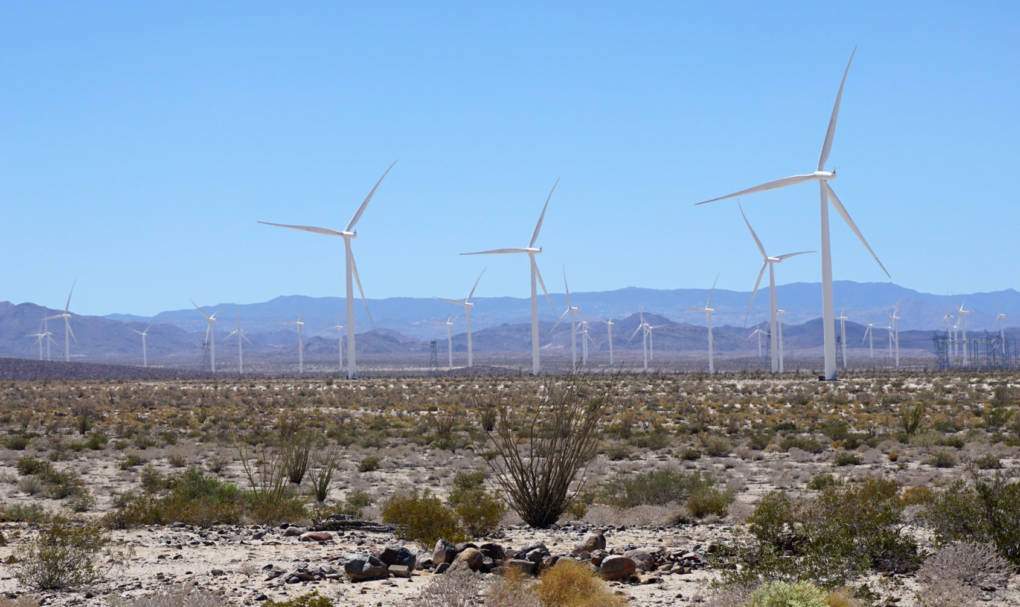
"caption": "Wind turbines outside of San Diego, California.",
"description": null,
"title": "windturbines",
"credit": "Lauren Sommer/KQED",
"status": "inherit",
"isLoading": false,
"fetchFailed": false
},
"science_1209736": {
"type": "attachments",
"id": "science_1209736",
"meta": {
"index": "attachments_1716263798",
"site": "science",
"id": "1209736",
"found": true
},
"parent": 1209626,
"imgSizes": {
"small": {
"file": "https://ww2.kqed.org/app/uploads/sites/35/2016/12/San-Luis-Reservoir-520x347.jpg",
"width": 520,
"mimeType": "image/jpeg",
"height": 347
},
"thumbnail": {
"file": "https://ww2.kqed.org/app/uploads/sites/35/2016/12/San-Luis-Reservoir-160x107.jpg",
"width": 160,
"mimeType": "image/jpeg",
"height": 107
},
"post-thumbnail": {
"file": "https://ww2.kqed.org/app/uploads/sites/35/2016/12/San-Luis-Reservoir-672x372.jpg",
"width": 672,
"mimeType": "image/jpeg",
"height": 372
},
"xsmall": {
"file": "https://ww2.kqed.org/app/uploads/sites/35/2016/12/San-Luis-Reservoir-375x250.jpg",
"width": 375,
"mimeType": "image/jpeg",
"height": 250
},
"kqedFullSize": {
"file": "https://ww2.kqed.org/app/uploads/sites/35/2016/12/San-Luis-Reservoir.jpg",
"width": 768,
"height": 512
},
"guest-author-50": {
"file": "https://ww2.kqed.org/app/uploads/sites/35/2016/12/San-Luis-Reservoir-50x50.jpg",
"width": 50,
"mimeType": "image/jpeg",
"height": 50
},
"guest-author-96": {
"file": "https://ww2.kqed.org/app/uploads/sites/35/2016/12/San-Luis-Reservoir-96x96.jpg",
"width": 96,
"mimeType": "image/jpeg",
"height": 96
},
"guest-author-64": {
"file": "https://ww2.kqed.org/app/uploads/sites/35/2016/12/San-Luis-Reservoir-64x64.jpg",
"width": 64,
"mimeType": "image/jpeg",
"height": 64
},
"guest-author-32": {
"file": "https://ww2.kqed.org/app/uploads/sites/35/2016/12/San-Luis-Reservoir-32x32.jpg",
"width": 32,
"mimeType": "image/jpeg",
"height": 32
},
"detail": {
"file": "https://ww2.kqed.org/app/uploads/sites/35/2016/12/San-Luis-Reservoir-150x150.jpg",
"width": 150,
"mimeType": "image/jpeg",
"height": 150
},
"medium_large": {
"file": "https://ww2.kqed.org/app/uploads/sites/35/2016/12/San-Luis-Reservoir-768x512.jpg",
"width": 768,
"mimeType": "image/jpeg",
"height": 512
},
"guest-author-128": {
"file": "https://ww2.kqed.org/app/uploads/sites/35/2016/12/San-Luis-Reservoir-128x128.jpg",
"width": 128,
"mimeType": "image/jpeg",
"height": 128
},
"xxsmall": {
"file": "https://ww2.kqed.org/app/uploads/sites/35/2016/12/San-Luis-Reservoir-240x160.jpg",
"width": 240,
"mimeType": "image/jpeg",
"height": 160
}
},
"publishDate": 1480691905,
"modified": 1480691921,
"caption": "Water levels remained extremely low in July 2016 in the San Luis Reservoir, Merced County, California, after a prolonged drought. It is an artificial lake and the fifth largest reservoir in California.",
"description": null,
"title": "san-luis-reservoir",
"credit": "Melanie Stetson Freeman/The Christian Science Monitor",
"status": "inherit",
"isLoading": false,
"fetchFailed": false
},
"science_1207579": {
"type": "attachments",
"id": "science_1207579",
"meta": {
"index": "attachments_1716263798",
"site": "science",
"id": "1207579",
"found": true
},
"parent": 1207578,
"imgSizes": {
"small": {
"file": "https://ww2.kqed.org/app/uploads/sites/35/2016/12/gettyimages-110952256-d66004bc61266998caddef22ca4dd9a2a97457c0-520x390.jpg",
"width": 520,
"mimeType": "image/jpeg",
"height": 390
},
"twentyfourteen-full-width": {
"file": "https://ww2.kqed.org/app/uploads/sites/35/2016/12/gettyimages-110952256-d66004bc61266998caddef22ca4dd9a2a97457c0-1038x576.jpg",
"width": 1038,
"mimeType": "image/jpeg",
"height": 576
},
"thumbnail": {
"file": "https://ww2.kqed.org/app/uploads/sites/35/2016/12/gettyimages-110952256-d66004bc61266998caddef22ca4dd9a2a97457c0-160x120.jpg",
"width": 160,
"mimeType": "image/jpeg",
"height": 120
},
"fd-sm": {
"file": "https://ww2.kqed.org/app/uploads/sites/35/2016/12/gettyimages-110952256-d66004bc61266998caddef22ca4dd9a2a97457c0-960x720.jpg",
"width": 960,
"mimeType": "image/jpeg",
"height": 720
},
"post-thumbnail": {
"file": "https://ww2.kqed.org/app/uploads/sites/35/2016/12/gettyimages-110952256-d66004bc61266998caddef22ca4dd9a2a97457c0-672x372.jpg",
"width": 672,
"mimeType": "image/jpeg",
"height": 372
},
"xsmall": {
"file": "https://ww2.kqed.org/app/uploads/sites/35/2016/12/gettyimages-110952256-d66004bc61266998caddef22ca4dd9a2a97457c0-375x281.jpg",
"width": 375,
"mimeType": "image/jpeg",
"height": 281
},
"kqedFullSize": {
"file": "https://ww2.kqed.org/app/uploads/sites/35/2016/12/gettyimages-110952256-d66004bc61266998caddef22ca4dd9a2a97457c0.jpg",
"width": 1776,
"height": 1332
},
"large": {
"file": "https://ww2.kqed.org/app/uploads/sites/35/2016/12/gettyimages-110952256-d66004bc61266998caddef22ca4dd9a2a97457c0-1020x765.jpg",
"width": 1020,
"mimeType": "image/jpeg",
"height": 765
},
"xlarge": {
"file": "https://ww2.kqed.org/app/uploads/sites/35/2016/12/gettyimages-110952256-d66004bc61266998caddef22ca4dd9a2a97457c0-1180x885.jpg",
"width": 1180,
"mimeType": "image/jpeg",
"height": 885
},
"guest-author-50": {
"file": "https://ww2.kqed.org/app/uploads/sites/35/2016/12/gettyimages-110952256-d66004bc61266998caddef22ca4dd9a2a97457c0-50x50.jpg",
"width": 50,
"mimeType": "image/jpeg",
"height": 50
},
"guest-author-96": {
"file": "https://ww2.kqed.org/app/uploads/sites/35/2016/12/gettyimages-110952256-d66004bc61266998caddef22ca4dd9a2a97457c0-96x96.jpg",
"width": 96,
"mimeType": "image/jpeg",
"height": 96
},
"medium": {
"file": "https://ww2.kqed.org/app/uploads/sites/35/2016/12/gettyimages-110952256-d66004bc61266998caddef22ca4dd9a2a97457c0-800x600.jpg",
"width": 800,
"mimeType": "image/jpeg",
"height": 600
},
"guest-author-64": {
"file": "https://ww2.kqed.org/app/uploads/sites/35/2016/12/gettyimages-110952256-d66004bc61266998caddef22ca4dd9a2a97457c0-64x64.jpg",
"width": 64,
"mimeType": "image/jpeg",
"height": 64
},
"guest-author-32": {
"file": "https://ww2.kqed.org/app/uploads/sites/35/2016/12/gettyimages-110952256-d66004bc61266998caddef22ca4dd9a2a97457c0-32x32.jpg",
"width": 32,
"mimeType": "image/jpeg",
"height": 32
},
"fd-med": {
"file": "https://ww2.kqed.org/app/uploads/sites/35/2016/12/gettyimages-110952256-d66004bc61266998caddef22ca4dd9a2a97457c0-1180x885.jpg",
"width": 1180,
"mimeType": "image/jpeg",
"height": 885
},
"detail": {
"file": "https://ww2.kqed.org/app/uploads/sites/35/2016/12/gettyimages-110952256-d66004bc61266998caddef22ca4dd9a2a97457c0-150x150.jpg",
"width": 150,
"mimeType": "image/jpeg",
"height": 150
},
"medium_large": {
"file": "https://ww2.kqed.org/app/uploads/sites/35/2016/12/gettyimages-110952256-d66004bc61266998caddef22ca4dd9a2a97457c0-768x576.jpg",
"width": 768,
"mimeType": "image/jpeg",
"height": 576
},
"guest-author-128": {
"file": "https://ww2.kqed.org/app/uploads/sites/35/2016/12/gettyimages-110952256-d66004bc61266998caddef22ca4dd9a2a97457c0-128x128.jpg",
"width": 128,
"mimeType": "image/jpeg",
"height": 128
},
"xxsmall": {
"file": "https://ww2.kqed.org/app/uploads/sites/35/2016/12/gettyimages-110952256-d66004bc61266998caddef22ca4dd9a2a97457c0-240x180.jpg",
"width": 240,
"mimeType": "image/jpeg",
"height": 180
}
},
"publishDate": 1480620023,
"modified": 1480633522,
"caption": "The U.S. Amundsen-Scott South Pole Station in Antarctica as seen in 2002.",
"description": "The U.S. Amundsen-Scott South Pole Station in Antarctica as seen in 2002.",
"title": "The U.S. Amundsen-Scott South Pole Station in Antarctica as seen in 2002.",
"credit": "David McCarthy/AFP/Getty Images",
"status": "inherit",
"isLoading": false,
"fetchFailed": false
},
"science_1204749": {
"type": "attachments",
"id": "science_1204749",
"meta": {
"index": "attachments_1716263798",
"site": "science",
"id": "1204749",
"found": true
},
"parent": 1204746,
"imgSizes": {
"small": {
"file": "https://ww2.kqed.org/app/uploads/sites/35/2016/11/GettyImages-451381088-520x347.jpg",
"width": 520,
"mimeType": "image/jpeg",
"height": 347
},
"twentyfourteen-full-width": {
"file": "https://ww2.kqed.org/app/uploads/sites/35/2016/11/GettyImages-451381088-1038x576.jpg",
"width": 1038,
"mimeType": "image/jpeg",
"height": 576
},
"thumbnail": {
"file": "https://ww2.kqed.org/app/uploads/sites/35/2016/11/GettyImages-451381088-160x107.jpg",
"width": 160,
"mimeType": "image/jpeg",
"height": 107
},
"fd-sm": {
"file": "https://ww2.kqed.org/app/uploads/sites/35/2016/11/GettyImages-451381088-960x640.jpg",
"width": 960,
"mimeType": "image/jpeg",
"height": 640
},
"post-thumbnail": {
"file": "https://ww2.kqed.org/app/uploads/sites/35/2016/11/GettyImages-451381088-672x372.jpg",
"width": 672,
"mimeType": "image/jpeg",
"height": 372
},
"xsmall": {
"file": "https://ww2.kqed.org/app/uploads/sites/35/2016/11/GettyImages-451381088-375x250.jpg",
"width": 375,
"mimeType": "image/jpeg",
"height": 250
},
"kqedFullSize": {
"file": "https://ww2.kqed.org/app/uploads/sites/35/2016/11/GettyImages-451381088.jpg",
"width": 5760,
"height": 3840
},
"large": {
"file": "https://ww2.kqed.org/app/uploads/sites/35/2016/11/GettyImages-451381088-1020x680.jpg",
"width": 1020,
"mimeType": "image/jpeg",
"height": 680
},
"xlarge": {
"file": "https://ww2.kqed.org/app/uploads/sites/35/2016/11/GettyImages-451381088-1180x787.jpg",
"width": 1180,
"mimeType": "image/jpeg",
"height": 787
},
"guest-author-50": {
"file": "https://ww2.kqed.org/app/uploads/sites/35/2016/11/GettyImages-451381088-50x50.jpg",
"width": 50,
"mimeType": "image/jpeg",
"height": 50
},
"guest-author-96": {
"file": "https://ww2.kqed.org/app/uploads/sites/35/2016/11/GettyImages-451381088-96x96.jpg",
"width": 96,
"mimeType": "image/jpeg",
"height": 96
},
"medium": {
"file": "https://ww2.kqed.org/app/uploads/sites/35/2016/11/GettyImages-451381088-800x533.jpg",
"width": 800,
"mimeType": "image/jpeg",
"height": 533
},
"guest-author-64": {
"file": "https://ww2.kqed.org/app/uploads/sites/35/2016/11/GettyImages-451381088-64x64.jpg",
"width": 64,
"mimeType": "image/jpeg",
"height": 64
},
"guest-author-32": {
"file": "https://ww2.kqed.org/app/uploads/sites/35/2016/11/GettyImages-451381088-32x32.jpg",
"width": 32,
"mimeType": "image/jpeg",
"height": 32
},
"fd-lrg": {
"file": "https://ww2.kqed.org/app/uploads/sites/35/2016/11/GettyImages-451381088-1920x1280.jpg",
"width": 1920,
"mimeType": "image/jpeg",
"height": 1280
},
"fd-med": {
"file": "https://ww2.kqed.org/app/uploads/sites/35/2016/11/GettyImages-451381088-1180x787.jpg",
"width": 1180,
"mimeType": "image/jpeg",
"height": 787
},
"full-width": {
"file": "https://ww2.kqed.org/app/uploads/sites/35/2016/11/GettyImages-451381088-1920x1280.jpg",
"width": 1920,
"mimeType": "image/jpeg",
"height": 1280
},
"detail": {
"file": "https://ww2.kqed.org/app/uploads/sites/35/2016/11/GettyImages-451381088-150x150.jpg",
"width": 150,
"mimeType": "image/jpeg",
"height": 150
},
"medium_large": {
"file": "https://ww2.kqed.org/app/uploads/sites/35/2016/11/GettyImages-451381088-768x512.jpg",
"width": 768,
"mimeType": "image/jpeg",
"height": 512
},
"guest-author-128": {
"file": "https://ww2.kqed.org/app/uploads/sites/35/2016/11/GettyImages-451381088-128x128.jpg",
"width": 128,
"mimeType": "image/jpeg",
"height": 128
},
"xxsmall": {
"file": "https://ww2.kqed.org/app/uploads/sites/35/2016/11/GettyImages-451381088-240x160.jpg",
"width": 240,
"mimeType": "image/jpeg",
"height": 160
}
},
"publishDate": 1480527693,
"modified": 1480528320,
"caption": "The E. Barrett Prettyman United States Courthouse in Washington D.C. on Saturday, June 28, 2014.",
"description": null,
"title": "Benghazi Suspect Held In D.C. Federal Court",
"credit": "Greg Kahn/Getty Images",
"status": "inherit",
"isLoading": false,
"fetchFailed": false
},
"science_1201865": {
"type": "attachments",
"id": "science_1201865",
"meta": {
"index": "attachments_1716263798",
"site": "science",
"id": "1201865",
"found": true
},
"parent": 1201862,
"imgSizes": {
"small": {
"file": "https://ww2.kqed.org/app/uploads/sites/35/2016/11/ScottBauerUSDA-520x339.jpg",
"width": 520,
"mimeType": "image/jpeg",
"height": 339
},
"thumbnail": {
"file": "https://ww2.kqed.org/app/uploads/sites/35/2016/11/ScottBauerUSDA-160x104.jpg",
"width": 160,
"mimeType": "image/jpeg",
"height": 104
},
"post-thumbnail": {
"file": "https://ww2.kqed.org/app/uploads/sites/35/2016/11/ScottBauerUSDA-660x372.jpg",
"width": 660,
"mimeType": "image/jpeg",
"height": 372
},
"xsmall": {
"file": "https://ww2.kqed.org/app/uploads/sites/35/2016/11/ScottBauerUSDA-375x244.jpg",
"width": 375,
"mimeType": "image/jpeg",
"height": 244
},
"kqedFullSize": {
"file": "https://ww2.kqed.org/app/uploads/sites/35/2016/11/ScottBauerUSDA.jpg",
"width": 660,
"height": 430
},
"guest-author-50": {
"file": "https://ww2.kqed.org/app/uploads/sites/35/2016/11/ScottBauerUSDA-50x50.jpg",
"width": 50,
"mimeType": "image/jpeg",
"height": 50
},
"guest-author-96": {
"file": "https://ww2.kqed.org/app/uploads/sites/35/2016/11/ScottBauerUSDA-96x96.jpg",
"width": 96,
"mimeType": "image/jpeg",
"height": 96
},
"guest-author-64": {
"file": "https://ww2.kqed.org/app/uploads/sites/35/2016/11/ScottBauerUSDA-64x64.jpg",
"width": 64,
"mimeType": "image/jpeg",
"height": 64
},
"detail": {
"file": "https://ww2.kqed.org/app/uploads/sites/35/2016/11/ScottBauerUSDA-150x150.jpg",
"width": 150,
"mimeType": "image/jpeg",
"height": 150
},
"guest-author-32": {
"file": "https://ww2.kqed.org/app/uploads/sites/35/2016/11/ScottBauerUSDA-32x32.jpg",
"width": 32,
"mimeType": "image/jpeg",
"height": 32
},
"guest-author-128": {
"file": "https://ww2.kqed.org/app/uploads/sites/35/2016/11/ScottBauerUSDA-128x128.jpg",
"width": 128,
"mimeType": "image/jpeg",
"height": 128
},
"xxsmall": {
"file": "https://ww2.kqed.org/app/uploads/sites/35/2016/11/ScottBauerUSDA-240x156.jpg",
"width": 240,
"mimeType": "image/jpeg",
"height": 156
}
},
"publishDate": 1480435318,
"modified": 1480435566,
"caption": "Dairy cows feeding on finger millet, a grain used to make breads, porridge, and baby food. When cows belch, pass gas and make manure they release methane, a greenhouse gas.",
"description": null,
"title": "scottbauerusda",
"credit": "Scott Bauer/USDA",
"status": "inherit",
"isLoading": false,
"fetchFailed": false
},
"science_1199983": {
"type": "attachments",
"id": "science_1199983",
"meta": {
"index": "attachments_1716263798",
"site": "science",
"id": "1199983",
"found": true
},
"parent": 1199975,
"imgSizes": {
"small": {
"file": "https://ww2.kqed.org/app/uploads/sites/35/2016/11/Bobby_Magill_CC_Bighorns-520x347.jpg",
"width": 520,
"mimeType": "image/jpeg",
"height": 347
},
"thumbnail": {
"file": "https://ww2.kqed.org/app/uploads/sites/35/2016/11/Bobby_Magill_CC_Bighorns-160x107.jpg",
"width": 160,
"mimeType": "image/jpeg",
"height": 107
},
"post-thumbnail": {
"file": "https://ww2.kqed.org/app/uploads/sites/35/2016/11/Bobby_Magill_CC_Bighorns-672x372.jpg",
"width": 672,
"mimeType": "image/jpeg",
"height": 372
},
"xsmall": {
"file": "https://ww2.kqed.org/app/uploads/sites/35/2016/11/Bobby_Magill_CC_Bighorns-375x250.jpg",
"width": 375,
"mimeType": "image/jpeg",
"height": 250
},
"kqedFullSize": {
"file": "https://ww2.kqed.org/app/uploads/sites/35/2016/11/Bobby_Magill_CC_Bighorns.jpg",
"width": 720,
"height": 480
},
"guest-author-50": {
"file": "https://ww2.kqed.org/app/uploads/sites/35/2016/11/Bobby_Magill_CC_Bighorns-50x50.jpg",
"width": 50,
"mimeType": "image/jpeg",
"height": 50
},
"guest-author-96": {
"file": "https://ww2.kqed.org/app/uploads/sites/35/2016/11/Bobby_Magill_CC_Bighorns-96x96.jpg",
"width": 96,
"mimeType": "image/jpeg",
"height": 96
},
"guest-author-64": {
"file": "https://ww2.kqed.org/app/uploads/sites/35/2016/11/Bobby_Magill_CC_Bighorns-64x64.jpg",
"width": 64,
"mimeType": "image/jpeg",
"height": 64
},
"detail": {
"file": "https://ww2.kqed.org/app/uploads/sites/35/2016/11/Bobby_Magill_CC_Bighorns-150x150.jpg",
"width": 150,
"mimeType": "image/jpeg",
"height": 150
},
"guest-author-32": {
"file": "https://ww2.kqed.org/app/uploads/sites/35/2016/11/Bobby_Magill_CC_Bighorns-32x32.jpg",
"width": 32,
"mimeType": "image/jpeg",
"height": 32
},
"guest-author-128": {
"file": "https://ww2.kqed.org/app/uploads/sites/35/2016/11/Bobby_Magill_CC_Bighorns-128x128.jpg",
"width": 128,
"mimeType": "image/jpeg",
"height": 128
},
"xxsmall": {
"file": "https://ww2.kqed.org/app/uploads/sites/35/2016/11/Bobby_Magill_CC_Bighorns-240x160.jpg",
"width": 240,
"mimeType": "image/jpeg",
"height": 160
}
},
"publishDate": 1480373715,
"modified": 1480373741,
"caption": "The Bighorn Mountains are federally owned as part of Bighorn National Forest in northern Wyoming.",
"description": null,
"title": "bobby_magill_cc_bighorns",
"credit": "Bobby Magill/Climate Central",
"status": "inherit",
"isLoading": false,
"fetchFailed": false
}
},
"audioPlayerReducer": {
"postId": "stream_live",
"isPaused": true,
"isPlaying": false,
"pfsActive": false,
"pledgeModalIsOpen": true,
"playerDrawerIsOpen": false,
"liveAudioPlayStartedAt": 0,
"liveAudioPlayContext": ""
},
"authorsReducer": {
"byline_science_1225854": {
"type": "authors",
"id": "byline_science_1225854",
"meta": {
"override": true
},
"slug": "byline_science_1225854",
"name": "Seth Borenstein\u003c/br>Associated Press",
"isLoading": false
},
"byline_science_1225624": {
"type": "authors",
"id": "byline_science_1225624",
"meta": {
"override": true
},
"slug": "byline_science_1225624",
"name": "John Upton\u003c/br>Climate Central",
"isLoading": false
},
"byline_science_1217792": {
"type": "authors",
"id": "byline_science_1217792",
"meta": {
"override": true
},
"slug": "byline_science_1217792",
"name": "Matt Weiser\u003c/br>Water Deeply",
"isLoading": false
},
"byline_science_1217783": {
"type": "authors",
"id": "byline_science_1217783",
"meta": {
"override": true
},
"slug": "byline_science_1217783",
"name": "Nell Greenfieldboyce\u003c/br>NPR",
"isLoading": false
},
"byline_science_1209626": {
"type": "authors",
"id": "byline_science_1209626",
"meta": {
"override": true
},
"slug": "byline_science_1209626",
"name": "Jay Lund\u003c/br>Water Deeply",
"isLoading": false
},
"byline_science_1207578": {
"type": "authors",
"id": "byline_science_1207578",
"meta": {
"override": true
},
"slug": "byline_science_1207578",
"name": "Rebecca Hersher\u003cbr />NPR",
"isLoading": false
},
"byline_science_1204746": {
"type": "authors",
"id": "byline_science_1204746",
"meta": {
"override": true
},
"slug": "byline_science_1204746",
"name": "Christopher Joyce\u003c/br>NPR",
"isLoading": false
},
"byline_science_1201862": {
"type": "authors",
"id": "byline_science_1201862",
"meta": {
"override": true
},
"slug": "byline_science_1201862",
"name": "Terence Chea\u003c/br>Associated Press",
"isLoading": false
},
"byline_science_1199975": {
"type": "authors",
"id": "byline_science_1199975",
"meta": {
"override": true
},
"slug": "byline_science_1199975",
"name": "Bobby Magill\u003c/br>Climate Central",
"isLoading": false
},
"laurensommer": {
"type": "authors",
"id": "239",
"meta": {
"index": "authors_1716337520",
"id": "239",
"found": true
},
"name": "Lauren Sommer",
"firstName": "Lauren",
"lastName": "Sommer",
"slug": "laurensommer",
"email": "lsommer@kqed.org",
"display_author_email": false,
"staff_mastheads": [],
"title": "KQED Contributor",
"bio": "Lauren is a radio reporter formerly covering environment, water, and energy for KQED Science. As part of her day job, she has scaled Sierra Nevada peaks, run from charging elephant seals, and desperately tried to get her sea legs - all in pursuit of good radio. Her work has appeared on Marketplace, Living on Earth, Science Friday and NPR's Morning Edition and All Things Considered. You can find her on Twitter at \u003ca href=\"https://twitter.com/lesommer\">@lesommer\u003c/a>.",
"avatar": "https://secure.gravatar.com/avatar/33aa3772bb86c6ad45b8aca6a238bbdf?s=600&d=blank&r=g",
"twitter": null,
"facebook": null,
"instagram": null,
"linkedin": null,
"sites": [
{
"site": "news",
"roles": [
"author"
]
},
{
"site": "science",
"roles": [
"editor",
"manage_content_types",
"manage_taxonomies"
]
},
{
"site": "quest",
"roles": [
"editor"
]
}
],
"headData": {
"title": "Lauren Sommer | KQED",
"description": "KQED Contributor",
"ogImgSrc": "https://secure.gravatar.com/avatar/33aa3772bb86c6ad45b8aca6a238bbdf?s=600&d=blank&r=g",
"twImgSrc": "https://secure.gravatar.com/avatar/33aa3772bb86c6ad45b8aca6a238bbdf?s=600&d=blank&r=g"
},
"isLoading": false,
"link": "/author/laurensommer"
},
"ben-burress": {
"type": "authors",
"id": "6180",
"meta": {
"index": "authors_1716337520",
"id": "6180",
"found": true
},
"name": "Ben Burress",
"firstName": "Ben",
"lastName": "Burress",
"slug": "ben-burress",
"email": "bburress@chabotspace.org",
"display_author_email": false,
"staff_mastheads": [],
"title": null,
"bio": "\u003cstrong>Benjamin Burress\u003c/strong> has been a staff astronomer at Chabot Space & Science Center since July 1999. He graduated from Sonoma State University in 1985 with a bachelor’s degree in physics (and minor in astronomy), after which he signed on for a two-year stint in the Peace Corps, where he taught physics and mathematics in the African nation of Cameroon. From 1989-96 he served on the crew of NASA’s Kuiper Airborne Observatory at Ames Research Center in Mountain View, CA. From 1996-99, he was Head Observer at the Naval Prototype Optical Interferometer program at Lowell Observatory in Flagstaff, AZ.\r\n\r\nRead his \u003ca href=\"http://science.kqed.org/quest/author/ben-burress/\">previous contributions\u003c/a> to \u003ca href=\"http://science.kqed.org/quest/\">QUEST\u003c/a>, a project dedicated to exploring the Science of Sustainability.",
"avatar": "https://secure.gravatar.com/avatar/8263bffa345b7e4923a0b8b9f0f6a161?s=600&d=blank&r=g",
"twitter": null,
"facebook": null,
"instagram": null,
"linkedin": null,
"sites": [
{
"site": "science",
"roles": [
"editor"
]
},
{
"site": "quest",
"roles": [
"subscriber"
]
}
],
"headData": {
"title": "Ben Burress | KQED",
"description": null,
"ogImgSrc": "https://secure.gravatar.com/avatar/8263bffa345b7e4923a0b8b9f0f6a161?s=600&d=blank&r=g",
"twImgSrc": "https://secure.gravatar.com/avatar/8263bffa345b7e4923a0b8b9f0f6a161?s=600&d=blank&r=g"
},
"isLoading": false,
"link": "/author/ben-burress"
},
"gabriela-quiros": {
"type": "authors",
"id": "6186",
"meta": {
"index": "authors_1716337520",
"id": "6186",
"found": true
},
"name": "Gabriela Quirós",
"firstName": "Gabriela",
"lastName": "Quirós",
"slug": "gabriela-quiros",
"email": "gquiros@kqed.org",
"display_author_email": false,
"staff_mastheads": [],
"title": "Supervising Producer",
"bio": "Gabriela Quirós is the \u003cstrong>supervising producer for KQED's web science video series \u003ca href=\"https://www.kqed.org/deeplook\">Deep Look\u003c/a>\u003c/strong>. She joined KQED as a TV producer when its science series QUEST started in 2006 and has covered everything from Alzheimer’s to bee die-offs to dark energy.\r\n\r\nShe won a 2022 AAAS Kavli Science Journalism Award with a team of her Deep Look colleagues. She has won six regional Emmys as a video producer and has shared eight more as the coordinating producer of Deep Look. The episode she produced about \u003ca href=\"https://www.kqed.org/science/728086/how-mosquitoes-use-six-needles-to-suck-your-blood\">How Mosquitoes Use Six Needles to Suck Your Blood\u003c/a> won a Webby \"People's Voice\" award. She has also earned awards from the Jackson Hole Wildlife Film Festival, the Society of Professional Journalists and the Society of Environmental Journalists.\r\n\r\nHer videos for KQED have also aired on NOVA scienceNOW and the PBS NewsHour, and appeared on NPR.org.\r\n\r\nAs an independent filmmaker, she produced and directed the hour-long documentary \u003ca href=\"http://lpbp.org/beautiful-sin-qa-with-producer-gabriela-quiros/\">\u003cem>Beautiful Sin\u003c/em>\u003c/a>, about the surprising story of how Costa Rica became the only country in the world to outlaw in vitro fertilization. The film aired in 2015 on public television stations throughout the U.S., and in Costa Rica.\r\n\r\nShe started her journalism career as a newspaper reporter in Costa Rica, where she grew up. She won the National Science Journalism Award there for a series of articles about organic agriculture, and developed a life-long interest in health reporting. She moved to the Bay Area in 1996 to study documentary filmmaking at the University of California, Berkeley, where she received master’s degrees in journalism and Latin American studies.",
"avatar": "https://secure.gravatar.com/avatar/6d82c20152affd1b434c31a904c40809?s=600&d=blank&r=g",
"twitter": "gabrielaquirosr",
"facebook": null,
"instagram": null,
"linkedin": null,
"sites": [
{
"site": "science",
"roles": []
},
{
"site": "quest",
"roles": [
"ef_view_calendar",
"ef_view_story_budget"
]
}
],
"headData": {
"title": "Gabriela Quirós | KQED",
"description": "Supervising Producer",
"ogImgSrc": "https://secure.gravatar.com/avatar/6d82c20152affd1b434c31a904c40809?s=600&d=blank&r=g",
"twImgSrc": "https://secure.gravatar.com/avatar/6d82c20152affd1b434c31a904c40809?s=600&d=blank&r=g"
},
"isLoading": false,
"link": "/author/gabriela-quiros"
}
},
"pagesReducer": {
"science_category_news": {
"type": "terms",
"id": "science_40",
"meta": {
"index": "terms_1716263798",
"site": "science",
"id": "40",
"score": 10.81443
},
"featImg": null,
"name": "News",
"description": null,
"taxonomy": "category",
"headData": {
"twImgId": null,
"twTitle": null,
"ogTitle": null,
"ogImgId": null,
"twDescription": null,
"description": null,
"title": "News Archives | KQED Science",
"ogDescription": null
},
"ttid": 42,
"slug": "news",
"isLoading": false,
"title": "News",
"pageMeta": {
"site": "science",
"WpPageTemplate": "page-topic-editorial",
"currentPage": 209
},
"blocks": [
{
"blockName": "kqed/post-list",
"attrs": {
"layout": "cardArticle2",
"query": "posts/science?category=news",
"seeMore": false,
"paginated": true,
"page": 209
}
},
{
"blockName": "kqed/ad"
}
]
}
},
"pfsSessionReducer": {},
"postsReducer": {
"stream_live": {
"type": "live",
"id": "stream_live",
"audioUrl": "https://streams.kqed.org/kqedradio",
"title": "Live Stream",
"excerpt": "Live Stream information currently unavailable.",
"link": "/radio",
"featImg": "",
"label": {
"name": "KQED Live",
"link": "/"
}
},
"stream_kqedNewscast": {
"type": "posts",
"id": "stream_kqedNewscast",
"audioUrl": "https://www.kqed.org/.stream/anon/radio/RDnews/newscast.mp3?_=1",
"title": "KQED Newscast",
"featImg": "",
"label": {
"name": "88.5 FM",
"link": "/"
}
},
"science_1222972": {
"type": "posts",
"id": "science_1222972",
"meta": {
"index": "posts_1716263798",
"site": "science",
"id": "1222972",
"score": null,
"sort": [
1481295628000
]
},
"parent": 0,
"labelTerm": {
"site": "science"
},
"blocks": [],
"publishDate": 1481295628,
"format": "standard",
"title": "Scientists Want to Send Underwater Drones to Explore Jupiter's Moon",
"headTitle": "Scientists Want to Send Underwater Drones to Explore Jupiter’s Moon | KQED",
"content": "\u003cp>California’s deep ocean has become the testing ground for robotic missions with far-reaching goals, not only to expand our understanding of Earth’s largely unexplored sea floor, but ultimately to probe the mysterious depths of the ice-shrouded ocean of Jupiter’s moon Europa.\u003c/p>\n\u003cp>A \u003ca href=\"http://www.jpl.nasa.gov/news/news.php?feature=6686\">small fleet of robotic drones\u003c/a> are being tested in the waters of Monterey Bay, focusing on changes in water temperature and salinity. The goal of the research is to develop a drone capable of making decisions on its own based on the conditions that it finds, rather than simply responding to instructions supplied by human handlers.\u003c/p>\n\u003cfigure id=\"attachment_1222975\" class=\"wp-caption aligncenter\" style=\"max-width: 800px\">\u003cimg loading=\"lazy\" decoding=\"async\" class=\"size-full wp-image-1222975\" src=\"http://ww2.kqed.org/science/wp-content/uploads/sites/35/2016/12/jpl-steve-chien-drones.jpg\" alt=\"NASA/JPL's Steve Chien with some of the submarine drones being tested in Monterey Bay as autonomous ocean exploring robots. \" width=\"800\" height=\"450\" srcset=\"https://cdn.kqed.org/wp-content/uploads/sites/35/2016/12/jpl-steve-chien-drones.jpg 800w, https://cdn.kqed.org/wp-content/uploads/sites/35/2016/12/jpl-steve-chien-drones-160x90.jpg 160w, https://cdn.kqed.org/wp-content/uploads/sites/35/2016/12/jpl-steve-chien-drones-768x432.jpg 768w, https://cdn.kqed.org/wp-content/uploads/sites/35/2016/12/jpl-steve-chien-drones-240x135.jpg 240w, https://cdn.kqed.org/wp-content/uploads/sites/35/2016/12/jpl-steve-chien-drones-375x211.jpg 375w, https://cdn.kqed.org/wp-content/uploads/sites/35/2016/12/jpl-steve-chien-drones-520x293.jpg 520w\" sizes=\"(max-width: 800px) 100vw, 800px\">\u003cfigcaption class=\"wp-caption-text\">NASA/JPL’s Steve Chien with some of the submarine drones being tested in Monterey Bay as autonomous ocean exploring robots. \u003ccite>(NASA/JPL-CalTech)\u003c/cite>\u003c/figcaption>\u003c/figure>\n\u003cp>The team conducting the tests includes members from NASA’s Jet Propulsion Laboratory, the Monterey Bay Aquarium Research Institute, Caltech, Woods Hole Oceanographic Institute, and Remote Sensing Solutions.\u003c/p>\n\u003cp>\u003cstrong>Exploring Oceans Isn’t Easy, Even on Earth\u003c/strong>\u003c/p>\n\u003cp>While the immediate research goal is to expand our ability to explore Earth’s oceans using self-directed robots, NASA scientists are casting an eye farther out in space toward \u003ca href=\"http://solarsystem.nasa.gov/planets/europa\">Europa\u003c/a>. Jupiter’s moon possesses an ocean that’s hidden beneath an icy crust and contains more water than all of Earth’s oceans.\u003c/p>\n\u003cp>[ad fullwidth]\u003c/p>\n\u003cp>In some ways it’s easier to explore the surface of Mars than our ocean. Aerial and satellite measurements mostly reveal conditions at the sea’s surface, and cannot penetrate the water to any great depth. Sonar can reveal the overall geography of the ocean floor, but does not show us fine details of geological composition and biological activity.\u003c/p>\n\u003cp>Variations in water temperature and salinity, water currents and the physical geography of the Monterey Canyon — not to mention entangled kelp forests and other ocean life — are factors an ocean-exploring robot must be prepared to deal with and then make navigational and scientific decisions upon.\u003c/p>\n\u003cp>By comparison, robotic rovers on Mars only have to negotiate obstacles like boulders, cliffs, and sand and endure the occasional dust storm.\u003c/p>\n\u003cp>\u003cstrong>Europa’s Tantalizing Ocean\u003c/strong>\u003c/p>\n\u003cp>The challenge of exploring Europa’s ocean is far greater than exploring our own. First, the Jupiter system is half a billion miles away. That’s a distance which takes radio signals at least half an hour to traverse — one way. Second, Europa’s ocean is topped by a crust of ice that’s probably at least a few miles thick. Third, scientists believe Europa’s ocean is much deeper than Earth’s — possibly 30 miles deep. The deepest part of the Earth’s ocean, in the Mariana Trench near Guam, is 6.8 miles deep.\u003c/p>\n\u003cp>And of course if scientists design and build a robotic submarine to travel to Europa, bore through miles of ice, and enter the watery realm beneath, they might naturally prefer it reach the bottom of that ocean, and see what’s on Europa’s ocean floor. It’s there we might hope to find the thing that’s piqued our curiosity: the \u003ca href=\"http://www.space.com/32995-jupiter-moon-europa-energy-life.html\">possibility of extraterrestrial life\u003c/a>.\u003c/p>\n\u003cfigure id=\"attachment_1222976\" class=\"wp-caption aligncenter\" style=\"max-width: 800px\">\u003cimg loading=\"lazy\" decoding=\"async\" class=\"size-full wp-image-1222976\" src=\"http://ww2.kqed.org/science/wp-content/uploads/sites/35/2016/12/europa-cutaway.jpg\" alt=\"Cutaway of Jupiter's moon Europa and profile of its sub-ice ocean. Heat generated by tidal forces with Jupiter's gravity emerges from the rocker interior to form the liquid water layer.\" width=\"800\" height=\"566\" srcset=\"https://cdn.kqed.org/wp-content/uploads/sites/35/2016/12/europa-cutaway.jpg 800w, https://cdn.kqed.org/wp-content/uploads/sites/35/2016/12/europa-cutaway-160x113.jpg 160w, https://cdn.kqed.org/wp-content/uploads/sites/35/2016/12/europa-cutaway-768x543.jpg 768w, https://cdn.kqed.org/wp-content/uploads/sites/35/2016/12/europa-cutaway-240x170.jpg 240w, https://cdn.kqed.org/wp-content/uploads/sites/35/2016/12/europa-cutaway-375x265.jpg 375w, https://cdn.kqed.org/wp-content/uploads/sites/35/2016/12/europa-cutaway-520x368.jpg 520w\" sizes=\"(max-width: 800px) 100vw, 800px\">\u003cfigcaption class=\"wp-caption-text\">Cutaway of Jupiter’s moon Europa and profile of its sub-ice ocean. Heat generated by tidal forces with Jupiter’s gravity emerges from the rocker interior to form the liquid water layer. \u003ccite>(NASA)\u003c/cite>\u003c/figcaption>\u003c/figure>\n\u003cp>Europa’s ocean is thawed by heat energy generated by tidal interactions with Jupiter’s gravity, which emerges from the suspected rocky mantle below.\u003c/p>\n\u003cp>Whereas on Earth, volcanic vents on the ocean floor spew superheated, chemical-laden water. And, we have found communities of living organisms thriving around these \u003ca href=\"http://oceanservice.noaa.gov/facts/vents.html\">hydrothermal vents\u003c/a>. Complete ecosystems are fueled entirely by the heat and chemicals emerging from Earth’s interior — no sunlight required!\u003c/p>\n\u003cp>Could similar conditions exist on Europa’s ocean floor, supplying the heat and chemistry to support life in the otherwise dark, sunless world? An answer to this question is the prize we may win with robotic drones that are sophisticated enough to overcome the daunting obstacles ahead.\u003c/p>\n\u003cp>\u003cstrong>What Might Be Down There?\u003c/strong>\u003c/p>\n\u003cp>Artist illustrations of the floor of Europa’s ocean have depicted scenes thriving with lifeforms resembling corals, anemones, jellyfish and such — creatures that we are familiar with on Earth. If there is life to be found on Europa, odds are that it would consist of single-celled creatures. For most of the multi-billion-year history of life on Earth, single-celled plants and animals were the only life-form. Only relatively recently have multicellular organisms appeared on Earth.\u003c/p>\n\u003cfigure id=\"attachment_1222977\" class=\"wp-caption aligncenter\" style=\"max-width: 768px\">\u003cimg loading=\"lazy\" decoding=\"async\" class=\"size-full wp-image-1222977\" src=\"http://ww2.kqed.org/science/wp-content/uploads/sites/35/2016/12/europa-cryobot.jpg\" alt=\"Artist depiction of a robotic submarine probe exploring the floor of Europa's ocean. \" width=\"768\" height=\"610\" srcset=\"https://cdn.kqed.org/wp-content/uploads/sites/35/2016/12/europa-cryobot.jpg 768w, https://cdn.kqed.org/wp-content/uploads/sites/35/2016/12/europa-cryobot-160x127.jpg 160w, https://cdn.kqed.org/wp-content/uploads/sites/35/2016/12/europa-cryobot-240x191.jpg 240w, https://cdn.kqed.org/wp-content/uploads/sites/35/2016/12/europa-cryobot-375x298.jpg 375w, https://cdn.kqed.org/wp-content/uploads/sites/35/2016/12/europa-cryobot-520x413.jpg 520w\" sizes=\"(max-width: 768px) 100vw, 768px\">\u003cfigcaption class=\"wp-caption-text\">Artist depiction of a robotic submarine probe exploring the floor of Europa’s ocean. \u003ccite>(NASA)\u003c/cite>\u003c/figcaption>\u003c/figure>\n\u003cp>In the near future — sometime in the early 2030s — a couple of missions, one by \u003ca href=\"http://www.jpl.nasa.gov/missions/europa-mission/\">NASA \u003c/a>and another by the \u003ca href=\"http://sci.esa.int/juice/\">European Space Agency\u003c/a>, will attempt to analyze water vapor spewing into space from Europa’s ice crust, purportedly emanating from the ocean below. These missions could give us a whiff of the chemistry of the ocean, and possibly even signs of life.\u003c/p>\n\u003cp>\u003c/p>\n\u003cp>A drone mission into Europa’s ocean is probably a bit further into the future, but the work being done with artificially intelligent drones in Earth’s Monterey Bay are concrete baby-steps toward that goal.\u003c/p>\n\n",
"stats": {
"hasVideo": false,
"hasChartOrMap": false,
"hasAudio": false,
"hasPolis": false,
"wordCount": 913,
"hasGoogleForm": false,
"hasGallery": false,
"hasHearkenModule": false,
"iframeSrcs": [],
"paragraphCount": 20
},
"modified": 1704929317,
"excerpt": "Scientists are developing drones they hope could probe below Europa's icy crust into its unexplored ocean.\r\n\r\n",
"headData": {
"twImgId": "",
"twTitle": "",
"ogTitle": "",
"ogImgId": "",
"twDescription": "",
"description": "Scientists are developing drones they hope could probe below Europa's icy crust into its unexplored ocean.\r\n\r\n",
"title": "Scientists Want to Send Underwater Drones to Explore Jupiter's Moon | KQED",
"ogDescription": "",
"schema": {
"@context": "https://schema.org",
"@type": "Article",
"headline": "Scientists Want to Send Underwater Drones to Explore Jupiter's Moon",
"datePublished": "2016-12-09T07:00:28-08:00",
"dateModified": "2024-01-10T15:28:37-08:00",
"image": "https://cdn.kqed.org/wp-content/uploads/2020/02/KQED-OG-Image@1x.png"
}
},
"guestAuthors": [],
"slug": "scientists-want-to-send-underwater-drones-to-explore-jupiters-moon",
"status": "publish",
"sticky": false,
"path": "/science/1222972/scientists-want-to-send-underwater-drones-to-explore-jupiters-moon",
"audioTrackLength": null,
"parsedContent": [
{
"type": "contentString",
"content": "\u003cdiv class=\"post-body\">\u003cp>\u003cp>California’s deep ocean has become the testing ground for robotic missions with far-reaching goals, not only to expand our understanding of Earth’s largely unexplored sea floor, but ultimately to probe the mysterious depths of the ice-shrouded ocean of Jupiter’s moon Europa.\u003c/p>\n\u003cp>A \u003ca href=\"http://www.jpl.nasa.gov/news/news.php?feature=6686\">small fleet of robotic drones\u003c/a> are being tested in the waters of Monterey Bay, focusing on changes in water temperature and salinity. The goal of the research is to develop a drone capable of making decisions on its own based on the conditions that it finds, rather than simply responding to instructions supplied by human handlers.\u003c/p>\n\u003cfigure id=\"attachment_1222975\" class=\"wp-caption aligncenter\" style=\"max-width: 800px\">\u003cimg loading=\"lazy\" decoding=\"async\" class=\"size-full wp-image-1222975\" src=\"http://ww2.kqed.org/science/wp-content/uploads/sites/35/2016/12/jpl-steve-chien-drones.jpg\" alt=\"NASA/JPL's Steve Chien with some of the submarine drones being tested in Monterey Bay as autonomous ocean exploring robots. \" width=\"800\" height=\"450\" srcset=\"https://cdn.kqed.org/wp-content/uploads/sites/35/2016/12/jpl-steve-chien-drones.jpg 800w, https://cdn.kqed.org/wp-content/uploads/sites/35/2016/12/jpl-steve-chien-drones-160x90.jpg 160w, https://cdn.kqed.org/wp-content/uploads/sites/35/2016/12/jpl-steve-chien-drones-768x432.jpg 768w, https://cdn.kqed.org/wp-content/uploads/sites/35/2016/12/jpl-steve-chien-drones-240x135.jpg 240w, https://cdn.kqed.org/wp-content/uploads/sites/35/2016/12/jpl-steve-chien-drones-375x211.jpg 375w, https://cdn.kqed.org/wp-content/uploads/sites/35/2016/12/jpl-steve-chien-drones-520x293.jpg 520w\" sizes=\"(max-width: 800px) 100vw, 800px\">\u003cfigcaption class=\"wp-caption-text\">NASA/JPL’s Steve Chien with some of the submarine drones being tested in Monterey Bay as autonomous ocean exploring robots. \u003ccite>(NASA/JPL-CalTech)\u003c/cite>\u003c/figcaption>\u003c/figure>\n\u003cp>The team conducting the tests includes members from NASA’s Jet Propulsion Laboratory, the Monterey Bay Aquarium Research Institute, Caltech, Woods Hole Oceanographic Institute, and Remote Sensing Solutions.\u003c/p>\n\u003cp>\u003cstrong>Exploring Oceans Isn’t Easy, Even on Earth\u003c/strong>\u003c/p>\n\u003cp>While the immediate research goal is to expand our ability to explore Earth’s oceans using self-directed robots, NASA scientists are casting an eye farther out in space toward \u003ca href=\"http://solarsystem.nasa.gov/planets/europa\">Europa\u003c/a>. Jupiter’s moon possesses an ocean that’s hidden beneath an icy crust and contains more water than all of Earth’s oceans.\u003c/p>\n\u003cp>\u003c/p>\u003c/div>",
"attributes": {
"named": {},
"numeric": []
}
},
{
"type": "component",
"content": "",
"name": "ad",
"attributes": {
"named": {
"label": "fullwidth"
},
"numeric": [
"fullwidth"
]
}
},
{
"type": "contentString",
"content": "\u003cdiv class=\"post-body\">\u003cp>\u003c/p>\n\u003cp>In some ways it’s easier to explore the surface of Mars than our ocean. Aerial and satellite measurements mostly reveal conditions at the sea’s surface, and cannot penetrate the water to any great depth. Sonar can reveal the overall geography of the ocean floor, but does not show us fine details of geological composition and biological activity.\u003c/p>\n\u003cp>Variations in water temperature and salinity, water currents and the physical geography of the Monterey Canyon — not to mention entangled kelp forests and other ocean life — are factors an ocean-exploring robot must be prepared to deal with and then make navigational and scientific decisions upon.\u003c/p>\n\u003cp>By comparison, robotic rovers on Mars only have to negotiate obstacles like boulders, cliffs, and sand and endure the occasional dust storm.\u003c/p>\n\u003cp>\u003cstrong>Europa’s Tantalizing Ocean\u003c/strong>\u003c/p>\n\u003cp>The challenge of exploring Europa’s ocean is far greater than exploring our own. First, the Jupiter system is half a billion miles away. That’s a distance which takes radio signals at least half an hour to traverse — one way. Second, Europa’s ocean is topped by a crust of ice that’s probably at least a few miles thick. Third, scientists believe Europa’s ocean is much deeper than Earth’s — possibly 30 miles deep. The deepest part of the Earth’s ocean, in the Mariana Trench near Guam, is 6.8 miles deep.\u003c/p>\n\u003cp>And of course if scientists design and build a robotic submarine to travel to Europa, bore through miles of ice, and enter the watery realm beneath, they might naturally prefer it reach the bottom of that ocean, and see what’s on Europa’s ocean floor. It’s there we might hope to find the thing that’s piqued our curiosity: the \u003ca href=\"http://www.space.com/32995-jupiter-moon-europa-energy-life.html\">possibility of extraterrestrial life\u003c/a>.\u003c/p>\n\u003cfigure id=\"attachment_1222976\" class=\"wp-caption aligncenter\" style=\"max-width: 800px\">\u003cimg loading=\"lazy\" decoding=\"async\" class=\"size-full wp-image-1222976\" src=\"http://ww2.kqed.org/science/wp-content/uploads/sites/35/2016/12/europa-cutaway.jpg\" alt=\"Cutaway of Jupiter's moon Europa and profile of its sub-ice ocean. Heat generated by tidal forces with Jupiter's gravity emerges from the rocker interior to form the liquid water layer.\" width=\"800\" height=\"566\" srcset=\"https://cdn.kqed.org/wp-content/uploads/sites/35/2016/12/europa-cutaway.jpg 800w, https://cdn.kqed.org/wp-content/uploads/sites/35/2016/12/europa-cutaway-160x113.jpg 160w, https://cdn.kqed.org/wp-content/uploads/sites/35/2016/12/europa-cutaway-768x543.jpg 768w, https://cdn.kqed.org/wp-content/uploads/sites/35/2016/12/europa-cutaway-240x170.jpg 240w, https://cdn.kqed.org/wp-content/uploads/sites/35/2016/12/europa-cutaway-375x265.jpg 375w, https://cdn.kqed.org/wp-content/uploads/sites/35/2016/12/europa-cutaway-520x368.jpg 520w\" sizes=\"(max-width: 800px) 100vw, 800px\">\u003cfigcaption class=\"wp-caption-text\">Cutaway of Jupiter’s moon Europa and profile of its sub-ice ocean. Heat generated by tidal forces with Jupiter’s gravity emerges from the rocker interior to form the liquid water layer. \u003ccite>(NASA)\u003c/cite>\u003c/figcaption>\u003c/figure>\n\u003cp>Europa’s ocean is thawed by heat energy generated by tidal interactions with Jupiter’s gravity, which emerges from the suspected rocky mantle below.\u003c/p>\n\u003cp>Whereas on Earth, volcanic vents on the ocean floor spew superheated, chemical-laden water. And, we have found communities of living organisms thriving around these \u003ca href=\"http://oceanservice.noaa.gov/facts/vents.html\">hydrothermal vents\u003c/a>. Complete ecosystems are fueled entirely by the heat and chemicals emerging from Earth’s interior — no sunlight required!\u003c/p>\n\u003cp>Could similar conditions exist on Europa’s ocean floor, supplying the heat and chemistry to support life in the otherwise dark, sunless world? An answer to this question is the prize we may win with robotic drones that are sophisticated enough to overcome the daunting obstacles ahead.\u003c/p>\n\u003cp>\u003cstrong>What Might Be Down There?\u003c/strong>\u003c/p>\n\u003cp>Artist illustrations of the floor of Europa’s ocean have depicted scenes thriving with lifeforms resembling corals, anemones, jellyfish and such — creatures that we are familiar with on Earth. If there is life to be found on Europa, odds are that it would consist of single-celled creatures. For most of the multi-billion-year history of life on Earth, single-celled plants and animals were the only life-form. Only relatively recently have multicellular organisms appeared on Earth.\u003c/p>\n\u003cfigure id=\"attachment_1222977\" class=\"wp-caption aligncenter\" style=\"max-width: 768px\">\u003cimg loading=\"lazy\" decoding=\"async\" class=\"size-full wp-image-1222977\" src=\"http://ww2.kqed.org/science/wp-content/uploads/sites/35/2016/12/europa-cryobot.jpg\" alt=\"Artist depiction of a robotic submarine probe exploring the floor of Europa's ocean. \" width=\"768\" height=\"610\" srcset=\"https://cdn.kqed.org/wp-content/uploads/sites/35/2016/12/europa-cryobot.jpg 768w, https://cdn.kqed.org/wp-content/uploads/sites/35/2016/12/europa-cryobot-160x127.jpg 160w, https://cdn.kqed.org/wp-content/uploads/sites/35/2016/12/europa-cryobot-240x191.jpg 240w, https://cdn.kqed.org/wp-content/uploads/sites/35/2016/12/europa-cryobot-375x298.jpg 375w, https://cdn.kqed.org/wp-content/uploads/sites/35/2016/12/europa-cryobot-520x413.jpg 520w\" sizes=\"(max-width: 768px) 100vw, 768px\">\u003cfigcaption class=\"wp-caption-text\">Artist depiction of a robotic submarine probe exploring the floor of Europa’s ocean. \u003ccite>(NASA)\u003c/cite>\u003c/figcaption>\u003c/figure>\n\u003cp>In the near future — sometime in the early 2030s — a couple of missions, one by \u003ca href=\"http://www.jpl.nasa.gov/missions/europa-mission/\">NASA \u003c/a>and another by the \u003ca href=\"http://sci.esa.int/juice/\">European Space Agency\u003c/a>, will attempt to analyze water vapor spewing into space from Europa’s ice crust, purportedly emanating from the ocean below. These missions could give us a whiff of the chemistry of the ocean, and possibly even signs of life.\u003c/p>\n\u003cp>\u003c/p>\n\u003cp>A drone mission into Europa’s ocean is probably a bit further into the future, but the work being done with artificially intelligent drones in Earth’s Monterey Bay are concrete baby-steps toward that goal.\u003c/p>\n\n\u003c/div>\u003c/p>",
"attributes": {
"named": {},
"numeric": []
}
}
],
"link": "/science/1222972/scientists-want-to-send-underwater-drones-to-explore-jupiters-moon",
"authors": [
"6180"
],
"categories": [
"science_28",
"science_40"
],
"featImg": "science_1222979",
"label": "science"
},
"science_1225854": {
"type": "posts",
"id": "science_1225854",
"meta": {
"index": "posts_1716263798",
"site": "science",
"id": "1225854",
"score": null,
"sort": [
1481229825000
]
},
"parent": 0,
"labelTerm": {},
"blocks": [],
"publishDate": 1481229825,
"format": "standard",
"title": "John Glenn, First American to Orbit the Earth, Dies",
"headTitle": "John Glenn, First American to Orbit the Earth, Dies | KQED",
"content": "\u003cp>John Glenn, whose 1962 flight as the first U.S. astronaut to orbit the Earth made him an all-American hero and propelled him to a long career in the U.S. Senate, died Thursday. The last survivor of the original Mercury 7 astronauts was 95.\u003c/p>\n\u003cp>Glenn died at the James Cancer Hospital in Columbus, where he was hospitalized for more than a week, said Hank Wilson, communications director for the John Glenn School of Public Affairs.\u003c/p>\n\u003caside class=\"pullquote alignright\">‘I’ve been very fortunate to have a lot of great experiences in my life and I’m thankful for them.’\u003ccite>John Glenn in 2012\u003c/cite>\u003c/aside>\n\u003cp>John Herschel Glenn Jr. had two major career paths that often intersected: flying and politics, and he soared in both of them.\u003c/p>\n\u003cp>Before he gained fame orbiting the world, he was a fighter pilot in two wars, and as a test pilot, he set a transcontinental speed record. He later served 24 years in the Senate from Ohio. A rare setback was a failed 1984 run for the Democratic presidential nomination.\u003c/p>\n\u003cp>His long political career enabled him to return to space in the shuttle Discovery at age 77 in 1998, a cosmic victory lap that he relished and turned into a teachable moment about growing old. He holds the record for the oldest person in space.\u003c/p>\n\u003cfigure id=\"attachment_1225861\" class=\"wp-caption aligncenter\" style=\"max-width: 1041px\">\u003cimg loading=\"lazy\" decoding=\"async\" class=\"size-full wp-image-1225861\" src=\"http://ww2.kqed.org/science/wp-content/uploads/sites/35/2016/12/John-glenn_NASA.jpg\" alt=\"John Glenn (second from the left in the blue NASA suit) next to the orbiter Discovery on Nov. 8, 1998, that carried the STS-95 crew for nine days and 3.6 million miles.\" width=\"1041\" height=\"691\" srcset=\"https://cdn.kqed.org/wp-content/uploads/sites/35/2016/12/John-glenn_NASA.jpg 1041w, https://cdn.kqed.org/wp-content/uploads/sites/35/2016/12/John-glenn_NASA-160x106.jpg 160w, https://cdn.kqed.org/wp-content/uploads/sites/35/2016/12/John-glenn_NASA-800x531.jpg 800w, https://cdn.kqed.org/wp-content/uploads/sites/35/2016/12/John-glenn_NASA-768x510.jpg 768w, https://cdn.kqed.org/wp-content/uploads/sites/35/2016/12/John-glenn_NASA-1020x677.jpg 1020w, https://cdn.kqed.org/wp-content/uploads/sites/35/2016/12/John-glenn_NASA-960x637.jpg 960w, https://cdn.kqed.org/wp-content/uploads/sites/35/2016/12/John-glenn_NASA-240x159.jpg 240w, https://cdn.kqed.org/wp-content/uploads/sites/35/2016/12/John-glenn_NASA-375x249.jpg 375w, https://cdn.kqed.org/wp-content/uploads/sites/35/2016/12/John-glenn_NASA-520x345.jpg 520w\" sizes=\"(max-width: 1041px) 100vw, 1041px\">\u003cfigcaption class=\"wp-caption-text\">John Glenn (second from the left in the blue NASA suit) next to the orbiter Discovery on Nov. 8, 1998, that carried the STS-95 crew for nine days and 3.6 million miles. \u003ccite>(NASA)\u003c/cite>\u003c/figcaption>\u003c/figure>\n\u003cp>More than anything, John Glenn was the ultimate and uniquely American space hero: a combat veteran with an easy smile, a strong marriage of 70 years and nerves of steel. Schools, a space center and the Columbus, Ohio, airport were named after him. So were children.\u003c/p>\n\u003cp>[ad fullwidth]\u003c/p>\n\u003cp>The Soviet Union leaped ahead in space exploration by putting the Sputnik 1 satellite in orbit in 1957, and then launched the first man in space, cosmonaut Yuri Gagarin, in a 108-minute orbital flight on April 12, 1961. After a two suborbital flights by Alan Shepard Jr. and Gus Grissom, it was up to Glenn to be the first American to orbit the Earth.\u003c/p>\n\u003cp>“Godspeed, John Glenn,” fellow astronaut Scott Carpenter radioed just before Glenn thundered off a Cape Canaveral launch pad, now a National Historic Landmark, to a place America had never been. At the time of that Feb. 20, 1962, flight, Glenn was 40 years old.\u003c/p>\n\u003cfigure id=\"attachment_1225862\" class=\"wp-caption alignright\" style=\"max-width: 331px\">\u003cimg loading=\"lazy\" decoding=\"async\" class=\" wp-image-1225862\" src=\"http://ww2.kqed.org/science/wp-content/uploads/sites/35/2016/12/John-glenn_close-up.jpg\" alt=\"Astronaut John H. Glenn Jr. dons his silver Mercury pressure suit in preparation for launch. On February 20, 1962 Glenn lifted off into space aboard his Mercury Atlas (MA-6) rocket and became the first American to orbit the Earth. \" width=\"331\" height=\"504\" srcset=\"https://cdn.kqed.org/wp-content/uploads/sites/35/2016/12/John-glenn_close-up.jpg 1041w, https://cdn.kqed.org/wp-content/uploads/sites/35/2016/12/John-glenn_close-up-160x243.jpg 160w, https://cdn.kqed.org/wp-content/uploads/sites/35/2016/12/John-glenn_close-up-800x1217.jpg 800w, https://cdn.kqed.org/wp-content/uploads/sites/35/2016/12/John-glenn_close-up-768x1169.jpg 768w, https://cdn.kqed.org/wp-content/uploads/sites/35/2016/12/John-glenn_close-up-1020x1552.jpg 1020w, https://cdn.kqed.org/wp-content/uploads/sites/35/2016/12/John-glenn_close-up-960x1461.jpg 960w, https://cdn.kqed.org/wp-content/uploads/sites/35/2016/12/John-glenn_close-up-240x365.jpg 240w, https://cdn.kqed.org/wp-content/uploads/sites/35/2016/12/John-glenn_close-up-375x571.jpg 375w, https://cdn.kqed.org/wp-content/uploads/sites/35/2016/12/John-glenn_close-up-520x791.jpg 520w\" sizes=\"(max-width: 331px) 100vw, 331px\">\u003cfigcaption class=\"wp-caption-text\">Astronaut John H. Glenn Jr. dons his silver Mercury pressure suit in preparation for launch. On February 20, 1962 Glenn lifted off into space aboard his Mercury Atlas (MA-6) rocket and became the first American to orbit the Earth. \u003ccite>(NASA)\u003c/cite>\u003c/figcaption>\u003c/figure>\n\u003cp>With the all-business phrase, “Roger, the clock is operating, we’re underway,” Glenn radioed to Earth as he started his 4 hours, 55 minutes and 23 seconds in space. Years later, he explained he said that because he didn’t feel like he had lifted off and it was the only way he knew he had launched.\u003c/p>\n\u003cp>During the flight, Glenn uttered a phrase that he would repeat frequently throughout life: “Zero G, and I feel fine.”\u003c/p>\n\u003cp>“It still seems so vivid to me,” Glenn said in a 2012 interview with The Associated Press on the 50th anniversary of the flight. “I still can sort of pseudo feel some of those same sensations I had back in those days during launch and all.”\u003c/p>\n\u003cp>Glenn said he was often asked if he was afraid, and he replied, “If you are talking about fear that overcomes what you are supposed to do, no. You’ve trained very hard for those flights.”\u003c/p>\n\u003cp>Glenn’s ride in the cramped Friendship 7 capsule had its scary moments, however. Sensors showed his heat shield was loose after three orbits, and Mission Control worried he might burn up during re-entry when temperatures reached 3,000 degrees. But the heat shield held.\u003c/p>\n\u003cp>Even before then, Glenn flew in dangerous skies. He was a fighter pilot in World War II and Korea who flew low, got his plane riddled with bullets, flew with baseball great Ted Williams and earned macho nicknames during 149 combat missions. And as a test pilot he broke aviation records.\u003c/p>\n\u003cfigure id=\"attachment_1225864\" class=\"wp-caption aligncenter\" style=\"max-width: 1041px\">\u003cimg loading=\"lazy\" decoding=\"async\" class=\"size-full wp-image-1225864\" src=\"http://ww2.kqed.org/science/wp-content/uploads/sites/35/2016/12/John-Glenn_working.jpg\" alt=\"STS-95 payload specialist John Glenn works with the Osteporosis Experiment in Orbit (OSTEO) experiment located in a locker in the Discovery's middeck.\" width=\"1041\" height=\"695\" srcset=\"https://cdn.kqed.org/wp-content/uploads/sites/35/2016/12/John-Glenn_working.jpg 1041w, https://cdn.kqed.org/wp-content/uploads/sites/35/2016/12/John-Glenn_working-160x107.jpg 160w, https://cdn.kqed.org/wp-content/uploads/sites/35/2016/12/John-Glenn_working-800x534.jpg 800w, https://cdn.kqed.org/wp-content/uploads/sites/35/2016/12/John-Glenn_working-768x513.jpg 768w, https://cdn.kqed.org/wp-content/uploads/sites/35/2016/12/John-Glenn_working-1020x681.jpg 1020w, https://cdn.kqed.org/wp-content/uploads/sites/35/2016/12/John-Glenn_working-960x641.jpg 960w, https://cdn.kqed.org/wp-content/uploads/sites/35/2016/12/John-Glenn_working-240x160.jpg 240w, https://cdn.kqed.org/wp-content/uploads/sites/35/2016/12/John-Glenn_working-375x250.jpg 375w, https://cdn.kqed.org/wp-content/uploads/sites/35/2016/12/John-Glenn_working-520x347.jpg 520w\" sizes=\"(max-width: 1041px) 100vw, 1041px\">\u003cfigcaption class=\"wp-caption-text\">STS-95 payload specialist John Glenn works with the Osteporosis Experiment in Orbit (OSTEO) experiment located in a locker in the Discovery’s middeck. \u003ccite>(NASA)\u003c/cite>\u003c/figcaption>\u003c/figure>\n\u003cfigure id=\"attachment_1225865\" class=\"wp-caption aligncenter\" style=\"max-width: 1041px\">\u003cimg loading=\"lazy\" decoding=\"async\" class=\"size-full wp-image-1225865\" src=\"http://ww2.kqed.org/science/wp-content/uploads/sites/35/2016/12/John-Glenn_Armstrong.jpg\" alt=\"Sen. John Glenn, left, and Apollo 11 Astronaut Neil Armstrong are seen prior to the start of a dinner at Ohio State University that honored the 50th anniversary of John Glenn's historic flight aboard Friendship 7 in, 2012. \" width=\"1041\" height=\"744\" srcset=\"https://cdn.kqed.org/wp-content/uploads/sites/35/2016/12/John-Glenn_Armstrong.jpg 1041w, https://cdn.kqed.org/wp-content/uploads/sites/35/2016/12/John-Glenn_Armstrong-160x114.jpg 160w, https://cdn.kqed.org/wp-content/uploads/sites/35/2016/12/John-Glenn_Armstrong-800x572.jpg 800w, https://cdn.kqed.org/wp-content/uploads/sites/35/2016/12/John-Glenn_Armstrong-768x549.jpg 768w, https://cdn.kqed.org/wp-content/uploads/sites/35/2016/12/John-Glenn_Armstrong-1020x729.jpg 1020w, https://cdn.kqed.org/wp-content/uploads/sites/35/2016/12/John-Glenn_Armstrong-960x686.jpg 960w, https://cdn.kqed.org/wp-content/uploads/sites/35/2016/12/John-Glenn_Armstrong-240x172.jpg 240w, https://cdn.kqed.org/wp-content/uploads/sites/35/2016/12/John-Glenn_Armstrong-375x268.jpg 375w, https://cdn.kqed.org/wp-content/uploads/sites/35/2016/12/John-Glenn_Armstrong-520x372.jpg 520w\" sizes=\"(max-width: 1041px) 100vw, 1041px\">\u003cfigcaption class=\"wp-caption-text\">Sen. John Glenn, left, and Apollo 11 Astronaut Neil Armstrong are seen prior to the start of a dinner at Ohio State University that honored the 50th anniversary of John Glenn’s historic flight aboard Friendship 7 in, 2012. \u003ccite>(Bill Ingalls/NASA)\u003c/cite>\u003c/figcaption>\u003c/figure>\n\u003cp>The green-eyed, telegenic Marine even won $25,000 on the game show “Name That Tune” with a 10-year-old partner. And that was before April 6, 1959, when his life changed by being selected as one of the Mercury 7 astronauts and instantly started attracting more than his share of the spotlight.\u003c/p>\n\u003cp>Glenn in later years regaled crowds with stories of NASA’s testing of would-be astronauts, from psychological tests — come with 20 answers to the open ended question “I am” — to surviving spinning that pushed 16 times normal gravity against his body, popping blood vessels.\u003c/p>\n\u003cp>But it wasn’t nearly as bad as coming to Cape Canaveral to see the first unmanned rocket test.\u003c/p>\n\u003cp>“We’re watching this thing go up and up and up … and all at once it blew up right over us, and that was our introduction to the Atlas,” Glenn said in 2011. “We looked at each other and wanted to have a meeting with the engineers in the morning.”\u003c/p>\n\u003cfigure id=\"attachment_1225866\" class=\"wp-caption alignright\" style=\"max-width: 396px\">\u003cimg loading=\"lazy\" decoding=\"async\" class=\" wp-image-1225866\" src=\"http://ww2.kqed.org/science/wp-content/uploads/sites/35/2016/12/rocket.jpg\" alt=\"John Glenn became the first American to orbit Earth on the Friendship 7 mission.\" width=\"396\" height=\"495\" srcset=\"https://cdn.kqed.org/wp-content/uploads/sites/35/2016/12/rocket.jpg 2400w, https://cdn.kqed.org/wp-content/uploads/sites/35/2016/12/rocket-160x200.jpg 160w, https://cdn.kqed.org/wp-content/uploads/sites/35/2016/12/rocket-800x1000.jpg 800w, https://cdn.kqed.org/wp-content/uploads/sites/35/2016/12/rocket-768x960.jpg 768w, https://cdn.kqed.org/wp-content/uploads/sites/35/2016/12/rocket-1020x1275.jpg 1020w, https://cdn.kqed.org/wp-content/uploads/sites/35/2016/12/rocket-1920x2400.jpg 1920w, https://cdn.kqed.org/wp-content/uploads/sites/35/2016/12/rocket-1180x1475.jpg 1180w, https://cdn.kqed.org/wp-content/uploads/sites/35/2016/12/rocket-960x1200.jpg 960w, https://cdn.kqed.org/wp-content/uploads/sites/35/2016/12/rocket-240x300.jpg 240w, https://cdn.kqed.org/wp-content/uploads/sites/35/2016/12/rocket-375x469.jpg 375w, https://cdn.kqed.org/wp-content/uploads/sites/35/2016/12/rocket-520x650.jpg 520w\" sizes=\"(max-width: 396px) 100vw, 396px\">\u003cfigcaption class=\"wp-caption-text\">John Glenn became the first American to orbit Earth on the Friendship 7 mission. \u003ccite>(NASA)\u003c/cite>\u003c/figcaption>\u003c/figure>\n\u003cp>In 1959, Glenn wrote in Life magazine: “Space travel is at the frontier of my profession. It is going to be accomplished, and I want to be in on it. There is also an element of simple duty involved. I am convinced that I have something to give this project.”\u003c/p>\n\u003cp>That sense of duty was instilled at an early age. Glenn was born July 18, 1921, in Cambridge, Ohio, and grew up in New Concord, Ohio, with the nickname “Bud.” He joined the town band as a trumpeter at age 10 and accompanied his father one Memorial Day in an echoing version of “Taps.” In his 1999 memoir,Glenn wrote “that feeling sums up my childhood. It formed my beliefs and my sense of responsibility. Everything that came after that just came naturally.”\u003c/p>\n\u003cp>His love of flight was lifelong; John Glenn Sr. spoke of the many summer evenings he arrived home to find his son running around the yard with outstretched arms, pretending he was piloting a plane. Last June, at a ceremony renaming the Columbus airport for him, Glenn recalled imploring his parents to take him to that airport to look at planes whenever they passed through the city: “It was something I was fascinated with.” He piloted his own private plane until age 90.\u003c/p>\n\u003cp>Glenn’s goal of becoming a commercial pilot was changed by World War II. He left Muskingum College to join the Naval Air Corps and soon after, the Marines.\u003c/p>\n\u003cp>He became a successful fighter pilot who ran 59 hazardous missions, often as a volunteer or as the requested backup of assigned pilots. A war later, in Korea, he earned the nickname “MiG-Mad Marine” (or “Old Magnet A — ,” which he sometimes paraphrased as “Old Magnet Tail.”)\u003c/p>\n\u003cp>“I was the one who went in low and got them,” Glenn said, explaining that he often landed with huge holes in the side of his aircraft because he didn’t like to shoot from high altitudes.\u003c/p>\n\u003cfigure id=\"attachment_1225867\" class=\"wp-caption alignleft\" style=\"max-width: 360px\">\u003cimg loading=\"lazy\" decoding=\"async\" class=\" wp-image-1225867\" src=\"http://ww2.kqed.org/science/wp-content/uploads/sites/35/2016/12/JOhn-Glenn_orange-suits.jpg\" alt=\"STS-95 crew members exit the Operations and Checkout Building where they suited up before leaving for Launch Pad 39-B on Oct. 9, 1998. John Glenn is second from the right. \" width=\"360\" height=\"472\" srcset=\"https://cdn.kqed.org/wp-content/uploads/sites/35/2016/12/JOhn-Glenn_orange-suits.jpg 1041w, https://cdn.kqed.org/wp-content/uploads/sites/35/2016/12/JOhn-Glenn_orange-suits-160x210.jpg 160w, https://cdn.kqed.org/wp-content/uploads/sites/35/2016/12/JOhn-Glenn_orange-suits-800x1051.jpg 800w, https://cdn.kqed.org/wp-content/uploads/sites/35/2016/12/JOhn-Glenn_orange-suits-768x1009.jpg 768w, https://cdn.kqed.org/wp-content/uploads/sites/35/2016/12/JOhn-Glenn_orange-suits-1020x1339.jpg 1020w, https://cdn.kqed.org/wp-content/uploads/sites/35/2016/12/JOhn-Glenn_orange-suits-960x1261.jpg 960w, https://cdn.kqed.org/wp-content/uploads/sites/35/2016/12/JOhn-Glenn_orange-suits-240x315.jpg 240w, https://cdn.kqed.org/wp-content/uploads/sites/35/2016/12/JOhn-Glenn_orange-suits-375x492.jpg 375w, https://cdn.kqed.org/wp-content/uploads/sites/35/2016/12/JOhn-Glenn_orange-suits-520x683.jpg 520w\" sizes=\"(max-width: 360px) 100vw, 360px\">\u003cfigcaption class=\"wp-caption-text\">STS-95 crew members exit the Operations and Checkout Building where they suited up before leaving for Launch Pad 39-B on Oct. 9, 1998. John Glenn is second from the right.\u003c/figcaption>\u003c/figure>\n\u003cp>Glenn’s public life began when he broke the transcontinental airspeed record, bursting from Los Angeles to New York City in 3 hours, 23 minutes and 8 seconds. With his Crusader averaging 725 mph, the 1957 flight proved the jet could endure stress when pushed to maximum speeds over long distances.\u003c/p>\n\u003cp>In New York, he got a hero’s welcome — his first tickertape parade. He got another after his flight on Friendship 7.\u003c/p>\n\u003cp>That mission also introduced Glenn to politics. He addressed a joint session of Congress, and dined at the White House. He became friends with President Kennedy and ally and friend of his brother, Robert. The Kennedys urged him to enter politics, and after a difficult few starts he did.\u003c/p>\n\u003cp>Glenn spent 24 years in the U.S. Senate, representing Ohio longer than any other senator in the state’s history. He announced his impending retirement in 1997, 35 years to the day after he became the first American in orbit, saying “there is still no cure for the common birthday.”\u003c/p>\n\u003cp>Glenn’s returned to space in a long-awaited second flight in 1998 aboard the space shuttle Discovery. He got to move around aboard the shuttle for far longer — nine days compared with just under five hours in 1962 — as well as sleep and experiment with bubbles in weightlessness.\u003c/p>\n\u003cp>In a news conference from space, Glenn said “to look out at this kind of creation out here and not believe in God is to me impossible.”\u003c/p>\n\u003cp>NASA tailored a series of geriatric-reaction experiments to create a scientific purpose for Glenn’s mission, but there was more to it than that: a revival of the excitement of the earliest days of the space race, a public relations bonanza and the gift of a lifetime.\u003c/p>\n\u003cp>“America owed John Glenn a second flight,” NASA Administrator Dan Goldin said.\u003c/p>\n\u003cp>Glenn would later write that when he mentioned the idea of going back into space to his wife, Annie, she responded: “Over my dead body.”\u003c/p>\n\u003cp>Glenn and his crewmates flew 3.6 million miles, compared with 75,000 miles aboard Friendship 7.\u003c/p>\n\u003cp>Shortly before he ran for the 1984 Democratic presidential nomination, a new generation was introduced to astronaut Glenn with the film adaptation of Tom Wolfe’s book “The Right Stuff.” He was portrayed as the ultimate straight arrow amid a group of hard-partying astronauts.\u003c/p>\n\u003cp>Glenn said in 2011: “I don’t think any of us cared for the movie ‘The Right Stuff’; I know I didn’t.”\u003c/p>\n\u003cp>Glenn was unable to capitalize on the publicity, though, and his poorly organized campaign was short-lived. He dropped out of the race with his campaign $2.5 million in the red — a debt that lingered even after he retired from the Senate in 1999.\u003c/p>\n\u003cp>He later joked that except for going into debt, humiliating his family and gaining 16 pounds, running for president was a good experience.\u003c/p>\n\u003cp>Glenn generally steered clear of campaigns after that, saying he didn’t want to mix politics with his second space flight. He sat out the Senate race to succeed him — he was hundreds of miles above Earth on Election Day — and largely was quiet in the 2000 presidential race.\u003c/p>\n\u003cp>He first ran for the Senate in 1964 but left the race when he suffered a concussion after slipping in the bathroom and hit his head on the tub.\u003c/p>\n\u003cp>He tried again in 1970 but was defeated in the primary by Howard Metzenbaum, who later lost the general election to Robert Taft Jr. It was the start of a complex relationship with Metzenbaum, whom he later joined in the Senate.\u003c/p>\n\u003cp>For the next four years, Glenn devoted his attention to business and investments that made him a multimillionaire. He had joined the board of Royal Crown Cola after the aborted 1964 campaign, and was president of Royal Crown International from 1967 to 1969. In the early 1970s, he remained with Royal Crown and invested in a chain of Holiday Inns.\u003c/p>\n\u003cp>In 1974, Glenn ran against Metzenbaum in what turned into a bitter primary and won the election. He eventually made peace with Metzenbaum, who won election to the Senate in 1976.\u003c/p>\n\u003cp>Glenn set a record in 1980 by winning re-election with a 1.6-million vote margin.\u003c/p>\n\u003cp>He became an expert on nuclear weaponry and was the Senate’s most dogged advocate of non-proliferation. He was the leading supporter of the B-1 bomber when many in Congress doubted the need for it. As chairman of the Governmental Affairs Committee, he turned a microscope on waste and fraud in the federal bureaucracy.\u003c/p>\n\u003cp>Glenn said the lowest point of his life was 1990, when he and four other senators came under scrutiny for their connections to Charles Keating, the notorious financier who eventually served prison time for his role in the costly savings and loan failure of the 1980s. The Senate Ethics Committee cleared Glenn of serious wrongdoing but said he “exercised poor judgment.”\u003c/p>\n\u003cp>The episode was the only brush with scandal in his long public career and didn’t diminish his popularity in Ohio.\u003c/p>\n\u003cp>Glenn joked that the only astronaut he was envious of was his fellow Ohioan: Neil Armstrong, the first man to walk on the moon.\u003c/p>\n\u003cp>“I’ve been very fortunate to have a lot of great experiences in my life and I’m thankful for them,” he said in 2012.\u003c/p>\n\u003cp>In 1943, Glenn married his childhood sweetheart, Anna Margaret Castor. They met when they were toddlers, and when she had mumps as a teenager he came to her house, cut a hole in her bedroom window screen, and passed her a radio to keep her company, a friend recounted.\u003c/p>\n\u003cp>“I don’t remember the first time I told Annie I loved her, or the first time she told me,” Glenn would write in his memoir. “It was just something we both knew.” He bought her a diamond engagement ring in 1942 for $125. It’s never been replaced.\u003c/p>\n\u003cp>They had two children, Carolyn and John David.\u003c/p>\n\u003cp>[ad floatright]\u003c/p>\n\u003cp>He and his wife, Annie, split their later years between Washington and Columbus. Both served as trustees at their alma mater, Muskingum College. Glenn spent time promoting the John Glenn School of Public Affairs at Ohio State University, which also houses an archive of his private papers and photographs.\u003c/p>\n\n",
"stats": {
"hasVideo": false,
"hasChartOrMap": false,
"hasAudio": false,
"hasPolis": false,
"wordCount": 2561,
"hasGoogleForm": false,
"hasGallery": false,
"hasHearkenModule": false,
"iframeSrcs": [],
"paragraphCount": 55
},
"modified": 1704929320,
"excerpt": "John Glenn, the first American astronaut to orbit the Earth, has died at age 95.",
"headData": {
"twImgId": "",
"twTitle": "",
"ogTitle": "",
"ogImgId": "",
"twDescription": "",
"description": "John Glenn, the first American astronaut to orbit the Earth, has died at age 95.",
"title": "John Glenn, First American to Orbit the Earth, Dies | KQED",
"ogDescription": "",
"schema": {
"@context": "https://schema.org",
"@type": "Article",
"headline": "John Glenn, First American to Orbit the Earth, Dies",
"datePublished": "2016-12-08T12:43:45-08:00",
"dateModified": "2024-01-10T15:28:40-08:00",
"image": "https://cdn.kqed.org/wp-content/uploads/2020/02/KQED-OG-Image@1x.png"
}
},
"guestAuthors": [],
"slug": "john-glenn-first-american-to-orbit-the-earth-dies",
"status": "publish",
"nprByline": "Seth Borenstein\u003c/br>Associated Press",
"sticky": false,
"source": "Associated Press",
"path": "/science/1225854/john-glenn-first-american-to-orbit-the-earth-dies",
"audioTrackLength": null,
"parsedContent": [
{
"type": "contentString",
"content": "\u003cdiv class=\"post-body\">\u003cp>\u003cp>John Glenn, whose 1962 flight as the first U.S. astronaut to orbit the Earth made him an all-American hero and propelled him to a long career in the U.S. Senate, died Thursday. The last survivor of the original Mercury 7 astronauts was 95.\u003c/p>\n\u003cp>Glenn died at the James Cancer Hospital in Columbus, where he was hospitalized for more than a week, said Hank Wilson, communications director for the John Glenn School of Public Affairs.\u003c/p>\n\u003caside class=\"pullquote alignright\">‘I’ve been very fortunate to have a lot of great experiences in my life and I’m thankful for them.’\u003ccite>John Glenn in 2012\u003c/cite>\u003c/aside>\n\u003cp>John Herschel Glenn Jr. had two major career paths that often intersected: flying and politics, and he soared in both of them.\u003c/p>\n\u003cp>Before he gained fame orbiting the world, he was a fighter pilot in two wars, and as a test pilot, he set a transcontinental speed record. He later served 24 years in the Senate from Ohio. A rare setback was a failed 1984 run for the Democratic presidential nomination.\u003c/p>\n\u003cp>His long political career enabled him to return to space in the shuttle Discovery at age 77 in 1998, a cosmic victory lap that he relished and turned into a teachable moment about growing old. He holds the record for the oldest person in space.\u003c/p>\n\u003cfigure id=\"attachment_1225861\" class=\"wp-caption aligncenter\" style=\"max-width: 1041px\">\u003cimg loading=\"lazy\" decoding=\"async\" class=\"size-full wp-image-1225861\" src=\"http://ww2.kqed.org/science/wp-content/uploads/sites/35/2016/12/John-glenn_NASA.jpg\" alt=\"John Glenn (second from the left in the blue NASA suit) next to the orbiter Discovery on Nov. 8, 1998, that carried the STS-95 crew for nine days and 3.6 million miles.\" width=\"1041\" height=\"691\" srcset=\"https://cdn.kqed.org/wp-content/uploads/sites/35/2016/12/John-glenn_NASA.jpg 1041w, https://cdn.kqed.org/wp-content/uploads/sites/35/2016/12/John-glenn_NASA-160x106.jpg 160w, https://cdn.kqed.org/wp-content/uploads/sites/35/2016/12/John-glenn_NASA-800x531.jpg 800w, https://cdn.kqed.org/wp-content/uploads/sites/35/2016/12/John-glenn_NASA-768x510.jpg 768w, https://cdn.kqed.org/wp-content/uploads/sites/35/2016/12/John-glenn_NASA-1020x677.jpg 1020w, https://cdn.kqed.org/wp-content/uploads/sites/35/2016/12/John-glenn_NASA-960x637.jpg 960w, https://cdn.kqed.org/wp-content/uploads/sites/35/2016/12/John-glenn_NASA-240x159.jpg 240w, https://cdn.kqed.org/wp-content/uploads/sites/35/2016/12/John-glenn_NASA-375x249.jpg 375w, https://cdn.kqed.org/wp-content/uploads/sites/35/2016/12/John-glenn_NASA-520x345.jpg 520w\" sizes=\"(max-width: 1041px) 100vw, 1041px\">\u003cfigcaption class=\"wp-caption-text\">John Glenn (second from the left in the blue NASA suit) next to the orbiter Discovery on Nov. 8, 1998, that carried the STS-95 crew for nine days and 3.6 million miles. \u003ccite>(NASA)\u003c/cite>\u003c/figcaption>\u003c/figure>\n\u003cp>More than anything, John Glenn was the ultimate and uniquely American space hero: a combat veteran with an easy smile, a strong marriage of 70 years and nerves of steel. Schools, a space center and the Columbus, Ohio, airport were named after him. So were children.\u003c/p>\n\u003cp>\u003c/p>\u003c/div>",
"attributes": {
"named": {},
"numeric": []
}
},
{
"type": "component",
"content": "",
"name": "ad",
"attributes": {
"named": {
"label": "fullwidth"
},
"numeric": [
"fullwidth"
]
}
},
{
"type": "contentString",
"content": "\u003cdiv class=\"post-body\">\u003cp>\u003c/p>\n\u003cp>The Soviet Union leaped ahead in space exploration by putting the Sputnik 1 satellite in orbit in 1957, and then launched the first man in space, cosmonaut Yuri Gagarin, in a 108-minute orbital flight on April 12, 1961. After a two suborbital flights by Alan Shepard Jr. and Gus Grissom, it was up to Glenn to be the first American to orbit the Earth.\u003c/p>\n\u003cp>“Godspeed, John Glenn,” fellow astronaut Scott Carpenter radioed just before Glenn thundered off a Cape Canaveral launch pad, now a National Historic Landmark, to a place America had never been. At the time of that Feb. 20, 1962, flight, Glenn was 40 years old.\u003c/p>\n\u003cfigure id=\"attachment_1225862\" class=\"wp-caption alignright\" style=\"max-width: 331px\">\u003cimg loading=\"lazy\" decoding=\"async\" class=\" wp-image-1225862\" src=\"http://ww2.kqed.org/science/wp-content/uploads/sites/35/2016/12/John-glenn_close-up.jpg\" alt=\"Astronaut John H. Glenn Jr. dons his silver Mercury pressure suit in preparation for launch. On February 20, 1962 Glenn lifted off into space aboard his Mercury Atlas (MA-6) rocket and became the first American to orbit the Earth. \" width=\"331\" height=\"504\" srcset=\"https://cdn.kqed.org/wp-content/uploads/sites/35/2016/12/John-glenn_close-up.jpg 1041w, https://cdn.kqed.org/wp-content/uploads/sites/35/2016/12/John-glenn_close-up-160x243.jpg 160w, https://cdn.kqed.org/wp-content/uploads/sites/35/2016/12/John-glenn_close-up-800x1217.jpg 800w, https://cdn.kqed.org/wp-content/uploads/sites/35/2016/12/John-glenn_close-up-768x1169.jpg 768w, https://cdn.kqed.org/wp-content/uploads/sites/35/2016/12/John-glenn_close-up-1020x1552.jpg 1020w, https://cdn.kqed.org/wp-content/uploads/sites/35/2016/12/John-glenn_close-up-960x1461.jpg 960w, https://cdn.kqed.org/wp-content/uploads/sites/35/2016/12/John-glenn_close-up-240x365.jpg 240w, https://cdn.kqed.org/wp-content/uploads/sites/35/2016/12/John-glenn_close-up-375x571.jpg 375w, https://cdn.kqed.org/wp-content/uploads/sites/35/2016/12/John-glenn_close-up-520x791.jpg 520w\" sizes=\"(max-width: 331px) 100vw, 331px\">\u003cfigcaption class=\"wp-caption-text\">Astronaut John H. Glenn Jr. dons his silver Mercury pressure suit in preparation for launch. On February 20, 1962 Glenn lifted off into space aboard his Mercury Atlas (MA-6) rocket and became the first American to orbit the Earth. \u003ccite>(NASA)\u003c/cite>\u003c/figcaption>\u003c/figure>\n\u003cp>With the all-business phrase, “Roger, the clock is operating, we’re underway,” Glenn radioed to Earth as he started his 4 hours, 55 minutes and 23 seconds in space. Years later, he explained he said that because he didn’t feel like he had lifted off and it was the only way he knew he had launched.\u003c/p>\n\u003cp>During the flight, Glenn uttered a phrase that he would repeat frequently throughout life: “Zero G, and I feel fine.”\u003c/p>\n\u003cp>“It still seems so vivid to me,” Glenn said in a 2012 interview with The Associated Press on the 50th anniversary of the flight. “I still can sort of pseudo feel some of those same sensations I had back in those days during launch and all.”\u003c/p>\n\u003cp>Glenn said he was often asked if he was afraid, and he replied, “If you are talking about fear that overcomes what you are supposed to do, no. You’ve trained very hard for those flights.”\u003c/p>\n\u003cp>Glenn’s ride in the cramped Friendship 7 capsule had its scary moments, however. Sensors showed his heat shield was loose after three orbits, and Mission Control worried he might burn up during re-entry when temperatures reached 3,000 degrees. But the heat shield held.\u003c/p>\n\u003cp>Even before then, Glenn flew in dangerous skies. He was a fighter pilot in World War II and Korea who flew low, got his plane riddled with bullets, flew with baseball great Ted Williams and earned macho nicknames during 149 combat missions. And as a test pilot he broke aviation records.\u003c/p>\n\u003cfigure id=\"attachment_1225864\" class=\"wp-caption aligncenter\" style=\"max-width: 1041px\">\u003cimg loading=\"lazy\" decoding=\"async\" class=\"size-full wp-image-1225864\" src=\"http://ww2.kqed.org/science/wp-content/uploads/sites/35/2016/12/John-Glenn_working.jpg\" alt=\"STS-95 payload specialist John Glenn works with the Osteporosis Experiment in Orbit (OSTEO) experiment located in a locker in the Discovery's middeck.\" width=\"1041\" height=\"695\" srcset=\"https://cdn.kqed.org/wp-content/uploads/sites/35/2016/12/John-Glenn_working.jpg 1041w, https://cdn.kqed.org/wp-content/uploads/sites/35/2016/12/John-Glenn_working-160x107.jpg 160w, https://cdn.kqed.org/wp-content/uploads/sites/35/2016/12/John-Glenn_working-800x534.jpg 800w, https://cdn.kqed.org/wp-content/uploads/sites/35/2016/12/John-Glenn_working-768x513.jpg 768w, https://cdn.kqed.org/wp-content/uploads/sites/35/2016/12/John-Glenn_working-1020x681.jpg 1020w, https://cdn.kqed.org/wp-content/uploads/sites/35/2016/12/John-Glenn_working-960x641.jpg 960w, https://cdn.kqed.org/wp-content/uploads/sites/35/2016/12/John-Glenn_working-240x160.jpg 240w, https://cdn.kqed.org/wp-content/uploads/sites/35/2016/12/John-Glenn_working-375x250.jpg 375w, https://cdn.kqed.org/wp-content/uploads/sites/35/2016/12/John-Glenn_working-520x347.jpg 520w\" sizes=\"(max-width: 1041px) 100vw, 1041px\">\u003cfigcaption class=\"wp-caption-text\">STS-95 payload specialist John Glenn works with the Osteporosis Experiment in Orbit (OSTEO) experiment located in a locker in the Discovery’s middeck. \u003ccite>(NASA)\u003c/cite>\u003c/figcaption>\u003c/figure>\n\u003cfigure id=\"attachment_1225865\" class=\"wp-caption aligncenter\" style=\"max-width: 1041px\">\u003cimg loading=\"lazy\" decoding=\"async\" class=\"size-full wp-image-1225865\" src=\"http://ww2.kqed.org/science/wp-content/uploads/sites/35/2016/12/John-Glenn_Armstrong.jpg\" alt=\"Sen. John Glenn, left, and Apollo 11 Astronaut Neil Armstrong are seen prior to the start of a dinner at Ohio State University that honored the 50th anniversary of John Glenn's historic flight aboard Friendship 7 in, 2012. \" width=\"1041\" height=\"744\" srcset=\"https://cdn.kqed.org/wp-content/uploads/sites/35/2016/12/John-Glenn_Armstrong.jpg 1041w, https://cdn.kqed.org/wp-content/uploads/sites/35/2016/12/John-Glenn_Armstrong-160x114.jpg 160w, https://cdn.kqed.org/wp-content/uploads/sites/35/2016/12/John-Glenn_Armstrong-800x572.jpg 800w, https://cdn.kqed.org/wp-content/uploads/sites/35/2016/12/John-Glenn_Armstrong-768x549.jpg 768w, https://cdn.kqed.org/wp-content/uploads/sites/35/2016/12/John-Glenn_Armstrong-1020x729.jpg 1020w, https://cdn.kqed.org/wp-content/uploads/sites/35/2016/12/John-Glenn_Armstrong-960x686.jpg 960w, https://cdn.kqed.org/wp-content/uploads/sites/35/2016/12/John-Glenn_Armstrong-240x172.jpg 240w, https://cdn.kqed.org/wp-content/uploads/sites/35/2016/12/John-Glenn_Armstrong-375x268.jpg 375w, https://cdn.kqed.org/wp-content/uploads/sites/35/2016/12/John-Glenn_Armstrong-520x372.jpg 520w\" sizes=\"(max-width: 1041px) 100vw, 1041px\">\u003cfigcaption class=\"wp-caption-text\">Sen. John Glenn, left, and Apollo 11 Astronaut Neil Armstrong are seen prior to the start of a dinner at Ohio State University that honored the 50th anniversary of John Glenn’s historic flight aboard Friendship 7 in, 2012. \u003ccite>(Bill Ingalls/NASA)\u003c/cite>\u003c/figcaption>\u003c/figure>\n\u003cp>The green-eyed, telegenic Marine even won $25,000 on the game show “Name That Tune” with a 10-year-old partner. And that was before April 6, 1959, when his life changed by being selected as one of the Mercury 7 astronauts and instantly started attracting more than his share of the spotlight.\u003c/p>\n\u003cp>Glenn in later years regaled crowds with stories of NASA’s testing of would-be astronauts, from psychological tests — come with 20 answers to the open ended question “I am” — to surviving spinning that pushed 16 times normal gravity against his body, popping blood vessels.\u003c/p>\n\u003cp>But it wasn’t nearly as bad as coming to Cape Canaveral to see the first unmanned rocket test.\u003c/p>\n\u003cp>“We’re watching this thing go up and up and up … and all at once it blew up right over us, and that was our introduction to the Atlas,” Glenn said in 2011. “We looked at each other and wanted to have a meeting with the engineers in the morning.”\u003c/p>\n\u003cfigure id=\"attachment_1225866\" class=\"wp-caption alignright\" style=\"max-width: 396px\">\u003cimg loading=\"lazy\" decoding=\"async\" class=\" wp-image-1225866\" src=\"http://ww2.kqed.org/science/wp-content/uploads/sites/35/2016/12/rocket.jpg\" alt=\"John Glenn became the first American to orbit Earth on the Friendship 7 mission.\" width=\"396\" height=\"495\" srcset=\"https://cdn.kqed.org/wp-content/uploads/sites/35/2016/12/rocket.jpg 2400w, https://cdn.kqed.org/wp-content/uploads/sites/35/2016/12/rocket-160x200.jpg 160w, https://cdn.kqed.org/wp-content/uploads/sites/35/2016/12/rocket-800x1000.jpg 800w, https://cdn.kqed.org/wp-content/uploads/sites/35/2016/12/rocket-768x960.jpg 768w, https://cdn.kqed.org/wp-content/uploads/sites/35/2016/12/rocket-1020x1275.jpg 1020w, https://cdn.kqed.org/wp-content/uploads/sites/35/2016/12/rocket-1920x2400.jpg 1920w, https://cdn.kqed.org/wp-content/uploads/sites/35/2016/12/rocket-1180x1475.jpg 1180w, https://cdn.kqed.org/wp-content/uploads/sites/35/2016/12/rocket-960x1200.jpg 960w, https://cdn.kqed.org/wp-content/uploads/sites/35/2016/12/rocket-240x300.jpg 240w, https://cdn.kqed.org/wp-content/uploads/sites/35/2016/12/rocket-375x469.jpg 375w, https://cdn.kqed.org/wp-content/uploads/sites/35/2016/12/rocket-520x650.jpg 520w\" sizes=\"(max-width: 396px) 100vw, 396px\">\u003cfigcaption class=\"wp-caption-text\">John Glenn became the first American to orbit Earth on the Friendship 7 mission. \u003ccite>(NASA)\u003c/cite>\u003c/figcaption>\u003c/figure>\n\u003cp>In 1959, Glenn wrote in Life magazine: “Space travel is at the frontier of my profession. It is going to be accomplished, and I want to be in on it. There is also an element of simple duty involved. I am convinced that I have something to give this project.”\u003c/p>\n\u003cp>That sense of duty was instilled at an early age. Glenn was born July 18, 1921, in Cambridge, Ohio, and grew up in New Concord, Ohio, with the nickname “Bud.” He joined the town band as a trumpeter at age 10 and accompanied his father one Memorial Day in an echoing version of “Taps.” In his 1999 memoir,Glenn wrote “that feeling sums up my childhood. It formed my beliefs and my sense of responsibility. Everything that came after that just came naturally.”\u003c/p>\n\u003cp>His love of flight was lifelong; John Glenn Sr. spoke of the many summer evenings he arrived home to find his son running around the yard with outstretched arms, pretending he was piloting a plane. Last June, at a ceremony renaming the Columbus airport for him, Glenn recalled imploring his parents to take him to that airport to look at planes whenever they passed through the city: “It was something I was fascinated with.” He piloted his own private plane until age 90.\u003c/p>\n\u003cp>Glenn’s goal of becoming a commercial pilot was changed by World War II. He left Muskingum College to join the Naval Air Corps and soon after, the Marines.\u003c/p>\n\u003cp>He became a successful fighter pilot who ran 59 hazardous missions, often as a volunteer or as the requested backup of assigned pilots. A war later, in Korea, he earned the nickname “MiG-Mad Marine” (or “Old Magnet A — ,” which he sometimes paraphrased as “Old Magnet Tail.”)\u003c/p>\n\u003cp>“I was the one who went in low and got them,” Glenn said, explaining that he often landed with huge holes in the side of his aircraft because he didn’t like to shoot from high altitudes.\u003c/p>\n\u003cfigure id=\"attachment_1225867\" class=\"wp-caption alignleft\" style=\"max-width: 360px\">\u003cimg loading=\"lazy\" decoding=\"async\" class=\" wp-image-1225867\" src=\"http://ww2.kqed.org/science/wp-content/uploads/sites/35/2016/12/JOhn-Glenn_orange-suits.jpg\" alt=\"STS-95 crew members exit the Operations and Checkout Building where they suited up before leaving for Launch Pad 39-B on Oct. 9, 1998. John Glenn is second from the right. \" width=\"360\" height=\"472\" srcset=\"https://cdn.kqed.org/wp-content/uploads/sites/35/2016/12/JOhn-Glenn_orange-suits.jpg 1041w, https://cdn.kqed.org/wp-content/uploads/sites/35/2016/12/JOhn-Glenn_orange-suits-160x210.jpg 160w, https://cdn.kqed.org/wp-content/uploads/sites/35/2016/12/JOhn-Glenn_orange-suits-800x1051.jpg 800w, https://cdn.kqed.org/wp-content/uploads/sites/35/2016/12/JOhn-Glenn_orange-suits-768x1009.jpg 768w, https://cdn.kqed.org/wp-content/uploads/sites/35/2016/12/JOhn-Glenn_orange-suits-1020x1339.jpg 1020w, https://cdn.kqed.org/wp-content/uploads/sites/35/2016/12/JOhn-Glenn_orange-suits-960x1261.jpg 960w, https://cdn.kqed.org/wp-content/uploads/sites/35/2016/12/JOhn-Glenn_orange-suits-240x315.jpg 240w, https://cdn.kqed.org/wp-content/uploads/sites/35/2016/12/JOhn-Glenn_orange-suits-375x492.jpg 375w, https://cdn.kqed.org/wp-content/uploads/sites/35/2016/12/JOhn-Glenn_orange-suits-520x683.jpg 520w\" sizes=\"(max-width: 360px) 100vw, 360px\">\u003cfigcaption class=\"wp-caption-text\">STS-95 crew members exit the Operations and Checkout Building where they suited up before leaving for Launch Pad 39-B on Oct. 9, 1998. John Glenn is second from the right.\u003c/figcaption>\u003c/figure>\n\u003cp>Glenn’s public life began when he broke the transcontinental airspeed record, bursting from Los Angeles to New York City in 3 hours, 23 minutes and 8 seconds. With his Crusader averaging 725 mph, the 1957 flight proved the jet could endure stress when pushed to maximum speeds over long distances.\u003c/p>\n\u003cp>In New York, he got a hero’s welcome — his first tickertape parade. He got another after his flight on Friendship 7.\u003c/p>\n\u003cp>That mission also introduced Glenn to politics. He addressed a joint session of Congress, and dined at the White House. He became friends with President Kennedy and ally and friend of his brother, Robert. The Kennedys urged him to enter politics, and after a difficult few starts he did.\u003c/p>\n\u003cp>Glenn spent 24 years in the U.S. Senate, representing Ohio longer than any other senator in the state’s history. He announced his impending retirement in 1997, 35 years to the day after he became the first American in orbit, saying “there is still no cure for the common birthday.”\u003c/p>\n\u003cp>Glenn’s returned to space in a long-awaited second flight in 1998 aboard the space shuttle Discovery. He got to move around aboard the shuttle for far longer — nine days compared with just under five hours in 1962 — as well as sleep and experiment with bubbles in weightlessness.\u003c/p>\n\u003cp>In a news conference from space, Glenn said “to look out at this kind of creation out here and not believe in God is to me impossible.”\u003c/p>\n\u003cp>NASA tailored a series of geriatric-reaction experiments to create a scientific purpose for Glenn’s mission, but there was more to it than that: a revival of the excitement of the earliest days of the space race, a public relations bonanza and the gift of a lifetime.\u003c/p>\n\u003cp>“America owed John Glenn a second flight,” NASA Administrator Dan Goldin said.\u003c/p>\n\u003cp>Glenn would later write that when he mentioned the idea of going back into space to his wife, Annie, she responded: “Over my dead body.”\u003c/p>\n\u003cp>Glenn and his crewmates flew 3.6 million miles, compared with 75,000 miles aboard Friendship 7.\u003c/p>\n\u003cp>Shortly before he ran for the 1984 Democratic presidential nomination, a new generation was introduced to astronaut Glenn with the film adaptation of Tom Wolfe’s book “The Right Stuff.” He was portrayed as the ultimate straight arrow amid a group of hard-partying astronauts.\u003c/p>\n\u003cp>Glenn said in 2011: “I don’t think any of us cared for the movie ‘The Right Stuff’; I know I didn’t.”\u003c/p>\n\u003cp>Glenn was unable to capitalize on the publicity, though, and his poorly organized campaign was short-lived. He dropped out of the race with his campaign $2.5 million in the red — a debt that lingered even after he retired from the Senate in 1999.\u003c/p>\n\u003cp>He later joked that except for going into debt, humiliating his family and gaining 16 pounds, running for president was a good experience.\u003c/p>\n\u003cp>Glenn generally steered clear of campaigns after that, saying he didn’t want to mix politics with his second space flight. He sat out the Senate race to succeed him — he was hundreds of miles above Earth on Election Day — and largely was quiet in the 2000 presidential race.\u003c/p>\n\u003cp>He first ran for the Senate in 1964 but left the race when he suffered a concussion after slipping in the bathroom and hit his head on the tub.\u003c/p>\n\u003cp>He tried again in 1970 but was defeated in the primary by Howard Metzenbaum, who later lost the general election to Robert Taft Jr. It was the start of a complex relationship with Metzenbaum, whom he later joined in the Senate.\u003c/p>\n\u003cp>For the next four years, Glenn devoted his attention to business and investments that made him a multimillionaire. He had joined the board of Royal Crown Cola after the aborted 1964 campaign, and was president of Royal Crown International from 1967 to 1969. In the early 1970s, he remained with Royal Crown and invested in a chain of Holiday Inns.\u003c/p>\n\u003cp>In 1974, Glenn ran against Metzenbaum in what turned into a bitter primary and won the election. He eventually made peace with Metzenbaum, who won election to the Senate in 1976.\u003c/p>\n\u003cp>Glenn set a record in 1980 by winning re-election with a 1.6-million vote margin.\u003c/p>\n\u003cp>He became an expert on nuclear weaponry and was the Senate’s most dogged advocate of non-proliferation. He was the leading supporter of the B-1 bomber when many in Congress doubted the need for it. As chairman of the Governmental Affairs Committee, he turned a microscope on waste and fraud in the federal bureaucracy.\u003c/p>\n\u003cp>Glenn said the lowest point of his life was 1990, when he and four other senators came under scrutiny for their connections to Charles Keating, the notorious financier who eventually served prison time for his role in the costly savings and loan failure of the 1980s. The Senate Ethics Committee cleared Glenn of serious wrongdoing but said he “exercised poor judgment.”\u003c/p>\n\u003cp>The episode was the only brush with scandal in his long public career and didn’t diminish his popularity in Ohio.\u003c/p>\n\u003cp>Glenn joked that the only astronaut he was envious of was his fellow Ohioan: Neil Armstrong, the first man to walk on the moon.\u003c/p>\n\u003cp>“I’ve been very fortunate to have a lot of great experiences in my life and I’m thankful for them,” he said in 2012.\u003c/p>\n\u003cp>In 1943, Glenn married his childhood sweetheart, Anna Margaret Castor. They met when they were toddlers, and when she had mumps as a teenager he came to her house, cut a hole in her bedroom window screen, and passed her a radio to keep her company, a friend recounted.\u003c/p>\n\u003cp>“I don’t remember the first time I told Annie I loved her, or the first time she told me,” Glenn would write in his memoir. “It was just something we both knew.” He bought her a diamond engagement ring in 1942 for $125. It’s never been replaced.\u003c/p>\n\u003cp>They had two children, Carolyn and John David.\u003c/p>\n\u003cp>\u003c/p>\u003c/div>",
"attributes": {
"named": {},
"numeric": []
}
},
{
"type": "component",
"content": "",
"name": "ad",
"attributes": {
"named": {
"label": "floatright"
},
"numeric": [
"floatright"
]
}
},
{
"type": "contentString",
"content": "\u003cdiv class=\"post-body\">\u003cp>\u003c/p>\n\u003cp>He and his wife, Annie, split their later years between Washington and Columbus. Both served as trustees at their alma mater, Muskingum College. Glenn spent time promoting the John Glenn School of Public Affairs at Ohio State University, which also houses an archive of his private papers and photographs.\u003c/p>\n\n\u003c/div>\u003c/p>",
"attributes": {
"named": {},
"numeric": []
}
}
],
"link": "/science/1225854/john-glenn-first-american-to-orbit-the-earth-dies",
"authors": [
"byline_science_1225854"
],
"categories": [
"science_28",
"science_40"
],
"featImg": "science_1225855",
"label": "source_science_1225854"
},
"science_1225624": {
"type": "posts",
"id": "science_1225624",
"meta": {
"index": "posts_1716263798",
"site": "science",
"id": "1225624",
"score": null,
"sort": [
1481225258000
]
},
"parent": 0,
"labelTerm": {},
"blocks": [],
"publishDate": 1481225258,
"format": "standard",
"title": "Democrats’ Domination May Save California Climate Program",
"headTitle": "Democrats’ Domination May Save California Climate Program | KQED",
"content": "\u003cp>As Democrats in Congress confront the specter of watching as the country’s climate policies are dismantled by President-elect Trump, key gains by the party in California could help Sacramento take over as the nation’s leader in the fight against global warming.\u003c/p>\n\u003cp>With a Democrat last week \u003ca href=\"http://www.latimes.com/politics/essential/la-pol-ca-essential-politics-updates-democrats-nab-a-supermajority-after-1480383488-htmlstory.html\">securing the final seat\u003c/a> in the state senate, the party held onto its supermajority there. It also expanded its majority in the Assembly beyond the two-thirds supermajority threshold.\u003c/p>\n\u003caside class=\"pullquote alignright\">California Democrats will try to use their supermajorities to extend cap-and-trade beyond 2020.\u003c/aside>\n\u003cp>Those supermajorities may prove pivotal for climate policy in a high-profile state — one with the nation’s largest population, which releases more greenhouse gas pollution overall every year than any other. California is home to one of the world’s biggest economies, it’s an influential leader globally on climate policy, and it recently adopted some of the most ambitious goals for slowing warming.\u003c/p>\n\u003cp>Trump’s cabinet nominees, his anti-climate campaign rhetoric and Republican opposition to environmental rules suggest federal climate legislation and regulations could be eviscerated by the new White House and Congress. Meanwhile, Golden State Democrats will be trying to use their supermajorities to extend an imperilled landmark climate program — called cap-and-trade — beyond 2020.\u003c/p>\n\u003cp>Such an extension would almost certainly require two-thirds lawmaker approval in the state assembly and senate. That’s because lawmaking rules in California are different for taxes and fees than for other kinds of bills, which can be passed with simple majority votes.\u003c/p>\n\u003cp>[ad fullwidth]\u003c/p>\n\u003cp>“California is headed in a very different direction than the rest of the country,” said \u003ca href=\"http://www.spur.org/about/staff/gabriel-metcalf\">Gabriel Metcalf\u003c/a>, president of San Francisco-based think tank SPUR. “The importance of California’s climate strategy is not just that it’s a big state with a big population. It’s also that it will be something that the rest of the country is paying attention to.”\u003c/p>\n\u003cp>\u003cimg loading=\"lazy\" decoding=\"async\" class=\"aligncenter size-full wp-image-1225742\" src=\"http://ww2.kqed.org/science/wp-content/uploads/sites/35/2016/12/markets_chart_update_CC.jpg\" alt=\"markets_chart_update_cc\" width=\"720\" height=\"492\" srcset=\"https://cdn.kqed.org/wp-content/uploads/sites/35/2016/12/markets_chart_update_CC.jpg 720w, https://cdn.kqed.org/wp-content/uploads/sites/35/2016/12/markets_chart_update_CC-160x109.jpg 160w, https://cdn.kqed.org/wp-content/uploads/sites/35/2016/12/markets_chart_update_CC-240x164.jpg 240w, https://cdn.kqed.org/wp-content/uploads/sites/35/2016/12/markets_chart_update_CC-375x256.jpg 375w, https://cdn.kqed.org/wp-content/uploads/sites/35/2016/12/markets_chart_update_CC-520x355.jpg 520w\" sizes=\"(max-width: 720px) 100vw, 720px\">Although it’s just a few years old, California operates the world’s second biggest cap-and-trade program (the European Union’s is bigger). Permits that are needed to pollute the atmosphere with greenhouse gases are called allowances. They’re purchased by Californian power plants, oil refineries and factories and traded by financial speculators, \u003ca href=\"http://www.climatecentral.org/news/carbon-pricing-pays-way-for-cleaner-energy-18691\">raising hundreds of millions of dollars\u003c/a> yearly for green projects while capping pollution.\u003c/p>\n\u003cp>Similar \u003ca href=\"http://www.climatecentral.org/news/paris-pact-promotes-but-complicates-carbon-trading-20058\">cap-and-trade programs\u003c/a> are operated by China, South Korea, New Zealand, a coalition of East Coast states and elsewhere. Instead of operating cap-and-trade programs, British Columbia and some other governments \u003ca href=\"http://www.nytimes.com/2016/03/02/business/does-a-carbon-tax-work-ask-british-columbia.html?_r=0\">impose taxes\u003c/a> on greenhouse gas pollution.\u003c/p>\n\u003cp>Pollution from fossil fuels, farms and deforestation has increased temperatures nearly 2°F (about 1°C) and raised sea levels more than half a foot in the past two centuries. Americans overall have caused \u003ca href=\"http://www.wri.org/blog/2014/11/6-graphs-explain-world%E2%80%99s-top-10-emitters\">about one sixth\u003c/a> of that pollution — about the same as China.\u003c/p>\n\u003cp>Global warming has \u003ca href=\"http://www.climatecentral.org/news/heat-turbocharged-californias-epic-drought-18404\">worsened California’s drought\u003c/a> and it’s \u003ca href=\"http://www.climatecentral.org/news/climate-change-behind-surge-western-wildfires-20775\">fueling wildfires\u003c/a> throughout the West. Climate change made deadly \u003ca href=\"http://www.climatecentral.org/news/louisiana-floods-directly-linked-to-climate-change-20671\">late summer flooding\u003c/a> in Louisiana more intense and it routinely \u003ca href=\"http://www.climatecentral.org/news/the-human-fingerprints-on-coastal-floods-20050\">triggers coastal floods\u003c/a> during high tides along the East Coast.\u003c/p>\n\u003cp>States have less influence in the fight against global warming than the federal government, but California’s cap-and-trade program is pioneering and could continue to serve as a model for other governments. Other states can join the program — Quebec joined in 2014, saving it the time and expense of creating and running a new program.\u003c/p>\n\u003cp>And legal experts say the only way California lawmakers could extend cap-and-trade after 2020 would be with \u003ca href=\"http://www.climatecentral.org/news/legal-doubts-over-californias-cap-and-trade-20607\">supermajority votes\u003c/a>. Although state officials and some environmentalists have argued that’s not necessary, they acknowledge that supermajority votes would protect the program from lawsuits. Those votes proved unattainable this year, leading to speculation the program will perish. A ballot measure may be introduced if lawmaker approval remains elusive.\u003c/p>\n\u003cp>As elsewhere, prices paid for pollution allowances in California have been so low as to be nearly negligible. Prices in California may quickly spike, however, if the program gets extended beyond 2020. That would put California’s cap-and-trade program to a globally unprecedented test.\u003c/p>\n\u003cp>With Democrats in Sacramento generally supporting aggressive climate action and their opponents generally opposing it, the November boost to the party’s legislative domination made it more likely that cap-and-trade will continue operating beyond 2020. But it’s not guaranteed.\u003c/p>\n\u003cp>Gov. Jerry Brown this week told reporters that it can be “very challenging” to take advantage of supermajorities. That could be particularly true in California, which is a diverse and deeply blue state in which Democrats representing some regions are far more conservative or liberal than others.\u003c/p>\n\u003cp>And not all Democrats in California support cap-and trade. Some have opposed it, skeptical of its economic impacts. Other Democratic lawmakers represent low-income neighborhoods where industrial air pollution could get worse if the current program isn’t substantially tweaked.\u003c/p>\n\u003cp>“There are many difficult policy tradeoffs that we face, and lots of disagreements within the Democratic party,” Metcalf said. “At least we all agree that climate change is an urgent problem that needs solving.”\u003c/p>\n\u003cp>Rising temperatures and seas and falling prices for clean solar and wind energy have spurred a global consensus on the urgency of climate action, \u003ca href=\"http://www.climatecentral.org/news/world-unites-delivers-hopeful-climate-deal-19808\">culminating in Paris in December\u003c/a> with finalization of a United Nations climate treaty. Global carbon dioxide emissions may have leveled off in recent years, but they must fall sharply in the years ahead if the treaty’s goals of limiting warming to well below 3.6°F (2°C) can be achieved.\u003c/p>\n\u003cp>President Obama championed the Paris climate agreement, pledging that America would reduce its climate impacts by about a quarter by 2025 compared with 2005. He joined with China in urging other countries to ambitiously tackle their own emissions.\u003c/p>\n\u003cp>The global consensus on climate that Obama helped to build was shattered last month by the election of Trump, a businessman who campaigned on his opposition to climate action and the Paris agreement. Trump is moving quickly to assemble a cabinet and a White House dominated by climate science deniers and opponents of environmental regulations.\u003c/p>\n\u003cp>America’s looming U-turn on climate policy has experts looking hopefully to states and other national governments for leadership.\u003c/p>\n\u003cp>“California is in a good position, in that a large majority of the public is very supportive of climate action,” said \u003ca href=\"https://www.edf.org/people/erica-morehouse\">Erica Morehouse\u003c/a>, a senior attorney at the nonprofit Environmental Defense Fund. “We’re going to be looking to all of the members of the legislature to meet that need.”\u003c/p>\n\u003cp>The challenges for cap-and-trade in California aren’t just political. A lawsuit against the program was filed by the California Chamber of Commerce, which argues that the program imposes illegal taxes. Oral arguments have been \u003ca href=\"http://www.evomarkets.com/pdf_documents/evo/ca_chamber_lawsuit_hearings_set.pdf\">scheduled by an appeals court\u003c/a> for late January.\u003c/p>\n\u003cp>Large corporations, Republicans and conservative-leaning Democrats haven’t been the only groups in California speaking out against the cap-and-trade program. Groups representing low-income communities of color who live near power plants and other industrial facilities are also worried by some of the utility-friendly rules of the program.\u003c/p>\n\u003cp>“There are a lot of shortcomings with the current system,” said \u003ca href=\"http://greenlining.org/about-greenlining/our-team/\">Alvaro Sanchez\u003c/a>, environmental equity director at the nonprofit Greenlining Institute.\u003c/p>\n\u003cp>Sanchez said he hopes Democrats take advantage of their supermajorities to extend cap-and-trade, but that concerns about the program must be addressed before his group could support legislation.\u003c/p>\n\u003cp>The current cap-and-trade program has allowed air pollution to worsen in some poor neighborhoods, sickening residents. It’s also difficult for those communities to navigate the paperwork needed to secure funding for local clean energy, workforce development and transportation projects using cap-and-trade funds.\u003c/p>\n\u003cp>“I’m excited, I feel like we have the tools at our disposal to be able to advance something that would take advantage of that supermajority,” Sanchez said. “If an extension is proposed that does nothing to address those concerns, it would be really difficult to support.”\u003c/p>\n\u003cp>California’s cap-and-trade program has had little impact on the state’s greenhouse gas emissions so far. That’s because other state programs and rules, such as rules requiring utilities to sell certain amounts of green energy, have done most of the work in helping the state achieve its goals of reducing climate pollution.\u003c/p>\n\u003cp>Despite the cap-and-trade program, some Californian power plants have actually been \u003ca href=\"http://dornsife.usc.edu/PERE/enviro-equity-CA-cap-trade\">increasing the amount of pollution\u003c/a> they release in recent years, partly because utilities have been importing clean energy from other states to meet targets.\u003c/p>\n\u003cp>That may change after 2020, when California begins pursuing more aggressive pollution reduction goals than nearly any other state or nation worldwide. Lawmakers in August \u003ca href=\"http://www.climatecentral.org/news/californias-new-climate-rules-explained-20639\">approved a law\u003c/a> requiring the state to pursue a 40 percent reduction in greenhouse gas emissions by 2030, compared with 1990 levels. Emissions in 2020 are required to return to 1990 levels.\u003c/p>\n\u003cp>“An effective cap-and-trade program in California is more important than ever,” said Harvard economics professor \u003ca href=\"http://scholar.harvard.edu/stavins/home\">Robert Stavins\u003c/a>, who directs the Harvard Project on Climate Agreements. “It’s crucial that California increases its reliance on its cap-and-trade system, rather than relying on conventional regulatory approaches, which are much more costly.”\u003c/p>\n\u003cp>The new rules will make it more difficult for utilities and other polluters to stay under the state’s carbon cap, which could cause demand for dwindling supplies of pollution allowances available each year to spike. That may push Californian cap-and-trade prices to levels never seen anywhere in the world. If that risks causing an economic shock, the governor has the power to suspend cap-and-trade.\u003c/p>\n\u003cp>“It’s reasonable to expect very high carbon prices in the near term once there is legal certainty about what’s going to happen in California,” said Stanford energy and environmental law expert \u003ca href=\"https://law.stanford.edu/directory/michael-wara/\">Michael Wara\u003c/a>.\u003c/p>\n\u003cp>Wara said such high carbon prices would be felt by consumers, such as through higher electricity bills and more expensive gas prices. That could reduce lawmaker and public support for cap-and-trade.\u003c/p>\n\u003cp>Easing those financial impacts may require finding new ways of reimbursing consumers. Revenues from cap-and-trade are currently used to reduce electricity bills and to fund high-speed rail and other green projects.\u003c/p>\n\u003cp>“There’s a general belief that’s about to be tested in California that people won’t tolerate high carbon prices,” Wara said. “You’d better have some way of putting money in people’s hands to offset that change — and it has to be a way that people feel and notice.”\u003c/p>\n\u003cp>[ad floatright]\u003c/p>\n\u003cp>\u003ca href=\"http://www.climatecentral.org/\">\u003cspan style=\"font-weight: 400\">Climate Central\u003c/span>\u003c/a> \u003ci>\u003cspan style=\"font-weight: 400\">is an independent organization that researches and reports on climate change.\u003c/span>\u003c/i>\u003c/p>\n\n",
"stats": {
"hasVideo": false,
"hasChartOrMap": false,
"hasAudio": false,
"hasPolis": false,
"wordCount": 1855,
"hasGoogleForm": false,
"hasGallery": false,
"hasHearkenModule": false,
"iframeSrcs": [],
"paragraphCount": 40
},
"modified": 1704929322,
"excerpt": "Gains by California Democrats may see Sacramento take over from Washington as the climate leader in the U.S.",
"headData": {
"twImgId": "",
"twTitle": "",
"ogTitle": "",
"ogImgId": "",
"twDescription": "",
"description": "Gains by California Democrats may see Sacramento take over from Washington as the climate leader in the U.S.",
"title": "Democrats’ Domination May Save California Climate Program | KQED",
"ogDescription": "",
"schema": {
"@context": "https://schema.org",
"@type": "Article",
"headline": "Democrats’ Domination May Save California Climate Program",
"datePublished": "2016-12-08T11:27:38-08:00",
"dateModified": "2024-01-10T15:28:42-08:00",
"image": "https://cdn.kqed.org/wp-content/uploads/2020/02/KQED-OG-Image@1x.png"
}
},
"guestAuthors": [],
"slug": "democrats-domination-may-save-california-climate-program",
"status": "publish",
"sourceUrl": "http://www.climatecentral.org/",
"nprByline": "John Upton\u003c/br>Climate Central",
"sticky": false,
"source": "Climate Central",
"path": "/science/1225624/democrats-domination-may-save-california-climate-program",
"audioTrackLength": null,
"parsedContent": [
{
"type": "contentString",
"content": "\u003cdiv class=\"post-body\">\u003cp>\u003cp>As Democrats in Congress confront the specter of watching as the country’s climate policies are dismantled by President-elect Trump, key gains by the party in California could help Sacramento take over as the nation’s leader in the fight against global warming.\u003c/p>\n\u003cp>With a Democrat last week \u003ca href=\"http://www.latimes.com/politics/essential/la-pol-ca-essential-politics-updates-democrats-nab-a-supermajority-after-1480383488-htmlstory.html\">securing the final seat\u003c/a> in the state senate, the party held onto its supermajority there. It also expanded its majority in the Assembly beyond the two-thirds supermajority threshold.\u003c/p>\n\u003caside class=\"pullquote alignright\">California Democrats will try to use their supermajorities to extend cap-and-trade beyond 2020.\u003c/aside>\n\u003cp>Those supermajorities may prove pivotal for climate policy in a high-profile state — one with the nation’s largest population, which releases more greenhouse gas pollution overall every year than any other. California is home to one of the world’s biggest economies, it’s an influential leader globally on climate policy, and it recently adopted some of the most ambitious goals for slowing warming.\u003c/p>\n\u003cp>Trump’s cabinet nominees, his anti-climate campaign rhetoric and Republican opposition to environmental rules suggest federal climate legislation and regulations could be eviscerated by the new White House and Congress. Meanwhile, Golden State Democrats will be trying to use their supermajorities to extend an imperilled landmark climate program — called cap-and-trade — beyond 2020.\u003c/p>\n\u003cp>Such an extension would almost certainly require two-thirds lawmaker approval in the state assembly and senate. That’s because lawmaking rules in California are different for taxes and fees than for other kinds of bills, which can be passed with simple majority votes.\u003c/p>\n\u003cp>\u003c/p>\u003c/div>",
"attributes": {
"named": {},
"numeric": []
}
},
{
"type": "component",
"content": "",
"name": "ad",
"attributes": {
"named": {
"label": "fullwidth"
},
"numeric": [
"fullwidth"
]
}
},
{
"type": "contentString",
"content": "\u003cdiv class=\"post-body\">\u003cp>\u003c/p>\n\u003cp>“California is headed in a very different direction than the rest of the country,” said \u003ca href=\"http://www.spur.org/about/staff/gabriel-metcalf\">Gabriel Metcalf\u003c/a>, president of San Francisco-based think tank SPUR. “The importance of California’s climate strategy is not just that it’s a big state with a big population. It’s also that it will be something that the rest of the country is paying attention to.”\u003c/p>\n\u003cp>\u003cimg loading=\"lazy\" decoding=\"async\" class=\"aligncenter size-full wp-image-1225742\" src=\"http://ww2.kqed.org/science/wp-content/uploads/sites/35/2016/12/markets_chart_update_CC.jpg\" alt=\"markets_chart_update_cc\" width=\"720\" height=\"492\" srcset=\"https://cdn.kqed.org/wp-content/uploads/sites/35/2016/12/markets_chart_update_CC.jpg 720w, https://cdn.kqed.org/wp-content/uploads/sites/35/2016/12/markets_chart_update_CC-160x109.jpg 160w, https://cdn.kqed.org/wp-content/uploads/sites/35/2016/12/markets_chart_update_CC-240x164.jpg 240w, https://cdn.kqed.org/wp-content/uploads/sites/35/2016/12/markets_chart_update_CC-375x256.jpg 375w, https://cdn.kqed.org/wp-content/uploads/sites/35/2016/12/markets_chart_update_CC-520x355.jpg 520w\" sizes=\"(max-width: 720px) 100vw, 720px\">Although it’s just a few years old, California operates the world’s second biggest cap-and-trade program (the European Union’s is bigger). Permits that are needed to pollute the atmosphere with greenhouse gases are called allowances. They’re purchased by Californian power plants, oil refineries and factories and traded by financial speculators, \u003ca href=\"http://www.climatecentral.org/news/carbon-pricing-pays-way-for-cleaner-energy-18691\">raising hundreds of millions of dollars\u003c/a> yearly for green projects while capping pollution.\u003c/p>\n\u003cp>Similar \u003ca href=\"http://www.climatecentral.org/news/paris-pact-promotes-but-complicates-carbon-trading-20058\">cap-and-trade programs\u003c/a> are operated by China, South Korea, New Zealand, a coalition of East Coast states and elsewhere. Instead of operating cap-and-trade programs, British Columbia and some other governments \u003ca href=\"http://www.nytimes.com/2016/03/02/business/does-a-carbon-tax-work-ask-british-columbia.html?_r=0\">impose taxes\u003c/a> on greenhouse gas pollution.\u003c/p>\n\u003cp>Pollution from fossil fuels, farms and deforestation has increased temperatures nearly 2°F (about 1°C) and raised sea levels more than half a foot in the past two centuries. Americans overall have caused \u003ca href=\"http://www.wri.org/blog/2014/11/6-graphs-explain-world%E2%80%99s-top-10-emitters\">about one sixth\u003c/a> of that pollution — about the same as China.\u003c/p>\n\u003cp>Global warming has \u003ca href=\"http://www.climatecentral.org/news/heat-turbocharged-californias-epic-drought-18404\">worsened California’s drought\u003c/a> and it’s \u003ca href=\"http://www.climatecentral.org/news/climate-change-behind-surge-western-wildfires-20775\">fueling wildfires\u003c/a> throughout the West. Climate change made deadly \u003ca href=\"http://www.climatecentral.org/news/louisiana-floods-directly-linked-to-climate-change-20671\">late summer flooding\u003c/a> in Louisiana more intense and it routinely \u003ca href=\"http://www.climatecentral.org/news/the-human-fingerprints-on-coastal-floods-20050\">triggers coastal floods\u003c/a> during high tides along the East Coast.\u003c/p>\n\u003cp>States have less influence in the fight against global warming than the federal government, but California’s cap-and-trade program is pioneering and could continue to serve as a model for other governments. Other states can join the program — Quebec joined in 2014, saving it the time and expense of creating and running a new program.\u003c/p>\n\u003cp>And legal experts say the only way California lawmakers could extend cap-and-trade after 2020 would be with \u003ca href=\"http://www.climatecentral.org/news/legal-doubts-over-californias-cap-and-trade-20607\">supermajority votes\u003c/a>. Although state officials and some environmentalists have argued that’s not necessary, they acknowledge that supermajority votes would protect the program from lawsuits. Those votes proved unattainable this year, leading to speculation the program will perish. A ballot measure may be introduced if lawmaker approval remains elusive.\u003c/p>\n\u003cp>As elsewhere, prices paid for pollution allowances in California have been so low as to be nearly negligible. Prices in California may quickly spike, however, if the program gets extended beyond 2020. That would put California’s cap-and-trade program to a globally unprecedented test.\u003c/p>\n\u003cp>With Democrats in Sacramento generally supporting aggressive climate action and their opponents generally opposing it, the November boost to the party’s legislative domination made it more likely that cap-and-trade will continue operating beyond 2020. But it’s not guaranteed.\u003c/p>\n\u003cp>Gov. Jerry Brown this week told reporters that it can be “very challenging” to take advantage of supermajorities. That could be particularly true in California, which is a diverse and deeply blue state in which Democrats representing some regions are far more conservative or liberal than others.\u003c/p>\n\u003cp>And not all Democrats in California support cap-and trade. Some have opposed it, skeptical of its economic impacts. Other Democratic lawmakers represent low-income neighborhoods where industrial air pollution could get worse if the current program isn’t substantially tweaked.\u003c/p>\n\u003cp>“There are many difficult policy tradeoffs that we face, and lots of disagreements within the Democratic party,” Metcalf said. “At least we all agree that climate change is an urgent problem that needs solving.”\u003c/p>\n\u003cp>Rising temperatures and seas and falling prices for clean solar and wind energy have spurred a global consensus on the urgency of climate action, \u003ca href=\"http://www.climatecentral.org/news/world-unites-delivers-hopeful-climate-deal-19808\">culminating in Paris in December\u003c/a> with finalization of a United Nations climate treaty. Global carbon dioxide emissions may have leveled off in recent years, but they must fall sharply in the years ahead if the treaty’s goals of limiting warming to well below 3.6°F (2°C) can be achieved.\u003c/p>\n\u003cp>President Obama championed the Paris climate agreement, pledging that America would reduce its climate impacts by about a quarter by 2025 compared with 2005. He joined with China in urging other countries to ambitiously tackle their own emissions.\u003c/p>\n\u003cp>The global consensus on climate that Obama helped to build was shattered last month by the election of Trump, a businessman who campaigned on his opposition to climate action and the Paris agreement. Trump is moving quickly to assemble a cabinet and a White House dominated by climate science deniers and opponents of environmental regulations.\u003c/p>\n\u003cp>America’s looming U-turn on climate policy has experts looking hopefully to states and other national governments for leadership.\u003c/p>\n\u003cp>“California is in a good position, in that a large majority of the public is very supportive of climate action,” said \u003ca href=\"https://www.edf.org/people/erica-morehouse\">Erica Morehouse\u003c/a>, a senior attorney at the nonprofit Environmental Defense Fund. “We’re going to be looking to all of the members of the legislature to meet that need.”\u003c/p>\n\u003cp>The challenges for cap-and-trade in California aren’t just political. A lawsuit against the program was filed by the California Chamber of Commerce, which argues that the program imposes illegal taxes. Oral arguments have been \u003ca href=\"http://www.evomarkets.com/pdf_documents/evo/ca_chamber_lawsuit_hearings_set.pdf\">scheduled by an appeals court\u003c/a> for late January.\u003c/p>\n\u003cp>Large corporations, Republicans and conservative-leaning Democrats haven’t been the only groups in California speaking out against the cap-and-trade program. Groups representing low-income communities of color who live near power plants and other industrial facilities are also worried by some of the utility-friendly rules of the program.\u003c/p>\n\u003cp>“There are a lot of shortcomings with the current system,” said \u003ca href=\"http://greenlining.org/about-greenlining/our-team/\">Alvaro Sanchez\u003c/a>, environmental equity director at the nonprofit Greenlining Institute.\u003c/p>\n\u003cp>Sanchez said he hopes Democrats take advantage of their supermajorities to extend cap-and-trade, but that concerns about the program must be addressed before his group could support legislation.\u003c/p>\n\u003cp>The current cap-and-trade program has allowed air pollution to worsen in some poor neighborhoods, sickening residents. It’s also difficult for those communities to navigate the paperwork needed to secure funding for local clean energy, workforce development and transportation projects using cap-and-trade funds.\u003c/p>\n\u003cp>“I’m excited, I feel like we have the tools at our disposal to be able to advance something that would take advantage of that supermajority,” Sanchez said. “If an extension is proposed that does nothing to address those concerns, it would be really difficult to support.”\u003c/p>\n\u003cp>California’s cap-and-trade program has had little impact on the state’s greenhouse gas emissions so far. That’s because other state programs and rules, such as rules requiring utilities to sell certain amounts of green energy, have done most of the work in helping the state achieve its goals of reducing climate pollution.\u003c/p>\n\u003cp>Despite the cap-and-trade program, some Californian power plants have actually been \u003ca href=\"http://dornsife.usc.edu/PERE/enviro-equity-CA-cap-trade\">increasing the amount of pollution\u003c/a> they release in recent years, partly because utilities have been importing clean energy from other states to meet targets.\u003c/p>\n\u003cp>That may change after 2020, when California begins pursuing more aggressive pollution reduction goals than nearly any other state or nation worldwide. Lawmakers in August \u003ca href=\"http://www.climatecentral.org/news/californias-new-climate-rules-explained-20639\">approved a law\u003c/a> requiring the state to pursue a 40 percent reduction in greenhouse gas emissions by 2030, compared with 1990 levels. Emissions in 2020 are required to return to 1990 levels.\u003c/p>\n\u003cp>“An effective cap-and-trade program in California is more important than ever,” said Harvard economics professor \u003ca href=\"http://scholar.harvard.edu/stavins/home\">Robert Stavins\u003c/a>, who directs the Harvard Project on Climate Agreements. “It’s crucial that California increases its reliance on its cap-and-trade system, rather than relying on conventional regulatory approaches, which are much more costly.”\u003c/p>\n\u003cp>The new rules will make it more difficult for utilities and other polluters to stay under the state’s carbon cap, which could cause demand for dwindling supplies of pollution allowances available each year to spike. That may push Californian cap-and-trade prices to levels never seen anywhere in the world. If that risks causing an economic shock, the governor has the power to suspend cap-and-trade.\u003c/p>\n\u003cp>“It’s reasonable to expect very high carbon prices in the near term once there is legal certainty about what’s going to happen in California,” said Stanford energy and environmental law expert \u003ca href=\"https://law.stanford.edu/directory/michael-wara/\">Michael Wara\u003c/a>.\u003c/p>\n\u003cp>Wara said such high carbon prices would be felt by consumers, such as through higher electricity bills and more expensive gas prices. That could reduce lawmaker and public support for cap-and-trade.\u003c/p>\n\u003cp>Easing those financial impacts may require finding new ways of reimbursing consumers. Revenues from cap-and-trade are currently used to reduce electricity bills and to fund high-speed rail and other green projects.\u003c/p>\n\u003cp>“There’s a general belief that’s about to be tested in California that people won’t tolerate high carbon prices,” Wara said. “You’d better have some way of putting money in people’s hands to offset that change — and it has to be a way that people feel and notice.”\u003c/p>\n\u003cp>\u003c/p>\u003c/div>",
"attributes": {
"named": {},
"numeric": []
}
},
{
"type": "component",
"content": "",
"name": "ad",
"attributes": {
"named": {
"label": "floatright"
},
"numeric": [
"floatright"
]
}
},
{
"type": "contentString",
"content": "\u003cdiv class=\"post-body\">\u003cp>\u003c/p>\n\u003cp>\u003ca href=\"http://www.climatecentral.org/\">\u003cspan style=\"font-weight: 400\">Climate Central\u003c/span>\u003c/a> \u003ci>\u003cspan style=\"font-weight: 400\">is an independent organization that researches and reports on climate change.\u003c/span>\u003c/i>\u003c/p>\n\n\u003c/div>\u003c/p>",
"attributes": {
"named": {},
"numeric": []
}
}
],
"link": "/science/1225624/democrats-domination-may-save-california-climate-program",
"authors": [
"byline_science_1225624"
],
"categories": [
"science_31",
"science_35",
"science_40"
],
"featImg": "science_1225736",
"label": "source_science_1225624"
},
"science_1207350": {
"type": "posts",
"id": "science_1207350",
"meta": {
"index": "posts_1716263798",
"site": "science",
"id": "1207350",
"score": null,
"sort": [
1481032804000
]
},
"guestAuthors": [],
"slug": "rudolphs-antlers-could-help-restore-mobility-in-injured-humans",
"title": "Why Reindeer and Their Cousins are Total Boneheads",
"publishDate": 1481032804,
"format": "video",
"headTitle": "Why Reindeer and Their Cousins are Total Boneheads | KQED",
"labelTerm": {
"term": 1935,
"site": "science"
},
"content": "\u003cp>[dl_subscribe]Every year, male members of the deer family — and females too, in the case of reindeer — perform a feat no other adult mammal can do. In about three months they grow an entirely new set of antlers, their iconic crown of bones.\u003c/p>\n\u003cp>“Every year the deer cast their antlers and they regenerate,” said \u003ca href=\"https://www.researchgate.net/profile/Manuel_Nieto-Diaz\">Manuel Nieto-Díaz\u003c/a>, a paleontologist-turned-neuroscientist based at the National Paraplegics Hospital, in Toledo, Spain. “Among mammals, it’s a unique process of complete regeneration.”\u003c/p>\n\u003cp>The nerves involved in this regeneration grow back at the same rate as the antlers. Their speed and ability to grow on their own make these nerves of great interest to scientists, who are investigating their ability to return mobility to damaged human limbs.\u003c/p>\n\u003cp>Male deer, elk, reindeer, and all other members of the cervid family use their antlers to fend off competitors and woo females, then shed them once mating season is over.\u003c/p>\n\u003cfigure id=\"attachment_1217669\" class=\"wp-caption aligncenter\" style=\"max-width: 640px\">\u003ca href=\"http://ww2.kqed.org/science/wp-content/uploads/sites/35/2016/12/DL_401Antlers_DAVID_PRESS_HOLDS_CAST_ANTLER_AT_POINT_REYES_NATIONAL_SEASHORE.jpg\">\u003cimg loading=\"lazy\" decoding=\"async\" class=\"size-large wp-image-1217669\" src=\"http://ww2.kqed.org/science/wp-content/uploads/sites/35/2016/12/DL_401Antlers_DAVID_PRESS_HOLDS_CAST_ANTLER_AT_POINT_REYES_NATIONAL_SEASHORE-1020x574.jpg\" alt=\"National Park Service wildlife ecologist David Press holds an antler shed by a tule elk at Point Reyes National Seashore, in West Marin County, California. \" width=\"640\" height=\"360\" srcset=\"https://cdn.kqed.org/wp-content/uploads/sites/35/2016/12/DL_401Antlers_DAVID_PRESS_HOLDS_CAST_ANTLER_AT_POINT_REYES_NATIONAL_SEASHORE-1020x574.jpg 1020w, https://cdn.kqed.org/wp-content/uploads/sites/35/2016/12/DL_401Antlers_DAVID_PRESS_HOLDS_CAST_ANTLER_AT_POINT_REYES_NATIONAL_SEASHORE-160x90.jpg 160w, https://cdn.kqed.org/wp-content/uploads/sites/35/2016/12/DL_401Antlers_DAVID_PRESS_HOLDS_CAST_ANTLER_AT_POINT_REYES_NATIONAL_SEASHORE-800x450.jpg 800w, https://cdn.kqed.org/wp-content/uploads/sites/35/2016/12/DL_401Antlers_DAVID_PRESS_HOLDS_CAST_ANTLER_AT_POINT_REYES_NATIONAL_SEASHORE-768x432.jpg 768w, https://cdn.kqed.org/wp-content/uploads/sites/35/2016/12/DL_401Antlers_DAVID_PRESS_HOLDS_CAST_ANTLER_AT_POINT_REYES_NATIONAL_SEASHORE.jpg 1920w, https://cdn.kqed.org/wp-content/uploads/sites/35/2016/12/DL_401Antlers_DAVID_PRESS_HOLDS_CAST_ANTLER_AT_POINT_REYES_NATIONAL_SEASHORE-1180x664.jpg 1180w, https://cdn.kqed.org/wp-content/uploads/sites/35/2016/12/DL_401Antlers_DAVID_PRESS_HOLDS_CAST_ANTLER_AT_POINT_REYES_NATIONAL_SEASHORE-960x540.jpg 960w, https://cdn.kqed.org/wp-content/uploads/sites/35/2016/12/DL_401Antlers_DAVID_PRESS_HOLDS_CAST_ANTLER_AT_POINT_REYES_NATIONAL_SEASHORE-240x135.jpg 240w, https://cdn.kqed.org/wp-content/uploads/sites/35/2016/12/DL_401Antlers_DAVID_PRESS_HOLDS_CAST_ANTLER_AT_POINT_REYES_NATIONAL_SEASHORE-375x211.jpg 375w, https://cdn.kqed.org/wp-content/uploads/sites/35/2016/12/DL_401Antlers_DAVID_PRESS_HOLDS_CAST_ANTLER_AT_POINT_REYES_NATIONAL_SEASHORE-520x293.jpg 520w\" sizes=\"auto, (max-width: 640px) 100vw, 640px\">\u003c/a>\u003cfigcaption class=\"wp-caption-text\">National Park Service wildlife ecologist David Press holds an antler shed by a tule elk at Point Reyes National Seashore, in West Marin County, California. \u003ccite>(Josh Cassidy/KQED)\u003c/cite>\u003c/figcaption>\u003c/figure>\n\u003cp>New antlers start growing right away, sprouting from two knobs on the deer’s forehead called pedicles, and growing as heavy as 60 pounds in the case of moose. A fuzzy layer of skin and fur called velvet carries blood rich in calcium and phosphorous to build up the bone that makes up the antlers.\u003c/p>\n\u003cfigure id=\"attachment_1217659\" class=\"wp-caption aligncenter\" style=\"max-width: 640px\">\u003ca href=\"http://ww2.kqed.org/science/wp-content/uploads/sites/35/2016/12/DL_401Antlers_PEDICLES_TEXTED.jpg\">\u003cimg loading=\"lazy\" decoding=\"async\" class=\"size-large wp-image-1217659\" src=\"http://ww2.kqed.org/science/wp-content/uploads/sites/35/2016/12/DL_401Antlers_PEDICLES_TEXTED-1020x574.jpg\" alt=\"Antlers grow every year out of knobs called pedicles. These elk antlers are in the collection of the California Academy of Sciences, in San Francisco. \" width=\"640\" height=\"360\" srcset=\"https://cdn.kqed.org/wp-content/uploads/sites/35/2016/12/DL_401Antlers_PEDICLES_TEXTED-1020x574.jpg 1020w, https://cdn.kqed.org/wp-content/uploads/sites/35/2016/12/DL_401Antlers_PEDICLES_TEXTED-160x90.jpg 160w, https://cdn.kqed.org/wp-content/uploads/sites/35/2016/12/DL_401Antlers_PEDICLES_TEXTED-800x450.jpg 800w, https://cdn.kqed.org/wp-content/uploads/sites/35/2016/12/DL_401Antlers_PEDICLES_TEXTED-768x432.jpg 768w, https://cdn.kqed.org/wp-content/uploads/sites/35/2016/12/DL_401Antlers_PEDICLES_TEXTED.jpg 1920w, https://cdn.kqed.org/wp-content/uploads/sites/35/2016/12/DL_401Antlers_PEDICLES_TEXTED-1180x664.jpg 1180w, https://cdn.kqed.org/wp-content/uploads/sites/35/2016/12/DL_401Antlers_PEDICLES_TEXTED-960x540.jpg 960w, https://cdn.kqed.org/wp-content/uploads/sites/35/2016/12/DL_401Antlers_PEDICLES_TEXTED-240x135.jpg 240w, https://cdn.kqed.org/wp-content/uploads/sites/35/2016/12/DL_401Antlers_PEDICLES_TEXTED-375x211.jpg 375w, https://cdn.kqed.org/wp-content/uploads/sites/35/2016/12/DL_401Antlers_PEDICLES_TEXTED-520x293.jpg 520w\" sizes=\"auto, (max-width: 640px) 100vw, 640px\">\u003c/a>\u003cfigcaption class=\"wp-caption-text\">Antlers grow every year out of knobs called pedicles. These elk antlers are in the collection of the California Academy of Sciences, in San Francisco. \u003ccite>(Josh Cassidy/KQED)\u003c/cite>\u003c/figcaption>\u003c/figure>\n\u003cp>Antlers start out as special cells in the pedicles that grow into cartilage and finally bone. While they’re growing, the antlers are soft and vulnerable. Deer know to keep them out of harm’s way. That’s because nerves in the velvet give them sensation in their developing antlers and prevent them from banging or scratching them before they’ve branched out and hardened.\u003c/p>\n\u003cp>[ad fullwidth]\u003c/p>\n\u003cp>“They don’t get in any fights and are very careful with their environment. If they touch something, it hurts them,” said neuroscientist \u003ca href=\"https://www.researchgate.net/profile/Wolfgang_Pita-Thomas\">Wolfgang Pita-Thomas\u003c/a>, at Washington University in St. Louis, co-author of a recent paper on antler development with Nieto-Díaz. “That’s the evolutionary advantage of having nerves in your antler.”\u003c/p>\n\u003cp>When the bone is completely sturdy after about three months, blood flow stops and the velvet cracks. The process makes the males itchy, so they scratch their antlers on leaves and branches and the velvet peels off in bloody sheets.\u003c/p>\n\u003cfigure id=\"attachment_1217661\" class=\"wp-caption aligncenter\" style=\"max-width: 640px\">\u003ca href=\"http://ww2.kqed.org/science/wp-content/uploads/sites/35/2016/12/DL_401Antlers_VELVET_AND_BLOOD.jpg\">\u003cimg loading=\"lazy\" decoding=\"async\" class=\"size-large wp-image-1217661\" src=\"http://ww2.kqed.org/science/wp-content/uploads/sites/35/2016/12/DL_401Antlers_VELVET_AND_BLOOD-1020x574.jpg\" alt=\"A close-up of the velvet peeling off the antler of a reindeer at Windswept Ranch, in Rosamond, California. The velvet is a furry skin that envelops the antlers as they develop. Blood that flows through the velvet carries calcium and phosphorous to build up the bone that makes up the antlers.\" width=\"640\" height=\"360\" srcset=\"https://cdn.kqed.org/wp-content/uploads/sites/35/2016/12/DL_401Antlers_VELVET_AND_BLOOD-1020x574.jpg 1020w, https://cdn.kqed.org/wp-content/uploads/sites/35/2016/12/DL_401Antlers_VELVET_AND_BLOOD-160x90.jpg 160w, https://cdn.kqed.org/wp-content/uploads/sites/35/2016/12/DL_401Antlers_VELVET_AND_BLOOD-800x450.jpg 800w, https://cdn.kqed.org/wp-content/uploads/sites/35/2016/12/DL_401Antlers_VELVET_AND_BLOOD-768x432.jpg 768w, https://cdn.kqed.org/wp-content/uploads/sites/35/2016/12/DL_401Antlers_VELVET_AND_BLOOD.jpg 1920w, https://cdn.kqed.org/wp-content/uploads/sites/35/2016/12/DL_401Antlers_VELVET_AND_BLOOD-1180x664.jpg 1180w, https://cdn.kqed.org/wp-content/uploads/sites/35/2016/12/DL_401Antlers_VELVET_AND_BLOOD-960x540.jpg 960w, https://cdn.kqed.org/wp-content/uploads/sites/35/2016/12/DL_401Antlers_VELVET_AND_BLOOD-240x135.jpg 240w, https://cdn.kqed.org/wp-content/uploads/sites/35/2016/12/DL_401Antlers_VELVET_AND_BLOOD-375x211.jpg 375w, https://cdn.kqed.org/wp-content/uploads/sites/35/2016/12/DL_401Antlers_VELVET_AND_BLOOD-520x293.jpg 520w\" sizes=\"auto, (max-width: 640px) 100vw, 640px\">\u003c/a>\u003cfigcaption class=\"wp-caption-text\">A close-up of the velvet peeling off the antler of a reindeer at Windswept Ranch, in Rosamond, California. The velvet is a furry skin that envelops the antlers as they develop. Blood that flows through the velvet carries calcium and phosphorous to build up the bone that makes up the antlers. \u003ccite>(Josh Cassidy/KQED)\u003c/cite>\u003c/figcaption>\u003c/figure>\n\u003cfigure id=\"attachment_1217663\" class=\"wp-caption aligncenter\" style=\"max-width: 720px\">\u003ca href=\"http://ww2.kqed.org/science/wp-content/uploads/sites/35/2016/12/DL_401Antlers_VELVET_SHREDS_720.gif\">\u003cimg loading=\"lazy\" decoding=\"async\" class=\"size-full wp-image-1217663\" src=\"http://ww2.kqed.org/science/wp-content/uploads/sites/35/2016/12/DL_401Antlers_VELVET_SHREDS_720.gif\" alt=\"Velvet peels off the antler of a reindeer at Windswept Ranch. Underneath the velvet is the hard bone that makes up the antlers.\" width=\"720\" height=\"404\">\u003c/a>\u003cfigcaption class=\"wp-caption-text\">Velvet peels off the antler of a reindeer at Windswept Ranch. Underneath the velvet is the hard bone that makes up the antlers. \u003ccite>(Josh Cassidy/KQED)\u003c/cite>\u003c/figcaption>\u003c/figure>\n\u003cp>Once the antlers are fully developed, they’re dead bones devoid of any sensation, which makes them pretty useful weapons — ones that can take a pummeling without hurting their owner. (By comparison, our bones always have nerves in them, which is why we feel pain if we break one).\u003c/p>\n\u003cp>Male reindeer, elk, and all other cervids use their antlers to fight or keep other males away, or as a lure to attract females. \u003ca href=\"https://www.nps.gov/pore/learn/nature/tule_elk.htm\">Tule elk\u003c/a> on the Northern California coast, for example, use their antlers to tear up bushes, in an effort to keep competitors away from a group of females called a harem, which they try to mate with exclusively.\u003c/p>\n\u003cp>\u003ca href=\"http://ww2.kqed.org/science/wp-content/uploads/sites/35/2016/12/DL_401Antlers_BULL_THRASHES_BUSH_720.gif\">\u003cimg loading=\"lazy\" decoding=\"async\" class=\"aligncenter size-full wp-image-1217658\" src=\"http://ww2.kqed.org/science/wp-content/uploads/sites/35/2016/12/DL_401Antlers_BULL_THRASHES_BUSH_720.gif\" alt=\"dl_401antlers_bull_thrashes_bush_720\" width=\"720\" height=\"404\">\u003c/a>\u003c/p>\n\u003cp>“It’s a sign of dominance behavior,” said wildlife ecologist David Press of \u003ca href=\"https://www.nps.gov/pore/index.htm\">Point Reyes National Seashore\u003c/a>, in West Marin County, where some 500 tule elk — once on the brink of extinction – now live.\u003c/p>\n\u003cp>The part of the nerve that grows in the deer velvet while the antlers are developing is especially interesting to scientists. These long nerve sections are called axons, and they can grow to be more than three feet long.\u003c/p>\n\u003cp>“Axons are the wiring,” said Nieto-Díaz. “When we talk about nerves, we’re really talking about axons. They’re the part of the nerve that transmits information.”\u003c/p>\n\u003cp>The axons in developing antlers are unique because they regrow year after year and they do so very fast.\u003c/p>\n\u003cp>“Usually, in humans and most other animals, the formation of new nerves doesn’t happen. It happens some, but not to that extent,” said Pita-Thomas.\u003c/p>\n\u003cp>This makes it difficult for people whose limbs are crushed in an accident, or severed and reattached, to fully recover their use.\u003c/p>\n\u003cp>“You can sow the nerves together to help them heal, but the chances of improvement are limited,” said Nieto-Díaz. “It depends on how long the sections of the nerve remained separate from each other.”\u003c/p>\n\u003cp>If doctors could get axons to grow consistently and quickly in humans who have suffered nerve damage to their limbs, this would help them recover mobility. Nieto-Díaz and Pita-Thomas believe that by figuring out what makes axons grow in antlers, they might be able to devise new treatments, or improve on existing treatments.\u003c/p>\n\u003cp>“Ideally, we’d like to identify several factors that would act together to promote nerve growth,” said Nieto- Díaz.\u003c/p>\n\u003cfigure id=\"attachment_1217662\" class=\"wp-caption aligncenter\" style=\"max-width: 640px\">\u003ca href=\"http://ww2.kqed.org/science/wp-content/uploads/sites/35/2016/12/DL_401Antlers_VELVET_ON_REINDEER_ANTLERS.jpg\">\u003cimg loading=\"lazy\" decoding=\"async\" class=\"size-large wp-image-1217662\" src=\"http://ww2.kqed.org/science/wp-content/uploads/sites/35/2016/12/DL_401Antlers_VELVET_ON_REINDEER_ANTLERS-1020x574.jpg\" alt=\"Bits of furry skin called velvet hang from the antlers of a reindeer at Windswept Ranch, in Rosamond, California. The nerves that grow in the velvet of developing antlers are the focus of research by neuroscientists interested in developing treatments for people with damaged limbs. \" width=\"640\" height=\"360\" srcset=\"https://cdn.kqed.org/wp-content/uploads/sites/35/2016/12/DL_401Antlers_VELVET_ON_REINDEER_ANTLERS-1020x574.jpg 1020w, https://cdn.kqed.org/wp-content/uploads/sites/35/2016/12/DL_401Antlers_VELVET_ON_REINDEER_ANTLERS-160x90.jpg 160w, https://cdn.kqed.org/wp-content/uploads/sites/35/2016/12/DL_401Antlers_VELVET_ON_REINDEER_ANTLERS-800x450.jpg 800w, https://cdn.kqed.org/wp-content/uploads/sites/35/2016/12/DL_401Antlers_VELVET_ON_REINDEER_ANTLERS-768x432.jpg 768w, https://cdn.kqed.org/wp-content/uploads/sites/35/2016/12/DL_401Antlers_VELVET_ON_REINDEER_ANTLERS.jpg 1920w, https://cdn.kqed.org/wp-content/uploads/sites/35/2016/12/DL_401Antlers_VELVET_ON_REINDEER_ANTLERS-1180x664.jpg 1180w, https://cdn.kqed.org/wp-content/uploads/sites/35/2016/12/DL_401Antlers_VELVET_ON_REINDEER_ANTLERS-960x540.jpg 960w, https://cdn.kqed.org/wp-content/uploads/sites/35/2016/12/DL_401Antlers_VELVET_ON_REINDEER_ANTLERS-240x135.jpg 240w, https://cdn.kqed.org/wp-content/uploads/sites/35/2016/12/DL_401Antlers_VELVET_ON_REINDEER_ANTLERS-375x211.jpg 375w, https://cdn.kqed.org/wp-content/uploads/sites/35/2016/12/DL_401Antlers_VELVET_ON_REINDEER_ANTLERS-520x293.jpg 520w\" sizes=\"auto, (max-width: 640px) 100vw, 640px\">\u003c/a>\u003cfigcaption class=\"wp-caption-text\">Bits of furry skin called velvet hang from the antlers of a reindeer at Windswept Ranch, in Rosamond, California. The nerves that grow in the velvet of developing antlers are the focus of research by neuroscientists interested in developing treatments for people with damaged limbs. \u003ccite>(Josh Cassidy/KQED)\u003c/cite>\u003c/figcaption>\u003c/figure>\n\u003cp>In research reported in the November edition of the journal Neuroscience, the neuroscientists identified three proteins in deer velvet that work together to help axons grow fast.\u003c/p>\n\u003cp>To find these proteins, they cut off the tips of the developing antlers of live red deer that had been anesthetized, cultured them in the lab and collected the substances the velvet produced. Then they added these proteins to rat neurons in the lab and identified the ones that made the neurons grow faster. Finally, they tested several proteins acting together.\u003c/p>\n\u003cp>They found that the combination that best promoted the growth of the rat neurons was a mix of a protein called nerve growth factor and two other proteins — periostin and laminin — that serve as a surface for the nerves to grow on. The rat neurons in the lab grew about four times faster than they would naturally, but thousands of times slower than axons in developing antlers, which can grow three quarters of an inch per day.\u003c/p>\n\u003cp>“We saw a decent growth rate (in the rat neurons), but it’s not amazing,” said Nieto-Díaz. The fact that the rat neurons didn’t grow at the astounding rate of antler nerves leads him to believe there’s some sort of mechanical force at work stretching the axons in antler velvet, but he and his colleagues haven’t tested this out.\u003c/p>\n\u003cp>The next step in the research is to try adding the three proteins to live rats, said Pita-Thomas, who is looking for funding to carry out this new experiment. He also would like to compare the success of the three proteins to existing treatments. Currently, when the nerves in a patient’s arm or leg are damaged, doctors can transplant nerves from another part of the patient’s body to the damaged area. This procedure is risky because extracting nerves can cause damage.\u003c/p>\n\u003cp>In another treatment, a scaffold made out of collagen is sown between the two parts of a sectioned nerve, and nerves are allowed to grow through it. But nerves grow slowly. A treatment developed from fast-growing antler velvet nerves could help with this, said Pita-Thomas.\u003c/p>\n\u003cp>Helping patients with a spinal cord injury, caused for example by a traffic accident, would be much more difficult than helping patients with limb damage, said Nieto-Diaz, because the spinal cord secretes substances that impede nerve regrowth. Developing a treatment based on antler velvet nerves would require first inhibiting these substances. The need for spinal cord injury treatments is pressing, though: \u003ca href=\"https://www.christopherreeve.org/living-with-paralysis/health/causes-of-paralysis/spinal-cord-injury\">a study from the Reeve Foundation\u003c/a> estimates that in the U.S. more than 1.2 million people are living with paralysis from spinal cord injuries, and there’s no cure.\u003c/p>\n\u003cp>[ad floatright]\u003c/p>\n\u003cp>As December comes around and the tule elk in Northern California lose their antlers, a new pair begins to grow right away. In that quick turnaround could lie the key to treatments for thousands of patients with limited mobility.\u003c/p>\n\n",
"blocks": [],
"excerpt": "Scientists are investigating the potential of nerves in developing antlers to repair human limbs.",
"status": "publish",
"parent": 0,
"modified": 1738800132,
"stats": {
"hasAudio": false,
"hasVideo": false,
"hasChartOrMap": false,
"iframeSrcs": [],
"hasGoogleForm": false,
"hasGallery": false,
"hasHearkenModule": false,
"hasPolis": false,
"paragraphCount": 30,
"wordCount": 1507
},
"headData": {
"title": "Why Reindeer and Their Cousins are Total Boneheads | KQED",
"description": "Scientists are investigating the potential of nerves in developing antlers to repair human limbs.",
"ogTitle": "",
"ogDescription": "",
"ogImgId": "",
"twTitle": "",
"twDescription": "",
"twImgId": "",
"schema": {
"@context": "https://schema.org",
"@type": "Article",
"headline": "Why Reindeer and Their Cousins are Total Boneheads",
"datePublished": "2016-12-06T06:00:04-08:00",
"dateModified": "2025-02-05T16:02:12-08:00",
"image": "https://cdn.kqed.org/wp-content/uploads/2020/02/KQED-OG-Image@1x.png"
}
},
"videoEmbed": "https://youtu.be/b7LINcDwl3o",
"pbsMediaId": "3052174108",
"sticky": false,
"excludeFromSiteSearch": "Include",
"articleAge": "0",
"path": "/science/1207350/rudolphs-antlers-could-help-restore-mobility-in-injured-humans",
"audioTrackLength": null,
"parsedContent": [
{
"type": "contentString",
"content": "\u003cdiv class=\"post-body\">\u003cp>\u003cp>\u003c/p>\u003c/div>",
"attributes": {
"named": {},
"numeric": []
}
},
{
"type": "component",
"content": "",
"name": "dl_subscribe",
"attributes": {
"named": {
"label": ""
},
"numeric": []
}
},
{
"type": "contentString",
"content": "\u003cdiv class=\"post-body\">\u003cp>Every year, male members of the deer family — and females too, in the case of reindeer — perform a feat no other adult mammal can do. In about three months they grow an entirely new set of antlers, their iconic crown of bones.\u003c/p>\n\u003cp>“Every year the deer cast their antlers and they regenerate,” said \u003ca href=\"https://www.researchgate.net/profile/Manuel_Nieto-Diaz\">Manuel Nieto-Díaz\u003c/a>, a paleontologist-turned-neuroscientist based at the National Paraplegics Hospital, in Toledo, Spain. “Among mammals, it’s a unique process of complete regeneration.”\u003c/p>\n\u003cp>The nerves involved in this regeneration grow back at the same rate as the antlers. Their speed and ability to grow on their own make these nerves of great interest to scientists, who are investigating their ability to return mobility to damaged human limbs.\u003c/p>\n\u003cp>Male deer, elk, reindeer, and all other members of the cervid family use their antlers to fend off competitors and woo females, then shed them once mating season is over.\u003c/p>\n\u003cfigure id=\"attachment_1217669\" class=\"wp-caption aligncenter\" style=\"max-width: 640px\">\u003ca href=\"http://ww2.kqed.org/science/wp-content/uploads/sites/35/2016/12/DL_401Antlers_DAVID_PRESS_HOLDS_CAST_ANTLER_AT_POINT_REYES_NATIONAL_SEASHORE.jpg\">\u003cimg loading=\"lazy\" decoding=\"async\" class=\"size-large wp-image-1217669\" src=\"http://ww2.kqed.org/science/wp-content/uploads/sites/35/2016/12/DL_401Antlers_DAVID_PRESS_HOLDS_CAST_ANTLER_AT_POINT_REYES_NATIONAL_SEASHORE-1020x574.jpg\" alt=\"National Park Service wildlife ecologist David Press holds an antler shed by a tule elk at Point Reyes National Seashore, in West Marin County, California. \" width=\"640\" height=\"360\" srcset=\"https://cdn.kqed.org/wp-content/uploads/sites/35/2016/12/DL_401Antlers_DAVID_PRESS_HOLDS_CAST_ANTLER_AT_POINT_REYES_NATIONAL_SEASHORE-1020x574.jpg 1020w, https://cdn.kqed.org/wp-content/uploads/sites/35/2016/12/DL_401Antlers_DAVID_PRESS_HOLDS_CAST_ANTLER_AT_POINT_REYES_NATIONAL_SEASHORE-160x90.jpg 160w, https://cdn.kqed.org/wp-content/uploads/sites/35/2016/12/DL_401Antlers_DAVID_PRESS_HOLDS_CAST_ANTLER_AT_POINT_REYES_NATIONAL_SEASHORE-800x450.jpg 800w, https://cdn.kqed.org/wp-content/uploads/sites/35/2016/12/DL_401Antlers_DAVID_PRESS_HOLDS_CAST_ANTLER_AT_POINT_REYES_NATIONAL_SEASHORE-768x432.jpg 768w, https://cdn.kqed.org/wp-content/uploads/sites/35/2016/12/DL_401Antlers_DAVID_PRESS_HOLDS_CAST_ANTLER_AT_POINT_REYES_NATIONAL_SEASHORE.jpg 1920w, https://cdn.kqed.org/wp-content/uploads/sites/35/2016/12/DL_401Antlers_DAVID_PRESS_HOLDS_CAST_ANTLER_AT_POINT_REYES_NATIONAL_SEASHORE-1180x664.jpg 1180w, https://cdn.kqed.org/wp-content/uploads/sites/35/2016/12/DL_401Antlers_DAVID_PRESS_HOLDS_CAST_ANTLER_AT_POINT_REYES_NATIONAL_SEASHORE-960x540.jpg 960w, https://cdn.kqed.org/wp-content/uploads/sites/35/2016/12/DL_401Antlers_DAVID_PRESS_HOLDS_CAST_ANTLER_AT_POINT_REYES_NATIONAL_SEASHORE-240x135.jpg 240w, https://cdn.kqed.org/wp-content/uploads/sites/35/2016/12/DL_401Antlers_DAVID_PRESS_HOLDS_CAST_ANTLER_AT_POINT_REYES_NATIONAL_SEASHORE-375x211.jpg 375w, https://cdn.kqed.org/wp-content/uploads/sites/35/2016/12/DL_401Antlers_DAVID_PRESS_HOLDS_CAST_ANTLER_AT_POINT_REYES_NATIONAL_SEASHORE-520x293.jpg 520w\" sizes=\"auto, (max-width: 640px) 100vw, 640px\">\u003c/a>\u003cfigcaption class=\"wp-caption-text\">National Park Service wildlife ecologist David Press holds an antler shed by a tule elk at Point Reyes National Seashore, in West Marin County, California. \u003ccite>(Josh Cassidy/KQED)\u003c/cite>\u003c/figcaption>\u003c/figure>\n\u003cp>New antlers start growing right away, sprouting from two knobs on the deer’s forehead called pedicles, and growing as heavy as 60 pounds in the case of moose. A fuzzy layer of skin and fur called velvet carries blood rich in calcium and phosphorous to build up the bone that makes up the antlers.\u003c/p>\n\u003cfigure id=\"attachment_1217659\" class=\"wp-caption aligncenter\" style=\"max-width: 640px\">\u003ca href=\"http://ww2.kqed.org/science/wp-content/uploads/sites/35/2016/12/DL_401Antlers_PEDICLES_TEXTED.jpg\">\u003cimg loading=\"lazy\" decoding=\"async\" class=\"size-large wp-image-1217659\" src=\"http://ww2.kqed.org/science/wp-content/uploads/sites/35/2016/12/DL_401Antlers_PEDICLES_TEXTED-1020x574.jpg\" alt=\"Antlers grow every year out of knobs called pedicles. These elk antlers are in the collection of the California Academy of Sciences, in San Francisco. \" width=\"640\" height=\"360\" srcset=\"https://cdn.kqed.org/wp-content/uploads/sites/35/2016/12/DL_401Antlers_PEDICLES_TEXTED-1020x574.jpg 1020w, https://cdn.kqed.org/wp-content/uploads/sites/35/2016/12/DL_401Antlers_PEDICLES_TEXTED-160x90.jpg 160w, https://cdn.kqed.org/wp-content/uploads/sites/35/2016/12/DL_401Antlers_PEDICLES_TEXTED-800x450.jpg 800w, https://cdn.kqed.org/wp-content/uploads/sites/35/2016/12/DL_401Antlers_PEDICLES_TEXTED-768x432.jpg 768w, https://cdn.kqed.org/wp-content/uploads/sites/35/2016/12/DL_401Antlers_PEDICLES_TEXTED.jpg 1920w, https://cdn.kqed.org/wp-content/uploads/sites/35/2016/12/DL_401Antlers_PEDICLES_TEXTED-1180x664.jpg 1180w, https://cdn.kqed.org/wp-content/uploads/sites/35/2016/12/DL_401Antlers_PEDICLES_TEXTED-960x540.jpg 960w, https://cdn.kqed.org/wp-content/uploads/sites/35/2016/12/DL_401Antlers_PEDICLES_TEXTED-240x135.jpg 240w, https://cdn.kqed.org/wp-content/uploads/sites/35/2016/12/DL_401Antlers_PEDICLES_TEXTED-375x211.jpg 375w, https://cdn.kqed.org/wp-content/uploads/sites/35/2016/12/DL_401Antlers_PEDICLES_TEXTED-520x293.jpg 520w\" sizes=\"auto, (max-width: 640px) 100vw, 640px\">\u003c/a>\u003cfigcaption class=\"wp-caption-text\">Antlers grow every year out of knobs called pedicles. These elk antlers are in the collection of the California Academy of Sciences, in San Francisco. \u003ccite>(Josh Cassidy/KQED)\u003c/cite>\u003c/figcaption>\u003c/figure>\n\u003cp>Antlers start out as special cells in the pedicles that grow into cartilage and finally bone. While they’re growing, the antlers are soft and vulnerable. Deer know to keep them out of harm’s way. That’s because nerves in the velvet give them sensation in their developing antlers and prevent them from banging or scratching them before they’ve branched out and hardened.\u003c/p>\n\u003cp>\u003c/p>\u003c/div>",
"attributes": {
"named": {},
"numeric": []
}
},
{
"type": "component",
"content": "",
"name": "ad",
"attributes": {
"named": {
"label": "fullwidth"
},
"numeric": [
"fullwidth"
]
}
},
{
"type": "contentString",
"content": "\u003cdiv class=\"post-body\">\u003cp>\u003c/p>\n\u003cp>“They don’t get in any fights and are very careful with their environment. If they touch something, it hurts them,” said neuroscientist \u003ca href=\"https://www.researchgate.net/profile/Wolfgang_Pita-Thomas\">Wolfgang Pita-Thomas\u003c/a>, at Washington University in St. Louis, co-author of a recent paper on antler development with Nieto-Díaz. “That’s the evolutionary advantage of having nerves in your antler.”\u003c/p>\n\u003cp>When the bone is completely sturdy after about three months, blood flow stops and the velvet cracks. The process makes the males itchy, so they scratch their antlers on leaves and branches and the velvet peels off in bloody sheets.\u003c/p>\n\u003cfigure id=\"attachment_1217661\" class=\"wp-caption aligncenter\" style=\"max-width: 640px\">\u003ca href=\"http://ww2.kqed.org/science/wp-content/uploads/sites/35/2016/12/DL_401Antlers_VELVET_AND_BLOOD.jpg\">\u003cimg loading=\"lazy\" decoding=\"async\" class=\"size-large wp-image-1217661\" src=\"http://ww2.kqed.org/science/wp-content/uploads/sites/35/2016/12/DL_401Antlers_VELVET_AND_BLOOD-1020x574.jpg\" alt=\"A close-up of the velvet peeling off the antler of a reindeer at Windswept Ranch, in Rosamond, California. The velvet is a furry skin that envelops the antlers as they develop. Blood that flows through the velvet carries calcium and phosphorous to build up the bone that makes up the antlers.\" width=\"640\" height=\"360\" srcset=\"https://cdn.kqed.org/wp-content/uploads/sites/35/2016/12/DL_401Antlers_VELVET_AND_BLOOD-1020x574.jpg 1020w, https://cdn.kqed.org/wp-content/uploads/sites/35/2016/12/DL_401Antlers_VELVET_AND_BLOOD-160x90.jpg 160w, https://cdn.kqed.org/wp-content/uploads/sites/35/2016/12/DL_401Antlers_VELVET_AND_BLOOD-800x450.jpg 800w, https://cdn.kqed.org/wp-content/uploads/sites/35/2016/12/DL_401Antlers_VELVET_AND_BLOOD-768x432.jpg 768w, https://cdn.kqed.org/wp-content/uploads/sites/35/2016/12/DL_401Antlers_VELVET_AND_BLOOD.jpg 1920w, https://cdn.kqed.org/wp-content/uploads/sites/35/2016/12/DL_401Antlers_VELVET_AND_BLOOD-1180x664.jpg 1180w, https://cdn.kqed.org/wp-content/uploads/sites/35/2016/12/DL_401Antlers_VELVET_AND_BLOOD-960x540.jpg 960w, https://cdn.kqed.org/wp-content/uploads/sites/35/2016/12/DL_401Antlers_VELVET_AND_BLOOD-240x135.jpg 240w, https://cdn.kqed.org/wp-content/uploads/sites/35/2016/12/DL_401Antlers_VELVET_AND_BLOOD-375x211.jpg 375w, https://cdn.kqed.org/wp-content/uploads/sites/35/2016/12/DL_401Antlers_VELVET_AND_BLOOD-520x293.jpg 520w\" sizes=\"auto, (max-width: 640px) 100vw, 640px\">\u003c/a>\u003cfigcaption class=\"wp-caption-text\">A close-up of the velvet peeling off the antler of a reindeer at Windswept Ranch, in Rosamond, California. The velvet is a furry skin that envelops the antlers as they develop. Blood that flows through the velvet carries calcium and phosphorous to build up the bone that makes up the antlers. \u003ccite>(Josh Cassidy/KQED)\u003c/cite>\u003c/figcaption>\u003c/figure>\n\u003cfigure id=\"attachment_1217663\" class=\"wp-caption aligncenter\" style=\"max-width: 720px\">\u003ca href=\"http://ww2.kqed.org/science/wp-content/uploads/sites/35/2016/12/DL_401Antlers_VELVET_SHREDS_720.gif\">\u003cimg loading=\"lazy\" decoding=\"async\" class=\"size-full wp-image-1217663\" src=\"http://ww2.kqed.org/science/wp-content/uploads/sites/35/2016/12/DL_401Antlers_VELVET_SHREDS_720.gif\" alt=\"Velvet peels off the antler of a reindeer at Windswept Ranch. Underneath the velvet is the hard bone that makes up the antlers.\" width=\"720\" height=\"404\">\u003c/a>\u003cfigcaption class=\"wp-caption-text\">Velvet peels off the antler of a reindeer at Windswept Ranch. Underneath the velvet is the hard bone that makes up the antlers. \u003ccite>(Josh Cassidy/KQED)\u003c/cite>\u003c/figcaption>\u003c/figure>\n\u003cp>Once the antlers are fully developed, they’re dead bones devoid of any sensation, which makes them pretty useful weapons — ones that can take a pummeling without hurting their owner. (By comparison, our bones always have nerves in them, which is why we feel pain if we break one).\u003c/p>\n\u003cp>Male reindeer, elk, and all other cervids use their antlers to fight or keep other males away, or as a lure to attract females. \u003ca href=\"https://www.nps.gov/pore/learn/nature/tule_elk.htm\">Tule elk\u003c/a> on the Northern California coast, for example, use their antlers to tear up bushes, in an effort to keep competitors away from a group of females called a harem, which they try to mate with exclusively.\u003c/p>\n\u003cp>\u003ca href=\"http://ww2.kqed.org/science/wp-content/uploads/sites/35/2016/12/DL_401Antlers_BULL_THRASHES_BUSH_720.gif\">\u003cimg loading=\"lazy\" decoding=\"async\" class=\"aligncenter size-full wp-image-1217658\" src=\"http://ww2.kqed.org/science/wp-content/uploads/sites/35/2016/12/DL_401Antlers_BULL_THRASHES_BUSH_720.gif\" alt=\"dl_401antlers_bull_thrashes_bush_720\" width=\"720\" height=\"404\">\u003c/a>\u003c/p>\n\u003cp>“It’s a sign of dominance behavior,” said wildlife ecologist David Press of \u003ca href=\"https://www.nps.gov/pore/index.htm\">Point Reyes National Seashore\u003c/a>, in West Marin County, where some 500 tule elk — once on the brink of extinction – now live.\u003c/p>\n\u003cp>The part of the nerve that grows in the deer velvet while the antlers are developing is especially interesting to scientists. These long nerve sections are called axons, and they can grow to be more than three feet long.\u003c/p>\n\u003cp>“Axons are the wiring,” said Nieto-Díaz. “When we talk about nerves, we’re really talking about axons. They’re the part of the nerve that transmits information.”\u003c/p>\n\u003cp>The axons in developing antlers are unique because they regrow year after year and they do so very fast.\u003c/p>\n\u003cp>“Usually, in humans and most other animals, the formation of new nerves doesn’t happen. It happens some, but not to that extent,” said Pita-Thomas.\u003c/p>\n\u003cp>This makes it difficult for people whose limbs are crushed in an accident, or severed and reattached, to fully recover their use.\u003c/p>\n\u003cp>“You can sow the nerves together to help them heal, but the chances of improvement are limited,” said Nieto-Díaz. “It depends on how long the sections of the nerve remained separate from each other.”\u003c/p>\n\u003cp>If doctors could get axons to grow consistently and quickly in humans who have suffered nerve damage to their limbs, this would help them recover mobility. Nieto-Díaz and Pita-Thomas believe that by figuring out what makes axons grow in antlers, they might be able to devise new treatments, or improve on existing treatments.\u003c/p>\n\u003cp>“Ideally, we’d like to identify several factors that would act together to promote nerve growth,” said Nieto- Díaz.\u003c/p>\n\u003cfigure id=\"attachment_1217662\" class=\"wp-caption aligncenter\" style=\"max-width: 640px\">\u003ca href=\"http://ww2.kqed.org/science/wp-content/uploads/sites/35/2016/12/DL_401Antlers_VELVET_ON_REINDEER_ANTLERS.jpg\">\u003cimg loading=\"lazy\" decoding=\"async\" class=\"size-large wp-image-1217662\" src=\"http://ww2.kqed.org/science/wp-content/uploads/sites/35/2016/12/DL_401Antlers_VELVET_ON_REINDEER_ANTLERS-1020x574.jpg\" alt=\"Bits of furry skin called velvet hang from the antlers of a reindeer at Windswept Ranch, in Rosamond, California. The nerves that grow in the velvet of developing antlers are the focus of research by neuroscientists interested in developing treatments for people with damaged limbs. \" width=\"640\" height=\"360\" srcset=\"https://cdn.kqed.org/wp-content/uploads/sites/35/2016/12/DL_401Antlers_VELVET_ON_REINDEER_ANTLERS-1020x574.jpg 1020w, https://cdn.kqed.org/wp-content/uploads/sites/35/2016/12/DL_401Antlers_VELVET_ON_REINDEER_ANTLERS-160x90.jpg 160w, https://cdn.kqed.org/wp-content/uploads/sites/35/2016/12/DL_401Antlers_VELVET_ON_REINDEER_ANTLERS-800x450.jpg 800w, https://cdn.kqed.org/wp-content/uploads/sites/35/2016/12/DL_401Antlers_VELVET_ON_REINDEER_ANTLERS-768x432.jpg 768w, https://cdn.kqed.org/wp-content/uploads/sites/35/2016/12/DL_401Antlers_VELVET_ON_REINDEER_ANTLERS.jpg 1920w, https://cdn.kqed.org/wp-content/uploads/sites/35/2016/12/DL_401Antlers_VELVET_ON_REINDEER_ANTLERS-1180x664.jpg 1180w, https://cdn.kqed.org/wp-content/uploads/sites/35/2016/12/DL_401Antlers_VELVET_ON_REINDEER_ANTLERS-960x540.jpg 960w, https://cdn.kqed.org/wp-content/uploads/sites/35/2016/12/DL_401Antlers_VELVET_ON_REINDEER_ANTLERS-240x135.jpg 240w, https://cdn.kqed.org/wp-content/uploads/sites/35/2016/12/DL_401Antlers_VELVET_ON_REINDEER_ANTLERS-375x211.jpg 375w, https://cdn.kqed.org/wp-content/uploads/sites/35/2016/12/DL_401Antlers_VELVET_ON_REINDEER_ANTLERS-520x293.jpg 520w\" sizes=\"auto, (max-width: 640px) 100vw, 640px\">\u003c/a>\u003cfigcaption class=\"wp-caption-text\">Bits of furry skin called velvet hang from the antlers of a reindeer at Windswept Ranch, in Rosamond, California. The nerves that grow in the velvet of developing antlers are the focus of research by neuroscientists interested in developing treatments for people with damaged limbs. \u003ccite>(Josh Cassidy/KQED)\u003c/cite>\u003c/figcaption>\u003c/figure>\n\u003cp>In research reported in the November edition of the journal Neuroscience, the neuroscientists identified three proteins in deer velvet that work together to help axons grow fast.\u003c/p>\n\u003cp>To find these proteins, they cut off the tips of the developing antlers of live red deer that had been anesthetized, cultured them in the lab and collected the substances the velvet produced. Then they added these proteins to rat neurons in the lab and identified the ones that made the neurons grow faster. Finally, they tested several proteins acting together.\u003c/p>\n\u003cp>They found that the combination that best promoted the growth of the rat neurons was a mix of a protein called nerve growth factor and two other proteins — periostin and laminin — that serve as a surface for the nerves to grow on. The rat neurons in the lab grew about four times faster than they would naturally, but thousands of times slower than axons in developing antlers, which can grow three quarters of an inch per day.\u003c/p>\n\u003cp>“We saw a decent growth rate (in the rat neurons), but it’s not amazing,” said Nieto-Díaz. The fact that the rat neurons didn’t grow at the astounding rate of antler nerves leads him to believe there’s some sort of mechanical force at work stretching the axons in antler velvet, but he and his colleagues haven’t tested this out.\u003c/p>\n\u003cp>The next step in the research is to try adding the three proteins to live rats, said Pita-Thomas, who is looking for funding to carry out this new experiment. He also would like to compare the success of the three proteins to existing treatments. Currently, when the nerves in a patient’s arm or leg are damaged, doctors can transplant nerves from another part of the patient’s body to the damaged area. This procedure is risky because extracting nerves can cause damage.\u003c/p>\n\u003cp>In another treatment, a scaffold made out of collagen is sown between the two parts of a sectioned nerve, and nerves are allowed to grow through it. But nerves grow slowly. A treatment developed from fast-growing antler velvet nerves could help with this, said Pita-Thomas.\u003c/p>\n\u003cp>Helping patients with a spinal cord injury, caused for example by a traffic accident, would be much more difficult than helping patients with limb damage, said Nieto-Diaz, because the spinal cord secretes substances that impede nerve regrowth. Developing a treatment based on antler velvet nerves would require first inhibiting these substances. The need for spinal cord injury treatments is pressing, though: \u003ca href=\"https://www.christopherreeve.org/living-with-paralysis/health/causes-of-paralysis/spinal-cord-injury\">a study from the Reeve Foundation\u003c/a> estimates that in the U.S. more than 1.2 million people are living with paralysis from spinal cord injuries, and there’s no cure.\u003c/p>\n\u003cp>\u003c/p>\u003c/div>",
"attributes": {
"named": {},
"numeric": []
}
},
{
"type": "component",
"content": "",
"name": "ad",
"attributes": {
"named": {
"label": "floatright"
},
"numeric": [
"floatright"
]
}
},
{
"type": "contentString",
"content": "\u003cdiv class=\"post-body\">\u003cp>\u003c/p>\n\u003cp>As December comes around and the tule elk in Northern California lose their antlers, a new pair begins to grow right away. In that quick turnaround could lie the key to treatments for thousands of patients with limited mobility.\u003c/p>\n\n\u003c/div>\u003c/p>",
"attributes": {
"named": {},
"numeric": []
}
}
],
"link": "/science/1207350/rudolphs-antlers-could-help-restore-mobility-in-injured-humans",
"authors": [
"6186"
],
"series": [
"science_1935"
],
"categories": [
"science_2874",
"science_30",
"science_39",
"science_40",
"science_86"
],
"tags": [
"science_2918"
],
"featImg": "science_1210758",
"label": "science_1935"
},
"science_1217792": {
"type": "posts",
"id": "science_1217792",
"meta": {
"index": "posts_1716263798",
"site": "science",
"id": "1217792",
"score": null,
"sort": [
1480965508000
]
},
"parent": 0,
"labelTerm": {},
"blocks": [],
"publishDate": 1480965508,
"format": "standard",
"title": "Better Forecasts Ahead for Western Weather and Natural Disasters",
"headTitle": "Better Forecasts Ahead for Western Weather and Natural Disasters | KQED",
"content": "\u003cp>A new satellite parked 22,000 miles (35,000km) over the United States promises to deliver better storm forecasting for California and other Western states plagued by drought, floods and other weather extremes.\u003c/p>\n\u003cp>\u003cspan class=\"s1\">The \u003ca href=\"http://www.goes-r.gov/\" target=\"_blank\" rel=\"noopener\">\u003cspan class=\"s2\">\u003cspan class=\"caps\">GOES\u003c/span>-R\u003c/span>\u003c/a> satellite was \u003ca title=\"Link: http://www.noaa.gov/media-release/goes-r-heads-to-orbit-will-improve-weather-forecasting\" href=\"http://www.noaa.gov/media-release/goes-r-heads-to-orbit-will-improve-weather-forecasting\" target=\"_blank\" rel=\"noopener\">\u003cspan class=\"s2\">successfully launched\u003c/span>\u003c/a> from Cape Canaveral on Nov. 19. It is the first in a new generation of weather satellites that will be able to scan the planet five times faster and offer four times better imaging resolution than the current technology.\u003c/span>\u003c/p>\n\u003cp>\u003cspan class=\"s1\">The new imagery offered by \u003cspan class=\"caps\">GOES\u003c/span>-R (\u003c/span>Geostationary Operational Environmental Satellite-R Series) will be like switching from black-and-white \u003cspan class=\"caps\">TV\u003c/span> to high definition, according to the National Oceanic and Atmospheric Administration.\u003c/p>\n\u003cp>\u003cspan class=\"s1\">“That means if I’m looking at a thunderstorm, before I wouldn’t get a picture of a storm but every 10 to 15 minutes,” said William Rasch, science and operations officer at the National Weather Service office in Sacramento. “But now, I’ll get a picture every 30 seconds. We’re going to see a lot more data than we were before.”\u003c/span>\u003c/p>\n\u003cfigure id=\"attachment_1217909\" class=\"wp-caption aligncenter\" style=\"max-width: 2048px\">\u003cimg loading=\"lazy\" decoding=\"async\" class=\"size-full wp-image-1217909\" src=\"http://ww2.kqed.org/science/wp-content/uploads/sites/35/2016/12/31062100791_be2cdcdb4f_k.jpg\" alt=\"GOES-R lifted off on November 19, 2016 from Cape Canaveral Air Force Station's Space Launch Complex 41, aboard a United Launch Alliance Atlas V 541 rocket. GOES-R is the first of four satellites to be launched for NOAA in a new and advanced series of spacecraft. Once in geostationary orbit, it will be known as GOES-16. \" width=\"2048\" height=\"1367\" srcset=\"https://cdn.kqed.org/wp-content/uploads/sites/35/2016/12/31062100791_be2cdcdb4f_k.jpg 2048w, https://cdn.kqed.org/wp-content/uploads/sites/35/2016/12/31062100791_be2cdcdb4f_k-160x107.jpg 160w, https://cdn.kqed.org/wp-content/uploads/sites/35/2016/12/31062100791_be2cdcdb4f_k-800x534.jpg 800w, https://cdn.kqed.org/wp-content/uploads/sites/35/2016/12/31062100791_be2cdcdb4f_k-768x513.jpg 768w, https://cdn.kqed.org/wp-content/uploads/sites/35/2016/12/31062100791_be2cdcdb4f_k-1020x681.jpg 1020w, https://cdn.kqed.org/wp-content/uploads/sites/35/2016/12/31062100791_be2cdcdb4f_k-1920x1282.jpg 1920w, https://cdn.kqed.org/wp-content/uploads/sites/35/2016/12/31062100791_be2cdcdb4f_k-1180x788.jpg 1180w, https://cdn.kqed.org/wp-content/uploads/sites/35/2016/12/31062100791_be2cdcdb4f_k-960x641.jpg 960w, https://cdn.kqed.org/wp-content/uploads/sites/35/2016/12/31062100791_be2cdcdb4f_k-240x160.jpg 240w, https://cdn.kqed.org/wp-content/uploads/sites/35/2016/12/31062100791_be2cdcdb4f_k-375x250.jpg 375w, https://cdn.kqed.org/wp-content/uploads/sites/35/2016/12/31062100791_be2cdcdb4f_k-520x347.jpg 520w\" sizes=\"(max-width: 2048px) 100vw, 2048px\">\u003cfigcaption class=\"wp-caption-text\">GOES-R lifted off on November 19, 2016 from Cape Canaveral Air Force Station’s Space Launch Complex 41, aboard a United Launch Alliance Atlas V 541 rocket. GOES-R is the first of four satellites to be launched for NOAA in a new and advanced series of spacecraft. Once in geostationary orbit, it will be known as GOES-16. \u003ccite>(ULA)\u003c/cite>\u003c/figcaption>\u003c/figure>\n\u003cp>\u003cspan class=\"s1\">\u003cspan class=\"caps\">GOES\u003c/span>-R is also bristling with new sensors. For instance, it carries the first operational lightning mapper in geostationary orbit. This will allow scientists to observe lightning as it evolves – an important indicator of storm intensity and direction.\u003c/span>\u003c/p>\n\u003cp>[ad fullwidth]\u003c/p>\n\u003cp>It also includes sensors to monitor space weather such as solar flares, which may help predict the timing and intensity of potentially damaging electromagnetic storms on Earth.\u003c/p>\n\u003cp>\u003cspan class=\"s1\">More importantly for drought-plagued states like California, \u003cspan class=\"caps\">GOES\u003c/span>-R will be parked in geostationary orbit over the West, allowing meteorologists to better predict precipitation, run-off amounts and flood risk.\u003c/span>\u003c/p>\n\u003cp>\u003cspan class=\"s1\">Rasch said meteorologists now rely on weather balloons to obtain some of the fine detail they need on what’s happening in the atmosphere and in approaching storms. But these are launched only twice daily, and are as far as 100 miles apart. The new satellite will fill in those gaps with an almost real-time stream of data and imagery.\u003c/span>\u003c/p>\n\u003cfigure id=\"attachment_1217910\" class=\"wp-caption aligncenter\" style=\"max-width: 760px\">\u003cimg loading=\"lazy\" decoding=\"async\" class=\"size-full wp-image-1217910\" src=\"http://ww2.kqed.org/science/wp-content/uploads/sites/35/2016/12/14400595575_991a1c5be4_o.jpg\" alt=\"Artist’s conception of the GOES-R spacecraft with the location of each instrument identified. \" width=\"760\" height=\"590\" srcset=\"https://cdn.kqed.org/wp-content/uploads/sites/35/2016/12/14400595575_991a1c5be4_o.jpg 760w, https://cdn.kqed.org/wp-content/uploads/sites/35/2016/12/14400595575_991a1c5be4_o-160x124.jpg 160w, https://cdn.kqed.org/wp-content/uploads/sites/35/2016/12/14400595575_991a1c5be4_o-240x186.jpg 240w, https://cdn.kqed.org/wp-content/uploads/sites/35/2016/12/14400595575_991a1c5be4_o-375x291.jpg 375w, https://cdn.kqed.org/wp-content/uploads/sites/35/2016/12/14400595575_991a1c5be4_o-520x404.jpg 520w\" sizes=\"(max-width: 760px) 100vw, 760px\">\u003cfigcaption class=\"wp-caption-text\">Artist’s conception of the GOES-R spacecraft with the location of each instrument identified. \u003ccite>(Lockheed Martin)\u003c/cite>\u003c/figcaption>\u003c/figure>\n\u003cp>\u003cspan class=\"s1\">“The information is going to lead to some really good lead time for things like severe weather,” he said. “It’s probably one of the biggest advances we’ve had in the weather world for a long time.”\u003c/span>\u003c/p>\n\u003cp>\u003cspan class=\"s1\">\u003cspan class=\"caps\">GOES\u003c/span>-R is part of a series of four new geostationary weather satellites to be launched up to 2036, providing significantly improved coverage of the planet. Eventually, all the new data they churn out will also improve the computer models forecasters use to predict the weather.\u003c/span>\u003c/p>\n\u003cp>\u003cspan class=\"s1\">This will help inform better decision-making about approaching storms, in turn improving, for example, \u003ca href=\"https://www.newsdeeply.com/water/community/2016/04/11/rob-hartman-time-to-manage-reservoirs-differently\" target=\"_blank\" rel=\"noopener\">\u003cspan class=\"s3\">reservoir management\u003c/span>\u003c/a> to conserve water and prevent floods.\u003c/span>\u003c/p>\n\u003cp>\u003cspan class=\"s1\">Those improvements, however, could take years as the stream of new data is slowly integrated into forecasting models.\u003c/span>\u003c/p>\n\u003cp>\u003cspan class=\"s4\">“\u003c/span>\u003cspan class=\"s1\">I think the biggest advantage from this will be data from over the Pacific Ocean going into the computer models we use for forecasting weather,” said Jan Null, an independent meteorologist at Golden Gate Weather Services in Saratoga, Calif. \u003c/span>\u003cspan class=\"s4\">“\u003c/span>\u003cspan class=\"s1\">People studying atmospheric rivers and things like that, they’re going to have better data to analyze.”\u003c/span>\u003c/p>\n\u003cp>\u003cspan class=\"s1\">The National Weather Service is also in the early stages of rolling out a new computer \u003ca href=\"https://www.washingtonpost.com/news/capital-weather-gang/wp/2016/07/27/the-weather-service-just-took-a-critical-first-step-in-creating-a-new-u-s-forecasting-model/\" target=\"_blank\" rel=\"noopener\">\u003cspan class=\"s2\">weather model\u003c/span>\u003c/a> to take advantage of all the data from the new satellites, potentially offering a significant increase in forecast accuracy.\u003c/span>\u003c/p>\n\u003cp>\u003cspan class=\"s1\">But Null cautions that all this is happening as the weather service is about to begin a major \u003ca href=\"http://www.mypalmbeachpost.com/news/weather/weather-service-says-increase-in-severe-events-is-/nswCF/\" target=\"_blank\" rel=\"noopener\">\u003cspan class=\"s2\">reorganization\u003c/span>\u003c/a>, which may see staffing slashed at some forecasting offices.\u003c/span>\u003c/p>\n\u003cp>\u003cspan class=\"s1\">“So you might have more data, but there are fewer people to look at it,” he said. “\u003c/span>It has the meteorological community very concerned. Just because we get a picture every 30 seconds doesn’t mean we can \u003ci>use\u003c/i> it every 30 seconds.”\u003c/p>\n\u003cp>\u003cspan class=\"s1\">Even so, the new satellite weather images are expected to be dazzling. And they will be seen wherever the public has access to weather information – from the nightly \u003cspan class=\"caps\">TV\u003c/span> forecast to smartphone apps.\u003c/span>\u003c/p>\n\u003cp>\u003cspan class=\"s1\">Bill Patzert, a climatologist at \u003cspan class=\"caps\">NASA\u003c/span>’s Jet Propulsion Laboratory in Pasadena, said the better imagery would also help manage the response to fast-moving natural disasters such as forest fires. Emergency managers will have better images arriving more often to help them track a fire’s size and direction.\u003c/span>\u003c/p>\n\u003cp>\u003cspan class=\"s1\">“I think of a good weather forecaster as a lifesaver,” Patzert said. “Now you’re getting down to the point where you can create, literally, a more rapid response on the ground to more severe events.”\u003c/span>\u003c/p>\n\u003cp>\u003cspan class=\"s1\">Benefits are also expected in the realm of aviation forecasts and flight route planning, helping aircraft avoid hazards such as turbulence. The satellite will provide clearer views of clouds at different elevations, better estimates of wind speed and direction and better detection of fog and ice.\u003c/span>\u003c/p>\n\u003cp>\u003cspan class=\"s1\">It also carries a transponder to receive and transmit emergency beacons, helping to more accurately pinpoint distress signals for search-and-rescue teams on the ground.\u003c/span>\u003c/p>\n\u003cp>\u003cspan class=\"s1\">\u003cspan class=\"caps\">GOES\u003c/span>-R is expected to require as much as a year of testing and diagnostic work before it becomes fully operational. During that time, Rasch said, forecasters at regional weather service offices, like the one in Sacramento, will be given training to help them make the most of the new satellite’s capabilities.\u003c/span>\u003c/p>\n\u003cp class=\"fin\">\u003cspan class=\"s5\">“\u003c/span>\u003cspan class=\"s1\">Some of the benefits we’re going to get from it, we just don’t know yet,” Rasch added. “We’re going to learn that as we go along.”\u003c/span>\u003c/p>\n\u003cp>\u003c/p>\n\u003cp class=\"fin\">\u003ci>\u003cspan style=\"font-weight: 400\">This article originally appeared on \u003c/span>\u003c/i>\u003ca href=\"https://mail.kqed.org/owa/redir.aspx?C=9e4bb0e1a7d74f24ba4684ef2533053d&URL=https%3a%2f%2fwww.newsdeeply.com%2fwater\">\u003ci>\u003cspan style=\"font-weight: 400\">Water Deeply\u003c/span>\u003c/i>\u003c/a>\u003ci>\u003cspan style=\"font-weight: 400\">, and you can find it \u003c/span>\u003c/i>\u003ca href=\"https://www.newsdeeply.com/water/articles/2016/12/05/better-forecasts-ahead-for-western-weather-and-natural-disasters\" target=\"_blank\" rel=\"noopener\">\u003ci>\u003cspan style=\"font-weight: 400\">here\u003c/span>\u003c/i>\u003c/a>\u003ci>\u003cspan style=\"font-weight: 400\">. For important news about the California drought, you can \u003c/span>\u003c/i>\u003ca href=\"http://waterdeeply.us5.list-manage.com/subscribe?u=8b78e9a34ff7443ec1e8c62c6&id=2947becb78\">\u003ci>\u003cspan style=\"font-weight: 400\">sign up\u003c/span>\u003c/i>\u003c/a>\u003ci>\u003cspan style=\"font-weight: 400\"> to the Water Deeply email list.\u003c/span>\u003c/i>\u003c/p>\n\n",
"stats": {
"hasVideo": false,
"hasChartOrMap": false,
"hasAudio": false,
"hasPolis": false,
"wordCount": 1071,
"hasGoogleForm": false,
"hasGallery": false,
"hasHearkenModule": false,
"iframeSrcs": [],
"paragraphCount": 24
},
"modified": 1704929334,
"excerpt": "The launch of a new generation of weather satellites is expected to bring dramatic improvements in imagery and, eventually, more accurate prediction of storms and natural disasters.",
"headData": {
"twImgId": "",
"twTitle": "",
"ogTitle": "",
"ogImgId": "",
"twDescription": "",
"description": "The launch of a new generation of weather satellites is expected to bring dramatic improvements in imagery and, eventually, more accurate prediction of storms and natural disasters.",
"title": "Better Forecasts Ahead for Western Weather and Natural Disasters | KQED",
"ogDescription": "",
"schema": {
"@context": "https://schema.org",
"@type": "Article",
"headline": "Better Forecasts Ahead for Western Weather and Natural Disasters",
"datePublished": "2016-12-05T11:18:28-08:00",
"dateModified": "2024-01-10T15:28:54-08:00",
"image": "https://cdn.kqed.org/wp-content/uploads/2020/02/KQED-OG-Image@1x.png"
}
},
"guestAuthors": [],
"slug": "better-forecasts-ahead-for-western-weather-and-natural-disasters",
"status": "publish",
"sourceUrl": "https://www.newsdeeply.com/water/articles",
"nprByline": "Matt Weiser\u003c/br>Water Deeply",
"sticky": false,
"source": "Water Deeply",
"path": "/science/1217792/better-forecasts-ahead-for-western-weather-and-natural-disasters",
"audioTrackLength": null,
"parsedContent": [
{
"type": "contentString",
"content": "\u003cdiv class=\"post-body\">\u003cp>\u003cp>A new satellite parked 22,000 miles (35,000km) over the United States promises to deliver better storm forecasting for California and other Western states plagued by drought, floods and other weather extremes.\u003c/p>\n\u003cp>\u003cspan class=\"s1\">The \u003ca href=\"http://www.goes-r.gov/\" target=\"_blank\" rel=\"noopener\">\u003cspan class=\"s2\">\u003cspan class=\"caps\">GOES\u003c/span>-R\u003c/span>\u003c/a> satellite was \u003ca title=\"Link: http://www.noaa.gov/media-release/goes-r-heads-to-orbit-will-improve-weather-forecasting\" href=\"http://www.noaa.gov/media-release/goes-r-heads-to-orbit-will-improve-weather-forecasting\" target=\"_blank\" rel=\"noopener\">\u003cspan class=\"s2\">successfully launched\u003c/span>\u003c/a> from Cape Canaveral on Nov. 19. It is the first in a new generation of weather satellites that will be able to scan the planet five times faster and offer four times better imaging resolution than the current technology.\u003c/span>\u003c/p>\n\u003cp>\u003cspan class=\"s1\">The new imagery offered by \u003cspan class=\"caps\">GOES\u003c/span>-R (\u003c/span>Geostationary Operational Environmental Satellite-R Series) will be like switching from black-and-white \u003cspan class=\"caps\">TV\u003c/span> to high definition, according to the National Oceanic and Atmospheric Administration.\u003c/p>\n\u003cp>\u003cspan class=\"s1\">“That means if I’m looking at a thunderstorm, before I wouldn’t get a picture of a storm but every 10 to 15 minutes,” said William Rasch, science and operations officer at the National Weather Service office in Sacramento. “But now, I’ll get a picture every 30 seconds. We’re going to see a lot more data than we were before.”\u003c/span>\u003c/p>\n\u003cfigure id=\"attachment_1217909\" class=\"wp-caption aligncenter\" style=\"max-width: 2048px\">\u003cimg loading=\"lazy\" decoding=\"async\" class=\"size-full wp-image-1217909\" src=\"http://ww2.kqed.org/science/wp-content/uploads/sites/35/2016/12/31062100791_be2cdcdb4f_k.jpg\" alt=\"GOES-R lifted off on November 19, 2016 from Cape Canaveral Air Force Station's Space Launch Complex 41, aboard a United Launch Alliance Atlas V 541 rocket. GOES-R is the first of four satellites to be launched for NOAA in a new and advanced series of spacecraft. Once in geostationary orbit, it will be known as GOES-16. \" width=\"2048\" height=\"1367\" srcset=\"https://cdn.kqed.org/wp-content/uploads/sites/35/2016/12/31062100791_be2cdcdb4f_k.jpg 2048w, https://cdn.kqed.org/wp-content/uploads/sites/35/2016/12/31062100791_be2cdcdb4f_k-160x107.jpg 160w, https://cdn.kqed.org/wp-content/uploads/sites/35/2016/12/31062100791_be2cdcdb4f_k-800x534.jpg 800w, https://cdn.kqed.org/wp-content/uploads/sites/35/2016/12/31062100791_be2cdcdb4f_k-768x513.jpg 768w, https://cdn.kqed.org/wp-content/uploads/sites/35/2016/12/31062100791_be2cdcdb4f_k-1020x681.jpg 1020w, https://cdn.kqed.org/wp-content/uploads/sites/35/2016/12/31062100791_be2cdcdb4f_k-1920x1282.jpg 1920w, https://cdn.kqed.org/wp-content/uploads/sites/35/2016/12/31062100791_be2cdcdb4f_k-1180x788.jpg 1180w, https://cdn.kqed.org/wp-content/uploads/sites/35/2016/12/31062100791_be2cdcdb4f_k-960x641.jpg 960w, https://cdn.kqed.org/wp-content/uploads/sites/35/2016/12/31062100791_be2cdcdb4f_k-240x160.jpg 240w, https://cdn.kqed.org/wp-content/uploads/sites/35/2016/12/31062100791_be2cdcdb4f_k-375x250.jpg 375w, https://cdn.kqed.org/wp-content/uploads/sites/35/2016/12/31062100791_be2cdcdb4f_k-520x347.jpg 520w\" sizes=\"(max-width: 2048px) 100vw, 2048px\">\u003cfigcaption class=\"wp-caption-text\">GOES-R lifted off on November 19, 2016 from Cape Canaveral Air Force Station’s Space Launch Complex 41, aboard a United Launch Alliance Atlas V 541 rocket. GOES-R is the first of four satellites to be launched for NOAA in a new and advanced series of spacecraft. Once in geostationary orbit, it will be known as GOES-16. \u003ccite>(ULA)\u003c/cite>\u003c/figcaption>\u003c/figure>\n\u003cp>\u003cspan class=\"s1\">\u003cspan class=\"caps\">GOES\u003c/span>-R is also bristling with new sensors. For instance, it carries the first operational lightning mapper in geostationary orbit. This will allow scientists to observe lightning as it evolves – an important indicator of storm intensity and direction.\u003c/span>\u003c/p>\n\u003cp>\u003c/p>\u003c/div>",
"attributes": {
"named": {},
"numeric": []
}
},
{
"type": "component",
"content": "",
"name": "ad",
"attributes": {
"named": {
"label": "fullwidth"
},
"numeric": [
"fullwidth"
]
}
},
{
"type": "contentString",
"content": "\u003cdiv class=\"post-body\">\u003cp>\u003c/p>\n\u003cp>It also includes sensors to monitor space weather such as solar flares, which may help predict the timing and intensity of potentially damaging electromagnetic storms on Earth.\u003c/p>\n\u003cp>\u003cspan class=\"s1\">More importantly for drought-plagued states like California, \u003cspan class=\"caps\">GOES\u003c/span>-R will be parked in geostationary orbit over the West, allowing meteorologists to better predict precipitation, run-off amounts and flood risk.\u003c/span>\u003c/p>\n\u003cp>\u003cspan class=\"s1\">Rasch said meteorologists now rely on weather balloons to obtain some of the fine detail they need on what’s happening in the atmosphere and in approaching storms. But these are launched only twice daily, and are as far as 100 miles apart. The new satellite will fill in those gaps with an almost real-time stream of data and imagery.\u003c/span>\u003c/p>\n\u003cfigure id=\"attachment_1217910\" class=\"wp-caption aligncenter\" style=\"max-width: 760px\">\u003cimg loading=\"lazy\" decoding=\"async\" class=\"size-full wp-image-1217910\" src=\"http://ww2.kqed.org/science/wp-content/uploads/sites/35/2016/12/14400595575_991a1c5be4_o.jpg\" alt=\"Artist’s conception of the GOES-R spacecraft with the location of each instrument identified. \" width=\"760\" height=\"590\" srcset=\"https://cdn.kqed.org/wp-content/uploads/sites/35/2016/12/14400595575_991a1c5be4_o.jpg 760w, https://cdn.kqed.org/wp-content/uploads/sites/35/2016/12/14400595575_991a1c5be4_o-160x124.jpg 160w, https://cdn.kqed.org/wp-content/uploads/sites/35/2016/12/14400595575_991a1c5be4_o-240x186.jpg 240w, https://cdn.kqed.org/wp-content/uploads/sites/35/2016/12/14400595575_991a1c5be4_o-375x291.jpg 375w, https://cdn.kqed.org/wp-content/uploads/sites/35/2016/12/14400595575_991a1c5be4_o-520x404.jpg 520w\" sizes=\"(max-width: 760px) 100vw, 760px\">\u003cfigcaption class=\"wp-caption-text\">Artist’s conception of the GOES-R spacecraft with the location of each instrument identified. \u003ccite>(Lockheed Martin)\u003c/cite>\u003c/figcaption>\u003c/figure>\n\u003cp>\u003cspan class=\"s1\">“The information is going to lead to some really good lead time for things like severe weather,” he said. “It’s probably one of the biggest advances we’ve had in the weather world for a long time.”\u003c/span>\u003c/p>\n\u003cp>\u003cspan class=\"s1\">\u003cspan class=\"caps\">GOES\u003c/span>-R is part of a series of four new geostationary weather satellites to be launched up to 2036, providing significantly improved coverage of the planet. Eventually, all the new data they churn out will also improve the computer models forecasters use to predict the weather.\u003c/span>\u003c/p>\n\u003cp>\u003cspan class=\"s1\">This will help inform better decision-making about approaching storms, in turn improving, for example, \u003ca href=\"https://www.newsdeeply.com/water/community/2016/04/11/rob-hartman-time-to-manage-reservoirs-differently\" target=\"_blank\" rel=\"noopener\">\u003cspan class=\"s3\">reservoir management\u003c/span>\u003c/a> to conserve water and prevent floods.\u003c/span>\u003c/p>\n\u003cp>\u003cspan class=\"s1\">Those improvements, however, could take years as the stream of new data is slowly integrated into forecasting models.\u003c/span>\u003c/p>\n\u003cp>\u003cspan class=\"s4\">“\u003c/span>\u003cspan class=\"s1\">I think the biggest advantage from this will be data from over the Pacific Ocean going into the computer models we use for forecasting weather,” said Jan Null, an independent meteorologist at Golden Gate Weather Services in Saratoga, Calif. \u003c/span>\u003cspan class=\"s4\">“\u003c/span>\u003cspan class=\"s1\">People studying atmospheric rivers and things like that, they’re going to have better data to analyze.”\u003c/span>\u003c/p>\n\u003cp>\u003cspan class=\"s1\">The National Weather Service is also in the early stages of rolling out a new computer \u003ca href=\"https://www.washingtonpost.com/news/capital-weather-gang/wp/2016/07/27/the-weather-service-just-took-a-critical-first-step-in-creating-a-new-u-s-forecasting-model/\" target=\"_blank\" rel=\"noopener\">\u003cspan class=\"s2\">weather model\u003c/span>\u003c/a> to take advantage of all the data from the new satellites, potentially offering a significant increase in forecast accuracy.\u003c/span>\u003c/p>\n\u003cp>\u003cspan class=\"s1\">But Null cautions that all this is happening as the weather service is about to begin a major \u003ca href=\"http://www.mypalmbeachpost.com/news/weather/weather-service-says-increase-in-severe-events-is-/nswCF/\" target=\"_blank\" rel=\"noopener\">\u003cspan class=\"s2\">reorganization\u003c/span>\u003c/a>, which may see staffing slashed at some forecasting offices.\u003c/span>\u003c/p>\n\u003cp>\u003cspan class=\"s1\">“So you might have more data, but there are fewer people to look at it,” he said. “\u003c/span>It has the meteorological community very concerned. Just because we get a picture every 30 seconds doesn’t mean we can \u003ci>use\u003c/i> it every 30 seconds.”\u003c/p>\n\u003cp>\u003cspan class=\"s1\">Even so, the new satellite weather images are expected to be dazzling. And they will be seen wherever the public has access to weather information – from the nightly \u003cspan class=\"caps\">TV\u003c/span> forecast to smartphone apps.\u003c/span>\u003c/p>\n\u003cp>\u003cspan class=\"s1\">Bill Patzert, a climatologist at \u003cspan class=\"caps\">NASA\u003c/span>’s Jet Propulsion Laboratory in Pasadena, said the better imagery would also help manage the response to fast-moving natural disasters such as forest fires. Emergency managers will have better images arriving more often to help them track a fire’s size and direction.\u003c/span>\u003c/p>\n\u003cp>\u003cspan class=\"s1\">“I think of a good weather forecaster as a lifesaver,” Patzert said. “Now you’re getting down to the point where you can create, literally, a more rapid response on the ground to more severe events.”\u003c/span>\u003c/p>\n\u003cp>\u003cspan class=\"s1\">Benefits are also expected in the realm of aviation forecasts and flight route planning, helping aircraft avoid hazards such as turbulence. The satellite will provide clearer views of clouds at different elevations, better estimates of wind speed and direction and better detection of fog and ice.\u003c/span>\u003c/p>\n\u003cp>\u003cspan class=\"s1\">It also carries a transponder to receive and transmit emergency beacons, helping to more accurately pinpoint distress signals for search-and-rescue teams on the ground.\u003c/span>\u003c/p>\n\u003cp>\u003cspan class=\"s1\">\u003cspan class=\"caps\">GOES\u003c/span>-R is expected to require as much as a year of testing and diagnostic work before it becomes fully operational. During that time, Rasch said, forecasters at regional weather service offices, like the one in Sacramento, will be given training to help them make the most of the new satellite’s capabilities.\u003c/span>\u003c/p>\n\u003cp class=\"fin\">\u003cspan class=\"s5\">“\u003c/span>\u003cspan class=\"s1\">Some of the benefits we’re going to get from it, we just don’t know yet,” Rasch added. “We’re going to learn that as we go along.”\u003c/span>\u003c/p>\n\u003cp>\u003c/p>\n\u003cp class=\"fin\">\u003ci>\u003cspan style=\"font-weight: 400\">This article originally appeared on \u003c/span>\u003c/i>\u003ca href=\"https://mail.kqed.org/owa/redir.aspx?C=9e4bb0e1a7d74f24ba4684ef2533053d&URL=https%3a%2f%2fwww.newsdeeply.com%2fwater\">\u003ci>\u003cspan style=\"font-weight: 400\">Water Deeply\u003c/span>\u003c/i>\u003c/a>\u003ci>\u003cspan style=\"font-weight: 400\">, and you can find it \u003c/span>\u003c/i>\u003ca href=\"https://www.newsdeeply.com/water/articles/2016/12/05/better-forecasts-ahead-for-western-weather-and-natural-disasters\" target=\"_blank\" rel=\"noopener\">\u003ci>\u003cspan style=\"font-weight: 400\">here\u003c/span>\u003c/i>\u003c/a>\u003ci>\u003cspan style=\"font-weight: 400\">. For important news about the California drought, you can \u003c/span>\u003c/i>\u003ca href=\"http://waterdeeply.us5.list-manage.com/subscribe?u=8b78e9a34ff7443ec1e8c62c6&id=2947becb78\">\u003ci>\u003cspan style=\"font-weight: 400\">sign up\u003c/span>\u003c/i>\u003c/a>\u003ci>\u003cspan style=\"font-weight: 400\"> to the Water Deeply email list.\u003c/span>\u003c/i>\u003c/p>\n\n\u003c/div>\u003c/p>",
"attributes": {
"named": {},
"numeric": []
}
}
],
"link": "/science/1217792/better-forecasts-ahead-for-western-weather-and-natural-disasters",
"authors": [
"byline_science_1217792"
],
"categories": [
"science_31",
"science_35",
"science_40"
],
"featImg": "science_1217793",
"label": "source_science_1217792"
},
"science_1217783": {
"type": "posts",
"id": "science_1217783",
"meta": {
"index": "posts_1716263798",
"site": "science",
"id": "1217783",
"score": null,
"sort": [
1480963552000
]
},
"parent": 0,
"labelTerm": {},
"blocks": [],
"publishDate": 1480963552,
"format": "standard",
"title": "If You're Looking For Alien Life, How Will You Know If You've Found It?",
"headTitle": "If You’re Looking For Alien Life, How Will You Know If You’ve Found It? | KQED",
"content": "\u003cp>When a robotic probe finally lands on a watery world like Jupiter’s moon \u003ca href=\"http://solarsystem.nasa.gov/planets/europa\">Europa\u003c/a>, what do scientists have to see to definitively say whether the place has any life?\u003c/p>\n\u003cp>That’s the question retired astronaut \u003ca href=\"https://www.nasa.gov/press-release/john-grunsfeld-announces-retirement-from-nasa\">John Grunsfeld\u003c/a> posed to some colleagues at \u003ca href=\"https://www.nasa.gov/\">NASA\u003c/a> when he was in charge of the agency’s science missions.\u003c/p>\n\u003cp>“We looked at him with blank faces,” recalls \u003ca href=\"https://science.nasa.gov/about-us/leadership/dr-jim-green\">Jim Green\u003c/a>, head of NASA’s planetary sciences division. “What do we need to build to really find life? What are the instruments, what are the techniques, what are the things that we should be looking for?”\u003c/p>\n\u003cp>To get some advice, the agency recently asked the prestigious National Academies of Sciences, Engineering, and Medicine to gather some of the top experts in astrobiology for \u003ca href=\"https://www.eventbrite.com/e/a-workshop-on-searching-for-life-across-space-and-time-registration-26689574235\">a meeting\u003c/a> that begins Monday.\u003c/p>\n\u003cp>There’s a growing interest in so-called biosignatures — or substances that provide evidence of life — because NASA has upcoming missions that have real potential to search for them. Those include a visit to \u003ca href=\"http://www.jpl.nasa.gov/missions/europa-mission/\">Europa\u003c/a> in the 2020s and the 2018 launch of the \u003ca href=\"http://www.jwst.nasa.gov/\">James Webb Space Telescope\u003c/a>, which could scan the \u003ca href=\"http://jwst.nasa.gov/origins.html\">atmospheres\u003c/a> of planets around other stars.\u003c/p>\n\u003cp>[ad fullwidth]\u003c/p>\n\u003cp>The last thing NASA officials want is a repeat of the experience with the \u003ca href=\"http://mars.nasa.gov/programmissions/missions/past/viking/\">Viking\u003c/a> missions back in the 1970s, when analysis of Martian soil chemistry produced what was initially interpreted as evidence of life — but then later deemed a false-positive.\u003c/p>\n\u003cp>“I remember the aftermath of that,” says \u003ca href=\"http://www.geosc.psu.edu/academic-faculty/kasting-james\">James Kasting\u003c/a>, a professor of geosciences at Penn State University, who was tasked with planning this week’s meeting. “NASA was criticized heavily for looking for life before they had investigated the planet and for not having thought that through carefully. They’re hoping to avoid that same experience.”\u003c/p>\n\u003cp>Finding life means first defining life, and NASA’s Green says the key features are that it must metabolize, reproduce and evolve.\u003c/p>\n\u003cp>But having that definition doesn’t mean there’s a consensus on what, exactly, to look for. “We have big debates about it, actually,” Kasting says, “and that’s part of what this meeting is all about.”\u003c/p>\n\u003cp>In our own solar system, scientists ponder what kind of extant or extinct life might be found on Mars, icy moons such as Europa or \u003ca href=\"http://solarsystem.nasa.gov/planets/enceladus\">Enceladus\u003c/a>, or the strange methane lakes of \u003ca href=\"http://solarsystem.nasa.gov/planets/titan\">Titan\u003c/a>. If scientists found DNA or RNA, obviously, that would be like finding a smoking gun, assuming it wasn’t a contaminant.\u003c/p>\n\u003cp>But the alien life probably wouldn’t have exactly the same kind of genetic material. In fact, its chemistry might be unrecognizable.\u003c/p>\n\u003cp>“If I start just doing the usual things to look for life that are successful for looking for life that we know on Earth, there’s no reason to believe that it will be successful in identifying life that has even a mildly different biochemistry,” says \u003ca href=\"http://www.ffame.org/sbenner.php\">Steve Benner\u003c/a>, with the Foundation for Applied Molecular Evolution.\u003c/p>\n\u003cp>So he thinks that searches for alien life have to be able to detect something more generic. “It’s a rather esoteric thing, but we’re going to be looking for long, stringy molecules that have repeated, regularly spaced, backbone charges,” Benner says.\u003c/p>\n\u003cfigure id=\"attachment_1217790\" class=\"wp-caption aligncenter\" style=\"max-width: 1600px\">\u003cimg loading=\"lazy\" decoding=\"async\" class=\"size-full wp-image-1217790\" src=\"http://ww2.kqed.org/science/wp-content/uploads/sites/35/2016/12/kepler186f.jpg\" alt=\"An artist's rendering of Kepler-186f, the first validated Earth-size planet to orbit in the habitable zone of a distant star. \" width=\"1600\" height=\"899\" srcset=\"https://cdn.kqed.org/wp-content/uploads/sites/35/2016/12/kepler186f.jpg 1600w, https://cdn.kqed.org/wp-content/uploads/sites/35/2016/12/kepler186f-160x90.jpg 160w, https://cdn.kqed.org/wp-content/uploads/sites/35/2016/12/kepler186f-800x450.jpg 800w, https://cdn.kqed.org/wp-content/uploads/sites/35/2016/12/kepler186f-768x432.jpg 768w, https://cdn.kqed.org/wp-content/uploads/sites/35/2016/12/kepler186f-1020x573.jpg 1020w, https://cdn.kqed.org/wp-content/uploads/sites/35/2016/12/kepler186f-1180x663.jpg 1180w, https://cdn.kqed.org/wp-content/uploads/sites/35/2016/12/kepler186f-960x539.jpg 960w, https://cdn.kqed.org/wp-content/uploads/sites/35/2016/12/kepler186f-240x135.jpg 240w, https://cdn.kqed.org/wp-content/uploads/sites/35/2016/12/kepler186f-375x211.jpg 375w, https://cdn.kqed.org/wp-content/uploads/sites/35/2016/12/kepler186f-520x292.jpg 520w\" sizes=\"(max-width: 1600px) 100vw, 1600px\">\u003cfigcaption class=\"wp-caption-text\">An artist’s rendering of Kepler-186f, the first validated Earth-size planet to orbit in the habitable zone of a distant star. \u003ccite>(T. Pyle/NASA/JPL-Caltech)\u003c/cite>\u003c/figcaption>\u003c/figure>\n\u003cp>Searching for life beyond our solar system poses different challenges, because there’s no interstellar travel that would allow a spacecraft to visit a planet around another star and scoop up dirt or suck up liquid. All scientists will be able to do is look through telescopes and tease apart the light, searching for clues.\u003c/p>\n\u003cp>With that limitation, Benner says, “maybe the best we can do is look for Earth-like life,” though not all scientists agree on that.\u003c/p>\n\u003cp>One \u003ca href=\"https://palereddot.org/biosignature-gases-a-needle-in-a-haystack/\">signal\u003c/a> from a planet in a distant solar system that would be pretty unambiguous would be the simultaneous presence of abundant oxygen and gases such as methane or nitrous oxide.\u003c/p>\n\u003cp>“Both oxygen and methane and nitrous oxide are produced predominantly by biology, and so it’s very difficult to build up high concentrations of those gases, two or three of them simultaneously, without having life present,” Kasting says.\u003c/p>\n\u003cp>An issue that’s likely to come up at the meeting is whether it’s enough to see oxygen by itself, or if there also has to be other gases linked to life. That’s because if you looked at the Earth from far away, it would be relatively easy to detect the oxygen because it’s so abundant, but harder to see the methane or nitrous oxide.\u003c/p>\n\u003cp>Of course, NASA doesn’t just send up probes or telescopes — it also can send out people.\u003c/p>\n\u003cp>“As a field geologist, I have this strong bias that it’s going to take people like me, on the surface of Mars, cracking open a lot of rocks, looking for those fossil signatures of early Mars life,” says \u003ca href=\"https://www.nasa.gov/offices/ocs/stofan_bio.html\">Ellen Stofan\u003c/a>, NASA’s chief scientist, noting that NASA has a \u003ca href=\"https://www.nasa.gov/content/journey-to-mars-overview\">goal\u003c/a> of getting humans to Mars in the 2030’s. “Because it’s not enough just to say, ‘Ah-ha, we’ve got one molecule that we think is biological,’ you need lots of molecules, you need lots of fossil samples, to really understand what are the implications of life beyond Earth.”\u003c/p>\n\u003cp>She’s optimistic that we’ll find signs of life off our planet in one or more places in the next couple decades.\u003c/p>\n\u003cp>\u003c/p>\n\u003cp>“To think that within the next 20 years we’re going to start answering some of these questions really blows my mind,” Stofan says.\u003c/p>\n\u003cdiv class=\"fullattribution\">Copyright 2016 NPR. To see more, visit http://www.npr.org/.\u003cimg decoding=\"async\" src=\"http://www.google-analytics.com/__utm.gif?utmac=UA-5828686-4&utmdt=If+You%27re+Looking+For+Alien+Life%2C+How+Will+You+Know+If+You%27ve+Found+it%3F&utme=8(APIKey)9(MDAxOTAwOTE4MDEyMTkxMDAzNjczZDljZA004)\">\u003c/div>\n\n",
"stats": {
"hasVideo": false,
"hasChartOrMap": false,
"hasAudio": false,
"hasPolis": false,
"wordCount": 1008,
"hasGoogleForm": false,
"hasGallery": false,
"hasHearkenModule": false,
"iframeSrcs": [],
"paragraphCount": 24
},
"modified": 1704929335,
"excerpt": "Searching for alien life is harder than you might think, because whatever is out there might be really odd. So leading astrobiologists are meeting to advise NASA on how to go about looking for it.",
"headData": {
"twImgId": "",
"twTitle": "",
"ogTitle": "",
"ogImgId": "",
"twDescription": "",
"description": "Searching for alien life is harder than you might think, because whatever is out there might be really odd. So leading astrobiologists are meeting to advise NASA on how to go about looking for it.",
"title": "If You're Looking For Alien Life, How Will You Know If You've Found It? | KQED",
"ogDescription": "",
"schema": {
"@context": "https://schema.org",
"@type": "Article",
"headline": "If You're Looking For Alien Life, How Will You Know If You've Found It?",
"datePublished": "2016-12-05T10:45:52-08:00",
"dateModified": "2024-01-10T15:28:55-08:00",
"image": "https://cdn.kqed.org/wp-content/uploads/2020/02/KQED-OG-Image@1x.png"
}
},
"guestAuthors": [],
"slug": "if-youre-looking-for-alien-life-how-will-you-know-if-youve-found-it",
"status": "publish",
"nprApiLink": "http://api.npr.org/query?id=504128463&apiKey=MDAxOTAwOTE4MDEyMTkxMDAzNjczZDljZA004",
"nprStoryDate": "Mon, 05 Dec 2016 05:03:00 -0500",
"nprLastModifiedDate": "Mon, 05 Dec 2016 12:41:24 -0500",
"nprHtmlLink": "http://www.npr.org/sections/thetwo-way/2016/12/05/504128463/if-youre-looking-for-alien-life-how-will-you-know-if-youve-found-it?ft=nprml&f=504128463",
"nprAudio": "https://ondemand.npr.org/anon.npr-mp3/npr/me/2016/12/20161205_me_if_youre_looking_for_alien_life_how_will_you_know_if_youve_found_it.mp3?orgId=1&topicId=1026&d=193&p=3&story=504128463&t=progseg&e=504393507&seg=7&ft=nprml&f=504128463",
"source": "NPR",
"nprAudioM3u": "http://api.npr.org/m3u/1504395597-dd0786.m3u?orgId=1&topicId=1026&d=193&p=3&story=504128463&t=progseg&e=504393507&seg=7&ft=nprml&f=504128463",
"nprStoryId": "504128463",
"sourceUrl": "http://www.npr.org/",
"nprByline": "Nell Greenfieldboyce\u003c/br>NPR",
"sticky": false,
"nprRetrievedStory": "1",
"nprPubDate": "Mon, 05 Dec 2016 10:22:00 -0500",
"path": "/science/1217783/if-youre-looking-for-alien-life-how-will-you-know-if-youve-found-it",
"audioUrl": "https://ondemand.npr.org/anon.npr-mp3/npr/me/2016/12/20161205_me_if_youre_looking_for_alien_life_how_will_you_know_if_youve_found_it.mp3?orgId=1&topicId=1026&d=193&p=3&story=504128463&t=progseg&e=504393507&seg=7&ft=nprml&f=504128463",
"audioTrackLength": null,
"parsedContent": [
{
"type": "contentString",
"content": "\u003cdiv class=\"post-body\">\u003cp>\u003cp>When a robotic probe finally lands on a watery world like Jupiter’s moon \u003ca href=\"http://solarsystem.nasa.gov/planets/europa\">Europa\u003c/a>, what do scientists have to see to definitively say whether the place has any life?\u003c/p>\n\u003cp>That’s the question retired astronaut \u003ca href=\"https://www.nasa.gov/press-release/john-grunsfeld-announces-retirement-from-nasa\">John Grunsfeld\u003c/a> posed to some colleagues at \u003ca href=\"https://www.nasa.gov/\">NASA\u003c/a> when he was in charge of the agency’s science missions.\u003c/p>\n\u003cp>“We looked at him with blank faces,” recalls \u003ca href=\"https://science.nasa.gov/about-us/leadership/dr-jim-green\">Jim Green\u003c/a>, head of NASA’s planetary sciences division. “What do we need to build to really find life? What are the instruments, what are the techniques, what are the things that we should be looking for?”\u003c/p>\n\u003cp>To get some advice, the agency recently asked the prestigious National Academies of Sciences, Engineering, and Medicine to gather some of the top experts in astrobiology for \u003ca href=\"https://www.eventbrite.com/e/a-workshop-on-searching-for-life-across-space-and-time-registration-26689574235\">a meeting\u003c/a> that begins Monday.\u003c/p>\n\u003cp>There’s a growing interest in so-called biosignatures — or substances that provide evidence of life — because NASA has upcoming missions that have real potential to search for them. Those include a visit to \u003ca href=\"http://www.jpl.nasa.gov/missions/europa-mission/\">Europa\u003c/a> in the 2020s and the 2018 launch of the \u003ca href=\"http://www.jwst.nasa.gov/\">James Webb Space Telescope\u003c/a>, which could scan the \u003ca href=\"http://jwst.nasa.gov/origins.html\">atmospheres\u003c/a> of planets around other stars.\u003c/p>\n\u003cp>\u003c/p>\u003c/div>",
"attributes": {
"named": {},
"numeric": []
}
},
{
"type": "component",
"content": "",
"name": "ad",
"attributes": {
"named": {
"label": "fullwidth"
},
"numeric": [
"fullwidth"
]
}
},
{
"type": "contentString",
"content": "\u003cdiv class=\"post-body\">\u003cp>\u003c/p>\n\u003cp>The last thing NASA officials want is a repeat of the experience with the \u003ca href=\"http://mars.nasa.gov/programmissions/missions/past/viking/\">Viking\u003c/a> missions back in the 1970s, when analysis of Martian soil chemistry produced what was initially interpreted as evidence of life — but then later deemed a false-positive.\u003c/p>\n\u003cp>“I remember the aftermath of that,” says \u003ca href=\"http://www.geosc.psu.edu/academic-faculty/kasting-james\">James Kasting\u003c/a>, a professor of geosciences at Penn State University, who was tasked with planning this week’s meeting. “NASA was criticized heavily for looking for life before they had investigated the planet and for not having thought that through carefully. They’re hoping to avoid that same experience.”\u003c/p>\n\u003cp>Finding life means first defining life, and NASA’s Green says the key features are that it must metabolize, reproduce and evolve.\u003c/p>\n\u003cp>But having that definition doesn’t mean there’s a consensus on what, exactly, to look for. “We have big debates about it, actually,” Kasting says, “and that’s part of what this meeting is all about.”\u003c/p>\n\u003cp>In our own solar system, scientists ponder what kind of extant or extinct life might be found on Mars, icy moons such as Europa or \u003ca href=\"http://solarsystem.nasa.gov/planets/enceladus\">Enceladus\u003c/a>, or the strange methane lakes of \u003ca href=\"http://solarsystem.nasa.gov/planets/titan\">Titan\u003c/a>. If scientists found DNA or RNA, obviously, that would be like finding a smoking gun, assuming it wasn’t a contaminant.\u003c/p>\n\u003cp>But the alien life probably wouldn’t have exactly the same kind of genetic material. In fact, its chemistry might be unrecognizable.\u003c/p>\n\u003cp>“If I start just doing the usual things to look for life that are successful for looking for life that we know on Earth, there’s no reason to believe that it will be successful in identifying life that has even a mildly different biochemistry,” says \u003ca href=\"http://www.ffame.org/sbenner.php\">Steve Benner\u003c/a>, with the Foundation for Applied Molecular Evolution.\u003c/p>\n\u003cp>So he thinks that searches for alien life have to be able to detect something more generic. “It’s a rather esoteric thing, but we’re going to be looking for long, stringy molecules that have repeated, regularly spaced, backbone charges,” Benner says.\u003c/p>\n\u003cfigure id=\"attachment_1217790\" class=\"wp-caption aligncenter\" style=\"max-width: 1600px\">\u003cimg loading=\"lazy\" decoding=\"async\" class=\"size-full wp-image-1217790\" src=\"http://ww2.kqed.org/science/wp-content/uploads/sites/35/2016/12/kepler186f.jpg\" alt=\"An artist's rendering of Kepler-186f, the first validated Earth-size planet to orbit in the habitable zone of a distant star. \" width=\"1600\" height=\"899\" srcset=\"https://cdn.kqed.org/wp-content/uploads/sites/35/2016/12/kepler186f.jpg 1600w, https://cdn.kqed.org/wp-content/uploads/sites/35/2016/12/kepler186f-160x90.jpg 160w, https://cdn.kqed.org/wp-content/uploads/sites/35/2016/12/kepler186f-800x450.jpg 800w, https://cdn.kqed.org/wp-content/uploads/sites/35/2016/12/kepler186f-768x432.jpg 768w, https://cdn.kqed.org/wp-content/uploads/sites/35/2016/12/kepler186f-1020x573.jpg 1020w, https://cdn.kqed.org/wp-content/uploads/sites/35/2016/12/kepler186f-1180x663.jpg 1180w, https://cdn.kqed.org/wp-content/uploads/sites/35/2016/12/kepler186f-960x539.jpg 960w, https://cdn.kqed.org/wp-content/uploads/sites/35/2016/12/kepler186f-240x135.jpg 240w, https://cdn.kqed.org/wp-content/uploads/sites/35/2016/12/kepler186f-375x211.jpg 375w, https://cdn.kqed.org/wp-content/uploads/sites/35/2016/12/kepler186f-520x292.jpg 520w\" sizes=\"(max-width: 1600px) 100vw, 1600px\">\u003cfigcaption class=\"wp-caption-text\">An artist’s rendering of Kepler-186f, the first validated Earth-size planet to orbit in the habitable zone of a distant star. \u003ccite>(T. Pyle/NASA/JPL-Caltech)\u003c/cite>\u003c/figcaption>\u003c/figure>\n\u003cp>Searching for life beyond our solar system poses different challenges, because there’s no interstellar travel that would allow a spacecraft to visit a planet around another star and scoop up dirt or suck up liquid. All scientists will be able to do is look through telescopes and tease apart the light, searching for clues.\u003c/p>\n\u003cp>With that limitation, Benner says, “maybe the best we can do is look for Earth-like life,” though not all scientists agree on that.\u003c/p>\n\u003cp>One \u003ca href=\"https://palereddot.org/biosignature-gases-a-needle-in-a-haystack/\">signal\u003c/a> from a planet in a distant solar system that would be pretty unambiguous would be the simultaneous presence of abundant oxygen and gases such as methane or nitrous oxide.\u003c/p>\n\u003cp>“Both oxygen and methane and nitrous oxide are produced predominantly by biology, and so it’s very difficult to build up high concentrations of those gases, two or three of them simultaneously, without having life present,” Kasting says.\u003c/p>\n\u003cp>An issue that’s likely to come up at the meeting is whether it’s enough to see oxygen by itself, or if there also has to be other gases linked to life. That’s because if you looked at the Earth from far away, it would be relatively easy to detect the oxygen because it’s so abundant, but harder to see the methane or nitrous oxide.\u003c/p>\n\u003cp>Of course, NASA doesn’t just send up probes or telescopes — it also can send out people.\u003c/p>\n\u003cp>“As a field geologist, I have this strong bias that it’s going to take people like me, on the surface of Mars, cracking open a lot of rocks, looking for those fossil signatures of early Mars life,” says \u003ca href=\"https://www.nasa.gov/offices/ocs/stofan_bio.html\">Ellen Stofan\u003c/a>, NASA’s chief scientist, noting that NASA has a \u003ca href=\"https://www.nasa.gov/content/journey-to-mars-overview\">goal\u003c/a> of getting humans to Mars in the 2030’s. “Because it’s not enough just to say, ‘Ah-ha, we’ve got one molecule that we think is biological,’ you need lots of molecules, you need lots of fossil samples, to really understand what are the implications of life beyond Earth.”\u003c/p>\n\u003cp>She’s optimistic that we’ll find signs of life off our planet in one or more places in the next couple decades.\u003c/p>\n\u003cp>\u003c/p>\n\u003cp>“To think that within the next 20 years we’re going to start answering some of these questions really blows my mind,” Stofan says.\u003c/p>\n\u003cdiv class=\"fullattribution\">Copyright 2016 NPR. To see more, visit http://www.npr.org/.\u003cimg decoding=\"async\" src=\"http://www.google-analytics.com/__utm.gif?utmac=UA-5828686-4&utmdt=If+You%27re+Looking+For+Alien+Life%2C+How+Will+You+Know+If+You%27ve+Found+it%3F&utme=8(APIKey)9(MDAxOTAwOTE4MDEyMTkxMDAzNjczZDljZA004)\">\u003c/div>\n\n\u003c/div>\u003c/p>",
"attributes": {
"named": {},
"numeric": []
}
}
],
"link": "/science/1217783/if-youre-looking-for-alien-life-how-will-you-know-if-youve-found-it",
"authors": [
"byline_science_1217783"
],
"categories": [
"science_28",
"science_40"
],
"featImg": "science_1217788",
"label": "source_science_1217783"
},
"science_1210275": {
"type": "posts",
"id": "science_1210275",
"meta": {
"index": "posts_1716263798",
"site": "science",
"id": "1210275",
"score": null,
"sort": [
1480951842000
]
},
"guestAuthors": [],
"slug": "why-renewable-energy-companies-arent-so-scared-of-trump",
"title": "Renewable Energy Can Flourish Despite Trump",
"publishDate": 1480951842,
"format": "audio",
"headTitle": "Renewable Energy Can Flourish Despite Trump | KQED",
"labelTerm": {
"site": "science"
},
"content": "\u003cp>President-Elect Donald Trump has made clear his support for fossil fuels, which scientists have determined are a leading contributor to climate change.\u003c/p>\n\u003cp>On the campaign trail, Trump went as far as promising a triumphant comeback for coal, which produces the most greenhouse gases of all. Meanwhile renewable energy sources got mixed reviews from the candidate.\u003c/p>\n\u003cp>“I know a lot about solar,” Trump said at a Fresno campaign rally over the summer. “I love solar, except there’s a problem with it. It’s got a lot of problems with it. One problem is it’s so expensive.”\u003c/p>\n\u003cp>Sounds like enough to make any solar company executive break out in a sweat, but the mood in some executive suites is surprisingly buoyant.\u003c/p>\n\u003caside class=\"pullquote alignright\">‘I think there’s no question that states are going to be critical.’\u003cbr>\n\u003ccite>Dan Kammen, UC Berkeley\u003c/cite>\u003c/aside>\n\u003cp>“I’m cautiously optimistic,” says Michael Wheeler of Recurrent Energy, a San Francisco-based solar company. “We’re feeling as though we’re going to be okay.”\u003c/p>\n\u003cp>[ad fullwidth]\u003c/p>\n\u003cp>One reason: Wheeler says Trump’s perception of the cost is hopelessly out of date.\u003c/p>\n\u003cp>“Anybody who thinks that solar is expensive at the utility scale right now hasn’t seen the latest,” he says. “Solar’s price, because it’s a technology, will continue to go lower and lower.”\u003c/p>\n\u003cp>\u003cstrong>The Upside\u003c/strong>\u003c/p>\n\u003cp>Power from big solar projects is \u003ca href=\"http://newscenter.lbl.gov/2015/09/30/price-of-solar-energy-in-the-united-states-has-fallen-to-5%C2%A2kwh-on-average/\" target=\"_blank\" rel=\"noopener\">about 70 percent cheaper\u003c/a> today than it was a decade ago. The cost of wind power has also come down.\u003c/p>\n\u003cp>That means, in some places, the price of the power they produce is competitive with fossil fuels like natural gas. Some electric utilities are choosing renewables based on cost alone, even in red states like Texas and Georgia.\u003c/p>\n\u003cp>“Clean energy is not a niche product anymore,” Wheeler says.”\u003c/p>\n\u003cfigure id=\"attachment_1210283\" class=\"wp-caption aligncenter\" style=\"max-width: 1059px\">\u003cimg loading=\"lazy\" decoding=\"async\" class=\"wp-image-1210283 size-full\" src=\"http://ww2.kqed.org/science/wp-content/uploads/sites/35/2016/12/recurrent4.jpg\" alt=\"The Barren Ridge solar project in Kern County, California.\" width=\"1059\" height=\"624\" srcset=\"https://cdn.kqed.org/wp-content/uploads/sites/35/2016/12/recurrent4.jpg 1059w, https://cdn.kqed.org/wp-content/uploads/sites/35/2016/12/recurrent4-160x94.jpg 160w, https://cdn.kqed.org/wp-content/uploads/sites/35/2016/12/recurrent4-800x471.jpg 800w, https://cdn.kqed.org/wp-content/uploads/sites/35/2016/12/recurrent4-768x453.jpg 768w, https://cdn.kqed.org/wp-content/uploads/sites/35/2016/12/recurrent4-1020x601.jpg 1020w, https://cdn.kqed.org/wp-content/uploads/sites/35/2016/12/recurrent4-960x566.jpg 960w, https://cdn.kqed.org/wp-content/uploads/sites/35/2016/12/recurrent4-240x141.jpg 240w, https://cdn.kqed.org/wp-content/uploads/sites/35/2016/12/recurrent4-375x221.jpg 375w, https://cdn.kqed.org/wp-content/uploads/sites/35/2016/12/recurrent4-520x306.jpg 520w\" sizes=\"(max-width: 1059px) 100vw, 1059px\">\u003cfigcaption class=\"wp-caption-text\">The Barren Ridge solar project in Kern County, California. \u003ccite>(Recurrent Energy)\u003c/cite>\u003c/figcaption>\u003c/figure>\n\u003cp>The Trump Administration could also open more public land for development, something cheered by oil and gas companies and opposed by many environmentalists. But renewable energy companies also stand to gain.\u003c/p>\n\u003cp>“This is a place where we think we could do even better under a Trump administration,” Wheeler says. “We’ve had a very difficult time building solar on public lands under the Obama Administration.”\u003c/p>\n\u003cp>When state and federal agencies \u003ca href=\"http://largely%20end%20wind%20energy%20development%20in%20California\">unveiled a recent plan\u003c/a> prioritizing federal lands for renewables in California, the wind energy industry’s trade association said restrictions in the plan would “largely end wind energy development in California.”\u003c/p>\n\u003cp>\u003cstrong>The Downside\u003c/strong>\u003c/p>\n\u003cp>There are some other clouds in the forecast.\u003c/p>\n\u003cp>Solar and wind companies rely on longstanding tax credits, which were extended in Congress last December, after a lengthy struggle. The 30 percent Solar Investment Tax Credit (ITC) will expire at the end of 2019, when it starts ramping down eventually to 10 percent.\u003c/p>\n\u003cp>[contextly_sidebar id=”nBhyhpsAqwZDFdglnpNrbMhgjZCX8FOc”]“The legislation is one of the greatest investments in renewable energy in American history,” said Senator Harry Reid upon passing the credit extension.\u003c/p>\n\u003cp>If the Trump Administration allows those credits to dry up, which could take several years, demand for solar and wind could drop.\u003c/p>\n\u003cp>“Certainly there would be a different forecast for price projection, but it’s not so significant that the market would crater,” Wheeler says.\u003c/p>\n\u003cp>The second potential downer for renewable energy: Trump has \u003ca href=\"https://www.washingtonpost.com/news/energy-environment/wp/2016/11/11/trump-has-vowed-to-kill-the-clean-power-plan-heres-how-he-might-and-might-not-succeed/?utm_term=.97d4f9822d22\">vowed to shelve\u003c/a> one of the keystones in Obama’s climate change policy, known as the \u003ca href=\"https://www.epa.gov/cleanpowerplan/fact-sheet-overview-clean-power-plan\">Clean Power Plan\u003c/a>, under which states would have to move away from coal power. Wheeler says that would have quadrupled the market for renewables.\u003cbr>\n\u003c!-- iframe plugin v.4.3 wordpress.org/plugins/iframe/ -->\u003cbr>\n\u003ciframe loading=\"lazy\" id=\"datawrapper-chart-9OlGJ\" src=\"//datawrapper.dwcdn.net/9OlGJ/8/\" frameborder=\"0\" allowtransparency=\"true\" allowfullscreen=\"allowfullscreen\" webkitallowfullscreen=\"webkitallowfullscreen\" mozallowfullscreen=\"mozallowfullscreen\" oallowfullscreen=\"oallowfullscreen\" msallowfullscreen=\"msallowfullscreen\" width=\"400\" height=\"500\" align=\"right\" scrolling=\"yes\" class=\"iframe-class\">\u003c/iframe>\u003c/p>\n\u003cp>“We’re not depending upon it but to have that be messaged as being dead was pretty heart-wrenching,” he says.\u003c/p>\n\u003cp>\u003cstrong>States Drive the Market\u003c/strong>\u003c/p>\n\u003cp>“I think there’s no question that states are going to be critical,” said Dan Kammen, professor of energy at UC Berkeley. He says, sometimes, a hostile White House can actually energize regional efforts.\u003c/p>\n\u003cp>“Just like under President George Bush, we saw tremendous action at the state level.”\u003c/p>\n\u003cp>California is all in on renewables. State law requires \u003ca href=\"http://www.cpuc.ca.gov/rps_homepage/\" target=\"_blank\" rel=\"noopener\">50 percent renewable energy\u003c/a> by 2030 and \u003ca href=\"http://www.ncsl.org/research/energy/renewable-portfolio-standards.aspx\">twenty-eight other states\u003c/a> have their own targets, known as Renewable Portfolio Standards. That means the renewable energy market has momentum.\u003c/p>\n\u003cp>“An administration can dramatically put its finger on the scale and accelerate that or they can hold it back,” Kammen says.\u003c/p>\n\u003cp>In the meantime, worldwide demand is growing. Kammen just returned from Dubai, where a new solar farm is expected to break the record for lowest cost, a sign to him the solar industry can stand on its own.\u003c/p>\n\u003cp>\u003c/p>\n\u003cp>“That is the MC Hammer of energy projects,” Kammen says. “Can’t touch this.”\u003c/p>\n\n",
"blocks": [],
"excerpt": "Trump's campaign rhetoric cast a dark cloud over solar and wind development -- but market forces and state commitments could maintain momentum for renewable energy.",
"status": "publish",
"parent": 0,
"modified": 1725578305,
"stats": {
"hasAudio": false,
"hasVideo": false,
"hasChartOrMap": true,
"iframeSrcs": [
"//datawrapper.dwcdn.net/9OlGJ/8/"
],
"hasGoogleForm": false,
"hasGallery": false,
"hasHearkenModule": false,
"hasPolis": false,
"paragraphCount": 31,
"wordCount": 822
},
"headData": {
"title": "Renewable Energy Can Flourish Despite Trump | KQED",
"description": "Trump's campaign rhetoric cast a dark cloud over solar and wind development -- but market forces and state commitments could maintain momentum for renewable energy.",
"ogTitle": "",
"ogDescription": "",
"ogImgId": "",
"twTitle": "",
"twDescription": "",
"twImgId": "",
"schema": {
"@context": "https://schema.org",
"@type": "Article",
"headline": "Renewable Energy Can Flourish Despite Trump",
"datePublished": "2016-12-05T07:30:42-08:00",
"dateModified": "2024-09-05T16:18:25-07:00",
"image": "https://cdn.kqed.org/wp-content/uploads/2020/02/KQED-OG-Image@1x.png"
}
},
"audioUrl": "http://www.kqed.org/.stream/anon/radio/science/2016/12/SommersRenewableEnergy161205.mp3",
"sticky": false,
"path": "/science/1210275/why-renewable-energy-companies-arent-so-scared-of-trump",
"audioTrackLength": null,
"parsedContent": [
{
"type": "contentString",
"content": "\u003cdiv class=\"post-body\">\u003cp>\u003cp>President-Elect Donald Trump has made clear his support for fossil fuels, which scientists have determined are a leading contributor to climate change.\u003c/p>\n\u003cp>On the campaign trail, Trump went as far as promising a triumphant comeback for coal, which produces the most greenhouse gases of all. Meanwhile renewable energy sources got mixed reviews from the candidate.\u003c/p>\n\u003cp>“I know a lot about solar,” Trump said at a Fresno campaign rally over the summer. “I love solar, except there’s a problem with it. It’s got a lot of problems with it. One problem is it’s so expensive.”\u003c/p>\n\u003cp>Sounds like enough to make any solar company executive break out in a sweat, but the mood in some executive suites is surprisingly buoyant.\u003c/p>\n\u003caside class=\"pullquote alignright\">‘I think there’s no question that states are going to be critical.’\u003cbr>\n\u003ccite>Dan Kammen, UC Berkeley\u003c/cite>\u003c/aside>\n\u003cp>“I’m cautiously optimistic,” says Michael Wheeler of Recurrent Energy, a San Francisco-based solar company. “We’re feeling as though we’re going to be okay.”\u003c/p>\n\u003cp>\u003c/p>\u003c/div>",
"attributes": {
"named": {},
"numeric": []
}
},
{
"type": "component",
"content": "",
"name": "ad",
"attributes": {
"named": {
"label": "fullwidth"
},
"numeric": [
"fullwidth"
]
}
},
{
"type": "contentString",
"content": "\u003cdiv class=\"post-body\">\u003cp>\u003c/p>\n\u003cp>One reason: Wheeler says Trump’s perception of the cost is hopelessly out of date.\u003c/p>\n\u003cp>“Anybody who thinks that solar is expensive at the utility scale right now hasn’t seen the latest,” he says. “Solar’s price, because it’s a technology, will continue to go lower and lower.”\u003c/p>\n\u003cp>\u003cstrong>The Upside\u003c/strong>\u003c/p>\n\u003cp>Power from big solar projects is \u003ca href=\"http://newscenter.lbl.gov/2015/09/30/price-of-solar-energy-in-the-united-states-has-fallen-to-5%C2%A2kwh-on-average/\" target=\"_blank\" rel=\"noopener\">about 70 percent cheaper\u003c/a> today than it was a decade ago. The cost of wind power has also come down.\u003c/p>\n\u003cp>That means, in some places, the price of the power they produce is competitive with fossil fuels like natural gas. Some electric utilities are choosing renewables based on cost alone, even in red states like Texas and Georgia.\u003c/p>\n\u003cp>“Clean energy is not a niche product anymore,” Wheeler says.”\u003c/p>\n\u003cfigure id=\"attachment_1210283\" class=\"wp-caption aligncenter\" style=\"max-width: 1059px\">\u003cimg loading=\"lazy\" decoding=\"async\" class=\"wp-image-1210283 size-full\" src=\"http://ww2.kqed.org/science/wp-content/uploads/sites/35/2016/12/recurrent4.jpg\" alt=\"The Barren Ridge solar project in Kern County, California.\" width=\"1059\" height=\"624\" srcset=\"https://cdn.kqed.org/wp-content/uploads/sites/35/2016/12/recurrent4.jpg 1059w, https://cdn.kqed.org/wp-content/uploads/sites/35/2016/12/recurrent4-160x94.jpg 160w, https://cdn.kqed.org/wp-content/uploads/sites/35/2016/12/recurrent4-800x471.jpg 800w, https://cdn.kqed.org/wp-content/uploads/sites/35/2016/12/recurrent4-768x453.jpg 768w, https://cdn.kqed.org/wp-content/uploads/sites/35/2016/12/recurrent4-1020x601.jpg 1020w, https://cdn.kqed.org/wp-content/uploads/sites/35/2016/12/recurrent4-960x566.jpg 960w, https://cdn.kqed.org/wp-content/uploads/sites/35/2016/12/recurrent4-240x141.jpg 240w, https://cdn.kqed.org/wp-content/uploads/sites/35/2016/12/recurrent4-375x221.jpg 375w, https://cdn.kqed.org/wp-content/uploads/sites/35/2016/12/recurrent4-520x306.jpg 520w\" sizes=\"(max-width: 1059px) 100vw, 1059px\">\u003cfigcaption class=\"wp-caption-text\">The Barren Ridge solar project in Kern County, California. \u003ccite>(Recurrent Energy)\u003c/cite>\u003c/figcaption>\u003c/figure>\n\u003cp>The Trump Administration could also open more public land for development, something cheered by oil and gas companies and opposed by many environmentalists. But renewable energy companies also stand to gain.\u003c/p>\n\u003cp>“This is a place where we think we could do even better under a Trump administration,” Wheeler says. “We’ve had a very difficult time building solar on public lands under the Obama Administration.”\u003c/p>\n\u003cp>When state and federal agencies \u003ca href=\"http://largely%20end%20wind%20energy%20development%20in%20California\">unveiled a recent plan\u003c/a> prioritizing federal lands for renewables in California, the wind energy industry’s trade association said restrictions in the plan would “largely end wind energy development in California.”\u003c/p>\n\u003cp>\u003cstrong>The Downside\u003c/strong>\u003c/p>\n\u003cp>There are some other clouds in the forecast.\u003c/p>\n\u003cp>Solar and wind companies rely on longstanding tax credits, which were extended in Congress last December, after a lengthy struggle. The 30 percent Solar Investment Tax Credit (ITC) will expire at the end of 2019, when it starts ramping down eventually to 10 percent.\u003c/p>\n\u003cp>\u003c/p>\u003cp>\u003c/p>\u003cp>“The legislation is one of the greatest investments in renewable energy in American history,” said Senator Harry Reid upon passing the credit extension.\u003c/p>\n\u003cp>If the Trump Administration allows those credits to dry up, which could take several years, demand for solar and wind could drop.\u003c/p>\n\u003cp>“Certainly there would be a different forecast for price projection, but it’s not so significant that the market would crater,” Wheeler says.\u003c/p>\n\u003cp>The second potential downer for renewable energy: Trump has \u003ca href=\"https://www.washingtonpost.com/news/energy-environment/wp/2016/11/11/trump-has-vowed-to-kill-the-clean-power-plan-heres-how-he-might-and-might-not-succeed/?utm_term=.97d4f9822d22\">vowed to shelve\u003c/a> one of the keystones in Obama’s climate change policy, known as the \u003ca href=\"https://www.epa.gov/cleanpowerplan/fact-sheet-overview-clean-power-plan\">Clean Power Plan\u003c/a>, under which states would have to move away from coal power. Wheeler says that would have quadrupled the market for renewables.\u003cbr>\n\u003c!-- iframe plugin v.4.3 wordpress.org/plugins/iframe/ -->\u003cbr>\n\u003ciframe loading=\"lazy\" id=\"datawrapper-chart-9OlGJ\" src=\"//datawrapper.dwcdn.net/9OlGJ/8/\" frameborder=\"0\" allowtransparency=\"true\" allowfullscreen=\"allowfullscreen\" webkitallowfullscreen=\"webkitallowfullscreen\" mozallowfullscreen=\"mozallowfullscreen\" oallowfullscreen=\"oallowfullscreen\" msallowfullscreen=\"msallowfullscreen\" width=\"400\" height=\"500\" align=\"right\" scrolling=\"yes\" class=\"iframe-class\">\u003c/iframe>\u003c/p>\n\u003cp>“We’re not depending upon it but to have that be messaged as being dead was pretty heart-wrenching,” he says.\u003c/p>\n\u003cp>\u003cstrong>States Drive the Market\u003c/strong>\u003c/p>\n\u003cp>“I think there’s no question that states are going to be critical,” said Dan Kammen, professor of energy at UC Berkeley. He says, sometimes, a hostile White House can actually energize regional efforts.\u003c/p>\n\u003cp>“Just like under President George Bush, we saw tremendous action at the state level.”\u003c/p>\n\u003cp>California is all in on renewables. State law requires \u003ca href=\"http://www.cpuc.ca.gov/rps_homepage/\" target=\"_blank\" rel=\"noopener\">50 percent renewable energy\u003c/a> by 2030 and \u003ca href=\"http://www.ncsl.org/research/energy/renewable-portfolio-standards.aspx\">twenty-eight other states\u003c/a> have their own targets, known as Renewable Portfolio Standards. That means the renewable energy market has momentum.\u003c/p>\n\u003cp>“An administration can dramatically put its finger on the scale and accelerate that or they can hold it back,” Kammen says.\u003c/p>\n\u003cp>In the meantime, worldwide demand is growing. Kammen just returned from Dubai, where a new solar farm is expected to break the record for lowest cost, a sign to him the solar industry can stand on its own.\u003c/p>\n\u003cp>\u003c/p>\n\u003cp>“That is the MC Hammer of energy projects,” Kammen says. “Can’t touch this.”\u003c/p>\n\n\u003c/div>\u003c/p>",
"attributes": {
"named": {},
"numeric": []
}
}
],
"link": "/science/1210275/why-renewable-energy-companies-arent-so-scared-of-trump",
"authors": [
"239"
],
"categories": [
"science_46",
"science_31",
"science_33",
"science_89",
"science_35",
"science_40",
"science_43"
],
"tags": [
"science_194",
"science_3221",
"science_134",
"science_140",
"science_138",
"science_187"
],
"featImg": "science_1210278",
"label": "science"
},
"science_1209626": {
"type": "posts",
"id": "science_1209626",
"meta": {
"index": "posts_1716263798",
"site": "science",
"id": "1209626",
"score": null,
"sort": [
1480692356000
]
},
"parent": 0,
"labelTerm": {},
"blocks": [],
"publishDate": 1480692356,
"format": "standard",
"title": "The Coming California Drought in 2017",
"headTitle": "The Coming California Drought in 2017 | KQED",
"content": "\u003cp>\u003cspan class=\"start\">California is a \u003c/span>big, diverse place.\u003c/p>\n\u003cp>California probably will experience droughts this year of different types in different places, and no drought at all in some places, simultaneously. Even if conditions this year are very wet, with flooding, parts of California will have drought issues. (This is what makes California a great place to work on water problems.)\u003c/p>\n\u003cp>The first two months of this new water year have been wetter than average in the north and much drier than average in the south. But it is still early days.\u003c/p>\n\u003cp>\u003cstrong>Reservoir and Groundwater Storage Conditions\u003c/strong>\u003c/p>\n\u003cp>Reservoir storage in California is now about \u003cspan class=\"caps\">2.5\u003c/span> million acre-feet (\u003cspan class=\"caps\">3.08\u003c/span>billion cubic meters) below historical averages for this time of year. (This is \u003cspan class=\"caps\">0.8\u003c/span> million acre-feet – 987 million cubic meters – better than two months ago.) Some \u003ca href=\"http://cdec.water.ca.gov/cgi-progs/reservoirs/RES\" target=\"_blank\" rel=\"noopener\">major reservoirs\u003c/a> are below average, particularly Oroville, Trinity, San Luis, New Melones and the Tulare Basin. Cachuma Reservoir near Santa Barbara is in the worst shape at 7 percent of capacity or 10 percent of average storage for this time of year.\u003c/p>\n\u003cp>[ad fullwidth]\u003c/p>\n\u003cp>Groundwater will be recovering in northern parts of California, with less recovery in large parts of the southern Central Valley. (Can anyone suggest a set of online well elevation records in different parts of the Central Valley to create a groundwater storage index?)\u003c/p>\n\u003cp>October was a nice wet month, so soil moisture in much of the Sierras and Central California is improving, but remains in drought conditions (worsened by unusually high temperatures). Conditions for forests and native fishes remain depressed and will see drought impacts for years after hydrologic conditions improve.\u003c/p>\n\u003cp>This seemingly bad situation is substantially better than in this time a year ago. Something to be thankful for.\u003c/p>\n\u003cfigure id=\"attachment_1209738\" class=\"wp-caption alignright\" style=\"max-width: 381px\">\u003cimg loading=\"lazy\" decoding=\"async\" class=\"wp-image-1209738 \" src=\"http://ww2.kqed.org/science/wp-content/uploads/sites/35/2016/12/Screen-Shot-2016-11-30-at-9.56.36-AM.png\" alt=\"Major reservoir storage in California on November 25, 2016. \" width=\"381\" height=\"442\" srcset=\"https://cdn.kqed.org/wp-content/uploads/sites/35/2016/12/Screen-Shot-2016-11-30-at-9.56.36-AM.png 459w, https://cdn.kqed.org/wp-content/uploads/sites/35/2016/12/Screen-Shot-2016-11-30-at-9.56.36-AM-160x186.png 160w, https://cdn.kqed.org/wp-content/uploads/sites/35/2016/12/Screen-Shot-2016-11-30-at-9.56.36-AM-240x279.png 240w, https://cdn.kqed.org/wp-content/uploads/sites/35/2016/12/Screen-Shot-2016-11-30-at-9.56.36-AM-375x435.png 375w\" sizes=\"(max-width: 381px) 100vw, 381px\">\u003cfigcaption class=\"wp-caption-text\">Major reservoir storage in California on November 25, 2016. \u003ccite>(Calif. Dept. of Water Resources)\u003c/cite>\u003c/figcaption>\u003c/figure>\n\u003cp>\u003cstrong>Precipitation Conditions\u003c/strong>\u003c/p>\n\u003cp>North of the Delta, so far we have above-average precipitation and improving storage in most Sacramento Valley reservoirs. In the San Joaquin Valley, this water year’s precipitation is about average so far. But further south, the Tulare Basin has less than 50 percent of average precipitation so far this water year. And temperatures remain higher than average. So far, no snowpack – it is still a bit early.\u003c/p>\n\u003cp>\u003cstrong>Thoughts for the Coming Drought Year\u003c/strong>\u003c/p>\n\u003cp>So far, overall drought conditions are mostly improving, but unevenly. We won’t really know how wet this year will be until late March. In October, \u003ca href=\"https://californiawaterblog.com/2016/10/03/drought-prospects-in-california-for-the-new-2017-water-year-october-1-2016/\" target=\"_blank\" rel=\"noopener\">this blog\u003c/a> looked at overall drought conditions from several perspectives and statistical projections for the new water year. (This month’s election reminded us of the reliability and unreliability of statistical projections.)\u003c/p>\n\u003cp>Even if this year is wet, parts of California will experience drought or residual effects from five years of drought. The California Drought of 2017 will likely take several forms:\u003c/p>\n\u003col>\n\u003cli>Dry residential and community wells drought, affecting rural areas with lowered groundwater tables. Many of these household wells and small systems are in a precarious state even in wet years.\u003c/li>\n\u003cli>Drought of surface irrigation water. Here surface water is unavailable and farmers mostly increase groundwater pumping, often at a higher cost and increasing regional groundwater depletion. This drought is more likely south of the Delta. Less surface being less available than irrigation demands south of the Delta is now a normal condition, due to a host of hydrologic, infrastructure, groundwater sustainability, economic and environmental factors, worsened by drought.\u003c/li>\n\u003cli>Higher groundwater pumping cost drought. Even if this year is wet, many areas that pump groundwater will still face higher pumping costs for some years or longer from the drought’s cumulative groundwater depletions.\u003c/li>\n\u003cli>Forest drought (including snow drought). Here, lack of soil moisture or its more rapid depletion with higher temperatures affects forest ecosystems.\u003c/li>\n\u003cli>Ecosystem drought. Problems for some fish are likely to continue even if the year is wet, due to drought-depletion of some native fish populations. Dry conditions could also affect waterfowl. A drought of cold water in some reservoirs might affect both fish and farmers disrupted by reoperation of reservoirs.\u003c/li>\n\u003cli>Urban drought. So far, most urban areas have pretty healthy water supplies. The big exception is Lake Cachuma in the Santa Barbara area, now at 10 percent of its long-term storage for this time of year.\u003c/li>\n\u003cli>We could easily see some drought surprises. The wet season is still young. Welcome to California water, where anything can happen.\u003c/li>\n\u003c/ol>\n\u003cp>It is best to prepare for another drought year (and prepare for floods as well).\u003c/p>\n\u003cp>Here are some websites to watch, mostly from the California Department of Water Resources’ fine California Data Exchange Center (\u003cspan class=\"caps\">CDEC\u003c/span>) at \u003ca href=\"http://cdec.water.ca.gov/\" target=\"_blank\" rel=\"noopener\">http://cdec.water.ca.gov\u003c/a>.\u003c/p>\n\u003cp>\u003cstrong>RESERVOIR LEVELS:\u003c/strong>\u003c/p>\n\u003cul>\n\u003cli>\u003ca href=\"http://cdec.water.ca.gov/cgi-progs/products/rescond.pdf\" target=\"_blank\" rel=\"noopener\">http://cdec.water.ca.gov/cgi-progs/products/rescond.pdf\u003c/a>\u003c/li>\n\u003cli>\u003ca href=\"http://cdec.water.ca.gov/cgi-progs/reservoirs/RES\" target=\"_blank\" rel=\"noopener\">http://cdec.water.ca.gov/cgi-progs/reservoirs/\u003cspan class=\"caps\">RES\u003c/span>\u003c/a>\u003c/li>\n\u003c/ul>\n\u003cp>\u003cstrong>SNOWPACK (NONE YET):\u003cbr>\n\u003c/strong>\u003c/p>\n\u003cul>\n\u003cli>\u003ca href=\"http://cdec.water.ca.gov/cdecapp/snowapp/sweq.action\" target=\"_blank\" rel=\"noopener\">http://cdec.water.ca.gov/cdecapp/snowapp/sweq.action\u003c/a>\u003c/li>\n\u003cli>\u003ca href=\"http://cdec.water.ca.gov/cgi-progs/snow/PLOT_SWC\" target=\"_blank\" rel=\"noopener\">http://cdec.water.ca.gov/cgi-progs/snow/PLOT_\u003cspan class=\"caps\">SWC\u003c/span>\u003c/a>\u003c/li>\n\u003cli>\u003ca href=\"http://cdec.water.ca.gov/cgi-progs/products/swccond.pdf\" target=\"_blank\" rel=\"noopener\">http://cdec.water.ca.gov/cgi-progs/products/swccond.pdf\u003c/a>\u003c/li>\n\u003c/ul>\n\u003cp>\u003cstrong>PRECIPITATION:\u003c/strong>\u003c/p>\n\u003cul>\n\u003cli>\u003ca href=\"http://cdec.water.ca.gov/cgi-progs/products/PLOT_ESI.pdf\" target=\"_blank\" rel=\"noopener\">http://cdec.water.ca.gov/cgi-progs/products/PLOT_\u003cspan class=\"caps\">ESI\u003c/span>.pdf\u003c/a> – Sacramento Valley\u003c/li>\n\u003cli>\u003ca href=\"http://cdec.water.ca.gov/cgi-progs/products/PLOT_FSI.pdf\" target=\"_blank\" rel=\"noopener\">http://cdec.water.ca.gov/cgi-progs/products/PLOT_\u003cspan class=\"caps\">FSI\u003c/span>.pdf\u003c/a> – San Joaquin Valley\u003c/li>\n\u003cli>\u003ca href=\"http://cdec.water.ca.gov/cgi-progs/products/PLOT_TSI.pdf\" target=\"_blank\" rel=\"noopener\">http://cdec.water.ca.gov/cgi-progs/products/PLOT_\u003cspan class=\"caps\">TSI\u003c/span>.pdf\u003c/a> – Tulare Basin\u003c/li>\n\u003c/ul>\n\u003cp>\u003cstrong>WEATHER:\u003c/strong>\u003c/p>\n\u003cul>\n\u003cli>\u003ca href=\"http://weatherwest.com/\" target=\"_blank\" rel=\"noopener\">http://weatherwest.com/\u003c/a>\u003c/li>\n\u003c/ul>\n\u003cp class=\"fin\">\u003cem>This story first appeared on \u003ca href=\"https://californiawaterblog.com/\" target=\"_blank\" rel=\"nofollow noopener\">California Water Blog\u003c/a>, a publication of the \u003c/em>\u003cem>\u003cspan class=\"caps\">UC\u003c/span>Davis Center for Watershed Sciences. \u003c/em>\u003cem>Jay Lund is Director of the \u003cspan class=\"caps\">UC\u003c/span> Davis Center for Watershed Sciences and Professor of Civil and Environmental Engineering at \u003cspan class=\"caps\">UC\u003c/span> Davis.\u003c/em>\u003c/p>\n\u003cp>\u003c/p>\n\u003cp class=\"fin\">\u003ci>\u003cspan style=\"font-weight: 400\">This article was republished on \u003c/span>\u003c/i>\u003ca href=\"https://mail.kqed.org/owa/redir.aspx?C=9e4bb0e1a7d74f24ba4684ef2533053d&URL=https%3a%2f%2fwww.newsdeeply.com%2fwater\">\u003ci>\u003cspan style=\"font-weight: 400\">Water Deeply\u003c/span>\u003c/i>\u003c/a>\u003ci>\u003cspan style=\"font-weight: 400\">, and you can find it \u003c/span>\u003c/i>\u003ca href=\"https://www.newsdeeply.com/water/articles/2016/12/01/the-coming-droughts-of-california-in-2017\" target=\"_blank\" rel=\"noopener\">\u003ci>\u003cspan style=\"font-weight: 400\">here\u003c/span>\u003c/i>\u003c/a>\u003ci>\u003cspan style=\"font-weight: 400\">. For important news about the California drought, you can \u003c/span>\u003c/i>\u003ca href=\"http://waterdeeply.us5.list-manage.com/subscribe?u=8b78e9a34ff7443ec1e8c62c6&id=2947becb78\">\u003ci>\u003cspan style=\"font-weight: 400\">sign up\u003c/span>\u003c/i>\u003c/a>\u003ci>\u003cspan style=\"font-weight: 400\"> to the Water Deeply email list.\u003c/span>\u003c/i>\u003c/p>\n\n",
"stats": {
"hasVideo": false,
"hasChartOrMap": false,
"hasAudio": false,
"hasPolis": false,
"wordCount": 974,
"hasGoogleForm": false,
"hasGallery": false,
"hasHearkenModule": false,
"iframeSrcs": [],
"paragraphCount": 21
},
"modified": 1704929346,
"excerpt": "Even if California has a productive rainy season, parts of the state will still remain in drought. Here’s a look at the current water picture and how that could change in coming months.",
"headData": {
"twImgId": "",
"twTitle": "",
"ogTitle": "",
"ogImgId": "",
"twDescription": "",
"description": "Even if California has a productive rainy season, parts of the state will still remain in drought. Here’s a look at the current water picture and how that could change in coming months.",
"title": "The Coming California Drought in 2017 | KQED",
"ogDescription": "",
"schema": {
"@context": "https://schema.org",
"@type": "Article",
"headline": "The Coming California Drought in 2017",
"datePublished": "2016-12-02T07:25:56-08:00",
"dateModified": "2024-01-10T15:29:06-08:00",
"image": "https://cdn.kqed.org/wp-content/uploads/2020/02/KQED-OG-Image@1x.png"
}
},
"guestAuthors": [],
"slug": "the-coming-california-drought-in-2017",
"status": "publish",
"sourceUrl": "https://www.newsdeeply.com/",
"nprByline": "Jay Lund\u003c/br>Water Deeply",
"sticky": false,
"source": "Water Deeply",
"path": "/science/1209626/the-coming-california-drought-in-2017",
"audioTrackLength": null,
"parsedContent": [
{
"type": "contentString",
"content": "\u003cdiv class=\"post-body\">\u003cp>\u003cp>\u003cspan class=\"start\">California is a \u003c/span>big, diverse place.\u003c/p>\n\u003cp>California probably will experience droughts this year of different types in different places, and no drought at all in some places, simultaneously. Even if conditions this year are very wet, with flooding, parts of California will have drought issues. (This is what makes California a great place to work on water problems.)\u003c/p>\n\u003cp>The first two months of this new water year have been wetter than average in the north and much drier than average in the south. But it is still early days.\u003c/p>\n\u003cp>\u003cstrong>Reservoir and Groundwater Storage Conditions\u003c/strong>\u003c/p>\n\u003cp>Reservoir storage in California is now about \u003cspan class=\"caps\">2.5\u003c/span> million acre-feet (\u003cspan class=\"caps\">3.08\u003c/span>billion cubic meters) below historical averages for this time of year. (This is \u003cspan class=\"caps\">0.8\u003c/span> million acre-feet – 987 million cubic meters – better than two months ago.) Some \u003ca href=\"http://cdec.water.ca.gov/cgi-progs/reservoirs/RES\" target=\"_blank\" rel=\"noopener\">major reservoirs\u003c/a> are below average, particularly Oroville, Trinity, San Luis, New Melones and the Tulare Basin. Cachuma Reservoir near Santa Barbara is in the worst shape at 7 percent of capacity or 10 percent of average storage for this time of year.\u003c/p>\n\u003cp>\u003c/p>\u003c/div>",
"attributes": {
"named": {},
"numeric": []
}
},
{
"type": "component",
"content": "",
"name": "ad",
"attributes": {
"named": {
"label": "fullwidth"
},
"numeric": [
"fullwidth"
]
}
},
{
"type": "contentString",
"content": "\u003cdiv class=\"post-body\">\u003cp>\u003c/p>\n\u003cp>Groundwater will be recovering in northern parts of California, with less recovery in large parts of the southern Central Valley. (Can anyone suggest a set of online well elevation records in different parts of the Central Valley to create a groundwater storage index?)\u003c/p>\n\u003cp>October was a nice wet month, so soil moisture in much of the Sierras and Central California is improving, but remains in drought conditions (worsened by unusually high temperatures). Conditions for forests and native fishes remain depressed and will see drought impacts for years after hydrologic conditions improve.\u003c/p>\n\u003cp>This seemingly bad situation is substantially better than in this time a year ago. Something to be thankful for.\u003c/p>\n\u003cfigure id=\"attachment_1209738\" class=\"wp-caption alignright\" style=\"max-width: 381px\">\u003cimg loading=\"lazy\" decoding=\"async\" class=\"wp-image-1209738 \" src=\"http://ww2.kqed.org/science/wp-content/uploads/sites/35/2016/12/Screen-Shot-2016-11-30-at-9.56.36-AM.png\" alt=\"Major reservoir storage in California on November 25, 2016. \" width=\"381\" height=\"442\" srcset=\"https://cdn.kqed.org/wp-content/uploads/sites/35/2016/12/Screen-Shot-2016-11-30-at-9.56.36-AM.png 459w, https://cdn.kqed.org/wp-content/uploads/sites/35/2016/12/Screen-Shot-2016-11-30-at-9.56.36-AM-160x186.png 160w, https://cdn.kqed.org/wp-content/uploads/sites/35/2016/12/Screen-Shot-2016-11-30-at-9.56.36-AM-240x279.png 240w, https://cdn.kqed.org/wp-content/uploads/sites/35/2016/12/Screen-Shot-2016-11-30-at-9.56.36-AM-375x435.png 375w\" sizes=\"(max-width: 381px) 100vw, 381px\">\u003cfigcaption class=\"wp-caption-text\">Major reservoir storage in California on November 25, 2016. \u003ccite>(Calif. Dept. of Water Resources)\u003c/cite>\u003c/figcaption>\u003c/figure>\n\u003cp>\u003cstrong>Precipitation Conditions\u003c/strong>\u003c/p>\n\u003cp>North of the Delta, so far we have above-average precipitation and improving storage in most Sacramento Valley reservoirs. In the San Joaquin Valley, this water year’s precipitation is about average so far. But further south, the Tulare Basin has less than 50 percent of average precipitation so far this water year. And temperatures remain higher than average. So far, no snowpack – it is still a bit early.\u003c/p>\n\u003cp>\u003cstrong>Thoughts for the Coming Drought Year\u003c/strong>\u003c/p>\n\u003cp>So far, overall drought conditions are mostly improving, but unevenly. We won’t really know how wet this year will be until late March. In October, \u003ca href=\"https://californiawaterblog.com/2016/10/03/drought-prospects-in-california-for-the-new-2017-water-year-october-1-2016/\" target=\"_blank\" rel=\"noopener\">this blog\u003c/a> looked at overall drought conditions from several perspectives and statistical projections for the new water year. (This month’s election reminded us of the reliability and unreliability of statistical projections.)\u003c/p>\n\u003cp>Even if this year is wet, parts of California will experience drought or residual effects from five years of drought. The California Drought of 2017 will likely take several forms:\u003c/p>\n\u003col>\n\u003cli>Dry residential and community wells drought, affecting rural areas with lowered groundwater tables. Many of these household wells and small systems are in a precarious state even in wet years.\u003c/li>\n\u003cli>Drought of surface irrigation water. Here surface water is unavailable and farmers mostly increase groundwater pumping, often at a higher cost and increasing regional groundwater depletion. This drought is more likely south of the Delta. Less surface being less available than irrigation demands south of the Delta is now a normal condition, due to a host of hydrologic, infrastructure, groundwater sustainability, economic and environmental factors, worsened by drought.\u003c/li>\n\u003cli>Higher groundwater pumping cost drought. Even if this year is wet, many areas that pump groundwater will still face higher pumping costs for some years or longer from the drought’s cumulative groundwater depletions.\u003c/li>\n\u003cli>Forest drought (including snow drought). Here, lack of soil moisture or its more rapid depletion with higher temperatures affects forest ecosystems.\u003c/li>\n\u003cli>Ecosystem drought. Problems for some fish are likely to continue even if the year is wet, due to drought-depletion of some native fish populations. Dry conditions could also affect waterfowl. A drought of cold water in some reservoirs might affect both fish and farmers disrupted by reoperation of reservoirs.\u003c/li>\n\u003cli>Urban drought. So far, most urban areas have pretty healthy water supplies. The big exception is Lake Cachuma in the Santa Barbara area, now at 10 percent of its long-term storage for this time of year.\u003c/li>\n\u003cli>We could easily see some drought surprises. The wet season is still young. Welcome to California water, where anything can happen.\u003c/li>\n\u003c/ol>\n\u003cp>It is best to prepare for another drought year (and prepare for floods as well).\u003c/p>\n\u003cp>Here are some websites to watch, mostly from the California Department of Water Resources’ fine California Data Exchange Center (\u003cspan class=\"caps\">CDEC\u003c/span>) at \u003ca href=\"http://cdec.water.ca.gov/\" target=\"_blank\" rel=\"noopener\">http://cdec.water.ca.gov\u003c/a>.\u003c/p>\n\u003cp>\u003cstrong>RESERVOIR LEVELS:\u003c/strong>\u003c/p>\n\u003cul>\n\u003cli>\u003ca href=\"http://cdec.water.ca.gov/cgi-progs/products/rescond.pdf\" target=\"_blank\" rel=\"noopener\">http://cdec.water.ca.gov/cgi-progs/products/rescond.pdf\u003c/a>\u003c/li>\n\u003cli>\u003ca href=\"http://cdec.water.ca.gov/cgi-progs/reservoirs/RES\" target=\"_blank\" rel=\"noopener\">http://cdec.water.ca.gov/cgi-progs/reservoirs/\u003cspan class=\"caps\">RES\u003c/span>\u003c/a>\u003c/li>\n\u003c/ul>\n\u003cp>\u003cstrong>SNOWPACK (NONE YET):\u003cbr>\n\u003c/strong>\u003c/p>\n\u003cul>\n\u003cli>\u003ca href=\"http://cdec.water.ca.gov/cdecapp/snowapp/sweq.action\" target=\"_blank\" rel=\"noopener\">http://cdec.water.ca.gov/cdecapp/snowapp/sweq.action\u003c/a>\u003c/li>\n\u003cli>\u003ca href=\"http://cdec.water.ca.gov/cgi-progs/snow/PLOT_SWC\" target=\"_blank\" rel=\"noopener\">http://cdec.water.ca.gov/cgi-progs/snow/PLOT_\u003cspan class=\"caps\">SWC\u003c/span>\u003c/a>\u003c/li>\n\u003cli>\u003ca href=\"http://cdec.water.ca.gov/cgi-progs/products/swccond.pdf\" target=\"_blank\" rel=\"noopener\">http://cdec.water.ca.gov/cgi-progs/products/swccond.pdf\u003c/a>\u003c/li>\n\u003c/ul>\n\u003cp>\u003cstrong>PRECIPITATION:\u003c/strong>\u003c/p>\n\u003cul>\n\u003cli>\u003ca href=\"http://cdec.water.ca.gov/cgi-progs/products/PLOT_ESI.pdf\" target=\"_blank\" rel=\"noopener\">http://cdec.water.ca.gov/cgi-progs/products/PLOT_\u003cspan class=\"caps\">ESI\u003c/span>.pdf\u003c/a> – Sacramento Valley\u003c/li>\n\u003cli>\u003ca href=\"http://cdec.water.ca.gov/cgi-progs/products/PLOT_FSI.pdf\" target=\"_blank\" rel=\"noopener\">http://cdec.water.ca.gov/cgi-progs/products/PLOT_\u003cspan class=\"caps\">FSI\u003c/span>.pdf\u003c/a> – San Joaquin Valley\u003c/li>\n\u003cli>\u003ca href=\"http://cdec.water.ca.gov/cgi-progs/products/PLOT_TSI.pdf\" target=\"_blank\" rel=\"noopener\">http://cdec.water.ca.gov/cgi-progs/products/PLOT_\u003cspan class=\"caps\">TSI\u003c/span>.pdf\u003c/a> – Tulare Basin\u003c/li>\n\u003c/ul>\n\u003cp>\u003cstrong>WEATHER:\u003c/strong>\u003c/p>\n\u003cul>\n\u003cli>\u003ca href=\"http://weatherwest.com/\" target=\"_blank\" rel=\"noopener\">http://weatherwest.com/\u003c/a>\u003c/li>\n\u003c/ul>\n\u003cp class=\"fin\">\u003cem>This story first appeared on \u003ca href=\"https://californiawaterblog.com/\" target=\"_blank\" rel=\"nofollow noopener\">California Water Blog\u003c/a>, a publication of the \u003c/em>\u003cem>\u003cspan class=\"caps\">UC\u003c/span>Davis Center for Watershed Sciences. \u003c/em>\u003cem>Jay Lund is Director of the \u003cspan class=\"caps\">UC\u003c/span> Davis Center for Watershed Sciences and Professor of Civil and Environmental Engineering at \u003cspan class=\"caps\">UC\u003c/span> Davis.\u003c/em>\u003c/p>\n\u003cp>\u003c/p>\n\u003cp class=\"fin\">\u003ci>\u003cspan style=\"font-weight: 400\">This article was republished on \u003c/span>\u003c/i>\u003ca href=\"https://mail.kqed.org/owa/redir.aspx?C=9e4bb0e1a7d74f24ba4684ef2533053d&URL=https%3a%2f%2fwww.newsdeeply.com%2fwater\">\u003ci>\u003cspan style=\"font-weight: 400\">Water Deeply\u003c/span>\u003c/i>\u003c/a>\u003ci>\u003cspan style=\"font-weight: 400\">, and you can find it \u003c/span>\u003c/i>\u003ca href=\"https://www.newsdeeply.com/water/articles/2016/12/01/the-coming-droughts-of-california-in-2017\" target=\"_blank\" rel=\"noopener\">\u003ci>\u003cspan style=\"font-weight: 400\">here\u003c/span>\u003c/i>\u003c/a>\u003ci>\u003cspan style=\"font-weight: 400\">. For important news about the California drought, you can \u003c/span>\u003c/i>\u003ca href=\"http://waterdeeply.us5.list-manage.com/subscribe?u=8b78e9a34ff7443ec1e8c62c6&id=2947becb78\">\u003ci>\u003cspan style=\"font-weight: 400\">sign up\u003c/span>\u003c/i>\u003c/a>\u003ci>\u003cspan style=\"font-weight: 400\"> to the Water Deeply email list.\u003c/span>\u003c/i>\u003c/p>\n\n\u003c/div>\u003c/p>",
"attributes": {
"named": {},
"numeric": []
}
}
],
"link": "/science/1209626/the-coming-california-drought-in-2017",
"authors": [
"byline_science_1209626"
],
"categories": [
"science_31",
"science_35",
"science_40",
"science_98"
],
"featImg": "science_1209736",
"label": "source_science_1209626"
},
"science_1207578": {
"type": "posts",
"id": "science_1207578",
"meta": {
"index": "posts_1716263798",
"site": "science",
"id": "1207578",
"score": null,
"sort": [
1480620115000
]
},
"parent": 0,
"labelTerm": {
"site": "science"
},
"blocks": [],
"publishDate": 1480620115,
"format": "standard",
"title": "Buzz Aldrin Is Medically Evacuated From Antarctica",
"headTitle": "Buzz Aldrin Is Medically Evacuated From Antarctica | KQED",
"content": "\u003cp>\u003cstrong>Updated at 12:50 p.m. ET\u003c/strong>\u003c/p>\n\u003cp>Buzz Aldrin, who walked on the surface of the moon with Neil Armstrong in 1969, has been medically evacuated from the South Pole, the National Science Foundation said.\u003c/p>\n\u003cp>The plane carrying the 86-year-old former astronaut arrived in New Zealand on Thursday afternoon ET.\u003c/p>\n\u003cp>Aldrin was visiting Antarctica as part of a tourist group. In a \u003ca href=\"https://twitter.com/TheRealBuzz/status/803488279660216320\">Tweet about the trip\u003c/a> on Monday, Aldrin wrote, “We’re ready to go to Antarctica! May be our last opportunity to tweet for a few days! We’re go for departure to the launchpad!” and tagged his manager, \u003ca href=\"https://twitter.com/Buzzs_xtina\">Christina Korp\u003c/a>, and another apparent travel companion.\u003c/p>\n\u003cp>\u003ca href=\"https://twitter.com/TheRealBuzz/status/803493887201443840\">A second Tweet\u003c/a> showed Aldrin and a group of about a dozen travelers whom he referred to as “Buzz’s Polar Penguins.”\u003c/p>\n\u003cp>[ad fullwidth]\u003c/p>\n\u003cp>The tourist company with which they were traveling said in a statement that Aldrin’s condition had “deteriorated” during his visit to the South Pole station.\u003c/p>\n\u003cp>\u003ca href=\"http://iaato.org/news-from-iaato?p_p_id=56_INSTANCE_GfSmZE4yK62p&p_p_lifecycle=0&p_p_state=normal&p_p_mode=view&p_p_col_id=column-2&p_p_col_count=1\">The statement from White Desert continued\u003c/a>:\u003c/p>\n\u003cblockquote>\u003cp>“As a precaution, following discussion between the White Desert doctor and the US Antarctic Program (USAP) doctor, Mr Aldrin, accompanied by a member of his team, was evacuated on the first available flight out of the South Pole. … His condition was described as stable upon White Desert doctor’s hand-over to the USAP [medical] team.”\u003c/p>\u003c/blockquote>\n\u003cp>The National Science Foundation, which manages the U.S. Amundsen-Scott South Pole Station, said in \u003ca href=\"https://www.nsf.gov/news/news_summ.jsp?cntn_id=190518&org=NSF&from=news%E2%80%AC\">a statement\u003c/a> that it had provided the evacuation flight on Thursday from the South Pole station to another U.S.-run station on the Antarctic coast, and then to New Zealand.\u003c/p>\n\u003cp>The NSF said the first leg of the evacuation was on a ski-equipped cargo plane flown by the Air National Guard, which provides planes to and from U.S. installations in Antarctica.\u003c/p>\n\u003cp>Aldrin was one of three astronauts on NASA’s Apollo 11 mission to the moon, on which he was tasked as the lunar module pilot and rendezvous expert. A live video allowed people on Earth to watch as he and Armstrong became the first two men to set foot on the moon’s surface.\u003c/p>\n\u003cp>\u003c/p>\n\u003cp>Aldrin retired from NASA in 1971. In recent years, he has advocated for a manned mission to Mars.\u003c/p>\n\u003cdiv class=\"fullattribution\">Copyright 2016 NPR. To see more, visit http://www.npr.org/.\u003cimg decoding=\"async\" src=\"http://www.google-analytics.com/__utm.gif?utmac=UA-5828686-4&utmdt=Buzz+Aldrin+Is+Medically+Evacuated+From+Antarctica&utme=8(APIKey)9(MDAxOTAwOTE4MDEyMTkxMDAzNjczZDljZA004)\">\u003c/div>\n\n",
"stats": {
"hasVideo": false,
"hasChartOrMap": false,
"hasAudio": false,
"hasPolis": false,
"wordCount": 400,
"hasGoogleForm": false,
"hasGallery": false,
"hasHearkenModule": false,
"iframeSrcs": [],
"paragraphCount": 14
},
"modified": 1704929353,
"excerpt": "The second man to walk on the moon fell ill during a trip to the South Pole and was flown to New Zealand. Aldrin is 86 years old.",
"headData": {
"twImgId": "",
"twTitle": "",
"ogTitle": "",
"ogImgId": "",
"twDescription": "",
"description": "The second man to walk on the moon fell ill during a trip to the South Pole and was flown to New Zealand. Aldrin is 86 years old.",
"title": "Buzz Aldrin Is Medically Evacuated From Antarctica | KQED",
"ogDescription": "",
"schema": {
"@context": "https://schema.org",
"@type": "Article",
"headline": "Buzz Aldrin Is Medically Evacuated From Antarctica",
"datePublished": "2016-12-01T11:21:55-08:00",
"dateModified": "2024-01-10T15:29:13-08:00",
"image": "https://cdn.kqed.org/wp-content/uploads/2020/02/KQED-OG-Image@1x.png"
}
},
"guestAuthors": [],
"slug": "buzz-aldrin-is-medically-evacuated-from-antarctica",
"status": "publish",
"nprApiLink": "http://api.npr.org/query?id=503973422&apiKey=MDAxOTAwOTE4MDEyMTkxMDAzNjczZDljZA004",
"nprByline": "Rebecca Hersher\u003cbr />NPR",
"nprStoryDate": "Thu, 01 Dec 2016 10:44:00 -0500",
"nprLastModifiedDate": "Thu, 01 Dec 2016 13:31:16 -0500",
"sticky": false,
"nprHtmlLink": "http://www.npr.org/sections/thetwo-way/2016/12/01/503973422/buzz-aldrin-is-medically-evacuated-from-antarctica?ft=nprml&f=503973422",
"nprImageAgency": "AFP/Getty Images",
"nprImageCredit": "David McCarthy",
"nprStoryId": "503973422",
"nprRetrievedStory": "1",
"nprPubDate": "Thu, 01 Dec 2016 13:31:00 -0500",
"path": "/science/1207578/buzz-aldrin-is-medically-evacuated-from-antarctica",
"audioTrackLength": null,
"parsedContent": [
{
"type": "contentString",
"content": "\u003cdiv class=\"post-body\">\u003cp>\u003cp>\u003cstrong>Updated at 12:50 p.m. ET\u003c/strong>\u003c/p>\n\u003cp>Buzz Aldrin, who walked on the surface of the moon with Neil Armstrong in 1969, has been medically evacuated from the South Pole, the National Science Foundation said.\u003c/p>\n\u003cp>The plane carrying the 86-year-old former astronaut arrived in New Zealand on Thursday afternoon ET.\u003c/p>\n\u003cp>Aldrin was visiting Antarctica as part of a tourist group. In a \u003ca href=\"https://twitter.com/TheRealBuzz/status/803488279660216320\">Tweet about the trip\u003c/a> on Monday, Aldrin wrote, “We’re ready to go to Antarctica! May be our last opportunity to tweet for a few days! We’re go for departure to the launchpad!” and tagged his manager, \u003ca href=\"https://twitter.com/Buzzs_xtina\">Christina Korp\u003c/a>, and another apparent travel companion.\u003c/p>\n\u003cp>\u003ca href=\"https://twitter.com/TheRealBuzz/status/803493887201443840\">A second Tweet\u003c/a> showed Aldrin and a group of about a dozen travelers whom he referred to as “Buzz’s Polar Penguins.”\u003c/p>\n\u003cp>\u003c/p>\u003c/div>",
"attributes": {
"named": {},
"numeric": []
}
},
{
"type": "component",
"content": "",
"name": "ad",
"attributes": {
"named": {
"label": "fullwidth"
},
"numeric": [
"fullwidth"
]
}
},
{
"type": "contentString",
"content": "\u003cdiv class=\"post-body\">\u003cp>\u003c/p>\n\u003cp>The tourist company with which they were traveling said in a statement that Aldrin’s condition had “deteriorated” during his visit to the South Pole station.\u003c/p>\n\u003cp>\u003ca href=\"http://iaato.org/news-from-iaato?p_p_id=56_INSTANCE_GfSmZE4yK62p&p_p_lifecycle=0&p_p_state=normal&p_p_mode=view&p_p_col_id=column-2&p_p_col_count=1\">The statement from White Desert continued\u003c/a>:\u003c/p>\n\u003cblockquote>\u003cp>“As a precaution, following discussion between the White Desert doctor and the US Antarctic Program (USAP) doctor, Mr Aldrin, accompanied by a member of his team, was evacuated on the first available flight out of the South Pole. … His condition was described as stable upon White Desert doctor’s hand-over to the USAP [medical] team.”\u003c/p>\u003c/blockquote>\n\u003cp>The National Science Foundation, which manages the U.S. Amundsen-Scott South Pole Station, said in \u003ca href=\"https://www.nsf.gov/news/news_summ.jsp?cntn_id=190518&org=NSF&from=news%E2%80%AC\">a statement\u003c/a> that it had provided the evacuation flight on Thursday from the South Pole station to another U.S.-run station on the Antarctic coast, and then to New Zealand.\u003c/p>\n\u003cp>The NSF said the first leg of the evacuation was on a ski-equipped cargo plane flown by the Air National Guard, which provides planes to and from U.S. installations in Antarctica.\u003c/p>\n\u003cp>Aldrin was one of three astronauts on NASA’s Apollo 11 mission to the moon, on which he was tasked as the lunar module pilot and rendezvous expert. A live video allowed people on Earth to watch as he and Armstrong became the first two men to set foot on the moon’s surface.\u003c/p>\n\u003cp>\u003c/p>\n\u003cp>Aldrin retired from NASA in 1971. In recent years, he has advocated for a manned mission to Mars.\u003c/p>\n\u003cdiv class=\"fullattribution\">Copyright 2016 NPR. To see more, visit http://www.npr.org/.\u003cimg decoding=\"async\" src=\"http://www.google-analytics.com/__utm.gif?utmac=UA-5828686-4&utmdt=Buzz+Aldrin+Is+Medically+Evacuated+From+Antarctica&utme=8(APIKey)9(MDAxOTAwOTE4MDEyMTkxMDAzNjczZDljZA004)\">\u003c/div>\n\n\u003c/div>\u003c/p>",
"attributes": {
"named": {},
"numeric": []
}
}
],
"link": "/science/1207578/buzz-aldrin-is-medically-evacuated-from-antarctica",
"authors": [
"byline_science_1207578"
],
"categories": [
"science_40"
],
"featImg": "science_1207579",
"label": "science"
},
"science_1204746": {
"type": "posts",
"id": "science_1204746",
"meta": {
"index": "posts_1716263798",
"site": "science",
"id": "1204746",
"score": null,
"sort": [
1480527772000
]
},
"parent": 0,
"labelTerm": {},
"blocks": [],
"publishDate": 1480527772,
"format": "standard",
"title": "Environmentalists Gird for Battle With a Trump Administration",
"headTitle": "Environmentalists Gird for Battle With a Trump Administration | KQED",
"content": "\u003cp>President-elect Donald Trump says environmental regulations are stifling the U.S. economy. He has vowed to roll back some of those rules, and he’s also taken aim at the international climate agreement signed in Paris last year.\u003c/p>\n\u003cp>Now, environmentalists are getting ready to fight back. Some are soliciting donations by invoking an inevitable legal battle. And environmental attorneys are preparing their defense.\u003c/p>\n\u003caside class=\"pullquote alignright\">The thing that made a global deal in Paris possible — making it voluntary — now gives Trump a fairly easy way out.\u003c/aside>\n\u003cp>Natural Resources Defense Council attorney \u003ca href=\"https://www.nrdc.org/experts/john-walke\">John Walke\u003c/a> says that if Trump tries to roll back environmental rules, the group’s strategy will be: Sue, baby, sue. “We and other citizens groups will go to court, and the courts will overturn those actions,” Walke promises.\u003c/p>\n\u003cp>Lawyers usually say they’re going to win, but Walke has some evidence to back up his claims. NRDC and former Democratic Rep. Henry Waxman examined court rulings on the Clean Air Act during the George W. Bush and Obama administrations. Mostly, environmental groups sued to keep the Bush-era Environmental Protection Agency from relaxing regulations. Industry groups mostly sued the Obama EPA to stop or delay regulations.\u003c/p>\n\u003cp>“The results were striking,” Walke says. “Most Clean Air Act lawsuits brought against the Bush administration were successful. Most lawsuits brought by industry against the Obama administration were unsuccessful.”\u003c/p>\n\u003cp>[ad fullwidth]\u003c/p>\n\u003cp>By the NRDC’s count, environmental lawyers challenging the Bush EPA won 27 times and lost 11. Industry’s win-loss ratio against Obama’s EPA was 5 to 15. Walke says one reason is the U.S. Circuit Court of Appeals for the District of Columbia. That’s where almost all clean-air lawsuits are litigated. He says it’s a court that knows the Clean Air Act well and is committed to upholding it.\u003c/p>\n\u003cp>Even before Trump could change or rescind a regulation, though, there’s a lot of red tape for a Trump EPA to get through. Says Walke: “They have to seek public comment, they have to make sure their actions are consistent with science and the law, founded upon studies that just cannot be made up by people who are climate deniers, for example.”\u003c/p>\n\u003cp>So long-standing regulations are tough to overturn. But more recent ones may be vulnerable to congressional nullification.\u003c/p>\n\u003cp>Congress can invoke something called the \u003ca href=\"https://www.law.cornell.edu/uscode/text/5/part-I/chapter-8\">Congressional Review Act\u003c/a>. It gives Congress the power to rescind regulations within 60 working days of their enactment, if the president approves. So any regulation enacted 60 working days before Trump’s inauguration could be vulnerable to the new Republican-led Congress. Several new rules, such as limits on methane emissions from oil and gas operations, fall in that category.\u003c/p>\n\u003cp>Trump’s other big target is the \u003ca href=\"http://www.npr.org/sections/thetwo-way/2016/04/22/475266801/earth-day-brings-celebrations-signing-of-historic-climate-pact\">climate deal agreed to in Paris last year\u003c/a>. Nearly 200 countries set goals to reduce greenhouse gas emissions. Trump first said he wants to drop out. \u003ca href=\"http://www.npr.org/sections/thetwo-way/2016/11/23/503156456/trump-says-he-has-open-mind-on-climate-but-staff-pick-raises-questions\">Then he said he is “open” to it\u003c/a>.\u003c/p>\n\u003cp>“We do not know what the Trump administration is going to do” on the Paris deal, says Andrew Light, who helped negotiate the Paris deal for the U.S. State Department and is now with the World Resources Institute and George Mason University.\u003c/p>\n\u003cp>Trump has several options that would effectively pull the U.S. out of the Paris accord. If he does, Light’s worried that the other big greenhouse gas emitter — China — could pull out, too. “If the United States is not on board and if China is not on board,” he says, “then we’re not actually going to achieve these goals” to reduce emissions.\u003c/p>\n\u003cp>Chinese diplomats have said their government would stick with the Paris deal even if the U.S. doesn’t. But even if China does, its government could decide to downsize its emissions targets. And others might follow. “I think we will see a lot of countries begin to have an internal domestic debate,” Light says, “about whether or not it still makes sense to hold onto and keep up the ambition they expressed at Paris in a world where potentially we could see the United States back down. And that’s what really concerns me.”\u003c/p>\n\u003cp>India is one example. Light notes that while the government is officially dedicated to working to slow climate change, some 300 million Indians lack electricity. “You really are talking about intense pressure for not only more solar,” Light says, “but for a lot more coal, which will have a tremendous impact on the climate balance sheet for the entire planet.”\u003c/p>\n\u003cp>In fact, several countries, including China, are planning to invest billions of dollars financing and building new coal-fired power plants in the developing world. The Obama administration has been trying to persuade them not to, but Light says a U.S. withdrawal from Paris might well scotch that effort.\u003c/p>\n\u003cp>\u003c/p>\n\u003cp>The thing that made a global deal in Paris possible — making it voluntary — now gives Trump a fairly easy way out. There’s no penalty and no court for environmentalists to appeal to. But Light says there is a diplomatic strategy: Urge foreign governments to walk away from any deal with the U.S. — trade, security, whatever — unless climate action is on the table. \u003c/p>\n\u003cdiv class=\"fullattribution\">Copyright 2016 NPR. To see more, visit http://www.npr.org/.\u003cimg decoding=\"async\" src=\"http://www.google-analytics.com/__utm.gif?utmac=UA-5828686-4&utmdt=Environmentalists+Gird+For+Battle+With+A+Trump+Administration&utme=8(APIKey)9(MDAxOTAwOTE4MDEyMTkxMDAzNjczZDljZA004)\">\u003c/div>\n\n",
"stats": {
"hasVideo": false,
"hasChartOrMap": false,
"hasAudio": false,
"hasPolis": false,
"wordCount": 927,
"hasGoogleForm": false,
"hasGallery": false,
"hasHearkenModule": false,
"iframeSrcs": [],
"paragraphCount": 18
},
"modified": 1704929363,
"excerpt": "President-elect Donald Trump has vowed to rescind some environmental regulations. Environmentalists are planning ways to keep a new administration from rolling back eco-rules.",
"headData": {
"twImgId": "",
"twTitle": "",
"ogTitle": "",
"ogImgId": "",
"twDescription": "",
"description": "President-elect Donald Trump has vowed to rescind some environmental regulations. Environmentalists are planning ways to keep a new administration from rolling back eco-rules.",
"title": "Environmentalists Gird for Battle With a Trump Administration | KQED",
"ogDescription": "",
"schema": {
"@context": "https://schema.org",
"@type": "Article",
"headline": "Environmentalists Gird for Battle With a Trump Administration",
"datePublished": "2016-11-30T09:42:52-08:00",
"dateModified": "2024-01-10T15:29:23-08:00",
"image": "https://cdn.kqed.org/wp-content/uploads/2020/02/KQED-OG-Image@1x.png"
}
},
"guestAuthors": [],
"slug": "environmentalists-gird-for-battle-with-a-trump-administration",
"status": "publish",
"nprApiLink": "http://api.npr.org/query?id=503742840&apiKey=MDAxOTAwOTE4MDEyMTkxMDAzNjczZDljZA004",
"nprStoryDate": "Tue, 29 Nov 2016 15:41:00 -0500",
"nprLastModifiedDate": "Tue, 29 Nov 2016 18:25:59 -0500",
"nprHtmlLink": "http://www.npr.org/sections/thetwo-way/2016/11/29/503742840/environmentalists-gird-for-battle-with-a-trump-administration?ft=nprml&f=503742840",
"nprAudio": "https://ondemand.npr.org/anon.npr-mp3/npr/atc/2016/11/20161129_atc_environmentalists_gird_for_battle_with_a_trump_administration.mp3?orgId=1&topicId=1025&d=222&p=2&story=503742840&t=progseg&e=503736271&seg=10&ft=nprml&f=503742840",
"nprImageAgency": "AP",
"source": "NPR",
"nprAudioM3u": "http://api.npr.org/m3u/1503766925-9c0890.m3u?orgId=1&topicId=1025&d=222&p=2&story=503742840&t=progseg&e=503736271&seg=10&ft=nprml&f=503742840",
"nprStoryId": "503742840",
"sourceUrl": "http://www.npr.org/",
"nprByline": "Christopher Joyce\u003c/br>NPR",
"sticky": false,
"nprImageCredit": "Susan Walsh",
"nprRetrievedStory": "1",
"nprPubDate": "Tue, 29 Nov 2016 18:26:00 -0500",
"path": "/science/1204746/environmentalists-gird-for-battle-with-a-trump-administration",
"audioUrl": "https://ondemand.npr.org/anon.npr-mp3/npr/atc/2016/11/20161129_atc_environmentalists_gird_for_battle_with_a_trump_administration.mp3?orgId=1&topicId=1025&d=222&p=2&story=503742840&t=progseg&e=503736271&seg=10&ft=nprml&f=503742840",
"audioTrackLength": null,
"parsedContent": [
{
"type": "contentString",
"content": "\u003cdiv class=\"post-body\">\u003cp>\u003cp>President-elect Donald Trump says environmental regulations are stifling the U.S. economy. He has vowed to roll back some of those rules, and he’s also taken aim at the international climate agreement signed in Paris last year.\u003c/p>\n\u003cp>Now, environmentalists are getting ready to fight back. Some are soliciting donations by invoking an inevitable legal battle. And environmental attorneys are preparing their defense.\u003c/p>\n\u003caside class=\"pullquote alignright\">The thing that made a global deal in Paris possible — making it voluntary — now gives Trump a fairly easy way out.\u003c/aside>\n\u003cp>Natural Resources Defense Council attorney \u003ca href=\"https://www.nrdc.org/experts/john-walke\">John Walke\u003c/a> says that if Trump tries to roll back environmental rules, the group’s strategy will be: Sue, baby, sue. “We and other citizens groups will go to court, and the courts will overturn those actions,” Walke promises.\u003c/p>\n\u003cp>Lawyers usually say they’re going to win, but Walke has some evidence to back up his claims. NRDC and former Democratic Rep. Henry Waxman examined court rulings on the Clean Air Act during the George W. Bush and Obama administrations. Mostly, environmental groups sued to keep the Bush-era Environmental Protection Agency from relaxing regulations. Industry groups mostly sued the Obama EPA to stop or delay regulations.\u003c/p>\n\u003cp>“The results were striking,” Walke says. “Most Clean Air Act lawsuits brought against the Bush administration were successful. Most lawsuits brought by industry against the Obama administration were unsuccessful.”\u003c/p>\n\u003cp>\u003c/p>\u003c/div>",
"attributes": {
"named": {},
"numeric": []
}
},
{
"type": "component",
"content": "",
"name": "ad",
"attributes": {
"named": {
"label": "fullwidth"
},
"numeric": [
"fullwidth"
]
}
},
{
"type": "contentString",
"content": "\u003cdiv class=\"post-body\">\u003cp>\u003c/p>\n\u003cp>By the NRDC’s count, environmental lawyers challenging the Bush EPA won 27 times and lost 11. Industry’s win-loss ratio against Obama’s EPA was 5 to 15. Walke says one reason is the U.S. Circuit Court of Appeals for the District of Columbia. That’s where almost all clean-air lawsuits are litigated. He says it’s a court that knows the Clean Air Act well and is committed to upholding it.\u003c/p>\n\u003cp>Even before Trump could change or rescind a regulation, though, there’s a lot of red tape for a Trump EPA to get through. Says Walke: “They have to seek public comment, they have to make sure their actions are consistent with science and the law, founded upon studies that just cannot be made up by people who are climate deniers, for example.”\u003c/p>\n\u003cp>So long-standing regulations are tough to overturn. But more recent ones may be vulnerable to congressional nullification.\u003c/p>\n\u003cp>Congress can invoke something called the \u003ca href=\"https://www.law.cornell.edu/uscode/text/5/part-I/chapter-8\">Congressional Review Act\u003c/a>. It gives Congress the power to rescind regulations within 60 working days of their enactment, if the president approves. So any regulation enacted 60 working days before Trump’s inauguration could be vulnerable to the new Republican-led Congress. Several new rules, such as limits on methane emissions from oil and gas operations, fall in that category.\u003c/p>\n\u003cp>Trump’s other big target is the \u003ca href=\"http://www.npr.org/sections/thetwo-way/2016/04/22/475266801/earth-day-brings-celebrations-signing-of-historic-climate-pact\">climate deal agreed to in Paris last year\u003c/a>. Nearly 200 countries set goals to reduce greenhouse gas emissions. Trump first said he wants to drop out. \u003ca href=\"http://www.npr.org/sections/thetwo-way/2016/11/23/503156456/trump-says-he-has-open-mind-on-climate-but-staff-pick-raises-questions\">Then he said he is “open” to it\u003c/a>.\u003c/p>\n\u003cp>“We do not know what the Trump administration is going to do” on the Paris deal, says Andrew Light, who helped negotiate the Paris deal for the U.S. State Department and is now with the World Resources Institute and George Mason University.\u003c/p>\n\u003cp>Trump has several options that would effectively pull the U.S. out of the Paris accord. If he does, Light’s worried that the other big greenhouse gas emitter — China — could pull out, too. “If the United States is not on board and if China is not on board,” he says, “then we’re not actually going to achieve these goals” to reduce emissions.\u003c/p>\n\u003cp>Chinese diplomats have said their government would stick with the Paris deal even if the U.S. doesn’t. But even if China does, its government could decide to downsize its emissions targets. And others might follow. “I think we will see a lot of countries begin to have an internal domestic debate,” Light says, “about whether or not it still makes sense to hold onto and keep up the ambition they expressed at Paris in a world where potentially we could see the United States back down. And that’s what really concerns me.”\u003c/p>\n\u003cp>India is one example. Light notes that while the government is officially dedicated to working to slow climate change, some 300 million Indians lack electricity. “You really are talking about intense pressure for not only more solar,” Light says, “but for a lot more coal, which will have a tremendous impact on the climate balance sheet for the entire planet.”\u003c/p>\n\u003cp>In fact, several countries, including China, are planning to invest billions of dollars financing and building new coal-fired power plants in the developing world. The Obama administration has been trying to persuade them not to, but Light says a U.S. withdrawal from Paris might well scotch that effort.\u003c/p>\n\u003cp>\u003c/p>\n\u003cp>The thing that made a global deal in Paris possible — making it voluntary — now gives Trump a fairly easy way out. There’s no penalty and no court for environmentalists to appeal to. But Light says there is a diplomatic strategy: Urge foreign governments to walk away from any deal with the U.S. — trade, security, whatever — unless climate action is on the table. \u003c/p>\n\u003cdiv class=\"fullattribution\">Copyright 2016 NPR. To see more, visit http://www.npr.org/.\u003cimg decoding=\"async\" src=\"http://www.google-analytics.com/__utm.gif?utmac=UA-5828686-4&utmdt=Environmentalists+Gird+For+Battle+With+A+Trump+Administration&utme=8(APIKey)9(MDAxOTAwOTE4MDEyMTkxMDAzNjczZDljZA004)\">\u003c/div>\n\n\u003c/div>\u003c/p>",
"attributes": {
"named": {},
"numeric": []
}
}
],
"link": "/science/1204746/environmentalists-gird-for-battle-with-a-trump-administration",
"authors": [
"byline_science_1204746"
],
"categories": [
"science_35",
"science_40"
],
"featImg": "science_1204749",
"label": "source_science_1204746"
},
"science_1201862": {
"type": "posts",
"id": "science_1201862",
"meta": {
"index": "posts_1716263798",
"site": "science",
"id": "1201862",
"score": null,
"sort": [
1480435631000
]
},
"parent": 0,
"labelTerm": {},
"blocks": [],
"publishDate": 1480435631,
"format": "standard",
"title": "California Targets Dairy Cows to Combat Global Warming",
"headTitle": "California Targets Dairy Cows to Combat Global Warming | KQED",
"content": "\u003cp>California is taking its fight against global warming to the farm. The nation’s leading agricultural state is now targeting greenhouse gases produced by dairy cows and other livestock.\u003c/p>\n\u003cp>Despite strong opposition from farmers, Gov. Jerry Brown signed legislation in September that for the first time regulates heat-trapping gases from livestock operations and landfills.\u003c/p>\n\u003caside class=\"pullquote alignright\">When cows belch, pass gas and make manure they release methane, a greenhouse gas.\u003c/aside>\n\u003cp>Cattle and other farm animals are major sources of methane, a greenhouse gas many times more potent than carbon dioxide as a heat-trapping gas. Methane is released when they belch, pass gas and make manure.\u003c/p>\n\u003cp>“If we can reduce emissions of methane, we can really help to slow global warming,” said Ryan McCarthy, a science advisor for the California Air Resources Board, which is drawing up rules to implement the new law.\u003c/p>\n\u003cp>Livestock are responsible for 14.5 percent of human-induced greenhouse gas emissions, with beef and dairy production accounting for the bulk of it, according to a 2013 United Nations report.\u003c/p>\n\u003cp>[ad fullwidth]\u003c/p>\n\u003cp>Since the passage of its landmark global warming law in 2006, California has been reducing carbon emissions from cars, trucks, homes and factories, while boosting production of renewable energy.\u003c/p>\n\u003cp>In the nation’s largest milk-producing state, the new law requires dairies and other livestock operations to reduce methane emissions 40 percent below 2013 levels by 2030. State officials are developing the regulations, which take effect in 2024.\u003c/p>\n\u003cp>“We expect that this package … and everything we’re doing on climate, does show an effective model forward for others,” McCarthy said.\u003c/p>\n\u003cp>But dairy farmers say the new regulations will drive up costs when they’re already struggling with five years of drought, low milk prices and rising labor costs. They’re also concerned about a newly signed law that will boost overtime pay for farmworkers.\u003c/p>\n\u003cp>“It just makes it more challenging. We’re continuing to lose dairies. Dairies are moving out of state to places where these costs don’t exist,” said Paul Sousa, director of environmental services for Western United Dairymen.\u003c/p>\n\u003cp>The dairy industry could be forced to move production to states and countries with fewer regulations, leading to higher emissions globally, Sousa said.\u003c/p>\n\u003cp>“We think it’s very foolish for the state of California to be taking this position,” said Rob Vandenheuvel, general manager for the Milk Producers Council. “A single state like California is not going to make a meaningful impact on the climate.”\u003c/p>\n\u003cp>Regulators are looking for ways to reduce so-called enteric emissions — methane from the bodily functions of cows. That could eventually require changes to what cattle eat.\u003c/p>\n\u003cp>But the biggest target is dairy manure, which accounts for about a quarter of the state’s methane emissions.\u003c/p>\n\u003cp>State regulators want more farmers to reduce emissions with methane digesters, which capture methane from manure in large storage tanks and convert the gas into electricity.\u003c/p>\n\u003cp>The state has set aside $50 million to help dairies set up digesters, but farmers say that’s not nearly enough to equip the state’s roughly 1,500 dairies.\u003c/p>\n\u003cp>New Hope Dairy, which has 1,500 cows in Sacramento County, installed a $4 million methane digester in 2013, thanks to state grants and a partnership with the local utility, which operates the system to generate renewable power for the grid.\u003c/p>\n\u003cp>But co-owner Arlin Van Groningen, a third-generation farmer, says he couldn’t afford one if he had to buy and run it himself.\u003c/p>\n\u003cp>“The bottom line is it’s going to negatively impact the economics of the California dairy industry,” Van Groningen said of the new law. “In the dairy business, the margins are so slim that something like this will force us out of state.”\u003c/p>\n\u003cp>State officials say they’re committed to making sure the new regulations work for farmers and the environment.\u003c/p>\n\u003cp>\u003c/p>\n\u003cp>“There’s a real opportunity here to get very significant emissions reductions at fairly low cost, and actually in a way that can bring economic benefits to farmers,” Ryan said.\u003c/p>\n\n",
"stats": {
"hasVideo": false,
"hasChartOrMap": false,
"hasAudio": false,
"hasPolis": false,
"wordCount": 703,
"hasGoogleForm": false,
"hasGallery": false,
"hasHearkenModule": false,
"iframeSrcs": [],
"paragraphCount": 23
},
"modified": 1704929368,
"excerpt": "The nation's leading agricultural state targets greenhouse gases produced by dairy cows and other livestock.",
"headData": {
"twImgId": "",
"twTitle": "",
"ogTitle": "",
"ogImgId": "",
"twDescription": "",
"description": "The nation's leading agricultural state targets greenhouse gases produced by dairy cows and other livestock.",
"title": "California Targets Dairy Cows to Combat Global Warming | KQED",
"ogDescription": "",
"schema": {
"@context": "https://schema.org",
"@type": "Article",
"headline": "California Targets Dairy Cows to Combat Global Warming",
"datePublished": "2016-11-29T08:07:11-08:00",
"dateModified": "2024-01-10T15:29:28-08:00",
"image": "https://cdn.kqed.org/wp-content/uploads/2020/02/KQED-OG-Image@1x.png"
}
},
"guestAuthors": [],
"slug": "california-targets-dairy-cows-to-combat-global-warming",
"status": "publish",
"nprByline": "Terence Chea\u003c/br>Associated Press",
"sticky": false,
"source": "Associated Press",
"path": "/science/1201862/california-targets-dairy-cows-to-combat-global-warming",
"audioTrackLength": null,
"parsedContent": [
{
"type": "contentString",
"content": "\u003cdiv class=\"post-body\">\u003cp>\u003cp>California is taking its fight against global warming to the farm. The nation’s leading agricultural state is now targeting greenhouse gases produced by dairy cows and other livestock.\u003c/p>\n\u003cp>Despite strong opposition from farmers, Gov. Jerry Brown signed legislation in September that for the first time regulates heat-trapping gases from livestock operations and landfills.\u003c/p>\n\u003caside class=\"pullquote alignright\">When cows belch, pass gas and make manure they release methane, a greenhouse gas.\u003c/aside>\n\u003cp>Cattle and other farm animals are major sources of methane, a greenhouse gas many times more potent than carbon dioxide as a heat-trapping gas. Methane is released when they belch, pass gas and make manure.\u003c/p>\n\u003cp>“If we can reduce emissions of methane, we can really help to slow global warming,” said Ryan McCarthy, a science advisor for the California Air Resources Board, which is drawing up rules to implement the new law.\u003c/p>\n\u003cp>Livestock are responsible for 14.5 percent of human-induced greenhouse gas emissions, with beef and dairy production accounting for the bulk of it, according to a 2013 United Nations report.\u003c/p>\n\u003cp>\u003c/p>\u003c/div>",
"attributes": {
"named": {},
"numeric": []
}
},
{
"type": "component",
"content": "",
"name": "ad",
"attributes": {
"named": {
"label": "fullwidth"
},
"numeric": [
"fullwidth"
]
}
},
{
"type": "contentString",
"content": "\u003cdiv class=\"post-body\">\u003cp>\u003c/p>\n\u003cp>Since the passage of its landmark global warming law in 2006, California has been reducing carbon emissions from cars, trucks, homes and factories, while boosting production of renewable energy.\u003c/p>\n\u003cp>In the nation’s largest milk-producing state, the new law requires dairies and other livestock operations to reduce methane emissions 40 percent below 2013 levels by 2030. State officials are developing the regulations, which take effect in 2024.\u003c/p>\n\u003cp>“We expect that this package … and everything we’re doing on climate, does show an effective model forward for others,” McCarthy said.\u003c/p>\n\u003cp>But dairy farmers say the new regulations will drive up costs when they’re already struggling with five years of drought, low milk prices and rising labor costs. They’re also concerned about a newly signed law that will boost overtime pay for farmworkers.\u003c/p>\n\u003cp>“It just makes it more challenging. We’re continuing to lose dairies. Dairies are moving out of state to places where these costs don’t exist,” said Paul Sousa, director of environmental services for Western United Dairymen.\u003c/p>\n\u003cp>The dairy industry could be forced to move production to states and countries with fewer regulations, leading to higher emissions globally, Sousa said.\u003c/p>\n\u003cp>“We think it’s very foolish for the state of California to be taking this position,” said Rob Vandenheuvel, general manager for the Milk Producers Council. “A single state like California is not going to make a meaningful impact on the climate.”\u003c/p>\n\u003cp>Regulators are looking for ways to reduce so-called enteric emissions — methane from the bodily functions of cows. That could eventually require changes to what cattle eat.\u003c/p>\n\u003cp>But the biggest target is dairy manure, which accounts for about a quarter of the state’s methane emissions.\u003c/p>\n\u003cp>State regulators want more farmers to reduce emissions with methane digesters, which capture methane from manure in large storage tanks and convert the gas into electricity.\u003c/p>\n\u003cp>The state has set aside $50 million to help dairies set up digesters, but farmers say that’s not nearly enough to equip the state’s roughly 1,500 dairies.\u003c/p>\n\u003cp>New Hope Dairy, which has 1,500 cows in Sacramento County, installed a $4 million methane digester in 2013, thanks to state grants and a partnership with the local utility, which operates the system to generate renewable power for the grid.\u003c/p>\n\u003cp>But co-owner Arlin Van Groningen, a third-generation farmer, says he couldn’t afford one if he had to buy and run it himself.\u003c/p>\n\u003cp>“The bottom line is it’s going to negatively impact the economics of the California dairy industry,” Van Groningen said of the new law. “In the dairy business, the margins are so slim that something like this will force us out of state.”\u003c/p>\n\u003cp>State officials say they’re committed to making sure the new regulations work for farmers and the environment.\u003c/p>\n\u003cp>\u003c/p>\n\u003cp>“There’s a real opportunity here to get very significant emissions reductions at fairly low cost, and actually in a way that can bring economic benefits to farmers,” Ryan said.\u003c/p>\n\n\u003c/div>\u003c/p>",
"attributes": {
"named": {},
"numeric": []
}
}
],
"link": "/science/1201862/california-targets-dairy-cows-to-combat-global-warming",
"authors": [
"byline_science_1201862"
],
"categories": [
"science_2874",
"science_31",
"science_40"
],
"featImg": "science_1201865",
"label": "source_science_1201862"
},
"science_1199975": {
"type": "posts",
"id": "science_1199975",
"meta": {
"index": "posts_1716263798",
"site": "science",
"id": "1199975",
"score": null,
"sort": [
1480424428000
]
},
"parent": 0,
"labelTerm": {},
"blocks": [],
"publishDate": 1480424428,
"format": "standard",
"title": "U.S. Public Lands Open for Oil Development?",
"headTitle": "U.S. Public Lands Open for Oil Development? | KQED",
"content": "\u003cp>Donald Trump’s election portends a major shift in how one of America’s greatest bulwarks against the impacts of climate change will be protected and used for fossil fuel development.\u003c/p>\n\u003cp>Scientists and conservationists are just beginning to grasp what may lay ahead for more than 600 million acres of national forests, monuments, parks, conservation areas and other federal public lands. But, they say Trump’s statements promoting fossil fuels development on public lands make it clear that the days of managing these lands with renewable energy, conservation and climate change in mind may soon be over.\u003c/p>\n\u003cp>Federal lands make up roughly \u003ca href=\"https://fas.org/sgp/crs/misc/R42346.pdf\">27 percent\u003c/a> of the land area of the U.S. — equivalent to the landmass of California, Texas and Alaska combined. The forests they preserve store carbon dioxide from the atmosphere, and federal lands act as a living laboratory for scientists to study the impacts of climate change on ecosystems. Public lands protect biological diversity and vast ecosystems that act as a major defense against the effects of climate change.\u003c/p>\n\u003cp>Public lands also account for about 24 percent of all fossil fuels produced in the U.S. They’re the source of 21 percent of the oil, 14 percent of the natural gas and 40 percent of the coal produced in the country, \u003ca href=\"http://www.eia.gov/analysis/requests/federallands/pdf/eia-federallandsales.pdf\">according to\u003c/a> the U.S. Energy Information Administration.\u003c/p>\n\u003cp>Though Trump has detailed few specifics about how he’d like to see public lands management change in the coming years, two policy proposals provide clues:\u003c/p>\n\u003cp>[ad fullwidth]\u003c/p>\n\u003cp>First, his energy plan calls for vigorously promoting fossil fuels development. Canceling restrictions on energy production — including oil, natural gas and coal on federal land — is among the first directives Trump says he will make in his initial days in office.\u003c/p>\n\u003cp>Second, the GOP in its \u003ca href=\"//localhost/about/blank\">2016 platform\u003c/a> called on Congress to reduce the amount of land the federal government manages by creating a way to transfer land to individual states. The party believes states know how to manage land within their borders better than the federal government.\u003c/p>\n\u003cp>Enacting those changes won’t be easy because they’ll face both the headwinds of the energy market, which has favored natural gas production over coal in recent years, and the federal government’s bureaucracy, which can easily bog down sweeping policy shifts in red tape.\u003c/p>\n\u003cp>But once Trump is inaugurated, the GOP will control both Congress and the White House for the first time since the Republican Party announced support for the government to shrink its land holdings.\u003c/p>\n\u003cp>The federal role in managing public land was front-and-center earlier this year during the armed takeover of an Oregon national wildlife refuge by a group calling for states to take control of federal land. The land transfer movement is led by local government officials across the West who are sympathetic to anti-government groups’ demands for public lands to be given to the states. \u003ca href=\"http://www.hcn.org/articles/trump-met-with-a-leader-of-the-land-transfer-movement\">Trump met with\u003c/a> one of the movement’s leaders in October, suggesting that federal ownership of public land is inefficient.\u003c/p>\n\u003cp>Over the past eight years, the Obama administration has done little to slow oil and gas development on public lands. As part of its climate strategy, however, the administration has created renewable energy development zones in Southwestern states and placed a moratorium on future coal leasing while it assesses the impact federal coal development has on climate change. Just this week, it announced a \u003ca href=\"https://www.doi.gov/pressreleases/secretary-jewell-announces-offshore-oil-and-gas-leasing-plan-2017-2022\">plan to halt\u003c/a> oil and gas leasing in waters off the coast of Alaska.\u003c/p>\n\u003cfigure id=\"attachment_1199987\" class=\"wp-caption aligncenter\" style=\"max-width: 720px\">\u003cimg loading=\"lazy\" decoding=\"async\" class=\"size-full wp-image-1199987\" src=\"http://ww2.kqed.org/science/wp-content/uploads/sites/35/2016/11/Bobby_Magill_CC_Mayflower_Gulch.jpg\" alt=\"Mayflower Gulch is a popular hiking and cross-country skiing area within Arapaho National Forest in Colorado.\" width=\"720\" height=\"540\" srcset=\"https://cdn.kqed.org/wp-content/uploads/sites/35/2016/11/Bobby_Magill_CC_Mayflower_Gulch.jpg 720w, https://cdn.kqed.org/wp-content/uploads/sites/35/2016/11/Bobby_Magill_CC_Mayflower_Gulch-160x120.jpg 160w, https://cdn.kqed.org/wp-content/uploads/sites/35/2016/11/Bobby_Magill_CC_Mayflower_Gulch-240x180.jpg 240w, https://cdn.kqed.org/wp-content/uploads/sites/35/2016/11/Bobby_Magill_CC_Mayflower_Gulch-375x281.jpg 375w, https://cdn.kqed.org/wp-content/uploads/sites/35/2016/11/Bobby_Magill_CC_Mayflower_Gulch-520x390.jpg 520w\" sizes=\"(max-width: 720px) 100vw, 720px\">\u003cfigcaption class=\"wp-caption-text\">Mayflower Gulch is a popular hiking and cross-country skiing area within Arapaho National Forest in Colorado. \u003ccite>(Bobby Magill/Climate Central)\u003c/cite>\u003c/figcaption>\u003c/figure>\n\u003cp>Land use plans adopted by local districts of federal agencies have also restricted some fossil fuels leasing and development in some areas, including around national parks in eastern Utah and elsewhere.\u003c/p>\n\u003cp>\u003ca href=\"https://headwaterseconomics.org/staff/ray-rasker/\">Ray Rasker\u003c/a>, executive director of Headwaters Economics, an independent research group focusing on the economic implications of land management decisions in the West, said Trump’s vision for unfettered fossil fuels development on public lands will run up against market forces.\u003c/p>\n\u003cp>“It is a myth fossil fuel development is subject to roadblocks,” Rasker said. “Energy development is driven by price, technology (e.g. fracking) and geology.”\u003c/p>\n\u003cp>Trump could lift Obama’s moratorium on future coal leasing, but that won’t bring the coal industry back from its decades-long decline or herald the opening of new coal mines across the West.\u003c/p>\n\u003cp>“The reason coal prices have dropped is due to reduced international demand and the rise of cheaper natural gas in the production of electricity,” Rasker said. “It has nothing to do with regulatory restrictions.”\u003c/p>\n\u003cp>Rolling back any land use plans that restrict fossil fuels development would take a long time as Trump administration proposals work through the bureaucratic process, said \u003ca href=\"http://lawweb.colorado.edu/profiles/profile.jsp?id=189\">Mark Squillace\u003c/a>, a natural resources law professor at the University of Colorado-Boulder.\u003c/p>\n\u003cp>“If Trump wants to develop some of the lands where leasing has been disallowed, he will first need to amend the plans,” Squillace said. “That’s a public process that takes time. The next step is leasing. This, too, is a public process that will eat up a fair amount of time.”\u003c/p>\n\u003cfigure id=\"attachment_1199989\" class=\"wp-caption aligncenter\" style=\"max-width: 720px\">\u003cimg loading=\"lazy\" decoding=\"async\" class=\"size-full wp-image-1199989\" src=\"http://ww2.kqed.org/science/wp-content/uploads/sites/35/2016/11/Bobby_Magill_CC_Petrified_Forest.jpg\" alt=\"Petrified Forest National Park in Arizona has been expanded in recent years, and is one of the few national parks in the West surrounded mostly by private, state and tribal lands.\" width=\"720\" height=\"480\" srcset=\"https://cdn.kqed.org/wp-content/uploads/sites/35/2016/11/Bobby_Magill_CC_Petrified_Forest.jpg 720w, https://cdn.kqed.org/wp-content/uploads/sites/35/2016/11/Bobby_Magill_CC_Petrified_Forest-160x107.jpg 160w, https://cdn.kqed.org/wp-content/uploads/sites/35/2016/11/Bobby_Magill_CC_Petrified_Forest-240x160.jpg 240w, https://cdn.kqed.org/wp-content/uploads/sites/35/2016/11/Bobby_Magill_CC_Petrified_Forest-375x250.jpg 375w, https://cdn.kqed.org/wp-content/uploads/sites/35/2016/11/Bobby_Magill_CC_Petrified_Forest-520x347.jpg 520w\" sizes=\"(max-width: 720px) 100vw, 720px\">\u003cfigcaption class=\"wp-caption-text\">Petrified Forest National Park in Arizona has been expanded in recent years, and is one of the few national parks in the West surrounded mostly by private, state and tribal lands. \u003ccite>(Bobby Magill/Climate Central)\u003c/cite>\u003c/figcaption>\u003c/figure>\n\u003cp>Trump’s desire to expedite oil, gas and coal development on federal lands conflicts with the GOP’s goal to get the federal government out of the land management business, he said.\u003c/p>\n\u003cp>“At a time when Trump has talked about increasing public lands energy development, in part, at least to increase federal revenues, transferring the lands and minerals would mean that he would have to forego those revenues at least down the road,” Squillace said.\u003c/p>\n\u003cp>\u003ca href=\"http://faculty.publicpolicy.umd.edu/nelson/home\">Robert H. Nelson\u003c/a>, a professor of public policy at the University of Maryland specializing in public lands management, who supports the transfer of federal public lands to the states, said state control of land currently owned by the federal government would promote more innovative land management practices. That would be especially true in drought-stricken areas of California and other parts of the West, where forest management has increased the risk of catastrophic wildfire.\u003c/p>\n\u003cp>“What it would do is open things up for a tremendous amount of change and experimentation,” Nelson said.\u003c/p>\n\u003cp>But research shows that such a patchwork of land management strategies across states can serve to undermine the intact ecosystems necessary to withstand climatic changes.\u003c/p>\n\u003cp>“You need large connected wild landscapes to protect the air, water, and wildlife that is affected by climate change,” said \u003ca href=\"http://wilderness.org/bios/staff/alan-rowsome\">Alan Rowsome\u003c/a>, government relations director at the Wilderness Society. “If you don’t have those large protected landscapes, you’re going to start to see species and ecosystems that aren’t able to adapt.”\u003c/p>\n\u003cp>Managing public lands so they encompass broad landscapes is a philosophy several federal agencies underscored when they signed a \u003ca href=\"http://nawpanet.wpengine.com/wp-content/uploads/2012/05/6-MOU-Wilderness-WILD9-eng.pdf\">memorandum of understanding\u003c/a> with Canada in 2009. The memo says that vast swathes of public wild lands across political boundaries \u003ca href=\"http://nawpanet.wpengine.com/wp-content/uploads/2012/08/NAWPA-CCWG-Brochure.pdf\">are critical\u003c/a> to human and wildlife adaptation to climate change.\u003c/p>\n\u003cfigure id=\"attachment_1199990\" class=\"wp-caption aligncenter\" style=\"max-width: 720px\">\u003cimg loading=\"lazy\" decoding=\"async\" class=\"size-full wp-image-1199990\" src=\"http://ww2.kqed.org/science/wp-content/uploads/sites/35/2016/11/Bobby_Magill_CC_Rawah.jpg\" alt=\"The federal Wilderness Act was passed in 1964 and today protects more than 109 million acres of federal public land nationwide. The Rawah Wilderness in northern Colorado was one of America's very first wilderness areas.\" width=\"720\" height=\"480\" srcset=\"https://cdn.kqed.org/wp-content/uploads/sites/35/2016/11/Bobby_Magill_CC_Rawah.jpg 720w, https://cdn.kqed.org/wp-content/uploads/sites/35/2016/11/Bobby_Magill_CC_Rawah-160x107.jpg 160w, https://cdn.kqed.org/wp-content/uploads/sites/35/2016/11/Bobby_Magill_CC_Rawah-240x160.jpg 240w, https://cdn.kqed.org/wp-content/uploads/sites/35/2016/11/Bobby_Magill_CC_Rawah-375x250.jpg 375w, https://cdn.kqed.org/wp-content/uploads/sites/35/2016/11/Bobby_Magill_CC_Rawah-520x347.jpg 520w\" sizes=\"(max-width: 720px) 100vw, 720px\">\u003cfigcaption class=\"wp-caption-text\">The federal Wilderness Act was passed in 1964 and today protects more than 109 million acres of federal public land nationwide. The Rawah Wilderness in northern Colorado was one of America’s very first wilderness areas. \u003ccite>(Bobby Magill/Climate Central)\u003c/cite>\u003c/figcaption>\u003c/figure>\n\u003cp>Scientists from the U.S. Forest Service, Bureau of Land Management, National Park Service and other agencies echoed that view in \u003ca href=\"http://bioscience.oxfordjournals.org/content/66/9/774.abstract\">a study\u003c/a> they published in September in the journal BioScience. The study shows that America’s patchwork of public lands needs to be more cohesive and broad to allow ecosystems to withstand the ravages of climate change.\u003c/p>\n\u003cp>The scientists are calling for a national habitat conservation system that would use a broad strategy across vast regions of public and private lands to help America’s wildlife survive climate change.\u003c/p>\n\u003cp>Transferring lands to states would make such a strategy more difficult, and environmental groups are gearing up to fight any changes to public lands policy that would that would allow them to be privatized or drop protections for the ecosystems they protect.\u003c/p>\n\u003cp>The platform of the GOP is for the first time aligned with efforts to seize public lands that have been led by industry front groups and fringe militia groups, said Mark Allison, executive director of the New Mexico Wilderness Alliance, an Albuquerque-based \u003ca href=\"http://www.nmwild.org/\">conservation group\u003c/a>.\u003c/p>\n\u003cp>“We are absolutely preparing for the worst and fully expect efforts to fundamentally dismantle the last 100 years of commitment to our nation’s public lands,” Allison said.\u003c/p>\n\u003cp>\u003ca href=\"http://www.geosinstitute.org/contact/2-dominick-dellasala\">Dominick DellaSala\u003c/a>, chief scientist at the Oregon-based climate change think tank Geos Institute, said opposition to the deregulation or disposal of public lands will be fierce from both environmental groups and the public.\u003c/p>\n\u003cp>“The majority of Americans love their public lands and will not stand for giving them to the states or private sector as that would be catastrophic ecologically and economically,” DellaSala said.\u003c/p>\n\u003cp>[ad floatright]\u003c/p>\n\u003cp>\u003ca href=\"http://www.climatecentral.org/\">\u003cspan style=\"font-weight: 400\">Climate Central\u003c/span>\u003c/a> \u003ci>\u003cspan style=\"font-weight: 400\">is an independent organization that researches and reports on climate change.\u003c/span>\u003c/i>\u003c/p>\n\n",
"stats": {
"hasVideo": false,
"hasChartOrMap": false,
"hasAudio": false,
"hasPolis": false,
"wordCount": 1565,
"hasGoogleForm": false,
"hasGallery": false,
"hasHearkenModule": false,
"iframeSrcs": [],
"paragraphCount": 35
},
"modified": 1704929370,
"excerpt": "Donald Trump’s election portends a shift in how one of America’s bulwarks against climate change will be protected.",
"headData": {
"twImgId": "",
"twTitle": "",
"ogTitle": "",
"ogImgId": "",
"twDescription": "",
"description": "Donald Trump’s election portends a shift in how one of America’s bulwarks against climate change will be protected.",
"title": "U.S. Public Lands Open for Oil Development? | KQED",
"ogDescription": "",
"schema": {
"@context": "https://schema.org",
"@type": "Article",
"headline": "U.S. Public Lands Open for Oil Development?",
"datePublished": "2016-11-29T05:00:28-08:00",
"dateModified": "2024-01-10T15:29:30-08:00",
"image": "https://cdn.kqed.org/wp-content/uploads/2020/02/KQED-OG-Image@1x.png"
}
},
"guestAuthors": [],
"slug": "u-s-public-lands-open-for-oil-development",
"status": "publish",
"sourceUrl": "http://www.climatecentral.org/",
"nprByline": "Bobby Magill\u003c/br>Climate Central",
"sticky": false,
"source": "Climate Central",
"path": "/science/1199975/u-s-public-lands-open-for-oil-development",
"audioTrackLength": null,
"parsedContent": [
{
"type": "contentString",
"content": "\u003cdiv class=\"post-body\">\u003cp>\u003cp>Donald Trump’s election portends a major shift in how one of America’s greatest bulwarks against the impacts of climate change will be protected and used for fossil fuel development.\u003c/p>\n\u003cp>Scientists and conservationists are just beginning to grasp what may lay ahead for more than 600 million acres of national forests, monuments, parks, conservation areas and other federal public lands. But, they say Trump’s statements promoting fossil fuels development on public lands make it clear that the days of managing these lands with renewable energy, conservation and climate change in mind may soon be over.\u003c/p>\n\u003cp>Federal lands make up roughly \u003ca href=\"https://fas.org/sgp/crs/misc/R42346.pdf\">27 percent\u003c/a> of the land area of the U.S. — equivalent to the landmass of California, Texas and Alaska combined. The forests they preserve store carbon dioxide from the atmosphere, and federal lands act as a living laboratory for scientists to study the impacts of climate change on ecosystems. Public lands protect biological diversity and vast ecosystems that act as a major defense against the effects of climate change.\u003c/p>\n\u003cp>Public lands also account for about 24 percent of all fossil fuels produced in the U.S. They’re the source of 21 percent of the oil, 14 percent of the natural gas and 40 percent of the coal produced in the country, \u003ca href=\"http://www.eia.gov/analysis/requests/federallands/pdf/eia-federallandsales.pdf\">according to\u003c/a> the U.S. Energy Information Administration.\u003c/p>\n\u003cp>Though Trump has detailed few specifics about how he’d like to see public lands management change in the coming years, two policy proposals provide clues:\u003c/p>\n\u003cp>\u003c/p>\u003c/div>",
"attributes": {
"named": {},
"numeric": []
}
},
{
"type": "component",
"content": "",
"name": "ad",
"attributes": {
"named": {
"label": "fullwidth"
},
"numeric": [
"fullwidth"
]
}
},
{
"type": "contentString",
"content": "\u003cdiv class=\"post-body\">\u003cp>\u003c/p>\n\u003cp>First, his energy plan calls for vigorously promoting fossil fuels development. Canceling restrictions on energy production — including oil, natural gas and coal on federal land — is among the first directives Trump says he will make in his initial days in office.\u003c/p>\n\u003cp>Second, the GOP in its \u003ca href=\"//localhost/about/blank\">2016 platform\u003c/a> called on Congress to reduce the amount of land the federal government manages by creating a way to transfer land to individual states. The party believes states know how to manage land within their borders better than the federal government.\u003c/p>\n\u003cp>Enacting those changes won’t be easy because they’ll face both the headwinds of the energy market, which has favored natural gas production over coal in recent years, and the federal government’s bureaucracy, which can easily bog down sweeping policy shifts in red tape.\u003c/p>\n\u003cp>But once Trump is inaugurated, the GOP will control both Congress and the White House for the first time since the Republican Party announced support for the government to shrink its land holdings.\u003c/p>\n\u003cp>The federal role in managing public land was front-and-center earlier this year during the armed takeover of an Oregon national wildlife refuge by a group calling for states to take control of federal land. The land transfer movement is led by local government officials across the West who are sympathetic to anti-government groups’ demands for public lands to be given to the states. \u003ca href=\"http://www.hcn.org/articles/trump-met-with-a-leader-of-the-land-transfer-movement\">Trump met with\u003c/a> one of the movement’s leaders in October, suggesting that federal ownership of public land is inefficient.\u003c/p>\n\u003cp>Over the past eight years, the Obama administration has done little to slow oil and gas development on public lands. As part of its climate strategy, however, the administration has created renewable energy development zones in Southwestern states and placed a moratorium on future coal leasing while it assesses the impact federal coal development has on climate change. Just this week, it announced a \u003ca href=\"https://www.doi.gov/pressreleases/secretary-jewell-announces-offshore-oil-and-gas-leasing-plan-2017-2022\">plan to halt\u003c/a> oil and gas leasing in waters off the coast of Alaska.\u003c/p>\n\u003cfigure id=\"attachment_1199987\" class=\"wp-caption aligncenter\" style=\"max-width: 720px\">\u003cimg loading=\"lazy\" decoding=\"async\" class=\"size-full wp-image-1199987\" src=\"http://ww2.kqed.org/science/wp-content/uploads/sites/35/2016/11/Bobby_Magill_CC_Mayflower_Gulch.jpg\" alt=\"Mayflower Gulch is a popular hiking and cross-country skiing area within Arapaho National Forest in Colorado.\" width=\"720\" height=\"540\" srcset=\"https://cdn.kqed.org/wp-content/uploads/sites/35/2016/11/Bobby_Magill_CC_Mayflower_Gulch.jpg 720w, https://cdn.kqed.org/wp-content/uploads/sites/35/2016/11/Bobby_Magill_CC_Mayflower_Gulch-160x120.jpg 160w, https://cdn.kqed.org/wp-content/uploads/sites/35/2016/11/Bobby_Magill_CC_Mayflower_Gulch-240x180.jpg 240w, https://cdn.kqed.org/wp-content/uploads/sites/35/2016/11/Bobby_Magill_CC_Mayflower_Gulch-375x281.jpg 375w, https://cdn.kqed.org/wp-content/uploads/sites/35/2016/11/Bobby_Magill_CC_Mayflower_Gulch-520x390.jpg 520w\" sizes=\"(max-width: 720px) 100vw, 720px\">\u003cfigcaption class=\"wp-caption-text\">Mayflower Gulch is a popular hiking and cross-country skiing area within Arapaho National Forest in Colorado. \u003ccite>(Bobby Magill/Climate Central)\u003c/cite>\u003c/figcaption>\u003c/figure>\n\u003cp>Land use plans adopted by local districts of federal agencies have also restricted some fossil fuels leasing and development in some areas, including around national parks in eastern Utah and elsewhere.\u003c/p>\n\u003cp>\u003ca href=\"https://headwaterseconomics.org/staff/ray-rasker/\">Ray Rasker\u003c/a>, executive director of Headwaters Economics, an independent research group focusing on the economic implications of land management decisions in the West, said Trump’s vision for unfettered fossil fuels development on public lands will run up against market forces.\u003c/p>\n\u003cp>“It is a myth fossil fuel development is subject to roadblocks,” Rasker said. “Energy development is driven by price, technology (e.g. fracking) and geology.”\u003c/p>\n\u003cp>Trump could lift Obama’s moratorium on future coal leasing, but that won’t bring the coal industry back from its decades-long decline or herald the opening of new coal mines across the West.\u003c/p>\n\u003cp>“The reason coal prices have dropped is due to reduced international demand and the rise of cheaper natural gas in the production of electricity,” Rasker said. “It has nothing to do with regulatory restrictions.”\u003c/p>\n\u003cp>Rolling back any land use plans that restrict fossil fuels development would take a long time as Trump administration proposals work through the bureaucratic process, said \u003ca href=\"http://lawweb.colorado.edu/profiles/profile.jsp?id=189\">Mark Squillace\u003c/a>, a natural resources law professor at the University of Colorado-Boulder.\u003c/p>\n\u003cp>“If Trump wants to develop some of the lands where leasing has been disallowed, he will first need to amend the plans,” Squillace said. “That’s a public process that takes time. The next step is leasing. This, too, is a public process that will eat up a fair amount of time.”\u003c/p>\n\u003cfigure id=\"attachment_1199989\" class=\"wp-caption aligncenter\" style=\"max-width: 720px\">\u003cimg loading=\"lazy\" decoding=\"async\" class=\"size-full wp-image-1199989\" src=\"http://ww2.kqed.org/science/wp-content/uploads/sites/35/2016/11/Bobby_Magill_CC_Petrified_Forest.jpg\" alt=\"Petrified Forest National Park in Arizona has been expanded in recent years, and is one of the few national parks in the West surrounded mostly by private, state and tribal lands.\" width=\"720\" height=\"480\" srcset=\"https://cdn.kqed.org/wp-content/uploads/sites/35/2016/11/Bobby_Magill_CC_Petrified_Forest.jpg 720w, https://cdn.kqed.org/wp-content/uploads/sites/35/2016/11/Bobby_Magill_CC_Petrified_Forest-160x107.jpg 160w, https://cdn.kqed.org/wp-content/uploads/sites/35/2016/11/Bobby_Magill_CC_Petrified_Forest-240x160.jpg 240w, https://cdn.kqed.org/wp-content/uploads/sites/35/2016/11/Bobby_Magill_CC_Petrified_Forest-375x250.jpg 375w, https://cdn.kqed.org/wp-content/uploads/sites/35/2016/11/Bobby_Magill_CC_Petrified_Forest-520x347.jpg 520w\" sizes=\"(max-width: 720px) 100vw, 720px\">\u003cfigcaption class=\"wp-caption-text\">Petrified Forest National Park in Arizona has been expanded in recent years, and is one of the few national parks in the West surrounded mostly by private, state and tribal lands. \u003ccite>(Bobby Magill/Climate Central)\u003c/cite>\u003c/figcaption>\u003c/figure>\n\u003cp>Trump’s desire to expedite oil, gas and coal development on federal lands conflicts with the GOP’s goal to get the federal government out of the land management business, he said.\u003c/p>\n\u003cp>“At a time when Trump has talked about increasing public lands energy development, in part, at least to increase federal revenues, transferring the lands and minerals would mean that he would have to forego those revenues at least down the road,” Squillace said.\u003c/p>\n\u003cp>\u003ca href=\"http://faculty.publicpolicy.umd.edu/nelson/home\">Robert H. Nelson\u003c/a>, a professor of public policy at the University of Maryland specializing in public lands management, who supports the transfer of federal public lands to the states, said state control of land currently owned by the federal government would promote more innovative land management practices. That would be especially true in drought-stricken areas of California and other parts of the West, where forest management has increased the risk of catastrophic wildfire.\u003c/p>\n\u003cp>“What it would do is open things up for a tremendous amount of change and experimentation,” Nelson said.\u003c/p>\n\u003cp>But research shows that such a patchwork of land management strategies across states can serve to undermine the intact ecosystems necessary to withstand climatic changes.\u003c/p>\n\u003cp>“You need large connected wild landscapes to protect the air, water, and wildlife that is affected by climate change,” said \u003ca href=\"http://wilderness.org/bios/staff/alan-rowsome\">Alan Rowsome\u003c/a>, government relations director at the Wilderness Society. “If you don’t have those large protected landscapes, you’re going to start to see species and ecosystems that aren’t able to adapt.”\u003c/p>\n\u003cp>Managing public lands so they encompass broad landscapes is a philosophy several federal agencies underscored when they signed a \u003ca href=\"http://nawpanet.wpengine.com/wp-content/uploads/2012/05/6-MOU-Wilderness-WILD9-eng.pdf\">memorandum of understanding\u003c/a> with Canada in 2009. The memo says that vast swathes of public wild lands across political boundaries \u003ca href=\"http://nawpanet.wpengine.com/wp-content/uploads/2012/08/NAWPA-CCWG-Brochure.pdf\">are critical\u003c/a> to human and wildlife adaptation to climate change.\u003c/p>\n\u003cfigure id=\"attachment_1199990\" class=\"wp-caption aligncenter\" style=\"max-width: 720px\">\u003cimg loading=\"lazy\" decoding=\"async\" class=\"size-full wp-image-1199990\" src=\"http://ww2.kqed.org/science/wp-content/uploads/sites/35/2016/11/Bobby_Magill_CC_Rawah.jpg\" alt=\"The federal Wilderness Act was passed in 1964 and today protects more than 109 million acres of federal public land nationwide. The Rawah Wilderness in northern Colorado was one of America's very first wilderness areas.\" width=\"720\" height=\"480\" srcset=\"https://cdn.kqed.org/wp-content/uploads/sites/35/2016/11/Bobby_Magill_CC_Rawah.jpg 720w, https://cdn.kqed.org/wp-content/uploads/sites/35/2016/11/Bobby_Magill_CC_Rawah-160x107.jpg 160w, https://cdn.kqed.org/wp-content/uploads/sites/35/2016/11/Bobby_Magill_CC_Rawah-240x160.jpg 240w, https://cdn.kqed.org/wp-content/uploads/sites/35/2016/11/Bobby_Magill_CC_Rawah-375x250.jpg 375w, https://cdn.kqed.org/wp-content/uploads/sites/35/2016/11/Bobby_Magill_CC_Rawah-520x347.jpg 520w\" sizes=\"(max-width: 720px) 100vw, 720px\">\u003cfigcaption class=\"wp-caption-text\">The federal Wilderness Act was passed in 1964 and today protects more than 109 million acres of federal public land nationwide. The Rawah Wilderness in northern Colorado was one of America’s very first wilderness areas. \u003ccite>(Bobby Magill/Climate Central)\u003c/cite>\u003c/figcaption>\u003c/figure>\n\u003cp>Scientists from the U.S. Forest Service, Bureau of Land Management, National Park Service and other agencies echoed that view in \u003ca href=\"http://bioscience.oxfordjournals.org/content/66/9/774.abstract\">a study\u003c/a> they published in September in the journal BioScience. The study shows that America’s patchwork of public lands needs to be more cohesive and broad to allow ecosystems to withstand the ravages of climate change.\u003c/p>\n\u003cp>The scientists are calling for a national habitat conservation system that would use a broad strategy across vast regions of public and private lands to help America’s wildlife survive climate change.\u003c/p>\n\u003cp>Transferring lands to states would make such a strategy more difficult, and environmental groups are gearing up to fight any changes to public lands policy that would that would allow them to be privatized or drop protections for the ecosystems they protect.\u003c/p>\n\u003cp>The platform of the GOP is for the first time aligned with efforts to seize public lands that have been led by industry front groups and fringe militia groups, said Mark Allison, executive director of the New Mexico Wilderness Alliance, an Albuquerque-based \u003ca href=\"http://www.nmwild.org/\">conservation group\u003c/a>.\u003c/p>\n\u003cp>“We are absolutely preparing for the worst and fully expect efforts to fundamentally dismantle the last 100 years of commitment to our nation’s public lands,” Allison said.\u003c/p>\n\u003cp>\u003ca href=\"http://www.geosinstitute.org/contact/2-dominick-dellasala\">Dominick DellaSala\u003c/a>, chief scientist at the Oregon-based climate change think tank Geos Institute, said opposition to the deregulation or disposal of public lands will be fierce from both environmental groups and the public.\u003c/p>\n\u003cp>“The majority of Americans love their public lands and will not stand for giving them to the states or private sector as that would be catastrophic ecologically and economically,” DellaSala said.\u003c/p>\n\u003cp>\u003c/p>\u003c/div>",
"attributes": {
"named": {},
"numeric": []
}
},
{
"type": "component",
"content": "",
"name": "ad",
"attributes": {
"named": {
"label": "floatright"
},
"numeric": [
"floatright"
]
}
},
{
"type": "contentString",
"content": "\u003cdiv class=\"post-body\">\u003cp>\u003c/p>\n\u003cp>\u003ca href=\"http://www.climatecentral.org/\">\u003cspan style=\"font-weight: 400\">Climate Central\u003c/span>\u003c/a> \u003ci>\u003cspan style=\"font-weight: 400\">is an independent organization that researches and reports on climate change.\u003c/span>\u003c/i>\u003c/p>\n\n\u003c/div>\u003c/p>",
"attributes": {
"named": {},
"numeric": []
}
}
],
"link": "/science/1199975/u-s-public-lands-open-for-oil-development",
"authors": [
"byline_science_1199975"
],
"categories": [
"science_31",
"science_35",
"science_40"
],
"featImg": "science_1199983",
"label": "source_science_1199975"
}
},
"podcastsReducer": {
"isFetching": false,
"fetchFailed": false,
"hasFetched": false,
"podcasts": {}
},
"radioProgramsReducer": {
"isFetching": false,
"fetchFailed": false,
"hasFetched": false,
"radioPrograms": {}
},
"radioSearchSegmentsReducer": {},
"programsReducer": {
"all-things-considered": {
"id": "all-things-considered",
"title": "All Things Considered",
"info": "Every weekday, \u003cem>All Things Considered\u003c/em> hosts Robert Siegel, Audie Cornish, Ari Shapiro, and Kelly McEvers present the program's trademark mix of news, interviews, commentaries, reviews, and offbeat features. Michel Martin hosts on the weekends.",
"airtime": "MON-FRI 1pm-2pm, 4:30pm-6:30pm\u003cbr />SAT-SUN 5pm-6pm",
"imageSrc": "https://cdn.kqed.org/wp-content/uploads/2024/04/All-Things-Considered-Podcast-Tile-360x360-1.jpg",
"officialWebsiteLink": "https://www.npr.org/programs/all-things-considered/",
"meta": {
"site": "news",
"source": "npr"
},
"link": "/radio/program/all-things-considered"
},
"american-suburb-podcast": {
"id": "american-suburb-podcast",
"title": "American Suburb: The Podcast",
"tagline": "The flip side of gentrification, told through one town",
"info": "Gentrification is changing cities across America, forcing people from neighborhoods they have long called home. Call them the displaced. Now those priced out of the Bay Area are looking for a better life in an unlikely place. American Suburb follows this migration to one California town along the Delta, 45 miles from San Francisco. But is this once sleepy suburb ready for them?",
"imageSrc": "https://cdn.kqed.org/wp-content/uploads/2024/04/American-Suburb-Podcast-Tile-703x703-1.jpg",
"officialWebsiteLink": "/news/series/american-suburb-podcast",
"meta": {
"site": "news",
"source": "kqed",
"order": 19
},
"link": "/news/series/american-suburb-podcast/",
"subscribe": {
"npr": "https://rpb3r.app.goo.gl/RBrW",
"apple": "https://itunes.apple.com/WebObjects/MZStore.woa/wa/viewPodcast?mt=2&id=1287748328",
"tuneIn": "https://tunein.com/radio/American-Suburb-p1086805/",
"rss": "https://ww2.kqed.org/news/series/american-suburb-podcast/feed/podcast",
"google": "https://podcasts.google.com/feed/aHR0cHM6Ly9mZWVkcy5tZWdhcGhvbmUuZm0vS1FJTkMzMDExODgxNjA5"
}
},
"baycurious": {
"id": "baycurious",
"title": "Bay Curious",
"tagline": "Exploring the Bay Area, one question at a time",
"info": "KQED’s new podcast, Bay Curious, gets to the bottom of the mysteries — both profound and peculiar — that give the Bay Area its unique identity. And we’ll do it with your help! You ask the questions. You decide what Bay Curious investigates. And you join us on the journey to find the answers.",
"imageSrc": "https://cdn.kqed.org/wp-content/uploads/2024/04/Bay-Curious-Podcast-Tile-703x703-1.jpg",
"imageAlt": "KQED Bay Curious",
"officialWebsiteLink": "/news/series/baycurious",
"meta": {
"site": "news",
"source": "kqed",
"order": 3
},
"link": "/podcasts/baycurious",
"subscribe": {
"apple": "https://podcasts.apple.com/us/podcast/bay-curious/id1172473406",
"npr": "https://www.npr.org/podcasts/500557090/bay-curious",
"rss": "https://ww2.kqed.org/news/category/bay-curious-podcast/feed/podcast",
"amazon": "https://music.amazon.com/podcasts/9a90d476-aa04-455d-9a4c-0871ed6216d4/bay-curious",
"stitcher": "https://www.stitcher.com/podcast/kqed/bay-curious",
"spotify": "https://open.spotify.com/show/6O76IdmhixfijmhTZLIJ8k"
}
},
"bbc-world-service": {
"id": "bbc-world-service",
"title": "BBC World Service",
"info": "The day's top stories from BBC News compiled twice daily in the week, once at weekends.",
"airtime": "MON-FRI 9pm-10pm, TUE-FRI 1am-2am",
"imageSrc": "https://cdn.kqed.org/wp-content/uploads/2024/04/BBC-World-Service-Podcast-Tile-360x360-1.jpg",
"officialWebsiteLink": "https://www.bbc.co.uk/sounds/play/live:bbc_world_service",
"meta": {
"site": "news",
"source": "BBC World Service"
},
"link": "/radio/program/bbc-world-service",
"subscribe": {
"apple": "https://itunes.apple.com/us/podcast/global-news-podcast/id135067274?mt=2",
"tuneIn": "https://tunein.com/radio/BBC-World-Service-p455581/",
"rss": "https://podcasts.files.bbci.co.uk/p02nq0gn.rss"
}
},
"californiareport": {
"id": "californiareport",
"title": "The California Report",
"tagline": "California, day by day",
"info": "KQED’s statewide radio news program providing daily coverage of issues, trends and public policy decisions.",
"imageSrc": "https://cdn.kqed.org/wp-content/uploads/2024/04/The-California-Report-Podcast-Tile-703x703-1.jpg",
"imageAlt": "KQED The California Report",
"officialWebsiteLink": "/californiareport",
"meta": {
"site": "news",
"source": "kqed",
"order": 8
},
"link": "/californiareport",
"subscribe": {
"apple": "https://podcasts.apple.com/us/podcast/kqeds-the-california-report/id79681292",
"amazon": "https://music.amazon.com/podcasts/26099305-72af-4542-9dde-ac1807fe36d5/kqed-s-the-california-report",
"npr": "https://www.npr.org/podcasts/432285393/the-california-report",
"stitcher": "https://www.stitcher.com/podcast/kqedfm-kqeds-the-california-report-podcast-8838",
"rss": "https://ww2.kqed.org/news/tag/tcram/feed/podcast"
}
},
"californiareportmagazine": {
"id": "californiareportmagazine",
"title": "The California Report Magazine",
"tagline": "Your state, your stories",
"info": "Every week, The California Report Magazine takes you on a road trip for the ears: to visit the places and meet the people who make California unique. The in-depth storytelling podcast from the California Report.",
"airtime": "FRI 4:30pm-5pm, 6:30pm-7pm, 11pm-11:30pm",
"imageSrc": "https://cdn.kqed.org/wp-content/uploads/2024/04/The-California-Report-Magazine-Podcast-Tile-703x703-1.jpg",
"imageAlt": "KQED The California Report Magazine",
"officialWebsiteLink": "/californiareportmagazine",
"meta": {
"site": "news",
"source": "kqed",
"order": 10
},
"link": "/californiareportmagazine",
"subscribe": {
"apple": "https://podcasts.apple.com/us/podcast/the-california-report-magazine/id1314750545",
"google": "https://podcasts.google.com/feed/aHR0cHM6Ly9mZWVkcy5tZWdhcGhvbmUuZm0vS1FJTkM3NjkwNjk1OTAz",
"npr": "https://www.npr.org/podcasts/564733126/the-california-report-magazine",
"stitcher": "https://www.stitcher.com/podcast/kqed/the-california-report-magazine",
"rss": "https://ww2.kqed.org/news/tag/tcrmag/feed/podcast"
}
},
"city-arts": {
"id": "city-arts",
"title": "City Arts & Lectures",
"info": "A one-hour radio program to hear celebrated writers, artists and thinkers address contemporary ideas and values, often discussing the creative process. Please note: tapes or transcripts are not available",
"imageSrc": "https://ww2.kqed.org/radio/wp-content/uploads/sites/50/2018/05/cityartsandlecture-300x300.jpg",
"officialWebsiteLink": "https://www.cityarts.net/",
"airtime": "SUN 1pm-2pm, TUE 10pm, WED 1am",
"meta": {
"site": "news",
"source": "City Arts & Lectures"
},
"link": "https://www.cityarts.net",
"subscribe": {
"tuneIn": "https://tunein.com/radio/City-Arts-and-Lectures-p692/",
"rss": "https://www.cityarts.net/feed/"
}
},
"closealltabs": {
"id": "closealltabs",
"title": "Close All Tabs",
"tagline": "Your irreverent guide to the trends redefining our world",
"info": "Close All Tabs breaks down how digital culture shapes our world through thoughtful insights and irreverent humor.",
"imageSrc": "https://cdn.kqed.org/wp-content/uploads/2025/02/CAT_2_Tile-scaled.jpg",
"imageAlt": "KQED Close All Tabs",
"officialWebsiteLink": "/podcasts/closealltabs",
"meta": {
"site": "news",
"source": "kqed",
"order": 1
},
"link": "/podcasts/closealltabs",
"subscribe": {
"apple": "https://podcasts.apple.com/us/podcast/close-all-tabs/id214663465",
"rss": "https://feeds.megaphone.fm/KQINC6993880386",
"amazon": "https://music.amazon.com/podcasts/92d9d4ac-67a3-4eed-b10a-fb45d45b1ef2/close-all-tabs",
"spotify": "https://open.spotify.com/show/6LAJFHnGK1pYXYzv6SIol6?si=deb0cae19813417c"
}
},
"code-switch-life-kit": {
"id": "code-switch-life-kit",
"title": "Code Switch / Life Kit",
"info": "\u003cem>Code Switch\u003c/em>, which listeners will hear in the first part of the hour, has fearless and much-needed conversations about race. Hosted by journalists of color, the show tackles the subject of race head-on, exploring how it impacts every part of society — from politics and pop culture to history, sports and more.\u003cbr />\u003cbr />\u003cem>Life Kit\u003c/em>, which will be in the second part of the hour, guides you through spaces and feelings no one prepares you for — from finances to mental health, from workplace microaggressions to imposter syndrome, from relationships to parenting. The show features experts with real world experience and shares their knowledge. Because everyone needs a little help being human.\u003cbr />\u003cbr />\u003ca href=\"https://www.npr.org/podcasts/510312/codeswitch\">\u003cem>Code Switch\u003c/em> offical site and podcast\u003c/a>\u003cbr />\u003ca href=\"https://www.npr.org/lifekit\">\u003cem>Life Kit\u003c/em> offical site and podcast\u003c/a>\u003cbr />",
"airtime": "SUN 9pm-10pm",
"imageSrc": "https://cdn.kqed.org/wp-content/uploads/2024/04/Code-Switch-Life-Kit-Podcast-Tile-360x360-1.jpg",
"meta": {
"site": "radio",
"source": "npr"
},
"link": "/radio/program/code-switch-life-kit",
"subscribe": {
"apple": "https://podcasts.apple.com/podcast/1112190608?mt=2&at=11l79Y&ct=nprdirectory",
"google": "https://podcasts.google.com/feed/aHR0cHM6Ly93d3cubnByLm9yZy9yc3MvcG9kY2FzdC5waHA_aWQ9NTEwMzEy",
"spotify": "https://open.spotify.com/show/3bExJ9JQpkwNhoHvaIIuyV",
"rss": "https://feeds.npr.org/510312/podcast.xml"
}
},
"commonwealth-club": {
"id": "commonwealth-club",
"title": "Commonwealth Club of California Podcast",
"info": "The Commonwealth Club of California is the nation's oldest and largest public affairs forum. As a non-partisan forum, The Club brings to the public airwaves diverse viewpoints on important topics. The Club's weekly radio broadcast - the oldest in the U.S., dating back to 1924 - is carried across the nation on public radio stations and is now podcasting. Our website archive features audio of our recent programs, as well as selected speeches from our long and distinguished history. This podcast feed is usually updated twice a week and is always un-edited.",
"airtime": "THU 10pm, FRI 1am",
"imageSrc": "https://cdn.kqed.org/wp-content/uploads/2024/04/Commonwealth-Club-Podcast-Tile-360x360-1.jpg",
"officialWebsiteLink": "https://www.commonwealthclub.org/podcasts",
"meta": {
"site": "news",
"source": "Commonwealth Club of California"
},
"link": "/radio/program/commonwealth-club",
"subscribe": {
"apple": "https://itunes.apple.com/us/podcast/commonwealth-club-of-california-podcast/id976334034?mt=2",
"google": "https://podcasts.google.com/feed/aHR0cDovL3d3dy5jb21tb253ZWFsdGhjbHViLm9yZy9hdWRpby9wb2RjYXN0L3dlZWtseS54bWw",
"tuneIn": "https://tunein.com/radio/Commonwealth-Club-of-California-p1060/"
}
},
"forum": {
"id": "forum",
"title": "Forum",
"tagline": "The conversation starts here",
"info": "KQED’s live call-in program discussing local, state, national and international issues, as well as in-depth interviews.",
"airtime": "MON-FRI 9am-11am, 10pm-11pm",
"imageSrc": "https://cdn.kqed.org/wp-content/uploads/2024/04/Forum-Podcast-Tile-703x703-1.jpg",
"imageAlt": "KQED Forum with Mina Kim and Alexis Madrigal",
"officialWebsiteLink": "/forum",
"meta": {
"site": "news",
"source": "kqed",
"order": 9
},
"link": "/forum",
"subscribe": {
"apple": "https://podcasts.apple.com/us/podcast/kqeds-forum/id73329719",
"google": "https://podcasts.google.com/feed/aHR0cHM6Ly9mZWVkcy5tZWdhcGhvbmUuZm0vS1FJTkM5NTU3MzgxNjMz",
"npr": "https://www.npr.org/podcasts/432307980/forum",
"stitcher": "https://www.stitcher.com/podcast/kqedfm-kqeds-forum-podcast",
"rss": "https://feeds.megaphone.fm/KQINC9557381633"
}
},
"freakonomics-radio": {
"id": "freakonomics-radio",
"title": "Freakonomics Radio",
"info": "Freakonomics Radio is a one-hour award-winning podcast and public-radio project hosted by Stephen Dubner, with co-author Steve Levitt as a regular guest. It is produced in partnership with WNYC.",
"imageSrc": "https://ww2.kqed.org/news/wp-content/uploads/sites/10/2018/05/freakonomicsRadio.png",
"officialWebsiteLink": "http://freakonomics.com/",
"airtime": "SUN 1am-2am, SAT 3pm-4pm",
"meta": {
"site": "radio",
"source": "WNYC"
},
"link": "/radio/program/freakonomics-radio",
"subscribe": {
"npr": "https://rpb3r.app.goo.gl/4s8b",
"apple": "https://itunes.apple.com/us/podcast/freakonomics-radio/id354668519",
"tuneIn": "https://tunein.com/podcasts/WNYC-Podcasts/Freakonomics-Radio-p272293/",
"rss": "https://feeds.feedburner.com/freakonomicsradio"
}
},
"fresh-air": {
"id": "fresh-air",
"title": "Fresh Air",
"info": "Hosted by Terry Gross, \u003cem>Fresh Air from WHYY\u003c/em> is the Peabody Award-winning weekday magazine of contemporary arts and issues. One of public radio's most popular programs, Fresh Air features intimate conversations with today's biggest luminaries.",
"airtime": "MON-FRI 7pm-8pm",
"imageSrc": "https://cdn.kqed.org/wp-content/uploads/2024/04/Fresh-Air-Podcast-Tile-360x360-1.jpg",
"officialWebsiteLink": "https://www.npr.org/programs/fresh-air/",
"meta": {
"site": "radio",
"source": "npr"
},
"link": "/radio/program/fresh-air",
"subscribe": {
"npr": "https://rpb3r.app.goo.gl/4s8b",
"apple": "https://itunes.apple.com/WebObjects/MZStore.woa/wa/viewPodcast?s=143441&mt=2&id=214089682&at=11l79Y&ct=nprdirectory",
"tuneIn": "https://tunein.com/radio/Fresh-Air-p17/",
"rss": "https://feeds.npr.org/381444908/podcast.xml"
}
},
"here-and-now": {
"id": "here-and-now",
"title": "Here & Now",
"info": "A live production of NPR and WBUR Boston, in collaboration with stations across the country, Here & Now reflects the fluid world of news as it's happening in the middle of the day, with timely, in-depth news, interviews and conversation. Hosted by Robin Young, Jeremy Hobson and Tonya Mosley.",
"airtime": "MON-THU 11am-12pm",
"imageSrc": "https://cdn.kqed.org/wp-content/uploads/2024/04/Here-And-Now-Podcast-Tile-360x360-1.jpg",
"officialWebsiteLink": "http://www.wbur.org/hereandnow",
"meta": {
"site": "news",
"source": "npr"
},
"link": "/radio/program/here-and-now",
"subsdcribe": {
"apple": "https://itunes.apple.com/WebObjects/MZStore.woa/wa/viewPodcast?mt=2&id=426698661",
"tuneIn": "https://tunein.com/radio/Here--Now-p211/",
"rss": "https://feeds.npr.org/510051/podcast.xml"
}
},
"hidden-brain": {
"id": "hidden-brain",
"title": "Hidden Brain",
"info": "Shankar Vedantam uses science and storytelling to reveal the unconscious patterns that drive human behavior, shape our choices and direct our relationships.",
"imageSrc": "https://ww2.kqed.org/radio/wp-content/uploads/sites/50/2018/05/hiddenbrain.jpg",
"officialWebsiteLink": "https://www.npr.org/series/423302056/hidden-brain",
"airtime": "SUN 7pm-8pm",
"meta": {
"site": "news",
"source": "NPR"
},
"link": "/radio/program/hidden-brain",
"subscribe": {
"apple": "https://itunes.apple.com/us/podcast/hidden-brain/id1028908750?mt=2",
"tuneIn": "https://tunein.com/podcasts/Science-Podcasts/Hidden-Brain-p787503/",
"rss": "https://feeds.npr.org/510308/podcast.xml"
}
},
"how-i-built-this": {
"id": "how-i-built-this",
"title": "How I Built This with Guy Raz",
"info": "Guy Raz dives into the stories behind some of the world's best known companies. How I Built This weaves a narrative journey about innovators, entrepreneurs and idealists—and the movements they built.",
"imageSrc": "https://ww2.kqed.org/news/wp-content/uploads/sites/10/2018/05/howIBuiltThis.png",
"officialWebsiteLink": "https://www.npr.org/podcasts/510313/how-i-built-this",
"airtime": "SUN 7:30pm-8pm",
"meta": {
"site": "news",
"source": "npr"
},
"link": "/radio/program/how-i-built-this",
"subscribe": {
"npr": "https://rpb3r.app.goo.gl/3zxy",
"apple": "https://itunes.apple.com/us/podcast/how-i-built-this-with-guy-raz/id1150510297?mt=2",
"tuneIn": "https://tunein.com/podcasts/Arts--Culture-Podcasts/How-I-Built-This-p910896/",
"rss": "https://feeds.npr.org/510313/podcast.xml"
}
},
"hyphenacion": {
"id": "hyphenacion",
"title": "Hyphenación",
"tagline": "Where conversation and cultura meet",
"info": "What kind of no sabo word is Hyphenación? For us, it’s about living within a hyphenation. Like being a third-gen Mexican-American from the Texas border now living that Bay Area Chicano life. Like Xorje! Each week we bring together a couple of hyphenated Latinos to talk all about personal life choices: family, careers, relationships, belonging … everything is on the table. ",
"imageSrc": "https://cdn.kqed.org/wp-content/uploads/2025/03/Hyphenacion_FinalAssets_PodcastTile.png",
"imageAlt": "KQED Hyphenación",
"officialWebsiteLink": "/podcasts/hyphenacion",
"meta": {
"site": "news",
"source": "kqed",
"order": 15
},
"link": "/podcasts/hyphenacion",
"subscribe": {
"apple": "https://podcasts.apple.com/us/podcast/hyphenaci%C3%B3n/id1191591838",
"spotify": "https://open.spotify.com/show/2p3Fifq96nw9BPcmFdIq0o?si=39209f7b25774f38",
"youtube": "https://www.youtube.com/c/kqedarts",
"amazon": "https://music.amazon.com/podcasts/6c3dd23c-93fb-4aab-97ba-1725fa6315f1/hyphenaci%C3%B3n",
"rss": "https://feeds.megaphone.fm/KQINC2275451163"
}
},
"jerrybrown": {
"id": "jerrybrown",
"title": "The Political Mind of Jerry Brown",
"tagline": "Lessons from a lifetime in politics",
"info": "The Political Mind of Jerry Brown brings listeners the wisdom of the former Governor, Mayor, and presidential candidate. Scott Shafer interviewed Brown for more than 40 hours, covering the former governor's life and half-century in the political game – and Brown has some lessons he'd like to share. ",
"imageSrc": "https://cdn.kqed.org/wp-content/uploads/2024/04/The-Political-Mind-of-Jerry-Brown-Podcast-Tile-703x703-1.jpg",
"imageAlt": "KQED The Political Mind of Jerry Brown",
"officialWebsiteLink": "/podcasts/jerrybrown",
"meta": {
"site": "news",
"source": "kqed",
"order": 18
},
"link": "/podcasts/jerrybrown",
"subscribe": {
"npr": "https://www.npr.org/podcasts/790253322/the-political-mind-of-jerry-brown",
"apple": "https://itunes.apple.com/us/podcast/id1492194549",
"rss": "https://ww2.kqed.org/news/series/jerrybrown/feed/podcast/",
"tuneIn": "http://tun.in/pjGcK",
"stitcher": "https://www.stitcher.com/podcast/kqed/the-political-mind-of-jerry-brown",
"spotify": "https://open.spotify.com/show/54C1dmuyFyKMFttY6X2j6r?si=K8SgRCoISNK6ZbjpXrX5-w",
"amazon": "https://music.amazon.com/podcasts/44420f75-3b0e-4301-ab3b-16da6b09e543/the-political-mind-of-jerry-brown"
}
},
"latino-usa": {
"id": "latino-usa",
"title": "Latino USA",
"airtime": "MON 1am-2am, SUN 6pm-7pm",
"info": "Latino USA, the radio journal of news and culture, is the only national, English-language radio program produced from a Latino perspective.",
"imageSrc": "https://ww2.kqed.org/radio/wp-content/uploads/sites/50/2018/04/latinoUsa.jpg",
"officialWebsiteLink": "http://latinousa.org/",
"meta": {
"site": "news",
"source": "npr"
},
"link": "/radio/program/latino-usa",
"subscribe": {
"npr": "https://rpb3r.app.goo.gl/xtTd",
"apple": "https://itunes.apple.com/WebObjects/MZStore.woa/wa/viewPodcast?s=143441&mt=2&id=79681317&at=11l79Y&ct=nprdirectory",
"tuneIn": "https://tunein.com/radio/Latino-USA-p621/",
"rss": "https://feeds.npr.org/510016/podcast.xml"
}
},
"marketplace": {
"id": "marketplace",
"title": "Marketplace",
"info": "Our flagship program, helmed by Kai Ryssdal, examines what the day in money delivered, through stories, conversations, newsworthy numbers and more. Updated Monday through Friday at about 3:30 p.m. PT.",
"airtime": "MON-FRI 4pm-4:30pm, MON-WED 6:30pm-7pm",
"imageSrc": "https://cdn.kqed.org/wp-content/uploads/2024/04/Marketplace-Podcast-Tile-360x360-1.jpg",
"officialWebsiteLink": "https://www.marketplace.org/",
"meta": {
"site": "news",
"source": "American Public Media"
},
"link": "/radio/program/marketplace",
"subscribe": {
"apple": "https://itunes.apple.com/WebObjects/MZStore.woa/wa/viewPodcast?s=143441&mt=2&id=201853034&at=11l79Y&ct=nprdirectory",
"tuneIn": "https://tunein.com/radio/APM-Marketplace-p88/",
"rss": "https://feeds.publicradio.org/public_feeds/marketplace-pm/rss/rss"
}
},
"masters-of-scale": {
"id": "masters-of-scale",
"title": "Masters of Scale",
"info": "Masters of Scale is an original podcast in which LinkedIn co-founder and Greylock Partner Reid Hoffman sets out to describe and prove theories that explain how great entrepreneurs take their companies from zero to a gazillion in ingenious fashion.",
"airtime": "Every other Wednesday June 12 through October 16 at 8pm (repeats Thursdays at 2am)",
"imageSrc": "https://cdn.kqed.org/wp-content/uploads/2024/04/Masters-of-Scale-Podcast-Tile-360x360-1.jpg",
"officialWebsiteLink": "https://mastersofscale.com/",
"meta": {
"site": "radio",
"source": "WaitWhat"
},
"link": "/radio/program/masters-of-scale",
"subscribe": {
"apple": "http://mastersofscale.app.link/",
"rss": "https://rss.art19.com/masters-of-scale"
}
},
"mindshift": {
"id": "mindshift",
"title": "MindShift",
"tagline": "A podcast about the future of learning and how we raise our kids",
"info": "The MindShift podcast explores the innovations in education that are shaping how kids learn. Hosts Ki Sung and Katrina Schwartz introduce listeners to educators, researchers, parents and students who are developing effective ways to improve how kids learn. We cover topics like how fed-up administrators are developing surprising tactics to deal with classroom disruptions; how listening to podcasts are helping kids develop reading skills; the consequences of overparenting; and why interdisciplinary learning can engage students on all ends of the traditional achievement spectrum. This podcast is part of the MindShift education site, a division of KQED News. KQED is an NPR/PBS member station based in San Francisco. You can also visit the MindShift website for episodes and supplemental blog posts or tweet us \u003ca href=\"https://twitter.com/MindShiftKQED\">@MindShiftKQED\u003c/a> or visit us at \u003ca href=\"/mindshift\">MindShift.KQED.org\u003c/a>",
"imageSrc": "https://cdn.kqed.org/wp-content/uploads/2024/04/Mindshift-Podcast-Tile-703x703-1.jpg",
"imageAlt": "KQED MindShift: How We Will Learn",
"officialWebsiteLink": "/mindshift/",
"meta": {
"site": "news",
"source": "kqed",
"order": 12
},
"link": "/podcasts/mindshift",
"subscribe": {
"apple": "https://podcasts.apple.com/us/podcast/mindshift-podcast/id1078765985",
"google": "https://podcasts.google.com/feed/aHR0cHM6Ly9mZWVkcy5tZWdhcGhvbmUuZm0vS1FJTkM1NzY0NjAwNDI5",
"npr": "https://www.npr.org/podcasts/464615685/mind-shift-podcast",
"stitcher": "https://www.stitcher.com/podcast/kqed/stories-teachers-share",
"spotify": "https://open.spotify.com/show/0MxSpNYZKNprFLCl7eEtyx"
}
},
"morning-edition": {
"id": "morning-edition",
"title": "Morning Edition",
"info": "\u003cem>Morning Edition\u003c/em> takes listeners around the country and the world with multi-faceted stories and commentaries every weekday. Hosts Steve Inskeep, David Greene and Rachel Martin bring you the latest breaking news and features to prepare you for the day.",
"airtime": "MON-FRI 3am-9am",
"imageSrc": "https://cdn.kqed.org/wp-content/uploads/2024/04/Morning-Edition-Podcast-Tile-360x360-1.jpg",
"officialWebsiteLink": "https://www.npr.org/programs/morning-edition/",
"meta": {
"site": "news",
"source": "npr"
},
"link": "/radio/program/morning-edition"
},
"onourwatch": {
"id": "onourwatch",
"title": "On Our Watch",
"tagline": "Deeply-reported investigative journalism",
"info": "For decades, the process for how police police themselves has been inconsistent – if not opaque. In some states, like California, these proceedings were completely hidden. After a new police transparency law unsealed scores of internal affairs files, our reporters set out to examine these cases and the shadow world of police discipline. On Our Watch brings listeners into the rooms where officers are questioned and witnesses are interrogated to find out who this system is really protecting. Is it the officers, or the public they've sworn to serve?",
"imageSrc": "https://cdn.kqed.org/wp-content/uploads/2024/04/On-Our-Watch-Podcast-Tile-703x703-1.jpg",
"imageAlt": "On Our Watch from NPR and KQED",
"officialWebsiteLink": "/podcasts/onourwatch",
"meta": {
"site": "news",
"source": "kqed",
"order": 11
},
"link": "/podcasts/onourwatch",
"subscribe": {
"apple": "https://podcasts.apple.com/podcast/id1567098962",
"google": "https://podcasts.google.com/feed/aHR0cHM6Ly9mZWVkcy5ucHIub3JnLzUxMDM2MC9wb2RjYXN0LnhtbD9zYz1nb29nbGVwb2RjYXN0cw",
"npr": "https://rpb3r.app.goo.gl/onourwatch",
"spotify": "https://open.spotify.com/show/0OLWoyizopu6tY1XiuX70x",
"tuneIn": "https://tunein.com/radio/On-Our-Watch-p1436229/",
"stitcher": "https://www.stitcher.com/show/on-our-watch",
"rss": "https://feeds.npr.org/510360/podcast.xml"
}
},
"on-the-media": {
"id": "on-the-media",
"title": "On The Media",
"info": "Our weekly podcast explores how the media 'sausage' is made, casts an incisive eye on fluctuations in the marketplace of ideas, and examines threats to the freedom of information and expression in America and abroad. For one hour a week, the show tries to lift the veil from the process of \"making media,\" especially news media, because it's through that lens that we see the world and the world sees us",
"airtime": "SUN 2pm-3pm, MON 12am-1am",
"imageSrc": "https://ww2.kqed.org/radio/wp-content/uploads/sites/50/2018/04/onTheMedia.png",
"officialWebsiteLink": "https://www.wnycstudios.org/shows/otm",
"meta": {
"site": "news",
"source": "wnyc"
},
"link": "/radio/program/on-the-media",
"subscribe": {
"apple": "https://itunes.apple.com/us/podcast/on-the-media/id73330715?mt=2",
"tuneIn": "https://tunein.com/radio/On-the-Media-p69/",
"rss": "http://feeds.wnyc.org/onthemedia"
}
},
"pbs-newshour": {
"id": "pbs-newshour",
"title": "PBS NewsHour",
"info": "Analysis, background reports and updates from the PBS NewsHour putting today's news in context.",
"airtime": "MON-FRI 3pm-4pm",
"imageSrc": "https://cdn.kqed.org/wp-content/uploads/2024/04/PBS-News-Hour-Podcast-Tile-360x360-1.jpg",
"officialWebsiteLink": "https://www.pbs.org/newshour/",
"meta": {
"site": "news",
"source": "pbs"
},
"link": "/radio/program/pbs-newshour",
"subscribe": {
"apple": "https://itunes.apple.com/us/podcast/pbs-newshour-full-show/id394432287?mt=2",
"tuneIn": "https://tunein.com/radio/PBS-NewsHour---Full-Show-p425698/",
"rss": "https://www.pbs.org/newshour/feeds/rss/podcasts/show"
}
},
"perspectives": {
"id": "perspectives",
"title": "Perspectives",
"tagline": "KQED's series of daily listener commentaries since 1991",
"info": "KQED's series of daily listener commentaries since 1991.",
"imageSrc": "https://cdn.kqed.org/wp-content/uploads/2025/01/Perspectives_Tile_Final.jpg",
"imageAlt": "KQED Perspectives",
"officialWebsiteLink": "/perspectives/",
"meta": {
"site": "radio",
"source": "kqed",
"order": 14
},
"link": "/perspectives",
"subscribe": {
"apple": "https://podcasts.apple.com/us/podcast/id73801135",
"npr": "https://www.npr.org/podcasts/432309616/perspectives",
"rss": "https://ww2.kqed.org/perspectives/category/perspectives/feed/",
"google": "https://podcasts.google.com/feed/aHR0cHM6Ly93dzIua3FlZC5vcmcvcGVyc3BlY3RpdmVzL2NhdGVnb3J5L3BlcnNwZWN0aXZlcy9mZWVkLw"
}
},
"planet-money": {
"id": "planet-money",
"title": "Planet Money",
"info": "The economy explained. Imagine you could call up a friend and say, Meet me at the bar and tell me what's going on with the economy. Now imagine that's actually a fun evening.",
"airtime": "SUN 3pm-4pm",
"imageSrc": "https://ww2.kqed.org/radio/wp-content/uploads/sites/50/2018/04/planetmoney.jpg",
"officialWebsiteLink": "https://www.npr.org/sections/money/",
"meta": {
"site": "news",
"source": "npr"
},
"link": "/radio/program/planet-money",
"subscribe": {
"npr": "https://rpb3r.app.goo.gl/M4f5",
"apple": "https://itunes.apple.com/us/podcast/planet-money/id290783428?mt=2",
"tuneIn": "https://tunein.com/podcasts/Business--Economics-Podcasts/Planet-Money-p164680/",
"rss": "https://feeds.npr.org/510289/podcast.xml"
}
},
"politicalbreakdown": {
"id": "politicalbreakdown",
"title": "Political Breakdown",
"tagline": "Politics from a personal perspective",
"info": "Political Breakdown is a new series that explores the political intersection of California and the nation. Each week hosts Scott Shafer and Marisa Lagos are joined with a new special guest to unpack politics -- with personality — and offer an insider’s glimpse at how politics happens.",
"airtime": "THU 6:30pm-7pm",
"imageSrc": "https://cdn.kqed.org/wp-content/uploads/2024/04/Political-Breakdown-2024-Podcast-Tile-703x703-1.jpg",
"imageAlt": "KQED Political Breakdown",
"officialWebsiteLink": "/podcasts/politicalbreakdown",
"meta": {
"site": "radio",
"source": "kqed",
"order": 5
},
"link": "/podcasts/politicalbreakdown",
"subscribe": {
"apple": "https://podcasts.apple.com/us/podcast/political-breakdown/id1327641087",
"amazon": "https://music.amazon.com/podcasts/e0c2d153-ad36-4c8d-901d-f1da6a724824/political-breakdown",
"npr": "https://www.npr.org/podcasts/572155894/political-breakdown",
"stitcher": "https://www.stitcher.com/podcast/kqed/political-breakdown",
"spotify": "https://open.spotify.com/show/07RVyIjIdk2WDuVehvBMoN",
"rss": "https://ww2.kqed.org/news/tag/political-breakdown/feed/podcast"
}
},
"possible": {
"id": "possible",
"title": "Possible",
"info": "Possible is hosted by entrepreneur Reid Hoffman and writer Aria Finger. Together in Possible, Hoffman and Finger lead enlightening discussions about building a brighter collective future. The show features interviews with visionary guests like Trevor Noah, Sam Altman and Janette Sadik-Khan. Possible paints an optimistic portrait of the world we can create through science, policy, business, art and our shared humanity. It asks: What if everything goes right for once? How can we get there? Each episode also includes a short fiction story generated by advanced AI GPT-4, serving as a thought-provoking springboard to speculate how humanity could leverage technology for good.",
"airtime": "SUN 2pm",
"imageSrc": "https://cdn.kqed.org/wp-content/uploads/2024/04/Possible-Podcast-Tile-360x360-1.jpg",
"officialWebsiteLink": "https://www.possible.fm/",
"meta": {
"site": "news",
"source": "Possible"
},
"link": "/radio/program/possible",
"subscribe": {
"apple": "https://podcasts.apple.com/us/podcast/possible/id1677184070",
"spotify": "https://open.spotify.com/show/730YpdUSNlMyPQwNnyjp4k"
}
},
"pri-the-world": {
"id": "pri-the-world",
"title": "PRI's The World: Latest Edition",
"info": "Each weekday, host Marco Werman and his team of producers bring you the world's most interesting stories in an hour of radio that reminds us just how small our planet really is.",
"airtime": "MON-FRI 2pm-3pm",
"imageSrc": "https://cdn.kqed.org/wp-content/uploads/2024/04/The-World-Podcast-Tile-360x360-1.jpg",
"officialWebsiteLink": "https://www.pri.org/programs/the-world",
"meta": {
"site": "news",
"source": "PRI"
},
"link": "/radio/program/pri-the-world",
"subscribe": {
"apple": "https://itunes.apple.com/us/podcast/pris-the-world-latest-edition/id278196007?mt=2",
"tuneIn": "https://tunein.com/podcasts/News--Politics-Podcasts/PRIs-The-World-p24/",
"rss": "http://feeds.feedburner.com/pri/theworld"
}
},
"radiolab": {
"id": "radiolab",
"title": "Radiolab",
"info": "A two-time Peabody Award-winner, Radiolab is an investigation told through sounds and stories, and centered around one big idea. In the Radiolab world, information sounds like music and science and culture collide. Hosted by Jad Abumrad and Robert Krulwich, the show is designed for listeners who demand skepticism, but appreciate wonder. WNYC Studios is the producer of other leading podcasts including Freakonomics Radio, Death, Sex & Money, On the Media and many more.",
"airtime": "SUN 12am-1am, SAT 2pm-3pm",
"imageSrc": "https://ww2.kqed.org/radio/wp-content/uploads/sites/50/2018/04/radiolab1400.png",
"officialWebsiteLink": "https://www.wnycstudios.org/shows/radiolab/",
"meta": {
"site": "science",
"source": "WNYC"
},
"link": "/radio/program/radiolab",
"subscribe": {
"apple": "https://itunes.apple.com/us/podcast/radiolab/id152249110?mt=2",
"tuneIn": "https://tunein.com/radio/RadioLab-p68032/",
"rss": "https://feeds.wnyc.org/radiolab"
}
},
"reveal": {
"id": "reveal",
"title": "Reveal",
"info": "Created by The Center for Investigative Reporting and PRX, Reveal is public radios first one-hour weekly radio show and podcast dedicated to investigative reporting. Credible, fact based and without a partisan agenda, Reveal combines the power and artistry of driveway moment storytelling with data-rich reporting on critically important issues. The result is stories that inform and inspire, arming our listeners with information to right injustices, hold the powerful accountable and improve lives.Reveal is hosted by Al Letson and showcases the award-winning work of CIR and newsrooms large and small across the nation. In a radio and podcast market crowded with choices, Reveal focuses on important and often surprising stories that illuminate the world for our listeners.",
"airtime": "SAT 4pm-5pm",
"imageSrc": "https://ww2.kqed.org/radio/wp-content/uploads/sites/50/2018/04/reveal300px.png",
"officialWebsiteLink": "https://www.revealnews.org/episodes/",
"meta": {
"site": "news",
"source": "npr"
},
"link": "/radio/program/reveal",
"subscribe": {
"apple": "https://itunes.apple.com/us/podcast/reveal/id886009669",
"tuneIn": "https://tunein.com/radio/Reveal-p679597/",
"rss": "http://feeds.revealradio.org/revealpodcast"
}
},
"rightnowish": {
"id": "rightnowish",
"title": "Rightnowish",
"tagline": "Art is where you find it",
"info": "Rightnowish digs into life in the Bay Area right now… ish. Journalist Pendarvis Harshaw takes us to galleries painted on the sides of liquor stores in West Oakland. We'll dance in warehouses in the Bayview, make smoothies with kids in South Berkeley, and listen to classical music in a 1984 Cutlass Supreme in Richmond. Every week, Pen talks to movers and shakers about how the Bay Area shapes what they create, and how they shape the place we call home.",
"imageSrc": "https://cdn.kqed.org/wp-content/uploads/2024/04/Rightnowish-Podcast-Tile-500x500-1.jpg",
"imageAlt": "KQED Rightnowish with Pendarvis Harshaw",
"officialWebsiteLink": "/podcasts/rightnowish",
"meta": {
"site": "arts",
"source": "kqed",
"order": 16
},
"link": "/podcasts/rightnowish",
"subscribe": {
"npr": "https://www.npr.org/podcasts/721590300/rightnowish",
"rss": "https://ww2.kqed.org/arts/programs/rightnowish/feed/podcast",
"apple": "https://podcasts.apple.com/us/podcast/rightnowish/id1482187648",
"stitcher": "https://www.stitcher.com/podcast/kqed/rightnowish",
"google": "https://podcasts.google.com/feed/aHR0cHM6Ly9mZWVkcy5tZWdhcGhvbmUuZm0vS1FJTkMxMjU5MTY3NDc4",
"spotify": "https://open.spotify.com/show/7kEJuafTzTVan7B78ttz1I"
}
},
"science-friday": {
"id": "science-friday",
"title": "Science Friday",
"info": "Science Friday is a weekly science talk show, broadcast live over public radio stations nationwide. Each week, the show focuses on science topics that are in the news and tries to bring an educated, balanced discussion to bear on the scientific issues at hand. Panels of expert guests join host Ira Flatow, a veteran science journalist, to discuss science and to take questions from listeners during the call-in portion of the program.",
"airtime": "FRI 11am-1pm",
"imageSrc": "https://cdn.kqed.org/wp-content/uploads/2024/04/Science-Friday-Podcast-Tile-360x360-1.jpg",
"officialWebsiteLink": "https://www.wnycstudios.org/shows/science-friday",
"meta": {
"site": "news",
"source": "npr"
},
"link": "/radio/program/science-friday",
"subscribe": {
"apple": "https://itunes.apple.com/WebObjects/MZStore.woa/wa/viewPodcast?s=143441&mt=2&id=73329284&at=11l79Y&ct=nprdirectory",
"tuneIn": "https://tunein.com/radio/Science-Friday-p394/",
"rss": "http://feeds.wnyc.org/science-friday"
}
},
"snap-judgment": {
"id": "snap-judgment",
"title": "Snap Judgment",
"tagline": "Real stories with killer beats",
"info": "The Snap Judgment radio show and podcast mixes real stories with killer beats to produce cinematic, dramatic radio. Snap's musical brand of storytelling dares listeners to see the world through the eyes of another. This is storytelling... with a BEAT!! Snap first aired on public radio stations nationwide in July 2010. Today, Snap Judgment airs on over 450 public radio stations and is brought to the airwaves by KQED & PRX.",
"airtime": "SAT 1pm-2pm, 9pm-10pm",
"imageSrc": "https://cdn.kqed.org/wp-content/uploads/2024/05/Snap-Judgment-Podcast-Tile-703x703-1.jpg",
"imageAlt": "KQED Snap Judgment",
"officialWebsiteLink": "https://snapjudgment.org",
"meta": {
"site": "arts",
"source": "kqed",
"order": 4
},
"link": "https://snapjudgment.org",
"subscribe": {
"apple": "https://podcasts.apple.com/us/podcast/snap-judgment/id283657561",
"npr": "https://www.npr.org/podcasts/449018144/snap-judgment",
"stitcher": "https://www.pandora.com/podcast/snap-judgment/PC:241?source=stitcher-sunset",
"spotify": "https://open.spotify.com/show/3Cct7ZWmxHNAtLgBTqjC5v",
"rss": "https://snap.feed.snapjudgment.org/"
}
},
"soldout": {
"id": "soldout",
"title": "SOLD OUT: Rethinking Housing in America",
"tagline": "A new future for housing",
"info": "Sold Out: Rethinking Housing in America",
"imageSrc": "https://cdn.kqed.org/wp-content/uploads/2024/04/Sold-Out-Podcast-Tile-703x703-1.jpg",
"imageAlt": "KQED Sold Out: Rethinking Housing in America",
"officialWebsiteLink": "/podcasts/soldout",
"meta": {
"site": "news",
"source": "kqed",
"order": 13
},
"link": "/podcasts/soldout",
"subscribe": {
"npr": "https://www.npr.org/podcasts/911586047/s-o-l-d-o-u-t-a-new-future-for-housing",
"apple": "https://podcasts.apple.com/us/podcast/introducing-sold-out-rethinking-housing-in-america/id1531354937",
"rss": "https://feeds.megaphone.fm/soldout",
"spotify": "https://open.spotify.com/show/38dTBSk2ISFoPiyYNoKn1X",
"stitcher": "https://www.stitcher.com/podcast/kqed/sold-out-rethinking-housing-in-america",
"tunein": "https://tunein.com/radio/SOLD-OUT-Rethinking-Housing-in-America-p1365871/"
}
},
"spooked": {
"id": "spooked",
"title": "Spooked",
"tagline": "True-life supernatural stories",
"info": "",
"imageSrc": "https://cdn.kqed.org/wp-content/uploads/2024/10/Spooked-Podcast-Tile-703x703-1.jpg",
"imageAlt": "KQED Spooked",
"officialWebsiteLink": "https://spookedpodcast.org/",
"meta": {
"site": "news",
"source": "kqed",
"order": 7
},
"link": "https://spookedpodcast.org/",
"subscribe": {
"apple": "https://podcasts.apple.com/us/podcast/spooked/id1279361017",
"npr": "https://www.npr.org/podcasts/549547848/snap-judgment-presents-spooked",
"spotify": "https://open.spotify.com/show/76571Rfl3m7PLJQZKQIGCT",
"rss": "https://feeds.simplecast.com/TBotaapn"
}
},
"tech-nation": {
"id": "tech-nation",
"title": "Tech Nation Radio Podcast",
"info": "Tech Nation is a weekly public radio program, hosted by Dr. Moira Gunn. Founded in 1993, it has grown from a simple interview show to a multi-faceted production, featuring conversations with noted technology and science leaders, and a weekly science and technology-related commentary.",
"airtime": "FRI 10pm",
"imageSrc": "https://cdn.kqed.org/wp-content/uploads/2024/04/Tech-Nation-Radio-Podcast-Tile-360x360-1.jpg",
"officialWebsiteLink": "http://technation.podomatic.com/",
"meta": {
"site": "science",
"source": "Tech Nation Media"
},
"link": "/radio/program/tech-nation",
"subscribe": {
"rss": "https://technation.podomatic.com/rss2.xml"
}
},
"ted-radio-hour": {
"id": "ted-radio-hour",
"title": "TED Radio Hour",
"info": "The TED Radio Hour is a journey through fascinating ideas, astonishing inventions, fresh approaches to old problems, and new ways to think and create.",
"airtime": "SUN 3pm-4pm, SAT 10pm-11pm",
"imageSrc": "https://ww2.kqed.org/radio/wp-content/uploads/sites/50/2018/04/tedRadioHour.jpg",
"officialWebsiteLink": "https://www.npr.org/programs/ted-radio-hour/?showDate=2018-06-22",
"meta": {
"site": "news",
"source": "npr"
},
"link": "/radio/program/ted-radio-hour",
"subscribe": {
"npr": "https://rpb3r.app.goo.gl/8vsS",
"apple": "https://itunes.apple.com/WebObjects/MZStore.woa/wa/viewPodcast?s=143441&mt=2&id=523121474&at=11l79Y&ct=nprdirectory",
"tuneIn": "https://tunein.com/radio/TED-Radio-Hour-p418021/",
"rss": "https://feeds.npr.org/510298/podcast.xml"
}
},
"thebay": {
"id": "thebay",
"title": "The Bay",
"tagline": "Local news to keep you rooted",
"info": "Host Devin Katayama walks you through the biggest story of the day with reporters and newsmakers.",
"imageSrc": "https://cdn.kqed.org/wp-content/uploads/2024/04/The-Bay-Podcast-Tile-703x703-1.jpg",
"imageAlt": "KQED The Bay",
"officialWebsiteLink": "/podcasts/thebay",
"meta": {
"site": "radio",
"source": "kqed",
"order": 2
},
"link": "/podcasts/thebay",
"subscribe": {
"apple": "https://podcasts.apple.com/us/podcast/the-bay/id1350043452",
"amazon": "https://music.amazon.com/podcasts/d800ea4c-7a2c-42f2-b861-edaf78a5db0b/the-bay",
"npr": "https://www.npr.org/podcasts/586725995/the-bay",
"stitcher": "https://www.stitcher.com/podcast/kqed/the-bay",
"spotify": "https://open.spotify.com/show/4BIKBKIujizLHlIlBNaAqQ",
"rss": "https://feeds.megaphone.fm/KQINC8259786327"
}
},
"thelatest": {
"id": "thelatest",
"title": "The Latest",
"tagline": "Trusted local news in real time",
"info": "",
"imageSrc": "https://cdn.kqed.org/wp-content/uploads/2025/05/The-Latest-2025-Podcast-Tile-703x703-1.jpg",
"imageAlt": "KQED The Latest",
"officialWebsiteLink": "/thelatest",
"meta": {
"site": "news",
"source": "kqed",
"order": 6
},
"link": "/thelatest",
"subscribe": {
"apple": "https://podcasts.apple.com/us/podcast/the-latest-from-kqed/id1197721799",
"npr": "https://www.npr.org/podcasts/1257949365/the-latest-from-k-q-e-d",
"spotify": "https://open.spotify.com/show/5KIIXMgM9GTi5AepwOYvIZ?si=bd3053fec7244dba",
"rss": "https://feeds.megaphone.fm/KQINC9137121918"
}
},
"theleap": {
"id": "theleap",
"title": "The Leap",
"tagline": "What if you closed your eyes, and jumped?",
"info": "Stories about people making dramatic, risky changes, told by award-winning public radio reporter Judy Campbell.",
"imageSrc": "https://cdn.kqed.org/wp-content/uploads/2024/04/The-Leap-Podcast-Tile-703x703-1.jpg",
"imageAlt": "KQED The Leap",
"officialWebsiteLink": "/podcasts/theleap",
"meta": {
"site": "news",
"source": "kqed",
"order": 17
},
"link": "/podcasts/theleap",
"subscribe": {
"apple": "https://podcasts.apple.com/us/podcast/the-leap/id1046668171",
"npr": "https://www.npr.org/podcasts/447248267/the-leap",
"stitcher": "https://www.stitcher.com/podcast/kqed/the-leap",
"spotify": "https://open.spotify.com/show/3sSlVHHzU0ytLwuGs1SD1U",
"rss": "https://ww2.kqed.org/news/programs/the-leap/feed/podcast"
}
},
"the-moth-radio-hour": {
"id": "the-moth-radio-hour",
"title": "The Moth Radio Hour",
"info": "Since its launch in 1997, The Moth has presented thousands of true stories, told live and without notes, to standing-room-only crowds worldwide. Moth storytellers stand alone, under a spotlight, with only a microphone and a roomful of strangers. The storyteller and the audience embark on a high-wire act of shared experience which is both terrifying and exhilarating. Since 2008, The Moth podcast has featured many of our favorite stories told live on Moth stages around the country. For information on all of our programs and live events, visit themoth.org.",
"airtime": "SAT 8pm-9pm and SUN 11am-12pm",
"imageSrc": "https://ww2.kqed.org/radio/wp-content/uploads/sites/50/2018/04/theMoth.jpg",
"officialWebsiteLink": "https://themoth.org/",
"meta": {
"site": "arts",
"source": "prx"
},
"link": "/radio/program/the-moth-radio-hour",
"subscribe": {
"apple": "https://itunes.apple.com/us/podcast/the-moth-podcast/id275699983?mt=2",
"tuneIn": "https://tunein.com/radio/The-Moth-p273888/",
"rss": "http://feeds.themoth.org/themothpodcast"
}
},
"the-new-yorker-radio-hour": {
"id": "the-new-yorker-radio-hour",
"title": "The New Yorker Radio Hour",
"info": "The New Yorker Radio Hour is a weekly program presented by the magazine's editor, David Remnick, and produced by WNYC Studios and The New Yorker. Each episode features a diverse mix of interviews, profiles, storytelling, and an occasional burst of humor inspired by the magazine, and shaped by its writers, artists, and editors. This isn't a radio version of a magazine, but something all its own, reflecting the rich possibilities of audio storytelling and conversation. Theme music for the show was composed and performed by Merrill Garbus of tUnE-YArDs.",
"airtime": "SAT 10am-11am",
"imageSrc": "https://cdn.kqed.org/wp-content/uploads/2024/04/The-New-Yorker-Podcast-Tile-360x360-1.jpg",
"officialWebsiteLink": "https://www.wnycstudios.org/shows/tnyradiohour",
"meta": {
"site": "arts",
"source": "WNYC"
},
"link": "/radio/program/the-new-yorker-radio-hour",
"subscribe": {
"apple": "https://itunes.apple.com/us/podcast/id1050430296",
"tuneIn": "https://tunein.com/podcasts/WNYC-Podcasts/New-Yorker-Radio-Hour-p803804/",
"rss": "https://feeds.feedburner.com/newyorkerradiohour"
}
},
"the-sam-sanders-show": {
"id": "the-sam-sanders-show",
"title": "The Sam Sanders Show",
"info": "One of public radio's most dynamic voices, Sam Sanders helped launch The NPR Politics Podcast and hosted NPR's hit show It's Been A Minute. Now, the award-winning host returns with something brand new, The Sam Sanders Show. Every week, Sam Sanders and friends dig into the culture that shapes our lives: what's driving the biggest trends, how artists really think, and even the memes you can't stop scrolling past. Sam is beloved for his way of unpacking the world and bringing you up close to fresh currents and engaging conversations. The Sam Sanders Show is smart, funny and always a good time.",
"airtime": "FRI 12-1pm AND SAT 11am-12pm",
"imageSrc": "https://cdn.kqed.org/wp-content/uploads/2025/11/The-Sam-Sanders-Show-Podcast-Tile-400x400-1.jpg",
"officialWebsiteLink": "https://www.kcrw.com/shows/the-sam-sanders-show/latest",
"meta": {
"site": "arts",
"source": "KCRW"
},
"link": "https://www.kcrw.com/shows/the-sam-sanders-show/latest",
"subscribe": {
"rss": "https://feed.cdnstream1.com/zjb/feed/download/ac/28/59/ac28594c-e1d0-4231-8728-61865cdc80e8.xml"
}
},
"the-splendid-table": {
"id": "the-splendid-table",
"title": "The Splendid Table",
"info": "\u003cem>The Splendid Table\u003c/em> hosts our nation's conversations about cooking, sustainability and food culture.",
"imageSrc": "https://cdn.kqed.org/wp-content/uploads/2024/04/The-Splendid-Table-Podcast-Tile-360x360-1.jpg",
"officialWebsiteLink": "https://www.splendidtable.org/",
"airtime": "SUN 10-11 pm",
"meta": {
"site": "radio",
"source": "npr"
},
"link": "/radio/program/the-splendid-table"
},
"this-american-life": {
"id": "this-american-life",
"title": "This American Life",
"info": "This American Life is a weekly public radio show, heard by 2.2 million people on more than 500 stations. Another 2.5 million people download the weekly podcast. It is hosted by Ira Glass, produced in collaboration with Chicago Public Media, delivered to stations by PRX The Public Radio Exchange, and has won all of the major broadcasting awards.",
"airtime": "SAT 12pm-1pm, 7pm-8pm",
"imageSrc": "https://ww2.kqed.org/radio/wp-content/uploads/sites/50/2018/04/thisAmericanLife.png",
"officialWebsiteLink": "https://www.thisamericanlife.org/",
"meta": {
"site": "news",
"source": "wbez"
},
"link": "/radio/program/this-american-life",
"subscribe": {
"apple": "https://itunes.apple.com/WebObjects/MZStore.woa/wa/viewPodcast?s=143441&mt=2&id=201671138&at=11l79Y&ct=nprdirectory",
"rss": "https://www.thisamericanlife.org/podcast/rss.xml"
}
},
"tinydeskradio": {
"id": "tinydeskradio",
"title": "Tiny Desk Radio",
"info": "We're bringing the best of Tiny Desk to the airwaves, only on public radio.",
"airtime": "SUN 8pm and SAT 9pm",
"imageSrc": "https://cdn.kqed.org/wp-content/uploads/2025/04/300x300-For-Member-Station-Logo-Tiny-Desk-Radio-@2x.png",
"officialWebsiteLink": "https://www.npr.org/series/g-s1-52030/tiny-desk-radio",
"meta": {
"site": "news",
"source": "npr"
},
"link": "/radio/program/tinydeskradio",
"subscribe": {
"rss": "https://feeds.npr.org/g-s1-52030/rss.xml"
}
},
"wait-wait-dont-tell-me": {
"id": "wait-wait-dont-tell-me",
"title": "Wait Wait... Don't Tell Me!",
"info": "Peter Sagal and Bill Kurtis host the weekly NPR News quiz show alongside some of the best and brightest news and entertainment personalities.",
"airtime": "SUN 10am-11am, SAT 11am-12pm, SAT 6pm-7pm",
"imageSrc": "https://cdn.kqed.org/wp-content/uploads/2024/04/Wait-Wait-Podcast-Tile-300x300-1.jpg",
"officialWebsiteLink": "https://www.npr.org/programs/wait-wait-dont-tell-me/",
"meta": {
"site": "news",
"source": "npr"
},
"link": "/radio/program/wait-wait-dont-tell-me",
"subscribe": {
"npr": "https://rpb3r.app.goo.gl/Xogv",
"apple": "https://itunes.apple.com/WebObjects/MZStore.woa/wa/viewPodcast?s=143441&mt=2&id=121493804&at=11l79Y&ct=nprdirectory",
"tuneIn": "https://tunein.com/radio/Wait-Wait-Dont-Tell-Me-p46/",
"rss": "https://feeds.npr.org/344098539/podcast.xml"
}
},
"weekend-edition-saturday": {
"id": "weekend-edition-saturday",
"title": "Weekend Edition Saturday",
"info": "Weekend Edition Saturday wraps up the week's news and offers a mix of analysis and features on a wide range of topics, including arts, sports, entertainment, and human interest stories. The two-hour program is hosted by NPR's Peabody Award-winning Scott Simon.",
"airtime": "SAT 5am-10am",
"imageSrc": "https://cdn.kqed.org/wp-content/uploads/2024/04/Weekend-Edition-Podcast-Tile-360x360-1.jpg",
"officialWebsiteLink": "https://www.npr.org/programs/weekend-edition-saturday/",
"meta": {
"site": "news",
"source": "npr"
},
"link": "/radio/program/weekend-edition-saturday"
},
"weekend-edition-sunday": {
"id": "weekend-edition-sunday",
"title": "Weekend Edition Sunday",
"info": "Weekend Edition Sunday features interviews with newsmakers, artists, scientists, politicians, musicians, writers, theologians and historians. The program has covered news events from Nelson Mandela's 1990 release from a South African prison to the capture of Saddam Hussein.",
"airtime": "SUN 5am-10am",
"imageSrc": "https://cdn.kqed.org/wp-content/uploads/2024/04/Weekend-Edition-Podcast-Tile-360x360-1.jpg",
"officialWebsiteLink": "https://www.npr.org/programs/weekend-edition-sunday/",
"meta": {
"site": "news",
"source": "npr"
},
"link": "/radio/program/weekend-edition-sunday"
}
},
"racesReducer": {},
"racesGenElectionReducer": {},
"racesGenElection2026Reducer": {},
"racesGenElection2026PresidentialReducer": {},
"radioSchedulesReducer": {},
"listsReducer": {
"posts/science?category=news": {
"isFetching": false,
"latestQuery": {
"from": 2496,
"size": 12
},
"vitalsOnly": false,
"totalRequested": 12,
"isLoading": false,
"isLoadingMore": true,
"total": {
"value": 3382,
"relation": "eq"
},
"items": [
"science_1222972",
"science_1225854",
"science_1225624",
"science_1207350",
"science_1217792",
"science_1217783",
"science_1210275",
"science_1209626",
"science_1207578",
"science_1204746",
"science_1201862",
"science_1199975"
],
"complete": true
}
},
"recallGuideReducer": {
"intros": {},
"policy": {},
"candidates": {}
},
"savedArticleReducer": {
"articles": [],
"status": {}
},
"newslettersReducer": {
"isFetching": false,
"fetchFailed": false,
"hasFetched": false,
"newsletters": {},
"isSubscribing": false,
"isUnsubscribing": false,
"subscribedNewsletters": {}
},
"termsReducer": {
"about": {
"name": "About",
"type": "terms",
"id": "about",
"slug": "about",
"link": "/about",
"taxonomy": "site"
},
"arts": {
"name": "Arts & Culture",
"grouping": [
"arts",
"pop",
"trulyca"
],
"description": "KQED Arts provides daily in-depth coverage of the Bay Area's music, art, film, performing arts, literature and arts news, as well as cultural commentary and criticism.",
"type": "terms",
"id": "arts",
"slug": "arts",
"link": "/arts",
"taxonomy": "site"
},
"artschool": {
"name": "Art School",
"parent": "arts",
"type": "terms",
"id": "artschool",
"slug": "artschool",
"link": "/artschool",
"taxonomy": "site"
},
"bayareabites": {
"name": "KQED food",
"grouping": [
"food",
"bayareabites",
"checkplease"
],
"parent": "food",
"type": "terms",
"id": "bayareabites",
"slug": "bayareabites",
"link": "/food",
"taxonomy": "site"
},
"bayareahiphop": {
"name": "Bay Area Hiphop",
"type": "terms",
"id": "bayareahiphop",
"slug": "bayareahiphop",
"link": "/bayareahiphop",
"taxonomy": "site"
},
"campaign21": {
"name": "Campaign 21",
"type": "terms",
"id": "campaign21",
"slug": "campaign21",
"link": "/campaign21",
"taxonomy": "site"
},
"careers": {
"name": "Careers",
"type": "terms",
"id": "careers",
"slug": "careers",
"link": "/careers",
"taxonomy": "site"
},
"checkplease": {
"name": "KQED food",
"grouping": [
"food",
"bayareabites",
"checkplease"
],
"parent": "food",
"type": "terms",
"id": "checkplease",
"slug": "checkplease",
"link": "/food",
"taxonomy": "site"
},
"education": {
"name": "Education",
"grouping": [
"education"
],
"type": "terms",
"id": "education",
"slug": "education",
"link": "/education",
"taxonomy": "site"
},
"elections": {
"name": "Elections",
"type": "terms",
"id": "elections",
"slug": "elections",
"link": "/elections",
"taxonomy": "site"
},
"events": {
"name": "Events",
"type": "terms",
"id": "events",
"slug": "events",
"link": "/events",
"taxonomy": "site"
},
"event": {
"name": "Event",
"alias": "events",
"type": "terms",
"id": "event",
"slug": "event",
"link": "/event",
"taxonomy": "site"
},
"filmschoolshorts": {
"name": "Film School Shorts",
"type": "terms",
"id": "filmschoolshorts",
"slug": "filmschoolshorts",
"link": "/filmschoolshorts",
"taxonomy": "site"
},
"food": {
"name": "KQED food",
"grouping": [
"food",
"bayareabites",
"checkplease"
],
"type": "terms",
"id": "food",
"slug": "food",
"link": "/food",
"taxonomy": "site"
},
"forum": {
"name": "Forum",
"relatedContentQuery": "posts/forum?",
"parent": "news",
"type": "terms",
"id": "forum",
"slug": "forum",
"link": "/forum",
"taxonomy": "site"
},
"futureofyou": {
"name": "Future of You",
"grouping": [
"science",
"futureofyou"
],
"parent": "science",
"type": "terms",
"id": "futureofyou",
"slug": "futureofyou",
"link": "/futureofyou",
"taxonomy": "site"
},
"jpepinheart": {
"name": "KQED food",
"relatedContentQuery": "posts/food,bayareabites,checkplease",
"parent": "food",
"type": "terms",
"id": "jpepinheart",
"slug": "jpepinheart",
"link": "/food",
"taxonomy": "site"
},
"liveblog": {
"name": "Live Blog",
"type": "terms",
"id": "liveblog",
"slug": "liveblog",
"link": "/liveblog",
"taxonomy": "site"
},
"livetv": {
"name": "Live TV",
"parent": "tv",
"type": "terms",
"id": "livetv",
"slug": "livetv",
"link": "/livetv",
"taxonomy": "site"
},
"lowdown": {
"name": "The Lowdown",
"relatedContentQuery": "posts/lowdown?",
"parent": "news",
"type": "terms",
"id": "lowdown",
"slug": "lowdown",
"link": "/lowdown",
"taxonomy": "site"
},
"mindshift": {
"name": "Mindshift",
"parent": "news",
"description": "MindShift explores the future of education by highlighting the innovative – and sometimes counterintuitive – ways educators and parents are helping all children succeed.",
"type": "terms",
"id": "mindshift",
"slug": "mindshift",
"link": "/mindshift",
"taxonomy": "site"
},
"news": {
"name": "News",
"grouping": [
"news",
"forum"
],
"type": "terms",
"id": "news",
"slug": "news",
"link": "/news",
"taxonomy": "site"
},
"newsletters": {
"name": "newsletters",
"type": "terms",
"id": "newsletters",
"slug": "newsletters",
"link": "/newsletters",
"taxonomy": "site"
},
"perspectives": {
"name": "Perspectives",
"parent": "radio",
"type": "terms",
"id": "perspectives",
"slug": "perspectives",
"link": "/perspectives",
"taxonomy": "site"
},
"podcasts": {
"name": "Podcasts",
"type": "terms",
"id": "podcasts",
"slug": "podcasts",
"link": "/podcasts",
"taxonomy": "site"
},
"pop": {
"name": "Pop",
"parent": "arts",
"type": "terms",
"id": "pop",
"slug": "pop",
"link": "/pop",
"taxonomy": "site"
},
"pressroom": {
"name": "Pressroom",
"type": "terms",
"id": "pressroom",
"slug": "pressroom",
"link": "/pressroom",
"taxonomy": "site"
},
"quest": {
"name": "Quest",
"parent": "science",
"type": "terms",
"id": "quest",
"slug": "quest",
"link": "/quest",
"taxonomy": "site"
},
"radio": {
"name": "Radio",
"grouping": [
"forum",
"perspectives"
],
"description": "Listen to KQED Public Radio – home of Forum and The California Report – on 88.5 FM in San Francisco, 89.3 FM in Sacramento, 88.3 FM in Santa Rosa and 88.1 FM in Martinez.",
"type": "terms",
"id": "radio",
"slug": "radio",
"link": "/radio",
"taxonomy": "site"
},
"root": {
"name": "KQED",
"image": "https://ww2.kqed.org/app/uploads/2020/02/KQED-OG-Image@1x.png",
"imageWidth": 1200,
"imageHeight": 630,
"headData": {
"title": "KQED | News, Radio, Podcasts, TV | Public Media for Northern California",
"description": "KQED provides public radio, television, and independent reporting on issues that matter to the Bay Area. We’re the NPR and PBS member station for Northern California."
},
"type": "terms",
"id": "root",
"slug": "root",
"link": "/root",
"taxonomy": "site"
},
"science": {
"name": "Science",
"grouping": [
"science",
"futureofyou"
],
"description": "KQED Science brings you award-winning science and environment coverage from the Bay Area and beyond.",
"type": "terms",
"id": "science",
"slug": "science",
"link": "/science",
"taxonomy": "site"
},
"stateofhealth": {
"name": "State of Health",
"parent": "science",
"type": "terms",
"id": "stateofhealth",
"slug": "stateofhealth",
"link": "/stateofhealth",
"taxonomy": "site"
},
"support": {
"name": "Support",
"type": "terms",
"id": "support",
"slug": "support",
"link": "/support",
"taxonomy": "site"
},
"thedolist": {
"name": "The Do List",
"parent": "arts",
"type": "terms",
"id": "thedolist",
"slug": "thedolist",
"link": "/thedolist",
"taxonomy": "site"
},
"trulyca": {
"name": "Truly CA",
"grouping": [
"arts",
"pop",
"trulyca"
],
"parent": "arts",
"type": "terms",
"id": "trulyca",
"slug": "trulyca",
"link": "/trulyca",
"taxonomy": "site"
},
"tv": {
"name": "TV",
"type": "terms",
"id": "tv",
"slug": "tv",
"link": "/tv",
"taxonomy": "site"
},
"voterguide": {
"name": "Voter Guide",
"parent": "elections",
"alias": "elections",
"type": "terms",
"id": "voterguide",
"slug": "voterguide",
"link": "/voterguide",
"taxonomy": "site"
},
"guiaelectoral": {
"name": "Guia Electoral",
"parent": "elections",
"alias": "elections",
"type": "terms",
"id": "guiaelectoral",
"slug": "guiaelectoral",
"link": "/guiaelectoral",
"taxonomy": "site"
},
"science_category_news": {
"isLoading": true
},
"science_40": {
"type": "terms",
"id": "science_40",
"meta": {
"index": "terms_1716263798",
"site": "science",
"id": "40",
"found": true
},
"relationships": {},
"featImg": null,
"name": "News",
"description": null,
"taxonomy": "category",
"headData": {
"twImgId": null,
"twTitle": null,
"ogTitle": null,
"ogImgId": null,
"twDescription": null,
"description": null,
"title": "News Archives | KQED Science",
"ogDescription": null
},
"ttid": 42,
"slug": "news",
"isLoading": false,
"link": "/science/category/news"
},
"source_science_1225854": {
"type": "terms",
"id": "source_science_1225854",
"meta": {
"override": true
},
"name": "Associated Press",
"isLoading": false
},
"source_science_1225624": {
"type": "terms",
"id": "source_science_1225624",
"meta": {
"override": true
},
"name": "Climate Central",
"link": "http://www.climatecentral.org/",
"isLoading": false
},
"source_science_1217792": {
"type": "terms",
"id": "source_science_1217792",
"meta": {
"override": true
},
"name": "Water Deeply",
"link": "https://www.newsdeeply.com/water/articles",
"isLoading": false
},
"source_science_1217783": {
"type": "terms",
"id": "source_science_1217783",
"meta": {
"override": true
},
"name": "NPR",
"link": "http://www.npr.org/",
"isLoading": false
},
"source_science_1209626": {
"type": "terms",
"id": "source_science_1209626",
"meta": {
"override": true
},
"name": "Water Deeply",
"link": "https://www.newsdeeply.com/",
"isLoading": false
},
"source_science_1204746": {
"type": "terms",
"id": "source_science_1204746",
"meta": {
"override": true
},
"name": "NPR",
"link": "http://www.npr.org/",
"isLoading": false
},
"source_science_1201862": {
"type": "terms",
"id": "source_science_1201862",
"meta": {
"override": true
},
"name": "Associated Press",
"isLoading": false
},
"source_science_1199975": {
"type": "terms",
"id": "source_science_1199975",
"meta": {
"override": true
},
"name": "Climate Central",
"link": "http://www.climatecentral.org/",
"isLoading": false
},
"science_28": {
"type": "terms",
"id": "science_28",
"meta": {
"index": "terms_1716263798",
"site": "science",
"id": "28",
"found": true
},
"relationships": {},
"featImg": null,
"name": "Astronomy",
"description": "Explore the universe with KQED Science! Dive into the latest astronomy news, discover celestial events, and unravel the mysteries of outer space.",
"taxonomy": "category",
"headData": {
"twImgId": null,
"twTitle": null,
"ogTitle": null,
"ogImgId": null,
"twDescription": null,
"description": "Explore the universe with KQED Science! Dive into the latest astronomy news, discover celestial events, and unravel the mysteries of outer space.",
"title": "Astronomy Articles | KQED Science",
"ogDescription": null
},
"ttid": 30,
"slug": "astronomy",
"isLoading": false,
"link": "/science/category/astronomy"
},
"science_31": {
"type": "terms",
"id": "science_31",
"meta": {
"index": "terms_1716263798",
"site": "science",
"id": "31",
"found": true
},
"relationships": {},
"featImg": null,
"name": "Climate",
"description": null,
"taxonomy": "category",
"headData": {
"twImgId": null,
"twTitle": null,
"ogTitle": null,
"ogImgId": null,
"twDescription": null,
"description": null,
"title": "Climate Archives | KQED Science",
"ogDescription": null
},
"ttid": 33,
"slug": "climate",
"isLoading": false,
"link": "/science/category/climate"
},
"science_35": {
"type": "terms",
"id": "science_35",
"meta": {
"index": "terms_1716263798",
"site": "science",
"id": "35",
"found": true
},
"relationships": {},
"featImg": null,
"name": "Environment",
"description": null,
"taxonomy": "category",
"headData": {
"twImgId": null,
"twTitle": null,
"ogTitle": null,
"ogImgId": null,
"twDescription": null,
"description": null,
"title": "Environment Archives | KQED Science",
"ogDescription": null
},
"ttid": 37,
"slug": "environment",
"isLoading": false,
"link": "/science/category/environment"
},
"science_1935": {
"type": "terms",
"id": "science_1935",
"meta": {
"index": "terms_1716263798",
"site": "science",
"id": "1935",
"found": true
},
"relationships": {},
"featImg": null,
"name": "Deep Look",
"description": "[youtube https://www.youtube.com/watch?v=mpAc7SyETD4?rel=0&w=640&h=360]\r\n\r\n\u003cbr/>\r\n\r\n\u003ch2>About Deep Look\u003c/h2>\r\n\r\n[dl_subscribe]\r\n\r\n\u003cp>See the unseen at the very edge of our visible world. Get a new perspective on our place in the universe and meet extraordinary new friends. Explore big scientific mysteries by going incredibly small with Deep Look, a new ultra-HD (4K) short video series created by KQED San Francisco and presented by PBS Digital Studios.\u003c/p>\r\n\r\n\u003cp>Don't miss an episode! \u003ca href=\"http://goo.gl/8NwXqt\">SUBSCRIBE to Deep Look on YouTube.\u003c/a>\u003c/p>\r\n",
"taxonomy": "series",
"headData": {
"twImgId": null,
"twTitle": null,
"ogTitle": null,
"ogImgId": null,
"twDescription": null,
"description": "[youtube https://www.youtube.com/watch?v=mpAc7SyETD4?rel=0&w=640&h=360] About Deep Look [dl_subscribe] See the unseen at the very edge of our visible world. Get a new perspective on our place in the universe and meet extraordinary new friends. Explore big scientific mysteries by going incredibly small with Deep Look, a new ultra-HD (4K) short video series created by KQED San Francisco and presented by PBS Digital Studios. Don't miss an episode! SUBSCRIBE to Deep Look on YouTube.",
"title": "Deep Look Archives | KQED Science",
"ogDescription": null
},
"ttid": 1946,
"slug": "deep-look",
"isLoading": false,
"link": "/science/series/deep-look"
},
"science_2874": {
"type": "terms",
"id": "science_2874",
"meta": {
"index": "terms_1716263798",
"site": "science",
"id": "2874",
"found": true
},
"relationships": {},
"featImg": null,
"name": "Animals",
"description": null,
"taxonomy": "category",
"headData": {
"twImgId": null,
"twTitle": null,
"ogTitle": null,
"ogImgId": null,
"twDescription": null,
"description": null,
"title": "Animals Archives | KQED Science",
"ogDescription": null
},
"ttid": 2874,
"slug": "animals",
"isLoading": false,
"link": "/science/category/animals"
},
"science_30": {
"type": "terms",
"id": "science_30",
"meta": {
"index": "terms_1716263798",
"site": "science",
"id": "30",
"found": true
},
"relationships": {},
"featImg": null,
"name": "Biology",
"description": null,
"taxonomy": "category",
"headData": {
"twImgId": null,
"twTitle": null,
"ogTitle": null,
"ogImgId": null,
"twDescription": null,
"description": null,
"title": "Biology Archives | KQED Science",
"ogDescription": null
},
"ttid": 32,
"slug": "biology",
"isLoading": false,
"link": "/science/category/biology"
},
"science_39": {
"type": "terms",
"id": "science_39",
"meta": {
"index": "terms_1716263798",
"site": "science",
"id": "39",
"found": true
},
"relationships": {},
"featImg": null,
"name": "Health",
"description": null,
"taxonomy": "category",
"headData": {
"twImgId": null,
"twTitle": null,
"ogTitle": null,
"ogImgId": null,
"twDescription": null,
"description": null,
"title": "Health Archives | KQED Science",
"ogDescription": null
},
"ttid": 41,
"slug": "health",
"isLoading": false,
"link": "/science/category/health"
},
"science_86": {
"type": "terms",
"id": "science_86",
"meta": {
"index": "terms_1716263798",
"site": "science",
"id": "86",
"found": true
},
"relationships": {},
"featImg": null,
"name": "Video",
"description": null,
"taxonomy": "category",
"headData": {
"twImgId": null,
"twTitle": null,
"ogTitle": null,
"ogImgId": null,
"twDescription": null,
"description": null,
"title": "Video Archives | KQED Science",
"ogDescription": null
},
"ttid": 89,
"slug": "video",
"isLoading": false,
"link": "/science/category/video"
},
"science_2918": {
"type": "terms",
"id": "science_2918",
"meta": {
"index": "terms_1716263798",
"site": "science",
"id": "2918",
"found": true
},
"relationships": {},
"featImg": null,
"name": "medicine",
"description": null,
"taxonomy": "tag",
"headData": {
"twImgId": null,
"twTitle": null,
"ogTitle": null,
"ogImgId": null,
"twDescription": null,
"description": null,
"title": "medicine Archives | KQED Science",
"ogDescription": null
},
"ttid": 2918,
"slug": "medicine",
"isLoading": false,
"link": "/science/tag/medicine"
},
"science_46": {
"type": "terms",
"id": "science_46",
"meta": {
"index": "terms_1716263798",
"site": "science",
"id": "46",
"found": true
},
"relationships": {},
"featImg": null,
"name": "Audio",
"description": null,
"taxonomy": "category",
"headData": {
"twImgId": null,
"twTitle": null,
"ogTitle": null,
"ogImgId": null,
"twDescription": null,
"description": null,
"title": "Audio Archives | KQED Science",
"ogDescription": null
},
"ttid": 48,
"slug": "audio",
"isLoading": false,
"link": "/science/category/audio"
},
"science_33": {
"type": "terms",
"id": "science_33",
"meta": {
"index": "terms_1716263798",
"site": "science",
"id": "33",
"found": true
},
"relationships": {},
"featImg": null,
"name": "Energy",
"description": null,
"taxonomy": "category",
"headData": {
"twImgId": null,
"twTitle": null,
"ogTitle": null,
"ogImgId": null,
"twDescription": null,
"description": null,
"title": "Energy Archives | KQED Science",
"ogDescription": null
},
"ttid": 35,
"slug": "energy",
"isLoading": false,
"link": "/science/category/energy"
},
"science_89": {
"type": "terms",
"id": "science_89",
"meta": {
"index": "terms_1716263798",
"site": "science",
"id": "89",
"found": true
},
"relationships": {},
"featImg": null,
"name": "Engineering",
"description": null,
"taxonomy": "category",
"headData": {
"twImgId": null,
"twTitle": null,
"ogTitle": null,
"ogImgId": null,
"twDescription": null,
"description": null,
"title": "Engineering Archives | KQED Science",
"ogDescription": null
},
"ttid": 92,
"slug": "engineering",
"isLoading": false,
"link": "/science/category/engineering"
},
"science_43": {
"type": "terms",
"id": "science_43",
"meta": {
"index": "terms_1716263798",
"site": "science",
"id": "43",
"found": true
},
"relationships": {},
"featImg": null,
"name": "Radio",
"description": null,
"taxonomy": "category",
"headData": {
"twImgId": null,
"twTitle": null,
"ogTitle": null,
"ogImgId": null,
"twDescription": null,
"description": null,
"title": "Radio Archives | KQED Science",
"ogDescription": null
},
"ttid": 45,
"slug": "radio",
"isLoading": false,
"link": "/science/category/radio"
},
"science_194": {
"type": "terms",
"id": "science_194",
"meta": {
"index": "terms_1716263798",
"site": "science",
"id": "194",
"found": true
},
"relationships": {},
"featImg": null,
"name": "climate change",
"description": null,
"taxonomy": "tag",
"headData": {
"twImgId": null,
"twTitle": null,
"ogTitle": null,
"ogImgId": null,
"twDescription": null,
"description": null,
"title": "climate change Archives | KQED Science",
"ogDescription": null
},
"ttid": 198,
"slug": "climate-change",
"isLoading": false,
"link": "/science/tag/climate-change"
},
"science_3221": {
"type": "terms",
"id": "science_3221",
"meta": {
"index": "terms_1716263798",
"site": "science",
"id": "3221",
"found": true
},
"relationships": {},
"featImg": null,
"name": "Donald Trump",
"description": null,
"taxonomy": "tag",
"headData": {
"twImgId": null,
"twTitle": null,
"ogTitle": null,
"ogImgId": null,
"twDescription": null,
"description": null,
"title": "Donald Trump Archives | KQED Science",
"ogDescription": null
},
"ttid": 3221,
"slug": "donald-trump",
"isLoading": false,
"link": "/science/tag/donald-trump"
},
"science_134": {
"type": "terms",
"id": "science_134",
"meta": {
"index": "terms_1716263798",
"site": "science",
"id": "134",
"found": true
},
"relationships": {},
"featImg": null,
"name": "energy",
"description": null,
"taxonomy": "tag",
"headData": {
"twImgId": null,
"twTitle": null,
"ogTitle": null,
"ogImgId": null,
"twDescription": null,
"description": null,
"title": "energy Archives | KQED Science",
"ogDescription": null
},
"ttid": 138,
"slug": "energy-2",
"isLoading": false,
"link": "/science/tag/energy-2"
},
"science_140": {
"type": "terms",
"id": "science_140",
"meta": {
"index": "terms_1716263798",
"site": "science",
"id": "140",
"found": true
},
"relationships": {},
"featImg": null,
"name": "renewable energy",
"description": null,
"taxonomy": "tag",
"headData": {
"twImgId": null,
"twTitle": null,
"ogTitle": null,
"ogImgId": null,
"twDescription": null,
"description": null,
"title": "renewable energy Archives | KQED Science",
"ogDescription": null
},
"ttid": 144,
"slug": "renewable-energy",
"isLoading": false,
"link": "/science/tag/renewable-energy"
},
"science_138": {
"type": "terms",
"id": "science_138",
"meta": {
"index": "terms_1716263798",
"site": "science",
"id": "138",
"found": true
},
"relationships": {},
"featImg": null,
"name": "solar",
"description": null,
"taxonomy": "tag",
"headData": {
"twImgId": null,
"twTitle": null,
"ogTitle": null,
"ogImgId": null,
"twDescription": null,
"description": null,
"title": "solar Archives | KQED Science",
"ogDescription": null
},
"ttid": 142,
"slug": "solar",
"isLoading": false,
"link": "/science/tag/solar"
},
"science_187": {
"type": "terms",
"id": "science_187",
"meta": {
"index": "terms_1716263798",
"site": "science",
"id": "187",
"found": true
},
"relationships": {},
"featImg": null,
"name": "wind",
"description": null,
"taxonomy": "tag",
"headData": {
"twImgId": null,
"twTitle": null,
"ogTitle": null,
"ogImgId": null,
"twDescription": null,
"description": null,
"title": "wind Archives | KQED Science",
"ogDescription": null
},
"ttid": 191,
"slug": "wind",
"isLoading": false,
"link": "/science/tag/wind"
},
"science_98": {
"type": "terms",
"id": "science_98",
"meta": {
"index": "terms_1716263798",
"site": "science",
"id": "98",
"found": true
},
"relationships": {},
"featImg": null,
"name": "Water",
"description": null,
"taxonomy": "category",
"headData": {
"twImgId": null,
"twTitle": null,
"ogTitle": null,
"ogImgId": null,
"twDescription": null,
"description": null,
"title": "Water Archives | KQED Science",
"ogDescription": null
},
"ttid": 102,
"slug": "water",
"isLoading": false,
"link": "/science/category/water"
}
},
"userPermissionsReducer": {
"wpLoggedIn": false
},
"eventsReducer": {},
"fssReducer": {},
"tvDailyScheduleReducer": {},
"tvWeeklyScheduleReducer": {},
"tvPrimetimeScheduleReducer": {},
"tvMonthlyScheduleReducer": {},
"userAccountReducer": {
"user": {
"email": null,
"emailStatus": "EMAIL_UNVALIDATED",
"loggedStatus": "LOGGED_OUT",
"loggingChecked": false,
"articles": [],
"firstName": null,
"lastName": null,
"phoneNumber": null,
"fetchingMembership": false,
"membershipError": false,
"memberships": [
{
"id": null,
"startDate": null,
"firstName": null,
"lastName": null,
"familyNumber": null,
"memberNumber": null,
"memberSince": null,
"expirationDate": null,
"pfsEligible": false,
"isSustaining": false,
"membershipLevel": "Prospect",
"membershipStatus": "Non Member",
"lastGiftDate": null,
"renewalDate": null,
"lastDonationAmount": null
}
]
},
"authModal": {
"isOpen": false,
"view": "LANDING_VIEW"
},
"error": null
},
"youthMediaReducer": {},
"checkPleaseReducer": {
"filterData": {
"region": {
"key": "Restaurant Region",
"filters": [
"Any Region"
]
},
"cuisine": {
"key": "Restaurant Cuisine",
"filters": [
"Any Cuisine"
]
}
},
"restaurantDataById": {},
"restaurantIdsSorted": [],
"error": null
},
"userAgentReducer": {
"userAgent": "Mozilla/5.0 AppleWebKit/537.36 (KHTML, like Gecko; compatible; ClaudeBot/1.0; +claudebot@anthropic.com)",
"isBot": true
},
"requestOutcomesReducer": {
"notFound": []
}
}