window.__IS_SSR__=true
window.__INITIAL_STATE__={
"attachmentsReducer": {
"audio_0": {
"type": "attachments",
"id": "audio_0",
"imgSizes": {
"kqedFullSize": {
"file": "https://ww2.kqed.org/news/wp-content/themes/KQED-unified/img/audio_bgs/background0.jpg"
}
}
},
"audio_1": {
"type": "attachments",
"id": "audio_1",
"imgSizes": {
"kqedFullSize": {
"file": "https://ww2.kqed.org/news/wp-content/themes/KQED-unified/img/audio_bgs/background1.jpg"
}
}
},
"audio_2": {
"type": "attachments",
"id": "audio_2",
"imgSizes": {
"kqedFullSize": {
"file": "https://ww2.kqed.org/news/wp-content/themes/KQED-unified/img/audio_bgs/background2.jpg"
}
}
},
"audio_3": {
"type": "attachments",
"id": "audio_3",
"imgSizes": {
"kqedFullSize": {
"file": "https://ww2.kqed.org/news/wp-content/themes/KQED-unified/img/audio_bgs/background3.jpg"
}
}
},
"audio_4": {
"type": "attachments",
"id": "audio_4",
"imgSizes": {
"kqedFullSize": {
"file": "https://ww2.kqed.org/news/wp-content/themes/KQED-unified/img/audio_bgs/background4.jpg"
}
}
},
"placeholder": {
"type": "attachments",
"id": "placeholder",
"imgSizes": {
"thumbnail": {
"file": "https://cdn.kqed.org/wp-content/uploads/2024/12/KQED-Default-Image-816638274-2000x1333-1-160x107.jpg",
"width": 160,
"height": 107,
"mimeType": "image/jpeg"
},
"medium": {
"file": "https://cdn.kqed.org/wp-content/uploads/2024/12/KQED-Default-Image-816638274-2000x1333-1-800x533.jpg",
"width": 800,
"height": 533,
"mimeType": "image/jpeg"
},
"medium_large": {
"file": "https://cdn.kqed.org/wp-content/uploads/2024/12/KQED-Default-Image-816638274-2000x1333-1-768x512.jpg",
"width": 768,
"height": 512,
"mimeType": "image/jpeg"
},
"large": {
"file": "https://cdn.kqed.org/wp-content/uploads/2024/12/KQED-Default-Image-816638274-2000x1333-1-1020x680.jpg",
"width": 1020,
"height": 680,
"mimeType": "image/jpeg"
},
"1536x1536": {
"file": "https://cdn.kqed.org/wp-content/uploads/2024/12/KQED-Default-Image-816638274-2000x1333-1-1536x1024.jpg",
"width": 1536,
"height": 1024,
"mimeType": "image/jpeg"
},
"fd-lrg": {
"file": "https://cdn.kqed.org/wp-content/uploads/2024/12/KQED-Default-Image-816638274-2000x1333-1-1536x1024.jpg",
"width": 1536,
"height": 1024,
"mimeType": "image/jpeg"
},
"fd-med": {
"file": "https://cdn.kqed.org/wp-content/uploads/2024/12/KQED-Default-Image-816638274-2000x1333-1-1020x680.jpg",
"width": 1020,
"height": 680,
"mimeType": "image/jpeg"
},
"fd-sm": {
"file": "https://cdn.kqed.org/wp-content/uploads/2024/12/KQED-Default-Image-816638274-2000x1333-1-800x533.jpg",
"width": 800,
"height": 533,
"mimeType": "image/jpeg"
},
"post-thumbnail": {
"file": "https://cdn.kqed.org/wp-content/uploads/2024/12/KQED-Default-Image-816638274-2000x1333-1-672x372.jpg",
"width": 672,
"height": 372,
"mimeType": "image/jpeg"
},
"twentyfourteen-full-width": {
"file": "https://cdn.kqed.org/wp-content/uploads/2024/12/KQED-Default-Image-816638274-2000x1333-1-1038x576.jpg",
"width": 1038,
"height": 576,
"mimeType": "image/jpeg"
},
"xxsmall": {
"file": "https://cdn.kqed.org/wp-content/uploads/2024/12/KQED-Default-Image-816638274-2000x1333-1-160x107.jpg",
"width": 160,
"height": 107,
"mimeType": "image/jpeg"
},
"xsmall": {
"file": "https://cdn.kqed.org/wp-content/uploads/2024/12/KQED-Default-Image-816638274-2000x1333-1-672x372.jpg",
"width": 672,
"height": 372,
"mimeType": "image/jpeg"
},
"small": {
"file": "https://cdn.kqed.org/wp-content/uploads/2024/12/KQED-Default-Image-816638274-2000x1333-1-672x372.jpg",
"width": 672,
"height": 372,
"mimeType": "image/jpeg"
},
"xlarge": {
"file": "https://cdn.kqed.org/wp-content/uploads/2024/12/KQED-Default-Image-816638274-2000x1333-1-1020x680.jpg",
"width": 1020,
"height": 680,
"mimeType": "image/jpeg"
},
"full-width": {
"file": "https://cdn.kqed.org/wp-content/uploads/2024/12/KQED-Default-Image-816638274-2000x1333-1-1920x1280.jpg",
"width": 1920,
"height": 1280,
"mimeType": "image/jpeg"
},
"guest-author-32": {
"file": "https://cdn.kqed.org/wp-content/uploads/2025/01/KQED-Default-Image-816638274-1333x1333-1-160x160.jpg",
"width": 32,
"height": 32,
"mimeType": "image/jpeg"
},
"guest-author-50": {
"file": "https://cdn.kqed.org/wp-content/uploads/2025/01/KQED-Default-Image-816638274-1333x1333-1-160x160.jpg",
"width": 50,
"height": 50,
"mimeType": "image/jpeg"
},
"guest-author-64": {
"file": "https://cdn.kqed.org/wp-content/uploads/2025/01/KQED-Default-Image-816638274-1333x1333-1-160x160.jpg",
"width": 64,
"height": 64,
"mimeType": "image/jpeg"
},
"guest-author-96": {
"file": "https://cdn.kqed.org/wp-content/uploads/2025/01/KQED-Default-Image-816638274-1333x1333-1-160x160.jpg",
"width": 96,
"height": 96,
"mimeType": "image/jpeg"
},
"guest-author-128": {
"file": "https://cdn.kqed.org/wp-content/uploads/2025/01/KQED-Default-Image-816638274-1333x1333-1-160x160.jpg",
"width": 128,
"height": 128,
"mimeType": "image/jpeg"
},
"detail": {
"file": "https://cdn.kqed.org/wp-content/uploads/2025/01/KQED-Default-Image-816638274-1333x1333-1-160x160.jpg",
"width": 160,
"height": 160,
"mimeType": "image/jpeg"
},
"kqedFullSize": {
"file": "https://cdn.kqed.org/wp-content/uploads/2024/12/KQED-Default-Image-816638274-2000x1333-1.jpg",
"width": 2000,
"height": 1333
}
}
},
"science_1914963": {
"type": "attachments",
"id": "science_1914963",
"meta": {
"index": "attachments_1716263798",
"site": "science",
"id": "1914963",
"found": true
},
"parent": 1914768,
"imgSizes": {
"small": {
"file": "https://ww2.kqed.org/app/uploads/sites/35/2017/08/eclipse_final02-520x299.png",
"width": 520,
"mimeType": "image/png",
"height": 299
},
"twentyfourteen-full-width": {
"file": "https://ww2.kqed.org/app/uploads/sites/35/2017/08/eclipse_final02-1038x576.png",
"width": 1038,
"mimeType": "image/png",
"height": 576
},
"thumbnail": {
"file": "https://ww2.kqed.org/app/uploads/sites/35/2017/08/eclipse_final02-160x92.png",
"width": 160,
"mimeType": "image/png",
"height": 92
},
"fd-sm": {
"file": "https://ww2.kqed.org/app/uploads/sites/35/2017/08/eclipse_final02-960x553.png",
"width": 960,
"mimeType": "image/png",
"height": 553
},
"post-thumbnail": {
"file": "https://ww2.kqed.org/app/uploads/sites/35/2017/08/eclipse_final02-672x372.png",
"width": 672,
"mimeType": "image/png",
"height": 372
},
"xsmall": {
"file": "https://ww2.kqed.org/app/uploads/sites/35/2017/08/eclipse_final02-375x216.png",
"width": 375,
"mimeType": "image/png",
"height": 216
},
"kqedFullSize": {
"file": "https://ww2.kqed.org/app/uploads/sites/35/2017/08/eclipse_final02.png",
"width": 3195,
"height": 1839
},
"large": {
"file": "https://ww2.kqed.org/app/uploads/sites/35/2017/08/eclipse_final02-1020x587.png",
"width": 1020,
"mimeType": "image/png",
"height": 587
},
"xlarge": {
"file": "https://ww2.kqed.org/app/uploads/sites/35/2017/08/eclipse_final02-1180x679.png",
"width": 1180,
"mimeType": "image/png",
"height": 679
},
"guest-author-50": {
"file": "https://ww2.kqed.org/app/uploads/sites/35/2017/08/eclipse_final02-50x50.png",
"width": 50,
"mimeType": "image/png",
"height": 50
},
"guest-author-96": {
"file": "https://ww2.kqed.org/app/uploads/sites/35/2017/08/eclipse_final02-96x96.png",
"width": 96,
"mimeType": "image/png",
"height": 96
},
"medium": {
"file": "https://ww2.kqed.org/app/uploads/sites/35/2017/08/eclipse_final02-800x460.png",
"width": 800,
"mimeType": "image/png",
"height": 460
},
"guest-author-64": {
"file": "https://ww2.kqed.org/app/uploads/sites/35/2017/08/eclipse_final02-64x64.png",
"width": 64,
"mimeType": "image/png",
"height": 64
},
"guest-author-32": {
"file": "https://ww2.kqed.org/app/uploads/sites/35/2017/08/eclipse_final02-32x32.png",
"width": 32,
"mimeType": "image/png",
"height": 32
},
"fd-lrg": {
"file": "https://ww2.kqed.org/app/uploads/sites/35/2017/08/eclipse_final02-1920x1105.png",
"width": 1920,
"mimeType": "image/png",
"height": 1105
},
"fd-med": {
"file": "https://ww2.kqed.org/app/uploads/sites/35/2017/08/eclipse_final02-1180x679.png",
"width": 1180,
"mimeType": "image/png",
"height": 679
},
"full-width": {
"file": "https://ww2.kqed.org/app/uploads/sites/35/2017/08/eclipse_final02-1920x1105.png",
"width": 1920,
"mimeType": "image/png",
"height": 1105
},
"detail": {
"file": "https://ww2.kqed.org/app/uploads/sites/35/2017/08/eclipse_final02-150x150.png",
"width": 150,
"mimeType": "image/png",
"height": 150
},
"medium_large": {
"file": "https://ww2.kqed.org/app/uploads/sites/35/2017/08/eclipse_final02-768x442.png",
"width": 768,
"mimeType": "image/png",
"height": 442
},
"guest-author-128": {
"file": "https://ww2.kqed.org/app/uploads/sites/35/2017/08/eclipse_final02-128x128.png",
"width": 128,
"mimeType": "image/png",
"height": 128
},
"xxsmall": {
"file": "https://ww2.kqed.org/app/uploads/sites/35/2017/08/eclipse_final02-240x138.png",
"width": 240,
"mimeType": "image/png",
"height": 138
}
},
"publishDate": 1503353681,
"modified": 1503353851,
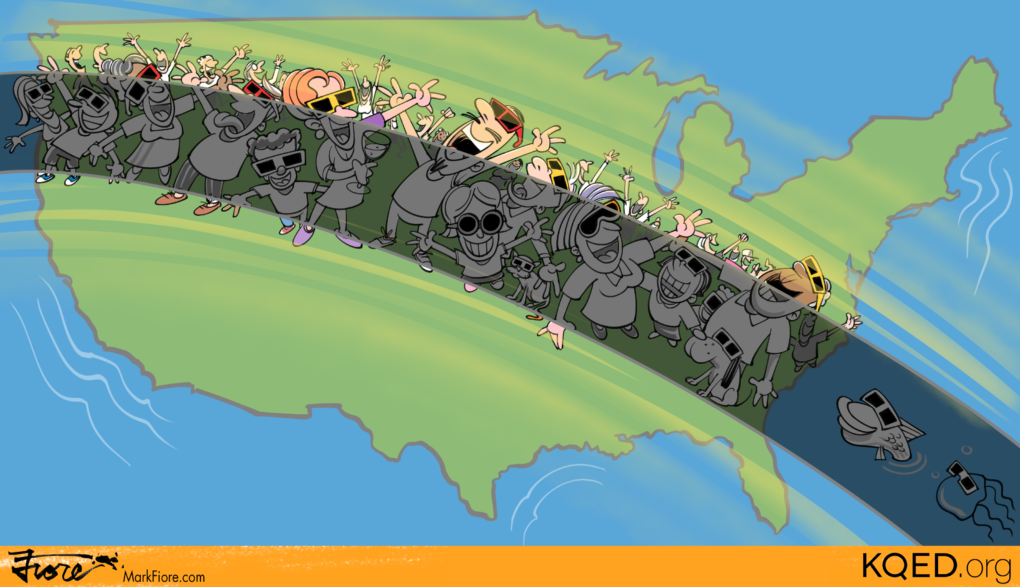
"caption": "A total solar eclipse swept across America on Monday. Millions traveled to the path of totality, which stretched from Oregon to South Carolina. ",
"description": "A total solar eclipse swept across America on Monday. Millions traveled to the path of totality, which stretched from Oregon to South Carolina. ",
"title": "Eclipse Party Across America",
"credit": null,
"status": "inherit",
"isLoading": false,
"fetchFailed": false
},
"science_1914736": {
"type": "attachments",
"id": "science_1914736",
"meta": {
"index": "attachments_1716263798",
"site": "science",
"id": "1914736",
"found": true
},
"parent": 1914732,
"imgSizes": {
"small": {
"file": "https://ww2.kqed.org/app/uploads/sites/35/2017/08/Mark-Bender-1-e1502830282688-520x424.jpg",
"width": 520,
"mimeType": "image/jpeg",
"height": 424
},
"thumbnail": {
"file": "https://ww2.kqed.org/app/uploads/sites/35/2017/08/Mark-Bender-1-e1502830282688-160x130.jpg",
"width": 160,
"mimeType": "image/jpeg",
"height": 130
},
"post-thumbnail": {
"file": "https://ww2.kqed.org/app/uploads/sites/35/2017/08/Mark-Bender-1-e1502830282688-582x372.jpg",
"width": 582,
"mimeType": "image/jpeg",
"height": 372
},
"xsmall": {
"file": "https://ww2.kqed.org/app/uploads/sites/35/2017/08/Mark-Bender-1-e1502830282688-375x305.jpg",
"width": 375,
"mimeType": "image/jpeg",
"height": 305
},
"kqedFullSize": {
"file": "https://ww2.kqed.org/app/uploads/sites/35/2017/08/Mark-Bender-1-e1502830282688.jpg",
"width": 582,
"height": 474
},
"guest-author-50": {
"file": "https://ww2.kqed.org/app/uploads/sites/35/2017/08/Mark-Bender-1-e1502830282688-50x50.jpg",
"width": 50,
"mimeType": "image/jpeg",
"height": 50
},
"guest-author-96": {
"file": "https://ww2.kqed.org/app/uploads/sites/35/2017/08/Mark-Bender-1-e1502830282688-96x96.jpg",
"width": 96,
"mimeType": "image/jpeg",
"height": 96
},
"guest-author-64": {
"file": "https://ww2.kqed.org/app/uploads/sites/35/2017/08/Mark-Bender-1-e1502830282688-64x64.jpg",
"width": 64,
"mimeType": "image/jpeg",
"height": 64
},
"detail": {
"file": "https://ww2.kqed.org/app/uploads/sites/35/2017/08/Mark-Bender-1-e1502830282688-150x150.jpg",
"width": 150,
"mimeType": "image/jpeg",
"height": 150
},
"guest-author-32": {
"file": "https://ww2.kqed.org/app/uploads/sites/35/2017/08/Mark-Bender-1-e1502830282688-32x32.jpg",
"width": 32,
"mimeType": "image/jpeg",
"height": 32
},
"guest-author-128": {
"file": "https://ww2.kqed.org/app/uploads/sites/35/2017/08/Mark-Bender-1-e1502830282688-128x128.jpg",
"width": 128,
"mimeType": "image/jpeg",
"height": 128
},
"xxsmall": {
"file": "https://ww2.kqed.org/app/uploads/sites/35/2017/08/Mark-Bender-1-e1502830282688-240x195.jpg",
"width": 240,
"mimeType": "image/jpeg",
"height": 195
}
},
"publishDate": 1502996493,
"modified": 1502996542,
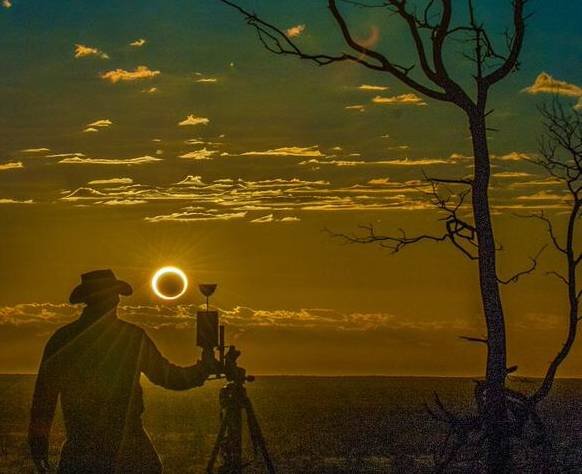
"caption": "Mark Bender at an annular eclipse in western Australia on May 10, 2013. An annular eclipse is like a total eclipse but the moon is slightly further away from the Earth, so it appears slightly smaller.",
"description": "Mark Bender at an annular eclipse in western Australia on May 10, 2013. An annular eclipse is like a total eclipse but the moon is slightly further away from the Earth, so it appears slightly smaller.",
"title": "Mark-Bender-1-e1502830282688",
"credit": "James McClean",
"status": "inherit",
"isLoading": false,
"fetchFailed": false
},
"science_1914603": {
"type": "attachments",
"id": "science_1914603",
"meta": {
"index": "attachments_1716263798",
"site": "science",
"id": "1914603",
"found": true
},
"parent": 1914580,
"imgSizes": {
"small": {
"file": "https://ww2.kqed.org/app/uploads/sites/35/2017/08/JG1_0172-520x347.jpg",
"width": 520,
"mimeType": "image/jpeg",
"height": 347
},
"twentyfourteen-full-width": {
"file": "https://ww2.kqed.org/app/uploads/sites/35/2017/08/JG1_0172-1038x576.jpg",
"width": 1038,
"mimeType": "image/jpeg",
"height": 576
},
"thumbnail": {
"file": "https://ww2.kqed.org/app/uploads/sites/35/2017/08/JG1_0172-160x107.jpg",
"width": 160,
"mimeType": "image/jpeg",
"height": 107
},
"fd-sm": {
"file": "https://ww2.kqed.org/app/uploads/sites/35/2017/08/JG1_0172-960x640.jpg",
"width": 960,
"mimeType": "image/jpeg",
"height": 640
},
"post-thumbnail": {
"file": "https://ww2.kqed.org/app/uploads/sites/35/2017/08/JG1_0172-672x372.jpg",
"width": 672,
"mimeType": "image/jpeg",
"height": 372
},
"xsmall": {
"file": "https://ww2.kqed.org/app/uploads/sites/35/2017/08/JG1_0172-375x250.jpg",
"width": 375,
"mimeType": "image/jpeg",
"height": 250
},
"kqedFullSize": {
"file": "https://ww2.kqed.org/app/uploads/sites/35/2017/08/JG1_0172.jpg",
"width": 3936,
"height": 2624
},
"large": {
"file": "https://ww2.kqed.org/app/uploads/sites/35/2017/08/JG1_0172-1020x680.jpg",
"width": 1020,
"mimeType": "image/jpeg",
"height": 680
},
"xlarge": {
"file": "https://ww2.kqed.org/app/uploads/sites/35/2017/08/JG1_0172-1180x787.jpg",
"width": 1180,
"mimeType": "image/jpeg",
"height": 787
},
"guest-author-50": {
"file": "https://ww2.kqed.org/app/uploads/sites/35/2017/08/JG1_0172-50x50.jpg",
"width": 50,
"mimeType": "image/jpeg",
"height": 50
},
"guest-author-96": {
"file": "https://ww2.kqed.org/app/uploads/sites/35/2017/08/JG1_0172-96x96.jpg",
"width": 96,
"mimeType": "image/jpeg",
"height": 96
},
"medium": {
"file": "https://ww2.kqed.org/app/uploads/sites/35/2017/08/JG1_0172-800x533.jpg",
"width": 800,
"mimeType": "image/jpeg",
"height": 533
},
"guest-author-64": {
"file": "https://ww2.kqed.org/app/uploads/sites/35/2017/08/JG1_0172-64x64.jpg",
"width": 64,
"mimeType": "image/jpeg",
"height": 64
},
"guest-author-32": {
"file": "https://ww2.kqed.org/app/uploads/sites/35/2017/08/JG1_0172-32x32.jpg",
"width": 32,
"mimeType": "image/jpeg",
"height": 32
},
"fd-lrg": {
"file": "https://ww2.kqed.org/app/uploads/sites/35/2017/08/JG1_0172-1920x1280.jpg",
"width": 1920,
"mimeType": "image/jpeg",
"height": 1280
},
"fd-med": {
"file": "https://ww2.kqed.org/app/uploads/sites/35/2017/08/JG1_0172-1180x787.jpg",
"width": 1180,
"mimeType": "image/jpeg",
"height": 787
},
"full-width": {
"file": "https://ww2.kqed.org/app/uploads/sites/35/2017/08/JG1_0172-1920x1280.jpg",
"width": 1920,
"mimeType": "image/jpeg",
"height": 1280
},
"detail": {
"file": "https://ww2.kqed.org/app/uploads/sites/35/2017/08/JG1_0172-150x150.jpg",
"width": 150,
"mimeType": "image/jpeg",
"height": 150
},
"medium_large": {
"file": "https://ww2.kqed.org/app/uploads/sites/35/2017/08/JG1_0172-768x512.jpg",
"width": 768,
"mimeType": "image/jpeg",
"height": 512
},
"guest-author-128": {
"file": "https://ww2.kqed.org/app/uploads/sites/35/2017/08/JG1_0172-128x128.jpg",
"width": 128,
"mimeType": "image/jpeg",
"height": 128
},
"xxsmall": {
"file": "https://ww2.kqed.org/app/uploads/sites/35/2017/08/JG1_0172-240x160.jpg",
"width": 240,
"mimeType": "image/jpeg",
"height": 160
}
},
"publishDate": 1502846218,
"modified": 1502846333,
"caption": "Northern anchovy like these are found off the Northern California coast.",
"description": null,
"title": "JG1_0172",
"credit": "Matthew Savoca",
"status": "inherit",
"isLoading": false,
"fetchFailed": false
},
"science_1914630": {
"type": "attachments",
"id": "science_1914630",
"meta": {
"index": "attachments_1716263798",
"site": "science",
"id": "1914630",
"found": true
},
"parent": 1914629,
"imgSizes": {
"small": {
"file": "https://ww2.kqed.org/app/uploads/sites/35/2017/08/2.-Scoggins-before-rescue-2-520x390.jpg",
"width": 520,
"mimeType": "image/jpeg",
"height": 390
},
"thumbnail": {
"file": "https://ww2.kqed.org/app/uploads/sites/35/2017/08/2.-Scoggins-before-rescue-2-160x120.jpg",
"width": 160,
"mimeType": "image/jpeg",
"height": 120
},
"post-thumbnail": {
"file": "https://ww2.kqed.org/app/uploads/sites/35/2017/08/2.-Scoggins-before-rescue-2-640x372.jpg",
"width": 640,
"mimeType": "image/jpeg",
"height": 372
},
"xsmall": {
"file": "https://ww2.kqed.org/app/uploads/sites/35/2017/08/2.-Scoggins-before-rescue-2-375x281.jpg",
"width": 375,
"mimeType": "image/jpeg",
"height": 281
},
"kqedFullSize": {
"file": "https://ww2.kqed.org/app/uploads/sites/35/2017/08/2.-Scoggins-before-rescue-2.jpg",
"width": 640,
"height": 480
},
"guest-author-50": {
"file": "https://ww2.kqed.org/app/uploads/sites/35/2017/08/2.-Scoggins-before-rescue-2-50x50.jpg",
"width": 50,
"mimeType": "image/jpeg",
"height": 50
},
"guest-author-96": {
"file": "https://ww2.kqed.org/app/uploads/sites/35/2017/08/2.-Scoggins-before-rescue-2-96x96.jpg",
"width": 96,
"mimeType": "image/jpeg",
"height": 96
},
"guest-author-64": {
"file": "https://ww2.kqed.org/app/uploads/sites/35/2017/08/2.-Scoggins-before-rescue-2-64x64.jpg",
"width": 64,
"mimeType": "image/jpeg",
"height": 64
},
"detail": {
"file": "https://ww2.kqed.org/app/uploads/sites/35/2017/08/2.-Scoggins-before-rescue-2-150x150.jpg",
"width": 150,
"mimeType": "image/jpeg",
"height": 150
},
"guest-author-32": {
"file": "https://ww2.kqed.org/app/uploads/sites/35/2017/08/2.-Scoggins-before-rescue-2-32x32.jpg",
"width": 32,
"mimeType": "image/jpeg",
"height": 32
},
"guest-author-128": {
"file": "https://ww2.kqed.org/app/uploads/sites/35/2017/08/2.-Scoggins-before-rescue-2-128x128.jpg",
"width": 128,
"mimeType": "image/jpeg",
"height": 128
},
"xxsmall": {
"file": "https://ww2.kqed.org/app/uploads/sites/35/2017/08/2.-Scoggins-before-rescue-2-240x180.jpg",
"width": 240,
"mimeType": "image/jpeg",
"height": 180
}
},
"publishDate": 1502911593,
"modified": 1502911769,
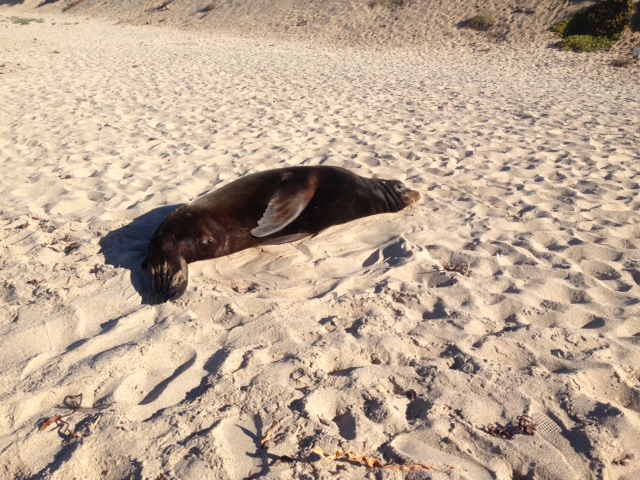
"caption": "This sea lion, named Scoggins was diagnosed with domoic acid poisoning and rescued by the Marine Mammal Center in 2013. He was released into the wild and sighted at Pier 39 the following year. ",
"description": null,
"title": "scoggins",
"credit": "Marine Mammal Center",
"status": "inherit",
"isLoading": false,
"fetchFailed": false
},
"science_1914621": {
"type": "attachments",
"id": "science_1914621",
"meta": {
"index": "attachments_1716263798",
"site": "science",
"id": "1914621",
"found": true
},
"parent": 1914538,
"imgSizes": {
"small": {
"file": "https://ww2.kqed.org/app/uploads/sites/35/2017/08/Eclipse_FI-520x293.jpg",
"width": 520,
"mimeType": "image/jpeg",
"height": 293
},
"twentyfourteen-full-width": {
"file": "https://ww2.kqed.org/app/uploads/sites/35/2017/08/Eclipse_FI-1038x576.jpg",
"width": 1038,
"mimeType": "image/jpeg",
"height": 576
},
"thumbnail": {
"file": "https://ww2.kqed.org/app/uploads/sites/35/2017/08/Eclipse_FI-160x90.jpg",
"width": 160,
"mimeType": "image/jpeg",
"height": 90
},
"fd-sm": {
"file": "https://ww2.kqed.org/app/uploads/sites/35/2017/08/Eclipse_FI-960x540.jpg",
"width": 960,
"mimeType": "image/jpeg",
"height": 540
},
"post-thumbnail": {
"file": "https://ww2.kqed.org/app/uploads/sites/35/2017/08/Eclipse_FI-672x372.jpg",
"width": 672,
"mimeType": "image/jpeg",
"height": 372
},
"xsmall": {
"file": "https://ww2.kqed.org/app/uploads/sites/35/2017/08/Eclipse_FI-375x211.jpg",
"width": 375,
"mimeType": "image/jpeg",
"height": 211
},
"kqedFullSize": {
"file": "https://ww2.kqed.org/app/uploads/sites/35/2017/08/Eclipse_FI.jpg",
"width": 1920,
"height": 1080
},
"large": {
"file": "https://ww2.kqed.org/app/uploads/sites/35/2017/08/Eclipse_FI-1020x574.jpg",
"width": 1020,
"mimeType": "image/jpeg",
"height": 574
},
"xlarge": {
"file": "https://ww2.kqed.org/app/uploads/sites/35/2017/08/Eclipse_FI-1180x664.jpg",
"width": 1180,
"mimeType": "image/jpeg",
"height": 664
},
"guest-author-50": {
"file": "https://ww2.kqed.org/app/uploads/sites/35/2017/08/Eclipse_FI-50x50.jpg",
"width": 50,
"mimeType": "image/jpeg",
"height": 50
},
"guest-author-96": {
"file": "https://ww2.kqed.org/app/uploads/sites/35/2017/08/Eclipse_FI-96x96.jpg",
"width": 96,
"mimeType": "image/jpeg",
"height": 96
},
"medium": {
"file": "https://ww2.kqed.org/app/uploads/sites/35/2017/08/Eclipse_FI-800x450.jpg",
"width": 800,
"mimeType": "image/jpeg",
"height": 450
},
"guest-author-64": {
"file": "https://ww2.kqed.org/app/uploads/sites/35/2017/08/Eclipse_FI-64x64.jpg",
"width": 64,
"mimeType": "image/jpeg",
"height": 64
},
"guest-author-32": {
"file": "https://ww2.kqed.org/app/uploads/sites/35/2017/08/Eclipse_FI-32x32.jpg",
"width": 32,
"mimeType": "image/jpeg",
"height": 32
},
"fd-lrg": {
"file": "https://ww2.kqed.org/app/uploads/sites/35/2017/08/Eclipse_FI-1920x1080.jpg",
"width": 1920,
"mimeType": "image/jpeg",
"height": 1080
},
"fd-med": {
"file": "https://ww2.kqed.org/app/uploads/sites/35/2017/08/Eclipse_FI-1180x664.jpg",
"width": 1180,
"mimeType": "image/jpeg",
"height": 664
},
"full-width": {
"file": "https://ww2.kqed.org/app/uploads/sites/35/2017/08/Eclipse_FI-1920x1080.jpg",
"width": 1920,
"mimeType": "image/jpeg",
"height": 1080
},
"detail": {
"file": "https://ww2.kqed.org/app/uploads/sites/35/2017/08/Eclipse_FI-150x150.jpg",
"width": 150,
"mimeType": "image/jpeg",
"height": 150
},
"medium_large": {
"file": "https://ww2.kqed.org/app/uploads/sites/35/2017/08/Eclipse_FI-768x432.jpg",
"width": 768,
"mimeType": "image/jpeg",
"height": 432
},
"guest-author-128": {
"file": "https://ww2.kqed.org/app/uploads/sites/35/2017/08/Eclipse_FI-128x128.jpg",
"width": 128,
"mimeType": "image/jpeg",
"height": 128
},
"xxsmall": {
"file": "https://ww2.kqed.org/app/uploads/sites/35/2017/08/Eclipse_FI-240x135.jpg",
"width": 240,
"mimeType": "image/jpeg",
"height": 135
}
},
"publishDate": 1502859433,
"modified": 1502859452,
"caption": null,
"description": null,
"title": "Eclipse_FI",
"credit": "Teodros Hailye/KQED",
"status": "inherit",
"isLoading": false,
"fetchFailed": false
},
"science_22999": {
"type": "attachments",
"id": "science_22999",
"meta": {
"index": "attachments_1716263798",
"site": "science",
"id": "22999",
"found": true
},
"parent": 22792,
"imgSizes": {
"kqedFullSize": {
"file": "https://ww2.kqed.org/app/uploads/sites/35/2014/10/solareclipse1.jpg",
"width": 5017,
"height": 3344
}
},
"publishDate": 1414100158,
"modified": 1502814450,
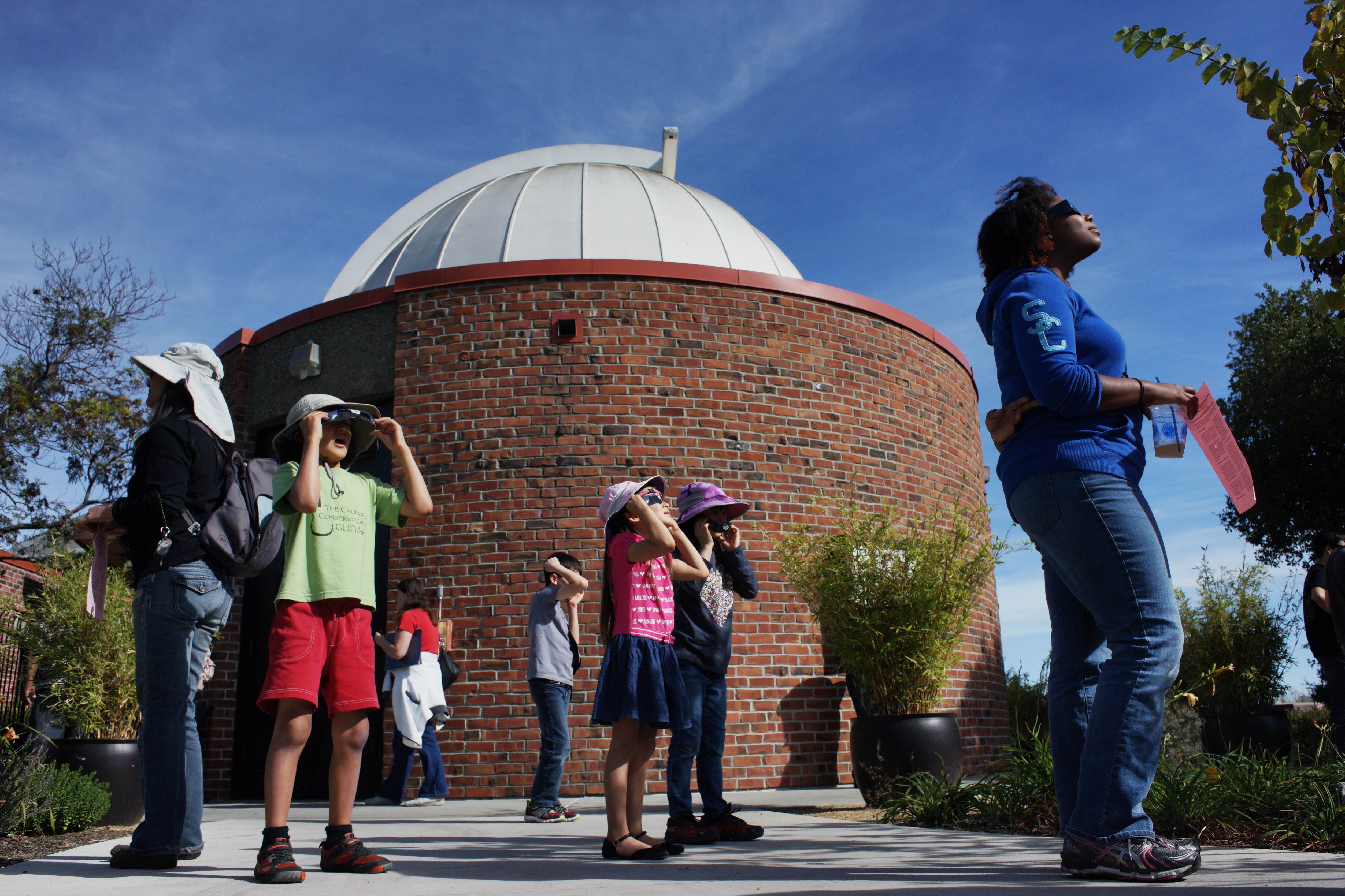
"caption": "Eclipse watchers at Foothill College in Los Altos. during 2014's partial solar eclipse. (James Tensuan/KQED)",
"description": null,
"title": "solareclipse1",
"credit": null,
"status": "inherit",
"isLoading": false,
"fetchFailed": false
},
"science_1914446": {
"type": "attachments",
"id": "science_1914446",
"meta": {
"index": "attachments_1716263798",
"site": "science",
"id": "1914446",
"found": true
},
"parent": 1914437,
"imgSizes": {
"small": {
"file": "https://ww2.kqed.org/app/uploads/sites/35/2017/08/NellisAirForceBase2-520x293.jpg",
"width": 520,
"mimeType": "image/jpeg",
"height": 293
},
"twentyfourteen-full-width": {
"file": "https://ww2.kqed.org/app/uploads/sites/35/2017/08/NellisAirForceBase2-1038x576.jpg",
"width": 1038,
"mimeType": "image/jpeg",
"height": 576
},
"thumbnail": {
"file": "https://ww2.kqed.org/app/uploads/sites/35/2017/08/NellisAirForceBase2-160x90.jpg",
"width": 160,
"mimeType": "image/jpeg",
"height": 90
},
"fd-sm": {
"file": "https://ww2.kqed.org/app/uploads/sites/35/2017/08/NellisAirForceBase2-960x540.jpg",
"width": 960,
"mimeType": "image/jpeg",
"height": 540
},
"post-thumbnail": {
"file": "https://ww2.kqed.org/app/uploads/sites/35/2017/08/NellisAirForceBase2-672x372.jpg",
"width": 672,
"mimeType": "image/jpeg",
"height": 372
},
"xsmall": {
"file": "https://ww2.kqed.org/app/uploads/sites/35/2017/08/NellisAirForceBase2-375x211.jpg",
"width": 375,
"mimeType": "image/jpeg",
"height": 211
},
"kqedFullSize": {
"file": "https://ww2.kqed.org/app/uploads/sites/35/2017/08/NellisAirForceBase2.jpg",
"width": 1920,
"height": 1080
},
"large": {
"file": "https://ww2.kqed.org/app/uploads/sites/35/2017/08/NellisAirForceBase2-1020x574.jpg",
"width": 1020,
"mimeType": "image/jpeg",
"height": 574
},
"xlarge": {
"file": "https://ww2.kqed.org/app/uploads/sites/35/2017/08/NellisAirForceBase2-1180x664.jpg",
"width": 1180,
"mimeType": "image/jpeg",
"height": 664
},
"guest-author-50": {
"file": "https://ww2.kqed.org/app/uploads/sites/35/2017/08/NellisAirForceBase2-50x50.jpg",
"width": 50,
"mimeType": "image/jpeg",
"height": 50
},
"guest-author-96": {
"file": "https://ww2.kqed.org/app/uploads/sites/35/2017/08/NellisAirForceBase2-96x96.jpg",
"width": 96,
"mimeType": "image/jpeg",
"height": 96
},
"medium": {
"file": "https://ww2.kqed.org/app/uploads/sites/35/2017/08/NellisAirForceBase2-800x450.jpg",
"width": 800,
"mimeType": "image/jpeg",
"height": 450
},
"guest-author-64": {
"file": "https://ww2.kqed.org/app/uploads/sites/35/2017/08/NellisAirForceBase2-64x64.jpg",
"width": 64,
"mimeType": "image/jpeg",
"height": 64
},
"guest-author-32": {
"file": "https://ww2.kqed.org/app/uploads/sites/35/2017/08/NellisAirForceBase2-32x32.jpg",
"width": 32,
"mimeType": "image/jpeg",
"height": 32
},
"fd-lrg": {
"file": "https://ww2.kqed.org/app/uploads/sites/35/2017/08/NellisAirForceBase2-1920x1080.jpg",
"width": 1920,
"mimeType": "image/jpeg",
"height": 1080
},
"fd-med": {
"file": "https://ww2.kqed.org/app/uploads/sites/35/2017/08/NellisAirForceBase2-1180x664.jpg",
"width": 1180,
"mimeType": "image/jpeg",
"height": 664
},
"full-width": {
"file": "https://ww2.kqed.org/app/uploads/sites/35/2017/08/NellisAirForceBase2-1920x1080.jpg",
"width": 1920,
"mimeType": "image/jpeg",
"height": 1080
},
"detail": {
"file": "https://ww2.kqed.org/app/uploads/sites/35/2017/08/NellisAirForceBase2-150x150.jpg",
"width": 150,
"mimeType": "image/jpeg",
"height": 150
},
"medium_large": {
"file": "https://ww2.kqed.org/app/uploads/sites/35/2017/08/NellisAirForceBase2-768x432.jpg",
"width": 768,
"mimeType": "image/jpeg",
"height": 432
},
"guest-author-128": {
"file": "https://ww2.kqed.org/app/uploads/sites/35/2017/08/NellisAirForceBase2-128x128.jpg",
"width": 128,
"mimeType": "image/jpeg",
"height": 128
},
"xxsmall": {
"file": "https://ww2.kqed.org/app/uploads/sites/35/2017/08/NellisAirForceBase2-240x135.jpg",
"width": 240,
"mimeType": "image/jpeg",
"height": 135
}
},
"publishDate": 1502484678,
"modified": 1502484736,
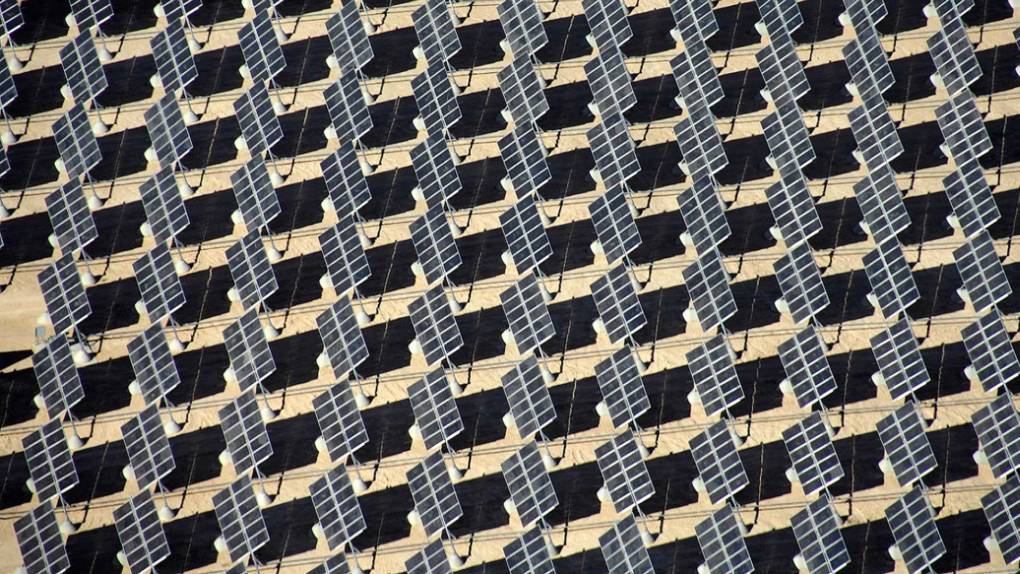
"caption": "California expects to lose more than half of its solar power during the eclipse.",
"description": null,
"title": "Nellis+Air+Force+Base2",
"credit": "SunPower",
"status": "inherit",
"isLoading": false,
"fetchFailed": false
},
"science_1914394": {
"type": "attachments",
"id": "science_1914394",
"meta": {
"index": "attachments_1716263798",
"site": "science",
"id": "1914394",
"found": true
},
"parent": 1914390,
"imgSizes": {
"small": {
"file": "https://ww2.kqed.org/app/uploads/sites/35/2017/08/whale-entanglements-520x293.jpg",
"width": 520,
"mimeType": "image/jpeg",
"height": 293
},
"twentyfourteen-full-width": {
"file": "https://ww2.kqed.org/app/uploads/sites/35/2017/08/whale-entanglements-1024x576.jpg",
"width": 1024,
"mimeType": "image/jpeg",
"height": 576
},
"thumbnail": {
"file": "https://ww2.kqed.org/app/uploads/sites/35/2017/08/whale-entanglements-160x90.jpg",
"width": 160,
"mimeType": "image/jpeg",
"height": 90
},
"fd-sm": {
"file": "https://ww2.kqed.org/app/uploads/sites/35/2017/08/whale-entanglements-960x540.jpg",
"width": 960,
"mimeType": "image/jpeg",
"height": 540
},
"post-thumbnail": {
"file": "https://ww2.kqed.org/app/uploads/sites/35/2017/08/whale-entanglements-672x372.jpg",
"width": 672,
"mimeType": "image/jpeg",
"height": 372
},
"xsmall": {
"file": "https://ww2.kqed.org/app/uploads/sites/35/2017/08/whale-entanglements-375x211.jpg",
"width": 375,
"mimeType": "image/jpeg",
"height": 211
},
"kqedFullSize": {
"file": "https://ww2.kqed.org/app/uploads/sites/35/2017/08/whale-entanglements.jpg",
"width": 1024,
"height": 576
},
"large": {
"file": "https://ww2.kqed.org/app/uploads/sites/35/2017/08/whale-entanglements-1020x574.jpg",
"width": 1020,
"mimeType": "image/jpeg",
"height": 574
},
"guest-author-50": {
"file": "https://ww2.kqed.org/app/uploads/sites/35/2017/08/whale-entanglements-50x50.jpg",
"width": 50,
"mimeType": "image/jpeg",
"height": 50
},
"guest-author-96": {
"file": "https://ww2.kqed.org/app/uploads/sites/35/2017/08/whale-entanglements-96x96.jpg",
"width": 96,
"mimeType": "image/jpeg",
"height": 96
},
"medium": {
"file": "https://ww2.kqed.org/app/uploads/sites/35/2017/08/whale-entanglements-800x450.jpg",
"width": 800,
"mimeType": "image/jpeg",
"height": 450
},
"guest-author-64": {
"file": "https://ww2.kqed.org/app/uploads/sites/35/2017/08/whale-entanglements-64x64.jpg",
"width": 64,
"mimeType": "image/jpeg",
"height": 64
},
"guest-author-32": {
"file": "https://ww2.kqed.org/app/uploads/sites/35/2017/08/whale-entanglements-32x32.jpg",
"width": 32,
"mimeType": "image/jpeg",
"height": 32
},
"detail": {
"file": "https://ww2.kqed.org/app/uploads/sites/35/2017/08/whale-entanglements-150x150.jpg",
"width": 150,
"mimeType": "image/jpeg",
"height": 150
},
"medium_large": {
"file": "https://ww2.kqed.org/app/uploads/sites/35/2017/08/whale-entanglements-768x432.jpg",
"width": 768,
"mimeType": "image/jpeg",
"height": 432
},
"guest-author-128": {
"file": "https://ww2.kqed.org/app/uploads/sites/35/2017/08/whale-entanglements-128x128.jpg",
"width": 128,
"mimeType": "image/jpeg",
"height": 128
},
"xxsmall": {
"file": "https://ww2.kqed.org/app/uploads/sites/35/2017/08/whale-entanglements-240x135.jpg",
"width": 240,
"mimeType": "image/jpeg",
"height": 135
}
},
"publishDate": 1502392357,
"modified": 1502392392,
"caption": "A juvenile humpback whale is shown entangled in fishing gear off Palos Verdes on July 29. ",
"description": null,
"title": "whale entanglements",
"credit": "Adam Fox/Marine Animal Rescue",
"status": "inherit",
"isLoading": false,
"fetchFailed": false
},
"science_1914261": {
"type": "attachments",
"id": "science_1914261",
"meta": {
"index": "attachments_1716263798",
"site": "science",
"id": "1914261",
"found": true
},
"parent": 1914182,
"imgSizes": {
"small": {
"file": "https://ww2.kqed.org/app/uploads/sites/35/2017/08/RS13989_87856673-520x347.jpg",
"width": 520,
"mimeType": "image/jpeg",
"height": 347
},
"twentyfourteen-full-width": {
"file": "https://ww2.kqed.org/app/uploads/sites/35/2017/08/RS13989_87856673-1038x576.jpg",
"width": 1038,
"mimeType": "image/jpeg",
"height": 576
},
"thumbnail": {
"file": "https://ww2.kqed.org/app/uploads/sites/35/2017/08/RS13989_87856673-160x107.jpg",
"width": 160,
"mimeType": "image/jpeg",
"height": 107
},
"fd-sm": {
"file": "https://ww2.kqed.org/app/uploads/sites/35/2017/08/RS13989_87856673-960x640.jpg",
"width": 960,
"mimeType": "image/jpeg",
"height": 640
},
"post-thumbnail": {
"file": "https://ww2.kqed.org/app/uploads/sites/35/2017/08/RS13989_87856673-672x372.jpg",
"width": 672,
"mimeType": "image/jpeg",
"height": 372
},
"xsmall": {
"file": "https://ww2.kqed.org/app/uploads/sites/35/2017/08/RS13989_87856673-375x250.jpg",
"width": 375,
"mimeType": "image/jpeg",
"height": 250
},
"kqedFullSize": {
"file": "https://ww2.kqed.org/app/uploads/sites/35/2017/08/RS13989_87856673.jpg",
"width": 2000,
"height": 1333
},
"large": {
"file": "https://ww2.kqed.org/app/uploads/sites/35/2017/08/RS13989_87856673-1020x680.jpg",
"width": 1020,
"mimeType": "image/jpeg",
"height": 680
},
"xlarge": {
"file": "https://ww2.kqed.org/app/uploads/sites/35/2017/08/RS13989_87856673-1180x786.jpg",
"width": 1180,
"mimeType": "image/jpeg",
"height": 786
},
"guest-author-50": {
"file": "https://ww2.kqed.org/app/uploads/sites/35/2017/08/RS13989_87856673-50x50.jpg",
"width": 50,
"mimeType": "image/jpeg",
"height": 50
},
"guest-author-96": {
"file": "https://ww2.kqed.org/app/uploads/sites/35/2017/08/RS13989_87856673-96x96.jpg",
"width": 96,
"mimeType": "image/jpeg",
"height": 96
},
"medium": {
"file": "https://ww2.kqed.org/app/uploads/sites/35/2017/08/RS13989_87856673-800x533.jpg",
"width": 800,
"mimeType": "image/jpeg",
"height": 533
},
"guest-author-64": {
"file": "https://ww2.kqed.org/app/uploads/sites/35/2017/08/RS13989_87856673-64x64.jpg",
"width": 64,
"mimeType": "image/jpeg",
"height": 64
},
"guest-author-32": {
"file": "https://ww2.kqed.org/app/uploads/sites/35/2017/08/RS13989_87856673-32x32.jpg",
"width": 32,
"mimeType": "image/jpeg",
"height": 32
},
"fd-lrg": {
"file": "https://ww2.kqed.org/app/uploads/sites/35/2017/08/RS13989_87856673-1920x1280.jpg",
"width": 1920,
"mimeType": "image/jpeg",
"height": 1280
},
"fd-med": {
"file": "https://ww2.kqed.org/app/uploads/sites/35/2017/08/RS13989_87856673-1180x786.jpg",
"width": 1180,
"mimeType": "image/jpeg",
"height": 786
},
"full-width": {
"file": "https://ww2.kqed.org/app/uploads/sites/35/2017/08/RS13989_87856673-1920x1280.jpg",
"width": 1920,
"mimeType": "image/jpeg",
"height": 1280
},
"detail": {
"file": "https://ww2.kqed.org/app/uploads/sites/35/2017/08/RS13989_87856673-150x150.jpg",
"width": 150,
"mimeType": "image/jpeg",
"height": 150
},
"medium_large": {
"file": "https://ww2.kqed.org/app/uploads/sites/35/2017/08/RS13989_87856673-768x512.jpg",
"width": 768,
"mimeType": "image/jpeg",
"height": 512
},
"guest-author-128": {
"file": "https://ww2.kqed.org/app/uploads/sites/35/2017/08/RS13989_87856673-128x128.jpg",
"width": 128,
"mimeType": "image/jpeg",
"height": 128
},
"xxsmall": {
"file": "https://ww2.kqed.org/app/uploads/sites/35/2017/08/RS13989_87856673-240x160.jpg",
"width": 240,
"mimeType": "image/jpeg",
"height": 160
}
},
"publishDate": 1501804688,
"modified": 1522782971,
"caption": null,
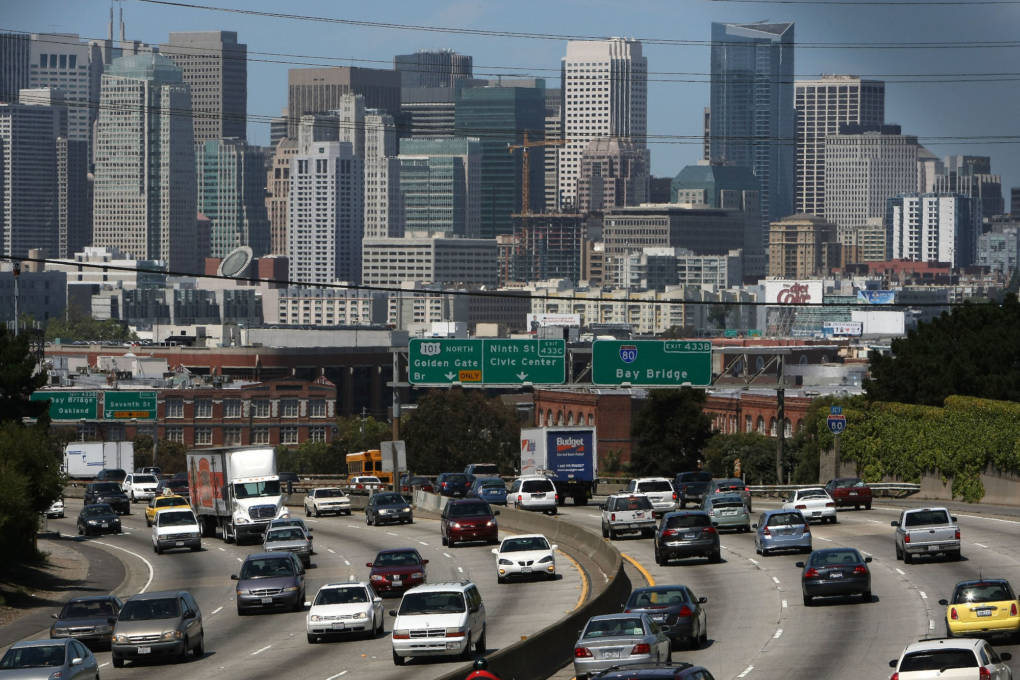
"description": "When this photo was taken in 2009, self-driving cars seemed a distant promise. Now they're becoming a new challenge for highway engineers.",
"title": "SF Traffic",
"credit": "Justin Sullivan/Getty Images",
"status": "inherit",
"isLoading": false,
"fetchFailed": false
},
"science_1914141": {
"type": "attachments",
"id": "science_1914141",
"meta": {
"index": "attachments_1716263798",
"site": "science",
"id": "1914141",
"found": true
},
"parent": 1914127,
"imgSizes": {
"small": {
"file": "https://ww2.kqed.org/app/uploads/sites/35/2017/08/panorama-above-perseverance-520x293.jpg",
"width": 520,
"mimeType": "image/jpeg",
"height": 293
},
"twentyfourteen-full-width": {
"file": "https://ww2.kqed.org/app/uploads/sites/35/2017/08/panorama-above-perseverance-1038x576.jpg",
"width": 1038,
"mimeType": "image/jpeg",
"height": 576
},
"thumbnail": {
"file": "https://ww2.kqed.org/app/uploads/sites/35/2017/08/panorama-above-perseverance-160x90.jpg",
"width": 160,
"mimeType": "image/jpeg",
"height": 90
},
"fd-sm": {
"file": "https://ww2.kqed.org/app/uploads/sites/35/2017/08/panorama-above-perseverance-960x540.jpg",
"width": 960,
"mimeType": "image/jpeg",
"height": 540
},
"post-thumbnail": {
"file": "https://ww2.kqed.org/app/uploads/sites/35/2017/08/panorama-above-perseverance-672x372.jpg",
"width": 672,
"mimeType": "image/jpeg",
"height": 372
},
"xsmall": {
"file": "https://ww2.kqed.org/app/uploads/sites/35/2017/08/panorama-above-perseverance-375x211.jpg",
"width": 375,
"mimeType": "image/jpeg",
"height": 211
},
"kqedFullSize": {
"file": "https://ww2.kqed.org/app/uploads/sites/35/2017/08/panorama-above-perseverance.jpg",
"width": 1920,
"height": 1080
},
"large": {
"file": "https://ww2.kqed.org/app/uploads/sites/35/2017/08/panorama-above-perseverance-1020x574.jpg",
"width": 1020,
"mimeType": "image/jpeg",
"height": 574
},
"xlarge": {
"file": "https://ww2.kqed.org/app/uploads/sites/35/2017/08/panorama-above-perseverance-1180x664.jpg",
"width": 1180,
"mimeType": "image/jpeg",
"height": 664
},
"guest-author-50": {
"file": "https://ww2.kqed.org/app/uploads/sites/35/2017/08/panorama-above-perseverance-50x50.jpg",
"width": 50,
"mimeType": "image/jpeg",
"height": 50
},
"guest-author-96": {
"file": "https://ww2.kqed.org/app/uploads/sites/35/2017/08/panorama-above-perseverance-96x96.jpg",
"width": 96,
"mimeType": "image/jpeg",
"height": 96
},
"medium": {
"file": "https://ww2.kqed.org/app/uploads/sites/35/2017/08/panorama-above-perseverance-800x450.jpg",
"width": 800,
"mimeType": "image/jpeg",
"height": 450
},
"guest-author-64": {
"file": "https://ww2.kqed.org/app/uploads/sites/35/2017/08/panorama-above-perseverance-64x64.jpg",
"width": 64,
"mimeType": "image/jpeg",
"height": 64
},
"guest-author-32": {
"file": "https://ww2.kqed.org/app/uploads/sites/35/2017/08/panorama-above-perseverance-32x32.jpg",
"width": 32,
"mimeType": "image/jpeg",
"height": 32
},
"fd-lrg": {
"file": "https://ww2.kqed.org/app/uploads/sites/35/2017/08/panorama-above-perseverance-1920x1080.jpg",
"width": 1920,
"mimeType": "image/jpeg",
"height": 1080
},
"fd-med": {
"file": "https://ww2.kqed.org/app/uploads/sites/35/2017/08/panorama-above-perseverance-1180x664.jpg",
"width": 1180,
"mimeType": "image/jpeg",
"height": 664
},
"full-width": {
"file": "https://ww2.kqed.org/app/uploads/sites/35/2017/08/panorama-above-perseverance-1920x1080.jpg",
"width": 1920,
"mimeType": "image/jpeg",
"height": 1080
},
"detail": {
"file": "https://ww2.kqed.org/app/uploads/sites/35/2017/08/panorama-above-perseverance-150x150.jpg",
"width": 150,
"mimeType": "image/jpeg",
"height": 150
},
"medium_large": {
"file": "https://ww2.kqed.org/app/uploads/sites/35/2017/08/panorama-above-perseverance-768x432.jpg",
"width": 768,
"mimeType": "image/jpeg",
"height": 432
},
"guest-author-128": {
"file": "https://ww2.kqed.org/app/uploads/sites/35/2017/08/panorama-above-perseverance-128x128.jpg",
"width": 128,
"mimeType": "image/jpeg",
"height": 128
},
"xxsmall": {
"file": "https://ww2.kqed.org/app/uploads/sites/35/2017/08/panorama-above-perseverance-240x135.jpg",
"width": 240,
"mimeType": "image/jpeg",
"height": 135
}
},
"publishDate": 1501711123,
"modified": 1528902738,
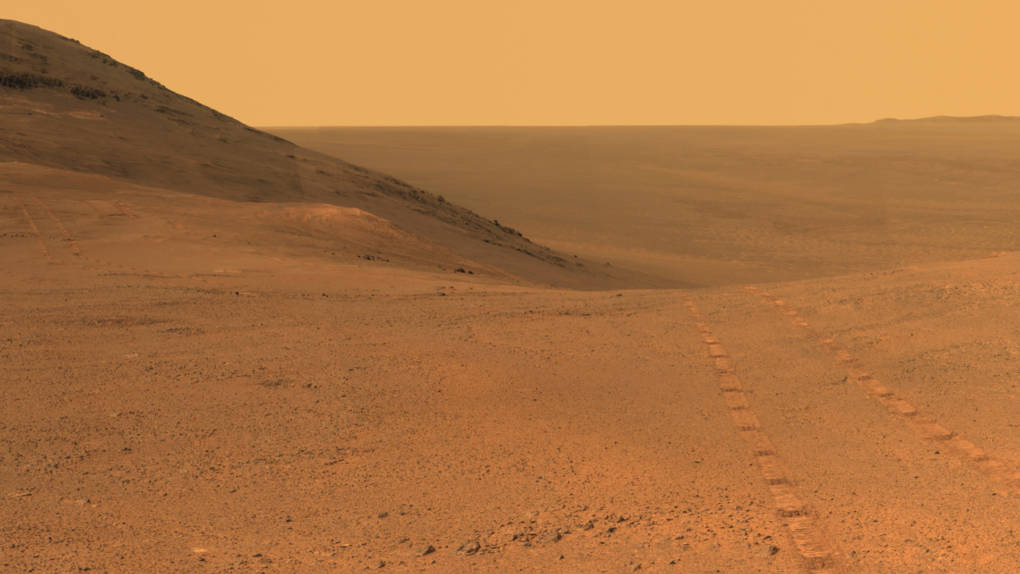
"caption": "Shown is the upper entrance to the fluid-carved canyon \"Perseverance Valley.\" ",
"description": "NASA's Opportunity rover took this picture of the upper entrance to the fluid-carved canyon \"Perseverance Valley,\" before descending through this \"spillway\" that may be evidence of a past torrent of flowing water. ",
"title": "panorama-above-perseverance",
"credit": "NASA/JPL-CalTech",
"status": "inherit",
"isLoading": false,
"fetchFailed": false
},
"science_1914131": {
"type": "attachments",
"id": "science_1914131",
"meta": {
"index": "attachments_1716263798",
"site": "science",
"id": "1914131",
"found": true
},
"parent": 1914130,
"imgSizes": {
"small": {
"file": "https://ww2.kqed.org/app/uploads/sites/35/2017/08/Aera-Belridge_field-web-520x290.jpg",
"width": 520,
"mimeType": "image/jpeg",
"height": 290
},
"twentyfourteen-full-width": {
"file": "https://ww2.kqed.org/app/uploads/sites/35/2017/08/Aera-Belridge_field-web-1038x576.jpg",
"width": 1038,
"mimeType": "image/jpeg",
"height": 576
},
"thumbnail": {
"file": "https://ww2.kqed.org/app/uploads/sites/35/2017/08/Aera-Belridge_field-web-160x89.jpg",
"width": 160,
"mimeType": "image/jpeg",
"height": 89
},
"fd-sm": {
"file": "https://ww2.kqed.org/app/uploads/sites/35/2017/08/Aera-Belridge_field-web-960x535.jpg",
"width": 960,
"mimeType": "image/jpeg",
"height": 535
},
"post-thumbnail": {
"file": "https://ww2.kqed.org/app/uploads/sites/35/2017/08/Aera-Belridge_field-web-672x372.jpg",
"width": 672,
"mimeType": "image/jpeg",
"height": 372
},
"xsmall": {
"file": "https://ww2.kqed.org/app/uploads/sites/35/2017/08/Aera-Belridge_field-web-375x209.jpg",
"width": 375,
"mimeType": "image/jpeg",
"height": 209
},
"kqedFullSize": {
"file": "https://ww2.kqed.org/app/uploads/sites/35/2017/08/Aera-Belridge_field-web.jpg",
"width": 1920,
"height": 1070
},
"large": {
"file": "https://ww2.kqed.org/app/uploads/sites/35/2017/08/Aera-Belridge_field-web-1020x568.jpg",
"width": 1020,
"mimeType": "image/jpeg",
"height": 568
},
"xlarge": {
"file": "https://ww2.kqed.org/app/uploads/sites/35/2017/08/Aera-Belridge_field-web-1180x658.jpg",
"width": 1180,
"mimeType": "image/jpeg",
"height": 658
},
"guest-author-50": {
"file": "https://ww2.kqed.org/app/uploads/sites/35/2017/08/Aera-Belridge_field-web-50x50.jpg",
"width": 50,
"mimeType": "image/jpeg",
"height": 50
},
"guest-author-96": {
"file": "https://ww2.kqed.org/app/uploads/sites/35/2017/08/Aera-Belridge_field-web-96x96.jpg",
"width": 96,
"mimeType": "image/jpeg",
"height": 96
},
"medium": {
"file": "https://ww2.kqed.org/app/uploads/sites/35/2017/08/Aera-Belridge_field-web-800x446.jpg",
"width": 800,
"mimeType": "image/jpeg",
"height": 446
},
"guest-author-64": {
"file": "https://ww2.kqed.org/app/uploads/sites/35/2017/08/Aera-Belridge_field-web-64x64.jpg",
"width": 64,
"mimeType": "image/jpeg",
"height": 64
},
"guest-author-32": {
"file": "https://ww2.kqed.org/app/uploads/sites/35/2017/08/Aera-Belridge_field-web-32x32.jpg",
"width": 32,
"mimeType": "image/jpeg",
"height": 32
},
"fd-lrg": {
"file": "https://ww2.kqed.org/app/uploads/sites/35/2017/08/Aera-Belridge_field-web-1920x1070.jpg",
"width": 1920,
"mimeType": "image/jpeg",
"height": 1070
},
"fd-med": {
"file": "https://ww2.kqed.org/app/uploads/sites/35/2017/08/Aera-Belridge_field-web-1180x658.jpg",
"width": 1180,
"mimeType": "image/jpeg",
"height": 658
},
"full-width": {
"file": "https://ww2.kqed.org/app/uploads/sites/35/2017/08/Aera-Belridge_field-web-1920x1070.jpg",
"width": 1920,
"mimeType": "image/jpeg",
"height": 1070
},
"detail": {
"file": "https://ww2.kqed.org/app/uploads/sites/35/2017/08/Aera-Belridge_field-web-150x150.jpg",
"width": 150,
"mimeType": "image/jpeg",
"height": 150
},
"medium_large": {
"file": "https://ww2.kqed.org/app/uploads/sites/35/2017/08/Aera-Belridge_field-web-768x428.jpg",
"width": 768,
"mimeType": "image/jpeg",
"height": 428
},
"guest-author-128": {
"file": "https://ww2.kqed.org/app/uploads/sites/35/2017/08/Aera-Belridge_field-web-128x128.jpg",
"width": 128,
"mimeType": "image/jpeg",
"height": 128
},
"xxsmall": {
"file": "https://ww2.kqed.org/app/uploads/sites/35/2017/08/Aera-Belridge_field-web-240x134.jpg",
"width": 240,
"mimeType": "image/jpeg",
"height": 134
}
},
"publishDate": 1501708834,
"modified": 1501708907,
"caption": null,
"description": null,
"title": "Aera-Belridge_field-web",
"credit": "Aera Energy",
"status": "inherit",
"isLoading": false,
"fetchFailed": false
},
"science_1914002": {
"type": "attachments",
"id": "science_1914002",
"meta": {
"index": "attachments_1716263798",
"site": "science",
"id": "1914002",
"found": true
},
"parent": 1913999,
"imgSizes": {
"small": {
"file": "https://ww2.kqed.org/app/uploads/sites/35/2017/08/embryos-4_enl-d4312a99871780f2d7d83dea071c2bfc27d56214-520x348.jpg",
"width": 520,
"mimeType": "image/jpeg",
"height": 348
},
"twentyfourteen-full-width": {
"file": "https://ww2.kqed.org/app/uploads/sites/35/2017/08/embryos-4_enl-d4312a99871780f2d7d83dea071c2bfc27d56214-1038x576.jpg",
"width": 1038,
"mimeType": "image/jpeg",
"height": 576
},
"thumbnail": {
"file": "https://ww2.kqed.org/app/uploads/sites/35/2017/08/embryos-4_enl-d4312a99871780f2d7d83dea071c2bfc27d56214-160x107.jpg",
"width": 160,
"mimeType": "image/jpeg",
"height": 107
},
"fd-sm": {
"file": "https://ww2.kqed.org/app/uploads/sites/35/2017/08/embryos-4_enl-d4312a99871780f2d7d83dea071c2bfc27d56214-960x642.jpg",
"width": 960,
"mimeType": "image/jpeg",
"height": 642
},
"post-thumbnail": {
"file": "https://ww2.kqed.org/app/uploads/sites/35/2017/08/embryos-4_enl-d4312a99871780f2d7d83dea071c2bfc27d56214-672x372.jpg",
"width": 672,
"mimeType": "image/jpeg",
"height": 372
},
"xsmall": {
"file": "https://ww2.kqed.org/app/uploads/sites/35/2017/08/embryos-4_enl-d4312a99871780f2d7d83dea071c2bfc27d56214-375x251.jpg",
"width": 375,
"mimeType": "image/jpeg",
"height": 251
},
"kqedFullSize": {
"file": "https://ww2.kqed.org/app/uploads/sites/35/2017/08/embryos-4_enl-d4312a99871780f2d7d83dea071c2bfc27d56214.jpg",
"width": 1224,
"height": 819
},
"large": {
"file": "https://ww2.kqed.org/app/uploads/sites/35/2017/08/embryos-4_enl-d4312a99871780f2d7d83dea071c2bfc27d56214-1020x683.jpg",
"width": 1020,
"mimeType": "image/jpeg",
"height": 683
},
"xlarge": {
"file": "https://ww2.kqed.org/app/uploads/sites/35/2017/08/embryos-4_enl-d4312a99871780f2d7d83dea071c2bfc27d56214-1180x790.jpg",
"width": 1180,
"mimeType": "image/jpeg",
"height": 790
},
"guest-author-50": {
"file": "https://ww2.kqed.org/app/uploads/sites/35/2017/08/embryos-4_enl-d4312a99871780f2d7d83dea071c2bfc27d56214-50x50.jpg",
"width": 50,
"mimeType": "image/jpeg",
"height": 50
},
"guest-author-96": {
"file": "https://ww2.kqed.org/app/uploads/sites/35/2017/08/embryos-4_enl-d4312a99871780f2d7d83dea071c2bfc27d56214-96x96.jpg",
"width": 96,
"mimeType": "image/jpeg",
"height": 96
},
"medium": {
"file": "https://ww2.kqed.org/app/uploads/sites/35/2017/08/embryos-4_enl-d4312a99871780f2d7d83dea071c2bfc27d56214-800x535.jpg",
"width": 800,
"mimeType": "image/jpeg",
"height": 535
},
"guest-author-64": {
"file": "https://ww2.kqed.org/app/uploads/sites/35/2017/08/embryos-4_enl-d4312a99871780f2d7d83dea071c2bfc27d56214-64x64.jpg",
"width": 64,
"mimeType": "image/jpeg",
"height": 64
},
"guest-author-32": {
"file": "https://ww2.kqed.org/app/uploads/sites/35/2017/08/embryos-4_enl-d4312a99871780f2d7d83dea071c2bfc27d56214-32x32.jpg",
"width": 32,
"mimeType": "image/jpeg",
"height": 32
},
"fd-med": {
"file": "https://ww2.kqed.org/app/uploads/sites/35/2017/08/embryos-4_enl-d4312a99871780f2d7d83dea071c2bfc27d56214-1180x790.jpg",
"width": 1180,
"mimeType": "image/jpeg",
"height": 790
},
"detail": {
"file": "https://ww2.kqed.org/app/uploads/sites/35/2017/08/embryos-4_enl-d4312a99871780f2d7d83dea071c2bfc27d56214-150x150.jpg",
"width": 150,
"mimeType": "image/jpeg",
"height": 150
},
"medium_large": {
"file": "https://ww2.kqed.org/app/uploads/sites/35/2017/08/embryos-4_enl-d4312a99871780f2d7d83dea071c2bfc27d56214-768x514.jpg",
"width": 768,
"mimeType": "image/jpeg",
"height": 514
},
"guest-author-128": {
"file": "https://ww2.kqed.org/app/uploads/sites/35/2017/08/embryos-4_enl-d4312a99871780f2d7d83dea071c2bfc27d56214-128x128.jpg",
"width": 128,
"mimeType": "image/jpeg",
"height": 128
},
"xxsmall": {
"file": "https://ww2.kqed.org/app/uploads/sites/35/2017/08/embryos-4_enl-d4312a99871780f2d7d83dea071c2bfc27d56214-240x161.jpg",
"width": 240,
"mimeType": "image/jpeg",
"height": 161
}
},
"publishDate": 1501697687,
"modified": 1501697786,
"caption": "The first sign of successful in vitro fertilization, after co-injection of a gene-correcting enzyme and sperm from a donor with a genetic mutation known to cause hypertrophic cardiomyopathy.",
"description": "The first sign of successful in vitro fertilization, after co-injection of a gene-correcting enzyme and sperm from a donor with a genetic mutation known to cause hypertrophic cardiomyopathy.",
"title": "embryos-4_enl-d4312a99871780f2d7d83dea071c2bfc27d56214",
"credit": "Courtesy of OHSU",
"status": "inherit",
"isLoading": false,
"fetchFailed": false
}
},
"audioPlayerReducer": {
"postId": "stream_live",
"isPaused": true,
"isPlaying": false,
"pfsActive": false,
"pledgeModalIsOpen": true,
"playerDrawerIsOpen": false,
"liveAudioPlayStartedAt": 0,
"liveAudioPlayContext": ""
},
"authorsReducer": {
"byline_science_1914732": {
"type": "authors",
"id": "byline_science_1914732",
"meta": {
"override": true
},
"slug": "byline_science_1914732",
"name": "Lesley McClurg",
"isLoading": false
},
"byline_science_1914538": {
"type": "authors",
"id": "byline_science_1914538",
"meta": {
"override": true
},
"slug": "byline_science_1914538",
"name": "\u003cstrong>Teodros Hailye and Danielle Venton, KQED Science\u003c/strong>",
"isLoading": false
},
"byline_science_1914390": {
"type": "authors",
"id": "byline_science_1914390",
"meta": {
"override": true
},
"slug": "byline_science_1914390",
"name": "\u003ca href=\"http://emilydugdale.com/\" target=\"_blank\" rel=\"noopener noreferrer\">Emily Dugdale\u003c/a>/\u003cstrong>\u003ca href=\"https://www.scpr.org/\" target=\"_blank\" rel=\"noopener noreferrer\">KPCC\u003c/a>\u003c/strong>",
"isLoading": false
},
"byline_science_1913999": {
"type": "authors",
"id": "byline_science_1913999",
"meta": {
"override": true
},
"slug": "byline_science_1913999",
"name": "Rob Stein\u003c/br>NPR",
"isLoading": false
},
"cmiller": {
"type": "authors",
"id": "221",
"meta": {
"index": "authors_1716337520",
"id": "221",
"found": true
},
"name": "Craig Miller",
"firstName": "Craig",
"lastName": "Miller",
"slug": "cmiller",
"email": "craig@voxterra.net",
"display_author_email": false,
"staff_mastheads": [
"science"
],
"title": "Editor Emeritus, Science",
"bio": "Craig is a former KQED Science editor, specializing in weather, climate, water & energy issues, with a little seismology thrown in just to shake things up. Prior to that, he launched and led the station's award-winning multimedia project, Climate Watch. Craig is also an accomplished writer/producer of television documentaries, with a focus on natural resource issues.",
"avatar": "https://secure.gravatar.com/avatar/b91661df645e001a9cafe0861fa685f9?s=600&d=blank&r=g",
"twitter": "voxterra",
"facebook": null,
"instagram": null,
"linkedin": null,
"sites": [
{
"site": "news",
"roles": [
"author"
]
},
{
"site": "futureofyou",
"roles": [
"editor"
]
},
{
"site": "stateofhealth",
"roles": [
"author"
]
},
{
"site": "science",
"roles": [
"editor"
]
},
{
"site": "quest",
"roles": [
"editor"
]
}
],
"headData": {
"title": "Craig Miller | KQED",
"description": "Editor Emeritus, Science",
"ogImgSrc": "https://secure.gravatar.com/avatar/b91661df645e001a9cafe0861fa685f9?s=600&d=blank&r=g",
"twImgSrc": "https://secure.gravatar.com/avatar/b91661df645e001a9cafe0861fa685f9?s=600&d=blank&r=g"
},
"isLoading": false,
"link": "/author/cmiller"
},
"laurensommer": {
"type": "authors",
"id": "239",
"meta": {
"index": "authors_1716337520",
"id": "239",
"found": true
},
"name": "Lauren Sommer",
"firstName": "Lauren",
"lastName": "Sommer",
"slug": "laurensommer",
"email": "lsommer@kqed.org",
"display_author_email": false,
"staff_mastheads": [],
"title": "KQED Contributor",
"bio": "Lauren is a radio reporter formerly covering environment, water, and energy for KQED Science. As part of her day job, she has scaled Sierra Nevada peaks, run from charging elephant seals, and desperately tried to get her sea legs - all in pursuit of good radio. Her work has appeared on Marketplace, Living on Earth, Science Friday and NPR's Morning Edition and All Things Considered. You can find her on Twitter at \u003ca href=\"https://twitter.com/lesommer\">@lesommer\u003c/a>.",
"avatar": "https://secure.gravatar.com/avatar/33aa3772bb86c6ad45b8aca6a238bbdf?s=600&d=blank&r=g",
"twitter": null,
"facebook": null,
"instagram": null,
"linkedin": null,
"sites": [
{
"site": "news",
"roles": [
"author"
]
},
{
"site": "science",
"roles": [
"editor",
"manage_content_types",
"manage_taxonomies"
]
},
{
"site": "quest",
"roles": [
"editor"
]
}
],
"headData": {
"title": "Lauren Sommer | KQED",
"description": "KQED Contributor",
"ogImgSrc": "https://secure.gravatar.com/avatar/33aa3772bb86c6ad45b8aca6a238bbdf?s=600&d=blank&r=g",
"twImgSrc": "https://secure.gravatar.com/avatar/33aa3772bb86c6ad45b8aca6a238bbdf?s=600&d=blank&r=g"
},
"isLoading": false,
"link": "/author/laurensommer"
},
"lindseyhoshaw": {
"type": "authors",
"id": "5432",
"meta": {
"index": "authors_1716337520",
"id": "5432",
"found": true
},
"name": "Lindsey Hoshaw",
"firstName": "Lindsey",
"lastName": "Hoshaw",
"slug": "lindseyhoshaw",
"email": "lhoshaw@kqed.org",
"display_author_email": false,
"staff_mastheads": [],
"title": "KQED Contributor",
"bio": "Lindsey Hoshaw is a former interactive producer for KQED Science. Before joining KQED, Lindsey was a science correspondent for The New York Times, The Boston Globe, Forbes and Scientific American. On Twitter @lindseyhoshaw",
"avatar": "https://secure.gravatar.com/avatar/274b07694c998eaa8f26cfabaa941186?s=600&d=mm&r=g",
"twitter": "lindseyhoshaw",
"facebook": "lindsey.hoshaw.9",
"instagram": null,
"linkedin": null,
"sites": [
{
"site": "arts",
"roles": [
"author"
]
},
{
"site": "news",
"roles": [
"subscriber"
]
},
{
"site": "futureofyou",
"roles": [
"editor"
]
},
{
"site": "bayareabites",
"roles": [
"contributor"
]
},
{
"site": "stateofhealth",
"roles": [
"author"
]
},
{
"site": "science",
"roles": [
"edit_theme_options",
"subscriber"
]
},
{
"site": "quest",
"roles": [
"edit_post_subscriptions",
"edit_usergroups",
"unfiltered_html",
"unfiltered_upload",
"leadcoordinator",
"editor"
]
},
{
"site": "food",
"roles": []
}
],
"headData": {
"title": "Lindsey Hoshaw | KQED",
"description": "KQED Contributor",
"ogImgSrc": "https://secure.gravatar.com/avatar/274b07694c998eaa8f26cfabaa941186?s=600&d=mm&r=g",
"twImgSrc": "https://secure.gravatar.com/avatar/274b07694c998eaa8f26cfabaa941186?s=600&d=mm&r=g"
},
"isLoading": false,
"link": "/author/lindseyhoshaw"
},
"ben-burress": {
"type": "authors",
"id": "6180",
"meta": {
"index": "authors_1716337520",
"id": "6180",
"found": true
},
"name": "Ben Burress",
"firstName": "Ben",
"lastName": "Burress",
"slug": "ben-burress",
"email": "bburress@chabotspace.org",
"display_author_email": false,
"staff_mastheads": [],
"title": null,
"bio": "\u003cstrong>Benjamin Burress\u003c/strong> has been a staff astronomer at Chabot Space & Science Center since July 1999. He graduated from Sonoma State University in 1985 with a bachelor’s degree in physics (and minor in astronomy), after which he signed on for a two-year stint in the Peace Corps, where he taught physics and mathematics in the African nation of Cameroon. From 1989-96 he served on the crew of NASA’s Kuiper Airborne Observatory at Ames Research Center in Mountain View, CA. From 1996-99, he was Head Observer at the Naval Prototype Optical Interferometer program at Lowell Observatory in Flagstaff, AZ.\r\n\r\nRead his \u003ca href=\"http://science.kqed.org/quest/author/ben-burress/\">previous contributions\u003c/a> to \u003ca href=\"http://science.kqed.org/quest/\">QUEST\u003c/a>, a project dedicated to exploring the Science of Sustainability.",
"avatar": "https://secure.gravatar.com/avatar/8263bffa345b7e4923a0b8b9f0f6a161?s=600&d=blank&r=g",
"twitter": null,
"facebook": null,
"instagram": null,
"linkedin": null,
"sites": [
{
"site": "science",
"roles": [
"editor"
]
},
{
"site": "quest",
"roles": [
"subscriber"
]
}
],
"headData": {
"title": "Ben Burress | KQED",
"description": null,
"ogImgSrc": "https://secure.gravatar.com/avatar/8263bffa345b7e4923a0b8b9f0f6a161?s=600&d=blank&r=g",
"twImgSrc": "https://secure.gravatar.com/avatar/8263bffa345b7e4923a0b8b9f0f6a161?s=600&d=blank&r=g"
},
"isLoading": false,
"link": "/author/ben-burress"
},
"kqedscience": {
"type": "authors",
"id": "6387",
"meta": {
"index": "authors_1716337520",
"id": "6387",
"found": true
},
"name": "KQED Science",
"firstName": "KQED",
"lastName": "Science",
"slug": "kqedscience",
"email": "kqedscience@gmail.com",
"display_author_email": false,
"staff_mastheads": [],
"title": null,
"bio": "KQED Science brings you award-winning science and environment coverage from the Bay Area and beyond by the flagship Northern California PBS and NPR affiliate.",
"avatar": "https://secure.gravatar.com/avatar/5a295ff49cf82a8c0f30937d3f788b2f?s=600&d=blank&r=g",
"twitter": null,
"facebook": null,
"instagram": null,
"linkedin": null,
"sites": [
{
"site": "science",
"roles": [
"contributor"
]
},
{
"site": "quest",
"roles": [
"editor"
]
},
{
"site": "food",
"roles": [
"contributor"
]
}
],
"headData": {
"title": "KQED Science | KQED",
"description": null,
"ogImgSrc": "https://secure.gravatar.com/avatar/5a295ff49cf82a8c0f30937d3f788b2f?s=600&d=blank&r=g",
"twImgSrc": "https://secure.gravatar.com/avatar/5a295ff49cf82a8c0f30937d3f788b2f?s=600&d=blank&r=g"
},
"isLoading": false,
"link": "/author/kqedscience"
},
"akusmer": {
"type": "authors",
"id": "11361",
"meta": {
"index": "authors_1716337520",
"id": "11361",
"found": true
},
"name": "Anna Kusmer",
"firstName": "Anna",
"lastName": "Kusmer",
"slug": "akusmer",
"email": "akusmer@kqed.org",
"display_author_email": false,
"staff_mastheads": [],
"title": "News Intern",
"bio": "Anna Kusmer was a 2018 KQED News intern. She has worked as an ecologist and a hamburger flipper. She is also a freelance writer with stories appearing in NPR and PBS.",
"avatar": "https://secure.gravatar.com/avatar/307ee2fc39d2a9dffeaad0482e616c80?s=600&d=blank&r=g",
"twitter": "askusmer",
"facebook": null,
"instagram": null,
"linkedin": null,
"sites": [
{
"site": "news",
"roles": [
"subscriber"
]
},
{
"site": "futureofyou",
"roles": [
"editor"
]
},
{
"site": "science",
"roles": []
}
],
"headData": {
"title": "Anna Kusmer | KQED",
"description": "News Intern",
"ogImgSrc": "https://secure.gravatar.com/avatar/307ee2fc39d2a9dffeaad0482e616c80?s=600&d=blank&r=g",
"twImgSrc": "https://secure.gravatar.com/avatar/307ee2fc39d2a9dffeaad0482e616c80?s=600&d=blank&r=g"
},
"isLoading": false,
"link": "/author/akusmer"
},
"ninglis": {
"type": "authors",
"id": "11376",
"meta": {
"index": "authors_1716337520",
"id": "11376",
"found": true
},
"name": "Nikki Inglis",
"firstName": "Nikki",
"lastName": "Inglis",
"slug": "ninglis",
"email": "ninglis@kqed.org",
"display_author_email": false,
"staff_mastheads": [],
"title": "KQED Contributor",
"bio": "Nikki Inglis is a graduate student in Applied Marine and Watershed Science at California State University Monterey Bay and a summer intern at KQED Science. She grew up on an organic farm in Upstate New York and received undergraduate degrees in psychology and journalism from the University of Colorado Boulder. She has worked as a reporter and editor at the Steamboat Pilot & Today and as a deckhand on fishing boats in the Sea of Cortez. When she's not studying environmental policy, she can be found mountain biking, skiing, surfing, camping and exploring California's public lands.",
"avatar": "https://secure.gravatar.com/avatar/41b70c9c9dbc7ef2de0442dda60e5f5946e1fedc255cb12782a8ef0883f14774?s=600&d=blank&r=g",
"twitter": null,
"bluesky": null,
"facebook": null,
"instagram": null,
"linkedin": null,
"sites": [
{
"site": "science",
"roles": [
"subscriber"
]
}
],
"headData": {
"title": "Nikki Inglis | KQED",
"description": "KQED Contributor",
"ogImgSrc": "https://secure.gravatar.com/avatar/41b70c9c9dbc7ef2de0442dda60e5f5946e1fedc255cb12782a8ef0883f14774?s=600&d=blank&r=g",
"twImgSrc": "https://secure.gravatar.com/avatar/41b70c9c9dbc7ef2de0442dda60e5f5946e1fedc255cb12782a8ef0883f14774?s=600&d=blank&r=g"
},
"isLoading": false,
"link": "/author/ninglis"
}
},
"pagesReducer": {
"science_category_news": {
"type": "terms",
"id": "science_40",
"meta": {
"index": "terms_1716263798",
"site": "science",
"id": "40",
"score": 10.814472
},
"featImg": null,
"name": "News",
"description": null,
"taxonomy": "category",
"headData": {
"twImgId": null,
"twTitle": null,
"ogTitle": null,
"ogImgId": null,
"twDescription": null,
"description": null,
"title": "News Archives | KQED Science",
"ogDescription": null
},
"ttid": 42,
"slug": "news",
"isLoading": false,
"title": "News",
"pageMeta": {
"site": "science",
"WpPageTemplate": "page-topic-editorial",
"currentPage": 196
},
"blocks": [
{
"blockName": "kqed/post-list",
"attrs": {
"layout": "cardArticle2",
"query": "posts/science?category=news",
"seeMore": false,
"paginated": true,
"page": 196
}
},
{
"blockName": "kqed/ad"
}
]
}
},
"pfsSessionReducer": {},
"postsReducer": {
"stream_live": {
"type": "live",
"id": "stream_live",
"audioUrl": "https://streams.kqed.org/kqedradio",
"title": "Live Stream",
"excerpt": "Live Stream information currently unavailable.",
"link": "/radio",
"featImg": "",
"label": {
"name": "KQED Live",
"link": "/"
}
},
"stream_kqedNewscast": {
"type": "posts",
"id": "stream_kqedNewscast",
"audioUrl": "https://www.kqed.org/.stream/anon/radio/RDnews/newscast.mp3?_=1",
"title": "KQED Newscast",
"featImg": "",
"label": {
"name": "88.5 FM",
"link": "/"
}
},
"science_1914768": {
"type": "posts",
"id": "science_1914768",
"meta": {
"index": "posts_1716263798",
"site": "science",
"id": "1914768",
"score": null,
"sort": [
1503331215000
]
},
"guestAuthors": [],
"slug": "live-blog-the-great-american-solar-eclipse",
"title": "Everything That Happened Monday During the Solar Eclipse",
"publishDate": 1503331215,
"format": "audio",
"headTitle": "Everything That Happened Monday During the Solar Eclipse | KQED",
"labelTerm": {
"term": 5376,
"site": "science"
},
"content": "\u003cp>Just after 10 a.m. Monday morning off the coast of Oregon the temperature dropped, shadows sharpened and the morning eerily turned to night. The sky filled with stars and planets. An unusual sunset glowed from the horizon in every direction.\u003c/p>\n\u003cp>The total solar eclipse awed onlookers as it swept across America. People within a narrow 70-mile wide band witnessed totality, while the entire country was treated to a partial eclipse.\u003c/p>\n\u003cp>Clear skies in Oregon set into motion a nationwide viewing event that had millions of Americans erupting into cheers or falling into stunned silence as the moon slipped in front of the sun. Social media sites erupted with photos, \u003ca href=\"https://ww2.kqed.org/science/2017/08/21/video-photos-totality-eclipse/\" target=\"_blank\" rel=\"noopener noreferrer\">videos\u003c/a> and audio.\u003c/p>\n\u003cp>Traffic crept along as people parked along highways and overflowed campgrounds and festivals. The Oregon Department of Transportation estimated 1 million visitors descended on the state.\u003c/p>\n\u003cp>\u003ca href=\"https://ww2.kqed.org/science/wp-content/uploads/sites/35/2017/08/ww2.kqed_.orgwow_082117_final-800x800-5442b9928ce8b980eeef03387a1f41d4576c80ad.jpg\">\u003cimg loading=\"lazy\" decoding=\"async\" class=\"aligncenter size-full wp-image-1914926\" src=\"https://ww2.kqed.org/science/wp-content/uploads/sites/35/2017/08/ww2.kqed_.orgwow_082117_final-800x800-5442b9928ce8b980eeef03387a1f41d4576c80ad.jpg\" alt=\"\" width=\"800\" height=\"800\">\u003c/a>\u003c/p>\n\u003cp>[ad fullwidth]\u003c/p>\n\u003cp>If eclipse mania stoked any newfound fans they won’t have to wait too long for the next one. A total solar eclipse will travel from Texas to Maine on April 8, 2024.\u003c/p>\n\u003cp>\u003cstrong>3 p.m. \u003c/strong>If you were stuck inside or blocked by clouds today don’t fret. You can watch NOVA’s \u003cem>Eclipse Over America\u003c/em>, tonight at 9 p.m. on KQED 9 and \u003ca href=\"https://www.pbs.org/wgbh/nova/space/eclipse-over-america.html?utm_source=FBPAGE&utm_medium=social&utm_term=20170811&utm_content=1024770444&linkId=40863874&utm_source=twitter&utm_medium=social&utm_campaign=KQEDScience\">streaming online.\u003c/a>\u003c/p>\n\u003cp>NOVA investigates the storied history of solar eclipse science and joins both seasoned and citizen-scientists alike as they don their eclipse glasses and tune their telescopes for the eclipse over America.\u003c/p>\n\u003cp> \u003c/p>\n\u003cp>https://www.youtube.com/watch?v=h1QPxE5BQbY\u003c/p>\n\u003cp>\u003cstrong>2:35 p.m. The first people to see this morning’s eclipse…\u003c/strong>\u003cstrong>\u003cbr>\n\u003c/strong>NASA astronaut Michael Barratt had his camera ready on board Alaska Airlines Flight 9671 this morning . The aircraft was destined out over the Pacific Ocean for the first glimpse of the total solar eclipse. Along with 100 other passengers, he pointed his camera out a round window as the moon slid in front of the sun. He had crafted a filter using a Chex cereal box.\u003c/p>\n\u003cp>KQED’s Lindsey Hoshaw was on the same flight with journalists, scientists, eclipse chasers and contest winners who cheered and even swore aloud when the sky darkened.\u003c/p>\n\u003cp>Totality, Hoshaw said, was magical from mid-air.\u003c/p>\n\u003cp>“It felt like something out of a movie,” she said. “It was really inspiring to be around people who were so excited, who traveled all the way across the country to see something for two minutes.”\u003c/p>\n\u003cp> \u003c/p>\n\u003cfigure id=\"attachment_1914962\" class=\"wp-caption alignnone\" style=\"max-width: 900px\">\u003cimg loading=\"lazy\" decoding=\"async\" class=\"size-full wp-image-1914962\" src=\"https://ww2.kqed.org/science/wp-content/uploads/sites/35/2017/08/mc.jpg\" alt=\"Alaska Airlines FLight 9671 flew out over the Pacific Ocean to intercept the path of the total solar eclipse. \" width=\"900\" height=\"1200\" srcset=\"https://cdn.kqed.org/wp-content/uploads/sites/35/2017/08/mc.jpg 900w, https://cdn.kqed.org/wp-content/uploads/sites/35/2017/08/mc-160x213.jpg 160w, https://cdn.kqed.org/wp-content/uploads/sites/35/2017/08/mc-800x1067.jpg 800w, https://cdn.kqed.org/wp-content/uploads/sites/35/2017/08/mc-768x1024.jpg 768w, https://cdn.kqed.org/wp-content/uploads/sites/35/2017/08/mc-240x320.jpg 240w, https://cdn.kqed.org/wp-content/uploads/sites/35/2017/08/mc-375x500.jpg 375w, https://cdn.kqed.org/wp-content/uploads/sites/35/2017/08/mc-520x693.jpg 520w\" sizes=\"(max-width: 900px) 100vw, 900px\">\u003cfigcaption class=\"wp-caption-text\">Alaska Airlines Flight 9671 flew out over the Pacific Ocean to intercept the path of the total solar eclipse. \u003ccite>(Lindsey Hoshaw)\u003c/cite>\u003c/figcaption>\u003c/figure>\n\u003cp>\u003cspan style=\"font-weight: 400\"> \u003c/span>\u003cstrong>1:15 p.m. ‘The sky turned inside out’\u003c/strong>\u003c/p>\n\u003cp>Those who have chased eclipses around the world often speak of the transformative experience of totality. But KQED’s Danielle Venton says that researchers at the Lost River Field Station in Mackay, Idaho found today’s solar eclipse particularly special.\u003c/p>\n\u003cp>“Maybe because the sun was high in the sky and the air was pretty clear up there,” Venton said. “The corona was strongly visible.”\u003c/p>\n\u003cp>There were three “filaments” of solar wind visible to the scientists, who will be combing through the data they collected for months to come.\u003c/p>\n\u003cp>“Just with the naked eye we were able to see what looked like some coronal streamers, these long streaks of solar material coming away from the solar disk,” said Joseph Hutton, a researcher from Wales. “And maybe a few prominences, which showed up bright pink against the disk of the moon.”\u003c/p>\n\u003cp>Even hours after what she called an astounding experience, Venton was exhilarated.\u003c/p>\n\u003cp>\u003cspan style=\"font-weight: 400\">“What was interesting was how the light changed,” she said. “It kind of felt more like moonlight. Shadows were especially vivid. There was this general feeling of euphoria, this wave of ‘Oh my god’s’ and gasps and cheering.” \u003c/span>\u003c/p>\n\u003cp>She says that when totality blanketed the Lost River Field Station, the sky turned dark where it was once blue, while the horizon glowed.\u003c/p>\n\u003cp>“It felt like the sky turned inside out,” she says.\u003c/p>\n\u003cp>\u003cstrong>12:42 p.m\u003c/strong>. KQED’s Lindsey Hoshaw captured the total solar eclipse from midair off the coast of Oregon on Alaska Airlines Flight 9671.\u003c/p>\n\u003cp>https://twitter.com/lindseyhoshaw/status/899714181015814144\u003c/p>\n\u003cp>And then there’s this crew on Mt. Tamalpais:\u003c/p>\n\u003cp>https://twitter.com/KQED/status/899714442811777025\u003c/p>\n\u003cp> \u003c/p>\n\u003cp>\u003cstrong>11:55 a.m.\u003c/strong> The Casper Star-Tribune has a collection of the best photos from today’s total solar eclipse \u003ca href=\"https://trib.com/news/local/casper/photos-the-eclipse/collection_a0c1844f-636e-5776-bc33-6ccb32cf3969.html\">here. \u003c/a>\u003c/p>\n\u003cp>\u003cstrong>11:50 a.m.\u003c/strong> And just like that, totality has left American soil. Here’s a view of the total solar eclipse from Charleston, South Carolina.\u003cbr>\nhttps://twitter.com/channel1atlanta/status/899706355535290370\u003c/p>\n\u003cp>\u003cstrong>11:20 a.m. This is what totality sounds like …\u003c/strong>\u003c/p>\n\u003cp>Some gasp, some cheer, some sigh. And some sit silently in stunned awe. Listen to the exact moment eclipse viewers in Mackay, Idaho watched the sun disappear behind the moon and the sky go dark.\u003c/p>\n\u003cp>[audio mp3=\"https://ww2.kqed.org/science/wp-content/uploads/sites/35/2017/08/eclipse-reax-lrfs.mp3\"][/audio]\u003c/p>\n\u003cp>\u003cstrong>\u003cimg loading=\"lazy\" decoding=\"async\" class=\"alignnone size-full wp-image-1914926\" src=\"https://ww2.kqed.org/science/wp-content/uploads/sites/35/2017/08/ww2.kqed_.orgwow_082117_final-800x800-5442b9928ce8b980eeef03387a1f41d4576c80ad.jpg\" alt=\"\" width=\"800\" height=\"800\">\u003c/strong>\u003c/p>\n\u003cp>\u003cstrong>Update 10:40 a.m.\u003c/strong> This is totality. The Exploratorium just shared this capture of their telescope stream from Madras, Oregon. Up next: Casper, Wyoming.\u003c/p>\n\u003cp>https://twitter.com/exploratorium/status/899683596268589056\u003c/p>\n\u003cp>\u003cstrong>Update 10:40 a.m. Schedule alert\u003c/strong>\u003c/p>\n\u003cp>11:46 a.m Peak in Charleston, South Carolina\u003c/p>\n\u003cp>\u003c!-- iframe plugin v.4.3 wordpress.org/plugins/iframe/ -->\u003cbr>\n\u003ciframe loading=\"lazy\" id=\"ls_embed_1503337000\" src=\"https://livestream.com/accounts/16944724/events/7659038/player?width=640&height=360&enableInfoAndActivity=true&defaultDrawer=&autoPlay=true&mute=false\" width=\"640\" height=\"360\" frameborder=\"0\" scrolling=\"no\" class=\"iframe-class\">\u003c/iframe>\u003c/p>\n\u003cp>\u003cstrong>Update 10:20 a.m.\u003c/strong> The 75 percent partial eclipse shone through wispy fog as it peaked in the Bay Area at 10:15 a.m.\u003c/p>\n\u003cp>https://www.instagram.com/p/BYEGLGihFg5\u003c/p>\n\u003cp>\u003cstrong>Update 9:45 a.m.\u003c/strong> KQED’s Danielle Venton reports cheering and applause as the moon edges in front of the sun at the Lost River Field Station in Idaho.\u003c/p>\n\u003cp>https://twitter.com/DanielleVenton/status/899671496523526144\u003c/p>\n\u003cp>\u003cstrong>Update 9:40 a.m. \u003c/strong>Bay Area social media is currently cursing @KarlTheFog as the sun peeks in and out of view in San Francisco. The skies could clear for the end of the eclipse, but the East Bay will be the best bet for the 10:15 partial solar eclipse peak.\u003c/p>\n\u003cp>https://twitter.com/KarlTheFog/status/899669507886546944\u003c/p>\n\u003cp>\u003cstrong>Update 9:30 a.m.\u003c/strong> Oregon officials have warned that parking on the side of the road is illegal. This is the view of U.S. Highway 97 north of Redmond at 9:21 a.m.\u003c/p>\n\u003cfigure id=\"attachment_1914901\" class=\"wp-caption alignnone\" style=\"max-width: 328px\">\u003cimg loading=\"lazy\" decoding=\"async\" class=\"size-full wp-image-1914901\" src=\"https://ww2.kqed.org/science/wp-content/uploads/sites/35/2017/08/US97-at-Ogden-Wayside-S_pid2647.jpg\" alt=\"Drivers pull over to the side of U.S. Highway 97 north of Redmond, Oregon on Monday morning.\" width=\"328\" height=\"295\" srcset=\"https://cdn.kqed.org/wp-content/uploads/sites/35/2017/08/US97-at-Ogden-Wayside-S_pid2647.jpg 328w, https://cdn.kqed.org/wp-content/uploads/sites/35/2017/08/US97-at-Ogden-Wayside-S_pid2647-160x144.jpg 160w, https://cdn.kqed.org/wp-content/uploads/sites/35/2017/08/US97-at-Ogden-Wayside-S_pid2647-240x216.jpg 240w\" sizes=\"(max-width: 328px) 100vw, 328px\">\u003cfigcaption class=\"wp-caption-text\">Drivers pull over to the side of U.S. Highway 97 north of Redmond, Oregon on Monday morning. \u003ccite>(Oregon Department of Transportation)\u003c/cite>\u003c/figcaption>\u003c/figure>\n\u003cp>\u003cstrong>Update 9 a.m. Madras, Oregon live stream begins\u003c/strong>\u003c/p>\n\u003cp>San Francisco’s Exploratorium scientists are standing by, ready to begin a live telescope stream of the solar eclipse in Madras, Oregon.\u003c/p>\n\u003cp>The moon is about to start eclipsing the sun right now for West Coast viewers. Totality in Madras hits at 10:19 a.m. Watch it live here:\u003c/p>\n\u003cp>https://twitter.com/exploratorium/status/899647241291390976\u003c/p>\n\u003cp>Keep an eye on the NASA live stream, as well.\u003c/p>\n\u003cp>\u003cstrong>Update 8:45 a.m.\u003c/strong> We’ve got you covered for last minute eclipse plans. Weather forecasts give the East Bay the best shot at clear skies for the peak of the partial eclipse. Museums and libraries around the Bay Area are offering public viewing events, and many are giving away coveted free eclipse glasses. Check out a list of local eclipse viewing events \u003ca href=\"https://ww2.kqed.org/science/2017/08/15/where-to-watch-the-eclipse-in-the-bay-area/\">here.\u003c/a>\u003c/p>\n\u003cp>\u003cstrong>Update 8 a.m.\u003c/strong> How exactly do scientists practice for a solar eclipse? KQED’s Danielle Venton has this report from a remote solar science outpost in Mackay Idaho. Also in this morning’s newscast, KQED’s Kat Snow catches up with Californians chasing the eclipse in Oregon.\u003c/p>\n\u003cp>[audio mp3=\"https://ww2.kqed.org/science/wp-content/uploads/sites/35/2017/08/2017-08-21-6-22AM-newscast.mp3\"][/audio]\u003c/p>\n\u003cp>\u003cstrong>Traffic update, 7:45 a.m.\u003c/strong> The Oregon Department of Transportation is reporting heavy traffic north of Redmond on U.S. Highway 97. Delays could reach two hours. In Wyoming, Interstate 25 came to a halt early this morning and officials advise travelers to use alternates routes.\u003c/p>\n\u003cp>https://twitter.com/CSTribune/status/899626165308207106\u003c/p>\n\u003cp>\u003cstrong>Update 7:35 a.m\u003c/strong>. Eclipse chasers spent the weekend packing into fields, festivals and campgrounds, anxiously awaiting this morning’s totality.\u003c/p>\n\u003cp>https://www.instagram.com/p/BX-7fsyj8Vu\u003c/p>\n\u003cp>\u003cstrong>Update 7:20 a.m. \u003c/strong>\u003cspan style=\"font-weight: 400\">Didn’t get glasses in time? Don’t be like this guy. \u003c/span>\u003c/p>\n\u003cp>https://www.instagram.com/p/BYDuknGAh3W\u003c/p>\n\u003cp>Remember, DON’T look at the sun, except during totality, which the Bay Area will not experience. Check out this video on how to make a pinhole viewer from a cereal box.\u003c/p>\n\u003cp>https://www.youtube.com/watch?v=vWMf5rYDgpc\u003c/p>\n\u003cp>\u003cstrong>Update 7 a.m.: \u003c/strong>\u003cspan style=\"font-weight: 400\">Welcome to our live coverage of the total solar eclipse. Stay tuned all morning for photos, reactions, news and updates from reporters in the path of totality.\u003c/span>\u003c/p>\n\u003cfigure id=\"attachment_1914869\" class=\"wp-caption alignnone\" style=\"max-width: 800px\">\u003cimg loading=\"lazy\" decoding=\"async\" class=\"wp-image-1914869 size-medium\" src=\"https://ww2.kqed.org/science/wp-content/uploads/sites/35/2017/08/Image-uploaded-from-iOS-800x1067.jpg\" alt=\"Solar eclipse chasers prepare for takeoff on an Alaska Airlines flight Monday morning. \" width=\"800\" height=\"1067\" srcset=\"https://cdn.kqed.org/wp-content/uploads/sites/35/2017/08/Image-uploaded-from-iOS-800x1067.jpg 800w, https://cdn.kqed.org/wp-content/uploads/sites/35/2017/08/Image-uploaded-from-iOS-160x213.jpg 160w, https://cdn.kqed.org/wp-content/uploads/sites/35/2017/08/Image-uploaded-from-iOS-768x1024.jpg 768w, https://cdn.kqed.org/wp-content/uploads/sites/35/2017/08/Image-uploaded-from-iOS-1020x1360.jpg 1020w, https://cdn.kqed.org/wp-content/uploads/sites/35/2017/08/Image-uploaded-from-iOS-1920x2560.jpg 1920w, https://cdn.kqed.org/wp-content/uploads/sites/35/2017/08/Image-uploaded-from-iOS-1180x1573.jpg 1180w, https://cdn.kqed.org/wp-content/uploads/sites/35/2017/08/Image-uploaded-from-iOS-960x1280.jpg 960w, https://cdn.kqed.org/wp-content/uploads/sites/35/2017/08/Image-uploaded-from-iOS-240x320.jpg 240w, https://cdn.kqed.org/wp-content/uploads/sites/35/2017/08/Image-uploaded-from-iOS-375x500.jpg 375w, https://cdn.kqed.org/wp-content/uploads/sites/35/2017/08/Image-uploaded-from-iOS-520x693.jpg 520w\" sizes=\"(max-width: 800px) 100vw, 800px\">\u003cfigcaption class=\"wp-caption-text\">Solar eclipse chasers prepare for takeoff on an Alaska Airlines flight Monday morning. \u003ccite>(Lindsey Hoshaw)\u003c/cite>\u003c/figcaption>\u003c/figure>\n\u003cp>\u003cstrong>Morning weather update:\u003c/strong> Skies are forecast to remain clear in the path of totality in Oregon, while Idaho and Wyoming may have some patchy haze, according to the National Weather Service. Some cloud cover is gathering around the eclipse path in Nebraska, Kansas, Illinois and Iowa. In the Bay Area, low cloud cover may obscure the beginning of the partial eclipse, but skies are expected to clear mid- morning around peak viewing time.\u003c/p>\n\u003cp>[contextly_sidebar id=”WWfhZwP9WJYv0YjB0bt0GpJf1pPdjnkz”]\u003c/p>\n\u003cp>For the first time in 99 years, a total solar eclipse will sweep across the United States from coast to coast. More than 200 million Americans live within driving distance of the path of the total eclipse, called the path of totality.\u003c/p>\n\u003cp>From Oregon to South Carolina, cities and towns that lie within this narrow band are preparing for traffic jams and huge crowds, as millions gather to witness the phenomenon.\u003c/p>\n\u003cp>Those outside the path of totality will see a partial eclipse. The Bay Area will experience a 75 percent partial solar eclipse, peaking at 10:15 a.m.\u003c/p>\n\u003caside class=\"alignright\">\n\u003ch3>HOW TO VIEW THE ECLIPSE SAFELY\u003c/h3>\n\u003cfigure>\u003cimg decoding=\"async\" src=\"https://ww2.kqed.org/science/wp-content/uploads/sites/35/2017/08/iStock-517462556.jpg\" alt=\"A total solar eclipse will sweep across the U.S. the morning of Aug. 21.\">\u003c/figure>\n\u003cul>\n\u003cli>\u003cstrong>DON’T\u003c/strong> look directly at the partially eclipsed or uneclipsed sun without eclipse glasses. (Sunglasses are not enough!)\u003c/li>\n\u003cli>\u003cstrong>DON’T\u003c/strong> look through camera, telescope or binocular lenses, even with eclipse glasses.\u003c/li>\n\u003cli>\u003cstrong>DON’T\u003c/strong> remove your eclipse glasses during the eclipse – that’s only safe during full totality, which California WON’T experience.\u003c/li>\n\u003cli>\u003ca href=\"https://www.youtube.com/watch?v=vWMf5rYDgpc\">\u003cstrong>DO\u003c/strong> make a pinhole viewer\u003c/a> if you don’t have eclipse glasses – or watch a high quality live stream online.\u003c/li>\n\u003c/ul>\n\u003c/aside>\n\u003cp>[ad floatright]\u003c/p>\n\u003cp>Here are the most important things you need to know this morning:\u003c/p>\n\u003cul>\n\u003cli>The entirety of the eclipse on American soil will last about two-and-a-half hours, with totality stretching from Oregon at 10:16 a.m. to Charleston, South Carolina at 11:47 a.m. PDT. Totality lasts about two minutes at each location.\u003c/li>\n\u003cli>Solar eclipses occur when the moon passes between Earth and the sun, casting a shadow and blocking out the sun momentarily. Check out an animated view of an eclipse from outer space\u003ca href=\"https://www.youtube.com/watch?v=3fg1jYgTkyA\"> here.\u003c/a>\u003c/li>\n\u003cli>Looking at the partially eclipsed or uneclipsed sun even for a moment can permanently damage your eyes. Watch a video on how to safely watch the eclipse \u003ca href=\"https://www.youtube.com/watch?v=FWI7iH4H26M\">here.\u003c/a>\u003c/li>\n\u003cli>Solar eclipses aren’t rare in general — they happen every 18 months somewhere in the world. But if you stayed in one place, you’d wait 300 years on average to see one.\u003c/li>\n\u003cli>Keep an eye on the NASA live stream at the bottom of this page to watch the eclipse.\u003c/li>\n\u003c/ul>\n\n",
"blocks": [],
"excerpt": "Photos, news, updates and reactions from the total solar eclipse. \r\n\r\n",
"status": "publish",
"parent": 0,
"modified": 1727135810,
"stats": {
"hasAudio": true,
"hasVideo": true,
"hasChartOrMap": true,
"iframeSrcs": [
"https://livestream.com/accounts/16944724/events/7659038/player"
],
"hasGoogleForm": false,
"hasGallery": false,
"hasHearkenModule": false,
"hasPolis": false,
"paragraphCount": 54,
"wordCount": 1977
},
"headData": {
"title": "Everything That Happened Monday During the Solar Eclipse | KQED",
"description": "Photos, news, updates and reactions from the total solar eclipse. \r\n\r\n",
"ogTitle": "",
"ogDescription": "",
"ogImgId": "",
"twTitle": "",
"twDescription": "",
"twImgId": "",
"schema": {
"@context": "https://schema.org",
"@type": "Article",
"headline": "Everything That Happened Monday During the Solar Eclipse",
"datePublished": "2017-08-21T09:00:15-07:00",
"dateModified": "2024-09-23T16:56:50-07:00",
"image": "https://cdn.kqed.org/wp-content/uploads/2020/02/KQED-OG-Image@1x.png"
}
},
"audioUrl": "https://www.kqed.org/.stream/anon/radio/science/2017/08/00129374.mp3",
"sticky": false,
"path": "/science/1914768/live-blog-the-great-american-solar-eclipse",
"audioDuration": 424000,
"audioTrackLength": null,
"parsedContent": [
{
"type": "contentString",
"content": "\u003cdiv class=\"post-body\">\u003cp>\u003cp>Just after 10 a.m. Monday morning off the coast of Oregon the temperature dropped, shadows sharpened and the morning eerily turned to night. The sky filled with stars and planets. An unusual sunset glowed from the horizon in every direction.\u003c/p>\n\u003cp>The total solar eclipse awed onlookers as it swept across America. People within a narrow 70-mile wide band witnessed totality, while the entire country was treated to a partial eclipse.\u003c/p>\n\u003cp>Clear skies in Oregon set into motion a nationwide viewing event that had millions of Americans erupting into cheers or falling into stunned silence as the moon slipped in front of the sun. Social media sites erupted with photos, \u003ca href=\"https://ww2.kqed.org/science/2017/08/21/video-photos-totality-eclipse/\" target=\"_blank\" rel=\"noopener noreferrer\">videos\u003c/a> and audio.\u003c/p>\n\u003cp>Traffic crept along as people parked along highways and overflowed campgrounds and festivals. The Oregon Department of Transportation estimated 1 million visitors descended on the state.\u003c/p>\n\u003cp>\u003ca href=\"https://ww2.kqed.org/science/wp-content/uploads/sites/35/2017/08/ww2.kqed_.orgwow_082117_final-800x800-5442b9928ce8b980eeef03387a1f41d4576c80ad.jpg\">\u003cimg loading=\"lazy\" decoding=\"async\" class=\"aligncenter size-full wp-image-1914926\" src=\"https://ww2.kqed.org/science/wp-content/uploads/sites/35/2017/08/ww2.kqed_.orgwow_082117_final-800x800-5442b9928ce8b980eeef03387a1f41d4576c80ad.jpg\" alt=\"\" width=\"800\" height=\"800\">\u003c/a>\u003c/p>\n\u003cp>\u003c/p>\u003c/div>",
"attributes": {
"named": {},
"numeric": []
}
},
{
"type": "component",
"content": "",
"name": "ad",
"attributes": {
"named": {
"label": "fullwidth"
},
"numeric": [
"fullwidth"
]
}
},
{
"type": "contentString",
"content": "\u003cdiv class=\"post-body\">\u003cp>\u003c/p>\n\u003cp>If eclipse mania stoked any newfound fans they won’t have to wait too long for the next one. A total solar eclipse will travel from Texas to Maine on April 8, 2024.\u003c/p>\n\u003cp>\u003cstrong>3 p.m. \u003c/strong>If you were stuck inside or blocked by clouds today don’t fret. You can watch NOVA’s \u003cem>Eclipse Over America\u003c/em>, tonight at 9 p.m. on KQED 9 and \u003ca href=\"https://www.pbs.org/wgbh/nova/space/eclipse-over-america.html?utm_source=FBPAGE&utm_medium=social&utm_term=20170811&utm_content=1024770444&linkId=40863874&utm_source=twitter&utm_medium=social&utm_campaign=KQEDScience\">streaming online.\u003c/a>\u003c/p>\n\u003cp>NOVA investigates the storied history of solar eclipse science and joins both seasoned and citizen-scientists alike as they don their eclipse glasses and tune their telescopes for the eclipse over America.\u003c/p>\n\u003cp> \u003c/p>\u003c/p>\u003cp>\u003cspan class='utils-parseShortcode-shortcodes-__youtubeShortcode__embedYoutube'>\n \u003cspan class='utils-parseShortcode-shortcodes-__youtubeShortcode__embedYoutubeInside'>\n \u003ciframe\n loading='lazy'\n class='utils-parseShortcode-shortcodes-__youtubeShortcode__youtubePlayer'\n type='text/html'\n src='//www.youtube.com/embed/h1QPxE5BQbY'\n title='//www.youtube.com/embed/h1QPxE5BQbY'\n allowfullscreen='true'\n style='border:0;'>\u003c/iframe>\n \u003c/span>\n \u003c/span>\u003c/p>\u003cp>\u003cp>\u003cstrong>2:35 p.m. The first people to see this morning’s eclipse…\u003c/strong>\u003cstrong>\u003cbr>\n\u003c/strong>NASA astronaut Michael Barratt had his camera ready on board Alaska Airlines Flight 9671 this morning . The aircraft was destined out over the Pacific Ocean for the first glimpse of the total solar eclipse. Along with 100 other passengers, he pointed his camera out a round window as the moon slid in front of the sun. He had crafted a filter using a Chex cereal box.\u003c/p>\n\u003cp>KQED’s Lindsey Hoshaw was on the same flight with journalists, scientists, eclipse chasers and contest winners who cheered and even swore aloud when the sky darkened.\u003c/p>\n\u003cp>Totality, Hoshaw said, was magical from mid-air.\u003c/p>\n\u003cp>“It felt like something out of a movie,” she said. “It was really inspiring to be around people who were so excited, who traveled all the way across the country to see something for two minutes.”\u003c/p>\n\u003cp> \u003c/p>\n\u003cfigure id=\"attachment_1914962\" class=\"wp-caption alignnone\" style=\"max-width: 900px\">\u003cimg loading=\"lazy\" decoding=\"async\" class=\"size-full wp-image-1914962\" src=\"https://ww2.kqed.org/science/wp-content/uploads/sites/35/2017/08/mc.jpg\" alt=\"Alaska Airlines FLight 9671 flew out over the Pacific Ocean to intercept the path of the total solar eclipse. \" width=\"900\" height=\"1200\" srcset=\"https://cdn.kqed.org/wp-content/uploads/sites/35/2017/08/mc.jpg 900w, https://cdn.kqed.org/wp-content/uploads/sites/35/2017/08/mc-160x213.jpg 160w, https://cdn.kqed.org/wp-content/uploads/sites/35/2017/08/mc-800x1067.jpg 800w, https://cdn.kqed.org/wp-content/uploads/sites/35/2017/08/mc-768x1024.jpg 768w, https://cdn.kqed.org/wp-content/uploads/sites/35/2017/08/mc-240x320.jpg 240w, https://cdn.kqed.org/wp-content/uploads/sites/35/2017/08/mc-375x500.jpg 375w, https://cdn.kqed.org/wp-content/uploads/sites/35/2017/08/mc-520x693.jpg 520w\" sizes=\"(max-width: 900px) 100vw, 900px\">\u003cfigcaption class=\"wp-caption-text\">Alaska Airlines Flight 9671 flew out over the Pacific Ocean to intercept the path of the total solar eclipse. \u003ccite>(Lindsey Hoshaw)\u003c/cite>\u003c/figcaption>\u003c/figure>\n\u003cp>\u003cspan style=\"font-weight: 400\"> \u003c/span>\u003cstrong>1:15 p.m. ‘The sky turned inside out’\u003c/strong>\u003c/p>\n\u003cp>Those who have chased eclipses around the world often speak of the transformative experience of totality. But KQED’s Danielle Venton says that researchers at the Lost River Field Station in Mackay, Idaho found today’s solar eclipse particularly special.\u003c/p>\n\u003cp>“Maybe because the sun was high in the sky and the air was pretty clear up there,” Venton said. “The corona was strongly visible.”\u003c/p>\n\u003cp>There were three “filaments” of solar wind visible to the scientists, who will be combing through the data they collected for months to come.\u003c/p>\n\u003cp>“Just with the naked eye we were able to see what looked like some coronal streamers, these long streaks of solar material coming away from the solar disk,” said Joseph Hutton, a researcher from Wales. “And maybe a few prominences, which showed up bright pink against the disk of the moon.”\u003c/p>\n\u003cp>Even hours after what she called an astounding experience, Venton was exhilarated.\u003c/p>\n\u003cp>\u003cspan style=\"font-weight: 400\">“What was interesting was how the light changed,” she said. “It kind of felt more like moonlight. Shadows were especially vivid. There was this general feeling of euphoria, this wave of ‘Oh my god’s’ and gasps and cheering.” \u003c/span>\u003c/p>\n\u003cp>She says that when totality blanketed the Lost River Field Station, the sky turned dark where it was once blue, while the horizon glowed.\u003c/p>\n\u003cp>“It felt like the sky turned inside out,” she says.\u003c/p>\n\u003cp>\u003cstrong>12:42 p.m\u003c/strong>. KQED’s Lindsey Hoshaw captured the total solar eclipse from midair off the coast of Oregon on Alaska Airlines Flight 9671.\u003c/p>\u003c/p>\u003c/div>",
"attributes": {
"named": {},
"numeric": []
}
},
{
"type": "component",
"content": "",
"name": "singleTwitterStatus",
"attributes": {
"named": {
"id": "899714181015814144"
},
"numeric": []
}
},
{
"type": "contentString",
"content": "\u003cdiv class=\"post-body\">\u003cp>\n\u003cp>And then there’s this crew on Mt. Tamalpais:\u003c/p>\u003c/p>\u003c/div>",
"attributes": {
"named": {},
"numeric": []
}
},
{
"type": "component",
"content": "",
"name": "singleTwitterStatus",
"attributes": {
"named": {
"id": "899714442811777025"
},
"numeric": []
}
},
{
"type": "contentString",
"content": "\u003cdiv class=\"post-body\">\u003cp>\n\u003cp> \u003c/p>\n\u003cp>\u003cstrong>11:55 a.m.\u003c/strong> The Casper Star-Tribune has a collection of the best photos from today’s total solar eclipse \u003ca href=\"https://trib.com/news/local/casper/photos-the-eclipse/collection_a0c1844f-636e-5776-bc33-6ccb32cf3969.html\">here. \u003c/a>\u003c/p>\n\u003cp>\u003cstrong>11:50 a.m.\u003c/strong> And just like that, totality has left American soil. Here’s a view of the total solar eclipse from Charleston, South Carolina.\u003cbr>\u003c/p>\u003c/div>",
"attributes": {
"named": {},
"numeric": []
}
},
{
"type": "component",
"content": "",
"name": "singleTwitterStatus",
"attributes": {
"named": {
"id": "899706355535290370"
},
"numeric": []
}
},
{
"type": "contentString",
"content": "\u003cdiv class=\"post-body\">\u003cp>\n\u003cp>\u003cstrong>11:20 a.m. This is what totality sounds like …\u003c/strong>\u003c/p>\n\u003cp>Some gasp, some cheer, some sigh. And some sit silently in stunned awe. Listen to the exact moment eclipse viewers in Mackay, Idaho watched the sun disappear behind the moon and the sky go dark.\u003c/p>\n\u003cp>\u003c/p>\u003c/div>",
"attributes": {
"named": {},
"numeric": []
}
},
{
"type": "component",
"content": "",
"name": "audio",
"attributes": {
"named": {
"mp3": "https://ww2.kqed.org/science/wp-content/uploads/sites/35/2017/08/eclipse-reax-lrfs.mp3",
"label": ""
},
"numeric": []
}
},
{
"type": "contentString",
"content": "\u003cdiv class=\"post-body\">\u003cp>\u003c/p>\n\u003cp>\u003cstrong>\u003cimg loading=\"lazy\" decoding=\"async\" class=\"alignnone size-full wp-image-1914926\" src=\"https://ww2.kqed.org/science/wp-content/uploads/sites/35/2017/08/ww2.kqed_.orgwow_082117_final-800x800-5442b9928ce8b980eeef03387a1f41d4576c80ad.jpg\" alt=\"\" width=\"800\" height=\"800\">\u003c/strong>\u003c/p>\n\u003cp>\u003cstrong>Update 10:40 a.m.\u003c/strong> This is totality. The Exploratorium just shared this capture of their telescope stream from Madras, Oregon. Up next: Casper, Wyoming.\u003c/p>\u003c/p>\u003c/div>",
"attributes": {
"named": {},
"numeric": []
}
},
{
"type": "component",
"content": "",
"name": "singleTwitterStatus",
"attributes": {
"named": {
"id": "899683596268589056"
},
"numeric": []
}
},
{
"type": "contentString",
"content": "\u003cdiv class=\"post-body\">\u003cp>\n\u003cp>\u003cstrong>Update 10:40 a.m. Schedule alert\u003c/strong>\u003c/p>\n\u003cp>11:46 a.m Peak in Charleston, South Carolina\u003c/p>\n\u003cp>\u003c!-- iframe plugin v.4.3 wordpress.org/plugins/iframe/ -->\u003cbr>\n\u003ciframe loading=\"lazy\" id=\"ls_embed_1503337000\" src=\"https://livestream.com/accounts/16944724/events/7659038/player?width=640&height=360&enableInfoAndActivity=true&defaultDrawer=&autoPlay=true&mute=false\" width=\"640\" height=\"360\" frameborder=\"0\" scrolling=\"no\" class=\"iframe-class\">\u003c/iframe>\u003c/p>\n\u003cp>\u003cstrong>Update 10:20 a.m.\u003c/strong> The 75 percent partial eclipse shone through wispy fog as it peaked in the Bay Area at 10:15 a.m.\u003c/p>\u003c/p>\u003c/div>",
"attributes": {
"named": {},
"numeric": []
}
},
{
"type": "component",
"content": "",
"name": "instagramLink",
"attributes": {
"named": {
"instagramUrl": "https://www.instagram.com/p/BYEGLGihFg5"
},
"numeric": []
}
},
{
"type": "contentString",
"content": "\u003cdiv class=\"post-body\">\u003cp>\u003cp>\u003cstrong>Update 9:45 a.m.\u003c/strong> KQED’s Danielle Venton reports cheering and applause as the moon edges in front of the sun at the Lost River Field Station in Idaho.\u003c/p>\u003c/p>\u003c/div>",
"attributes": {
"named": {},
"numeric": []
}
},
{
"type": "component",
"content": "",
"name": "singleTwitterStatus",
"attributes": {
"named": {
"id": "899671496523526144"
},
"numeric": []
}
},
{
"type": "contentString",
"content": "\u003cdiv class=\"post-body\">\u003cp>\n\u003cp>\u003cstrong>Update 9:40 a.m. \u003c/strong>Bay Area social media is currently cursing @KarlTheFog as the sun peeks in and out of view in San Francisco. The skies could clear for the end of the eclipse, but the East Bay will be the best bet for the 10:15 partial solar eclipse peak.\u003c/p>\u003c/p>\u003c/div>",
"attributes": {
"named": {},
"numeric": []
}
},
{
"type": "component",
"content": "",
"name": "singleTwitterStatus",
"attributes": {
"named": {
"id": "899669507886546944"
},
"numeric": []
}
},
{
"type": "contentString",
"content": "\u003cdiv class=\"post-body\">\u003cp>\n\u003cp>\u003cstrong>Update 9:30 a.m.\u003c/strong> Oregon officials have warned that parking on the side of the road is illegal. This is the view of U.S. Highway 97 north of Redmond at 9:21 a.m.\u003c/p>\n\u003cfigure id=\"attachment_1914901\" class=\"wp-caption alignnone\" style=\"max-width: 328px\">\u003cimg loading=\"lazy\" decoding=\"async\" class=\"size-full wp-image-1914901\" src=\"https://ww2.kqed.org/science/wp-content/uploads/sites/35/2017/08/US97-at-Ogden-Wayside-S_pid2647.jpg\" alt=\"Drivers pull over to the side of U.S. Highway 97 north of Redmond, Oregon on Monday morning.\" width=\"328\" height=\"295\" srcset=\"https://cdn.kqed.org/wp-content/uploads/sites/35/2017/08/US97-at-Ogden-Wayside-S_pid2647.jpg 328w, https://cdn.kqed.org/wp-content/uploads/sites/35/2017/08/US97-at-Ogden-Wayside-S_pid2647-160x144.jpg 160w, https://cdn.kqed.org/wp-content/uploads/sites/35/2017/08/US97-at-Ogden-Wayside-S_pid2647-240x216.jpg 240w\" sizes=\"(max-width: 328px) 100vw, 328px\">\u003cfigcaption class=\"wp-caption-text\">Drivers pull over to the side of U.S. Highway 97 north of Redmond, Oregon on Monday morning. \u003ccite>(Oregon Department of Transportation)\u003c/cite>\u003c/figcaption>\u003c/figure>\n\u003cp>\u003cstrong>Update 9 a.m. Madras, Oregon live stream begins\u003c/strong>\u003c/p>\n\u003cp>San Francisco’s Exploratorium scientists are standing by, ready to begin a live telescope stream of the solar eclipse in Madras, Oregon.\u003c/p>\n\u003cp>The moon is about to start eclipsing the sun right now for West Coast viewers. Totality in Madras hits at 10:19 a.m. Watch it live here:\u003c/p>\u003c/p>\u003c/div>",
"attributes": {
"named": {},
"numeric": []
}
},
{
"type": "component",
"content": "",
"name": "singleTwitterStatus",
"attributes": {
"named": {
"id": "899647241291390976"
},
"numeric": []
}
},
{
"type": "contentString",
"content": "\u003cdiv class=\"post-body\">\u003cp>\n\u003cp>Keep an eye on the NASA live stream, as well.\u003c/p>\n\u003cp>\u003cstrong>Update 8:45 a.m.\u003c/strong> We’ve got you covered for last minute eclipse plans. Weather forecasts give the East Bay the best shot at clear skies for the peak of the partial eclipse. Museums and libraries around the Bay Area are offering public viewing events, and many are giving away coveted free eclipse glasses. Check out a list of local eclipse viewing events \u003ca href=\"https://ww2.kqed.org/science/2017/08/15/where-to-watch-the-eclipse-in-the-bay-area/\">here.\u003c/a>\u003c/p>\n\u003cp>\u003cstrong>Update 8 a.m.\u003c/strong> How exactly do scientists practice for a solar eclipse? KQED’s Danielle Venton has this report from a remote solar science outpost in Mackay Idaho. Also in this morning’s newscast, KQED’s Kat Snow catches up with Californians chasing the eclipse in Oregon.\u003c/p>\n\u003cp>\u003c/p>\u003c/div>",
"attributes": {
"named": {},
"numeric": []
}
},
{
"type": "component",
"content": "",
"name": "audio",
"attributes": {
"named": {
"mp3": "https://ww2.kqed.org/science/wp-content/uploads/sites/35/2017/08/2017-08-21-6-22AM-newscast.mp3",
"label": ""
},
"numeric": []
}
},
{
"type": "contentString",
"content": "\u003cdiv class=\"post-body\">\u003cp>\u003c/p>\n\u003cp>\u003cstrong>Traffic update, 7:45 a.m.\u003c/strong> The Oregon Department of Transportation is reporting heavy traffic north of Redmond on U.S. Highway 97. Delays could reach two hours. In Wyoming, Interstate 25 came to a halt early this morning and officials advise travelers to use alternates routes.\u003c/p>\u003c/p>\u003c/div>",
"attributes": {
"named": {},
"numeric": []
}
},
{
"type": "component",
"content": "",
"name": "singleTwitterStatus",
"attributes": {
"named": {
"id": "899626165308207106"
},
"numeric": []
}
},
{
"type": "contentString",
"content": "\u003cdiv class=\"post-body\">\u003cp>\n\u003cp>\u003cstrong>Update 7:35 a.m\u003c/strong>. Eclipse chasers spent the weekend packing into fields, festivals and campgrounds, anxiously awaiting this morning’s totality.\u003c/p>\u003c/p>\u003c/div>",
"attributes": {
"named": {},
"numeric": []
}
},
{
"type": "component",
"content": "",
"name": "instagramLink",
"attributes": {
"named": {
"instagramUrl": "https://www.instagram.com/p/BX-7fsyj8Vu"
},
"numeric": []
}
},
{
"type": "contentString",
"content": "\u003cdiv class=\"post-body\">\u003cp>\u003cp>\u003cstrong>Update 7:20 a.m. \u003c/strong>\u003cspan style=\"font-weight: 400\">Didn’t get glasses in time? Don’t be like this guy. \u003c/span>\u003c/p>\u003c/p>\u003c/div>",
"attributes": {
"named": {},
"numeric": []
}
},
{
"type": "component",
"content": "",
"name": "instagramLink",
"attributes": {
"named": {
"instagramUrl": "https://www.instagram.com/p/BYDuknGAh3W"
},
"numeric": []
}
},
{
"type": "contentString",
"content": "\u003cdiv class=\"post-body\">\u003cp>\u003cp>Remember, DON’T look at the sun, except during totality, which the Bay Area will not experience. Check out this video on how to make a pinhole viewer from a cereal box.\u003c/p>\u003c/p>\u003cp>\u003cspan class='utils-parseShortcode-shortcodes-__youtubeShortcode__embedYoutube'>\n \u003cspan class='utils-parseShortcode-shortcodes-__youtubeShortcode__embedYoutubeInside'>\n \u003ciframe\n loading='lazy'\n class='utils-parseShortcode-shortcodes-__youtubeShortcode__youtubePlayer'\n type='text/html'\n src='//www.youtube.com/embed/vWMf5rYDgpc'\n title='//www.youtube.com/embed/vWMf5rYDgpc'\n allowfullscreen='true'\n style='border:0;'>\u003c/iframe>\n \u003c/span>\n \u003c/span>\u003c/p>\u003cp>\u003cp>\u003cstrong>Update 7 a.m.: \u003c/strong>\u003cspan style=\"font-weight: 400\">Welcome to our live coverage of the total solar eclipse. Stay tuned all morning for photos, reactions, news and updates from reporters in the path of totality.\u003c/span>\u003c/p>\n\u003cfigure id=\"attachment_1914869\" class=\"wp-caption alignnone\" style=\"max-width: 800px\">\u003cimg loading=\"lazy\" decoding=\"async\" class=\"wp-image-1914869 size-medium\" src=\"https://ww2.kqed.org/science/wp-content/uploads/sites/35/2017/08/Image-uploaded-from-iOS-800x1067.jpg\" alt=\"Solar eclipse chasers prepare for takeoff on an Alaska Airlines flight Monday morning. \" width=\"800\" height=\"1067\" srcset=\"https://cdn.kqed.org/wp-content/uploads/sites/35/2017/08/Image-uploaded-from-iOS-800x1067.jpg 800w, https://cdn.kqed.org/wp-content/uploads/sites/35/2017/08/Image-uploaded-from-iOS-160x213.jpg 160w, https://cdn.kqed.org/wp-content/uploads/sites/35/2017/08/Image-uploaded-from-iOS-768x1024.jpg 768w, https://cdn.kqed.org/wp-content/uploads/sites/35/2017/08/Image-uploaded-from-iOS-1020x1360.jpg 1020w, https://cdn.kqed.org/wp-content/uploads/sites/35/2017/08/Image-uploaded-from-iOS-1920x2560.jpg 1920w, https://cdn.kqed.org/wp-content/uploads/sites/35/2017/08/Image-uploaded-from-iOS-1180x1573.jpg 1180w, https://cdn.kqed.org/wp-content/uploads/sites/35/2017/08/Image-uploaded-from-iOS-960x1280.jpg 960w, https://cdn.kqed.org/wp-content/uploads/sites/35/2017/08/Image-uploaded-from-iOS-240x320.jpg 240w, https://cdn.kqed.org/wp-content/uploads/sites/35/2017/08/Image-uploaded-from-iOS-375x500.jpg 375w, https://cdn.kqed.org/wp-content/uploads/sites/35/2017/08/Image-uploaded-from-iOS-520x693.jpg 520w\" sizes=\"(max-width: 800px) 100vw, 800px\">\u003cfigcaption class=\"wp-caption-text\">Solar eclipse chasers prepare for takeoff on an Alaska Airlines flight Monday morning. \u003ccite>(Lindsey Hoshaw)\u003c/cite>\u003c/figcaption>\u003c/figure>\n\u003cp>\u003cstrong>Morning weather update:\u003c/strong> Skies are forecast to remain clear in the path of totality in Oregon, while Idaho and Wyoming may have some patchy haze, according to the National Weather Service. Some cloud cover is gathering around the eclipse path in Nebraska, Kansas, Illinois and Iowa. In the Bay Area, low cloud cover may obscure the beginning of the partial eclipse, but skies are expected to clear mid- morning around peak viewing time.\u003c/p>\n\u003cp>\u003c/p>\u003cp>\u003c/p>\u003cp>\u003c/p>\n\u003cp>For the first time in 99 years, a total solar eclipse will sweep across the United States from coast to coast. More than 200 million Americans live within driving distance of the path of the total eclipse, called the path of totality.\u003c/p>\n\u003cp>From Oregon to South Carolina, cities and towns that lie within this narrow band are preparing for traffic jams and huge crowds, as millions gather to witness the phenomenon.\u003c/p>\n\u003cp>Those outside the path of totality will see a partial eclipse. The Bay Area will experience a 75 percent partial solar eclipse, peaking at 10:15 a.m.\u003c/p>\n\u003caside class=\"alignright\">\n\u003ch3>HOW TO VIEW THE ECLIPSE SAFELY\u003c/h3>\n\u003cfigure>\u003cimg decoding=\"async\" src=\"https://ww2.kqed.org/science/wp-content/uploads/sites/35/2017/08/iStock-517462556.jpg\" alt=\"A total solar eclipse will sweep across the U.S. the morning of Aug. 21.\">\u003c/figure>\n\u003cul>\n\u003cli>\u003cstrong>DON’T\u003c/strong> look directly at the partially eclipsed or uneclipsed sun without eclipse glasses. (Sunglasses are not enough!)\u003c/li>\n\u003cli>\u003cstrong>DON’T\u003c/strong> look through camera, telescope or binocular lenses, even with eclipse glasses.\u003c/li>\n\u003cli>\u003cstrong>DON’T\u003c/strong> remove your eclipse glasses during the eclipse – that’s only safe during full totality, which California WON’T experience.\u003c/li>\n\u003cli>\u003ca href=\"https://www.youtube.com/watch?v=vWMf5rYDgpc\">\u003cstrong>DO\u003c/strong> make a pinhole viewer\u003c/a> if you don’t have eclipse glasses – or watch a high quality live stream online.\u003c/li>\n\u003c/ul>\n\u003c/aside>\n\u003cp>\u003c/p>\u003c/div>",
"attributes": {
"named": {},
"numeric": []
}
},
{
"type": "component",
"content": "",
"name": "ad",
"attributes": {
"named": {
"label": "floatright"
},
"numeric": [
"floatright"
]
}
},
{
"type": "contentString",
"content": "\u003cdiv class=\"post-body\">\u003cp>\u003c/p>\n\u003cp>Here are the most important things you need to know this morning:\u003c/p>\n\u003cul>\n\u003cli>The entirety of the eclipse on American soil will last about two-and-a-half hours, with totality stretching from Oregon at 10:16 a.m. to Charleston, South Carolina at 11:47 a.m. PDT. Totality lasts about two minutes at each location.\u003c/li>\n\u003cli>Solar eclipses occur when the moon passes between Earth and the sun, casting a shadow and blocking out the sun momentarily. Check out an animated view of an eclipse from outer space\u003ca href=\"https://www.youtube.com/watch?v=3fg1jYgTkyA\"> here.\u003c/a>\u003c/li>\n\u003cli>Looking at the partially eclipsed or uneclipsed sun even for a moment can permanently damage your eyes. Watch a video on how to safely watch the eclipse \u003ca href=\"https://www.youtube.com/watch?v=FWI7iH4H26M\">here.\u003c/a>\u003c/li>\n\u003cli>Solar eclipses aren’t rare in general — they happen every 18 months somewhere in the world. But if you stayed in one place, you’d wait 300 years on average to see one.\u003c/li>\n\u003cli>Keep an eye on the NASA live stream at the bottom of this page to watch the eclipse.\u003c/li>\n\u003c/ul>\n\n\u003c/div>\u003c/p>",
"attributes": {
"named": {},
"numeric": []
}
}
],
"link": "/science/1914768/live-blog-the-great-american-solar-eclipse",
"authors": [
"6387"
],
"programs": [
"science_5376"
],
"series": [
"science_3390"
],
"categories": [
"science_28",
"science_37",
"science_40",
"science_5141",
"science_3423"
],
"tags": [
"science_1073",
"science_1928",
"science_3370",
"science_2933"
],
"featImg": "science_1914963",
"label": "science_5376"
},
"science_1914732": {
"type": "posts",
"id": "science_1914732",
"meta": {
"index": "posts_1716263798",
"site": "science",
"id": "1914732",
"score": null,
"sort": [
1503039682000
]
},
"parent": 0,
"labelTerm": {
"site": "science",
"term": 3390
},
"blocks": [],
"publishDate": 1503039682,
"format": "aside",
"title": "An Eclipse Made This Atheist Filmmaker Find God",
"headTitle": "An Eclipse Made This Atheist Filmmaker Find God | KQED",
"content": "\u003cp>[audio src=http://www.kqed.org/.stream/anon/radio/science/2017/08/McClurgEclipseChasers.mp3 program=\"KQED Science\" title=\"An Eclipse Made This Atheist Photographer Find God\" image=\"https://ww2.kqed.org/science/wp-content/uploads/sites/35/2017/08/Mark-Bender-1-e1502830282688.jpg\"]\u003c/p>\n\u003cp>With this summer’s total solar eclipse only days away, thousands of Californians are probably already on the road north to Oregon to get ready for Monday’s celestial spectacle.\u003c/p>\n\u003cp>But don’t fret if you can’t make the trip, because UC Berkeley and Google are producing a 90-minute film of the rare event. Citizen scientists and professional photographers will be staged all along the eclipse’s \u003ca href=\"https://eclipse2017.nasa.gov/2017-path-totality\">path of totality\u003c/a> to capture footage, which will be stitched together into the \u003ca href=\"https://eclipsemega.movie/\">Eclipse Megamovie\u003c/a>.\u003c/p>\n\u003caside class=\"pullquote alignright\">‘Oh! I now suddenly believe in God, completely believe in God.’\u003ccite>Mark Bender, eclipse chaser\u003c/cite>\u003c/aside>\n\u003cp>The project is a dream come true for chief field photographer Mark Bender. He divides his life into two chapters: the one he lived before his first total eclipse, and the one he’s lived since.\u003c/p>\n\u003cp>“You’ve never experienced awesome until you see a total solar eclipse!” he exclaimed.\u003c/p>\n\u003cp>[ad fullwidth]\u003c/p>\n\u003cp>Bender’s passion was initially sparked in 1999. He was living in Scotland at the time as a filmmaker. That summer, a total solar eclipse was due in southern England — but not surprisingly, the forecast called for dreary conditions.\u003c/p>\n\u003cp>“There was probably only a 5 percent chance of seeing it because of bad weather,” said Bender.\u003c/p>\n\u003cp>But he and a friend decided to hit the road anyway. The night before the eclipse they were optimistic they’d made the right decision. They camped under a clear, starry sky near the beach.\u003c/p>\n\u003cp>But it didn’t last.\u003c/p>\n\u003cp>“When we woke up at 6 a.m., it was completely pea soup,” said Bender. “You could not see your hand in front of your face because of the fog.”\u003c/p>\n\u003cp>[contextly_sidebar id=”IOoTgUCUBJGlvK3ippKADjgEfrTgIioK”]\u003c/p>\n\u003cp>All morning they drove up and down the coast searching for a clearing. Eventually they slumped in their seats as they pulled into a socked-in parking lot.\u003c/p>\n\u003cfigure id=\"attachment_1914747\" class=\"wp-caption aligncenter\" style=\"max-width: 800px\">\u003cimg loading=\"lazy\" decoding=\"async\" class=\"size-medium wp-image-1914747\" src=\"https://ww2.kqed.org/science/wp-content/uploads/sites/35/2017/08/IMG_8264-800x1200.jpg\" alt=\"\" width=\"800\" height=\"1200\" srcset=\"https://cdn.kqed.org/wp-content/uploads/sites/35/2017/08/IMG_8264-800x1200.jpg 800w, https://cdn.kqed.org/wp-content/uploads/sites/35/2017/08/IMG_8264-160x240.jpg 160w, https://cdn.kqed.org/wp-content/uploads/sites/35/2017/08/IMG_8264-768x1152.jpg 768w, https://cdn.kqed.org/wp-content/uploads/sites/35/2017/08/IMG_8264-1020x1530.jpg 1020w, https://cdn.kqed.org/wp-content/uploads/sites/35/2017/08/IMG_8264-1920x2880.jpg 1920w, https://cdn.kqed.org/wp-content/uploads/sites/35/2017/08/IMG_8264-1180x1770.jpg 1180w, https://cdn.kqed.org/wp-content/uploads/sites/35/2017/08/IMG_8264-960x1440.jpg 960w, https://cdn.kqed.org/wp-content/uploads/sites/35/2017/08/IMG_8264-240x360.jpg 240w, https://cdn.kqed.org/wp-content/uploads/sites/35/2017/08/IMG_8264-375x563.jpg 375w, https://cdn.kqed.org/wp-content/uploads/sites/35/2017/08/IMG_8264-520x780.jpg 520w\" sizes=\"(max-width: 800px) 100vw, 800px\">\u003cfigcaption class=\"wp-caption-text\">Total solar eclipse seen on Easter Island, July 11, 2010. \u003ccite>(Mark Bender)\u003c/cite>\u003c/figcaption>\u003c/figure>\n\u003cp>Then the temperature suddenly dropped. Shadows sharpened. The winds picked up.\u003c/p>\n\u003cp>“The clouds literally started to part as if like the Red Sea!” said Bender.\u003c/p>\n\u003cp>The sky opened just like the bible story where Moses parts the Red Sea for the Israelites. Bender’s jaw dropped.\u003c/p>\n\u003cp>“It was almost like graphic art,” he said. “There was this perfect kind of jet black pearl surrounded by this \u003ca href=\"https://www.google.com/search?q=Dictionary#dobs=corona\">corona\u003c/a>.”\u003c/p>\n\u003cp>Then he was struck with an epiphany.\u003c/p>\n\u003cp>“Oh!” said Bender. “I now suddenly believe in God, completely believe in God.”\u003c/p>\n\u003cp>The atheist suddenly turned Christian was an instant umbraphile, or shadow lover.\u003c/p>\n\u003cp>“I’m what’s known in the vernacular as an eclipse chaser,” said Bender. He now schedules his life around eclipses. For nearly 20 years he’s crisscrossed the globe to countries like Indonesia, Argentina, Norway and Bermuda.\u003c/p>\n\u003cp>\u003c!-- iframe plugin v.4.3 wordpress.org/plugins/iframe/ -->\u003cbr>\n\u003ciframe loading=\"lazy\" src=\"https://player.vimeo.com/video/218898410\" width=\"800\" height=\"480\" frameborder=\"0\" scrolling=\"yes\" class=\"iframe-class\">\u003c/iframe>\u003c/p>\n\u003cp>\u003ca href=\"http://space.rice.edu/reiff/\">Patricia Reiff\u003c/a> is also a self-confessed umbraphile. She’s an astronomy professor at Rice University in Texas. She says there’s really only one word that describes the experience: orgasm.\u003c/p>\n\u003cp>“But it is a lot like that!” laughed Reiff. “It’s just — it’s just that kind of a whole body reaction.”\u003c/p>\n\u003cp>[contextly_sidebar id=”uNG3szL4kmydKkIiF7ii68GNbymsPk2n”]\u003c/p>\n\u003cp>Reiff has seen many eclipses, and she says she loses her breath every time. Just like Bender, she says a viewing is spiritual.\u003c/p>\n\u003cp>“In the distance it kind of looks like a tornado,” said Reiff. “But then zoom! It washes over you and as it washes over you — you look up and there is the eclipsed sun in the sky. Like the eye of God staring down at you, it is one of the most dramatic things you’ll ever experience.”\u003c/p>\n\u003cp>Bender has tried to capture that sentiment for the last 18 years chasing eclipses. He’s tried over and over to make a documentary about the transcendental nature of an eclipse. But the quest has been excruciating because images and words don’t do it justice.\u003c/p>\n\u003cp>“It’s so beautiful,” said Bender. “It’s so overwhelming. It’s so transformative. It’s such an important moment. It’s it’s like blah blah blah. I’ve heard it a thousand times. People cannot describe the experience.”\u003c/p>\n\u003cp>He hopes his team will have better luck this summer during the creation of the Eclipse Megamovie. Bender will have his camera rolling in Alliance, Nebraska.\u003c/p>\n\u003cfigure id=\"attachment_1914748\" class=\"wp-caption aligncenter\" style=\"max-width: 800px\">\u003cimg loading=\"lazy\" decoding=\"async\" class=\"size-medium wp-image-1914748\" src=\"https://ww2.kqed.org/science/wp-content/uploads/sites/35/2017/08/4057526268_46239d3485_o-800x600-800x600.jpg\" alt=\"Carhenge in Alliance, Nebraska.\" width=\"800\" height=\"600\" srcset=\"https://cdn.kqed.org/wp-content/uploads/sites/35/2017/08/4057526268_46239d3485_o-800x600.jpg 800w, https://cdn.kqed.org/wp-content/uploads/sites/35/2017/08/4057526268_46239d3485_o-800x600-160x120.jpg 160w, https://cdn.kqed.org/wp-content/uploads/sites/35/2017/08/4057526268_46239d3485_o-800x600-768x576.jpg 768w, https://cdn.kqed.org/wp-content/uploads/sites/35/2017/08/4057526268_46239d3485_o-800x600-240x180.jpg 240w, https://cdn.kqed.org/wp-content/uploads/sites/35/2017/08/4057526268_46239d3485_o-800x600-375x281.jpg 375w, https://cdn.kqed.org/wp-content/uploads/sites/35/2017/08/4057526268_46239d3485_o-800x600-520x390.jpg 520w\" sizes=\"(max-width: 800px) 100vw, 800px\">\u003cfigcaption class=\"wp-caption-text\">Carhenge in Alliance, Nebraska. \u003ccite>(Chris M. Morris/ Flickr)\u003c/cite>\u003c/figcaption>\u003c/figure>\n\u003cp>The lure is a clear forecast and a very unique tourist site called Carhenge.\u003c/p>\n\u003cp>“The only place that really struck me as complete Americana was Carhenge,” said Bender.\u003c/p>\n\u003cp>It’s modeled after Stonehenge. In the middle of dry cornfields, rusty automobiles spray-painted grey are stacked on top of each other just like the ancient rocks in England. Bender joked that there’s no better way to watch an American eclipse than through the silhouette of an automobile.\u003c/p>\n\u003cp>On a more serious note, Bender said, “I’ve realized that the story I’ve been trying to capture all these years is actually about the spiritual journey I’ve been on since the sky parted in Cornwall nearly 20 years ago.”\u003c/p>\n\u003cp>\u003c/p>\n\u003cp>Bender now hopes to show audiences this summer that when the moon slides in front the sun, it awakens something inside. Something that just might change their lives.\u003c/p>\n\n",
"stats": {
"hasVideo": true,
"hasChartOrMap": false,
"hasAudio": true,
"hasPolis": false,
"wordCount": 986,
"hasGoogleForm": false,
"hasGallery": false,
"hasHearkenModule": false,
"iframeSrcs": [],
"paragraphCount": 35
},
"modified": 1704928427,
"excerpt": "Self-described 'shadow lovers' -- like photographer Mark Bender -- chase eclipses all over the globe, in part because they say the awe-inspiring experience is spiritual.",
"headData": {
"twImgId": "",
"twTitle": "",
"ogTitle": "",
"ogImgId": "",
"twDescription": "",
"description": "Self-described 'shadow lovers' -- like photographer Mark Bender -- chase eclipses all over the globe, in part because they say the awe-inspiring experience is spiritual.",
"title": "An Eclipse Made This Atheist Filmmaker Find God | KQED",
"ogDescription": "",
"schema": {
"@context": "https://schema.org",
"@type": "Article",
"headline": "An Eclipse Made This Atheist Filmmaker Find God",
"datePublished": "2017-08-18T00:01:22-07:00",
"dateModified": "2024-01-10T15:13:47-08:00",
"image": "https://cdn.kqed.org/wp-content/uploads/2020/02/KQED-OG-Image@1x.png"
}
},
"guestAuthors": [],
"slug": "an-eclipse-made-this-atheist-photographer-find-god",
"status": "publish",
"nprByline": "Lesley McClurg",
"sticky": false,
"path": "/science/1914732/an-eclipse-made-this-atheist-photographer-find-god",
"audioTrackLength": null,
"parsedContent": [
{
"type": "contentString",
"content": "\u003cdiv class=\"post-body\">\u003cp>\u003cp>\u003c/p>\u003c/div>",
"attributes": {
"named": {},
"numeric": []
}
},
{
"type": "component",
"content": "",
"name": "audio",
"attributes": {
"named": {
"src": "http://www.kqed.org/.stream/anon/radio/science/2017/08/McClurgEclipseChasers.mp3",
"program": "KQED Science",
"title": "An Eclipse Made This Atheist Photographer Find God",
"image": "https://ww2.kqed.org/science/wp-content/uploads/sites/35/2017/08/Mark-Bender-1-e1502830282688.jpg",
"label": ""
},
"numeric": []
}
},
{
"type": "contentString",
"content": "\u003cdiv class=\"post-body\">\u003cp>\u003c/p>\n\u003cp>With this summer’s total solar eclipse only days away, thousands of Californians are probably already on the road north to Oregon to get ready for Monday’s celestial spectacle.\u003c/p>\n\u003cp>But don’t fret if you can’t make the trip, because UC Berkeley and Google are producing a 90-minute film of the rare event. Citizen scientists and professional photographers will be staged all along the eclipse’s \u003ca href=\"https://eclipse2017.nasa.gov/2017-path-totality\">path of totality\u003c/a> to capture footage, which will be stitched together into the \u003ca href=\"https://eclipsemega.movie/\">Eclipse Megamovie\u003c/a>.\u003c/p>\n\u003caside class=\"pullquote alignright\">‘Oh! I now suddenly believe in God, completely believe in God.’\u003ccite>Mark Bender, eclipse chaser\u003c/cite>\u003c/aside>\n\u003cp>The project is a dream come true for chief field photographer Mark Bender. He divides his life into two chapters: the one he lived before his first total eclipse, and the one he’s lived since.\u003c/p>\n\u003cp>“You’ve never experienced awesome until you see a total solar eclipse!” he exclaimed.\u003c/p>\n\u003cp>\u003c/p>\u003c/div>",
"attributes": {
"named": {},
"numeric": []
}
},
{
"type": "component",
"content": "",
"name": "ad",
"attributes": {
"named": {
"label": "fullwidth"
},
"numeric": [
"fullwidth"
]
}
},
{
"type": "contentString",
"content": "\u003cdiv class=\"post-body\">\u003cp>\u003c/p>\n\u003cp>Bender’s passion was initially sparked in 1999. He was living in Scotland at the time as a filmmaker. That summer, a total solar eclipse was due in southern England — but not surprisingly, the forecast called for dreary conditions.\u003c/p>\n\u003cp>“There was probably only a 5 percent chance of seeing it because of bad weather,” said Bender.\u003c/p>\n\u003cp>But he and a friend decided to hit the road anyway. The night before the eclipse they were optimistic they’d made the right decision. They camped under a clear, starry sky near the beach.\u003c/p>\n\u003cp>But it didn’t last.\u003c/p>\n\u003cp>“When we woke up at 6 a.m., it was completely pea soup,” said Bender. “You could not see your hand in front of your face because of the fog.”\u003c/p>\n\u003cp>\u003c/p>\u003cp>\u003c/p>\u003cp>\u003c/p>\n\u003cp>All morning they drove up and down the coast searching for a clearing. Eventually they slumped in their seats as they pulled into a socked-in parking lot.\u003c/p>\n\u003cfigure id=\"attachment_1914747\" class=\"wp-caption aligncenter\" style=\"max-width: 800px\">\u003cimg loading=\"lazy\" decoding=\"async\" class=\"size-medium wp-image-1914747\" src=\"https://ww2.kqed.org/science/wp-content/uploads/sites/35/2017/08/IMG_8264-800x1200.jpg\" alt=\"\" width=\"800\" height=\"1200\" srcset=\"https://cdn.kqed.org/wp-content/uploads/sites/35/2017/08/IMG_8264-800x1200.jpg 800w, https://cdn.kqed.org/wp-content/uploads/sites/35/2017/08/IMG_8264-160x240.jpg 160w, https://cdn.kqed.org/wp-content/uploads/sites/35/2017/08/IMG_8264-768x1152.jpg 768w, https://cdn.kqed.org/wp-content/uploads/sites/35/2017/08/IMG_8264-1020x1530.jpg 1020w, https://cdn.kqed.org/wp-content/uploads/sites/35/2017/08/IMG_8264-1920x2880.jpg 1920w, https://cdn.kqed.org/wp-content/uploads/sites/35/2017/08/IMG_8264-1180x1770.jpg 1180w, https://cdn.kqed.org/wp-content/uploads/sites/35/2017/08/IMG_8264-960x1440.jpg 960w, https://cdn.kqed.org/wp-content/uploads/sites/35/2017/08/IMG_8264-240x360.jpg 240w, https://cdn.kqed.org/wp-content/uploads/sites/35/2017/08/IMG_8264-375x563.jpg 375w, https://cdn.kqed.org/wp-content/uploads/sites/35/2017/08/IMG_8264-520x780.jpg 520w\" sizes=\"(max-width: 800px) 100vw, 800px\">\u003cfigcaption class=\"wp-caption-text\">Total solar eclipse seen on Easter Island, July 11, 2010. \u003ccite>(Mark Bender)\u003c/cite>\u003c/figcaption>\u003c/figure>\n\u003cp>Then the temperature suddenly dropped. Shadows sharpened. The winds picked up.\u003c/p>\n\u003cp>“The clouds literally started to part as if like the Red Sea!” said Bender.\u003c/p>\n\u003cp>The sky opened just like the bible story where Moses parts the Red Sea for the Israelites. Bender’s jaw dropped.\u003c/p>\n\u003cp>“It was almost like graphic art,” he said. “There was this perfect kind of jet black pearl surrounded by this \u003ca href=\"https://www.google.com/search?q=Dictionary#dobs=corona\">corona\u003c/a>.”\u003c/p>\n\u003cp>Then he was struck with an epiphany.\u003c/p>\n\u003cp>“Oh!” said Bender. “I now suddenly believe in God, completely believe in God.”\u003c/p>\n\u003cp>The atheist suddenly turned Christian was an instant umbraphile, or shadow lover.\u003c/p>\n\u003cp>“I’m what’s known in the vernacular as an eclipse chaser,” said Bender. He now schedules his life around eclipses. For nearly 20 years he’s crisscrossed the globe to countries like Indonesia, Argentina, Norway and Bermuda.\u003c/p>\n\u003cp>\u003c!-- iframe plugin v.4.3 wordpress.org/plugins/iframe/ -->\u003cbr>\n\u003ciframe loading=\"lazy\" src=\"https://player.vimeo.com/video/218898410\" width=\"800\" height=\"480\" frameborder=\"0\" scrolling=\"yes\" class=\"iframe-class\">\u003c/iframe>\u003c/p>\n\u003cp>\u003ca href=\"http://space.rice.edu/reiff/\">Patricia Reiff\u003c/a> is also a self-confessed umbraphile. She’s an astronomy professor at Rice University in Texas. She says there’s really only one word that describes the experience: orgasm.\u003c/p>\n\u003cp>“But it is a lot like that!” laughed Reiff. “It’s just — it’s just that kind of a whole body reaction.”\u003c/p>\n\u003cp>\u003c/p>\u003cp>\u003c/p>\u003cp>\u003c/p>\n\u003cp>Reiff has seen many eclipses, and she says she loses her breath every time. Just like Bender, she says a viewing is spiritual.\u003c/p>\n\u003cp>“In the distance it kind of looks like a tornado,” said Reiff. “But then zoom! It washes over you and as it washes over you — you look up and there is the eclipsed sun in the sky. Like the eye of God staring down at you, it is one of the most dramatic things you’ll ever experience.”\u003c/p>\n\u003cp>Bender has tried to capture that sentiment for the last 18 years chasing eclipses. He’s tried over and over to make a documentary about the transcendental nature of an eclipse. But the quest has been excruciating because images and words don’t do it justice.\u003c/p>\n\u003cp>“It’s so beautiful,” said Bender. “It’s so overwhelming. It’s so transformative. It’s such an important moment. It’s it’s like blah blah blah. I’ve heard it a thousand times. People cannot describe the experience.”\u003c/p>\n\u003cp>He hopes his team will have better luck this summer during the creation of the Eclipse Megamovie. Bender will have his camera rolling in Alliance, Nebraska.\u003c/p>\n\u003cfigure id=\"attachment_1914748\" class=\"wp-caption aligncenter\" style=\"max-width: 800px\">\u003cimg loading=\"lazy\" decoding=\"async\" class=\"size-medium wp-image-1914748\" src=\"https://ww2.kqed.org/science/wp-content/uploads/sites/35/2017/08/4057526268_46239d3485_o-800x600-800x600.jpg\" alt=\"Carhenge in Alliance, Nebraska.\" width=\"800\" height=\"600\" srcset=\"https://cdn.kqed.org/wp-content/uploads/sites/35/2017/08/4057526268_46239d3485_o-800x600.jpg 800w, https://cdn.kqed.org/wp-content/uploads/sites/35/2017/08/4057526268_46239d3485_o-800x600-160x120.jpg 160w, https://cdn.kqed.org/wp-content/uploads/sites/35/2017/08/4057526268_46239d3485_o-800x600-768x576.jpg 768w, https://cdn.kqed.org/wp-content/uploads/sites/35/2017/08/4057526268_46239d3485_o-800x600-240x180.jpg 240w, https://cdn.kqed.org/wp-content/uploads/sites/35/2017/08/4057526268_46239d3485_o-800x600-375x281.jpg 375w, https://cdn.kqed.org/wp-content/uploads/sites/35/2017/08/4057526268_46239d3485_o-800x600-520x390.jpg 520w\" sizes=\"(max-width: 800px) 100vw, 800px\">\u003cfigcaption class=\"wp-caption-text\">Carhenge in Alliance, Nebraska. \u003ccite>(Chris M. Morris/ Flickr)\u003c/cite>\u003c/figcaption>\u003c/figure>\n\u003cp>The lure is a clear forecast and a very unique tourist site called Carhenge.\u003c/p>\n\u003cp>“The only place that really struck me as complete Americana was Carhenge,” said Bender.\u003c/p>\n\u003cp>It’s modeled after Stonehenge. In the middle of dry cornfields, rusty automobiles spray-painted grey are stacked on top of each other just like the ancient rocks in England. Bender joked that there’s no better way to watch an American eclipse than through the silhouette of an automobile.\u003c/p>\n\u003cp>On a more serious note, Bender said, “I’ve realized that the story I’ve been trying to capture all these years is actually about the spiritual journey I’ve been on since the sky parted in Cornwall nearly 20 years ago.”\u003c/p>\n\u003cp>\u003c/p>\n\u003cp>Bender now hopes to show audiences this summer that when the moon slides in front the sun, it awakens something inside. Something that just might change their lives.\u003c/p>\n\n\u003c/div>\u003c/p>",
"attributes": {
"named": {},
"numeric": []
}
}
],
"link": "/science/1914732/an-eclipse-made-this-atheist-photographer-find-god",
"authors": [
"byline_science_1914732"
],
"series": [
"science_3390"
],
"categories": [
"science_28",
"science_35",
"science_40"
],
"tags": [
"science_192",
"science_3370",
"science_813",
"science_309",
"science_1975"
],
"featImg": "science_1914736",
"label": "science_3390"
},
"science_1914580": {
"type": "posts",
"id": "science_1914580",
"meta": {
"index": "posts_1716263798",
"site": "science",
"id": "1914580",
"score": null,
"sort": [
1502997908000
]
},
"parent": 0,
"labelTerm": {
"site": "science"
},
"blocks": [],
"publishDate": 1502997908,
"format": "audio",
"title": "Why Do Fish Eat Our Trash? Because It Smells Yummy",
"headTitle": "Why Do Fish Eat Our Trash? Because It Smells Yummy | KQED",
"content": "\u003cp>Scientists have been trying to figure out why fish that normally eat algae are eating the plastic particles that float in the ocean. Those tiny fragments absorb chemicals like PCBs and DDT, and the average person in the U.S. eats about \u003ca href=\"http://www.nmfs.noaa.gov/aquaculture/faqs/faq_aq_101.html#6howmuch\" target=\"_blank\" rel=\"noopener noreferrer\">15.8 pounds of fish and shellfish\u003c/a> a year.\u003c/p>\n\u003cp>Researchers are trying to determine whether humans are eating fish contaminated with toxic chemicals, and are looking at the feeding behavior of fish as part of that work.\u003c/p>\n\u003cp>In a \u003ca href=\"http://rspb.royalsocietypublishing.org/content/284/1860/20171000\" target=\"_blank\" rel=\"noopener noreferrer\">new study\u003c/a> from \u003ca href=\"https://www.ucdavis.edu/\" target=\"_blank\" rel=\"noopener noreferrer\">UC Davis\u003c/a>, researchers tested wild-caught anchovies and discovered the fish actually use smell to find food. Published recently in \u003ca href=\"http://rspb.royalsocietypublishing.org/content/284/1860/20171000\" target=\"_blank\" rel=\"noopener noreferrer\">Proceedings of the Royal Society B: Biological Sciences\u003c/a>, the study is the first to document this foraging behavior in anchovies.\u003c/p>\n\u003cfigure id=\"attachment_1914610\" class=\"wp-caption aligncenter\" style=\"max-width: 1920px\">\u003ca href=\"https://ww2.kqed.org/science/wp-content/uploads/sites/35/2017/08/Anchovy-after-plastic-debris-odor.jpg\">\u003cimg loading=\"lazy\" decoding=\"async\" class=\"size-full wp-image-1914610\" src=\"https://ww2.kqed.org/science/wp-content/uploads/sites/35/2017/08/Anchovy-after-plastic-debris-odor.jpg\" alt=\"\" width=\"1920\" height=\"1080\" srcset=\"https://cdn.kqed.org/wp-content/uploads/sites/35/2017/08/Anchovy-after-plastic-debris-odor.jpg 1920w, https://cdn.kqed.org/wp-content/uploads/sites/35/2017/08/Anchovy-after-plastic-debris-odor-160x90.jpg 160w, https://cdn.kqed.org/wp-content/uploads/sites/35/2017/08/Anchovy-after-plastic-debris-odor-800x450.jpg 800w, https://cdn.kqed.org/wp-content/uploads/sites/35/2017/08/Anchovy-after-plastic-debris-odor-768x432.jpg 768w, https://cdn.kqed.org/wp-content/uploads/sites/35/2017/08/Anchovy-after-plastic-debris-odor-1020x574.jpg 1020w, https://cdn.kqed.org/wp-content/uploads/sites/35/2017/08/Anchovy-after-plastic-debris-odor-1180x664.jpg 1180w, https://cdn.kqed.org/wp-content/uploads/sites/35/2017/08/Anchovy-after-plastic-debris-odor-960x540.jpg 960w, https://cdn.kqed.org/wp-content/uploads/sites/35/2017/08/Anchovy-after-plastic-debris-odor-240x135.jpg 240w, https://cdn.kqed.org/wp-content/uploads/sites/35/2017/08/Anchovy-after-plastic-debris-odor-375x211.jpg 375w, https://cdn.kqed.org/wp-content/uploads/sites/35/2017/08/Anchovy-after-plastic-debris-odor-520x293.jpg 520w\" sizes=\"(max-width: 1920px) 100vw, 1920px\">\u003c/a>\u003cfigcaption class=\"wp-caption-text\">Anchovy cluster toward the side of a research tank after smelling plastic trash. \u003ccite>(Matthew Savoca)\u003c/cite>\u003c/figcaption>\u003c/figure>\n\u003cp>Study author and ecologist Matthew Savoca, who is now at the \u003ca href=\"http://www.noaa.gov/\" target=\"_blank\" rel=\"noopener noreferrer\">National Oceanic and Atmospheric Administration\u003c/a>, says the fish didn’t mistake clean plastic for food, only plastic covered in algae. The algae makes the trash smell like something to eat.\u003c/p>\n\u003cp>“This plastic probably looks attractive to these animals as well as potentially smelling attractive,” Savoca says. “Animals like anchovy or sea birds aren’t the only animals that make decisions based off multiple senses; I mean, \u003cem>we\u003c/em> do this all the time, right?”\u003c/p>\n\u003cp>[ad fullwidth]\u003c/p>\n\u003cp>The former UC Davis grad student says the animals’ reactions to algae-covered plastic were quick and pronounced.\u003c/p>\n\u003cp>\u003cspan style=\"font-weight: 400\">“When the fish were responding—both to the odors of their food and the odors of marine plastic—their response was so obvious, that was kind of surprising,” says Savoca.\u003c/span>\u003c/p>\n\u003cp>In both cases, the fish changed their swimming behavior and moved toward the algal smell.\u003c/p>\n\u003cp>Savoca says scientists don’t yet know how much plastic or how much toxic exposure humans might get from eating fish. But he says the reason for concern is that chemicals get more concentrated as they move up the food chain.\u003c/p>\n\u003cp>The study follows two other UC Davis reports revealing that sea birds \u003ca href=\"https://www.ucdavis.edu/news/why-do-seabirds-eat-plastic-answer-stinks/\" target=\"_blank\" rel=\"noopener noreferrer\">eat plastic because it smells good\u003c/a> and that \u003ca href=\"https://www.ucdavis.edu/news/plastic-dinner-quarter-fish-sold-markets-contain-human-made-debris\" target=\"_blank\" rel=\"noopener noreferrer\">a quarter of fish sampled\u003c/a> from California and Indonesian markets contained trash in their intestines.\u003c/p>\n\u003cp>\u003c/p>\n\u003cp>There’s no proven way to completely rid the ocean of plastic debris (although \u003ca href=\"https://www.youtube.com/watch?v=du5d5PUrH0I\" target=\"_blank\" rel=\"noopener noreferrer\">one man is trying\u003c/a>). So the best way to reduce plastic in fish is to stop it from polluting the ocean in the first place.\u003c/p>\n\n",
"stats": {
"hasVideo": false,
"hasChartOrMap": false,
"hasAudio": false,
"hasPolis": false,
"wordCount": 430,
"hasGoogleForm": false,
"hasGallery": false,
"hasHearkenModule": false,
"iframeSrcs": [],
"paragraphCount": 13
},
"modified": 1704928430,
"excerpt": "About 100 fish species eat plastic. Determining why could help reveal the impact it has on people who eat seafood.",
"headData": {
"twImgId": "",
"twTitle": "",
"ogTitle": "",
"ogImgId": "",
"twDescription": "",
"description": "About 100 fish species eat plastic. Determining why could help reveal the impact it has on people who eat seafood.",
"title": "Why Do Fish Eat Our Trash? Because It Smells Yummy | KQED",
"ogDescription": "",
"schema": {
"@context": "https://schema.org",
"@type": "Article",
"headline": "Why Do Fish Eat Our Trash? Because It Smells Yummy",
"datePublished": "2017-08-17T12:25:08-07:00",
"dateModified": "2024-01-10T15:13:50-08:00",
"image": "https://cdn.kqed.org/wp-content/uploads/2020/02/KQED-OG-Image@1x.png"
}
},
"guestAuthors": [],
"slug": "why-do-fish-eat-our-trash-because-it-smells-yummy",
"status": "publish",
"audioUrl": "http://www.kqed.org/.stream/anon/radio/science/2017/08/20170816Anchovies.mp3",
"sticky": false,
"path": "/science/1914580/why-do-fish-eat-our-trash-because-it-smells-yummy",
"audioTrackLength": null,
"parsedContent": [
{
"type": "contentString",
"content": "\u003cdiv class=\"post-body\">\u003cp>\u003cp>Scientists have been trying to figure out why fish that normally eat algae are eating the plastic particles that float in the ocean. Those tiny fragments absorb chemicals like PCBs and DDT, and the average person in the U.S. eats about \u003ca href=\"http://www.nmfs.noaa.gov/aquaculture/faqs/faq_aq_101.html#6howmuch\" target=\"_blank\" rel=\"noopener noreferrer\">15.8 pounds of fish and shellfish\u003c/a> a year.\u003c/p>\n\u003cp>Researchers are trying to determine whether humans are eating fish contaminated with toxic chemicals, and are looking at the feeding behavior of fish as part of that work.\u003c/p>\n\u003cp>In a \u003ca href=\"http://rspb.royalsocietypublishing.org/content/284/1860/20171000\" target=\"_blank\" rel=\"noopener noreferrer\">new study\u003c/a> from \u003ca href=\"https://www.ucdavis.edu/\" target=\"_blank\" rel=\"noopener noreferrer\">UC Davis\u003c/a>, researchers tested wild-caught anchovies and discovered the fish actually use smell to find food. Published recently in \u003ca href=\"http://rspb.royalsocietypublishing.org/content/284/1860/20171000\" target=\"_blank\" rel=\"noopener noreferrer\">Proceedings of the Royal Society B: Biological Sciences\u003c/a>, the study is the first to document this foraging behavior in anchovies.\u003c/p>\n\u003cfigure id=\"attachment_1914610\" class=\"wp-caption aligncenter\" style=\"max-width: 1920px\">\u003ca href=\"https://ww2.kqed.org/science/wp-content/uploads/sites/35/2017/08/Anchovy-after-plastic-debris-odor.jpg\">\u003cimg loading=\"lazy\" decoding=\"async\" class=\"size-full wp-image-1914610\" src=\"https://ww2.kqed.org/science/wp-content/uploads/sites/35/2017/08/Anchovy-after-plastic-debris-odor.jpg\" alt=\"\" width=\"1920\" height=\"1080\" srcset=\"https://cdn.kqed.org/wp-content/uploads/sites/35/2017/08/Anchovy-after-plastic-debris-odor.jpg 1920w, https://cdn.kqed.org/wp-content/uploads/sites/35/2017/08/Anchovy-after-plastic-debris-odor-160x90.jpg 160w, https://cdn.kqed.org/wp-content/uploads/sites/35/2017/08/Anchovy-after-plastic-debris-odor-800x450.jpg 800w, https://cdn.kqed.org/wp-content/uploads/sites/35/2017/08/Anchovy-after-plastic-debris-odor-768x432.jpg 768w, https://cdn.kqed.org/wp-content/uploads/sites/35/2017/08/Anchovy-after-plastic-debris-odor-1020x574.jpg 1020w, https://cdn.kqed.org/wp-content/uploads/sites/35/2017/08/Anchovy-after-plastic-debris-odor-1180x664.jpg 1180w, https://cdn.kqed.org/wp-content/uploads/sites/35/2017/08/Anchovy-after-plastic-debris-odor-960x540.jpg 960w, https://cdn.kqed.org/wp-content/uploads/sites/35/2017/08/Anchovy-after-plastic-debris-odor-240x135.jpg 240w, https://cdn.kqed.org/wp-content/uploads/sites/35/2017/08/Anchovy-after-plastic-debris-odor-375x211.jpg 375w, https://cdn.kqed.org/wp-content/uploads/sites/35/2017/08/Anchovy-after-plastic-debris-odor-520x293.jpg 520w\" sizes=\"(max-width: 1920px) 100vw, 1920px\">\u003c/a>\u003cfigcaption class=\"wp-caption-text\">Anchovy cluster toward the side of a research tank after smelling plastic trash. \u003ccite>(Matthew Savoca)\u003c/cite>\u003c/figcaption>\u003c/figure>\n\u003cp>Study author and ecologist Matthew Savoca, who is now at the \u003ca href=\"http://www.noaa.gov/\" target=\"_blank\" rel=\"noopener noreferrer\">National Oceanic and Atmospheric Administration\u003c/a>, says the fish didn’t mistake clean plastic for food, only plastic covered in algae. The algae makes the trash smell like something to eat.\u003c/p>\n\u003cp>“This plastic probably looks attractive to these animals as well as potentially smelling attractive,” Savoca says. “Animals like anchovy or sea birds aren’t the only animals that make decisions based off multiple senses; I mean, \u003cem>we\u003c/em> do this all the time, right?”\u003c/p>\n\u003cp>\u003c/p>\u003c/div>",
"attributes": {
"named": {},
"numeric": []
}
},
{
"type": "component",
"content": "",
"name": "ad",
"attributes": {
"named": {
"label": "fullwidth"
},
"numeric": [
"fullwidth"
]
}
},
{
"type": "contentString",
"content": "\u003cdiv class=\"post-body\">\u003cp>\u003c/p>\n\u003cp>The former UC Davis grad student says the animals’ reactions to algae-covered plastic were quick and pronounced.\u003c/p>\n\u003cp>\u003cspan style=\"font-weight: 400\">“When the fish were responding—both to the odors of their food and the odors of marine plastic—their response was so obvious, that was kind of surprising,” says Savoca.\u003c/span>\u003c/p>\n\u003cp>In both cases, the fish changed their swimming behavior and moved toward the algal smell.\u003c/p>\n\u003cp>Savoca says scientists don’t yet know how much plastic or how much toxic exposure humans might get from eating fish. But he says the reason for concern is that chemicals get more concentrated as they move up the food chain.\u003c/p>\n\u003cp>The study follows two other UC Davis reports revealing that sea birds \u003ca href=\"https://www.ucdavis.edu/news/why-do-seabirds-eat-plastic-answer-stinks/\" target=\"_blank\" rel=\"noopener noreferrer\">eat plastic because it smells good\u003c/a> and that \u003ca href=\"https://www.ucdavis.edu/news/plastic-dinner-quarter-fish-sold-markets-contain-human-made-debris\" target=\"_blank\" rel=\"noopener noreferrer\">a quarter of fish sampled\u003c/a> from California and Indonesian markets contained trash in their intestines.\u003c/p>\n\u003cp>\u003c/p>\n\u003cp>There’s no proven way to completely rid the ocean of plastic debris (although \u003ca href=\"https://www.youtube.com/watch?v=du5d5PUrH0I\" target=\"_blank\" rel=\"noopener noreferrer\">one man is trying\u003c/a>). So the best way to reduce plastic in fish is to stop it from polluting the ocean in the first place.\u003c/p>\n\n\u003c/div>\u003c/p>",
"attributes": {
"named": {},
"numeric": []
}
}
],
"link": "/science/1914580/why-do-fish-eat-our-trash-because-it-smells-yummy",
"authors": [
"5432"
],
"categories": [
"science_2874",
"science_29",
"science_35",
"science_40",
"science_2873"
],
"featImg": "science_1914603",
"label": "science"
},
"science_1914632": {
"type": "posts",
"id": "science_1914632",
"meta": {
"index": "posts_1716263798",
"site": "science",
"id": "1914632",
"score": null,
"sort": [
1502982033000
]
},
"parent": 0,
"labelTerm": {
"site": "science"
},
"blocks": [],
"publishDate": 1502982033,
"format": "standard",
"title": "Algae-Poisoned Sea Lions Inundate Marine Mammal Center",
"headTitle": "Algae-Poisoned Sea Lions Inundate Marine Mammal Center | KQED",
"content": "\u003cp>Beached Sea lions are turning up on California’s central coast with domoic acid poisoning, an affliction associated with marine algae blooms. The \u003ca href=\"http://www.marinemammalcenter.org/\">Marine Mammal Center\u003c/a> in Sausalito has admitted 68 sea lions into its veterinary hospital since July 1\u003csup>st\u003c/sup>.\u003c/p>\n\u003cp>“That many animals in such a pretty short time period is a severe event,” says Cara Field, staff veterinarian at the Center.\u003c/p>\n\u003cp>\u003ca href=\"http://www.marinemammalcenter.org/science/top-research-projects/domoic-acid-toxicity-2017.html\">Domoic acid\u003c/a> is a neurotoxin, which is a byproduct of algae blooms that crop up in coastal marine waters throughout the year, especially during the summer months. The noxious compounds are eaten by anchovies and sardines which are then consumed by sea lions and other marine mammals.\u003c/p>\n\u003caside class=\"aligncenter\">\n[youtube https://www.youtube.com/watch?v=-PalzkxjilU&feature=youtu.be]\n\u003cp class=\"wp-caption-text\">Countdown the sea lion is head-weaving which is a telltale sign of domoic acid poisoning. After being admitted to the Marine Mammal Center, she was able to make a full recovery and was released on August 8th at Point Reyes National Seashore. (Marine Mammal Center)\u003c/p>\n\u003c/aside>\n\u003cp>The symptoms of poisoning are neurological, including tremors and convulsions, which can affect immediate survival or cause long-term brain damage.\u003c/p>\n\u003cp>“Generally sea lions spend a lot of time foraging for food and swimming around,” Field explains. “If they accumulate this bio-toxin, they can have a seizure in the water, drown or be eaten. Often they end up on shore where they may have seizures on the beach.”\u003c/p>\n\u003cp>[ad fullwidth]\u003c/p>\n\u003cp>There is a cascading effect of this poisoning in the sea lion community, explains Field, because most of the animals currently affected are lactating mothers with offspring that are dependent on them.\u003c/p>\n\u003cp>“It’s a bad prognosis for the pups,” says Field, “because they’re not getting fed or they’re getting stranded.”\u003c/p>\n\u003cp>Fortunately, sea lions are not an at-risk species and Field says their populations are stable.\u003c/p>\n\u003caside class=\"pullquote alignright\">‘Our rescue teams were…working all day and all night, collecting animals and bringing them in for treatment’\u003ccite>Cara Field, Marine Mammal Center\u003c/cite>\u003c/aside>\n\u003cp>The number of affected sea lions is up since last year. A total of 89 animals have been treated so far this year, compared with 70 last year. However, in years with the biggest algae blooms, such as 2014-2015, numbers of affected animals were well above 200.\u003c/p>\n\u003cp>The Marine Mammal Center started tracking sea lion domoic acid poisoning in 1998, and since then, has seen these events evolve from being a summer-only problem, to a year-round one.\u003c/p>\n\u003cp>Afflicted sea lions often display abnormal behaviors including head waving and wobbling, disorientation and a general lack of responsiveness. If you see a sea lion on the beach, Field advises you not to approach it. Instead call the center’s 24-hour \u003ca href=\"http://www.marinemammalcenter.org/what-we-do/rescue/report-a-stranded-marine-mammal.html\">hotline\u003c/a>.\u003c/p>\n\u003cp>July was a busy month for the hotline. Some days, up to 10 sea lions were reported, many from San Luis Obispo County.\u003c/p>\n\u003cp>“Our rescue teams were in that area working all day and all night, collecting animals and bringing them in for treatment,” says Field.\u003c/p>\n\u003cfigure id=\"attachment_1914659\" class=\"wp-caption aligncenter\" style=\"max-width: 4032px\">\u003cimg loading=\"lazy\" decoding=\"async\" class=\"size-full wp-image-1914659\" src=\"https://ww2.kqed.org/science/wp-content/uploads/sites/35/2017/08/4.-CSL_Spoodle_in-rehab_-%C2%AC-The-Marine-Mammal-Center.jpg\" alt=\"\" width=\"4032\" height=\"3024\" srcset=\"https://cdn.kqed.org/wp-content/uploads/sites/35/2017/08/4.-CSL_Spoodle_in-rehab_-¬-The-Marine-Mammal-Center.jpg 4032w, https://cdn.kqed.org/wp-content/uploads/sites/35/2017/08/4.-CSL_Spoodle_in-rehab_-¬-The-Marine-Mammal-Center-160x120.jpg 160w, https://cdn.kqed.org/wp-content/uploads/sites/35/2017/08/4.-CSL_Spoodle_in-rehab_-¬-The-Marine-Mammal-Center-800x600.jpg 800w, https://cdn.kqed.org/wp-content/uploads/sites/35/2017/08/4.-CSL_Spoodle_in-rehab_-¬-The-Marine-Mammal-Center-768x576.jpg 768w, https://cdn.kqed.org/wp-content/uploads/sites/35/2017/08/4.-CSL_Spoodle_in-rehab_-¬-The-Marine-Mammal-Center-1020x765.jpg 1020w, https://cdn.kqed.org/wp-content/uploads/sites/35/2017/08/4.-CSL_Spoodle_in-rehab_-¬-The-Marine-Mammal-Center-1920x1440.jpg 1920w, https://cdn.kqed.org/wp-content/uploads/sites/35/2017/08/4.-CSL_Spoodle_in-rehab_-¬-The-Marine-Mammal-Center-1180x885.jpg 1180w, https://cdn.kqed.org/wp-content/uploads/sites/35/2017/08/4.-CSL_Spoodle_in-rehab_-¬-The-Marine-Mammal-Center-960x720.jpg 960w, https://cdn.kqed.org/wp-content/uploads/sites/35/2017/08/4.-CSL_Spoodle_in-rehab_-¬-The-Marine-Mammal-Center-240x180.jpg 240w, https://cdn.kqed.org/wp-content/uploads/sites/35/2017/08/4.-CSL_Spoodle_in-rehab_-¬-The-Marine-Mammal-Center-375x281.jpg 375w, https://cdn.kqed.org/wp-content/uploads/sites/35/2017/08/4.-CSL_Spoodle_in-rehab_-¬-The-Marine-Mammal-Center-520x390.jpg 520w\" sizes=\"(max-width: 4032px) 100vw, 4032px\">\u003cfigcaption class=\"wp-caption-text\">Spoodle was rescued on July 19th at Oceano Dunes in San Luis Obispo. She made a full recovery and was released on August 9th at Point Reyes National Seashore. \u003ccite>(Marine Mammal Center)\u003c/cite>\u003c/figcaption>\u003c/figure>\n\u003cp>Once animals are brought to the center, they are treated with anti-seizure medicine and given time to recover.\u003c/p>\n\u003cp>Along the northern California coast, the primary cause of marine algae blooms are natural factors such as \u003ca href=\"http://oceanexplorer.noaa.gov/explorations/02quest/background/upwelling/upwelling.html\">ocean upwelling of nutrient-rich water\u003c/a> combined with warm ocean temperatures. Blooms are also fed by polluted runoff from agriculture and other human activity, and are projected to increase in frequency and severity due to climate change.\u003c/p>\n\u003cp>\u003c/p>\n\u003cp>Other animals such as dolphins, Guadalupe fur seals, northern fur seals and southern sea otters are also affected by the toxin.\u003c/p>\n\n",
"stats": {
"hasVideo": true,
"hasChartOrMap": false,
"hasAudio": false,
"hasPolis": false,
"wordCount": 646,
"hasGoogleForm": false,
"hasGallery": false,
"hasHearkenModule": false,
"iframeSrcs": [],
"paragraphCount": 18
},
"modified": 1704928432,
"excerpt": "Experts say the changing climate and increased nutrient runoff from shore are both culprits.",
"headData": {
"twImgId": "",
"twTitle": "",
"ogTitle": "",
"ogImgId": "",
"twDescription": "",
"description": "Experts say the changing climate and increased nutrient runoff from shore are both culprits.",
"title": "Algae-Poisoned Sea Lions Inundate Marine Mammal Center | KQED",
"ogDescription": "",
"schema": {
"@context": "https://schema.org",
"@type": "Article",
"headline": "Algae-Poisoned Sea Lions Inundate Marine Mammal Center",
"datePublished": "2017-08-17T08:00:33-07:00",
"dateModified": "2024-01-10T15:13:52-08:00",
"image": "https://cdn.kqed.org/wp-content/uploads/2020/02/KQED-OG-Image@1x.png"
}
},
"guestAuthors": [],
"slug": "algae-poisoned-sea-lions-inundate-marine-mammal-center",
"status": "publish",
"sticky": false,
"path": "/science/1914632/algae-poisoned-sea-lions-inundate-marine-mammal-center",
"audioTrackLength": null,
"parsedContent": [
{
"type": "contentString",
"content": "\u003cdiv class=\"post-body\">\u003cp>\u003cp>Beached Sea lions are turning up on California’s central coast with domoic acid poisoning, an affliction associated with marine algae blooms. The \u003ca href=\"http://www.marinemammalcenter.org/\">Marine Mammal Center\u003c/a> in Sausalito has admitted 68 sea lions into its veterinary hospital since July 1\u003csup>st\u003c/sup>.\u003c/p>\n\u003cp>“That many animals in such a pretty short time period is a severe event,” says Cara Field, staff veterinarian at the Center.\u003c/p>\n\u003cp>\u003ca href=\"http://www.marinemammalcenter.org/science/top-research-projects/domoic-acid-toxicity-2017.html\">Domoic acid\u003c/a> is a neurotoxin, which is a byproduct of algae blooms that crop up in coastal marine waters throughout the year, especially during the summer months. The noxious compounds are eaten by anchovies and sardines which are then consumed by sea lions and other marine mammals.\u003c/p>\n\u003caside class=\"aligncenter\">\n\u003c/p>\u003cp>\u003cspan class='utils-parseShortcode-shortcodes-__youtubeShortcode__embedYoutube'>\n \u003cspan class='utils-parseShortcode-shortcodes-__youtubeShortcode__embedYoutubeInside'>\n \u003ciframe\n loading='lazy'\n class='utils-parseShortcode-shortcodes-__youtubeShortcode__youtubePlayer'\n type='text/html'\n src='//www.youtube.com/embed/-PalzkxjilU'\n title='//www.youtube.com/embed/-PalzkxjilU'\n allowfullscreen='true'\n style='border:0;'>\u003c/iframe>\n \u003c/span>\n \u003c/span>\u003c/p>\u003cp>\n\u003cp class=\"wp-caption-text\">Countdown the sea lion is head-weaving which is a telltale sign of domoic acid poisoning. After being admitted to the Marine Mammal Center, she was able to make a full recovery and was released on August 8th at Point Reyes National Seashore. (Marine Mammal Center)\u003c/p>\n\u003c/aside>\n\u003cp>The symptoms of poisoning are neurological, including tremors and convulsions, which can affect immediate survival or cause long-term brain damage.\u003c/p>\n\u003cp>“Generally sea lions spend a lot of time foraging for food and swimming around,” Field explains. “If they accumulate this bio-toxin, they can have a seizure in the water, drown or be eaten. Often they end up on shore where they may have seizures on the beach.”\u003c/p>\n\u003cp>\u003c/p>\u003c/div>",
"attributes": {
"named": {},
"numeric": []
}
},
{
"type": "component",
"content": "",
"name": "ad",
"attributes": {
"named": {
"label": "fullwidth"
},
"numeric": [
"fullwidth"
]
}
},
{
"type": "contentString",
"content": "\u003cdiv class=\"post-body\">\u003cp>\u003c/p>\n\u003cp>There is a cascading effect of this poisoning in the sea lion community, explains Field, because most of the animals currently affected are lactating mothers with offspring that are dependent on them.\u003c/p>\n\u003cp>“It’s a bad prognosis for the pups,” says Field, “because they’re not getting fed or they’re getting stranded.”\u003c/p>\n\u003cp>Fortunately, sea lions are not an at-risk species and Field says their populations are stable.\u003c/p>\n\u003caside class=\"pullquote alignright\">‘Our rescue teams were…working all day and all night, collecting animals and bringing them in for treatment’\u003ccite>Cara Field, Marine Mammal Center\u003c/cite>\u003c/aside>\n\u003cp>The number of affected sea lions is up since last year. A total of 89 animals have been treated so far this year, compared with 70 last year. However, in years with the biggest algae blooms, such as 2014-2015, numbers of affected animals were well above 200.\u003c/p>\n\u003cp>The Marine Mammal Center started tracking sea lion domoic acid poisoning in 1998, and since then, has seen these events evolve from being a summer-only problem, to a year-round one.\u003c/p>\n\u003cp>Afflicted sea lions often display abnormal behaviors including head waving and wobbling, disorientation and a general lack of responsiveness. If you see a sea lion on the beach, Field advises you not to approach it. Instead call the center’s 24-hour \u003ca href=\"http://www.marinemammalcenter.org/what-we-do/rescue/report-a-stranded-marine-mammal.html\">hotline\u003c/a>.\u003c/p>\n\u003cp>July was a busy month for the hotline. Some days, up to 10 sea lions were reported, many from San Luis Obispo County.\u003c/p>\n\u003cp>“Our rescue teams were in that area working all day and all night, collecting animals and bringing them in for treatment,” says Field.\u003c/p>\n\u003cfigure id=\"attachment_1914659\" class=\"wp-caption aligncenter\" style=\"max-width: 4032px\">\u003cimg loading=\"lazy\" decoding=\"async\" class=\"size-full wp-image-1914659\" src=\"https://ww2.kqed.org/science/wp-content/uploads/sites/35/2017/08/4.-CSL_Spoodle_in-rehab_-%C2%AC-The-Marine-Mammal-Center.jpg\" alt=\"\" width=\"4032\" height=\"3024\" srcset=\"https://cdn.kqed.org/wp-content/uploads/sites/35/2017/08/4.-CSL_Spoodle_in-rehab_-¬-The-Marine-Mammal-Center.jpg 4032w, https://cdn.kqed.org/wp-content/uploads/sites/35/2017/08/4.-CSL_Spoodle_in-rehab_-¬-The-Marine-Mammal-Center-160x120.jpg 160w, https://cdn.kqed.org/wp-content/uploads/sites/35/2017/08/4.-CSL_Spoodle_in-rehab_-¬-The-Marine-Mammal-Center-800x600.jpg 800w, https://cdn.kqed.org/wp-content/uploads/sites/35/2017/08/4.-CSL_Spoodle_in-rehab_-¬-The-Marine-Mammal-Center-768x576.jpg 768w, https://cdn.kqed.org/wp-content/uploads/sites/35/2017/08/4.-CSL_Spoodle_in-rehab_-¬-The-Marine-Mammal-Center-1020x765.jpg 1020w, https://cdn.kqed.org/wp-content/uploads/sites/35/2017/08/4.-CSL_Spoodle_in-rehab_-¬-The-Marine-Mammal-Center-1920x1440.jpg 1920w, https://cdn.kqed.org/wp-content/uploads/sites/35/2017/08/4.-CSL_Spoodle_in-rehab_-¬-The-Marine-Mammal-Center-1180x885.jpg 1180w, https://cdn.kqed.org/wp-content/uploads/sites/35/2017/08/4.-CSL_Spoodle_in-rehab_-¬-The-Marine-Mammal-Center-960x720.jpg 960w, https://cdn.kqed.org/wp-content/uploads/sites/35/2017/08/4.-CSL_Spoodle_in-rehab_-¬-The-Marine-Mammal-Center-240x180.jpg 240w, https://cdn.kqed.org/wp-content/uploads/sites/35/2017/08/4.-CSL_Spoodle_in-rehab_-¬-The-Marine-Mammal-Center-375x281.jpg 375w, https://cdn.kqed.org/wp-content/uploads/sites/35/2017/08/4.-CSL_Spoodle_in-rehab_-¬-The-Marine-Mammal-Center-520x390.jpg 520w\" sizes=\"(max-width: 4032px) 100vw, 4032px\">\u003cfigcaption class=\"wp-caption-text\">Spoodle was rescued on July 19th at Oceano Dunes in San Luis Obispo. She made a full recovery and was released on August 9th at Point Reyes National Seashore. \u003ccite>(Marine Mammal Center)\u003c/cite>\u003c/figcaption>\u003c/figure>\n\u003cp>Once animals are brought to the center, they are treated with anti-seizure medicine and given time to recover.\u003c/p>\n\u003cp>Along the northern California coast, the primary cause of marine algae blooms are natural factors such as \u003ca href=\"http://oceanexplorer.noaa.gov/explorations/02quest/background/upwelling/upwelling.html\">ocean upwelling of nutrient-rich water\u003c/a> combined with warm ocean temperatures. Blooms are also fed by polluted runoff from agriculture and other human activity, and are projected to increase in frequency and severity due to climate change.\u003c/p>\n\u003cp>\u003c/p>\n\u003cp>Other animals such as dolphins, Guadalupe fur seals, northern fur seals and southern sea otters are also affected by the toxin.\u003c/p>\n\n\u003c/div>\u003c/p>",
"attributes": {
"named": {},
"numeric": []
}
}
],
"link": "/science/1914632/algae-poisoned-sea-lions-inundate-marine-mammal-center",
"authors": [
"11361"
],
"categories": [
"science_2874",
"science_30",
"science_31",
"science_40",
"science_2873"
],
"tags": [
"science_1413",
"science_603",
"science_3370",
"science_1396",
"science_3243"
],
"featImg": "science_1914630",
"label": "science"
},
"science_1914538": {
"type": "posts",
"id": "science_1914538",
"meta": {
"index": "posts_1716263798",
"site": "science",
"id": "1914538",
"score": null,
"sort": [
1502895689000
]
},
"parent": 0,
"labelTerm": {
"site": "science",
"term": 3390
},
"blocks": [],
"publishDate": 1502895689,
"format": "aside",
"title": "WATCH: See a Total Solar Eclipse in This Animated View From Space",
"headTitle": "WATCH: See a Total Solar Eclipse in This Animated View From Space | KQED",
"content": "\u003cp>http://www.youtube.com/watch?v=3fg1jYgTkyA&feature=youtu.be\u003c/p>\n\u003cp>The total solar eclipse on August 21 will be the first time many Americans will directly see the moon entirely blocking out the disc of the sun. But with our animation you can catch an early preview of the “Great American Eclipse.”\u003c/p>\n\u003cp>Zooming out from the earth’s surface, we pan over to the moon in orbit. As the moon slides in front of the sun, it appears as if our lunar satellite is taking larger and larger cookie bites out of the fiery solar surface.\u003c/p>\n\u003cp>[contextly_sidebar id=”2pzQU75WM4O1FOtnhPH1q2wJjqELCCzi”]At the moment of “totality,” when the moon entirely obscures our home star, irregularities in the lunar terrain such as mountains, valleys and canyons become visible as “\u003ca class=\"js-about-module-title module__title__link\" title=\"More at Wikipedia \" href=\"https://en.wikipedia.org/wiki/Baily's_beads\">Baily’s beads\u003c/a>,” and the sun’s corona — its \u003ca href=\"https://ww2.kqed.org/science/2017/08/14/eclipse-scientists-probe-the-mysteries-of-the-suns-atmosphere/\" target=\"_blank\" rel=\"noopener noreferrer\">mysterious, always present but rarely visible\u003c/a> atmosphere — shines bright like a spectacular crown.\u003c/p>\n\u003cp>Altering our perspective, the view swings around to reveal how the moon casts its shadow on earth: both the ‘penumbra’ (the zone of partial shadow) and the ‘umbra’ (the zone of complete shadow). The eclipse shadow makes first contact in the Pacific Ocean. Zooming in on North America, the eclipse shadow races eastward, to make landfall in the Pacific Northwest.\u003c/p>\n\u003cp>[ad fullwidth]\u003c/p>\n\u003cp>As the solar eclipse passes over the country, cities across the nation will see the sun obscured to a degree and from an angle unique to their location. As the eclipse shadow heads off into the Atlantic Ocean, full light returns to the country.\u003c/p>\n\u003cp>\u003c/p>\n\u003cp>\u003cem>Catch more eclipse coverage from KQED Science:\u003c/em>\u003cbr>\n\u003ca href=\"https://ww2.kqed.org/science/2017/08/14/eclipse-scientists-probe-the-mysteries-of-the-suns-atmosphere/\" target=\"_blank\" rel=\"noopener noreferrer\">Eclipse Scientists Probe the Mysteries of the Sun’s Atmosphere\u003c/a>\u003cbr>\n\u003ca href=\"https://ww2.kqed.org/science/2017/08/15/where-to-watch-the-eclipse-in-the-bay-area/\" target=\"_blank\" rel=\"noopener noreferrer\">Where to Watch the Eclipse in the Bay Area\u003cbr>\n\u003c/a>\u003ca href=\"https://ww2.kqed.org/science/2017/08/14/californias-grid-prepares-for-solar-power-to-be-eclipsed/\" target=\"_blank\" rel=\"noopener noreferrer\">California’s Grid Prepares for Solar Power to Be Eclipsed\u003cbr>\n\u003c/a>\u003ca href=\"https://ww2.kqed.org/science/2017/06/20/you-know-about-this-summers-spectacular-solar-eclipse-right/\" target=\"_blank\" rel=\"noopener noreferrer\">You Know About This Summer’s Spectacular Solar Eclipse, Right?\u003c/a>\u003ca href=\"https://ww2.kqed.org/science/2017/08/11/help-make-history-eclipse-projects-for-citizen-scientists/\" target=\"_blank\" rel=\"noopener noreferrer\">\u003cbr>\n\u003c/a>\u003ca href=\"https://ww2.kqed.org/science/2017/07/24/dont-be-in-the-dark-answers-to-your-burning-questions-about-the-august-eclipse/\" target=\"_blank\" rel=\"noopener noreferrer\">Don’t Be in the Dark: Answers To Your Burning Questions About the August Eclipse\u003c/a>\u003ca href=\"https://ww2.kqed.org/science/2017/08/11/help-make-history-eclipse-projects-for-citizen-scientists/\" target=\"_blank\" rel=\"noopener noreferrer\">\u003cbr>\n\u003c/a>\u003ca href=\"https://ww2.kqed.org/science/2017/08/11/help-make-history-eclipse-projects-for-citizen-scientists/\" target=\"_blank\" rel=\"noopener noreferrer\">Help Make History: Eclipse Projects for Citizen Scientists\u003c/a>\u003ca href=\"https://ww2.kqed.org/science/2017/08/11/help-make-history-eclipse-projects-for-citizen-scientists/\" target=\"_blank\" rel=\"noopener noreferrer\">\u003cbr>\n\u003c/a>\u003ca href=\"https://ww2.kqed.org/forum/2017/07/26/americans-prepare-for-first-total-solar-eclipse-in-century/\" target=\"_blank\" rel=\"noopener noreferrer\">Americans Prepare for First Coast-to-Coast Total Solar Eclipse in Century\u003c/a> \u003cem>(Forum)\u003c/em>\u003c/p>\n\n",
"stats": {
"hasVideo": false,
"hasChartOrMap": false,
"hasAudio": false,
"hasPolis": false,
"wordCount": 368,
"hasGoogleForm": false,
"hasGallery": false,
"hasHearkenModule": false,
"iframeSrcs": [],
"paragraphCount": 8
},
"modified": 1704928433,
"excerpt": "Here's how you might see the \"Great American Eclipse\" as an astronaut, orbiting in the vast space between Earth and our moon.",
"headData": {
"twImgId": "",
"twTitle": "",
"ogTitle": "",
"ogImgId": "",
"twDescription": "",
"description": "Here's how you might see the "Great American Eclipse" as an astronaut, orbiting in the vast space between Earth and our moon.",
"title": "WATCH: See a Total Solar Eclipse in This Animated View From Space | KQED",
"ogDescription": "",
"schema": {
"@context": "https://schema.org",
"@type": "Article",
"headline": "WATCH: See a Total Solar Eclipse in This Animated View From Space",
"datePublished": "2017-08-16T08:01:29-07:00",
"dateModified": "2024-01-10T15:13:53-08:00",
"image": "https://cdn.kqed.org/wp-content/uploads/2020/02/KQED-OG-Image@1x.png"
}
},
"guestAuthors": [],
"slug": "watch-see-a-total-solar-eclipse-in-this-stunning-animation",
"status": "publish",
"nprByline": "\u003cstrong>Teodros Hailye and Danielle Venton, KQED Science\u003c/strong>",
"sticky": false,
"path": "/science/1914538/watch-see-a-total-solar-eclipse-in-this-stunning-animation",
"audioTrackLength": null,
"parsedContent": [
{
"type": "contentString",
"content": "\u003cdiv class=\"post-body\">\u003cp>\u003c/p>\u003cp>\u003cspan class='utils-parseShortcode-shortcodes-__youtubeShortcode__embedYoutube'>\n \u003cspan class='utils-parseShortcode-shortcodes-__youtubeShortcode__embedYoutubeInside'>\n \u003ciframe\n loading='lazy'\n class='utils-parseShortcode-shortcodes-__youtubeShortcode__youtubePlayer'\n type='text/html'\n src='//www.youtube.com/embed/3fg1jYgTkyA'\n title='//www.youtube.com/embed/3fg1jYgTkyA'\n allowfullscreen='true'\n style='border:0;'>\u003c/iframe>\n \u003c/span>\n \u003c/span>\u003c/p>\u003cp>\u003cp>The total solar eclipse on August 21 will be the first time many Americans will directly see the moon entirely blocking out the disc of the sun. But with our animation you can catch an early preview of the “Great American Eclipse.”\u003c/p>\n\u003cp>Zooming out from the earth’s surface, we pan over to the moon in orbit. As the moon slides in front of the sun, it appears as if our lunar satellite is taking larger and larger cookie bites out of the fiery solar surface.\u003c/p>\n\u003cp>\u003c/p>\u003cp>\u003c/p>\u003cp>At the moment of “totality,” when the moon entirely obscures our home star, irregularities in the lunar terrain such as mountains, valleys and canyons become visible as “\u003ca class=\"js-about-module-title module__title__link\" title=\"More at Wikipedia \" href=\"https://en.wikipedia.org/wiki/Baily's_beads\">Baily’s beads\u003c/a>,” and the sun’s corona — its \u003ca href=\"https://ww2.kqed.org/science/2017/08/14/eclipse-scientists-probe-the-mysteries-of-the-suns-atmosphere/\" target=\"_blank\" rel=\"noopener noreferrer\">mysterious, always present but rarely visible\u003c/a> atmosphere — shines bright like a spectacular crown.\u003c/p>\n\u003cp>Altering our perspective, the view swings around to reveal how the moon casts its shadow on earth: both the ‘penumbra’ (the zone of partial shadow) and the ‘umbra’ (the zone of complete shadow). The eclipse shadow makes first contact in the Pacific Ocean. Zooming in on North America, the eclipse shadow races eastward, to make landfall in the Pacific Northwest.\u003c/p>\n\u003cp>\u003c/p>\u003c/div>",
"attributes": {
"named": {},
"numeric": []
}
},
{
"type": "component",
"content": "",
"name": "ad",
"attributes": {
"named": {
"label": "fullwidth"
},
"numeric": [
"fullwidth"
]
}
},
{
"type": "contentString",
"content": "\u003cdiv class=\"post-body\">\u003cp>\u003c/p>\n\u003cp>As the solar eclipse passes over the country, cities across the nation will see the sun obscured to a degree and from an angle unique to their location. As the eclipse shadow heads off into the Atlantic Ocean, full light returns to the country.\u003c/p>\n\u003cp>\u003c/p>\n\u003cp>\u003cem>Catch more eclipse coverage from KQED Science:\u003c/em>\u003cbr>\n\u003ca href=\"https://ww2.kqed.org/science/2017/08/14/eclipse-scientists-probe-the-mysteries-of-the-suns-atmosphere/\" target=\"_blank\" rel=\"noopener noreferrer\">Eclipse Scientists Probe the Mysteries of the Sun’s Atmosphere\u003c/a>\u003cbr>\n\u003ca href=\"https://ww2.kqed.org/science/2017/08/15/where-to-watch-the-eclipse-in-the-bay-area/\" target=\"_blank\" rel=\"noopener noreferrer\">Where to Watch the Eclipse in the Bay Area\u003cbr>\n\u003c/a>\u003ca href=\"https://ww2.kqed.org/science/2017/08/14/californias-grid-prepares-for-solar-power-to-be-eclipsed/\" target=\"_blank\" rel=\"noopener noreferrer\">California’s Grid Prepares for Solar Power to Be Eclipsed\u003cbr>\n\u003c/a>\u003ca href=\"https://ww2.kqed.org/science/2017/06/20/you-know-about-this-summers-spectacular-solar-eclipse-right/\" target=\"_blank\" rel=\"noopener noreferrer\">You Know About This Summer’s Spectacular Solar Eclipse, Right?\u003c/a>\u003ca href=\"https://ww2.kqed.org/science/2017/08/11/help-make-history-eclipse-projects-for-citizen-scientists/\" target=\"_blank\" rel=\"noopener noreferrer\">\u003cbr>\n\u003c/a>\u003ca href=\"https://ww2.kqed.org/science/2017/07/24/dont-be-in-the-dark-answers-to-your-burning-questions-about-the-august-eclipse/\" target=\"_blank\" rel=\"noopener noreferrer\">Don’t Be in the Dark: Answers To Your Burning Questions About the August Eclipse\u003c/a>\u003ca href=\"https://ww2.kqed.org/science/2017/08/11/help-make-history-eclipse-projects-for-citizen-scientists/\" target=\"_blank\" rel=\"noopener noreferrer\">\u003cbr>\n\u003c/a>\u003ca href=\"https://ww2.kqed.org/science/2017/08/11/help-make-history-eclipse-projects-for-citizen-scientists/\" target=\"_blank\" rel=\"noopener noreferrer\">Help Make History: Eclipse Projects for Citizen Scientists\u003c/a>\u003ca href=\"https://ww2.kqed.org/science/2017/08/11/help-make-history-eclipse-projects-for-citizen-scientists/\" target=\"_blank\" rel=\"noopener noreferrer\">\u003cbr>\n\u003c/a>\u003ca href=\"https://ww2.kqed.org/forum/2017/07/26/americans-prepare-for-first-total-solar-eclipse-in-century/\" target=\"_blank\" rel=\"noopener noreferrer\">Americans Prepare for First Coast-to-Coast Total Solar Eclipse in Century\u003c/a> \u003cem>(Forum)\u003c/em>\u003c/p>\n\n\u003c/div>\u003c/p>",
"attributes": {
"named": {},
"numeric": []
}
}
],
"link": "/science/1914538/watch-see-a-total-solar-eclipse-in-this-stunning-animation",
"authors": [
"byline_science_1914538"
],
"series": [
"science_3390"
],
"categories": [
"science_28",
"science_40"
],
"tags": [
"science_5197",
"science_3370",
"science_1975",
"science_2933"
],
"featImg": "science_1914621",
"label": "science_3390"
},
"science_1914488": {
"type": "posts",
"id": "science_1914488",
"meta": {
"index": "posts_1716263798",
"site": "science",
"id": "1914488",
"score": null,
"sort": [
1502829955000
]
},
"parent": 0,
"labelTerm": {
"site": "science",
"term": 3390
},
"blocks": [],
"publishDate": 1502829955,
"format": "standard",
"title": "Where to Watch the Eclipse in the Bay Area",
"headTitle": "Where to Watch the Eclipse in the Bay Area | KQED",
"content": "\u003cp>Millions of people will be converging this weekend on the narrow band of darkness where the sun will be in total eclipse next Monday. But if you’re in the Bay Area, you don’t have to miss out. You can walk out the door and see the 75 percent eclipse here (Just don’t look directly at it without safety glasses!).\u003c/p>\n\u003cp>There are also plenty of events for all ages and interests, from the big wingding at San Francisco’s Exploratorium, to a toddler story time at your local library.\u003c/p>\n\u003cp>And even if you’re stuck in the office, you can watch the eclipse stream live on the \u003ca href=\"https://www.exploratorium.edu/eclipse\" target=\"_blank\" rel=\"noopener noreferrer\">Exploratorium\u003c/a> app, \u003ca href=\"https://itunes.apple.com/us/app/total-solar-eclipse/id1230195450?mt=8\" target=\"_blank\" rel=\"noopener noreferrer\">Total Solar Eclipse\u003c/a>.\u003c/p>\n\u003cp>By the way, call ahead if you’re hoping to pick up eclipse glasses from your local library. Supplies may be limited.\u003c/p>\n\u003cp>Here’s a roundup of events:\u003c/p>\n\u003cp>[ad fullwidth]\u003c/p>\n\u003cp>\u003cstrong>Exploratorium\u003c/strong>\u003cbr>\n\u003cstrong>Pier 15, The Embarcadero & Green St., San Francisco\u003c/strong>\u003cbr>\n9 a.m. to noon\u003cbr>\nCost: Included in museum admission, $19.95 to $29.95\u003c/p>\n\u003cp>The museum will open early for an all-out eclipse extravaganza. There will be telescopes and solar safety glasses on the Plaza for viewing, and astronomers and experts on hand to explain the science behind the eclipse.\u003c/p>\n\u003cp>Exploratorium scientists in Madras, Oregon and Casper, Wyoming will offer live commentary via satellite on an indoor projection screen. The Oregon eclipse hits totality at 10:19 a.m. – around the same time the Bay Area reaches peak partial eclipse.\u003c/p>\n\u003cp>“We’re thinking people can be outside here experiencing the maximum occultation, then they can have their apps open, and they can look at actual totality in Oregon while we’re experiencing peak here,” says spokesman Martin Rock. Then, he says, everyone can head inside to watch Casper’s totality, at 10:43, on the big screen.\u003c/p>\n\u003cp>The museum will begin streaming a live sonification of the Casper eclipse at 9:15 in the Kanbar Forum. The Kronos Quartet will join the sonification live for 30 minutes starting at 10:29. The performance is sold out, but the broadcast and performance is available to stream live on the \u003ca href=\"https://itunes.apple.com/us/app/total-solar-eclipse/id1230195450?mt=8\" target=\"_blank\" rel=\"noopener noreferrer\">Total Solar Eclipse\u003c/a> app.\u003c/p>\n\u003cp>Find out more \u003ca href=\"https://www.exploratorium.edu/visit/calendar/total-solar-eclipse-live-usa-08-21-17\">here\u003c/a>.\u003c/p>\n\u003cp>\u003ciframe loading=\"lazy\" title=\"Safe Viewing Techniques | How to View an Eclipse | Exploratorium\" width=\"500\" height=\"281\" src=\"https://www.youtube.com/embed/FWI7iH4H26M?feature=oembed\" frameborder=\"0\" allow=\"accelerometer; autoplay; clipboard-write; encrypted-media; gyroscope; picture-in-picture; web-share\" allowfullscreen>\u003c/iframe>\u003c/p>\n\u003cp>\u003cstrong>Chabot Space and Science Center \u003c/strong>\u003cbr>\n\u003cstrong>10000 Skyline Blvd, Oakland\u003c/strong>\u003cbr>\n8 a.m. to 1 p.m.\u003cbr>\nFree\u003c/p>\n\u003cp>Expert astronomers and educators will bring the astronomical phenomenon to life. Watch the live feed from NASA and learn all about solar eclipses with hands-on demonstrations, and activities such as making pinhole viewers. Outside on the observatory deck, watch the partial eclipse safely with a variety of viewing instruments, from Sunspotters to eclipse glasses to an historic 8-inch telescope.\u003c/p>\n\u003cp>“The opportunity with the 8-inch is we can magnify,” says Chabot chief astronomer Ben Burress, “so you can potentially see mountains on the moon silhouetted by the sun.”\u003c/p>\n\u003cp>You may have to wait in line to look through it, but the eclipse is a pretty leisurely experience, he says, taking place over a couple of hours.\u003c/p>\n\u003cp>Find out more \u003ca href=\"http://www.chabotspace.org/events.htm\">here\u003c/a>.\u003c/p>\n\u003cp>\u003cstrong>Ortega Branch Librar\u003c/strong>y\u003cbr>\n\u003cstrong>3223 Ortega Street, San Francisco\u003c/strong>\u003cbr>\n10 to 11:30 a.m\u003cbr>\nFree\u003c/p>\n\u003cp>The Ortega Branch Library will host a Toddler Tales storytime inside, with a break to head outside and see how the eclipse is progressing. The theme of the storytime will be sun, moon and space. Free eclipse glasses will be available.\u003c/p>\n\u003cp>Find out more \u003ca href=\"https://sfpl.org/index.php?pg=1029153001\">here\u003c/a>.\u003c/p>\n\u003cfigure id=\"attachment_23007\" class=\"wp-caption alignright\" style=\"max-width: 441px\">\u003cimg loading=\"lazy\" decoding=\"async\" class=\"wp-image-23007 \" src=\"https://ww2.kqed.org/science/wp-content/uploads/sites/35/2014/10/eclipseshannonrosa.jpeg\" alt=\"The moon obscured about 40 percent of the sun in Thursday's eclipse. (Courtesy of Shannon Rosa)\" width=\"441\" height=\"441\">\u003cfigcaption class=\"wp-caption-text\">The Bay Area will see a 75 percent partial eclipse on Monday, peaking at 10:15 a.m. Pictured here is a 40 percent partial eclipse. (Courtesy of Shannon Rosa)\u003c/figcaption>\u003c/figure>\n\u003cp>\u003cstrong>Alameda Free Library\u003c/strong>\u003cbr>\n\u003cstrong>2263 Santa Clara Ave., Alameda\u003c/strong>\u003cbr>\n9 a.m.\u003cbr>\nFree\u003c/p>\n\u003cp>Eclipse glasses are available now for pickup at the library for Alameda residents. Join in for a viewing party at the library on the big day. If it’s foggy or cloudy, a live feed from NASA will be projected on a large screen in the Stafford Community Rooms.\u003c/p>\n\u003cp>Find out more \u003ca href=\"https://alamedaca.gov/news/2017/06/19/event-alert-alameda-free-library\">here\u003c/a>.\u003c/p>\n\u003cp>\u003cstrong>\u003cbr>\nSolar Eclipse Watch Party\u003c/strong>\u003cbr>\nState Capitol Building\u003cbr>\n315 10th St, Sacramento\u003cbr>\n9 to 11 a.m.\u003cbr>\nFree\u003c/p>\n\u003cp>Civic Center Plaza\u003cbr>\nAcross from City Hall\u003cbr>\n10 to 11 a.m.\u003cbr>\nFree\u003c/p>\n\u003cp>Unplug and head outside to watch the solar eclipse at community viewing events in Sacramento and San Francisco sponsored by state energy officials. There will be NASA representatives and scientists on hand and, from Energy Upgrade California, free eclipse viewing glasses that double as coffee sleeves. In Sacramento, there will be arts and crafts with the Powerhouse Science Center. Assemblymember Chris Holden in Sacramento and Mayor Edwin M. Lee in San Francisco will offer people tips on saving energy.\u003c/p>\n\u003cp>Find out more \u003ca href=\"http://www.caleclipse.org\">here\u003c/a>.\u003c/p>\n\u003cp>\u003cstrong>Powerhouse Science Center\u003c/strong>\u003cbr>\n\u003cstrong>3615 Auburn Blvd, Sacramento\u003c/strong>\u003cbr>\n9 a.m.\u003cbr>\nFree Solar Eclipse Celebration\u003cbr>\nPlanetarium shows $7 for children and seniors, $8 for adults\u003c/p>\n\u003cp>The Powerhouse Science Center and the Sacramento Valley Astronomical Society (SVAS) host a free public Solar Eclipse Celebration and viewing party on Powerhouse grounds. Bring your own eclipse glasses, because the center has sold out. Eclipse-themed planetarium shows with paid admission start at 11 a.m.\u003c/p>\n\u003cp>Find out more \u003ca href=\"https://powerhousesc.org/eclipse/\">here\u003c/a>.\u003c/p>\n\u003cp>\u003cstrong>Oakland Main Library\u003c/strong>\u003c/p>\n\u003cp>\u003cstrong>125 14th Street, Oakland\u003c/strong>\u003cbr>\n9:30 a.m.\u003cbr>\nFree\u003c/p>\n\u003cp>“Witnessing a rare astronomical event is fun, but to see it with others makes it even more exciting,” says librarian Kate Conn.\u003c/p>\n\u003cp>Conn says there will be pinhole viewers for everyone who shows up for a community viewing event on the day of the eclipse. Or you can pick up your free eclipse glasses ahead of time at any Oakland library location and watch from home.\u003c/p>\n\u003cp>Find out more \u003ca href=\"http://oaklandlibrary.org/events/main-library/partial-eclipse-viewing-party\">here.\u003c/a>\u003c/p>\n\u003cp>\u003cstrong>Castro Valley Library\u003c/strong>\u003cbr>\n\u003cstrong>3600 Northbridge Ave., Castro Valley\u003c/strong>\u003cbr>\n9 to 11:30 a.m.\u003cbr>\nFree\u003c/p>\n\u003cp>The library won’t be open, but there will be a viewing party in the parking lot and free eclipse glasses.\u003c/p>\n\u003cp>Find out more \u003ca href=\"http://www.eventkeeper.com/code/events.cfm?curOrg=ACL&curKey1=Castro%20Valley%20Branch&curMonth=08&curYear=2017&setRef=new\">here\u003c/a>.\u003c/p>\n\u003cp> \u003c/p>\n\u003cp>\u003c/p>\n\u003cp> \u003c/p>\n\n",
"stats": {
"hasVideo": true,
"hasChartOrMap": false,
"hasAudio": false,
"hasPolis": false,
"wordCount": 1000,
"hasGoogleForm": false,
"hasGallery": false,
"hasHearkenModule": false,
"iframeSrcs": [],
"paragraphCount": 40
},
"modified": 1704928435,
"excerpt": "Not traveling to the path of totality? You don't have to miss out on California's partial eclipse. ",
"headData": {
"twImgId": "",
"twTitle": "",
"ogTitle": "",
"ogImgId": "",
"twDescription": "",
"description": "Not traveling to the path of totality? You don't have to miss out on California's partial eclipse. ",
"title": "Where to Watch the Eclipse in the Bay Area | KQED",
"ogDescription": "",
"schema": {
"@context": "https://schema.org",
"@type": "Article",
"headline": "Where to Watch the Eclipse in the Bay Area",
"datePublished": "2017-08-15T13:45:55-07:00",
"dateModified": "2024-01-10T15:13:55-08:00",
"image": "https://cdn.kqed.org/wp-content/uploads/2020/02/KQED-OG-Image@1x.png"
}
},
"guestAuthors": [],
"slug": "where-to-watch-the-eclipse-in-the-bay-area",
"status": "publish",
"sticky": false,
"path": "/science/1914488/where-to-watch-the-eclipse-in-the-bay-area",
"audioTrackLength": null,
"parsedContent": [
{
"type": "contentString",
"content": "\u003cdiv class=\"post-body\">\u003cp>\u003cp>Millions of people will be converging this weekend on the narrow band of darkness where the sun will be in total eclipse next Monday. But if you’re in the Bay Area, you don’t have to miss out. You can walk out the door and see the 75 percent eclipse here (Just don’t look directly at it without safety glasses!).\u003c/p>\n\u003cp>There are also plenty of events for all ages and interests, from the big wingding at San Francisco’s Exploratorium, to a toddler story time at your local library.\u003c/p>\n\u003cp>And even if you’re stuck in the office, you can watch the eclipse stream live on the \u003ca href=\"https://www.exploratorium.edu/eclipse\" target=\"_blank\" rel=\"noopener noreferrer\">Exploratorium\u003c/a> app, \u003ca href=\"https://itunes.apple.com/us/app/total-solar-eclipse/id1230195450?mt=8\" target=\"_blank\" rel=\"noopener noreferrer\">Total Solar Eclipse\u003c/a>.\u003c/p>\n\u003cp>By the way, call ahead if you’re hoping to pick up eclipse glasses from your local library. Supplies may be limited.\u003c/p>\n\u003cp>Here’s a roundup of events:\u003c/p>\n\u003cp>\u003c/p>\u003c/div>",
"attributes": {
"named": {},
"numeric": []
}
},
{
"type": "component",
"content": "",
"name": "ad",
"attributes": {
"named": {
"label": "fullwidth"
},
"numeric": [
"fullwidth"
]
}
},
{
"type": "contentString",
"content": "\u003cdiv class=\"post-body\">\u003cp>\u003c/p>\n\u003cp>\u003cstrong>Exploratorium\u003c/strong>\u003cbr>\n\u003cstrong>Pier 15, The Embarcadero & Green St., San Francisco\u003c/strong>\u003cbr>\n9 a.m. to noon\u003cbr>\nCost: Included in museum admission, $19.95 to $29.95\u003c/p>\n\u003cp>The museum will open early for an all-out eclipse extravaganza. There will be telescopes and solar safety glasses on the Plaza for viewing, and astronomers and experts on hand to explain the science behind the eclipse.\u003c/p>\n\u003cp>Exploratorium scientists in Madras, Oregon and Casper, Wyoming will offer live commentary via satellite on an indoor projection screen. The Oregon eclipse hits totality at 10:19 a.m. – around the same time the Bay Area reaches peak partial eclipse.\u003c/p>\n\u003cp>“We’re thinking people can be outside here experiencing the maximum occultation, then they can have their apps open, and they can look at actual totality in Oregon while we’re experiencing peak here,” says spokesman Martin Rock. Then, he says, everyone can head inside to watch Casper’s totality, at 10:43, on the big screen.\u003c/p>\n\u003cp>The museum will begin streaming a live sonification of the Casper eclipse at 9:15 in the Kanbar Forum. The Kronos Quartet will join the sonification live for 30 minutes starting at 10:29. The performance is sold out, but the broadcast and performance is available to stream live on the \u003ca href=\"https://itunes.apple.com/us/app/total-solar-eclipse/id1230195450?mt=8\" target=\"_blank\" rel=\"noopener noreferrer\">Total Solar Eclipse\u003c/a> app.\u003c/p>\n\u003cp>Find out more \u003ca href=\"https://www.exploratorium.edu/visit/calendar/total-solar-eclipse-live-usa-08-21-17\">here\u003c/a>.\u003c/p>\n\u003cp>\u003ciframe loading=\"lazy\" title=\"Safe Viewing Techniques | How to View an Eclipse | Exploratorium\" width=\"500\" height=\"281\" src=\"https://www.youtube.com/embed/FWI7iH4H26M?feature=oembed\" frameborder=\"0\" allow=\"accelerometer; autoplay; clipboard-write; encrypted-media; gyroscope; picture-in-picture; web-share\" allowfullscreen>\u003c/iframe>\u003c/p>\n\u003cp>\u003cstrong>Chabot Space and Science Center \u003c/strong>\u003cbr>\n\u003cstrong>10000 Skyline Blvd, Oakland\u003c/strong>\u003cbr>\n8 a.m. to 1 p.m.\u003cbr>\nFree\u003c/p>\n\u003cp>Expert astronomers and educators will bring the astronomical phenomenon to life. Watch the live feed from NASA and learn all about solar eclipses with hands-on demonstrations, and activities such as making pinhole viewers. Outside on the observatory deck, watch the partial eclipse safely with a variety of viewing instruments, from Sunspotters to eclipse glasses to an historic 8-inch telescope.\u003c/p>\n\u003cp>“The opportunity with the 8-inch is we can magnify,” says Chabot chief astronomer Ben Burress, “so you can potentially see mountains on the moon silhouetted by the sun.”\u003c/p>\n\u003cp>You may have to wait in line to look through it, but the eclipse is a pretty leisurely experience, he says, taking place over a couple of hours.\u003c/p>\n\u003cp>Find out more \u003ca href=\"http://www.chabotspace.org/events.htm\">here\u003c/a>.\u003c/p>\n\u003cp>\u003cstrong>Ortega Branch Librar\u003c/strong>y\u003cbr>\n\u003cstrong>3223 Ortega Street, San Francisco\u003c/strong>\u003cbr>\n10 to 11:30 a.m\u003cbr>\nFree\u003c/p>\n\u003cp>The Ortega Branch Library will host a Toddler Tales storytime inside, with a break to head outside and see how the eclipse is progressing. The theme of the storytime will be sun, moon and space. Free eclipse glasses will be available.\u003c/p>\n\u003cp>Find out more \u003ca href=\"https://sfpl.org/index.php?pg=1029153001\">here\u003c/a>.\u003c/p>\n\u003cfigure id=\"attachment_23007\" class=\"wp-caption alignright\" style=\"max-width: 441px\">\u003cimg loading=\"lazy\" decoding=\"async\" class=\"wp-image-23007 \" src=\"https://ww2.kqed.org/science/wp-content/uploads/sites/35/2014/10/eclipseshannonrosa.jpeg\" alt=\"The moon obscured about 40 percent of the sun in Thursday's eclipse. (Courtesy of Shannon Rosa)\" width=\"441\" height=\"441\">\u003cfigcaption class=\"wp-caption-text\">The Bay Area will see a 75 percent partial eclipse on Monday, peaking at 10:15 a.m. Pictured here is a 40 percent partial eclipse. (Courtesy of Shannon Rosa)\u003c/figcaption>\u003c/figure>\n\u003cp>\u003cstrong>Alameda Free Library\u003c/strong>\u003cbr>\n\u003cstrong>2263 Santa Clara Ave., Alameda\u003c/strong>\u003cbr>\n9 a.m.\u003cbr>\nFree\u003c/p>\n\u003cp>Eclipse glasses are available now for pickup at the library for Alameda residents. Join in for a viewing party at the library on the big day. If it’s foggy or cloudy, a live feed from NASA will be projected on a large screen in the Stafford Community Rooms.\u003c/p>\n\u003cp>Find out more \u003ca href=\"https://alamedaca.gov/news/2017/06/19/event-alert-alameda-free-library\">here\u003c/a>.\u003c/p>\n\u003cp>\u003cstrong>\u003cbr>\nSolar Eclipse Watch Party\u003c/strong>\u003cbr>\nState Capitol Building\u003cbr>\n315 10th St, Sacramento\u003cbr>\n9 to 11 a.m.\u003cbr>\nFree\u003c/p>\n\u003cp>Civic Center Plaza\u003cbr>\nAcross from City Hall\u003cbr>\n10 to 11 a.m.\u003cbr>\nFree\u003c/p>\n\u003cp>Unplug and head outside to watch the solar eclipse at community viewing events in Sacramento and San Francisco sponsored by state energy officials. There will be NASA representatives and scientists on hand and, from Energy Upgrade California, free eclipse viewing glasses that double as coffee sleeves. In Sacramento, there will be arts and crafts with the Powerhouse Science Center. Assemblymember Chris Holden in Sacramento and Mayor Edwin M. Lee in San Francisco will offer people tips on saving energy.\u003c/p>\n\u003cp>Find out more \u003ca href=\"http://www.caleclipse.org\">here\u003c/a>.\u003c/p>\n\u003cp>\u003cstrong>Powerhouse Science Center\u003c/strong>\u003cbr>\n\u003cstrong>3615 Auburn Blvd, Sacramento\u003c/strong>\u003cbr>\n9 a.m.\u003cbr>\nFree Solar Eclipse Celebration\u003cbr>\nPlanetarium shows $7 for children and seniors, $8 for adults\u003c/p>\n\u003cp>The Powerhouse Science Center and the Sacramento Valley Astronomical Society (SVAS) host a free public Solar Eclipse Celebration and viewing party on Powerhouse grounds. Bring your own eclipse glasses, because the center has sold out. Eclipse-themed planetarium shows with paid admission start at 11 a.m.\u003c/p>\n\u003cp>Find out more \u003ca href=\"https://powerhousesc.org/eclipse/\">here\u003c/a>.\u003c/p>\n\u003cp>\u003cstrong>Oakland Main Library\u003c/strong>\u003c/p>\n\u003cp>\u003cstrong>125 14th Street, Oakland\u003c/strong>\u003cbr>\n9:30 a.m.\u003cbr>\nFree\u003c/p>\n\u003cp>“Witnessing a rare astronomical event is fun, but to see it with others makes it even more exciting,” says librarian Kate Conn.\u003c/p>\n\u003cp>Conn says there will be pinhole viewers for everyone who shows up for a community viewing event on the day of the eclipse. Or you can pick up your free eclipse glasses ahead of time at any Oakland library location and watch from home.\u003c/p>\n\u003cp>Find out more \u003ca href=\"http://oaklandlibrary.org/events/main-library/partial-eclipse-viewing-party\">here.\u003c/a>\u003c/p>\n\u003cp>\u003cstrong>Castro Valley Library\u003c/strong>\u003cbr>\n\u003cstrong>3600 Northbridge Ave., Castro Valley\u003c/strong>\u003cbr>\n9 to 11:30 a.m.\u003cbr>\nFree\u003c/p>\n\u003cp>The library won’t be open, but there will be a viewing party in the parking lot and free eclipse glasses.\u003c/p>\n\u003cp>Find out more \u003ca href=\"http://www.eventkeeper.com/code/events.cfm?curOrg=ACL&curKey1=Castro%20Valley%20Branch&curMonth=08&curYear=2017&setRef=new\">here\u003c/a>.\u003c/p>\n\u003cp> \u003c/p>\n\u003cp>\u003c/p>\n\u003cp> \u003c/p>\n\n\u003c/div>\u003c/p>",
"attributes": {
"named": {},
"numeric": []
}
}
],
"link": "/science/1914488/where-to-watch-the-eclipse-in-the-bay-area",
"authors": [
"11376"
],
"series": [
"science_3390"
],
"categories": [
"science_28",
"science_40"
],
"tags": [
"science_5197",
"science_856",
"science_1928",
"science_3370"
],
"featImg": "science_22999",
"label": "science_3390"
},
"science_1914437": {
"type": "posts",
"id": "science_1914437",
"meta": {
"index": "posts_1716263798",
"site": "science",
"id": "1914437",
"score": null,
"sort": [
1502694089000
]
},
"parent": 0,
"labelTerm": {
"site": "science",
"term": 3390
},
"blocks": [],
"publishDate": 1502694089,
"format": "aside",
"title": "California's Grid Prepares for Solar Power To Be Eclipsed",
"headTitle": "California’s Grid Prepares for Solar Power To Be Eclipsed | KQED",
"content": "\u003cp>[audio src=http://www.kqed.org/.stream/anon/radio/science/2017/08/ScienceEclipseScienceandSolarPowerVentonandSommer170814.mp3 program=\"KQED Science\" title=\"California's Grid Prepares for Solar Power To Be Eclipsed\" image=\"https://ww2.kqed.org/science/wp-content/uploads/sites/35/2017/08/NellisAirForceBase2.jpg\"]\u003c/p>\n\u003cp>Spectators around the country are gearing up, eclipse glasses at the ready, for the big event on August 21. But another group — perhaps more anxious than eager — is preparing as well: the people who run California’s electric grid.\u003c/p>\n\u003cp>California is home to almost half of all the solar power in the country. So even a partial loss of the sun will mean a major dip in the energy supply.\u003c/p>\n\u003cp>“We’re doing a lot of coordination, a lot of preparation,” says Deane Lyon, a manager at the California Independent System Operator (ISO), which manages about 80 percent of the state’s electric grid. “It’s probably the most work this company has done to prepare for a three-hour event in our history.”\u003c/p>\n\u003caside class=\"pullquote alignright\">‘It’ll be a major thing for the people running the grid at that time to manage.’\u003ccite>Deane Lyon, California ISO\u003c/cite>\u003c/aside>\n\u003cp>Solar power already comes with up and downs, in the form of clouds.\u003c/p>\n\u003cp>[ad fullwidth]\u003c/p>\n\u003cp>“So this was a particularly cloudy day,” says Jan Klube of Enphase, pulling up a graph showing the solar output from one California home. The Petaluma-based company monitors rooftop solar systems around the country day in and day out.\u003c/p>\n\u003cp>To show how a single cloud can make a difference, he points to the afternoon hours, when the output dips by about a third. “You see the big drop, so there’s a cloud coming and going,” he explains. “That’s why you see the zigzag.”\u003c/p>\n\u003cp>If your solar panels are in the path of totality during the eclipse, “it will go all the way to zero,” he says.\u003c/p>\n\u003cp>California isn’t squarely in the path, but the moon’s partial shadow will obscure 90 percent of the sun in the north, down to nearly 60 percent in the south. That’s more than enough to cause some anxiety for the people who have to keep California’s lights on.\u003c/p>\n\u003cdiv class=\"sharedaddy show-for-medium-up\">\u003cimg loading=\"lazy\" decoding=\"async\" class=\"alignleft size-full wp-image-1914444\" src=\"https://ww2.kqed.org/science/wp-content/uploads/sites/35/2017/08/Solar_Desktop_V06.jpg\" alt=\"\" width=\"790\" height=\"556\" srcset=\"https://cdn.kqed.org/wp-content/uploads/sites/35/2017/08/Solar_Desktop_V06.jpg 790w, https://cdn.kqed.org/wp-content/uploads/sites/35/2017/08/Solar_Desktop_V06-160x113.jpg 160w, https://cdn.kqed.org/wp-content/uploads/sites/35/2017/08/Solar_Desktop_V06-768x541.jpg 768w, https://cdn.kqed.org/wp-content/uploads/sites/35/2017/08/Solar_Desktop_V06-240x169.jpg 240w, https://cdn.kqed.org/wp-content/uploads/sites/35/2017/08/Solar_Desktop_V06-375x264.jpg 375w, https://cdn.kqed.org/wp-content/uploads/sites/35/2017/08/Solar_Desktop_V06-520x366.jpg 520w\" sizes=\"(max-width: 790px) 100vw, 790px\">\u003c/div>\n\u003cdiv class=\"show-for-small-only\">\u003cimg loading=\"lazy\" decoding=\"async\" class=\"alignleft size-full wp-image-1914445\" src=\"https://ww2.kqed.org/science/wp-content/uploads/sites/35/2017/08/Solar_Mobile_V06.jpg\" alt=\"\" width=\"440\" height=\"810\" srcset=\"https://cdn.kqed.org/wp-content/uploads/sites/35/2017/08/Solar_Mobile_V06.jpg 440w, https://cdn.kqed.org/wp-content/uploads/sites/35/2017/08/Solar_Mobile_V06-160x295.jpg 160w, https://cdn.kqed.org/wp-content/uploads/sites/35/2017/08/Solar_Mobile_V06-240x442.jpg 240w, https://cdn.kqed.org/wp-content/uploads/sites/35/2017/08/Solar_Mobile_V06-375x690.jpg 375w\" sizes=\"(max-width: 440px) 100vw, 440px\">\u003c/div>\n\u003cp>It’s unprecedented because solar power has been booming in California. Some days, it makes up as much as 40 percent of the state’s power supply.\u003c/p>\n\u003cp>The eclipse will cut solar output roughly in half over the course of several hours.\u003c/p>\n\u003cp>At the same time, hundreds of thousands of buildings — both residential and commercial — that normally count on rooftop solar will need to switch to grid power instead.\u003c/p>\n\u003cp>Add that to the loss from big utility-scale solar farms and California will need to fill a power gap equal to what six million homes use.\u003c/p>\n\u003cp>“Luckily, we had a really good water year this year,” Lyon says. “So we’ll have some pretty good flexibility on the hydro.” That wasn’t the case during the past few summers, when reservoirs were low due to the drought.\u003c/p>\n\u003cp>What hydropower dams can’t make up, natural gas power plants will. That includes large power plants that can respond quickly, as well as smaller “peaker” plants. The California ISO is scheduling extra power ahead of time to try to ensure the needs are met and that power prices don’t spike.\u003c/p>\n\u003cp>The tricky part is that the sun will disappear and reappear 2-to-3 times faster than normal, which means the grid will have to be balanced carefully. Supply always has to meet demand, otherwise, you get blackouts.\u003c/p>\n\u003cp>Grid operators say they’re prepared because, with renewable energy on the rise, they’ve learned to deal with power dips every day. In recent years, the California ISO has beefed up its modeling and forecasting to handle the swings.\u003c/p>\n\u003cp>\u003cimg loading=\"lazy\" decoding=\"async\" class=\"alignleft size-full wp-image-1914443\" src=\"https://ww2.kqed.org/science/wp-content/uploads/sites/35/2017/08/mainlarge.jpg\" alt=\"\" width=\"829\" height=\"526\" srcset=\"https://cdn.kqed.org/wp-content/uploads/sites/35/2017/08/mainlarge.jpg 829w, https://cdn.kqed.org/wp-content/uploads/sites/35/2017/08/mainlarge-160x102.jpg 160w, https://cdn.kqed.org/wp-content/uploads/sites/35/2017/08/mainlarge-800x508.jpg 800w, https://cdn.kqed.org/wp-content/uploads/sites/35/2017/08/mainlarge-768x487.jpg 768w, https://cdn.kqed.org/wp-content/uploads/sites/35/2017/08/mainlarge-240x152.jpg 240w, https://cdn.kqed.org/wp-content/uploads/sites/35/2017/08/mainlarge-375x238.jpg 375w, https://cdn.kqed.org/wp-content/uploads/sites/35/2017/08/mainlarge-520x330.jpg 520w\" sizes=\"(max-width: 829px) 100vw, 829px\">\u003c/p>\n\u003cp>Other leading solar states will see an effect, too. Duke Energy in North Carolina expects to lose about 90 percent of its solar supply, though it has about a quarter of what California uses. It plans to use natural gas power plants to fill in the gap. NV Energy in Nevada expects to see an even smaller dip.\u003c/p>\n\u003cp>The next total eclipse, in 2024, could be an even bigger challenge for California and other states, when even more solar is in the mix.\u003c/p>\n\u003cp>“It’ll be a major thing for the people running the grid at that time to manage,” Lyon says. “It won’t be me. I’ll be retired for hopefully several years by then.”\u003c/p>\n\u003cp>\u003c/p>\n\u003cp>Energy officials are asking Californians to turn off lights and conserve energy for several hours on the morning of August 21, just to give the grid a little extra help.\u003c/p>\n\n",
"stats": {
"hasVideo": false,
"hasChartOrMap": false,
"hasAudio": true,
"hasPolis": false,
"wordCount": 828,
"hasGoogleForm": false,
"hasGallery": false,
"hasHearkenModule": false,
"iframeSrcs": [],
"paragraphCount": 23
},
"modified": 1704928438,
"excerpt": "Even the partial eclipse in California will mean a major drop in the solar power supply.",
"headData": {
"twImgId": "",
"twTitle": "",
"ogTitle": "",
"ogImgId": "",
"twDescription": "",
"description": "Even the partial eclipse in California will mean a major drop in the solar power supply.",
"title": "California's Grid Prepares for Solar Power To Be Eclipsed | KQED",
"ogDescription": "",
"schema": {
"@context": "https://schema.org",
"@type": "Article",
"headline": "California's Grid Prepares for Solar Power To Be Eclipsed",
"datePublished": "2017-08-14T00:01:29-07:00",
"dateModified": "2024-01-10T15:13:58-08:00",
"image": "https://cdn.kqed.org/wp-content/uploads/2020/02/KQED-OG-Image@1x.png"
}
},
"guestAuthors": [],
"slug": "californias-grid-prepares-for-solar-power-to-be-eclipsed",
"status": "publish",
"sticky": false,
"path": "/science/1914437/californias-grid-prepares-for-solar-power-to-be-eclipsed",
"audioTrackLength": null,
"parsedContent": [
{
"type": "contentString",
"content": "\u003cdiv class=\"post-body\">\u003cp>\u003cp>\u003c/p>\u003c/div>",
"attributes": {
"named": {},
"numeric": []
}
},
{
"type": "component",
"content": "",
"name": "audio",
"attributes": {
"named": {
"src": "http://www.kqed.org/.stream/anon/radio/science/2017/08/ScienceEclipseScienceandSolarPowerVentonandSommer170814.mp3",
"program": "KQED Science",
"title": "California's Grid Prepares for Solar Power To Be Eclipsed",
"image": "https://ww2.kqed.org/science/wp-content/uploads/sites/35/2017/08/NellisAirForceBase2.jpg",
"label": ""
},
"numeric": []
}
},
{
"type": "contentString",
"content": "\u003cdiv class=\"post-body\">\u003cp>\u003c/p>\n\u003cp>Spectators around the country are gearing up, eclipse glasses at the ready, for the big event on August 21. But another group — perhaps more anxious than eager — is preparing as well: the people who run California’s electric grid.\u003c/p>\n\u003cp>California is home to almost half of all the solar power in the country. So even a partial loss of the sun will mean a major dip in the energy supply.\u003c/p>\n\u003cp>“We’re doing a lot of coordination, a lot of preparation,” says Deane Lyon, a manager at the California Independent System Operator (ISO), which manages about 80 percent of the state’s electric grid. “It’s probably the most work this company has done to prepare for a three-hour event in our history.”\u003c/p>\n\u003caside class=\"pullquote alignright\">‘It’ll be a major thing for the people running the grid at that time to manage.’\u003ccite>Deane Lyon, California ISO\u003c/cite>\u003c/aside>\n\u003cp>Solar power already comes with up and downs, in the form of clouds.\u003c/p>\n\u003cp>\u003c/p>\u003c/div>",
"attributes": {
"named": {},
"numeric": []
}
},
{
"type": "component",
"content": "",
"name": "ad",
"attributes": {
"named": {
"label": "fullwidth"
},
"numeric": [
"fullwidth"
]
}
},
{
"type": "contentString",
"content": "\u003cdiv class=\"post-body\">\u003cp>\u003c/p>\n\u003cp>“So this was a particularly cloudy day,” says Jan Klube of Enphase, pulling up a graph showing the solar output from one California home. The Petaluma-based company monitors rooftop solar systems around the country day in and day out.\u003c/p>\n\u003cp>To show how a single cloud can make a difference, he points to the afternoon hours, when the output dips by about a third. “You see the big drop, so there’s a cloud coming and going,” he explains. “That’s why you see the zigzag.”\u003c/p>\n\u003cp>If your solar panels are in the path of totality during the eclipse, “it will go all the way to zero,” he says.\u003c/p>\n\u003cp>California isn’t squarely in the path, but the moon’s partial shadow will obscure 90 percent of the sun in the north, down to nearly 60 percent in the south. That’s more than enough to cause some anxiety for the people who have to keep California’s lights on.\u003c/p>\n\u003cdiv class=\"sharedaddy show-for-medium-up\">\u003cimg loading=\"lazy\" decoding=\"async\" class=\"alignleft size-full wp-image-1914444\" src=\"https://ww2.kqed.org/science/wp-content/uploads/sites/35/2017/08/Solar_Desktop_V06.jpg\" alt=\"\" width=\"790\" height=\"556\" srcset=\"https://cdn.kqed.org/wp-content/uploads/sites/35/2017/08/Solar_Desktop_V06.jpg 790w, https://cdn.kqed.org/wp-content/uploads/sites/35/2017/08/Solar_Desktop_V06-160x113.jpg 160w, https://cdn.kqed.org/wp-content/uploads/sites/35/2017/08/Solar_Desktop_V06-768x541.jpg 768w, https://cdn.kqed.org/wp-content/uploads/sites/35/2017/08/Solar_Desktop_V06-240x169.jpg 240w, https://cdn.kqed.org/wp-content/uploads/sites/35/2017/08/Solar_Desktop_V06-375x264.jpg 375w, https://cdn.kqed.org/wp-content/uploads/sites/35/2017/08/Solar_Desktop_V06-520x366.jpg 520w\" sizes=\"(max-width: 790px) 100vw, 790px\">\u003c/div>\n\u003cdiv class=\"show-for-small-only\">\u003cimg loading=\"lazy\" decoding=\"async\" class=\"alignleft size-full wp-image-1914445\" src=\"https://ww2.kqed.org/science/wp-content/uploads/sites/35/2017/08/Solar_Mobile_V06.jpg\" alt=\"\" width=\"440\" height=\"810\" srcset=\"https://cdn.kqed.org/wp-content/uploads/sites/35/2017/08/Solar_Mobile_V06.jpg 440w, https://cdn.kqed.org/wp-content/uploads/sites/35/2017/08/Solar_Mobile_V06-160x295.jpg 160w, https://cdn.kqed.org/wp-content/uploads/sites/35/2017/08/Solar_Mobile_V06-240x442.jpg 240w, https://cdn.kqed.org/wp-content/uploads/sites/35/2017/08/Solar_Mobile_V06-375x690.jpg 375w\" sizes=\"(max-width: 440px) 100vw, 440px\">\u003c/div>\n\u003cp>It’s unprecedented because solar power has been booming in California. Some days, it makes up as much as 40 percent of the state’s power supply.\u003c/p>\n\u003cp>The eclipse will cut solar output roughly in half over the course of several hours.\u003c/p>\n\u003cp>At the same time, hundreds of thousands of buildings — both residential and commercial — that normally count on rooftop solar will need to switch to grid power instead.\u003c/p>\n\u003cp>Add that to the loss from big utility-scale solar farms and California will need to fill a power gap equal to what six million homes use.\u003c/p>\n\u003cp>“Luckily, we had a really good water year this year,” Lyon says. “So we’ll have some pretty good flexibility on the hydro.” That wasn’t the case during the past few summers, when reservoirs were low due to the drought.\u003c/p>\n\u003cp>What hydropower dams can’t make up, natural gas power plants will. That includes large power plants that can respond quickly, as well as smaller “peaker” plants. The California ISO is scheduling extra power ahead of time to try to ensure the needs are met and that power prices don’t spike.\u003c/p>\n\u003cp>The tricky part is that the sun will disappear and reappear 2-to-3 times faster than normal, which means the grid will have to be balanced carefully. Supply always has to meet demand, otherwise, you get blackouts.\u003c/p>\n\u003cp>Grid operators say they’re prepared because, with renewable energy on the rise, they’ve learned to deal with power dips every day. In recent years, the California ISO has beefed up its modeling and forecasting to handle the swings.\u003c/p>\n\u003cp>\u003cimg loading=\"lazy\" decoding=\"async\" class=\"alignleft size-full wp-image-1914443\" src=\"https://ww2.kqed.org/science/wp-content/uploads/sites/35/2017/08/mainlarge.jpg\" alt=\"\" width=\"829\" height=\"526\" srcset=\"https://cdn.kqed.org/wp-content/uploads/sites/35/2017/08/mainlarge.jpg 829w, https://cdn.kqed.org/wp-content/uploads/sites/35/2017/08/mainlarge-160x102.jpg 160w, https://cdn.kqed.org/wp-content/uploads/sites/35/2017/08/mainlarge-800x508.jpg 800w, https://cdn.kqed.org/wp-content/uploads/sites/35/2017/08/mainlarge-768x487.jpg 768w, https://cdn.kqed.org/wp-content/uploads/sites/35/2017/08/mainlarge-240x152.jpg 240w, https://cdn.kqed.org/wp-content/uploads/sites/35/2017/08/mainlarge-375x238.jpg 375w, https://cdn.kqed.org/wp-content/uploads/sites/35/2017/08/mainlarge-520x330.jpg 520w\" sizes=\"(max-width: 829px) 100vw, 829px\">\u003c/p>\n\u003cp>Other leading solar states will see an effect, too. Duke Energy in North Carolina expects to lose about 90 percent of its solar supply, though it has about a quarter of what California uses. It plans to use natural gas power plants to fill in the gap. NV Energy in Nevada expects to see an even smaller dip.\u003c/p>\n\u003cp>The next total eclipse, in 2024, could be an even bigger challenge for California and other states, when even more solar is in the mix.\u003c/p>\n\u003cp>“It’ll be a major thing for the people running the grid at that time to manage,” Lyon says. “It won’t be me. I’ll be retired for hopefully several years by then.”\u003c/p>\n\u003cp>\u003c/p>\n\u003cp>Energy officials are asking Californians to turn off lights and conserve energy for several hours on the morning of August 21, just to give the grid a little extra help.\u003c/p>\n\n\u003c/div>\u003c/p>",
"attributes": {
"named": {},
"numeric": []
}
}
],
"link": "/science/1914437/californias-grid-prepares-for-solar-power-to-be-eclipsed",
"authors": [
"239"
],
"series": [
"science_3390"
],
"categories": [
"science_28",
"science_46",
"science_33",
"science_89",
"science_40",
"science_43"
],
"tags": [
"science_3370",
"science_283",
"science_140",
"science_1975",
"science_1134",
"science_2933"
],
"featImg": "science_1914446",
"label": "science_3390"
},
"science_1914390": {
"type": "posts",
"id": "science_1914390",
"meta": {
"index": "posts_1716263798",
"site": "science",
"id": "1914390",
"score": null,
"sort": [
1502392640000
]
},
"parent": 0,
"labelTerm": {},
"blocks": [],
"publishDate": 1502392640,
"format": "standard",
"title": "Whale Entanglements Off California Coast Happening at Record Pace",
"headTitle": "Whale Entanglements Off California Coast Happening at Record Pace | KQED",
"content": "\u003cp>The number of whales becoming entangled in fishing gear off the West Coast this year is on pace to meet or surpass last year’s record, federal officials say.\u003c/p>\n\u003cp>Justin Viezbicke, marine mammal stranding coordinator for the National Oceanic and Atmospheric Administration (NOAA) in California, said there are three driving forces behind the surge in whale entanglements in recent years.\u003c/p>\n\u003cp>“When you have increased presence of whales, increased fishing pressures, and better reporting, it all adds up to us seeing what we’ve been seeing,” he told KPCC.\u003c/p>\n\u003cp>Last year, NOAA logged 71 reports of whale entanglements off the entire West Coast, according to NOAA’s annual survey. Fifty-two of those were off California. Viezbicke said so far this year, they’ve received about 30 reports off the West Coast and 20 reports off California alone. That’s double the number of whales spotted between 2000 and 2012.\u003c/p>\n\u003cp>They’re mostly gray whales and humpback whales that get trapped in crab fishing lines. Viezbicke says the gear can restrict their movement, making it hard for them to dive below the surface and feed.\u003c/p>\n\u003cp>[ad fullwidth]\u003c/p>\n\u003cp>“If we don’t get that gear off of that animal, or the animal can’t shake it off on their own, it’s going to die,” Viezbicke said.\u003c/p>\n\u003cp>This whale in Crescent City videotaped by Ben Lester with Oregon State University became entangled in a fishing line in late July.\u003c/p>\n\u003cp>https://www.youtube.com/watch?v=Ej2QDUojVr8\u003c/p>\n\u003cp>Viezbicke says engaging with local fishermen and communities has led to more calls when a whale is in danger. Officials are currently working with crab fishermen to develop better practices that result in less lost fishing gear that could potentially ensnare whales and other sea creatures.\u003c/p>\n\u003cp>But advocacy groups like the Center for Biological Diversity says more needs to be done.\u003c/p>\n\u003cp>“We’ve worked with regulators and crabbers to address this problem over the past couple of years, and we’ve heard their statements of concern as the problem has gotten worse and worse,” said staff attorney Kristen Monsell in an \u003ca href=\"http://www.sacbee.com/opinion/op-ed/soapbox/article164278252.html\">op-ed \u003c/a>for the Sacramento Bee. “But words aren’t enough anymore. It’s time for action now, before the start of the next crab season in November.”\u003c/p>\n\u003cp>The environmental nonprofit Center for Biological Diversity \u003ca href=\"https://www.biologicaldiversity.org/campaigns/fisheries/pdfs/NOI_CA_Crab_Gear_Entanglements_6-28-17.pdf\">plans to sue \u003c/a>the California Department of Fish and Wildlife over the issue at the end of the month.\u003c/p>\n\u003cp>Catherine Kilduff, senior attorney at the Center, told KPCC that the state has made some progress. A law passed the Legislature last year aims to help fishermen retrieve lost crab lines and gear. And this year, a bill was introduced that would give more money to teams like Viezbicke’s that go out and disentangle whales and other marine mammals.\u003c/p>\n\u003cp>But Kilduff says last year’s law still hasn’t been implemented. In the meantime, state recommendations on best fishing practices to prevent excess fishing lines that the Center has advocated for have not been followed.\u003c/p>\n\u003cp>A voluntary advisory attempting to reduce the number of crab traps in whale entanglement hotspots like the Monterey Bay also “didn’t have an effect,” Kilduff said.\u003c/p>\n\u003cp>“All of this meant that we needed to file a lawsuit in order to get regulations to protect endangered marine wildlife,” she said.\u003c/p>\n\u003cp>Kilduff said since the time of notifying the state of their intentions to sue in late June, a \u003ca href=\"https://www.nytimes.com/2017/07/12/world/canada/whale-rescuer-killed-canada.html\">long-time whale rescuer in Canada was killed\u003c/a> as he attempted to free an entangled whale.\u003c/p>\n\u003cp>\u003c/p>\n\u003cp>“That’s highlighted just how dangerous this is for humans and for whales,” she said. “It lends credence to the fact that we really need to prevent these entanglements from happening in the first place.”\u003c/p>\n\n",
"stats": {
"hasVideo": true,
"hasChartOrMap": false,
"hasAudio": false,
"hasPolis": false,
"wordCount": 654,
"hasGoogleForm": false,
"hasGallery": false,
"hasHearkenModule": false,
"iframeSrcs": [],
"paragraphCount": 19
},
"modified": 1704928442,
"excerpt": "This year, the National Oceanic and Atmospheric Administration received about 30 reports of whale entanglements off the West Coast and 20 reports off California alone—double the number of whales spotted between 2000 and 2012.",
"headData": {
"twImgId": "",
"twTitle": "",
"ogTitle": "",
"ogImgId": "",
"twDescription": "",
"description": "This year, the National Oceanic and Atmospheric Administration received about 30 reports of whale entanglements off the West Coast and 20 reports off California alone—double the number of whales spotted between 2000 and 2012.",
"title": "Whale Entanglements Off California Coast Happening at Record Pace | KQED",
"ogDescription": "",
"schema": {
"@context": "https://schema.org",
"@type": "Article",
"headline": "Whale Entanglements Off California Coast Happening at Record Pace",
"datePublished": "2017-08-10T12:17:20-07:00",
"dateModified": "2024-01-10T15:14:02-08:00",
"image": "https://cdn.kqed.org/wp-content/uploads/2020/02/KQED-OG-Image@1x.png"
}
},
"guestAuthors": [],
"slug": "whale-entanglements-off-california-coast-happening-at-record-pace",
"status": "publish",
"sourceUrl": "http://www.scpr.org/",
"nprByline": "\u003ca href=\"http://emilydugdale.com/\" target=\"_blank\" rel=\"noopener noreferrer\">Emily Dugdale\u003c/a>/\u003cstrong>\u003ca href=\"https://www.scpr.org/\" target=\"_blank\" rel=\"noopener noreferrer\">KPCC\u003c/a>\u003c/strong>",
"sticky": false,
"source": "KPCC",
"path": "/science/1914390/whale-entanglements-off-california-coast-happening-at-record-pace",
"audioTrackLength": null,
"parsedContent": [
{
"type": "contentString",
"content": "\u003cdiv class=\"post-body\">\u003cp>\u003cp>The number of whales becoming entangled in fishing gear off the West Coast this year is on pace to meet or surpass last year’s record, federal officials say.\u003c/p>\n\u003cp>Justin Viezbicke, marine mammal stranding coordinator for the National Oceanic and Atmospheric Administration (NOAA) in California, said there are three driving forces behind the surge in whale entanglements in recent years.\u003c/p>\n\u003cp>“When you have increased presence of whales, increased fishing pressures, and better reporting, it all adds up to us seeing what we’ve been seeing,” he told KPCC.\u003c/p>\n\u003cp>Last year, NOAA logged 71 reports of whale entanglements off the entire West Coast, according to NOAA’s annual survey. Fifty-two of those were off California. Viezbicke said so far this year, they’ve received about 30 reports off the West Coast and 20 reports off California alone. That’s double the number of whales spotted between 2000 and 2012.\u003c/p>\n\u003cp>They’re mostly gray whales and humpback whales that get trapped in crab fishing lines. Viezbicke says the gear can restrict their movement, making it hard for them to dive below the surface and feed.\u003c/p>\n\u003cp>\u003c/p>\u003c/div>",
"attributes": {
"named": {},
"numeric": []
}
},
{
"type": "component",
"content": "",
"name": "ad",
"attributes": {
"named": {
"label": "fullwidth"
},
"numeric": [
"fullwidth"
]
}
},
{
"type": "contentString",
"content": "\u003cdiv class=\"post-body\">\u003cp>\u003c/p>\n\u003cp>“If we don’t get that gear off of that animal, or the animal can’t shake it off on their own, it’s going to die,” Viezbicke said.\u003c/p>\n\u003cp>This whale in Crescent City videotaped by Ben Lester with Oregon State University became entangled in a fishing line in late July.\u003c/p>\u003c/p>\u003cp>\u003cspan class='utils-parseShortcode-shortcodes-__youtubeShortcode__embedYoutube'>\n \u003cspan class='utils-parseShortcode-shortcodes-__youtubeShortcode__embedYoutubeInside'>\n \u003ciframe\n loading='lazy'\n class='utils-parseShortcode-shortcodes-__youtubeShortcode__youtubePlayer'\n type='text/html'\n src='//www.youtube.com/embed/Ej2QDUojVr8'\n title='//www.youtube.com/embed/Ej2QDUojVr8'\n allowfullscreen='true'\n style='border:0;'>\u003c/iframe>\n \u003c/span>\n \u003c/span>\u003c/p>\u003cp>\u003cp>Viezbicke says engaging with local fishermen and communities has led to more calls when a whale is in danger. Officials are currently working with crab fishermen to develop better practices that result in less lost fishing gear that could potentially ensnare whales and other sea creatures.\u003c/p>\n\u003cp>But advocacy groups like the Center for Biological Diversity says more needs to be done.\u003c/p>\n\u003cp>“We’ve worked with regulators and crabbers to address this problem over the past couple of years, and we’ve heard their statements of concern as the problem has gotten worse and worse,” said staff attorney Kristen Monsell in an \u003ca href=\"http://www.sacbee.com/opinion/op-ed/soapbox/article164278252.html\">op-ed \u003c/a>for the Sacramento Bee. “But words aren’t enough anymore. It’s time for action now, before the start of the next crab season in November.”\u003c/p>\n\u003cp>The environmental nonprofit Center for Biological Diversity \u003ca href=\"https://www.biologicaldiversity.org/campaigns/fisheries/pdfs/NOI_CA_Crab_Gear_Entanglements_6-28-17.pdf\">plans to sue \u003c/a>the California Department of Fish and Wildlife over the issue at the end of the month.\u003c/p>\n\u003cp>Catherine Kilduff, senior attorney at the Center, told KPCC that the state has made some progress. A law passed the Legislature last year aims to help fishermen retrieve lost crab lines and gear. And this year, a bill was introduced that would give more money to teams like Viezbicke’s that go out and disentangle whales and other marine mammals.\u003c/p>\n\u003cp>But Kilduff says last year’s law still hasn’t been implemented. In the meantime, state recommendations on best fishing practices to prevent excess fishing lines that the Center has advocated for have not been followed.\u003c/p>\n\u003cp>A voluntary advisory attempting to reduce the number of crab traps in whale entanglement hotspots like the Monterey Bay also “didn’t have an effect,” Kilduff said.\u003c/p>\n\u003cp>“All of this meant that we needed to file a lawsuit in order to get regulations to protect endangered marine wildlife,” she said.\u003c/p>\n\u003cp>Kilduff said since the time of notifying the state of their intentions to sue in late June, a \u003ca href=\"https://www.nytimes.com/2017/07/12/world/canada/whale-rescuer-killed-canada.html\">long-time whale rescuer in Canada was killed\u003c/a> as he attempted to free an entangled whale.\u003c/p>\n\u003cp>\u003c/p>\n\u003cp>“That’s highlighted just how dangerous this is for humans and for whales,” she said. “It lends credence to the fact that we really need to prevent these entanglements from happening in the first place.”\u003c/p>\n\n\u003c/div>\u003c/p>",
"attributes": {
"named": {},
"numeric": []
}
}
],
"link": "/science/1914390/whale-entanglements-off-california-coast-happening-at-record-pace",
"authors": [
"byline_science_1914390"
],
"categories": [
"science_2874",
"science_40",
"science_2873"
],
"tags": [
"science_3370"
],
"featImg": "science_1914394",
"label": "source_science_1914390"
},
"science_1914182": {
"type": "posts",
"id": "science_1914182",
"meta": {
"index": "posts_1716263798",
"site": "science",
"id": "1914182",
"score": null,
"sort": [
1502116222000
]
},
"guestAuthors": [],
"slug": "with-self-driving-cars-californias-highways-will-need-an-upgrade",
"title": "Self-Driving Cars Will Compel Changes on California Roads and Highways",
"publishDate": 1502116222,
"format": "aside",
"headTitle": "Self-Driving Cars Will Compel Changes on California Roads and Highways | KQED",
"labelTerm": {},
"content": "\u003cp>[audio src=https://www.kqed.org/.stream/anon/radio/science/2017/08/001294fa.mp3 program=\"KQED Science\" title=\"Self-Driving Cars Will Compel Changes on California Roads and Highways\" image=\"https://ww2.kqed.org/science/wp-content/uploads/sites/35/2017/08/RS13989_87856673.jpg\"]\u003c/p>\n\u003cp>We are moving rapidly down the road toward the age of self-driving cars. But as the cars change, the roads will have to change with them, and it will likely mean some adjustments, such as different signage and narrower lanes.\u003c/p>\n\u003caside class=\"pullquote alignright\">‘It’s been very difficult for us to fill all our potholes, and now we’re talking about spending money and making investments on new technology.’\u003ccite>Malcolm Dougherty, Caltrans\u003c/cite>\u003c/aside>\n\u003cp>Five years ago, when Governor Jerry Brown appointed \u003ca href=\"https://www.dot.ca.gov/execbios/bio-dougherty.html\">Malcolm Dougherty\u003c/a> to head Caltrans, autonomous cars seemed a lot farther off than they do now. With ridesharing and even car rental companies getting into the game — and more than a dozen regulatory bills before Congress — \u003ca href=\"https://www.theverge.com/2017/7/4/15917180/self-driving-car-congress-bills-waymo-avis\">things are accelerating\u003c/a>. As the car technology races toward him, Dougherty is keeping his eyes on the road.\u003c/p>\n\u003cp>KQED Science Editor Craig Miller spoke with the top man at Caltrans about the future of California’s highways.\u003c/p>\n\u003cp>\u003cstrong>Miller: What are the challenges you face to adapt California’s roads for self-driving cars?\u003c/strong>\u003c/p>\n\u003cp>[ad fullwidth]\u003c/p>\n\u003cp>Dougherty: Well, some of the challenges are: Where do we start and when do we jump? To date, it’s been very difficult for us to fill all our potholes, and now we’re talking about spending money and making investments on new technology.\u003c/p>\n\u003cp>There’s going to be different technologies and technology is turning over at a very rapid pace. Who goes first? If you’re talking about communications between infrastructure and vehicles, do I put the communication devices out there, first, before the vehicles have them? Do the vehicles start to install the communication devices before I put them out there? Who goes first? And whatever investment I make today is going to be passed up by greater levels of technology in three years, or four years.\u003c/p>\n\u003cfigure id=\"attachment_1914274\" class=\"wp-caption alignleft\" style=\"max-width: 330px\">\u003ca href=\"https://ww2.kqed.org/science/wp-content/uploads/sites/35/2017/08/Dougherty_Twitter.png\">\u003cimg loading=\"lazy\" decoding=\"async\" class=\"size-full wp-image-1914274\" src=\"https://ww2.kqed.org/science/wp-content/uploads/sites/35/2017/08/Dougherty_Twitter.png\" alt=\"Caltrans director Malcolm Dougherty is on Twitter @MalcolmXdough.\" width=\"330\" height=\"403\" srcset=\"https://cdn.kqed.org/wp-content/uploads/sites/35/2017/08/Dougherty_Twitter.png 330w, https://cdn.kqed.org/wp-content/uploads/sites/35/2017/08/Dougherty_Twitter-160x195.png 160w, https://cdn.kqed.org/wp-content/uploads/sites/35/2017/08/Dougherty_Twitter-240x293.png 240w\" sizes=\"(max-width: 330px) 100vw, 330px\">\u003c/a>\u003cfigcaption class=\"wp-caption-text\">Caltrans director Malcolm Dougherty is on Twitter @MalcolmXdough. \u003ccite>(Twitter)\u003c/cite>\u003c/figcaption>\u003c/figure>\n\u003cp>So we certainly want to jump into the new technology and be innovative, but we also have to be smart with taxpayers’ dollars, and deploy things that are going to be utilized and not get turned over by technology very shortly.\u003c/p>\n\u003cp>\u003cstrong>Miller: What sort of changes are we looking at?\u003c/strong>\u003c/p>\n\u003cp>Dougherty: Well, there’s a lot of opportunities. One thing that we do know is those autonomous vehicles are going to be looking very closely at the infrastructure, because there will be GPS in those vehicles, but they will still need to see their immediate surroundings. Whether or not it’s lane lines, stop bars, different signs, and those types of things, they’re going to have be very visual to a computer or an autonomous vehicle as well as a human-driven car.\u003c/p>\n\u003cp>Can lanes start to get narrower because of autonomous vehicles? It depends. There’s some reasons why lanes could be narrower now with human-driven cars, but depending on your setting, we have to thoughtful about the fact that there’s going to be human-driven cars \u003cem>and\u003c/em> autonomous vehicles before we start making the lanes a lot narrower.\u003c/p>\n\u003cp>We have already taken the steps to update the standard that we use for lane delineation as we call it. But that’s a two-fold purpose: one, to increase the visibility for the human driver, but at the same time, we were looking to the future, knowing that we were going to have autonomous technology emerging and taking that into consideration as we update our standards.\u003c/p>\n\u003cp>\u003cstrong>Miller: And this has already begun?\u003c/strong>\u003c/p>\n\u003cp>Dougherty: The one significant thing we’re going to be doing is increasing the width of those lane lines from four inches to six inches, making them highly visible.\u003c/p>\n\u003cp>\u003cstrong>Miller: These changes will obviously come at a cost and you’ve already said that keeping the potholes filled is a challenge. Do you see this technology leading to more privatization of roads?\u003c/strong>\u003c/p>\n\u003cp>[contextly_sidebar id=”SXfnDbzlsFsOub5cQ7OACTsEiRDYGKtf”]Dougherty: I don’t know about the privatization of the roadways, but there definitely is an opportunity to partner with companies to be able to deploy new technologies. There’s a lot of companies out there that are providing traveler information through private vendors and private apps, right? So there’s a partnership synergy there between us as an owner-operator, and some of those private companies, who are both trying to improve mobility for the end user.\u003c/p>\n\u003cp>We collect a lot of data, we don’t package that data and necessarily market it to the end consumer, but we provide that data to those companies that are doing that. Those companies also have data that they’re sharing with us, so we’re sharing data again for the ultimate benefit of the end user.\u003c/p>\n\u003cp>\u003cstrong>Miller: Some of the ideas being kicked around involve embedding technology into the roadways — like \u003ca href=\"https://ww2.kqed.org/science/2017/07/17/charge-as-you-go-electric-cars-sounds-great-but-do-we-really-need-them/\">wireless charging\u003c/a> of moving cars, or \u003ca href=\"http://spectrum.ieee.org/cars-that-think/transportation/infrastructure/good-vibrations-california-to-test-road-vibrations-as-a-power-source\">piezoelectric roads\u003c/a>, that generate electricity from the pressure of traffic moving over them. Implementing any of these would involve huge sums of money. Where might that come from?\u003c/strong>\u003c/p>\n\u003cp>Dougherty: In some of these experimental ideas that you just talked about, we would be looking to partner with some of those vendors. If you want to show us the value or you want pilot some of that new technology, show us that it works before we can scale it up.\u003c/p>\n\u003caside class=\"pullquote alignright\">‘Getting into your car and having it take you to school to drop your child off and then take you to the supermarket and take you to work without paying attention to the driving — we’re a long ways from that.’\u003ccite>Malcolm Dougherty, Caltrans\u003c/cite>\u003c/aside>\n\u003cp>We may talk about solar roads, and putting down a surface that’s actually collecting electricity — is that going to stand up to the wear and tear that we put on roads here in California with all the truck traffic? I don’t know, but we’ll pilot that in a very isolated area to see what its durability is before we put it on any kind of an interstate like I-80 or I-5. And specifically we’ll be testing that in a roadside rest area, where if it doesn’t perform and it fails, it’s not a high consequence for the state of California or taxpayers.\u003c/p>\n\u003cp>\u003cstrong>Miller: Meanwhile, how fast is the clock ticking, here, for Caltrans?\u003c/strong>\u003c/p>\n\u003cp>Dougherty: Let’s say one-two-three-four-five, years from now, we start to see some version and some level of that technology hitting the street — a vast majority of the other cars are still going to be human-driven cars. You fast forward out to 10-15-20 years, you’re still going to have a mix. So before we start talking about making some significant geometric changes to the highway, we have to take into consideration that there’s still going to be human-driven cars out there.\u003c/p>\n\u003cp>[ad floatright]\u003c/p>\n\u003cp>I think in some respects, the autonomous technology is going to be sooner than a lot of people think. But getting into your car and having it take you to school to drop your child off and then take you to the supermarket and take you to work without paying attention to the driving — we’re a long ways from that.\u003c/p>\n\n",
"blocks": [],
"excerpt": "Caltrans chief Malcolm Dougherty talks about the roads and highways of the future.",
"status": "publish",
"parent": 0,
"modified": 1727135823,
"stats": {
"hasAudio": true,
"hasVideo": false,
"hasChartOrMap": false,
"iframeSrcs": [],
"hasGoogleForm": false,
"hasGallery": false,
"hasHearkenModule": false,
"hasPolis": false,
"paragraphCount": 24,
"wordCount": 1287
},
"headData": {
"title": "Self-Driving Cars Will Compel Changes on California Roads and Highways | KQED",
"description": "Caltrans chief Malcolm Dougherty talks about the roads and highways of the future.",
"ogTitle": "",
"ogDescription": "",
"ogImgId": "",
"twTitle": "",
"twDescription": "",
"twImgId": "",
"schema": {
"@context": "https://schema.org",
"@type": "Article",
"headline": "Self-Driving Cars Will Compel Changes on California Roads and Highways",
"datePublished": "2017-08-07T07:30:22-07:00",
"dateModified": "2024-09-23T16:57:03-07:00",
"image": "https://cdn.kqed.org/wp-content/uploads/2020/02/KQED-OG-Image@1x.png"
}
},
"source": "Engineering",
"sticky": false,
"path": "/science/1914182/with-self-driving-cars-californias-highways-will-need-an-upgrade",
"audioUrl": "https://www.kqed.org/.stream/anon/radio/science/2017/08/001294fa.mp3",
"audioDuration": 279000,
"audioTrackLength": null,
"parsedContent": [
{
"type": "contentString",
"content": "\u003cdiv class=\"post-body\">\u003cp>\u003cp>\u003c/p>\u003c/div>",
"attributes": {
"named": {},
"numeric": []
}
},
{
"type": "component",
"content": "",
"name": "audio",
"attributes": {
"named": {
"src": "https://www.kqed.org/.stream/anon/radio/science/2017/08/001294fa.mp3",
"program": "KQED Science",
"title": "Self-Driving Cars Will Compel Changes on California Roads and Highways",
"image": "https://ww2.kqed.org/science/wp-content/uploads/sites/35/2017/08/RS13989_87856673.jpg",
"label": ""
},
"numeric": []
}
},
{
"type": "contentString",
"content": "\u003cdiv class=\"post-body\">\u003cp>\u003c/p>\n\u003cp>We are moving rapidly down the road toward the age of self-driving cars. But as the cars change, the roads will have to change with them, and it will likely mean some adjustments, such as different signage and narrower lanes.\u003c/p>\n\u003caside class=\"pullquote alignright\">‘It’s been very difficult for us to fill all our potholes, and now we’re talking about spending money and making investments on new technology.’\u003ccite>Malcolm Dougherty, Caltrans\u003c/cite>\u003c/aside>\n\u003cp>Five years ago, when Governor Jerry Brown appointed \u003ca href=\"https://www.dot.ca.gov/execbios/bio-dougherty.html\">Malcolm Dougherty\u003c/a> to head Caltrans, autonomous cars seemed a lot farther off than they do now. With ridesharing and even car rental companies getting into the game — and more than a dozen regulatory bills before Congress — \u003ca href=\"https://www.theverge.com/2017/7/4/15917180/self-driving-car-congress-bills-waymo-avis\">things are accelerating\u003c/a>. As the car technology races toward him, Dougherty is keeping his eyes on the road.\u003c/p>\n\u003cp>KQED Science Editor Craig Miller spoke with the top man at Caltrans about the future of California’s highways.\u003c/p>\n\u003cp>\u003cstrong>Miller: What are the challenges you face to adapt California’s roads for self-driving cars?\u003c/strong>\u003c/p>\n\u003cp>\u003c/p>\u003c/div>",
"attributes": {
"named": {},
"numeric": []
}
},
{
"type": "component",
"content": "",
"name": "ad",
"attributes": {
"named": {
"label": "fullwidth"
},
"numeric": [
"fullwidth"
]
}
},
{
"type": "contentString",
"content": "\u003cdiv class=\"post-body\">\u003cp>\u003c/p>\n\u003cp>Dougherty: Well, some of the challenges are: Where do we start and when do we jump? To date, it’s been very difficult for us to fill all our potholes, and now we’re talking about spending money and making investments on new technology.\u003c/p>\n\u003cp>There’s going to be different technologies and technology is turning over at a very rapid pace. Who goes first? If you’re talking about communications between infrastructure and vehicles, do I put the communication devices out there, first, before the vehicles have them? Do the vehicles start to install the communication devices before I put them out there? Who goes first? And whatever investment I make today is going to be passed up by greater levels of technology in three years, or four years.\u003c/p>\n\u003cfigure id=\"attachment_1914274\" class=\"wp-caption alignleft\" style=\"max-width: 330px\">\u003ca href=\"https://ww2.kqed.org/science/wp-content/uploads/sites/35/2017/08/Dougherty_Twitter.png\">\u003cimg loading=\"lazy\" decoding=\"async\" class=\"size-full wp-image-1914274\" src=\"https://ww2.kqed.org/science/wp-content/uploads/sites/35/2017/08/Dougherty_Twitter.png\" alt=\"Caltrans director Malcolm Dougherty is on Twitter @MalcolmXdough.\" width=\"330\" height=\"403\" srcset=\"https://cdn.kqed.org/wp-content/uploads/sites/35/2017/08/Dougherty_Twitter.png 330w, https://cdn.kqed.org/wp-content/uploads/sites/35/2017/08/Dougherty_Twitter-160x195.png 160w, https://cdn.kqed.org/wp-content/uploads/sites/35/2017/08/Dougherty_Twitter-240x293.png 240w\" sizes=\"(max-width: 330px) 100vw, 330px\">\u003c/a>\u003cfigcaption class=\"wp-caption-text\">Caltrans director Malcolm Dougherty is on Twitter @MalcolmXdough. \u003ccite>(Twitter)\u003c/cite>\u003c/figcaption>\u003c/figure>\n\u003cp>So we certainly want to jump into the new technology and be innovative, but we also have to be smart with taxpayers’ dollars, and deploy things that are going to be utilized and not get turned over by technology very shortly.\u003c/p>\n\u003cp>\u003cstrong>Miller: What sort of changes are we looking at?\u003c/strong>\u003c/p>\n\u003cp>Dougherty: Well, there’s a lot of opportunities. One thing that we do know is those autonomous vehicles are going to be looking very closely at the infrastructure, because there will be GPS in those vehicles, but they will still need to see their immediate surroundings. Whether or not it’s lane lines, stop bars, different signs, and those types of things, they’re going to have be very visual to a computer or an autonomous vehicle as well as a human-driven car.\u003c/p>\n\u003cp>Can lanes start to get narrower because of autonomous vehicles? It depends. There’s some reasons why lanes could be narrower now with human-driven cars, but depending on your setting, we have to thoughtful about the fact that there’s going to be human-driven cars \u003cem>and\u003c/em> autonomous vehicles before we start making the lanes a lot narrower.\u003c/p>\n\u003cp>We have already taken the steps to update the standard that we use for lane delineation as we call it. But that’s a two-fold purpose: one, to increase the visibility for the human driver, but at the same time, we were looking to the future, knowing that we were going to have autonomous technology emerging and taking that into consideration as we update our standards.\u003c/p>\n\u003cp>\u003cstrong>Miller: And this has already begun?\u003c/strong>\u003c/p>\n\u003cp>Dougherty: The one significant thing we’re going to be doing is increasing the width of those lane lines from four inches to six inches, making them highly visible.\u003c/p>\n\u003cp>\u003cstrong>Miller: These changes will obviously come at a cost and you’ve already said that keeping the potholes filled is a challenge. Do you see this technology leading to more privatization of roads?\u003c/strong>\u003c/p>\n\u003cp>\u003c/p>\u003cp>\u003c/p>\u003cp>Dougherty: I don’t know about the privatization of the roadways, but there definitely is an opportunity to partner with companies to be able to deploy new technologies. There’s a lot of companies out there that are providing traveler information through private vendors and private apps, right? So there’s a partnership synergy there between us as an owner-operator, and some of those private companies, who are both trying to improve mobility for the end user.\u003c/p>\n\u003cp>We collect a lot of data, we don’t package that data and necessarily market it to the end consumer, but we provide that data to those companies that are doing that. Those companies also have data that they’re sharing with us, so we’re sharing data again for the ultimate benefit of the end user.\u003c/p>\n\u003cp>\u003cstrong>Miller: Some of the ideas being kicked around involve embedding technology into the roadways — like \u003ca href=\"https://ww2.kqed.org/science/2017/07/17/charge-as-you-go-electric-cars-sounds-great-but-do-we-really-need-them/\">wireless charging\u003c/a> of moving cars, or \u003ca href=\"http://spectrum.ieee.org/cars-that-think/transportation/infrastructure/good-vibrations-california-to-test-road-vibrations-as-a-power-source\">piezoelectric roads\u003c/a>, that generate electricity from the pressure of traffic moving over them. Implementing any of these would involve huge sums of money. Where might that come from?\u003c/strong>\u003c/p>\n\u003cp>Dougherty: In some of these experimental ideas that you just talked about, we would be looking to partner with some of those vendors. If you want to show us the value or you want pilot some of that new technology, show us that it works before we can scale it up.\u003c/p>\n\u003caside class=\"pullquote alignright\">‘Getting into your car and having it take you to school to drop your child off and then take you to the supermarket and take you to work without paying attention to the driving — we’re a long ways from that.’\u003ccite>Malcolm Dougherty, Caltrans\u003c/cite>\u003c/aside>\n\u003cp>We may talk about solar roads, and putting down a surface that’s actually collecting electricity — is that going to stand up to the wear and tear that we put on roads here in California with all the truck traffic? I don’t know, but we’ll pilot that in a very isolated area to see what its durability is before we put it on any kind of an interstate like I-80 or I-5. And specifically we’ll be testing that in a roadside rest area, where if it doesn’t perform and it fails, it’s not a high consequence for the state of California or taxpayers.\u003c/p>\n\u003cp>\u003cstrong>Miller: Meanwhile, how fast is the clock ticking, here, for Caltrans?\u003c/strong>\u003c/p>\n\u003cp>Dougherty: Let’s say one-two-three-four-five, years from now, we start to see some version and some level of that technology hitting the street — a vast majority of the other cars are still going to be human-driven cars. You fast forward out to 10-15-20 years, you’re still going to have a mix. So before we start talking about making some significant geometric changes to the highway, we have to take into consideration that there’s still going to be human-driven cars out there.\u003c/p>\n\u003cp>\u003c/p>\u003c/div>",
"attributes": {
"named": {},
"numeric": []
}
},
{
"type": "component",
"content": "",
"name": "ad",
"attributes": {
"named": {
"label": "floatright"
},
"numeric": [
"floatright"
]
}
},
{
"type": "contentString",
"content": "\u003cdiv class=\"post-body\">\u003cp>\u003c/p>\n\u003cp>I think in some respects, the autonomous technology is going to be sooner than a lot of people think. But getting into your car and having it take you to school to drop your child off and then take you to the supermarket and take you to work without paying attention to the driving — we’re a long ways from that.\u003c/p>\n\n\u003c/div>\u003c/p>",
"attributes": {
"named": {},
"numeric": []
}
}
],
"link": "/science/1914182/with-self-driving-cars-californias-highways-will-need-an-upgrade",
"authors": [
"221"
],
"programs": [
"science_5376"
],
"categories": [
"science_33",
"science_89",
"science_40",
"science_5141",
"science_3423"
],
"tags": [
"science_2592",
"science_134",
"science_3370",
"science_450"
],
"featImg": "science_1914261",
"label": "source_science_1914182"
},
"science_1914127": {
"type": "posts",
"id": "science_1914127",
"meta": {
"index": "posts_1716263798",
"site": "science",
"id": "1914127",
"score": null,
"sort": [
1501858804000
]
},
"parent": 0,
"labelTerm": {
"site": "science"
},
"blocks": [],
"publishDate": 1501858804,
"format": "standard",
"title": "NASA's Intrepid Mars Rover, Opportunity, Is Destined for Risky Mission",
"headTitle": "NASA’s Intrepid Mars Rover, Opportunity, Is Destined for Risky Mission | KQED",
"content": "\u003cp>After 13 years and over 27 miles exploring the dry sea bed of Mars’ Meridiani Planum, NASA’s record-shattering rover \u003ca href=\"https://mars.nasa.gov/mer/home/\">Opportunity is still going\u003c/a>.\u003c/p>\n\u003cp>Originally slated for a 90-day tour of Mars, Opportunity’s mission has been extended multiple times, making it the longest-operating robot on the red planet. The next longest running, Opportunity’s twin Spirit, lasted 8 years, and the Curiosity rover, also prospecting for signs of Mars’ watery past since 2012, has traveled a little over 5 miles so far.\u003c/p>\n\u003cp>Now, after it poked about the rim of the giant Endeavour Crater for the last six years, NASA is preparing to send Opportunity on a challenging and risky (dare we say “heroic”?) trek down a fluid-carved canyon that may have been formed by flowing water in the distant past.\u003c/p>\n\u003cfigure id=\"attachment_1914144\" class=\"wp-caption alignright\" style=\"max-width: 432px\">\u003cimg loading=\"lazy\" decoding=\"async\" class=\" wp-image-1914144\" src=\"https://ww2.kqed.org/science/wp-content/uploads/sites/35/2017/08/enduranceplus_opportunity_big_nasa-jpl-cornell-800x450.jpg\" alt=\"A digital recreation of NASA's Opportunity rover exploring Mars' Endurance Crater early in its mission. \" width=\"432\" height=\"243\" srcset=\"https://cdn.kqed.org/wp-content/uploads/sites/35/2017/08/enduranceplus_opportunity_big_nasa-jpl-cornell-800x450.jpg 800w, https://cdn.kqed.org/wp-content/uploads/sites/35/2017/08/enduranceplus_opportunity_big_nasa-jpl-cornell-160x90.jpg 160w, https://cdn.kqed.org/wp-content/uploads/sites/35/2017/08/enduranceplus_opportunity_big_nasa-jpl-cornell-768x432.jpg 768w, https://cdn.kqed.org/wp-content/uploads/sites/35/2017/08/enduranceplus_opportunity_big_nasa-jpl-cornell-1020x574.jpg 1020w, https://cdn.kqed.org/wp-content/uploads/sites/35/2017/08/enduranceplus_opportunity_big_nasa-jpl-cornell-1920x1080.jpg 1920w, https://cdn.kqed.org/wp-content/uploads/sites/35/2017/08/enduranceplus_opportunity_big_nasa-jpl-cornell-1180x664.jpg 1180w, https://cdn.kqed.org/wp-content/uploads/sites/35/2017/08/enduranceplus_opportunity_big_nasa-jpl-cornell-960x540.jpg 960w, https://cdn.kqed.org/wp-content/uploads/sites/35/2017/08/enduranceplus_opportunity_big_nasa-jpl-cornell-240x135.jpg 240w, https://cdn.kqed.org/wp-content/uploads/sites/35/2017/08/enduranceplus_opportunity_big_nasa-jpl-cornell-375x211.jpg 375w, https://cdn.kqed.org/wp-content/uploads/sites/35/2017/08/enduranceplus_opportunity_big_nasa-jpl-cornell-520x293.jpg 520w\" sizes=\"(max-width: 432px) 100vw, 432px\">\u003cfigcaption class=\"wp-caption-text\">A digital recreation of NASA’s Opportunity rover exploring Mars’ Endurance Crater early in its mission. \u003ccite>(NASA/JPL/Cornell)\u003c/cite>\u003c/figcaption>\u003c/figure>\n\u003cp>If this canyon, \u003ca href=\"https://www.nasa.gov/image-feature/enhanced-color-panorama-above-perseverance-valley-on-mars\">Perseverance Valley\u003c/a>, was the locale of an ancient mega-cascade, what a fitting final mission for a rover that has spent its long career looking for signs of water.\u003c/p>\n\u003cp>\u003cstrong>Why Has Opportunity Lasted So Long?\u003c/strong>\u003c/p>\n\u003cp>[ad fullwidth]\u003c/p>\n\u003cp>From a three month mission to 13 years—how has this little rover lasted so long? Did engineers simply underestimate the lifespan for this rolling robot? Or, is this like a Disneyland line where wait times never match expectations?\u003c/p>\n\u003cp>Neither. The 90-day expiration date has less to do with the robot’s durability, and more to do with the overall mission plan. Scientists estimate the minimum time a mission should run in order to achieve its goals; anything beyond that is a bonus.\u003c/p>\n\u003cfigure id=\"attachment_1914147\" class=\"wp-caption aligncenter\" style=\"max-width: 800px\">\u003cimg loading=\"lazy\" decoding=\"async\" class=\"size-medium wp-image-1914147\" src=\"https://ww2.kqed.org/science/wp-content/uploads/sites/35/2017/08/15-049b-800x604.jpg\" alt=\"Opportunity's marathon trek, from its landing site at Eagle Crater in 2004, to its present location at the rim of 14-mile wide Endeavour Crater. \" width=\"800\" height=\"604\" srcset=\"https://cdn.kqed.org/wp-content/uploads/sites/35/2017/08/15-049b-800x604.jpg 800w, https://cdn.kqed.org/wp-content/uploads/sites/35/2017/08/15-049b-160x121.jpg 160w, https://cdn.kqed.org/wp-content/uploads/sites/35/2017/08/15-049b-768x580.jpg 768w, https://cdn.kqed.org/wp-content/uploads/sites/35/2017/08/15-049b-1020x770.jpg 1020w, https://cdn.kqed.org/wp-content/uploads/sites/35/2017/08/15-049b-1920x1450.jpg 1920w, https://cdn.kqed.org/wp-content/uploads/sites/35/2017/08/15-049b-1180x891.jpg 1180w, https://cdn.kqed.org/wp-content/uploads/sites/35/2017/08/15-049b-960x725.jpg 960w, https://cdn.kqed.org/wp-content/uploads/sites/35/2017/08/15-049b-240x181.jpg 240w, https://cdn.kqed.org/wp-content/uploads/sites/35/2017/08/15-049b-375x283.jpg 375w, https://cdn.kqed.org/wp-content/uploads/sites/35/2017/08/15-049b-520x393.jpg 520w\" sizes=\"(max-width: 800px) 100vw, 800px\">\u003cfigcaption class=\"wp-caption-text\">Opportunity’s marathon trek, from its landing site at Eagle Crater in 2004, to its present location at the rim of 14-mile wide Endeavour Crater. \u003ccite>(NASA/Mars Reconnaissance Orbiter)\u003c/cite>\u003c/figcaption>\u003c/figure>\n\u003cp>After the initial mission duration is reached, it may be given an extension, and at the end of that, perhaps another. Part of the decision for whether and how long to extend a mission is based on funding, but the potential rewards of exploring further also factor in—as has been the case with Opportunity several times.\u003c/p>\n\u003cp>\u003cstrong>A Robot Dedicated to Finding Signs of Water\u003c/strong>\u003c/p>\n\u003cp>Opportunity began its career in 2004 when it rolled to a stop at the \u003ca href=\"https://www.nasa.gov/mission_pages/MRO/multimedia/mro-20061129-c.html\">bottom of the 70-foot wide Eagle Crater\u003c/a>, in the flat expanse of Meridiani Planum.\u003c/p>\n\u003cp>Right out of the box the rover spied evidence of past water, in the form of layers of sulfate-rich rock that appear to have been laid down in shallow water in Mars’ past. NASA operators were concerned that the rover might not be able to climb out of the crater. But if it hadn’t rolled to a stop there, it might never have seen sedimentary rock exposed on the inner crater wall.\u003c/p>\n\u003cp>Farther along its travels, Opportunity discovered tiny round, gray spherules of hematite, a mineral that can form by accretion in acidic water. Dubbed “\u003ca href=\"http://www.dailymail.co.uk/sciencetech/article-2535708/Blueberries-Mars-Stunning-images-red-planet-taken-Spirit-Opportunity-rovers-revealed-new-exhibition.html\">blueberries\u003c/a>” because they appeared blue in false-colored images captured by Opportunity’s microscopic camera, further study of their distribution in the Meridiani rocks suggested that these spherules most likely did form in water, and not by some other process, such as volcanism or wind action.\u003c/p>\n\u003cfigure id=\"attachment_1914148\" class=\"wp-caption aligncenter\" style=\"max-width: 800px\">\u003cimg loading=\"lazy\" decoding=\"async\" class=\"size-medium wp-image-1914148\" src=\"https://ww2.kqed.org/science/wp-content/uploads/sites/35/2017/08/Mars-Opportunity-blueberries-hematite-Fram-Crater-pia19113-full_NASAJPL-CALTECHCORNELLUSGS-800x800.jpg\" alt=\"Grey hematite spherules, or "blueberries," imaged with Opportunity's microscopic camera instrument. \" width=\"800\" height=\"800\" srcset=\"https://cdn.kqed.org/wp-content/uploads/sites/35/2017/08/Mars-Opportunity-blueberries-hematite-Fram-Crater-pia19113-full_NASAJPL-CALTECHCORNELLUSGS-800x800.jpg 800w, https://cdn.kqed.org/wp-content/uploads/sites/35/2017/08/Mars-Opportunity-blueberries-hematite-Fram-Crater-pia19113-full_NASAJPL-CALTECHCORNELLUSGS-160x160.jpg 160w, https://cdn.kqed.org/wp-content/uploads/sites/35/2017/08/Mars-Opportunity-blueberries-hematite-Fram-Crater-pia19113-full_NASAJPL-CALTECHCORNELLUSGS-768x768.jpg 768w, https://cdn.kqed.org/wp-content/uploads/sites/35/2017/08/Mars-Opportunity-blueberries-hematite-Fram-Crater-pia19113-full_NASAJPL-CALTECHCORNELLUSGS-1020x1020.jpg 1020w, https://cdn.kqed.org/wp-content/uploads/sites/35/2017/08/Mars-Opportunity-blueberries-hematite-Fram-Crater-pia19113-full_NASAJPL-CALTECHCORNELLUSGS-960x960.jpg 960w, https://cdn.kqed.org/wp-content/uploads/sites/35/2017/08/Mars-Opportunity-blueberries-hematite-Fram-Crater-pia19113-full_NASAJPL-CALTECHCORNELLUSGS-240x240.jpg 240w, https://cdn.kqed.org/wp-content/uploads/sites/35/2017/08/Mars-Opportunity-blueberries-hematite-Fram-Crater-pia19113-full_NASAJPL-CALTECHCORNELLUSGS-375x375.jpg 375w, https://cdn.kqed.org/wp-content/uploads/sites/35/2017/08/Mars-Opportunity-blueberries-hematite-Fram-Crater-pia19113-full_NASAJPL-CALTECHCORNELLUSGS-520x520.jpg 520w, https://cdn.kqed.org/wp-content/uploads/sites/35/2017/08/Mars-Opportunity-blueberries-hematite-Fram-Crater-pia19113-full_NASAJPL-CALTECHCORNELLUSGS-32x32.jpg 32w, https://cdn.kqed.org/wp-content/uploads/sites/35/2017/08/Mars-Opportunity-blueberries-hematite-Fram-Crater-pia19113-full_NASAJPL-CALTECHCORNELLUSGS-50x50.jpg 50w, https://cdn.kqed.org/wp-content/uploads/sites/35/2017/08/Mars-Opportunity-blueberries-hematite-Fram-Crater-pia19113-full_NASAJPL-CALTECHCORNELLUSGS-64x64.jpg 64w, https://cdn.kqed.org/wp-content/uploads/sites/35/2017/08/Mars-Opportunity-blueberries-hematite-Fram-Crater-pia19113-full_NASAJPL-CALTECHCORNELLUSGS-96x96.jpg 96w, https://cdn.kqed.org/wp-content/uploads/sites/35/2017/08/Mars-Opportunity-blueberries-hematite-Fram-Crater-pia19113-full_NASAJPL-CALTECHCORNELLUSGS-128x128.jpg 128w, https://cdn.kqed.org/wp-content/uploads/sites/35/2017/08/Mars-Opportunity-blueberries-hematite-Fram-Crater-pia19113-full_NASAJPL-CALTECHCORNELLUSGS-150x150.jpg 150w, https://cdn.kqed.org/wp-content/uploads/sites/35/2017/08/Mars-Opportunity-blueberries-hematite-Fram-Crater-pia19113-full_NASAJPL-CALTECHCORNELLUSGS.jpg 1077w\" sizes=\"(max-width: 800px) 100vw, 800px\">\u003cfigcaption class=\"wp-caption-text\">Grey hematite spherules, or “blueberries,” imaged with Opportunity’s microscopic camera instrument. \u003ccite>(NASA/JPL-CalTech/Cornell/USGS)\u003c/cite>\u003c/figcaption>\u003c/figure>\n\u003cp>Opportunity found further stratigraphic evidence of past water in the exposed sedimentary layers of \u003ca href=\"https://mars.nasa.gov/multimedia/images/index.cfm?ImageID=3724\">Burns Cliff\u003c/a> in Endurance Crater, not far from its landing site. The layered rocks told a story of water that appeared and dried up episodically, indicating that the region underwent wet and dry cycles over time.\u003c/p>\n\u003cp>Though the \u003ca href=\"https://regmedia.co.uk/2015/03/25/opportunity_rover_route.jpg\">signs of past water\u003c/a> popped up in several places along Opportunity’s path, the chemical evidence told us that the water was probably acidic, and not favorable enough to support life. So, past water, yes, but could anything have lived in that water?\u003c/p>\n\u003cp>This question remained open until Opportunity reached Endeavour Crater in 2011.\u003c/p>\n\u003cfigure id=\"attachment_1914149\" class=\"wp-caption alignright\" style=\"max-width: 361px\">\u003cimg loading=\"lazy\" decoding=\"async\" class=\" wp-image-1914149\" src=\"https://ww2.kqed.org/science/wp-content/uploads/sites/35/2017/08/article-2265635-170F5F64000005DC-187_634x783.jpg\" alt=\"Opportunity casts a long shadow over the rim of Endeavour Crater when it arrived there in 2011. \" width=\"361\" height=\"446\" srcset=\"https://cdn.kqed.org/wp-content/uploads/sites/35/2017/08/article-2265635-170F5F64000005DC-187_634x783.jpg 634w, https://cdn.kqed.org/wp-content/uploads/sites/35/2017/08/article-2265635-170F5F64000005DC-187_634x783-160x198.jpg 160w, https://cdn.kqed.org/wp-content/uploads/sites/35/2017/08/article-2265635-170F5F64000005DC-187_634x783-240x296.jpg 240w, https://cdn.kqed.org/wp-content/uploads/sites/35/2017/08/article-2265635-170F5F64000005DC-187_634x783-375x463.jpg 375w, https://cdn.kqed.org/wp-content/uploads/sites/35/2017/08/article-2265635-170F5F64000005DC-187_634x783-520x642.jpg 520w\" sizes=\"(max-width: 361px) 100vw, 361px\">\u003cfigcaption class=\"wp-caption-text\">Opportunity casts a long shadow over the rim of Endeavour Crater when it arrived there in 2011. \u003ccite>(NASA/JPL-CalTech)\u003c/cite>\u003c/figcaption>\u003c/figure>\n\u003cp>There, Opportunity discovered \u003ca href=\"https://www.nasa.gov/mission_pages/mer/news/mer20111207.html\">a vein of minerals\u003c/a> containing calcium, sulfur, and water—identified as gypsum—sticking out of the soil along the crater rim. The vein was likely deposited by mineral-rich water flowing through cracks in the rock. That water would have been less acidic than previously sampled locations, with pH levels closer to neutral.\u003c/p>\n\u003cp>This was the first indication in Meridiani Planum of a past watery environment suitable to support life—at least life forms as we know them on Earth.\u003c/p>\n\u003cp>\u003cstrong>Next for Opportunity: Taking the Plunge\u003c/strong>\u003c/p>\n\u003cp>For six years Opportunity has loitered safely on the rim of the Endeavour Crater, nursing a \u003ca href=\"http://www.spacedaily.com/news/mars-mers-05zk.html\">failing front-wheel steering system\u003c/a> but quietly continuing its very extended mission.\u003c/p>\n\u003cp>Now, however, NASA has decided that exploring the fluid-carved Perseverance Valley is worth the risk. Opportunity could discover that torrents of water once cascaded down the wall of Endeavour Crater and move in for a closer look.\u003c/p>\n\u003cp>The rover \u003ca href=\"https://mars.nasa.gov/news/2017/mars-rover-opportunity-on-walkabout-near-rim\">spent time examining the spillway\u003c/a> leading down into Perseverance Valley before \u003ca href=\"http://www.planetary.org/explore/space-topics/space-missions/mer-updates/2017/07-mer-update-opportunity-enters-perseverance-valley.html\">commencing its deeper plunge\u003c/a> down stream, to whatever fate awaits it.\u003c/p>\n\u003cp>\u003c/p>\n\u003cp>And who knows? Opportunity has surprised everyone with its longevity and marathon crawl across the Martian surface, so I’m not willing to rule out its safe arrival at the bottom of the mysterious canyon.\u003c/p>\n\n",
"stats": {
"hasVideo": false,
"hasChartOrMap": false,
"hasAudio": false,
"hasPolis": false,
"wordCount": 943,
"hasGoogleForm": false,
"hasGallery": false,
"hasHearkenModule": false,
"iframeSrcs": [],
"paragraphCount": 24
},
"modified": 1704928452,
"excerpt": "In what may end its record-shattering 13-year career, the plucky rover will trek out in a heroic search for water. ",
"headData": {
"twImgId": "",
"twTitle": "",
"ogTitle": "",
"ogImgId": "",
"twDescription": "",
"description": "In what may end its record-shattering 13-year career, the plucky rover will trek out in a heroic search for water. ",
"title": "NASA's Intrepid Mars Rover, Opportunity, Is Destined for Risky Mission | KQED",
"ogDescription": "",
"schema": {
"@context": "https://schema.org",
"@type": "Article",
"headline": "NASA's Intrepid Mars Rover, Opportunity, Is Destined for Risky Mission",
"datePublished": "2017-08-04T08:00:04-07:00",
"dateModified": "2024-01-10T15:14:12-08:00",
"image": "https://cdn.kqed.org/wp-content/uploads/2020/02/KQED-OG-Image@1x.png"
}
},
"guestAuthors": [],
"slug": "nasas-opportunity-rover-thirteen-years-on-mars-and-still-going",
"status": "publish",
"sticky": false,
"path": "/science/1914127/nasas-opportunity-rover-thirteen-years-on-mars-and-still-going",
"audioTrackLength": null,
"parsedContent": [
{
"type": "contentString",
"content": "\u003cdiv class=\"post-body\">\u003cp>\u003cp>After 13 years and over 27 miles exploring the dry sea bed of Mars’ Meridiani Planum, NASA’s record-shattering rover \u003ca href=\"https://mars.nasa.gov/mer/home/\">Opportunity is still going\u003c/a>.\u003c/p>\n\u003cp>Originally slated for a 90-day tour of Mars, Opportunity’s mission has been extended multiple times, making it the longest-operating robot on the red planet. The next longest running, Opportunity’s twin Spirit, lasted 8 years, and the Curiosity rover, also prospecting for signs of Mars’ watery past since 2012, has traveled a little over 5 miles so far.\u003c/p>\n\u003cp>Now, after it poked about the rim of the giant Endeavour Crater for the last six years, NASA is preparing to send Opportunity on a challenging and risky (dare we say “heroic”?) trek down a fluid-carved canyon that may have been formed by flowing water in the distant past.\u003c/p>\n\u003cfigure id=\"attachment_1914144\" class=\"wp-caption alignright\" style=\"max-width: 432px\">\u003cimg loading=\"lazy\" decoding=\"async\" class=\" wp-image-1914144\" src=\"https://ww2.kqed.org/science/wp-content/uploads/sites/35/2017/08/enduranceplus_opportunity_big_nasa-jpl-cornell-800x450.jpg\" alt=\"A digital recreation of NASA's Opportunity rover exploring Mars' Endurance Crater early in its mission. \" width=\"432\" height=\"243\" srcset=\"https://cdn.kqed.org/wp-content/uploads/sites/35/2017/08/enduranceplus_opportunity_big_nasa-jpl-cornell-800x450.jpg 800w, https://cdn.kqed.org/wp-content/uploads/sites/35/2017/08/enduranceplus_opportunity_big_nasa-jpl-cornell-160x90.jpg 160w, https://cdn.kqed.org/wp-content/uploads/sites/35/2017/08/enduranceplus_opportunity_big_nasa-jpl-cornell-768x432.jpg 768w, https://cdn.kqed.org/wp-content/uploads/sites/35/2017/08/enduranceplus_opportunity_big_nasa-jpl-cornell-1020x574.jpg 1020w, https://cdn.kqed.org/wp-content/uploads/sites/35/2017/08/enduranceplus_opportunity_big_nasa-jpl-cornell-1920x1080.jpg 1920w, https://cdn.kqed.org/wp-content/uploads/sites/35/2017/08/enduranceplus_opportunity_big_nasa-jpl-cornell-1180x664.jpg 1180w, https://cdn.kqed.org/wp-content/uploads/sites/35/2017/08/enduranceplus_opportunity_big_nasa-jpl-cornell-960x540.jpg 960w, https://cdn.kqed.org/wp-content/uploads/sites/35/2017/08/enduranceplus_opportunity_big_nasa-jpl-cornell-240x135.jpg 240w, https://cdn.kqed.org/wp-content/uploads/sites/35/2017/08/enduranceplus_opportunity_big_nasa-jpl-cornell-375x211.jpg 375w, https://cdn.kqed.org/wp-content/uploads/sites/35/2017/08/enduranceplus_opportunity_big_nasa-jpl-cornell-520x293.jpg 520w\" sizes=\"(max-width: 432px) 100vw, 432px\">\u003cfigcaption class=\"wp-caption-text\">A digital recreation of NASA’s Opportunity rover exploring Mars’ Endurance Crater early in its mission. \u003ccite>(NASA/JPL/Cornell)\u003c/cite>\u003c/figcaption>\u003c/figure>\n\u003cp>If this canyon, \u003ca href=\"https://www.nasa.gov/image-feature/enhanced-color-panorama-above-perseverance-valley-on-mars\">Perseverance Valley\u003c/a>, was the locale of an ancient mega-cascade, what a fitting final mission for a rover that has spent its long career looking for signs of water.\u003c/p>\n\u003cp>\u003cstrong>Why Has Opportunity Lasted So Long?\u003c/strong>\u003c/p>\n\u003cp>\u003c/p>\u003c/div>",
"attributes": {
"named": {},
"numeric": []
}
},
{
"type": "component",
"content": "",
"name": "ad",
"attributes": {
"named": {
"label": "fullwidth"
},
"numeric": [
"fullwidth"
]
}
},
{
"type": "contentString",
"content": "\u003cdiv class=\"post-body\">\u003cp>\u003c/p>\n\u003cp>From a three month mission to 13 years—how has this little rover lasted so long? Did engineers simply underestimate the lifespan for this rolling robot? Or, is this like a Disneyland line where wait times never match expectations?\u003c/p>\n\u003cp>Neither. The 90-day expiration date has less to do with the robot’s durability, and more to do with the overall mission plan. Scientists estimate the minimum time a mission should run in order to achieve its goals; anything beyond that is a bonus.\u003c/p>\n\u003cfigure id=\"attachment_1914147\" class=\"wp-caption aligncenter\" style=\"max-width: 800px\">\u003cimg loading=\"lazy\" decoding=\"async\" class=\"size-medium wp-image-1914147\" src=\"https://ww2.kqed.org/science/wp-content/uploads/sites/35/2017/08/15-049b-800x604.jpg\" alt=\"Opportunity's marathon trek, from its landing site at Eagle Crater in 2004, to its present location at the rim of 14-mile wide Endeavour Crater. \" width=\"800\" height=\"604\" srcset=\"https://cdn.kqed.org/wp-content/uploads/sites/35/2017/08/15-049b-800x604.jpg 800w, https://cdn.kqed.org/wp-content/uploads/sites/35/2017/08/15-049b-160x121.jpg 160w, https://cdn.kqed.org/wp-content/uploads/sites/35/2017/08/15-049b-768x580.jpg 768w, https://cdn.kqed.org/wp-content/uploads/sites/35/2017/08/15-049b-1020x770.jpg 1020w, https://cdn.kqed.org/wp-content/uploads/sites/35/2017/08/15-049b-1920x1450.jpg 1920w, https://cdn.kqed.org/wp-content/uploads/sites/35/2017/08/15-049b-1180x891.jpg 1180w, https://cdn.kqed.org/wp-content/uploads/sites/35/2017/08/15-049b-960x725.jpg 960w, https://cdn.kqed.org/wp-content/uploads/sites/35/2017/08/15-049b-240x181.jpg 240w, https://cdn.kqed.org/wp-content/uploads/sites/35/2017/08/15-049b-375x283.jpg 375w, https://cdn.kqed.org/wp-content/uploads/sites/35/2017/08/15-049b-520x393.jpg 520w\" sizes=\"(max-width: 800px) 100vw, 800px\">\u003cfigcaption class=\"wp-caption-text\">Opportunity’s marathon trek, from its landing site at Eagle Crater in 2004, to its present location at the rim of 14-mile wide Endeavour Crater. \u003ccite>(NASA/Mars Reconnaissance Orbiter)\u003c/cite>\u003c/figcaption>\u003c/figure>\n\u003cp>After the initial mission duration is reached, it may be given an extension, and at the end of that, perhaps another. Part of the decision for whether and how long to extend a mission is based on funding, but the potential rewards of exploring further also factor in—as has been the case with Opportunity several times.\u003c/p>\n\u003cp>\u003cstrong>A Robot Dedicated to Finding Signs of Water\u003c/strong>\u003c/p>\n\u003cp>Opportunity began its career in 2004 when it rolled to a stop at the \u003ca href=\"https://www.nasa.gov/mission_pages/MRO/multimedia/mro-20061129-c.html\">bottom of the 70-foot wide Eagle Crater\u003c/a>, in the flat expanse of Meridiani Planum.\u003c/p>\n\u003cp>Right out of the box the rover spied evidence of past water, in the form of layers of sulfate-rich rock that appear to have been laid down in shallow water in Mars’ past. NASA operators were concerned that the rover might not be able to climb out of the crater. But if it hadn’t rolled to a stop there, it might never have seen sedimentary rock exposed on the inner crater wall.\u003c/p>\n\u003cp>Farther along its travels, Opportunity discovered tiny round, gray spherules of hematite, a mineral that can form by accretion in acidic water. Dubbed “\u003ca href=\"http://www.dailymail.co.uk/sciencetech/article-2535708/Blueberries-Mars-Stunning-images-red-planet-taken-Spirit-Opportunity-rovers-revealed-new-exhibition.html\">blueberries\u003c/a>” because they appeared blue in false-colored images captured by Opportunity’s microscopic camera, further study of their distribution in the Meridiani rocks suggested that these spherules most likely did form in water, and not by some other process, such as volcanism or wind action.\u003c/p>\n\u003cfigure id=\"attachment_1914148\" class=\"wp-caption aligncenter\" style=\"max-width: 800px\">\u003cimg loading=\"lazy\" decoding=\"async\" class=\"size-medium wp-image-1914148\" src=\"https://ww2.kqed.org/science/wp-content/uploads/sites/35/2017/08/Mars-Opportunity-blueberries-hematite-Fram-Crater-pia19113-full_NASAJPL-CALTECHCORNELLUSGS-800x800.jpg\" alt=\"Grey hematite spherules, or "blueberries," imaged with Opportunity's microscopic camera instrument. \" width=\"800\" height=\"800\" srcset=\"https://cdn.kqed.org/wp-content/uploads/sites/35/2017/08/Mars-Opportunity-blueberries-hematite-Fram-Crater-pia19113-full_NASAJPL-CALTECHCORNELLUSGS-800x800.jpg 800w, https://cdn.kqed.org/wp-content/uploads/sites/35/2017/08/Mars-Opportunity-blueberries-hematite-Fram-Crater-pia19113-full_NASAJPL-CALTECHCORNELLUSGS-160x160.jpg 160w, https://cdn.kqed.org/wp-content/uploads/sites/35/2017/08/Mars-Opportunity-blueberries-hematite-Fram-Crater-pia19113-full_NASAJPL-CALTECHCORNELLUSGS-768x768.jpg 768w, https://cdn.kqed.org/wp-content/uploads/sites/35/2017/08/Mars-Opportunity-blueberries-hematite-Fram-Crater-pia19113-full_NASAJPL-CALTECHCORNELLUSGS-1020x1020.jpg 1020w, https://cdn.kqed.org/wp-content/uploads/sites/35/2017/08/Mars-Opportunity-blueberries-hematite-Fram-Crater-pia19113-full_NASAJPL-CALTECHCORNELLUSGS-960x960.jpg 960w, https://cdn.kqed.org/wp-content/uploads/sites/35/2017/08/Mars-Opportunity-blueberries-hematite-Fram-Crater-pia19113-full_NASAJPL-CALTECHCORNELLUSGS-240x240.jpg 240w, https://cdn.kqed.org/wp-content/uploads/sites/35/2017/08/Mars-Opportunity-blueberries-hematite-Fram-Crater-pia19113-full_NASAJPL-CALTECHCORNELLUSGS-375x375.jpg 375w, https://cdn.kqed.org/wp-content/uploads/sites/35/2017/08/Mars-Opportunity-blueberries-hematite-Fram-Crater-pia19113-full_NASAJPL-CALTECHCORNELLUSGS-520x520.jpg 520w, https://cdn.kqed.org/wp-content/uploads/sites/35/2017/08/Mars-Opportunity-blueberries-hematite-Fram-Crater-pia19113-full_NASAJPL-CALTECHCORNELLUSGS-32x32.jpg 32w, https://cdn.kqed.org/wp-content/uploads/sites/35/2017/08/Mars-Opportunity-blueberries-hematite-Fram-Crater-pia19113-full_NASAJPL-CALTECHCORNELLUSGS-50x50.jpg 50w, https://cdn.kqed.org/wp-content/uploads/sites/35/2017/08/Mars-Opportunity-blueberries-hematite-Fram-Crater-pia19113-full_NASAJPL-CALTECHCORNELLUSGS-64x64.jpg 64w, https://cdn.kqed.org/wp-content/uploads/sites/35/2017/08/Mars-Opportunity-blueberries-hematite-Fram-Crater-pia19113-full_NASAJPL-CALTECHCORNELLUSGS-96x96.jpg 96w, https://cdn.kqed.org/wp-content/uploads/sites/35/2017/08/Mars-Opportunity-blueberries-hematite-Fram-Crater-pia19113-full_NASAJPL-CALTECHCORNELLUSGS-128x128.jpg 128w, https://cdn.kqed.org/wp-content/uploads/sites/35/2017/08/Mars-Opportunity-blueberries-hematite-Fram-Crater-pia19113-full_NASAJPL-CALTECHCORNELLUSGS-150x150.jpg 150w, https://cdn.kqed.org/wp-content/uploads/sites/35/2017/08/Mars-Opportunity-blueberries-hematite-Fram-Crater-pia19113-full_NASAJPL-CALTECHCORNELLUSGS.jpg 1077w\" sizes=\"(max-width: 800px) 100vw, 800px\">\u003cfigcaption class=\"wp-caption-text\">Grey hematite spherules, or “blueberries,” imaged with Opportunity’s microscopic camera instrument. \u003ccite>(NASA/JPL-CalTech/Cornell/USGS)\u003c/cite>\u003c/figcaption>\u003c/figure>\n\u003cp>Opportunity found further stratigraphic evidence of past water in the exposed sedimentary layers of \u003ca href=\"https://mars.nasa.gov/multimedia/images/index.cfm?ImageID=3724\">Burns Cliff\u003c/a> in Endurance Crater, not far from its landing site. The layered rocks told a story of water that appeared and dried up episodically, indicating that the region underwent wet and dry cycles over time.\u003c/p>\n\u003cp>Though the \u003ca href=\"https://regmedia.co.uk/2015/03/25/opportunity_rover_route.jpg\">signs of past water\u003c/a> popped up in several places along Opportunity’s path, the chemical evidence told us that the water was probably acidic, and not favorable enough to support life. So, past water, yes, but could anything have lived in that water?\u003c/p>\n\u003cp>This question remained open until Opportunity reached Endeavour Crater in 2011.\u003c/p>\n\u003cfigure id=\"attachment_1914149\" class=\"wp-caption alignright\" style=\"max-width: 361px\">\u003cimg loading=\"lazy\" decoding=\"async\" class=\" wp-image-1914149\" src=\"https://ww2.kqed.org/science/wp-content/uploads/sites/35/2017/08/article-2265635-170F5F64000005DC-187_634x783.jpg\" alt=\"Opportunity casts a long shadow over the rim of Endeavour Crater when it arrived there in 2011. \" width=\"361\" height=\"446\" srcset=\"https://cdn.kqed.org/wp-content/uploads/sites/35/2017/08/article-2265635-170F5F64000005DC-187_634x783.jpg 634w, https://cdn.kqed.org/wp-content/uploads/sites/35/2017/08/article-2265635-170F5F64000005DC-187_634x783-160x198.jpg 160w, https://cdn.kqed.org/wp-content/uploads/sites/35/2017/08/article-2265635-170F5F64000005DC-187_634x783-240x296.jpg 240w, https://cdn.kqed.org/wp-content/uploads/sites/35/2017/08/article-2265635-170F5F64000005DC-187_634x783-375x463.jpg 375w, https://cdn.kqed.org/wp-content/uploads/sites/35/2017/08/article-2265635-170F5F64000005DC-187_634x783-520x642.jpg 520w\" sizes=\"(max-width: 361px) 100vw, 361px\">\u003cfigcaption class=\"wp-caption-text\">Opportunity casts a long shadow over the rim of Endeavour Crater when it arrived there in 2011. \u003ccite>(NASA/JPL-CalTech)\u003c/cite>\u003c/figcaption>\u003c/figure>\n\u003cp>There, Opportunity discovered \u003ca href=\"https://www.nasa.gov/mission_pages/mer/news/mer20111207.html\">a vein of minerals\u003c/a> containing calcium, sulfur, and water—identified as gypsum—sticking out of the soil along the crater rim. The vein was likely deposited by mineral-rich water flowing through cracks in the rock. That water would have been less acidic than previously sampled locations, with pH levels closer to neutral.\u003c/p>\n\u003cp>This was the first indication in Meridiani Planum of a past watery environment suitable to support life—at least life forms as we know them on Earth.\u003c/p>\n\u003cp>\u003cstrong>Next for Opportunity: Taking the Plunge\u003c/strong>\u003c/p>\n\u003cp>For six years Opportunity has loitered safely on the rim of the Endeavour Crater, nursing a \u003ca href=\"http://www.spacedaily.com/news/mars-mers-05zk.html\">failing front-wheel steering system\u003c/a> but quietly continuing its very extended mission.\u003c/p>\n\u003cp>Now, however, NASA has decided that exploring the fluid-carved Perseverance Valley is worth the risk. Opportunity could discover that torrents of water once cascaded down the wall of Endeavour Crater and move in for a closer look.\u003c/p>\n\u003cp>The rover \u003ca href=\"https://mars.nasa.gov/news/2017/mars-rover-opportunity-on-walkabout-near-rim\">spent time examining the spillway\u003c/a> leading down into Perseverance Valley before \u003ca href=\"http://www.planetary.org/explore/space-topics/space-missions/mer-updates/2017/07-mer-update-opportunity-enters-perseverance-valley.html\">commencing its deeper plunge\u003c/a> down stream, to whatever fate awaits it.\u003c/p>\n\u003cp>\u003c/p>\n\u003cp>And who knows? Opportunity has surprised everyone with its longevity and marathon crawl across the Martian surface, so I’m not willing to rule out its safe arrival at the bottom of the mysterious canyon.\u003c/p>\n\n\u003c/div>\u003c/p>",
"attributes": {
"named": {},
"numeric": []
}
}
],
"link": "/science/1914127/nasas-opportunity-rover-thirteen-years-on-mars-and-still-going",
"authors": [
"6180"
],
"categories": [
"science_28",
"science_40"
],
"tags": [
"science_3370",
"science_5179",
"science_5175",
"science_419"
],
"featImg": "science_1914141",
"label": "science"
},
"science_1914130": {
"type": "posts",
"id": "science_1914130",
"meta": {
"index": "posts_1716263798",
"site": "science",
"id": "1914130",
"score": null,
"sort": [
1501770628000
]
},
"guestAuthors": [],
"slug": "how-much-drinking-water-has-california-lost-to-oil-industry-waste-no-one-knows",
"title": "How Much Drinking Water Has California Lost to Oil Industry Waste? No One Knows",
"publishDate": 1501770628,
"format": "image",
"headTitle": "How Much Drinking Water Has California Lost to Oil Industry Waste? No One Knows | KQED",
"labelTerm": {
"term": 5376,
"site": "science"
},
"content": "\u003cp>California survived its historic drought, in large part by using groundwater. It was a lifeline in the Central Valley, where it was the only source of water for many farmers.\u003c/p>\n\u003cp>California regulators are charged with protecting that groundwater, but for years they failed to do so. Through a series of mistakes and miscommunication, they allowed oil companies to put wastewater into drinking water aquifers that were supposed to be safeguarded.\u003c/p>\n\u003cp>Now, a KQED investigation reveals that regulators still know little about the actual impact on the state’s groundwater reserves.\u003c/p>\n\u003cp>One of those errors was discovered by an unlikely person: Bill Samarin, a farmer in California’s San Joaquin Valley.\u003c/p>\n\u003cp>Oil and agriculture are the big employers in Tulare County, where Samarin lives. Among the citrus and almond orchards, you see steel pumpjacks bobbing above the treetops. So criticizing either of those industries doesn’t make you popular.\u003c/p>\n\u003cp>[ad fullwidth]\u003c/p>\n\u003cp>“That doesn’t set well with people around here,” Samarin said. “You’re some kind of environmentalist, which isn’t a very accepted thing to be if you’re a farmer out in this area.”\u003c/p>\n\u003cp>Samarin is not an environmentalist. He describes himself as a “pretty conservative guy.” So what he discovered about the oil industry put him in unfamiliar territory, straining relationships in this tight-knit community.\u003c/p>\n\u003cp>\u003cstrong>The Biggest Issue\u003c/strong>\u003c/p>\n\u003cp>It started with the oil field not far from his orchard.\u003c/p>\n\u003caside class=\"pullquote alignright\">‘Is this even possible that they could be taking wastewater and injecting it into drinking water?’\u003ccite>Bill Samarin, farmer\u003c/cite>\u003c/aside>\n\u003cp>“From our house, we could look across and it’s probably about three-quarters of a mile,” he said.\u003c/p>\n\u003cp>County officials had received an application to expand that oil field and allow more drilling. Given how close it was to his property, Samarin started doing some homework.\u003c/p>\n\u003cp>“When I looked into it further, I found out actually that the biggest issue out here isn’t the things you see on top of the ground,” he said. “The biggest issue out here is the wastewater and how they’re getting rid of it.”\u003c/p>\n\u003cp>Oil companies in California produce tons of wastewater. On average, for every barrel of oil, a California oil well produces 19 barrels of water, often laden with salts, trace metals and chemicals like benzene.\u003c/p>\n\u003cp>“They have to get rid of it somehow and in this area here, they pump it into the ground,” he said.\u003c/p>\n\u003cp>\u003cimg loading=\"lazy\" decoding=\"async\" class=\"alignright size-full wp-image-1914135\" src=\"https://ww2.kqed.org/science/wp-content/uploads/sites/35/2017/08/KQED_CAOilWstwtr.gif\" alt=\"\" width=\"400\" height=\"711\">It’s the standard way in which oil companies dispose of wastewater in California: using injection wells, which are not much more than a pipe going into the ground with a gauge to monitor water pressure.\u003c/p>\n\u003cp>Generally, the wastewater is deposited pretty deep, below the usable groundwater, into aquifers that are already too salty to be drinkable.\u003c/p>\n\u003cp>Samarin decided to look up all the wells near his orchard, to see where the wastewater was going. He couldn’t believe what he found.\u003c/p>\n\u003cp>“I was just stunned, stunned by how close it was to groundwater,” Samarin said. He uses groundwater on his crops, along with a lot of other farmers in the area.\u003c/p>\n\u003cp>“I just drilled a well here,” he said. “We drilled down to 740 feet. The injection wells in this area are injecting at similar depths.”\u003c/p>\n\u003cp>Alarmed, Samarin went to the local water regulators, the Central Valley Regional Water Quality Control Board. They told him how a water law, known as the Safe Drinking Water Act, works. Groundwater that’s potentially drinkable is automatically off limits for oil companies for wastewater disposal.\u003c/p>\n\u003cp>But if groundwater quality is already tainted by oil or salts, then companies can get permission from state agencies and the federal Environmental Protection Agency to put wastewater there.\u003c/p>\n\u003cp>The regulators gave Samarin a map of the land around his orchard that had been approved for wastewater disposal, as well as the areas that were protected.\u003c/p>\n\u003cp>Most people probably would have stopped there, but not Samarin. He wanted to know how close those injection wells were to his protected aquifer.\u003c/p>\n\u003cp>\u003cstrong>Digging Through the Maps\u003c/strong>\u003c/p>\n\u003cp>Samarin didn’t have to turn very far for help. His son, Alex, works with maps for a living.\u003c/p>\n\u003cp>“I think we’re both curious people,” said the younger Samarin. “Once the question is asked, we want to see what the answer is.”\u003c/p>\n\u003cp>He plotted coordinates for all the wastewater wells on top of the land approved for wastewater.\u003c/p>\n\u003cp>“Six out of the seven did fall within the allowable aquifer,” he said. “One was completely outside of it.”\u003c/p>\n\u003cp>That meant an oil company was putting its wastewater into a protected aquifer that was supposed to be off-limits.\u003c/p>\n\u003cp>“We were just stunned,” recalls Bill. “It was like: is this even possible that they could be taking wastewater and injecting it into drinking water? Can you imagine that that actually occurs in California in this day and age?”\u003c/p>\n\u003cfigure id=\"attachment_1914133\" class=\"wp-caption aligncenter\" style=\"max-width: 1920px\">\u003cimg loading=\"lazy\" decoding=\"async\" class=\"size-full wp-image-1914133\" src=\"https://ww2.kqed.org/science/wp-content/uploads/sites/35/2017/08/injection-well-web.jpg\" alt=\"\" width=\"1920\" height=\"1077\" srcset=\"https://cdn.kqed.org/wp-content/uploads/sites/35/2017/08/injection-well-web.jpg 1920w, https://cdn.kqed.org/wp-content/uploads/sites/35/2017/08/injection-well-web-160x90.jpg 160w, https://cdn.kqed.org/wp-content/uploads/sites/35/2017/08/injection-well-web-800x449.jpg 800w, https://cdn.kqed.org/wp-content/uploads/sites/35/2017/08/injection-well-web-768x431.jpg 768w, https://cdn.kqed.org/wp-content/uploads/sites/35/2017/08/injection-well-web-1020x572.jpg 1020w, https://cdn.kqed.org/wp-content/uploads/sites/35/2017/08/injection-well-web-1180x662.jpg 1180w, https://cdn.kqed.org/wp-content/uploads/sites/35/2017/08/injection-well-web-960x539.jpg 960w, https://cdn.kqed.org/wp-content/uploads/sites/35/2017/08/injection-well-web-240x135.jpg 240w, https://cdn.kqed.org/wp-content/uploads/sites/35/2017/08/injection-well-web-375x210.jpg 375w, https://cdn.kqed.org/wp-content/uploads/sites/35/2017/08/injection-well-web-520x292.jpg 520w\" sizes=\"(max-width: 1920px) 100vw, 1920px\">\u003cfigcaption class=\"wp-caption-text\">A wastewater injection well in San Joaquin County. \u003ccite>(Lauren Sommer/KQED)\u003c/cite>\u003c/figcaption>\u003c/figure>\n\u003cp>He decided to take it to county officials.\u003c/p>\n\u003cp>In 2014, Tulare County held hearings about whether to allow the oil operation near Samarin’s orchard to expand, and he filed an appeal against it.\u003c/p>\n\u003cp>He wanted the county to know about the mistake: that regulators with the state’s \u003ca href=\"http://www.conservation.ca.gov/dog\" target=\"_blank\" rel=\"noopener noreferrer\">Division of Oil, Gas, and Geothermal Resources\u003c/a> had permitted a wastewater well that it shouldn’t have. Over a decade, it had pumped 80 million gallons of wastewater into the aquifer.\u003c/p>\n\u003cp>At the hearing, Samarin presented his report, going over everything he and his son had found.\u003c/p>\n\u003cp>“Produced water associated with oil production can contain many constituents that may endanger the environment or the public health,” he testified.\u003c/p>\n\u003cp>When the meeting was opened for comments, Burton Ellison, a recently-retired regulator with DOGGR, challenged Samarin’s findings, calling them untrue. “Every one of those wells went through a rigorous review,” Ellison told the hearing. “As a matter of fact, I reviewed some of them back in 2008.”\u003c/p>\n\u003cp>In the end, county supervisors denied Samarin’s appeal, stating that regulating wastewater was the state’s job, not theirs.\u003c/p>\n\u003cp>Samarin let it drop for the time being. “I left it to other contacts,” he said. “The state water board knew about it.”\u003c/p>\n\u003caside class=\"pullquote alignright\">‘It looks like a completely broken system.’\u003ccite>Briana Mordick, Natural Resources Defense Council\u003c/cite>\u003c/aside>\n\u003cp>Six months later, those state water regulators reviewing wastewater wells discovered that Samarin had been right.\u003c/p>\n\u003cp>They ordered the errant injection well that Samarin had found be shut down. The oil company, Modus, Inc., responded that its wastewater didn’t contaminate the aquifer because it had the same salt level as the aquifer it was going into.\u003c/p>\n\u003cp>What Samarin didn’t know was that his wasn’t an isolated case. It was happening all over California.\u003c/p>\n\u003cp>\u003cstrong>“Broken System”\u003c/strong>\u003c/p>\n\u003cp>“There are thousands of wells spread all across the state that are potentially impacting clean drinking water,” says Briana Mordick of the Natural Resources Defense Council.\u003c/p>\n\u003cp>State oil regulators grant permits for wastewater injection wells, so knowing the boundaries between protected and unprotected aquifers is crucial. But for decades, Mordick says, state regulators confused those boundaries.\u003c/p>\n\u003cp>“It’s just a pretty shocking state of affairs,” says Mordick. “Just poor communication, poor record-keeping. It looks like a completely broken system.”\u003c/p>\n\u003cp>“Our records weren’t solid,” admits Teresa Schilling, a spokesperson for the division of oil and gas. “They were missing in many cases and it’s essential that we have accurate records.”\u003c/p>\n\u003cp>[audio src=https://www.kqed.org/.stream/anon/radio/science/2017/08/ScienceOilWastewaterISommer170802.mp3 program=\"KQED Science\" title=\"Oil and Groundwater – Part 1\" image=\"https://ww2.kqed.org/science/wp-content/uploads/sites/35/2017/03/Pumpjack1.jpg\"]\u003cbr>\nIn some cases, the aquifer maps were decades old with fuzzy boundaries. In other cases, the records regulators used to make decisions were mixed up 30 years ago. The Environmental Protection Agency had a complete list of the protected aquifers, but for unknown reasons, California oil regulators were working from an incomplete list that didn’t include 11 protected aquifers.\u003c/p>\n\u003cp>“We understand that the public has concern about what’s at stake with their drinking water,” says Schilling. “We all know we have a right to clean drinking water and we have a right to expect that our government will take care of that for us.”\u003c/p>\n\u003cp>What regulators are doing now, Schilling says, is reviewing records for thousands of wastewater injection wells, looking for mistakes. So far, about 175 wells have been shut down.\u003c/p>\n\u003cp>But six years after the problems emerged, there are still hundreds of wastewater wells operating in protected aquifers, mostly in Kern and Tulare counties. Schilling says these aquifers aren’t drinking-water quality and the state is going through the process of approving them for wastewater disposal. That was supposed to happen by February, but \u003ca href=\"https://ww2.kqed.org/science/2017/01/17/california-says-oil-companies-can-keep-dumping-wastewater-during-state-review/\" target=\"_blank\" rel=\"noopener noreferrer\">the process is still unfinished\u003c/a>.\u003c/p>\n\u003cp>[contextly_sidebar id=”15pcTtN87lI8MC5yd6uoTZdzBsD7cLTU”]“It’s very hard as a government entity to move fast but this has been a top priority at the Department of Conservation,” she says.\u003c/p>\n\u003cp>\u003cstrong>Minimal Testing\u003c/strong>\u003c/p>\n\u003cp>Still not fully understood is what impact all this has had on the quality of California’s drinking-water aquifers.\u003c/p>\n\u003cp>“The testing that has been performed has been minimal, I would say,” says John Borkovich of the State Water Resources Control Board.\u003c/p>\n\u003cp>The agency has tested some of the drinking water wells within a mile of the wastewater wells that were wrongly permitted. The tests looked at the quality of the drinking water.\u003c/p>\n\u003cp>Borkovich says officials have found no correlation between wastewater injection and “anything we’re finding in the water supply wells.” So far.\u003c/p>\n\u003cp>“Just because we haven’t seen anything, doesn’t mean there isn’t an issue out there,” he said.\u003c/p>\n\u003cp>The next, bigger challenge is determining what the long-term impact of wastewater has been on the larger aquifers. Some wastewater wells have been operating for decades.\u003c/p>\n\u003cp>[audio src=https://www.kqed.org/.stream/anon/radio/science/2017/08/oilwastewaterpt2.mp3 program=\"KQED Science\" title=\"Oil and Groundwater – Part 2\" image=\"https://ww2.kqed.org/science/wp-content/uploads/sites/35/2017/01/Oil-CentralValley.jpg\"]\u003c/p>\n\u003cp>KQED asked oil regulators for records showing contamination levels of the wastewater that oil companies put into the cleanest aquifers. Officials say they can’t produce those records for KQED, because the information is in stacks of paperwork, spread across several regional offices. They also say the division of oil and gas isn’t looking at that question.\u003c/p>\n\u003cp>Given how far back the permitting problems go, it could be a challenge for the state to reconstruct what’s happened underground.\u003c/p>\n\u003cp>“We don’t necessarily have good records of what the quality of that water would have been 20 years ago when they started doing this,” said NRDC’s Mordick. “So trying to figure out whether their actions have impacted the water is really difficult at this point.”\u003c/p>\n\u003cp>Mordick adds that the state may be overlooking certain chemicals in their testing.\u003c/p>\n\u003cp>“One of the complicating things is that the state doesn’t require disclosure of most of the stuff that oil and gas operators use,” Mordick says. “Things like drilling fluids, or maintenance fluids, enhanced oil recovery operations, so really, we wouldn’t know what to test for.”\u003c/p>\n\u003cp>The aquifers in question may not contain groundwater that California needs right now, but future droughts are inevitable.\u003c/p>\n\u003cp>“Those resources are becoming more and more valuable over time,” says Mordick. “Protecting our groundwater is really important. They need to follow the rules and California needs to step up and take this seriously because they haven’t been for a long time.”\u003c/p>\n\u003cp>[ad floatright]\u003c/p>\n\u003cp>State water regulators say they hope to figure out what the larger impacts have been in the years ahead, but have no set timeline. The risk is that they’ve allowed oil companies to contaminate drinking water aquifers to such an extent that Californians may have permanently lost those sources of fresh water.\u003c/p>\n\n",
"blocks": [],
"excerpt": "For years, California regulators mistakenly allowed oil companies to put their wastewater in protected aquifers.",
"status": "publish",
"parent": 0,
"modified": 1727135828,
"stats": {
"hasAudio": true,
"hasVideo": false,
"hasChartOrMap": false,
"iframeSrcs": [],
"hasGoogleForm": false,
"hasGallery": false,
"hasHearkenModule": false,
"hasPolis": false,
"paragraphCount": 67,
"wordCount": 2102
},
"headData": {
"title": "How Much Drinking Water Has California Lost to Oil Industry Waste? No One Knows | KQED",
"description": "For years, California regulators mistakenly allowed oil companies to put their wastewater in protected aquifers.",
"ogTitle": "",
"ogDescription": "",
"ogImgId": "",
"twTitle": "",
"twDescription": "",
"twImgId": "",
"schema": {
"@context": "https://schema.org",
"@type": "Article",
"headline": "How Much Drinking Water Has California Lost to Oil Industry Waste? No One Knows",
"datePublished": "2017-08-03T07:30:28-07:00",
"dateModified": "2024-09-23T16:57:08-07:00",
"image": "https://cdn.kqed.org/wp-content/uploads/2020/02/KQED-OG-Image@1x.png"
}
},
"sticky": false,
"path": "/science/1914130/how-much-drinking-water-has-california-lost-to-oil-industry-waste-no-one-knows",
"audioUrl": "https://www.kqed.org/.stream/anon/radio/science/2017/08/ScienceOilWastewaterISommer170802.mp3",
"audioDuration": 405000,
"audioTrackLength": null,
"parsedContent": [
{
"type": "contentString",
"content": "\u003cdiv class=\"post-body\">\u003cp>\u003cp>California survived its historic drought, in large part by using groundwater. It was a lifeline in the Central Valley, where it was the only source of water for many farmers.\u003c/p>\n\u003cp>California regulators are charged with protecting that groundwater, but for years they failed to do so. Through a series of mistakes and miscommunication, they allowed oil companies to put wastewater into drinking water aquifers that were supposed to be safeguarded.\u003c/p>\n\u003cp>Now, a KQED investigation reveals that regulators still know little about the actual impact on the state’s groundwater reserves.\u003c/p>\n\u003cp>One of those errors was discovered by an unlikely person: Bill Samarin, a farmer in California’s San Joaquin Valley.\u003c/p>\n\u003cp>Oil and agriculture are the big employers in Tulare County, where Samarin lives. Among the citrus and almond orchards, you see steel pumpjacks bobbing above the treetops. So criticizing either of those industries doesn’t make you popular.\u003c/p>\n\u003cp>\u003c/p>\u003c/div>",
"attributes": {
"named": {},
"numeric": []
}
},
{
"type": "component",
"content": "",
"name": "ad",
"attributes": {
"named": {
"label": "fullwidth"
},
"numeric": [
"fullwidth"
]
}
},
{
"type": "contentString",
"content": "\u003cdiv class=\"post-body\">\u003cp>\u003c/p>\n\u003cp>“That doesn’t set well with people around here,” Samarin said. “You’re some kind of environmentalist, which isn’t a very accepted thing to be if you’re a farmer out in this area.”\u003c/p>\n\u003cp>Samarin is not an environmentalist. He describes himself as a “pretty conservative guy.” So what he discovered about the oil industry put him in unfamiliar territory, straining relationships in this tight-knit community.\u003c/p>\n\u003cp>\u003cstrong>The Biggest Issue\u003c/strong>\u003c/p>\n\u003cp>It started with the oil field not far from his orchard.\u003c/p>\n\u003caside class=\"pullquote alignright\">‘Is this even possible that they could be taking wastewater and injecting it into drinking water?’\u003ccite>Bill Samarin, farmer\u003c/cite>\u003c/aside>\n\u003cp>“From our house, we could look across and it’s probably about three-quarters of a mile,” he said.\u003c/p>\n\u003cp>County officials had received an application to expand that oil field and allow more drilling. Given how close it was to his property, Samarin started doing some homework.\u003c/p>\n\u003cp>“When I looked into it further, I found out actually that the biggest issue out here isn’t the things you see on top of the ground,” he said. “The biggest issue out here is the wastewater and how they’re getting rid of it.”\u003c/p>\n\u003cp>Oil companies in California produce tons of wastewater. On average, for every barrel of oil, a California oil well produces 19 barrels of water, often laden with salts, trace metals and chemicals like benzene.\u003c/p>\n\u003cp>“They have to get rid of it somehow and in this area here, they pump it into the ground,” he said.\u003c/p>\n\u003cp>\u003cimg loading=\"lazy\" decoding=\"async\" class=\"alignright size-full wp-image-1914135\" src=\"https://ww2.kqed.org/science/wp-content/uploads/sites/35/2017/08/KQED_CAOilWstwtr.gif\" alt=\"\" width=\"400\" height=\"711\">It’s the standard way in which oil companies dispose of wastewater in California: using injection wells, which are not much more than a pipe going into the ground with a gauge to monitor water pressure.\u003c/p>\n\u003cp>Generally, the wastewater is deposited pretty deep, below the usable groundwater, into aquifers that are already too salty to be drinkable.\u003c/p>\n\u003cp>Samarin decided to look up all the wells near his orchard, to see where the wastewater was going. He couldn’t believe what he found.\u003c/p>\n\u003cp>“I was just stunned, stunned by how close it was to groundwater,” Samarin said. He uses groundwater on his crops, along with a lot of other farmers in the area.\u003c/p>\n\u003cp>“I just drilled a well here,” he said. “We drilled down to 740 feet. The injection wells in this area are injecting at similar depths.”\u003c/p>\n\u003cp>Alarmed, Samarin went to the local water regulators, the Central Valley Regional Water Quality Control Board. They told him how a water law, known as the Safe Drinking Water Act, works. Groundwater that’s potentially drinkable is automatically off limits for oil companies for wastewater disposal.\u003c/p>\n\u003cp>But if groundwater quality is already tainted by oil or salts, then companies can get permission from state agencies and the federal Environmental Protection Agency to put wastewater there.\u003c/p>\n\u003cp>The regulators gave Samarin a map of the land around his orchard that had been approved for wastewater disposal, as well as the areas that were protected.\u003c/p>\n\u003cp>Most people probably would have stopped there, but not Samarin. He wanted to know how close those injection wells were to his protected aquifer.\u003c/p>\n\u003cp>\u003cstrong>Digging Through the Maps\u003c/strong>\u003c/p>\n\u003cp>Samarin didn’t have to turn very far for help. His son, Alex, works with maps for a living.\u003c/p>\n\u003cp>“I think we’re both curious people,” said the younger Samarin. “Once the question is asked, we want to see what the answer is.”\u003c/p>\n\u003cp>He plotted coordinates for all the wastewater wells on top of the land approved for wastewater.\u003c/p>\n\u003cp>“Six out of the seven did fall within the allowable aquifer,” he said. “One was completely outside of it.”\u003c/p>\n\u003cp>That meant an oil company was putting its wastewater into a protected aquifer that was supposed to be off-limits.\u003c/p>\n\u003cp>“We were just stunned,” recalls Bill. “It was like: is this even possible that they could be taking wastewater and injecting it into drinking water? Can you imagine that that actually occurs in California in this day and age?”\u003c/p>\n\u003cfigure id=\"attachment_1914133\" class=\"wp-caption aligncenter\" style=\"max-width: 1920px\">\u003cimg loading=\"lazy\" decoding=\"async\" class=\"size-full wp-image-1914133\" src=\"https://ww2.kqed.org/science/wp-content/uploads/sites/35/2017/08/injection-well-web.jpg\" alt=\"\" width=\"1920\" height=\"1077\" srcset=\"https://cdn.kqed.org/wp-content/uploads/sites/35/2017/08/injection-well-web.jpg 1920w, https://cdn.kqed.org/wp-content/uploads/sites/35/2017/08/injection-well-web-160x90.jpg 160w, https://cdn.kqed.org/wp-content/uploads/sites/35/2017/08/injection-well-web-800x449.jpg 800w, https://cdn.kqed.org/wp-content/uploads/sites/35/2017/08/injection-well-web-768x431.jpg 768w, https://cdn.kqed.org/wp-content/uploads/sites/35/2017/08/injection-well-web-1020x572.jpg 1020w, https://cdn.kqed.org/wp-content/uploads/sites/35/2017/08/injection-well-web-1180x662.jpg 1180w, https://cdn.kqed.org/wp-content/uploads/sites/35/2017/08/injection-well-web-960x539.jpg 960w, https://cdn.kqed.org/wp-content/uploads/sites/35/2017/08/injection-well-web-240x135.jpg 240w, https://cdn.kqed.org/wp-content/uploads/sites/35/2017/08/injection-well-web-375x210.jpg 375w, https://cdn.kqed.org/wp-content/uploads/sites/35/2017/08/injection-well-web-520x292.jpg 520w\" sizes=\"(max-width: 1920px) 100vw, 1920px\">\u003cfigcaption class=\"wp-caption-text\">A wastewater injection well in San Joaquin County. \u003ccite>(Lauren Sommer/KQED)\u003c/cite>\u003c/figcaption>\u003c/figure>\n\u003cp>He decided to take it to county officials.\u003c/p>\n\u003cp>In 2014, Tulare County held hearings about whether to allow the oil operation near Samarin’s orchard to expand, and he filed an appeal against it.\u003c/p>\n\u003cp>He wanted the county to know about the mistake: that regulators with the state’s \u003ca href=\"http://www.conservation.ca.gov/dog\" target=\"_blank\" rel=\"noopener noreferrer\">Division of Oil, Gas, and Geothermal Resources\u003c/a> had permitted a wastewater well that it shouldn’t have. Over a decade, it had pumped 80 million gallons of wastewater into the aquifer.\u003c/p>\n\u003cp>At the hearing, Samarin presented his report, going over everything he and his son had found.\u003c/p>\n\u003cp>“Produced water associated with oil production can contain many constituents that may endanger the environment or the public health,” he testified.\u003c/p>\n\u003cp>When the meeting was opened for comments, Burton Ellison, a recently-retired regulator with DOGGR, challenged Samarin’s findings, calling them untrue. “Every one of those wells went through a rigorous review,” Ellison told the hearing. “As a matter of fact, I reviewed some of them back in 2008.”\u003c/p>\n\u003cp>In the end, county supervisors denied Samarin’s appeal, stating that regulating wastewater was the state’s job, not theirs.\u003c/p>\n\u003cp>Samarin let it drop for the time being. “I left it to other contacts,” he said. “The state water board knew about it.”\u003c/p>\n\u003caside class=\"pullquote alignright\">‘It looks like a completely broken system.’\u003ccite>Briana Mordick, Natural Resources Defense Council\u003c/cite>\u003c/aside>\n\u003cp>Six months later, those state water regulators reviewing wastewater wells discovered that Samarin had been right.\u003c/p>\n\u003cp>They ordered the errant injection well that Samarin had found be shut down. The oil company, Modus, Inc., responded that its wastewater didn’t contaminate the aquifer because it had the same salt level as the aquifer it was going into.\u003c/p>\n\u003cp>What Samarin didn’t know was that his wasn’t an isolated case. It was happening all over California.\u003c/p>\n\u003cp>\u003cstrong>“Broken System”\u003c/strong>\u003c/p>\n\u003cp>“There are thousands of wells spread all across the state that are potentially impacting clean drinking water,” says Briana Mordick of the Natural Resources Defense Council.\u003c/p>\n\u003cp>State oil regulators grant permits for wastewater injection wells, so knowing the boundaries between protected and unprotected aquifers is crucial. But for decades, Mordick says, state regulators confused those boundaries.\u003c/p>\n\u003cp>“It’s just a pretty shocking state of affairs,” says Mordick. “Just poor communication, poor record-keeping. It looks like a completely broken system.”\u003c/p>\n\u003cp>“Our records weren’t solid,” admits Teresa Schilling, a spokesperson for the division of oil and gas. “They were missing in many cases and it’s essential that we have accurate records.”\u003c/p>\n\u003cp>\u003c/p>\u003c/div>",
"attributes": {
"named": {},
"numeric": []
}
},
{
"type": "component",
"content": "",
"name": "audio",
"attributes": {
"named": {
"src": "https://www.kqed.org/.stream/anon/radio/science/2017/08/ScienceOilWastewaterISommer170802.mp3",
"program": "KQED Science",
"title": "Oil and Groundwater – Part 1",
"image": "https://ww2.kqed.org/science/wp-content/uploads/sites/35/2017/03/Pumpjack1.jpg",
"label": ""
},
"numeric": []
}
},
{
"type": "contentString",
"content": "\u003cdiv class=\"post-body\">\u003cp>\u003cbr>\nIn some cases, the aquifer maps were decades old with fuzzy boundaries. In other cases, the records regulators used to make decisions were mixed up 30 years ago. The Environmental Protection Agency had a complete list of the protected aquifers, but for unknown reasons, California oil regulators were working from an incomplete list that didn’t include 11 protected aquifers.\u003c/p>\n\u003cp>“We understand that the public has concern about what’s at stake with their drinking water,” says Schilling. “We all know we have a right to clean drinking water and we have a right to expect that our government will take care of that for us.”\u003c/p>\n\u003cp>What regulators are doing now, Schilling says, is reviewing records for thousands of wastewater injection wells, looking for mistakes. So far, about 175 wells have been shut down.\u003c/p>\n\u003cp>But six years after the problems emerged, there are still hundreds of wastewater wells operating in protected aquifers, mostly in Kern and Tulare counties. Schilling says these aquifers aren’t drinking-water quality and the state is going through the process of approving them for wastewater disposal. That was supposed to happen by February, but \u003ca href=\"https://ww2.kqed.org/science/2017/01/17/california-says-oil-companies-can-keep-dumping-wastewater-during-state-review/\" target=\"_blank\" rel=\"noopener noreferrer\">the process is still unfinished\u003c/a>.\u003c/p>\n\u003cp>\u003c/p>\u003cp>\u003c/p>\u003cp>“It’s very hard as a government entity to move fast but this has been a top priority at the Department of Conservation,” she says.\u003c/p>\n\u003cp>\u003cstrong>Minimal Testing\u003c/strong>\u003c/p>\n\u003cp>Still not fully understood is what impact all this has had on the quality of California’s drinking-water aquifers.\u003c/p>\n\u003cp>“The testing that has been performed has been minimal, I would say,” says John Borkovich of the State Water Resources Control Board.\u003c/p>\n\u003cp>The agency has tested some of the drinking water wells within a mile of the wastewater wells that were wrongly permitted. The tests looked at the quality of the drinking water.\u003c/p>\n\u003cp>Borkovich says officials have found no correlation between wastewater injection and “anything we’re finding in the water supply wells.” So far.\u003c/p>\n\u003cp>“Just because we haven’t seen anything, doesn’t mean there isn’t an issue out there,” he said.\u003c/p>\n\u003cp>The next, bigger challenge is determining what the long-term impact of wastewater has been on the larger aquifers. Some wastewater wells have been operating for decades.\u003c/p>\n\u003cp>\u003c/p>\u003c/div>",
"attributes": {
"named": {},
"numeric": []
}
},
{
"type": "component",
"content": "",
"name": "audio",
"attributes": {
"named": {
"src": "https://www.kqed.org/.stream/anon/radio/science/2017/08/oilwastewaterpt2.mp3",
"program": "KQED Science",
"title": "Oil and Groundwater – Part 2",
"image": "https://ww2.kqed.org/science/wp-content/uploads/sites/35/2017/01/Oil-CentralValley.jpg",
"label": ""
},
"numeric": []
}
},
{
"type": "contentString",
"content": "\u003cdiv class=\"post-body\">\u003cp>\u003c/p>\n\u003cp>KQED asked oil regulators for records showing contamination levels of the wastewater that oil companies put into the cleanest aquifers. Officials say they can’t produce those records for KQED, because the information is in stacks of paperwork, spread across several regional offices. They also say the division of oil and gas isn’t looking at that question.\u003c/p>\n\u003cp>Given how far back the permitting problems go, it could be a challenge for the state to reconstruct what’s happened underground.\u003c/p>\n\u003cp>“We don’t necessarily have good records of what the quality of that water would have been 20 years ago when they started doing this,” said NRDC’s Mordick. “So trying to figure out whether their actions have impacted the water is really difficult at this point.”\u003c/p>\n\u003cp>Mordick adds that the state may be overlooking certain chemicals in their testing.\u003c/p>\n\u003cp>“One of the complicating things is that the state doesn’t require disclosure of most of the stuff that oil and gas operators use,” Mordick says. “Things like drilling fluids, or maintenance fluids, enhanced oil recovery operations, so really, we wouldn’t know what to test for.”\u003c/p>\n\u003cp>The aquifers in question may not contain groundwater that California needs right now, but future droughts are inevitable.\u003c/p>\n\u003cp>“Those resources are becoming more and more valuable over time,” says Mordick. “Protecting our groundwater is really important. They need to follow the rules and California needs to step up and take this seriously because they haven’t been for a long time.”\u003c/p>\n\u003cp>\u003c/p>\u003c/div>",
"attributes": {
"named": {},
"numeric": []
}
},
{
"type": "component",
"content": "",
"name": "ad",
"attributes": {
"named": {
"label": "floatright"
},
"numeric": [
"floatright"
]
}
},
{
"type": "contentString",
"content": "\u003cdiv class=\"post-body\">\u003cp>\u003c/p>\n\u003cp>State water regulators say they hope to figure out what the larger impacts have been in the years ahead, but have no set timeline. The risk is that they’ve allowed oil companies to contaminate drinking water aquifers to such an extent that Californians may have permanently lost those sources of fresh water.\u003c/p>\n\n\u003c/div>\u003c/p>",
"attributes": {
"named": {},
"numeric": []
}
}
],
"link": "/science/1914130/how-much-drinking-water-has-california-lost-to-oil-industry-waste-no-one-knows",
"authors": [
"239"
],
"programs": [
"science_5376"
],
"categories": [
"science_33",
"science_35",
"science_40",
"science_5141",
"science_3423",
"science_98"
],
"tags": [
"science_1273",
"science_3370",
"science_490",
"science_952",
"science_2541",
"science_2581"
],
"featImg": "science_1914131",
"label": "science_5376"
},
"science_1913999": {
"type": "posts",
"id": "science_1913999",
"meta": {
"index": "posts_1716263798",
"site": "science",
"id": "1913999",
"score": null,
"sort": [
1501697914000
]
},
"parent": 0,
"labelTerm": {},
"blocks": [],
"publishDate": 1501697914,
"format": "standard",
"title": "Scientists Precisely Edit DNA in Human Embryos to Fix a Disease Gene",
"headTitle": "Scientists Precisely Edit DNA in Human Embryos to Fix a Disease Gene | KQED",
"content": "\u003cp>Scientists have been tinkering with the DNA in humans and other living things for decades. But one thing has long been considered off-limits: Modifying human DNA in any way that could be passed down for generations.\u003c/p>\n\u003cp>Now, an international team of scientists \u003ca href=\"http://nature.com/articles/doi:10.1038/nature23305\">reports\u003c/a> they have, for the first time, figured out a way to successfully edit the DNA in human embryos — without introducing the harmful mutations that were a problem in previous attempts elsewhere. The work was published online Wednesday in the journal \u003cem>Nature.\u003c/em>\u003c/p>\n\u003cp>“It’s a pretty exciting piece of science,” says \u003ca href=\"https://daley.med.harvard.edu/\">George Daley\u003c/a>, dean of the Harvard Medical School, who was not involved in the research. “It’s a technical tour-de-force. It’s really remarkable.”\u003c/p>\n\u003cp>The research is ultimately aimed at helping families plagued by genetic diseases. The new experiment used a powerful new gene-editing technique to correct a genetic defect behind a heart disorder that can cause seemingly healthy young people to suddenly die from heart failure.\u003c/p>\n\u003cfigure id=\"attachment_1914005\" class=\"wp-caption alignright\" style=\"max-width: 367px\">\u003ca href=\"https://ww2.kqed.org/science/wp-content/uploads/sites/35/2017/08/mitalia-1_custom-116b972b37d76040e2641204f925236a7b5baf7c.jpg\">\u003cimg loading=\"lazy\" decoding=\"async\" class=\" wp-image-1914005\" src=\"https://ww2.kqed.org/science/wp-content/uploads/sites/35/2017/08/mitalia-1_custom-116b972b37d76040e2641204f925236a7b5baf7c.jpg\" alt=\"\" width=\"367\" height=\"275\" srcset=\"https://cdn.kqed.org/wp-content/uploads/sites/35/2017/08/mitalia-1_custom-116b972b37d76040e2641204f925236a7b5baf7c.jpg 1773w, https://cdn.kqed.org/wp-content/uploads/sites/35/2017/08/mitalia-1_custom-116b972b37d76040e2641204f925236a7b5baf7c-160x120.jpg 160w, https://cdn.kqed.org/wp-content/uploads/sites/35/2017/08/mitalia-1_custom-116b972b37d76040e2641204f925236a7b5baf7c-800x599.jpg 800w, https://cdn.kqed.org/wp-content/uploads/sites/35/2017/08/mitalia-1_custom-116b972b37d76040e2641204f925236a7b5baf7c-768x575.jpg 768w, https://cdn.kqed.org/wp-content/uploads/sites/35/2017/08/mitalia-1_custom-116b972b37d76040e2641204f925236a7b5baf7c-1020x764.jpg 1020w, https://cdn.kqed.org/wp-content/uploads/sites/35/2017/08/mitalia-1_custom-116b972b37d76040e2641204f925236a7b5baf7c-1180x884.jpg 1180w, https://cdn.kqed.org/wp-content/uploads/sites/35/2017/08/mitalia-1_custom-116b972b37d76040e2641204f925236a7b5baf7c-960x719.jpg 960w, https://cdn.kqed.org/wp-content/uploads/sites/35/2017/08/mitalia-1_custom-116b972b37d76040e2641204f925236a7b5baf7c-240x180.jpg 240w, https://cdn.kqed.org/wp-content/uploads/sites/35/2017/08/mitalia-1_custom-116b972b37d76040e2641204f925236a7b5baf7c-375x281.jpg 375w, https://cdn.kqed.org/wp-content/uploads/sites/35/2017/08/mitalia-1_custom-116b972b37d76040e2641204f925236a7b5baf7c-520x389.jpg 520w\" sizes=\"(max-width: 367px) 100vw, 367px\">\u003c/a>\u003cfigcaption class=\"wp-caption-text\">Shoukhrat Mitalipov, principal investigator for the embryo editing study, directs the Center for Embryonic Cell and Gene Therapy at Oregon Health and Sciences University. \u003ccite>(Courtesy of Kristyna Wentz-Graff/OHSU)\u003c/cite>\u003c/figcaption>\u003c/figure>\n\u003cp>The experiment corrected the defect in nearly two-thirds of several dozen embryos, without causing potentially dangerous mutations elsewhere in the DNA.\u003c/p>\n\u003cp>[ad fullwidth]\u003c/p>\n\u003cp>None of the embryos were used to try to create a baby. But if future experiments confirm the techniques are safe and effective, the scientists say the same approach could be used to prevent a long list of inheritable diseases.\u003c/p>\n\u003cp>“Potentially, we’re talking about thousands of genes and thousands of patients,” says \u003ca href=\"https://www.ohsu.edu/providers/paula-amato/42A6A8A8BA74496A98855052CA32BFAD\">Paula Amato\u003c/a>, an associate professor of obstetrics and gynecology at Oregon Health & Science University in Portland. She was a member of the scientific team from the U.S., China and South Korea.\u003c/p>\n\u003cp>Other diseases that might ultimately benefit from such an approach include \u003ca href=\"https://medlineplus.gov/huntingtonsdisease.html\">Huntington’s disease\u003c/a>, \u003ca href=\"https://ghr.nlm.nih.gov/condition/cystic-fibrosis\">cystic fibrosis\u003c/a>, perhaps an inherited form of \u003ca href=\"https://medlineplus.gov/alzheimersdisease.html\">Alzheimer’s disease\u003c/a> and cases of breast and ovarian cancer caused by mutations in the \u003ca href=\"https://www.cancer.gov/about-cancer/causes-prevention/genetics/brca-fact-sheet\">BRCA genes\u003c/a>.\u003c/p>\n\u003cp>Nonetheless, the work is setting off alarm bells among critics around the world.\u003c/p>\n\u003cp>“I think it’s extraordinarily disturbing,” says \u003ca href=\"https://www.geneticsandsociety.org/article/marcy-darnovsky\">Marcy Darnovsky\u003c/a>, who directs the Center for Genetics and Society, a genetics watchdog group in Berkeley, Calif. “It’s a flagrant disregard of calls for a broad societal consensus in decisions about a really momentous technology that could be used good, but in this case is being used in preparation for an extraordinarily risky application.”\u003c/p>\n\u003cp>“If irresponsible scientists are not stopped, the world may soon be presented with a fait accompli of the first [genetically modified] baby,” says \u003ca href=\"http://www.hgalert.org/topics/hge/threat.htm\">David King\u003c/a>, who heads the U.K-based group Human Genetics Alert. “We call on governments and international organizations to wake up and pass an immediate global ban on creating cloned or GM babies, before it is too late.”\u003c/p>\n\u003caside class=\"pullquote alignright\">‘Anytime there’s a new technology there’s a potential for misuse. We have to acknowledge that.’\u003ccite>Paul Amato, Oregon Health & Science University professor\u003c/cite>\u003c/aside>\n\u003cp>Amato and others stress that their work is aimed at preventing terrible diseases, not creating genetically enhanced people. And they note that much more research is needed to confirm the technique is safe and effective before anyone tries to make a baby this way.\u003c/p>\n\u003cp>But scientists hoping to continue the work in the U.S. face many regulatory obstacles. The National Institutes of Health will not fund any research involving human embryos (the new work was funded by Oregon Health & Science University). And the Food and Drug Administration is prohibited by Congress from considering any experiments that involve genetically modified human embryos.\u003c/p>\n\u003cp>Nevertheless, the researchers say they’re hopeful about continuing the work, perhaps in Britain. The United Kingdom has \u003ca href=\"http://www.npr.org/2016/02/01/465180953/british-scientists-gain-approval-to-edit-dna-in-human-embryos\">permitted\u003c/a> \u003ca href=\"http://www.npr.org/2015/02/03/383578221/u-k-lawmakers-allow-scientists-to-attempt-dna-transplants\">genetic experiments \u003c/a>involving human embryos forbidden in the United States.\u003c/p>\n\u003cp>“If other countries would be interested, we would be happy to work with their regulatory bodies,” says \u003ca href=\"http://www.ohsu.edu/xd/research/centers-institutes/embryonic-cell-gene-therapy-center/people.cfm\">Shoukhrat Mitalipov\u003c/a>, director of the Oregon Health & Science University’s Center for Embryonic Cell and Gene Therapy.\u003c/p>\n\u003cp>One major concern is safety to a developing embryo — whether genetically modified human embryos would indeed produce healthy babies. But on a broader level, any changes made in the DNA of an embryo would be passed down for generations. That raises fears that any mistakes in the editing that inadvertently caused new diseases could become a permanent part of that family’s genetic blueprint.\u003c/p>\n\u003cp>Darnovsky and others also worry that modifying human DNA in an embryo could give rise to “designer babies.” That’s when parents pick and choose the traits of their children to try to make them smarter, taller, stronger or have other traits that make them seem superior. That’s not yet technically possible. But critics fear scientists are already moving in that direction.\u003c/p>\n\u003cp>“The scenario is that you would have fertility clinics advertising to people who wanted to engineer their future children so that they could be presented as ‘enhanced’ — as biologically better than everyone else,” Darnovsky says. “It’s not a world we want to build. It’s not a world we want to live in.”\u003c/p>\n\u003cp>Unscrupulous researchers could also rush the technology into fertility clinics to try to start creating babies they can bill as genetically enhanced before the technology has even been proved safe, and before a societal consensus has been reached about what applications should be permitted.\u003c/p>\n\u003cp>“This is a strong statement that we can do genome editing,” says Harvard’s Daley. “The question that remains is: ‘Should we?’ We need a deeper public discourse around the ethical implications of this technology.”\u003c/p>\n\u003cp>Darnovsky and some scientists argue that many couples who carry genetic diseases already have safer alternatives to this sort of gene editing. Couples carrying genetic diseases can go through in vitro fertilization (\u003ca href=\"http://www.sart.org/SART_Success_Rates/\">IVF\u003c/a>) and have their embryos tested before being implanted in the woman’s womb.\u003c/p>\n\u003cp>“I will admit to experiencing a sense of puzzlement,” says \u003ca href=\"http://www.altius.org/#organization\">Fyodor Urnov\u003c/a>, an associate director at the Altius Institute for Biomedical Sciences, a nonprofit research institute in Seattle.\u003c/p>\n\u003cp>“The question I have is: ‘Why did you folks bother, given that there is a safe, effective, approved and ethical way to attain exactly the goal you have set out to do without any of the significant logical and ethic hurdles of having to edit a human embryo?” Urnov says.\u003c/p>\n\u003cp>Amato and the other scientists on the international team say their approach could offer an alternative for couples for whom those standard options won’t work or are less desirable. But they agree the work should only move forward with careful regulatory oversight to prevent abuse.\u003c/p>\n\u003cp>“Anytime there’s a new technology there’s a potential for misuse. We have to acknowledge that,” Amato says. “Personally I don’t feel that’s a reason not to pursue the research if you think there’s a potential benefit that outweighs that risk. And I think if you can prevent serious disease in future generations, that makes it worthwhile to pursue this.”\u003c/p>\n\u003cp>The advance was first \u003ca href=\"https://www.technologyreview.com/s/608350/first-human-embryos-edited-in-us/\">reported\u003c/a> last week in \u003cem>Technology Review\u003c/em>, a magazine published by the Massachusetts Institute of Technology. But the details were withheld and the researchers did not elaborate until the scientific paper had finished being vetted by other scientists for publication in \u003cem>Nature.\u003c/em>\u003c/p>\n\u003cp>For their experiments, the scientists obtained sperm from a donor carrying a mutation for the heart disorder \u003ca href=\"http://www.heart.org/HEARTORG/Conditions/More/Cardiomyopathy/What-Is-Cardiomyopathy-in-Adults_UCM_444168_Article.jsp#.WYESnoTyvIU\">cardiomyopathy\u003c/a>. They then used that sperm to fertilize dozens of eggs obtained from healthy women.\u003c/p>\n\u003cp>At the same time as fertilization, the researchers injected a powerful, microscopic gene-editing tool known as \u003ca href=\"http://www.npr.org/tags/419142387/crispr\">CRISPR-Cas9\u003c/a>. The new technique makes it much easier than previous approaches to make very precise changes in DNA.\u003c/p>\n\u003cp>Several scientists likened the approach to doing surgery on fetuses when they are in the womb. But this takes that idea much further, and involves repairing damaged DNA at a molecular level in the womb.\u003c/p>\n\u003cp>“This is nano-surgery,” says \u003ca href=\"http://arep.med.harvard.edu/gmc/\">George Church\u003c/a>, a prominent Harvard geneticist who also was not involved in the research. “You’re doing it with the finest possible scalpel.”\u003c/p>\n\u003cp>The editing tool very accurately cut into a mutated gene known known as MYBPC3, which causes cardiomyopathy. To the researchers’ surprise, the cut triggered the embryos to repair the defective gene on their own. This is a process that had previously been unknown, the scientists say.\u003c/p>\n\u003cp>“The most exciting moment was when we realized the mechanism of repair,” Amato says. “It was fixing itself.”\u003c/p>\n\u003cp>The researchers then let the embryos develop for several days so they could analyze them to see how well the experiments worked. In one part of the experiments involving 58 embryos, the approach corrected the mutation in more than 70 percent of the embryos, the researchers reported.\u003c/p>\n\u003cp>“The gene defect was corrected with high efficiency,” Amato says.\u003c/p>\n\u003cp>In addition, a detailed genetic analysis of the embryos concluded that the gene editing had not caused safety problems.\u003c/p>\n\u003cp>“I think this is a significant advance,” Church says. “This is important.”\u003c/p>\n\u003cp>In 2015, Chinese scientists \u003ca href=\"http://www.npr.org/sections/health-shots/2015/04/23/401655818/critics-lash-out-at-chinese-scientists-who-edited-dna-in-human-embryos\">reported\u003c/a> trying to edit the DNA of embryos for the first time, also using CRISPR-Cas9. But that experiment involved embryos that could never develop normally. And while those researchers did succeed in editing the targeted defect, it also produced unintended defects elsewhere in the embryos’ DNA.\u003c/p>\n\u003cp>The scientists who conducted the new experiments say they think they avoided those problems by injecting CRISPR at the same time the eggs were being fertilized by sperm.\u003c/p>\n\u003cp>“That was key,” Mitalipov says.\u003c/p>\n\u003cp>\u003ca href=\"https://law.wisc.edu/profiles/racharo@wisc.edu\">Alta Charo\u003c/a>, a bioethicist at the University of Wisconsin, dismissed concerns about the work leading to designer babies.\u003c/p>\n\u003cp>“This is not the dawn of the era of the designer baby,” says Charo, who co-chaired a committee formed by the National Academies of Sciences and the National Academy of Medicine to determine whether such experiments should be permissible. The committee \u003ca href=\"http://www.npr.org/sections/health-shots/2017/02/14/514580162/scientific-panel-says-editing-heritable-human-genes-could-be-ok-in-the-future\">concluded\u003c/a> earlier this year that gene-editing of human embryos could be allowed in rare cases when no other options are available — but only to treat diseases.\u003c/p>\n\u003cp>“I do not think that the constant drum beat about the fear of designer baby is warranted, Charo says. “What this is, is a possible step toward being able to edit the DNA in human embryos that’s reliable and precise.”\u003c/p>\n\u003cp>In the meantime, scientists in Britain have won \u003ca href=\"http://www.npr.org/2016/02/01/465180953/british-scientists-gain-approval-to-edit-dna-in-human-embryos\">approval \u003c/a>to use CRISPR to edit the DNA in healthy human embryos to learn more about normal human development. A \u003ca href=\"http://www.npr.org/about-npr/494863809/npr-exclusive-report-stockholm-lab-first-to-try-to-edit-dna-of-healthy-human-emb\">team in Sweden\u003c/a> has started similar experiments.\u003c/p>\n\u003cp>[ad floatright]\u003c/p>\n\u003cp>“I think this needs to be tightly regulated,” says \u003ca href=\"http://ki.se/en/people/frelan\">Fredrik Lanner\u003c/a>, a geneticist at the Karolinska Institute in Stockholm who is conducting those experiments. “This is very exciting. But it also could be a double-edged sword. So I think we really have to be extra cautious with this technology.”\u003c/p>\n\u003cdiv class=\"fullattribution\">Copyright 2017 NPR. To see more, visit http://www.npr.org/.\u003cimg decoding=\"async\" src=\"https://www.google-analytics.com/__utm.gif?utmac=UA-5828686-4&utmdt=Scientists+Precisely+Edit+DNA+In+Human+Embryos+To+Fix+A+Disease+Gene&utme=8(APIKey)9(MDAxOTAwOTE4MDEyMTkxMDAzNjczZDljZA004)\">\u003c/div>\n\n",
"stats": {
"hasVideo": false,
"hasChartOrMap": false,
"hasAudio": false,
"hasPolis": false,
"wordCount": 1902,
"hasGoogleForm": false,
"hasGallery": false,
"hasHearkenModule": false,
"iframeSrcs": [],
"paragraphCount": 46
},
"modified": 1704928455,
"excerpt": "In experimental embryos, scientists were able to repair the gene that causes a serious heart disorder. But more research is needed to confirm the method would produce healthy babies, they say.",
"headData": {
"twImgId": "",
"twTitle": "",
"ogTitle": "",
"ogImgId": "",
"twDescription": "",
"description": "In experimental embryos, scientists were able to repair the gene that causes a serious heart disorder. But more research is needed to confirm the method would produce healthy babies, they say.",
"title": "Scientists Precisely Edit DNA in Human Embryos to Fix a Disease Gene | KQED",
"ogDescription": "",
"schema": {
"@context": "https://schema.org",
"@type": "Article",
"headline": "Scientists Precisely Edit DNA in Human Embryos to Fix a Disease Gene",
"datePublished": "2017-08-02T11:18:34-07:00",
"dateModified": "2024-01-10T15:14:15-08:00",
"image": "https://cdn.kqed.org/wp-content/uploads/2020/02/KQED-OG-Image@1x.png"
}
},
"guestAuthors": [],
"slug": "scientists-precisely-edit-dna-in-human-embryos-to-fix-a-disease-gene",
"status": "publish",
"sourceUrl": "http://www.npr.org/",
"nprApiLink": "http://api.npr.org/query?id=540975224&apiKey=MDAxOTAwOTE4MDEyMTkxMDAzNjczZDljZA004",
"nprByline": "Rob Stein\u003c/br>NPR",
"nprStoryDate": "Wed, 02 Aug 2017 13:09:00 -0400",
"nprLastModifiedDate": "Wed, 02 Aug 2017 13:53:57 -0400",
"sticky": false,
"nprHtmlLink": "http://www.npr.org/sections/health-shots/2017/08/02/540975224/scientists-precisely-edit-dna-in-human-embryos-to-fix-a-disease-gene?ft=nprml&f=540975224",
"nprImageAgency": "Courtesy of OHSU",
"source": "NPR",
"nprStoryId": "540975224",
"nprRetrievedStory": "1",
"nprPubDate": "Wed, 02 Aug 2017 13:53:00 -0400",
"path": "/science/1913999/scientists-precisely-edit-dna-in-human-embryos-to-fix-a-disease-gene",
"audioTrackLength": null,
"parsedContent": [
{
"type": "contentString",
"content": "\u003cdiv class=\"post-body\">\u003cp>\u003cp>Scientists have been tinkering with the DNA in humans and other living things for decades. But one thing has long been considered off-limits: Modifying human DNA in any way that could be passed down for generations.\u003c/p>\n\u003cp>Now, an international team of scientists \u003ca href=\"http://nature.com/articles/doi:10.1038/nature23305\">reports\u003c/a> they have, for the first time, figured out a way to successfully edit the DNA in human embryos — without introducing the harmful mutations that were a problem in previous attempts elsewhere. The work was published online Wednesday in the journal \u003cem>Nature.\u003c/em>\u003c/p>\n\u003cp>“It’s a pretty exciting piece of science,” says \u003ca href=\"https://daley.med.harvard.edu/\">George Daley\u003c/a>, dean of the Harvard Medical School, who was not involved in the research. “It’s a technical tour-de-force. It’s really remarkable.”\u003c/p>\n\u003cp>The research is ultimately aimed at helping families plagued by genetic diseases. The new experiment used a powerful new gene-editing technique to correct a genetic defect behind a heart disorder that can cause seemingly healthy young people to suddenly die from heart failure.\u003c/p>\n\u003cfigure id=\"attachment_1914005\" class=\"wp-caption alignright\" style=\"max-width: 367px\">\u003ca href=\"https://ww2.kqed.org/science/wp-content/uploads/sites/35/2017/08/mitalia-1_custom-116b972b37d76040e2641204f925236a7b5baf7c.jpg\">\u003cimg loading=\"lazy\" decoding=\"async\" class=\" wp-image-1914005\" src=\"https://ww2.kqed.org/science/wp-content/uploads/sites/35/2017/08/mitalia-1_custom-116b972b37d76040e2641204f925236a7b5baf7c.jpg\" alt=\"\" width=\"367\" height=\"275\" srcset=\"https://cdn.kqed.org/wp-content/uploads/sites/35/2017/08/mitalia-1_custom-116b972b37d76040e2641204f925236a7b5baf7c.jpg 1773w, https://cdn.kqed.org/wp-content/uploads/sites/35/2017/08/mitalia-1_custom-116b972b37d76040e2641204f925236a7b5baf7c-160x120.jpg 160w, https://cdn.kqed.org/wp-content/uploads/sites/35/2017/08/mitalia-1_custom-116b972b37d76040e2641204f925236a7b5baf7c-800x599.jpg 800w, https://cdn.kqed.org/wp-content/uploads/sites/35/2017/08/mitalia-1_custom-116b972b37d76040e2641204f925236a7b5baf7c-768x575.jpg 768w, https://cdn.kqed.org/wp-content/uploads/sites/35/2017/08/mitalia-1_custom-116b972b37d76040e2641204f925236a7b5baf7c-1020x764.jpg 1020w, https://cdn.kqed.org/wp-content/uploads/sites/35/2017/08/mitalia-1_custom-116b972b37d76040e2641204f925236a7b5baf7c-1180x884.jpg 1180w, https://cdn.kqed.org/wp-content/uploads/sites/35/2017/08/mitalia-1_custom-116b972b37d76040e2641204f925236a7b5baf7c-960x719.jpg 960w, https://cdn.kqed.org/wp-content/uploads/sites/35/2017/08/mitalia-1_custom-116b972b37d76040e2641204f925236a7b5baf7c-240x180.jpg 240w, https://cdn.kqed.org/wp-content/uploads/sites/35/2017/08/mitalia-1_custom-116b972b37d76040e2641204f925236a7b5baf7c-375x281.jpg 375w, https://cdn.kqed.org/wp-content/uploads/sites/35/2017/08/mitalia-1_custom-116b972b37d76040e2641204f925236a7b5baf7c-520x389.jpg 520w\" sizes=\"(max-width: 367px) 100vw, 367px\">\u003c/a>\u003cfigcaption class=\"wp-caption-text\">Shoukhrat Mitalipov, principal investigator for the embryo editing study, directs the Center for Embryonic Cell and Gene Therapy at Oregon Health and Sciences University. \u003ccite>(Courtesy of Kristyna Wentz-Graff/OHSU)\u003c/cite>\u003c/figcaption>\u003c/figure>\n\u003cp>The experiment corrected the defect in nearly two-thirds of several dozen embryos, without causing potentially dangerous mutations elsewhere in the DNA.\u003c/p>\n\u003cp>\u003c/p>\u003c/div>",
"attributes": {
"named": {},
"numeric": []
}
},
{
"type": "component",
"content": "",
"name": "ad",
"attributes": {
"named": {
"label": "fullwidth"
},
"numeric": [
"fullwidth"
]
}
},
{
"type": "contentString",
"content": "\u003cdiv class=\"post-body\">\u003cp>\u003c/p>\n\u003cp>None of the embryos were used to try to create a baby. But if future experiments confirm the techniques are safe and effective, the scientists say the same approach could be used to prevent a long list of inheritable diseases.\u003c/p>\n\u003cp>“Potentially, we’re talking about thousands of genes and thousands of patients,” says \u003ca href=\"https://www.ohsu.edu/providers/paula-amato/42A6A8A8BA74496A98855052CA32BFAD\">Paula Amato\u003c/a>, an associate professor of obstetrics and gynecology at Oregon Health & Science University in Portland. She was a member of the scientific team from the U.S., China and South Korea.\u003c/p>\n\u003cp>Other diseases that might ultimately benefit from such an approach include \u003ca href=\"https://medlineplus.gov/huntingtonsdisease.html\">Huntington’s disease\u003c/a>, \u003ca href=\"https://ghr.nlm.nih.gov/condition/cystic-fibrosis\">cystic fibrosis\u003c/a>, perhaps an inherited form of \u003ca href=\"https://medlineplus.gov/alzheimersdisease.html\">Alzheimer’s disease\u003c/a> and cases of breast and ovarian cancer caused by mutations in the \u003ca href=\"https://www.cancer.gov/about-cancer/causes-prevention/genetics/brca-fact-sheet\">BRCA genes\u003c/a>.\u003c/p>\n\u003cp>Nonetheless, the work is setting off alarm bells among critics around the world.\u003c/p>\n\u003cp>“I think it’s extraordinarily disturbing,” says \u003ca href=\"https://www.geneticsandsociety.org/article/marcy-darnovsky\">Marcy Darnovsky\u003c/a>, who directs the Center for Genetics and Society, a genetics watchdog group in Berkeley, Calif. “It’s a flagrant disregard of calls for a broad societal consensus in decisions about a really momentous technology that could be used good, but in this case is being used in preparation for an extraordinarily risky application.”\u003c/p>\n\u003cp>“If irresponsible scientists are not stopped, the world may soon be presented with a fait accompli of the first [genetically modified] baby,” says \u003ca href=\"http://www.hgalert.org/topics/hge/threat.htm\">David King\u003c/a>, who heads the U.K-based group Human Genetics Alert. “We call on governments and international organizations to wake up and pass an immediate global ban on creating cloned or GM babies, before it is too late.”\u003c/p>\n\u003caside class=\"pullquote alignright\">‘Anytime there’s a new technology there’s a potential for misuse. We have to acknowledge that.’\u003ccite>Paul Amato, Oregon Health & Science University professor\u003c/cite>\u003c/aside>\n\u003cp>Amato and others stress that their work is aimed at preventing terrible diseases, not creating genetically enhanced people. And they note that much more research is needed to confirm the technique is safe and effective before anyone tries to make a baby this way.\u003c/p>\n\u003cp>But scientists hoping to continue the work in the U.S. face many regulatory obstacles. The National Institutes of Health will not fund any research involving human embryos (the new work was funded by Oregon Health & Science University). And the Food and Drug Administration is prohibited by Congress from considering any experiments that involve genetically modified human embryos.\u003c/p>\n\u003cp>Nevertheless, the researchers say they’re hopeful about continuing the work, perhaps in Britain. The United Kingdom has \u003ca href=\"http://www.npr.org/2016/02/01/465180953/british-scientists-gain-approval-to-edit-dna-in-human-embryos\">permitted\u003c/a> \u003ca href=\"http://www.npr.org/2015/02/03/383578221/u-k-lawmakers-allow-scientists-to-attempt-dna-transplants\">genetic experiments \u003c/a>involving human embryos forbidden in the United States.\u003c/p>\n\u003cp>“If other countries would be interested, we would be happy to work with their regulatory bodies,” says \u003ca href=\"http://www.ohsu.edu/xd/research/centers-institutes/embryonic-cell-gene-therapy-center/people.cfm\">Shoukhrat Mitalipov\u003c/a>, director of the Oregon Health & Science University’s Center for Embryonic Cell and Gene Therapy.\u003c/p>\n\u003cp>One major concern is safety to a developing embryo — whether genetically modified human embryos would indeed produce healthy babies. But on a broader level, any changes made in the DNA of an embryo would be passed down for generations. That raises fears that any mistakes in the editing that inadvertently caused new diseases could become a permanent part of that family’s genetic blueprint.\u003c/p>\n\u003cp>Darnovsky and others also worry that modifying human DNA in an embryo could give rise to “designer babies.” That’s when parents pick and choose the traits of their children to try to make them smarter, taller, stronger or have other traits that make them seem superior. That’s not yet technically possible. But critics fear scientists are already moving in that direction.\u003c/p>\n\u003cp>“The scenario is that you would have fertility clinics advertising to people who wanted to engineer their future children so that they could be presented as ‘enhanced’ — as biologically better than everyone else,” Darnovsky says. “It’s not a world we want to build. It’s not a world we want to live in.”\u003c/p>\n\u003cp>Unscrupulous researchers could also rush the technology into fertility clinics to try to start creating babies they can bill as genetically enhanced before the technology has even been proved safe, and before a societal consensus has been reached about what applications should be permitted.\u003c/p>\n\u003cp>“This is a strong statement that we can do genome editing,” says Harvard’s Daley. “The question that remains is: ‘Should we?’ We need a deeper public discourse around the ethical implications of this technology.”\u003c/p>\n\u003cp>Darnovsky and some scientists argue that many couples who carry genetic diseases already have safer alternatives to this sort of gene editing. Couples carrying genetic diseases can go through in vitro fertilization (\u003ca href=\"http://www.sart.org/SART_Success_Rates/\">IVF\u003c/a>) and have their embryos tested before being implanted in the woman’s womb.\u003c/p>\n\u003cp>“I will admit to experiencing a sense of puzzlement,” says \u003ca href=\"http://www.altius.org/#organization\">Fyodor Urnov\u003c/a>, an associate director at the Altius Institute for Biomedical Sciences, a nonprofit research institute in Seattle.\u003c/p>\n\u003cp>“The question I have is: ‘Why did you folks bother, given that there is a safe, effective, approved and ethical way to attain exactly the goal you have set out to do without any of the significant logical and ethic hurdles of having to edit a human embryo?” Urnov says.\u003c/p>\n\u003cp>Amato and the other scientists on the international team say their approach could offer an alternative for couples for whom those standard options won’t work or are less desirable. But they agree the work should only move forward with careful regulatory oversight to prevent abuse.\u003c/p>\n\u003cp>“Anytime there’s a new technology there’s a potential for misuse. We have to acknowledge that,” Amato says. “Personally I don’t feel that’s a reason not to pursue the research if you think there’s a potential benefit that outweighs that risk. And I think if you can prevent serious disease in future generations, that makes it worthwhile to pursue this.”\u003c/p>\n\u003cp>The advance was first \u003ca href=\"https://www.technologyreview.com/s/608350/first-human-embryos-edited-in-us/\">reported\u003c/a> last week in \u003cem>Technology Review\u003c/em>, a magazine published by the Massachusetts Institute of Technology. But the details were withheld and the researchers did not elaborate until the scientific paper had finished being vetted by other scientists for publication in \u003cem>Nature.\u003c/em>\u003c/p>\n\u003cp>For their experiments, the scientists obtained sperm from a donor carrying a mutation for the heart disorder \u003ca href=\"http://www.heart.org/HEARTORG/Conditions/More/Cardiomyopathy/What-Is-Cardiomyopathy-in-Adults_UCM_444168_Article.jsp#.WYESnoTyvIU\">cardiomyopathy\u003c/a>. They then used that sperm to fertilize dozens of eggs obtained from healthy women.\u003c/p>\n\u003cp>At the same time as fertilization, the researchers injected a powerful, microscopic gene-editing tool known as \u003ca href=\"http://www.npr.org/tags/419142387/crispr\">CRISPR-Cas9\u003c/a>. The new technique makes it much easier than previous approaches to make very precise changes in DNA.\u003c/p>\n\u003cp>Several scientists likened the approach to doing surgery on fetuses when they are in the womb. But this takes that idea much further, and involves repairing damaged DNA at a molecular level in the womb.\u003c/p>\n\u003cp>“This is nano-surgery,” says \u003ca href=\"http://arep.med.harvard.edu/gmc/\">George Church\u003c/a>, a prominent Harvard geneticist who also was not involved in the research. “You’re doing it with the finest possible scalpel.”\u003c/p>\n\u003cp>The editing tool very accurately cut into a mutated gene known known as MYBPC3, which causes cardiomyopathy. To the researchers’ surprise, the cut triggered the embryos to repair the defective gene on their own. This is a process that had previously been unknown, the scientists say.\u003c/p>\n\u003cp>“The most exciting moment was when we realized the mechanism of repair,” Amato says. “It was fixing itself.”\u003c/p>\n\u003cp>The researchers then let the embryos develop for several days so they could analyze them to see how well the experiments worked. In one part of the experiments involving 58 embryos, the approach corrected the mutation in more than 70 percent of the embryos, the researchers reported.\u003c/p>\n\u003cp>“The gene defect was corrected with high efficiency,” Amato says.\u003c/p>\n\u003cp>In addition, a detailed genetic analysis of the embryos concluded that the gene editing had not caused safety problems.\u003c/p>\n\u003cp>“I think this is a significant advance,” Church says. “This is important.”\u003c/p>\n\u003cp>In 2015, Chinese scientists \u003ca href=\"http://www.npr.org/sections/health-shots/2015/04/23/401655818/critics-lash-out-at-chinese-scientists-who-edited-dna-in-human-embryos\">reported\u003c/a> trying to edit the DNA of embryos for the first time, also using CRISPR-Cas9. But that experiment involved embryos that could never develop normally. And while those researchers did succeed in editing the targeted defect, it also produced unintended defects elsewhere in the embryos’ DNA.\u003c/p>\n\u003cp>The scientists who conducted the new experiments say they think they avoided those problems by injecting CRISPR at the same time the eggs were being fertilized by sperm.\u003c/p>\n\u003cp>“That was key,” Mitalipov says.\u003c/p>\n\u003cp>\u003ca href=\"https://law.wisc.edu/profiles/racharo@wisc.edu\">Alta Charo\u003c/a>, a bioethicist at the University of Wisconsin, dismissed concerns about the work leading to designer babies.\u003c/p>\n\u003cp>“This is not the dawn of the era of the designer baby,” says Charo, who co-chaired a committee formed by the National Academies of Sciences and the National Academy of Medicine to determine whether such experiments should be permissible. The committee \u003ca href=\"http://www.npr.org/sections/health-shots/2017/02/14/514580162/scientific-panel-says-editing-heritable-human-genes-could-be-ok-in-the-future\">concluded\u003c/a> earlier this year that gene-editing of human embryos could be allowed in rare cases when no other options are available — but only to treat diseases.\u003c/p>\n\u003cp>“I do not think that the constant drum beat about the fear of designer baby is warranted, Charo says. “What this is, is a possible step toward being able to edit the DNA in human embryos that’s reliable and precise.”\u003c/p>\n\u003cp>In the meantime, scientists in Britain have won \u003ca href=\"http://www.npr.org/2016/02/01/465180953/british-scientists-gain-approval-to-edit-dna-in-human-embryos\">approval \u003c/a>to use CRISPR to edit the DNA in healthy human embryos to learn more about normal human development. A \u003ca href=\"http://www.npr.org/about-npr/494863809/npr-exclusive-report-stockholm-lab-first-to-try-to-edit-dna-of-healthy-human-emb\">team in Sweden\u003c/a> has started similar experiments.\u003c/p>\n\u003cp>\u003c/p>\u003c/div>",
"attributes": {
"named": {},
"numeric": []
}
},
{
"type": "component",
"content": "",
"name": "ad",
"attributes": {
"named": {
"label": "floatright"
},
"numeric": [
"floatright"
]
}
},
{
"type": "contentString",
"content": "\u003cdiv class=\"post-body\">\u003cp>\u003c/p>\n\u003cp>“I think this needs to be tightly regulated,” says \u003ca href=\"http://ki.se/en/people/frelan\">Fredrik Lanner\u003c/a>, a geneticist at the Karolinska Institute in Stockholm who is conducting those experiments. “This is very exciting. But it also could be a double-edged sword. So I think we really have to be extra cautious with this technology.”\u003c/p>\n\u003cdiv class=\"fullattribution\">Copyright 2017 NPR. To see more, visit http://www.npr.org/.\u003cimg decoding=\"async\" src=\"https://www.google-analytics.com/__utm.gif?utmac=UA-5828686-4&utmdt=Scientists+Precisely+Edit+DNA+In+Human+Embryos+To+Fix+A+Disease+Gene&utme=8(APIKey)9(MDAxOTAwOTE4MDEyMTkxMDAzNjczZDljZA004)\">\u003c/div>\n\n\u003c/div>\u003c/p>",
"attributes": {
"named": {},
"numeric": []
}
}
],
"link": "/science/1913999/scientists-precisely-edit-dna-in-human-embryos-to-fix-a-disease-gene",
"authors": [
"byline_science_1913999"
],
"categories": [
"science_3151",
"science_39",
"science_40"
],
"tags": [
"science_3370"
],
"featImg": "science_1914002",
"label": "source_science_1913999"
}
},
"podcastsReducer": {
"isFetching": false,
"fetchFailed": false,
"hasFetched": false,
"podcasts": {}
},
"radioProgramsReducer": {
"isFetching": false,
"fetchFailed": false,
"hasFetched": false,
"radioPrograms": {}
},
"radioSearchSegmentsReducer": {},
"programsReducer": {
"all-things-considered": {
"id": "all-things-considered",
"title": "All Things Considered",
"info": "Every weekday, \u003cem>All Things Considered\u003c/em> hosts Robert Siegel, Audie Cornish, Ari Shapiro, and Kelly McEvers present the program's trademark mix of news, interviews, commentaries, reviews, and offbeat features. Michel Martin hosts on the weekends.",
"airtime": "MON-FRI 1pm-2pm, 4:30pm-6:30pm\u003cbr />SAT-SUN 5pm-6pm",
"imageSrc": "https://cdn.kqed.org/wp-content/uploads/2024/04/All-Things-Considered-Podcast-Tile-360x360-1.jpg",
"officialWebsiteLink": "https://www.npr.org/programs/all-things-considered/",
"meta": {
"site": "news",
"source": "npr"
},
"link": "/radio/program/all-things-considered"
},
"american-suburb-podcast": {
"id": "american-suburb-podcast",
"title": "American Suburb: The Podcast",
"tagline": "The flip side of gentrification, told through one town",
"info": "Gentrification is changing cities across America, forcing people from neighborhoods they have long called home. Call them the displaced. Now those priced out of the Bay Area are looking for a better life in an unlikely place. American Suburb follows this migration to one California town along the Delta, 45 miles from San Francisco. But is this once sleepy suburb ready for them?",
"imageSrc": "https://cdn.kqed.org/wp-content/uploads/2024/04/American-Suburb-Podcast-Tile-703x703-1.jpg",
"officialWebsiteLink": "/news/series/american-suburb-podcast",
"meta": {
"site": "news",
"source": "kqed",
"order": 19
},
"link": "/news/series/american-suburb-podcast/",
"subscribe": {
"npr": "https://rpb3r.app.goo.gl/RBrW",
"apple": "https://itunes.apple.com/WebObjects/MZStore.woa/wa/viewPodcast?mt=2&id=1287748328",
"tuneIn": "https://tunein.com/radio/American-Suburb-p1086805/",
"rss": "https://ww2.kqed.org/news/series/american-suburb-podcast/feed/podcast",
"google": "https://podcasts.google.com/feed/aHR0cHM6Ly9mZWVkcy5tZWdhcGhvbmUuZm0vS1FJTkMzMDExODgxNjA5"
}
},
"baycurious": {
"id": "baycurious",
"title": "Bay Curious",
"tagline": "Exploring the Bay Area, one question at a time",
"info": "KQED’s new podcast, Bay Curious, gets to the bottom of the mysteries — both profound and peculiar — that give the Bay Area its unique identity. And we’ll do it with your help! You ask the questions. You decide what Bay Curious investigates. And you join us on the journey to find the answers.",
"imageSrc": "https://cdn.kqed.org/wp-content/uploads/2024/04/Bay-Curious-Podcast-Tile-703x703-1.jpg",
"imageAlt": "KQED Bay Curious",
"officialWebsiteLink": "/news/series/baycurious",
"meta": {
"site": "news",
"source": "kqed",
"order": 3
},
"link": "/podcasts/baycurious",
"subscribe": {
"apple": "https://podcasts.apple.com/us/podcast/bay-curious/id1172473406",
"npr": "https://www.npr.org/podcasts/500557090/bay-curious",
"rss": "https://ww2.kqed.org/news/category/bay-curious-podcast/feed/podcast",
"amazon": "https://music.amazon.com/podcasts/9a90d476-aa04-455d-9a4c-0871ed6216d4/bay-curious",
"stitcher": "https://www.stitcher.com/podcast/kqed/bay-curious",
"spotify": "https://open.spotify.com/show/6O76IdmhixfijmhTZLIJ8k"
}
},
"bbc-world-service": {
"id": "bbc-world-service",
"title": "BBC World Service",
"info": "The day's top stories from BBC News compiled twice daily in the week, once at weekends.",
"airtime": "MON-FRI 9pm-10pm, TUE-FRI 1am-2am",
"imageSrc": "https://cdn.kqed.org/wp-content/uploads/2024/04/BBC-World-Service-Podcast-Tile-360x360-1.jpg",
"officialWebsiteLink": "https://www.bbc.co.uk/sounds/play/live:bbc_world_service",
"meta": {
"site": "news",
"source": "BBC World Service"
},
"link": "/radio/program/bbc-world-service",
"subscribe": {
"apple": "https://itunes.apple.com/us/podcast/global-news-podcast/id135067274?mt=2",
"tuneIn": "https://tunein.com/radio/BBC-World-Service-p455581/",
"rss": "https://podcasts.files.bbci.co.uk/p02nq0gn.rss"
}
},
"californiareport": {
"id": "californiareport",
"title": "The California Report",
"tagline": "California, day by day",
"info": "KQED’s statewide radio news program providing daily coverage of issues, trends and public policy decisions.",
"imageSrc": "https://cdn.kqed.org/wp-content/uploads/2024/04/The-California-Report-Podcast-Tile-703x703-1.jpg",
"imageAlt": "KQED The California Report",
"officialWebsiteLink": "/californiareport",
"meta": {
"site": "news",
"source": "kqed",
"order": 8
},
"link": "/californiareport",
"subscribe": {
"apple": "https://podcasts.apple.com/us/podcast/kqeds-the-california-report/id79681292",
"amazon": "https://music.amazon.com/podcasts/26099305-72af-4542-9dde-ac1807fe36d5/kqed-s-the-california-report",
"npr": "https://www.npr.org/podcasts/432285393/the-california-report",
"stitcher": "https://www.stitcher.com/podcast/kqedfm-kqeds-the-california-report-podcast-8838",
"rss": "https://ww2.kqed.org/news/tag/tcram/feed/podcast"
}
},
"californiareportmagazine": {
"id": "californiareportmagazine",
"title": "The California Report Magazine",
"tagline": "Your state, your stories",
"info": "Every week, The California Report Magazine takes you on a road trip for the ears: to visit the places and meet the people who make California unique. The in-depth storytelling podcast from the California Report.",
"airtime": "FRI 4:30pm-5pm, 6:30pm-7pm, 11pm-11:30pm",
"imageSrc": "https://cdn.kqed.org/wp-content/uploads/2024/04/The-California-Report-Magazine-Podcast-Tile-703x703-1.jpg",
"imageAlt": "KQED The California Report Magazine",
"officialWebsiteLink": "/californiareportmagazine",
"meta": {
"site": "news",
"source": "kqed",
"order": 10
},
"link": "/californiareportmagazine",
"subscribe": {
"apple": "https://podcasts.apple.com/us/podcast/the-california-report-magazine/id1314750545",
"google": "https://podcasts.google.com/feed/aHR0cHM6Ly9mZWVkcy5tZWdhcGhvbmUuZm0vS1FJTkM3NjkwNjk1OTAz",
"npr": "https://www.npr.org/podcasts/564733126/the-california-report-magazine",
"stitcher": "https://www.stitcher.com/podcast/kqed/the-california-report-magazine",
"rss": "https://ww2.kqed.org/news/tag/tcrmag/feed/podcast"
}
},
"city-arts": {
"id": "city-arts",
"title": "City Arts & Lectures",
"info": "A one-hour radio program to hear celebrated writers, artists and thinkers address contemporary ideas and values, often discussing the creative process. Please note: tapes or transcripts are not available",
"imageSrc": "https://ww2.kqed.org/radio/wp-content/uploads/sites/50/2018/05/cityartsandlecture-300x300.jpg",
"officialWebsiteLink": "https://www.cityarts.net/",
"airtime": "SUN 1pm-2pm, TUE 10pm, WED 1am",
"meta": {
"site": "news",
"source": "City Arts & Lectures"
},
"link": "https://www.cityarts.net",
"subscribe": {
"tuneIn": "https://tunein.com/radio/City-Arts-and-Lectures-p692/",
"rss": "https://www.cityarts.net/feed/"
}
},
"closealltabs": {
"id": "closealltabs",
"title": "Close All Tabs",
"tagline": "Your irreverent guide to the trends redefining our world",
"info": "Close All Tabs breaks down how digital culture shapes our world through thoughtful insights and irreverent humor.",
"imageSrc": "https://cdn.kqed.org/wp-content/uploads/2025/02/CAT_2_Tile-scaled.jpg",
"imageAlt": "KQED Close All Tabs",
"officialWebsiteLink": "/podcasts/closealltabs",
"meta": {
"site": "news",
"source": "kqed",
"order": 1
},
"link": "/podcasts/closealltabs",
"subscribe": {
"apple": "https://podcasts.apple.com/us/podcast/close-all-tabs/id214663465",
"rss": "https://feeds.megaphone.fm/KQINC6993880386",
"amazon": "https://music.amazon.com/podcasts/92d9d4ac-67a3-4eed-b10a-fb45d45b1ef2/close-all-tabs",
"spotify": "https://open.spotify.com/show/6LAJFHnGK1pYXYzv6SIol6?si=deb0cae19813417c"
}
},
"code-switch-life-kit": {
"id": "code-switch-life-kit",
"title": "Code Switch / Life Kit",
"info": "\u003cem>Code Switch\u003c/em>, which listeners will hear in the first part of the hour, has fearless and much-needed conversations about race. Hosted by journalists of color, the show tackles the subject of race head-on, exploring how it impacts every part of society — from politics and pop culture to history, sports and more.\u003cbr />\u003cbr />\u003cem>Life Kit\u003c/em>, which will be in the second part of the hour, guides you through spaces and feelings no one prepares you for — from finances to mental health, from workplace microaggressions to imposter syndrome, from relationships to parenting. The show features experts with real world experience and shares their knowledge. Because everyone needs a little help being human.\u003cbr />\u003cbr />\u003ca href=\"https://www.npr.org/podcasts/510312/codeswitch\">\u003cem>Code Switch\u003c/em> offical site and podcast\u003c/a>\u003cbr />\u003ca href=\"https://www.npr.org/lifekit\">\u003cem>Life Kit\u003c/em> offical site and podcast\u003c/a>\u003cbr />",
"airtime": "SUN 9pm-10pm",
"imageSrc": "https://cdn.kqed.org/wp-content/uploads/2024/04/Code-Switch-Life-Kit-Podcast-Tile-360x360-1.jpg",
"meta": {
"site": "radio",
"source": "npr"
},
"link": "/radio/program/code-switch-life-kit",
"subscribe": {
"apple": "https://podcasts.apple.com/podcast/1112190608?mt=2&at=11l79Y&ct=nprdirectory",
"google": "https://podcasts.google.com/feed/aHR0cHM6Ly93d3cubnByLm9yZy9yc3MvcG9kY2FzdC5waHA_aWQ9NTEwMzEy",
"spotify": "https://open.spotify.com/show/3bExJ9JQpkwNhoHvaIIuyV",
"rss": "https://feeds.npr.org/510312/podcast.xml"
}
},
"commonwealth-club": {
"id": "commonwealth-club",
"title": "Commonwealth Club of California Podcast",
"info": "The Commonwealth Club of California is the nation's oldest and largest public affairs forum. As a non-partisan forum, The Club brings to the public airwaves diverse viewpoints on important topics. The Club's weekly radio broadcast - the oldest in the U.S., dating back to 1924 - is carried across the nation on public radio stations and is now podcasting. Our website archive features audio of our recent programs, as well as selected speeches from our long and distinguished history. This podcast feed is usually updated twice a week and is always un-edited.",
"airtime": "THU 10pm, FRI 1am",
"imageSrc": "https://cdn.kqed.org/wp-content/uploads/2024/04/Commonwealth-Club-Podcast-Tile-360x360-1.jpg",
"officialWebsiteLink": "https://www.commonwealthclub.org/podcasts",
"meta": {
"site": "news",
"source": "Commonwealth Club of California"
},
"link": "/radio/program/commonwealth-club",
"subscribe": {
"apple": "https://itunes.apple.com/us/podcast/commonwealth-club-of-california-podcast/id976334034?mt=2",
"google": "https://podcasts.google.com/feed/aHR0cDovL3d3dy5jb21tb253ZWFsdGhjbHViLm9yZy9hdWRpby9wb2RjYXN0L3dlZWtseS54bWw",
"tuneIn": "https://tunein.com/radio/Commonwealth-Club-of-California-p1060/"
}
},
"forum": {
"id": "forum",
"title": "Forum",
"tagline": "The conversation starts here",
"info": "KQED’s live call-in program discussing local, state, national and international issues, as well as in-depth interviews.",
"airtime": "MON-FRI 9am-11am, 10pm-11pm",
"imageSrc": "https://cdn.kqed.org/wp-content/uploads/2024/04/Forum-Podcast-Tile-703x703-1.jpg",
"imageAlt": "KQED Forum with Mina Kim and Alexis Madrigal",
"officialWebsiteLink": "/forum",
"meta": {
"site": "news",
"source": "kqed",
"order": 9
},
"link": "/forum",
"subscribe": {
"apple": "https://podcasts.apple.com/us/podcast/kqeds-forum/id73329719",
"google": "https://podcasts.google.com/feed/aHR0cHM6Ly9mZWVkcy5tZWdhcGhvbmUuZm0vS1FJTkM5NTU3MzgxNjMz",
"npr": "https://www.npr.org/podcasts/432307980/forum",
"stitcher": "https://www.stitcher.com/podcast/kqedfm-kqeds-forum-podcast",
"rss": "https://feeds.megaphone.fm/KQINC9557381633"
}
},
"freakonomics-radio": {
"id": "freakonomics-radio",
"title": "Freakonomics Radio",
"info": "Freakonomics Radio is a one-hour award-winning podcast and public-radio project hosted by Stephen Dubner, with co-author Steve Levitt as a regular guest. It is produced in partnership with WNYC.",
"imageSrc": "https://ww2.kqed.org/news/wp-content/uploads/sites/10/2018/05/freakonomicsRadio.png",
"officialWebsiteLink": "http://freakonomics.com/",
"airtime": "SUN 1am-2am, SAT 3pm-4pm",
"meta": {
"site": "radio",
"source": "WNYC"
},
"link": "/radio/program/freakonomics-radio",
"subscribe": {
"npr": "https://rpb3r.app.goo.gl/4s8b",
"apple": "https://itunes.apple.com/us/podcast/freakonomics-radio/id354668519",
"tuneIn": "https://tunein.com/podcasts/WNYC-Podcasts/Freakonomics-Radio-p272293/",
"rss": "https://feeds.feedburner.com/freakonomicsradio"
}
},
"fresh-air": {
"id": "fresh-air",
"title": "Fresh Air",
"info": "Hosted by Terry Gross, \u003cem>Fresh Air from WHYY\u003c/em> is the Peabody Award-winning weekday magazine of contemporary arts and issues. One of public radio's most popular programs, Fresh Air features intimate conversations with today's biggest luminaries.",
"airtime": "MON-FRI 7pm-8pm",
"imageSrc": "https://cdn.kqed.org/wp-content/uploads/2024/04/Fresh-Air-Podcast-Tile-360x360-1.jpg",
"officialWebsiteLink": "https://www.npr.org/programs/fresh-air/",
"meta": {
"site": "radio",
"source": "npr"
},
"link": "/radio/program/fresh-air",
"subscribe": {
"npr": "https://rpb3r.app.goo.gl/4s8b",
"apple": "https://itunes.apple.com/WebObjects/MZStore.woa/wa/viewPodcast?s=143441&mt=2&id=214089682&at=11l79Y&ct=nprdirectory",
"tuneIn": "https://tunein.com/radio/Fresh-Air-p17/",
"rss": "https://feeds.npr.org/381444908/podcast.xml"
}
},
"here-and-now": {
"id": "here-and-now",
"title": "Here & Now",
"info": "A live production of NPR and WBUR Boston, in collaboration with stations across the country, Here & Now reflects the fluid world of news as it's happening in the middle of the day, with timely, in-depth news, interviews and conversation. Hosted by Robin Young, Jeremy Hobson and Tonya Mosley.",
"airtime": "MON-THU 11am-12pm",
"imageSrc": "https://cdn.kqed.org/wp-content/uploads/2024/04/Here-And-Now-Podcast-Tile-360x360-1.jpg",
"officialWebsiteLink": "http://www.wbur.org/hereandnow",
"meta": {
"site": "news",
"source": "npr"
},
"link": "/radio/program/here-and-now",
"subsdcribe": {
"apple": "https://itunes.apple.com/WebObjects/MZStore.woa/wa/viewPodcast?mt=2&id=426698661",
"tuneIn": "https://tunein.com/radio/Here--Now-p211/",
"rss": "https://feeds.npr.org/510051/podcast.xml"
}
},
"hidden-brain": {
"id": "hidden-brain",
"title": "Hidden Brain",
"info": "Shankar Vedantam uses science and storytelling to reveal the unconscious patterns that drive human behavior, shape our choices and direct our relationships.",
"imageSrc": "https://ww2.kqed.org/radio/wp-content/uploads/sites/50/2018/05/hiddenbrain.jpg",
"officialWebsiteLink": "https://www.npr.org/series/423302056/hidden-brain",
"airtime": "SUN 7pm-8pm",
"meta": {
"site": "news",
"source": "NPR"
},
"link": "/radio/program/hidden-brain",
"subscribe": {
"apple": "https://itunes.apple.com/us/podcast/hidden-brain/id1028908750?mt=2",
"tuneIn": "https://tunein.com/podcasts/Science-Podcasts/Hidden-Brain-p787503/",
"rss": "https://feeds.npr.org/510308/podcast.xml"
}
},
"how-i-built-this": {
"id": "how-i-built-this",
"title": "How I Built This with Guy Raz",
"info": "Guy Raz dives into the stories behind some of the world's best known companies. How I Built This weaves a narrative journey about innovators, entrepreneurs and idealists—and the movements they built.",
"imageSrc": "https://ww2.kqed.org/news/wp-content/uploads/sites/10/2018/05/howIBuiltThis.png",
"officialWebsiteLink": "https://www.npr.org/podcasts/510313/how-i-built-this",
"airtime": "SUN 7:30pm-8pm",
"meta": {
"site": "news",
"source": "npr"
},
"link": "/radio/program/how-i-built-this",
"subscribe": {
"npr": "https://rpb3r.app.goo.gl/3zxy",
"apple": "https://itunes.apple.com/us/podcast/how-i-built-this-with-guy-raz/id1150510297?mt=2",
"tuneIn": "https://tunein.com/podcasts/Arts--Culture-Podcasts/How-I-Built-This-p910896/",
"rss": "https://feeds.npr.org/510313/podcast.xml"
}
},
"hyphenacion": {
"id": "hyphenacion",
"title": "Hyphenación",
"tagline": "Where conversation and cultura meet",
"info": "What kind of no sabo word is Hyphenación? For us, it’s about living within a hyphenation. Like being a third-gen Mexican-American from the Texas border now living that Bay Area Chicano life. Like Xorje! Each week we bring together a couple of hyphenated Latinos to talk all about personal life choices: family, careers, relationships, belonging … everything is on the table. ",
"imageSrc": "https://cdn.kqed.org/wp-content/uploads/2025/03/Hyphenacion_FinalAssets_PodcastTile.png",
"imageAlt": "KQED Hyphenación",
"officialWebsiteLink": "/podcasts/hyphenacion",
"meta": {
"site": "news",
"source": "kqed",
"order": 15
},
"link": "/podcasts/hyphenacion",
"subscribe": {
"apple": "https://podcasts.apple.com/us/podcast/hyphenaci%C3%B3n/id1191591838",
"spotify": "https://open.spotify.com/show/2p3Fifq96nw9BPcmFdIq0o?si=39209f7b25774f38",
"youtube": "https://www.youtube.com/c/kqedarts",
"amazon": "https://music.amazon.com/podcasts/6c3dd23c-93fb-4aab-97ba-1725fa6315f1/hyphenaci%C3%B3n",
"rss": "https://feeds.megaphone.fm/KQINC2275451163"
}
},
"jerrybrown": {
"id": "jerrybrown",
"title": "The Political Mind of Jerry Brown",
"tagline": "Lessons from a lifetime in politics",
"info": "The Political Mind of Jerry Brown brings listeners the wisdom of the former Governor, Mayor, and presidential candidate. Scott Shafer interviewed Brown for more than 40 hours, covering the former governor's life and half-century in the political game – and Brown has some lessons he'd like to share. ",
"imageSrc": "https://cdn.kqed.org/wp-content/uploads/2024/04/The-Political-Mind-of-Jerry-Brown-Podcast-Tile-703x703-1.jpg",
"imageAlt": "KQED The Political Mind of Jerry Brown",
"officialWebsiteLink": "/podcasts/jerrybrown",
"meta": {
"site": "news",
"source": "kqed",
"order": 18
},
"link": "/podcasts/jerrybrown",
"subscribe": {
"npr": "https://www.npr.org/podcasts/790253322/the-political-mind-of-jerry-brown",
"apple": "https://itunes.apple.com/us/podcast/id1492194549",
"rss": "https://ww2.kqed.org/news/series/jerrybrown/feed/podcast/",
"tuneIn": "http://tun.in/pjGcK",
"stitcher": "https://www.stitcher.com/podcast/kqed/the-political-mind-of-jerry-brown",
"spotify": "https://open.spotify.com/show/54C1dmuyFyKMFttY6X2j6r?si=K8SgRCoISNK6ZbjpXrX5-w",
"amazon": "https://music.amazon.com/podcasts/44420f75-3b0e-4301-ab3b-16da6b09e543/the-political-mind-of-jerry-brown"
}
},
"latino-usa": {
"id": "latino-usa",
"title": "Latino USA",
"airtime": "MON 1am-2am, SUN 6pm-7pm",
"info": "Latino USA, the radio journal of news and culture, is the only national, English-language radio program produced from a Latino perspective.",
"imageSrc": "https://ww2.kqed.org/radio/wp-content/uploads/sites/50/2018/04/latinoUsa.jpg",
"officialWebsiteLink": "http://latinousa.org/",
"meta": {
"site": "news",
"source": "npr"
},
"link": "/radio/program/latino-usa",
"subscribe": {
"npr": "https://rpb3r.app.goo.gl/xtTd",
"apple": "https://itunes.apple.com/WebObjects/MZStore.woa/wa/viewPodcast?s=143441&mt=2&id=79681317&at=11l79Y&ct=nprdirectory",
"tuneIn": "https://tunein.com/radio/Latino-USA-p621/",
"rss": "https://feeds.npr.org/510016/podcast.xml"
}
},
"marketplace": {
"id": "marketplace",
"title": "Marketplace",
"info": "Our flagship program, helmed by Kai Ryssdal, examines what the day in money delivered, through stories, conversations, newsworthy numbers and more. Updated Monday through Friday at about 3:30 p.m. PT.",
"airtime": "MON-FRI 4pm-4:30pm, MON-WED 6:30pm-7pm",
"imageSrc": "https://cdn.kqed.org/wp-content/uploads/2024/04/Marketplace-Podcast-Tile-360x360-1.jpg",
"officialWebsiteLink": "https://www.marketplace.org/",
"meta": {
"site": "news",
"source": "American Public Media"
},
"link": "/radio/program/marketplace",
"subscribe": {
"apple": "https://itunes.apple.com/WebObjects/MZStore.woa/wa/viewPodcast?s=143441&mt=2&id=201853034&at=11l79Y&ct=nprdirectory",
"tuneIn": "https://tunein.com/radio/APM-Marketplace-p88/",
"rss": "https://feeds.publicradio.org/public_feeds/marketplace-pm/rss/rss"
}
},
"masters-of-scale": {
"id": "masters-of-scale",
"title": "Masters of Scale",
"info": "Masters of Scale is an original podcast in which LinkedIn co-founder and Greylock Partner Reid Hoffman sets out to describe and prove theories that explain how great entrepreneurs take their companies from zero to a gazillion in ingenious fashion.",
"airtime": "Every other Wednesday June 12 through October 16 at 8pm (repeats Thursdays at 2am)",
"imageSrc": "https://cdn.kqed.org/wp-content/uploads/2024/04/Masters-of-Scale-Podcast-Tile-360x360-1.jpg",
"officialWebsiteLink": "https://mastersofscale.com/",
"meta": {
"site": "radio",
"source": "WaitWhat"
},
"link": "/radio/program/masters-of-scale",
"subscribe": {
"apple": "http://mastersofscale.app.link/",
"rss": "https://rss.art19.com/masters-of-scale"
}
},
"mindshift": {
"id": "mindshift",
"title": "MindShift",
"tagline": "A podcast about the future of learning and how we raise our kids",
"info": "The MindShift podcast explores the innovations in education that are shaping how kids learn. Hosts Ki Sung and Katrina Schwartz introduce listeners to educators, researchers, parents and students who are developing effective ways to improve how kids learn. We cover topics like how fed-up administrators are developing surprising tactics to deal with classroom disruptions; how listening to podcasts are helping kids develop reading skills; the consequences of overparenting; and why interdisciplinary learning can engage students on all ends of the traditional achievement spectrum. This podcast is part of the MindShift education site, a division of KQED News. KQED is an NPR/PBS member station based in San Francisco. You can also visit the MindShift website for episodes and supplemental blog posts or tweet us \u003ca href=\"https://twitter.com/MindShiftKQED\">@MindShiftKQED\u003c/a> or visit us at \u003ca href=\"/mindshift\">MindShift.KQED.org\u003c/a>",
"imageSrc": "https://cdn.kqed.org/wp-content/uploads/2024/04/Mindshift-Podcast-Tile-703x703-1.jpg",
"imageAlt": "KQED MindShift: How We Will Learn",
"officialWebsiteLink": "/mindshift/",
"meta": {
"site": "news",
"source": "kqed",
"order": 12
},
"link": "/podcasts/mindshift",
"subscribe": {
"apple": "https://podcasts.apple.com/us/podcast/mindshift-podcast/id1078765985",
"google": "https://podcasts.google.com/feed/aHR0cHM6Ly9mZWVkcy5tZWdhcGhvbmUuZm0vS1FJTkM1NzY0NjAwNDI5",
"npr": "https://www.npr.org/podcasts/464615685/mind-shift-podcast",
"stitcher": "https://www.stitcher.com/podcast/kqed/stories-teachers-share",
"spotify": "https://open.spotify.com/show/0MxSpNYZKNprFLCl7eEtyx"
}
},
"morning-edition": {
"id": "morning-edition",
"title": "Morning Edition",
"info": "\u003cem>Morning Edition\u003c/em> takes listeners around the country and the world with multi-faceted stories and commentaries every weekday. Hosts Steve Inskeep, David Greene and Rachel Martin bring you the latest breaking news and features to prepare you for the day.",
"airtime": "MON-FRI 3am-9am",
"imageSrc": "https://cdn.kqed.org/wp-content/uploads/2024/04/Morning-Edition-Podcast-Tile-360x360-1.jpg",
"officialWebsiteLink": "https://www.npr.org/programs/morning-edition/",
"meta": {
"site": "news",
"source": "npr"
},
"link": "/radio/program/morning-edition"
},
"onourwatch": {
"id": "onourwatch",
"title": "On Our Watch",
"tagline": "Deeply-reported investigative journalism",
"info": "For decades, the process for how police police themselves has been inconsistent – if not opaque. In some states, like California, these proceedings were completely hidden. After a new police transparency law unsealed scores of internal affairs files, our reporters set out to examine these cases and the shadow world of police discipline. On Our Watch brings listeners into the rooms where officers are questioned and witnesses are interrogated to find out who this system is really protecting. Is it the officers, or the public they've sworn to serve?",
"imageSrc": "https://cdn.kqed.org/wp-content/uploads/2024/04/On-Our-Watch-Podcast-Tile-703x703-1.jpg",
"imageAlt": "On Our Watch from NPR and KQED",
"officialWebsiteLink": "/podcasts/onourwatch",
"meta": {
"site": "news",
"source": "kqed",
"order": 11
},
"link": "/podcasts/onourwatch",
"subscribe": {
"apple": "https://podcasts.apple.com/podcast/id1567098962",
"google": "https://podcasts.google.com/feed/aHR0cHM6Ly9mZWVkcy5ucHIub3JnLzUxMDM2MC9wb2RjYXN0LnhtbD9zYz1nb29nbGVwb2RjYXN0cw",
"npr": "https://rpb3r.app.goo.gl/onourwatch",
"spotify": "https://open.spotify.com/show/0OLWoyizopu6tY1XiuX70x",
"tuneIn": "https://tunein.com/radio/On-Our-Watch-p1436229/",
"stitcher": "https://www.stitcher.com/show/on-our-watch",
"rss": "https://feeds.npr.org/510360/podcast.xml"
}
},
"on-the-media": {
"id": "on-the-media",
"title": "On The Media",
"info": "Our weekly podcast explores how the media 'sausage' is made, casts an incisive eye on fluctuations in the marketplace of ideas, and examines threats to the freedom of information and expression in America and abroad. For one hour a week, the show tries to lift the veil from the process of \"making media,\" especially news media, because it's through that lens that we see the world and the world sees us",
"airtime": "SUN 2pm-3pm, MON 12am-1am",
"imageSrc": "https://ww2.kqed.org/radio/wp-content/uploads/sites/50/2018/04/onTheMedia.png",
"officialWebsiteLink": "https://www.wnycstudios.org/shows/otm",
"meta": {
"site": "news",
"source": "wnyc"
},
"link": "/radio/program/on-the-media",
"subscribe": {
"apple": "https://itunes.apple.com/us/podcast/on-the-media/id73330715?mt=2",
"tuneIn": "https://tunein.com/radio/On-the-Media-p69/",
"rss": "http://feeds.wnyc.org/onthemedia"
}
},
"pbs-newshour": {
"id": "pbs-newshour",
"title": "PBS NewsHour",
"info": "Analysis, background reports and updates from the PBS NewsHour putting today's news in context.",
"airtime": "MON-FRI 3pm-4pm",
"imageSrc": "https://cdn.kqed.org/wp-content/uploads/2024/04/PBS-News-Hour-Podcast-Tile-360x360-1.jpg",
"officialWebsiteLink": "https://www.pbs.org/newshour/",
"meta": {
"site": "news",
"source": "pbs"
},
"link": "/radio/program/pbs-newshour",
"subscribe": {
"apple": "https://itunes.apple.com/us/podcast/pbs-newshour-full-show/id394432287?mt=2",
"tuneIn": "https://tunein.com/radio/PBS-NewsHour---Full-Show-p425698/",
"rss": "https://www.pbs.org/newshour/feeds/rss/podcasts/show"
}
},
"perspectives": {
"id": "perspectives",
"title": "Perspectives",
"tagline": "KQED's series of daily listener commentaries since 1991",
"info": "KQED's series of daily listener commentaries since 1991.",
"imageSrc": "https://cdn.kqed.org/wp-content/uploads/2025/01/Perspectives_Tile_Final.jpg",
"imageAlt": "KQED Perspectives",
"officialWebsiteLink": "/perspectives/",
"meta": {
"site": "radio",
"source": "kqed",
"order": 14
},
"link": "/perspectives",
"subscribe": {
"apple": "https://podcasts.apple.com/us/podcast/id73801135",
"npr": "https://www.npr.org/podcasts/432309616/perspectives",
"rss": "https://ww2.kqed.org/perspectives/category/perspectives/feed/",
"google": "https://podcasts.google.com/feed/aHR0cHM6Ly93dzIua3FlZC5vcmcvcGVyc3BlY3RpdmVzL2NhdGVnb3J5L3BlcnNwZWN0aXZlcy9mZWVkLw"
}
},
"planet-money": {
"id": "planet-money",
"title": "Planet Money",
"info": "The economy explained. Imagine you could call up a friend and say, Meet me at the bar and tell me what's going on with the economy. Now imagine that's actually a fun evening.",
"airtime": "SUN 3pm-4pm",
"imageSrc": "https://ww2.kqed.org/radio/wp-content/uploads/sites/50/2018/04/planetmoney.jpg",
"officialWebsiteLink": "https://www.npr.org/sections/money/",
"meta": {
"site": "news",
"source": "npr"
},
"link": "/radio/program/planet-money",
"subscribe": {
"npr": "https://rpb3r.app.goo.gl/M4f5",
"apple": "https://itunes.apple.com/us/podcast/planet-money/id290783428?mt=2",
"tuneIn": "https://tunein.com/podcasts/Business--Economics-Podcasts/Planet-Money-p164680/",
"rss": "https://feeds.npr.org/510289/podcast.xml"
}
},
"politicalbreakdown": {
"id": "politicalbreakdown",
"title": "Political Breakdown",
"tagline": "Politics from a personal perspective",
"info": "Political Breakdown is a new series that explores the political intersection of California and the nation. Each week hosts Scott Shafer and Marisa Lagos are joined with a new special guest to unpack politics -- with personality — and offer an insider’s glimpse at how politics happens.",
"airtime": "THU 6:30pm-7pm",
"imageSrc": "https://cdn.kqed.org/wp-content/uploads/2024/04/Political-Breakdown-2024-Podcast-Tile-703x703-1.jpg",
"imageAlt": "KQED Political Breakdown",
"officialWebsiteLink": "/podcasts/politicalbreakdown",
"meta": {
"site": "radio",
"source": "kqed",
"order": 5
},
"link": "/podcasts/politicalbreakdown",
"subscribe": {
"apple": "https://podcasts.apple.com/us/podcast/political-breakdown/id1327641087",
"amazon": "https://music.amazon.com/podcasts/e0c2d153-ad36-4c8d-901d-f1da6a724824/political-breakdown",
"npr": "https://www.npr.org/podcasts/572155894/political-breakdown",
"stitcher": "https://www.stitcher.com/podcast/kqed/political-breakdown",
"spotify": "https://open.spotify.com/show/07RVyIjIdk2WDuVehvBMoN",
"rss": "https://ww2.kqed.org/news/tag/political-breakdown/feed/podcast"
}
},
"possible": {
"id": "possible",
"title": "Possible",
"info": "Possible is hosted by entrepreneur Reid Hoffman and writer Aria Finger. Together in Possible, Hoffman and Finger lead enlightening discussions about building a brighter collective future. The show features interviews with visionary guests like Trevor Noah, Sam Altman and Janette Sadik-Khan. Possible paints an optimistic portrait of the world we can create through science, policy, business, art and our shared humanity. It asks: What if everything goes right for once? How can we get there? Each episode also includes a short fiction story generated by advanced AI GPT-4, serving as a thought-provoking springboard to speculate how humanity could leverage technology for good.",
"airtime": "SUN 2pm",
"imageSrc": "https://cdn.kqed.org/wp-content/uploads/2024/04/Possible-Podcast-Tile-360x360-1.jpg",
"officialWebsiteLink": "https://www.possible.fm/",
"meta": {
"site": "news",
"source": "Possible"
},
"link": "/radio/program/possible",
"subscribe": {
"apple": "https://podcasts.apple.com/us/podcast/possible/id1677184070",
"spotify": "https://open.spotify.com/show/730YpdUSNlMyPQwNnyjp4k"
}
},
"pri-the-world": {
"id": "pri-the-world",
"title": "PRI's The World: Latest Edition",
"info": "Each weekday, host Marco Werman and his team of producers bring you the world's most interesting stories in an hour of radio that reminds us just how small our planet really is.",
"airtime": "MON-FRI 2pm-3pm",
"imageSrc": "https://cdn.kqed.org/wp-content/uploads/2024/04/The-World-Podcast-Tile-360x360-1.jpg",
"officialWebsiteLink": "https://www.pri.org/programs/the-world",
"meta": {
"site": "news",
"source": "PRI"
},
"link": "/radio/program/pri-the-world",
"subscribe": {
"apple": "https://itunes.apple.com/us/podcast/pris-the-world-latest-edition/id278196007?mt=2",
"tuneIn": "https://tunein.com/podcasts/News--Politics-Podcasts/PRIs-The-World-p24/",
"rss": "http://feeds.feedburner.com/pri/theworld"
}
},
"radiolab": {
"id": "radiolab",
"title": "Radiolab",
"info": "A two-time Peabody Award-winner, Radiolab is an investigation told through sounds and stories, and centered around one big idea. In the Radiolab world, information sounds like music and science and culture collide. Hosted by Jad Abumrad and Robert Krulwich, the show is designed for listeners who demand skepticism, but appreciate wonder. WNYC Studios is the producer of other leading podcasts including Freakonomics Radio, Death, Sex & Money, On the Media and many more.",
"airtime": "SUN 12am-1am, SAT 2pm-3pm",
"imageSrc": "https://ww2.kqed.org/radio/wp-content/uploads/sites/50/2018/04/radiolab1400.png",
"officialWebsiteLink": "https://www.wnycstudios.org/shows/radiolab/",
"meta": {
"site": "science",
"source": "WNYC"
},
"link": "/radio/program/radiolab",
"subscribe": {
"apple": "https://itunes.apple.com/us/podcast/radiolab/id152249110?mt=2",
"tuneIn": "https://tunein.com/radio/RadioLab-p68032/",
"rss": "https://feeds.wnyc.org/radiolab"
}
},
"reveal": {
"id": "reveal",
"title": "Reveal",
"info": "Created by The Center for Investigative Reporting and PRX, Reveal is public radios first one-hour weekly radio show and podcast dedicated to investigative reporting. Credible, fact based and without a partisan agenda, Reveal combines the power and artistry of driveway moment storytelling with data-rich reporting on critically important issues. The result is stories that inform and inspire, arming our listeners with information to right injustices, hold the powerful accountable and improve lives.Reveal is hosted by Al Letson and showcases the award-winning work of CIR and newsrooms large and small across the nation. In a radio and podcast market crowded with choices, Reveal focuses on important and often surprising stories that illuminate the world for our listeners.",
"airtime": "SAT 4pm-5pm",
"imageSrc": "https://ww2.kqed.org/radio/wp-content/uploads/sites/50/2018/04/reveal300px.png",
"officialWebsiteLink": "https://www.revealnews.org/episodes/",
"meta": {
"site": "news",
"source": "npr"
},
"link": "/radio/program/reveal",
"subscribe": {
"apple": "https://itunes.apple.com/us/podcast/reveal/id886009669",
"tuneIn": "https://tunein.com/radio/Reveal-p679597/",
"rss": "http://feeds.revealradio.org/revealpodcast"
}
},
"rightnowish": {
"id": "rightnowish",
"title": "Rightnowish",
"tagline": "Art is where you find it",
"info": "Rightnowish digs into life in the Bay Area right now… ish. Journalist Pendarvis Harshaw takes us to galleries painted on the sides of liquor stores in West Oakland. We'll dance in warehouses in the Bayview, make smoothies with kids in South Berkeley, and listen to classical music in a 1984 Cutlass Supreme in Richmond. Every week, Pen talks to movers and shakers about how the Bay Area shapes what they create, and how they shape the place we call home.",
"imageSrc": "https://cdn.kqed.org/wp-content/uploads/2024/04/Rightnowish-Podcast-Tile-500x500-1.jpg",
"imageAlt": "KQED Rightnowish with Pendarvis Harshaw",
"officialWebsiteLink": "/podcasts/rightnowish",
"meta": {
"site": "arts",
"source": "kqed",
"order": 16
},
"link": "/podcasts/rightnowish",
"subscribe": {
"npr": "https://www.npr.org/podcasts/721590300/rightnowish",
"rss": "https://ww2.kqed.org/arts/programs/rightnowish/feed/podcast",
"apple": "https://podcasts.apple.com/us/podcast/rightnowish/id1482187648",
"stitcher": "https://www.stitcher.com/podcast/kqed/rightnowish",
"google": "https://podcasts.google.com/feed/aHR0cHM6Ly9mZWVkcy5tZWdhcGhvbmUuZm0vS1FJTkMxMjU5MTY3NDc4",
"spotify": "https://open.spotify.com/show/7kEJuafTzTVan7B78ttz1I"
}
},
"science-friday": {
"id": "science-friday",
"title": "Science Friday",
"info": "Science Friday is a weekly science talk show, broadcast live over public radio stations nationwide. Each week, the show focuses on science topics that are in the news and tries to bring an educated, balanced discussion to bear on the scientific issues at hand. Panels of expert guests join host Ira Flatow, a veteran science journalist, to discuss science and to take questions from listeners during the call-in portion of the program.",
"airtime": "FRI 11am-1pm",
"imageSrc": "https://cdn.kqed.org/wp-content/uploads/2024/04/Science-Friday-Podcast-Tile-360x360-1.jpg",
"officialWebsiteLink": "https://www.wnycstudios.org/shows/science-friday",
"meta": {
"site": "news",
"source": "npr"
},
"link": "/radio/program/science-friday",
"subscribe": {
"apple": "https://itunes.apple.com/WebObjects/MZStore.woa/wa/viewPodcast?s=143441&mt=2&id=73329284&at=11l79Y&ct=nprdirectory",
"tuneIn": "https://tunein.com/radio/Science-Friday-p394/",
"rss": "http://feeds.wnyc.org/science-friday"
}
},
"snap-judgment": {
"id": "snap-judgment",
"title": "Snap Judgment",
"tagline": "Real stories with killer beats",
"info": "The Snap Judgment radio show and podcast mixes real stories with killer beats to produce cinematic, dramatic radio. Snap's musical brand of storytelling dares listeners to see the world through the eyes of another. This is storytelling... with a BEAT!! Snap first aired on public radio stations nationwide in July 2010. Today, Snap Judgment airs on over 450 public radio stations and is brought to the airwaves by KQED & PRX.",
"airtime": "SAT 1pm-2pm, 9pm-10pm",
"imageSrc": "https://cdn.kqed.org/wp-content/uploads/2024/05/Snap-Judgment-Podcast-Tile-703x703-1.jpg",
"imageAlt": "KQED Snap Judgment",
"officialWebsiteLink": "https://snapjudgment.org",
"meta": {
"site": "arts",
"source": "kqed",
"order": 4
},
"link": "https://snapjudgment.org",
"subscribe": {
"apple": "https://podcasts.apple.com/us/podcast/snap-judgment/id283657561",
"npr": "https://www.npr.org/podcasts/449018144/snap-judgment",
"stitcher": "https://www.pandora.com/podcast/snap-judgment/PC:241?source=stitcher-sunset",
"spotify": "https://open.spotify.com/show/3Cct7ZWmxHNAtLgBTqjC5v",
"rss": "https://snap.feed.snapjudgment.org/"
}
},
"soldout": {
"id": "soldout",
"title": "SOLD OUT: Rethinking Housing in America",
"tagline": "A new future for housing",
"info": "Sold Out: Rethinking Housing in America",
"imageSrc": "https://cdn.kqed.org/wp-content/uploads/2024/04/Sold-Out-Podcast-Tile-703x703-1.jpg",
"imageAlt": "KQED Sold Out: Rethinking Housing in America",
"officialWebsiteLink": "/podcasts/soldout",
"meta": {
"site": "news",
"source": "kqed",
"order": 13
},
"link": "/podcasts/soldout",
"subscribe": {
"npr": "https://www.npr.org/podcasts/911586047/s-o-l-d-o-u-t-a-new-future-for-housing",
"apple": "https://podcasts.apple.com/us/podcast/introducing-sold-out-rethinking-housing-in-america/id1531354937",
"rss": "https://feeds.megaphone.fm/soldout",
"spotify": "https://open.spotify.com/show/38dTBSk2ISFoPiyYNoKn1X",
"stitcher": "https://www.stitcher.com/podcast/kqed/sold-out-rethinking-housing-in-america",
"tunein": "https://tunein.com/radio/SOLD-OUT-Rethinking-Housing-in-America-p1365871/"
}
},
"spooked": {
"id": "spooked",
"title": "Spooked",
"tagline": "True-life supernatural stories",
"info": "",
"imageSrc": "https://cdn.kqed.org/wp-content/uploads/2024/10/Spooked-Podcast-Tile-703x703-1.jpg",
"imageAlt": "KQED Spooked",
"officialWebsiteLink": "https://spookedpodcast.org/",
"meta": {
"site": "news",
"source": "kqed",
"order": 7
},
"link": "https://spookedpodcast.org/",
"subscribe": {
"apple": "https://podcasts.apple.com/us/podcast/spooked/id1279361017",
"npr": "https://www.npr.org/podcasts/549547848/snap-judgment-presents-spooked",
"spotify": "https://open.spotify.com/show/76571Rfl3m7PLJQZKQIGCT",
"rss": "https://feeds.simplecast.com/TBotaapn"
}
},
"tech-nation": {
"id": "tech-nation",
"title": "Tech Nation Radio Podcast",
"info": "Tech Nation is a weekly public radio program, hosted by Dr. Moira Gunn. Founded in 1993, it has grown from a simple interview show to a multi-faceted production, featuring conversations with noted technology and science leaders, and a weekly science and technology-related commentary.",
"airtime": "FRI 10pm",
"imageSrc": "https://cdn.kqed.org/wp-content/uploads/2024/04/Tech-Nation-Radio-Podcast-Tile-360x360-1.jpg",
"officialWebsiteLink": "http://technation.podomatic.com/",
"meta": {
"site": "science",
"source": "Tech Nation Media"
},
"link": "/radio/program/tech-nation",
"subscribe": {
"rss": "https://technation.podomatic.com/rss2.xml"
}
},
"ted-radio-hour": {
"id": "ted-radio-hour",
"title": "TED Radio Hour",
"info": "The TED Radio Hour is a journey through fascinating ideas, astonishing inventions, fresh approaches to old problems, and new ways to think and create.",
"airtime": "SUN 3pm-4pm, SAT 10pm-11pm",
"imageSrc": "https://ww2.kqed.org/radio/wp-content/uploads/sites/50/2018/04/tedRadioHour.jpg",
"officialWebsiteLink": "https://www.npr.org/programs/ted-radio-hour/?showDate=2018-06-22",
"meta": {
"site": "news",
"source": "npr"
},
"link": "/radio/program/ted-radio-hour",
"subscribe": {
"npr": "https://rpb3r.app.goo.gl/8vsS",
"apple": "https://itunes.apple.com/WebObjects/MZStore.woa/wa/viewPodcast?s=143441&mt=2&id=523121474&at=11l79Y&ct=nprdirectory",
"tuneIn": "https://tunein.com/radio/TED-Radio-Hour-p418021/",
"rss": "https://feeds.npr.org/510298/podcast.xml"
}
},
"thebay": {
"id": "thebay",
"title": "The Bay",
"tagline": "Local news to keep you rooted",
"info": "Host Devin Katayama walks you through the biggest story of the day with reporters and newsmakers.",
"imageSrc": "https://cdn.kqed.org/wp-content/uploads/2024/04/The-Bay-Podcast-Tile-703x703-1.jpg",
"imageAlt": "KQED The Bay",
"officialWebsiteLink": "/podcasts/thebay",
"meta": {
"site": "radio",
"source": "kqed",
"order": 2
},
"link": "/podcasts/thebay",
"subscribe": {
"apple": "https://podcasts.apple.com/us/podcast/the-bay/id1350043452",
"amazon": "https://music.amazon.com/podcasts/d800ea4c-7a2c-42f2-b861-edaf78a5db0b/the-bay",
"npr": "https://www.npr.org/podcasts/586725995/the-bay",
"stitcher": "https://www.stitcher.com/podcast/kqed/the-bay",
"spotify": "https://open.spotify.com/show/4BIKBKIujizLHlIlBNaAqQ",
"rss": "https://feeds.megaphone.fm/KQINC8259786327"
}
},
"thelatest": {
"id": "thelatest",
"title": "The Latest",
"tagline": "Trusted local news in real time",
"info": "",
"imageSrc": "https://cdn.kqed.org/wp-content/uploads/2025/05/The-Latest-2025-Podcast-Tile-703x703-1.jpg",
"imageAlt": "KQED The Latest",
"officialWebsiteLink": "/thelatest",
"meta": {
"site": "news",
"source": "kqed",
"order": 6
},
"link": "/thelatest",
"subscribe": {
"apple": "https://podcasts.apple.com/us/podcast/the-latest-from-kqed/id1197721799",
"npr": "https://www.npr.org/podcasts/1257949365/the-latest-from-k-q-e-d",
"spotify": "https://open.spotify.com/show/5KIIXMgM9GTi5AepwOYvIZ?si=bd3053fec7244dba",
"rss": "https://feeds.megaphone.fm/KQINC9137121918"
}
},
"theleap": {
"id": "theleap",
"title": "The Leap",
"tagline": "What if you closed your eyes, and jumped?",
"info": "Stories about people making dramatic, risky changes, told by award-winning public radio reporter Judy Campbell.",
"imageSrc": "https://cdn.kqed.org/wp-content/uploads/2024/04/The-Leap-Podcast-Tile-703x703-1.jpg",
"imageAlt": "KQED The Leap",
"officialWebsiteLink": "/podcasts/theleap",
"meta": {
"site": "news",
"source": "kqed",
"order": 17
},
"link": "/podcasts/theleap",
"subscribe": {
"apple": "https://podcasts.apple.com/us/podcast/the-leap/id1046668171",
"npr": "https://www.npr.org/podcasts/447248267/the-leap",
"stitcher": "https://www.stitcher.com/podcast/kqed/the-leap",
"spotify": "https://open.spotify.com/show/3sSlVHHzU0ytLwuGs1SD1U",
"rss": "https://ww2.kqed.org/news/programs/the-leap/feed/podcast"
}
},
"the-moth-radio-hour": {
"id": "the-moth-radio-hour",
"title": "The Moth Radio Hour",
"info": "Since its launch in 1997, The Moth has presented thousands of true stories, told live and without notes, to standing-room-only crowds worldwide. Moth storytellers stand alone, under a spotlight, with only a microphone and a roomful of strangers. The storyteller and the audience embark on a high-wire act of shared experience which is both terrifying and exhilarating. Since 2008, The Moth podcast has featured many of our favorite stories told live on Moth stages around the country. For information on all of our programs and live events, visit themoth.org.",
"airtime": "SAT 8pm-9pm and SUN 11am-12pm",
"imageSrc": "https://ww2.kqed.org/radio/wp-content/uploads/sites/50/2018/04/theMoth.jpg",
"officialWebsiteLink": "https://themoth.org/",
"meta": {
"site": "arts",
"source": "prx"
},
"link": "/radio/program/the-moth-radio-hour",
"subscribe": {
"apple": "https://itunes.apple.com/us/podcast/the-moth-podcast/id275699983?mt=2",
"tuneIn": "https://tunein.com/radio/The-Moth-p273888/",
"rss": "http://feeds.themoth.org/themothpodcast"
}
},
"the-new-yorker-radio-hour": {
"id": "the-new-yorker-radio-hour",
"title": "The New Yorker Radio Hour",
"info": "The New Yorker Radio Hour is a weekly program presented by the magazine's editor, David Remnick, and produced by WNYC Studios and The New Yorker. Each episode features a diverse mix of interviews, profiles, storytelling, and an occasional burst of humor inspired by the magazine, and shaped by its writers, artists, and editors. This isn't a radio version of a magazine, but something all its own, reflecting the rich possibilities of audio storytelling and conversation. Theme music for the show was composed and performed by Merrill Garbus of tUnE-YArDs.",
"airtime": "SAT 10am-11am",
"imageSrc": "https://cdn.kqed.org/wp-content/uploads/2024/04/The-New-Yorker-Podcast-Tile-360x360-1.jpg",
"officialWebsiteLink": "https://www.wnycstudios.org/shows/tnyradiohour",
"meta": {
"site": "arts",
"source": "WNYC"
},
"link": "/radio/program/the-new-yorker-radio-hour",
"subscribe": {
"apple": "https://itunes.apple.com/us/podcast/id1050430296",
"tuneIn": "https://tunein.com/podcasts/WNYC-Podcasts/New-Yorker-Radio-Hour-p803804/",
"rss": "https://feeds.feedburner.com/newyorkerradiohour"
}
},
"the-sam-sanders-show": {
"id": "the-sam-sanders-show",
"title": "The Sam Sanders Show",
"info": "One of public radio's most dynamic voices, Sam Sanders helped launch The NPR Politics Podcast and hosted NPR's hit show It's Been A Minute. Now, the award-winning host returns with something brand new, The Sam Sanders Show. Every week, Sam Sanders and friends dig into the culture that shapes our lives: what's driving the biggest trends, how artists really think, and even the memes you can't stop scrolling past. Sam is beloved for his way of unpacking the world and bringing you up close to fresh currents and engaging conversations. The Sam Sanders Show is smart, funny and always a good time.",
"airtime": "FRI 12-1pm AND SAT 11am-12pm",
"imageSrc": "https://cdn.kqed.org/wp-content/uploads/2025/11/The-Sam-Sanders-Show-Podcast-Tile-400x400-1.jpg",
"officialWebsiteLink": "https://www.kcrw.com/shows/the-sam-sanders-show/latest",
"meta": {
"site": "arts",
"source": "KCRW"
},
"link": "https://www.kcrw.com/shows/the-sam-sanders-show/latest",
"subscribe": {
"rss": "https://feed.cdnstream1.com/zjb/feed/download/ac/28/59/ac28594c-e1d0-4231-8728-61865cdc80e8.xml"
}
},
"the-splendid-table": {
"id": "the-splendid-table",
"title": "The Splendid Table",
"info": "\u003cem>The Splendid Table\u003c/em> hosts our nation's conversations about cooking, sustainability and food culture.",
"imageSrc": "https://cdn.kqed.org/wp-content/uploads/2024/04/The-Splendid-Table-Podcast-Tile-360x360-1.jpg",
"officialWebsiteLink": "https://www.splendidtable.org/",
"airtime": "SUN 10-11 pm",
"meta": {
"site": "radio",
"source": "npr"
},
"link": "/radio/program/the-splendid-table"
},
"this-american-life": {
"id": "this-american-life",
"title": "This American Life",
"info": "This American Life is a weekly public radio show, heard by 2.2 million people on more than 500 stations. Another 2.5 million people download the weekly podcast. It is hosted by Ira Glass, produced in collaboration with Chicago Public Media, delivered to stations by PRX The Public Radio Exchange, and has won all of the major broadcasting awards.",
"airtime": "SAT 12pm-1pm, 7pm-8pm",
"imageSrc": "https://ww2.kqed.org/radio/wp-content/uploads/sites/50/2018/04/thisAmericanLife.png",
"officialWebsiteLink": "https://www.thisamericanlife.org/",
"meta": {
"site": "news",
"source": "wbez"
},
"link": "/radio/program/this-american-life",
"subscribe": {
"apple": "https://itunes.apple.com/WebObjects/MZStore.woa/wa/viewPodcast?s=143441&mt=2&id=201671138&at=11l79Y&ct=nprdirectory",
"rss": "https://www.thisamericanlife.org/podcast/rss.xml"
}
},
"tinydeskradio": {
"id": "tinydeskradio",
"title": "Tiny Desk Radio",
"info": "We're bringing the best of Tiny Desk to the airwaves, only on public radio.",
"airtime": "SUN 8pm and SAT 9pm",
"imageSrc": "https://cdn.kqed.org/wp-content/uploads/2025/04/300x300-For-Member-Station-Logo-Tiny-Desk-Radio-@2x.png",
"officialWebsiteLink": "https://www.npr.org/series/g-s1-52030/tiny-desk-radio",
"meta": {
"site": "news",
"source": "npr"
},
"link": "/radio/program/tinydeskradio",
"subscribe": {
"rss": "https://feeds.npr.org/g-s1-52030/rss.xml"
}
},
"wait-wait-dont-tell-me": {
"id": "wait-wait-dont-tell-me",
"title": "Wait Wait... Don't Tell Me!",
"info": "Peter Sagal and Bill Kurtis host the weekly NPR News quiz show alongside some of the best and brightest news and entertainment personalities.",
"airtime": "SUN 10am-11am, SAT 11am-12pm, SAT 6pm-7pm",
"imageSrc": "https://cdn.kqed.org/wp-content/uploads/2024/04/Wait-Wait-Podcast-Tile-300x300-1.jpg",
"officialWebsiteLink": "https://www.npr.org/programs/wait-wait-dont-tell-me/",
"meta": {
"site": "news",
"source": "npr"
},
"link": "/radio/program/wait-wait-dont-tell-me",
"subscribe": {
"npr": "https://rpb3r.app.goo.gl/Xogv",
"apple": "https://itunes.apple.com/WebObjects/MZStore.woa/wa/viewPodcast?s=143441&mt=2&id=121493804&at=11l79Y&ct=nprdirectory",
"tuneIn": "https://tunein.com/radio/Wait-Wait-Dont-Tell-Me-p46/",
"rss": "https://feeds.npr.org/344098539/podcast.xml"
}
},
"weekend-edition-saturday": {
"id": "weekend-edition-saturday",
"title": "Weekend Edition Saturday",
"info": "Weekend Edition Saturday wraps up the week's news and offers a mix of analysis and features on a wide range of topics, including arts, sports, entertainment, and human interest stories. The two-hour program is hosted by NPR's Peabody Award-winning Scott Simon.",
"airtime": "SAT 5am-10am",
"imageSrc": "https://cdn.kqed.org/wp-content/uploads/2024/04/Weekend-Edition-Podcast-Tile-360x360-1.jpg",
"officialWebsiteLink": "https://www.npr.org/programs/weekend-edition-saturday/",
"meta": {
"site": "news",
"source": "npr"
},
"link": "/radio/program/weekend-edition-saturday"
},
"weekend-edition-sunday": {
"id": "weekend-edition-sunday",
"title": "Weekend Edition Sunday",
"info": "Weekend Edition Sunday features interviews with newsmakers, artists, scientists, politicians, musicians, writers, theologians and historians. The program has covered news events from Nelson Mandela's 1990 release from a South African prison to the capture of Saddam Hussein.",
"airtime": "SUN 5am-10am",
"imageSrc": "https://cdn.kqed.org/wp-content/uploads/2024/04/Weekend-Edition-Podcast-Tile-360x360-1.jpg",
"officialWebsiteLink": "https://www.npr.org/programs/weekend-edition-sunday/",
"meta": {
"site": "news",
"source": "npr"
},
"link": "/radio/program/weekend-edition-sunday"
}
},
"racesReducer": {},
"racesGenElectionReducer": {},
"racesGenElection2026Reducer": {},
"racesGenElection2026PresidentialReducer": {},
"radioSchedulesReducer": {},
"listsReducer": {
"posts/science?category=news": {
"isFetching": false,
"latestQuery": {
"from": 2340,
"size": 12
},
"vitalsOnly": false,
"totalRequested": 12,
"isLoading": false,
"isLoadingMore": true,
"total": {
"value": 3382,
"relation": "eq"
},
"items": [
"science_1914768",
"science_1914732",
"science_1914580",
"science_1914632",
"science_1914538",
"science_1914488",
"science_1914437",
"science_1914390",
"science_1914182",
"science_1914127",
"science_1914130",
"science_1913999"
],
"complete": true
}
},
"recallGuideReducer": {
"intros": {},
"policy": {},
"candidates": {}
},
"savedArticleReducer": {
"articles": [],
"status": {}
},
"newslettersReducer": {
"isFetching": false,
"fetchFailed": false,
"hasFetched": false,
"newsletters": {},
"isSubscribing": false,
"isUnsubscribing": false,
"subscribedNewsletters": {}
},
"termsReducer": {
"about": {
"name": "About",
"type": "terms",
"id": "about",
"slug": "about",
"link": "/about",
"taxonomy": "site"
},
"arts": {
"name": "Arts & Culture",
"grouping": [
"arts",
"pop",
"trulyca"
],
"description": "KQED Arts provides daily in-depth coverage of the Bay Area's music, art, film, performing arts, literature and arts news, as well as cultural commentary and criticism.",
"type": "terms",
"id": "arts",
"slug": "arts",
"link": "/arts",
"taxonomy": "site"
},
"artschool": {
"name": "Art School",
"parent": "arts",
"type": "terms",
"id": "artschool",
"slug": "artschool",
"link": "/artschool",
"taxonomy": "site"
},
"bayareabites": {
"name": "KQED food",
"grouping": [
"food",
"bayareabites",
"checkplease"
],
"parent": "food",
"type": "terms",
"id": "bayareabites",
"slug": "bayareabites",
"link": "/food",
"taxonomy": "site"
},
"bayareahiphop": {
"name": "Bay Area Hiphop",
"type": "terms",
"id": "bayareahiphop",
"slug": "bayareahiphop",
"link": "/bayareahiphop",
"taxonomy": "site"
},
"campaign21": {
"name": "Campaign 21",
"type": "terms",
"id": "campaign21",
"slug": "campaign21",
"link": "/campaign21",
"taxonomy": "site"
},
"careers": {
"name": "Careers",
"type": "terms",
"id": "careers",
"slug": "careers",
"link": "/careers",
"taxonomy": "site"
},
"checkplease": {
"name": "KQED food",
"grouping": [
"food",
"bayareabites",
"checkplease"
],
"parent": "food",
"type": "terms",
"id": "checkplease",
"slug": "checkplease",
"link": "/food",
"taxonomy": "site"
},
"education": {
"name": "Education",
"grouping": [
"education"
],
"type": "terms",
"id": "education",
"slug": "education",
"link": "/education",
"taxonomy": "site"
},
"elections": {
"name": "Elections",
"type": "terms",
"id": "elections",
"slug": "elections",
"link": "/elections",
"taxonomy": "site"
},
"events": {
"name": "Events",
"type": "terms",
"id": "events",
"slug": "events",
"link": "/events",
"taxonomy": "site"
},
"event": {
"name": "Event",
"alias": "events",
"type": "terms",
"id": "event",
"slug": "event",
"link": "/event",
"taxonomy": "site"
},
"filmschoolshorts": {
"name": "Film School Shorts",
"type": "terms",
"id": "filmschoolshorts",
"slug": "filmschoolshorts",
"link": "/filmschoolshorts",
"taxonomy": "site"
},
"food": {
"name": "KQED food",
"grouping": [
"food",
"bayareabites",
"checkplease"
],
"type": "terms",
"id": "food",
"slug": "food",
"link": "/food",
"taxonomy": "site"
},
"forum": {
"name": "Forum",
"relatedContentQuery": "posts/forum?",
"parent": "news",
"type": "terms",
"id": "forum",
"slug": "forum",
"link": "/forum",
"taxonomy": "site"
},
"futureofyou": {
"name": "Future of You",
"grouping": [
"science",
"futureofyou"
],
"parent": "science",
"type": "terms",
"id": "futureofyou",
"slug": "futureofyou",
"link": "/futureofyou",
"taxonomy": "site"
},
"jpepinheart": {
"name": "KQED food",
"relatedContentQuery": "posts/food,bayareabites,checkplease",
"parent": "food",
"type": "terms",
"id": "jpepinheart",
"slug": "jpepinheart",
"link": "/food",
"taxonomy": "site"
},
"liveblog": {
"name": "Live Blog",
"type": "terms",
"id": "liveblog",
"slug": "liveblog",
"link": "/liveblog",
"taxonomy": "site"
},
"livetv": {
"name": "Live TV",
"parent": "tv",
"type": "terms",
"id": "livetv",
"slug": "livetv",
"link": "/livetv",
"taxonomy": "site"
},
"lowdown": {
"name": "The Lowdown",
"relatedContentQuery": "posts/lowdown?",
"parent": "news",
"type": "terms",
"id": "lowdown",
"slug": "lowdown",
"link": "/lowdown",
"taxonomy": "site"
},
"mindshift": {
"name": "Mindshift",
"parent": "news",
"description": "MindShift explores the future of education by highlighting the innovative – and sometimes counterintuitive – ways educators and parents are helping all children succeed.",
"type": "terms",
"id": "mindshift",
"slug": "mindshift",
"link": "/mindshift",
"taxonomy": "site"
},
"news": {
"name": "News",
"grouping": [
"news",
"forum"
],
"type": "terms",
"id": "news",
"slug": "news",
"link": "/news",
"taxonomy": "site"
},
"newsletters": {
"name": "newsletters",
"type": "terms",
"id": "newsletters",
"slug": "newsletters",
"link": "/newsletters",
"taxonomy": "site"
},
"perspectives": {
"name": "Perspectives",
"parent": "radio",
"type": "terms",
"id": "perspectives",
"slug": "perspectives",
"link": "/perspectives",
"taxonomy": "site"
},
"podcasts": {
"name": "Podcasts",
"type": "terms",
"id": "podcasts",
"slug": "podcasts",
"link": "/podcasts",
"taxonomy": "site"
},
"pop": {
"name": "Pop",
"parent": "arts",
"type": "terms",
"id": "pop",
"slug": "pop",
"link": "/pop",
"taxonomy": "site"
},
"pressroom": {
"name": "Pressroom",
"type": "terms",
"id": "pressroom",
"slug": "pressroom",
"link": "/pressroom",
"taxonomy": "site"
},
"quest": {
"name": "Quest",
"parent": "science",
"type": "terms",
"id": "quest",
"slug": "quest",
"link": "/quest",
"taxonomy": "site"
},
"radio": {
"name": "Radio",
"grouping": [
"forum",
"perspectives"
],
"description": "Listen to KQED Public Radio – home of Forum and The California Report – on 88.5 FM in San Francisco, 89.3 FM in Sacramento, 88.3 FM in Santa Rosa and 88.1 FM in Martinez.",
"type": "terms",
"id": "radio",
"slug": "radio",
"link": "/radio",
"taxonomy": "site"
},
"root": {
"name": "KQED",
"image": "https://ww2.kqed.org/app/uploads/2020/02/KQED-OG-Image@1x.png",
"imageWidth": 1200,
"imageHeight": 630,
"headData": {
"title": "KQED | News, Radio, Podcasts, TV | Public Media for Northern California",
"description": "KQED provides public radio, television, and independent reporting on issues that matter to the Bay Area. We’re the NPR and PBS member station for Northern California."
},
"type": "terms",
"id": "root",
"slug": "root",
"link": "/root",
"taxonomy": "site"
},
"science": {
"name": "Science",
"grouping": [
"science",
"futureofyou"
],
"description": "KQED Science brings you award-winning science and environment coverage from the Bay Area and beyond.",
"type": "terms",
"id": "science",
"slug": "science",
"link": "/science",
"taxonomy": "site"
},
"stateofhealth": {
"name": "State of Health",
"parent": "science",
"type": "terms",
"id": "stateofhealth",
"slug": "stateofhealth",
"link": "/stateofhealth",
"taxonomy": "site"
},
"support": {
"name": "Support",
"type": "terms",
"id": "support",
"slug": "support",
"link": "/support",
"taxonomy": "site"
},
"thedolist": {
"name": "The Do List",
"parent": "arts",
"type": "terms",
"id": "thedolist",
"slug": "thedolist",
"link": "/thedolist",
"taxonomy": "site"
},
"trulyca": {
"name": "Truly CA",
"grouping": [
"arts",
"pop",
"trulyca"
],
"parent": "arts",
"type": "terms",
"id": "trulyca",
"slug": "trulyca",
"link": "/trulyca",
"taxonomy": "site"
},
"tv": {
"name": "TV",
"type": "terms",
"id": "tv",
"slug": "tv",
"link": "/tv",
"taxonomy": "site"
},
"voterguide": {
"name": "Voter Guide",
"parent": "elections",
"alias": "elections",
"type": "terms",
"id": "voterguide",
"slug": "voterguide",
"link": "/voterguide",
"taxonomy": "site"
},
"guiaelectoral": {
"name": "Guia Electoral",
"parent": "elections",
"alias": "elections",
"type": "terms",
"id": "guiaelectoral",
"slug": "guiaelectoral",
"link": "/guiaelectoral",
"taxonomy": "site"
},
"science_category_news": {
"isLoading": true
},
"science_40": {
"type": "terms",
"id": "science_40",
"meta": {
"index": "terms_1716263798",
"site": "science",
"id": "40",
"found": true
},
"relationships": {},
"featImg": null,
"name": "News",
"description": null,
"taxonomy": "category",
"headData": {
"twImgId": null,
"twTitle": null,
"ogTitle": null,
"ogImgId": null,
"twDescription": null,
"description": null,
"title": "News Archives | KQED Science",
"ogDescription": null
},
"ttid": 42,
"slug": "news",
"isLoading": false,
"link": "/science/category/news"
},
"source_science_1914390": {
"type": "terms",
"id": "source_science_1914390",
"meta": {
"override": true
},
"name": "KPCC",
"link": "http://www.scpr.org/",
"isLoading": false
},
"source_science_1914182": {
"type": "terms",
"id": "source_science_1914182",
"meta": {
"override": true
},
"name": "Engineering",
"isLoading": false
},
"source_science_1913999": {
"type": "terms",
"id": "source_science_1913999",
"meta": {
"override": true
},
"name": "NPR",
"link": "http://www.npr.org/",
"isLoading": false
},
"science_5376": {
"type": "terms",
"id": "science_5376",
"meta": {
"index": "terms_1716263798",
"site": "science",
"id": "5376",
"found": true
},
"relationships": {},
"name": "Science Podcast",
"slug": "science-podcast",
"taxonomy": "program",
"description": null,
"featImg": null,
"headData": {
"title": "Science Podcast | KQED Science",
"description": null,
"ogTitle": null,
"ogDescription": null,
"ogImgId": null,
"twTitle": null,
"twDescription": null,
"twImgId": null
},
"ttid": 5376,
"isLoading": false,
"link": "/science/program/science-podcast"
},
"science_3390": {
"type": "terms",
"id": "science_3390",
"meta": {
"index": "terms_1716263798",
"site": "science",
"id": "3390",
"found": true
},
"relationships": {},
"featImg": null,
"name": "The Great American Solar Eclipse",
"description": "On Monday, August 21, Americans will celebrate the first total solar eclipse in 99 years to cross the U.S. from coast to coast. Don’t miss KQED’s live blog coverage, plus live radio reports at 6:22 AM and 8:22 AM from Oregon and Idaho, right here! ",
"taxonomy": "series",
"headData": {
"twImgId": null,
"twTitle": null,
"ogTitle": null,
"ogImgId": null,
"twDescription": null,
"description": "On Monday, August 21, Americans will celebrate the first total solar eclipse in 99 years to cross the U.S. from coast to coast. Don’t miss KQED’s live blog coverage, plus live radio reports at 6:22 AM and 8:22 AM from Oregon and Idaho, right here!",
"title": "The Great American Solar Eclipse Archives | KQED Science",
"ogDescription": null
},
"ttid": 3390,
"slug": "eclipse",
"isLoading": false,
"link": "/science/series/eclipse"
},
"science_28": {
"type": "terms",
"id": "science_28",
"meta": {
"index": "terms_1716263798",
"site": "science",
"id": "28",
"found": true
},
"relationships": {},
"featImg": null,
"name": "Astronomy",
"description": "Explore the universe with KQED Science! Dive into the latest astronomy news, discover celestial events, and unravel the mysteries of outer space.",
"taxonomy": "category",
"headData": {
"twImgId": null,
"twTitle": null,
"ogTitle": null,
"ogImgId": null,
"twDescription": null,
"description": "Explore the universe with KQED Science! Dive into the latest astronomy news, discover celestial events, and unravel the mysteries of outer space.",
"title": "Astronomy Articles | KQED Science",
"ogDescription": null
},
"ttid": 30,
"slug": "astronomy",
"isLoading": false,
"link": "/science/category/astronomy"
},
"science_37": {
"type": "terms",
"id": "science_37",
"meta": {
"index": "terms_1716263798",
"site": "science",
"id": "37",
"found": true
},
"relationships": {},
"featImg": null,
"name": "Events",
"description": null,
"taxonomy": "category",
"headData": {
"twImgId": null,
"twTitle": null,
"ogTitle": null,
"ogImgId": null,
"twDescription": null,
"description": null,
"title": "Events Archives | KQED Science",
"ogDescription": null
},
"ttid": 39,
"slug": "events",
"isLoading": false,
"link": "/science/category/events"
},
"science_5141": {
"type": "terms",
"id": "science_5141",
"meta": {
"index": "terms_1716263798",
"site": "science",
"id": "5141",
"found": true
},
"relationships": {},
"featImg": null,
"name": "Podcast",
"description": null,
"taxonomy": "category",
"headData": {
"twImgId": null,
"twTitle": null,
"ogTitle": null,
"ogImgId": null,
"twDescription": null,
"description": null,
"title": "Podcast Archives | KQED Science",
"ogDescription": null
},
"ttid": 5141,
"slug": "podcast",
"isLoading": false,
"link": "/science/category/podcast"
},
"science_3423": {
"type": "terms",
"id": "science_3423",
"meta": {
"index": "terms_1716263798",
"site": "science",
"id": "3423",
"found": true
},
"relationships": {},
"featImg": null,
"name": "Science Podcast",
"description": null,
"taxonomy": "category",
"headData": {
"twImgId": null,
"twTitle": null,
"socialTitle": "Bay Area Science: Stories & Insights with KQED's Science Podcasts",
"ogTitle": null,
"ogImgId": null,
"twDescription": null,
"description": "Our captivating podcasts take you on a journey through the Bay Area's vibrant scientific landscape. Discover groundbreaking research & hear expert insights.",
"title": "Bay Area Science: Stories & Insights with KQED's Science Podcasts",
"ogDescription": null
},
"ttid": 3423,
"slug": "science-podcast",
"isLoading": false,
"link": "/science/category/science-podcast"
},
"science_1073": {
"type": "terms",
"id": "science_1073",
"meta": {
"index": "terms_1716263798",
"site": "science",
"id": "1073",
"found": true
},
"relationships": {},
"featImg": null,
"name": "astronomy",
"description": null,
"taxonomy": "tag",
"headData": {
"twImgId": null,
"twTitle": null,
"ogTitle": null,
"ogImgId": null,
"twDescription": null,
"description": null,
"title": "astronomy Archives | KQED Science",
"ogDescription": null
},
"ttid": 1081,
"slug": "astronomy-2",
"isLoading": false,
"link": "/science/tag/astronomy-2"
},
"science_1928": {
"type": "terms",
"id": "science_1928",
"meta": {
"index": "terms_1716263798",
"site": "science",
"id": "1928",
"found": true
},
"relationships": {},
"featImg": null,
"name": "eclipse",
"description": null,
"taxonomy": "tag",
"headData": {
"twImgId": null,
"twTitle": null,
"ogTitle": null,
"ogImgId": null,
"twDescription": null,
"description": null,
"title": "eclipse Archives | KQED Science",
"ogDescription": null
},
"ttid": 1939,
"slug": "eclipse",
"isLoading": false,
"link": "/science/tag/eclipse"
},
"science_3370": {
"type": "terms",
"id": "science_3370",
"meta": {
"index": "terms_1716263798",
"site": "science",
"id": "3370",
"found": true
},
"relationships": {},
"featImg": null,
"name": "featured",
"description": null,
"taxonomy": "tag",
"headData": {
"twImgId": null,
"twTitle": null,
"ogTitle": null,
"ogImgId": null,
"twDescription": null,
"description": null,
"title": "featured Archives | KQED Science",
"ogDescription": null
},
"ttid": 3370,
"slug": "featured",
"isLoading": false,
"link": "/science/tag/featured"
},
"science_2933": {
"type": "terms",
"id": "science_2933",
"meta": {
"index": "terms_1716263798",
"site": "science",
"id": "2933",
"found": true
},
"relationships": {},
"featImg": null,
"name": "total solar eclipse",
"description": null,
"taxonomy": "tag",
"headData": {
"twImgId": null,
"twTitle": null,
"ogTitle": null,
"ogImgId": null,
"twDescription": null,
"description": null,
"title": "total solar eclipse Archives | KQED Science",
"ogDescription": null
},
"ttid": 2933,
"slug": "total-solar-eclipse",
"isLoading": false,
"link": "/science/tag/total-solar-eclipse"
},
"science_35": {
"type": "terms",
"id": "science_35",
"meta": {
"index": "terms_1716263798",
"site": "science",
"id": "35",
"found": true
},
"relationships": {},
"featImg": null,
"name": "Environment",
"description": null,
"taxonomy": "category",
"headData": {
"twImgId": null,
"twTitle": null,
"ogTitle": null,
"ogImgId": null,
"twDescription": null,
"description": null,
"title": "Environment Archives | KQED Science",
"ogDescription": null
},
"ttid": 37,
"slug": "environment",
"isLoading": false,
"link": "/science/category/environment"
},
"science_192": {
"type": "terms",
"id": "science_192",
"meta": {
"index": "terms_1716263798",
"site": "science",
"id": "192",
"found": true
},
"relationships": {},
"featImg": null,
"name": "environment",
"description": null,
"taxonomy": "tag",
"headData": {
"twImgId": null,
"twTitle": null,
"ogTitle": null,
"ogImgId": null,
"twDescription": null,
"description": null,
"title": "environment Archives | KQED Science",
"ogDescription": null
},
"ttid": 196,
"slug": "environment-2",
"isLoading": false,
"link": "/science/tag/environment-2"
},
"science_813": {
"type": "terms",
"id": "science_813",
"meta": {
"index": "terms_1716263798",
"site": "science",
"id": "813",
"found": true
},
"relationships": {},
"featImg": null,
"name": "news",
"description": null,
"taxonomy": "tag",
"headData": {
"twImgId": null,
"twTitle": null,
"ogTitle": null,
"ogImgId": null,
"twDescription": null,
"description": null,
"title": "news Archives | KQED Science",
"ogDescription": null
},
"ttid": 820,
"slug": "news-2",
"isLoading": false,
"link": "/science/tag/news-2"
},
"science_309": {
"type": "terms",
"id": "science_309",
"meta": {
"index": "terms_1716263798",
"site": "science",
"id": "309",
"found": true
},
"relationships": {},
"featImg": null,
"name": "science",
"description": null,
"taxonomy": "tag",
"headData": {
"twImgId": null,
"twTitle": null,
"ogTitle": null,
"ogImgId": null,
"twDescription": null,
"description": null,
"title": "science Archives | KQED Science",
"ogDescription": null
},
"ttid": 314,
"slug": "science",
"isLoading": false,
"link": "/science/tag/science"
},
"science_1975": {
"type": "terms",
"id": "science_1975",
"meta": {
"index": "terms_1716263798",
"site": "science",
"id": "1975",
"found": true
},
"relationships": {},
"featImg": null,
"name": "solar eclipse",
"description": null,
"taxonomy": "tag",
"headData": {
"twImgId": null,
"twTitle": null,
"ogTitle": null,
"ogImgId": null,
"twDescription": null,
"description": null,
"title": "solar eclipse Archives | KQED Science",
"ogDescription": null
},
"ttid": 1986,
"slug": "solar-eclipse",
"isLoading": false,
"link": "/science/tag/solar-eclipse"
},
"science_2874": {
"type": "terms",
"id": "science_2874",
"meta": {
"index": "terms_1716263798",
"site": "science",
"id": "2874",
"found": true
},
"relationships": {},
"featImg": null,
"name": "Animals",
"description": null,
"taxonomy": "category",
"headData": {
"twImgId": null,
"twTitle": null,
"ogTitle": null,
"ogImgId": null,
"twDescription": null,
"description": null,
"title": "Animals Archives | KQED Science",
"ogDescription": null
},
"ttid": 2874,
"slug": "animals",
"isLoading": false,
"link": "/science/category/animals"
},
"science_29": {
"type": "terms",
"id": "science_29",
"meta": {
"index": "terms_1716263798",
"site": "science",
"id": "29",
"found": true
},
"relationships": {},
"featImg": null,
"name": "Chemistry",
"description": null,
"taxonomy": "category",
"headData": {
"twImgId": null,
"twTitle": null,
"ogTitle": null,
"ogImgId": null,
"twDescription": null,
"description": null,
"title": "Chemistry Archives | KQED Science",
"ogDescription": null
},
"ttid": 31,
"slug": "chemistry",
"isLoading": false,
"link": "/science/category/chemistry"
},
"science_2873": {
"type": "terms",
"id": "science_2873",
"meta": {
"index": "terms_1716263798",
"site": "science",
"id": "2873",
"found": true
},
"relationships": {},
"featImg": null,
"name": "Oceans",
"description": null,
"taxonomy": "category",
"headData": {
"twImgId": null,
"twTitle": null,
"ogTitle": null,
"ogImgId": null,
"twDescription": null,
"description": null,
"title": "Oceans Archives | KQED Science",
"ogDescription": null
},
"ttid": 2873,
"slug": "oceans",
"isLoading": false,
"link": "/science/category/oceans"
},
"science_30": {
"type": "terms",
"id": "science_30",
"meta": {
"index": "terms_1716263798",
"site": "science",
"id": "30",
"found": true
},
"relationships": {},
"featImg": null,
"name": "Biology",
"description": null,
"taxonomy": "category",
"headData": {
"twImgId": null,
"twTitle": null,
"ogTitle": null,
"ogImgId": null,
"twDescription": null,
"description": null,
"title": "Biology Archives | KQED Science",
"ogDescription": null
},
"ttid": 32,
"slug": "biology",
"isLoading": false,
"link": "/science/category/biology"
},
"science_31": {
"type": "terms",
"id": "science_31",
"meta": {
"index": "terms_1716263798",
"site": "science",
"id": "31",
"found": true
},
"relationships": {},
"featImg": null,
"name": "Climate",
"description": null,
"taxonomy": "category",
"headData": {
"twImgId": null,
"twTitle": null,
"ogTitle": null,
"ogImgId": null,
"twDescription": null,
"description": null,
"title": "Climate Archives | KQED Science",
"ogDescription": null
},
"ttid": 33,
"slug": "climate",
"isLoading": false,
"link": "/science/category/climate"
},
"science_1413": {
"type": "terms",
"id": "science_1413",
"meta": {
"index": "terms_1716263798",
"site": "science",
"id": "1413",
"found": true
},
"relationships": {},
"featImg": null,
"name": "algae bloom",
"description": null,
"taxonomy": "tag",
"headData": {
"twImgId": null,
"twTitle": null,
"ogTitle": null,
"ogImgId": null,
"twDescription": null,
"description": null,
"title": "algae bloom Archives | KQED Science",
"ogDescription": null
},
"ttid": 1422,
"slug": "algae-bloom",
"isLoading": false,
"link": "/science/tag/algae-bloom"
},
"science_603": {
"type": "terms",
"id": "science_603",
"meta": {
"index": "terms_1716263798",
"site": "science",
"id": "603",
"found": true
},
"relationships": {},
"featImg": null,
"name": "climate change impacts",
"description": null,
"taxonomy": "tag",
"headData": {
"twImgId": null,
"twTitle": null,
"ogTitle": null,
"ogImgId": null,
"twDescription": null,
"description": null,
"title": "climate change impacts Archives | KQED Science",
"ogDescription": null
},
"ttid": 609,
"slug": "climate-change-impacts",
"isLoading": false,
"link": "/science/tag/climate-change-impacts"
},
"science_1396": {
"type": "terms",
"id": "science_1396",
"meta": {
"index": "terms_1716263798",
"site": "science",
"id": "1396",
"found": true
},
"relationships": {},
"featImg": null,
"name": "marine mammals",
"description": null,
"taxonomy": "tag",
"headData": {
"twImgId": null,
"twTitle": null,
"ogTitle": null,
"ogImgId": null,
"twDescription": null,
"description": null,
"title": "marine mammals Archives | KQED Science",
"ogDescription": null
},
"ttid": 1405,
"slug": "marine-mammals",
"isLoading": false,
"link": "/science/tag/marine-mammals"
},
"science_3243": {
"type": "terms",
"id": "science_3243",
"meta": {
"index": "terms_1716263798",
"site": "science",
"id": "3243",
"found": true
},
"relationships": {},
"featImg": null,
"name": "toxic algae",
"description": null,
"taxonomy": "tag",
"headData": {
"twImgId": null,
"twTitle": null,
"ogTitle": null,
"ogImgId": null,
"twDescription": null,
"description": null,
"title": "toxic algae Archives | KQED Science",
"ogDescription": null
},
"ttid": 3243,
"slug": "toxic-algae",
"isLoading": false,
"link": "/science/tag/toxic-algae"
},
"science_5197": {
"type": "terms",
"id": "science_5197",
"meta": {
"index": "terms_1716263798",
"site": "science",
"id": "5197",
"found": true
},
"relationships": {},
"featImg": null,
"name": "arts",
"description": null,
"taxonomy": "tag",
"headData": {
"twImgId": null,
"twTitle": null,
"ogTitle": null,
"ogImgId": null,
"twDescription": null,
"description": null,
"title": "arts Archives | KQED Science",
"ogDescription": null
},
"ttid": 5197,
"slug": "arts",
"isLoading": false,
"link": "/science/tag/arts"
},
"science_856": {
"type": "terms",
"id": "science_856",
"meta": {
"index": "terms_1716263798",
"site": "science",
"id": "856",
"found": true
},
"relationships": {},
"featImg": null,
"name": "bay area",
"description": null,
"taxonomy": "tag",
"headData": {
"twImgId": null,
"twTitle": null,
"ogTitle": null,
"ogImgId": null,
"twDescription": null,
"description": null,
"title": "bay area Archives | KQED Science",
"ogDescription": null
},
"ttid": 862,
"slug": "bay-area",
"isLoading": false,
"link": "/science/tag/bay-area"
},
"science_46": {
"type": "terms",
"id": "science_46",
"meta": {
"index": "terms_1716263798",
"site": "science",
"id": "46",
"found": true
},
"relationships": {},
"featImg": null,
"name": "Audio",
"description": null,
"taxonomy": "category",
"headData": {
"twImgId": null,
"twTitle": null,
"ogTitle": null,
"ogImgId": null,
"twDescription": null,
"description": null,
"title": "Audio Archives | KQED Science",
"ogDescription": null
},
"ttid": 48,
"slug": "audio",
"isLoading": false,
"link": "/science/category/audio"
},
"science_33": {
"type": "terms",
"id": "science_33",
"meta": {
"index": "terms_1716263798",
"site": "science",
"id": "33",
"found": true
},
"relationships": {},
"featImg": null,
"name": "Energy",
"description": null,
"taxonomy": "category",
"headData": {
"twImgId": null,
"twTitle": null,
"ogTitle": null,
"ogImgId": null,
"twDescription": null,
"description": null,
"title": "Energy Archives | KQED Science",
"ogDescription": null
},
"ttid": 35,
"slug": "energy",
"isLoading": false,
"link": "/science/category/energy"
},
"science_89": {
"type": "terms",
"id": "science_89",
"meta": {
"index": "terms_1716263798",
"site": "science",
"id": "89",
"found": true
},
"relationships": {},
"featImg": null,
"name": "Engineering",
"description": null,
"taxonomy": "category",
"headData": {
"twImgId": null,
"twTitle": null,
"ogTitle": null,
"ogImgId": null,
"twDescription": null,
"description": null,
"title": "Engineering Archives | KQED Science",
"ogDescription": null
},
"ttid": 92,
"slug": "engineering",
"isLoading": false,
"link": "/science/category/engineering"
},
"science_43": {
"type": "terms",
"id": "science_43",
"meta": {
"index": "terms_1716263798",
"site": "science",
"id": "43",
"found": true
},
"relationships": {},
"featImg": null,
"name": "Radio",
"description": null,
"taxonomy": "category",
"headData": {
"twImgId": null,
"twTitle": null,
"ogTitle": null,
"ogImgId": null,
"twDescription": null,
"description": null,
"title": "Radio Archives | KQED Science",
"ogDescription": null
},
"ttid": 45,
"slug": "radio",
"isLoading": false,
"link": "/science/category/radio"
},
"science_283": {
"type": "terms",
"id": "science_283",
"meta": {
"index": "terms_1716263798",
"site": "science",
"id": "283",
"found": true
},
"relationships": {},
"featImg": null,
"name": "power grid",
"description": null,
"taxonomy": "tag",
"headData": {
"twImgId": null,
"twTitle": null,
"ogTitle": null,
"ogImgId": null,
"twDescription": null,
"description": null,
"title": "power grid Archives | KQED Science",
"ogDescription": null
},
"ttid": 288,
"slug": "power-grid",
"isLoading": false,
"link": "/science/tag/power-grid"
},
"science_140": {
"type": "terms",
"id": "science_140",
"meta": {
"index": "terms_1716263798",
"site": "science",
"id": "140",
"found": true
},
"relationships": {},
"featImg": null,
"name": "renewable energy",
"description": null,
"taxonomy": "tag",
"headData": {
"twImgId": null,
"twTitle": null,
"ogTitle": null,
"ogImgId": null,
"twDescription": null,
"description": null,
"title": "renewable energy Archives | KQED Science",
"ogDescription": null
},
"ttid": 144,
"slug": "renewable-energy",
"isLoading": false,
"link": "/science/tag/renewable-energy"
},
"science_1134": {
"type": "terms",
"id": "science_1134",
"meta": {
"index": "terms_1716263798",
"site": "science",
"id": "1134",
"found": true
},
"relationships": {},
"featImg": null,
"name": "solar power",
"description": null,
"taxonomy": "tag",
"headData": {
"twImgId": null,
"twTitle": null,
"ogTitle": null,
"ogImgId": null,
"twDescription": null,
"description": null,
"title": "solar power Archives | KQED Science",
"ogDescription": null
},
"ttid": 1142,
"slug": "solar-power",
"isLoading": false,
"link": "/science/tag/solar-power"
},
"science_2592": {
"type": "terms",
"id": "science_2592",
"meta": {
"index": "terms_1716263798",
"site": "science",
"id": "2592",
"found": true
},
"relationships": {},
"featImg": null,
"name": "autonomous vehicles",
"description": null,
"taxonomy": "tag",
"headData": {
"twImgId": null,
"twTitle": null,
"ogTitle": null,
"ogImgId": null,
"twDescription": null,
"description": null,
"title": "autonomous vehicles Archives | KQED Science",
"ogDescription": null
},
"ttid": 2604,
"slug": "autonomous-vehicles",
"isLoading": false,
"link": "/science/tag/autonomous-vehicles"
},
"science_134": {
"type": "terms",
"id": "science_134",
"meta": {
"index": "terms_1716263798",
"site": "science",
"id": "134",
"found": true
},
"relationships": {},
"featImg": null,
"name": "energy",
"description": null,
"taxonomy": "tag",
"headData": {
"twImgId": null,
"twTitle": null,
"ogTitle": null,
"ogImgId": null,
"twDescription": null,
"description": null,
"title": "energy Archives | KQED Science",
"ogDescription": null
},
"ttid": 138,
"slug": "energy-2",
"isLoading": false,
"link": "/science/tag/energy-2"
},
"science_450": {
"type": "terms",
"id": "science_450",
"meta": {
"index": "terms_1716263798",
"site": "science",
"id": "450",
"found": true
},
"relationships": {},
"featImg": null,
"name": "transportation",
"description": null,
"taxonomy": "tag",
"headData": {
"twImgId": null,
"twTitle": null,
"ogTitle": null,
"ogImgId": null,
"twDescription": null,
"description": null,
"title": "transportation Archives | KQED Science",
"ogDescription": null
},
"ttid": 456,
"slug": "transportation",
"isLoading": false,
"link": "/science/tag/transportation"
},
"science_5179": {
"type": "terms",
"id": "science_5179",
"meta": {
"index": "terms_1716263798",
"site": "science",
"id": "5179",
"found": true
},
"relationships": {},
"featImg": null,
"name": "Mars",
"description": null,
"taxonomy": "tag",
"headData": {
"twImgId": null,
"twTitle": null,
"ogTitle": null,
"ogImgId": null,
"twDescription": null,
"description": null,
"title": "Mars Archives | KQED Science",
"ogDescription": null
},
"ttid": 5179,
"slug": "mars",
"isLoading": false,
"link": "/science/tag/mars"
},
"science_5175": {
"type": "terms",
"id": "science_5175",
"meta": {
"index": "terms_1716263798",
"site": "science",
"id": "5175",
"found": true
},
"relationships": {},
"featImg": null,
"name": "NASA",
"description": null,
"taxonomy": "tag",
"headData": {
"twImgId": null,
"twTitle": null,
"ogTitle": null,
"ogImgId": null,
"twDescription": null,
"description": null,
"title": "NASA Archives | KQED Science",
"ogDescription": null
},
"ttid": 5175,
"slug": "nasa",
"isLoading": false,
"link": "/science/tag/nasa"
},
"science_419": {
"type": "terms",
"id": "science_419",
"meta": {
"index": "terms_1716263798",
"site": "science",
"id": "419",
"found": true
},
"relationships": {},
"featImg": null,
"name": "opportunity",
"description": null,
"taxonomy": "tag",
"headData": {
"twImgId": null,
"twTitle": null,
"ogTitle": null,
"ogImgId": null,
"twDescription": null,
"description": null,
"title": "opportunity Archives | KQED Science",
"ogDescription": null
},
"ttid": 425,
"slug": "opportunity",
"isLoading": false,
"link": "/science/tag/opportunity"
},
"science_98": {
"type": "terms",
"id": "science_98",
"meta": {
"index": "terms_1716263798",
"site": "science",
"id": "98",
"found": true
},
"relationships": {},
"featImg": null,
"name": "Water",
"description": null,
"taxonomy": "category",
"headData": {
"twImgId": null,
"twTitle": null,
"ogTitle": null,
"ogImgId": null,
"twDescription": null,
"description": null,
"title": "Water Archives | KQED Science",
"ogDescription": null
},
"ttid": 102,
"slug": "water",
"isLoading": false,
"link": "/science/category/water"
},
"science_1273": {
"type": "terms",
"id": "science_1273",
"meta": {
"index": "terms_1716263798",
"site": "science",
"id": "1273",
"found": true
},
"relationships": {},
"featImg": null,
"name": "drinking water",
"description": null,
"taxonomy": "tag",
"headData": {
"twImgId": null,
"twTitle": null,
"ogTitle": null,
"ogImgId": null,
"twDescription": null,
"description": null,
"title": "drinking water Archives | KQED Science",
"ogDescription": null
},
"ttid": 1282,
"slug": "drinking-water",
"isLoading": false,
"link": "/science/tag/drinking-water"
},
"science_490": {
"type": "terms",
"id": "science_490",
"meta": {
"index": "terms_1716263798",
"site": "science",
"id": "490",
"found": true
},
"relationships": {},
"featImg": null,
"name": "groundwater",
"description": null,
"taxonomy": "tag",
"headData": {
"twImgId": null,
"twTitle": null,
"ogTitle": null,
"ogImgId": null,
"twDescription": null,
"description": null,
"title": "groundwater Archives | KQED Science",
"ogDescription": null
},
"ttid": 496,
"slug": "groundwater",
"isLoading": false,
"link": "/science/tag/groundwater"
},
"science_952": {
"type": "terms",
"id": "science_952",
"meta": {
"index": "terms_1716263798",
"site": "science",
"id": "952",
"found": true
},
"relationships": {},
"featImg": null,
"name": "oil",
"description": null,
"taxonomy": "tag",
"headData": {
"twImgId": null,
"twTitle": null,
"ogTitle": null,
"ogImgId": null,
"twDescription": null,
"description": null,
"title": "oil Archives | KQED Science",
"ogDescription": null
},
"ttid": 959,
"slug": "oil",
"isLoading": false,
"link": "/science/tag/oil"
},
"science_2541": {
"type": "terms",
"id": "science_2541",
"meta": {
"index": "terms_1716263798",
"site": "science",
"id": "2541",
"found": true
},
"relationships": {},
"featImg": null,
"name": "oil drilling",
"description": null,
"taxonomy": "tag",
"headData": {
"twImgId": null,
"twTitle": null,
"ogTitle": null,
"ogImgId": null,
"twDescription": null,
"description": null,
"title": "oil drilling Archives | KQED Science",
"ogDescription": null
},
"ttid": 2553,
"slug": "oil-drilling",
"isLoading": false,
"link": "/science/tag/oil-drilling"
},
"science_2581": {
"type": "terms",
"id": "science_2581",
"meta": {
"index": "terms_1716263798",
"site": "science",
"id": "2581",
"found": true
},
"relationships": {},
"featImg": null,
"name": "wastewater",
"description": null,
"taxonomy": "tag",
"headData": {
"twImgId": null,
"twTitle": null,
"ogTitle": null,
"ogImgId": null,
"twDescription": null,
"description": null,
"title": "wastewater Archives | KQED Science",
"ogDescription": null
},
"ttid": 2593,
"slug": "wastewater",
"isLoading": false,
"link": "/science/tag/wastewater"
},
"science_3151": {
"type": "terms",
"id": "science_3151",
"meta": {
"index": "terms_1716263798",
"site": "science",
"id": "3151",
"found": true
},
"relationships": {},
"featImg": null,
"name": "Future of You",
"description": null,
"taxonomy": "category",
"headData": {
"twImgId": null,
"twTitle": null,
"ogTitle": null,
"ogImgId": null,
"twDescription": null,
"description": null,
"title": "Future of You Archives | KQED Science",
"ogDescription": null
},
"ttid": 3151,
"slug": "future-of-you",
"isLoading": false,
"link": "/science/category/future-of-you"
},
"science_39": {
"type": "terms",
"id": "science_39",
"meta": {
"index": "terms_1716263798",
"site": "science",
"id": "39",
"found": true
},
"relationships": {},
"featImg": null,
"name": "Health",
"description": null,
"taxonomy": "category",
"headData": {
"twImgId": null,
"twTitle": null,
"ogTitle": null,
"ogImgId": null,
"twDescription": null,
"description": null,
"title": "Health Archives | KQED Science",
"ogDescription": null
},
"ttid": 41,
"slug": "health",
"isLoading": false,
"link": "/science/category/health"
}
},
"userPermissionsReducer": {
"wpLoggedIn": false
},
"eventsReducer": {},
"fssReducer": {},
"tvDailyScheduleReducer": {},
"tvWeeklyScheduleReducer": {},
"tvPrimetimeScheduleReducer": {},
"tvMonthlyScheduleReducer": {},
"userAccountReducer": {
"user": {
"email": null,
"emailStatus": "EMAIL_UNVALIDATED",
"loggedStatus": "LOGGED_OUT",
"loggingChecked": false,
"articles": [],
"firstName": null,
"lastName": null,
"phoneNumber": null,
"fetchingMembership": false,
"membershipError": false,
"memberships": [
{
"id": null,
"startDate": null,
"firstName": null,
"lastName": null,
"familyNumber": null,
"memberNumber": null,
"memberSince": null,
"expirationDate": null,
"pfsEligible": false,
"isSustaining": false,
"membershipLevel": "Prospect",
"membershipStatus": "Non Member",
"lastGiftDate": null,
"renewalDate": null,
"lastDonationAmount": null
}
]
},
"authModal": {
"isOpen": false,
"view": "LANDING_VIEW"
},
"error": null
},
"youthMediaReducer": {},
"checkPleaseReducer": {
"filterData": {
"region": {
"key": "Restaurant Region",
"filters": [
"Any Region"
]
},
"cuisine": {
"key": "Restaurant Cuisine",
"filters": [
"Any Cuisine"
]
}
},
"restaurantDataById": {},
"restaurantIdsSorted": [],
"error": null
},
"userAgentReducer": {
"userAgent": "Mozilla/5.0 AppleWebKit/537.36 (KHTML, like Gecko; compatible; ClaudeBot/1.0; +claudebot@anthropic.com)",
"isBot": true
},
"requestOutcomesReducer": {
"notFound": []
}
}