window.__IS_SSR__=true
window.__INITIAL_STATE__={
"attachmentsReducer": {
"audio_0": {
"type": "attachments",
"id": "audio_0",
"imgSizes": {
"kqedFullSize": {
"file": "https://ww2.kqed.org/news/wp-content/themes/KQED-unified/img/audio_bgs/background0.jpg"
}
}
},
"audio_1": {
"type": "attachments",
"id": "audio_1",
"imgSizes": {
"kqedFullSize": {
"file": "https://ww2.kqed.org/news/wp-content/themes/KQED-unified/img/audio_bgs/background1.jpg"
}
}
},
"audio_2": {
"type": "attachments",
"id": "audio_2",
"imgSizes": {
"kqedFullSize": {
"file": "https://ww2.kqed.org/news/wp-content/themes/KQED-unified/img/audio_bgs/background2.jpg"
}
}
},
"audio_3": {
"type": "attachments",
"id": "audio_3",
"imgSizes": {
"kqedFullSize": {
"file": "https://ww2.kqed.org/news/wp-content/themes/KQED-unified/img/audio_bgs/background3.jpg"
}
}
},
"audio_4": {
"type": "attachments",
"id": "audio_4",
"imgSizes": {
"kqedFullSize": {
"file": "https://ww2.kqed.org/news/wp-content/themes/KQED-unified/img/audio_bgs/background4.jpg"
}
}
},
"placeholder": {
"type": "attachments",
"id": "placeholder",
"imgSizes": {
"thumbnail": {
"file": "https://cdn.kqed.org/wp-content/uploads/2024/12/KQED-Default-Image-816638274-2000x1333-1-160x107.jpg",
"width": 160,
"height": 107,
"mimeType": "image/jpeg"
},
"medium": {
"file": "https://cdn.kqed.org/wp-content/uploads/2024/12/KQED-Default-Image-816638274-2000x1333-1-800x533.jpg",
"width": 800,
"height": 533,
"mimeType": "image/jpeg"
},
"medium_large": {
"file": "https://cdn.kqed.org/wp-content/uploads/2024/12/KQED-Default-Image-816638274-2000x1333-1-768x512.jpg",
"width": 768,
"height": 512,
"mimeType": "image/jpeg"
},
"large": {
"file": "https://cdn.kqed.org/wp-content/uploads/2024/12/KQED-Default-Image-816638274-2000x1333-1-1020x680.jpg",
"width": 1020,
"height": 680,
"mimeType": "image/jpeg"
},
"1536x1536": {
"file": "https://cdn.kqed.org/wp-content/uploads/2024/12/KQED-Default-Image-816638274-2000x1333-1-1536x1024.jpg",
"width": 1536,
"height": 1024,
"mimeType": "image/jpeg"
},
"fd-lrg": {
"file": "https://cdn.kqed.org/wp-content/uploads/2024/12/KQED-Default-Image-816638274-2000x1333-1-1536x1024.jpg",
"width": 1536,
"height": 1024,
"mimeType": "image/jpeg"
},
"fd-med": {
"file": "https://cdn.kqed.org/wp-content/uploads/2024/12/KQED-Default-Image-816638274-2000x1333-1-1020x680.jpg",
"width": 1020,
"height": 680,
"mimeType": "image/jpeg"
},
"fd-sm": {
"file": "https://cdn.kqed.org/wp-content/uploads/2024/12/KQED-Default-Image-816638274-2000x1333-1-800x533.jpg",
"width": 800,
"height": 533,
"mimeType": "image/jpeg"
},
"post-thumbnail": {
"file": "https://cdn.kqed.org/wp-content/uploads/2024/12/KQED-Default-Image-816638274-2000x1333-1-672x372.jpg",
"width": 672,
"height": 372,
"mimeType": "image/jpeg"
},
"twentyfourteen-full-width": {
"file": "https://cdn.kqed.org/wp-content/uploads/2024/12/KQED-Default-Image-816638274-2000x1333-1-1038x576.jpg",
"width": 1038,
"height": 576,
"mimeType": "image/jpeg"
},
"xxsmall": {
"file": "https://cdn.kqed.org/wp-content/uploads/2024/12/KQED-Default-Image-816638274-2000x1333-1-160x107.jpg",
"width": 160,
"height": 107,
"mimeType": "image/jpeg"
},
"xsmall": {
"file": "https://cdn.kqed.org/wp-content/uploads/2024/12/KQED-Default-Image-816638274-2000x1333-1-672x372.jpg",
"width": 672,
"height": 372,
"mimeType": "image/jpeg"
},
"small": {
"file": "https://cdn.kqed.org/wp-content/uploads/2024/12/KQED-Default-Image-816638274-2000x1333-1-672x372.jpg",
"width": 672,
"height": 372,
"mimeType": "image/jpeg"
},
"xlarge": {
"file": "https://cdn.kqed.org/wp-content/uploads/2024/12/KQED-Default-Image-816638274-2000x1333-1-1020x680.jpg",
"width": 1020,
"height": 680,
"mimeType": "image/jpeg"
},
"full-width": {
"file": "https://cdn.kqed.org/wp-content/uploads/2024/12/KQED-Default-Image-816638274-2000x1333-1-1920x1280.jpg",
"width": 1920,
"height": 1280,
"mimeType": "image/jpeg"
},
"guest-author-32": {
"file": "https://cdn.kqed.org/wp-content/uploads/2025/01/KQED-Default-Image-816638274-1333x1333-1-160x160.jpg",
"width": 32,
"height": 32,
"mimeType": "image/jpeg"
},
"guest-author-50": {
"file": "https://cdn.kqed.org/wp-content/uploads/2025/01/KQED-Default-Image-816638274-1333x1333-1-160x160.jpg",
"width": 50,
"height": 50,
"mimeType": "image/jpeg"
},
"guest-author-64": {
"file": "https://cdn.kqed.org/wp-content/uploads/2025/01/KQED-Default-Image-816638274-1333x1333-1-160x160.jpg",
"width": 64,
"height": 64,
"mimeType": "image/jpeg"
},
"guest-author-96": {
"file": "https://cdn.kqed.org/wp-content/uploads/2025/01/KQED-Default-Image-816638274-1333x1333-1-160x160.jpg",
"width": 96,
"height": 96,
"mimeType": "image/jpeg"
},
"guest-author-128": {
"file": "https://cdn.kqed.org/wp-content/uploads/2025/01/KQED-Default-Image-816638274-1333x1333-1-160x160.jpg",
"width": 128,
"height": 128,
"mimeType": "image/jpeg"
},
"detail": {
"file": "https://cdn.kqed.org/wp-content/uploads/2025/01/KQED-Default-Image-816638274-1333x1333-1-160x160.jpg",
"width": 160,
"height": 160,
"mimeType": "image/jpeg"
},
"kqedFullSize": {
"file": "https://cdn.kqed.org/wp-content/uploads/2024/12/KQED-Default-Image-816638274-2000x1333-1.jpg",
"width": 2000,
"height": 1333
}
}
},
"science_1915577": {
"type": "attachments",
"id": "science_1915577",
"meta": {
"index": "attachments_1716263798",
"site": "science",
"id": "1915577",
"found": true
},
"parent": 1915576,
"imgSizes": {
"small": {
"file": "https://ww2.kqed.org/app/uploads/sites/35/2017/09/pia14934_wide-6f67b58fe67089fc8121e50585c40d6178b359b4-520x292.jpg",
"width": 520,
"mimeType": "image/jpeg",
"height": 292
},
"twentyfourteen-full-width": {
"file": "https://ww2.kqed.org/app/uploads/sites/35/2017/09/pia14934_wide-6f67b58fe67089fc8121e50585c40d6178b359b4-1038x576.jpg",
"width": 1038,
"mimeType": "image/jpeg",
"height": 576
},
"thumbnail": {
"file": "https://ww2.kqed.org/app/uploads/sites/35/2017/09/pia14934_wide-6f67b58fe67089fc8121e50585c40d6178b359b4-160x90.jpg",
"width": 160,
"mimeType": "image/jpeg",
"height": 90
},
"fd-sm": {
"file": "https://ww2.kqed.org/app/uploads/sites/35/2017/09/pia14934_wide-6f67b58fe67089fc8121e50585c40d6178b359b4-960x539.jpg",
"width": 960,
"mimeType": "image/jpeg",
"height": 539
},
"post-thumbnail": {
"file": "https://ww2.kqed.org/app/uploads/sites/35/2017/09/pia14934_wide-6f67b58fe67089fc8121e50585c40d6178b359b4-672x372.jpg",
"width": 672,
"mimeType": "image/jpeg",
"height": 372
},
"xsmall": {
"file": "https://ww2.kqed.org/app/uploads/sites/35/2017/09/pia14934_wide-6f67b58fe67089fc8121e50585c40d6178b359b4-375x211.jpg",
"width": 375,
"mimeType": "image/jpeg",
"height": 211
},
"kqedFullSize": {
"file": "https://ww2.kqed.org/app/uploads/sites/35/2017/09/pia14934_wide-6f67b58fe67089fc8121e50585c40d6178b359b4.jpg",
"width": 5528,
"height": 3104
},
"large": {
"file": "https://ww2.kqed.org/app/uploads/sites/35/2017/09/pia14934_wide-6f67b58fe67089fc8121e50585c40d6178b359b4-1020x573.jpg",
"width": 1020,
"mimeType": "image/jpeg",
"height": 573
},
"xlarge": {
"file": "https://ww2.kqed.org/app/uploads/sites/35/2017/09/pia14934_wide-6f67b58fe67089fc8121e50585c40d6178b359b4-1180x663.jpg",
"width": 1180,
"mimeType": "image/jpeg",
"height": 663
},
"guest-author-50": {
"file": "https://ww2.kqed.org/app/uploads/sites/35/2017/09/pia14934_wide-6f67b58fe67089fc8121e50585c40d6178b359b4-50x50.jpg",
"width": 50,
"mimeType": "image/jpeg",
"height": 50
},
"guest-author-96": {
"file": "https://ww2.kqed.org/app/uploads/sites/35/2017/09/pia14934_wide-6f67b58fe67089fc8121e50585c40d6178b359b4-96x96.jpg",
"width": 96,
"mimeType": "image/jpeg",
"height": 96
},
"medium": {
"file": "https://ww2.kqed.org/app/uploads/sites/35/2017/09/pia14934_wide-6f67b58fe67089fc8121e50585c40d6178b359b4-800x449.jpg",
"width": 800,
"mimeType": "image/jpeg",
"height": 449
},
"guest-author-64": {
"file": "https://ww2.kqed.org/app/uploads/sites/35/2017/09/pia14934_wide-6f67b58fe67089fc8121e50585c40d6178b359b4-64x64.jpg",
"width": 64,
"mimeType": "image/jpeg",
"height": 64
},
"guest-author-32": {
"file": "https://ww2.kqed.org/app/uploads/sites/35/2017/09/pia14934_wide-6f67b58fe67089fc8121e50585c40d6178b359b4-32x32.jpg",
"width": 32,
"mimeType": "image/jpeg",
"height": 32
},
"fd-lrg": {
"file": "https://ww2.kqed.org/app/uploads/sites/35/2017/09/pia14934_wide-6f67b58fe67089fc8121e50585c40d6178b359b4-1920x1078.jpg",
"width": 1920,
"mimeType": "image/jpeg",
"height": 1078
},
"fd-med": {
"file": "https://ww2.kqed.org/app/uploads/sites/35/2017/09/pia14934_wide-6f67b58fe67089fc8121e50585c40d6178b359b4-1180x663.jpg",
"width": 1180,
"mimeType": "image/jpeg",
"height": 663
},
"full-width": {
"file": "https://ww2.kqed.org/app/uploads/sites/35/2017/09/pia14934_wide-6f67b58fe67089fc8121e50585c40d6178b359b4-1920x1078.jpg",
"width": 1920,
"mimeType": "image/jpeg",
"height": 1078
},
"detail": {
"file": "https://ww2.kqed.org/app/uploads/sites/35/2017/09/pia14934_wide-6f67b58fe67089fc8121e50585c40d6178b359b4-150x150.jpg",
"width": 150,
"mimeType": "image/jpeg",
"height": 150
},
"medium_large": {
"file": "https://ww2.kqed.org/app/uploads/sites/35/2017/09/pia14934_wide-6f67b58fe67089fc8121e50585c40d6178b359b4-768x431.jpg",
"width": 768,
"mimeType": "image/jpeg",
"height": 431
},
"guest-author-128": {
"file": "https://ww2.kqed.org/app/uploads/sites/35/2017/09/pia14934_wide-6f67b58fe67089fc8121e50585c40d6178b359b4-128x128.jpg",
"width": 128,
"mimeType": "image/jpeg",
"height": 128
},
"xxsmall": {
"file": "https://ww2.kqed.org/app/uploads/sites/35/2017/09/pia14934_wide-6f67b58fe67089fc8121e50585c40d6178b359b4-240x135.jpg",
"width": 240,
"mimeType": "image/jpeg",
"height": 135
}
},
"publishDate": 1505280860,
"modified": 1505280860,
"caption": null,
"description": "NASA's Cassini probe has orbited Saturn for over a decade. This Friday, scientists will steer it into the gas giant's atmosphere.",
"title": "NASA's Cassini probe has orbited Saturn for over a decade. This Friday, scientists will steer it into the gas giant's atmosphere.",
"credit": null,
"status": "inherit",
"isLoading": false,
"fetchFailed": false
},
"science_1915605": {
"type": "attachments",
"id": "science_1915605",
"meta": {
"index": "attachments_1716263798",
"site": "science",
"id": "1915605",
"found": true
},
"parent": 1915418,
"imgSizes": {
"small": {
"file": "https://ww2.kqed.org/app/uploads/sites/35/2017/09/blobid2_1505344307065-520x293.jpg",
"width": 520,
"mimeType": "image/jpeg",
"height": 293
},
"thumbnail": {
"file": "https://ww2.kqed.org/app/uploads/sites/35/2017/09/blobid2_1505344307065-160x90.jpg",
"width": 160,
"mimeType": "image/jpeg",
"height": 90
},
"fd-sm": {
"file": "https://ww2.kqed.org/app/uploads/sites/35/2017/09/blobid2_1505344307065-960x540.jpg",
"width": 960,
"mimeType": "image/jpeg",
"height": 540
},
"post-thumbnail": {
"file": "https://ww2.kqed.org/app/uploads/sites/35/2017/09/blobid2_1505344307065-672x372.jpg",
"width": 672,
"mimeType": "image/jpeg",
"height": 372
},
"xsmall": {
"file": "https://ww2.kqed.org/app/uploads/sites/35/2017/09/blobid2_1505344307065-375x211.jpg",
"width": 375,
"mimeType": "image/jpeg",
"height": 211
},
"kqedFullSize": {
"file": "https://ww2.kqed.org/app/uploads/sites/35/2017/09/blobid2_1505344307065.jpg",
"width": 1000,
"height": 563
},
"guest-author-50": {
"file": "https://ww2.kqed.org/app/uploads/sites/35/2017/09/blobid2_1505344307065-50x50.jpg",
"width": 50,
"mimeType": "image/jpeg",
"height": 50
},
"guest-author-96": {
"file": "https://ww2.kqed.org/app/uploads/sites/35/2017/09/blobid2_1505344307065-96x96.jpg",
"width": 96,
"mimeType": "image/jpeg",
"height": 96
},
"medium": {
"file": "https://ww2.kqed.org/app/uploads/sites/35/2017/09/blobid2_1505344307065-800x450.jpg",
"width": 800,
"mimeType": "image/jpeg",
"height": 450
},
"guest-author-64": {
"file": "https://ww2.kqed.org/app/uploads/sites/35/2017/09/blobid2_1505344307065-64x64.jpg",
"width": 64,
"mimeType": "image/jpeg",
"height": 64
},
"guest-author-32": {
"file": "https://ww2.kqed.org/app/uploads/sites/35/2017/09/blobid2_1505344307065-32x32.jpg",
"width": 32,
"mimeType": "image/jpeg",
"height": 32
},
"detail": {
"file": "https://ww2.kqed.org/app/uploads/sites/35/2017/09/blobid2_1505344307065-150x150.jpg",
"width": 150,
"mimeType": "image/jpeg",
"height": 150
},
"medium_large": {
"file": "https://ww2.kqed.org/app/uploads/sites/35/2017/09/blobid2_1505344307065-768x432.jpg",
"width": 768,
"mimeType": "image/jpeg",
"height": 432
},
"guest-author-128": {
"file": "https://ww2.kqed.org/app/uploads/sites/35/2017/09/blobid2_1505344307065-128x128.jpg",
"width": 128,
"mimeType": "image/jpeg",
"height": 128
},
"xxsmall": {
"file": "https://ww2.kqed.org/app/uploads/sites/35/2017/09/blobid2_1505344307065-240x135.jpg",
"width": 240,
"mimeType": "image/jpeg",
"height": 135
}
},
"publishDate": 1505421900,
"modified": 1526924202,
"caption": null,
"description": "A combination of rising seas, high tides and storm surges already make the Bay Area vulnerable to flooding.",
"title": "blobid2_1505344307065",
"credit": "U.C. Berkeley",
"status": "inherit",
"isLoading": false,
"fetchFailed": false
},
"science_1915386": {
"type": "attachments",
"id": "science_1915386",
"meta": {
"index": "attachments_1716263798",
"site": "science",
"id": "1915386",
"found": true
},
"parent": 1915384,
"imgSizes": {
"small": {
"file": "https://ww2.kqed.org/app/uploads/sites/35/2017/09/Nrel-solar-520x293.jpg",
"width": 520,
"mimeType": "image/jpeg",
"height": 293
},
"twentyfourteen-full-width": {
"file": "https://ww2.kqed.org/app/uploads/sites/35/2017/09/Nrel-solar-1038x576.jpg",
"width": 1038,
"mimeType": "image/jpeg",
"height": 576
},
"thumbnail": {
"file": "https://ww2.kqed.org/app/uploads/sites/35/2017/09/Nrel-solar-160x90.jpg",
"width": 160,
"mimeType": "image/jpeg",
"height": 90
},
"fd-sm": {
"file": "https://ww2.kqed.org/app/uploads/sites/35/2017/09/Nrel-solar-960x540.jpg",
"width": 960,
"mimeType": "image/jpeg",
"height": 540
},
"post-thumbnail": {
"file": "https://ww2.kqed.org/app/uploads/sites/35/2017/09/Nrel-solar-672x372.jpg",
"width": 672,
"mimeType": "image/jpeg",
"height": 372
},
"xsmall": {
"file": "https://ww2.kqed.org/app/uploads/sites/35/2017/09/Nrel-solar-375x211.jpg",
"width": 375,
"mimeType": "image/jpeg",
"height": 211
},
"kqedFullSize": {
"file": "https://ww2.kqed.org/app/uploads/sites/35/2017/09/Nrel-solar.jpg",
"width": 1920,
"height": 1080
},
"large": {
"file": "https://ww2.kqed.org/app/uploads/sites/35/2017/09/Nrel-solar-1020x574.jpg",
"width": 1020,
"mimeType": "image/jpeg",
"height": 574
},
"xlarge": {
"file": "https://ww2.kqed.org/app/uploads/sites/35/2017/09/Nrel-solar-1180x664.jpg",
"width": 1180,
"mimeType": "image/jpeg",
"height": 664
},
"guest-author-50": {
"file": "https://ww2.kqed.org/app/uploads/sites/35/2017/09/Nrel-solar-50x50.jpg",
"width": 50,
"mimeType": "image/jpeg",
"height": 50
},
"guest-author-96": {
"file": "https://ww2.kqed.org/app/uploads/sites/35/2017/09/Nrel-solar-96x96.jpg",
"width": 96,
"mimeType": "image/jpeg",
"height": 96
},
"medium": {
"file": "https://ww2.kqed.org/app/uploads/sites/35/2017/09/Nrel-solar-800x450.jpg",
"width": 800,
"mimeType": "image/jpeg",
"height": 450
},
"guest-author-64": {
"file": "https://ww2.kqed.org/app/uploads/sites/35/2017/09/Nrel-solar-64x64.jpg",
"width": 64,
"mimeType": "image/jpeg",
"height": 64
},
"guest-author-32": {
"file": "https://ww2.kqed.org/app/uploads/sites/35/2017/09/Nrel-solar-32x32.jpg",
"width": 32,
"mimeType": "image/jpeg",
"height": 32
},
"fd-lrg": {
"file": "https://ww2.kqed.org/app/uploads/sites/35/2017/09/Nrel-solar-1920x1080.jpg",
"width": 1920,
"mimeType": "image/jpeg",
"height": 1080
},
"fd-med": {
"file": "https://ww2.kqed.org/app/uploads/sites/35/2017/09/Nrel-solar-1180x664.jpg",
"width": 1180,
"mimeType": "image/jpeg",
"height": 664
},
"full-width": {
"file": "https://ww2.kqed.org/app/uploads/sites/35/2017/09/Nrel-solar-1920x1080.jpg",
"width": 1920,
"mimeType": "image/jpeg",
"height": 1080
},
"detail": {
"file": "https://ww2.kqed.org/app/uploads/sites/35/2017/09/Nrel-solar-150x150.jpg",
"width": 150,
"mimeType": "image/jpeg",
"height": 150
},
"medium_large": {
"file": "https://ww2.kqed.org/app/uploads/sites/35/2017/09/Nrel-solar-768x432.jpg",
"width": 768,
"mimeType": "image/jpeg",
"height": 432
},
"guest-author-128": {
"file": "https://ww2.kqed.org/app/uploads/sites/35/2017/09/Nrel-solar-128x128.jpg",
"width": 128,
"mimeType": "image/jpeg",
"height": 128
},
"xxsmall": {
"file": "https://ww2.kqed.org/app/uploads/sites/35/2017/09/Nrel-solar-240x135.jpg",
"width": 240,
"mimeType": "image/jpeg",
"height": 135
}
},
"publishDate": 1504829337,
"modified": 1504829397,
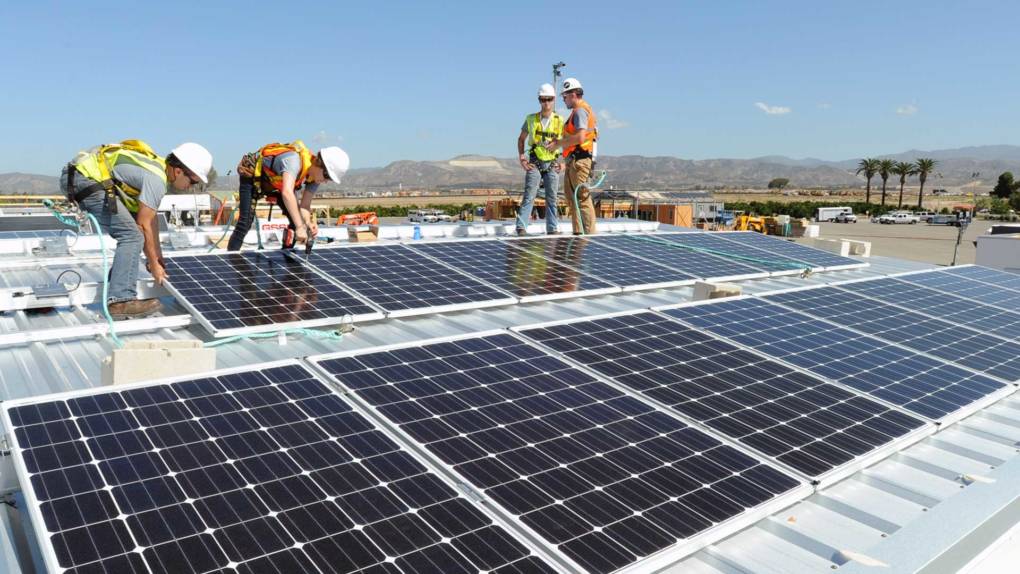
"caption": "California lawmakers are debating an ambitious 100 percent clean energy goal.",
"description": null,
"title": "Nrel-solar",
"credit": "Thomas Kelsey/NREL",
"status": "inherit",
"isLoading": false,
"fetchFailed": false
},
"science_1866287": {
"type": "attachments",
"id": "science_1866287",
"meta": {
"index": "attachments_1716263798",
"site": "science",
"id": "1866287",
"found": true
},
"parent": 1860284,
"imgSizes": {
"small": {
"file": "https://ww2.kqed.org/app/uploads/sites/35/2017/07/Tommy_CC-520x390.jpg",
"width": 520,
"mimeType": "image/jpeg",
"height": 390
},
"twentyfourteen-full-width": {
"file": "https://ww2.kqed.org/app/uploads/sites/35/2017/07/Tommy_CC-1038x576.jpg",
"width": 1038,
"mimeType": "image/jpeg",
"height": 576
},
"thumbnail": {
"file": "https://ww2.kqed.org/app/uploads/sites/35/2017/07/Tommy_CC-160x120.jpg",
"width": 160,
"mimeType": "image/jpeg",
"height": 120
},
"fd-sm": {
"file": "https://ww2.kqed.org/app/uploads/sites/35/2017/07/Tommy_CC-960x720.jpg",
"width": 960,
"mimeType": "image/jpeg",
"height": 720
},
"post-thumbnail": {
"file": "https://ww2.kqed.org/app/uploads/sites/35/2017/07/Tommy_CC-672x372.jpg",
"width": 672,
"mimeType": "image/jpeg",
"height": 372
},
"xsmall": {
"file": "https://ww2.kqed.org/app/uploads/sites/35/2017/07/Tommy_CC-375x281.jpg",
"width": 375,
"mimeType": "image/jpeg",
"height": 281
},
"kqedFullSize": {
"file": "https://ww2.kqed.org/app/uploads/sites/35/2017/07/Tommy_CC.jpg",
"width": 3264,
"height": 2448
},
"large": {
"file": "https://ww2.kqed.org/app/uploads/sites/35/2017/07/Tommy_CC-1020x765.jpg",
"width": 1020,
"mimeType": "image/jpeg",
"height": 765
},
"xlarge": {
"file": "https://ww2.kqed.org/app/uploads/sites/35/2017/07/Tommy_CC-1180x885.jpg",
"width": 1180,
"mimeType": "image/jpeg",
"height": 885
},
"guest-author-50": {
"file": "https://ww2.kqed.org/app/uploads/sites/35/2017/07/Tommy_CC-50x50.jpg",
"width": 50,
"mimeType": "image/jpeg",
"height": 50
},
"guest-author-96": {
"file": "https://ww2.kqed.org/app/uploads/sites/35/2017/07/Tommy_CC-96x96.jpg",
"width": 96,
"mimeType": "image/jpeg",
"height": 96
},
"medium": {
"file": "https://ww2.kqed.org/app/uploads/sites/35/2017/07/Tommy_CC-800x600.jpg",
"width": 800,
"mimeType": "image/jpeg",
"height": 600
},
"guest-author-64": {
"file": "https://ww2.kqed.org/app/uploads/sites/35/2017/07/Tommy_CC-64x64.jpg",
"width": 64,
"mimeType": "image/jpeg",
"height": 64
},
"guest-author-32": {
"file": "https://ww2.kqed.org/app/uploads/sites/35/2017/07/Tommy_CC-32x32.jpg",
"width": 32,
"mimeType": "image/jpeg",
"height": 32
},
"fd-lrg": {
"file": "https://ww2.kqed.org/app/uploads/sites/35/2017/07/Tommy_CC-1920x1440.jpg",
"width": 1920,
"mimeType": "image/jpeg",
"height": 1440
},
"fd-med": {
"file": "https://ww2.kqed.org/app/uploads/sites/35/2017/07/Tommy_CC-1180x885.jpg",
"width": 1180,
"mimeType": "image/jpeg",
"height": 885
},
"full-width": {
"file": "https://ww2.kqed.org/app/uploads/sites/35/2017/07/Tommy_CC-1920x1440.jpg",
"width": 1920,
"mimeType": "image/jpeg",
"height": 1440
},
"detail": {
"file": "https://ww2.kqed.org/app/uploads/sites/35/2017/07/Tommy_CC-150x150.jpg",
"width": 150,
"mimeType": "image/jpeg",
"height": 150
},
"medium_large": {
"file": "https://ww2.kqed.org/app/uploads/sites/35/2017/07/Tommy_CC-768x576.jpg",
"width": 768,
"mimeType": "image/jpeg",
"height": 576
},
"guest-author-128": {
"file": "https://ww2.kqed.org/app/uploads/sites/35/2017/07/Tommy_CC-128x128.jpg",
"width": 128,
"mimeType": "image/jpeg",
"height": 128
},
"xxsmall": {
"file": "https://ww2.kqed.org/app/uploads/sites/35/2017/07/Tommy_CC-240x180.jpg",
"width": 240,
"mimeType": "image/jpeg",
"height": 180
}
},
"publishDate": 1500580279,
"modified": 1504887384,
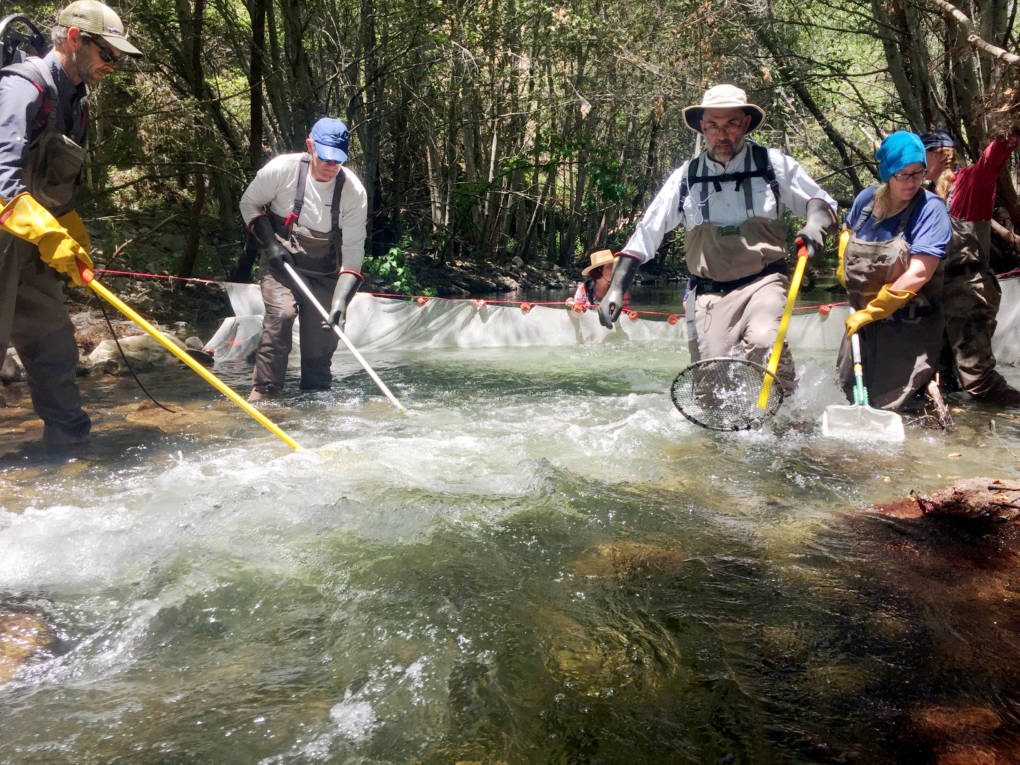
"caption": "From left to right: Scientists Dave Rundio, Nate Mantua, Tommy Williams, Laeticia Wilkins, and Heidi Fish. Rundio and Williams use electrofishers to catch steelhead trout on the Carmel River in Monterey County.",
"description": null,
"title": "Tommy_CC",
"credit": "Lindsey Hoshaw/KQED",
"status": "inherit",
"isLoading": false,
"fetchFailed": false
},
"science_1915330": {
"type": "attachments",
"id": "science_1915330",
"meta": {
"index": "attachments_1716263798",
"site": "science",
"id": "1915330",
"found": true
},
"parent": 1915327,
"imgSizes": {
"small": {
"file": "https://ww2.kqed.org/app/uploads/sites/35/2017/09/water-conservation-520x347.jpg",
"width": 520,
"mimeType": "image/jpeg",
"height": 347
},
"thumbnail": {
"file": "https://ww2.kqed.org/app/uploads/sites/35/2017/09/water-conservation-160x107.jpg",
"width": 160,
"mimeType": "image/jpeg",
"height": 107
},
"post-thumbnail": {
"file": "https://ww2.kqed.org/app/uploads/sites/35/2017/09/water-conservation-672x372.jpg",
"width": 672,
"mimeType": "image/jpeg",
"height": 372
},
"xsmall": {
"file": "https://ww2.kqed.org/app/uploads/sites/35/2017/09/water-conservation-375x250.jpg",
"width": 375,
"mimeType": "image/jpeg",
"height": 250
},
"kqedFullSize": {
"file": "https://ww2.kqed.org/app/uploads/sites/35/2017/09/water-conservation.jpg",
"width": 800,
"height": 534
},
"guest-author-50": {
"file": "https://ww2.kqed.org/app/uploads/sites/35/2017/09/water-conservation-50x50.jpg",
"width": 50,
"mimeType": "image/jpeg",
"height": 50
},
"guest-author-96": {
"file": "https://ww2.kqed.org/app/uploads/sites/35/2017/09/water-conservation-96x96.jpg",
"width": 96,
"mimeType": "image/jpeg",
"height": 96
},
"medium": {
"file": "https://ww2.kqed.org/app/uploads/sites/35/2017/09/water-conservation-800x534.jpg",
"width": 800,
"mimeType": "image/jpeg",
"height": 534
},
"guest-author-64": {
"file": "https://ww2.kqed.org/app/uploads/sites/35/2017/09/water-conservation-64x64.jpg",
"width": 64,
"mimeType": "image/jpeg",
"height": 64
},
"guest-author-32": {
"file": "https://ww2.kqed.org/app/uploads/sites/35/2017/09/water-conservation-32x32.jpg",
"width": 32,
"mimeType": "image/jpeg",
"height": 32
},
"detail": {
"file": "https://ww2.kqed.org/app/uploads/sites/35/2017/09/water-conservation-150x150.jpg",
"width": 150,
"mimeType": "image/jpeg",
"height": 150
},
"medium_large": {
"file": "https://ww2.kqed.org/app/uploads/sites/35/2017/09/water-conservation-768x513.jpg",
"width": 768,
"mimeType": "image/jpeg",
"height": 513
},
"guest-author-128": {
"file": "https://ww2.kqed.org/app/uploads/sites/35/2017/09/water-conservation-128x128.jpg",
"width": 128,
"mimeType": "image/jpeg",
"height": 128
},
"xxsmall": {
"file": "https://ww2.kqed.org/app/uploads/sites/35/2017/09/water-conservation-240x160.jpg",
"width": 240,
"mimeType": "image/jpeg",
"height": 160
}
},
"publishDate": 1504715108,
"modified": 1504715135,
"caption": "Signage for “Water-smart renovation underway” is placed in the south side of the California State Capitol in Sacramento, Calif., April 8, 2016. The state took steps to curb water use during the drought, and conservation is continuing in many areas post-drought. ",
"description": null,
"title": "water conservation",
"credit": "Florence Low/California Department of Water Resources",
"status": "inherit",
"isLoading": false,
"fetchFailed": false
},
"science_1915296": {
"type": "attachments",
"id": "science_1915296",
"meta": {
"index": "attachments_1716263798",
"site": "science",
"id": "1915296",
"found": true
},
"parent": 0,
"imgSizes": {
"small": {
"file": "https://ww2.kqed.org/app/uploads/sites/35/2017/09/2017_08_30-19.42.58.679-CDT-520x390.jpeg",
"width": 520,
"mimeType": "image/jpeg",
"height": 390
},
"thumbnail": {
"file": "https://ww2.kqed.org/app/uploads/sites/35/2017/09/2017_08_30-19.42.58.679-CDT-160x120.jpeg",
"width": 160,
"mimeType": "image/jpeg",
"height": 120
},
"post-thumbnail": {
"file": "https://ww2.kqed.org/app/uploads/sites/35/2017/09/2017_08_30-19.42.58.679-CDT-620x372.jpeg",
"width": 620,
"mimeType": "image/jpeg",
"height": 372
},
"xsmall": {
"file": "https://ww2.kqed.org/app/uploads/sites/35/2017/09/2017_08_30-19.42.58.679-CDT-375x281.jpeg",
"width": 375,
"mimeType": "image/jpeg",
"height": 281
},
"kqedFullSize": {
"file": "https://ww2.kqed.org/app/uploads/sites/35/2017/09/2017_08_30-19.42.58.679-CDT.jpeg",
"width": 620,
"height": 465
},
"guest-author-50": {
"file": "https://ww2.kqed.org/app/uploads/sites/35/2017/09/2017_08_30-19.42.58.679-CDT-50x50.jpeg",
"width": 50,
"mimeType": "image/jpeg",
"height": 50
},
"guest-author-96": {
"file": "https://ww2.kqed.org/app/uploads/sites/35/2017/09/2017_08_30-19.42.58.679-CDT-96x96.jpeg",
"width": 96,
"mimeType": "image/jpeg",
"height": 96
},
"guest-author-64": {
"file": "https://ww2.kqed.org/app/uploads/sites/35/2017/09/2017_08_30-19.42.58.679-CDT-64x64.jpeg",
"width": 64,
"mimeType": "image/jpeg",
"height": 64
},
"detail": {
"file": "https://ww2.kqed.org/app/uploads/sites/35/2017/09/2017_08_30-19.42.58.679-CDT-150x150.jpeg",
"width": 150,
"mimeType": "image/jpeg",
"height": 150
},
"guest-author-32": {
"file": "https://ww2.kqed.org/app/uploads/sites/35/2017/09/2017_08_30-19.42.58.679-CDT-32x32.jpeg",
"width": 32,
"mimeType": "image/jpeg",
"height": 32
},
"guest-author-128": {
"file": "https://ww2.kqed.org/app/uploads/sites/35/2017/09/2017_08_30-19.42.58.679-CDT-128x128.jpeg",
"width": 128,
"mimeType": "image/jpeg",
"height": 128
},
"xxsmall": {
"file": "https://ww2.kqed.org/app/uploads/sites/35/2017/09/2017_08_30-19.42.58.679-CDT-240x180.jpeg",
"width": 240,
"mimeType": "image/jpeg",
"height": 180
}
},
"publishDate": 1504635755,
"modified": 1504636119,
"caption": "A smoke plume from the Railroad Fire near Oakhurst, California, 14 miles south of the entrance to Yosemite National Park.",
"description": null,
"title": "2017_08_30-19.42.58.679-CDT",
"credit": "InciWeb",
"status": "inherit",
"isLoading": false,
"fetchFailed": false
},
"science_1915060": {
"type": "attachments",
"id": "science_1915060",
"meta": {
"index": "attachments_1716263798",
"site": "science",
"id": "1915060",
"found": true
},
"parent": 1915056,
"imgSizes": {
"small": {
"file": "https://ww2.kqed.org/app/uploads/sites/35/2017/08/cassiniswansong-nasa-jpl-caltech-520x293.jpg",
"width": 520,
"mimeType": "image/jpeg",
"height": 293
},
"twentyfourteen-full-width": {
"file": "https://ww2.kqed.org/app/uploads/sites/35/2017/08/cassiniswansong-nasa-jpl-caltech-1038x576.jpg",
"width": 1038,
"mimeType": "image/jpeg",
"height": 576
},
"thumbnail": {
"file": "https://ww2.kqed.org/app/uploads/sites/35/2017/08/cassiniswansong-nasa-jpl-caltech-160x90.jpg",
"width": 160,
"mimeType": "image/jpeg",
"height": 90
},
"fd-sm": {
"file": "https://ww2.kqed.org/app/uploads/sites/35/2017/08/cassiniswansong-nasa-jpl-caltech-960x540.jpg",
"width": 960,
"mimeType": "image/jpeg",
"height": 540
},
"post-thumbnail": {
"file": "https://ww2.kqed.org/app/uploads/sites/35/2017/08/cassiniswansong-nasa-jpl-caltech-672x372.jpg",
"width": 672,
"mimeType": "image/jpeg",
"height": 372
},
"xsmall": {
"file": "https://ww2.kqed.org/app/uploads/sites/35/2017/08/cassiniswansong-nasa-jpl-caltech-375x211.jpg",
"width": 375,
"mimeType": "image/jpeg",
"height": 211
},
"kqedFullSize": {
"file": "https://ww2.kqed.org/app/uploads/sites/35/2017/08/cassiniswansong-nasa-jpl-caltech.jpg",
"width": 1920,
"height": 1080
},
"large": {
"file": "https://ww2.kqed.org/app/uploads/sites/35/2017/08/cassiniswansong-nasa-jpl-caltech-1020x574.jpg",
"width": 1020,
"mimeType": "image/jpeg",
"height": 574
},
"xlarge": {
"file": "https://ww2.kqed.org/app/uploads/sites/35/2017/08/cassiniswansong-nasa-jpl-caltech-1180x664.jpg",
"width": 1180,
"mimeType": "image/jpeg",
"height": 664
},
"guest-author-50": {
"file": "https://ww2.kqed.org/app/uploads/sites/35/2017/08/cassiniswansong-nasa-jpl-caltech-50x50.jpg",
"width": 50,
"mimeType": "image/jpeg",
"height": 50
},
"guest-author-96": {
"file": "https://ww2.kqed.org/app/uploads/sites/35/2017/08/cassiniswansong-nasa-jpl-caltech-96x96.jpg",
"width": 96,
"mimeType": "image/jpeg",
"height": 96
},
"medium": {
"file": "https://ww2.kqed.org/app/uploads/sites/35/2017/08/cassiniswansong-nasa-jpl-caltech-800x450.jpg",
"width": 800,
"mimeType": "image/jpeg",
"height": 450
},
"guest-author-64": {
"file": "https://ww2.kqed.org/app/uploads/sites/35/2017/08/cassiniswansong-nasa-jpl-caltech-64x64.jpg",
"width": 64,
"mimeType": "image/jpeg",
"height": 64
},
"guest-author-32": {
"file": "https://ww2.kqed.org/app/uploads/sites/35/2017/08/cassiniswansong-nasa-jpl-caltech-32x32.jpg",
"width": 32,
"mimeType": "image/jpeg",
"height": 32
},
"fd-lrg": {
"file": "https://ww2.kqed.org/app/uploads/sites/35/2017/08/cassiniswansong-nasa-jpl-caltech-1920x1080.jpg",
"width": 1920,
"mimeType": "image/jpeg",
"height": 1080
},
"fd-med": {
"file": "https://ww2.kqed.org/app/uploads/sites/35/2017/08/cassiniswansong-nasa-jpl-caltech-1180x664.jpg",
"width": 1180,
"mimeType": "image/jpeg",
"height": 664
},
"full-width": {
"file": "https://ww2.kqed.org/app/uploads/sites/35/2017/08/cassiniswansong-nasa-jpl-caltech-1920x1080.jpg",
"width": 1920,
"mimeType": "image/jpeg",
"height": 1080
},
"detail": {
"file": "https://ww2.kqed.org/app/uploads/sites/35/2017/08/cassiniswansong-nasa-jpl-caltech-150x150.jpg",
"width": 150,
"mimeType": "image/jpeg",
"height": 150
},
"medium_large": {
"file": "https://ww2.kqed.org/app/uploads/sites/35/2017/08/cassiniswansong-nasa-jpl-caltech-768x432.jpg",
"width": 768,
"mimeType": "image/jpeg",
"height": 432
},
"guest-author-128": {
"file": "https://ww2.kqed.org/app/uploads/sites/35/2017/08/cassiniswansong-nasa-jpl-caltech-128x128.jpg",
"width": 128,
"mimeType": "image/jpeg",
"height": 128
},
"xxsmall": {
"file": "https://ww2.kqed.org/app/uploads/sites/35/2017/08/cassiniswansong-nasa-jpl-caltech-240x135.jpg",
"width": 240,
"mimeType": "image/jpeg",
"height": 135
}
},
"publishDate": 1503702907,
"modified": 1503702970,
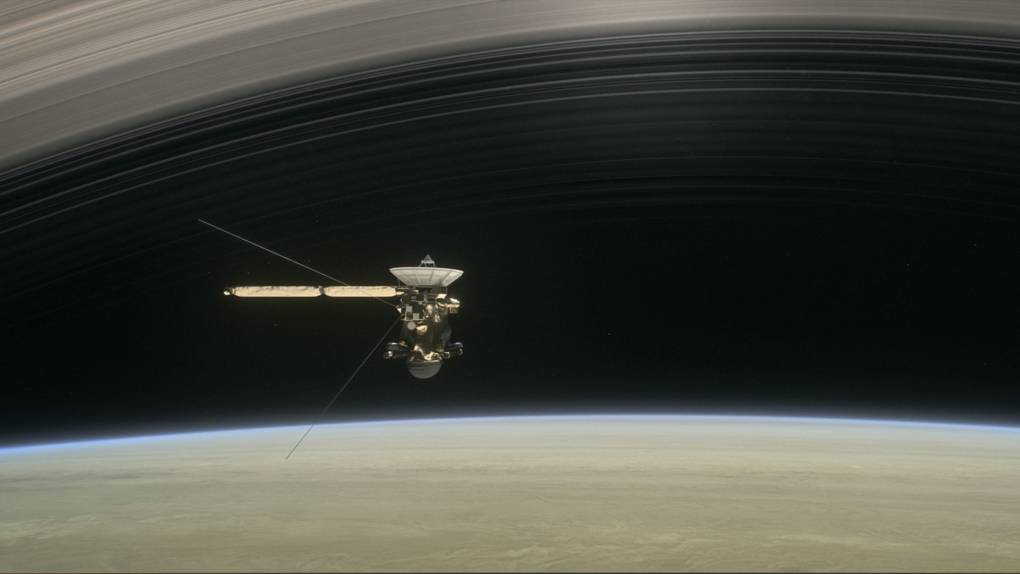
"caption": "Artist concept of Cassini flying over Saturn's cloud tops and under its iconic rings. ",
"description": "Artist concept of Cassini flying over Saturn's cloud tops and under its iconic rings. ",
"title": "cassiniswansong-nasa-jpl-caltech",
"credit": "NASA/JPL-CalTech",
"status": "inherit",
"isLoading": false,
"fetchFailed": false
},
"science_1915118": {
"type": "attachments",
"id": "science_1915118",
"meta": {
"index": "attachments_1716263798",
"site": "science",
"id": "1915118",
"found": true
},
"parent": 1915117,
"imgSizes": {
"small": {
"file": "https://ww2.kqed.org/app/uploads/sites/35/2017/08/DSC_0762-520x347.jpeg",
"width": 520,
"mimeType": "image/jpeg",
"height": 347
},
"twentyfourteen-full-width": {
"file": "https://ww2.kqed.org/app/uploads/sites/35/2017/08/DSC_0762-1038x576.jpeg",
"width": 1038,
"mimeType": "image/jpeg",
"height": 576
},
"thumbnail": {
"file": "https://ww2.kqed.org/app/uploads/sites/35/2017/08/DSC_0762-160x107.jpeg",
"width": 160,
"mimeType": "image/jpeg",
"height": 107
},
"fd-sm": {
"file": "https://ww2.kqed.org/app/uploads/sites/35/2017/08/DSC_0762-960x641.jpeg",
"width": 960,
"mimeType": "image/jpeg",
"height": 641
},
"post-thumbnail": {
"file": "https://ww2.kqed.org/app/uploads/sites/35/2017/08/DSC_0762-672x372.jpeg",
"width": 672,
"mimeType": "image/jpeg",
"height": 372
},
"xsmall": {
"file": "https://ww2.kqed.org/app/uploads/sites/35/2017/08/DSC_0762-375x250.jpeg",
"width": 375,
"mimeType": "image/jpeg",
"height": 250
},
"kqedFullSize": {
"file": "https://ww2.kqed.org/app/uploads/sites/35/2017/08/DSC_0762.jpeg",
"width": 1106,
"height": 738
},
"large": {
"file": "https://ww2.kqed.org/app/uploads/sites/35/2017/08/DSC_0762-1020x681.jpeg",
"width": 1020,
"mimeType": "image/jpeg",
"height": 681
},
"guest-author-50": {
"file": "https://ww2.kqed.org/app/uploads/sites/35/2017/08/DSC_0762-50x50.jpeg",
"width": 50,
"mimeType": "image/jpeg",
"height": 50
},
"guest-author-96": {
"file": "https://ww2.kqed.org/app/uploads/sites/35/2017/08/DSC_0762-96x96.jpeg",
"width": 96,
"mimeType": "image/jpeg",
"height": 96
},
"medium": {
"file": "https://ww2.kqed.org/app/uploads/sites/35/2017/08/DSC_0762-800x534.jpeg",
"width": 800,
"mimeType": "image/jpeg",
"height": 534
},
"guest-author-64": {
"file": "https://ww2.kqed.org/app/uploads/sites/35/2017/08/DSC_0762-64x64.jpeg",
"width": 64,
"mimeType": "image/jpeg",
"height": 64
},
"guest-author-32": {
"file": "https://ww2.kqed.org/app/uploads/sites/35/2017/08/DSC_0762-32x32.jpeg",
"width": 32,
"mimeType": "image/jpeg",
"height": 32
},
"detail": {
"file": "https://ww2.kqed.org/app/uploads/sites/35/2017/08/DSC_0762-150x150.jpeg",
"width": 150,
"mimeType": "image/jpeg",
"height": 150
},
"medium_large": {
"file": "https://ww2.kqed.org/app/uploads/sites/35/2017/08/DSC_0762-768x512.jpeg",
"width": 768,
"mimeType": "image/jpeg",
"height": 512
},
"guest-author-128": {
"file": "https://ww2.kqed.org/app/uploads/sites/35/2017/08/DSC_0762-128x128.jpeg",
"width": 128,
"mimeType": "image/jpeg",
"height": 128
},
"xxsmall": {
"file": "https://ww2.kqed.org/app/uploads/sites/35/2017/08/DSC_0762-240x160.jpeg",
"width": 240,
"mimeType": "image/jpeg",
"height": 160
}
},
"publishDate": 1504131108,
"modified": 1504131734,
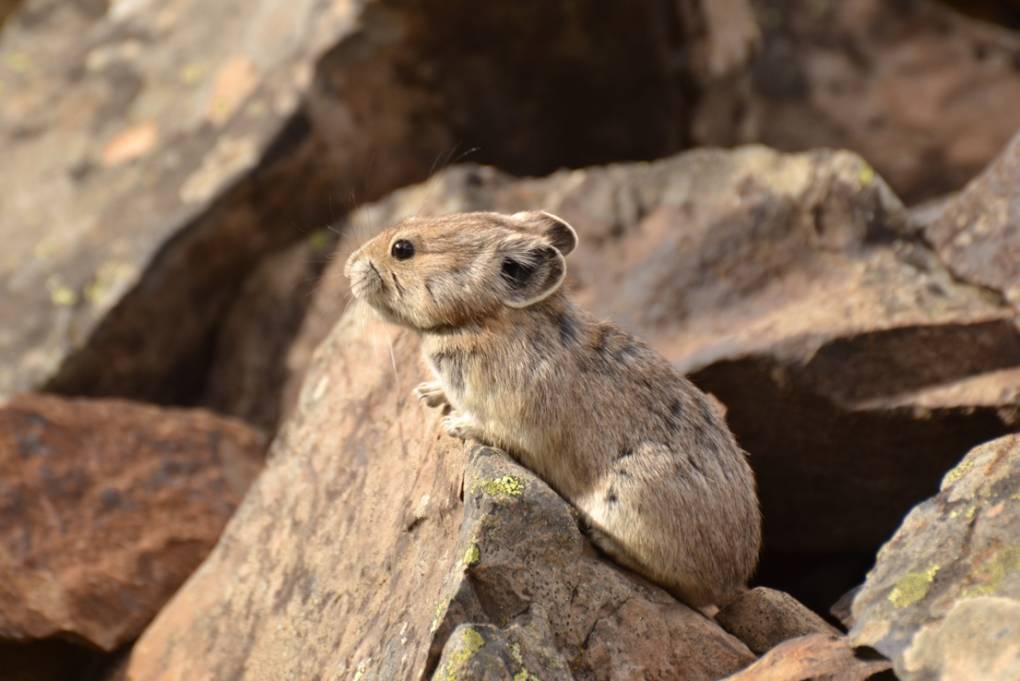
"caption": "An American pika hopping through rocks in summertime. ",
"description": null,
"title": "pika",
"credit": "Alison Henry",
"status": "inherit",
"isLoading": false,
"fetchFailed": false
},
"science_1915018": {
"type": "attachments",
"id": "science_1915018",
"meta": {
"index": "attachments_1716263798",
"site": "science",
"id": "1915018",
"found": true
},
"parent": 1915001,
"imgSizes": {
"small": {
"file": "https://ww2.kqed.org/app/uploads/sites/35/2017/08/8981696768_45489c5497_o-520x386.jpg",
"width": 520,
"mimeType": "image/jpeg",
"height": 386
},
"twentyfourteen-full-width": {
"file": "https://ww2.kqed.org/app/uploads/sites/35/2017/08/8981696768_45489c5497_o-800x576.jpg",
"width": 800,
"mimeType": "image/jpeg",
"height": 576
},
"thumbnail": {
"file": "https://ww2.kqed.org/app/uploads/sites/35/2017/08/8981696768_45489c5497_o-160x119.jpg",
"width": 160,
"mimeType": "image/jpeg",
"height": 119
},
"post-thumbnail": {
"file": "https://ww2.kqed.org/app/uploads/sites/35/2017/08/8981696768_45489c5497_o-672x372.jpg",
"width": 672,
"mimeType": "image/jpeg",
"height": 372
},
"xsmall": {
"file": "https://ww2.kqed.org/app/uploads/sites/35/2017/08/8981696768_45489c5497_o-375x278.jpg",
"width": 375,
"mimeType": "image/jpeg",
"height": 278
},
"kqedFullSize": {
"file": "https://ww2.kqed.org/app/uploads/sites/35/2017/08/8981696768_45489c5497_o.jpg",
"width": 800,
"height": 594
},
"guest-author-50": {
"file": "https://ww2.kqed.org/app/uploads/sites/35/2017/08/8981696768_45489c5497_o-50x50.jpg",
"width": 50,
"mimeType": "image/jpeg",
"height": 50
},
"guest-author-96": {
"file": "https://ww2.kqed.org/app/uploads/sites/35/2017/08/8981696768_45489c5497_o-96x96.jpg",
"width": 96,
"mimeType": "image/jpeg",
"height": 96
},
"medium": {
"file": "https://ww2.kqed.org/app/uploads/sites/35/2017/08/8981696768_45489c5497_o-800x594.jpg",
"width": 800,
"mimeType": "image/jpeg",
"height": 594
},
"guest-author-64": {
"file": "https://ww2.kqed.org/app/uploads/sites/35/2017/08/8981696768_45489c5497_o-64x64.jpg",
"width": 64,
"mimeType": "image/jpeg",
"height": 64
},
"guest-author-32": {
"file": "https://ww2.kqed.org/app/uploads/sites/35/2017/08/8981696768_45489c5497_o-32x32.jpg",
"width": 32,
"mimeType": "image/jpeg",
"height": 32
},
"detail": {
"file": "https://ww2.kqed.org/app/uploads/sites/35/2017/08/8981696768_45489c5497_o-150x150.jpg",
"width": 150,
"mimeType": "image/jpeg",
"height": 150
},
"medium_large": {
"file": "https://ww2.kqed.org/app/uploads/sites/35/2017/08/8981696768_45489c5497_o-768x570.jpg",
"width": 768,
"mimeType": "image/jpeg",
"height": 570
},
"guest-author-128": {
"file": "https://ww2.kqed.org/app/uploads/sites/35/2017/08/8981696768_45489c5497_o-128x128.jpg",
"width": 128,
"mimeType": "image/jpeg",
"height": 128
},
"xxsmall": {
"file": "https://ww2.kqed.org/app/uploads/sites/35/2017/08/8981696768_45489c5497_o-240x178.jpg",
"width": 240,
"mimeType": "image/jpeg",
"height": 178
}
},
"publishDate": 1503605740,
"modified": 1503605826,
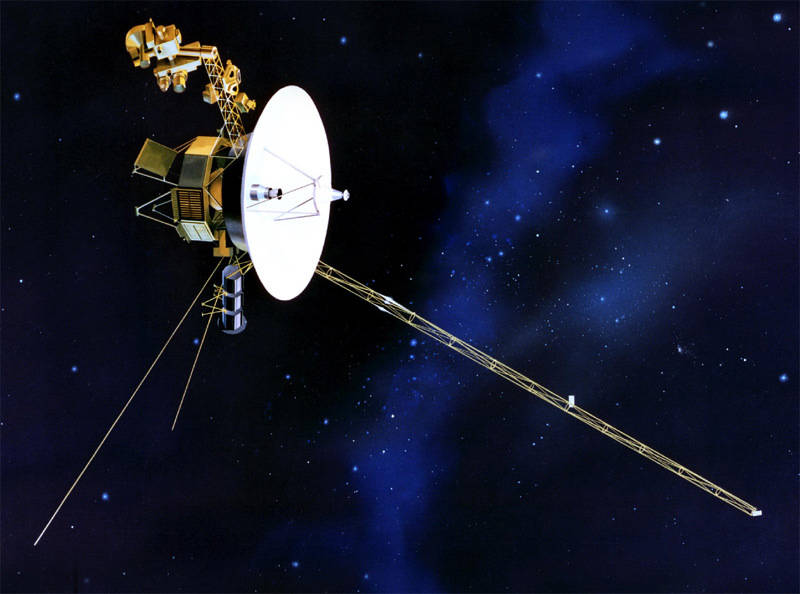
"caption": "Launched in 1977, Voyager 1 is now the farthest man-made object from Earth.",
"description": "NASA",
"title": "8981696768_45489c5497_o",
"credit": null,
"status": "inherit",
"isLoading": false,
"fetchFailed": false
},
"science_1112762": {
"type": "attachments",
"id": "science_1112762",
"meta": {
"index": "attachments_1716263798",
"site": "science",
"id": "1112762",
"found": true
},
"parent": 1112761,
"imgSizes": {
"small": {
"file": "https://ww2.kqed.org/app/uploads/sites/35/2016/10/sequoias-1_enl-9d831bf09949d38d3d16746b895b30fc2bfa786a-520x345.jpg",
"width": 520,
"mimeType": "image/jpeg",
"height": 345
},
"twentyfourteen-full-width": {
"file": "https://ww2.kqed.org/app/uploads/sites/35/2016/10/sequoias-1_enl-9d831bf09949d38d3d16746b895b30fc2bfa786a-1024x576.jpg",
"width": 1024,
"mimeType": "image/jpeg",
"height": 576
},
"thumbnail": {
"file": "https://ww2.kqed.org/app/uploads/sites/35/2016/10/sequoias-1_enl-9d831bf09949d38d3d16746b895b30fc2bfa786a-160x106.jpg",
"width": 160,
"mimeType": "image/jpeg",
"height": 106
},
"fd-sm": {
"file": "https://ww2.kqed.org/app/uploads/sites/35/2016/10/sequoias-1_enl-9d831bf09949d38d3d16746b895b30fc2bfa786a-960x638.jpg",
"width": 960,
"mimeType": "image/jpeg",
"height": 638
},
"post-thumbnail": {
"file": "https://ww2.kqed.org/app/uploads/sites/35/2016/10/sequoias-1_enl-9d831bf09949d38d3d16746b895b30fc2bfa786a-672x372.jpg",
"width": 672,
"mimeType": "image/jpeg",
"height": 372
},
"xsmall": {
"file": "https://ww2.kqed.org/app/uploads/sites/35/2016/10/sequoias-1_enl-9d831bf09949d38d3d16746b895b30fc2bfa786a-375x249.jpg",
"width": 375,
"mimeType": "image/jpeg",
"height": 249
},
"kqedFullSize": {
"file": "https://ww2.kqed.org/app/uploads/sites/35/2016/10/sequoias-1_enl-9d831bf09949d38d3d16746b895b30fc2bfa786a.jpg",
"width": 1024,
"height": 680
},
"large": {
"file": "https://ww2.kqed.org/app/uploads/sites/35/2016/10/sequoias-1_enl-9d831bf09949d38d3d16746b895b30fc2bfa786a-1020x677.jpg",
"width": 1020,
"mimeType": "image/jpeg",
"height": 677
},
"guest-author-50": {
"file": "https://ww2.kqed.org/app/uploads/sites/35/2016/10/sequoias-1_enl-9d831bf09949d38d3d16746b895b30fc2bfa786a-50x50.jpg",
"width": 50,
"mimeType": "image/jpeg",
"height": 50
},
"guest-author-96": {
"file": "https://ww2.kqed.org/app/uploads/sites/35/2016/10/sequoias-1_enl-9d831bf09949d38d3d16746b895b30fc2bfa786a-96x96.jpg",
"width": 96,
"mimeType": "image/jpeg",
"height": 96
},
"medium": {
"file": "https://ww2.kqed.org/app/uploads/sites/35/2016/10/sequoias-1_enl-9d831bf09949d38d3d16746b895b30fc2bfa786a-800x531.jpg",
"width": 800,
"mimeType": "image/jpeg",
"height": 531
},
"guest-author-64": {
"file": "https://ww2.kqed.org/app/uploads/sites/35/2016/10/sequoias-1_enl-9d831bf09949d38d3d16746b895b30fc2bfa786a-64x64.jpg",
"width": 64,
"mimeType": "image/jpeg",
"height": 64
},
"guest-author-32": {
"file": "https://ww2.kqed.org/app/uploads/sites/35/2016/10/sequoias-1_enl-9d831bf09949d38d3d16746b895b30fc2bfa786a-32x32.jpg",
"width": 32,
"mimeType": "image/jpeg",
"height": 32
},
"detail": {
"file": "https://ww2.kqed.org/app/uploads/sites/35/2016/10/sequoias-1_enl-9d831bf09949d38d3d16746b895b30fc2bfa786a-150x150.jpg",
"width": 150,
"mimeType": "image/jpeg",
"height": 150
},
"medium_large": {
"file": "https://ww2.kqed.org/app/uploads/sites/35/2016/10/sequoias-1_enl-9d831bf09949d38d3d16746b895b30fc2bfa786a-768x510.jpg",
"width": 768,
"mimeType": "image/jpeg",
"height": 510
},
"guest-author-128": {
"file": "https://ww2.kqed.org/app/uploads/sites/35/2016/10/sequoias-1_enl-9d831bf09949d38d3d16746b895b30fc2bfa786a-128x128.jpg",
"width": 128,
"mimeType": "image/jpeg",
"height": 128
},
"xxsmall": {
"file": "https://ww2.kqed.org/app/uploads/sites/35/2016/10/sequoias-1_enl-9d831bf09949d38d3d16746b895b30fc2bfa786a-240x159.jpg",
"width": 240,
"mimeType": "image/jpeg",
"height": 159
}
},
"publishDate": 1477607836,
"modified": 1503611682,
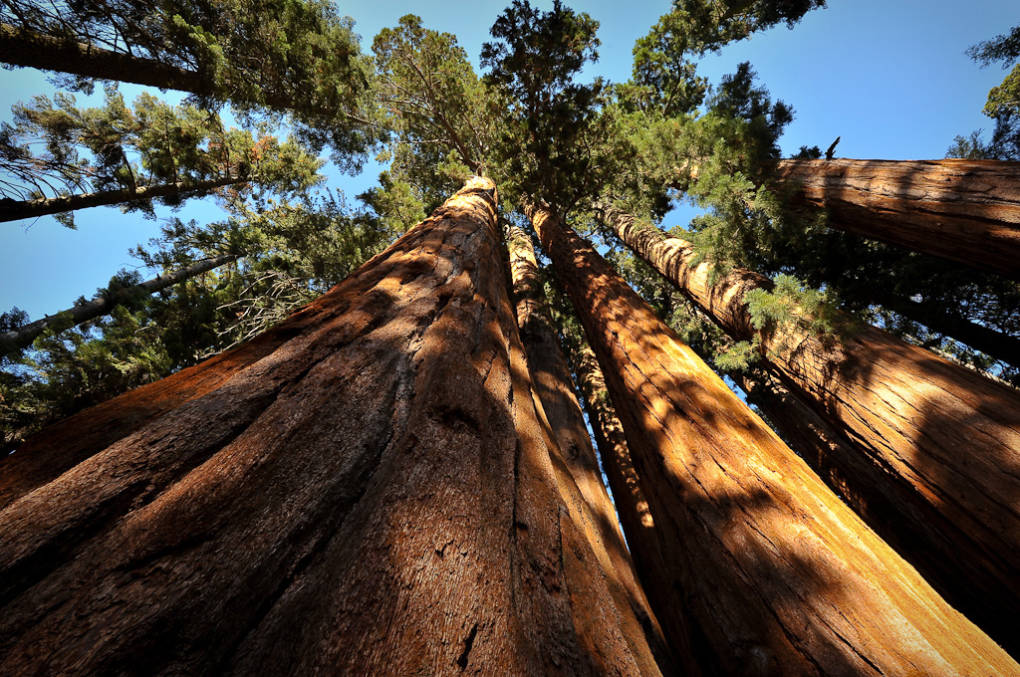
"caption": "Giant trees in Giant Sequoia National Monument.",
"description": null,
"title": "Giant sequoias in the Sierra Nevada range can grow to be 250 feet tall — or more.",
"credit": "John Buie/Flickr",
"status": "inherit",
"isLoading": false,
"fetchFailed": false
},
"science_1716366": {
"type": "attachments",
"id": "science_1716366",
"meta": {
"index": "attachments_1716263798",
"site": "science",
"id": "1716366",
"found": true
},
"parent": 1716365,
"imgSizes": {
"small": {
"file": "https://ww2.kqed.org/app/uploads/sites/35/2017/06/gettyimages-682630142_wide-d65b773648b875cd37532bda6132d0313a92a8a3-520x292.jpg",
"width": 520,
"mimeType": "image/jpeg",
"height": 292
},
"twentyfourteen-full-width": {
"file": "https://ww2.kqed.org/app/uploads/sites/35/2017/06/gettyimages-682630142_wide-d65b773648b875cd37532bda6132d0313a92a8a3-1038x576.jpg",
"width": 1038,
"mimeType": "image/jpeg",
"height": 576
},
"thumbnail": {
"file": "https://ww2.kqed.org/app/uploads/sites/35/2017/06/gettyimages-682630142_wide-d65b773648b875cd37532bda6132d0313a92a8a3-160x90.jpg",
"width": 160,
"mimeType": "image/jpeg",
"height": 90
},
"fd-sm": {
"file": "https://ww2.kqed.org/app/uploads/sites/35/2017/06/gettyimages-682630142_wide-d65b773648b875cd37532bda6132d0313a92a8a3-960x540.jpg",
"width": 960,
"mimeType": "image/jpeg",
"height": 540
},
"post-thumbnail": {
"file": "https://ww2.kqed.org/app/uploads/sites/35/2017/06/gettyimages-682630142_wide-d65b773648b875cd37532bda6132d0313a92a8a3-672x372.jpg",
"width": 672,
"mimeType": "image/jpeg",
"height": 372
},
"xsmall": {
"file": "https://ww2.kqed.org/app/uploads/sites/35/2017/06/gettyimages-682630142_wide-d65b773648b875cd37532bda6132d0313a92a8a3-375x211.jpg",
"width": 375,
"mimeType": "image/jpeg",
"height": 211
},
"kqedFullSize": {
"file": "https://ww2.kqed.org/app/uploads/sites/35/2017/06/gettyimages-682630142_wide-d65b773648b875cd37532bda6132d0313a92a8a3.jpg",
"width": 5363,
"height": 3016
},
"large": {
"file": "https://ww2.kqed.org/app/uploads/sites/35/2017/06/gettyimages-682630142_wide-d65b773648b875cd37532bda6132d0313a92a8a3-1020x574.jpg",
"width": 1020,
"mimeType": "image/jpeg",
"height": 574
},
"xlarge": {
"file": "https://ww2.kqed.org/app/uploads/sites/35/2017/06/gettyimages-682630142_wide-d65b773648b875cd37532bda6132d0313a92a8a3-1180x664.jpg",
"width": 1180,
"mimeType": "image/jpeg",
"height": 664
},
"guest-author-50": {
"file": "https://ww2.kqed.org/app/uploads/sites/35/2017/06/gettyimages-682630142_wide-d65b773648b875cd37532bda6132d0313a92a8a3-50x50.jpg",
"width": 50,
"mimeType": "image/jpeg",
"height": 50
},
"guest-author-96": {
"file": "https://ww2.kqed.org/app/uploads/sites/35/2017/06/gettyimages-682630142_wide-d65b773648b875cd37532bda6132d0313a92a8a3-96x96.jpg",
"width": 96,
"mimeType": "image/jpeg",
"height": 96
},
"medium": {
"file": "https://ww2.kqed.org/app/uploads/sites/35/2017/06/gettyimages-682630142_wide-d65b773648b875cd37532bda6132d0313a92a8a3-800x450.jpg",
"width": 800,
"mimeType": "image/jpeg",
"height": 450
},
"guest-author-64": {
"file": "https://ww2.kqed.org/app/uploads/sites/35/2017/06/gettyimages-682630142_wide-d65b773648b875cd37532bda6132d0313a92a8a3-64x64.jpg",
"width": 64,
"mimeType": "image/jpeg",
"height": 64
},
"guest-author-32": {
"file": "https://ww2.kqed.org/app/uploads/sites/35/2017/06/gettyimages-682630142_wide-d65b773648b875cd37532bda6132d0313a92a8a3-32x32.jpg",
"width": 32,
"mimeType": "image/jpeg",
"height": 32
},
"fd-lrg": {
"file": "https://ww2.kqed.org/app/uploads/sites/35/2017/06/gettyimages-682630142_wide-d65b773648b875cd37532bda6132d0313a92a8a3-1920x1080.jpg",
"width": 1920,
"mimeType": "image/jpeg",
"height": 1080
},
"fd-med": {
"file": "https://ww2.kqed.org/app/uploads/sites/35/2017/06/gettyimages-682630142_wide-d65b773648b875cd37532bda6132d0313a92a8a3-1180x664.jpg",
"width": 1180,
"mimeType": "image/jpeg",
"height": 664
},
"full-width": {
"file": "https://ww2.kqed.org/app/uploads/sites/35/2017/06/gettyimages-682630142_wide-d65b773648b875cd37532bda6132d0313a92a8a3-1920x1080.jpg",
"width": 1920,
"mimeType": "image/jpeg",
"height": 1080
},
"detail": {
"file": "https://ww2.kqed.org/app/uploads/sites/35/2017/06/gettyimages-682630142_wide-d65b773648b875cd37532bda6132d0313a92a8a3-150x150.jpg",
"width": 150,
"mimeType": "image/jpeg",
"height": 150
},
"medium_large": {
"file": "https://ww2.kqed.org/app/uploads/sites/35/2017/06/gettyimages-682630142_wide-d65b773648b875cd37532bda6132d0313a92a8a3-768x432.jpg",
"width": 768,
"mimeType": "image/jpeg",
"height": 432
},
"guest-author-128": {
"file": "https://ww2.kqed.org/app/uploads/sites/35/2017/06/gettyimages-682630142_wide-d65b773648b875cd37532bda6132d0313a92a8a3-128x128.jpg",
"width": 128,
"mimeType": "image/jpeg",
"height": 128
},
"xxsmall": {
"file": "https://ww2.kqed.org/app/uploads/sites/35/2017/06/gettyimages-682630142_wide-d65b773648b875cd37532bda6132d0313a92a8a3-240x135.jpg",
"width": 240,
"mimeType": "image/jpeg",
"height": 135
}
},
"publishDate": 1497333860,
"modified": 1503590331,
"caption": "Ancient granaries, part of the House on Fire ruins, are shown here in the South Fork of Mule Canyon in the Bears Ears National Monument outside Blanding, Utah. Bears Ears is expected to be changed with the White House announcement today.",
"description": null,
"title": "Ancient granaries, part of the House on Fire ruins, are shown here in the South Fork of Mule Canyon in the Bears Ears National Monument outside Blanding, Utah.",
"credit": "George Frey/Getty Images",
"status": "inherit",
"isLoading": false,
"fetchFailed": false
},
"science_1914973": {
"type": "attachments",
"id": "science_1914973",
"meta": {
"index": "attachments_1716263798",
"site": "science",
"id": "1914973",
"found": true
},
"parent": 1914209,
"imgSizes": {
"small": {
"file": "https://ww2.kqed.org/app/uploads/sites/35/2017/08/DL415-phead-520x293.jpg",
"width": 520,
"mimeType": "image/jpeg",
"height": 293
},
"twentyfourteen-full-width": {
"file": "https://ww2.kqed.org/app/uploads/sites/35/2017/08/DL415-phead-1038x576.jpg",
"width": 1038,
"mimeType": "image/jpeg",
"height": 576
},
"thumbnail": {
"file": "https://ww2.kqed.org/app/uploads/sites/35/2017/08/DL415-phead-160x90.jpg",
"width": 160,
"mimeType": "image/jpeg",
"height": 90
},
"fd-sm": {
"file": "https://ww2.kqed.org/app/uploads/sites/35/2017/08/DL415-phead-960x540.jpg",
"width": 960,
"mimeType": "image/jpeg",
"height": 540
},
"post-thumbnail": {
"file": "https://ww2.kqed.org/app/uploads/sites/35/2017/08/DL415-phead-672x372.jpg",
"width": 672,
"mimeType": "image/jpeg",
"height": 372
},
"xsmall": {
"file": "https://ww2.kqed.org/app/uploads/sites/35/2017/08/DL415-phead-375x211.jpg",
"width": 375,
"mimeType": "image/jpeg",
"height": 211
},
"kqedFullSize": {
"file": "https://ww2.kqed.org/app/uploads/sites/35/2017/08/DL415-phead.jpg",
"width": 1920,
"height": 1080
},
"large": {
"file": "https://ww2.kqed.org/app/uploads/sites/35/2017/08/DL415-phead-1020x574.jpg",
"width": 1020,
"mimeType": "image/jpeg",
"height": 574
},
"xlarge": {
"file": "https://ww2.kqed.org/app/uploads/sites/35/2017/08/DL415-phead-1180x664.jpg",
"width": 1180,
"mimeType": "image/jpeg",
"height": 664
},
"guest-author-50": {
"file": "https://ww2.kqed.org/app/uploads/sites/35/2017/08/DL415-phead-50x50.jpg",
"width": 50,
"mimeType": "image/jpeg",
"height": 50
},
"guest-author-96": {
"file": "https://ww2.kqed.org/app/uploads/sites/35/2017/08/DL415-phead-96x96.jpg",
"width": 96,
"mimeType": "image/jpeg",
"height": 96
},
"medium": {
"file": "https://ww2.kqed.org/app/uploads/sites/35/2017/08/DL415-phead-800x450.jpg",
"width": 800,
"mimeType": "image/jpeg",
"height": 450
},
"guest-author-64": {
"file": "https://ww2.kqed.org/app/uploads/sites/35/2017/08/DL415-phead-64x64.jpg",
"width": 64,
"mimeType": "image/jpeg",
"height": 64
},
"guest-author-32": {
"file": "https://ww2.kqed.org/app/uploads/sites/35/2017/08/DL415-phead-32x32.jpg",
"width": 32,
"mimeType": "image/jpeg",
"height": 32
},
"fd-lrg": {
"file": "https://ww2.kqed.org/app/uploads/sites/35/2017/08/DL415-phead-1920x1080.jpg",
"width": 1920,
"mimeType": "image/jpeg",
"height": 1080
},
"fd-med": {
"file": "https://ww2.kqed.org/app/uploads/sites/35/2017/08/DL415-phead-1180x664.jpg",
"width": 1180,
"mimeType": "image/jpeg",
"height": 664
},
"full-width": {
"file": "https://ww2.kqed.org/app/uploads/sites/35/2017/08/DL415-phead-1920x1080.jpg",
"width": 1920,
"mimeType": "image/jpeg",
"height": 1080
},
"detail": {
"file": "https://ww2.kqed.org/app/uploads/sites/35/2017/08/DL415-phead-150x150.jpg",
"width": 150,
"mimeType": "image/jpeg",
"height": 150
},
"medium_large": {
"file": "https://ww2.kqed.org/app/uploads/sites/35/2017/08/DL415-phead-768x432.jpg",
"width": 768,
"mimeType": "image/jpeg",
"height": 432
},
"guest-author-128": {
"file": "https://ww2.kqed.org/app/uploads/sites/35/2017/08/DL415-phead-128x128.jpg",
"width": 128,
"mimeType": "image/jpeg",
"height": 128
},
"xxsmall": {
"file": "https://ww2.kqed.org/app/uploads/sites/35/2017/08/DL415-phead-240x135.jpg",
"width": 240,
"mimeType": "image/jpeg",
"height": 135
}
},
"publishDate": 1503420736,
"modified": 1503420736,
"caption": null,
"description": null,
"title": "DL415 phead",
"credit": null,
"status": "inherit",
"isLoading": false,
"fetchFailed": false
}
},
"audioPlayerReducer": {
"postId": "stream_live",
"isPaused": true,
"isPlaying": false,
"pfsActive": false,
"pledgeModalIsOpen": true,
"playerDrawerIsOpen": false,
"liveAudioPlayStartedAt": 0,
"liveAudioPlayContext": ""
},
"authorsReducer": {
"byline_science_1915576": {
"type": "authors",
"id": "byline_science_1915576",
"meta": {
"override": true
},
"slug": "byline_science_1915576",
"name": "Joe Palca\u003cbr>NPR",
"isLoading": false
},
"byline_science_1915327": {
"type": "authors",
"id": "byline_science_1915327",
"meta": {
"override": true
},
"slug": "byline_science_1915327",
"name": "\u003ca href=\"https://www.newsdeeply.com/water/contributor/alastair-bland\">Alastair Bland\u003c/a>\u003c/br>\u003ca href=\"https://www.newsdeeply.com/water/\">Water Deeply\u003c/a>",
"isLoading": false
},
"byline_science_1915285": {
"type": "authors",
"id": "byline_science_1915285",
"meta": {
"override": true
},
"slug": "byline_science_1915285",
"name": "Laurel Wamsley\u003c/br>NPR",
"isLoading": false
},
"byline_science_1915013": {
"type": "authors",
"id": "byline_science_1915013",
"meta": {
"override": true
},
"slug": "byline_science_1915013",
"name": "\u003cstrong>Lesley McClurg and Associated Press\u003c/strong>",
"isLoading": false
},
"byline_science_1914991": {
"type": "authors",
"id": "byline_science_1914991",
"meta": {
"override": true
},
"slug": "byline_science_1914991",
"name": "\u003cstrong>Associated Press\u003c/strong>",
"isLoading": false
},
"cmiller": {
"type": "authors",
"id": "221",
"meta": {
"index": "authors_1716337520",
"id": "221",
"found": true
},
"name": "Craig Miller",
"firstName": "Craig",
"lastName": "Miller",
"slug": "cmiller",
"email": "craig@voxterra.net",
"display_author_email": false,
"staff_mastheads": [
"science"
],
"title": "Editor Emeritus, Science",
"bio": "Craig is a former KQED Science editor, specializing in weather, climate, water & energy issues, with a little seismology thrown in just to shake things up. Prior to that, he launched and led the station's award-winning multimedia project, Climate Watch. Craig is also an accomplished writer/producer of television documentaries, with a focus on natural resource issues.",
"avatar": "https://secure.gravatar.com/avatar/b91661df645e001a9cafe0861fa685f9?s=600&d=blank&r=g",
"twitter": "voxterra",
"facebook": null,
"instagram": null,
"linkedin": null,
"sites": [
{
"site": "news",
"roles": [
"author"
]
},
{
"site": "futureofyou",
"roles": [
"editor"
]
},
{
"site": "stateofhealth",
"roles": [
"author"
]
},
{
"site": "science",
"roles": [
"editor"
]
},
{
"site": "quest",
"roles": [
"editor"
]
}
],
"headData": {
"title": "Craig Miller | KQED",
"description": "Editor Emeritus, Science",
"ogImgSrc": "https://secure.gravatar.com/avatar/b91661df645e001a9cafe0861fa685f9?s=600&d=blank&r=g",
"twImgSrc": "https://secure.gravatar.com/avatar/b91661df645e001a9cafe0861fa685f9?s=600&d=blank&r=g"
},
"isLoading": false,
"link": "/author/cmiller"
},
"laurensommer": {
"type": "authors",
"id": "239",
"meta": {
"index": "authors_1716337520",
"id": "239",
"found": true
},
"name": "Lauren Sommer",
"firstName": "Lauren",
"lastName": "Sommer",
"slug": "laurensommer",
"email": "lsommer@kqed.org",
"display_author_email": false,
"staff_mastheads": [],
"title": "KQED Contributor",
"bio": "Lauren is a radio reporter formerly covering environment, water, and energy for KQED Science. As part of her day job, she has scaled Sierra Nevada peaks, run from charging elephant seals, and desperately tried to get her sea legs - all in pursuit of good radio. Her work has appeared on Marketplace, Living on Earth, Science Friday and NPR's Morning Edition and All Things Considered. You can find her on Twitter at \u003ca href=\"https://twitter.com/lesommer\">@lesommer\u003c/a>.",
"avatar": "https://secure.gravatar.com/avatar/33aa3772bb86c6ad45b8aca6a238bbdf?s=600&d=blank&r=g",
"twitter": null,
"facebook": null,
"instagram": null,
"linkedin": null,
"sites": [
{
"site": "news",
"roles": [
"author"
]
},
{
"site": "science",
"roles": [
"editor",
"manage_content_types",
"manage_taxonomies"
]
},
{
"site": "quest",
"roles": [
"editor"
]
}
],
"headData": {
"title": "Lauren Sommer | KQED",
"description": "KQED Contributor",
"ogImgSrc": "https://secure.gravatar.com/avatar/33aa3772bb86c6ad45b8aca6a238bbdf?s=600&d=blank&r=g",
"twImgSrc": "https://secure.gravatar.com/avatar/33aa3772bb86c6ad45b8aca6a238bbdf?s=600&d=blank&r=g"
},
"isLoading": false,
"link": "/author/laurensommer"
},
"lindseyhoshaw": {
"type": "authors",
"id": "5432",
"meta": {
"index": "authors_1716337520",
"id": "5432",
"found": true
},
"name": "Lindsey Hoshaw",
"firstName": "Lindsey",
"lastName": "Hoshaw",
"slug": "lindseyhoshaw",
"email": "lhoshaw@kqed.org",
"display_author_email": false,
"staff_mastheads": [],
"title": "KQED Contributor",
"bio": "Lindsey Hoshaw is a former interactive producer for KQED Science. Before joining KQED, Lindsey was a science correspondent for The New York Times, The Boston Globe, Forbes and Scientific American. On Twitter @lindseyhoshaw",
"avatar": "https://secure.gravatar.com/avatar/274b07694c998eaa8f26cfabaa941186?s=600&d=mm&r=g",
"twitter": "lindseyhoshaw",
"facebook": "lindsey.hoshaw.9",
"instagram": null,
"linkedin": null,
"sites": [
{
"site": "arts",
"roles": [
"author"
]
},
{
"site": "news",
"roles": [
"subscriber"
]
},
{
"site": "futureofyou",
"roles": [
"editor"
]
},
{
"site": "bayareabites",
"roles": [
"contributor"
]
},
{
"site": "stateofhealth",
"roles": [
"author"
]
},
{
"site": "science",
"roles": [
"edit_theme_options",
"subscriber"
]
},
{
"site": "quest",
"roles": [
"edit_post_subscriptions",
"edit_usergroups",
"unfiltered_html",
"unfiltered_upload",
"leadcoordinator",
"editor"
]
},
{
"site": "food",
"roles": []
}
],
"headData": {
"title": "Lindsey Hoshaw | KQED",
"description": "KQED Contributor",
"ogImgSrc": "https://secure.gravatar.com/avatar/274b07694c998eaa8f26cfabaa941186?s=600&d=mm&r=g",
"twImgSrc": "https://secure.gravatar.com/avatar/274b07694c998eaa8f26cfabaa941186?s=600&d=mm&r=g"
},
"isLoading": false,
"link": "/author/lindseyhoshaw"
},
"ben-burress": {
"type": "authors",
"id": "6180",
"meta": {
"index": "authors_1716337520",
"id": "6180",
"found": true
},
"name": "Ben Burress",
"firstName": "Ben",
"lastName": "Burress",
"slug": "ben-burress",
"email": "bburress@chabotspace.org",
"display_author_email": false,
"staff_mastheads": [],
"title": null,
"bio": "\u003cstrong>Benjamin Burress\u003c/strong> has been a staff astronomer at Chabot Space & Science Center since July 1999. He graduated from Sonoma State University in 1985 with a bachelor’s degree in physics (and minor in astronomy), after which he signed on for a two-year stint in the Peace Corps, where he taught physics and mathematics in the African nation of Cameroon. From 1989-96 he served on the crew of NASA’s Kuiper Airborne Observatory at Ames Research Center in Mountain View, CA. From 1996-99, he was Head Observer at the Naval Prototype Optical Interferometer program at Lowell Observatory in Flagstaff, AZ.\r\n\r\nRead his \u003ca href=\"http://science.kqed.org/quest/author/ben-burress/\">previous contributions\u003c/a> to \u003ca href=\"http://science.kqed.org/quest/\">QUEST\u003c/a>, a project dedicated to exploring the Science of Sustainability.",
"avatar": "https://secure.gravatar.com/avatar/8263bffa345b7e4923a0b8b9f0f6a161?s=600&d=blank&r=g",
"twitter": null,
"facebook": null,
"instagram": null,
"linkedin": null,
"sites": [
{
"site": "science",
"roles": [
"editor"
]
},
{
"site": "quest",
"roles": [
"subscriber"
]
}
],
"headData": {
"title": "Ben Burress | KQED",
"description": null,
"ogImgSrc": "https://secure.gravatar.com/avatar/8263bffa345b7e4923a0b8b9f0f6a161?s=600&d=blank&r=g",
"twImgSrc": "https://secure.gravatar.com/avatar/8263bffa345b7e4923a0b8b9f0f6a161?s=600&d=blank&r=g"
},
"isLoading": false,
"link": "/author/ben-burress"
},
"jscott": {
"type": "authors",
"id": "8664",
"meta": {
"index": "authors_1716337520",
"id": "8664",
"found": true
},
"name": "Julia Scott",
"firstName": "Julia",
"lastName": "Scott",
"slug": "jscott",
"email": "jscott@kqed.org",
"display_author_email": false,
"staff_mastheads": [],
"title": "KQED Contributor",
"bio": "Julia Scott is a former editor with KQED News. Prior to KQED, she was an editor with \u003cem>Crosscurrents\u003c/em> at KALW Radio in San Francisco. As a freelance reporter, she has filed stories for \u003cem>The California Report, Marketplace, Nautilus\u003c/em> and \u003cem>The New York Times Magazine.\u003c/em>\r\n\r\nPrior to her work in radio, Julia was an environmental reporter for the \u003cem>San Jose Mercury News\u003c/em> and Bay Area News Group, where her work was recognized with awards from the California Newspaper Publishers Association and the Society of Professional Journalists. Her radio honors include awards and citations from the Sony Radio Academy Awards and the National Lesbian and Gay Journalists Association.\r\n\r\nJulia hails from Montreal, Canada and lives in Oakland. She is the editor of the humor collection\u003cem> DRIVEL: Deliciously Bad Writing by Your Favorite Authors.\u003c/em>",
"avatar": "https://secure.gravatar.com/avatar/7fe25e0cf81dec2d4f74f1d4737a2871?s=600&d=blank&r=g",
"twitter": "juliascribe",
"facebook": null,
"instagram": null,
"linkedin": null,
"sites": [
{
"site": "",
"roles": [
"editor"
]
},
{
"site": "arts",
"roles": [
"administrator"
]
},
{
"site": "news",
"roles": [
"subscriber"
]
},
{
"site": "futureofyou",
"roles": [
"editor"
]
},
{
"site": "science",
"roles": [
"administrator"
]
}
],
"headData": {
"title": "Julia Scott | KQED",
"description": "KQED Contributor",
"ogImgSrc": "https://secure.gravatar.com/avatar/7fe25e0cf81dec2d4f74f1d4737a2871?s=600&d=blank&r=g",
"twImgSrc": "https://secure.gravatar.com/avatar/7fe25e0cf81dec2d4f74f1d4737a2871?s=600&d=blank&r=g"
},
"isLoading": false,
"link": "/author/jscott"
},
"ekennerson": {
"type": "authors",
"id": "11090",
"meta": {
"index": "authors_1716337520",
"id": "11090",
"found": true
},
"name": "Elliott Kennerson",
"firstName": "Elliott",
"lastName": "Kennerson",
"slug": "ekennerson",
"email": "ekennerson@kqed.org",
"display_author_email": false,
"staff_mastheads": [],
"title": null,
"bio": "Elliott Kennerson joined KQED Science as a Digital Media Producer in 2015. Before joining KQED, he produced the Kickstarter-funded series “Animal R&R” for KPBS in San Diego. Elliott received his M.F.A. training in wildlife documentary at Montana State in Bozeman and holds a B.A. from Yale in archaeology. In his former life as an actor, he was an associate artist with LightBox Theater Company in New York. Elliott is the recipient of a 2017 Regional Emmy for his work as a producer on “Deep Look.\"",
"avatar": "https://secure.gravatar.com/avatar/90ebfa58055409e54c8f8a4c120ecf91?s=600&d=blank&r=g",
"twitter": "edorank",
"facebook": null,
"instagram": null,
"linkedin": null,
"sites": [
{
"site": "science",
"roles": [
"editor"
]
}
],
"headData": {
"title": "Elliott Kennerson | KQED",
"description": null,
"ogImgSrc": "https://secure.gravatar.com/avatar/90ebfa58055409e54c8f8a4c120ecf91?s=600&d=blank&r=g",
"twImgSrc": "https://secure.gravatar.com/avatar/90ebfa58055409e54c8f8a4c120ecf91?s=600&d=blank&r=g"
},
"isLoading": false,
"link": "/author/ekennerson"
},
"lesleymcclurg": {
"type": "authors",
"id": "11229",
"meta": {
"index": "authors_1716337520",
"id": "11229",
"found": true
},
"name": "Lesley McClurg",
"firstName": "Lesley",
"lastName": "McClurg",
"slug": "lesleymcclurg",
"email": "lmcclurg@KQED.org",
"display_author_email": false,
"staff_mastheads": [
"news",
"science"
],
"title": "KQED Health Correspondent",
"bio": "Lesley McClurg is a health correspondent and fill-in host whose work is regularly rebroadcast on NPR and PBS programs. She’s earned multiple regional Emmy awards, a national and a regional Edward R. Murrow award, and was named Best Beat Reporter by the Association of Health Care Journalists. The Society of Professional Journalists has recognized her work several times, and the Society of Environmental Journalists spotlighted her coverage of California’s historic drought.\r\n\r\nBefore joining KQED in 2016, Lesley covered food and sustainability for Capital Public Radio, environmental issues for Colorado Public Radio, and reported for KUOW and KCTS 9 in Seattle. Away from the newsroom, she loves skiing with her daughter, mountain biking with her partner, and playing with Ollie, the family’s goldendoodle. On deadline, she runs almost entirely on chocolate chips.\r\n\r\n ",
"avatar": "https://secure.gravatar.com/avatar/bab49e972ea10c774fe0f5e29dba1722b158f7c0d58a360923d1389d380b2978?s=600&d=blank&r=g",
"twitter": "lesleywmcclurg",
"bluesky": null,
"facebook": null,
"instagram": null,
"linkedin": null,
"sites": [
{
"site": "arts",
"roles": [
"author"
]
},
{
"site": "news",
"roles": [
"editor"
]
},
{
"site": "futureofyou",
"roles": [
"editor"
]
},
{
"site": "stateofhealth",
"roles": [
"author"
]
},
{
"site": "science",
"roles": [
"editor"
]
},
{
"site": "quest",
"roles": [
"subscriber"
]
},
{
"site": "forum",
"roles": [
"administrator"
]
},
{
"site": "liveblog",
"roles": [
"author"
]
}
],
"headData": {
"title": "Lesley McClurg | KQED",
"description": "KQED Health Correspondent",
"ogImgSrc": "https://secure.gravatar.com/avatar/bab49e972ea10c774fe0f5e29dba1722b158f7c0d58a360923d1389d380b2978?s=600&d=blank&r=g",
"twImgSrc": "https://secure.gravatar.com/avatar/bab49e972ea10c774fe0f5e29dba1722b158f7c0d58a360923d1389d380b2978?s=600&d=blank&r=g"
},
"isLoading": false,
"link": "/author/lesleymcclurg"
}
},
"pagesReducer": {
"science_category_news": {
"type": "terms",
"id": "science_40",
"meta": {
"index": "terms_1716263798",
"site": "science",
"id": "40",
"score": 10.814472
},
"featImg": null,
"name": "News",
"description": null,
"taxonomy": "category",
"headData": {
"twImgId": null,
"twTitle": null,
"ogTitle": null,
"ogImgId": null,
"twDescription": null,
"description": null,
"title": "News Archives | KQED Science",
"ogDescription": null
},
"ttid": 42,
"slug": "news",
"isLoading": false,
"title": "News",
"pageMeta": {
"site": "science",
"WpPageTemplate": "page-topic-editorial",
"currentPage": 195
},
"blocks": [
{
"blockName": "kqed/post-list",
"attrs": {
"layout": "cardArticle2",
"query": "posts/science?category=news",
"seeMore": false,
"paginated": true,
"page": 195
}
},
{
"blockName": "kqed/ad"
}
]
}
},
"pfsSessionReducer": {},
"postsReducer": {
"stream_live": {
"type": "live",
"id": "stream_live",
"audioUrl": "https://streams.kqed.org/kqedradio",
"title": "Live Stream",
"excerpt": "Live Stream information currently unavailable.",
"link": "/radio",
"featImg": "",
"label": {
"name": "KQED Live",
"link": "/"
}
},
"stream_kqedNewscast": {
"type": "posts",
"id": "stream_kqedNewscast",
"audioUrl": "https://www.kqed.org/.stream/anon/radio/RDnews/newscast.mp3?_=1",
"title": "KQED Newscast",
"featImg": "",
"label": {
"name": "88.5 FM",
"link": "/"
}
},
"science_1915576": {
"type": "posts",
"id": "science_1915576",
"meta": {
"index": "posts_1716263798",
"site": "science",
"id": "1915576",
"score": null,
"sort": [
1505281433000
]
},
"parent": 0,
"labelTerm": {
"site": "science"
},
"blocks": [],
"publishDate": 1505281433,
"format": "standard",
"title": "Cassini Spacecraft Prepares For A Fiery Farewell In Saturn's Atmosphere",
"headTitle": "Cassini Spacecraft Prepares For A Fiery Farewell In Saturn’s Atmosphere | KQED",
"content": "\u003cp>After 13 years in orbit around Saturn, NASA’s Cassini spacecraft is about to plunge itself into the planet’s atmosphere and disintegrate. NASA decided to put an end to the mission on Friday because the probe is almost out of fuel.\u003c/p>\n\u003cp>Cassini has provided exquisite details about the second-largest planet in our solar system.\u003c/p>\n\u003cp>Take the hurricanes at Saturn’s poles, for example. “These hurricanes are large enough they’d cover about half the continental United States, about 50 times larger than a typical Earth hurricane,” says Cassini project scientist \u003ca href=\"https://science.jpl.nasa.gov/people/Spilker/\">Linda Spilker\u003c/a> of NASA’s Jet Propulsion Laboratory.\u003c/p>\n\u003cp>Then there are the remarkable, hexagonal-shaped jet streams at the north pole. They’ve been there since before Cassini arrived in 2004.\u003c/p>\n\u003cp>“We have jet streams here on the Earth, but they change almost daily,” Spilker says. “So we’re really puzzled. It’s the only place we know of in our solar system that has a long-lived hexagonal jet stream.”\u003c/p>\n\u003cfigure id=\"attachment_1915578\" class=\"wp-caption aligncenter\" style=\"max-width: 800px\">\u003cimg loading=\"lazy\" decoding=\"async\" class=\"size-medium wp-image-1915578\" src=\"https://ww2.kqed.org/science/wp-content/uploads/sites/35/2017/09/pia20513_modest-c327362be46c0e4479b6146f20f7d9734a02a10d-800x600.jpg\" alt=\"\" width=\"800\" height=\"600\" srcset=\"https://cdn.kqed.org/wp-content/uploads/sites/35/2017/09/pia20513_modest-c327362be46c0e4479b6146f20f7d9734a02a10d-800x600.jpg 800w, https://cdn.kqed.org/wp-content/uploads/sites/35/2017/09/pia20513_modest-c327362be46c0e4479b6146f20f7d9734a02a10d-160x120.jpg 160w, https://cdn.kqed.org/wp-content/uploads/sites/35/2017/09/pia20513_modest-c327362be46c0e4479b6146f20f7d9734a02a10d-768x576.jpg 768w, https://cdn.kqed.org/wp-content/uploads/sites/35/2017/09/pia20513_modest-c327362be46c0e4479b6146f20f7d9734a02a10d-960x720.jpg 960w, https://cdn.kqed.org/wp-content/uploads/sites/35/2017/09/pia20513_modest-c327362be46c0e4479b6146f20f7d9734a02a10d-240x180.jpg 240w, https://cdn.kqed.org/wp-content/uploads/sites/35/2017/09/pia20513_modest-c327362be46c0e4479b6146f20f7d9734a02a10d-375x281.jpg 375w, https://cdn.kqed.org/wp-content/uploads/sites/35/2017/09/pia20513_modest-c327362be46c0e4479b6146f20f7d9734a02a10d-520x390.jpg 520w, https://cdn.kqed.org/wp-content/uploads/sites/35/2017/09/pia20513_modest-c327362be46c0e4479b6146f20f7d9734a02a10d.jpg 1000w\" sizes=\"(max-width: 800px) 100vw, 800px\">\u003cfigcaption class=\"wp-caption-text\">Cassini has observed a strange, hexagonal jet stream at Saturn’s north pole. \u003ccite>(NASA/JPL-Caltech/Space Science Institute)\u003c/cite>\u003c/figcaption>\u003c/figure>\n\u003cp>Spilker’s special interest is Saturn’s rings, and she says Cassini has revealed some unexpected things about them. There are places, for example, where the particles that form the rings clump together.\u003c/p>\n\u003cp>[ad fullwidth]\u003c/p>\n\u003cp>“The clumpiness has a unique character. Sometimes it looks kinda clumpy and speckly, other times it looks streaky,” she says. And in other places, the particles float freely and don’t appear to have any structure.\u003c/p>\n\u003cp>“How you can keep those areas separated?” she says. “That’s an interesting and curious puzzle.”\u003c/p>\n\u003cp>For all that Cassini has revealed about Saturn, there are still plenty of mysteries.\u003c/p>\n\u003cp>“It’s a little bit embarrassing to confess, but we don’t know how long a day is on Saturn,” says \u003ca href=\"http://www.imperial.ac.uk/people/m.dougherty\">Michele Dougherty\u003c/a> of Imperial College in London. She’s the scientist in charge of Cassini’s \u003ca href=\"https://saturn.jpl.nasa.gov/magnetometer/\">magnetometer\u003c/a>, an instrument that measures Saturn’s magnetic field.\u003c/p>\n\u003cp>“In some ways,” she says, “you can almost use a magnetometer to see inside a planet and get a better understanding of its internal structure.”\u003c/p>\n\u003cp>Cassini’s final orbits are taking it closer to the planet than ever before. Dougherty is hoping this will let her instrument see a telltale tilt in the magnetic field that should resolve the uncertainty over the length of a Saturnian day. “If we don’t, we might not be able to work out the exact length of a day is on Saturn,” she says.\u003c/p>\n\u003cp>Some of Cassini’s most interesting discoveries involve Saturn’s moons.\u003c/p>\n\u003cp>Take Enceladus.\u003c/p>\n\u003cp>https://youtu.be/xrGAQCq9BMU\u003c/p>\n\u003cp>“Enceladus is this little moon. It’s about the size of the United Kingdom,” says \u003ca href=\"http://www.boulder.swri.edu/~howett/Howett_SwRI/Home_Page.html\">Carly Howett\u003c/a> of the Southwest Research Institute in Boulder, Colo. Scientists were amazed to see giant plumes of salty water vapor belching from Enceladus’ south pole, suggesting liquid seas under a frosty crust that could \u003cem>maybe\u003c/em>, \u003cem>possibly\u003c/em>, harbor life.\u003c/p>\n\u003cp>Howett’s instrument on Cassini, the \u003ca href=\"https://saturn.jpl.nasa.gov/composite-infrared-spectrometer/\">composite infrared spectrometer\u003c/a>, has revealed that the surface of Enceladus is extremely porous. “Much more porous than freshly fallen snow,” she says. “If you were to put your hand on top of this and push down, your hand would go a long way into the surface. It wouldn’t put up much resistance at all.”\u003c/p>\n\u003cfigure id=\"attachment_1915579\" class=\"wp-caption alignleft\" style=\"max-width: 800px\">\u003cimg loading=\"lazy\" decoding=\"async\" class=\"size-medium wp-image-1915579\" src=\"https://ww2.kqed.org/science/wp-content/uploads/sites/35/2017/09/pia21344-1041_wide-ce68141001dbd2e86bad0cb7de793abddd50c2e3-800x450.jpg\" alt=\"\" width=\"800\" height=\"450\" srcset=\"https://cdn.kqed.org/wp-content/uploads/sites/35/2017/09/pia21344-1041_wide-ce68141001dbd2e86bad0cb7de793abddd50c2e3-800x450.jpg 800w, https://cdn.kqed.org/wp-content/uploads/sites/35/2017/09/pia21344-1041_wide-ce68141001dbd2e86bad0cb7de793abddd50c2e3-160x90.jpg 160w, https://cdn.kqed.org/wp-content/uploads/sites/35/2017/09/pia21344-1041_wide-ce68141001dbd2e86bad0cb7de793abddd50c2e3-768x432.jpg 768w, https://cdn.kqed.org/wp-content/uploads/sites/35/2017/09/pia21344-1041_wide-ce68141001dbd2e86bad0cb7de793abddd50c2e3-240x135.jpg 240w, https://cdn.kqed.org/wp-content/uploads/sites/35/2017/09/pia21344-1041_wide-ce68141001dbd2e86bad0cb7de793abddd50c2e3-375x211.jpg 375w, https://cdn.kqed.org/wp-content/uploads/sites/35/2017/09/pia21344-1041_wide-ce68141001dbd2e86bad0cb7de793abddd50c2e3-520x292.jpg 520w, https://cdn.kqed.org/wp-content/uploads/sites/35/2017/09/pia21344-1041_wide-ce68141001dbd2e86bad0cb7de793abddd50c2e3.jpg 946w\" sizes=\"(max-width: 800px) 100vw, 800px\">\u003cfigcaption class=\"wp-caption-text\">Cassini has detected jets of water coming from Saturn’s moon Enceladus. Scientists think liquid oceans may lie beneath the surface of the tiny moon. \u003ccite>(Credit: NASA/JPL-Caltech/Space Science Institute)\u003c/cite>\u003c/figcaption>\u003c/figure>\n\u003cp>That Cassini is still functioning so well after 13 years in orbit isn’t a big surprise to JPL mission engineer \u003ca href=\"http://www4.csudh.edu/inauguration/events/womeninstem/speaker-bios/julie-webster\">Julie Webster\u003c/a>. She says the spacecraft came prepared.\u003c/p>\n\u003cp>“We carry two computers, two radios, two gyroscopes, two sun sensors, two star scanners, so we had our backups,” she says.\u003c/p>\n\u003cp>A good indication of just how well Cassini has worked is the number of times it’s gone into “safe” mode. When a spacecraft detects some type of software or hardware problem on board, it shuts down all nonessential equipment, turns its main antenna toward Earth and basically calls home to ask for instructions.\u003c/p>\n\u003cp>“We’ve only done that six times in 20 years, and only twice since 2003,” Webster says. “So most of the ‘safings’ were early as we were learning the spacecraft.”\u003c/p>\n\u003cp>NASA’s decision to end the Cassini mission has an interesting back story. It seems mission managers were worried that without fuel to change its orbit, the probe could crash into one of Saturn’s moons sometime in the future. The space agency was loath to let that happen, because it can’t be certain that Cassini isn’t carrying some hardy microbial spores from Earth. There’s good reason to believe that some bacteria could survive 20 years in space.\u003c/p>\n\u003cp>The last thing NASA would want to do is send a future probe to one of Saturn’s moons, only to find it colonized by bacteria from Earth.\u003c/p>\n\u003cp>The end of Cassini is going to be a sad day for the many thousands of scientists, engineers and technical staff who have worked on the mission.\u003c/p>\n\u003cp>“I’ve gone through all the stages of mourning, all the stages of grief,” says Webster, who has worked on the mission since its launch in 1997.\u003c/p>\n\u003cp>“It’s going to a sad day,” agrees Howett, who has been working on the Cassini mission since 2005. “I’m heavily, emotionally invested in this mission in a way that doesn’t normally happen. It’s basically been the backbone of my career.”\u003c/p>\n\u003cp>\u003c/p>\n\u003cp>Dougherty says she’ll also be sad to see the last radio signal from Cassini. “But it’s going to a really proud moment, too,” she says. “Because the instruments and the spacecraft are still doing spectacularly well, and so to end in this almost blaze of glory that we’re going to end in I think is the way to go.”\u003c/p>\n\u003cdiv class=\"fullattribution\">Copyright 2017 NPR. To see more, visit http://www.npr.org/.\u003cimg decoding=\"async\" src=\"https://www.google-analytics.com/__utm.gif?utmac=UA-5828686-4&utmdt=Cassini+Spacecraft+Prepares+For+A+Fiery+Farewell+In+Saturn%27s+Atmosphere&utme=8(APIKey)9(MDAxOTAwOTE4MDEyMTkxMDAzNjczZDljZA004)\">\u003c/div>\n\n",
"stats": {
"hasVideo": false,
"hasChartOrMap": false,
"hasAudio": false,
"hasPolis": false,
"wordCount": 1087,
"hasGoogleForm": false,
"hasGallery": false,
"hasHearkenModule": false,
"iframeSrcs": [],
"paragraphCount": 28
},
"modified": 1704928392,
"excerpt": "NASA's probe has spent the past 13 years orbiting Saturn, making a number of important discoveries along the way. On Friday, it will hurl itself into the planet's atmosphere and disintegrate.",
"headData": {
"twImgId": "",
"twTitle": "",
"ogTitle": "",
"ogImgId": "",
"twDescription": "",
"description": "NASA's probe has spent the past 13 years orbiting Saturn, making a number of important discoveries along the way. On Friday, it will hurl itself into the planet's atmosphere and disintegrate.",
"title": "Cassini Spacecraft Prepares For A Fiery Farewell In Saturn's Atmosphere | KQED",
"ogDescription": "",
"schema": {
"@context": "https://schema.org",
"@type": "Article",
"headline": "Cassini Spacecraft Prepares For A Fiery Farewell In Saturn's Atmosphere",
"datePublished": "2017-09-12T22:43:53-07:00",
"dateModified": "2024-01-10T15:13:12-08:00",
"image": "https://cdn.kqed.org/wp-content/uploads/2020/02/KQED-OG-Image@1x.png"
}
},
"guestAuthors": [],
"slug": "cassini-spacecraft-prepares-for-a-fiery-farewell-in-saturns-atmosphere",
"status": "publish",
"nprApiLink": "http://api.npr.org/query?id=549448180&apiKey=MDAxOTAwOTE4MDEyMTkxMDAzNjczZDljZA004",
"nprByline": "Joe Palca\u003cbr>NPR",
"nprStoryDate": "Mon, 11 Sep 2017 13:08:00 -0400",
"nprLastModifiedDate": "Tue, 12 Sep 2017 16:43:52 -0400",
"sticky": false,
"nprHtmlLink": "http://www.npr.org/sections/thetwo-way/2017/09/08/549448180/cassini-spacecraft-prepares-for-a-fiery-farewell-in-saturns-atmosphere?ft=nprml&f=549448180",
"nprAudio": "https://ondemand.npr.org/anon.npr-mp3/npr/atc/2017/09/20170912_atc_cassini_spacecraft_prepares_for_a_fiery_farewell_in_saturns_atmosphere.mp3?orgId=1&topicId=1026&d=242&p=2&story=549448180&t=progseg&e=550358848&seg=5&ft=nprml&f=549448180",
"nprImageAgency": "NASA/JPL-Caltech/Space Science Institute",
"nprAudioM3u": "http://api.npr.org/m3u/1550492864-645502.m3u?orgId=1&topicId=1026&d=242&p=2&story=549448180&t=progseg&e=550358848&seg=5&ft=nprml&f=549448180",
"nprStoryId": "549448180",
"nprRetrievedStory": "1",
"nprPubDate": "Tue, 12 Sep 2017 17:19:00 -0400",
"path": "/science/1915576/cassini-spacecraft-prepares-for-a-fiery-farewell-in-saturns-atmosphere",
"audioUrl": "https://ondemand.npr.org/anon.npr-mp3/npr/atc/2017/09/20170912_atc_cassini_spacecraft_prepares_for_a_fiery_farewell_in_saturns_atmosphere.mp3?orgId=1&topicId=1026&d=242&p=2&story=549448180&t=progseg&e=550358848&seg=5&ft=nprml&f=549448180",
"audioTrackLength": null,
"parsedContent": [
{
"type": "contentString",
"content": "\u003cdiv class=\"post-body\">\u003cp>\u003cp>After 13 years in orbit around Saturn, NASA’s Cassini spacecraft is about to plunge itself into the planet’s atmosphere and disintegrate. NASA decided to put an end to the mission on Friday because the probe is almost out of fuel.\u003c/p>\n\u003cp>Cassini has provided exquisite details about the second-largest planet in our solar system.\u003c/p>\n\u003cp>Take the hurricanes at Saturn’s poles, for example. “These hurricanes are large enough they’d cover about half the continental United States, about 50 times larger than a typical Earth hurricane,” says Cassini project scientist \u003ca href=\"https://science.jpl.nasa.gov/people/Spilker/\">Linda Spilker\u003c/a> of NASA’s Jet Propulsion Laboratory.\u003c/p>\n\u003cp>Then there are the remarkable, hexagonal-shaped jet streams at the north pole. They’ve been there since before Cassini arrived in 2004.\u003c/p>\n\u003cp>“We have jet streams here on the Earth, but they change almost daily,” Spilker says. “So we’re really puzzled. It’s the only place we know of in our solar system that has a long-lived hexagonal jet stream.”\u003c/p>\n\u003cfigure id=\"attachment_1915578\" class=\"wp-caption aligncenter\" style=\"max-width: 800px\">\u003cimg loading=\"lazy\" decoding=\"async\" class=\"size-medium wp-image-1915578\" src=\"https://ww2.kqed.org/science/wp-content/uploads/sites/35/2017/09/pia20513_modest-c327362be46c0e4479b6146f20f7d9734a02a10d-800x600.jpg\" alt=\"\" width=\"800\" height=\"600\" srcset=\"https://cdn.kqed.org/wp-content/uploads/sites/35/2017/09/pia20513_modest-c327362be46c0e4479b6146f20f7d9734a02a10d-800x600.jpg 800w, https://cdn.kqed.org/wp-content/uploads/sites/35/2017/09/pia20513_modest-c327362be46c0e4479b6146f20f7d9734a02a10d-160x120.jpg 160w, https://cdn.kqed.org/wp-content/uploads/sites/35/2017/09/pia20513_modest-c327362be46c0e4479b6146f20f7d9734a02a10d-768x576.jpg 768w, https://cdn.kqed.org/wp-content/uploads/sites/35/2017/09/pia20513_modest-c327362be46c0e4479b6146f20f7d9734a02a10d-960x720.jpg 960w, https://cdn.kqed.org/wp-content/uploads/sites/35/2017/09/pia20513_modest-c327362be46c0e4479b6146f20f7d9734a02a10d-240x180.jpg 240w, https://cdn.kqed.org/wp-content/uploads/sites/35/2017/09/pia20513_modest-c327362be46c0e4479b6146f20f7d9734a02a10d-375x281.jpg 375w, https://cdn.kqed.org/wp-content/uploads/sites/35/2017/09/pia20513_modest-c327362be46c0e4479b6146f20f7d9734a02a10d-520x390.jpg 520w, https://cdn.kqed.org/wp-content/uploads/sites/35/2017/09/pia20513_modest-c327362be46c0e4479b6146f20f7d9734a02a10d.jpg 1000w\" sizes=\"(max-width: 800px) 100vw, 800px\">\u003cfigcaption class=\"wp-caption-text\">Cassini has observed a strange, hexagonal jet stream at Saturn’s north pole. \u003ccite>(NASA/JPL-Caltech/Space Science Institute)\u003c/cite>\u003c/figcaption>\u003c/figure>\n\u003cp>Spilker’s special interest is Saturn’s rings, and she says Cassini has revealed some unexpected things about them. There are places, for example, where the particles that form the rings clump together.\u003c/p>\n\u003cp>\u003c/p>\u003c/div>",
"attributes": {
"named": {},
"numeric": []
}
},
{
"type": "component",
"content": "",
"name": "ad",
"attributes": {
"named": {
"label": "fullwidth"
},
"numeric": [
"fullwidth"
]
}
},
{
"type": "contentString",
"content": "\u003cdiv class=\"post-body\">\u003cp>\u003c/p>\n\u003cp>“The clumpiness has a unique character. Sometimes it looks kinda clumpy and speckly, other times it looks streaky,” she says. And in other places, the particles float freely and don’t appear to have any structure.\u003c/p>\n\u003cp>“How you can keep those areas separated?” she says. “That’s an interesting and curious puzzle.”\u003c/p>\n\u003cp>For all that Cassini has revealed about Saturn, there are still plenty of mysteries.\u003c/p>\n\u003cp>“It’s a little bit embarrassing to confess, but we don’t know how long a day is on Saturn,” says \u003ca href=\"http://www.imperial.ac.uk/people/m.dougherty\">Michele Dougherty\u003c/a> of Imperial College in London. She’s the scientist in charge of Cassini’s \u003ca href=\"https://saturn.jpl.nasa.gov/magnetometer/\">magnetometer\u003c/a>, an instrument that measures Saturn’s magnetic field.\u003c/p>\n\u003cp>“In some ways,” she says, “you can almost use a magnetometer to see inside a planet and get a better understanding of its internal structure.”\u003c/p>\n\u003cp>Cassini’s final orbits are taking it closer to the planet than ever before. Dougherty is hoping this will let her instrument see a telltale tilt in the magnetic field that should resolve the uncertainty over the length of a Saturnian day. “If we don’t, we might not be able to work out the exact length of a day is on Saturn,” she says.\u003c/p>\n\u003cp>Some of Cassini’s most interesting discoveries involve Saturn’s moons.\u003c/p>\n\u003cp>Take Enceladus.\u003c/p>\u003c/p>\u003cp>\u003cspan class='utils-parseShortcode-shortcodes-__youtubeShortcode__embedYoutube'>\n \u003cspan class='utils-parseShortcode-shortcodes-__youtubeShortcode__embedYoutubeInside'>\n \u003ciframe\n loading='lazy'\n class='utils-parseShortcode-shortcodes-__youtubeShortcode__youtubePlayer'\n type='text/html'\n src='//www.youtube.com/embed/xrGAQCq9BMU'\n title='//www.youtube.com/embed/xrGAQCq9BMU'\n allowfullscreen='true'\n style='border:0;'>\u003c/iframe>\n \u003c/span>\n \u003c/span>\u003c/p>\u003cp>\u003cp>“Enceladus is this little moon. It’s about the size of the United Kingdom,” says \u003ca href=\"http://www.boulder.swri.edu/~howett/Howett_SwRI/Home_Page.html\">Carly Howett\u003c/a> of the Southwest Research Institute in Boulder, Colo. Scientists were amazed to see giant plumes of salty water vapor belching from Enceladus’ south pole, suggesting liquid seas under a frosty crust that could \u003cem>maybe\u003c/em>, \u003cem>possibly\u003c/em>, harbor life.\u003c/p>\n\u003cp>Howett’s instrument on Cassini, the \u003ca href=\"https://saturn.jpl.nasa.gov/composite-infrared-spectrometer/\">composite infrared spectrometer\u003c/a>, has revealed that the surface of Enceladus is extremely porous. “Much more porous than freshly fallen snow,” she says. “If you were to put your hand on top of this and push down, your hand would go a long way into the surface. It wouldn’t put up much resistance at all.”\u003c/p>\n\u003cfigure id=\"attachment_1915579\" class=\"wp-caption alignleft\" style=\"max-width: 800px\">\u003cimg loading=\"lazy\" decoding=\"async\" class=\"size-medium wp-image-1915579\" src=\"https://ww2.kqed.org/science/wp-content/uploads/sites/35/2017/09/pia21344-1041_wide-ce68141001dbd2e86bad0cb7de793abddd50c2e3-800x450.jpg\" alt=\"\" width=\"800\" height=\"450\" srcset=\"https://cdn.kqed.org/wp-content/uploads/sites/35/2017/09/pia21344-1041_wide-ce68141001dbd2e86bad0cb7de793abddd50c2e3-800x450.jpg 800w, https://cdn.kqed.org/wp-content/uploads/sites/35/2017/09/pia21344-1041_wide-ce68141001dbd2e86bad0cb7de793abddd50c2e3-160x90.jpg 160w, https://cdn.kqed.org/wp-content/uploads/sites/35/2017/09/pia21344-1041_wide-ce68141001dbd2e86bad0cb7de793abddd50c2e3-768x432.jpg 768w, https://cdn.kqed.org/wp-content/uploads/sites/35/2017/09/pia21344-1041_wide-ce68141001dbd2e86bad0cb7de793abddd50c2e3-240x135.jpg 240w, https://cdn.kqed.org/wp-content/uploads/sites/35/2017/09/pia21344-1041_wide-ce68141001dbd2e86bad0cb7de793abddd50c2e3-375x211.jpg 375w, https://cdn.kqed.org/wp-content/uploads/sites/35/2017/09/pia21344-1041_wide-ce68141001dbd2e86bad0cb7de793abddd50c2e3-520x292.jpg 520w, https://cdn.kqed.org/wp-content/uploads/sites/35/2017/09/pia21344-1041_wide-ce68141001dbd2e86bad0cb7de793abddd50c2e3.jpg 946w\" sizes=\"(max-width: 800px) 100vw, 800px\">\u003cfigcaption class=\"wp-caption-text\">Cassini has detected jets of water coming from Saturn’s moon Enceladus. Scientists think liquid oceans may lie beneath the surface of the tiny moon. \u003ccite>(Credit: NASA/JPL-Caltech/Space Science Institute)\u003c/cite>\u003c/figcaption>\u003c/figure>\n\u003cp>That Cassini is still functioning so well after 13 years in orbit isn’t a big surprise to JPL mission engineer \u003ca href=\"http://www4.csudh.edu/inauguration/events/womeninstem/speaker-bios/julie-webster\">Julie Webster\u003c/a>. She says the spacecraft came prepared.\u003c/p>\n\u003cp>“We carry two computers, two radios, two gyroscopes, two sun sensors, two star scanners, so we had our backups,” she says.\u003c/p>\n\u003cp>A good indication of just how well Cassini has worked is the number of times it’s gone into “safe” mode. When a spacecraft detects some type of software or hardware problem on board, it shuts down all nonessential equipment, turns its main antenna toward Earth and basically calls home to ask for instructions.\u003c/p>\n\u003cp>“We’ve only done that six times in 20 years, and only twice since 2003,” Webster says. “So most of the ‘safings’ were early as we were learning the spacecraft.”\u003c/p>\n\u003cp>NASA’s decision to end the Cassini mission has an interesting back story. It seems mission managers were worried that without fuel to change its orbit, the probe could crash into one of Saturn’s moons sometime in the future. The space agency was loath to let that happen, because it can’t be certain that Cassini isn’t carrying some hardy microbial spores from Earth. There’s good reason to believe that some bacteria could survive 20 years in space.\u003c/p>\n\u003cp>The last thing NASA would want to do is send a future probe to one of Saturn’s moons, only to find it colonized by bacteria from Earth.\u003c/p>\n\u003cp>The end of Cassini is going to be a sad day for the many thousands of scientists, engineers and technical staff who have worked on the mission.\u003c/p>\n\u003cp>“I’ve gone through all the stages of mourning, all the stages of grief,” says Webster, who has worked on the mission since its launch in 1997.\u003c/p>\n\u003cp>“It’s going to a sad day,” agrees Howett, who has been working on the Cassini mission since 2005. “I’m heavily, emotionally invested in this mission in a way that doesn’t normally happen. It’s basically been the backbone of my career.”\u003c/p>\n\u003cp>\u003c/p>\n\u003cp>Dougherty says she’ll also be sad to see the last radio signal from Cassini. “But it’s going to a really proud moment, too,” she says. “Because the instruments and the spacecraft are still doing spectacularly well, and so to end in this almost blaze of glory that we’re going to end in I think is the way to go.”\u003c/p>\n\u003cdiv class=\"fullattribution\">Copyright 2017 NPR. To see more, visit http://www.npr.org/.\u003cimg decoding=\"async\" src=\"https://www.google-analytics.com/__utm.gif?utmac=UA-5828686-4&utmdt=Cassini+Spacecraft+Prepares+For+A+Fiery+Farewell+In+Saturn%27s+Atmosphere&utme=8(APIKey)9(MDAxOTAwOTE4MDEyMTkxMDAzNjczZDljZA004)\">\u003c/div>\n\n\u003c/div>\u003c/p>",
"attributes": {
"named": {},
"numeric": []
}
}
],
"link": "/science/1915576/cassini-spacecraft-prepares-for-a-fiery-farewell-in-saturns-atmosphere",
"authors": [
"byline_science_1915576"
],
"categories": [
"science_40"
],
"tags": [
"science_1073",
"science_498",
"science_3370",
"science_5175",
"science_813",
"science_501"
],
"featImg": "science_1915577",
"label": "science"
},
"science_1915418": {
"type": "posts",
"id": "science_1915418",
"meta": {
"index": "posts_1716263798",
"site": "science",
"id": "1915418",
"score": null,
"sort": [
1505088031000
]
},
"guestAuthors": [],
"slug": "design-teams-attack-growing-threat-for-bay-area-flooding-rising-seas",
"title": "Design Teams Attack Growing Threat for Bay Area Flooding: Rising Seas",
"publishDate": 1505088031,
"format": "aside",
"headTitle": "Design Teams Attack Growing Threat for Bay Area Flooding: Rising Seas | KQED",
"labelTerm": {
"term": 5376,
"site": "science"
},
"content": "\u003cp>[audio src=https://www.kqed.org/.stream/anon/radio/science/2017/09/ScienceResilientDesignMiller170911.mp3 program=\"KQED Science\" title=\"Design Teams Attack Growing Threat for Bay Area Flooding: Rising Seas\" image=\"https://ww2.kqed.org/science/wp-content/uploads/sites/35/2017/09/IMG_6520.jpg\"]\u003c/p>\n\u003cp>Ten teams of experts will hit the ground this week in a yearlong blitz to bolster the Bay Area against rising seas and other potentially catastrophic risks posed by the changing climate.\u003c/p>\n\u003cp>The project, dubbed \u003ca href=\"http://www.resilientbayarea.org/\">Resilient by Design\u003c/a>, was inspired by a similar planning challenge to rebuild east coast locations ravaged by \u003ca href=\"http://www.cnn.com/2013/07/13/world/americas/hurricane-sandy-fast-facts/index.html\">“Superstorm” Sandy\u003c/a> in October of 2012.\u003c/p>\n\u003cp>“We’ve realized that our current systems aren’t set up to address what we know is happening,” says Amanda Brown-Stevens, a land use advocate who is heading up the project. “So we want the teams to think outside the box.”\u003c/p>\n\u003caside class=\"pullquote alignright\">‘In this country we tend to focus on disaster relief — putting in a lot of money after disasters happen. We don’t invest a lot in preparing for the future.’\u003ccite>Amanda Brown-Stevens, Resilient by Design\u003c/cite>\u003c/aside>\n\u003cp>The teams — some with nerdy-but-clever names like “Public Sediment” — comprise multi-disciplinary experts from local institutions and as far away as Australia. The final 10 teams were winnowed down from 51 that applied to be part of the program.\u003c/p>\n\u003cp>[ad fullwidth]\u003c/p>\n\u003cp>“It’s gonna be a very intense couple months,” says \u003ca href=\"https://caffeet.wordpress.com/claire-bonham-carter-director-of-sustainable-development-design-planning-aecom/\">Claire Bonham-Carter\u003c/a>, a member of one of the winning teams, dubbed the \u003ca href=\"http://www.resilientbayarea.org/the-all-bay-collective/\">All Bay Collective\u003c/a>.\u003c/p>\n\u003cp>With funding from the Rockefeller Foundation and others, teams will spend the next several weeks touring potential flooding hotspots, from San Leandro’s wastewater treatment plant, to Highway 37, the thin strand of road that connects Marin County with points east, at the north end of the bay.\u003c/p>\n\u003cp>Representatives from communities where each of the sites are located will be in on the ground floor, essentially presenting the teams with some of their most worrisome trouble spots.\u003c/p>\n\u003cp>[contextly_sidebar id=”BoTlVcMONah8EcWl4ucfY0IgBmFJg6Dc”]Then the teams will go to work on creative solutions to protect those areas from future flood threats, “knowing that storm surges are getting stronger and flooding is getting more pervasive and then making sure teams are also thinking about seismic vulnerabilities, which are also exacerbated in theses storms,” as Brown-Stevens envisions it.\u003c/p>\n\u003cp>Scientists have advised public planners to prepare for sea levels 18-24 inches higher by mid-century and perhaps four feet higher by 2100. But even at current levels, last winter’s relentless storms and high tides exposed local vulnerabilities. At least five times last winter, Caltrans had to close all or part of Highway 37 because of flooding from heavy rains. At the height of the season, overflowing reservoirs threatened tens of thousands in Santa Clara and Butte Counties.\u003c/p>\n\u003cp>This isn’t the first time international design teams have converged on the Bay Area to attack the problem of rising seas. Nearly ten years ago, the state’s Bay Conservation and Development Commission sponsored the \u003ca href=\"http://www.aiacc.org/2016/11/10/rising-tides-international-competition/\">Rising Tides\u003c/a> design competition, but none of the ideas were actually implemented. Resilient by Design organizers are hoping that this time will be different.\u003c/p>\n\u003cfigure id=\"attachment_1915498\" class=\"wp-caption alignright\" style=\"max-width: 598px\">\u003ca href=\"https://ww2.kqed.org/science/wp-content/uploads/sites/35/2017/09/Hwy-37-Flooding-Feb-8-2017-044.jpg\">\u003cimg loading=\"lazy\" decoding=\"async\" class=\"size-full wp-image-1915498\" src=\"https://ww2.kqed.org/science/wp-content/uploads/sites/35/2017/09/Hwy-37-Flooding-Feb-8-2017-044.jpg\" alt=\"\" width=\"598\" height=\"372\" srcset=\"https://cdn.kqed.org/wp-content/uploads/sites/35/2017/09/Hwy-37-Flooding-Feb-8-2017-044.jpg 598w, https://cdn.kqed.org/wp-content/uploads/sites/35/2017/09/Hwy-37-Flooding-Feb-8-2017-044-160x100.jpg 160w, https://cdn.kqed.org/wp-content/uploads/sites/35/2017/09/Hwy-37-Flooding-Feb-8-2017-044-240x149.jpg 240w, https://cdn.kqed.org/wp-content/uploads/sites/35/2017/09/Hwy-37-Flooding-Feb-8-2017-044-375x233.jpg 375w, https://cdn.kqed.org/wp-content/uploads/sites/35/2017/09/Hwy-37-Flooding-Feb-8-2017-044-520x323.jpg 520w\" sizes=\"(max-width: 598px) 100vw, 598px\">\u003c/a>\u003cfigcaption class=\"wp-caption-text\">Flooding on Highway 37 last February shut down this road through Novato for about two weeks. \u003ccite>(Caltrans)\u003c/cite>\u003c/figcaption>\u003c/figure>\n\u003cp>“We’re really hoping that at the end of this process we’ll have ten incredible, innovative and implementable designs that are set up for success,” says Brown-Stevens.\u003c/p>\n\u003cp>“Set up for success” doesn’t necessarily mean funded, but organizers say the teams will have access to financial advisors and be ready with practical funding approaches by the end of the challenge, next May.\u003c/p>\n\u003cp>A director of sustainable development with the international design firm \u003ca href=\"http://www.aecom.com/us/about-aecom/\">AECOM\u003c/a>, Bonham-Carter is still feeling the competitive edge from the team selection round. Asked if she has a dream project in mind, she replies, “That would be giving away the crown jewels.”\u003c/p>\n\u003cp>She and teammate \u003ca href=\"https://www.cca.edu/academics/faculty/janettekim\">Janette Kim\u003c/a>, assistant professor of architecture at the California College of the Arts, both say they’re excited by the inclusive approach the competition is taking, involving communities in the actual design process, rather than leaving the task to experts and then asking communities to approve and fund it.\u003c/p>\n\u003cp>“We’re looking for big ideas that are grounded in a path to implementation,” says Brown-Stevens. With an eye to recent disasters in Texas and the Southeastern U.S., she adds, “In this country we tend to focus on disaster relief — putting in a lot of money after disasters happen. We don’t invest a lot in preparing for the future.”\u003c/p>\n\u003cp>\u003c/p>\n\u003cp>If the program pans out as organizers hope, that paradigm might be in for a big shift.\u003c/p>\n\n",
"blocks": [],
"excerpt": "In a yearlong design blitz, experts take on the challenge of how to protect the San Francisco Bay shoreline. Will it work?",
"status": "publish",
"parent": 0,
"modified": 1727135788,
"stats": {
"hasAudio": true,
"hasVideo": false,
"hasChartOrMap": false,
"iframeSrcs": [],
"hasGoogleForm": false,
"hasGallery": false,
"hasHearkenModule": false,
"hasPolis": false,
"paragraphCount": 18,
"wordCount": 824
},
"headData": {
"title": "Design Teams Attack Growing Threat for Bay Area Flooding: Rising Seas | KQED",
"description": "In a yearlong design blitz, experts take on the challenge of how to protect the San Francisco Bay shoreline. Will it work?",
"ogTitle": "",
"ogDescription": "",
"ogImgId": "",
"twTitle": "",
"twDescription": "",
"twImgId": "",
"schema": {
"@context": "https://schema.org",
"@type": "Article",
"headline": "Design Teams Attack Growing Threat for Bay Area Flooding: Rising Seas",
"datePublished": "2017-09-10T17:00:31-07:00",
"dateModified": "2024-09-23T16:56:28-07:00",
"image": "https://cdn.kqed.org/wp-content/uploads/2020/02/KQED-OG-Image@1x.png"
}
},
"sticky": false,
"path": "/science/1915418/design-teams-attack-growing-threat-for-bay-area-flooding-rising-seas",
"audioTrackLength": null,
"parsedContent": [
{
"type": "contentString",
"content": "\u003cdiv class=\"post-body\">\u003cp>\u003cp>\u003c/p>\u003c/div>",
"attributes": {
"named": {},
"numeric": []
}
},
{
"type": "component",
"content": "",
"name": "audio",
"attributes": {
"named": {
"src": "https://www.kqed.org/.stream/anon/radio/science/2017/09/ScienceResilientDesignMiller170911.mp3",
"program": "KQED Science",
"title": "Design Teams Attack Growing Threat for Bay Area Flooding: Rising Seas",
"image": "https://ww2.kqed.org/science/wp-content/uploads/sites/35/2017/09/IMG_6520.jpg",
"label": ""
},
"numeric": []
}
},
{
"type": "contentString",
"content": "\u003cdiv class=\"post-body\">\u003cp>\u003c/p>\n\u003cp>Ten teams of experts will hit the ground this week in a yearlong blitz to bolster the Bay Area against rising seas and other potentially catastrophic risks posed by the changing climate.\u003c/p>\n\u003cp>The project, dubbed \u003ca href=\"http://www.resilientbayarea.org/\">Resilient by Design\u003c/a>, was inspired by a similar planning challenge to rebuild east coast locations ravaged by \u003ca href=\"http://www.cnn.com/2013/07/13/world/americas/hurricane-sandy-fast-facts/index.html\">“Superstorm” Sandy\u003c/a> in October of 2012.\u003c/p>\n\u003cp>“We’ve realized that our current systems aren’t set up to address what we know is happening,” says Amanda Brown-Stevens, a land use advocate who is heading up the project. “So we want the teams to think outside the box.”\u003c/p>\n\u003caside class=\"pullquote alignright\">‘In this country we tend to focus on disaster relief — putting in a lot of money after disasters happen. We don’t invest a lot in preparing for the future.’\u003ccite>Amanda Brown-Stevens, Resilient by Design\u003c/cite>\u003c/aside>\n\u003cp>The teams — some with nerdy-but-clever names like “Public Sediment” — comprise multi-disciplinary experts from local institutions and as far away as Australia. The final 10 teams were winnowed down from 51 that applied to be part of the program.\u003c/p>\n\u003cp>\u003c/p>\u003c/div>",
"attributes": {
"named": {},
"numeric": []
}
},
{
"type": "component",
"content": "",
"name": "ad",
"attributes": {
"named": {
"label": "fullwidth"
},
"numeric": [
"fullwidth"
]
}
},
{
"type": "contentString",
"content": "\u003cdiv class=\"post-body\">\u003cp>\u003c/p>\n\u003cp>“It’s gonna be a very intense couple months,” says \u003ca href=\"https://caffeet.wordpress.com/claire-bonham-carter-director-of-sustainable-development-design-planning-aecom/\">Claire Bonham-Carter\u003c/a>, a member of one of the winning teams, dubbed the \u003ca href=\"http://www.resilientbayarea.org/the-all-bay-collective/\">All Bay Collective\u003c/a>.\u003c/p>\n\u003cp>With funding from the Rockefeller Foundation and others, teams will spend the next several weeks touring potential flooding hotspots, from San Leandro’s wastewater treatment plant, to Highway 37, the thin strand of road that connects Marin County with points east, at the north end of the bay.\u003c/p>\n\u003cp>Representatives from communities where each of the sites are located will be in on the ground floor, essentially presenting the teams with some of their most worrisome trouble spots.\u003c/p>\n\u003cp>\u003c/p>\u003cp>\u003c/p>\u003cp>Then the teams will go to work on creative solutions to protect those areas from future flood threats, “knowing that storm surges are getting stronger and flooding is getting more pervasive and then making sure teams are also thinking about seismic vulnerabilities, which are also exacerbated in theses storms,” as Brown-Stevens envisions it.\u003c/p>\n\u003cp>Scientists have advised public planners to prepare for sea levels 18-24 inches higher by mid-century and perhaps four feet higher by 2100. But even at current levels, last winter’s relentless storms and high tides exposed local vulnerabilities. At least five times last winter, Caltrans had to close all or part of Highway 37 because of flooding from heavy rains. At the height of the season, overflowing reservoirs threatened tens of thousands in Santa Clara and Butte Counties.\u003c/p>\n\u003cp>This isn’t the first time international design teams have converged on the Bay Area to attack the problem of rising seas. Nearly ten years ago, the state’s Bay Conservation and Development Commission sponsored the \u003ca href=\"http://www.aiacc.org/2016/11/10/rising-tides-international-competition/\">Rising Tides\u003c/a> design competition, but none of the ideas were actually implemented. Resilient by Design organizers are hoping that this time will be different.\u003c/p>\n\u003cfigure id=\"attachment_1915498\" class=\"wp-caption alignright\" style=\"max-width: 598px\">\u003ca href=\"https://ww2.kqed.org/science/wp-content/uploads/sites/35/2017/09/Hwy-37-Flooding-Feb-8-2017-044.jpg\">\u003cimg loading=\"lazy\" decoding=\"async\" class=\"size-full wp-image-1915498\" src=\"https://ww2.kqed.org/science/wp-content/uploads/sites/35/2017/09/Hwy-37-Flooding-Feb-8-2017-044.jpg\" alt=\"\" width=\"598\" height=\"372\" srcset=\"https://cdn.kqed.org/wp-content/uploads/sites/35/2017/09/Hwy-37-Flooding-Feb-8-2017-044.jpg 598w, https://cdn.kqed.org/wp-content/uploads/sites/35/2017/09/Hwy-37-Flooding-Feb-8-2017-044-160x100.jpg 160w, https://cdn.kqed.org/wp-content/uploads/sites/35/2017/09/Hwy-37-Flooding-Feb-8-2017-044-240x149.jpg 240w, https://cdn.kqed.org/wp-content/uploads/sites/35/2017/09/Hwy-37-Flooding-Feb-8-2017-044-375x233.jpg 375w, https://cdn.kqed.org/wp-content/uploads/sites/35/2017/09/Hwy-37-Flooding-Feb-8-2017-044-520x323.jpg 520w\" sizes=\"(max-width: 598px) 100vw, 598px\">\u003c/a>\u003cfigcaption class=\"wp-caption-text\">Flooding on Highway 37 last February shut down this road through Novato for about two weeks. \u003ccite>(Caltrans)\u003c/cite>\u003c/figcaption>\u003c/figure>\n\u003cp>“We’re really hoping that at the end of this process we’ll have ten incredible, innovative and implementable designs that are set up for success,” says Brown-Stevens.\u003c/p>\n\u003cp>“Set up for success” doesn’t necessarily mean funded, but organizers say the teams will have access to financial advisors and be ready with practical funding approaches by the end of the challenge, next May.\u003c/p>\n\u003cp>A director of sustainable development with the international design firm \u003ca href=\"http://www.aecom.com/us/about-aecom/\">AECOM\u003c/a>, Bonham-Carter is still feeling the competitive edge from the team selection round. Asked if she has a dream project in mind, she replies, “That would be giving away the crown jewels.”\u003c/p>\n\u003cp>She and teammate \u003ca href=\"https://www.cca.edu/academics/faculty/janettekim\">Janette Kim\u003c/a>, assistant professor of architecture at the California College of the Arts, both say they’re excited by the inclusive approach the competition is taking, involving communities in the actual design process, rather than leaving the task to experts and then asking communities to approve and fund it.\u003c/p>\n\u003cp>“We’re looking for big ideas that are grounded in a path to implementation,” says Brown-Stevens. With an eye to recent disasters in Texas and the Southeastern U.S., she adds, “In this country we tend to focus on disaster relief — putting in a lot of money after disasters happen. We don’t invest a lot in preparing for the future.”\u003c/p>\n\u003cp>\u003c/p>\n\u003cp>If the program pans out as organizers hope, that paradigm might be in for a big shift.\u003c/p>\n\n\u003c/div>\u003c/p>",
"attributes": {
"named": {},
"numeric": []
}
}
],
"link": "/science/1915418/design-teams-attack-growing-threat-for-bay-area-flooding-rising-seas",
"authors": [
"221"
],
"programs": [
"science_5376"
],
"categories": [
"science_46",
"science_31",
"science_89",
"science_40",
"science_2873",
"science_5141",
"science_3423"
],
"tags": [
"science_194",
"science_3370",
"science_2114",
"science_206"
],
"featImg": "science_1915605",
"label": "science_5376"
},
"science_1915384": {
"type": "posts",
"id": "science_1915384",
"meta": {
"index": "posts_1716263798",
"site": "science",
"id": "1915384",
"score": null,
"sort": [
1504891417000
]
},
"guestAuthors": [],
"slug": "can-california-really-go-100-percent-renewable-energy",
"title": "Can California Really Go 100 Percent Renewable Energy?",
"publishDate": 1504891417,
"format": "aside",
"headTitle": "Can California Really Go 100 Percent Renewable Energy? | KQED",
"labelTerm": {
"term": 5376,
"site": "science"
},
"content": "\u003cp>[audio src=https://www.kqed.org/.stream/anon/radio/science/2017/09/100PercentNoGHGSommerTCR170908.mp3 program=\"KQED Science\" title=\"Can California Really Go 100 Percent Renewable Energy?\" image=\"https://ww2.kqed.org/science/wp-content/uploads/sites/35/2017/09/Nrel-solar.jpg\"]\u003c/p>\n\u003cp>\u003cem>UPDATE: The bill cleared both houses in the late summer of 2018 and Gov. Jerry Brown signed this legislation on Sept. 10, in the days leading up to his Global Climate Action Summit in San Francisco. The original analysis, below, is from Sept. 2017.\u003cbr>\n\u003c/em>\u003c/p>\n\u003cp>California lawmakers are considering a groundbreaking new energy goal: getting 100 percent of the state’s electricity from clean sources like solar and wind — in less than 30 years.\u003c/p>\n\u003cp>For a state of California’s size, it’s an ambitious reach. California is second only to Texas in its energy appetite.\u003c/p>\n\u003cp>As debate over the measure wore on in Sacramento this summer, another debate raged over the benefits and risks of going completely green, one that could shape California’s future as well as other states.\u003c/p>\n\u003cp>[ad fullwidth]\u003c/p>\n\u003cp>On one side: Mark Jacobson, a professor of civil and environmental engineering at Stanford University.\u003c/p>\n\u003caside class=\"pullquote alignright\">‘It’s going to be a huge deal because other states will be inspired.’\u003ccite>Mark Jacobson, Stanford University\u003c/cite>\u003c/aside>\n\u003cp>“We absolutely do not need natural gas or coal,” says Jacobson. “The costs of solar are so low. The costs of wind are very low.”\u003c/p>\n\u003cp>To know where Jacobson is coming from, you only have to glimpse the license plates on his two electric cars.\u003c/p>\n\u003cp>“One is GHGFREE: greenhouse gas free,” he says, inside the garage of his Palo Alto home. “And the other is WWSERA ,which means wind-water-solar era.”\u003c/p>\n\u003cp>Jacobson has authored study after study on a 100 percent renewable future, including \u003ca href=\"http://web.stanford.edu/group/efmh/jacobson/Articles/I/CaliforniaWWS.pdf\" target=\"_blank\" rel=\"noopener noreferrer\">one focusing on California\u003c/a>. His work informed state lawmakers, when, earlier this year, they introduced SB 100, a bill that would set a goal of going all-renewable by 2045.\u003c/p>\n\u003cp>Solar power is booming in the state, as electric utilities march toward the state’s existing goal of going 50 percent renewable by 2030.\u003c/p>\n\u003cp>That’s already caused \u003ca href=\"https://ww2.kqed.org/science/2016/04/04/what-will-california-do-with-too-much-solar/\" target=\"_blank\" rel=\"noopener noreferrer\">a few headaches\u003c/a>. The sun and wind aren’t always producing power when Californians need it most, namely in the evening. And the state’s other power plants, like natural gas and nuclear, aren’t as flexible as they need to be to handle those ups and downs. Hydropower offers the most flexibility, but is scarce during drought years.\u003c/p>\n\u003cfigure id=\"attachment_1915389\" class=\"wp-caption alignright\" style=\"max-width: 400px\">\u003cimg loading=\"lazy\" decoding=\"async\" class=\"wp-image-1915389 size-full\" src=\"https://ww2.kqed.org/science/wp-content/uploads/sites/35/2017/09/DesertSunlight_V03.gif\" alt=\"\" width=\"400\" height=\"400\">\u003cfigcaption class=\"wp-caption-text\">The Desert Sunlight solar farm in Riverside County is one of the largest in California.\u003c/figcaption>\u003c/figure>\n\u003cp>Jacobson says there are plenty of strategies to overcome that. One is on display right in his garage: four large Tesla batteries mounted on the wall. The solar panels on his roof are charging them.\u003c/p>\n\u003cp>“At night, when there’s no more sunlight, the batteries kick in and the electricity I use in my house is drawn from the batteries,” he says.\u003c/p>\n\u003cp>California could do that on a massive scale, he says, either inside homes or buildings or by building very large energy storage projects.\u003c/p>\n\u003cp>On top of that, a better-connected transmission grid could bring power into the state when solar or wind is lacking. And during times of peak demand, homes and buildings could reduce their power use dynamically through more advanced software and a “smarter” grid.\u003c/p>\n\u003cp>“It’s going to be a huge deal because other states will be inspired, other countries can be inspired,” he says.\u003c/p>\n\u003cp>Jacobson’s vision has drawn fire from critics. Earlier this summer, a number of scientists \u003ca href=\"http://www.pnas.org/content/114/26/6722.full\" target=\"_blank\" rel=\"noopener noreferrer\">published a paper\u003c/a> questioning his conclusions.\u003c/p>\n\u003cp>“It was basically a hit piece on our work,” Jacobson says. “I felt we were viciously attacked more that I’ve ever seen.”\u003c/p>\n\u003cp>“There’s a saying that academic squabbles are vicious because so little is a stake,” says Ken Caldeira, one of the co-authors on the paper and a scientist at the Carnegie Institution for Science at Stanford.\u003c/p>\n\u003cp>In this case, there’s plenty at stake, and a ferocious Twitter debate ensued. California gets only about a quarter of its electricity from renewables today, so reaching 100 percent would be a wholesale transformation — one that Caldeira fundamentally supports.\u003c/p>\n\u003cp>“Each emission of carbon dioxide is another increment of warming and we need to have an energy system that doesn’t rely on using the sky as a waste dump,” he says.\u003c/p>\n\u003cp>[contextly_sidebar id=”ohUdus9j8fekNWkS0uEONqdhoVdtDUdj”]Caldeira says studies show reaching 80 percent renewable energy is well within reach. Even hitting 100 percent is technically possible.\u003c/p>\n\u003cp>“We could do it,” he says. “It would just be very expensive.”\u003c/p>\n\u003cp>Costs are coming down for advanced batteries, which are still relatively pricey today. Renewable energy projects need new transmission lines, which can be challenging to build. Solar farms have a large footprint on the ground, which has already been contentious in California’s sensitive desert ecosystem. And the trade association for California’s wind industry has said it sees little potential for new development here, after certain public lands were declared off limits.\u003c/p>\n\u003cp>“I think the key is to start down that path and keep our options open,” says Caldiera, “so when we get to the point where we don’t know what to do, hopefully by then we will know what to do.”\u003c/p>\n\u003cp>California lawmakers seem to agree. They rewrote the bill, changing it from a 100 percent renewable regulatory requirement to a 100 percent greenhouse gas-free energy goal.\u003c/p>\n\u003cp>That means it could include nuclear energy, large hydropower dams, or even natural gas power plants, if they capture their carbon emissions. At least 60 percent of the electricity would still have to come from renewable sources.\u003c/p>\n\u003cp>It was a welcome change for California’s electric utilities.\u003c/p>\n\u003cp>“I’d say flexibility is critical,” says Lupe Jimenez, research and development manager at the Sacramento Municipal Utility District. “If we’re looking for a low-carbon future, I don’t think we want to narrow our options.”\u003c/p>\n\u003cp>SMUD has built a handful of energy storage demonstration projects. In mid-town Sacramento, more than 30 townhouses have both solar power and batteries.\u003c/p>\n\u003cp>“There’s a ton of potential in storage technology,” says Jimenez. “We understand the prices are going to continue to fall. We want to be nimble and prepared for when they do.”\u003c/p>\n\u003cp>Sacramento’s utility hasn’t taken a position on the 100 percent clean energy bill. Pacific Gas & Electric currently opposes it unless changes are made, though when asked by KQED, the company refused to specify what changes it’s requesting.\u003c/p>\n\u003cp>\u003cspan class=\"s1\">“We want to help California achieve its bold clean energy goals in a way that is affordable for our customers,” the company said in a statement. “If it’s not affordable, it’s not sustainable.”\u003c/span>\u003c/p>\n\u003cp>[ad floatright]\u003c/p>\n\u003cp>California lawmakers have until September 15 to vote on the bill and send it to Governor Jerry Brown.\u003c/p>\n\n",
"blocks": [],
"excerpt": "A raging debate has broken out about whether a state the size of California can go completely green.",
"status": "publish",
"parent": 0,
"modified": 1727135793,
"stats": {
"hasAudio": true,
"hasVideo": false,
"hasChartOrMap": false,
"iframeSrcs": [],
"hasGoogleForm": false,
"hasGallery": false,
"hasHearkenModule": false,
"hasPolis": false,
"paragraphCount": 36,
"wordCount": 1224
},
"headData": {
"title": "Can California Really Go 100 Percent Renewable Energy? | KQED",
"description": "A raging debate has broken out about whether a state the size of California can go completely green.",
"ogTitle": "",
"ogDescription": "",
"ogImgId": "",
"twTitle": "",
"twDescription": "",
"twImgId": "",
"schema": {
"@context": "https://schema.org",
"@type": "Article",
"headline": "Can California Really Go 100 Percent Renewable Energy?",
"datePublished": "2017-09-08T10:23:37-07:00",
"dateModified": "2024-09-23T16:56:33-07:00",
"image": "https://cdn.kqed.org/wp-content/uploads/2020/02/KQED-OG-Image@1x.png"
}
},
"sticky": false,
"path": "/science/1915384/can-california-really-go-100-percent-renewable-energy",
"audioTrackLength": null,
"parsedContent": [
{
"type": "contentString",
"content": "\u003cdiv class=\"post-body\">\u003cp>\u003cp>\u003c/p>\u003c/div>",
"attributes": {
"named": {},
"numeric": []
}
},
{
"type": "component",
"content": "",
"name": "audio",
"attributes": {
"named": {
"src": "https://www.kqed.org/.stream/anon/radio/science/2017/09/100PercentNoGHGSommerTCR170908.mp3",
"program": "KQED Science",
"title": "Can California Really Go 100 Percent Renewable Energy?",
"image": "https://ww2.kqed.org/science/wp-content/uploads/sites/35/2017/09/Nrel-solar.jpg",
"label": ""
},
"numeric": []
}
},
{
"type": "contentString",
"content": "\u003cdiv class=\"post-body\">\u003cp>\u003c/p>\n\u003cp>\u003cem>UPDATE: The bill cleared both houses in the late summer of 2018 and Gov. Jerry Brown signed this legislation on Sept. 10, in the days leading up to his Global Climate Action Summit in San Francisco. The original analysis, below, is from Sept. 2017.\u003cbr>\n\u003c/em>\u003c/p>\n\u003cp>California lawmakers are considering a groundbreaking new energy goal: getting 100 percent of the state’s electricity from clean sources like solar and wind — in less than 30 years.\u003c/p>\n\u003cp>For a state of California’s size, it’s an ambitious reach. California is second only to Texas in its energy appetite.\u003c/p>\n\u003cp>As debate over the measure wore on in Sacramento this summer, another debate raged over the benefits and risks of going completely green, one that could shape California’s future as well as other states.\u003c/p>\n\u003cp>\u003c/p>\u003c/div>",
"attributes": {
"named": {},
"numeric": []
}
},
{
"type": "component",
"content": "",
"name": "ad",
"attributes": {
"named": {
"label": "fullwidth"
},
"numeric": [
"fullwidth"
]
}
},
{
"type": "contentString",
"content": "\u003cdiv class=\"post-body\">\u003cp>\u003c/p>\n\u003cp>On one side: Mark Jacobson, a professor of civil and environmental engineering at Stanford University.\u003c/p>\n\u003caside class=\"pullquote alignright\">‘It’s going to be a huge deal because other states will be inspired.’\u003ccite>Mark Jacobson, Stanford University\u003c/cite>\u003c/aside>\n\u003cp>“We absolutely do not need natural gas or coal,” says Jacobson. “The costs of solar are so low. The costs of wind are very low.”\u003c/p>\n\u003cp>To know where Jacobson is coming from, you only have to glimpse the license plates on his two electric cars.\u003c/p>\n\u003cp>“One is GHGFREE: greenhouse gas free,” he says, inside the garage of his Palo Alto home. “And the other is WWSERA ,which means wind-water-solar era.”\u003c/p>\n\u003cp>Jacobson has authored study after study on a 100 percent renewable future, including \u003ca href=\"http://web.stanford.edu/group/efmh/jacobson/Articles/I/CaliforniaWWS.pdf\" target=\"_blank\" rel=\"noopener noreferrer\">one focusing on California\u003c/a>. His work informed state lawmakers, when, earlier this year, they introduced SB 100, a bill that would set a goal of going all-renewable by 2045.\u003c/p>\n\u003cp>Solar power is booming in the state, as electric utilities march toward the state’s existing goal of going 50 percent renewable by 2030.\u003c/p>\n\u003cp>That’s already caused \u003ca href=\"https://ww2.kqed.org/science/2016/04/04/what-will-california-do-with-too-much-solar/\" target=\"_blank\" rel=\"noopener noreferrer\">a few headaches\u003c/a>. The sun and wind aren’t always producing power when Californians need it most, namely in the evening. And the state’s other power plants, like natural gas and nuclear, aren’t as flexible as they need to be to handle those ups and downs. Hydropower offers the most flexibility, but is scarce during drought years.\u003c/p>\n\u003cfigure id=\"attachment_1915389\" class=\"wp-caption alignright\" style=\"max-width: 400px\">\u003cimg loading=\"lazy\" decoding=\"async\" class=\"wp-image-1915389 size-full\" src=\"https://ww2.kqed.org/science/wp-content/uploads/sites/35/2017/09/DesertSunlight_V03.gif\" alt=\"\" width=\"400\" height=\"400\">\u003cfigcaption class=\"wp-caption-text\">The Desert Sunlight solar farm in Riverside County is one of the largest in California.\u003c/figcaption>\u003c/figure>\n\u003cp>Jacobson says there are plenty of strategies to overcome that. One is on display right in his garage: four large Tesla batteries mounted on the wall. The solar panels on his roof are charging them.\u003c/p>\n\u003cp>“At night, when there’s no more sunlight, the batteries kick in and the electricity I use in my house is drawn from the batteries,” he says.\u003c/p>\n\u003cp>California could do that on a massive scale, he says, either inside homes or buildings or by building very large energy storage projects.\u003c/p>\n\u003cp>On top of that, a better-connected transmission grid could bring power into the state when solar or wind is lacking. And during times of peak demand, homes and buildings could reduce their power use dynamically through more advanced software and a “smarter” grid.\u003c/p>\n\u003cp>“It’s going to be a huge deal because other states will be inspired, other countries can be inspired,” he says.\u003c/p>\n\u003cp>Jacobson’s vision has drawn fire from critics. Earlier this summer, a number of scientists \u003ca href=\"http://www.pnas.org/content/114/26/6722.full\" target=\"_blank\" rel=\"noopener noreferrer\">published a paper\u003c/a> questioning his conclusions.\u003c/p>\n\u003cp>“It was basically a hit piece on our work,” Jacobson says. “I felt we were viciously attacked more that I’ve ever seen.”\u003c/p>\n\u003cp>“There’s a saying that academic squabbles are vicious because so little is a stake,” says Ken Caldeira, one of the co-authors on the paper and a scientist at the Carnegie Institution for Science at Stanford.\u003c/p>\n\u003cp>In this case, there’s plenty at stake, and a ferocious Twitter debate ensued. California gets only about a quarter of its electricity from renewables today, so reaching 100 percent would be a wholesale transformation — one that Caldeira fundamentally supports.\u003c/p>\n\u003cp>“Each emission of carbon dioxide is another increment of warming and we need to have an energy system that doesn’t rely on using the sky as a waste dump,” he says.\u003c/p>\n\u003cp>\u003c/p>\u003cp>\u003c/p>\u003cp>Caldeira says studies show reaching 80 percent renewable energy is well within reach. Even hitting 100 percent is technically possible.\u003c/p>\n\u003cp>“We could do it,” he says. “It would just be very expensive.”\u003c/p>\n\u003cp>Costs are coming down for advanced batteries, which are still relatively pricey today. Renewable energy projects need new transmission lines, which can be challenging to build. Solar farms have a large footprint on the ground, which has already been contentious in California’s sensitive desert ecosystem. And the trade association for California’s wind industry has said it sees little potential for new development here, after certain public lands were declared off limits.\u003c/p>\n\u003cp>“I think the key is to start down that path and keep our options open,” says Caldiera, “so when we get to the point where we don’t know what to do, hopefully by then we will know what to do.”\u003c/p>\n\u003cp>California lawmakers seem to agree. They rewrote the bill, changing it from a 100 percent renewable regulatory requirement to a 100 percent greenhouse gas-free energy goal.\u003c/p>\n\u003cp>That means it could include nuclear energy, large hydropower dams, or even natural gas power plants, if they capture their carbon emissions. At least 60 percent of the electricity would still have to come from renewable sources.\u003c/p>\n\u003cp>It was a welcome change for California’s electric utilities.\u003c/p>\n\u003cp>“I’d say flexibility is critical,” says Lupe Jimenez, research and development manager at the Sacramento Municipal Utility District. “If we’re looking for a low-carbon future, I don’t think we want to narrow our options.”\u003c/p>\n\u003cp>SMUD has built a handful of energy storage demonstration projects. In mid-town Sacramento, more than 30 townhouses have both solar power and batteries.\u003c/p>\n\u003cp>“There’s a ton of potential in storage technology,” says Jimenez. “We understand the prices are going to continue to fall. We want to be nimble and prepared for when they do.”\u003c/p>\n\u003cp>Sacramento’s utility hasn’t taken a position on the 100 percent clean energy bill. Pacific Gas & Electric currently opposes it unless changes are made, though when asked by KQED, the company refused to specify what changes it’s requesting.\u003c/p>\n\u003cp>\u003cspan class=\"s1\">“We want to help California achieve its bold clean energy goals in a way that is affordable for our customers,” the company said in a statement. “If it’s not affordable, it’s not sustainable.”\u003c/span>\u003c/p>\n\u003cp>\u003c/p>\u003c/div>",
"attributes": {
"named": {},
"numeric": []
}
},
{
"type": "component",
"content": "",
"name": "ad",
"attributes": {
"named": {
"label": "floatright"
},
"numeric": [
"floatright"
]
}
},
{
"type": "contentString",
"content": "\u003cdiv class=\"post-body\">\u003cp>\u003c/p>\n\u003cp>California lawmakers have until September 15 to vote on the bill and send it to Governor Jerry Brown.\u003c/p>\n\n\u003c/div>\u003c/p>",
"attributes": {
"named": {},
"numeric": []
}
}
],
"link": "/science/1915384/can-california-really-go-100-percent-renewable-energy",
"authors": [
"239"
],
"programs": [
"science_5376"
],
"categories": [
"science_31",
"science_33",
"science_89",
"science_35",
"science_40",
"science_5141",
"science_43",
"science_3423"
],
"tags": [
"science_188",
"science_3370",
"science_140",
"science_138"
],
"featImg": "science_1915386",
"label": "science_5376"
},
"science_1860284": {
"type": "posts",
"id": "science_1860284",
"meta": {
"index": "posts_1716263798",
"site": "science",
"id": "1860284",
"score": null,
"sort": [
1504805750000
]
},
"guestAuthors": [],
"slug": "biologists-watch-steelhead-return-after-historic-dam-removal",
"title": "Biologists Watch Steelhead Return After Historic Dam Removal",
"publishDate": 1504805750,
"format": "image",
"headTitle": "Biologists Watch Steelhead Return After Historic Dam Removal | KQED",
"labelTerm": {
"term": 5376,
"site": "science"
},
"content": "\u003cp>\u003cspan style=\"font-size: 4.6875em; float: left; line-height: 0.733em; padding: 0.05em 0.1em 0 0; font-family: times, serif, georgia;\">T\u003c/span>ommy Williams rips through an Alka Seltzer packet, dropping the antacids into a bucket of water teeming with juvenile steelhead trout. He has several minutes to work before the anesthetizing effect wears off and the fish wake up. During that brief interval, the \u003ca href=\"http://www.noaa.gov\" target=\"_blank\" rel=\"noopener noreferrer\">NOAA\u003c/a> fisheries biologist and his team will measure, weigh and mark the steelhead before sliding them back into the Carmel River.\u003c/p>\n\u003cp>“A beautiful one!” Williams exclaims, as a slippery silver steelhead spasms off the measuring table and slaps into this reporter’s leg before writhing in the sand. “Look at those pinks and grays,” he says, scooping up the fish and placing it on a measuring board.\u003c/p>\n\u003cp>[audio src=https://www.kqed.org/.stream/anon/radio/science/2017/09/CarmelRiverHoshawTCR170907.mp3 program=\"KQED Science\" title=\"Biologists Watch Steelhead Return After Historic Dam Removal\" image=\"https://ww2.kqed.org/science/wp-content/uploads/sites/35/2017/09/DL417-Salmon-stream.gif\"]\u003c/p>\n\u003cp>Williams is excited not just because he’s a fish enthusiast, but because this federally protected species probably couldn’t have survived here two years ago, before the San Clemente dam was removed. The landscape was blanketed in silt, devoid of the large rocks, boulders, fallen trees and side channels that steelhead need.\u003c/p>\n\u003cp>“If areas upstream are not diverse,” says Williams, “it can very well press the population to extinction.”\u003c/p>\n\u003cp>[ad fullwidth]\u003c/p>\n\u003cp>An aging, 106-foot tall concrete dam blocked the steelhead’s path upstream. The \u003ca href=\"http://www.sanclementedamremoval.org\" target=\"_blank\" rel=\"noopener noreferrer\">San Clemente Dam\u003c/a> was 95 percent full of sediment and at risk for failure during an earthquake, which would have sent more than a million tons of sediment and debris hurling toward 1,500 structures— including homes—downstream. When bulldozers crumbled the 94-year-old structure in 2015, it became the largest dam removal project in California history.\u003c/p>\n\u003cp>Removing the dam served a dual purpose: to dislodge a seismic hazard and restore the landscape, allowing endangered steelhead, lamprey and endangered red-legged frogs to return.\u003c/p>\n\u003cp>So far, it’s working.\u003c/p>\n\u003cp>“Things look good. Sometimes we get three fish, four fish, five fish—and we had 80 fish there,” says Williams after tallying up the Alka Seltzer-stunned fish. “So that was impressive.”\u003c/p>\n\u003cfigure id=\"attachment_1915252\" class=\"wp-caption alignleft\" style=\"max-width: 453px\">\u003ca href=\"https://ww2.kqed.org/science/wp-content/uploads/sites/35/2017/09/Fish_in_bucket.jpg\">\u003cimg loading=\"lazy\" decoding=\"async\" class=\" wp-image-1915252\" src=\"https://ww2.kqed.org/science/wp-content/uploads/sites/35/2017/09/Fish_in_bucket.jpg\" alt=\"\" width=\"453\" height=\"340\" srcset=\"https://cdn.kqed.org/wp-content/uploads/sites/35/2017/09/Fish_in_bucket.jpg 3264w, https://cdn.kqed.org/wp-content/uploads/sites/35/2017/09/Fish_in_bucket-160x120.jpg 160w, https://cdn.kqed.org/wp-content/uploads/sites/35/2017/09/Fish_in_bucket-800x600.jpg 800w, https://cdn.kqed.org/wp-content/uploads/sites/35/2017/09/Fish_in_bucket-768x576.jpg 768w, https://cdn.kqed.org/wp-content/uploads/sites/35/2017/09/Fish_in_bucket-1020x765.jpg 1020w, https://cdn.kqed.org/wp-content/uploads/sites/35/2017/09/Fish_in_bucket-1920x1440.jpg 1920w, https://cdn.kqed.org/wp-content/uploads/sites/35/2017/09/Fish_in_bucket-1180x885.jpg 1180w, https://cdn.kqed.org/wp-content/uploads/sites/35/2017/09/Fish_in_bucket-960x720.jpg 960w, https://cdn.kqed.org/wp-content/uploads/sites/35/2017/09/Fish_in_bucket-240x180.jpg 240w, https://cdn.kqed.org/wp-content/uploads/sites/35/2017/09/Fish_in_bucket-375x281.jpg 375w, https://cdn.kqed.org/wp-content/uploads/sites/35/2017/09/Fish_in_bucket-520x390.jpg 520w\" sizes=\"(max-width: 453px) 100vw, 453px\">\u003c/a>\u003cfigcaption class=\"wp-caption-text\">Juvenile steelhead collected from the Carmel River just before fisheries biologist Tommy Williams measures and weighs them. \u003ccite>(Lindsey Hoshaw/KQED)\u003c/cite>\u003c/figcaption>\u003c/figure>\n\u003cp>\u003cstrong>Epic Rains, Thriving Fish\u003c/strong>\u003c/p>\n\u003cp>The winter weather definitely helped. Epic January rains flooded the banks of the Carmel River and sped up the recovery process by pushing boulders, black cottonwood trees and tons of sediment downstream. The floods changed the shape of the snaking river and provided richer, more diverse habitat for the fish.\u003c/p>\n\u003cp>“We’re watching a huge reset of this system, with the dam being removed, \u003cem>and\u003c/em> having high flows \u003cem>and\u003c/em> watching recovery from a fire, \u003cem>and\u003c/em> watching it come back from a drought,” says Williams.\u003c/p>\n\u003cp>A trout population that numbered 1,350 in 1965 dwindled to 249 in 2013.\u003c/p>\n\u003cp>It is a major reversal of fortune for steelhead populations since the drought, which was so bad in 2014 that the Carmel River didn’t reach the ocean for several months.\u003c/p>\n\u003cp>So far, the river is healthier, but scientists say steelhead populations need to increase further so they can spread out \u003cspan style=\"font-weight: 400;\">and help repopulate nearby streams.\u003cbr>\n\u003c/span>\u003c/p>\n\u003cp>“We have built that into our conservation plans,” says Williams, “you can’t just circle the wagons around one watershed or these populations will go extinct.”\u003c/p>\n\u003cfigure id=\"attachment_1915264\" class=\"wp-caption alignright\" style=\"max-width: 421px\">\u003ca href=\"https://ww2.kqed.org/science/wp-content/uploads/sites/35/2017/09/Net.jpg\">\u003cimg loading=\"lazy\" decoding=\"async\" class=\"wp-image-1915264\" src=\"https://ww2.kqed.org/science/wp-content/uploads/sites/35/2017/09/Net.jpg\" alt=\"\" width=\"421\" height=\"561\" srcset=\"https://cdn.kqed.org/wp-content/uploads/sites/35/2017/09/Net.jpg 2448w, https://cdn.kqed.org/wp-content/uploads/sites/35/2017/09/Net-160x213.jpg 160w, https://cdn.kqed.org/wp-content/uploads/sites/35/2017/09/Net-800x1067.jpg 800w, https://cdn.kqed.org/wp-content/uploads/sites/35/2017/09/Net-768x1024.jpg 768w, https://cdn.kqed.org/wp-content/uploads/sites/35/2017/09/Net-1020x1360.jpg 1020w, https://cdn.kqed.org/wp-content/uploads/sites/35/2017/09/Net-1920x2560.jpg 1920w, https://cdn.kqed.org/wp-content/uploads/sites/35/2017/09/Net-1180x1573.jpg 1180w, https://cdn.kqed.org/wp-content/uploads/sites/35/2017/09/Net-960x1280.jpg 960w, https://cdn.kqed.org/wp-content/uploads/sites/35/2017/09/Net-240x320.jpg 240w, https://cdn.kqed.org/wp-content/uploads/sites/35/2017/09/Net-375x500.jpg 375w, https://cdn.kqed.org/wp-content/uploads/sites/35/2017/09/Net-520x693.jpg 520w\" sizes=\"(max-width: 421px) 100vw, 421px\">\u003c/a>\u003cfigcaption class=\"wp-caption-text\">NOAA scientists Lea Bond, Tommy Williams and Nate Mangua stretch a net across a section of the Carmel River for fish sampling. \u003ccite>(Lindsey Hoshaw/KQED)\u003c/cite>\u003c/figcaption>\u003c/figure>\n\u003cp>\u003cstrong>The Ultimate Measure of Success: Time\u003cbr>\n\u003c/strong>\u003c/p>\n\u003cp>Williams and his team hope hundreds of adult steelhead will return to the Carmel River in the future.\u003cstrong>\u003cbr>\n\u003c/strong>\u003c/p>\n\u003cp>They hope the restoration project will be like the 2011 removal of the \u003ca href=\"https://en.wikipedia.org/wiki/Elwha_River\" target=\"_blank\" rel=\"noopener noreferrer\">Elwha River\u003c/a>‘s two dams—Elwha and Glines Canyon—on the \u003ca href=\"https://pubs.usgs.gov/fs/2011/3097/\" target=\"_blank\" rel=\"noopener noreferrer\">Northern Washington peninsula\u003c/a>. That was the largest dam removal project in U.S. history and an ecological success.\u003c/p>\n\u003cp>“The fish came right back,” recalls\u003cb> \u003c/b>\u003ca href=\"http://www.seattletimes.com/author/lynda-v-mapes/\" target=\"_blank\" rel=\"noopener noreferrer\">Lynda Mapes\u003c/a>, an environment reporter for \u003ca href=\"http://www.seattletimes.com\" target=\"_blank\" rel=\"noopener noreferrer\">The Seattle Times\u003c/a>.\u003c/p>\n\u003cp>“It was amazing to see how quickly that happened. I mean, within literally a day of the lower dam coming out you had fish cruising into the Olympic National Park for the first time in 100 years.”\u003c/p>\n\u003cp>Mapes wrote “\u003ca href=\"https://www.amazon.com/Elwha-River-Reborn-Lynda-Mapes/dp/1594857342\" target=\"_blank\" rel=\"noopener noreferrer\">Elwha: A River Reborn\u003c/a>” about wildlife recovering after the dam came down.\u003c/p>\n\u003cp>“I mean, you provide habitat—suitable habitat—for plants or an animal or an insect and you’re gonna get it. And indeed, here come the fish and here come the various animals that rely on the fish.”\u003c/p>\n\u003cfigure id=\"attachment_1915266\" class=\"wp-caption alignleft\" style=\"max-width: 380px\">\u003ca href=\"https://ww2.kqed.org/science/wp-content/uploads/sites/35/2017/09/IMG_6544.jpg\">\u003cimg loading=\"lazy\" decoding=\"async\" class=\"wp-image-1915266\" src=\"https://ww2.kqed.org/science/wp-content/uploads/sites/35/2017/09/IMG_6544.jpg\" alt=\"\" width=\"380\" height=\"507\" srcset=\"https://cdn.kqed.org/wp-content/uploads/sites/35/2017/09/IMG_6544.jpg 2448w, https://cdn.kqed.org/wp-content/uploads/sites/35/2017/09/IMG_6544-160x213.jpg 160w, https://cdn.kqed.org/wp-content/uploads/sites/35/2017/09/IMG_6544-800x1067.jpg 800w, https://cdn.kqed.org/wp-content/uploads/sites/35/2017/09/IMG_6544-768x1024.jpg 768w, https://cdn.kqed.org/wp-content/uploads/sites/35/2017/09/IMG_6544-1020x1360.jpg 1020w, https://cdn.kqed.org/wp-content/uploads/sites/35/2017/09/IMG_6544-1920x2560.jpg 1920w, https://cdn.kqed.org/wp-content/uploads/sites/35/2017/09/IMG_6544-1180x1573.jpg 1180w, https://cdn.kqed.org/wp-content/uploads/sites/35/2017/09/IMG_6544-960x1280.jpg 960w, https://cdn.kqed.org/wp-content/uploads/sites/35/2017/09/IMG_6544-240x320.jpg 240w, https://cdn.kqed.org/wp-content/uploads/sites/35/2017/09/IMG_6544-375x500.jpg 375w, https://cdn.kqed.org/wp-content/uploads/sites/35/2017/09/IMG_6544-520x693.jpg 520w\" sizes=\"(max-width: 380px) 100vw, 380px\">\u003c/a>\u003cfigcaption class=\"wp-caption-text\">Steelhead trout collected from the Carmel River this summer.\u003c/figcaption>\u003c/figure>\n\u003cp>Once they’re big enough, steelhead in the Carmel River will swim downriver, out into the Pacific and come back to the same spot 3-5 years later. That’s when biologists can get a more exact count on the burgeoning population.\u003c/p>\n\u003cp>“Where we hope to start seeing a noticeable difference is in 2020 and beyond,” he says.\u003c/p>\n\u003cp>Williams’ insights from the Carmel River are already informing his next project—the slated demolition of four hydroelectric dams on the Klamath River near the California-Oregon border. The Klamath River project would surpass San Clemente Dam as the largest dam removal in state history.\u003c/p>\n\u003cp>\u003c/p>\n\u003cp>On the Carmel River, steelhead finally have pools of water to rest in and boulders to hide under. After nearly 100 years, the river is slowing shifting back into a version of its former self.\u003c/p>\n\n",
"blocks": [],
"excerpt": "After the largest dam removal in state history and epic winter rains, the Carmel River has been transformed, creating ideal habitat for steelhead.",
"status": "publish",
"parent": 0,
"modified": 1727135799,
"stats": {
"hasAudio": true,
"hasVideo": false,
"hasChartOrMap": false,
"iframeSrcs": [],
"hasGoogleForm": false,
"hasGallery": false,
"hasHearkenModule": false,
"hasPolis": false,
"paragraphCount": 28,
"wordCount": 1003
},
"headData": {
"title": "Biologists Watch Steelhead Return After Historic Dam Removal | KQED",
"description": "After the largest dam removal in state history and epic winter rains, the Carmel River has been transformed, creating ideal habitat for steelhead.",
"ogTitle": "",
"ogDescription": "",
"ogImgId": "",
"twTitle": "",
"twDescription": "",
"twImgId": "",
"schema": {
"@context": "https://schema.org",
"@type": "Article",
"headline": "Biologists Watch Steelhead Return After Historic Dam Removal",
"datePublished": "2017-09-07T10:35:50-07:00",
"dateModified": "2024-09-23T16:56:39-07:00",
"image": "https://cdn.kqed.org/wp-content/uploads/2020/02/KQED-OG-Image@1x.png"
}
},
"sticky": false,
"path": "/science/1860284/biologists-watch-steelhead-return-after-historic-dam-removal",
"audioTrackLength": null,
"parsedContent": [
{
"type": "contentString",
"content": "\u003cdiv class=\"post-body\">\u003cp>\u003cp>\u003cspan style=\"font-size: 4.6875em; float: left; line-height: 0.733em; padding: 0.05em 0.1em 0 0; font-family: times, serif, georgia;\">T\u003c/span>ommy Williams rips through an Alka Seltzer packet, dropping the antacids into a bucket of water teeming with juvenile steelhead trout. He has several minutes to work before the anesthetizing effect wears off and the fish wake up. During that brief interval, the \u003ca href=\"http://www.noaa.gov\" target=\"_blank\" rel=\"noopener noreferrer\">NOAA\u003c/a> fisheries biologist and his team will measure, weigh and mark the steelhead before sliding them back into the Carmel River.\u003c/p>\n\u003cp>“A beautiful one!” Williams exclaims, as a slippery silver steelhead spasms off the measuring table and slaps into this reporter’s leg before writhing in the sand. “Look at those pinks and grays,” he says, scooping up the fish and placing it on a measuring board.\u003c/p>\n\u003cp>\u003c/p>\u003c/div>",
"attributes": {
"named": {},
"numeric": []
}
},
{
"type": "component",
"content": "",
"name": "audio",
"attributes": {
"named": {
"src": "https://www.kqed.org/.stream/anon/radio/science/2017/09/CarmelRiverHoshawTCR170907.mp3",
"program": "KQED Science",
"title": "Biologists Watch Steelhead Return After Historic Dam Removal",
"image": "https://ww2.kqed.org/science/wp-content/uploads/sites/35/2017/09/DL417-Salmon-stream.gif",
"label": ""
},
"numeric": []
}
},
{
"type": "contentString",
"content": "\u003cdiv class=\"post-body\">\u003cp>\u003c/p>\n\u003cp>Williams is excited not just because he’s a fish enthusiast, but because this federally protected species probably couldn’t have survived here two years ago, before the San Clemente dam was removed. The landscape was blanketed in silt, devoid of the large rocks, boulders, fallen trees and side channels that steelhead need.\u003c/p>\n\u003cp>“If areas upstream are not diverse,” says Williams, “it can very well press the population to extinction.”\u003c/p>\n\u003cp>\u003c/p>\u003c/div>",
"attributes": {
"named": {},
"numeric": []
}
},
{
"type": "component",
"content": "",
"name": "ad",
"attributes": {
"named": {
"label": "fullwidth"
},
"numeric": [
"fullwidth"
]
}
},
{
"type": "contentString",
"content": "\u003cdiv class=\"post-body\">\u003cp>\u003c/p>\n\u003cp>An aging, 106-foot tall concrete dam blocked the steelhead’s path upstream. The \u003ca href=\"http://www.sanclementedamremoval.org\" target=\"_blank\" rel=\"noopener noreferrer\">San Clemente Dam\u003c/a> was 95 percent full of sediment and at risk for failure during an earthquake, which would have sent more than a million tons of sediment and debris hurling toward 1,500 structures— including homes—downstream. When bulldozers crumbled the 94-year-old structure in 2015, it became the largest dam removal project in California history.\u003c/p>\n\u003cp>Removing the dam served a dual purpose: to dislodge a seismic hazard and restore the landscape, allowing endangered steelhead, lamprey and endangered red-legged frogs to return.\u003c/p>\n\u003cp>So far, it’s working.\u003c/p>\n\u003cp>“Things look good. Sometimes we get three fish, four fish, five fish—and we had 80 fish there,” says Williams after tallying up the Alka Seltzer-stunned fish. “So that was impressive.”\u003c/p>\n\u003cfigure id=\"attachment_1915252\" class=\"wp-caption alignleft\" style=\"max-width: 453px\">\u003ca href=\"https://ww2.kqed.org/science/wp-content/uploads/sites/35/2017/09/Fish_in_bucket.jpg\">\u003cimg loading=\"lazy\" decoding=\"async\" class=\" wp-image-1915252\" src=\"https://ww2.kqed.org/science/wp-content/uploads/sites/35/2017/09/Fish_in_bucket.jpg\" alt=\"\" width=\"453\" height=\"340\" srcset=\"https://cdn.kqed.org/wp-content/uploads/sites/35/2017/09/Fish_in_bucket.jpg 3264w, https://cdn.kqed.org/wp-content/uploads/sites/35/2017/09/Fish_in_bucket-160x120.jpg 160w, https://cdn.kqed.org/wp-content/uploads/sites/35/2017/09/Fish_in_bucket-800x600.jpg 800w, https://cdn.kqed.org/wp-content/uploads/sites/35/2017/09/Fish_in_bucket-768x576.jpg 768w, https://cdn.kqed.org/wp-content/uploads/sites/35/2017/09/Fish_in_bucket-1020x765.jpg 1020w, https://cdn.kqed.org/wp-content/uploads/sites/35/2017/09/Fish_in_bucket-1920x1440.jpg 1920w, https://cdn.kqed.org/wp-content/uploads/sites/35/2017/09/Fish_in_bucket-1180x885.jpg 1180w, https://cdn.kqed.org/wp-content/uploads/sites/35/2017/09/Fish_in_bucket-960x720.jpg 960w, https://cdn.kqed.org/wp-content/uploads/sites/35/2017/09/Fish_in_bucket-240x180.jpg 240w, https://cdn.kqed.org/wp-content/uploads/sites/35/2017/09/Fish_in_bucket-375x281.jpg 375w, https://cdn.kqed.org/wp-content/uploads/sites/35/2017/09/Fish_in_bucket-520x390.jpg 520w\" sizes=\"(max-width: 453px) 100vw, 453px\">\u003c/a>\u003cfigcaption class=\"wp-caption-text\">Juvenile steelhead collected from the Carmel River just before fisheries biologist Tommy Williams measures and weighs them. \u003ccite>(Lindsey Hoshaw/KQED)\u003c/cite>\u003c/figcaption>\u003c/figure>\n\u003cp>\u003cstrong>Epic Rains, Thriving Fish\u003c/strong>\u003c/p>\n\u003cp>The winter weather definitely helped. Epic January rains flooded the banks of the Carmel River and sped up the recovery process by pushing boulders, black cottonwood trees and tons of sediment downstream. The floods changed the shape of the snaking river and provided richer, more diverse habitat for the fish.\u003c/p>\n\u003cp>“We’re watching a huge reset of this system, with the dam being removed, \u003cem>and\u003c/em> having high flows \u003cem>and\u003c/em> watching recovery from a fire, \u003cem>and\u003c/em> watching it come back from a drought,” says Williams.\u003c/p>\n\u003cp>A trout population that numbered 1,350 in 1965 dwindled to 249 in 2013.\u003c/p>\n\u003cp>It is a major reversal of fortune for steelhead populations since the drought, which was so bad in 2014 that the Carmel River didn’t reach the ocean for several months.\u003c/p>\n\u003cp>So far, the river is healthier, but scientists say steelhead populations need to increase further so they can spread out \u003cspan style=\"font-weight: 400;\">and help repopulate nearby streams.\u003cbr>\n\u003c/span>\u003c/p>\n\u003cp>“We have built that into our conservation plans,” says Williams, “you can’t just circle the wagons around one watershed or these populations will go extinct.”\u003c/p>\n\u003cfigure id=\"attachment_1915264\" class=\"wp-caption alignright\" style=\"max-width: 421px\">\u003ca href=\"https://ww2.kqed.org/science/wp-content/uploads/sites/35/2017/09/Net.jpg\">\u003cimg loading=\"lazy\" decoding=\"async\" class=\"wp-image-1915264\" src=\"https://ww2.kqed.org/science/wp-content/uploads/sites/35/2017/09/Net.jpg\" alt=\"\" width=\"421\" height=\"561\" srcset=\"https://cdn.kqed.org/wp-content/uploads/sites/35/2017/09/Net.jpg 2448w, https://cdn.kqed.org/wp-content/uploads/sites/35/2017/09/Net-160x213.jpg 160w, https://cdn.kqed.org/wp-content/uploads/sites/35/2017/09/Net-800x1067.jpg 800w, https://cdn.kqed.org/wp-content/uploads/sites/35/2017/09/Net-768x1024.jpg 768w, https://cdn.kqed.org/wp-content/uploads/sites/35/2017/09/Net-1020x1360.jpg 1020w, https://cdn.kqed.org/wp-content/uploads/sites/35/2017/09/Net-1920x2560.jpg 1920w, https://cdn.kqed.org/wp-content/uploads/sites/35/2017/09/Net-1180x1573.jpg 1180w, https://cdn.kqed.org/wp-content/uploads/sites/35/2017/09/Net-960x1280.jpg 960w, https://cdn.kqed.org/wp-content/uploads/sites/35/2017/09/Net-240x320.jpg 240w, https://cdn.kqed.org/wp-content/uploads/sites/35/2017/09/Net-375x500.jpg 375w, https://cdn.kqed.org/wp-content/uploads/sites/35/2017/09/Net-520x693.jpg 520w\" sizes=\"(max-width: 421px) 100vw, 421px\">\u003c/a>\u003cfigcaption class=\"wp-caption-text\">NOAA scientists Lea Bond, Tommy Williams and Nate Mangua stretch a net across a section of the Carmel River for fish sampling. \u003ccite>(Lindsey Hoshaw/KQED)\u003c/cite>\u003c/figcaption>\u003c/figure>\n\u003cp>\u003cstrong>The Ultimate Measure of Success: Time\u003cbr>\n\u003c/strong>\u003c/p>\n\u003cp>Williams and his team hope hundreds of adult steelhead will return to the Carmel River in the future.\u003cstrong>\u003cbr>\n\u003c/strong>\u003c/p>\n\u003cp>They hope the restoration project will be like the 2011 removal of the \u003ca href=\"https://en.wikipedia.org/wiki/Elwha_River\" target=\"_blank\" rel=\"noopener noreferrer\">Elwha River\u003c/a>‘s two dams—Elwha and Glines Canyon—on the \u003ca href=\"https://pubs.usgs.gov/fs/2011/3097/\" target=\"_blank\" rel=\"noopener noreferrer\">Northern Washington peninsula\u003c/a>. That was the largest dam removal project in U.S. history and an ecological success.\u003c/p>\n\u003cp>“The fish came right back,” recalls\u003cb> \u003c/b>\u003ca href=\"http://www.seattletimes.com/author/lynda-v-mapes/\" target=\"_blank\" rel=\"noopener noreferrer\">Lynda Mapes\u003c/a>, an environment reporter for \u003ca href=\"http://www.seattletimes.com\" target=\"_blank\" rel=\"noopener noreferrer\">The Seattle Times\u003c/a>.\u003c/p>\n\u003cp>“It was amazing to see how quickly that happened. I mean, within literally a day of the lower dam coming out you had fish cruising into the Olympic National Park for the first time in 100 years.”\u003c/p>\n\u003cp>Mapes wrote “\u003ca href=\"https://www.amazon.com/Elwha-River-Reborn-Lynda-Mapes/dp/1594857342\" target=\"_blank\" rel=\"noopener noreferrer\">Elwha: A River Reborn\u003c/a>” about wildlife recovering after the dam came down.\u003c/p>\n\u003cp>“I mean, you provide habitat—suitable habitat—for plants or an animal or an insect and you’re gonna get it. And indeed, here come the fish and here come the various animals that rely on the fish.”\u003c/p>\n\u003cfigure id=\"attachment_1915266\" class=\"wp-caption alignleft\" style=\"max-width: 380px\">\u003ca href=\"https://ww2.kqed.org/science/wp-content/uploads/sites/35/2017/09/IMG_6544.jpg\">\u003cimg loading=\"lazy\" decoding=\"async\" class=\"wp-image-1915266\" src=\"https://ww2.kqed.org/science/wp-content/uploads/sites/35/2017/09/IMG_6544.jpg\" alt=\"\" width=\"380\" height=\"507\" srcset=\"https://cdn.kqed.org/wp-content/uploads/sites/35/2017/09/IMG_6544.jpg 2448w, https://cdn.kqed.org/wp-content/uploads/sites/35/2017/09/IMG_6544-160x213.jpg 160w, https://cdn.kqed.org/wp-content/uploads/sites/35/2017/09/IMG_6544-800x1067.jpg 800w, https://cdn.kqed.org/wp-content/uploads/sites/35/2017/09/IMG_6544-768x1024.jpg 768w, https://cdn.kqed.org/wp-content/uploads/sites/35/2017/09/IMG_6544-1020x1360.jpg 1020w, https://cdn.kqed.org/wp-content/uploads/sites/35/2017/09/IMG_6544-1920x2560.jpg 1920w, https://cdn.kqed.org/wp-content/uploads/sites/35/2017/09/IMG_6544-1180x1573.jpg 1180w, https://cdn.kqed.org/wp-content/uploads/sites/35/2017/09/IMG_6544-960x1280.jpg 960w, https://cdn.kqed.org/wp-content/uploads/sites/35/2017/09/IMG_6544-240x320.jpg 240w, https://cdn.kqed.org/wp-content/uploads/sites/35/2017/09/IMG_6544-375x500.jpg 375w, https://cdn.kqed.org/wp-content/uploads/sites/35/2017/09/IMG_6544-520x693.jpg 520w\" sizes=\"(max-width: 380px) 100vw, 380px\">\u003c/a>\u003cfigcaption class=\"wp-caption-text\">Steelhead trout collected from the Carmel River this summer.\u003c/figcaption>\u003c/figure>\n\u003cp>Once they’re big enough, steelhead in the Carmel River will swim downriver, out into the Pacific and come back to the same spot 3-5 years later. That’s when biologists can get a more exact count on the burgeoning population.\u003c/p>\n\u003cp>“Where we hope to start seeing a noticeable difference is in 2020 and beyond,” he says.\u003c/p>\n\u003cp>Williams’ insights from the Carmel River are already informing his next project—the slated demolition of four hydroelectric dams on the Klamath River near the California-Oregon border. The Klamath River project would surpass San Clemente Dam as the largest dam removal in state history.\u003c/p>\n\u003cp>\u003c/p>\n\u003cp>On the Carmel River, steelhead finally have pools of water to rest in and boulders to hide under. After nearly 100 years, the river is slowing shifting back into a version of its former self.\u003c/p>\n\n\u003c/div>\u003c/p>",
"attributes": {
"named": {},
"numeric": []
}
}
],
"link": "/science/1860284/biologists-watch-steelhead-return-after-historic-dam-removal",
"authors": [
"5432"
],
"programs": [
"science_5376"
],
"categories": [
"science_29",
"science_35",
"science_40",
"science_5141",
"science_3423",
"science_98"
],
"tags": [
"science_1195",
"science_3370",
"science_5182"
],
"featImg": "science_1866287",
"label": "science_5376"
},
"science_1915327": {
"type": "posts",
"id": "science_1915327",
"meta": {
"index": "posts_1716263798",
"site": "science",
"id": "1915327",
"score": null,
"sort": [
1504715609000
]
},
"parent": 0,
"labelTerm": {},
"blocks": [],
"publishDate": 1504715609,
"format": "standard",
"title": "Drought's Over, Yet Californians Keep Saving Water",
"headTitle": "Drought’s Over, Yet Californians Keep Saving Water | KQED",
"content": "\u003cp>Good habits die hard, it seems, after five years of epic drought – for most Californians, anyway.\u003c/p>\n\u003cp>The historic dry spell from 2012 to 2016 prompted many state residents to reduce their water consumption, as did strict regulations imposed by state agencies and individual water districts. Whether they wanted to or not, urban Californians reduced their use of the state’s most precious resource by about a quarter.\u003c/p>\n\u003cp>[contextly_sidebar id=”QgCKwJUzWgbGzTUb4y4vLQ2nOA4OS0qh”]Now, after mandatory conservation targets were \u003ca class=\"preview-link\" href=\"http://www.waterboards.ca.gov/water_issues/programs/conservation_portal/emergency_regulation.shtml\" target=\"_blank\" rel=\"noopener noreferrer\">lifted in April\u003c/a> following a very wet winter, many Californians continue using less water than they were prior to the drought. In Sacramento, Los Angeles, most of the San Francisco Bay Area and Orange County, urban residential water use is down between 20 and 26 percent since 2013, often used by water agencies as the benchmark year for pre-drought water consumption, according to the State Water Resources Control Board.\u003c/p>\n\u003cp>That said, water conservation is already slacking off a bit – and more in some areas than in others. In the summer of 2015 – the height of the drought – Californians’ savings on water use peaked at about 25 percent of 2013 levels. A report from the State Water Resources Control Board shows statewide \u003ca class=\"preview-link\" href=\"http://www.waterboards.ca.gov/water_issues/programs/conservation_portal/docs/2017aug/fs080117_june_conservation.pdf\" target=\"_blank\" rel=\"noopener noreferrer\">savings on urban water use\u003c/a> for June 2017 totaled 17 percent. In other words, though we’re still using less water than we were in 2013, our consumption is rebounding.\u003c/p>\n\u003cp>Heather Cooley, the water program director for nonprofit Pacific Institute, says such a post-drought uptick in water use is to be expected.\u003c/p>\n\u003cp>[ad fullwidth]\u003c/p>\n\u003cp>“We see this looking back at other droughts, like in the late 1980s and early 90s,” she said. “People cut their water use, and then it rebounds a little, though never to pre-drought levels.”\u003c/p>\n\u003cp>Andrea Pook, a spokeswoman for the East Bay Municipal Utility District, says she expects the rebound in post-drought water use to be slight, at most. That is because people are better educated now in water use efficiency than they were just a few years ago, she said in an email. Not only that, many Californians installed more efficient appliances during the drought and replaced water-hogging lawns with drought-tolerant California native plants – actions that should translate into permanent savings.\u003c/p>\n\u003caside class=\"pullquote alignright\">Drought or no drought, statewide, per capita water use has been declining for decades in California.\u003c/aside>\n\u003cp>In the Santa Clara Valley Water District in Silicon Valley, a so-called cash-for-grass program encouraging replacement of lawns with drought-tolerant plants has contributed to a 20 percent reduction in water use since 2013, according to John Varela, chairman of the district’s board of directors.\u003c/p>\n\u003cp>“Our rebates have resulted in more than 10 million square feet of conversions to low-water using landscapes,” Varela said. He expects this long-term change in landscaping to correlate to a long-term reduction in water demand.\u003c/p>\n\u003cp>Other areas keeping up with conservation include the Sacramento Suburban Water District, the Moulton Niguel Water District in Orange County and the San Francisco Public Utilities Commission, which have all reported that residential customers not only cut their water use significantly during the drought but have maintained a high level of conservation since mandatory state level conservation targets were lifted.\u003c/p>\n\u003cp>But it’s not all good news. Fresno, Palo Alto and Brentwood have all seen sharp spikes in per capita water use in the past 12 months, according to records from the State Water Resources Control Board. The city of Banning in Riverside County did very well during the drought, cutting June per capita water use from 190 gallons per day in 2014 to 76 gallons in 2016. Then, after mandatory conservation targets were lifted, per capita consumption hit 140 gallons per day in June 2017.\u003c/p>\n\u003cp>The nearby city of Norco did even more poorly. Though the 26,000 residents cut their water use drastically from about 231 gallons per day in June 2014 to just 63 in June 2016 – possibly the best conservation performance in the state – daily per capita use bounced back to 206 gallons by June 2017. Such patterns are likely due to varying levels of restrictions on outdoor watering. The Pacific Institute’s Cooley says landscaping needs amount to about 50 percent of California’s residential water use.\u003c/p>\n\u003cp>Another contributing factors is that many residents merely allowed their lawns to turn brown during the drought.\u003c/p>\n\u003cp>“And they’ll probably start watering their lawns again,” said Deven Upadhyay, the water resource manager of the Metropolitan Water District of Southern California, a wholesaler that distributes water to 26 retail agencies serving 19 million people.\u003c/p>\n\u003cp>Drought or no drought, statewide, per capita water use has been declining for decades in California, though, Cooley says. In many residential communities, overall water use has declined, too.\u003c/p>\n\u003cp>“And that’s in spite of population growth,” she said.\u003c/p>\n\u003cp>In San Francisco, for example, total water use is down even though the city’s population has grown by 100,000 people, to 880,000, since 2000. The East Bay Municipal Utility District’s collective water use has also been dropping for at least 17 years while the region’s population has boomed. In Southern California, too, there are now more people than ever before. Yet demand for water hasn’t been so low in decades, says Upadhyay. He says his district was selling 2 million acre-feet of water each year in 2013. In the most recent water year, Metropolitan sold \u003cspan class=\"caps\">1.5\u003c/span> million acre-feet.\u003c/p>\n\u003cp>Cooley says this long-term trend is due largely to more efficient water use in outdoor irrigation, drought-friendly gardens coming into fashion while green lawns go out of style and residents installing more efficient toilets. The standard toilet, she says, used about 6 gallons per flush in the 1980s. Today, most toilets flush barely over a gallon. Flushing toilets, she says, amounts to about 15 percent of the average residential water bill, and 30 percent of a home’s indoor use.\u003c/p>\n\u003cp>People have also learned to use water more efficiently, in large part by “not letting it flow onto the sidewalk or by flushing fewer times each day,” Cooley says.\u003c/p>\n\u003cp>Though people in some regions of California seem to have abandoned strident conservation efforts, Cooley believes statewide efficiency will continue to improve, at least on a per capita basis, and she commends Californians for their efforts to conserve water.\u003c/p>\n\u003cp class=\"fin\">“There would have been more communities around the state running out of water if we hadn’t all saved as much as we did,” she said. “We should be proud of what we did.”\u003c/p>\n\u003cp>[ad floatright]\u003c/p>\n\u003cp>\u003ci>\u003cspan style=\"font-weight: 400\">This article originally appeared on \u003c/span>\u003c/i>\u003ca href=\"https://mail.kqed.org/owa/redir.aspx?C=9e4bb0e1a7d74f24ba4684ef2533053d&URL=https%3a%2f%2fwww.newsdeeply.com%2fwater\">\u003ci>\u003cspan style=\"font-weight: 400\">Water Deeply\u003c/span>\u003c/i>\u003c/a>\u003ci>\u003cspan style=\"font-weight: 400\">, and you can find it \u003c/span>\u003c/i>\u003ca href=\"https://www.newsdeeply.com/water/articles/2017/09/06/with-drought-restrictions-long-gone-california-keeps-conserving-water\" target=\"_blank\" rel=\"noopener noreferrer\">\u003ci>\u003cspan style=\"font-weight: 400\">here\u003c/span>\u003c/i>\u003c/a>\u003ci>\u003cspan style=\"font-weight: 400\">. For important news about the California drought, you can \u003c/span>\u003c/i>\u003ca href=\"http://waterdeeply.us5.list-manage.com/subscribe?u=8b78e9a34ff7443ec1e8c62c6&id=2947becb78\">\u003ci>\u003cspan style=\"font-weight: 400\">sign up\u003c/span>\u003c/i>\u003c/a>\u003ci>\u003cspan style=\"font-weight: 400\"> to the Water Deeply email list.\u003c/span>\u003c/i>\u003c/p>\n\n",
"stats": {
"hasVideo": false,
"hasChartOrMap": false,
"hasAudio": false,
"hasPolis": false,
"wordCount": 1187,
"hasGoogleForm": false,
"hasGallery": false,
"hasHearkenModule": false,
"iframeSrcs": [],
"paragraphCount": 23
},
"modified": 1704928401,
"excerpt": "Although there’s been some uptick in consumption since mandatory water conservation measures were lifted in April, many parts of the state continue to conserve.",
"headData": {
"twImgId": "",
"twTitle": "",
"ogTitle": "",
"ogImgId": "",
"twDescription": "",
"description": "Although there’s been some uptick in consumption since mandatory water conservation measures were lifted in April, many parts of the state continue to conserve.",
"title": "Drought's Over, Yet Californians Keep Saving Water | KQED",
"ogDescription": "",
"schema": {
"@context": "https://schema.org",
"@type": "Article",
"headline": "Drought's Over, Yet Californians Keep Saving Water",
"datePublished": "2017-09-06T09:33:29-07:00",
"dateModified": "2024-01-10T15:13:21-08:00",
"image": "https://cdn.kqed.org/wp-content/uploads/2020/02/KQED-OG-Image@1x.png"
}
},
"guestAuthors": [],
"slug": "drought-rules-lone-gone-yet-california-keeps-saving-water",
"status": "publish",
"sourceUrl": "https://www.newsdeeply.com/water/",
"nprByline": "\u003ca href=\"https://www.newsdeeply.com/water/contributor/alastair-bland\">Alastair Bland\u003c/a>\u003c/br>\u003ca href=\"https://www.newsdeeply.com/water/\">Water Deeply\u003c/a>",
"sticky": false,
"source": "Water Deeply",
"path": "/science/1915327/drought-rules-lone-gone-yet-california-keeps-saving-water",
"audioTrackLength": null,
"parsedContent": [
{
"type": "contentString",
"content": "\u003cdiv class=\"post-body\">\u003cp>\u003cp>Good habits die hard, it seems, after five years of epic drought – for most Californians, anyway.\u003c/p>\n\u003cp>The historic dry spell from 2012 to 2016 prompted many state residents to reduce their water consumption, as did strict regulations imposed by state agencies and individual water districts. Whether they wanted to or not, urban Californians reduced their use of the state’s most precious resource by about a quarter.\u003c/p>\n\u003cp>\u003c/p>\u003cp>\u003c/p>\u003cp>Now, after mandatory conservation targets were \u003ca class=\"preview-link\" href=\"http://www.waterboards.ca.gov/water_issues/programs/conservation_portal/emergency_regulation.shtml\" target=\"_blank\" rel=\"noopener noreferrer\">lifted in April\u003c/a> following a very wet winter, many Californians continue using less water than they were prior to the drought. In Sacramento, Los Angeles, most of the San Francisco Bay Area and Orange County, urban residential water use is down between 20 and 26 percent since 2013, often used by water agencies as the benchmark year for pre-drought water consumption, according to the State Water Resources Control Board.\u003c/p>\n\u003cp>That said, water conservation is already slacking off a bit – and more in some areas than in others. In the summer of 2015 – the height of the drought – Californians’ savings on water use peaked at about 25 percent of 2013 levels. A report from the State Water Resources Control Board shows statewide \u003ca class=\"preview-link\" href=\"http://www.waterboards.ca.gov/water_issues/programs/conservation_portal/docs/2017aug/fs080117_june_conservation.pdf\" target=\"_blank\" rel=\"noopener noreferrer\">savings on urban water use\u003c/a> for June 2017 totaled 17 percent. In other words, though we’re still using less water than we were in 2013, our consumption is rebounding.\u003c/p>\n\u003cp>Heather Cooley, the water program director for nonprofit Pacific Institute, says such a post-drought uptick in water use is to be expected.\u003c/p>\n\u003cp>\u003c/p>\u003c/div>",
"attributes": {
"named": {},
"numeric": []
}
},
{
"type": "component",
"content": "",
"name": "ad",
"attributes": {
"named": {
"label": "fullwidth"
},
"numeric": [
"fullwidth"
]
}
},
{
"type": "contentString",
"content": "\u003cdiv class=\"post-body\">\u003cp>\u003c/p>\n\u003cp>“We see this looking back at other droughts, like in the late 1980s and early 90s,” she said. “People cut their water use, and then it rebounds a little, though never to pre-drought levels.”\u003c/p>\n\u003cp>Andrea Pook, a spokeswoman for the East Bay Municipal Utility District, says she expects the rebound in post-drought water use to be slight, at most. That is because people are better educated now in water use efficiency than they were just a few years ago, she said in an email. Not only that, many Californians installed more efficient appliances during the drought and replaced water-hogging lawns with drought-tolerant California native plants – actions that should translate into permanent savings.\u003c/p>\n\u003caside class=\"pullquote alignright\">Drought or no drought, statewide, per capita water use has been declining for decades in California.\u003c/aside>\n\u003cp>In the Santa Clara Valley Water District in Silicon Valley, a so-called cash-for-grass program encouraging replacement of lawns with drought-tolerant plants has contributed to a 20 percent reduction in water use since 2013, according to John Varela, chairman of the district’s board of directors.\u003c/p>\n\u003cp>“Our rebates have resulted in more than 10 million square feet of conversions to low-water using landscapes,” Varela said. He expects this long-term change in landscaping to correlate to a long-term reduction in water demand.\u003c/p>\n\u003cp>Other areas keeping up with conservation include the Sacramento Suburban Water District, the Moulton Niguel Water District in Orange County and the San Francisco Public Utilities Commission, which have all reported that residential customers not only cut their water use significantly during the drought but have maintained a high level of conservation since mandatory state level conservation targets were lifted.\u003c/p>\n\u003cp>But it’s not all good news. Fresno, Palo Alto and Brentwood have all seen sharp spikes in per capita water use in the past 12 months, according to records from the State Water Resources Control Board. The city of Banning in Riverside County did very well during the drought, cutting June per capita water use from 190 gallons per day in 2014 to 76 gallons in 2016. Then, after mandatory conservation targets were lifted, per capita consumption hit 140 gallons per day in June 2017.\u003c/p>\n\u003cp>The nearby city of Norco did even more poorly. Though the 26,000 residents cut their water use drastically from about 231 gallons per day in June 2014 to just 63 in June 2016 – possibly the best conservation performance in the state – daily per capita use bounced back to 206 gallons by June 2017. Such patterns are likely due to varying levels of restrictions on outdoor watering. The Pacific Institute’s Cooley says landscaping needs amount to about 50 percent of California’s residential water use.\u003c/p>\n\u003cp>Another contributing factors is that many residents merely allowed their lawns to turn brown during the drought.\u003c/p>\n\u003cp>“And they’ll probably start watering their lawns again,” said Deven Upadhyay, the water resource manager of the Metropolitan Water District of Southern California, a wholesaler that distributes water to 26 retail agencies serving 19 million people.\u003c/p>\n\u003cp>Drought or no drought, statewide, per capita water use has been declining for decades in California, though, Cooley says. In many residential communities, overall water use has declined, too.\u003c/p>\n\u003cp>“And that’s in spite of population growth,” she said.\u003c/p>\n\u003cp>In San Francisco, for example, total water use is down even though the city’s population has grown by 100,000 people, to 880,000, since 2000. The East Bay Municipal Utility District’s collective water use has also been dropping for at least 17 years while the region’s population has boomed. In Southern California, too, there are now more people than ever before. Yet demand for water hasn’t been so low in decades, says Upadhyay. He says his district was selling 2 million acre-feet of water each year in 2013. In the most recent water year, Metropolitan sold \u003cspan class=\"caps\">1.5\u003c/span> million acre-feet.\u003c/p>\n\u003cp>Cooley says this long-term trend is due largely to more efficient water use in outdoor irrigation, drought-friendly gardens coming into fashion while green lawns go out of style and residents installing more efficient toilets. The standard toilet, she says, used about 6 gallons per flush in the 1980s. Today, most toilets flush barely over a gallon. Flushing toilets, she says, amounts to about 15 percent of the average residential water bill, and 30 percent of a home’s indoor use.\u003c/p>\n\u003cp>People have also learned to use water more efficiently, in large part by “not letting it flow onto the sidewalk or by flushing fewer times each day,” Cooley says.\u003c/p>\n\u003cp>Though people in some regions of California seem to have abandoned strident conservation efforts, Cooley believes statewide efficiency will continue to improve, at least on a per capita basis, and she commends Californians for their efforts to conserve water.\u003c/p>\n\u003cp class=\"fin\">“There would have been more communities around the state running out of water if we hadn’t all saved as much as we did,” she said. “We should be proud of what we did.”\u003c/p>\n\u003cp>\u003c/p>\u003c/div>",
"attributes": {
"named": {},
"numeric": []
}
},
{
"type": "component",
"content": "",
"name": "ad",
"attributes": {
"named": {
"label": "floatright"
},
"numeric": [
"floatright"
]
}
},
{
"type": "contentString",
"content": "\u003cdiv class=\"post-body\">\u003cp>\u003c/p>\n\u003cp>\u003ci>\u003cspan style=\"font-weight: 400\">This article originally appeared on \u003c/span>\u003c/i>\u003ca href=\"https://mail.kqed.org/owa/redir.aspx?C=9e4bb0e1a7d74f24ba4684ef2533053d&URL=https%3a%2f%2fwww.newsdeeply.com%2fwater\">\u003ci>\u003cspan style=\"font-weight: 400\">Water Deeply\u003c/span>\u003c/i>\u003c/a>\u003ci>\u003cspan style=\"font-weight: 400\">, and you can find it \u003c/span>\u003c/i>\u003ca href=\"https://www.newsdeeply.com/water/articles/2017/09/06/with-drought-restrictions-long-gone-california-keeps-conserving-water\" target=\"_blank\" rel=\"noopener noreferrer\">\u003ci>\u003cspan style=\"font-weight: 400\">here\u003c/span>\u003c/i>\u003c/a>\u003ci>\u003cspan style=\"font-weight: 400\">. For important news about the California drought, you can \u003c/span>\u003c/i>\u003ca href=\"http://waterdeeply.us5.list-manage.com/subscribe?u=8b78e9a34ff7443ec1e8c62c6&id=2947becb78\">\u003ci>\u003cspan style=\"font-weight: 400\">sign up\u003c/span>\u003c/i>\u003c/a>\u003ci>\u003cspan style=\"font-weight: 400\"> to the Water Deeply email list.\u003c/span>\u003c/i>\u003c/p>\n\n\u003c/div>\u003c/p>",
"attributes": {
"named": {},
"numeric": []
}
}
],
"link": "/science/1915327/drought-rules-lone-gone-yet-california-keeps-saving-water",
"authors": [
"byline_science_1915327"
],
"categories": [
"science_40",
"science_98"
],
"tags": [
"science_3370"
],
"featImg": "science_1915330",
"label": "source_science_1915327"
},
"science_1915285": {
"type": "posts",
"id": "science_1915285",
"meta": {
"index": "posts_1716263798",
"site": "science",
"id": "1915285",
"score": null,
"sort": [
1504636043000
]
},
"parent": 0,
"labelTerm": {},
"blocks": [],
"publishDate": 1504636043,
"format": "standard",
"title": "Western Wildfires Endanger Beloved Sites at National Parks",
"headTitle": "Western Wildfires Endanger Beloved Sites at National Parks | KQED",
"content": "\u003cp>Wildfires burning in the Western U.S. are threatening some of America’s most treasured national parks – and in some areas, the damage has already been done.\u003c/p>\n\u003cp>Last week in Montana, a \u003ca href=\"https://inciweb.nwcg.gov/incident/5510/\">20-square-mile blaze\u003c/a> burned the historic Sperry Chalet, a hotel and dining room built in 1914 and only reachable by trail.\u003c/p>\n\u003cp>“We are saddened to inform you that Sperry Chalet has been lost,” the chalet’s operator writes in a \u003ca href=\"http://www.sperrychalet.com/whatsnew.php\">post\u003c/a> to the chalet’s website. “The Sprague Fire reached the chalet around 6:00pm on Thursday, August 31. The hotel building was rapidly engulfed by fire.”\u003c/p>\n\u003cp>https://twitter.com/LincolnGraves/status/903762228741947393\u003c/p>\n\u003cp>“This event marks a significant moment in the history of Sperry Chalet and for Glacier National Park,” it adds. “We are deeply grateful for the support we are hearing from all our friends and guests. Sperry is a loved place for a great many people. It has been a great privilege to share the special charms of Sperry Chalet with so many people, we are grateful to be able to share the grief from the loss. Thank you for your support.”\u003c/p>\n\u003cp>[ad fullwidth]\u003c/p>\n\u003cp>“It’s hard to think about the magnitude of what’s happened,” Glacier National Park Conservancy executive director Doug Mitchell \u003ca href=\"http://www.dailyinterlake.com/article/20170901/ARTICLE/170909995\">told\u003c/a> the Kalispell \u003cem>Daily Inter Lake\u003c/em>. “This was an iconic part of the park … our role is to preserve and protect for future generations.”\u003c/p>\n\u003cp>“This puts all hands on deck,” he added. “We will marshal the troops and do what we can to help. Our mission is to be here for the long run.”\u003c/p>\n\u003cp>Other beloved buildings remain endangered. Glacier shared photos on Monday of firetrucks outside its \u003ca href=\"http://missoulian.com/news/local/glacier-s-lake-mcdonald-lodge-falls-quiet-after-closing-due/article_b9a4f8f4-5dee-5273-a729-900d1dc1adf3.html\">Lake McDonald Lodge\u003c/a>, built \u003ca href=\"http://www.glaciernationalparklodges.com/lodging/lake-mcdonald-lodge/\">in 1913\u003c/a>. “Fire has not reached the lodge, but every precaution is being taken,” it says in a\u003ca href=\"https://www.facebook.com/GlacierNPS/photos/a.360427434911.154957.74553624911/10155099821164912/?type=3&theater\"> Facebook post\u003c/a>.\u003c/p>\n\u003cp>On Monday, wind gusts were blowing the fire toward the shores of the lake and endangering the lodge.\u003c/p>\n\u003cp>Mark Hufstetler, a historian who spent several years working at the lodge in the 1970s and 80s told The Associated Press it would be “unimaginably devastating” if the lodge were lost—especially given the destruction of Sperry Chalet.\u003c/p>\n\u003cp>“These are some of the most remarkable buildings anywhere in the United States and they are an integral part of the Glacier experience and the Glacier tradition,” Hufstetler told the news service.\u003c/p>\n\u003cp>And then there are the trees.\u003c/p>\n\u003cp>https://twitter.com/VanessaABC30/status/902874978432966656\u003c/p>\n\u003cp>Near California’s Yosemite National Park, the \u003ca href=\"https://inciweb.nwcg.gov/incident/5553/\">Railroad Fire\u003c/a> is burning in Sierra National Forest.\u003c/p>\n\u003cp>On Monday, the fire swept through an area called \u003ca href=\"https://www.fs.fed.us/wildflowers/regions/Pacific_Southwest/NelderGrove/index.shtml\">Nelder Grove\u003c/a>, which is home to 2,700-year-old giant sequoia trees. Among the hundred or so giant sequoias there is one of the world’s largest: the \u003ca href=\"http://articles.latimes.com/1992-02-23/travel/tr-4752_1_nelder-grove\">Bull Buck Tree\u003c/a>: 246 feet high and 99 feet in circumference at its base.\u003c/p>\n\u003cp>Giant sequoias have \u003ca href=\"http://news.nationalgeographic.com/news/2013/08/130826-giant-sequoias-yosemite-rim-fire-forestry-science/\">thick, fire-resistant bark\u003c/a> — which served them well when the fire swept through.\u003c/p>\n\u003cp>The trees were left with scorch marks, but they all survived, fire information officer Cheryl Chipman told the AP.\u003c/p>\n\u003cp>And in Oregon’s Columbia River Gorge, a blaze known as the Eagle Creek Fire has jumped the river into Washington, creating dramatic and dangerous scenes.\u003c/p>\n\u003cp>https://www.youtube.com/watch?v=EBrOJsBHchA\u003c/p>\n\u003cp>Earlier, wildfires had spurred hundreds of homes evacuated in the Los Angeles area, but \u003ca href=\"http://www.latimes.com/local/california/la-me-weather-fire-20170904-story.html\">cooler, wetter weather\u003c/a> over the weekend helped firefighters’ efforts to contain it. A fire that burned four homes is no longer actively blazing, the AP reports.\u003c/p>\n\u003cp>\u003c/p>\n\u003cp>Of course, where there’s fire, there’s smoke. A blanket of smoke from numerous wildfires converged over the weekend, \u003ca href=\"http://spokanepublicradio.org/post/smoke-heavy-through-region-stay-inside\">sending Spokane residents indoors\u003c/a>. And far from the flames, as the National Weather Service \u003ca href=\"https://twitter.com/NWSEastern/status/904873582332956673\">reports\u003c/a>, a cold front moving through the Eastern U.S. is carrying smoke from the Western fires: “Most smoke is aloft but makes for hazy skies & red sunsets.”\u003c/p>\n\u003cdiv class=\"fullattribution\">Copyright 2017 NPR. To see more, visit http://www.npr.org/.\u003cimg decoding=\"async\" src=\"https://www.google-analytics.com/__utm.gif?utmac=UA-5828686-4&utmdt=Western+Wildfires+Endanger+Beloved+Sites+At+National+Parks&utme=8(APIKey)9(MDAxOTAwOTE4MDEyMTkxMDAzNjczZDljZA004)\">\u003c/div>\n\n",
"stats": {
"hasVideo": true,
"hasChartOrMap": false,
"hasAudio": false,
"hasPolis": false,
"wordCount": 689,
"hasGoogleForm": false,
"hasGallery": false,
"hasHearkenModule": false,
"iframeSrcs": [],
"paragraphCount": 20
},
"modified": 1704928402,
"excerpt": "A 20-square-mile blaze burned the historic Sperry Chalet in Glacier National Park last week. In California's Sierra National Forest, an ancient grove of sequoias was scorched, but the trees survived.",
"headData": {
"twImgId": "",
"twTitle": "",
"ogTitle": "",
"ogImgId": "",
"twDescription": "",
"description": "A 20-square-mile blaze burned the historic Sperry Chalet in Glacier National Park last week. In California's Sierra National Forest, an ancient grove of sequoias was scorched, but the trees survived.",
"title": "Western Wildfires Endanger Beloved Sites at National Parks | KQED",
"ogDescription": "",
"schema": {
"@context": "https://schema.org",
"@type": "Article",
"headline": "Western Wildfires Endanger Beloved Sites at National Parks",
"datePublished": "2017-09-05T11:27:23-07:00",
"dateModified": "2024-01-10T15:13:22-08:00",
"image": "https://cdn.kqed.org/wp-content/uploads/2020/02/KQED-OG-Image@1x.png"
}
},
"guestAuthors": [],
"slug": "western-wildfires-endanger-beloved-sites-at-national-parks",
"status": "publish",
"nprApiLink": "http://api.npr.org/query?id=548648114&apiKey=MDAxOTAwOTE4MDEyMTkxMDAzNjczZDljZA004",
"videoEmbed": "https://www.youtube.com/watch?v=EBrOJsBHchA",
"nprByline": "Laurel Wamsley\u003c/br>NPR",
"nprStoryDate": "Tue, 05 Sep 2017 13:56:00 -0400",
"nprLastModifiedDate": "Tue, 05 Sep 2017 13:59:36 -0400",
"sticky": false,
"nprHtmlLink": "http://www.npr.org/sections/thetwo-way/2017/09/05/548648114/western-wildfires-endanger-beloved-sites-at-national-parks?ft=nprml&f=548648114",
"nprImageAgency": "National Park Service via AP",
"source": "Wildfires",
"nprStoryId": "548648114",
"nprRetrievedStory": "1",
"nprPubDate": "Tue, 05 Sep 2017 13:59:00 -0400",
"path": "/science/1915285/western-wildfires-endanger-beloved-sites-at-national-parks",
"audioTrackLength": null,
"parsedContent": [
{
"type": "contentString",
"content": "\u003cdiv class=\"post-body\">\u003cp>\u003cp>Wildfires burning in the Western U.S. are threatening some of America’s most treasured national parks – and in some areas, the damage has already been done.\u003c/p>\n\u003cp>Last week in Montana, a \u003ca href=\"https://inciweb.nwcg.gov/incident/5510/\">20-square-mile blaze\u003c/a> burned the historic Sperry Chalet, a hotel and dining room built in 1914 and only reachable by trail.\u003c/p>\n\u003cp>“We are saddened to inform you that Sperry Chalet has been lost,” the chalet’s operator writes in a \u003ca href=\"http://www.sperrychalet.com/whatsnew.php\">post\u003c/a> to the chalet’s website. “The Sprague Fire reached the chalet around 6:00pm on Thursday, August 31. The hotel building was rapidly engulfed by fire.”\u003c/p>\u003c/p>\u003c/div>",
"attributes": {
"named": {},
"numeric": []
}
},
{
"type": "component",
"content": "",
"name": "singleTwitterStatus",
"attributes": {
"named": {
"id": "903762228741947393"
},
"numeric": []
}
},
{
"type": "contentString",
"content": "\u003cdiv class=\"post-body\">\u003cp>\n\u003cp>“This event marks a significant moment in the history of Sperry Chalet and for Glacier National Park,” it adds. “We are deeply grateful for the support we are hearing from all our friends and guests. Sperry is a loved place for a great many people. It has been a great privilege to share the special charms of Sperry Chalet with so many people, we are grateful to be able to share the grief from the loss. Thank you for your support.”\u003c/p>\n\u003cp>\u003c/p>\u003c/div>",
"attributes": {
"named": {},
"numeric": []
}
},
{
"type": "component",
"content": "",
"name": "ad",
"attributes": {
"named": {
"label": "fullwidth"
},
"numeric": [
"fullwidth"
]
}
},
{
"type": "contentString",
"content": "\u003cdiv class=\"post-body\">\u003cp>\u003c/p>\n\u003cp>“It’s hard to think about the magnitude of what’s happened,” Glacier National Park Conservancy executive director Doug Mitchell \u003ca href=\"http://www.dailyinterlake.com/article/20170901/ARTICLE/170909995\">told\u003c/a> the Kalispell \u003cem>Daily Inter Lake\u003c/em>. “This was an iconic part of the park … our role is to preserve and protect for future generations.”\u003c/p>\n\u003cp>“This puts all hands on deck,” he added. “We will marshal the troops and do what we can to help. Our mission is to be here for the long run.”\u003c/p>\n\u003cp>Other beloved buildings remain endangered. Glacier shared photos on Monday of firetrucks outside its \u003ca href=\"http://missoulian.com/news/local/glacier-s-lake-mcdonald-lodge-falls-quiet-after-closing-due/article_b9a4f8f4-5dee-5273-a729-900d1dc1adf3.html\">Lake McDonald Lodge\u003c/a>, built \u003ca href=\"http://www.glaciernationalparklodges.com/lodging/lake-mcdonald-lodge/\">in 1913\u003c/a>. “Fire has not reached the lodge, but every precaution is being taken,” it says in a\u003ca href=\"https://www.facebook.com/GlacierNPS/photos/a.360427434911.154957.74553624911/10155099821164912/?type=3&theater\"> Facebook post\u003c/a>.\u003c/p>\n\u003cp>On Monday, wind gusts were blowing the fire toward the shores of the lake and endangering the lodge.\u003c/p>\n\u003cp>Mark Hufstetler, a historian who spent several years working at the lodge in the 1970s and 80s told The Associated Press it would be “unimaginably devastating” if the lodge were lost—especially given the destruction of Sperry Chalet.\u003c/p>\n\u003cp>“These are some of the most remarkable buildings anywhere in the United States and they are an integral part of the Glacier experience and the Glacier tradition,” Hufstetler told the news service.\u003c/p>\n\u003cp>And then there are the trees.\u003c/p>\u003c/p>\u003c/div>",
"attributes": {
"named": {},
"numeric": []
}
},
{
"type": "component",
"content": "",
"name": "singleTwitterStatus",
"attributes": {
"named": {
"id": "902874978432966656"
},
"numeric": []
}
},
{
"type": "contentString",
"content": "\u003cdiv class=\"post-body\">\u003cp>\n\u003cp>Near California’s Yosemite National Park, the \u003ca href=\"https://inciweb.nwcg.gov/incident/5553/\">Railroad Fire\u003c/a> is burning in Sierra National Forest.\u003c/p>\n\u003cp>On Monday, the fire swept through an area called \u003ca href=\"https://www.fs.fed.us/wildflowers/regions/Pacific_Southwest/NelderGrove/index.shtml\">Nelder Grove\u003c/a>, which is home to 2,700-year-old giant sequoia trees. Among the hundred or so giant sequoias there is one of the world’s largest: the \u003ca href=\"http://articles.latimes.com/1992-02-23/travel/tr-4752_1_nelder-grove\">Bull Buck Tree\u003c/a>: 246 feet high and 99 feet in circumference at its base.\u003c/p>\n\u003cp>Giant sequoias have \u003ca href=\"http://news.nationalgeographic.com/news/2013/08/130826-giant-sequoias-yosemite-rim-fire-forestry-science/\">thick, fire-resistant bark\u003c/a> — which served them well when the fire swept through.\u003c/p>\n\u003cp>The trees were left with scorch marks, but they all survived, fire information officer Cheryl Chipman told the AP.\u003c/p>\n\u003cp>And in Oregon’s Columbia River Gorge, a blaze known as the Eagle Creek Fire has jumped the river into Washington, creating dramatic and dangerous scenes.\u003c/p>\u003c/p>\u003cp>\u003cspan class='utils-parseShortcode-shortcodes-__youtubeShortcode__embedYoutube'>\n \u003cspan class='utils-parseShortcode-shortcodes-__youtubeShortcode__embedYoutubeInside'>\n \u003ciframe\n loading='lazy'\n class='utils-parseShortcode-shortcodes-__youtubeShortcode__youtubePlayer'\n type='text/html'\n src='//www.youtube.com/embed/EBrOJsBHchA'\n title='//www.youtube.com/embed/EBrOJsBHchA'\n allowfullscreen='true'\n style='border:0;'>\u003c/iframe>\n \u003c/span>\n \u003c/span>\u003c/p>\u003cp>\u003cp>Earlier, wildfires had spurred hundreds of homes evacuated in the Los Angeles area, but \u003ca href=\"http://www.latimes.com/local/california/la-me-weather-fire-20170904-story.html\">cooler, wetter weather\u003c/a> over the weekend helped firefighters’ efforts to contain it. A fire that burned four homes is no longer actively blazing, the AP reports.\u003c/p>\n\u003cp>\u003c/p>\n\u003cp>Of course, where there’s fire, there’s smoke. A blanket of smoke from numerous wildfires converged over the weekend, \u003ca href=\"http://spokanepublicradio.org/post/smoke-heavy-through-region-stay-inside\">sending Spokane residents indoors\u003c/a>. And far from the flames, as the National Weather Service \u003ca href=\"https://twitter.com/NWSEastern/status/904873582332956673\">reports\u003c/a>, a cold front moving through the Eastern U.S. is carrying smoke from the Western fires: “Most smoke is aloft but makes for hazy skies & red sunsets.”\u003c/p>\n\u003cdiv class=\"fullattribution\">Copyright 2017 NPR. To see more, visit http://www.npr.org/.\u003cimg decoding=\"async\" src=\"https://www.google-analytics.com/__utm.gif?utmac=UA-5828686-4&utmdt=Western+Wildfires+Endanger+Beloved+Sites+At+National+Parks&utme=8(APIKey)9(MDAxOTAwOTE4MDEyMTkxMDAzNjczZDljZA004)\">\u003c/div>\n\n\u003c/div>\u003c/p>",
"attributes": {
"named": {},
"numeric": []
}
}
],
"link": "/science/1915285/western-wildfires-endanger-beloved-sites-at-national-parks",
"authors": [
"byline_science_1915285"
],
"categories": [
"science_35",
"science_40"
],
"tags": [
"science_3370"
],
"featImg": "science_1915296",
"label": "source_science_1915285"
},
"science_1915056": {
"type": "posts",
"id": "science_1915056",
"meta": {
"index": "posts_1716263798",
"site": "science",
"id": "1915056",
"score": null,
"sort": [
1504277626000
]
},
"parent": 0,
"labelTerm": {
"site": "science"
},
"blocks": [],
"publishDate": 1504277626,
"format": "standard",
"title": "Cassini's Swan Song: Greatest Hits of the Saturn System",
"headTitle": "Cassini’s Swan Song: Greatest Hits of the Saturn System | KQED",
"content": "\u003cp>On September 15, NASA’s flagship robotic explorer, Cassini, will plummet into Saturn’s atmosphere in a fiery burn-up, \u003ca href=\"https://www.jpl.nasa.gov/news/news.php?feature=6930&utm_source=iContact&utm_medium=email&utm_campaign=NASAJPL&utm_content=daily20170824-1\">ending a thirteen-year career\u003c/a> of exploring Saturn and its host of remarkable moons.\u003c/p>\n\u003cp>As Cassini readies itself for the dramatic \u003ca href=\"https://saturn.jpl.nasa.gov/mission/grand-finale/overview/\">end-of-mission blow-out\u003c/a>, we can take some time to reflect on a few of its most \u003ca href=\"https://saturn.jpl.nasa.gov/news/2984/cassini-top-10-science-highlights-2016/\">remarkable discoveries and achievements\u003c/a>.\u003c/p>\n\u003cp>\u003cstrong>Huygens Probe\u003c/strong>\u003c/p>\n\u003cp>Early in its mission, in 2005, Cassini dropped the \u003ca href=\"http://www.esa.int/Our_Activities/Space_Science/Cassini-Huygens\">European Space Agency’s \u003cem>Huygens\u003c/em> probe\u003c/a> onto the surface of Titan, Saturn’s largest moon. This remains the most distant landing in our solar system to date.\u003c/p>\n\u003cfigure id=\"attachment_1915061\" class=\"wp-caption aligncenter\" style=\"max-width: 800px\">\u003cimg loading=\"lazy\" decoding=\"async\" class=\"size-medium wp-image-1915061\" src=\"https://ww2.kqed.org/science/wp-content/uploads/sites/35/2017/08/Titan_s_surface_Huygens-800x1594.jpg\" alt=\"Image from the surface of Titan taken by the ESA Huygens probe in 2005. \" width=\"800\" height=\"1594\" srcset=\"https://cdn.kqed.org/wp-content/uploads/sites/35/2017/08/Titan_s_surface_Huygens-800x1594.jpg 800w, https://cdn.kqed.org/wp-content/uploads/sites/35/2017/08/Titan_s_surface_Huygens-160x319.jpg 160w, https://cdn.kqed.org/wp-content/uploads/sites/35/2017/08/Titan_s_surface_Huygens-768x1530.jpg 768w, https://cdn.kqed.org/wp-content/uploads/sites/35/2017/08/Titan_s_surface_Huygens-1020x2032.jpg 1020w, https://cdn.kqed.org/wp-content/uploads/sites/35/2017/08/Titan_s_surface_Huygens-1180x2351.jpg 1180w, https://cdn.kqed.org/wp-content/uploads/sites/35/2017/08/Titan_s_surface_Huygens-960x1913.jpg 960w, https://cdn.kqed.org/wp-content/uploads/sites/35/2017/08/Titan_s_surface_Huygens-240x478.jpg 240w, https://cdn.kqed.org/wp-content/uploads/sites/35/2017/08/Titan_s_surface_Huygens-375x747.jpg 375w, https://cdn.kqed.org/wp-content/uploads/sites/35/2017/08/Titan_s_surface_Huygens-520x1036.jpg 520w, https://cdn.kqed.org/wp-content/uploads/sites/35/2017/08/Titan_s_surface_Huygens.jpg 1588w\" sizes=\"(max-width: 800px) 100vw, 800px\">\u003cfigcaption class=\"wp-caption-text\">Image from the surface of Titan taken by the ESA Huygens probe in 2005. \u003ccite>(NASA/ESA)\u003c/cite>\u003c/figcaption>\u003c/figure>\n\u003cp>Huygens parachuted through Titan’s thick nitrogen atmosphere and hydrocarbon haze, measuring atmospheric pressure, temperature, and composition, as well as recording sounds with a microphone during the nearly 2.5-hour descent.\u003c/p>\n\u003cp>[ad fullwidth]\u003c/p>\n\u003cp>Huygens captured images of the landscape below as it descended, and pictures from Titan’s surface following its successful landing—the first images from the surface of any object in the outer solar system.\u003c/p>\n\u003cp>\u003cstrong>Water on Enceladus\u003c/strong>\u003c/p>\n\u003cp>Also in 2005, Cassini discovered \u003ca href=\"https://www.nytimes.com/2017/04/13/science/saturn-cassini-moon-enceladus.html\">plumes of water vapor\u003c/a> erupting from the tiny moon Enceladus. The gases, emerging from long crevasses near the south pole, included other chemicals, such as nitrogen, methane, and carbon dioxide. In 2008, Cassini also detected propane, acetylene, and formaldehyde in the geyser plumes.\u003c/p>\n\u003cfigure id=\"attachment_1915062\" class=\"wp-caption aligncenter\" style=\"max-width: 800px\">\u003cimg loading=\"lazy\" decoding=\"async\" class=\"size-medium wp-image-1915062\" src=\"https://ww2.kqed.org/science/wp-content/uploads/sites/35/2017/08/main_pia11688_nasa-jpl-spacesciencesinstitute-800x495.jpg\" alt=\"Plumes of water vapor erupting from the southern polar region of Enceladus. \" width=\"800\" height=\"495\" srcset=\"https://cdn.kqed.org/wp-content/uploads/sites/35/2017/08/main_pia11688_nasa-jpl-spacesciencesinstitute-800x495.jpg 800w, https://cdn.kqed.org/wp-content/uploads/sites/35/2017/08/main_pia11688_nasa-jpl-spacesciencesinstitute-160x99.jpg 160w, https://cdn.kqed.org/wp-content/uploads/sites/35/2017/08/main_pia11688_nasa-jpl-spacesciencesinstitute-768x475.jpg 768w, https://cdn.kqed.org/wp-content/uploads/sites/35/2017/08/main_pia11688_nasa-jpl-spacesciencesinstitute-1020x631.jpg 1020w, https://cdn.kqed.org/wp-content/uploads/sites/35/2017/08/main_pia11688_nasa-jpl-spacesciencesinstitute-1180x730.jpg 1180w, https://cdn.kqed.org/wp-content/uploads/sites/35/2017/08/main_pia11688_nasa-jpl-spacesciencesinstitute-960x594.jpg 960w, https://cdn.kqed.org/wp-content/uploads/sites/35/2017/08/main_pia11688_nasa-jpl-spacesciencesinstitute-240x148.jpg 240w, https://cdn.kqed.org/wp-content/uploads/sites/35/2017/08/main_pia11688_nasa-jpl-spacesciencesinstitute-375x232.jpg 375w, https://cdn.kqed.org/wp-content/uploads/sites/35/2017/08/main_pia11688_nasa-jpl-spacesciencesinstitute-520x322.jpg 520w, https://cdn.kqed.org/wp-content/uploads/sites/35/2017/08/main_pia11688_nasa-jpl-spacesciencesinstitute.jpg 1580w\" sizes=\"(max-width: 800px) 100vw, 800px\">\u003cfigcaption class=\"wp-caption-text\">Plumes of water vapor erupting from the southern polar region of Enceladus. \u003ccite>(NASA/JPL/Space Science Institute)\u003c/cite>\u003c/figcaption>\u003c/figure>\n\u003cp>Further measurements from several flybys of the moon fueled the hypothesis that Enceladus possesses a saltwater ocean hidden deep under its icy crust. Even more tantalizing, the evidence suggests that there may exist \u003ca href=\"http://www.popularmechanics.com/space/solar-system/news/a26044/cassini-evidence-hydrothermal-vents-enceladus/\">hydrothermal vents\u003c/a> spewing hot, mineral-laden water on the ocean’s floor.\u003c/p>\n\u003cp>This makes Enceladus a very hot prospect in the search for locations beyond Earth that could support some form of life. Hydrothermal vents in our own oceans support thriving communities of life forms.\u003c/p>\n\u003cp>\u003cstrong>Saturn’s Dynamic Rings\u003c/strong>\u003c/p>\n\u003cp>Cassini’s many years of observations of \u003ca href=\"https://saturn.jpl.nasa.gov/science/rings/\">Saturn’s icon rings\u003c/a> have revealed their dynamic nature in ways that single “snapshots,” such as images captured during the brief fly-bys of Voyagers 1 and 2, could not, and in much finer detail.\u003c/p>\n\u003cp>Not only have scientists analyzed the dusty, icy composition of the rings, they have discovered tiny moons, near and even orbiting within the rings, sculpting the ring material into repeating waves, ropey filaments, and other intricate and beautiful patterns.\u003c/p>\n\u003cfigure id=\"attachment_1915063\" class=\"wp-caption aligncenter\" style=\"max-width: 800px\">\u003cimg loading=\"lazy\" decoding=\"async\" class=\"size-medium wp-image-1915063\" src=\"https://ww2.kqed.org/science/wp-content/uploads/sites/35/2017/08/saturn-b-ring-spikes-nasa-cassini-jpl-caltech-800x605.jpg\" alt=\"Vertical structures in Saturn's rings rising up to a mile above the ring plane, kicked up by gravitational disturbance of a tiny "moonlet" orbiting within the rings. \" width=\"800\" height=\"605\" srcset=\"https://cdn.kqed.org/wp-content/uploads/sites/35/2017/08/saturn-b-ring-spikes-nasa-cassini-jpl-caltech-800x605.jpg 800w, https://cdn.kqed.org/wp-content/uploads/sites/35/2017/08/saturn-b-ring-spikes-nasa-cassini-jpl-caltech-160x121.jpg 160w, https://cdn.kqed.org/wp-content/uploads/sites/35/2017/08/saturn-b-ring-spikes-nasa-cassini-jpl-caltech-768x580.jpg 768w, https://cdn.kqed.org/wp-content/uploads/sites/35/2017/08/saturn-b-ring-spikes-nasa-cassini-jpl-caltech-1020x771.jpg 1020w, https://cdn.kqed.org/wp-content/uploads/sites/35/2017/08/saturn-b-ring-spikes-nasa-cassini-jpl-caltech-1180x892.jpg 1180w, https://cdn.kqed.org/wp-content/uploads/sites/35/2017/08/saturn-b-ring-spikes-nasa-cassini-jpl-caltech-960x725.jpg 960w, https://cdn.kqed.org/wp-content/uploads/sites/35/2017/08/saturn-b-ring-spikes-nasa-cassini-jpl-caltech-240x181.jpg 240w, https://cdn.kqed.org/wp-content/uploads/sites/35/2017/08/saturn-b-ring-spikes-nasa-cassini-jpl-caltech-375x283.jpg 375w, https://cdn.kqed.org/wp-content/uploads/sites/35/2017/08/saturn-b-ring-spikes-nasa-cassini-jpl-caltech-520x393.jpg 520w, https://cdn.kqed.org/wp-content/uploads/sites/35/2017/08/saturn-b-ring-spikes-nasa-cassini-jpl-caltech.jpg 1600w\" sizes=\"(max-width: 800px) 100vw, 800px\">\u003cfigcaption class=\"wp-caption-text\">Vertical structures in Saturn’s rings rising up to a mile above the ring plane, kicked up by gravitational disturbance of a tiny “moonlet” orbiting within the rings. \u003ccite>(NASA/JPL-CalTech)\u003c/cite>\u003c/figcaption>\u003c/figure>\n\u003cp>Cassini has even seen, in some locations, vertical structures rising in rows of feathery, spiky fringe high above the rings. These features are caused by the passage of a tiny “moonlet” orbiting Saturn nearby, which disrupts the ring’s otherwise flat plane.\u003c/p>\n\u003cp>An image taken in 2013, showing a bright “knot” within the outermost of Saturn’s bright rings, may prove to be a \u003ca href=\"https://www.jpl.nasa.gov/news/news.php?release=2014-112\">new moon forming\u003c/a> out of the ring material. If so, then Cassini’s ring observations may tell us something about the formation of some of Saturn’s other small, icy moons.\u003c/p>\n\u003cp>\u003cstrong>Titan: A Cold, Primordial Earth?\u003c/strong>\u003c/p>\n\u003cp>One of the most intriguing characters in the Cassini-Huygens mission is \u003ca href=\"https://solarsystem.nasa.gov/planets/titan\">Titan\u003c/a>. Saturn’s largest moon happens to be the only one in the solar system with a thick atmosphere. The Voyager missions, passing through the neighborhood in the 1980s, were the first to see Titan’s atmosphere and its obscuring shroud of hydrocarbon “smog.” Cassini, and the Huygens probe, however, have revealed it in rich detail.\u003c/p>\n\u003cp>Though cold in the extreme, Titan’s dense nitrogen, hydrocarbon-infused atmosphere has proven to support a liquid cycle, analogous to Earth’s water cycle, but dealing in cryogenic liquid methane and ethane instead. Precipitation collecting in extensive river-like drainage networks feed into \u003ca href=\"http://m.esa.int/Our_Activities/Space_Science/Cassini-Huygens/Profile_of_a_methane_sea_on_Titan\">large lakes and seas\u003c/a>, one comparable in surface area to Lake Superior in North America.\u003c/p>\n\u003cfigure id=\"attachment_1915064\" class=\"wp-caption aligncenter\" style=\"max-width: 800px\">\u003cimg loading=\"lazy\" decoding=\"async\" class=\"size-medium wp-image-1915064\" src=\"https://ww2.kqed.org/science/wp-content/uploads/sites/35/2017/08/751568main_pia17031b-full_full_Ligiea-Mare_NASAJPL-CaltechASICornell-800x763.jpg\" alt=\"Ligiea Mare, one of Titan's large liquid methane seas. The image shows river-like drainage channels flowing into the sea. \" width=\"800\" height=\"763\" srcset=\"https://cdn.kqed.org/wp-content/uploads/sites/35/2017/08/751568main_pia17031b-full_full_Ligiea-Mare_NASAJPL-CaltechASICornell-800x763.jpg 800w, https://cdn.kqed.org/wp-content/uploads/sites/35/2017/08/751568main_pia17031b-full_full_Ligiea-Mare_NASAJPL-CaltechASICornell-160x153.jpg 160w, https://cdn.kqed.org/wp-content/uploads/sites/35/2017/08/751568main_pia17031b-full_full_Ligiea-Mare_NASAJPL-CaltechASICornell-768x732.jpg 768w, https://cdn.kqed.org/wp-content/uploads/sites/35/2017/08/751568main_pia17031b-full_full_Ligiea-Mare_NASAJPL-CaltechASICornell-1020x972.jpg 1020w, https://cdn.kqed.org/wp-content/uploads/sites/35/2017/08/751568main_pia17031b-full_full_Ligiea-Mare_NASAJPL-CaltechASICornell-1180x1125.jpg 1180w, https://cdn.kqed.org/wp-content/uploads/sites/35/2017/08/751568main_pia17031b-full_full_Ligiea-Mare_NASAJPL-CaltechASICornell-960x915.jpg 960w, https://cdn.kqed.org/wp-content/uploads/sites/35/2017/08/751568main_pia17031b-full_full_Ligiea-Mare_NASAJPL-CaltechASICornell-240x229.jpg 240w, https://cdn.kqed.org/wp-content/uploads/sites/35/2017/08/751568main_pia17031b-full_full_Ligiea-Mare_NASAJPL-CaltechASICornell-375x357.jpg 375w, https://cdn.kqed.org/wp-content/uploads/sites/35/2017/08/751568main_pia17031b-full_full_Ligiea-Mare_NASAJPL-CaltechASICornell-520x496.jpg 520w, https://cdn.kqed.org/wp-content/uploads/sites/35/2017/08/751568main_pia17031b-full_full_Ligiea-Mare_NASAJPL-CaltechASICornell-32x32.jpg 32w, https://cdn.kqed.org/wp-content/uploads/sites/35/2017/08/751568main_pia17031b-full_full_Ligiea-Mare_NASAJPL-CaltechASICornell.jpg 1581w\" sizes=\"(max-width: 800px) 100vw, 800px\">\u003cfigcaption class=\"wp-caption-text\">Ligiea Mare, one of Titan’s large liquid methane seas. The image shows river-like drainage channels flowing into the sea. \u003ccite>(NASA/JPL-CalTech/ASI/Cornell)\u003c/cite>\u003c/figcaption>\u003c/figure>\n\u003cp>Complex hydrocarbons are found on Titan, a product of photo-chemical interactions of sunlight and methane high in the atmosphere. These organic molecules form Titan’s “smog” layer, and precipitate downward to supply the liquid cycle on the surface. Though cold enough to liquefy methane–a gas on Earth–Titan has been likened to a primordial, pre-biotic Earth, and in studying it we may be catching glimpses of our own planet’s beginnings.\u003c/p>\n\u003cp>\u003cstrong>Saturn Scrutinized at Close Range in Cassini’s Grand Finale Tour\u003c/strong>\u003c/p>\n\u003cp>Cassini is now in the final phase of its so-called “Grand Finale” tour, looping through a wildly eccentric polar orbit that sends it \u003ca href=\"https://saturn.jpl.nasa.gov/news/2966/ring-grazing-orbits/\">skimming repeatedly between Saturn’s rings and cloud-tops\u003c/a>. This final and daring maneuver, Cassini’s “swan song” of Saturn exploration, is giving us our closest, most detailed vistas ever of the gas giant and its famous rings.\u003c/p>\n\u003cfigure id=\"attachment_1915065\" class=\"wp-caption aligncenter\" style=\"max-width: 800px\">\u003cimg loading=\"lazy\" decoding=\"async\" class=\"size-medium wp-image-1915065\" src=\"https://ww2.kqed.org/science/wp-content/uploads/sites/35/2017/08/pia21341-1041cassini_nasa-jpl-caltech-800x602.jpg\" alt=\"An extreme close-up of Saturn's cloud tops captured by Cassini during one of its grazing "Grand Finale" passages between the planet and its rings. \" width=\"800\" height=\"602\" srcset=\"https://cdn.kqed.org/wp-content/uploads/sites/35/2017/08/pia21341-1041cassini_nasa-jpl-caltech-800x602.jpg 800w, https://cdn.kqed.org/wp-content/uploads/sites/35/2017/08/pia21341-1041cassini_nasa-jpl-caltech-160x120.jpg 160w, https://cdn.kqed.org/wp-content/uploads/sites/35/2017/08/pia21341-1041cassini_nasa-jpl-caltech-768x578.jpg 768w, https://cdn.kqed.org/wp-content/uploads/sites/35/2017/08/pia21341-1041cassini_nasa-jpl-caltech-1020x767.jpg 1020w, https://cdn.kqed.org/wp-content/uploads/sites/35/2017/08/pia21341-1041cassini_nasa-jpl-caltech-960x722.jpg 960w, https://cdn.kqed.org/wp-content/uploads/sites/35/2017/08/pia21341-1041cassini_nasa-jpl-caltech-240x181.jpg 240w, https://cdn.kqed.org/wp-content/uploads/sites/35/2017/08/pia21341-1041cassini_nasa-jpl-caltech-375x282.jpg 375w, https://cdn.kqed.org/wp-content/uploads/sites/35/2017/08/pia21341-1041cassini_nasa-jpl-caltech-520x391.jpg 520w, https://cdn.kqed.org/wp-content/uploads/sites/35/2017/08/pia21341-1041cassini_nasa-jpl-caltech.jpg 1041w\" sizes=\"(max-width: 800px) 100vw, 800px\">\u003cfigcaption class=\"wp-caption-text\">An extreme close-up of Saturn’s cloud tops captured by Cassini during one of its grazing “Grand Finale” passages between the planet and its rings. \u003ccite>(NASA/JPL-CalTech)\u003c/cite>\u003c/figcaption>\u003c/figure>\n\u003cp>Cassini is also making magnetic and gravitational measurements during each close pass that promise to tell us something about Saturn’s internal structure. And, as it makes its ever-tightening swings closer to the atmosphere, it will ultimately sample the planet’s chemistry directly, becoming the first spacecraft to touch the skies of Saturn.\u003c/p>\n\u003cp>\u003cstrong>The Final Plunge\u003c/strong>\u003c/p>\n\u003cp>When Cassini finally plunges into Saturn, friction with the atmosphere will generate intense heat, and Cassini will be vaporized.\u003c/p>\n\u003cp>Cassini’s planned incineration is a move by NASA to protect Saturn’s moons from accidental contamination by Earthly microorganisms that could be riding along. (Space agencies NASA and the ESA had also considered the potential for contamination of Titan by the Hugyens probe, but determined that the extremely low temperatures and lack of liquid water made the likelihood practically zero.)\u003c/p>\n\u003cp>After 20 years in space (seven years traveling to Saturn and 13 years in orbit), Cassini is running low on the rocket fuel used to adjust its trajectory. Once its fuel is depleted, the spacecraft would otherwise become a derelict that could crash into a moon.\u003c/p>\n\u003cp>With the possibility of life-friendly environments on at least one or two of Saturn’s moons, NASA’s end-of-mission ethic is to safely dispose of the spacecraft to eliminate that possibility.\u003c/p>\n\u003cp>[ad floatright]\u003c/p>\n\u003cp>Farewell, Cassini, and thanks for all the wonders you have brought us!\u003c/p>\n\n",
"stats": {
"hasVideo": false,
"hasChartOrMap": false,
"hasAudio": false,
"hasPolis": false,
"wordCount": 1175,
"hasGoogleForm": false,
"hasGallery": false,
"hasHearkenModule": false,
"iframeSrcs": [],
"paragraphCount": 30
},
"modified": 1704928404,
"excerpt": "On September 15, NASA's flagship robotic explorer, Cassini, will plummet into Saturn's atmosphere in a fiery burn-up, ending a thirteen-year career of exploring Saturn and its host of remarkable moons. As we prepare ourselves for Cassini's dramatic end-of-mission blow-out, we can take some time to reflect on a few of its most remarkable discoveries and achievements.",
"headData": {
"twImgId": "",
"twTitle": "",
"ogTitle": "",
"ogImgId": "",
"twDescription": "",
"description": "On September 15, NASA's flagship robotic explorer, Cassini, will plummet into Saturn's atmosphere in a fiery burn-up, ending a thirteen-year career of exploring Saturn and its host of remarkable moons. As we prepare ourselves for Cassini's dramatic end-of-mission blow-out, we can take some time to reflect on a few of its most remarkable discoveries and achievements.",
"title": "Cassini's Swan Song: Greatest Hits of the Saturn System | KQED",
"ogDescription": "",
"schema": {
"@context": "https://schema.org",
"@type": "Article",
"headline": "Cassini's Swan Song: Greatest Hits of the Saturn System",
"datePublished": "2017-09-01T07:53:46-07:00",
"dateModified": "2024-01-10T15:13:24-08:00",
"image": "https://cdn.kqed.org/wp-content/uploads/2020/02/KQED-OG-Image@1x.png"
}
},
"guestAuthors": [],
"slug": "cassinis-swan-song-greatest-hits-of-the-saturn-system",
"status": "publish",
"sticky": false,
"path": "/science/1915056/cassinis-swan-song-greatest-hits-of-the-saturn-system",
"audioTrackLength": null,
"parsedContent": [
{
"type": "contentString",
"content": "\u003cdiv class=\"post-body\">\u003cp>\u003cp>On September 15, NASA’s flagship robotic explorer, Cassini, will plummet into Saturn’s atmosphere in a fiery burn-up, \u003ca href=\"https://www.jpl.nasa.gov/news/news.php?feature=6930&utm_source=iContact&utm_medium=email&utm_campaign=NASAJPL&utm_content=daily20170824-1\">ending a thirteen-year career\u003c/a> of exploring Saturn and its host of remarkable moons.\u003c/p>\n\u003cp>As Cassini readies itself for the dramatic \u003ca href=\"https://saturn.jpl.nasa.gov/mission/grand-finale/overview/\">end-of-mission blow-out\u003c/a>, we can take some time to reflect on a few of its most \u003ca href=\"https://saturn.jpl.nasa.gov/news/2984/cassini-top-10-science-highlights-2016/\">remarkable discoveries and achievements\u003c/a>.\u003c/p>\n\u003cp>\u003cstrong>Huygens Probe\u003c/strong>\u003c/p>\n\u003cp>Early in its mission, in 2005, Cassini dropped the \u003ca href=\"http://www.esa.int/Our_Activities/Space_Science/Cassini-Huygens\">European Space Agency’s \u003cem>Huygens\u003c/em> probe\u003c/a> onto the surface of Titan, Saturn’s largest moon. This remains the most distant landing in our solar system to date.\u003c/p>\n\u003cfigure id=\"attachment_1915061\" class=\"wp-caption aligncenter\" style=\"max-width: 800px\">\u003cimg loading=\"lazy\" decoding=\"async\" class=\"size-medium wp-image-1915061\" src=\"https://ww2.kqed.org/science/wp-content/uploads/sites/35/2017/08/Titan_s_surface_Huygens-800x1594.jpg\" alt=\"Image from the surface of Titan taken by the ESA Huygens probe in 2005. \" width=\"800\" height=\"1594\" srcset=\"https://cdn.kqed.org/wp-content/uploads/sites/35/2017/08/Titan_s_surface_Huygens-800x1594.jpg 800w, https://cdn.kqed.org/wp-content/uploads/sites/35/2017/08/Titan_s_surface_Huygens-160x319.jpg 160w, https://cdn.kqed.org/wp-content/uploads/sites/35/2017/08/Titan_s_surface_Huygens-768x1530.jpg 768w, https://cdn.kqed.org/wp-content/uploads/sites/35/2017/08/Titan_s_surface_Huygens-1020x2032.jpg 1020w, https://cdn.kqed.org/wp-content/uploads/sites/35/2017/08/Titan_s_surface_Huygens-1180x2351.jpg 1180w, https://cdn.kqed.org/wp-content/uploads/sites/35/2017/08/Titan_s_surface_Huygens-960x1913.jpg 960w, https://cdn.kqed.org/wp-content/uploads/sites/35/2017/08/Titan_s_surface_Huygens-240x478.jpg 240w, https://cdn.kqed.org/wp-content/uploads/sites/35/2017/08/Titan_s_surface_Huygens-375x747.jpg 375w, https://cdn.kqed.org/wp-content/uploads/sites/35/2017/08/Titan_s_surface_Huygens-520x1036.jpg 520w, https://cdn.kqed.org/wp-content/uploads/sites/35/2017/08/Titan_s_surface_Huygens.jpg 1588w\" sizes=\"(max-width: 800px) 100vw, 800px\">\u003cfigcaption class=\"wp-caption-text\">Image from the surface of Titan taken by the ESA Huygens probe in 2005. \u003ccite>(NASA/ESA)\u003c/cite>\u003c/figcaption>\u003c/figure>\n\u003cp>Huygens parachuted through Titan’s thick nitrogen atmosphere and hydrocarbon haze, measuring atmospheric pressure, temperature, and composition, as well as recording sounds with a microphone during the nearly 2.5-hour descent.\u003c/p>\n\u003cp>\u003c/p>\u003c/div>",
"attributes": {
"named": {},
"numeric": []
}
},
{
"type": "component",
"content": "",
"name": "ad",
"attributes": {
"named": {
"label": "fullwidth"
},
"numeric": [
"fullwidth"
]
}
},
{
"type": "contentString",
"content": "\u003cdiv class=\"post-body\">\u003cp>\u003c/p>\n\u003cp>Huygens captured images of the landscape below as it descended, and pictures from Titan’s surface following its successful landing—the first images from the surface of any object in the outer solar system.\u003c/p>\n\u003cp>\u003cstrong>Water on Enceladus\u003c/strong>\u003c/p>\n\u003cp>Also in 2005, Cassini discovered \u003ca href=\"https://www.nytimes.com/2017/04/13/science/saturn-cassini-moon-enceladus.html\">plumes of water vapor\u003c/a> erupting from the tiny moon Enceladus. The gases, emerging from long crevasses near the south pole, included other chemicals, such as nitrogen, methane, and carbon dioxide. In 2008, Cassini also detected propane, acetylene, and formaldehyde in the geyser plumes.\u003c/p>\n\u003cfigure id=\"attachment_1915062\" class=\"wp-caption aligncenter\" style=\"max-width: 800px\">\u003cimg loading=\"lazy\" decoding=\"async\" class=\"size-medium wp-image-1915062\" src=\"https://ww2.kqed.org/science/wp-content/uploads/sites/35/2017/08/main_pia11688_nasa-jpl-spacesciencesinstitute-800x495.jpg\" alt=\"Plumes of water vapor erupting from the southern polar region of Enceladus. \" width=\"800\" height=\"495\" srcset=\"https://cdn.kqed.org/wp-content/uploads/sites/35/2017/08/main_pia11688_nasa-jpl-spacesciencesinstitute-800x495.jpg 800w, https://cdn.kqed.org/wp-content/uploads/sites/35/2017/08/main_pia11688_nasa-jpl-spacesciencesinstitute-160x99.jpg 160w, https://cdn.kqed.org/wp-content/uploads/sites/35/2017/08/main_pia11688_nasa-jpl-spacesciencesinstitute-768x475.jpg 768w, https://cdn.kqed.org/wp-content/uploads/sites/35/2017/08/main_pia11688_nasa-jpl-spacesciencesinstitute-1020x631.jpg 1020w, https://cdn.kqed.org/wp-content/uploads/sites/35/2017/08/main_pia11688_nasa-jpl-spacesciencesinstitute-1180x730.jpg 1180w, https://cdn.kqed.org/wp-content/uploads/sites/35/2017/08/main_pia11688_nasa-jpl-spacesciencesinstitute-960x594.jpg 960w, https://cdn.kqed.org/wp-content/uploads/sites/35/2017/08/main_pia11688_nasa-jpl-spacesciencesinstitute-240x148.jpg 240w, https://cdn.kqed.org/wp-content/uploads/sites/35/2017/08/main_pia11688_nasa-jpl-spacesciencesinstitute-375x232.jpg 375w, https://cdn.kqed.org/wp-content/uploads/sites/35/2017/08/main_pia11688_nasa-jpl-spacesciencesinstitute-520x322.jpg 520w, https://cdn.kqed.org/wp-content/uploads/sites/35/2017/08/main_pia11688_nasa-jpl-spacesciencesinstitute.jpg 1580w\" sizes=\"(max-width: 800px) 100vw, 800px\">\u003cfigcaption class=\"wp-caption-text\">Plumes of water vapor erupting from the southern polar region of Enceladus. \u003ccite>(NASA/JPL/Space Science Institute)\u003c/cite>\u003c/figcaption>\u003c/figure>\n\u003cp>Further measurements from several flybys of the moon fueled the hypothesis that Enceladus possesses a saltwater ocean hidden deep under its icy crust. Even more tantalizing, the evidence suggests that there may exist \u003ca href=\"http://www.popularmechanics.com/space/solar-system/news/a26044/cassini-evidence-hydrothermal-vents-enceladus/\">hydrothermal vents\u003c/a> spewing hot, mineral-laden water on the ocean’s floor.\u003c/p>\n\u003cp>This makes Enceladus a very hot prospect in the search for locations beyond Earth that could support some form of life. Hydrothermal vents in our own oceans support thriving communities of life forms.\u003c/p>\n\u003cp>\u003cstrong>Saturn’s Dynamic Rings\u003c/strong>\u003c/p>\n\u003cp>Cassini’s many years of observations of \u003ca href=\"https://saturn.jpl.nasa.gov/science/rings/\">Saturn’s icon rings\u003c/a> have revealed their dynamic nature in ways that single “snapshots,” such as images captured during the brief fly-bys of Voyagers 1 and 2, could not, and in much finer detail.\u003c/p>\n\u003cp>Not only have scientists analyzed the dusty, icy composition of the rings, they have discovered tiny moons, near and even orbiting within the rings, sculpting the ring material into repeating waves, ropey filaments, and other intricate and beautiful patterns.\u003c/p>\n\u003cfigure id=\"attachment_1915063\" class=\"wp-caption aligncenter\" style=\"max-width: 800px\">\u003cimg loading=\"lazy\" decoding=\"async\" class=\"size-medium wp-image-1915063\" src=\"https://ww2.kqed.org/science/wp-content/uploads/sites/35/2017/08/saturn-b-ring-spikes-nasa-cassini-jpl-caltech-800x605.jpg\" alt=\"Vertical structures in Saturn's rings rising up to a mile above the ring plane, kicked up by gravitational disturbance of a tiny "moonlet" orbiting within the rings. \" width=\"800\" height=\"605\" srcset=\"https://cdn.kqed.org/wp-content/uploads/sites/35/2017/08/saturn-b-ring-spikes-nasa-cassini-jpl-caltech-800x605.jpg 800w, https://cdn.kqed.org/wp-content/uploads/sites/35/2017/08/saturn-b-ring-spikes-nasa-cassini-jpl-caltech-160x121.jpg 160w, https://cdn.kqed.org/wp-content/uploads/sites/35/2017/08/saturn-b-ring-spikes-nasa-cassini-jpl-caltech-768x580.jpg 768w, https://cdn.kqed.org/wp-content/uploads/sites/35/2017/08/saturn-b-ring-spikes-nasa-cassini-jpl-caltech-1020x771.jpg 1020w, https://cdn.kqed.org/wp-content/uploads/sites/35/2017/08/saturn-b-ring-spikes-nasa-cassini-jpl-caltech-1180x892.jpg 1180w, https://cdn.kqed.org/wp-content/uploads/sites/35/2017/08/saturn-b-ring-spikes-nasa-cassini-jpl-caltech-960x725.jpg 960w, https://cdn.kqed.org/wp-content/uploads/sites/35/2017/08/saturn-b-ring-spikes-nasa-cassini-jpl-caltech-240x181.jpg 240w, https://cdn.kqed.org/wp-content/uploads/sites/35/2017/08/saturn-b-ring-spikes-nasa-cassini-jpl-caltech-375x283.jpg 375w, https://cdn.kqed.org/wp-content/uploads/sites/35/2017/08/saturn-b-ring-spikes-nasa-cassini-jpl-caltech-520x393.jpg 520w, https://cdn.kqed.org/wp-content/uploads/sites/35/2017/08/saturn-b-ring-spikes-nasa-cassini-jpl-caltech.jpg 1600w\" sizes=\"(max-width: 800px) 100vw, 800px\">\u003cfigcaption class=\"wp-caption-text\">Vertical structures in Saturn’s rings rising up to a mile above the ring plane, kicked up by gravitational disturbance of a tiny “moonlet” orbiting within the rings. \u003ccite>(NASA/JPL-CalTech)\u003c/cite>\u003c/figcaption>\u003c/figure>\n\u003cp>Cassini has even seen, in some locations, vertical structures rising in rows of feathery, spiky fringe high above the rings. These features are caused by the passage of a tiny “moonlet” orbiting Saturn nearby, which disrupts the ring’s otherwise flat plane.\u003c/p>\n\u003cp>An image taken in 2013, showing a bright “knot” within the outermost of Saturn’s bright rings, may prove to be a \u003ca href=\"https://www.jpl.nasa.gov/news/news.php?release=2014-112\">new moon forming\u003c/a> out of the ring material. If so, then Cassini’s ring observations may tell us something about the formation of some of Saturn’s other small, icy moons.\u003c/p>\n\u003cp>\u003cstrong>Titan: A Cold, Primordial Earth?\u003c/strong>\u003c/p>\n\u003cp>One of the most intriguing characters in the Cassini-Huygens mission is \u003ca href=\"https://solarsystem.nasa.gov/planets/titan\">Titan\u003c/a>. Saturn’s largest moon happens to be the only one in the solar system with a thick atmosphere. The Voyager missions, passing through the neighborhood in the 1980s, were the first to see Titan’s atmosphere and its obscuring shroud of hydrocarbon “smog.” Cassini, and the Huygens probe, however, have revealed it in rich detail.\u003c/p>\n\u003cp>Though cold in the extreme, Titan’s dense nitrogen, hydrocarbon-infused atmosphere has proven to support a liquid cycle, analogous to Earth’s water cycle, but dealing in cryogenic liquid methane and ethane instead. Precipitation collecting in extensive river-like drainage networks feed into \u003ca href=\"http://m.esa.int/Our_Activities/Space_Science/Cassini-Huygens/Profile_of_a_methane_sea_on_Titan\">large lakes and seas\u003c/a>, one comparable in surface area to Lake Superior in North America.\u003c/p>\n\u003cfigure id=\"attachment_1915064\" class=\"wp-caption aligncenter\" style=\"max-width: 800px\">\u003cimg loading=\"lazy\" decoding=\"async\" class=\"size-medium wp-image-1915064\" src=\"https://ww2.kqed.org/science/wp-content/uploads/sites/35/2017/08/751568main_pia17031b-full_full_Ligiea-Mare_NASAJPL-CaltechASICornell-800x763.jpg\" alt=\"Ligiea Mare, one of Titan's large liquid methane seas. The image shows river-like drainage channels flowing into the sea. \" width=\"800\" height=\"763\" srcset=\"https://cdn.kqed.org/wp-content/uploads/sites/35/2017/08/751568main_pia17031b-full_full_Ligiea-Mare_NASAJPL-CaltechASICornell-800x763.jpg 800w, https://cdn.kqed.org/wp-content/uploads/sites/35/2017/08/751568main_pia17031b-full_full_Ligiea-Mare_NASAJPL-CaltechASICornell-160x153.jpg 160w, https://cdn.kqed.org/wp-content/uploads/sites/35/2017/08/751568main_pia17031b-full_full_Ligiea-Mare_NASAJPL-CaltechASICornell-768x732.jpg 768w, https://cdn.kqed.org/wp-content/uploads/sites/35/2017/08/751568main_pia17031b-full_full_Ligiea-Mare_NASAJPL-CaltechASICornell-1020x972.jpg 1020w, https://cdn.kqed.org/wp-content/uploads/sites/35/2017/08/751568main_pia17031b-full_full_Ligiea-Mare_NASAJPL-CaltechASICornell-1180x1125.jpg 1180w, https://cdn.kqed.org/wp-content/uploads/sites/35/2017/08/751568main_pia17031b-full_full_Ligiea-Mare_NASAJPL-CaltechASICornell-960x915.jpg 960w, https://cdn.kqed.org/wp-content/uploads/sites/35/2017/08/751568main_pia17031b-full_full_Ligiea-Mare_NASAJPL-CaltechASICornell-240x229.jpg 240w, https://cdn.kqed.org/wp-content/uploads/sites/35/2017/08/751568main_pia17031b-full_full_Ligiea-Mare_NASAJPL-CaltechASICornell-375x357.jpg 375w, https://cdn.kqed.org/wp-content/uploads/sites/35/2017/08/751568main_pia17031b-full_full_Ligiea-Mare_NASAJPL-CaltechASICornell-520x496.jpg 520w, https://cdn.kqed.org/wp-content/uploads/sites/35/2017/08/751568main_pia17031b-full_full_Ligiea-Mare_NASAJPL-CaltechASICornell-32x32.jpg 32w, https://cdn.kqed.org/wp-content/uploads/sites/35/2017/08/751568main_pia17031b-full_full_Ligiea-Mare_NASAJPL-CaltechASICornell.jpg 1581w\" sizes=\"(max-width: 800px) 100vw, 800px\">\u003cfigcaption class=\"wp-caption-text\">Ligiea Mare, one of Titan’s large liquid methane seas. The image shows river-like drainage channels flowing into the sea. \u003ccite>(NASA/JPL-CalTech/ASI/Cornell)\u003c/cite>\u003c/figcaption>\u003c/figure>\n\u003cp>Complex hydrocarbons are found on Titan, a product of photo-chemical interactions of sunlight and methane high in the atmosphere. These organic molecules form Titan’s “smog” layer, and precipitate downward to supply the liquid cycle on the surface. Though cold enough to liquefy methane–a gas on Earth–Titan has been likened to a primordial, pre-biotic Earth, and in studying it we may be catching glimpses of our own planet’s beginnings.\u003c/p>\n\u003cp>\u003cstrong>Saturn Scrutinized at Close Range in Cassini’s Grand Finale Tour\u003c/strong>\u003c/p>\n\u003cp>Cassini is now in the final phase of its so-called “Grand Finale” tour, looping through a wildly eccentric polar orbit that sends it \u003ca href=\"https://saturn.jpl.nasa.gov/news/2966/ring-grazing-orbits/\">skimming repeatedly between Saturn’s rings and cloud-tops\u003c/a>. This final and daring maneuver, Cassini’s “swan song” of Saturn exploration, is giving us our closest, most detailed vistas ever of the gas giant and its famous rings.\u003c/p>\n\u003cfigure id=\"attachment_1915065\" class=\"wp-caption aligncenter\" style=\"max-width: 800px\">\u003cimg loading=\"lazy\" decoding=\"async\" class=\"size-medium wp-image-1915065\" src=\"https://ww2.kqed.org/science/wp-content/uploads/sites/35/2017/08/pia21341-1041cassini_nasa-jpl-caltech-800x602.jpg\" alt=\"An extreme close-up of Saturn's cloud tops captured by Cassini during one of its grazing "Grand Finale" passages between the planet and its rings. \" width=\"800\" height=\"602\" srcset=\"https://cdn.kqed.org/wp-content/uploads/sites/35/2017/08/pia21341-1041cassini_nasa-jpl-caltech-800x602.jpg 800w, https://cdn.kqed.org/wp-content/uploads/sites/35/2017/08/pia21341-1041cassini_nasa-jpl-caltech-160x120.jpg 160w, https://cdn.kqed.org/wp-content/uploads/sites/35/2017/08/pia21341-1041cassini_nasa-jpl-caltech-768x578.jpg 768w, https://cdn.kqed.org/wp-content/uploads/sites/35/2017/08/pia21341-1041cassini_nasa-jpl-caltech-1020x767.jpg 1020w, https://cdn.kqed.org/wp-content/uploads/sites/35/2017/08/pia21341-1041cassini_nasa-jpl-caltech-960x722.jpg 960w, https://cdn.kqed.org/wp-content/uploads/sites/35/2017/08/pia21341-1041cassini_nasa-jpl-caltech-240x181.jpg 240w, https://cdn.kqed.org/wp-content/uploads/sites/35/2017/08/pia21341-1041cassini_nasa-jpl-caltech-375x282.jpg 375w, https://cdn.kqed.org/wp-content/uploads/sites/35/2017/08/pia21341-1041cassini_nasa-jpl-caltech-520x391.jpg 520w, https://cdn.kqed.org/wp-content/uploads/sites/35/2017/08/pia21341-1041cassini_nasa-jpl-caltech.jpg 1041w\" sizes=\"(max-width: 800px) 100vw, 800px\">\u003cfigcaption class=\"wp-caption-text\">An extreme close-up of Saturn’s cloud tops captured by Cassini during one of its grazing “Grand Finale” passages between the planet and its rings. \u003ccite>(NASA/JPL-CalTech)\u003c/cite>\u003c/figcaption>\u003c/figure>\n\u003cp>Cassini is also making magnetic and gravitational measurements during each close pass that promise to tell us something about Saturn’s internal structure. And, as it makes its ever-tightening swings closer to the atmosphere, it will ultimately sample the planet’s chemistry directly, becoming the first spacecraft to touch the skies of Saturn.\u003c/p>\n\u003cp>\u003cstrong>The Final Plunge\u003c/strong>\u003c/p>\n\u003cp>When Cassini finally plunges into Saturn, friction with the atmosphere will generate intense heat, and Cassini will be vaporized.\u003c/p>\n\u003cp>Cassini’s planned incineration is a move by NASA to protect Saturn’s moons from accidental contamination by Earthly microorganisms that could be riding along. (Space agencies NASA and the ESA had also considered the potential for contamination of Titan by the Hugyens probe, but determined that the extremely low temperatures and lack of liquid water made the likelihood practically zero.)\u003c/p>\n\u003cp>After 20 years in space (seven years traveling to Saturn and 13 years in orbit), Cassini is running low on the rocket fuel used to adjust its trajectory. Once its fuel is depleted, the spacecraft would otherwise become a derelict that could crash into a moon.\u003c/p>\n\u003cp>With the possibility of life-friendly environments on at least one or two of Saturn’s moons, NASA’s end-of-mission ethic is to safely dispose of the spacecraft to eliminate that possibility.\u003c/p>\n\u003cp>\u003c/p>\u003c/div>",
"attributes": {
"named": {},
"numeric": []
}
},
{
"type": "component",
"content": "",
"name": "ad",
"attributes": {
"named": {
"label": "floatright"
},
"numeric": [
"floatright"
]
}
},
{
"type": "contentString",
"content": "\u003cdiv class=\"post-body\">\u003cp>\u003c/p>\n\u003cp>Farewell, Cassini, and thanks for all the wonders you have brought us!\u003c/p>\n\n\u003c/div>\u003c/p>",
"attributes": {
"named": {},
"numeric": []
}
}
],
"link": "/science/1915056/cassinis-swan-song-greatest-hits-of-the-saturn-system",
"authors": [
"6180"
],
"categories": [
"science_28",
"science_40"
],
"tags": [
"science_498",
"science_503",
"science_3370",
"science_499",
"science_5175",
"science_501",
"science_502"
],
"featImg": "science_1915060",
"label": "science"
},
"science_1915117": {
"type": "posts",
"id": "science_1915117",
"meta": {
"index": "posts_1716263798",
"site": "science",
"id": "1915117",
"score": null,
"sort": [
1504166427000
]
},
"parent": 0,
"labelTerm": {
"site": "science"
},
"blocks": [],
"publishDate": 1504166427,
"format": "standard",
"title": "Climate Change Spells Extinction for Pikas of Lake Tahoe",
"headTitle": "Climate Change Spells Extinction for Pikas of Lake Tahoe | KQED",
"content": "\u003cp>One of north Lake Tahoe’s cutest residents, the American pika, has disappeared. UC Santa Cruz researchers have discovered an extinction spanning from Tahoe City to Truckee, the largest pika die-off in the modern era.\u003c/p>\n\u003cp>A new \u003ca href=\"http://journals.plos.org/plosone/article?id=10.1371/journal.pone.0181834\" target=\"_blank\" rel=\"noopener noreferrer\">study, \u003c/a>published in \u003cem>PLOS One\u003c/em>, shows how the effects of climate change are playing out in real time. For six years, a team led by biologist Joseph Stewart scouted without luck for the small high-altitude mammals in a 65-square-mile area of the Sierra Nevada.\u003c/p>\n\u003cp>Stewart said they found signs that pikas once flourished in the region as late as 1991, but today the animals are strangely missing.\u003c/p>\n\u003cp>“The loss of pikas from this large area of otherwise suitable habitat echoes prehistoric range collapses that happened when temperatures increased after the last ice age,” said Stewart. “This time, however, we’re seeing the effects of climate change unfold on a scale of decades as opposed to millennia.”\u003c/p>\n\u003cp>Pikas are squeaky rabbit relatives about the size of a hamster. All summer long they hop from talus fields to meadows, carrying bouquets of wildflowers and grass to their high altitude homes storing up enough food for winter. Pikas have a thick fur coats and a furnace-like metabolism that helps during frigid days, but makes them vulnerable to hot summers.\u003c/p>\n\u003cfigure id=\"attachment_1915122\" class=\"wp-caption aligncenter\" style=\"max-width: 800px\">\u003cimg loading=\"lazy\" decoding=\"async\" class=\"wp-image-1915122 size-medium\" src=\"https://ww2.kqed.org/science/wp-content/uploads/sites/35/2017/08/pikaHayingPenstamon_beckaBarkley2010-800x574.jpg\" alt=\"\" width=\"800\" height=\"574\" srcset=\"https://cdn.kqed.org/wp-content/uploads/sites/35/2017/08/pikaHayingPenstamon_beckaBarkley2010-800x574.jpg 800w, https://cdn.kqed.org/wp-content/uploads/sites/35/2017/08/pikaHayingPenstamon_beckaBarkley2010-160x115.jpg 160w, https://cdn.kqed.org/wp-content/uploads/sites/35/2017/08/pikaHayingPenstamon_beckaBarkley2010-768x551.jpg 768w, https://cdn.kqed.org/wp-content/uploads/sites/35/2017/08/pikaHayingPenstamon_beckaBarkley2010-1020x732.jpg 1020w, https://cdn.kqed.org/wp-content/uploads/sites/35/2017/08/pikaHayingPenstamon_beckaBarkley2010-1180x846.jpg 1180w, https://cdn.kqed.org/wp-content/uploads/sites/35/2017/08/pikaHayingPenstamon_beckaBarkley2010-960x689.jpg 960w, https://cdn.kqed.org/wp-content/uploads/sites/35/2017/08/pikaHayingPenstamon_beckaBarkley2010-240x172.jpg 240w, https://cdn.kqed.org/wp-content/uploads/sites/35/2017/08/pikaHayingPenstamon_beckaBarkley2010-375x269.jpg 375w, https://cdn.kqed.org/wp-content/uploads/sites/35/2017/08/pikaHayingPenstamon_beckaBarkley2010-520x373.jpg 520w, https://cdn.kqed.org/wp-content/uploads/sites/35/2017/08/pikaHayingPenstamon_beckaBarkley2010.jpg 1252w\" sizes=\"(max-width: 800px) 100vw, 800px\">\u003cfigcaption class=\"wp-caption-text\">American pikas spend summers carrying mouthfuls of grass and wildflowers to their homes tucked between rocks. \u003ccite>(Chris Ray)\u003c/cite>\u003c/figcaption>\u003c/figure>\n\u003cp>Researchers believe they simply can’t survive when it gets hot. When temperatures spike, pikas hide underground to avoid overheating. Unfortunately, long hours underground mean they’re not collecting food, which limits survival and reproduction.\u003c/p>\n\u003cp>[ad fullwidth]\u003c/p>\n\u003cp>Stewart predicts habitat that’s suitable for pikas will decrease by 97 percent in the Lake Tahoe region by 2050, which will leave a void in the food chain. Pikas are important prey for owls, hawks, coyotes and weasels.\u003c/p>\n\u003cfigure id=\"attachment_1915135\" class=\"wp-caption aligncenter\" style=\"max-width: 640px\">\u003cimg loading=\"lazy\" decoding=\"async\" class=\"wp-image-1915135 size-large\" src=\"https://ww2.kqed.org/science/wp-content/uploads/sites/35/2017/08/figureedited-1020x1020.jpg\" alt=\"\" width=\"640\" height=\"640\" srcset=\"https://cdn.kqed.org/wp-content/uploads/sites/35/2017/08/figureedited-1020x1020.jpg 1020w, https://cdn.kqed.org/wp-content/uploads/sites/35/2017/08/figureedited-160x160.jpg 160w, https://cdn.kqed.org/wp-content/uploads/sites/35/2017/08/figureedited-800x800.jpg 800w, https://cdn.kqed.org/wp-content/uploads/sites/35/2017/08/figureedited-768x768.jpg 768w, https://cdn.kqed.org/wp-content/uploads/sites/35/2017/08/figureedited-1180x1180.jpg 1180w, https://cdn.kqed.org/wp-content/uploads/sites/35/2017/08/figureedited-960x960.jpg 960w, https://cdn.kqed.org/wp-content/uploads/sites/35/2017/08/figureedited-240x240.jpg 240w, https://cdn.kqed.org/wp-content/uploads/sites/35/2017/08/figureedited-375x375.jpg 375w, https://cdn.kqed.org/wp-content/uploads/sites/35/2017/08/figureedited-520x520.jpg 520w, https://cdn.kqed.org/wp-content/uploads/sites/35/2017/08/figureedited-32x32.jpg 32w, https://cdn.kqed.org/wp-content/uploads/sites/35/2017/08/figureedited-50x50.jpg 50w, https://cdn.kqed.org/wp-content/uploads/sites/35/2017/08/figureedited-64x64.jpg 64w, https://cdn.kqed.org/wp-content/uploads/sites/35/2017/08/figureedited-96x96.jpg 96w, https://cdn.kqed.org/wp-content/uploads/sites/35/2017/08/figureedited-128x128.jpg 128w, https://cdn.kqed.org/wp-content/uploads/sites/35/2017/08/figureedited-150x150.jpg 150w, https://cdn.kqed.org/wp-content/uploads/sites/35/2017/08/figureedited.jpg 1462w\" sizes=\"(max-width: 640px) 100vw, 640px\">\u003cfigcaption class=\"wp-caption-text\">Temperatures recorded from weather station in Tahoe City, Ca. \u003ccite>(UC Santa Cruz)\u003c/cite>\u003c/figcaption>\u003c/figure>\n\u003cp>Two other recent studies show that pikas have disappeared from the \u003ca href=\"https://www.researchgate.net/publication/318725184_A_Surprising_Discovery_of_American_Pika_Sites_in_the_Northwestern_Great_Basin\" target=\"_blank\" rel=\"noopener noreferrer\">Black Rock Range\u003c/a> in Nevada and from \u003ca href=\"https://academic.oup.com/jmammal/article/97/6/1495/2628942/Pika-Ochotona-princeps-losses-from-two-isolated\" target=\"_blank\" rel=\"noopener noreferrer\">Zion National Park\u003c/a> in Utah. Researchers believe the die-off in Zion happened sometime between 2011 and 2015.\u003c/p>\n\u003cp>In recent years, efforts to protect pikas on the endangered species list have failed both on the state and federal level.\u003c/p>\n\u003cp>\u003c/p>\n\u003cp> \u003c/p>\n\n",
"stats": {
"hasVideo": false,
"hasChartOrMap": false,
"hasAudio": false,
"hasPolis": false,
"wordCount": 392,
"hasGoogleForm": false,
"hasGallery": false,
"hasHearkenModule": false,
"iframeSrcs": [],
"paragraphCount": 11
},
"modified": 1704928406,
"excerpt": "Researchers say the American pika has disappeared from a large area of the Sierra Nevada mountains.",
"headData": {
"twImgId": "",
"twTitle": "",
"ogTitle": "",
"ogImgId": "",
"twDescription": "",
"description": "Researchers say the American pika has disappeared from a large area of the Sierra Nevada mountains.",
"title": "Climate Change Spells Extinction for Pikas of Lake Tahoe | KQED",
"ogDescription": "",
"schema": {
"@context": "https://schema.org",
"@type": "Article",
"headline": "Climate Change Spells Extinction for Pikas of Lake Tahoe",
"datePublished": "2017-08-31T01:00:27-07:00",
"dateModified": "2024-01-10T15:13:26-08:00",
"image": "https://cdn.kqed.org/wp-content/uploads/2020/02/KQED-OG-Image@1x.png"
}
},
"guestAuthors": [],
"slug": "climate-change-spells-extinction-for-pikas-of-lake-tahoe",
"status": "publish",
"sticky": false,
"path": "/science/1915117/climate-change-spells-extinction-for-pikas-of-lake-tahoe",
"audioTrackLength": null,
"parsedContent": [
{
"type": "contentString",
"content": "\u003cdiv class=\"post-body\">\u003cp>\u003cp>One of north Lake Tahoe’s cutest residents, the American pika, has disappeared. UC Santa Cruz researchers have discovered an extinction spanning from Tahoe City to Truckee, the largest pika die-off in the modern era.\u003c/p>\n\u003cp>A new \u003ca href=\"http://journals.plos.org/plosone/article?id=10.1371/journal.pone.0181834\" target=\"_blank\" rel=\"noopener noreferrer\">study, \u003c/a>published in \u003cem>PLOS One\u003c/em>, shows how the effects of climate change are playing out in real time. For six years, a team led by biologist Joseph Stewart scouted without luck for the small high-altitude mammals in a 65-square-mile area of the Sierra Nevada.\u003c/p>\n\u003cp>Stewart said they found signs that pikas once flourished in the region as late as 1991, but today the animals are strangely missing.\u003c/p>\n\u003cp>“The loss of pikas from this large area of otherwise suitable habitat echoes prehistoric range collapses that happened when temperatures increased after the last ice age,” said Stewart. “This time, however, we’re seeing the effects of climate change unfold on a scale of decades as opposed to millennia.”\u003c/p>\n\u003cp>Pikas are squeaky rabbit relatives about the size of a hamster. All summer long they hop from talus fields to meadows, carrying bouquets of wildflowers and grass to their high altitude homes storing up enough food for winter. Pikas have a thick fur coats and a furnace-like metabolism that helps during frigid days, but makes them vulnerable to hot summers.\u003c/p>\n\u003cfigure id=\"attachment_1915122\" class=\"wp-caption aligncenter\" style=\"max-width: 800px\">\u003cimg loading=\"lazy\" decoding=\"async\" class=\"wp-image-1915122 size-medium\" src=\"https://ww2.kqed.org/science/wp-content/uploads/sites/35/2017/08/pikaHayingPenstamon_beckaBarkley2010-800x574.jpg\" alt=\"\" width=\"800\" height=\"574\" srcset=\"https://cdn.kqed.org/wp-content/uploads/sites/35/2017/08/pikaHayingPenstamon_beckaBarkley2010-800x574.jpg 800w, https://cdn.kqed.org/wp-content/uploads/sites/35/2017/08/pikaHayingPenstamon_beckaBarkley2010-160x115.jpg 160w, https://cdn.kqed.org/wp-content/uploads/sites/35/2017/08/pikaHayingPenstamon_beckaBarkley2010-768x551.jpg 768w, https://cdn.kqed.org/wp-content/uploads/sites/35/2017/08/pikaHayingPenstamon_beckaBarkley2010-1020x732.jpg 1020w, https://cdn.kqed.org/wp-content/uploads/sites/35/2017/08/pikaHayingPenstamon_beckaBarkley2010-1180x846.jpg 1180w, https://cdn.kqed.org/wp-content/uploads/sites/35/2017/08/pikaHayingPenstamon_beckaBarkley2010-960x689.jpg 960w, https://cdn.kqed.org/wp-content/uploads/sites/35/2017/08/pikaHayingPenstamon_beckaBarkley2010-240x172.jpg 240w, https://cdn.kqed.org/wp-content/uploads/sites/35/2017/08/pikaHayingPenstamon_beckaBarkley2010-375x269.jpg 375w, https://cdn.kqed.org/wp-content/uploads/sites/35/2017/08/pikaHayingPenstamon_beckaBarkley2010-520x373.jpg 520w, https://cdn.kqed.org/wp-content/uploads/sites/35/2017/08/pikaHayingPenstamon_beckaBarkley2010.jpg 1252w\" sizes=\"(max-width: 800px) 100vw, 800px\">\u003cfigcaption class=\"wp-caption-text\">American pikas spend summers carrying mouthfuls of grass and wildflowers to their homes tucked between rocks. \u003ccite>(Chris Ray)\u003c/cite>\u003c/figcaption>\u003c/figure>\n\u003cp>Researchers believe they simply can’t survive when it gets hot. When temperatures spike, pikas hide underground to avoid overheating. Unfortunately, long hours underground mean they’re not collecting food, which limits survival and reproduction.\u003c/p>\n\u003cp>\u003c/p>\u003c/div>",
"attributes": {
"named": {},
"numeric": []
}
},
{
"type": "component",
"content": "",
"name": "ad",
"attributes": {
"named": {
"label": "fullwidth"
},
"numeric": [
"fullwidth"
]
}
},
{
"type": "contentString",
"content": "\u003cdiv class=\"post-body\">\u003cp>\u003c/p>\n\u003cp>Stewart predicts habitat that’s suitable for pikas will decrease by 97 percent in the Lake Tahoe region by 2050, which will leave a void in the food chain. Pikas are important prey for owls, hawks, coyotes and weasels.\u003c/p>\n\u003cfigure id=\"attachment_1915135\" class=\"wp-caption aligncenter\" style=\"max-width: 640px\">\u003cimg loading=\"lazy\" decoding=\"async\" class=\"wp-image-1915135 size-large\" src=\"https://ww2.kqed.org/science/wp-content/uploads/sites/35/2017/08/figureedited-1020x1020.jpg\" alt=\"\" width=\"640\" height=\"640\" srcset=\"https://cdn.kqed.org/wp-content/uploads/sites/35/2017/08/figureedited-1020x1020.jpg 1020w, https://cdn.kqed.org/wp-content/uploads/sites/35/2017/08/figureedited-160x160.jpg 160w, https://cdn.kqed.org/wp-content/uploads/sites/35/2017/08/figureedited-800x800.jpg 800w, https://cdn.kqed.org/wp-content/uploads/sites/35/2017/08/figureedited-768x768.jpg 768w, https://cdn.kqed.org/wp-content/uploads/sites/35/2017/08/figureedited-1180x1180.jpg 1180w, https://cdn.kqed.org/wp-content/uploads/sites/35/2017/08/figureedited-960x960.jpg 960w, https://cdn.kqed.org/wp-content/uploads/sites/35/2017/08/figureedited-240x240.jpg 240w, https://cdn.kqed.org/wp-content/uploads/sites/35/2017/08/figureedited-375x375.jpg 375w, https://cdn.kqed.org/wp-content/uploads/sites/35/2017/08/figureedited-520x520.jpg 520w, https://cdn.kqed.org/wp-content/uploads/sites/35/2017/08/figureedited-32x32.jpg 32w, https://cdn.kqed.org/wp-content/uploads/sites/35/2017/08/figureedited-50x50.jpg 50w, https://cdn.kqed.org/wp-content/uploads/sites/35/2017/08/figureedited-64x64.jpg 64w, https://cdn.kqed.org/wp-content/uploads/sites/35/2017/08/figureedited-96x96.jpg 96w, https://cdn.kqed.org/wp-content/uploads/sites/35/2017/08/figureedited-128x128.jpg 128w, https://cdn.kqed.org/wp-content/uploads/sites/35/2017/08/figureedited-150x150.jpg 150w, https://cdn.kqed.org/wp-content/uploads/sites/35/2017/08/figureedited.jpg 1462w\" sizes=\"(max-width: 640px) 100vw, 640px\">\u003cfigcaption class=\"wp-caption-text\">Temperatures recorded from weather station in Tahoe City, Ca. \u003ccite>(UC Santa Cruz)\u003c/cite>\u003c/figcaption>\u003c/figure>\n\u003cp>Two other recent studies show that pikas have disappeared from the \u003ca href=\"https://www.researchgate.net/publication/318725184_A_Surprising_Discovery_of_American_Pika_Sites_in_the_Northwestern_Great_Basin\" target=\"_blank\" rel=\"noopener noreferrer\">Black Rock Range\u003c/a> in Nevada and from \u003ca href=\"https://academic.oup.com/jmammal/article/97/6/1495/2628942/Pika-Ochotona-princeps-losses-from-two-isolated\" target=\"_blank\" rel=\"noopener noreferrer\">Zion National Park\u003c/a> in Utah. Researchers believe the die-off in Zion happened sometime between 2011 and 2015.\u003c/p>\n\u003cp>In recent years, efforts to protect pikas on the endangered species list have failed both on the state and federal level.\u003c/p>\n\u003cp>\u003c/p>\n\u003cp> \u003c/p>\n\n\u003c/div>\u003c/p>",
"attributes": {
"named": {},
"numeric": []
}
}
],
"link": "/science/1915117/climate-change-spells-extinction-for-pikas-of-lake-tahoe",
"authors": [
"11229"
],
"categories": [
"science_2874",
"science_31",
"science_35",
"science_40"
],
"tags": [
"science_194",
"science_260",
"science_3370",
"science_5185"
],
"featImg": "science_1915118",
"label": "science"
},
"science_1915001": {
"type": "posts",
"id": "science_1915001",
"meta": {
"index": "posts_1716263798",
"site": "science",
"id": "1915001",
"score": null,
"sort": [
1504017015000
]
},
"guestAuthors": [],
"slug": "40-years-with-the-voyager-spacecraft-earths-most-distant-explorers-are-still-calling-home",
"title": "40 Years With the Voyager Spacecraft: Earth’s Most Distant Explorers Are Still Calling Home",
"publishDate": 1504017015,
"format": "audio",
"headTitle": "40 Years With the Voyager Spacecraft: Earth’s Most Distant Explorers Are Still Calling Home | KQED",
"labelTerm": {
"term": 5376,
"site": "science"
},
"content": "\u003cp>When NASA’s \u003ca href=\"https://voyager.jpl.nasa.gov/\" target=\"_blank\" rel=\"noopener noreferrer\">Voyager 1 and 2\u003c/a> spacecraft left Earth in 1977, they had a mission that was possible only at that very moment in human history. The spacecraft were headed toward two of the outer planets of our solar system, and would use the gravity of one planet to swing themselves toward the next.\u003c/p>\n\u003cp>It’s the \u003ca href=\"https://voyager.jpl.nasa.gov/mission/timeline/#event-a-once-in-a-lifetime-alignment\" target=\"_blank\" rel=\"noopener noreferrer\">alignment\u003c/a> of Jupiter, Saturn, Uranus, and Neptune that make this gravity swing dance possible. This alignment happens only once every 176 years, and it happened just at the time when human space technology was ready to meet the challenge.\u003c/p>\n\u003caside class=\"pullquote alignright\">‘None of us knew how long they would last. At the time the space age was only 20 years old.’\u003ccite>Ed Stone, NASA\u003c/cite>\u003c/aside>\n\u003cp>When it comes to the \u003ca href=\"https://voyager.jpl.nasa.gov/news/details.php?article_id=49\">Voyager mission,\u003c/a> the numbers themselves are cosmic. Voyager 1 is 13 billion miles away from Earth, and counting. Voyager 1 and 2 discovered “The Great Dark Spot” on Neptune and the first active volcanoes on another planet — on Jupiter’s moon, Io. In 2012, Voyager 1 passed across the far end of our solar system to give humanity its first taste of \u003ca href=\"https://www.jpl.nasa.gov/news/news.php?release=2013-278\">interstellar space\u003c/a>.\u003c/p>\n\u003cp>These were not among the outcomes Ed Stone could have imagined when he and his colleagues at NASA’s Jet Propulsion Laboratory prepped the two Voyagers for launch in 1977. Their mission was a four-year sortie to Jupiter and Saturn — which at the time seemed plenty ambitious. The moon landing was still a fresh memory.\u003c/p>\n\u003cp>Now in his 80s, Professor Stone, a physicist and National Medal of Science recipient, \u003ca href=\"https://voyager.jpl.nasa.gov/news/details.php?article_id=34\">continues to serve as chief scientist\u003c/a> for the program he helped launch. He is also a full-time professor and researcher at Caltech. He spoke with KQED News host Devin Katayama on the occasion of \u003ca href=\"https://voyager.jpl.nasa.gov/news/details.php?article_id=51\">Voyager’s 40th anniversary\u003c/a>.\u003c/p>\n\u003cp>[ad fullwidth]\u003c/p>\n\u003cp>\u003cstrong>Katayama: Professor Stone, you were in your early forties when Voyager 1 and 2 launched into space. What was the original goal of that mission?\u003c/strong>\u003c/p>\n\u003cp>[contextly_sidebar id=”yXuyMK6hQ5u1hDrzZYCw6oNaNoQkfCrz”]Stone: The original goal was a four-year mission to Jupiter and Saturn and Titan, a moon of Saturn. And we had two spacecraft to give us a higher probability of having at least one making it on that four-year journey to Saturn.\u003c/p>\n\u003cp>\u003cstrong>Katayama: So did you ever think the Voyager spacecrafts would last this long?\u003c/strong>\u003c/p>\n\u003cp>Stone: None of us knew how long they would last. At the time the space age was only 20 years old.\u003c/p>\n\u003cp>\u003cstrong>Katayama: So, 40 years later, what are some of the most important planetary discoveries to date, thanks to the Voyager mission?\u003c/strong>\u003c/p>\n\u003cp>Stone: Well, we discovered that nature is much more diverse than we could have imagined. For instance, before Voyager, the only known active volcanoes were here on Earth. And then we found a moon of Jupiter called Io, about the size of our moon, which has ten times more volcanic activity than Earth. So time after time, we’ve discovered that our ‘terracentric’ view of planets and magnetic fields and moons and rings was much too limited.\u003c/p>\n\u003cp>\u003cstrong>Katayama: People working in the field might not be surprised to discover how expansive space could be, but has it changed our understanding of the universe?\u003c/strong>\u003c/p>\n\u003cp>Stone: We now understand that when bodies form, there are processes by which they can maintain a very active geological life, just as the Earth does. And the way that happens depends on the exact circumstances. So each moon seems to be quite distinct in character.\u003c/p>\n\u003cp>\u003cstrong>Katayama: NASA put a message on Voyager for other civilizations in outer space that might one day find it — \u003ca href=\"https://voyager.jpl.nasa.gov/golden-record/\">The Golden Record\u003c/a>. What was the thinking behind that?\u003cbr>\n\u003c/strong>\u003c/p>\n\u003cp>Stone: It was a form of outreach. It was a declaration that we as a society here on Earth could actually send such a message, which would leave the sun, the solar system, and orbit the center of the Milky Way galaxy for billions of years, long after Earth itself may have ceased to exist.\u003c/p>\n\u003cfigure id=\"attachment_1915015\" class=\"wp-caption aligncenter\" style=\"max-width: 800px\">\u003cimg loading=\"lazy\" decoding=\"async\" class=\"size-medium wp-image-1915015\" src=\"https://ww2.kqed.org/science/wp-content/uploads/sites/35/2017/08/9460968034_20aaaf8d87_k-800x1005.jpg\" alt=\"\" width=\"800\" height=\"1005\" srcset=\"https://cdn.kqed.org/wp-content/uploads/sites/35/2017/08/9460968034_20aaaf8d87_k-800x1005.jpg 800w, https://cdn.kqed.org/wp-content/uploads/sites/35/2017/08/9460968034_20aaaf8d87_k-160x201.jpg 160w, https://cdn.kqed.org/wp-content/uploads/sites/35/2017/08/9460968034_20aaaf8d87_k-768x964.jpg 768w, https://cdn.kqed.org/wp-content/uploads/sites/35/2017/08/9460968034_20aaaf8d87_k-1020x1281.jpg 1020w, https://cdn.kqed.org/wp-content/uploads/sites/35/2017/08/9460968034_20aaaf8d87_k-1180x1482.jpg 1180w, https://cdn.kqed.org/wp-content/uploads/sites/35/2017/08/9460968034_20aaaf8d87_k-960x1205.jpg 960w, https://cdn.kqed.org/wp-content/uploads/sites/35/2017/08/9460968034_20aaaf8d87_k-240x301.jpg 240w, https://cdn.kqed.org/wp-content/uploads/sites/35/2017/08/9460968034_20aaaf8d87_k-375x471.jpg 375w, https://cdn.kqed.org/wp-content/uploads/sites/35/2017/08/9460968034_20aaaf8d87_k-520x653.jpg 520w, https://cdn.kqed.org/wp-content/uploads/sites/35/2017/08/9460968034_20aaaf8d87_k.jpg 1631w\" sizes=\"(max-width: 800px) 100vw, 800px\">\u003cfigcaption class=\"wp-caption-text\">The Golden Record is carried on board the Voyager 1 and 2 spacecrafts. \u003ccite>(NASA)\u003c/cite>\u003c/figcaption>\u003c/figure>\n\u003cp>\u003cstrong>Katayama: Can you share with us what that message was?\u003c/strong>\u003c/p>\n\u003cp>Stone: There were several messages: \u003ca href=\"https://voyager.jpl.nasa.gov/golden-record/whats-on-the-record/greetings/\">greetings from different languages \u003c/a>on Earth, messages from different cultures, \u003ca href=\"https://voyager.jpl.nasa.gov/golden-record/whats-on-the-record/images/\">images \u003c/a>of various aspects of Earth. The whole idea was to make this a time capsule, or what I call a calling card: the ambassadors Earth has sent to the Milky Way galaxy.\u003c/p>\n\u003cp>\u003cstrong>Katayama: I’m curious whether you had any say in what that messaging was.\u003c/strong>\u003c/p>\n\u003cp>Stone: The messaging was really determined by Carl Sagan and a small group that he put together. They did this basically over a 6-month period before launch, and it was done independently of what we were all doing, getting ready for launch.\u003c/p>\n\u003cp>\u003cstrong>Katayama: I’m curious whether there are any questions you were hoping would be answered by Voyager that have not been answered.\u003c/strong>\u003c/p>\n\u003cp>Stone: I think what Voyager has done is inform us well enough to know what interesting questions to ask now. For instance, before Voyager, the only known liquid water was here on Earth, in the ocean. Then we flew by Europa, another moon of Jupiter, which has an icy crust on it which is cracked — very much like ice on an ocean. In fact, that’s what a subsequent mission, Galileo, \u003ca href=\"https://www.jpl.nasa.gov/spaceimages/details.php?id=PIA00578\">has shown\u003c/a>.\u003c/p>\n\u003cp>\u003cstrong>\u003cimg loading=\"lazy\" decoding=\"async\" class=\"size-medium wp-image-1915016\" src=\"https://ww2.kqed.org/science/wp-content/uploads/sites/35/2017/08/PIA21478-800x634.jpg\" alt=\"\" width=\"800\" height=\"634\" srcset=\"https://cdn.kqed.org/wp-content/uploads/sites/35/2017/08/PIA21478-800x634.jpg 800w, https://cdn.kqed.org/wp-content/uploads/sites/35/2017/08/PIA21478-160x127.jpg 160w, https://cdn.kqed.org/wp-content/uploads/sites/35/2017/08/PIA21478-768x609.jpg 768w, https://cdn.kqed.org/wp-content/uploads/sites/35/2017/08/PIA21478-1020x808.jpg 1020w, https://cdn.kqed.org/wp-content/uploads/sites/35/2017/08/PIA21478-1920x1521.jpg 1920w, https://cdn.kqed.org/wp-content/uploads/sites/35/2017/08/PIA21478-1180x935.jpg 1180w, https://cdn.kqed.org/wp-content/uploads/sites/35/2017/08/PIA21478-960x761.jpg 960w, https://cdn.kqed.org/wp-content/uploads/sites/35/2017/08/PIA21478-240x190.jpg 240w, https://cdn.kqed.org/wp-content/uploads/sites/35/2017/08/PIA21478-375x297.jpg 375w, https://cdn.kqed.org/wp-content/uploads/sites/35/2017/08/PIA21478-520x412.jpg 520w\" sizes=\"(max-width: 800px) 100vw, 800px\">Katayama: The Voyager spacecraft are steadily losing power, and I saw a prediction that NASA will have to turn off all the equipment by 2030. What do you think should come next in terms of probing interstellar space? \u003c/strong>\u003c/p>\n\u003cp>Stone: The next step is exploring the heliosphere itself, which is the huge bubble that Voyager left in August 2012. That is going to be done by a mission here on Earth which looks at neutral atoms coming from the outer edges of the heliosphere and from the interstellar medium beyond. That mission is now being launched in 2024. It would be the next stage in understanding the heliospheric bubble that protects all the planets in the solar system, and its interaction with the winds of the other stars as it occurs in interstellar space.\u003c/p>\n\u003cp>\u003cstrong>Katayama: What are the biggest questions about the heliosphere that we need to understand?\u003cbr>\n\u003c/strong>\u003c/p>\n\u003cp>Stone: We need to understand the size of \u003ca href=\"https://voyager.jpl.nasa.gov/news/details.php?article_id=14\">the heliosphere,\u003c/a> because it breathes in and out with the 11-year solar cycle. But it will also change size as the material outside in interstellar space changes over a much longer time scale. So it’s understanding how\u003ca href=\"https://voyager.jpl.nasa.gov/news/details.php?article_id=32\"> our solar bubble,\u003c/a> which envelops the Earth, interacts and changes as what’s in interstellar space also changes.\u003c/p>\n\u003cp>\u003cstrong>Katayama: What does communication between us here on Earth and the Voyager spacecraft look like?\u003c/strong>\u003c/p>\n\u003cp>Stone: We listen 24 hours a day; the spacecraft each have a 21-watt transmitter. We get a very slow data rate — it’s 160 bits per second, which is the best we can get from 13 billion miles away.\u003c/p>\n\u003cp>\u003cstrong>Katayama: What’s it been like having a hand in such an important mission, and having spent most of your career with Voyager?\u003c/strong>\u003c/p>\n\u003cp>Stone: It’s been a remarkable journey. Science is about learning about nature — why it’s there, why it is the way it is. And Voyager has been an overwhelming success in terms of scientific endeavor. But even more than that, the thing that’s wonderful about Voyager is it’s remarkably inspiring to many people, and that’s of great value as well. It turned out to be a very effective way of involving the greater public in the journey, which is a scientific journey of discovery.\u003c/p>\n\u003cp>[ad floatright]\u003c/p>\n\u003cp>\u003cem>Want more Voyager action? Check out ‘The Farthest,’ a new full-length film from PBS. You can \u003ca href=\"https://www.pbs.org/the-farthest/home/\">live-stream it here\u003c/a>.\u003c/em>\u003c/p>\n\n",
"blocks": [],
"excerpt": "Billions of years from now, when Earth is gone, Voyager 1 and 2 will still be drifting through space bearing witness to human civilization. ",
"status": "publish",
"parent": 0,
"modified": 1727135808,
"stats": {
"hasAudio": false,
"hasVideo": false,
"hasChartOrMap": false,
"iframeSrcs": [],
"hasGoogleForm": false,
"hasGallery": false,
"hasHearkenModule": false,
"hasPolis": false,
"paragraphCount": 32,
"wordCount": 1323
},
"headData": {
"title": "40 Years With the Voyager Spacecraft: Earth’s Most Distant Explorers Are Still Calling Home | KQED",
"description": "Billions of years from now, when Earth is gone, Voyager 1 and 2 will still be drifting through space bearing witness to human civilization. ",
"ogTitle": "",
"ogDescription": "",
"ogImgId": "",
"twTitle": "",
"twDescription": "",
"twImgId": "",
"schema": {
"@context": "https://schema.org",
"@type": "Article",
"headline": "40 Years With the Voyager Spacecraft: Earth’s Most Distant Explorers Are Still Calling Home",
"datePublished": "2017-08-29T07:30:15-07:00",
"dateModified": "2024-09-23T16:56:48-07:00",
"image": "https://cdn.kqed.org/wp-content/uploads/2020/02/KQED-OG-Image@1x.png"
}
},
"audioUrl": "https://www.kqed.org/.stream/anon/radio/science/2017/08/001292f6.mp3",
"sticky": false,
"path": "/science/1915001/40-years-with-the-voyager-spacecraft-earths-most-distant-explorers-are-still-calling-home",
"audioDuration": 244000,
"audioTrackLength": null,
"parsedContent": [
{
"type": "contentString",
"content": "\u003cdiv class=\"post-body\">\u003cp>\u003cp>When NASA’s \u003ca href=\"https://voyager.jpl.nasa.gov/\" target=\"_blank\" rel=\"noopener noreferrer\">Voyager 1 and 2\u003c/a> spacecraft left Earth in 1977, they had a mission that was possible only at that very moment in human history. The spacecraft were headed toward two of the outer planets of our solar system, and would use the gravity of one planet to swing themselves toward the next.\u003c/p>\n\u003cp>It’s the \u003ca href=\"https://voyager.jpl.nasa.gov/mission/timeline/#event-a-once-in-a-lifetime-alignment\" target=\"_blank\" rel=\"noopener noreferrer\">alignment\u003c/a> of Jupiter, Saturn, Uranus, and Neptune that make this gravity swing dance possible. This alignment happens only once every 176 years, and it happened just at the time when human space technology was ready to meet the challenge.\u003c/p>\n\u003caside class=\"pullquote alignright\">‘None of us knew how long they would last. At the time the space age was only 20 years old.’\u003ccite>Ed Stone, NASA\u003c/cite>\u003c/aside>\n\u003cp>When it comes to the \u003ca href=\"https://voyager.jpl.nasa.gov/news/details.php?article_id=49\">Voyager mission,\u003c/a> the numbers themselves are cosmic. Voyager 1 is 13 billion miles away from Earth, and counting. Voyager 1 and 2 discovered “The Great Dark Spot” on Neptune and the first active volcanoes on another planet — on Jupiter’s moon, Io. In 2012, Voyager 1 passed across the far end of our solar system to give humanity its first taste of \u003ca href=\"https://www.jpl.nasa.gov/news/news.php?release=2013-278\">interstellar space\u003c/a>.\u003c/p>\n\u003cp>These were not among the outcomes Ed Stone could have imagined when he and his colleagues at NASA’s Jet Propulsion Laboratory prepped the two Voyagers for launch in 1977. Their mission was a four-year sortie to Jupiter and Saturn — which at the time seemed plenty ambitious. The moon landing was still a fresh memory.\u003c/p>\n\u003cp>Now in his 80s, Professor Stone, a physicist and National Medal of Science recipient, \u003ca href=\"https://voyager.jpl.nasa.gov/news/details.php?article_id=34\">continues to serve as chief scientist\u003c/a> for the program he helped launch. He is also a full-time professor and researcher at Caltech. He spoke with KQED News host Devin Katayama on the occasion of \u003ca href=\"https://voyager.jpl.nasa.gov/news/details.php?article_id=51\">Voyager’s 40th anniversary\u003c/a>.\u003c/p>\n\u003cp>\u003c/p>\u003c/div>",
"attributes": {
"named": {},
"numeric": []
}
},
{
"type": "component",
"content": "",
"name": "ad",
"attributes": {
"named": {
"label": "fullwidth"
},
"numeric": [
"fullwidth"
]
}
},
{
"type": "contentString",
"content": "\u003cdiv class=\"post-body\">\u003cp>\u003c/p>\n\u003cp>\u003cstrong>Katayama: Professor Stone, you were in your early forties when Voyager 1 and 2 launched into space. What was the original goal of that mission?\u003c/strong>\u003c/p>\n\u003cp>\u003c/p>\u003cp>\u003c/p>\u003cp>Stone: The original goal was a four-year mission to Jupiter and Saturn and Titan, a moon of Saturn. And we had two spacecraft to give us a higher probability of having at least one making it on that four-year journey to Saturn.\u003c/p>\n\u003cp>\u003cstrong>Katayama: So did you ever think the Voyager spacecrafts would last this long?\u003c/strong>\u003c/p>\n\u003cp>Stone: None of us knew how long they would last. At the time the space age was only 20 years old.\u003c/p>\n\u003cp>\u003cstrong>Katayama: So, 40 years later, what are some of the most important planetary discoveries to date, thanks to the Voyager mission?\u003c/strong>\u003c/p>\n\u003cp>Stone: Well, we discovered that nature is much more diverse than we could have imagined. For instance, before Voyager, the only known active volcanoes were here on Earth. And then we found a moon of Jupiter called Io, about the size of our moon, which has ten times more volcanic activity than Earth. So time after time, we’ve discovered that our ‘terracentric’ view of planets and magnetic fields and moons and rings was much too limited.\u003c/p>\n\u003cp>\u003cstrong>Katayama: People working in the field might not be surprised to discover how expansive space could be, but has it changed our understanding of the universe?\u003c/strong>\u003c/p>\n\u003cp>Stone: We now understand that when bodies form, there are processes by which they can maintain a very active geological life, just as the Earth does. And the way that happens depends on the exact circumstances. So each moon seems to be quite distinct in character.\u003c/p>\n\u003cp>\u003cstrong>Katayama: NASA put a message on Voyager for other civilizations in outer space that might one day find it — \u003ca href=\"https://voyager.jpl.nasa.gov/golden-record/\">The Golden Record\u003c/a>. What was the thinking behind that?\u003cbr>\n\u003c/strong>\u003c/p>\n\u003cp>Stone: It was a form of outreach. It was a declaration that we as a society here on Earth could actually send such a message, which would leave the sun, the solar system, and orbit the center of the Milky Way galaxy for billions of years, long after Earth itself may have ceased to exist.\u003c/p>\n\u003cfigure id=\"attachment_1915015\" class=\"wp-caption aligncenter\" style=\"max-width: 800px\">\u003cimg loading=\"lazy\" decoding=\"async\" class=\"size-medium wp-image-1915015\" src=\"https://ww2.kqed.org/science/wp-content/uploads/sites/35/2017/08/9460968034_20aaaf8d87_k-800x1005.jpg\" alt=\"\" width=\"800\" height=\"1005\" srcset=\"https://cdn.kqed.org/wp-content/uploads/sites/35/2017/08/9460968034_20aaaf8d87_k-800x1005.jpg 800w, https://cdn.kqed.org/wp-content/uploads/sites/35/2017/08/9460968034_20aaaf8d87_k-160x201.jpg 160w, https://cdn.kqed.org/wp-content/uploads/sites/35/2017/08/9460968034_20aaaf8d87_k-768x964.jpg 768w, https://cdn.kqed.org/wp-content/uploads/sites/35/2017/08/9460968034_20aaaf8d87_k-1020x1281.jpg 1020w, https://cdn.kqed.org/wp-content/uploads/sites/35/2017/08/9460968034_20aaaf8d87_k-1180x1482.jpg 1180w, https://cdn.kqed.org/wp-content/uploads/sites/35/2017/08/9460968034_20aaaf8d87_k-960x1205.jpg 960w, https://cdn.kqed.org/wp-content/uploads/sites/35/2017/08/9460968034_20aaaf8d87_k-240x301.jpg 240w, https://cdn.kqed.org/wp-content/uploads/sites/35/2017/08/9460968034_20aaaf8d87_k-375x471.jpg 375w, https://cdn.kqed.org/wp-content/uploads/sites/35/2017/08/9460968034_20aaaf8d87_k-520x653.jpg 520w, https://cdn.kqed.org/wp-content/uploads/sites/35/2017/08/9460968034_20aaaf8d87_k.jpg 1631w\" sizes=\"(max-width: 800px) 100vw, 800px\">\u003cfigcaption class=\"wp-caption-text\">The Golden Record is carried on board the Voyager 1 and 2 spacecrafts. \u003ccite>(NASA)\u003c/cite>\u003c/figcaption>\u003c/figure>\n\u003cp>\u003cstrong>Katayama: Can you share with us what that message was?\u003c/strong>\u003c/p>\n\u003cp>Stone: There were several messages: \u003ca href=\"https://voyager.jpl.nasa.gov/golden-record/whats-on-the-record/greetings/\">greetings from different languages \u003c/a>on Earth, messages from different cultures, \u003ca href=\"https://voyager.jpl.nasa.gov/golden-record/whats-on-the-record/images/\">images \u003c/a>of various aspects of Earth. The whole idea was to make this a time capsule, or what I call a calling card: the ambassadors Earth has sent to the Milky Way galaxy.\u003c/p>\n\u003cp>\u003cstrong>Katayama: I’m curious whether you had any say in what that messaging was.\u003c/strong>\u003c/p>\n\u003cp>Stone: The messaging was really determined by Carl Sagan and a small group that he put together. They did this basically over a 6-month period before launch, and it was done independently of what we were all doing, getting ready for launch.\u003c/p>\n\u003cp>\u003cstrong>Katayama: I’m curious whether there are any questions you were hoping would be answered by Voyager that have not been answered.\u003c/strong>\u003c/p>\n\u003cp>Stone: I think what Voyager has done is inform us well enough to know what interesting questions to ask now. For instance, before Voyager, the only known liquid water was here on Earth, in the ocean. Then we flew by Europa, another moon of Jupiter, which has an icy crust on it which is cracked — very much like ice on an ocean. In fact, that’s what a subsequent mission, Galileo, \u003ca href=\"https://www.jpl.nasa.gov/spaceimages/details.php?id=PIA00578\">has shown\u003c/a>.\u003c/p>\n\u003cp>\u003cstrong>\u003cimg loading=\"lazy\" decoding=\"async\" class=\"size-medium wp-image-1915016\" src=\"https://ww2.kqed.org/science/wp-content/uploads/sites/35/2017/08/PIA21478-800x634.jpg\" alt=\"\" width=\"800\" height=\"634\" srcset=\"https://cdn.kqed.org/wp-content/uploads/sites/35/2017/08/PIA21478-800x634.jpg 800w, https://cdn.kqed.org/wp-content/uploads/sites/35/2017/08/PIA21478-160x127.jpg 160w, https://cdn.kqed.org/wp-content/uploads/sites/35/2017/08/PIA21478-768x609.jpg 768w, https://cdn.kqed.org/wp-content/uploads/sites/35/2017/08/PIA21478-1020x808.jpg 1020w, https://cdn.kqed.org/wp-content/uploads/sites/35/2017/08/PIA21478-1920x1521.jpg 1920w, https://cdn.kqed.org/wp-content/uploads/sites/35/2017/08/PIA21478-1180x935.jpg 1180w, https://cdn.kqed.org/wp-content/uploads/sites/35/2017/08/PIA21478-960x761.jpg 960w, https://cdn.kqed.org/wp-content/uploads/sites/35/2017/08/PIA21478-240x190.jpg 240w, https://cdn.kqed.org/wp-content/uploads/sites/35/2017/08/PIA21478-375x297.jpg 375w, https://cdn.kqed.org/wp-content/uploads/sites/35/2017/08/PIA21478-520x412.jpg 520w\" sizes=\"(max-width: 800px) 100vw, 800px\">Katayama: The Voyager spacecraft are steadily losing power, and I saw a prediction that NASA will have to turn off all the equipment by 2030. What do you think should come next in terms of probing interstellar space? \u003c/strong>\u003c/p>\n\u003cp>Stone: The next step is exploring the heliosphere itself, which is the huge bubble that Voyager left in August 2012. That is going to be done by a mission here on Earth which looks at neutral atoms coming from the outer edges of the heliosphere and from the interstellar medium beyond. That mission is now being launched in 2024. It would be the next stage in understanding the heliospheric bubble that protects all the planets in the solar system, and its interaction with the winds of the other stars as it occurs in interstellar space.\u003c/p>\n\u003cp>\u003cstrong>Katayama: What are the biggest questions about the heliosphere that we need to understand?\u003cbr>\n\u003c/strong>\u003c/p>\n\u003cp>Stone: We need to understand the size of \u003ca href=\"https://voyager.jpl.nasa.gov/news/details.php?article_id=14\">the heliosphere,\u003c/a> because it breathes in and out with the 11-year solar cycle. But it will also change size as the material outside in interstellar space changes over a much longer time scale. So it’s understanding how\u003ca href=\"https://voyager.jpl.nasa.gov/news/details.php?article_id=32\"> our solar bubble,\u003c/a> which envelops the Earth, interacts and changes as what’s in interstellar space also changes.\u003c/p>\n\u003cp>\u003cstrong>Katayama: What does communication between us here on Earth and the Voyager spacecraft look like?\u003c/strong>\u003c/p>\n\u003cp>Stone: We listen 24 hours a day; the spacecraft each have a 21-watt transmitter. We get a very slow data rate — it’s 160 bits per second, which is the best we can get from 13 billion miles away.\u003c/p>\n\u003cp>\u003cstrong>Katayama: What’s it been like having a hand in such an important mission, and having spent most of your career with Voyager?\u003c/strong>\u003c/p>\n\u003cp>Stone: It’s been a remarkable journey. Science is about learning about nature — why it’s there, why it is the way it is. And Voyager has been an overwhelming success in terms of scientific endeavor. But even more than that, the thing that’s wonderful about Voyager is it’s remarkably inspiring to many people, and that’s of great value as well. It turned out to be a very effective way of involving the greater public in the journey, which is a scientific journey of discovery.\u003c/p>\n\u003cp>\u003c/p>\u003c/div>",
"attributes": {
"named": {},
"numeric": []
}
},
{
"type": "component",
"content": "",
"name": "ad",
"attributes": {
"named": {
"label": "floatright"
},
"numeric": [
"floatright"
]
}
},
{
"type": "contentString",
"content": "\u003cdiv class=\"post-body\">\u003cp>\u003c/p>\n\u003cp>\u003cem>Want more Voyager action? Check out ‘The Farthest,’ a new full-length film from PBS. You can \u003ca href=\"https://www.pbs.org/the-farthest/home/\">live-stream it here\u003c/a>.\u003c/em>\u003c/p>\n\n\u003c/div>\u003c/p>",
"attributes": {
"named": {},
"numeric": []
}
}
],
"link": "/science/1915001/40-years-with-the-voyager-spacecraft-earths-most-distant-explorers-are-still-calling-home",
"authors": [
"8664"
],
"programs": [
"science_5376"
],
"categories": [
"science_28",
"science_40",
"science_5141",
"science_3423"
],
"tags": [
"science_3370",
"science_3419",
"science_5188",
"science_5175",
"science_1028"
],
"featImg": "science_1915018",
"label": "science_5376"
},
"science_1915013": {
"type": "posts",
"id": "science_1915013",
"meta": {
"index": "posts_1716263798",
"site": "science",
"id": "1915013",
"score": null,
"sort": [
1503619294000
]
},
"parent": 0,
"labelTerm": {},
"blocks": [],
"publishDate": 1503619294,
"format": "standard",
"title": "Interior Secretary Recommendations on National Monuments Remain Secret",
"headTitle": "Interior Secretary Recommendations on National Monuments Remain Secret | KQED",
"content": "\u003cp>Interior Secretary Ryan Zinke is recommending that none of 27 national monuments under review by the Trump administration should be eliminated, but is not releasing publicly his recommendations for how many acres should be removed from protection.\u003c/p>\n\u003cp>The agency released a \u003ca href=\"https://www.doi.gov/sites/doi.gov/files/uploads/monument-report-summary.pdf\">draft summary \u003c/a>today that gave no information about which monuments would be affected or how extensively they might be changed, but did say that in some monuments, “boundaries could not be supported by science or reasons of practical resource management.”\u003c/p>\n\u003cp>Zinke told The Associated Press there would be changes to a “handful” of national monuments. He said he will recommend adjusting the boundaries of some monuments though none of the sites would revert to new ownership.\u003c/p>\n\u003cp>In a \u003ca href=\"https://www.doi.gov/pressreleases/secretary-zinke-sends-monument-report-white-house\">press release\u003c/a> Thursday, Zinke said his review “provides a much needed change for the local communities who border and rely on these lands for hunting and fishing, economic development, traditional uses, and recreation.”\u003c/p>\n\u003cp>He also spoke of protecting tribal interests and historical land grants, pointing to monuments in New Mexico, where Hispanic ranchers have opposed two monuments proclaimed by President Barack Obama.\u003c/p>\n\u003cp>[ad fullwidth]\u003c/p>\n\u003cp>More concrete details are not available. The White House told KQED a final report will be released in coming weeks.\u003c/p>\n\u003cp>\u003cstrong>Environmentalists Aghast at Lack of Transparency\u003c/strong>\u003c/p>\n\u003cp>“This is further evidence that this bogus review was all along a front for a much more ominous and well-orchestrated agenda to dismantle America’s natural treasures for the benefit of private profiteers,” said Dan Rossman of the Wilderness Society. “Sacred places like Bears Ears and other public lands are not commodities to be given away in sweetheart business deals for the fossil fuel and logging industries.”\u003c/p>\n\u003cp>Significant reductions in the size of the monuments, especially those created by Obama, would mark the latest in a string of actions where Trump has sought to erode his Democratic predecessor’s legacy.\u003c/p>\n\u003cp>In February, Trump directed Zinke to review national monuments that protect more than 100,000 acres and were established after 1996. There are 27 monuments that fall within that category, including six in California. Since that time, Zinke has recommended no changes be made to Sand and Snow National Monument or to five monuments in other states.\u003c/p>\n\u003cp>\u003cstrong>What’s at Stake\u003c/strong>\u003c/p>\n\u003cp>Zinke conducted an unprecedented four-month review fueled by the belief that the century-old Antiquities Act had been misused by past presidents to create oversized monuments that hinder energy development, grazing and recreational uses.\u003c/p>\n\u003cp>The review raised alarm among conservationists concerned by the possible loss of ancient cliff dwellings, towering sequoia trees, deep canyons and ocean habitats. Rossman emphasized that more than 90 percent of the public comments were opposed to altering any public land protections.\u003c/p>\n\u003cp>“This review continues to be run like a bad reality TV show. The American public — particularly the 2.8 million Americans who took the time to express opposition to changing protections for our natural wonders — are left wondering just what Secretary Zinke is recommending,” said Rossman.\u003c/p>\n\u003cp>Zinke declined to reveal details on his recommendations for individual sites in an interview with the The Associated Press.\u003c/p>\n\u003cp>He also struck back against conservationists who had warned of impending mass selloffs of public lands by the Trump administration.\u003c/p>\n\u003cp>“I’ve heard this narrative that somehow the land is going to be sold or transferred,” Zinke said. “That narrative is patently false and shameful. The land was public before and it will be public after.”\u003c/p>\n\u003cp>\u003cstrong>Impending Legal Battle\u003cbr>\n\u003c/strong>\u003c/p>\n\u003cp>National monument designations add protections for lands revered for their natural beauty and historical significance with the goal of preserving them for future generations. The restrictions aren’t as stringent as national parks, but some policies include limits on mining, timber cutting and recreational activities such as riding off-road vehicles.\u003c/p>\n\u003cp>The Wilderness Society says any efforts to reduce national monuments are unacceptable, unprecedented and likely to be overturned in court.\u003c/p>\n\u003cp>Senator Dianne Feinstein has pledged that California will fight any attempt to eliminate protected land. In a press release today she said, “Unfortunately, he’s [Zinke] keeping the details of that decision secret, providing nothing more than a brief report summary that fails to name the monuments he suggests cutting. The American people have the right to see his entire report. A proposal to strip protections from public lands should be made public immediately.”\u003c/p>\n\u003cp>\u003cstrong>The History of National Monuments\u003c/strong>\u003c/p>\n\u003cp>The monuments under review were designated by four presidents over the last two decades. Several are about the size of the state of Delaware, including Mojave Trails in California, and Utah’s Grand-Staircase Escalante National Monument and Bears Ears, which is on sacred tribal land.\u003c/p>\n\u003cp>Many national monuments were later declared national parks. Among them were Zion National Park in Utah and Grand Canyon National Park in Arizona.\u003c/p>\n\u003cp>No other president has tried to eliminate a monument, but the National Park Service says presidents have trimmed and redrawn boundaries 18 times.\u003c/p>\n\u003cp>Many times, presidents reduced monuments only slightly, as when Franklin Roosevelt removed about 52 acres from Arizona’s Wupatki National Monument in 1941 to make way for a dam. But occasionally the changes were drastic, like President Woodrow Wilson’s move in 1915 to cut Mount Olympus National Monument roughly in half to open more land for logging.\u003c/p>\n\u003cp>Environmental groups said the 1906 Antiquities Act is intended to shield significant historical and archaeological sites, and that it allows presidents to create the monuments, but gives only Congress the power to modify them.\u003c/p>\n\u003cp>\u003c/p>\n\u003cp> \u003c/p>\n\n",
"stats": {
"hasVideo": false,
"hasChartOrMap": false,
"hasAudio": false,
"hasPolis": false,
"wordCount": 947,
"hasGoogleForm": false,
"hasGallery": false,
"hasHearkenModule": false,
"iframeSrcs": [],
"paragraphCount": 29
},
"modified": 1704928411,
"excerpt": "The Interior Secretary released vague recommendations to shrink national monuments. ",
"headData": {
"twImgId": "",
"twTitle": "",
"ogTitle": "",
"ogImgId": "",
"twDescription": "",
"description": "The Interior Secretary released vague recommendations to shrink national monuments. ",
"title": "Interior Secretary Recommendations on National Monuments Remain Secret | KQED",
"ogDescription": "",
"schema": {
"@context": "https://schema.org",
"@type": "Article",
"headline": "Interior Secretary Recommendations on National Monuments Remain Secret",
"datePublished": "2017-08-24T17:01:34-07:00",
"dateModified": "2024-01-10T15:13:31-08:00",
"image": "https://cdn.kqed.org/wp-content/uploads/2020/02/KQED-OG-Image@1x.png"
}
},
"guestAuthors": [],
"slug": "interior-secretary-recommendations-on-national-monuments-remain-secret",
"status": "publish",
"nprByline": "\u003cstrong>Lesley McClurg and Associated Press\u003c/strong>",
"sticky": false,
"source": "News",
"path": "/science/1915013/interior-secretary-recommendations-on-national-monuments-remain-secret",
"audioTrackLength": null,
"parsedContent": [
{
"type": "contentString",
"content": "\u003cdiv class=\"post-body\">\u003cp>\u003cp>Interior Secretary Ryan Zinke is recommending that none of 27 national monuments under review by the Trump administration should be eliminated, but is not releasing publicly his recommendations for how many acres should be removed from protection.\u003c/p>\n\u003cp>The agency released a \u003ca href=\"https://www.doi.gov/sites/doi.gov/files/uploads/monument-report-summary.pdf\">draft summary \u003c/a>today that gave no information about which monuments would be affected or how extensively they might be changed, but did say that in some monuments, “boundaries could not be supported by science or reasons of practical resource management.”\u003c/p>\n\u003cp>Zinke told The Associated Press there would be changes to a “handful” of national monuments. He said he will recommend adjusting the boundaries of some monuments though none of the sites would revert to new ownership.\u003c/p>\n\u003cp>In a \u003ca href=\"https://www.doi.gov/pressreleases/secretary-zinke-sends-monument-report-white-house\">press release\u003c/a> Thursday, Zinke said his review “provides a much needed change for the local communities who border and rely on these lands for hunting and fishing, economic development, traditional uses, and recreation.”\u003c/p>\n\u003cp>He also spoke of protecting tribal interests and historical land grants, pointing to monuments in New Mexico, where Hispanic ranchers have opposed two monuments proclaimed by President Barack Obama.\u003c/p>\n\u003cp>\u003c/p>\u003c/div>",
"attributes": {
"named": {},
"numeric": []
}
},
{
"type": "component",
"content": "",
"name": "ad",
"attributes": {
"named": {
"label": "fullwidth"
},
"numeric": [
"fullwidth"
]
}
},
{
"type": "contentString",
"content": "\u003cdiv class=\"post-body\">\u003cp>\u003c/p>\n\u003cp>More concrete details are not available. The White House told KQED a final report will be released in coming weeks.\u003c/p>\n\u003cp>\u003cstrong>Environmentalists Aghast at Lack of Transparency\u003c/strong>\u003c/p>\n\u003cp>“This is further evidence that this bogus review was all along a front for a much more ominous and well-orchestrated agenda to dismantle America’s natural treasures for the benefit of private profiteers,” said Dan Rossman of the Wilderness Society. “Sacred places like Bears Ears and other public lands are not commodities to be given away in sweetheart business deals for the fossil fuel and logging industries.”\u003c/p>\n\u003cp>Significant reductions in the size of the monuments, especially those created by Obama, would mark the latest in a string of actions where Trump has sought to erode his Democratic predecessor’s legacy.\u003c/p>\n\u003cp>In February, Trump directed Zinke to review national monuments that protect more than 100,000 acres and were established after 1996. There are 27 monuments that fall within that category, including six in California. Since that time, Zinke has recommended no changes be made to Sand and Snow National Monument or to five monuments in other states.\u003c/p>\n\u003cp>\u003cstrong>What’s at Stake\u003c/strong>\u003c/p>\n\u003cp>Zinke conducted an unprecedented four-month review fueled by the belief that the century-old Antiquities Act had been misused by past presidents to create oversized monuments that hinder energy development, grazing and recreational uses.\u003c/p>\n\u003cp>The review raised alarm among conservationists concerned by the possible loss of ancient cliff dwellings, towering sequoia trees, deep canyons and ocean habitats. Rossman emphasized that more than 90 percent of the public comments were opposed to altering any public land protections.\u003c/p>\n\u003cp>“This review continues to be run like a bad reality TV show. The American public — particularly the 2.8 million Americans who took the time to express opposition to changing protections for our natural wonders — are left wondering just what Secretary Zinke is recommending,” said Rossman.\u003c/p>\n\u003cp>Zinke declined to reveal details on his recommendations for individual sites in an interview with the The Associated Press.\u003c/p>\n\u003cp>He also struck back against conservationists who had warned of impending mass selloffs of public lands by the Trump administration.\u003c/p>\n\u003cp>“I’ve heard this narrative that somehow the land is going to be sold or transferred,” Zinke said. “That narrative is patently false and shameful. The land was public before and it will be public after.”\u003c/p>\n\u003cp>\u003cstrong>Impending Legal Battle\u003cbr>\n\u003c/strong>\u003c/p>\n\u003cp>National monument designations add protections for lands revered for their natural beauty and historical significance with the goal of preserving them for future generations. The restrictions aren’t as stringent as national parks, but some policies include limits on mining, timber cutting and recreational activities such as riding off-road vehicles.\u003c/p>\n\u003cp>The Wilderness Society says any efforts to reduce national monuments are unacceptable, unprecedented and likely to be overturned in court.\u003c/p>\n\u003cp>Senator Dianne Feinstein has pledged that California will fight any attempt to eliminate protected land. In a press release today she said, “Unfortunately, he’s [Zinke] keeping the details of that decision secret, providing nothing more than a brief report summary that fails to name the monuments he suggests cutting. The American people have the right to see his entire report. A proposal to strip protections from public lands should be made public immediately.”\u003c/p>\n\u003cp>\u003cstrong>The History of National Monuments\u003c/strong>\u003c/p>\n\u003cp>The monuments under review were designated by four presidents over the last two decades. Several are about the size of the state of Delaware, including Mojave Trails in California, and Utah’s Grand-Staircase Escalante National Monument and Bears Ears, which is on sacred tribal land.\u003c/p>\n\u003cp>Many national monuments were later declared national parks. Among them were Zion National Park in Utah and Grand Canyon National Park in Arizona.\u003c/p>\n\u003cp>No other president has tried to eliminate a monument, but the National Park Service says presidents have trimmed and redrawn boundaries 18 times.\u003c/p>\n\u003cp>Many times, presidents reduced monuments only slightly, as when Franklin Roosevelt removed about 52 acres from Arizona’s Wupatki National Monument in 1941 to make way for a dam. But occasionally the changes were drastic, like President Woodrow Wilson’s move in 1915 to cut Mount Olympus National Monument roughly in half to open more land for logging.\u003c/p>\n\u003cp>Environmental groups said the 1906 Antiquities Act is intended to shield significant historical and archaeological sites, and that it allows presidents to create the monuments, but gives only Congress the power to modify them.\u003c/p>\n\u003cp>\u003c/p>\n\u003cp> \u003c/p>\n\n\u003c/div>\u003c/p>",
"attributes": {
"named": {},
"numeric": []
}
}
],
"link": "/science/1915013/interior-secretary-recommendations-on-national-monuments-remain-secret",
"authors": [
"byline_science_1915013"
],
"categories": [
"science_35",
"science_40"
],
"tags": [
"science_3370",
"science_2170",
"science_3322"
],
"featImg": "science_1112762",
"label": "source_science_1915013"
},
"science_1914991": {
"type": "posts",
"id": "science_1914991",
"meta": {
"index": "posts_1716263798",
"site": "science",
"id": "1914991",
"score": null,
"sort": [
1503590350000
]
},
"parent": 0,
"labelTerm": {},
"blocks": [],
"publishDate": 1503590350,
"format": "standard",
"title": "Zinke Expected to Release Details on Future of National Monuments Today",
"headTitle": "Zinke Expected to Release Details on Future of National Monuments Today | KQED",
"content": "\u003cp>BILLINGS, Mont. (AP) — Interior Secretary Ryan Zinke said he’s recommending that none of 27 national monuments carved from wilderness and ocean and under review by the Trump administration be eliminated.\u003c/p>\n\u003cp>But there would be changes to a “handful,” he said.\u003c/p>\n\u003cp>Zinke told The Associated Press that unspecified boundary adjustments for some monuments designated over the past four decades will be included in the recommendations he planned to give President Donald Trump on Thursday. None of the sites would revert to new ownership, he said, while public access for uses such as hunting, fishing or grazing would be maintained or restored.\u003c/p>\n\u003cp>He also spoke of protecting tribal interests and historical land grants, pointing to monuments in New Mexico, where Hispanic ranchers have opposed two monuments proclaimed by President Barack Obama.\u003c/p>\n\u003cp>Zinke declined to say whether portions of the monuments would be opened up to oil and gas drilling, mining, logging and other industries for which Trump has advocated.\u003c/p>\n\u003cp>[ad fullwidth]\u003c/p>\n\u003cp>There was no immediate comment from the White House.\u003c/p>\n\u003cp>If Trump adopts the recommendations, it would quiet some of the worst fears of his opponents, who warned that vast public lands and marine areas could be lost to states or private interests.\u003c/p>\n\u003cp>But significant reductions in the size of the monuments, especially those created by Obama, would mark the latest in a string of actions where Trump has sought to erode his Democratic predecessor’s legacy.\u003c/p>\n\u003cp>“There’s an expectation we need to look out 100 years from now to keep the public land experience alive in this country,” Zinke said. “You can protect the monument by keeping public access to traditional uses.”\u003c/p>\n\u003cp>The recommendations cap an unprecedented four-month review based on a belief that the century-old Antiquities Act had been misused by past presidents to create oversized monuments that hinder energy development, grazing and other uses.\u003c/p>\n\u003cp>The review raised alarm among conservationists who said protections could be lost for areas that are home to ancient cliff dwellings, towering sequoia trees, deep canyons and ocean habitats. They’ve vowed to file lawsuits if Trump attempts any changes that would reduce the size of monuments or rescind their designations.\u003c/p>\n\u003cp>Zinke had previously announced that no changes would be made at six national monuments — in Montana, Colorado, Idaho, California, Arizona and Washington. He’s also said that Bears Ears monument in Utah should be downsized.\u003c/p>\n\u003cp>The former Montana congressman declined to reveal specifics on individual sites in an interview with the AP. He offered no further details on his recommendations for the two New Mexico monuments — Organ Mountains-Desert Peaks National Monument and the Rio Grande del Norte National Monument.\u003c/p>\n\u003cp>He also struck back against conservationists who had warned of impending mass selloffs of public lands by the Trump administration.\u003c/p>\n\u003cp>“I’ve heard this narrative that somehow the land is going to be sold or transferred,” Zinke said. “That narrative is patently false and shameful. The land was public before and it will be public after.”\u003c/p>\n\u003cp>National monument designations add protections for lands revered for their natural beauty and historical significance with the goal of preserving them for future generations. The restrictions aren’t as stringent as national parks, but some policies include limits on mining, timber cutting and recreational activities such as riding off-road vehicles.\u003c/p>\n\u003cp>The monuments under review were designated by four presidents over the last two decades. Several are about the size of the state of Delaware, including Mojave Trails in California, Grand-Staircase Escalante in Utah and Bears Ears, which is on sacred tribal land.\u003c/p>\n\u003cp>Many national monuments were later declared national parks. Among them were Zion National Park in Utah and Grand Canyon National Park in Arizona.\u003c/p>\n\u003cp>No other president has tried to eliminate a monument, but some have trimmed and redrawn boundaries 18 times, according to the National Park Service.\u003c/p>\n\u003cp>Many times, presidents reduced monuments only slightly, like when Franklin Roosevelt removed about 52 acres from Arizona’s Wupatki National Monument in 1941 to make way for a dam. But occasionally the changes were drastic, like President Woodrow Wilson’s move in 1915 to cut Mount Olympus National Monument roughly in half to open more land for logging.\u003c/p>\n\u003cp>\u003c/p>\n\u003cp>Environmental groups said the 1906 Antiquities Act is intended to shield significant historical and archaeological sites, and that it allows presidents to create the monuments, but only gives Congress the power to modify them.\u003c/p>\n\n",
"stats": {
"hasVideo": false,
"hasChartOrMap": false,
"hasAudio": false,
"hasPolis": false,
"wordCount": 751,
"hasGoogleForm": false,
"hasGallery": false,
"hasHearkenModule": false,
"iframeSrcs": [],
"paragraphCount": 23
},
"modified": 1704928413,
"excerpt": "Zinke declined to say whether portions of the monuments would be opened up to oil and gas drilling, mining, or logging.",
"headData": {
"twImgId": "",
"twTitle": "",
"ogTitle": "",
"ogImgId": "",
"twDescription": "",
"description": "Zinke declined to say whether portions of the monuments would be opened up to oil and gas drilling, mining, or logging.",
"title": "Zinke Expected to Release Details on Future of National Monuments Today | KQED",
"ogDescription": "",
"schema": {
"@context": "https://schema.org",
"@type": "Article",
"headline": "Zinke Expected to Release Details on Future of National Monuments Today",
"datePublished": "2017-08-24T08:59:10-07:00",
"dateModified": "2024-01-10T15:13:33-08:00",
"image": "https://cdn.kqed.org/wp-content/uploads/2020/02/KQED-OG-Image@1x.png"
}
},
"guestAuthors": [],
"slug": "a-handful-of-monuments-will-be-changed-zinke-says",
"status": "publish",
"nprByline": "\u003cstrong>Associated Press\u003c/strong>",
"sticky": false,
"source": "News",
"path": "/science/1914991/a-handful-of-monuments-will-be-changed-zinke-says",
"audioTrackLength": null,
"parsedContent": [
{
"type": "contentString",
"content": "\u003cdiv class=\"post-body\">\u003cp>\u003cp>BILLINGS, Mont. (AP) — Interior Secretary Ryan Zinke said he’s recommending that none of 27 national monuments carved from wilderness and ocean and under review by the Trump administration be eliminated.\u003c/p>\n\u003cp>But there would be changes to a “handful,” he said.\u003c/p>\n\u003cp>Zinke told The Associated Press that unspecified boundary adjustments for some monuments designated over the past four decades will be included in the recommendations he planned to give President Donald Trump on Thursday. None of the sites would revert to new ownership, he said, while public access for uses such as hunting, fishing or grazing would be maintained or restored.\u003c/p>\n\u003cp>He also spoke of protecting tribal interests and historical land grants, pointing to monuments in New Mexico, where Hispanic ranchers have opposed two monuments proclaimed by President Barack Obama.\u003c/p>\n\u003cp>Zinke declined to say whether portions of the monuments would be opened up to oil and gas drilling, mining, logging and other industries for which Trump has advocated.\u003c/p>\n\u003cp>\u003c/p>\u003c/div>",
"attributes": {
"named": {},
"numeric": []
}
},
{
"type": "component",
"content": "",
"name": "ad",
"attributes": {
"named": {
"label": "fullwidth"
},
"numeric": [
"fullwidth"
]
}
},
{
"type": "contentString",
"content": "\u003cdiv class=\"post-body\">\u003cp>\u003c/p>\n\u003cp>There was no immediate comment from the White House.\u003c/p>\n\u003cp>If Trump adopts the recommendations, it would quiet some of the worst fears of his opponents, who warned that vast public lands and marine areas could be lost to states or private interests.\u003c/p>\n\u003cp>But significant reductions in the size of the monuments, especially those created by Obama, would mark the latest in a string of actions where Trump has sought to erode his Democratic predecessor’s legacy.\u003c/p>\n\u003cp>“There’s an expectation we need to look out 100 years from now to keep the public land experience alive in this country,” Zinke said. “You can protect the monument by keeping public access to traditional uses.”\u003c/p>\n\u003cp>The recommendations cap an unprecedented four-month review based on a belief that the century-old Antiquities Act had been misused by past presidents to create oversized monuments that hinder energy development, grazing and other uses.\u003c/p>\n\u003cp>The review raised alarm among conservationists who said protections could be lost for areas that are home to ancient cliff dwellings, towering sequoia trees, deep canyons and ocean habitats. They’ve vowed to file lawsuits if Trump attempts any changes that would reduce the size of monuments or rescind their designations.\u003c/p>\n\u003cp>Zinke had previously announced that no changes would be made at six national monuments — in Montana, Colorado, Idaho, California, Arizona and Washington. He’s also said that Bears Ears monument in Utah should be downsized.\u003c/p>\n\u003cp>The former Montana congressman declined to reveal specifics on individual sites in an interview with the AP. He offered no further details on his recommendations for the two New Mexico monuments — Organ Mountains-Desert Peaks National Monument and the Rio Grande del Norte National Monument.\u003c/p>\n\u003cp>He also struck back against conservationists who had warned of impending mass selloffs of public lands by the Trump administration.\u003c/p>\n\u003cp>“I’ve heard this narrative that somehow the land is going to be sold or transferred,” Zinke said. “That narrative is patently false and shameful. The land was public before and it will be public after.”\u003c/p>\n\u003cp>National monument designations add protections for lands revered for their natural beauty and historical significance with the goal of preserving them for future generations. The restrictions aren’t as stringent as national parks, but some policies include limits on mining, timber cutting and recreational activities such as riding off-road vehicles.\u003c/p>\n\u003cp>The monuments under review were designated by four presidents over the last two decades. Several are about the size of the state of Delaware, including Mojave Trails in California, Grand-Staircase Escalante in Utah and Bears Ears, which is on sacred tribal land.\u003c/p>\n\u003cp>Many national monuments were later declared national parks. Among them were Zion National Park in Utah and Grand Canyon National Park in Arizona.\u003c/p>\n\u003cp>No other president has tried to eliminate a monument, but some have trimmed and redrawn boundaries 18 times, according to the National Park Service.\u003c/p>\n\u003cp>Many times, presidents reduced monuments only slightly, like when Franklin Roosevelt removed about 52 acres from Arizona’s Wupatki National Monument in 1941 to make way for a dam. But occasionally the changes were drastic, like President Woodrow Wilson’s move in 1915 to cut Mount Olympus National Monument roughly in half to open more land for logging.\u003c/p>\n\u003cp>\u003c/p>\n\u003cp>Environmental groups said the 1906 Antiquities Act is intended to shield significant historical and archaeological sites, and that it allows presidents to create the monuments, but only gives Congress the power to modify them.\u003c/p>\n\n\u003c/div>\u003c/p>",
"attributes": {
"named": {},
"numeric": []
}
}
],
"link": "/science/1914991/a-handful-of-monuments-will-be-changed-zinke-says",
"authors": [
"byline_science_1914991"
],
"categories": [
"science_35",
"science_40"
],
"tags": [
"science_3370"
],
"featImg": "science_1716366",
"label": "source_science_1914991"
},
"science_1914209": {
"type": "posts",
"id": "science_1914209",
"meta": {
"index": "posts_1716263798",
"site": "science",
"id": "1914209",
"score": null,
"sort": [
1503406808000
]
},
"guestAuthors": [],
"slug": "daddy-longlegs-risk-life-and-especially-limb-to-survive",
"title": "Daddy Longlegs Risk Life...and Especially Limb...to Survive",
"publishDate": 1503406808,
"format": "video",
"headTitle": "Daddy Longlegs Risk Life…and Especially Limb…to Survive | KQED",
"labelTerm": {
"term": 1935,
"site": "science"
},
"content": "\u003cp>[dl_subscribe]We all know it’s not nice to pull the legs off bugs.\u003c/p>\n\u003cp>Luckily for entomology researcher Ignacio Escalante, he doesn’t have to. In the \u003ca href=\"https://nature.berkeley.edu/eliaslab/\" target=\"_blank\" rel=\"noopener noreferrer\">Elias Lab\u003c/a> at UC Berkeley, he studies daddy longlegs, the harmless eight-legged critters you might have met in the shower.\u003c/p>\n\u003cfigure id=\"attachment_1914213\" class=\"wp-caption aligncenter\" style=\"max-width: 800px\">\u003ca href=\"https://ww2.kqed.org/science/wp-content/uploads/sites/35/2017/08/DL415-daddy-longlegs_med-cu-climbing.jpg\">\u003cimg loading=\"lazy\" decoding=\"async\" class=\"size-medium wp-image-1914213\" src=\"https://ww2.kqed.org/science/wp-content/uploads/sites/35/2017/08/DL415-daddy-longlegs_med-cu-climbing-800x450.jpg\" alt=\"\" width=\"800\" height=\"450\" srcset=\"https://cdn.kqed.org/wp-content/uploads/sites/35/2017/08/DL415-daddy-longlegs_med-cu-climbing-800x450.jpg 800w, https://cdn.kqed.org/wp-content/uploads/sites/35/2017/08/DL415-daddy-longlegs_med-cu-climbing-160x90.jpg 160w, https://cdn.kqed.org/wp-content/uploads/sites/35/2017/08/DL415-daddy-longlegs_med-cu-climbing-768x432.jpg 768w, https://cdn.kqed.org/wp-content/uploads/sites/35/2017/08/DL415-daddy-longlegs_med-cu-climbing-1020x574.jpg 1020w, https://cdn.kqed.org/wp-content/uploads/sites/35/2017/08/DL415-daddy-longlegs_med-cu-climbing-1920x1080.jpg 1920w, https://cdn.kqed.org/wp-content/uploads/sites/35/2017/08/DL415-daddy-longlegs_med-cu-climbing-1180x664.jpg 1180w, https://cdn.kqed.org/wp-content/uploads/sites/35/2017/08/DL415-daddy-longlegs_med-cu-climbing-960x540.jpg 960w, https://cdn.kqed.org/wp-content/uploads/sites/35/2017/08/DL415-daddy-longlegs_med-cu-climbing-240x135.jpg 240w, https://cdn.kqed.org/wp-content/uploads/sites/35/2017/08/DL415-daddy-longlegs_med-cu-climbing-375x211.jpg 375w, https://cdn.kqed.org/wp-content/uploads/sites/35/2017/08/DL415-daddy-longlegs_med-cu-climbing-520x293.jpg 520w\" sizes=\"auto, (max-width: 800px) 100vw, 800px\">\u003c/a>\u003cfigcaption class=\"wp-caption-text\">Their rope-like limbs make the creatures excellent climbers. \u003ccite>(Josh Cassidy/KQED)\u003c/cite>\u003c/figcaption>\u003c/figure>\n\u003cp>Daddy longlegs’ appendages don’t need to be pulled off because these arachnids, related to spiders, drop them deliberately. A gentle pinch is enough to trigger an internal system that discharges the leg. It’s a way to stay alive in the wild if something is trying to devour the bug’s limb.\u003c/p>\n\u003cp>Whether it hurts is up for debate, but most scientists think not, given the automatic nature of the defense mechanism. The only blood lost comes from the detached leg.\u003c/p>\n\u003cp>It’s called autotomy, the voluntary release of a body part. And it’s just one of the topics Escalante will be broaching in his presentation at \u003ca href=\"https://eastbay.nerdnite.com/\" target=\"_blank\" rel=\"noopener noreferrer\">East Bay Nerd Nite\u003c/a> next month.\u003c/p>\n\u003cp>[ad fullwidth]\u003c/p>\n\u003cp>A “nerd night,” if you hadn’t heard, is an evening of talks, usually in a bar, generally unrelated to each other, that are part lecture, part rant. More than 100 cities worldwide host nerd nights on a regular basis. The motto of East Bay Nerd Nite, which takes place on the last Monday of the month at Club 21 in Oakland, is “Be there and be square.”\u003c/p>\n\u003cp>Escalante’s research focuses on autonomy in daddy longlegs and how it affects their long term survival. But at Nerd Nite he’ll spend a good deal of time myth-busting on his favorite topic. Daddy longlegs, a.k.a harvestmen, have generated a lot of misinformation.\u003c/p>\n\u003cfigure id=\"attachment_1914240\" class=\"wp-caption aligncenter\" style=\"max-width: 720px\">\u003ca href=\"https://ww2.kqed.org/science/wp-content/uploads/sites/35/2017/08/DL415_daddylonglegs_legrelease_720.gif\">\u003cimg loading=\"lazy\" decoding=\"async\" class=\"size-full wp-image-1914240\" src=\"https://ww2.kqed.org/science/wp-content/uploads/sites/35/2017/08/DL415_daddylonglegs_legrelease_720.gif\" alt=\"\" width=\"720\" height=\"405\">\u003c/a>\u003cfigcaption class=\"wp-caption-text\">The deliberate release of a body part, seen here in a daddy longlegs, is known as autotomy. \u003ccite>(Josh Cassidy/KQED)\u003c/cite>\u003c/figcaption>\u003c/figure>\n\u003cp>For example, have you heard that daddy longlegs is the most venomous spider in the world, and that one bite could kill you, but its fangs are too small to penetrate human skin?\u003c/p>\n\u003cp>Nothing in that statement is true.\u003c/p>\n\u003cp>Daddy longlegs are not spiders at all. The two groups split 350 million years ago. Like scorpions and mites, daddy longlegs are their own order of arachnids. They lack silk glands, so if you see one in a web, you’re probably looking at a cellar spider, which is also long-legged. (To make sure, count the body segments. A spider has two, like a peanut, while a daddy longlegs has only one, like a pea.)\u003c/p>\n\u003cp>Daddy longlegs also lack venom and true fangs. But their front claws, called chelicerae, \u003cem>are\u003c/em> big enough to bite humans, though they prefer to munch on fruit.\u003c/p>\n\u003cfigure id=\"attachment_1914214\" class=\"wp-caption aligncenter\" style=\"max-width: 800px\">\u003ca href=\"https://ww2.kqed.org/science/wp-content/uploads/sites/35/2017/08/DL415-daddy-longlegs_grooming.jpg\">\u003cimg loading=\"lazy\" decoding=\"async\" class=\"size-medium wp-image-1914214\" src=\"https://ww2.kqed.org/science/wp-content/uploads/sites/35/2017/08/DL415-daddy-longlegs_grooming-800x450.jpg\" alt=\"\" width=\"800\" height=\"450\" srcset=\"https://cdn.kqed.org/wp-content/uploads/sites/35/2017/08/DL415-daddy-longlegs_grooming-800x450.jpg 800w, https://cdn.kqed.org/wp-content/uploads/sites/35/2017/08/DL415-daddy-longlegs_grooming-160x90.jpg 160w, https://cdn.kqed.org/wp-content/uploads/sites/35/2017/08/DL415-daddy-longlegs_grooming-768x432.jpg 768w, https://cdn.kqed.org/wp-content/uploads/sites/35/2017/08/DL415-daddy-longlegs_grooming-1020x574.jpg 1020w, https://cdn.kqed.org/wp-content/uploads/sites/35/2017/08/DL415-daddy-longlegs_grooming-1920x1080.jpg 1920w, https://cdn.kqed.org/wp-content/uploads/sites/35/2017/08/DL415-daddy-longlegs_grooming-1180x664.jpg 1180w, https://cdn.kqed.org/wp-content/uploads/sites/35/2017/08/DL415-daddy-longlegs_grooming-960x540.jpg 960w, https://cdn.kqed.org/wp-content/uploads/sites/35/2017/08/DL415-daddy-longlegs_grooming-240x135.jpg 240w, https://cdn.kqed.org/wp-content/uploads/sites/35/2017/08/DL415-daddy-longlegs_grooming-375x211.jpg 375w, https://cdn.kqed.org/wp-content/uploads/sites/35/2017/08/DL415-daddy-longlegs_grooming-520x293.jpg 520w\" sizes=\"auto, (max-width: 800px) 100vw, 800px\">\u003c/a>\u003cfigcaption class=\"wp-caption-text\">A daddy longlegs grooms one of its appendages. \u003ccite>(Josh Cassidy/KQED)\u003c/cite>\u003c/figcaption>\u003c/figure>\n\u003cp>Two of their appendages have evolved into feelers, which leaves the other six legs for locomotion. Daddy longlegs share this trait with insects, and have what scientists call the “alternate tripod gait,” where three legs touch the ground at any given point.\u003c/p>\n\u003cp>That elegant stride is initially hard-hit by the loss of a leg. In the daddy longlegs’ case, the lost leg doesn’t grow back.\u003c/p>\n\u003cp>But they persevere. A daddy longlegs that’s missing one, two, or even three legs can recover a surprising degree of mobility by learning to walk differently.\u003c/p>\n\u003cp>“They have a 60 percent probability of losing a leg during their lifetime,” Escalante explained. “It’s a very common phenomenon, so you would expect to find compensatory mechanisms.”\u003c/p>\n\u003cp>Those mechanisms include developing different types of strides more suited to the new leg count.\u003c/p>\n\u003cp>After losing one leg, a daddy longlegs begins to favor “stotting,” where it dribbles its body on the ground like a basketball with every stride. After losing two legs, it turns to “bobbing,” where the vertical plane of movement becomes pronounced.\u003c/p>\n\u003cfigure id=\"attachment_1914243\" class=\"wp-caption aligncenter\" style=\"max-width: 720px\">\u003ca href=\"https://ww2.kqed.org/science/wp-content/uploads/sites/35/2017/08/DL415_daddylonglegs_8-to-5-legs_720.gif\">\u003cimg loading=\"lazy\" decoding=\"async\" class=\"size-full wp-image-1914243\" src=\"https://ww2.kqed.org/science/wp-content/uploads/sites/35/2017/08/DL415_daddylonglegs_8-to-5-legs_720.gif\" alt=\"\" width=\"720\" height=\"405\">\u003c/a>\u003cfigcaption class=\"wp-caption-text\">Even after losing three legs, a daddy longlegs can recover its speed. \u003ccite>(Ignacio Escalante)\u003c/cite>\u003c/figcaption>\u003c/figure>\n\u003cp>“For certain variables, like speed, there’s a recovery after a few days,” said Escalante.\u003c/p>\n\u003cp>Because they are more chaotic, these forms of movement may even help the daddy longlegs stay alive longer because it becomes difficult for predators to track. The proof, as the saying goes, is in the pudding.\u003c/p>\n\u003cp>“If you have four legs, it probably means that you have successfully escaped four encounters with predators,” said Escalante.\u003c/p>\n\u003cp>Once these adaptations are better understood, they may have applications in the fields of robotics and prosthetic design.\u003c/p>\n\u003cfigure id=\"attachment_1914215\" class=\"wp-caption aligncenter\" style=\"max-width: 800px\">\u003ca href=\"https://ww2.kqed.org/science/wp-content/uploads/sites/35/2017/08/DL415-daddy-longlegs_hook.jpg\">\u003cimg loading=\"lazy\" decoding=\"async\" class=\"size-medium wp-image-1914215\" src=\"https://ww2.kqed.org/science/wp-content/uploads/sites/35/2017/08/DL415-daddy-longlegs_hook-800x450.jpg\" alt=\"\" width=\"800\" height=\"450\" srcset=\"https://cdn.kqed.org/wp-content/uploads/sites/35/2017/08/DL415-daddy-longlegs_hook-800x450.jpg 800w, https://cdn.kqed.org/wp-content/uploads/sites/35/2017/08/DL415-daddy-longlegs_hook-160x90.jpg 160w, https://cdn.kqed.org/wp-content/uploads/sites/35/2017/08/DL415-daddy-longlegs_hook-768x432.jpg 768w, https://cdn.kqed.org/wp-content/uploads/sites/35/2017/08/DL415-daddy-longlegs_hook-1020x574.jpg 1020w, https://cdn.kqed.org/wp-content/uploads/sites/35/2017/08/DL415-daddy-longlegs_hook-1920x1080.jpg 1920w, https://cdn.kqed.org/wp-content/uploads/sites/35/2017/08/DL415-daddy-longlegs_hook-1180x664.jpg 1180w, https://cdn.kqed.org/wp-content/uploads/sites/35/2017/08/DL415-daddy-longlegs_hook-960x540.jpg 960w, https://cdn.kqed.org/wp-content/uploads/sites/35/2017/08/DL415-daddy-longlegs_hook-240x135.jpg 240w, https://cdn.kqed.org/wp-content/uploads/sites/35/2017/08/DL415-daddy-longlegs_hook-375x211.jpg 375w, https://cdn.kqed.org/wp-content/uploads/sites/35/2017/08/DL415-daddy-longlegs_hook-520x293.jpg 520w\" sizes=\"auto, (max-width: 800px) 100vw, 800px\">\u003c/a>\u003cfigcaption class=\"wp-caption-text\">The tip of the harvestman’s leg is segmented and hooked. \u003ccite>(Josh Cassidy/KQED)\u003c/cite>\u003c/figcaption>\u003c/figure>\n\u003cp>Predators like small birds and lizards aren’t the only way a daddy longlegs can lose a limb. Mating among these arachnids can get rough too. In some species, males actually wrap their legs around the female’s to keep her in place, and even shake her, during copulation. But as with many other species, the females are often bigger and stronger.\u003c/p>\n\u003cp>“I’ve seen females pop the leg off a male because they don’t want to mate with him,” said Kasey Fowler-Finn, who researches daddy longlegs at \u003ca href=\"http://bio.slu.edu/fowlerfinn/\" target=\"_blank\" rel=\"noopener noreferrer\">St. Louis University\u003c/a>.\u003c/p>\n\u003cp>In nature, reproductive success is the goal of any survival strategy. Ultimately, for the daddy longlegs, it doesn’t matter how pretty you walk if you can get the job done. That’s the next question for Escalante.\u003c/p>\n\u003cp>\u003c/p>\n\u003cp>“I’m going to be investigating whether mating success is different in animals that have lost legs,” he said.\u003c/p>\n\n",
"blocks": [],
"excerpt": "Not pulling your leg here: When attacked, daddy longlegs deliberately release their limbs to escape.",
"status": "publish",
"parent": 0,
"modified": 1738875322,
"stats": {
"hasAudio": false,
"hasVideo": false,
"hasChartOrMap": false,
"iframeSrcs": [],
"hasGoogleForm": false,
"hasGallery": false,
"hasHearkenModule": false,
"hasPolis": false,
"paragraphCount": 27,
"wordCount": 965
},
"headData": {
"title": "Daddy Longlegs Risk Life...and Especially Limb...to Survive | KQED",
"description": "Not pulling your leg here: When attacked, daddy longlegs deliberately release their limbs to escape.",
"ogTitle": "",
"ogDescription": "",
"ogImgId": "",
"twTitle": "",
"twDescription": "",
"twImgId": "",
"schema": {
"@context": "https://schema.org",
"@type": "Article",
"headline": "Daddy Longlegs Risk Life...and Especially Limb...to Survive",
"datePublished": "2017-08-22T06:00:08-07:00",
"dateModified": "2025-02-06T12:55:22-08:00",
"image": "https://cdn.kqed.org/wp-content/uploads/2020/02/KQED-OG-Image@1x.png"
}
},
"videoEmbed": "https://youtu.be/tjDmH8zhp6o",
"pbsMediaId": "3015707987",
"sticky": false,
"excludeFromSiteSearch": "Include",
"articleAge": "0",
"path": "/science/1914209/daddy-longlegs-risk-life-and-especially-limb-to-survive",
"audioTrackLength": null,
"parsedContent": [
{
"type": "contentString",
"content": "\u003cdiv class=\"post-body\">\u003cp>\u003cp>\u003c/p>\u003c/div>",
"attributes": {
"named": {},
"numeric": []
}
},
{
"type": "component",
"content": "",
"name": "dl_subscribe",
"attributes": {
"named": {
"label": ""
},
"numeric": []
}
},
{
"type": "contentString",
"content": "\u003cdiv class=\"post-body\">\u003cp>We all know it’s not nice to pull the legs off bugs.\u003c/p>\n\u003cp>Luckily for entomology researcher Ignacio Escalante, he doesn’t have to. In the \u003ca href=\"https://nature.berkeley.edu/eliaslab/\" target=\"_blank\" rel=\"noopener noreferrer\">Elias Lab\u003c/a> at UC Berkeley, he studies daddy longlegs, the harmless eight-legged critters you might have met in the shower.\u003c/p>\n\u003cfigure id=\"attachment_1914213\" class=\"wp-caption aligncenter\" style=\"max-width: 800px\">\u003ca href=\"https://ww2.kqed.org/science/wp-content/uploads/sites/35/2017/08/DL415-daddy-longlegs_med-cu-climbing.jpg\">\u003cimg loading=\"lazy\" decoding=\"async\" class=\"size-medium wp-image-1914213\" src=\"https://ww2.kqed.org/science/wp-content/uploads/sites/35/2017/08/DL415-daddy-longlegs_med-cu-climbing-800x450.jpg\" alt=\"\" width=\"800\" height=\"450\" srcset=\"https://cdn.kqed.org/wp-content/uploads/sites/35/2017/08/DL415-daddy-longlegs_med-cu-climbing-800x450.jpg 800w, https://cdn.kqed.org/wp-content/uploads/sites/35/2017/08/DL415-daddy-longlegs_med-cu-climbing-160x90.jpg 160w, https://cdn.kqed.org/wp-content/uploads/sites/35/2017/08/DL415-daddy-longlegs_med-cu-climbing-768x432.jpg 768w, https://cdn.kqed.org/wp-content/uploads/sites/35/2017/08/DL415-daddy-longlegs_med-cu-climbing-1020x574.jpg 1020w, https://cdn.kqed.org/wp-content/uploads/sites/35/2017/08/DL415-daddy-longlegs_med-cu-climbing-1920x1080.jpg 1920w, https://cdn.kqed.org/wp-content/uploads/sites/35/2017/08/DL415-daddy-longlegs_med-cu-climbing-1180x664.jpg 1180w, https://cdn.kqed.org/wp-content/uploads/sites/35/2017/08/DL415-daddy-longlegs_med-cu-climbing-960x540.jpg 960w, https://cdn.kqed.org/wp-content/uploads/sites/35/2017/08/DL415-daddy-longlegs_med-cu-climbing-240x135.jpg 240w, https://cdn.kqed.org/wp-content/uploads/sites/35/2017/08/DL415-daddy-longlegs_med-cu-climbing-375x211.jpg 375w, https://cdn.kqed.org/wp-content/uploads/sites/35/2017/08/DL415-daddy-longlegs_med-cu-climbing-520x293.jpg 520w\" sizes=\"auto, (max-width: 800px) 100vw, 800px\">\u003c/a>\u003cfigcaption class=\"wp-caption-text\">Their rope-like limbs make the creatures excellent climbers. \u003ccite>(Josh Cassidy/KQED)\u003c/cite>\u003c/figcaption>\u003c/figure>\n\u003cp>Daddy longlegs’ appendages don’t need to be pulled off because these arachnids, related to spiders, drop them deliberately. A gentle pinch is enough to trigger an internal system that discharges the leg. It’s a way to stay alive in the wild if something is trying to devour the bug’s limb.\u003c/p>\n\u003cp>Whether it hurts is up for debate, but most scientists think not, given the automatic nature of the defense mechanism. The only blood lost comes from the detached leg.\u003c/p>\n\u003cp>It’s called autotomy, the voluntary release of a body part. And it’s just one of the topics Escalante will be broaching in his presentation at \u003ca href=\"https://eastbay.nerdnite.com/\" target=\"_blank\" rel=\"noopener noreferrer\">East Bay Nerd Nite\u003c/a> next month.\u003c/p>\n\u003cp>\u003c/p>\u003c/div>",
"attributes": {
"named": {},
"numeric": []
}
},
{
"type": "component",
"content": "",
"name": "ad",
"attributes": {
"named": {
"label": "fullwidth"
},
"numeric": [
"fullwidth"
]
}
},
{
"type": "contentString",
"content": "\u003cdiv class=\"post-body\">\u003cp>\u003c/p>\n\u003cp>A “nerd night,” if you hadn’t heard, is an evening of talks, usually in a bar, generally unrelated to each other, that are part lecture, part rant. More than 100 cities worldwide host nerd nights on a regular basis. The motto of East Bay Nerd Nite, which takes place on the last Monday of the month at Club 21 in Oakland, is “Be there and be square.”\u003c/p>\n\u003cp>Escalante’s research focuses on autonomy in daddy longlegs and how it affects their long term survival. But at Nerd Nite he’ll spend a good deal of time myth-busting on his favorite topic. Daddy longlegs, a.k.a harvestmen, have generated a lot of misinformation.\u003c/p>\n\u003cfigure id=\"attachment_1914240\" class=\"wp-caption aligncenter\" style=\"max-width: 720px\">\u003ca href=\"https://ww2.kqed.org/science/wp-content/uploads/sites/35/2017/08/DL415_daddylonglegs_legrelease_720.gif\">\u003cimg loading=\"lazy\" decoding=\"async\" class=\"size-full wp-image-1914240\" src=\"https://ww2.kqed.org/science/wp-content/uploads/sites/35/2017/08/DL415_daddylonglegs_legrelease_720.gif\" alt=\"\" width=\"720\" height=\"405\">\u003c/a>\u003cfigcaption class=\"wp-caption-text\">The deliberate release of a body part, seen here in a daddy longlegs, is known as autotomy. \u003ccite>(Josh Cassidy/KQED)\u003c/cite>\u003c/figcaption>\u003c/figure>\n\u003cp>For example, have you heard that daddy longlegs is the most venomous spider in the world, and that one bite could kill you, but its fangs are too small to penetrate human skin?\u003c/p>\n\u003cp>Nothing in that statement is true.\u003c/p>\n\u003cp>Daddy longlegs are not spiders at all. The two groups split 350 million years ago. Like scorpions and mites, daddy longlegs are their own order of arachnids. They lack silk glands, so if you see one in a web, you’re probably looking at a cellar spider, which is also long-legged. (To make sure, count the body segments. A spider has two, like a peanut, while a daddy longlegs has only one, like a pea.)\u003c/p>\n\u003cp>Daddy longlegs also lack venom and true fangs. But their front claws, called chelicerae, \u003cem>are\u003c/em> big enough to bite humans, though they prefer to munch on fruit.\u003c/p>\n\u003cfigure id=\"attachment_1914214\" class=\"wp-caption aligncenter\" style=\"max-width: 800px\">\u003ca href=\"https://ww2.kqed.org/science/wp-content/uploads/sites/35/2017/08/DL415-daddy-longlegs_grooming.jpg\">\u003cimg loading=\"lazy\" decoding=\"async\" class=\"size-medium wp-image-1914214\" src=\"https://ww2.kqed.org/science/wp-content/uploads/sites/35/2017/08/DL415-daddy-longlegs_grooming-800x450.jpg\" alt=\"\" width=\"800\" height=\"450\" srcset=\"https://cdn.kqed.org/wp-content/uploads/sites/35/2017/08/DL415-daddy-longlegs_grooming-800x450.jpg 800w, https://cdn.kqed.org/wp-content/uploads/sites/35/2017/08/DL415-daddy-longlegs_grooming-160x90.jpg 160w, https://cdn.kqed.org/wp-content/uploads/sites/35/2017/08/DL415-daddy-longlegs_grooming-768x432.jpg 768w, https://cdn.kqed.org/wp-content/uploads/sites/35/2017/08/DL415-daddy-longlegs_grooming-1020x574.jpg 1020w, https://cdn.kqed.org/wp-content/uploads/sites/35/2017/08/DL415-daddy-longlegs_grooming-1920x1080.jpg 1920w, https://cdn.kqed.org/wp-content/uploads/sites/35/2017/08/DL415-daddy-longlegs_grooming-1180x664.jpg 1180w, https://cdn.kqed.org/wp-content/uploads/sites/35/2017/08/DL415-daddy-longlegs_grooming-960x540.jpg 960w, https://cdn.kqed.org/wp-content/uploads/sites/35/2017/08/DL415-daddy-longlegs_grooming-240x135.jpg 240w, https://cdn.kqed.org/wp-content/uploads/sites/35/2017/08/DL415-daddy-longlegs_grooming-375x211.jpg 375w, https://cdn.kqed.org/wp-content/uploads/sites/35/2017/08/DL415-daddy-longlegs_grooming-520x293.jpg 520w\" sizes=\"auto, (max-width: 800px) 100vw, 800px\">\u003c/a>\u003cfigcaption class=\"wp-caption-text\">A daddy longlegs grooms one of its appendages. \u003ccite>(Josh Cassidy/KQED)\u003c/cite>\u003c/figcaption>\u003c/figure>\n\u003cp>Two of their appendages have evolved into feelers, which leaves the other six legs for locomotion. Daddy longlegs share this trait with insects, and have what scientists call the “alternate tripod gait,” where three legs touch the ground at any given point.\u003c/p>\n\u003cp>That elegant stride is initially hard-hit by the loss of a leg. In the daddy longlegs’ case, the lost leg doesn’t grow back.\u003c/p>\n\u003cp>But they persevere. A daddy longlegs that’s missing one, two, or even three legs can recover a surprising degree of mobility by learning to walk differently.\u003c/p>\n\u003cp>“They have a 60 percent probability of losing a leg during their lifetime,” Escalante explained. “It’s a very common phenomenon, so you would expect to find compensatory mechanisms.”\u003c/p>\n\u003cp>Those mechanisms include developing different types of strides more suited to the new leg count.\u003c/p>\n\u003cp>After losing one leg, a daddy longlegs begins to favor “stotting,” where it dribbles its body on the ground like a basketball with every stride. After losing two legs, it turns to “bobbing,” where the vertical plane of movement becomes pronounced.\u003c/p>\n\u003cfigure id=\"attachment_1914243\" class=\"wp-caption aligncenter\" style=\"max-width: 720px\">\u003ca href=\"https://ww2.kqed.org/science/wp-content/uploads/sites/35/2017/08/DL415_daddylonglegs_8-to-5-legs_720.gif\">\u003cimg loading=\"lazy\" decoding=\"async\" class=\"size-full wp-image-1914243\" src=\"https://ww2.kqed.org/science/wp-content/uploads/sites/35/2017/08/DL415_daddylonglegs_8-to-5-legs_720.gif\" alt=\"\" width=\"720\" height=\"405\">\u003c/a>\u003cfigcaption class=\"wp-caption-text\">Even after losing three legs, a daddy longlegs can recover its speed. \u003ccite>(Ignacio Escalante)\u003c/cite>\u003c/figcaption>\u003c/figure>\n\u003cp>“For certain variables, like speed, there’s a recovery after a few days,” said Escalante.\u003c/p>\n\u003cp>Because they are more chaotic, these forms of movement may even help the daddy longlegs stay alive longer because it becomes difficult for predators to track. The proof, as the saying goes, is in the pudding.\u003c/p>\n\u003cp>“If you have four legs, it probably means that you have successfully escaped four encounters with predators,” said Escalante.\u003c/p>\n\u003cp>Once these adaptations are better understood, they may have applications in the fields of robotics and prosthetic design.\u003c/p>\n\u003cfigure id=\"attachment_1914215\" class=\"wp-caption aligncenter\" style=\"max-width: 800px\">\u003ca href=\"https://ww2.kqed.org/science/wp-content/uploads/sites/35/2017/08/DL415-daddy-longlegs_hook.jpg\">\u003cimg loading=\"lazy\" decoding=\"async\" class=\"size-medium wp-image-1914215\" src=\"https://ww2.kqed.org/science/wp-content/uploads/sites/35/2017/08/DL415-daddy-longlegs_hook-800x450.jpg\" alt=\"\" width=\"800\" height=\"450\" srcset=\"https://cdn.kqed.org/wp-content/uploads/sites/35/2017/08/DL415-daddy-longlegs_hook-800x450.jpg 800w, https://cdn.kqed.org/wp-content/uploads/sites/35/2017/08/DL415-daddy-longlegs_hook-160x90.jpg 160w, https://cdn.kqed.org/wp-content/uploads/sites/35/2017/08/DL415-daddy-longlegs_hook-768x432.jpg 768w, https://cdn.kqed.org/wp-content/uploads/sites/35/2017/08/DL415-daddy-longlegs_hook-1020x574.jpg 1020w, https://cdn.kqed.org/wp-content/uploads/sites/35/2017/08/DL415-daddy-longlegs_hook-1920x1080.jpg 1920w, https://cdn.kqed.org/wp-content/uploads/sites/35/2017/08/DL415-daddy-longlegs_hook-1180x664.jpg 1180w, https://cdn.kqed.org/wp-content/uploads/sites/35/2017/08/DL415-daddy-longlegs_hook-960x540.jpg 960w, https://cdn.kqed.org/wp-content/uploads/sites/35/2017/08/DL415-daddy-longlegs_hook-240x135.jpg 240w, https://cdn.kqed.org/wp-content/uploads/sites/35/2017/08/DL415-daddy-longlegs_hook-375x211.jpg 375w, https://cdn.kqed.org/wp-content/uploads/sites/35/2017/08/DL415-daddy-longlegs_hook-520x293.jpg 520w\" sizes=\"auto, (max-width: 800px) 100vw, 800px\">\u003c/a>\u003cfigcaption class=\"wp-caption-text\">The tip of the harvestman’s leg is segmented and hooked. \u003ccite>(Josh Cassidy/KQED)\u003c/cite>\u003c/figcaption>\u003c/figure>\n\u003cp>Predators like small birds and lizards aren’t the only way a daddy longlegs can lose a limb. Mating among these arachnids can get rough too. In some species, males actually wrap their legs around the female’s to keep her in place, and even shake her, during copulation. But as with many other species, the females are often bigger and stronger.\u003c/p>\n\u003cp>“I’ve seen females pop the leg off a male because they don’t want to mate with him,” said Kasey Fowler-Finn, who researches daddy longlegs at \u003ca href=\"http://bio.slu.edu/fowlerfinn/\" target=\"_blank\" rel=\"noopener noreferrer\">St. Louis University\u003c/a>.\u003c/p>\n\u003cp>In nature, reproductive success is the goal of any survival strategy. Ultimately, for the daddy longlegs, it doesn’t matter how pretty you walk if you can get the job done. That’s the next question for Escalante.\u003c/p>\n\u003cp>\u003c/p>\n\u003cp>“I’m going to be investigating whether mating success is different in animals that have lost legs,” he said.\u003c/p>\n\n\u003c/div>\u003c/p>",
"attributes": {
"named": {},
"numeric": []
}
}
],
"link": "/science/1914209/daddy-longlegs-risk-life-and-especially-limb-to-survive",
"authors": [
"11090"
],
"series": [
"science_1935"
],
"categories": [
"science_2874",
"science_30",
"science_40",
"science_86"
],
"tags": [
"science_3370",
"science_309",
"science_804"
],
"featImg": "science_1914973",
"label": "science_1935"
}
},
"podcastsReducer": {
"isFetching": false,
"fetchFailed": false,
"hasFetched": false,
"podcasts": {}
},
"radioProgramsReducer": {
"isFetching": false,
"fetchFailed": false,
"hasFetched": false,
"radioPrograms": {}
},
"radioSearchSegmentsReducer": {},
"programsReducer": {
"all-things-considered": {
"id": "all-things-considered",
"title": "All Things Considered",
"info": "Every weekday, \u003cem>All Things Considered\u003c/em> hosts Robert Siegel, Audie Cornish, Ari Shapiro, and Kelly McEvers present the program's trademark mix of news, interviews, commentaries, reviews, and offbeat features. Michel Martin hosts on the weekends.",
"airtime": "MON-FRI 1pm-2pm, 4:30pm-6:30pm\u003cbr />SAT-SUN 5pm-6pm",
"imageSrc": "https://cdn.kqed.org/wp-content/uploads/2024/04/All-Things-Considered-Podcast-Tile-360x360-1.jpg",
"officialWebsiteLink": "https://www.npr.org/programs/all-things-considered/",
"meta": {
"site": "news",
"source": "npr"
},
"link": "/radio/program/all-things-considered"
},
"american-suburb-podcast": {
"id": "american-suburb-podcast",
"title": "American Suburb: The Podcast",
"tagline": "The flip side of gentrification, told through one town",
"info": "Gentrification is changing cities across America, forcing people from neighborhoods they have long called home. Call them the displaced. Now those priced out of the Bay Area are looking for a better life in an unlikely place. American Suburb follows this migration to one California town along the Delta, 45 miles from San Francisco. But is this once sleepy suburb ready for them?",
"imageSrc": "https://cdn.kqed.org/wp-content/uploads/2024/04/American-Suburb-Podcast-Tile-703x703-1.jpg",
"officialWebsiteLink": "/news/series/american-suburb-podcast",
"meta": {
"site": "news",
"source": "kqed",
"order": 19
},
"link": "/news/series/american-suburb-podcast/",
"subscribe": {
"npr": "https://rpb3r.app.goo.gl/RBrW",
"apple": "https://itunes.apple.com/WebObjects/MZStore.woa/wa/viewPodcast?mt=2&id=1287748328",
"tuneIn": "https://tunein.com/radio/American-Suburb-p1086805/",
"rss": "https://ww2.kqed.org/news/series/american-suburb-podcast/feed/podcast",
"google": "https://podcasts.google.com/feed/aHR0cHM6Ly9mZWVkcy5tZWdhcGhvbmUuZm0vS1FJTkMzMDExODgxNjA5"
}
},
"baycurious": {
"id": "baycurious",
"title": "Bay Curious",
"tagline": "Exploring the Bay Area, one question at a time",
"info": "KQED’s new podcast, Bay Curious, gets to the bottom of the mysteries — both profound and peculiar — that give the Bay Area its unique identity. And we’ll do it with your help! You ask the questions. You decide what Bay Curious investigates. And you join us on the journey to find the answers.",
"imageSrc": "https://cdn.kqed.org/wp-content/uploads/2024/04/Bay-Curious-Podcast-Tile-703x703-1.jpg",
"imageAlt": "KQED Bay Curious",
"officialWebsiteLink": "/news/series/baycurious",
"meta": {
"site": "news",
"source": "kqed",
"order": 3
},
"link": "/podcasts/baycurious",
"subscribe": {
"apple": "https://podcasts.apple.com/us/podcast/bay-curious/id1172473406",
"npr": "https://www.npr.org/podcasts/500557090/bay-curious",
"rss": "https://ww2.kqed.org/news/category/bay-curious-podcast/feed/podcast",
"amazon": "https://music.amazon.com/podcasts/9a90d476-aa04-455d-9a4c-0871ed6216d4/bay-curious",
"stitcher": "https://www.stitcher.com/podcast/kqed/bay-curious",
"spotify": "https://open.spotify.com/show/6O76IdmhixfijmhTZLIJ8k"
}
},
"bbc-world-service": {
"id": "bbc-world-service",
"title": "BBC World Service",
"info": "The day's top stories from BBC News compiled twice daily in the week, once at weekends.",
"airtime": "MON-FRI 9pm-10pm, TUE-FRI 1am-2am",
"imageSrc": "https://cdn.kqed.org/wp-content/uploads/2024/04/BBC-World-Service-Podcast-Tile-360x360-1.jpg",
"officialWebsiteLink": "https://www.bbc.co.uk/sounds/play/live:bbc_world_service",
"meta": {
"site": "news",
"source": "BBC World Service"
},
"link": "/radio/program/bbc-world-service",
"subscribe": {
"apple": "https://itunes.apple.com/us/podcast/global-news-podcast/id135067274?mt=2",
"tuneIn": "https://tunein.com/radio/BBC-World-Service-p455581/",
"rss": "https://podcasts.files.bbci.co.uk/p02nq0gn.rss"
}
},
"californiareport": {
"id": "californiareport",
"title": "The California Report",
"tagline": "California, day by day",
"info": "KQED’s statewide radio news program providing daily coverage of issues, trends and public policy decisions.",
"imageSrc": "https://cdn.kqed.org/wp-content/uploads/2024/04/The-California-Report-Podcast-Tile-703x703-1.jpg",
"imageAlt": "KQED The California Report",
"officialWebsiteLink": "/californiareport",
"meta": {
"site": "news",
"source": "kqed",
"order": 8
},
"link": "/californiareport",
"subscribe": {
"apple": "https://podcasts.apple.com/us/podcast/kqeds-the-california-report/id79681292",
"amazon": "https://music.amazon.com/podcasts/26099305-72af-4542-9dde-ac1807fe36d5/kqed-s-the-california-report",
"npr": "https://www.npr.org/podcasts/432285393/the-california-report",
"stitcher": "https://www.stitcher.com/podcast/kqedfm-kqeds-the-california-report-podcast-8838",
"rss": "https://ww2.kqed.org/news/tag/tcram/feed/podcast"
}
},
"californiareportmagazine": {
"id": "californiareportmagazine",
"title": "The California Report Magazine",
"tagline": "Your state, your stories",
"info": "Every week, The California Report Magazine takes you on a road trip for the ears: to visit the places and meet the people who make California unique. The in-depth storytelling podcast from the California Report.",
"airtime": "FRI 4:30pm-5pm, 6:30pm-7pm, 11pm-11:30pm",
"imageSrc": "https://cdn.kqed.org/wp-content/uploads/2024/04/The-California-Report-Magazine-Podcast-Tile-703x703-1.jpg",
"imageAlt": "KQED The California Report Magazine",
"officialWebsiteLink": "/californiareportmagazine",
"meta": {
"site": "news",
"source": "kqed",
"order": 10
},
"link": "/californiareportmagazine",
"subscribe": {
"apple": "https://podcasts.apple.com/us/podcast/the-california-report-magazine/id1314750545",
"google": "https://podcasts.google.com/feed/aHR0cHM6Ly9mZWVkcy5tZWdhcGhvbmUuZm0vS1FJTkM3NjkwNjk1OTAz",
"npr": "https://www.npr.org/podcasts/564733126/the-california-report-magazine",
"stitcher": "https://www.stitcher.com/podcast/kqed/the-california-report-magazine",
"rss": "https://ww2.kqed.org/news/tag/tcrmag/feed/podcast"
}
},
"city-arts": {
"id": "city-arts",
"title": "City Arts & Lectures",
"info": "A one-hour radio program to hear celebrated writers, artists and thinkers address contemporary ideas and values, often discussing the creative process. Please note: tapes or transcripts are not available",
"imageSrc": "https://ww2.kqed.org/radio/wp-content/uploads/sites/50/2018/05/cityartsandlecture-300x300.jpg",
"officialWebsiteLink": "https://www.cityarts.net/",
"airtime": "SUN 1pm-2pm, TUE 10pm, WED 1am",
"meta": {
"site": "news",
"source": "City Arts & Lectures"
},
"link": "https://www.cityarts.net",
"subscribe": {
"tuneIn": "https://tunein.com/radio/City-Arts-and-Lectures-p692/",
"rss": "https://www.cityarts.net/feed/"
}
},
"closealltabs": {
"id": "closealltabs",
"title": "Close All Tabs",
"tagline": "Your irreverent guide to the trends redefining our world",
"info": "Close All Tabs breaks down how digital culture shapes our world through thoughtful insights and irreverent humor.",
"imageSrc": "https://cdn.kqed.org/wp-content/uploads/2025/02/CAT_2_Tile-scaled.jpg",
"imageAlt": "KQED Close All Tabs",
"officialWebsiteLink": "/podcasts/closealltabs",
"meta": {
"site": "news",
"source": "kqed",
"order": 1
},
"link": "/podcasts/closealltabs",
"subscribe": {
"apple": "https://podcasts.apple.com/us/podcast/close-all-tabs/id214663465",
"rss": "https://feeds.megaphone.fm/KQINC6993880386",
"amazon": "https://music.amazon.com/podcasts/92d9d4ac-67a3-4eed-b10a-fb45d45b1ef2/close-all-tabs",
"spotify": "https://open.spotify.com/show/6LAJFHnGK1pYXYzv6SIol6?si=deb0cae19813417c"
}
},
"code-switch-life-kit": {
"id": "code-switch-life-kit",
"title": "Code Switch / Life Kit",
"info": "\u003cem>Code Switch\u003c/em>, which listeners will hear in the first part of the hour, has fearless and much-needed conversations about race. Hosted by journalists of color, the show tackles the subject of race head-on, exploring how it impacts every part of society — from politics and pop culture to history, sports and more.\u003cbr />\u003cbr />\u003cem>Life Kit\u003c/em>, which will be in the second part of the hour, guides you through spaces and feelings no one prepares you for — from finances to mental health, from workplace microaggressions to imposter syndrome, from relationships to parenting. The show features experts with real world experience and shares their knowledge. Because everyone needs a little help being human.\u003cbr />\u003cbr />\u003ca href=\"https://www.npr.org/podcasts/510312/codeswitch\">\u003cem>Code Switch\u003c/em> offical site and podcast\u003c/a>\u003cbr />\u003ca href=\"https://www.npr.org/lifekit\">\u003cem>Life Kit\u003c/em> offical site and podcast\u003c/a>\u003cbr />",
"airtime": "SUN 9pm-10pm",
"imageSrc": "https://cdn.kqed.org/wp-content/uploads/2024/04/Code-Switch-Life-Kit-Podcast-Tile-360x360-1.jpg",
"meta": {
"site": "radio",
"source": "npr"
},
"link": "/radio/program/code-switch-life-kit",
"subscribe": {
"apple": "https://podcasts.apple.com/podcast/1112190608?mt=2&at=11l79Y&ct=nprdirectory",
"google": "https://podcasts.google.com/feed/aHR0cHM6Ly93d3cubnByLm9yZy9yc3MvcG9kY2FzdC5waHA_aWQ9NTEwMzEy",
"spotify": "https://open.spotify.com/show/3bExJ9JQpkwNhoHvaIIuyV",
"rss": "https://feeds.npr.org/510312/podcast.xml"
}
},
"commonwealth-club": {
"id": "commonwealth-club",
"title": "Commonwealth Club of California Podcast",
"info": "The Commonwealth Club of California is the nation's oldest and largest public affairs forum. As a non-partisan forum, The Club brings to the public airwaves diverse viewpoints on important topics. The Club's weekly radio broadcast - the oldest in the U.S., dating back to 1924 - is carried across the nation on public radio stations and is now podcasting. Our website archive features audio of our recent programs, as well as selected speeches from our long and distinguished history. This podcast feed is usually updated twice a week and is always un-edited.",
"airtime": "THU 10pm, FRI 1am",
"imageSrc": "https://cdn.kqed.org/wp-content/uploads/2024/04/Commonwealth-Club-Podcast-Tile-360x360-1.jpg",
"officialWebsiteLink": "https://www.commonwealthclub.org/podcasts",
"meta": {
"site": "news",
"source": "Commonwealth Club of California"
},
"link": "/radio/program/commonwealth-club",
"subscribe": {
"apple": "https://itunes.apple.com/us/podcast/commonwealth-club-of-california-podcast/id976334034?mt=2",
"google": "https://podcasts.google.com/feed/aHR0cDovL3d3dy5jb21tb253ZWFsdGhjbHViLm9yZy9hdWRpby9wb2RjYXN0L3dlZWtseS54bWw",
"tuneIn": "https://tunein.com/radio/Commonwealth-Club-of-California-p1060/"
}
},
"forum": {
"id": "forum",
"title": "Forum",
"tagline": "The conversation starts here",
"info": "KQED’s live call-in program discussing local, state, national and international issues, as well as in-depth interviews.",
"airtime": "MON-FRI 9am-11am, 10pm-11pm",
"imageSrc": "https://cdn.kqed.org/wp-content/uploads/2024/04/Forum-Podcast-Tile-703x703-1.jpg",
"imageAlt": "KQED Forum with Mina Kim and Alexis Madrigal",
"officialWebsiteLink": "/forum",
"meta": {
"site": "news",
"source": "kqed",
"order": 9
},
"link": "/forum",
"subscribe": {
"apple": "https://podcasts.apple.com/us/podcast/kqeds-forum/id73329719",
"google": "https://podcasts.google.com/feed/aHR0cHM6Ly9mZWVkcy5tZWdhcGhvbmUuZm0vS1FJTkM5NTU3MzgxNjMz",
"npr": "https://www.npr.org/podcasts/432307980/forum",
"stitcher": "https://www.stitcher.com/podcast/kqedfm-kqeds-forum-podcast",
"rss": "https://feeds.megaphone.fm/KQINC9557381633"
}
},
"freakonomics-radio": {
"id": "freakonomics-radio",
"title": "Freakonomics Radio",
"info": "Freakonomics Radio is a one-hour award-winning podcast and public-radio project hosted by Stephen Dubner, with co-author Steve Levitt as a regular guest. It is produced in partnership with WNYC.",
"imageSrc": "https://ww2.kqed.org/news/wp-content/uploads/sites/10/2018/05/freakonomicsRadio.png",
"officialWebsiteLink": "http://freakonomics.com/",
"airtime": "SUN 1am-2am, SAT 3pm-4pm",
"meta": {
"site": "radio",
"source": "WNYC"
},
"link": "/radio/program/freakonomics-radio",
"subscribe": {
"npr": "https://rpb3r.app.goo.gl/4s8b",
"apple": "https://itunes.apple.com/us/podcast/freakonomics-radio/id354668519",
"tuneIn": "https://tunein.com/podcasts/WNYC-Podcasts/Freakonomics-Radio-p272293/",
"rss": "https://feeds.feedburner.com/freakonomicsradio"
}
},
"fresh-air": {
"id": "fresh-air",
"title": "Fresh Air",
"info": "Hosted by Terry Gross, \u003cem>Fresh Air from WHYY\u003c/em> is the Peabody Award-winning weekday magazine of contemporary arts and issues. One of public radio's most popular programs, Fresh Air features intimate conversations with today's biggest luminaries.",
"airtime": "MON-FRI 7pm-8pm",
"imageSrc": "https://cdn.kqed.org/wp-content/uploads/2024/04/Fresh-Air-Podcast-Tile-360x360-1.jpg",
"officialWebsiteLink": "https://www.npr.org/programs/fresh-air/",
"meta": {
"site": "radio",
"source": "npr"
},
"link": "/radio/program/fresh-air",
"subscribe": {
"npr": "https://rpb3r.app.goo.gl/4s8b",
"apple": "https://itunes.apple.com/WebObjects/MZStore.woa/wa/viewPodcast?s=143441&mt=2&id=214089682&at=11l79Y&ct=nprdirectory",
"tuneIn": "https://tunein.com/radio/Fresh-Air-p17/",
"rss": "https://feeds.npr.org/381444908/podcast.xml"
}
},
"here-and-now": {
"id": "here-and-now",
"title": "Here & Now",
"info": "A live production of NPR and WBUR Boston, in collaboration with stations across the country, Here & Now reflects the fluid world of news as it's happening in the middle of the day, with timely, in-depth news, interviews and conversation. Hosted by Robin Young, Jeremy Hobson and Tonya Mosley.",
"airtime": "MON-THU 11am-12pm",
"imageSrc": "https://cdn.kqed.org/wp-content/uploads/2024/04/Here-And-Now-Podcast-Tile-360x360-1.jpg",
"officialWebsiteLink": "http://www.wbur.org/hereandnow",
"meta": {
"site": "news",
"source": "npr"
},
"link": "/radio/program/here-and-now",
"subsdcribe": {
"apple": "https://itunes.apple.com/WebObjects/MZStore.woa/wa/viewPodcast?mt=2&id=426698661",
"tuneIn": "https://tunein.com/radio/Here--Now-p211/",
"rss": "https://feeds.npr.org/510051/podcast.xml"
}
},
"hidden-brain": {
"id": "hidden-brain",
"title": "Hidden Brain",
"info": "Shankar Vedantam uses science and storytelling to reveal the unconscious patterns that drive human behavior, shape our choices and direct our relationships.",
"imageSrc": "https://ww2.kqed.org/radio/wp-content/uploads/sites/50/2018/05/hiddenbrain.jpg",
"officialWebsiteLink": "https://www.npr.org/series/423302056/hidden-brain",
"airtime": "SUN 7pm-8pm",
"meta": {
"site": "news",
"source": "NPR"
},
"link": "/radio/program/hidden-brain",
"subscribe": {
"apple": "https://itunes.apple.com/us/podcast/hidden-brain/id1028908750?mt=2",
"tuneIn": "https://tunein.com/podcasts/Science-Podcasts/Hidden-Brain-p787503/",
"rss": "https://feeds.npr.org/510308/podcast.xml"
}
},
"how-i-built-this": {
"id": "how-i-built-this",
"title": "How I Built This with Guy Raz",
"info": "Guy Raz dives into the stories behind some of the world's best known companies. How I Built This weaves a narrative journey about innovators, entrepreneurs and idealists—and the movements they built.",
"imageSrc": "https://ww2.kqed.org/news/wp-content/uploads/sites/10/2018/05/howIBuiltThis.png",
"officialWebsiteLink": "https://www.npr.org/podcasts/510313/how-i-built-this",
"airtime": "SUN 7:30pm-8pm",
"meta": {
"site": "news",
"source": "npr"
},
"link": "/radio/program/how-i-built-this",
"subscribe": {
"npr": "https://rpb3r.app.goo.gl/3zxy",
"apple": "https://itunes.apple.com/us/podcast/how-i-built-this-with-guy-raz/id1150510297?mt=2",
"tuneIn": "https://tunein.com/podcasts/Arts--Culture-Podcasts/How-I-Built-This-p910896/",
"rss": "https://feeds.npr.org/510313/podcast.xml"
}
},
"hyphenacion": {
"id": "hyphenacion",
"title": "Hyphenación",
"tagline": "Where conversation and cultura meet",
"info": "What kind of no sabo word is Hyphenación? For us, it’s about living within a hyphenation. Like being a third-gen Mexican-American from the Texas border now living that Bay Area Chicano life. Like Xorje! Each week we bring together a couple of hyphenated Latinos to talk all about personal life choices: family, careers, relationships, belonging … everything is on the table. ",
"imageSrc": "https://cdn.kqed.org/wp-content/uploads/2025/03/Hyphenacion_FinalAssets_PodcastTile.png",
"imageAlt": "KQED Hyphenación",
"officialWebsiteLink": "/podcasts/hyphenacion",
"meta": {
"site": "news",
"source": "kqed",
"order": 15
},
"link": "/podcasts/hyphenacion",
"subscribe": {
"apple": "https://podcasts.apple.com/us/podcast/hyphenaci%C3%B3n/id1191591838",
"spotify": "https://open.spotify.com/show/2p3Fifq96nw9BPcmFdIq0o?si=39209f7b25774f38",
"youtube": "https://www.youtube.com/c/kqedarts",
"amazon": "https://music.amazon.com/podcasts/6c3dd23c-93fb-4aab-97ba-1725fa6315f1/hyphenaci%C3%B3n",
"rss": "https://feeds.megaphone.fm/KQINC2275451163"
}
},
"jerrybrown": {
"id": "jerrybrown",
"title": "The Political Mind of Jerry Brown",
"tagline": "Lessons from a lifetime in politics",
"info": "The Political Mind of Jerry Brown brings listeners the wisdom of the former Governor, Mayor, and presidential candidate. Scott Shafer interviewed Brown for more than 40 hours, covering the former governor's life and half-century in the political game – and Brown has some lessons he'd like to share. ",
"imageSrc": "https://cdn.kqed.org/wp-content/uploads/2024/04/The-Political-Mind-of-Jerry-Brown-Podcast-Tile-703x703-1.jpg",
"imageAlt": "KQED The Political Mind of Jerry Brown",
"officialWebsiteLink": "/podcasts/jerrybrown",
"meta": {
"site": "news",
"source": "kqed",
"order": 18
},
"link": "/podcasts/jerrybrown",
"subscribe": {
"npr": "https://www.npr.org/podcasts/790253322/the-political-mind-of-jerry-brown",
"apple": "https://itunes.apple.com/us/podcast/id1492194549",
"rss": "https://ww2.kqed.org/news/series/jerrybrown/feed/podcast/",
"tuneIn": "http://tun.in/pjGcK",
"stitcher": "https://www.stitcher.com/podcast/kqed/the-political-mind-of-jerry-brown",
"spotify": "https://open.spotify.com/show/54C1dmuyFyKMFttY6X2j6r?si=K8SgRCoISNK6ZbjpXrX5-w",
"amazon": "https://music.amazon.com/podcasts/44420f75-3b0e-4301-ab3b-16da6b09e543/the-political-mind-of-jerry-brown"
}
},
"latino-usa": {
"id": "latino-usa",
"title": "Latino USA",
"airtime": "MON 1am-2am, SUN 6pm-7pm",
"info": "Latino USA, the radio journal of news and culture, is the only national, English-language radio program produced from a Latino perspective.",
"imageSrc": "https://ww2.kqed.org/radio/wp-content/uploads/sites/50/2018/04/latinoUsa.jpg",
"officialWebsiteLink": "http://latinousa.org/",
"meta": {
"site": "news",
"source": "npr"
},
"link": "/radio/program/latino-usa",
"subscribe": {
"npr": "https://rpb3r.app.goo.gl/xtTd",
"apple": "https://itunes.apple.com/WebObjects/MZStore.woa/wa/viewPodcast?s=143441&mt=2&id=79681317&at=11l79Y&ct=nprdirectory",
"tuneIn": "https://tunein.com/radio/Latino-USA-p621/",
"rss": "https://feeds.npr.org/510016/podcast.xml"
}
},
"marketplace": {
"id": "marketplace",
"title": "Marketplace",
"info": "Our flagship program, helmed by Kai Ryssdal, examines what the day in money delivered, through stories, conversations, newsworthy numbers and more. Updated Monday through Friday at about 3:30 p.m. PT.",
"airtime": "MON-FRI 4pm-4:30pm, MON-WED 6:30pm-7pm",
"imageSrc": "https://cdn.kqed.org/wp-content/uploads/2024/04/Marketplace-Podcast-Tile-360x360-1.jpg",
"officialWebsiteLink": "https://www.marketplace.org/",
"meta": {
"site": "news",
"source": "American Public Media"
},
"link": "/radio/program/marketplace",
"subscribe": {
"apple": "https://itunes.apple.com/WebObjects/MZStore.woa/wa/viewPodcast?s=143441&mt=2&id=201853034&at=11l79Y&ct=nprdirectory",
"tuneIn": "https://tunein.com/radio/APM-Marketplace-p88/",
"rss": "https://feeds.publicradio.org/public_feeds/marketplace-pm/rss/rss"
}
},
"masters-of-scale": {
"id": "masters-of-scale",
"title": "Masters of Scale",
"info": "Masters of Scale is an original podcast in which LinkedIn co-founder and Greylock Partner Reid Hoffman sets out to describe and prove theories that explain how great entrepreneurs take their companies from zero to a gazillion in ingenious fashion.",
"airtime": "Every other Wednesday June 12 through October 16 at 8pm (repeats Thursdays at 2am)",
"imageSrc": "https://cdn.kqed.org/wp-content/uploads/2024/04/Masters-of-Scale-Podcast-Tile-360x360-1.jpg",
"officialWebsiteLink": "https://mastersofscale.com/",
"meta": {
"site": "radio",
"source": "WaitWhat"
},
"link": "/radio/program/masters-of-scale",
"subscribe": {
"apple": "http://mastersofscale.app.link/",
"rss": "https://rss.art19.com/masters-of-scale"
}
},
"mindshift": {
"id": "mindshift",
"title": "MindShift",
"tagline": "A podcast about the future of learning and how we raise our kids",
"info": "The MindShift podcast explores the innovations in education that are shaping how kids learn. Hosts Ki Sung and Katrina Schwartz introduce listeners to educators, researchers, parents and students who are developing effective ways to improve how kids learn. We cover topics like how fed-up administrators are developing surprising tactics to deal with classroom disruptions; how listening to podcasts are helping kids develop reading skills; the consequences of overparenting; and why interdisciplinary learning can engage students on all ends of the traditional achievement spectrum. This podcast is part of the MindShift education site, a division of KQED News. KQED is an NPR/PBS member station based in San Francisco. You can also visit the MindShift website for episodes and supplemental blog posts or tweet us \u003ca href=\"https://twitter.com/MindShiftKQED\">@MindShiftKQED\u003c/a> or visit us at \u003ca href=\"/mindshift\">MindShift.KQED.org\u003c/a>",
"imageSrc": "https://cdn.kqed.org/wp-content/uploads/2024/04/Mindshift-Podcast-Tile-703x703-1.jpg",
"imageAlt": "KQED MindShift: How We Will Learn",
"officialWebsiteLink": "/mindshift/",
"meta": {
"site": "news",
"source": "kqed",
"order": 12
},
"link": "/podcasts/mindshift",
"subscribe": {
"apple": "https://podcasts.apple.com/us/podcast/mindshift-podcast/id1078765985",
"google": "https://podcasts.google.com/feed/aHR0cHM6Ly9mZWVkcy5tZWdhcGhvbmUuZm0vS1FJTkM1NzY0NjAwNDI5",
"npr": "https://www.npr.org/podcasts/464615685/mind-shift-podcast",
"stitcher": "https://www.stitcher.com/podcast/kqed/stories-teachers-share",
"spotify": "https://open.spotify.com/show/0MxSpNYZKNprFLCl7eEtyx"
}
},
"morning-edition": {
"id": "morning-edition",
"title": "Morning Edition",
"info": "\u003cem>Morning Edition\u003c/em> takes listeners around the country and the world with multi-faceted stories and commentaries every weekday. Hosts Steve Inskeep, David Greene and Rachel Martin bring you the latest breaking news and features to prepare you for the day.",
"airtime": "MON-FRI 3am-9am",
"imageSrc": "https://cdn.kqed.org/wp-content/uploads/2024/04/Morning-Edition-Podcast-Tile-360x360-1.jpg",
"officialWebsiteLink": "https://www.npr.org/programs/morning-edition/",
"meta": {
"site": "news",
"source": "npr"
},
"link": "/radio/program/morning-edition"
},
"onourwatch": {
"id": "onourwatch",
"title": "On Our Watch",
"tagline": "Deeply-reported investigative journalism",
"info": "For decades, the process for how police police themselves has been inconsistent – if not opaque. In some states, like California, these proceedings were completely hidden. After a new police transparency law unsealed scores of internal affairs files, our reporters set out to examine these cases and the shadow world of police discipline. On Our Watch brings listeners into the rooms where officers are questioned and witnesses are interrogated to find out who this system is really protecting. Is it the officers, or the public they've sworn to serve?",
"imageSrc": "https://cdn.kqed.org/wp-content/uploads/2024/04/On-Our-Watch-Podcast-Tile-703x703-1.jpg",
"imageAlt": "On Our Watch from NPR and KQED",
"officialWebsiteLink": "/podcasts/onourwatch",
"meta": {
"site": "news",
"source": "kqed",
"order": 11
},
"link": "/podcasts/onourwatch",
"subscribe": {
"apple": "https://podcasts.apple.com/podcast/id1567098962",
"google": "https://podcasts.google.com/feed/aHR0cHM6Ly9mZWVkcy5ucHIub3JnLzUxMDM2MC9wb2RjYXN0LnhtbD9zYz1nb29nbGVwb2RjYXN0cw",
"npr": "https://rpb3r.app.goo.gl/onourwatch",
"spotify": "https://open.spotify.com/show/0OLWoyizopu6tY1XiuX70x",
"tuneIn": "https://tunein.com/radio/On-Our-Watch-p1436229/",
"stitcher": "https://www.stitcher.com/show/on-our-watch",
"rss": "https://feeds.npr.org/510360/podcast.xml"
}
},
"on-the-media": {
"id": "on-the-media",
"title": "On The Media",
"info": "Our weekly podcast explores how the media 'sausage' is made, casts an incisive eye on fluctuations in the marketplace of ideas, and examines threats to the freedom of information and expression in America and abroad. For one hour a week, the show tries to lift the veil from the process of \"making media,\" especially news media, because it's through that lens that we see the world and the world sees us",
"airtime": "SUN 2pm-3pm, MON 12am-1am",
"imageSrc": "https://ww2.kqed.org/radio/wp-content/uploads/sites/50/2018/04/onTheMedia.png",
"officialWebsiteLink": "https://www.wnycstudios.org/shows/otm",
"meta": {
"site": "news",
"source": "wnyc"
},
"link": "/radio/program/on-the-media",
"subscribe": {
"apple": "https://itunes.apple.com/us/podcast/on-the-media/id73330715?mt=2",
"tuneIn": "https://tunein.com/radio/On-the-Media-p69/",
"rss": "http://feeds.wnyc.org/onthemedia"
}
},
"pbs-newshour": {
"id": "pbs-newshour",
"title": "PBS NewsHour",
"info": "Analysis, background reports and updates from the PBS NewsHour putting today's news in context.",
"airtime": "MON-FRI 3pm-4pm",
"imageSrc": "https://cdn.kqed.org/wp-content/uploads/2024/04/PBS-News-Hour-Podcast-Tile-360x360-1.jpg",
"officialWebsiteLink": "https://www.pbs.org/newshour/",
"meta": {
"site": "news",
"source": "pbs"
},
"link": "/radio/program/pbs-newshour",
"subscribe": {
"apple": "https://itunes.apple.com/us/podcast/pbs-newshour-full-show/id394432287?mt=2",
"tuneIn": "https://tunein.com/radio/PBS-NewsHour---Full-Show-p425698/",
"rss": "https://www.pbs.org/newshour/feeds/rss/podcasts/show"
}
},
"perspectives": {
"id": "perspectives",
"title": "Perspectives",
"tagline": "KQED's series of daily listener commentaries since 1991",
"info": "KQED's series of daily listener commentaries since 1991.",
"imageSrc": "https://cdn.kqed.org/wp-content/uploads/2025/01/Perspectives_Tile_Final.jpg",
"imageAlt": "KQED Perspectives",
"officialWebsiteLink": "/perspectives/",
"meta": {
"site": "radio",
"source": "kqed",
"order": 14
},
"link": "/perspectives",
"subscribe": {
"apple": "https://podcasts.apple.com/us/podcast/id73801135",
"npr": "https://www.npr.org/podcasts/432309616/perspectives",
"rss": "https://ww2.kqed.org/perspectives/category/perspectives/feed/",
"google": "https://podcasts.google.com/feed/aHR0cHM6Ly93dzIua3FlZC5vcmcvcGVyc3BlY3RpdmVzL2NhdGVnb3J5L3BlcnNwZWN0aXZlcy9mZWVkLw"
}
},
"planet-money": {
"id": "planet-money",
"title": "Planet Money",
"info": "The economy explained. Imagine you could call up a friend and say, Meet me at the bar and tell me what's going on with the economy. Now imagine that's actually a fun evening.",
"airtime": "SUN 3pm-4pm",
"imageSrc": "https://ww2.kqed.org/radio/wp-content/uploads/sites/50/2018/04/planetmoney.jpg",
"officialWebsiteLink": "https://www.npr.org/sections/money/",
"meta": {
"site": "news",
"source": "npr"
},
"link": "/radio/program/planet-money",
"subscribe": {
"npr": "https://rpb3r.app.goo.gl/M4f5",
"apple": "https://itunes.apple.com/us/podcast/planet-money/id290783428?mt=2",
"tuneIn": "https://tunein.com/podcasts/Business--Economics-Podcasts/Planet-Money-p164680/",
"rss": "https://feeds.npr.org/510289/podcast.xml"
}
},
"politicalbreakdown": {
"id": "politicalbreakdown",
"title": "Political Breakdown",
"tagline": "Politics from a personal perspective",
"info": "Political Breakdown is a new series that explores the political intersection of California and the nation. Each week hosts Scott Shafer and Marisa Lagos are joined with a new special guest to unpack politics -- with personality — and offer an insider’s glimpse at how politics happens.",
"airtime": "THU 6:30pm-7pm",
"imageSrc": "https://cdn.kqed.org/wp-content/uploads/2024/04/Political-Breakdown-2024-Podcast-Tile-703x703-1.jpg",
"imageAlt": "KQED Political Breakdown",
"officialWebsiteLink": "/podcasts/politicalbreakdown",
"meta": {
"site": "radio",
"source": "kqed",
"order": 5
},
"link": "/podcasts/politicalbreakdown",
"subscribe": {
"apple": "https://podcasts.apple.com/us/podcast/political-breakdown/id1327641087",
"amazon": "https://music.amazon.com/podcasts/e0c2d153-ad36-4c8d-901d-f1da6a724824/political-breakdown",
"npr": "https://www.npr.org/podcasts/572155894/political-breakdown",
"stitcher": "https://www.stitcher.com/podcast/kqed/political-breakdown",
"spotify": "https://open.spotify.com/show/07RVyIjIdk2WDuVehvBMoN",
"rss": "https://ww2.kqed.org/news/tag/political-breakdown/feed/podcast"
}
},
"possible": {
"id": "possible",
"title": "Possible",
"info": "Possible is hosted by entrepreneur Reid Hoffman and writer Aria Finger. Together in Possible, Hoffman and Finger lead enlightening discussions about building a brighter collective future. The show features interviews with visionary guests like Trevor Noah, Sam Altman and Janette Sadik-Khan. Possible paints an optimistic portrait of the world we can create through science, policy, business, art and our shared humanity. It asks: What if everything goes right for once? How can we get there? Each episode also includes a short fiction story generated by advanced AI GPT-4, serving as a thought-provoking springboard to speculate how humanity could leverage technology for good.",
"airtime": "SUN 2pm",
"imageSrc": "https://cdn.kqed.org/wp-content/uploads/2024/04/Possible-Podcast-Tile-360x360-1.jpg",
"officialWebsiteLink": "https://www.possible.fm/",
"meta": {
"site": "news",
"source": "Possible"
},
"link": "/radio/program/possible",
"subscribe": {
"apple": "https://podcasts.apple.com/us/podcast/possible/id1677184070",
"spotify": "https://open.spotify.com/show/730YpdUSNlMyPQwNnyjp4k"
}
},
"pri-the-world": {
"id": "pri-the-world",
"title": "PRI's The World: Latest Edition",
"info": "Each weekday, host Marco Werman and his team of producers bring you the world's most interesting stories in an hour of radio that reminds us just how small our planet really is.",
"airtime": "MON-FRI 2pm-3pm",
"imageSrc": "https://cdn.kqed.org/wp-content/uploads/2024/04/The-World-Podcast-Tile-360x360-1.jpg",
"officialWebsiteLink": "https://www.pri.org/programs/the-world",
"meta": {
"site": "news",
"source": "PRI"
},
"link": "/radio/program/pri-the-world",
"subscribe": {
"apple": "https://itunes.apple.com/us/podcast/pris-the-world-latest-edition/id278196007?mt=2",
"tuneIn": "https://tunein.com/podcasts/News--Politics-Podcasts/PRIs-The-World-p24/",
"rss": "http://feeds.feedburner.com/pri/theworld"
}
},
"radiolab": {
"id": "radiolab",
"title": "Radiolab",
"info": "A two-time Peabody Award-winner, Radiolab is an investigation told through sounds and stories, and centered around one big idea. In the Radiolab world, information sounds like music and science and culture collide. Hosted by Jad Abumrad and Robert Krulwich, the show is designed for listeners who demand skepticism, but appreciate wonder. WNYC Studios is the producer of other leading podcasts including Freakonomics Radio, Death, Sex & Money, On the Media and many more.",
"airtime": "SUN 12am-1am, SAT 2pm-3pm",
"imageSrc": "https://ww2.kqed.org/radio/wp-content/uploads/sites/50/2018/04/radiolab1400.png",
"officialWebsiteLink": "https://www.wnycstudios.org/shows/radiolab/",
"meta": {
"site": "science",
"source": "WNYC"
},
"link": "/radio/program/radiolab",
"subscribe": {
"apple": "https://itunes.apple.com/us/podcast/radiolab/id152249110?mt=2",
"tuneIn": "https://tunein.com/radio/RadioLab-p68032/",
"rss": "https://feeds.wnyc.org/radiolab"
}
},
"reveal": {
"id": "reveal",
"title": "Reveal",
"info": "Created by The Center for Investigative Reporting and PRX, Reveal is public radios first one-hour weekly radio show and podcast dedicated to investigative reporting. Credible, fact based and without a partisan agenda, Reveal combines the power and artistry of driveway moment storytelling with data-rich reporting on critically important issues. The result is stories that inform and inspire, arming our listeners with information to right injustices, hold the powerful accountable and improve lives.Reveal is hosted by Al Letson and showcases the award-winning work of CIR and newsrooms large and small across the nation. In a radio and podcast market crowded with choices, Reveal focuses on important and often surprising stories that illuminate the world for our listeners.",
"airtime": "SAT 4pm-5pm",
"imageSrc": "https://ww2.kqed.org/radio/wp-content/uploads/sites/50/2018/04/reveal300px.png",
"officialWebsiteLink": "https://www.revealnews.org/episodes/",
"meta": {
"site": "news",
"source": "npr"
},
"link": "/radio/program/reveal",
"subscribe": {
"apple": "https://itunes.apple.com/us/podcast/reveal/id886009669",
"tuneIn": "https://tunein.com/radio/Reveal-p679597/",
"rss": "http://feeds.revealradio.org/revealpodcast"
}
},
"rightnowish": {
"id": "rightnowish",
"title": "Rightnowish",
"tagline": "Art is where you find it",
"info": "Rightnowish digs into life in the Bay Area right now… ish. Journalist Pendarvis Harshaw takes us to galleries painted on the sides of liquor stores in West Oakland. We'll dance in warehouses in the Bayview, make smoothies with kids in South Berkeley, and listen to classical music in a 1984 Cutlass Supreme in Richmond. Every week, Pen talks to movers and shakers about how the Bay Area shapes what they create, and how they shape the place we call home.",
"imageSrc": "https://cdn.kqed.org/wp-content/uploads/2024/04/Rightnowish-Podcast-Tile-500x500-1.jpg",
"imageAlt": "KQED Rightnowish with Pendarvis Harshaw",
"officialWebsiteLink": "/podcasts/rightnowish",
"meta": {
"site": "arts",
"source": "kqed",
"order": 16
},
"link": "/podcasts/rightnowish",
"subscribe": {
"npr": "https://www.npr.org/podcasts/721590300/rightnowish",
"rss": "https://ww2.kqed.org/arts/programs/rightnowish/feed/podcast",
"apple": "https://podcasts.apple.com/us/podcast/rightnowish/id1482187648",
"stitcher": "https://www.stitcher.com/podcast/kqed/rightnowish",
"google": "https://podcasts.google.com/feed/aHR0cHM6Ly9mZWVkcy5tZWdhcGhvbmUuZm0vS1FJTkMxMjU5MTY3NDc4",
"spotify": "https://open.spotify.com/show/7kEJuafTzTVan7B78ttz1I"
}
},
"science-friday": {
"id": "science-friday",
"title": "Science Friday",
"info": "Science Friday is a weekly science talk show, broadcast live over public radio stations nationwide. Each week, the show focuses on science topics that are in the news and tries to bring an educated, balanced discussion to bear on the scientific issues at hand. Panels of expert guests join host Ira Flatow, a veteran science journalist, to discuss science and to take questions from listeners during the call-in portion of the program.",
"airtime": "FRI 11am-1pm",
"imageSrc": "https://cdn.kqed.org/wp-content/uploads/2024/04/Science-Friday-Podcast-Tile-360x360-1.jpg",
"officialWebsiteLink": "https://www.wnycstudios.org/shows/science-friday",
"meta": {
"site": "news",
"source": "npr"
},
"link": "/radio/program/science-friday",
"subscribe": {
"apple": "https://itunes.apple.com/WebObjects/MZStore.woa/wa/viewPodcast?s=143441&mt=2&id=73329284&at=11l79Y&ct=nprdirectory",
"tuneIn": "https://tunein.com/radio/Science-Friday-p394/",
"rss": "http://feeds.wnyc.org/science-friday"
}
},
"snap-judgment": {
"id": "snap-judgment",
"title": "Snap Judgment",
"tagline": "Real stories with killer beats",
"info": "The Snap Judgment radio show and podcast mixes real stories with killer beats to produce cinematic, dramatic radio. Snap's musical brand of storytelling dares listeners to see the world through the eyes of another. This is storytelling... with a BEAT!! Snap first aired on public radio stations nationwide in July 2010. Today, Snap Judgment airs on over 450 public radio stations and is brought to the airwaves by KQED & PRX.",
"airtime": "SAT 1pm-2pm, 9pm-10pm",
"imageSrc": "https://cdn.kqed.org/wp-content/uploads/2024/05/Snap-Judgment-Podcast-Tile-703x703-1.jpg",
"imageAlt": "KQED Snap Judgment",
"officialWebsiteLink": "https://snapjudgment.org",
"meta": {
"site": "arts",
"source": "kqed",
"order": 4
},
"link": "https://snapjudgment.org",
"subscribe": {
"apple": "https://podcasts.apple.com/us/podcast/snap-judgment/id283657561",
"npr": "https://www.npr.org/podcasts/449018144/snap-judgment",
"stitcher": "https://www.pandora.com/podcast/snap-judgment/PC:241?source=stitcher-sunset",
"spotify": "https://open.spotify.com/show/3Cct7ZWmxHNAtLgBTqjC5v",
"rss": "https://snap.feed.snapjudgment.org/"
}
},
"soldout": {
"id": "soldout",
"title": "SOLD OUT: Rethinking Housing in America",
"tagline": "A new future for housing",
"info": "Sold Out: Rethinking Housing in America",
"imageSrc": "https://cdn.kqed.org/wp-content/uploads/2024/04/Sold-Out-Podcast-Tile-703x703-1.jpg",
"imageAlt": "KQED Sold Out: Rethinking Housing in America",
"officialWebsiteLink": "/podcasts/soldout",
"meta": {
"site": "news",
"source": "kqed",
"order": 13
},
"link": "/podcasts/soldout",
"subscribe": {
"npr": "https://www.npr.org/podcasts/911586047/s-o-l-d-o-u-t-a-new-future-for-housing",
"apple": "https://podcasts.apple.com/us/podcast/introducing-sold-out-rethinking-housing-in-america/id1531354937",
"rss": "https://feeds.megaphone.fm/soldout",
"spotify": "https://open.spotify.com/show/38dTBSk2ISFoPiyYNoKn1X",
"stitcher": "https://www.stitcher.com/podcast/kqed/sold-out-rethinking-housing-in-america",
"tunein": "https://tunein.com/radio/SOLD-OUT-Rethinking-Housing-in-America-p1365871/"
}
},
"spooked": {
"id": "spooked",
"title": "Spooked",
"tagline": "True-life supernatural stories",
"info": "",
"imageSrc": "https://cdn.kqed.org/wp-content/uploads/2024/10/Spooked-Podcast-Tile-703x703-1.jpg",
"imageAlt": "KQED Spooked",
"officialWebsiteLink": "https://spookedpodcast.org/",
"meta": {
"site": "news",
"source": "kqed",
"order": 7
},
"link": "https://spookedpodcast.org/",
"subscribe": {
"apple": "https://podcasts.apple.com/us/podcast/spooked/id1279361017",
"npr": "https://www.npr.org/podcasts/549547848/snap-judgment-presents-spooked",
"spotify": "https://open.spotify.com/show/76571Rfl3m7PLJQZKQIGCT",
"rss": "https://feeds.simplecast.com/TBotaapn"
}
},
"tech-nation": {
"id": "tech-nation",
"title": "Tech Nation Radio Podcast",
"info": "Tech Nation is a weekly public radio program, hosted by Dr. Moira Gunn. Founded in 1993, it has grown from a simple interview show to a multi-faceted production, featuring conversations with noted technology and science leaders, and a weekly science and technology-related commentary.",
"airtime": "FRI 10pm",
"imageSrc": "https://cdn.kqed.org/wp-content/uploads/2024/04/Tech-Nation-Radio-Podcast-Tile-360x360-1.jpg",
"officialWebsiteLink": "http://technation.podomatic.com/",
"meta": {
"site": "science",
"source": "Tech Nation Media"
},
"link": "/radio/program/tech-nation",
"subscribe": {
"rss": "https://technation.podomatic.com/rss2.xml"
}
},
"ted-radio-hour": {
"id": "ted-radio-hour",
"title": "TED Radio Hour",
"info": "The TED Radio Hour is a journey through fascinating ideas, astonishing inventions, fresh approaches to old problems, and new ways to think and create.",
"airtime": "SUN 3pm-4pm, SAT 10pm-11pm",
"imageSrc": "https://ww2.kqed.org/radio/wp-content/uploads/sites/50/2018/04/tedRadioHour.jpg",
"officialWebsiteLink": "https://www.npr.org/programs/ted-radio-hour/?showDate=2018-06-22",
"meta": {
"site": "news",
"source": "npr"
},
"link": "/radio/program/ted-radio-hour",
"subscribe": {
"npr": "https://rpb3r.app.goo.gl/8vsS",
"apple": "https://itunes.apple.com/WebObjects/MZStore.woa/wa/viewPodcast?s=143441&mt=2&id=523121474&at=11l79Y&ct=nprdirectory",
"tuneIn": "https://tunein.com/radio/TED-Radio-Hour-p418021/",
"rss": "https://feeds.npr.org/510298/podcast.xml"
}
},
"thebay": {
"id": "thebay",
"title": "The Bay",
"tagline": "Local news to keep you rooted",
"info": "Host Devin Katayama walks you through the biggest story of the day with reporters and newsmakers.",
"imageSrc": "https://cdn.kqed.org/wp-content/uploads/2024/04/The-Bay-Podcast-Tile-703x703-1.jpg",
"imageAlt": "KQED The Bay",
"officialWebsiteLink": "/podcasts/thebay",
"meta": {
"site": "radio",
"source": "kqed",
"order": 2
},
"link": "/podcasts/thebay",
"subscribe": {
"apple": "https://podcasts.apple.com/us/podcast/the-bay/id1350043452",
"amazon": "https://music.amazon.com/podcasts/d800ea4c-7a2c-42f2-b861-edaf78a5db0b/the-bay",
"npr": "https://www.npr.org/podcasts/586725995/the-bay",
"stitcher": "https://www.stitcher.com/podcast/kqed/the-bay",
"spotify": "https://open.spotify.com/show/4BIKBKIujizLHlIlBNaAqQ",
"rss": "https://feeds.megaphone.fm/KQINC8259786327"
}
},
"thelatest": {
"id": "thelatest",
"title": "The Latest",
"tagline": "Trusted local news in real time",
"info": "",
"imageSrc": "https://cdn.kqed.org/wp-content/uploads/2025/05/The-Latest-2025-Podcast-Tile-703x703-1.jpg",
"imageAlt": "KQED The Latest",
"officialWebsiteLink": "/thelatest",
"meta": {
"site": "news",
"source": "kqed",
"order": 6
},
"link": "/thelatest",
"subscribe": {
"apple": "https://podcasts.apple.com/us/podcast/the-latest-from-kqed/id1197721799",
"npr": "https://www.npr.org/podcasts/1257949365/the-latest-from-k-q-e-d",
"spotify": "https://open.spotify.com/show/5KIIXMgM9GTi5AepwOYvIZ?si=bd3053fec7244dba",
"rss": "https://feeds.megaphone.fm/KQINC9137121918"
}
},
"theleap": {
"id": "theleap",
"title": "The Leap",
"tagline": "What if you closed your eyes, and jumped?",
"info": "Stories about people making dramatic, risky changes, told by award-winning public radio reporter Judy Campbell.",
"imageSrc": "https://cdn.kqed.org/wp-content/uploads/2024/04/The-Leap-Podcast-Tile-703x703-1.jpg",
"imageAlt": "KQED The Leap",
"officialWebsiteLink": "/podcasts/theleap",
"meta": {
"site": "news",
"source": "kqed",
"order": 17
},
"link": "/podcasts/theleap",
"subscribe": {
"apple": "https://podcasts.apple.com/us/podcast/the-leap/id1046668171",
"npr": "https://www.npr.org/podcasts/447248267/the-leap",
"stitcher": "https://www.stitcher.com/podcast/kqed/the-leap",
"spotify": "https://open.spotify.com/show/3sSlVHHzU0ytLwuGs1SD1U",
"rss": "https://ww2.kqed.org/news/programs/the-leap/feed/podcast"
}
},
"the-moth-radio-hour": {
"id": "the-moth-radio-hour",
"title": "The Moth Radio Hour",
"info": "Since its launch in 1997, The Moth has presented thousands of true stories, told live and without notes, to standing-room-only crowds worldwide. Moth storytellers stand alone, under a spotlight, with only a microphone and a roomful of strangers. The storyteller and the audience embark on a high-wire act of shared experience which is both terrifying and exhilarating. Since 2008, The Moth podcast has featured many of our favorite stories told live on Moth stages around the country. For information on all of our programs and live events, visit themoth.org.",
"airtime": "SAT 8pm-9pm and SUN 11am-12pm",
"imageSrc": "https://ww2.kqed.org/radio/wp-content/uploads/sites/50/2018/04/theMoth.jpg",
"officialWebsiteLink": "https://themoth.org/",
"meta": {
"site": "arts",
"source": "prx"
},
"link": "/radio/program/the-moth-radio-hour",
"subscribe": {
"apple": "https://itunes.apple.com/us/podcast/the-moth-podcast/id275699983?mt=2",
"tuneIn": "https://tunein.com/radio/The-Moth-p273888/",
"rss": "http://feeds.themoth.org/themothpodcast"
}
},
"the-new-yorker-radio-hour": {
"id": "the-new-yorker-radio-hour",
"title": "The New Yorker Radio Hour",
"info": "The New Yorker Radio Hour is a weekly program presented by the magazine's editor, David Remnick, and produced by WNYC Studios and The New Yorker. Each episode features a diverse mix of interviews, profiles, storytelling, and an occasional burst of humor inspired by the magazine, and shaped by its writers, artists, and editors. This isn't a radio version of a magazine, but something all its own, reflecting the rich possibilities of audio storytelling and conversation. Theme music for the show was composed and performed by Merrill Garbus of tUnE-YArDs.",
"airtime": "SAT 10am-11am",
"imageSrc": "https://cdn.kqed.org/wp-content/uploads/2024/04/The-New-Yorker-Podcast-Tile-360x360-1.jpg",
"officialWebsiteLink": "https://www.wnycstudios.org/shows/tnyradiohour",
"meta": {
"site": "arts",
"source": "WNYC"
},
"link": "/radio/program/the-new-yorker-radio-hour",
"subscribe": {
"apple": "https://itunes.apple.com/us/podcast/id1050430296",
"tuneIn": "https://tunein.com/podcasts/WNYC-Podcasts/New-Yorker-Radio-Hour-p803804/",
"rss": "https://feeds.feedburner.com/newyorkerradiohour"
}
},
"the-sam-sanders-show": {
"id": "the-sam-sanders-show",
"title": "The Sam Sanders Show",
"info": "One of public radio's most dynamic voices, Sam Sanders helped launch The NPR Politics Podcast and hosted NPR's hit show It's Been A Minute. Now, the award-winning host returns with something brand new, The Sam Sanders Show. Every week, Sam Sanders and friends dig into the culture that shapes our lives: what's driving the biggest trends, how artists really think, and even the memes you can't stop scrolling past. Sam is beloved for his way of unpacking the world and bringing you up close to fresh currents and engaging conversations. The Sam Sanders Show is smart, funny and always a good time.",
"airtime": "FRI 12-1pm AND SAT 11am-12pm",
"imageSrc": "https://cdn.kqed.org/wp-content/uploads/2025/11/The-Sam-Sanders-Show-Podcast-Tile-400x400-1.jpg",
"officialWebsiteLink": "https://www.kcrw.com/shows/the-sam-sanders-show/latest",
"meta": {
"site": "arts",
"source": "KCRW"
},
"link": "https://www.kcrw.com/shows/the-sam-sanders-show/latest",
"subscribe": {
"rss": "https://feed.cdnstream1.com/zjb/feed/download/ac/28/59/ac28594c-e1d0-4231-8728-61865cdc80e8.xml"
}
},
"the-splendid-table": {
"id": "the-splendid-table",
"title": "The Splendid Table",
"info": "\u003cem>The Splendid Table\u003c/em> hosts our nation's conversations about cooking, sustainability and food culture.",
"imageSrc": "https://cdn.kqed.org/wp-content/uploads/2024/04/The-Splendid-Table-Podcast-Tile-360x360-1.jpg",
"officialWebsiteLink": "https://www.splendidtable.org/",
"airtime": "SUN 10-11 pm",
"meta": {
"site": "radio",
"source": "npr"
},
"link": "/radio/program/the-splendid-table"
},
"this-american-life": {
"id": "this-american-life",
"title": "This American Life",
"info": "This American Life is a weekly public radio show, heard by 2.2 million people on more than 500 stations. Another 2.5 million people download the weekly podcast. It is hosted by Ira Glass, produced in collaboration with Chicago Public Media, delivered to stations by PRX The Public Radio Exchange, and has won all of the major broadcasting awards.",
"airtime": "SAT 12pm-1pm, 7pm-8pm",
"imageSrc": "https://ww2.kqed.org/radio/wp-content/uploads/sites/50/2018/04/thisAmericanLife.png",
"officialWebsiteLink": "https://www.thisamericanlife.org/",
"meta": {
"site": "news",
"source": "wbez"
},
"link": "/radio/program/this-american-life",
"subscribe": {
"apple": "https://itunes.apple.com/WebObjects/MZStore.woa/wa/viewPodcast?s=143441&mt=2&id=201671138&at=11l79Y&ct=nprdirectory",
"rss": "https://www.thisamericanlife.org/podcast/rss.xml"
}
},
"tinydeskradio": {
"id": "tinydeskradio",
"title": "Tiny Desk Radio",
"info": "We're bringing the best of Tiny Desk to the airwaves, only on public radio.",
"airtime": "SUN 8pm and SAT 9pm",
"imageSrc": "https://cdn.kqed.org/wp-content/uploads/2025/04/300x300-For-Member-Station-Logo-Tiny-Desk-Radio-@2x.png",
"officialWebsiteLink": "https://www.npr.org/series/g-s1-52030/tiny-desk-radio",
"meta": {
"site": "news",
"source": "npr"
},
"link": "/radio/program/tinydeskradio",
"subscribe": {
"rss": "https://feeds.npr.org/g-s1-52030/rss.xml"
}
},
"wait-wait-dont-tell-me": {
"id": "wait-wait-dont-tell-me",
"title": "Wait Wait... Don't Tell Me!",
"info": "Peter Sagal and Bill Kurtis host the weekly NPR News quiz show alongside some of the best and brightest news and entertainment personalities.",
"airtime": "SUN 10am-11am, SAT 11am-12pm, SAT 6pm-7pm",
"imageSrc": "https://cdn.kqed.org/wp-content/uploads/2024/04/Wait-Wait-Podcast-Tile-300x300-1.jpg",
"officialWebsiteLink": "https://www.npr.org/programs/wait-wait-dont-tell-me/",
"meta": {
"site": "news",
"source": "npr"
},
"link": "/radio/program/wait-wait-dont-tell-me",
"subscribe": {
"npr": "https://rpb3r.app.goo.gl/Xogv",
"apple": "https://itunes.apple.com/WebObjects/MZStore.woa/wa/viewPodcast?s=143441&mt=2&id=121493804&at=11l79Y&ct=nprdirectory",
"tuneIn": "https://tunein.com/radio/Wait-Wait-Dont-Tell-Me-p46/",
"rss": "https://feeds.npr.org/344098539/podcast.xml"
}
},
"weekend-edition-saturday": {
"id": "weekend-edition-saturday",
"title": "Weekend Edition Saturday",
"info": "Weekend Edition Saturday wraps up the week's news and offers a mix of analysis and features on a wide range of topics, including arts, sports, entertainment, and human interest stories. The two-hour program is hosted by NPR's Peabody Award-winning Scott Simon.",
"airtime": "SAT 5am-10am",
"imageSrc": "https://cdn.kqed.org/wp-content/uploads/2024/04/Weekend-Edition-Podcast-Tile-360x360-1.jpg",
"officialWebsiteLink": "https://www.npr.org/programs/weekend-edition-saturday/",
"meta": {
"site": "news",
"source": "npr"
},
"link": "/radio/program/weekend-edition-saturday"
},
"weekend-edition-sunday": {
"id": "weekend-edition-sunday",
"title": "Weekend Edition Sunday",
"info": "Weekend Edition Sunday features interviews with newsmakers, artists, scientists, politicians, musicians, writers, theologians and historians. The program has covered news events from Nelson Mandela's 1990 release from a South African prison to the capture of Saddam Hussein.",
"airtime": "SUN 5am-10am",
"imageSrc": "https://cdn.kqed.org/wp-content/uploads/2024/04/Weekend-Edition-Podcast-Tile-360x360-1.jpg",
"officialWebsiteLink": "https://www.npr.org/programs/weekend-edition-sunday/",
"meta": {
"site": "news",
"source": "npr"
},
"link": "/radio/program/weekend-edition-sunday"
}
},
"racesReducer": {},
"racesGenElectionReducer": {},
"racesGenElection2026Reducer": {},
"racesGenElection2026PresidentialReducer": {},
"radioSchedulesReducer": {},
"listsReducer": {
"posts/science?category=news": {
"isFetching": false,
"latestQuery": {
"from": 2328,
"size": 12
},
"vitalsOnly": false,
"totalRequested": 12,
"isLoading": false,
"isLoadingMore": true,
"total": {
"value": 3382,
"relation": "eq"
},
"items": [
"science_1915576",
"science_1915418",
"science_1915384",
"science_1860284",
"science_1915327",
"science_1915285",
"science_1915056",
"science_1915117",
"science_1915001",
"science_1915013",
"science_1914991",
"science_1914209"
],
"complete": true
}
},
"recallGuideReducer": {
"intros": {},
"policy": {},
"candidates": {}
},
"savedArticleReducer": {
"articles": [],
"status": {}
},
"newslettersReducer": {
"isFetching": false,
"fetchFailed": false,
"hasFetched": false,
"newsletters": {},
"isSubscribing": false,
"isUnsubscribing": false,
"subscribedNewsletters": {}
},
"termsReducer": {
"about": {
"name": "About",
"type": "terms",
"id": "about",
"slug": "about",
"link": "/about",
"taxonomy": "site"
},
"arts": {
"name": "Arts & Culture",
"grouping": [
"arts",
"pop",
"trulyca"
],
"description": "KQED Arts provides daily in-depth coverage of the Bay Area's music, art, film, performing arts, literature and arts news, as well as cultural commentary and criticism.",
"type": "terms",
"id": "arts",
"slug": "arts",
"link": "/arts",
"taxonomy": "site"
},
"artschool": {
"name": "Art School",
"parent": "arts",
"type": "terms",
"id": "artschool",
"slug": "artschool",
"link": "/artschool",
"taxonomy": "site"
},
"bayareabites": {
"name": "KQED food",
"grouping": [
"food",
"bayareabites",
"checkplease"
],
"parent": "food",
"type": "terms",
"id": "bayareabites",
"slug": "bayareabites",
"link": "/food",
"taxonomy": "site"
},
"bayareahiphop": {
"name": "Bay Area Hiphop",
"type": "terms",
"id": "bayareahiphop",
"slug": "bayareahiphop",
"link": "/bayareahiphop",
"taxonomy": "site"
},
"campaign21": {
"name": "Campaign 21",
"type": "terms",
"id": "campaign21",
"slug": "campaign21",
"link": "/campaign21",
"taxonomy": "site"
},
"careers": {
"name": "Careers",
"type": "terms",
"id": "careers",
"slug": "careers",
"link": "/careers",
"taxonomy": "site"
},
"checkplease": {
"name": "KQED food",
"grouping": [
"food",
"bayareabites",
"checkplease"
],
"parent": "food",
"type": "terms",
"id": "checkplease",
"slug": "checkplease",
"link": "/food",
"taxonomy": "site"
},
"education": {
"name": "Education",
"grouping": [
"education"
],
"type": "terms",
"id": "education",
"slug": "education",
"link": "/education",
"taxonomy": "site"
},
"elections": {
"name": "Elections",
"type": "terms",
"id": "elections",
"slug": "elections",
"link": "/elections",
"taxonomy": "site"
},
"events": {
"name": "Events",
"type": "terms",
"id": "events",
"slug": "events",
"link": "/events",
"taxonomy": "site"
},
"event": {
"name": "Event",
"alias": "events",
"type": "terms",
"id": "event",
"slug": "event",
"link": "/event",
"taxonomy": "site"
},
"filmschoolshorts": {
"name": "Film School Shorts",
"type": "terms",
"id": "filmschoolshorts",
"slug": "filmschoolshorts",
"link": "/filmschoolshorts",
"taxonomy": "site"
},
"food": {
"name": "KQED food",
"grouping": [
"food",
"bayareabites",
"checkplease"
],
"type": "terms",
"id": "food",
"slug": "food",
"link": "/food",
"taxonomy": "site"
},
"forum": {
"name": "Forum",
"relatedContentQuery": "posts/forum?",
"parent": "news",
"type": "terms",
"id": "forum",
"slug": "forum",
"link": "/forum",
"taxonomy": "site"
},
"futureofyou": {
"name": "Future of You",
"grouping": [
"science",
"futureofyou"
],
"parent": "science",
"type": "terms",
"id": "futureofyou",
"slug": "futureofyou",
"link": "/futureofyou",
"taxonomy": "site"
},
"jpepinheart": {
"name": "KQED food",
"relatedContentQuery": "posts/food,bayareabites,checkplease",
"parent": "food",
"type": "terms",
"id": "jpepinheart",
"slug": "jpepinheart",
"link": "/food",
"taxonomy": "site"
},
"liveblog": {
"name": "Live Blog",
"type": "terms",
"id": "liveblog",
"slug": "liveblog",
"link": "/liveblog",
"taxonomy": "site"
},
"livetv": {
"name": "Live TV",
"parent": "tv",
"type": "terms",
"id": "livetv",
"slug": "livetv",
"link": "/livetv",
"taxonomy": "site"
},
"lowdown": {
"name": "The Lowdown",
"relatedContentQuery": "posts/lowdown?",
"parent": "news",
"type": "terms",
"id": "lowdown",
"slug": "lowdown",
"link": "/lowdown",
"taxonomy": "site"
},
"mindshift": {
"name": "Mindshift",
"parent": "news",
"description": "MindShift explores the future of education by highlighting the innovative – and sometimes counterintuitive – ways educators and parents are helping all children succeed.",
"type": "terms",
"id": "mindshift",
"slug": "mindshift",
"link": "/mindshift",
"taxonomy": "site"
},
"news": {
"name": "News",
"grouping": [
"news",
"forum"
],
"type": "terms",
"id": "news",
"slug": "news",
"link": "/news",
"taxonomy": "site"
},
"newsletters": {
"name": "newsletters",
"type": "terms",
"id": "newsletters",
"slug": "newsletters",
"link": "/newsletters",
"taxonomy": "site"
},
"perspectives": {
"name": "Perspectives",
"parent": "radio",
"type": "terms",
"id": "perspectives",
"slug": "perspectives",
"link": "/perspectives",
"taxonomy": "site"
},
"podcasts": {
"name": "Podcasts",
"type": "terms",
"id": "podcasts",
"slug": "podcasts",
"link": "/podcasts",
"taxonomy": "site"
},
"pop": {
"name": "Pop",
"parent": "arts",
"type": "terms",
"id": "pop",
"slug": "pop",
"link": "/pop",
"taxonomy": "site"
},
"pressroom": {
"name": "Pressroom",
"type": "terms",
"id": "pressroom",
"slug": "pressroom",
"link": "/pressroom",
"taxonomy": "site"
},
"quest": {
"name": "Quest",
"parent": "science",
"type": "terms",
"id": "quest",
"slug": "quest",
"link": "/quest",
"taxonomy": "site"
},
"radio": {
"name": "Radio",
"grouping": [
"forum",
"perspectives"
],
"description": "Listen to KQED Public Radio – home of Forum and The California Report – on 88.5 FM in San Francisco, 89.3 FM in Sacramento, 88.3 FM in Santa Rosa and 88.1 FM in Martinez.",
"type": "terms",
"id": "radio",
"slug": "radio",
"link": "/radio",
"taxonomy": "site"
},
"root": {
"name": "KQED",
"image": "https://ww2.kqed.org/app/uploads/2020/02/KQED-OG-Image@1x.png",
"imageWidth": 1200,
"imageHeight": 630,
"headData": {
"title": "KQED | News, Radio, Podcasts, TV | Public Media for Northern California",
"description": "KQED provides public radio, television, and independent reporting on issues that matter to the Bay Area. We’re the NPR and PBS member station for Northern California."
},
"type": "terms",
"id": "root",
"slug": "root",
"link": "/root",
"taxonomy": "site"
},
"science": {
"name": "Science",
"grouping": [
"science",
"futureofyou"
],
"description": "KQED Science brings you award-winning science and environment coverage from the Bay Area and beyond.",
"type": "terms",
"id": "science",
"slug": "science",
"link": "/science",
"taxonomy": "site"
},
"stateofhealth": {
"name": "State of Health",
"parent": "science",
"type": "terms",
"id": "stateofhealth",
"slug": "stateofhealth",
"link": "/stateofhealth",
"taxonomy": "site"
},
"support": {
"name": "Support",
"type": "terms",
"id": "support",
"slug": "support",
"link": "/support",
"taxonomy": "site"
},
"thedolist": {
"name": "The Do List",
"parent": "arts",
"type": "terms",
"id": "thedolist",
"slug": "thedolist",
"link": "/thedolist",
"taxonomy": "site"
},
"trulyca": {
"name": "Truly CA",
"grouping": [
"arts",
"pop",
"trulyca"
],
"parent": "arts",
"type": "terms",
"id": "trulyca",
"slug": "trulyca",
"link": "/trulyca",
"taxonomy": "site"
},
"tv": {
"name": "TV",
"type": "terms",
"id": "tv",
"slug": "tv",
"link": "/tv",
"taxonomy": "site"
},
"voterguide": {
"name": "Voter Guide",
"parent": "elections",
"alias": "elections",
"type": "terms",
"id": "voterguide",
"slug": "voterguide",
"link": "/voterguide",
"taxonomy": "site"
},
"guiaelectoral": {
"name": "Guia Electoral",
"parent": "elections",
"alias": "elections",
"type": "terms",
"id": "guiaelectoral",
"slug": "guiaelectoral",
"link": "/guiaelectoral",
"taxonomy": "site"
},
"science_category_news": {
"isLoading": true
},
"science_40": {
"type": "terms",
"id": "science_40",
"meta": {
"index": "terms_1716263798",
"site": "science",
"id": "40",
"found": true
},
"relationships": {},
"featImg": null,
"name": "News",
"description": null,
"taxonomy": "category",
"headData": {
"twImgId": null,
"twTitle": null,
"ogTitle": null,
"ogImgId": null,
"twDescription": null,
"description": null,
"title": "News Archives | KQED Science",
"ogDescription": null
},
"ttid": 42,
"slug": "news",
"isLoading": false,
"link": "/science/category/news"
},
"source_science_1915327": {
"type": "terms",
"id": "source_science_1915327",
"meta": {
"override": true
},
"name": "Water Deeply",
"link": "https://www.newsdeeply.com/water/",
"isLoading": false
},
"source_science_1915285": {
"type": "terms",
"id": "source_science_1915285",
"meta": {
"override": true
},
"name": "Wildfires",
"isLoading": false
},
"source_science_1915013": {
"type": "terms",
"id": "source_science_1915013",
"meta": {
"override": true
},
"name": "News",
"isLoading": false
},
"source_science_1914991": {
"type": "terms",
"id": "source_science_1914991",
"meta": {
"override": true
},
"name": "News",
"isLoading": false
},
"science_1073": {
"type": "terms",
"id": "science_1073",
"meta": {
"index": "terms_1716263798",
"site": "science",
"id": "1073",
"found": true
},
"relationships": {},
"featImg": null,
"name": "astronomy",
"description": null,
"taxonomy": "tag",
"headData": {
"twImgId": null,
"twTitle": null,
"ogTitle": null,
"ogImgId": null,
"twDescription": null,
"description": null,
"title": "astronomy Archives | KQED Science",
"ogDescription": null
},
"ttid": 1081,
"slug": "astronomy-2",
"isLoading": false,
"link": "/science/tag/astronomy-2"
},
"science_498": {
"type": "terms",
"id": "science_498",
"meta": {
"index": "terms_1716263798",
"site": "science",
"id": "498",
"found": true
},
"relationships": {},
"featImg": null,
"name": "cassini",
"description": null,
"taxonomy": "tag",
"headData": {
"twImgId": null,
"twTitle": null,
"ogTitle": null,
"ogImgId": null,
"twDescription": null,
"description": null,
"title": "cassini Archives | KQED Science",
"ogDescription": null
},
"ttid": 504,
"slug": "cassini",
"isLoading": false,
"link": "/science/tag/cassini"
},
"science_3370": {
"type": "terms",
"id": "science_3370",
"meta": {
"index": "terms_1716263798",
"site": "science",
"id": "3370",
"found": true
},
"relationships": {},
"featImg": null,
"name": "featured",
"description": null,
"taxonomy": "tag",
"headData": {
"twImgId": null,
"twTitle": null,
"ogTitle": null,
"ogImgId": null,
"twDescription": null,
"description": null,
"title": "featured Archives | KQED Science",
"ogDescription": null
},
"ttid": 3370,
"slug": "featured",
"isLoading": false,
"link": "/science/tag/featured"
},
"science_5175": {
"type": "terms",
"id": "science_5175",
"meta": {
"index": "terms_1716263798",
"site": "science",
"id": "5175",
"found": true
},
"relationships": {},
"featImg": null,
"name": "NASA",
"description": null,
"taxonomy": "tag",
"headData": {
"twImgId": null,
"twTitle": null,
"ogTitle": null,
"ogImgId": null,
"twDescription": null,
"description": null,
"title": "NASA Archives | KQED Science",
"ogDescription": null
},
"ttid": 5175,
"slug": "nasa",
"isLoading": false,
"link": "/science/tag/nasa"
},
"science_813": {
"type": "terms",
"id": "science_813",
"meta": {
"index": "terms_1716263798",
"site": "science",
"id": "813",
"found": true
},
"relationships": {},
"featImg": null,
"name": "news",
"description": null,
"taxonomy": "tag",
"headData": {
"twImgId": null,
"twTitle": null,
"ogTitle": null,
"ogImgId": null,
"twDescription": null,
"description": null,
"title": "news Archives | KQED Science",
"ogDescription": null
},
"ttid": 820,
"slug": "news-2",
"isLoading": false,
"link": "/science/tag/news-2"
},
"science_501": {
"type": "terms",
"id": "science_501",
"meta": {
"index": "terms_1716263798",
"site": "science",
"id": "501",
"found": true
},
"relationships": {},
"featImg": null,
"name": "saturn",
"description": null,
"taxonomy": "tag",
"headData": {
"twImgId": null,
"twTitle": null,
"ogTitle": null,
"ogImgId": null,
"twDescription": null,
"description": null,
"title": "saturn Archives | KQED Science",
"ogDescription": null
},
"ttid": 507,
"slug": "saturn",
"isLoading": false,
"link": "/science/tag/saturn"
},
"science_5376": {
"type": "terms",
"id": "science_5376",
"meta": {
"index": "terms_1716263798",
"site": "science",
"id": "5376",
"found": true
},
"relationships": {},
"name": "Science Podcast",
"slug": "science-podcast",
"taxonomy": "program",
"description": null,
"featImg": null,
"headData": {
"title": "Science Podcast | KQED Science",
"description": null,
"ogTitle": null,
"ogDescription": null,
"ogImgId": null,
"twTitle": null,
"twDescription": null,
"twImgId": null
},
"ttid": 5376,
"isLoading": false,
"link": "/science/program/science-podcast"
},
"science_46": {
"type": "terms",
"id": "science_46",
"meta": {
"index": "terms_1716263798",
"site": "science",
"id": "46",
"found": true
},
"relationships": {},
"featImg": null,
"name": "Audio",
"description": null,
"taxonomy": "category",
"headData": {
"twImgId": null,
"twTitle": null,
"ogTitle": null,
"ogImgId": null,
"twDescription": null,
"description": null,
"title": "Audio Archives | KQED Science",
"ogDescription": null
},
"ttid": 48,
"slug": "audio",
"isLoading": false,
"link": "/science/category/audio"
},
"science_31": {
"type": "terms",
"id": "science_31",
"meta": {
"index": "terms_1716263798",
"site": "science",
"id": "31",
"found": true
},
"relationships": {},
"featImg": null,
"name": "Climate",
"description": null,
"taxonomy": "category",
"headData": {
"twImgId": null,
"twTitle": null,
"ogTitle": null,
"ogImgId": null,
"twDescription": null,
"description": null,
"title": "Climate Archives | KQED Science",
"ogDescription": null
},
"ttid": 33,
"slug": "climate",
"isLoading": false,
"link": "/science/category/climate"
},
"science_89": {
"type": "terms",
"id": "science_89",
"meta": {
"index": "terms_1716263798",
"site": "science",
"id": "89",
"found": true
},
"relationships": {},
"featImg": null,
"name": "Engineering",
"description": null,
"taxonomy": "category",
"headData": {
"twImgId": null,
"twTitle": null,
"ogTitle": null,
"ogImgId": null,
"twDescription": null,
"description": null,
"title": "Engineering Archives | KQED Science",
"ogDescription": null
},
"ttid": 92,
"slug": "engineering",
"isLoading": false,
"link": "/science/category/engineering"
},
"science_2873": {
"type": "terms",
"id": "science_2873",
"meta": {
"index": "terms_1716263798",
"site": "science",
"id": "2873",
"found": true
},
"relationships": {},
"featImg": null,
"name": "Oceans",
"description": null,
"taxonomy": "category",
"headData": {
"twImgId": null,
"twTitle": null,
"ogTitle": null,
"ogImgId": null,
"twDescription": null,
"description": null,
"title": "Oceans Archives | KQED Science",
"ogDescription": null
},
"ttid": 2873,
"slug": "oceans",
"isLoading": false,
"link": "/science/category/oceans"
},
"science_5141": {
"type": "terms",
"id": "science_5141",
"meta": {
"index": "terms_1716263798",
"site": "science",
"id": "5141",
"found": true
},
"relationships": {},
"featImg": null,
"name": "Podcast",
"description": null,
"taxonomy": "category",
"headData": {
"twImgId": null,
"twTitle": null,
"ogTitle": null,
"ogImgId": null,
"twDescription": null,
"description": null,
"title": "Podcast Archives | KQED Science",
"ogDescription": null
},
"ttid": 5141,
"slug": "podcast",
"isLoading": false,
"link": "/science/category/podcast"
},
"science_3423": {
"type": "terms",
"id": "science_3423",
"meta": {
"index": "terms_1716263798",
"site": "science",
"id": "3423",
"found": true
},
"relationships": {},
"featImg": null,
"name": "Science Podcast",
"description": null,
"taxonomy": "category",
"headData": {
"twImgId": null,
"twTitle": null,
"socialTitle": "Bay Area Science: Stories & Insights with KQED's Science Podcasts",
"ogTitle": null,
"ogImgId": null,
"twDescription": null,
"description": "Our captivating podcasts take you on a journey through the Bay Area's vibrant scientific landscape. Discover groundbreaking research & hear expert insights.",
"title": "Bay Area Science: Stories & Insights with KQED's Science Podcasts",
"ogDescription": null
},
"ttid": 3423,
"slug": "science-podcast",
"isLoading": false,
"link": "/science/category/science-podcast"
},
"science_194": {
"type": "terms",
"id": "science_194",
"meta": {
"index": "terms_1716263798",
"site": "science",
"id": "194",
"found": true
},
"relationships": {},
"featImg": null,
"name": "climate change",
"description": null,
"taxonomy": "tag",
"headData": {
"twImgId": null,
"twTitle": null,
"ogTitle": null,
"ogImgId": null,
"twDescription": null,
"description": null,
"title": "climate change Archives | KQED Science",
"ogDescription": null
},
"ttid": 198,
"slug": "climate-change",
"isLoading": false,
"link": "/science/tag/climate-change"
},
"science_2114": {
"type": "terms",
"id": "science_2114",
"meta": {
"index": "terms_1716263798",
"site": "science",
"id": "2114",
"found": true
},
"relationships": {},
"featImg": null,
"name": "flooding",
"description": null,
"taxonomy": "tag",
"headData": {
"twImgId": null,
"twTitle": null,
"ogTitle": null,
"ogImgId": null,
"twDescription": null,
"description": null,
"title": "flooding Archives | KQED Science",
"ogDescription": null
},
"ttid": 2125,
"slug": "flooding",
"isLoading": false,
"link": "/science/tag/flooding"
},
"science_206": {
"type": "terms",
"id": "science_206",
"meta": {
"index": "terms_1716263798",
"site": "science",
"id": "206",
"found": true
},
"relationships": {},
"featImg": null,
"name": "sea level rise",
"description": null,
"taxonomy": "tag",
"headData": {
"twImgId": null,
"twTitle": null,
"ogTitle": null,
"ogImgId": null,
"twDescription": null,
"description": null,
"title": "sea level rise Archives | KQED Science",
"ogDescription": null
},
"ttid": 210,
"slug": "sea-level-rise",
"isLoading": false,
"link": "/science/tag/sea-level-rise"
},
"science_33": {
"type": "terms",
"id": "science_33",
"meta": {
"index": "terms_1716263798",
"site": "science",
"id": "33",
"found": true
},
"relationships": {},
"featImg": null,
"name": "Energy",
"description": null,
"taxonomy": "category",
"headData": {
"twImgId": null,
"twTitle": null,
"ogTitle": null,
"ogImgId": null,
"twDescription": null,
"description": null,
"title": "Energy Archives | KQED Science",
"ogDescription": null
},
"ttid": 35,
"slug": "energy",
"isLoading": false,
"link": "/science/category/energy"
},
"science_35": {
"type": "terms",
"id": "science_35",
"meta": {
"index": "terms_1716263798",
"site": "science",
"id": "35",
"found": true
},
"relationships": {},
"featImg": null,
"name": "Environment",
"description": null,
"taxonomy": "category",
"headData": {
"twImgId": null,
"twTitle": null,
"ogTitle": null,
"ogImgId": null,
"twDescription": null,
"description": null,
"title": "Environment Archives | KQED Science",
"ogDescription": null
},
"ttid": 37,
"slug": "environment",
"isLoading": false,
"link": "/science/category/environment"
},
"science_43": {
"type": "terms",
"id": "science_43",
"meta": {
"index": "terms_1716263798",
"site": "science",
"id": "43",
"found": true
},
"relationships": {},
"featImg": null,
"name": "Radio",
"description": null,
"taxonomy": "category",
"headData": {
"twImgId": null,
"twTitle": null,
"ogTitle": null,
"ogImgId": null,
"twDescription": null,
"description": null,
"title": "Radio Archives | KQED Science",
"ogDescription": null
},
"ttid": 45,
"slug": "radio",
"isLoading": false,
"link": "/science/category/radio"
},
"science_188": {
"type": "terms",
"id": "science_188",
"meta": {
"index": "terms_1716263798",
"site": "science",
"id": "188",
"found": true
},
"relationships": {},
"featImg": null,
"name": "batteries",
"description": null,
"taxonomy": "tag",
"headData": {
"twImgId": null,
"twTitle": null,
"ogTitle": null,
"ogImgId": null,
"twDescription": null,
"description": null,
"title": "batteries Archives | KQED Science",
"ogDescription": null
},
"ttid": 192,
"slug": "batteries",
"isLoading": false,
"link": "/science/tag/batteries"
},
"science_140": {
"type": "terms",
"id": "science_140",
"meta": {
"index": "terms_1716263798",
"site": "science",
"id": "140",
"found": true
},
"relationships": {},
"featImg": null,
"name": "renewable energy",
"description": null,
"taxonomy": "tag",
"headData": {
"twImgId": null,
"twTitle": null,
"ogTitle": null,
"ogImgId": null,
"twDescription": null,
"description": null,
"title": "renewable energy Archives | KQED Science",
"ogDescription": null
},
"ttid": 144,
"slug": "renewable-energy",
"isLoading": false,
"link": "/science/tag/renewable-energy"
},
"science_138": {
"type": "terms",
"id": "science_138",
"meta": {
"index": "terms_1716263798",
"site": "science",
"id": "138",
"found": true
},
"relationships": {},
"featImg": null,
"name": "solar",
"description": null,
"taxonomy": "tag",
"headData": {
"twImgId": null,
"twTitle": null,
"ogTitle": null,
"ogImgId": null,
"twDescription": null,
"description": null,
"title": "solar Archives | KQED Science",
"ogDescription": null
},
"ttid": 142,
"slug": "solar",
"isLoading": false,
"link": "/science/tag/solar"
},
"science_29": {
"type": "terms",
"id": "science_29",
"meta": {
"index": "terms_1716263798",
"site": "science",
"id": "29",
"found": true
},
"relationships": {},
"featImg": null,
"name": "Chemistry",
"description": null,
"taxonomy": "category",
"headData": {
"twImgId": null,
"twTitle": null,
"ogTitle": null,
"ogImgId": null,
"twDescription": null,
"description": null,
"title": "Chemistry Archives | KQED Science",
"ogDescription": null
},
"ttid": 31,
"slug": "chemistry",
"isLoading": false,
"link": "/science/category/chemistry"
},
"science_98": {
"type": "terms",
"id": "science_98",
"meta": {
"index": "terms_1716263798",
"site": "science",
"id": "98",
"found": true
},
"relationships": {},
"featImg": null,
"name": "Water",
"description": null,
"taxonomy": "category",
"headData": {
"twImgId": null,
"twTitle": null,
"ogTitle": null,
"ogImgId": null,
"twDescription": null,
"description": null,
"title": "Water Archives | KQED Science",
"ogDescription": null
},
"ttid": 102,
"slug": "water",
"isLoading": false,
"link": "/science/category/water"
},
"science_1195": {
"type": "terms",
"id": "science_1195",
"meta": {
"index": "terms_1716263798",
"site": "science",
"id": "1195",
"found": true
},
"relationships": {},
"featImg": null,
"name": "dams",
"description": null,
"taxonomy": "tag",
"headData": {
"twImgId": null,
"twTitle": null,
"ogTitle": null,
"ogImgId": null,
"twDescription": null,
"description": null,
"title": "dams Archives | KQED Science",
"ogDescription": null
},
"ttid": 1204,
"slug": "dams",
"isLoading": false,
"link": "/science/tag/dams"
},
"science_5182": {
"type": "terms",
"id": "science_5182",
"meta": {
"index": "terms_1716263798",
"site": "science",
"id": "5182",
"found": true
},
"relationships": {},
"featImg": null,
"name": "NOAA",
"description": null,
"taxonomy": "tag",
"headData": {
"twImgId": null,
"twTitle": null,
"ogTitle": null,
"ogImgId": null,
"twDescription": null,
"description": null,
"title": "NOAA Archives | KQED Science",
"ogDescription": null
},
"ttid": 5182,
"slug": "noaa",
"isLoading": false,
"link": "/science/tag/noaa"
},
"science_28": {
"type": "terms",
"id": "science_28",
"meta": {
"index": "terms_1716263798",
"site": "science",
"id": "28",
"found": true
},
"relationships": {},
"featImg": null,
"name": "Astronomy",
"description": "Explore the universe with KQED Science! Dive into the latest astronomy news, discover celestial events, and unravel the mysteries of outer space.",
"taxonomy": "category",
"headData": {
"twImgId": null,
"twTitle": null,
"ogTitle": null,
"ogImgId": null,
"twDescription": null,
"description": "Explore the universe with KQED Science! Dive into the latest astronomy news, discover celestial events, and unravel the mysteries of outer space.",
"title": "Astronomy Articles | KQED Science",
"ogDescription": null
},
"ttid": 30,
"slug": "astronomy",
"isLoading": false,
"link": "/science/category/astronomy"
},
"science_503": {
"type": "terms",
"id": "science_503",
"meta": {
"index": "terms_1716263798",
"site": "science",
"id": "503",
"found": true
},
"relationships": {},
"featImg": null,
"name": "enceladus",
"description": null,
"taxonomy": "tag",
"headData": {
"twImgId": null,
"twTitle": null,
"ogTitle": null,
"ogImgId": null,
"twDescription": null,
"description": null,
"title": "enceladus Archives | KQED Science",
"ogDescription": null
},
"ttid": 509,
"slug": "enceladus",
"isLoading": false,
"link": "/science/tag/enceladus"
},
"science_499": {
"type": "terms",
"id": "science_499",
"meta": {
"index": "terms_1716263798",
"site": "science",
"id": "499",
"found": true
},
"relationships": {},
"featImg": null,
"name": "huygens",
"description": null,
"taxonomy": "tag",
"headData": {
"twImgId": null,
"twTitle": null,
"ogTitle": null,
"ogImgId": null,
"twDescription": null,
"description": null,
"title": "huygens Archives | KQED Science",
"ogDescription": null
},
"ttid": 505,
"slug": "huygens",
"isLoading": false,
"link": "/science/tag/huygens"
},
"science_502": {
"type": "terms",
"id": "science_502",
"meta": {
"index": "terms_1716263798",
"site": "science",
"id": "502",
"found": true
},
"relationships": {},
"featImg": null,
"name": "titan",
"description": null,
"taxonomy": "tag",
"headData": {
"twImgId": null,
"twTitle": null,
"ogTitle": null,
"ogImgId": null,
"twDescription": null,
"description": null,
"title": "titan Archives | KQED Science",
"ogDescription": null
},
"ttid": 508,
"slug": "titan",
"isLoading": false,
"link": "/science/tag/titan"
},
"science_2874": {
"type": "terms",
"id": "science_2874",
"meta": {
"index": "terms_1716263798",
"site": "science",
"id": "2874",
"found": true
},
"relationships": {},
"featImg": null,
"name": "Animals",
"description": null,
"taxonomy": "category",
"headData": {
"twImgId": null,
"twTitle": null,
"ogTitle": null,
"ogImgId": null,
"twDescription": null,
"description": null,
"title": "Animals Archives | KQED Science",
"ogDescription": null
},
"ttid": 2874,
"slug": "animals",
"isLoading": false,
"link": "/science/category/animals"
},
"science_260": {
"type": "terms",
"id": "science_260",
"meta": {
"index": "terms_1716263798",
"site": "science",
"id": "260",
"found": true
},
"relationships": {},
"featImg": null,
"name": "extinction",
"description": null,
"taxonomy": "tag",
"headData": {
"twImgId": null,
"twTitle": null,
"ogTitle": null,
"ogImgId": null,
"twDescription": null,
"description": null,
"title": "extinction Archives | KQED Science",
"ogDescription": null
},
"ttid": 264,
"slug": "extinction",
"isLoading": false,
"link": "/science/tag/extinction"
},
"science_5185": {
"type": "terms",
"id": "science_5185",
"meta": {
"index": "terms_1716263798",
"site": "science",
"id": "5185",
"found": true
},
"relationships": {},
"featImg": null,
"name": "Lake Tahoe",
"description": null,
"taxonomy": "tag",
"headData": {
"twImgId": null,
"twTitle": null,
"ogTitle": null,
"ogImgId": null,
"twDescription": null,
"description": null,
"title": "Lake Tahoe Archives | KQED Science",
"ogDescription": null
},
"ttid": 5185,
"slug": "lake-tahoe",
"isLoading": false,
"link": "/science/tag/lake-tahoe"
},
"science_3419": {
"type": "terms",
"id": "science_3419",
"meta": {
"index": "terms_1716263798",
"site": "science",
"id": "3419",
"found": true
},
"relationships": {},
"featImg": null,
"name": "interstellar",
"description": null,
"taxonomy": "tag",
"headData": {
"twImgId": null,
"twTitle": null,
"ogTitle": null,
"ogImgId": null,
"twDescription": null,
"description": null,
"title": "interstellar Archives | KQED Science",
"ogDescription": null
},
"ttid": 3419,
"slug": "interstellar",
"isLoading": false,
"link": "/science/tag/interstellar"
},
"science_5188": {
"type": "terms",
"id": "science_5188",
"meta": {
"index": "terms_1716263798",
"site": "science",
"id": "5188",
"found": true
},
"relationships": {},
"featImg": null,
"name": "JPL",
"description": null,
"taxonomy": "tag",
"headData": {
"twImgId": null,
"twTitle": null,
"ogTitle": null,
"ogImgId": null,
"twDescription": null,
"description": null,
"title": "JPL Archives | KQED Science",
"ogDescription": null
},
"ttid": 5188,
"slug": "jpl",
"isLoading": false,
"link": "/science/tag/jpl"
},
"science_1028": {
"type": "terms",
"id": "science_1028",
"meta": {
"index": "terms_1716263798",
"site": "science",
"id": "1028",
"found": true
},
"relationships": {},
"featImg": null,
"name": "voyager",
"description": null,
"taxonomy": "tag",
"headData": {
"twImgId": null,
"twTitle": null,
"ogTitle": null,
"ogImgId": null,
"twDescription": null,
"description": null,
"title": "voyager Archives | KQED Science",
"ogDescription": null
},
"ttid": 1036,
"slug": "voyager",
"isLoading": false,
"link": "/science/tag/voyager"
},
"science_2170": {
"type": "terms",
"id": "science_2170",
"meta": {
"index": "terms_1716263798",
"site": "science",
"id": "2170",
"found": true
},
"relationships": {},
"featImg": null,
"name": "national monument",
"description": null,
"taxonomy": "tag",
"headData": {
"twImgId": null,
"twTitle": null,
"ogTitle": null,
"ogImgId": null,
"twDescription": null,
"description": null,
"title": "national monument Archives | KQED Science",
"ogDescription": null
},
"ttid": 2181,
"slug": "national-monument",
"isLoading": false,
"link": "/science/tag/national-monument"
},
"science_3322": {
"type": "terms",
"id": "science_3322",
"meta": {
"index": "terms_1716263798",
"site": "science",
"id": "3322",
"found": true
},
"relationships": {},
"featImg": null,
"name": "Trump",
"description": null,
"taxonomy": "tag",
"headData": {
"twImgId": null,
"twTitle": null,
"ogTitle": null,
"ogImgId": null,
"twDescription": null,
"description": null,
"title": "Trump Archives | KQED Science",
"ogDescription": null
},
"ttid": 3322,
"slug": "trump",
"isLoading": false,
"link": "/science/tag/trump"
},
"science_1935": {
"type": "terms",
"id": "science_1935",
"meta": {
"index": "terms_1716263798",
"site": "science",
"id": "1935",
"found": true
},
"relationships": {},
"featImg": null,
"name": "Deep Look",
"description": "[youtube https://www.youtube.com/watch?v=mpAc7SyETD4?rel=0&w=640&h=360]\r\n\r\n\u003cbr/>\r\n\r\n\u003ch2>About Deep Look\u003c/h2>\r\n\r\n[dl_subscribe]\r\n\r\n\u003cp>See the unseen at the very edge of our visible world. Get a new perspective on our place in the universe and meet extraordinary new friends. Explore big scientific mysteries by going incredibly small with Deep Look, a new ultra-HD (4K) short video series created by KQED San Francisco and presented by PBS Digital Studios.\u003c/p>\r\n\r\n\u003cp>Don't miss an episode! \u003ca href=\"http://goo.gl/8NwXqt\">SUBSCRIBE to Deep Look on YouTube.\u003c/a>\u003c/p>\r\n",
"taxonomy": "series",
"headData": {
"twImgId": null,
"twTitle": null,
"ogTitle": null,
"ogImgId": null,
"twDescription": null,
"description": "[youtube https://www.youtube.com/watch?v=mpAc7SyETD4?rel=0&w=640&h=360] About Deep Look [dl_subscribe] See the unseen at the very edge of our visible world. Get a new perspective on our place in the universe and meet extraordinary new friends. Explore big scientific mysteries by going incredibly small with Deep Look, a new ultra-HD (4K) short video series created by KQED San Francisco and presented by PBS Digital Studios. Don't miss an episode! SUBSCRIBE to Deep Look on YouTube.",
"title": "Deep Look Archives | KQED Science",
"ogDescription": null
},
"ttid": 1946,
"slug": "deep-look",
"isLoading": false,
"link": "/science/series/deep-look"
},
"science_30": {
"type": "terms",
"id": "science_30",
"meta": {
"index": "terms_1716263798",
"site": "science",
"id": "30",
"found": true
},
"relationships": {},
"featImg": null,
"name": "Biology",
"description": null,
"taxonomy": "category",
"headData": {
"twImgId": null,
"twTitle": null,
"ogTitle": null,
"ogImgId": null,
"twDescription": null,
"description": null,
"title": "Biology Archives | KQED Science",
"ogDescription": null
},
"ttid": 32,
"slug": "biology",
"isLoading": false,
"link": "/science/category/biology"
},
"science_86": {
"type": "terms",
"id": "science_86",
"meta": {
"index": "terms_1716263798",
"site": "science",
"id": "86",
"found": true
},
"relationships": {},
"featImg": null,
"name": "Video",
"description": null,
"taxonomy": "category",
"headData": {
"twImgId": null,
"twTitle": null,
"ogTitle": null,
"ogImgId": null,
"twDescription": null,
"description": null,
"title": "Video Archives | KQED Science",
"ogDescription": null
},
"ttid": 89,
"slug": "video",
"isLoading": false,
"link": "/science/category/video"
},
"science_309": {
"type": "terms",
"id": "science_309",
"meta": {
"index": "terms_1716263798",
"site": "science",
"id": "309",
"found": true
},
"relationships": {},
"featImg": null,
"name": "science",
"description": null,
"taxonomy": "tag",
"headData": {
"twImgId": null,
"twTitle": null,
"ogTitle": null,
"ogImgId": null,
"twDescription": null,
"description": null,
"title": "science Archives | KQED Science",
"ogDescription": null
},
"ttid": 314,
"slug": "science",
"isLoading": false,
"link": "/science/tag/science"
},
"science_804": {
"type": "terms",
"id": "science_804",
"meta": {
"index": "terms_1716263798",
"site": "science",
"id": "804",
"found": true
},
"relationships": {},
"featImg": null,
"name": "wildlife",
"description": null,
"taxonomy": "tag",
"headData": {
"twImgId": null,
"twTitle": null,
"ogTitle": null,
"ogImgId": null,
"twDescription": null,
"description": null,
"title": "wildlife Archives | KQED Science",
"ogDescription": null
},
"ttid": 811,
"slug": "wildlife",
"isLoading": false,
"link": "/science/tag/wildlife"
}
},
"userPermissionsReducer": {
"wpLoggedIn": false
},
"eventsReducer": {},
"fssReducer": {},
"tvDailyScheduleReducer": {},
"tvWeeklyScheduleReducer": {},
"tvPrimetimeScheduleReducer": {},
"tvMonthlyScheduleReducer": {},
"userAccountReducer": {
"user": {
"email": null,
"emailStatus": "EMAIL_UNVALIDATED",
"loggedStatus": "LOGGED_OUT",
"loggingChecked": false,
"articles": [],
"firstName": null,
"lastName": null,
"phoneNumber": null,
"fetchingMembership": false,
"membershipError": false,
"memberships": [
{
"id": null,
"startDate": null,
"firstName": null,
"lastName": null,
"familyNumber": null,
"memberNumber": null,
"memberSince": null,
"expirationDate": null,
"pfsEligible": false,
"isSustaining": false,
"membershipLevel": "Prospect",
"membershipStatus": "Non Member",
"lastGiftDate": null,
"renewalDate": null,
"lastDonationAmount": null
}
]
},
"authModal": {
"isOpen": false,
"view": "LANDING_VIEW"
},
"error": null
},
"youthMediaReducer": {},
"checkPleaseReducer": {
"filterData": {
"region": {
"key": "Restaurant Region",
"filters": [
"Any Region"
]
},
"cuisine": {
"key": "Restaurant Cuisine",
"filters": [
"Any Cuisine"
]
}
},
"restaurantDataById": {},
"restaurantIdsSorted": [],
"error": null
},
"userAgentReducer": {
"userAgent": "Mozilla/5.0 AppleWebKit/537.36 (KHTML, like Gecko; compatible; ClaudeBot/1.0; +claudebot@anthropic.com)",
"isBot": true
},
"requestOutcomesReducer": {
"notFound": []
}
}